
Building 4200 of Marshall’s administrative complex is prepared for demolition in the fall of 2022. Building 4200 was Marshall’s administrative headquarters from 1963 until 2020. The project will make way for a newer, more energy-efficient facilities, providing worksites for new generations of engineers, scientists, and support teams.

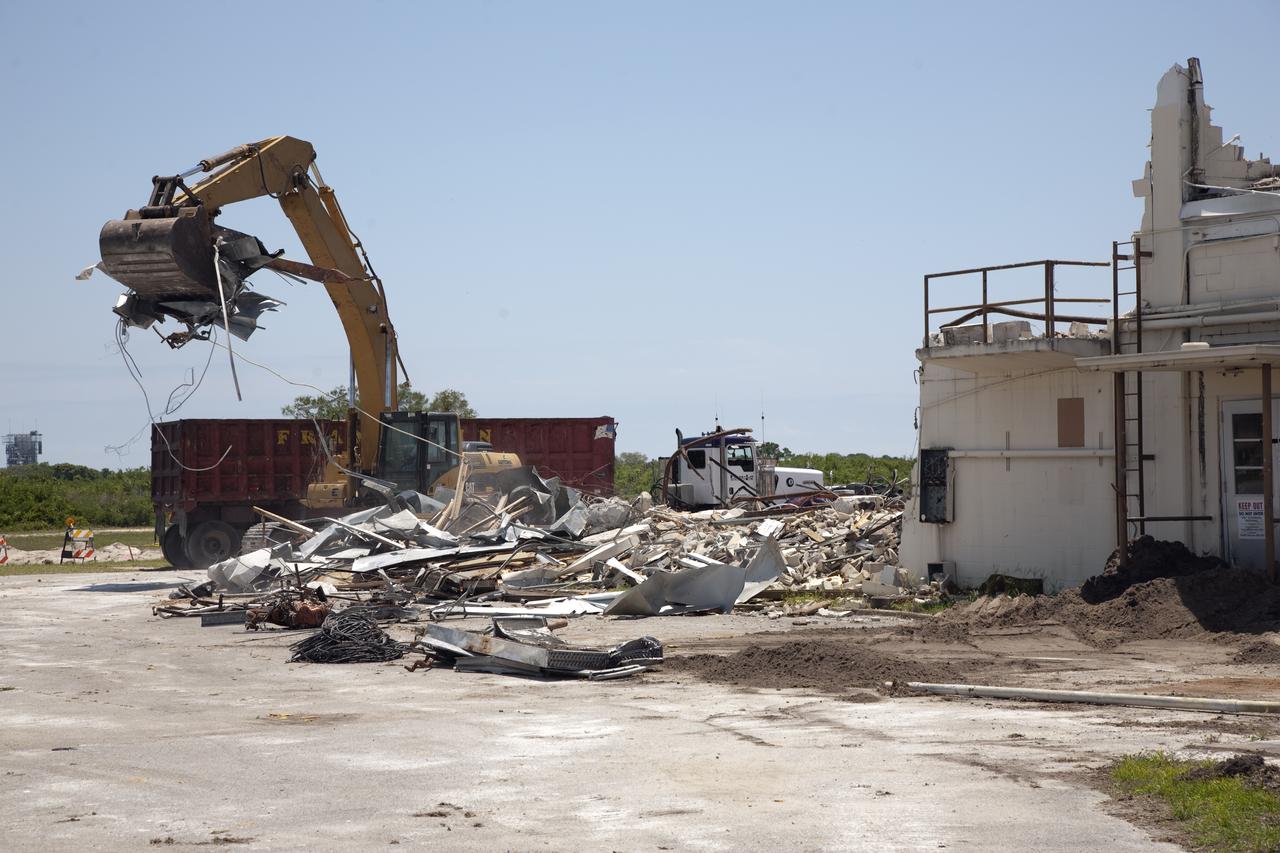
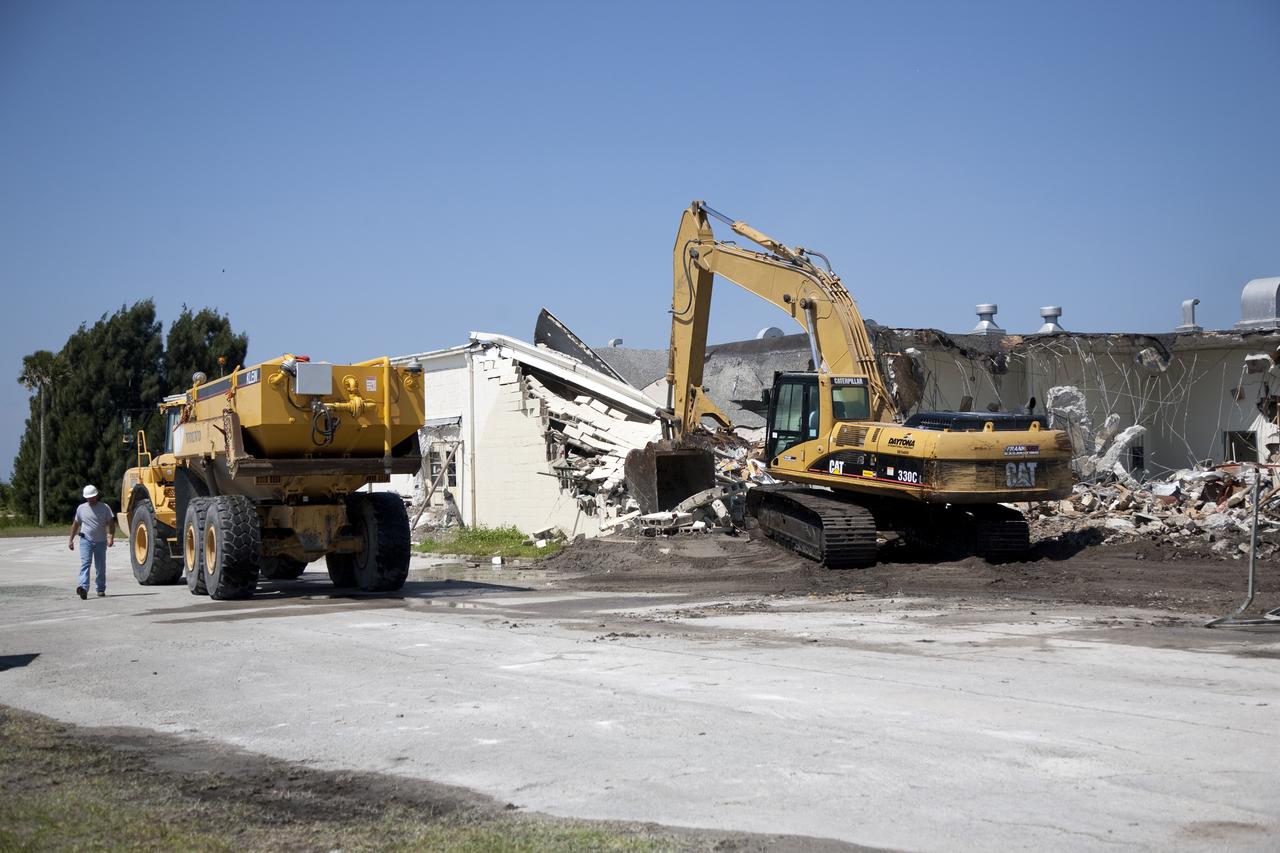
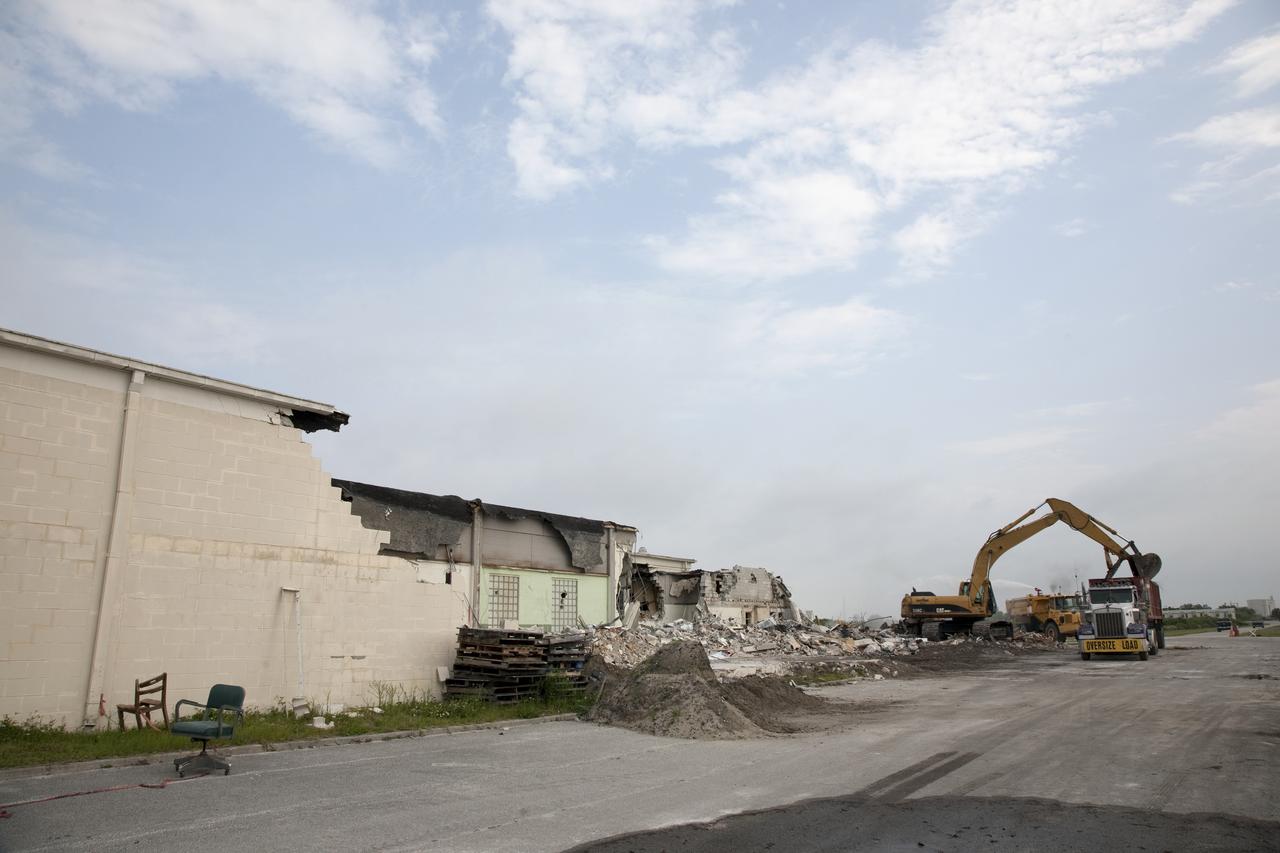
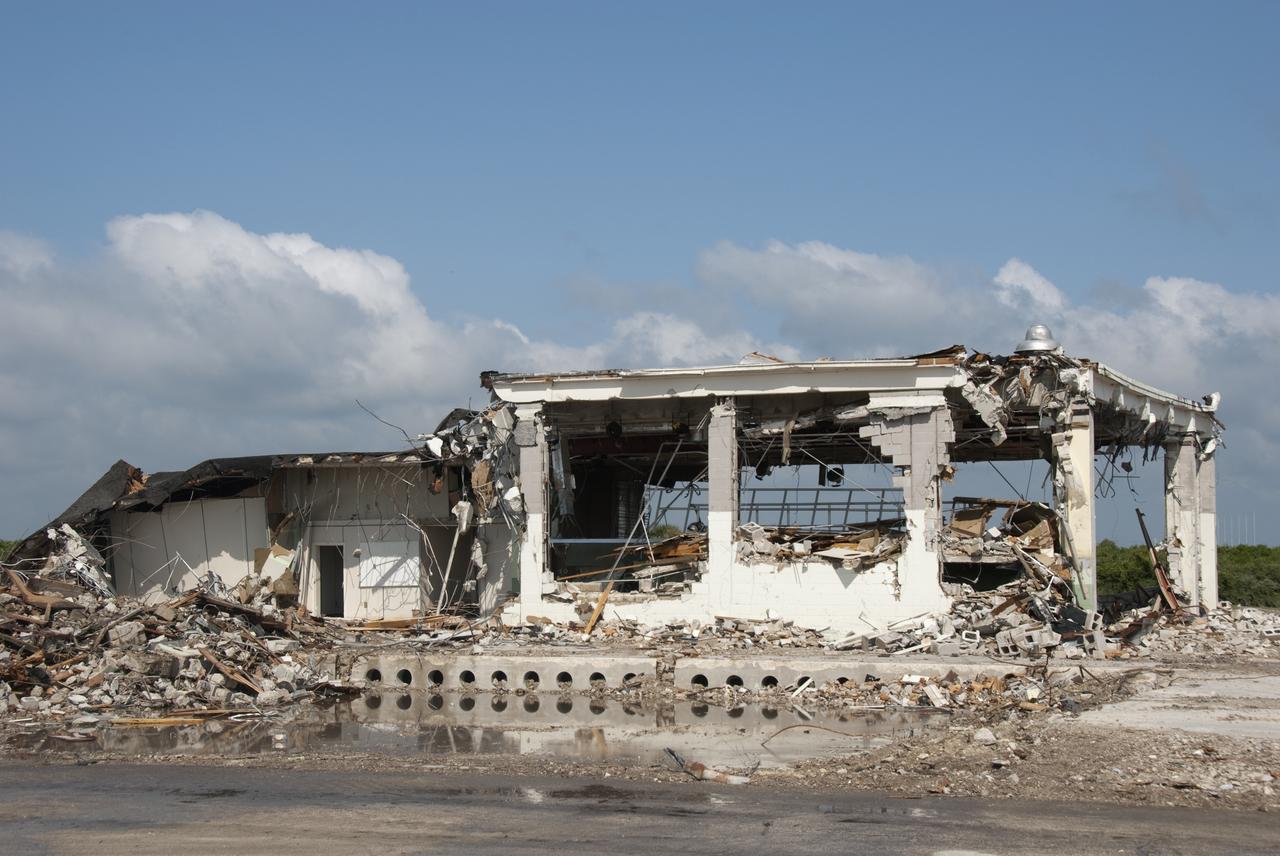
CAPE CANAVERAL, Fla. -- At NASA’s Kennedy Space Center in Florida, demolition is underway on the Base Operations Building, or BOB, in the Industrial Area. Water is being sprayed in the area to control the dust created during the demolition process. The two-story BOB was constructed in 1965 as office space for workers. Kennedy is demolishing some of the older facilities due to their age and to reduce maintenance and repair costs. Photo credit: NASA_Kim Shiflett
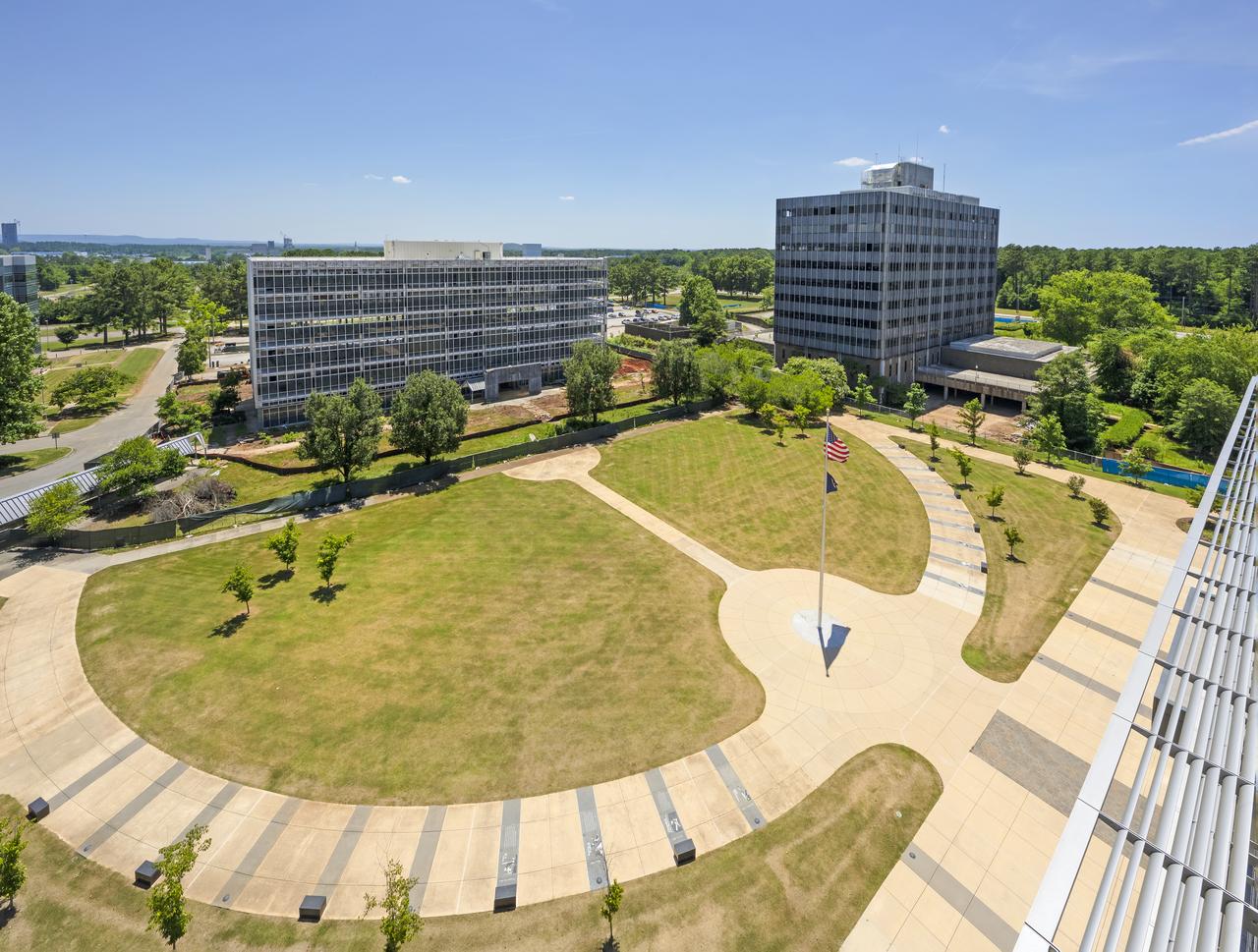
Buildings 4201 (left) and 4200 (right) of Marshall’s administrative complex are seen in September 2022 as they were being prepared for demolition. Building 4200 was Marshall’s administrative headquarters from 1963 until 2020. The projects will make way for a series of newer, more energy-efficient facilities, providing worksites for new generations of engineers, scientists, and support teams.
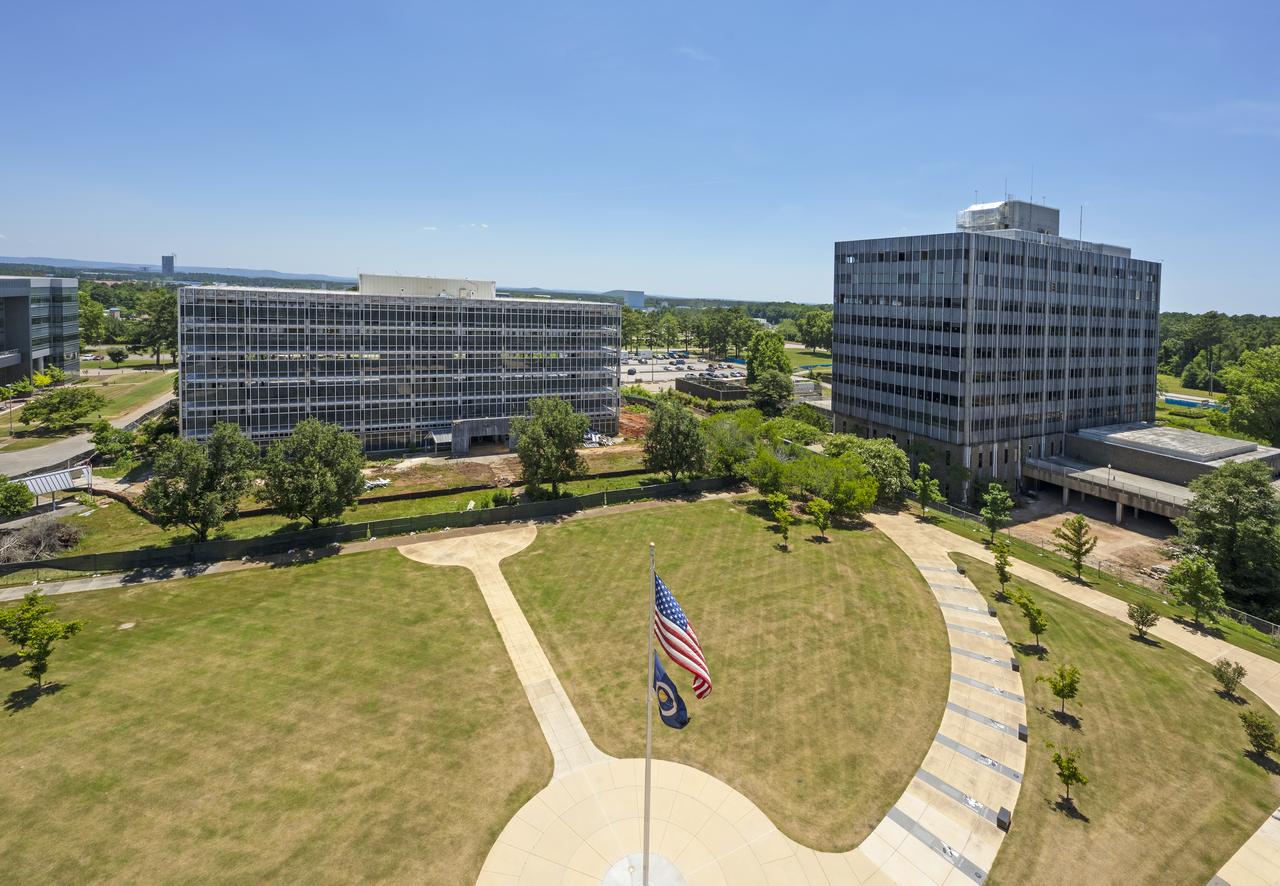
Buildings 4201 (left) and 4200 (right) of Marshall’s administrative complex are seen in September 2022 as they were being prepared for demolition. Building 4200 was Marshall’s administrative headquarters from 1963 until 2020. The projects will make way for a series of newer, more energy-efficient facilities, providing worksites for new generations of engineers, scientists, and support teams.

Buildings 4201 (left) and 4200 (right) of Marshall’s administrative complex are seen in September 2022 as they were being prepared for demolition. Building 4200 was Marshall’s administrative headquarters from 1963 until 2020. The projects will make way for a series of newer, more energy-efficient facilities, providing worksites for new generations of engineers, scientists, and support teams.
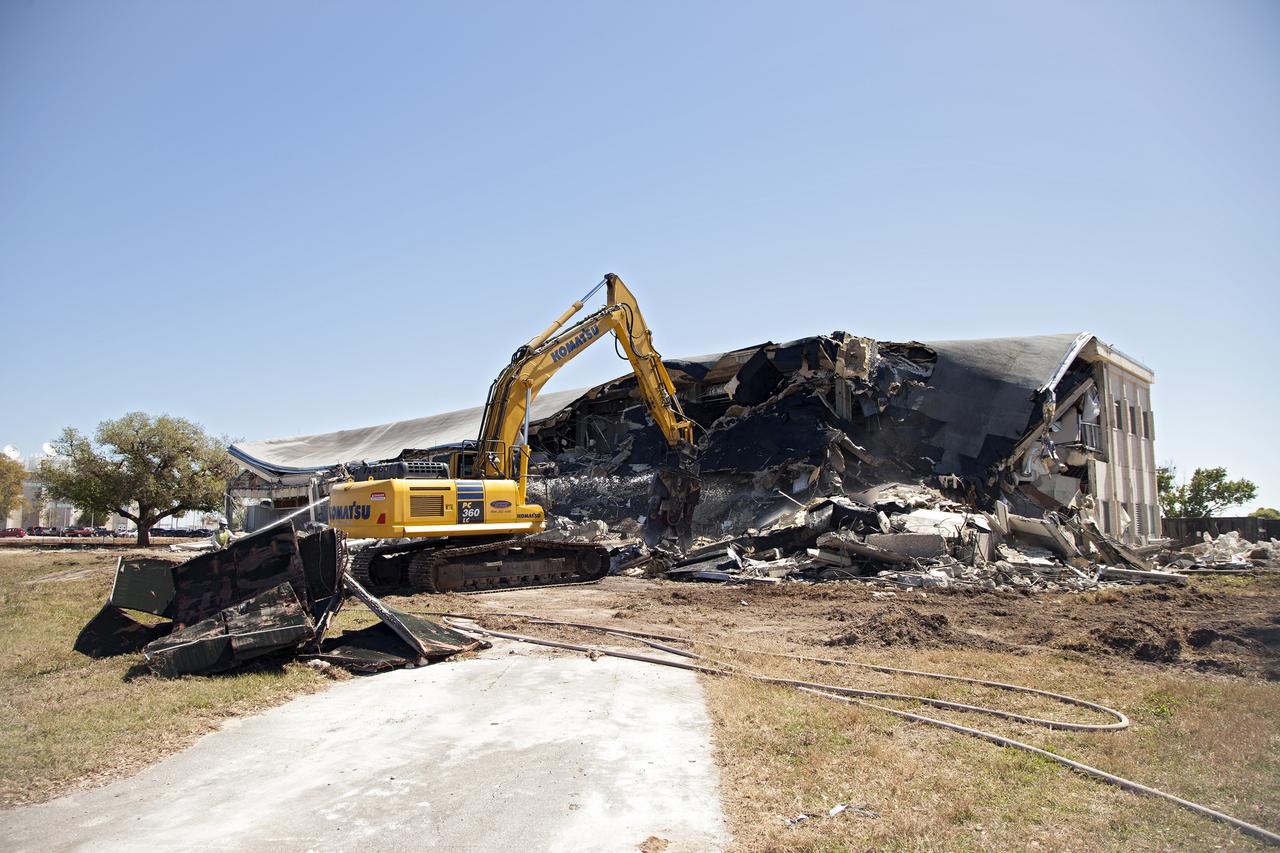
CAPE CANAVERAL, Fla. -- At NASA’s Kennedy Space Center in Florida, demolition is underway on the Base Operations Building, or BOB, in the Industrial Area. The two-story BOB was constructed in 1965 as office space for workers. Kennedy is demolishing some of the older facilities due to their age and to reduce maintenance and repair costs. Photo credit: NASA_Kim Shiflett
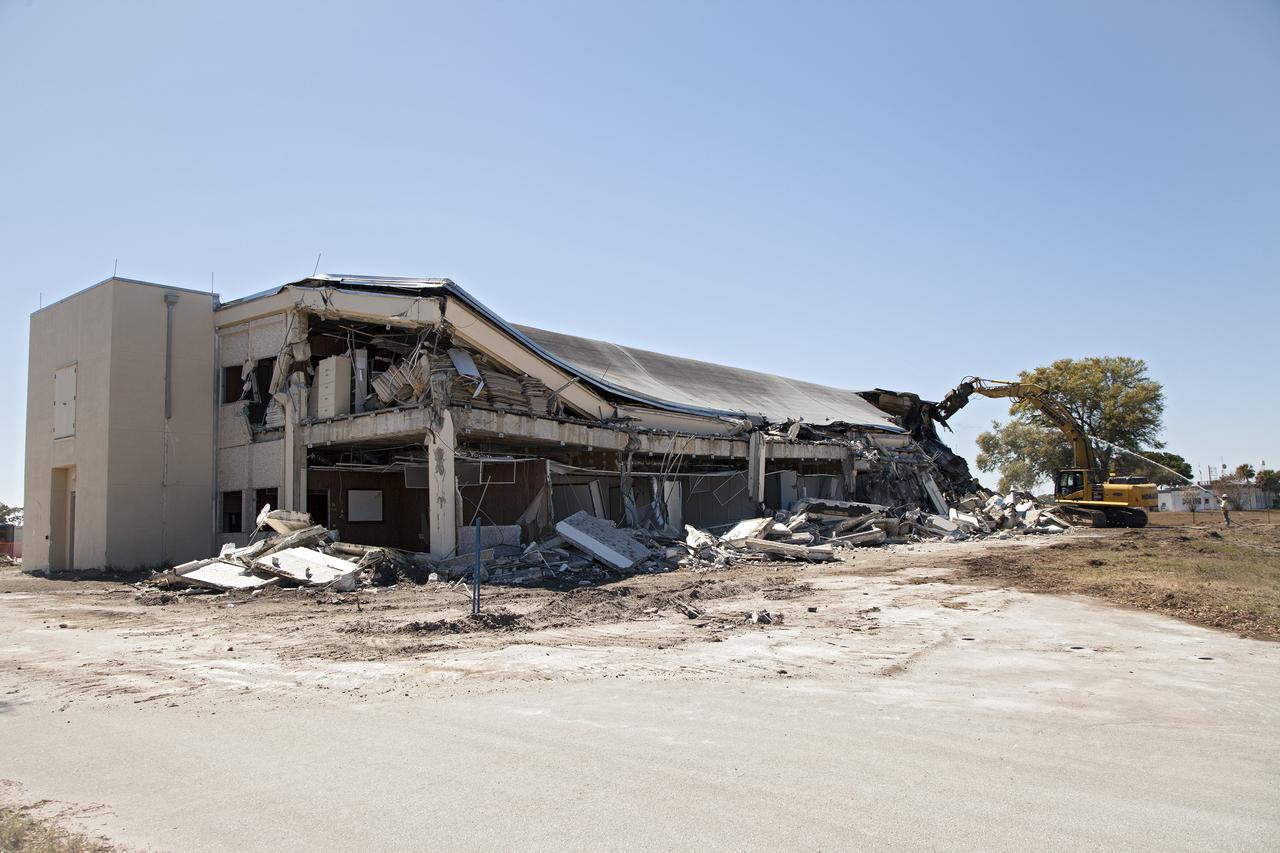
CAPE CANAVERAL, Fla. -- At NASA’s Kennedy Space Center in Florida, demolition is underway on the Base Operations Building, or BOB, in the Industrial Area. The two-story BOB was constructed in 1965 as office space for workers. Kennedy is demolishing some of the older facilities due to their age and to reduce maintenance and repair costs. Photo credit: NASA_Kim Shiflett
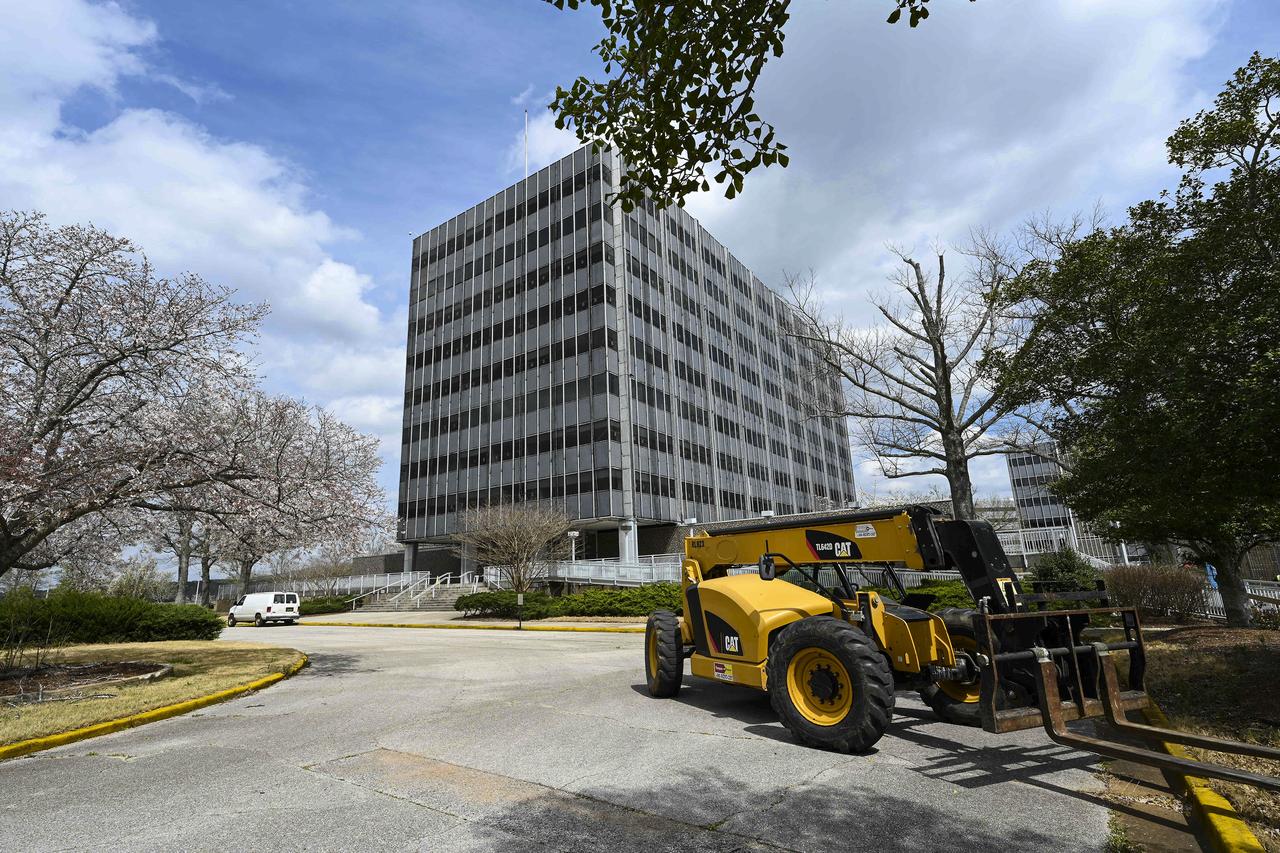
Building 4200 of Marshall’s administrative complex is prepared for demolition in the fall of 2022. Building 4200 was Marshall’s administrative headquarters from 1963 until 2020. The project will make way for a newer, more energy-efficient facilities, providing worksites for new generations of engineers, scientists, and support teams.
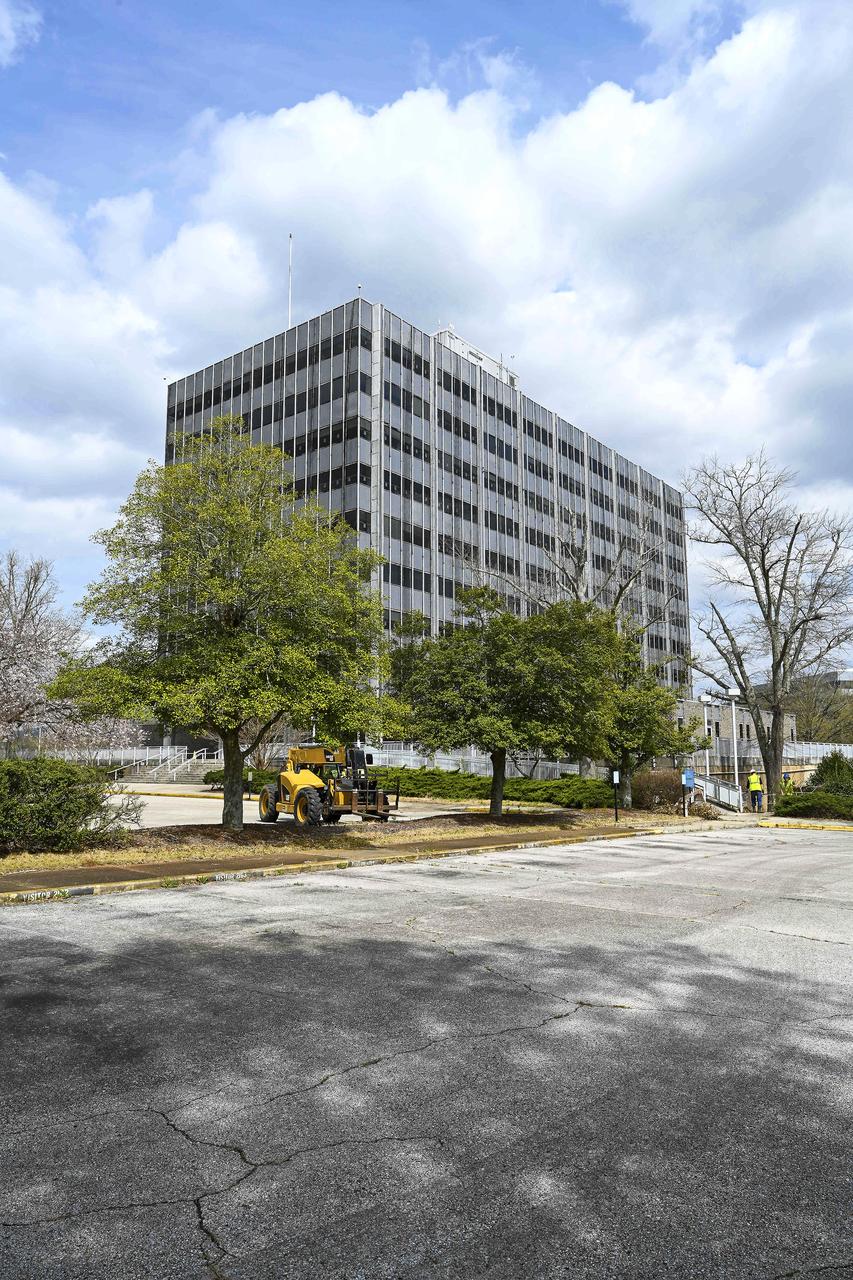
Building 4200 of Marshall’s administrative complex is prepared for demolition in the fall of 2022. Building 4200 was Marshall’s administrative headquarters from 1963 until 2020. The project will make way for a newer, more energy-efficient facilities, providing worksites for new generations of engineers, scientists, and support teams.
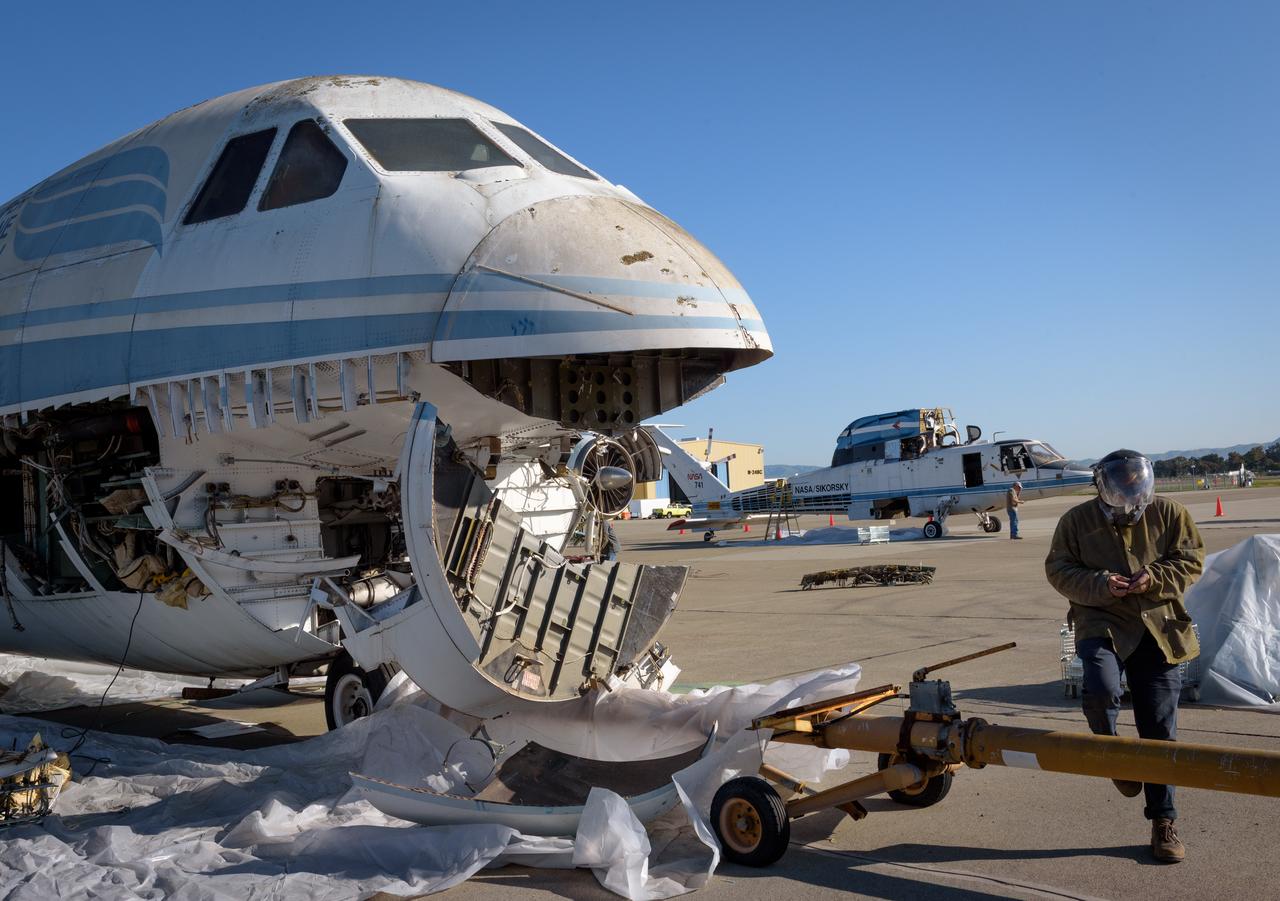
Aircraft demolition of the modified C-141 Kuiper Airborne Observatory, (KAO) (NASA-714), on the N211 apron at Moffett Field, California.
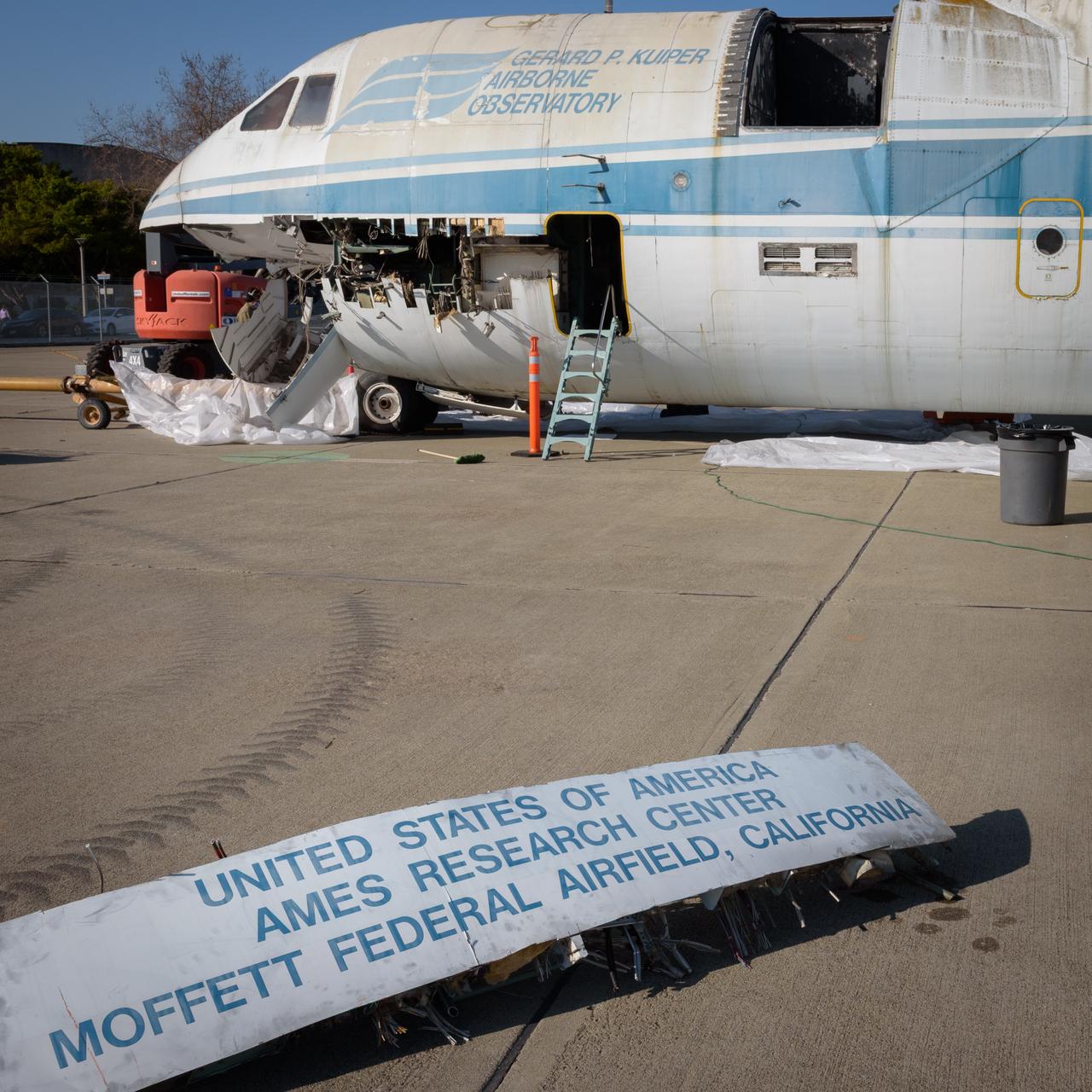
Aircraft demolition of the modified C-141 Kuiper Airborne Observatory, (KAO) (NASA-714), on the N211 apron at Moffett Field, California.

Demolition of the modified C-141 Kuiper Airborne Observatory, (KAO) (NASA-714), on the N211 apron at Moffett Field, California.
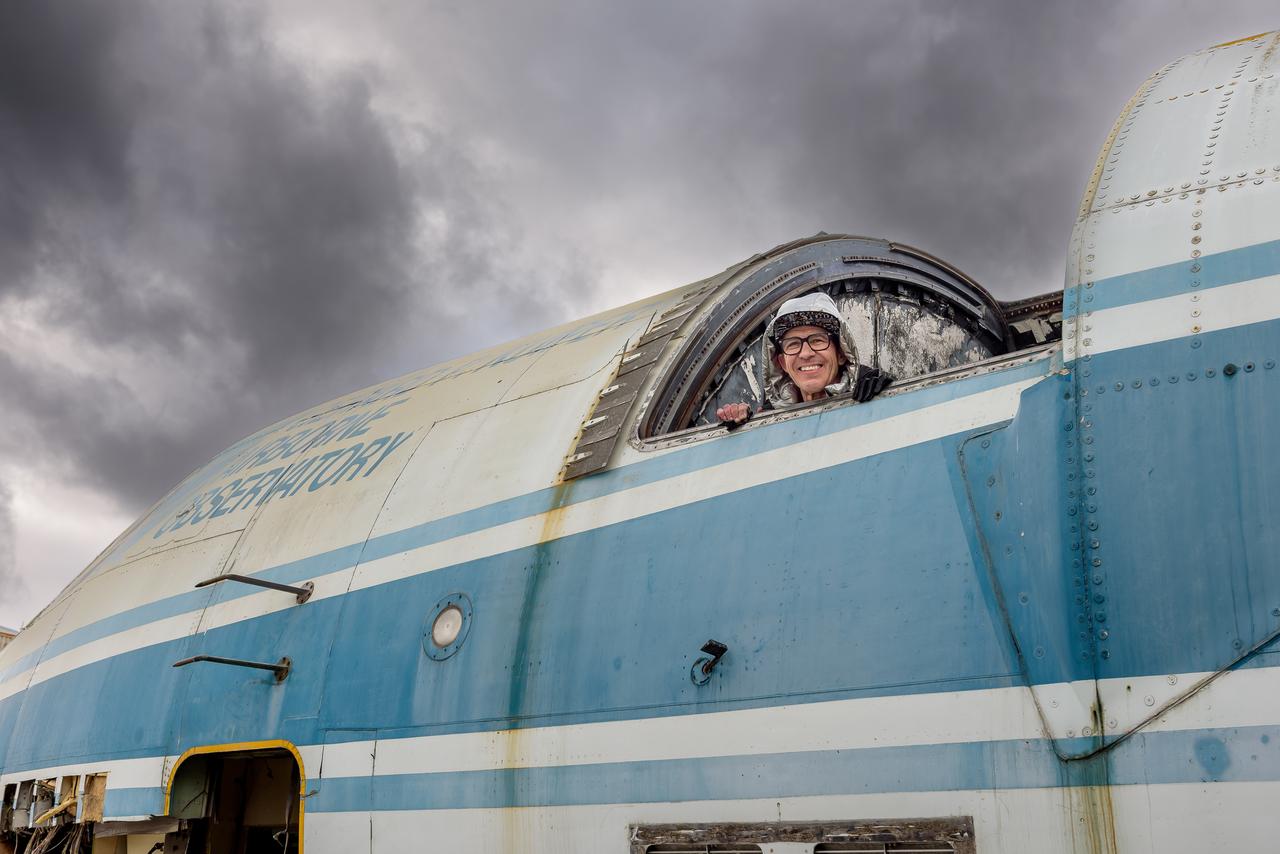
Monty Miranda in the telescope reticle during the demolition of the modified C-141 Kuiper Airborne Observatory, (KAO) (NASA-714), on the N211 apron at Moffett Field, California.
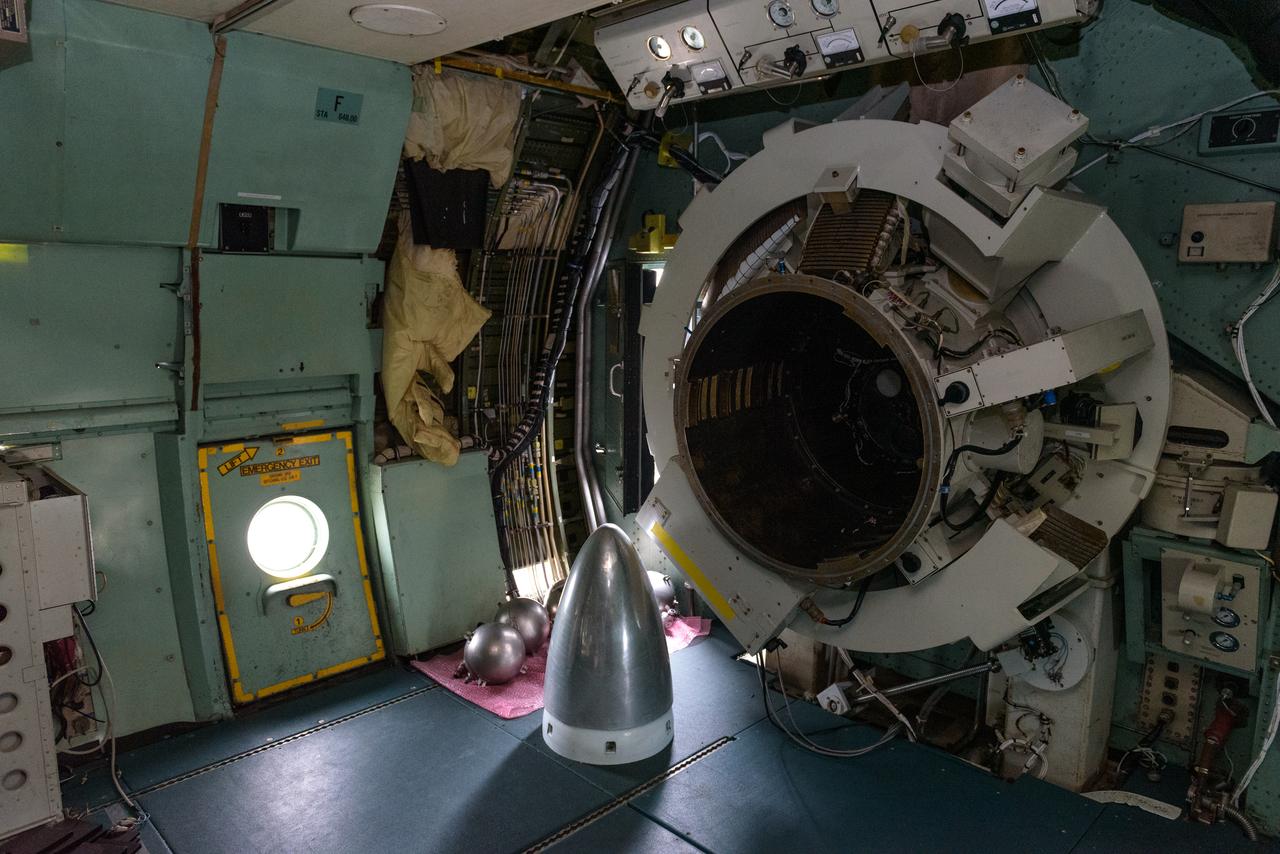
The telescope mount in the modified C-141 Kuiper Airborne Observatory, (KAO) (NASA-714), during its demolition on the N211 apron at Moffett Field, California.

Close-up view of the tail section of the modified C-141 Kuiper Airborne Observatory, (KAO) (NASA-714), during its demolition on the N211 apron at Moffett Field, California.
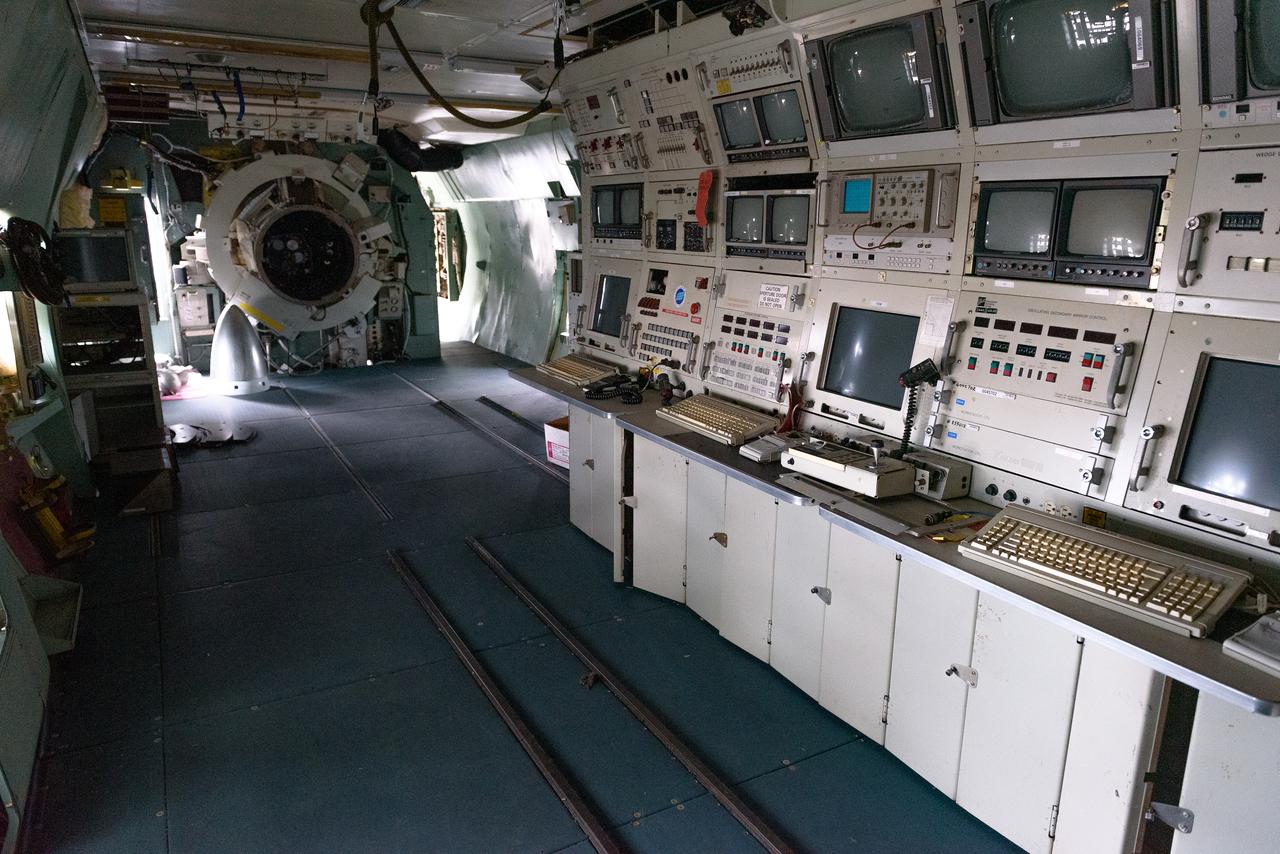
Daylight shines through the airframe of the fuselage onto the mission director’s and telescope operator’s workstations of the modified C-141 Kuiper Airborne Observatory, (KAO) (NASA-714), during its demolition on the N211 apron at Moffett Field, California.
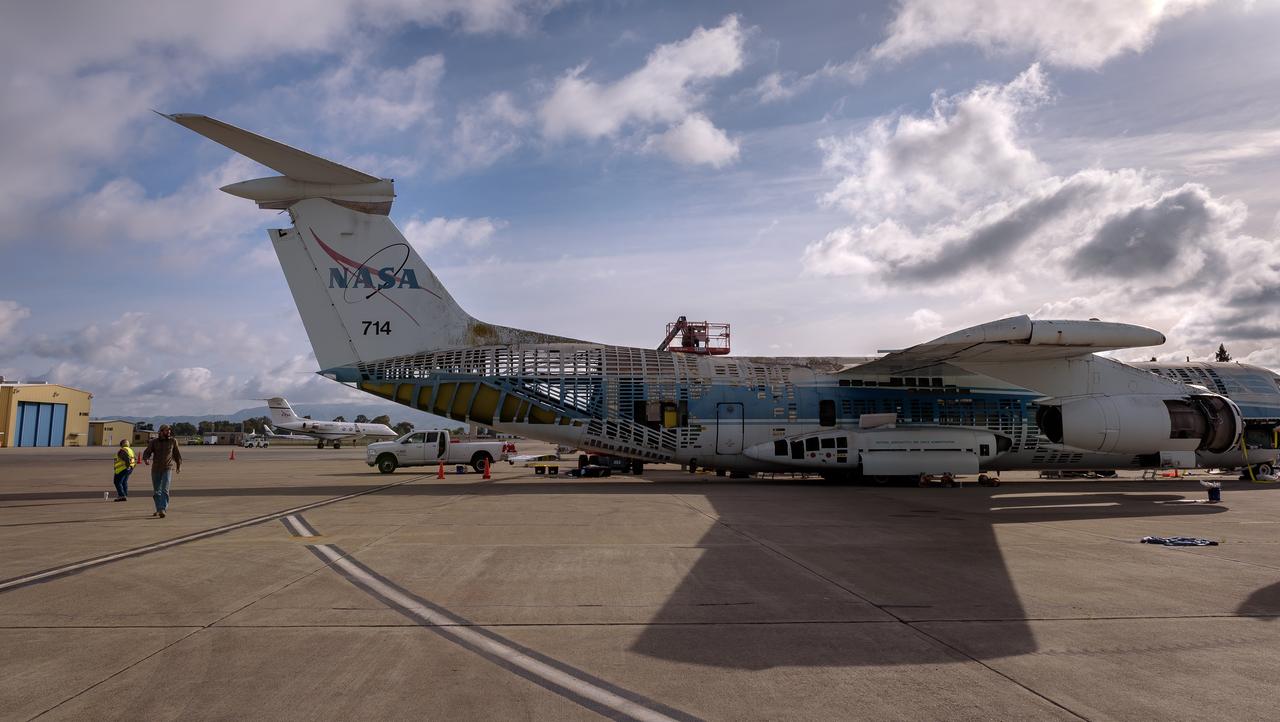
Daylight shines through the airframe during the demolition of the modified C-141 Kuiper Airborne Observatory, (KAO) (NASA-714), tail section on the N211 apron at Moffett Field, California.
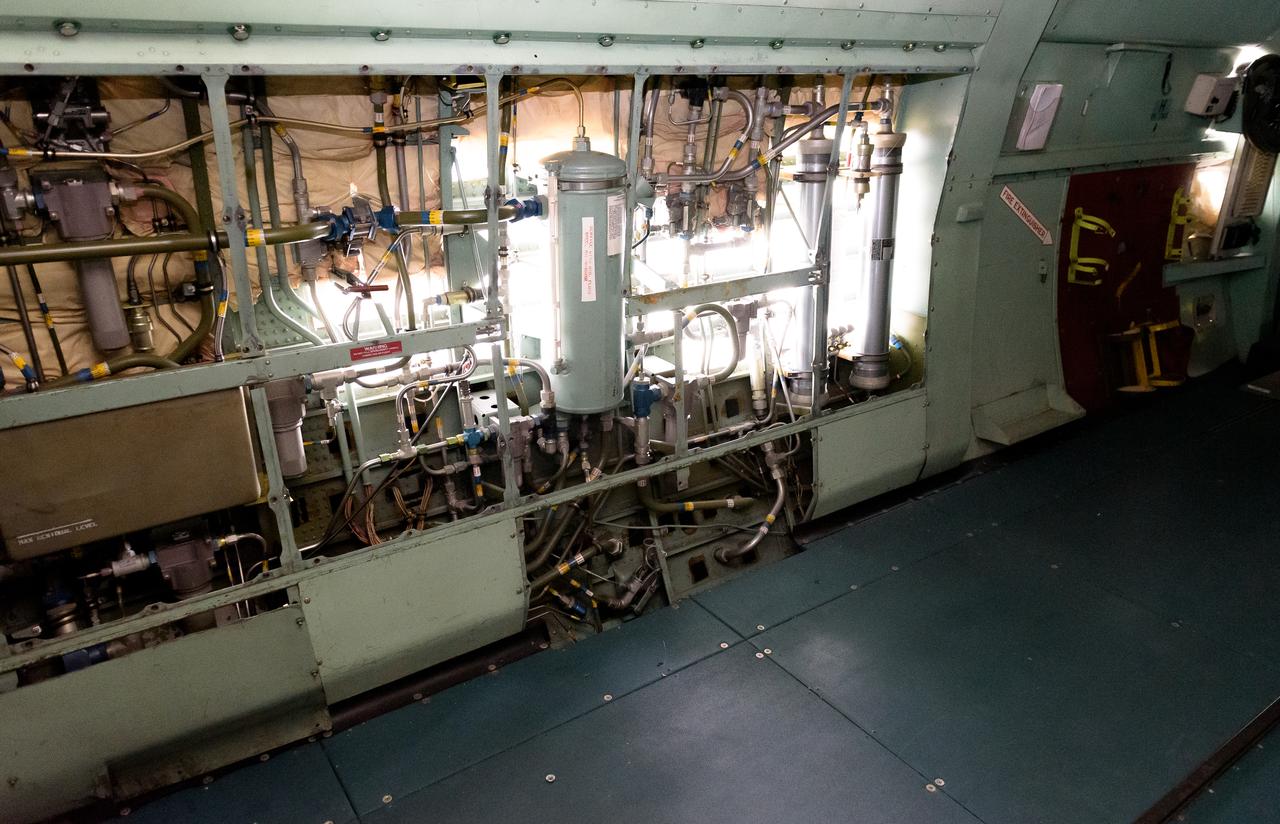
Daylight shines through the airframe of the modified C-141 Kuiper Airborne Observatory, (KAO) (NASA-714), fuselage during its demolition on the N211 apron at Moffett Field, California
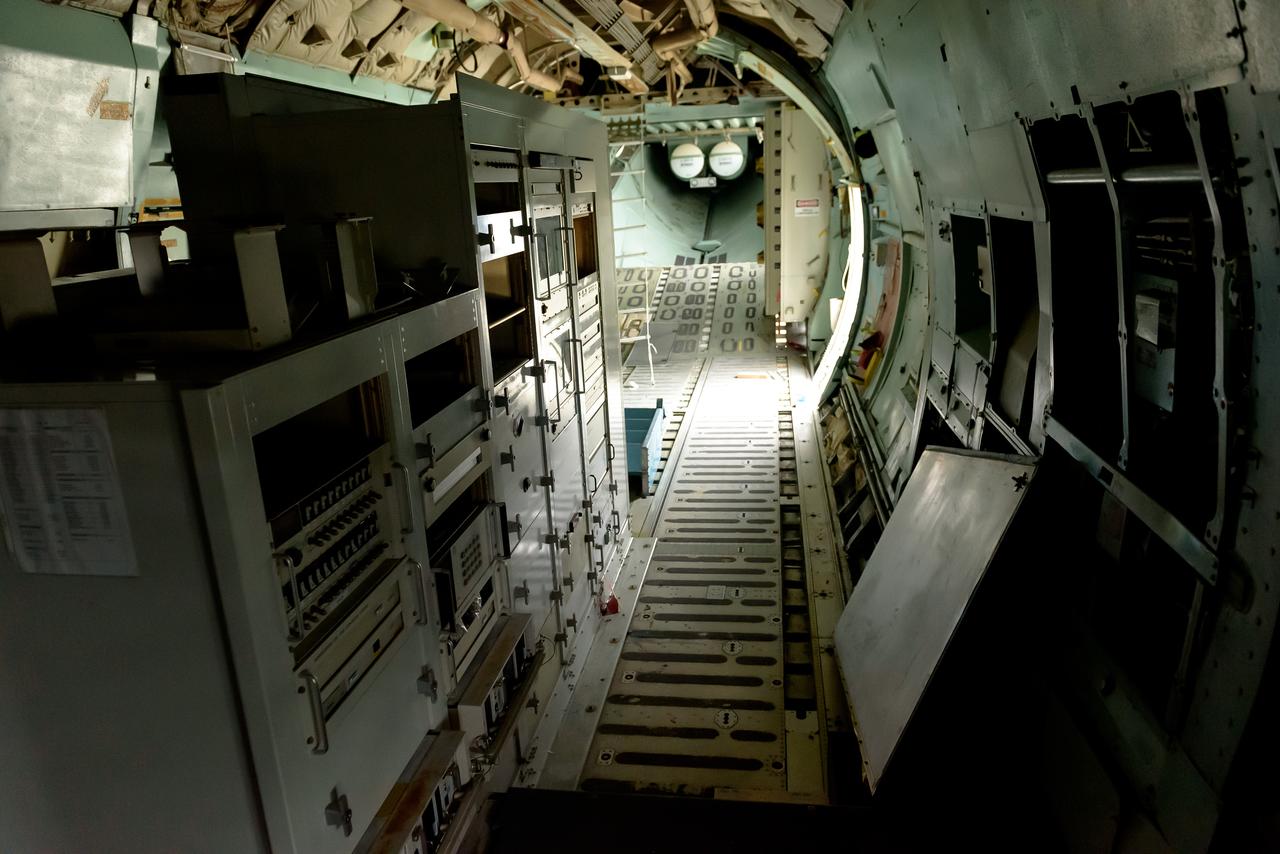
Daylight shines through the airframe of the modified C-141 Kuiper Airborne Observatory, (KAO) (NASA-714), fuselage during its demolition on the N211 apron at Moffett Field, California
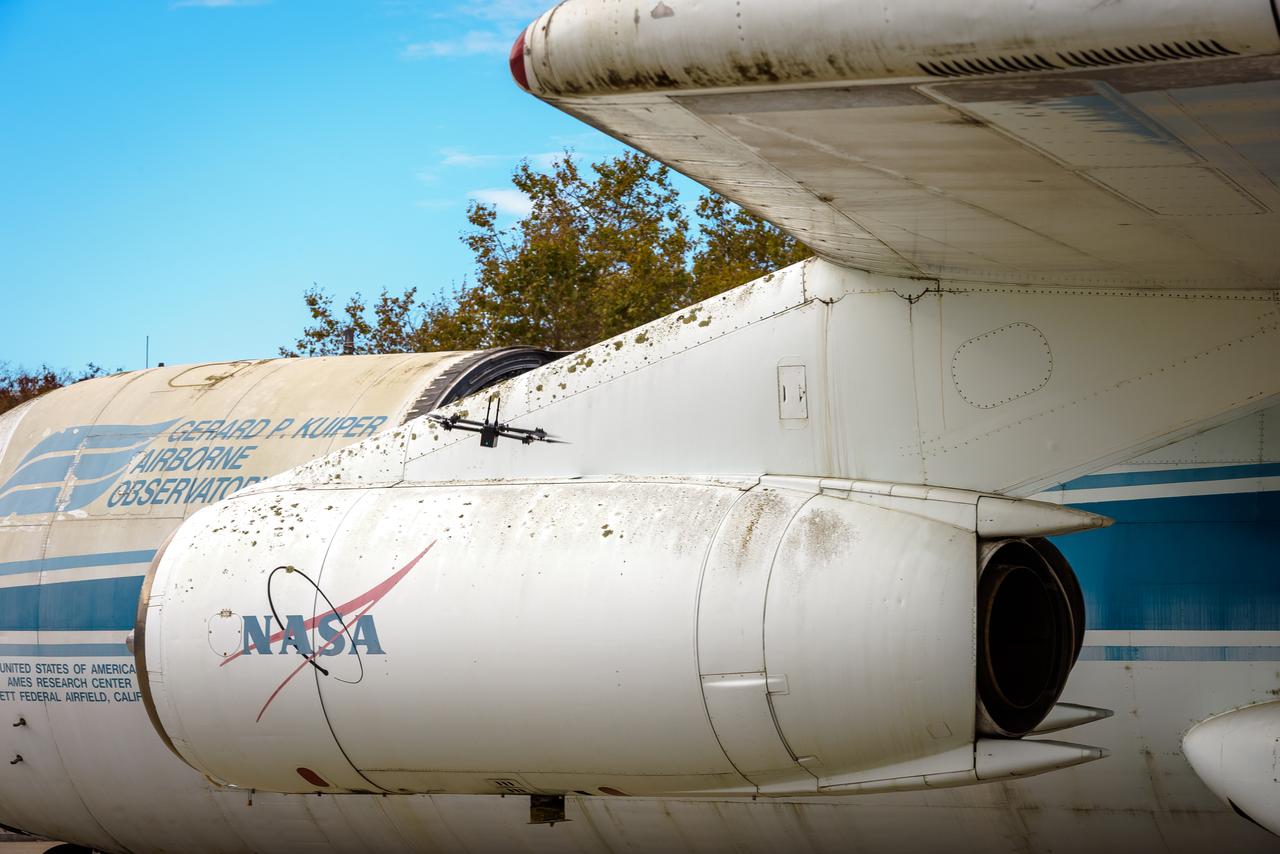
The drone follows an autonomously defined path around the modified C-141 Kuiper Airborne Observatory, (KAO) (NASA-714), on the N211 apron. The drone photographs the aircraft with a visible and infrared camera which are processed using a photogrammetry software package called Pix4D that converts them into a 3D model. Scanning the aircraft is the first phase of documenting the aircraft demolition as well as an opportunity to train pilots to operate the Pix4D software.

The drone follows an autonomously defined path around the modified C-141 Kuiper Airborne Observatory, (KAO) (NASA-714), on the N211 apron. The drone photographs the aircraft with a visible and infrared camera which are processed using a photogrammetry software package called Pix4D that converts them into a 3D model. Scanning the aircraft is the first phase of documenting the aircraft demolition as well as an opportunity to train pilots to operate the Pix4D software.

The drone follows an autonomously defined path around the modified C-141 Kuiper Airborne Observatory, (KAO) (NASA-714), on the N211 apron. The drone photographs the aircraft with a visible and infrared camera which are processed using a photogrammetry software package called Pix4D that converts them into a 3D model. Scanning the aircraft is the first phase of documenting the aircraft demolition as well as an opportunity to train pilots to operate the Pix4D software.
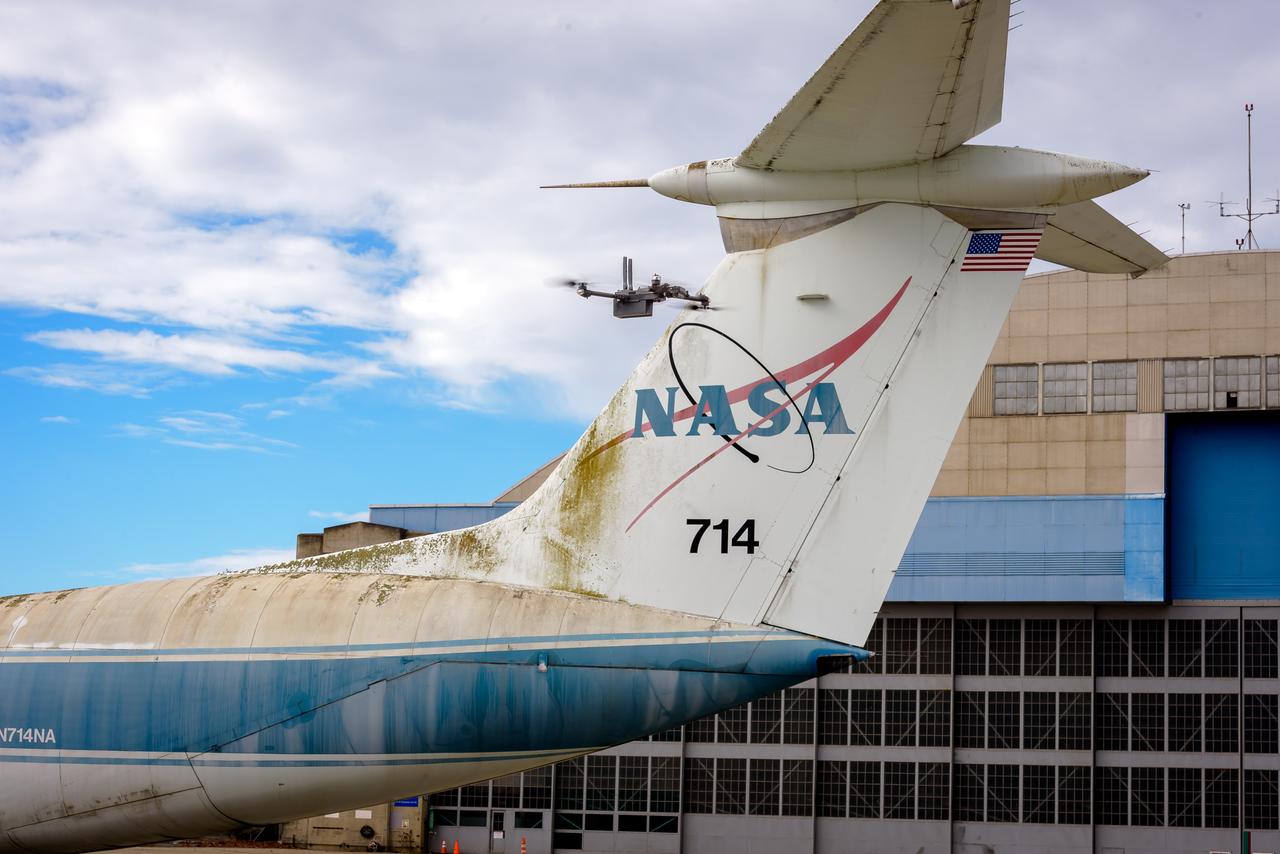
The drone follows an autonomously defined path around the modified C-141 Kuiper Airborne Observatory, (KAO) (NASA-714), on the N211 apron. The drone photographs the aircraft with a visible and infrared camera which are processed using a photogrammetry software package called Pix4D that converts them into a 3D model. Scanning the aircraft is the first phase of documenting the aircraft demolition as well as an opportunity to train pilots to operate the Pix4D software.
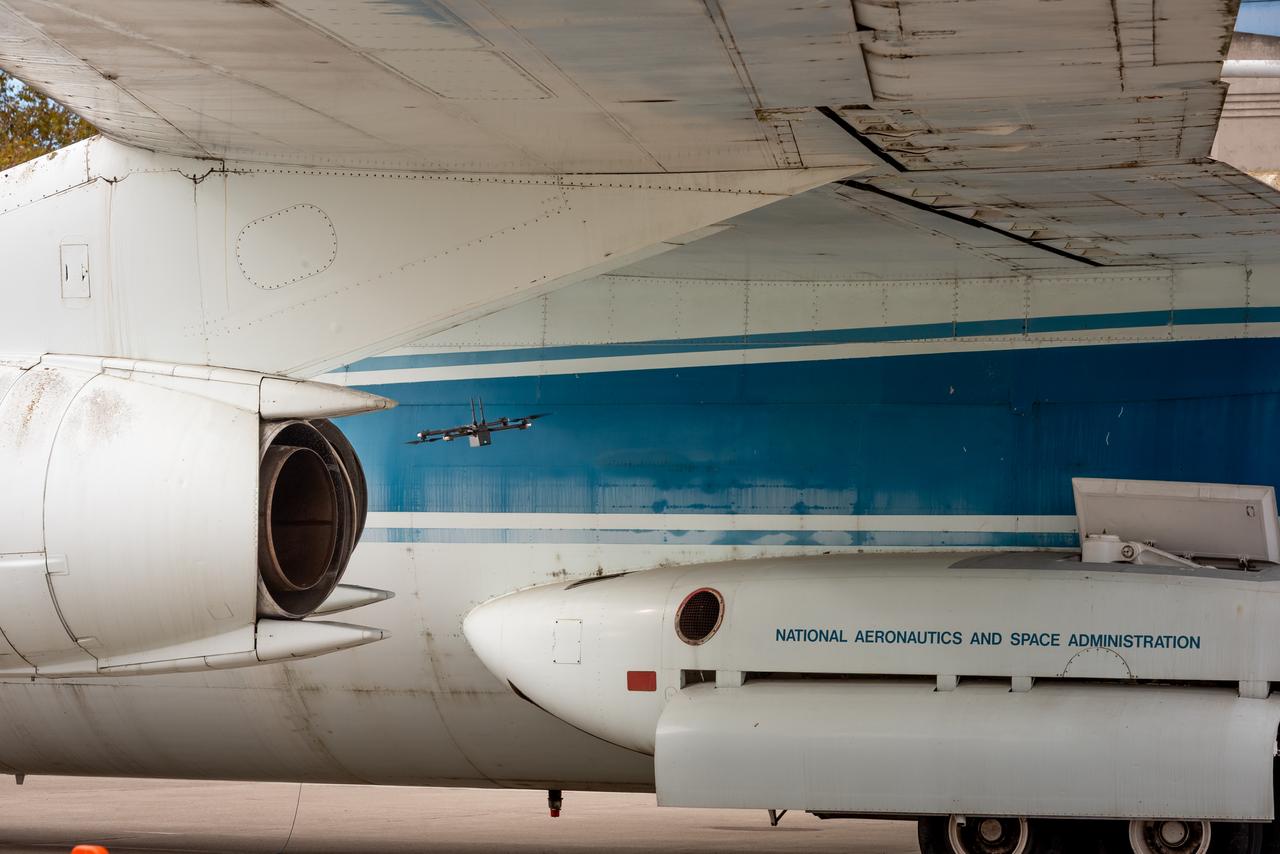
The drone follows an autonomously defined path around the modified C-141 Kuiper Airborne Observatory, (KAO) (NASA-714), on the N211 apron. The drone photographs the aircraft with a visible and infrared camera which are processed using a photogrammetry software package called Pix4D that converts them into a 3D model. Scanning the aircraft is the first phase of documenting the aircraft demolition as well as an opportunity to train pilots to operate the Pix4D software.
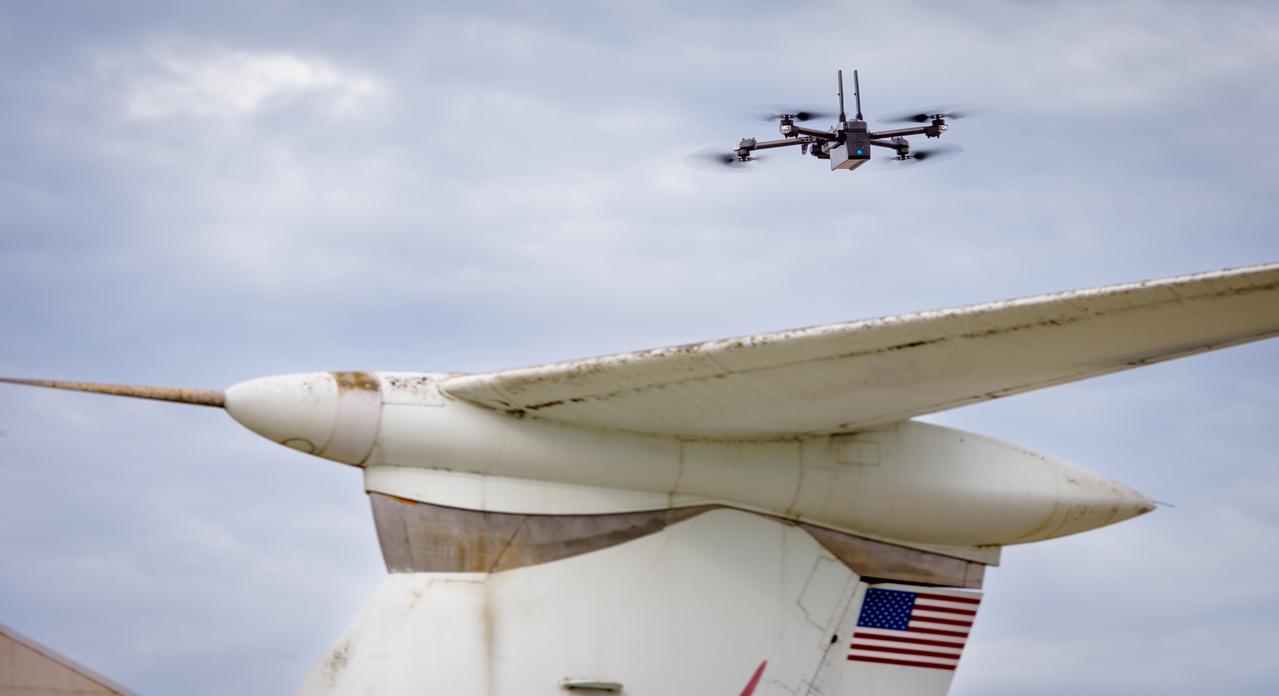
The drone follows an autonomously defined path around the modified C-141 Kuiper Airborne Observatory, (KAO) (NASA-714), on the N211 apron. The drone photographs the aircraft with a visible and infrared camera which are processed using a photogrammetry software package called Pix4D that converts them into a 3D model. Scanning the aircraft is the first phase of documenting the aircraft demolition as well as an opportunity to train pilots to operate the Pix4D software.

The drone follows an autonomously defined path around the modified C-141 Kuiper Airborne Observatory, (KAO) (NASA-714), on the N211 apron. The drone photographs the aircraft with a visible and infrared camera which are processed using a photogrammetry software package called Pix4D that converts them into a 3D model. Scanning the aircraft is the first phase of documenting the aircraft demolition as well as an opportunity to train pilots to operate the Pix4D software.
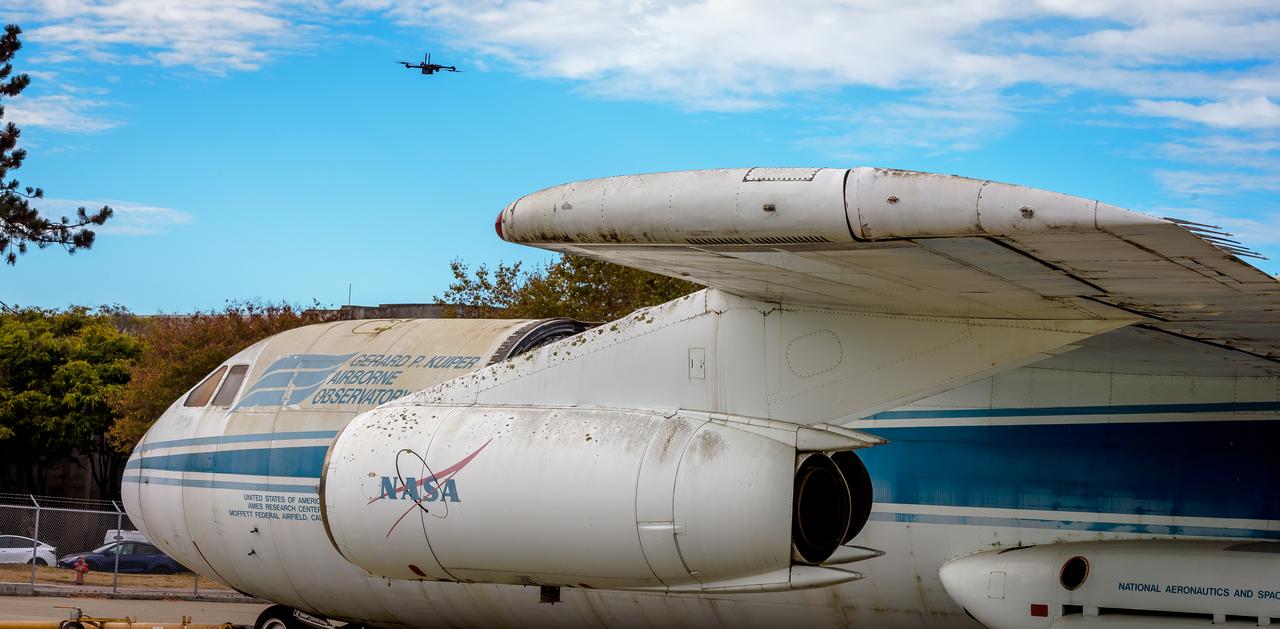
The drone follows an autonomously defined path around the modified C-141 Kuiper Airborne Observatory, (KAO) (NASA-714), on the N211 apron. The drone photographs the aircraft with a visible and infrared camera which are processed using a photogrammetry software package called Pix4D that converts them into a 3D model. Scanning the aircraft is the first phase of documenting the aircraft demolition as well as an opportunity to train pilots to operate the Pix4D software.
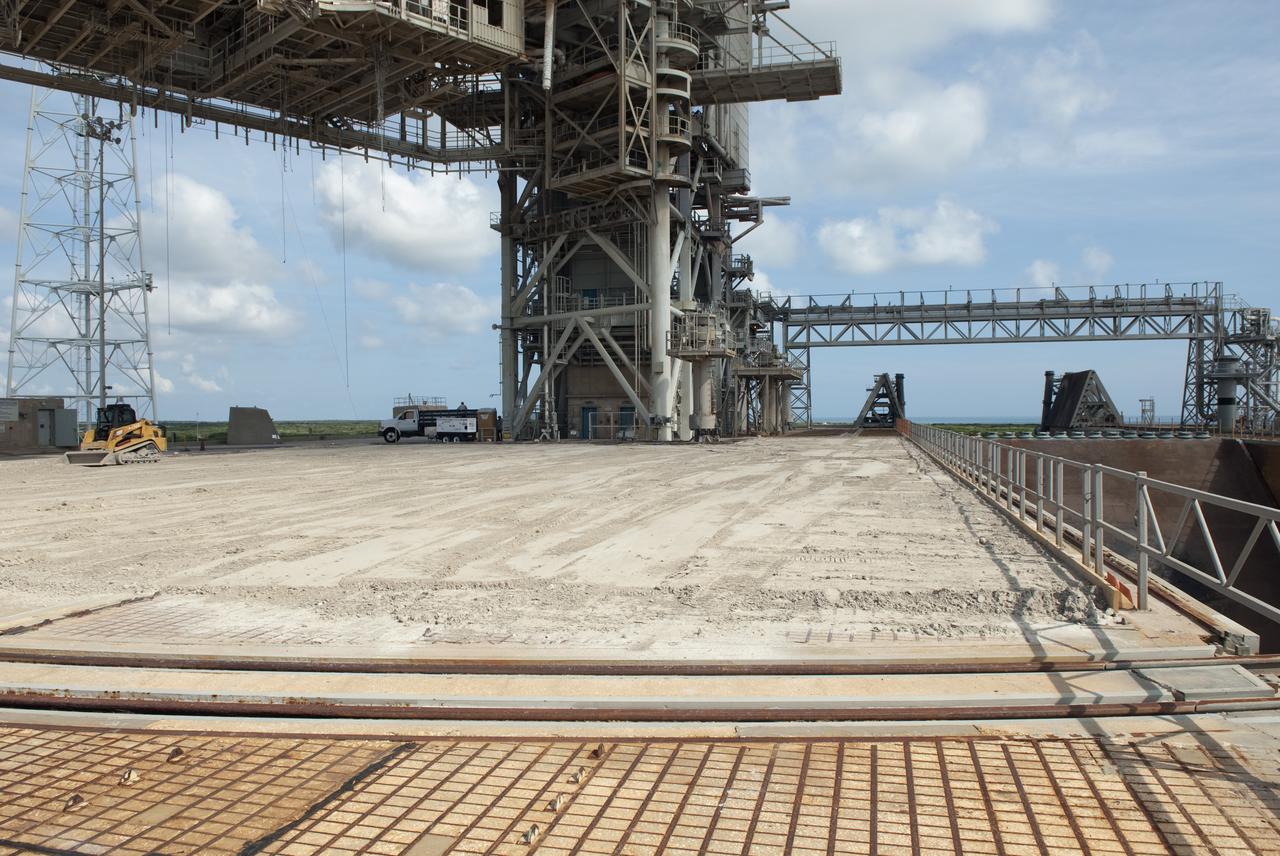
PAD 39B DEMOLITION OPS - SAND BEING LOADED UNDER RSS TO PROTECT CONCRETE DURING DEMOLITION
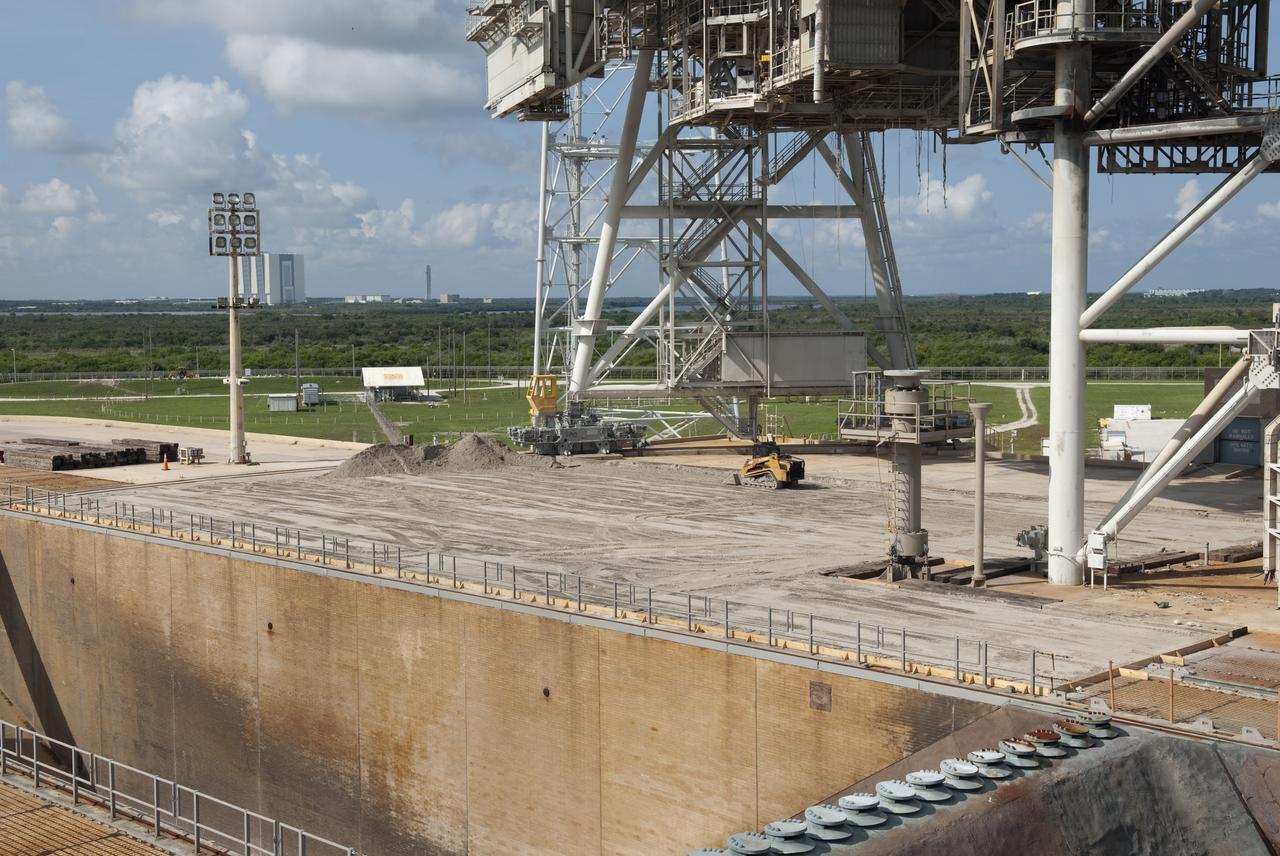
PAD 39B DEMOLITION OPS - SAND BEING LOADED UNDER RSS TO PROTECT CONCRETE DURING DEMOLITION
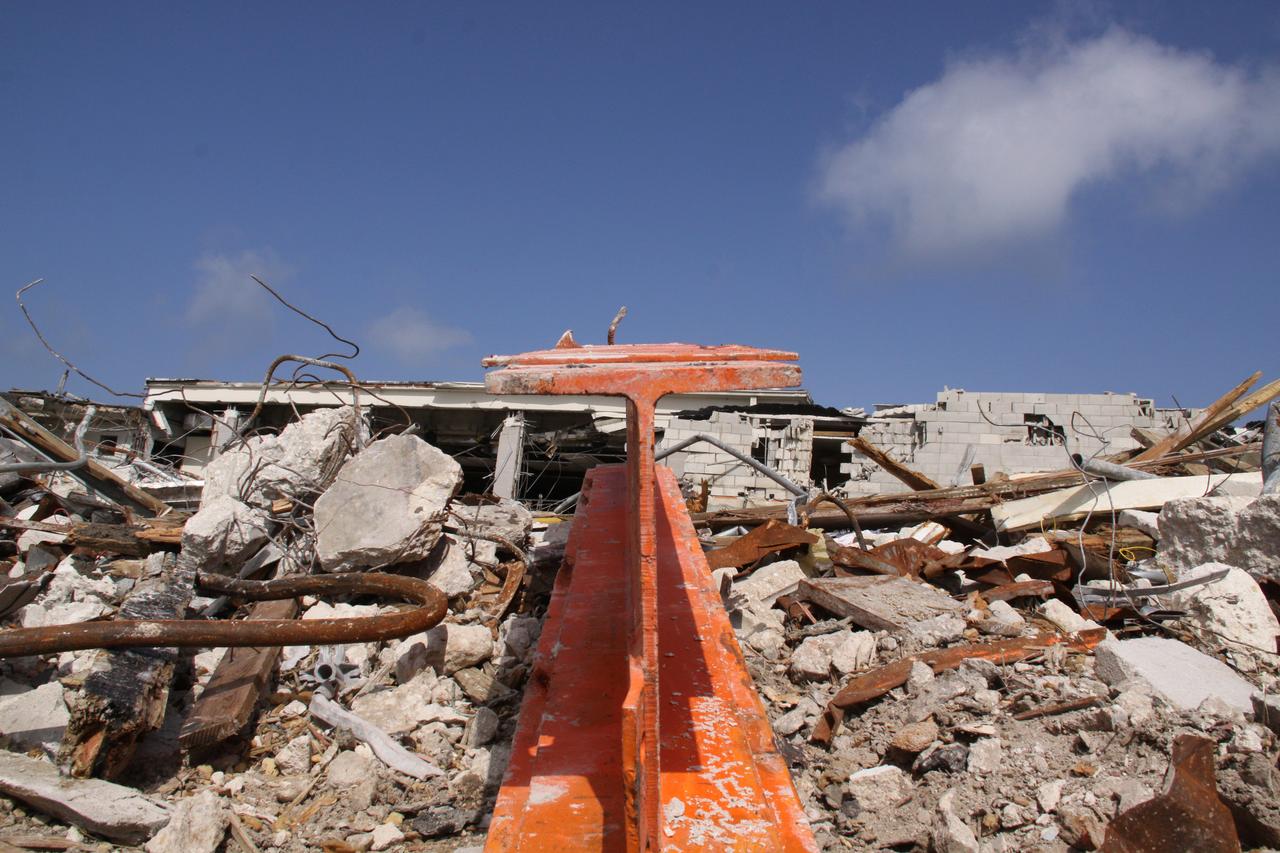
MCC Demolition
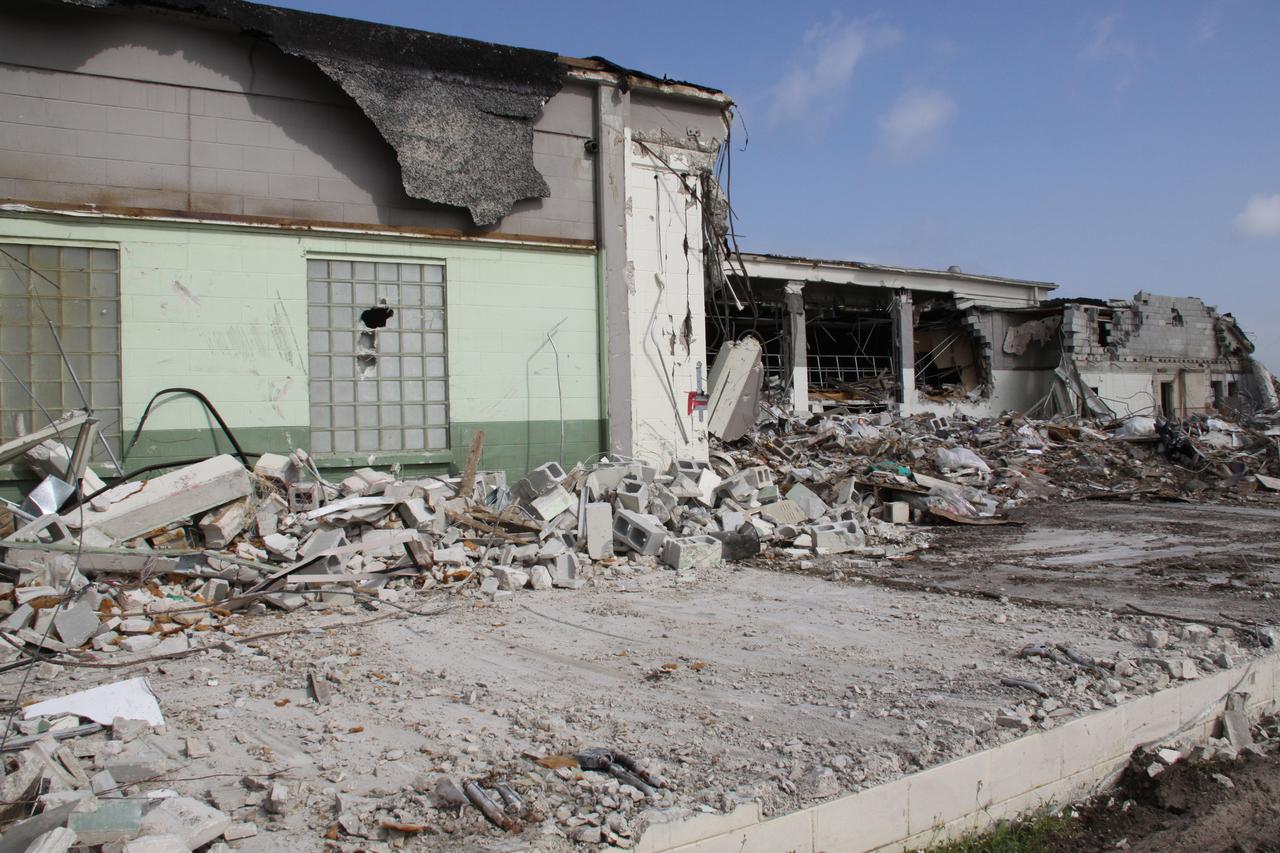
MCC Demolition
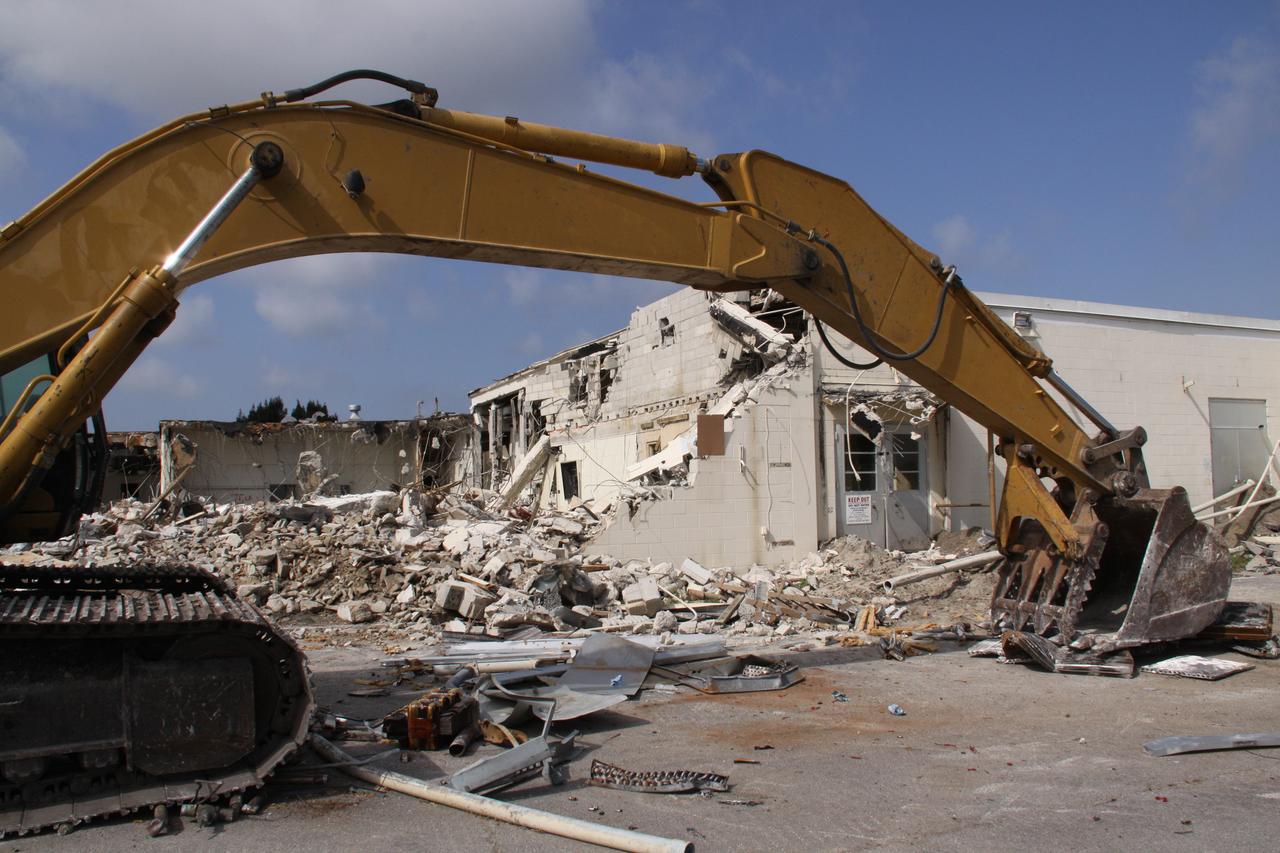
MCC Demolition
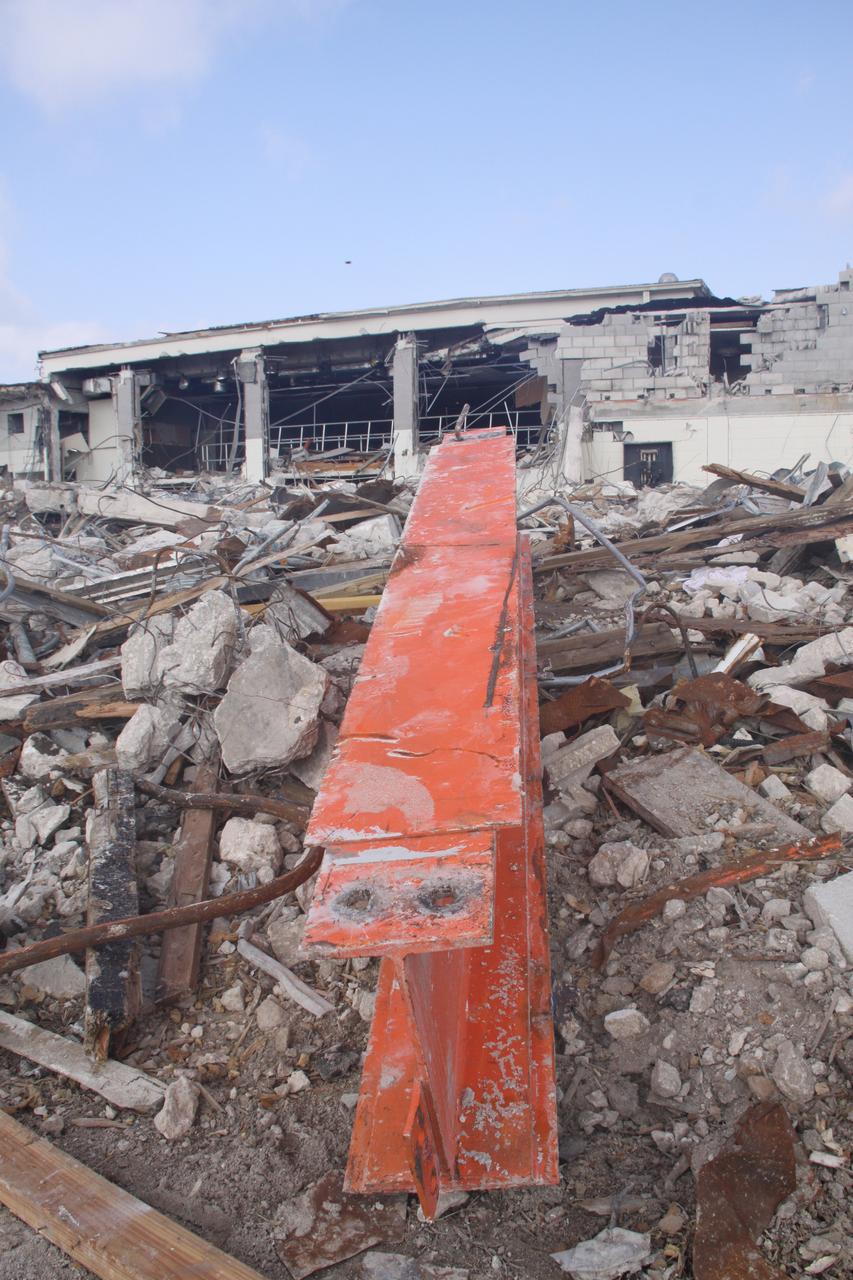
MCC Demolition
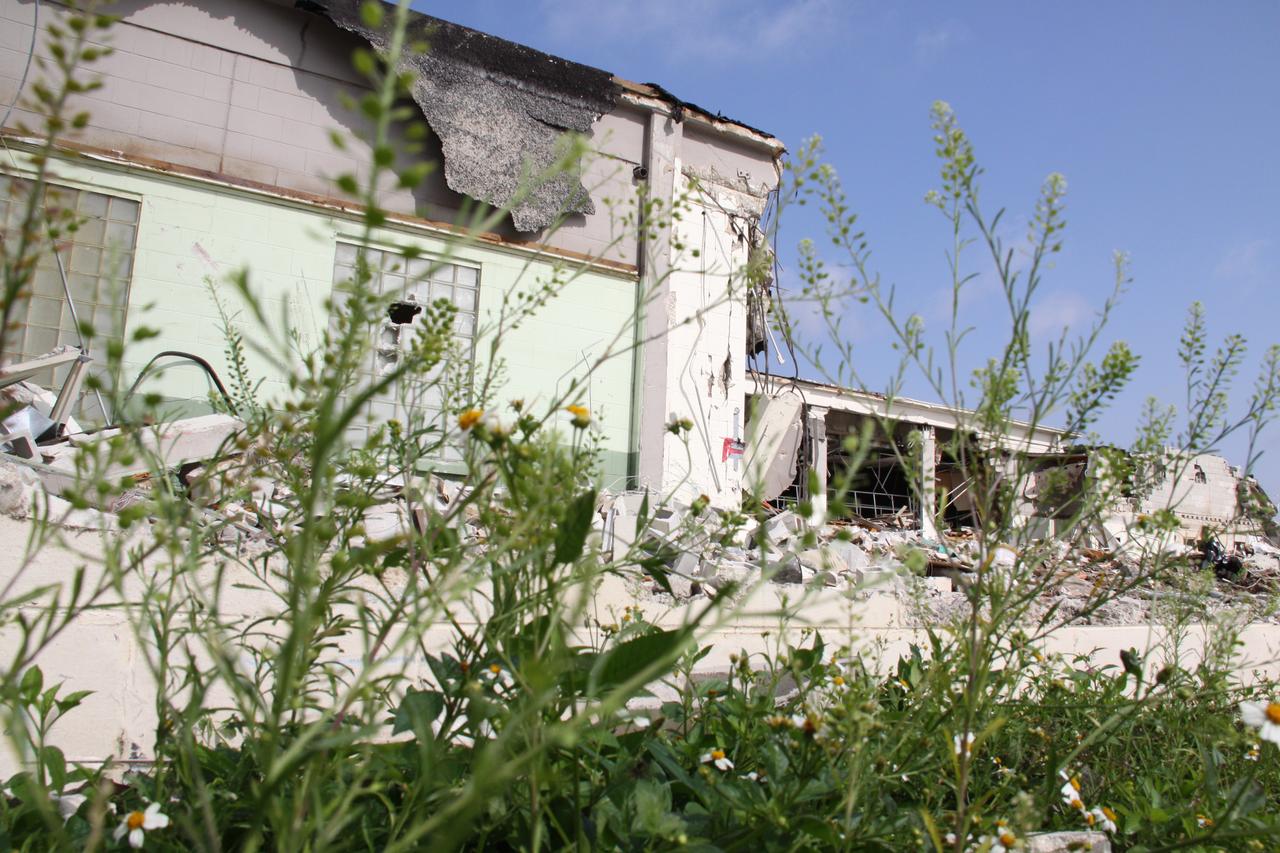
MCC Demolition
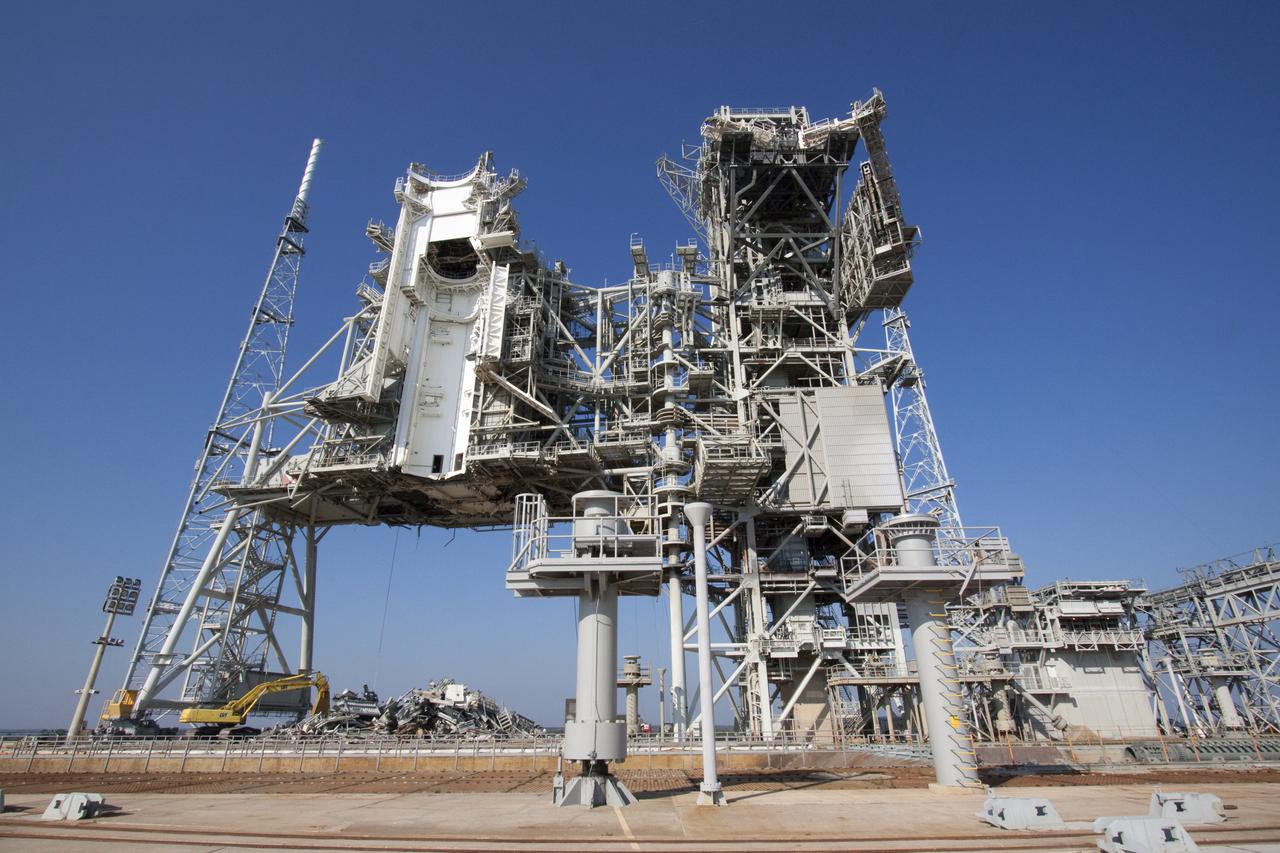
PAD 39B DEMOLITION OPERATIONS
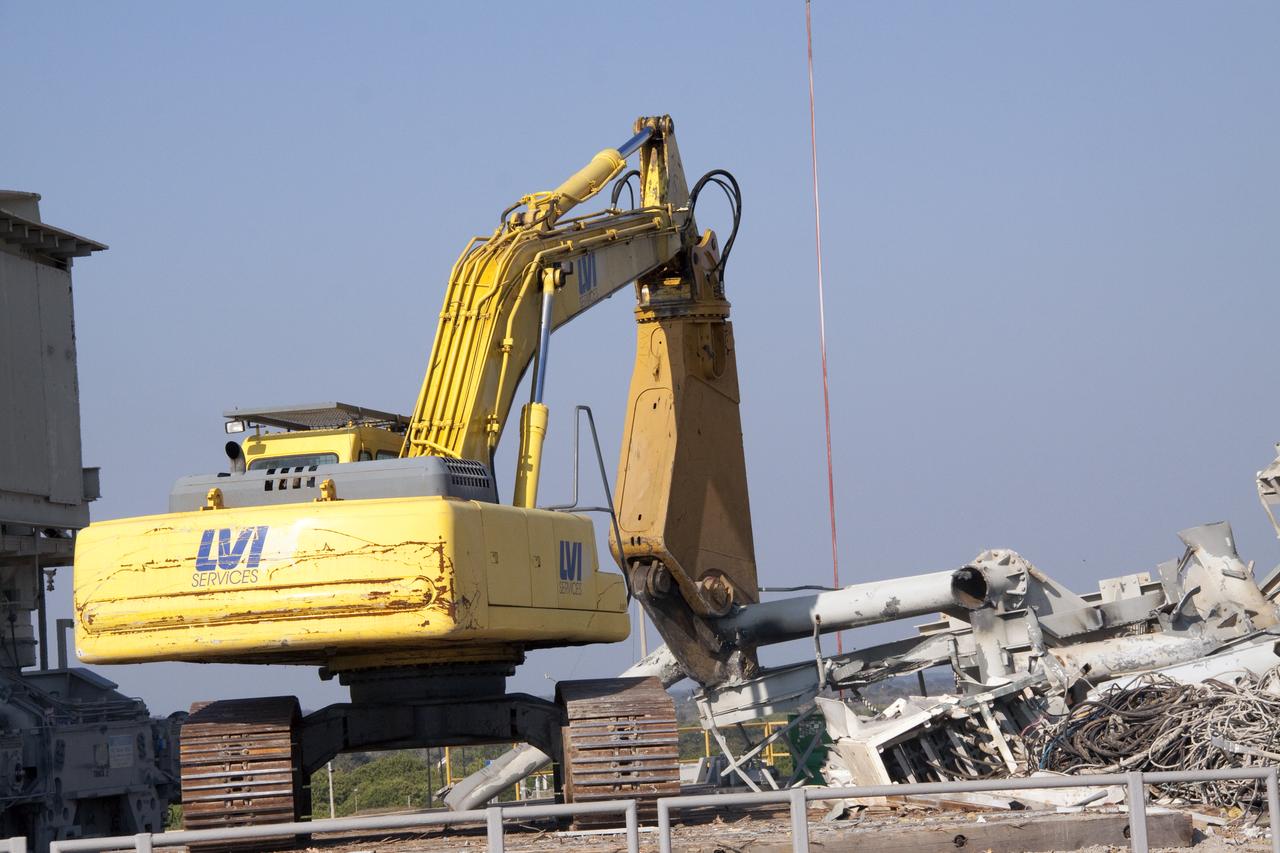
PAD 39B DEMOLITION OPERATIONS
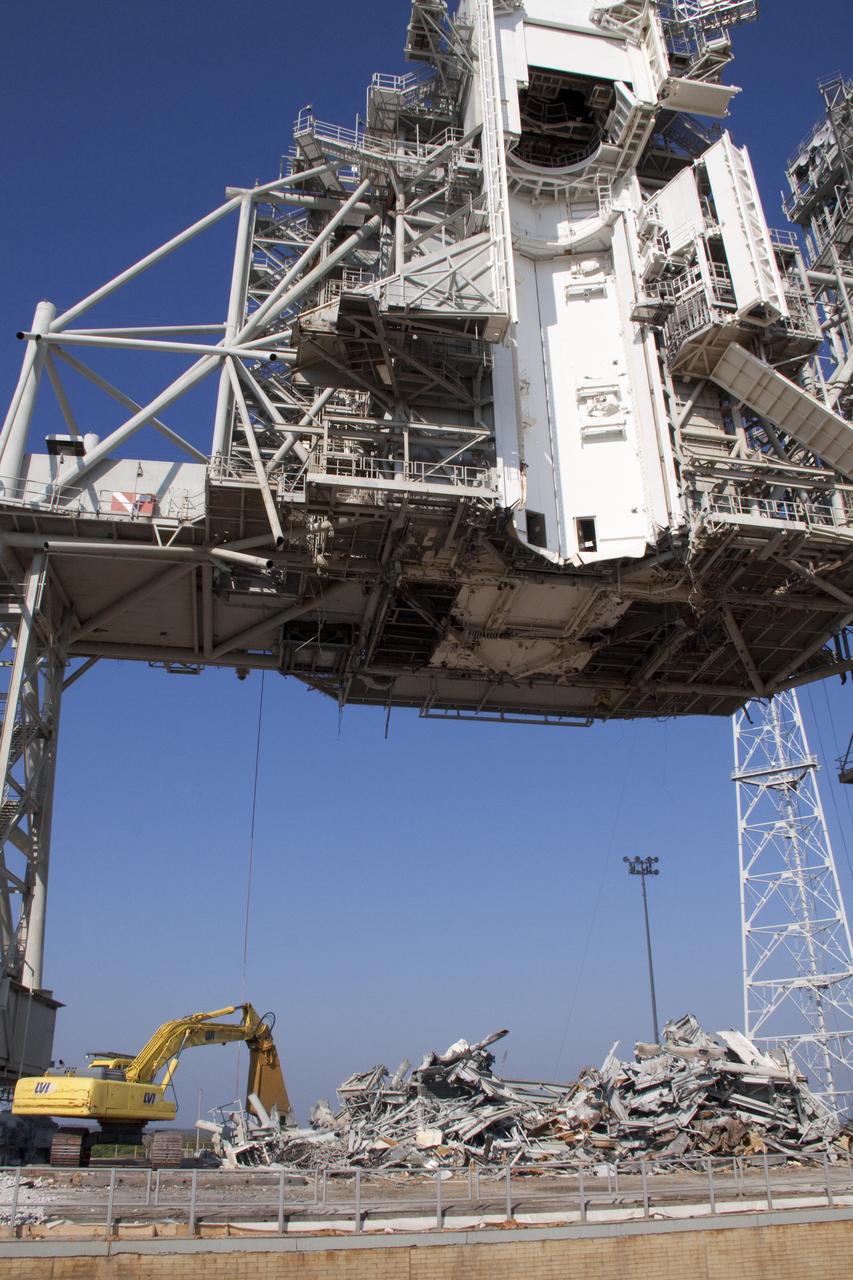
PAD 39B DEMOLITION OPERATIONS
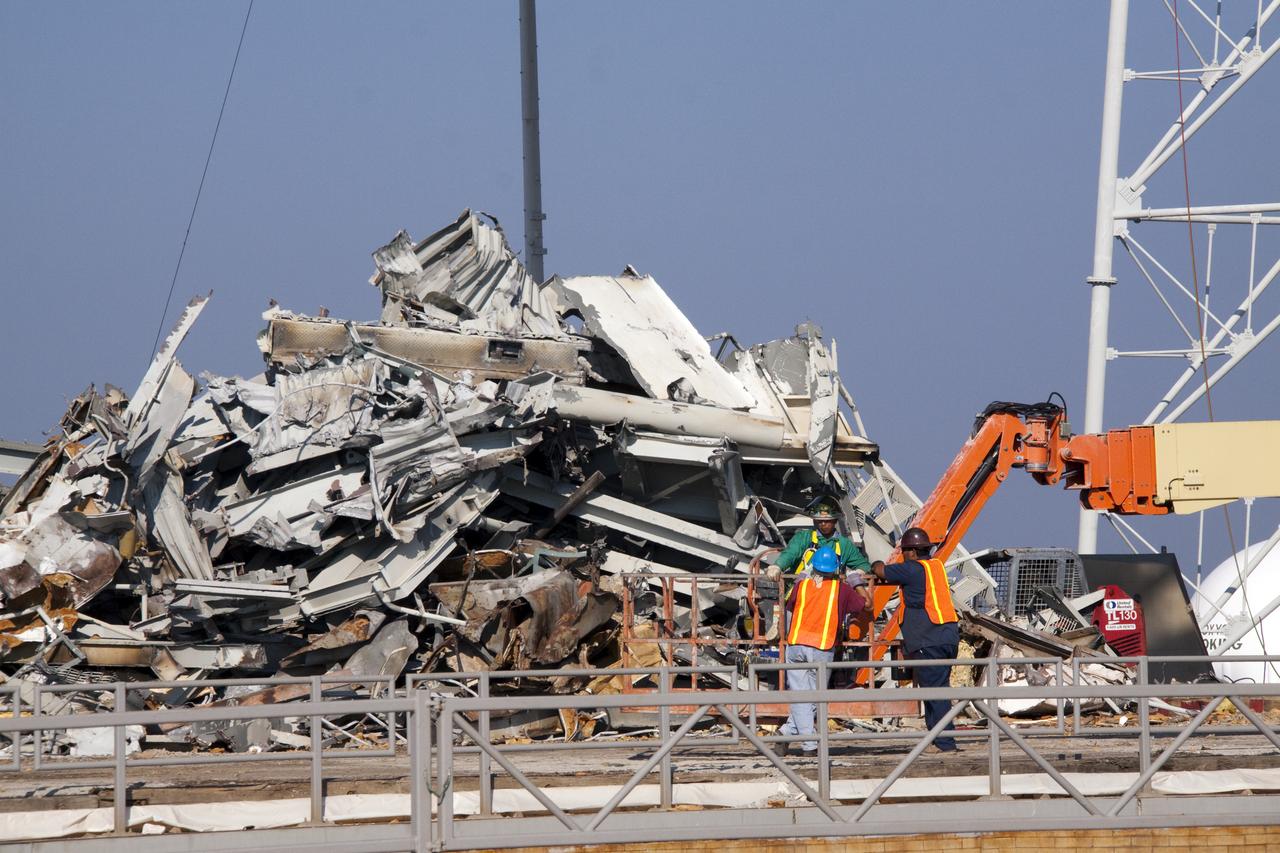
PAD 39B DEMOLITION OPERATIONS
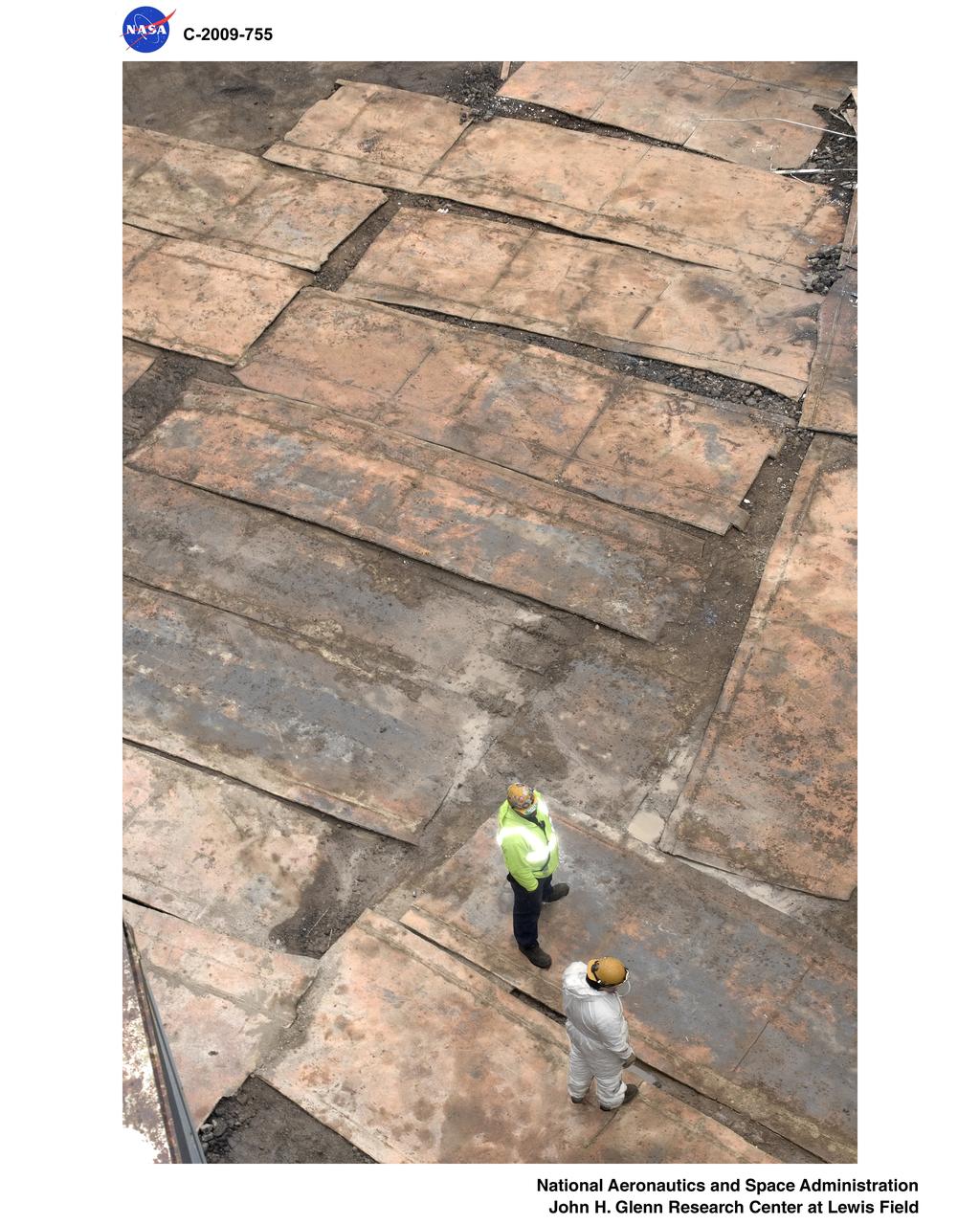
Altitude Wind Tunnel (AWT) Demolition
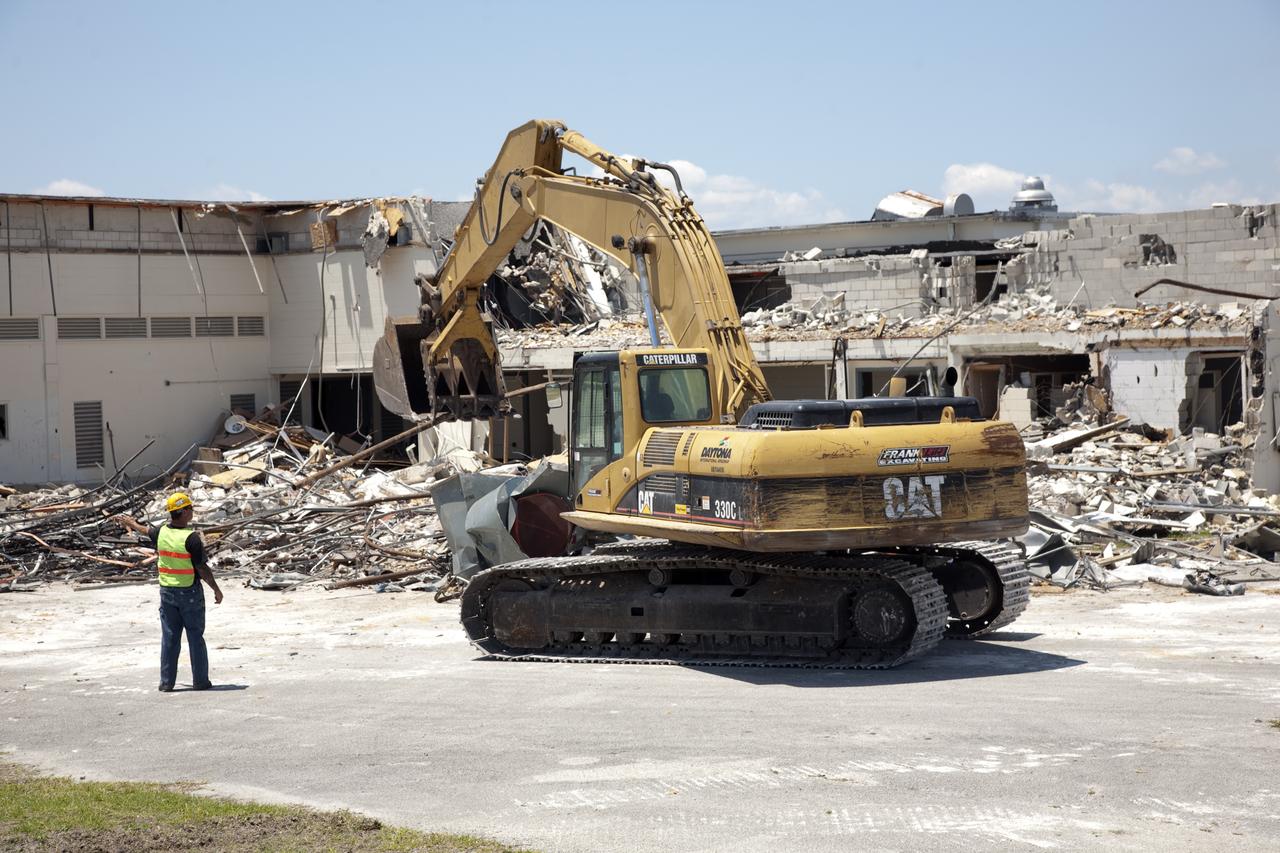
MISSION CONTROL CENTER (MCC) DEMOLITION
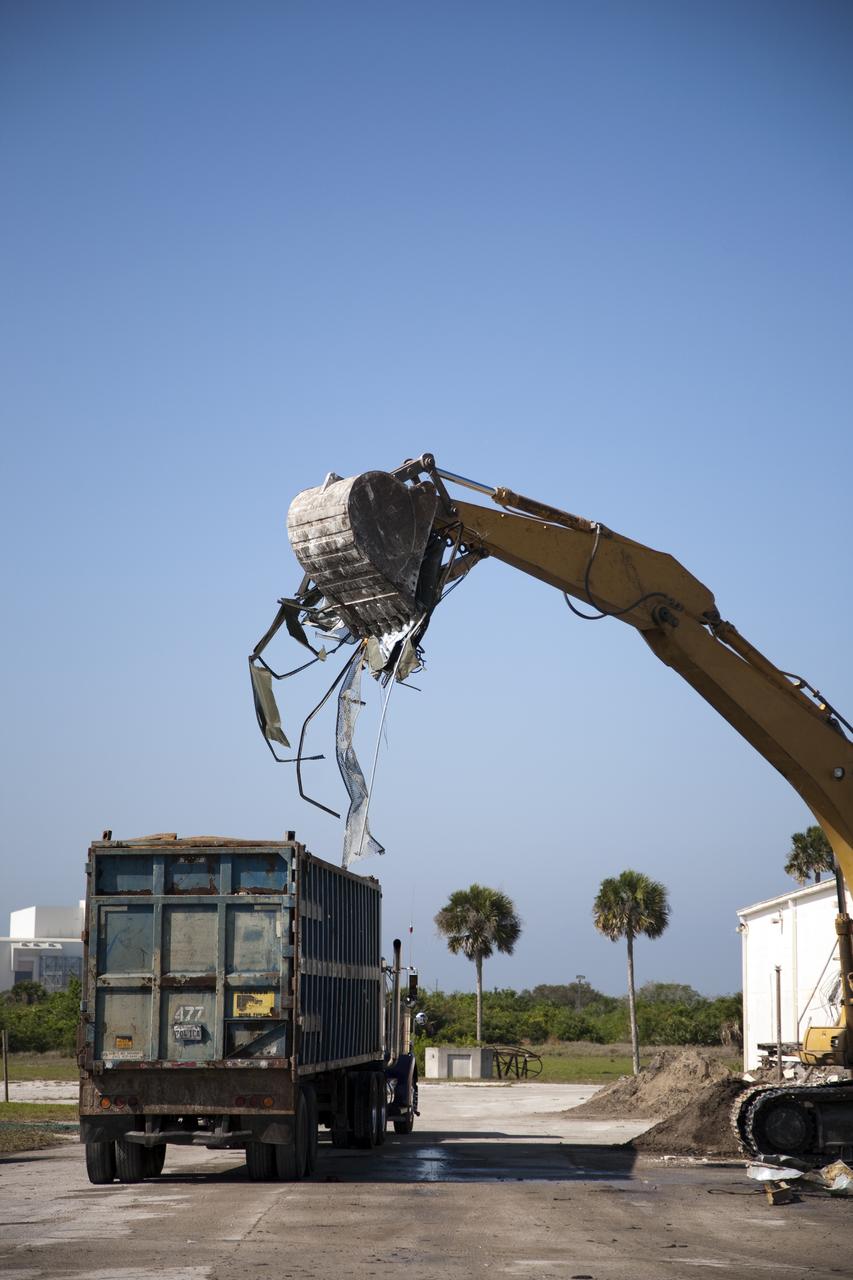
MISSION CONTROL CENTER (MCC) DEMOLITION
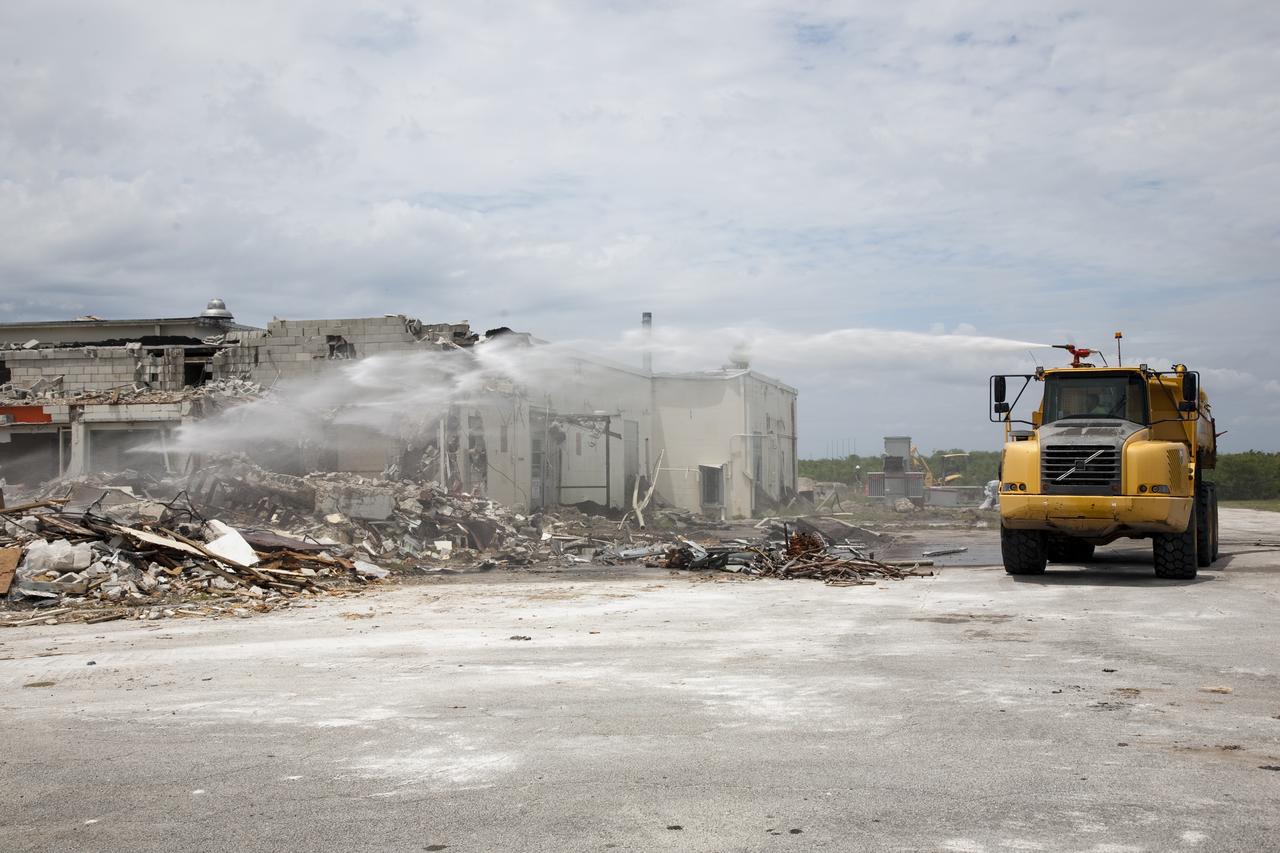
MISSION CONTROL CENTER (MCC) DEMOLITION
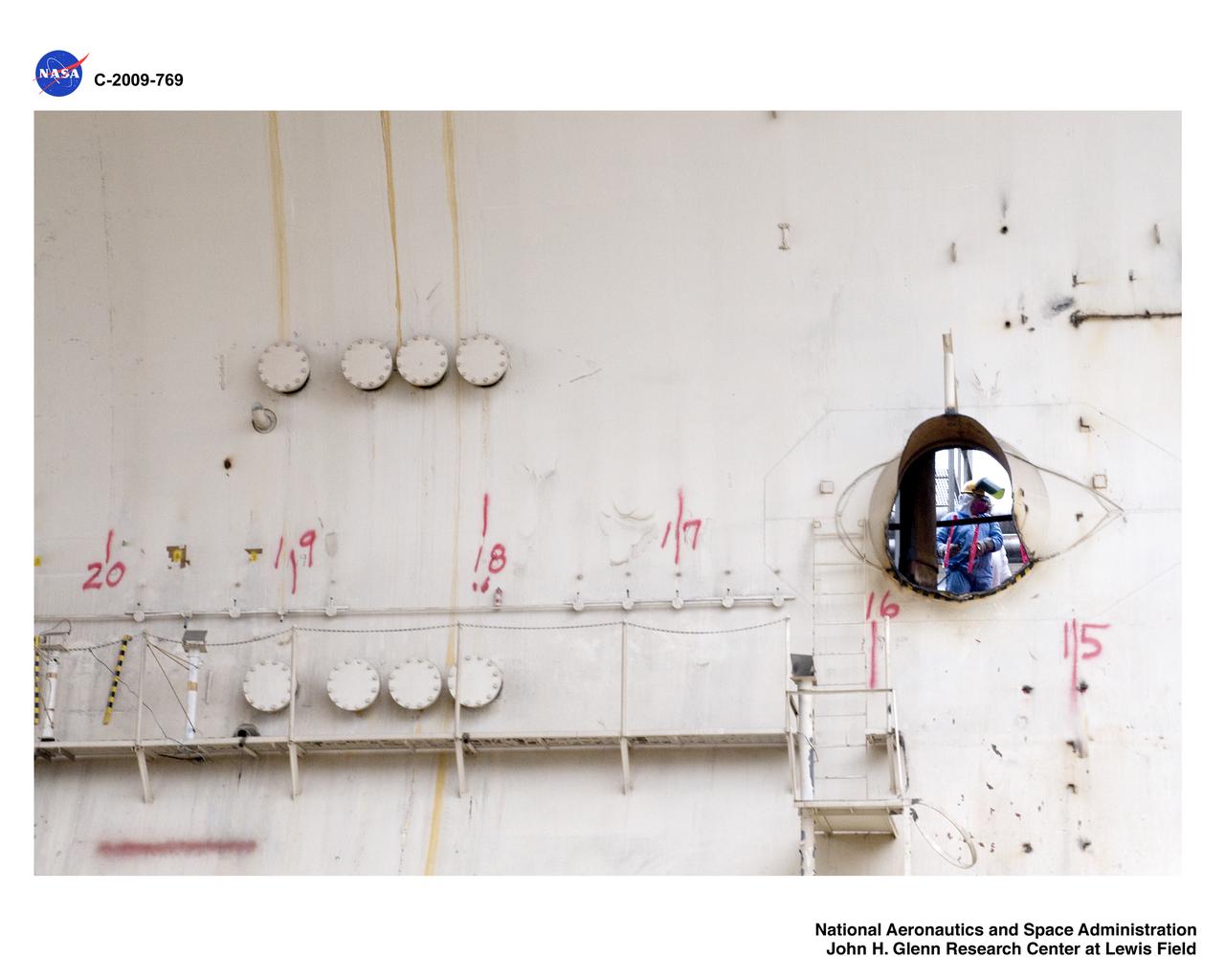
Altitude Wind Tunnel (AWT) Demolition
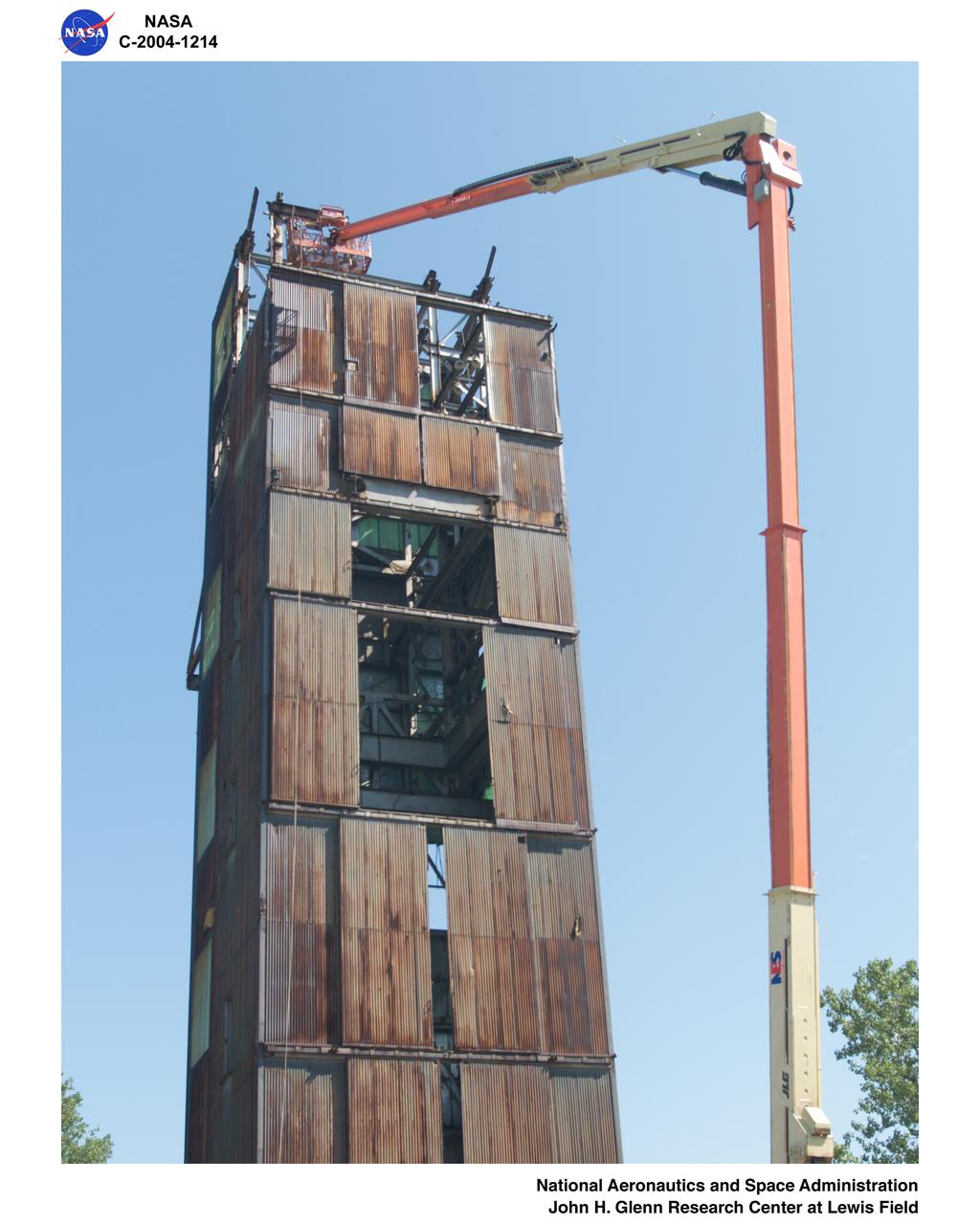
Demolition of E-Site Test Building
MISSION CONTROL CENTER (MCC) DEMOLITION
MISSION CONTROL CENTER (MCC) DEMOLITION
MERCURY MISSION CONTROL CENTER (MCC) DEMOLITION
MERCURY MISSION CONTROL CENTER (MCC) DEMOLITION

MERCURY MISSION CONTROL CENTER (MCC) DEMOLITION PROGRESS
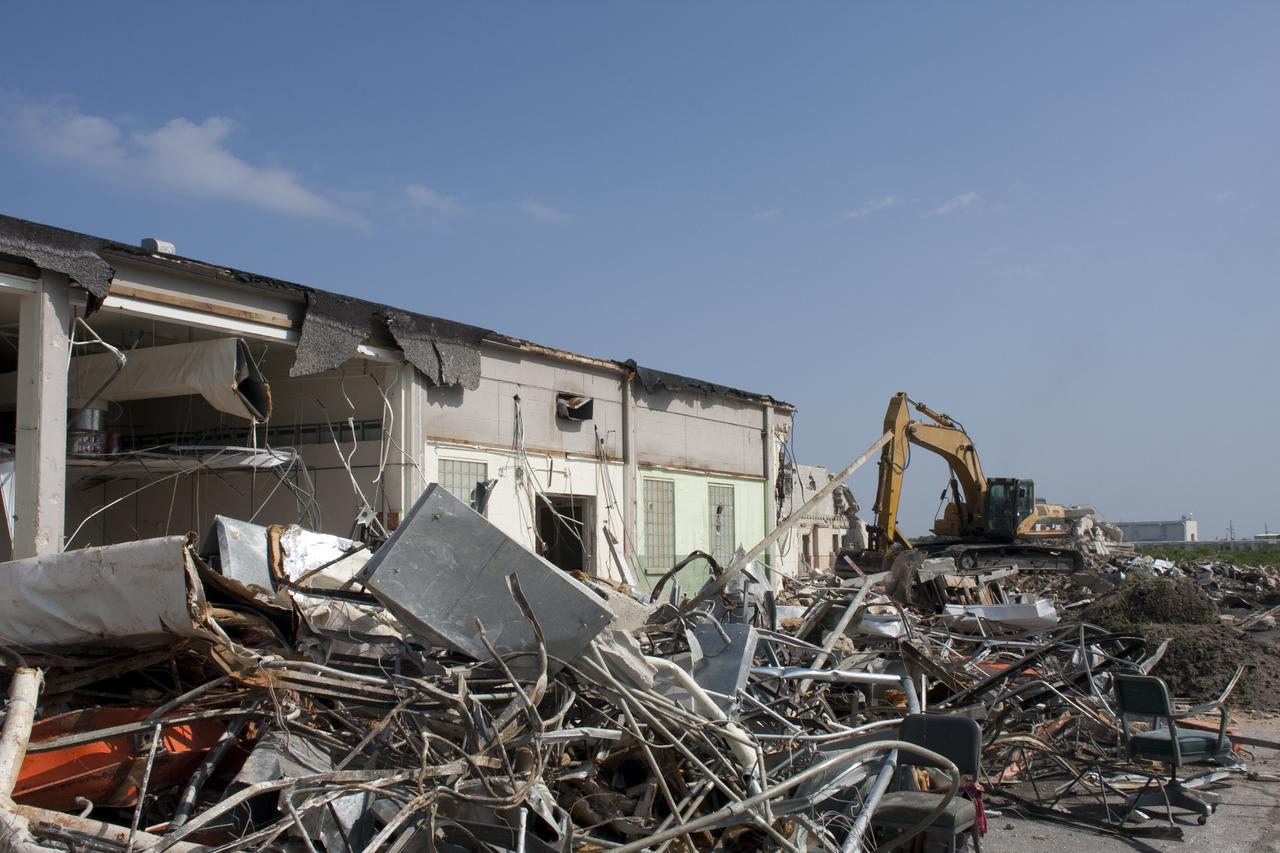
MERCURY MISSION CONTROL CENTER (MCC) DEMOLITION
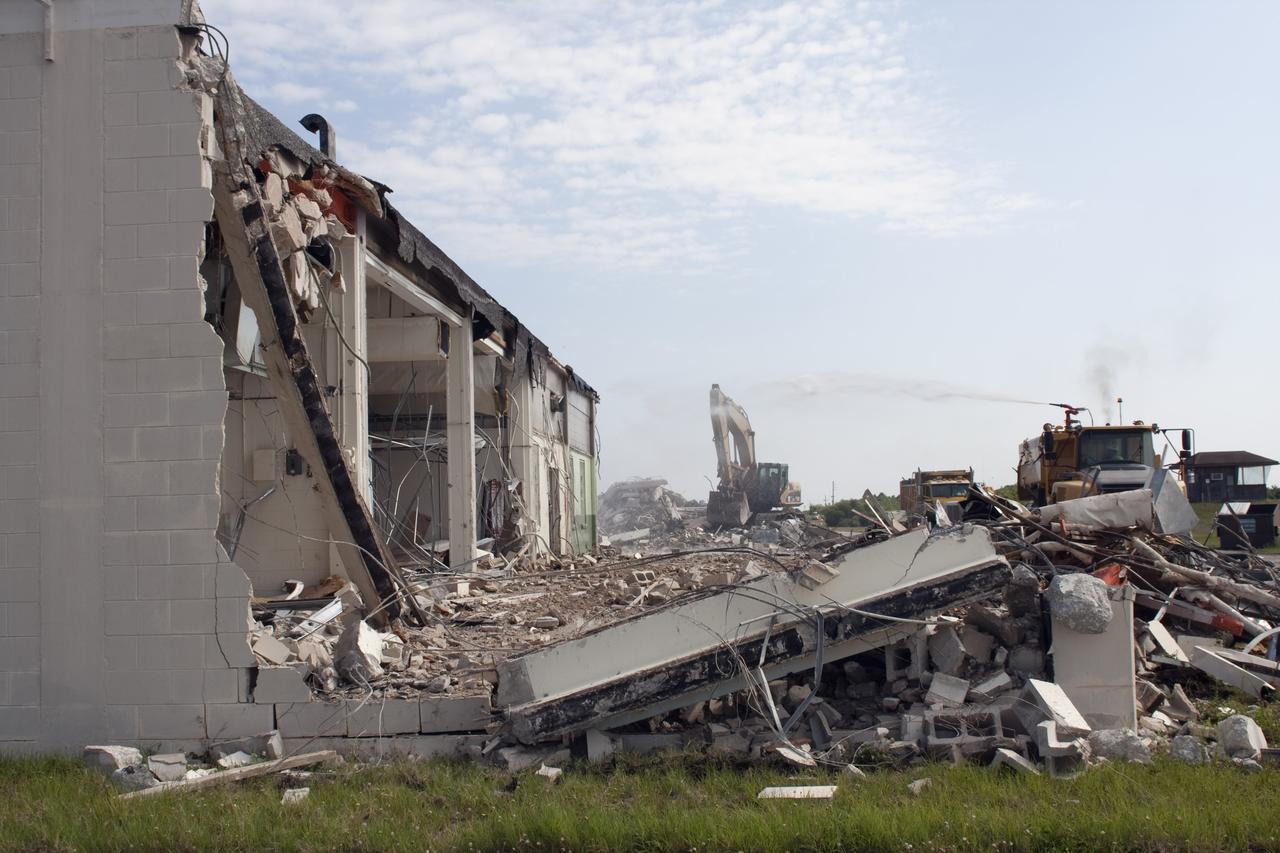
MERCURY MISSION CONTROL CENTER (MCC) DEMOLITION
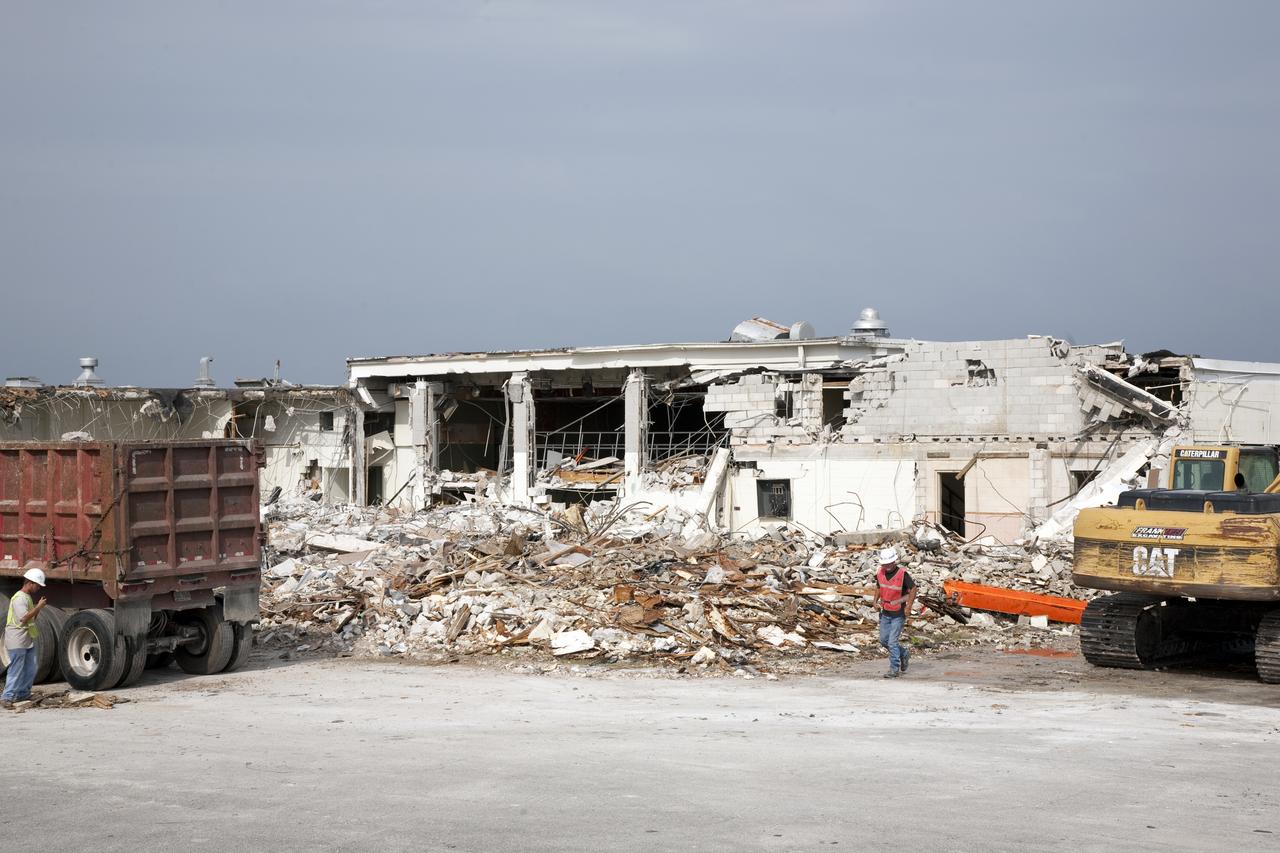
MERCURY MISSION CONTROL CENTER (MCC) DEMOLITION
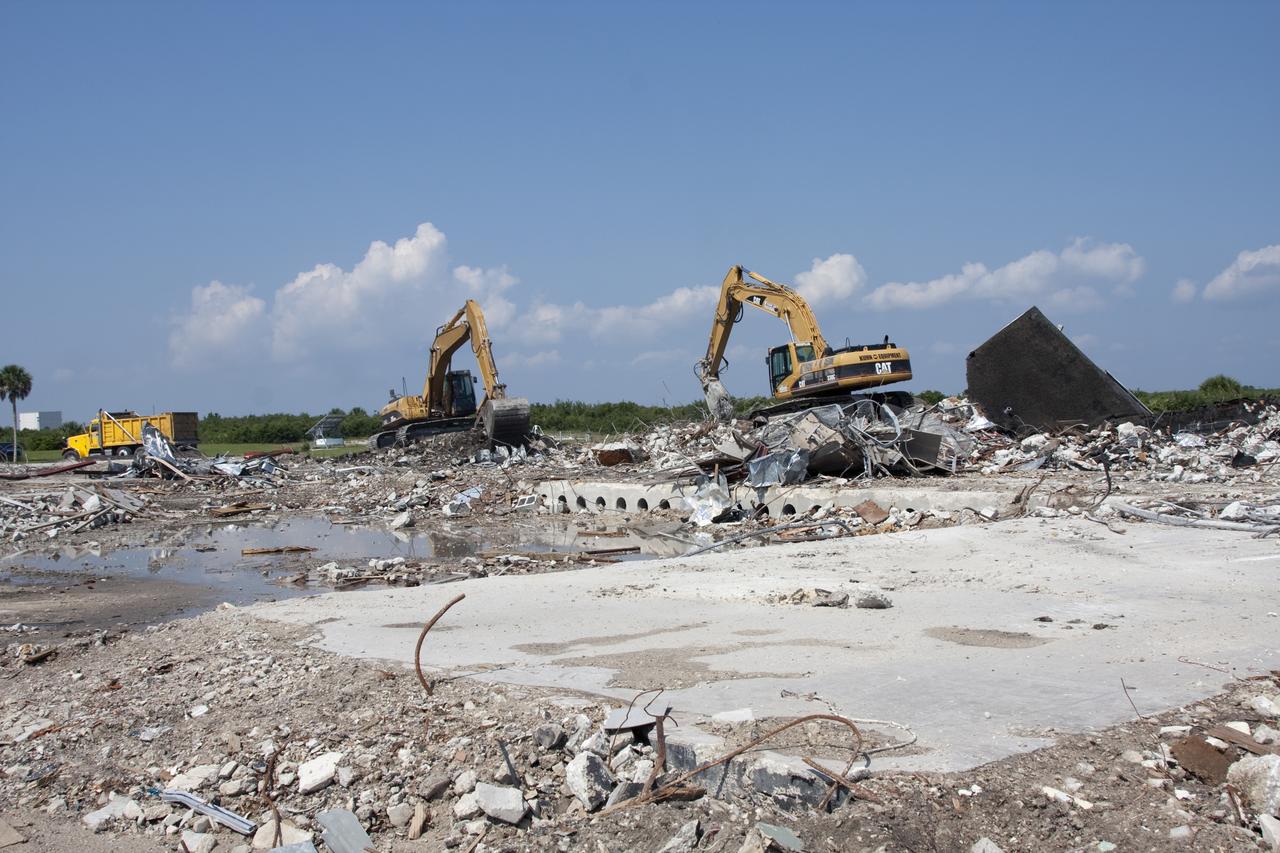
MERCURY MISSION CONTROL CENTER (MCC) DEMOLITION PROGRESS

Demolition of the water tower at Plum Brook Reactor

MERCURY MISSION CONTROL CENTER (MCC) DEMOLITION

MERCURY MISSION CONTROL CENTER (MCC) DEMOLITION
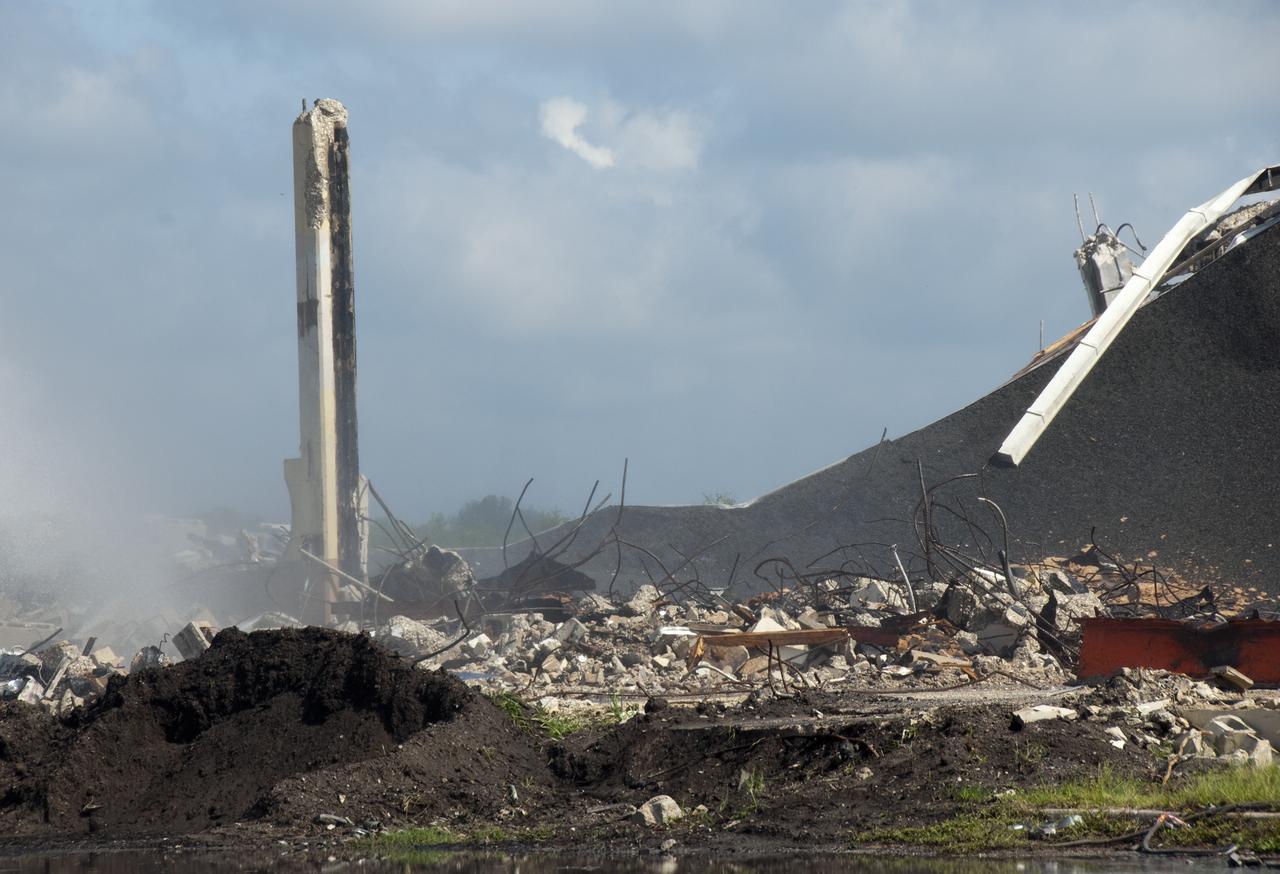
MERCURY MISSION CONTROL CENTER (MCC) DEMOLITION
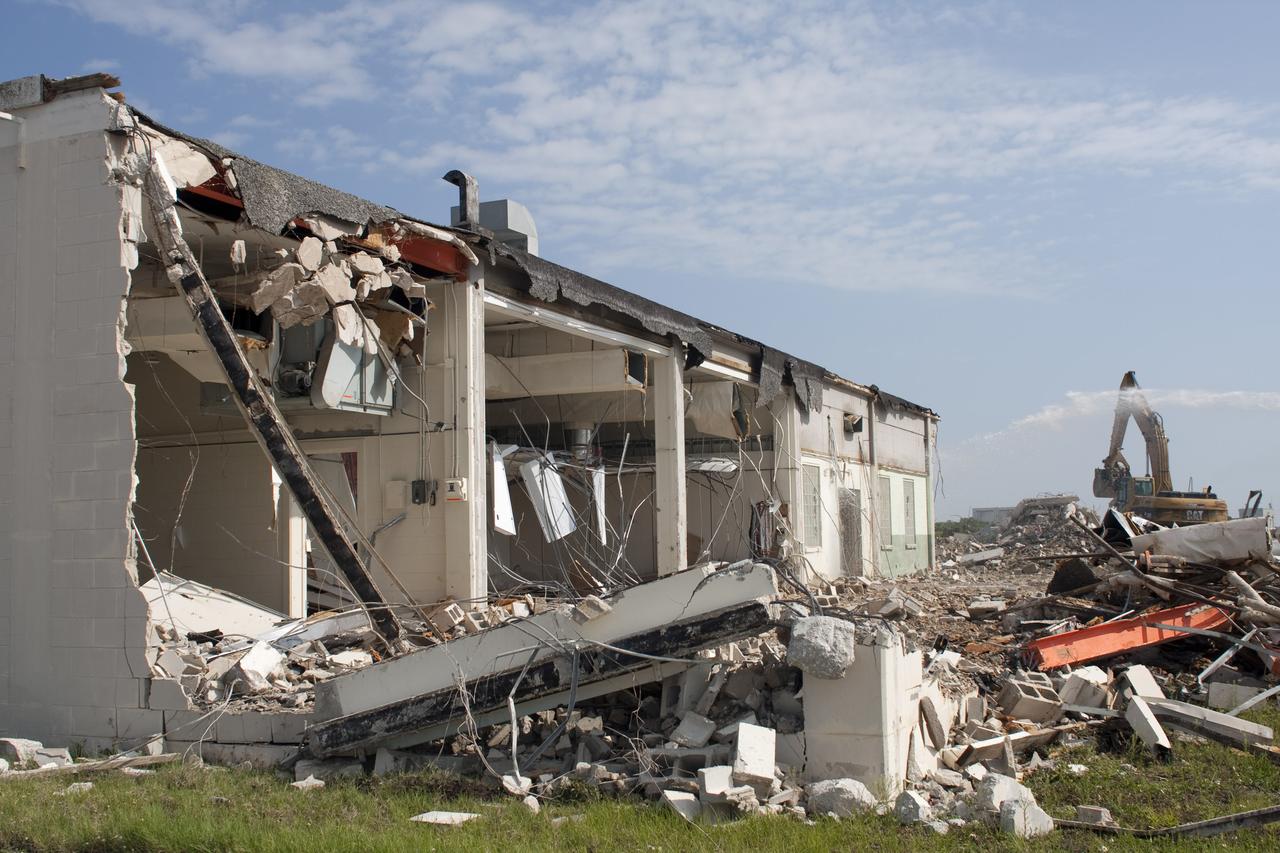
MERCURY MISSION CONTROL CENTER (MCC) DEMOLITION
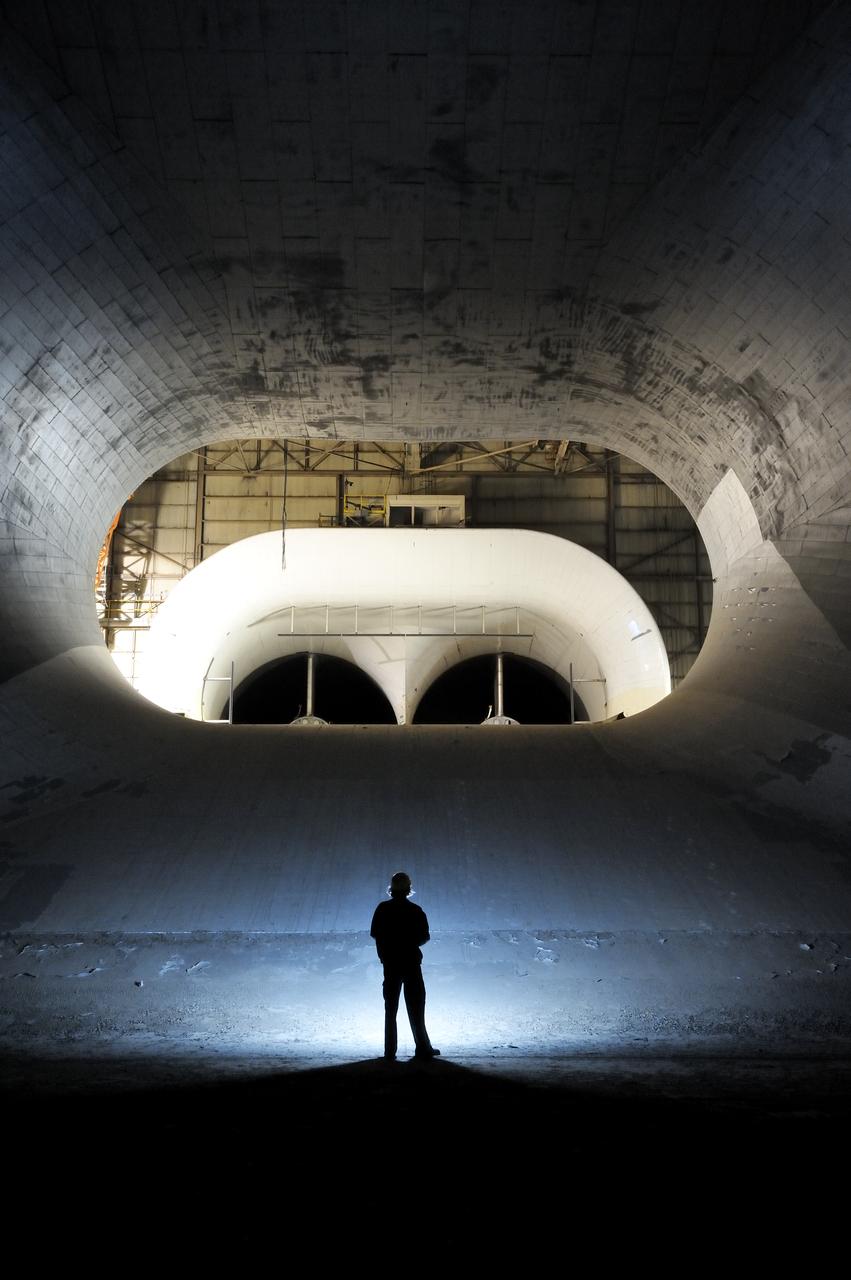
Full Scale Tunnel before demolition in 2011

MERCURY MISSION CONTROL CENTER (MCC) DEMOLITION
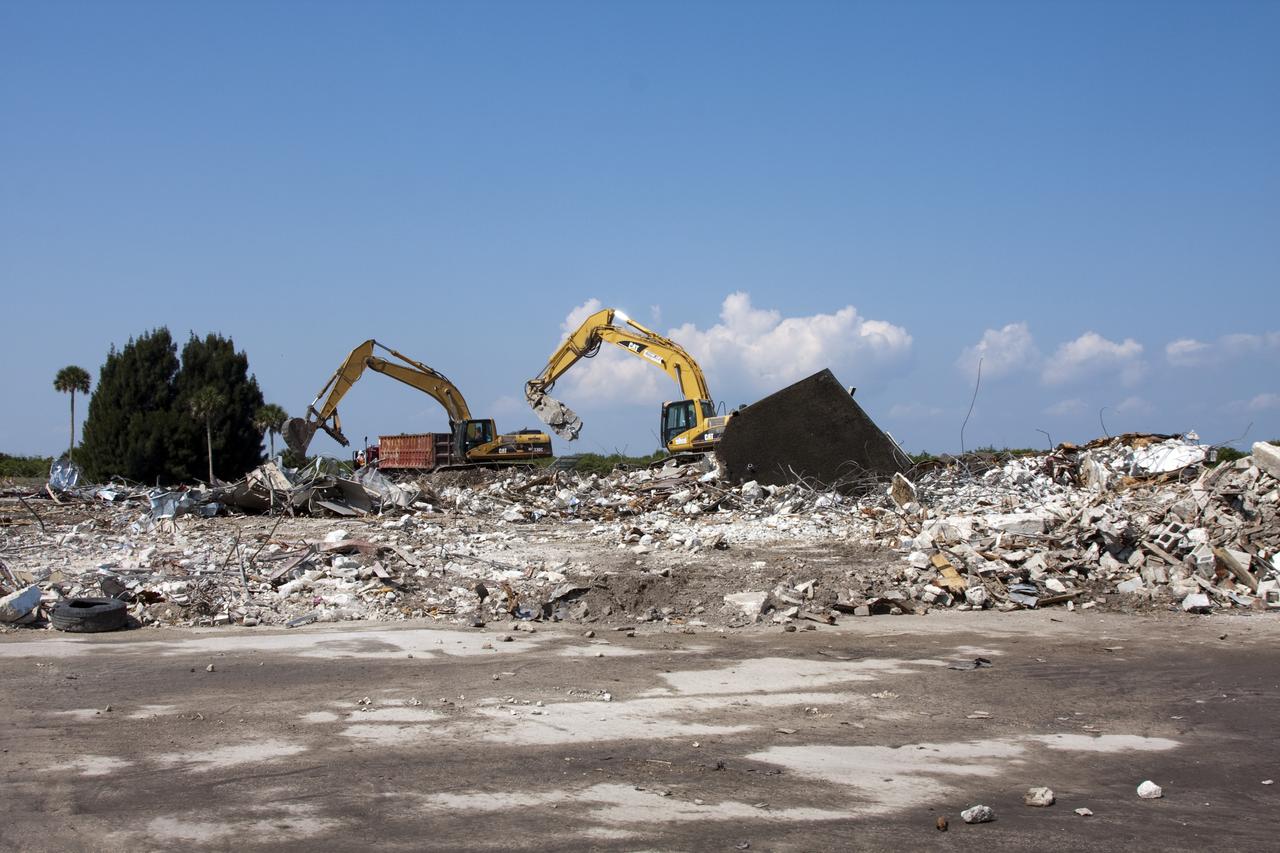
MERCURY MISSION CONTROL CENTER (MCC) DEMOLITION PROGRESS
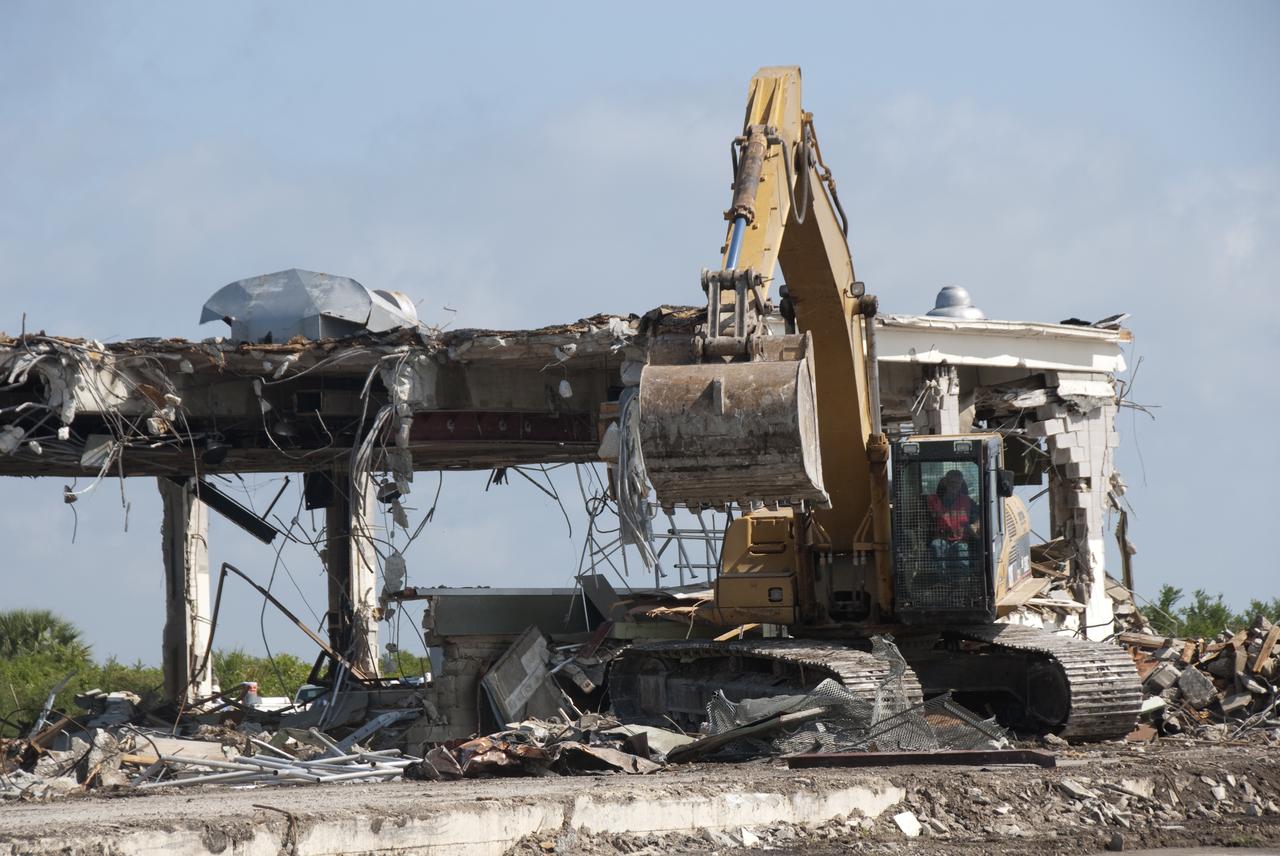
MERCURY MISSION CONTROL CENTER (MCC) DEMOLITION
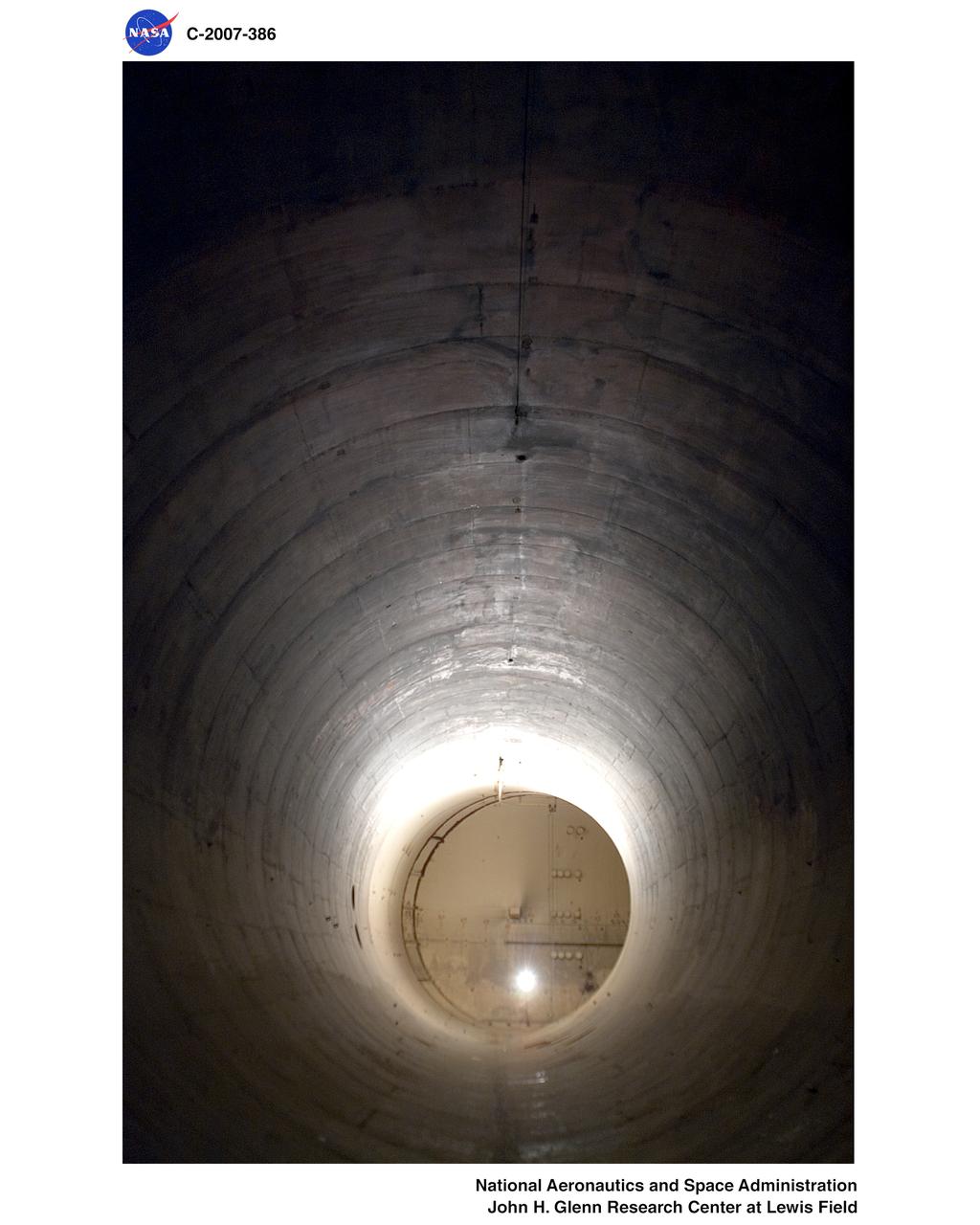
Altitude Wind Tunnel (AWT) interior pictures before demolition

STS-133 LAUNCH L-2 PAD 39B DEMOLITION MEDIA EVENT
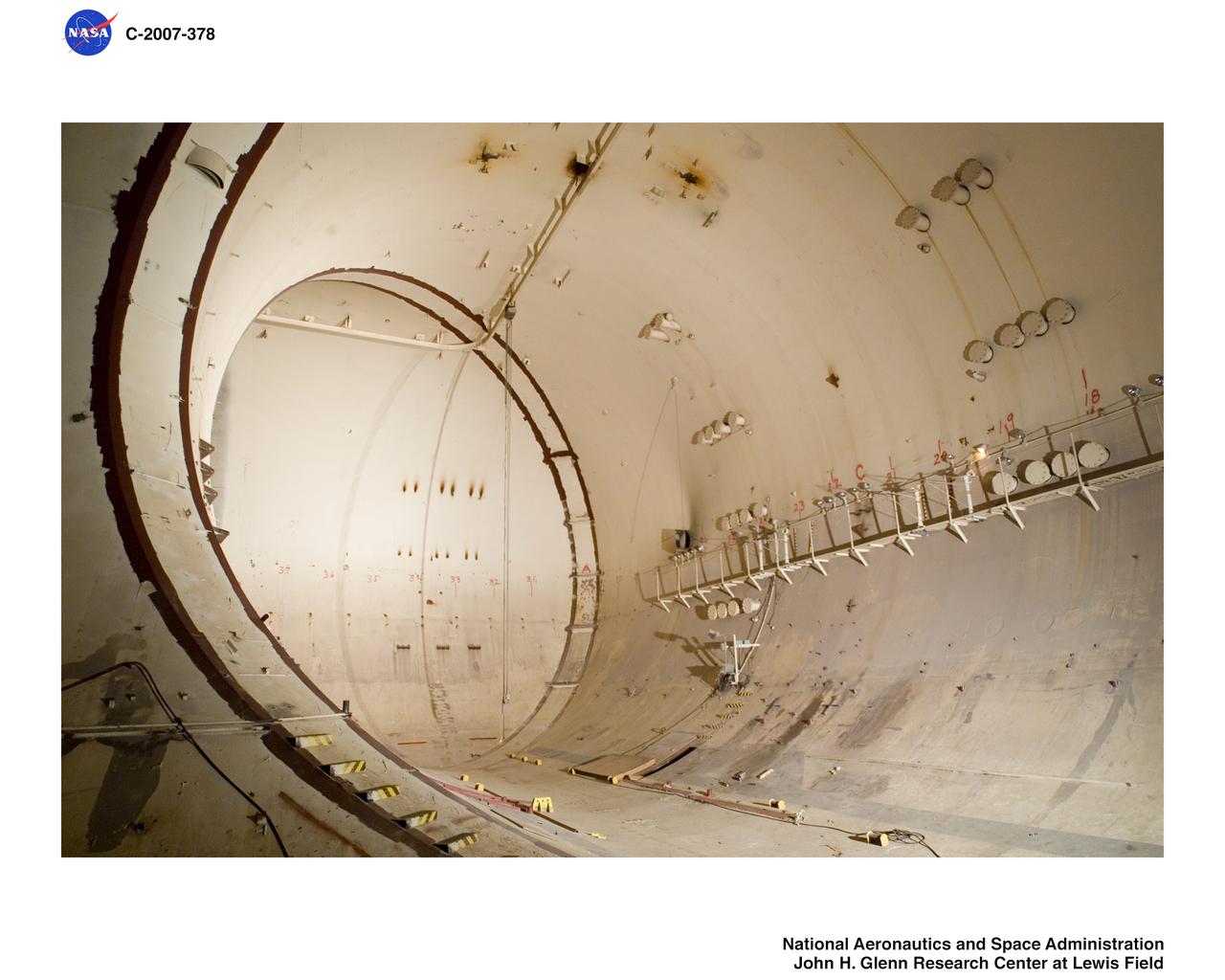
Altitude Wind Tunnel (AWT) interior pictures before demolition
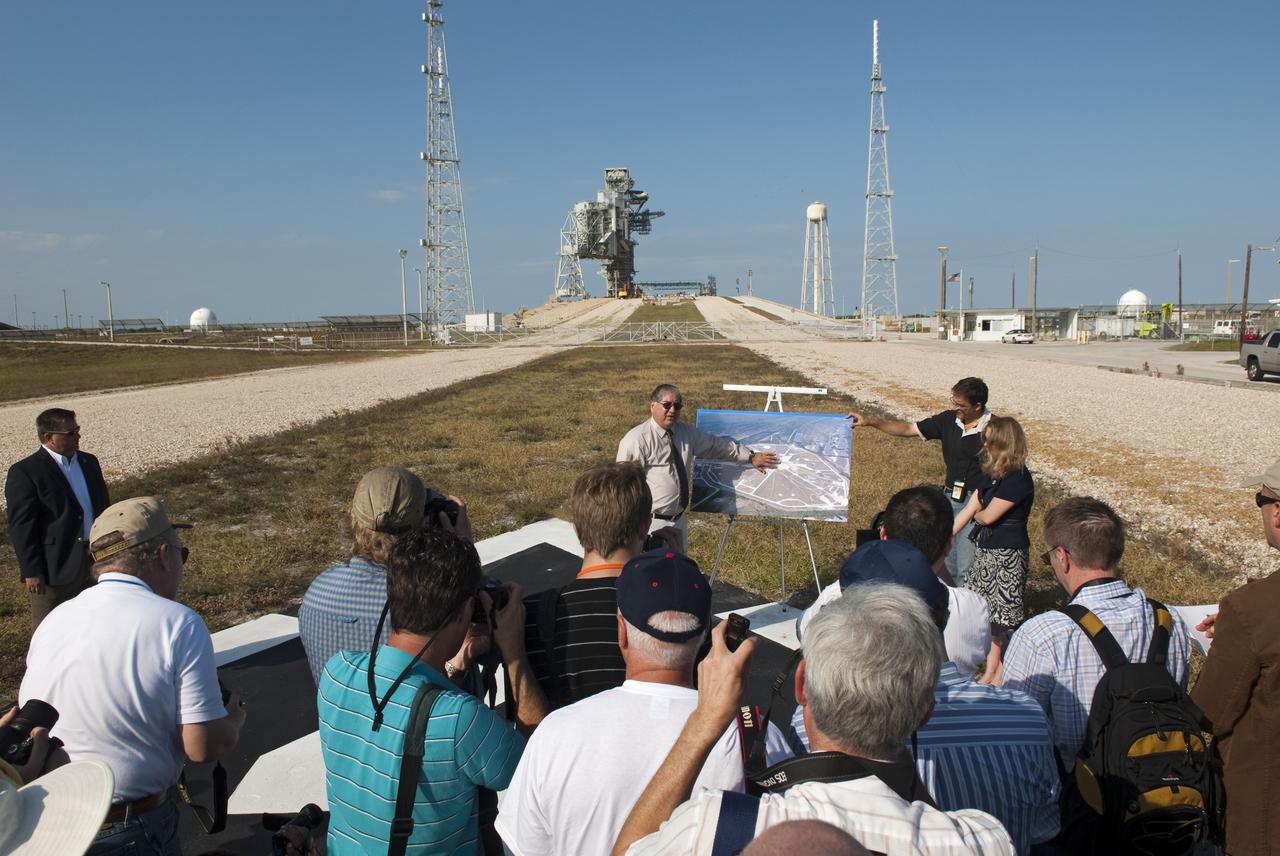
STS-133 LAUNCH L-2 PAD 39B DEMOLITION MEDIA EVENT
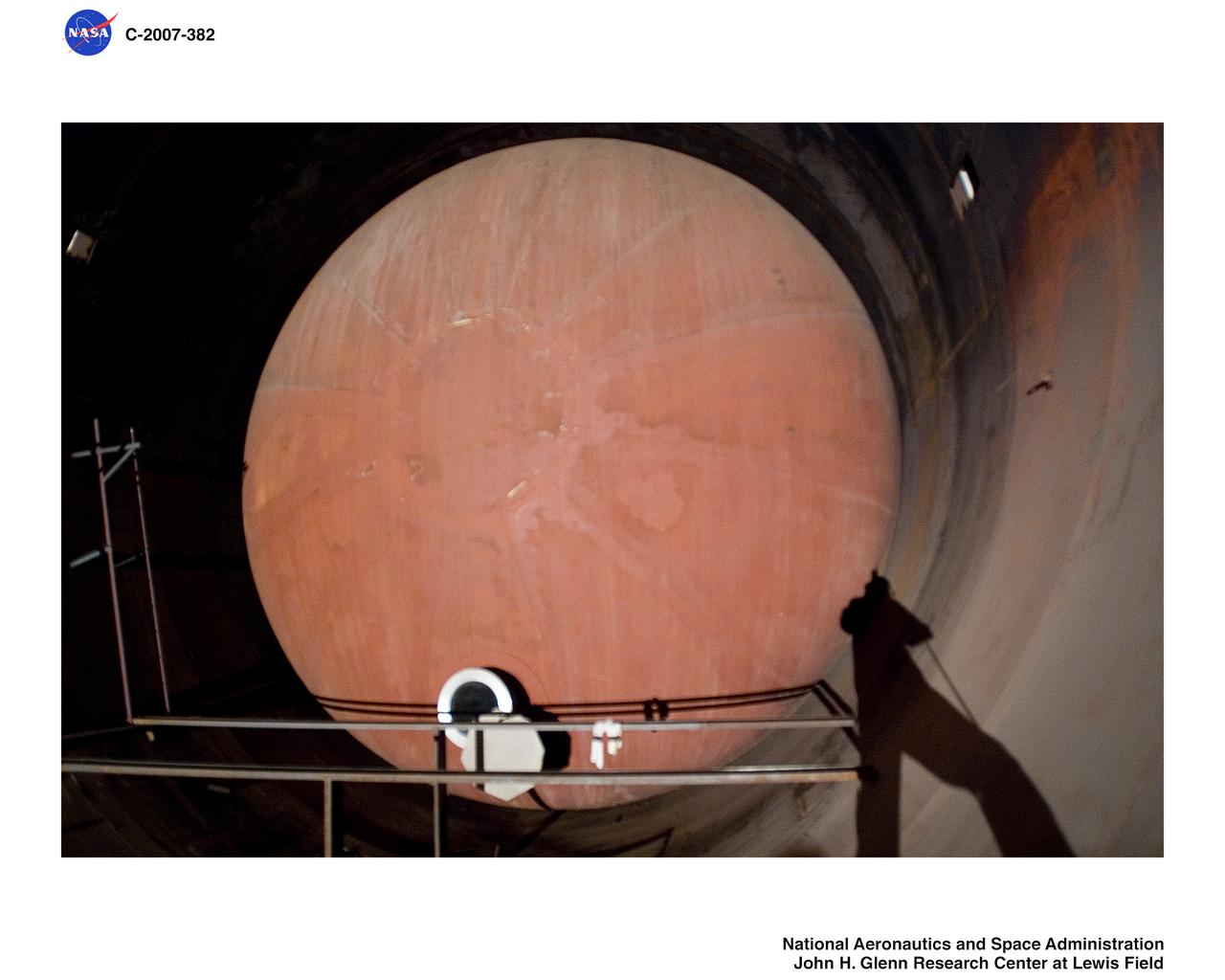
Altitude Wind Tunnel (AWT) interior pictures before demolition
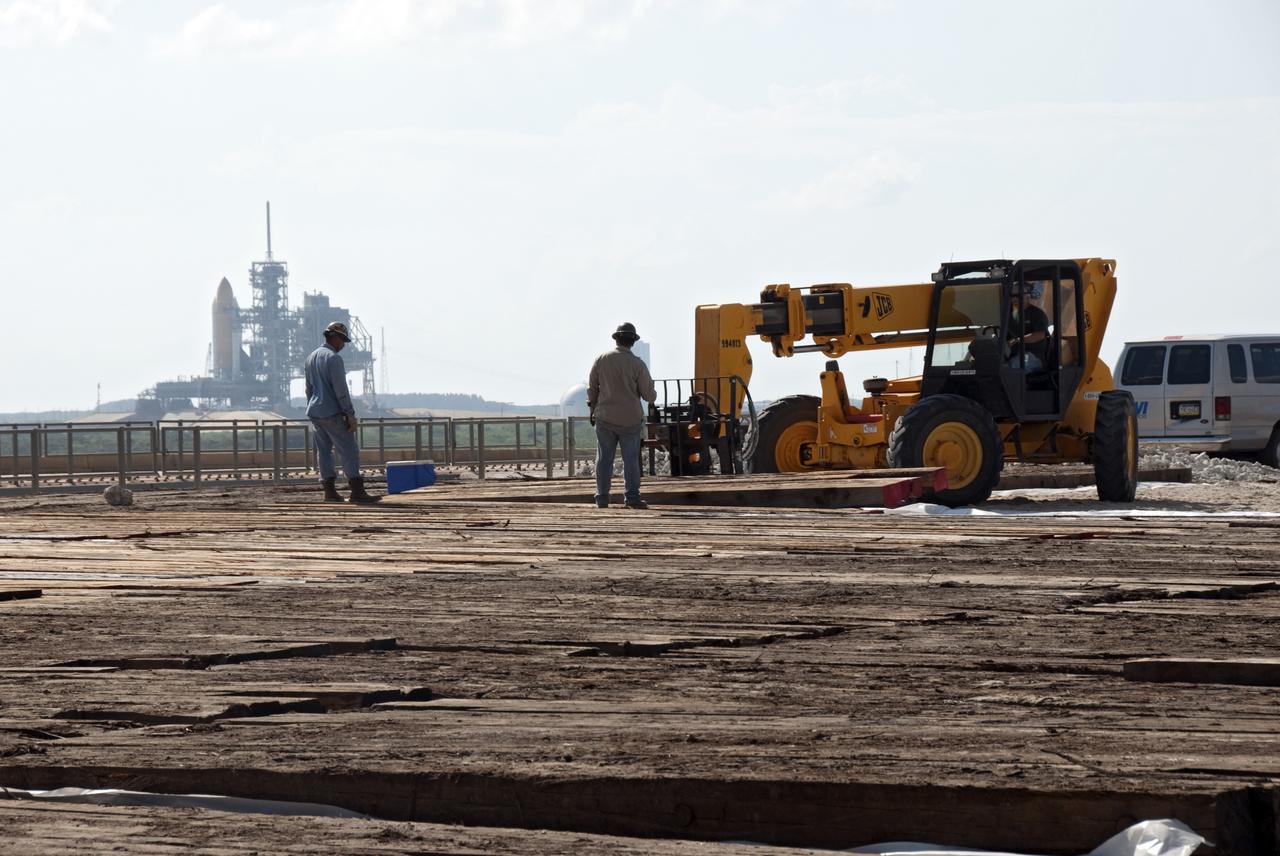
PAD 39B DEMO OPS - PLANKS BEING LAID ON PAD SURFACE FOR DEMOLITION
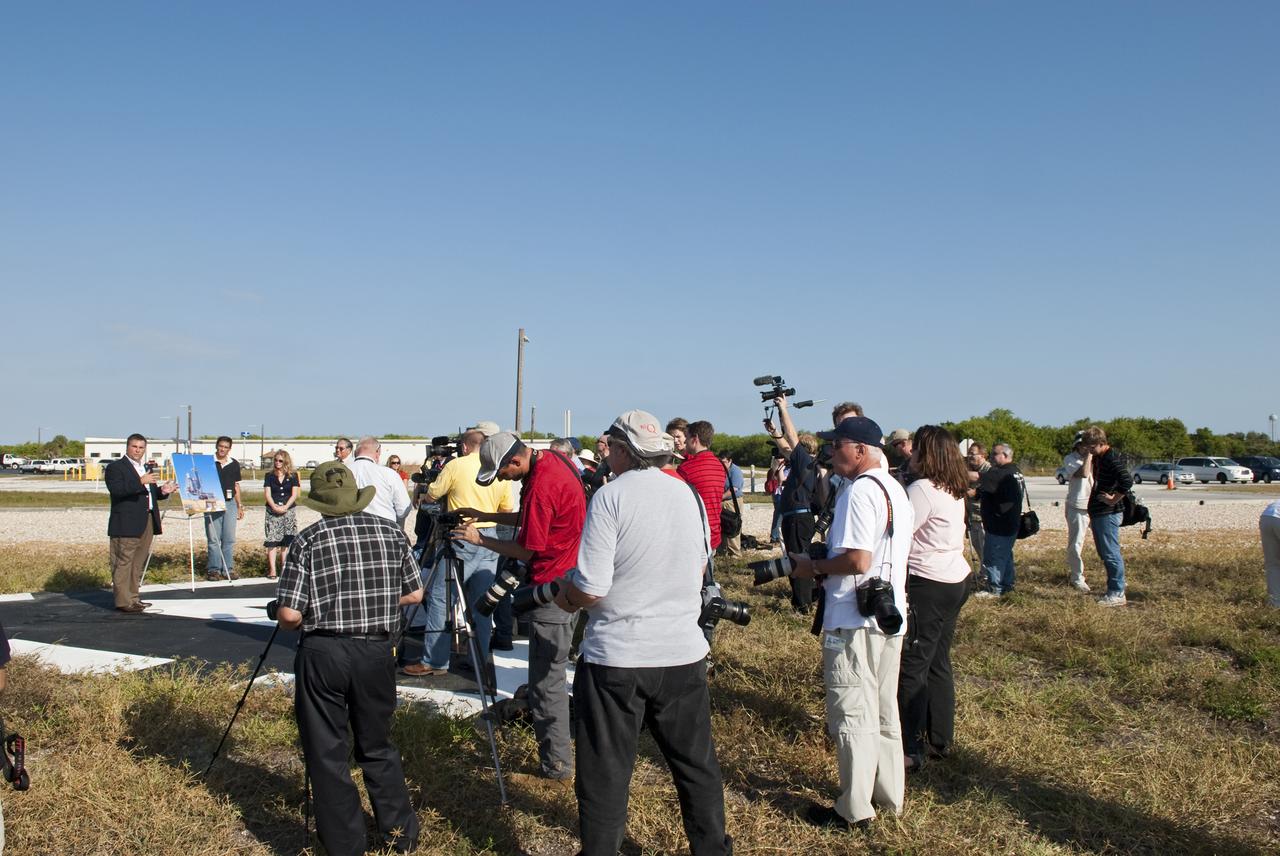
STS-133 LAUNCH L-2 PAD 39B DEMOLITION MEDIA EVENT
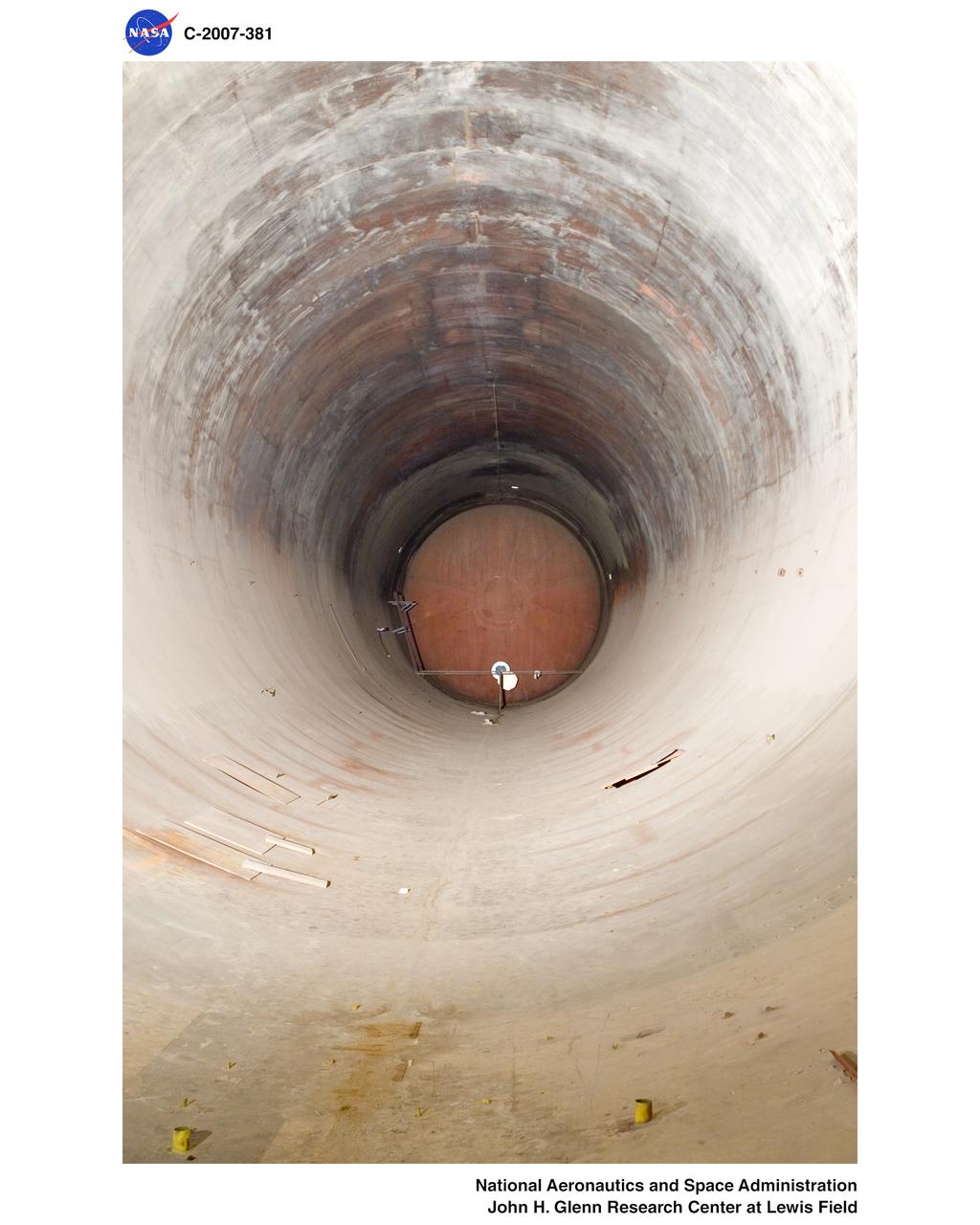
Altitude Wind Tunnel (AWT) interior pictures before demolition

PAD 39B DEMO OPS - PLANKS BEING LAID ON PAD SURFACE FOR DEMOLITION
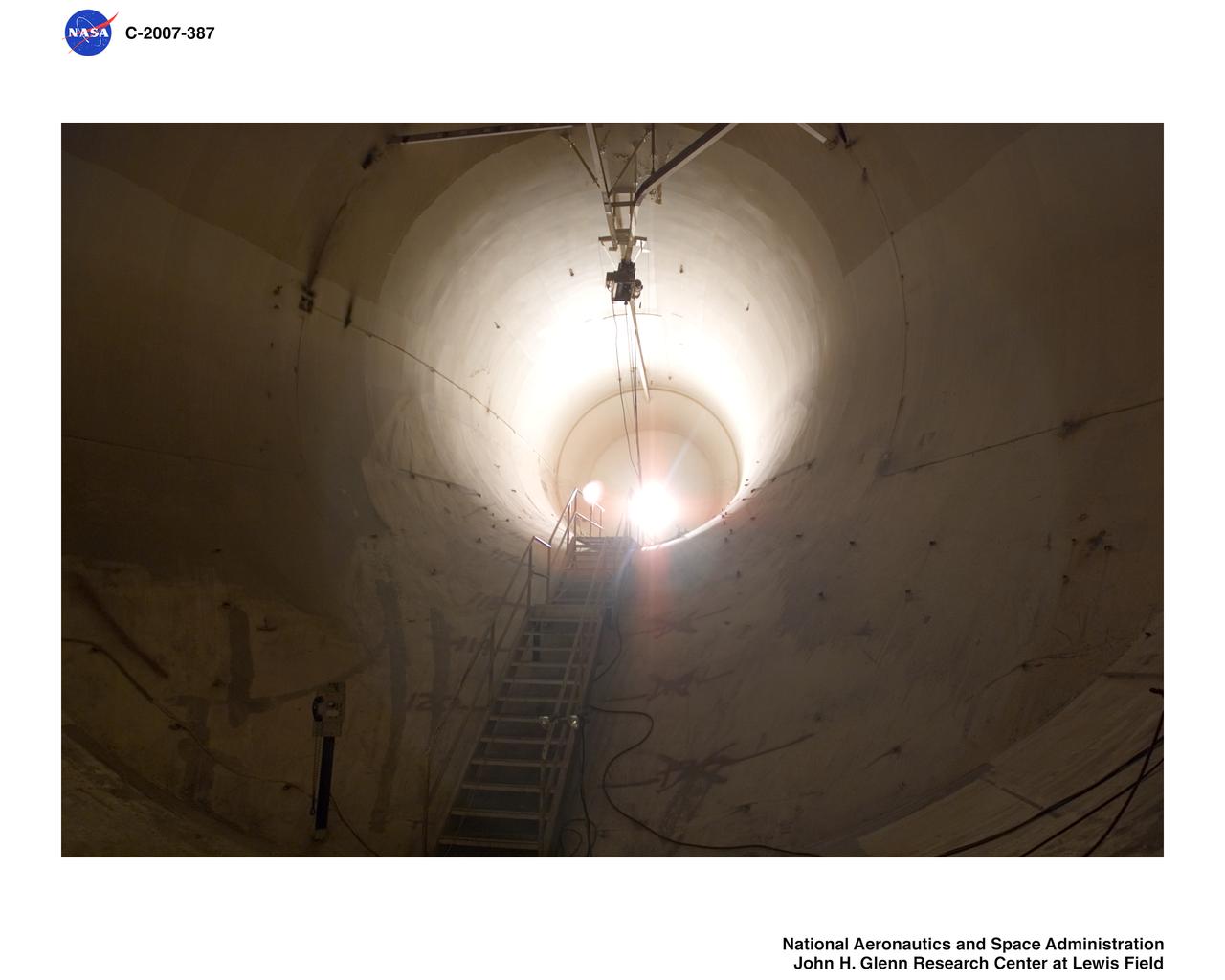
Altitude Wind Tunnel (AWT) interior pictures before demolition
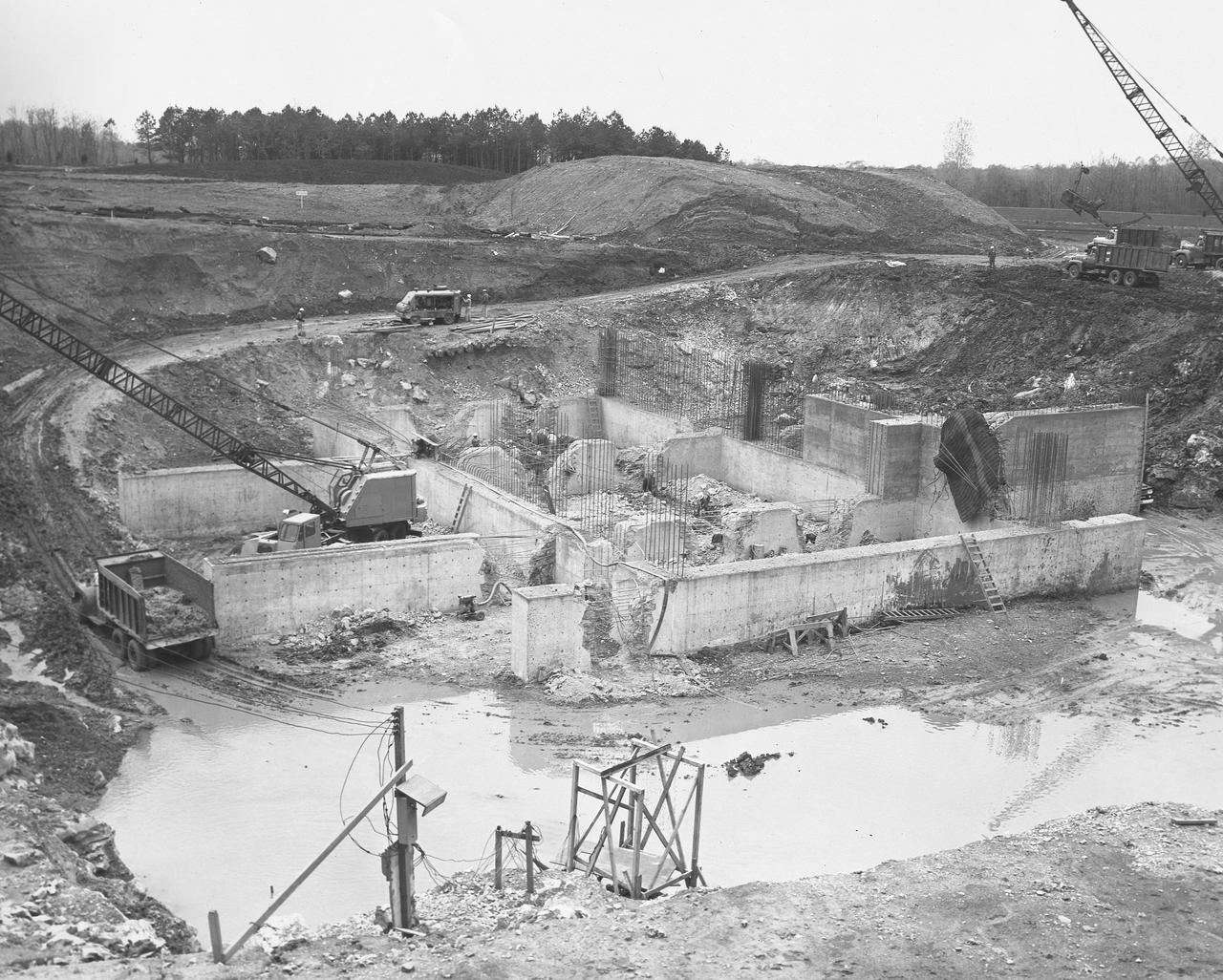
At its founding, the Marshall Space Flight Center (MSFC) inherited the Army’s Jupiter and Redstone test stands, but much larger facilities were needed for the giant stages of the Saturn V. From 1960 to 1964, the existing stands were remodeled and a sizable new test area was developed. The new comprehensive test complex for propulsion and structural dynamics was unique within the nation and the free world, and they remain so today because they were constructed with foresight to meet the future as well as on going needs. Construction of the S-IC Static test stand complex began in 1961 in the west test area of MSFC, and was completed in 1964. The S-IC static test stand was designed to develop and test the 138-ft long and 33-ft diameter Saturn V S-IC first stage, or booster stage, weighing in at 280,000 pounds. Required to hold down the brute force of a 7,500,000-pound thrust produced by 5 F-1 engines, the S-IC static test stand was designed and constructed with the strength of hundreds of tons of steel and 12,000,000 pounds of cement, planted down to bedrock 40 feet below ground level. The foundation walls, constructed with concrete and steel, are 4 feet thick. The base structure consists of four towers with 40-foot-thick walls extending upward 144 feet above ground level. The structure was topped by a crane with a 135-foot boom. With the boom in the upright position, the stand was given an overall height of 405 feet, placing it among the highest structures in Alabama at the time. After a 6 month delay in construction due to size reconfiguration of the Saturn booster, the site was revisited for modifications. The original foundation walls built in the prior year had to be torn down and re-poured to accommodate the larger booster. The demolition can be seen in this photograph taken on April 16, 1962.
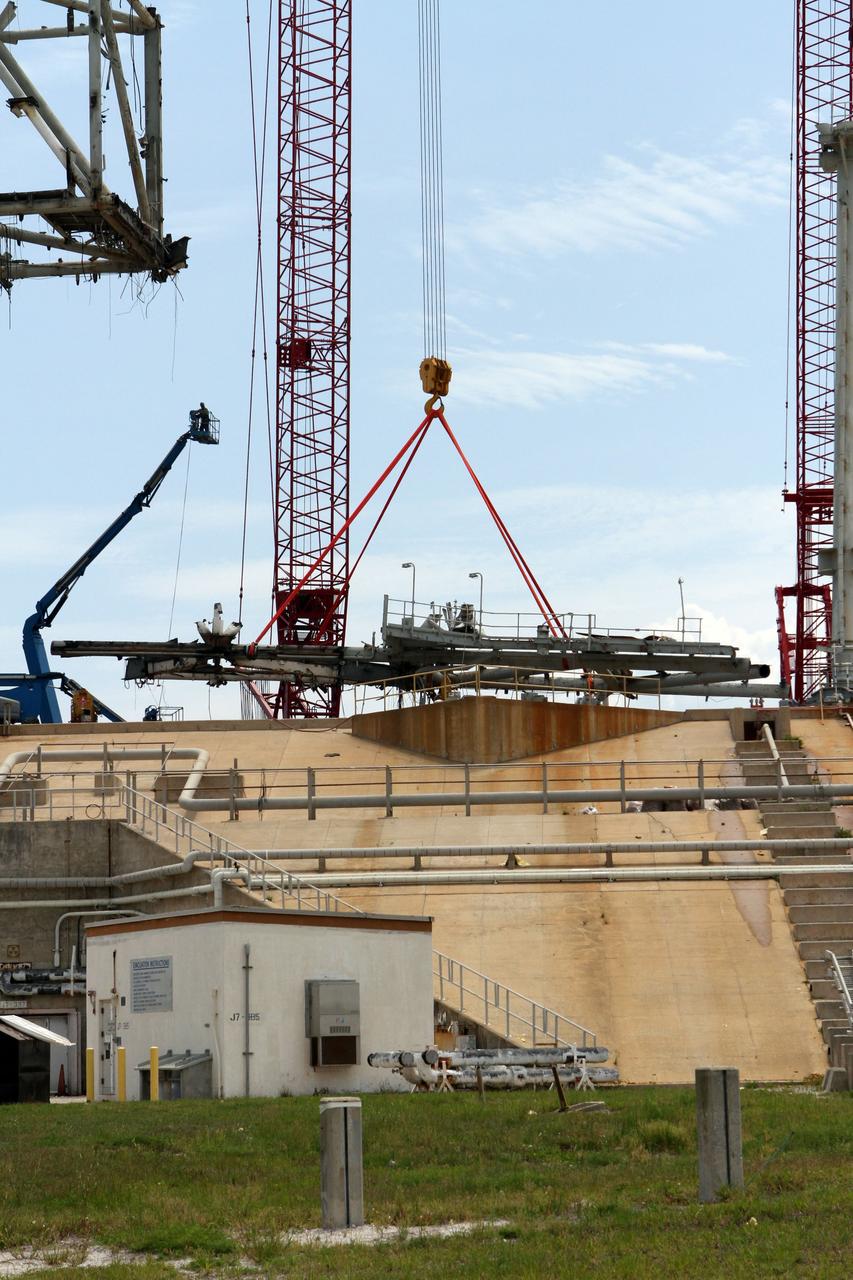
Cape Canaveral, Fla. -- Workers using a large crane remove the access arm section of the rotating service structure on Launch Pad 39B at NASA's Kennedy Space Center in Florida. In 2009, the pad was no longer needed for the shuttle program, so it is being restructured for future use. Its new design will feature a "clean pad" for rockets to come with their own launcher, making it more versatile for a number of vehicles. The new lightning protection system, which was in place for the October 2009 launch of Ares I-X, will remain. For information on NASA's future plans, visit www.nasa.gov. Photo credit: NASA/Cory Huston
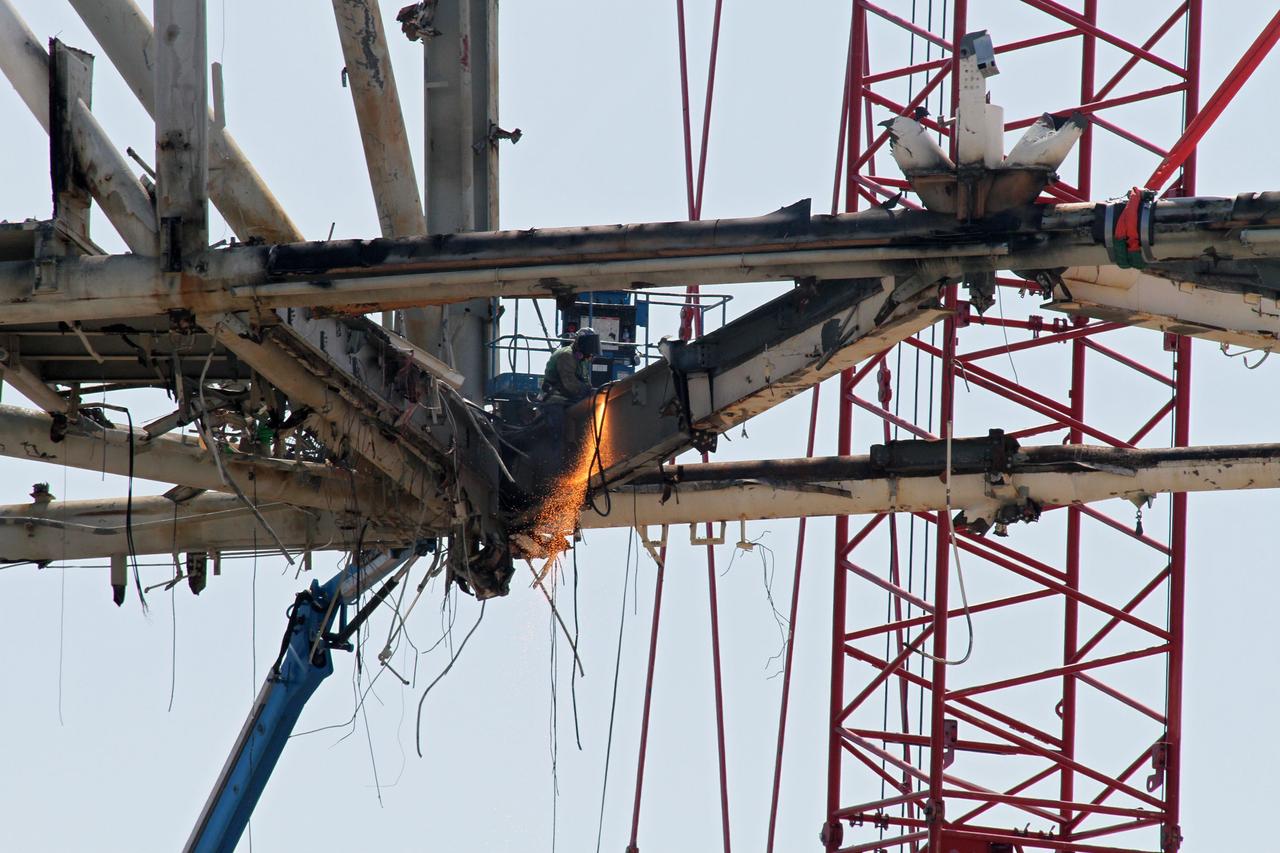
Cape Canaveral, Fla. -- Workers using a large crane remove the access arm section of the rotating service structure on Launch Pad 39B at NASA's Kennedy Space Center in Florida. In 2009, the pad was no longer needed for the shuttle program, so it is being restructured for future use. Its new design will feature a "clean pad" for rockets to come with their own launcher, making it more versatile for a number of vehicles. The new lightning protection system, which was in place for the October 2009 launch of Ares I-X, will remain. For information on NASA's future plans, visit www.nasa.gov. Photo credit: NASA/Cory Huston

Cape Canaveral, Fla. -- Workers using a large crane remove the access arm section of the rotating service structure on Launch Pad 39B at NASA's Kennedy Space Center in Florida. In 2009, the pad was no longer needed for the shuttle program, so it is being restructured for future use. Its new design will feature a "clean pad" for rockets to come with their own launcher, making it more versatile for a number of vehicles. The new lightning protection system, which was in place for the October 2009 launch of Ares I-X, will remain. For information on NASA's future plans, visit www.nasa.gov. Photo credit: NASA/Cory Huston
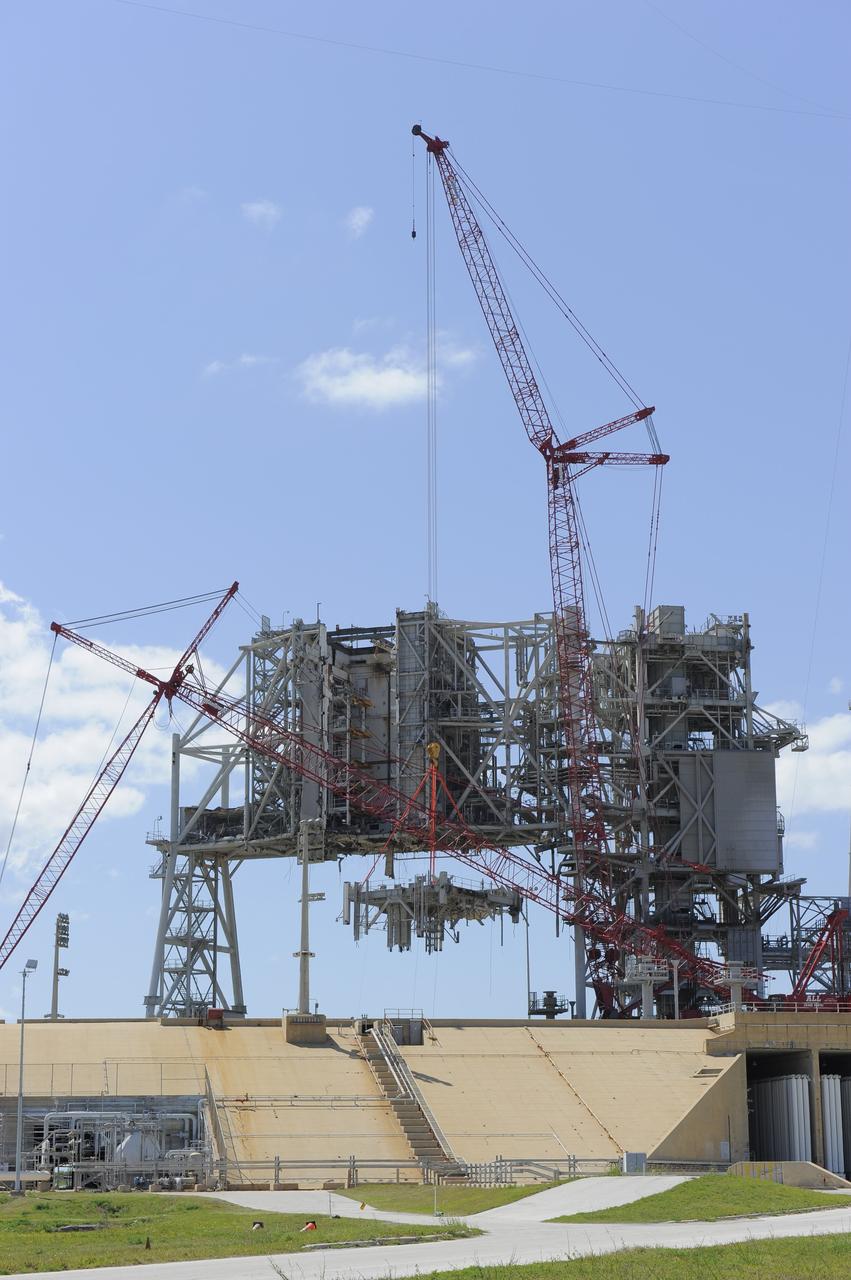
Cape Canaveral, Fla. -- A large crane dismantles another section of the fixed service structure (FSS) on Launch Pad 39B at NASA's Kennedy Space Center in Florida. Work to remove the rotating service structure (RSS) also continues at the pad. The FSS and RSS were designed to support the unique needs of the Space Shuttle Program. In 2009, the pad was no longer needed for the shuttle program, so it is being restructured for future use. Its new design will feature a "clean pad" for rockets to come with their own launcher, making it more versatile for a number of vehicles. The new lightning protection system, which was in place for the October 2009 launch of Ares I-X, will remain. For information on NASA's future plans, visit www.nasa.gov. Photo credit: NASA/Kim Shiflett
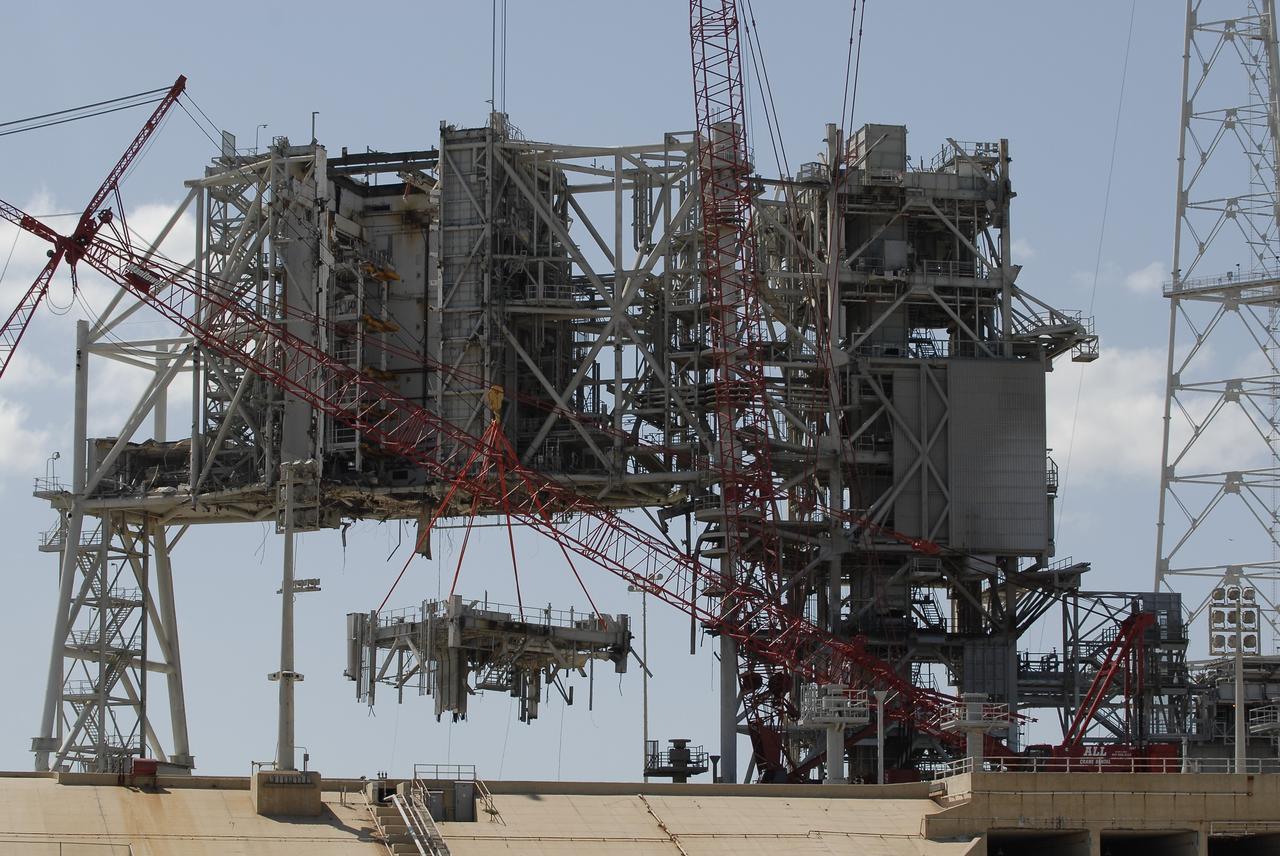
Cape Canaveral, Fla. -- A large crane dismantles another section of the fixed service structure (FSS) on Launch Pad 39B at NASA's Kennedy Space Center in Florida. Work to remove the rotating service structure (RSS) also continues at the pad. The FSS and RSS were designed to support the unique needs of the Space Shuttle Program. In 2009, the pad was no longer needed for the shuttle program, so it is being restructured for future use. Its new design will feature a "clean pad" for rockets to come with their own launcher, making it more versatile for a number of vehicles. The new lightning protection system, which was in place for the October 2009 launch of Ares I-X, will remain. For information on NASA's future plans, visit www.nasa.gov. Photo credit: NASA/Kim Shiflett
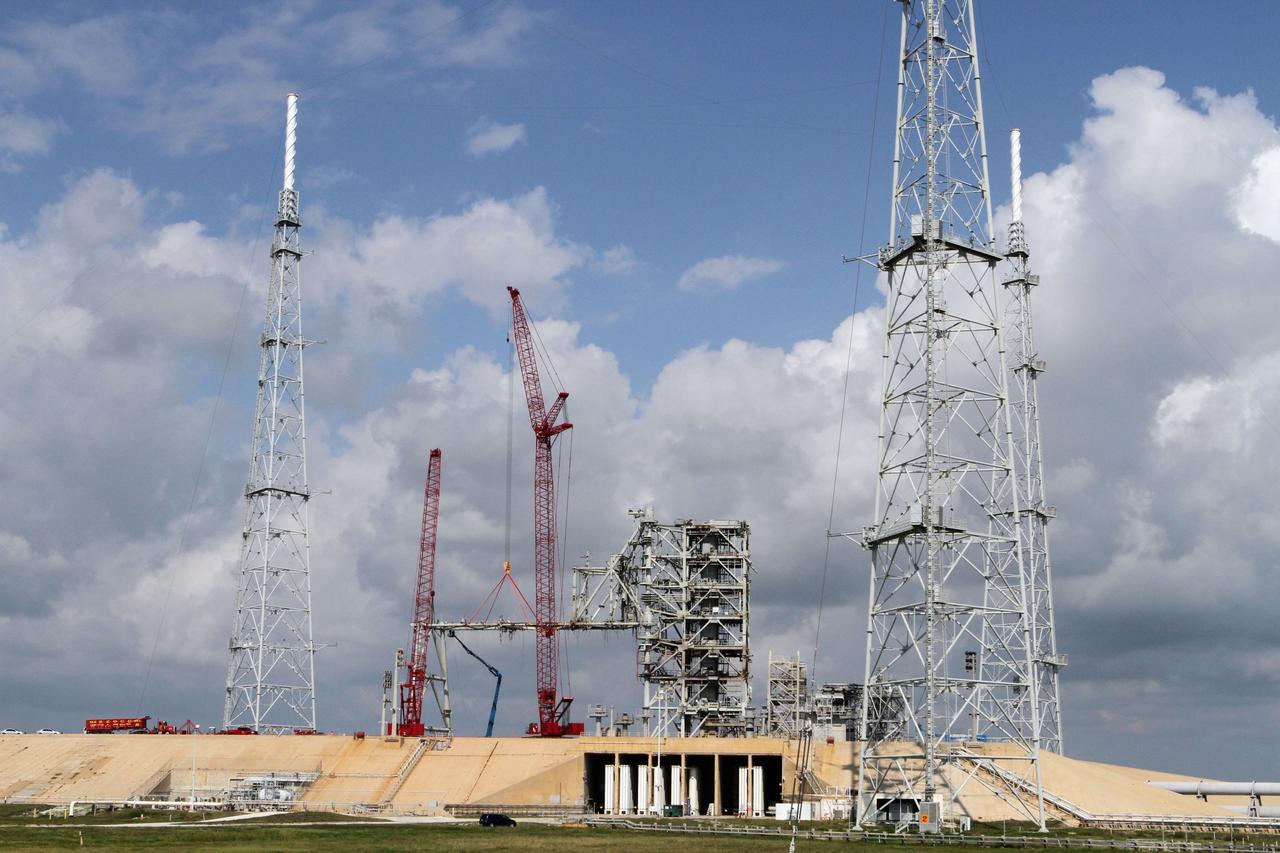
Cape Canaveral, Fla. -- Workers using a large crane remove the access arm section of the rotating service structure on Launch Pad 39B at NASA's Kennedy Space Center in Florida. In 2009, the pad was no longer needed for the shuttle program, so it is being restructured for future use. Its new design will feature a "clean pad" for rockets to come with their own launcher, making it more versatile for a number of vehicles. The new lightning protection system, which was in place for the October 2009 launch of Ares I-X, will remain. For information on NASA's future plans, visit www.nasa.gov. Photo credit: NASA/Cory Huston

Cape Canaveral, Fla. -- A large crane dismantles another section of the fixed service structure (FSS) on Launch Pad 39B at NASA's Kennedy Space Center in Florida. Work to remove the rotating service structure (RSS) also continues at the pad. The FSS and RSS were designed to support the unique needs of the Space Shuttle Program. In 2009, the pad was no longer needed for the shuttle program, so it is being restructured for future use. Its new design will feature a "clean pad" for rockets to come with their own launcher, making it more versatile for a number of vehicles. The new lightning protection system, which was in place for the October 2009 launch of Ares I-X, will remain. For information on NASA's future plans, visit www.nasa.gov. Photo credit: NASA/Kim Shiflett
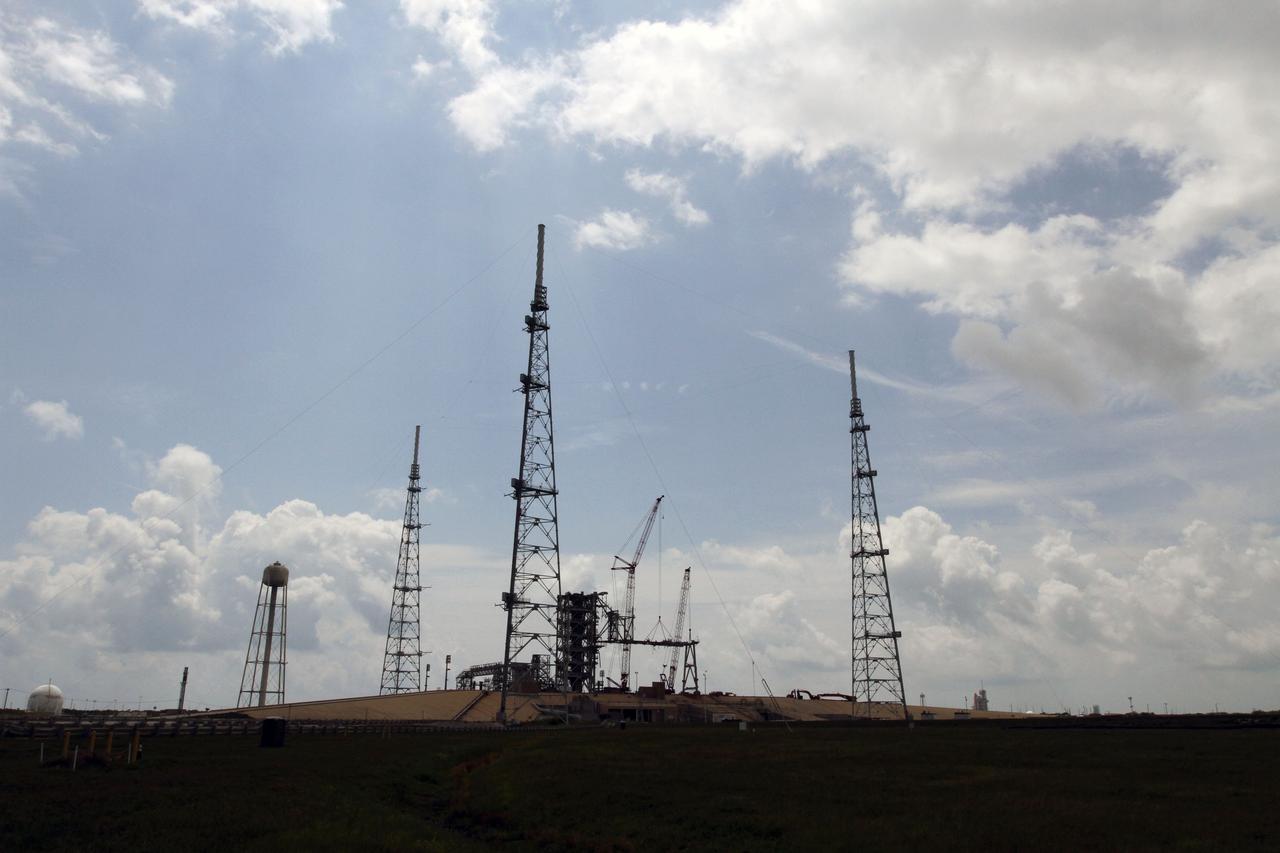
Cape Canaveral, Fla. -- Workers using a large crane remove the access arm section of the rotating service structure on Launch Pad 39B at NASA's Kennedy Space Center in Florida. Space shuttle Atlantis can be seen on Launch Pad 39A (far right background) as it is being prepared for the final space shuttle mission, STS-135. In 2009, the pad was no longer needed for the shuttle program, so it is being restructured for future use. Its new design will feature a "clean pad" for rockets to come with their own launcher, making it more versatile for a number of vehicles. The new lightning protection system, which was in place for the October 2009 launch of Ares I-X, will remain. For information on NASA's future plans, visit www.nasa.gov. Photo credit: NASA/Cory Huston
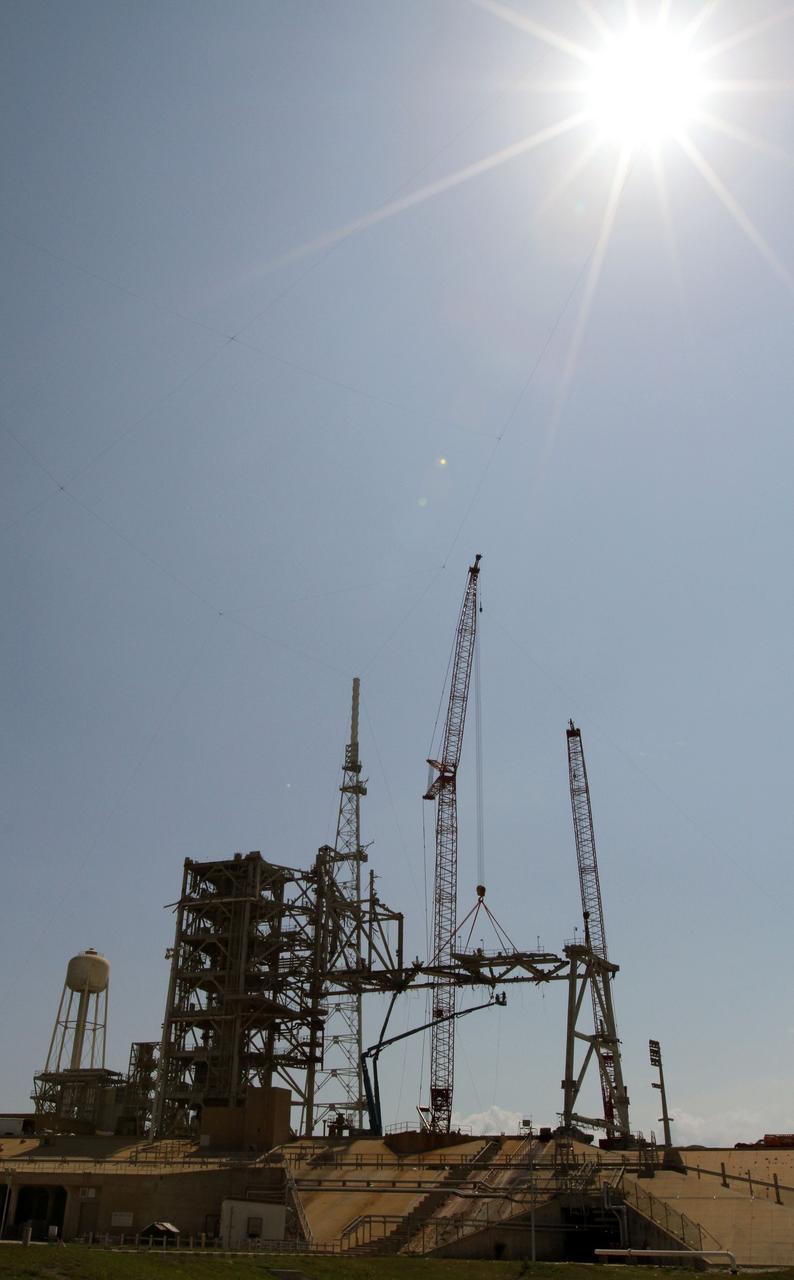
Cape Canaveral, Fla. -- Workers using a large crane remove the access arm section of the rotating service structure on Launch Pad 39B at NASA's Kennedy Space Center in Florida. In 2009, the pad was no longer needed for the shuttle program, so it is being restructured for future use. Its new design will feature a "clean pad" for rockets to come with their own launcher, making it more versatile for a number of vehicles. The new lightning protection system, which was in place for the October 2009 launch of Ares I-X, will remain. For information on NASA's future plans, visit www.nasa.gov. Photo credit: NASA/Cory Huston
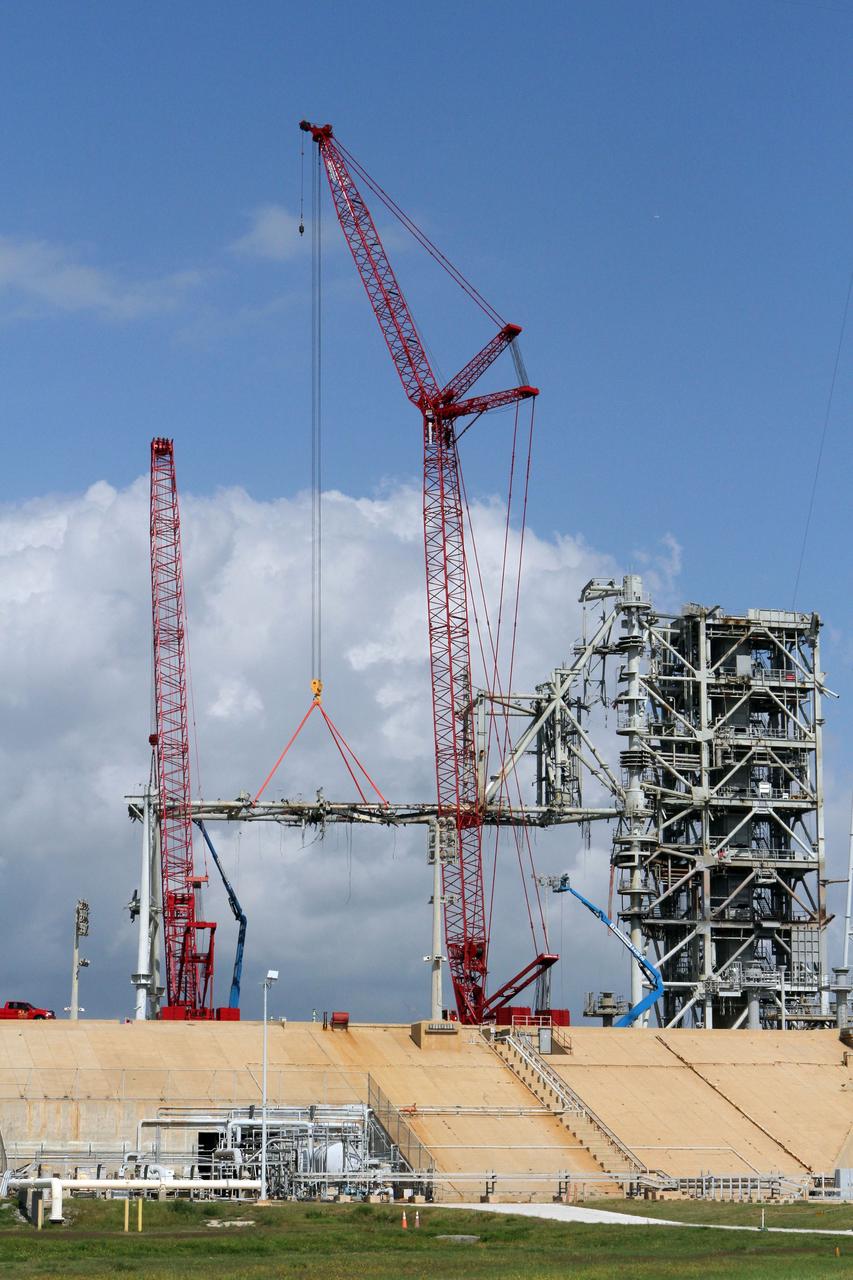
Cape Canaveral, Fla. -- Workers using a large crane remove the access arm section of the rotating service structure on Launch Pad 39B at NASA's Kennedy Space Center in Florida. In 2009, the pad was no longer needed for the shuttle program, so it is being restructured for future use. Its new design will feature a "clean pad" for rockets to come with their own launcher, making it more versatile for a number of vehicles. The new lightning protection system, which was in place for the October 2009 launch of Ares I-X, will remain. For information on NASA's future plans, visit www.nasa.gov. Photo credit: NASA/Cory Huston
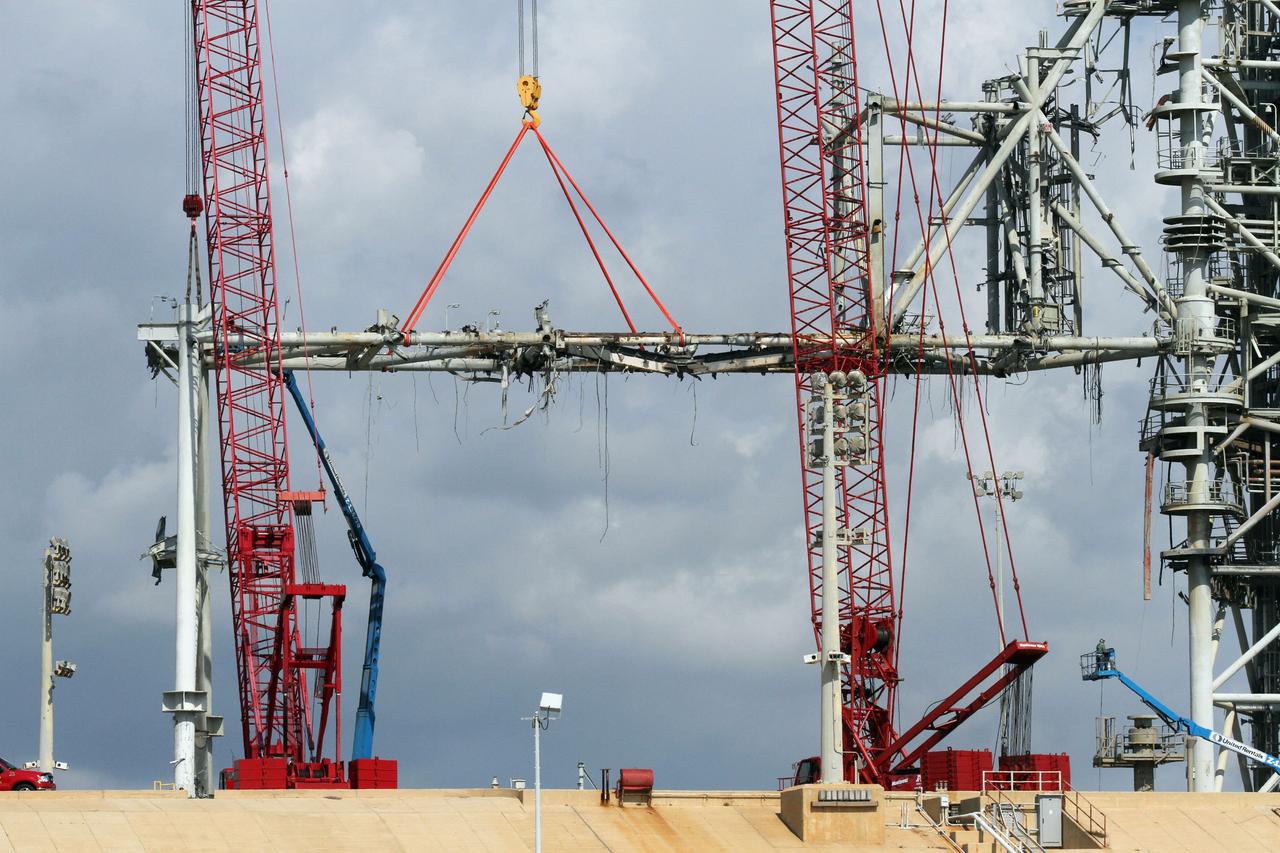
Cape Canaveral, Fla. -- Workers using a large crane remove the access arm section of the rotating service structure on Launch Pad 39B at NASA's Kennedy Space Center in Florida. In 2009, the pad was no longer needed for the shuttle program, so it is being restructured for future use. Its new design will feature a "clean pad" for rockets to come with their own launcher, making it more versatile for a number of vehicles. The new lightning protection system, which was in place for the October 2009 launch of Ares I-X, will remain. For information on NASA's future plans, visit www.nasa.gov. Photo credit: NASA/Cory Huston
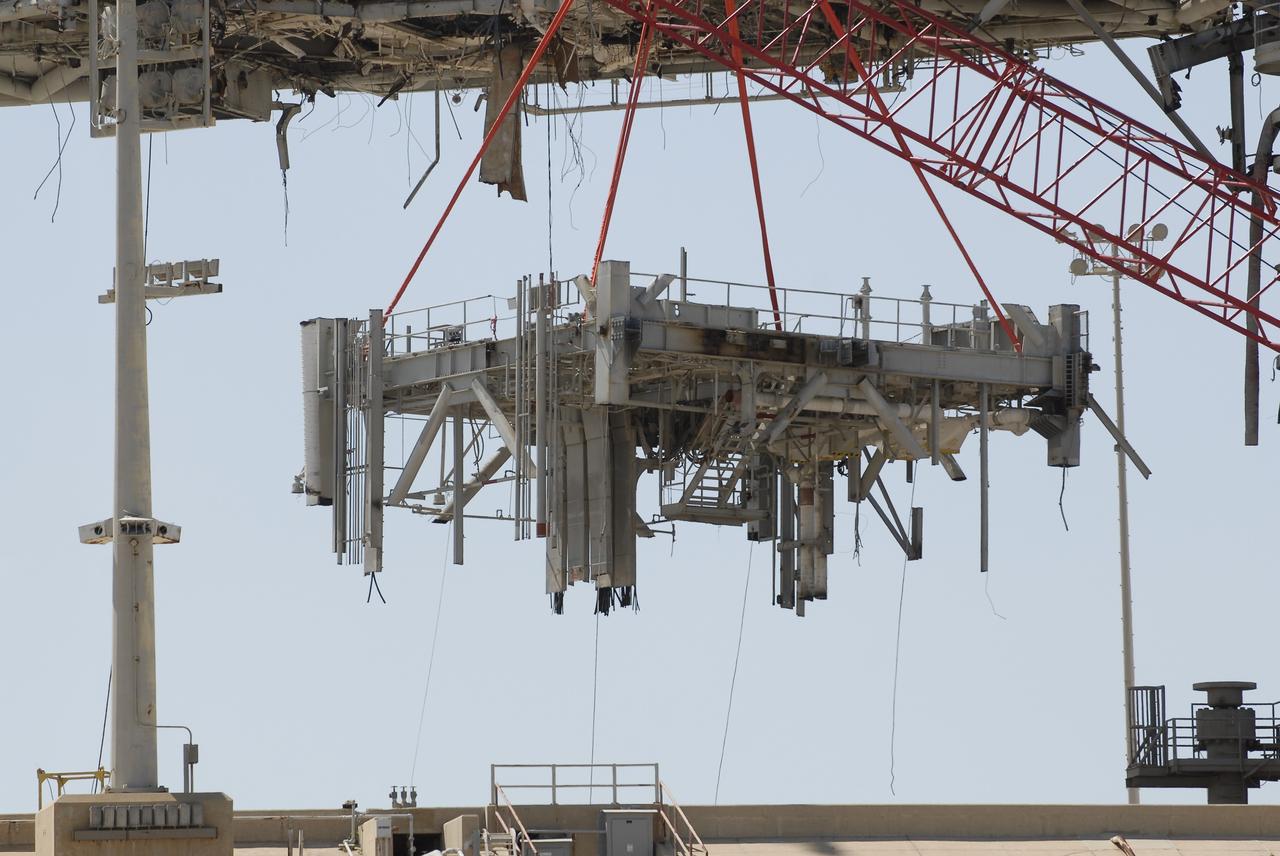
Cape Canaveral, Fla. -- A large crane dismantles another section of the fixed service structure (FSS) on Launch Pad 39B at NASA's Kennedy Space Center in Florida. Work to remove the rotating service structure (RSS) also continues at the pad. The FSS and RSS were designed to support the unique needs of the Space Shuttle Program. In 2009, the pad was no longer needed for the shuttle program, so it is being restructured for future use. Its new design will feature a "clean pad" for rockets to come with their own launcher, making it more versatile for a number of vehicles. The new lightning protection system, which was in place for the October 2009 launch of Ares I-X, will remain. For information on NASA's future plans, visit www.nasa.gov. Photo credit: NASA/Kim Shiflett
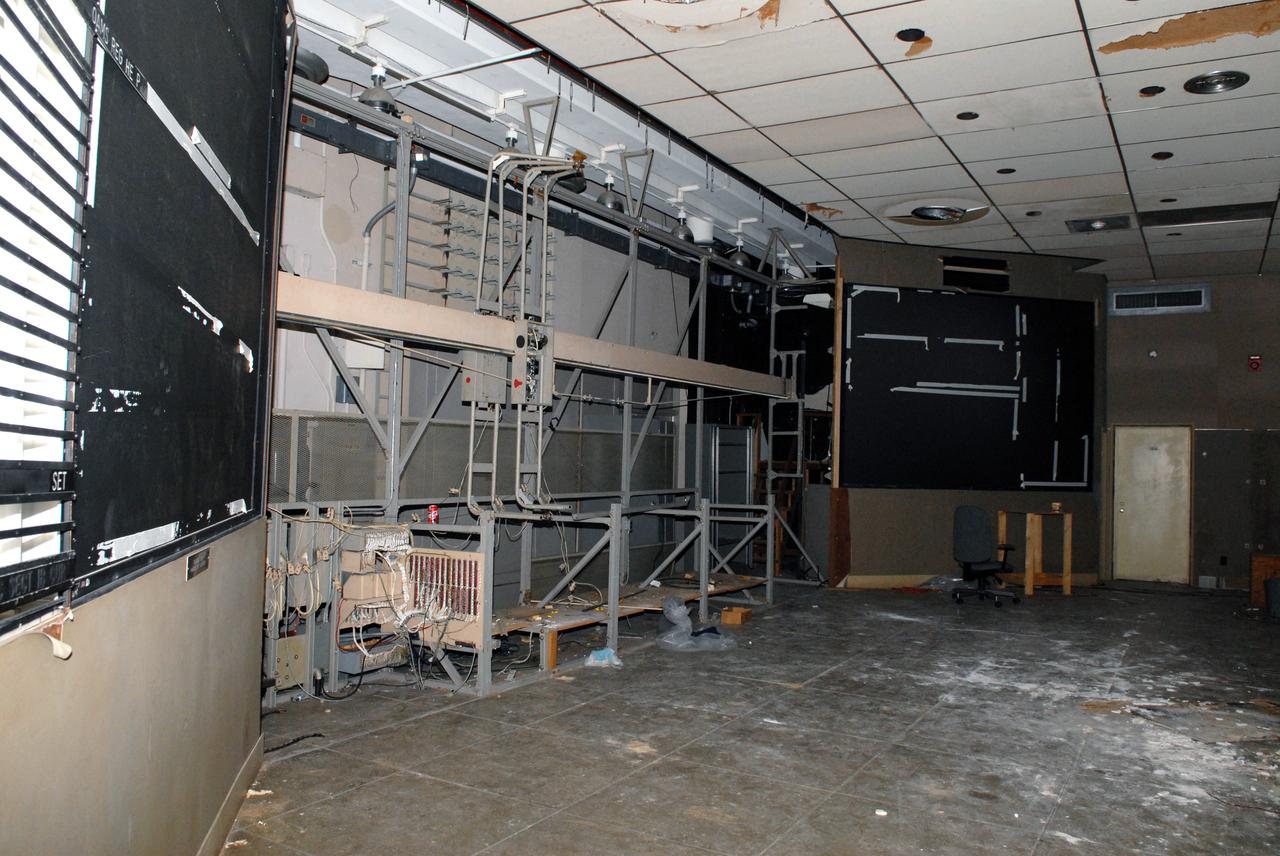
CAPE CANAVERAL, Fla. – Rooms are being dismantled in the 50-year-old Mission Control Center on the Cape Canaveral Air Force Station in Florida. Out of use for many years, and with no valid operational or other use for the facility, NASA plans to demolish the site. The facility once controlled all manned Mercury space flights and the first two unmanned Gemini flights from May 1961-1963. It provided launch, orbital, re-entry and landing control for the flights. That function was later transferred to NASA's Johnson Space Center in Houston. Photo credit: NASA/Jack Pfaller
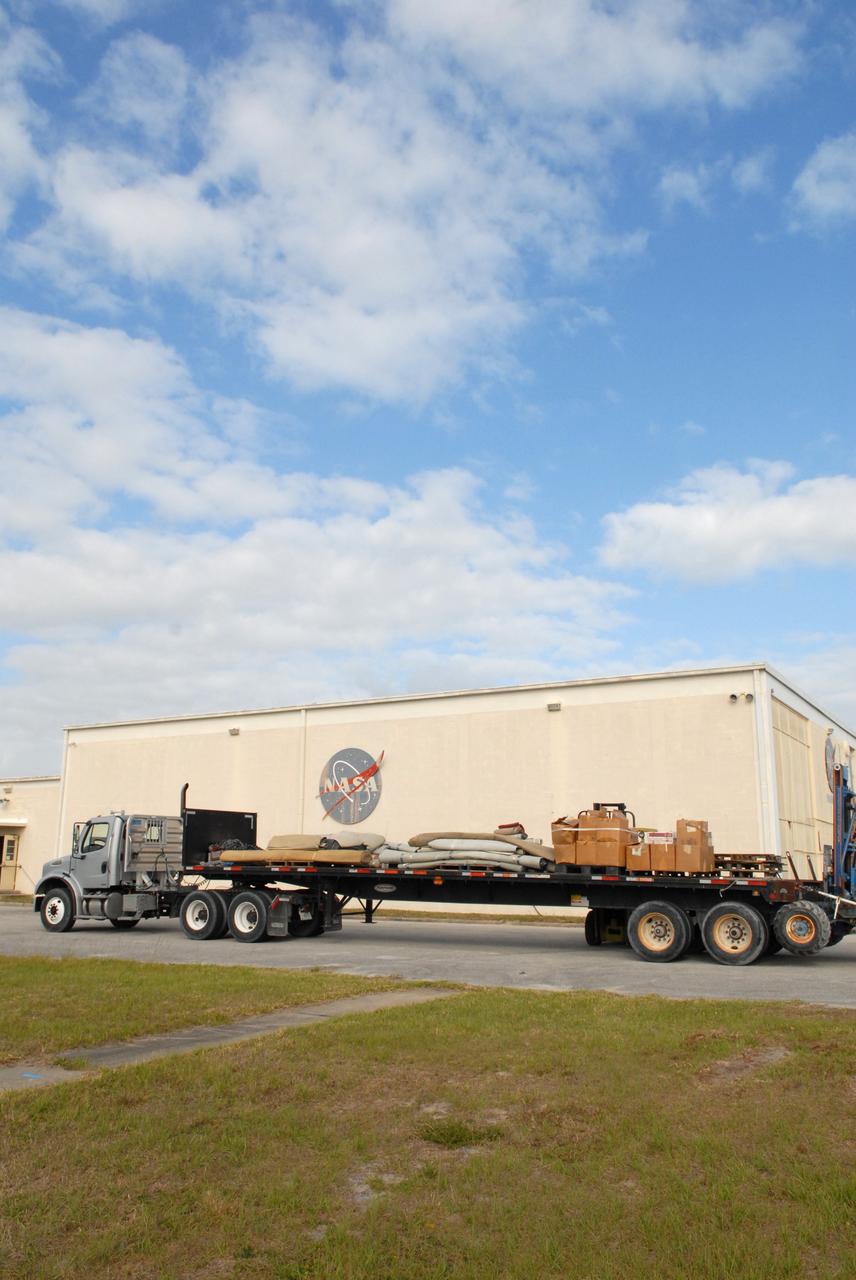
CAPE CANAVERAL, Fla. – A trailer hauls boxes and equipment from the 50-year-old Mission Control Center on the Cape Canaveral Air Force Station in Florida. Out of use for many years, and with no valid operational or other use for the facility, NASA plans to demolish the site. The facility once controlled all manned Mercury space flights and the first two unmanned Gemini flights from May 1961-1963. It provided launch, orbital, re-entry and landing control for the flights. That function was later transferred to NASA's Johnson Space Center in Houston. Photo credit: NASA/Jack Pfaller
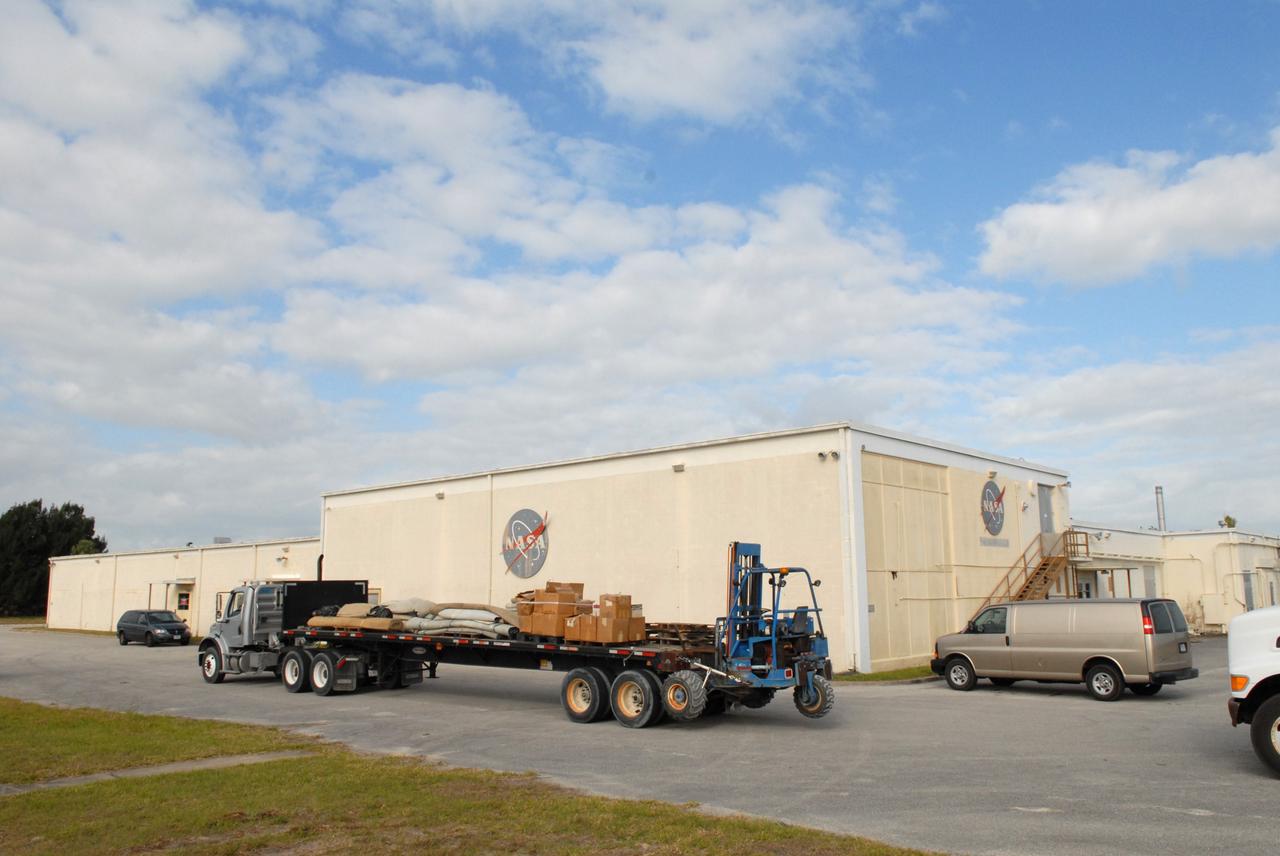
CAPE CANAVERAL, Fla. – A trailer hauls boxes and equipment from the 50-year-old Mission Control Center on the Cape Canaveral Air Force Station in Florida. Out of use for many years, and with no valid operational or other use for the facility, NASA plans to demolish the site. The facility once controlled all manned Mercury space flights and the first two unmanned Gemini flights from May 1961-1963. It provided launch, orbital, re-entry and landing control for the flights. That function was later transferred to NASA's Johnson Space Center in Houston. Photo credit: NASA/Jack Pfaller
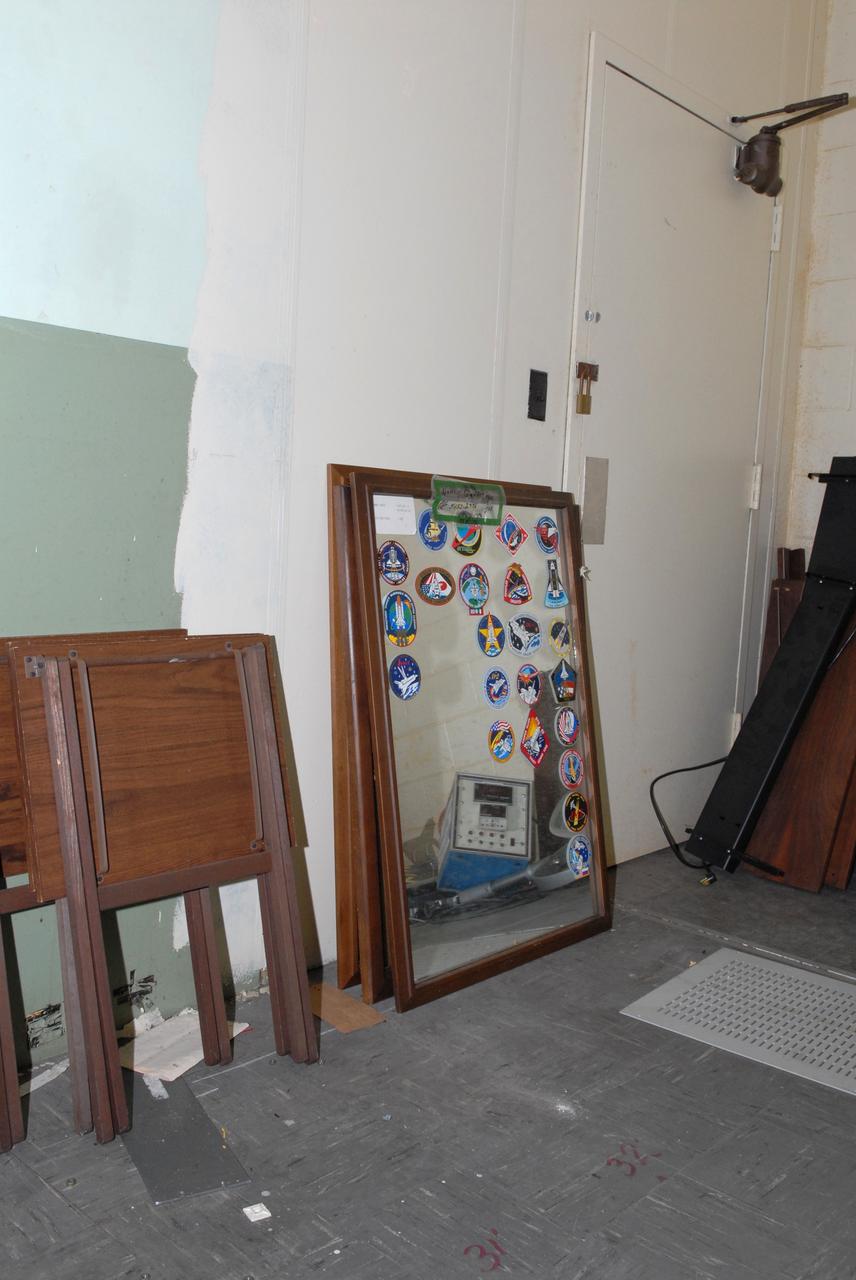
CAPE CANAVERAL, Fla. – Outdated furniture and display items are being moved out of the 50-year-old Mission Control Center on the Cape Canaveral Air Force Station in Florida. Out of use for many years, and with no valid operational or other use for the facility, NASA plans to demolish the site. The facility once controlled all manned Mercury space flights and the first two unmanned Gemini flights from May 1961-1963. It provided launch, orbital, re-entry and landing control for the flights. That function was later transferred to NASA's Johnson Space Center in Houston. Photo credit: NASA/Jack Pfaller
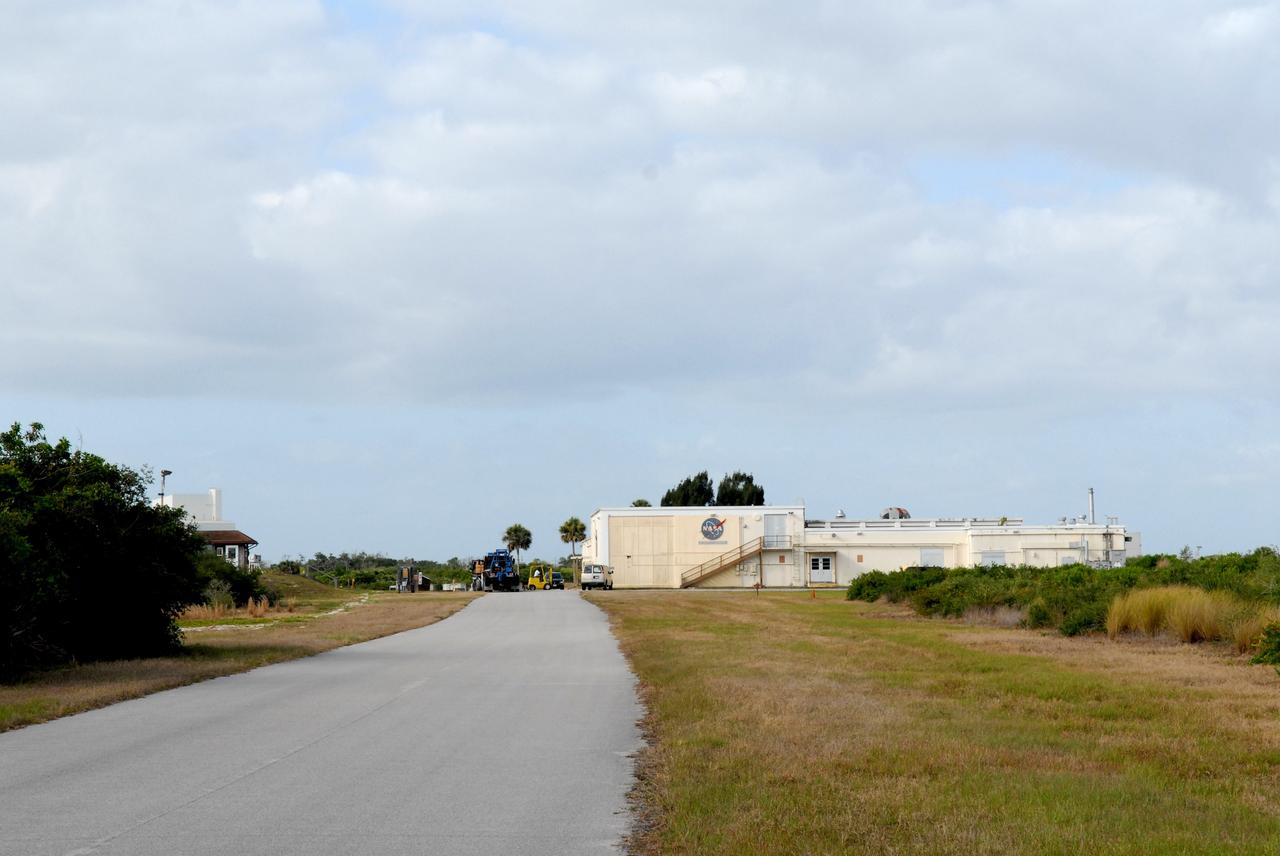
CAPE CANAVERAL, Fla. – Built in 1958, the Mission Control Center is located on the Cape Canaveral Air Force Station in Florida. Out of use for many years, and with no valid operational or other use for the facility, NASA plans to demolish the site. The facility once controlled all manned Mercury space flights and the first two unmanned Gemini flights from May 1961-1963. It provided launch, orbital, re-entry and landing control for the flights. That function was later transferred to NASA's Johnson Space Center in Houston. Photo credit: NASA/Jack Pfaller
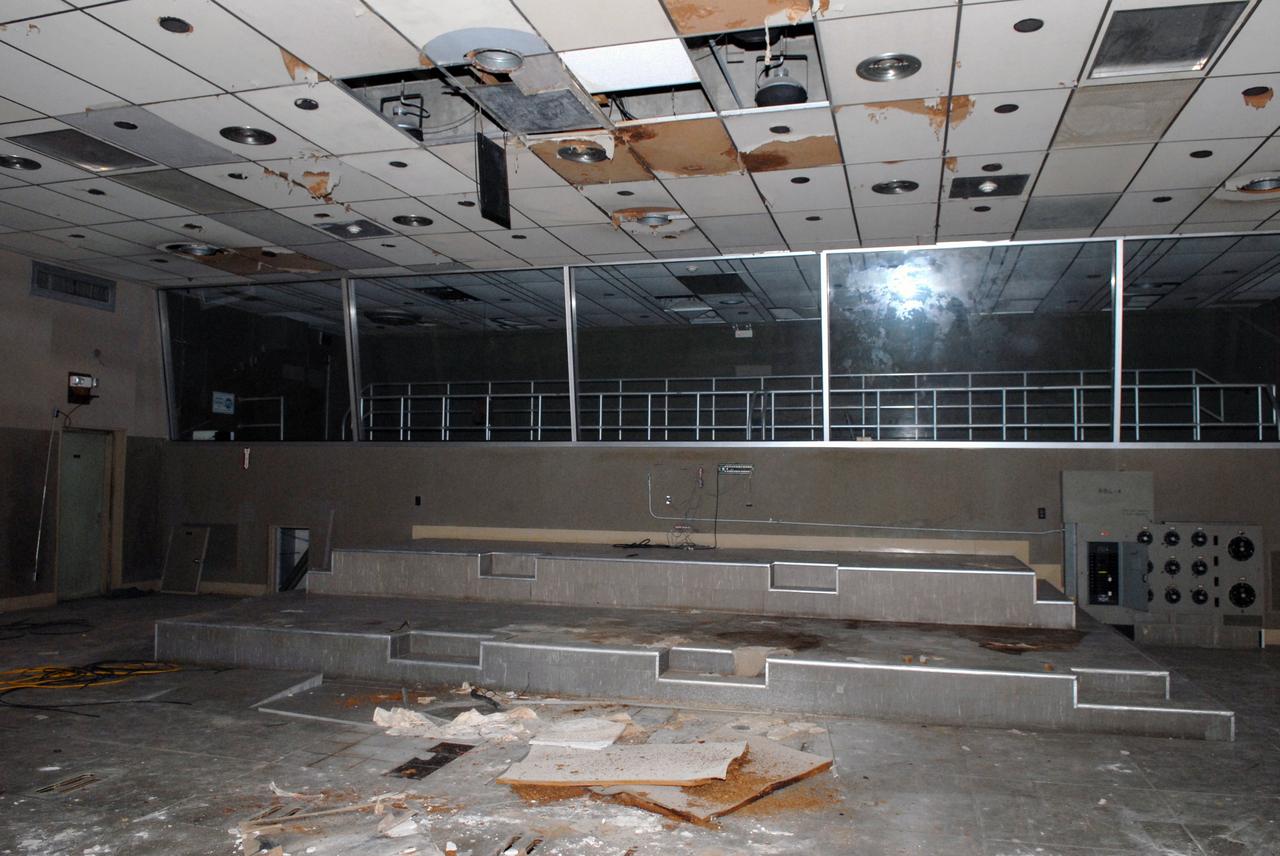
CAPE CANAVERAL, Fla. – Water damage and mold in rooms in the 50-year-old Mission Control Center on the Cape Canaveral Air Force Station in Florida are part of the reason for NASA's decision to demolish the site. The center has been out of use for many years, and NASA has found no valid operational or other use for the facility. The facility once controlled all manned Mercury space flights and the first two unmanned Gemini flights from May 1961-1963. It provided launch, orbital, re-entry and landing control for the flights. That function was later transferred to NASA's Johnson Space Center in Houston. Photo credit: NASA/Jack Pfaller
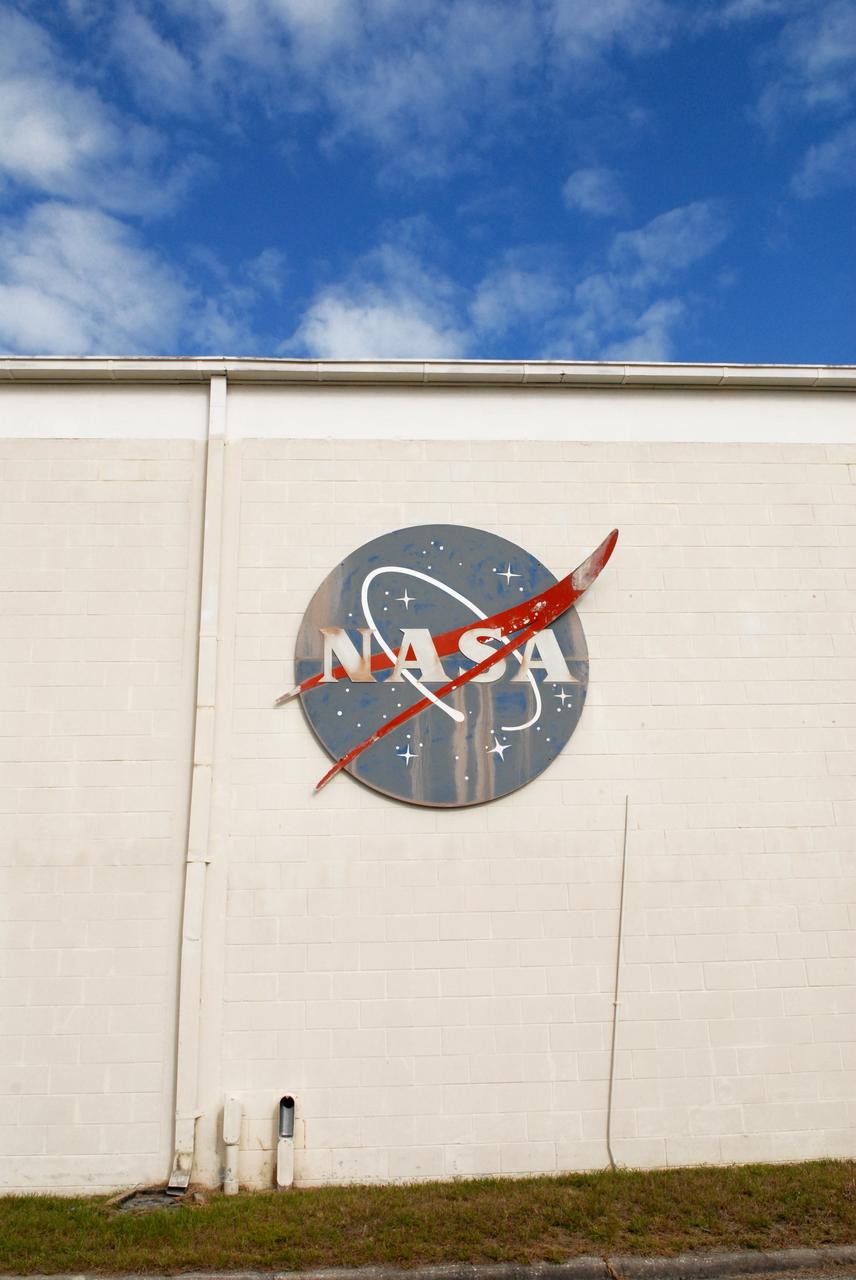
CAPE CANAVERAL, Fla. – The NASA insignia has faded on the 50-year-old Mission Control Center on the Cape Canaveral Air Force Station in Florida. Out of use for many years, and with no valid operational or other use for the facility, NASA plans to demolish the site. The facility once controlled all manned Mercury space flights and the first two unmanned Gemini flights from May 1961-1963. It provided launch, orbital, re-entry and landing control for the flights. That function was later transferred to NASA's Johnson Space Center in Houston. Photo credit: NASA/Jack Pfaller
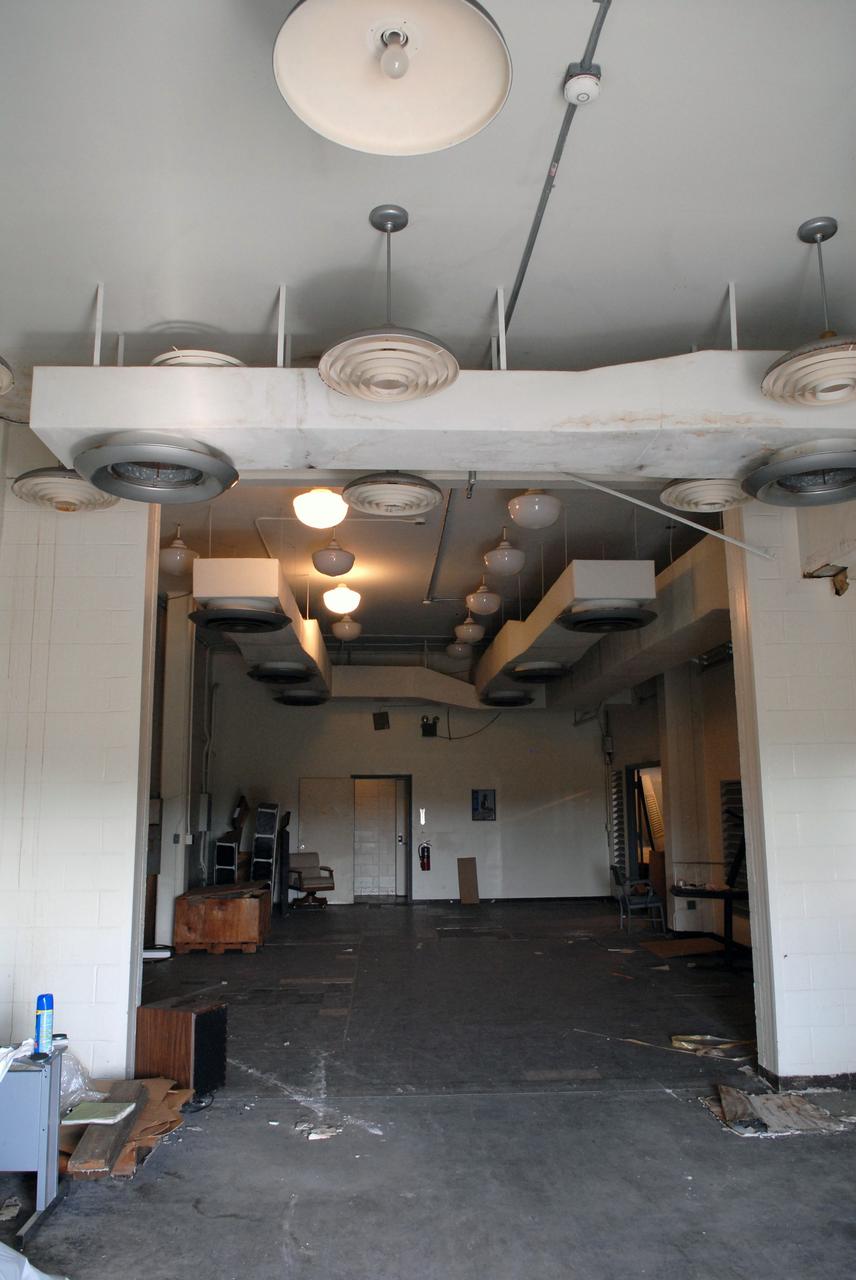
CAPE CANAVERAL, Fla. – Furniture and equipment is being moved out of the 50-year-old Mission Control Center on the Cape Canaveral Air Force Station in Florida. Out of use for many years, and with no valid operational or other use for the facility, NASA plans to demolish the site. The facility once controlled all manned Mercury space flights and the first two unmanned Gemini flights from May 1961-1963. It provided launch, orbital, re-entry and landing control for the flights. That function was later transferred to NASA's Johnson Space Center in Houston. Photo credit: NASA/Jack Pfaller
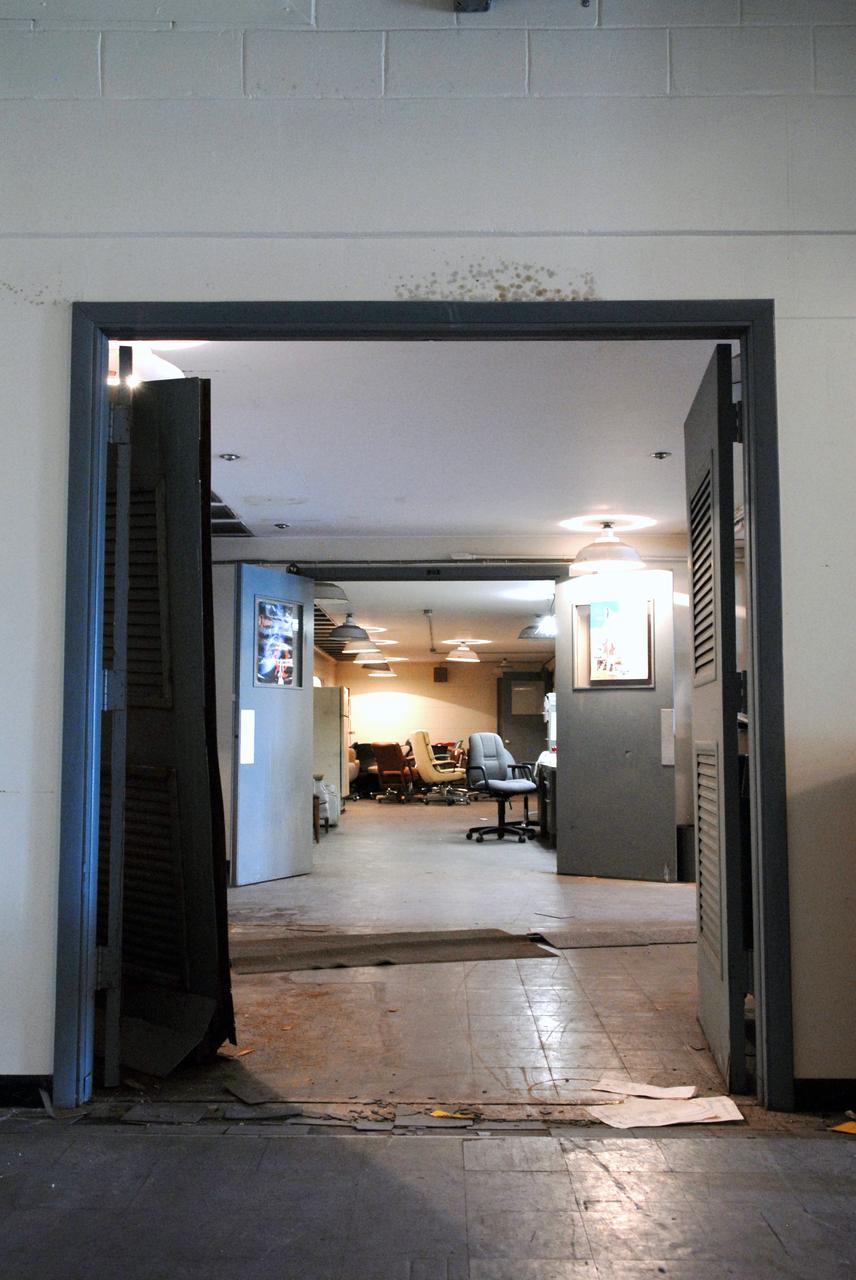
CAPE CANAVERAL, Fla. – Furniture no longer in use is stored in the far room of the 50-year-old Mission Control Center on the Cape Canaveral Air Force Station in Florida. Out of use for many years, and with no valid operational or other use for the facility, NASA plans to demolish the site. The facility once controlled all manned Mercury space flights and the first two unmanned Gemini flights from May 1961-1963. It provided launch, orbital, re-entry and landing control for the flights. That function was later transferred to NASA's Johnson Space Center in Houston. Photo credit: NASA/Jack Pfaller
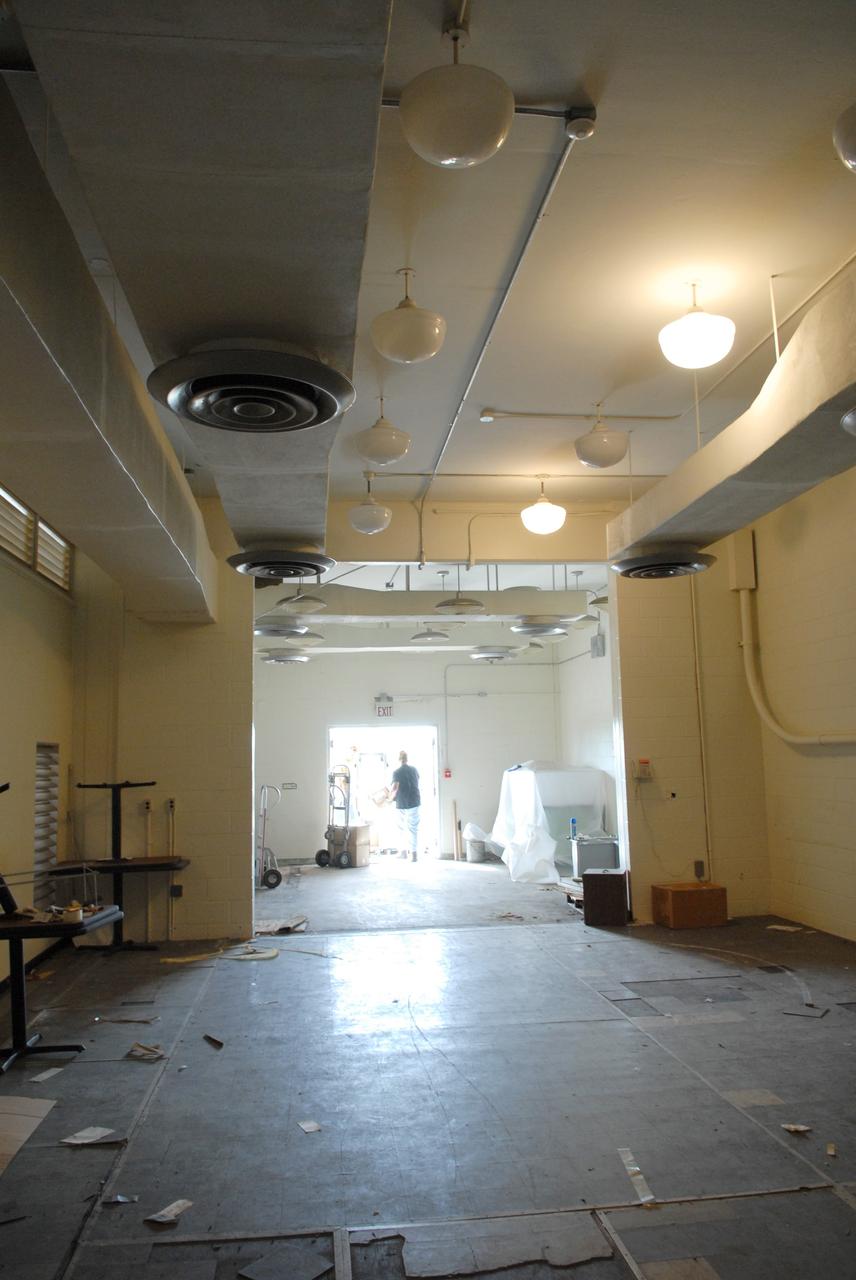
CAPE CANAVERAL, Fla. – Furniture and equipment is being moved out of the 50-year-old Mission Control Center on the Cape Canaveral Air Force Station in Florida. Out of use for many years, and with no valid operational or other use for the facility, NASA plans to demolish the site. The facility once controlled all manned Mercury space flights and the first two unmanned Gemini flights from May 1961-1963. It provided launch, orbital, re-entry and landing control for the flights. That function was later transferred to NASA's Johnson Space Center in Houston. Photo credit: NASA/Jack Pfaller
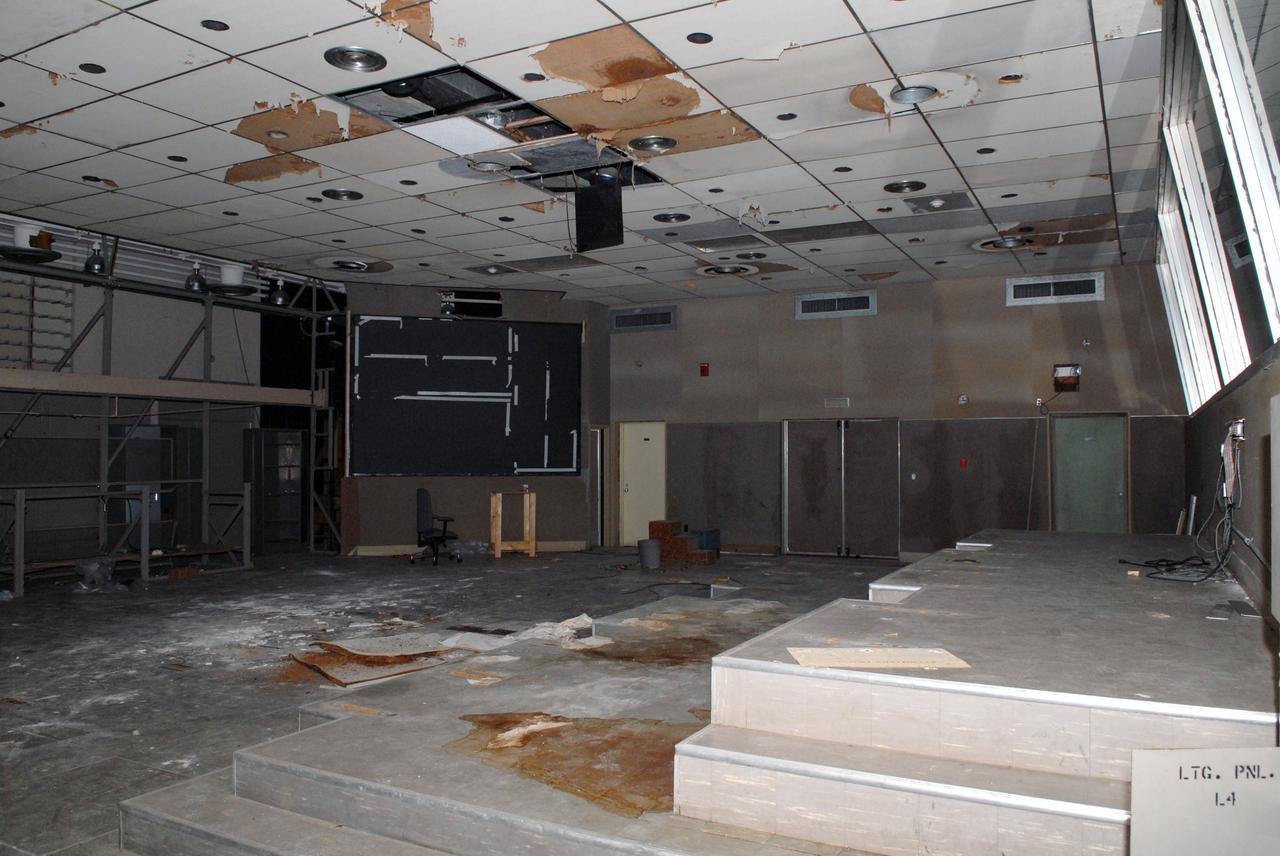
CAPE CANAVERAL, Fla. – Water damage and mold in rooms in the 50-year-old Mission Control Center on the Cape Canaveral Air Force Station in Florida are part of the reason for NASA's decision to demolish the site. The center has been out of use for many years, and NASA has found no valid operational or other use for the facility. The facility once controlled all manned Mercury space flights and the first two unmanned Gemini flights from May 1961-1963. It provided launch, orbital, re-entry and landing control for the flights. That function was later transferred to NASA's Johnson Space Center in Houston. Photo credit: NASA/Jack Pfaller
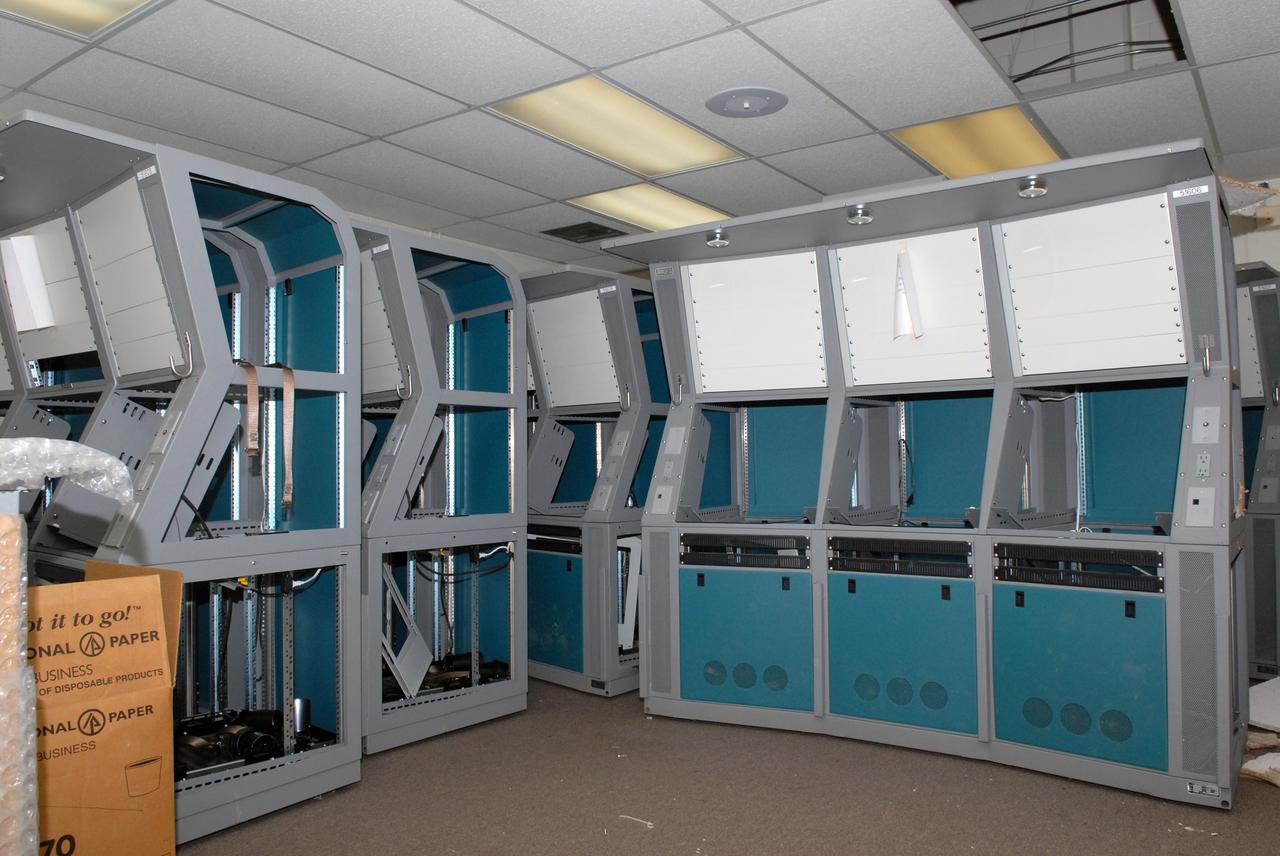
CAPE CANAVERAL, Fla. – Equipment is staged for removal from the 50-year-old Mission Control Center on the Cape Canaveral Air Force Station in Florida. Out of use for many years, and with no valid operational or other use for the facility, NASA plans to demolish the site. The facility once controlled all manned Mercury space flights and the first two unmanned Gemini flights from May 1961-1963. It provided launch, orbital, re-entry and landing control for the flights. That function was later transferred to NASA's Johnson Space Center in Houston. Photo credit: NASA/Jack Pfaller
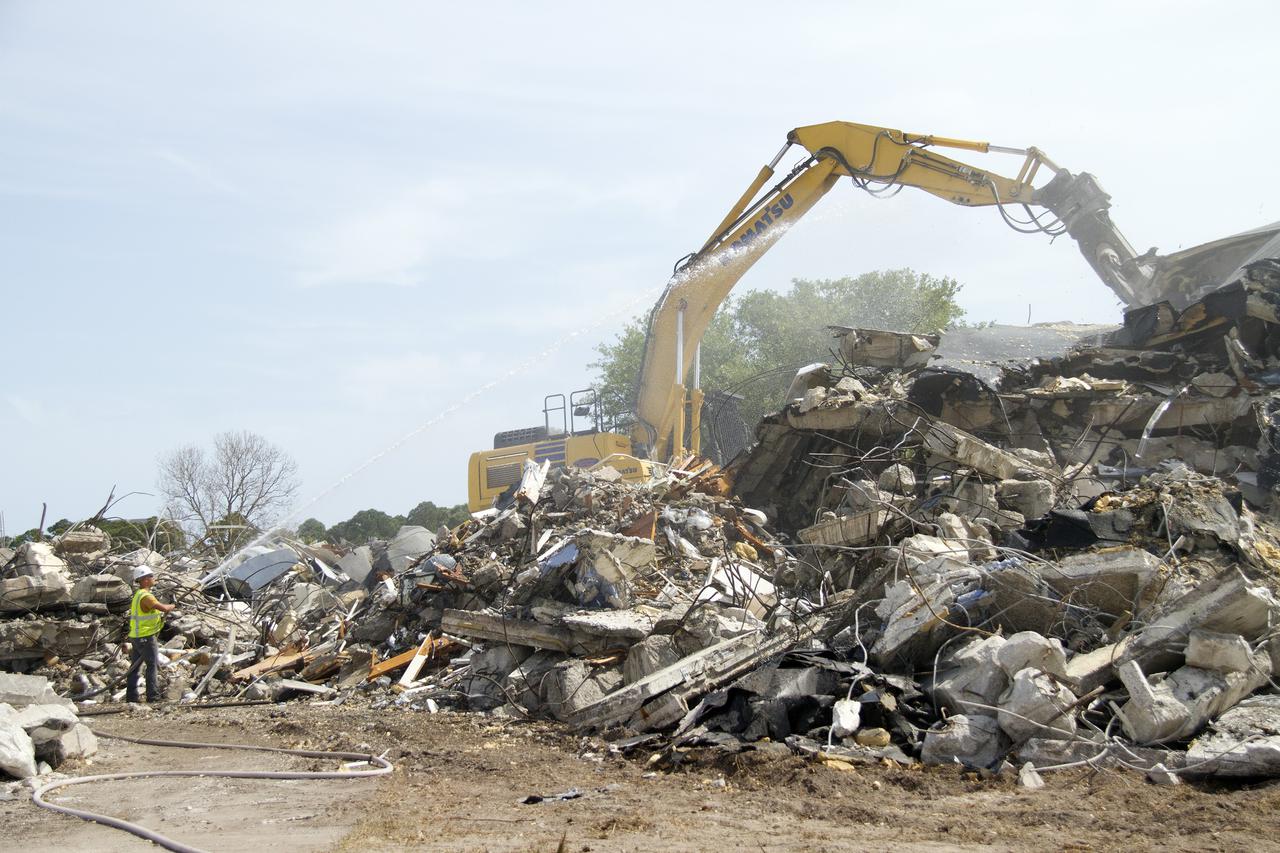
CAPE CANAVERAL, Fla. -- At NASA’s Kennedy Space Center in Florida, demolition is underway on the Base Operations Building, or BOB, in the Industrial Area. Water is being sprayed in the area to control the dust created during the demolition process. The two-story BOB was constructed in 1965 as office space for workers. Kennedy is demolishing some of the older facilities due to their age and to reduce maintenance and repair costs. Photo credit: NASA_ Cory Huston

CAPE CANAVERAL, Fla. -- At NASA’s Kennedy Space Center in Florida, demolition is underway on the Base Operations Building, or BOB, in the Industrial Area. Water is being sprayed in the area to control the dust created during the demolition process. The two-story BOB was constructed in 1965 as office space for workers. Kennedy is demolishing some of the older facilities due to their age and to reduce maintenance and repair costs. Photo credit: NASA_ Cory Huston
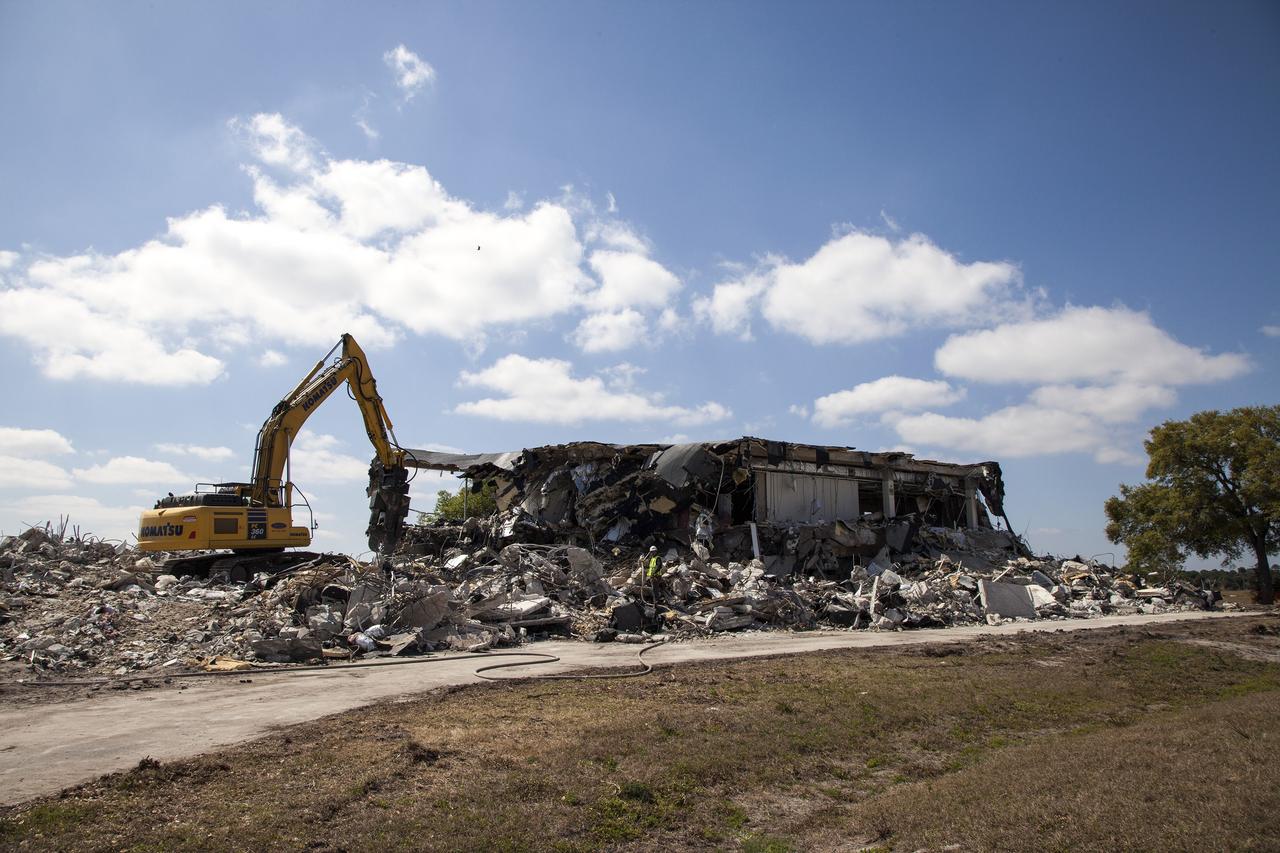
CAPE CANAVERAL, Fla. -- At NASA’s Kennedy Space Center in Florida, demolition is underway on the Base Operations Building, or BOB, in the Industrial Area. Water is being sprayed in the area to control the dust created during the demolition process. The two-story BOB was constructed in 1965 as office space for workers. Kennedy is demolishing some of the older facilities due to their age and to reduce maintenance and repair costs. Photo credit: NASA/Kim Shiflett