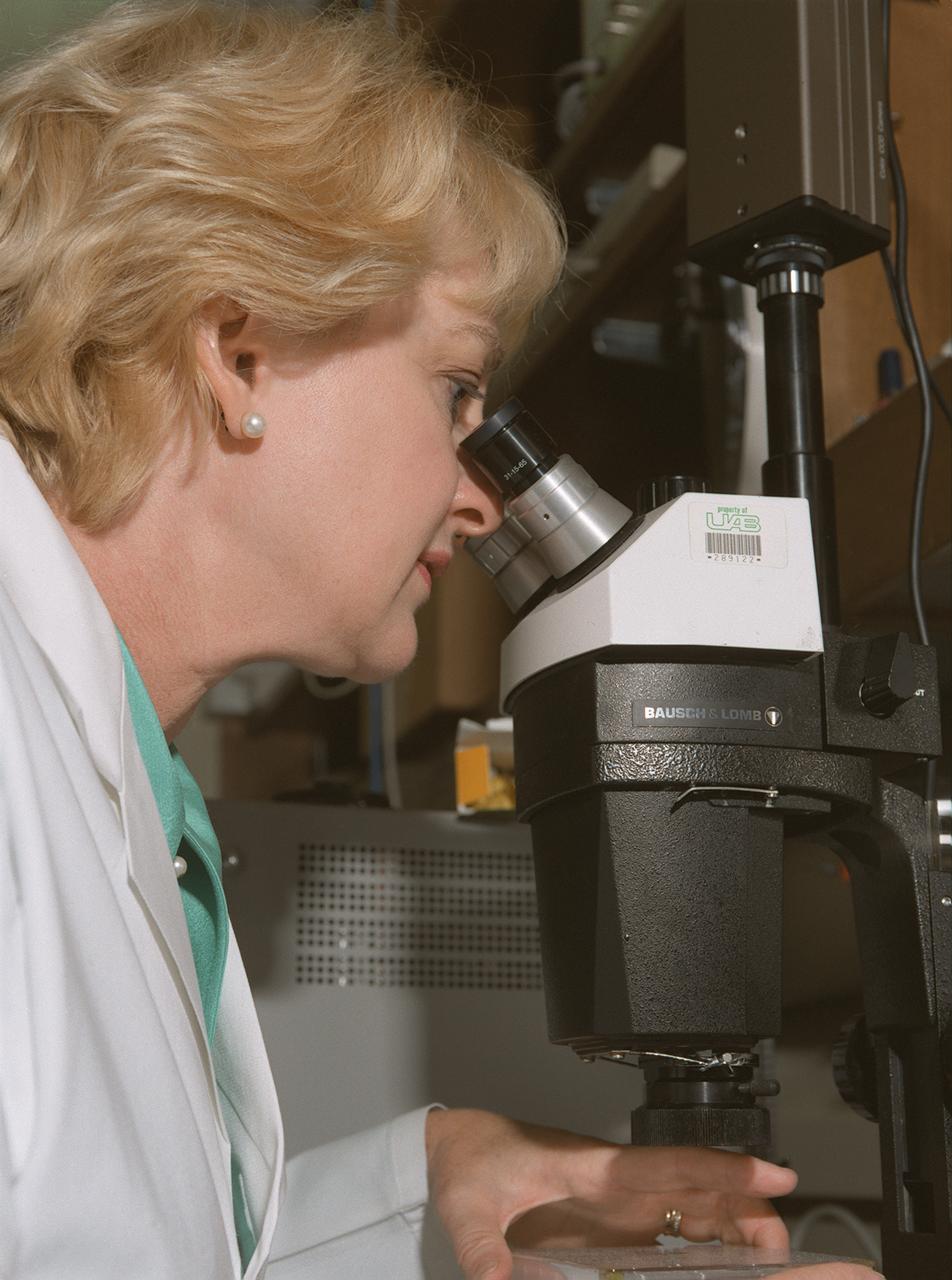
Diabetic patients may someday reduce their insulin injections and lead more normal lives because of new insights gained through irnovative space research in which insulin crystals were grown on the Space Shuttle. Results from a 1994 insulin crystal growth experiment in space are leading to a new understanding of protein insulin. Lack of insulin is the cause of diabetes, a desease that accounts for one-seventh of the nation's health care costs. Dr. Marianna Long, associate director of the Center of Macromolecular Crystallography at the University of Alabama at Birmingham, is a co-investigator on the research. Photo credit: NASA/Marshall Space Flight Center (MSFC)
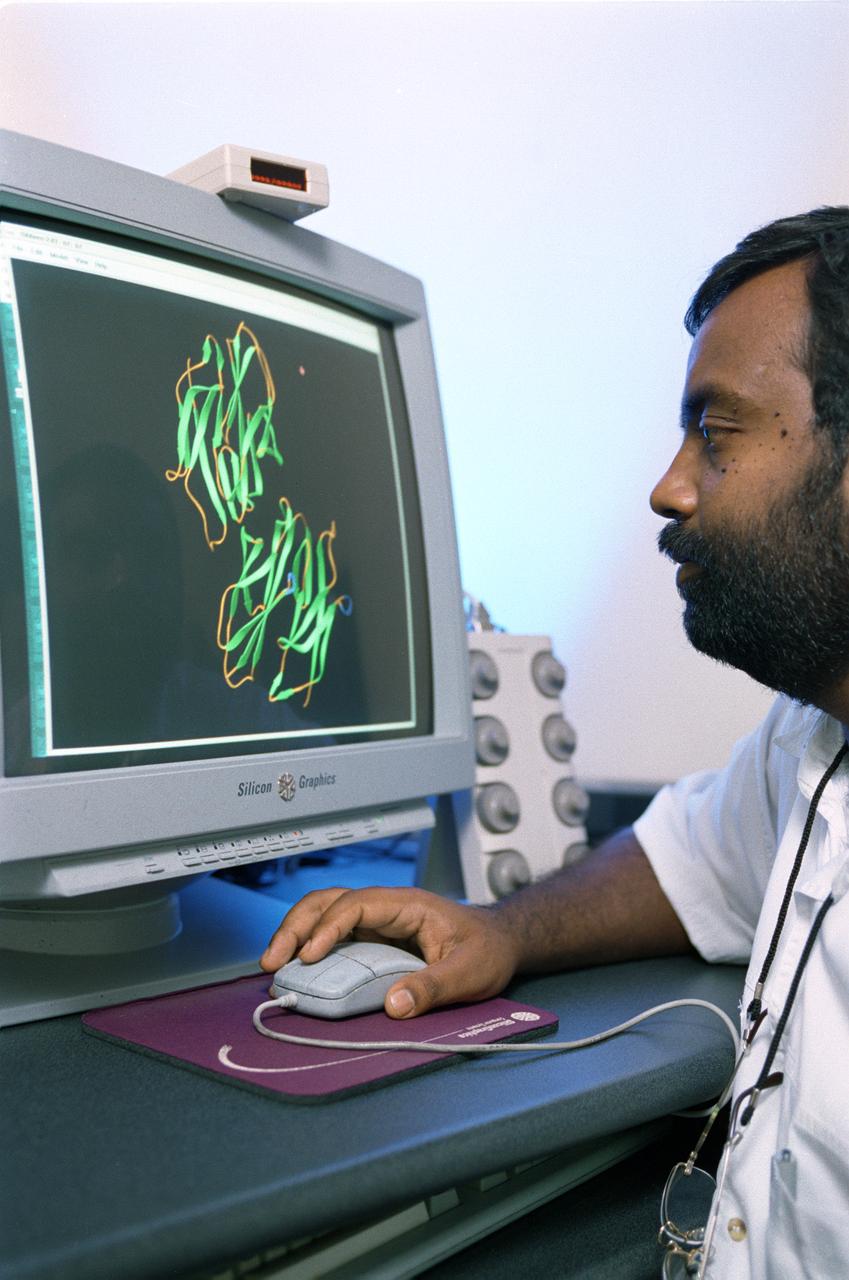
Diabetic patients may someday reduce their insulin injections and lead more normal lives because of new insights gained through innovative space research in which insulin crystals were grown on the Space Shuttle. Results from a 1994 insulin crystals growth experiment in space are leading to a new understanding of protein insulin. Lack of insulin is the cause of diabetes, a disease that accounts for one-seventh of the nation's health care costs. Champion Deivanaygam, a researcher at the Center for Macromolecular Crystallography at the University of Alabama in Birmingham, assists in this work. Photo credit: NASA/Marshall Space Flight Center (MSFC)
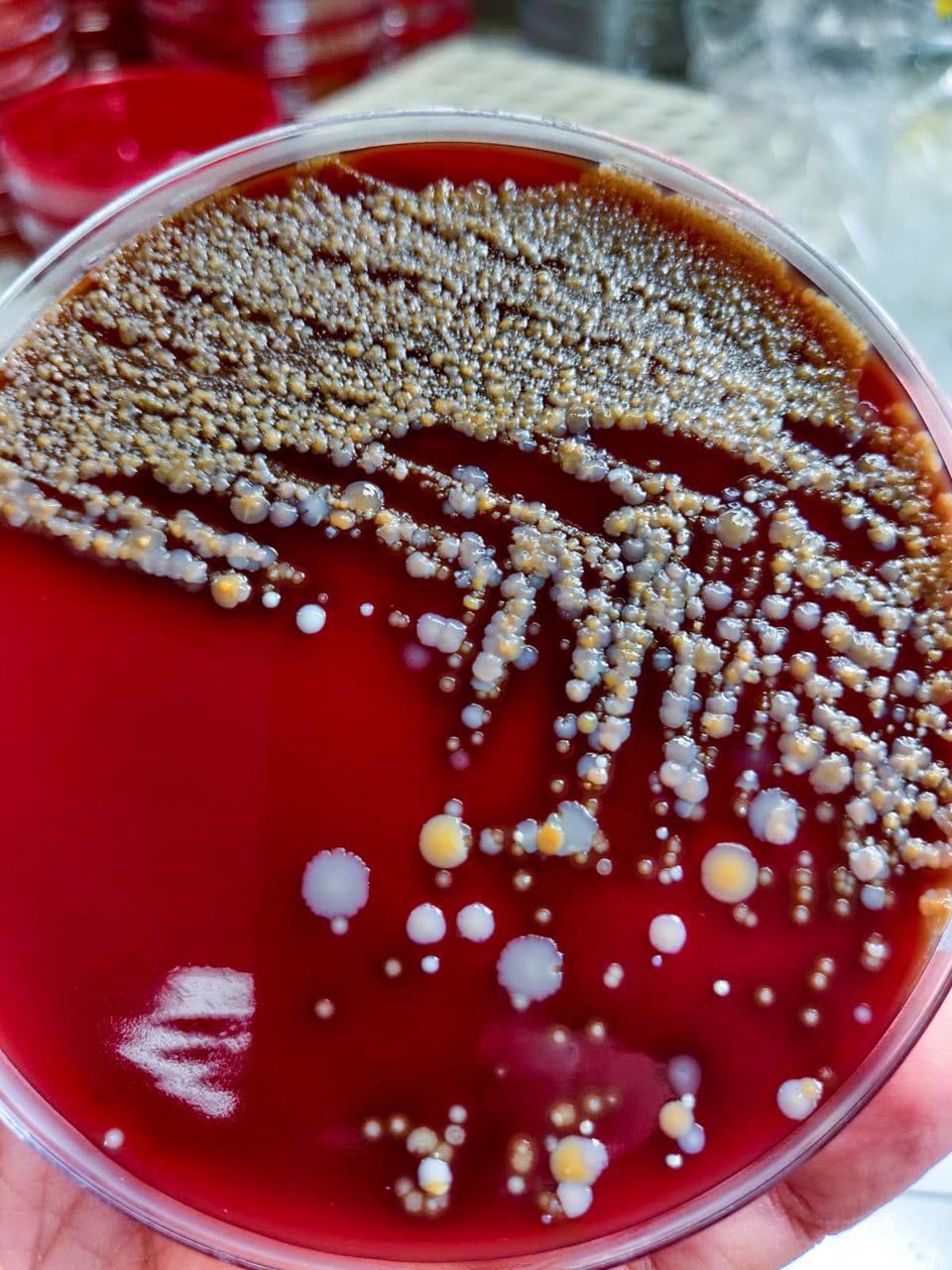
sc2021e033545 (8/4/2021) --- A preflight view the Ice Cubes #9 – Project Maleth (Space Omics Analysis of the Skin Microbiome of Diabetic Foot Ulcers, or SpaceOMIX) The investigation studies Diabetes Mellitus Type 2 and Diabetic Foot Ulcers (DFU) using genetics and space biosciences is new and innovative research. Image credit: DOI: Ministry for Foreign and European Affairs, Malta
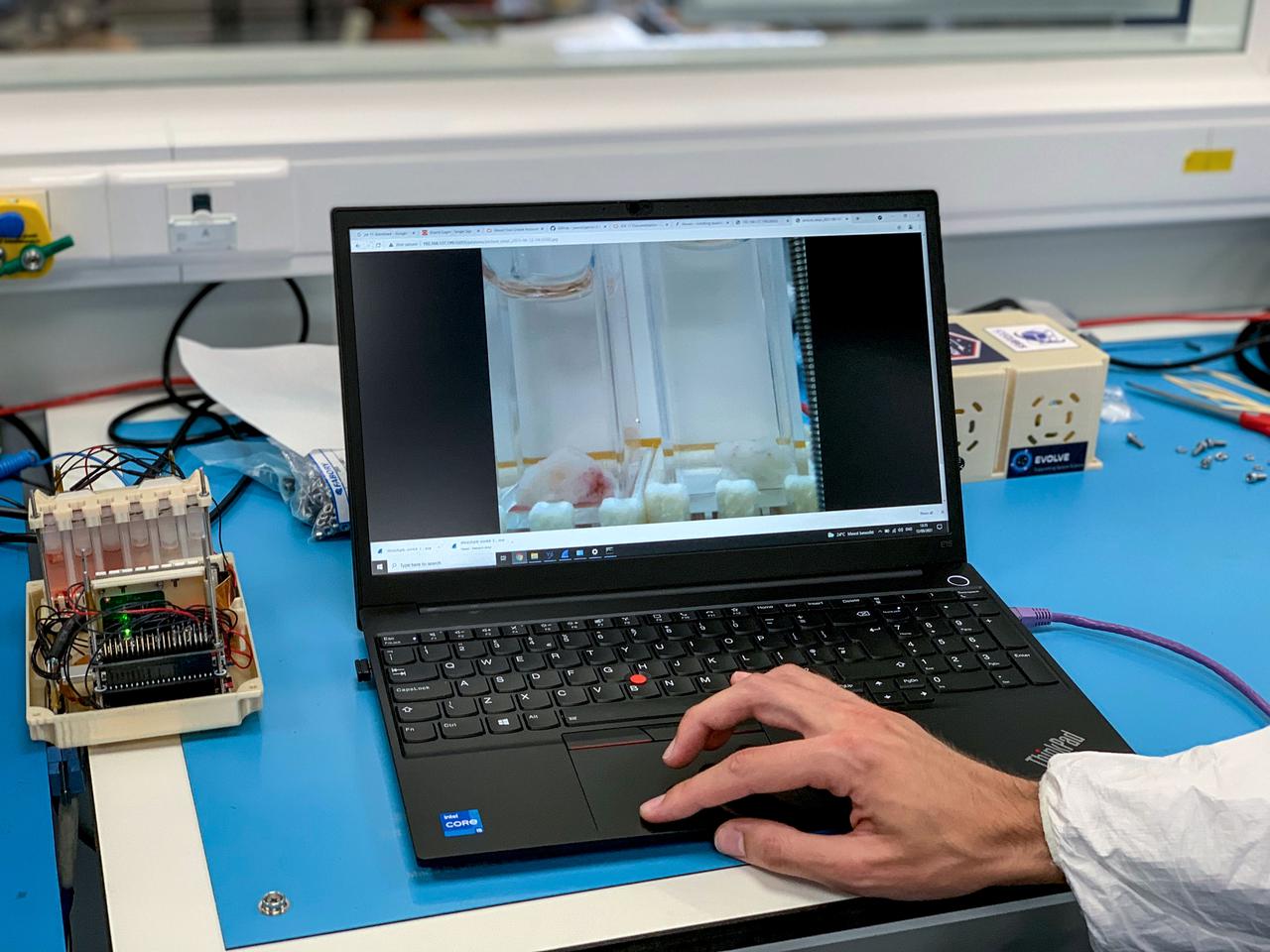
jsc2021e037898 (8/12/2021) --- A preflight image shows a zoomed up picture of two sample cuvettes containing human skin samples taken by the raspberry Pi video feed. Videos of up to 60 FPS can be recorded and saved for remote use. The Ice Cubes #9 – Project Maleth (Space Omics Analysis of the Skin Microbiome of Diabetic Foot Ulcers, or SpaceOMIX) investigation that studies Diabetes Mellitus Type 2 and Diabetic Foot Ulcers (DFU) using genetics and space biosciences is new and innovative research. Image courtesy Space Applications Services.
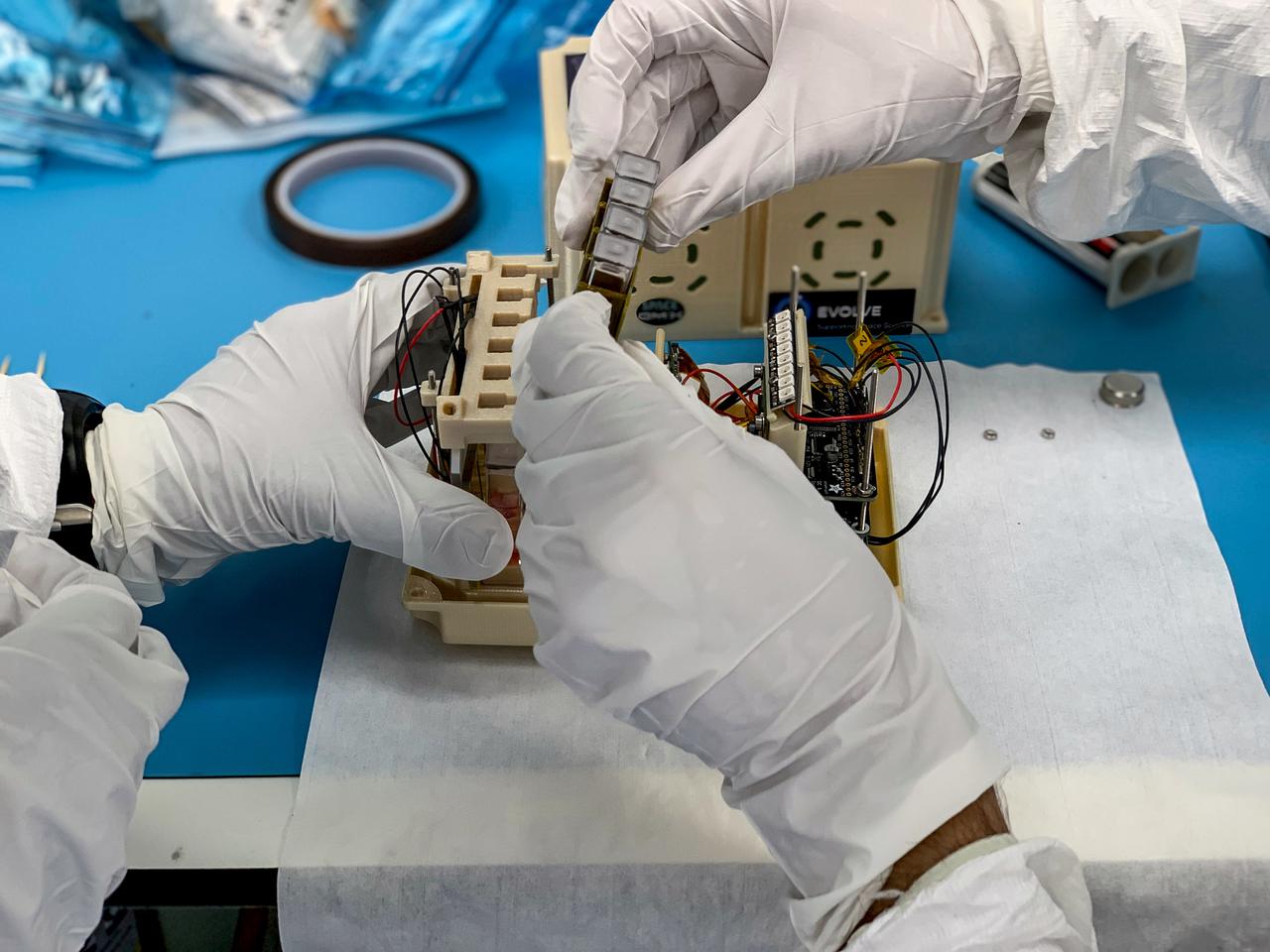
jsc2021e037896 (8/12/2021) --- A preflight imagevshows integration of 2nd to 5th sample cuvettes to fit between the first and last samples cuvettes. The sample cuvettes are securely fastened in place using tools and under strict clean room preparations. The Ice Cubes #9 – Project Maleth (Space Omics Analysis of the Skin Microbiome of Diabetic Foot Ulcers, or SpaceOMIX) investigation that studies Diabetes Mellitus Type 2 and Diabetic Foot Ulcers (DFU) using genetics and space biosciences is new and innovative research. Image courtesy Space Applications Services.

jsc2021e037900 (8/12/2021) --- A preflight image shows the two cameras facing the six cuvettes. A set of soft RGB led lights are also present that will illuminate to varying levels the lighting inside the cube. The top cover is shown alongside the base together with the prominent logos of the misson. The Ice Cubes #9 – Project Maleth (Space Omics Analysis of the Skin Microbiome of Diabetic Foot Ulcers, or SpaceOMIX) investigation that studies Diabetes Mellitus Type 2 and Diabetic Foot Ulcers (DFU) using genetics and space biosciences is new and innovative research. Image courtesy Space Applications Services.
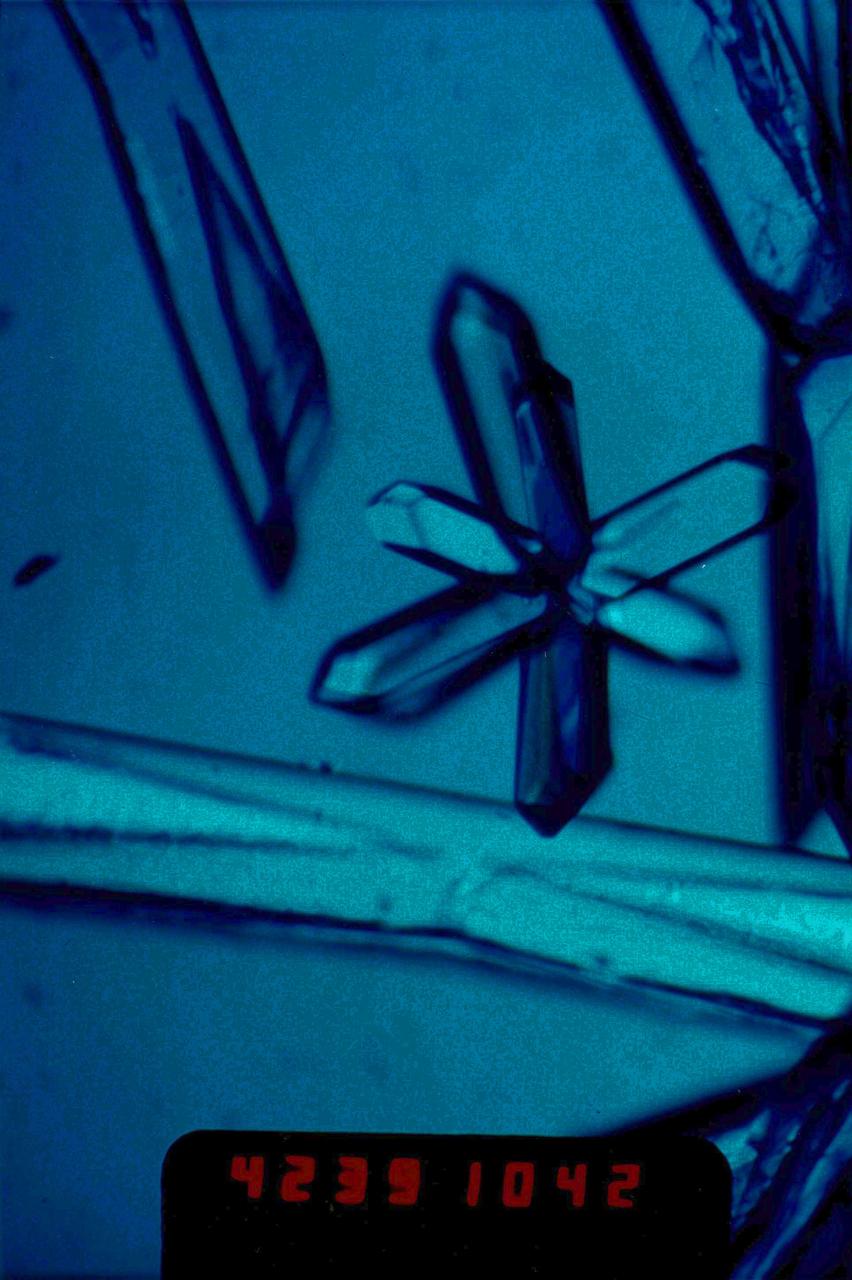
Facilitates the incorporation of glucose into cells. In diabetics, there is either a decrease in or complete lack of insulin, therby leading to several harmful complications. Principal Investigator was Charles Bugg.

jsc2021e033554 (5/12/2021) --- A prefliight view of Ice Cubes #9 - Project Maleth. The Maltese Biocube, based on ICE Cubes platform by Space Applications Services, that will take samples to the International Space Station in a historic first for the country. The investigation studies Diabetes Mellitus Type 2 and Diabetic Foot Ulcers (DFU) using genetics and space biosciences is new and innovative research. Image credit: DOI: Ministry for Foreign and European Affairs, Malta
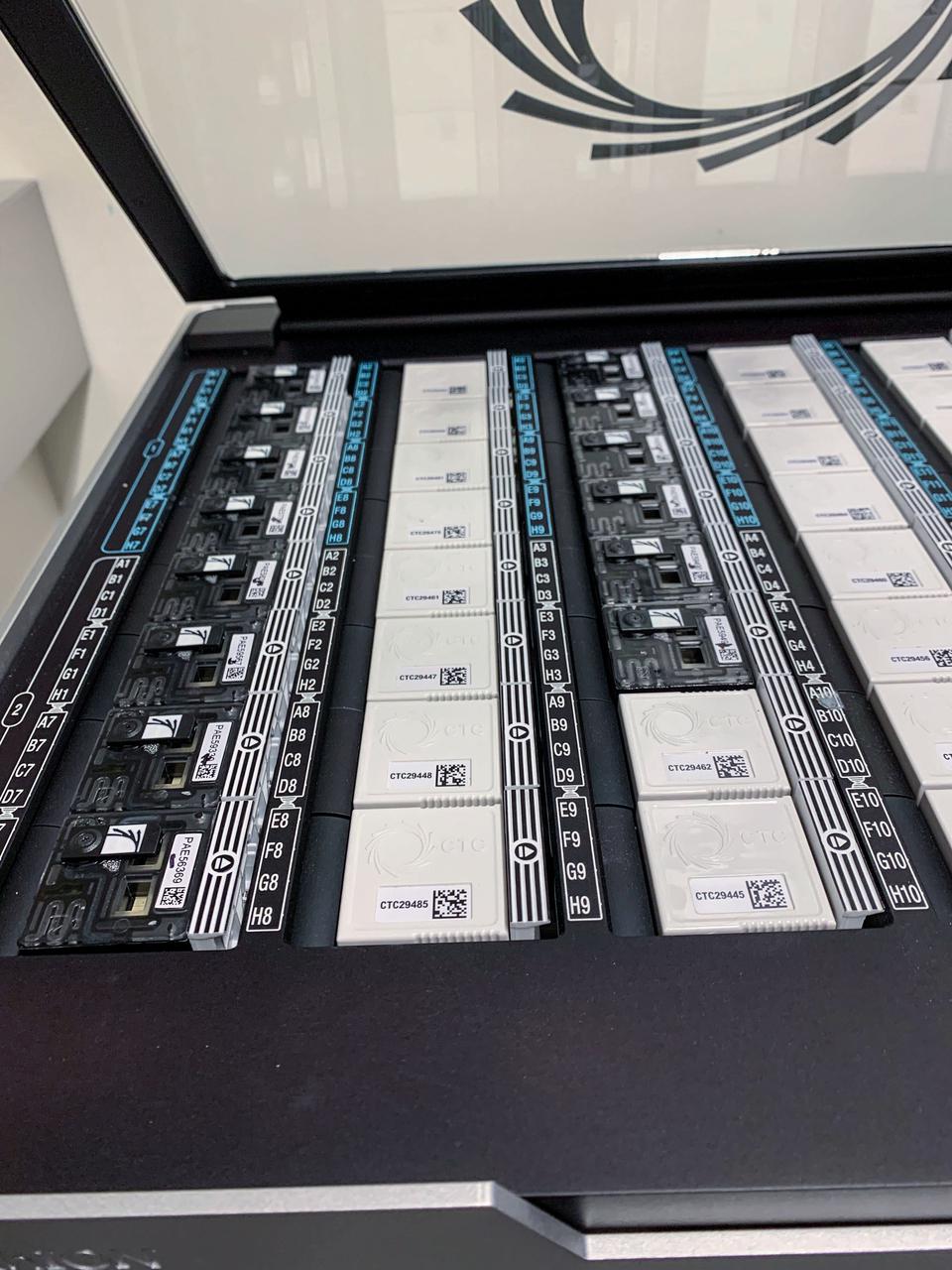
jsc2021e033549 (8/4/2021) --- A prefliight view of Ice Cubes #9 - Project Maleth. The Maltese Biocube, based on ICE Cubes platform by Space Applications Services, that will take samples to the International Space Station in a historic first for the country. The investigation studies Diabetes Mellitus Type 2 and Diabetic Foot Ulcers (DFU) using genetics and space biosciences is new and innovative research. Image credit: DOI: Ministry for Foreign and European Affairs, Malta
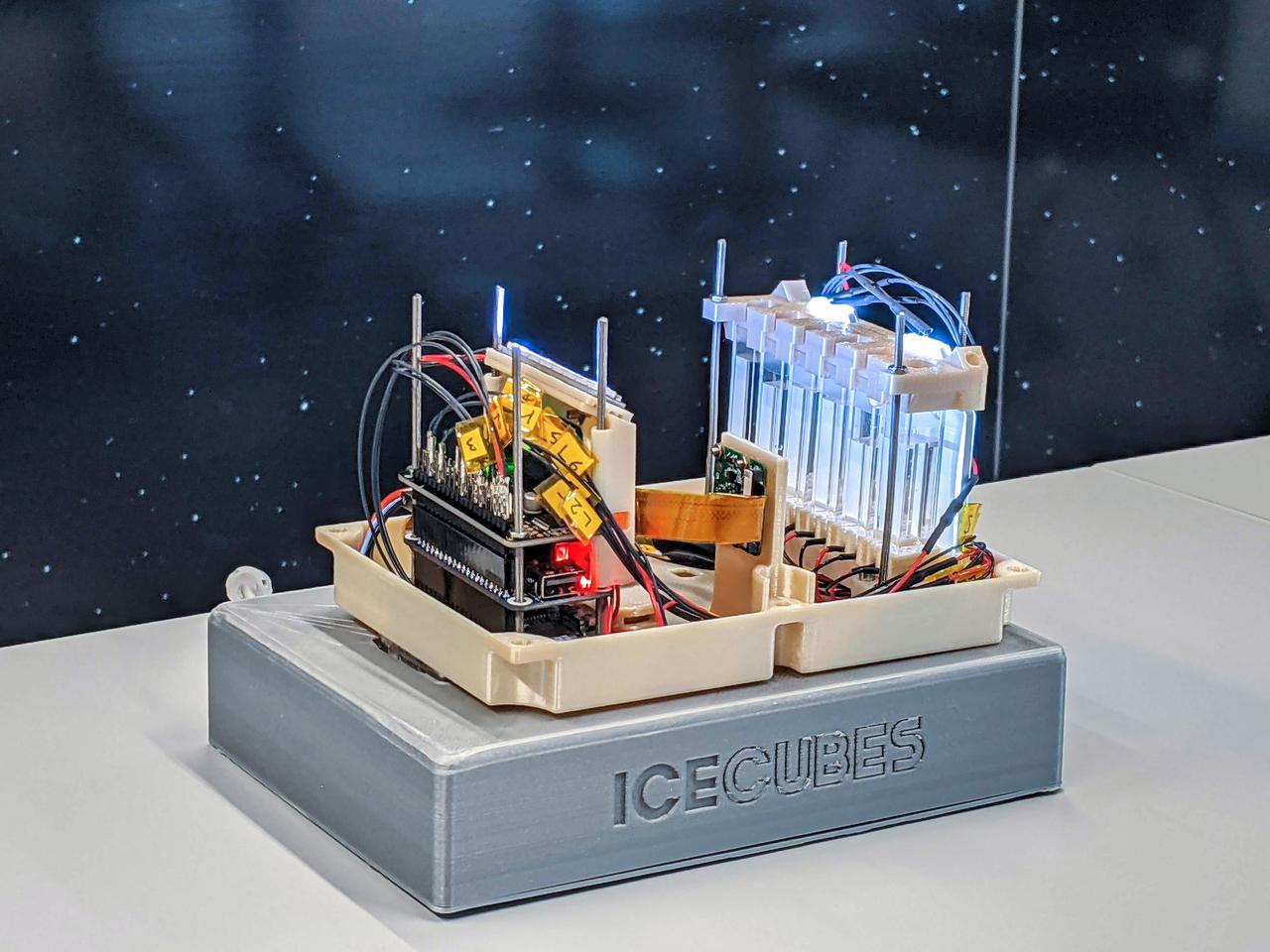
jsc2021e033555 (5/12/2021) --- A prefliight view of Ice Cubes #9 - Project Maleth. The Maltese Biocube, based on ICE Cubes platform by Space Applications Services, that will take samples to the International Space Station in a historic first for the country. The investigation studies Diabetes Mellitus Type 2 and Diabetic Foot Ulcers (DFU) using genetics and space biosciences is new and innovative research. Image credit: DOI: Ministry for Foreign and European Affairs, Malta
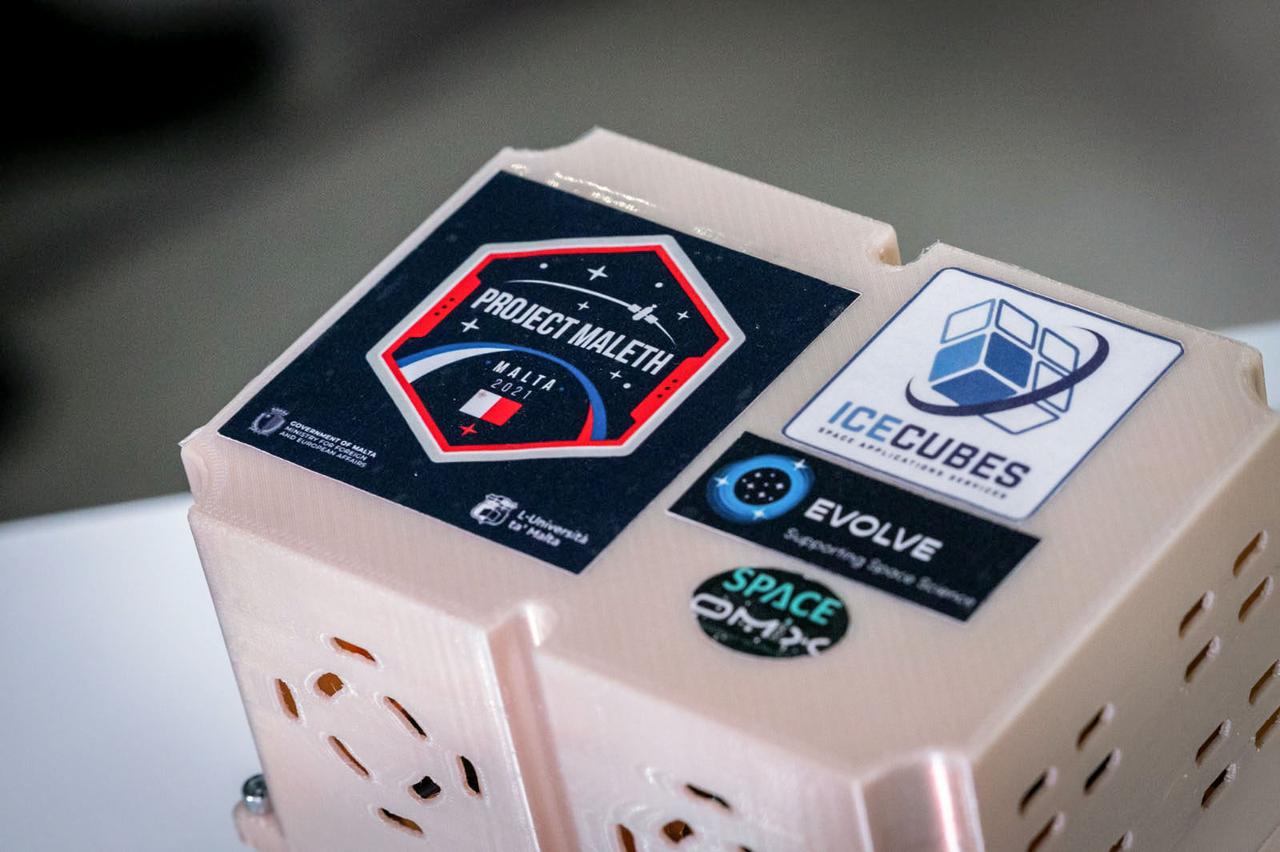
jsc2021e033543 (8/4/2021) --- A prefliight view of Ice Cubes #9 - Project Maleth. The Maltese Biocube, based on ICE Cubes platform by Space Applications Services, that will take samples to the International Space Station in a historic first for the country. The investigation studies Diabetes Mellitus Type 2 and Diabetic Foot Ulcers (DFU) using genetics and space biosciences is new and innovative research. Image credit: DOI: Ministry for Foreign and European Affairs, Malta
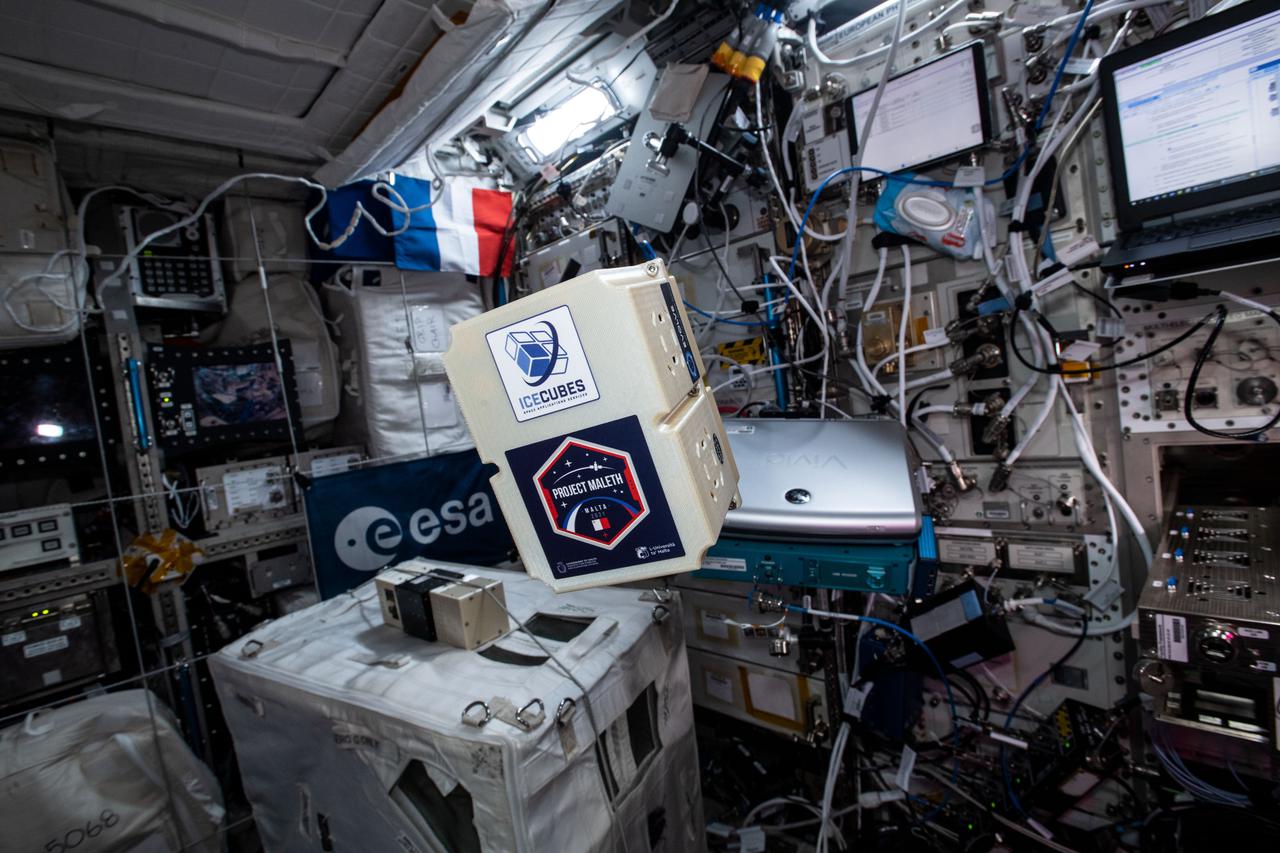
iss065e343722 (9/2/2021) --- A view aboard the International Space Station Columbus module with the Ice Cube #9 BioCube. Ice Cube #9 seeks to analize the Skin Microbiome of Diabetic Foot Ulcers
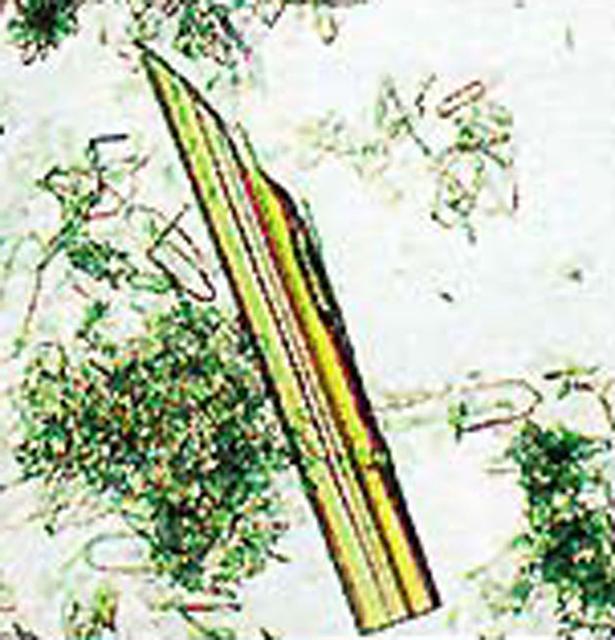
Both (Porcine and bacterial) starch degrading enzymes highly valued by the biotechnology industry. (Porcine) A major target for protein engineering and the study of diabetes, obesity and dental care. (Bacterial) Major industrial and biotechnology interest used in brewing, baking, and food processing. World's number one industrial protein.
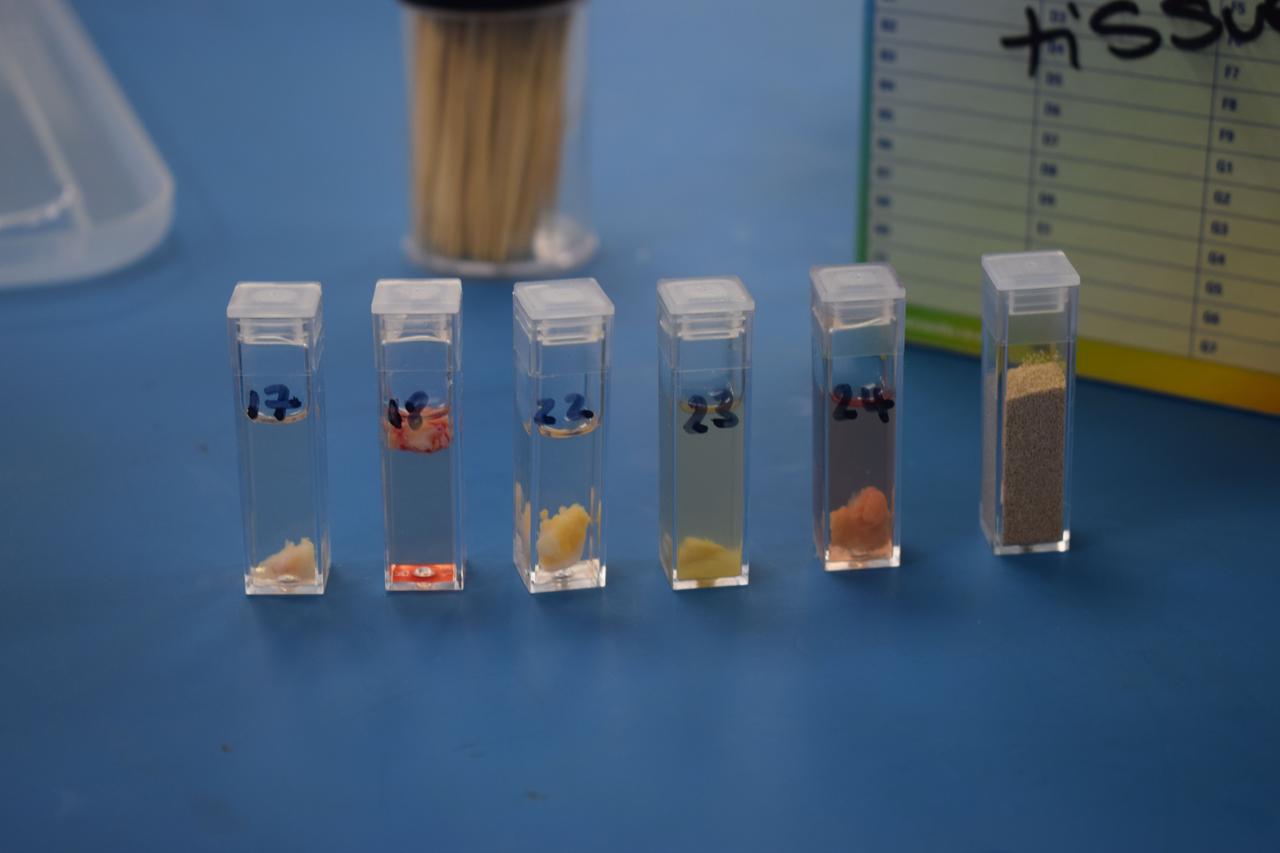
jsc2022e057883 (5/12/2022) --- A close up view of six sample cuvettes that are planned to hold five human skin tissue and microbiome samples from Diabetic Foot Ulcer patients and one yeast sample from Malta. This is part of the Follow-up Study of Human Skin Tissue Microbiome Studies and Yeast Cells in Space (Ice Cubes #9.2 – Maleth 2) investigation. Image courtesy of Space Applications Services, NV/SA.
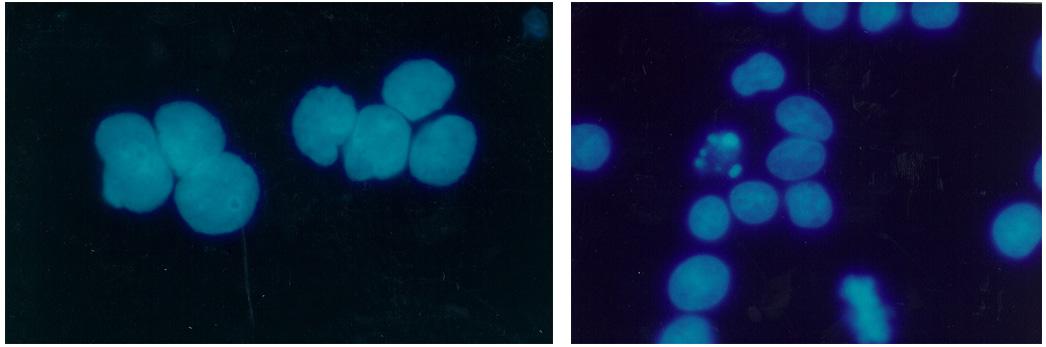
Biomedical research offers hope for a variety of medical problems, from diabetes to the replacement of damaged bone and tissues. Bioreactors, which are used to grow cells and tissue cultures, play a major role in such research and production efforts. The objective of the research was to define a way to differentiate between effects due to microgravity and those due to possible stress from non-optimal spaceflight conditions.
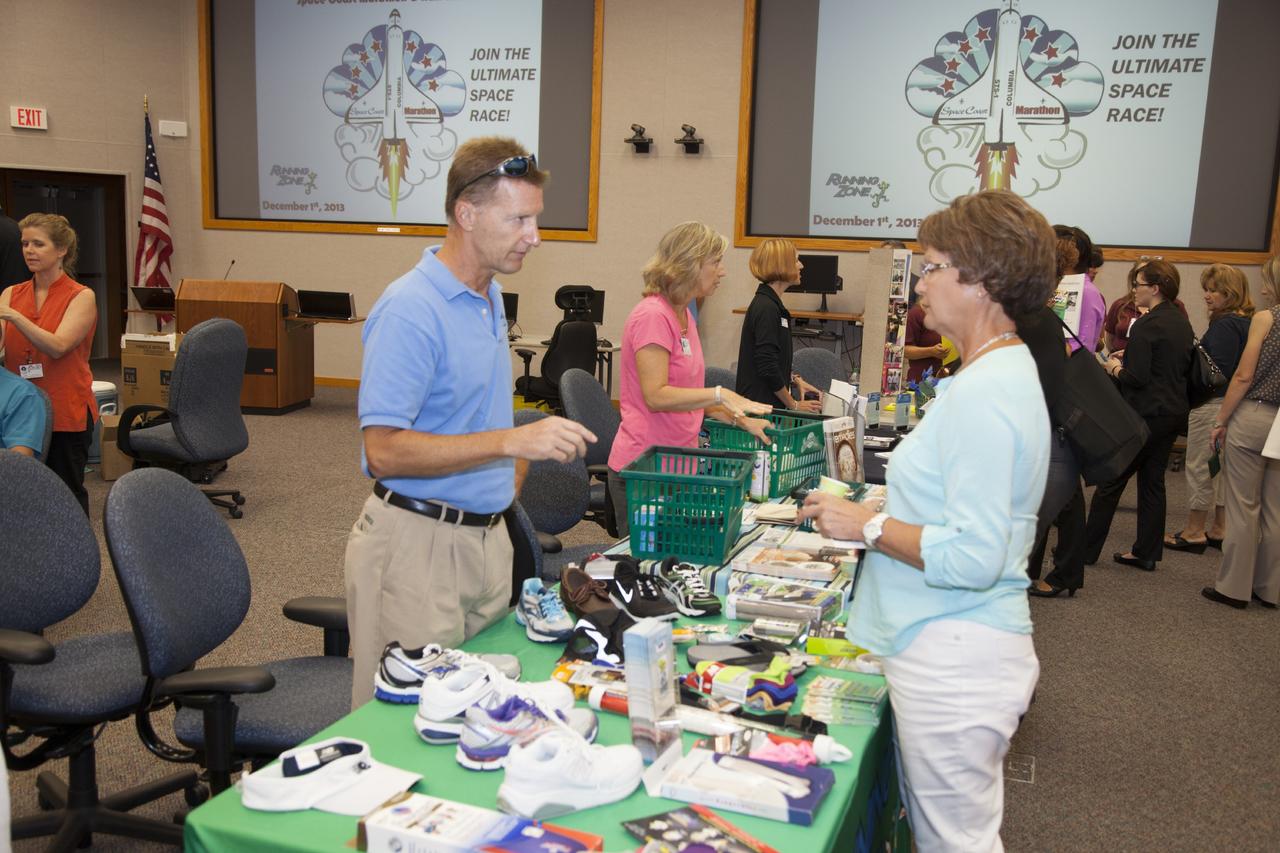
CAPE CANAVERAL, Fla. – Mark Hiebert, of the Running Zone, talks to a Kennedy worker during the National Employee Health and Fitness Day event in the Operations and Checkout Building's Mission Briefing Room. Employees also had the opportunity to be tested for diabetes, enter a raffle for prizes and get a five-minute massage. Other venders shown in the background are Sunseed Co-op’s Marcia Cooney, center, and Bridget Griffin from the YMCA of Titusville. Photo credit: NASA/Daniel Casper
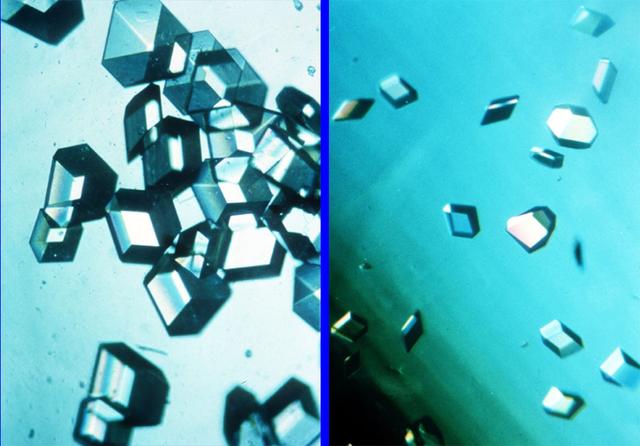
The comparison of protein crystal, Recombiant Human Insulin; space-grown (left) and earth-grown (right). On STS-60, Spacehab II indicated that space-grown crystals are larger and of greater optical clarity than their earth-grown counterparts. Recombiant Human Insulin facilitates the incorporation of glucose into cells. In diabetics, there is either a decrease in or complete lack of insulin, thereby leading to several harmful complications. Principal Investigator is Larry DeLucas.
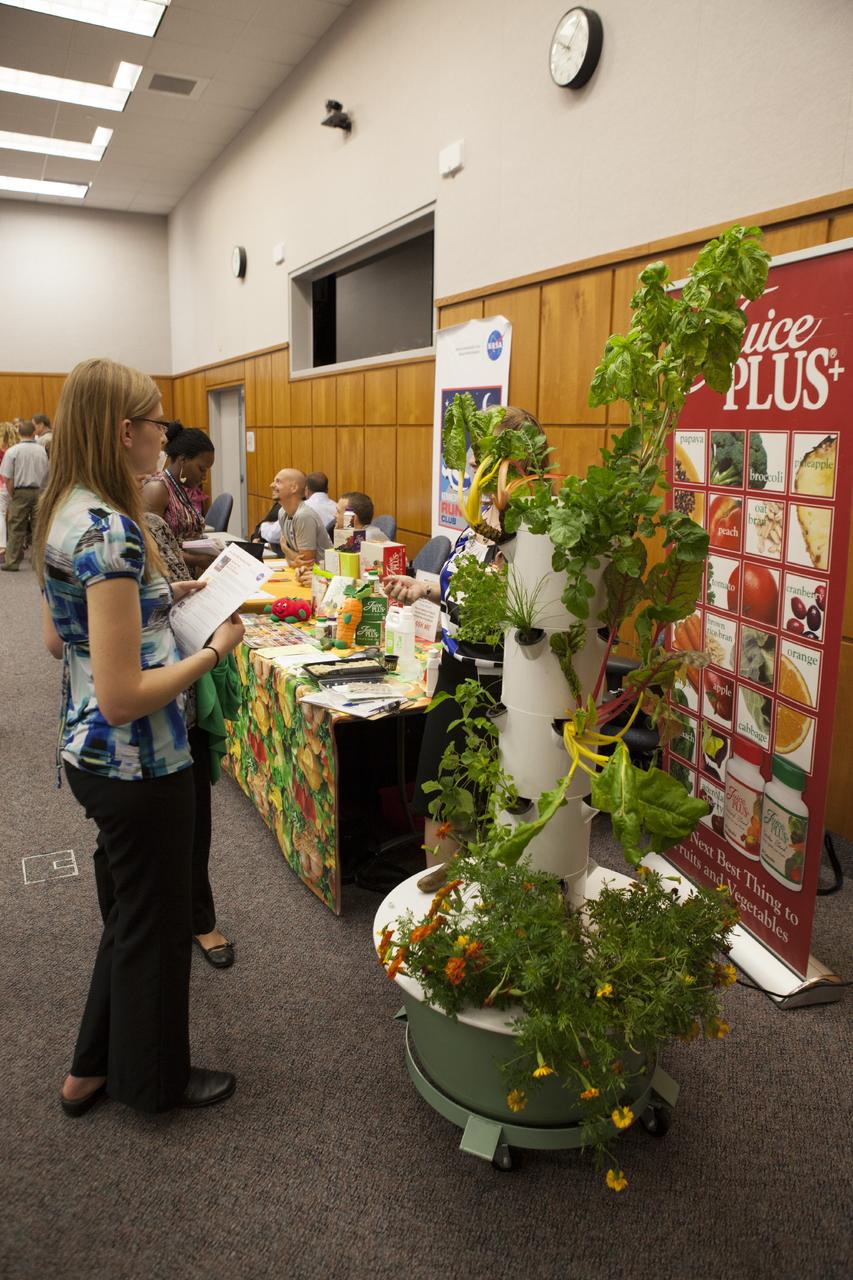
CAPE CANAVERAL, Fla. – A Kennedy Space Center worker talks with Rikki Eloian, of Juice Plus, hidden behind the plant, during the National Employee Health and Fitness Day event in the Operations and Checkout Building's Mission Briefing Room. Other vendors represented at the event included the American Cancer Society, Running Zone and Parrish Medical Center Diabetes Program. Photo credit: NASA/Daniel Casper
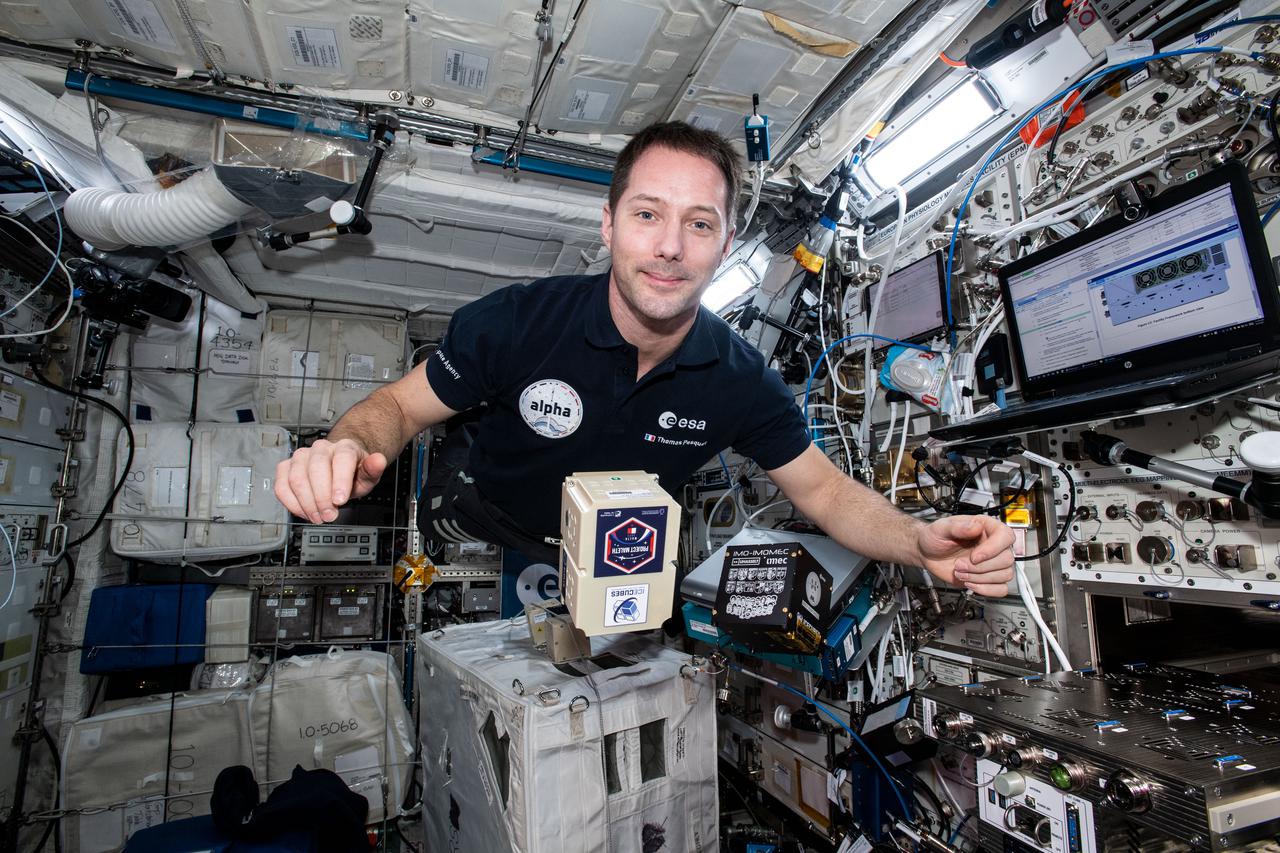
iss065e343728 (9/2/2021) --- European Space Agency (ESA) astronaut Thomas Pesquet is pictured aboard the International Space Station Columbus module with the Ice Cube #8 and #9 BioCubes. The Ice Cube #8 investigation uses quantum technology to produce high-resolution, high-precision measurements of the local magnetic field to create a high-resolution map of the Earth’s magnetic field. Ice Cube #9 seeks to analize the Skin Microbiome of Diabetic Foot Ulcers
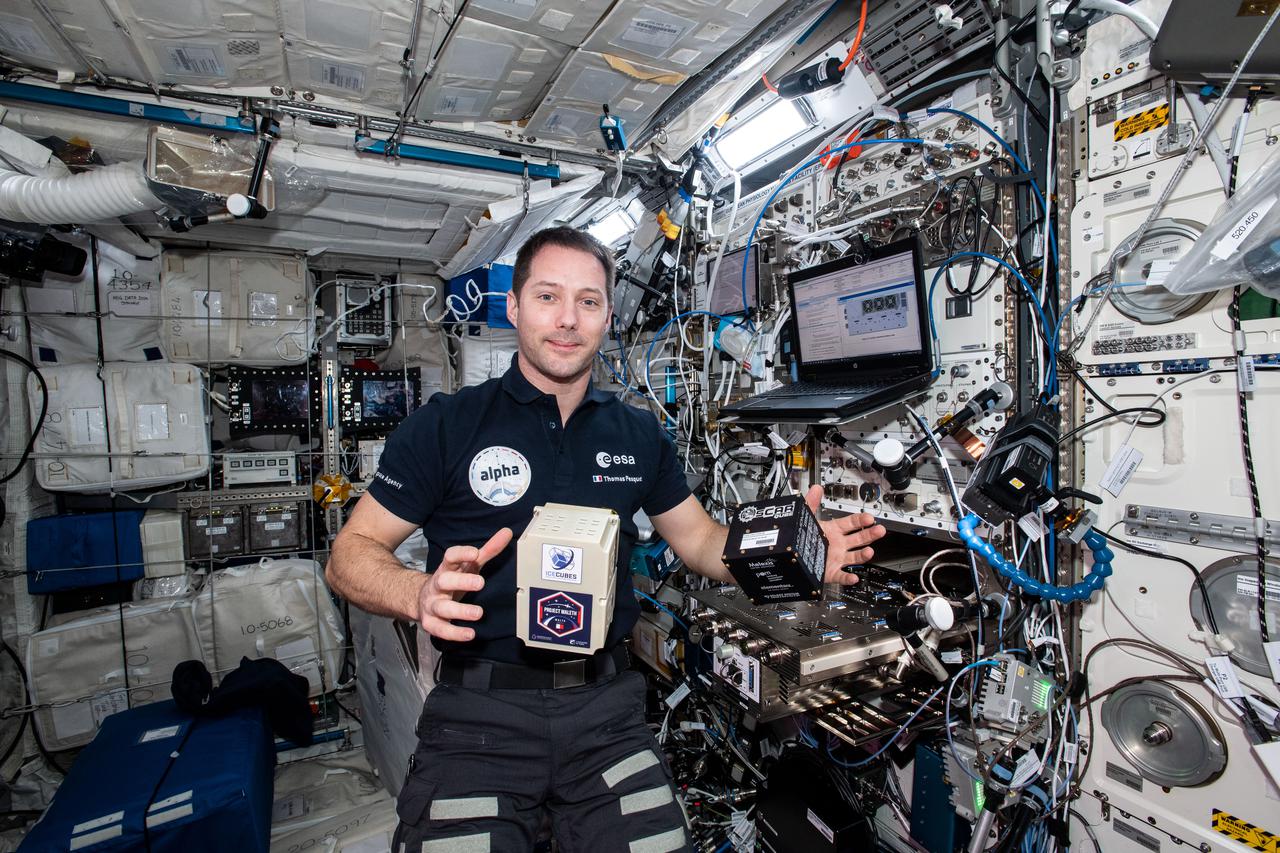
iss065e343725 (9/2/2021) --- European Space Agency (ESA) astronaut Thomas Pesquet is pictured aboard the International Space Station Columbus module with the Ice Cube #8 and #9 BioCubes. The Ice Cube #8 investigation uses quantum technology to produce high-resolution, high-precision measurements of the local magnetic field to create a high-resolution map of the Earth’s magnetic field. Ice Cube #9 seeks to analize the Skin Microbiome of Diabetic Foot Ulcers
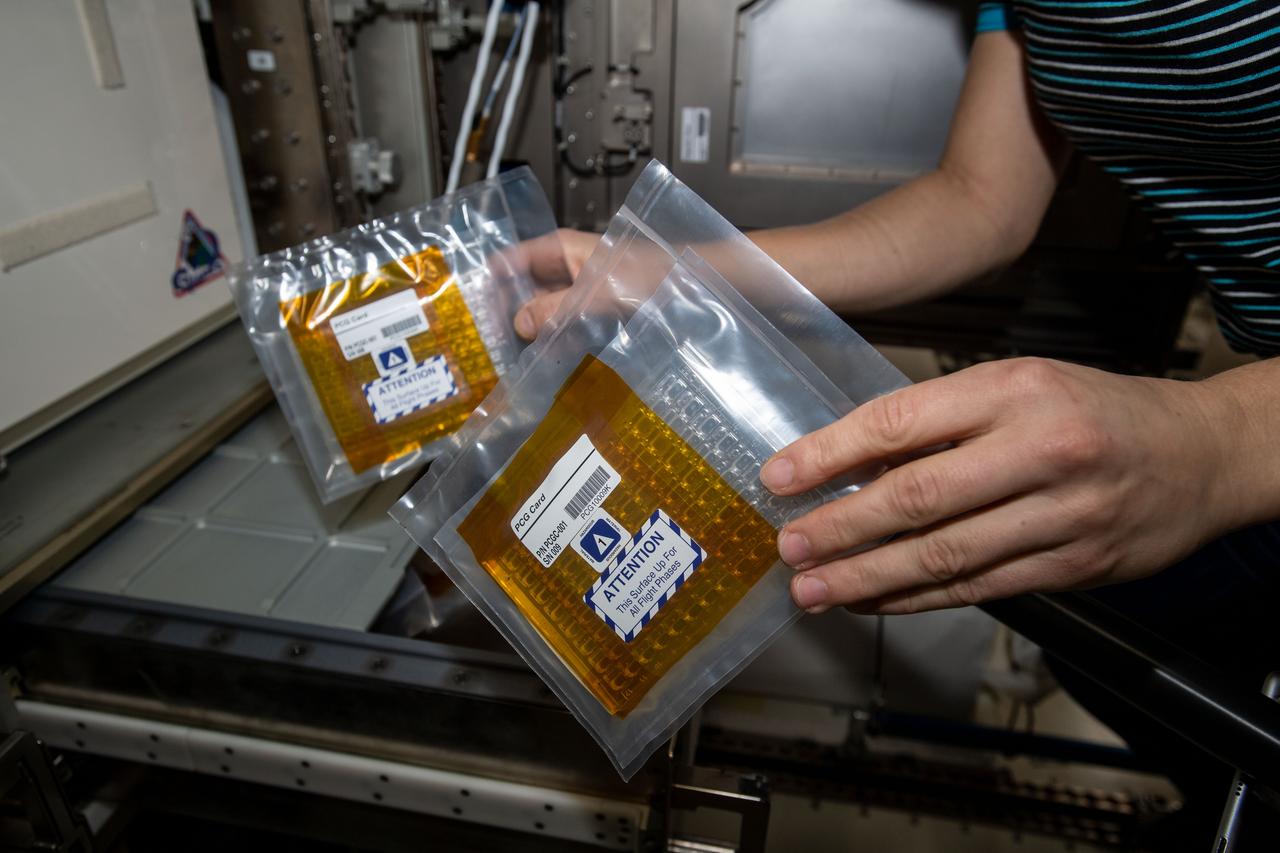
iss062e087808 (3/11/2020) --- A view of Protein Crystal Growth-10 experiment hardware inside JAXA's (Japan Aerospace Exploration Agency) Kibo laboratory module aboard the International Space Station (ISS). Microgravity Crystallization of Glycogen Synthase-Glycogenin Protein Complex (CASIS PCG 10) crystallizes human glycogen synthase proteins on the space station. Determining the structure of the human glycogen synthase and full-length glycogenin protein complex could facilitate the development of treatments on Earth for metabolic disorders such as Type 2 diabetes, obesity, rare genetic disorders, and some forms of cancer.
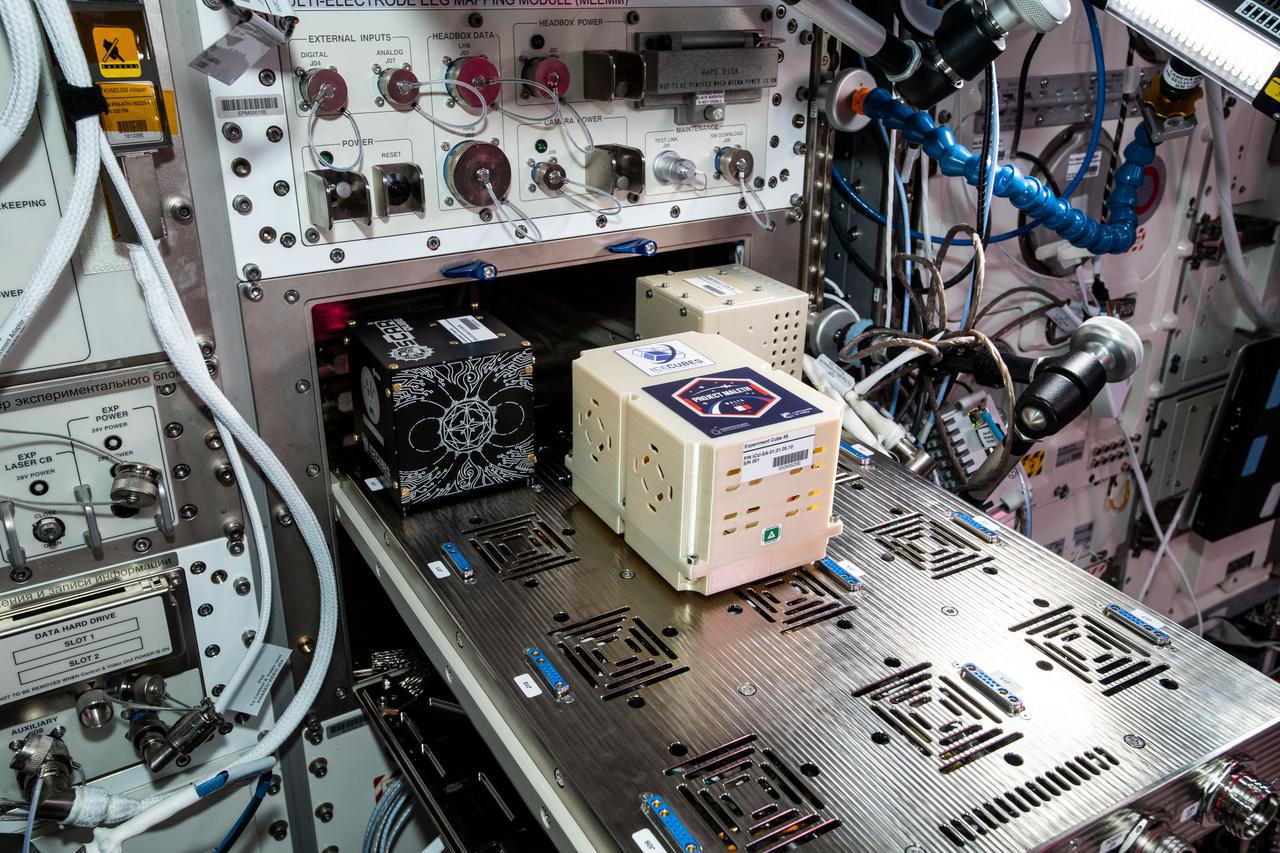
iss065e343736 (9/2/2021) --- A view aboard the International Space Station Columbus module with the Ice Cube #8 and #9 BioCubes. The Ice Cube #8 investigation uses quantum technology to produce high-resolution, high-precision measurements of the local magnetic field to create a high-resolution map of the Earth’s magnetic field. Ice Cube #9 seeks to analize the Skin Microbiome of Diabetic Foot Ulcers . The Ice Cube #8 investigation uses quantum technology to produce high-resolution, high-precision measurements of the local magnetic field to create a high-resolution map of the Earth’s magnetic field.
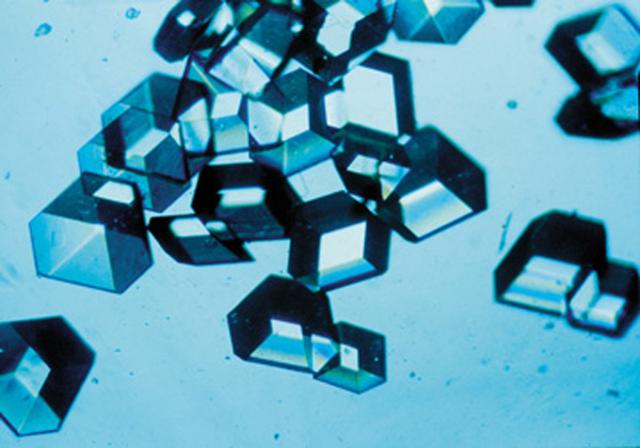
The manipulation of organic materials--cells, tissues, and even living organisms--offers many exciting possibilities for the future from organic computers to improved aquaculture. Commercial researchers are using the microgravity environment to produce large near perfect protein crystals Research on insulin has yielded crystals that far surpass the quality of insulin crystals grown on the ground. Using these crystals industry partners are working to develop new and improved treatments for diabetes. Other researchers are exploring the possibility of producing antibiotics using plant cell cultures which could lead to both orbital production and the improvement of ground-based antibiotic production.

iss065e343729 (9/2/2021) --- A view aboard the International Space Station Columbus module with the Ice Cube #8 and #9 BioCubes. The Ice Cube #8 investigation uses quantum technology to produce high-resolution, high-precision measurements of the local magnetic field to create a high-resolution map of the Earth’s magnetic field. Ice Cube #9 seeks to analize the Skin Microbiome of Diabetic Foot Ulcers . The Ice Cube #8 investigation uses quantum technology to produce high-resolution, high-precision measurements of the local magnetic field to create a high-resolution map of the Earth’s magnetic field.
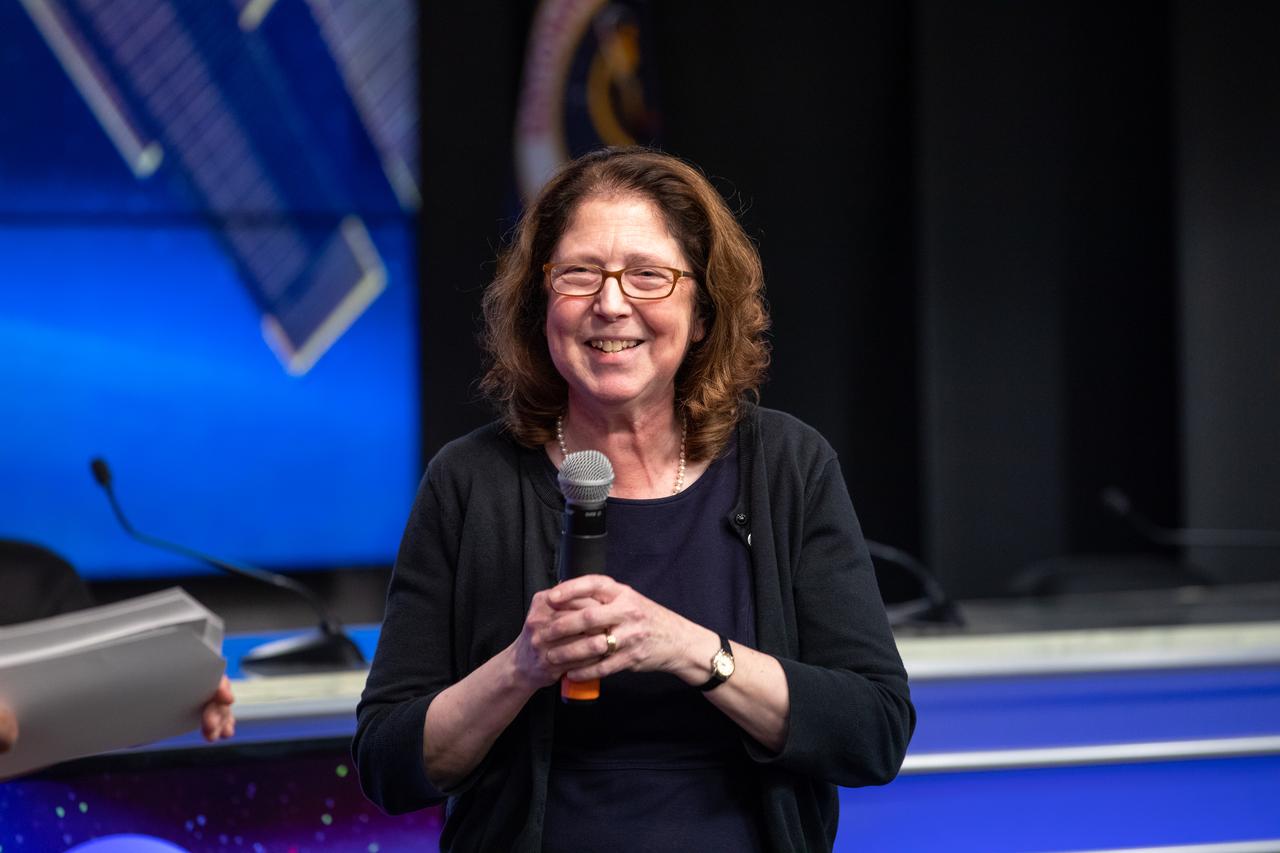
A What’s On Board Briefing for SpaceX’s 19th Commercial Resupply Services (CRS-19) mission for NASA to the International Space Station took place on Dec. 3, 2019, at the agency’s Kennedy Space Center in Florida. Emily Germain-Lee, professor at the University of Connecticut School of Medicine and chief of endocrinology and diabetes, Connecticut Children’s Medical Center, discussed her on molecular signaling pathways that influence muscle degradation to prevent skeletal muscle and bone loss during spaceflight, and enhance recovery following return to Earth. The SpaceX Falcon 9 rocket and Dragon cargo module are scheduled to launch on Dec. 4, 2019, from Space Launch Complex 40 on Cape Canaveral Air Force Station in Florida.
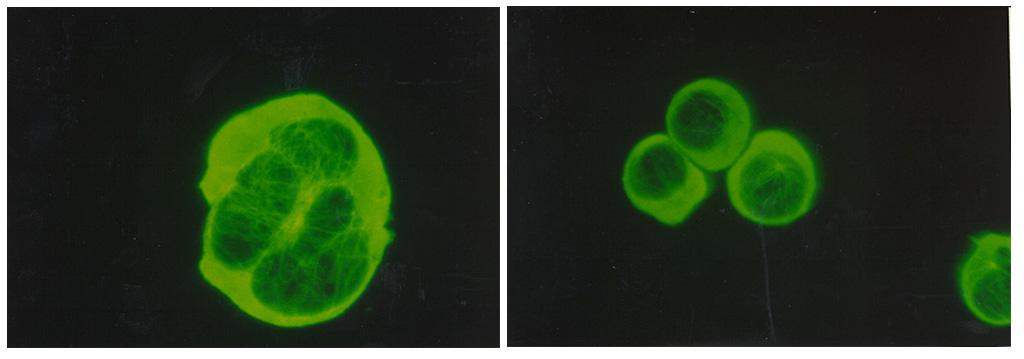
Biomedical research offers hope for a variety of medical problems, from diabetes to the replacement of damaged bone and tissues. Bioreactors, which are used to grow cells and tissue cultures, play a major role in such research and production efforts. The objective of the research was to define a way to differentiate between effects due to microgravity and those due to possible stress from non-optimal spaceflight conditions. These Jurkat cells, a human acute T-cell leukemia was obtained to evaluate three types of potential experimental stressors: a) Temperature elevation; b) Serum starvation; and c) Centrifugal force. The data from previous spaceflight experiments showed that actin filaments and cell shape are significantly different for the control. These normal cells serve as the baseline for future spaceflight experiments.
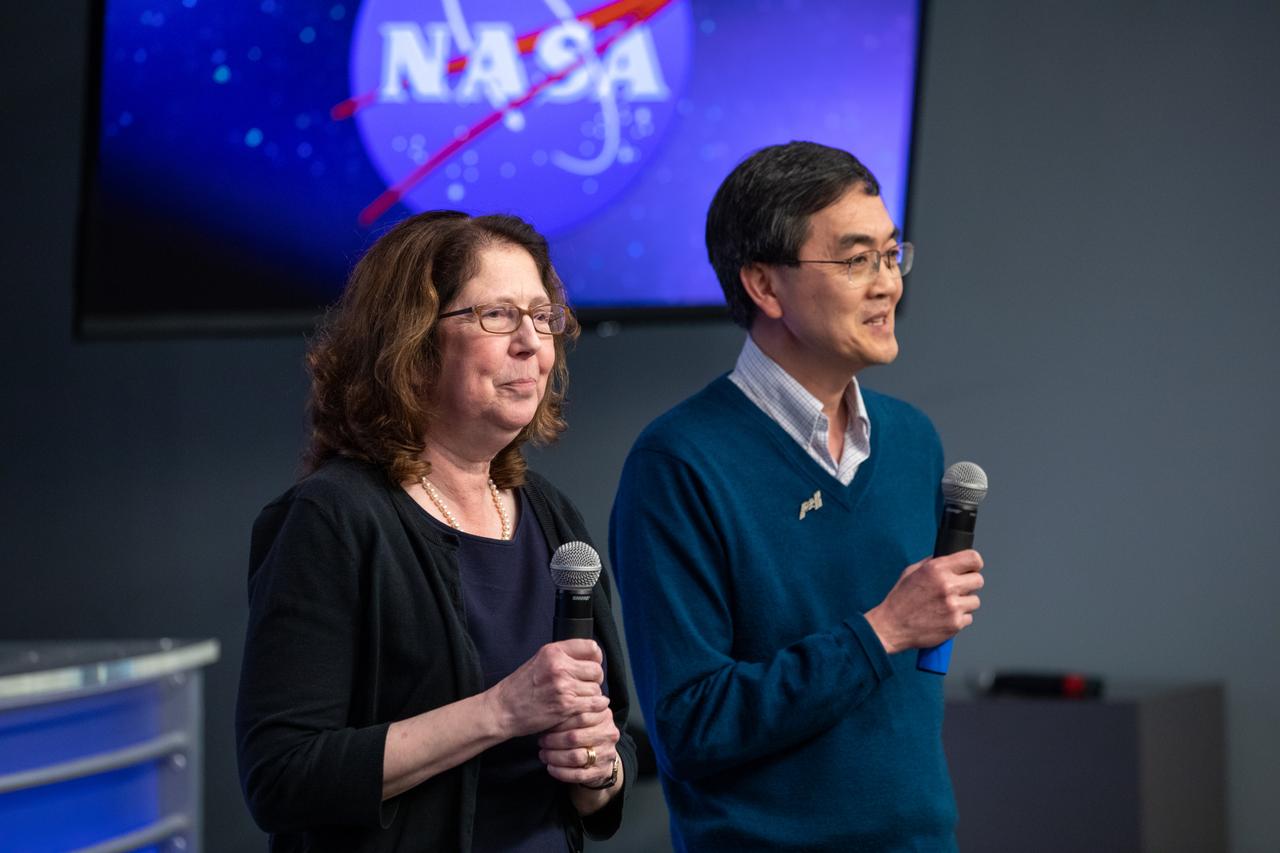
A What’s On Board Briefing for SpaceX’s 19th Commercial Resupply Services (CRS-19) mission for NASA to the International Space Station took place on Dec. 3, 2019, at the agency’s Kennedy Space Center in Florida. Se-Jin Lee (at right) professor at the Jackson Laboratory and University of Connecticut School of Medicine, and principal investigator of Rodent Research-19, and Emily Germain-Lee, professor at the University of Connecticut School of Medicine and chief of endocrinology and diabetes, Connecticut Children’s Medical Center, present their research to members of the media. They discussed the research on molecular signaling pathways that influence muscle degradation to prevent skeletal muscle and bone loss during spaceflight, and enhance recovery following return to Earth. The SpaceX Falcon 9 rocket and Dragon cargo module are scheduled to launch on Dec. 4, 2019, from Space Launch Complex 40 on Cape Canaveral Air Force Station in Florida.
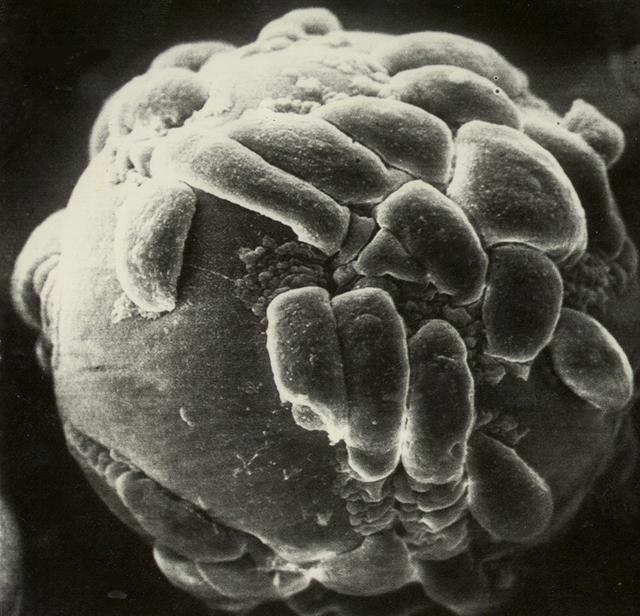
Biomedical research offers hope for a variety of medical problems, from diabetes to the replacement of damaged bone and tissues. Bioreactors, which are used to grow cells and tissue cultures, play a major role in such research and production efforts. Anchorage dependent cells on STS-95 will be grown on beads, similar to these cells produced during previous investigations. Recombinant proteins may offer the possibility of reducing or eliminating transplant rejections. Research by Synthecon, Inc. using the BioDyn Bioreactor will focus on the preliminary process for growing a proprietary recombinant protein that can decrease rejection of transplanted tissue. The cells producing this protein are anchorage dependent, meaning that they must attach to something to grow. These cells will be cultured in the bioreactor in a medium containing polymer microbeads. Synthecon hopes that the data from this mission will lead to the development of a commercial protein that will aid in prevention of transplant rejection.
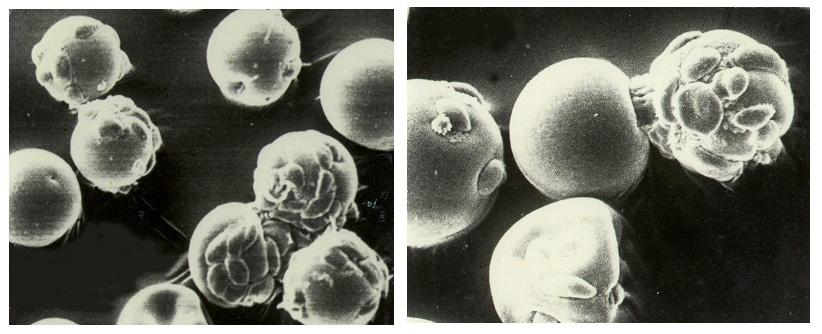
Biomedical research offers hope for a variety of medical problems, from diabetes to the replacement of damaged bone and tissues. Bioreactors, which are used to grow cells and tissue cultures, play a major role in such research and production efforts. Anchorage dependent cells on STS-95 will be grown on beads similar to these cells produced during previous investigations. Recombinant proteins may offer the possibility of reducing or eliminating transplant rejections. Research by Synthecon, Inc. using the BioDyn Bioreactor will focus on the preliminary process for growing a proprietary recombinant protein that can decrease rejection of transplanted tissue. The cells producing this protein are anchorage dependent, meaning that they must attach to something to grow. These cells will be cultured in the bioreactor in a medium containing polymer microbeads. Synthecon hopes that the data from this mission will lead to the development of a commercial protein that will aid in prevention of transplant rejection.
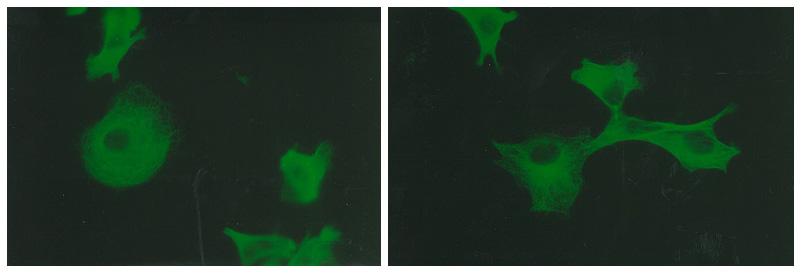
Biomedical research offers hope for a variety of medical problems, from diabetes to the replacement of damaged bone and tissues. Bioreactors, which are used to grow cells and tissue cultures, play a major role in such research and production efforts. Cell culturing, such as this bone cell culture, is an important part of biomedical research. The BioDyn payload includes a tissue engineering investigation. The commercial affiliate, Millenium Biologix, Inc. has been conducting bone implant experiments to better understand how synthetic bone can be used to treat bone-related illnesses and bone damaged in accidents. On STS-95, the BioDyn payload will include a bone cell culture aimed to help develop this commercial synthetic bone product. Millenium Biologix, Inc. is exploring the potential for making human bone implantable materials by seeding its proprietary artificial scaffold material with human bone cells. The product of this tissue engineering experiment using the Bioprocessing Modules (BPMs) on STS-95 is space-grown bone implants, which could have potential for dental implants, long bone grafts, and coating for orthopedic implants such as hip replacements.
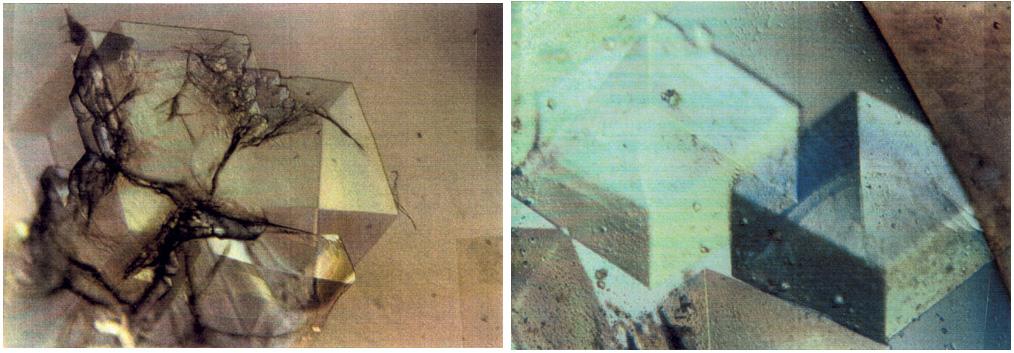
Proteins are the building blocks of our bodies and the living world around us. Within our bodies proteins make it possible for red blood cells to carry oxygen throughout the body. Others help transmit nerve impulses so we can hear, smell and feel the world around us. While others play a crucial role in preventing or causing disease. If the structure of a protein is known, then companies can develop new or improved drugs to fight the disease of which the protein is a part. To determine protein structure, researchers must grow near-perfect crystals of the protein. On Earth convection currents, sedimentation and other gravity-induced phenomena hamper crystal growth efforts. In microgravity researchers can grow near-perfect crystals in an environment free of these effects. Because of the enormous potential for new pharmaceutical products the Center for Macromolecular Crystallography--the NASA Commercial Space Center responsible for commercial protein crystal growth efforts has more than fifty major industry and academic partners. Research on crystals of human insulin could lead to improved treatments for diabetes.
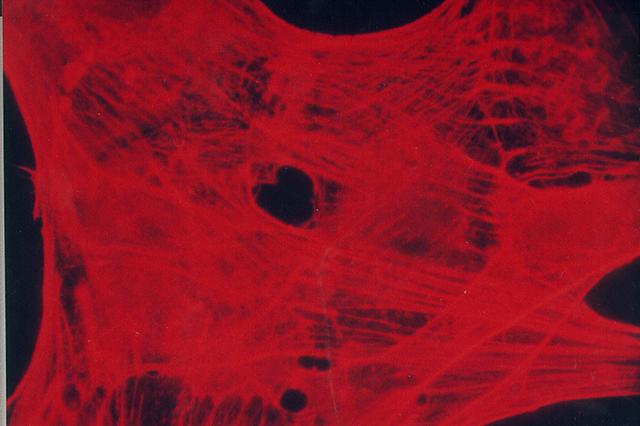
Biomedical research offers hope for a variety of medical problems, from diabetes to the replacement of damaged bone and tissues. Bioreactors, which are used to grow cells and tissue cultures, play a major role in such research and production efforts. Cell culturing, such as this bone cell culture, is an important part of biomedical research. The BioDyn payload includes a tissue engineering investigation. The commercial affiliate, Millenium Biologix, Inc., has been conducting bone implant experiments to better understand how synthetic bone can be used to treat bone-related illnesses and bone damaged in accidents. On STS-95, the BioDyn payload will include a bone cell culture aimed to help develop this commercial synthetic bone product. Millenium Biologix, Inc., is exploring the potential for making human bone implantable materials by seeding its proprietary artificial scaffold material with human bone cells. The product of this tissue engineering experiment using the Bioprocessing Modules (BPMs) on STS-95 is space-grown bone implants, which could have potential for dental implants, long bone grafts, and coating for orthopedic implants such as hip replacements.