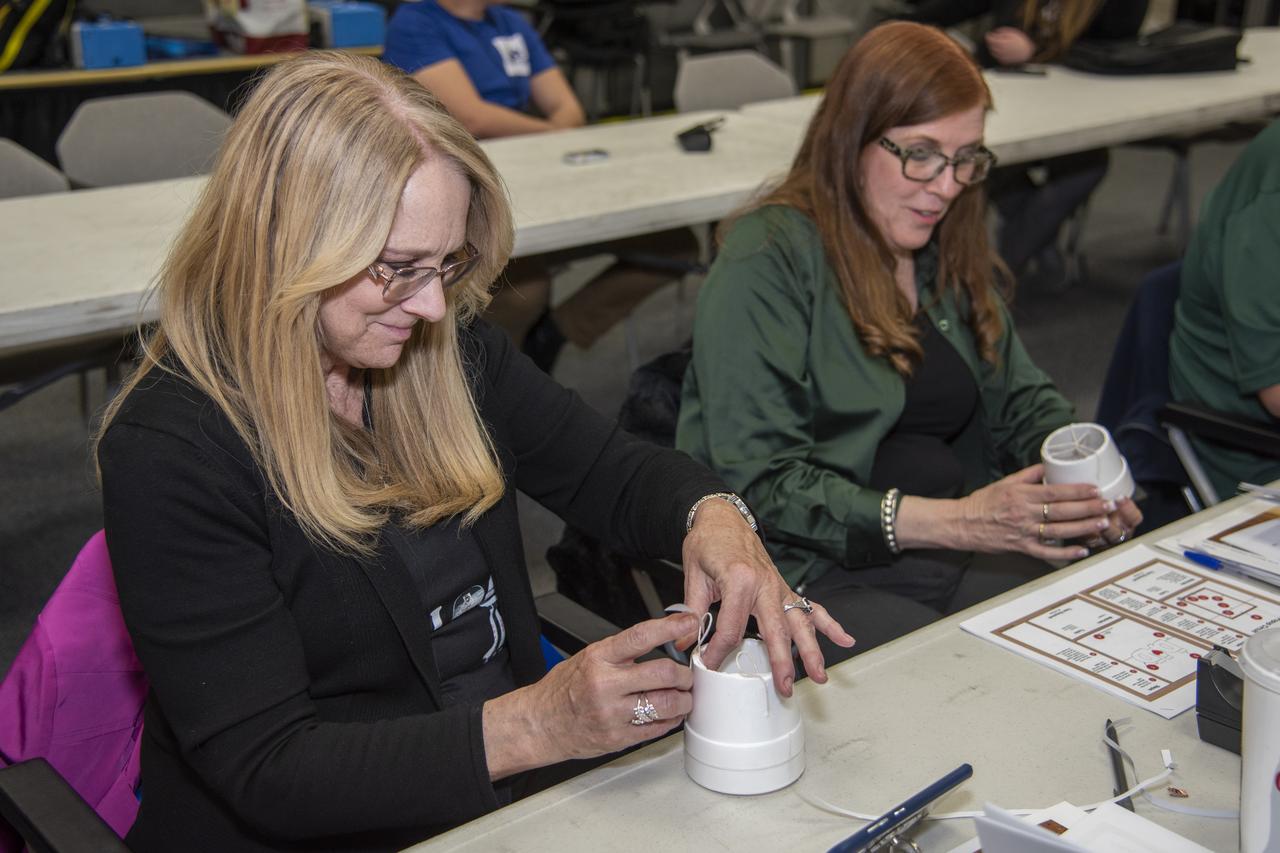
Teacher Kristen Deckner learns how to build a Remote Manipulator (Robotic) Arm during the Educational Technology Institute hosted by NASA Armstrong's Office of STEM Engagement.
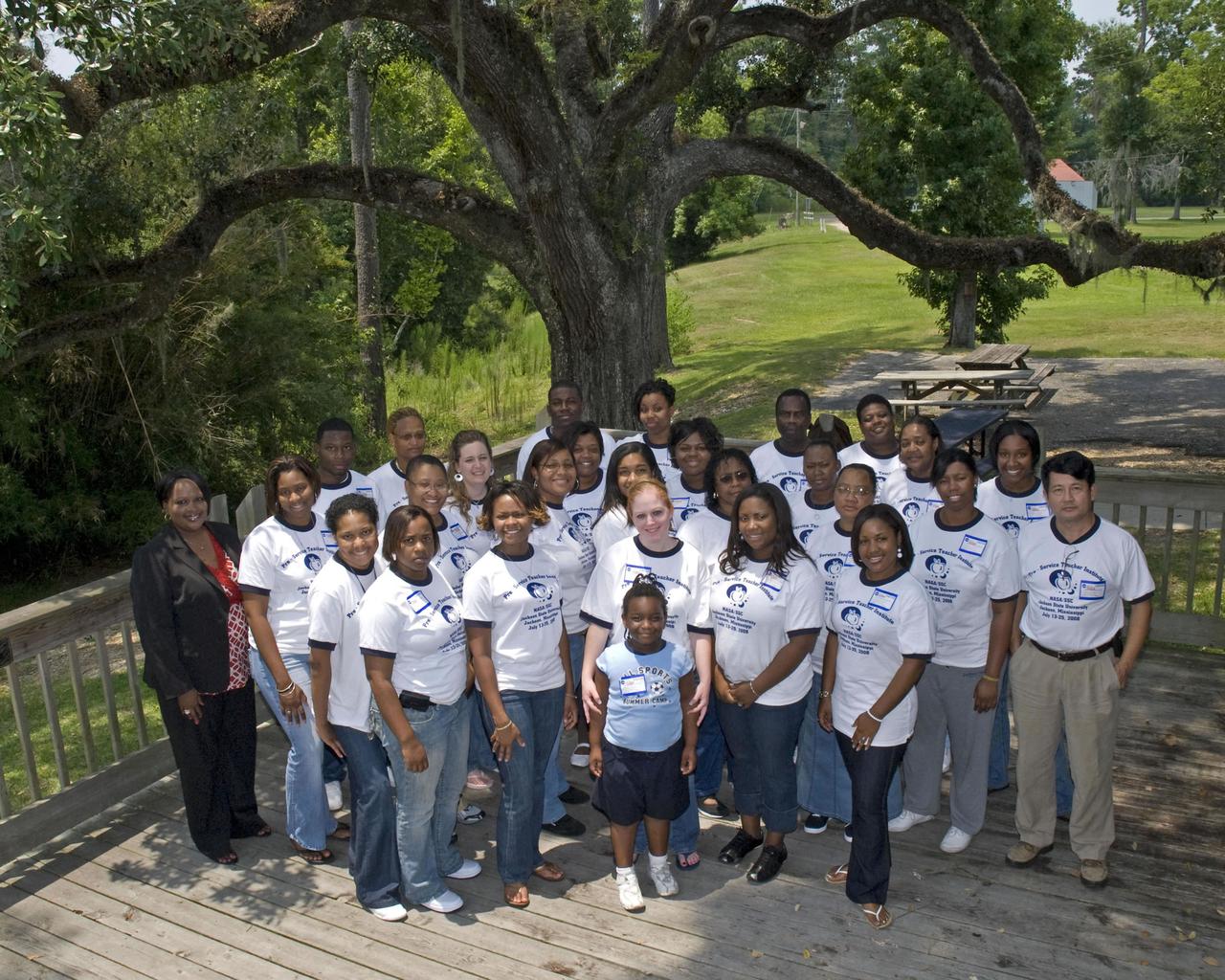
The Pre-Service Teachers Institute sponsored by Jackson (Miss.) State University participated in an agencywide Hubble Space Telescope workshop at Stennis Space Center on July 18. Twenty-five JSU junior education majors participated in the workshop, a site tour and educational presentations by Karma Snyder of the NASA SSC Engineering & Safety Center and Anne Peek of the NASA SSC Deputy Science & Technology Division.
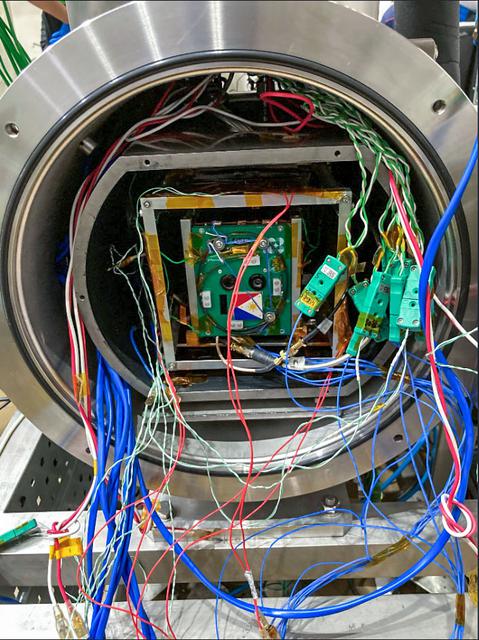
jsc2021e042551 (8/31/2021) --- Maya-3 and Maya-4 (Maya-3 in front) inside the Small Thermal Vacuum Chamber at the Center for Nanosatellite Testing, Kyushu Institute of Technology. The BIRDS-2S project consists of the Maya-3 and Maya-4 CubeSats, the first Philippine university-built cube satellites developed by eight graduate students under the Space science education and Technology Proliferation through University Partnerships (STeP-UP) Project.
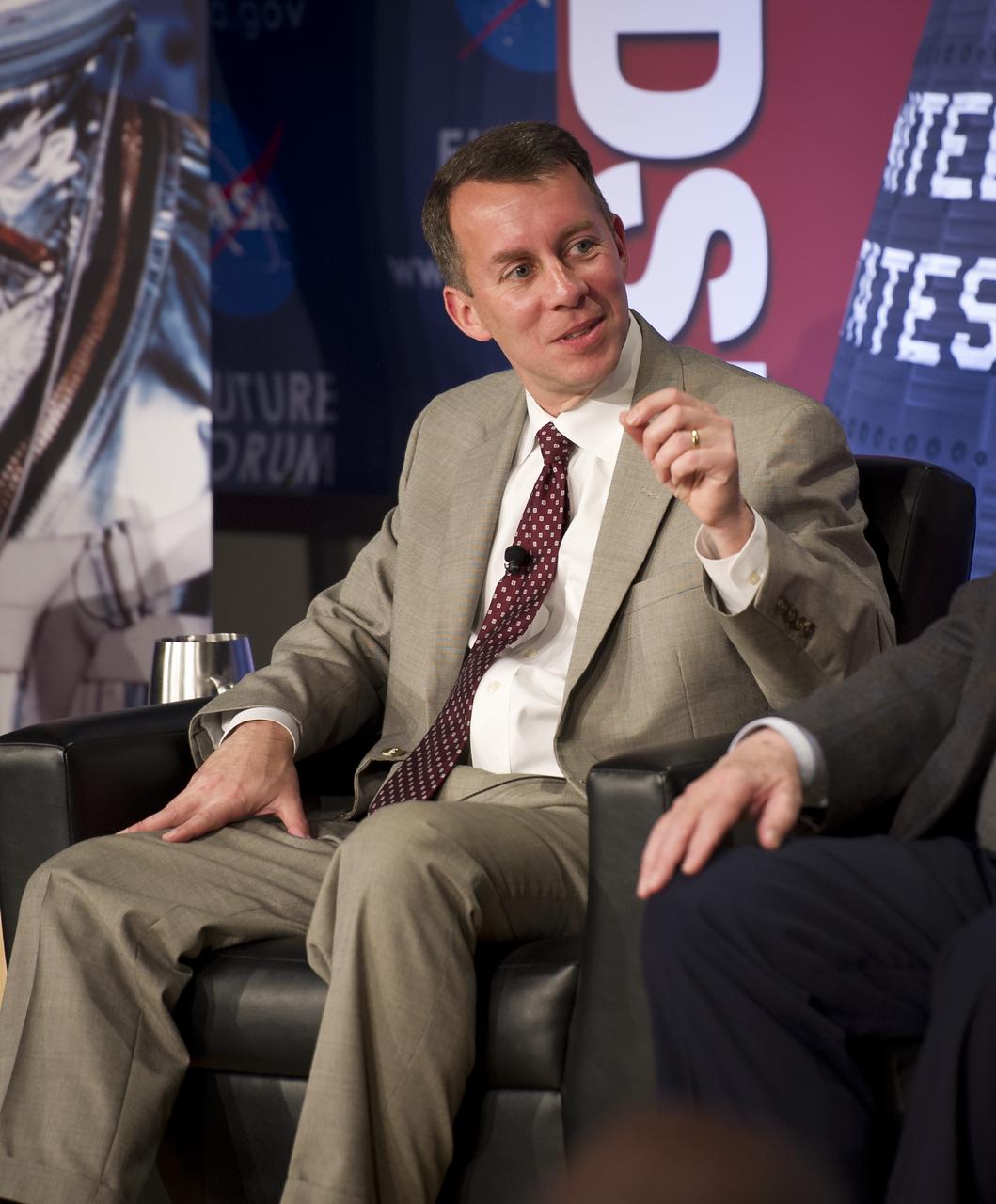
Bobby Braun, professor, Georgia Institute of Technology, talks during the NASA Future Forum panel titled "Shifting Roles for Public, Private, and International Players in Space" at The Ohio State University on Tuesday, Feb. 21, 2012 in Columbus, Ohio. The NASA Future Forum features panel discussions on the importance of education to our nation's future in space, the benefit of commercialized space technology to our economy and lives here on Earth, and the shifting roles for the public, commercial and international communities in space. Photo Credit: (NASA/Bill Ingalls)

Laurie Leshin, dean of the School of Science, Rensselaer Polytechnic Institute, moderates the NASA Future Forum panel titled "Importance of Technology, Science and Innovation for our Economic Future" at The Ohio State University on Tuesday, Feb. 21, 2012 in Columbus, Ohio. The NASA Future Forum features panel discussions on the importance of education to our nation's future in space, the benefit of commercialized space technology to our economy and lives here on Earth, and the shifting roles for the public, commercial and international communities in space. Photo Credit: (NASA/Bill Ingalls)
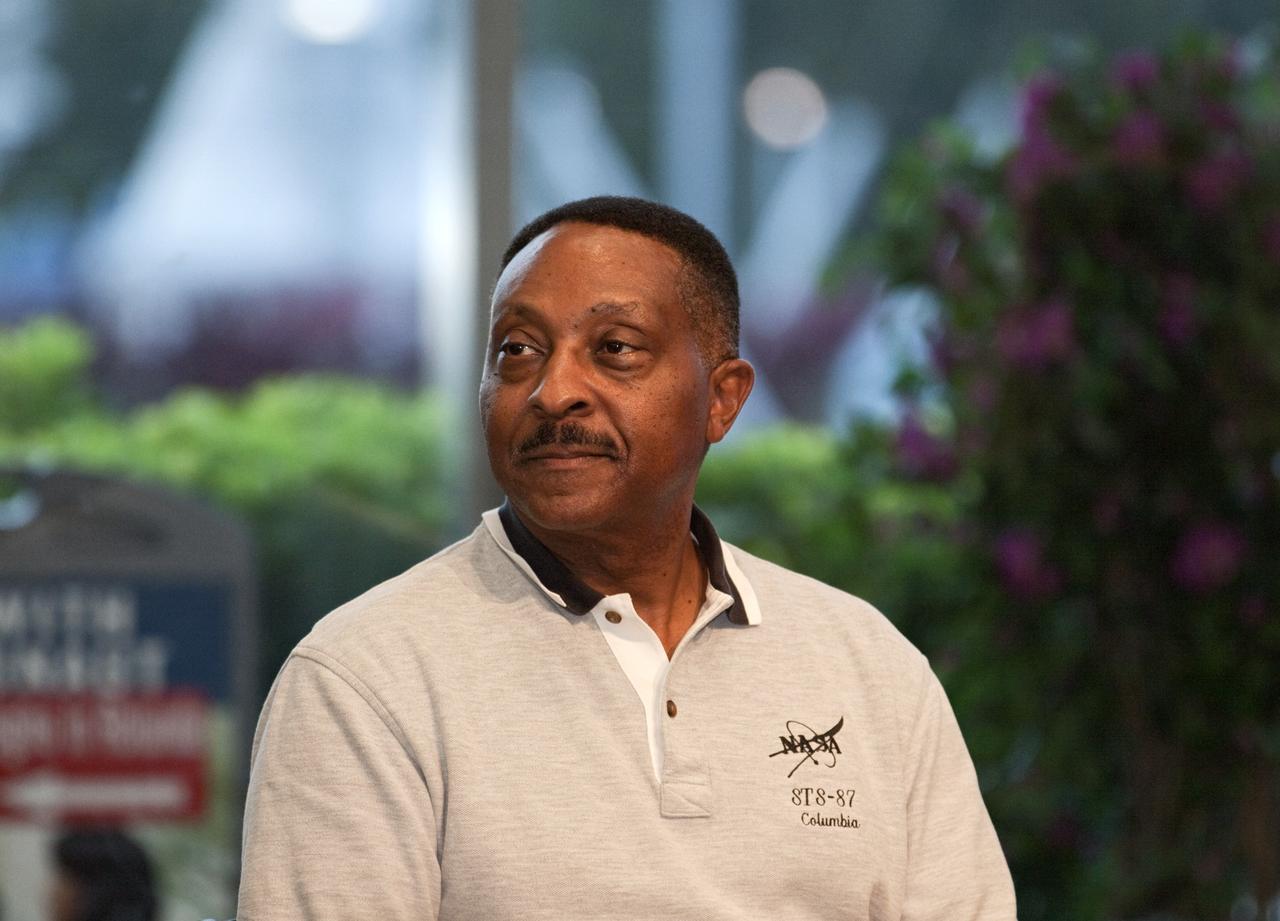
CAPE CANAVERAL, Fla. – Current and former NASA and international astronauts spoke to participants of the International Space University on the future of human spaceflight during a panel discussion at the Kennedy Space Center Visitor Complex in Florida. Participating in the discussion is Winston Scott, dean of the College of Aeronautics at Florida Institute of Technology and former NASA astronaut. The International Space University is a nine-week intensive course designed for post-graduate university students and professionals during the summer. The program is hosted by a different country each year, providing a unique educational experience for participants from around the world. NASA Kennedy Space Center and the Florida Institute of Technology in Melbourne, Fla., are co-hosting this year’s event which runs from June 4 to Aug. 3. There are about 125 participants representing 31 countries. For more information, visit http://www.isunet.edu. Photo credit: NASA/Kim Shiflett
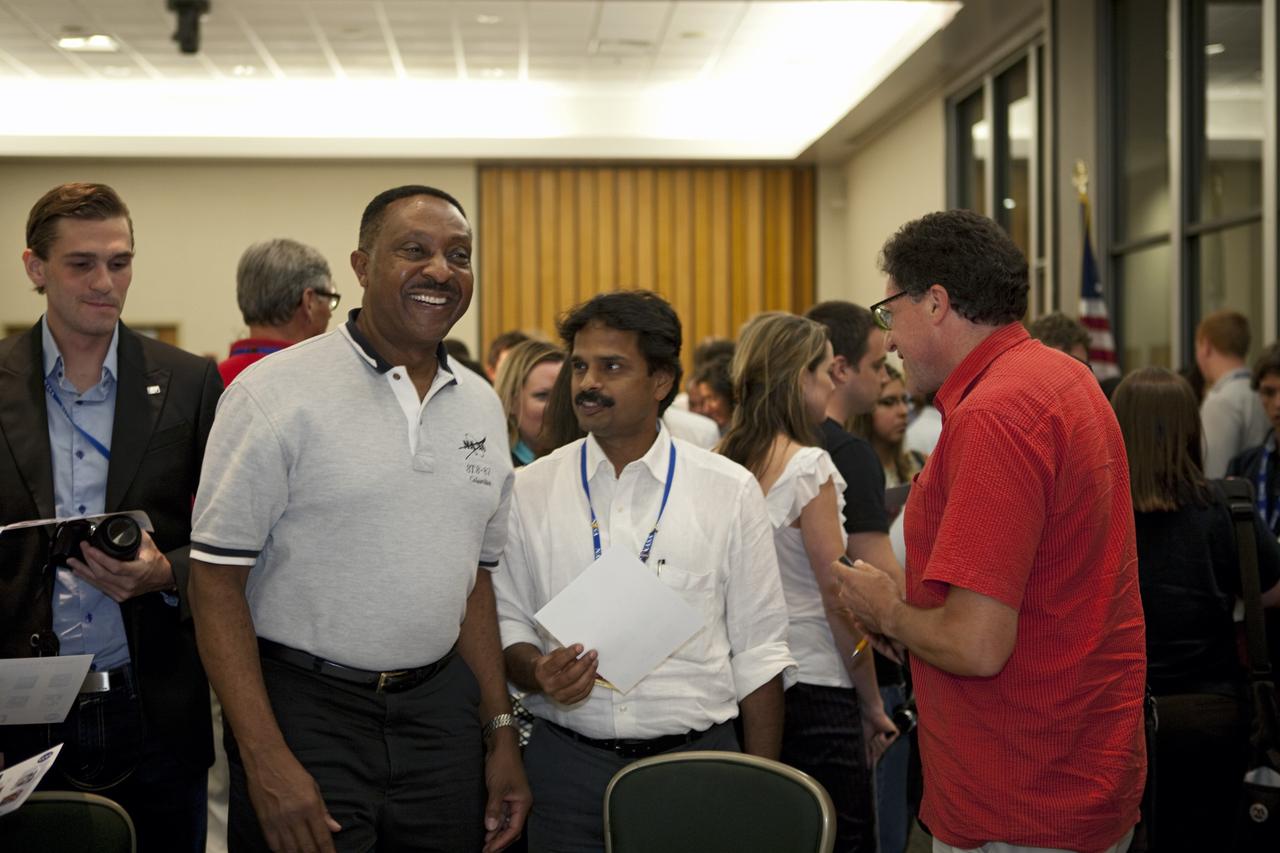
CAPE CANAVERAL, Fla. – Winston Scott, dean of the College of Aeronautics at Florida Institute of Technology and former NASA astronaut, signs autographs and talks with participants of the International Space University during a panel discussion on the future of human spaceflight at the Kennedy Space Center Visitor Complex in Florida. The International Space University is a nine-week intensive course designed for post-graduate university students and professionals during the summer. The program is hosted by a different country each year, providing a unique educational experience for participants from around the world. NASA Kennedy Space Center and the Florida Institute of Technology in Melbourne, Fla., are co-hosting this year’s event which runs from June 4 to Aug. 3. There are about 125 participants representing 31 countries. For more information, visit http://www.isunet.edu. Photo credit: NASA/Kim Shiflett
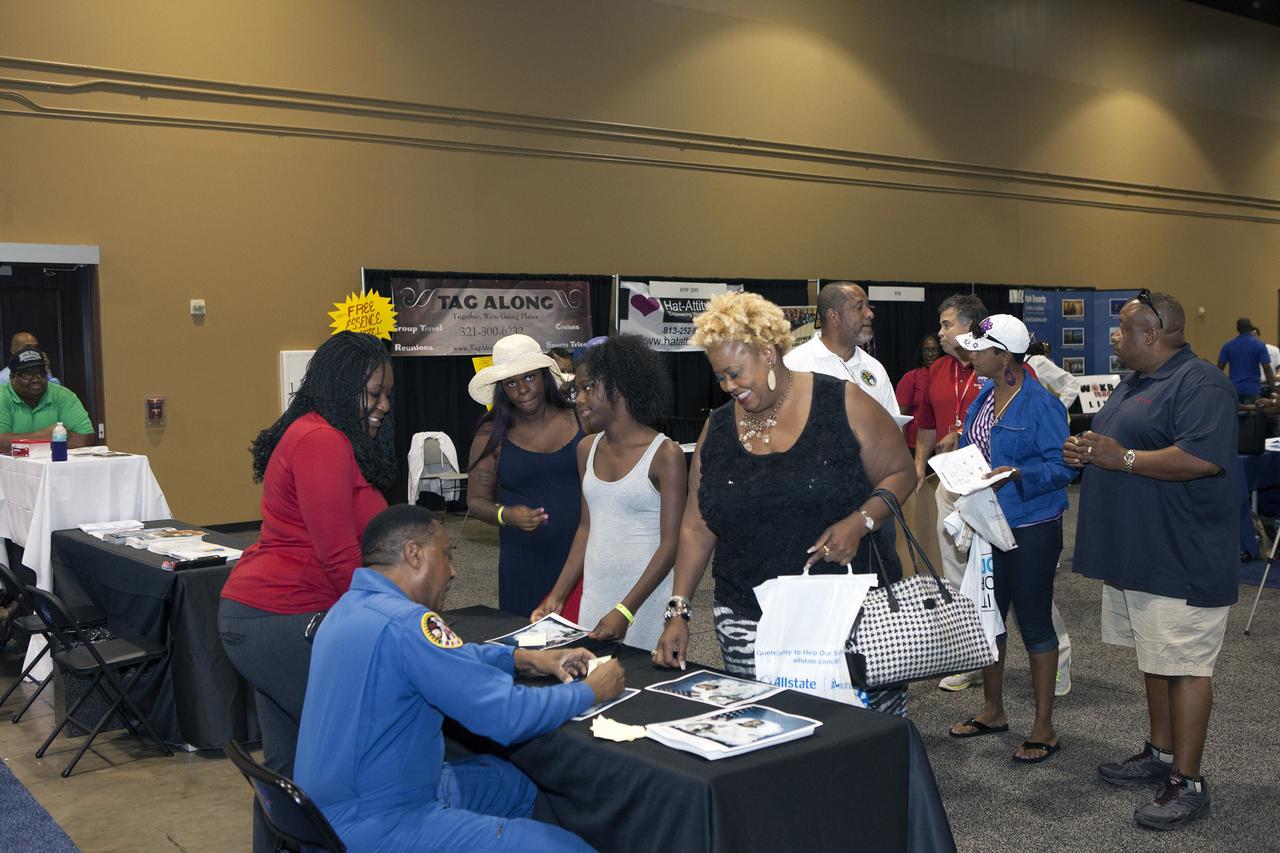
KISSIMMEE, Fla. – Former NASA astronaut Winston Scott signed autographs and posed for pictures with guests at the agency exhibit during the Tom Joyner Family Reunion. Now a senior vice president at the Florida Institute of Technology, he said that he likes to emphasize to young people how important a good education is in preparation for the future. The Tom Joyner Family Reunion is designed to present uplifting programs, entertainment and information about growing, diverse communities. An annual event of the nationally-syndicated Tom Joyner Morning Show, the many exhibits included NASA's participation focusing on encouraging young people to consider studies and careers in STEM -- science, technology, engineering and math. NASA's Education Division promoted the benefits of math and scientific learning along with career opportunities offered by the space agency. The activities took place at the Gaylord Palms Resort in Kissimmee, Florida, during the Labor Day weekend. Photo credit: NASA/Daniel Casper
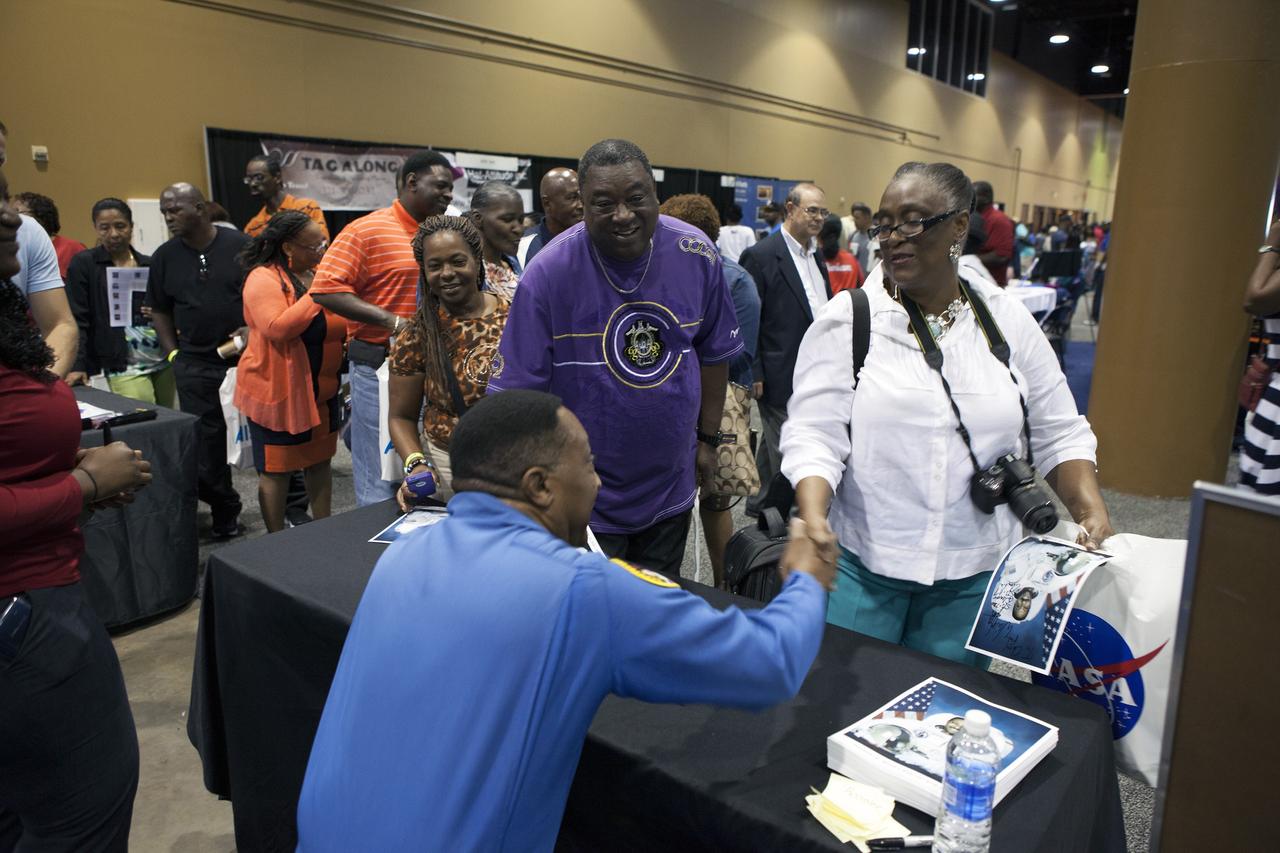
KISSIMMEE, Fla. – Former NASA astronaut Winston Scott signed autographs and posed for pictures with guests at the agency exhibit during the Tom Joyner Family Reunion. Now a senior vice president at the Florida Institute of Technology, he said that he likes to emphasize to young people how important a good education is in preparation for the future. The Tom Joyner Family Reunion is designed to present uplifting programs, entertainment and information about growing, diverse communities. An annual event of the nationally-syndicated Tom Joyner Morning Show, the many exhibits included NASA's participation focusing on encouraging young people to consider studies and careers in STEM -- science, technology, engineering and math. NASA's Education Division promoted the benefits of math and scientific learning along with career opportunities offered by the space agency. The activities took place at the Gaylord Palms Resort in Kissimmee, Florida, during the Labor Day weekend. Photo credit: NASA/Daniel Casper
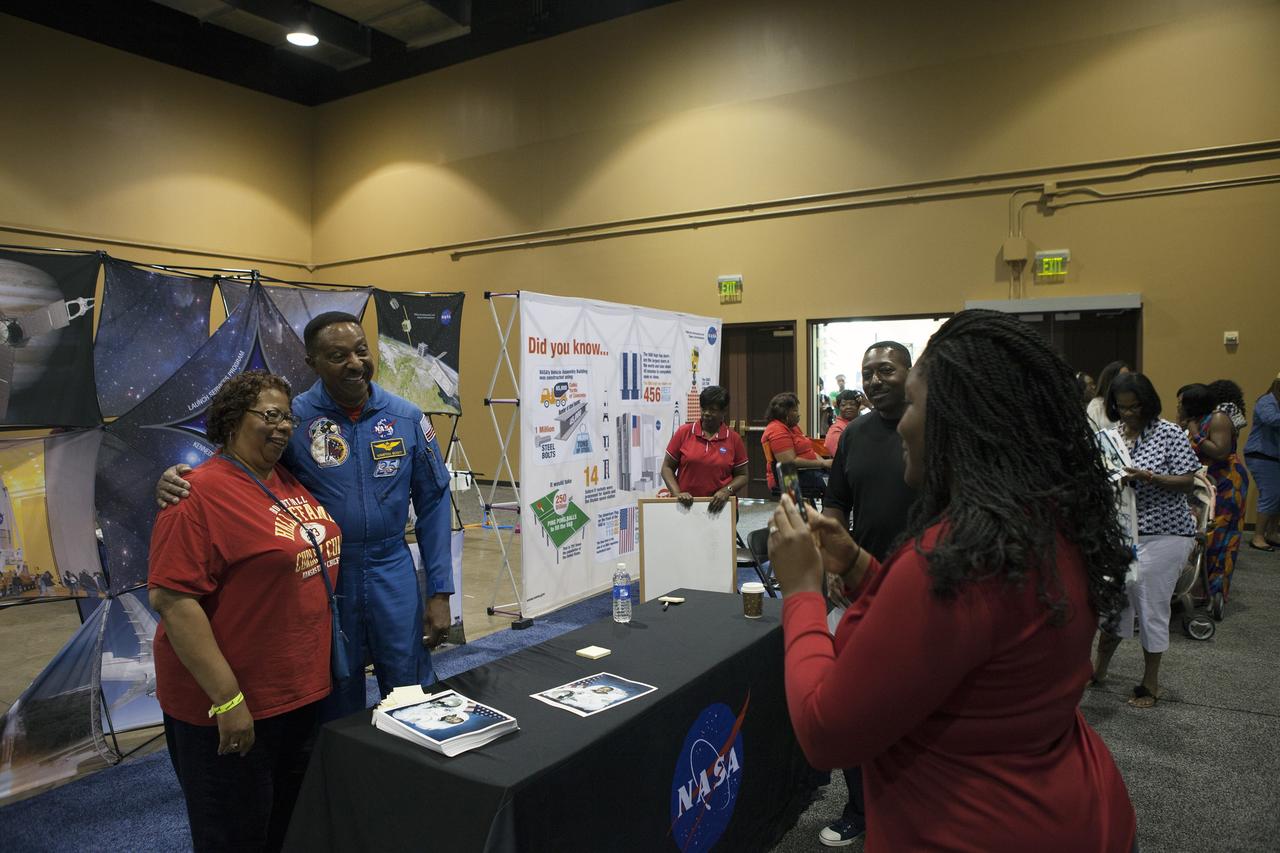
KISSIMMEE, Fla. – Former NASA astronaut Winston Scott signed autographs and posed for pictures with guests at the agency exhibit during the Tom Joyner Family Reunion. Now a senior vice president at the Florida Institute of Technology, he said that he likes to emphasize to young people how important a good education is in preparation for the future. The Tom Joyner Family Reunion is designed to present uplifting programs, entertainment and information about growing, diverse communities. An annual event of the nationally-syndicated Tom Joyner Morning Show, the many exhibits included NASA's participation focusing on encouraging young people to consider studies and careers in STEM -- science, technology, engineering and math. NASA's Education Division promoted the benefits of math and scientific learning along with career opportunities offered by the space agency. The activities took place at the Gaylord Palms Resort in Kissimmee, Florida, during the Labor Day weekend. Photo credit: NASA/Daniel Casper
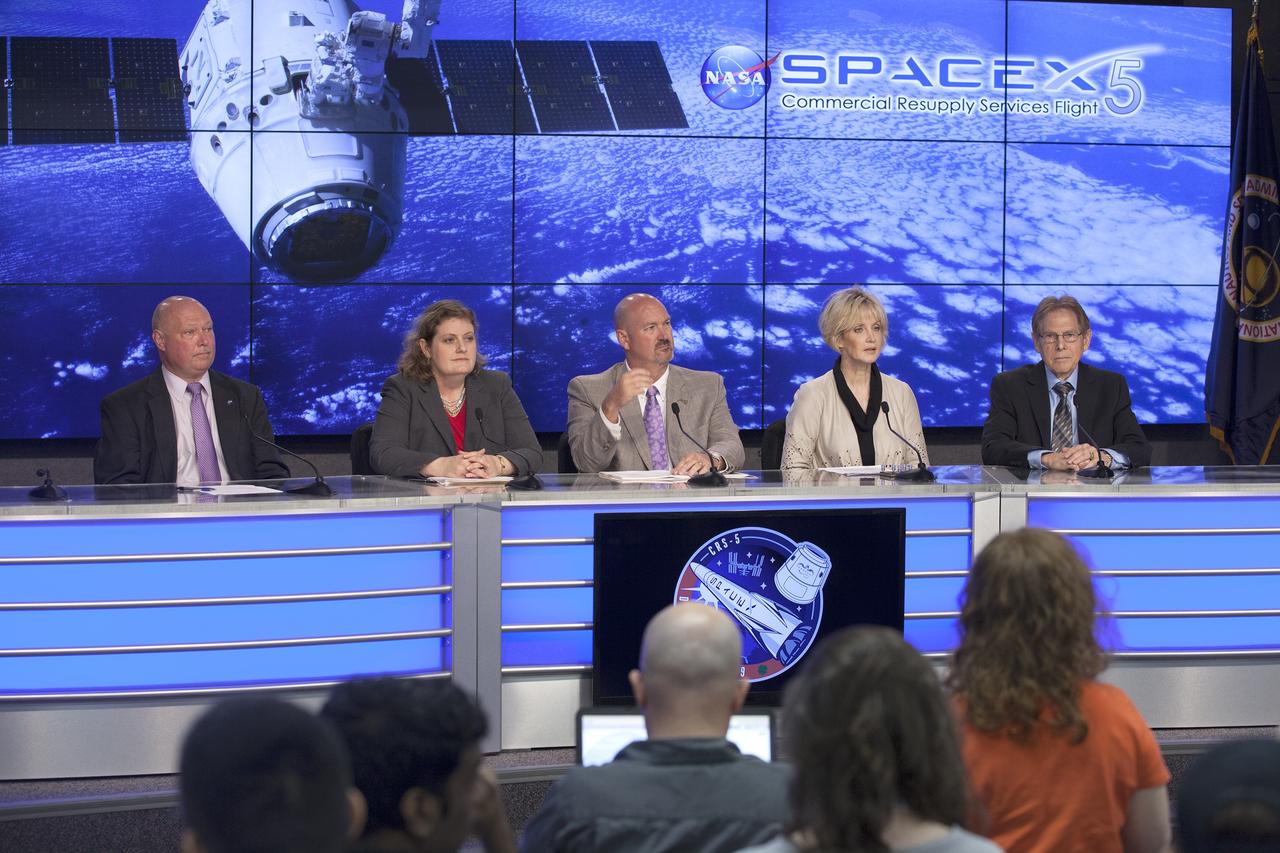
CAPE CANAVERAL, Fla. -- In the Kennedy Space Center’s Press Site auditorium, agency and industry leaders spoke to members of the news media on International Space Station research and technology developments. From left are: Mike Curie of NASA Public Affairs, Julie Robinson, ISS Program chief scientist at NASA’s Johnson Space Center, Kenneth Shields, director of operations and education for the Center for the Advancement of Science in Space, Cheryl Nickerson of Arizona State University, and principal investigator for the Micro-5 experiment, and Samuel Durrance of the Florida Institute of Technology, principal investigator for the NR-SABOL experiment. Photo credit: NASA/ Kim Shiflett
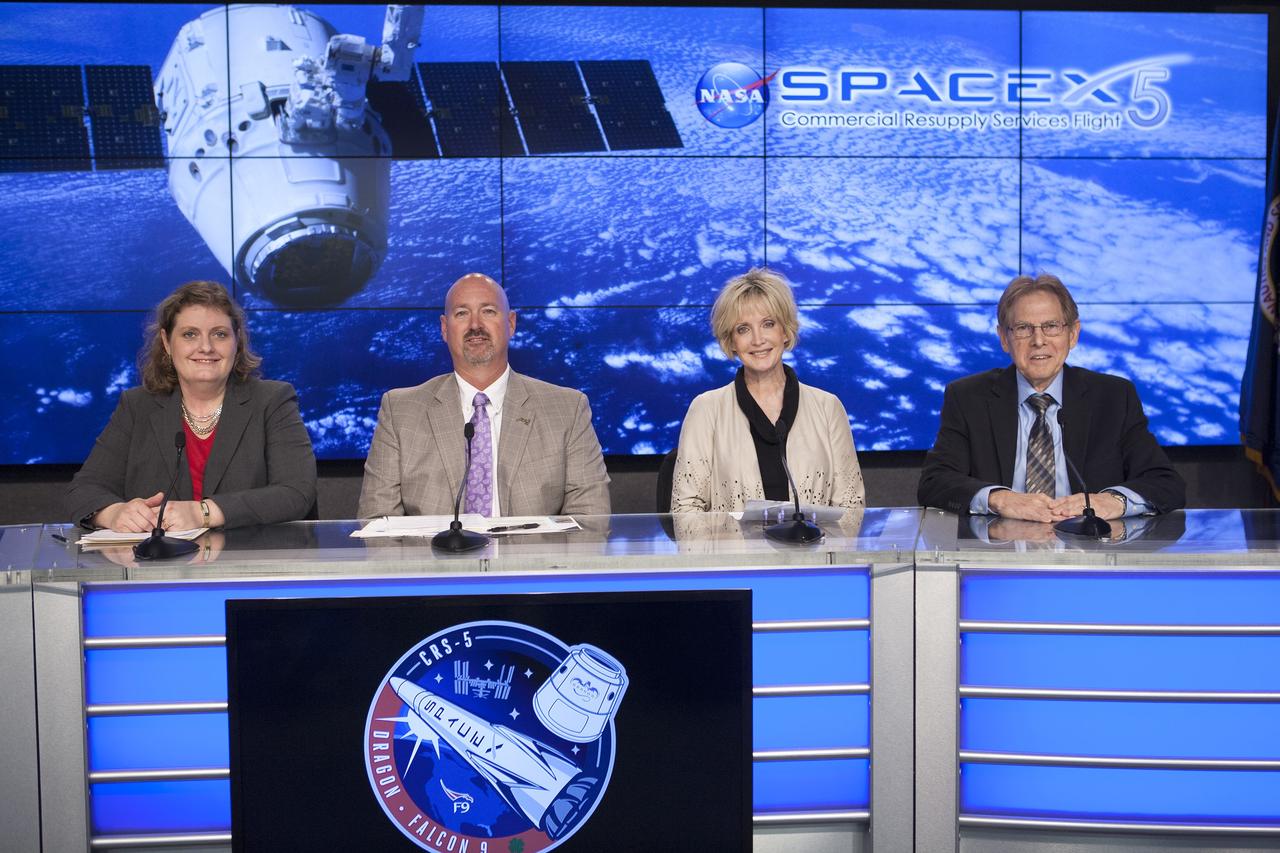
CAPE CANAVERAL, Fla. – In the Kennedy Space Center’s Press Site auditorium, agency and industry leaders spoke to members of the news media on International Space Station research and technology developments. From left are: Julie Robinson, ISS Program chief scientist at NASA’s Johnson Space Center, Kenneth Shields, director of operations and education for the Center for the Advancement of Science in Space, Cheryl Nickerson of Arizona State University, and principal investigator for the Micro-5 experiment, and Samuel Durrance of the Florida Institute of Technology, principal investigator for the NR-SABOL experiment. Photo credit: NASA/ Kim Shiflett
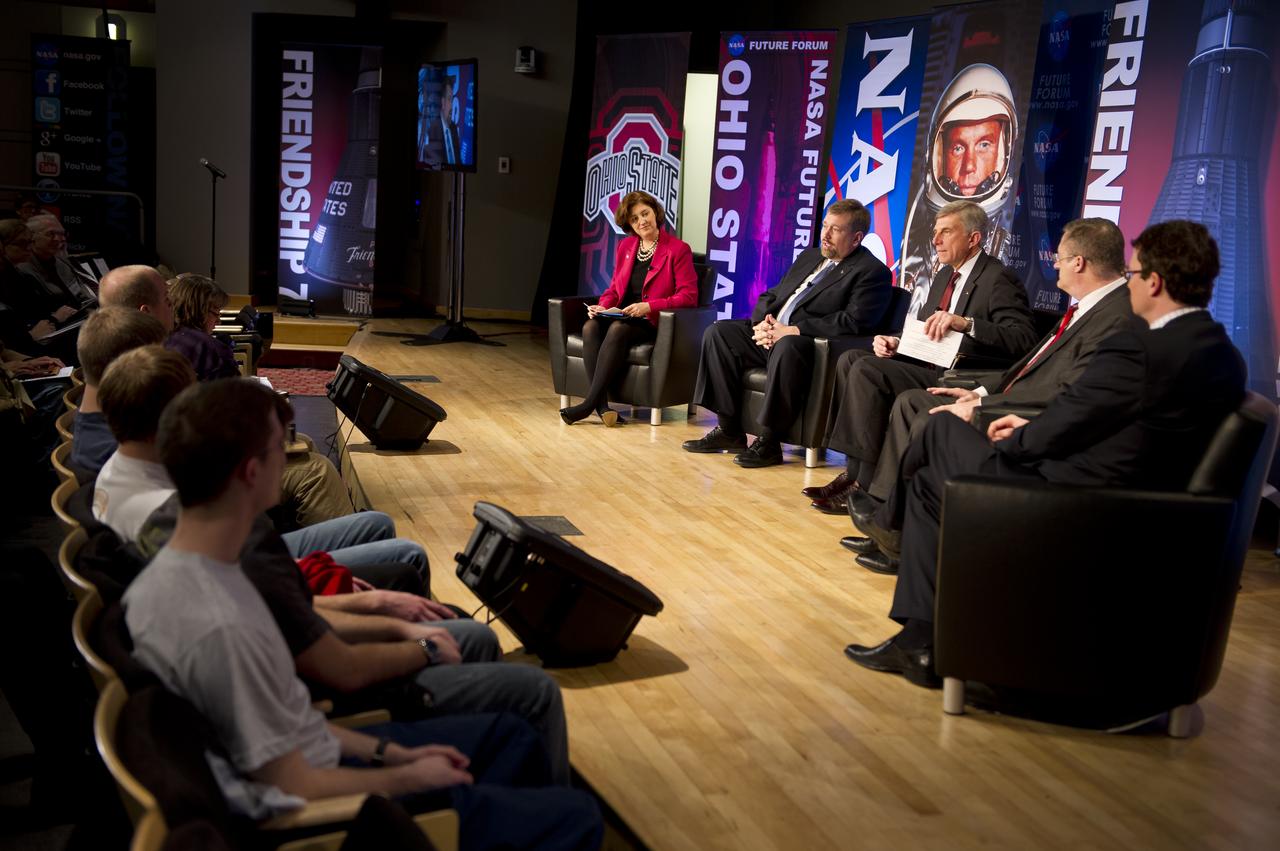
Laurie Leshin, dean of the School of Science, Rensselaer Polytechnic Institute, left, Mason Peck, NASA Chief Technologist, 2nd from left, Ron Sega, Vice president and enterprise executive for Energy and the Environment, The Ohio State University and Colorado State University, Michael Donovan, technology consultant, New Services Development, Hewlett-Packard Company, and, Jordan Hansell, chairman and CEO, NetJets Inc., right, participate in the NASA Future Forum panel titled "Importance of Technology, Science and Innovation for our Economic Future" at The Ohio State University on Tuesday, Feb. 21, 2012 in Columbus, Ohio. The NASA Future Forum features panel discussions on the importance of education to our nation's future in space, the benefit of commercialized space technology to our economy and lives here on Earth, and the shifting roles for the public, commercial and international communities in space. Photo Credit: (NASA/Bill Ingalls)
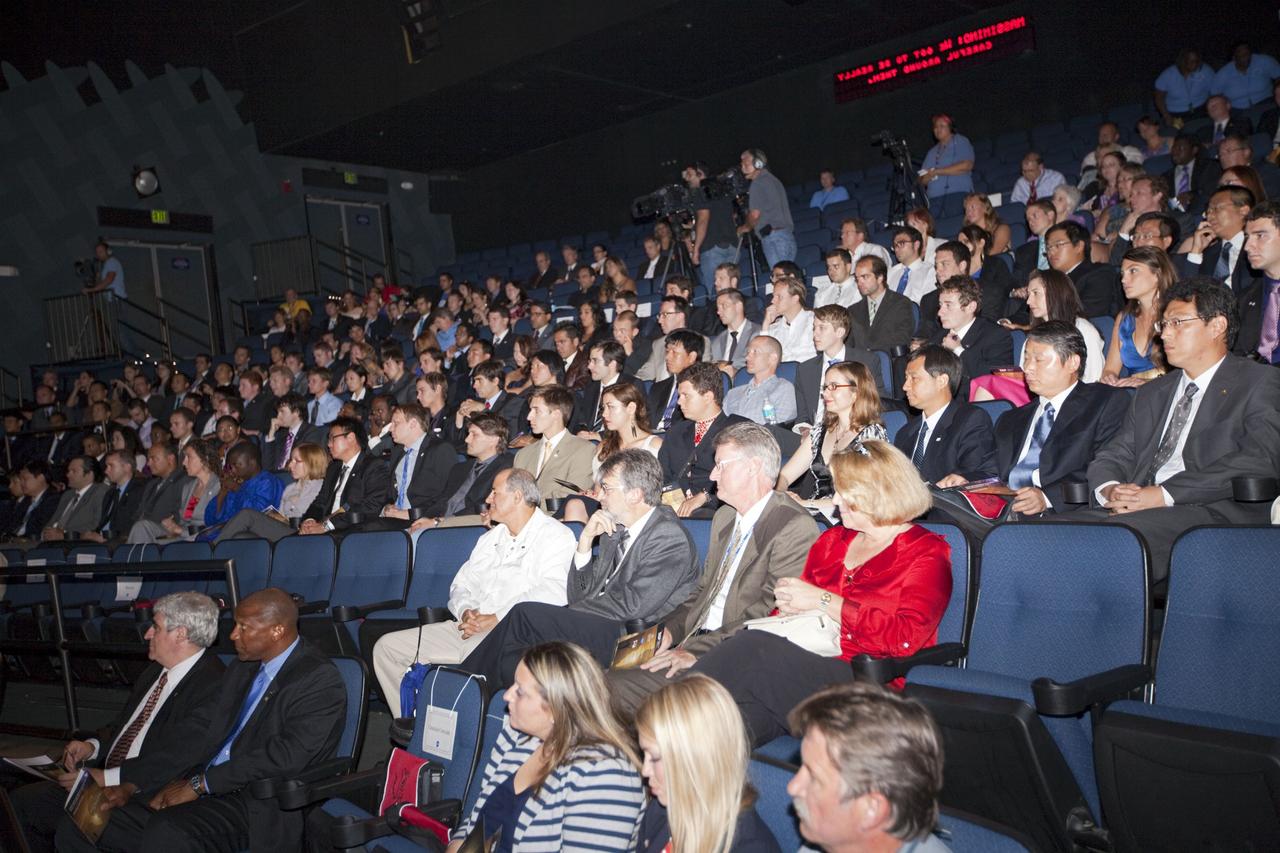
CAPE CANAVERAL, Fla. – Graduates and guests gather for the closing ceremonies for the International Space University at the Kennedy Space center Visitor Complex on Aug. 3, 2012. The International Space University is a nine-week intensive course designed for post-graduate university students and professionals during the summer. The program is hosted by a different country each year, providing a unique educational experience for participants from around the world. NASA Kennedy Space Center and the Florida Institute of Technology co-hosted this year's event which ran from June 4 to Aug. 3. There were about 125 participants representing 31 countries. For more information, visit http://www.isunet.edu Photo credit: NASA/Kim Shiflett
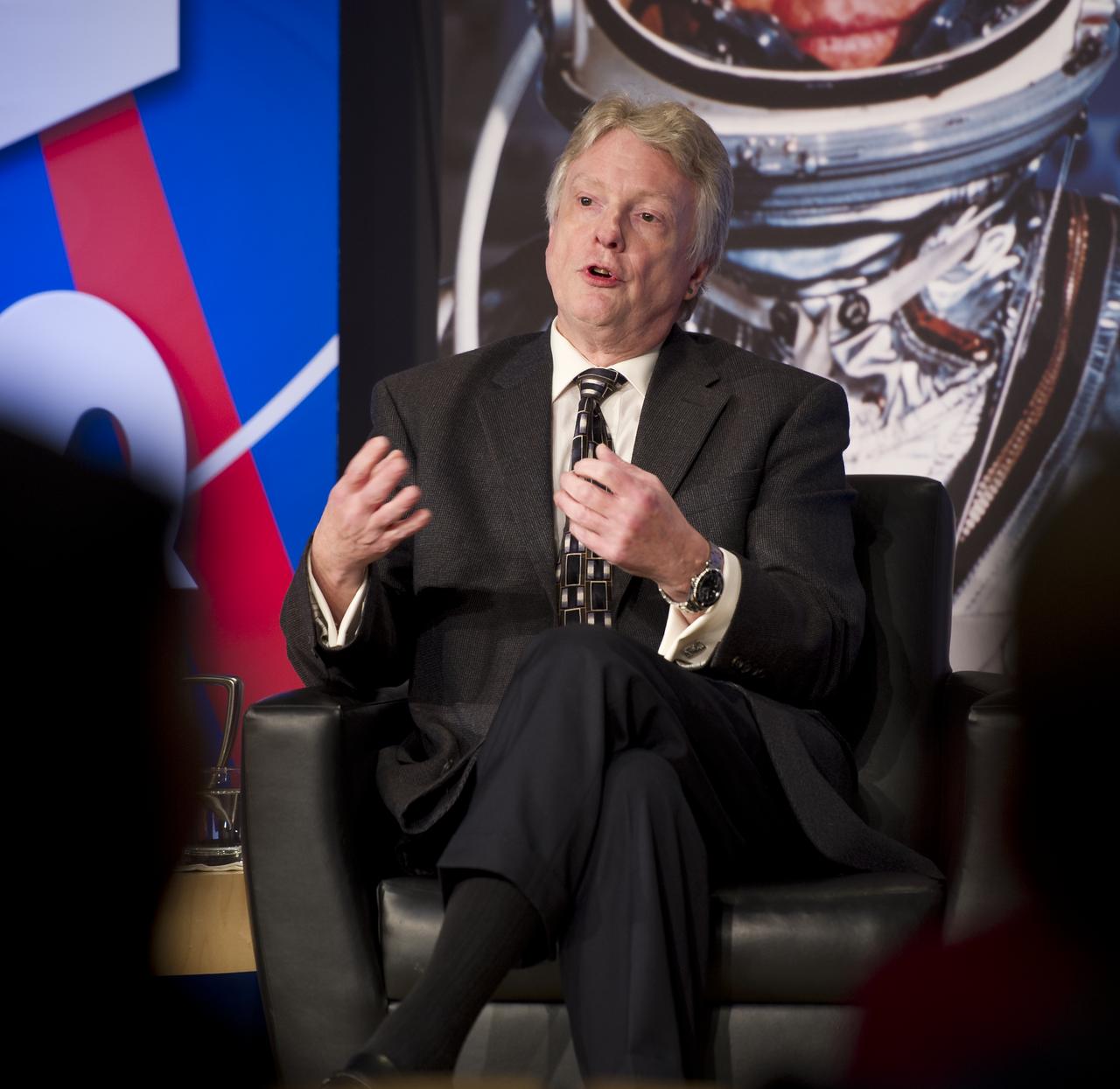
Roger Launius, senior curator, Smithsonian Institution National Air and Space Museum, talks during the NASA Future Forum panel titled "Shifting Roles for Public, Private, and International Players in Space" at The Ohio State University on Tuesday, Feb. 21, 2012 in Columbus, Ohio. The NASA Future Forum features panel discussions on the importance of education to our nation's future in space, the benefit of commercialized space technology to our economy and lives here on Earth, and the shifting roles for the public, commercial and international communities in space. Photo Credit: (NASA/Bill Ingalls)
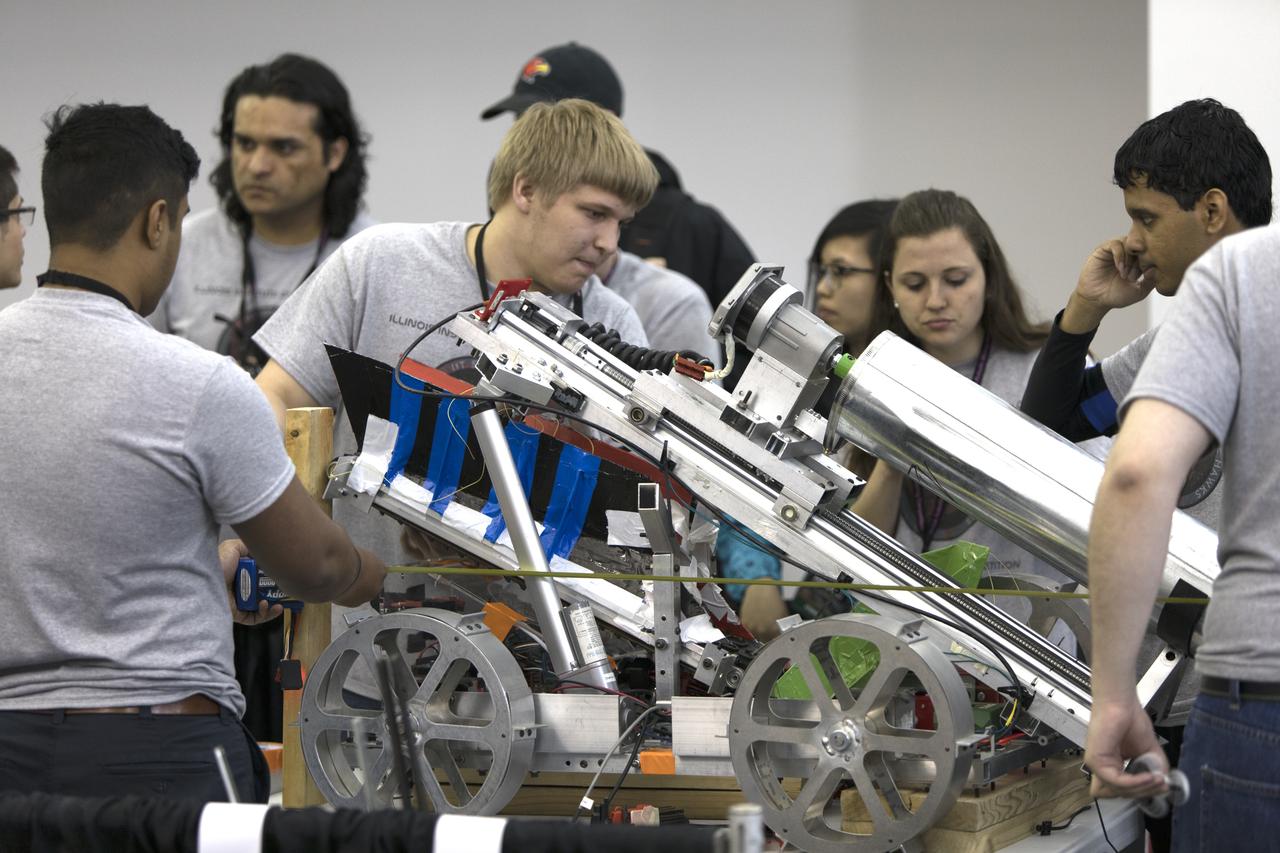
On the first day of NASA's 9th Robotic Mining Competition, set-up day on May 14, team members from the Illinois Institute of Technology work on their robot miner in the RobotPits in the Educator Resource Center at Kennedy Space Center Visitor Complex in Florida. More than 40 student teams from colleges and universities around the U.S. will use their mining robots to dig in a supersized sandbox filled with BP-1, or simulated Lunar soil, gravel and rocks, and participate in other competition requirements. The Robotic Mining Competition is a NASA Human Exploration and Operations Mission Directorate project designed to encourage students in science, technology, engineering and math, or STEM fields. The project provides a competitive environment to foster innovative ideas and solutions that could be used on NASA's deep space missions.
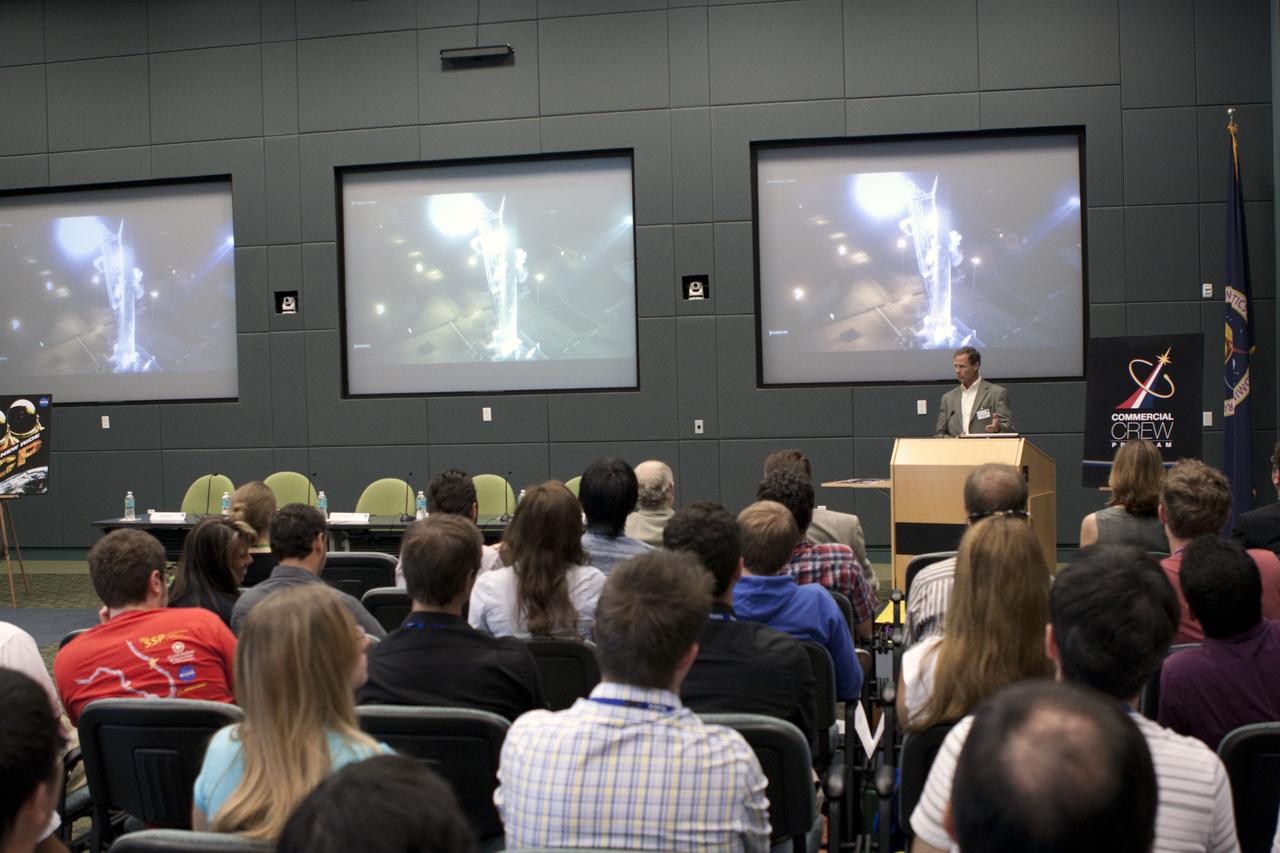
CAPE CANAVERAL, Fla. - Scott Henderson of Space Exploration Technologies Corp., or SpaceX, addresses participants of the International Space University in a session in Operations Support Building II at the Kennedy Space Center, Fla. on July 3. The International Space University is a nine-week intensive course designed for post-graduate university students and professionals during the summer. The program is hosted by a different country each year, providing a unique educational experience for participants from around the world. NASA Kennedy Space Center and the Florida Institute of Technology are co-hosting this year's event which runs from June 4 to Aug. 3. There are about 125 participants representing 31 countries. For more information, visit http://www.isunet.edu Photo credit: NASA/Jim Grossmann
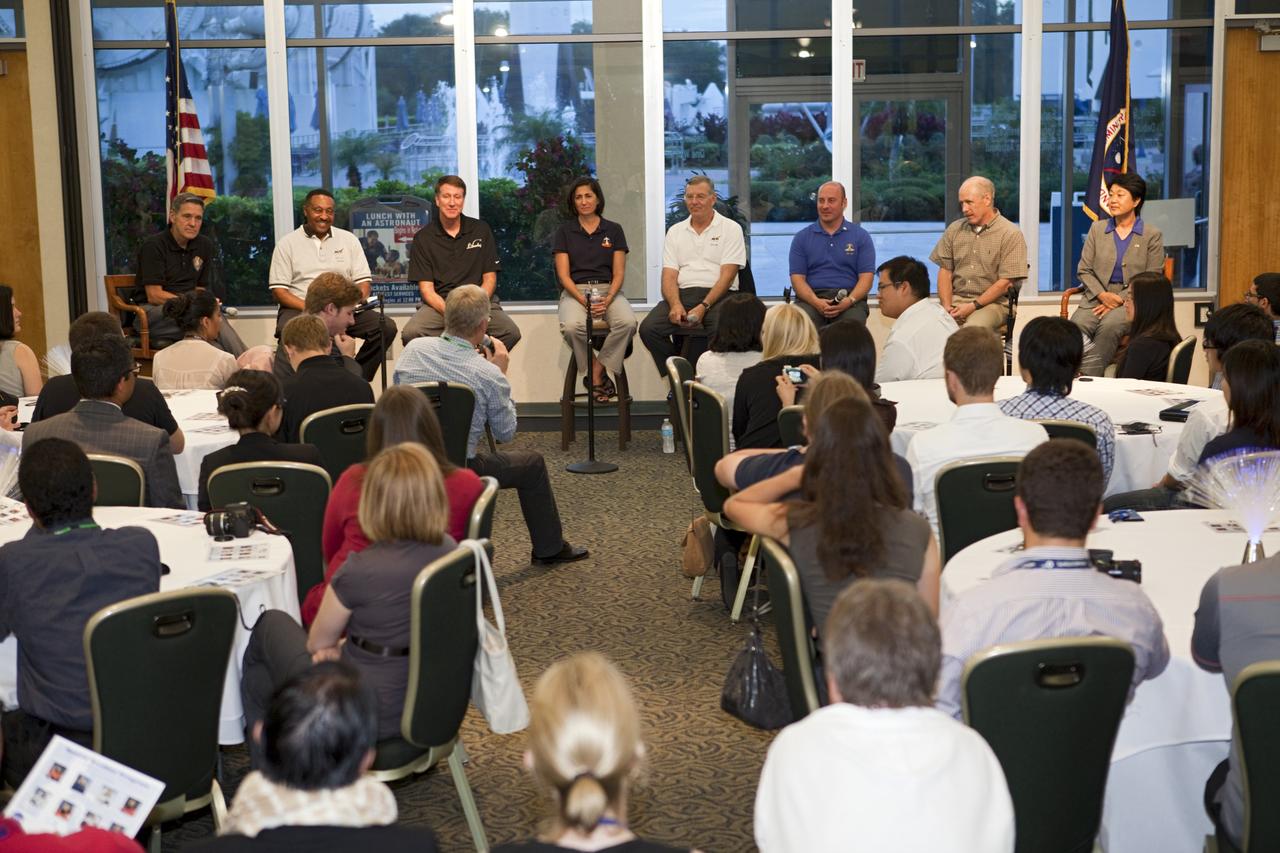
CAPE CANAVERAL, Fla. – Current and former NASA and international astronauts spoke to participants of the International Space University on the future of human spaceflight during a panel discussion at the Kennedy Space Center Visitor Complex in Florida. Participating in the discussion from left, are Kennedy Space Center Director Bob Cabana Winston Scott, dean of the College of Aeronautics at Florida Institute of Technology and former NASA astronaut Kent Rominger, vice president with Alliant Techsystems and former NASA astronaut Nicole Stott, NASA astronaut currently on detail at Kennedy Space Center Jim Voss, director of advanced programs at Sierra Nevada Corporation and former NASA astronaut Garrett Reisman, senior engineer with SpaceX and former NASA astronaut Ken Bowersox, former NASA astronaut and Chiaki Mukai, a Japan Aerospace Exploration Agency astronaut. The International Space University is a nine-week intensive course designed for post-graduate university students and professionals during the summer. The program is hosted by a different country each year, providing a unique educational experience for participants from around the world. NASA Kennedy Space Center and the Florida Institute of Technology in Melbourne, Fla., are co-hosting this year’s event which runs from June 4 to Aug. 3. There are about 125 participants representing 31 countries. For more information, visit http://www.isunet.edu. Photo credit: NASA/Kim Shiflett
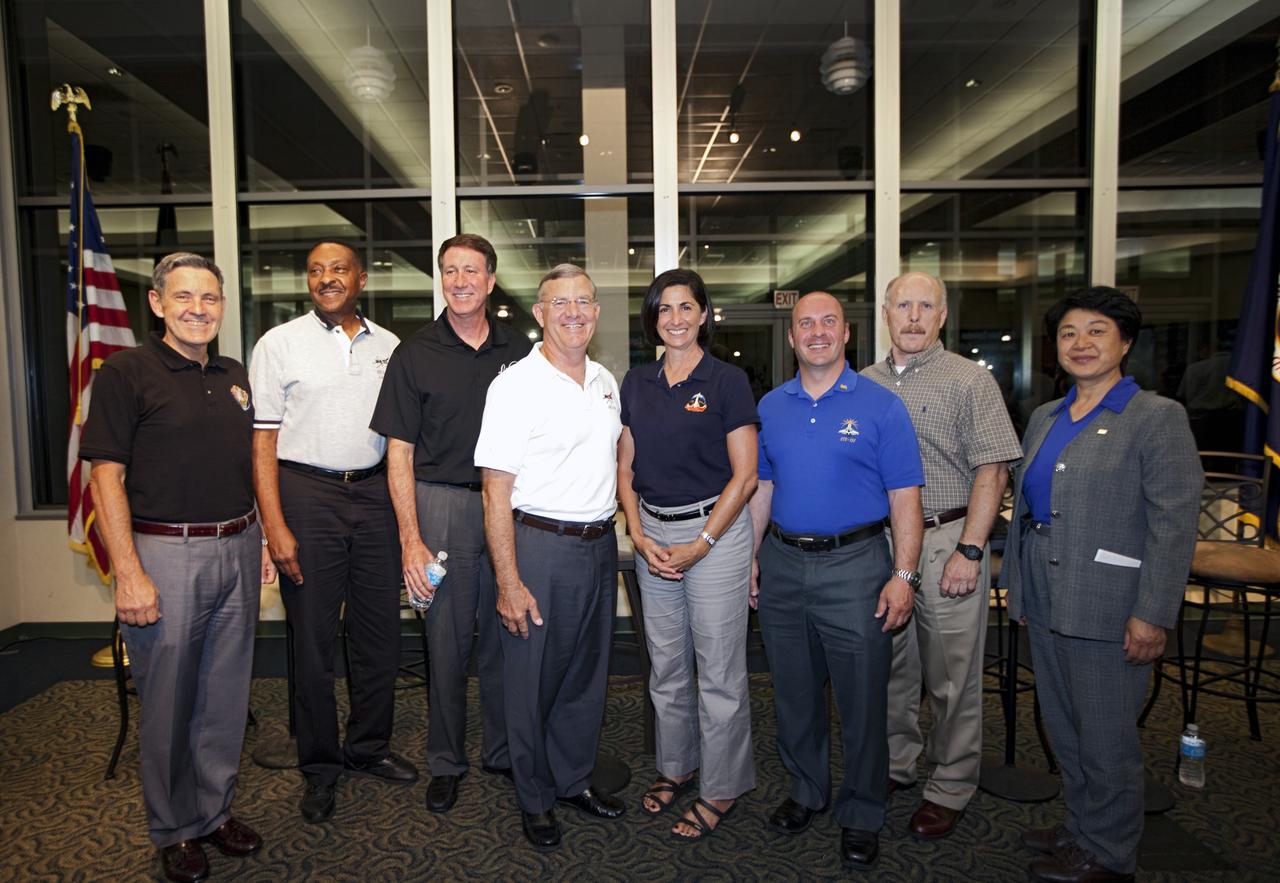
CAPE CANAVERAL, Fla. – Current and former NASA and international astronauts gather for a group photograph after speaking to participants of the International Space University on the future of human spaceflight during a panel discussion at the Kennedy Space Center Visitor Complex in Florida. From left, are Kennedy Space Center Director Bob Cabana Winston Scott, dean of the College of Aeronautics at Florida Institute of Technology and former NASA astronaut Kent Rominger, vice president with Alliant Techsystems and former NASA astronaut Nicole Stott, NASA astronaut currently on detail at Kennedy Space Center Jim Voss, director of advanced programs at Sierra Nevada Corporation and former NASA astronaut Garrett Reisman, senior engineer with SpaceX and former NASA astronaut Ken Bowersox, former NASA astronaut and Chiaki Mukai, a Japan Aerospace Exploration Agency astronaut. The International Space University is a nine-week intensive course designed for post-graduate university students and professionals during the summer. The program is hosted by a different country each year, providing a unique educational experience for participants from around the world. NASA Kennedy Space Center and the Florida Institute of Technology in Melbourne, Fla., are co-hosting this year’s event which runs from June 4 to Aug. 3. There are about 125 participants representing 31 countries. For more information, visit http://www.isunet.edu. Photo credit: NASA/Kim Shiflett
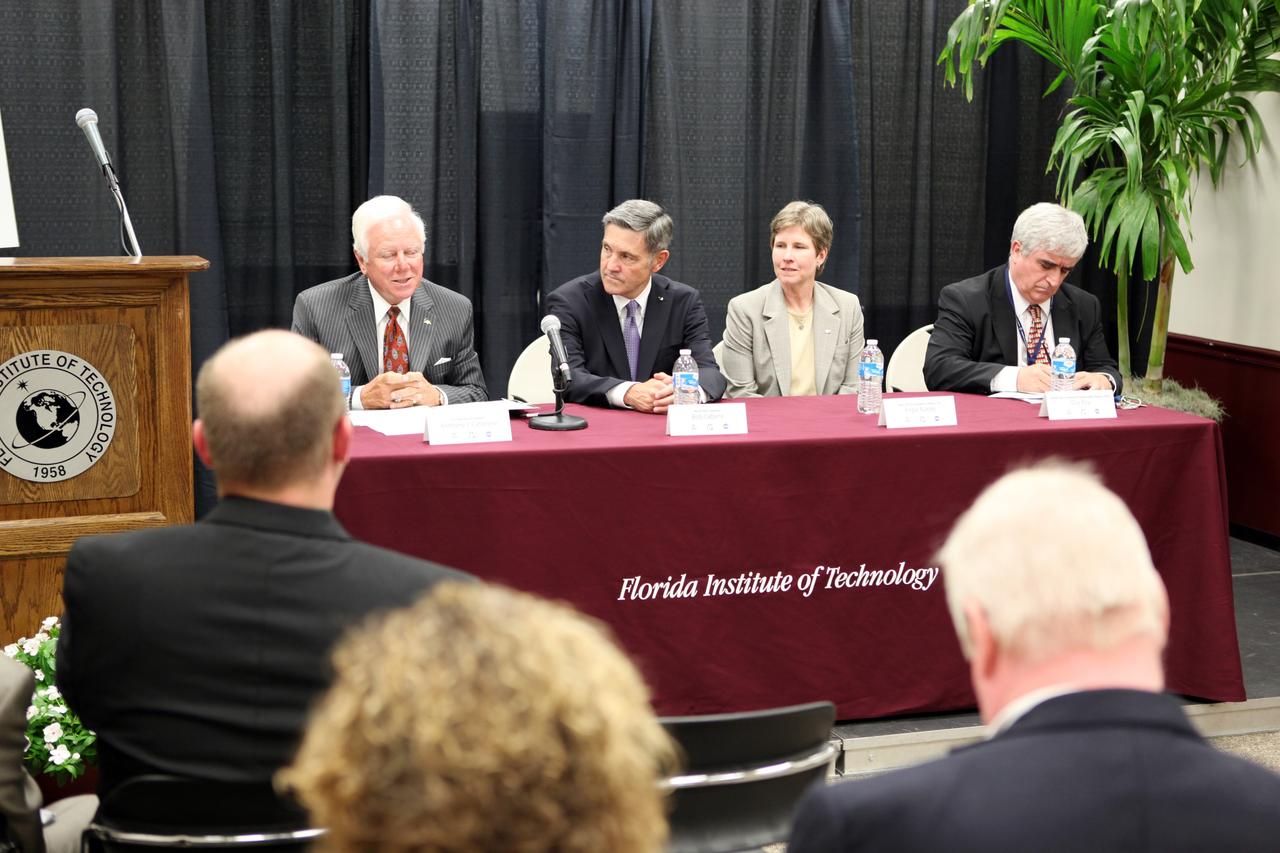
MELBOURNE, Fla. – Anthony J. Catanese, president of the Florida Institute of Technology, participates in the opening ceremonies for the International Space University's 25th annual Space Studies Program session at the Florida Institute of Technology in Melbourne, Fla. Seated from left are Catanese NASA Kennedy Space Center Director Bob Cabana Professor Angie Bukley, dean and vice president for Academic Affairs, International Space University and Dr. Guy A. Boy, chair of the Space Studies Program’s local organizing committee. The nine-week intensive course is designed for post-graduate university students and professionals during the summer. The program is hosted by a different country each year, providing a unique educational experience for participants from around the globe. NASA Kennedy Space Center and Florida Tech are co-hosting this year's event which runs from June 4 to Aug. 3. This year, there are about 125 participants representing 31 countries. For more information, visit http://www.isunet.edu. Photo credit: NASA/Dimitri Gerondidakis
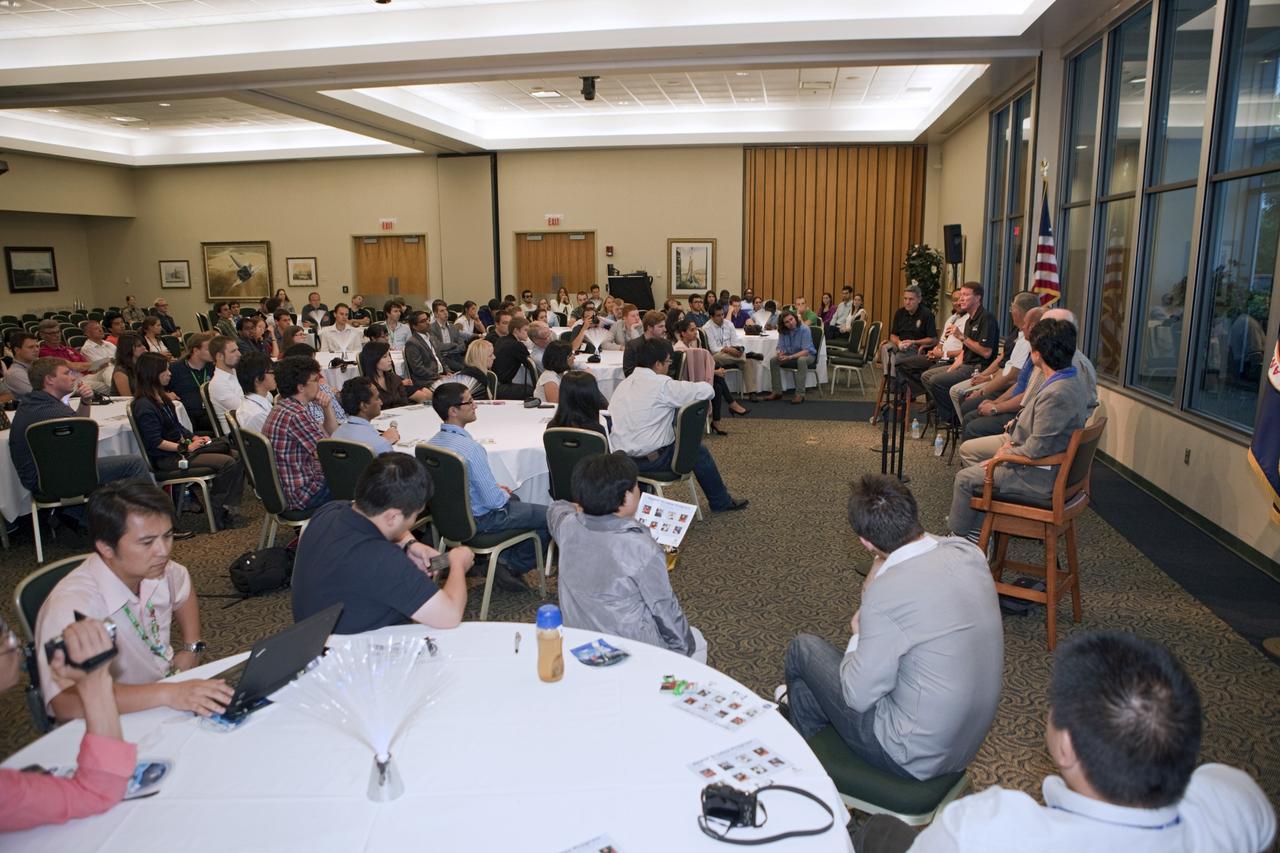
CAPE CANAVERAL, Fla. – Current and former NASA and international astronauts spoke to participants of the International Space University on the future of human spaceflight during a panel discussion at the Kennedy Space Center Visitor Complex in Florida. Participating in the discussion from left, are Kennedy Space Center Director Bob Cabana Winston Scott, dean of the College of Aeronautics at Florida Institute of Technology and former NASA astronaut Kent Rominger, vice president with Alliant Techsystems and former NASA astronaut Nicole Stott, NASA astronaut currently on detail at Kennedy Space Center Jim Voss, director of advanced programs at Sierra Nevada Corporation and former NASA astronaut Garrett Reisman, senior engineer with SpaceX and former NASA astronaut Ken Bowersox, former NASA astronaut and Chiaki Mukai, a Japan Aerospace Exploration Agency astronaut. The International Space University is a nine-week intensive course designed for post-graduate university students and professionals during the summer. The program is hosted by a different country each year, providing a unique educational experience for participants from around the world. NASA Kennedy Space Center and the Florida Institute of Technology in Melbourne, Fla., are co-hosting this year’s event which runs from June 4 to Aug. 3. There are about 125 participants representing 31 countries. For more information, visit http://www.isunet.edu. Photo credit: NASA/Kim Shiflett
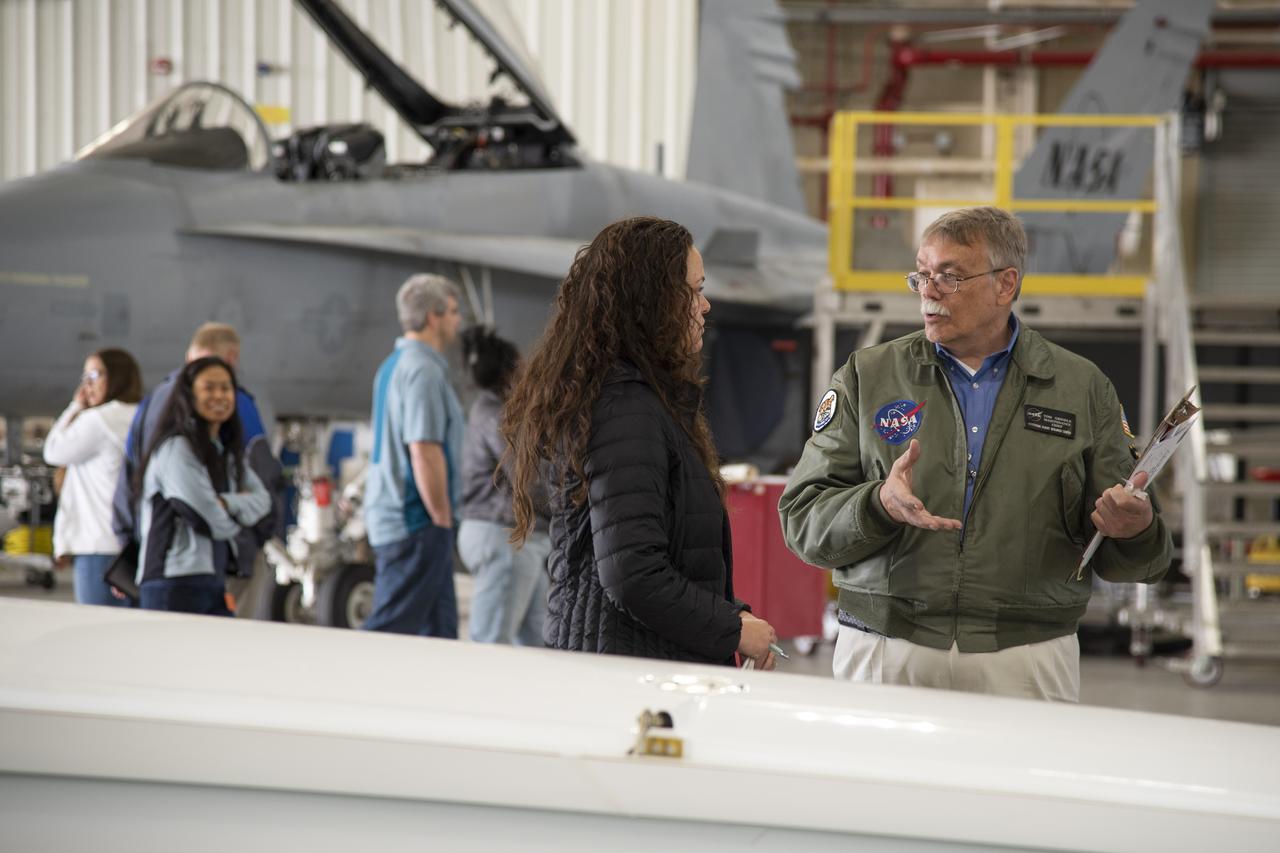
NASA Armstrong’s Chief of Maintenance, Tom Grindle, leads a tour inside the hangar with a group of teachers.
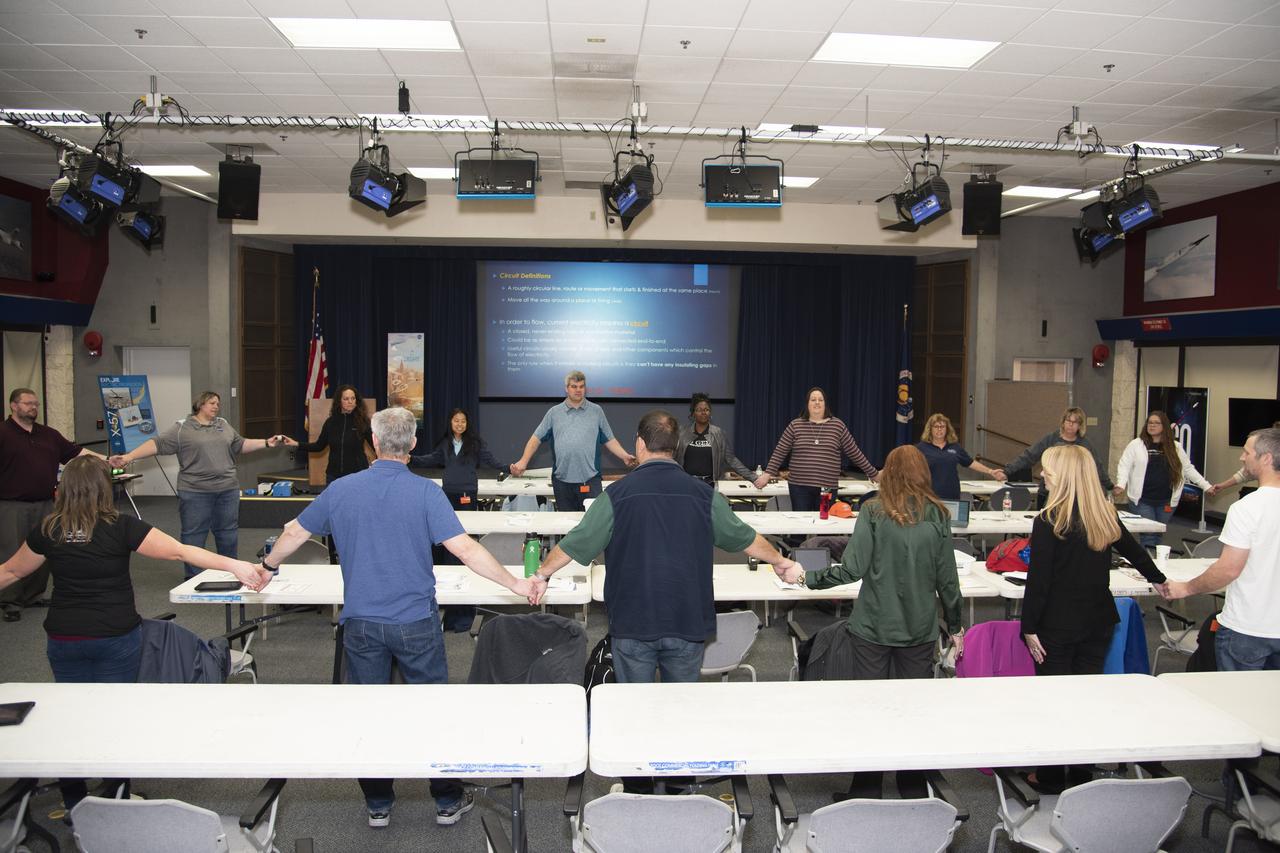
Barbara Buckner, NASA Armstrong's educator professional development specialist, leads a group exercise to form a human circuit to power an electric ball.
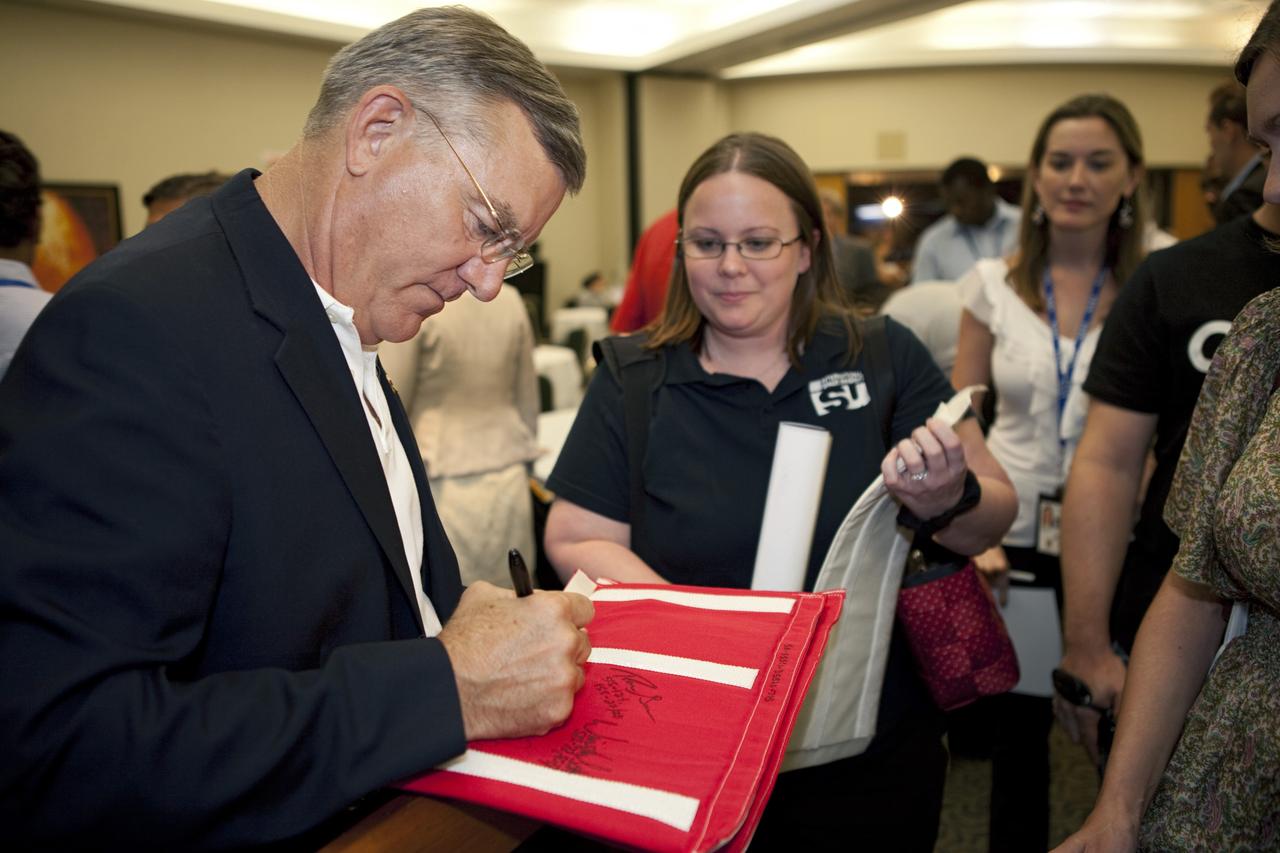
CAPE CANAVERAL, Fla. – Jim Voss, director of advanced programs at Sierra Nevada Corporation and former NASA astronaut, signs autographs and talks with participants of the International Space University during a panel discussion on the future of human spaceflight at the Kennedy Space Center Visitor Complex in Florida. The International Space University is a nine-week intensive course designed for post-graduate university students and professionals during the summer. The program is hosted by a different country each year, providing a unique educational experience for participants from around the world. NASA Kennedy Space Center and the Florida Institute of Technology in Melbourne, Fla., are co-hosting this year’s event which runs from June 4 to Aug. 3. There are about 125 participants representing 31 countries. For more information, visit http://www.isunet.edu. Photo credit: NASA/Kim Shiflett
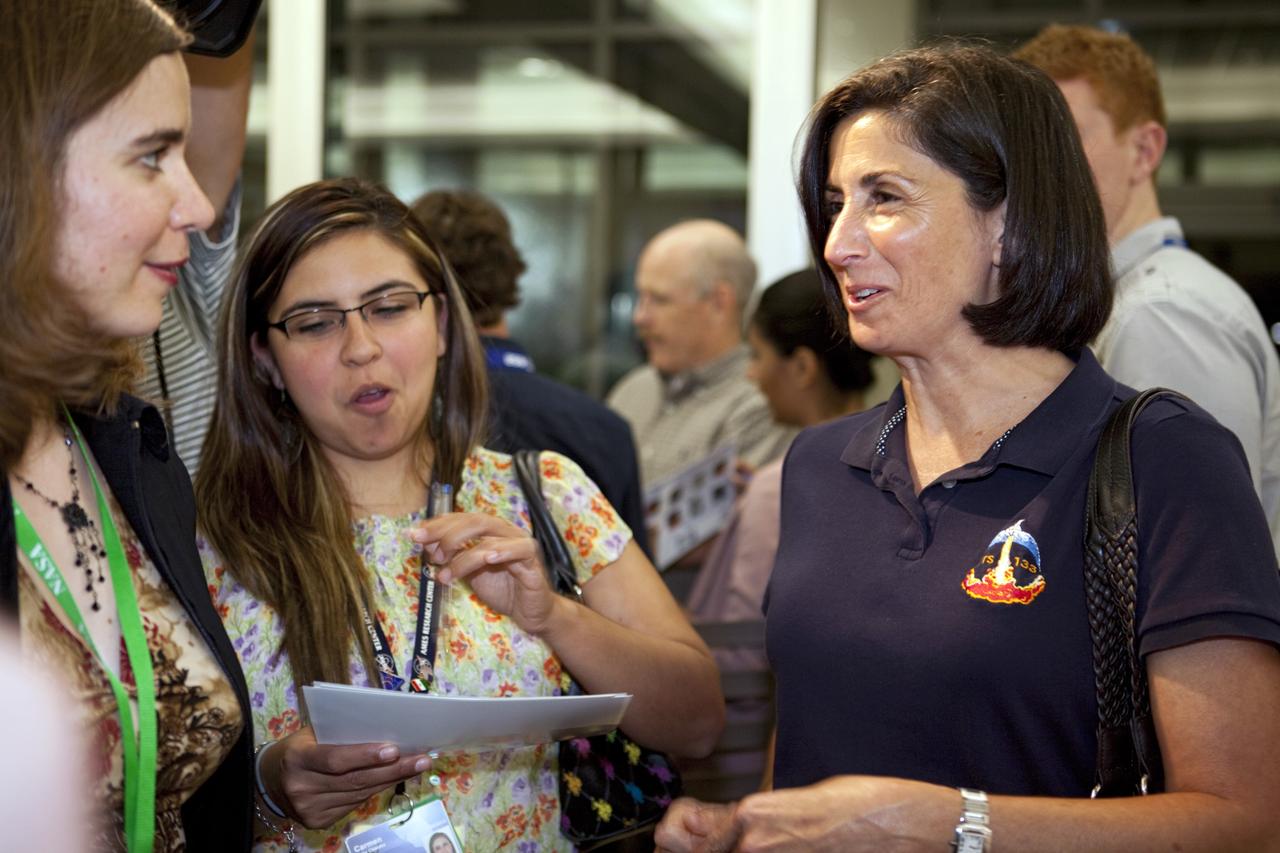
CAPE CANAVERAL, Fla. – NASA astronaut Nicole Stott, at right, signs autographs and talks with participants of the International Space University during a panel discussion on the future of human spaceflight at the Kennedy Space Center Visitor Complex in Florida. The International Space University is a nine-week intensive course designed for post-graduate university students and professionals during the summer. The program is hosted by a different country each year, providing a unique educational experience for participants from around the world. NASA Kennedy Space Center and the Florida Institute of Technology in Melbourne, Fla., are co-hosting this year’s event which runs from June 4 to Aug. 3. There are about 125 participants representing 31 countries. For more information, visit http://www.isunet.edu. Photo credit: NASA/Kim Shiflett
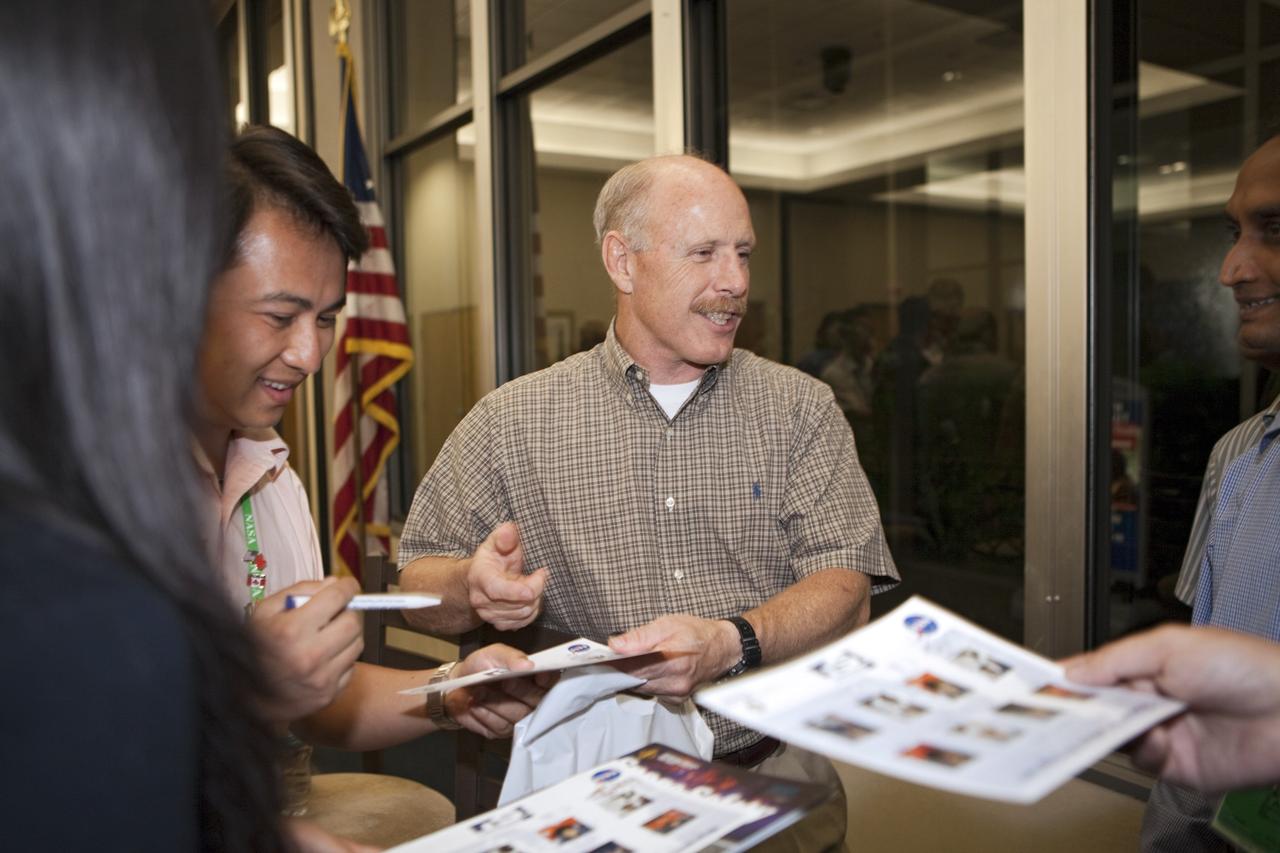
CAPE CANAVERAL, Fla. – Former NASA astronaut Ken Bowersox signs autographs and talks with participants of the International Space University during a panel discussion on the future of human spaceflight at the Kennedy Space Center Visitor Complex in Florida. The International Space University is a nine-week intensive course designed for post-graduate university students and professionals during the summer. The program is hosted by a different country each year, providing a unique educational experience for participants from around the world. NASA Kennedy Space Center and the Florida Institute of Technology in Melbourne, Fla., are co-hosting this year’s event which runs from June 4 to Aug. 3. There are about 125 participants representing 31 countries. For more information, visit http://www.isunet.edu. Photo credit: NASA/Kim Shiflett
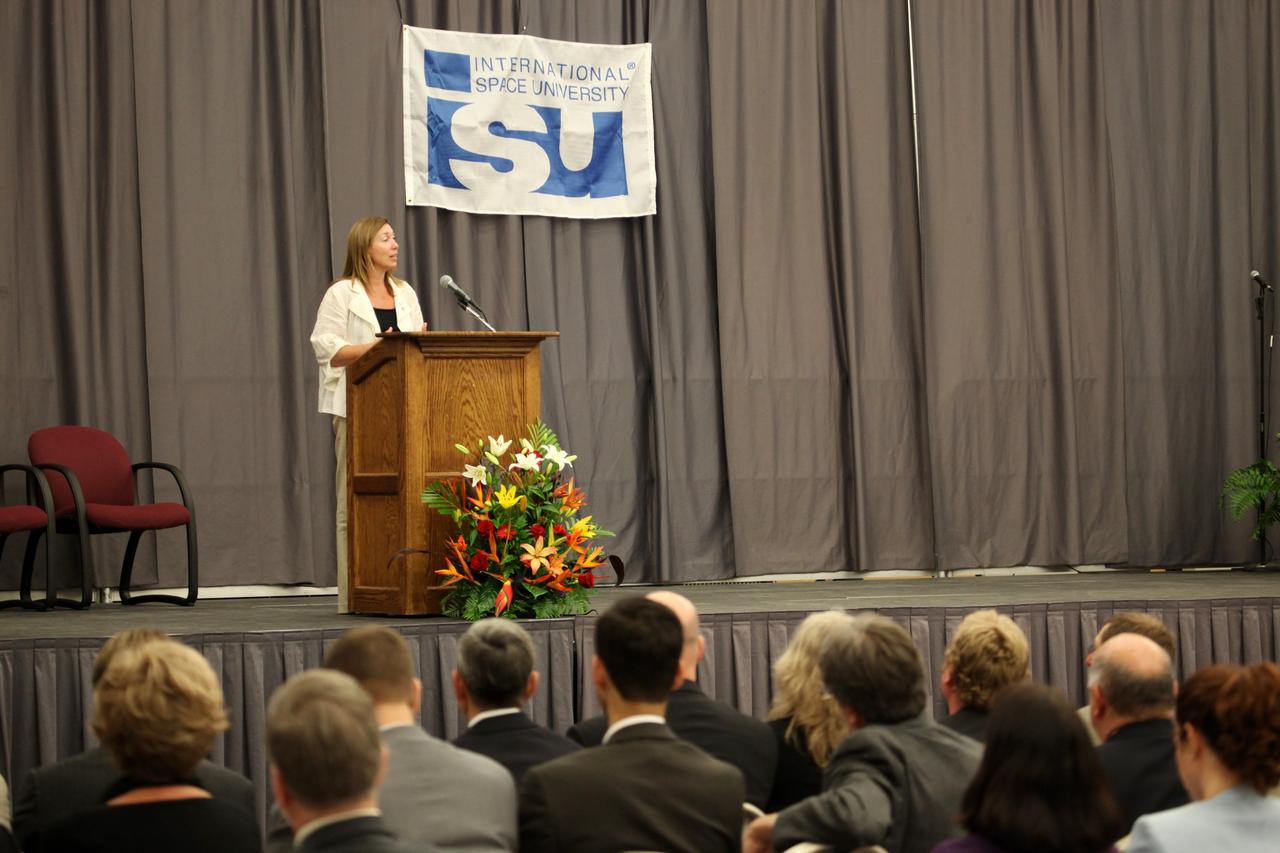
MELBOURNE, Fla. – NASA Deputy Administrator Lori Garver addresses the audience during opening ceremonies for the International Space University's 25th annual Space Studies Program session at the Florida Institute of Technology in Melbourne, Fla. The nine-week intensive course is designed for post-graduate university students and professionals during the summer. The program is hosted by a different country each year, providing a unique educational experience for participants from around the globe. NASA Kennedy Space Center and Florida Tech are co-hosting this year's event which runs from June 4 to Aug. 3. This year, there are about 125 participants representing 31 countries. For more information, visit http://www.isunet.edu. Photo credit: NASA/Dimitri Gerondidakis
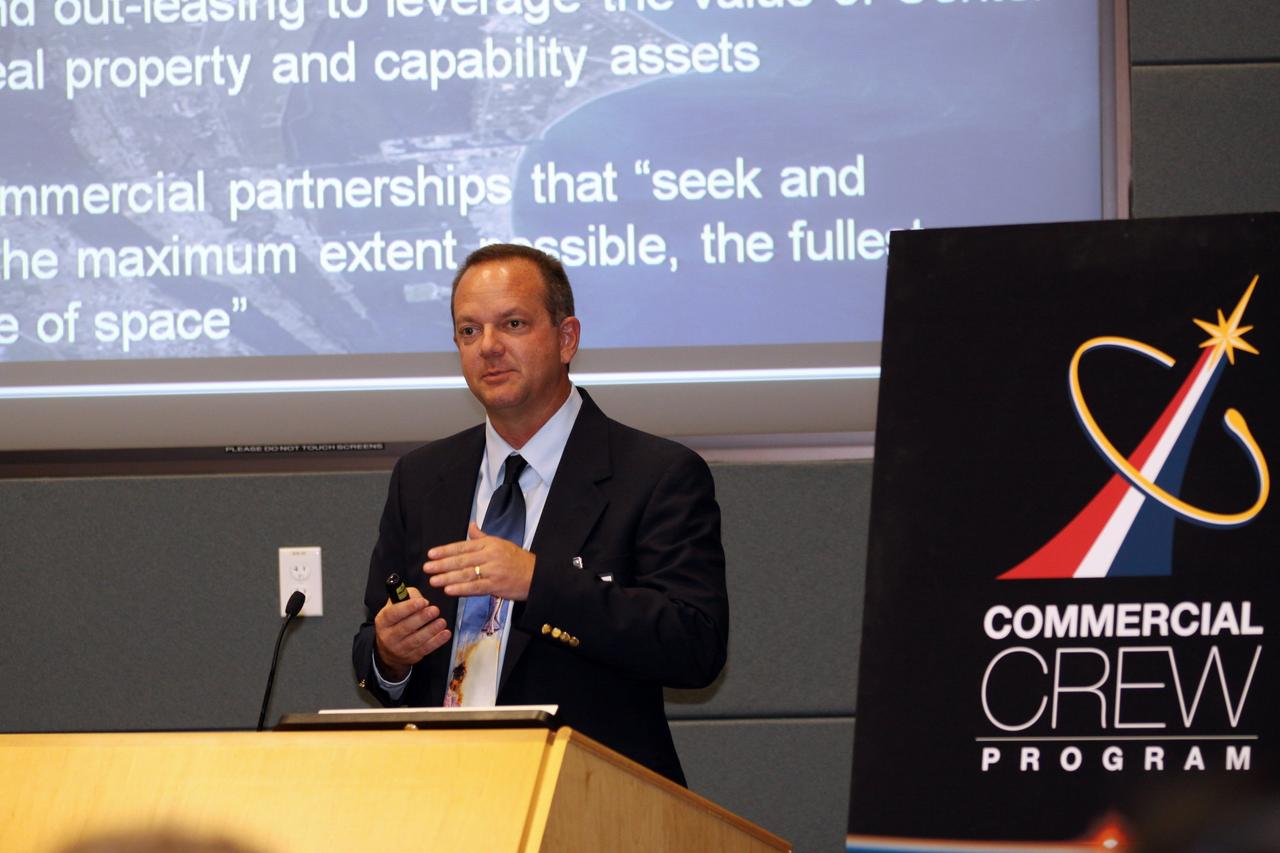
CAPE CANAVERAL, Fla. - Tom Engler, NASA's deputy manager of the Kennedy Space Center Planning and Development Office, provides an overview of the Commercial Crew Program for participants of the International Space University session on July 3 in Kennedy's Operations Support Building II. The International Space University is a nine-week intensive course designed for post-graduate university students and professionals during the summer. The program is hosted by a different country each year, providing a unique educational experience for participants from around the world. NASA Kennedy Space Center and the Florida Institute of Technology are co-hosting this year's event which runs from June 4 to Aug. 3. There are about 125 participants representing 31 countries. For more information, visit http://www.isunet.edu. Photo credit: NASA/Kim Shiflett
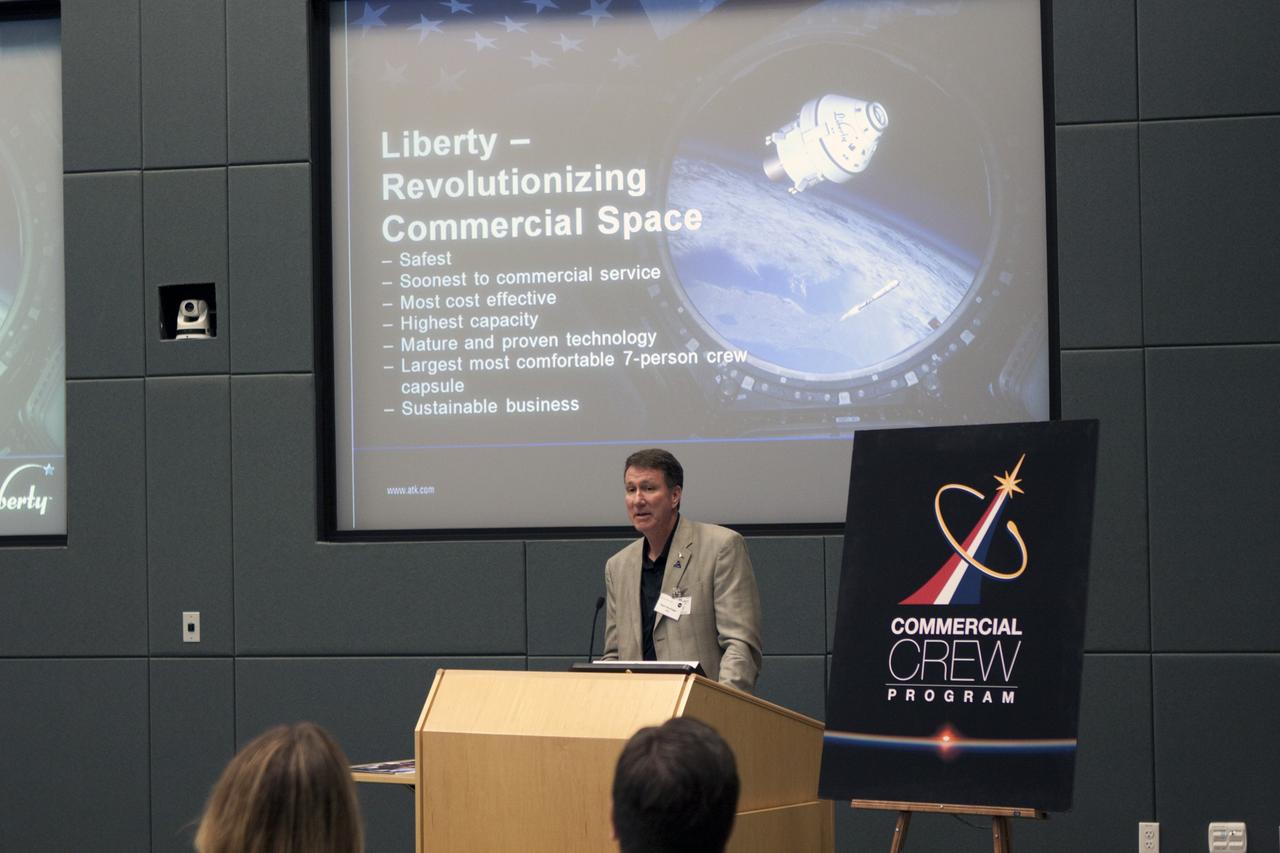
CAPE CANAVERAL, Fla. - Kent Rominger of Alliant Techsystems Inc., or ATK, addresses participants of the International Space University in a session in Operations Support Building II at the Kennedy Space Center, Fla., on July 3. Rominger served as pilot for three space shuttle missions and was commander on two. He retired from NASA in September 2006 to accept a position with ATK Launch Systems in Utah. The International Space University is a nine-week intensive course designed for post-graduate university students and professionals during the summer. The program is hosted by a different country each year, providing a unique educational experience for participants from around the world. NASA Kennedy Space Center and the Florida Institute of Technology are co-hosting this year's event which runs from June 4 to Aug. 3. There are about 125 participants representing 31 countries. For more information, visit http://www.isunet.edu Photo credit: NASA/Jim Grossmann
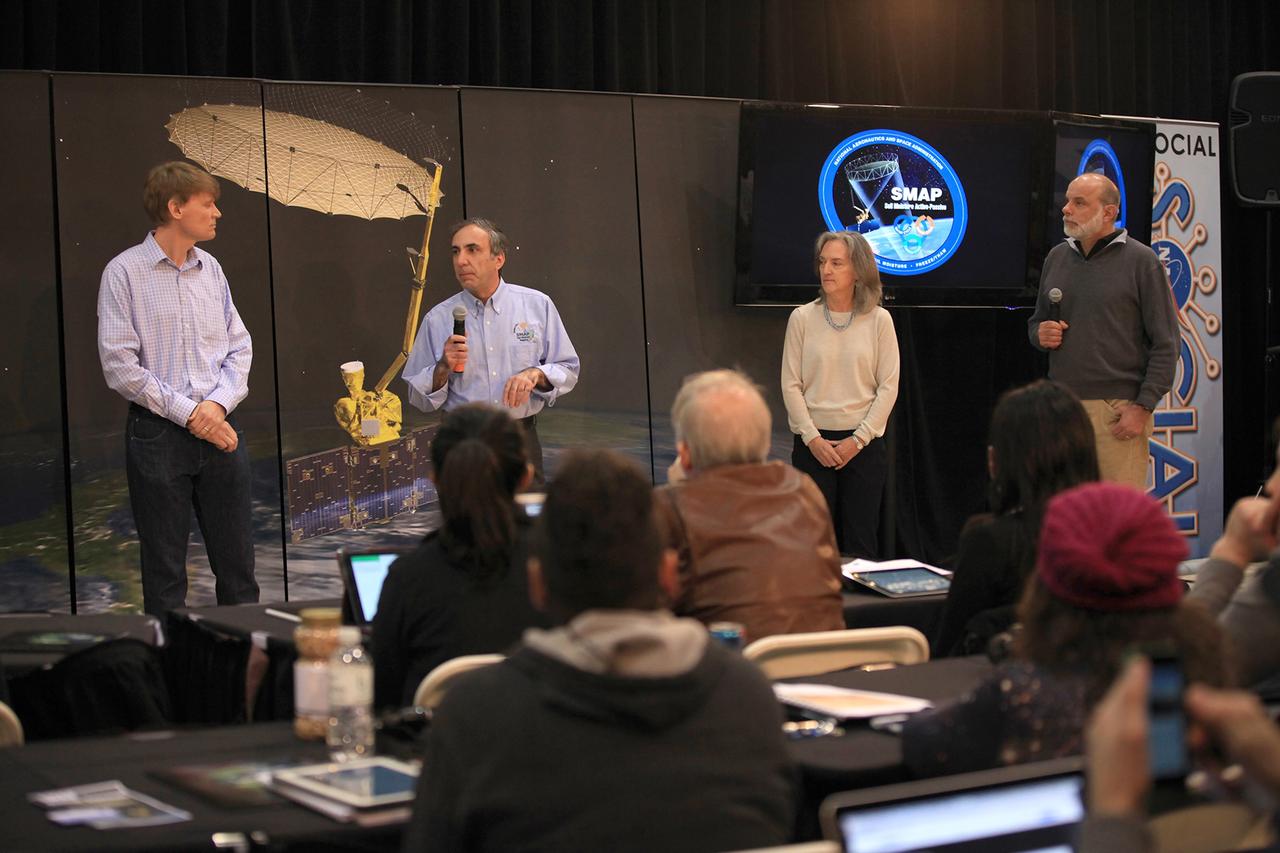
VANDENBERG AIR FORCE BASE, Calif. – Dara Entekhabi, science team leader at the Massachusetts Institute of Technology in Cambridge, Massachusetts, and other experts discuss the science and engineering of NASA's Soil Moisture Active Passive mission, or SMAP, with the audience of a NASA Social held at Vandenberg Air Force Base in California. This NASA Social brought together mission scientists and engineers with an audience of 70 students, educators, social media managers, bloggers, photographers and videographers who were selected from a pool of 325 applicants from 45 countries to participate in launch activities and communicate their experience with social media followers. The SMAP mission is scheduled to launch from Vandenberg on Jan. 29. To learn more about SMAP, visit http://www.nasa.gov/smap. Photo credit: NASA/Kim Shiflett
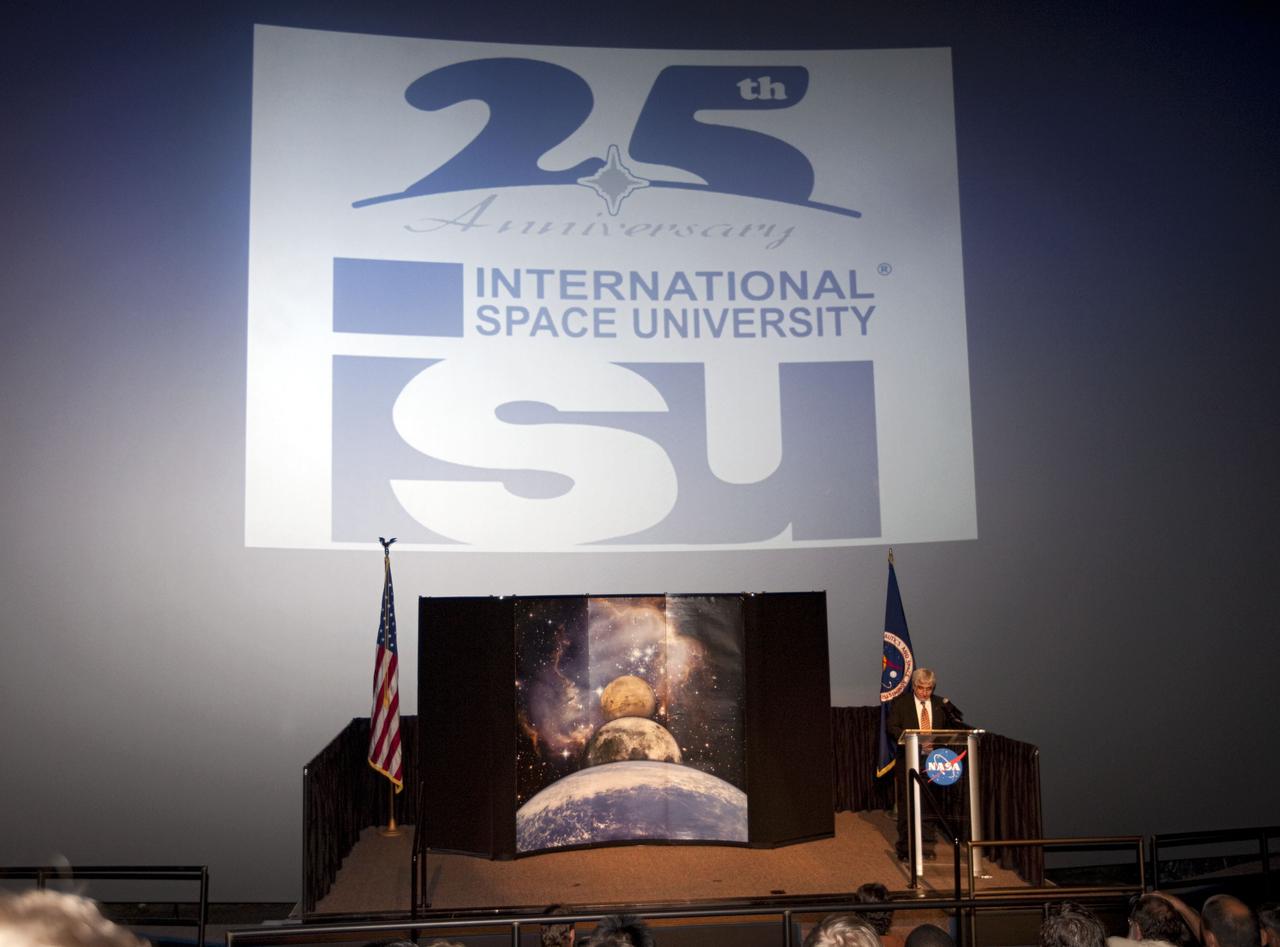
CAPE CANAVERAL, Fla. – Gary Martin, 2012 director of Space Studies Program for the International Space University, or ISU, welcomes graduates and guest gather for the closing ceremonies for the ISU at the Kennedy Space center Visitor Complex on Aug. 3, 2012. The International Space University is a nine-week intensive course designed for post-graduate university students and professionals during the summer. The program is hosted by a different country each year, providing a unique educational experience for participants from around the world. NASA Kennedy Space Center and the Florida Institute of Technology co-hosted this year's event which ran from June 4 to Aug. 3. There were about 125 participants representing 31 countries. For more information, visit http://www.isunet.edu Photo credit: NASA/Kim Shiflett
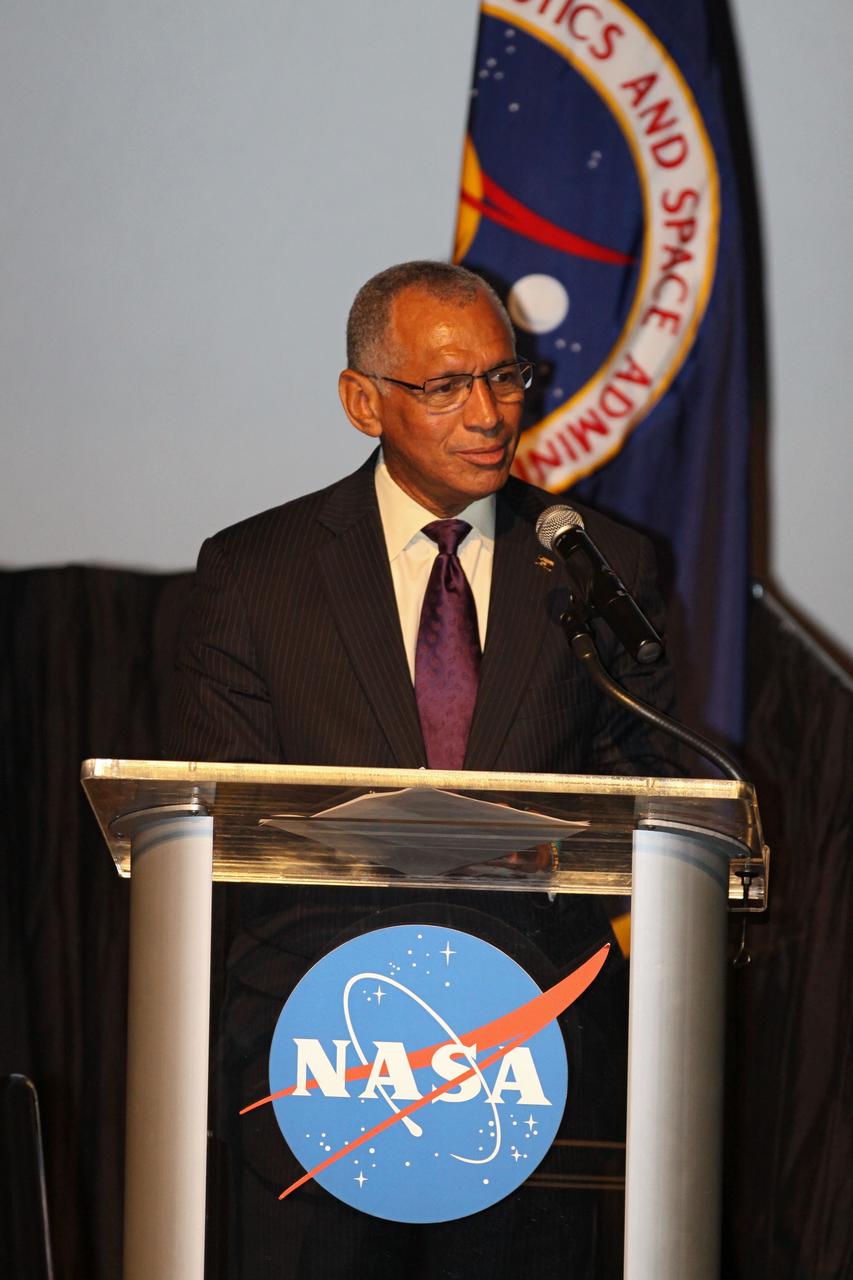
CAPE CANAVERAL, Fla. –NASA Administrator Charles Bolden delivers the keynote address during closing ceremonies for the International Space University at the Kennedy Space center Visitor Complex on Aug. 3, 2012. The International Space University is a nine-week intensive course designed for post-graduate university students and professionals during the summer. The program is hosted by a different country each year, providing a unique educational experience for participants from around the world. NASA Kennedy Space Center and the Florida Institute of Technology co-hosted this year's event which ran from June 4 to Aug. 3. There were about 125 participants representing 31 countries. For more information, visit http://www.isunet.edu Photo credit: NASA/Kim Shiflett
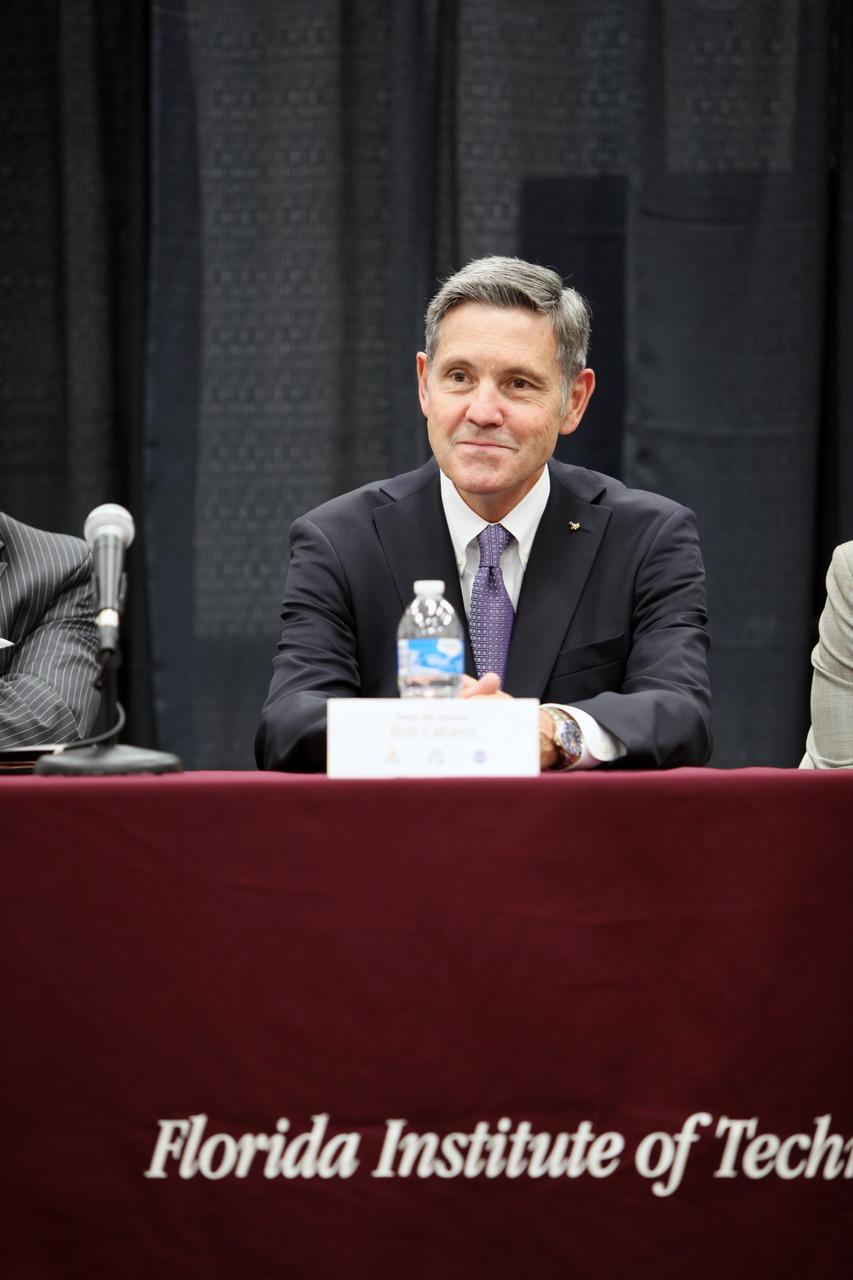
MELBOURNE, Fla. – NASA Kennedy Space Center Director Bob Cabana participates in the opening ceremonies for the International Space University's 25th annual Space Studies Program session at the Florida Institute of Technology in Melbourne, Fla. The nine-week intensive course is designed for post-graduate university students and professionals during the summer. The program is hosted by a different country each year, providing a unique educational experience for participants from around the globe. NASA Kennedy Space Center and Florida Tech are co-hosting this year's event which runs from June 4 to Aug. 3. This year, there are about 125 participants representing 31 countries. For more information, visit http://www.isunet.edu. Photo credit: NASA/Dimitri Gerondidakis
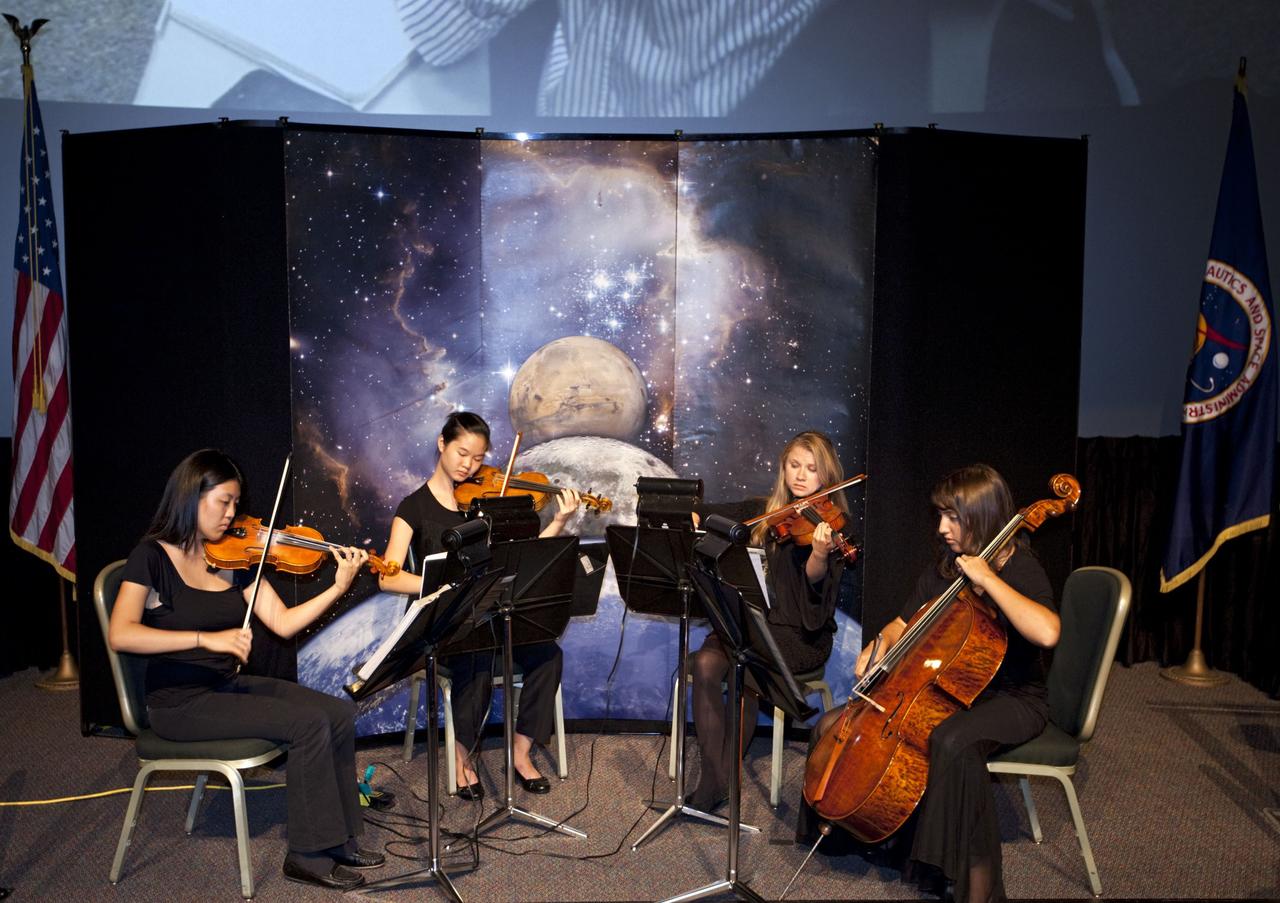
CAPE CANAVERAL, Fla. – A string quartet from the Brevard Symphony Orchestra performed for graduates and guests at the closing ceremonies for the International Space University at the Kennedy Space center Visitor Complex on Aug. 3, 2012. The International Space University is a nine-week intensive course designed for post-graduate university students and professionals during the summer. The program is hosted by a different country each year, providing a unique educational experience for participants from around the world. NASA Kennedy Space Center and the Florida Institute of Technology co-hosted this year's event which ran from June 4 to Aug. 3. There were about 125 participants representing 31 countries. For more information, visit http://www.isunet.edu Photo credit: NASA/Kim Shiflett
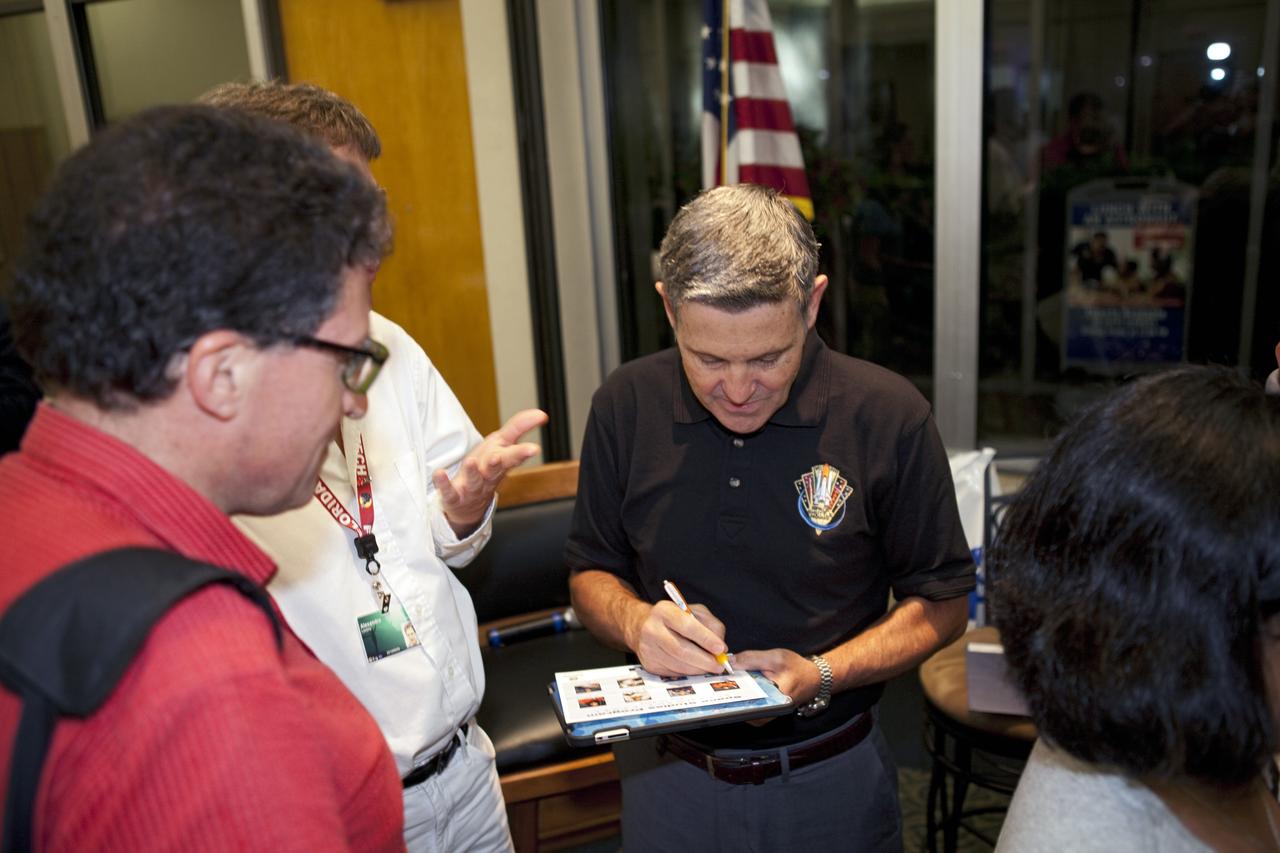
CAPE CANAVERAL, Fla. – Kennedy Space Center Director and former NASA astronaut Bob Cabana signs autographs and talks with participants of the International Space University during a panel discussion on the future of human spaceflight at the Kennedy Space Center Visitor Complex in Florida. The International Space University is a nine-week intensive course designed for post-graduate university students and professionals during the summer. The program is hosted by a different country each year, providing a unique educational experience for participants from around the world. NASA Kennedy Space Center and the Florida Institute of Technology in Melbourne, Fla., are co-hosting this year’s event which runs from June 4 to Aug. 3. There are about 125 participants representing 31 countries. For more information, visit http://www.isunet.edu. Photo credit: NASA/Kim Shiflett
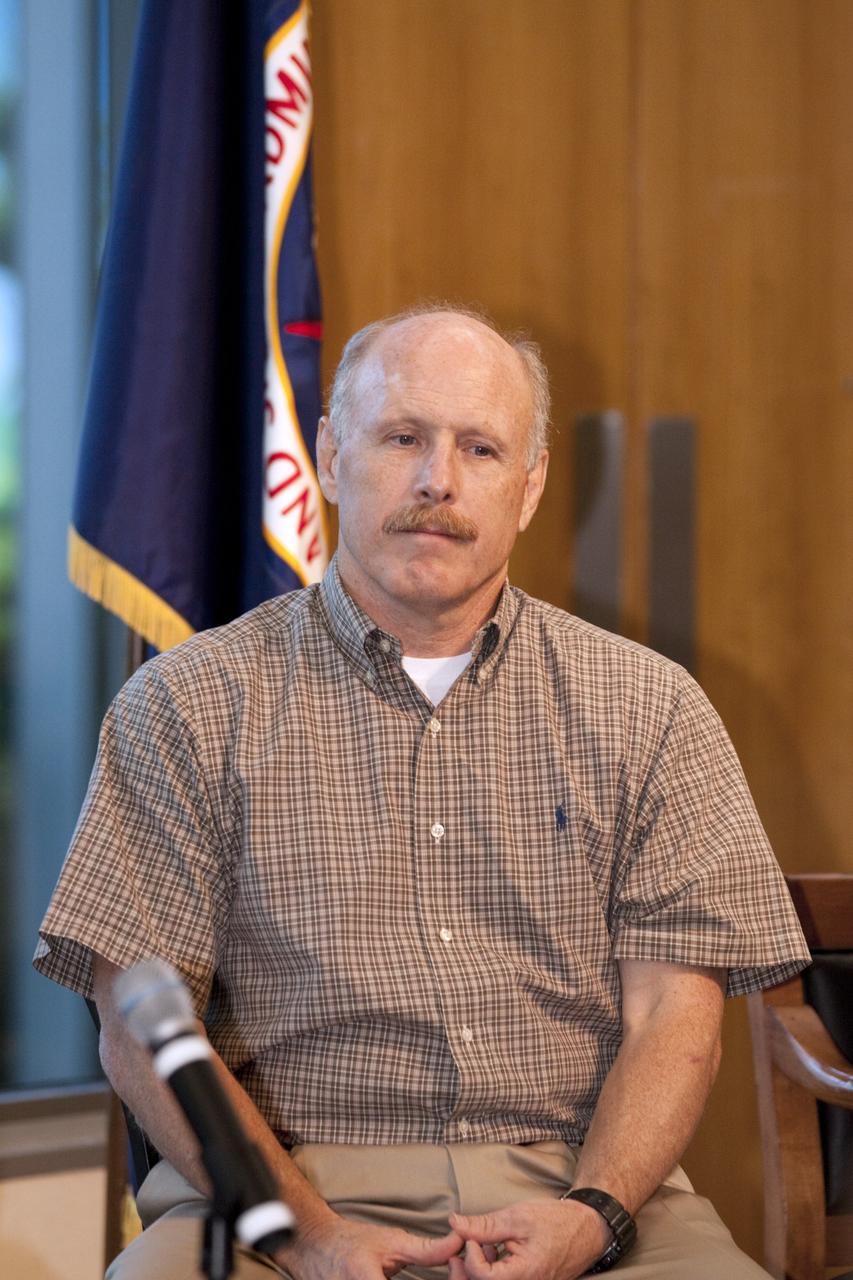
CAPE CANAVERAL, Fla. – Current and former NASA and international astronauts spoke to participants of the International Space University on the future of human spaceflight during a panel discussion at the Kennedy Space Center Visitor Complex in Florida. Participating in the discussion is Ken Bowersox, former NASA astronaut. The International Space University is a nine-week intensive course designed for post-graduate university students and professionals during the summer. The program is hosted by a different country each year, providing a unique educational experience for participants from around the world. NASA Kennedy Space Center and the Florida Institute of Technology in Melbourne, Fla., are co-hosting this year’s event which runs from June 4 to Aug. 3. There are about 125 participants representing 31 countries. For more information, visit http://www.isunet.edu. Photo credit: NASA/Kim Shiflett
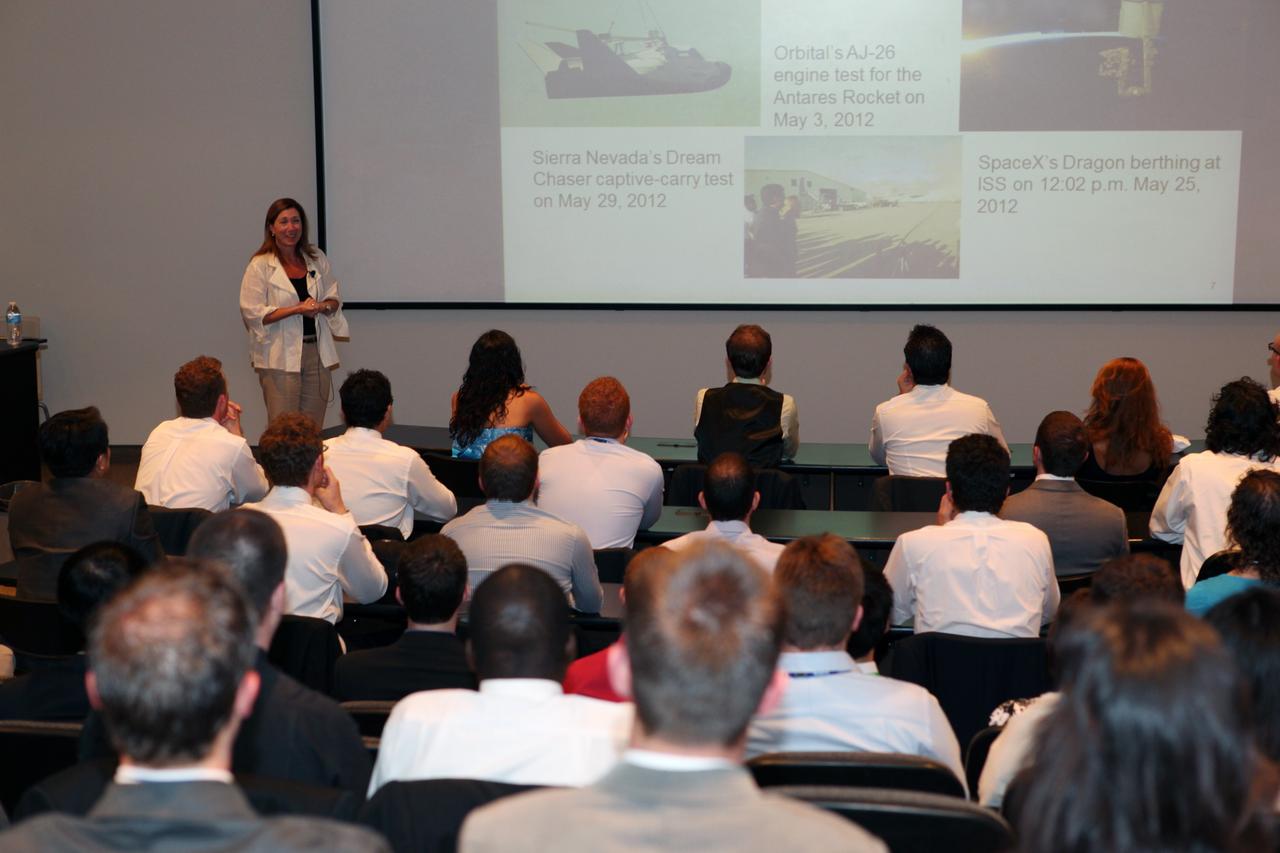
MELBOURNE, Fla. – NASA Deputy Administrator Lori Garver addresses students on the opening day of the International Space University's 25th annual Space Studies Program session at the Florida Institute of Technology in Melbourne, Fla. The nine-week intensive course is designed for post-graduate university students and professionals during the summer. The program is hosted by a different country each year, providing a unique educational experience for participants from around the globe. NASA Kennedy Space Center and Florida Tech are co-hosting this year's event which runs from June 4 to Aug. 3. This year, there are about 125 participants representing 31 countries. For more information, visit http://www.isunet.edu. Photo credit: NASA/Dimitri Gerondidakis
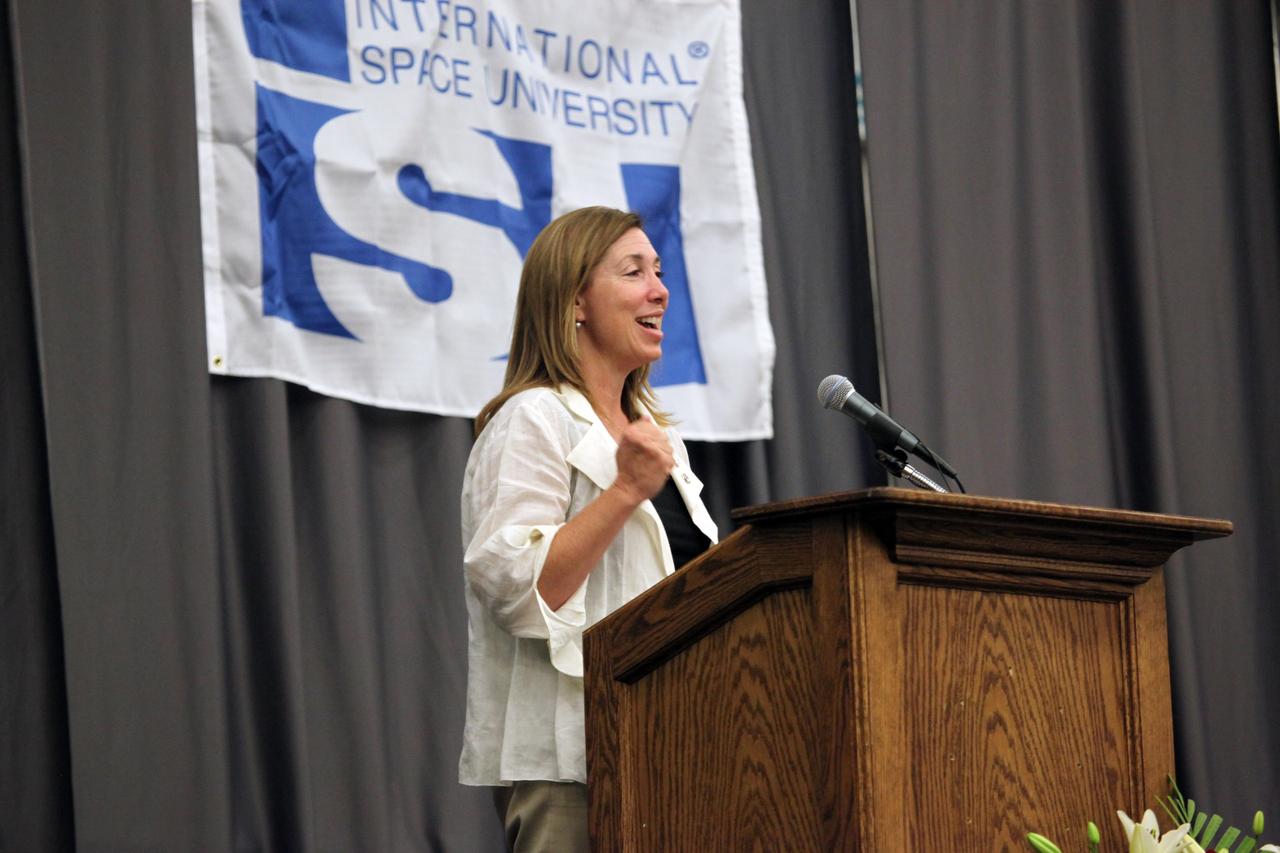
MELBOURNE, Fla. – NASA Deputy Administrator Lori Garver addresses the audience during opening ceremonies for the International Space University's 25th annual Space Studies Program session at the Florida Institute of Technology in Melbourne, Fla. The nine-week intensive course is designed for post-graduate university students and professionals during the summer. The program is hosted by a different country each year, providing a unique educational experience for participants from around the globe. NASA Kennedy Space Center and Florida Tech are co-hosting this year's event which runs from June 4 to Aug. 3. This year, there are about 125 participants representing 31 countries. For more information, visit http://www.isunet.edu. Photo credit: NASA/Dimitri Gerondidakis
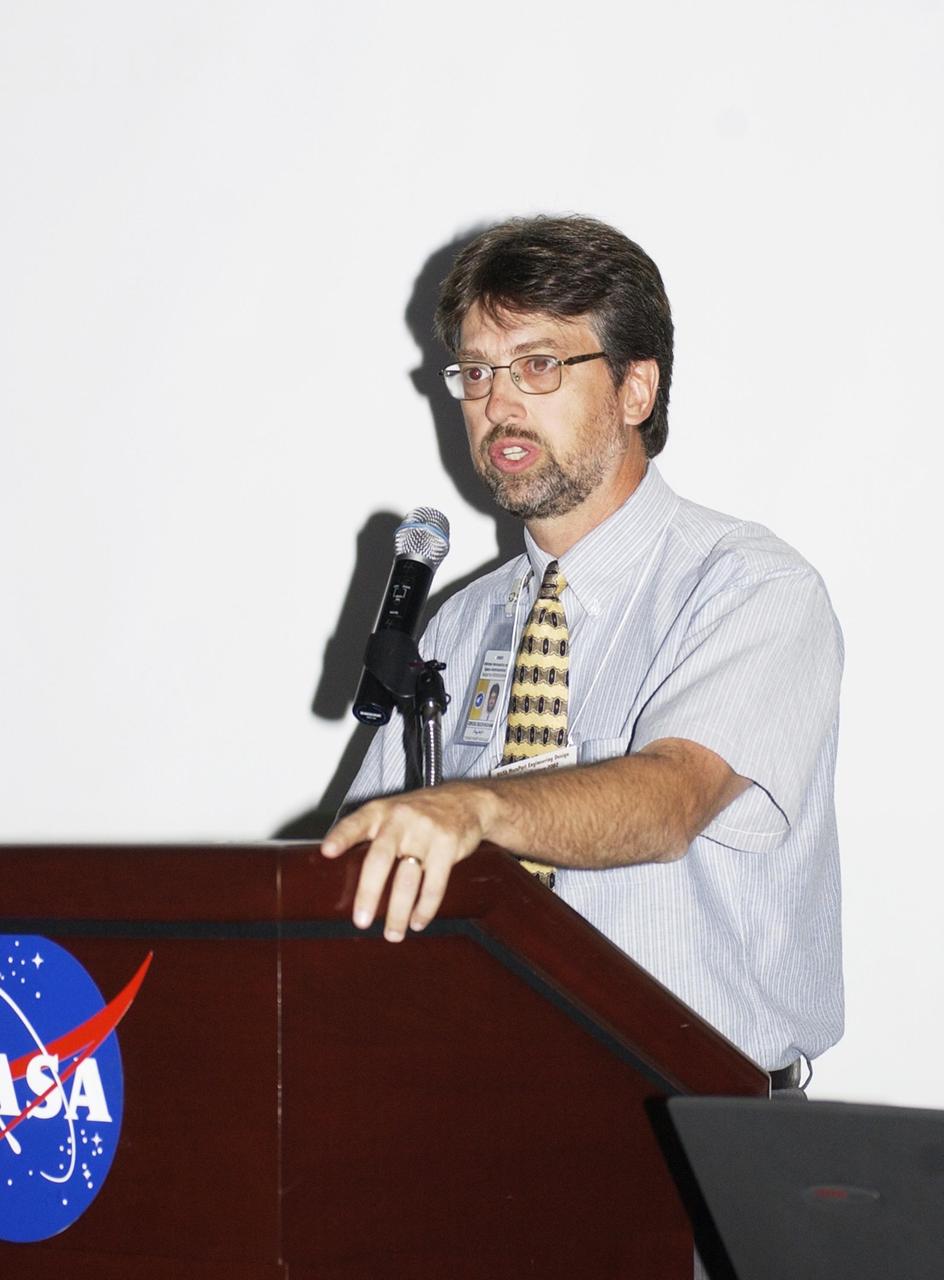
KENNEDY SPACE CENTER, FLA. -- Gregg Buckingham, with KSC's Center for Space Education, addresses participants in this year's NASA MarsPort Engineering Design Student Competition 2002 conference at the KSC Visitor Complex, organized by the Florida Space Grant Consortium. Students and faculty from the nation's universities converged at Kennedy for the MarsPort Competition, presenting papers on engineering trade studies to design optimal configurations for a MarsPort Deployable Greenhouse for operation on the surface of Mars. Judges in the competition were from KSC, Dynamac Corporation and Florida Institute of Technology. The winning team's innovative ideas will be used by NASA to evaluate and study other engineering trade concepts. Also featured at the opening ceremony were Dr. Sam Durrance, FSGC director and former astronaut, and Dr. Gary Stutte, plant scientist, Dynamac Corporation.
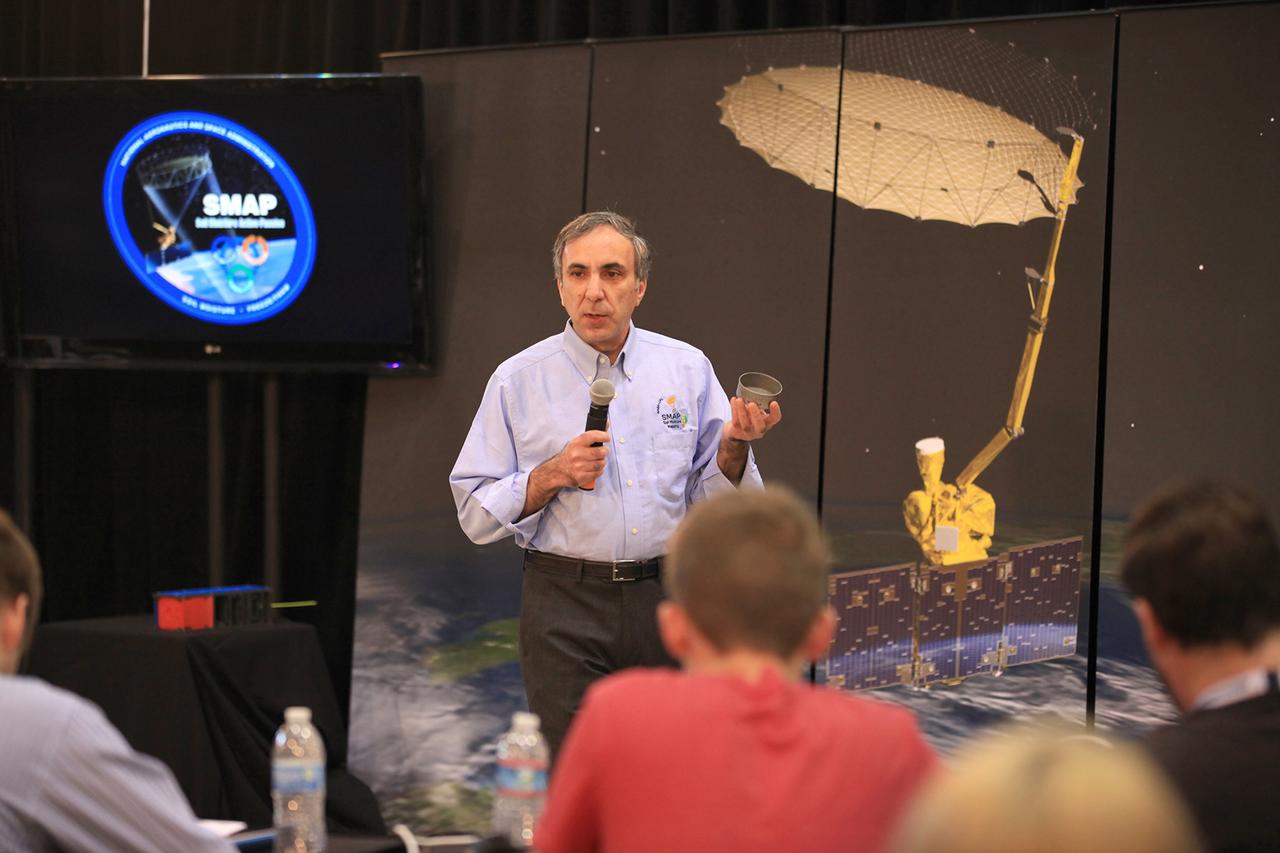
VANDENBERG AIR FORCE BASE, Calif. – Dara Entekhabi, science team leader at the Massachusetts Institute of Technology in Cambridge, Massachusetts, discusses the science and engineering of NASA's Soil Moisture Active Passive mission, or SMAP, with the audience of a NASA Social held at Vandenberg Air Force Base in California. This NASA Social brought together mission scientists and engineers with an audience of 70 students, educators, social media managers, bloggers, photographers and videographers who were selected from a pool of 325 applicants from 45 countries to participate in launch activities and communicate their experience with social media followers. The SMAP mission is scheduled to launch from Vandenberg on Jan. 29. To learn more about SMAP, visit http://www.nasa.gov/smap. Photo credit: NASA/Kim Shiflett
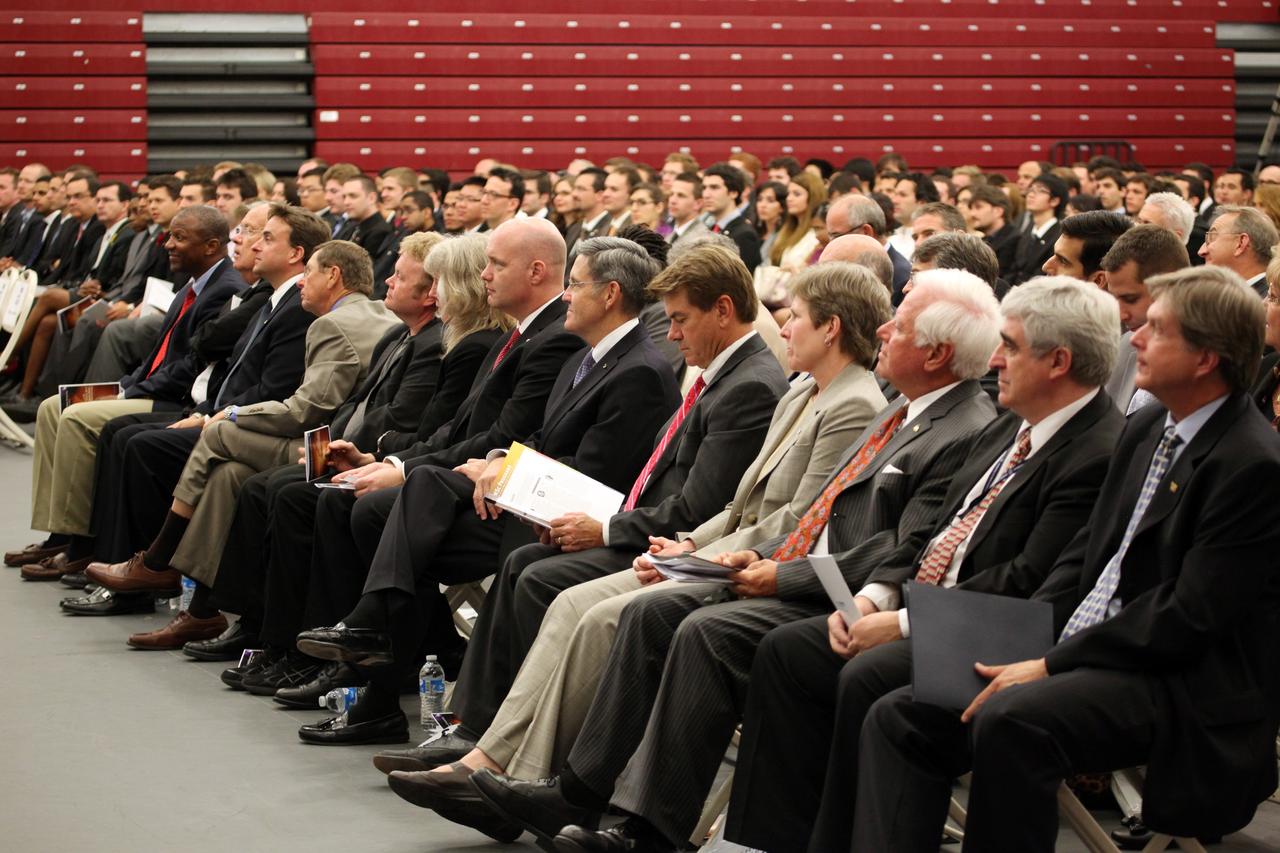
MELBOURNE, Fla. – NASA Deputy Administrator Lori Garver has a rapt audience of space program managers and students for her remarks during opening ceremonies for the International Space University's 25th annual Space Studies Program session at the Florida Institute of Technology in Melbourne, Fla. The nine-week intensive course is designed for post-graduate university students and professionals during the summer. The program is hosted by a different country each year, providing a unique educational experience for participants from around the globe. NASA Kennedy Space Center and Florida Tech are co-hosting this year's event which runs from June 4 to Aug. 3. This year, there are about 125 participants representing 31 countries. For more information, visit http://www.isunet.edu. Photo credit: NASA/Dimitri Gerondidakis
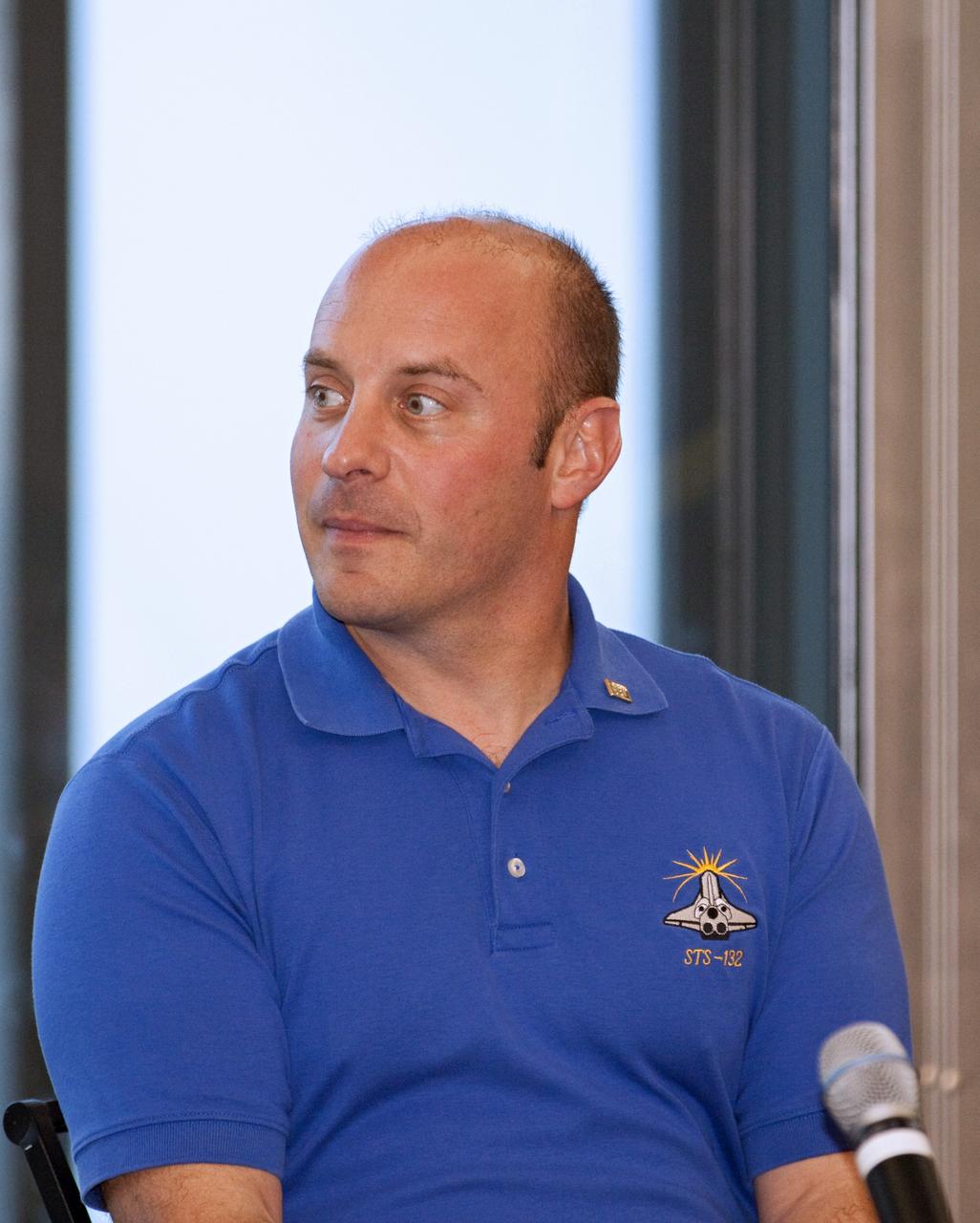
CAPE CANAVERAL, Fla. – Current and former NASA and international astronauts spoke to participants of the International Space University on the future of human spaceflight during a panel discussion at the Kennedy Space Center Visitor Complex in Florida. Participating in the discussion is Garrett Reisman, senior engineer with SpaceX and former NASA astronaut. The International Space University is a nine-week intensive course designed for post-graduate university students and professionals during the summer. The program is hosted by a different country each year, providing a unique educational experience for participants from around the world. NASA Kennedy Space Center and the Florida Institute of Technology in Melbourne, Fla., are co-hosting this year’s event which runs from June 4 to Aug. 3. There are about 125 participants representing 31 countries. For more information, visit http://www.isunet.edu. Photo credit: NASA/Kim Shiflett
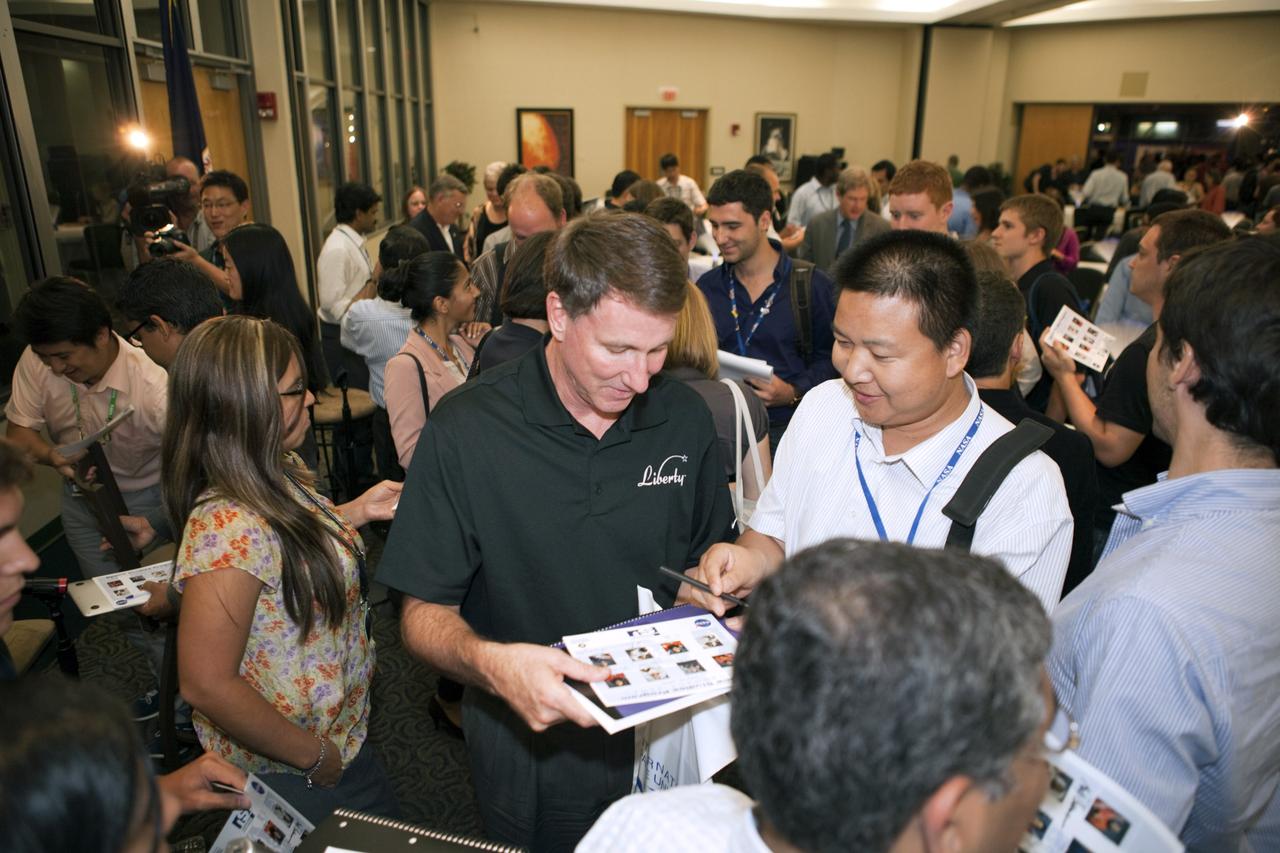
CAPE CANAVERAL, Fla. – Kent Rominger, vice president with Alliant Techsystems and former NASA astronaut, signs autographs and talks with participants of the International Space University during a panel discussion on the future of human spaceflight at the Kennedy Space Center Visitor Complex in Florida. The International Space University is a nine-week intensive course designed for post-graduate university students and professionals during the summer. The program is hosted by a different country each year, providing a unique educational experience for participants from around the world. NASA Kennedy Space Center and the Florida Institute of Technology in Melbourne, Fla., are co-hosting this year’s event which runs from June 4 to Aug. 3. There are about 125 participants representing 31 countries. For more information, visit http://www.isunet.edu. Photo credit: NASA/Kim Shiflett
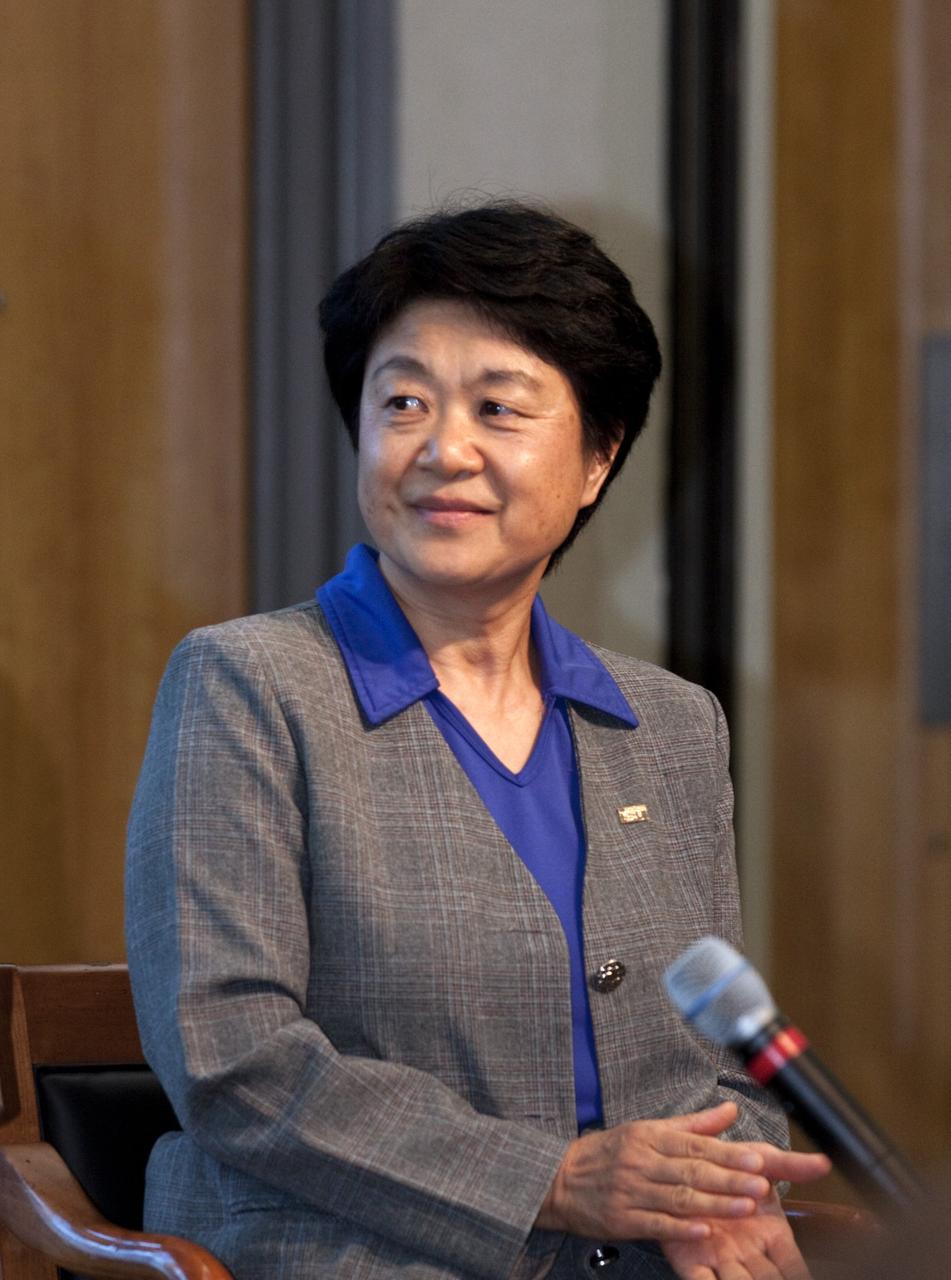
CAPE CANAVERAL, Fla. – Current and former NASA and international astronauts spoke to participants of the International Space University on the future of human spaceflight during a panel discussion at the Kennedy Space Center Visitor Complex in Florida. Participating in the discussion is Chiaki Mukai, a Japan Aerospace Exploration Agency astronaut. The International Space University is a nine-week intensive course designed for post-graduate university students and professionals during the summer. The program is hosted by a different country each year, providing a unique educational experience for participants from around the world. NASA Kennedy Space Center and the Florida Institute of Technology in Melbourne, Fla., are co-hosting this year’s event which runs from June 4 to Aug. 3. There are about 125 participants representing 31 countries. For more information, visit http://www.isunet.edu. Photo credit: NASA/Kim Shiflett
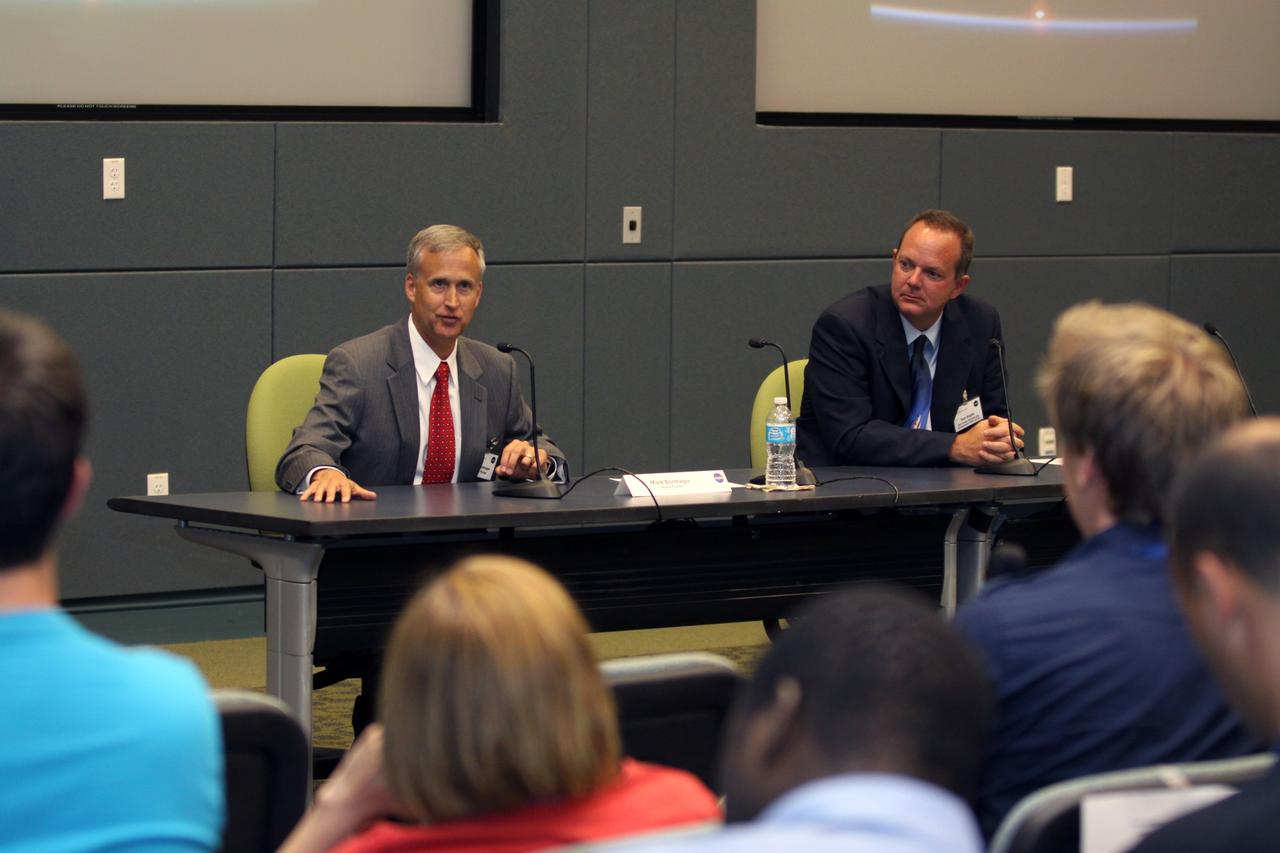
CAPE CANAVERAL, Fla. - From the left, Mark Bontrager, vice president of Spaceport Operations at Space Florida, and Tom Engler, NASA's deputy manager of the Kennedy Space Center Planning and Development Office, participate in a panel discussion during an International Space University session in Kennedy's Operations Support Building II on July 3. The International Space University is a nine-week intensive course designed for post-graduate university students and professionals during the summer. The program is hosted by a different country each year, providing a unique educational experience for participants from around the world. NASA Kennedy Space Center and the Florida Institute of Technology are co-hosting this year's event which runs from June 4 to Aug. 3. There are about 125 participants representing 31 countries. For more information, visit http://www.isunet.edu. Photo credit: NASA/Kim Shiflett
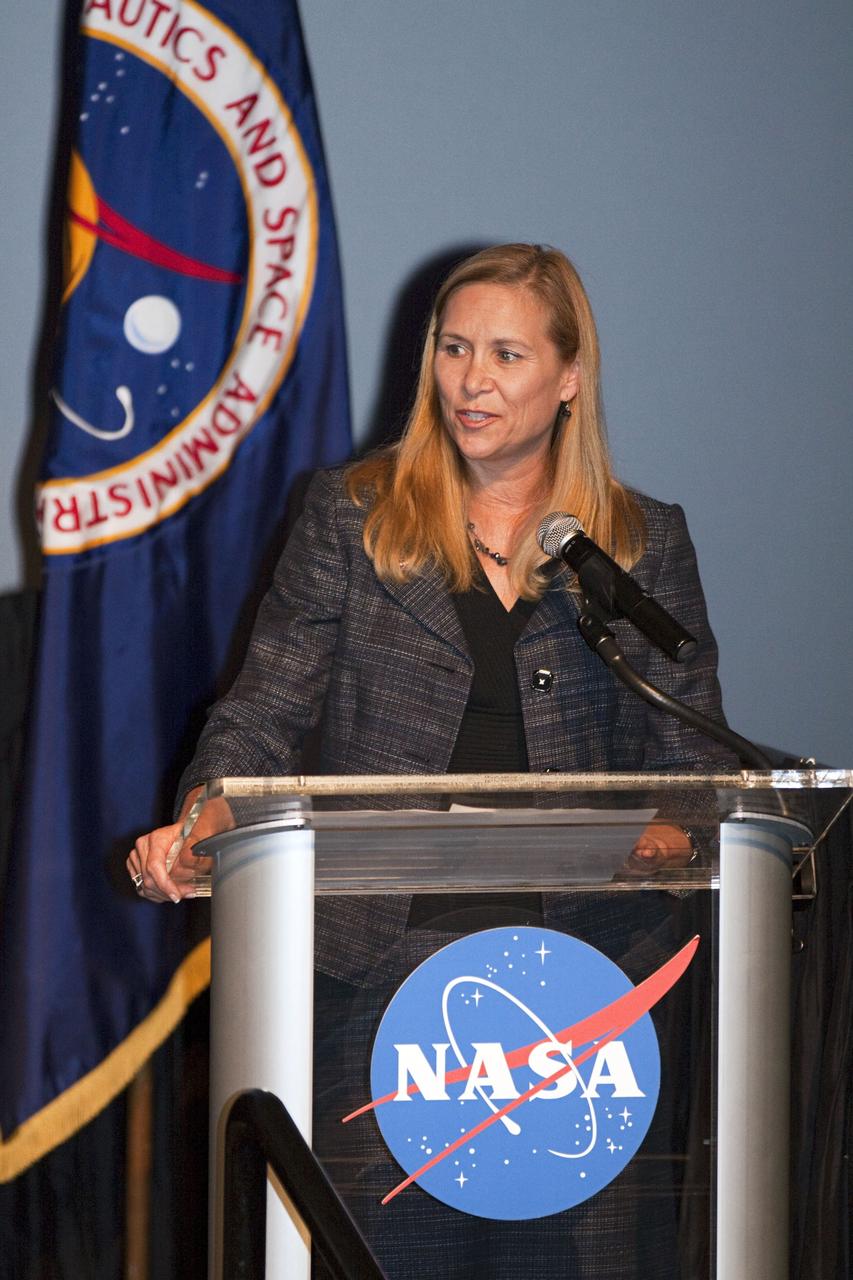
CAPE CANAVERAL, Fla. –Kennedy Space Center Deputy Director Janet Petro speaks to graduates and guests who gathered for the closing ceremonies for the International Space University at the Kennedy Space center Visitor Complex on Aug. 3, 2012. The International Space University is a nine-week intensive course designed for post-graduate university students and professionals during the summer. The program is hosted by a different country each year, providing a unique educational experience for participants from around the world. NASA Kennedy Space Center and the Florida Institute of Technology co-hosted this year's event which ran from June 4 to Aug. 3. There were about 125 participants representing 31 countries. For more information, visit http://www.isunet.edu Photo credit: NASA/Kim Shiflett
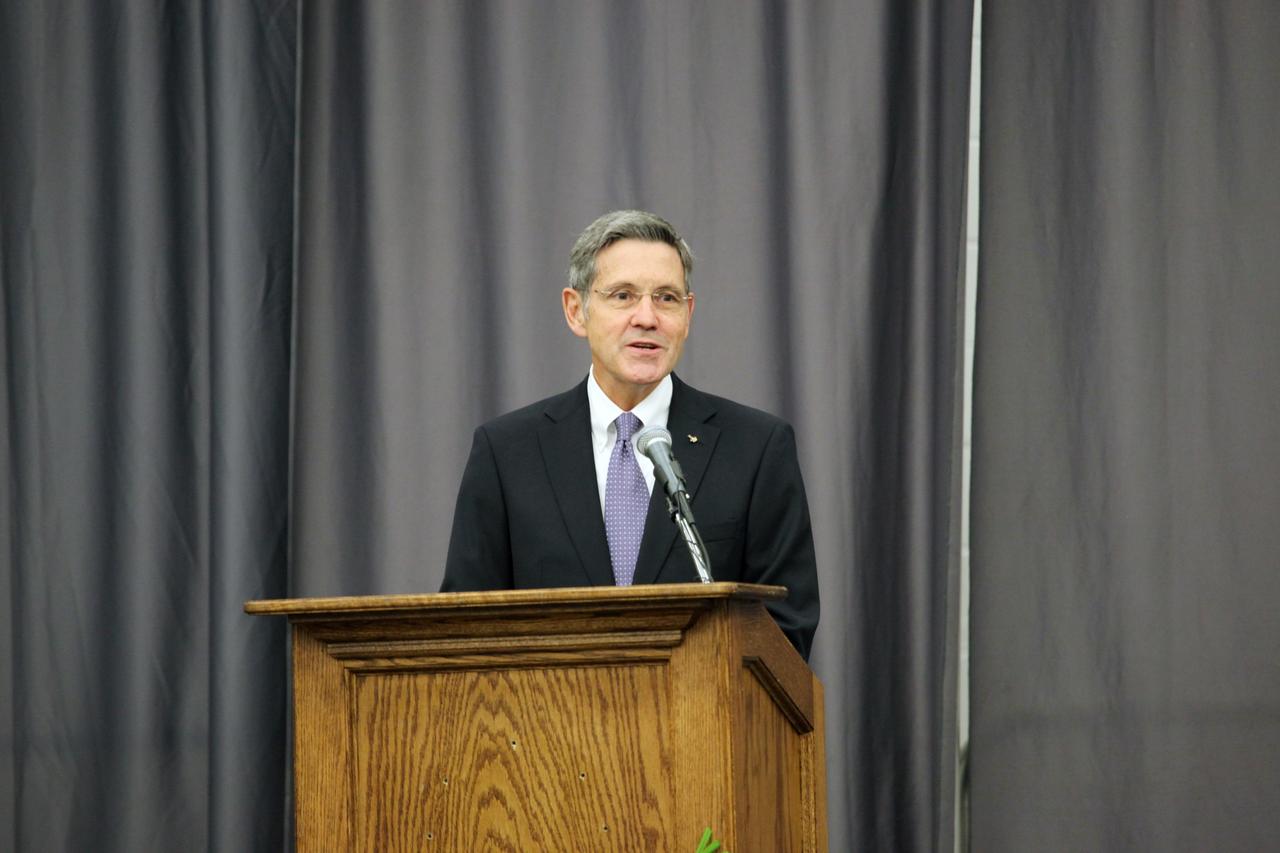
MELBOURNE, Fla. – NASA Kennedy Space Center Director and former astronaut Bob Cabana addresses the audience during opening ceremonies for the university's 25th annual Space Studies Program session at the Florida Institute of Technology in Melbourne, Fla. The nine-week intensive course is designed for post-graduate university students and professionals during the summer. The program is hosted by a different country each year, providing a unique educational experience for participants from around the globe. NASA Kennedy Space Center and Florida Tech are co-hosting this year's event which runs from June 4 to Aug. 3. This year, there are about 125 participants representing 31 countries. For more information, visit http://www.isunet.edu. Photo credit: NASA/Dimitri Gerondidakis
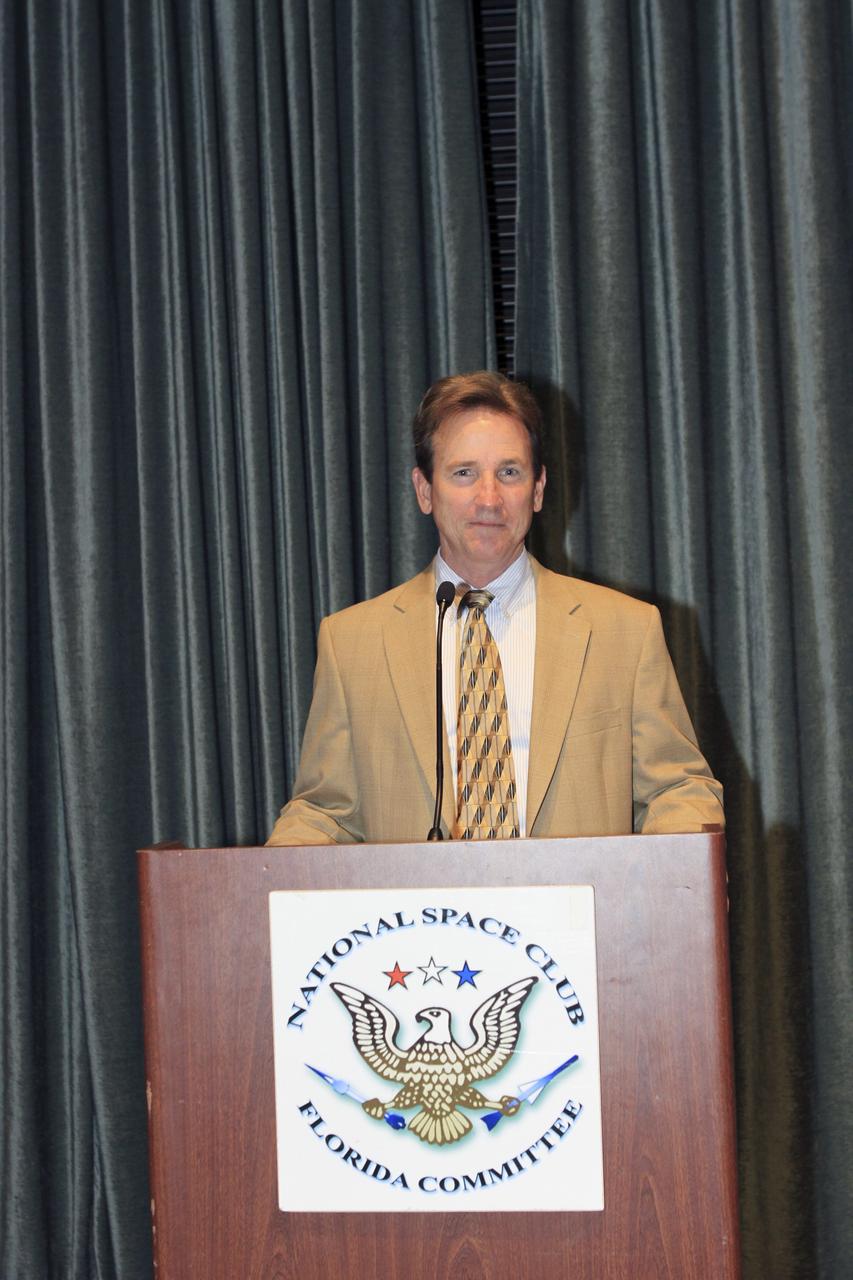
CAPE CANAVERAL Fla. -- Dale Ketchum, director of the Space Research and Technology Institute, speaks to attendees of the National Space Club Florida Committee, or NSCFL, at the May 14 luncheon at the Radisson Resort at the Port in Cape Canaveral, Fla. Kennedy Space Center Director Bob Cabana was the featured speaker with a presentation on the Fiscal Year 2014 budget and Kennedy’s path forward. The NSCFL Committee is one of three regional committees including Huntsville, Ala. and Los Angeles, Calif. of the National Space Club in Washington, D.C. The NSCFL Committee promotes awareness through hosting monthly luncheons, sponsoring educational opportunities, recognizing significant achievement, and promoting aerospace leadership in a region heavily influenced by aerospace activities. Photo credit: NASA/Jim Grossmann
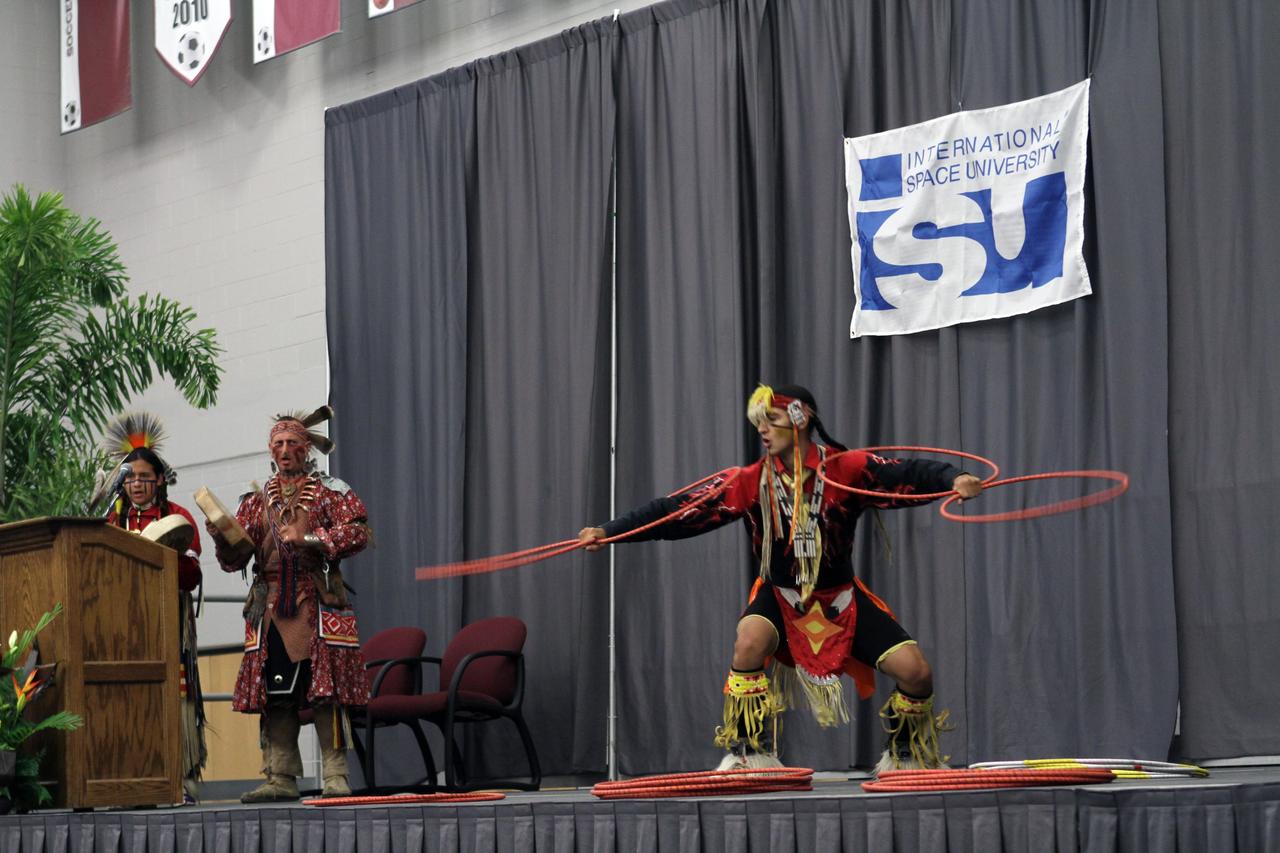
MELBOURNE, Fla. – Entertainment during the opening ceremonies for the International Space University's 25th annual Space Studies Program session at the Florida Institute of Technology in Melbourne, Fla., is provided by Jim Sawgrass and the Deep Forest Native American Indian Program dancers. The nine-week intensive course is designed for post-graduate university students and professionals during the summer. The program is hosted by a different country each year, providing a unique educational experience for participants from around the globe. NASA Kennedy Space Center and Florida Tech are co-hosting this year's event which runs from June 4 to Aug. 3. This year, there are about 125 participants representing 31 countries. For more information, visit http://www.isunet.edu. Photo credit: NASA/Kim Shiflett
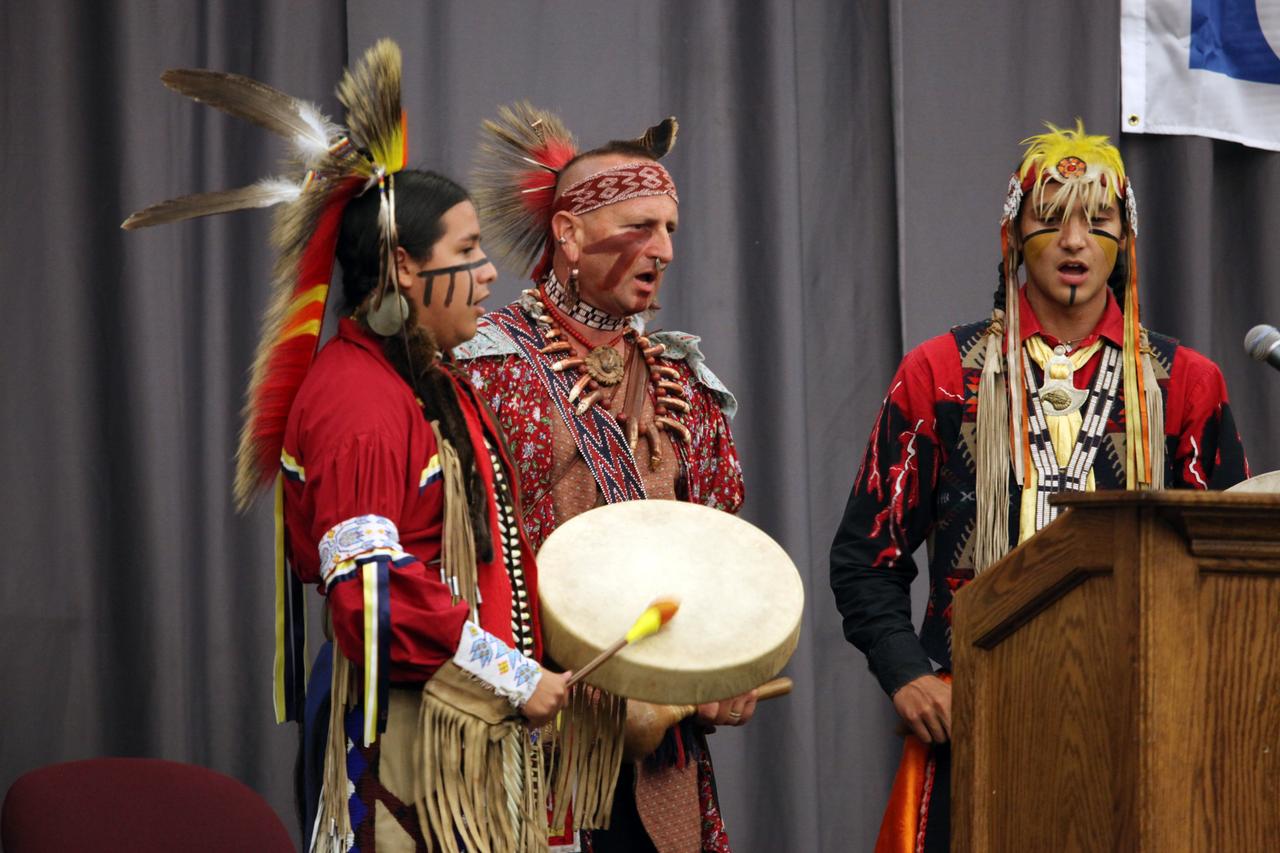
MELBOURNE, Fla. – Entertainment during the opening ceremonies for the International Space University's 25th annual Space Studies Program session at the Florida Institute of Technology in Melbourne, Fla., is provided by Jim Sawgrass and the Deep Forest Native American Indian Program dancers. The nine-week intensive course is designed for post-graduate university students and professionals during the summer. The program is hosted by a different country each year, providing a unique educational experience for participants from around the globe. NASA Kennedy Space Center and Florida Tech are co-hosting this year's event which runs from June 4 to Aug. 3. This year, there are about 125 participants representing 31 countries. For more information, visit http://www.isunet.edu. Photo credit: NASA/Dimitri Gerondidakis
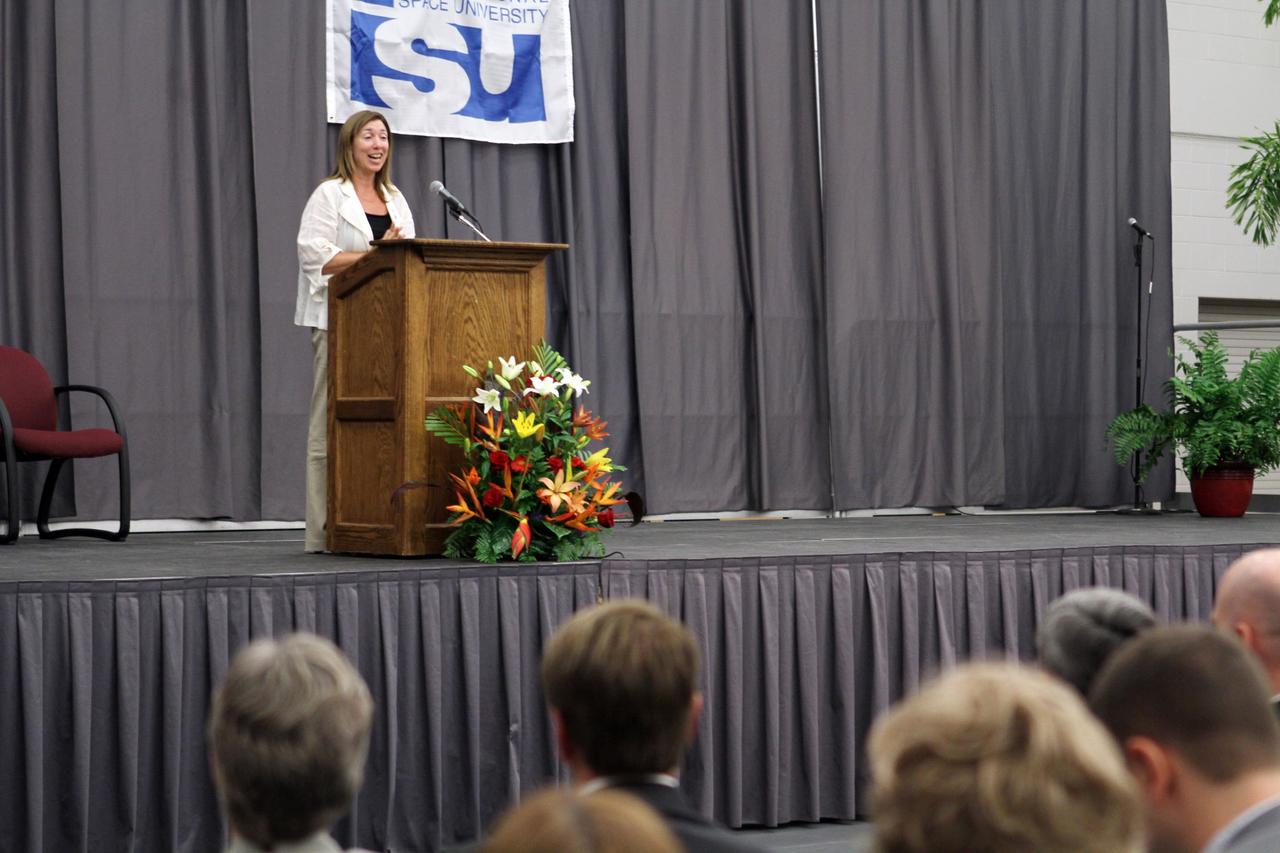
MELBOURNE, Fla. – NASA Deputy Administrator Lori Garver addresses the audience during opening ceremonies for the International Space University's 25th annual Space Studies Program session at the Florida Institute of Technology in Melbourne, Fla. The nine-week intensive course is designed for post-graduate university students and professionals during the summer. The program is hosted by a different country each year, providing a unique educational experience for participants from around the globe. NASA Kennedy Space Center and Florida Tech are co-hosting this year's event which runs from June 4 to Aug. 3. This year, there are about 125 participants representing 31 countries. For more information, visit http://www.isunet.edu. Photo credit: NASA/Kim Shiflett
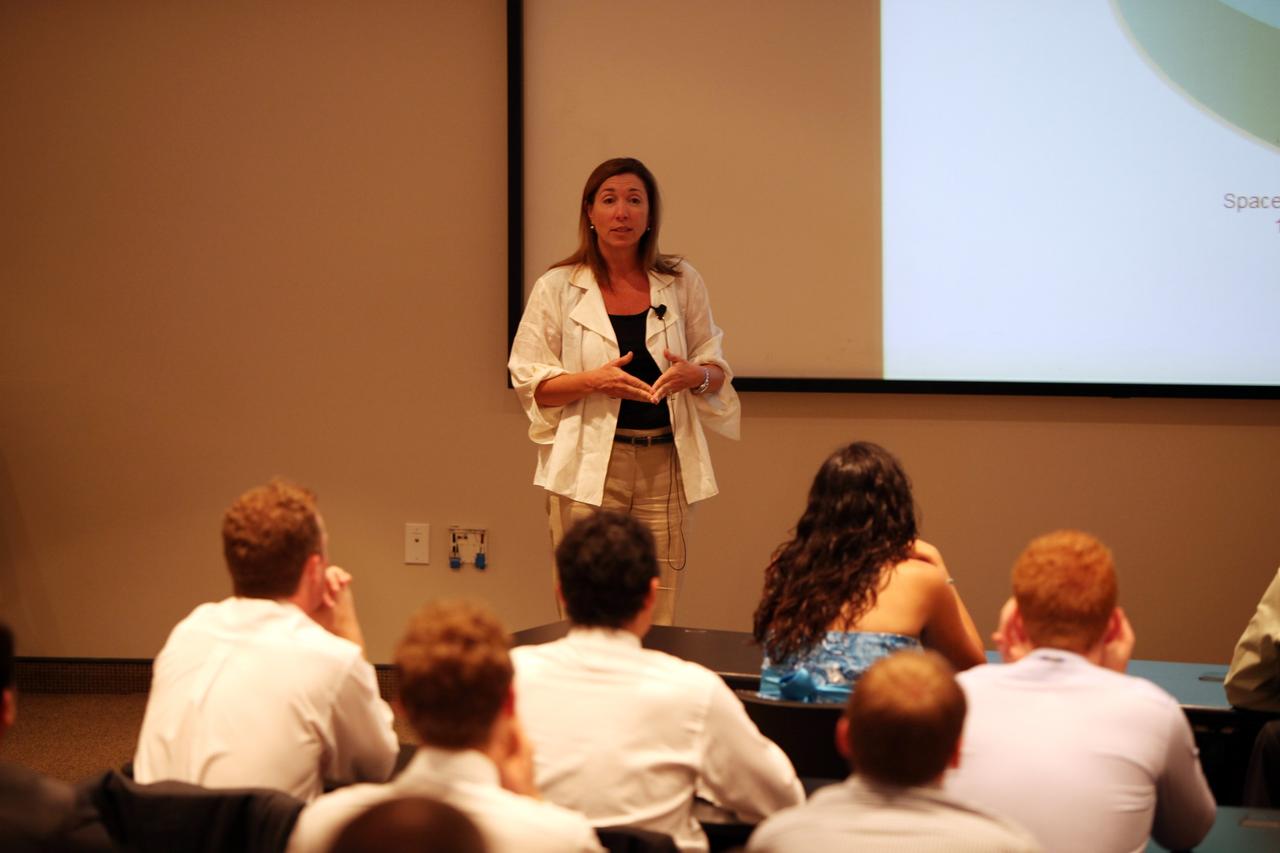
MELBOURNE, Fla. – NASA Deputy Administrator Lori Garver addresses students on the opening day of the International Space University's 25th annual Space Studies Program session at the Florida Institute of Technology in Melbourne, Fla. The nine-week intensive course is designed for post-graduate university students and professionals during the summer. The program is hosted by a different country each year, providing a unique educational experience for participants from around the globe. NASA Kennedy Space Center and Florida Tech are co-hosting this year's event which runs from June 4 to Aug. 3. This year, there are about 125 participants representing 31 countries. For more information, visit http://www.isunet.edu. Photo credit: NASA/Dimitri Gerondidakis
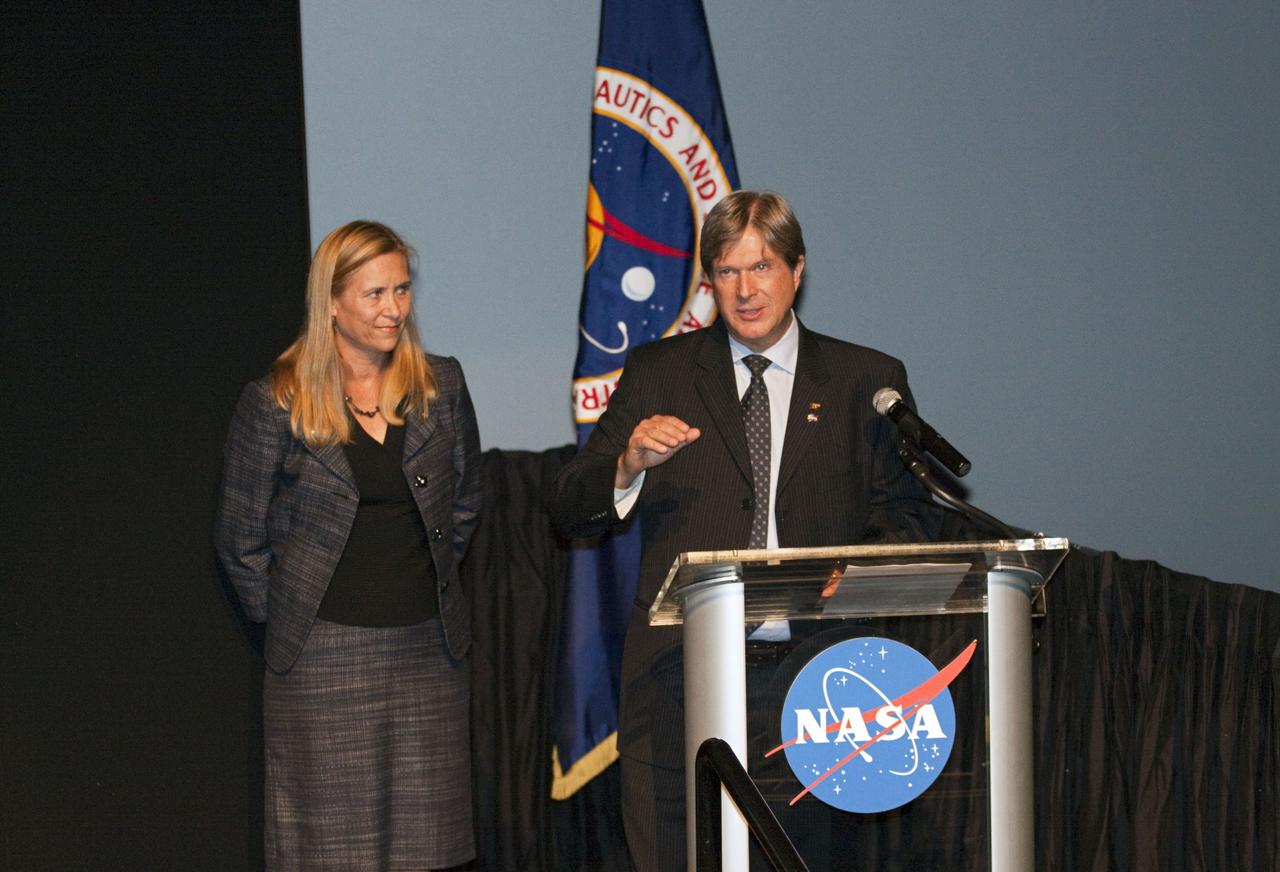
CAPE CANAVERAL, Fla. – Gary Martin, 2012 director of Space Studies Program for the International Space University, or ISU, introduces Kennedy Space Center Deputy Director Janet Petro during ISU closing ceremonies at the Kennedy Space center Visitor Complex on Aug. 3, 2012. The International Space University is a nine-week intensive course designed for post-graduate university students and professionals during the summer. The program is hosted by a different country each year, providing a unique educational experience for participants from around the world. NASA Kennedy Space Center and the Florida Institute of Technology co-hosted this year's event which ran from June 4 to Aug. 3. There were about 125 participants representing 31 countries. For more information, visit http://www.isunet.edu Photo credit: NASA/Kim Shiflett
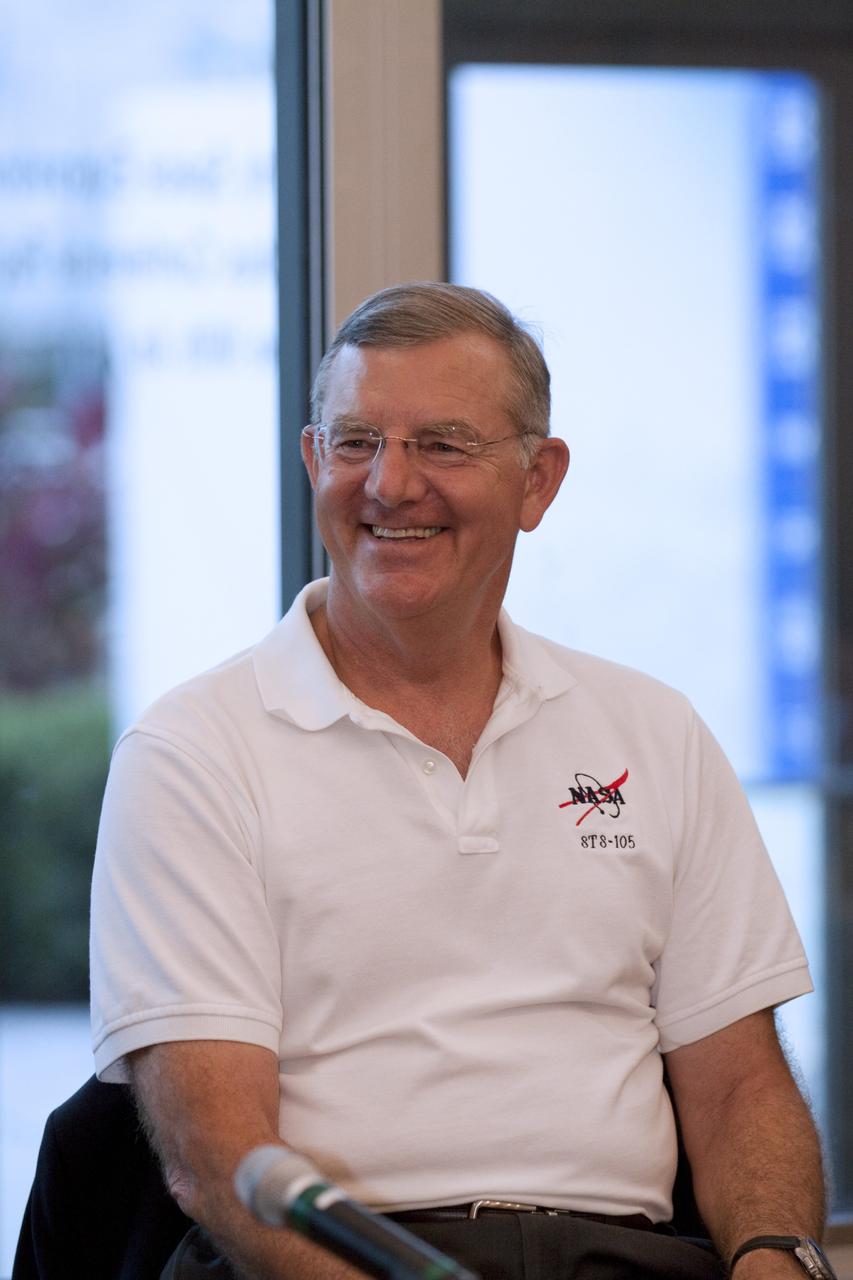
CAPE CANAVERAL, Fla. – Current and former NASA and international astronauts spoke to participants of the International Space University on the future of human spaceflight during a panel discussion at the Kennedy Space Center Visitor Complex in Florida. Participating in the discussion is Jim Voss, director of advanced programs at Sierra Nevada Corporation and former NASA astronaut. The International Space University is a nine-week intensive course designed for post-graduate university students and professionals during the summer. The program is hosted by a different country each year, providing a unique educational experience for participants from around the world. NASA Kennedy Space Center and the Florida Institute of Technology in Melbourne, Fla., are co-hosting this year’s event which runs from June 4 to Aug. 3. There are about 125 participants representing 31 countries. For more information, visit http://www.isunet.edu. Photo credit: NASA/Kim Shiflett
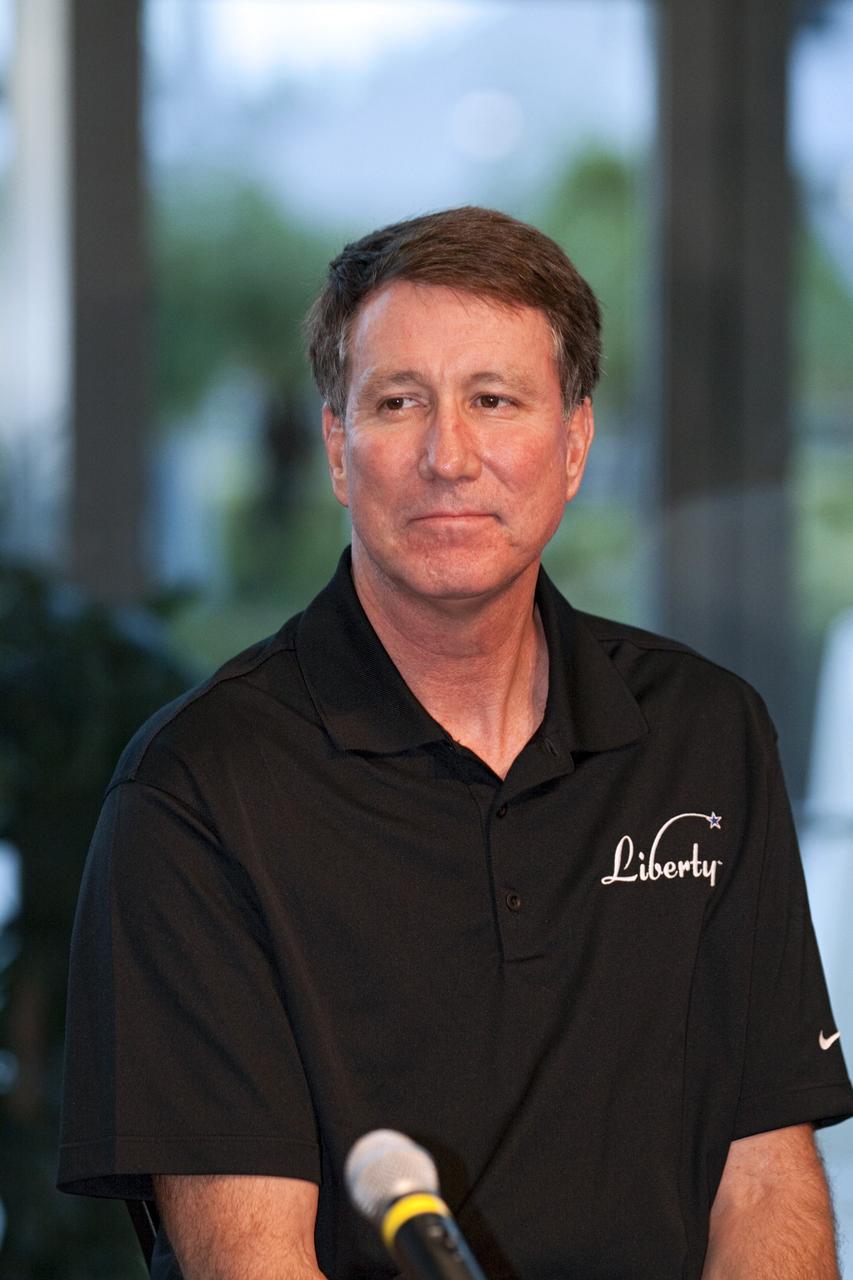
CAPE CANAVERAL, Fla. – Current and former NASA and international astronauts spoke to participants of the International Space University on the future of human spaceflight during a panel discussion at the Kennedy Space Center Visitor Complex in Florida. Participating in the discussion is Kent Rominger, vice president with Alliant Techsystems and former NASA astronaut. The International Space University is a nine-week intensive course designed for post-graduate university students and professionals during the summer. The program is hosted by a different country each year, providing a unique educational experience for participants from around the world. NASA Kennedy Space Center and the Florida Institute of Technology in Melbourne, Fla., are co-hosting this year’s event which runs from June 4 to Aug. 3. There are about 125 participants representing 31 countries. For more information, visit http://www.isunet.edu. Photo credit: NASA/Kim Shiflett
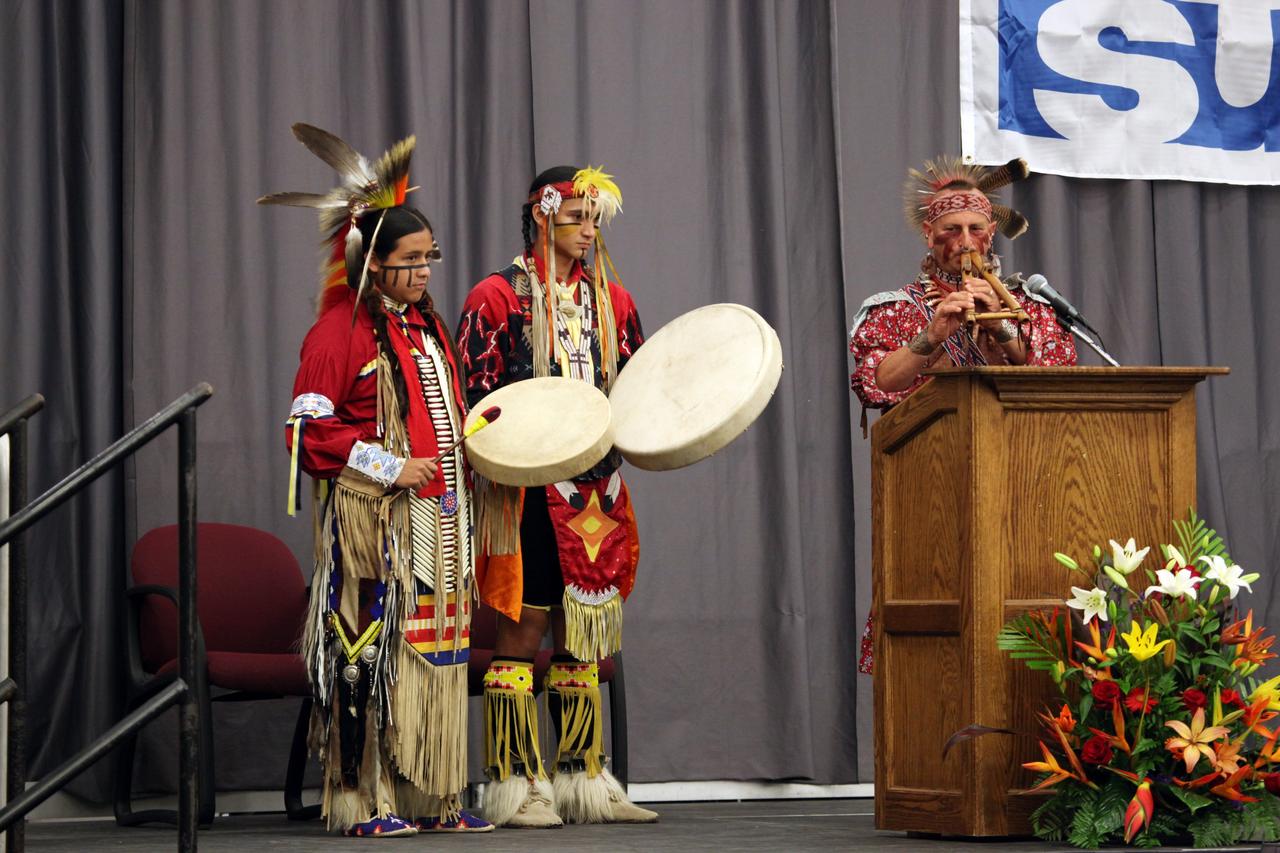
MELBOURNE, Fla. – Entertainment during the opening ceremonies for the International Space University's 25th annual Space Studies Program session at the Florida Institute of Technology in Melbourne, Fla., is provided by Jim Sawgrass and the Deep Forest Native American Indian Program dancers. The nine-week intensive course is designed for post-graduate university students and professionals during the summer. The program is hosted by a different country each year, providing a unique educational experience for participants from around the globe. NASA Kennedy Space Center and Florida Tech are co-hosting this year's event which runs from June 4 to Aug. 3. This year, there are about 125 participants representing 31 countries. For more information, visit http://www.isunet.edu. Photo credit: NASA/Dimitri Gerondidakis
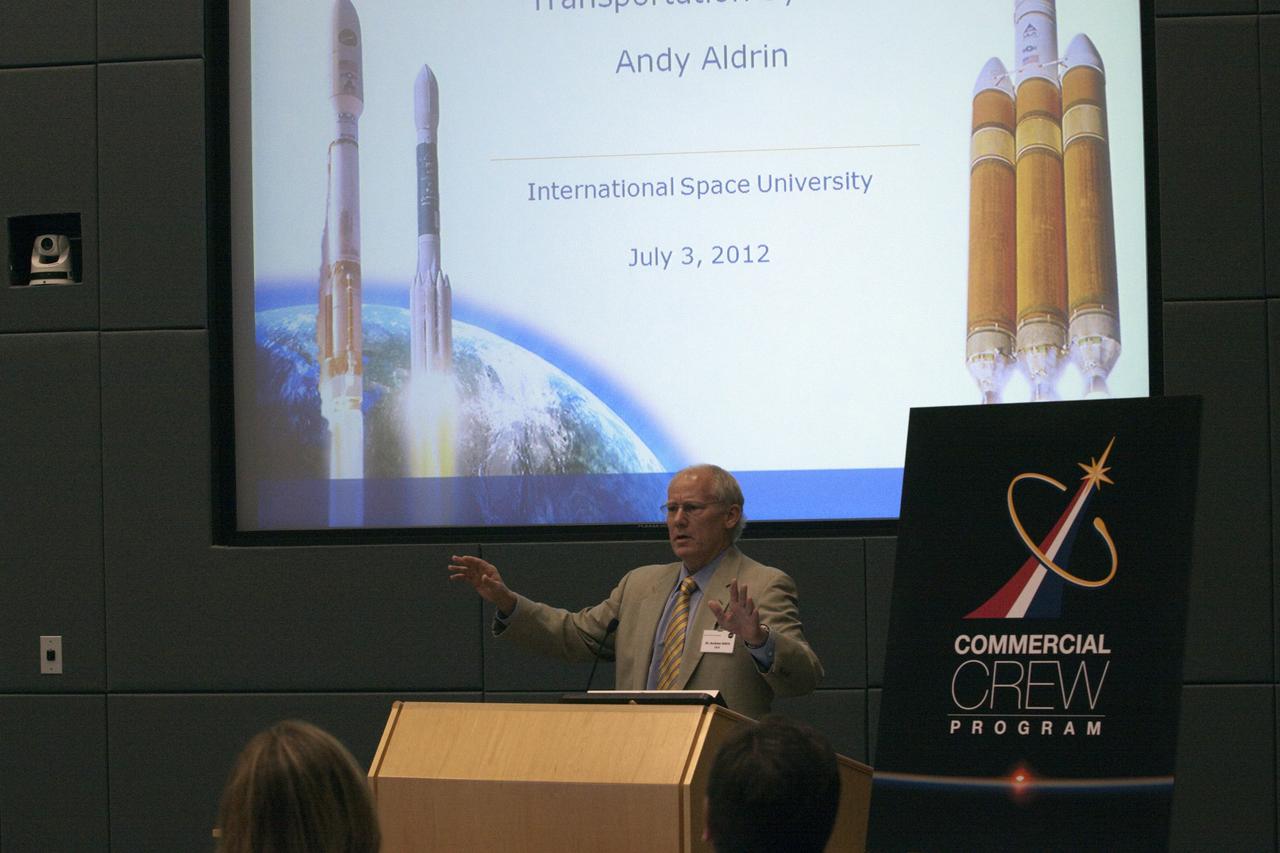
CAPE CANAVERAL, Fla. - Dr. Andrew Aldrin of United Launch Alliance addresses participants of the International Space University in a session in Operations Support Building II at the Kennedy Space Center, Fla., on July 3. The International Space University is a nine-week intensive course designed for post-graduate university students and professionals during the summer. The program is hosted by a different country each year, providing a unique educational experience for participants from around the world. NASA Kennedy Space Center and the Florida Institute of Technology are co-hosting this year's event which runs from June 4 to Aug. 3. There are about 125 participants representing 31 countries. For more information, visit http://www.isunet.edu Photo credit: NASA/Jim Grossmann
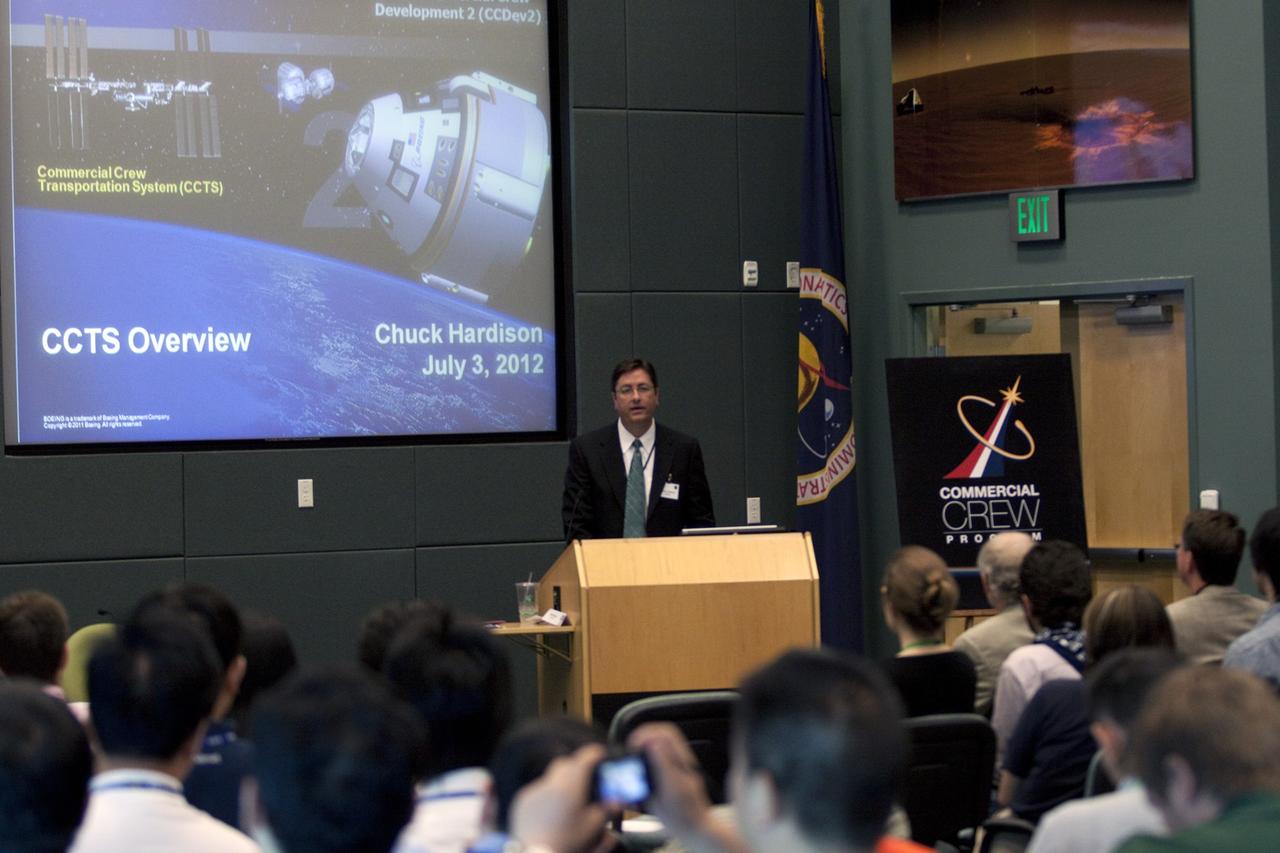
CAPE CANAVERAL, Fla. – Chuck Hardison of Boeing provides a Commercial Crew Transportation System overview for participants of the International Space University session on July 3 in Operations Support Building II at the Kennedy Space Center, Fla. The International Space University is a nine-week intensive course designed for post-graduate university students and professionals during the summer. The program is hosted by a different country each year, providing a unique educational experience for participants from around the world. NASA Kennedy Space Center and the Florida Institute of Technology are co-hosting this year's event which runs from June 4 to Aug. 3. There are about 125 participants representing 31 countries. For more information, visit http://www.isunet.edu Photo credit: NASA/Jim Grossmann
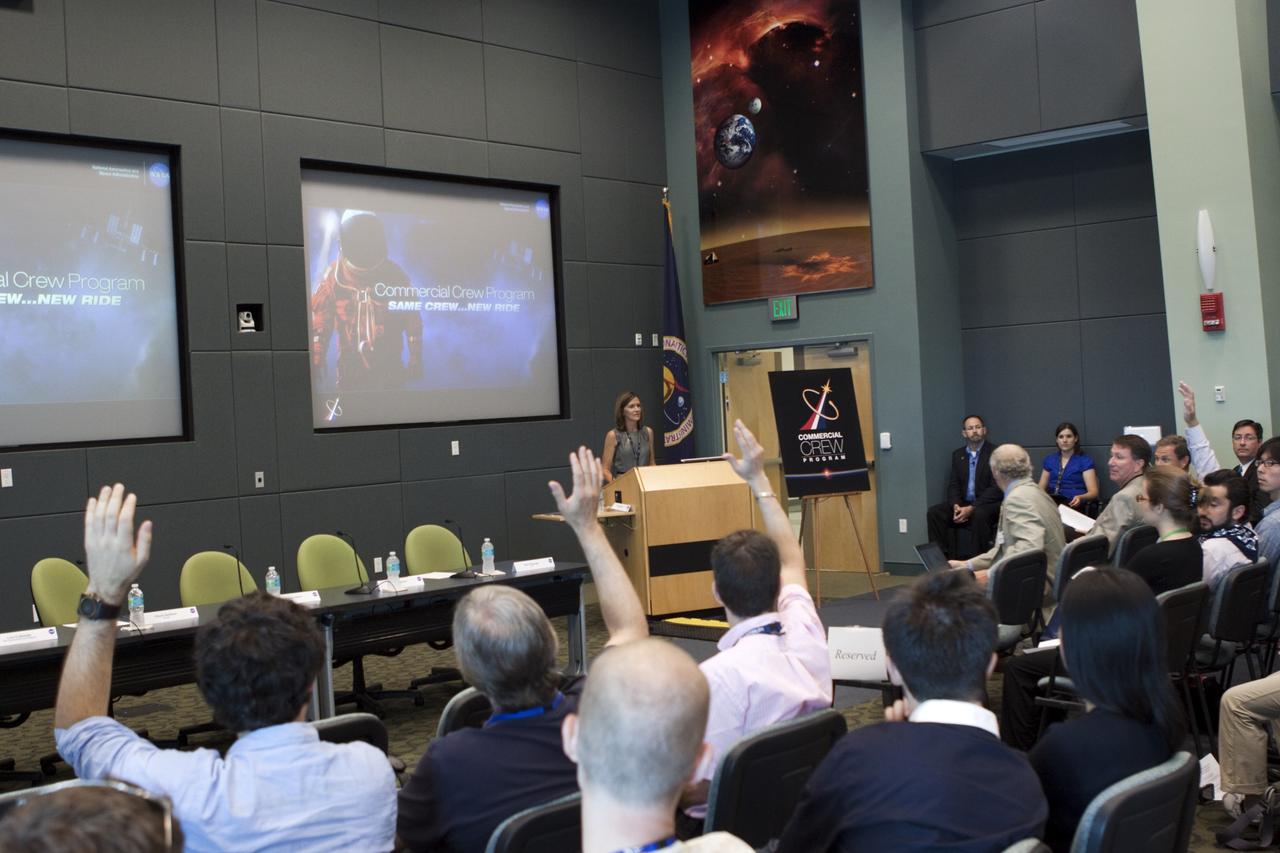
CAPE CANAVERAL, Fla. - Lisa Colloredo, associate program manager for NASA’s Commercial Crew Program, addresses participants of the International Space University in a session in Operations Support Building II at the Kennedy Space Center, Fla., on July 3. The International Space University is a nine-week intensive course designed for post-graduate university students and professionals during the summer. The program is hosted by a different country each year, providing a unique educational experience for participants from around the world. NASA Kennedy Space Center and the Florida Institute of Technology are co-hosting this year's event which runs from June 4 to Aug. 3. There are about 125 participants representing 31 countries. For more information, visit http://www.isunet.edu Photo credit: NASA/Jim Grossmann
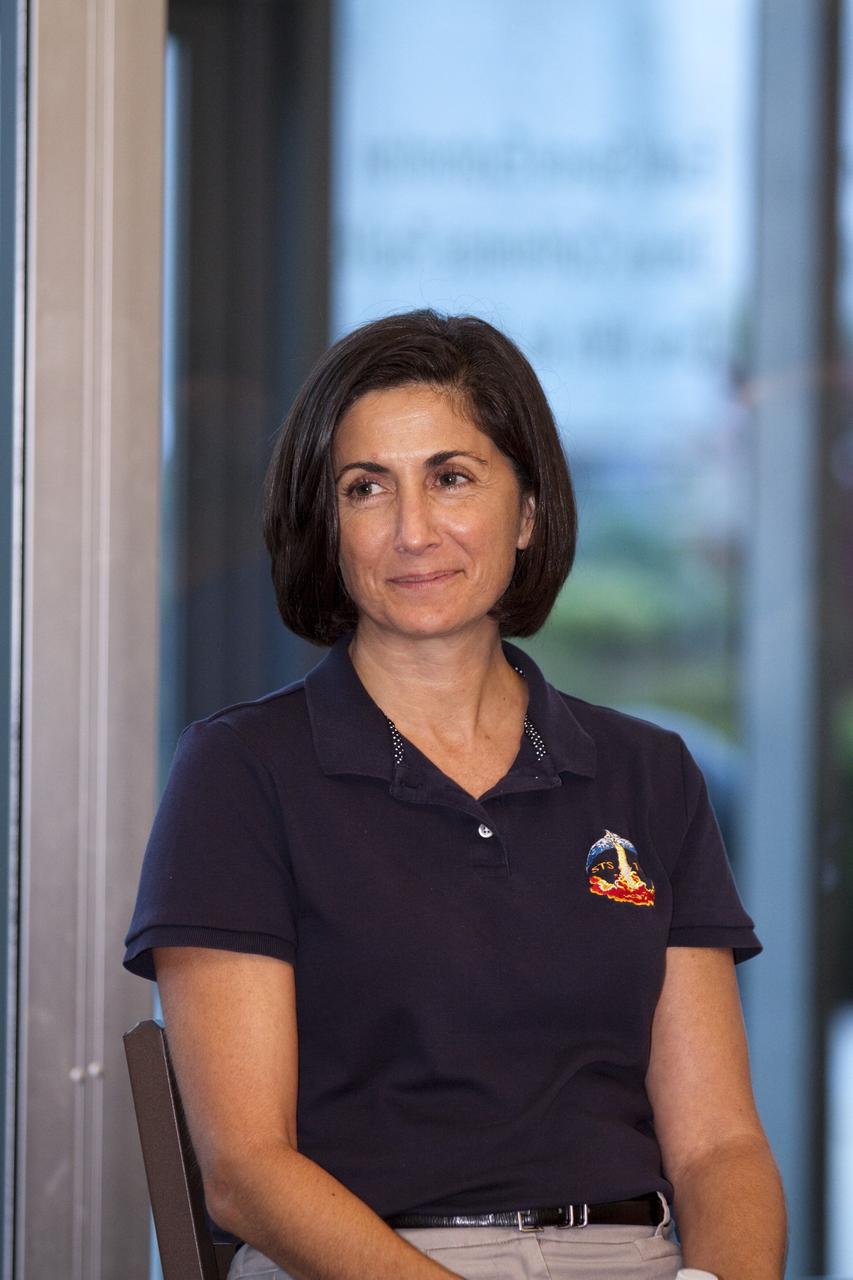
CAPE CANAVERAL, Fla. – Current and former NASA and international astronauts spoke to participants of the International Space University on the future of human spaceflight during a panel discussion at the Kennedy Space Center Visitor Complex in Florida. Participating in the discussion is Nicole Stott, NASA astronaut currently on detail at Kennedy Space Center. The International Space University is a nine-week intensive course designed for post-graduate university students and professionals during the summer. The program is hosted by a different country each year, providing a unique educational experience for participants from around the world. NASA Kennedy Space Center and the Florida Institute of Technology in Melbourne, Fla., are co-hosting this year’s event which runs from June 4 to Aug. 3. There are about 125 participants representing 31 countries. For more information, visit http://www.isunet.edu. Photo credit: NASA/Kim Shiflett
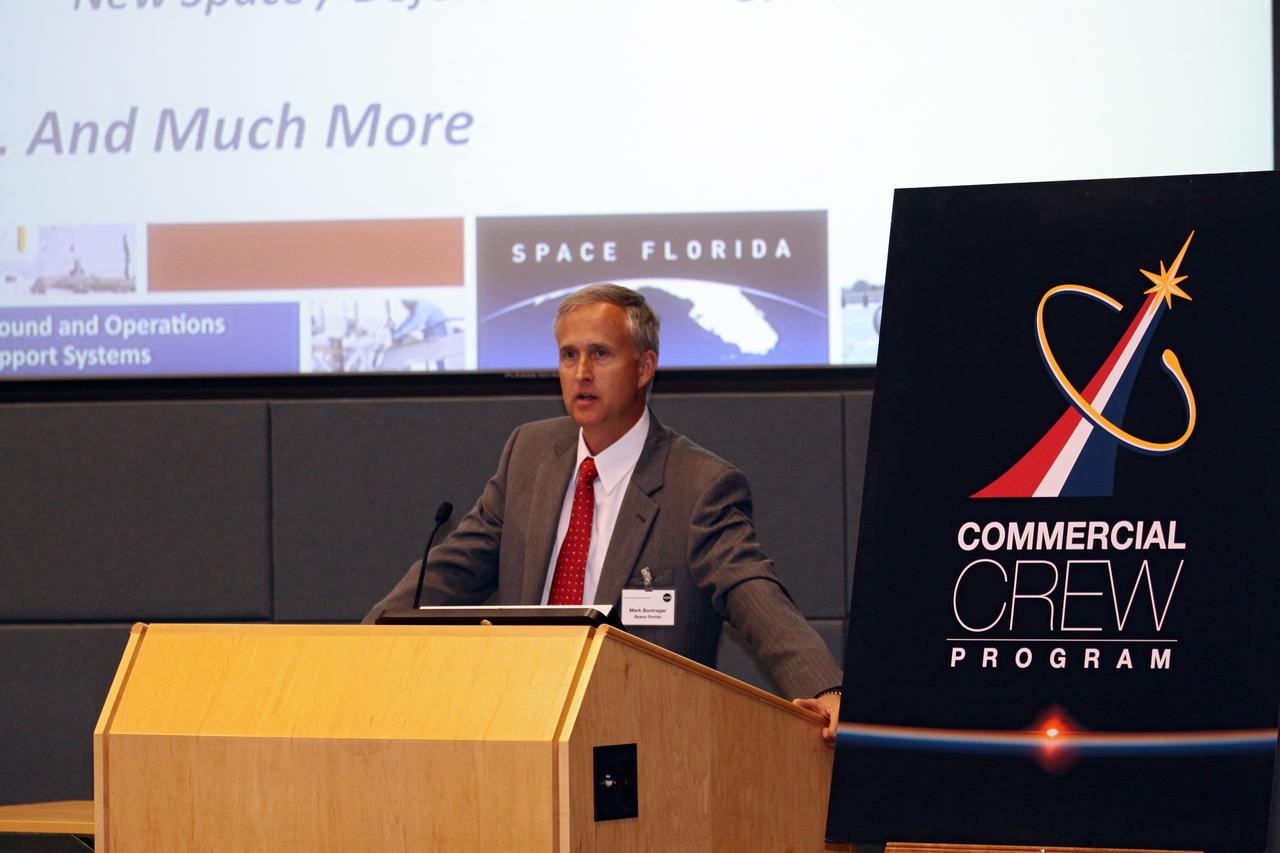
CAPE CANAVERAL, Fla. - Mark Bontrager, vice president of Spaceport Operations at Space Florida, addresses participants of the International Space University in a session in Operations Support Building II at NASA's Kennedy Space Center, Fla., on July 3. The International Space University is a nine-week intensive course designed for post-graduate university students and professionals during the summer. The program is hosted by a different country each year, providing a unique educational experience for participants from around the world. NASA Kennedy Space Center and the Florida Institute of Technology are co-hosting this year's event which runs from June 4 to Aug. 3. There are about 125 participants representing 31 countries. For more information, visit http://www.isunet.edu. Photo credit: NASA/Kim Shiflett
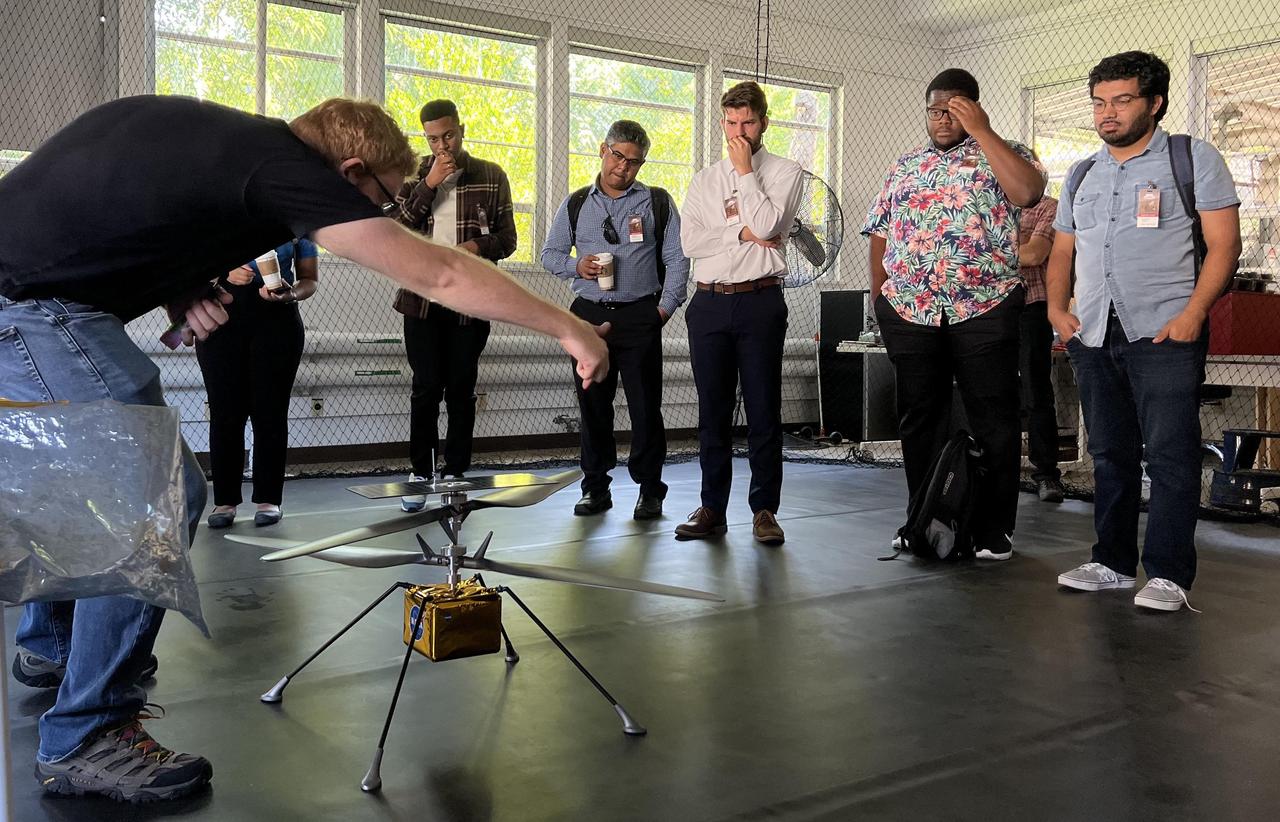
Participants in NASA's Minority Serving Institutions Space Accelerator program surround a full-scale model of NASA's Mars Ingenuity Helicopter as engineer Michael Starch discusses the mission. The group was visiting NASA's Jet Propulsion Laboratory on Aug. 18, 2022. These participants were members of three teams named as awardees in the first-of-its-kind accelerator program, a competition to advance the NASA's goals and meet its needs in the areas of machine learning, artificial intelligence, and development of autonomous systems while also engaging underrepresented academic institutions and reducing barriers for them to submit ideas to the agency. The program provides funding, business training through a 10-week accelerator course, and mentorship to help the teams develop ideas for systems that can operate without human oversight for future science missions in space and on Earth. The teams were made up of professors and students from Fayetteville State University in North Carolina, University of Massachusetts Boston, and California State University, Northridge. At the conclusion of the accelerator, participants arrived in Southern California for a variety of events, including two days at JPL. The program is a partnership between NASA's Science Mission Directorate, its Earth Science Technology Office, the Minority University Research Education Project within the agency's Office of STEM Engagement, JPL, and Starburst, a global aerospace accelerator company based in Los Angeles. https://photojournal.jpl.nasa.gov/catalog/PIA25315
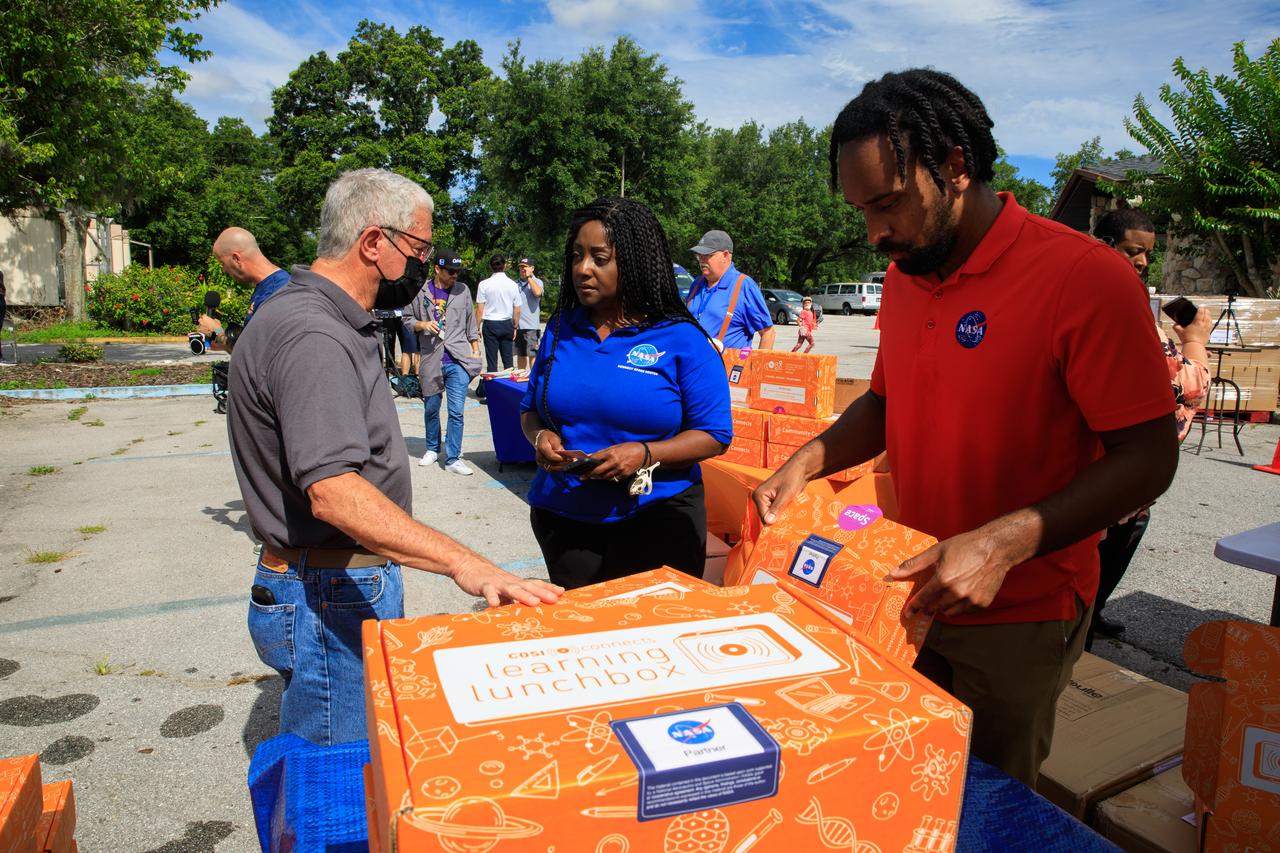
Barbara Brown (center), director of the Exploration Research and Technology Program at Kennedy Space Center in Florida, helped kick off a new initiative to deliver food and hands-on science, technology, engineering, and math kits, called Learning Lunchboxes, at New Beginnings Church – The Gathering Place in Orlando, Florida on Friday, June 3. The lunchboxes are aimed at inspiring and educating youth and families about NASA’s upcoming Artemis missions, which includes landing the first woman and person of color on the Moon and helping prepare for human exploration of Mars. Partners on the initiative with NASA include the Center of Science and Industry, the Second Harvest Food Bank, and the Orlando Science Center. The NASA Artemis Learning Lunchbox is made possible through NASA’s Teams Engaging Affiliated Museums and Informal Institutions (TEAM II) program. NASA Learning Lunchboxes provide five space-focused learning activities that showcase the diversity of STEM at NASA. COSI will distribute 30,000 NASA Learning Lunchboxes at local food banks across the country to help feed hungry lives and feed hungry minds. This innovative, community-based model will bring together other science centers and museums, afterschool providers, and community leaders to highlight the importance of STEM. This project also includes digital extension resources.
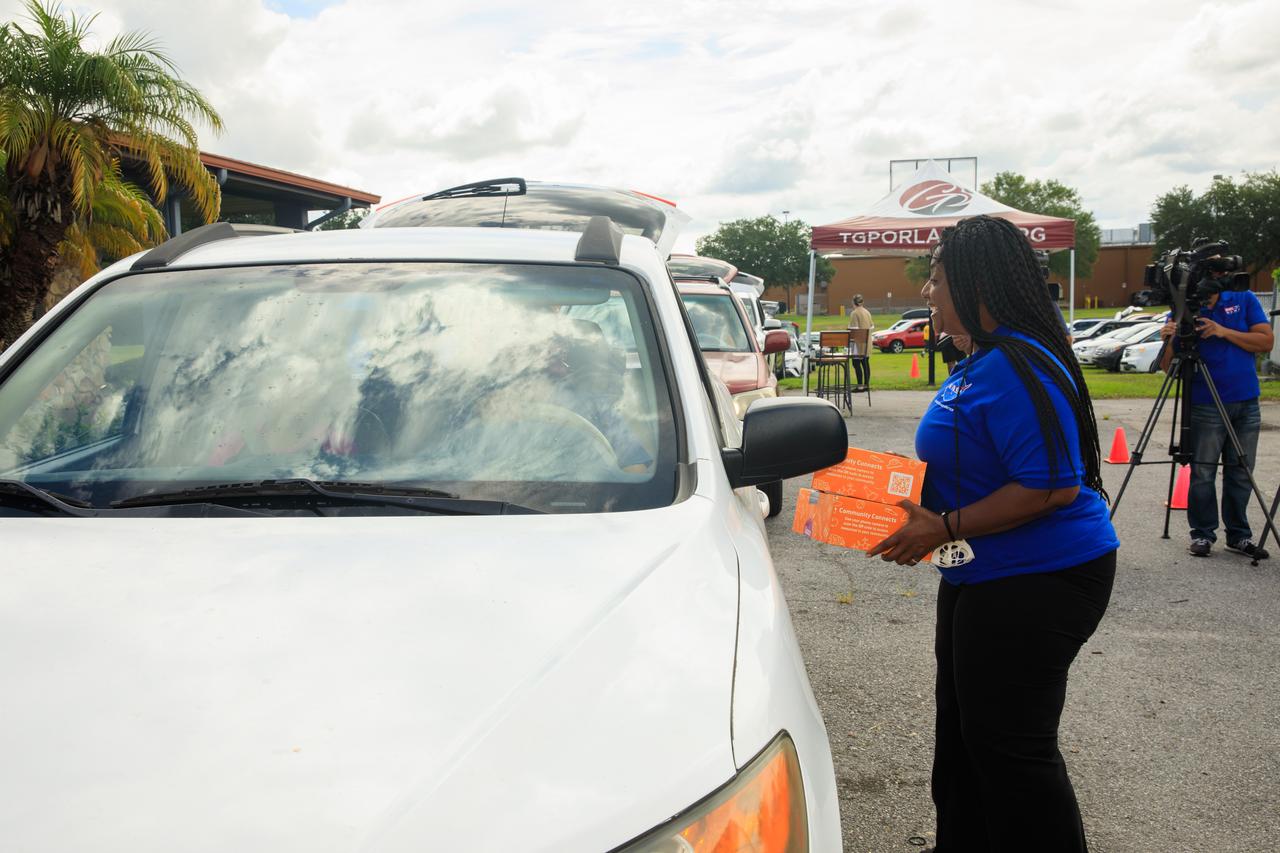
Barbara Brown, director of the Exploration Research and Technology Program at Kennedy Space Center in Florida, helped kick off a new initiative to deliver food and hands-on science, technology, engineering, and math kits, called Learning Lunchboxes, at New Beginnings Church – The Gathering Place in Orlando, Florida on Friday, June 3. The lunchboxes are aimed at inspiring and educating youth and families about NASA’s upcoming Artemis missions, which includes landing the first woman and person of color on the Moon and helping prepare for human exploration of Mars. Partners on the initiative with NASA include the Center of Science and Industry, the Second Harvest Food Bank, and the Orlando Science Center. The NASA Artemis Learning Lunchbox is made possible through NASA’s Teams Engaging Affiliated Museums and Informal Institutions (TEAM II) program. NASA Learning Lunchboxes provide five space-focused learning activities that showcase the diversity of STEM at NASA. COSI will distribute 30,000 NASA Learning Lunchboxes at local food banks across the country to help feed hungry lives and feed hungry minds. This innovative, community-based model will bring together other science centers and museums, afterschool providers, and community leaders to highlight the importance of STEM. This project also includes digital extension resources.
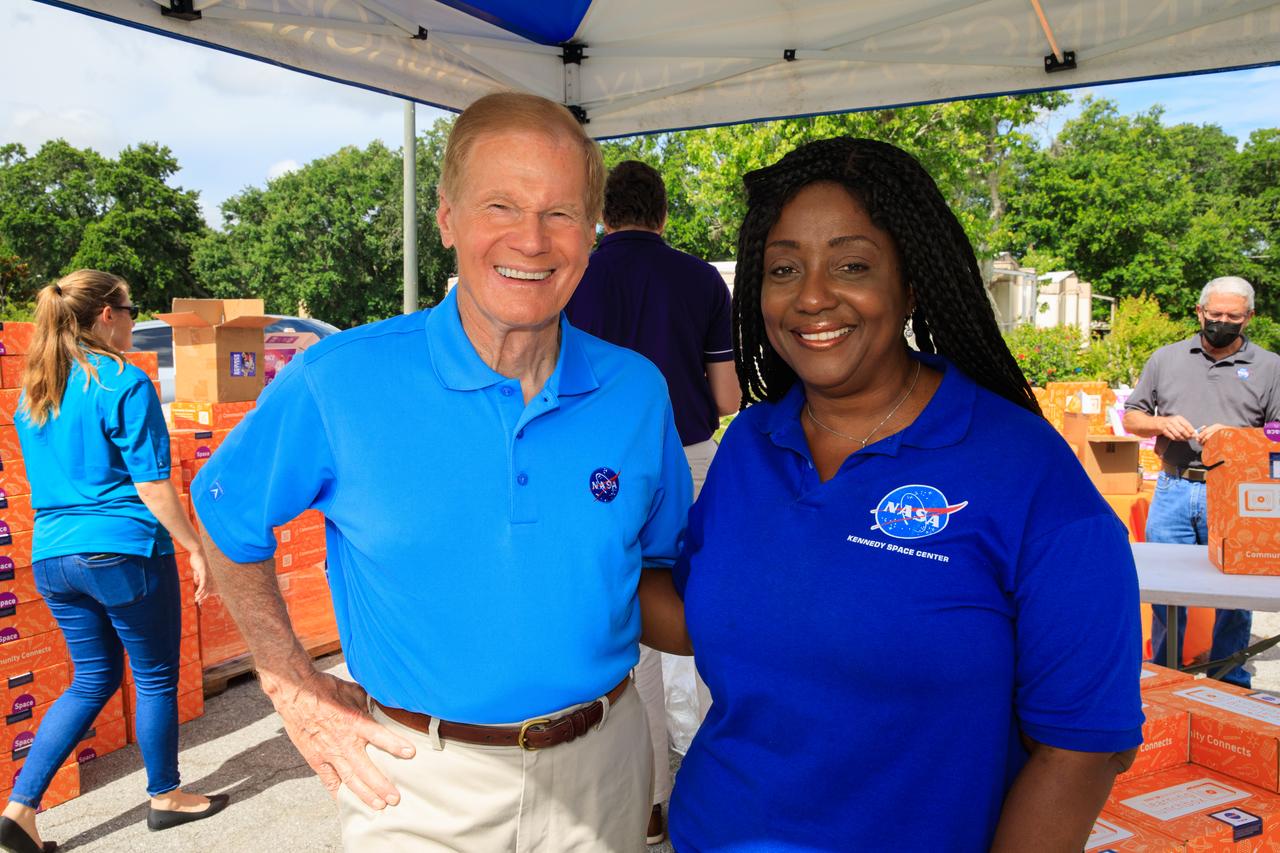
NASA Administrator Bill Nelson (left) and Barbara Brown (right), director of the Exploration Research and Technology Program at Kennedy Space Center in Florida, helped kick off a new initiative to deliver food and hands-on science, technology, engineering, and math kits, called Learning Lunchboxes, at New Beginnings Church – The Gathering Place in Orlando, Florida on Friday, June 3. The lunchboxes are aimed at inspiring and educating youth and families about NASA’s upcoming Artemis missions, which includes landing the first woman and person of color on the Moon and helping prepare for human exploration of Mars. Partners on the initiative with NASA include the Center of Science and Industry, the Second Harvest Food Bank, and the Orlando Science Center. The NASA Artemis Learning Lunchbox is made possible through NASA’s Teams Engaging Affiliated Museums and Informal Institutions (TEAM II) program. NASA Learning Lunchboxes provide five space-focused learning activities that showcase the diversity of STEM at NASA. COSI will distribute 30,000 NASA Learning Lunchboxes at local food banks across the country to help feed hungry lives and feed hungry minds. This innovative, community-based model will bring together other science centers and museums, afterschool providers, and community leaders to highlight the importance of STEM. This project also includes digital extension resources.
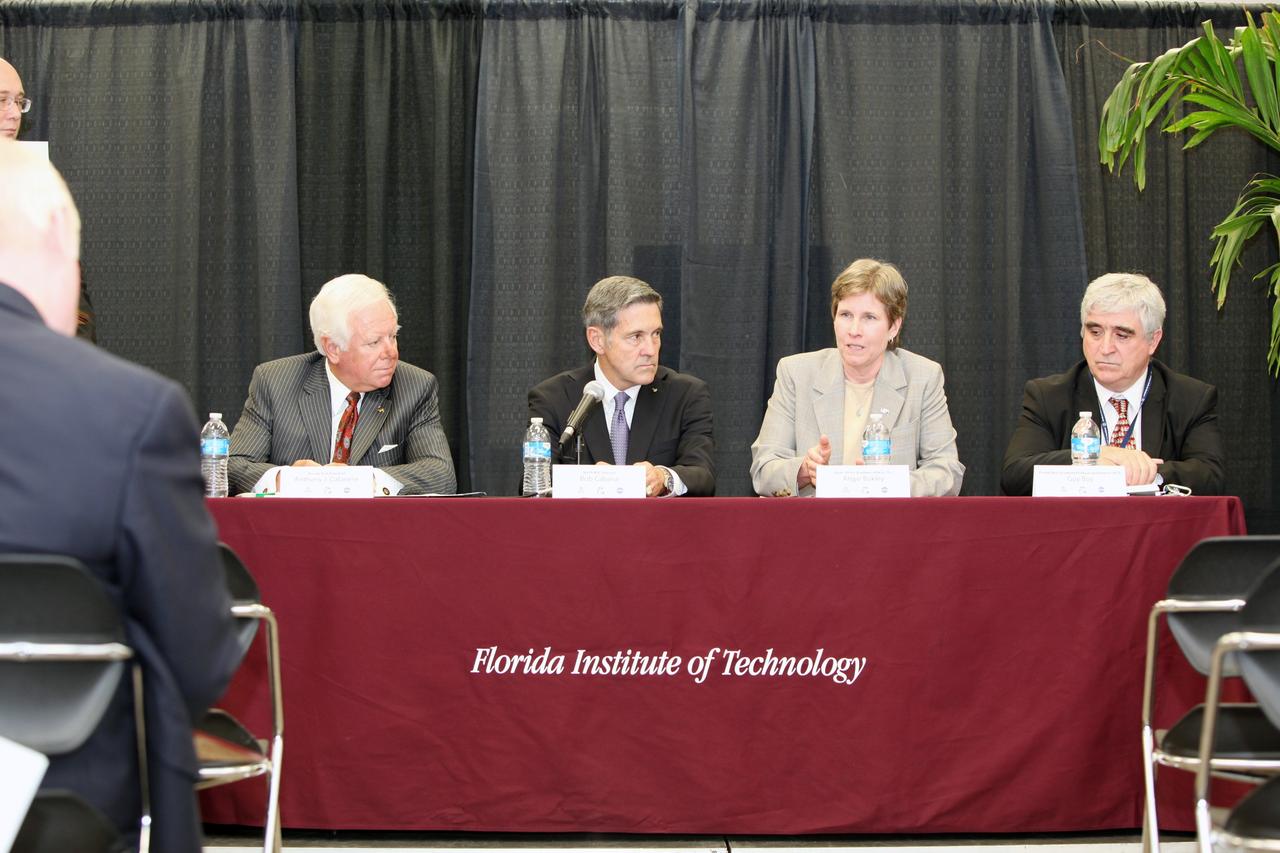
MELBOURNE, Fla. – Professor Angie Bukley, dean and vice president for Academic Affairs, International Space University, addresses the audience during opening ceremonies for the university's 25th annual Space Studies Program session at the Florida Institute of Technology in Melbourne, Fla. Seated from left are Anthony J. Catanese, president of Florida Tech NASA Kennedy Space Center Director Bob Cabana Bukley and Dr. Guy A. Boy, chair of the Space Studies Program’s local organizing committee. The nine-week intensive course is designed for post-graduate university students and professionals during the summer. The program is hosted by a different country each year, providing a unique educational experience for participants from around the globe. NASA Kennedy Space Center and Florida Tech are co-hosting this year's event which runs from June 4 to Aug. 3. This year, there are about 125 participants representing 31 countries. For more information, visit http://www.isunet.edu. Photo credit: NASA/Dimitri Gerondidakis

From left to right, Dr. Frederic Bertley, president and CEO, Center of Science and Industry (COSI); NASA Administrator Bill Nelson; JoAnn Newman, president and CEO, Orlando Science Center; and Stephen White, chief strategy officer, COSI helped kick off a new initiative to deliver food and hands-on science, technology, engineering, and math kits, called Learning Lunchboxes, at New Beginnings Church – The Gathering Place in Orlando, Florida on Friday, June 3. The lunchboxes are aimed at inspiring and educating youth and families about NASA’s upcoming Artemis missions, which includes landing the first woman and person of color on the Moon and helping prepare for human exploration of Mars. Partners on the initiative with NASA include COSI, the Second Harvest Food Bank, and the Orlando Science Center. The NASA Artemis Learning Lunchbox is made possible through NASA’s Teams Engaging Affiliated Museums and Informal Institutions (TEAM II) program. NASA Learning Lunchboxes provide five space-focused learning activities that showcase the diversity of STEM at NASA. COSI will distribute 30,000 NASA Learning Lunchboxes at local food banks across the country to help feed hungry lives and feed hungry minds. This innovative, community-based model will bring together other science centers and museums, afterschool providers, and community leaders to highlight the importance of STEM. This project also includes digital extension resources.
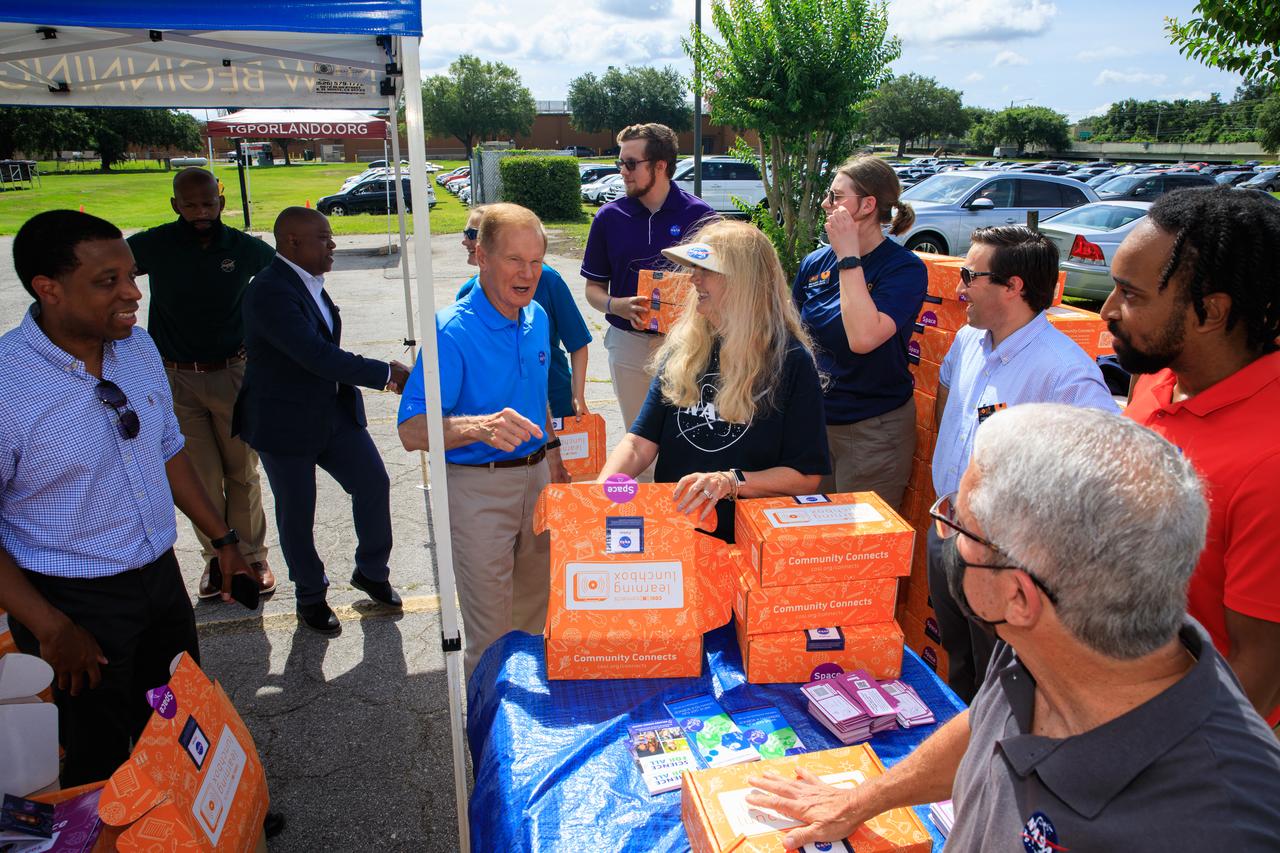
NASA Administrator Bill Nelson helped kick off a new initiative to deliver food and hands-on science, technology, engineering, and math kits, called Learning Lunchboxes, at New Beginnings Church – The Gathering Place in Orlando, Florida on Friday, June 3. The lunchboxes are aimed at inspiring and educating youth and families about NASA’s upcoming Artemis missions, which includes landing the first woman and person of color on the Moon and helping prepare for human exploration of Mars. Partners on the initiative with NASA include the Center of Science and Industry, the Second Harvest Food Bank, and the Orlando Science Center. The NASA Artemis Learning Lunchbox is made possible through NASA’s Teams Engaging Affiliated Museums and Informal Institutions (TEAM II) program. NASA Learning Lunchboxes provide five space-focused learning activities that showcase the diversity of STEM at NASA. COSI will distribute 30,000 NASA Learning Lunchboxes at local food banks across the country to help feed hungry lives and feed hungry minds. This innovative, community-based model will bring together other science centers and museums, afterschool providers, and community leaders to highlight the importance of STEM. This project also includes digital extension resources.
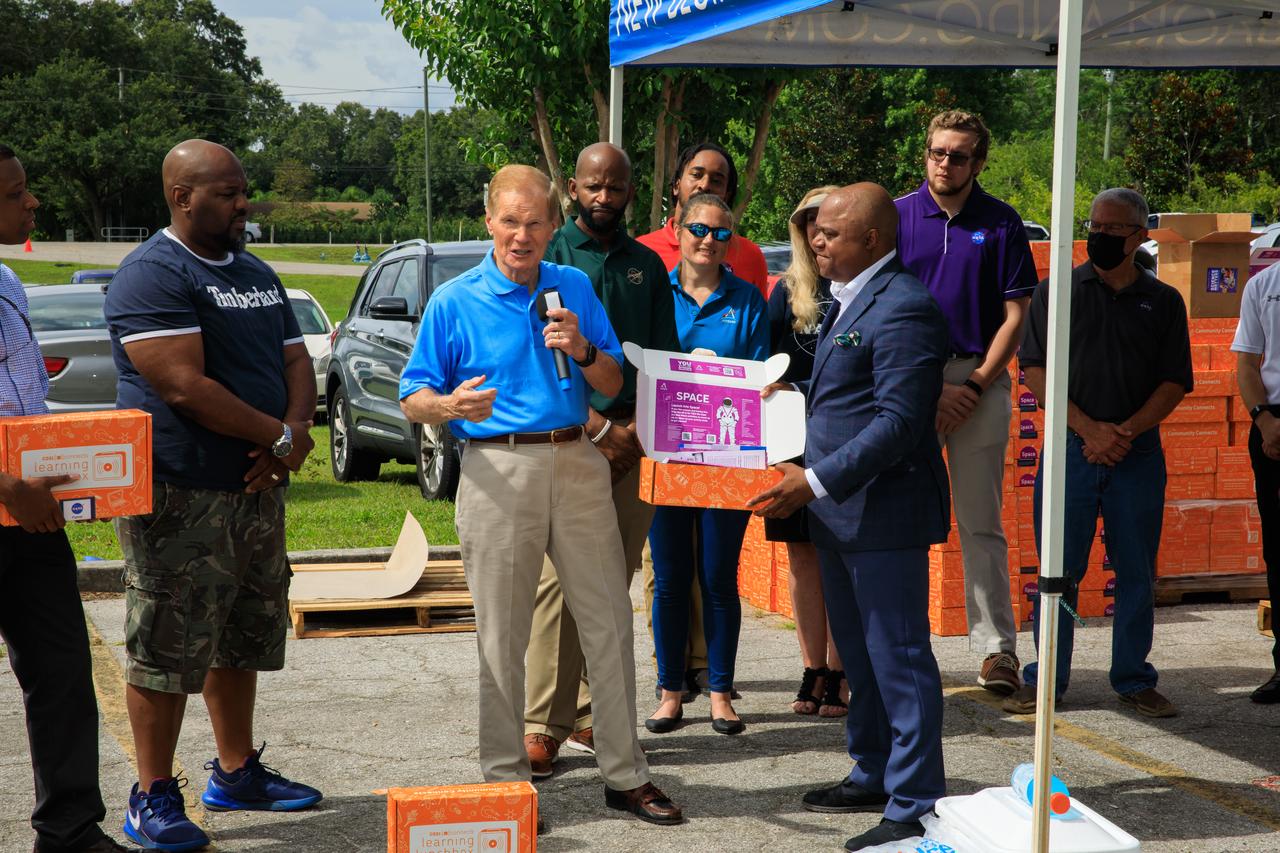
NASA Administrator Bill Nelson helped kick off a new initiative to deliver food and hands-on science, technology, engineering, and math kits, called Learning Lunchboxes, at New Beginnings Church – The Gathering Place in Orlando, Florida on Friday, June 3. The lunchboxes are aimed at inspiring and educating youth and families about NASA’s upcoming Artemis missions, which includes landing the first woman and person of color on the Moon and helping prepare for human exploration of Mars. Partners on the initiative with NASA include the Center of Science and Industry, the Second Harvest Food Bank, and the Orlando Science Center. The NASA Artemis Learning Lunchbox is made possible through NASA’s Teams Engaging Affiliated Museums and Informal Institutions (TEAM II) program. NASA Learning Lunchboxes provide five space-focused learning activities that showcase the diversity of STEM at NASA. COSI will distribute 30,000 NASA Learning Lunchboxes at local food banks across the country to help feed hungry lives and feed hungry minds. This innovative, community-based model will bring together other science centers and museums, afterschool providers, and community leaders to highlight the importance of STEM. This project also includes digital extension resources.
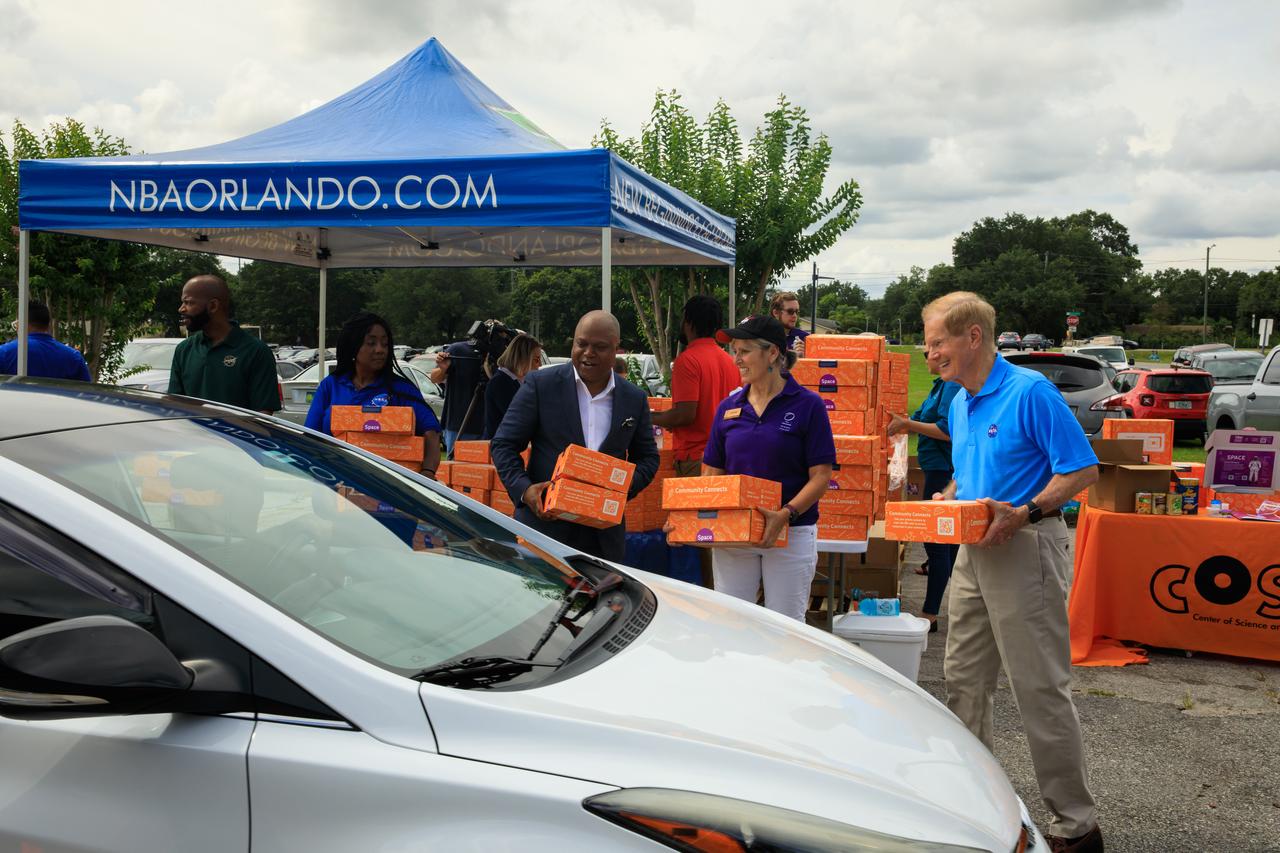
NASA Administrator Bill Nelson helped kick off a new initiative to deliver food and hands-on science, technology, engineering, and math kits, called Learning Lunchboxes, at New Beginnings Church – The Gathering Place in Orlando, Florida on Friday, June 3. The lunchboxes are aimed at inspiring and educating youth and families about NASA’s upcoming Artemis missions, which includes landing the first woman and person of color on the Moon and helping prepare for human exploration of Mars. Partners on the initiative with NASA include the Center of Science and Industry, the Second Harvest Food Bank, and the Orlando Science Center. The NASA Artemis Learning Lunchbox is made possible through NASA’s Teams Engaging Affiliated Museums and Informal Institutions (TEAM II) program. NASA Learning Lunchboxes provide five space-focused learning activities that showcase the diversity of STEM at NASA. COSI will distribute 30,000 NASA Learning Lunchboxes at local food banks across the country to help feed hungry lives and feed hungry minds. This innovative, community-based model will bring together other science centers and museums, afterschool providers, and community leaders to highlight the importance of STEM. This project also includes digital extension resources.
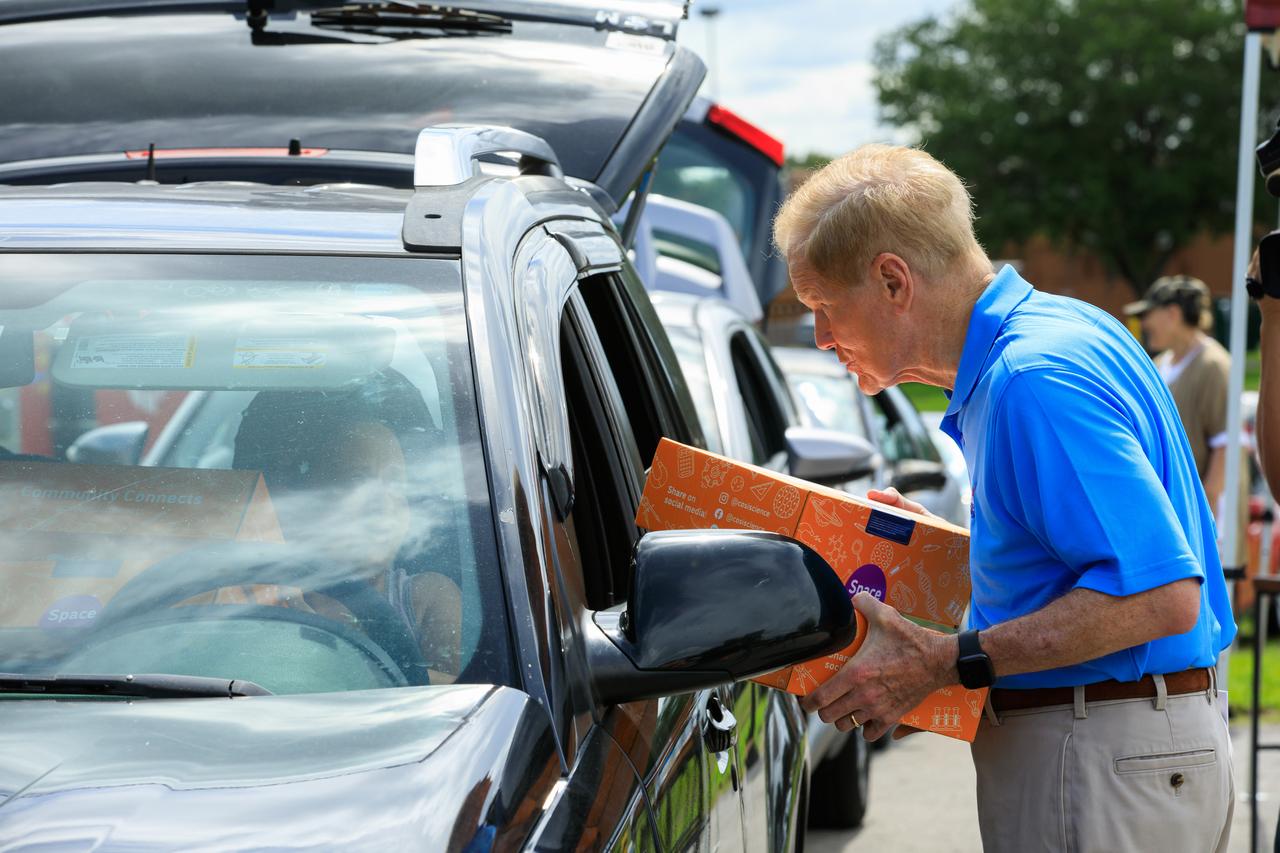
NASA Administrator Bill Nelson helped kick off a new initiative to deliver food and hands-on science, technology, engineering, and math kits, called Learning Lunchboxes, at New Beginnings Church – The Gathering Place in Orlando, Florida on Friday, June 3. The lunchboxes are aimed at inspiring and educating youth and families about NASA’s upcoming Artemis missions, which includes landing the first woman and person of color on the Moon and helping prepare for human exploration of Mars. Partners on the initiative with NASA include the Center of Science and Industry, the Second Harvest Food Bank, and the Orlando Science Center. The NASA Artemis Learning Lunchbox is made possible through NASA’s Teams Engaging Affiliated Museums and Informal Institutions (TEAM II) program. NASA Learning Lunchboxes provide five space-focused learning activities that showcase the diversity of STEM at NASA. COSI will distribute 30,000 NASA Learning Lunchboxes at local food banks across the country to help feed hungry lives and feed hungry minds. This innovative, community-based model will bring together other science centers and museums, afterschool providers, and community leaders to highlight the importance of STEM. This project also includes digital extension resources.
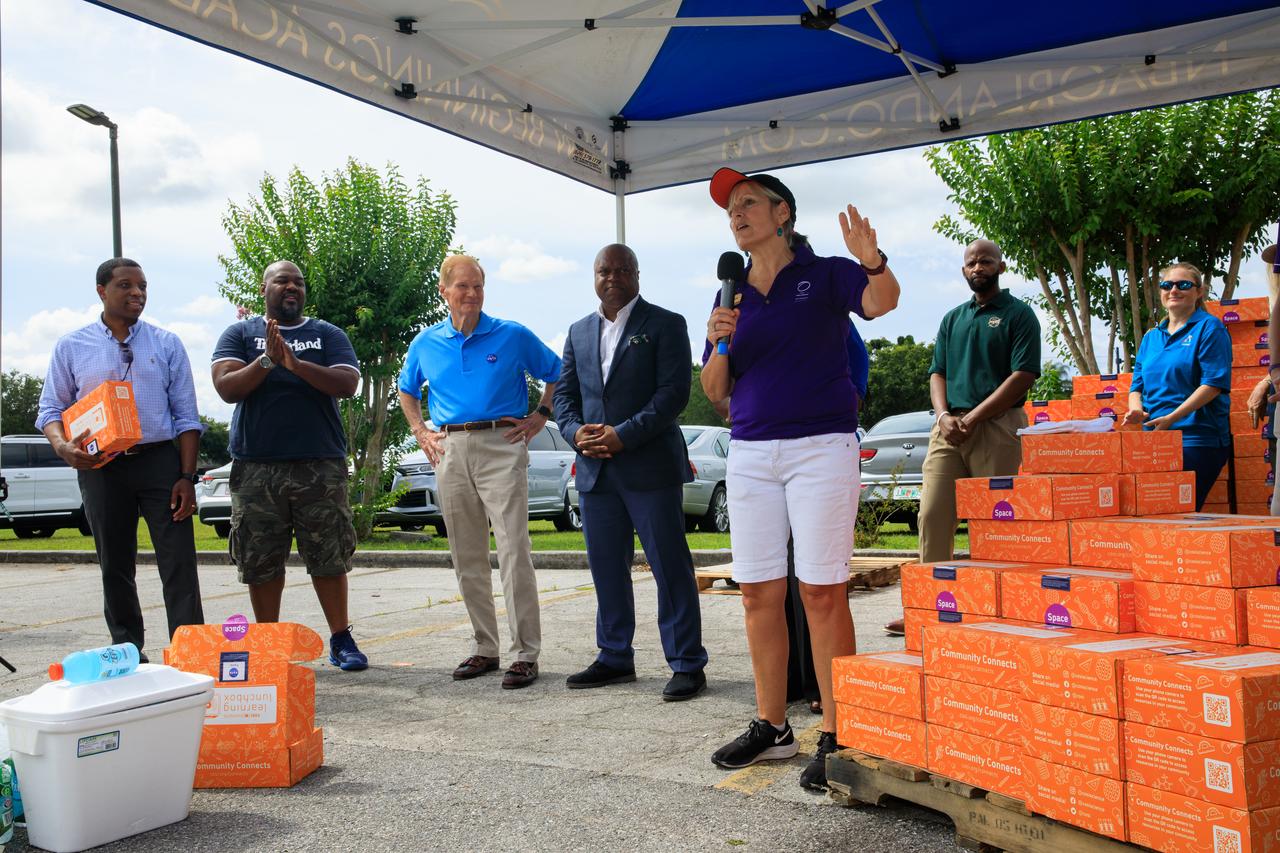
Dr. Frederic Bertley (center), president and CEO, Center of Science and Industry (COSI), speaks at New Beginnings Church – The Gathering Place in Orlando, Florida on Friday, June 3, as part of the launch of a new initiative to deliver food and hands-on science, technology, engineering, and math kits, called Learning Lunchboxes. NASA Administrator Bill Nelson and other agency representatives were on hand to hand out the lunchboxes, which are aimed at inspiring and educating youth and families about NASA’s upcoming Artemis missions, including landing the first woman and person of color on the Moon and helping prepare for human exploration of Mars. Along with COSI, NASA’s partners on the initiative include the Second Harvest Food Bank and the Orlando Science Center. The NASA Artemis Learning Lunchbox is made possible through NASA’s Teams Engaging Affiliated Museums and Informal Institutions (TEAM II) program. NASA Learning Lunchboxes provide five space-focused learning activities that showcase the diversity of STEM at NASA. COSI will distribute 30,000 NASA Learning Lunchboxes at local food banks across the country to help feed hungry lives and feed hungry minds. This innovative, community-based model will bring together other science centers and museums, afterschool providers, and community leaders to highlight the importance of STEM. This project also includes digital extension resources.
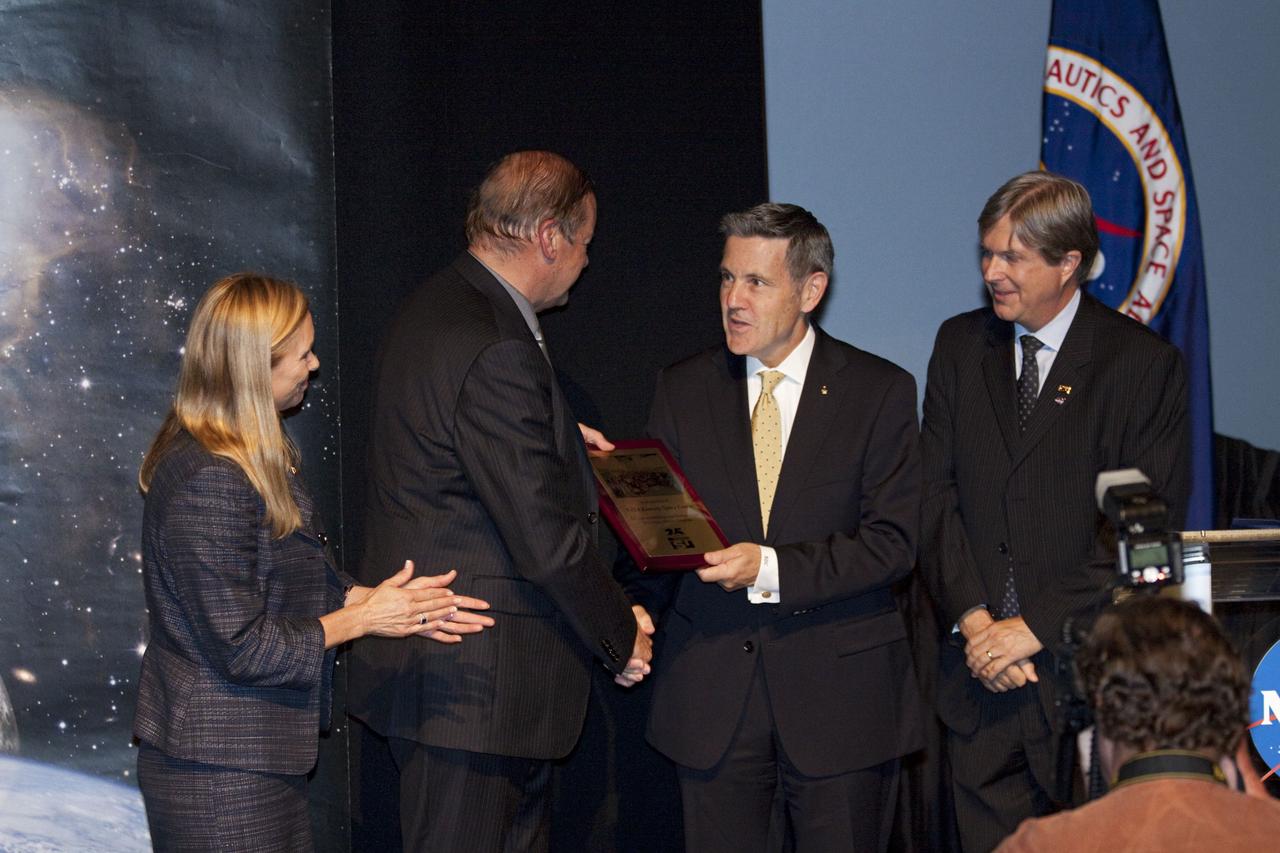
CAPE CANAVERAL, Fla. – Kennedy Space Center Director Robert Cabana, right-center, presents a commemorative plaque to, Dr. Walter Peeters, president of the International Space University. Looking on are Kennedy's Deputy Director Janet Petro and Gary Martin, 2012 director of Space Studies Program for the ISU. The presentation took place during ISU closing ceremonies at the Kennedy Space center Visitor Complex on Aug. 3, 2012. The International Space University is a nine-week intensive course designed for post-graduate university students and professionals during the summer. The program is hosted by a different country each year, providing a unique educational experience for participants from around the world. NASA Kennedy Space Center and the Florida Institute of Technology co-hosted this year's event which ran from June 4 to Aug. 3. There were about 125 participants representing 31 countries. For more information, visit http://www.isunet.edu Photo credit: NASA/Kim Shiflett
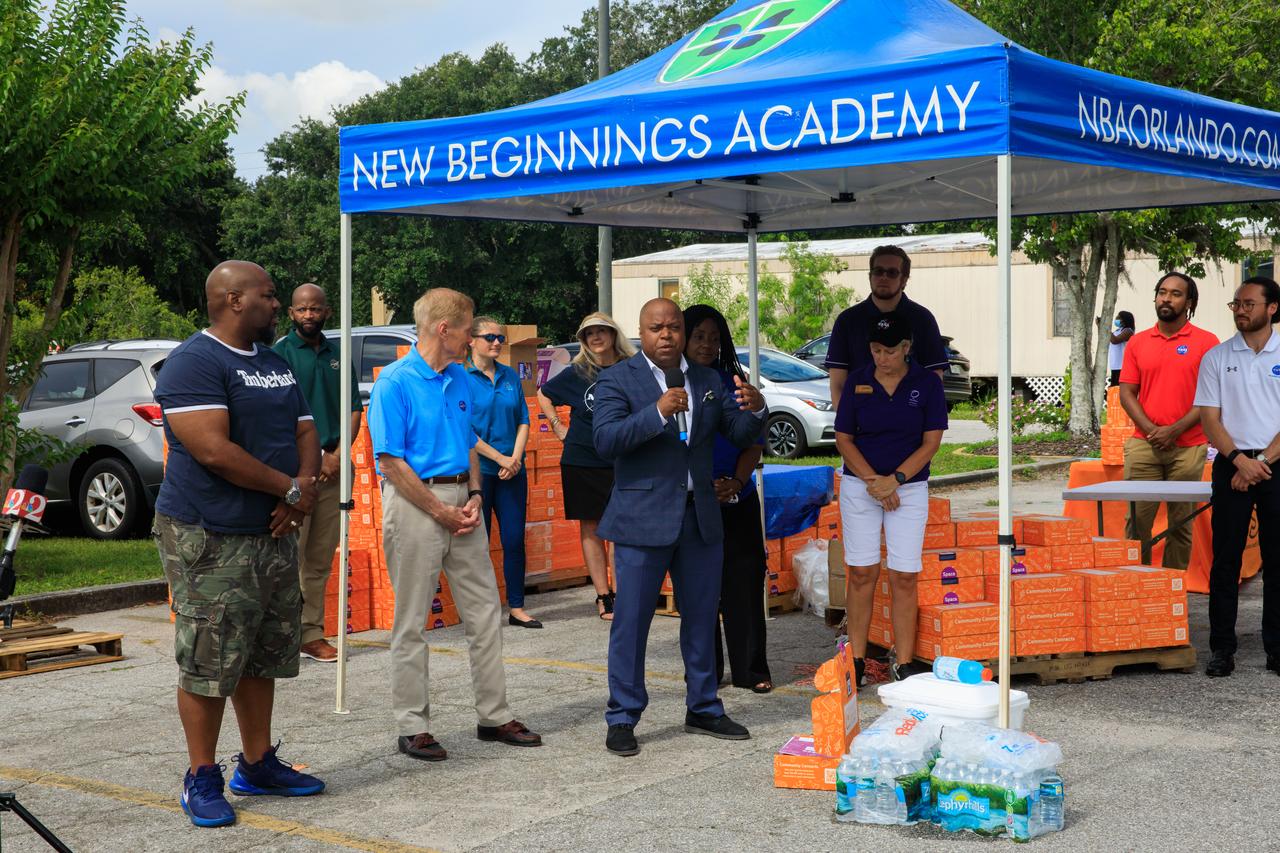
Dr. Frederic Bertley (center), president and CEO, Center of Science and Industry (COSI), speaks at New Beginnings Church – The Gathering Place in Orlando, Florida on Friday, June 3, as part of the launch of a new initiative to deliver food and hands-on science, technology, engineering, and math kits, called Learning Lunchboxes. NASA Administrator Bill Nelson and other agency representatives were on hand to hand out the lunchboxes, which are aimed at inspiring and educating youth and families about NASA’s upcoming Artemis missions, including landing the first woman and person of color on the Moon and helping prepare for human exploration of Mars. Along with COSI, NASA’s partners on the initiative include the Second Harvest Food Bank and the Orlando Science Center. The NASA Artemis Learning Lunchbox is made possible through NASA’s Teams Engaging Affiliated Museums and Informal Institutions (TEAM II) program. NASA Learning Lunchboxes provide five space-focused learning activities that showcase the diversity of STEM at NASA. COSI will distribute 30,000 NASA Learning Lunchboxes at local food banks across the country to help feed hungry lives and feed hungry minds. This innovative, community-based model will bring together other science centers and museums, afterschool providers, and community leaders to highlight the importance of STEM. This project also includes digital extension resources.
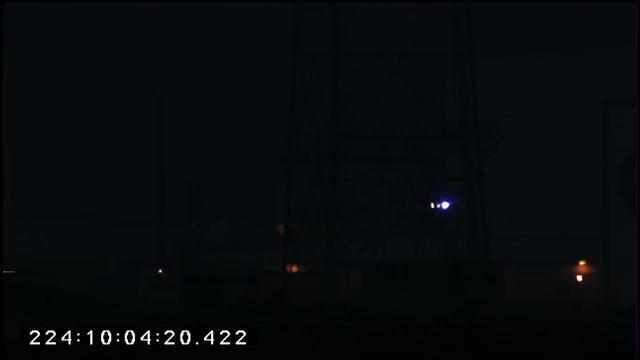
NASA launched a Terrier-Improved Malemute suborbital sounding rocket carrying the RockSat-X payload with university and community college student experiments at 6:04 a.m. EDT Wednesday, Aug. 12, from NASA’s Wallops Flight Facilityin Virginia. More than 60 students and instructors from across the continental United States, Hawaii and Puerto Rico were on hand to witness the launch of their experiments. The payload flew to an altitude of about 97 miles and descended via parachute into the Atlantic Ocean off the coast of Wallops. Payload recovery operations began after lift-off. Developed by students from seven higher education programs, the experiments flew through the RockSat-X program in conjunction with the Colorado Space Grant Consortium. Participating institutions in this flight are the University of Colorado, Boulder; Northwest Nazarene University, Nampa, Idaho; the University of Puerto Rico; the University of Nebraska, Lincoln; Virginia Tech University, Blacksburg; Capitol Technology University, Laurel, Maryland; and University of Hawai'i Community Colleges at the Honolulu, Kapi'olani, Kaua'i, and Windward campuses. The next launch scheduled from Wallops is a NASA Black Brant IX suborbital sounding rocket carrying several technology development instruments. The launch is scheduled between 7 and 7:41 p.m. Sept. 29. The backup launch days are Sept. 30 through Oct. 12. <b><a href="http://www.nasa.gov/audience/formedia/features/MP_Photo_Guidelines.html" rel="nofollow">NASA image use policy.</a></b> <b><a href="http://www.nasa.gov/centers/goddard/home/index.html" rel="nofollow">NASA Goddard Space Flight Center</a></b> enables NASA’s mission through four scientific endeavors: Earth Science, Heliophysics, Solar System Exploration, and Astrophysics. Goddard plays a leading role in NASA’s accomplishments by contributing compelling scientific knowledge to advance the Agency’s mission. <b>Follow us on <a href="http://twitter.com/NASAGoddardPix" rel="nofollow">Twitter</a></b> <b>Like us on <a href="http://www.facebook.com/pages/Greenbelt-MD/NASA-Goddard/395013845897?ref=tsd" rel="nofollow">Facebook</a></b> <b>Find us on <a href="http://instagrid.me/nasagoddard/?vm=grid" rel="nofollow">Instagram</a></b>

NMTSat is a student-built satellite built by undergraduate and graduates students primarily from New Mexico Tech. NMTSat is designed to operate five sensors in four experiments in space for 3 months of data collection. The experiments will provide data on earth’s magnetic field, high altitude plasma density, atmospheric weather measurements, and an optical beacon experiment. Approximately 50 students have contributed to NMTSat and its design not including the students and groups who have developed the science instruments. NMTSat CubeSat is providing the opportunity for these science experiments to be conducted on orbit and demonstrates the collaborative nature of the Educational Launch of Nano Satellite (ELaNa) Program at NASA. The instruments have been contributed by New Mexico Tech, Turabo University in Puerto Rico, Los Alamos National Laboratory, and Atmospheric and Space Technology Research Associates (ASTRA) in Boulder, CO. Dr. Anders M. Jorgensen, Associate Professor at New Mexico Tech is the PI and Dr. Hien Vo from Vietnamese-German University in Ho Chi Minh University in Vietnam is a Co-Investigator. NMTSat is funded by the New Mexico NASA EPSCoR program as well as New Mexico Tech.

NMTSat is a student-built satellite built by undergraduate and graduates students primarily from New Mexico Tech. NMTSat is designed to operate five sensors in four experiments in space for 3 months of data collection. The experiments will provide data on earth’s magnetic field, high altitude plasma density, atmospheric weather measurements, and an optical beacon experiment. Approximately 50 students have contributed to NMTSat and its design not including the students and groups who have developed the science instruments. NMTSat CubeSat is providing the opportunity for these science experiments to be conducted on orbit and demonstrates the collaborative nature of the Educational Launch of Nano Satellite (ELaNa) Program at NASA. The instruments have been contributed by New Mexico Tech, Turabo University in Puerto Rico, Los Alamos National Laboratory, and Atmospheric and Space Technology Research Associates (ASTRA) in Boulder, CO. Dr. Anders M. Jorgensen, Associate Professor at New Mexico Tech is the PI and Dr. Hien Vo from Vietnamese-German University in Ho Chi Minh University in Vietnam is a Co-Investigator. NMTSat is funded by the New Mexico NASA EPSCoR program as well as New Mexico Tech.

NMTSat is a student-built satellite built by undergraduate and graduates students primarily from New Mexico Tech. NMTSat is designed to operate five sensors in four experiments in space for 3 months of data collection. The experiments will provide data on earth’s magnetic field, high altitude plasma density, atmospheric weather measurements, and an optical beacon experiment. Approximately 50 students have contributed to NMTSat and its design not including the students and groups who have developed the science instruments. NMTSat CubeSat is providing the opportunity for these science experiments to be conducted on orbit and demonstrates the collaborative nature of the Educational Launch of Nano Satellite (ELaNa) Program at NASA. The instruments have been contributed by New Mexico Tech, Turabo University in Puerto Rico, Los Alamos National Laboratory, and Atmospheric and Space Technology Research Associates (ASTRA) in Boulder, CO. Dr. Anders M. Jorgensen, Associate Professor at New Mexico Tech is the PI and Dr. Hien Vo from Vietnamese-German University in Ho Chi Minh University in Vietnam is a Co-Investigator. NMTSat is funded by the New Mexico NASA EPSCoR program as well as New Mexico Tech.

This image depicts a vast canyon of dust and gas in the Orion Nebula from a 3-D computer model based on observations by NASA's Hubble Space Telescope and created by science visualization specialists at the Space Telescope Science Institute (STScI) in Baltimore, Md. A 3-D visualization of this model takes viewers on an amazing four-minute voyage through the 15-light-year-wide canyon. Credit: NASA, G. Bacon, L. Frattare, Z. Levay, and F. Summers (STScI/AURA) Go here to learn more about Hubble 3D: <a href="http://www.nasa.gov/topics/universe/features/hubble_imax_premiere.html" rel="nofollow">www.nasa.gov/topics/universe/features/hubble_imax_premier...</a> or <a href="http://www.imax.com/hubble/" rel="nofollow">www.imax.com/hubble/</a> Take an exhilarating ride through the Orion Nebula, a vast star-making factory 1,500 light-years away. Swoop through Orion's giant canyon of gas and dust. Fly past behemoth stars whose brilliant light illuminates and energizes the entire cloudy region. Zoom by dusty tadpole-shaped objects that are fledgling solar systems. This virtual space journey isn't the latest video game but one of several groundbreaking astronomy visualizations created by specialists at the Space Telescope Science Institute (STScI) in Baltimore, the science operations center for NASA's Hubble Space Telescope. The cinematic space odysseys are part of the new Imax film "Hubble 3D," which opens today at select Imax theaters worldwide. The 43-minute movie chronicles the 20-year life of Hubble and includes highlights from the May 2009 servicing mission to the Earth-orbiting observatory, with footage taken by the astronauts. The giant-screen film showcases some of Hubble's breathtaking iconic pictures, such as the Eagle Nebula's "Pillars of Creation," as well as stunning views taken by the newly installed Wide Field Camera 3. While Hubble pictures of celestial objects are awe-inspiring, they are flat 2-D photographs. For this film, those 2-D images have been converted into 3-D environments, giving the audience the impression they are space travelers taking a tour of Hubble's most popular targets. "A large-format movie is a truly immersive experience," says Frank Summers, an STScI astronomer and science visualization specialist who led the team that developed the movie visualizations. The team labored for nine months, working on four visualization sequences that comprise about 12 minutes of the movie. "Seeing these Hubble images in 3-D, you feel like you are flying through space and not just looking at picture postcards," Summers continued. "The spacescapes are all based on Hubble images and data, though some artistic license is necessary to produce the full depth of field needed for 3-D." The most ambitious sequence is a four-minute voyage through the Orion Nebula's gas-and-dust canyon, about 15 light-years across. During the ride, viewers will see bright and dark, gaseous clouds; thousands of stars, including a grouping of bright, hefty stars called the Trapezium; and embryonic planetary systems. The tour ends with a detailed look at a young circumstellar disk, which is much like the structure from which our solar system formed 4.5 billion years ago. Based on a Hubble image of Orion released in 2006, the visualization was a collaborative effort between science visualization specialists at STScI, including Greg Bacon, who sculpted the Orion Nebula digital model, with input from STScI astronomer Massimo Roberto; the National Center for Supercomputing Applications at the University of Illinois at Urbana-Champaign; and the Spitzer Science Center at the California Institute of Technology in Pasadena. For some of the sequences, STScI imaging specialists developed new techniques for transforming the 2-D Hubble images into 3-D. STScI image processing specialists Lisa Frattare and Zolt Levay, for example, created methods of splitting a giant gaseous pillar in the Carina Nebula into multiple layers to produce a 3-D effect, giving the structure depth. The Carina Nebula is a nursery for baby stars. Frattare painstakingly removed the thousands of stars in the image so that Levay could separate the gaseous layers on the isolated Carina pillar. Frattare then replaced the stars into both foreground and background layers to complete the 3-D model. For added effect, the same separation was done for both visible and infrared Hubble images, allowing the film to cross-fade between wavelength views in 3-D. In another sequence viewers fly into a field of 170,000 stars in the giant star cluster Omega Centauri. STScI astronomer Jay Anderson used his stellar database to create a synthetic star field in 3-D that matches recent razor-sharp Hubble photos. The film's final four-minute sequence takes viewers on a voyage from our Milky Way Galaxy past many of Hubble's best galaxy shots and deep into space. Some 15,000 galaxies from Hubble's deepest surveys stretch billions of light-years across the universe in a 3-D sequence created by STScI astronomers and visualizers. The view dissolves into a cobweb that traces the universe's large-scale structure, the backbone from which galaxies were born. In addition to creating visualizations, STScI's education group also provided guidance on the "Hubble 3D" Educator Guide, which includes standards-based lesson plans and activities about Hubble and its mission. Students will use the guide before or after seeing the movie. "The guide will enhance the movie experience for students and extend the movie into classrooms," says Bonnie Eisenhamer, STScI's Hubble Formal Education manager. The Hubble Space Telescope is a project of international cooperation between NASA and the European Space Agency (ESA) and is managed by NASA’s Goddard Space Flight Center (GSFC) in Greenbelt, Md. The Space Telescope Science Institute (STScI) conducts Hubble science operations. The institute is operated for NASA by the Association of Universities for Research in Astronomy, Inc., Washington, D.C.