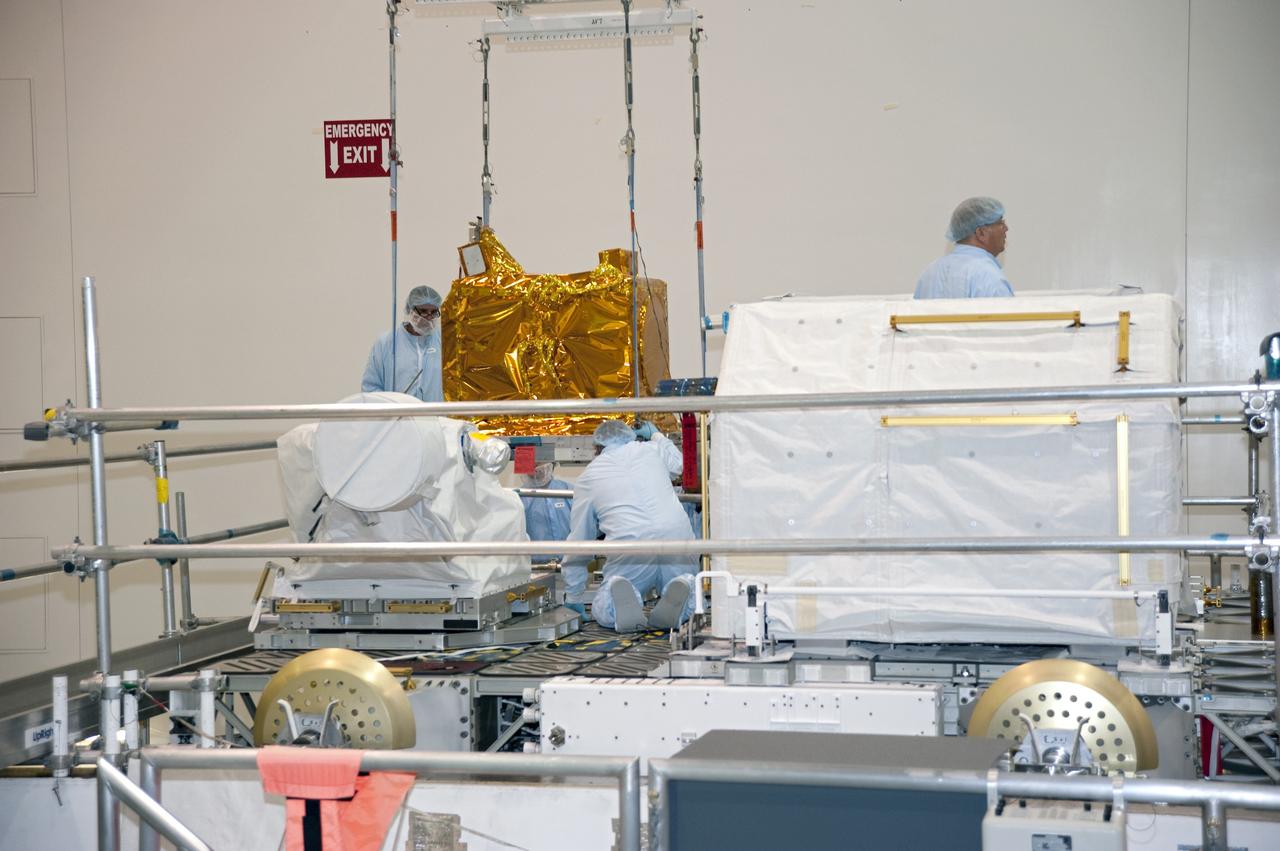
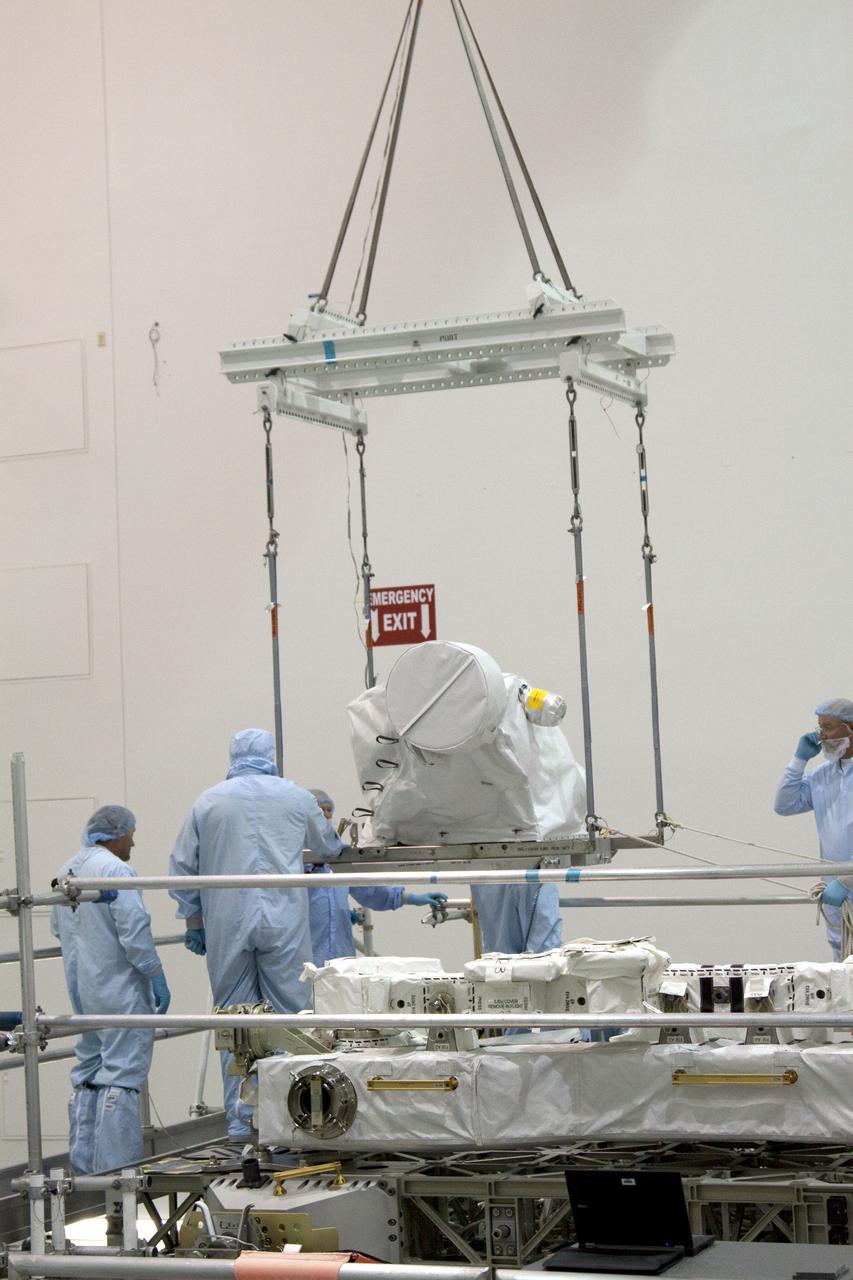
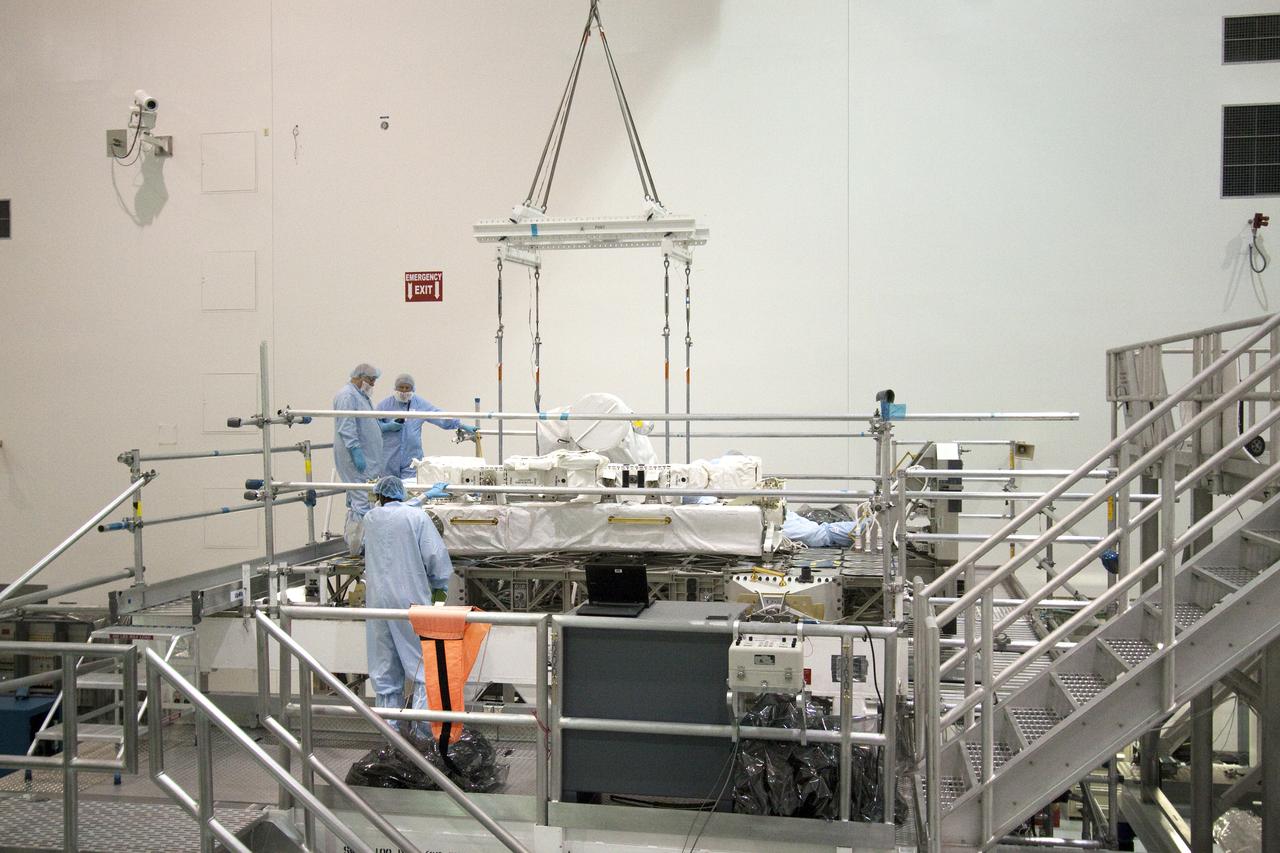
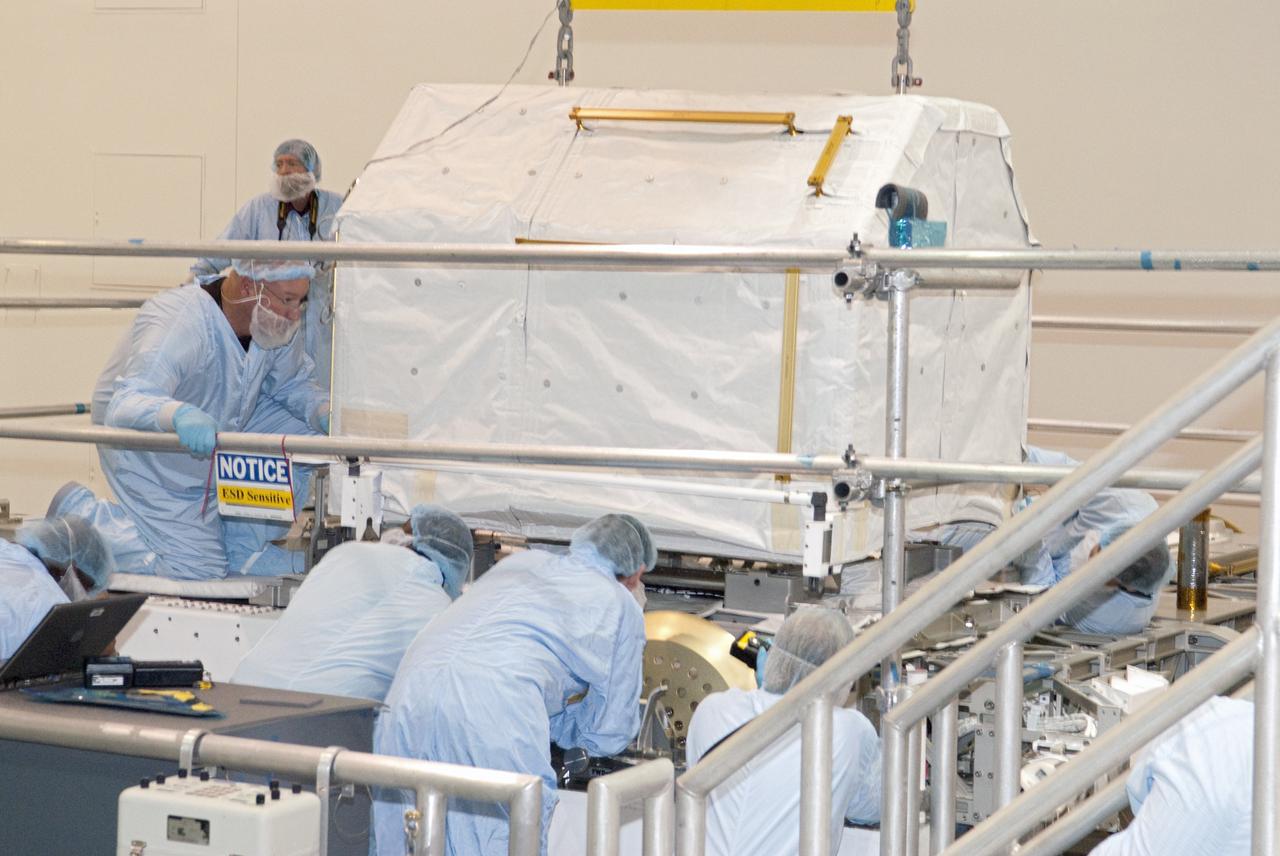
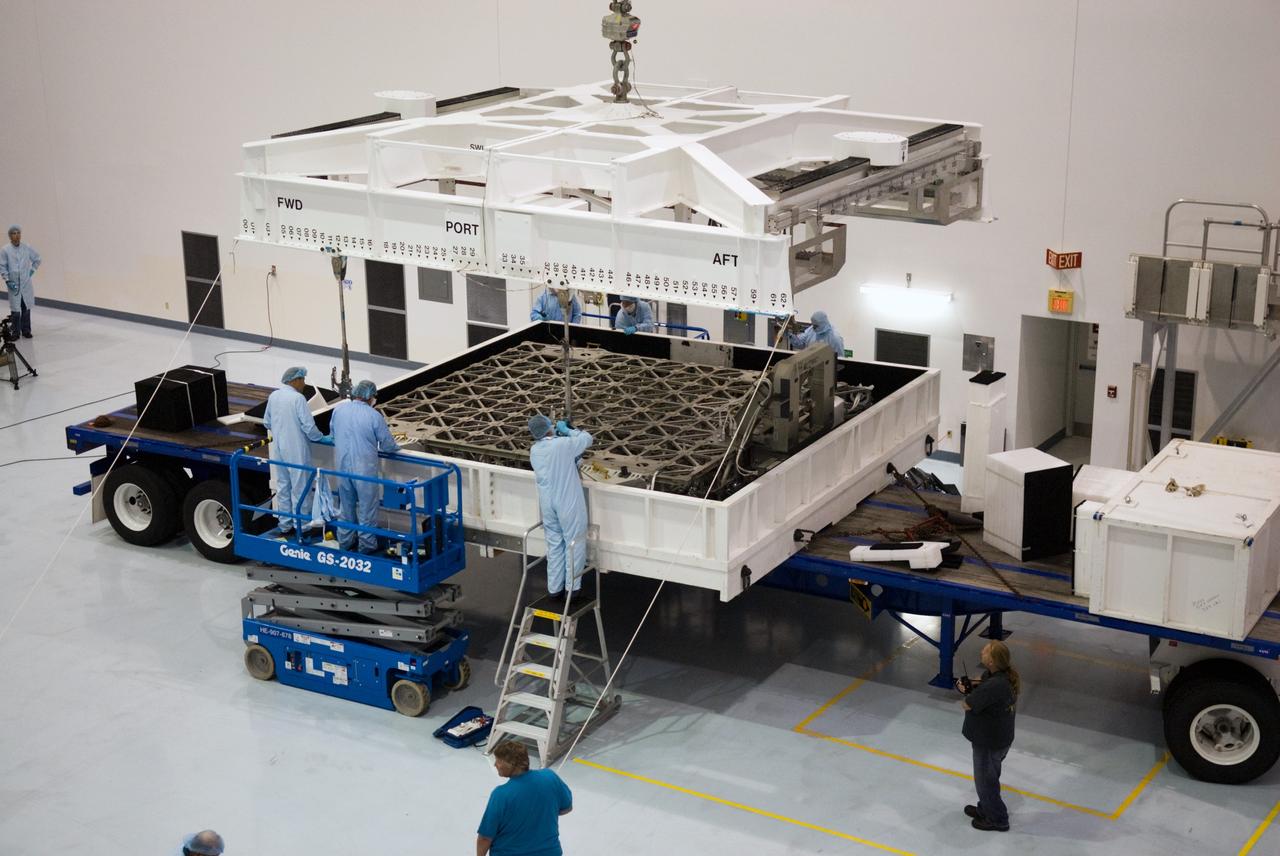
CAPE CANAVERAL, Fla. -- In the Space Station Processing Facility at NASA Kennedy Space Center in Florida, the Space Test Program-Houston-3, or STP-H3, payload is lowered onto the Express Logistics Carrier-3, or ELC-3. STP-H3 is a compliment of four individual Department of Defense experiments that will test concepts in low earth orbit for long duration flights. As the final planned mission of the Space Shuttle Program, shuttle Endeavour and its STS-134 crew will deliver the Alpha Magnetic Spectrometer, the ELC-3 as well as critical spare components to the International Space Station. Endeavour is targeted for launch Feb. 26, 2011. For more information visit, http://www.nasa.gov/mission_pages/shuttle/shuttlemissions/sts134/index.html. Photo credit: NASA/Kim Shiflett
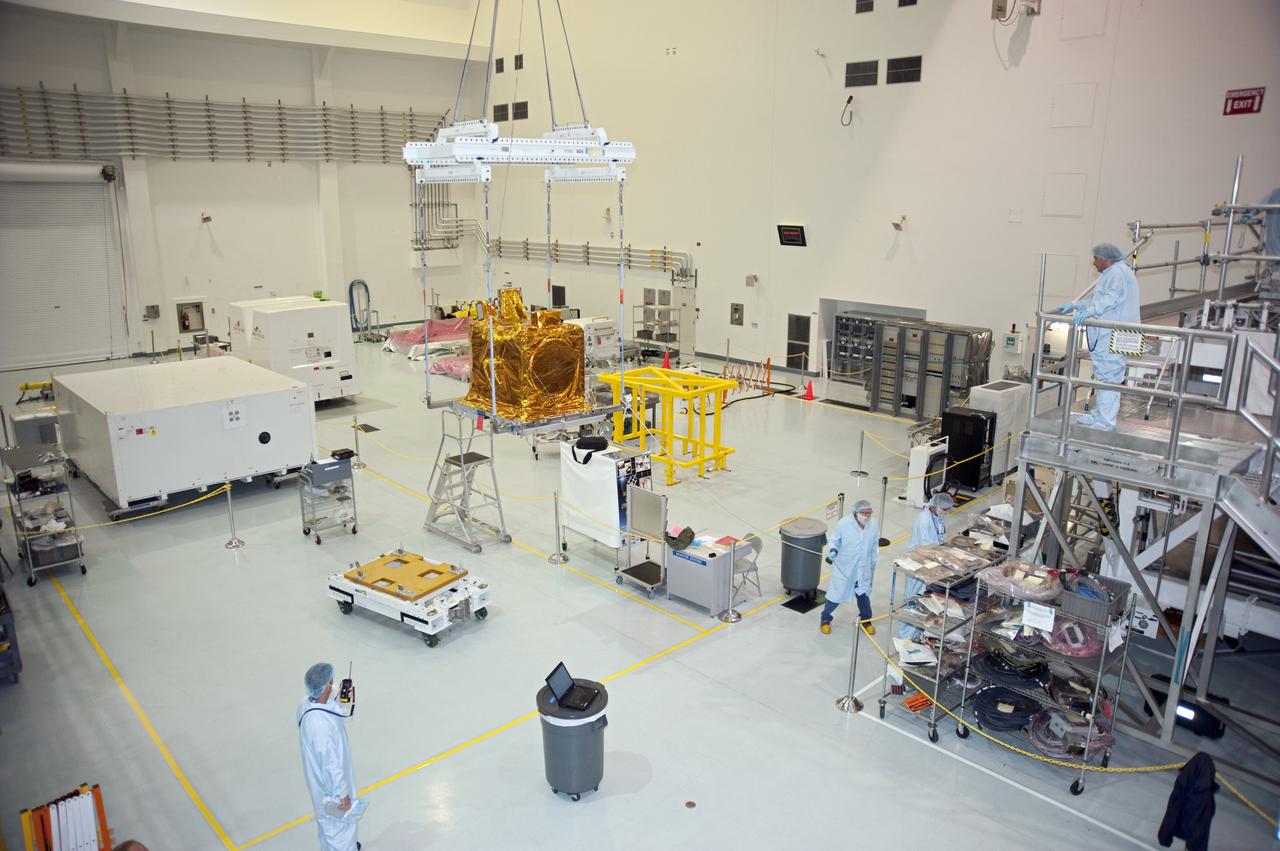
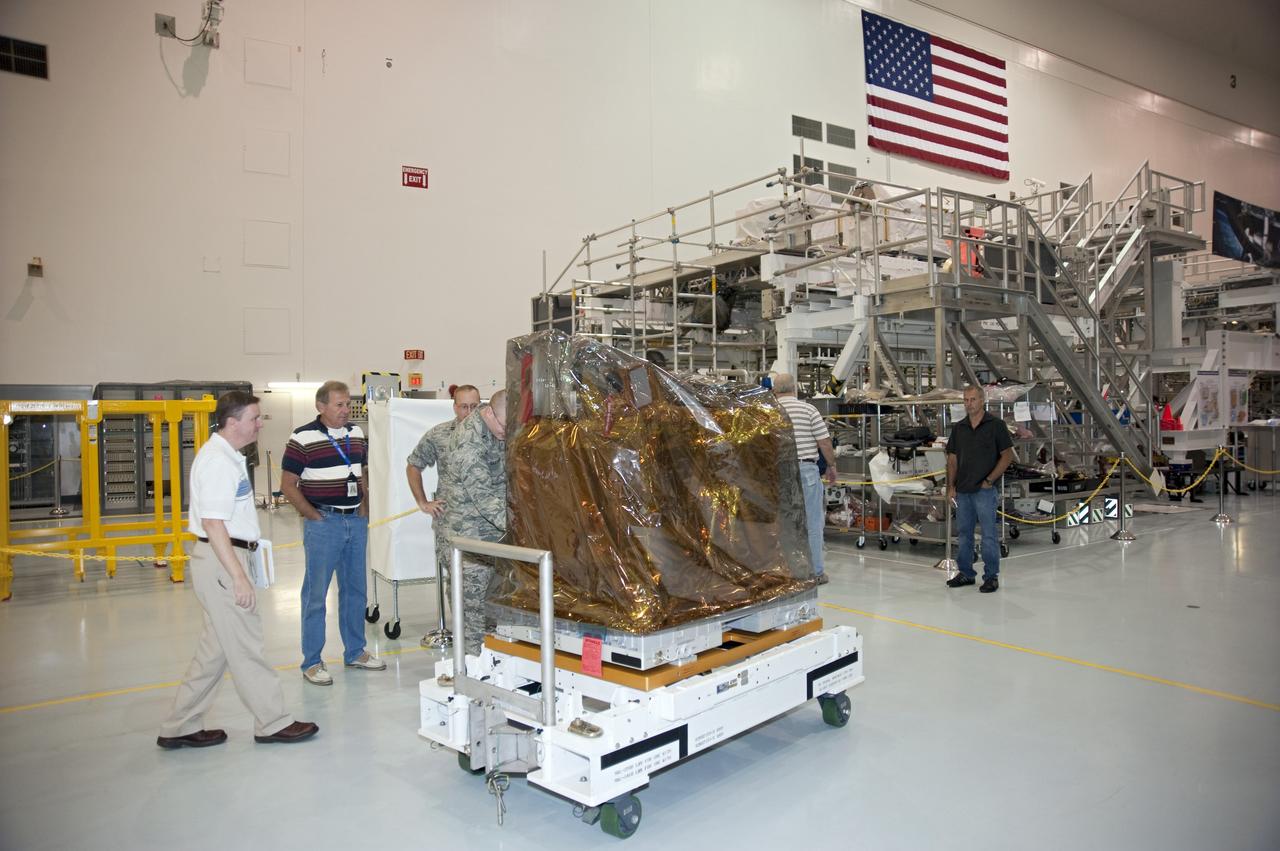
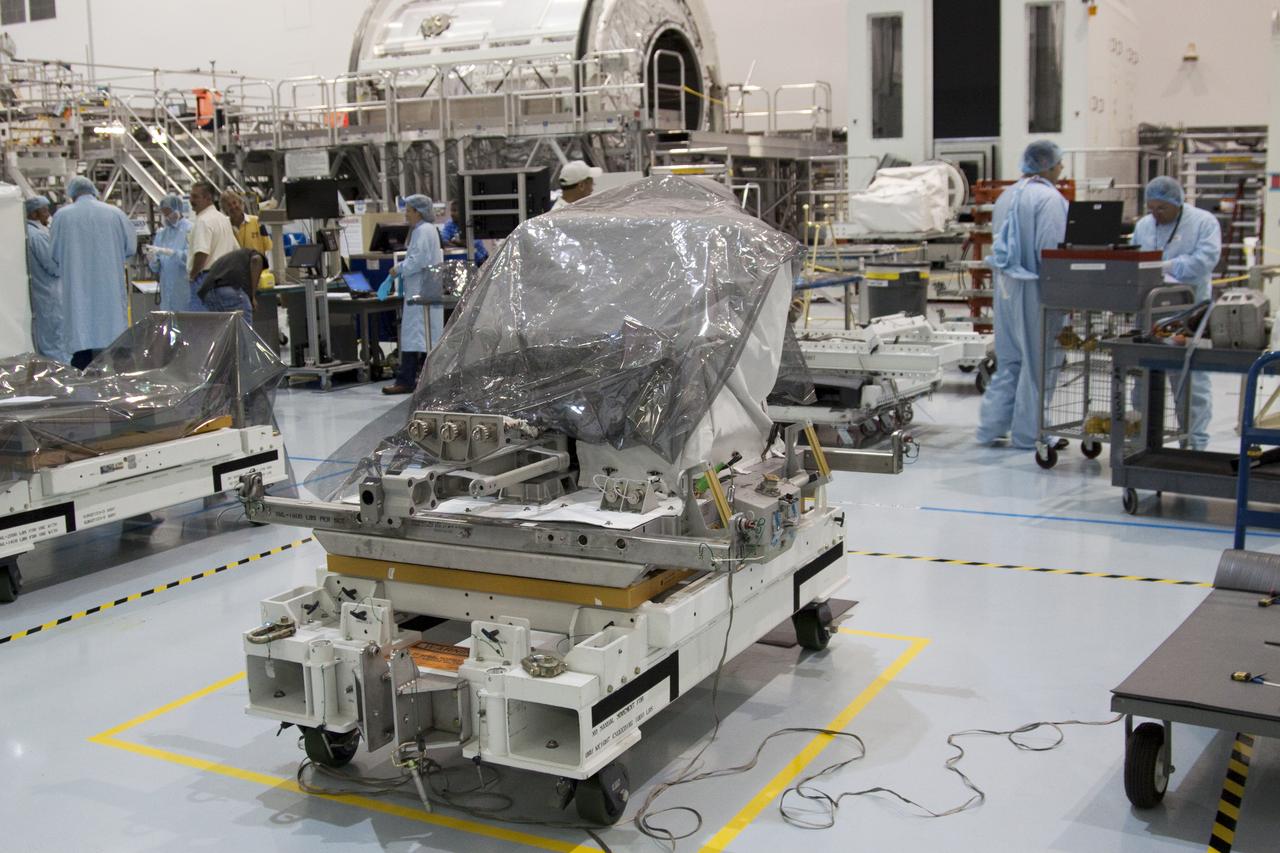
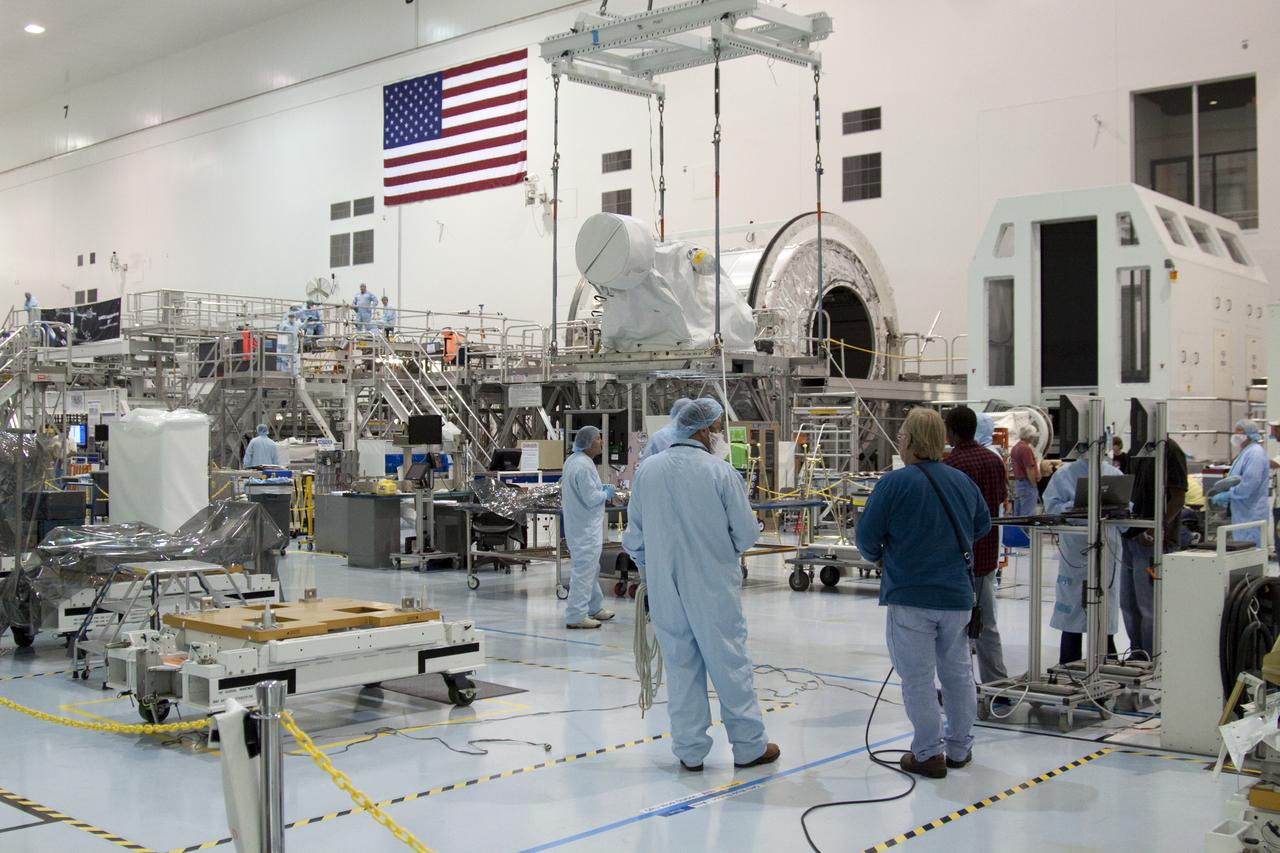
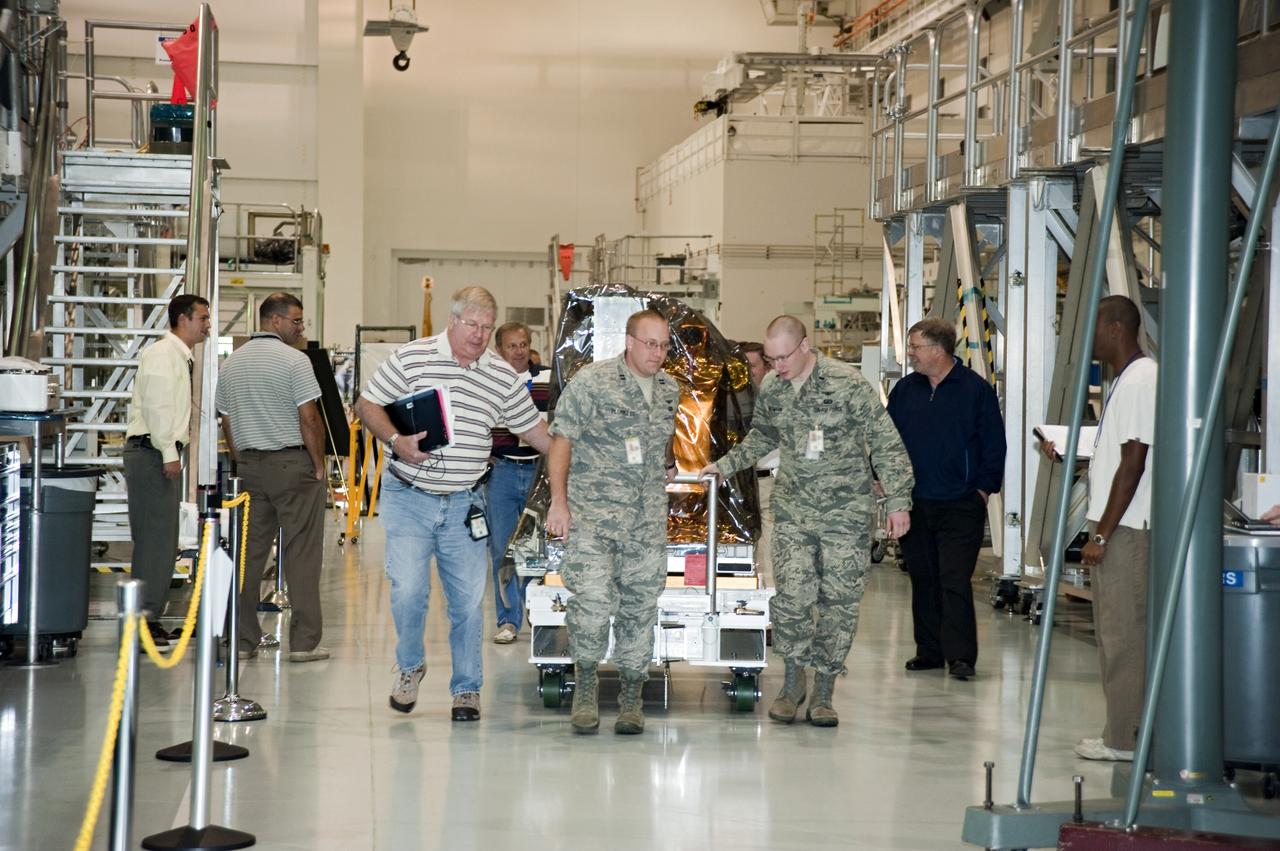
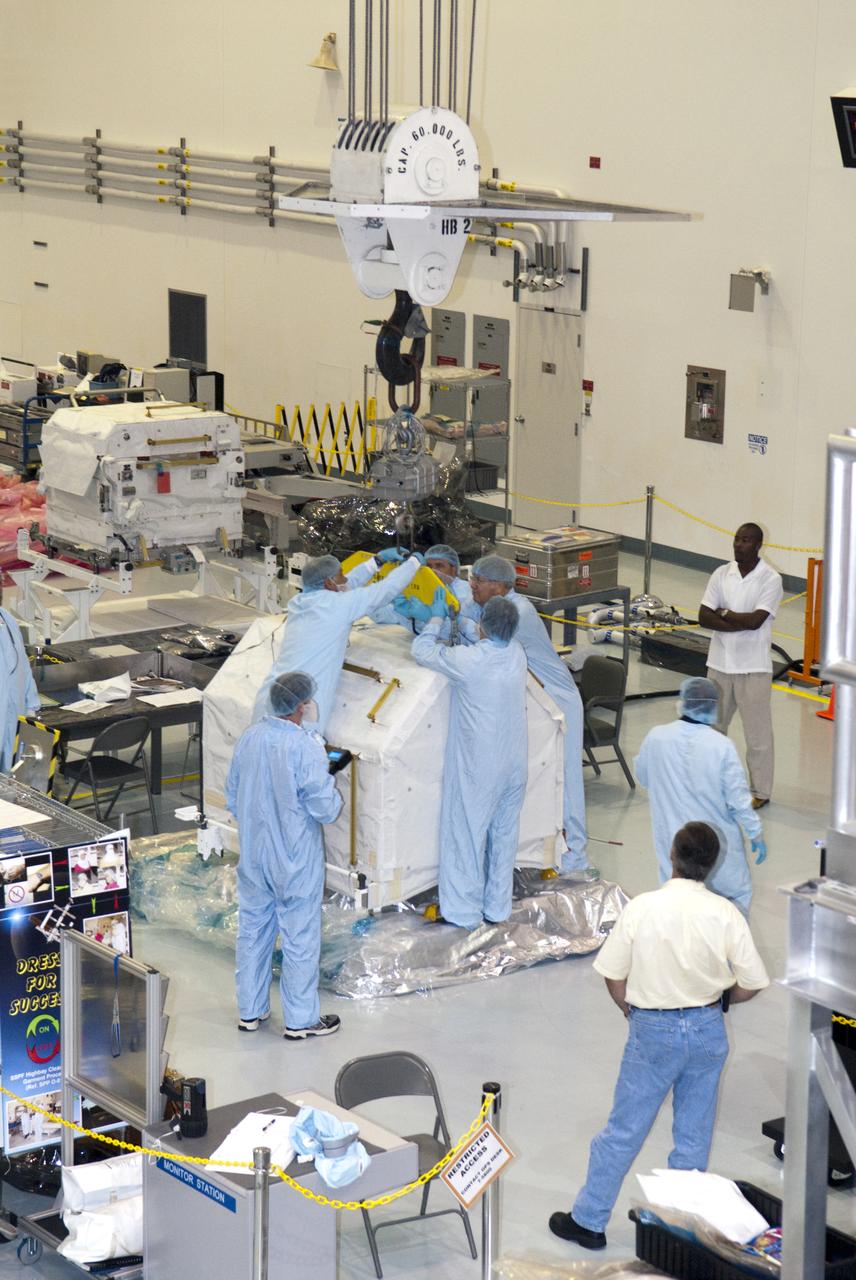
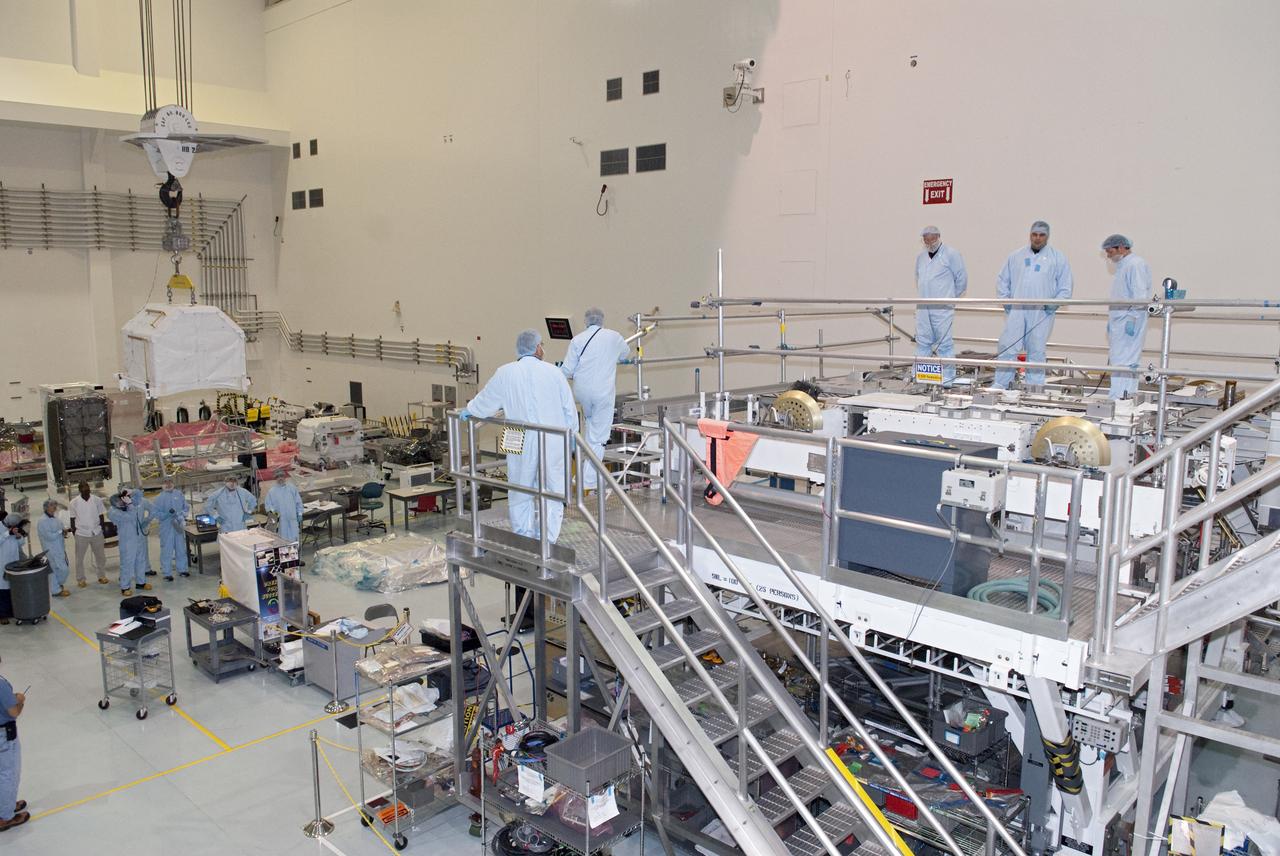
CAPE CANAVERAL, Fla. -- In the Space Station Processing Facility at NASA Kennedy Space Center in Florida, the lift ground support equipment transports the Space Test Program-Houston-3, or STP-H3, payload toward the Express Logistics Carrier-3, or ELC-3. STP-H3 is a compliment of four individual Department of Defense experiments that will test concepts in low earth orbit for long duration flights. As the final planned mission of the Space Shuttle Program, shuttle Endeavour and its STS-134 crew will deliver the Alpha Magnetic Spectrometer, the ELC-3 as well as critical spare components to the International Space Station. Endeavour is targeted for launch Feb. 26, 2011. For more information visit, http://www.nasa.gov/mission_pages/shuttle/shuttlemissions/sts134/index.html. Photo credit: NASA/Kim Shiflett
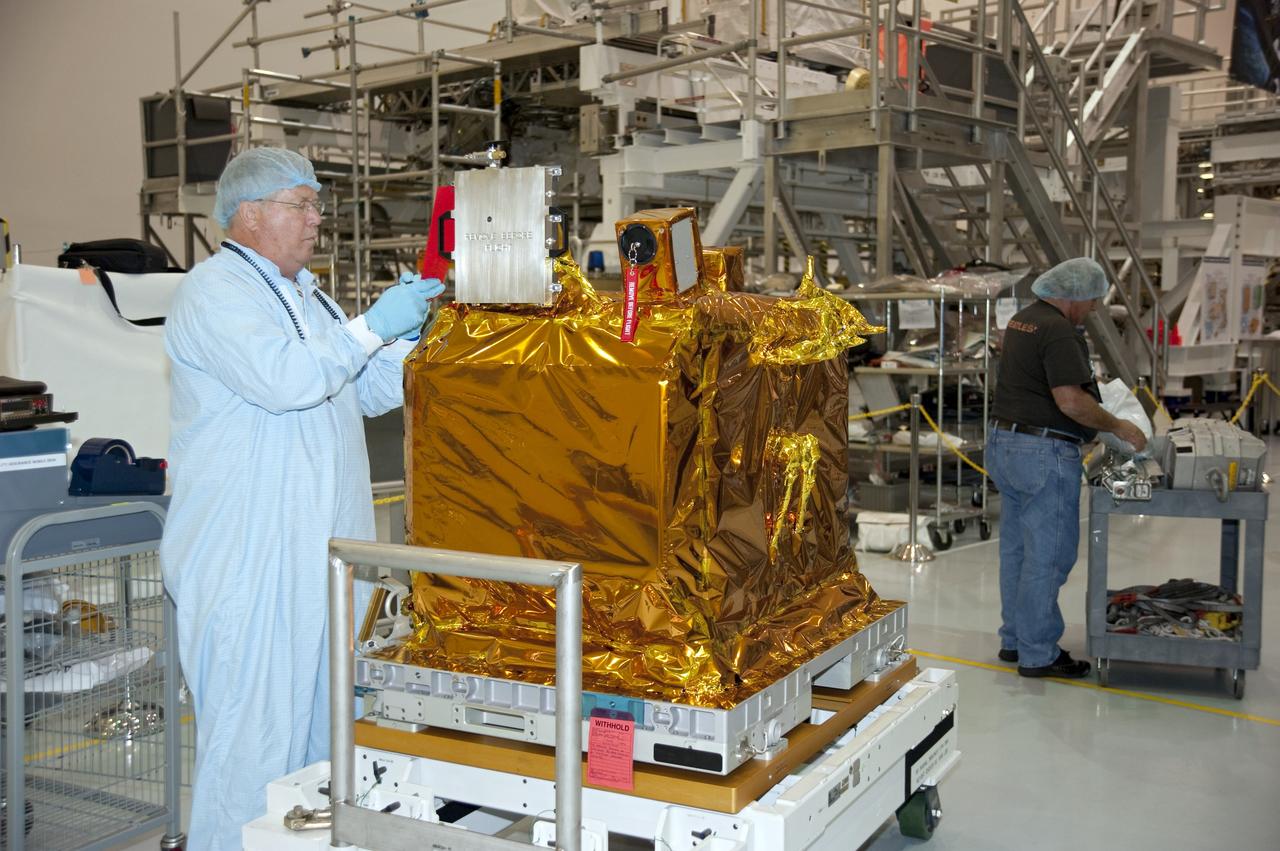
CAPE CANAVERAL, Fla. -- In the Space Station Processing Facility at NASA Kennedy Space Center in Florida, a technician finalizes quality assurance paperwork before the Space Test Program-Houston-3, or STP-H3, payload is installed onto the Express Logistics Carrier-3, or ELC-3. STP-H3 is a compliment of four individual Department of Defense experiments that will test concepts in low earth orbit for long duration flights. As the final planned mission of the Space Shuttle Program, shuttle Endeavour and its STS-134 crew will deliver the Alpha Magnetic Spectrometer, the ELC-3 as well as critical spare components to the International Space Station. Endeavour is targeted for launch Feb. 26, 2011. For more information visit, http://www.nasa.gov/mission_pages/shuttle/shuttlemissions/sts134/index.html. Photo credit: NASA/Kim Shiflett
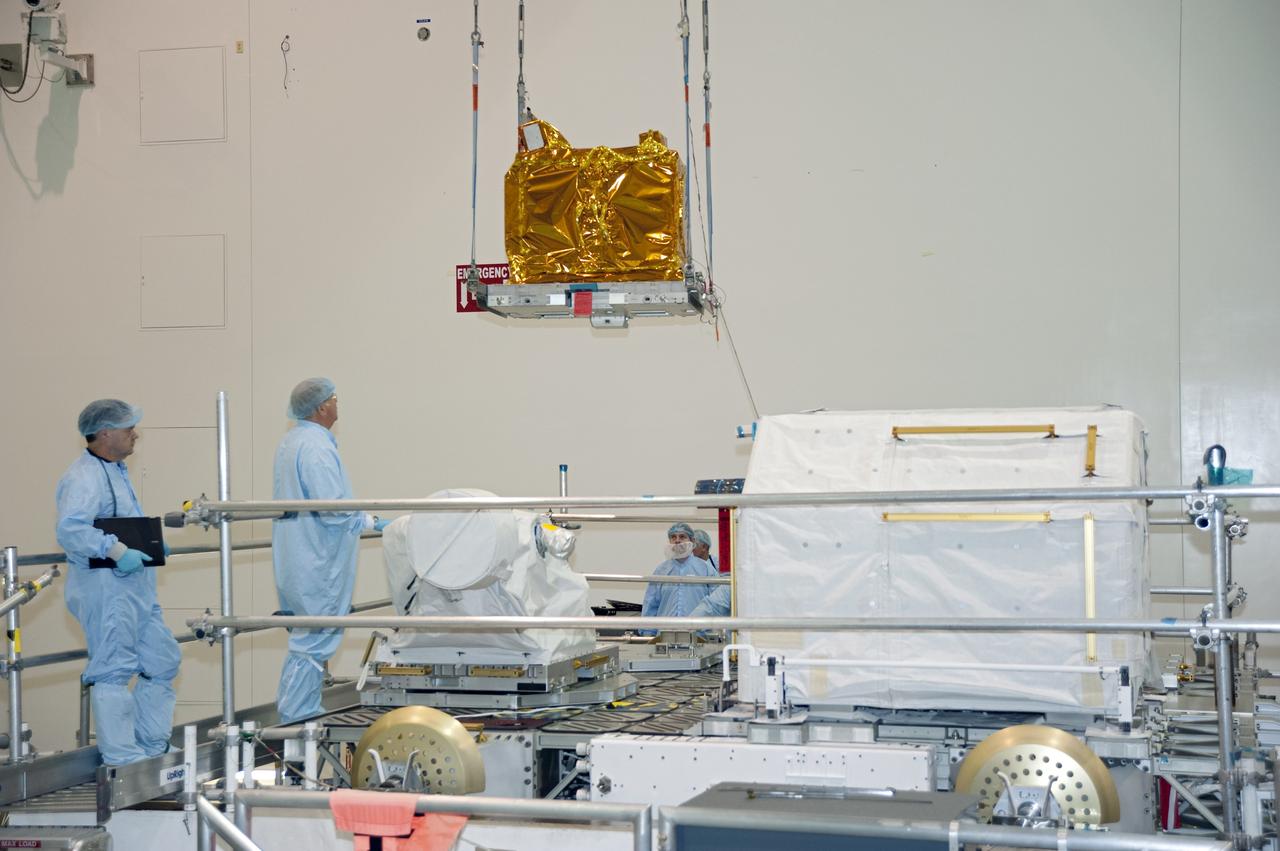
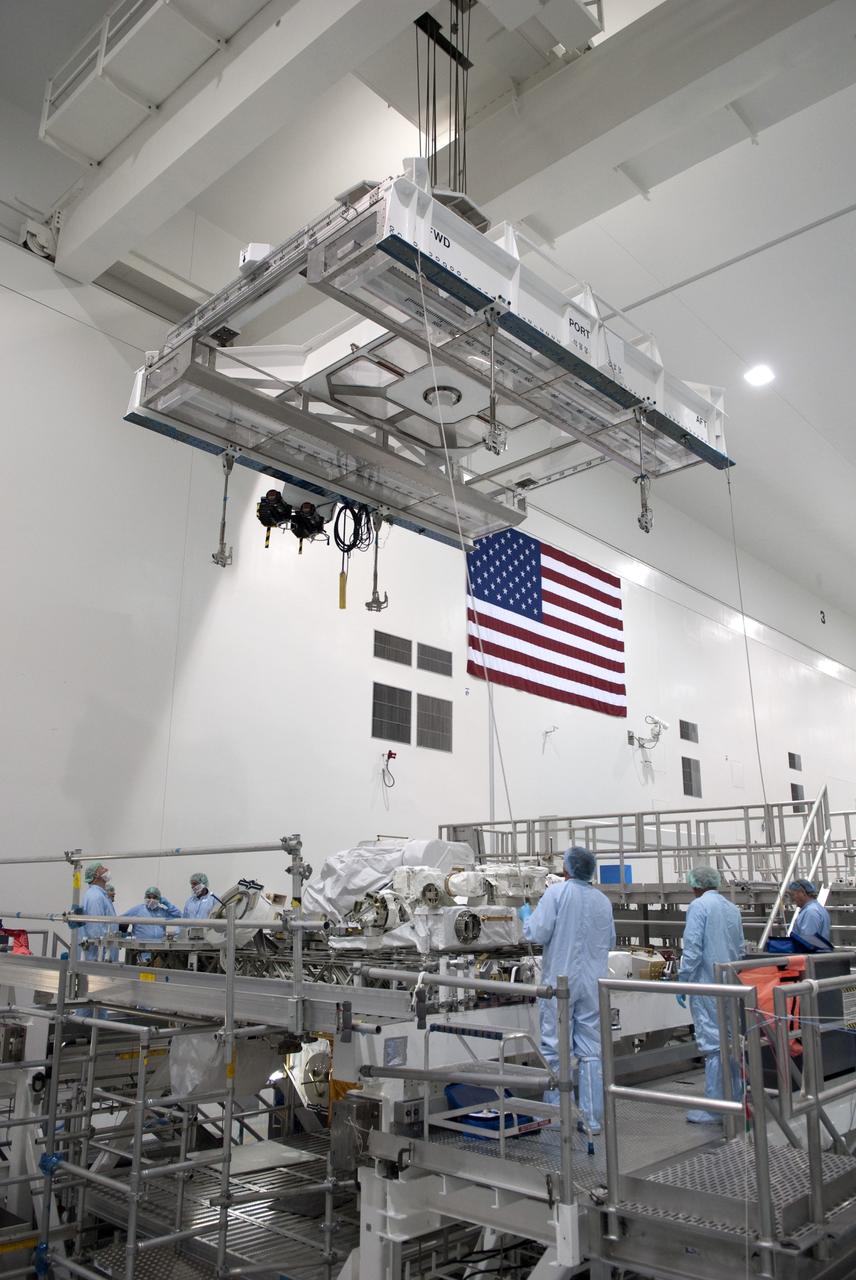
CAPE CANAVERAL, Fla. -- In the Space Station Processing Facility at NASA Kennedy Space Center in Florida, the lift ground support equipment positions the Space Test Program-Houston-3, or STP-H3, payload over the Express Logistics Carrier-3 or ELC-3 for installation. STP-H3 is a compliment of four individual Department of Defense experiments that will test concepts in low earth orbit for long duration flights. As the final planned mission of the Space Shuttle Program, shuttle Endeavour and its STS-134 crew will deliver the Alpha Magnetic Spectrometer, the ELC-3 as well as critical spare components to the International Space Station. Endeavour is targeted for launch Feb. 26, 2011. For more information visit, http://www.nasa.gov/mission_pages/shuttle/shuttlemissions/sts134/index.html. Photo credit: NASA/Kim Shiflett
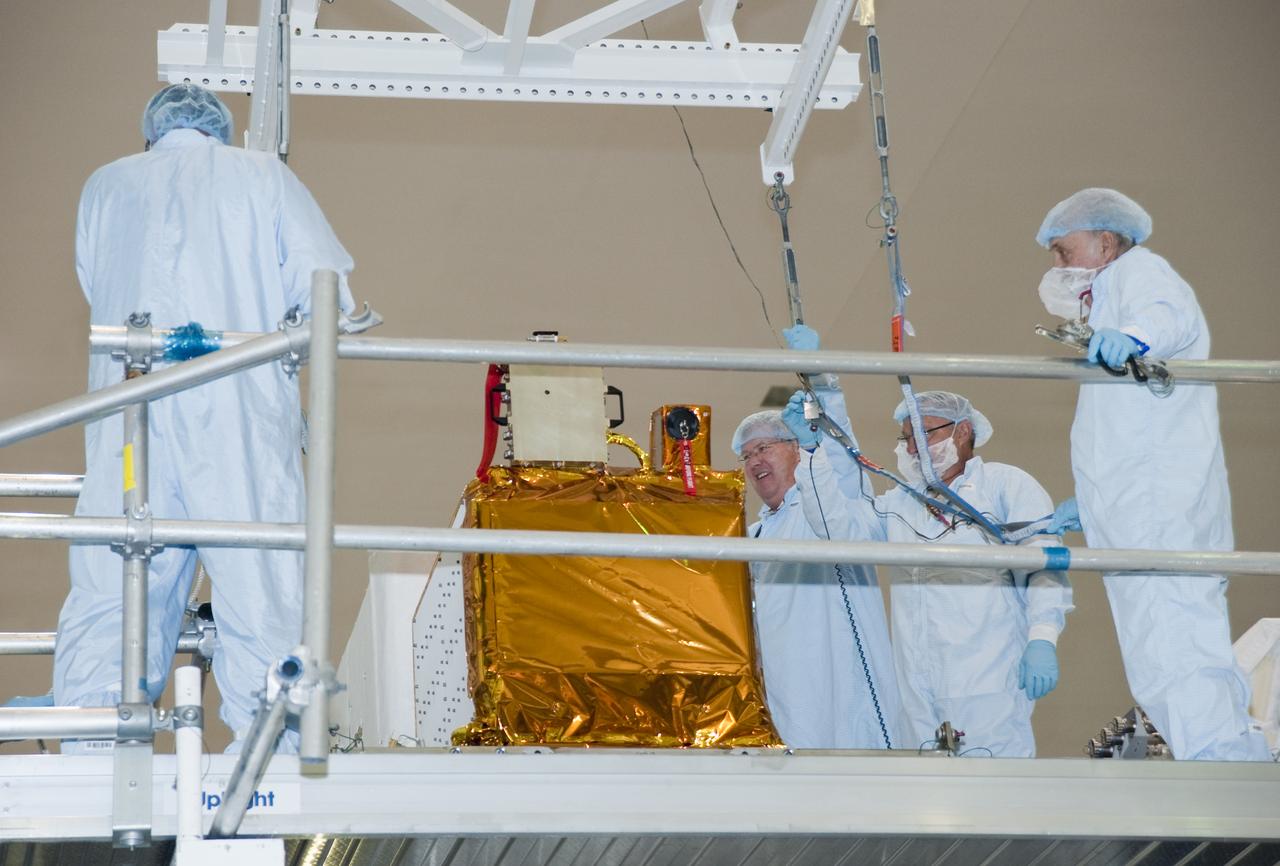
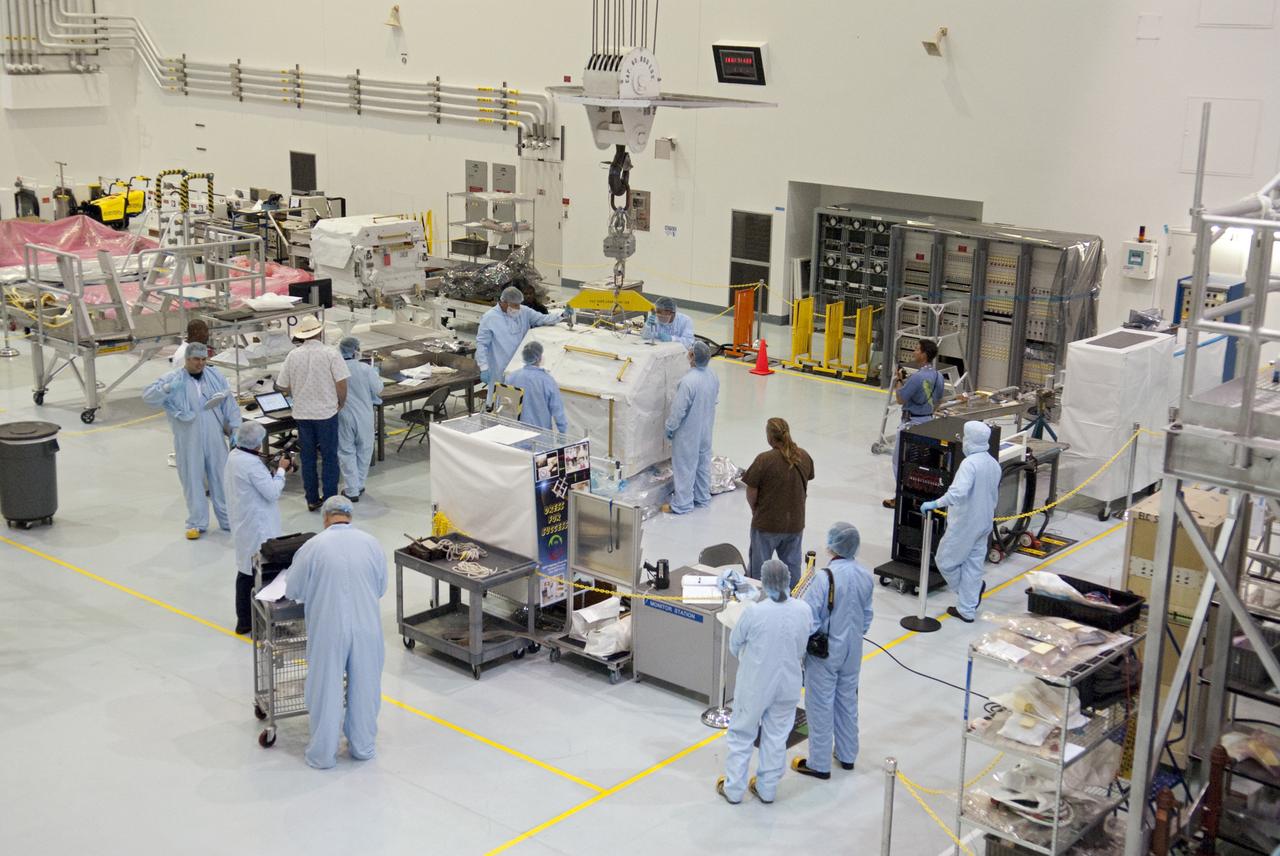
CAPE CANAVERAL, Fla. -- In the Space Station Processing Facility at NASA Kennedy Space Center in Florida, the Space Test Program-Houston-3, or STP-H3, payload is being prepared for installation onto the Express Logistics Carrier-3, or ELC-3. STP-H3 is a compliment of four individual Department of Defense experiments that will test concepts in low earth orbit for long duration flights. As the final planned mission of the Space Shuttle Program, shuttle Endeavour and its STS-134 crew will deliver the Alpha Magnetic Spectrometer, the ELC-3 as well as critical spare components to the International Space Station. Endeavour is targeted for launch Feb. 26, 2011. For more information visit, http://www.nasa.gov/mission_pages/shuttle/shuttlemissions/sts134/index.html. Photo credit: NASA/Kim Shiflett
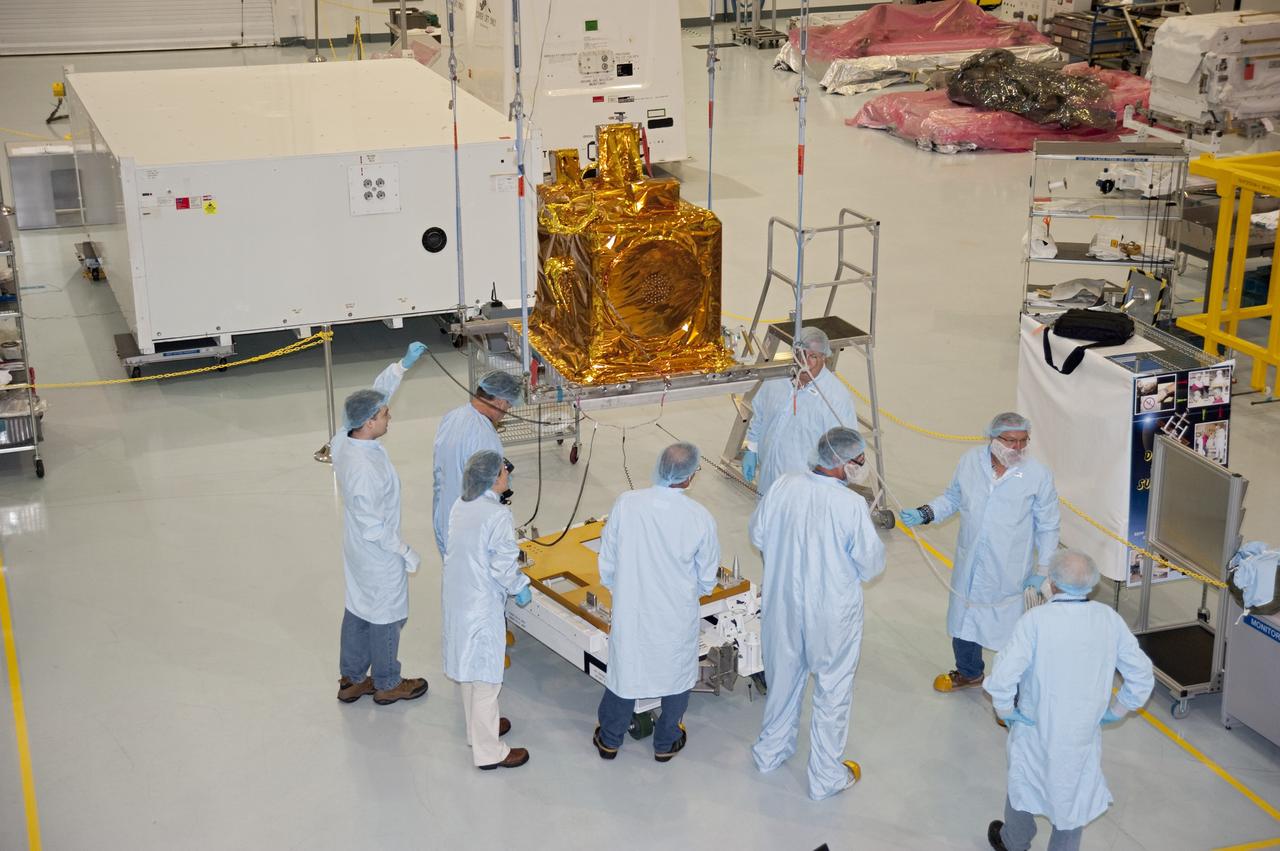
CAPE CANAVERAL, Fla. -- As the lift of the Space Test Program-Houston-3, or STP-H3, payload begins in the Space Station Processing Facility at NASA Kennedy Space Center in Florida, workers inspect the bottom surface of the platform for sharp edges and cleanliness, prior to installation onto the Express Logistics Carrier-3, or ELC-3. STP-H3 is a compliment of four individual Department of Defense experiments that will test concepts in low earth orbit for long duration flights. As the final planned mission of the Space Shuttle Program, shuttle Endeavour and its STS-134 crew will deliver the Alpha Magnetic Spectrometer, the ELC-3 as well as critical spare components to the International Space Station. Endeavour is targeted for launch Feb. 26, 2011. For more information visit, http://www.nasa.gov/mission_pages/shuttle/shuttlemissions/sts134/index.html. Photo credit: NASA/Kim Shiflett
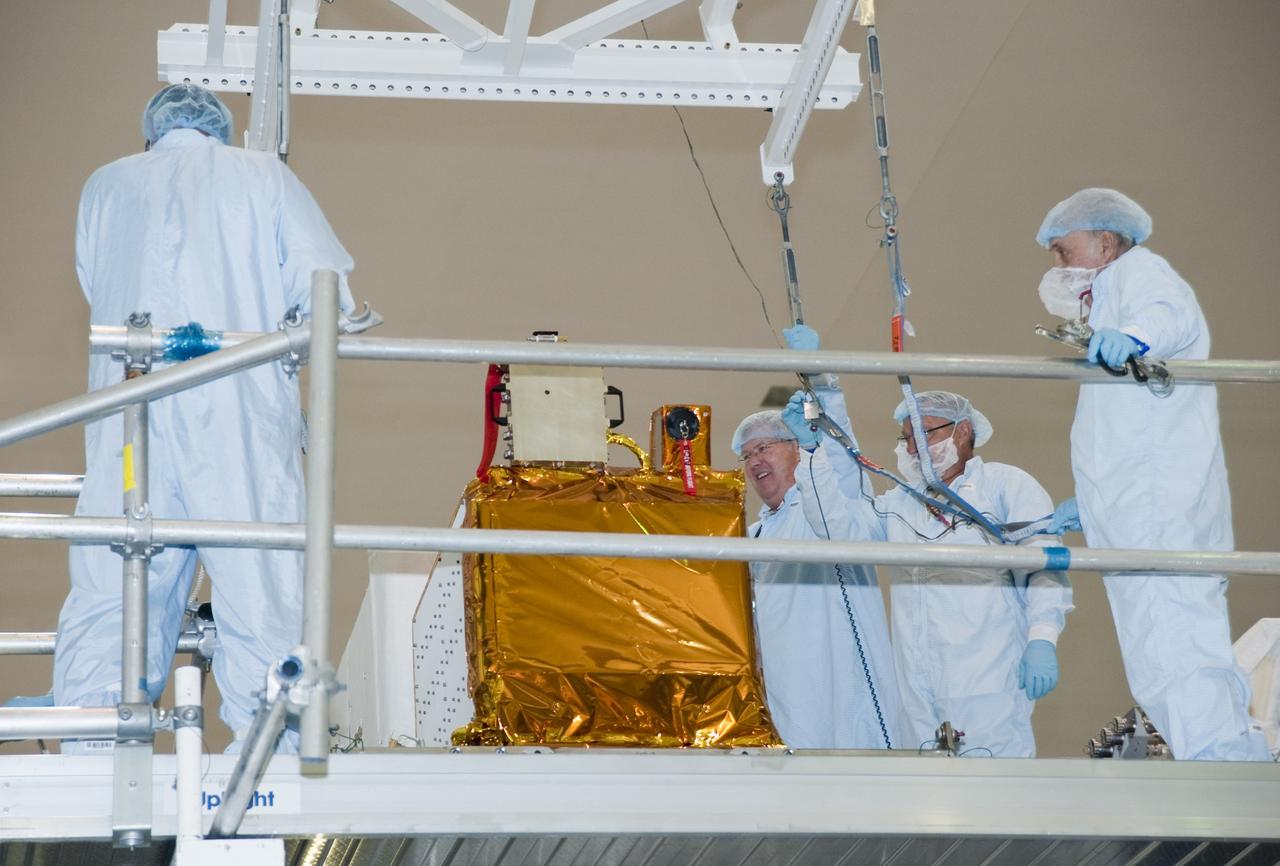
CAPE CANAVERAL, Fla. -- In the Space Station Processing Facility at NASA Kennedy Space Center in Florida, the Space Test Program-Houston-3, or STP-H3, is installed onto the Express Logistics Carrier-3, or ELC-3, after the lifting ground support equipment is removed. STP-H3 is a compliment of four individual Department of Defense experiments that will test concepts in low earth orbit for long duration flights. As the final planned mission of the Space Shuttle Program, shuttle Endeavour and its STS-134 crew will deliver the Alpha Magnetic Spectrometer, the ELC-3 as well as critical spare components to the International Space Station. Endeavour is targeted for launch Feb. 26, 2011. For more information visit, http://www.nasa.gov/mission_pages/shuttle/shuttlemissions/sts134/index.html. Photo credit: NASA/Kim Shiflett
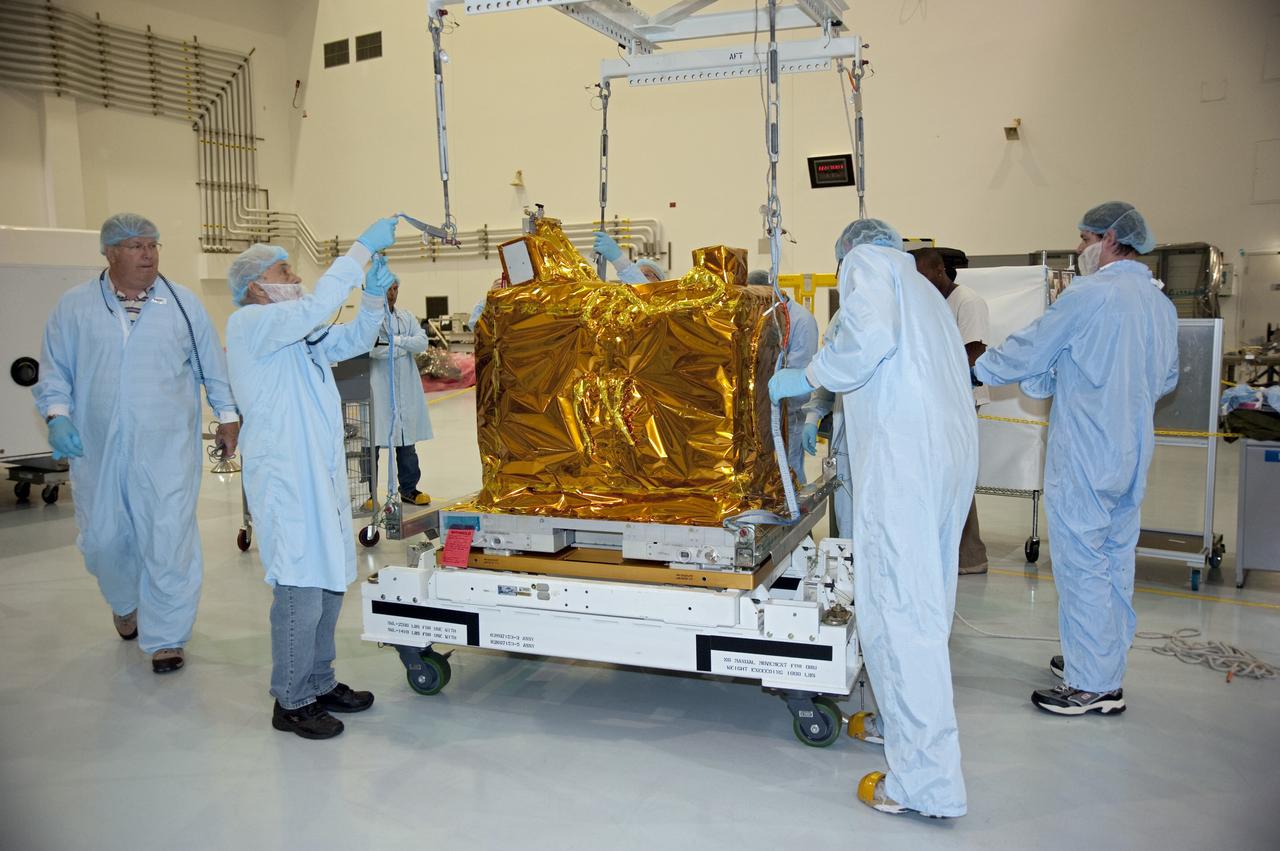
CAPE CANAVERAL, Fla. -- In the Space Station Processing Facility at NASA Kennedy Space Center in Florida, the lift ground support equipment is lowered into place around the Space Test Program-Houston-3, or STP-H3, payload for installation onto the Express Logistics Carrier-3, or ELC-3. STP-H3 is a compliment of four individual Department of Defense experiments that will test concepts in low earth orbit for long duration flights. As the final planned mission of the Space Shuttle Program, shuttle Endeavour and its STS-134 crew will deliver the Alpha Magnetic Spectrometer, the ELC-3 as well as critical spare components to the International Space Station. Endeavour is targeted for launch Feb. 26, 2011. For more information visit, http://www.nasa.gov/mission_pages/shuttle/shuttlemissions/sts134/index.html. Photo credit: NASA/Kim Shiflett
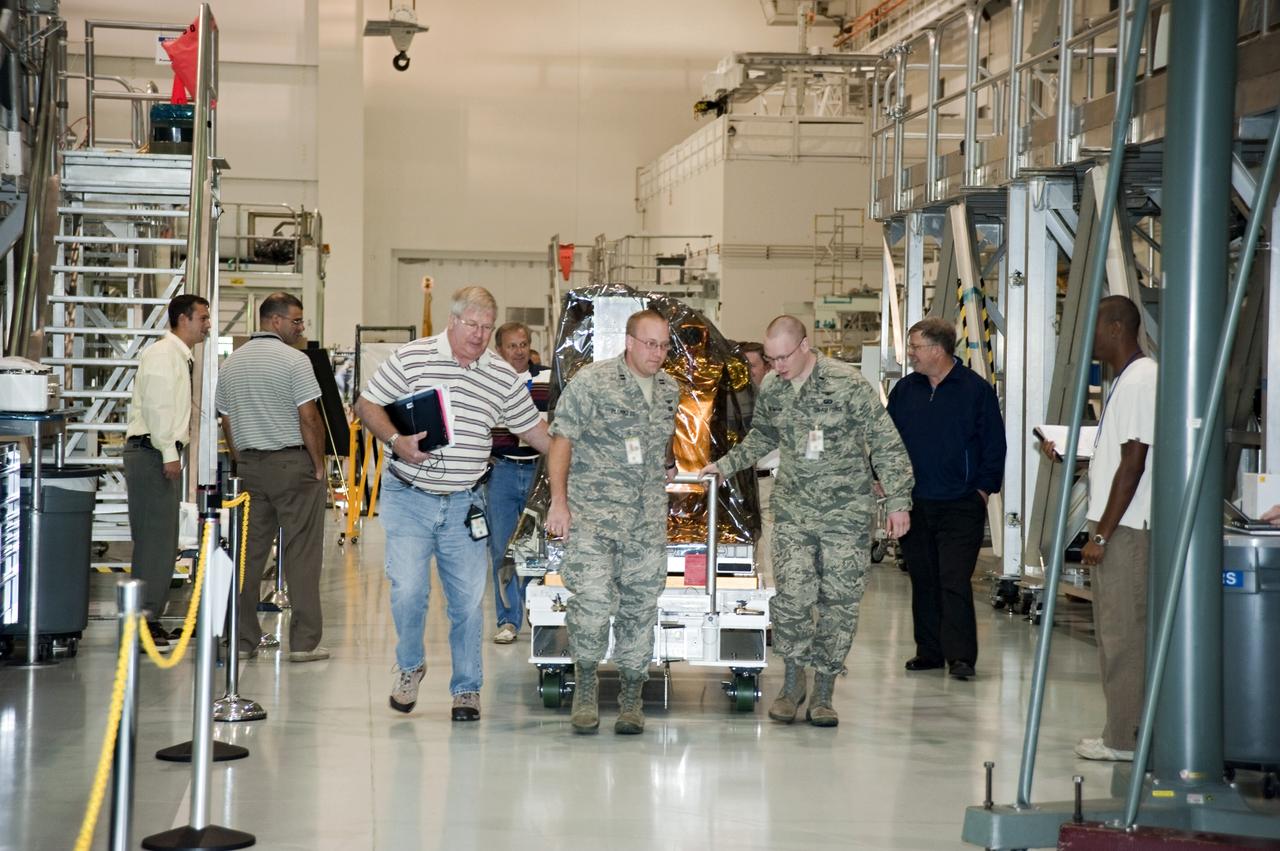
CAPE CANAVERAL, Fla. -- In the Space Station Processing Facility at NASA Kennedy Space Center in Florida, the Space Test Program-Houston-3, or STP-H3, payload is being transported for installation onto the Express Logistics Carrier-3, or ELC-3. STP-H3 is a compliment of four individual Department of Defense experiments that will test concepts in low earth orbit for long duration flights. As the final planned mission of the Space Shuttle Program, shuttle Endeavour and its STS-134 crew will deliver the Alpha Magnetic Spectrometer, the ELC-3 as well as critical spare components to the International Space Station. Endeavour is targeted for launch Feb. 26, 2011. For more information visit, http://www.nasa.gov/mission_pages/shuttle/shuttlemissions/sts134/index.html. Photo credit: NASA/Kim Shiflett
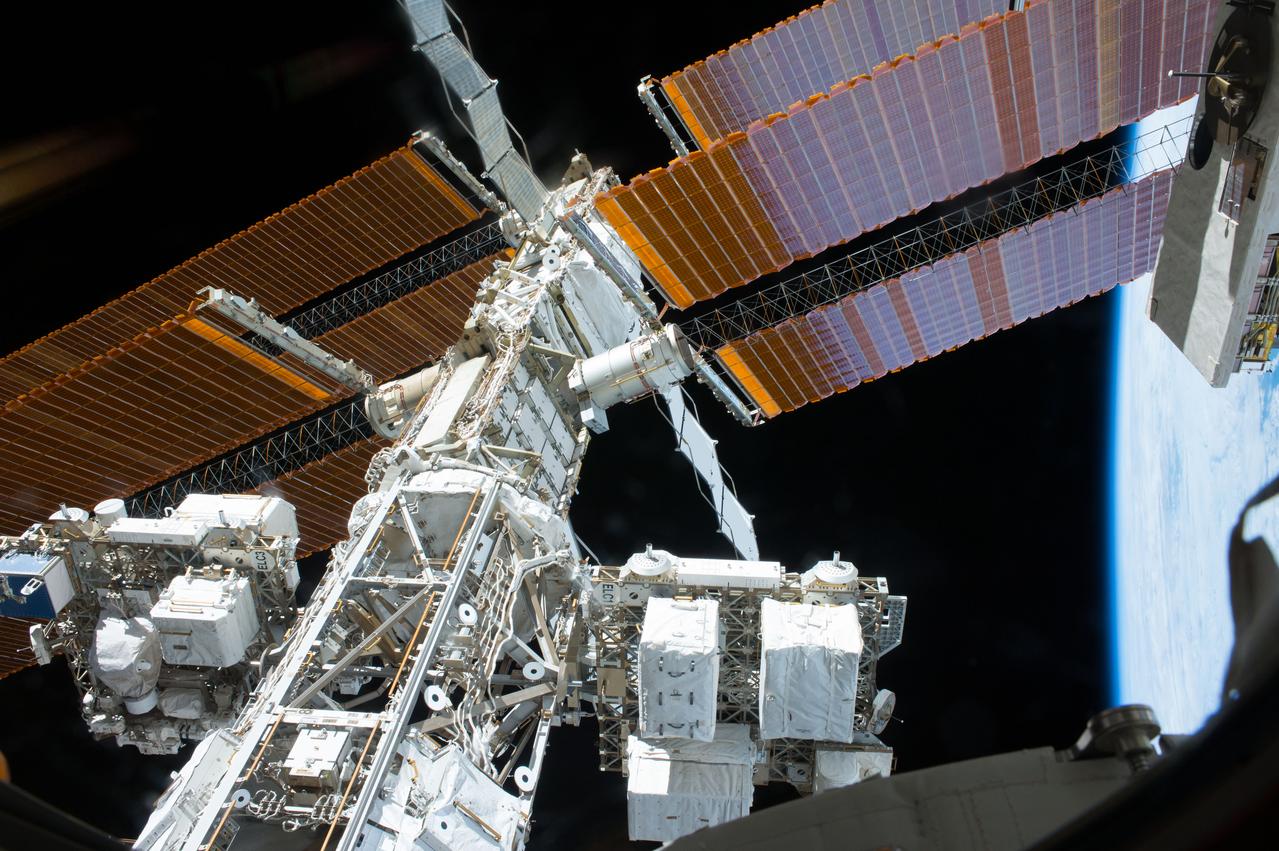
View of the ISS port Truss segments taken through a window in the Kibo Japanese Experiment Pressurized Module (JPM). ExPRESS (Expedite the Processing of Experiments to Space Station) Logistics Carrier-3 (ELC-3) and ELC-1 are in view.
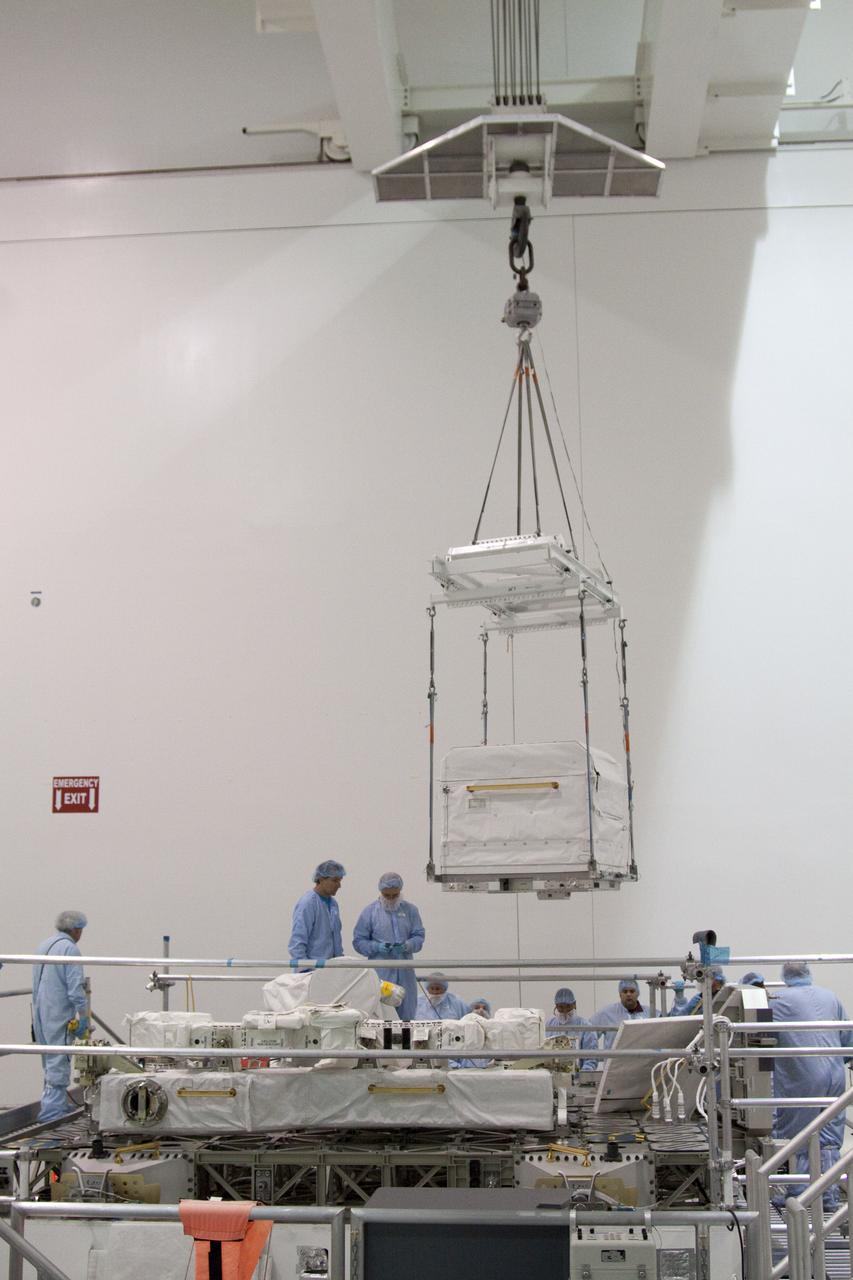
STS-133 CTC LIFTO TO ELC-3
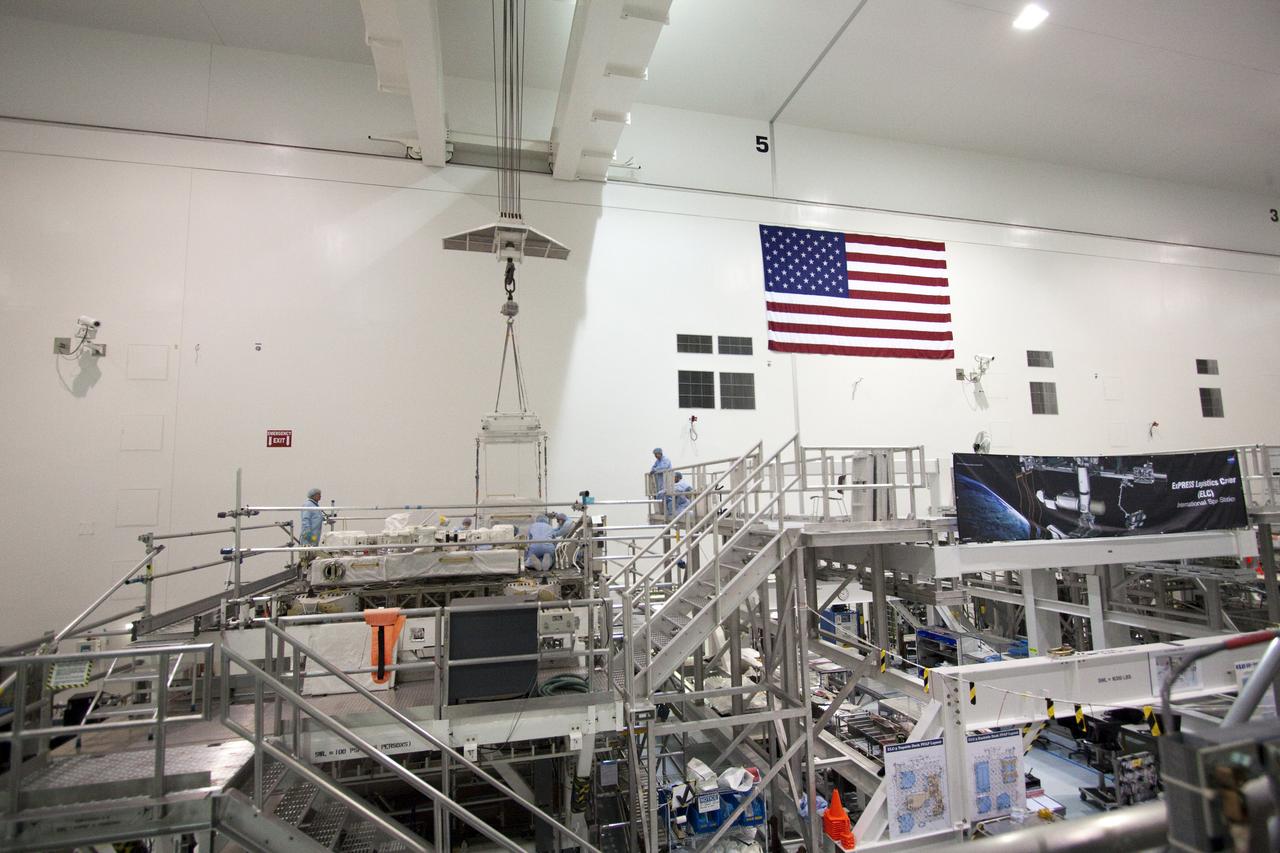
STS-133 CTC LIFTO TO ELC-3
STS-134 S.A.S.A Lift to ELC-3
STS-134 S.A.S.A Lift to ELC-3
STS-134 S.A.S.A Lift to ELC-3
STS-134 S.A.S.A Lift to ELC-3
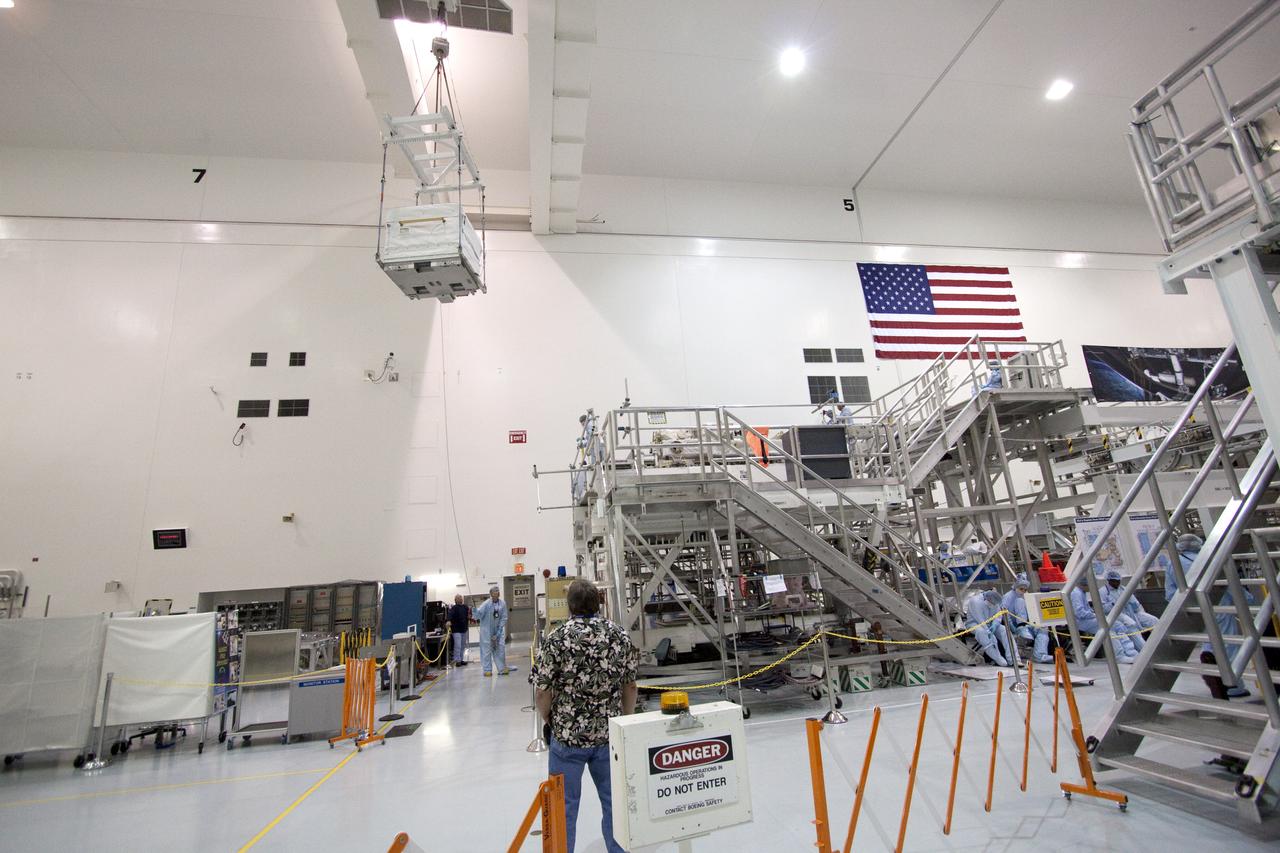
STS-133 CTC LIFTO TO ELC-3
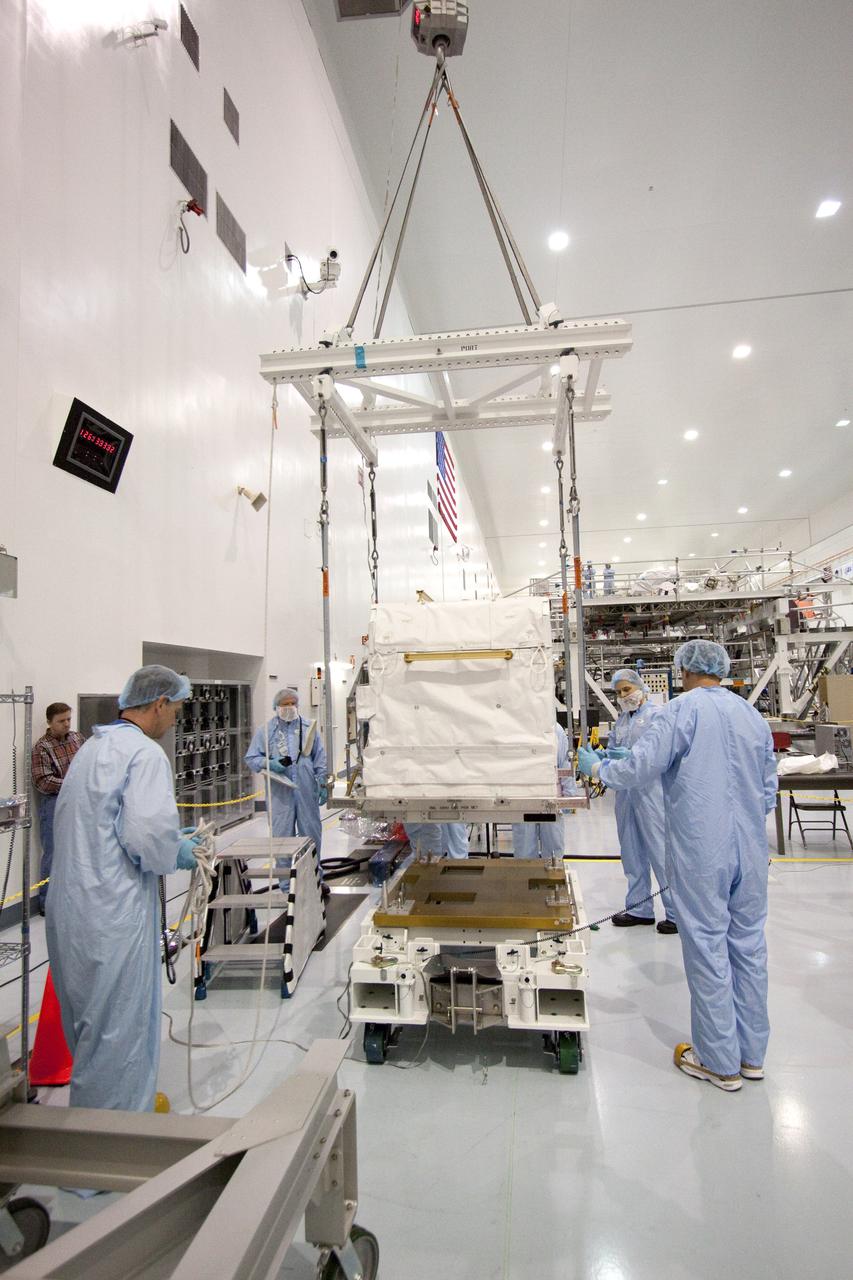
STS-133 CTC LIFTO TO ELC-3
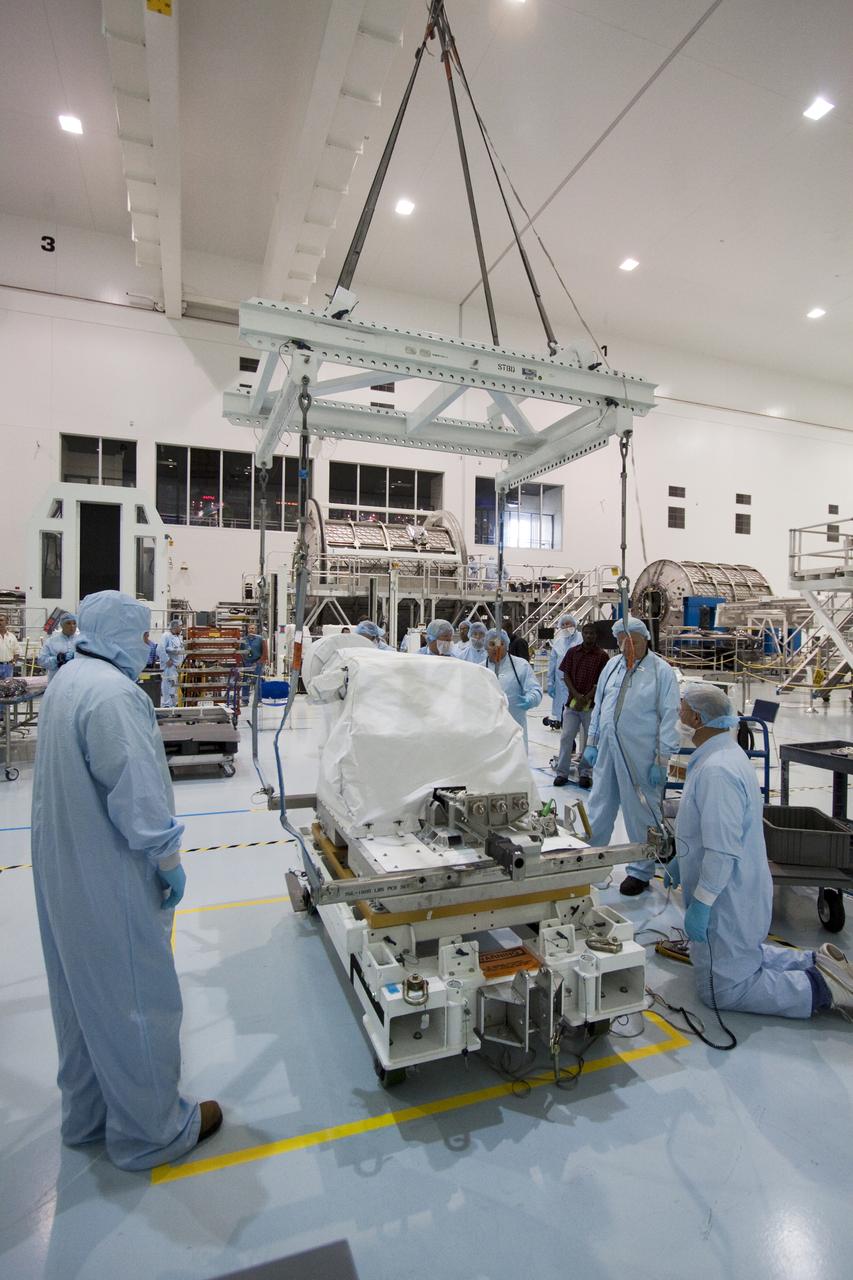
STS-134 S.A.S.A Lift to ELC-3

STS-134 S.A.S.A Lift to ELC-3

STS-133 CTC LIFTO TO ELC-3
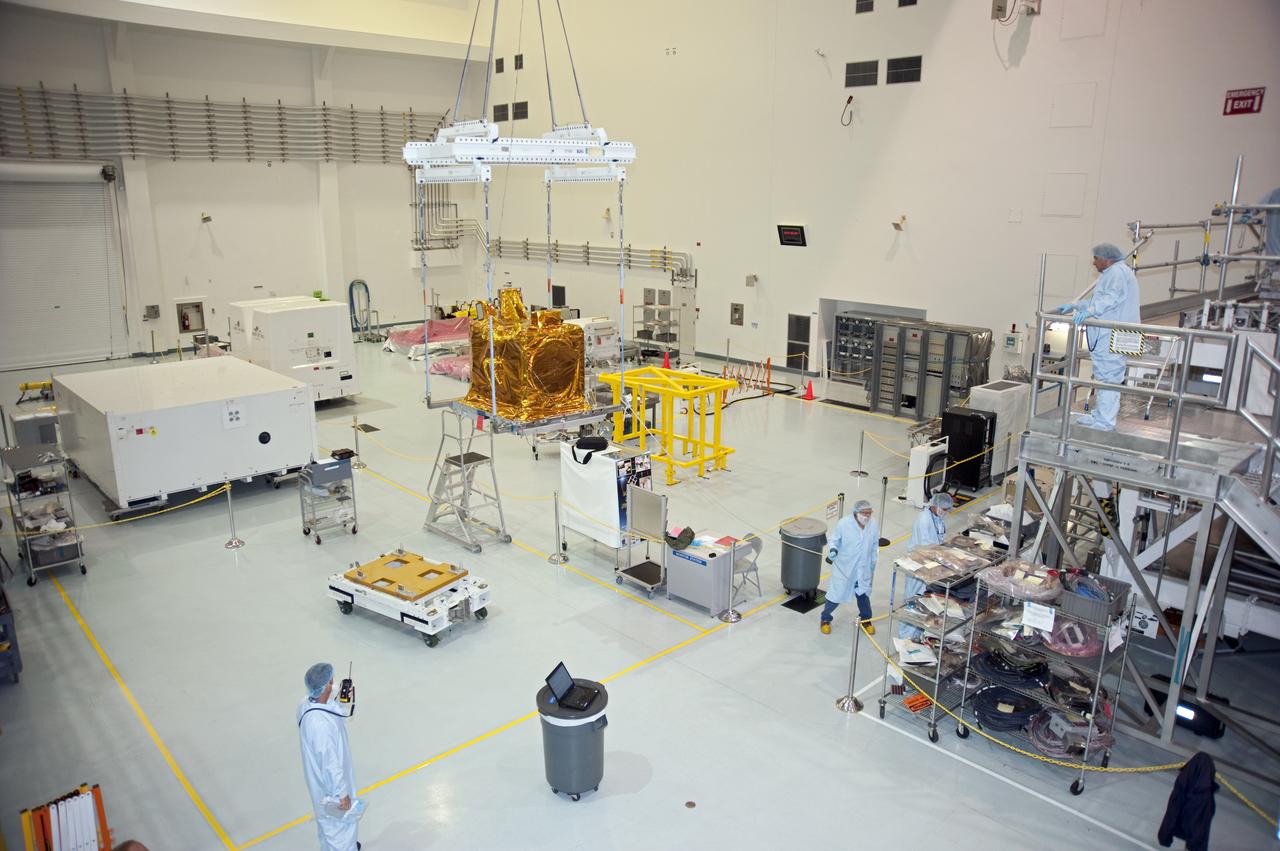
STS-133 SPACE TEST PROGRAM HOUSTON-3 PAYLOAD ONTO EXPRESS LOGISTICS CARRIER-3 (ELC-3)
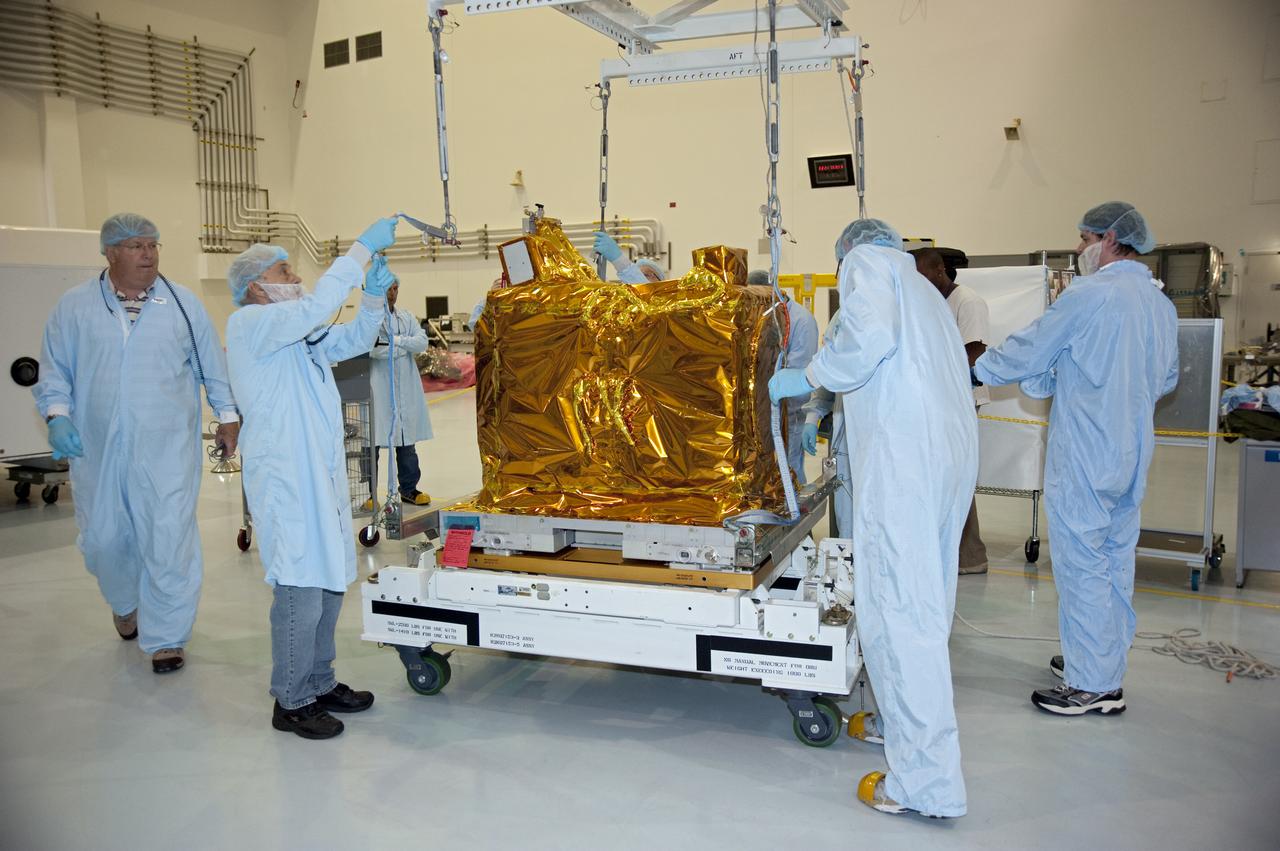
STS-133 SPACE TEST PROGRAM HOUSTON-3 PAYLOAD ONTO EXPRESS LOGISTICS CARRIER-3 (ELC-3)
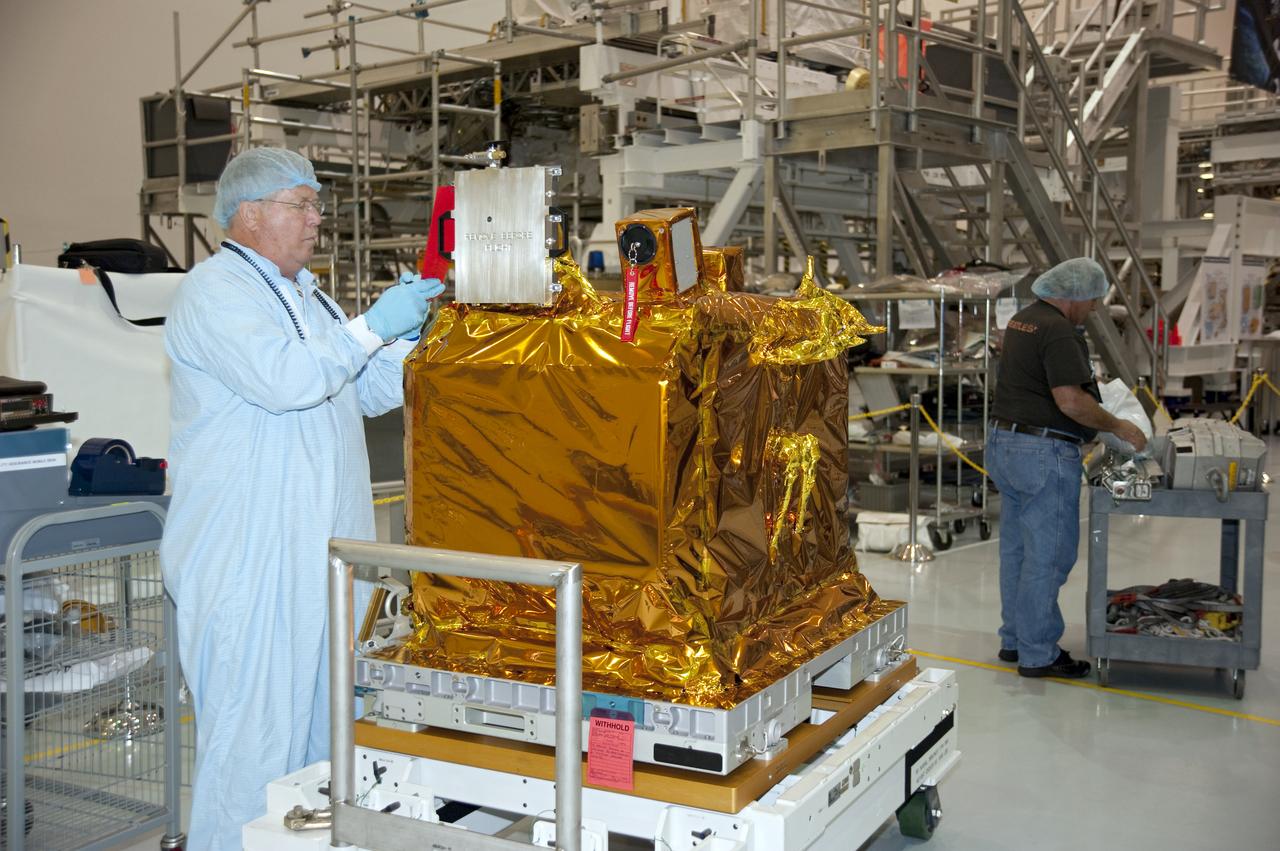
STS-133 SPACE TEST PROGRAM HOUSTON-3 PAYLOAD ONTO EXPRESS LOGISTICS CARRIER-3 (ELC-3)
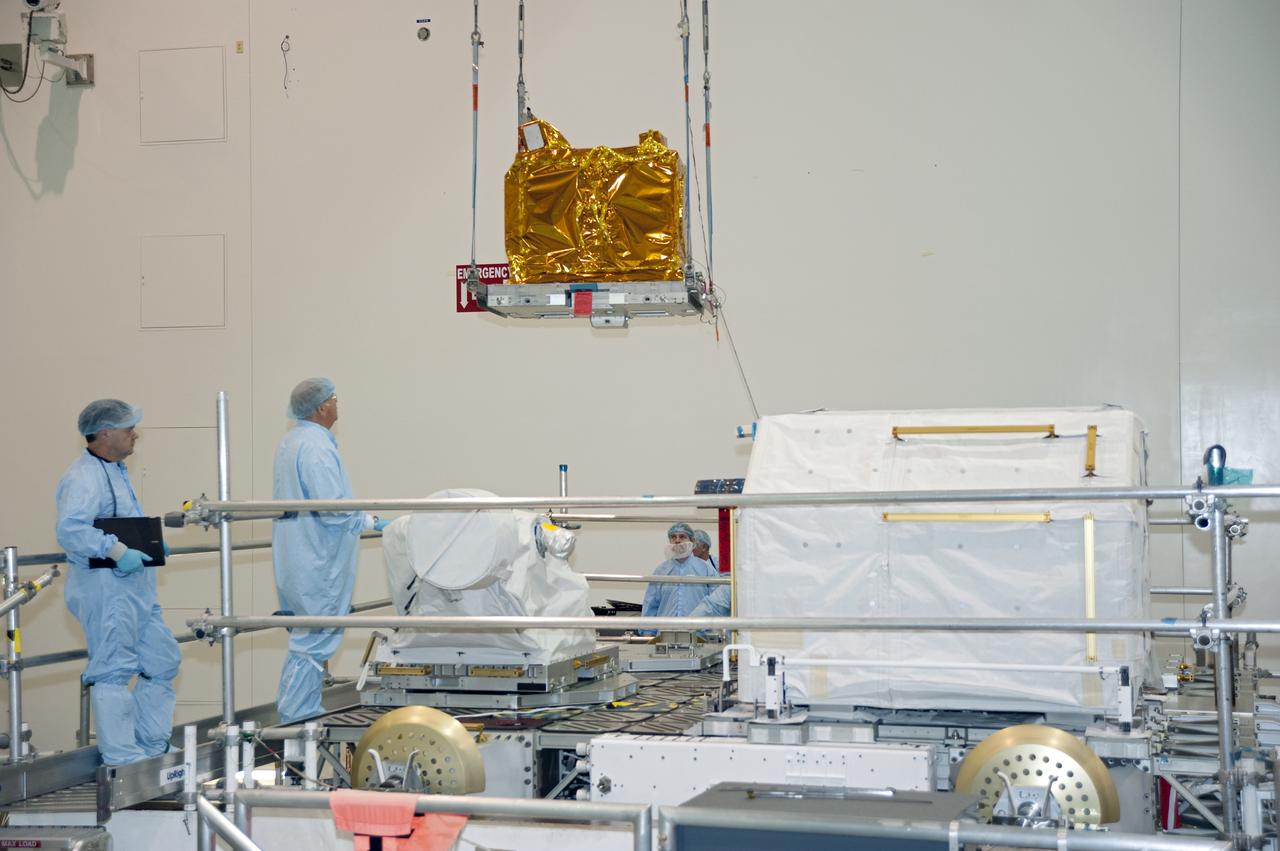
STS-133 SPACE TEST PROGRAM HOUSTON-3 PAYLOAD ONTO EXPRESS LOGISTICS CARRIER-3 (ELC-3)
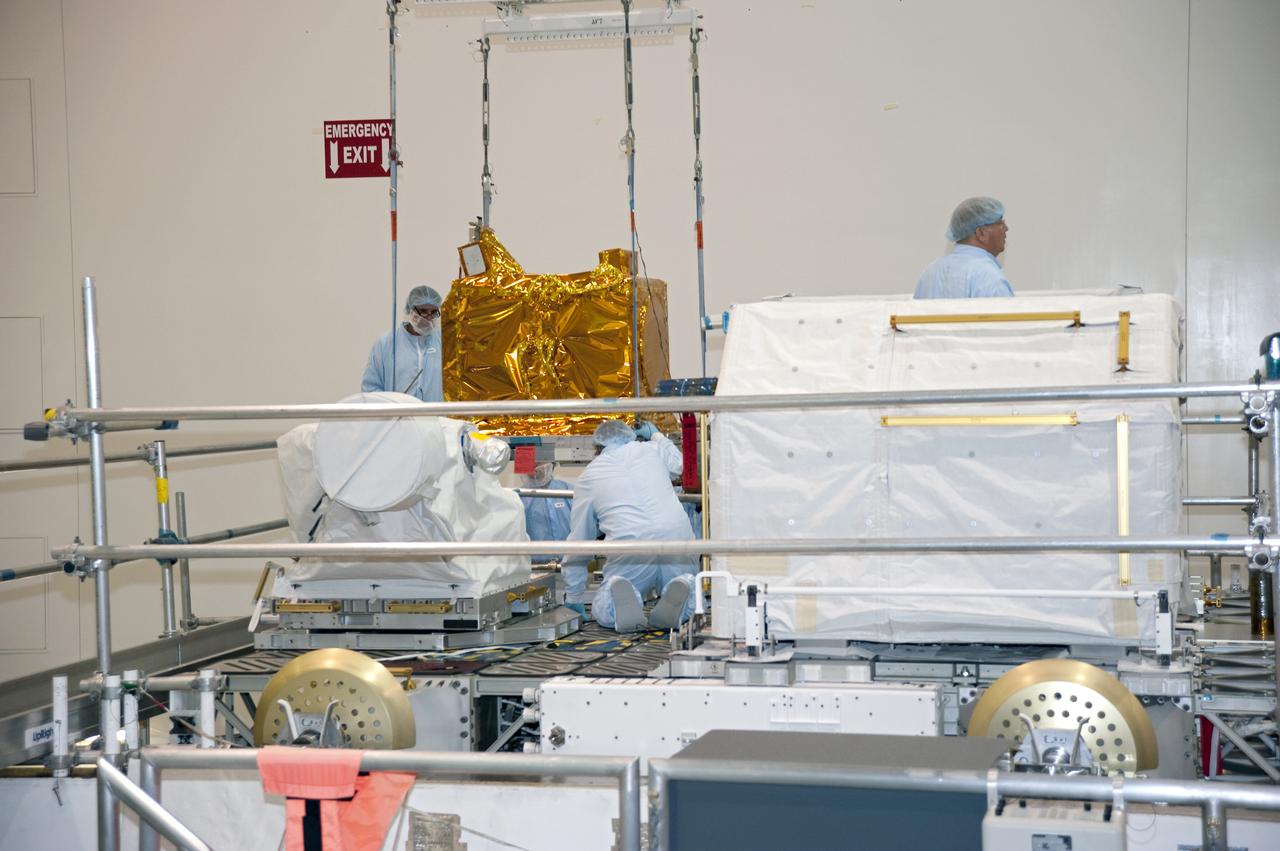
STS-133 SPACE TEST PROGRAM HOUSTON-3 PAYLOAD ONTO EXPRESS LOGISTICS CARRIER-3 (ELC-3)
STS-133 SPACE TEST PROGRAM HOUSTON-3 PAYLOAD ONTO EXPRESS LOGISTICS CARRIER-3 (ELC-3)
STS-133 SPACE TEST PROGRAM HOUSTON-3 PAYLOAD ONTO EXPRESS LOGISTICS CARRIER-3 (ELC-3)

STS-133 SPACE TEST PROGRAM HOUSTON-3 PAYLOAD ONTO EXPRESS LOGISTICS CARRIER-3 (ELC-3)
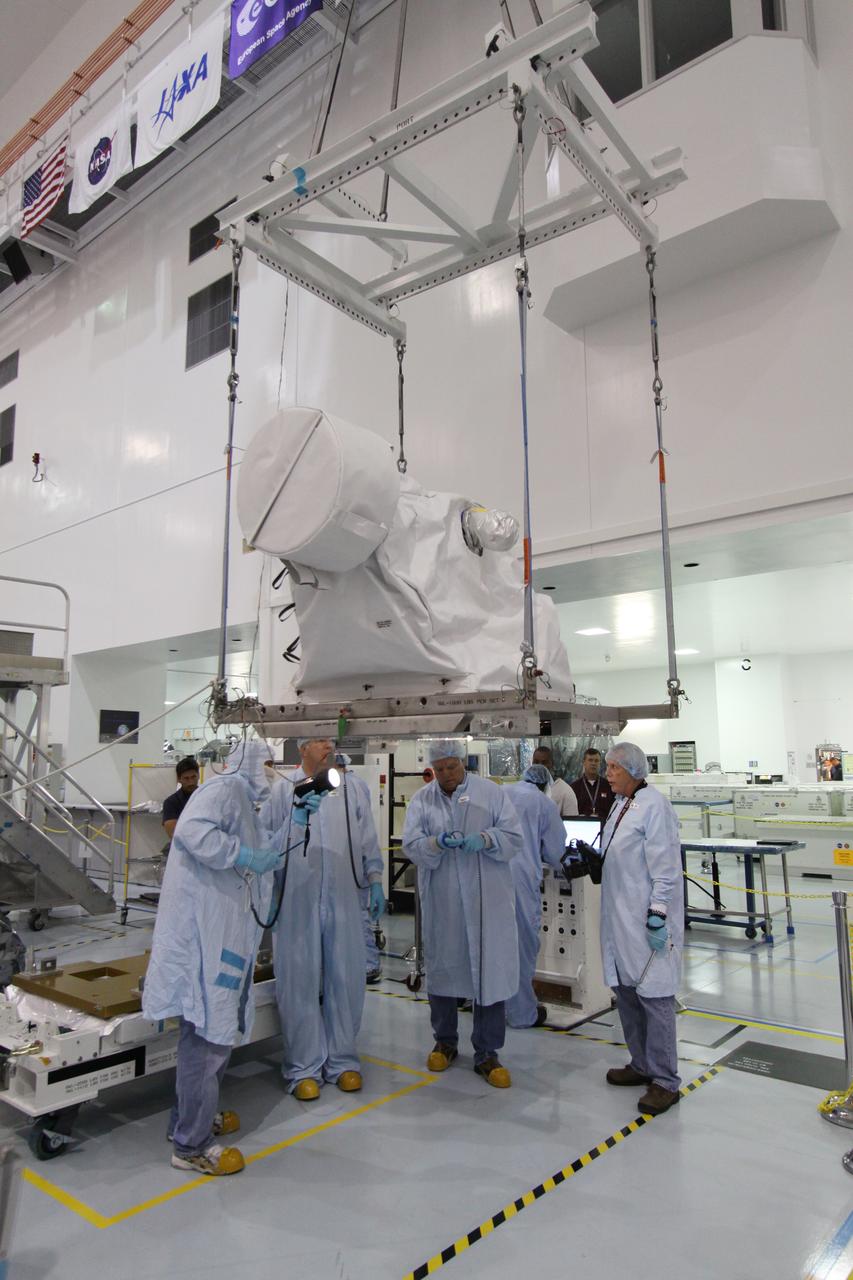
STS-134 S-Band Support Assembly (SASA) Lift to ELC-3
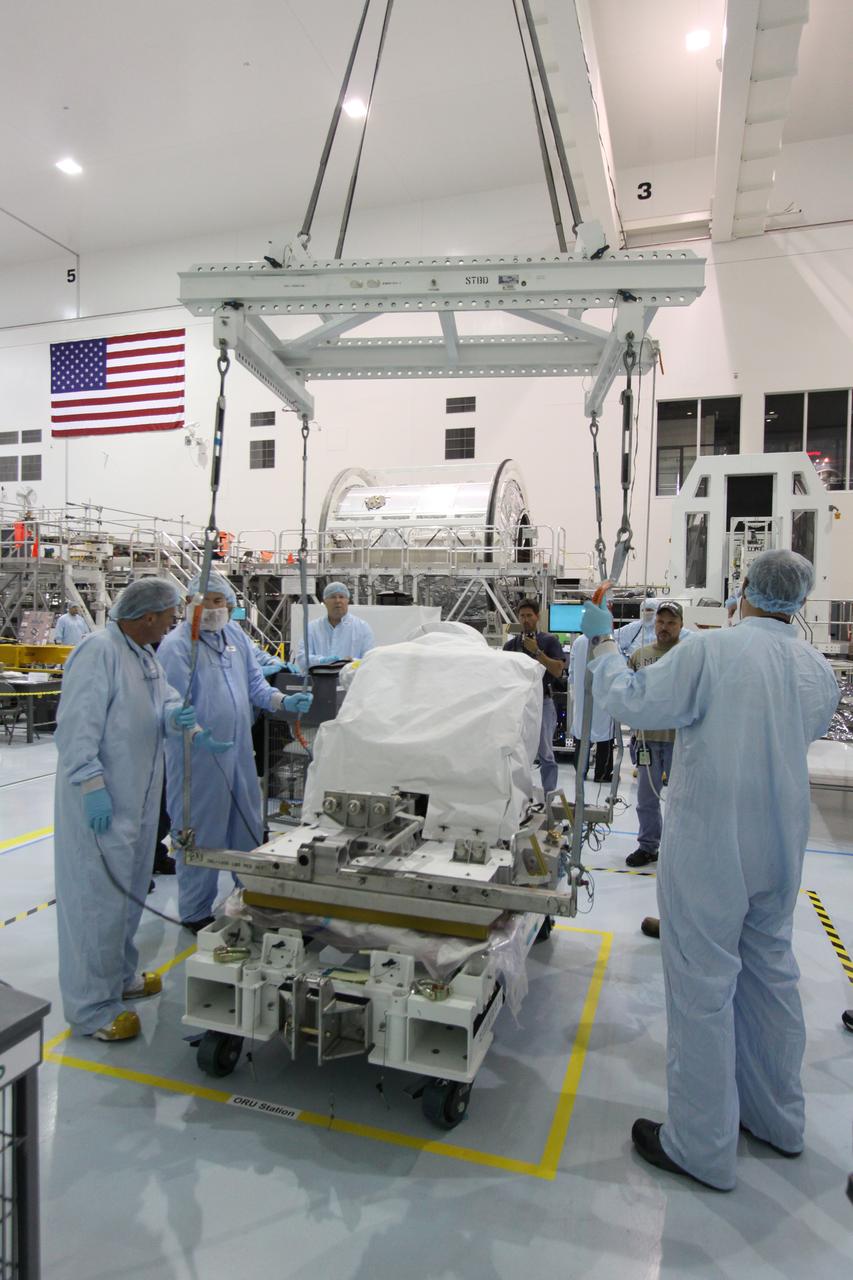
STS-134 S-Band Support Assembly (SASA) Lift to ELC-3
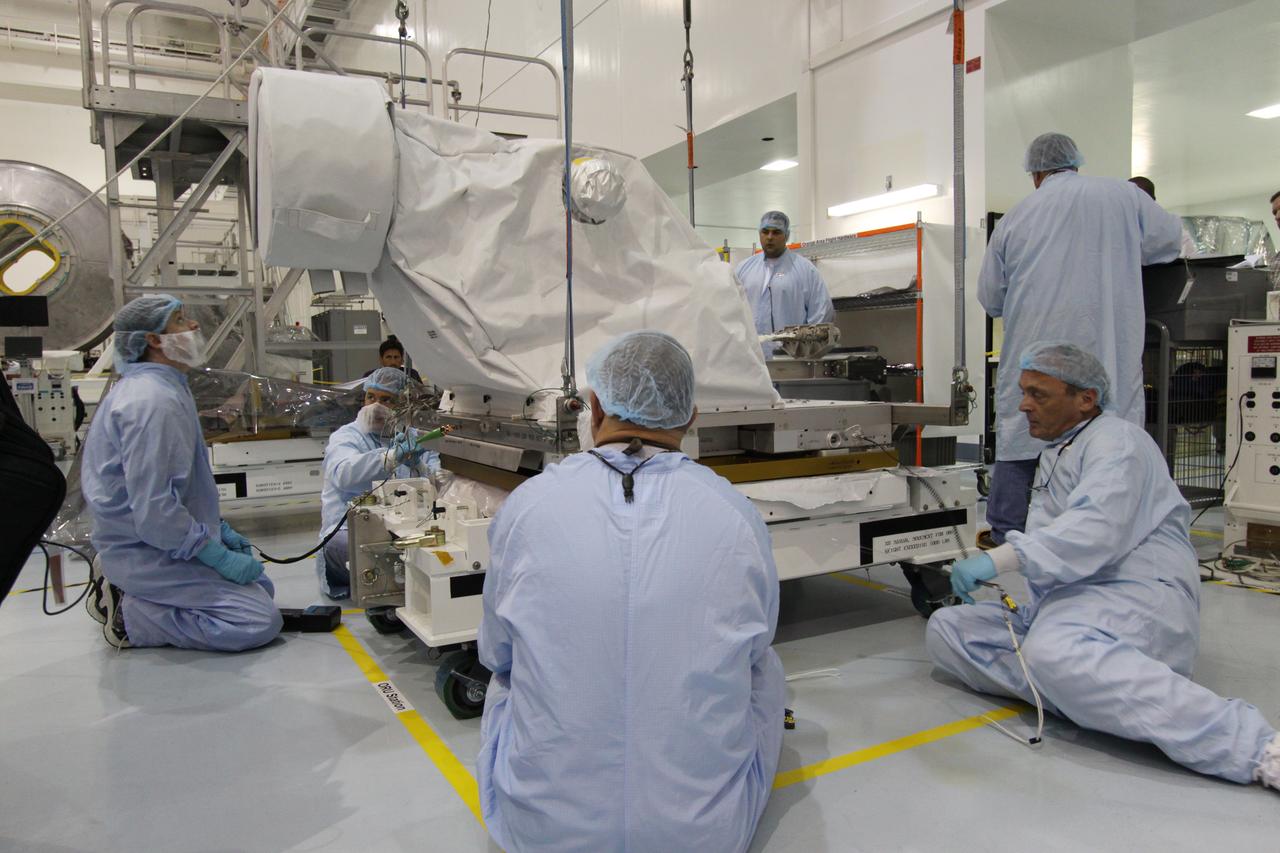
STS-134 S-Band Support Assembly (SASA) Lift to ELC-3
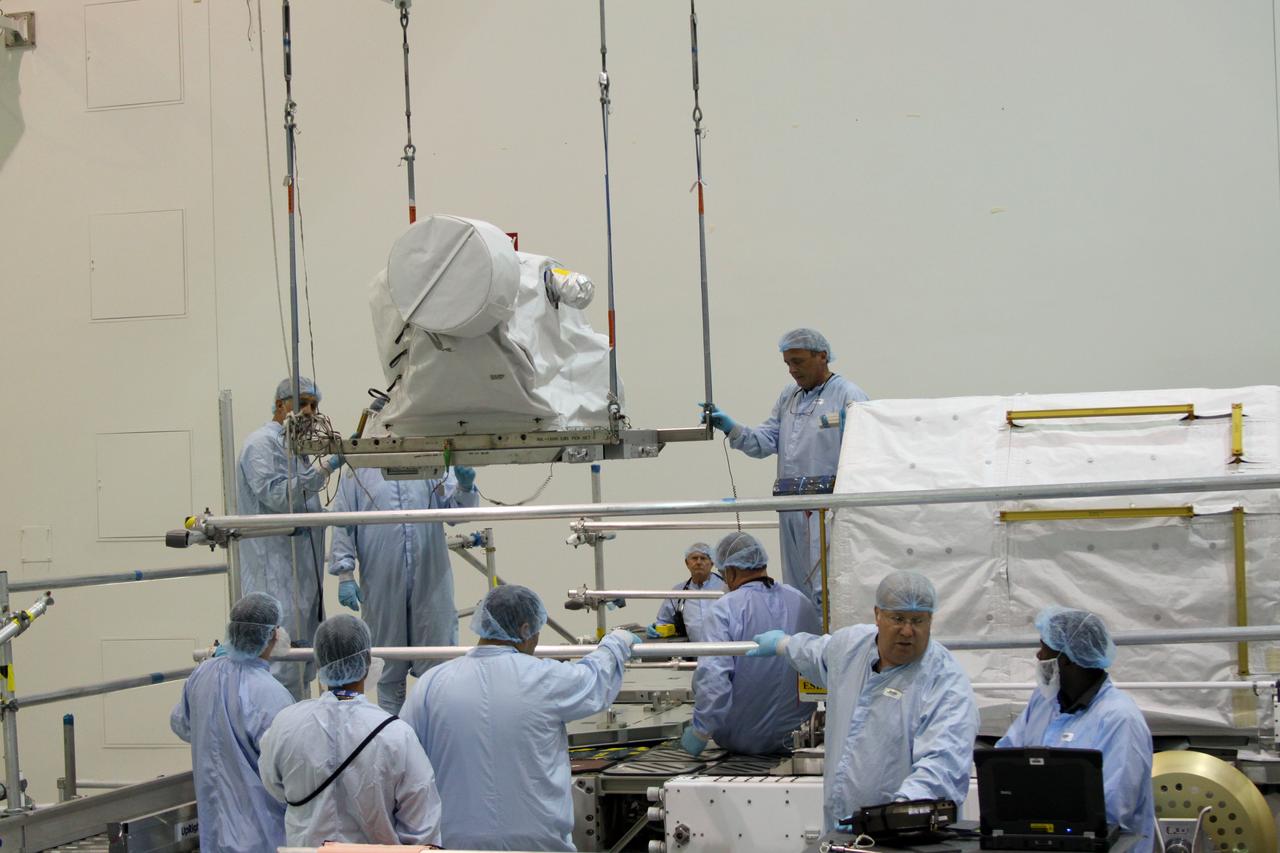
STS-134 S-Band Support Assembly (SASA) Lift to ELC-3
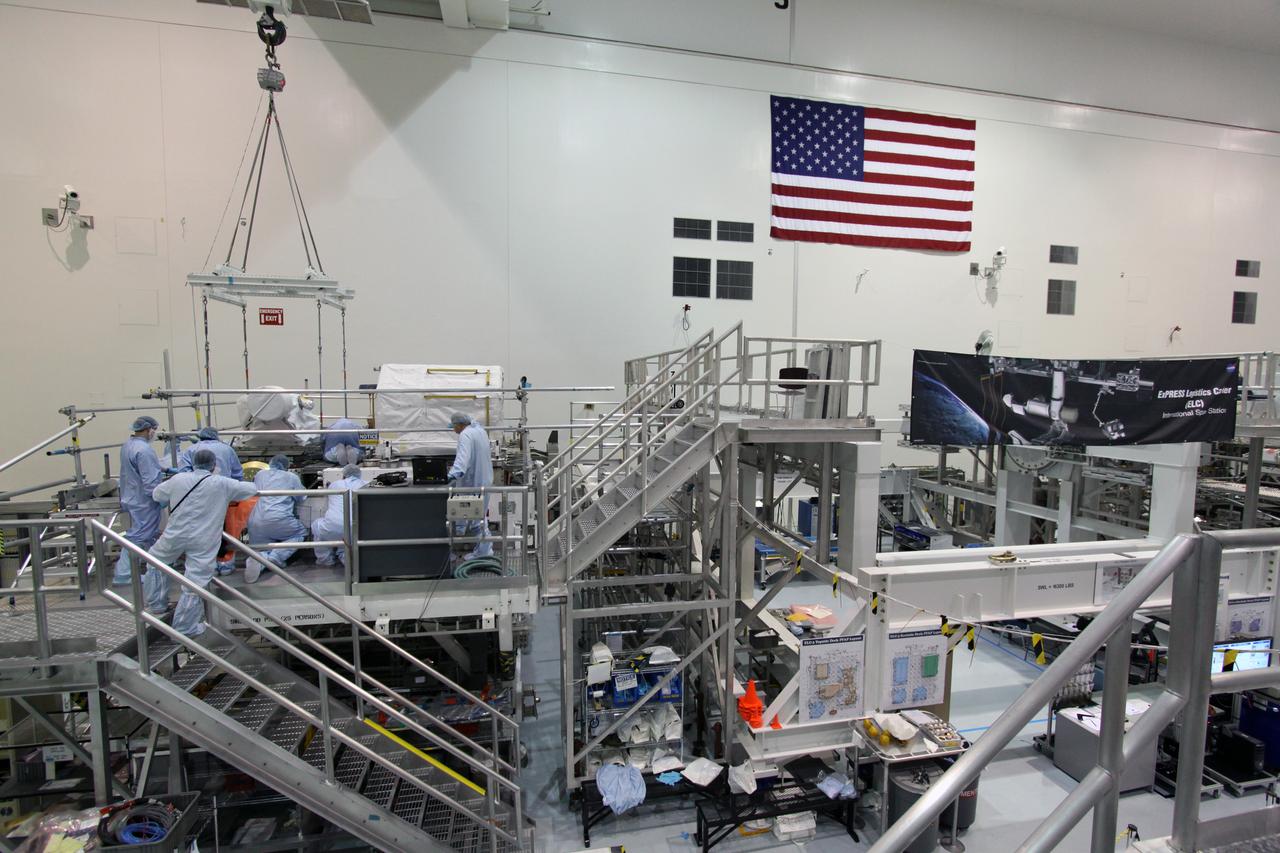
STS-134 S-Band Support Assembly (SASA) Lift to ELC-3
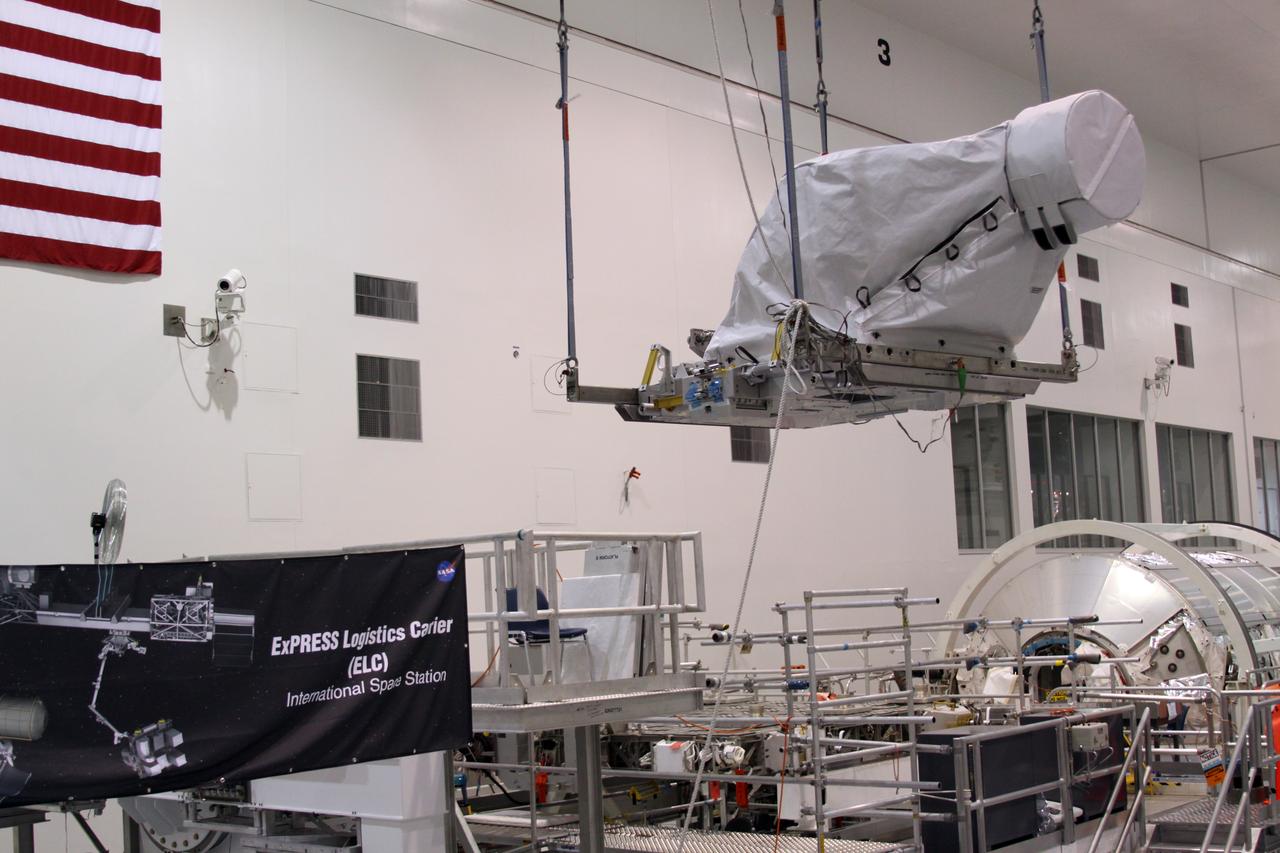
STS-134 S-Band Support Assembly (SASA) Lift to ELC-3
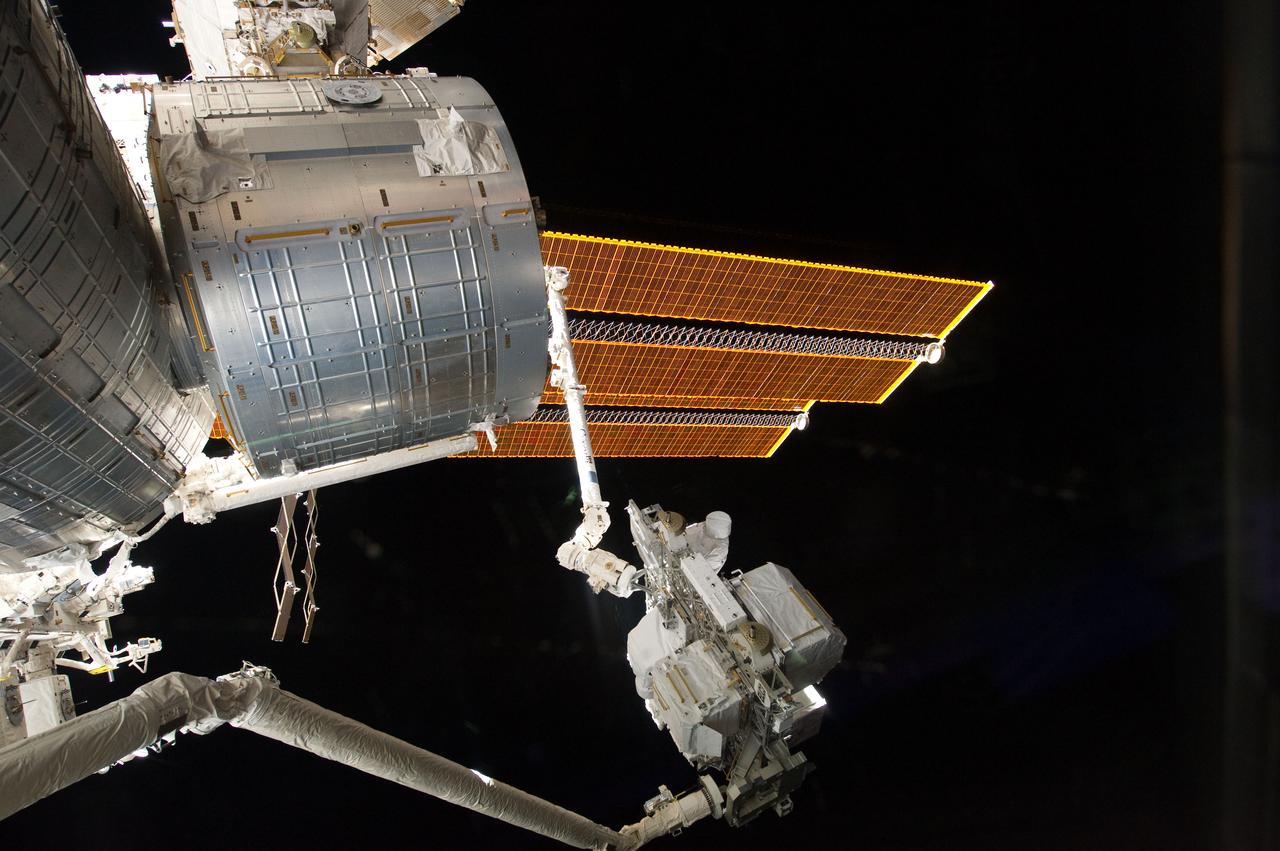
S134-E-007321 (18 May 2011) --- The handoff between space shuttle Endeavour?s robotic Canadarm and the International Space Station?s Canadarm2 of the Express Logistics Carrier-3 (ELC-3) is featured in this image photographed by an STS-134 crew member on the station. The ELC-3 was later installed on the left side of the station?s truss structure. ELC-3 holds spare hardware for future station use, including an ammonia tank, a high pressure gas tank, a cargo transport container, two S-band antenna assemblies and a spare arm for DEXTRE, the Special Purpose Dexterous Manipulator. Photo credit: NASA
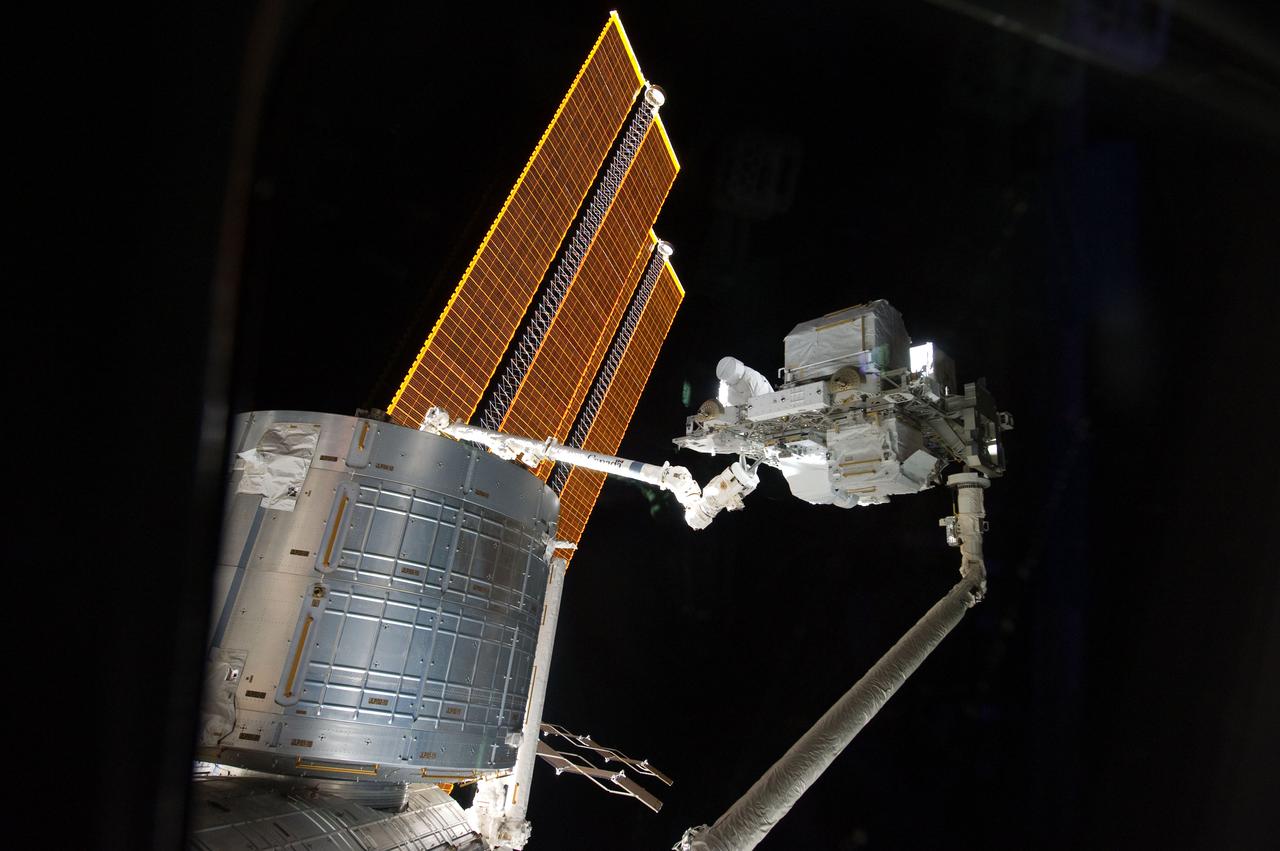
S134-E-007327 (18 May 2011) --- The handoff between space shuttle Endeavour?s robotic Canadarm and the International Space Station?s Canadarm2 of the Express Logistics Carrier-3 (ELC-3) is featured in this image photographed by an STS-134 crew member on the station. The ELC-3 was later installed on the left side of the station?s truss structure. ELC-3 holds spare hardware for future station use, including an ammonia tank, a high pressure gas tank, a cargo transport container, two S-band antenna assemblies and a spare arm for DEXTRE, the Special Purpose Dexterous Manipulator. Photo credit: NASA

S134-E-007314 (18 May 2011) --- The handoff between space shuttle Endeavour?s robotic Canadarm and the International Space Station?s Canadarm2 of the Express Logistics Carrier-3 (ELC-3) is featured in this image photographed by an STS-134 crew member on the station. The ELC-3 was later installed on the left side of the station?s truss structure. ELC-3 holds spare hardware for future station use, including an ammonia tank, a high pressure gas tank, a cargo transport container, two S-band antenna assemblies and a spare arm for DEXTRE, the Special Purpose Dexterous Manipulator. Photo credit: NASA
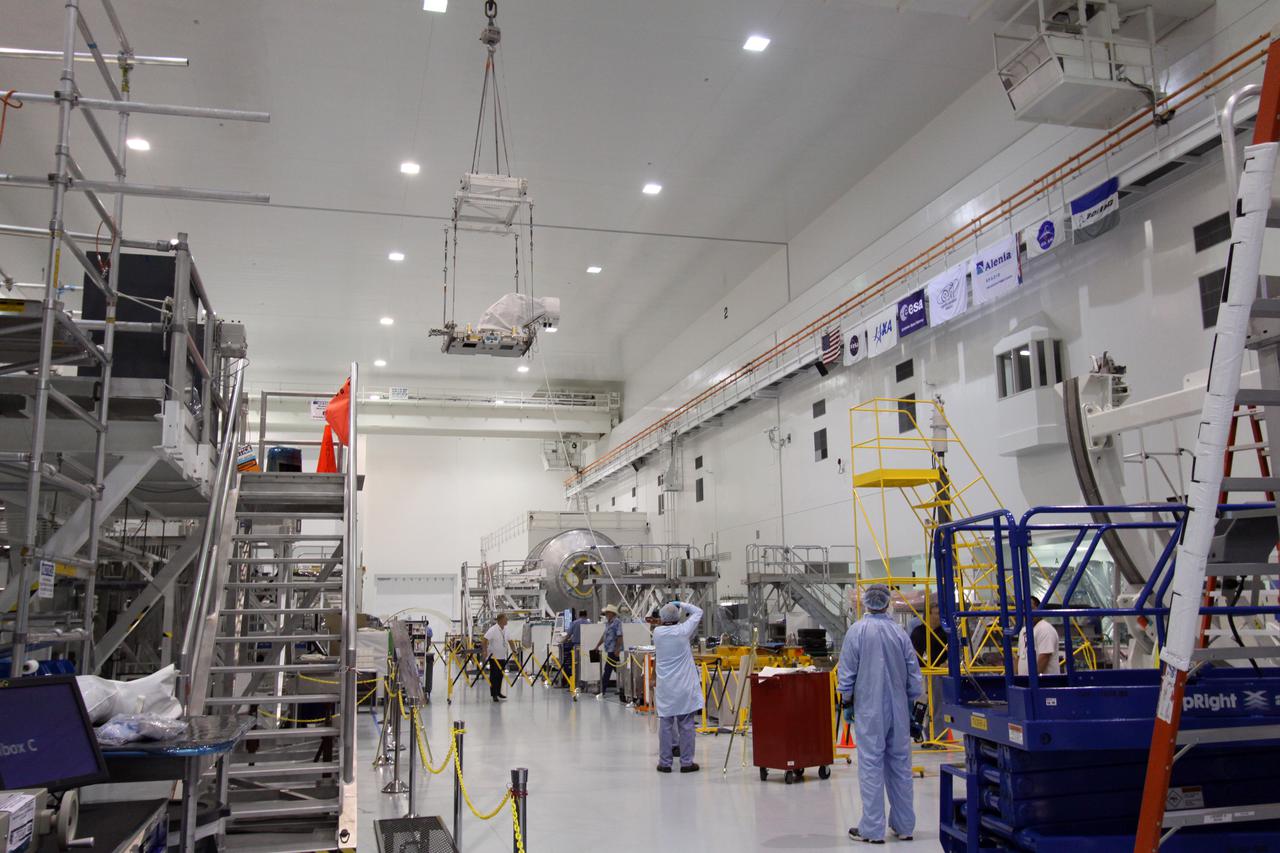
CAPE CANAVERAL, Fla. -- At NASA's Kennedy Space Center in Florida, technicians begin to lift the new S-band antenna support assembly for installation on ExPRESS Logistics Carrier-3 in the Space Station Processing Facility. The assembly will be used aboard the International Space Station to transmit and receive audio communications, and is being installed for the STS-134 mission. Space shuttle Endeavour will take up other spare parts, including a high-pressure gas tank, micrometeoroid debris shields and replacement parts for Dextre, the robotic arm on the station. STS-134, the last planned shuttle mission, is targeted to launch in the fall of 2010. For information on the upcoming mission and crew, visit www.nasa.gov_mission_pages_shuttle_shuttlemissions_sts134_index.html. NASA_Jack Pfaller
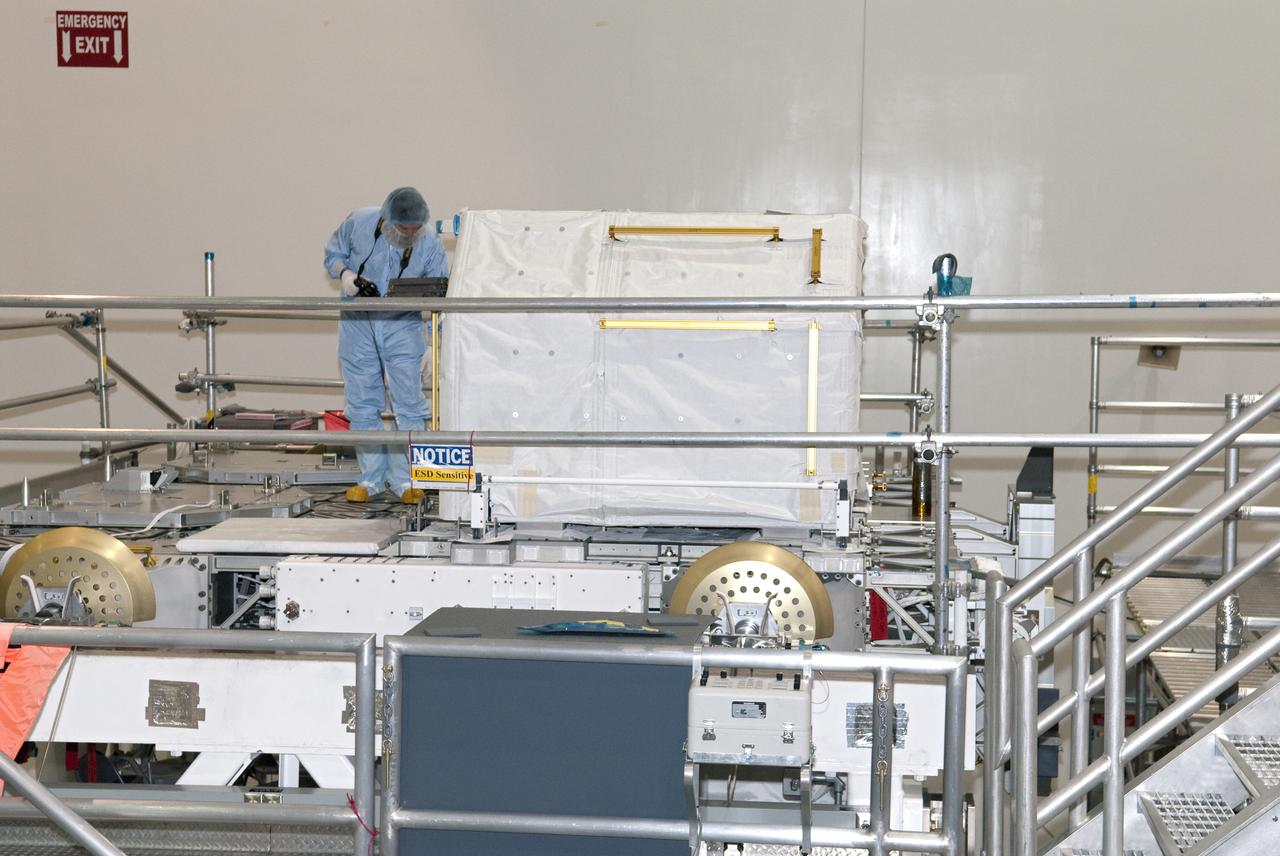
STS-134 HIGH PRESSURE GAS TANK INSTALLATION TO EXPRESS LOGISTICS CARRIER (ELC-3)
STS-134 HIGH PRESSURE GAS TANK INSTALLATION TO EXPRESS LOGISTICS CARRIER (ELC-3)
STS-134 HIGH PRESSURE GAS TANK INSTALLATION TO EXPRESS LOGISTICS CARRIER (ELC-3)
STS-134 HIGH PRESSURE GAS TANK INSTALLATION TO EXPRESS LOGISTICS CARRIER (ELC-3)
STS-134 HIGH PRESSURE GAS TANK INSTALLATION TO EXPRESS LOGISTICS CARRIER (ELC-3)
STS-134 HIGH PRESSURE GAS TANK INSTALLATION TO EXPRESS LOGISTICS CARRIER (ELC-3)

JSC2006-E-43515 (October 2006) --- Computer-generated artist's rendering of the International Space Station after flight ULF4. U.S. Orbiter delivers EXPRESS Logistics Carrier-3 (ELC-3) and EXPRESS Logistics Carrier-4 (ELC-4). Micrometeoroid Debris panels are installed on Zvezda Service Module and the Zvezda solar arrays are feathered.
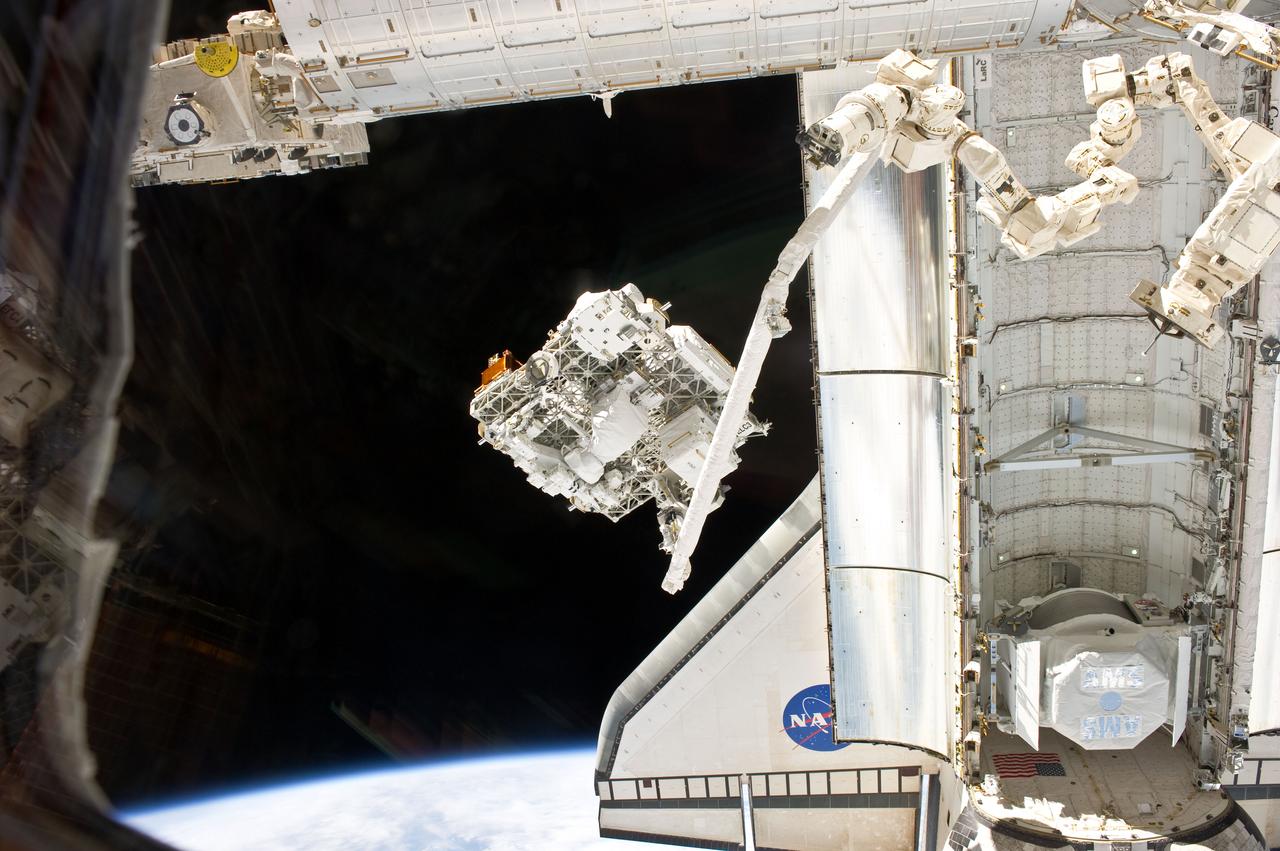
S134-E-007141 (18 May 2011) --- In the grasp of space shuttle Endeavour?s robotic Canadarm, the Express Logistics Carrier-3 (ELC-3) is transferred from Endeavour?s payload bay for hand off to the International Space Station?s Canadarm2 to be installed on the left side of the station?s truss structure. ELC-3 holds spare hardware for future station use, including an ammonia tank, a high pressure gas tank, a cargo transport container, two S-band antenna assemblies and a spare arm for DEXTRE, the Special Purpose Dexterous Manipulator. Photo credit: NASA
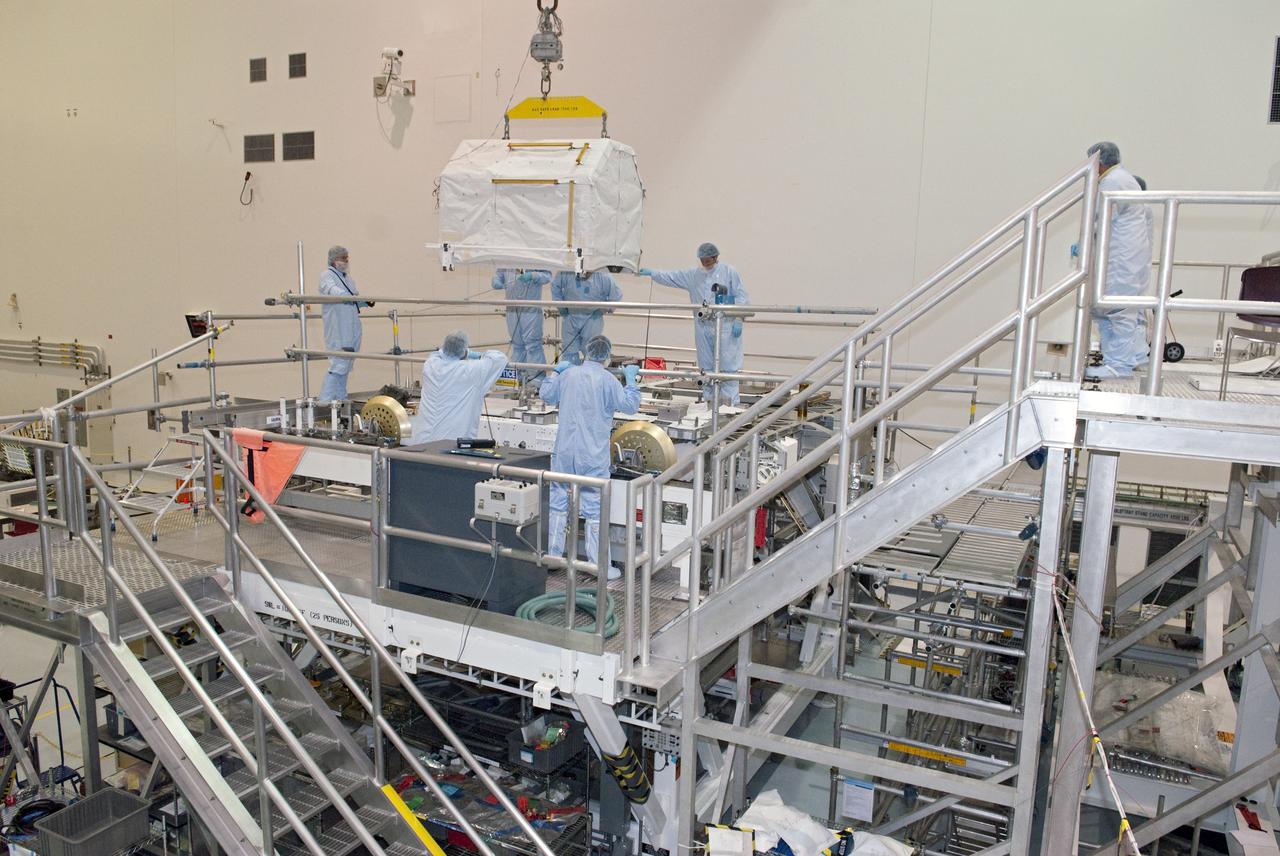
CAPE CANAVERAL, Fla. - In the Space Station Processing Facility at NASA's Kennedy Space Center in Florida, preparations are under way to uncrate the ExPRESS Logistics Carrier 3, or ELC-3. ELC-3 and the Alpha Magnetic Spectrometer are the primary payloads for space shuttle Endeavour's STS-134 mission to the International Space Station. The STS-134 crew will also deliver spare parts including two S-band communications antennas, a high pressure gas tank, additional spare parts for Dextre and micrometeoroid debris shields. Endeavour's launch is targeted for July 29, 2010. For information on the STS-134 mission objectives and crew, visit http://www.nasa.gov/shuttle. Photo credit: NASA/Kim Shiflett
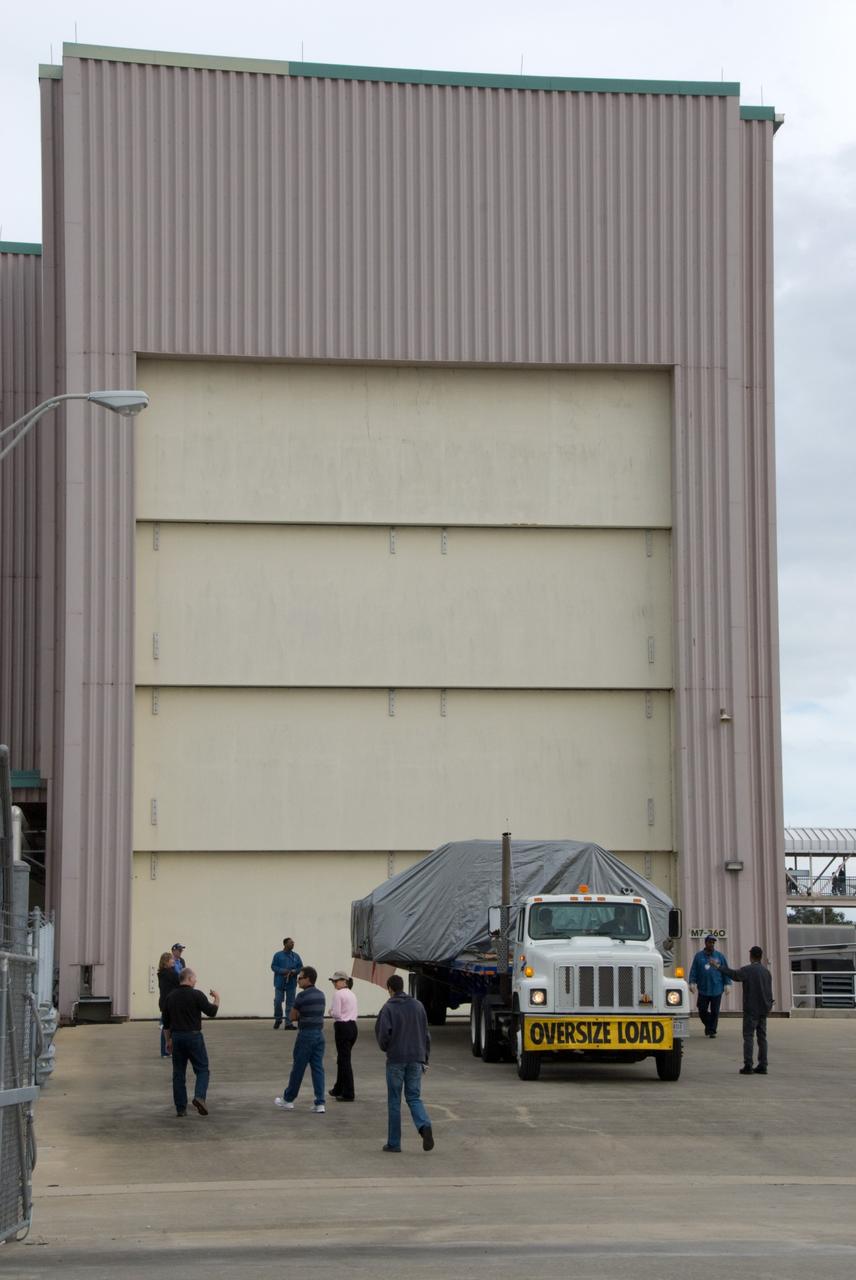
CAPE CANAVERAL, Fla. - At NASA's Kennedy Space Center in Florida, the ExPRESS Logistics Carrier 3, or ELC-3, arrives at the Space Station Processing Facility. ELC-3 and the Alpha Magnetic Spectrometer are the primary payloads for space shuttle Endeavour's STS-134 mission to the International Space Station. The STS-134 crew will also deliver spare parts including two S-band communications antennas, a high pressure gas tank, additional spare parts for Dextre and micrometeoroid debris shields. Endeavour's launch is targeted for July 29, 2010. For information on the STS-134 mission objectives and crew, visit http://www.nasa.gov/shuttle. Photo credit: NASA/Kim Shiflett
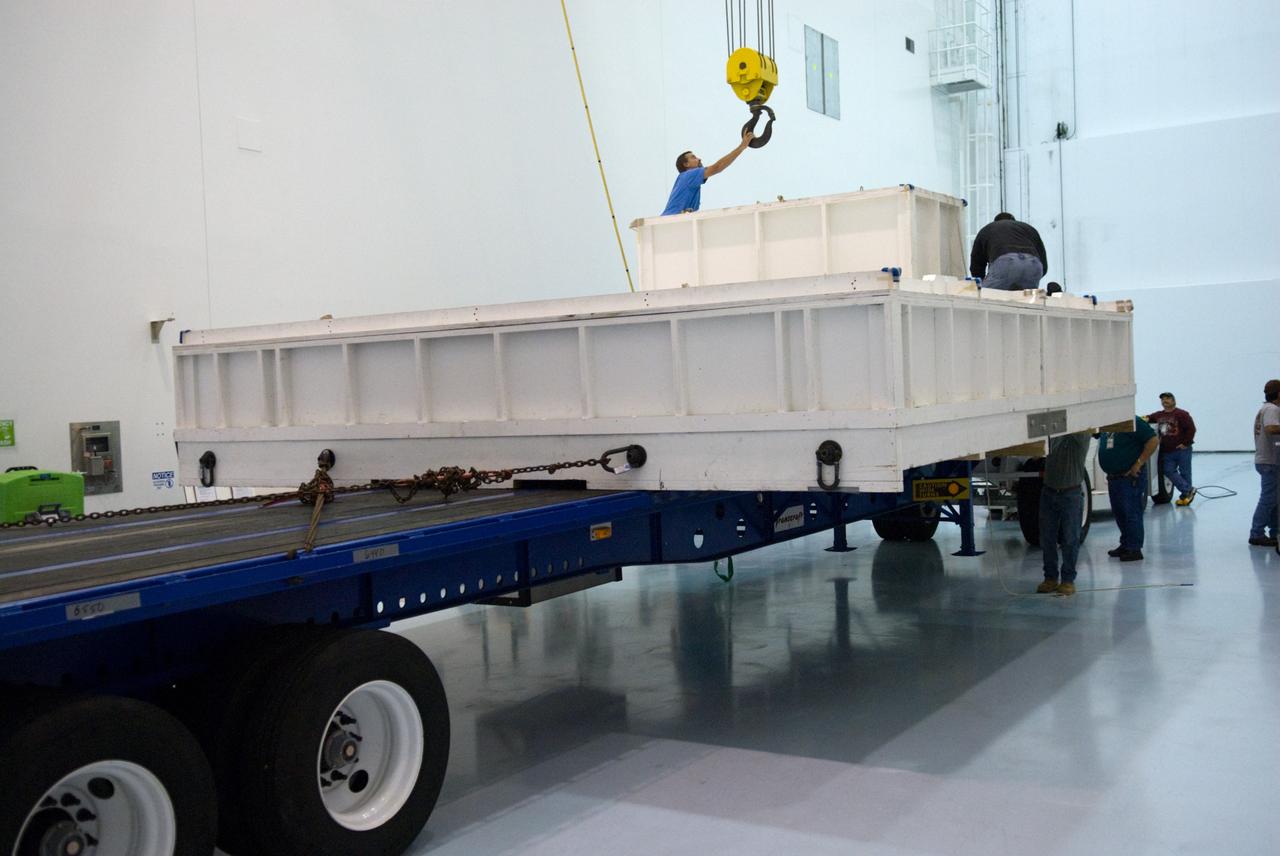
CAPE CANAVERAL, Fla. - In the Space Station Processing Facility at NASA's Kennedy Space Center in Florida, workers supervise the uncrating of the ExPRESS Logistics Carrier 3, or ELC-3. ELC-3 and the Alpha Magnetic Spectrometer are the primary payloads for space shuttle Endeavour's STS-134 mission to the International Space Station. The STS-134 crew will also deliver spare parts including two S-band communications antennas, a high pressure gas tank, additional spare parts for Dextre and micrometeoroid debris shields. Endeavour's launch is targeted for July 29, 2010. For information on the STS-134 mission objectives and crew, visit http://www.nasa.gov/shuttle. Photo credit: NASA/Kim Shiflett
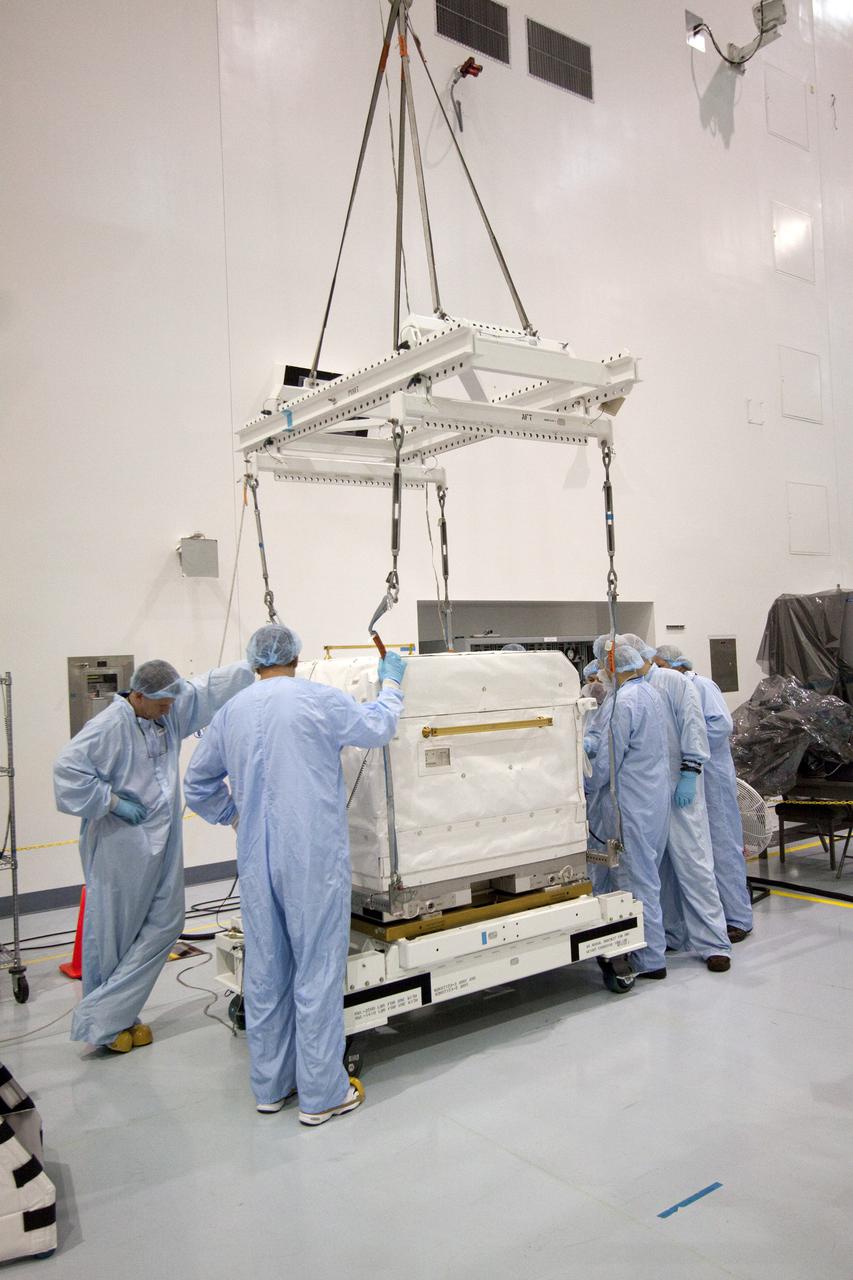
CAPE CANAVERAL, Fla. - In the Space Station Processing Facility at NASA's Kennedy Space Center in Florida, preparations are under way to move a cargo transport container to the ExPRESS Logistics Carrier-3, or ELC-3, on which it will be installed. The ELC-3 and the Alpha Magnetic Spectrometer are the primary payloads on space shuttle Endeavour's STS-134 mission to the International Space Station. Spare parts, including two S-band communications antennas; a high pressure gas tank; replacement parts for Dextre, the robotic hand on the station; and micrometeoroid debris shields, also will be delivered to the station. Endeavour's launch is targeted for mid-November. For information on the STS-134 mission, visit http:__www.nasa.gov_mission_pages_shuttle_shuttlemissions_sts134_index.html. Photo credit: NASA_Jack Pfaller
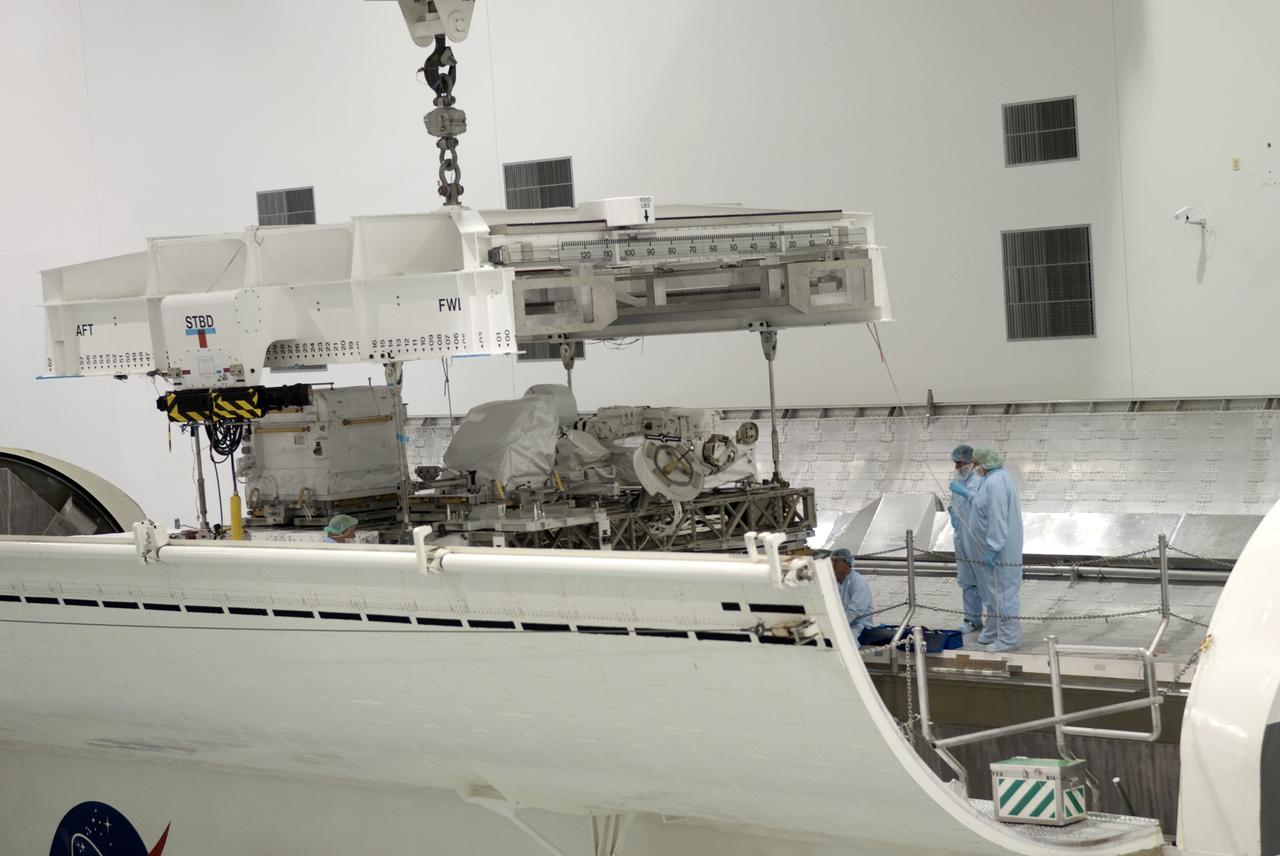
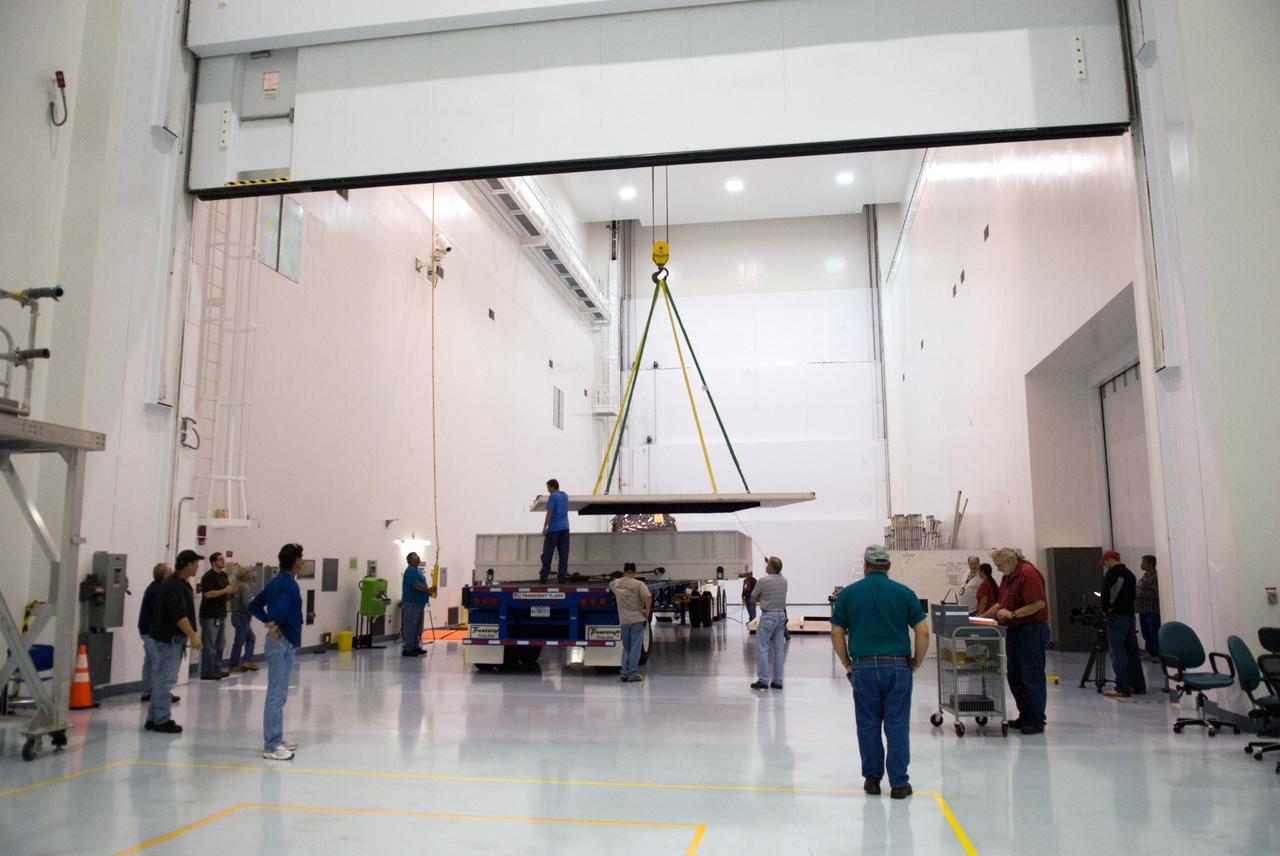
CAPE CANAVERAL, Fla. -- In the Space Station Processing Facility at NASA's Kennedy Space Center in Florida, Express Logistics Carrier-3 is lowered into a payload canister. The canister will protect the space-bound payload on its journey to Launch Pad 39A, where it will later be installed into space shuttle Endeavour’s payload bay. ELC-3 is packed with a variety of spare parts for the International Space Station, including two S-band communications antennas, a high-pressure gas tank, additional spare parts for Dextre and micrometeoroid debris shields. ELC-3 will fly to the station aboard Endeavour's STS-134 mission targeted to launch April 19 at 7:48 p.m. EDT. For more information visit, www.nasa.gov/mission_pages/shuttle/shuttlemissions/sts134/index.html. Photo credit: NASA/Jim Grossmann
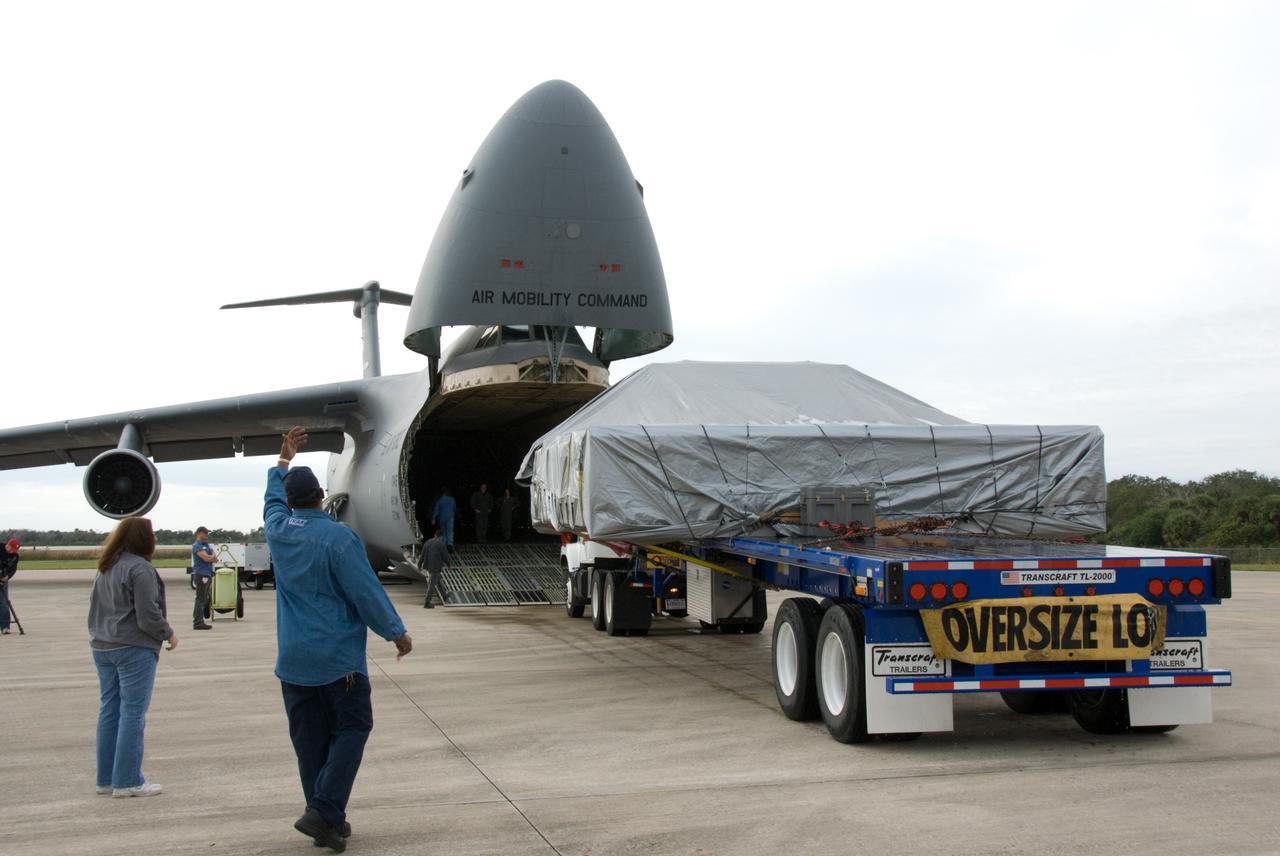
CAPE CANAVERAL, Fla. - At the Shuttle Landing Facility at NASA's Kennedy Space Center in Florida, the ExPRESS Logistics Carrier 3, or ELC-3, is removed from the cargo compartment of a U.S. Air Force C-5 aircraft. ELC-3 and the Alpha Magnetic Spectrometer are the primary payloads for space shuttle Endeavour's STS-134 mission to the International Space Station. The STS-134 crew will also deliver spare parts including two S-band communications antennas, a high pressure gas tank, additional spare parts for Dextre and micrometeoroid debris shields. Endeavour's launch is targeted for July 29, 2010. For information on the STS-134 mission objectives and crew, visit http://www.nasa.gov/shuttle. Photo credit: NASA/Kim Shiflett
CAPE CANAVERAL, Fla. -- In the Space Station Processing Facility at NASA's Kennedy Space Center in Florida, Express Logistics Carrier-3 is moved from its primary work stand to a payload canister. The canister will protect the space-bound payload on its journey to Launch Pad 39A, where it will later be installed into space shuttle Endeavour’s payload bay. ELC-3 is packed with a variety of spare parts for the International Space Station, including two S-band communications antennas, a high-pressure gas tank, additional spare parts for Dextre and micrometeoroid debris shields. ELC-3 will fly to the station aboard Endeavour's STS-134 mission targeted to launch April 19 at 7:48 p.m. EDT. For more information visit, www.nasa.gov/mission_pages/shuttle/shuttlemissions/sts134/index.html. Photo credit: NASA/Jim Grossmann
CAPE CANAVERAL, Fla. -- In the Space Station Processing Facility at NASA's Kennedy Space Center in Florida, Express Logistics Carrier-3 is moved from its primary work stand to a payload canister. The canister will protect the space-bound payload on its journey to Launch Pad 39A, where it will later be installed into space shuttle Endeavour’s payload bay. ELC-3 is packed with a variety of spare parts for the International Space Station, including two S-band communications antennas, a high-pressure gas tank, additional spare parts for Dextre and micrometeoroid debris shields. ELC-3 will fly to the station aboard Endeavour's STS-134 mission targeted to launch April 19 at 7:48 p.m. EDT. For more information visit, www.nasa.gov/mission_pages/shuttle/shuttlemissions/sts134/index.html. Photo credit: NASA/Jim Grossmann
CAPE CANAVERAL, Fla. -- In the Space Station Processing Facility at NASA's Kennedy Space Center in Florida, technicians prepare Express Logistics Carrier-3 for the move from its primary work stand to a payload canister. The canister will protect the space-bound payload on its journey to Launch Pad 39A, where it will later be installed into space shuttle Endeavour’s payload bay. ELC-3 is packed with a variety of spare parts for the International Space Station, including two S-band communications antennas, a high-pressure gas tank, additional spare parts for Dextre and micrometeoroid debris shields. ELC-3 will fly to the station aboard Endeavour's STS-134 mission targeted to launch April 19 at 7:48 p.m. EDT. For more information visit, www.nasa.gov/mission_pages/shuttle/shuttlemissions/sts134/index.html. Photo credit: NASA/Jim Grossmann
CAPE CANAVERAL, Fla. - In the Space Station Processing Facility at NASA's Kennedy Space Center in Florida, workers attach a crane to the ExPRESS Logistics Carrier 3, or ELC-3, in preparations to lift it from its transportation case. ELC-3 and the Alpha Magnetic Spectrometer are the primary payloads for space shuttle Endeavour's STS-134 mission to the International Space Station. The STS-134 crew will also deliver spare parts including two S-band communications antennas, a high pressure gas tank, additional spare parts for Dextre and micrometeoroid debris shields. Endeavour's launch is targeted for July 29, 2010. For information on the STS-134 mission objectives and crew, visit http://www.nasa.gov/shuttle. Photo credit: NASA/Kim Shiflett
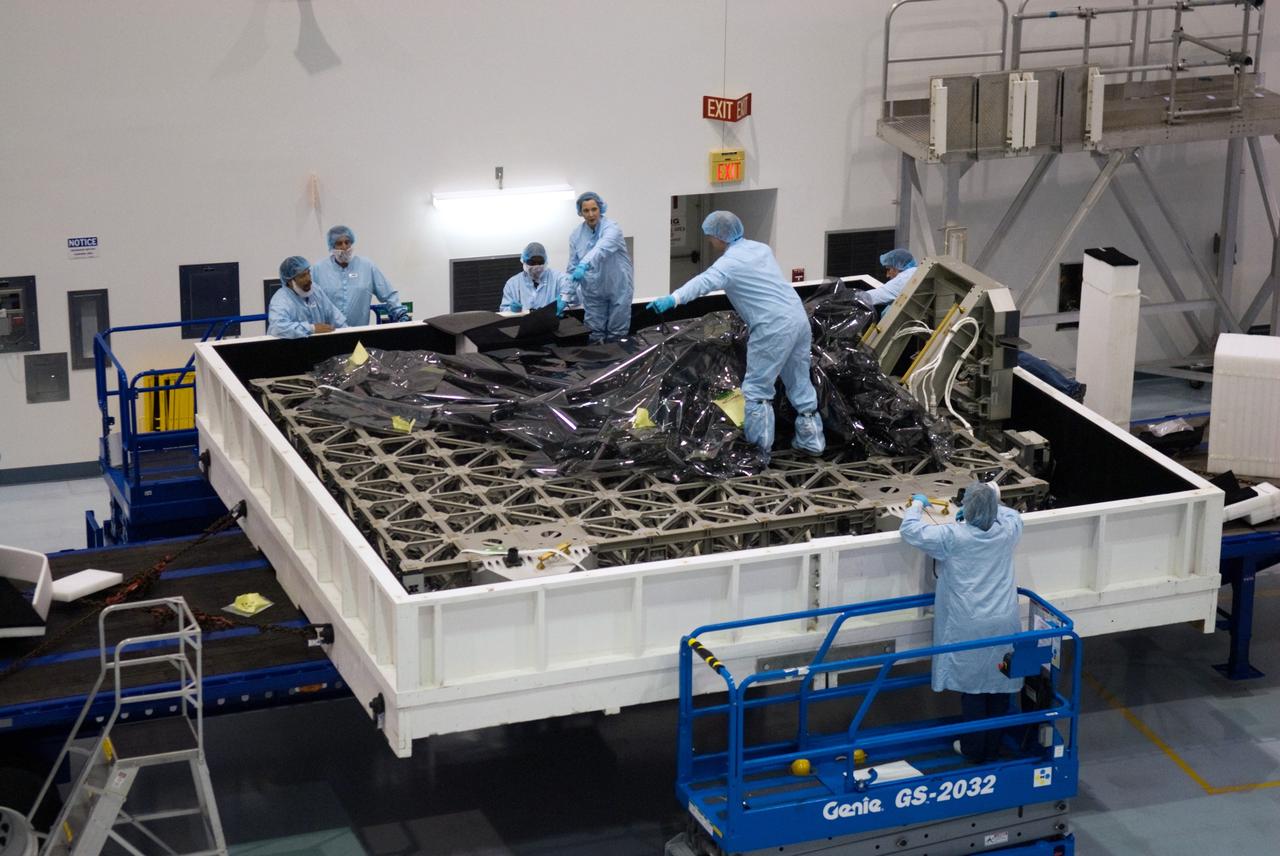
CAPE CANAVERAL, Fla. - In the Space Station Processing Facility at NASA's Kennedy Space Center in Florida, workers unwrap the ExPRESS Logistics Carrier 3, or ELC-3, still nestled in its transportation case. ELC-3 and the Alpha Magnetic Spectrometer are the primary payloads for space shuttle Endeavour's STS-134 mission to the International Space Station. The STS-134 crew will also deliver spare parts including two S-band communications antennas, a high pressure gas tank, additional spare parts for Dextre and micrometeoroid debris shields. Endeavour's launch is targeted for July 29, 2010. For information on the STS-134 mission objectives and crew, visit http://www.nasa.gov/shuttle. Photo credit: NASA/Kim Shiflett
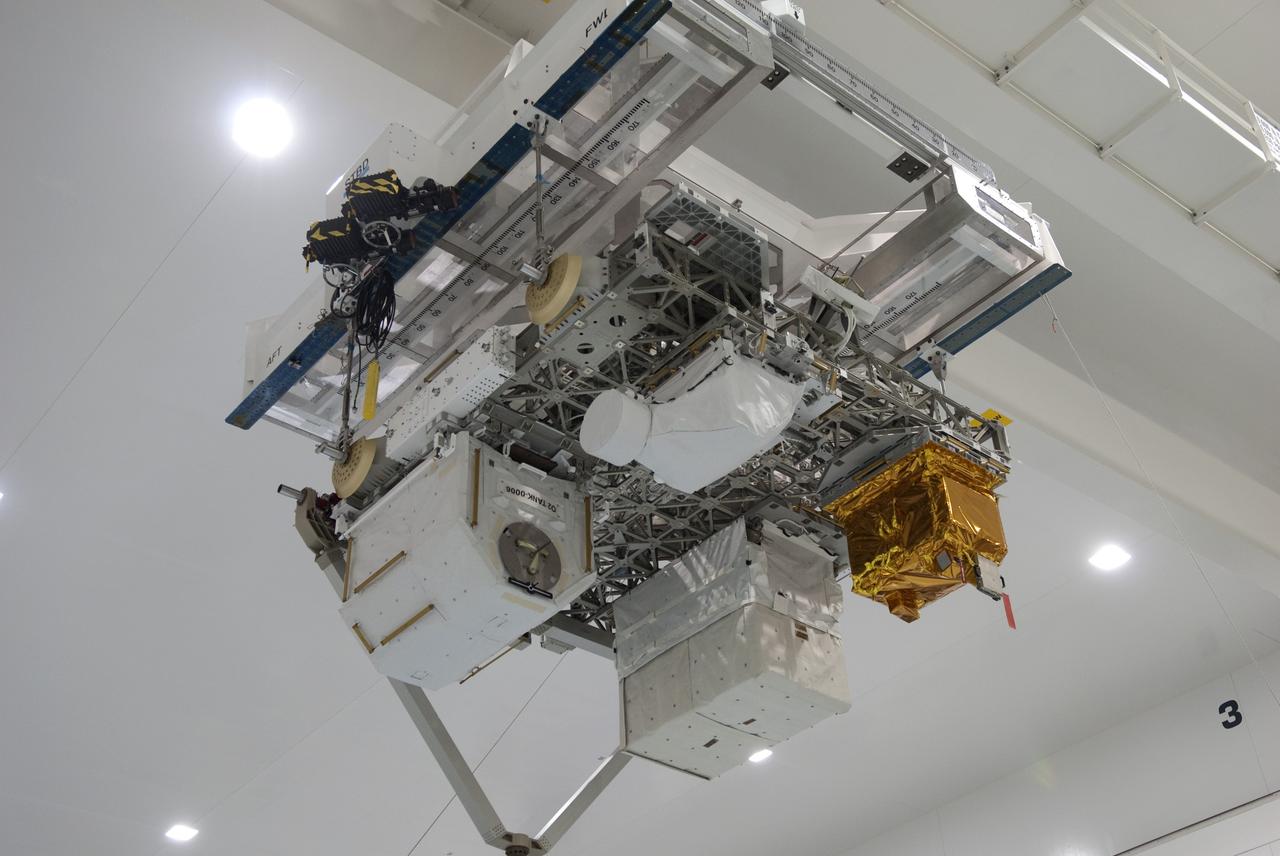
CAPE CANAVERAL, Fla. -- In the Space Station Processing Facility at NASA's Kennedy Space Center in Florida, Express Logistics Carrier-3 is moved from its primary work stand to a payload canister. The canister will protect the space-bound payload on its journey to Launch Pad 39A, where it will later be installed into space shuttle Endeavour’s payload bay. ELC-3 is packed with a variety of spare parts for the International Space Station, including two S-band communications antennas, a high-pressure gas tank, additional spare parts for Dextre and micrometeoroid debris shields. ELC-3 will fly to the station aboard Endeavour's STS-134 mission targeted to launch April 19 at 7:48 p.m. EDT. For more information visit, www.nasa.gov/mission_pages/shuttle/shuttlemissions/sts134/index.html. Photo credit: NASA/Jim Grossmann
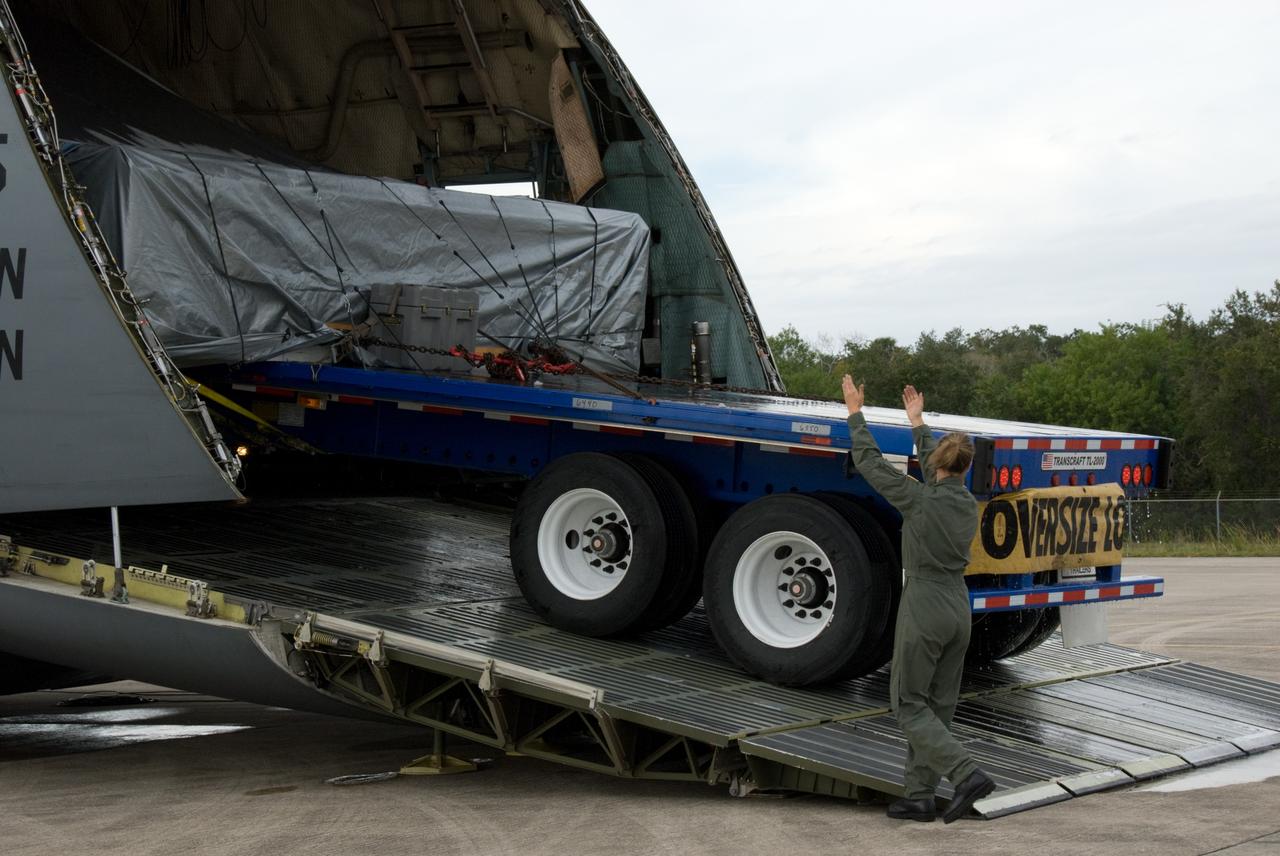
CAPE CANAVERAL, Fla. - At the Shuttle Landing Facility at NASA's Kennedy Space Center in Florida, the ExPRESS Logistics Carrier 3, or ELC-3, is offloaded from a U.S. Air Force C-5 aircraft. ELC-3 and the Alpha Magnetic Spectrometer are the primary payloads for space shuttle Endeavour's STS-134 mission to the International Space Station. The STS-134 crew will also deliver spare parts including two S-band communications antennas, a high pressure gas tank, additional spare parts for Dextre and micrometeoroid debris shields. Endeavour's launch is targeted for July 29, 2010. For information on the STS-134 mission objectives and crew, visit http://www.nasa.gov/shuttle. Photo credit: NASA/Kim Shiflett
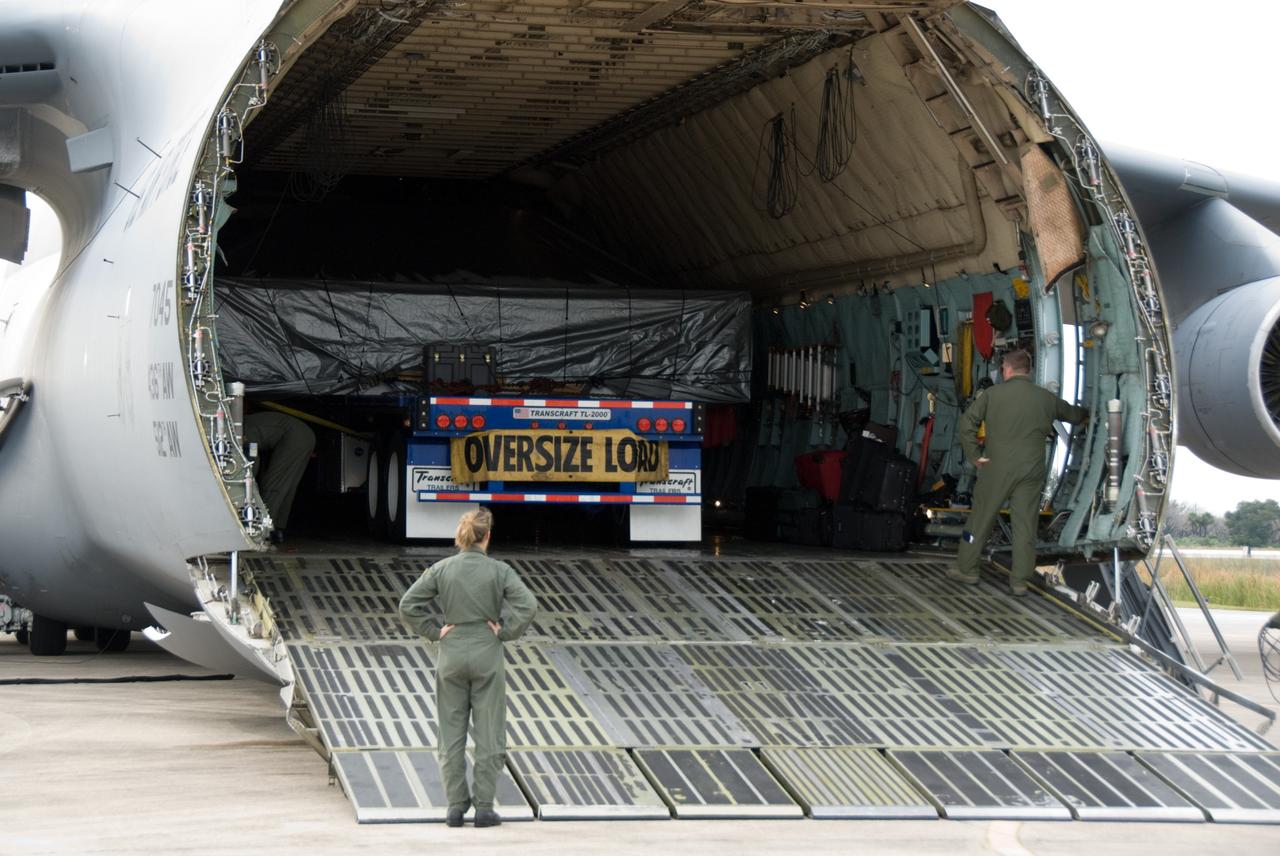
CAPE CANAVERAL, Fla. - At the Shuttle Landing Facility at NASA's Kennedy Space Center in Florida, preparations are under way to offload the ExPRESS Logistics Carrier 3, or ELC-3, from a U.S. Air Force C-5 aircraft. ELC-3 and the Alpha Magnetic Spectrometer are the primary payloads for space shuttle Endeavour's STS-134 mission to the International Space Station. The STS-134 crew will also deliver spare parts including two S-band communications antennas, a high pressure gas tank, additional spare parts for Dextre and micrometeoroid debris shields. Endeavour's launch is targeted for July 29, 2010. For information on the STS-134 mission objectives and crew, visit http://www.nasa.gov/shuttle. Photo credit: NASA/Kim Shiflett
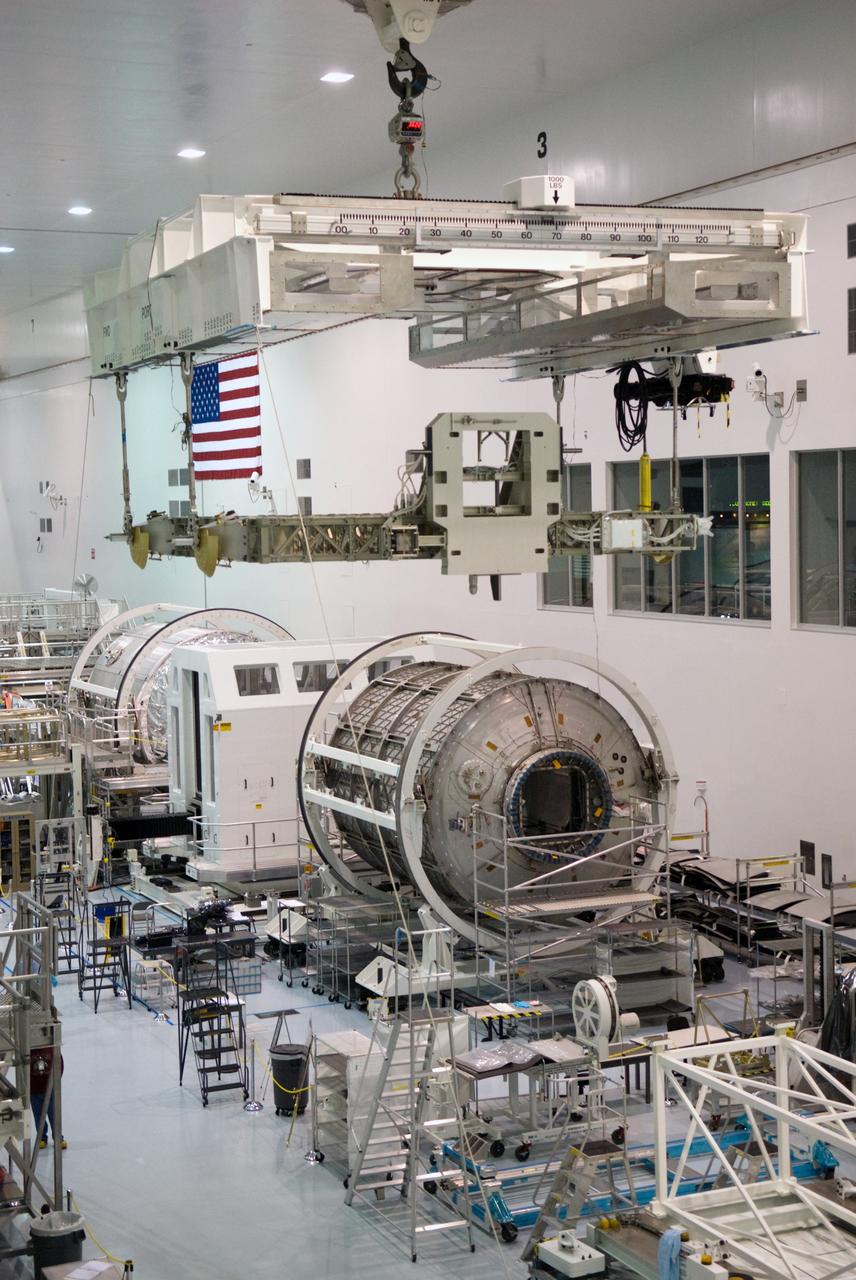
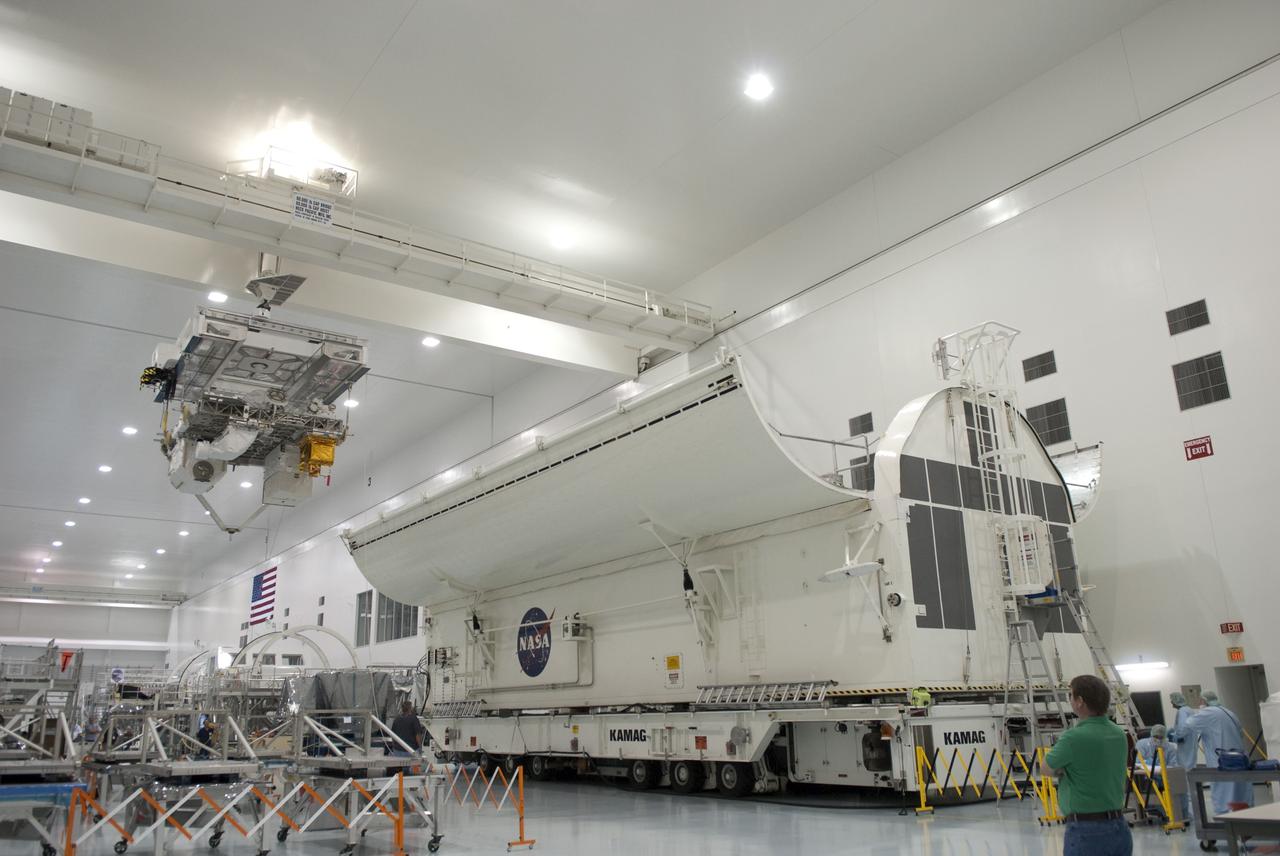
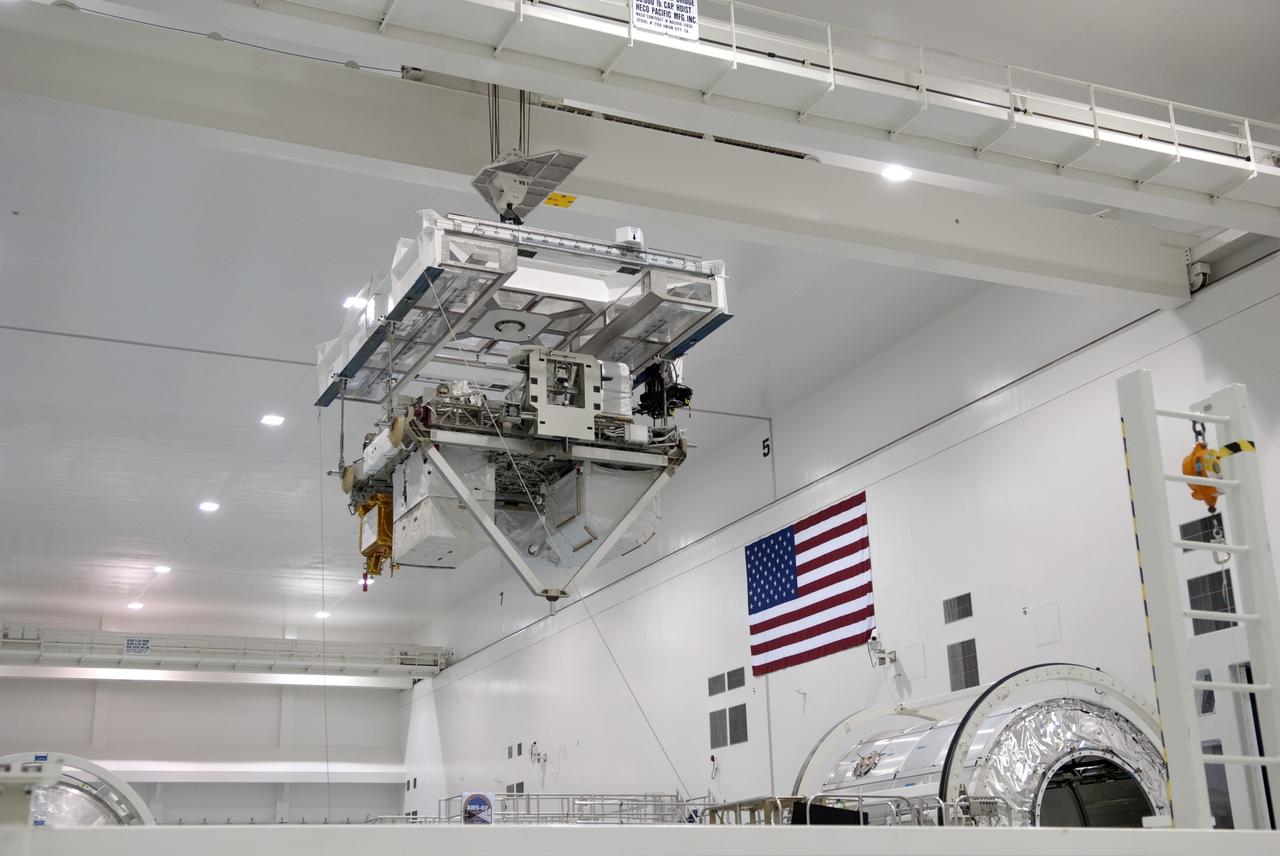
CAPE CANAVERAL, Fla. - In the Space Station Processing Facility at NASA's Kennedy Space Center in Florida, the newly arrived ExPRESS Logistics Carrier 3, or ELC-3, is lifted above two Multi-Purpose Logistics Modules positioned along the wall of the clean room. ELC-3 and the Alpha Magnetic Spectrometer are the primary payloads for space shuttle Endeavour's STS-134 mission to the International Space Station. The STS-134 crew will also deliver spare parts including two S-band communications antennas, a high pressure gas tank, additional spare parts for Dextre and micrometeoroid debris shields. Endeavour's launch is targeted for July 29, 2010. For information on the STS-134 mission objectives and crew, visit http://www.nasa.gov/shuttle. Photo credit: NASA/Kim Shiflett
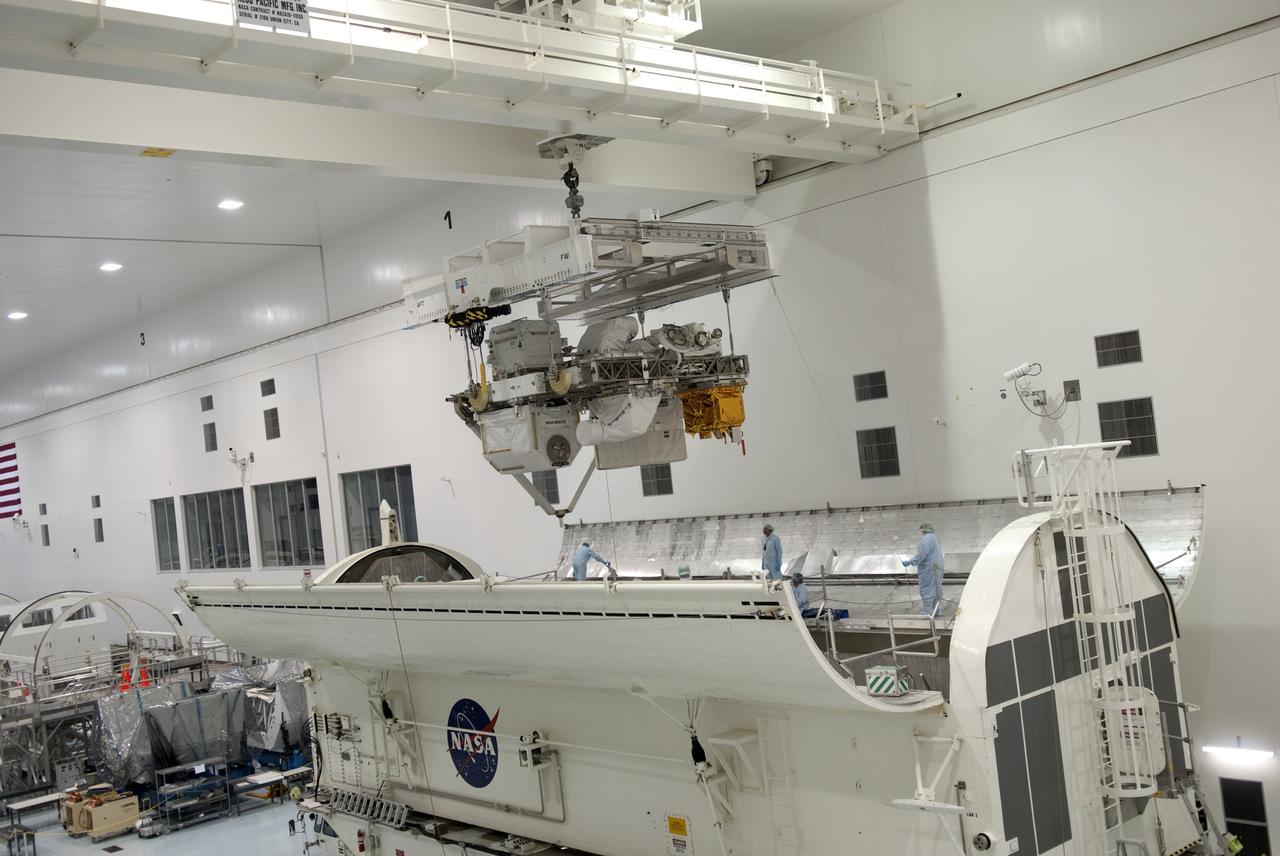
CAPE CANAVERAL, Fla. -- In the Space Station Processing Facility at NASA's Kennedy Space Center in Florida, Express Logistics Carrier-3 hovers over a payload canister. The canister will protect the space-bound payload on its journey to Launch Pad 39A, where it will later be installed into space shuttle Endeavour’s payload bay. ELC-3 is packed with a variety of spare parts for the International Space Station, including two S-band communications antennas, a high-pressure gas tank, additional spare parts for Dextre and micrometeoroid debris shields. ELC-3 will fly to the station aboard Endeavour's STS-134 mission targeted to launch April 19 at 7:48 p.m. EDT. For more information visit, www.nasa.gov/mission_pages/shuttle/shuttlemissions/sts134/index.html. Photo credit: NASA/Jim Grossmann
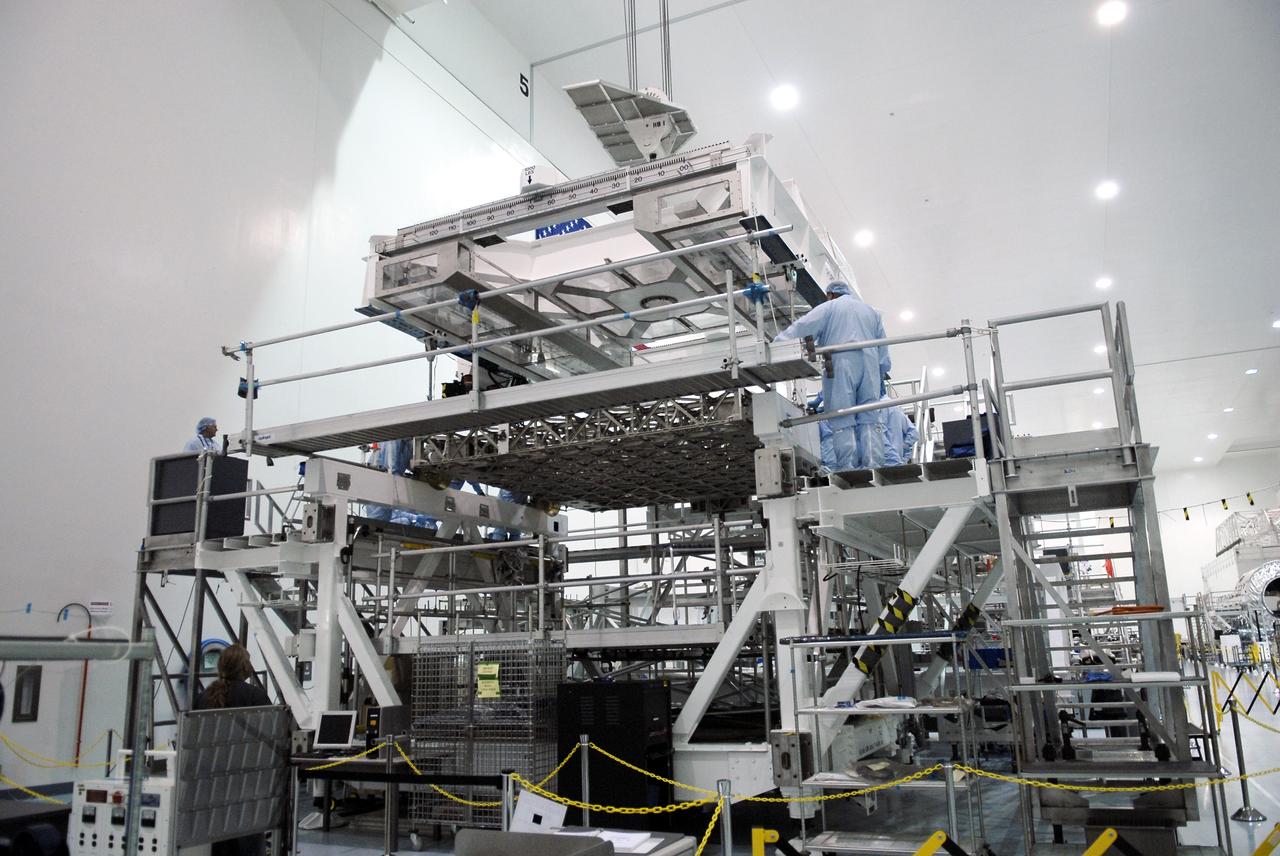
CAPE CANAVERAL, Fla. - In the Space Station Processing Facility at NASA's Kennedy Space Center in Florida, workers secure the newly arrived ExPRESS Logistics Carrier 3, or ELC-3, on its work stand in the clean room. ELC-3 and the Alpha Magnetic Spectrometer are the primary payloads for space shuttle Endeavour's STS-134 mission to the International Space Station. The STS-134 crew will also deliver spare parts including two S-band communications antennas, a high pressure gas tank, additional spare parts for Dextre and micrometeoroid debris shields. Endeavour's launch is targeted for July 29, 2010. For information on the STS-134 mission objectives and crew, visit http://www.nasa.gov/shuttle. Photo credit: NASA/Kim Shiflett
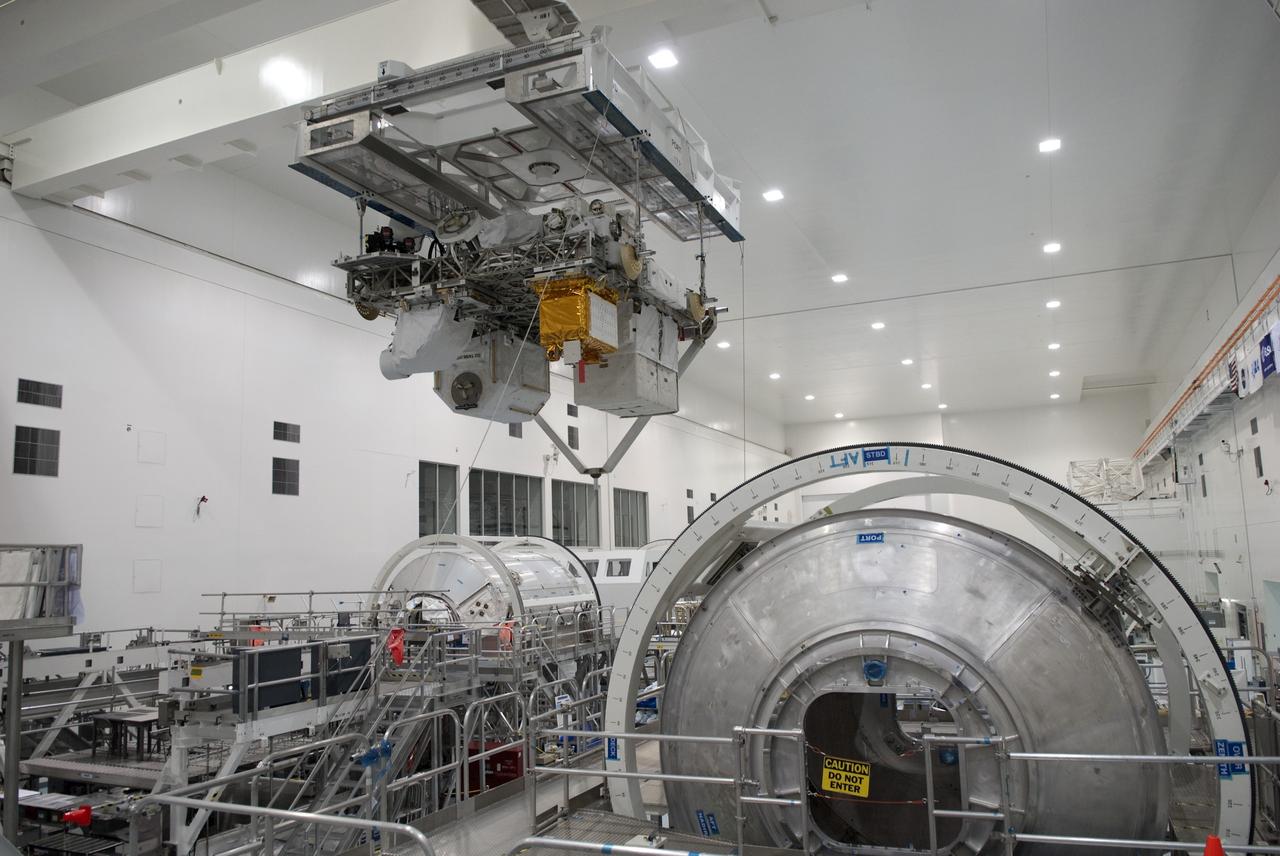
CAPE CANAVERAL, Fla. -- In the Space Station Processing Facility at NASA's Kennedy Space Center in Florida, Express Logistics Carrier-3 is moved from its primary work stand to a payload canister. The canister will protect the space-bound payload on its journey to Launch Pad 39A, where it will later be installed into space shuttle Endeavour’s payload bay. ELC-3 is packed with a variety of spare parts for the International Space Station, including two S-band communications antennas, a high-pressure gas tank, additional spare parts for Dextre and micrometeoroid debris shields. ELC-3 will fly to the station aboard Endeavour's STS-134 mission targeted to launch April 19 at 7:48 p.m. EDT. For more information visit, www.nasa.gov/mission_pages/shuttle/shuttlemissions/sts134/index.html. Photo credit: NASA/Jim Grossmann
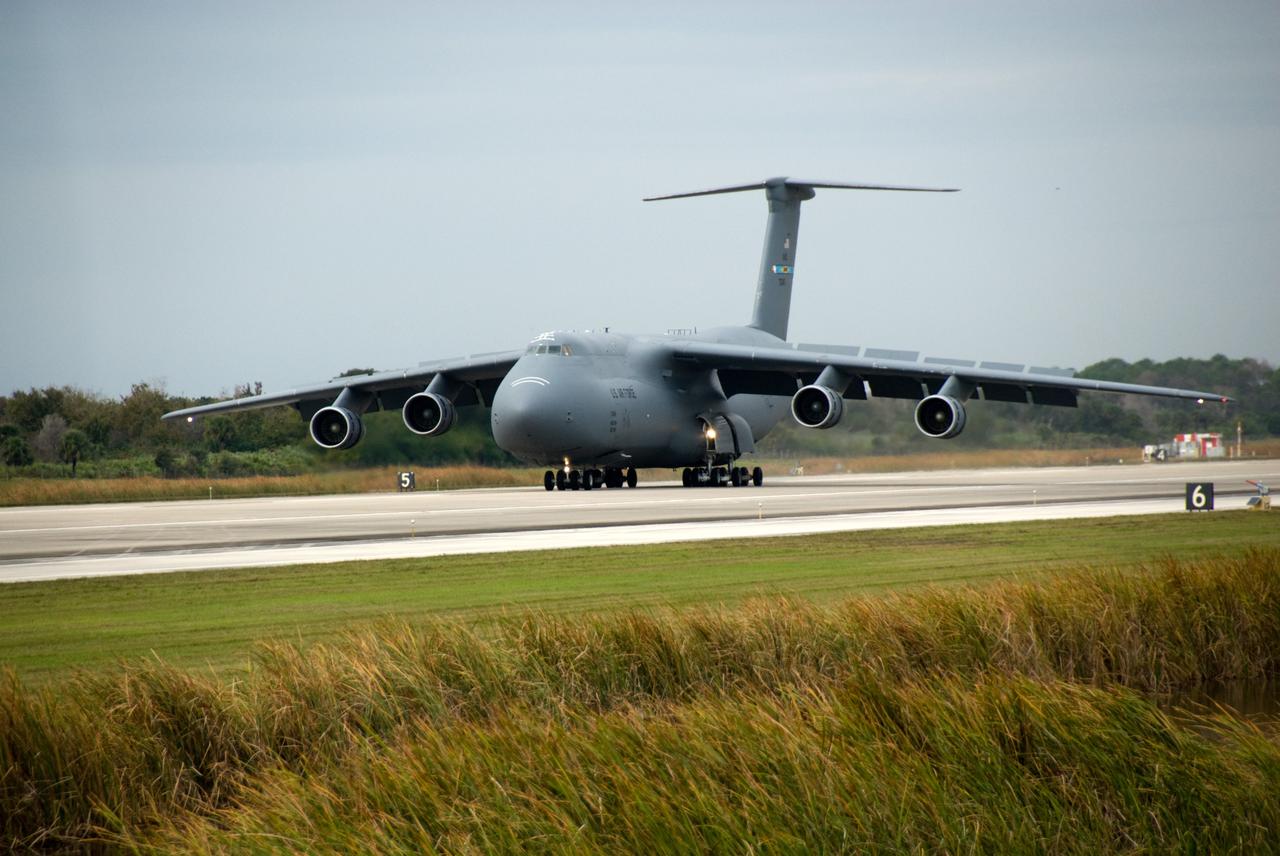
CAPE CANAVERAL, Fla. - At NASA's Kennedy Space Center in Florida, U.S. Air Force C-5 aircraft lands at the Shuttle Landing Facility, delivering the ExPRESS Logistics Carrier 3, or ELC-3. ELC-3 and the Alpha Magnetic Spectrometer are the primary payloads for space shuttle Endeavour's STS-134 mission to the International Space Station. The STS-134 crew will also deliver spare parts including two S-band communications antennas, a high pressure gas tank, additional spare parts for Dextre and micrometeoroid debris shields. Endeavour's launch is targeted for July 29, 2010. For information on the STS-134 mission objectives and crew, visit http://www.nasa.gov/shuttle. Photo credit: NASA/Kim Shiflett
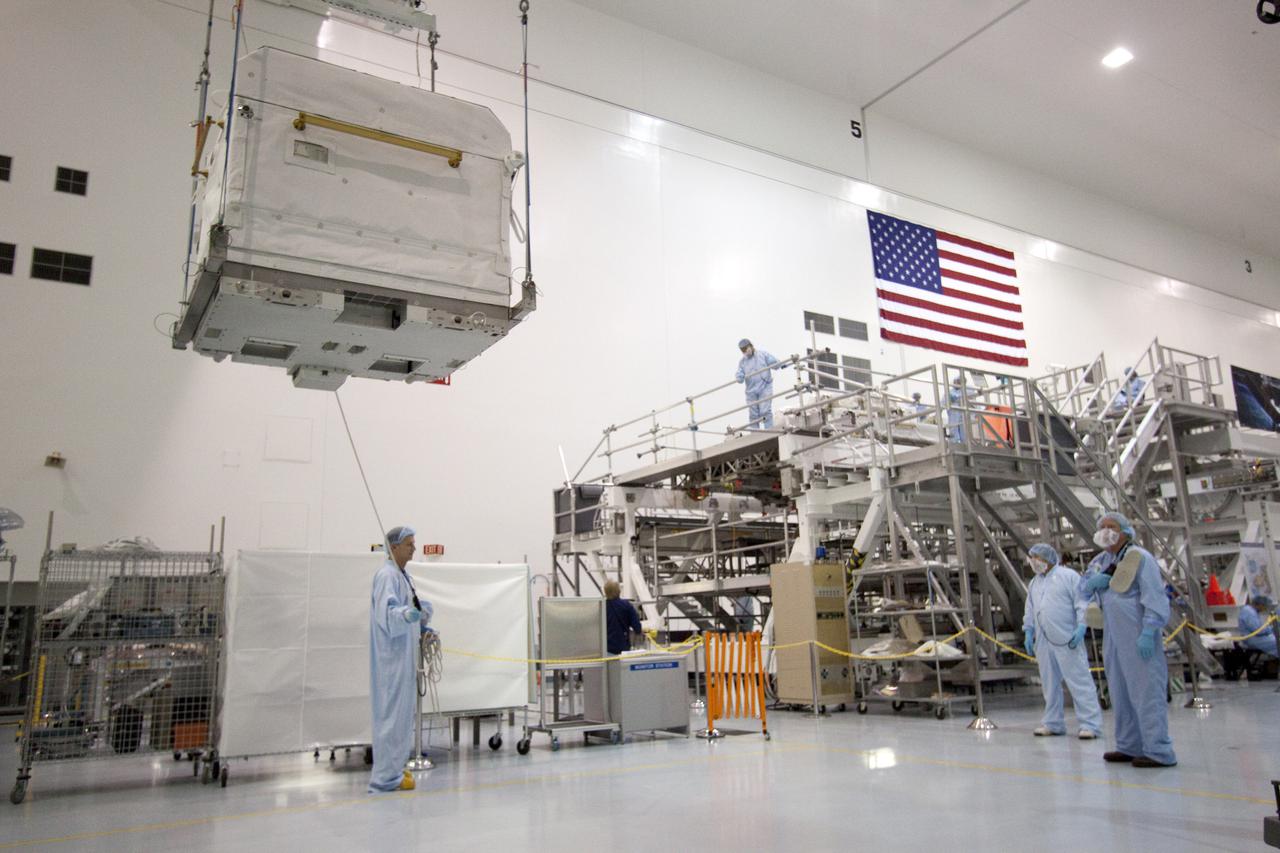
CAPE CANAVERAL, Fla. - In the Space Station Processing Facility at NASA's Kennedy Space Center in Florida, a cargo transport container is lifted off the floor of the clean room. The container is being moved toward the ExPRESS Logistics Carrier-3, or ELC-3, on which it will be installed. The ELC-3 and the Alpha Magnetic Spectrometer are the primary payloads on space shuttle Endeavour's STS-134 mission to the International Space Station. Spare parts, including two S-band communications antennas; a high pressure gas tank; replacement parts for Dextre, the robotic hand on the station; and micrometeoroid debris shields, also will be delivered to the station. Endeavour's launch is targeted for mid-November. For information on the STS-134 mission, visit http:__www.nasa.gov_mission_pages_shuttle_shuttlemissions_sts134_index.html. Photo credit: NASA_Jack Pfaller
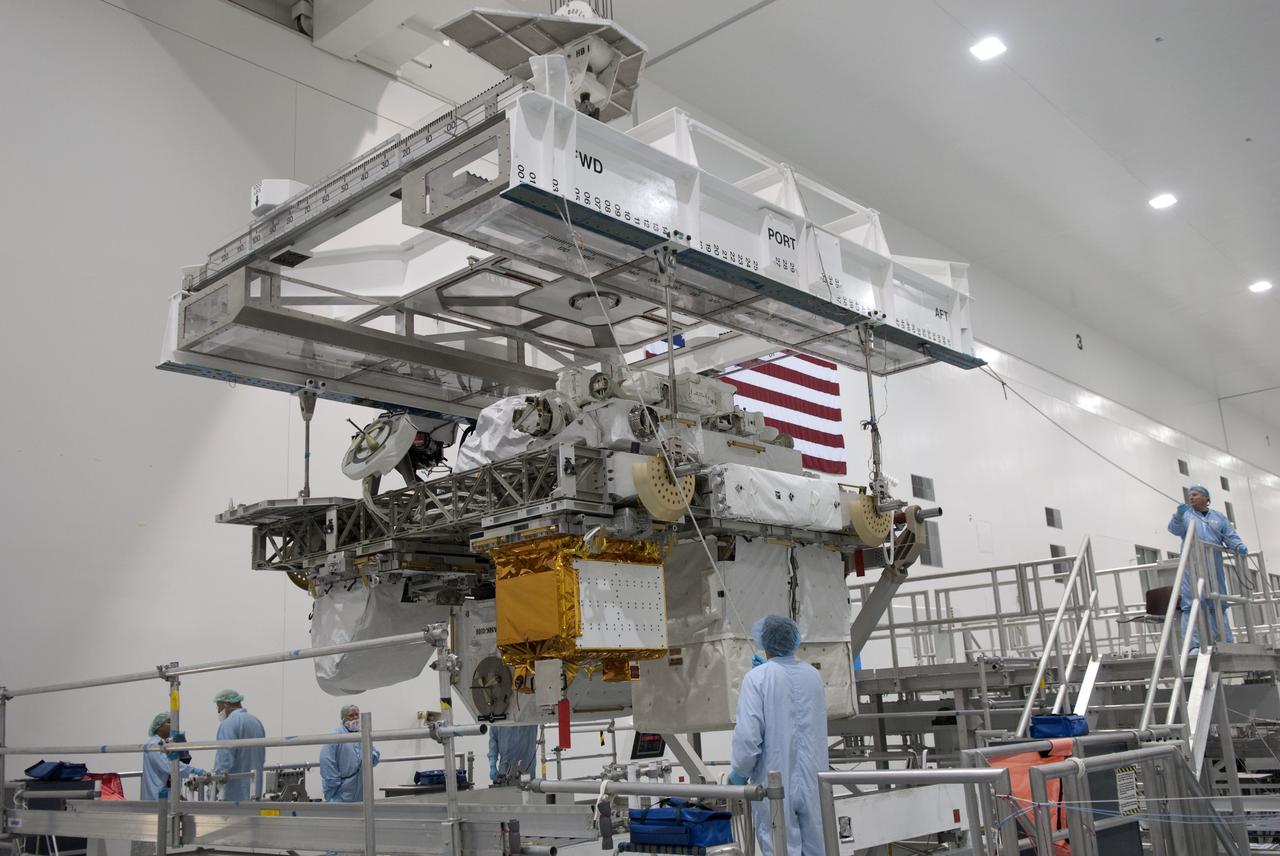
CAPE CANAVERAL, Fla. -- In the Space Station Processing Facility at NASA's Kennedy Space Center in Florida, Express Logistics Carrier-3 is moved from its primary work stand to a payload canister. The canister will protect the space-bound payload on its journey to Launch Pad 39A, where it will later be installed into space shuttle Endeavour’s payload bay. ELC-3 is packed with a variety of spare parts for the International Space Station, including two S-band communications antennas, a high-pressure gas tank, additional spare parts for Dextre and micrometeoroid debris shields. ELC-3 will fly to the station aboard Endeavour's STS-134 mission targeted to launch April 19 at 7:48 p.m. EDT. For more information visit, www.nasa.gov/mission_pages/shuttle/shuttlemissions/sts134/index.html. Photo credit: NASA/Jim Grossmann

CAPE CANAVERAL, Fla. -- In the Space Station Processing Facility at NASA's Kennedy Space Center in Florida, Express Logistics Carrier-3 is moved from its primary work stand to a payload canister. The canister will protect the space-bound payload on its journey to Launch Pad 39A, where it will later be installed into space shuttle Endeavour’s payload bay. ELC-3 is packed with a variety of spare parts for the International Space Station, including two S-band communications antennas, a high-pressure gas tank, additional spare parts for Dextre and micrometeoroid debris shields. ELC-3 will fly to the station aboard Endeavour's STS-134 mission targeted to launch April 19 at 7:48 p.m. EDT. For more information visit, www.nasa.gov/mission_pages/shuttle/shuttlemissions/sts134/index.html. Photo credit: NASA/Jim Grossmann
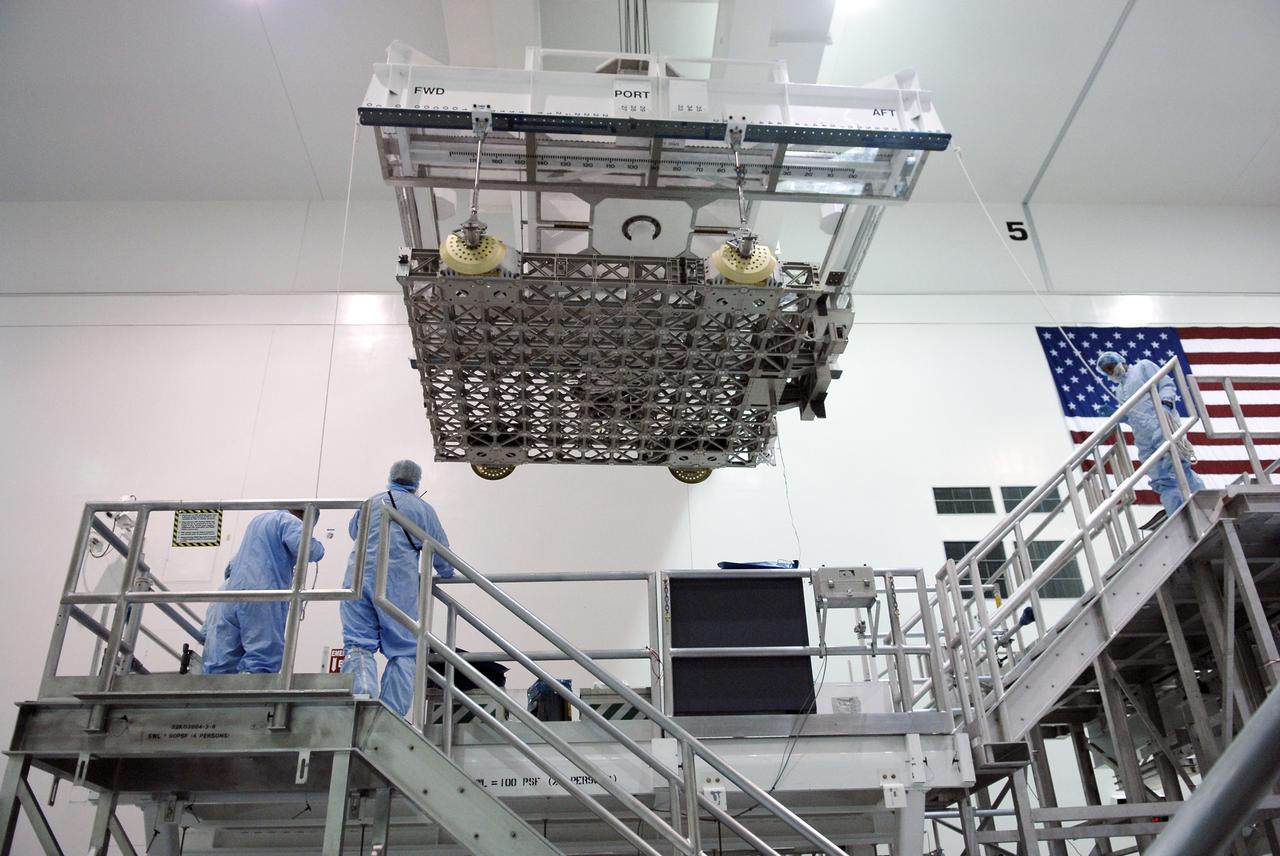
CAPE CANAVERAL, Fla. - In the Space Station Processing Facility at NASA's Kennedy Space Center in Florida, the newly arrived ExPRESS Logistics Carrier 3, or ELC-3, is lowered onto a work stand in the clean room. ELC-3 and the Alpha Magnetic Spectrometer are the primary payloads for space shuttle Endeavour's STS-134 mission to the International Space Station. The STS-134 crew will also deliver spare parts including two S-band communications antennas, a high pressure gas tank, additional spare parts for Dextre and micrometeoroid debris shields. Endeavour's launch is targeted for July 29, 2010. For information on the STS-134 mission objectives and crew, visit http://www.nasa.gov/shuttle. Photo credit: NASA/Kim Shiflett
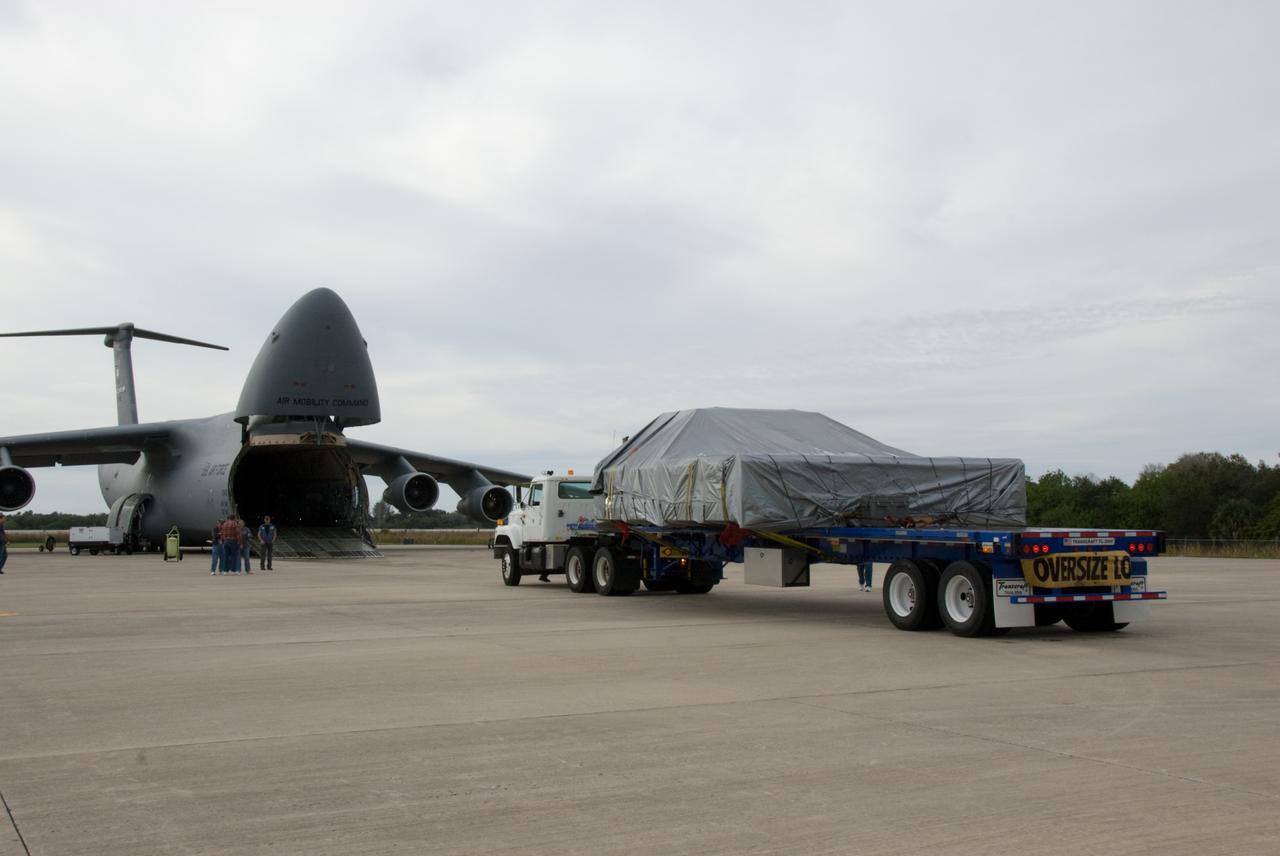
CAPE CANAVERAL, Fla. - At the Shuttle Landing Facility at NASA's Kennedy Space Center in Florida, the ExPRESS Logistics Carrier 3, or ELC-3, is secured on the bed of the truck which will transport it to the Space Station Processing Facility. At left is the U.S. Air Force C-5 aircraft on which it arrived. ELC-3 and the Alpha Magnetic Spectrometer are the primary payloads for space shuttle Endeavour's STS-134 mission to the International Space Station. The STS-134 crew will also deliver spare parts including two S-band communications antennas, a high pressure gas tank, additional spare parts for Dextre and micrometeoroid debris shields. Endeavour's launch is targeted for July 29, 2010. For information on the STS-134 mission objectives and crew, visit http://www.nasa.gov/shuttle. Photo credit: NASA/Kim Shiflett
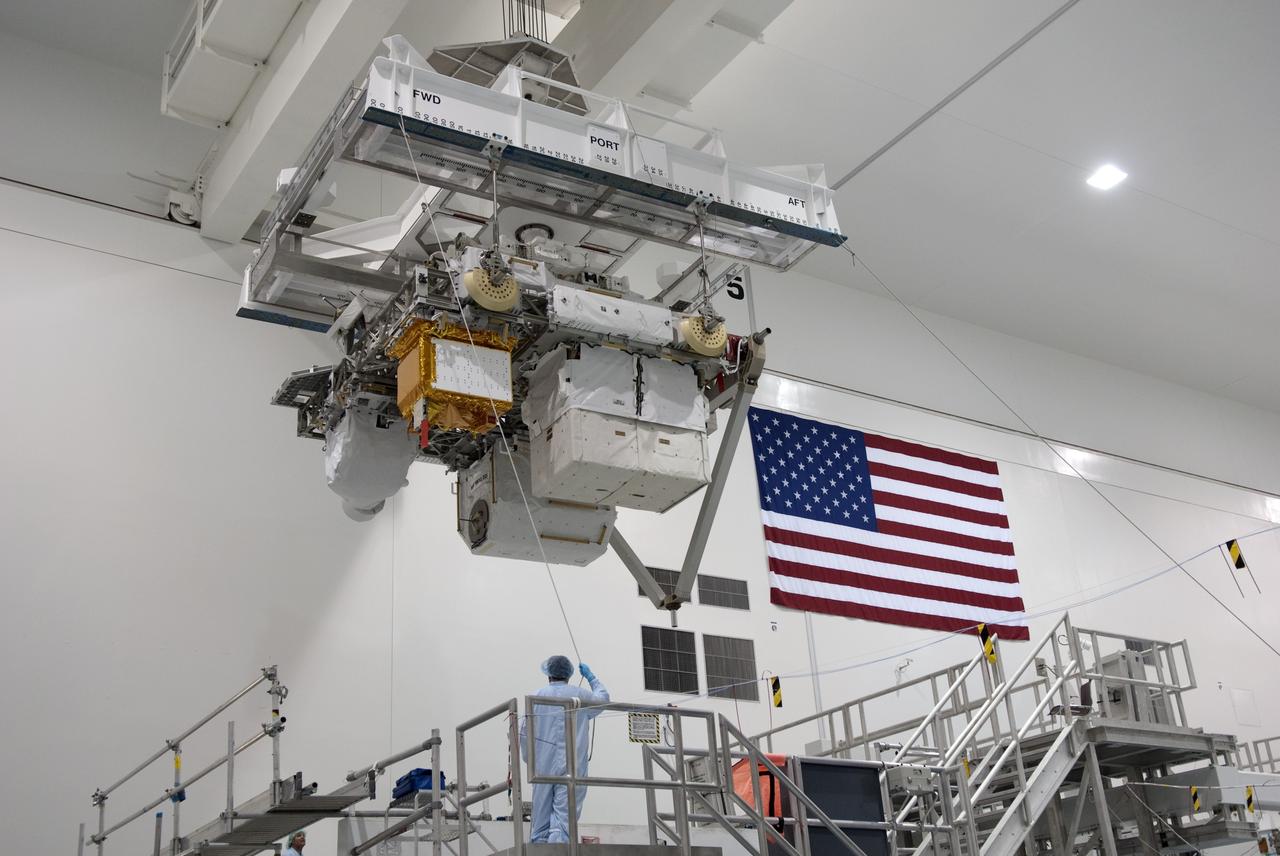
CAPE CANAVERAL, Fla. -- In the Space Station Processing Facility at NASA's Kennedy Space Center in Florida, Express Logistics Carrier-3 is moved from its primary work stand to a payload canister. The canister will protect the space-bound payload on its journey to Launch Pad 39A, where it will later be installed into space shuttle Endeavour’s payload bay. ELC-3 is packed with a variety of spare parts for the International Space Station, including two S-band communications antennas, a high-pressure gas tank, additional spare parts for Dextre and micrometeoroid debris shields. ELC-3 will fly to the station aboard Endeavour's STS-134 mission targeted to launch April 19 at 7:48 p.m. EDT. For more information visit, www.nasa.gov/mission_pages/shuttle/shuttlemissions/sts134/index.html. Photo credit: NASA/Jim Grossmann
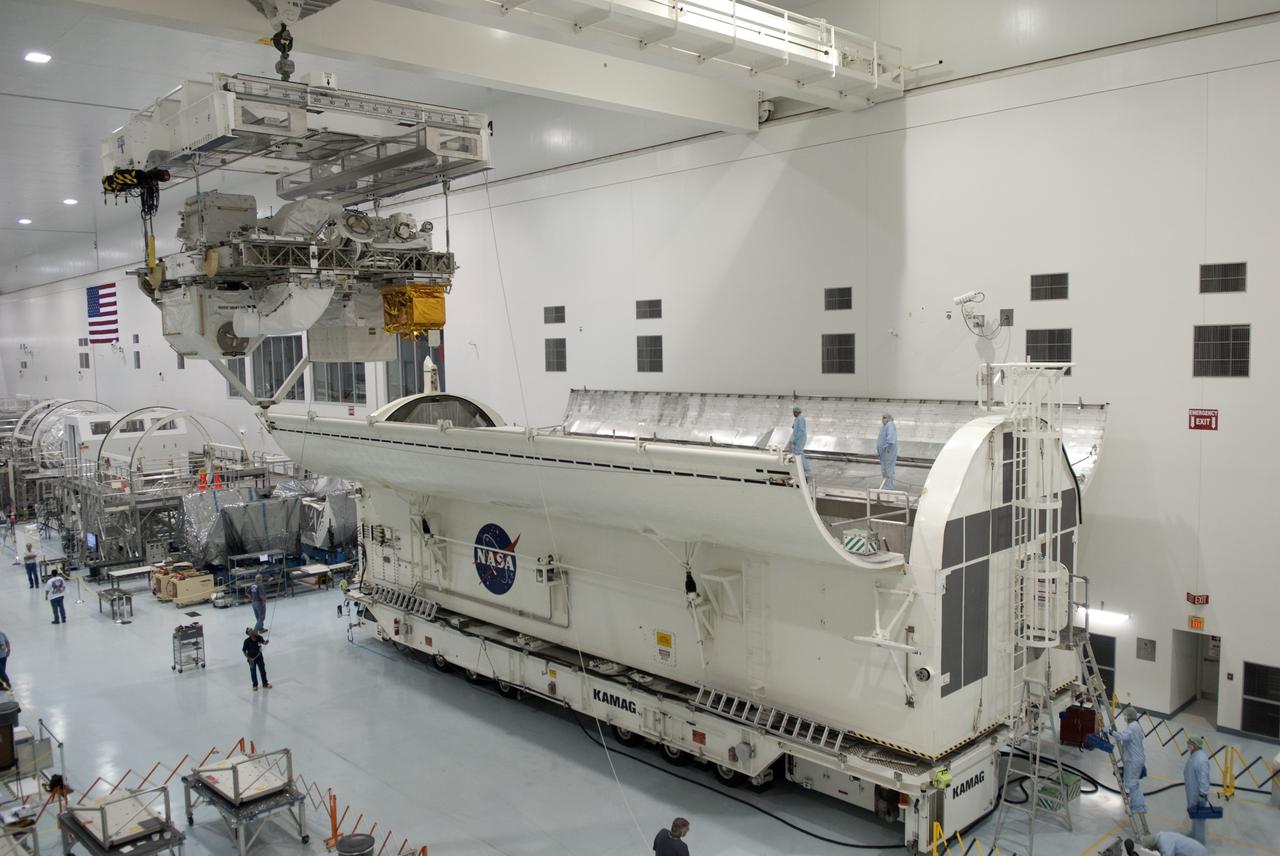
CAPE CANAVERAL, Fla. -- In the Space Station Processing Facility at NASA's Kennedy Space Center in Florida, Express Logistics Carrier-3 is moved from its primary work stand to a payload canister. The canister will protect the space-bound payload on its journey to Launch Pad 39A, where it will later be installed into space shuttle Endeavour’s payload bay. ELC-3 is packed with a variety of spare parts for the International Space Station, including two S-band communications antennas, a high-pressure gas tank, additional spare parts for Dextre and micrometeoroid debris shields. ELC-3 will fly to the station aboard Endeavour's STS-134 mission targeted to launch April 19 at 7:48 p.m. EDT. For more information visit, www.nasa.gov/mission_pages/shuttle/shuttlemissions/sts134/index.html. Photo credit: NASA/Jim Grossmann
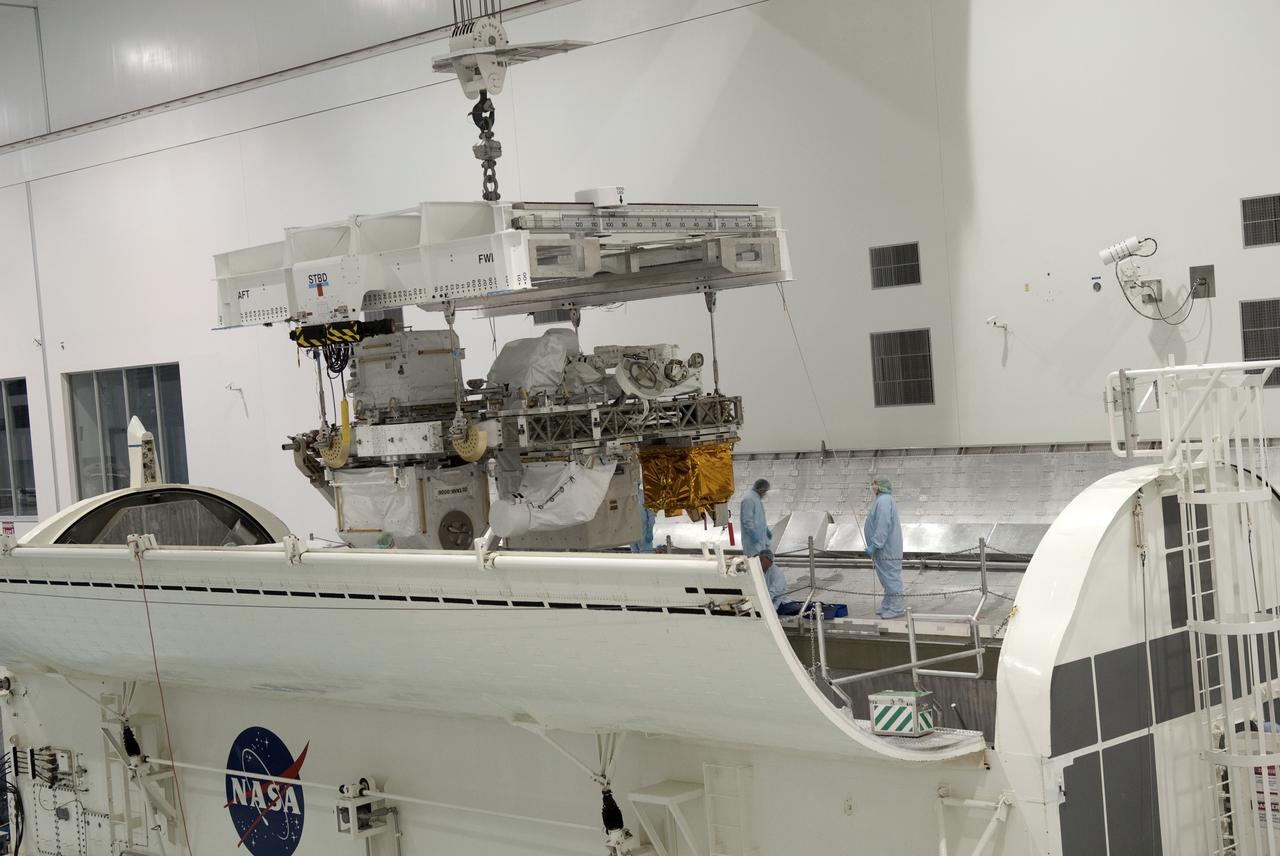
CAPE CANAVERAL, Fla. -- In the Space Station Processing Facility at NASA's Kennedy Space Center in Florida, Express Logistics Carrier-3 is lowered into a payload canister. The canister will protect the space-bound payload on its journey to Launch Pad 39A, where it will later be installed into space shuttle Endeavour’s payload bay. ELC-3 is packed with a variety of spare parts for the International Space Station, including two S-band communications antennas, a high-pressure gas tank, additional spare parts for Dextre and micrometeoroid debris shields. ELC-3 will fly to the station aboard Endeavour's STS-134 mission targeted to launch April 19 at 7:48 p.m. EDT. For more information visit, www.nasa.gov/mission_pages/shuttle/shuttlemissions/sts134/index.html. Photo credit: NASA/Jim Grossmann
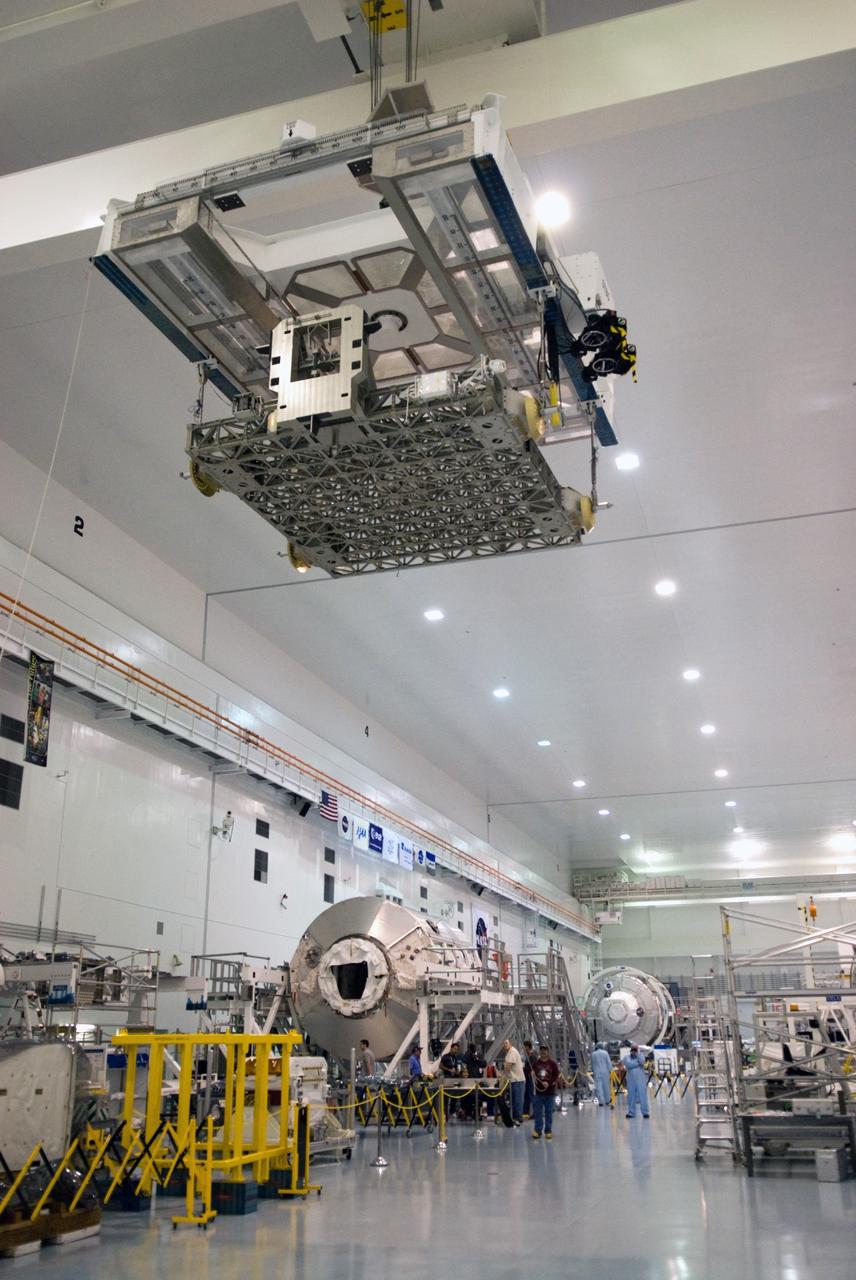
CAPE CANAVERAL, Fla. - In the Space Station Processing Facility at NASA's Kennedy Space Center in Florida, the newly arrived ExPRESS Logistics Carrier 3, or ELC-3, is lifted high above the clean room floor. ELC-3 and the Alpha Magnetic Spectrometer are the primary payloads for space shuttle Endeavour's STS-134 mission to the International Space Station. The STS-134 crew will also deliver spare parts including two S-band communications antennas, a high pressure gas tank, additional spare parts for Dextre and micrometeoroid debris shields. Endeavour's launch is targeted for July 29, 2010. For information on the STS-134 mission objectives and crew, visit http://www.nasa.gov/shuttle. Photo credit: NASA/Kim Shiflett
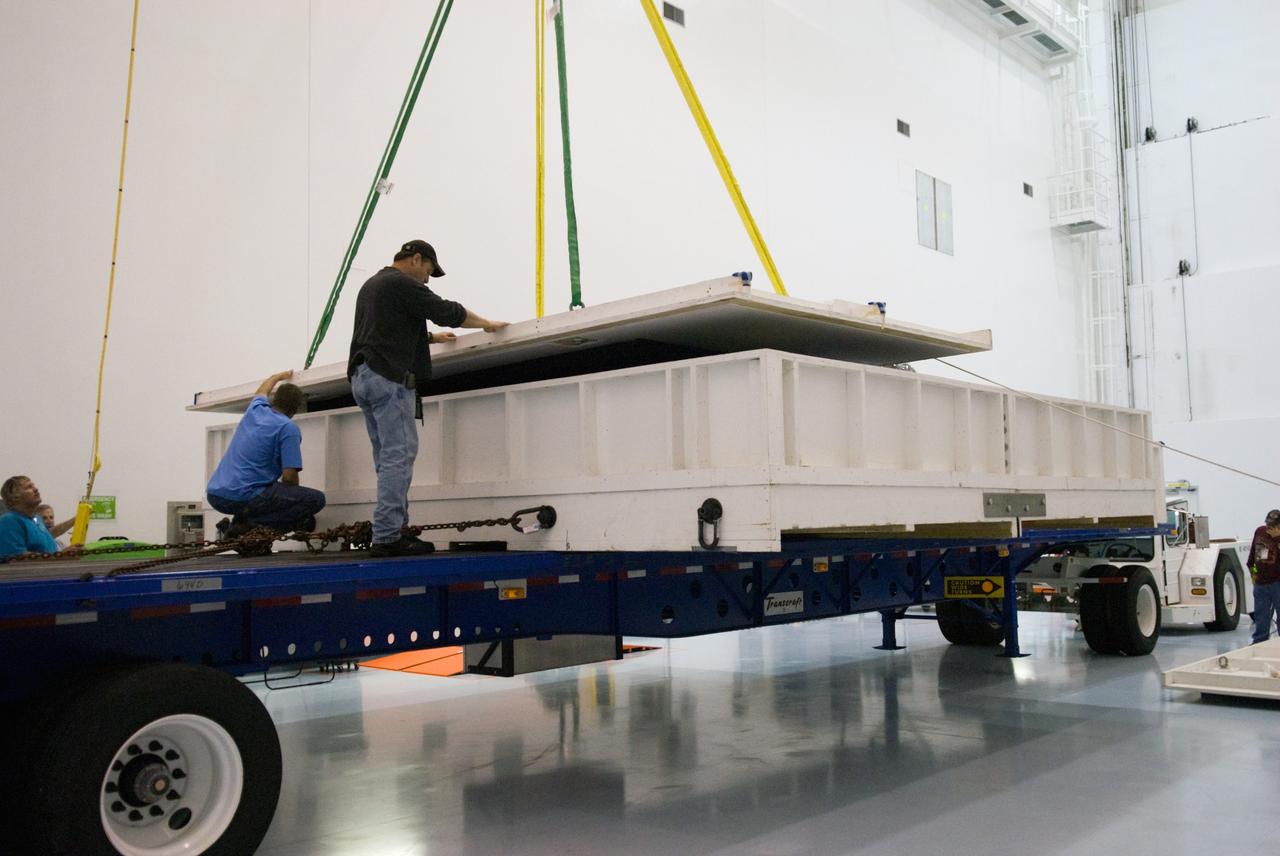
CAPE CANAVERAL, Fla. - In the Space Station Processing Facility at NASA's Kennedy Space Center in Florida, a crane lifts the cover from the transportation case protecting the ExPRESS Logistics Carrier 3, or ELC-3. ELC-3 and the Alpha Magnetic Spectrometer are the primary payloads for space shuttle Endeavour's STS-134 mission to the International Space Station. The STS-134 crew will also deliver spare parts including two S-band communications antennas, a high pressure gas tank, additional spare parts for Dextre and micrometeoroid debris shields. Endeavour's launch is targeted for July 29, 2010. For information on the STS-134 mission objectives and crew, visit http://www.nasa.gov/shuttle. Photo credit: NASA/Kim Shiflett
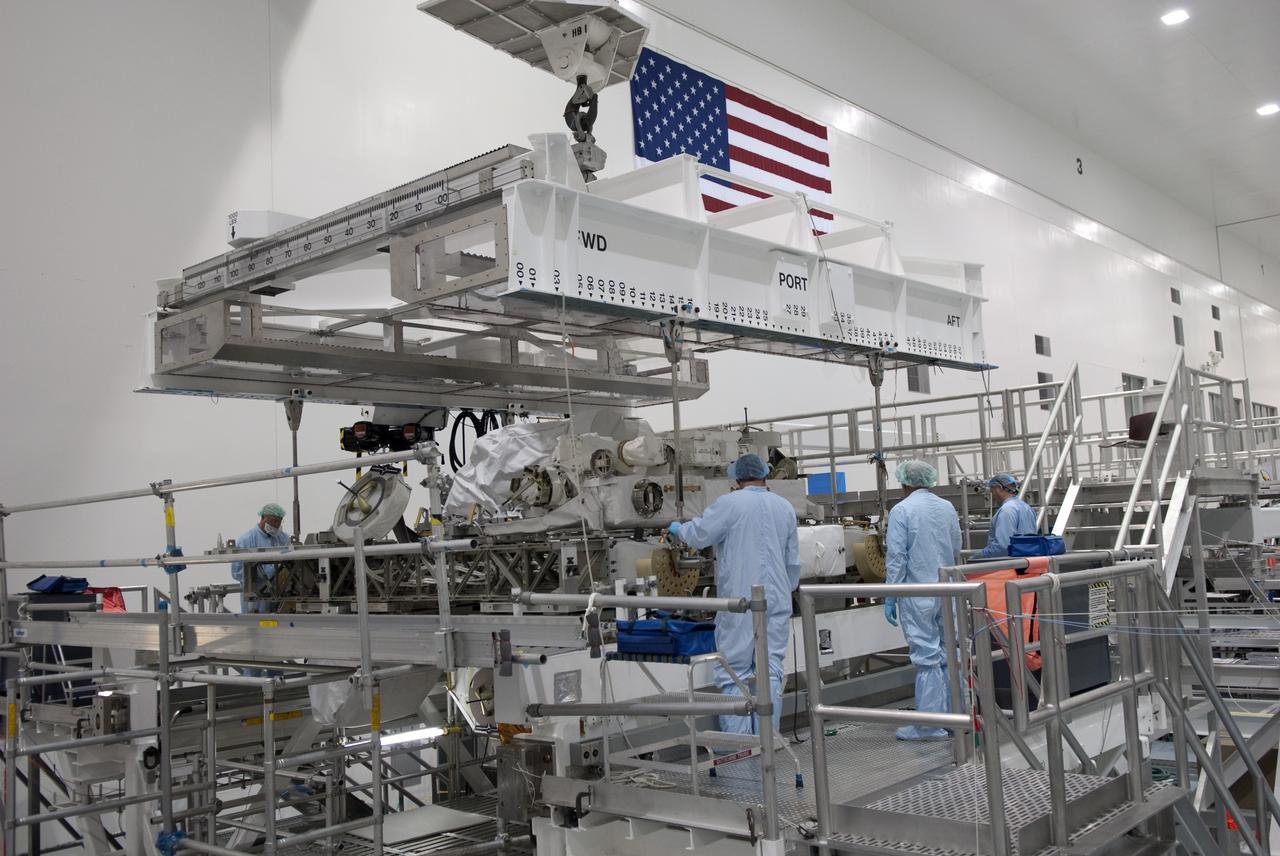
CAPE CANAVERAL, Fla. -- In the Space Station Processing Facility at NASA's Kennedy Space Center in Florida, technicians prepare Express Logistics Carrier-3 for the move from its primary work stand to a payload canister. The canister will protect the space-bound payload on its journey to Launch Pad 39A, where it will later be installed into space shuttle Endeavour’s payload bay. ELC-3 is packed with a variety of spare parts for the International Space Station, including two S-band communications antennas, a high-pressure gas tank, additional spare parts for Dextre and micrometeoroid debris shields. ELC-3 will fly to the station aboard Endeavour's STS-134 mission targeted to launch April 19 at 7:48 p.m. EDT. For more information visit, www.nasa.gov/mission_pages/shuttle/shuttlemissions/sts134/index.html. Photo credit: NASA/Jim Grossmann

CAPE CANAVERAL, Fla. -- In the Space Station Processing Facility at NASA's Kennedy Space Center in Florida, Express Logistics Carrier-3 is prepared for the move from its primary work stand to a payload canister. The canister will protect the space-bound payload on its journey to Launch Pad 39A, where it will later be installed into space shuttle Endeavour’s payload bay. ELC-3 is packed with a variety of spare parts for the International Space Station, including two S-band communications antennas, a high-pressure gas tank, additional spare parts for Dextre and micrometeoroid debris shields. ELC-3 will fly to the station aboard Endeavour's STS-134 mission targeted to launch April 19 at 7:48 p.m. EDT. For more information visit, www.nasa.gov/mission_pages/shuttle/shuttlemissions/sts134/index.html. Photo credit: NASA/Jim Grossmann
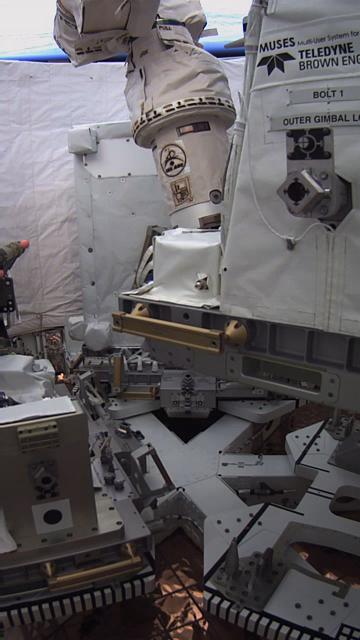
jsc2017e088400 (7/3/2017) --- Multiple User System for Earth Sensing (MUSES) is the first multi-user facility on an ISS ExPRESS Logistics Carrier (ELC). The facility primarily serves as a platform for earth-viewing sensors and other technologies requiring long-term access to the space environment.
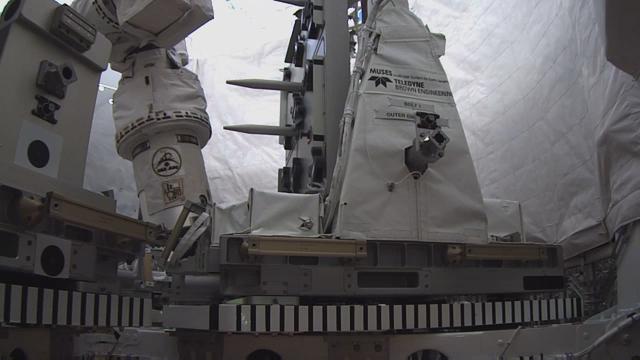
jsc2017e088397 (7/3/2017) --- Multiple User System for Earth Sensing (MUSES) is the first multi-user facility on an ISS ExPRESS Logistics Carrier (ELC). The facility primarily serves as a platform for earth-viewing sensors and other technologies requiring long-term access to the space environment.
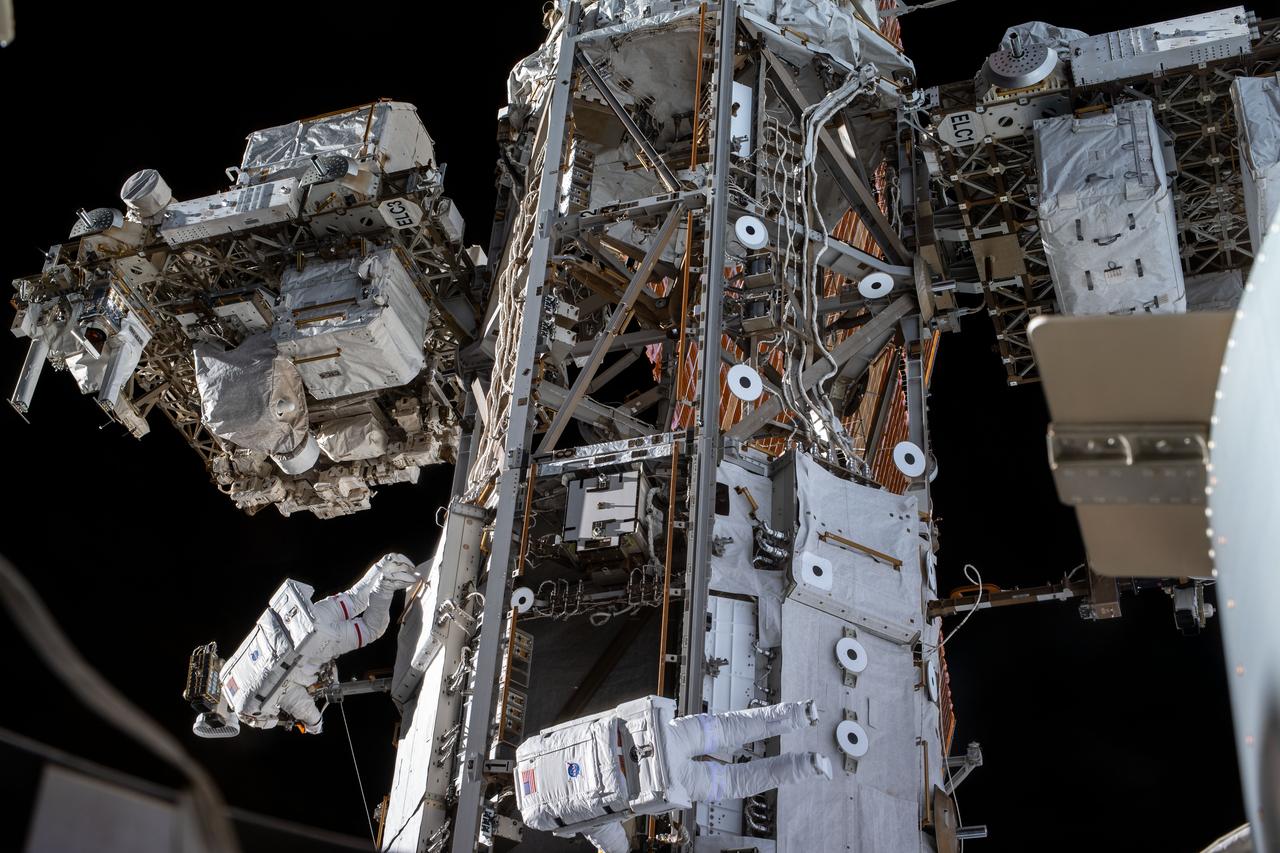
iss061e142328 (1/25/2020) --- A view of NASA astronaut Andrew Morgan and European Space Agency (ESA) astronaut Luca Parmitano during EVA-64 abroad the International Space Station (ISS). The Space Test Program-Houston 6 (STP-H6) payload, can be seen atop of the EXPRESS Logistics Carrier-3 (ELC-3) at the far left of the image.
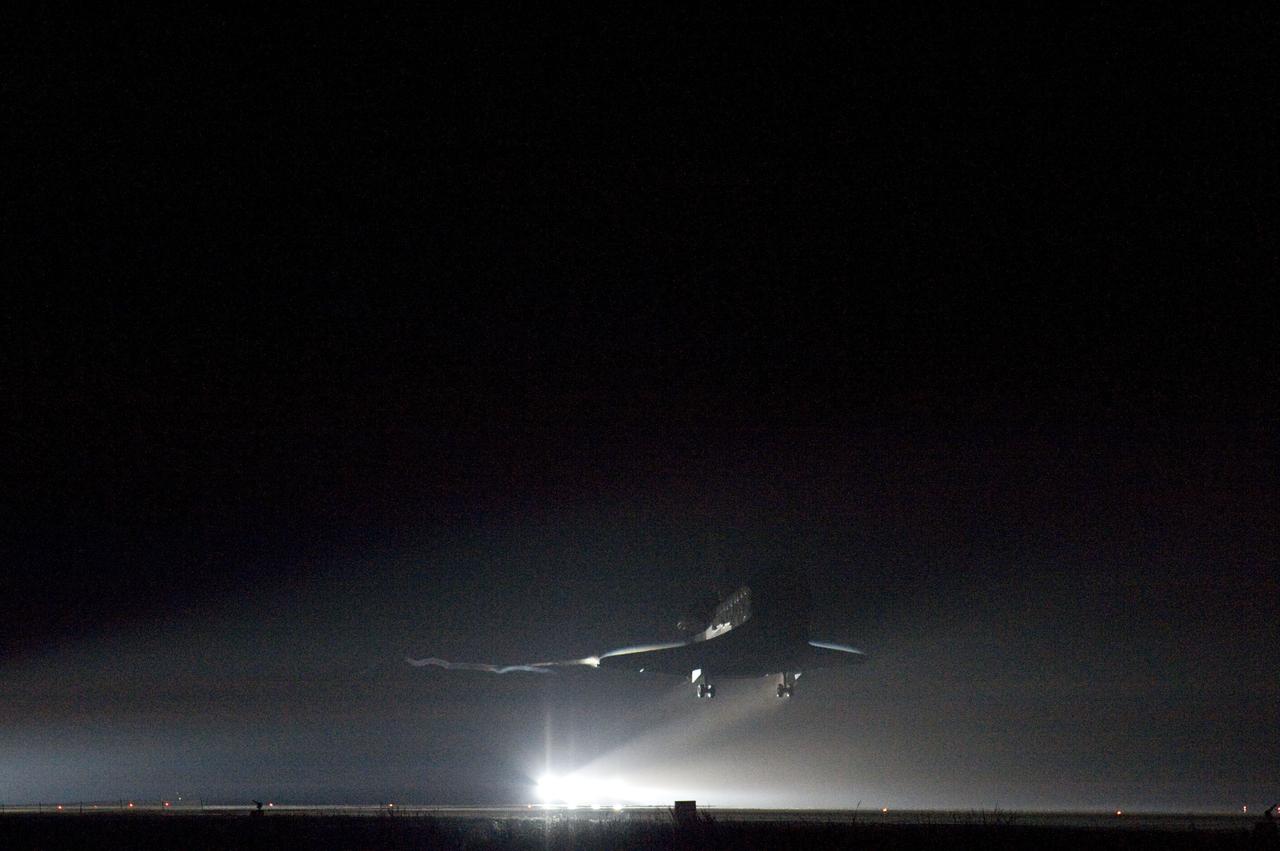
STS134-S-089 (1 June 2011) --- Xenon lights help lead space shuttle Endeavour home to NASA's Kennedy Space Center in Florida. Endeavour landed for the final time on the Shuttle Landing Facility's Runway 15, marking the 24th night landing of NASA's Space Shuttle Program. Main gear touchdown was at 2:34:51 a.m. (EDT) on June 1, 2011, followed by nose gear touchdown at 2:35:04 a.m., and wheelstop at 2:35:36 a.m. Onboard are NASA astronauts Mark Kelly, STS-134 commander; Greg H. Johnson, pilot; Michael Fincke, Andrew Feustel, Greg Chamitoff and European Space Agency astronaut Roberto Vittori, all mission specialists. STS-134 delivered the Alpha Magnetic Spectrometer-2 (AMS) and the Express Logistics Carrier-3 (ELC-3) to the International Space Station. AMS will help researchers understand the origin of the universe and search for evidence of dark matter, strange matter and antimatter from the station. ELC-3 carried spare parts that will sustain station operations once the shuttles are retired from service. STS-134 was the 25th and final flight for Endeavour, which has spent 299 days in space, orbited Earth 4,671 times and traveled 122,883,151 miles. Photo credit: NASA
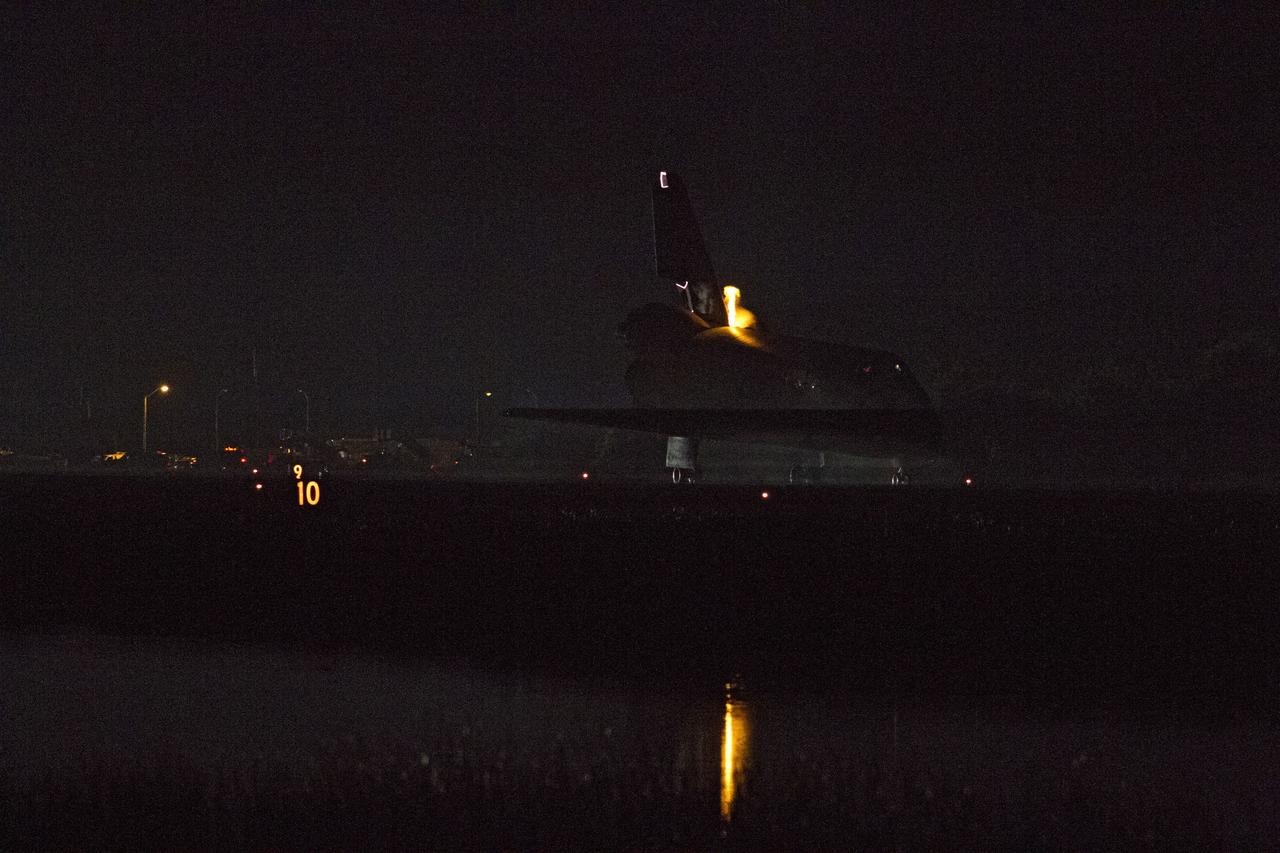
CAPE CANAVERAL, Fla. -- Heat from space shuttle Endeavour's auxiliary power units (APUs), which provide hydraulic control, can be seen at the back of the shuttle, near the vertical tail. Endeavour landed for the final time on the Shuttle Landing Facility's Runway 15 at NASA's Kennedy Space Center in Florida, marking the 25th night landing of the Space Shuttle Program. Main gear touchdown was at 2:34:51 a.m. EDT, followed by nose gear touchdown at 2:35:04 a.m., and wheelstop at 2:35:36 a.m. On board are STS-134 Commander Mark Kelly, Pilot Greg H. Johnson, and Mission Specialists Mike Fincke, Drew Feustel, Greg Chamitoff and the European Space Agency's Roberto Vittori. STS-134 delivered the Alpha Magnetic Spectrometer-2 (AMS) and the Express Logistics Carrier-3 (ELC-3) to the International Space Station. AMS will help researchers understand the origin of the universe and search for evidence of dark matter, strange matter and antimatter from the station. ELC-3 carried spare parts that will sustain station operations once the shuttles are retired from service. STS-134 was the 25th and final flight for Endeavour, which has spent 299 days in space, orbited Earth 4,671 times and traveled 122,883,151 miles. Photo credit: NASA/Kenny Allen
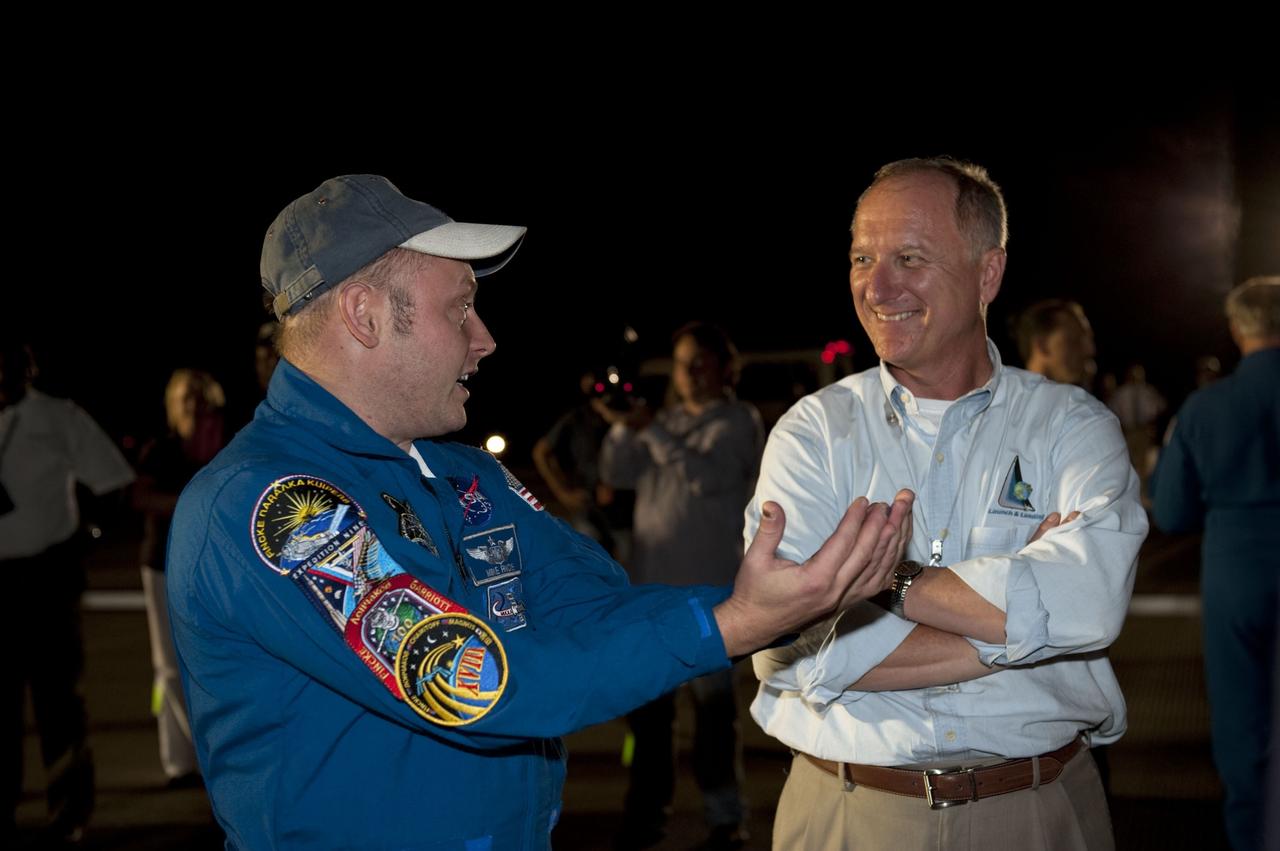
CAPE CANAVERAL, Fla. -- STS-134 Mission Specialists Mike Fincke, left, chats with STS-134 Assistant Launch Director Pete Nickolenko following the successful return of space shuttle Endeavour to NASA's Kennedy Space Center in Florida. Endeavour's final return from space completed the 16-day, 6.5-million-mile STS-134 mission. Main gear touchdown on the Shuttle Landing Facility's Runway 15 was at 2:34:51 a.m. EDT, followed by nose gear touchdown at 2:35:04 a.m., and wheelstop at 2:35:36 a.m. STS-134 delivered the Alpha Magnetic Spectrometer-2 (AMS) and the Express Logistics Carrier-3 (ELC-3) to the International Space Station. AMS will help researchers understand the origin of the universe and search for evidence of dark matter, strange matter and antimatter from the station. ELC-3 carried spare parts that will sustain station operations once the shuttles are retired from service. STS-134 was the 25th and final flight for Endeavour, which spent 299 days in space, orbited Earth 4,671 times and traveled 122,883,151 miles. Photo credit: NASA/Kim Shiflett
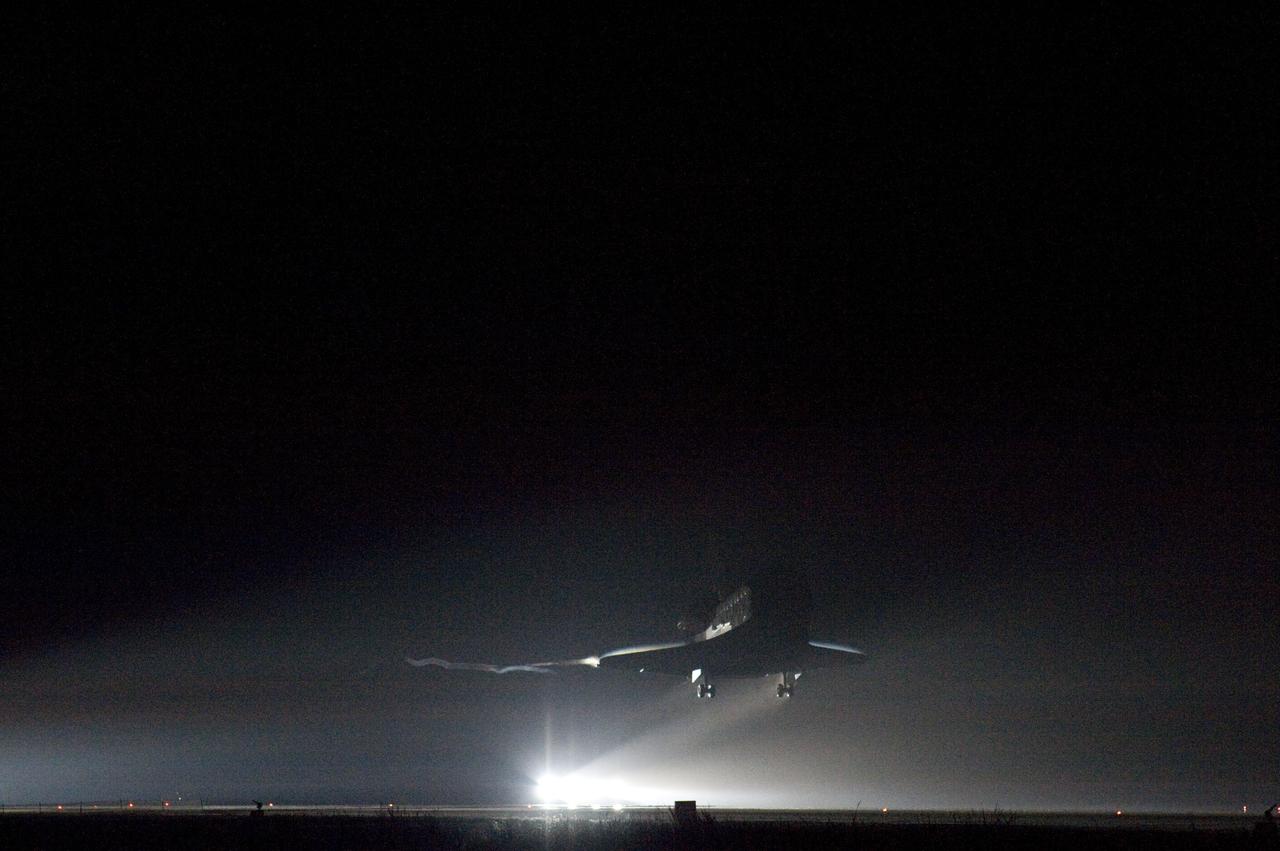
CAPE CANAVERAL, Fla. -- Xenon lights help lead space shuttle Endeavour home to NASA's Kennedy Space Center in Florida. Endeavour landed for the final time on the Shuttle Landing Facility's Runway 15, marking the 25th night landing of NASA's Space Shuttle Program. Main gear touchdown was at 2:34:51 a.m. EDT, followed by nose gear touchdown at 2:35:04 a.m., and wheelstop at 2:35:36 a.m. On board are STS-134 Commander Mark Kelly, Pilot Greg H. Johnson, and Mission Specialists Mike Fincke, Drew Feustel, Greg Chamitoff and the European Space Agency's Roberto Vittori. STS-134 delivered the Alpha Magnetic Spectrometer-2 (AMS) and the Express Logistics Carrier-3 (ELC-3) to the International Space Station. AMS will help researchers understand the origin of the universe and search for evidence of dark matter, strange matter and antimatter from the station. ELC-3 carried spare parts that will sustain station operations once the shuttles are retired from service. STS-134 was the 25th and final flight for Endeavour, which has spent 299 days in space, orbited Earth 4,671 times and traveled 122,883,151 miles. Photo credit: NASA/Kevin O'Connell
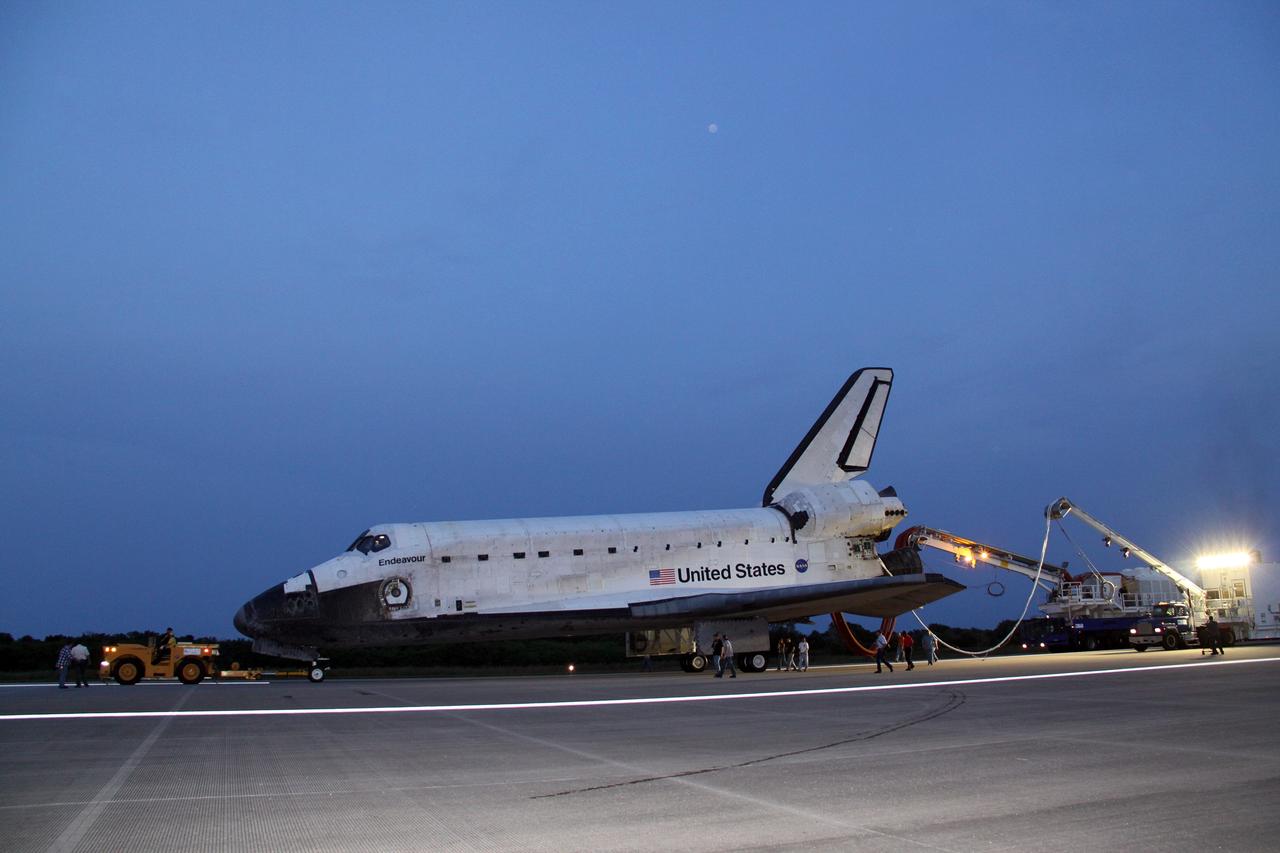
CAPE CANAVERAL, Fla. -- In the early morning hours after landing, space shuttle Endeavour's "towback" vehicle slowly pulls it from the Shuttle Landing Facility to Orbiter Processing Facility-1 at NASA's Kennedy Space Center in Florida. A purge unit that pumps conditioned air into a shuttle after landing is connected to Endeavour's aft end. Once inside the processing facility, Endeavour will be prepared for future public display. Endeavour's final return from space completed the 16-day, 6.5-million-mile STS-134 mission. Main gear touchdown was at 2:34:51 a.m. EDT, followed by nose gear touchdown at 2:35:04 a.m., and wheelstop at 2:35:36 a.m. Endeavour and its crew delivered the Alpha Magnetic Spectrometer-2 (AMS) and the Express Logistics Carrier-3 (ELC-3) to the International Space Station. AMS will help researchers understand the origin of the universe and search for evidence of dark matter, strange matter and antimatter from the station. ELC-3 carried spare parts that will sustain station operations once the shuttles are retired from service. STS-134 was the 25th and final flight for Endeavour, which spent 299 days in space, orbited Earth 4,671 times and traveled 122,883,151 miles. Photo credit: NASA/Jack Pfaller
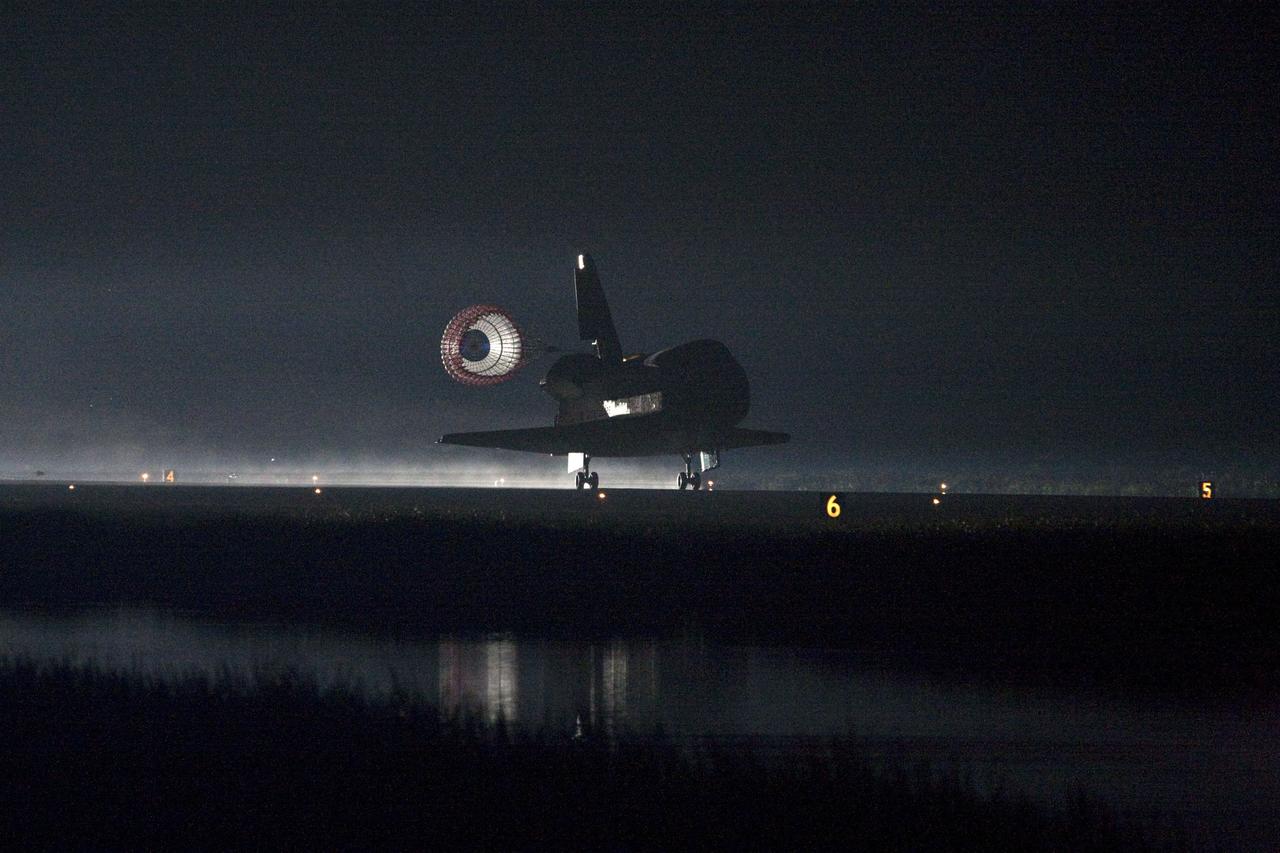
STS134-S-079 (1 June 2011) --- Xenon lights help lead space shuttle Endeavour home to NASA's Kennedy Space Center in Florida. Endeavour landed for the final time on the Shuttle Landing Facility's Runway 15, marking the 24th night landing of NASA's Space Shuttle Program. Main gear touchdown was at 2:34:51 a.m. (EDT) on June 1, 2011, followed by nose gear touchdown at 2:35:04 a.m., and wheelstop at 2:35:36 a.m. Onboard are NASA astronauts Mark Kelly, STS-134 commander; Greg H. Johnson, pilot; Michael Fincke, Andrew Feustel, Greg Chamitoff and European Space Agency astronaut Roberto Vittori, all mission specialists. STS-134 delivered the Alpha Magnetic Spectrometer-2 (AMS) and the Express Logistics Carrier-3 (ELC-3) to the International Space Station. AMS will help researchers understand the origin of the universe and search for evidence of dark matter, strange matter and antimatter from the station. ELC-3 carried spare parts that will sustain station operations once the shuttles are retired from service. STS-134 was the 25th and final flight for Endeavour, which has spent 299 days in space, orbited Earth 4,671 times and traveled 122,883,151 miles. Photo credit: NASA
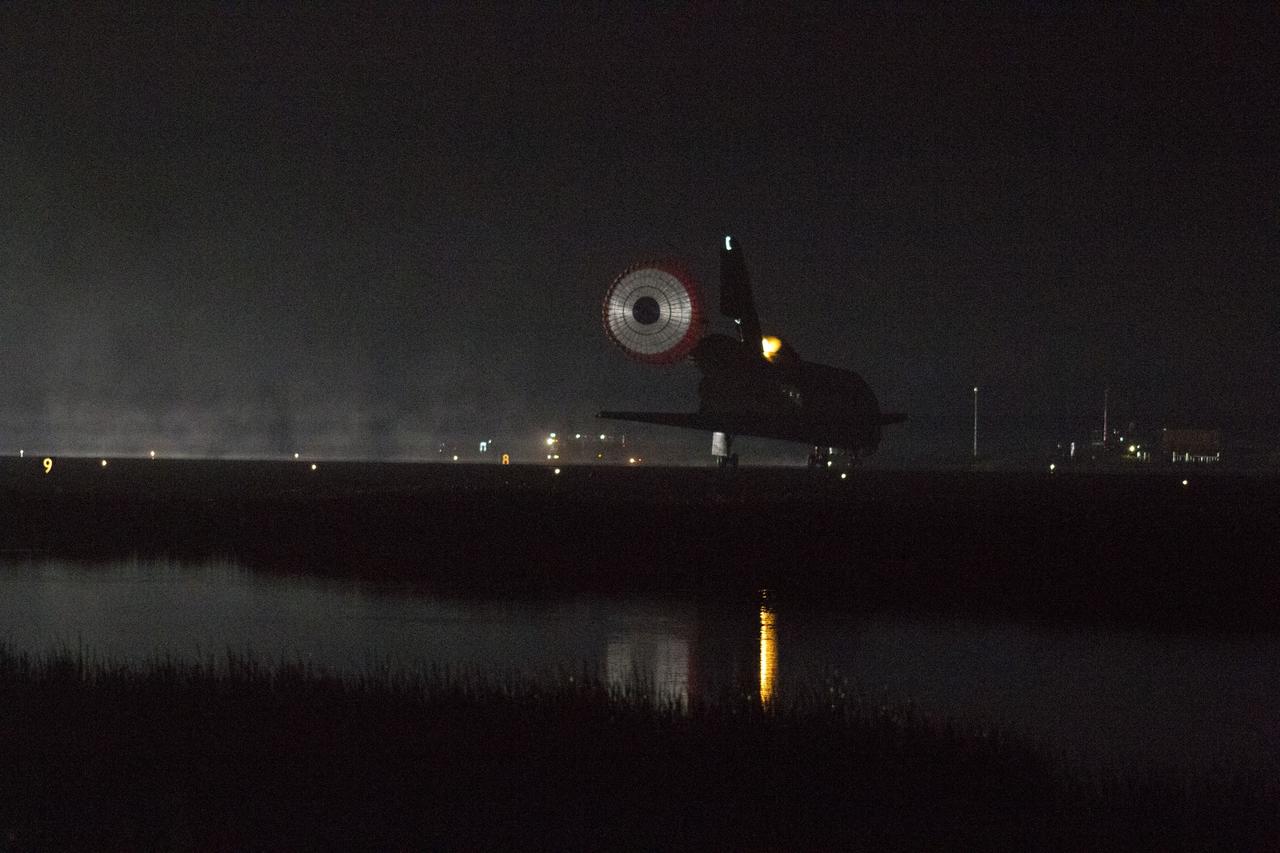
CAPE CANAVERAL, Fla. -- Xenon lights illuminate space shuttle Endeavour's unfurled drag chute as the vehicle rolls to a stop on the Shuttle Landing Facility's Runway 15 at NASA's Kennedy Space Center in Florida for the final time. Heat from the shuttle's auxiliary power units (APUs), which provide hydraulic control, can be seen at the back of Endeavour, near the vertical tail. Main gear touchdown was at 2:34:51 a.m. EDT, followed by nose gear touchdown at 2:35:04 a.m., and wheelstop at 2:35:36 a.m. On board are STS-134 Commander Mark Kelly, Pilot Greg H. Johnson, and Mission Specialists Mike Fincke, Drew Feustel, Greg Chamitoff and the European Space Agency's Roberto Vittori. STS-134 delivered the Alpha Magnetic Spectrometer-2 (AMS) and the Express Logistics Carrier-3 (ELC-3) to the International Space Station. AMS will help researchers understand the origin of the universe and search for evidence of dark matter, strange matter and antimatter from the station. ELC-3 carried spare parts that will sustain station operations once the shuttles are retired from service. STS-134 was the 25th and final flight for Endeavour, which has spent 299 days in space, orbited Earth 4,671 times and traveled 122,883,151 miles. Photo credit: NASA/Kenny Allen
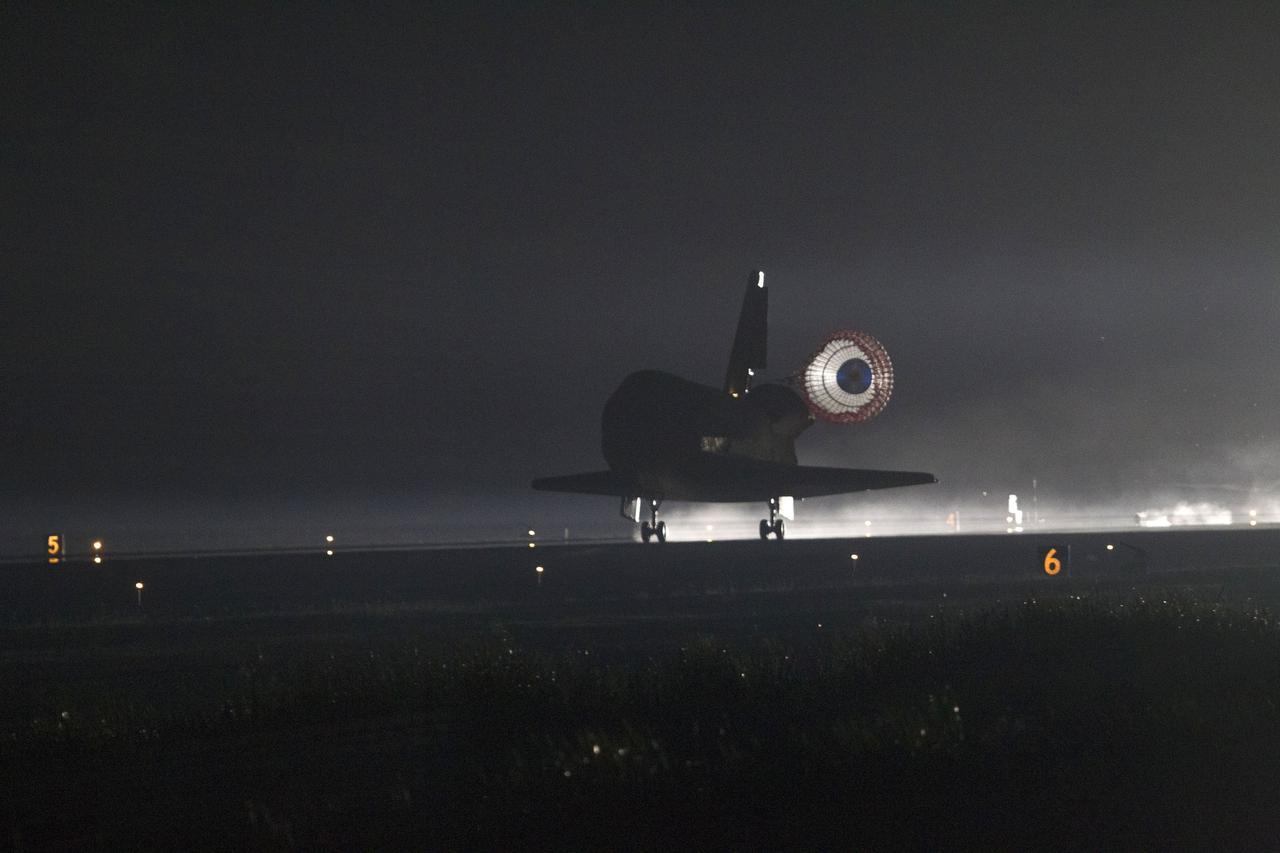
CAPE CANAVERAL, Fla. -- Xenon lights illuminate space shuttle Endeavour's unfurled drag chute as the vehicle rolls to a stop on the Shuttle Landing Facility's Runway 15 at NASA's Kennedy Space Center in Florida for the final time. Main gear touchdown was at 2:34:51 a.m. EDT, followed by nose gear touchdown at 2:35:04 a.m., and wheelstop at 2:35:36 a.m. On board are STS-134 Commander Mark Kelly, Pilot Greg H. Johnson, and Mission Specialists Mike Fincke, Drew Feustel, Greg Chamitoff and the European Space Agency's Roberto Vittori. STS-134 delivered the Alpha Magnetic Spectrometer-2 (AMS) and the Express Logistics Carrier-3 (ELC-3) to the International Space Station. AMS will help researchers understand the origin of the universe and search for evidence of dark matter, strange matter and antimatter from the station. ELC-3 carried spare parts that will sustain station operations once the shuttles are retired from service. STS-134 was the 25th and final flight for Endeavour, which has spent 299 days in space, orbited Earth 4,671 times and traveled 122,883,151 miles. Photo credit: NASA/Tony Gray
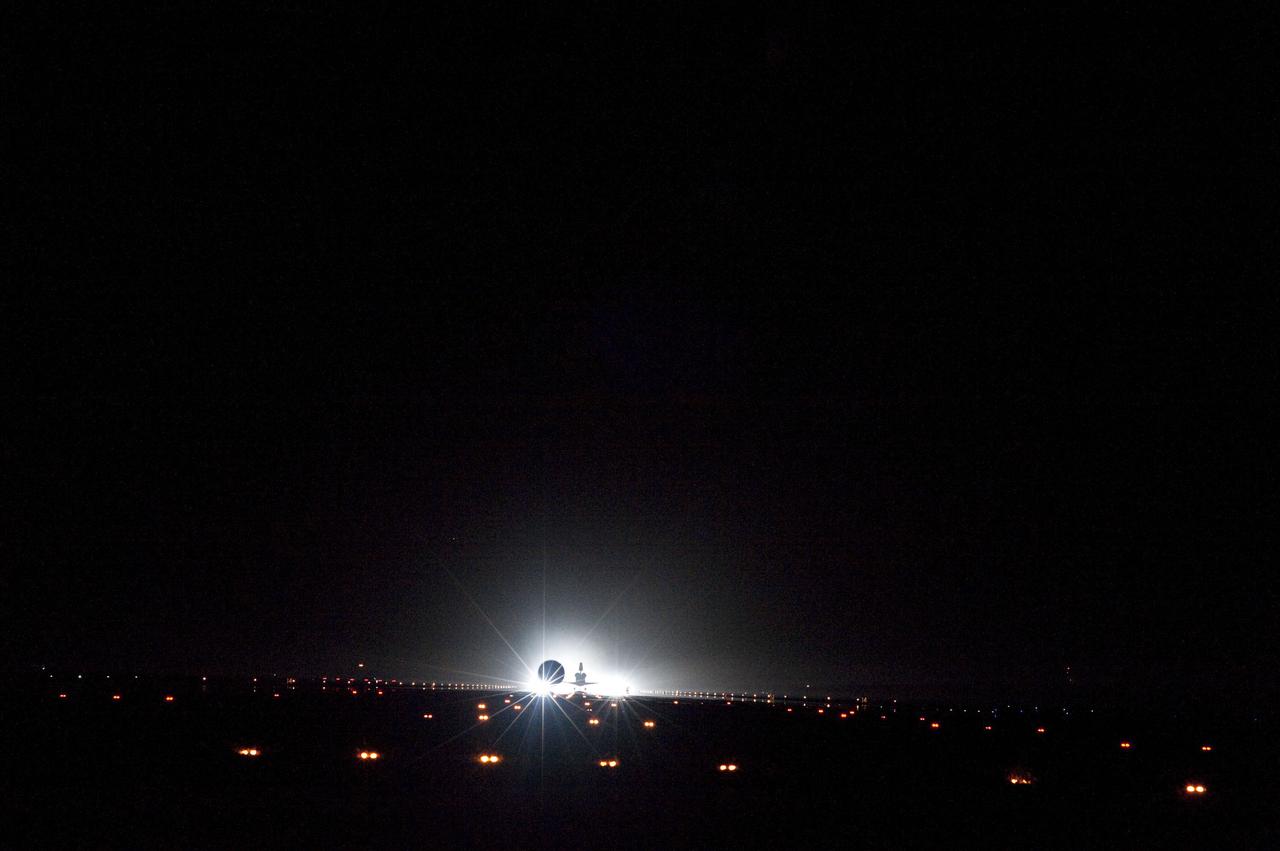
STS134-S-113 (1 June 2011) --- Xenon lights help lead space shuttle Endeavour home to NASA's Kennedy Space Center in Florida. Endeavour landed for the final time on the Shuttle Landing Facility's Runway 15, marking the 24th night landing of NASA's Space Shuttle Program. Main gear touchdown was at 2:34:51 a.m. (EDT) on June 1, 2011, followed by nose gear touchdown at 2:35:04 a.m., and wheelstop at 2:35:36 a.m. Onboard are NASA astronauts Mark Kelly, STS-134 commander; Greg H. Johnson, pilot; Michael Fincke, Andrew Feustel, Greg Chamitoff and European Space Agency astronaut Roberto Vittori, all mission specialists. STS-134 delivered the Alpha Magnetic Spectrometer-2 (AMS) and the Express Logistics Carrier-3 (ELC-3) to the International Space Station. AMS will help researchers understand the origin of the universe and search for evidence of dark matter, strange matter and antimatter from the station. ELC-3 carried spare parts that will sustain station operations once the shuttles are retired from service. STS-134 was the 25th and final flight for Endeavour, which has spent 299 days in space, orbited Earth 4,671 times and traveled 122,883,151 miles. Photo credit: NASA
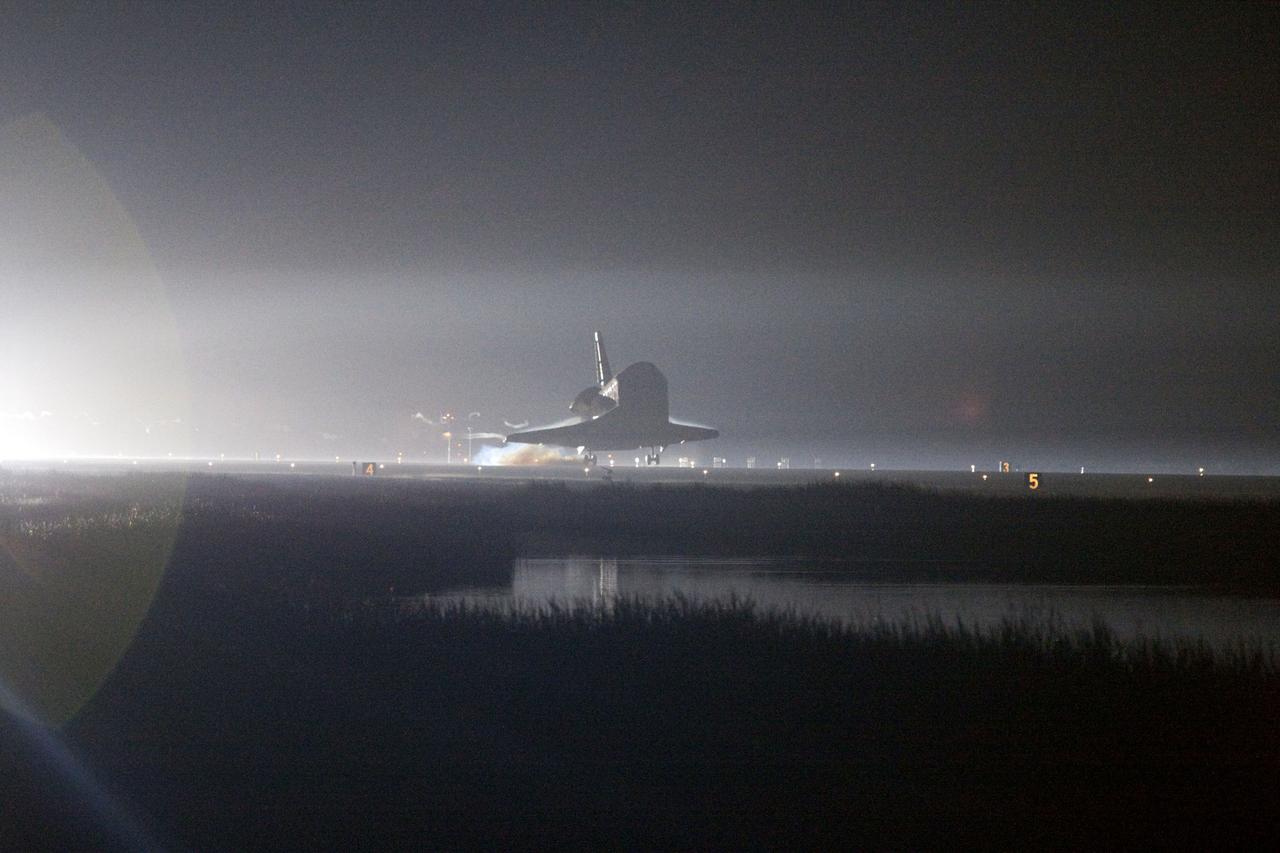
STS134-S-077 (1 June 2011) --- Xenon lights help lead space shuttle Endeavour home to NASA's Kennedy Space Center in Florida. Endeavour landed for the final time on the Shuttle Landing Facility's Runway 15, marking the 24th night landing of NASA's Space Shuttle Program. Main gear touchdown was at 2:34:51 a.m. (EDT) on June 1, 2011, followed by nose gear touchdown at 2:35:04 a.m., and wheelstop at 2:35:36 a.m. Onboard are NASA astronauts Mark Kelly, STS-134 commander; Greg H. Johnson, pilot; Michael Fincke, Andrew Feustel, Greg Chamitoff and European Space Agency astronaut Roberto Vittori, all mission specialists. STS-134 delivered the Alpha Magnetic Spectrometer-2 (AMS) and the Express Logistics Carrier-3 (ELC-3) to the International Space Station. AMS will help researchers understand the origin of the universe and search for evidence of dark matter, strange matter and antimatter from the station. ELC-3 carried spare parts that will sustain station operations once the shuttles are retired from service. STS-134 was the 25th and final flight for Endeavour, which has spent 299 days in space, orbited Earth 4,671 times and traveled 122,883,151 miles. Photo credit: NASA
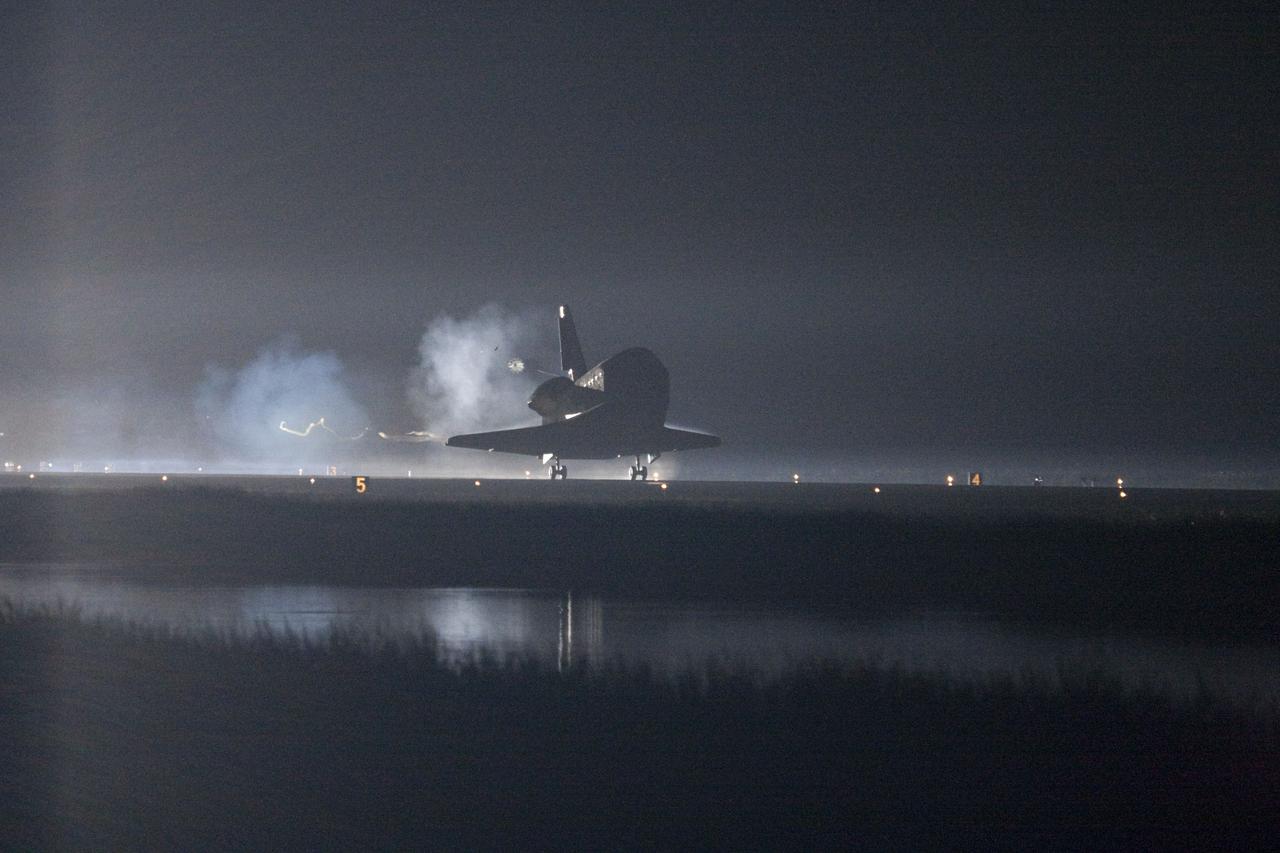
CAPE CANAVERAL, Fla. -- Xenon lights help lead space shuttle Endeavour home to NASA's Kennedy Space Center in Florida. Endeavour landed for the final time on the Shuttle Landing Facility's Runway 15, marking the 25th night landing of NASA's Space Shuttle Program. Main gear touchdown was at 2:34:51 a.m. EDT, followed by nose gear touchdown at 2:35:04 a.m., and wheelstop at 2:35:36 a.m. On board are STS-134 Commander Mark Kelly, Pilot Greg H. Johnson, and Mission Specialists Mike Fincke, Drew Feustel, Greg Chamitoff and the European Space Agency's Roberto Vittori. STS-134 delivered the Alpha Magnetic Spectrometer-2 (AMS) and the Express Logistics Carrier-3 (ELC-3) to the International Space Station. AMS will help researchers understand the origin of the universe and search for evidence of dark matter, strange matter and antimatter from the station. ELC-3 carried spare parts that will sustain station operations once the shuttles are retired from service. STS-134 was the 25th and final flight for Endeavour, which has spent 299 days in space, orbited Earth 4,671 times and traveled 122,883,151 miles. Photo credit: NASA/George Roberto
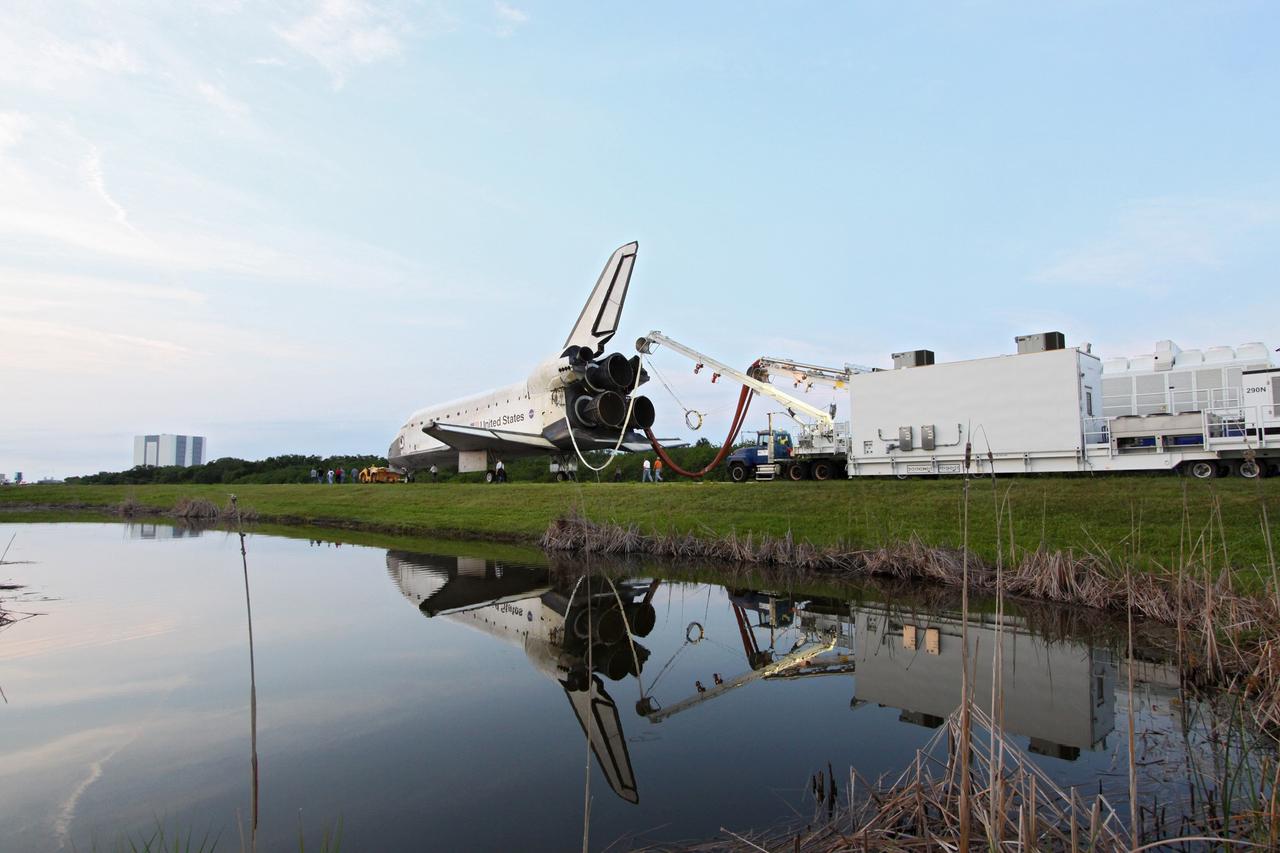
CAPE CANAVERAL, Fla. -- In the early morning hours after landing, space shuttle Endeavour's "towback" vehicle slowly pulls it from the Shuttle Landing Facility to Orbiter Processing Facility-1 at NASA's Kennedy Space Center in Florida. A purge unit that pumps conditioned air into a shuttle after landing is connected to Endeavour's aft end. In the background is the massive Vehicle Assembly Building. Once inside the processing facility, Endeavour will be prepared for future public display. Endeavour's final return from space completed the 16-day, 6.5-million-mile STS-134 mission. Main gear touchdown was at 2:34:51 a.m. EDT, followed by nose gear touchdown at 2:35:04 a.m., and wheelstop at 2:35:36 a.m. Endeavour and its crew delivered the Alpha Magnetic Spectrometer-2 (AMS) and the Express Logistics Carrier-3 (ELC-3) to the International Space Station. AMS will help researchers understand the origin of the universe and search for evidence of dark matter, strange matter and antimatter from the station. ELC-3 carried spare parts that will sustain station operations once the shuttles are retired from service. STS-134 was the 25th and final flight for Endeavour, which spent 299 days in space, orbited Earth 4,671 times and traveled 122,883,151 miles. Photo credit: NASA/Jack Pfaller
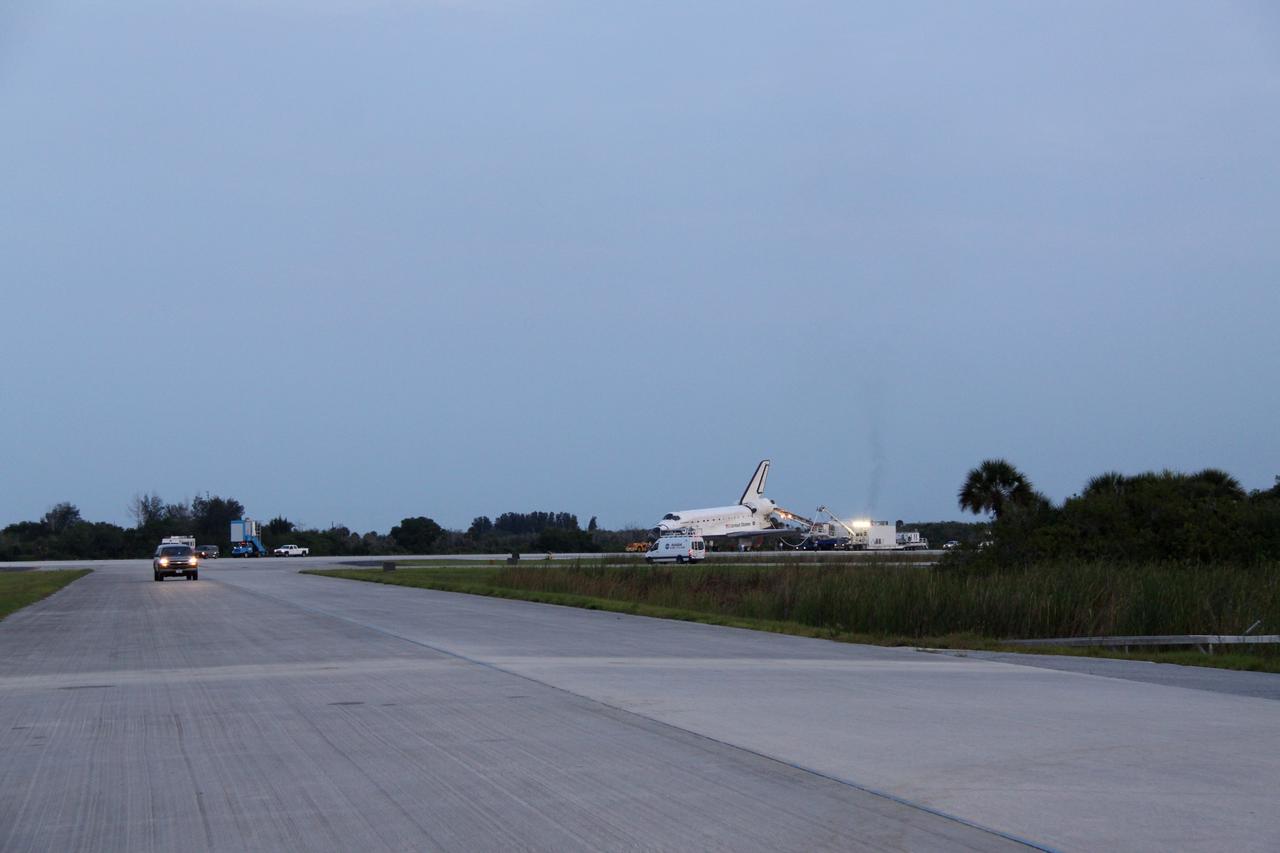
CAPE CANAVERAL, Fla. -- In the early morning hours after landing, space shuttle Endeavour's "towback" vehicle slowly pulls it from the Shuttle Landing Facility to Orbiter Processing Facility-1 at NASA's Kennedy Space Center in Florida. A purge unit that pumps conditioned air into a shuttle after landing is connected to Endeavour's aft end. Once inside the processing facility, Endeavour will be prepared for future public display. Endeavour's final return from space completed the 16-day, 6.5-million-mile STS-134 mission. Main gear touchdown was at 2:34:51 a.m. EDT, followed by nose gear touchdown at 2:35:04 a.m., and wheelstop at 2:35:36 a.m. Endeavour and its crew delivered the Alpha Magnetic Spectrometer-2 (AMS) and the Express Logistics Carrier-3 (ELC-3) to the International Space Station. AMS will help researchers understand the origin of the universe and search for evidence of dark matter, strange matter and antimatter from the station. ELC-3 carried spare parts that will sustain station operations once the shuttles are retired from service. STS-134 was the 25th and final flight for Endeavour, which spent 299 days in space, orbited Earth 4,671 times and traveled 122,883,151 miles. Photo credit: NASA/Jack Pfaller
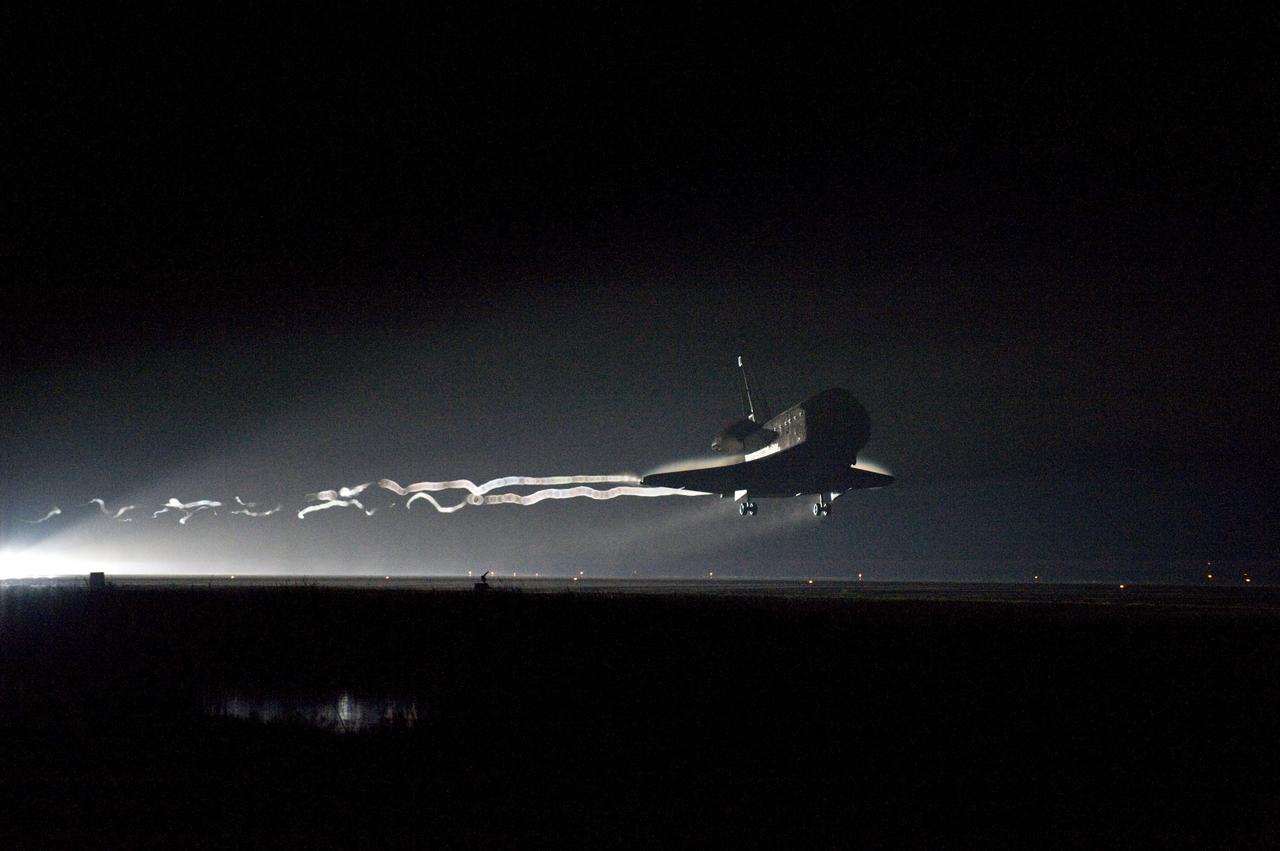
CAPE CANAVERAL, Fla. -- Vapor trails follow space shuttle Endeavour as it approaches Runway 15 on the Shuttle Landing Facility at NASA's Kennedy Space Center in Florida for the final time. A vapor trail, known as a contrail, is a cloud of water vapor that condenses and freezes around the small particles in aircraft exhaust. Main gear touchdown was at 2:34:51 a.m. EDT, followed by nose gear touchdown at 2:35:04 a.m., and wheelstop at 2:35:36 a.m. On board are STS-134 Commander Mark Kelly, Pilot Greg H. Johnson, and Mission Specialists Mike Fincke, Drew Feustel, Greg Chamitoff and the European Space Agency's Roberto Vittori. STS-134 delivered the Alpha Magnetic Spectrometer-2 (AMS) and the Express Logistics Carrier-3 (ELC-3) to the International Space Station. AMS will help researchers understand the origin of the universe and search for evidence of dark matter, strange matter and antimatter from the station. ELC-3 carried spare parts that will sustain station operations once the shuttles are retired from service. STS-134 was the 25th and final flight for Endeavour, which has spent 299 days in space, orbited Earth 4,671 times and traveled 122,883,151 miles. Photo credit: NASA/Kevin O'Connell
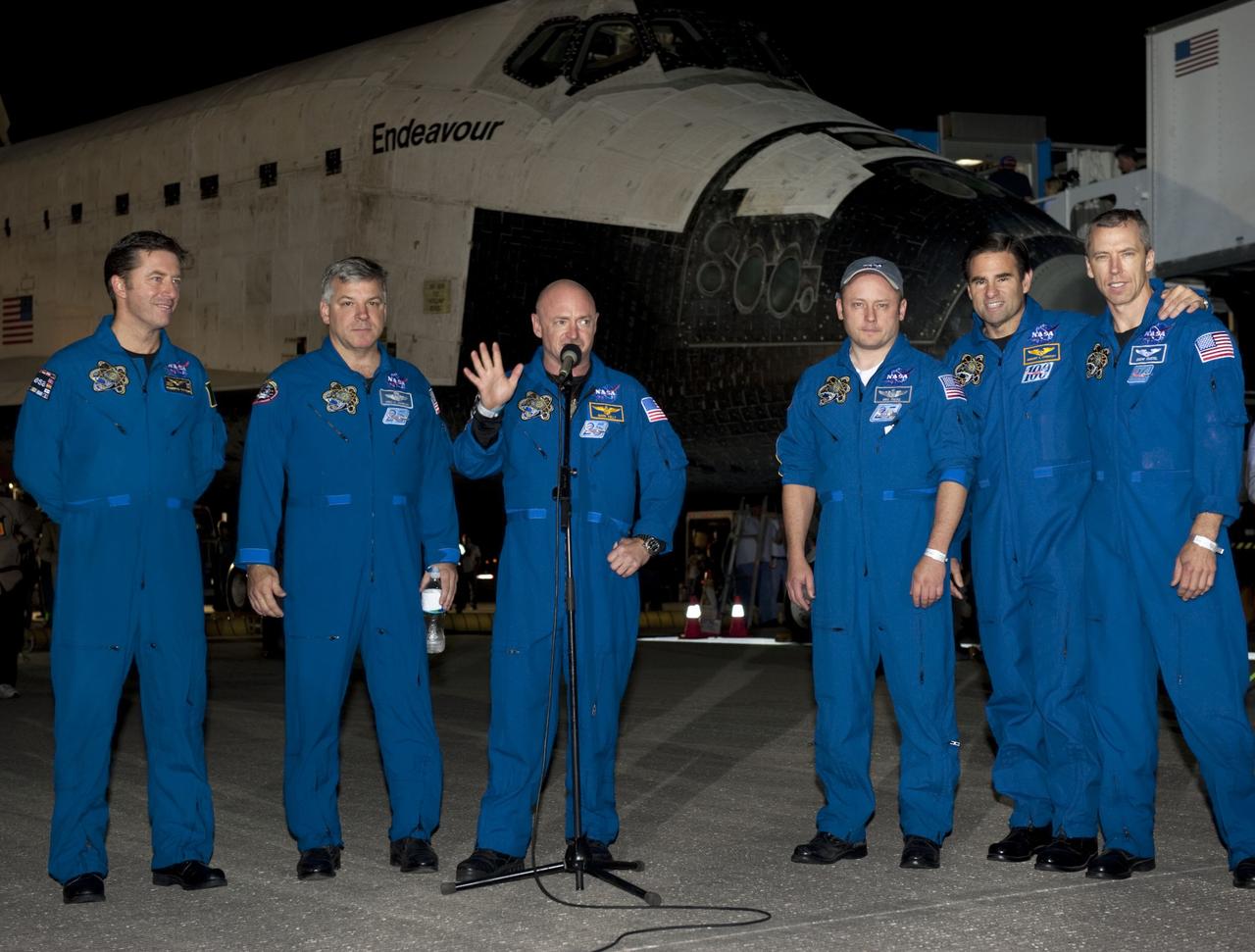
CAPE CANAVERAL, Fla. -- STS-134 Commander Mark Kelly addresses media gathered on the Shuttle Landing Facility at NASA's Kennedy Space Center in Florida following the successful landing of space shuttle Endeavour. From left, are the European Space Agency's Roberto Vittori, Pilot Greg H. Johnson, Kelly, and Mission Specialists Mike Fincke, Greg Chamitoff and Drew Feustel. The crew returned to Earth at 2:35 a.m. EDT on Runway 15, completing a 16-day, 6.5-million mile journey to the International Space Station. STS-134 delivered the Alpha Magnetic Spectrometer-2 (AMS) and the Express Logistics Carrier-3 (ELC-3) to the International Space Station. AMS will help researchers understand the origin of the universe and search for evidence of dark matter, strange matter and antimatter from the station. ELC-3 carried spare parts that will sustain station operations once the shuttles are retired from service. STS-134 was the 25th and final flight for Endeavour, which spent 299 days in space, orbited Earth 4,671 times and traveled 122,883,151 miles. Photo credit: NASA/Kim Shiflett
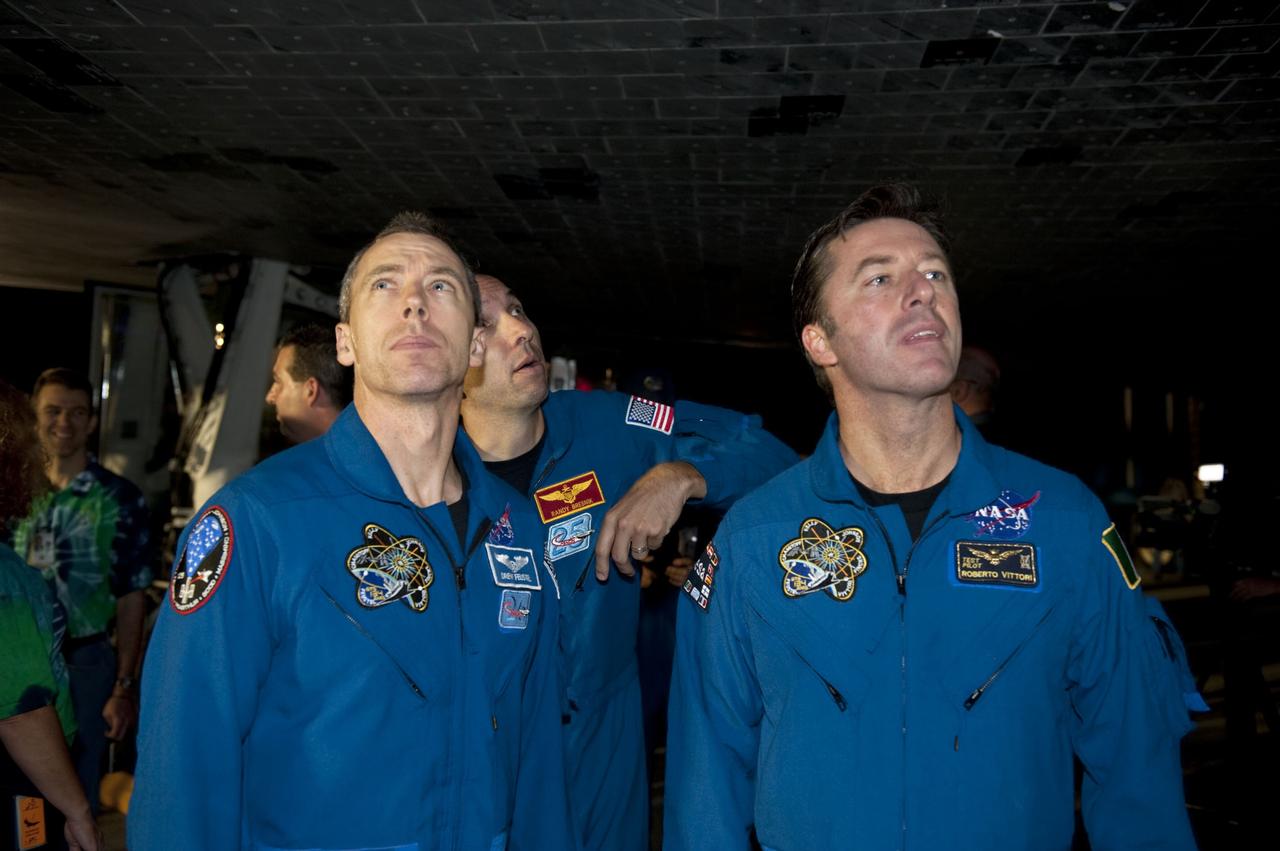
CAPE CANAVERAL, Fla. -- STS-134 Mission Specialists Drew Feustel, left, and Roberto Vittori with the European Space Agency, right, admire space shuttle Endeavour with NASA astronaut Randy Bresnik at NASA's Kennedy Space Center in Florida. Endeavour's final return from space completed the 16-day, 6.5-million-mile STS-134 mission. Main gear touchdown on the Shuttle Landing Facility's Runway 15 was at 2:34:51 a.m. EDT, followed by nose gear touchdown at 2:35:04 a.m., and wheelstop at 2:35:36 a.m. STS-134 delivered the Alpha Magnetic Spectrometer-2 (AMS) and the Express Logistics Carrier-3 (ELC-3) to the International Space Station. AMS will help researchers understand the origin of the universe and search for evidence of dark matter, strange matter and antimatter from the station. ELC-3 carried spare parts that will sustain station operations once the shuttles are retired from service. STS-134 was the 25th and final flight for Endeavour, which spent 299 days in space, orbited Earth 4,671 times and traveled 122,883,151 miles. Photo credit: NASA/Kim Shiflett
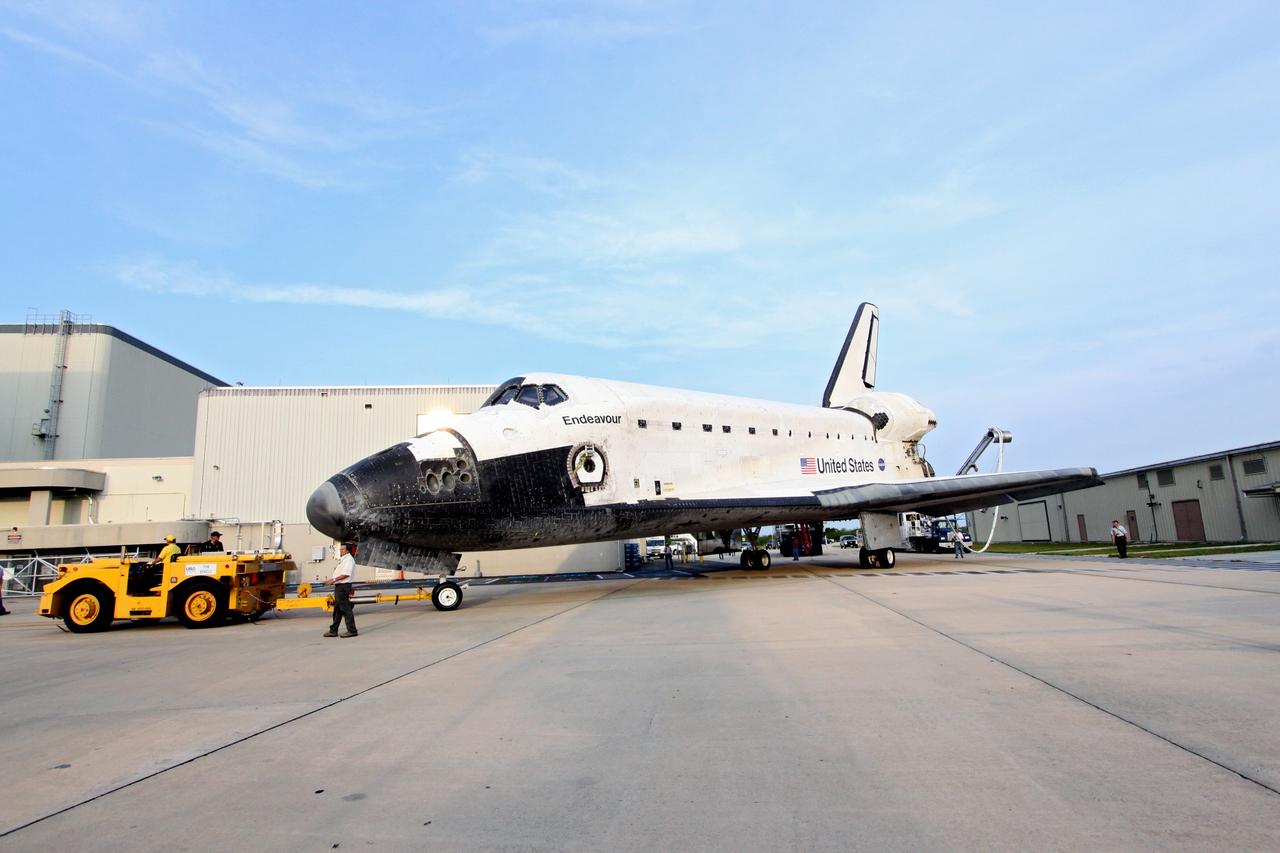
CAPE CANAVERAL, Fla. -- A "towback" vehicle slowly pulls shuttle Endeavour into Orbiter Processing Facility-1 at NASA's Kennedy Space Center in Florida. A purge unit that pumps conditioned air into a shuttle after landing is connected to Endeavour's aft end. Once inside the processing facility, Endeavour will be prepared for future public display. Endeavour's final return from space completed the 16-day, 6.5-million-mile STS-134 mission. Main gear touchdown was at 2:34:51 a.m. EDT, followed by nose gear touchdown at 2:35:04 a.m., and wheelstop at 2:35:36 a.m. Endeavour and its crew delivered the Alpha Magnetic Spectrometer-2 (AMS) and the Express Logistics Carrier-3 (ELC-3) to the International Space Station. AMS will help researchers understand the origin of the universe and search for evidence of dark matter, strange matter and antimatter from the station. ELC-3 carried spare parts that will sustain station operations once the shuttles are retired from service. STS-134 was the 25th and final flight for Endeavour, which spent 299 days in space, orbited Earth 4,671 times and traveled 122,883,151 miles. Photo credit: NASA/Jack Pfaller
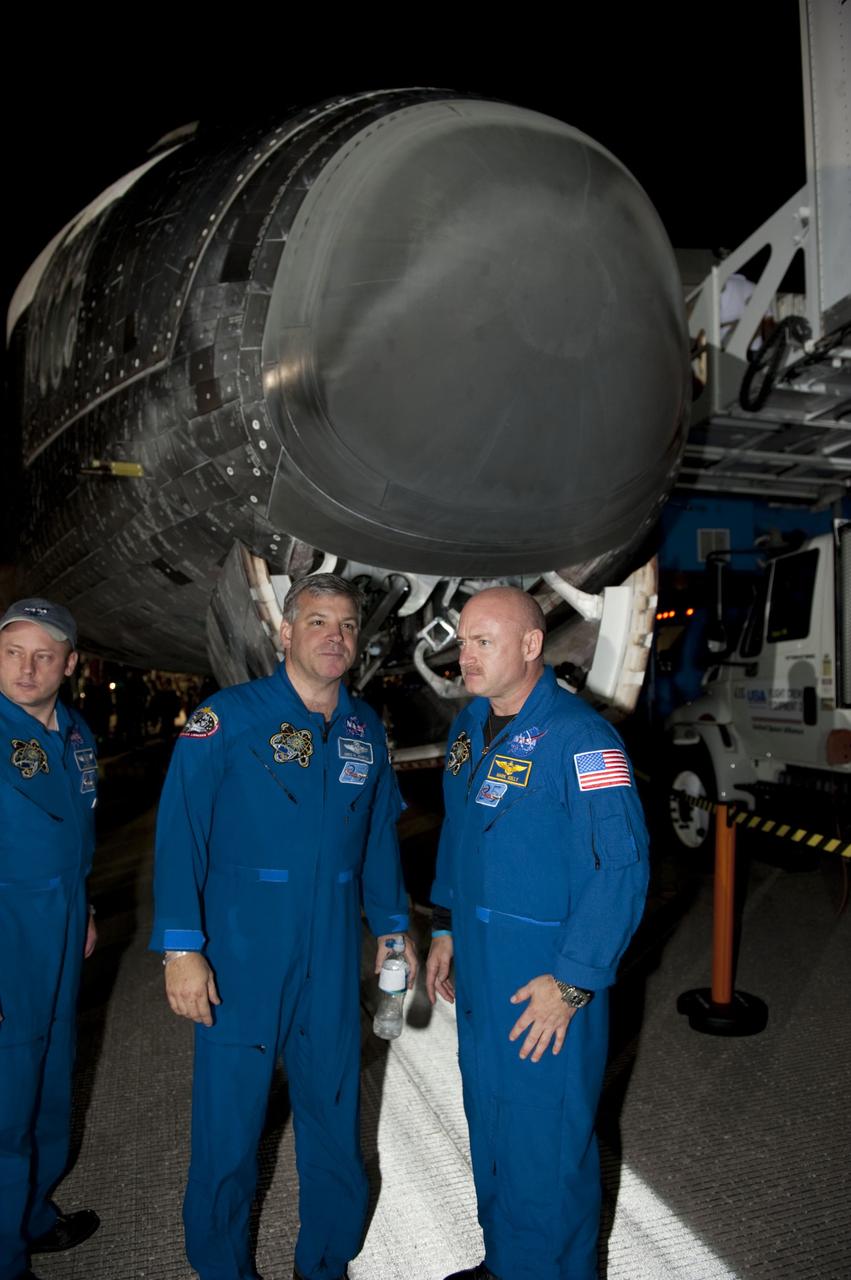
CAPE CANAVERAL, Fla. -- STS-134 Mission Specialist Mike Fincke, left, Pilot Greg H. Johnson and Commander Mark Kelly talk with employees following the successful return of space shuttle Endeavour to NASA's Kennedy Space Center in Florida. Endeavour's final return from space completed the 16-day, 6.5-million-mile STS-134 mission. Main gear touchdown on the Shuttle Landing Facility's Runway 15 was at 2:34:51 a.m. EDT, followed by nose gear touchdown at 2:35:04 a.m., and wheelstop at 2:35:36 a.m. STS-134 delivered the Alpha Magnetic Spectrometer-2 (AMS) and the Express Logistics Carrier-3 (ELC-3) to the International Space Station. AMS will help researchers understand the origin of the universe and search for evidence of dark matter, strange matter and antimatter from the station. ELC-3 carried spare parts that will sustain station operations once the shuttles are retired from service. STS-134 was the 25th and final flight for Endeavour, which spent 299 days in space, orbited Earth 4,671 times and traveled 122,883,151 miles. Photo credit: NASA/Kim Shiflett
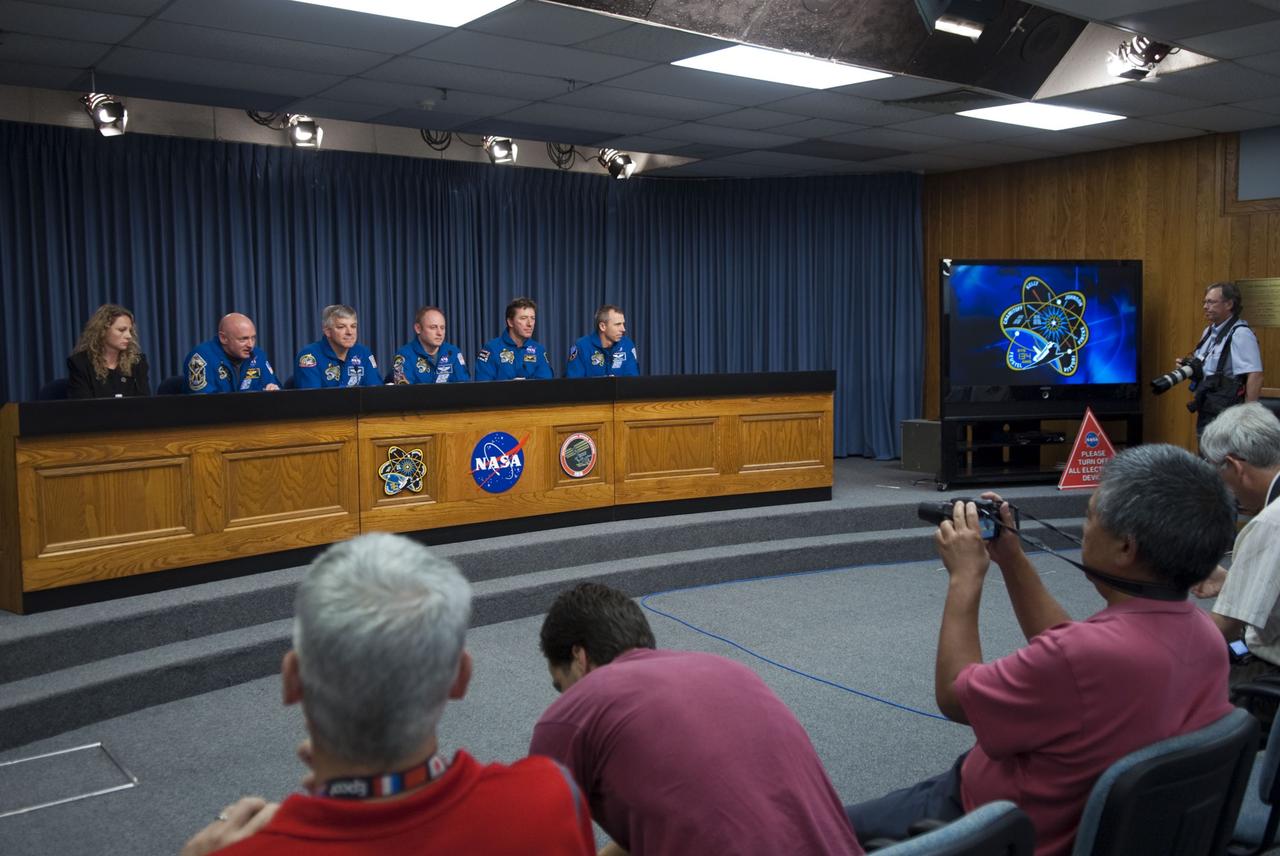
CAPE CANAVERAL, Fla. -- The crew of space shuttle Endeavour's STS-134 mission to the International Space Station participates in a news conference in the Press Site auditorium at NASA's Kennedy Space Center in Florida on landing day. From left are Public Affairs Officer Candrea Thomas, STS-134 Commander Mark Kelly, Pilot Greg H. Johnson; Mission Specialists Michael Finke, Roberto Vittori, astronaut with the European Space Agency and Andrew Feustel. Endeavour's final return from space completed the 16-day, 6.5-million-mile STS-134 mission. Main gear touchdown was at 2:34:51 a.m. EDT, followed by nose gear touchdown at 2:35:04 a.m., and wheelstop at 2:35:36 a.m. Endeavour and its crew delivered the Alpha Magnetic Spectrometer-2 (AMS) and the Express Logistics Carrier-3 (ELC-3) to the International Space Station. AMS will help researchers understand the origin of the universe and search for evidence of dark matter, strange matter and antimatter from the station. ELC-3 carried spare parts that will sustain station operations once the shuttles are retired from service. STS-134 was the 25th and final flight for Endeavour, which spent 299 days in space, orbited Earth 4,671 times and traveled 122,883,151 miles. Photo credit: NASA/Jim Grossmann