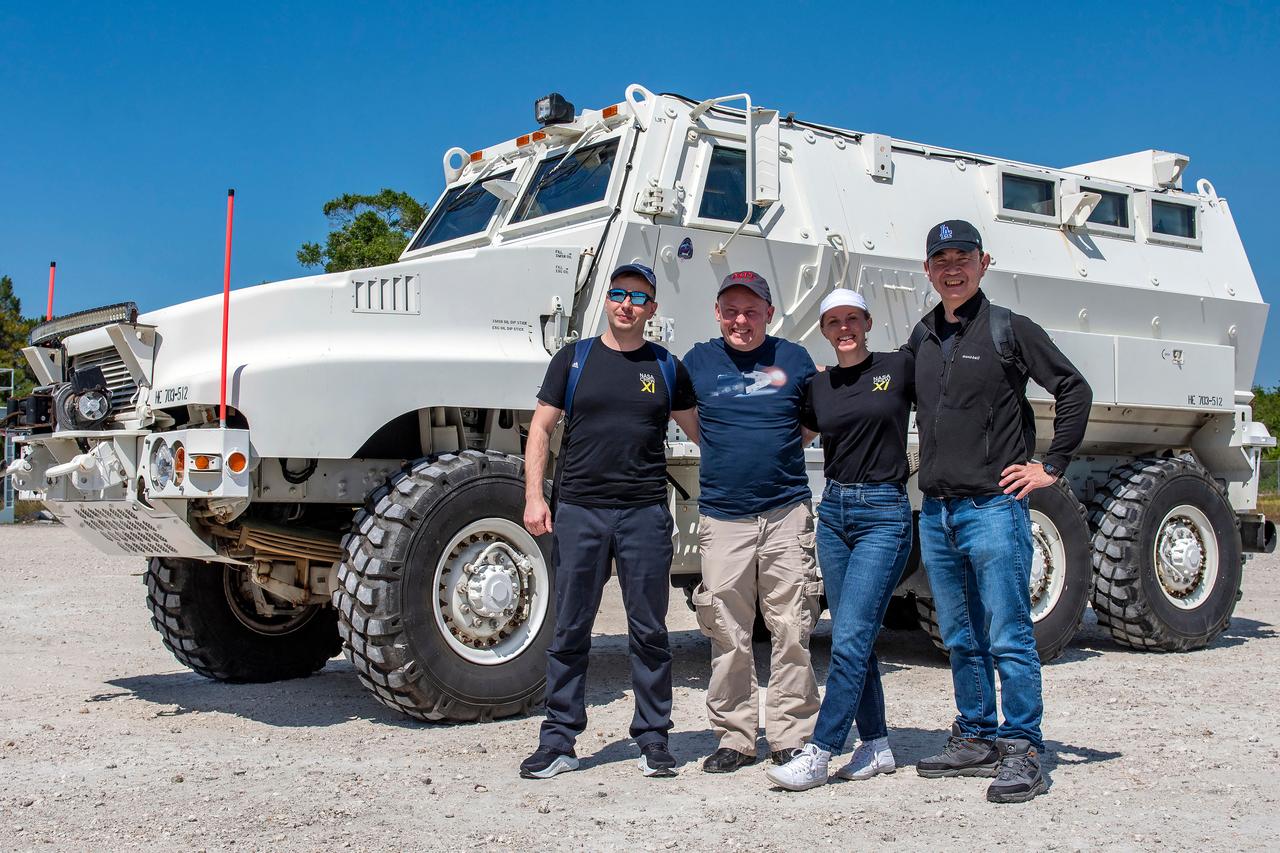
jsc2025e041098 (April 11, 2025) --- NASA’s SpaceX Crew-11 crew pose for a photo by an emergency egress vehicle at NASA’s Kennedy Space Center in Florida. Astronauts would use the emergency egress vehicle to quickly leave the launch area in the unlikely event of an emergency. From left to right: Roscosmos cosmonaut Oleg Platonov, NASA astronauts Mike Fincke and Zena Cardman, and JAXA astronaut Kimiya Yui.
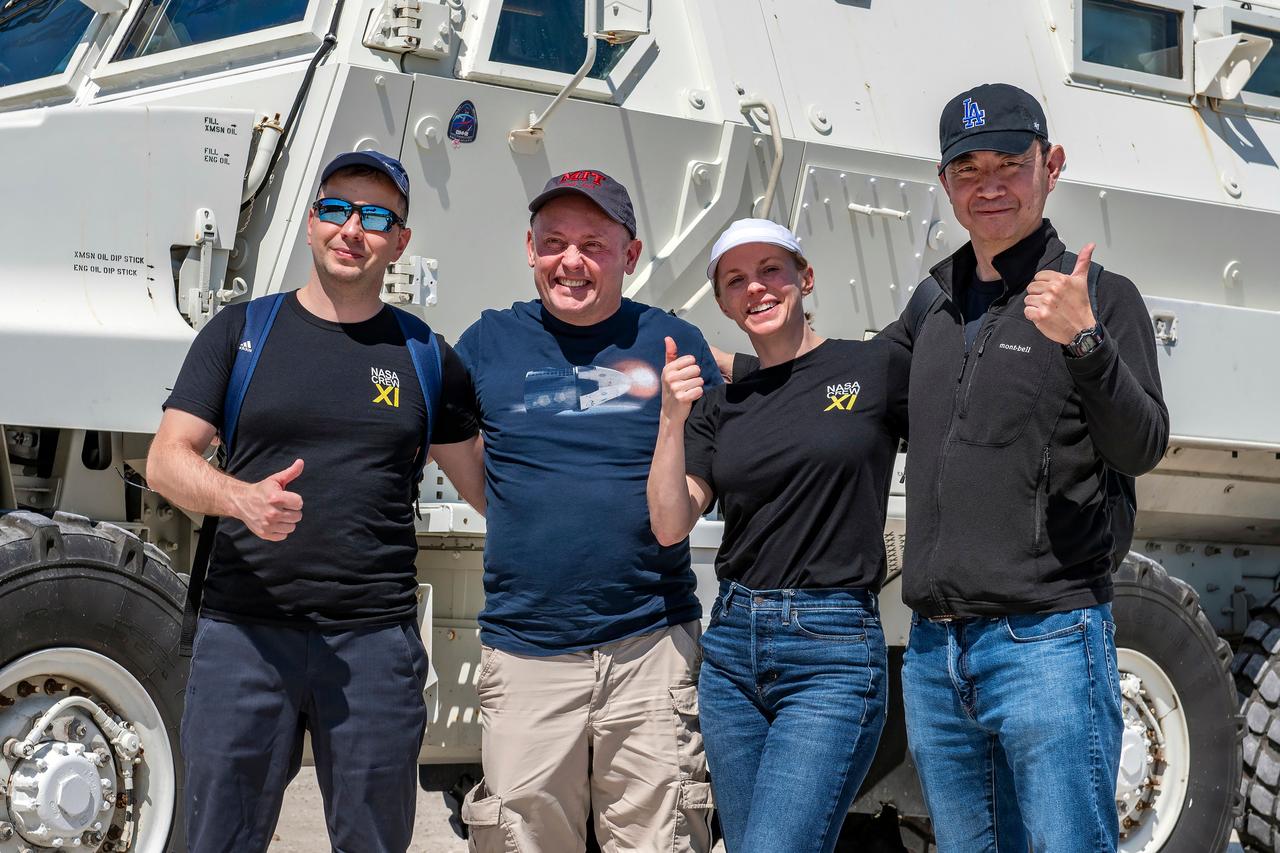
jsc2025e041100 (April 11, 2025) --- NASA’s SpaceX Crew-11 crew pose for a photo by an emergency egress vehicle at NASA’s Kennedy Space Center in Florida. Astronauts would use the emergency egress vehicle to quickly leave the launch area in the unlikely event of an emergency. From left to right: Roscosmos cosmonaut Oleg Platonov, NASA astronauts Mike Fincke and Zena Cardman, and JAXA astronaut Kimiya Yui.

jsc2025e041097 (April 11, 2025) --- NASA’s SpaceX Crew-11 crew pose for a photo by an emergency egress vehicle at NASA’s Kennedy Space Center in Florida. Astronauts would use the emergency egress vehicle to quickly leave the launch area in the unlikely event of an emergency. From left to right: Roscosmos cosmonaut Oleg Platonov, NASA astronauts Mike Fincke and Zena Cardman, and JAXA astronaut Kimiya Yui.
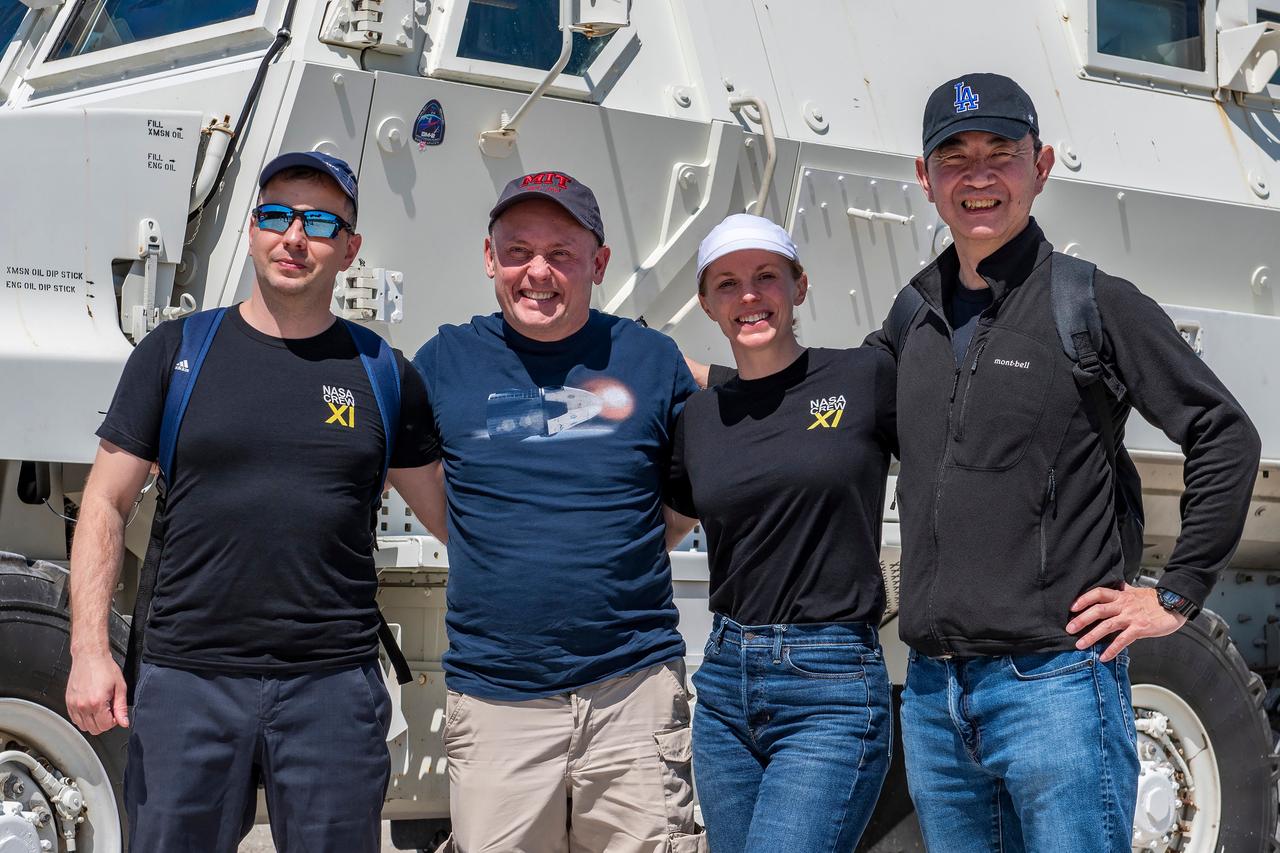
jsc2025e041099 (April 11, 2025) --- NASA’s SpaceX Crew-11 crew pose for a photo by an emergency egress vehicle at NASA’s Kennedy Space Center in Florida. Astronauts would use the emergency egress vehicle to quickly leave the launch area in the unlikely event of an emergency. From left to right: Roscosmos cosmonaut Oleg Platonov, NASA astronauts Mike Fincke and Zena Cardman, and JAXA astronaut Kimiya Yui.
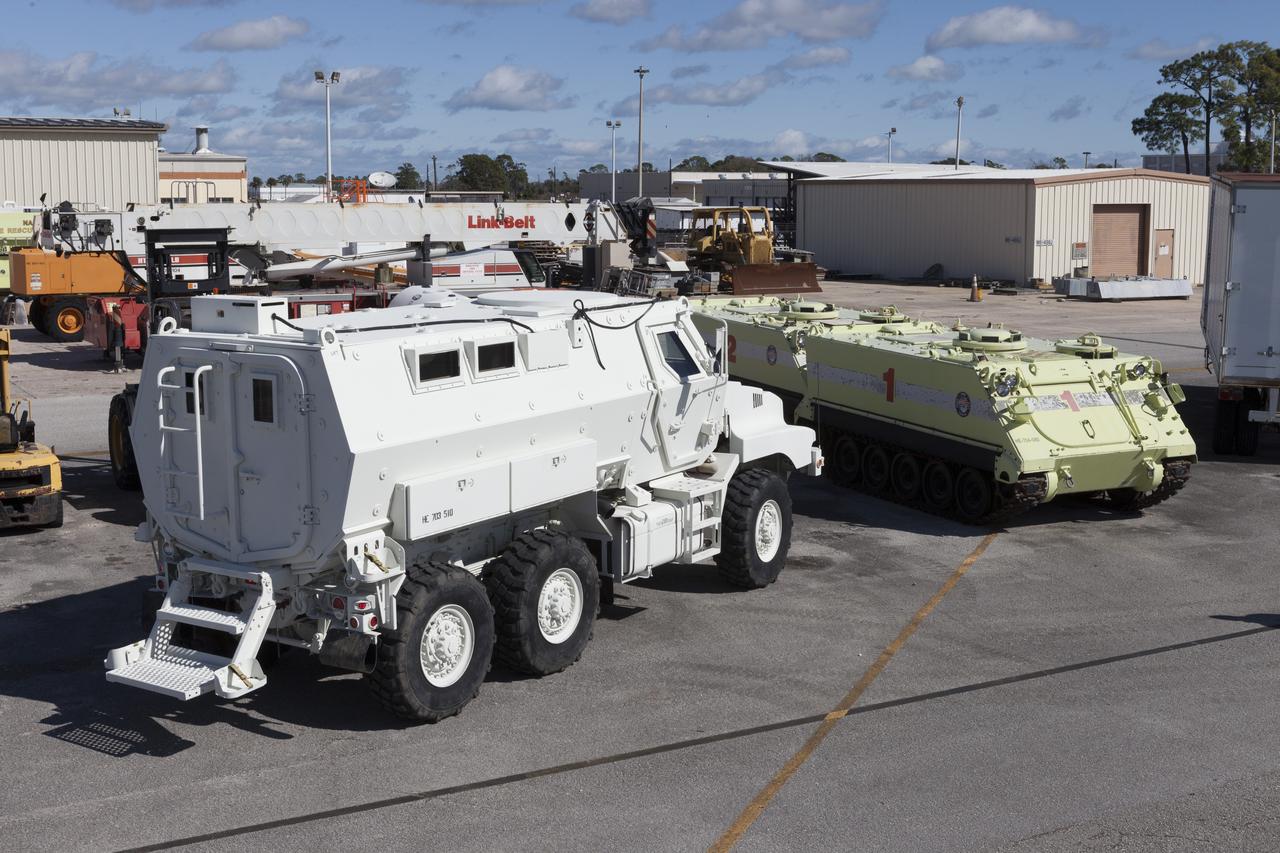
CAPE CANAVERAL, Fla. – One of four new emergency egress vehicles, called Mine-Resistant Ambush-Protection, or MRAP, vehicles sits near space shuttle-era M-113 vehicles at the Maintenance and Operations Facility at NASA’s Kennedy Space Center in Florida. The MRAPs arrived from the U.S. Army Red River Depot in Texarkana, Texas in December 2013. The vehicles were processed in and then transported to the Rotation, Processing and Surge Facility near the Vehicle Assembly Building for temporary storage. The Ground Systems Development and Operations Program at Kennedy led the efforts to an emergency egress vehicle that future astronauts could quickly use to leave the Launch Complex 39 area in case of an emergency. During crewed launches of NASA’s Space Launch System and Orion spacecraft, the MRAP will be stationed by the slidewire termination area at the pad. In case of an emergency, the crew will ride a slidewire to the ground and immediately board the MRAP for safe egress from the pad. The new vehicles replace the M-113 vehicles that were used during the Space Shuttle Program. Photo credit: NASA/Kim Shiflett
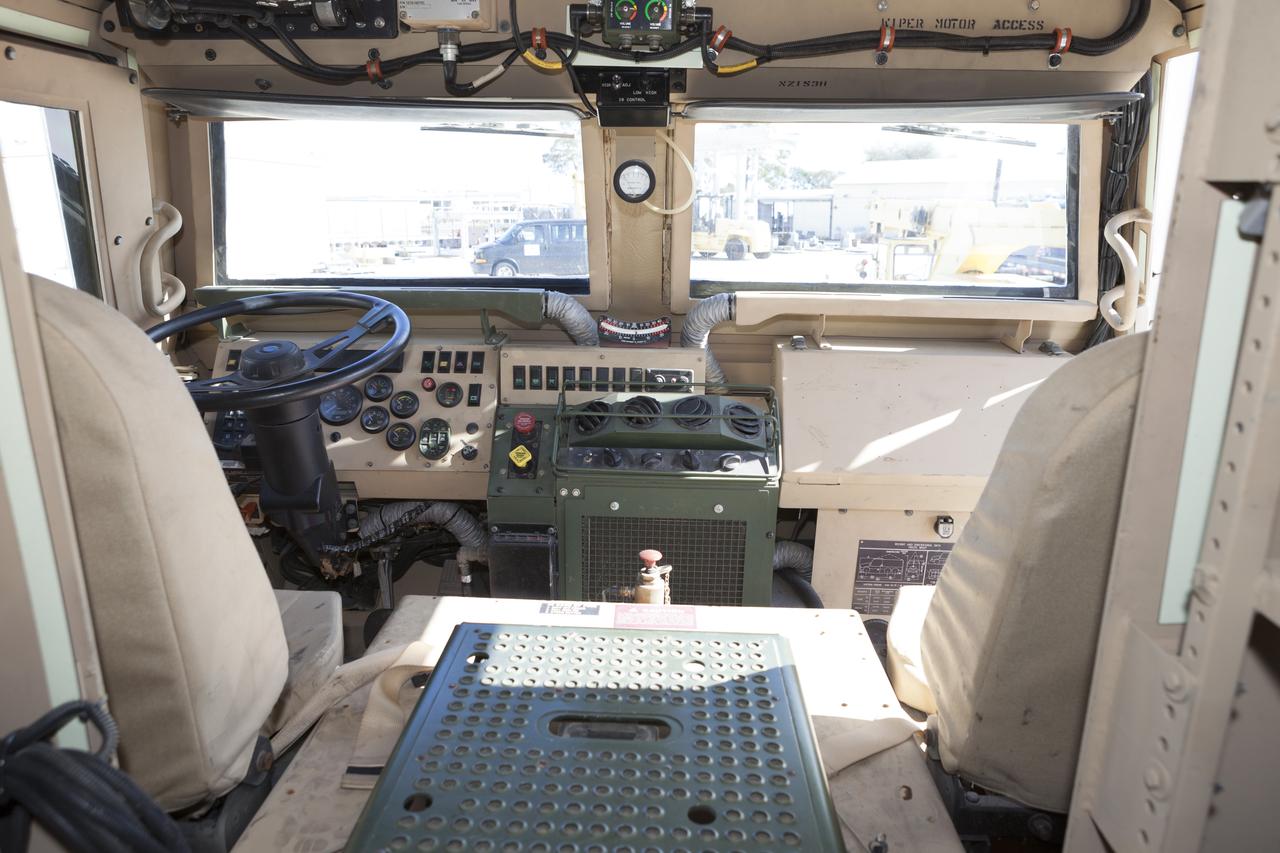
CAPE CANAVERAL, Fla. – A view of the interior of one of four new emergency egress vehicles, called Mine-Resistant Ambush-Protected, or MRAP, vehicles is shown. The MRAPs are at the Maintenance and Operations Facility at NASA’s Kennedy Space Center in Florida. The MRAPs arrived from the U.S. Army Red River Depot in Texarkana, Texas in December 2013. The vehicles were processed in and then transported to the Rotation, Processing and Surge Facility near the Vehicle Assembly Building for temporary storage. The Ground Systems Development and Operations Program at Kennedy led the efforts to an emergency egress vehicle that future astronauts could quickly use to leave the Launch Complex 39 area in case of an emergency. During crewed launches of NASA’s Space Launch System and Orion spacecraft, the MRAP will be stationed by the slidewire termination area at the pad. In case of an emergency, the crew will ride a slidewire to the ground and immediately board the MRAP for safe egress from the pad. The new vehicles replace the M-113 vehicles that were used during the Space Shuttle Program. Photo credit: NASA/Kim Shiflett
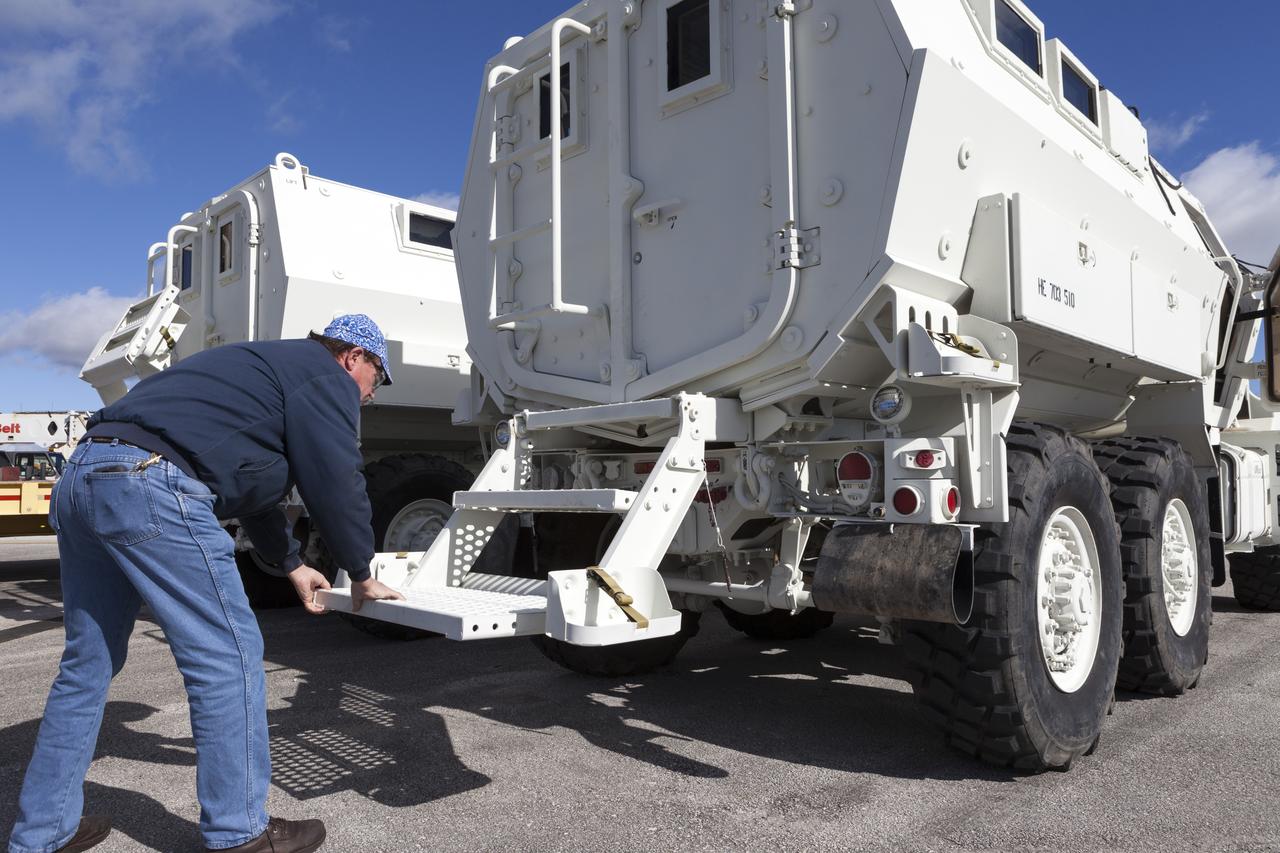
CAPE CANAVERAL, Fla. – A URS Federal Services worker pulls down the steps to the entrance of one of the four new emergency egress vehicles, called Mine-Resistant Ambush-Protected, or MRAP, vehicles at the Maintenance and Operations Facility at NASA’s Kennedy Space Center in Florida. The MRAPs arrived from the U.S. Army Red River Depot in Texarkana, Texas in December 2013. The vehicles were processed in and then transported to the Rotation, Processing and Surge Facility near the Vehicle Assembly Building for temporary storage. The Ground Systems Development and Operations Program at Kennedy led the efforts to an emergency egress vehicle that future astronauts could quickly use to leave the Launch Complex 39 area in case of an emergency. During crewed launches of NASA’s Space Launch System and Orion spacecraft, the MRAP will be stationed by the slidewire termination area at the pad. In case of an emergency, the crew will ride a slidewire to the ground and immediately board the MRAP for safe egress from the pad. The new vehicles replace the M-113 vehicles that were used during the Space Shuttle Program. Photo credit: NASA/Kim Shiflett

CAPE CANAVERAL, Fla. – One of four new emergency egress vehicles, called Mine-Resistant Ambush-Protection, or MRAP, vehicles is driven to the Maintenance and Operations Facility at Kennedy Space Center in Florida. The MRAPs arrived from the U.S. Army Red River Depot in Texarkana, Texas in December 2013. The vehicles were processed in and then transported to the Rotation, Processing and Surge Facility near the Vehicle Assembly Building for temporary storage. The Ground Systems Development and Operations Program at Kennedy led the efforts to an emergency egress vehicle that future astronauts could quickly use to leave the Launch Complex 39 area in case of an emergency. During crewed launches of NASA’s Space Launch System and Orion spacecraft, the MRAP will be stationed by the slidewire termination area at the pad. In case of an emergency, the crew will ride a slidewire to the ground and immediately board the MRAP for safe egress from the pad. The new vehicles replace the M-113 vehicles that were used during the Space Shuttle Program. Photo credit: NASA/Kim Shiflett
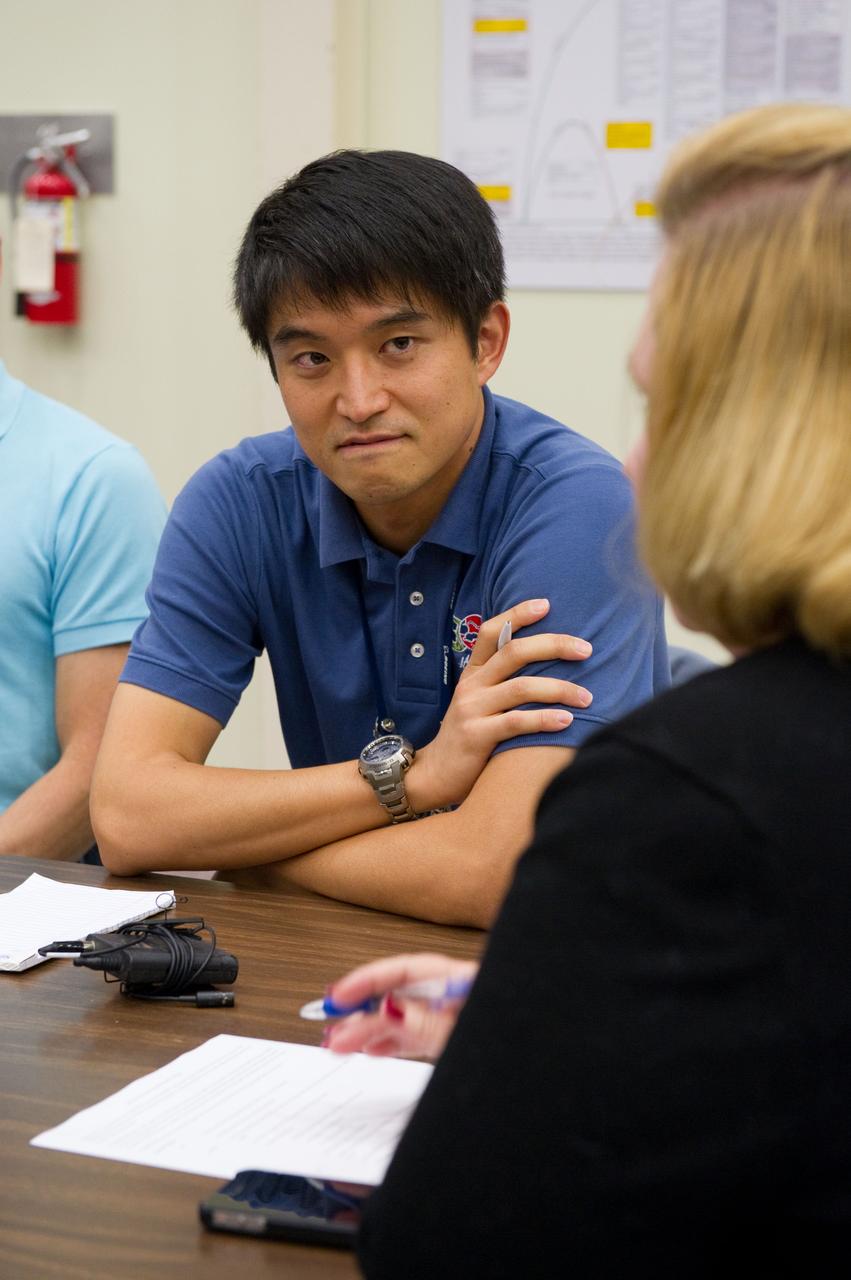
JSC2011-E-215259 (5 Dec. 2011) --- Japan Aerospace Exploration Agency astronaut Takuya Onishi participates in an emergency scenario training session in the Space Vehicle Mock-up Facility at NASA's Johnson Space Center along with Expedition 34/35 crew members (out of frame). Photo credit: NASA
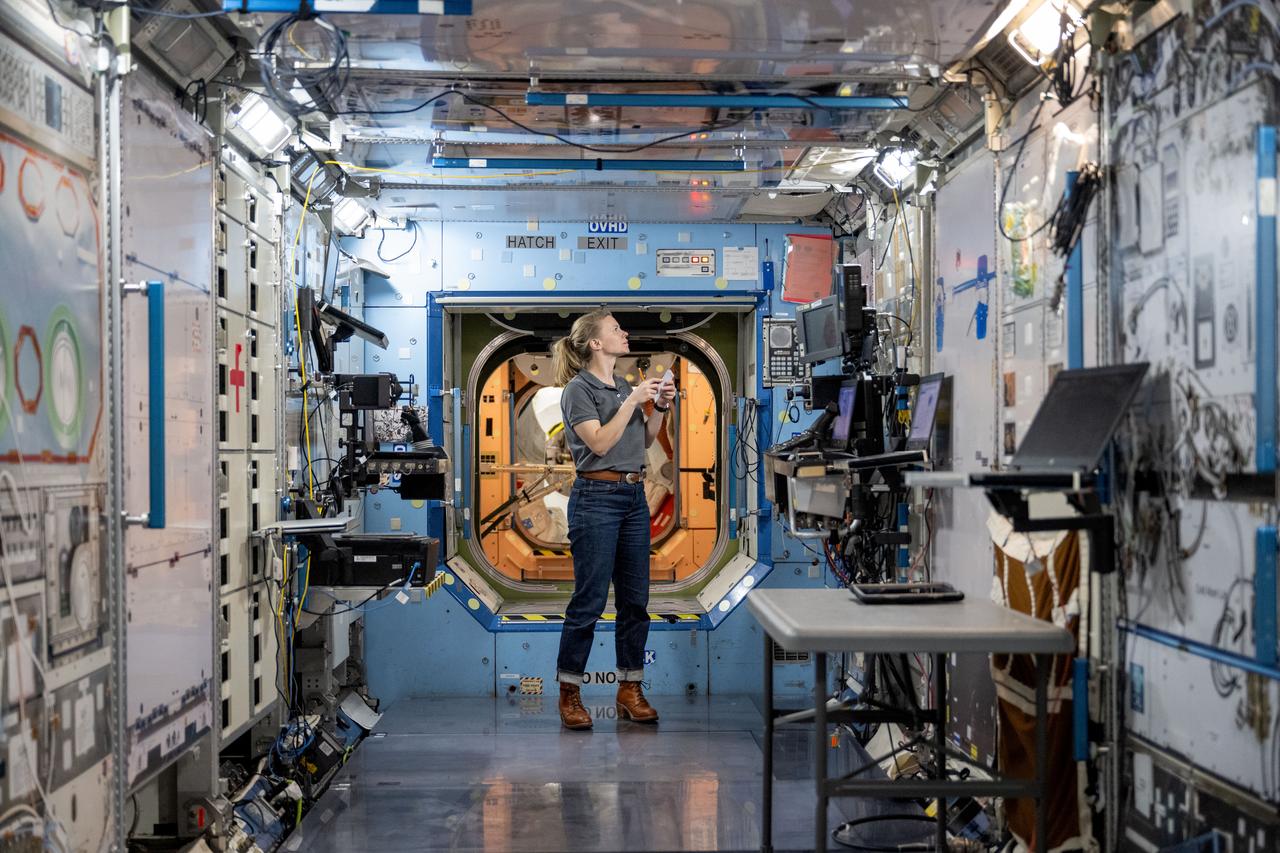
jsc2024e074784 (Nov. 13, 2024) --- NASA astronaut Zena Cardman conducts training for the unlikely event of an emergency at the Space Vehicle Mockup Facility at NASA’s Johnson Space Center in Houston, Texas. Credit: NASA/Josh Valcarcel
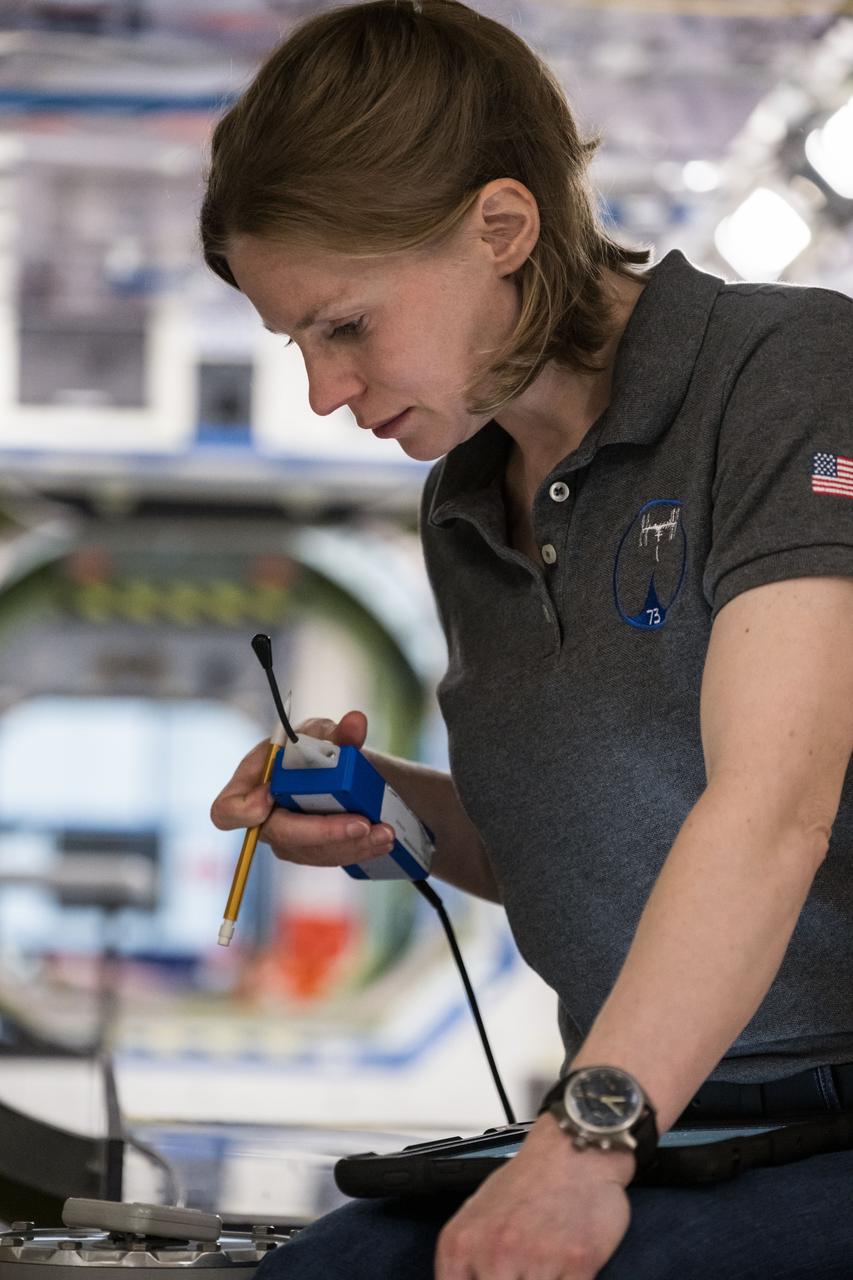
jsc2025e032534 (March 18, 2025) --- NASA astronaut Zena Cardman conducts training for the unlikely event of an emergency at the Space Vehicle Mockup Facility at NASA’s Johnson Space Center in Houston, Texas. Credit: NASA/David DeHoyos
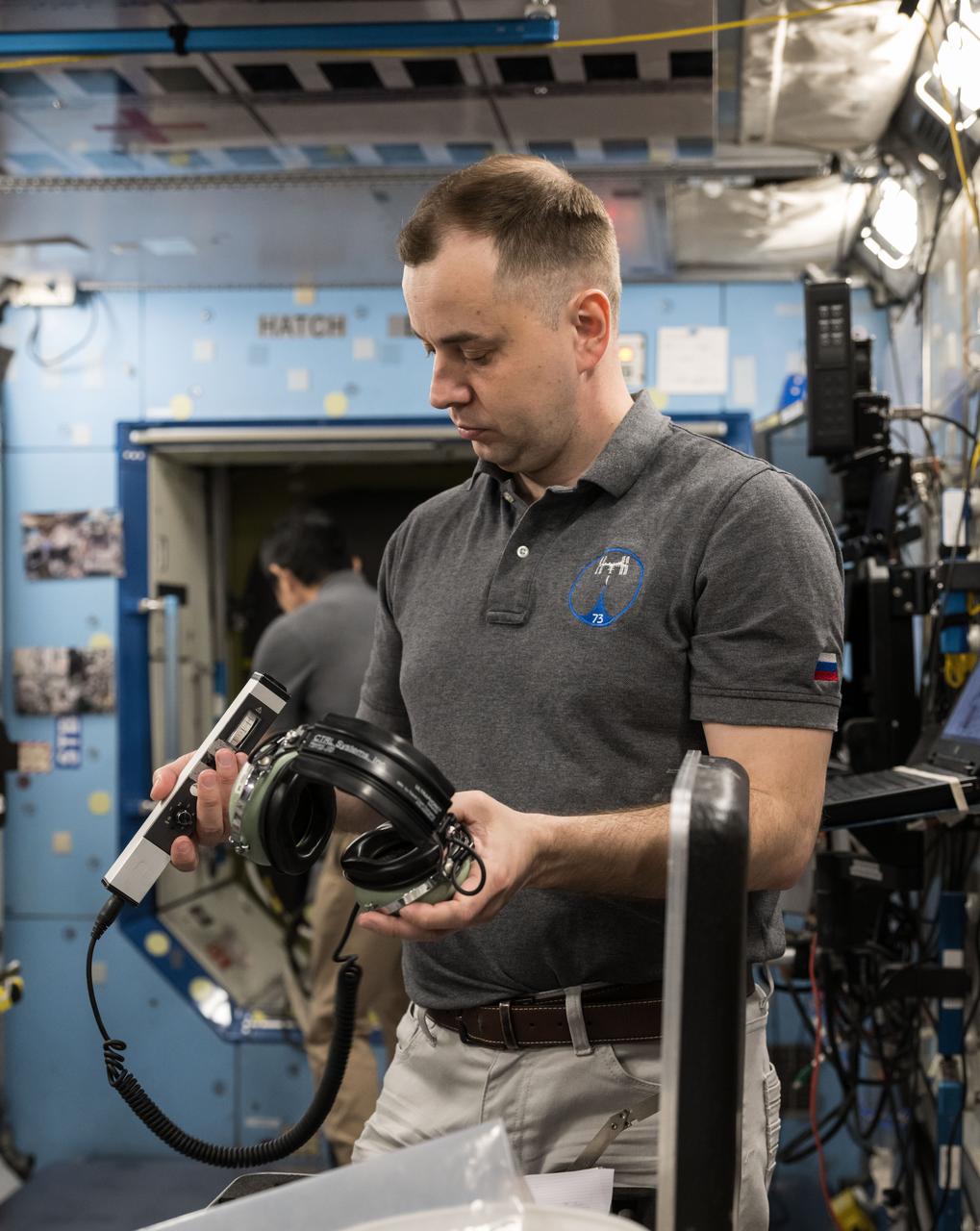
jsc2025e032495 (March 18, 2025) --- Roscosmos cosmonaut Oleg Platonov conducts training for the unlikely event of an emergency at the Space Vehicle Mockup Facility at NASA’s Johnson Space Center in Houston, Texas. Credit: NASA/David DeHoyos
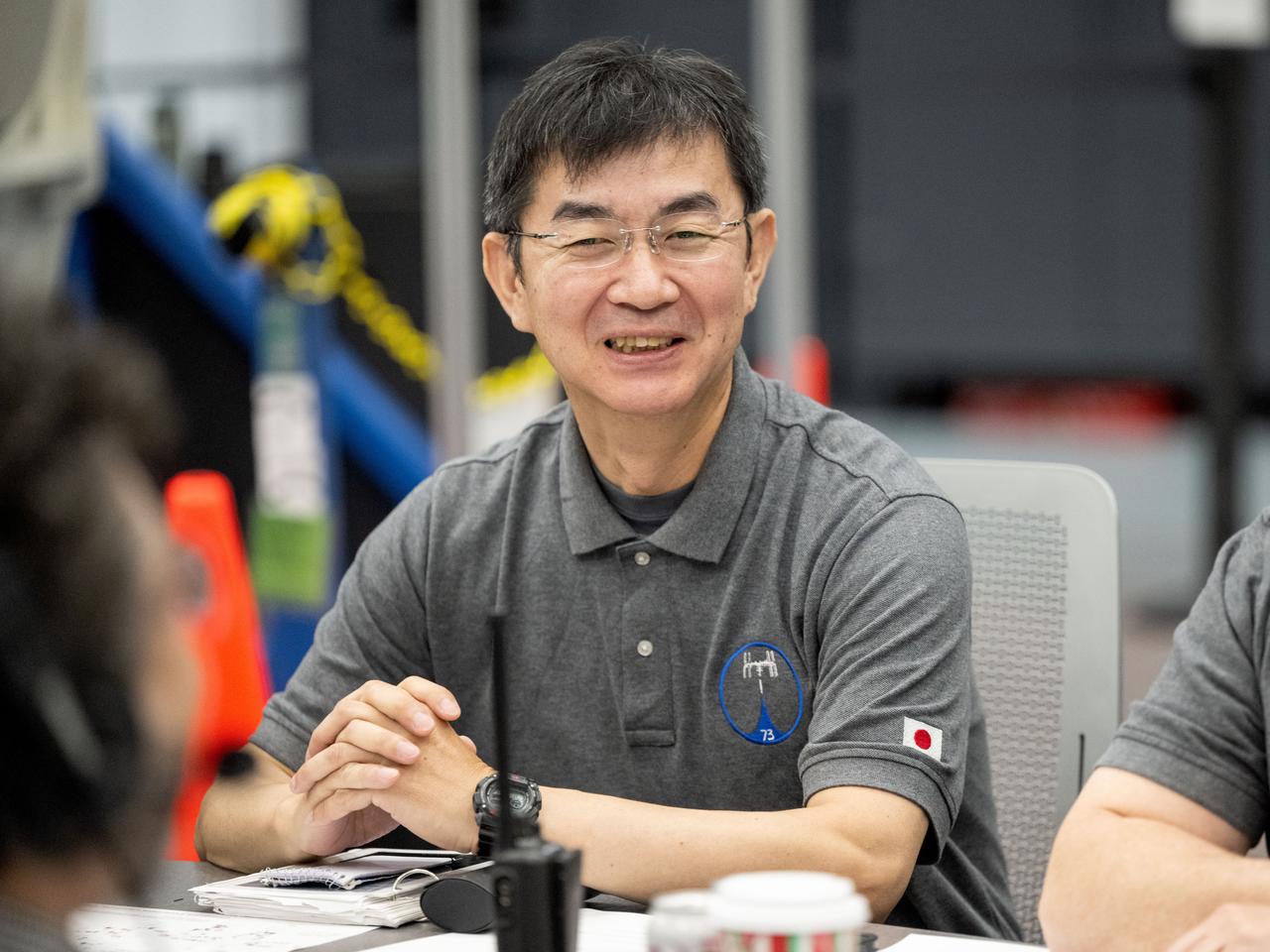
jsc2024e074737 (Nov. 13, 2024) --- JAXA astronaut Kimiya Yui conducts training for the unlikely event of an emergency at the Space Vehicle Mockup Facility at NASA’s Johnson Space Center in Houston, Texas. Credit: NASA/Josh Valcarcel
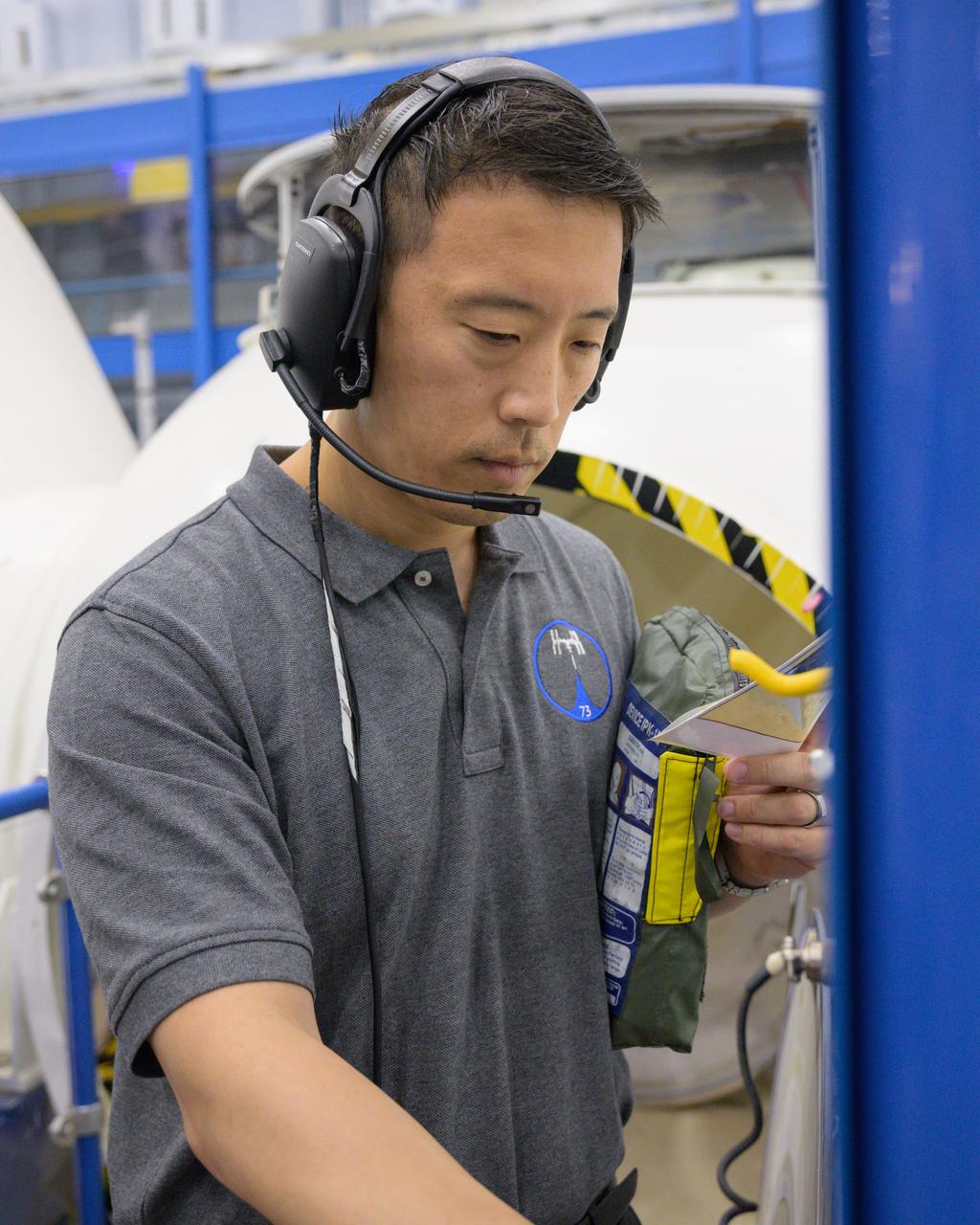
jsc2024e067936 (Oct. 9, 2024) --- NASA astronaut Jonny Kim completing Emergency Scene Joint Crew 2 Training at the Space Vehicle Mockup Facility in Houston, Texas.
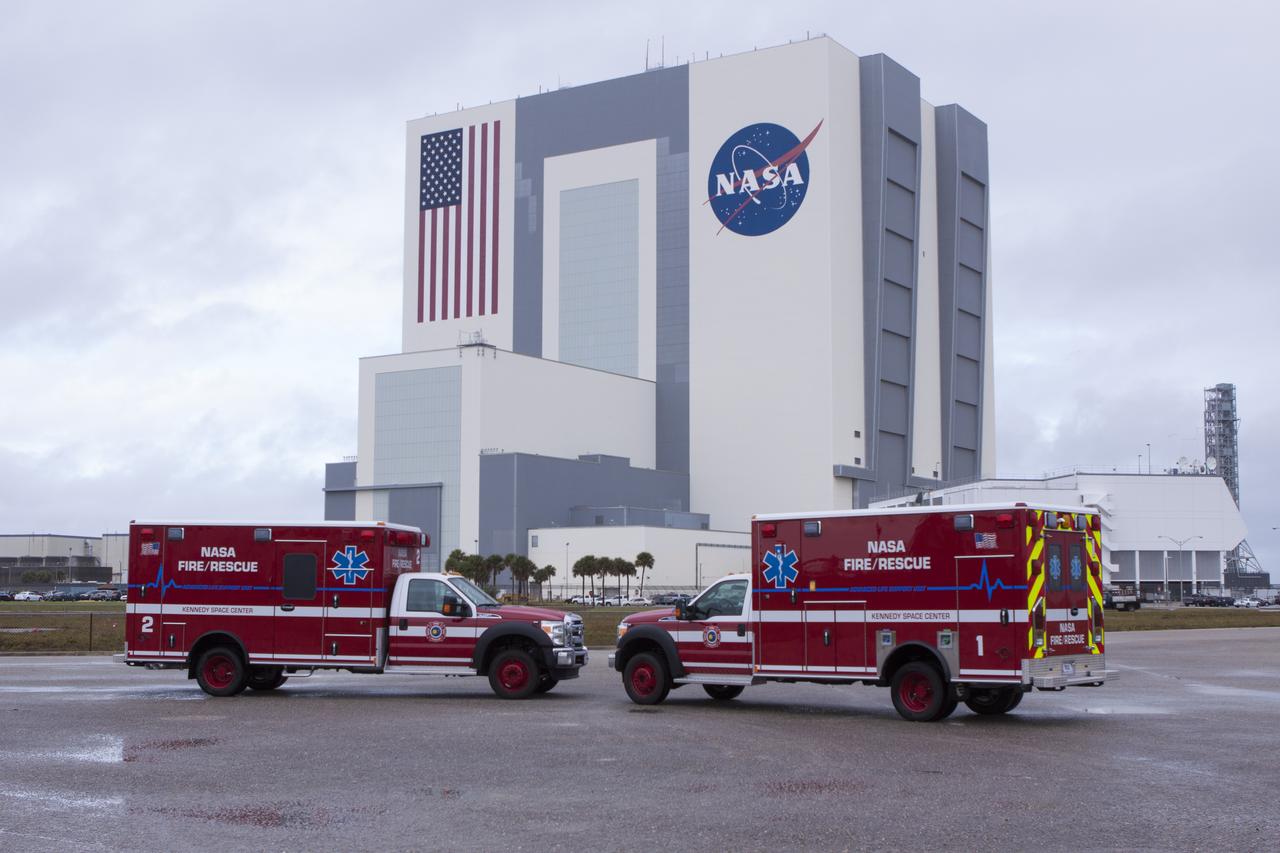
New Fire Department's Emergency Response Trucks in front of VAB. (Not on web)
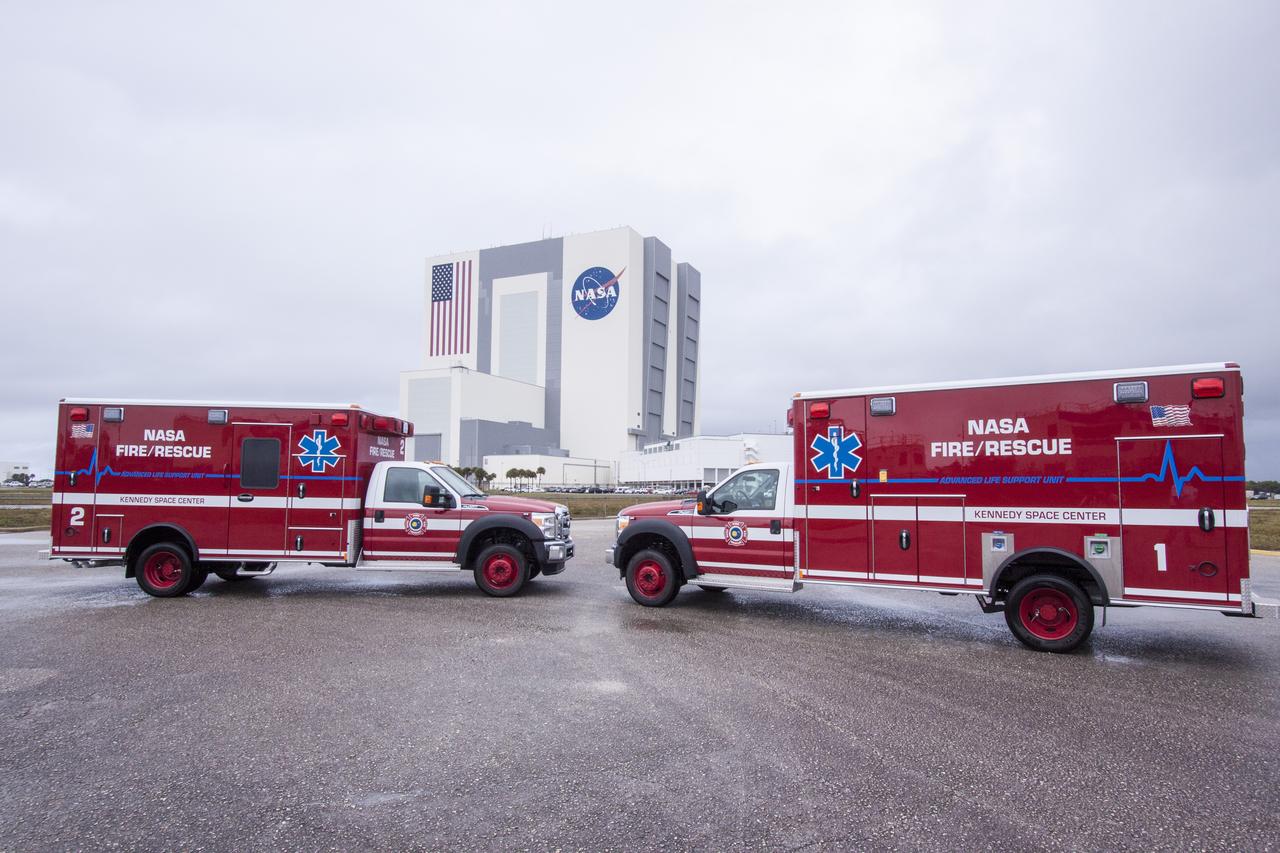
New Fire Department's Emergency Response Trucks in front of VAB. (Not on web)
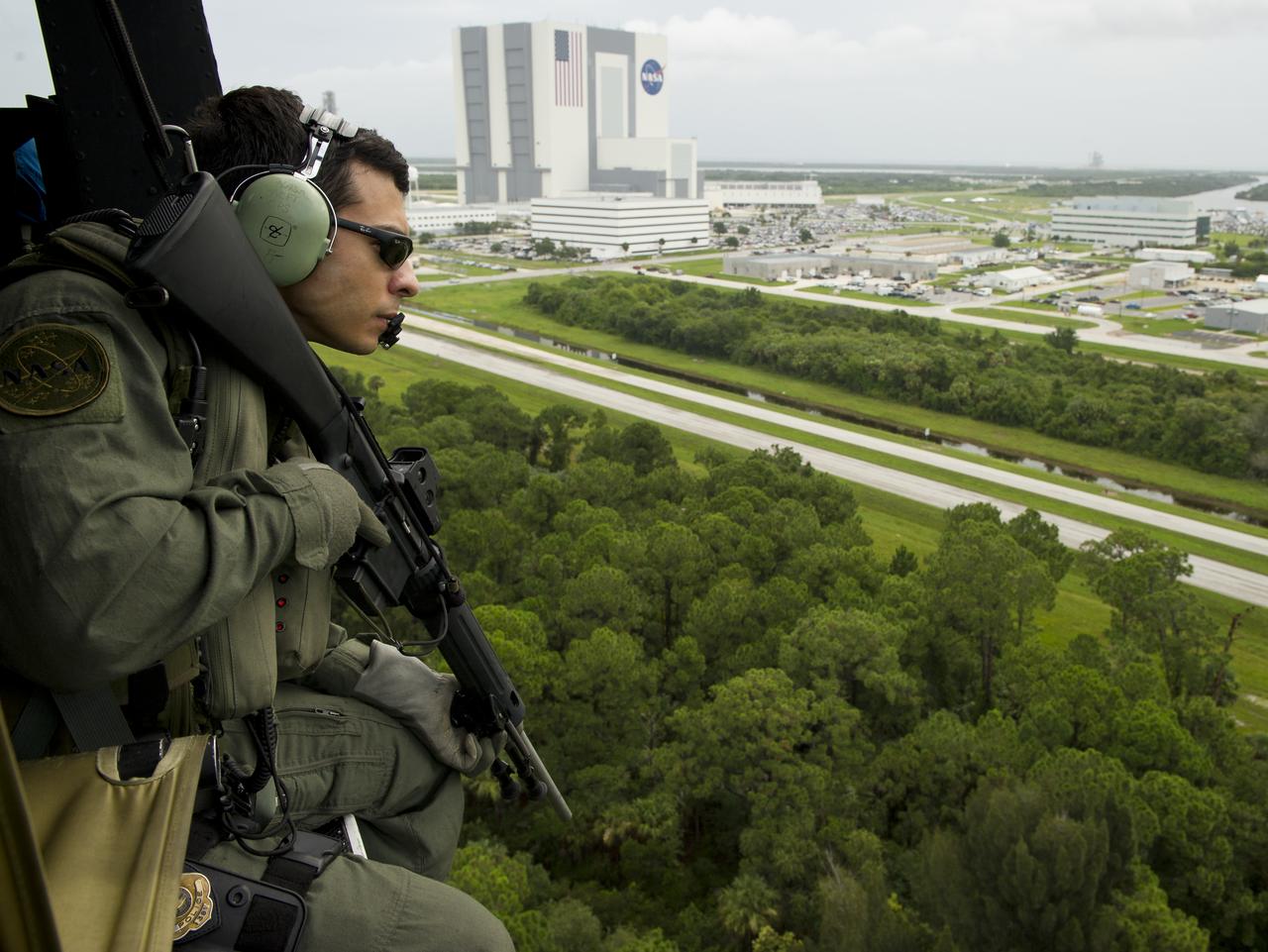
Warren Hinson, a NASA Emergency Response Team (ERT) member, keeps an eye out while flying near the Vehicle Assembly Building (VAB) prior to the launch of space shuttle Atlantis, STS-135, Friday, July 8, 2011, at Kennedy Space Center in Cape Canaveral, Fla. The launch of Atlantis, is the final flight of the shuttle program, a 12-day mission to the International Space Station. Photo Credit: (NASA/Bill Ingalls)
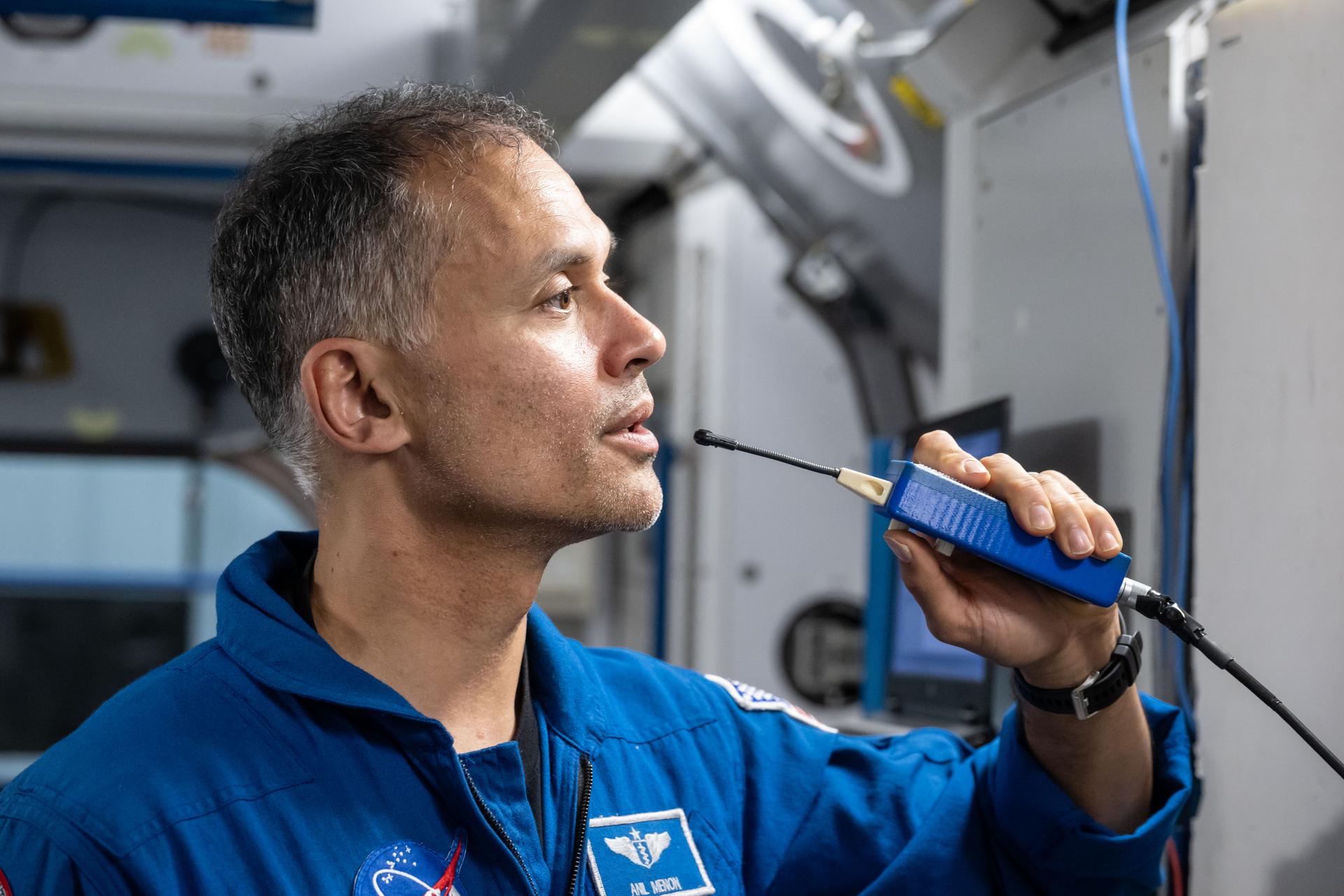
jsc2026e011265 (March 3, 2026) --- NASA astronaut and Expedition 75 flight engineer Anil Menon participates in an emergency training session at Johnson Space Center's Space Vehicle Mockup Facility in Houston, Texas, ahead of his upcoming mission to the International Space Station. Credit: NASA/Josh Valcarcel
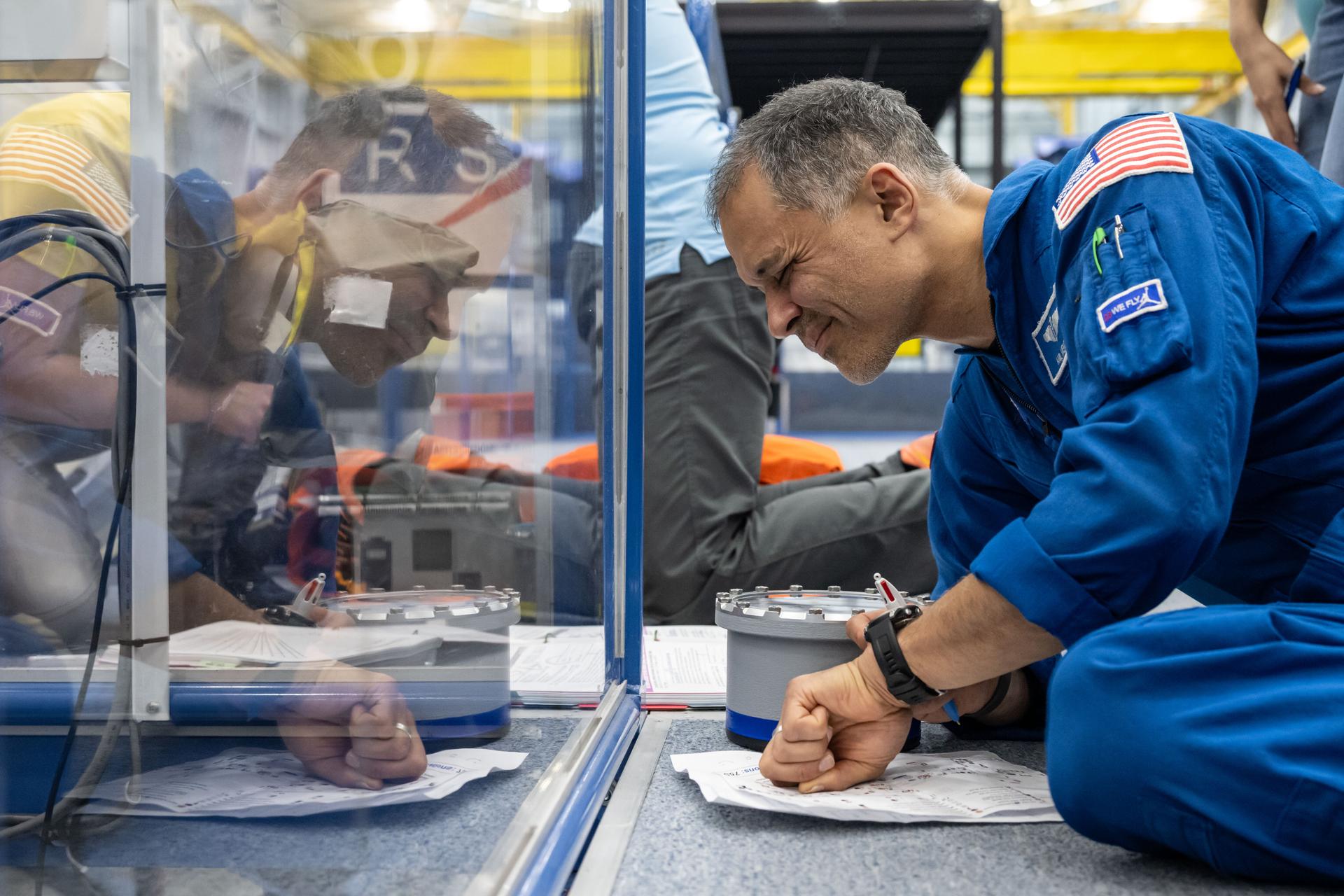
jsc2026e011268 (March 3, 2026) --- NASA astronaut and Expedition 75 flight engineer Anil Menon participates in an emergency training session at Johnson Space Center's Space Vehicle Mockup Facility in Houston, Texas, ahead of his upcoming mission to the International Space Station. Credit: NASA/Josh Valcarcel
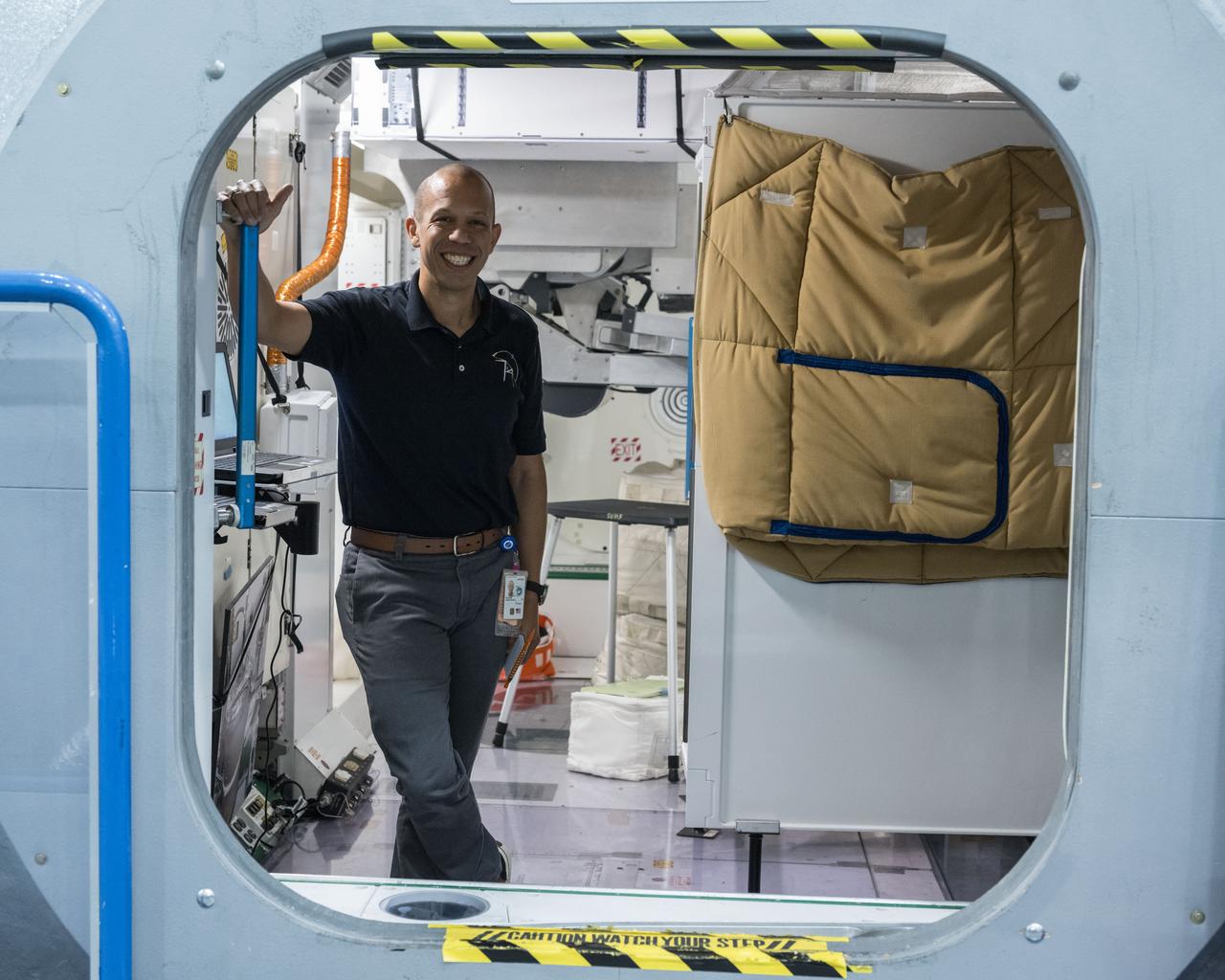
jsc2025e045121 (May 14, 2025) --- NASA astronaut Chris Williams participates in a training session at the Space Vehicle Mockup Facility at NASA’s Johnson Space Center in Houston, Texas, to prepare for the unlikely event of an emergency during his International Space Station mission.
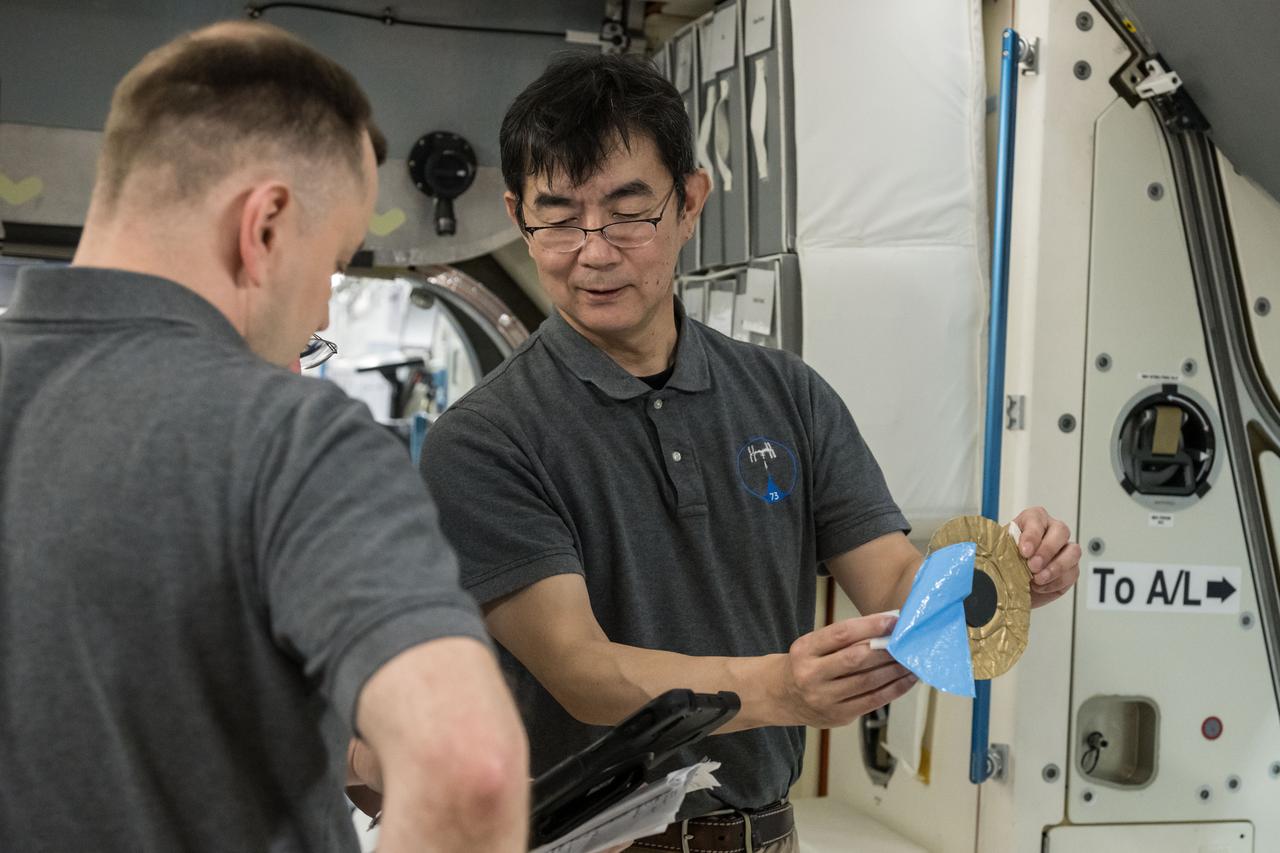
jsc2025e032524 (March 18, 2025) --- Roscosmos cosmonaut Oleg Platonov (left) and JAXA astronaut Kimiya Yui (right) conduct training for the unlikely event of an emergency at the Space Vehicle Mockup Facility at NASA’s Johnson Space Center in Houston, Texas. Credit: NASA/David DeHoyos
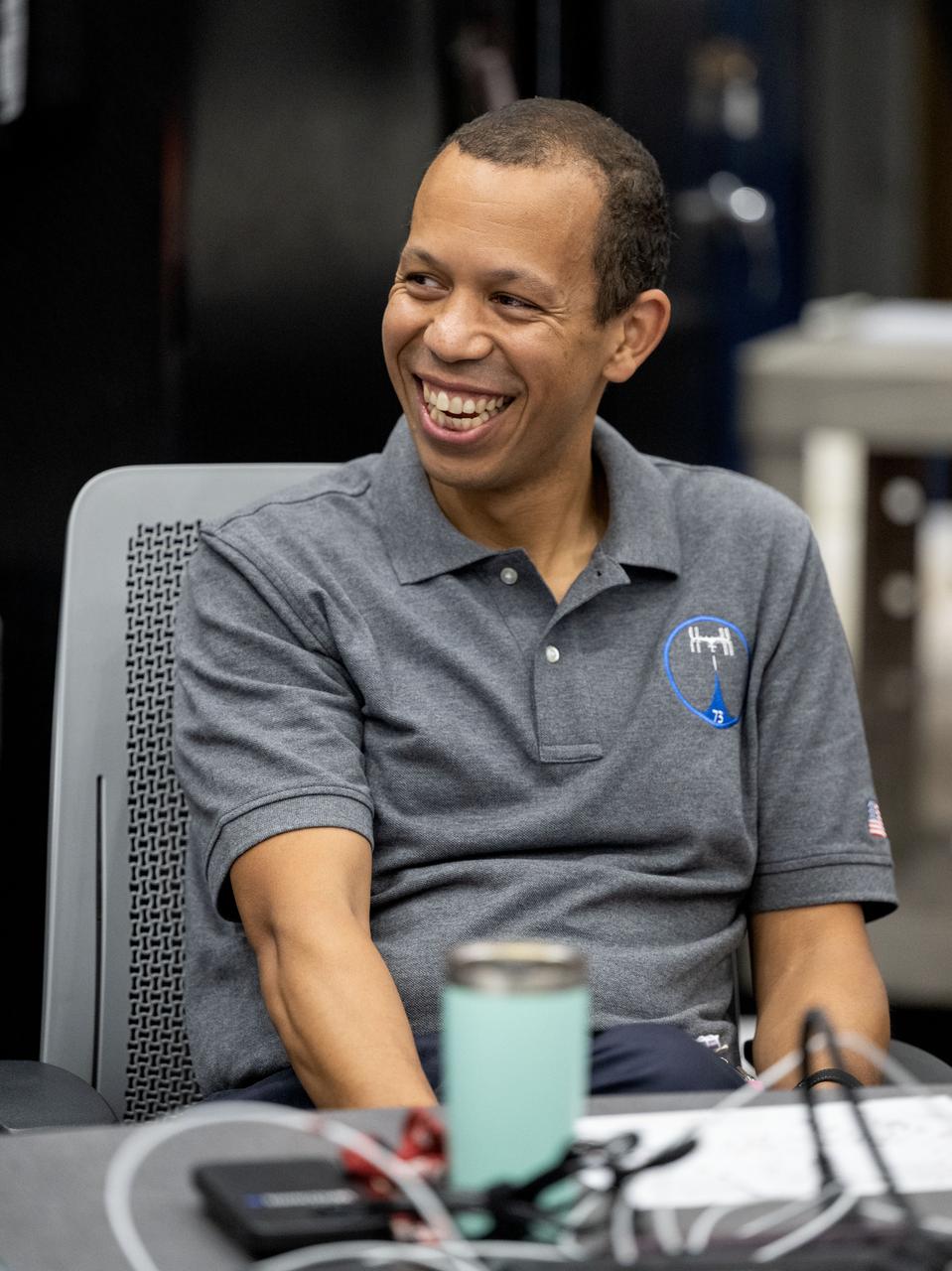
jsc2024e074749 (Nov. 13, 2025) --- NASA astronaut Chris Williams participates in a training session at the Space Vehicle Mockup Facility at NASA’s Johnson Space Center in Houston, Texas, to prepare for the unlikely event of an emergency during his International Space Station mission.
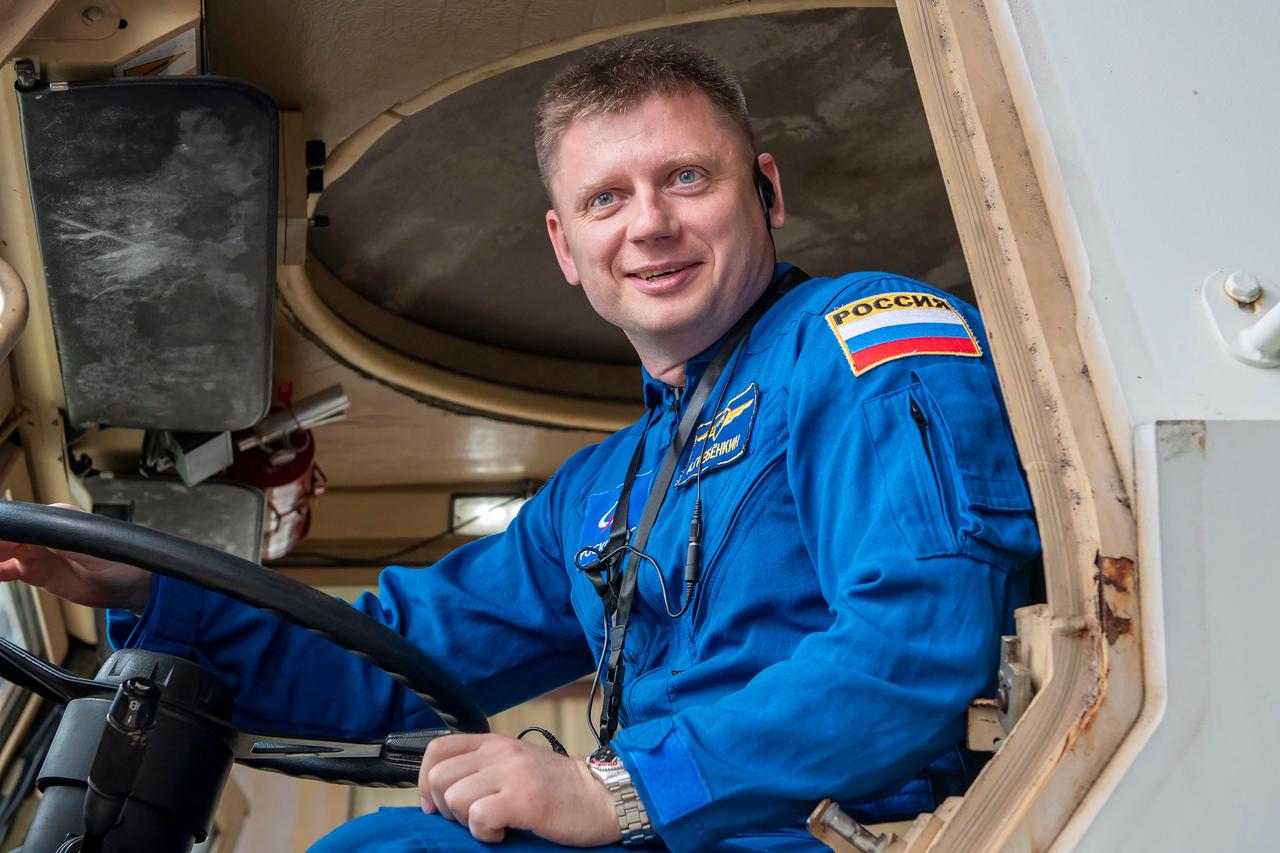
jsc2024e011750 (Oct. 12, 2023) --- SpaceX Crew-8 Mission Specialist Alexander Grebenkin poses for a photo inside an emergency egress vehicle at NASA's Kennedy Space Center's Launch Pad 39A in Florida. Crews would use the emergency egress vehicle to quickly leave the launch area in case of an emergency. Credit: SpaceX
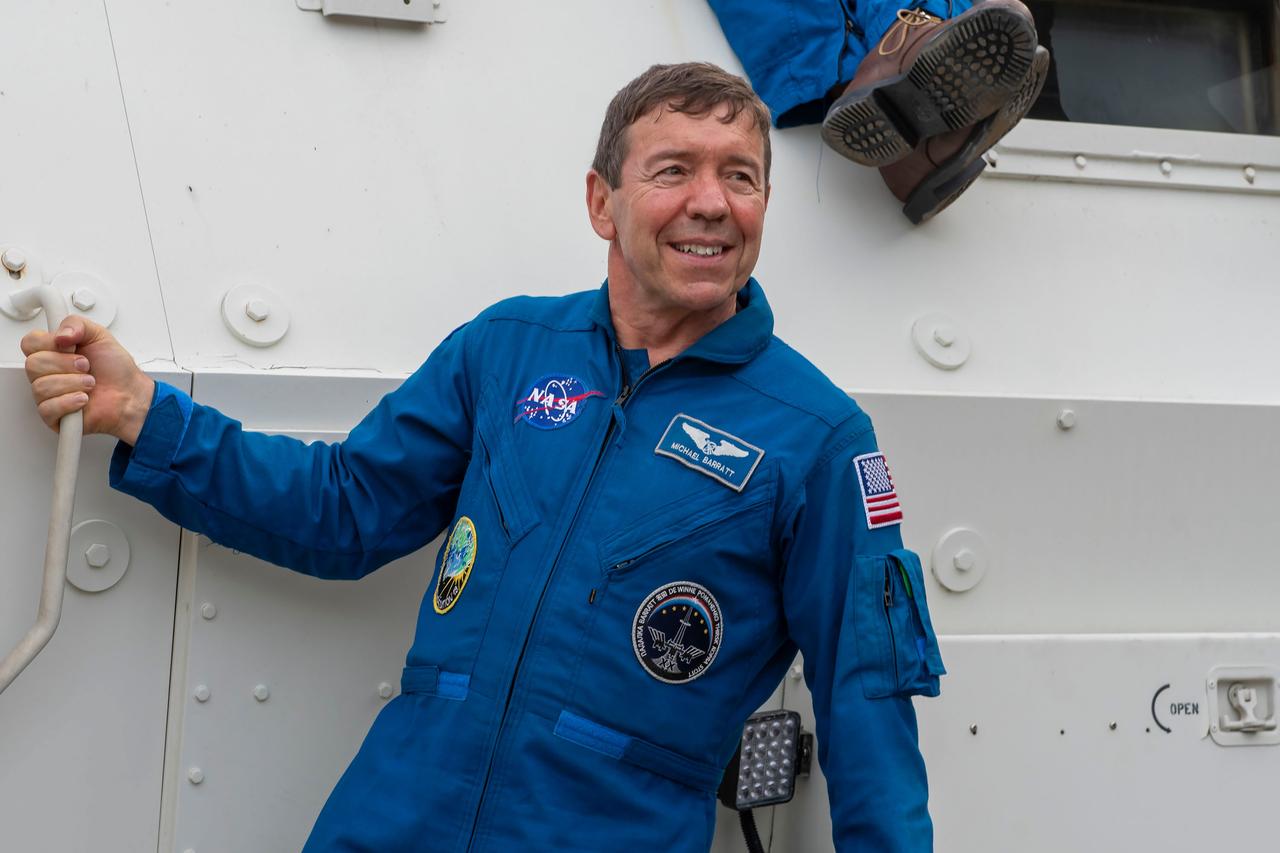
jsc2024e011752 (Oct. 12, 2023) --- NASA's SpaceX Crew-8 Pilot Michael Barratt poses for a photo outside the emergency egress vehicle at NASA's Kennedy Space Center's Launch Pad 39A in Florida. Astronauts would use the emergency egress vehicle to quickly leave the launch area in the unlikely event of an emergency. Credit: SpaceX
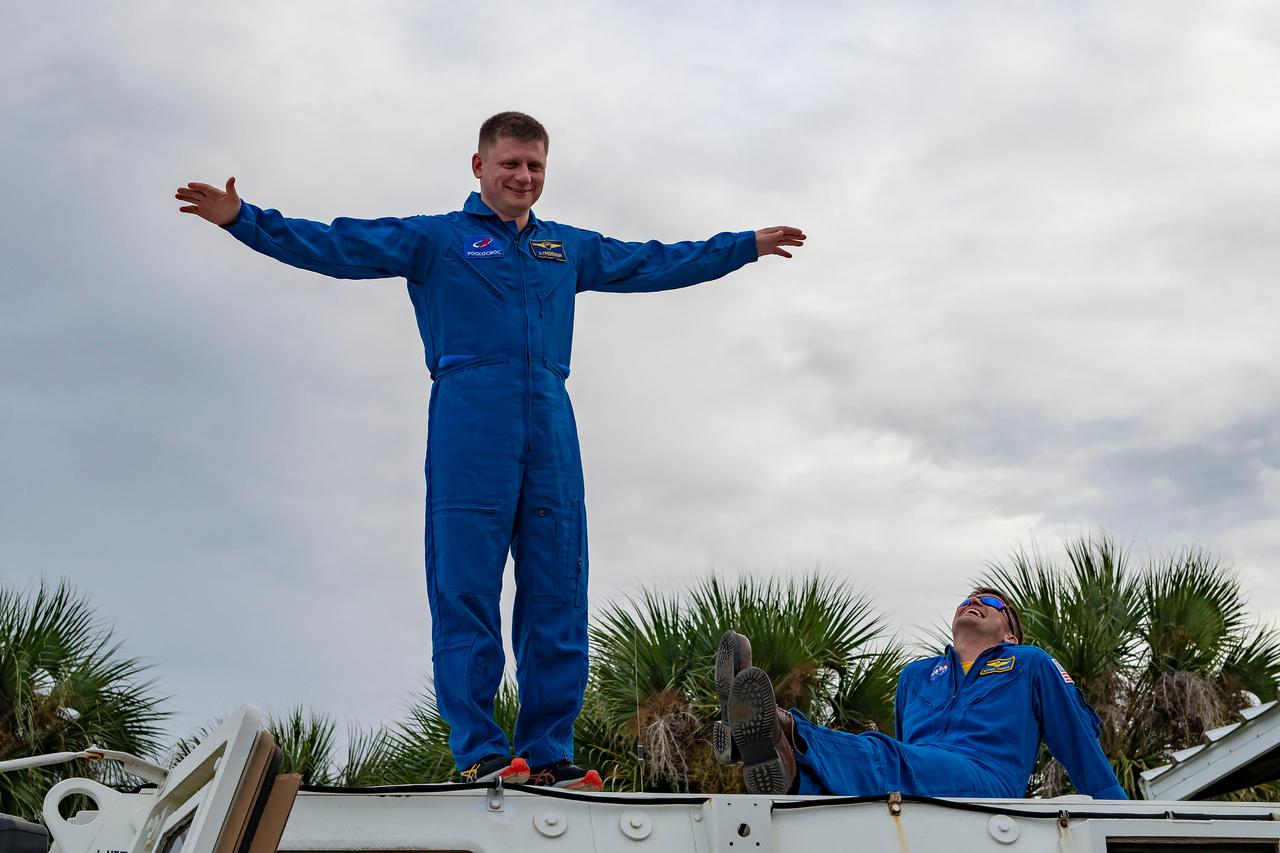
jsc2024e011755 (Oct. 12, 2023) --- SpaceX Crew-8 Mission Specialist Alexander Grebenkin poses for a photo outside the emergency egress vehicle at NASA's Kennedy Space Center's Launch Pad 39A in Florida. Astronauts would use the emergency egress vehicle to quickly leave the launch area in the unlikely event of an emergency. Credit: SpaceX
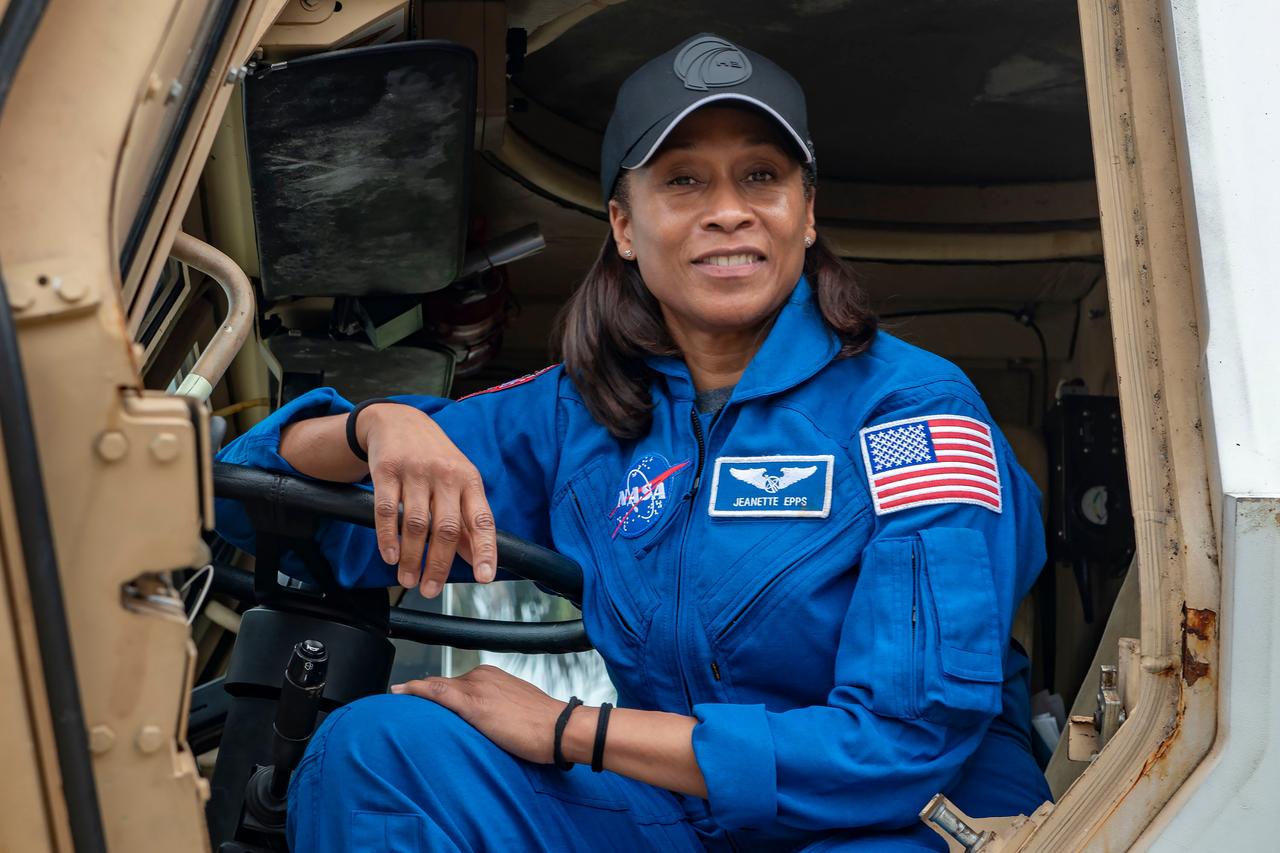
jsc2024e011753 (Oct. 12, 2023) --- NASA's SpaceX Crew-8 Mission Specialist Jeanette Epps poses for a photo inside an emergency egress vehicle at NASA's Kennedy Space Center's Launch Pad 39A in Florida. Crews would use the emergency egress vehicle to quickly leave the launch area in case of an emergency. Credit: SpaceX
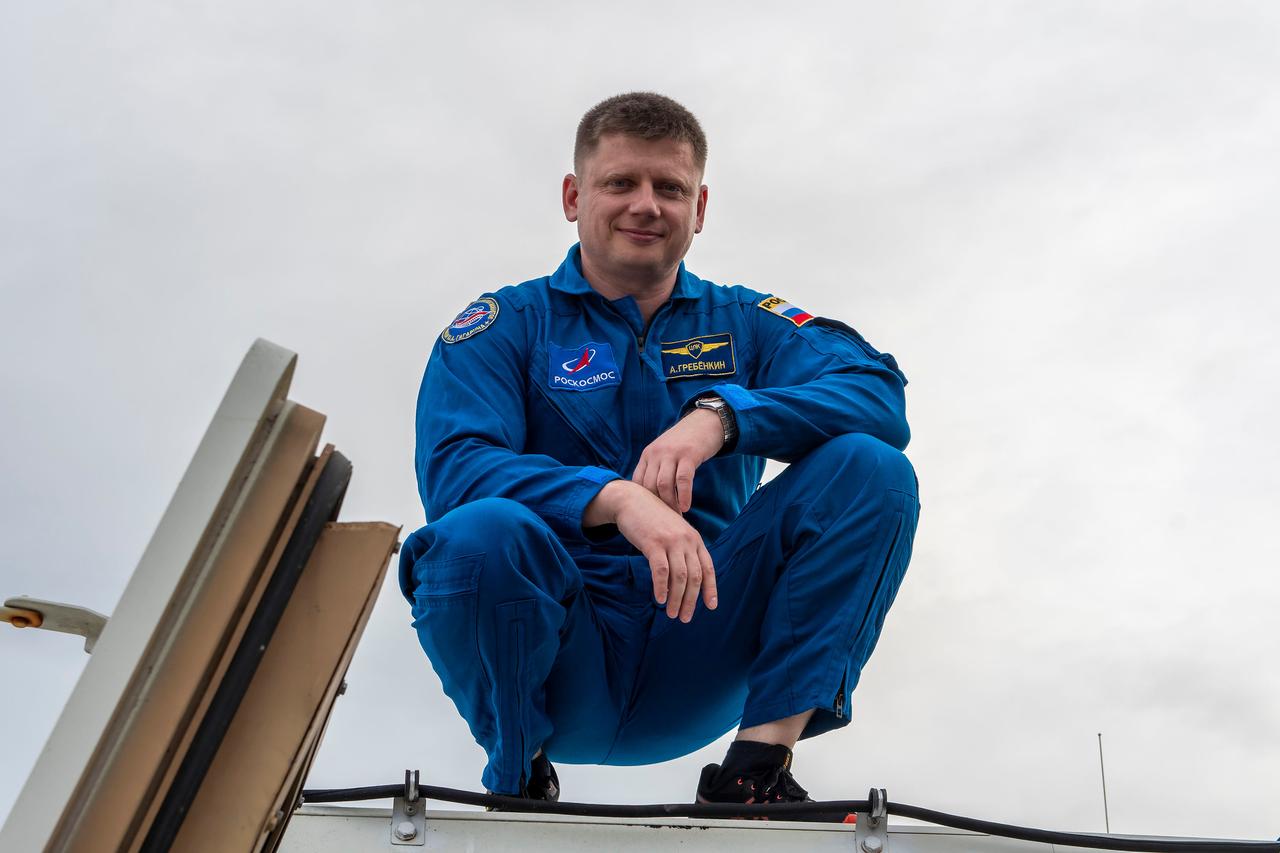
jsc2024e011754 (Oct. 12, 2023) --- SpaceX Crew-8 Mission Specialist Alexander Grebenkin poses for a photo outside the emergency egress vehicle at NASA's Kennedy Space Center's Launch Pad 39A in Florida. Astronauts would use the emergency egress vehicle to quickly leave the launch area in the unlikely event of an emergency. Credit: SpaceX

jsc2024e074803 (Nov. 13, 2024) --- From left to right: JAXA astronaut Kimiya Yui, NASA astronaut Mike Fincke, and NASA astronaut Zena Cardman conduct training for the unlikely event of an emergency at the Space Vehicle Mockup Facility at NASA’s Johnson Space Center in Houston, Texas. Credit: NASA/Josh Valcarcel
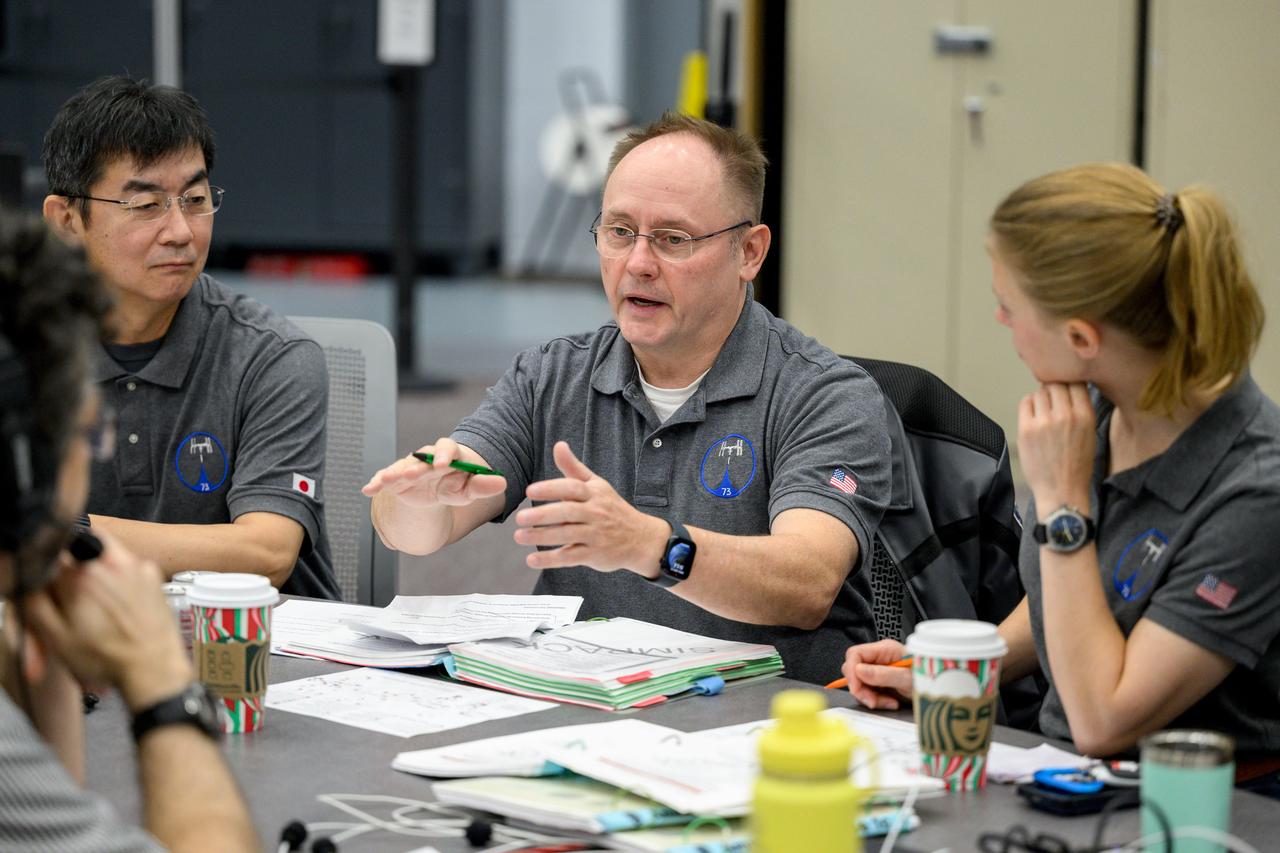
jsc2024e074736 (Nov. 13, 2024) --- From left to right: JAXA astronaut Kimiya Yui, NASA astronaut Mike Fincke, and NASA astronaut Zena Cardman conduct training for the unlikely event of an emergency at the Space Vehicle Mockup Facility at NASA’s Johnson Space Center in Houston, Texas. Credit: NASA/Josh Valcarcel
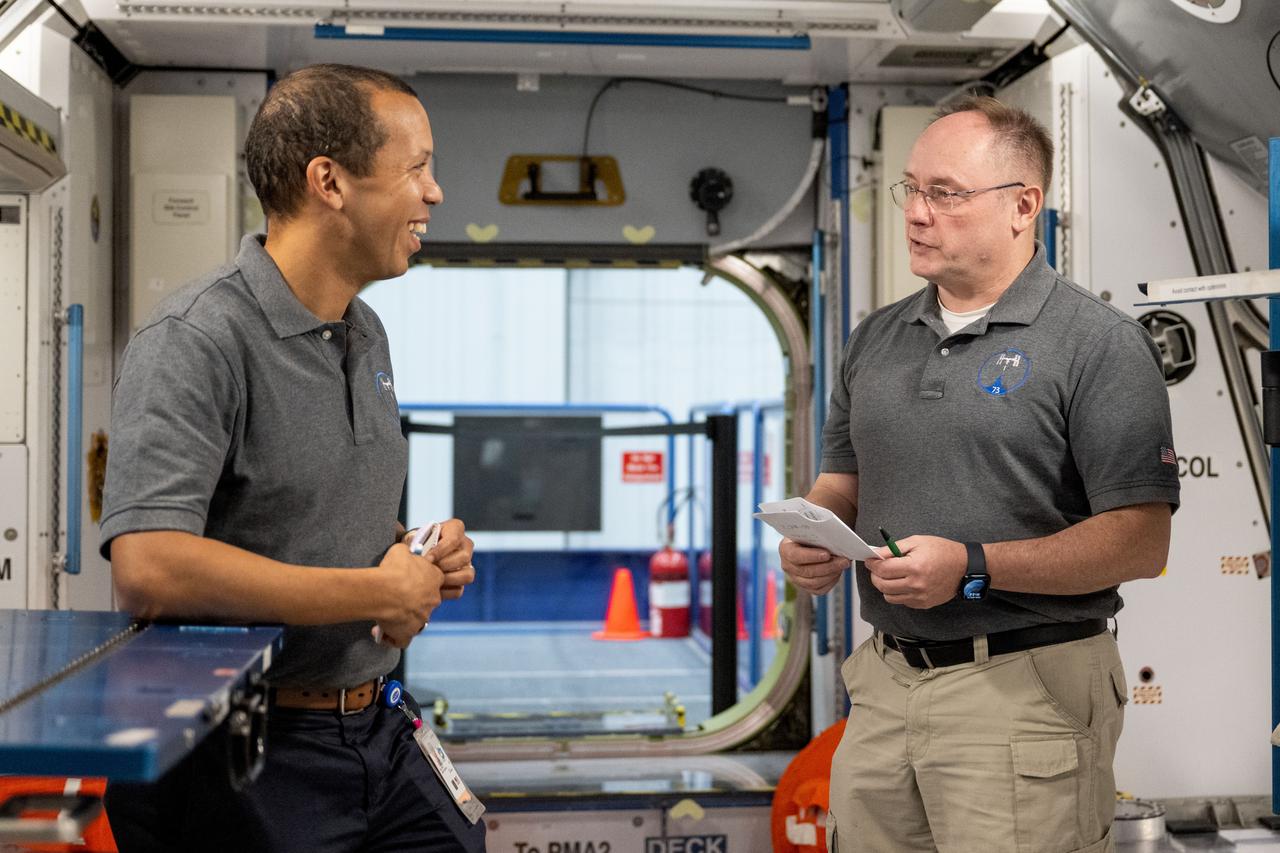
jsc2024e074755 (Nov. 13, 2025) --- NASA astronauts Chris Williams (left) and Mike Fincke (right) participate in a training session at the Space Vehicle Mockup Facility at NASA’s Johnson Space Center in Houston, Texas, to prepare for the unlikely event of an emergency during their International Space Station mission.

jsc2025e045069 (May 14, 2025) --- NASA astronaut Chris Williams (middle) and Roscosmos cosmonaut Sergey Kud-Sverchkov. (right) participate in a training session at the Space Vehicle Mockup Facility at NASA’s Johnson Space Center in Houston, Texas, to prepare for the unlikely event of an emergency during their International Space Station mission.

jsc2026e011296 (March 3, 2026) --- From left, Expedition 75 crew members Anil Menon, Anna Kikina, and Pyotr Dubrov participate in an emergency training session at Johnson Space Center's Space Vehicle Mockup Facility in Houston, Texas, ahead of their upcoming mission to the International Space Station. Credit: NASA/Josh Valcarcel
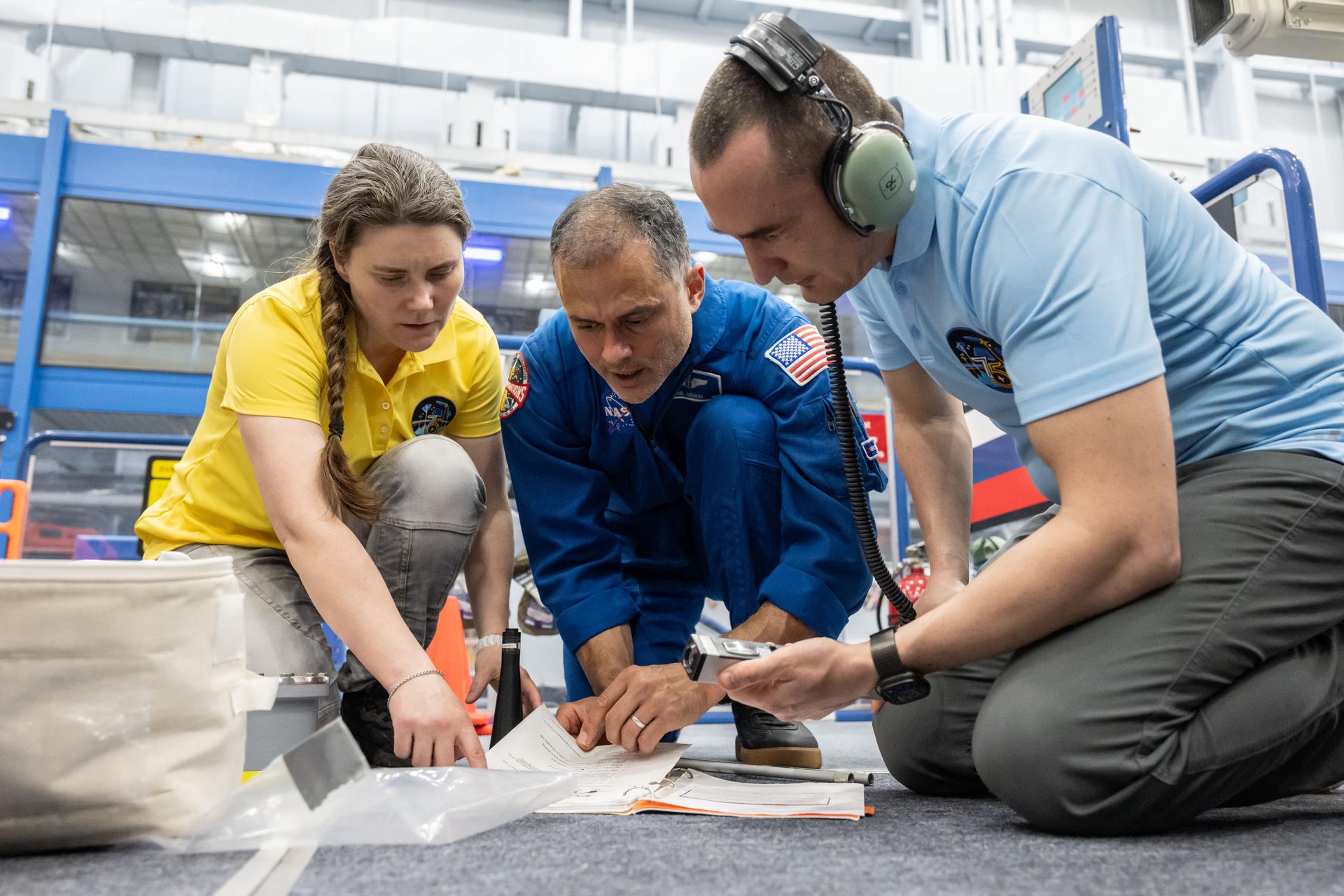
jsc2026e011297 (March 3, 2026) --- From left, Expedition 75 crew members Anna Kikina, Anil Menon, and Pyotr Dubrov participate in an emergency training session at Johnson Space Center's Space Vehicle Mockup Facility in Houston, Texas, ahead of their upcoming mission to the International Space Station. Credit: NASA/Josh Valcarcel
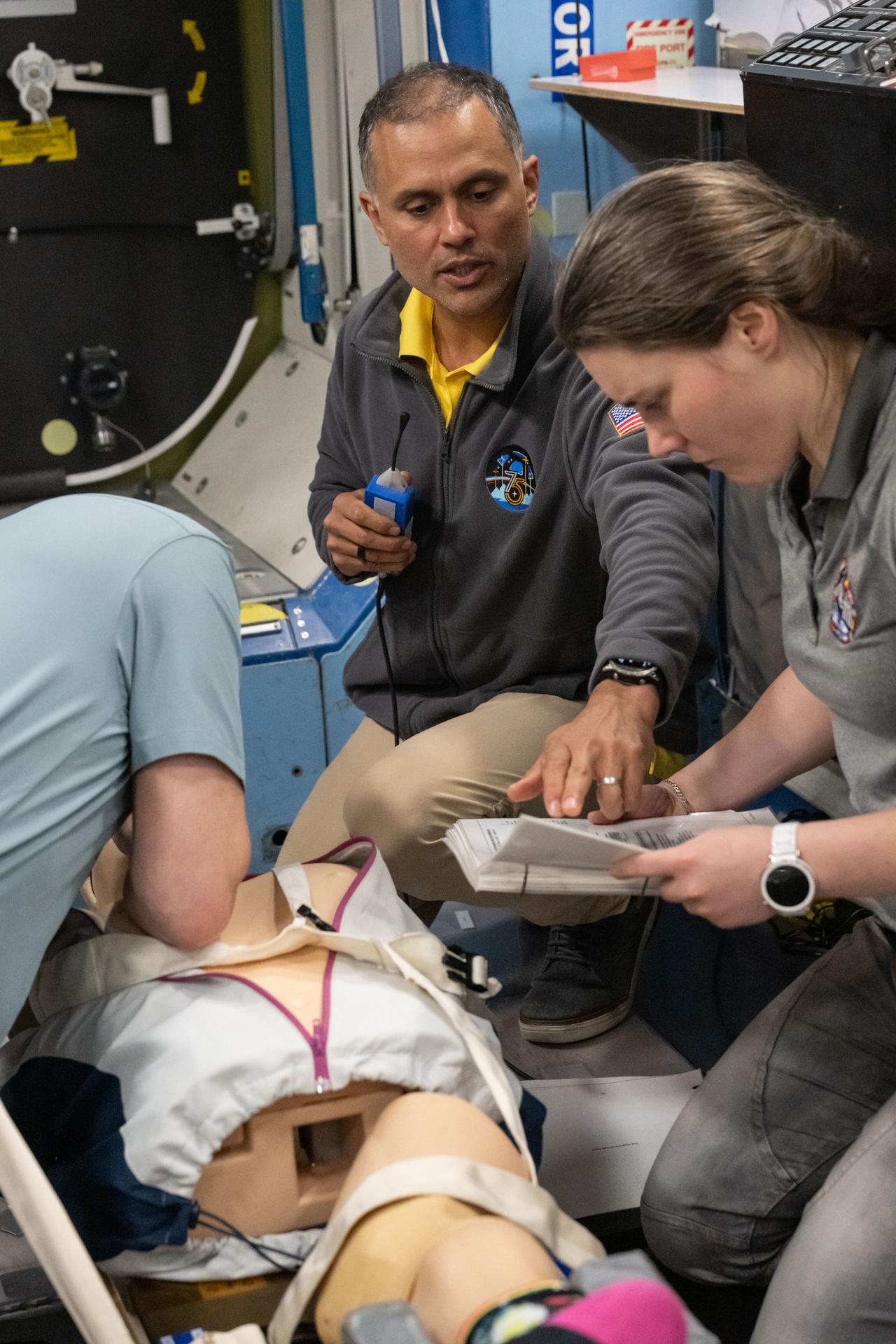
jsc2026e009934 (Feb. 25, 2026) --- From left, Expedition 75 crew members Pyotr Dubrov, Anil Menon, and Anna Kikina participate in an emergency training session at Johnson Space Center's Space Vehicle Mockup Facility in Houston, Texas, ahead of their upcoming mission to the International Space Station. Credit: NASA/James Blair
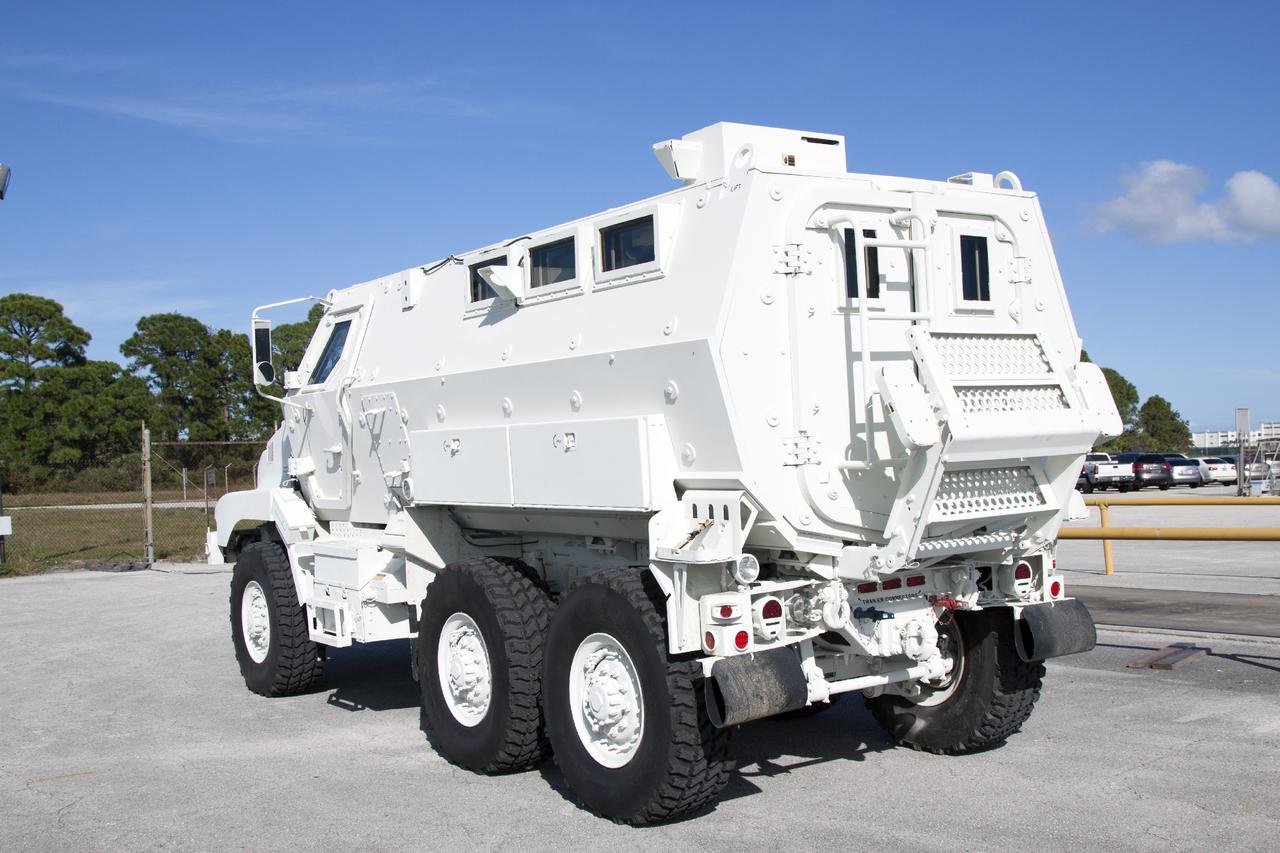
CAPE CANAVERAL, Fla. -- The first of four new emergency egress vehicles, called Mine-Resistant Ambush-Protection, or MRAP, vehicles arrived at Kennedy Space Center in Florida from the U.S. Army Red River Depot in Texarkana, Texas. Each vehicle will be processed in and then transported to the Rotation, Processing and Surge Facility near the Vehicle Assembly Building for temporary storage. The Ground Systems Development and Operations Program at Kennedy led the efforts to an emergency egress vehicle that future astronauts could quickly use to leave the Launch Complex 39 area in case of an emergency. During crewed launches of NASA’s Space Launch System and Orion spacecraft, the MRAP will be stationed by the slidewire termination area at the pad. In case of an emergency, the crew will ride a slidewire to the ground and immediately board the MRAP for safe egress from the pad. The new vehicles replace the M-113 vehicles that were used during the Space Shuttle Program. Photo credit: NASA/Jim Grossmann
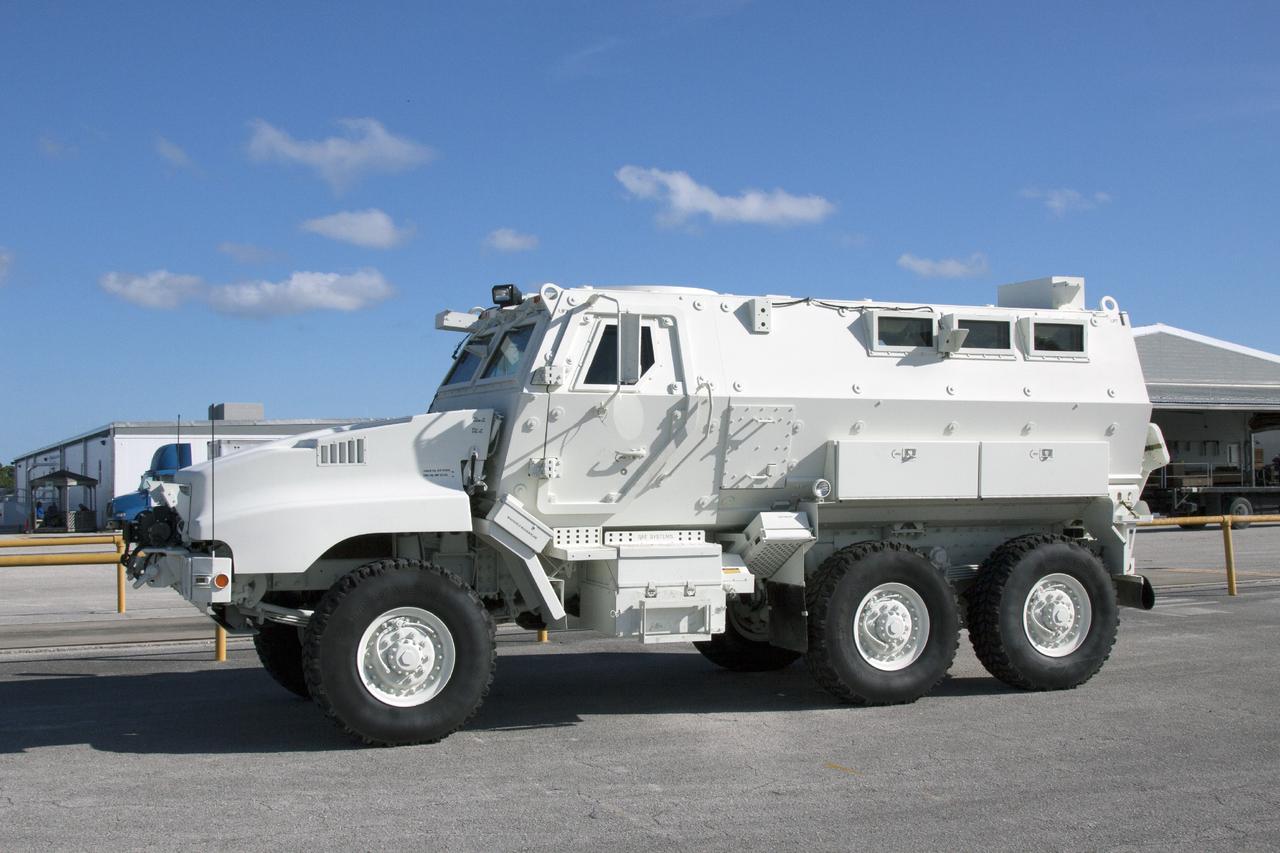
CAPE CANAVERAL, Fla. -- The first of four new emergency egress vehicles, called Mine-Resistant Ambush-Protection, or MRAP, vehicles arrived at Kennedy Space Center in Florida from the U.S. Army Red River Depot in Texarkana, Texas. Each vehicle will be processed in and then transported to the Rotation, Processing and Surge Facility near the Vehicle Assembly Building for temporary storage. The Ground Systems Development and Operations Program at Kennedy led the efforts to an emergency egress vehicle that future astronauts could quickly use to leave the Launch Complex 39 area in case of an emergency. During crewed launches of NASA’s Space Launch System and Orion spacecraft, the MRAP will be stationed by the slidewire termination area at the pad. In case of an emergency, the crew will ride a slidewire to the ground and immediately board the MRAP for safe egress from the pad. The new vehicles replace the M-113 vehicles that were used during the Space Shuttle Program. Photo credit: NASA/Jim Grossmann
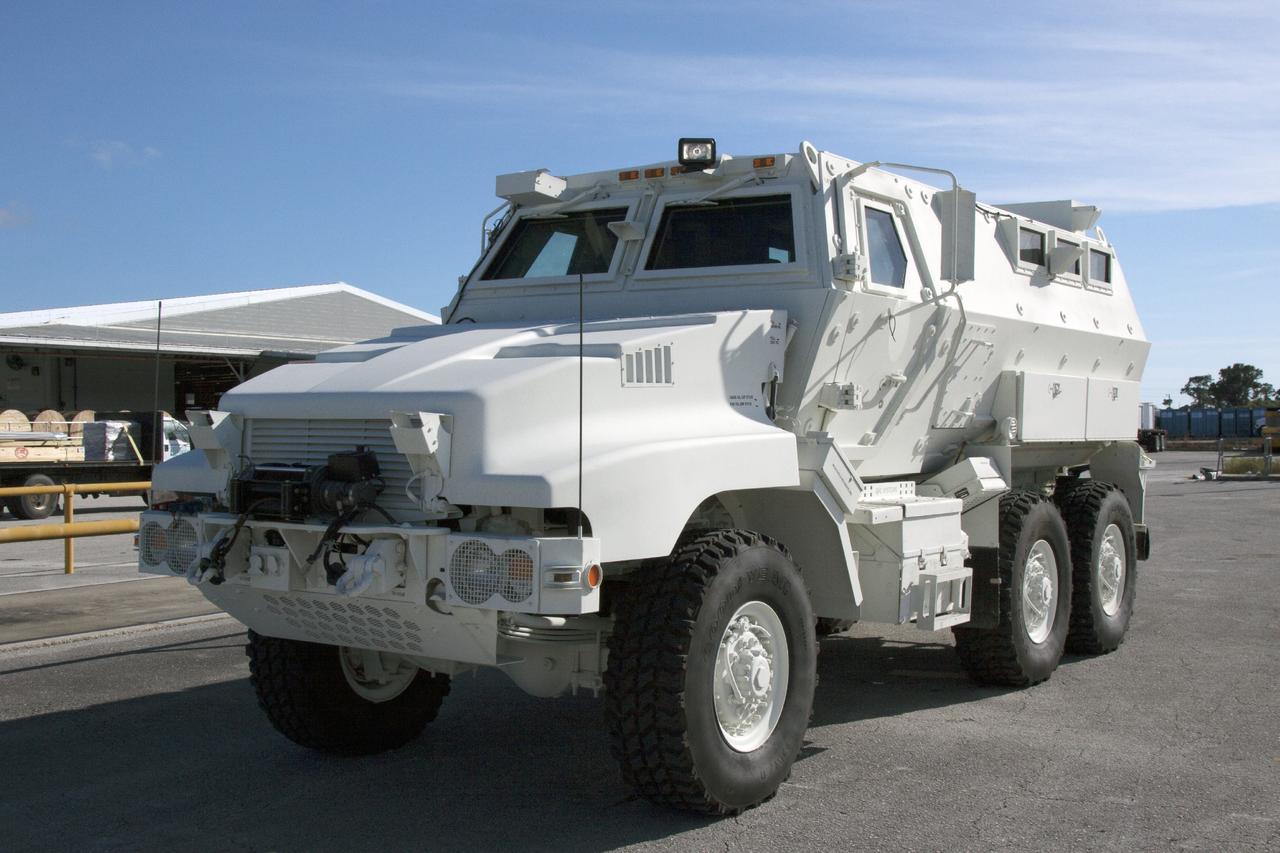
CAPE CANAVERAL, Fla. -- The first of four new emergency egress vehicles, called Mine-Resistant Ambush-Protection, or MRAP, vehicles arrived at Kennedy Space Center in Florida from the U.S. Army Red River Depot in Texarkana, Texas. Each vehicle will be processed in and then transported to the Rotation, Processing and Surge Facility near the Vehicle Assembly Building for temporary storage. The Ground Systems Development and Operations Program at Kennedy led the efforts to an emergency egress vehicle that future astronauts could quickly use to leave the Launch Complex 39 area in case of an emergency. During crewed launches of NASA’s Space Launch System and Orion spacecraft, the MRAP will be stationed by the slidewire termination area at the pad. In case of an emergency, the crew will ride a slidewire to the ground and immediately board the MRAP for safe egress from the pad. The new vehicles replace the M-113 vehicles that were used during the Space Shuttle Program. Photo credit: NASA/Jim Grossmann

Charles Street, part of the Emergency Preparedness team at KSC, uses a phone on the specially equipped emergency response vehicle. The vehicle, nicknamed “The Brute,” serves as a mobile command center for emergency preparedness staff and other support personnel when needed. It features a conference room, computer work stations, mobile telephones and a fax machine. It also can generate power with its onboard generator. Besides being ready to respond in case of emergencies during launches, the vehicle must be ready to help address fires, security threats, chemical spills, terrorist attaches, weather damage or other critical situations that might face KSC or Cape Canaveral Air Force Station

Charles Street, part of the Emergency Preparedness team at KSC, uses a phone on the specially equipped emergency response vehicle. The vehicle, nicknamed “The Brute,” serves as a mobile command center for emergency preparedness staff and other support personnel when needed. It features a conference room, computer work stations, mobile telephones and a fax machine. It also can generate power with its onboard generator. Besides being ready to respond in case of emergencies during launches, the vehicle must be ready to help address fires, security threats, chemical spills, terrorist attaches, weather damage or other critical situations that might face KSC or Cape Canaveral Air Force Station
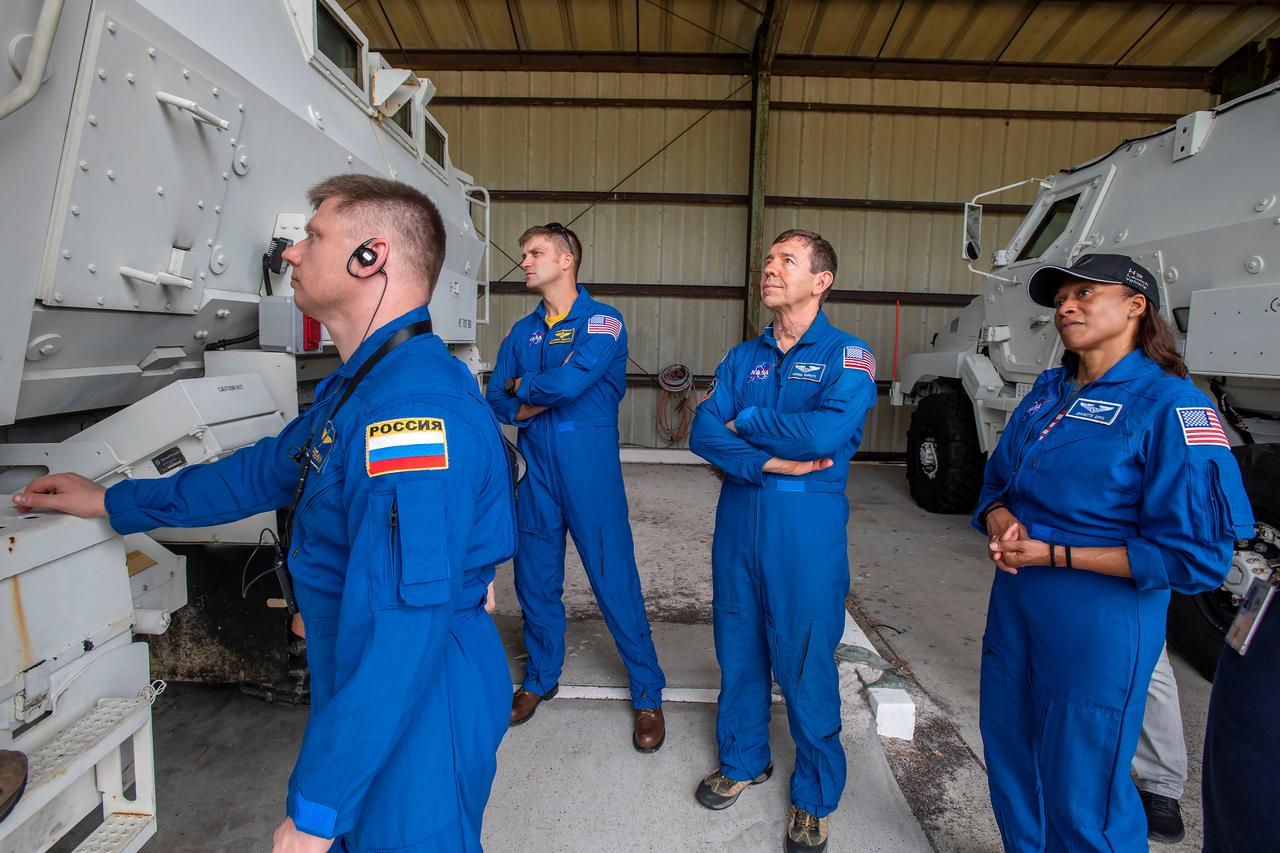
jsc2024e011757 (Oct. 12, 2023) --- The four crew members of NASA's SpaceX Crew-8 mission train outside an emergency egress vehicle at NASA's Kennedy Space Center's Launch Pad 39A in Florida. From left are, Mission Specialist Alexander Grebenkin, Commander Matthew Dominick, Pilot Michael Barratt, and Mission Specialist Jeanette Epps. Astronauts would use the emergency egress vehicle to quickly leave the launch area in the unlikely event of an emergency. Credit: SpaceX
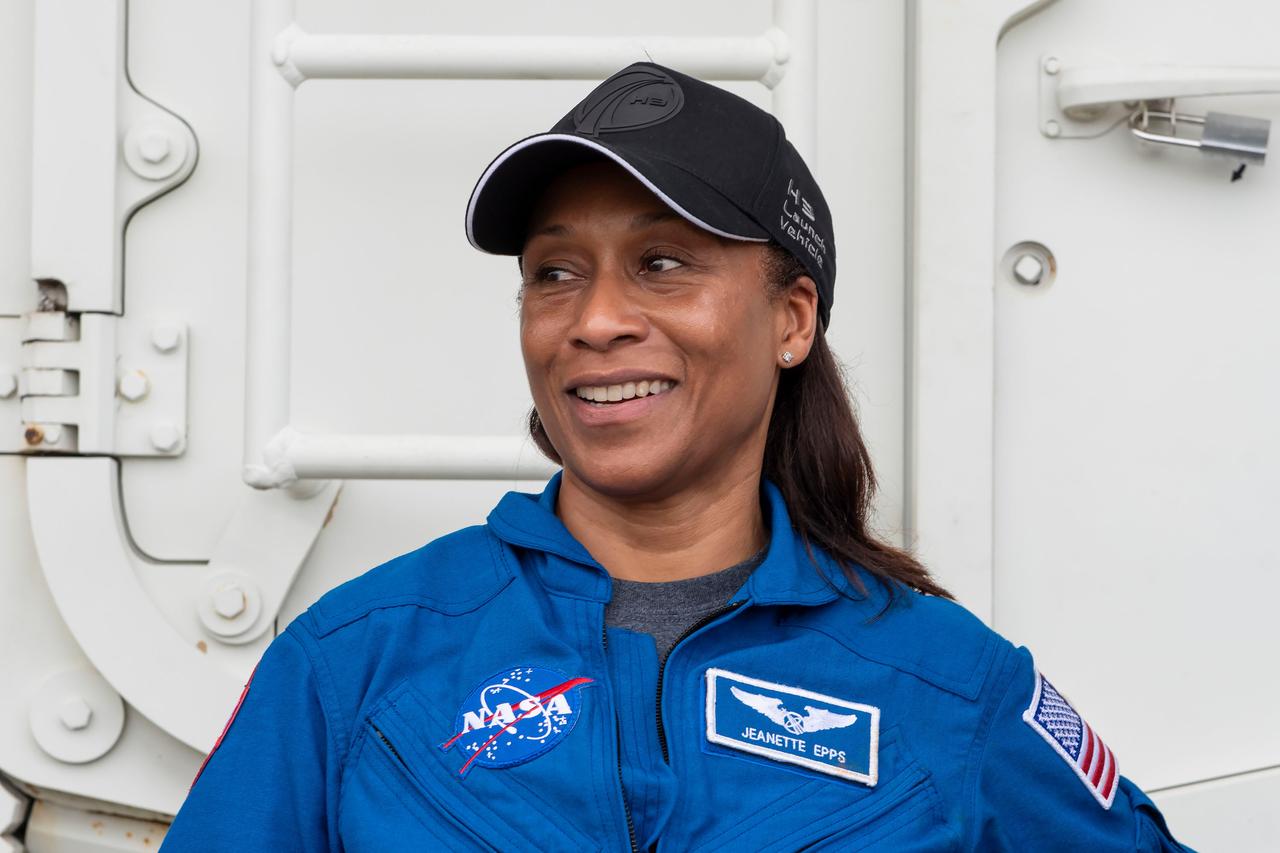
jsc2024e011756 (Oct. 12, 2023) --- NASA's SpaceX Crew-8 Mission Specialist Jeanette Epps poses for a photo outside the emergency egress vehicle at NASA's Kennedy Space Center's Launch Pad 39A in Florida. Astronauts would use the emergency egress vehicle to quickly leave the launch area in the unlikely event of an emergency. Credit: SpaceX
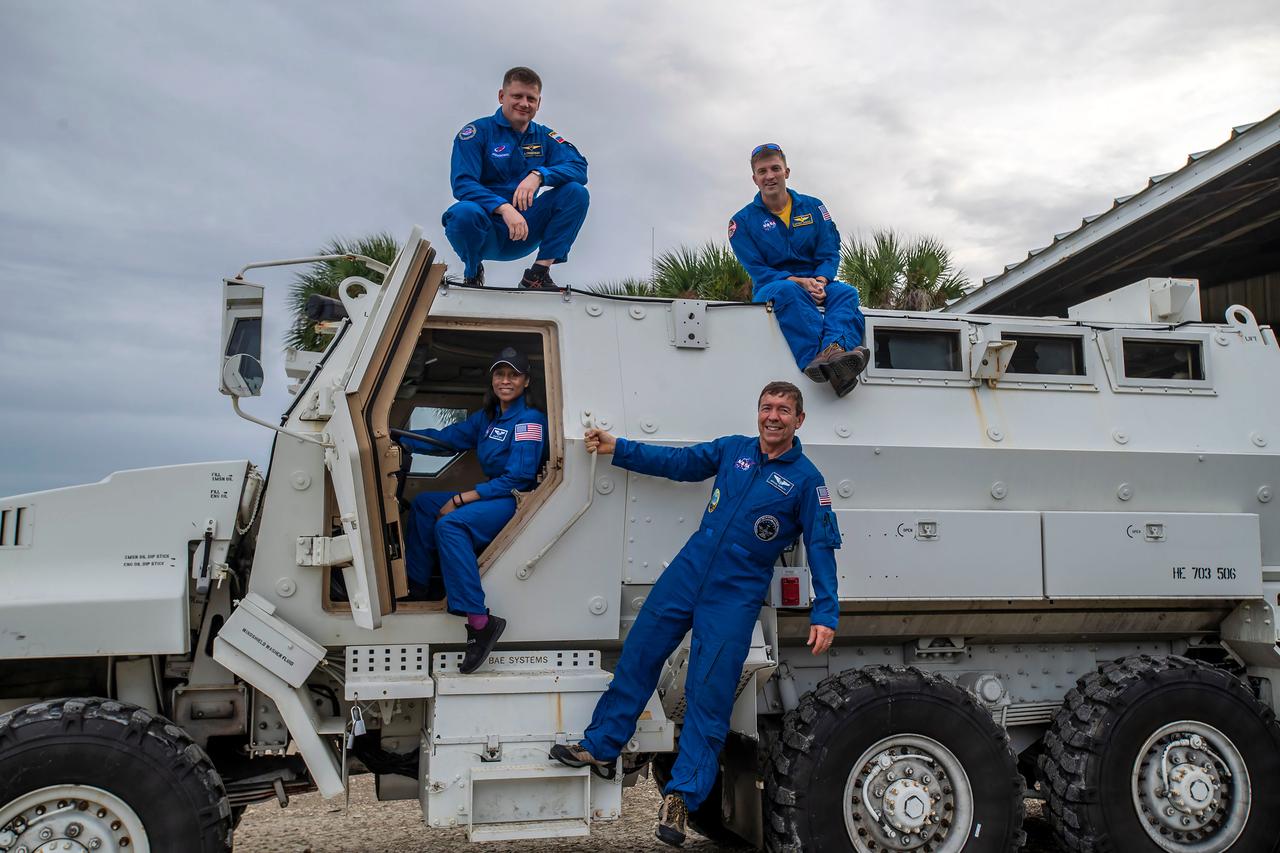
jsc2024e011758 (Oct. 12, 2023) --- The crew members of NASA's SpaceX Crew-8 mission pose for a photo at an emergency egress vehicle at NASA's Kennedy Space Center's Launch Pad 39A in Florida. Clockwise from top left are, Mission Specialist Alexander Grebenkin, Commander Matthew Dominick, Pilot Michael Barratt, and Mission Specialist Jeanette Epps.. Astronauts would use the emergency egress vehicle to quickly leave the launch area in the unlikely event of an emergency. Credit: SpaceX
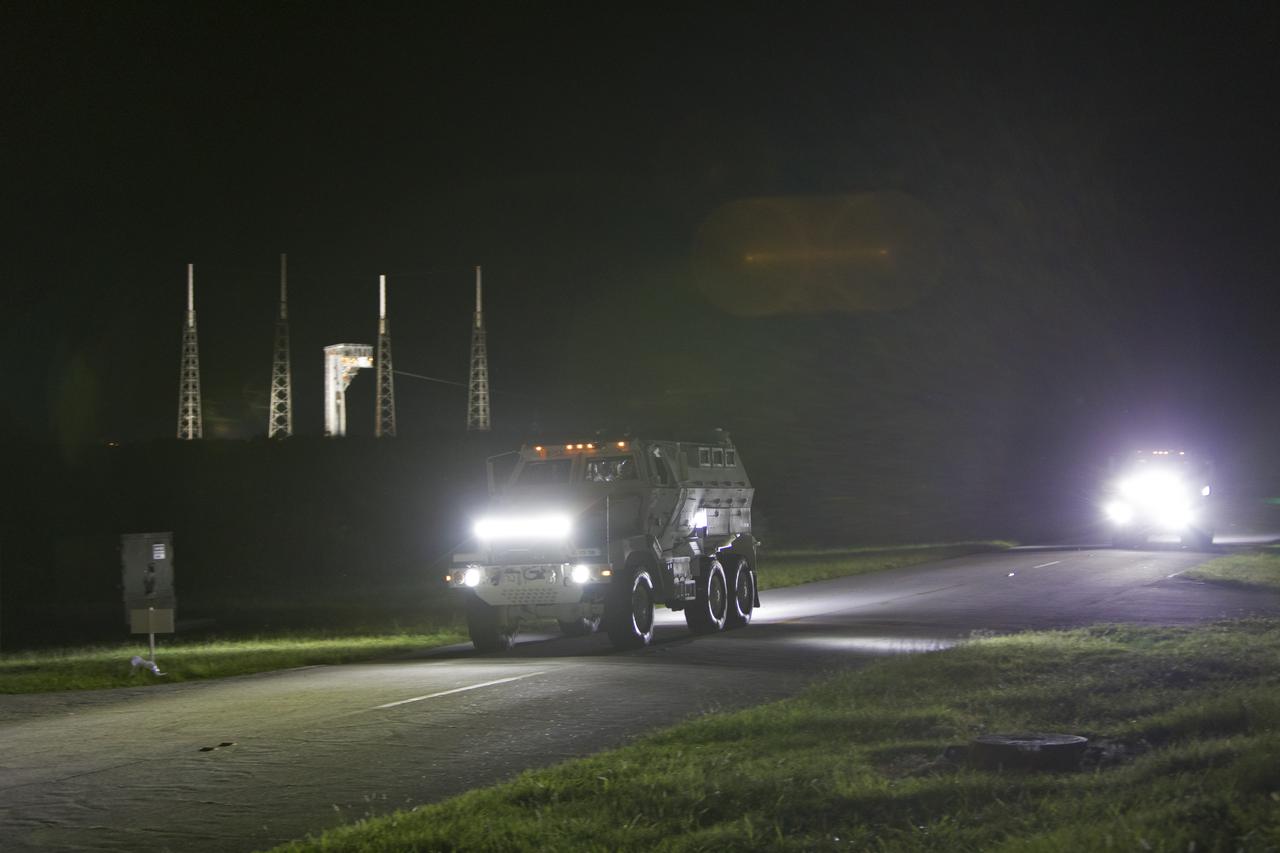
Originally designed for military applications, NASA’s mine-resistant ambush protected vehicles, or MRAPs, will be used in the unlikely event of an emergency at the launch pad prior to liftoff. The vehicles, seen here during a Boeing/United Launch Alliance emergency egress system demonstration at Cape Canaveral Air Force Station’s Launch Complex 41 in Florida on June 19, 2018, offer a mobile bunker for astronauts and ground crews, should they need to get away from the launch pad quickly in an emergency.
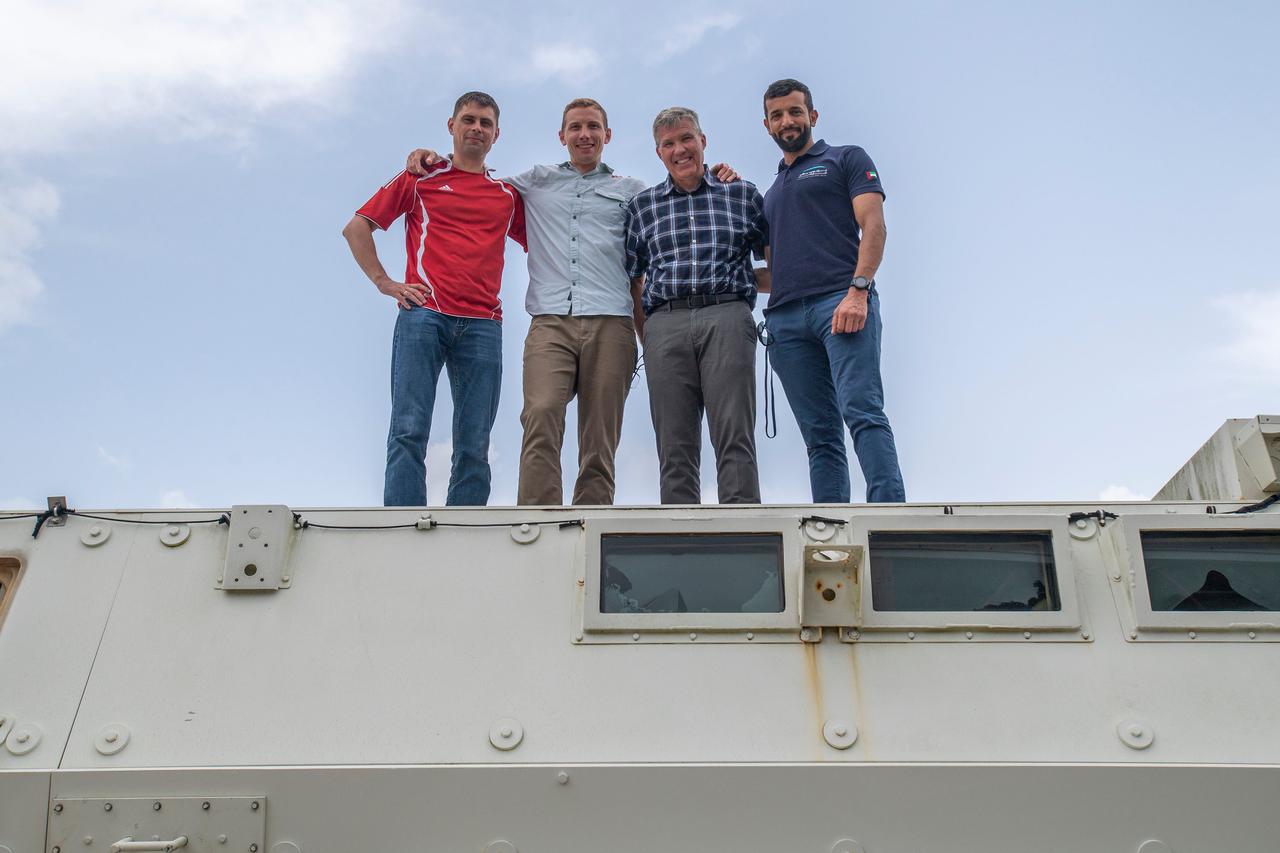
jsc2022e065077 (Aug. 9, 2022) --- The four crew members that comprise the SpaceX Crew-6 mission pose for a photo atop an emergency egress vehicle at the Kennedy Space Center's Launch Pad 39A in Florida. Crews would use the emergency egress vehicle to quickly leave the launch area in case of an emergency. From left are, Mission Specialist Andrey Fedyaev, Pilot Warren "Woody" Hoburg, Commander Stephen Bowen and Mission Specialist Sultan Alneyadi. Credit: SpaceX
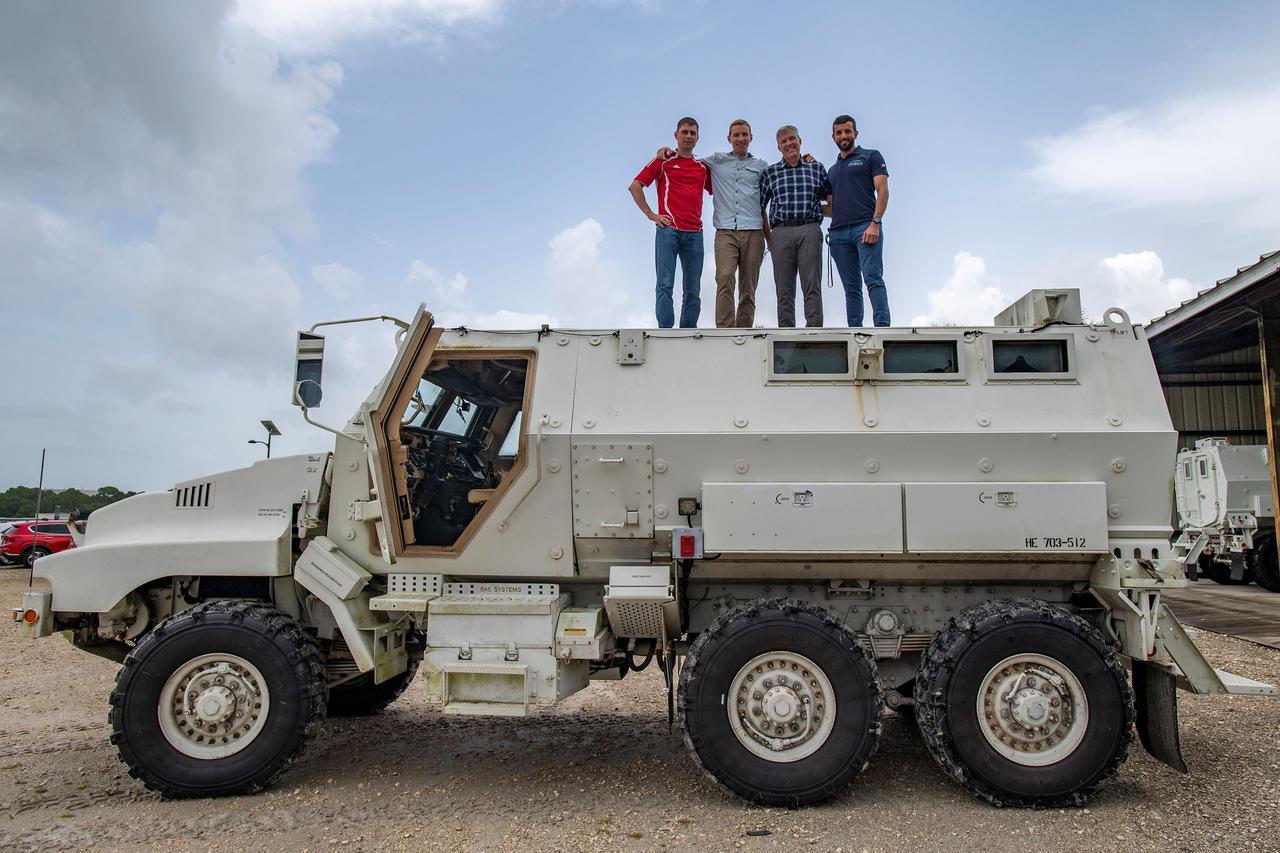
jsc2022e065078 (Aug. 9, 2022) --- The four crew members that comprise the SpaceX Crew-6 mission pose for a photo atop an emergency egress vehicle at the Kennedy Space Center's Launch Pad 39A in Florida. Crews would use the emergency egress vehicle to quickly leave the launch area in case of an emergency. From left are, Mission Specialist Andrey Fedyaev, Pilot Warren "Woody" Hoburg, Commander Stephen Bowen, and Mission Specialist Sultan Alnedayi. Credit: SpaceX
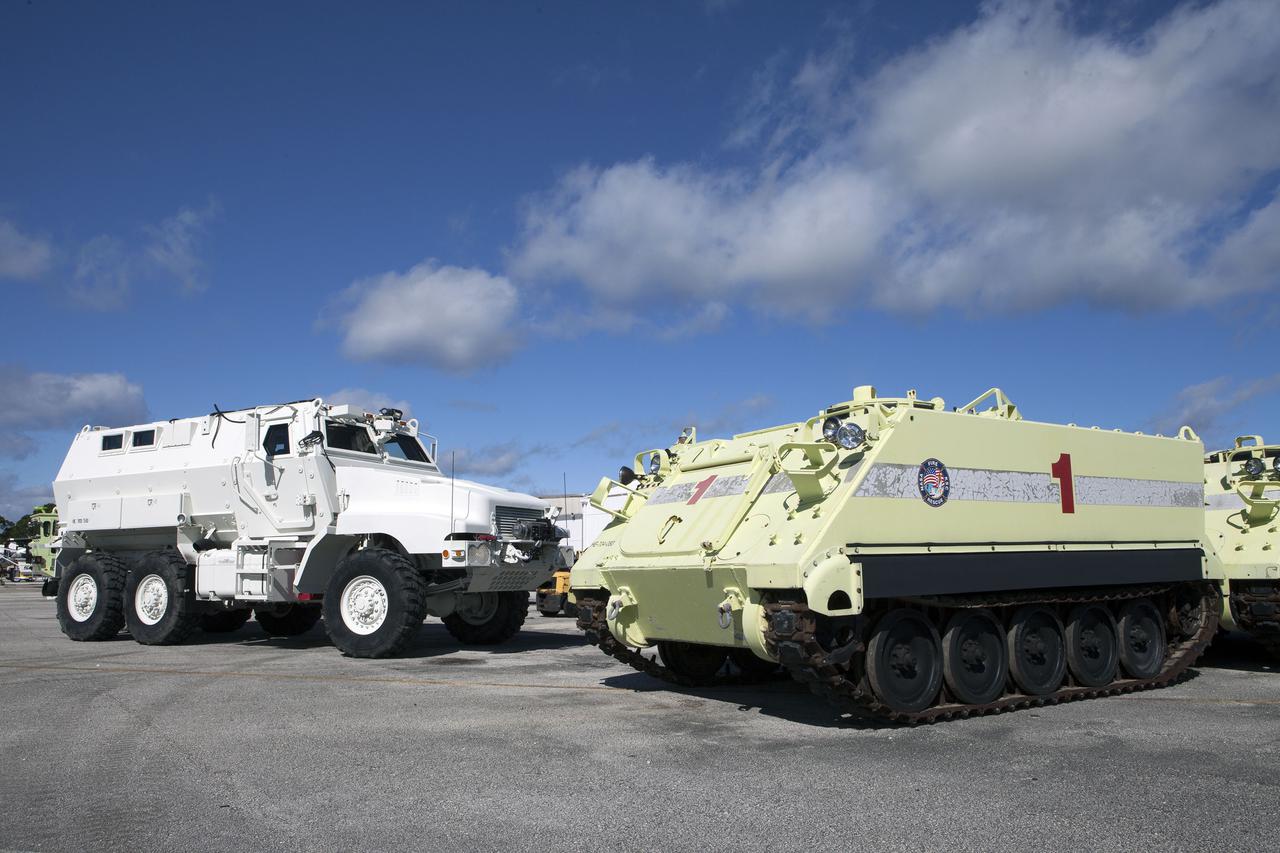
CAPE CANAVERAL, Fla. – One of four new emergency egress vehicles, called Mine-Resistant Ambush-Protection, or MRAP, vehicles sits near space shuttle-era M-113 vehicles at the Maintenance and Operations Facility at NASA’s Kennedy Space Center in Florida. The MRAPs arrived from the U.S. Army Red River Depot in Texarkana, Texas in December 2013. The vehicles were processed in and then transported to the Rotation, Processing and Surge Facility near the Vehicle Assembly Building for temporary storage. The Ground Systems Development and Operations Program at Kennedy led the efforts to an emergency egress vehicle that future astronauts could quickly use to leave the Launch Complex 39 area in case of an emergency. During crewed launches of NASA’s Space Launch System and Orion spacecraft, the MRAP will be stationed by the slidewire termination area at the pad. In case of an emergency, the crew will ride a slidewire to the ground and immediately board the MRAP for safe egress from the pad. The new vehicles replace the M-113 vehicles that were used during the Space Shuttle Program. Photo credit: NASA_Kim Shiflett
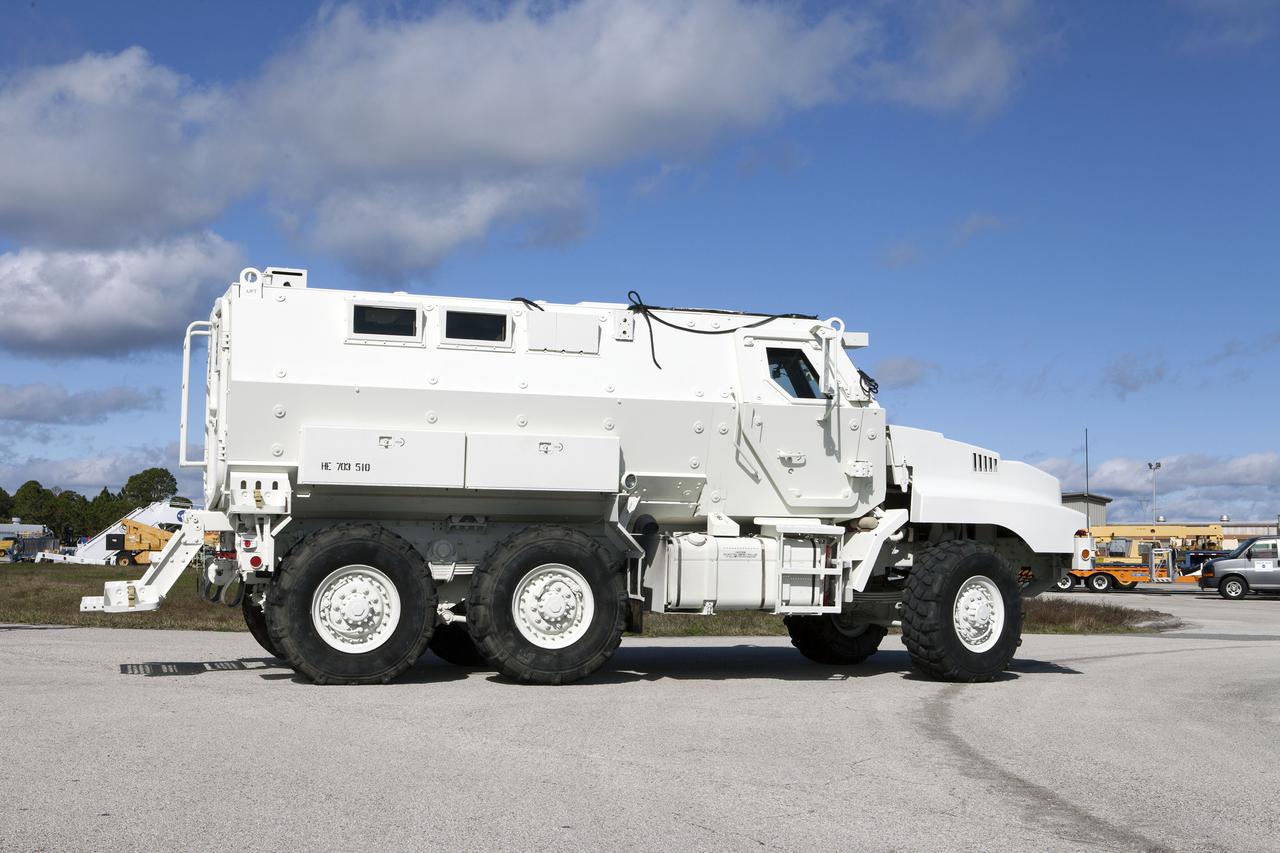
CAPE CANAVERAL, Fla. – One of four new emergency egress vehicles, called Mine-Resistant Ambush-Protection, or MRAP, vehicles is driven to the Maintenance and Operations Facility at NASA’s Kennedy Space Center in Florida. The MRAPs arrived from the U.S. Army Red River Depot in Texarkana, Texas in December 2013. The vehicles were processed in and then transported to the Rotation, Processing and Surge Facility near the Vehicle Assembly Building for temporary storage. The Ground Systems Development and Operations Program at Kennedy led the efforts to an emergency egress vehicle that future astronauts could quickly use to leave the Launch Complex 39 area in case of an emergency. During crewed launches of NASA’s Space Launch System and Orion spacecraft, the MRAP will be stationed by the slidewire termination area at the pad. In case of an emergency, the crew will ride a slidewire to the ground and immediately board the MRAP for safe egress from the pad. The new vehicles replace the M-113 vehicles that were used during the Space Shuttle Program. Photo credit: NASA_Kim Shiflett
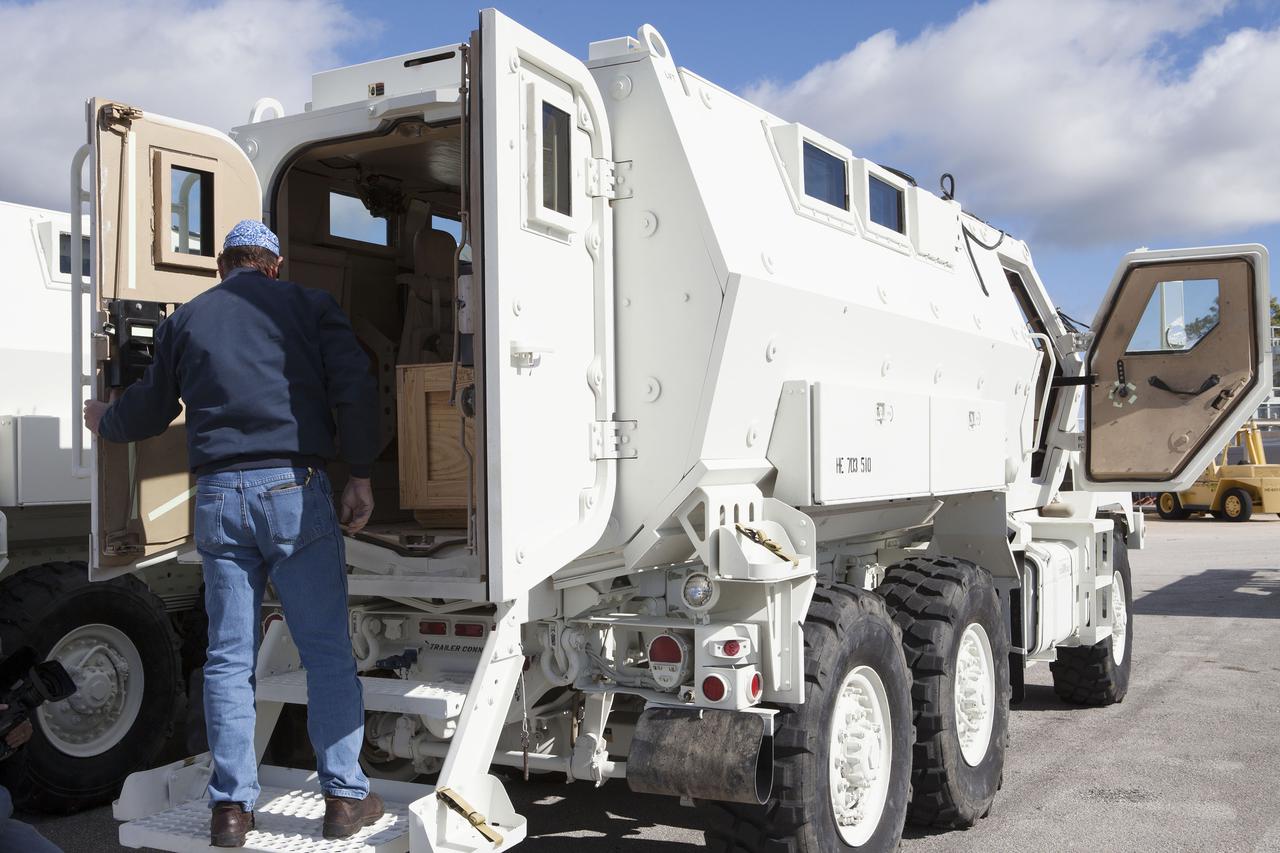
CAPE CANAVERAL, Fla. – A URS Federal Services worker enters one of the four new emergency egress vehicles, called Mine-Resistant Ambush-Protected, or MRAP, vehicles at the Maintenance and Operations Facility at NASA’s Kennedy Space Center in Florida. The MRAPs arrived from the U.S. Army Red River Depot in Texarkana, Texas in December 2013. The vehicles were processed in and then transported to the Rotation, Processing and Surge Facility near the Vehicle Assembly Building for temporary storage. The Ground Systems Development and Operations Program at Kennedy led the efforts to an emergency egress vehicle that future astronauts could quickly use to leave the Launch Complex 39 area in case of an emergency. During crewed launches of NASA’s Space Launch System and Orion spacecraft, the MRAP will be stationed by the slidewire termination area at the pad. In case of an emergency, the crew will ride a slidewire to the ground and immediately board the MRAP for safe egress from the pad. The new vehicles replace the M-113 vehicles that were used during the Space Shuttle Program. Photo credit: NASA_Kim Shiflett
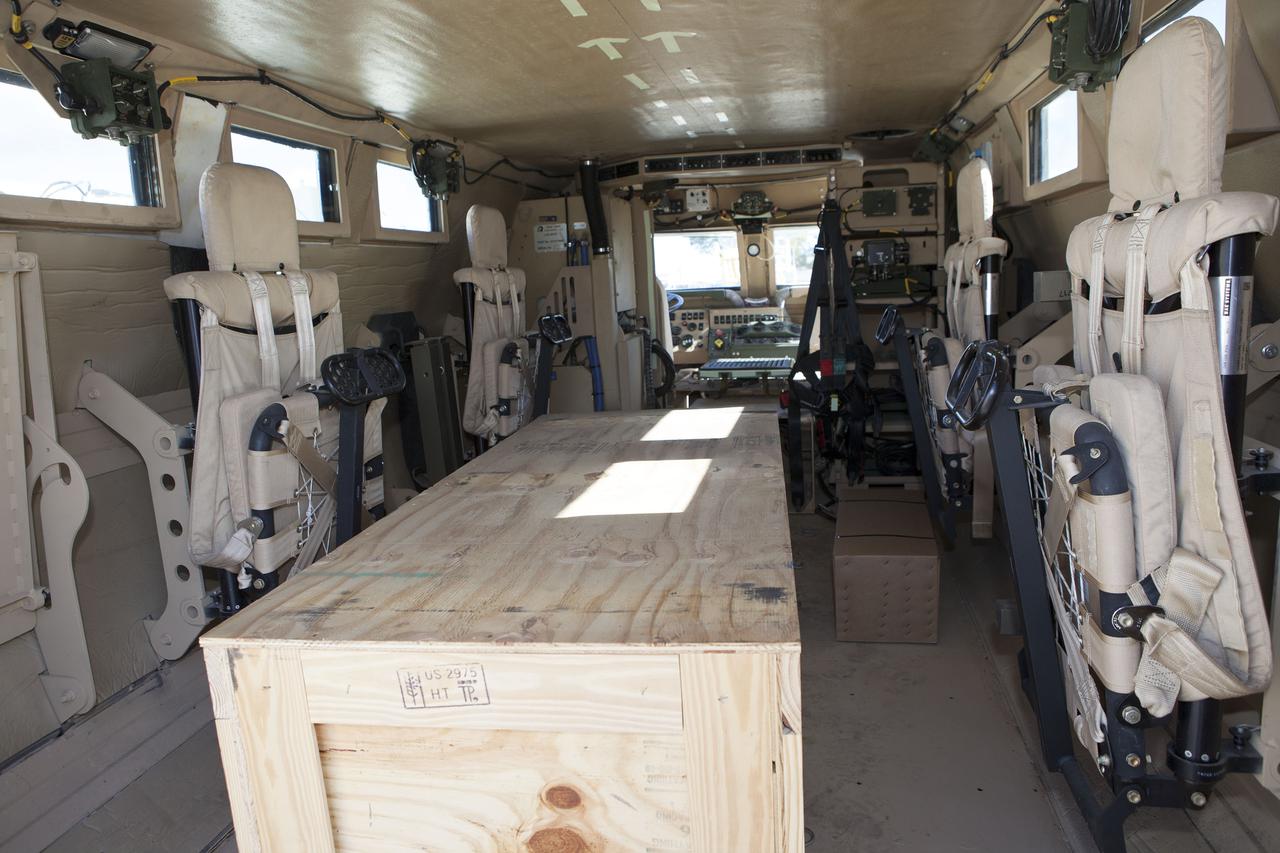
CAPE CANAVERAL, Fla. – A view of the interior of one of four new emergency egress vehicles, called Mine-Resistant Ambush-Protected, or MRAP, vehicles is shown. The MRAPs are at the Maintenance and Operations Facility at NASA’s Kennedy Space Center in Florida. The MRAPs arrived from the U.S. Army Red River Depot in Texarkana, Texas in December 2013. The vehicles were processed in and then transported to the Rotation, Processing and Surge Facility near the Vehicle Assembly Building for temporary storage. The Ground Systems Development and Operations Program at Kennedy led the efforts to an emergency egress vehicle that future astronauts could quickly use to leave the Launch Complex 39 area in case of an emergency. During crewed launches of NASA’s Space Launch System and Orion spacecraft, the MRAP will be stationed by the slidewire termination area at the pad. In case of an emergency, the crew will ride a slidewire to the ground and immediately board the MRAP for safe egress from the pad. The new vehicles replace the M-113 vehicles that were used during the Space Shuttle Program. Photo credit: NASA_Kim Shiflett
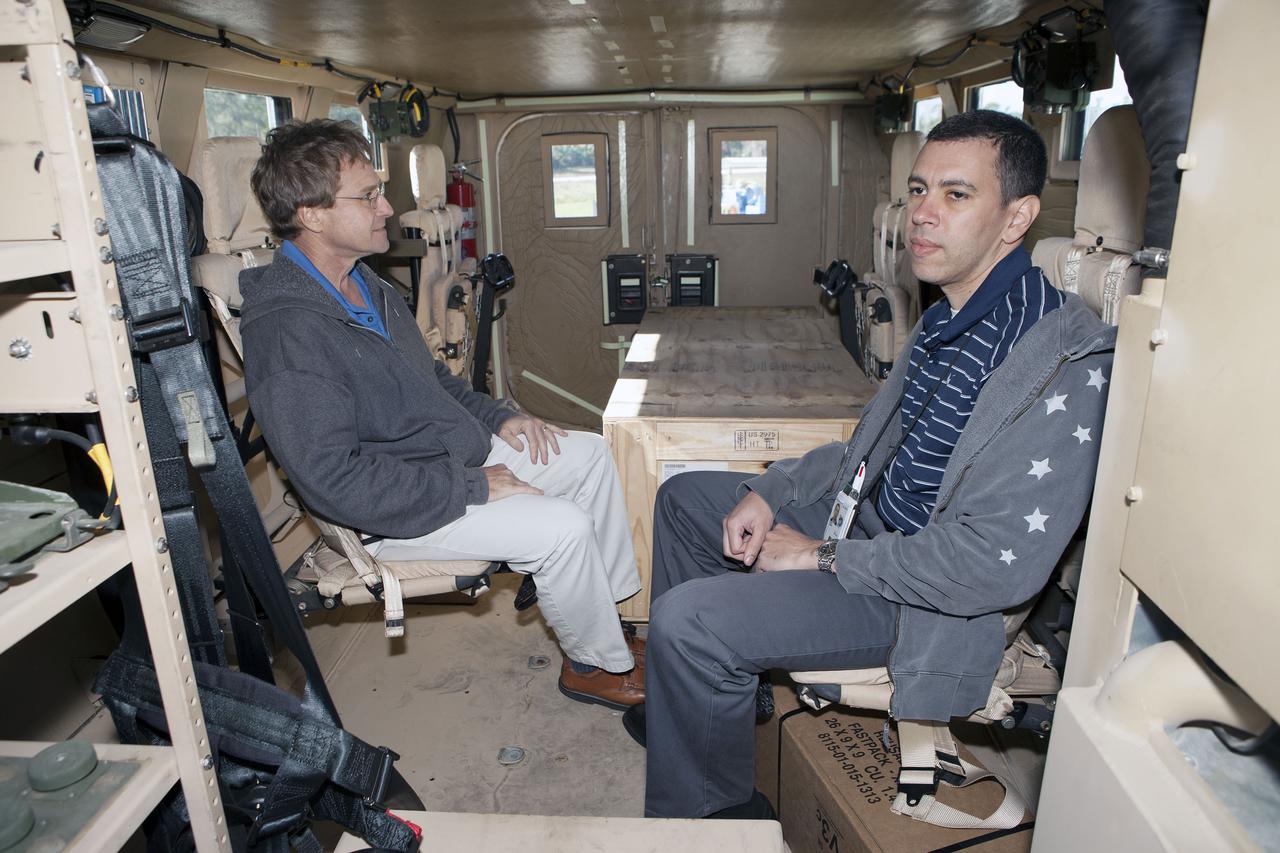
CAPE CANAVERAL, Fla. – Tom Hoffmann, left, and Danny Zeno, both Ground Systems Development and Operations, or GSDO, integration engineers, sit inside one of four new emergency egress vehicles, called Mine-Resistant Ambush-Protected, or MRAP, vehicles at the Maintenance and Operations Facility at NASA’s Kennedy Space Center in Florida. The MRAPs arrived from the U.S. Army Red River Depot in Texarkana, Texas in December 2013. The vehicles were processed in and then transported to the Rotation, Processing and Surge Facility near the Vehicle Assembly Building for temporary storage. The GSDO Program at Kennedy led the efforts to an emergency egress vehicle that future astronauts could quickly use to leave the Launch Complex 39 area in case of an emergency. During crewed launches of NASA’s Space Launch System and Orion spacecraft, the MRAP will be stationed by the slidewire termination area at the pad. In case of an emergency, the crew will ride a slidewire to the ground and immediately board the MRAP for safe egress from the pad. The new vehicles replace the M-113 vehicles that were used during the Space Shuttle Program. Photo credit: NASA_Kim Shiflett
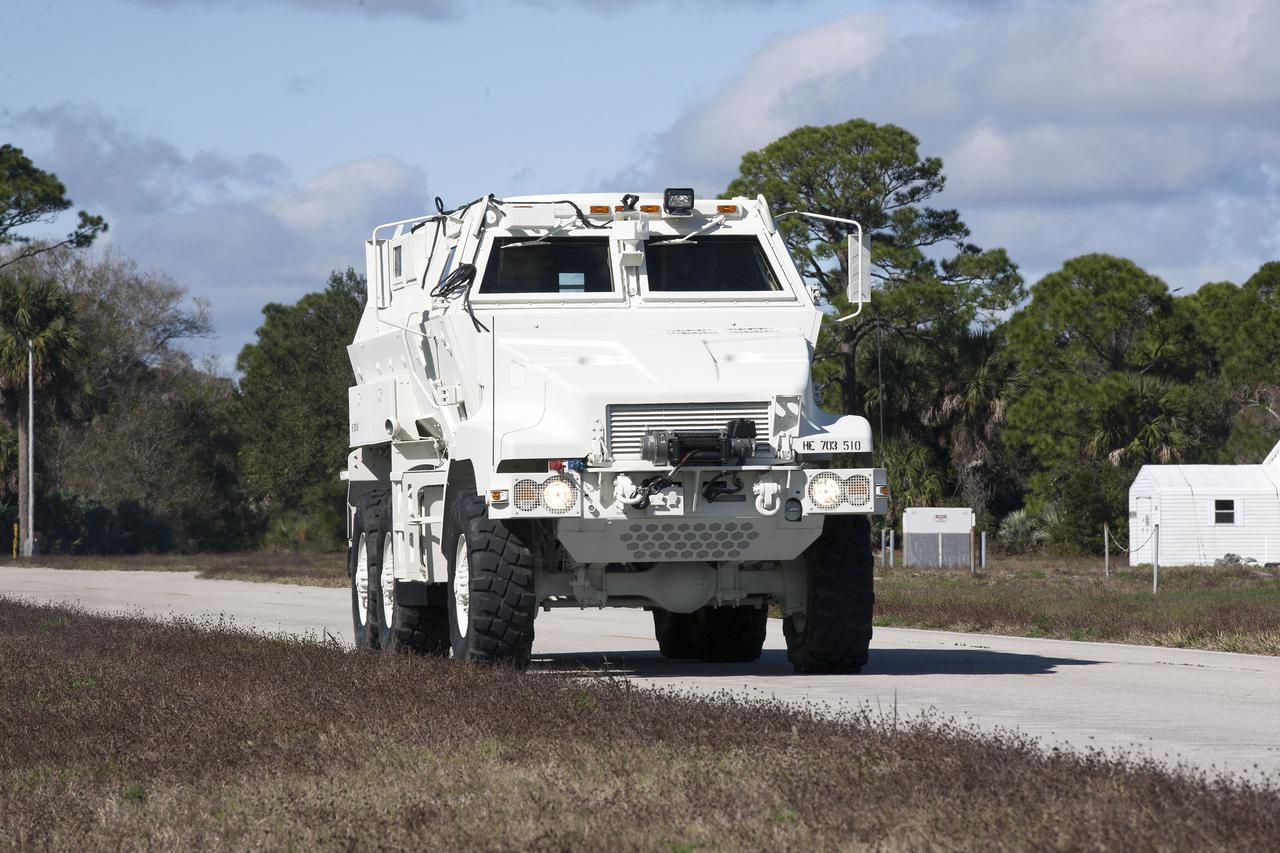
CAPE CANAVERAL, Fla. –One of four new emergency egress vehicles, called Mine-Resistant Ambush-Protection, or MRAP, vehicles is driven to the Maintenance and Operations Facility at NASA’s Kennedy Space Center in Florida. The MRAPs arrived from the U.S. Army Red River Depot in Texarkana, Texas in December 2013. The vehicles were processed in and then transported to the Rotation, Processing and Surge Facility near the Vehicle Assembly Building for temporary storage. The Ground Systems Development and Operations Program at Kennedy led the efforts to an emergency egress vehicle that future astronauts could quickly use to leave the Launch Complex 39 area in case of an emergency. During crewed launches of NASA’s Space Launch System and Orion spacecraft, the MRAP will be stationed by the slidewire termination area at the pad. In case of an emergency, the crew will ride a slidewire to the ground and immediately board the MRAP for safe egress from the pad. The new vehicles replace the M-113 vehicles that were used during the Space Shuttle Program. Photo credit: NASA_Kim Shiflett
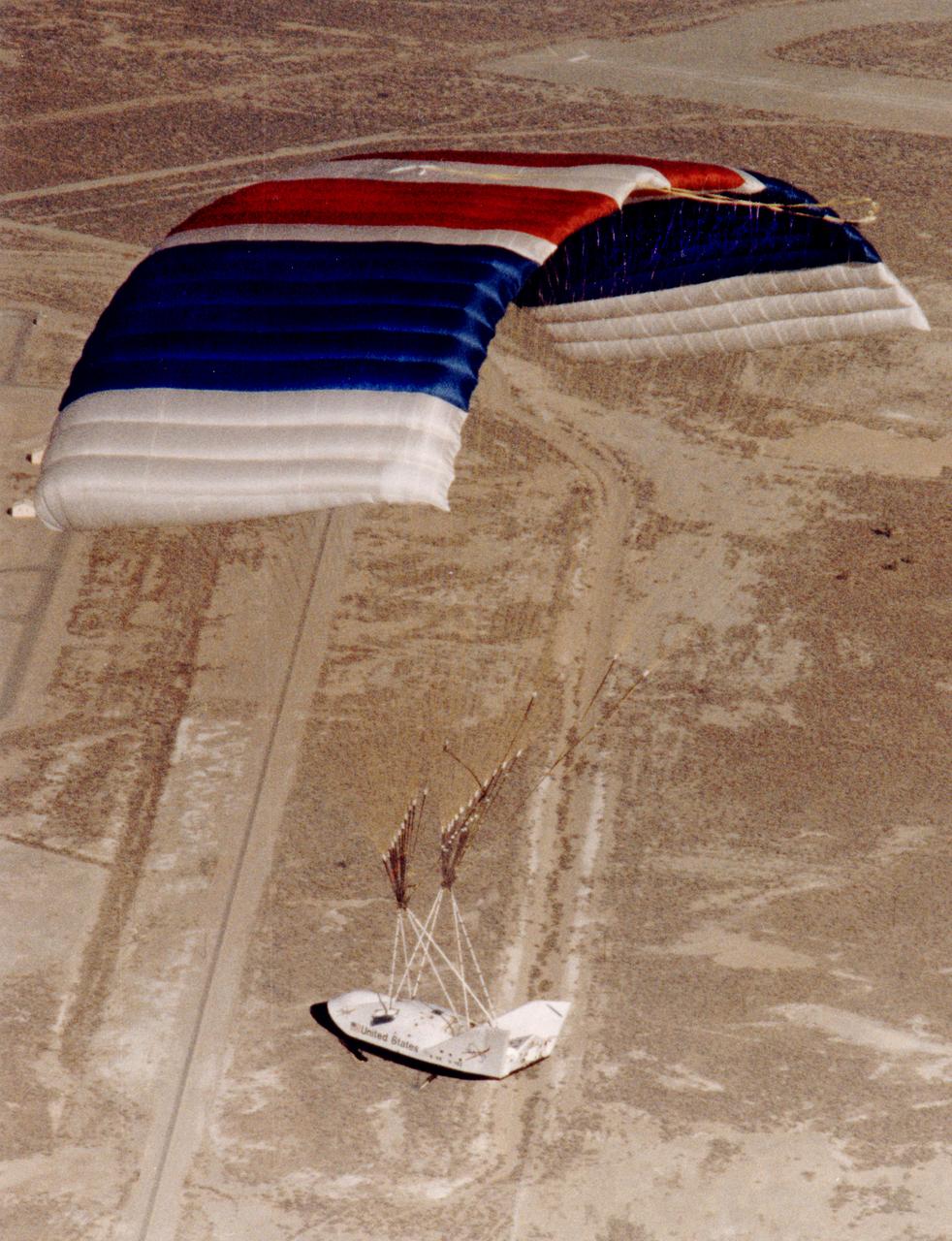
The X-38, a research vehicle built to help develop technology for an emergency Crew Return Vehicle (CRV), descends under its steerable parafoil on a March 1999 test flight at the Dryden Flight Research Center, Edwards, California.
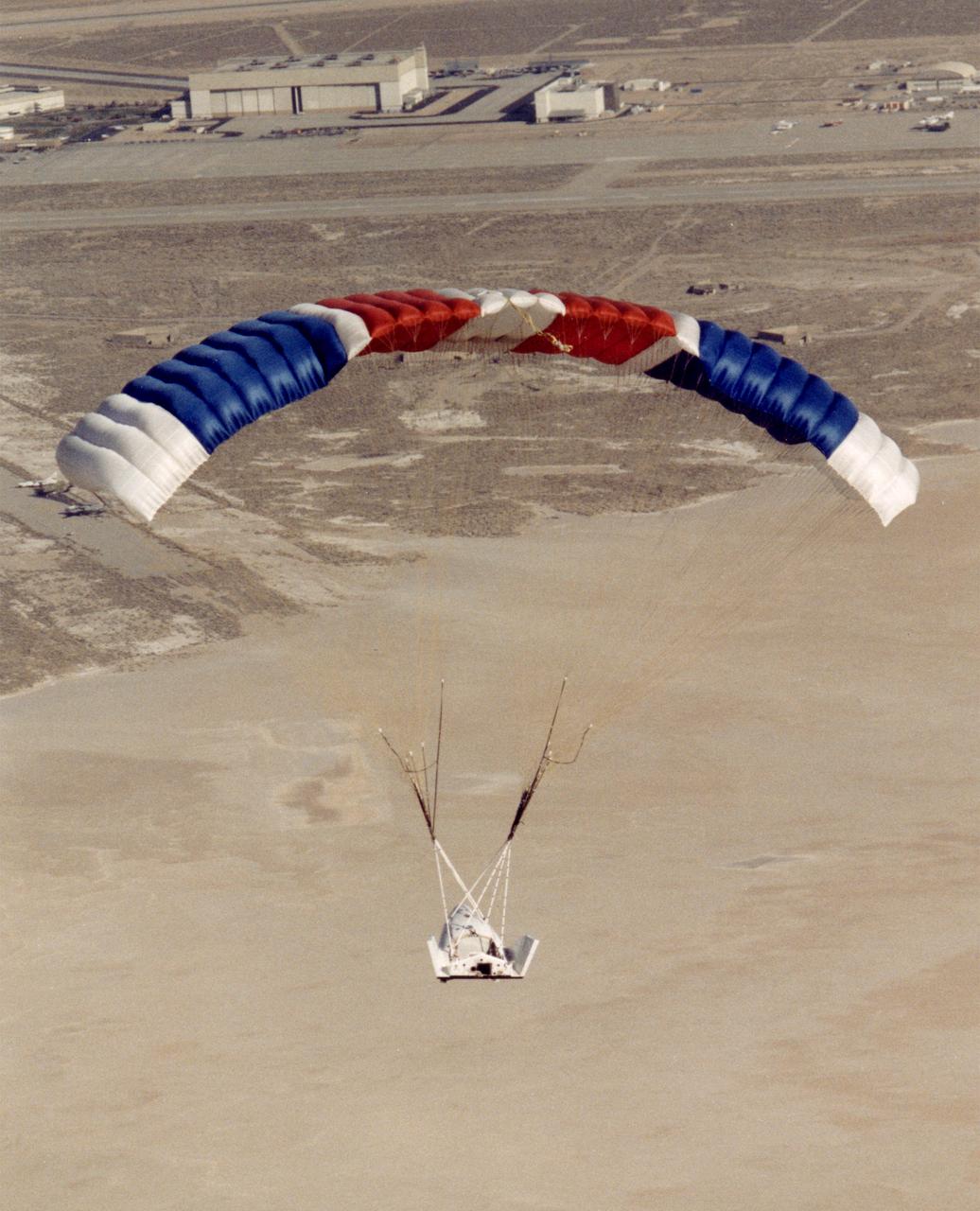
The X-38, a research vehicle built to help develop technology for an emergency Crew Return Vehicle (CRV), maneuvers toward landing at the end of a March 1999 test flight at the Dryden Flight Research Center, Edwards, California.
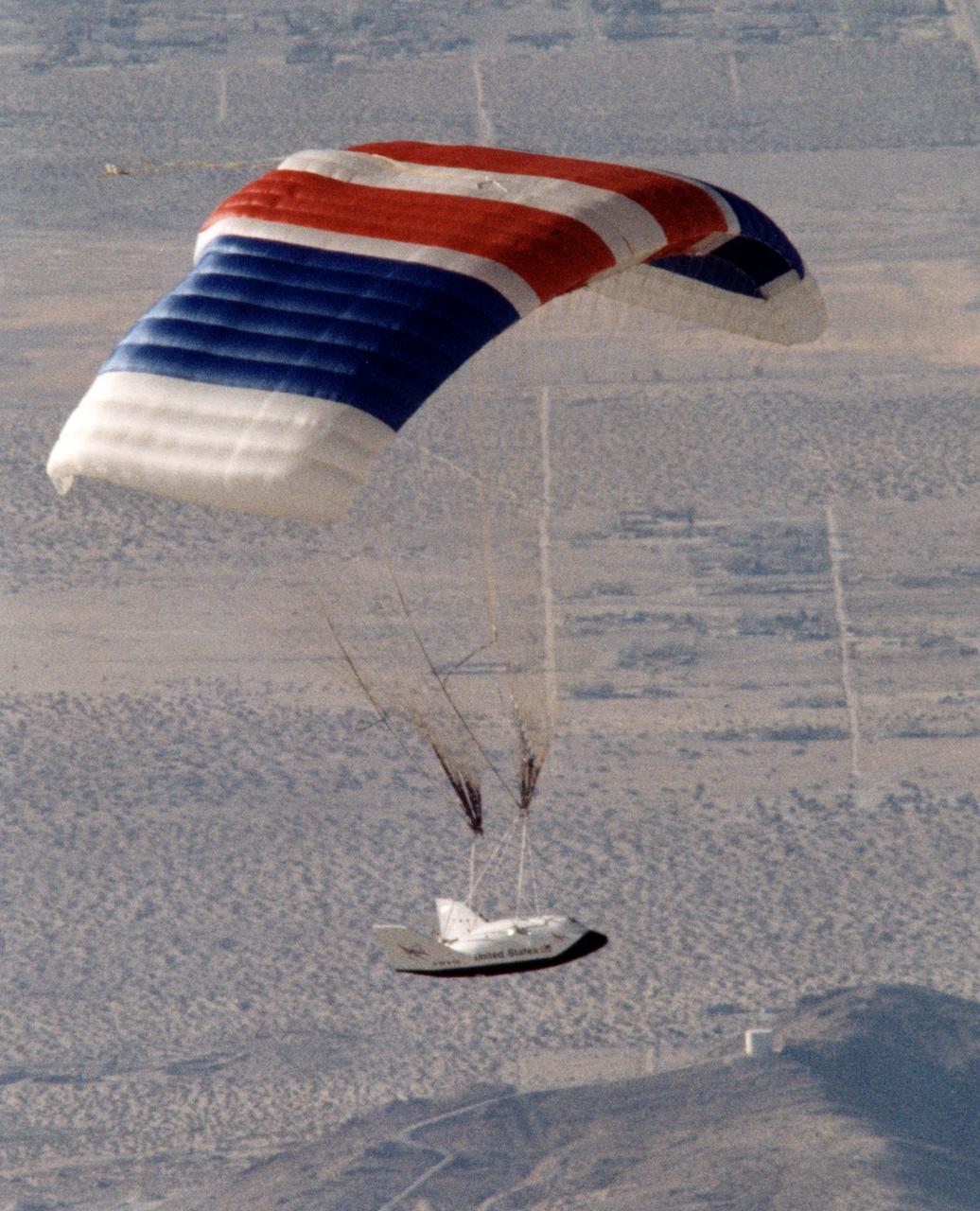
The X-38, a research vehicle built to help develop technology for an emergency Crew Return Vehicle (CRV), descends under its steerable parafoil on a March 1999 test flight at the Dryden Flight Research Center, Edwards, California.
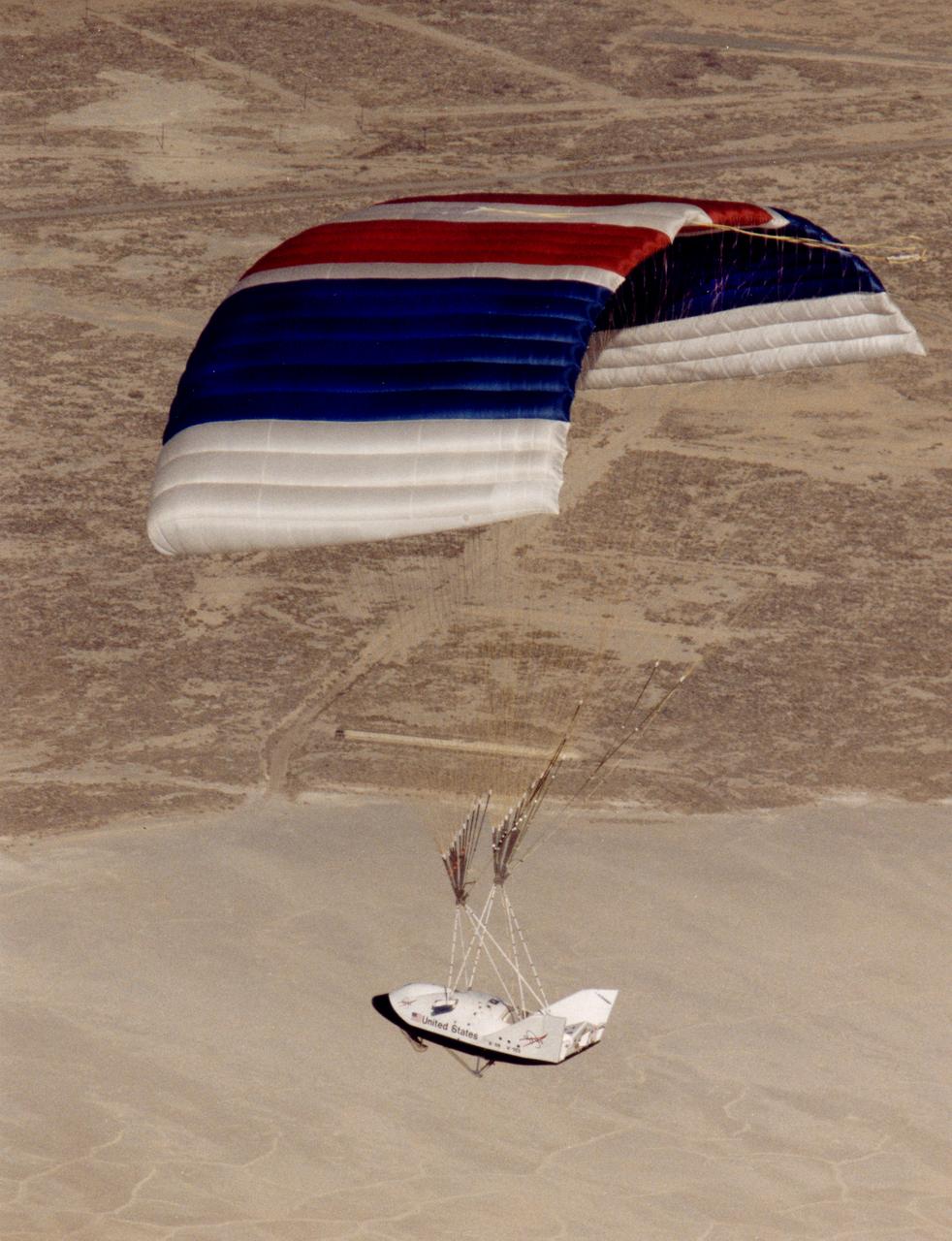
The X-38, a research vehicle built to help develop technology for an emergency Crew Return Vehicle (CRV), descends under its steerable parafoil on a March 1999 test flight at the Dryden Flight Research Center, Edwards, California.
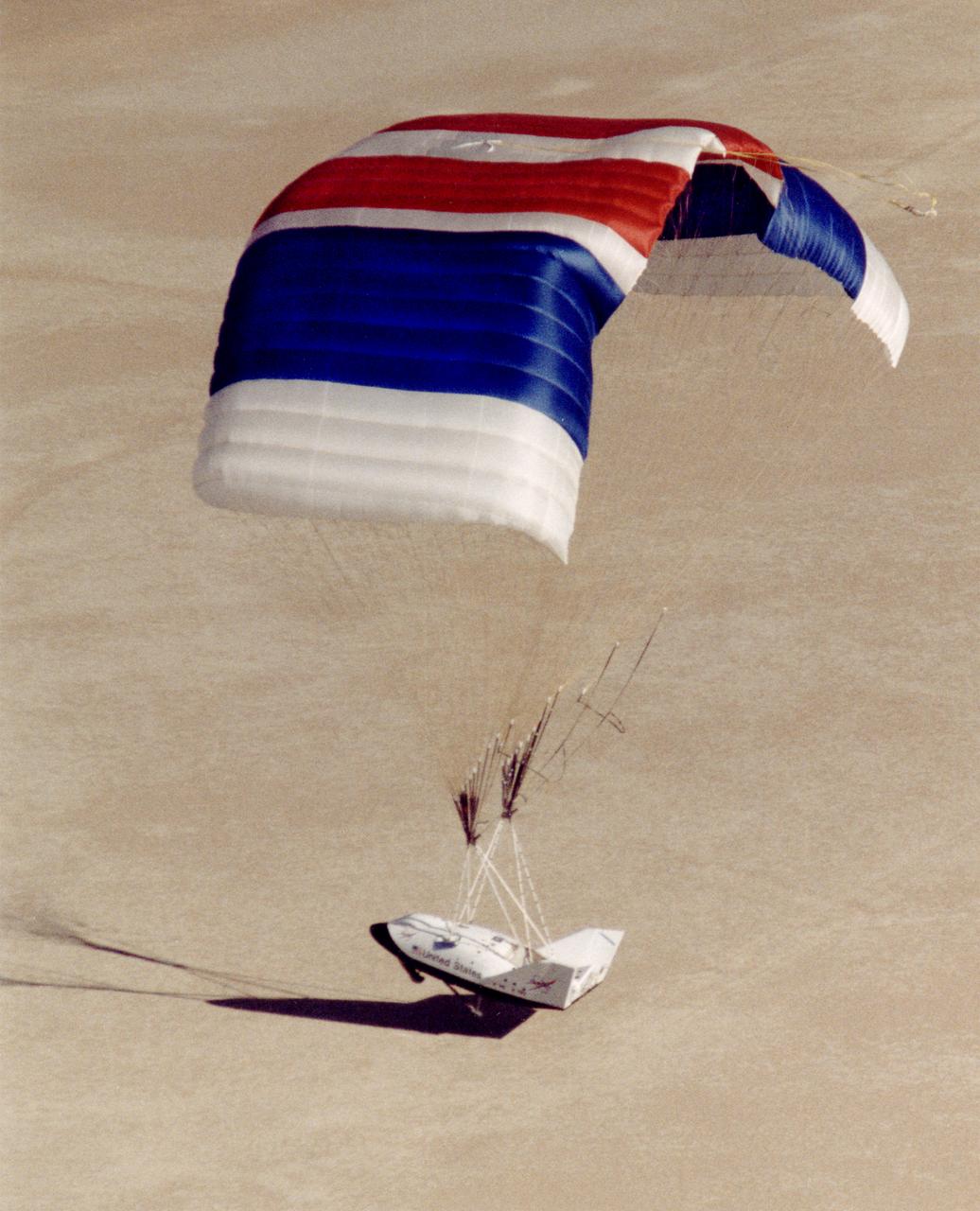
The X-38, a research vehicle built to help develop technology for an emergency Crew Return Vehicle (CRV), flares for its lakebed landing at the end of a March 1999 test flight at the Dryden Flight Research Center, Edwards, California.
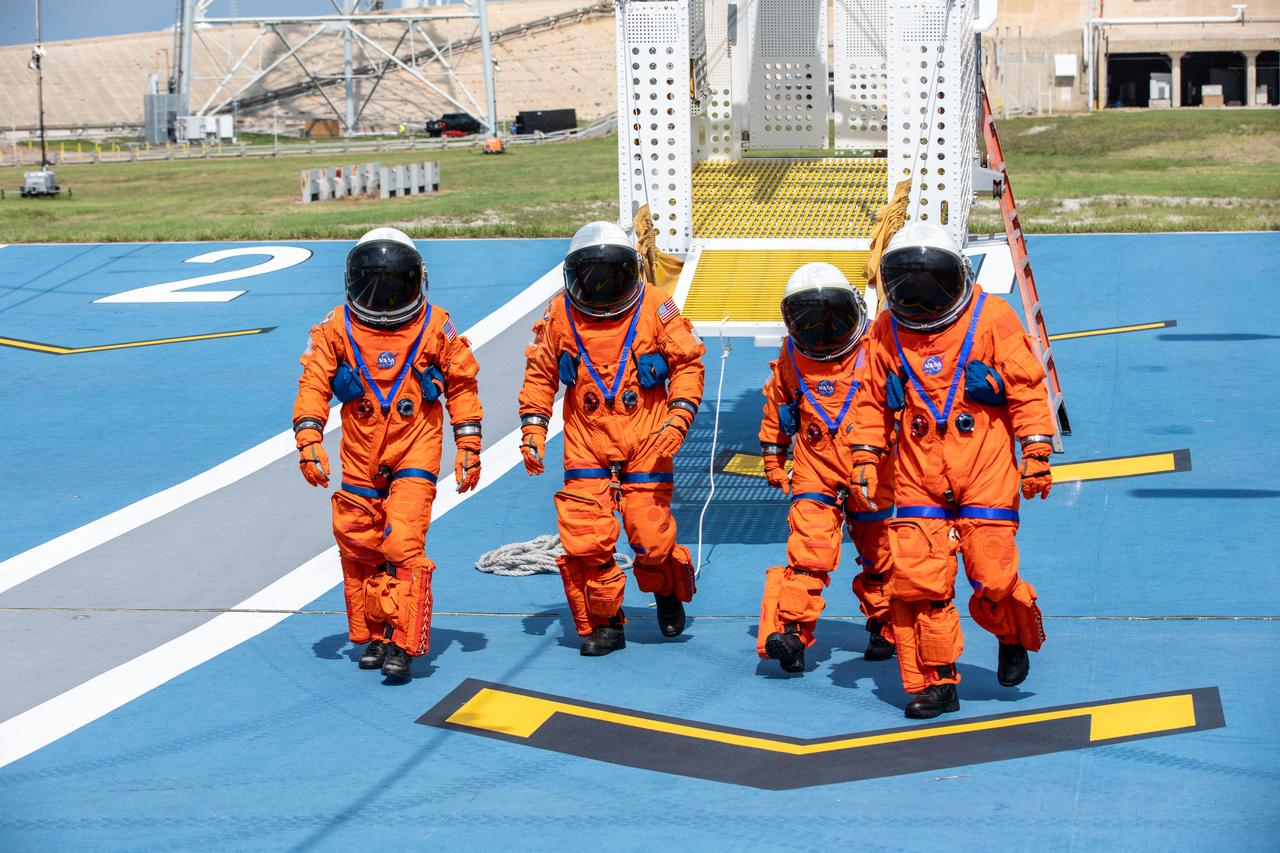
Teams at NASA’s Kennedy Space Center in Florida practice the Artemis mission emergency escape or egress procedures during a series of integrated system verification and validation tests at Launch Complex 39B on Friday, Aug. 9, 2024. Simulated flight crew members practice getting out of the emergency egress basket and into the emergency transport vehicle to drive them to safety in the event of an unlikely emergency during launch countdown.

Teams at NASA’s Kennedy Space Center in Florida practice the Artemis mission emergency escape or egress procedures during a series of integrated system verification and validation tests at Launch Complex 39B on Friday, Aug. 9, 2024. Simulated flight crew members practice getting out of the emergency egress basket and into the emergency transport vehicle to drive them to safety in the event of an unlikely emergency during launch countdown.
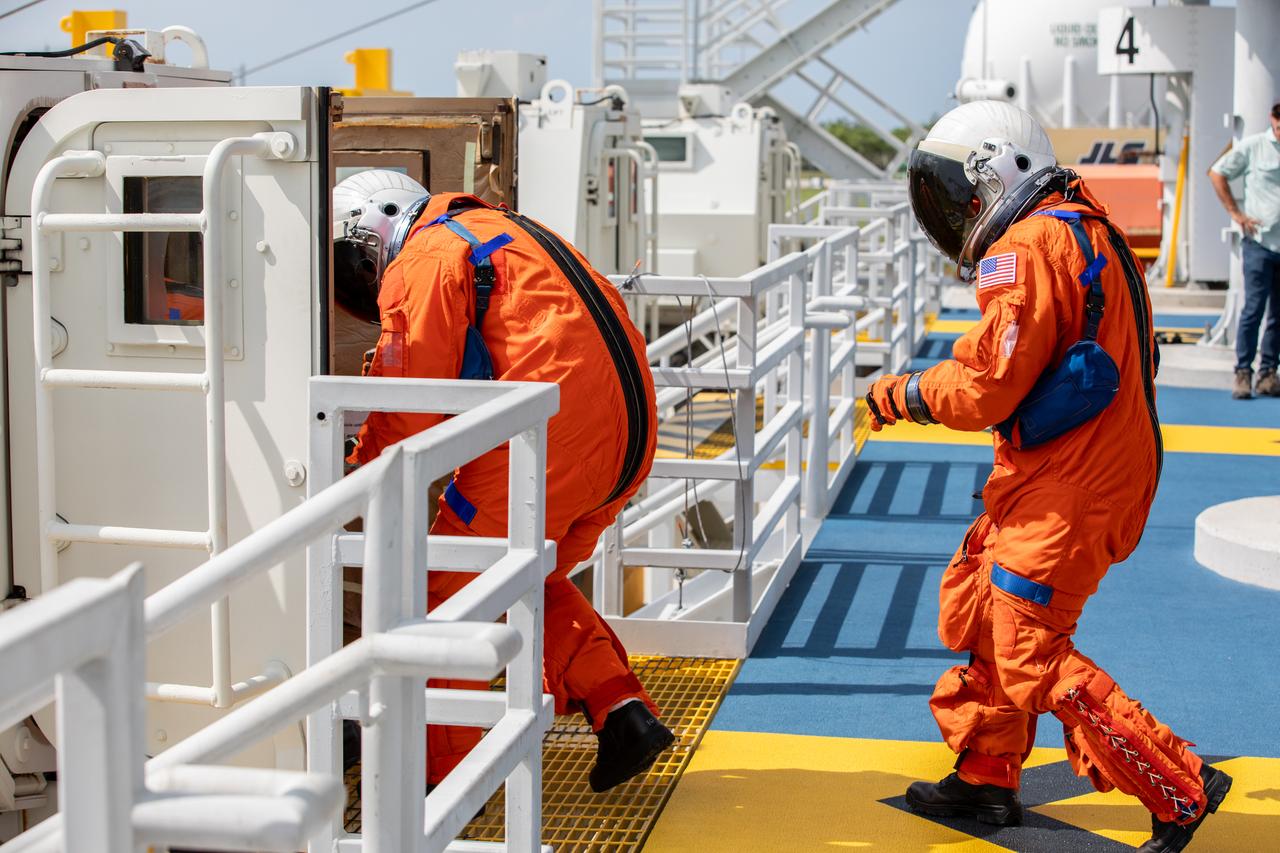
Teams at NASA’s Kennedy Space Center in Florida practice the Artemis mission emergency escape or egress procedures during a series of integrated system verification and validation tests at Launch Complex 39B on Friday, Aug. 9, 2024. Simulated flight crew members practice getting out of the emergency egress basket and into the emergency transport vehicle to drive them to safety in the event of an unlikely emergency during launch countdown.

Teams at NASA’s Kennedy Space Center in Florida practice the Artemis mission emergency escape or egress procedures during a series of integrated system verification and validation tests at Launch Complex 39B on Friday, Aug. 9, 2024. Simulated flight crew members practice getting out of the emergency egress basket and into the emergency transport vehicle to drive them to safety in the event of an unlikely emergency during launch countdown.
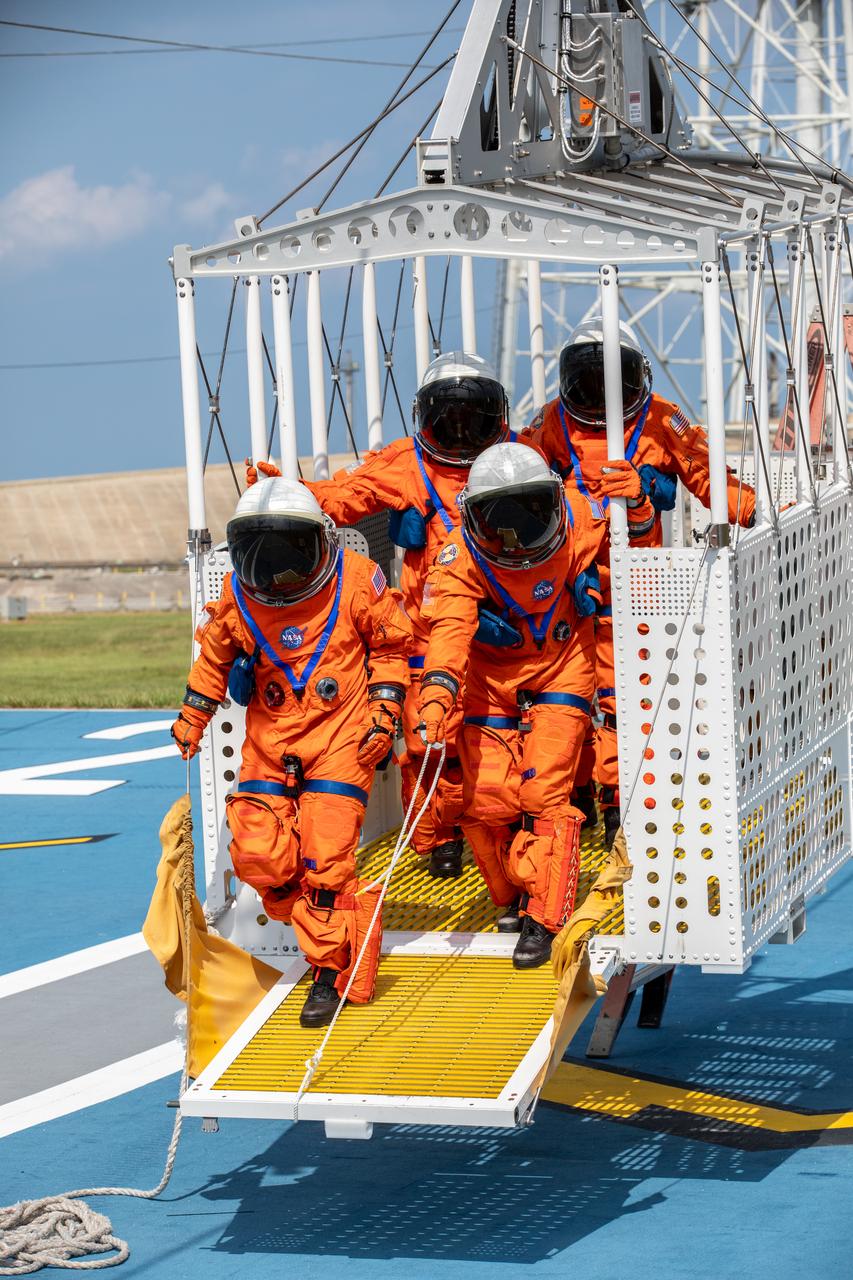
Teams at NASA’s Kennedy Space Center in Florida practice the Artemis mission emergency escape or egress procedures during a series of integrated system verification and validation tests at Launch Complex 39B on Friday, Aug. 9, 2024. Simulated flight crew members practice getting out of the emergency egress basket and into the emergency transport vehicle to drive them to safety in the event of an unlikely emergency during launch countdown.
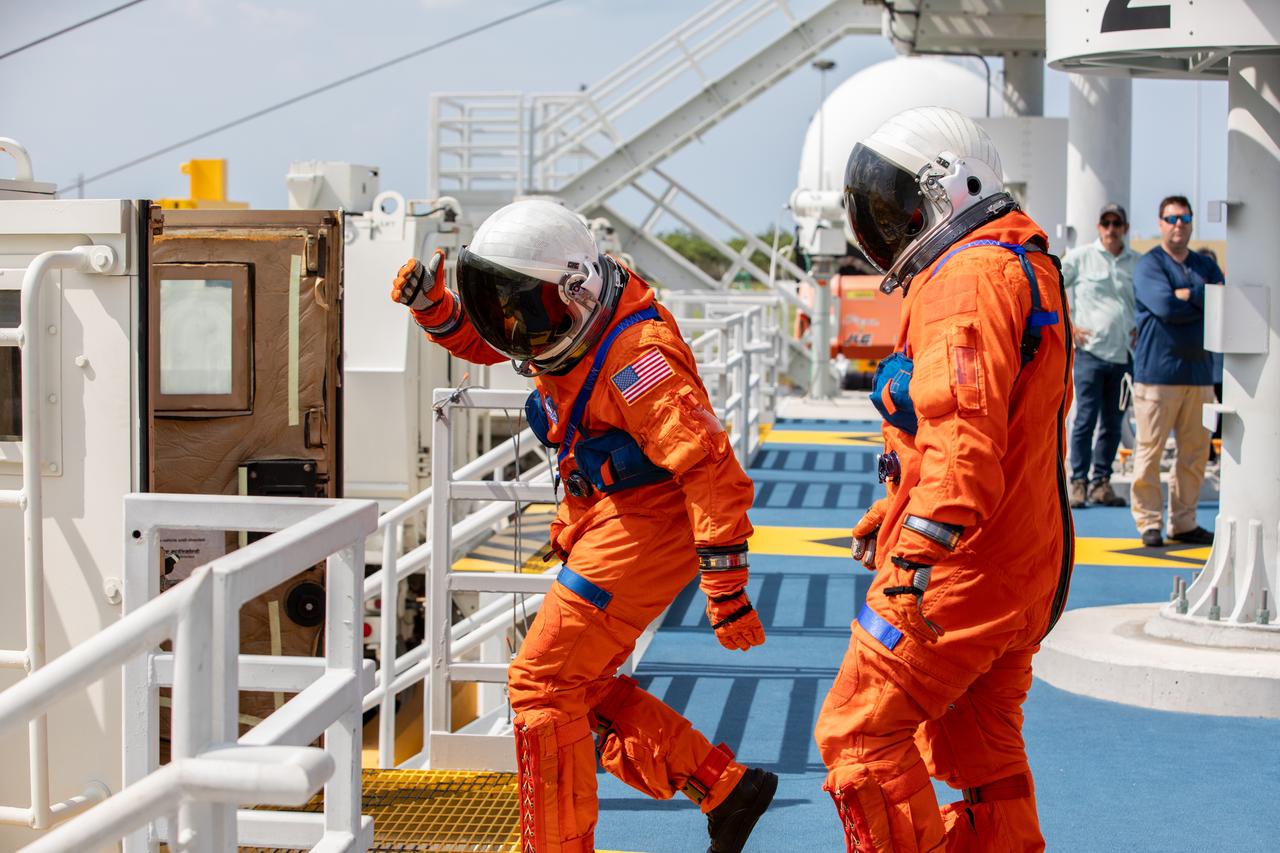
Teams at NASA’s Kennedy Space Center in Florida practice the Artemis mission emergency escape or egress procedures during a series of integrated system verification and validation tests at Launch Complex 39B on Friday, Aug. 9, 2024. Simulated flight crew members practice getting out of the emergency egress basket and into the emergency transport vehicle to drive them to safety in the event of an unlikely emergency during launch countdown.
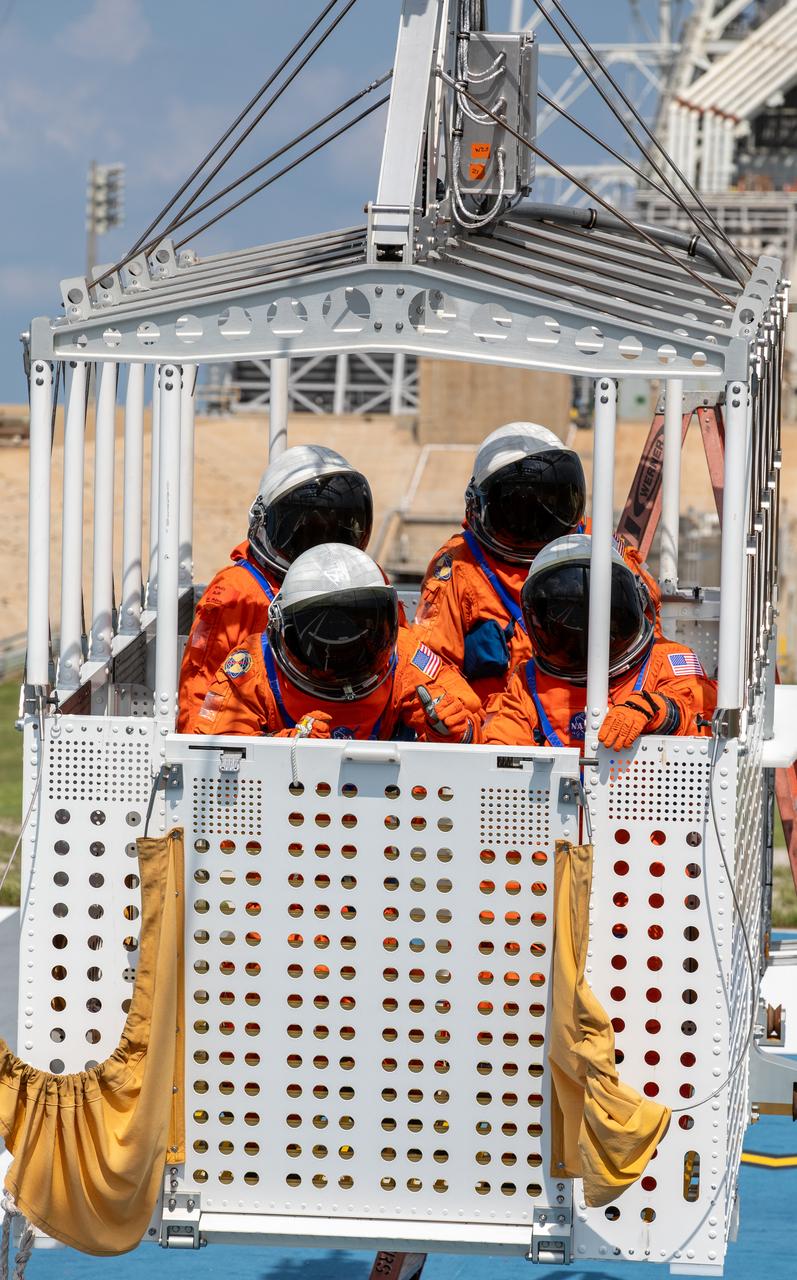
Teams at NASA’s Kennedy Space Center in Florida practice the Artemis mission emergency escape or egress procedures during a series of integrated system verification and validation tests at Launch Complex 39B on Friday, Aug. 9, 2024. Simulated flight crew members practice getting out of the emergency egress basket and into the emergency transport vehicle to drive them to safety in the event of an unlikely emergency during launch countdown.
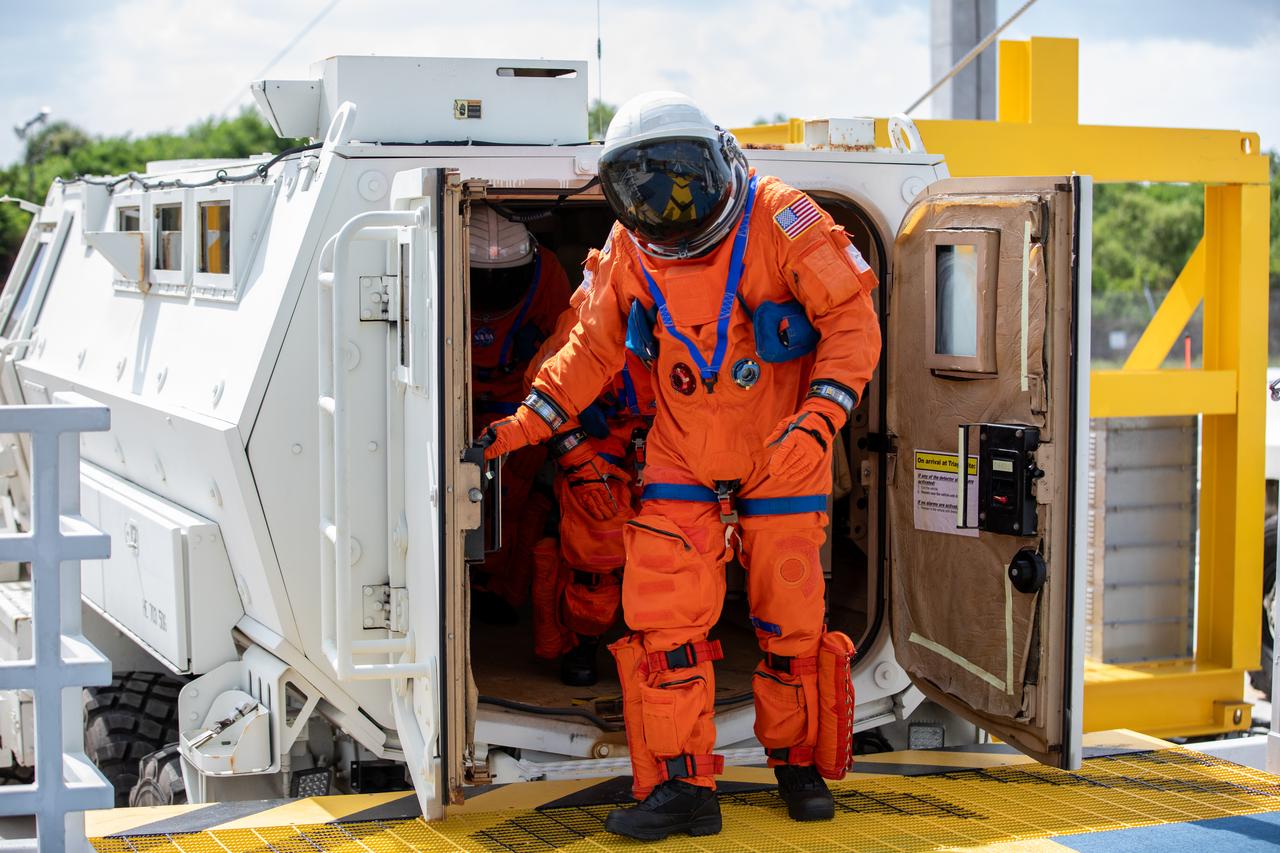
Teams at NASA’s Kennedy Space Center in Florida practice the Artemis mission emergency escape or egress procedures during a series of integrated system verification and validation tests at Launch Complex 39B on Friday, Aug. 9, 2024. Simulated flight crew members practice getting out of the emergency egress basket and into the emergency transport vehicle to drive them to safety in the event of an unlikely emergency during launch countdown.
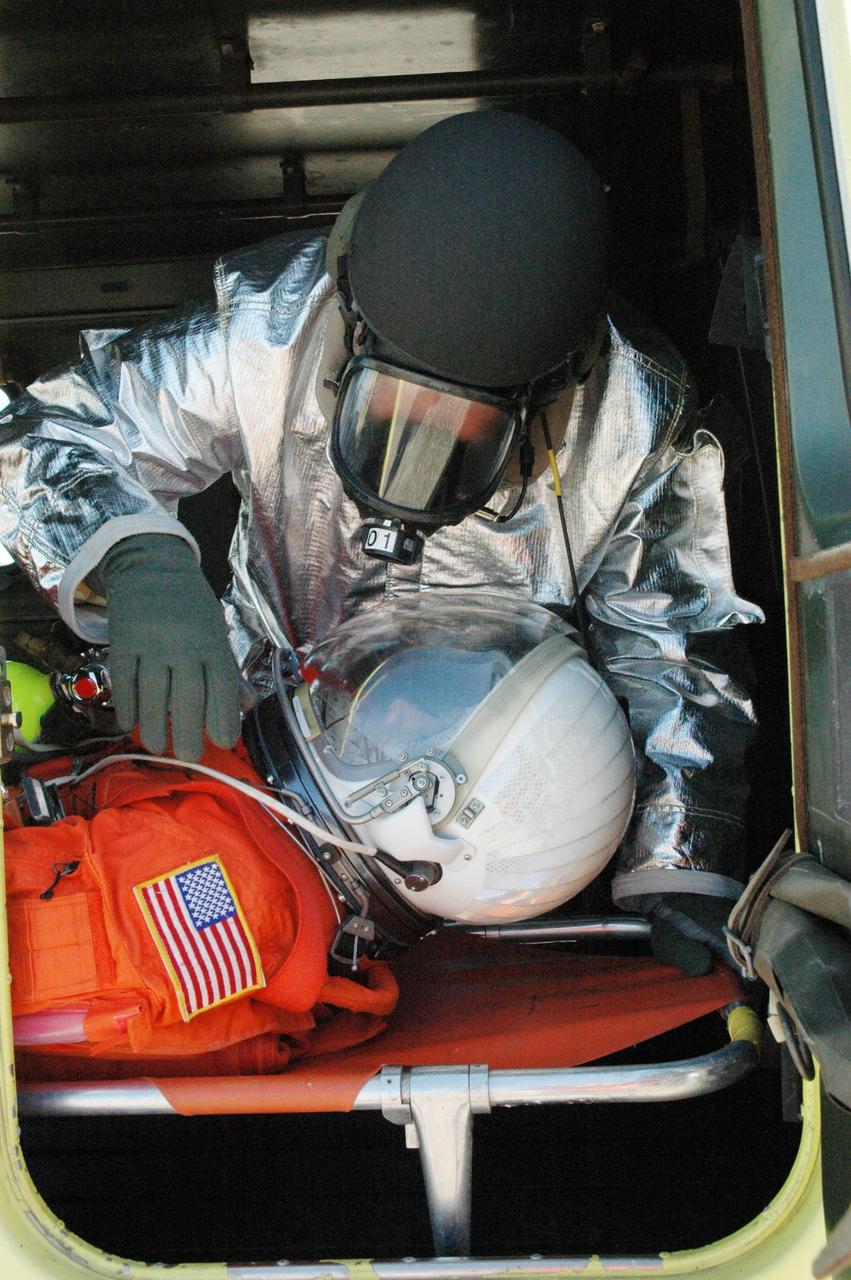
KENNEDY SPACE CENTER, FLA. - At NASA Kennedy Space Center's Shuttle Landing Facility, an emergency rescue worker tends to an "injured astronaut" inside a rescue vehicle. Volunteers and emergency rescue workers are participating in a simulated emergency landing of a shuttle crew. Known as a Mode VI exercise, the operation uses volunteer workers from the Center to pose as astronauts. The purpose of the simulation is to exercise emergency preparedness personnel, equipment and facilities in rescuing astronauts from a downed orbiter and providing immediate medical attention. Photo credit: NASA/Troy Cryder
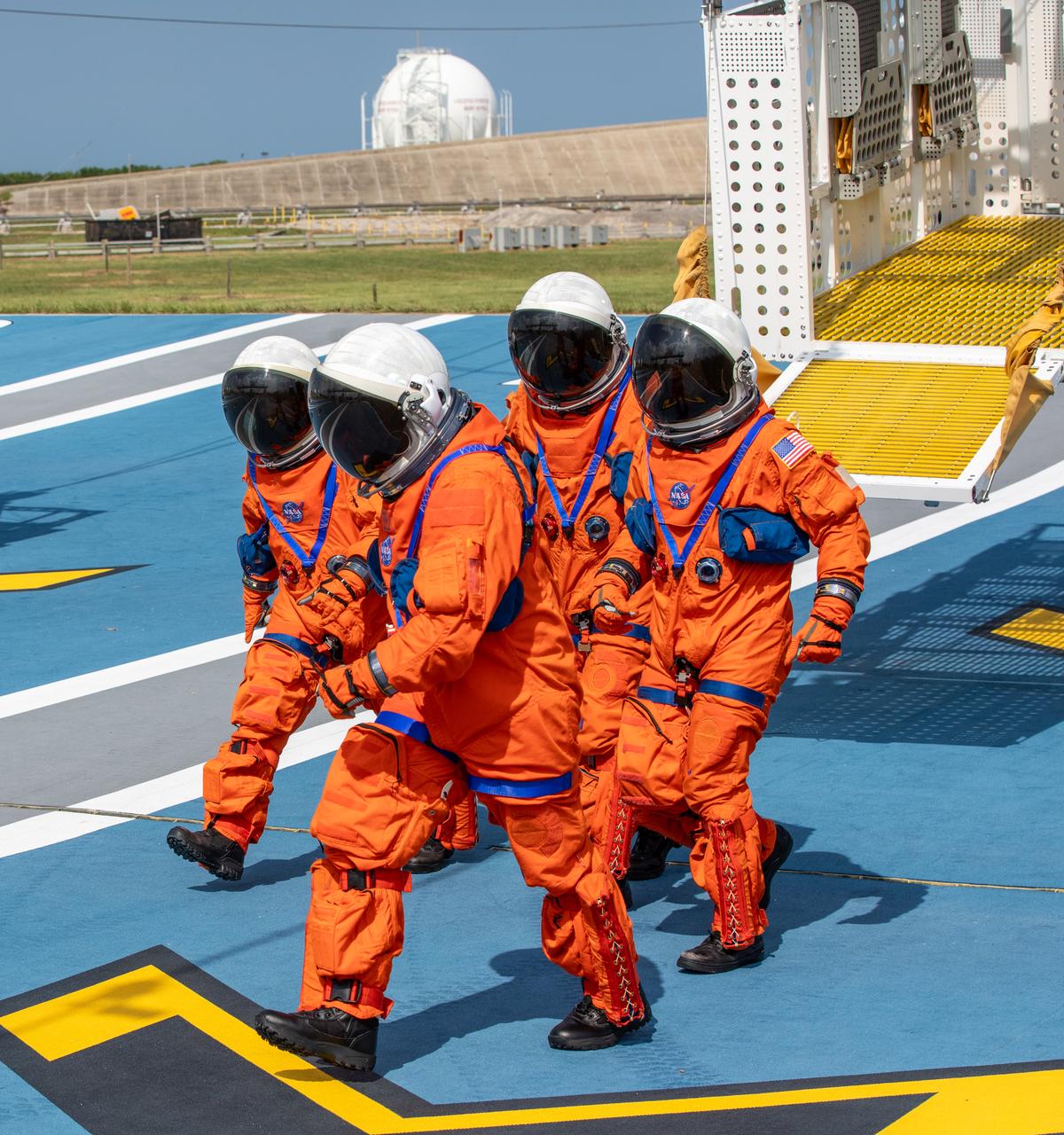
Teams at NASA’s Kennedy Space Center in Florida practice the Artemis mission emergency escape or egress procedures during a series of integrated system verification and validation tests at Launch Complex 39B on Friday, Aug. 9, 2024. Simulated flight crew members practice getting out of the emergency egress basket and into the emergency transport vehicle to drive them to safety in the event of an unlikely emergency during launch countdown.
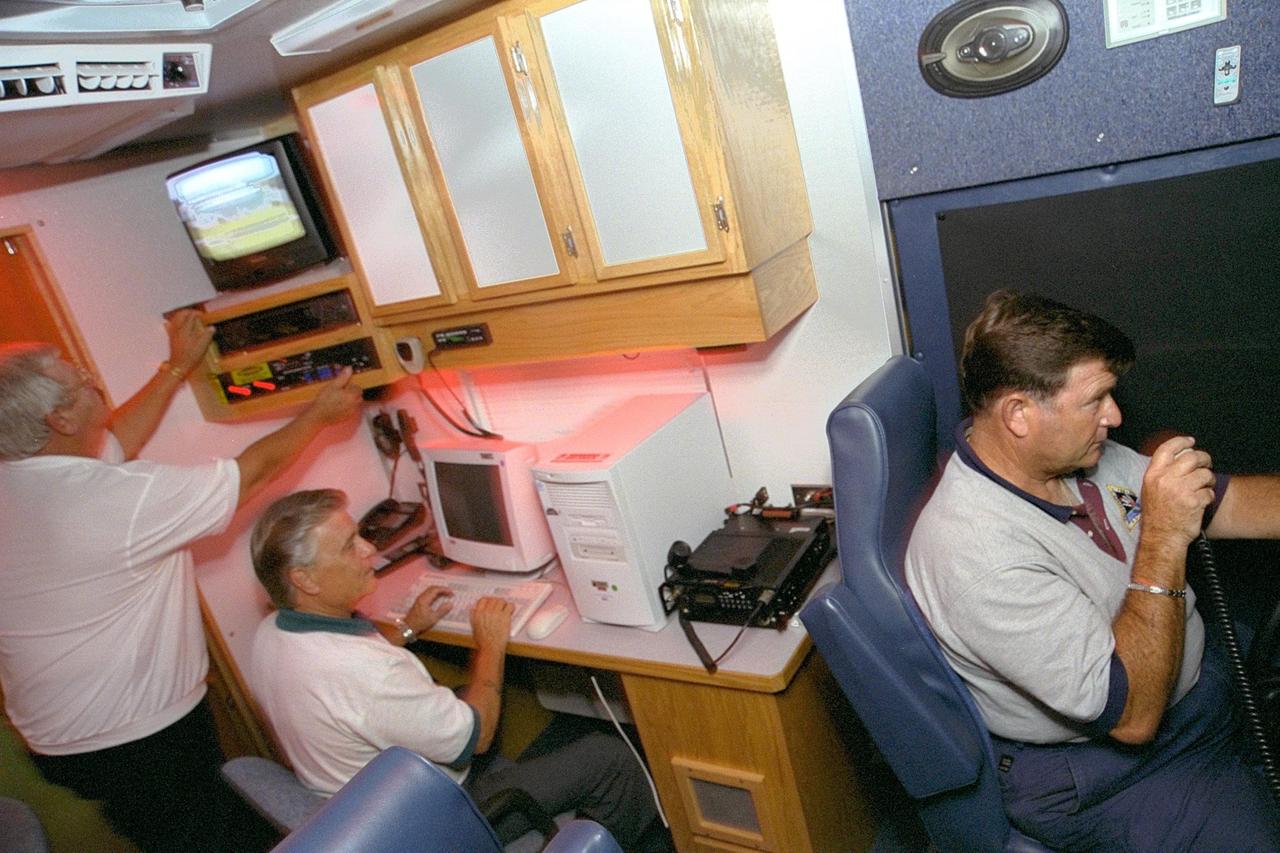
Robert ZiBerna, Roger Scheidt and Charles Street, the Emergency Preparedness team at KSC, practice for an emergency scenario inside the Mobile Command Center, a specially equipped vehicle. It features a conference room, computer work stations, mobile telephones and a fax machine. It also can generate power with its onboard generator. Besides being ready to respond in case of emergencies during launches, the vehicle must be ready to help address fires, security threats, chemical spills, terrorist attaches, weather damage or other critical situations that might face KSC or Cape Canaveral Air Force Station
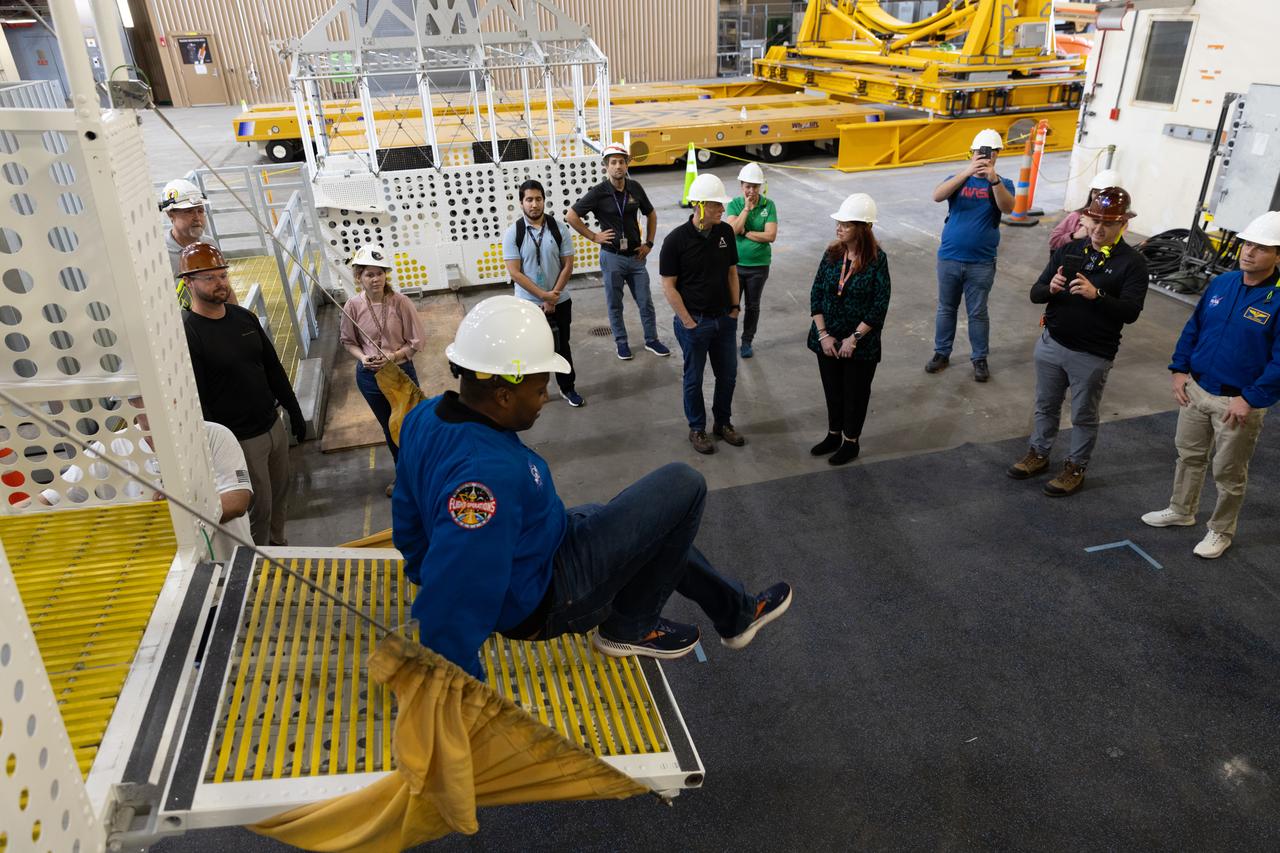
NASA astronaut Andre Douglas, Artemis II backup crew member practices climbing out of an emergency egress basket inside the Vehicle Assembly Building at NASA’s Kennedy Space Center in Florida on Thursday, Feb. 27, 2025. The baskets, similar to gondolas on ski lifts, are used in the case of a pad abort emergency to enable astronauts and other pad personnel a way to quickly escape away from the mobile launcher to the base of the pad and where waiting emergency transport vehicles will then drive them away. For Artemis II, four astronauts will venture around the Moon, the first crewed mission on NASA’s path to establishing a long-term presence for science and exploration through Artemis.
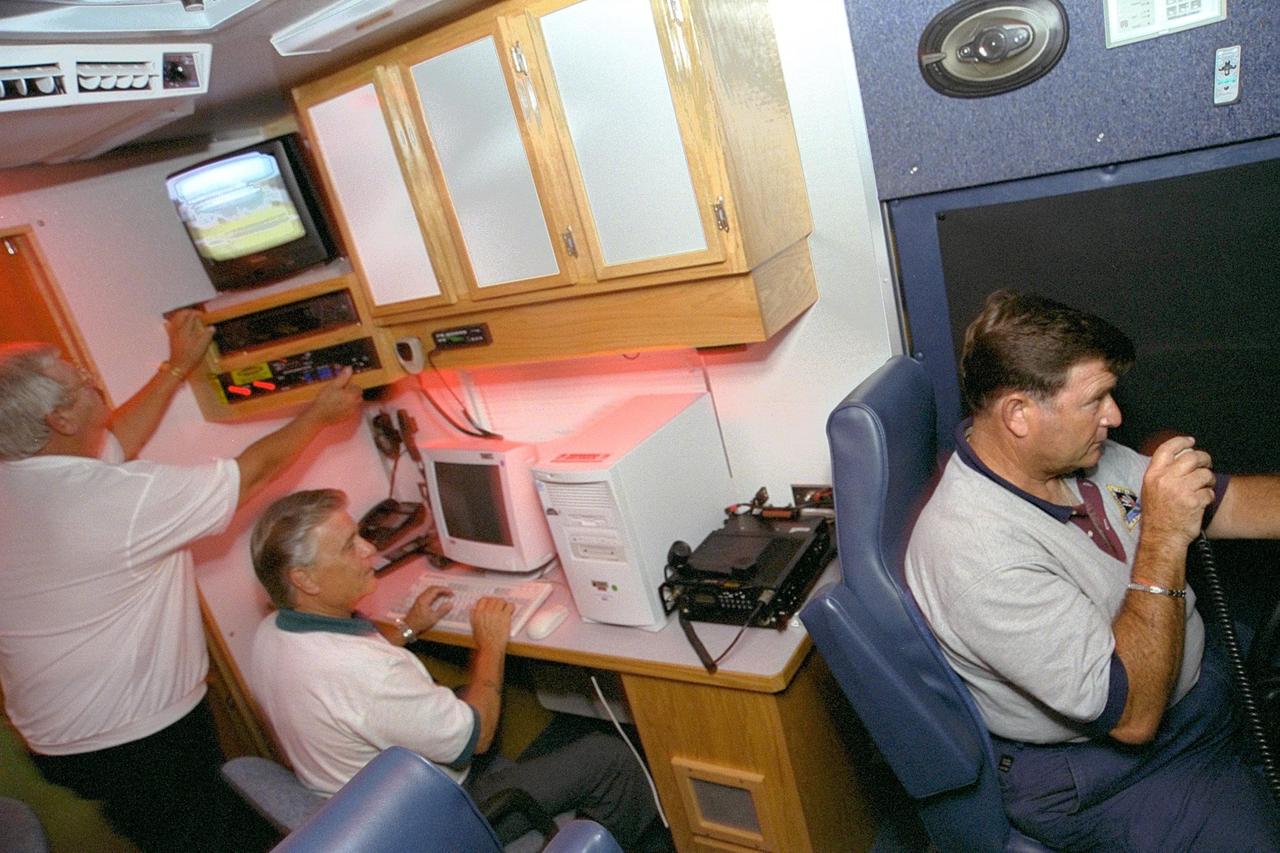
Robert ZiBerna, Roger Scheidt and Charles Street, the Emergency Preparedness team at KSC, practice for an emergency scenario inside the Mobile Command Center, a specially equipped vehicle. It features a conference room, computer work stations, mobile telephones and a fax machine. It also can generate power with its onboard generator. Besides being ready to respond in case of emergencies during launches, the vehicle must be ready to help address fires, security threats, chemical spills, terrorist attaches, weather damage or other critical situations that might face KSC or Cape Canaveral Air Force Station
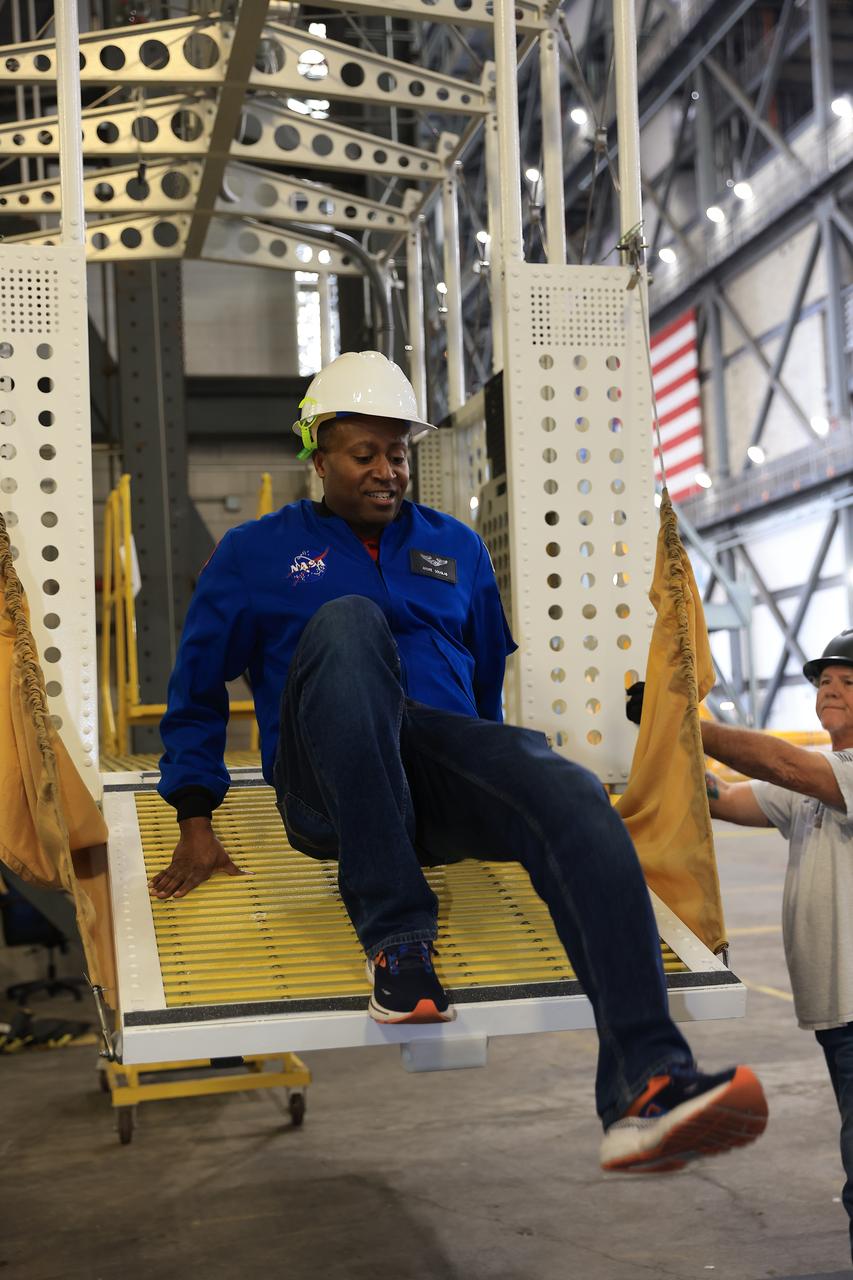
NASA astronaut Andre Douglas, Artemis II backup crew member practices climbing out of an emergency egress basket inside the Vehicle Assembly Building at NASA’s Kennedy Space Center in Florida on Thursday, Feb. 27, 2025. The baskets, similar to gondolas on ski lifts, are used in the case of a pad abort emergency to enable astronauts and other pad personnel a way to quickly escape away from the mobile launcher to the base of the pad and where waiting emergency transport vehicles will then drive them away. For Artemis II, four astronauts will venture around the Moon, the first crewed mission on NASA’s path to establishing a long-term presence for science and exploration through Artemis.
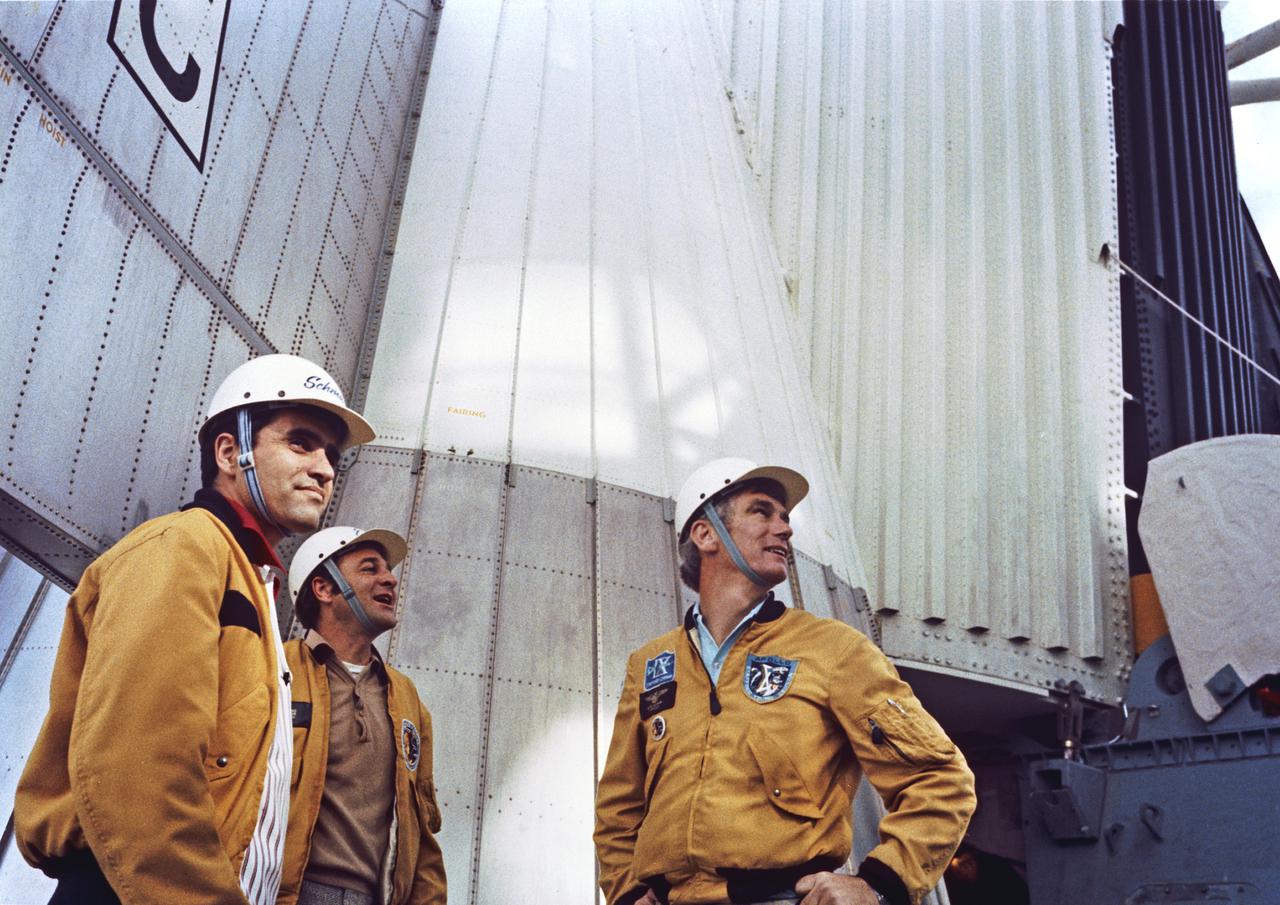
The Apollo 17 prime crew pauses on the access arm leading to their spacecraft, mated to the Saturn V launch vehicle at Complex 39, during Emergency Egress Test.
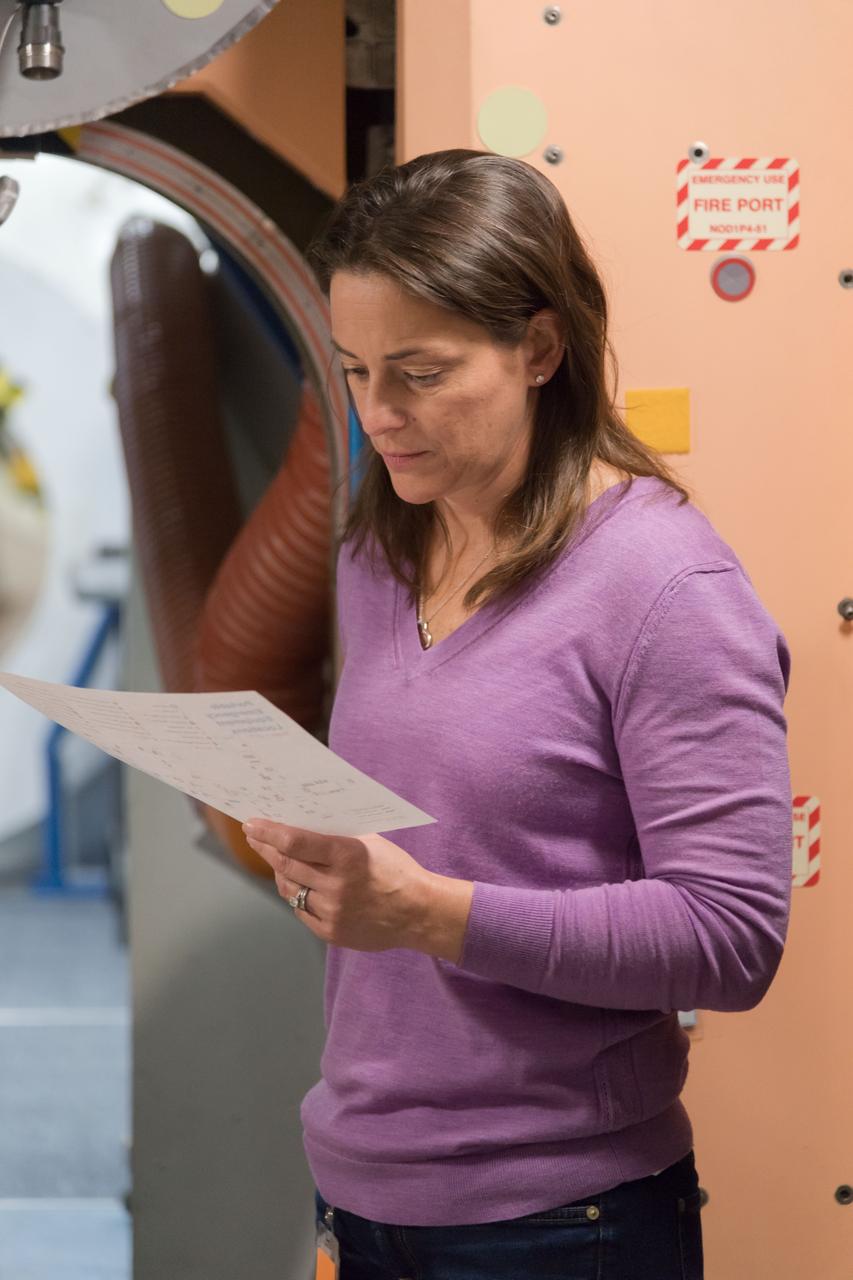
Boeing Commercial Crew Flight Test (CFT) Emergency Vehicle Familiarization training with Chris Ferguson, Nicole Mann, Barry Wilmore and Mike Fincke.
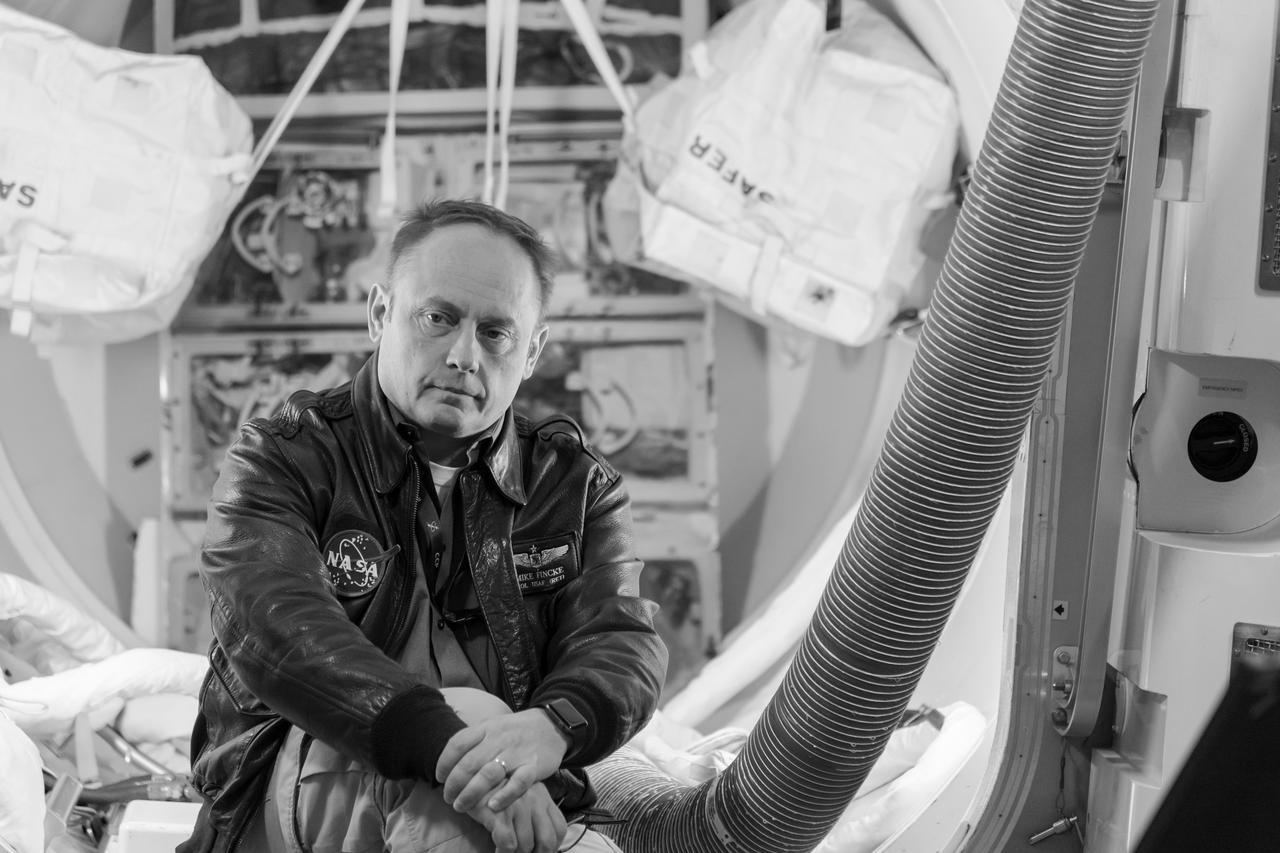
Boeing Commercial Crew Flight Test (CFT) Emergency Vehicle Familiarization training with Chris Ferguson, Nicole Mann, Barry Wilmore and Mike Fincke.
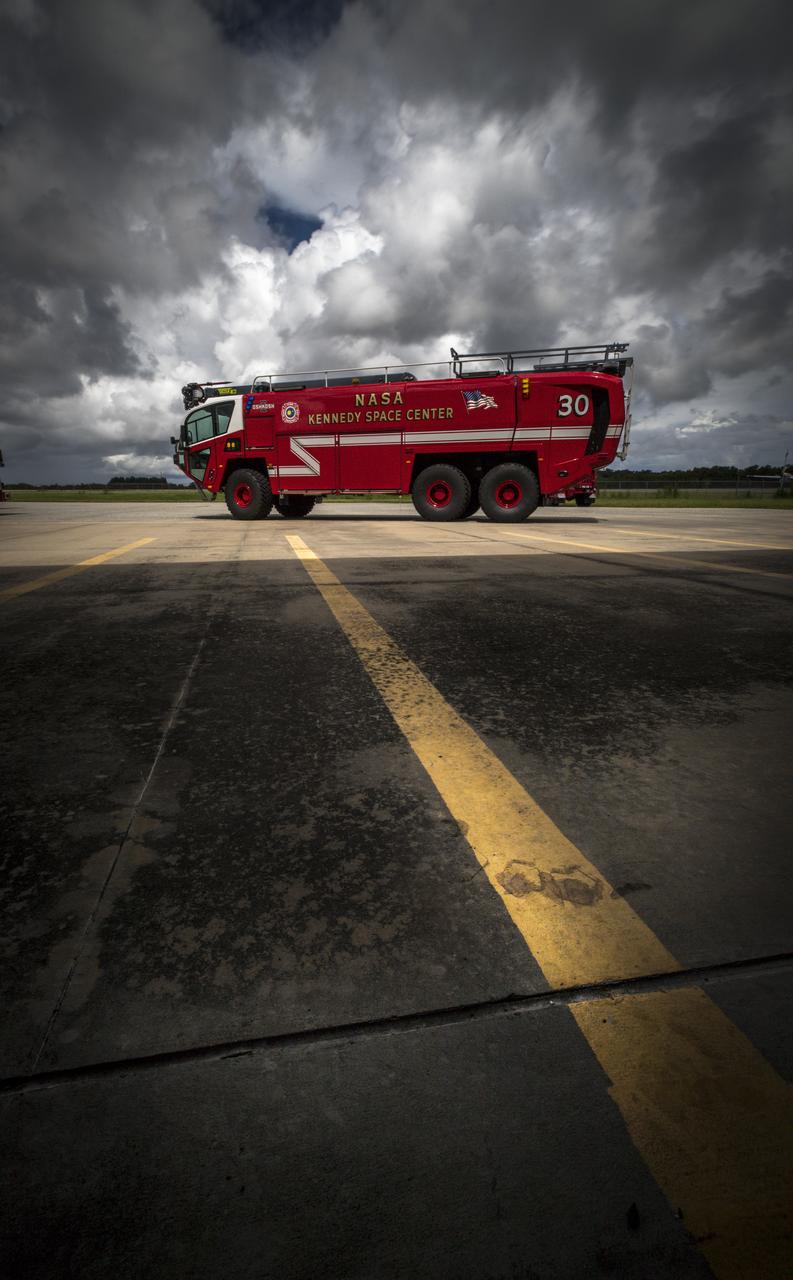
A new Aircraft Rescue and Fire Fighting vehicle is backdropped by the Shuttle Landing Facility runway at NASA’s Kennedy Space Center in Florida. The state-of-the-art truck replaces a 28-year-old vehicle. Kennedy is upgrading its fleet of emergency vehicles to enhance its safety and security posture at the growing, multi-user spaceport.
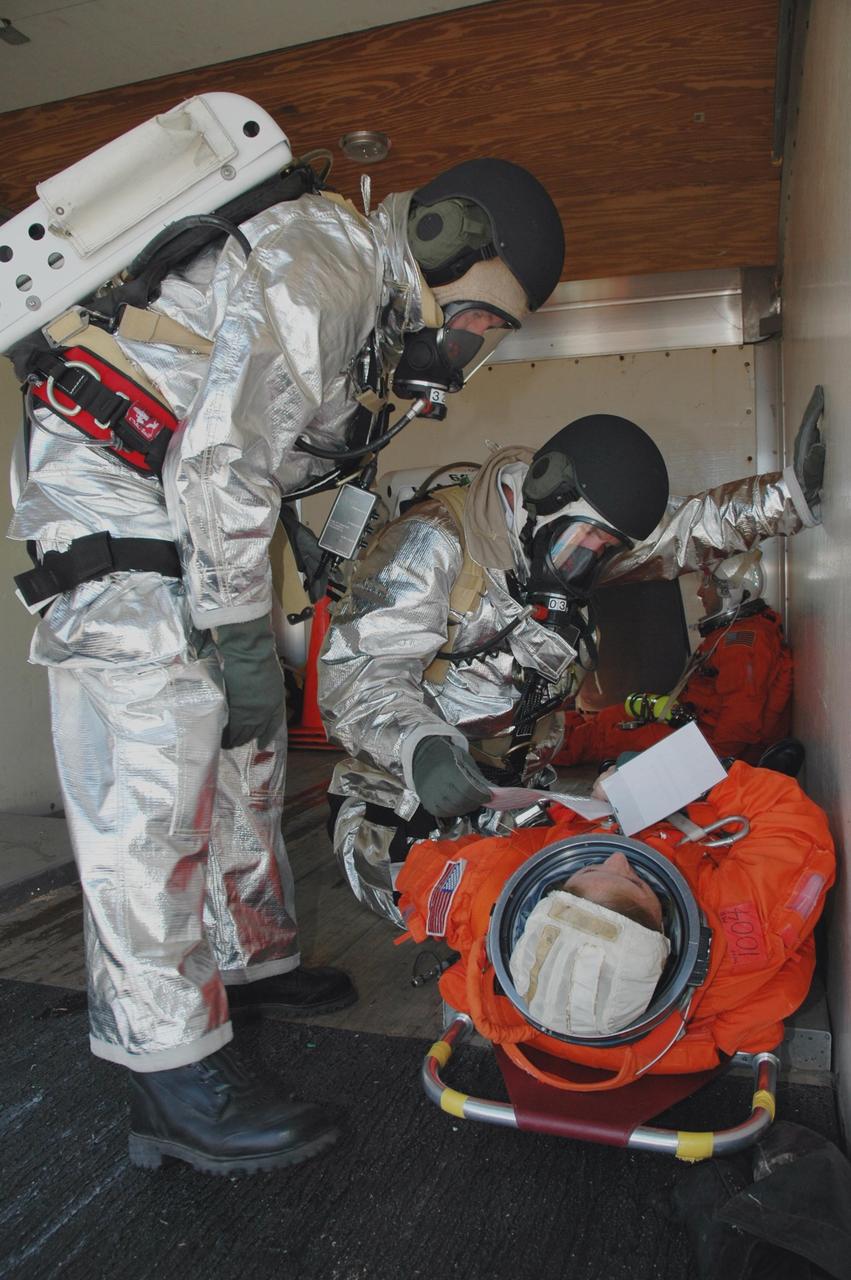
KENNEDY SPACE CENTER, FLA. - At NASA Kennedy Space Center's Shuttle Landing Facility, emergency personnel tends to an "injured astronaut" inside a rescue vehicle during a simulated emergency landing of a shuttle crew. Known as a Mode VI exercise, the operation uses volunteer workers from the Center to pose as astronauts. The purpose of the simulation is to exercise emergency preparedness personnel, equipment and facilities in rescuing astronauts from a downed orbiter and providing immediate medical attention. Photo credit: NASA/Jim Grossmann
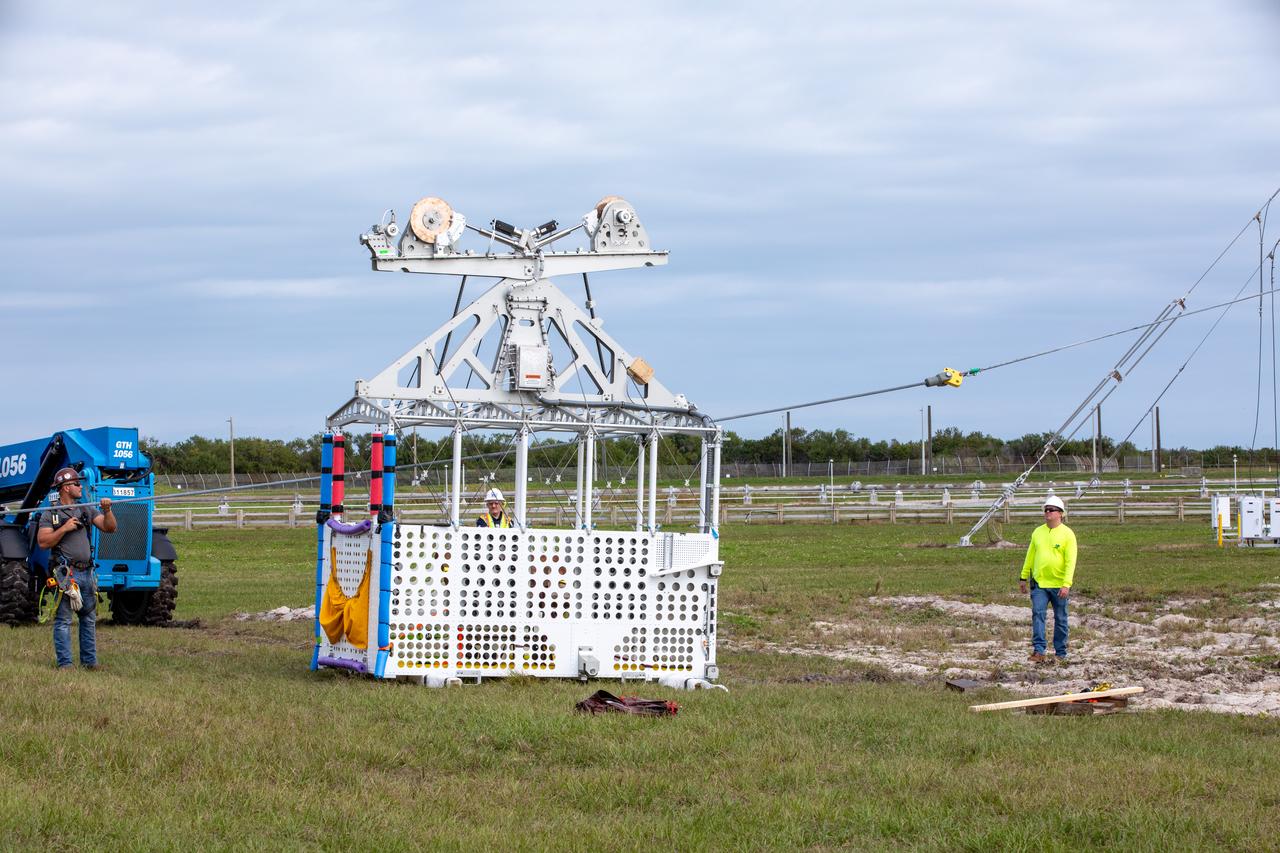
Teams with NASA’s Exploration Ground Systems Program, in preparation for the agency’s Artemis II crewed mission to the Moon, begin installation of four emergency egress baskets at Launch Complex 39B at Kennedy Space Center in Florida on Thursday, Jan. 18, 2024. The baskets, similar to gondolas on ski lifts, are used in the case of a pad abort emergency to enable astronauts and other pad personnel a way to quickly escape away from the mobile launcher to the base of the pad and where waiting emergency transport vehicles will then drive them away.
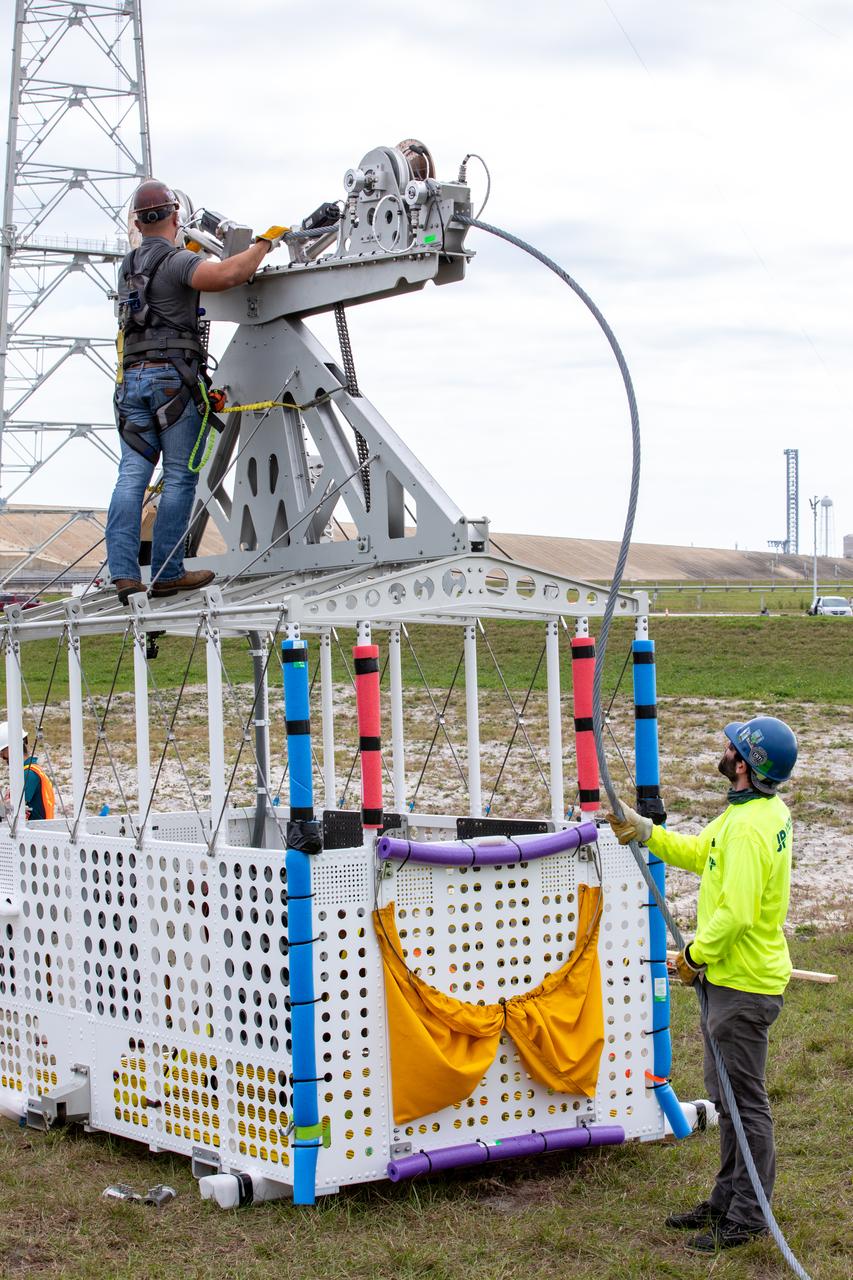
Teams with NASA’s Exploration Ground Systems Program, in preparation for the agency’s Artemis II crewed mission to the Moon, begin installation of four emergency egress baskets at Launch Complex 39B at Kennedy Space Center in Florida on Thursday, Jan. 18, 2024. The baskets, similar to gondolas on ski lifts, are used in the case of a pad abort emergency to enable astronauts and other pad personnel a way to quickly escape away from the mobile launcher to the base of the pad and where waiting emergency transport vehicles will then drive them away.
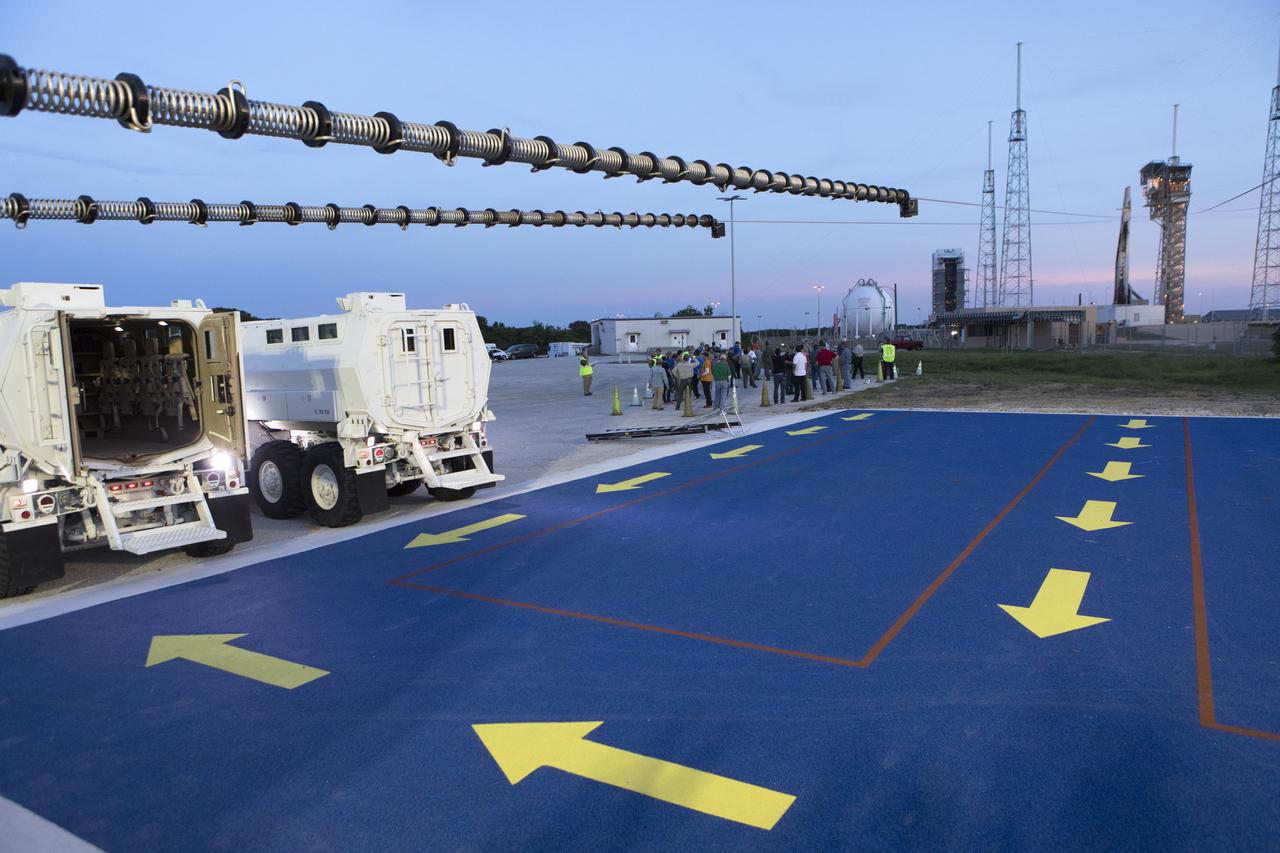
Two mine-resistant ambush protected vehicles, or MRAPs, sit ready to receive astronauts and ground crews during a Boeing/United Launch Alliance emergency egress system demonstration at Cape Canaveral Air Force Station’s Launch Complex 41 in Florida on June 19, 2018. The emergency egress system will provide an escape route in the unlikely event of an emergency on the launch pad on launch day.
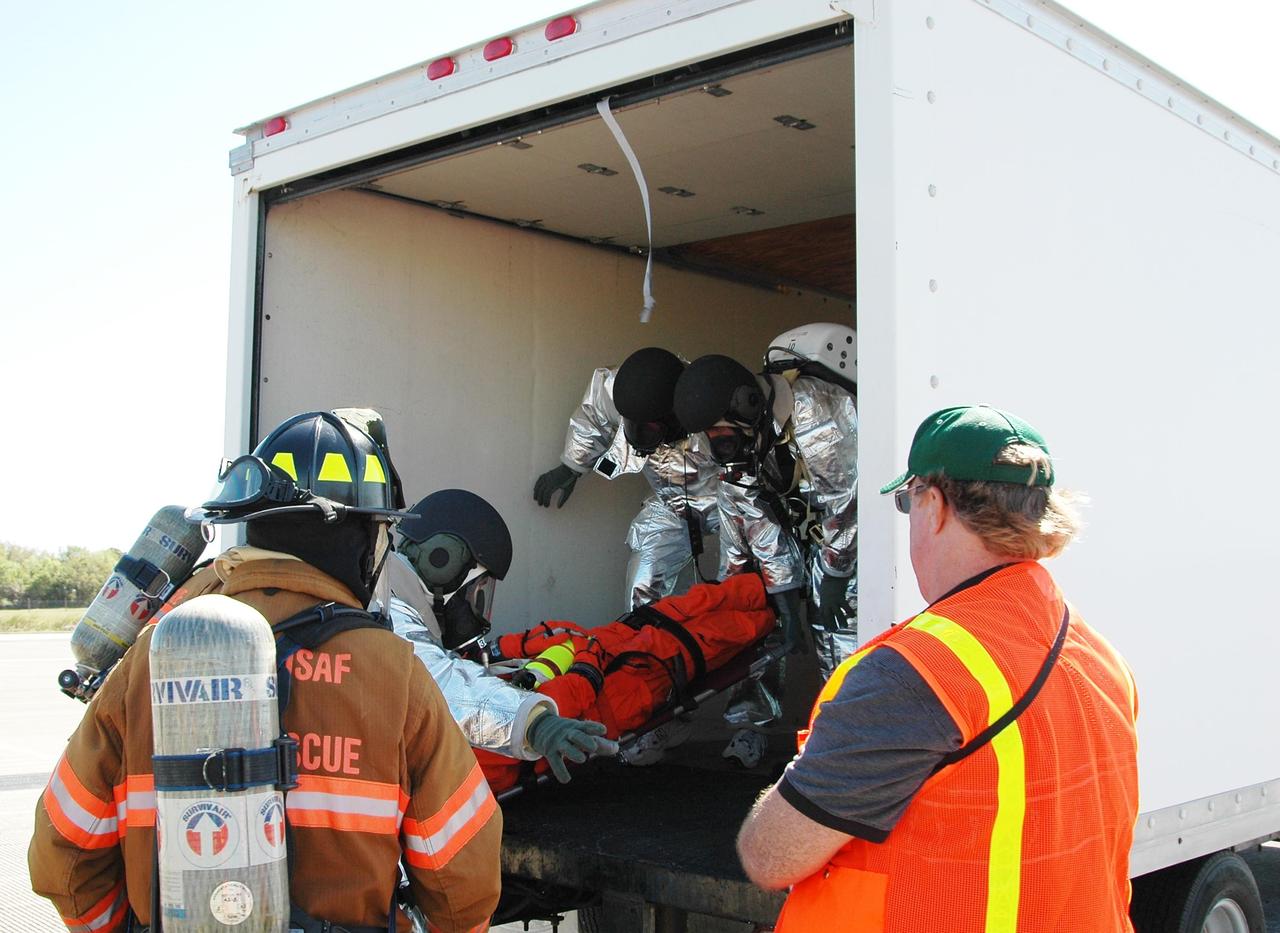
KENNEDY SPACE CENTER, FLA. - In a simulated emergency landing of a shuttle crew at NASA Kennedy Space Center's Shuttle Landing Facility, emergency rescue personnel place an "injured astronaut" into a rescue vehicle. Known as a Mode VI exercise, the operation uses volunteer workers from the Center to pose as astronauts. The purpose of the simulation is to exercise emergency preparedness personnel, equipment and facilities in rescuing astronauts from a downed orbiter and providing immediate medical attention. Photo credit: NASA/Kim Shiflett
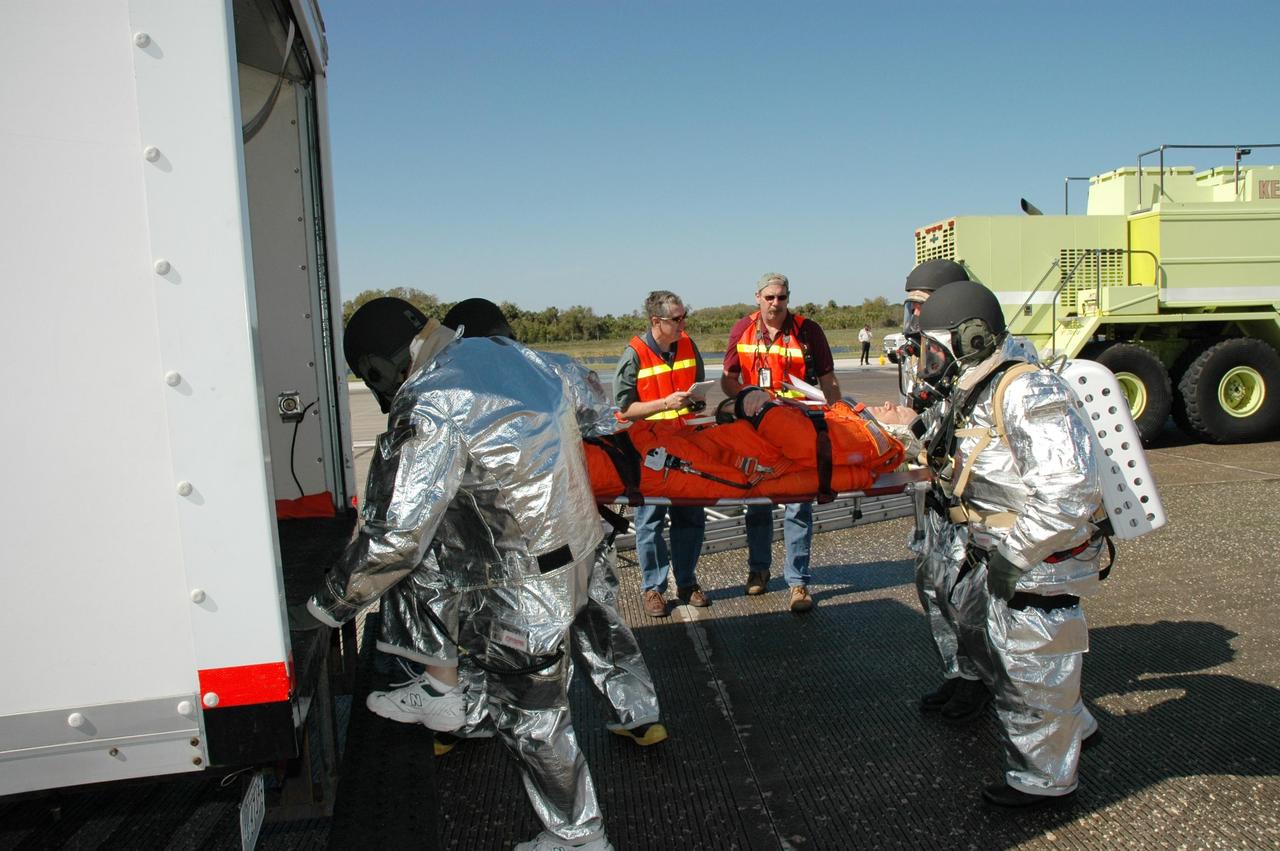
KENNEDY SPACE CENTER, FLA. - At NASA Kennedy Space Center's Shuttle Landing Facility, emergency personnel carry an "injured astronaut" to a rescue vehicle during a simulated emergency landing of a shuttle crew. Known as a Mode VI exercise, the operation uses volunteer workers from the Center to pose as astronauts. The purpose of the simulation is to exercise emergency preparedness personnel, equipment and facilities in rescuing astronauts from a downed orbiter and providing immediate medical attention. Photo credit: NASA/Jim Grossmann

Astronaut Suni Williams gets suited up in preparation for the Boeing/United Launch Alliance emergency egress system demonstration at Cape Canaveral Air Force Station’s Launch Complex 41 in Florida on June 19, 2018. The emergency egress system features seats that attach to slide wires. It can carry astronauts and ground crew more than 1,300 feet away from the crew access tower and the launch vehicle in the unlikely event of an emergency before liftoff.
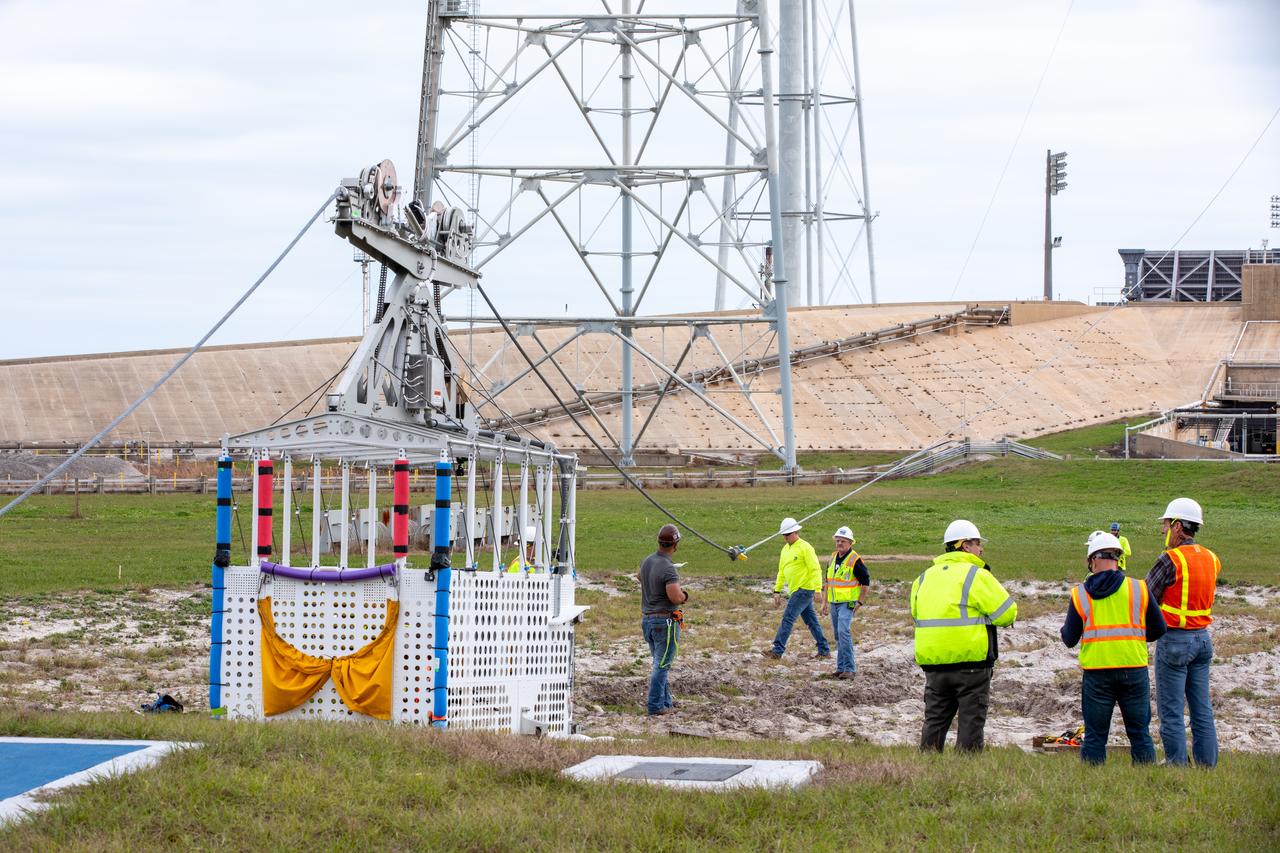
Teams with NASA’s Exploration Ground Systems Program, in preparation for the agency’s Artemis II crewed mission to the Moon, begin installation of four emergency egress baskets at Launch Complex 39B at Kennedy Space Center in Florida on Thursday, Jan. 18, 2024. The baskets, similar to gondolas on ski lifts, are used in the case of a pad abort emergency to enable astronauts and other pad personnel a way to quickly escape away from the mobile launcher to the base of the pad and where waiting emergency transport vehicles will then drive them away.
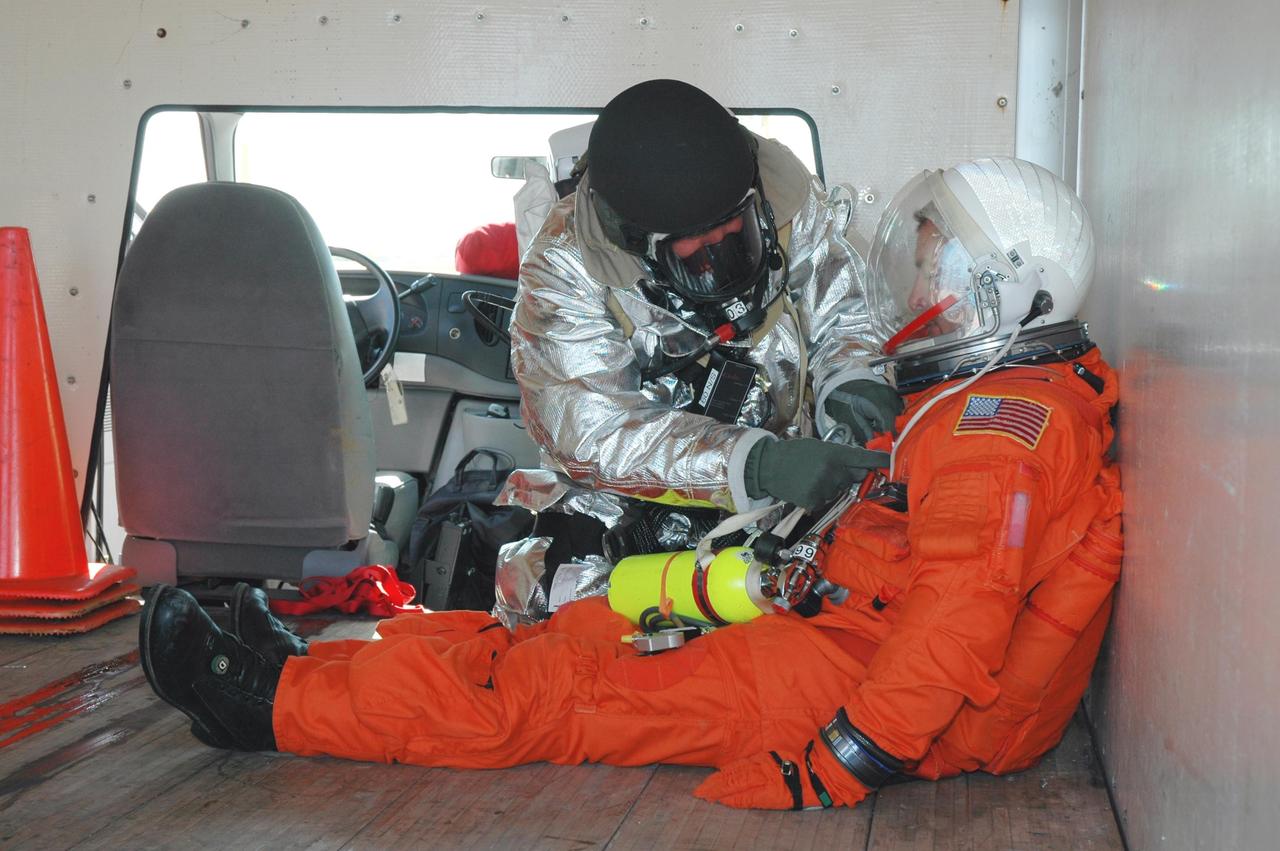
KENNEDY SPACE CENTER, FLA. - At NASA Kennedy Space Center's Shuttle Landing Facility, emergency personnel tends to an "injured astronaut" inside a rescue vehicle during a simulated emergency landing of a shuttle crew. Known as a Mode VI exercise, the operation uses volunteer workers from the Center to pose as astronauts. The purpose of the simulation is to exercise emergency preparedness personnel, equipment and facilities in rescuing astronauts from a downed orbiter and providing immediate medical attention. Photo credit: NASA/Jim Grossmann
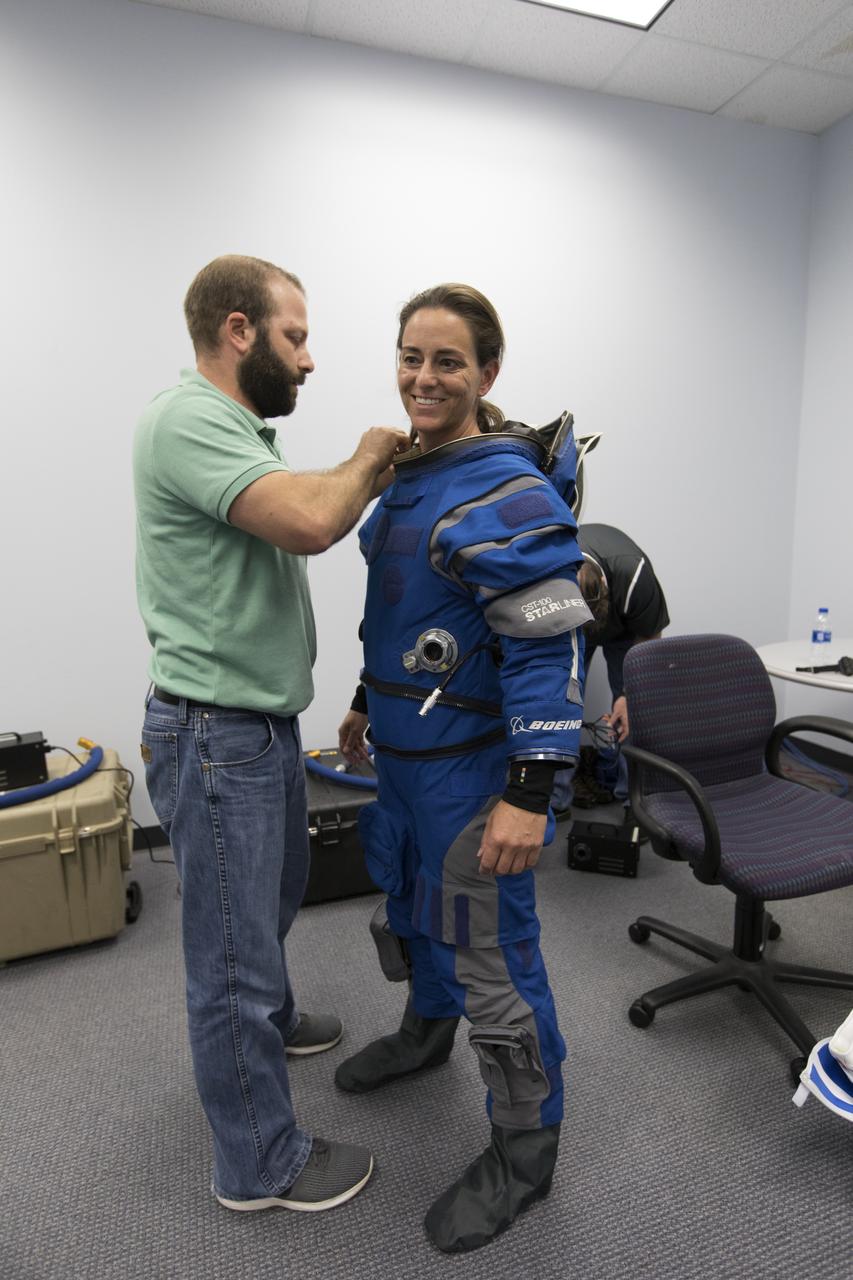
Astronaut Nicole Mann gets suited up for a Boeing/United Launch Alliance emergency egress system demonstration at Cape Canaveral Air Force Station’s Launch Complex 41 in Florida on June 19, 2018. The emergency egress system will allow for a safe evacuation in the unlikely event of an emergency on the launch pad on launch day. It can carry up to 20 people more than 1,300 feet away from the crew access tower and the launch vehicle.

Teams with NASA’s Exploration Ground Systems Program, as well as NASA’s pad rescue team, conduct training inside the Artemis emergency egress baskets at Launch Pad 39B as part of the Artemis emergency egress demonstration training at the agency’s Kennedy Space Center in Florida on Thursday, Aug. 8, 2024. The baskets, similar to gondolas on ski lifts, are used in the case of a pad abort emergency to enable astronauts and other pad personnel a way to quickly escape away from the mobile launcher to the base of the pad and where waiting emergency transport vehicles will then drive them away.
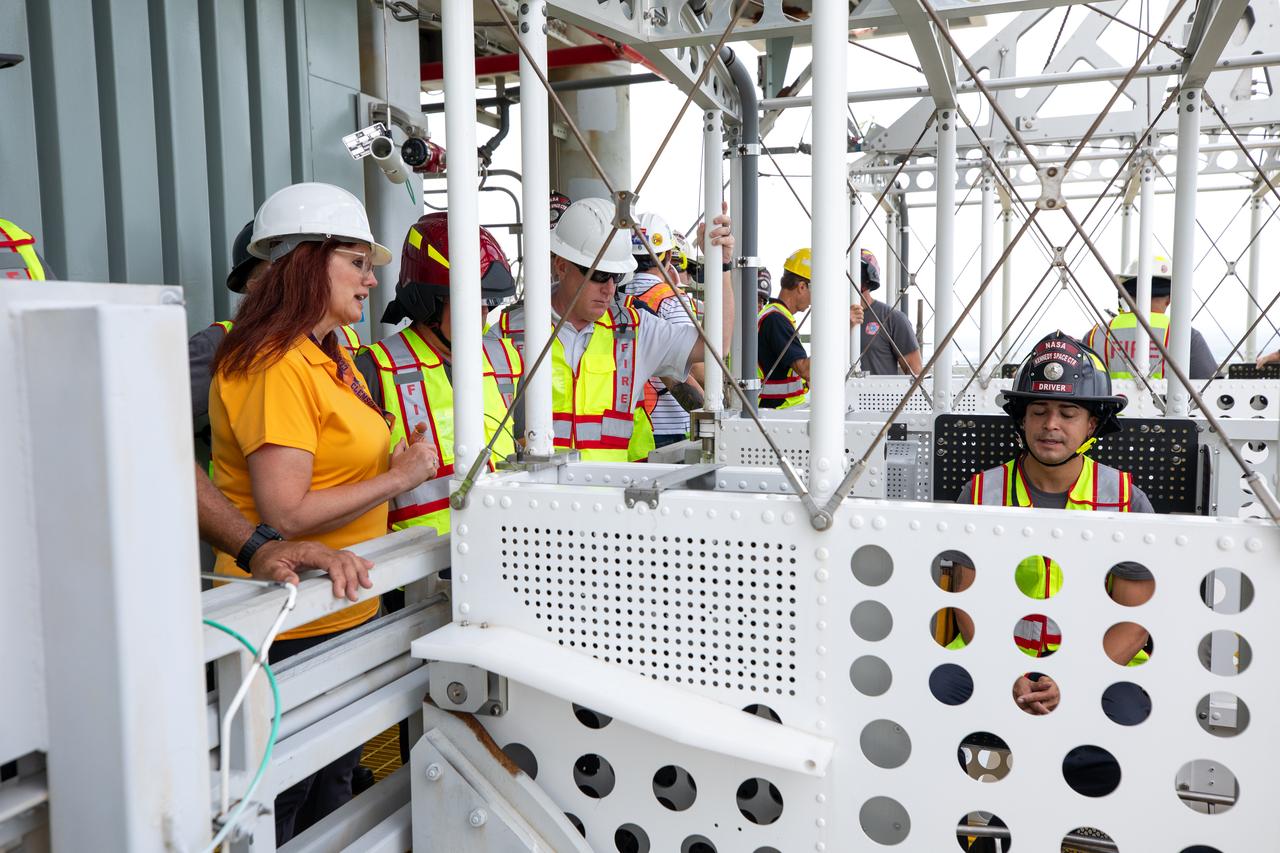
Teams with NASA’s Exploration Ground Systems Program, as well as NASA’s pad rescue team, conduct training inside the Artemis emergency egress baskets at Launch Pad 39B as part of the Artemis emergency egress demonstration training at the agency’s Kennedy Space Center in Florida on Thursday, Aug. 8, 2024. The baskets, similar to gondolas on ski lifts, are used in the case of a pad abort emergency to enable astronauts and other pad personnel a way to quickly escape away from the mobile launcher to the base of the pad and where waiting emergency transport vehicles will then drive them away.
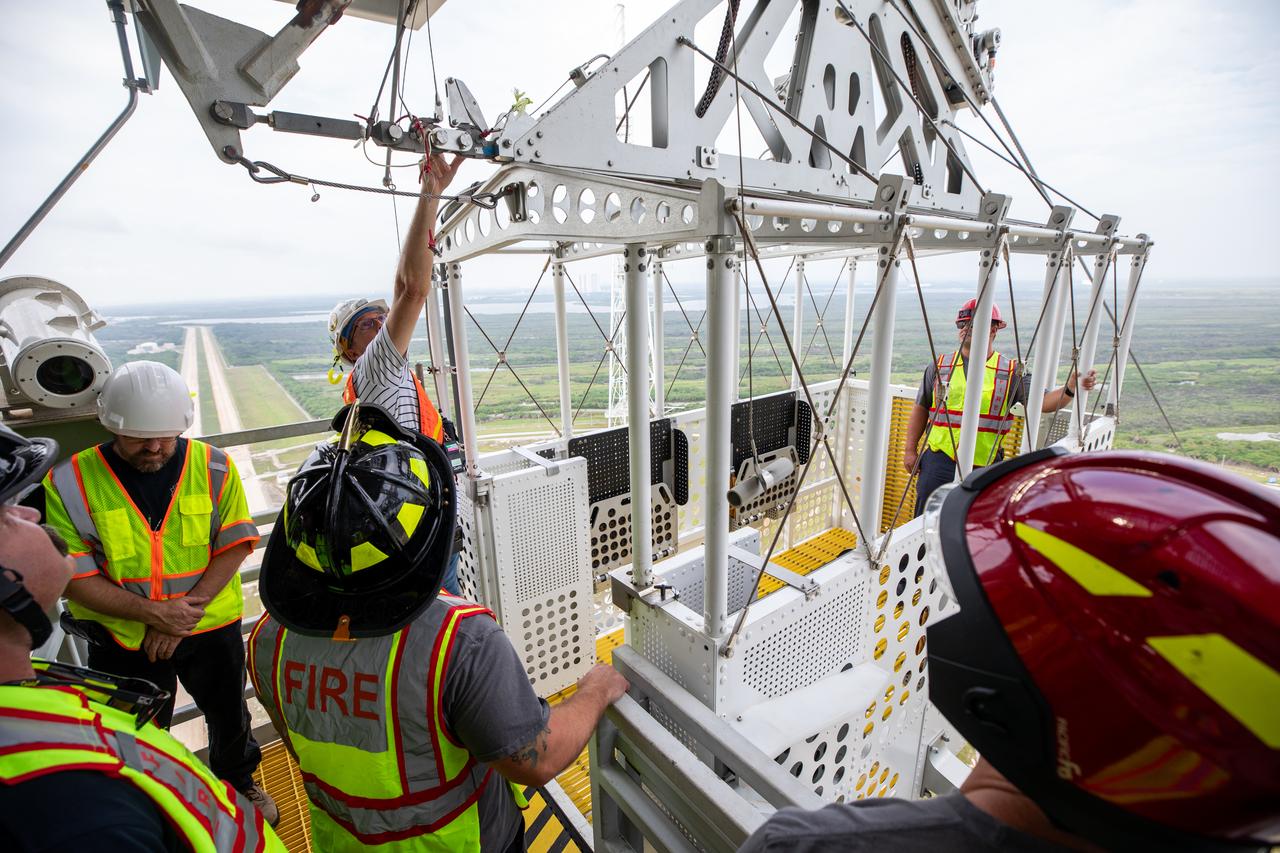
Teams with NASA’s Exploration Ground Systems Program, as well as NASA’s pad rescue team, conduct training inside the Artemis emergency egress baskets at Launch Pad 39B as part of the Artemis emergency egress demonstration training at the agency’s Kennedy Space Center in Florida on Thursday, Aug. 8, 2024. The baskets, similar to gondolas on ski lifts, are used in the case of a pad abort emergency to enable astronauts and other pad personnel a way to quickly escape away from the mobile launcher to the base of the pad and where waiting emergency transport vehicles will then drive them away.
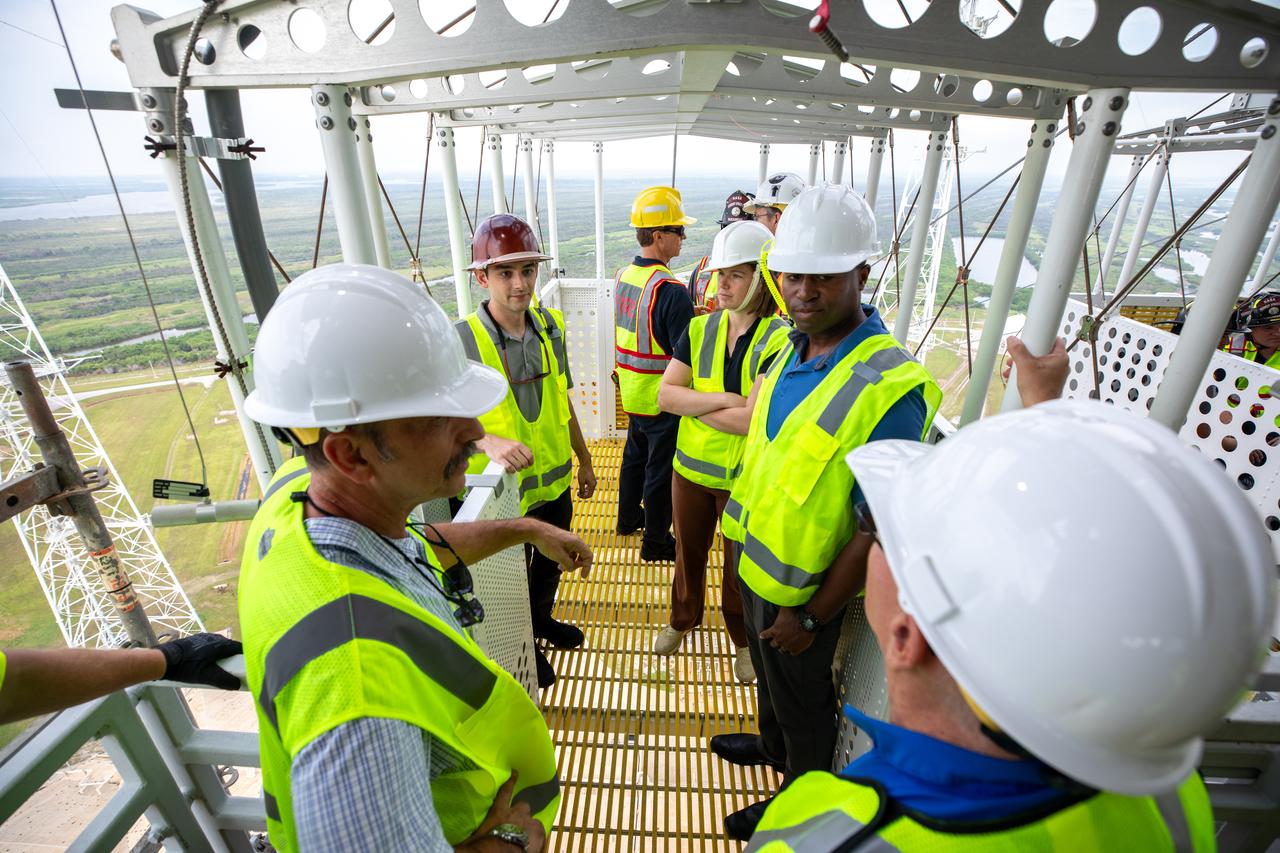
Teams with NASA’s Exploration Ground Systems Program, as well as NASA’s pad rescue team, conduct training inside the Artemis emergency egress baskets at Launch Pad 39B as part of the Artemis emergency egress demonstration training at the agency’s Kennedy Space Center in Florida on Thursday, Aug. 8, 2024. The baskets, similar to gondolas on ski lifts, are used in the case of a pad abort emergency to enable astronauts and other pad personnel a way to quickly escape away from the mobile launcher to the base of the pad and where waiting emergency transport vehicles will then drive them away.
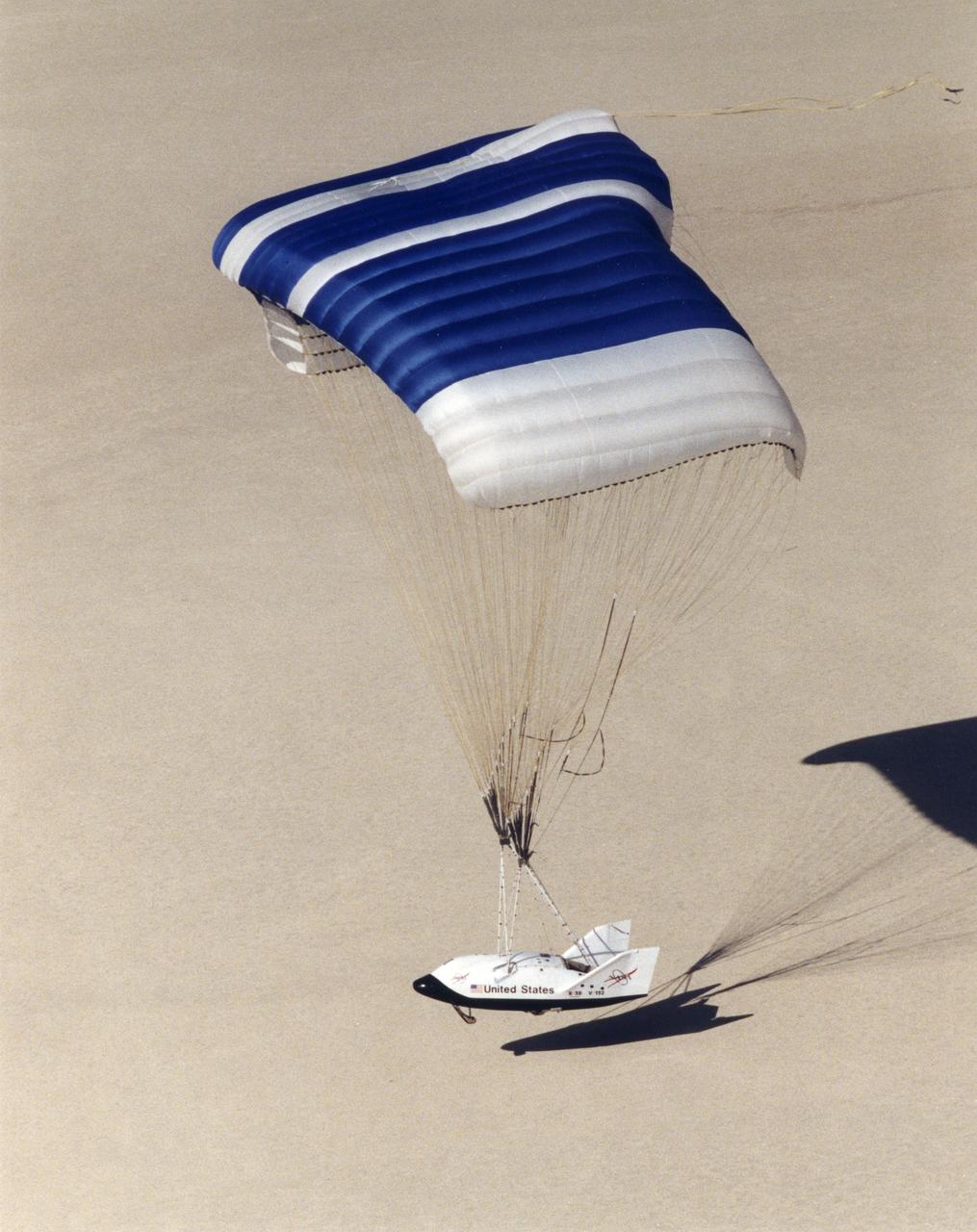
The X-38, a research vehicle built to help develop technology for an emergency Crew Return Vehicle from the International Space Station, is seen just before touchdown on a lakebed near the Dryden Flight Research Center, Edwards California, at the end of a March 2000 test flight.
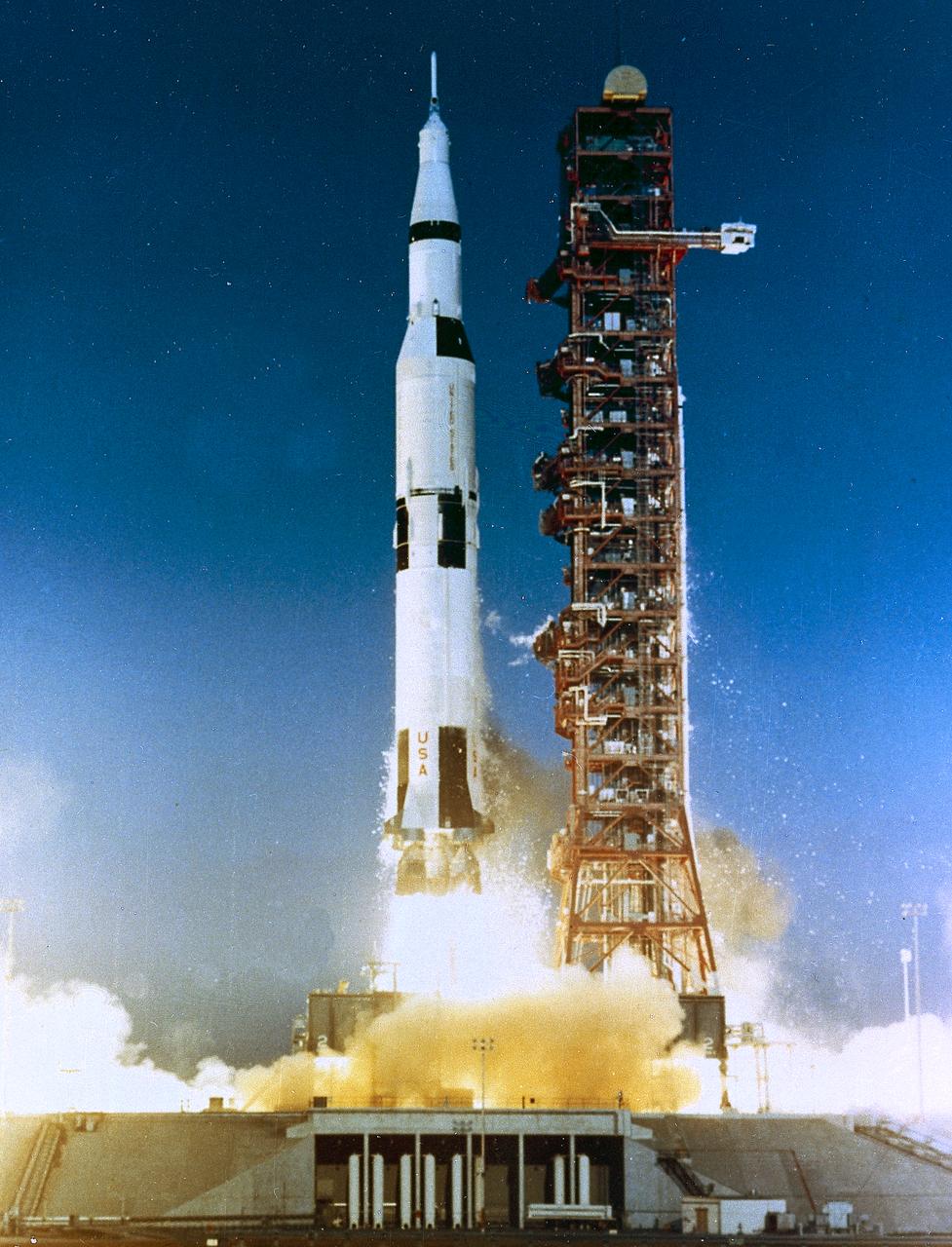
The second Saturn V launch vehicle (SA-502) for the Apollo 6 mission lifted off from the Kennedy Space Center launch complex on April 4, 1968. This unmanned Saturn V launch vehicle tested the emergency detection system in closed loop configuration.

KENNEDY SPACE CENTER, FLA. -- Apollo 7 crew member Donn F. Eisele relaxes during suiting up prior to today's space vehicle emergency egress tests conducted at Cape Kennedy's Launch Complex 34.
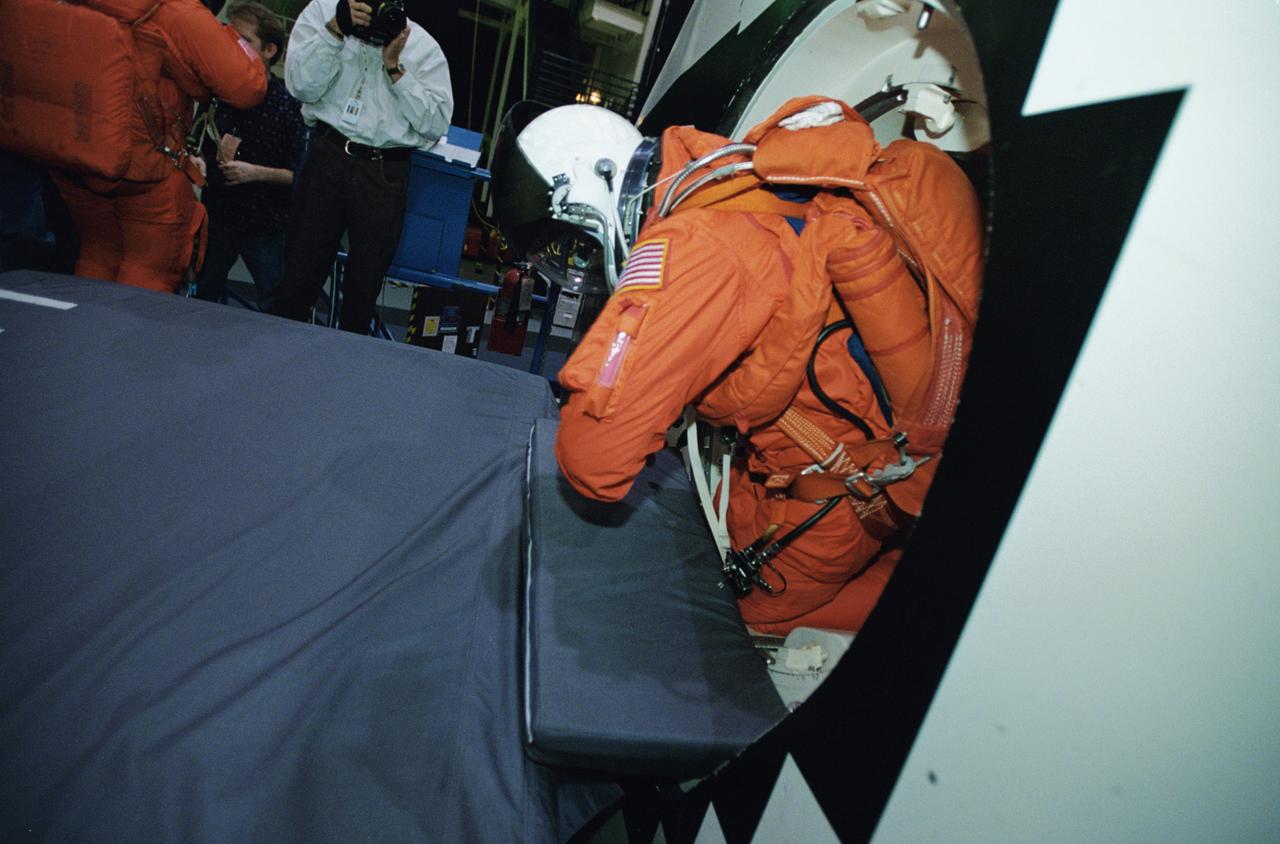
JSC2002-00686 (21 March 2002) --- An unidentified member of the STS-113 crew simulates a bailout from a shuttle-in-trouble during an emergency egress exercise in the Space Vehicle Mockup Facility at the Johnson Space Center (JSC).
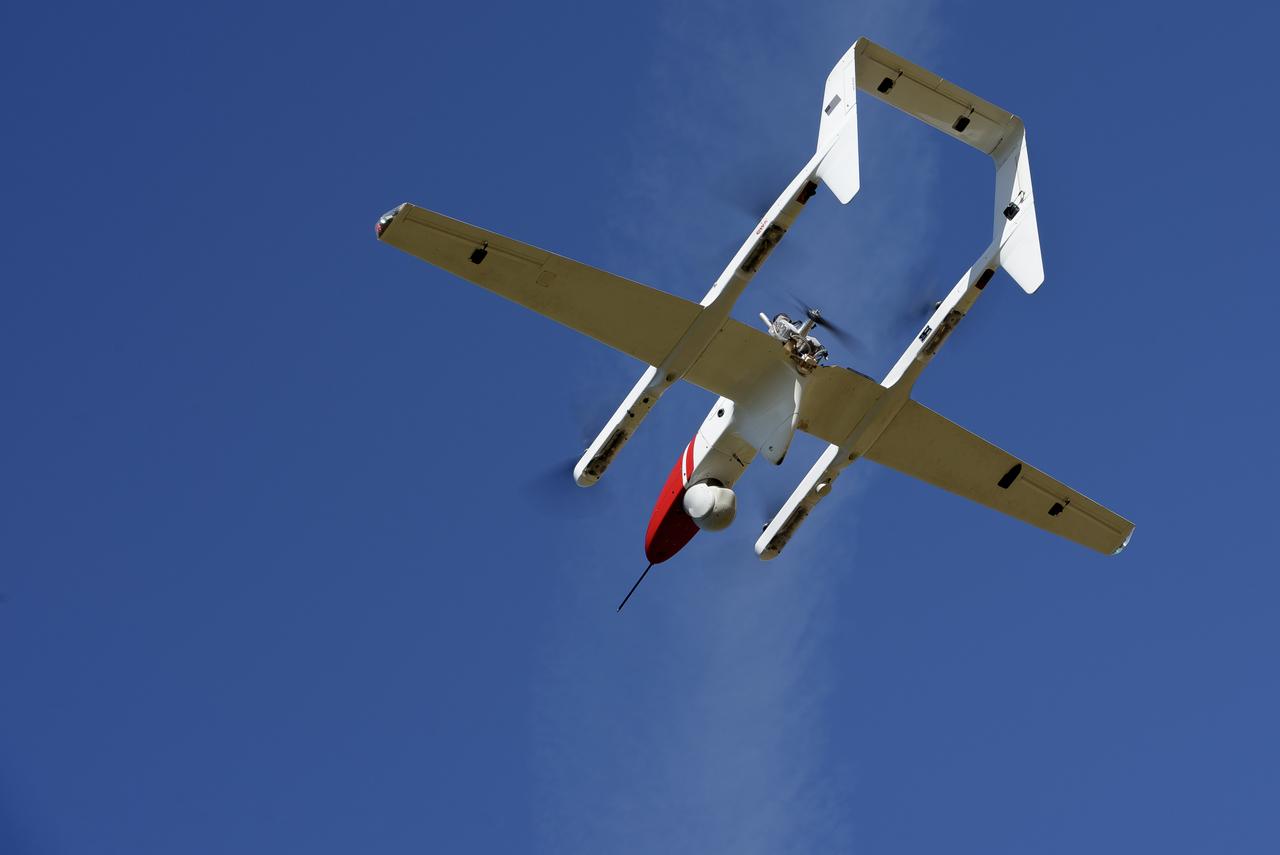
L3Harris FVR90 Unmanned Aerial Vehicle (UAV) lifts off from the Monterey Bay Academy Airport near Watsonville, California, during the Advanced Capabilities for Emergency Response Operations (ACERO) Shakedown Test.
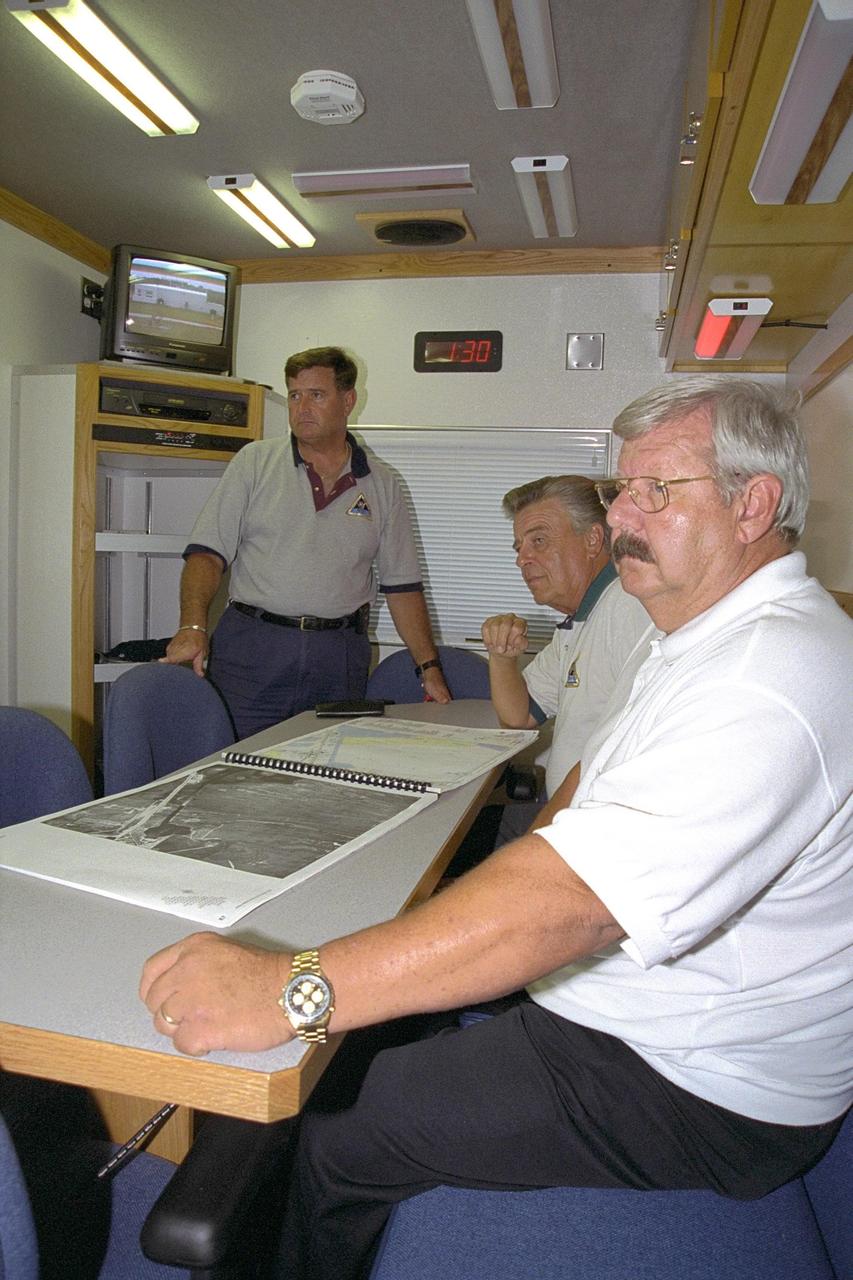
Charles Street, Roger Scheidt and Robert ZiBerna, the Emergency Preparedness team at KSC, sit in the conference room inside the Mobile Command Center, a specially equipped vehicle. Nicknamed “The Brute,” it also features computer work stations, mobile telephones and a fax machine. It also can generate power with its onboard generator. Besides being ready to respond in case of emergencies during launches, the vehicle must be ready to help address fires, security threats, chemical spills, terrorist attaches, weather damage or other critical situations that might face KSC or Cape Canaveral Air Force Station
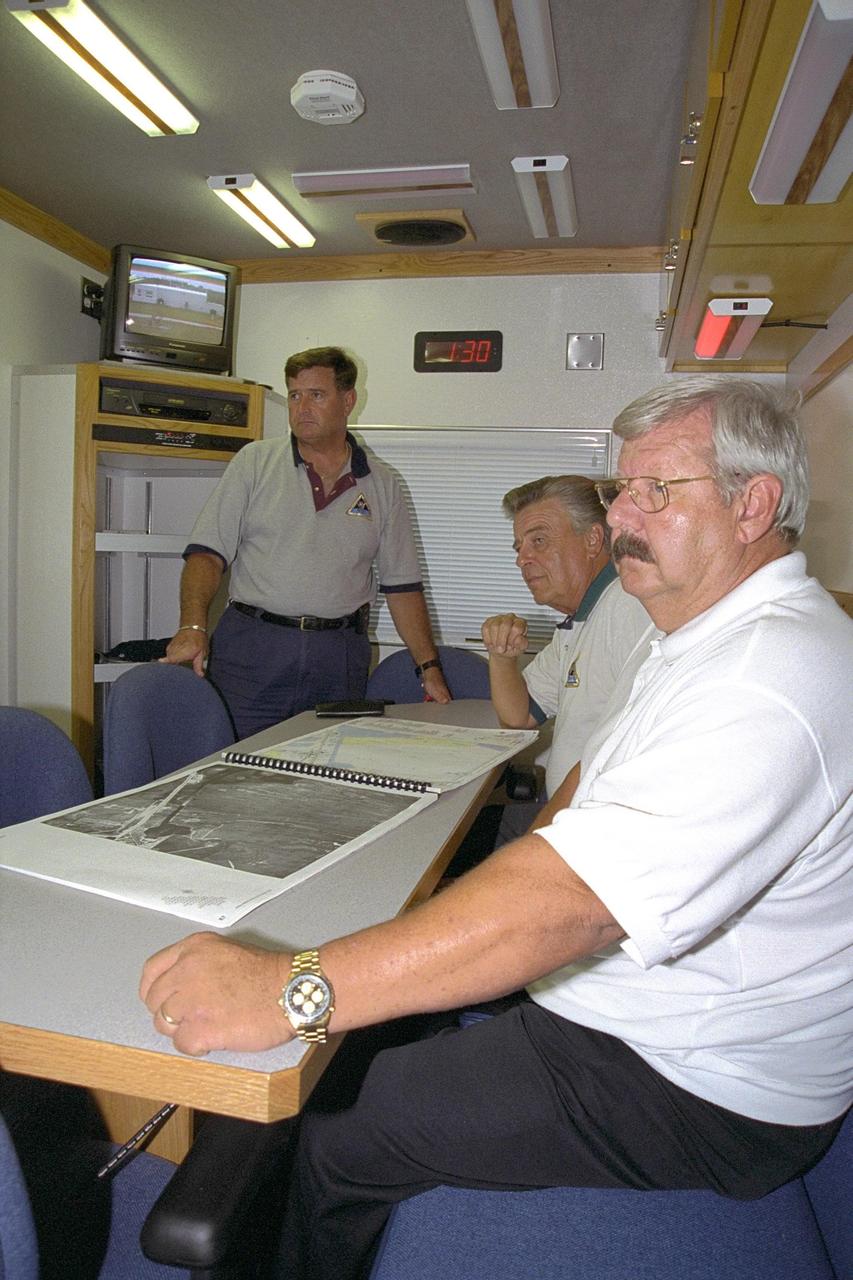
Charles Street, Roger Scheidt and Robert ZiBerna, the Emergency Preparedness team at KSC, sit in the conference room inside the Mobile Command Center, a specially equipped vehicle. Nicknamed “The Brute,” it also features computer work stations, mobile telephones and a fax machine. It also can generate power with its onboard generator. Besides being ready to respond in case of emergencies during launches, the vehicle must be ready to help address fires, security threats, chemical spills, terrorist attaches, weather damage or other critical situations that might face KSC or Cape Canaveral Air Force Station
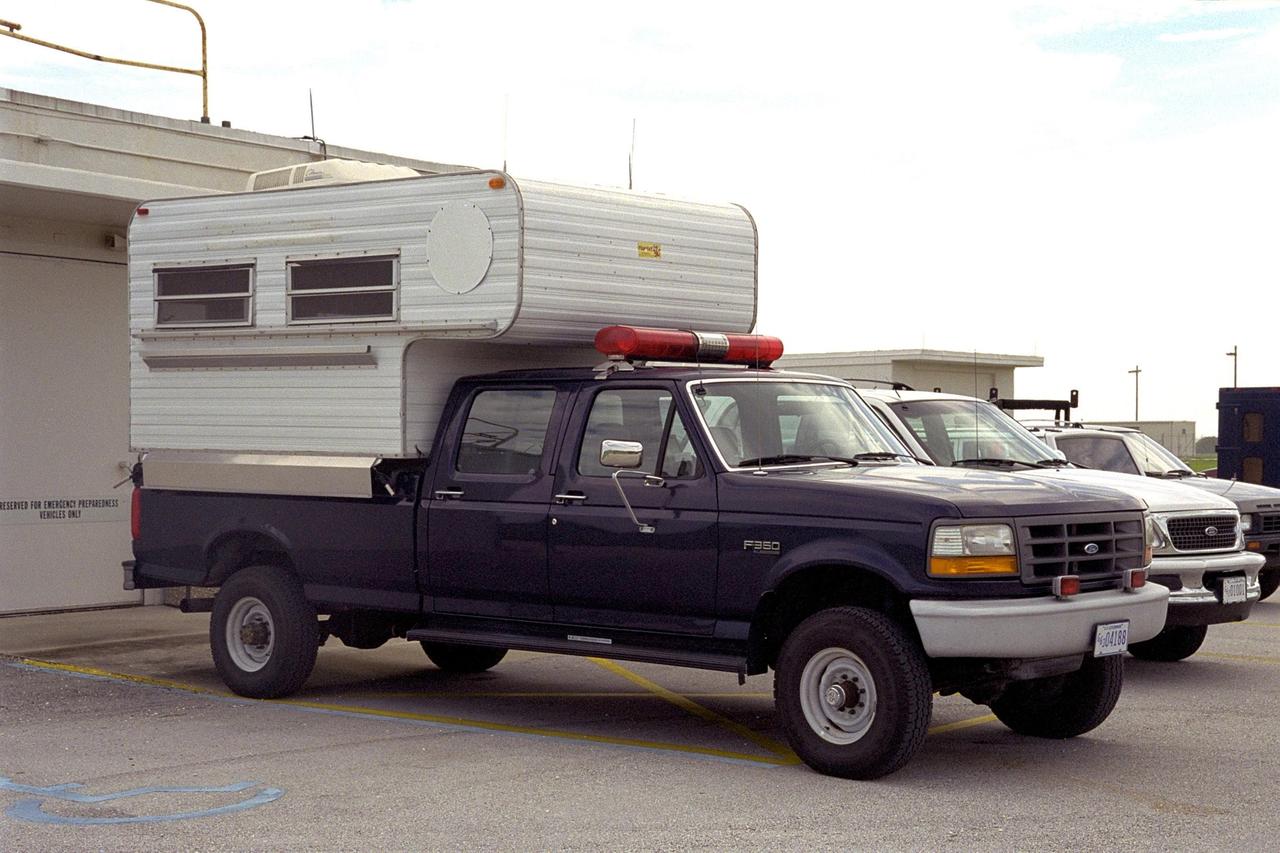
This camper-equipped truck known as “Old Blue” served as mobile field command center for the Emergency Preparedness team at KSC. It has been replaced with a larger vehicle that includes a conference room, computer work stations, mobile telephones and a fax machine, plus its own onboard generator. Besides being ready to respond in case of emergencies during launches, the vehicle must be ready to help address fires, security threats, chemical spills, terrorist attaches, weather damage or other critical situations that might face KSC or Cape Canaveral Air Force Station
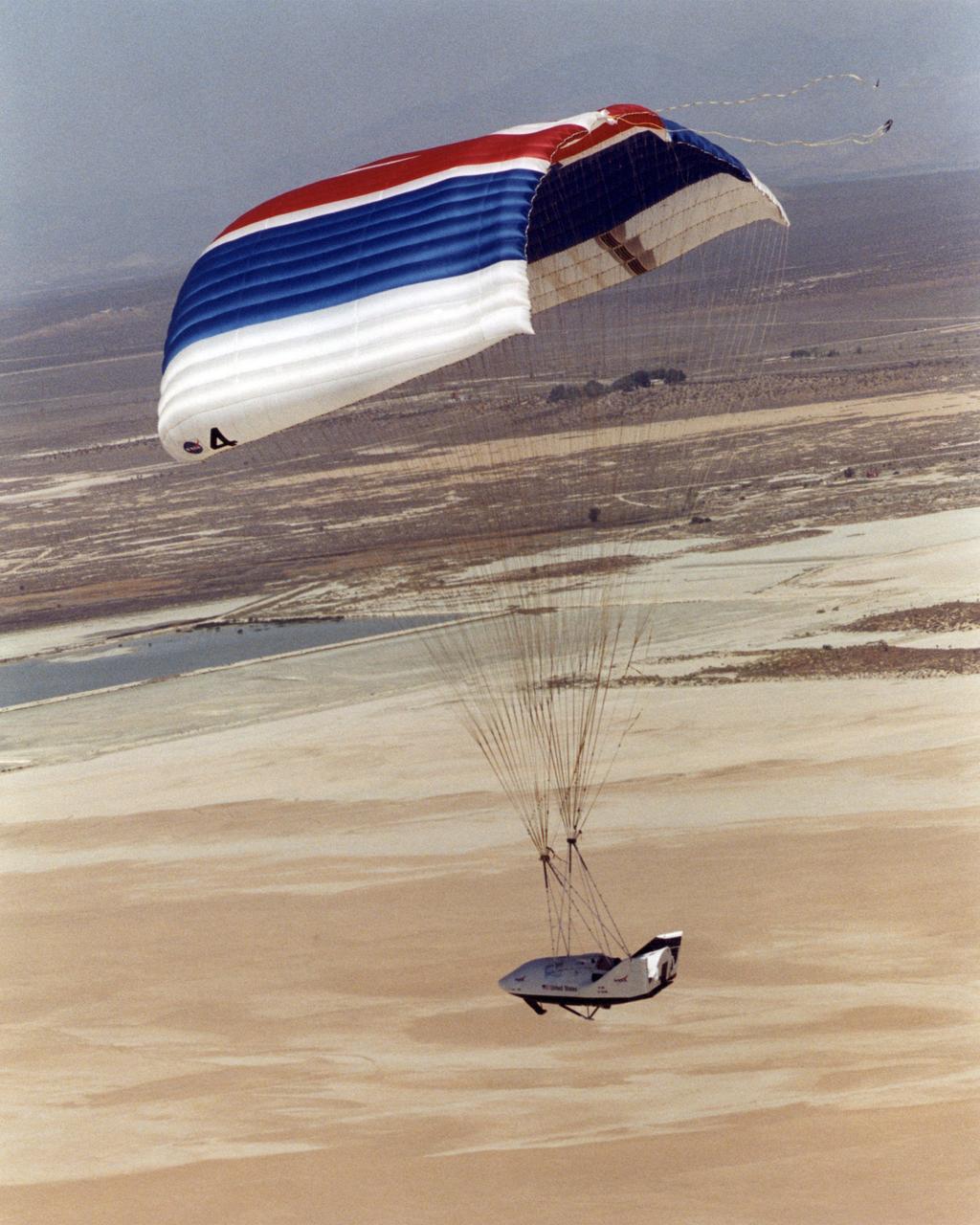
The seventh free flight of an X-38 prototype for an emergency space station crew return vehicle culminated in a graceful glide to landing under the world's largest parafoil. The mission began when the X-38 was released from NASA's B-52 mother ship over Edwards Air Force Base, California, where NASA Dryden Flight Research Center is located. The July 10, 2001 flight helped researchers evaluate software and deployment of the X-38's drogue parachute and subsequent parafoil. NASA intends to create a space-worthy Crew Return Vehicle (CRV) to be docked to the International Space Station as a "lifeboat" to enable a full seven-person station crew to evacuate in an emergency.

This new specially equipped vehicle serves as a mobile command center for emergency preparedness staff and other support personnel when needed at KSC or Cape Canaveral Air Force Station. It features a conference room, computer work stations, mobile telephones and a fax machine. It also can generate power with its onboard generator. Besides being ready to respond in case of emergencies during launches, the vehicle must be ready to help address fires, security threats, chemical spills, terrorist attaches, weather damage or other critical situations that might face KSC or CCAFS
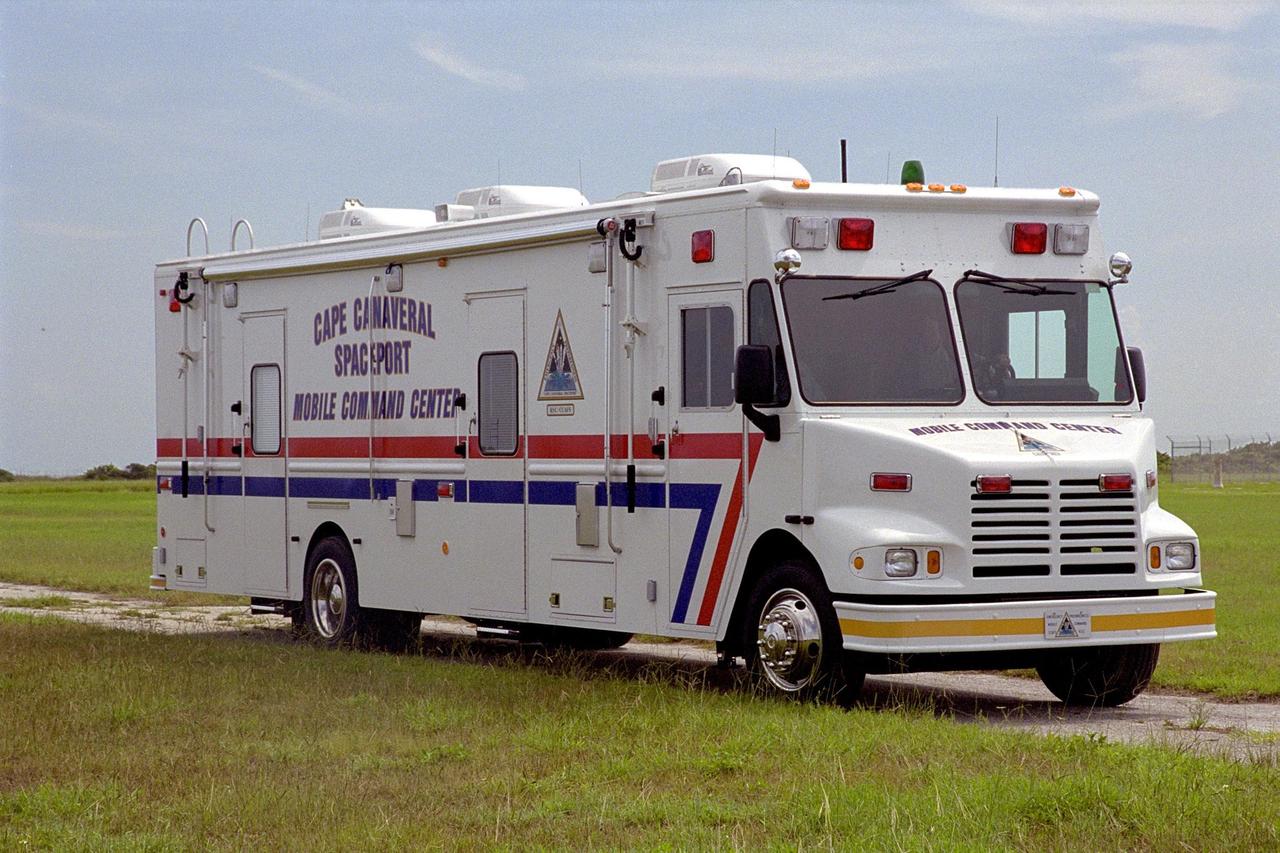
This new specially equipped vehicle serves as a mobile command center for emergency preparedness staff and other support personnel when needed at KSC or Cape Canaveral Air Force Station. It features a conference room, computer work stations, mobile telephones and a fax machine. It also can generate power with its onboard generator. Besides being ready to respond in case of emergencies during launches, the vehicle must be ready to help address fires, security threats, chemical spills, terrorist attaches, weather damage or other critical situations that might face KSC or CCAFS
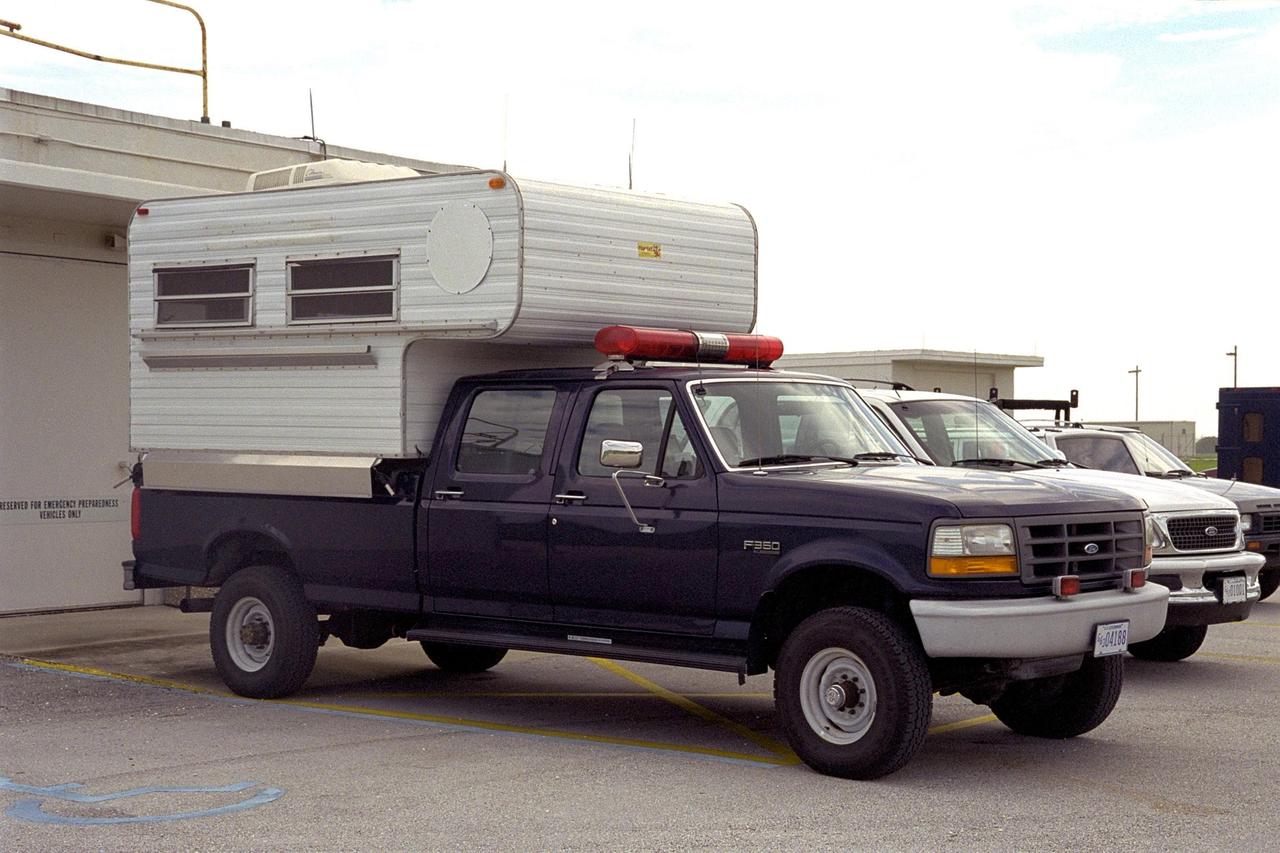
This camper-equipped truck known as “Old Blue” served as mobile field command center for the Emergency Preparedness team at KSC. It has been replaced with a larger vehicle that includes a conference room, computer work stations, mobile telephones and a fax machine, plus its own onboard generator. Besides being ready to respond in case of emergencies during launches, the vehicle must be ready to help address fires, security threats, chemical spills, terrorist attaches, weather damage or other critical situations that might face KSC or Cape Canaveral Air Force Station