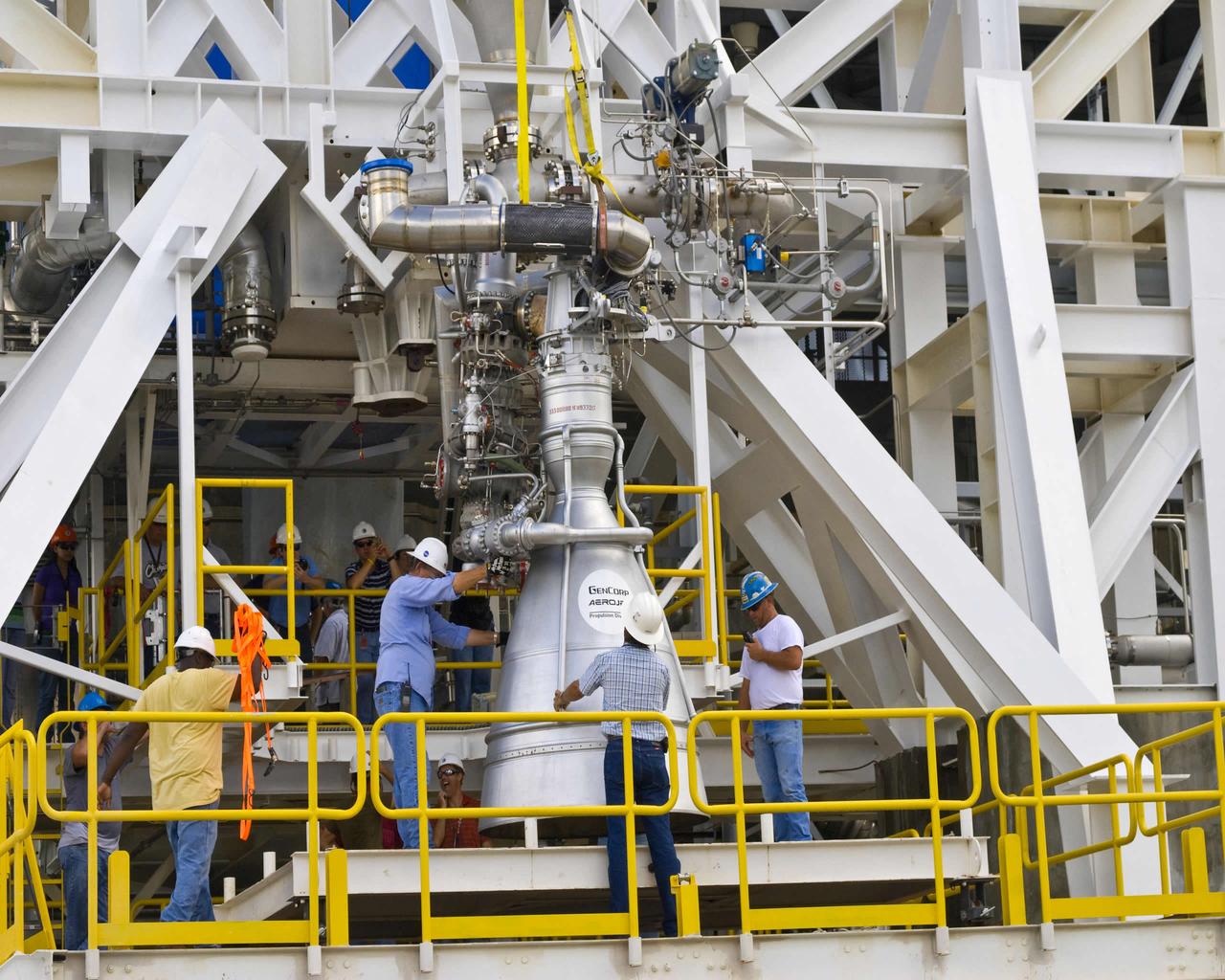
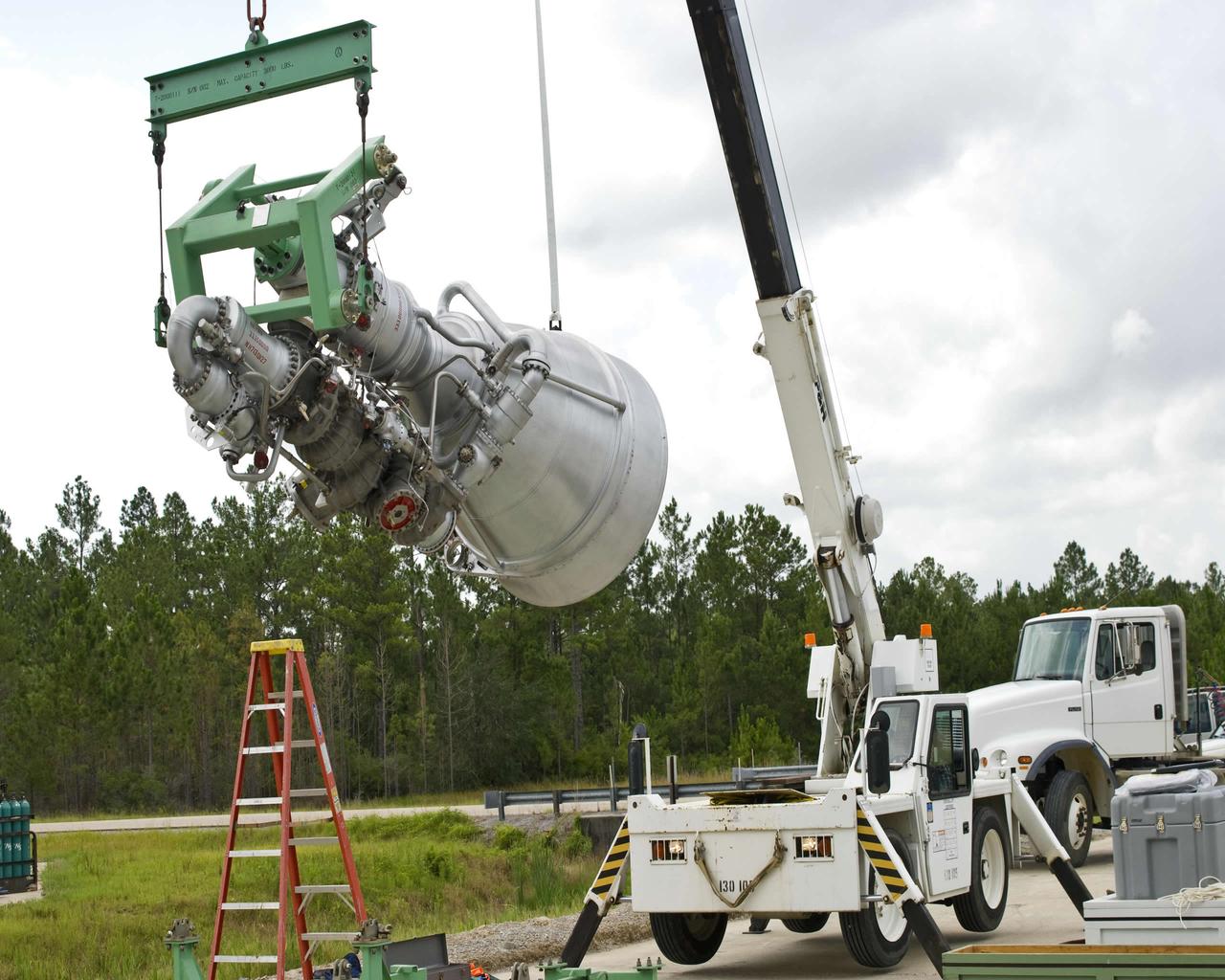
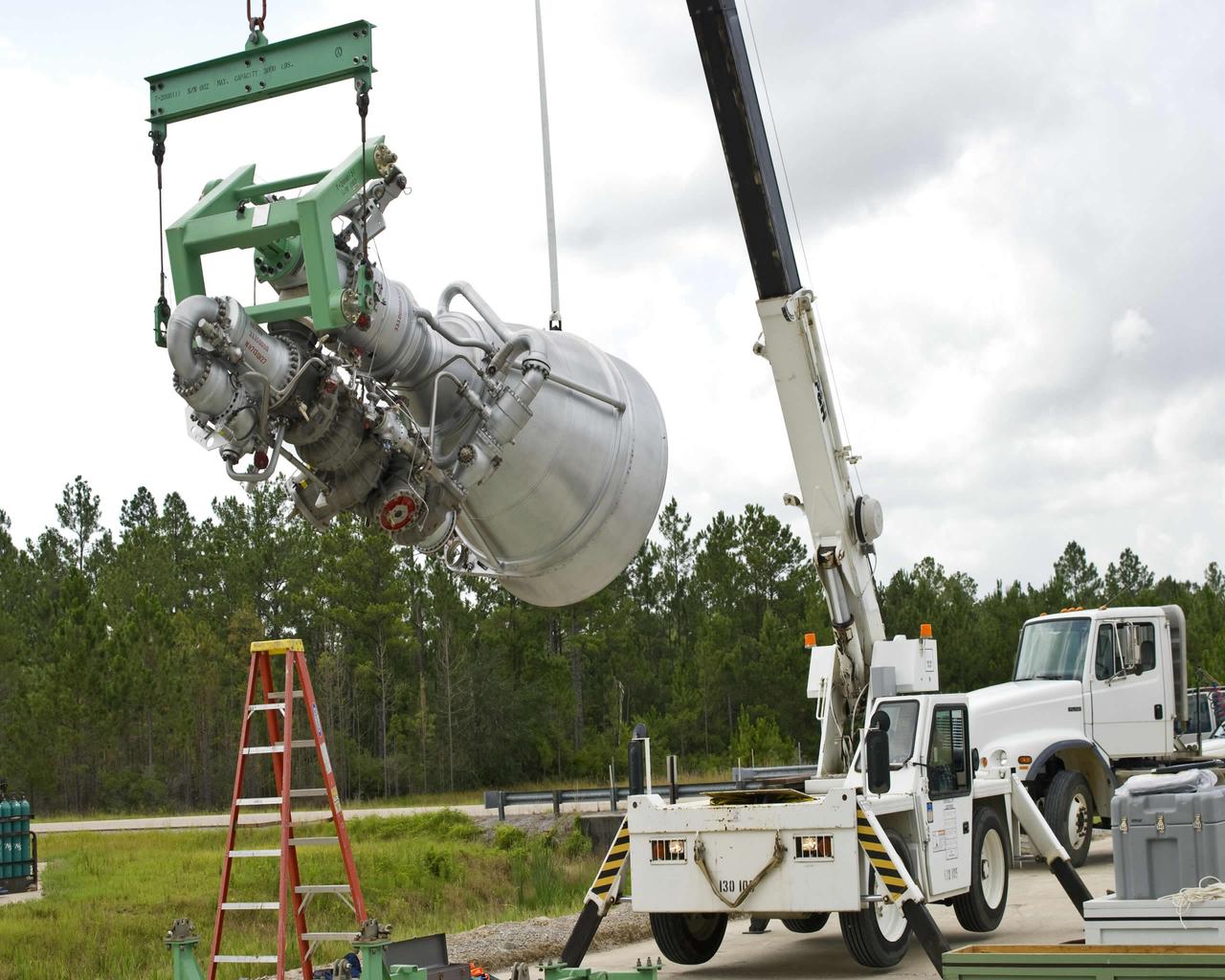
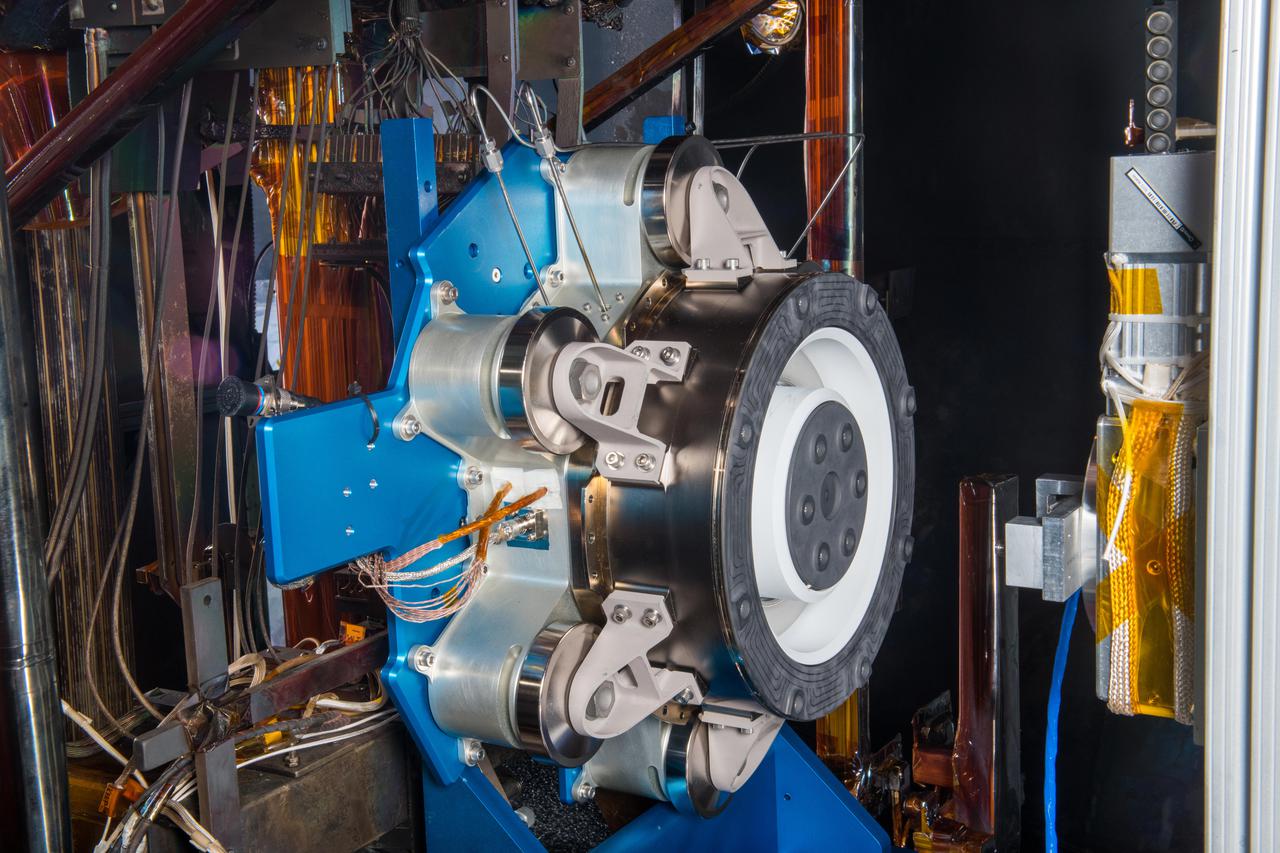
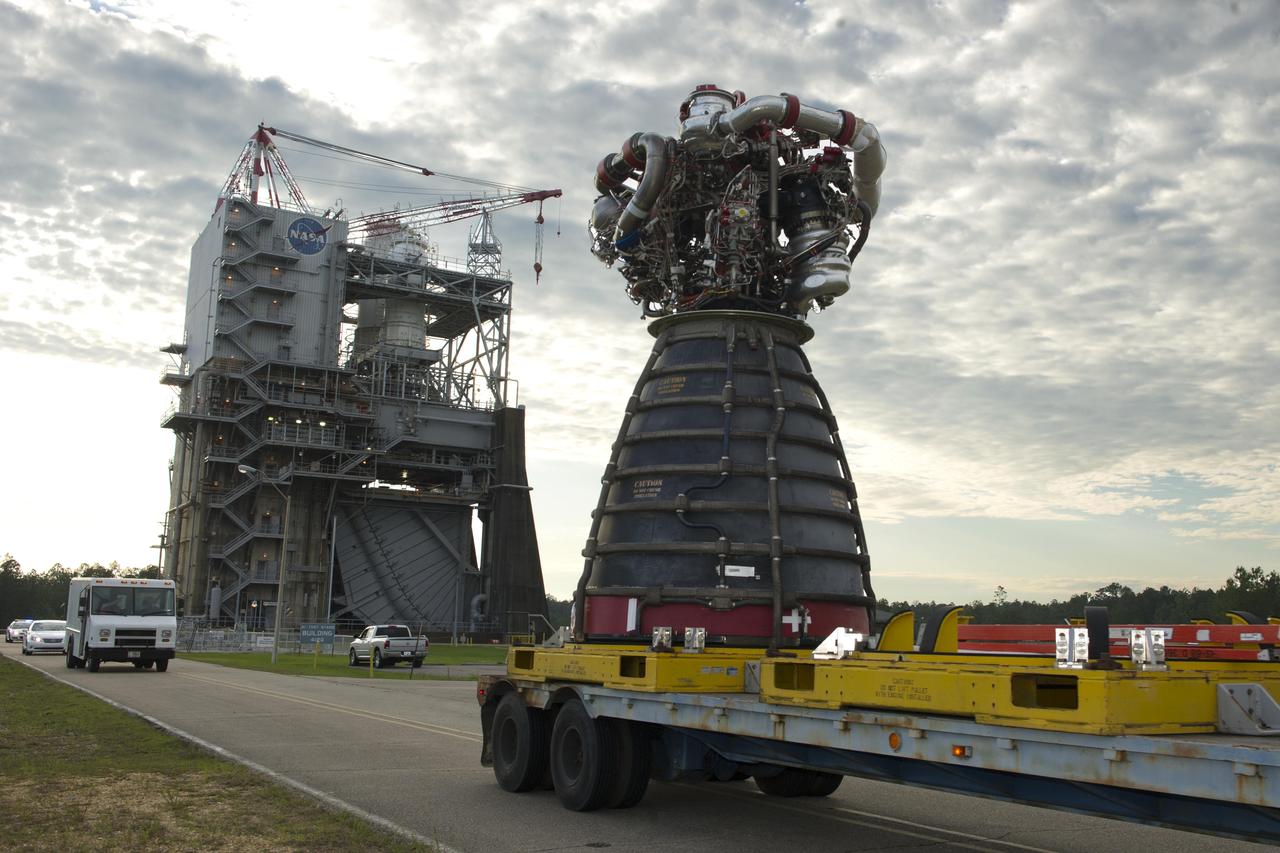
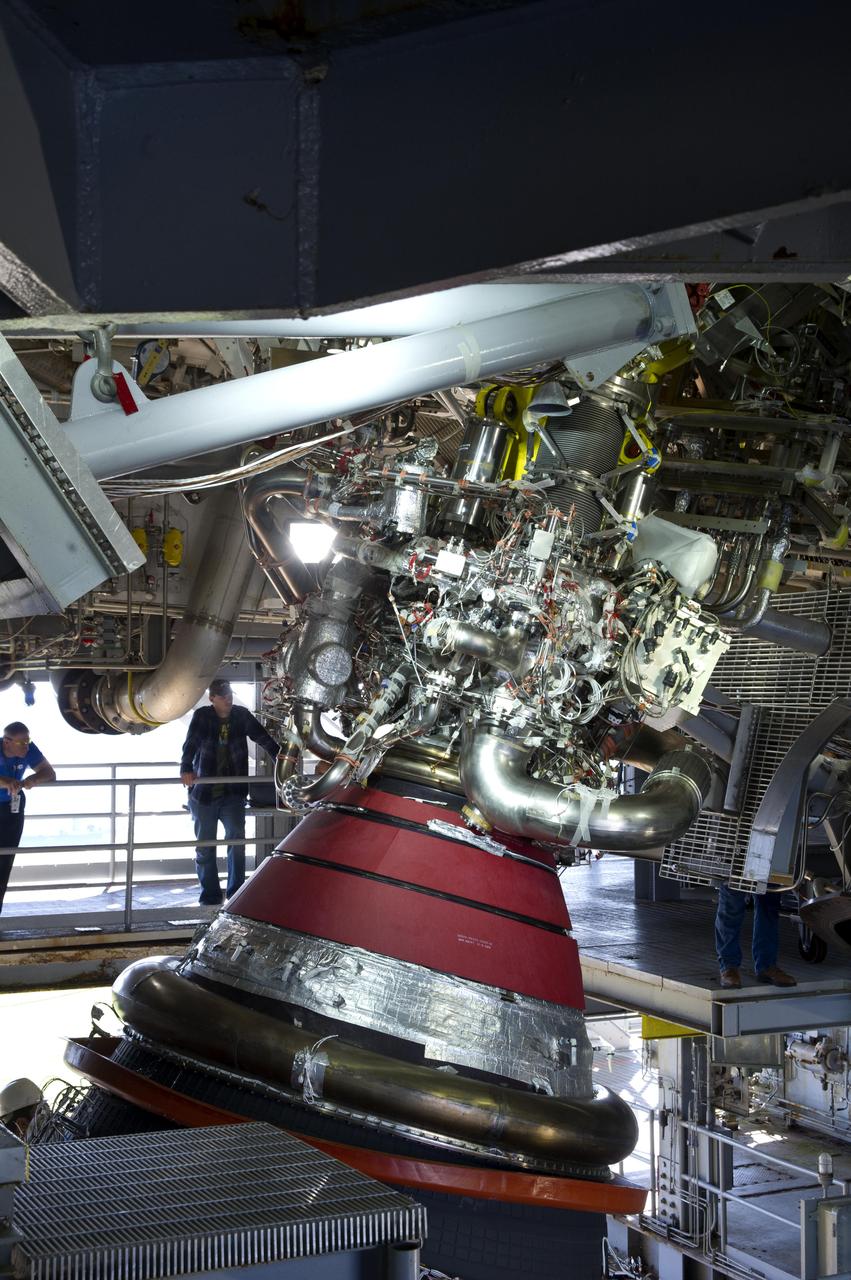
The first RS-25 flight engine, engine No. 2059, is lifted onto the A-1 Test Stand at Stennis Space Center on Nov. 4, 2015. The engine was tested in early 2016 to certify it for use on NASA’s new Space Launch System (SLS). The SLS core stage will be powered by four RS-25 engines, all tested at Stennis Space Center. NASA is developing the SLS to carry humans deeper into space than ever before, including on a journey to Mars.
Preparing for Flight Engine Test
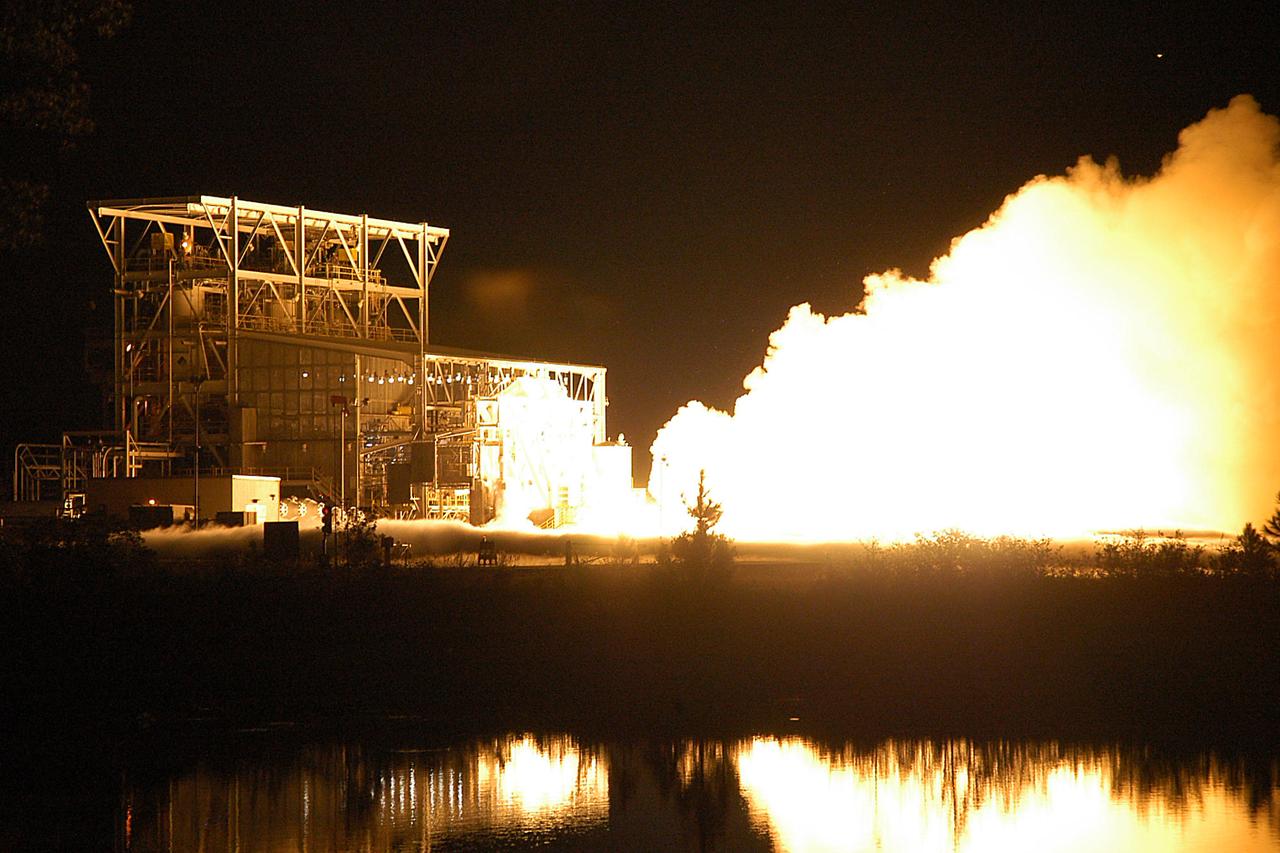
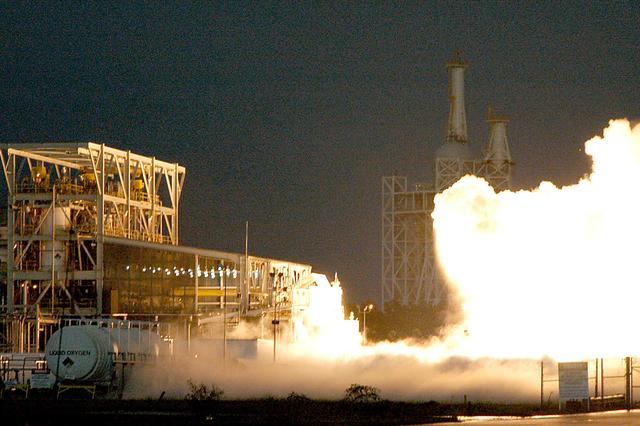
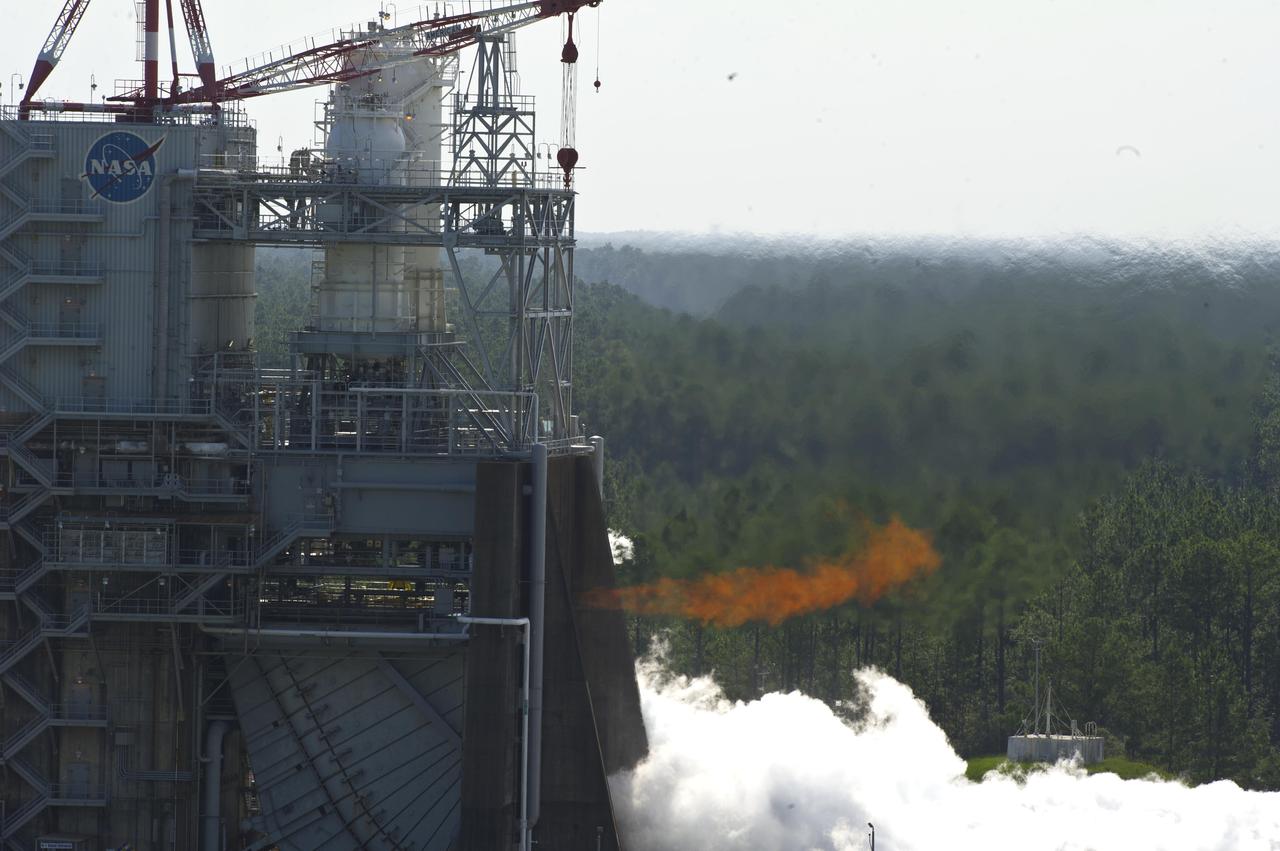
NASA engineers tested an Aerojet AJ26 rocket engine on the E-1 Test Stand at Stennis Space Center on June 25, 2012, against the backdrop of the B-1/B-2 Test Stand. The engine will be used by Orbital Sciences Corporation to power commercial cargo flights to the International Space Station.
AJ26 engine test
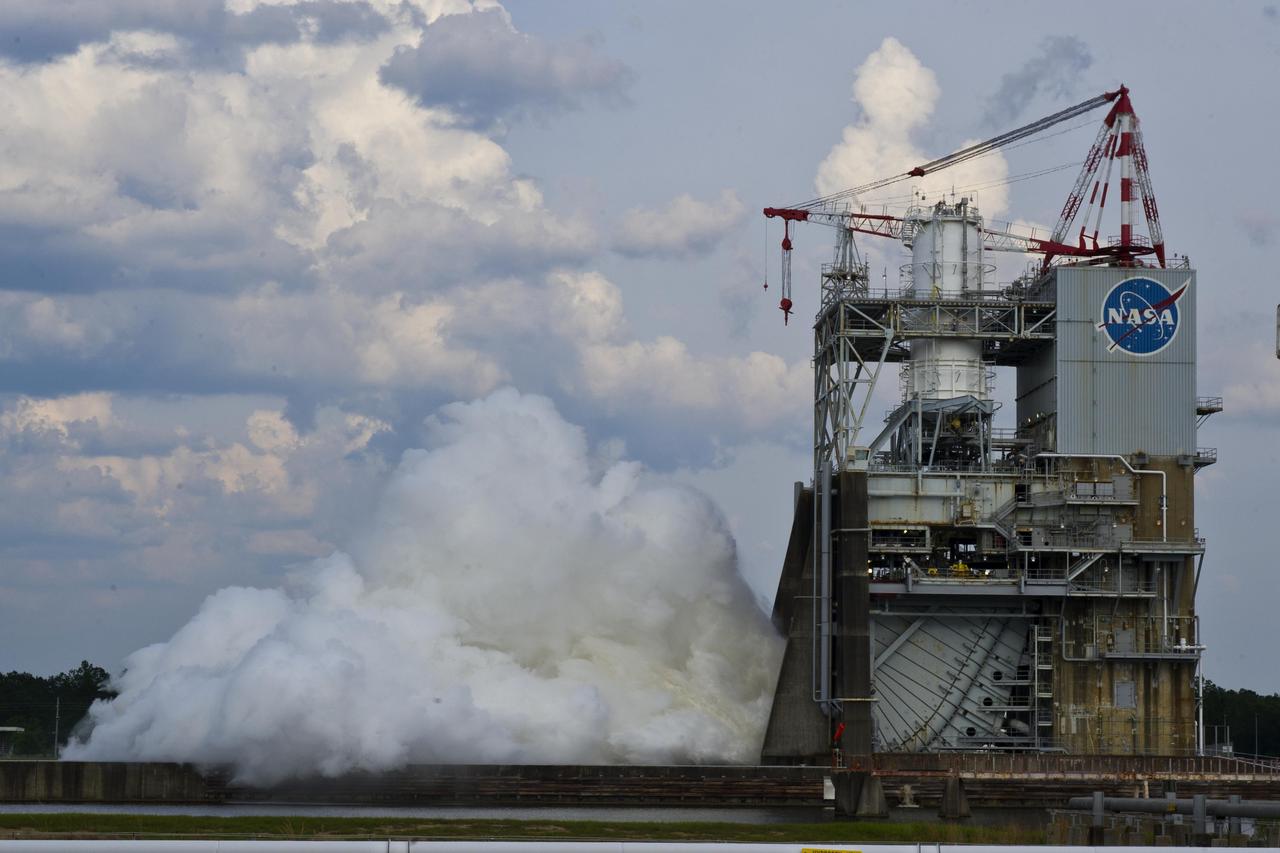
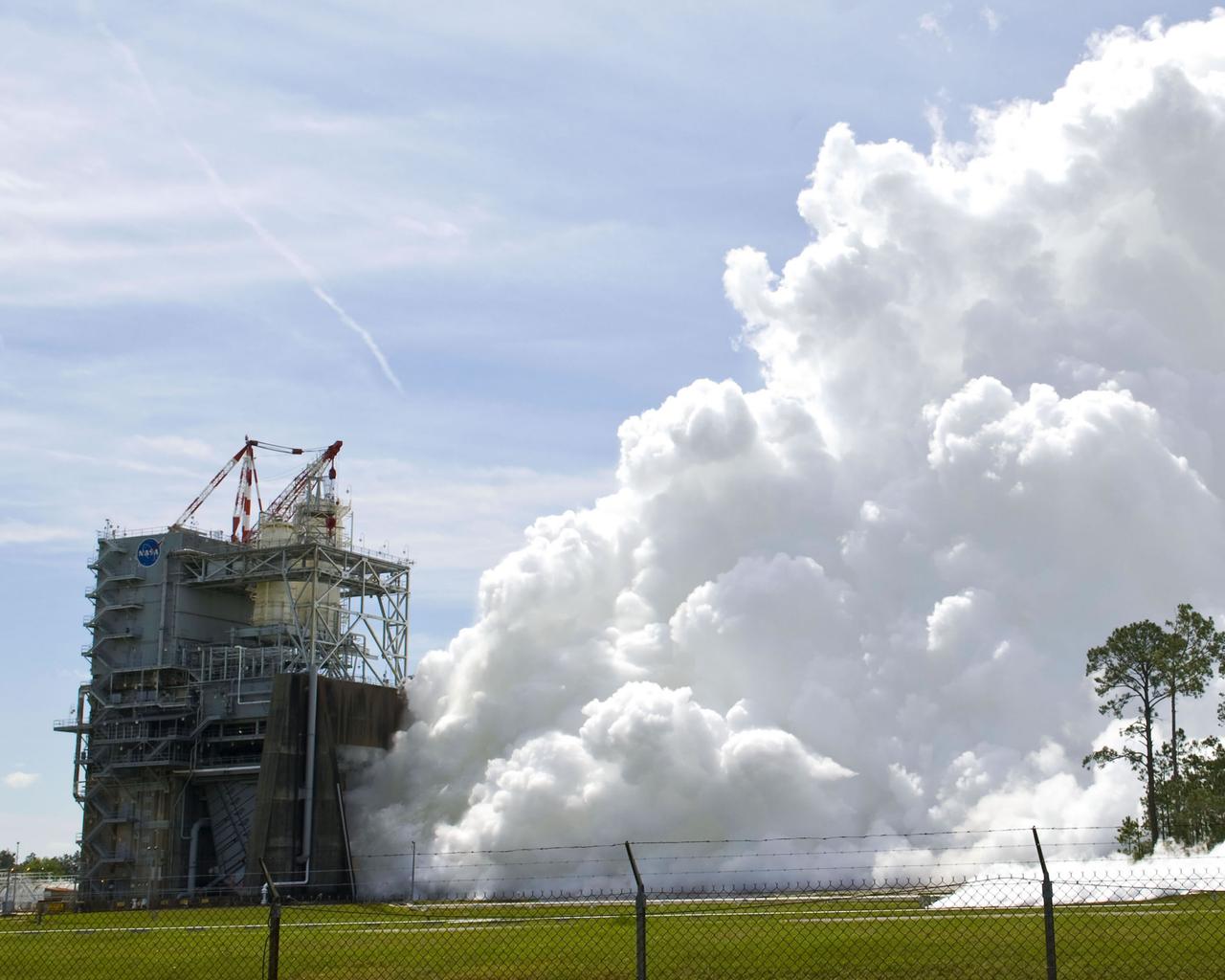
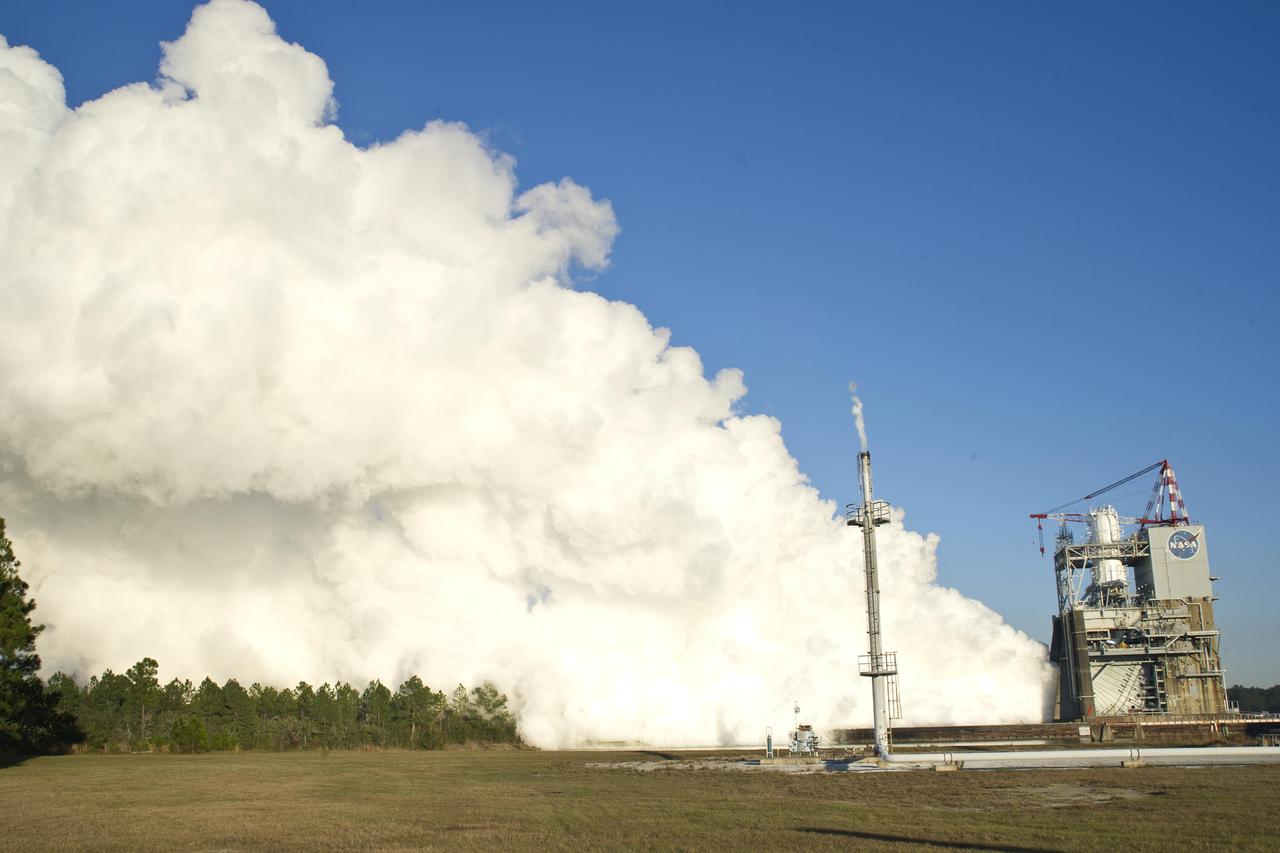
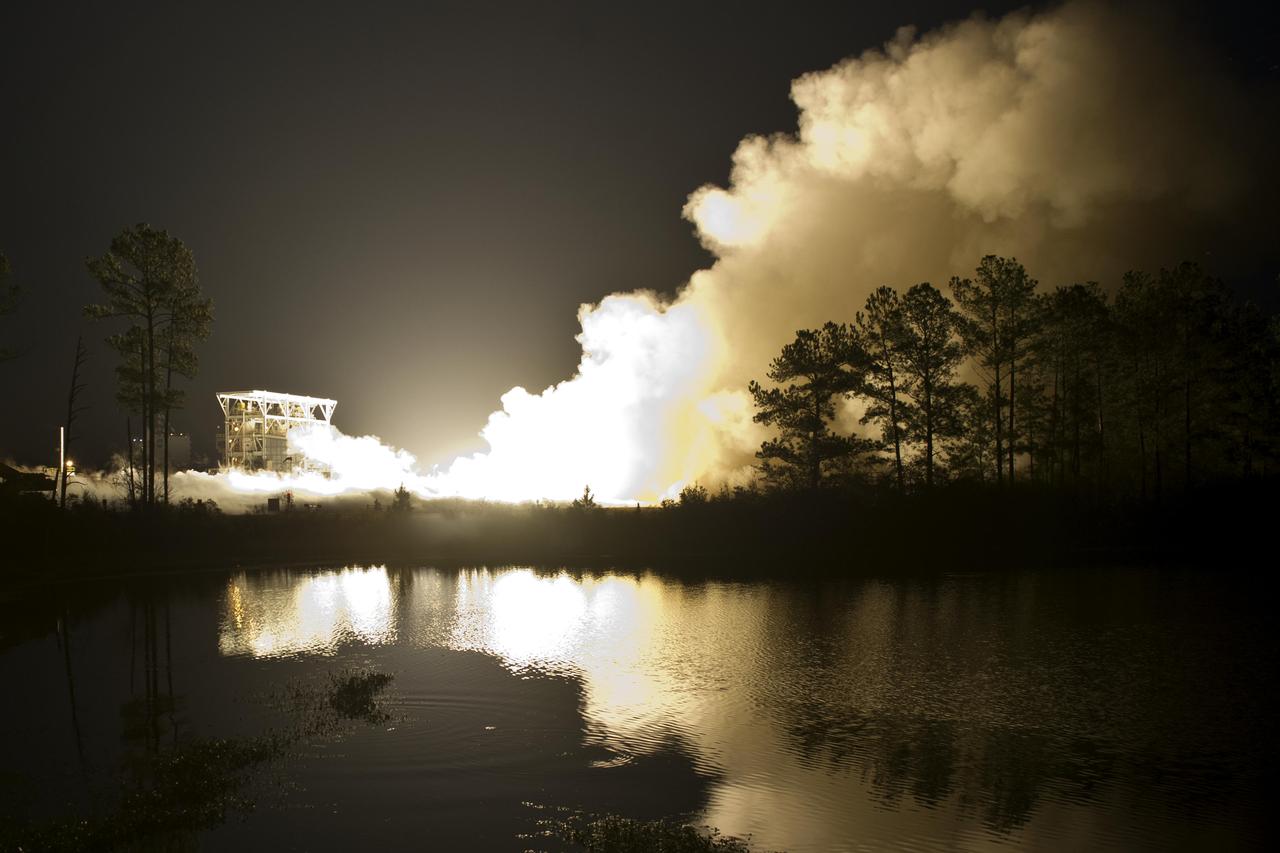
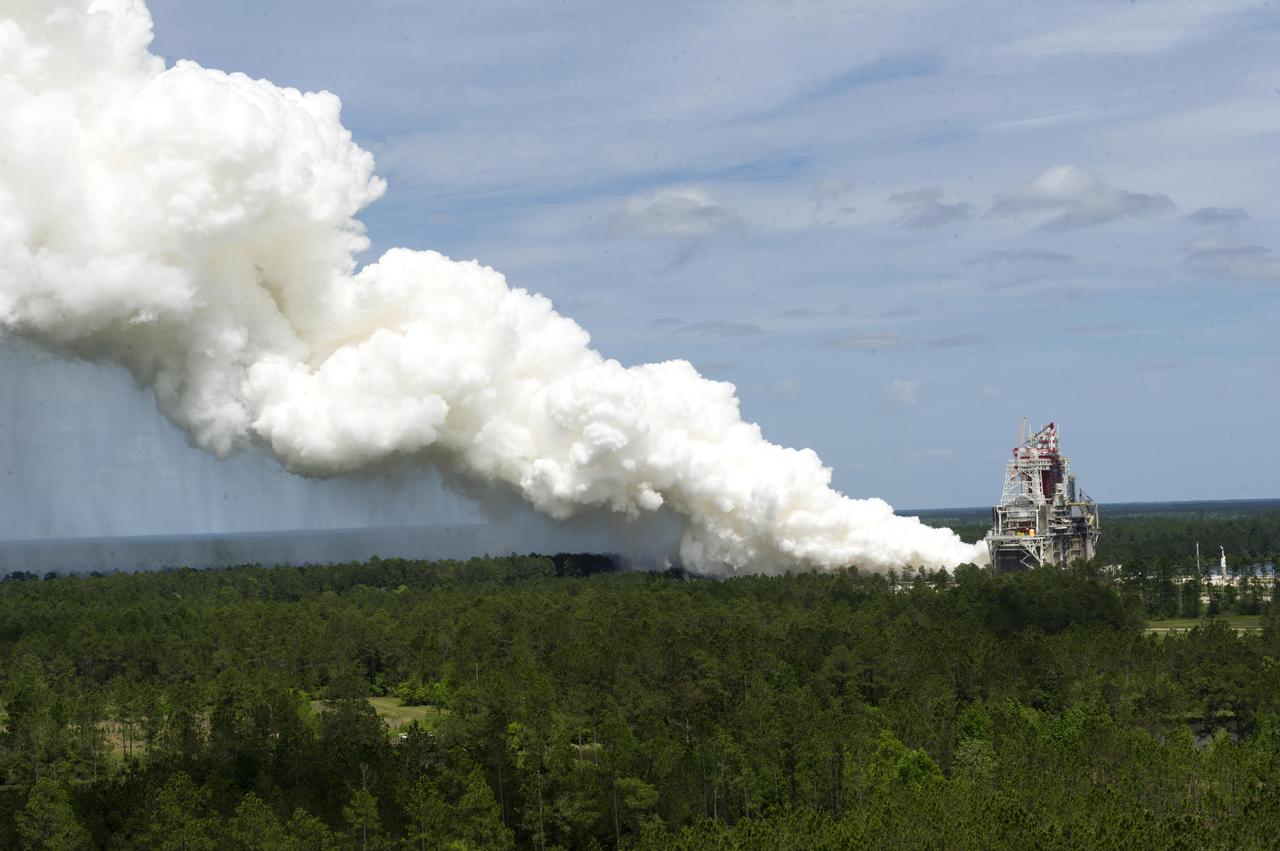
NASA conducted a successful seven-second test of the next-generation J-2X rocket engine on the A-2 Test Stand at Stennis Space Center on May 16, 2012. The J-2X is being developed for NASA by Pratt & Whitney Rocketdyne.
J-2X engine test
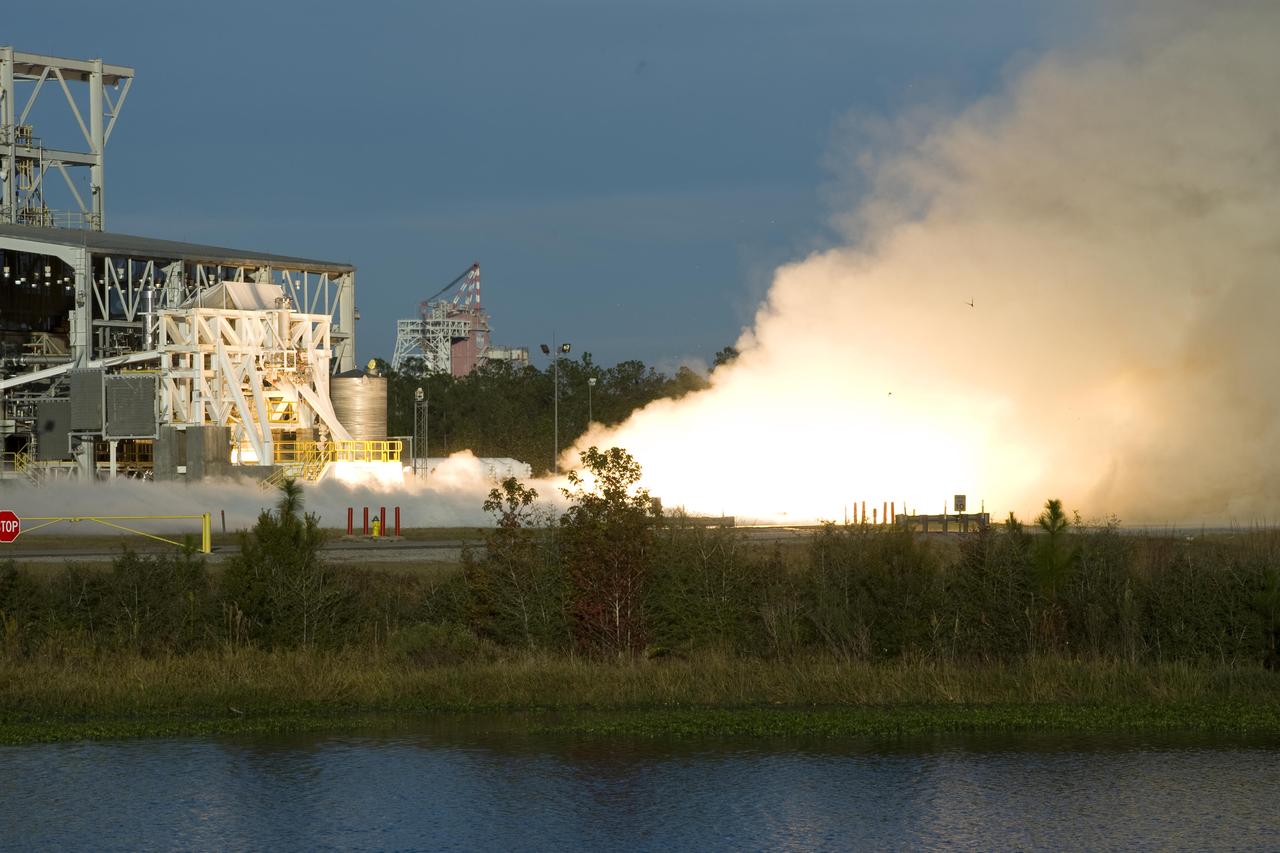
Fire and steam signal a successful test firing of Orbital Sciences Corporation's Aerojet AJ26 rocket engine at John C. Stennis Space Center. AJ26 engines will be used to power Orbital's Taurus II space vehicle on commercial cargo flights to the International Space Station. On Nov. 10, operators at Stennis' E-1 Test Stand conducted a 10-second test fire of the engine, the first of a series of three verification tests. Orbital has partnered with NASA to provide eight missions to the ISS by 2015.
AJ26 rocket engine test
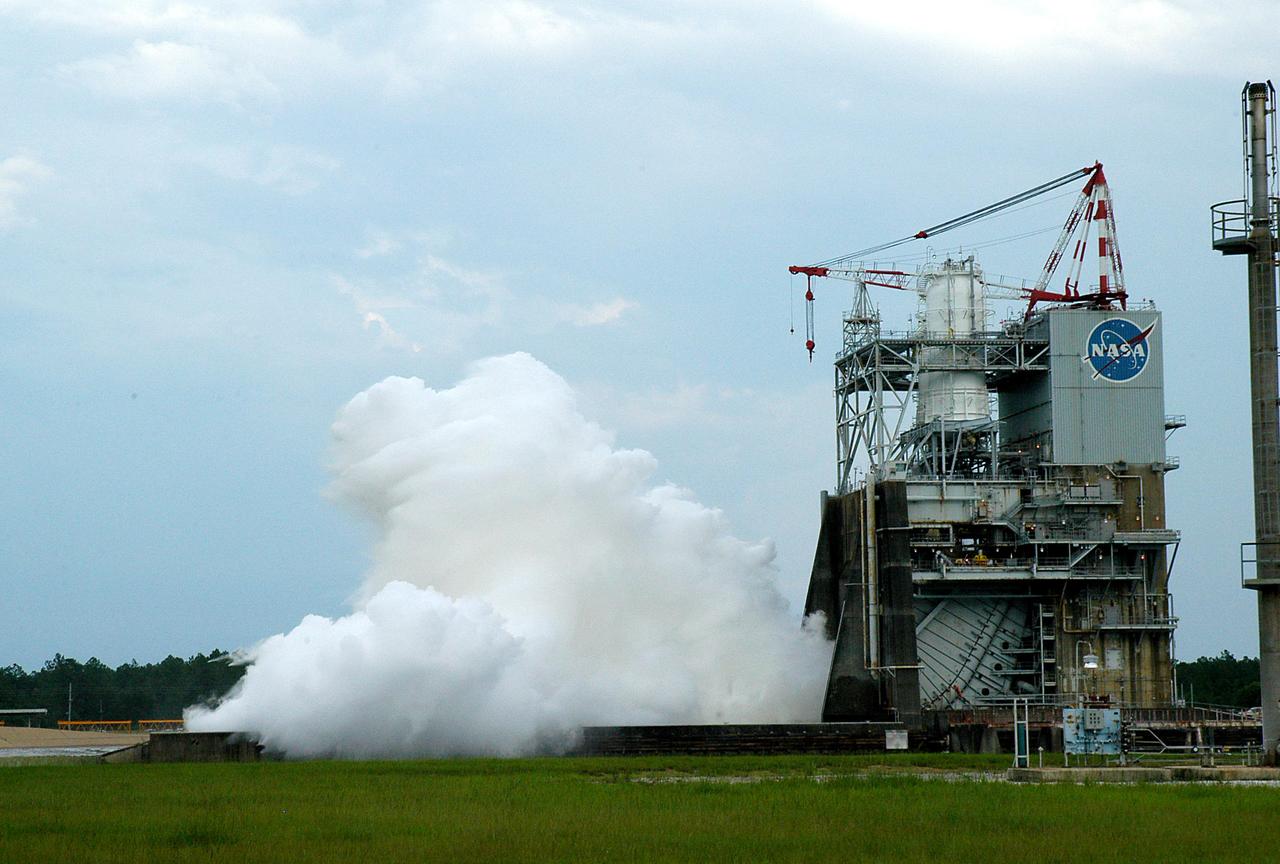
A plume of steam signals a successful engine start of the J-2X rocket engine on the A-3 Test Stand at Stennis Space Center on July 26. The 3.7-second test was the second on the next-generation engine, which is being developed for NASA by Pratt & Whitney Rocketdyne.
J-2X engine test
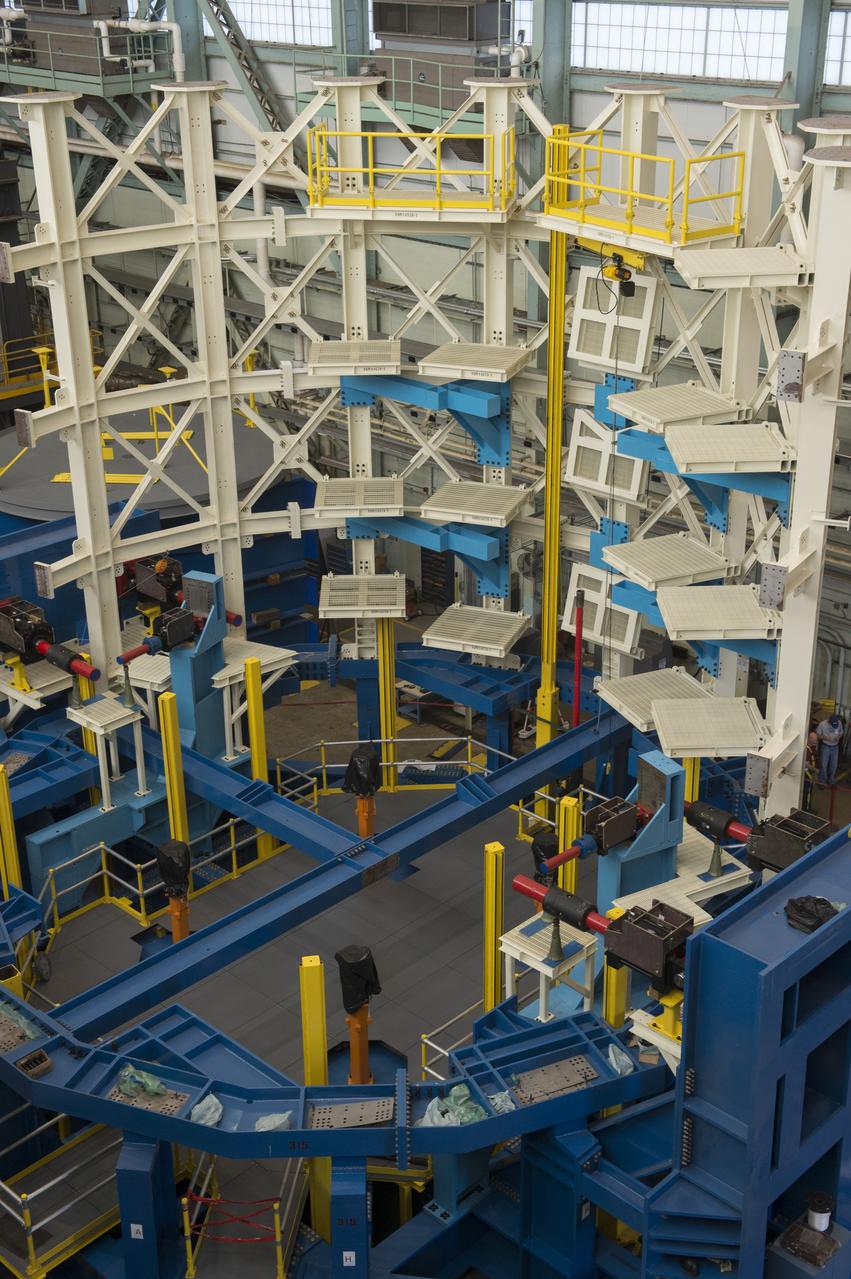
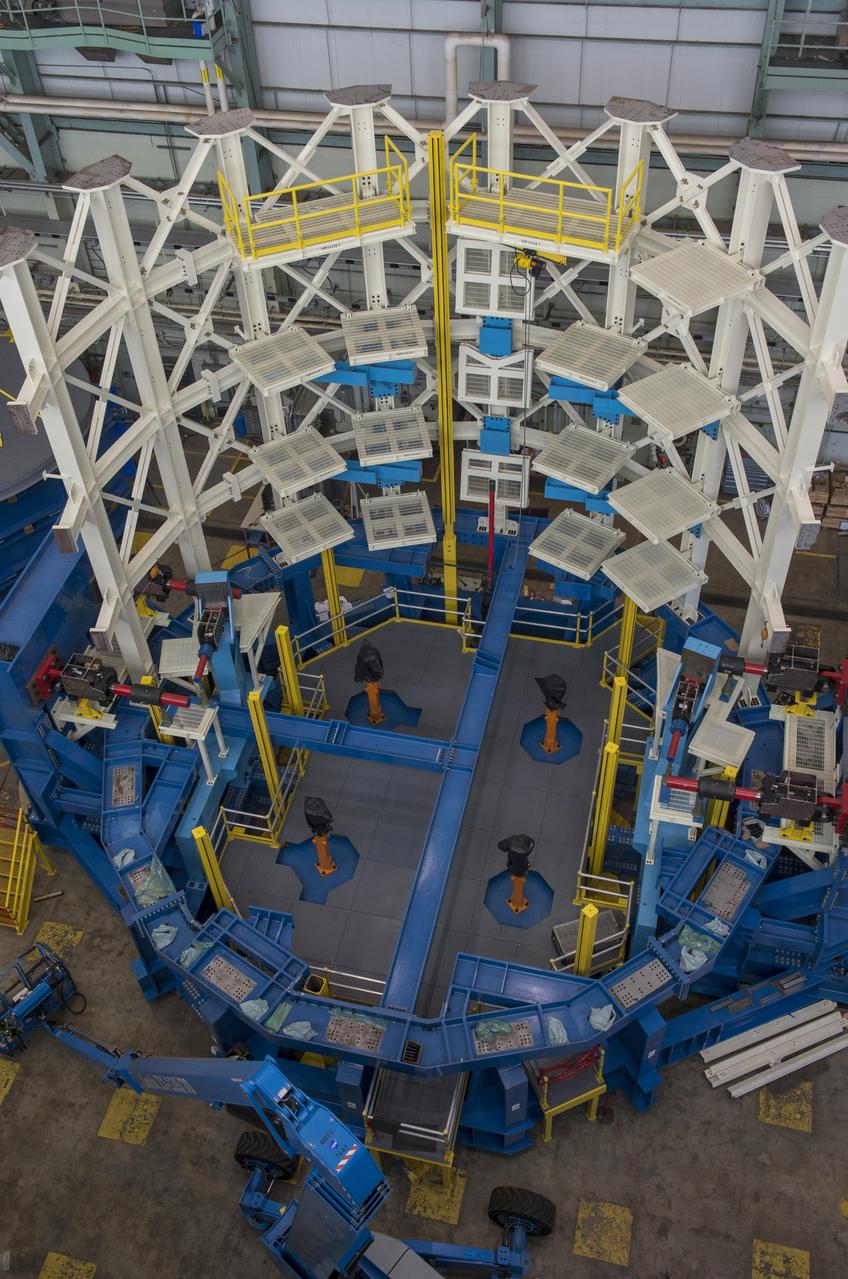
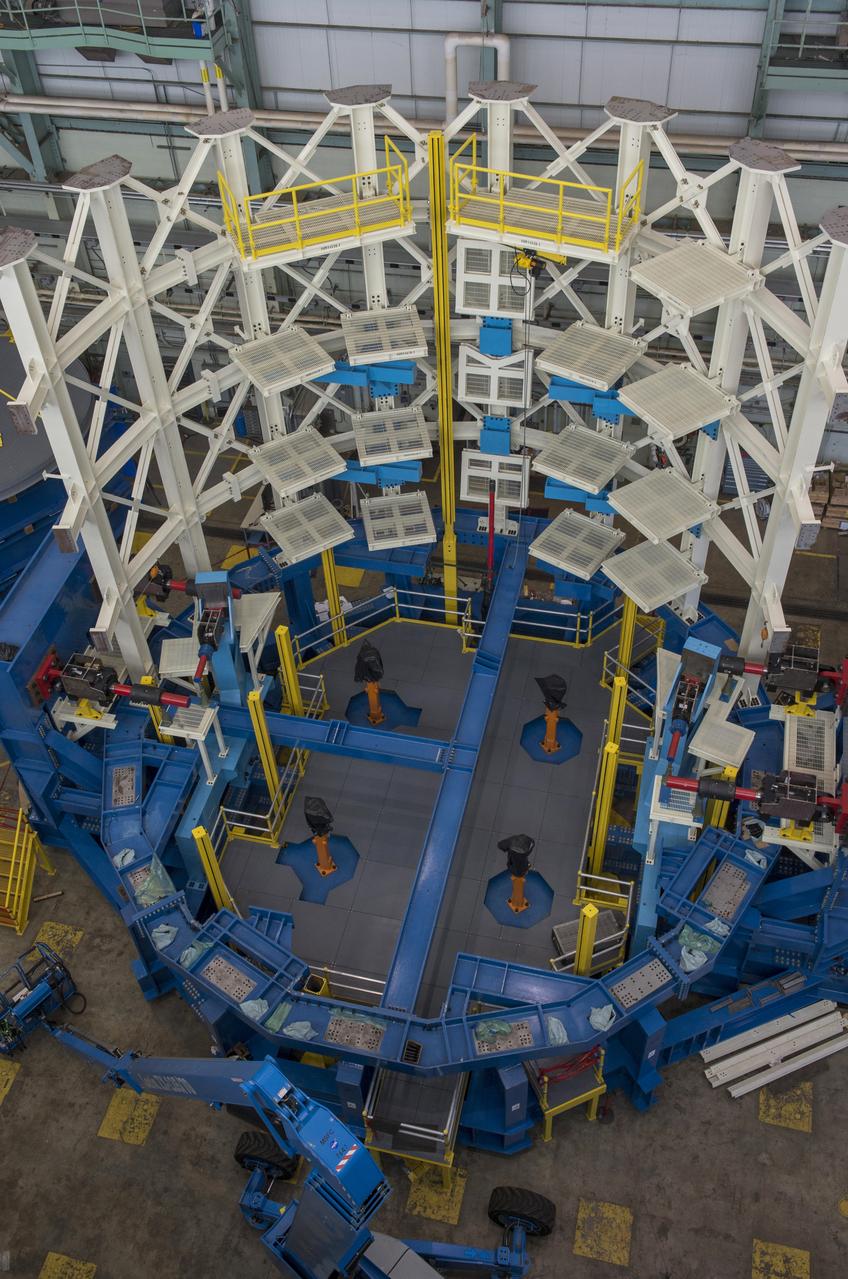
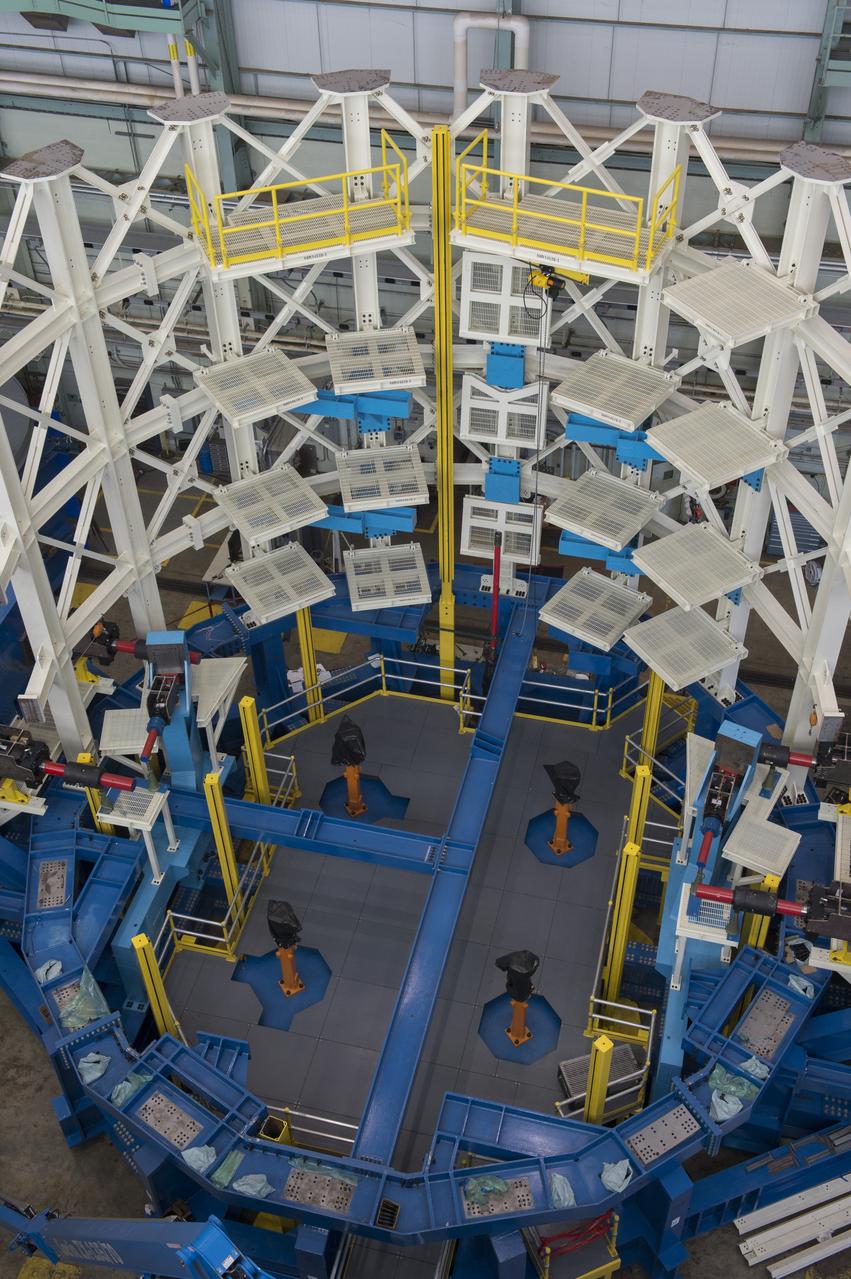
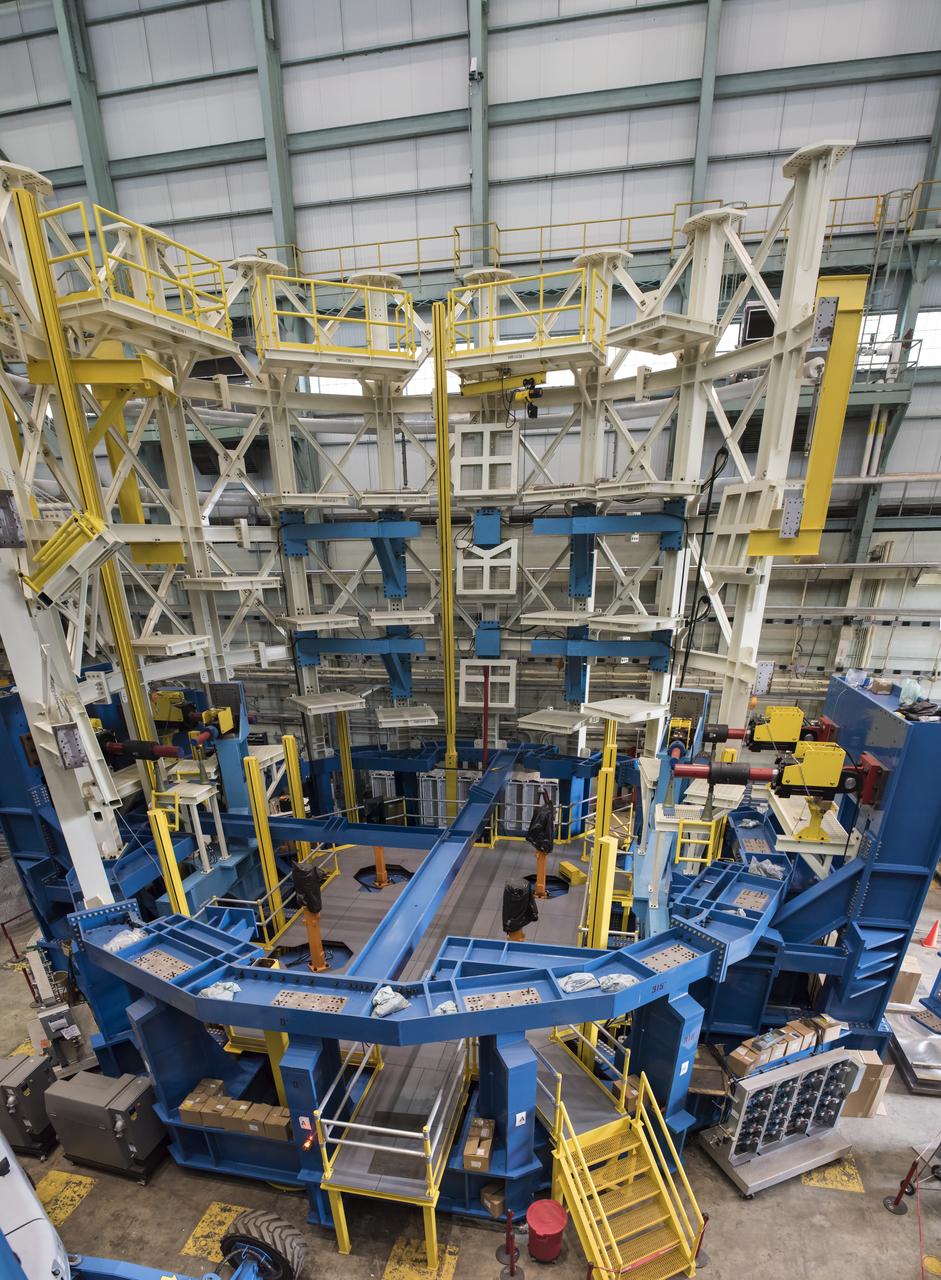
SLS ENGINE SECTION TEST STAND READY FOR STRUCTURAL TEST ARTICLE
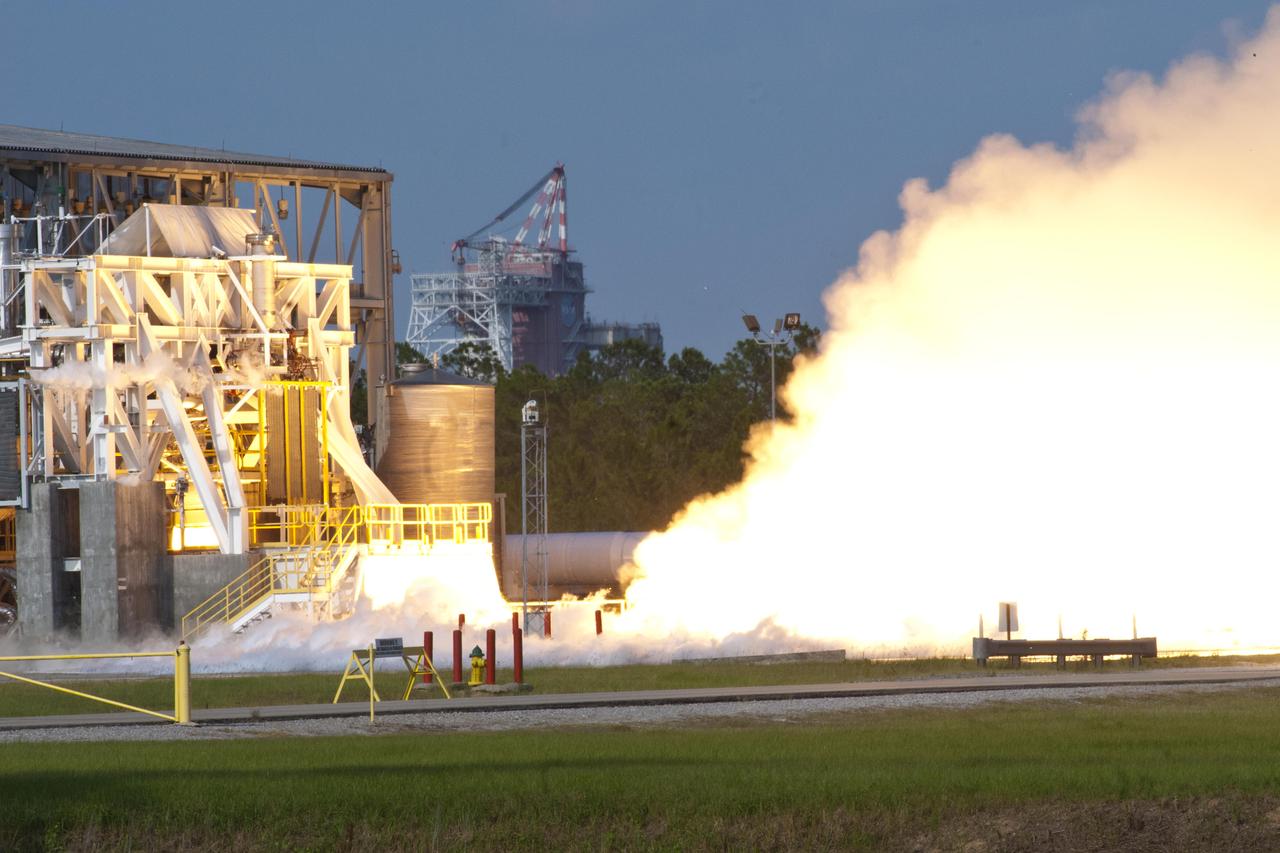
A team of engineers from NASA's John C. Stennis Space Center, Orbital Sciences Corporation and Aerojet conduct a successful test of an Aerojet AJ26 rocket engine on March 19. Stennis is testing AJ26 engines for Orbital Sciences to power commercial cargo missions to the International Space Station. Orbital has partnered with NASA through the Commercial Orbital Transportation Services initiative to carry out eight cargo missions to the space station by 2015, using Taurus II rockets.
AJ26 engine test
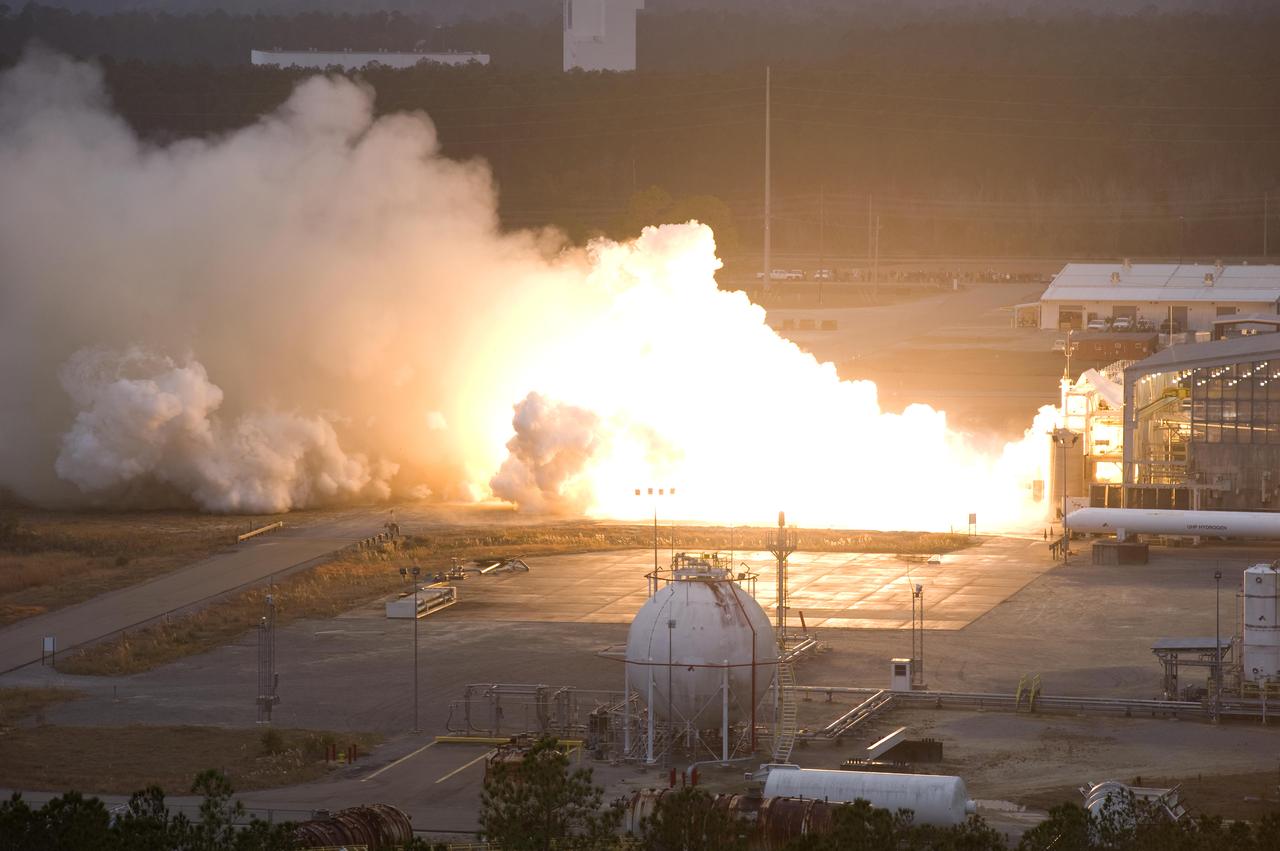
John C. Stennis Space Center engineers conduct a 55-second test fire of Aerojet's liquid-fuel AJ26 rocket engine that will power the first stage of Orbital Sciences Corporation's Taurus II space launch vehicle. The Dec. 17, 2010 test was conducted on the E-1 Test Stand at Stennis in support of NASA's Commercial Transportation Services partnerships to enable commercial cargo flights to the International Space Station. Orbital is under contract with NASA to provide eight cargo missions to the space station through 2015.
AJ26 engine test
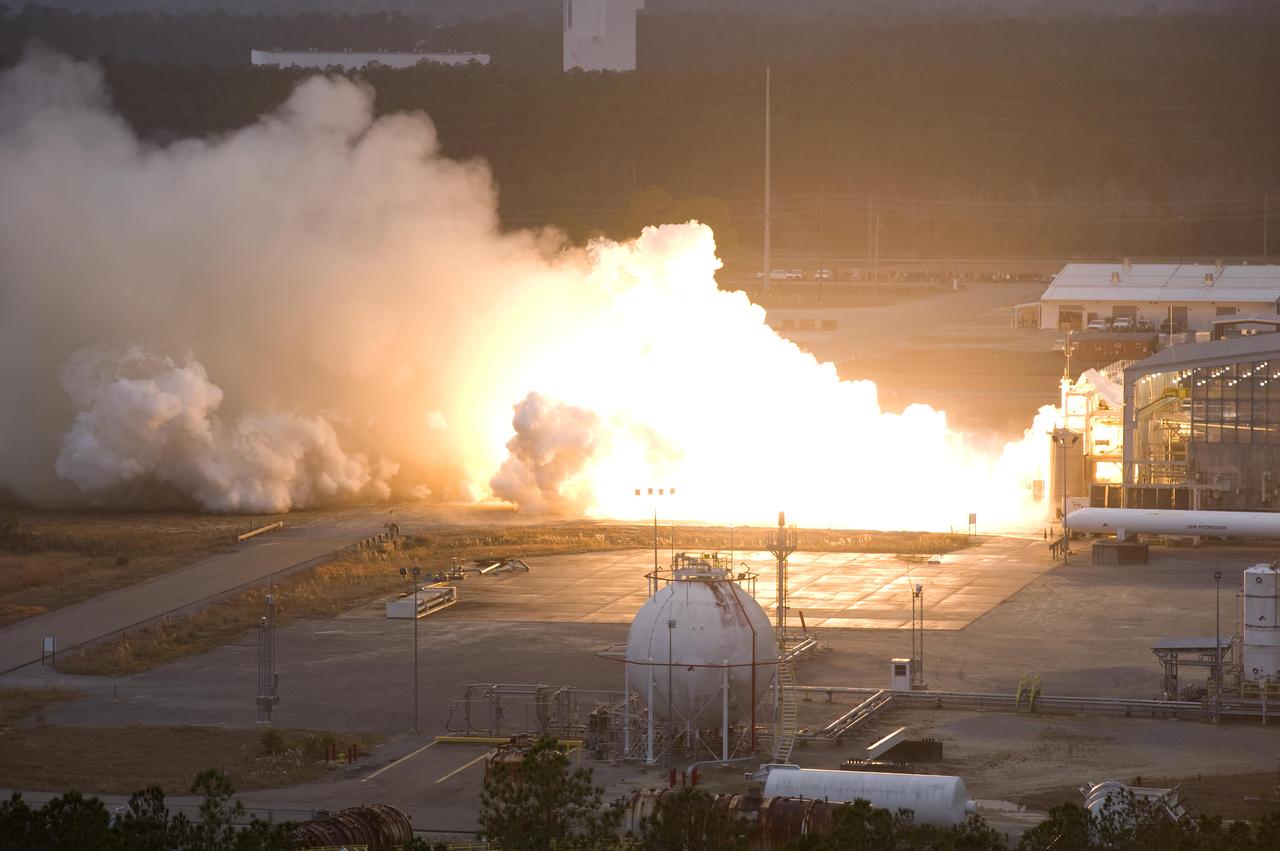
John C. Stennis Space Center engineers conduct a 55-second test fire of Aerojet's liquid-fuel AJ26 rocket engine that will power the first stage of Orbital Sciences Corporation's Taurus II space launch vehicle. The Dec. 17, 2010 test was conducted on the E-1 Test Stand at Stennis in support of NASA's Commercial Transportation Services partnerships to enable commercial cargo flights to the International Space Station. Orbital is under contract with NASA to provide eight cargo missions to the space station through 2015.
AJ26 engine test
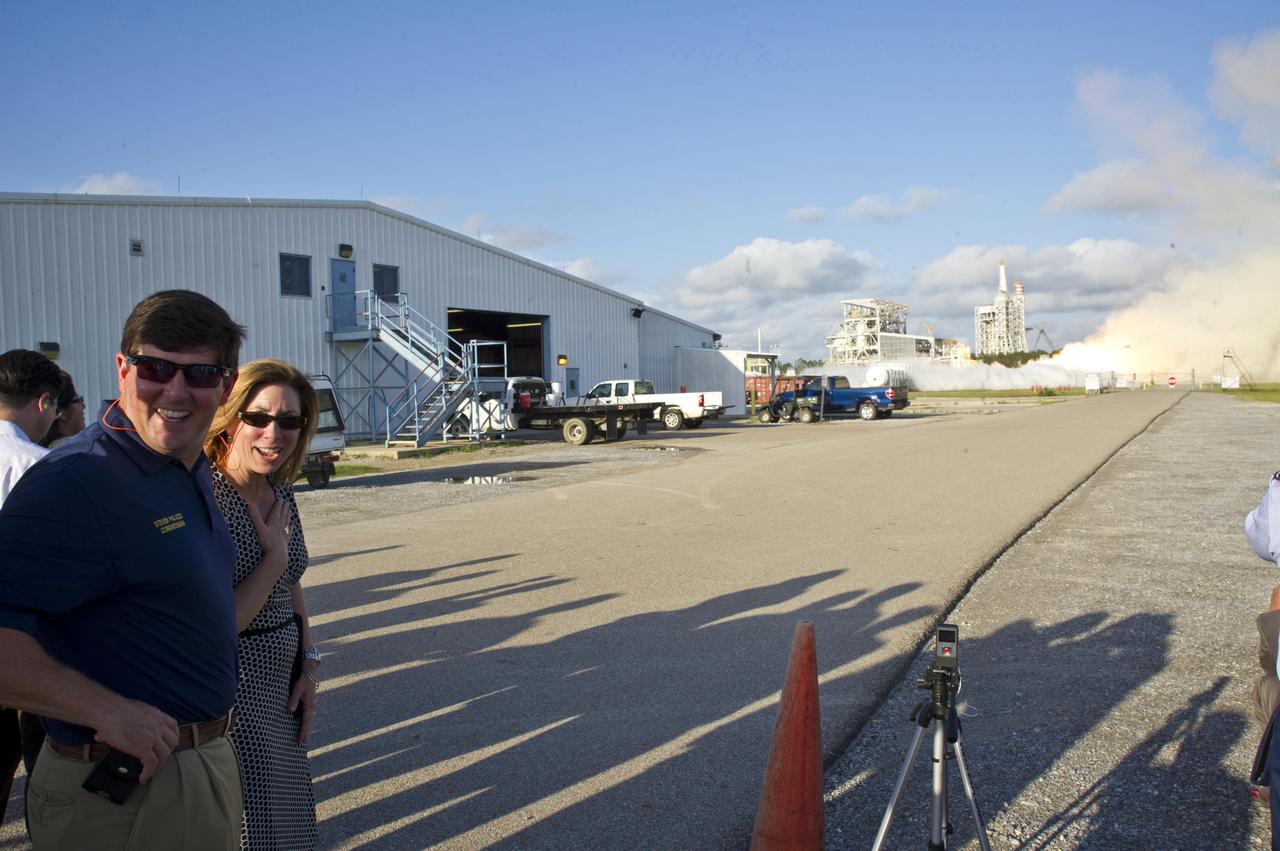
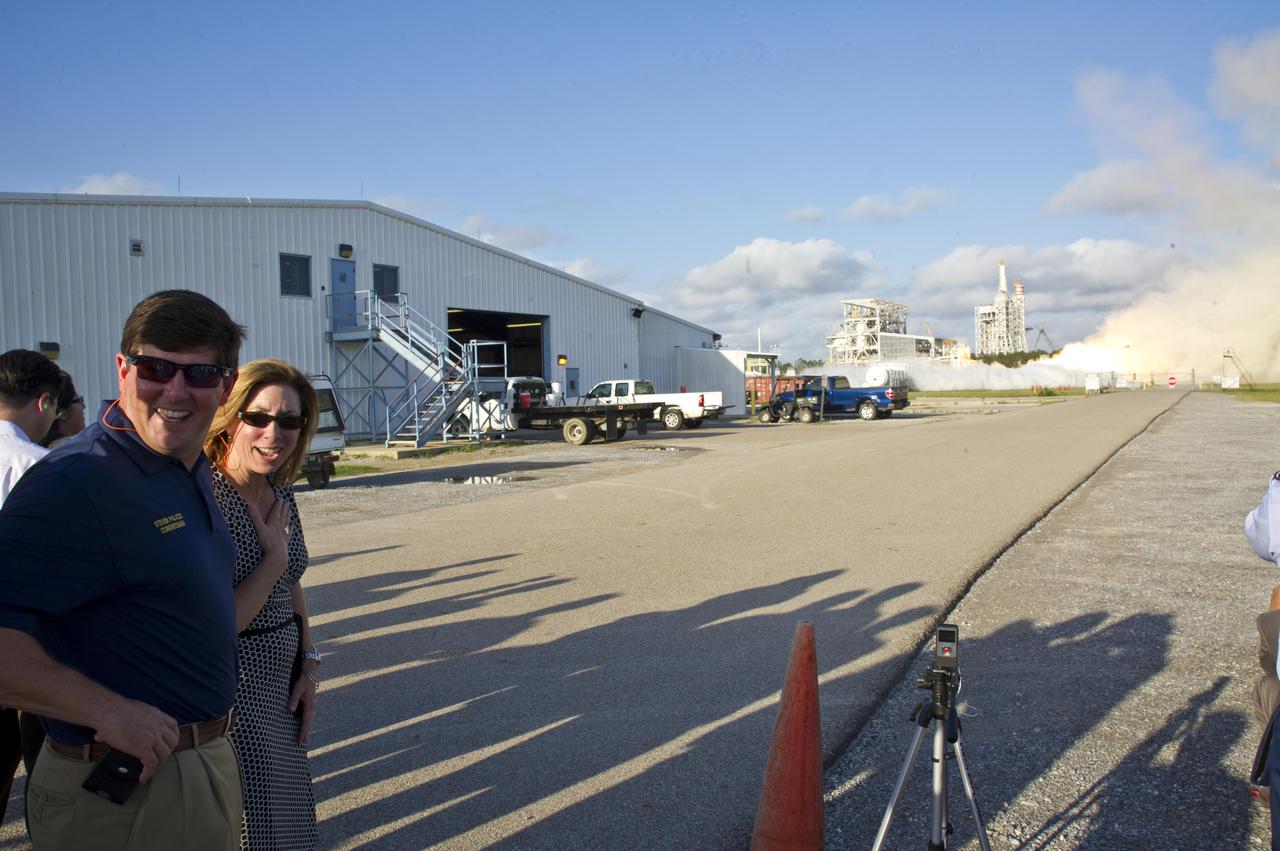
NASA Deputy Administrator Lori Garver and U.S. Rep. Steven Palazzo, R-Miss., view a May 3, 2012, test of the Aerojet AJ26 rocket engine on the E-1 Test Stand at Stennis Space Center. The AJ26 engine is being tested for Orbital Sciences Corporation to power commercial cargo flights to the International Space Station.
AJ26 engine test
NASA Deputy Administrator Lori Garver and U.S. Rep. Steven Palazzo, R-Miss., view a May 3, 2012, test of the Aerojet AJ26 rocket engine on the E-1 Test Stand at Stennis Space Center. The AJ26 engine is being tested for Orbital Sciences Corporation to power commercial cargo flights to the International Space Station.
AJ26 engine test
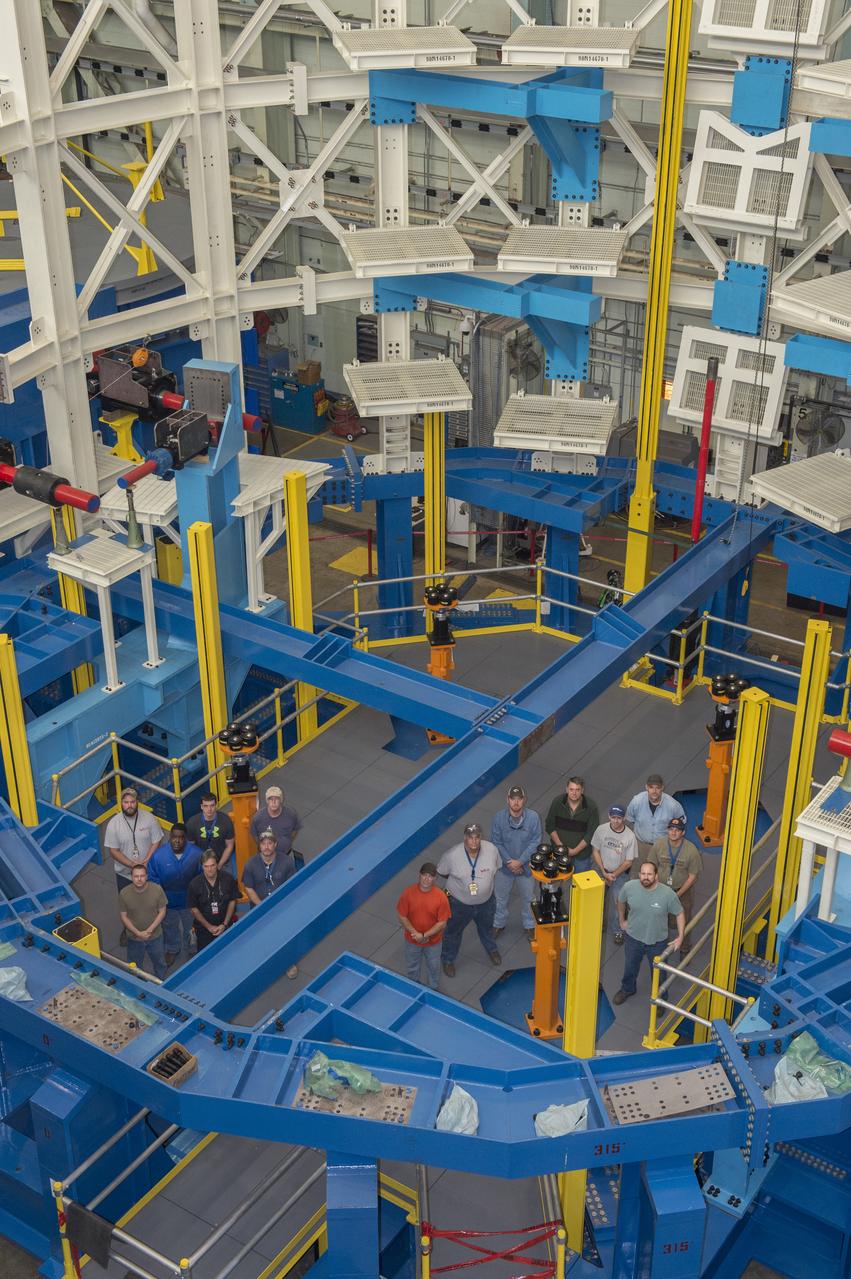
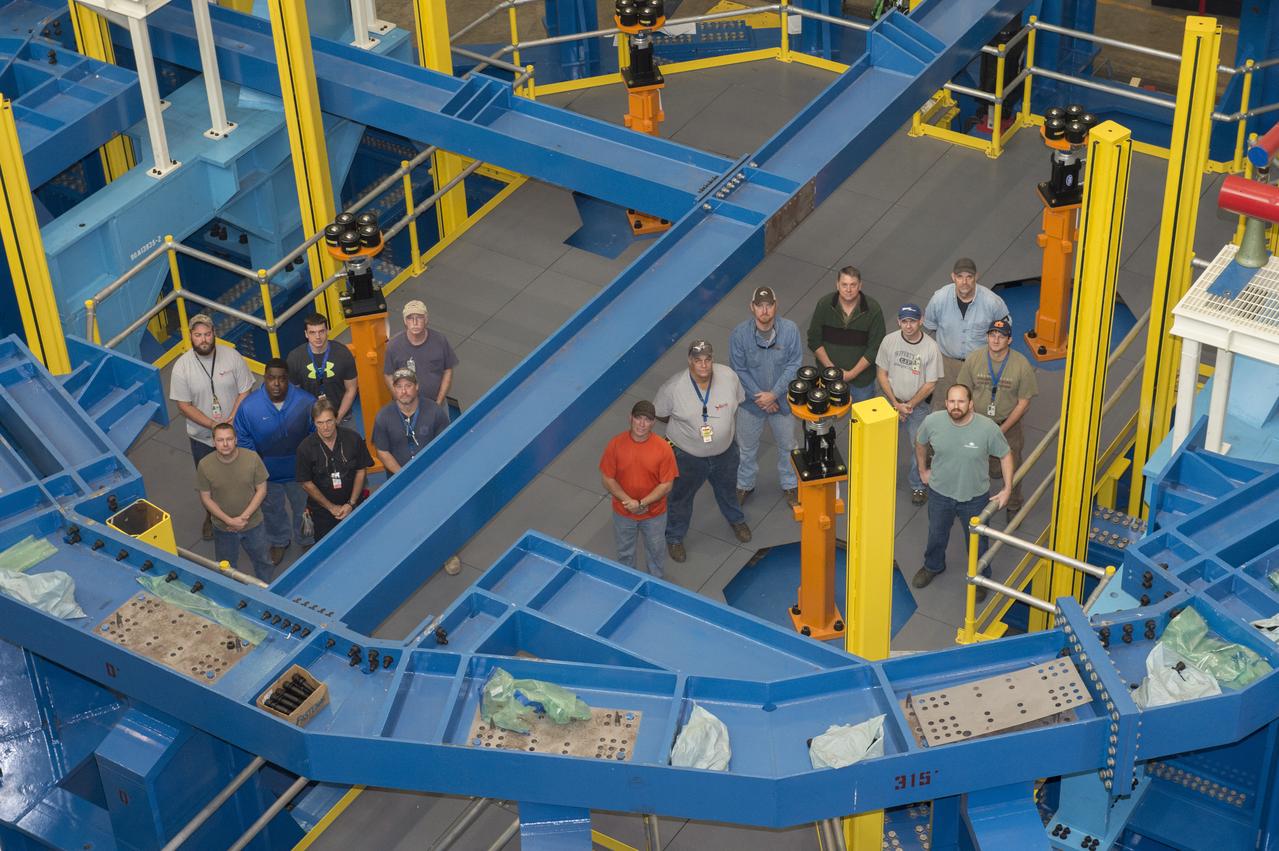
SLS ENGINE SECTION TEST STAND WITH CONSTRUCTION CREW
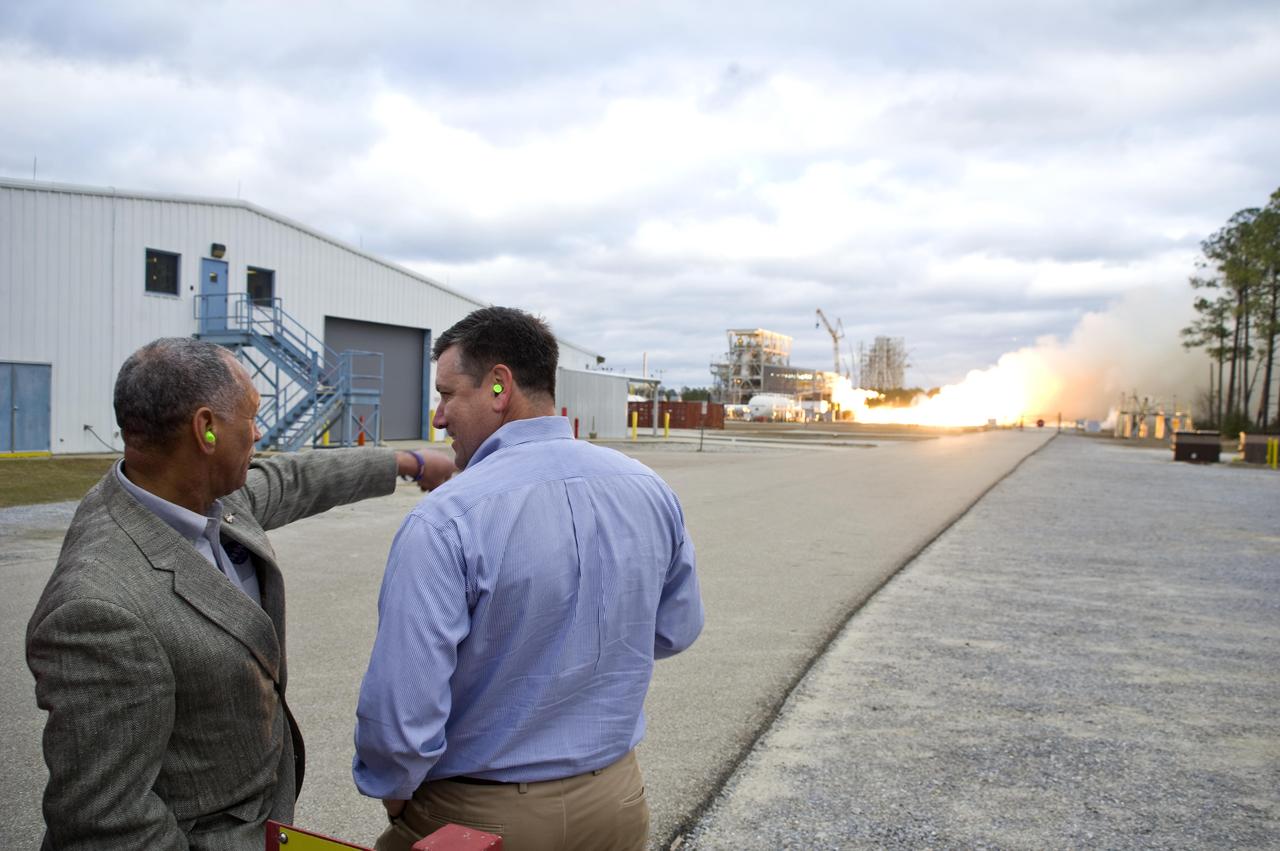
NASA Administrator Charles Bolden (l) and John C. Stennis Space Center Director Patrick Scheuermann watch the successful test of the first Aerojet AJ26 flight engine Feb. 7, 2011. The test was conducted on the E-1 Test Stand at Stennis. The engine now will be sent to Wallops Flight Facility in Virginia, where it will be used to power the first stage of Orbital Sciences Corporation's Taurus II space vehicle. The Feb. 7 test supports NASA's commitment to partner with companies to provide commercial cargo flights to the International Space Station. NASA has partnered with Orbital to carry out the first of eight cargo missions to the space station in early 2012.
AJ26 engine test
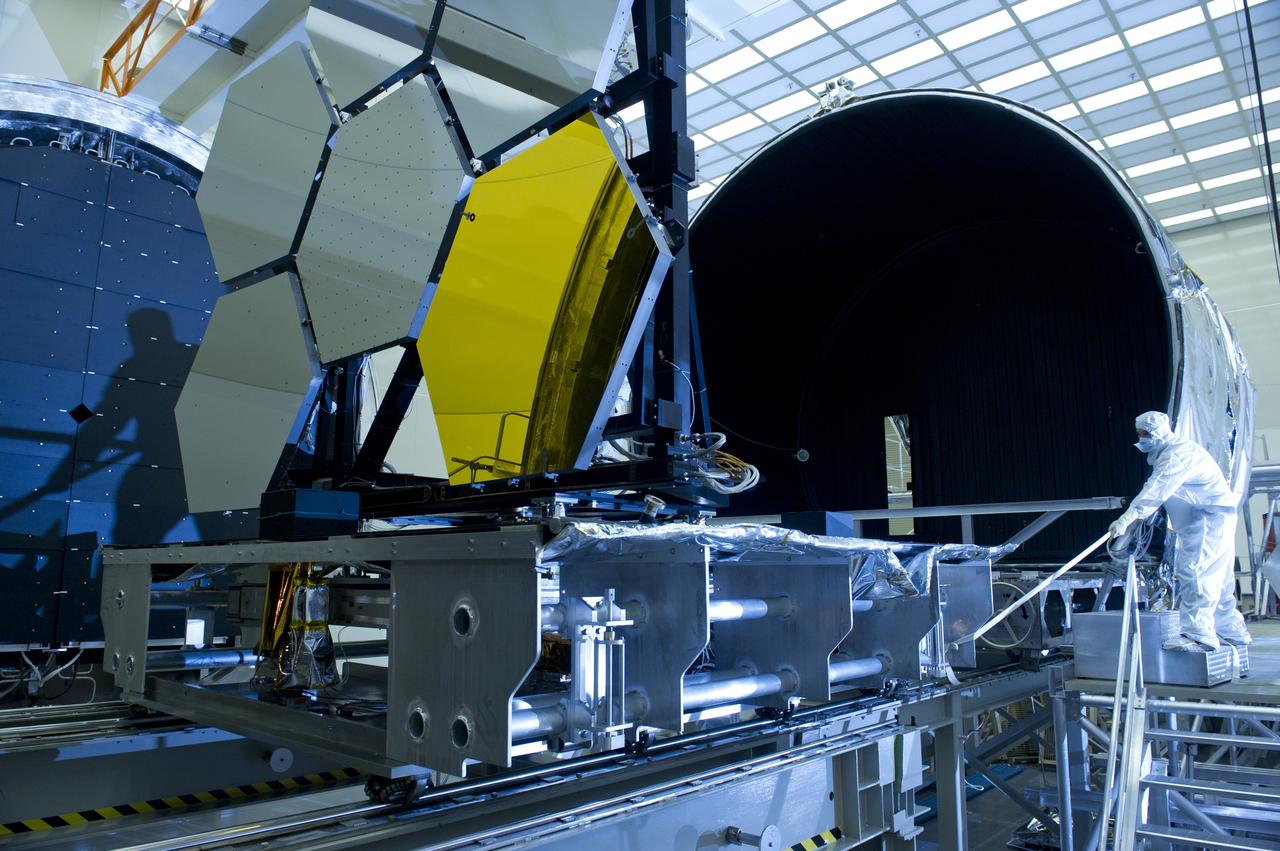
MARSHALL TEST ENGINEER HARLAN HAIGHT HELPS PULL JWST MIRROR ARRAY FROM CRYOGENICS CHAMBER.
MARSHALL TEST ENGINEER HARLAN HAIGHT
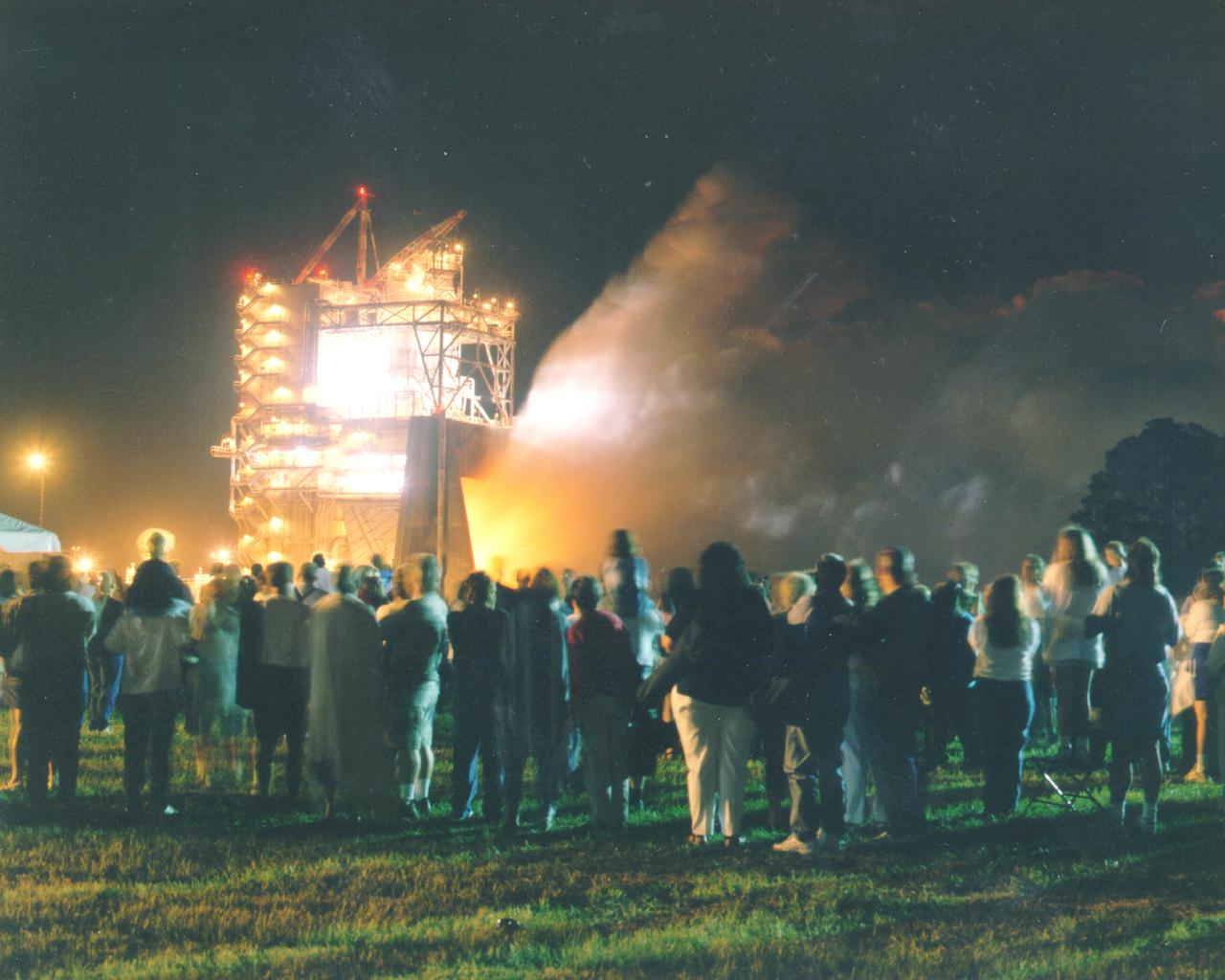
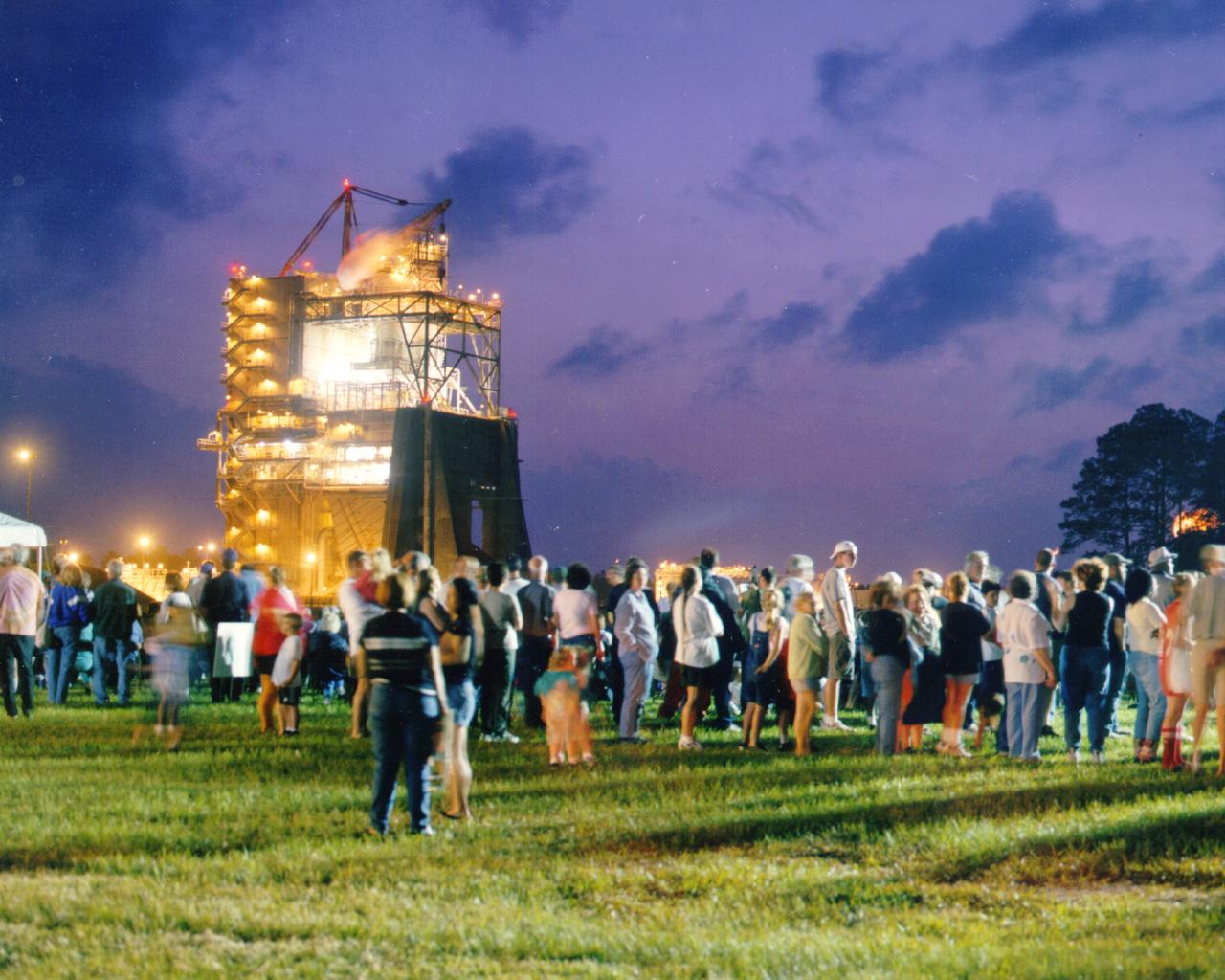
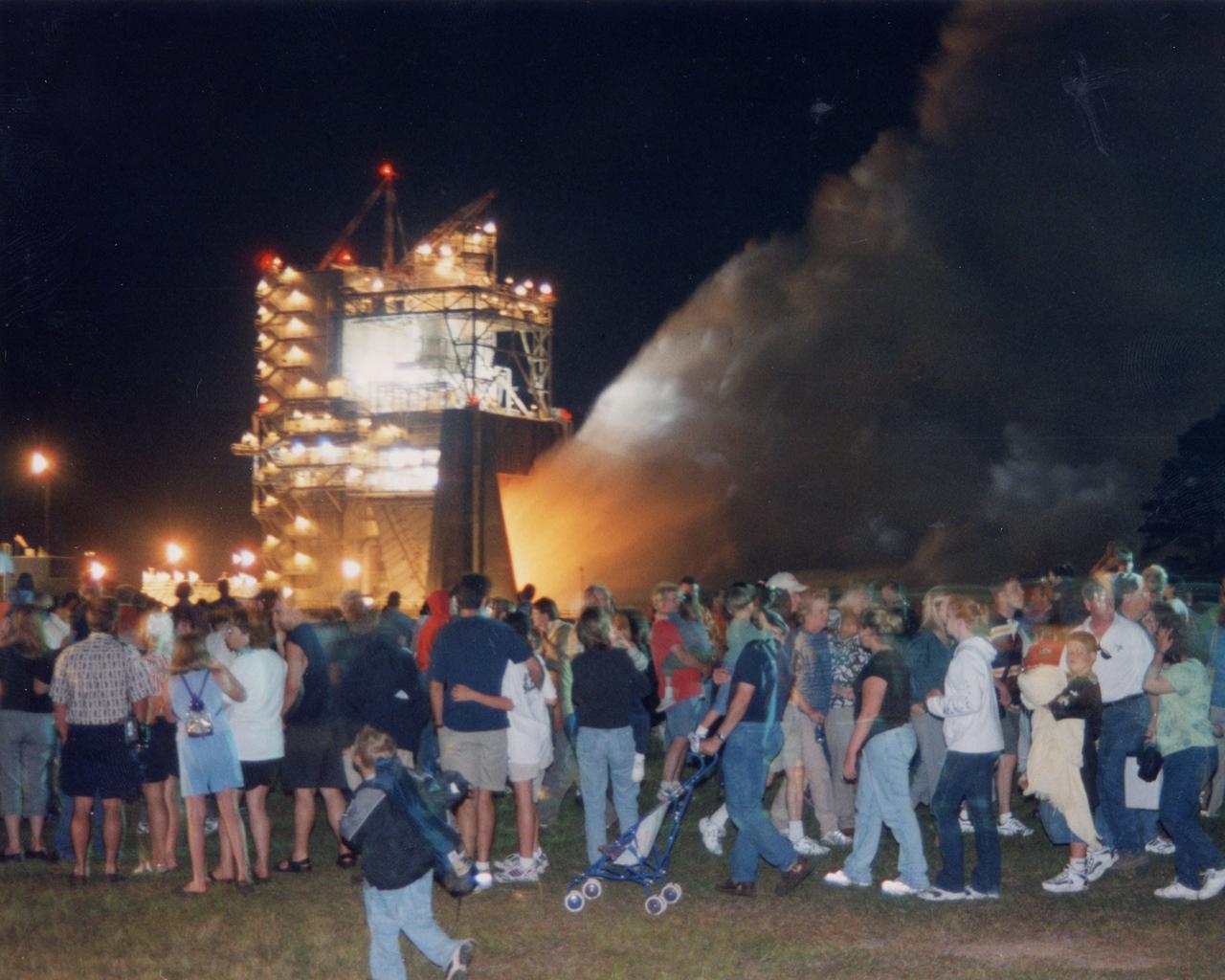
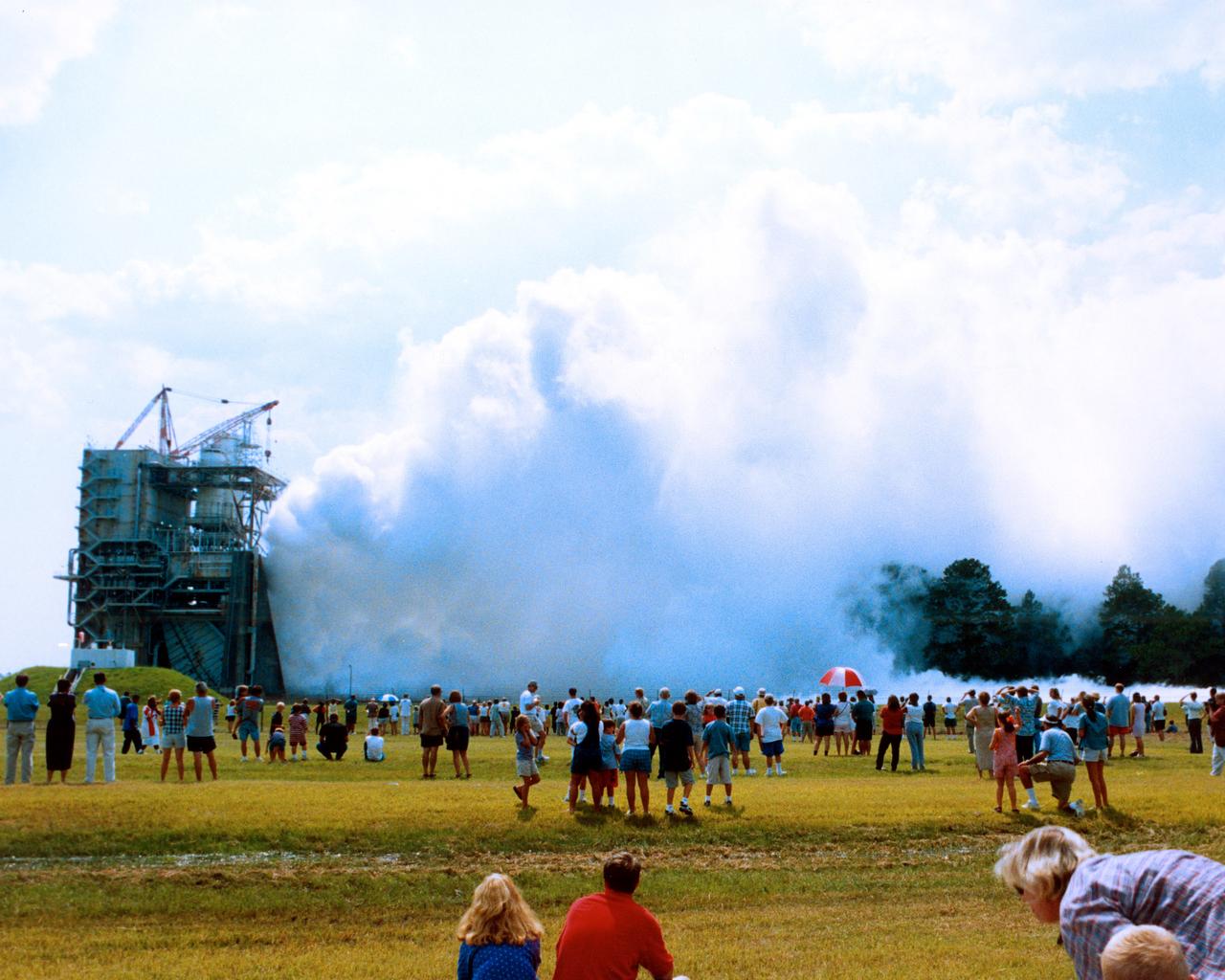
Thousands of people watch the first-ever evening public engine test of a Space Shuttle Main Engine at NASA's John C. Stennis Space Center. The spectacular test marked Stennis Space Center's 20th anniversary celebration of the first Space Shuttle mission.
First-ever evening public engine test of a Space Shuttle Main Engine
Stennis engineers conduct a test of a space shuttle main engine on March 30, 2009.
Space shuttle main engine test
SLS ENGINE SECTION TEST STAND READY FOR STRUCTURAL TEST ARTICLE
Engine section test stand in building 4619 prior to test article being installed.
Engine section test stand in building 4619 prior to test article
Engine section test stand in building 4619 prior to test article being installed.
Engine section test stand in building 4619 prior to test article
NASA conducted a key stability test firing of the J-2X rocket engine on the A-2 Test Stand at Stennis Space Center on Dec. 1, marking another step forward in development of the upper-stage engine that will carry humans deeper into space than ever before. The J-2X will provide upper-stage power for NASA's new Space Launch System.
J-2X engine test
A team of engineers at Stennis Space Center conducted a test firing of an Aerojet AJ26 flight engine Nov. 17, providing continued support to Orbital Sciences Corporation as it prepares to launch commercial cargo missions to the International Space Station. AJ26 engines will power Orbital's Taurus II rocket on the missions.
AJ26 engine test
Stennis Space Center test-fired Aerojet AJ26 flight engine No. 8 on Dec. 15, continuing a commercial partnership with Orbital Services Corporation. Orbital has partnered with NASA to provide commercial cargo flights to the International Space Station. The AJ26 engines tested at Stennis will power the company's Taurus II space launch vehicle on the flights.
AJ26 engine test
Stennis employees at the E-1 Test Stand position an Aerojet AJ26 rocket engine in preparation for a series of early tests. Stennis has partnered with Orbital Sciences Corporation to test the rocket engine for the company's commercial cargo flights to the International Space Station.
AJ26 engine testing moves forward
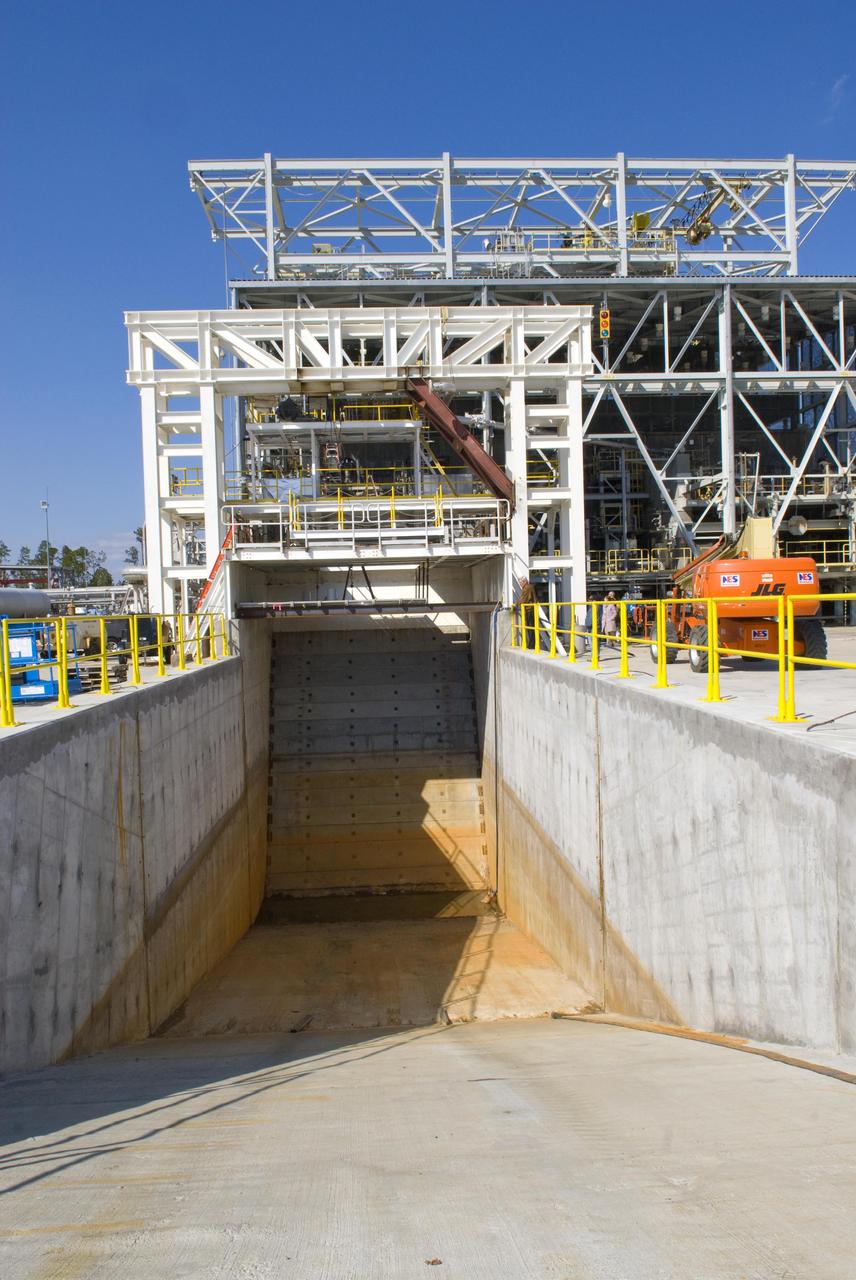
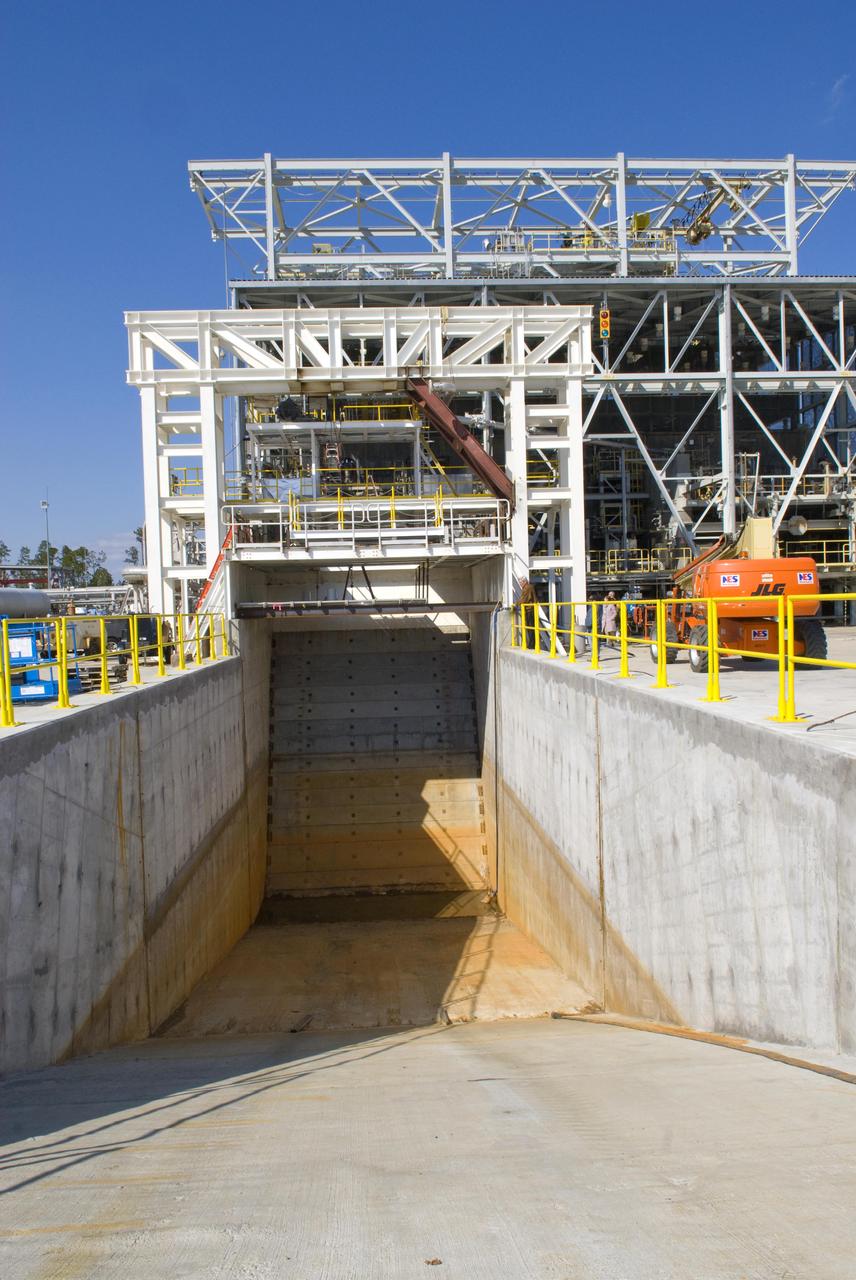
An Aerojet AJ26 rocket engine is hoisted for installation at Stennis Space Center's E-1 Test Stand on July 19. Stennis operators have been preparing the E-1 stand for testing AJ26 engines since April 2009. Modifications included construction of a 27-foot-deep flame deflection trench.
AJ26 engine testing moves forward
An Aerojet AJ26 rocket engine is hoisted for installation at Stennis Space Center's E-1 Test Stand on July 19. Stennis operators have been preparing the E-1 stand for testing AJ26 engines since April 2009. Modifications included construction of a 27-foot-deep flame deflection trench.
AJ26 engine testing moves forward
Approximately 13,000 people fill the grounds at NASA's John C. Stennis Space Center for the first-ever evening public engine test of a Space Shuttle Main Engine. The test marked Stennis Space Center's 20th anniversary celebration of the first Space Shuttle mission.
Thousands gather to watch a Space Shuttle Main Engine Test
Over the past year, more than 20,000 people came to Stennis Space Center to witness the 'shake, rattle and roar' of one of the world's most sophisticated engines. Stennis Space Center in south Mississippi is NASA's lead center for rocket propulsion testing. StenniSphere, the visitor center for Stennis Space Center, hosted more than 250,000 visitors in its first year of operation. Of those visitors, 26.4 percent were from Louisiana.
Public views evening engine test of a Space Shuttle Main Engine
NASA conducted a Sept. 28 test of an Aerojet AJ26 flight engine that will power the first stage of Orbital Sciences Corporation's Taurus II space launch vehicle, continuing progress in a key commercial space transport partnership. Orbital is scheduled to begin commercial cargo flights to the International Space Station in 2012.
AJ26 engine test
Operators at NASA's John C. Stennis Space Center are completing modifications to the E-1 Test Stand to begin testing Aerojet AJ26 rocket engines in early summer of 2010. Modifications include construction of a 27-foot-deep flame deflector trench. The AJ26 rocket engines will be used to power Orbital Sciences Corp.'s Taurus II space vehicles to provide commercial cargo transportation missions to the International Space Station for NASA. Stennis has partnered with Orbital to test all engines for the transport missions.
AJ26 rocket engine testing news briefing
Operators at NASA's John C. Stennis Space Center are completing modifications to the E-1 Test Stand to begin testing Aerojet AJ26 rocket engines in early summer of 2010. Modifications include construction of a 27-foot-deep flame deflector trench. The AJ26 rocket engines will be used to power Orbital Sciences Corp.'s Taurus II space vehicles to provide commercial cargo transportation missions to the International Space Station for NASA. Stennis has partnered with Orbital to test all engines for the transport missions.
AJ26 rocket engine testing news briefing
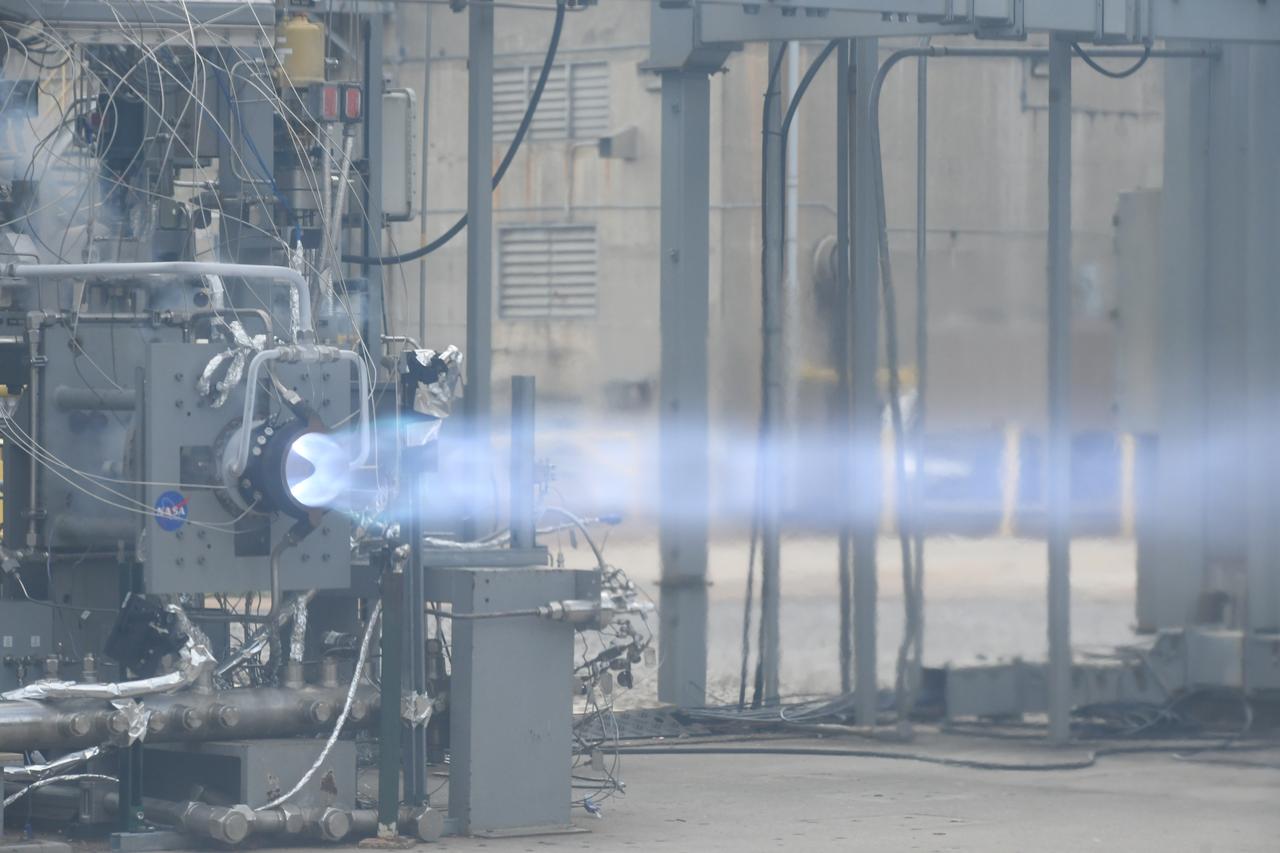
Engineers at NASA’s Marshall Space Flight Center in Huntsville, Alabama, conduct a successful, 251-second hot fire test of a full-scale Rotating Detonation Rocket Engine combustor in fall 2023, achieving more than 5,800 pounds of thrust.
3D-printed Rotating Detonation Rocket Engine Test
A new NASA Space Shuttle Main Engine (SSME) roars to the approval of more than 2,000 people who came to John C. Stennis Space Center in Hancock County, Miss., on July 25 for a flight-certification test of the SSME Block II configuration. The engine, a new and significantly upgraded shuttle engine, was delivered to NASA's Kennedy Space Center in Florida for use on future shuttle missions. Spectators were able to experience the 'shake, rattle and roar' of the engine, which ran for 520 seconds - the length of time it takes a shuttle to reach orbit.
Space Shuttle Main Engine Public Test Firing
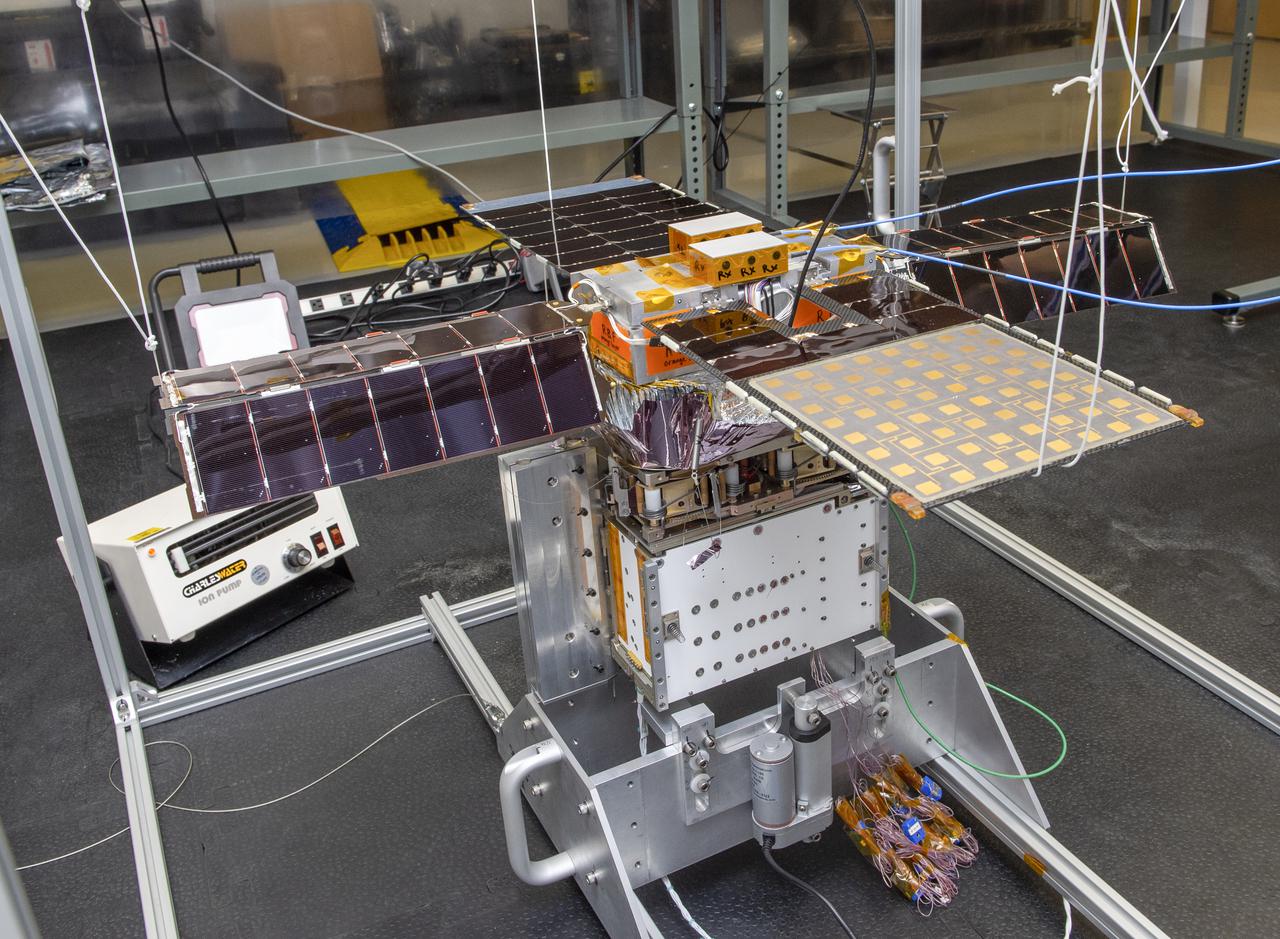
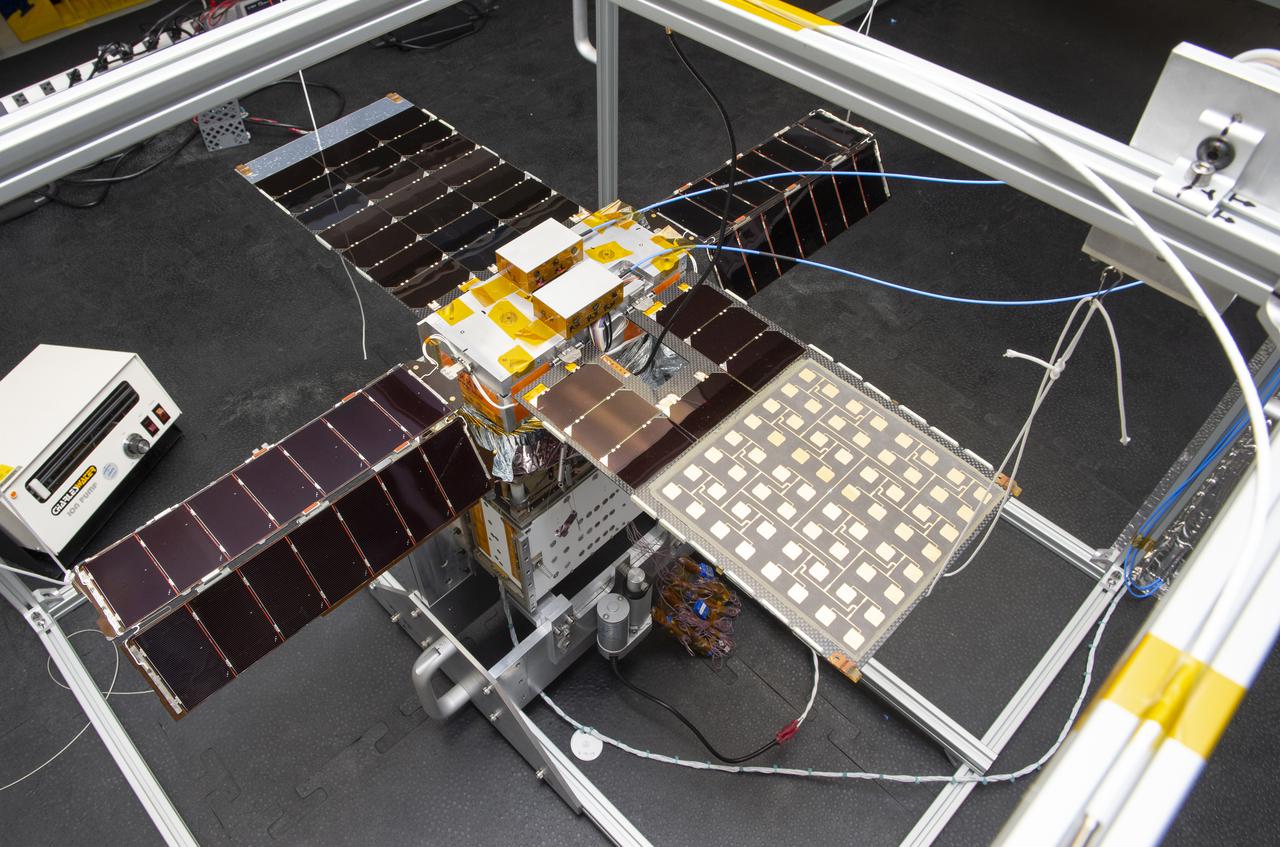
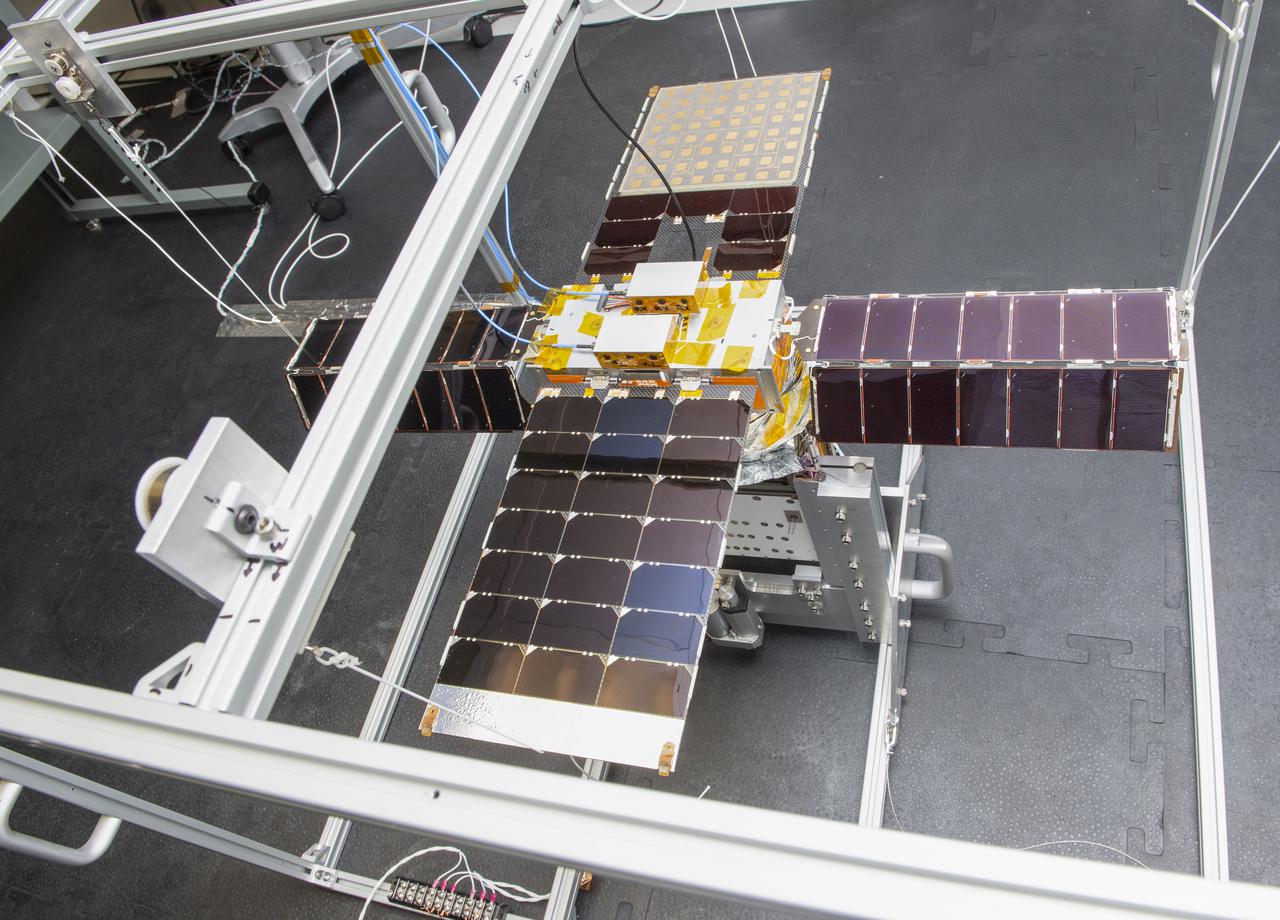
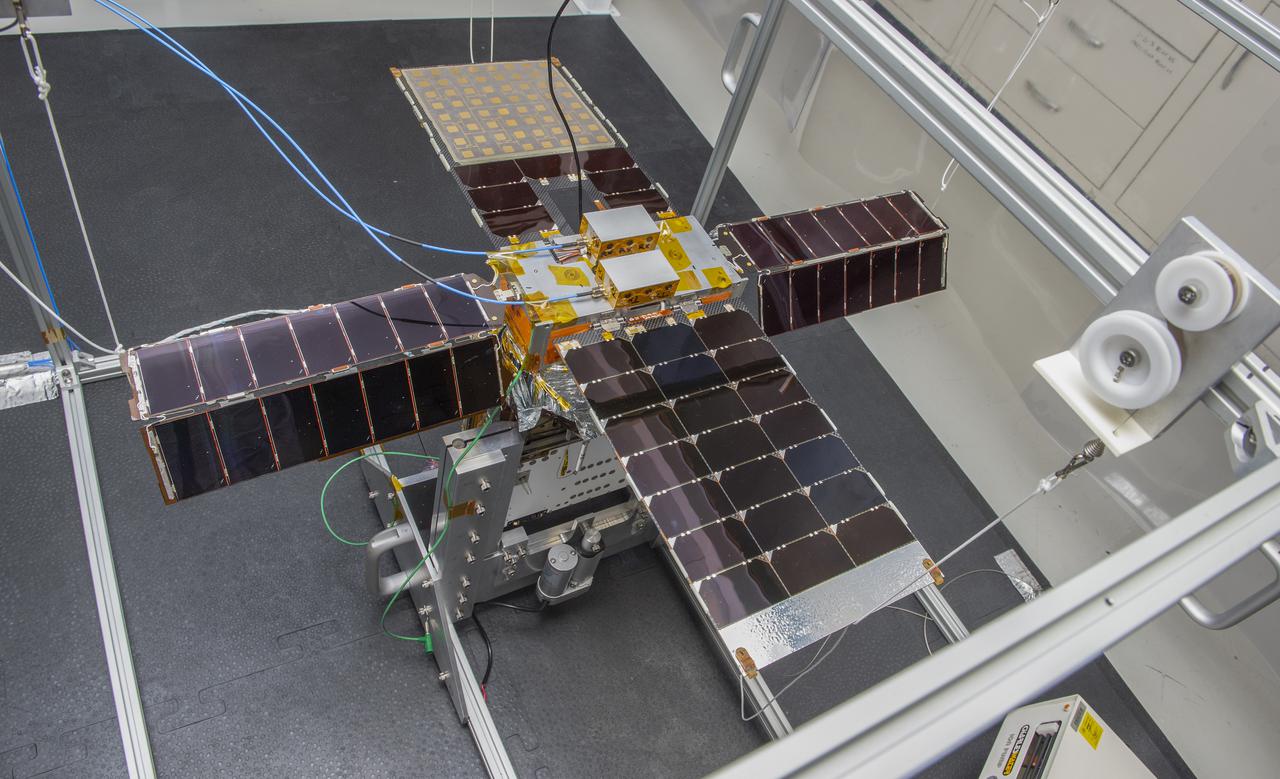
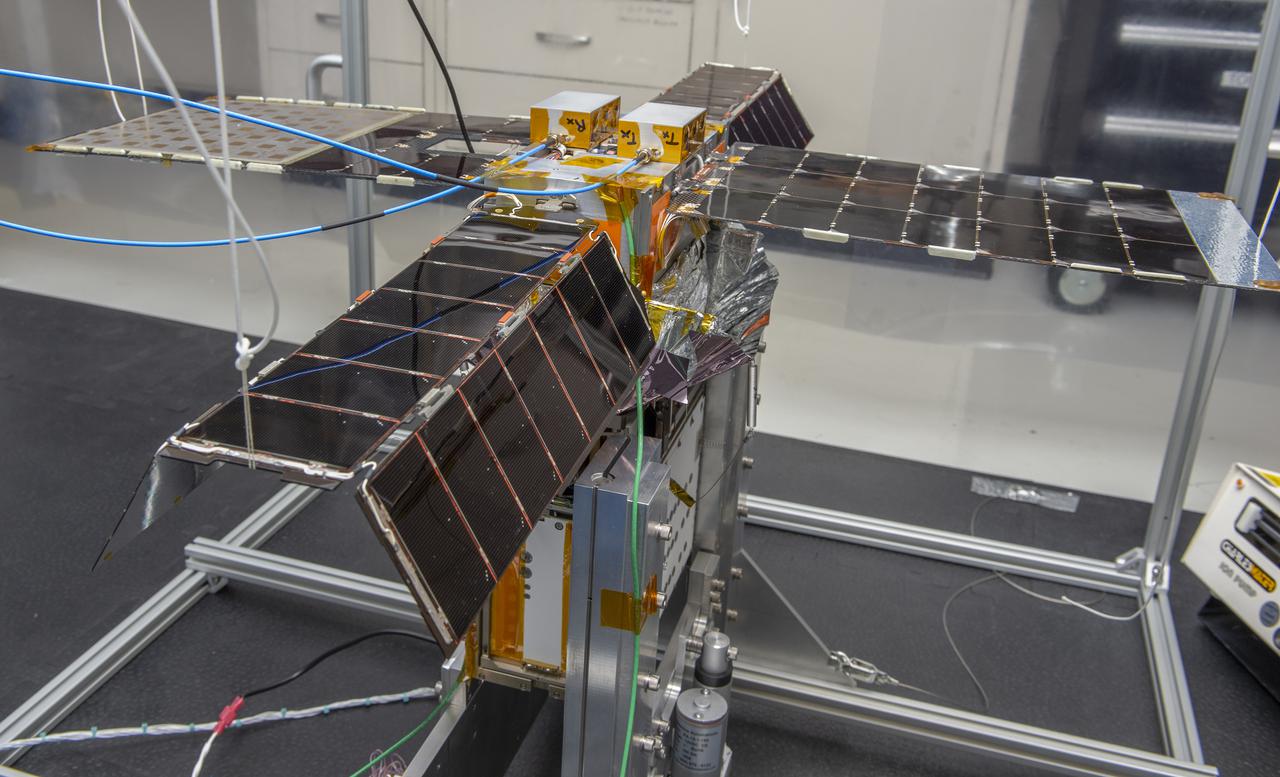
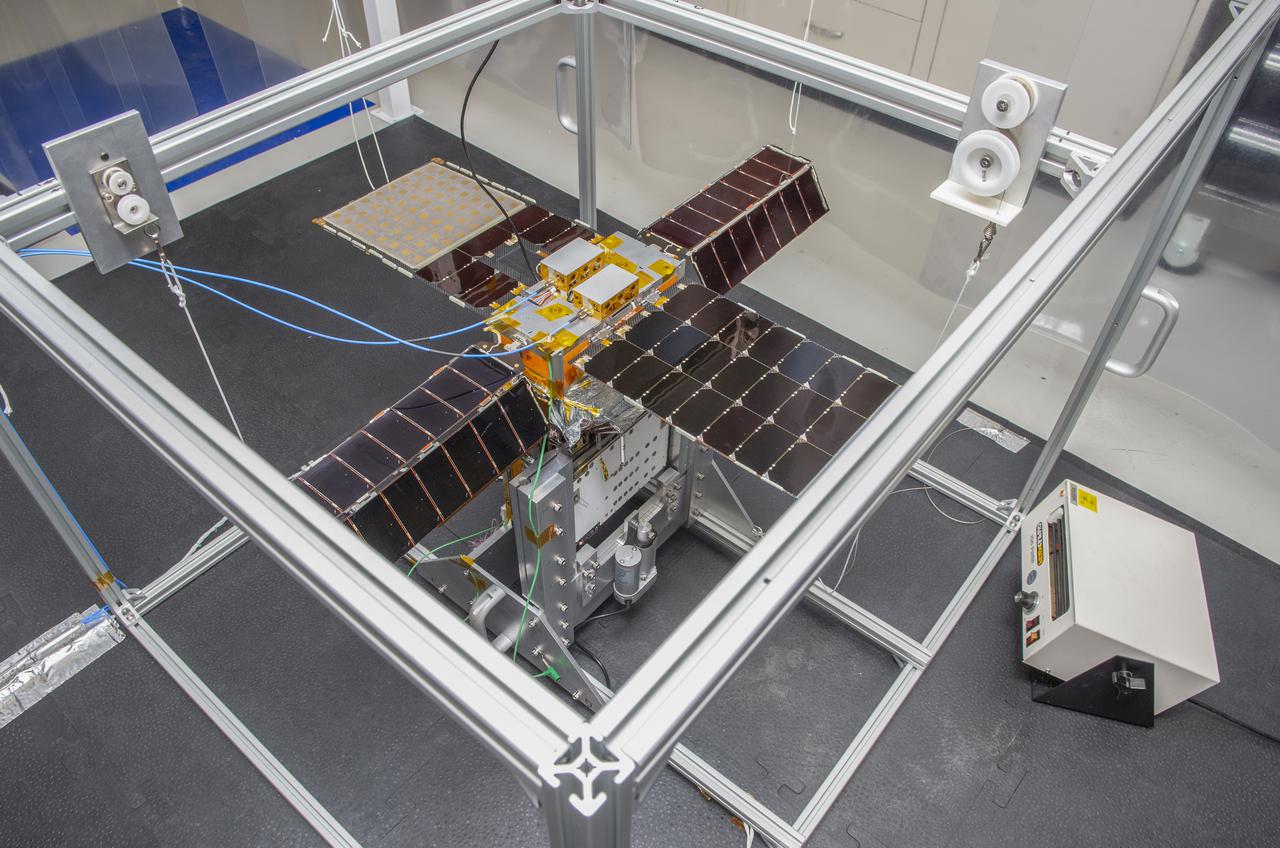
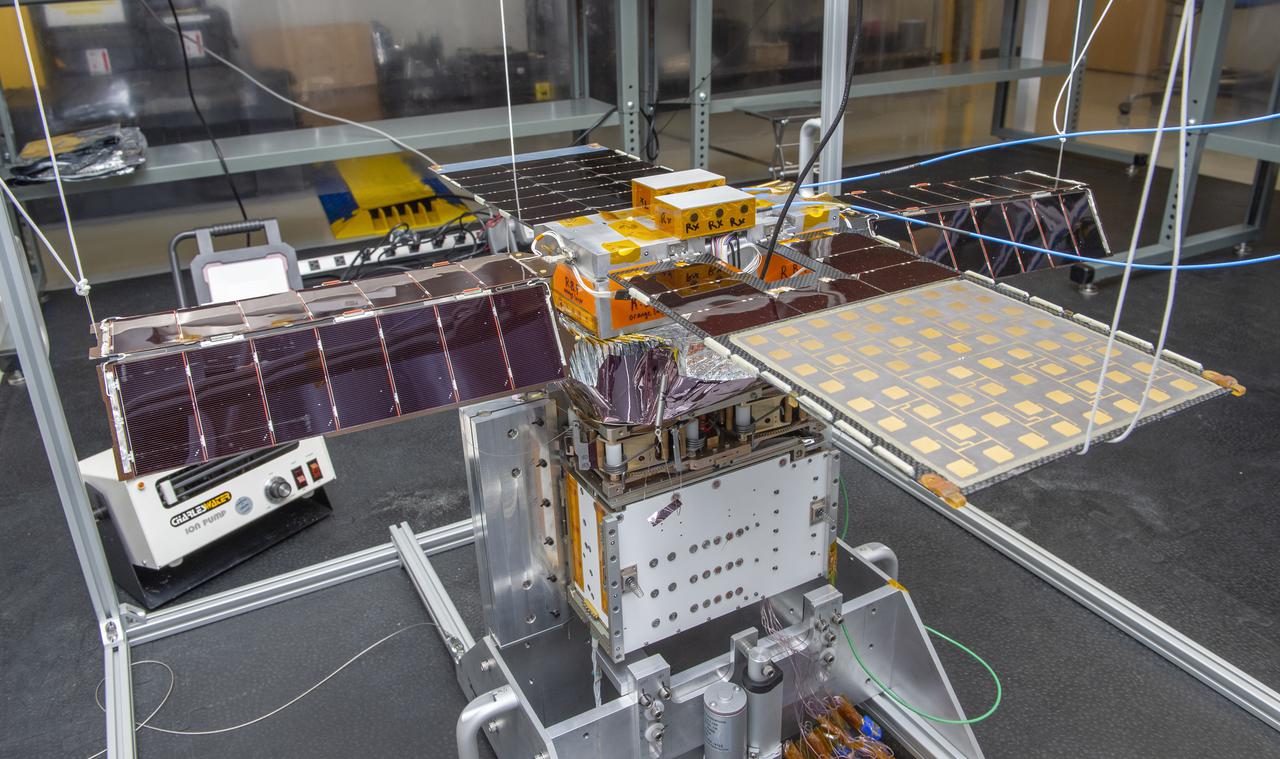
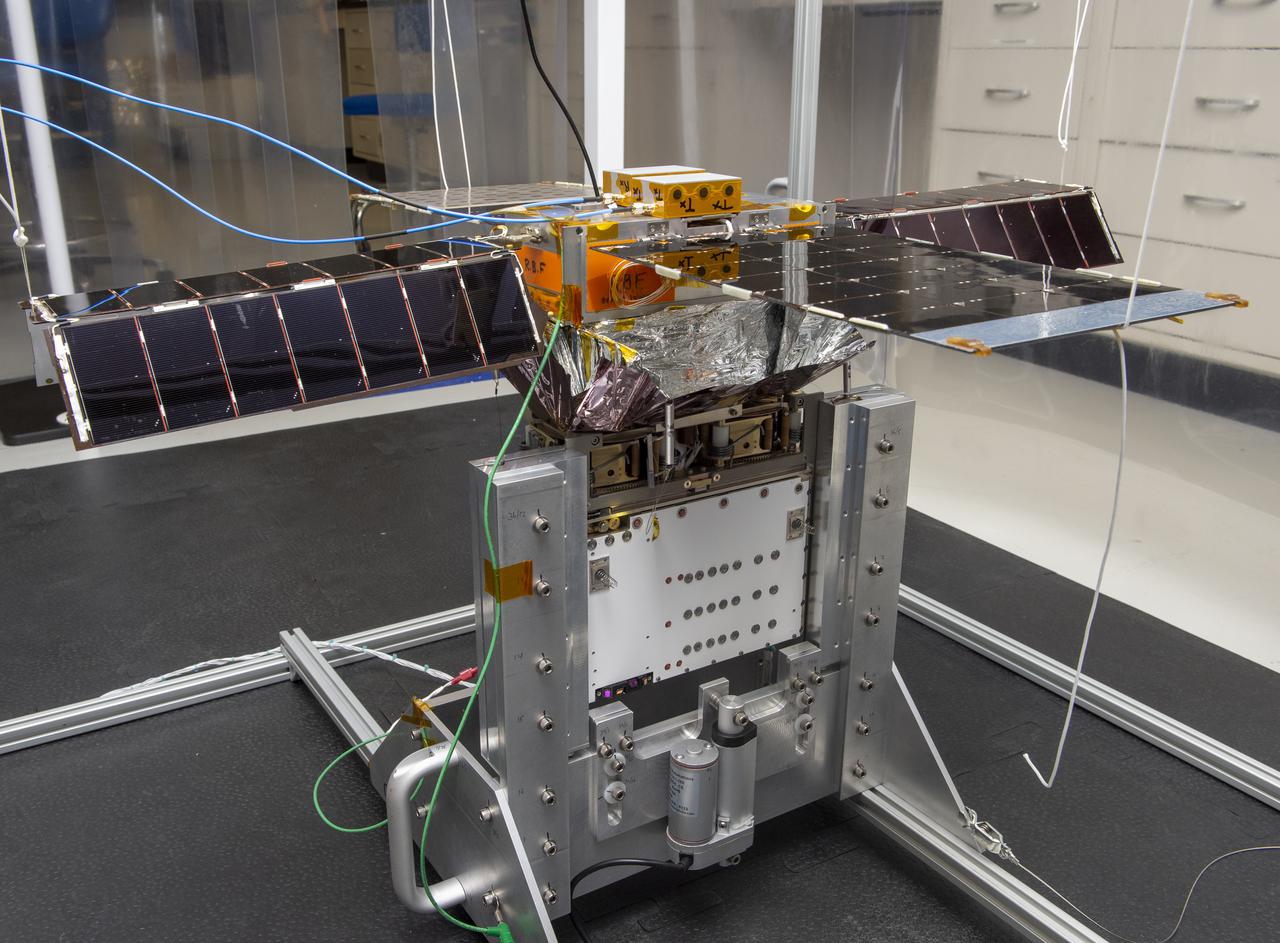
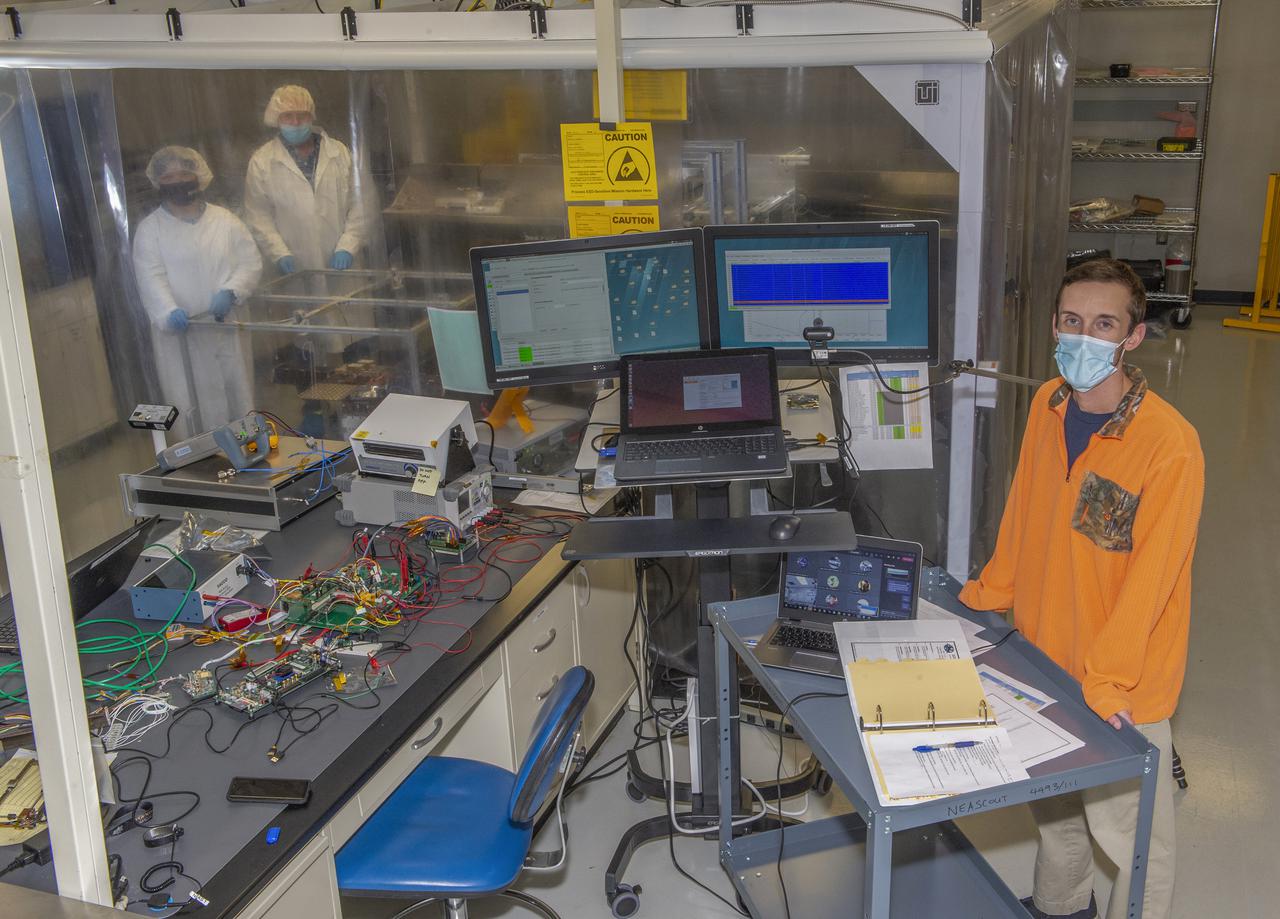
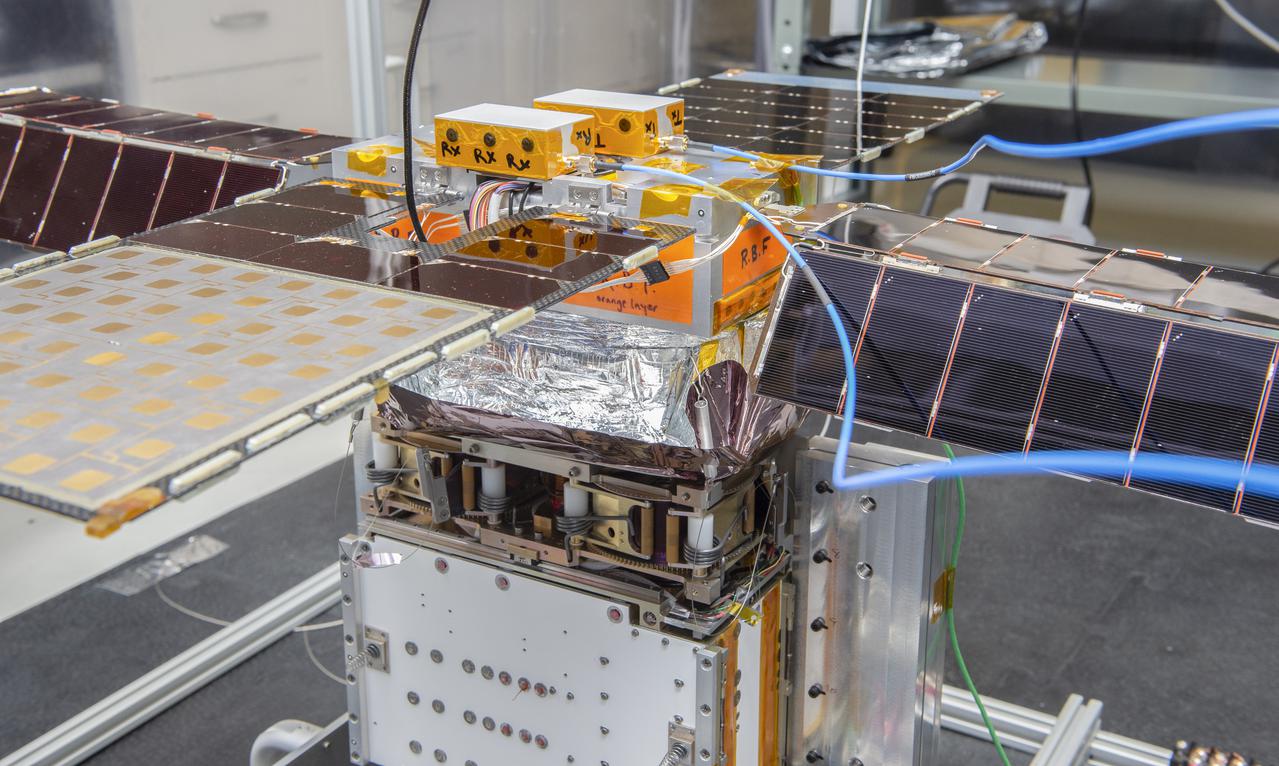
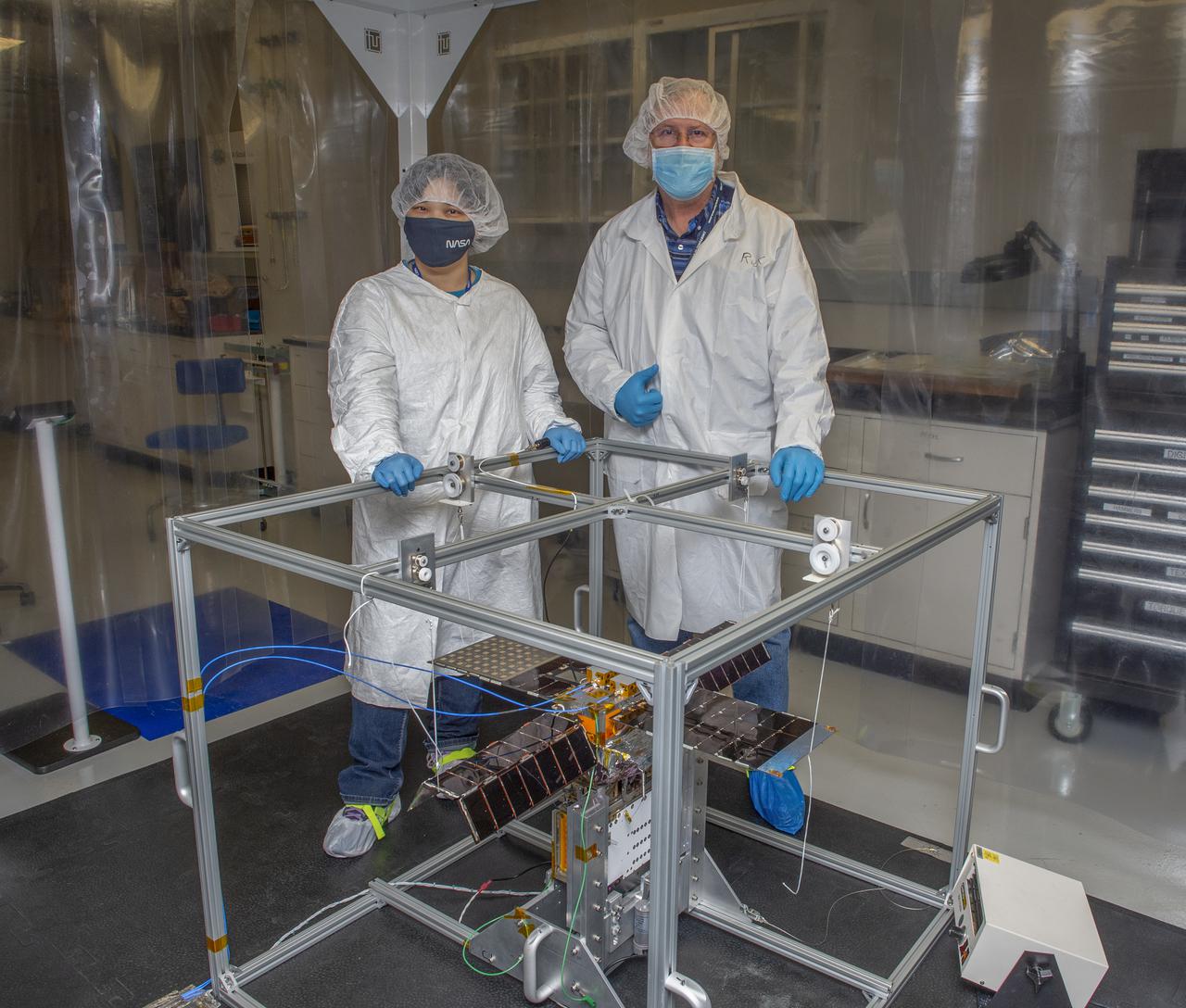
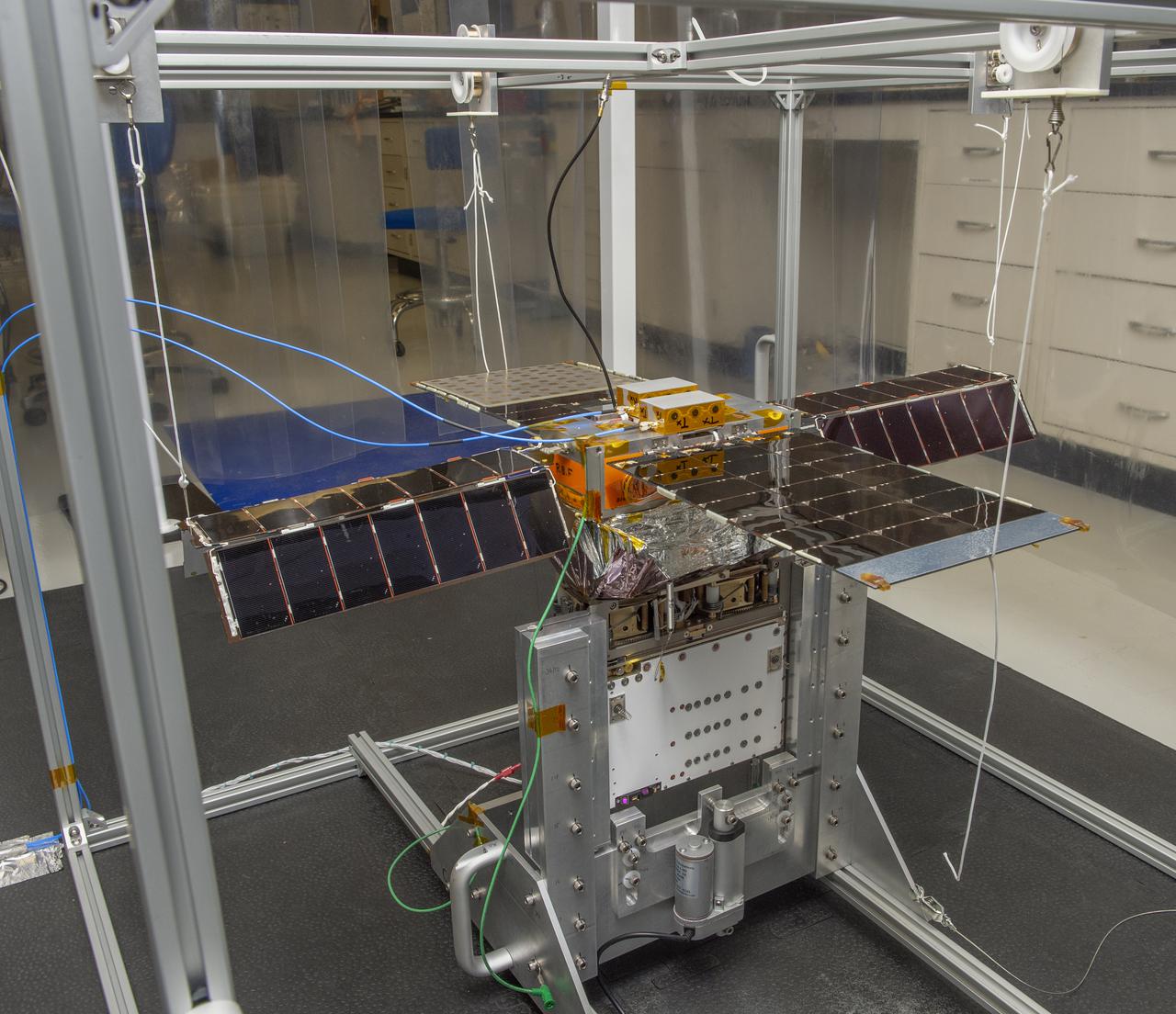
Spacecraft in Gravity Off-load Fixture (GOLF), System Test configuration - Arisa Waddle – Test Engineer,  Rick Wilson – Lead Test Engineer
Spacecraft in Gravity Off-load Fixture (GOLF), System Test configuration - Arisa Waddle – Test Engineer, Rick Wilson – Lead Test Engineer
Spacecraft in Gravity Off-load Fixture (GOLF), System Test configuration - Arisa Waddle – Test Engineer,  Rick Wilson – Lead Test Engineer
Spacecraft in Gravity Off-load Fixture (GOLF), System Test configuration - Arisa Waddle – Test Engineer, Rick Wilson – Lead Test Engineer
Spacecraft in Gravity Off-load Fixture (GOLF), System Test configuration - Arisa Waddle – Test Engineer,  Rick Wilson – Lead Test Engineer
Spacecraft in Gravity Off-load Fixture (GOLF), System Test configuration - Arisa Waddle – Test Engineer, Rick Wilson – Lead Test Engineer
Spacecraft in Gravity Off-load Fixture (GOLF), System Test configuration - Arisa Waddle – Test Engineer,  Rick Wilson – Lead Test Engineer
Spacecraft in Gravity Off-load Fixture (GOLF), System Test configuration - Arisa Waddle – Test Engineer, Rick Wilson – Lead Test Engineer
Spacecraft in Gravity Off-load Fixture (GOLF), System Test configuration - Arisa Waddle – Test Engineer,  Rick Wilson – Lead Test Engineer
Spacecraft in Gravity Off-load Fixture (GOLF), System Test configuration - Arisa Waddle – Test Engineer, Rick Wilson – Lead Test Engineer
Spacecraft in Gravity Off-load Fixture (GOLF), System Test configuration - Arisa Waddle – Test Engineer,  Rick Wilson – Lead Test Engineer
Spacecraft in Gravity Off-load Fixture (GOLF), System Test configuration - Arisa Waddle – Test Engineer, Rick Wilson – Lead Test Engineer
Spacecraft in Gravity Off-load Fixture (GOLF), System Test configuration - Arisa Waddle – Test Engineer,  Rick Wilson – Lead Test Engineer
Spacecraft in Gravity Off-load Fixture (GOLF), System Test configuration - Arisa Waddle – Test Engineer, Rick Wilson – Lead Test Engineer
Spacecraft in Gravity Off-load Fixture (GOLF), System Test configuration - Arisa Waddle – Test Engineer,  Rick Wilson – Lead Test Engineer
Spacecraft in Gravity Off-load Fixture (GOLF), System Test configuration - Arisa Waddle – Test Engineer, Rick Wilson – Lead Test Engineer
Spacecraft in Gravity Off-load Fixture (GOLF), System Test configuration - Arisa Waddle – Test Engineer,  Rick Wilson – Lead Test Engineer
Spacecraft in Gravity Off-load Fixture (GOLF), System Test configuration - Arisa Waddle – Test Engineer, Rick Wilson – Lead Test Engineer
Spacecraft in Gravity Off-load Fixture (GOLF), System Test configuration - Arisa Waddle – Test Engineer,  Rick Wilson – Lead Test Engineer
Spacecraft in Gravity Off-load Fixture (GOLF), System Test configuration - Arisa Waddle – Test Engineer, Rick Wilson – Lead Test Engineer
Spacecraft in Gravity Off-load Fixture (GOLF), System Test configuration - Arisa Waddle – Test Engineer,  Rick Wilson – Lead Test Engineer
Spacecraft in Gravity Off-load Fixture (GOLF), System Test configuration - Arisa Waddle – Test Engineer, Rick Wilson – Lead Test Engineer
Spacecraft in Gravity Off-load Fixture (GOLF), System Test configuration - Arisa Waddle – Test Engineer,  Rick Wilson – Lead Test Engineer
Spacecraft in Gravity Off-load Fixture (GOLF), System Test configuration - Arisa Waddle – Test Engineer, Rick Wilson – Lead Test Engineer
Spacecraft in Gravity Off-load Fixture (GOLF), System Test configuration - Arisa Waddle – Test Engineer,  Rick Wilson – Lead Test Engineer
Spacecraft in Gravity Off-load Fixture (GOLF), System Test configuration - Arisa Waddle – Test Engineer, Rick Wilson – Lead Test Engineer
Spacecraft in Gravity Off-load Fixture (GOLF), System Test configuration - Arisa Waddle – Test Engineer,  Rick Wilson – Lead Test Engineer
Spacecraft in Gravity Off-load Fixture (GOLF), System Test configuration - Arisa Waddle – Test Engineer, Rick Wilson – Lead Test Engineer
Spacecraft in Gravity Off-load Fixture (GOLF), System Test configuration - Arisa Waddle – Test Engineer,  Rick Wilson – Lead Test Engineer
Spacecraft in Gravity Off-load Fixture (GOLF), System Test configuration - Arisa Waddle – Test Engineer, Rick Wilson – Lead Test Engineer
Spacecraft in Gravity Off-load Fixture (GOLF), System Test configuration - Arisa Waddle – Test Engineer,  Rick Wilson – Lead Test Engineer
Spacecraft in Gravity Off-load Fixture (GOLF), System Test configuration - Arisa Waddle – Test Engineer, Rick Wilson – Lead Test Engineer
Spacecraft in Gravity Off-load Fixture (GOLF), System Test configuration - Arisa Waddle – Test Engineer,  Rick Wilson – Lead Test Engineer
Spacecraft in Gravity Off-load Fixture (GOLF), System Test configuration - Arisa Waddle – Test Engineer, Rick Wilson – Lead Test Engineer
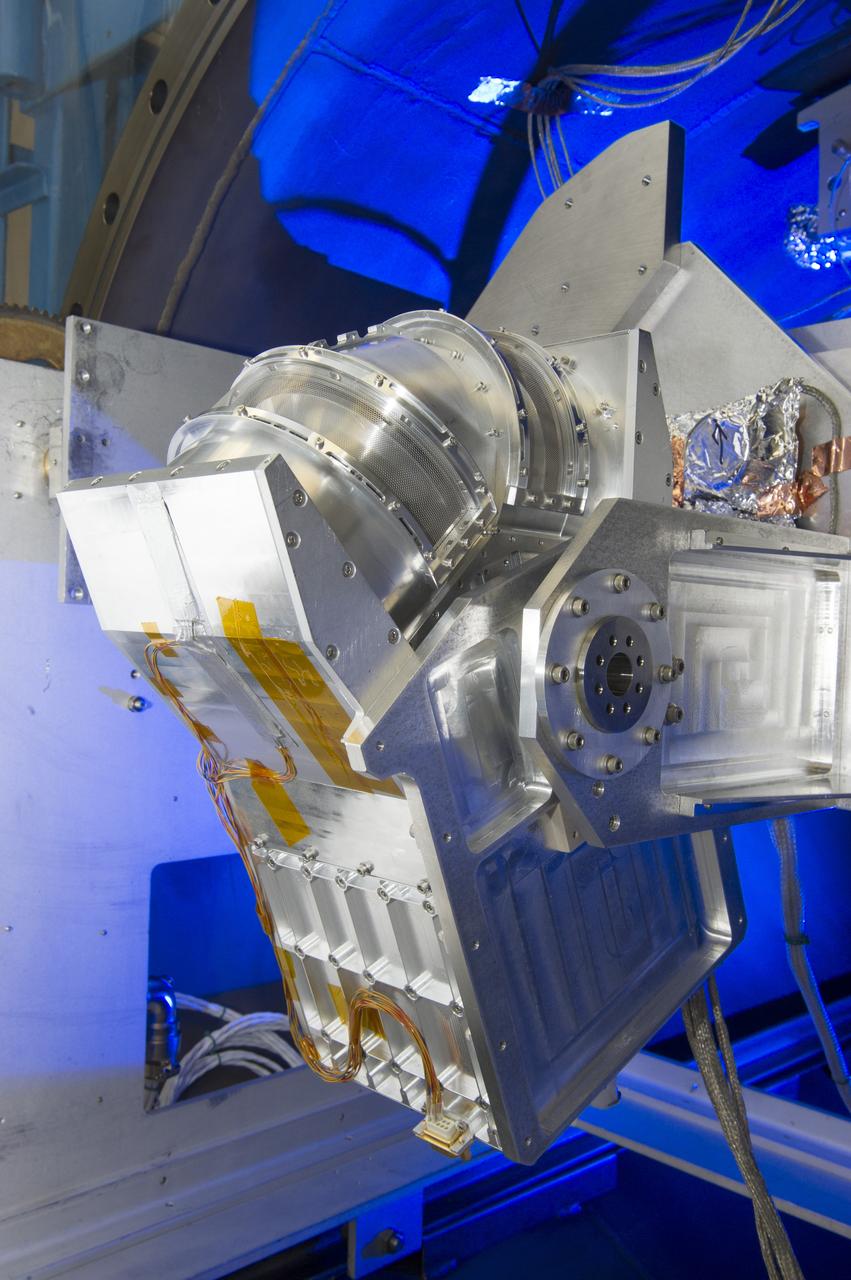
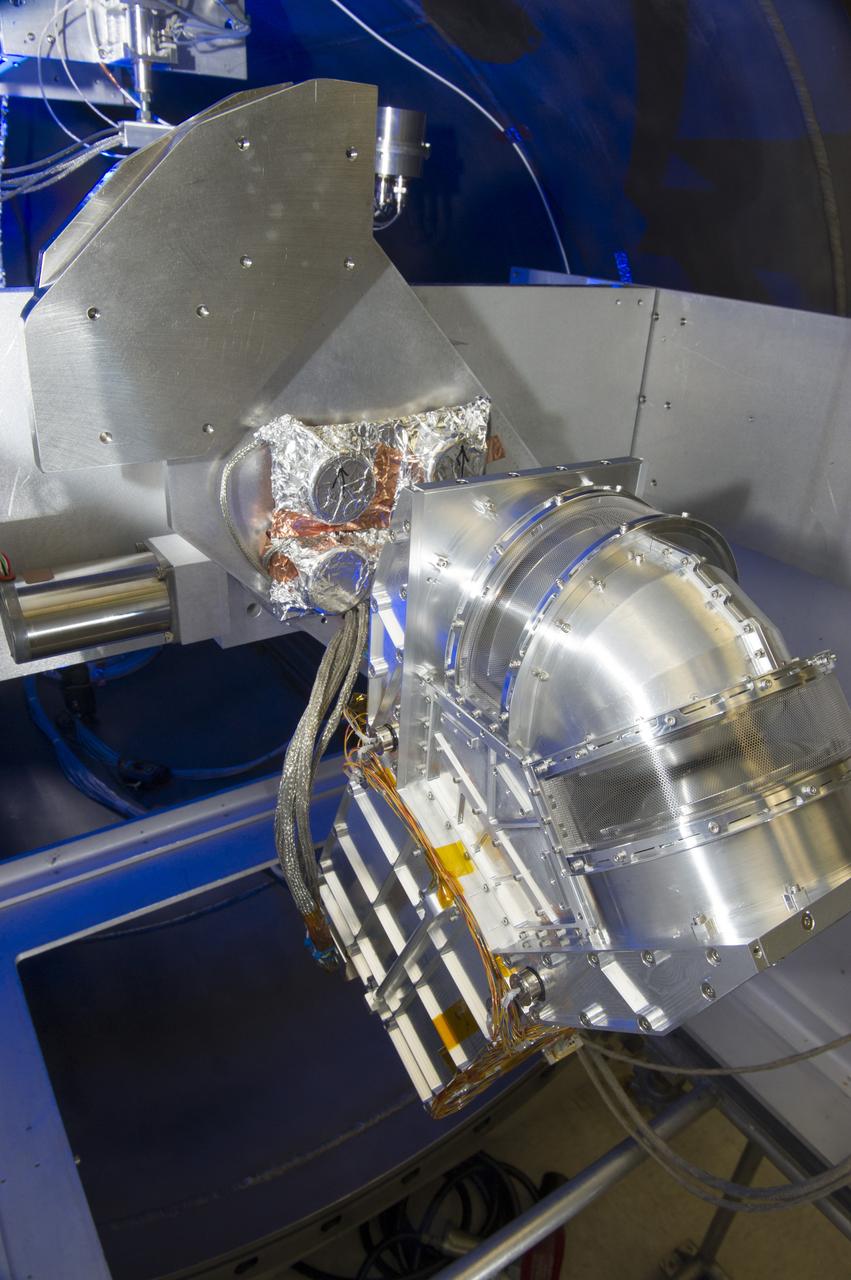
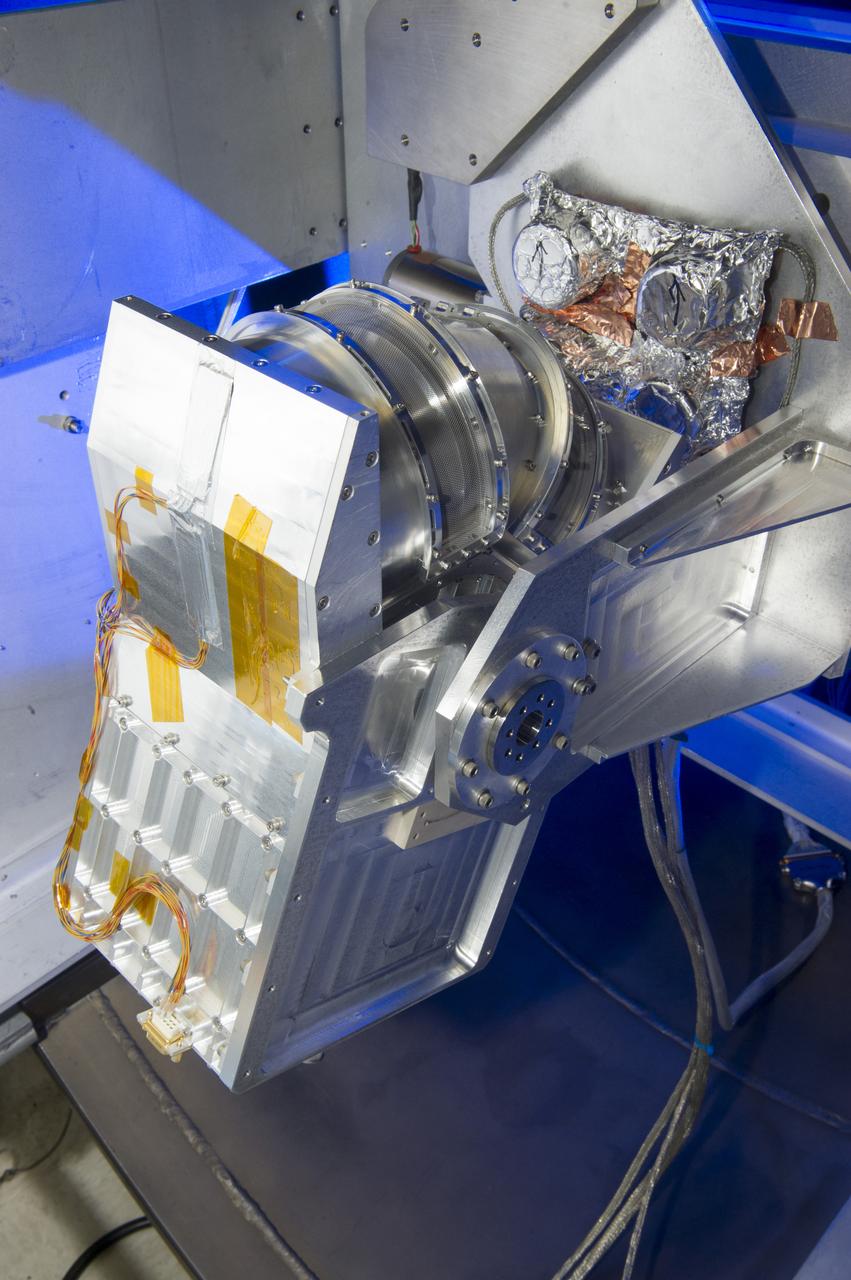
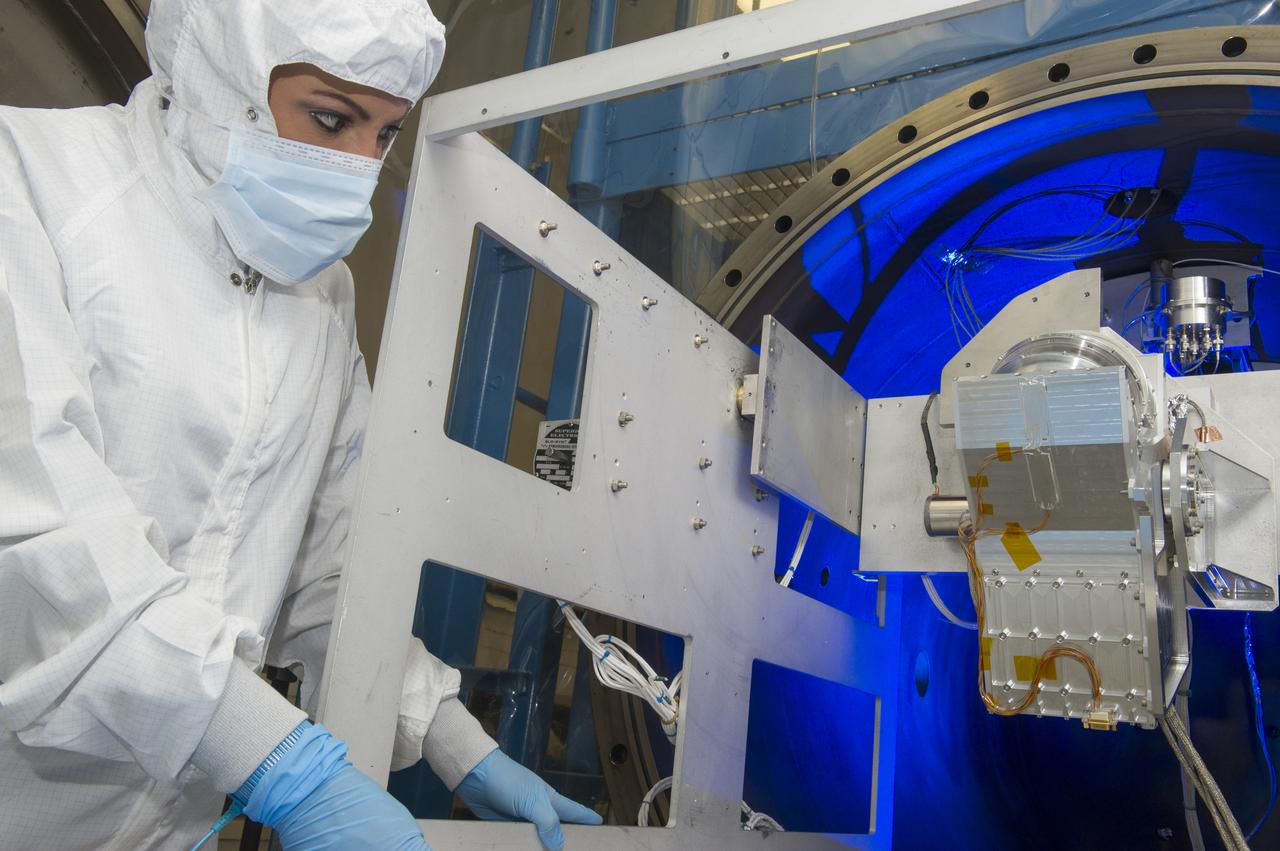
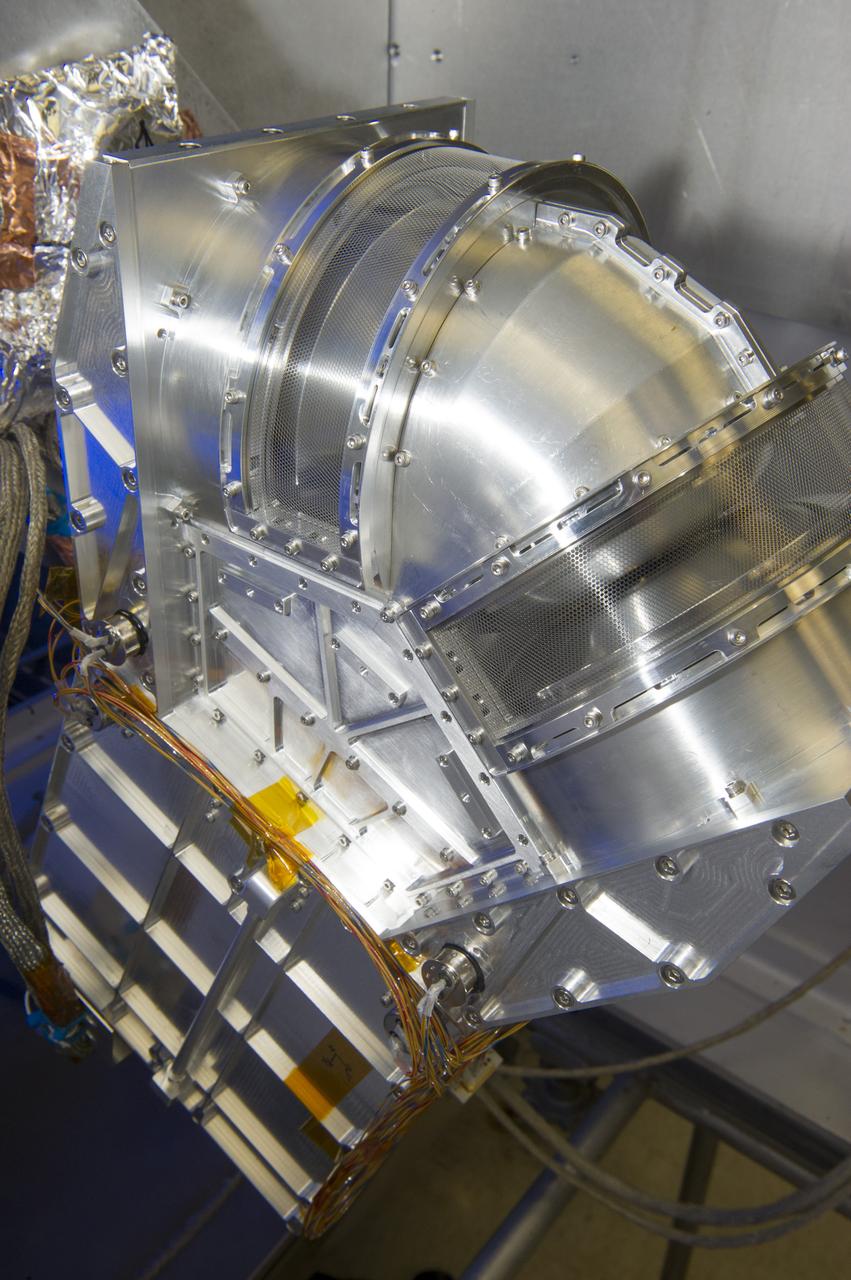
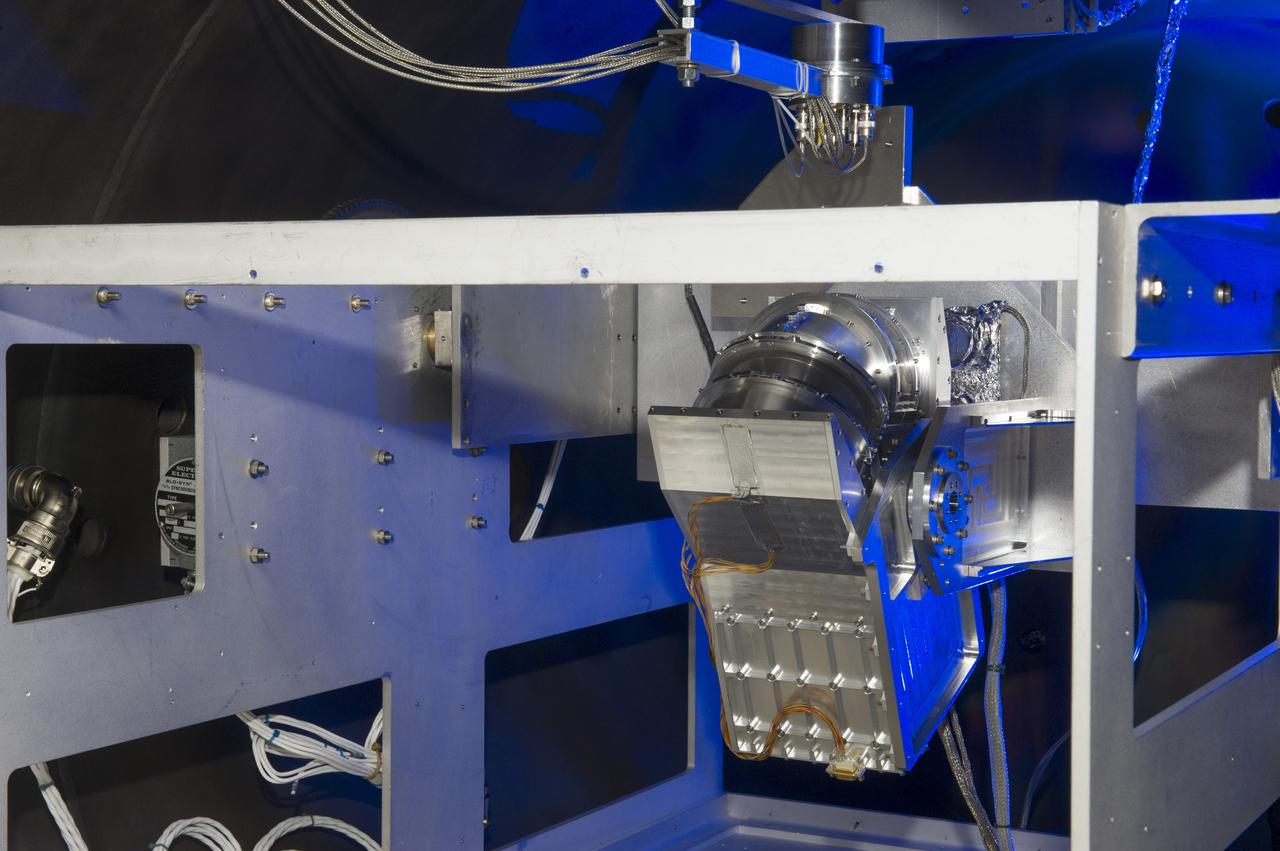
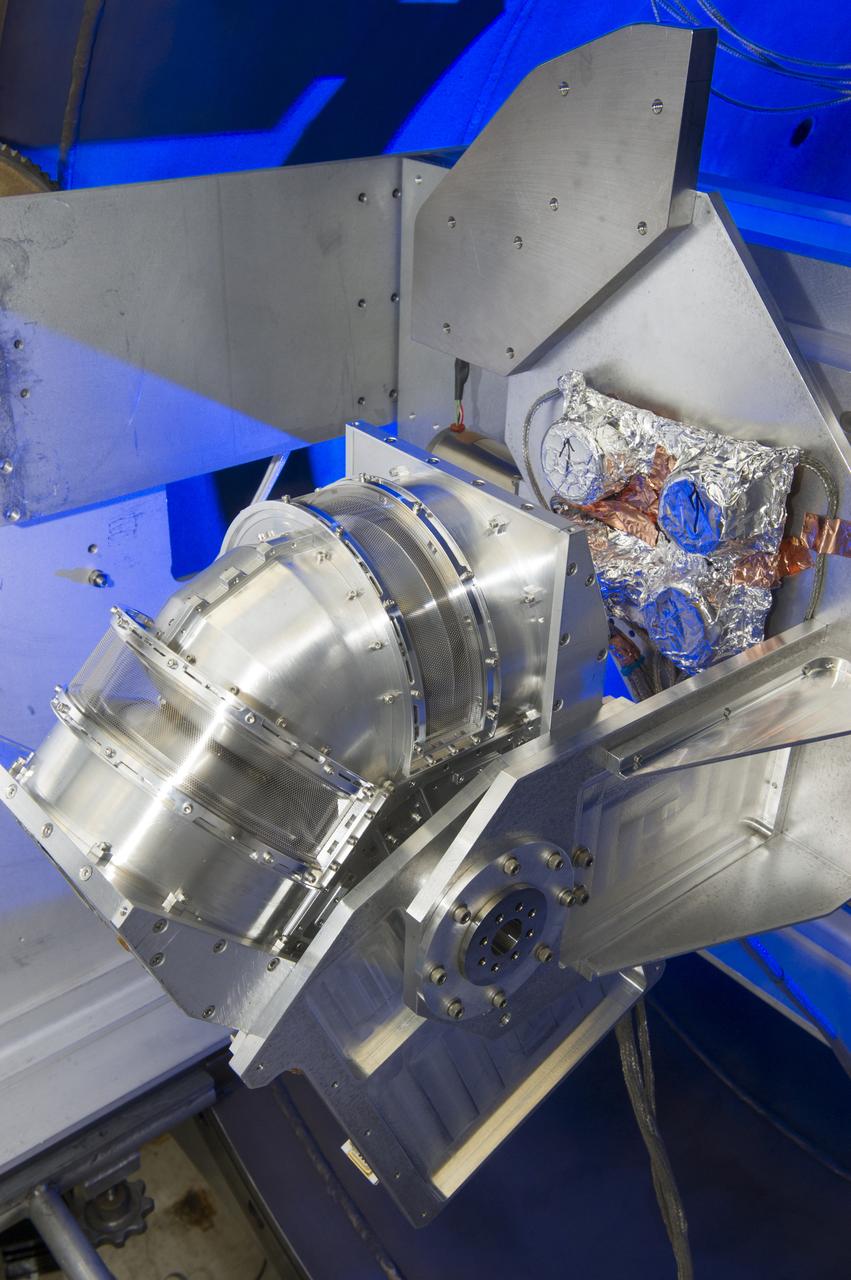
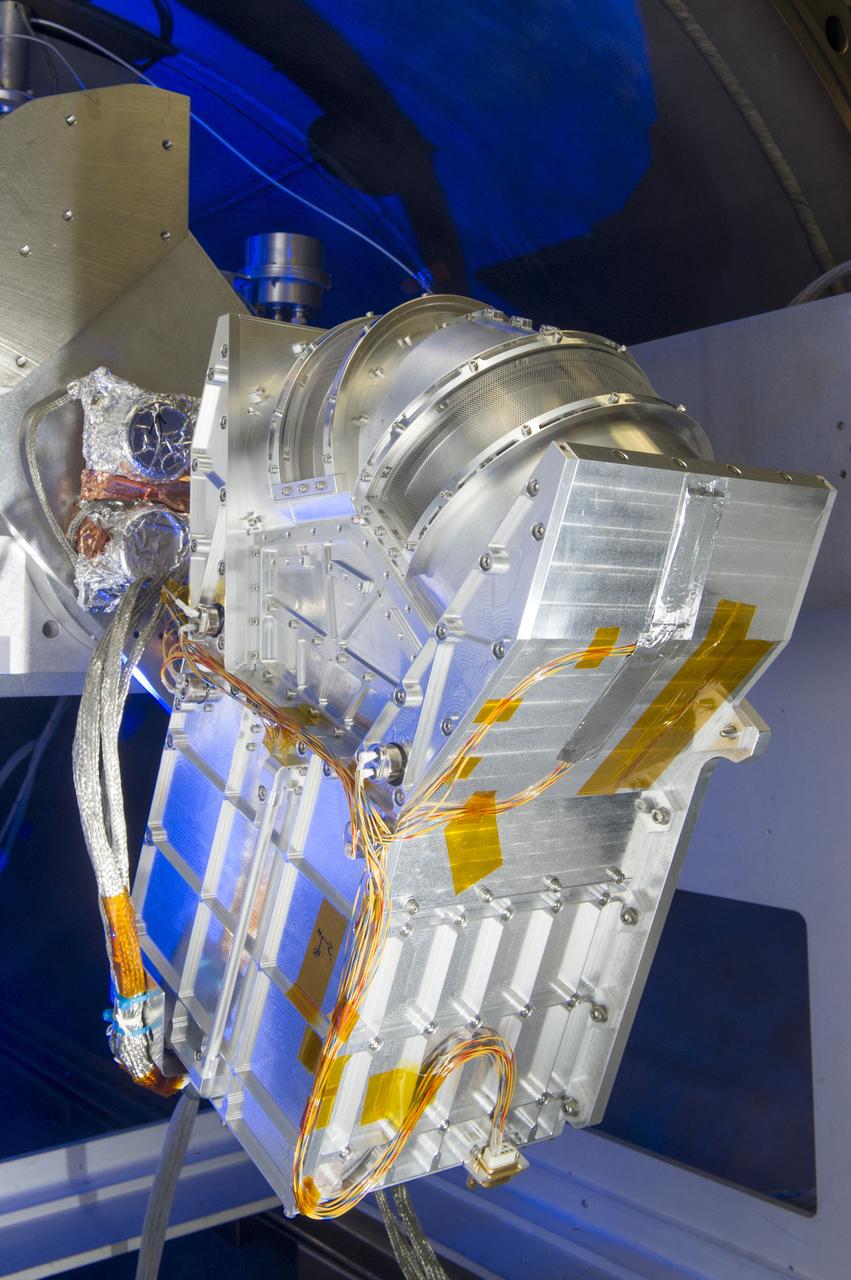
DUAL ION SPECTROMETER (DIS) ENGINEERING TEST UNIT (ETU) AT THE LOW ENERGY ELECTRON AND ION FACILITY (LEEIF), NSSTC
Dual Ion Spectrometer (DIS) engineering test unit
DUAL ION SPECTROMETER (DIS) ENGINEERING TEST UNIT (ETU) AT THE LOW ENERGY ELECTRON AND ION FACILITY (LEEIF), NSSTC
Dual Ion Spectrometer (DIS) engineering test unit
DUAL ION SPECTROMETER (DIS) ENGINEERING TEST UNIT (ETU) AT THE LOW ENERGY ELECTRON AND ION FACILITY (LEEIF), NSSTC
Dual Ion Spectrometer (DIS) engineering test unit
DUAL ION SPECTROMETER (DIS) ENGINEERING TEST UNIT (ETU) AT THE LOW ENERGY ELECTRON AND ION FACILITY (LEEIF), NSSTC
Dual Ion Spectrometer (DIS) engineering test unit
DUAL ION SPECTROMETER (DIS) ENGINEERING TEST UNIT (ETU) AT THE LOW ENERGY ELECTRON AND ION FACILITY (LEEIF), NSSTC
Dual Ion Spectrometer (DIS) engineering test unit
DUAL ION SPECTROMETER (DIS) ENGINEERING TEST UNIT (ETU) AT THE LOW ENERGY ELECTRON AND ION FACILITY (LEEIF), NSSTC
Dual Ion Spectrometer (DIS) engineering test unit
DUAL ION SPECTROMETER (DIS) ENGINEERING TEST UNIT (ETU) AT THE LOW ENERGY ELECTRON AND ION FACILITY (LEEIF), NSSTC
Dual Ion Spectrometer (DIS) engineering test unit
DUAL ION SPECTROMETER (DIS) ENGINEERING TEST UNIT (ETU) AT THE LOW ENERGY ELECTRON AND ION FACILITY (LEEIF), NSSTC
Dual Ion Spectrometer (DIS) engineering test unit
DUAL ION SPECTROMETER (DIS) ENGINEERING TEST UNIT (ETU) AT THE LOW ENERGY ELECTRON AND ION FACILITY (LEEIF), NSSTC
Dual Ion Spectrometer (DIS) engineering test unit
DUAL ION SPECTROMETER (DIS) ENGINEERING TEST UNIT (ETU) AT THE LOW ENERGY ELECTRON AND ION FACILITY (LEEIF), NSSTC
Dual Ion Spectrometer (DIS) engineering test unit
DUAL ION SPECTROMETER (DIS) ENGINEERING TEST UNIT (ETU) AT THE LOW ENERGY ELECTRON AND ION FACILITY (LEEIF), NSSTC
Dual Ion Spectrometer (DIS) engineering test unit
DUAL ION SPECTROMETER (DIS) ENGINEERING TEST UNIT (ETU) AT THE LOW ENERGY ELECTRON AND ION FACILITY (LEEIF), NSSTC
Dual Ion Spectrometer (DIS) engineering test unit
DUAL ION SPECTROMETER (DIS) ENGINEERING TEST UNIT (ETU) AT THE LOW ENERGY ELECTRON AND ION FACILITY (LEEIF), NSSTC
Dual Ion Spectrometer (DIS) engineering test unit
DUAL ION SPECTROMETER (DIS) ENGINEERING TEST UNIT (ETU) AT THE LOW ENERGY ELECTRON AND ION FACILITY (LEEIF), NSSTC
Dual Ion Spectrometer (DIS) engineering test unit
DUAL ION SPECTROMETER (DIS) ENGINEERING TEST UNIT (ETU) AT THE LOW ENERGY ELECTRON AND ION FACILITY (LEEIF), NSSTC
Dual Ion Spectrometer (DIS) engineering test unit
DUAL ION SPECTROMETER (DIS) ENGINEERING TEST UNIT (ETU) AT THE LOW ENERGY ELECTRON AND ION FACILITY (LEEIF), NSSTC
Dual Ion Spectrometer (DIS) engineering test unit
DUAL ION SPECTROMETER (DIS) ENGINEERING TEST UNIT (ETU) AT THE LOW ENERGY ELECTRON AND ION FACILITY (LEEIF), NSSTC
Dual Ion Spectrometer (DIS) engineering test unit
DUAL ION SPECTROMETER (DIS) ENGINEERING TEST UNIT (ETU) AT THE LOW ENERGY ELECTRON AND ION FACILITY (LEEIF), NSSTC
Dual Ion Spectrometer (DIS) engineering test unit
Technicians prepare NASA Juno spacecraft for a functional test of its main engine cover.
Juno Engine Cover Test Preparation
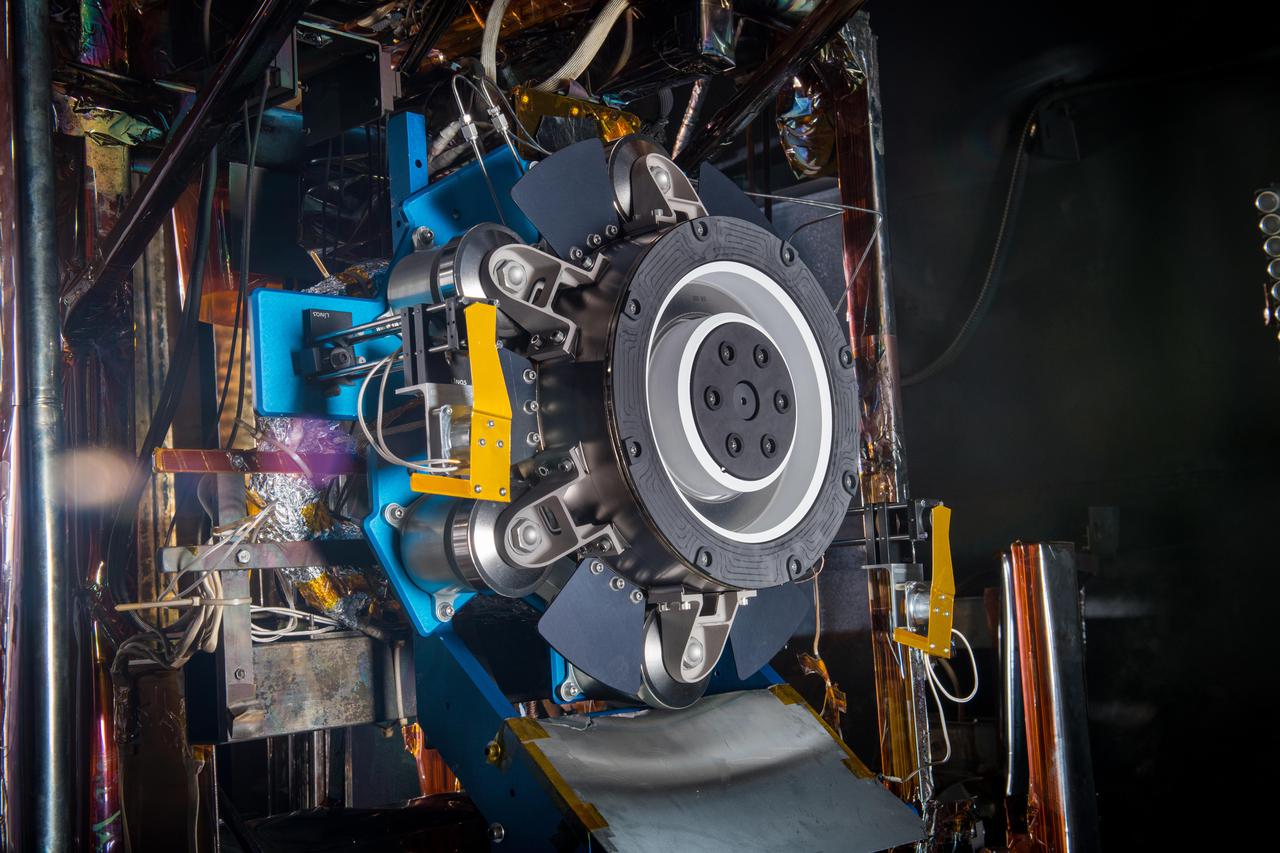
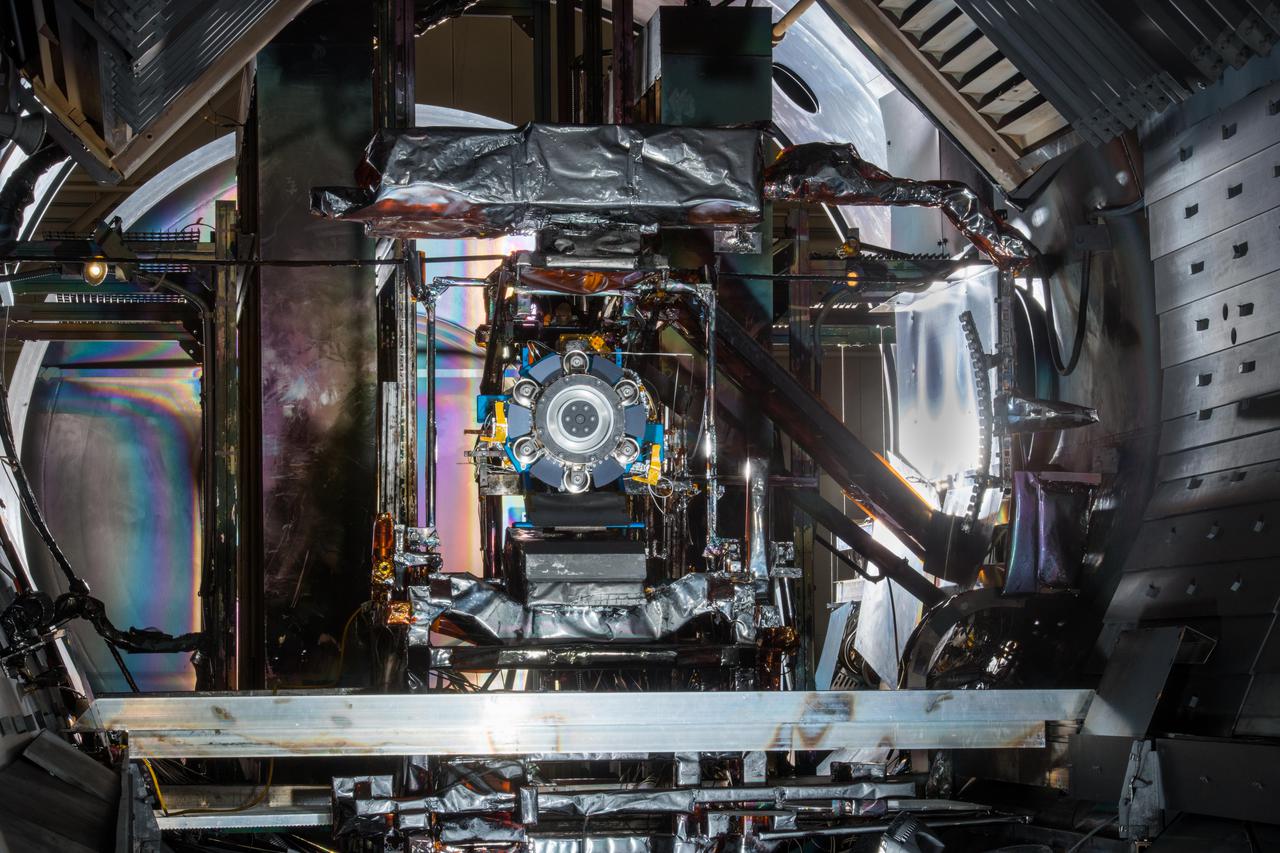
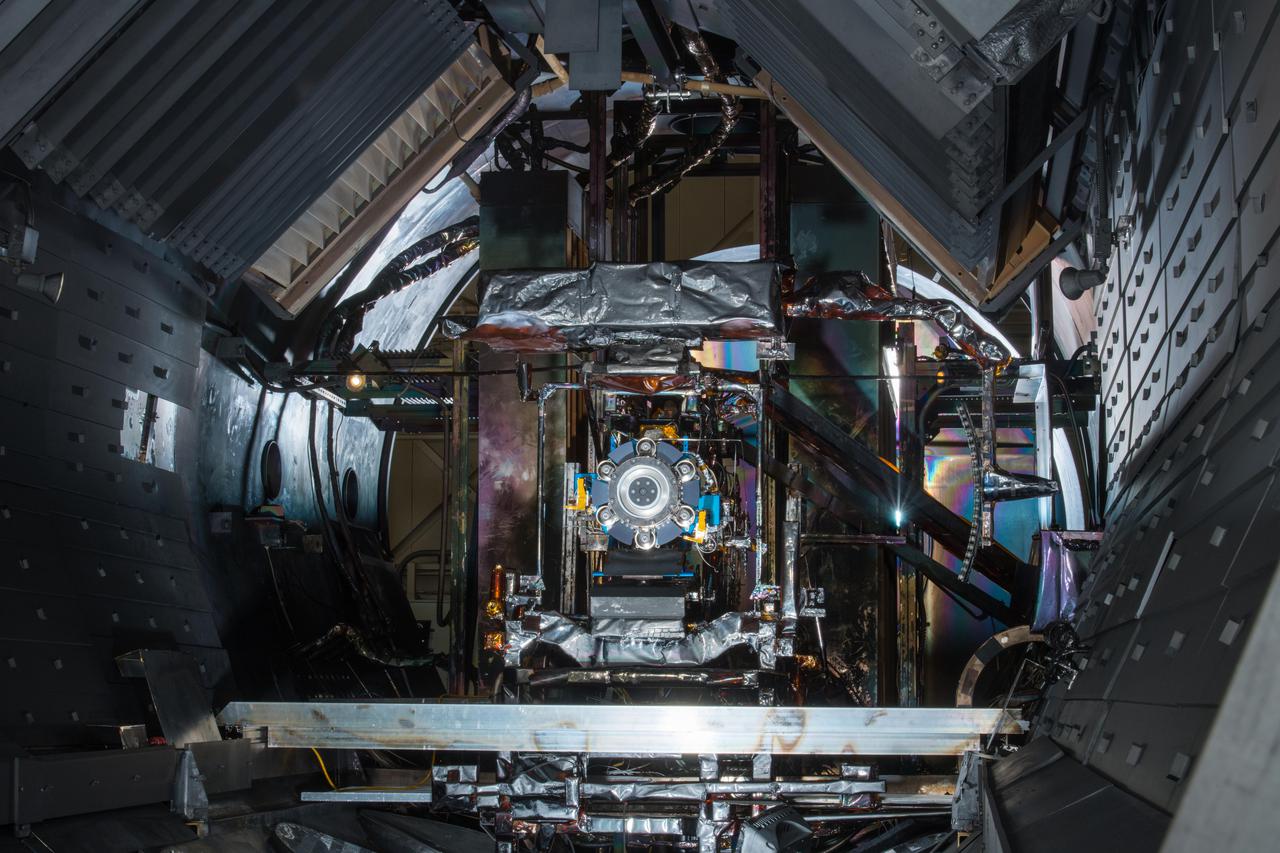
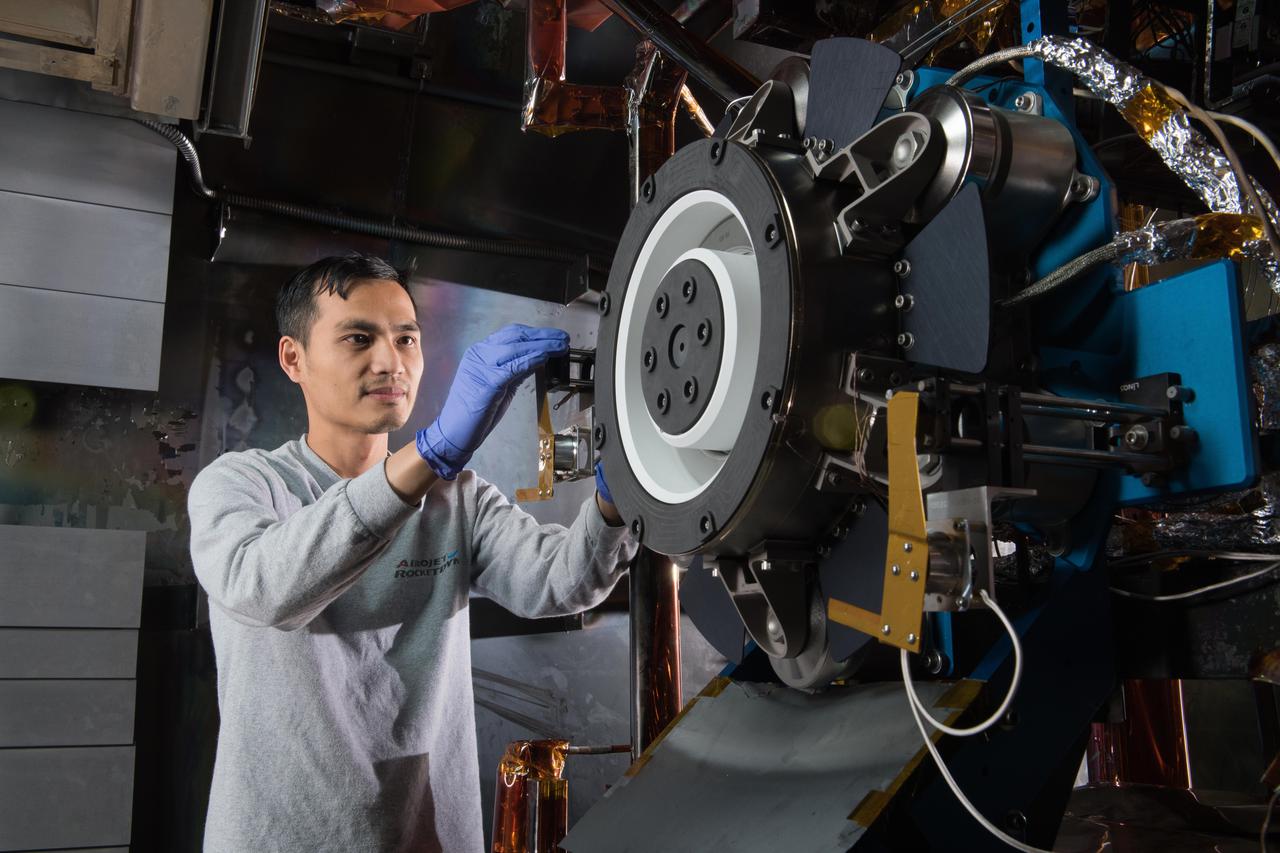
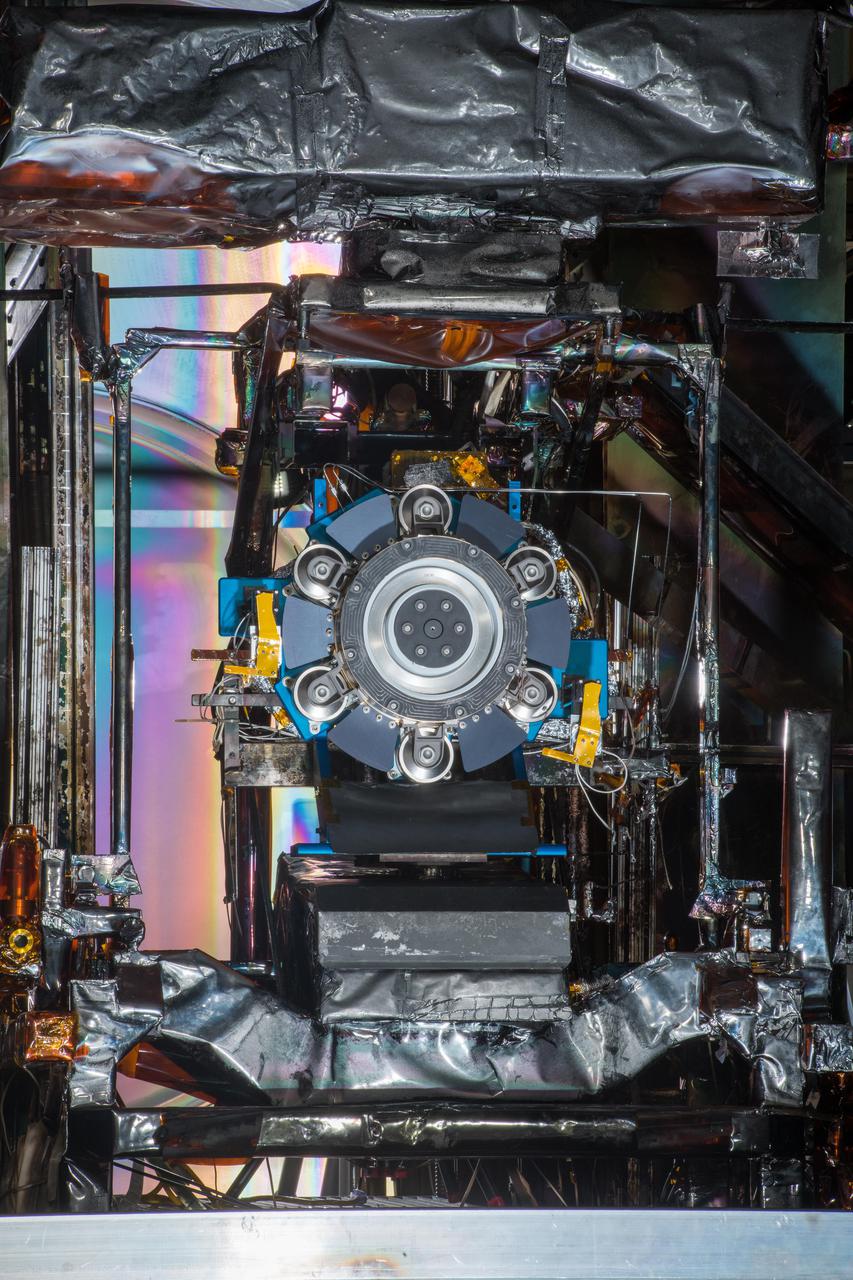
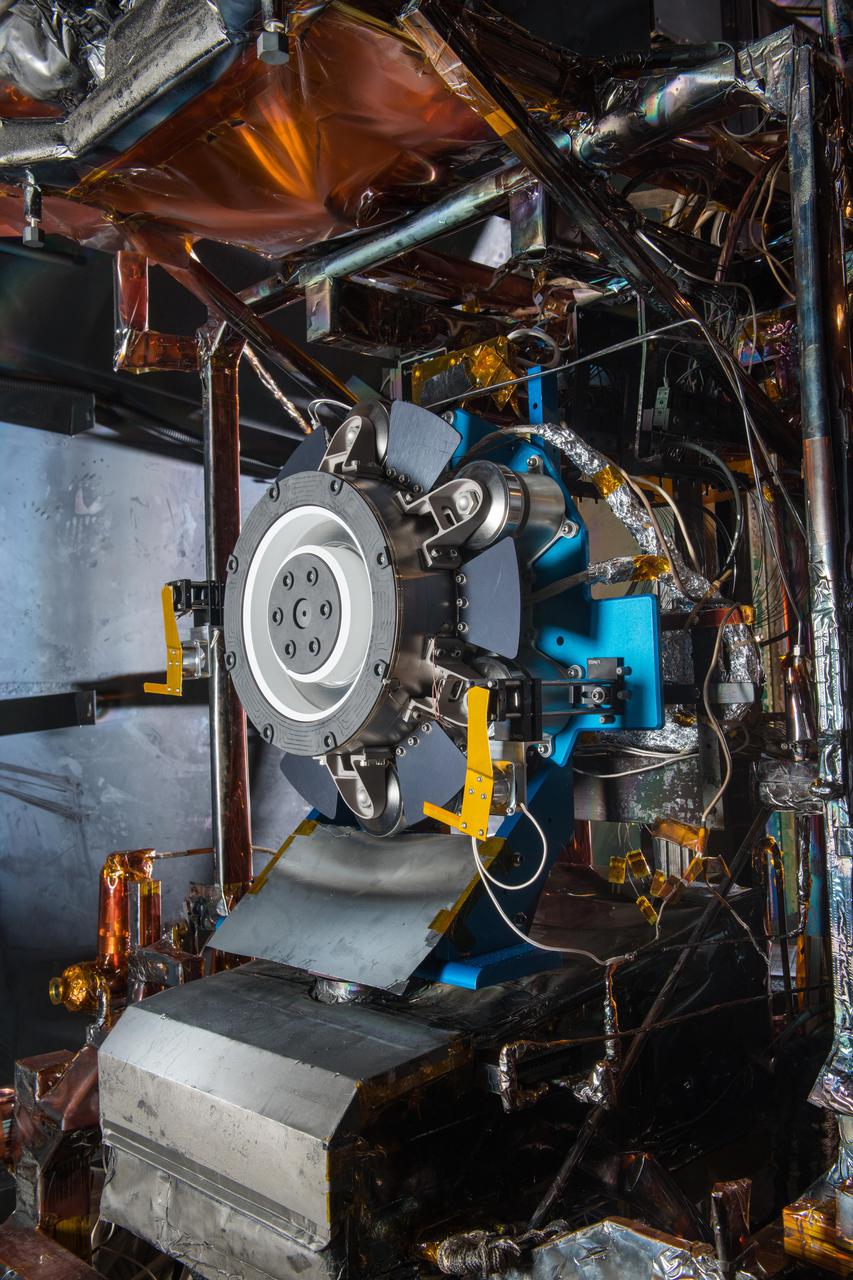
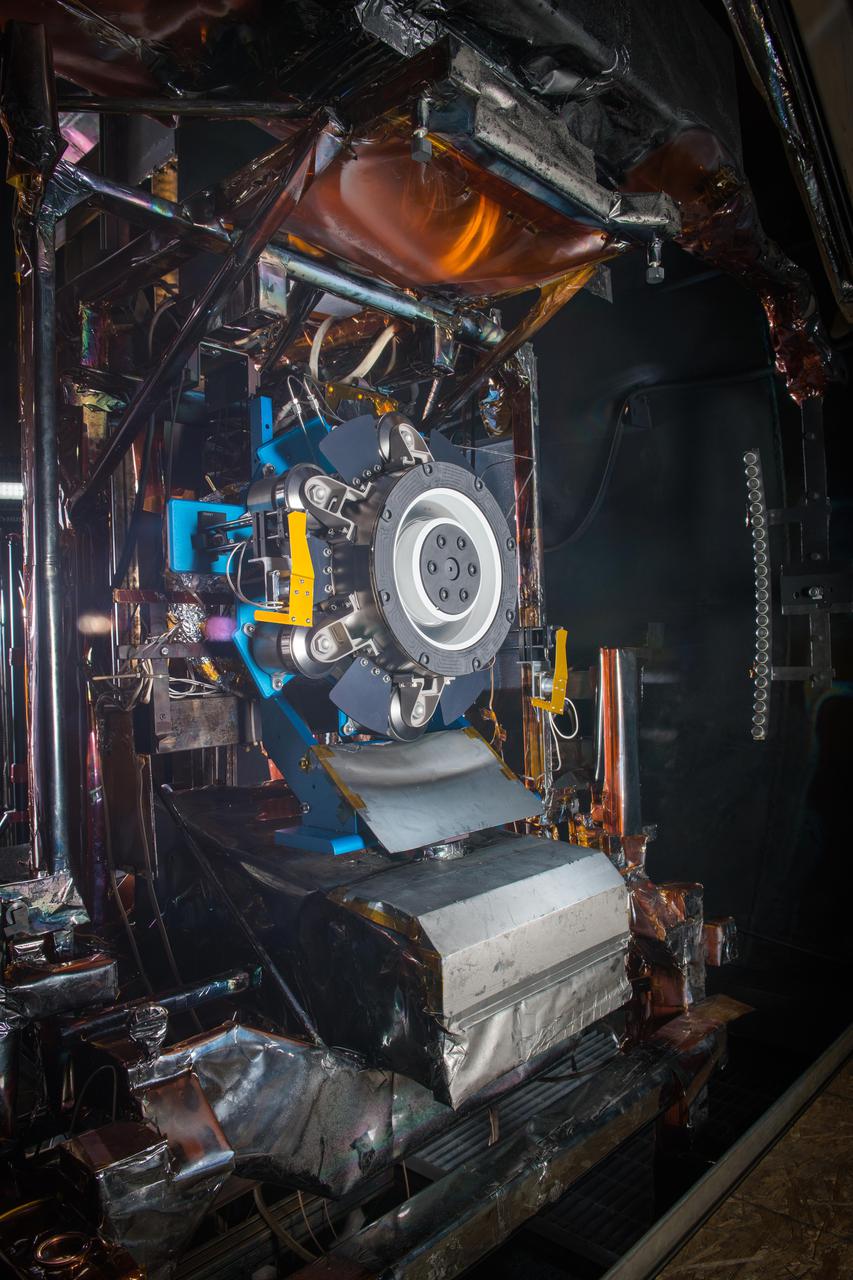
Advanced Electric Propulsion System, AEPS, Engineering Test Unit 2, ETU-2, Thruster Hardware
Advanced Electric Propulsion System, AEPS, Engineering Test U...
Just two weeks after setting a record with a long-duration test of the J-2X rocket engine powerpack assembly, NASA engineers at Stennis Space Center exceeded it. On July 24, 2012, engineers surpassed the earlier 1,150-second record with a 1,350-second test of the engine component on the A-1 Test Stand at Stennis.
J-2X powerpack
What better way to mark 50 years of rocket engine testing than with a rocket engine test? Stennis Space Center employees enjoyed a chance to view an RS-68 engine test at the B-1 Test Stand on April 19, almost 50 years to the day that the first test was conducted at the south Mississippi site in 1966. The test viewing was part of a weeklong celebration of the 50th year of rocket engine testing at Stennis. The first test at the site occurred April 23, 1966, with a 15-second firing of a Saturn V second stage prototype (S-II-C) on the A-2 Test Stand. The center subsequently tested Apollo rocket stages that carried humans to the moon and every main engine used to power 135 space shuttle missions. It currently tests engines for NASA’s new Space Launch System vehicle.
Celebrating 50 Years of Testing
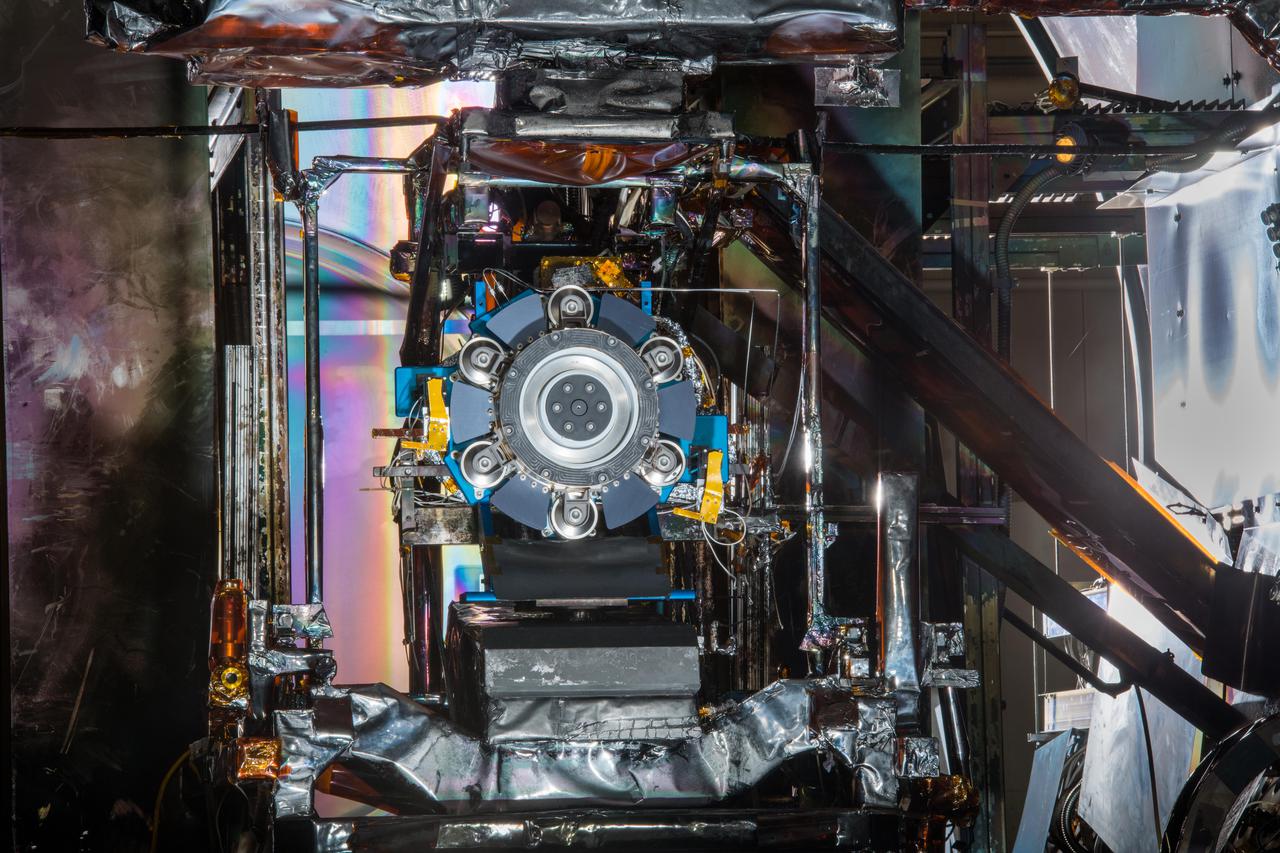
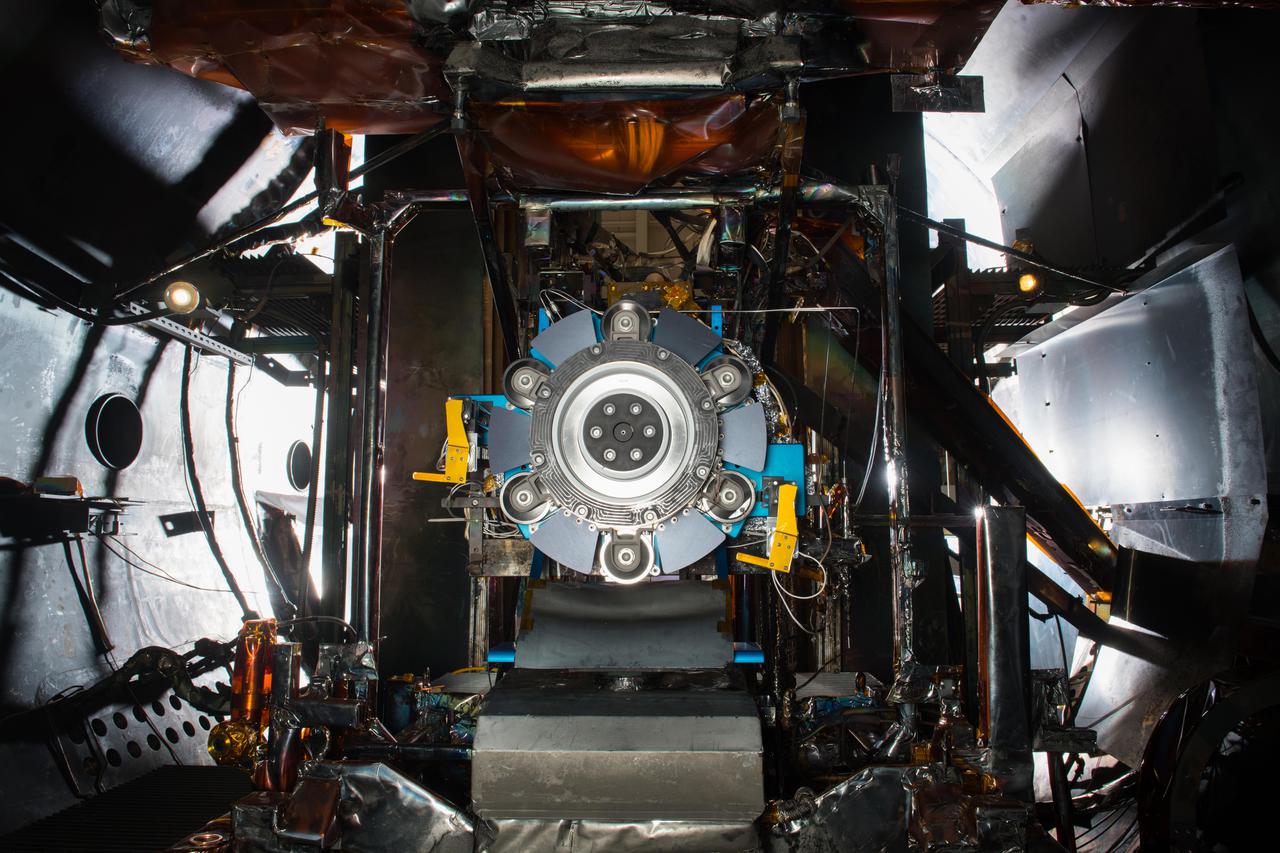
RS-25 rocket engine No. 2059 is removed from the A-1 Test Stand at Stennis Space Center on May 19, 2016. The engine was tested March 10 on the stand and is ready for use on NASA’s new Space Launch System (SLS) vehicle. NASA is developing the SLS to carry humans deeper into space than ever before. The SLS core stage will be powered by four RS-25 engines. Engine No. 2059 is scheduled for use on the first crewed SLS mission, Exploration Mission-2, which will carry American astronauts beyond low-Earth orbit for the first time since 1972. The photo above shows the engine, as well as the yellow thrust frame adapter above it, which holds the engine in place for testing.
Destination: Space
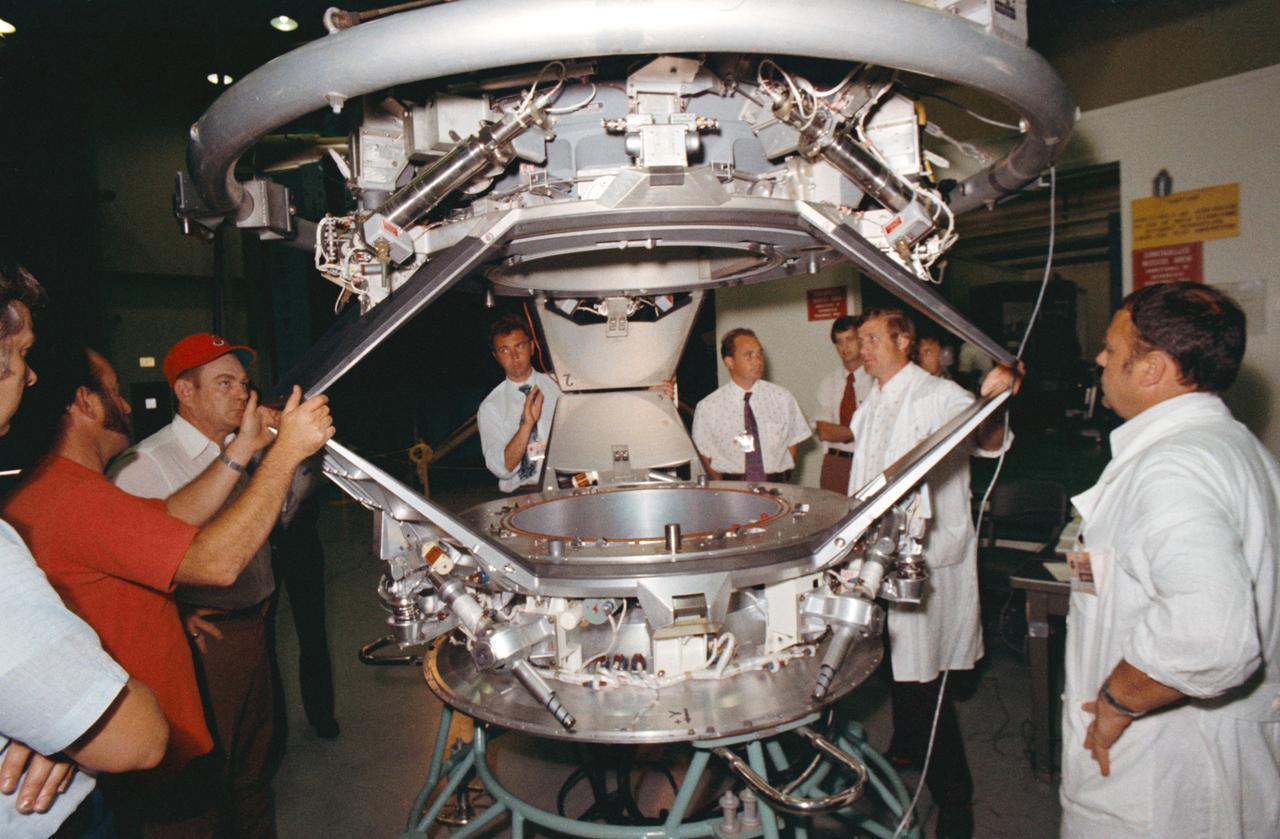
S74-25394 (10 July 1974) --- A group of American and Soviet engineers of the Apollo-Soyuz Test Project working group three examines an ASTP docking set-up following a docking mechanism fitness test conducted in Building 13 at the Johnson Space Center.  Working Group No. 3 is concerned with ASTP docking problems and techniques. The joint U.S.-USSR ASTP docking mission in Earth orbit is scheduled for the summer of 1975.  The Apollo docking mechanism is atop the Soyuz docking mechanism.
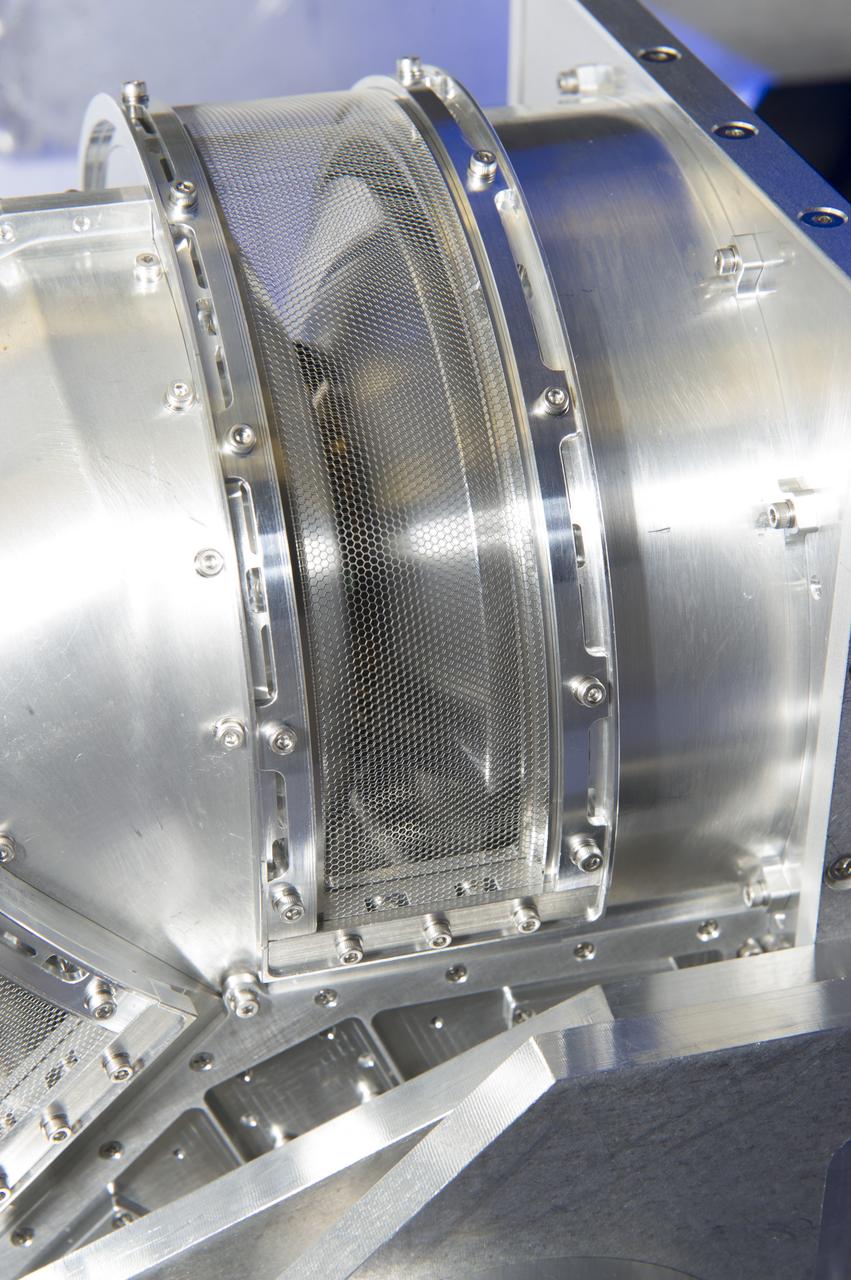
American & Soviet engineers examine ASTP docking set-up following tests
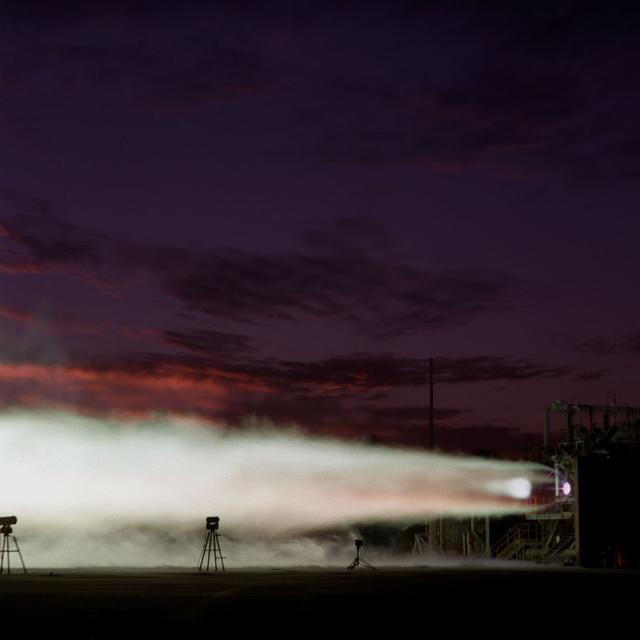
As the sun sets across the Alabama country side, engineers at Marshall's Test Stand 116 perform an endurance test on a 750K experimental engine.
Around Marshall
As the sun sets across the Alabama country side, engineers at Marshall's Test Stand 116 perform an endurance test on a 750K experimental engine.
Pathfinder
Advanced Electric Propulsion System, AEPS, Engineering Test Unit 2, ETU-2, Thruster Hardware
Advanced Electric Propulsion System, AEPS, Engineering Test Unit
Advanced Electric Propulsion System, AEPS, Engineering Test Unit 2, ETU-2, Thruster Hardware
Advanced Electric Propulsion System, AEPS, Engineering Test U...
Advanced Electric Propulsion System, AEPS, Engineering Test Unit 2, ETU-2, Thruster Hardware
Advanced Electric Propulsion System, AEPS, Engineering Test U...
Advanced Electric Propulsion System, AEPS, Engineering Test Unit 2, ETU-2, Thruster Hardware
Advanced Electric Propulsion System, AEPS, Engineering Test U...
Advanced Electric Propulsion System, AEPS, Engineering Test Unit 2, ETU-2, Thruster Hardware
Advanced Electric Propulsion System, AEPS, Engineering Test U...
Advanced Electric Propulsion System, AEPS, Engineering Test Unit 2, ETU-2, Thruster Hardware
Advanced Electric Propulsion System, AEPS, Engineering Test U...
SHUTTLE ENGINE OUT TEST done after the Space Shuttle Challenger disaster.  This was part of the investigation after the Challenger accident
SHUTTLE ENGINE OUT TEST done after the Space Shuttle Challeng...
Advanced Electric Propulsion System, AEPS, Engineering Test Unit 2, ETU-2, Thruster Hardware
Advanced Electric Propulsion System, AEPS, Engineering Test U...
Advanced Electric Propulsion System, AEPS, Engineering Test Unit 2, ETU-2, Thruster Hardware
Advanced Electric Propulsion System, AEPS, Engineering Test U...
Advanced Electric Propulsion System, AEPS, Engineering Test Unit 2, ETU-2, Thruster Hardware
Advanced Electric Propulsion System, AEPS, Engineering Test U...
Advanced Electric Propulsion System, AEPS, Engineering Test Unit 2, ETU-2, Thruster Hardware
Advanced Electric Propulsion System, AEPS, Engineering Test U...
Advanced Electric Propulsion System, AEPS, Engineering Test Unit 2, ETU-2, Thruster Hardware
Advanced Electric Propulsion System, AEPS, Engineering Test U...
Advanced Electric Propulsion System, AEPS, Engineering Test Unit 2, ETU-2, Thruster Hardware
Advanced Electric Propulsion System, AEPS, Engineering Test U...
Engineers at NASA's Stennis Space Center conducted a test of the J-2X engine powerpack Feb. 15, 2012, the first in a series of key tests in development of the next-generation rocket.
J-2X powerpack
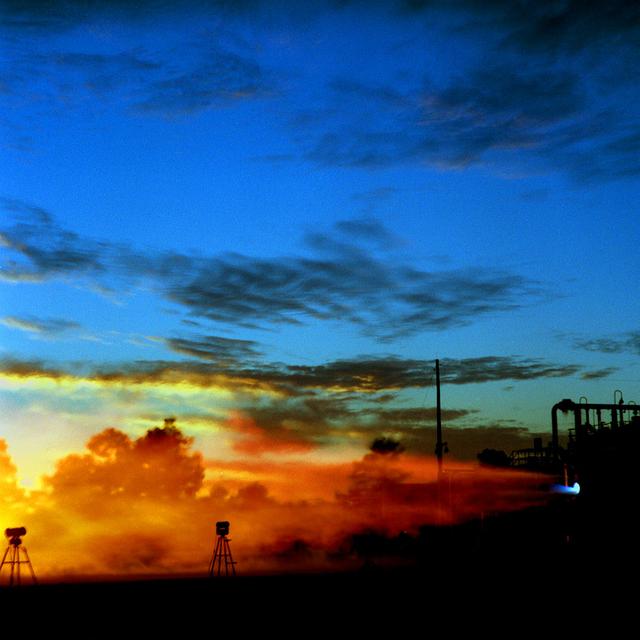
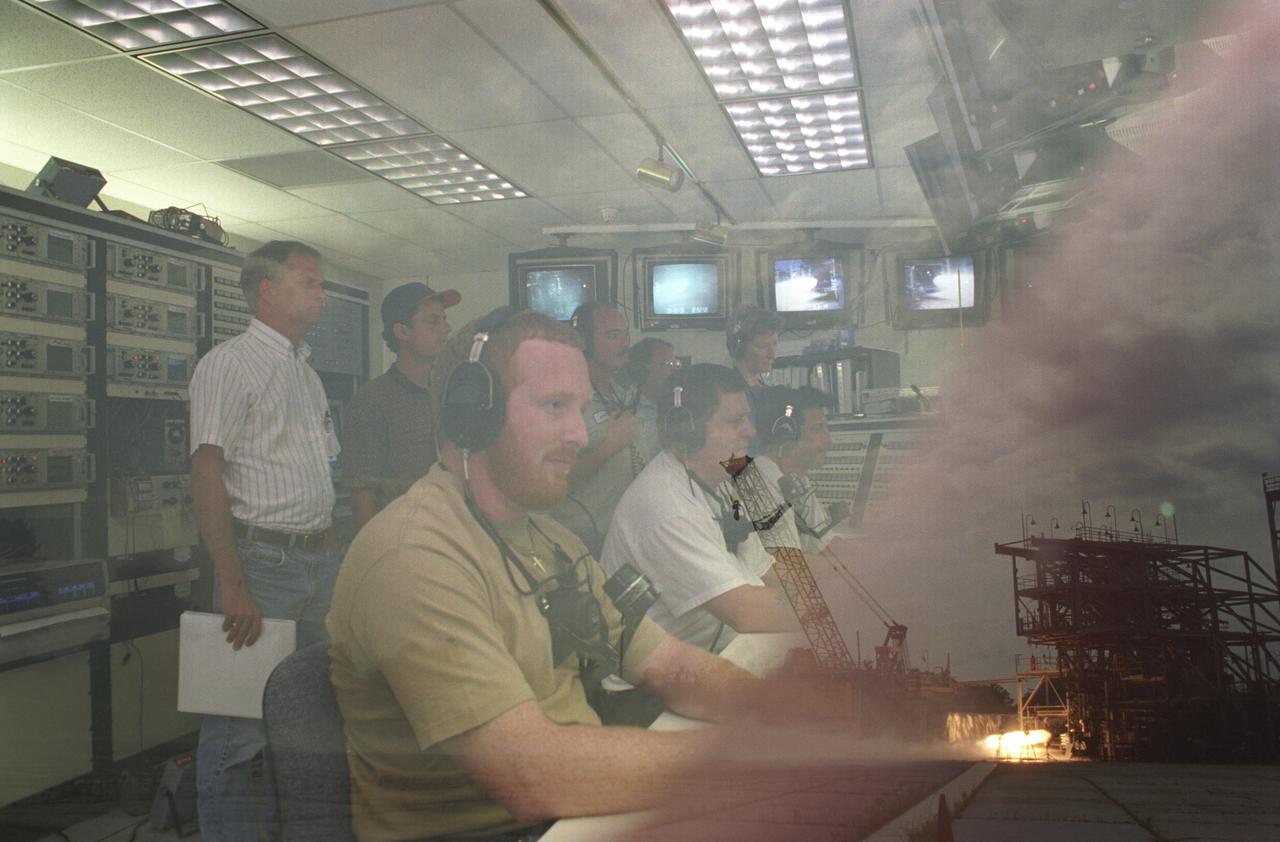
This double exposure depicts Marshall Space Flight Center's (MSFC) Test Stand 116 hosting a 60K Bantam Fastrac thrust chamber assembly test. The lower right exposure shows the engine firing in the test stand while the center exposure reveals workers monitoring the test in the interior block house of the test facility. The thrust chamber assembly is only part of the Fastrac engine project to build a low-cost engine for the X-34, an alternate light-weight unmarned launch vehicle. Both the nozzle and the engine for Fastrac are being manufactured at MSFC.
Advanced Space Transportation Program (ASTP)
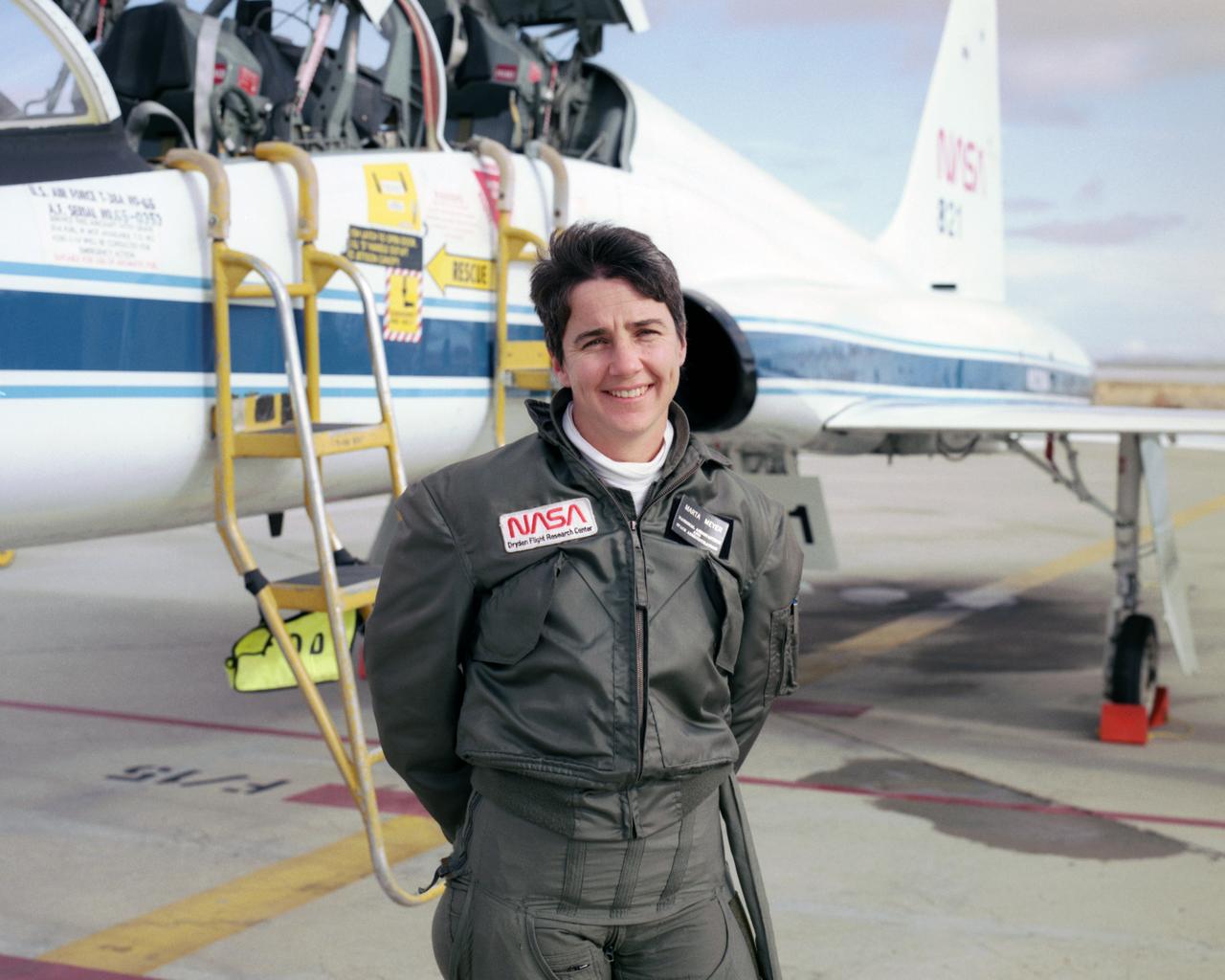
Marta Bohn-Meyer flew as a back-seat flight test engineer in this NASA T-38 mission support aircraft when this 1993 photo was taken.
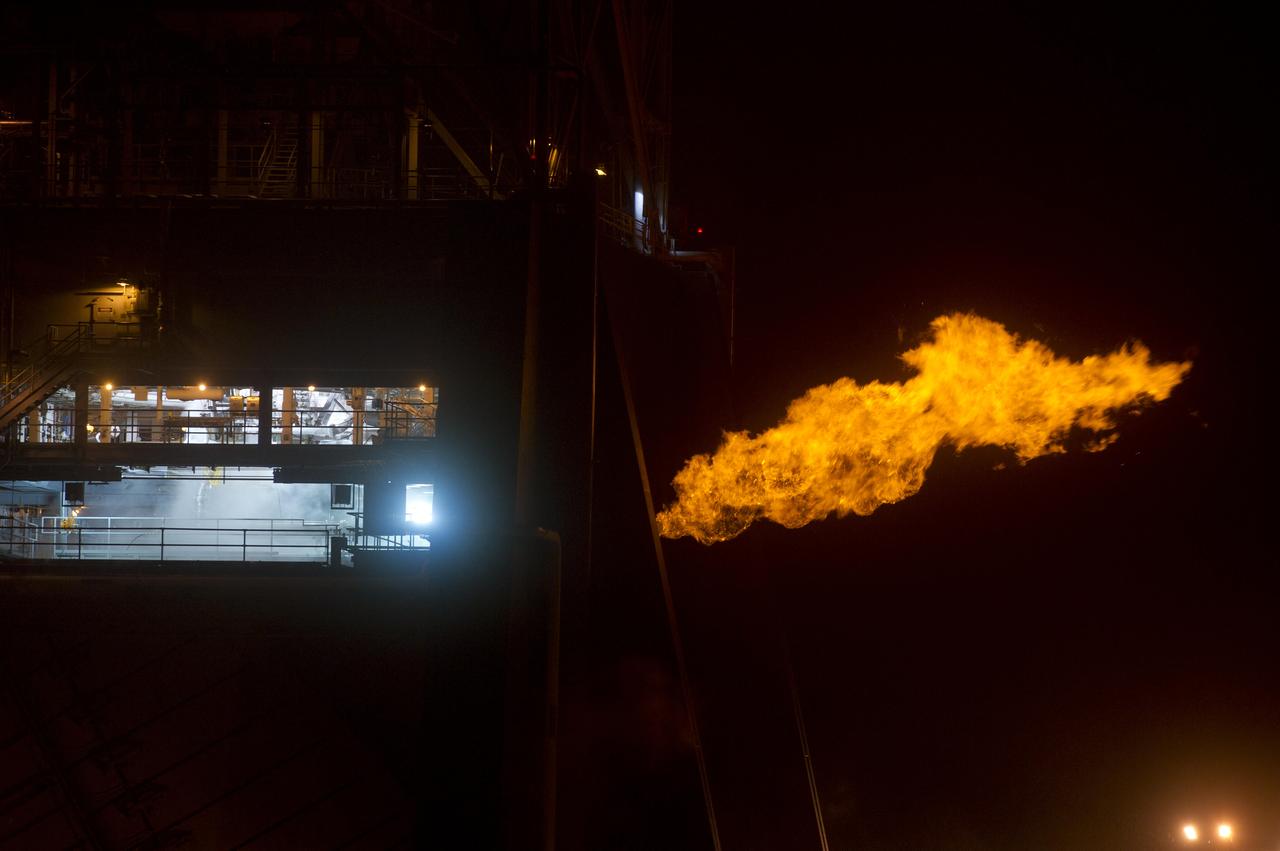
Year 2015 got off to a blazing start as NASA conducted its first test of an RS-25 rocket engine on the A-1 Test Stand at Stennis Space Center on Jan. 9, 2015. The 500-second test provided critical data on engine performance. RS-25 engines will help power the core stage of NASA’s new Space Launch System vehicle, being developed to carry humans deeper into space than ever before.
Lighting up the Night
NASA removed J-2X engine No. 10001 from the A-2 Test Stand at Stennis Space Center in early October. Opening of the test stand clamshell flooring allowed a clear view of the next-generation engine and stub nozzle, which is being built to help power future deep-space missions. The engine is an upgrade from the heritage J-2 rocket engine, which helped power Apollo missions to the moon during the late 1960s and early 1970s.
J-2X powerpack
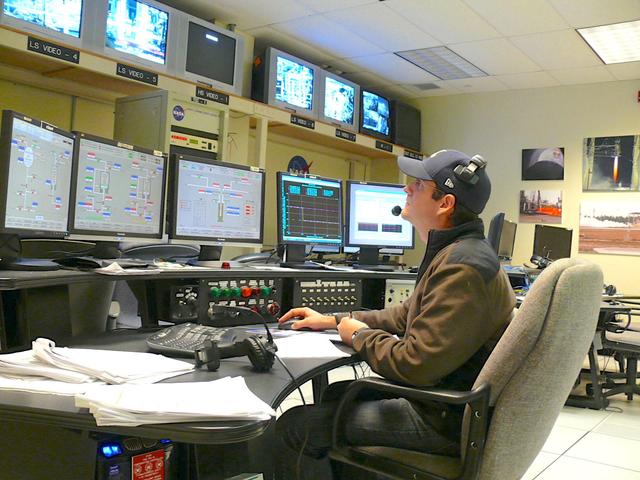
NASA engineer Andy Guymon studies data in the E-3 Test Stand Control Center at John C. Stennis Space Center during testing of NASA's Project Morpheus engine. Nov. 8. The test of the liquid oxygen, liquid methane engine was one of 27 conducted in Stennis' E Test Complex the week of Nov. 5.
Busy test week
NASA conducted a 340-second test of the J-2X engine powerpack at Stennis Space Center on May 10, 2012, marking another step in development of the next-generation rocket engine. The powerpack is a system of components on the top portion of the J-2X engine.
J-2X powerpack
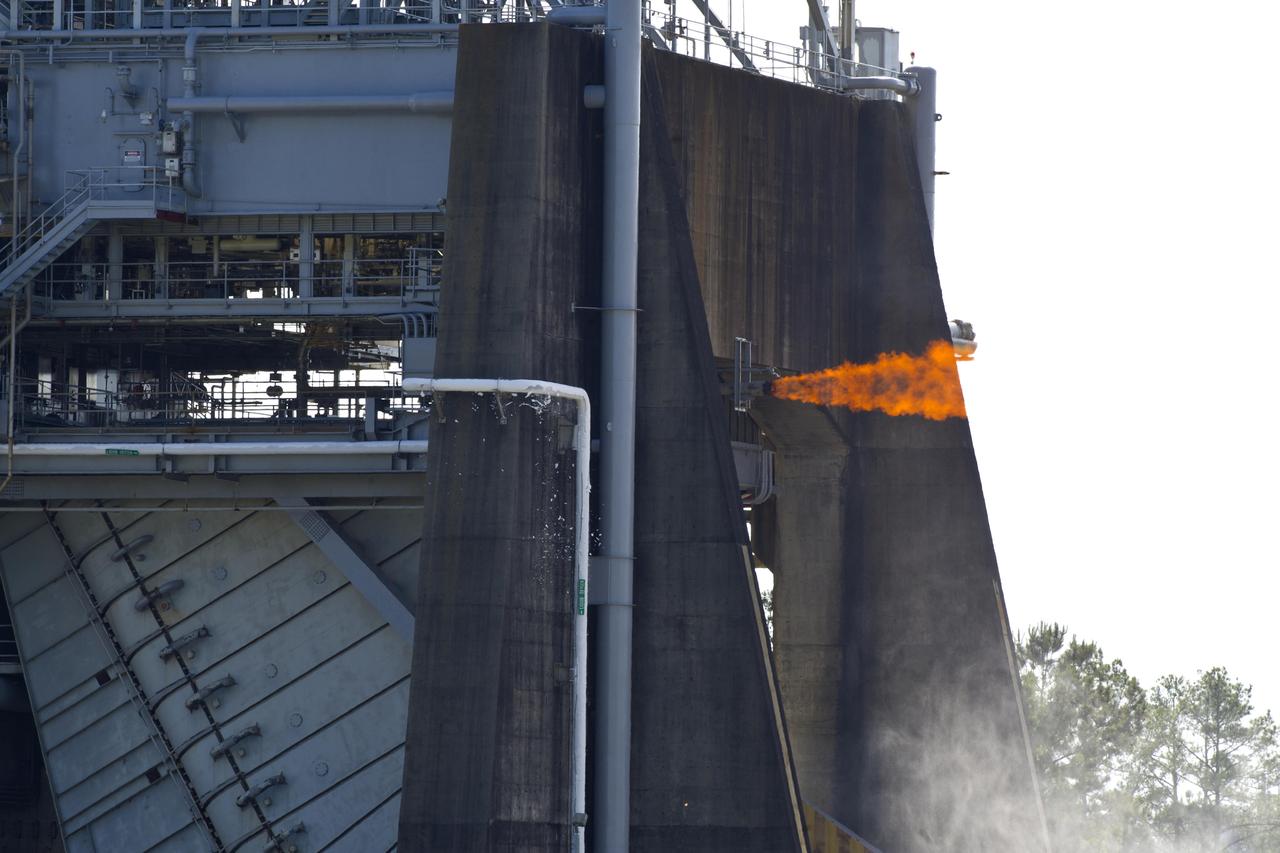
A test of NASA's liquid oxygen, liquid methane Project Morpheus engine is conducted Nov. 8 on the E-3 Test Stand at John C. Stennis Space Center. The test was one of 27 conducted in Stennis' E Test Complex the week of Nov. 5. Twenty-seven tests were conducted in a three-day period during the week, on three different rocket engines/components and on three E Complex test stands.
Busy test week
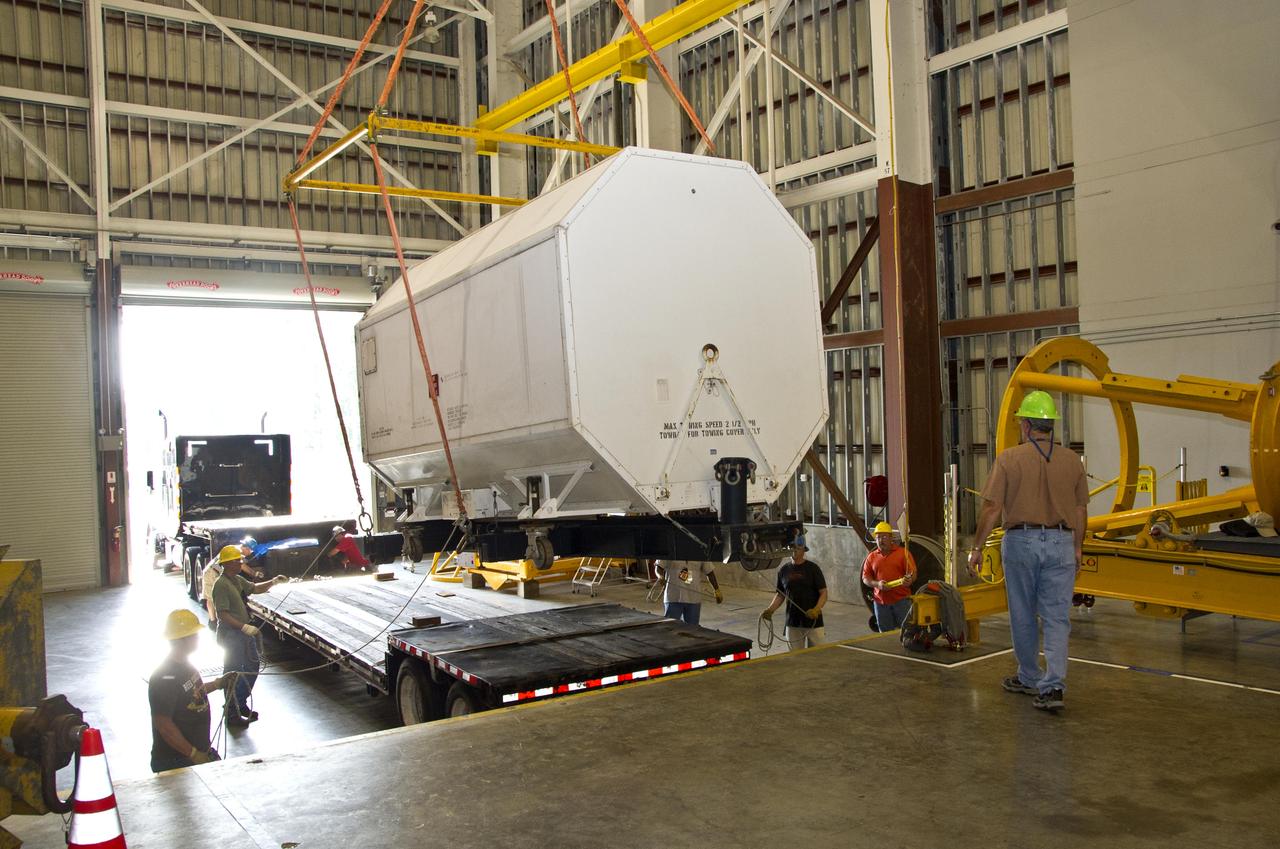
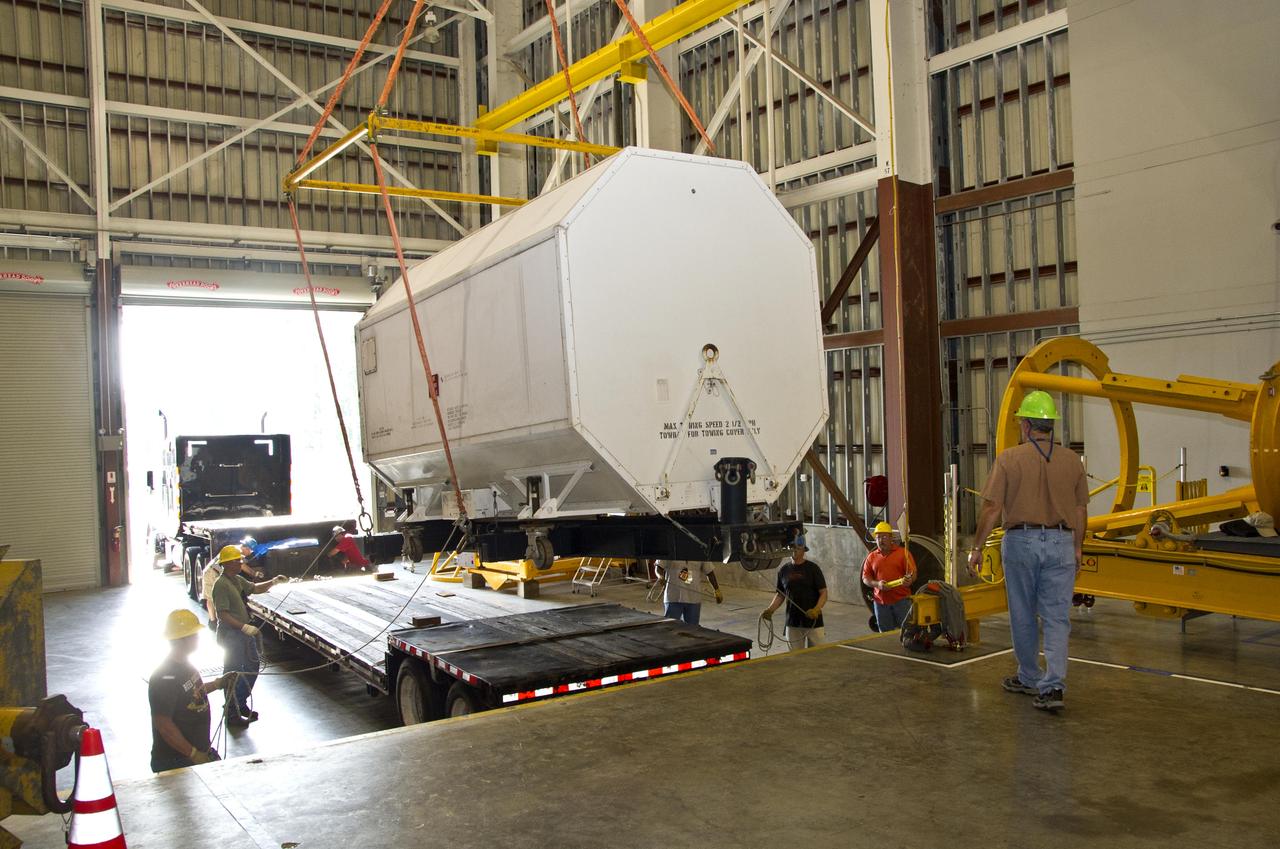
RS-25 series rocket engine No. 2059 is unloaded and positioned at Stennis Space Center on April 10, 2012, for future testing and use on NASA's new Space Launch System. The engine was the last of 15 RS-25 engines to be delivered from NASA's Kennedy Space Center in Florida to Stennis, where all will be stored until testing begins.
RS-25 engine