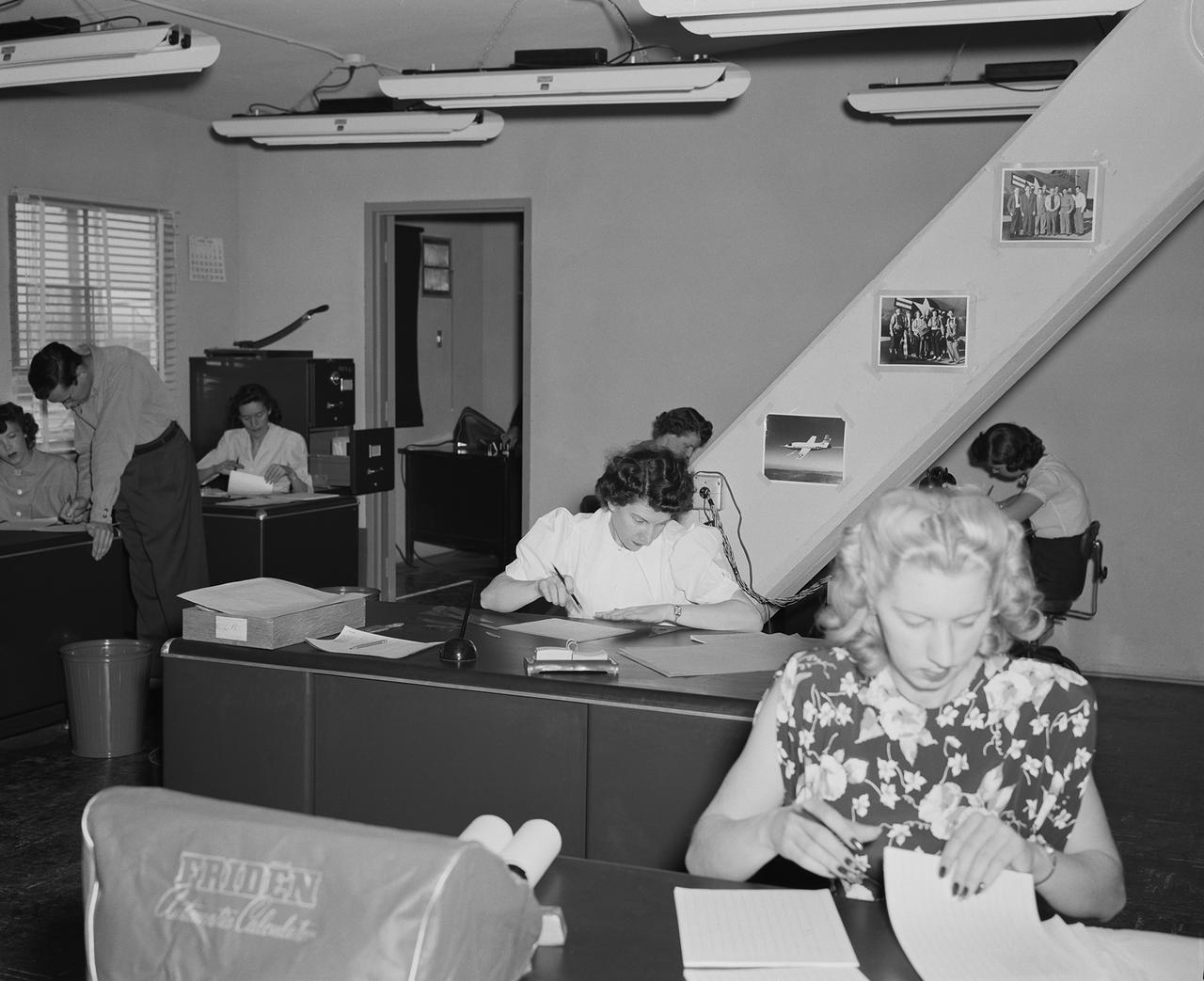
NACA women computers had degrees in mathematics or taught math before they were hired. They reduced film data and plotted it for the engineers.

The Mars celebration Friday, May 31, 2019, in Mars, Pennsylvania. NASA is in the small town to celebrate Mars exploration and share the agency’s excitement about landing astronauts on the Moon in five years. The celebration includes a weekend of Science, Technology, Engineering, Arts and Mathematics (STEAM) activities. Photo Credit: (NASA/Bill Ingalls)
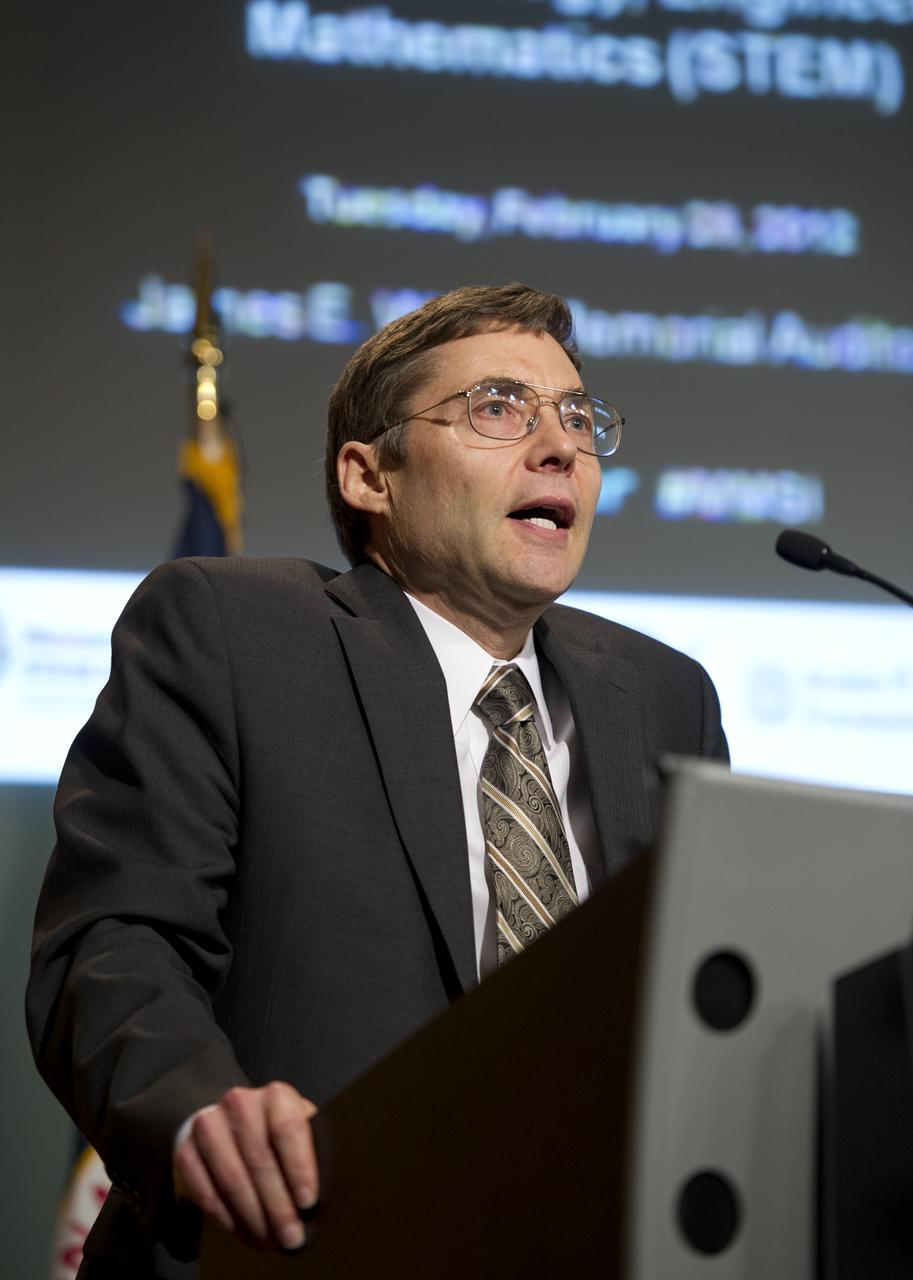
Carl Wieman, Associate Director, Office of Science and Technology Policy, The White House, speaks at the Symposium on Supporting Underrepresented Minority Males in Science, Technology, Engineering and Mathematics (STEM), Tuesday, February 28, 2012 at NASA Headquarters in Washington. Photo Credit: (NASA/Carla Cioffi)

The Mars celebration Friday, May 31, 2019, in Mars, Pennsylvania. NASA is in the small town to celebrate Mars exploration and share the agency’s excitement about landing astronauts on the Moon in five years. The celebration includes a weekend of Science, Technology, Engineering, Arts and Mathematics (STEAM) activities. Photo Credit: (NASA/Bill Ingalls)
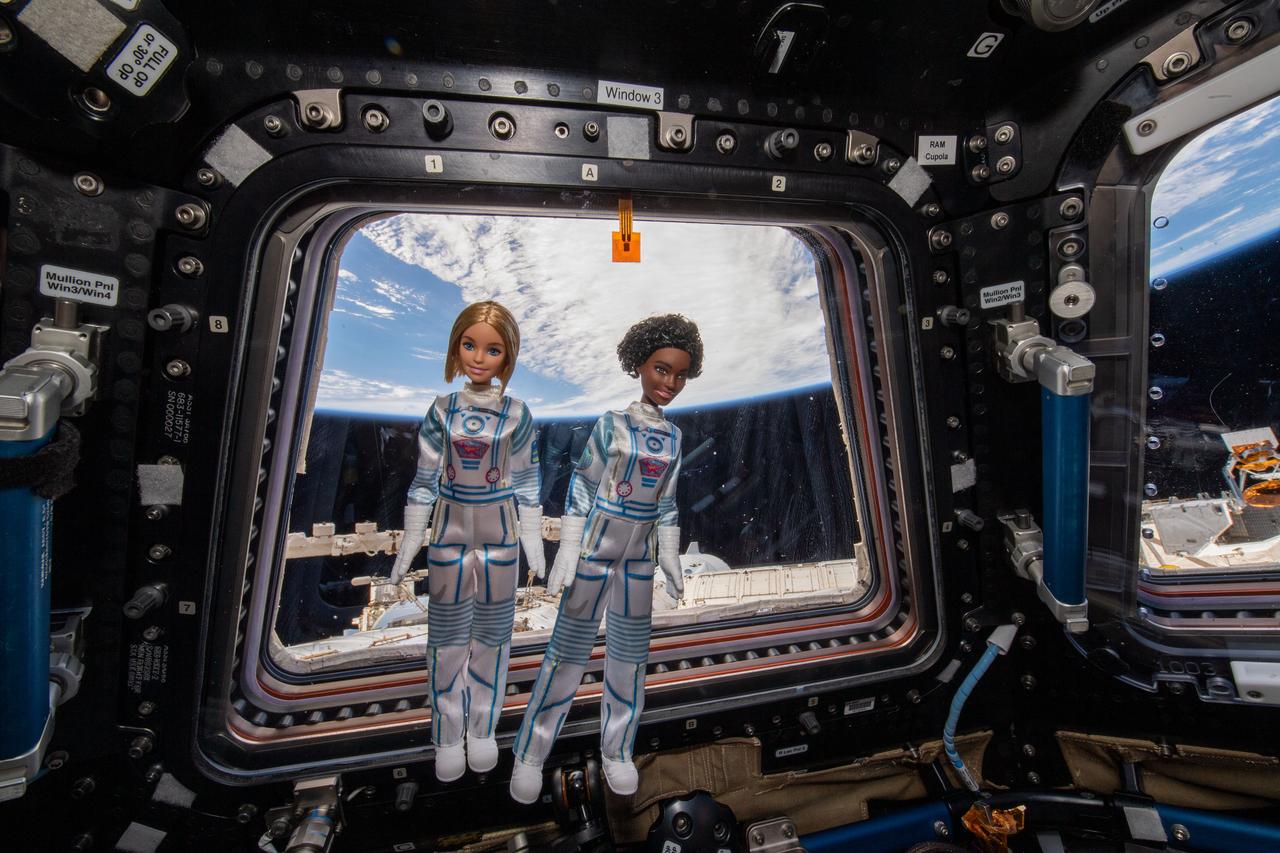
iss066e155927 (3/1/2022) --- DreamStar dolls float in front of the International Space Station’s cupola window. The DreamStar science, technology, engineering, and mathematics (STEM) education project creates videos and educational materials highlighting women in space and reinforcing the message, “if you can see it, you can be it.”

The Mars celebration Friday, May 31, 2019, in Mars, Pennsylvania. NASA is in the small town to celebrate Mars exploration and share the agency’s excitement about landing astronauts on the Moon in five years. The celebration includes a weekend of Science, Technology, Engineering, Arts and Mathematics (STEAM) activities. Photo Credit: (NASA/Bill Ingalls)

The Mars celebration Friday, May 31, 2019, in Mars, Pennsylvania. NASA is in the small town to celebrate Mars exploration and share the agency’s excitement about landing astronauts on the Moon in five years. The celebration includes a weekend of Science, Technology, Engineering, Arts and Mathematics (STEAM) activities. Photo Credit: (NASA/Bill Ingalls)
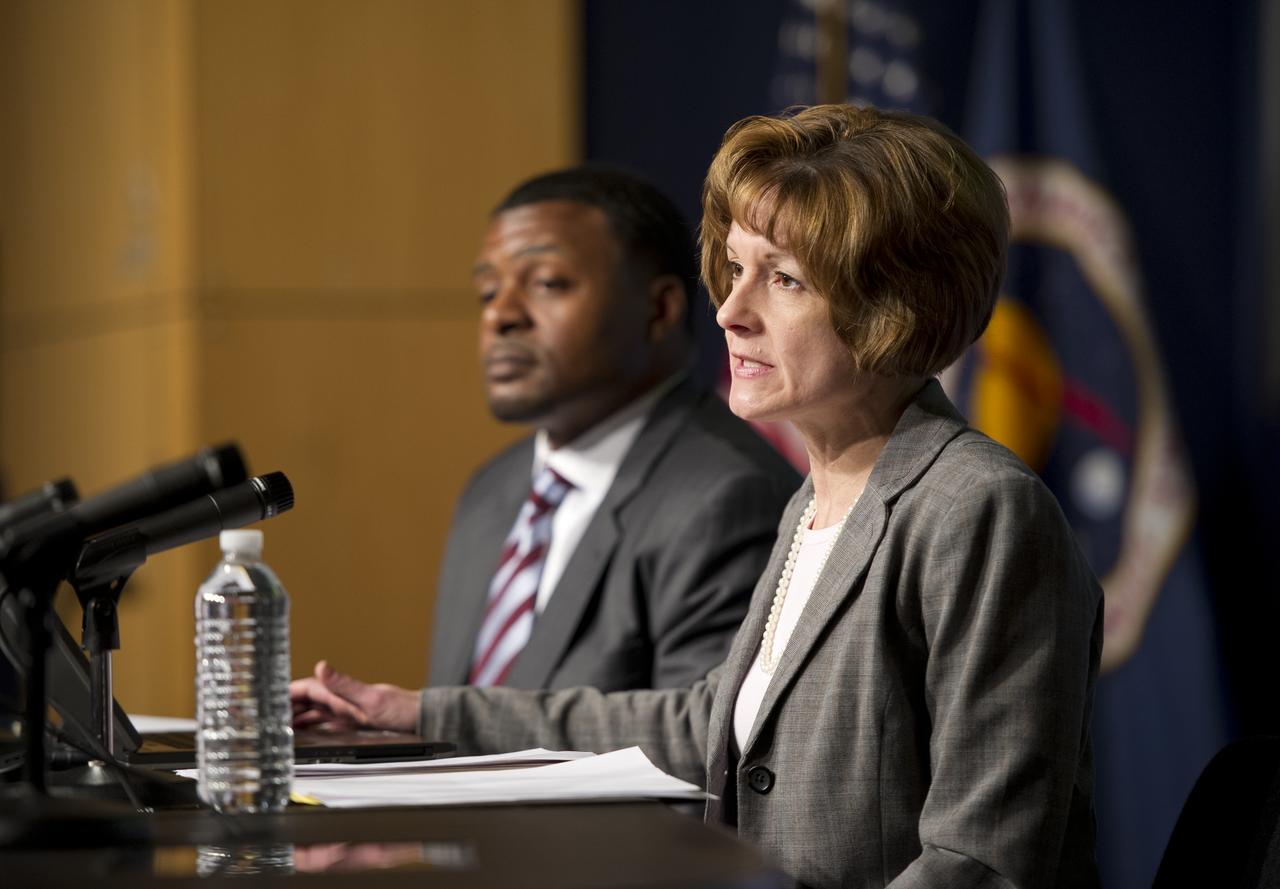
Christine Keller, Director of Research, APLU (Association of Public and Land-grant Universities) presents STEM initiative report findings at the Symposium on Supporting Underrepresented Minority Males in Science, Technology, Engineering and Mathematics (STEM), Tuesday, February 28, 2012 at NASA Headquarters in Washington. Photo Credit: (NASA/Carla Cioffi)
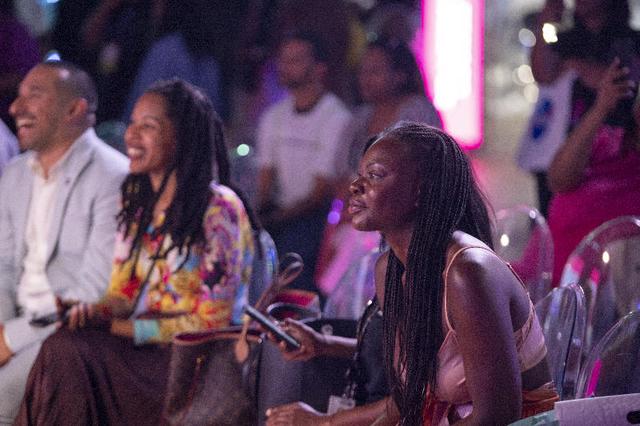
The audience for a Take Up Space (Literally) presentation at the 30th annual ESSENCE Fest in New Orleans on July 5 listens to a conversation with NASA representatives about Black women in the aerospace industry and diversity in science, technology, engineering, and mathematics (STEM).

The Mars celebration Friday, May 31, 2019, in Mars, Pennsylvania. NASA is in the small town to celebrate Mars exploration and share the agency’s excitement about landing astronauts on the Moon in five years. The celebration includes a weekend of Science, Technology, Engineering, Arts and Mathematics (STEAM) activities. Photo Credit: (NASA/Bill Ingalls)
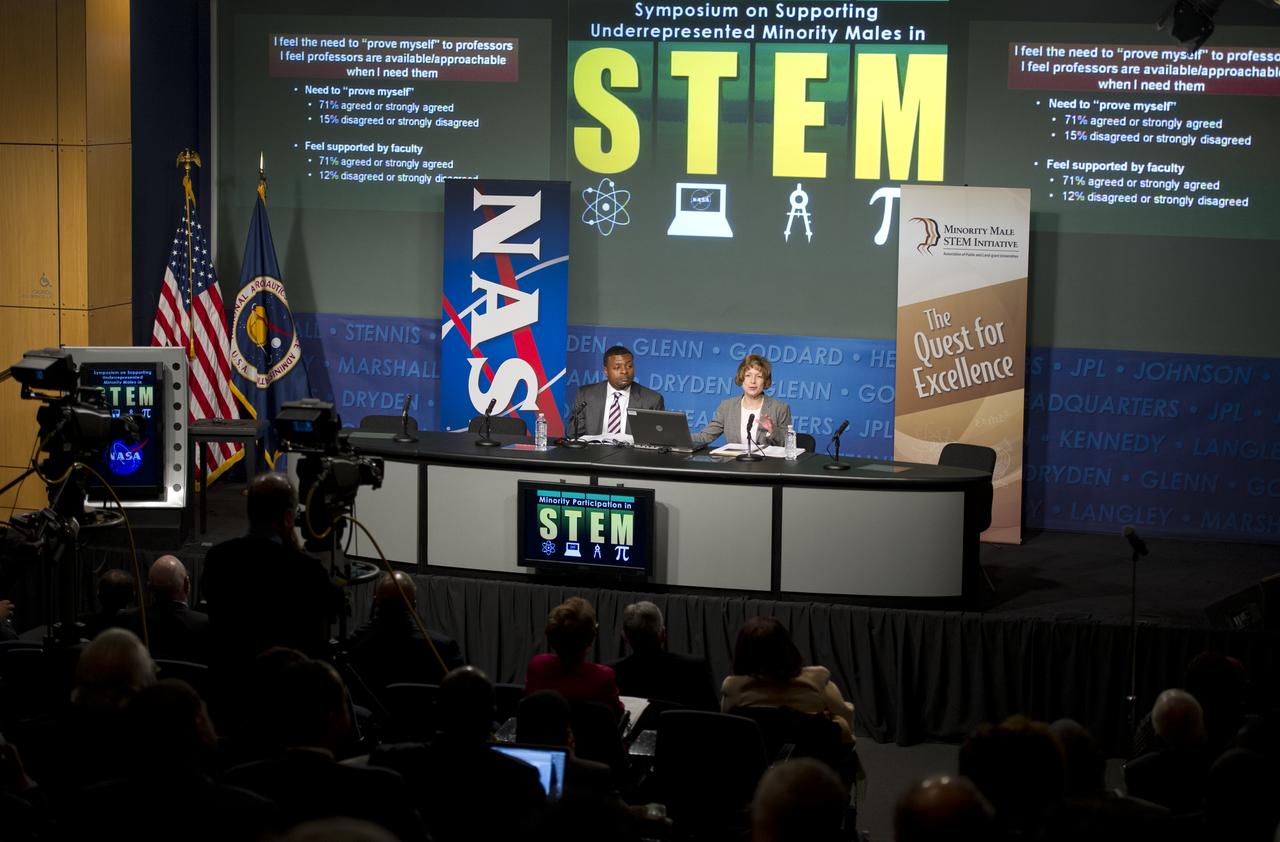
Christine Keller, right, Director of Research, APLU (Association of Public and Land-grant Universities) presents STEM initiative report findings at the Symposium on Supporting Underrepresented Minority Males in Science, Technology, Engineering and Mathematics (STEM), Tuesday, February 28, 2012 at NASA Headquarters in Washington. Photo Credit: (NASA/Carla Cioffi)
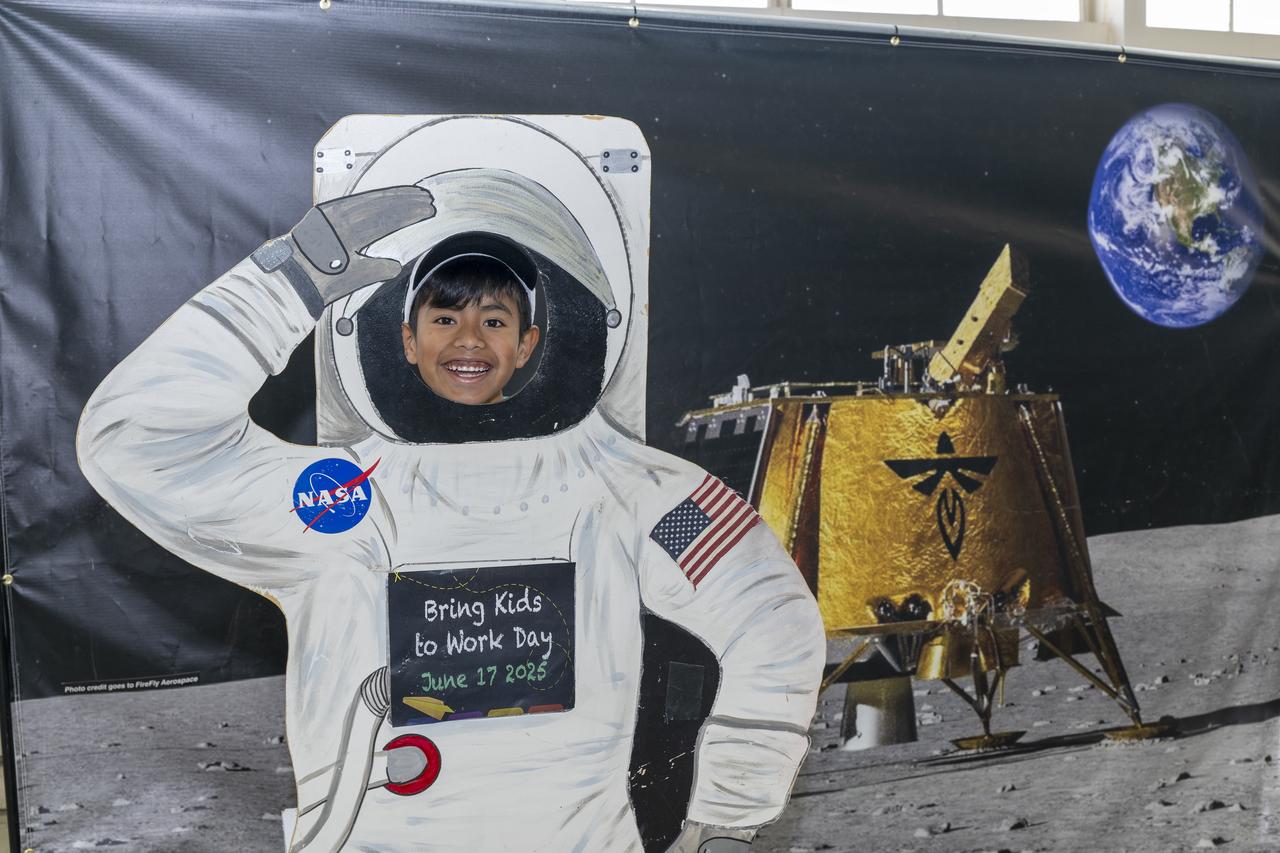
A child poses in an astronaut cutout suit during Bring Kids to Work Day on June 17, 2025, at NASA’s Armstrong Flight Research Center in Edwards, California. The event offered children and their families an up-close look at the center’s research aircraft and engaged them in educational activities promoting science, technology, engineering, and mathematics.
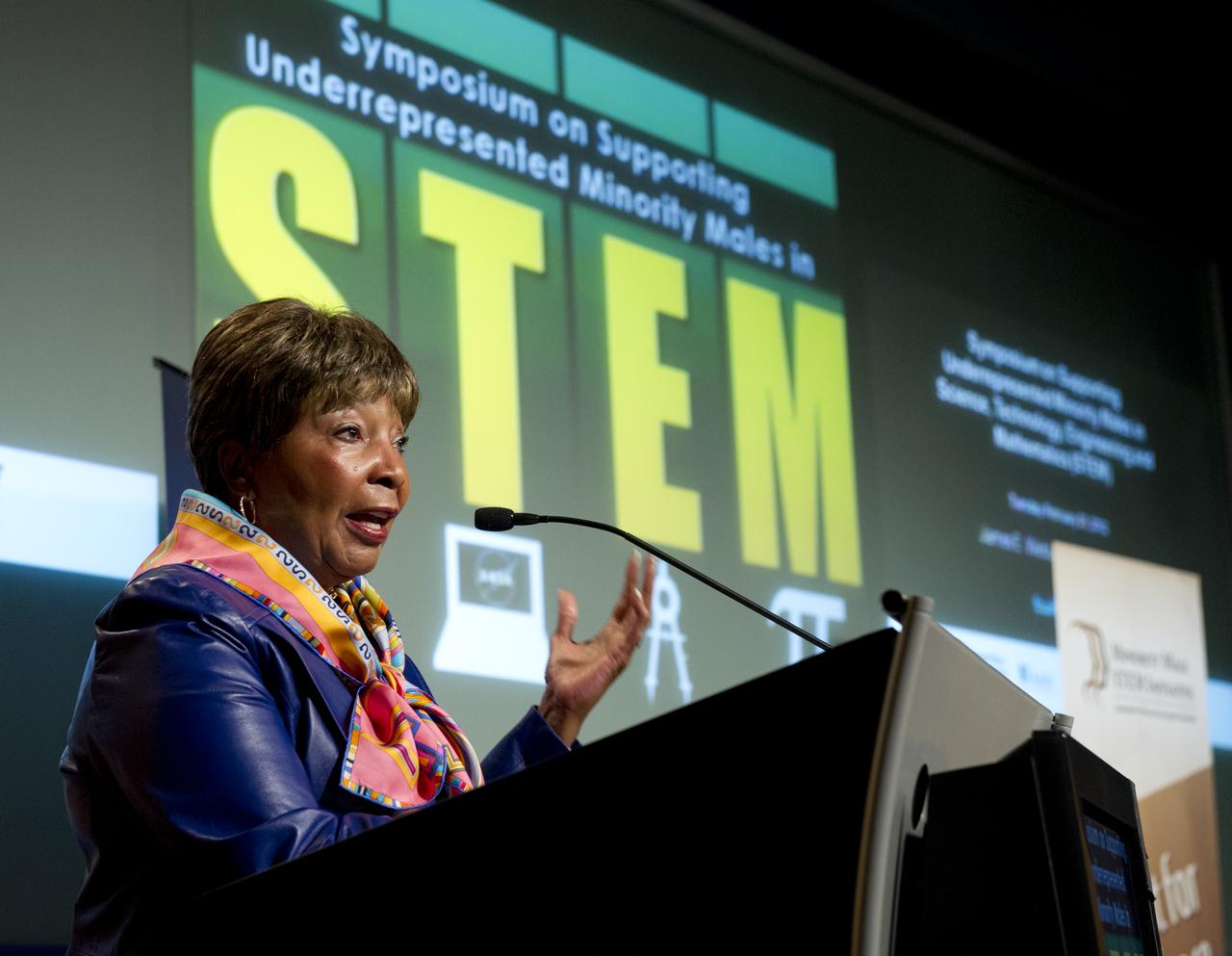
U.S. Congresswoman Eddie Bernice Johnson (D-TX) addresses the Symposium on Supporting Underrepresented Minority Males in Science, Technology, Engineering and Mathematics (STEM), Tuesday, February 28, 2012 at NASA Headquarters in Washington. Photo Credit: (NASA/Carla Cioffi)

The Mars celebration Saturday, June 1, 2019, in Mars, Pennsylvania. NASA is in the small town to celebrate Mars exploration and share the agency’s excitement about landing astronauts on the Moon in five years. The celebration includes a weekend of Science, Technology, Engineering, Arts and Mathematics (STEAM) activities. Photo Credit: (NASA/Bill Ingalls)
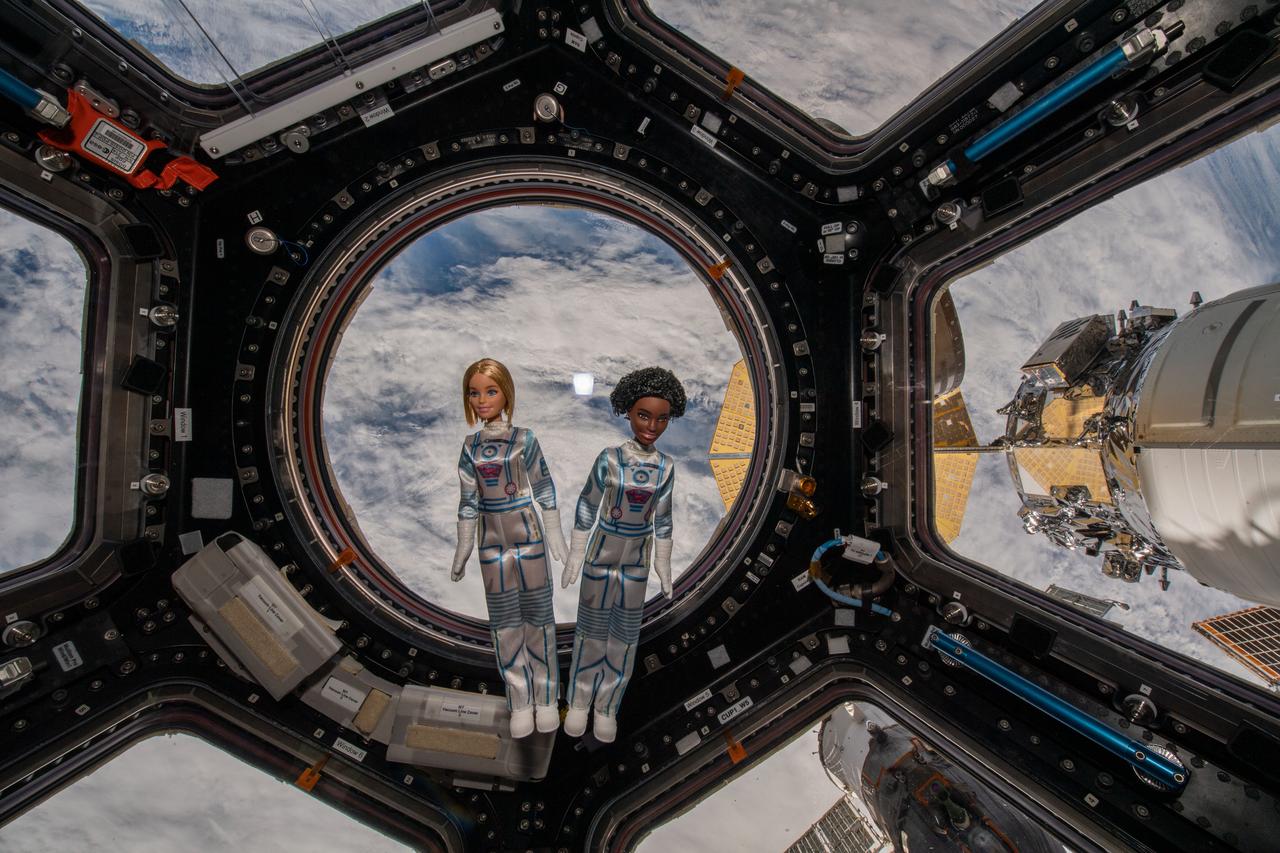
iss066e155976 (3/1/2022) --- DreamStar dolls float in front of the International Space Station’s cupola window. The DreamStar science, technology, engineering, and mathematics (STEM) education project creates videos and educational materials highlighting women in space and reinforcing the message, “if you can see it, you can be it.”
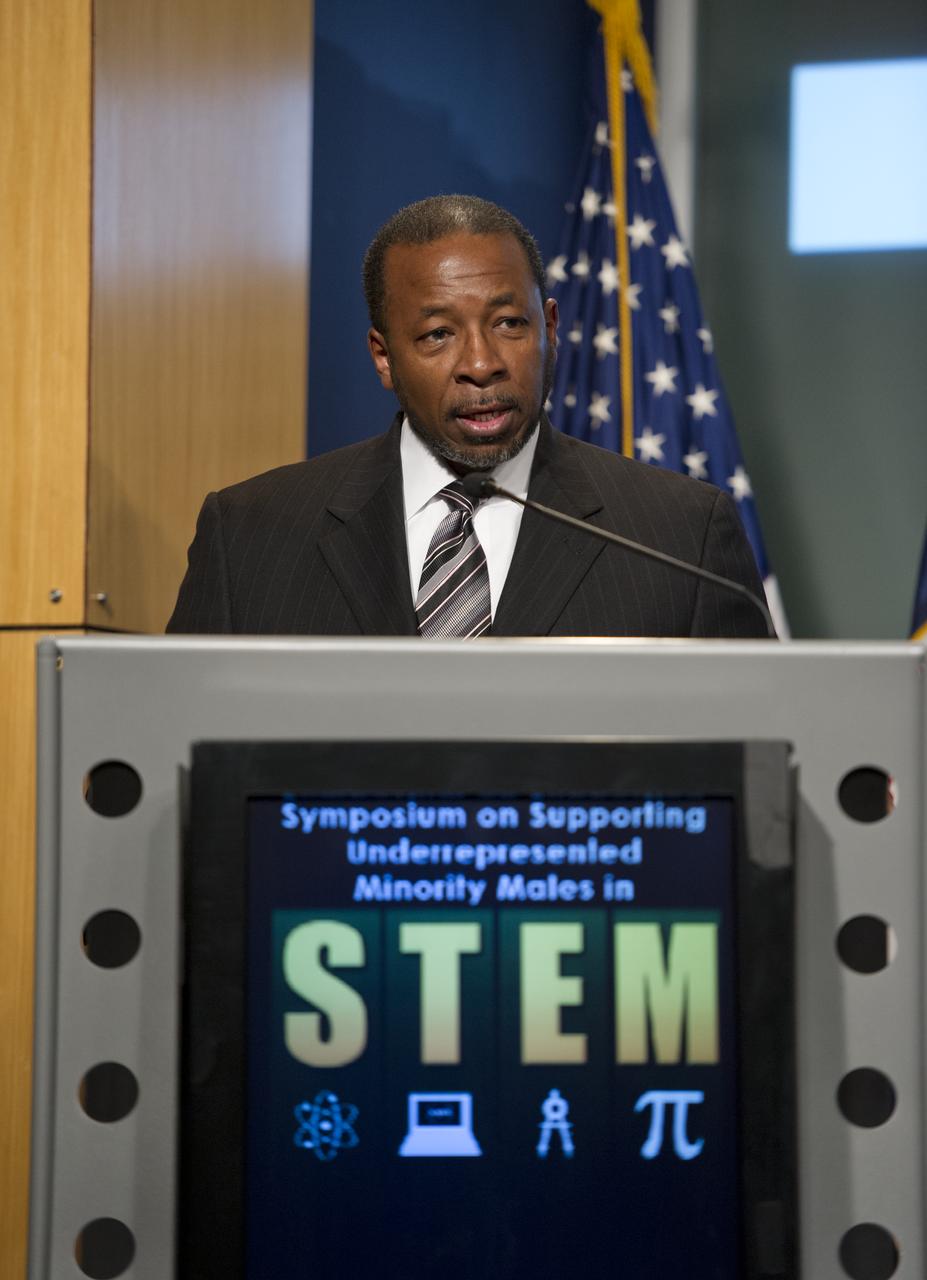
Woodrow Whitlow, NASA Associate Administrator, Mission Support Directorate, gives opening remarks at the Symposium on Supporting Underrepresented Minority Males in Science, Technology, Engineering and Mathematics (STEM), Tuesday, February 28, 2012 at NASA Headquarters in Washington. Photo Credit: (NASA/Carla Cioffi)
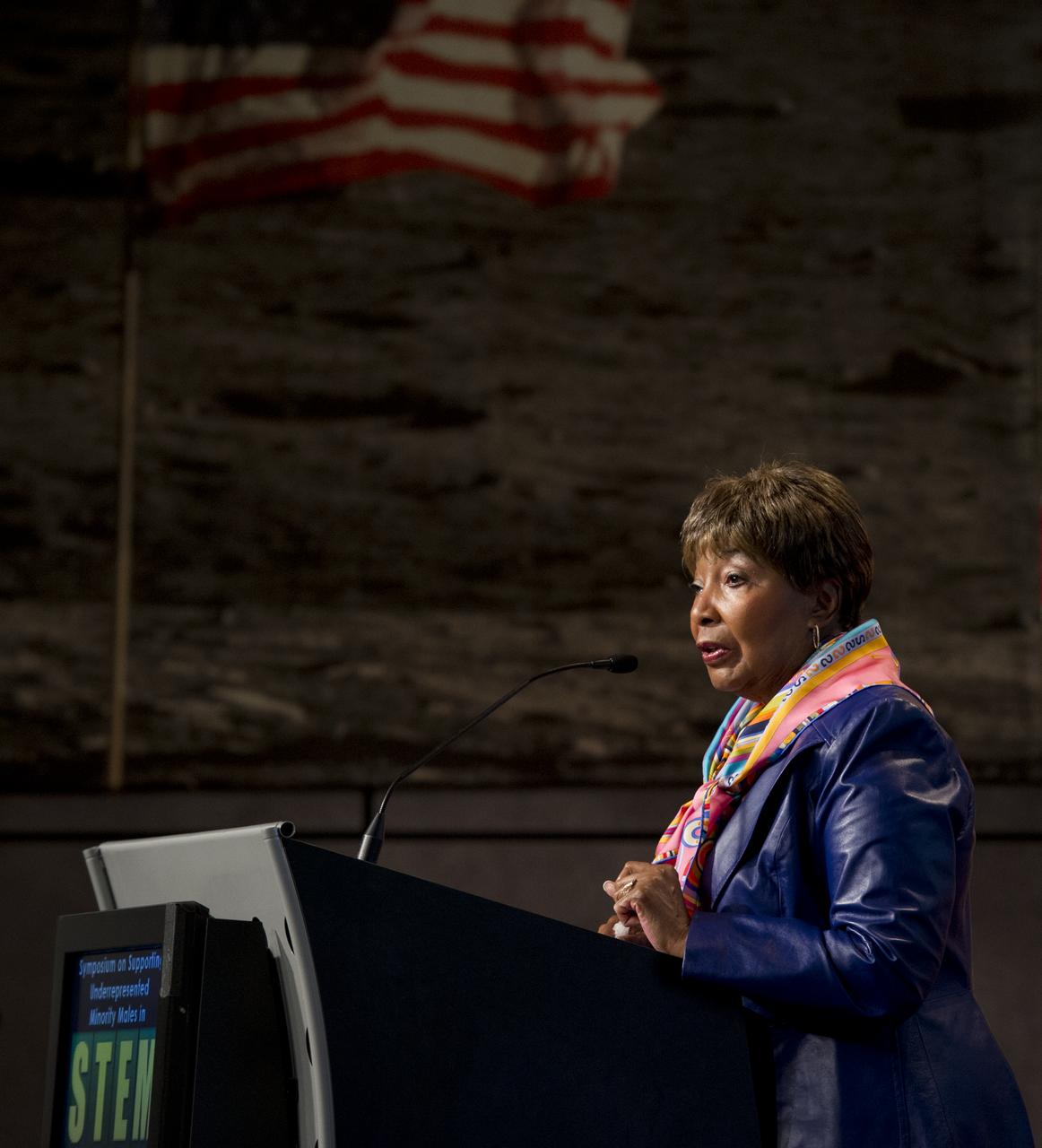
U.S. Congresswoman Eddie Bernice Johnson (D-TX) addresses the Symposium on Supporting Underrepresented Minority Males in Science, Technology, Engineering and Mathematics (STEM), Tuesday, February 28, 2012 at NASA Headquarters in Washington. Photo Credit: (NASA/Carla Cioffi)

The Mars celebration Friday, May 31, 2019, in Mars, Pennsylvania. NASA is in the small town to celebrate Mars exploration and share the agency’s excitement about landing astronauts on the Moon in five years. The celebration includes a weekend of Science, Technology, Engineering, Arts and Mathematics (STEAM) activities. Photo Credit: (NASA/Bill Ingalls)
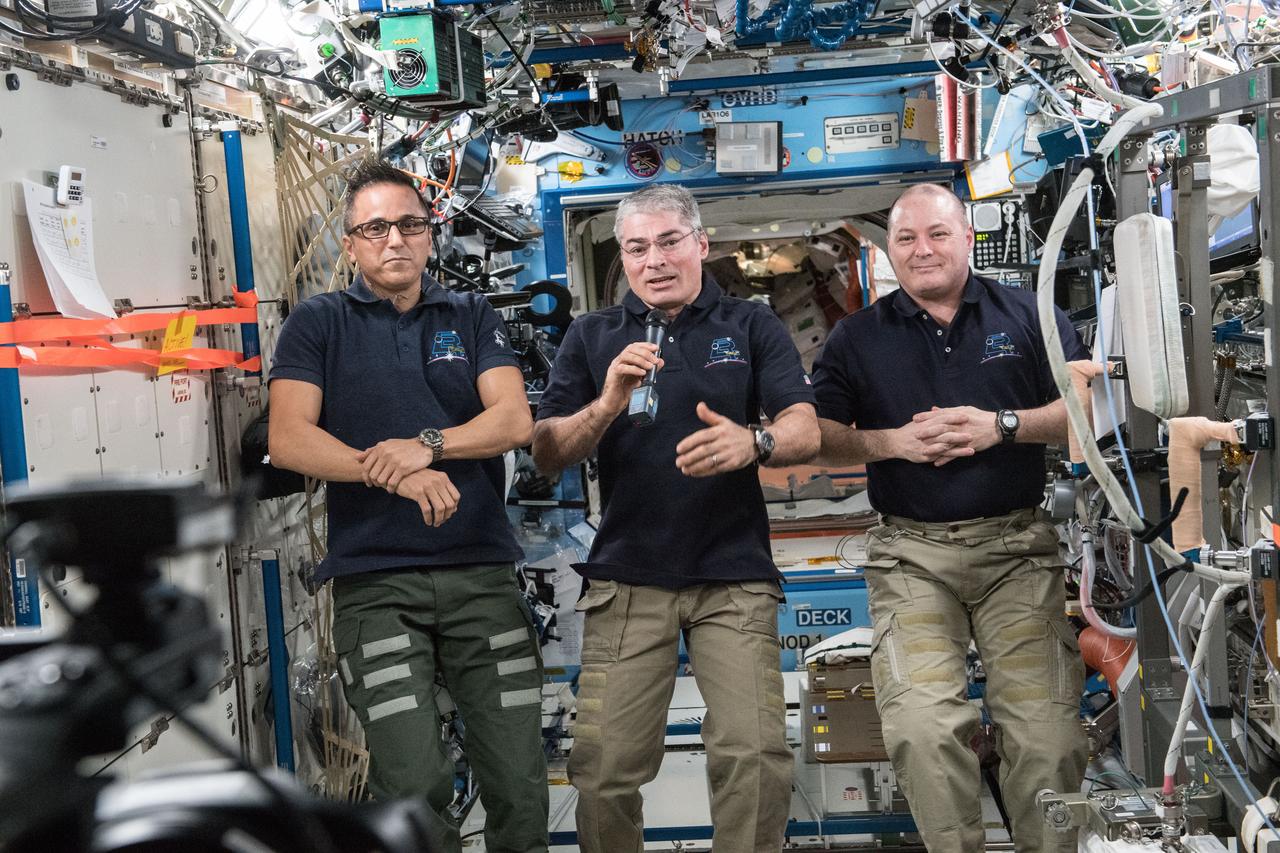
iss054e037647 (Feb. 8, 2018) --- NASA astronauts (from left) Joe Acaba, Mark Vande Hei and Scott Tingle talk to high school students and teachers who linked up to the International Space Station during a STEM (Science, Technology, Engineering and Mathematics) event from the Boise State University in Boise, Idaho.
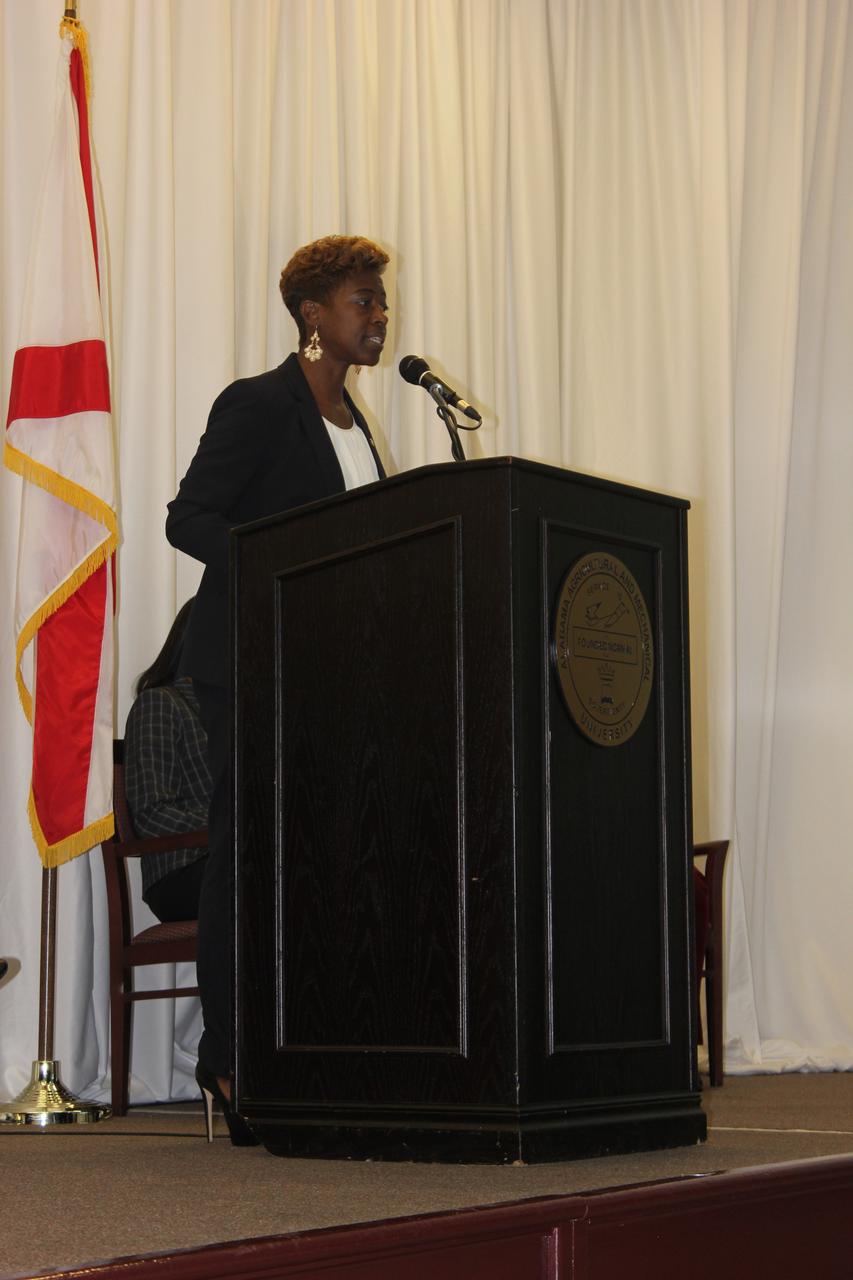
Marshall’s Ruth Jones, a mishap investigation specialist, told her NASA story and spoke about minority statistics in science, technology, engineering and mathematics (STEM). Jones also led a panel discussing how to engage, encourage and draw more minority students in to STEM fields and careers.

The Mars celebration Friday, May 31, 2019, in Mars, Pennsylvania. NASA is in the small town to celebrate Mars exploration and share the agency’s excitement about landing astronauts on the Moon in five years. The celebration includes a weekend of Science, Technology, Engineering, Arts and Mathematics (STEAM) activities. Photo Credit: (NASA/Bill Ingalls)

The Mars celebration Friday, May 31, 2019, in Mars, Pennsylvania. NASA is in the small town to celebrate Mars exploration and share the agency’s excitement about landing astronauts on the Moon in five years. The celebration includes a weekend of Science, Technology, Engineering, Arts and Mathematics (STEAM) activities. Photo Credit: (NASA/Bill Ingalls)

The Mars celebration Friday, May 31, 2019, in Mars, Pennsylvania. NASA is in the small town to celebrate Mars exploration and share the agency’s excitement about landing astronauts on the Moon in five years. The celebration includes a weekend of Science, Technology, Engineering, Arts and Mathematics (STEAM) activities. Photo Credit: (NASA/Bill Ingalls)

The Mars celebration Friday, May 31, 2019, in Mars, Pennsylvania. NASA is in the small town to celebrate Mars exploration and share the agency’s excitement about landing astronauts on the Moon in five years. The celebration includes a weekend of Science, Technology, Engineering, Arts and Mathematics (STEAM) activities. Photo Credit: (NASA/Bill Ingalls)

The Mars celebration Saturday, June 1, 2019, in Mars, Pennsylvania. NASA is in the small town to celebrate Mars exploration and share the agency’s excitement about landing astronauts on the Moon in five years. The celebration includes a weekend of Science, Technology, Engineering, Arts and Mathematics (STEAM) activities. Photo Credit: (NASA/Bill Ingalls)

The Mars celebration Friday, May 31, 2019, in Mars, Pennsylvania. NASA is in the small town to celebrate Mars exploration and share the agency’s excitement about landing astronauts on the Moon in five years. The celebration includes a weekend of Science, Technology, Engineering, Arts and Mathematics (STEAM) activities. Photo Credit: (NASA/Bill Ingalls)
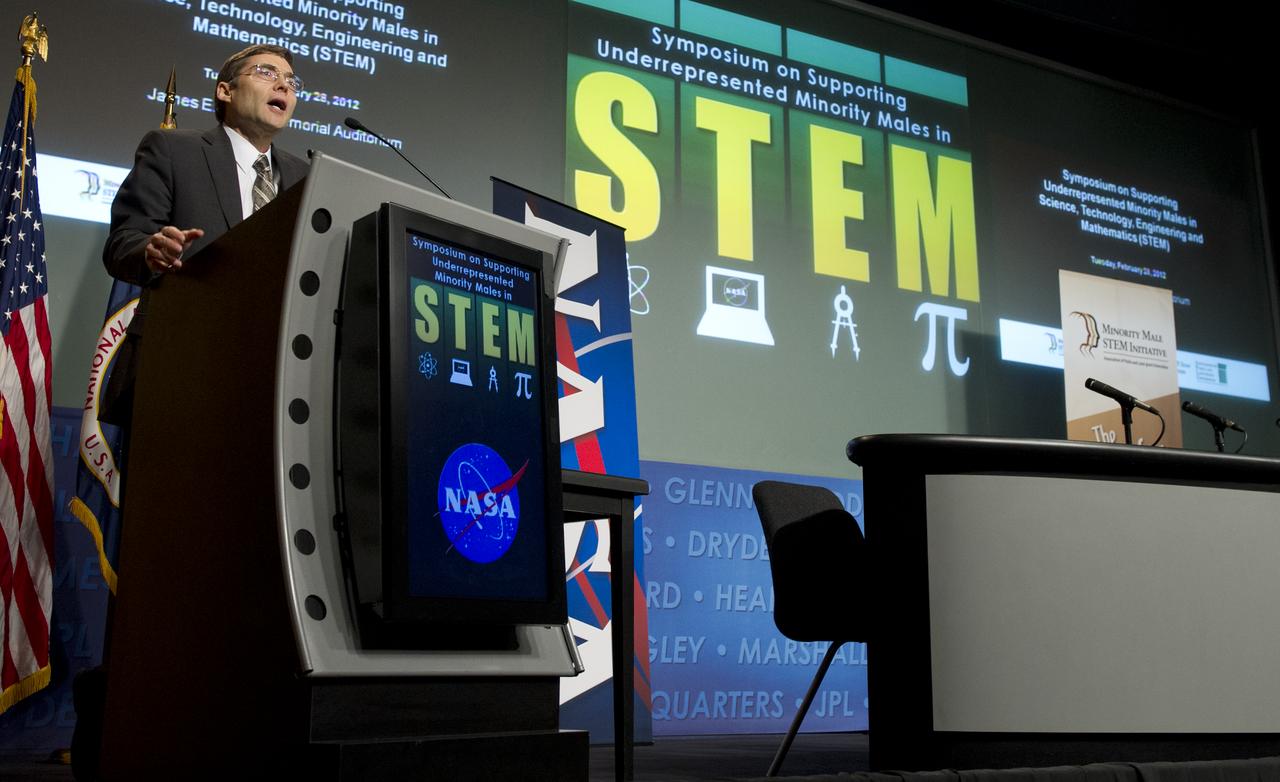
Carl Wieman, Associate Director, Office of Science and Technology Policy, The White House, speaks at the Symposium on Supporting Underrepresented Minority Males in Science, Technology, Engineering and Mathematics (STEM), Tuesday, February 28, 2012 at NASA Headquarters in Washington. Photo Credit: (NASA/Carla Cioffi)

The Mars celebration Friday, May 31, 2019, in Mars, Pennsylvania. NASA is in the small town to celebrate Mars exploration and share the agency’s excitement about landing astronauts on the Moon in five years. The celebration includes a weekend of Science, Technology, Engineering, Arts and Mathematics (STEAM) activities. Photo Credit: (NASA/Bill Ingalls)
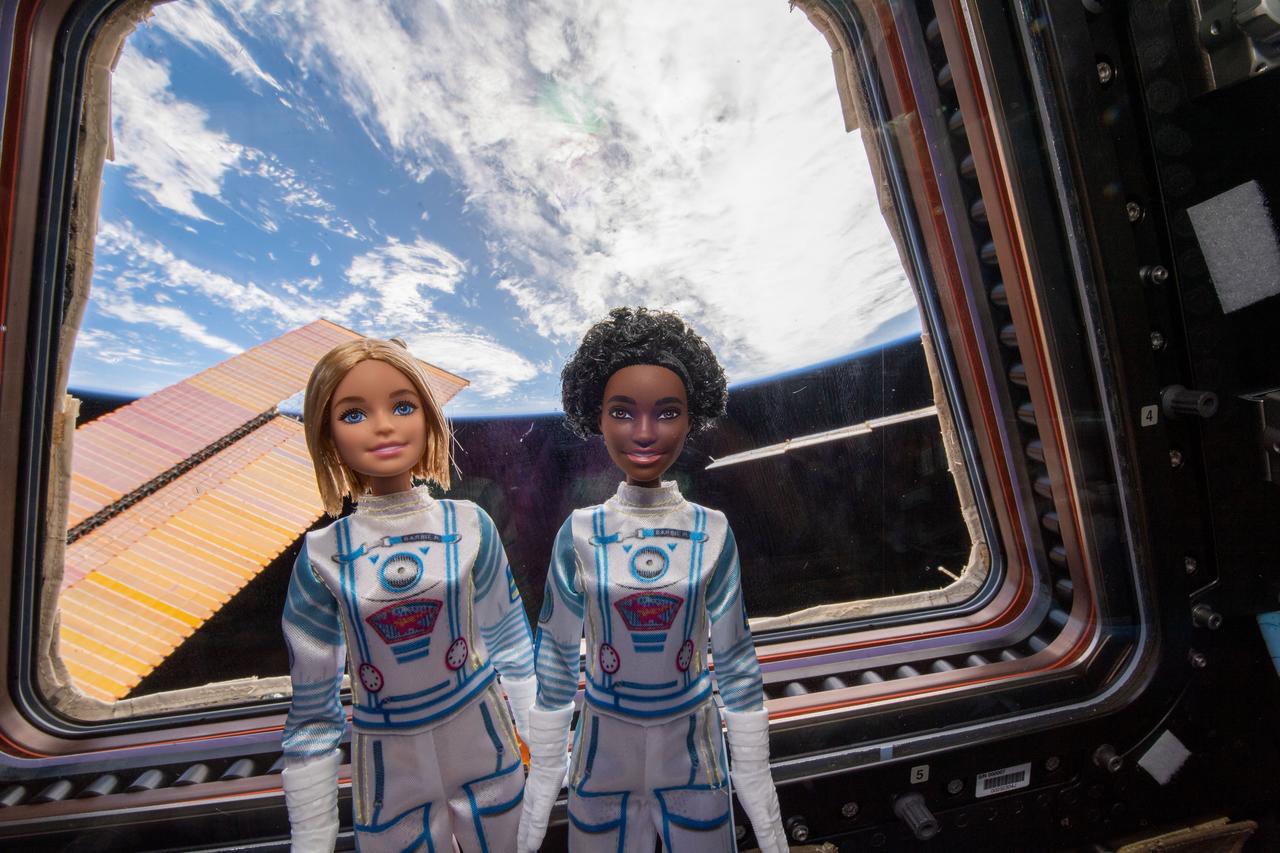
iss066e155956 (3/1/2022) --- DreamStar dolls float in front of the International Space Station’s cupola window. The DreamStar science, technology, engineering, and mathematics (STEM) education project creates videos and educational materials highlighting women in space and reinforcing the message, “if you can see it, you can be it.”

The Mars celebration Friday, May 31, 2019, in Mars, Pennsylvania. NASA is in the small town to celebrate Mars exploration and share the agency’s excitement about landing astronauts on the Moon in five years. The celebration includes a weekend of Science, Technology, Engineering, Arts and Mathematics (STEAM) activities. Photo Credit: (NASA/Bill Ingalls)
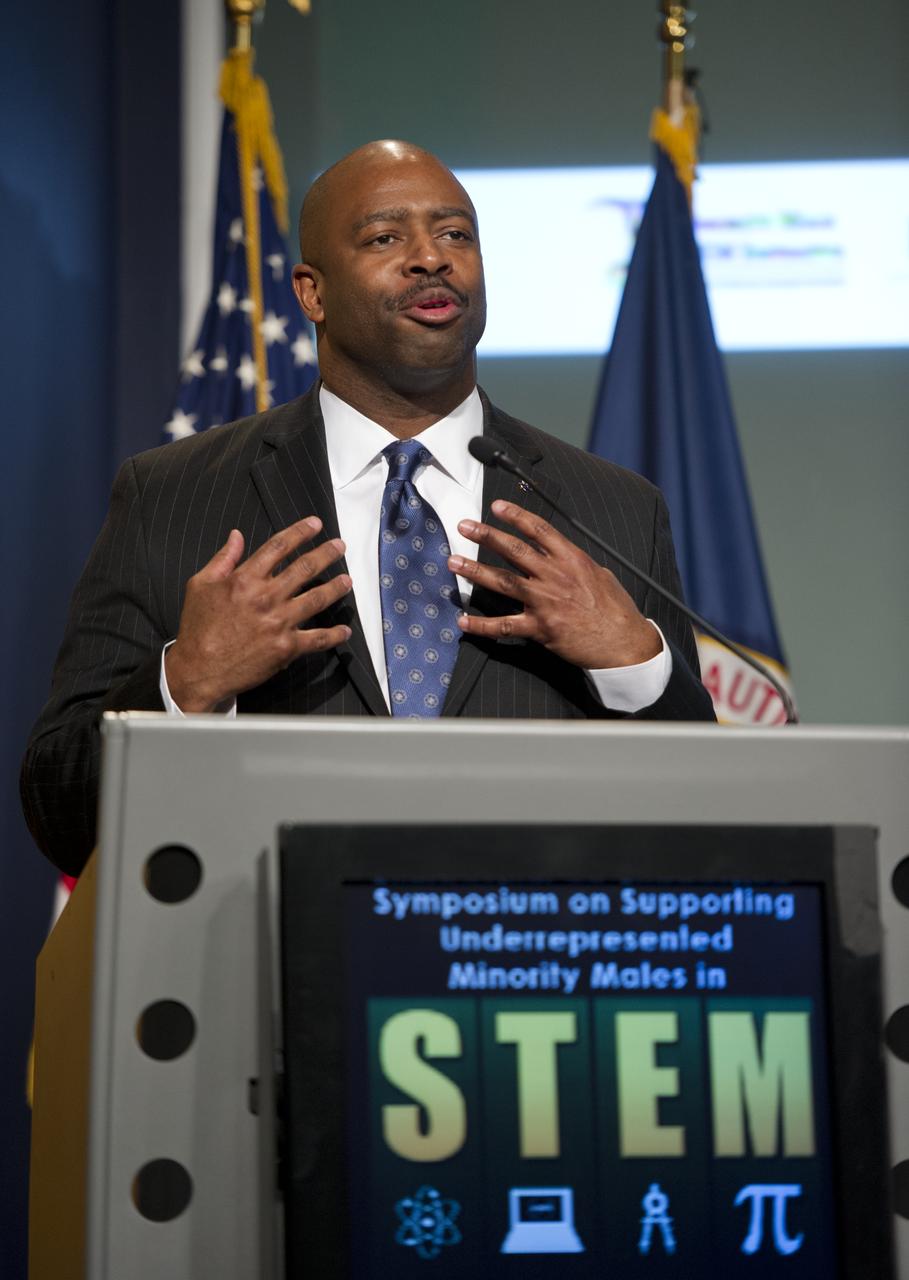
Leland Melvin, Associate Administrator, Office of Education and former astronaut, gives opening remarks at the Symposium on Supporting Underrepresented Minority Males in Science, Technology, Engineering and Mathematics (STEM), Tuesday, February 28, 2012 at NASA Headquarters in Washington. Photo Credit: (NASA/Carla Cioffi)

The Mars celebration Friday, May 31, 2019, in Mars, Pennsylvania. NASA is in the small town to celebrate Mars exploration and share the agency’s excitement about landing astronauts on the Moon in five years. The celebration includes a weekend of Science, Technology, Engineering, Arts and Mathematics (STEAM) activities. Photo Credit: (NASA/Bill Ingalls)

The Mars celebration Saturday, June 1, 2019, in Mars, Pennsylvania. NASA is in the small town to celebrate Mars exploration and share the agency’s excitement about landing astronauts on the Moon in five years. The celebration includes a weekend of Science, Technology, Engineering, Arts and Mathematics (STEAM) activities. Photo Credit: (NASA/Bill Ingalls)
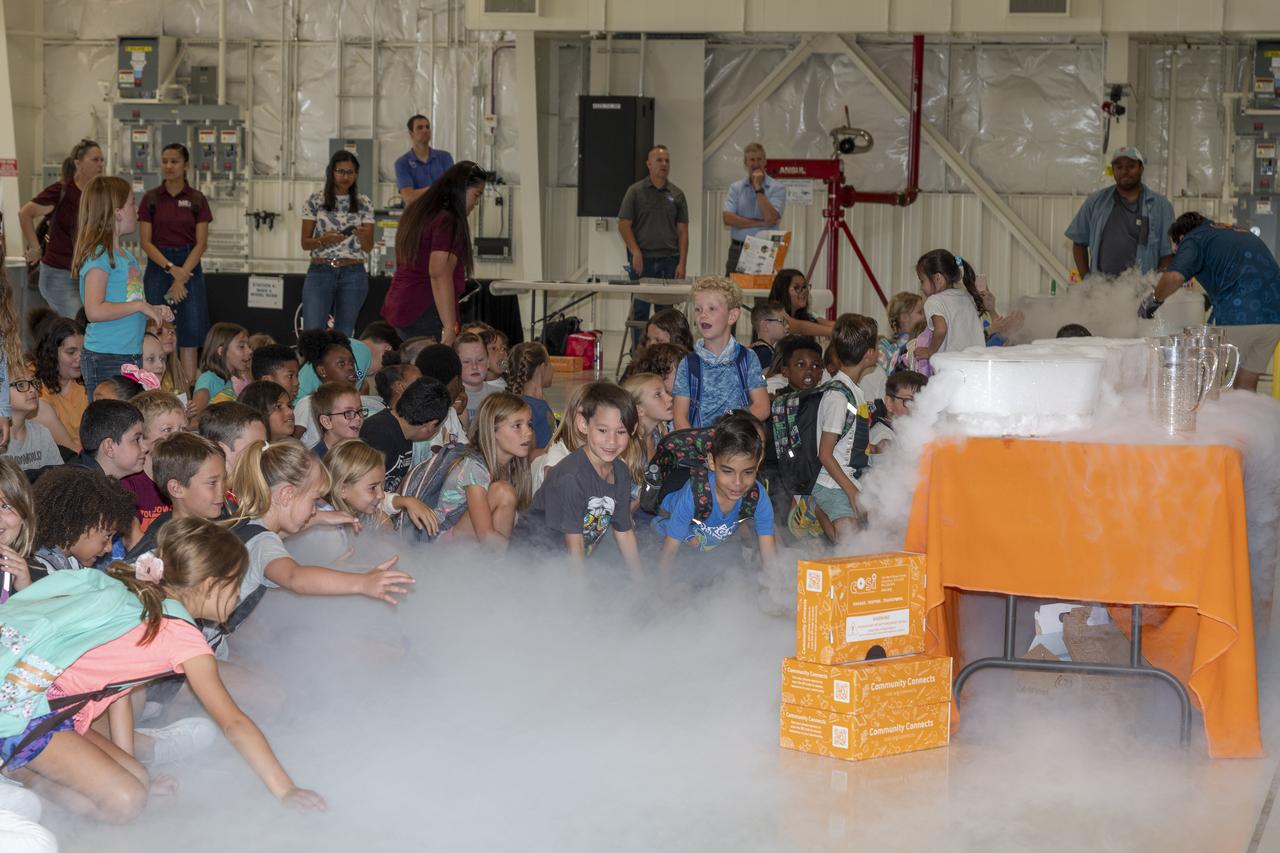
Students are wrapped in a cloud from a demonstration by NASA’s California Office of STEM Engagement event with Center of Science and Industry at NASA’s Armstrong Flight Research Center in Edwards, California.
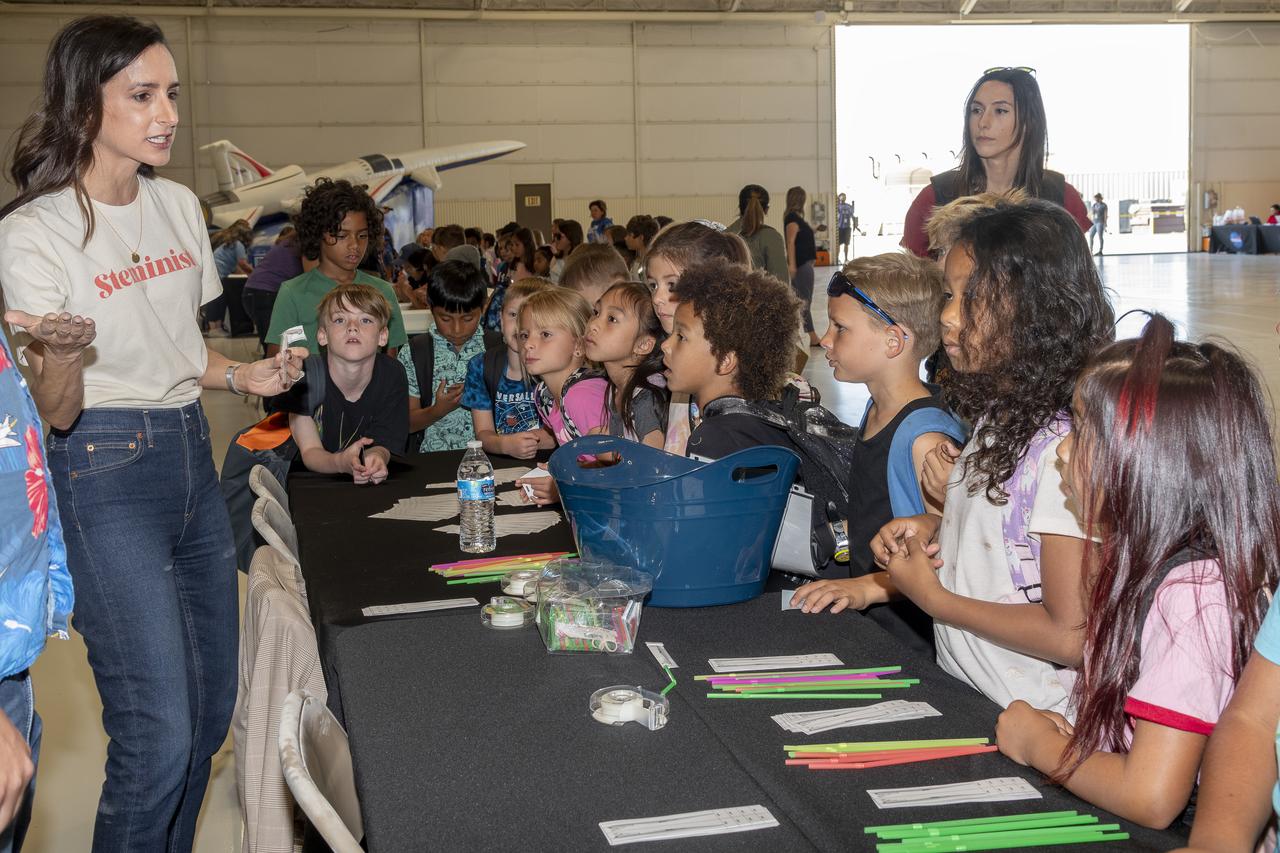
Kate M. McMurtry, deputy director of Integrated Aviation Systems Program shares with students how NASA is working to quiet the sonic boom with the development of the X-59 aircraft at NASA’s California Office of STEM Engagement event with Center of Science and Industry at NASA Armstrong Flight Research Center in Edwards, California.
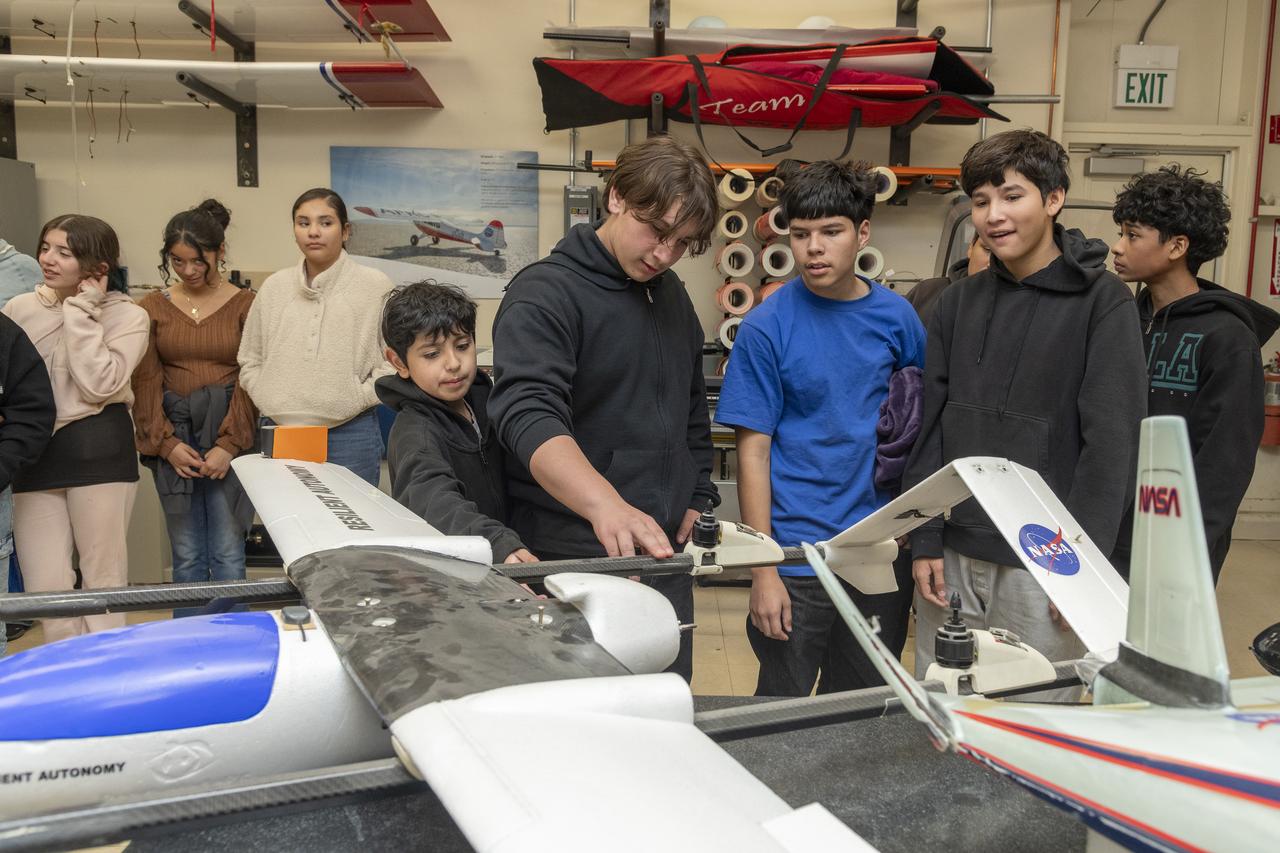
A group of middle school students engage with a model aircraft while learning from NASA experts in the model lab at NASA’s Armstrong Flight Research Center in Edwards, California during an event hosted by NASA’s California Office of STEM Engagement.
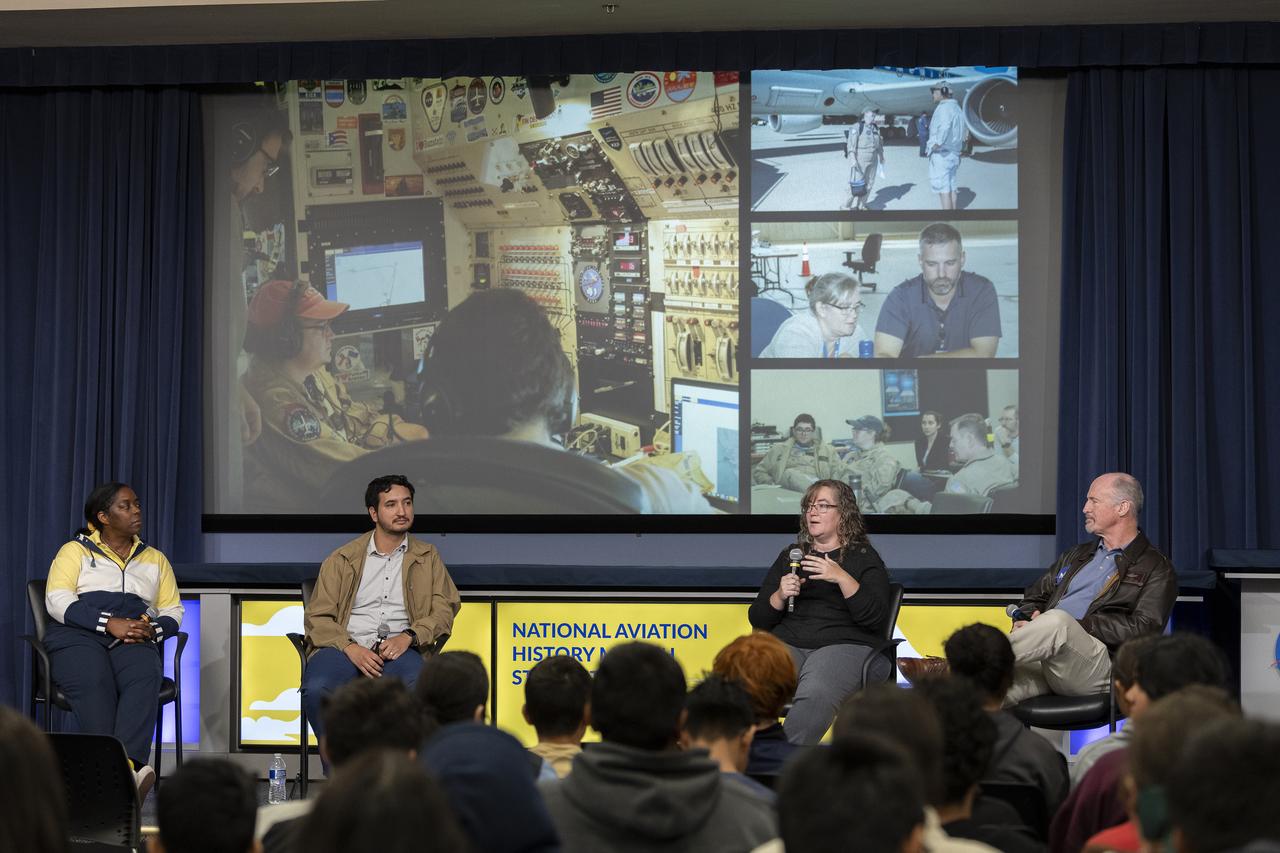
NASA Armstrong experts share their stories about their career paths and experiences at NASA to middle school students during an event hosted by NASA’s California Office of STEM Engagement at NASA’s Armstrong Flight Research Center in Edwards, California. From left to right: Laurie Grindle, Julio Trevino, Nicki Reid and Troy Asher.
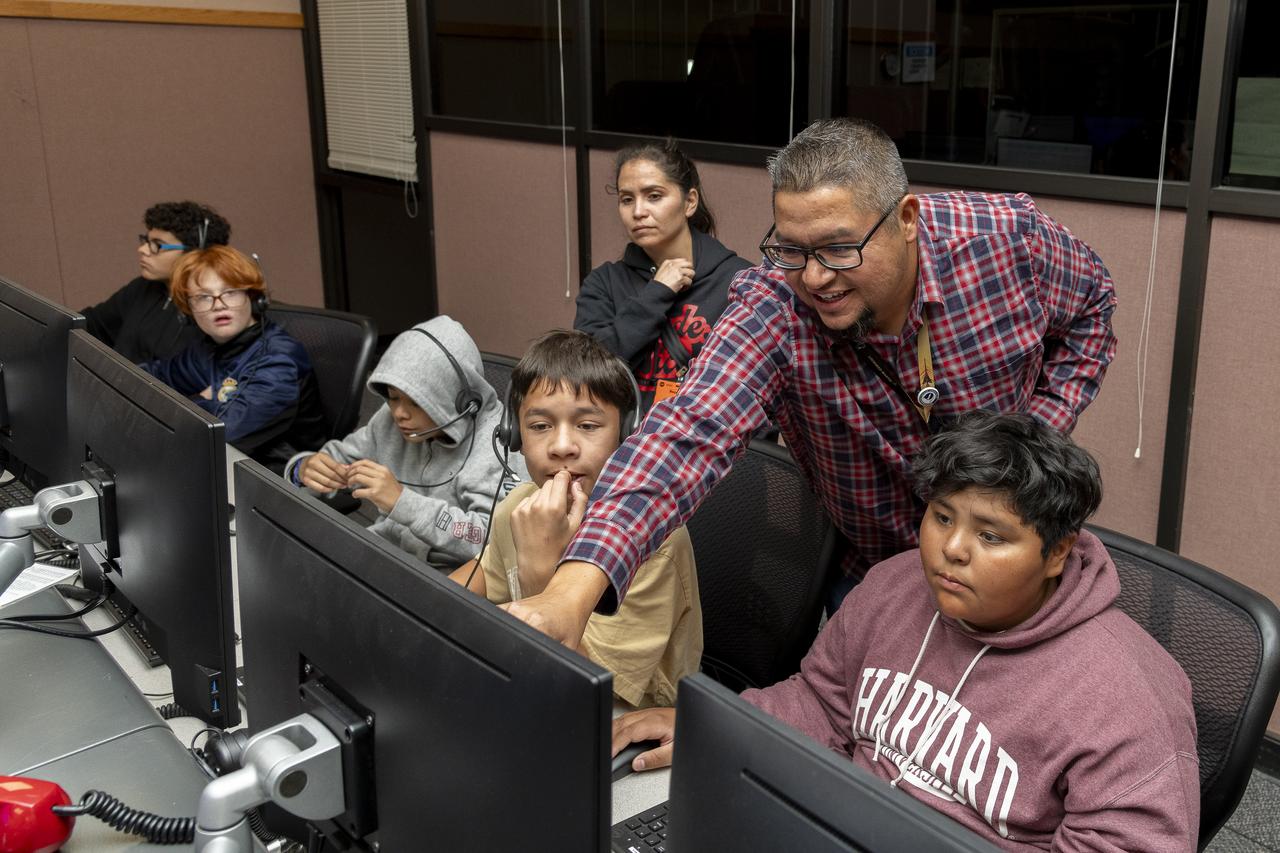
A group of middle school students and their teachers sit in the control room for a hands-on experience at NASA’s Armstrong Flight Research Center in Edwards, California during an event hosted by NASA’s California Office of STEM Engagement for National Aviation History Month.

Marshall Center Director Patrick Scheuermann and Dr. Lisa Watson-Morgan talk to news media at the April 17 Marshall 2014 Update. Watson-Morgan, the first woman to be named the center's chief engineer, answered questions about progress on the Space Launch System and other projects, and spoke about the importance of attracting young people to science, technology, engineering and mathematics education to maintain a "pipeline" of future engineers.
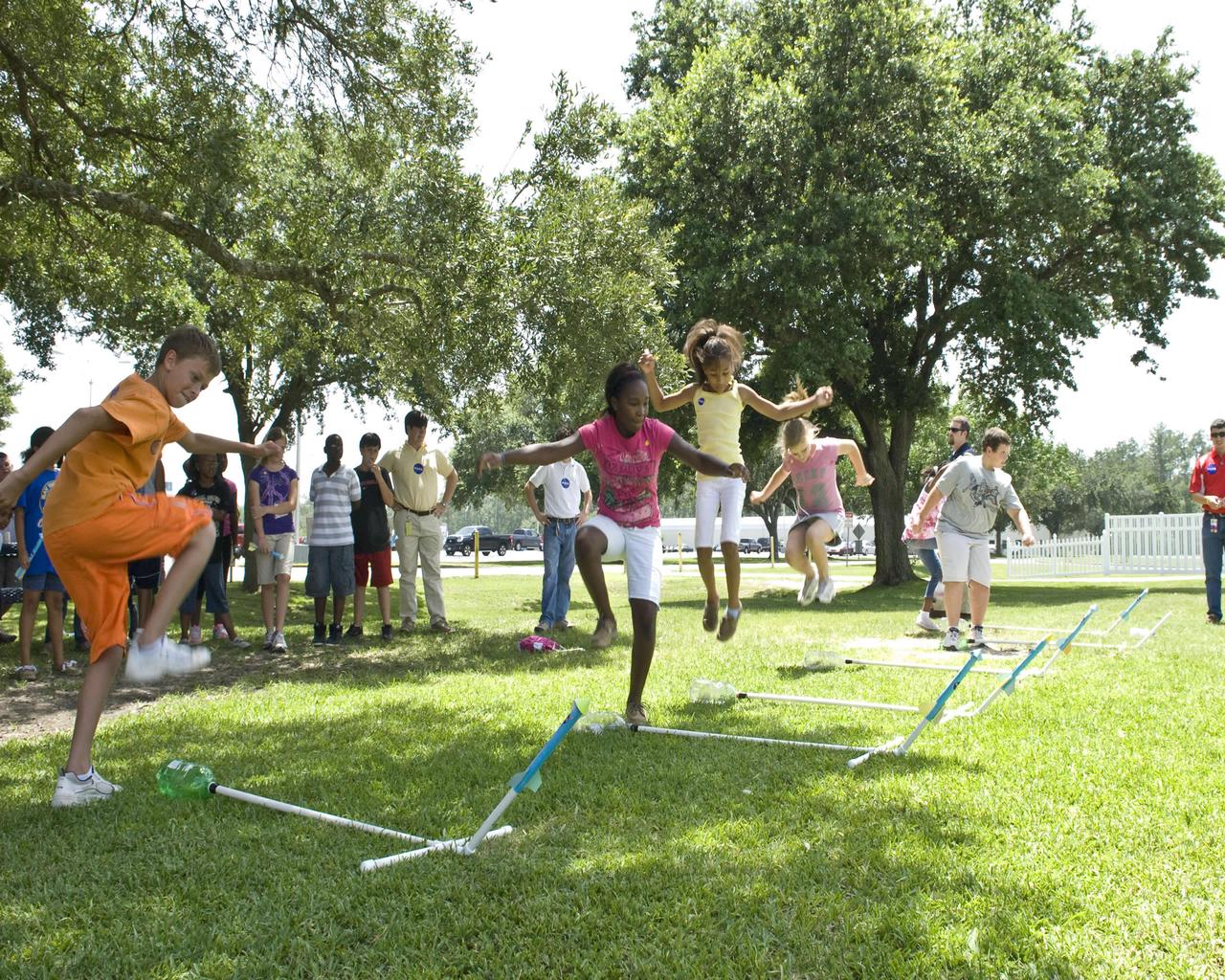
Young visitors to NASA's John C. Stennis Space Center prepare to launch 'stomp rockets' during STEM-Ulate to Innovate activities at the facility July 13. The NASA Foundations of Influence, Relationships, Success and Teamwork (FIRST) Team sponsored STEM-Ulate to Innovate for more than 100 children ages 9-11. Children from area Boys & Girls Clubs participated in hands-on activities, presentations and demonstrations by professional engineers, all designed to promote the relevance of science, technology, engineering and mathematics (STEM).

NASA engineers discuss Mars exploration with attendees of a Mars celebration Friday, May 31, 2019, in Mars, Pennsylvania. NASA is in the small town to celebrate Mars exploration and share the agency’s excitement about landing astronauts on the Moon in five years. The celebration includes a weekend of Science, Technology, Engineering, Arts and Mathematics (STEAM) activities. Photo Credit: (NASA/Bill Ingalls)

NASA engineers discuss Mars exploration with attendees of a Mars celebration Friday, May 31, 2019, in Mars, Pennsylvania. NASA is in the small town to celebrate Mars exploration and share the agency’s excitement about landing astronauts on the Moon in five years. The celebration includes a weekend of Science, Technology, Engineering, Arts and Mathematics (STEAM) activities. Photo Credit: (NASA/Bill Ingalls)
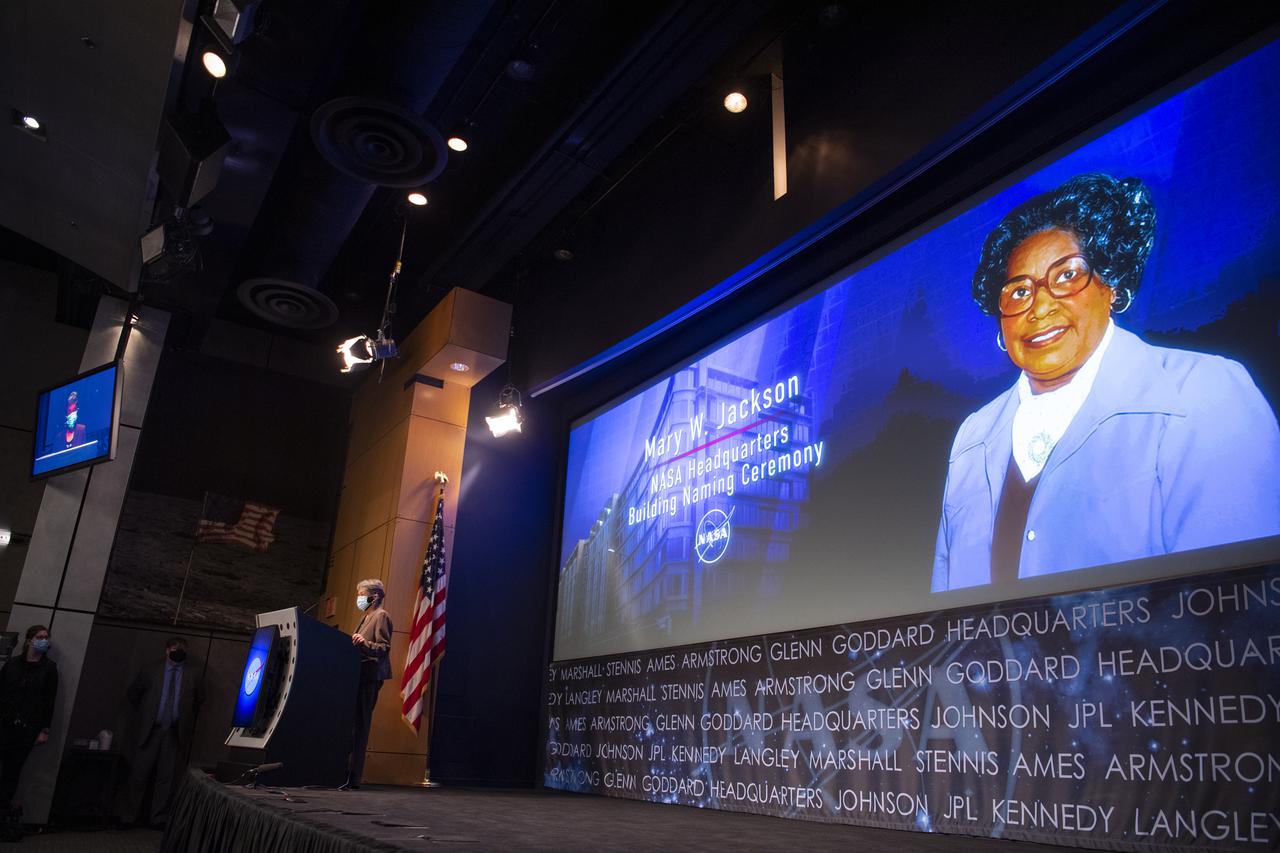
Christine Darden, retired NASA engineer and "Hidden Figure,” speaks during a ceremony officially naming the NASA Headquarters building in honor of Mary W. Jackson, Friday, Feb. 26, 2021, at NASA Headquarters in Washington, DC. Mary W. Jackson, the first African American female engineer at NASA, began her career with the agency in the segregated West Area Computing Unit of NASA’s Langley Research Center in Hampton, Virginia. The mathematician and aerospace engineer went on to lead programs influencing the hiring and promotion of women in NASA's science, technology, engineering, and mathematics careers. In 2019, she posthumously received the Congressional Gold Medal. Photo Credit: (NASA/Joel Kowsky)
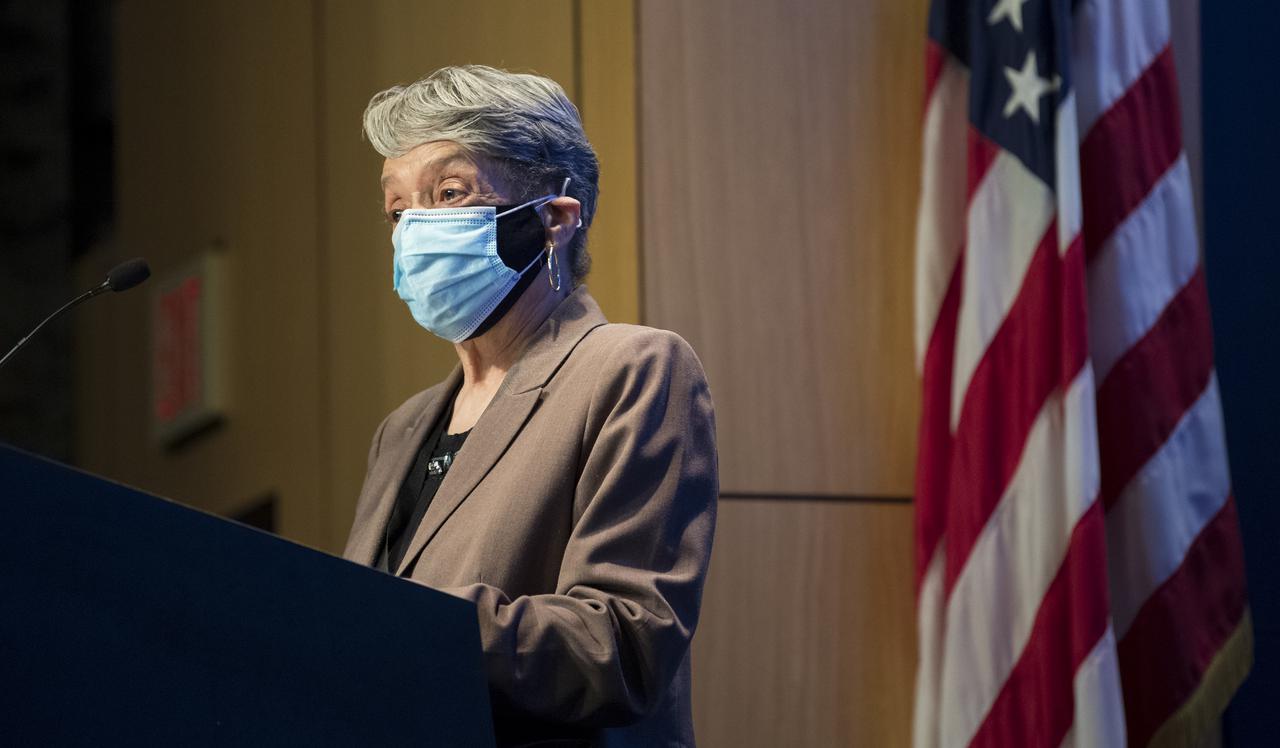
Christine Darden, retired NASA engineer and "Hidden Figure,” speaks during a ceremony officially naming the NASA Headquarters building in honor of Mary W. Jackson, Friday, Feb. 26, 2021, at NASA Headquarters in Washington, DC. Mary W. Jackson, the first African American female engineer at NASA, began her career with the agency in the segregated West Area Computing Unit of NASA’s Langley Research Center in Hampton, Virginia. The mathematician and aerospace engineer went on to lead programs influencing the hiring and promotion of women in NASA's science, technology, engineering, and mathematics careers. In 2019, she posthumously received the Congressional Gold Medal. Photo Credit: (NASA/Joel Kowsky)
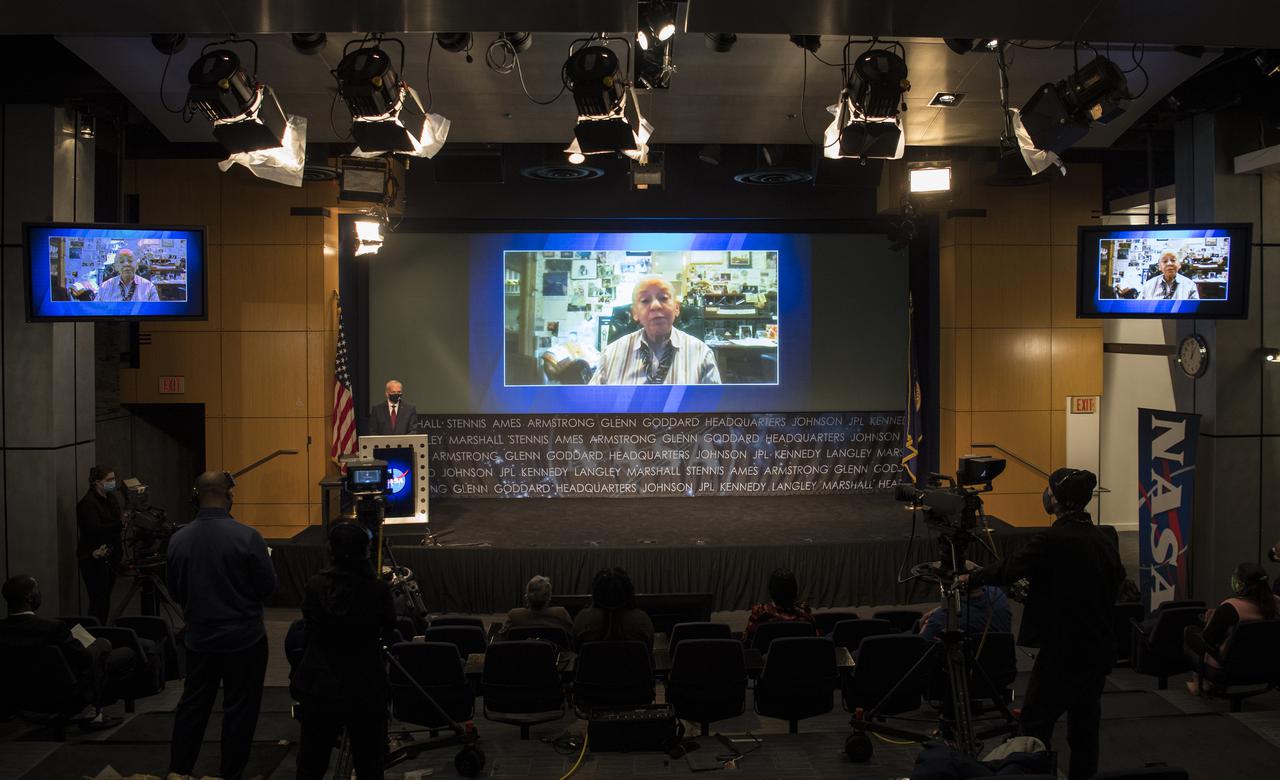
Poet Nikki Giovanni is seen onscreen in a pre-recorded video during a ceremony officially naming the NASA Headquarters building in honor of Mary W. Jackson, Friday, Feb. 26, 2021, at NASA Headquarters in Washington, DC. Mary W. Jackson, the first African American female engineer at NASA, began her career with the agency in the segregated West Area Computing Unit of NASA’s Langley Research Center in Hampton, Virginia. The mathematician and aerospace engineer went on to lead programs influencing the hiring and promotion of women in NASA's science, technology, engineering, and mathematics careers. In 2019, she posthumously received the Congressional Gold Medal. Photo Credit: (NASA/Joel Kowsky)
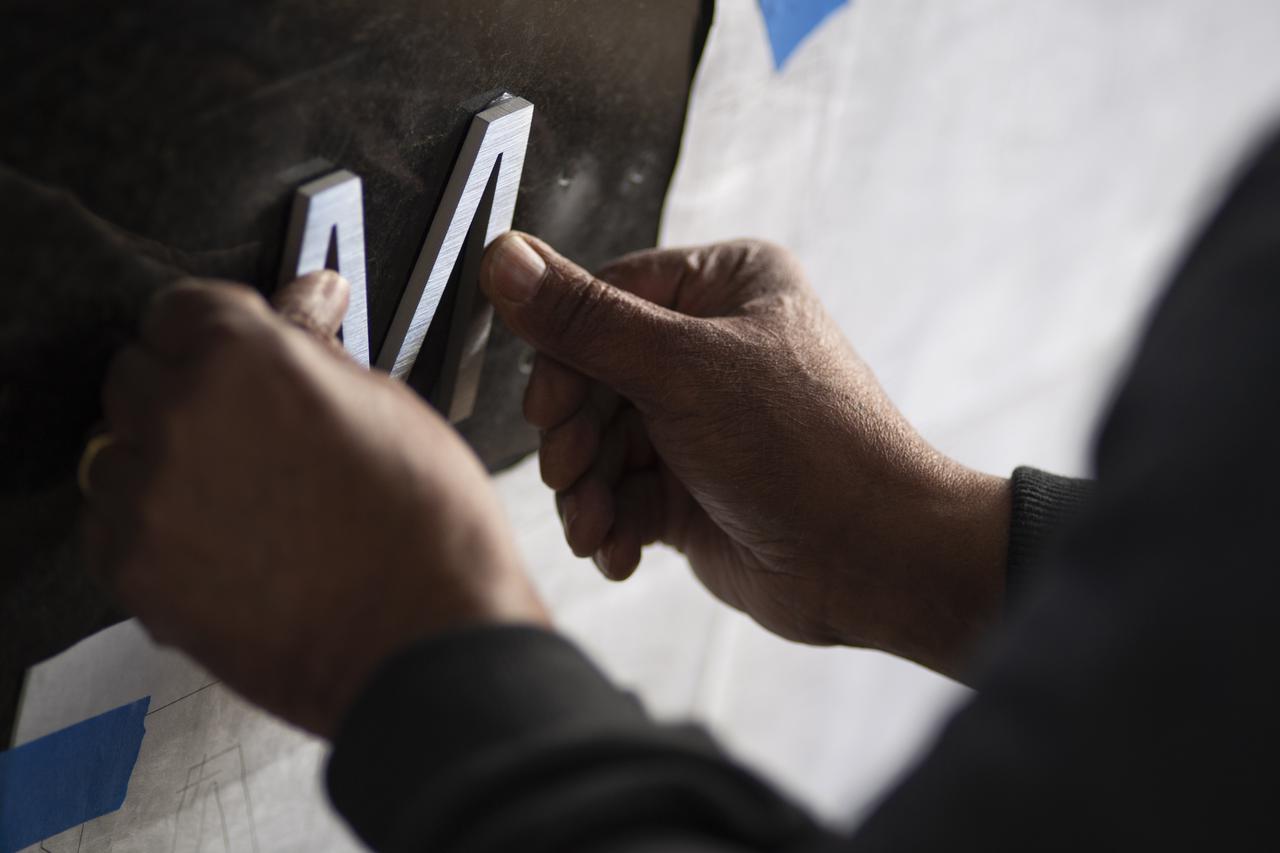
The Mary W. Jackson NASA Headquarters sign is installed ahead of the building naming ceremony, Thursday, Feb. 25, 2021, at NASA Headquarters in Washington, DC. Mary W. Jackson, the first African American female engineer at NASA, began her career with the agency in the segregated West Area Computing Unit of NASA’s Langley Research Center in Hampton, Virginia. The mathematician and aerospace engineer went on to lead programs influencing the hiring and promotion of women in NASA's science, technology, engineering, and mathematics careers. In 2019, she posthumously received the Congressional Gold Medal. Photo Credit: (NASA/Joel Kowsky)
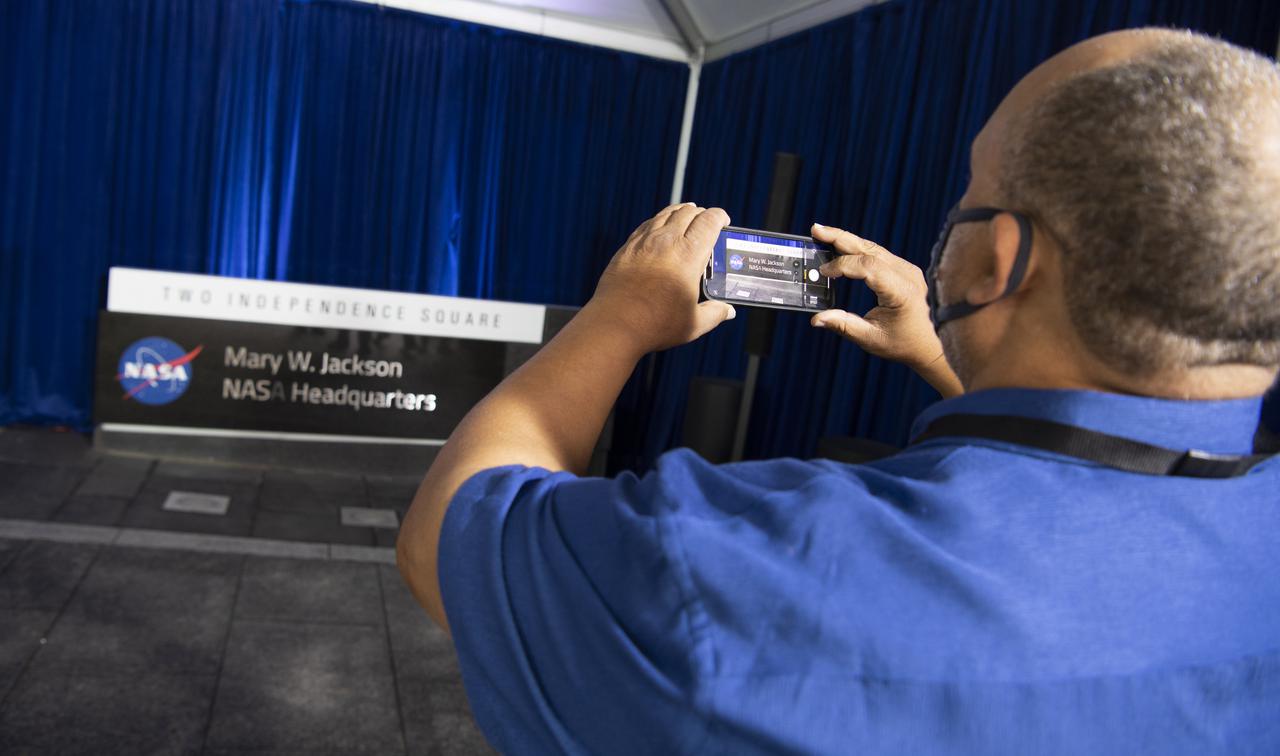
Raymond Lewis, son-in-law of Mary W. Jackson, takes a picture of the Mary W. Jackson NASA Headquarters sign following a ceremony officially naming the building, Friday, Feb. 26, 2021, at NASA Headquarters in Washington, DC. Mary W. Jackson, the first African American female engineer at NASA, began her career with the agency in the segregated West Area Computing Unit of NASA’s Langley Research Center in Hampton, Virginia. The mathematician and aerospace engineer went on to lead programs influencing the hiring and promotion of women in NASA's science, technology, engineering, and mathematics careers. In 2019, she posthumously received the Congressional Gold Medal. Photo Credit: (NASA/Joel Kowsky)
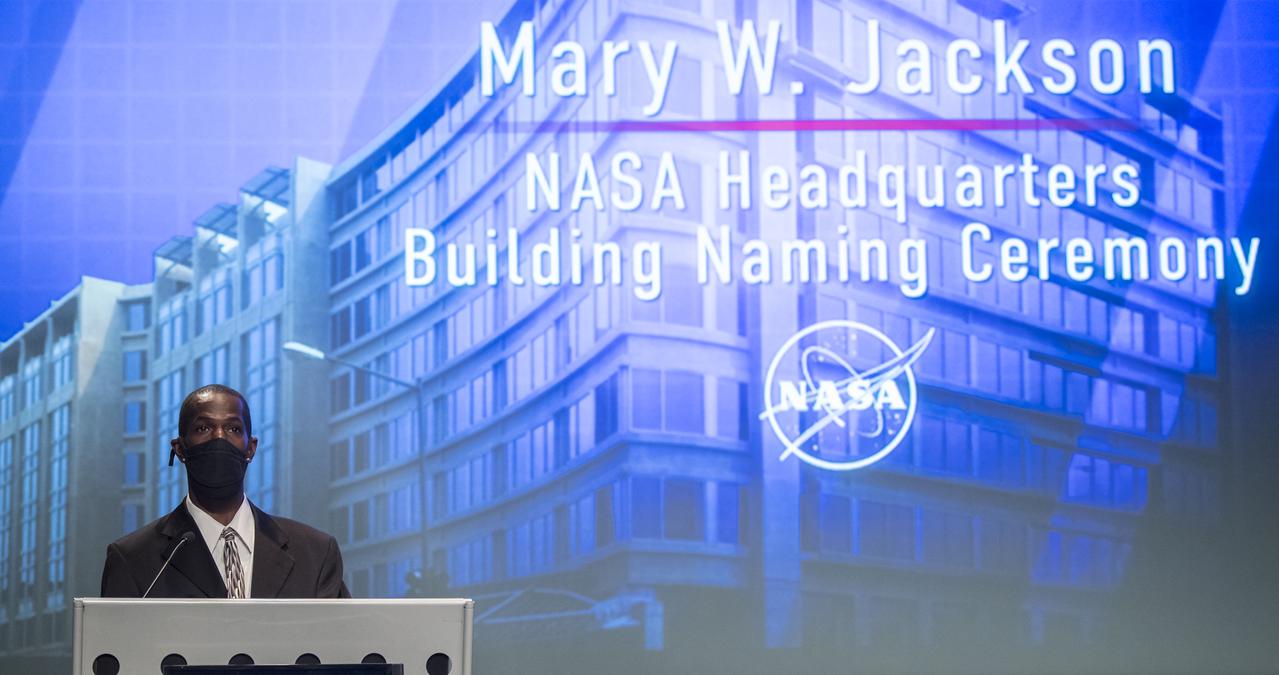
Bryan Jackson, grandson of Mary W. Jackson, speaks during a ceremony officially naming the NASA Headquarters building in honor of Mary W. Jackson, Friday, Feb. 26, 2021, at NASA Headquarters in Washington, DC. Mary W. Jackson, the first African American female engineer at NASA, began her career with the agency in the segregated West Area Computing Unit of NASA’s Langley Research Center in Hampton, Virginia. The mathematician and aerospace engineer went on to lead programs influencing the hiring and promotion of women in NASA's science, technology, engineering, and mathematics careers. In 2019, she posthumously received the Congressional Gold Medal. Photo Credit: (NASA/Joel Kowsky)
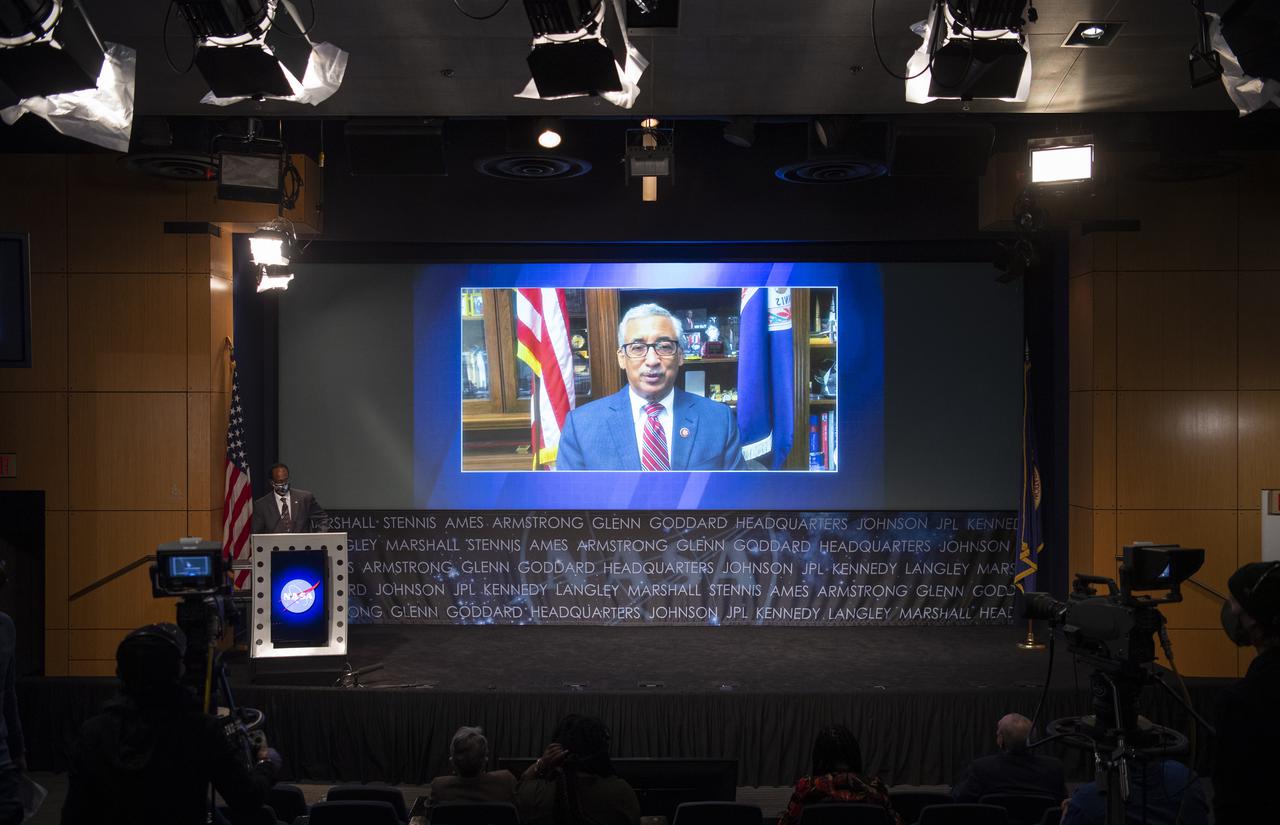
Rep. Bobby Scott (D-Va.), is seen onscreen in a pre-recorded message during a ceremony officially naming the NASA Headquarters building in honor of Mary W. Jackson, Friday, Feb. 26, 2021, at NASA Headquarters in Washington, DC. Mary W. Jackson, the first African American female engineer at NASA, began her career with the agency in the segregated West Area Computing Unit of NASA’s Langley Research Center in Hampton, Virginia. The mathematician and aerospace engineer went on to lead programs influencing the hiring and promotion of women in NASA's science, technology, engineering, and mathematics careers. In 2019, she posthumously received the Congressional Gold Medal. Photo Credit: (NASA/Joel Kowsky)
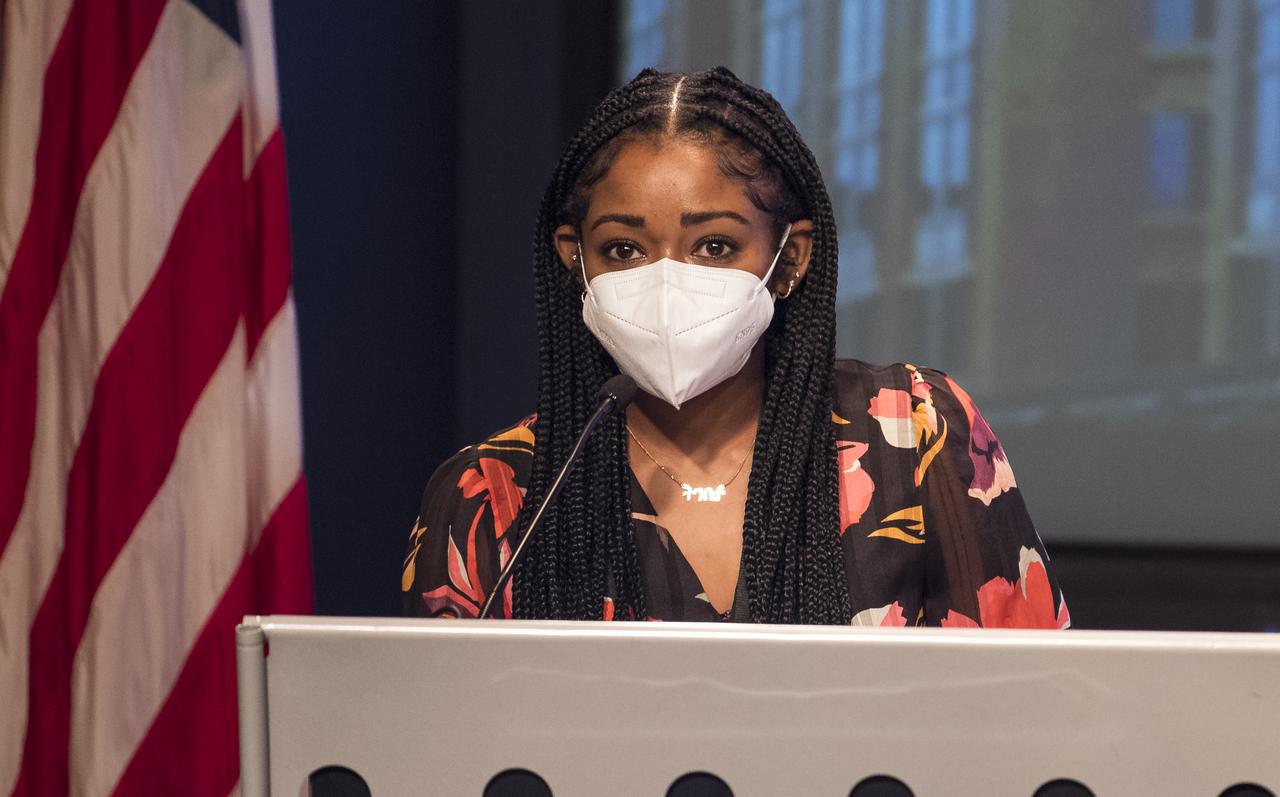
Artist Tenbeete Solomon, also known as Trap Bob, speaks during a ceremony officially naming the NASA Headquarters building in honor of Mary W. Jackson, Friday, Feb. 26, 2021, at NASA Headquarters in Washington, DC. Mary W. Jackson, the first African American female engineer at NASA, began her career with the agency in the segregated West Area Computing Unit of NASA’s Langley Research Center in Hampton, Virginia. The mathematician and aerospace engineer went on to lead programs influencing the hiring and promotion of women in NASA's science, technology, engineering, and mathematics careers. In 2019, she posthumously received the Congressional Gold Medal. Photo Credit: (NASA/Joel Kowsky)
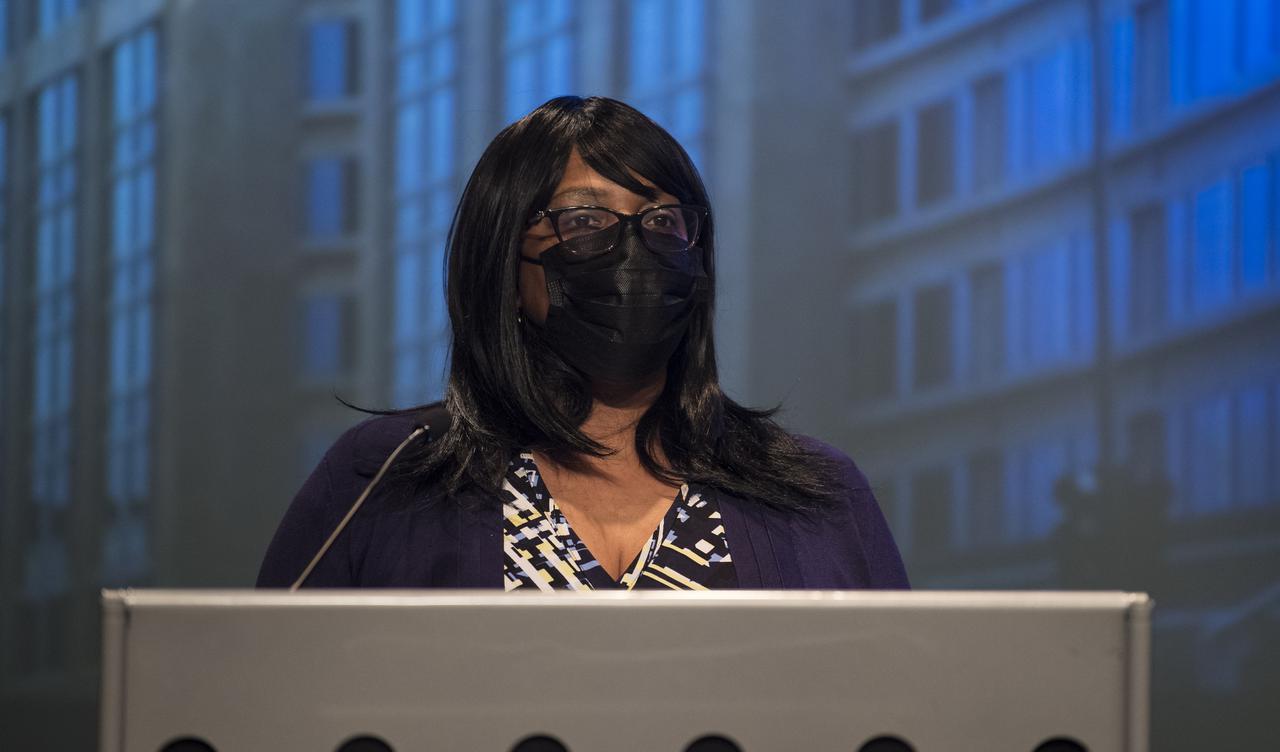
Wanda Jackson, granddaughter of Mary W. Jackson, speaks during a ceremony officially naming the NASA Headquarters building in honor of Mary W. Jackson, Friday, Feb. 26, 2021, at NASA Headquarters in Washington, DC. Mary W. Jackson, the first African American female engineer at NASA, began her career with the agency in the segregated West Area Computing Unit of NASA’s Langley Research Center in Hampton, Virginia. The mathematician and aerospace engineer went on to lead programs influencing the hiring and promotion of women in NASA's science, technology, engineering, and mathematics careers. In 2019, she posthumously received the Congressional Gold Medal. Photo Credit: (NASA/Joel Kowsky)
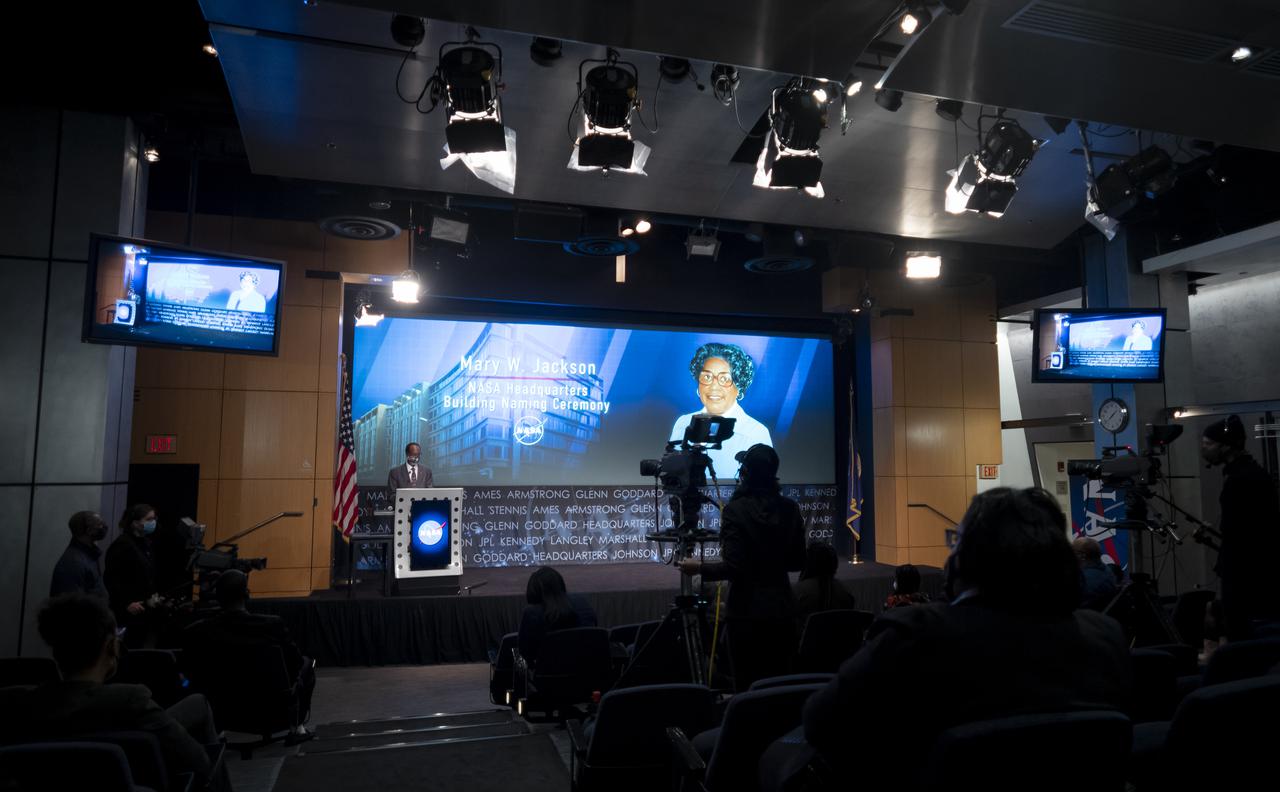
Clayton Turner, Director of NASA's Langley Research Center, speaks during a ceremony officially naming the NASA Headquarters building in honor of Mary W. Jackson, Friday, Feb. 26, 2021, at NASA Headquarters in Washington, DC. Mary W. Jackson, the first African American female engineer at NASA, began her career with the agency in the segregated West Area Computing Unit of NASA’s Langley Research Center in Hampton, Virginia. The mathematician and aerospace engineer went on to lead programs influencing the hiring and promotion of women in NASA's science, technology, engineering, and mathematics careers. In 2019, she posthumously received the Congressional Gold Medal. Photo Credit: (NASA/Joel Kowsky)
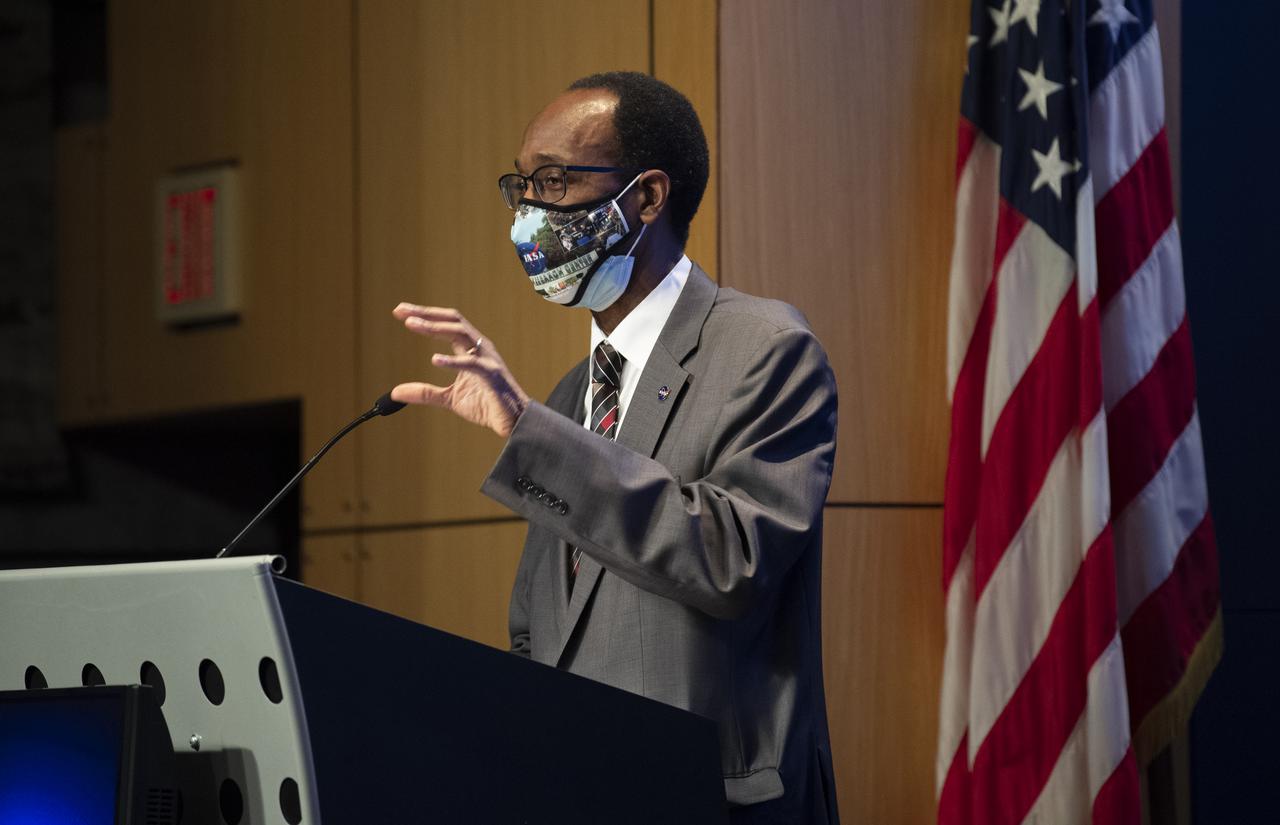
Clayton Turner, Director of NASA's Langley Research Center, speaks during a ceremony officially naming the NASA Headquarters building in honor of Mary W. Jackson, Friday, Feb. 26, 2021, at NASA Headquarters in Washington, DC. Mary W. Jackson, the first African American female engineer at NASA, began her career with the agency in the segregated West Area Computing Unit of NASA’s Langley Research Center in Hampton, Virginia. The mathematician and aerospace engineer went on to lead programs influencing the hiring and promotion of women in NASA's science, technology, engineering, and mathematics careers. In 2019, she posthumously received the Congressional Gold Medal. Photo Credit: (NASA/Joel Kowsky)
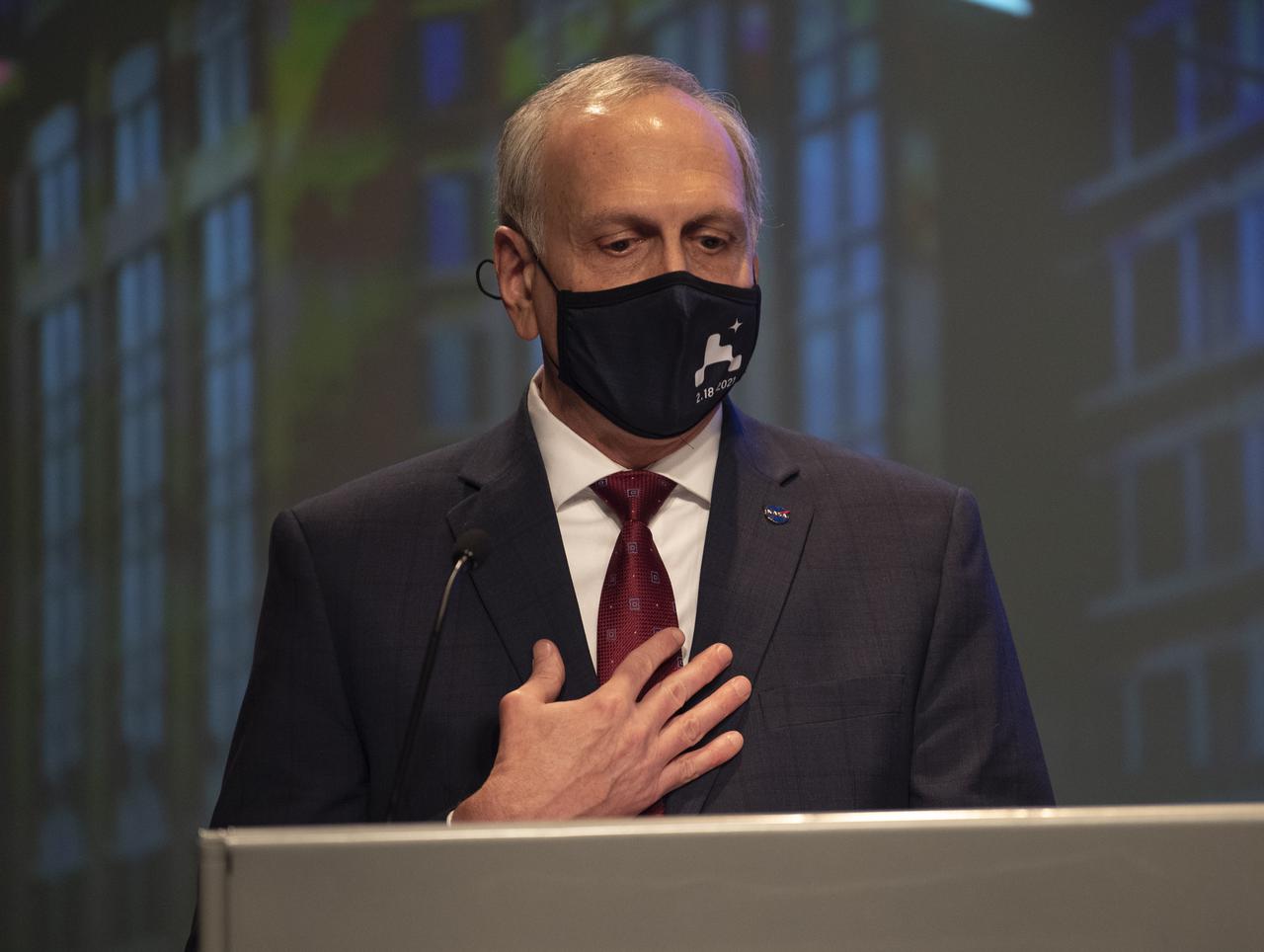
Acting NASA Administrator Steve Jurzyck speaks during a ceremony officially naming the NASA Headquarters building in honor of Mary W. Jackson, Friday, Feb. 26, 2021, at NASA Headquarters in Washington, DC. Mary W. Jackson, the first African American female engineer at NASA, began her career with the agency in the segregated West Area Computing Unit of NASA’s Langley Research Center in Hampton, Virginia. The mathematician and aerospace engineer went on to lead programs influencing the hiring and promotion of women in NASA's science, technology, engineering, and mathematics careers. In 2019, she posthumously received the Congressional Gold Medal. Photo Credit: (NASA/Joel Kowsky)
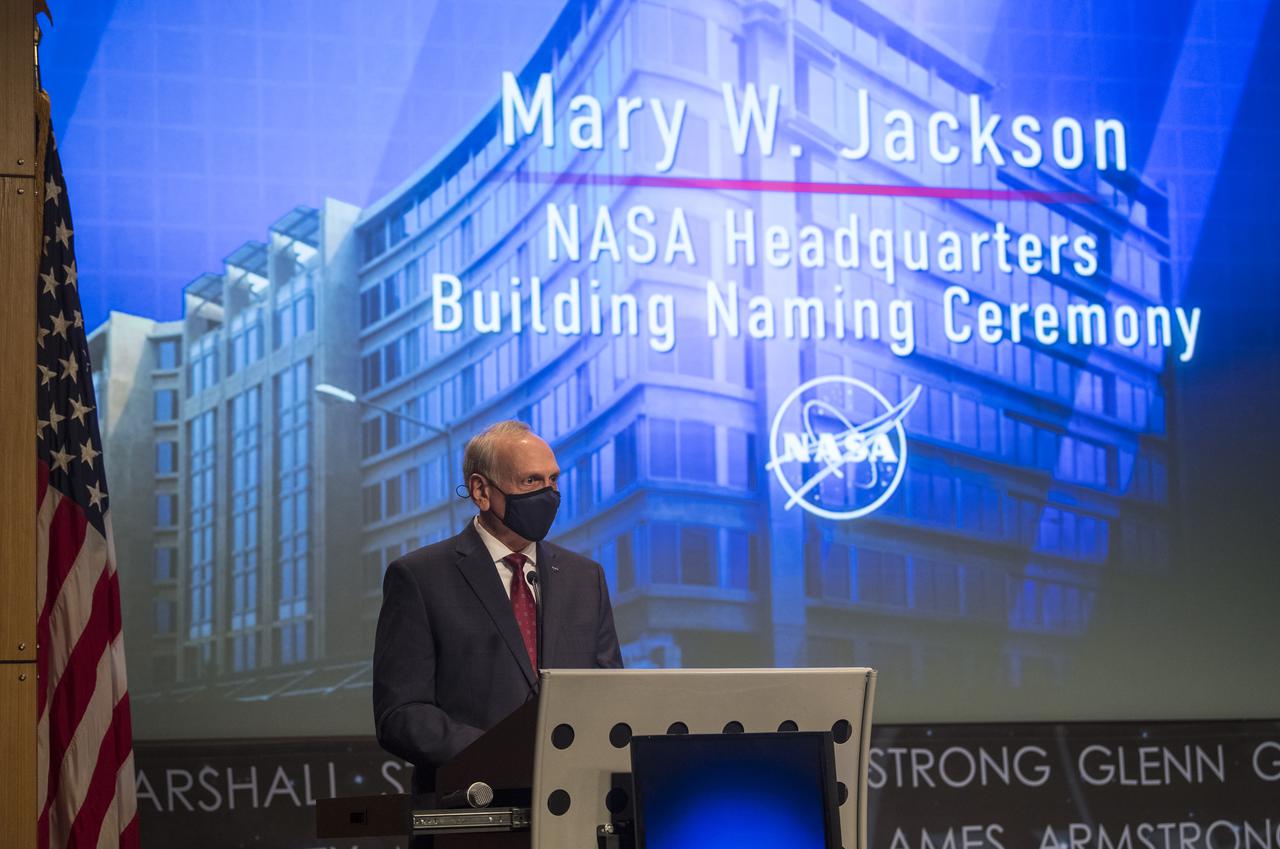
Acting NASA Administrator Steve Jurzyck speaks during a ceremony officially naming the NASA Headquarters building in honor of Mary W. Jackson, Friday, Feb. 26, 2021, at NASA Headquarters in Washington, DC. Mary W. Jackson, the first African American female engineer at NASA, began her career with the agency in the segregated West Area Computing Unit of NASA’s Langley Research Center in Hampton, Virginia. The mathematician and aerospace engineer went on to lead programs influencing the hiring and promotion of women in NASA's science, technology, engineering, and mathematics careers. In 2019, she posthumously received the Congressional Gold Medal. Photo Credit: (NASA/Joel Kowsky)
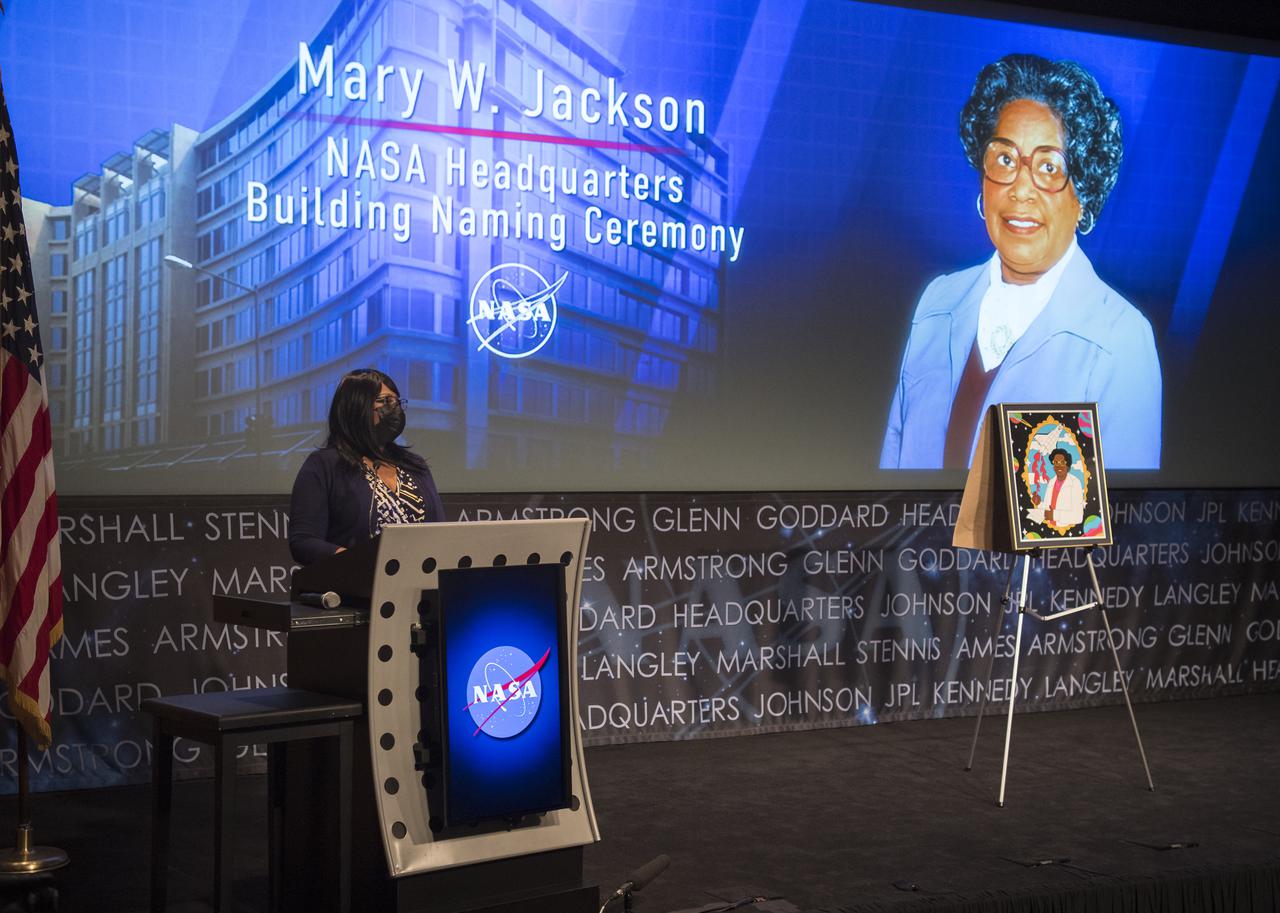
Wanda Jackson, granddaughter of Mary W. Jackson, speaks during a ceremony officially naming the NASA Headquarters building in honor of Mary W. Jackson, Friday, Feb. 26, 2021, at NASA Headquarters in Washington, DC. Mary W. Jackson, the first African American female engineer at NASA, began her career with the agency in the segregated West Area Computing Unit of NASA’s Langley Research Center in Hampton, Virginia. The mathematician and aerospace engineer went on to lead programs influencing the hiring and promotion of women in NASA's science, technology, engineering, and mathematics careers. In 2019, she posthumously received the Congressional Gold Medal. Photo Credit: (NASA/Joel Kowsky)
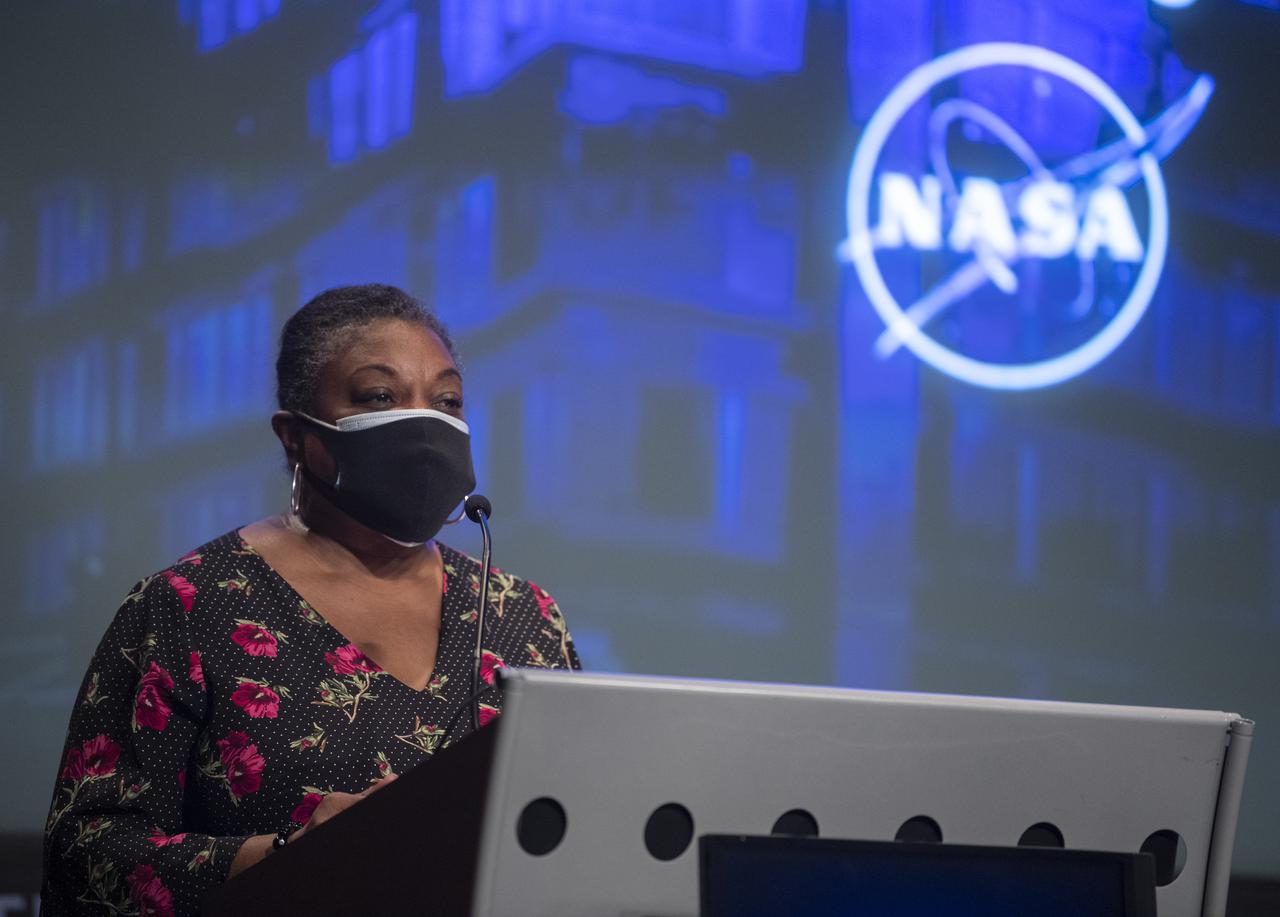
Deputy Mayor Lucinda M. Babers speaks during a ceremony officially naming the NASA Headquarters building in honor of Mary W. Jackson, Friday, Feb. 26, 2021, at NASA Headquarters in Washington, DC. Mary W. Jackson, the first African American female engineer at NASA, began her career with the agency in the segregated West Area Computing Unit of NASA’s Langley Research Center in Hampton, Virginia. The mathematician and aerospace engineer went on to lead programs influencing the hiring and promotion of women in NASA's science, technology, engineering, and mathematics careers. In 2019, she posthumously received the Congressional Gold Medal. Photo Credit: (NASA/Joel Kowsky)
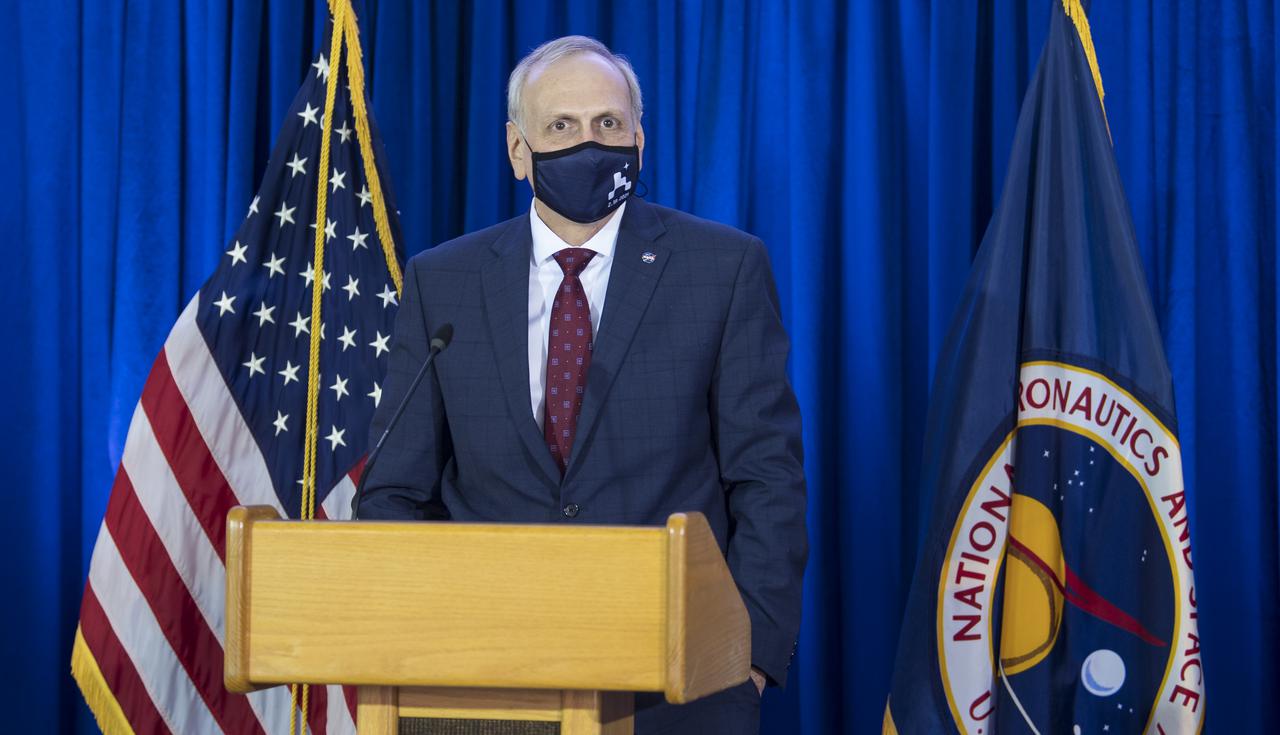
Acting NASA Administrator Steve Jurzyck speaks during a ceremony officially naming the NASA Headquarters building in honor of Mary W. Jackson, Friday, Feb. 26, 2021, at NASA Headquarters in Washington, DC. Mary W. Jackson, the first African American female engineer at NASA, began her career with the agency in the segregated West Area Computing Unit of NASA’s Langley Research Center in Hampton, Virginia. The mathematician and aerospace engineer went on to lead programs influencing the hiring and promotion of women in NASA's science, technology, engineering, and mathematics careers. In 2019, she posthumously received the Congressional Gold Medal. Photo Credit: (NASA/Joel Kowsky)
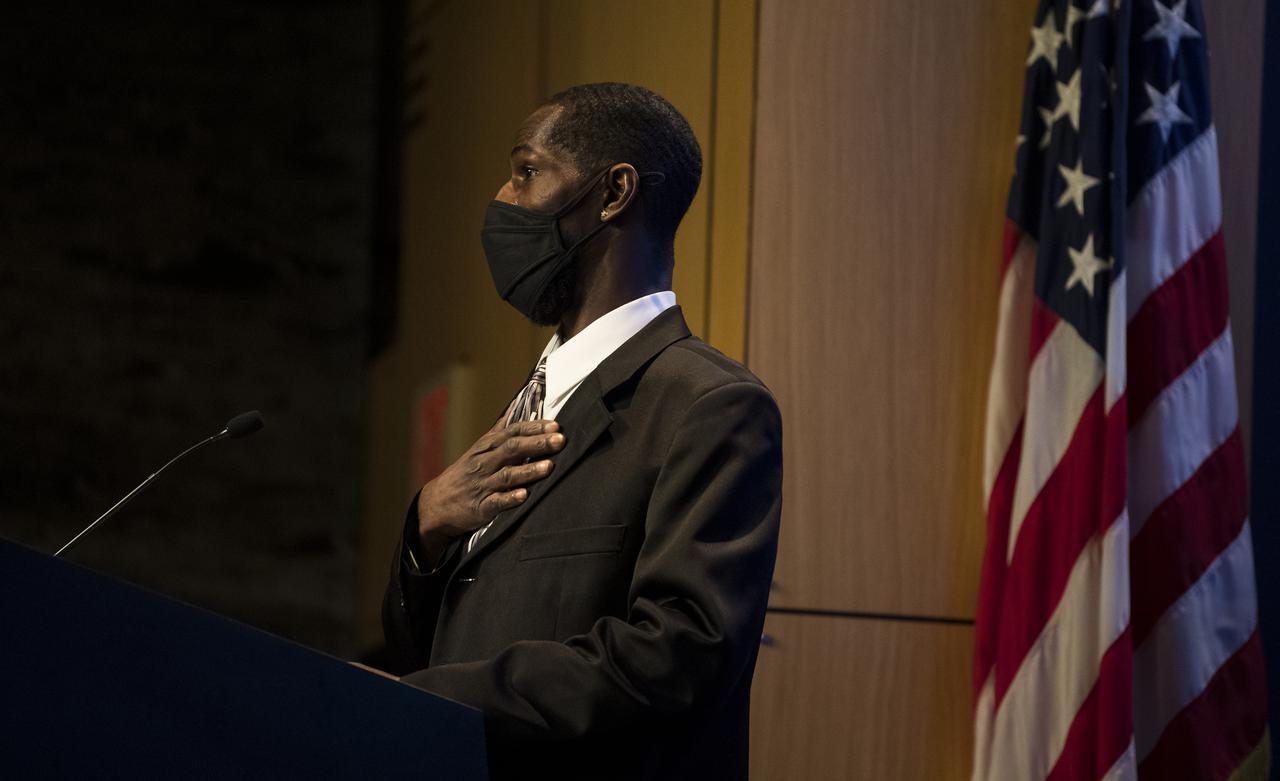
Bryan Jackson, grandson of Mary W. Jackson, speaks during a ceremony officially naming the NASA Headquarters building in honor of Mary W. Jackson, Friday, Feb. 26, 2021, at NASA Headquarters in Washington, DC. Mary W. Jackson, the first African American female engineer at NASA, began her career with the agency in the segregated West Area Computing Unit of NASA’s Langley Research Center in Hampton, Virginia. The mathematician and aerospace engineer went on to lead programs influencing the hiring and promotion of women in NASA's science, technology, engineering, and mathematics careers. In 2019, she posthumously received the Congressional Gold Medal. Photo Credit: (NASA/Joel Kowsky)
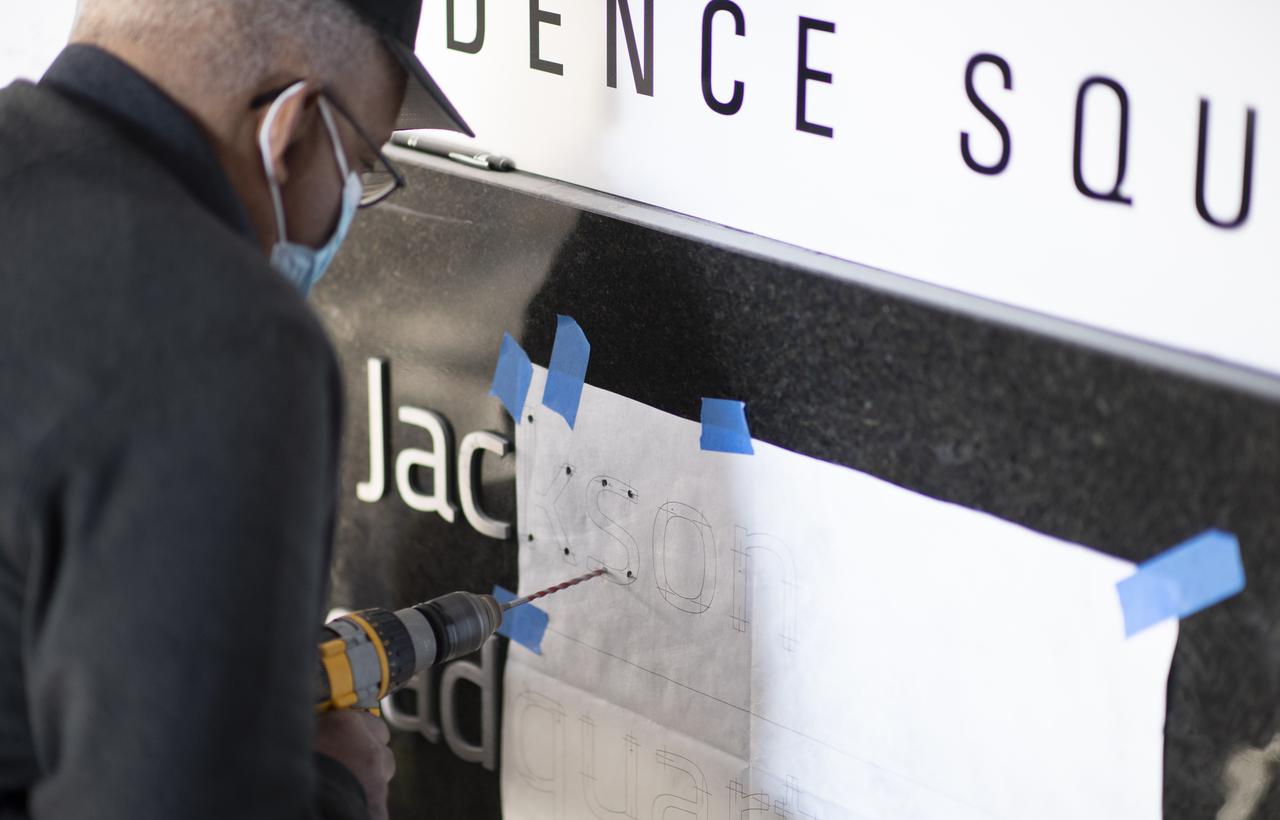
The Mary W. Jackson NASA Headquarters sign is installed ahead of the building naming ceremony, Thursday, Feb. 25, 2021, at NASA Headquarters in Washington, DC. Mary W. Jackson, the first African American female engineer at NASA, began her career with the agency in the segregated West Area Computing Unit of NASA’s Langley Research Center in Hampton, Virginia. The mathematician and aerospace engineer went on to lead programs influencing the hiring and promotion of women in NASA's science, technology, engineering, and mathematics careers. In 2019, she posthumously received the Congressional Gold Medal. Photo Credit: (NASA/Joel Kowsky)
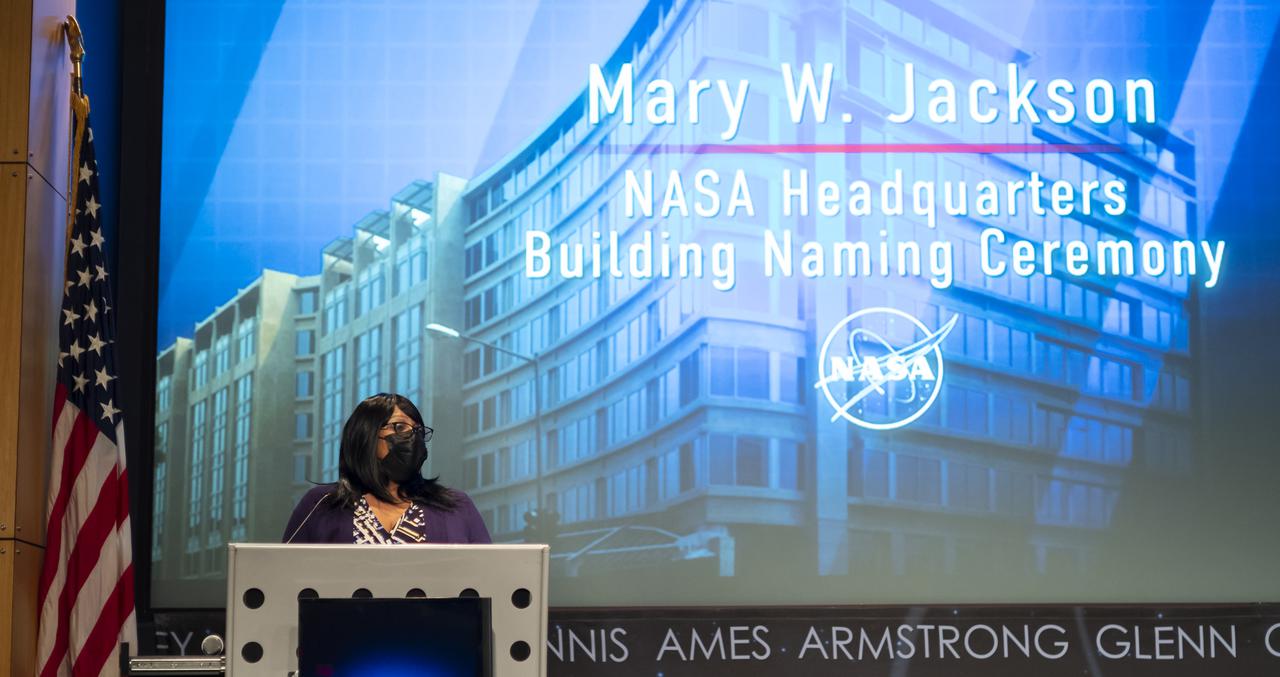
Wanda Jackson, granddaughter of Mary W. Jackson, speaks during a ceremony officially naming the NASA Headquarters building in honor of Mary W. Jackson, Friday, Feb. 26, 2021, at NASA Headquarters in Washington, DC. Mary W. Jackson, the first African American female engineer at NASA, began her career with the agency in the segregated West Area Computing Unit of NASA’s Langley Research Center in Hampton, Virginia. The mathematician and aerospace engineer went on to lead programs influencing the hiring and promotion of women in NASA's science, technology, engineering, and mathematics careers. In 2019, she posthumously received the Congressional Gold Medal. Photo Credit: (NASA/Joel Kowsky)
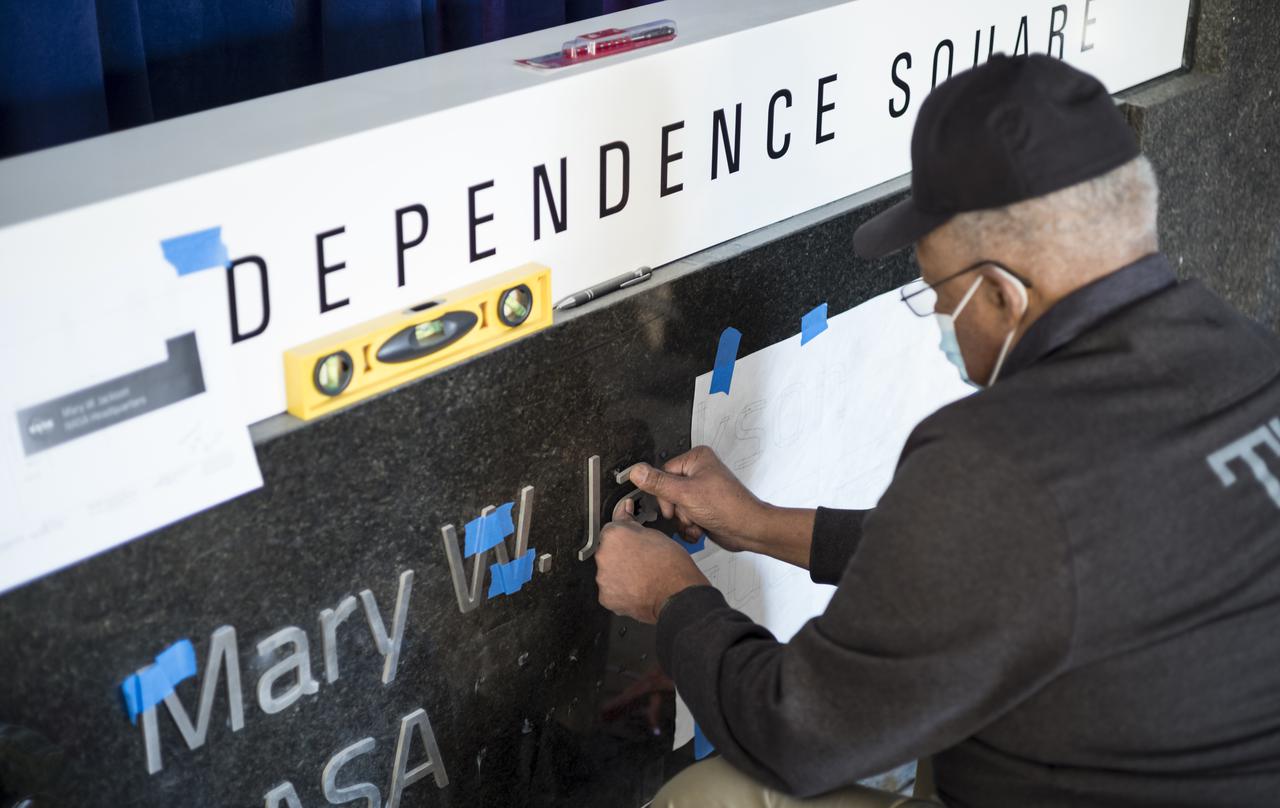
The Mary W. Jackson NASA Headquarters sign is installed ahead of the building naming ceremony, Thursday, Feb. 25, 2021, at NASA Headquarters in Washington, DC. Mary W. Jackson, the first African American female engineer at NASA, began her career with the agency in the segregated West Area Computing Unit of NASA’s Langley Research Center in Hampton, Virginia. The mathematician and aerospace engineer went on to lead programs influencing the hiring and promotion of women in NASA's science, technology, engineering, and mathematics careers. In 2019, she posthumously received the Congressional Gold Medal. Photo Credit: (NASA/Joel Kowsky)

Yolanda Shea, a physical research scientist at NASA's Langley Research Center, speaks during a ceremony officially naming the NASA Headquarters building in honor of Mary W. Jackson, Friday, Feb. 26, 2021, at NASA Headquarters in Washington, DC. Mary W. Jackson, the first African American female engineer at NASA, began her career with the agency in the segregated West Area Computing Unit of NASA’s Langley Research Center in Hampton, Virginia. The mathematician and aerospace engineer went on to lead programs influencing the hiring and promotion of women in NASA's science, technology, engineering, and mathematics careers. In 2019, she posthumously received the Congressional Gold Medal. Photo Credit: (NASA/Joel Kowsky)
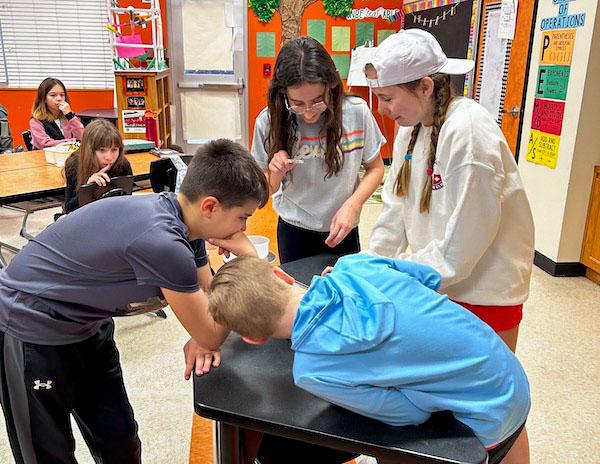
jsc2024e067103 (2/2/2024) --- Martha and Josh Morris Mathematics and Engineering Elementary students Lizzy, Lynnley, Isaac, and Cooper work on ways to calculate the strength of concrete in microgravity. Their experiment, Will Normal Strength Concrete (NSC) Keep its Structure in Microgravity?, is part of the Nanoracks-National Center for Earth and Space Science Education-Surveyor-Student Spaceflight Experiments Program Mission 18 to ISS (Nanoracks-NCESSE-Surveyor-SSEP).
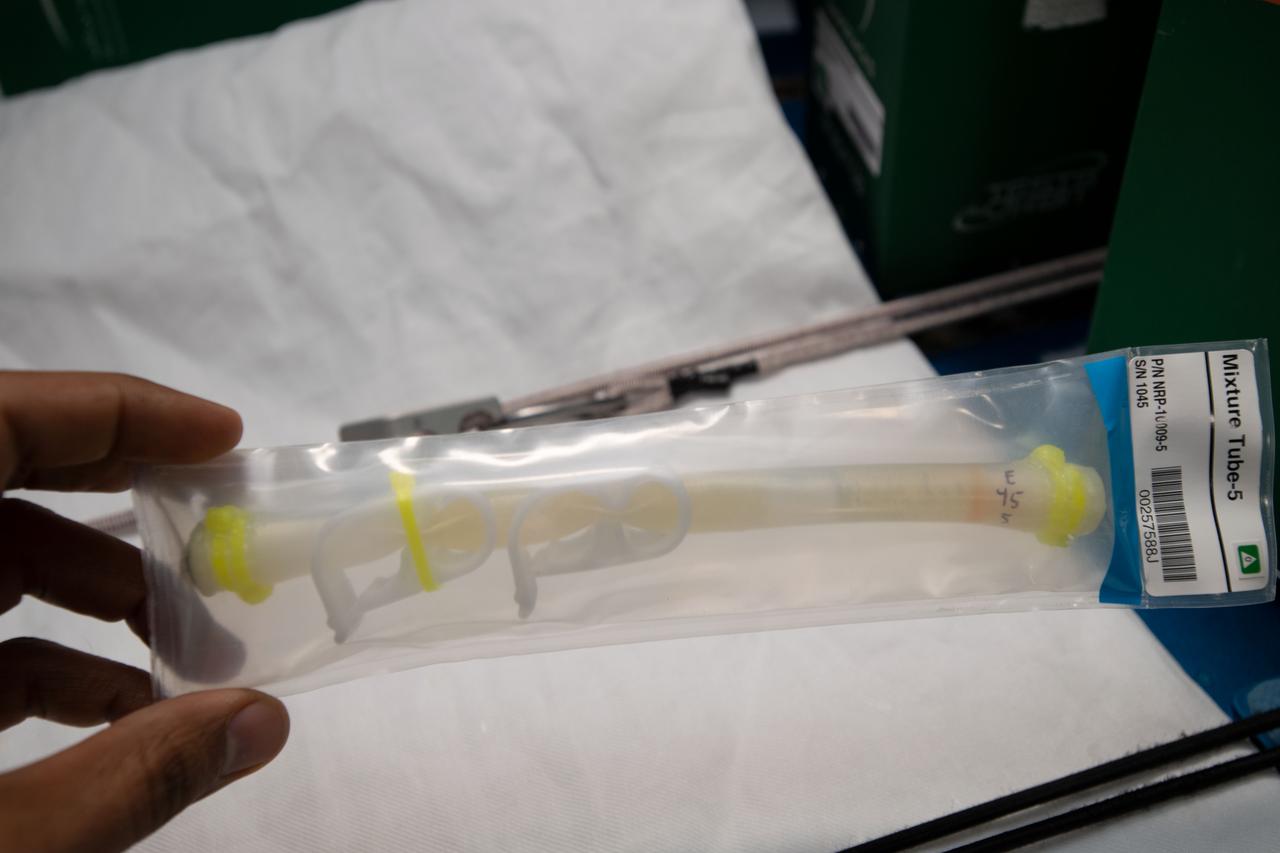
iss060e081390 (9/28/2019) --- A view of the MixStix tube housed inside NanoRacks Module-86 Module MBRSC - Modification 9 (The Mohammed bin Rashid Space Centre (MBRSC) Science in Space Competition) - Modification 9. The first Emirati astronaut performs this investigation aboard the International Space Station (ISS) to help students in the UAE become more integrated and excited about Science, Technology, Engineering, and Mathematics (STEM) as well as space as an environment to perform scientific research.

NASA Chief Technologist Douglas Terrier gives opening remarks during a Mars celebration Friday, May 31, 2019, in Mars, Pennsylvania. NASA is in the small town to celebrate Mars exploration and share the agency’s excitement about landing astronauts on the Moon in five years. The celebration includes a weekend of Science, Technology, Engineering, Arts and Mathematics (STEAM) activities. Photo Credit: (NASA/Bill Ingalls)
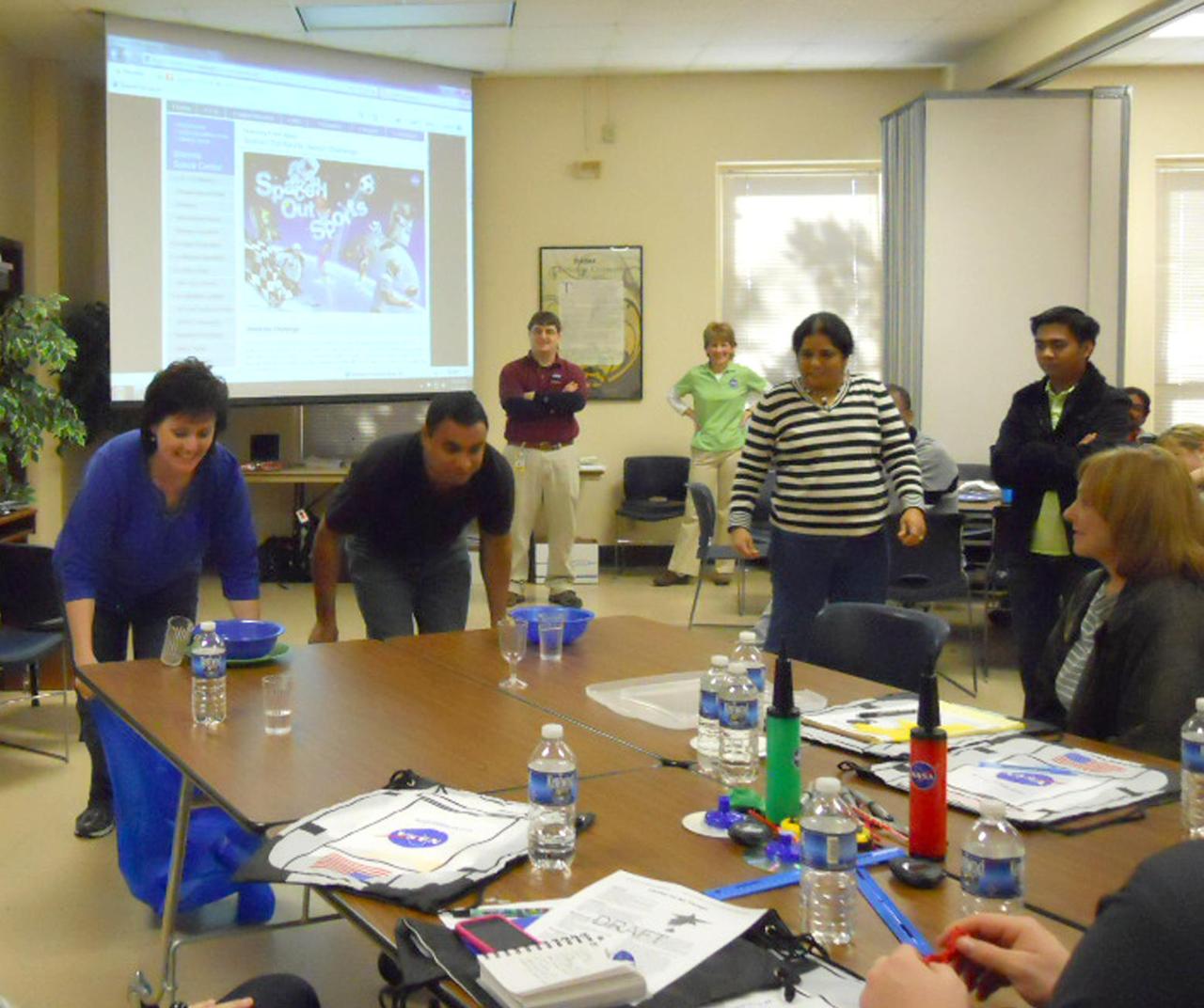
Middle school teachers from across Louisiana participate in a hands-on activity during a professional development workshop at Louisiana State University in Baton Rouge on Jan. 22, 2011. Fifty-five teachers participated in the workshop, which was hosted by the Stennis Education Office. During the workshop, Stennis specialists presented hands-on, problem-based learning and technology-based activities teachers can use in their classrooms to promote interest in areas of science, technology, engineering and mathematics.

A participant of the Mars celebration launches a rocket, Saturday, June 1, 2019, in Mars, Pennsylvania. NASA is in the small town to celebrate Mars exploration and share the agency’s excitement about landing astronauts on the Moon in five years. The celebration includes a weekend of Science, Technology, Engineering, Arts and Mathematics (STEAM) activities. Photo Credit: (NASA/Bill Ingalls)
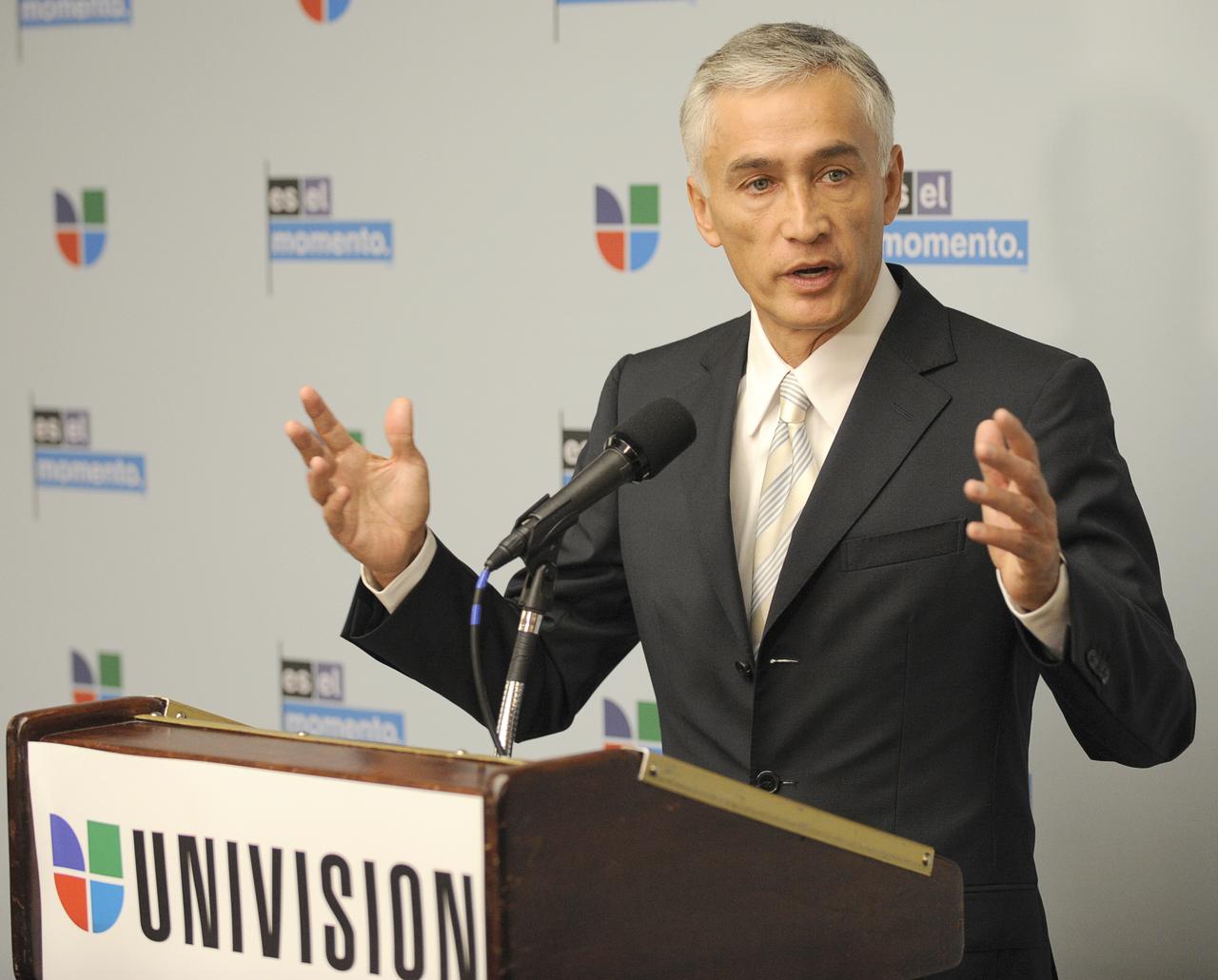
Univision news anchor Jorge Ramos speaks at an event at the National Press Club in Washington, Tuesday, Feb. 23, 2010. NASA is working with Univision Communications Inc. to develop a partnership in support of the Spanish-language media outlet's initiative to improve high school graduation rates, prepare Hispanic students for college, and encourage them to pursue careers in science, technology, engineering and mathematics, or STEM, disciplines. Photo Credit: (NASA/Bill Ingalls)
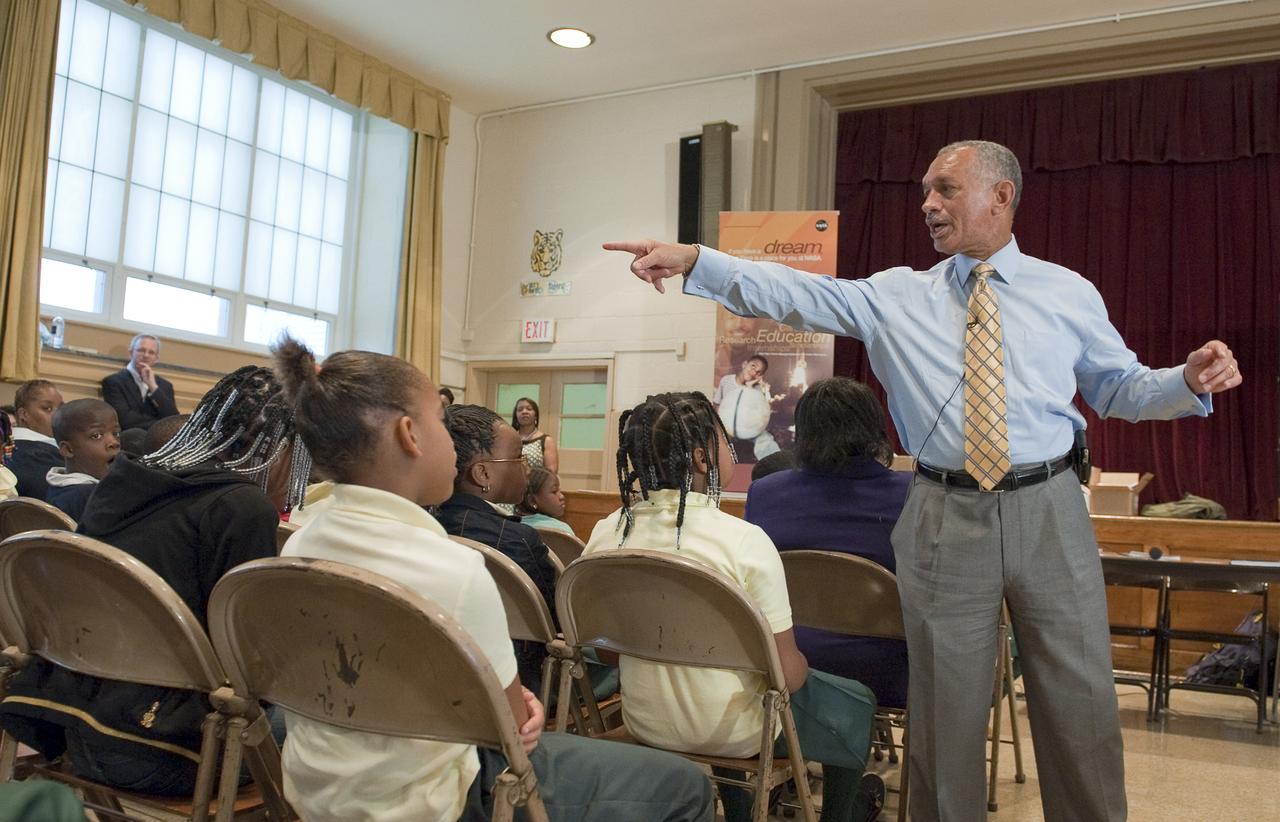
NASA Administrator Charles F. Bolden speaks to students during a visit to Davis Elementary School, Friday, Sept. 11, 2009, in Washington. Bolden spent time with approximately 120 students in third, fourth and fifth grade talking about science, technology, mathematics and engineering as part of the National Day of Service and Remembrance. Photo Credit: (NASA/Paul E. Alers)
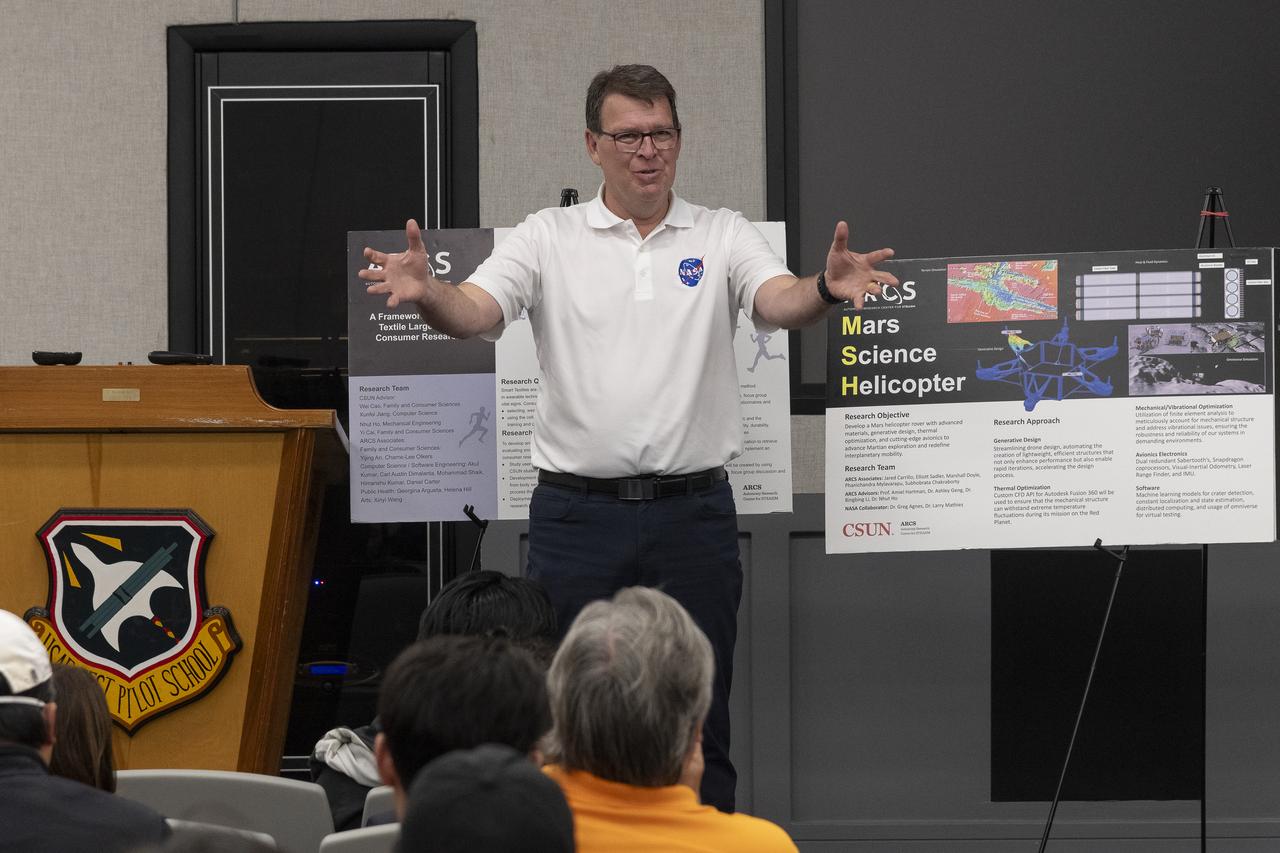
Brad Flick, center director at NASA’s Armstrong Flight Research Center in Edwards, California, talks to students from California State University, Northridge, California. As part of the university’s Autonomy Research Center for science, technology, engineering, entrepreneurship, arts, humanities, and mathematics, the students displayed posters and answered questions about their technologies May 23 at the Air Force Test Pilot School auditorium on Edwards Air Force Base, California.

Representatives of the state of Alabama, academia, and industry listen and take part in a panel discussion led by NASA Marshall Space Flight Center's Ruth Jones as part of the first Alabama Historically Black Colleges and Universities Roundtable Discussion. The event focused on drawing more minorities, specifically women, into academic fields and careers in science, technology, engineering and mathematics.
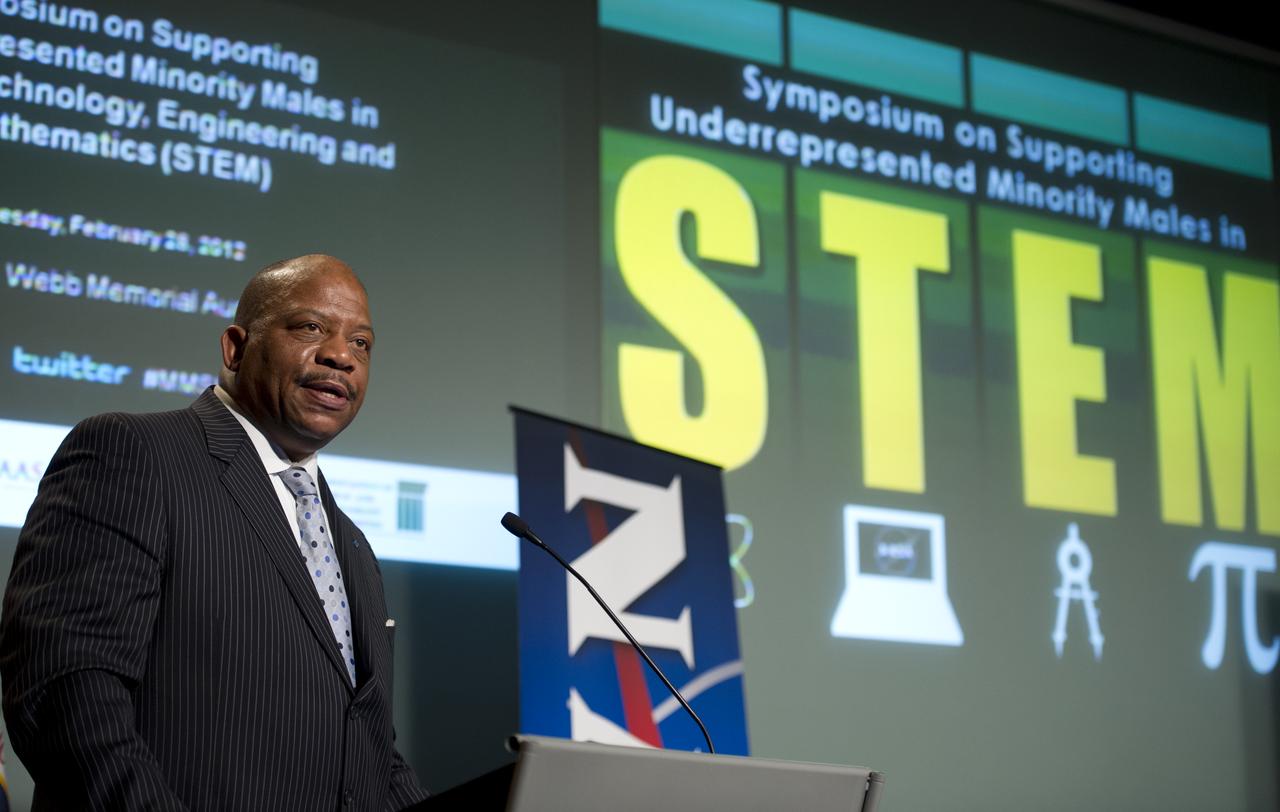
J. Keith Motley, Chancellor, University of Massachusetts Boston, and Chair, APLU (Association of Public and Land-grant Universities) Commission on Access, Diversity and Excellence, speaks at the Symposium on Supporting Underrepresented Minority Males in Science, Technology, Engineering and Mathematics (STEM), Tuesday, February 28, 2012 at NASA Headquarters in Washington. Photo Credit: (NASA/Carla Cioffi)

A young couple stop by the Mars celebration prior to attending prom, Saturday, June 1, 2019, in Mars, Pennsylvania. NASA is in the small town to celebrate Mars exploration and share the agency’s excitement about landing astronauts on the Moon in five years. The celebration includes a weekend of Science, Technology, Engineering, Arts and Mathematics (STEAM) activities. Photo Credit: (NASA/Bill Ingalls)
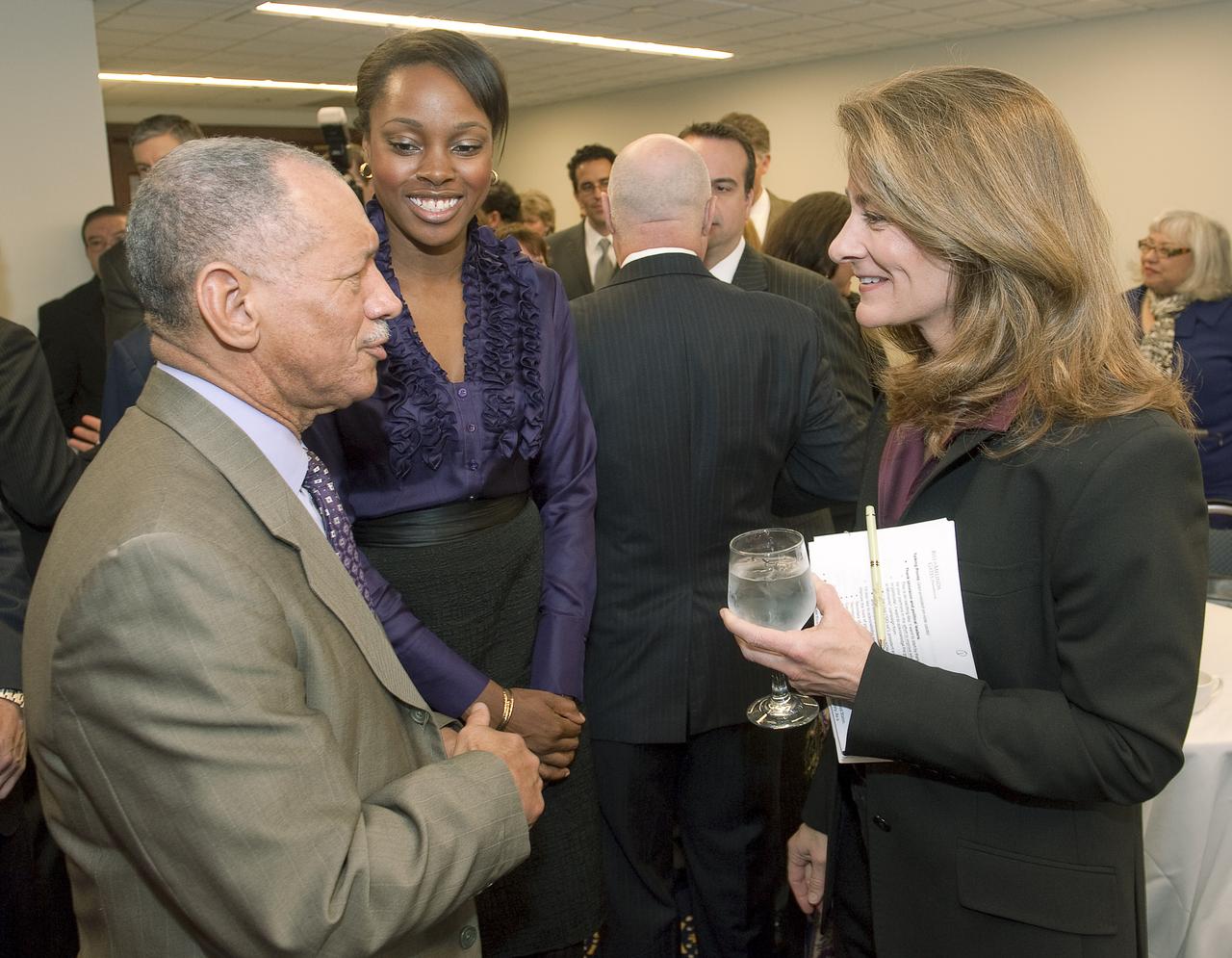
NASA Administrator Charles Bolden, left, speaks with Melinda French Gates, of the Bill & Melinda Gates Foundation, right, prior to the start of an event at the National Press Club in Washington, Tuesday, Feb. 23, 2010. NASA is working with Univision Communications Inc. to develop a partnership in support of the Spanish-language media outlet's initiative to improve high school graduation rates, prepare Hispanic students for college, and encourage them to pursue careers in science, technology, engineering and mathematics, or STEM, disciplines. Photo Credit: (NASA/Bill Ingalls)
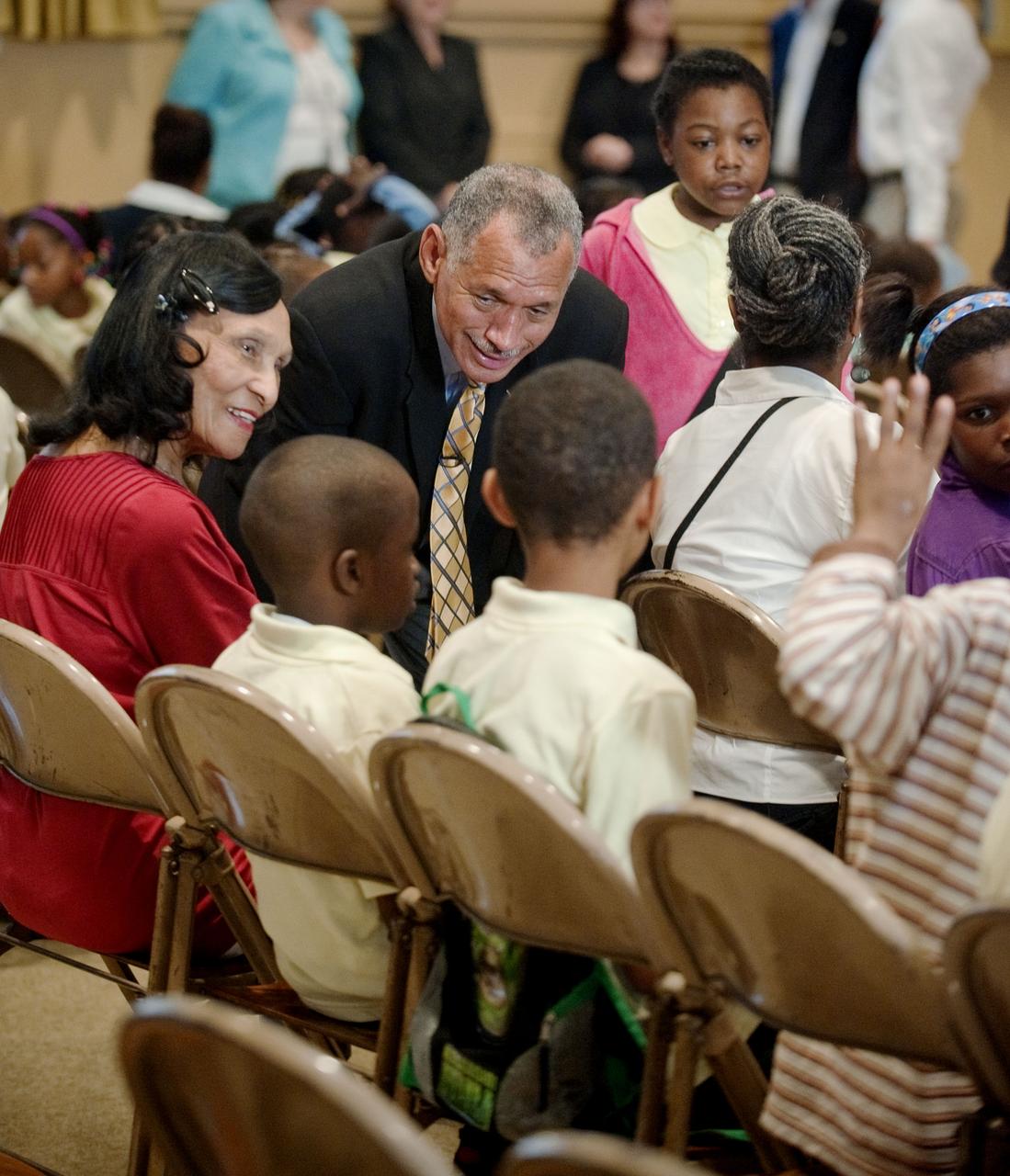
NASA Administrator Charles F. Bolden speaks to students during a visit to Davis Elementary School, Friday, Sept. 11, 2009, in Washington. Bolden spent time with approximately 120 students in third, fourth and fifth grade talking about science, technology, mathematics and engineering as part of the National Day of Service and Remembrance. Photo Credit: (NASA/Paul E. Alers)

A group of students and their chaperones view a mural on a wall at the News Center during a tour of NASA’s Kennedy Space Center in Florida on Oct. 6, 2022. The middle-school students, from the Boys and Girls Clubs of the Flathead Indian Reservation in Montana, are visiting the space center with the Students to Launch program. Students to Launch engages students in STEM (science, technology, engineering and mathematics) and creates awareness of careers in the space program.
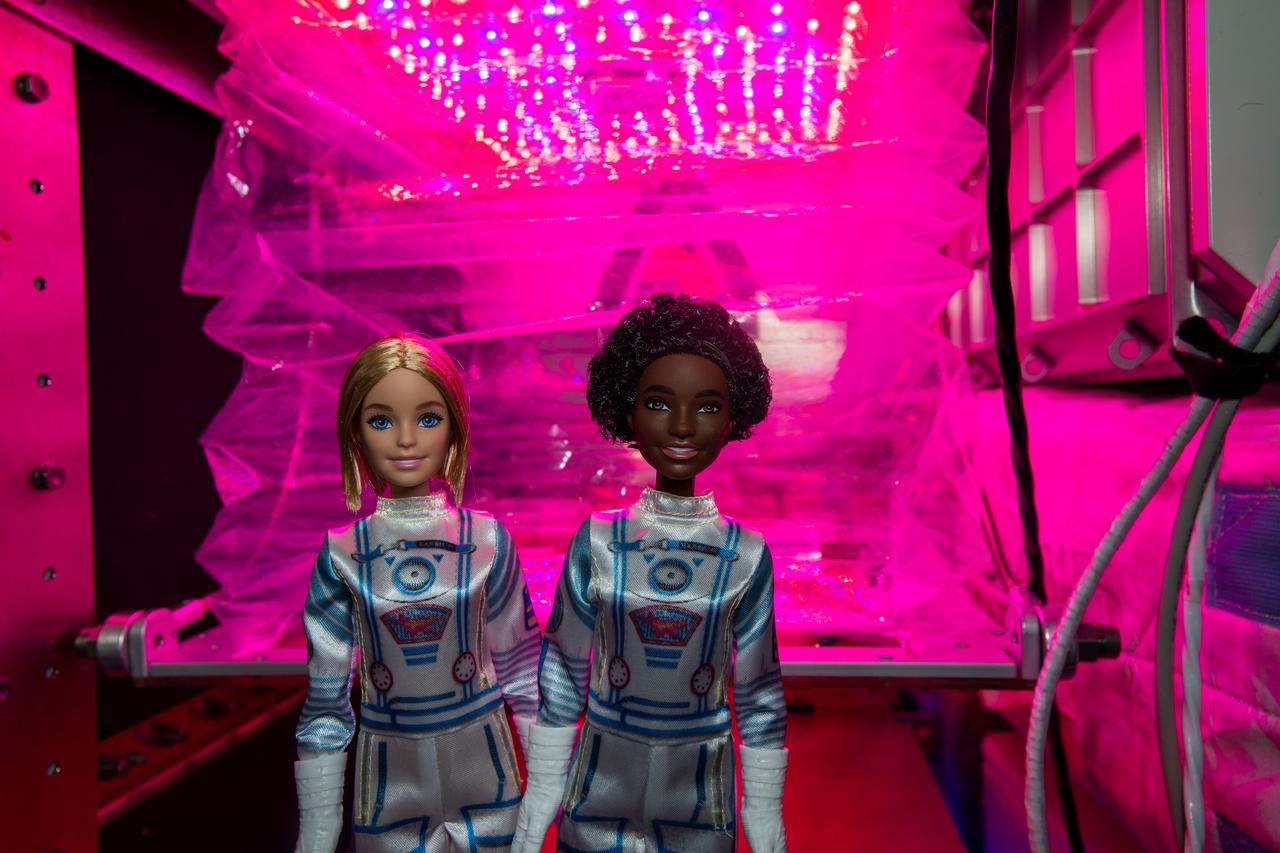
iss066e155896 (3/1/2022) --- DreamStar dolls float in front of Astrobee and Minus Eighty Laboratory Freezer for ISS (MELFI) aboard the International Space Station. The DreamStar science, technology, engineering, and mathematics (STEM) education project creates videos and educational materials highlighting women in space and reinforcing the message, “if you can see it, you can be it.”
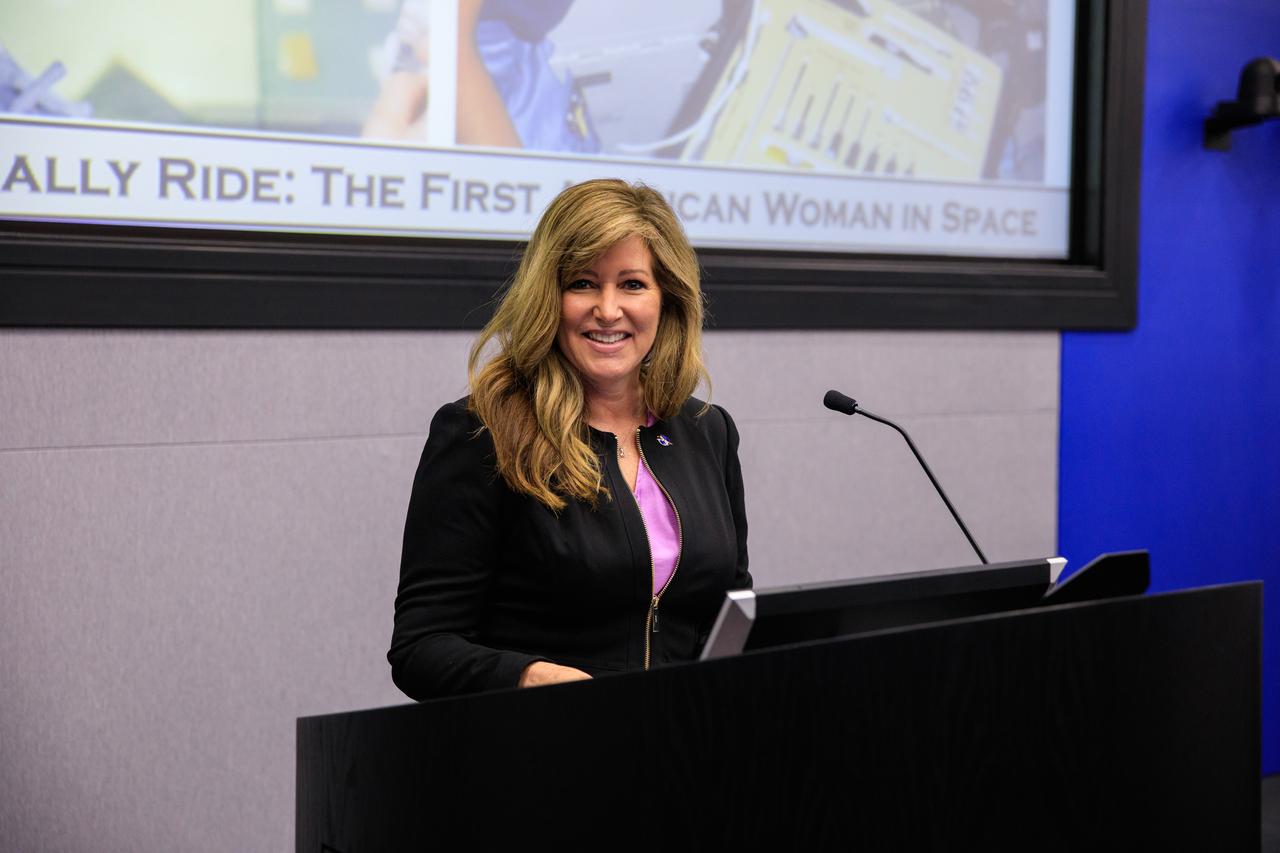
Jennifer Kunz, associate director, technical, at NASA’s Kennedy Space Center, addresses the audience at “The Legacy of Sally Ride: The First American Woman in Space” event at the Florida spaceport on June 15, 2023. Forty years ago, Ride made her trailblazing flight into space. A hero to millions, Ride was a steadfast advocate for inclusion in STEM (science, technology, engineering, mathematics) – especially for girls and young women – until her death in 2012 from pancreatic cancer.

Lyle Tavernier from NASA's Jet Propulsion Laboratory talks about Mars rovers live from California to attendees of a Mars celebration Friday, May 31, 2019, in Mars, Pennsylvania. NASA is in the small town to celebrate Mars exploration and share the agency’s excitement about landing astronauts on the Moon in five years. The celebration includes a weekend of Science, Technology, Engineering, Arts and Mathematics (STEAM) activities. Photo Credit: (NASA/Bill Ingalls)

jsc2024e050834 (7/26/2024) --- Screaming Balloon hex nuts, pennies and balloons in their individual ziplock stowage bags prior to hardware handover. Developed through NASA’s Office of STEM Engagement Next Gen STEM Project, STEMonstrations are short educational videos demonstrating science, technology, engineering, and mathematics (STEM) topics in microgravity for grades K through 12. STEMonstrations: Screaming Balloon examines centripetal force, whirling a penny and a hexnut inside of inflated balloons and comparing the sounds they make.
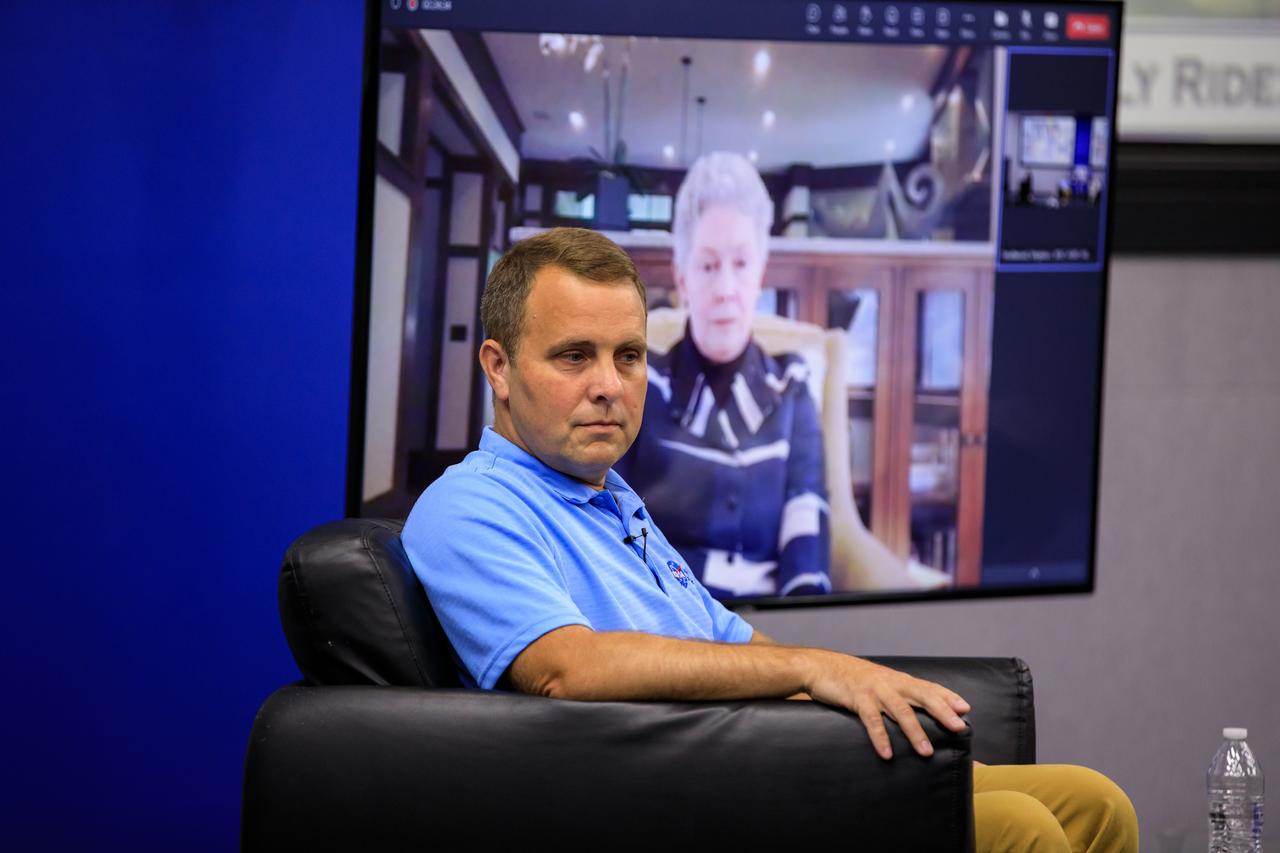
NASA Chief Historian Brian Odom moderates “The Legacy of Sally Ride: The First American Woman in Space” event at Kennedy Space Center in Florida on June 15, 2023. Forty years ago, Ride made her trailblazing flight into space. A hero to millions, Ride was a steadfast advocate for inclusion in STEM (science, technology, engineering, mathematics) – especially for girls and young women – until her death in 2012 from pancreatic cancer. Appearing on the monitor in the background is Sally Ride’s life partner of 27 years, Tam O’Shaughnessy.
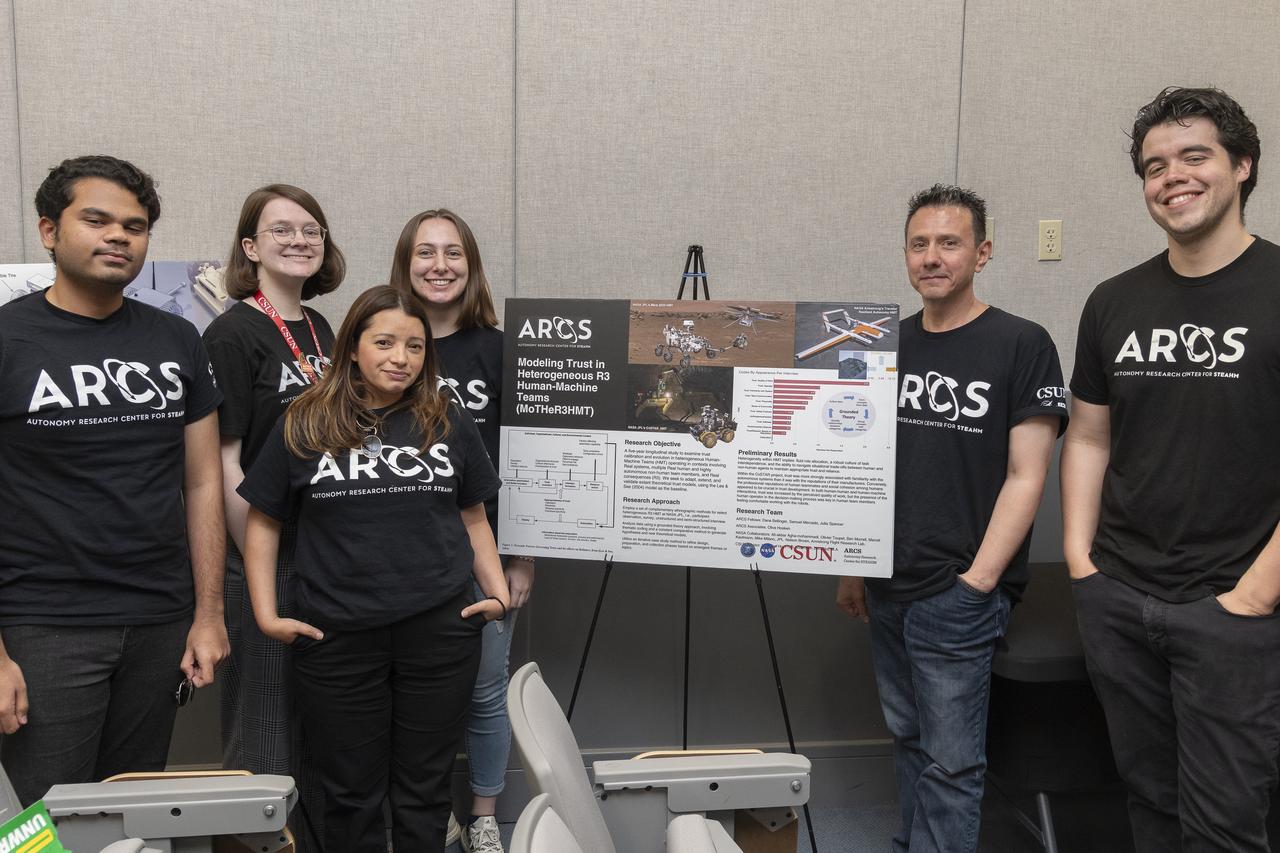
Six students from the California State University, Northridge, Autonomy Research Center for science, technology, engineering, entrepreneurship, arts, humanities, and mathematics spoke about their Trust in Autonomy technology. The students from left are Aniket Christi, Julia Spencer, Dana Bellinger, Zulma Lopez Rodriguez, front, Jordan Jannone, and Samuel Mercado. The group answered questions about their technology May 23 at the Air Force Test Pilot School auditorium on Edwards Air Force Base, California.
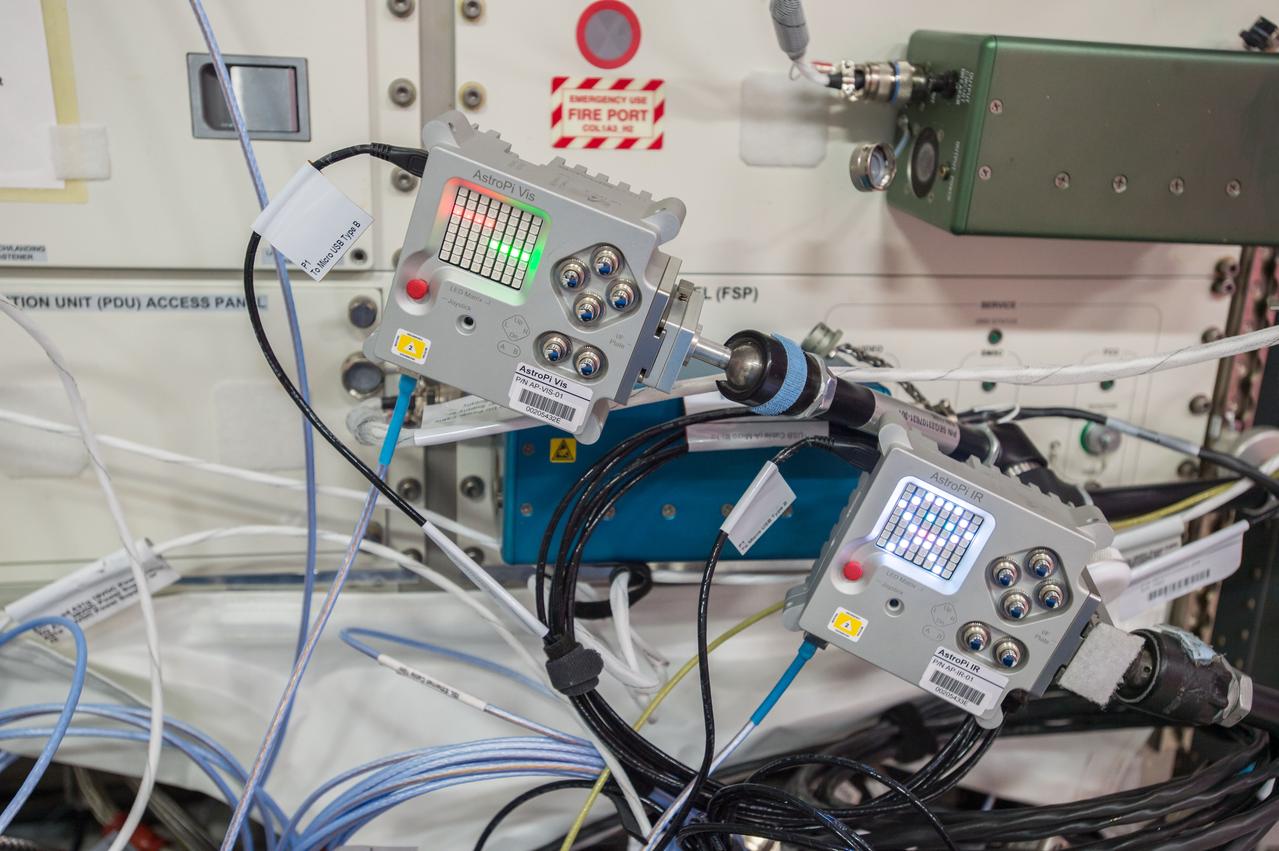
iss051e037699 (5/4/2017) --- A view of two AstroPi Raspberry Pi computers equipped with Visual and Infrared Cameras. The image was taken during ongoing European Space Agency Education Payload Operation-Pesquet (ESA-EPO-Pesquet) activities in the Columbus European Laboratory. The activities related to this project are intended to encourage and strengthen the teaching of computing and coding curriculums, and through this stimulate the curiosity of students and motivate them towards further study of STEM (Science, Technology, Engineering and Mathematics) subjects.

A drone show is seen during the Mars celebration Friday, May 31, 2019, in Mars, Pennsylvania. NASA is in the small town to celebrate Mars exploration and share the agency’s excitement about landing astronauts on the Moon in five years. The celebration includes a weekend of Science, Technology, Engineering, Arts and Mathematics (STEAM) activities. Photo Credit: (NASA/Bill Ingalls)

April Lanotte gives remarks during the Mars celebration Saturday, June 1, 2019, in Mars, Pennsylvania. NASA is in the small town to celebrate Mars exploration and share the agency’s excitement about landing astronauts on the Moon in five years. The celebration includes a weekend of Science, Technology, Engineering, Arts and Mathematics (STEAM) activities. Photo Credit: (NASA/Bill Ingalls)
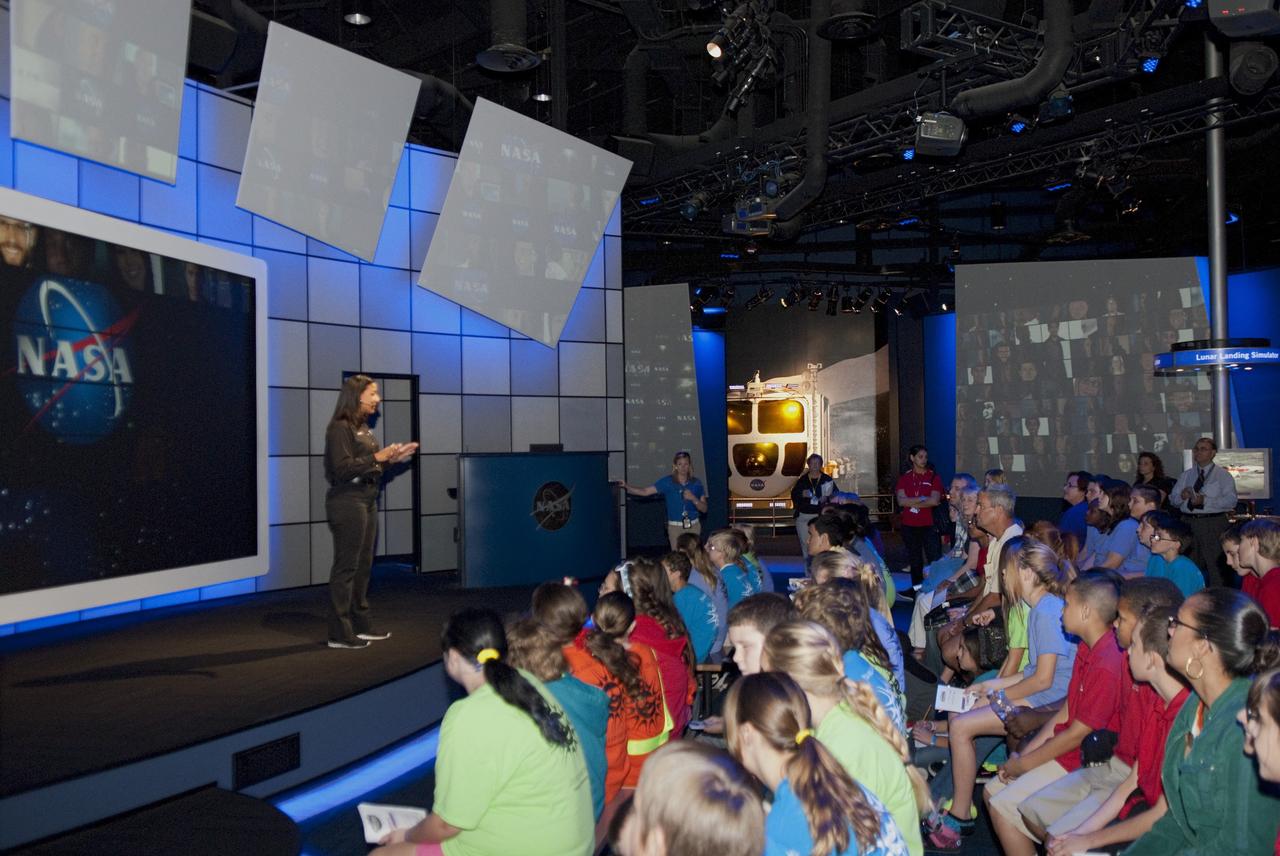
CAPE CANAVERAL, Fla. – At the Kennedy Space Center Visitor Complex in Florida sixth-grade students listen to a science presentation on NASA programs. Between Nov. 26 and Dec. 7, 2012, about 5,300 sixth-graders in Brevard County, Florida were bused to Kennedy's Visitor Complex for Brevard Space Week, an educational program designed to encourage interest in science, technology, engineering and mathematics STEM careers. Photo credit: NASA/Tim Jacobs

NASA Chief Technologist Douglas Terrier talks about NASA's plans for going forward to the Moon and Mars during a Mars celebration Saturday, June 1, 2019, in Mars, Pennsylvania. NASA is in the small town to celebrate Mars exploration and share the agency’s excitement about landing astronauts on the Moon in five years. The celebration includes a weekend of Science, Technology, Engineering, Arts and Mathematics (STEAM) activities. Photo Credit: (NASA/Bill Ingalls)
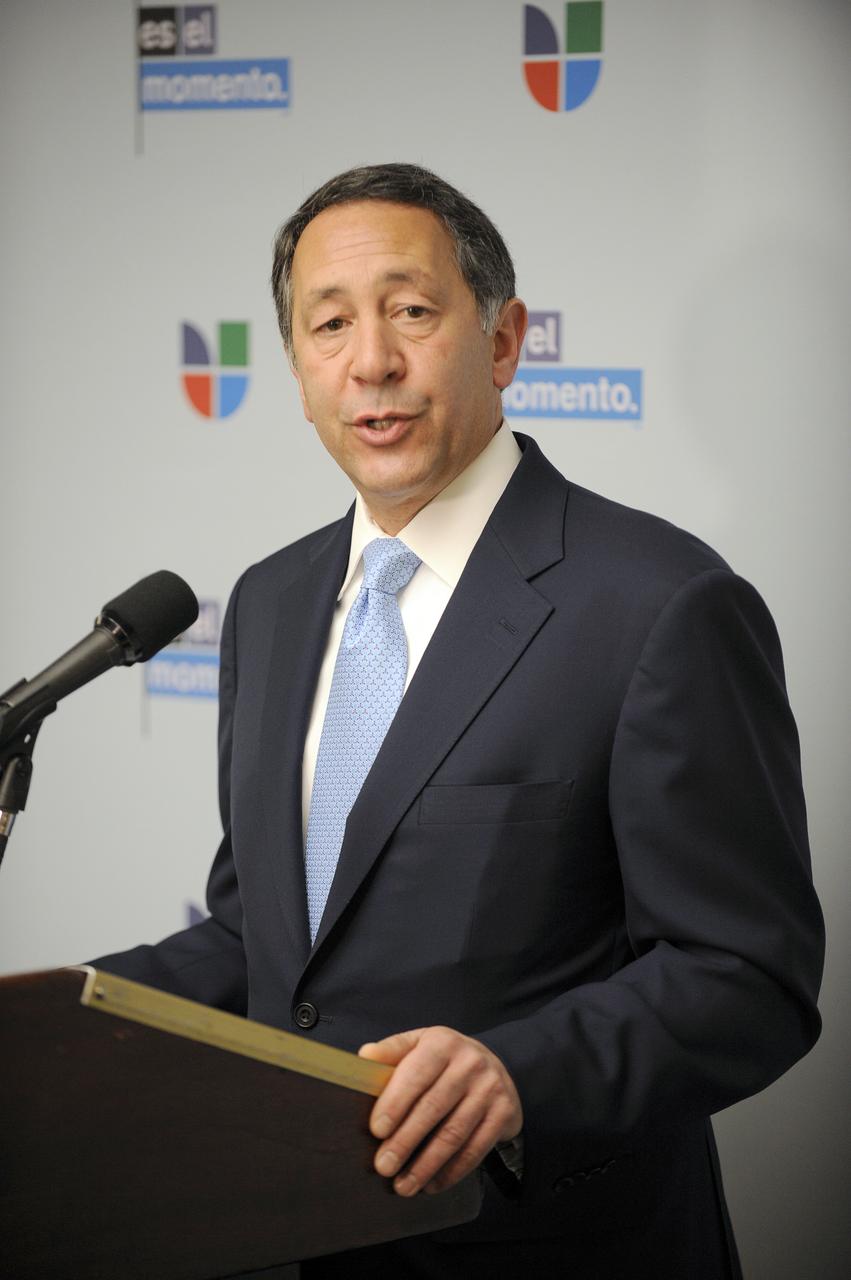
Univision Communications President and Chief Executive Officer Joe Uva speaks at an event at the National Press Club in Washington, Tuesday, Feb. 23, 2010. NASA is working with Univision Communications Inc. to develop a partnership in support of the Spanish-language media outlet's initiative to improve high school graduation rates, prepare Hispanic students for college, and encourage them to pursue careers in science, technology, engineering and mathematics, or STEM, disciplines. Photo Credit: (NASA/Bill Ingalls)
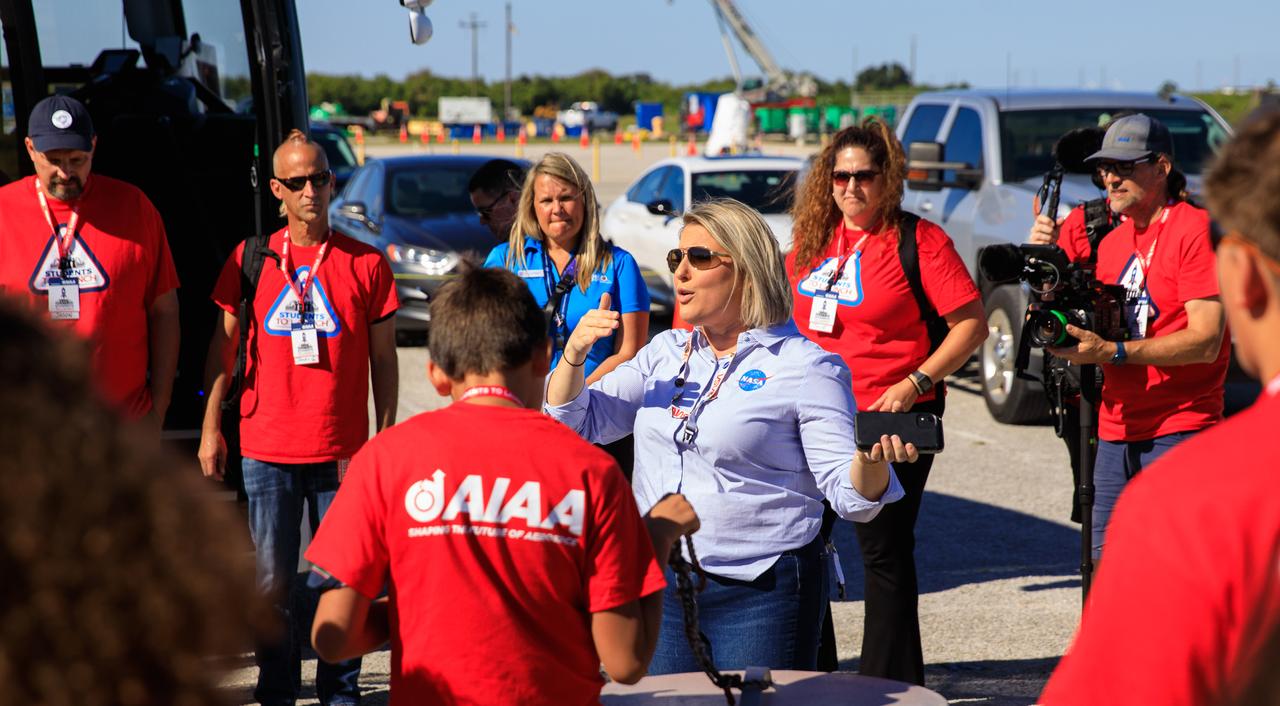
Leah Martin, in the center, NASA Communications, speaks to students and their chaperones during a tour of NASA’s Kennedy Space Center in Florida on Oct. 6, 2022. The middle-school students, from the Boys and Girls Clubs of the Flathead Indian Reservation and lake in Montana, are visiting the space center with the Students to Launch program. Students to Launch engages students in STEM (science, technology, engineering and mathematics) and creates awareness of careers in the space program.

CAPE CANAVERAL, Fla. -- During a Minority Student Education Forum, NASA's Associate Deputy Administrator Charles Scales talks to hundreds of fifth- through 12th-grade students. The forum focused on encouraging students to pursue careers in science, technology, engineering and mathematics, or STEM, by featuring some of NASA's greatest legends and trailblazers. NASA's Education Office sponsored the forum as part of the agency's 'Summer of Innovation' initiative and the federal 'Education to Innovate' campaign. Photo credit: NASA_Cory Huston

Staff prepare for the Mars celebration event Friday, May 31, 2019, in Mars, Pennsylvania. NASA is in the small town to celebrate Mars exploration and share the agency’s excitement about landing astronauts on the Moon in five years. The celebration includes a weekend of Science, Technology, Engineering, Arts and Mathematics (STEAM) activities. Photo Credit: (NASA/Bill Ingalls)

Lorenzo L. Esters, Vice President, APLU (Association of Public and Land-grant Universities), and Project Director, MMSI (Minority Male STEM Initiative) addresses STEM initiative report findings at the Symposium on Supporting Underrepresented Minority Males in Science, Technology, Engineering and Mathematics (STEM), Tuesday, February 28, 2012 at NASA Headquarters in Washington. Photo Credit: (NASA/Carla Cioffi)

CAPE CANAVERAL, Fla. -- During a Minority Student Education Forum, Kennedy Space Center's Associate Director Kelvin Manning talks to hundreds of fifth- through 12th-grade students. The forum focused on encouraging students to pursue careers in science, technology, engineering and mathematics, or STEM, by featuring some of NASA's greatest legends and trailblazers. NASA's Education Office sponsored the forum as part of the agency's 'Summer of Innovation' initiative and the federal 'Education to Innovate' campaign. Photo credit: NASA_Cory Huston
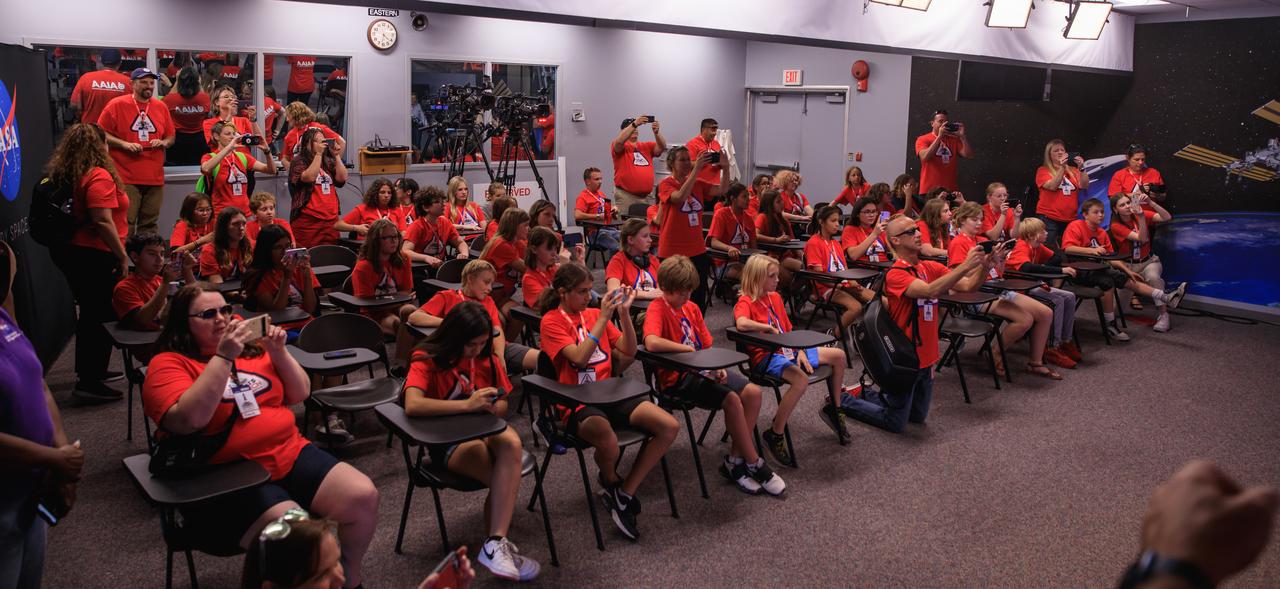
A group of students and their chaperones gather in the John Holliman Auditorium of the News Center for a mock news briefing during a tour of NASA’s Kennedy Space Center in Florida on Oct. 6, 2022. The middle-school students, from the Boys and Girls Clubs of the Flathead Indian Reservation in Montana, are visiting the space center with the Students to Launch program. Students to Launch engages students in STEM (science, technology, engineering and mathematics) and creates awareness of careers in the space program.

NASA Chief Technologist Douglas Terrier talks about NASA's plans for going forward to the Moon and Mars during a Mars celebration Saturday, June 1, 2019, in Mars, Pennsylvania. NASA is in the small town to celebrate Mars exploration and share the agency’s excitement about landing astronauts on the Moon in five years. The celebration includes a weekend of Science, Technology, Engineering, Arts and Mathematics (STEAM) activities. Photo Credit: (NASA/Bill Ingalls)
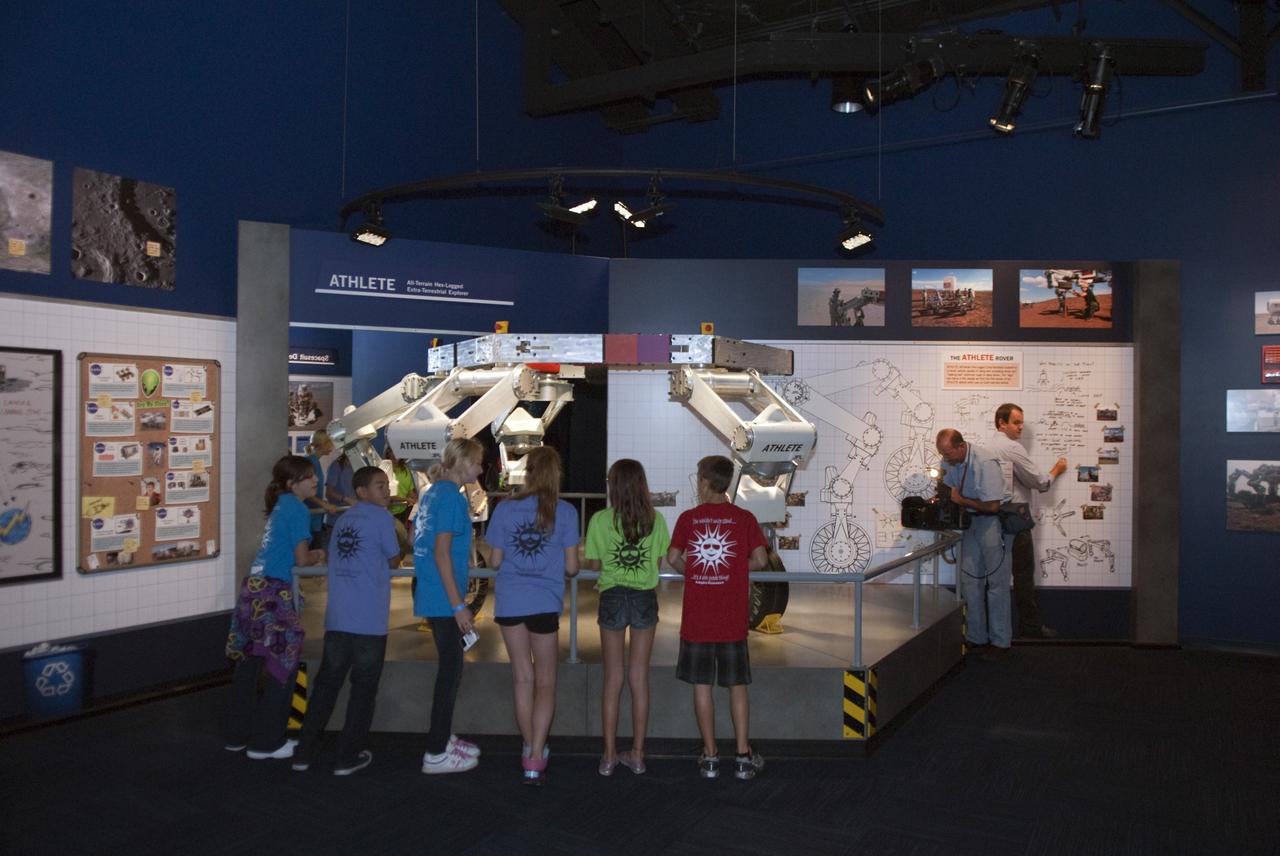
CAPE CANAVERAL, Fla. – At the Kennedy Space Center Visitor Complex in Florida sixth-grade students view a mock-up of a robotic device that could one day be sent to a distant planet. Between Nov. 26 and Dec. 7, 2012, about 5,300 sixth-graders in Brevard County, Florida were bused to Kennedy's Visitor Complex for Brevard Space Week, an educational program designed to encourage interest in science, technology, engineering and mathematics STEM careers. Photo credit: NASA/Tim Jacobs
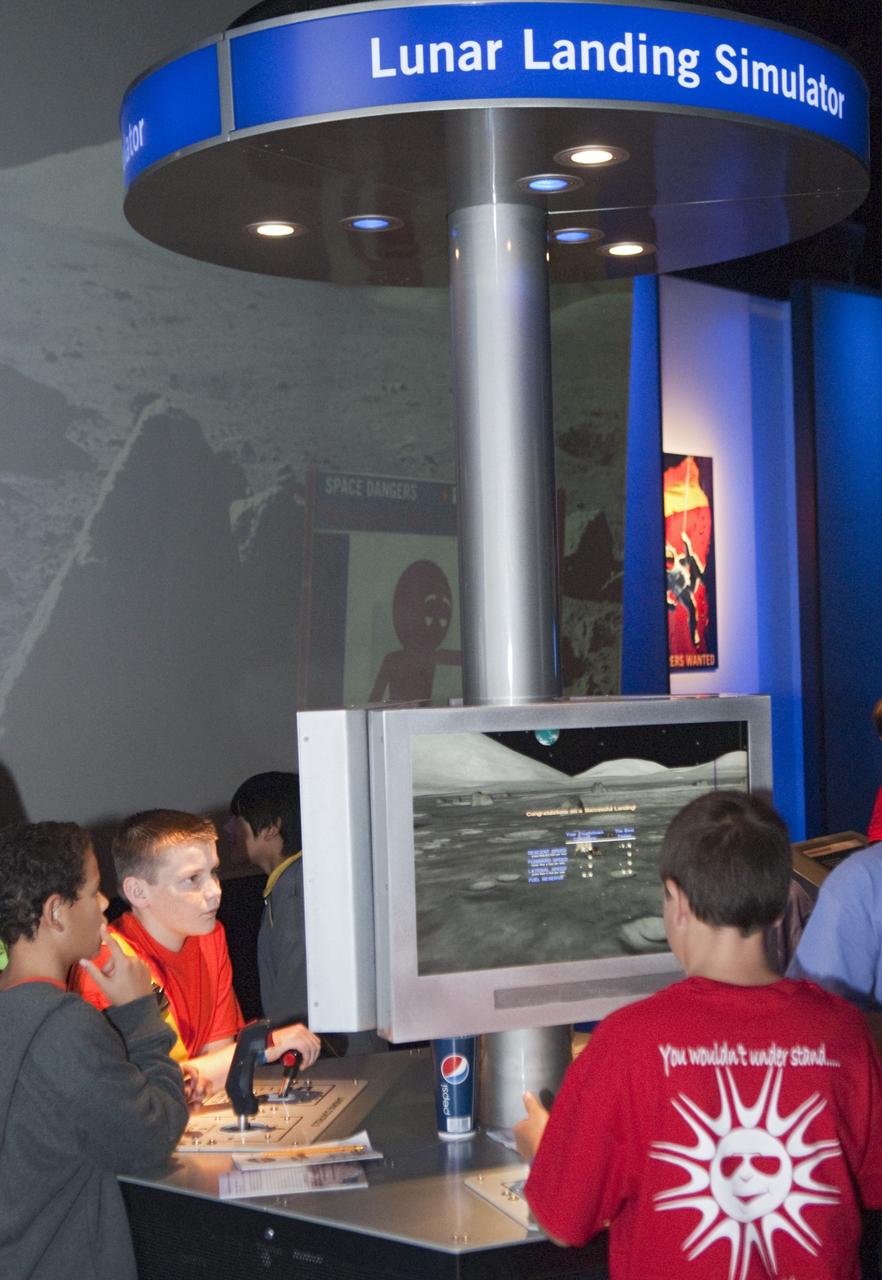
CAPE CANAVERAL, Fla. – At the Kennedy Space Center Visitor Complex in Florida sixth-grade students use a computer simulation to practice landing a spacecraft on the moon. Between Nov. 26 and Dec. 7, 2012, about 5,300 sixth-graders in Brevard County, Florida were bused to Kennedy's Visitor Complex for Brevard Space Week, an educational program designed to encourage interest in science, technology, engineering and mathematics STEM careers. Photo credit: NASA/Tim Jacobs
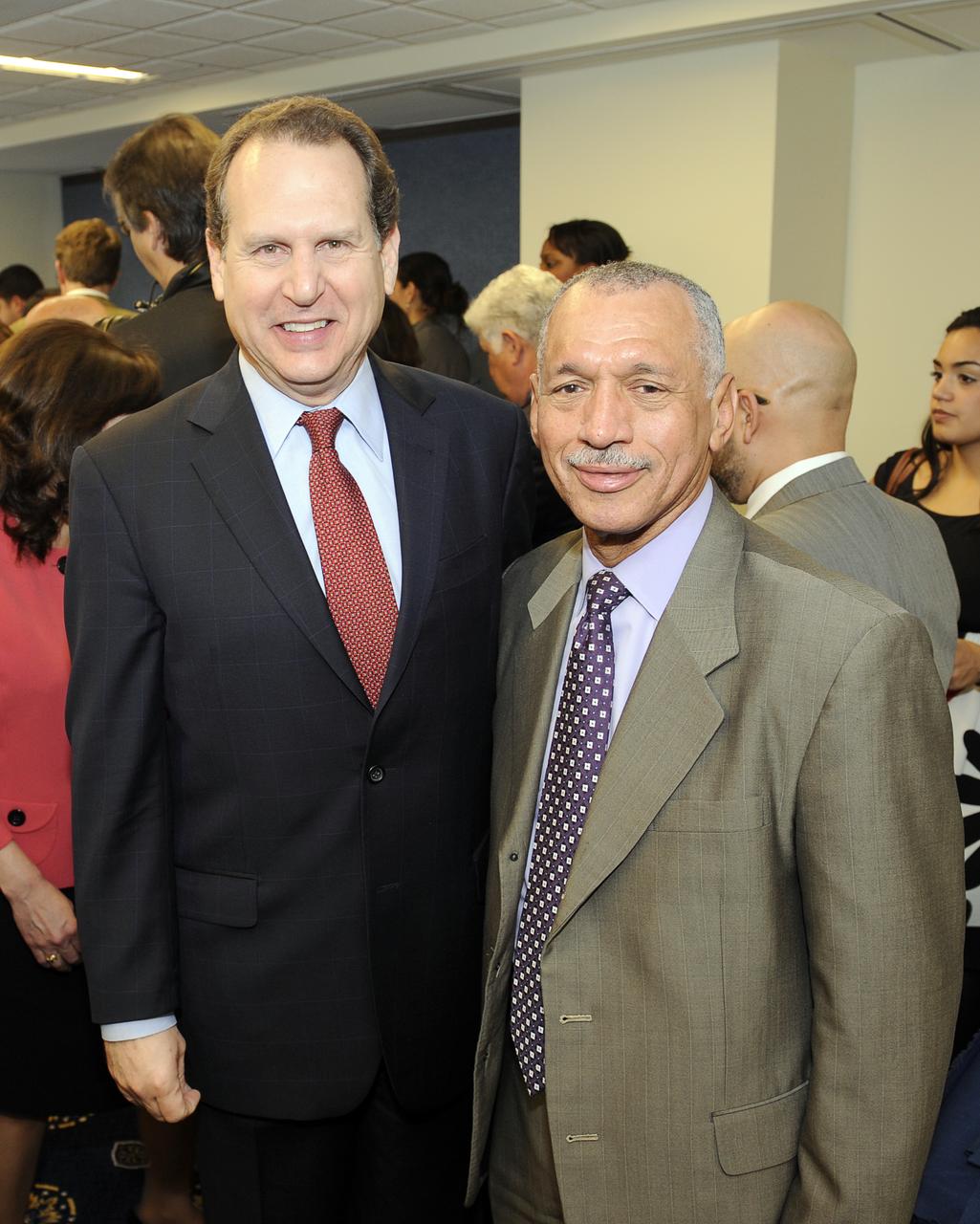
NASA Administrator Charles Bolden, right, poses with U.S. Rep. Lincoln Diaz-Balart, R-Fla., prior to the start of an event at the National Press Club in Washington, Tuesday, Feb. 23, 2010. NASA is working with Univision Communications Inc. to develop a partnership in support of the Spanish-language media outlet's initiative to improve high school graduation rates, prepare Hispanic students for college, and encourage them to pursue careers in science, technology, engineering and mathematics, or STEM, disciplines. Photo Credit: (NASA/Bill Ingalls)

A local First Robotics team poses for a group photo during Tthe Mars celebration Saturday, June 1, 2019, in Mars, Pennsylvania. NASA is in the small town to celebrate Mars exploration and share the agency’s excitement about landing astronauts on the Moon in five years. The celebration includes a weekend of Science, Technology, Engineering, Arts and Mathematics (STEAM) activities. Photo Credit: (NASA/Bill Ingalls)