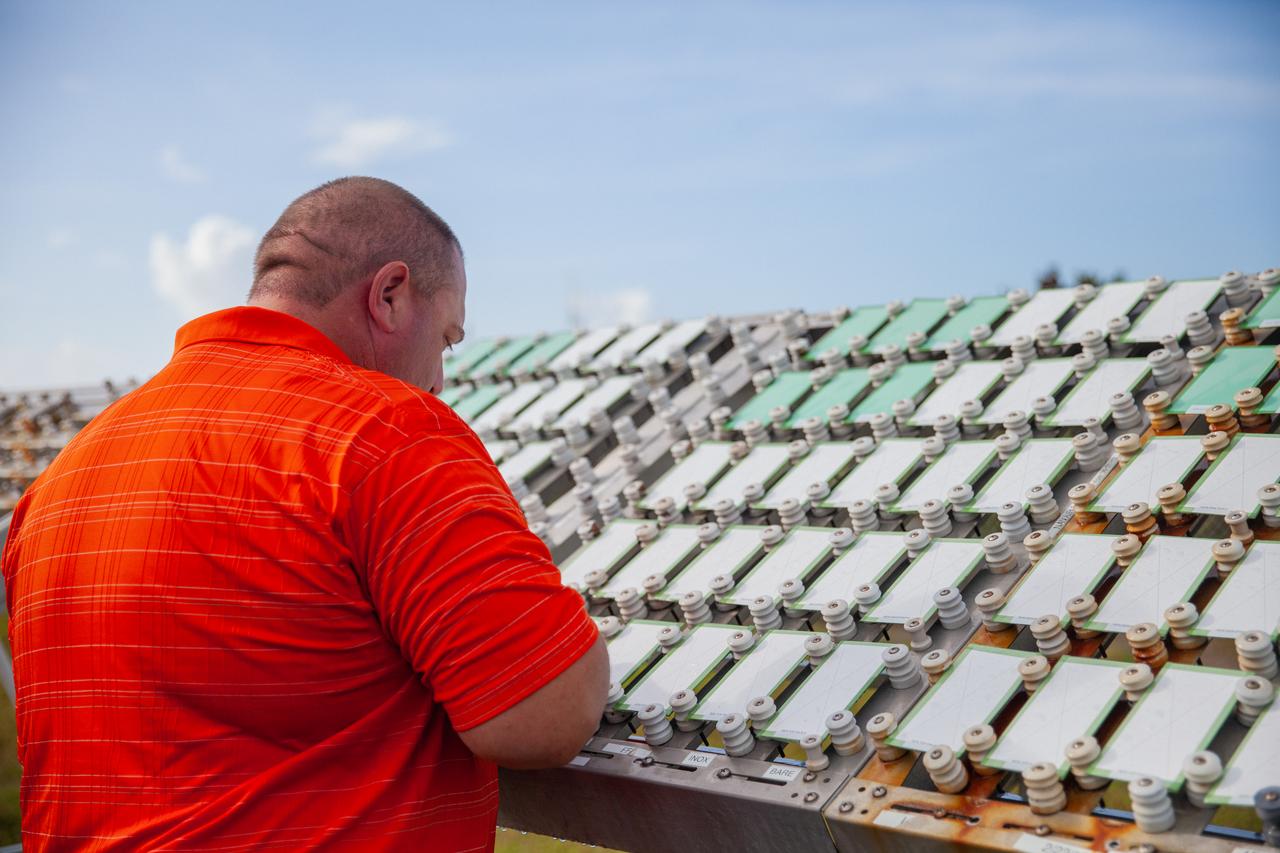
A Mechanical and Environmental Testing Lab engineer examines samples at the corrosion engineering test site at NASA’s Kennedy Space Center in Florida on Oct. 6, 2020. The corrosion lab is a network of people, equipment, and facilities that provides engineering services and technical innovations in all areas of corrosion for NASA and external customers.
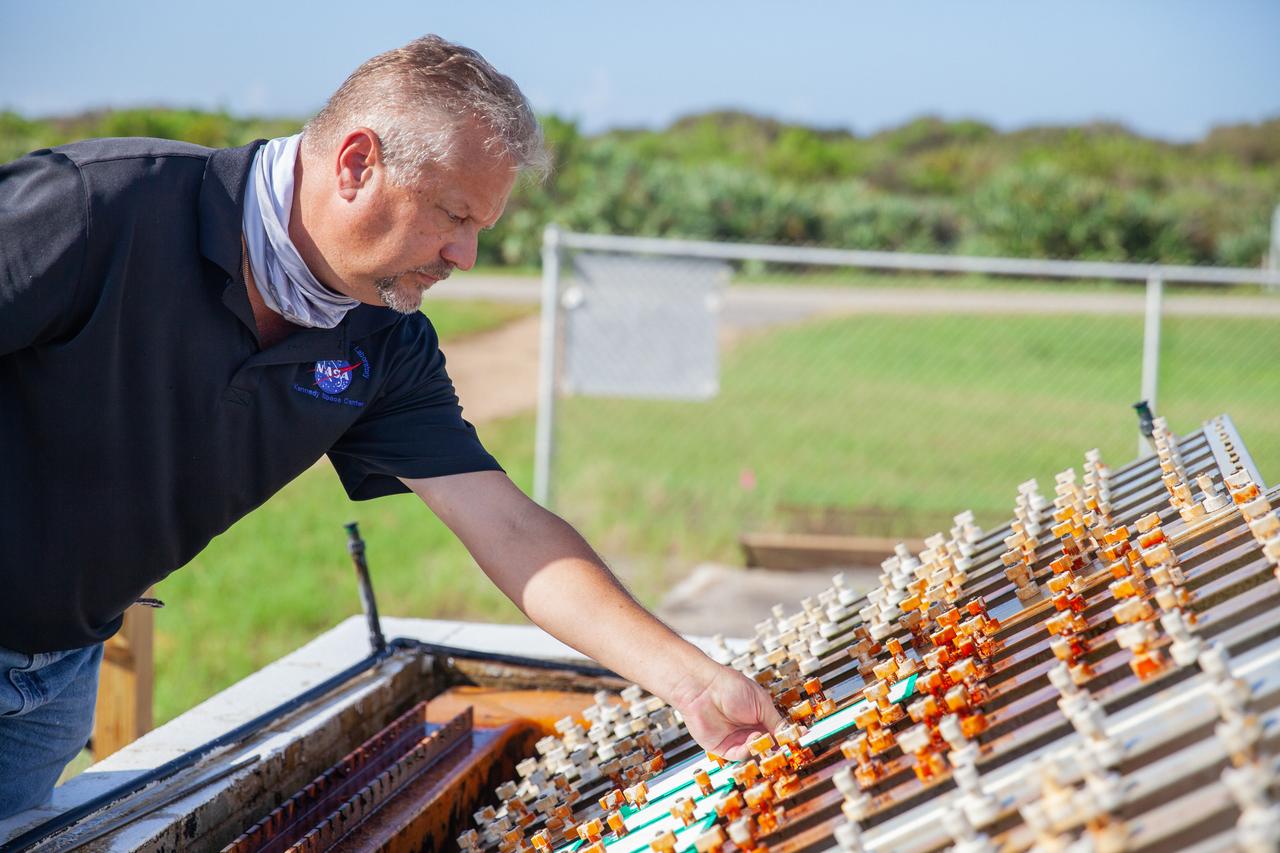
A Mechanical and Environmental Testing Lab engineer examines samples at the corrosion engineering test site on Oct. 6, 2020, at NASA’s Kennedy Space Center in Florida. The corrosion lab is a network of people, equipment, and facilities that provides engineering services and technical innovations in all areas of corrosion for NASA and external customers.
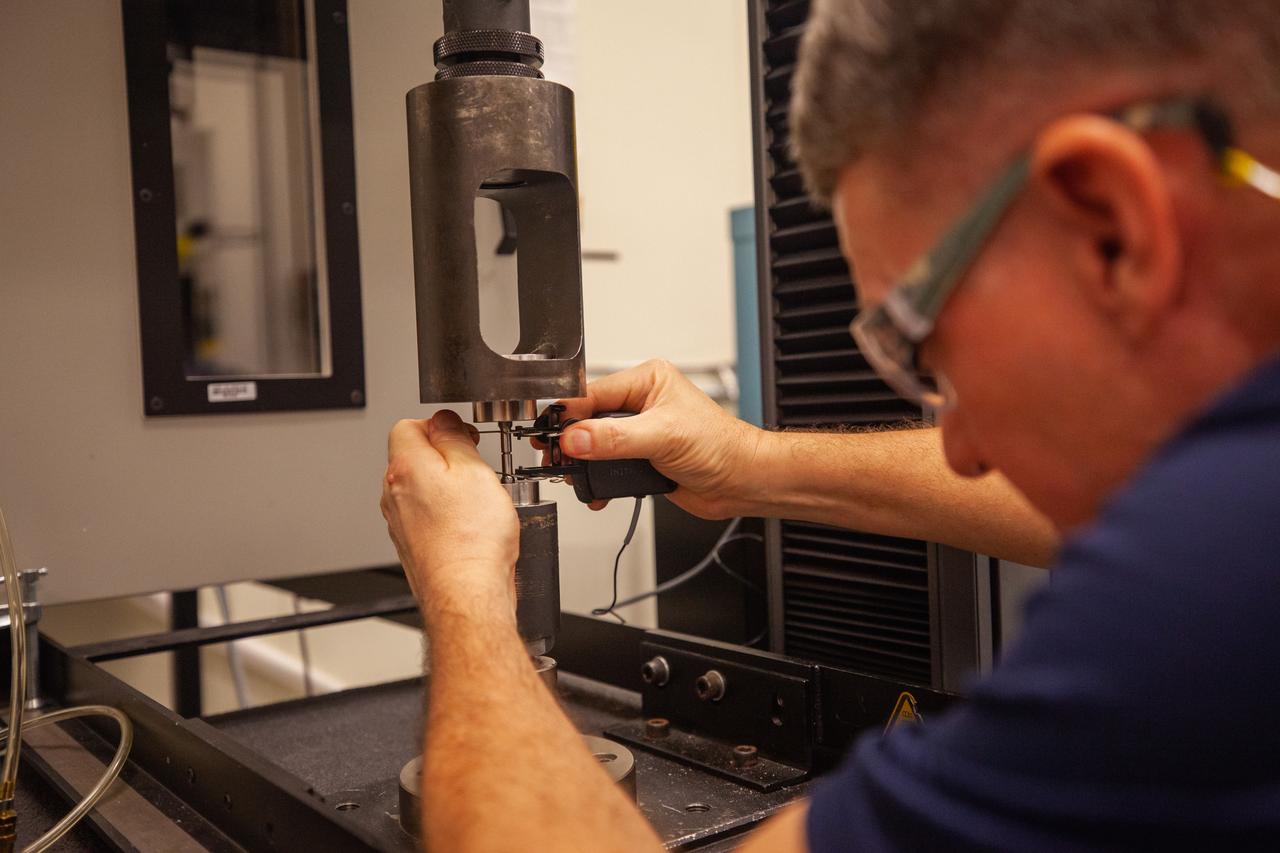
Brian Cheshire, an engineer in the Mechanical and Environmental Testing Lab at NASA’s Kennedy Space Center, works in front of an Instron inside a lab at the Florida spaceport’s Operations and Checkout Building on Oct. 6, 2020.
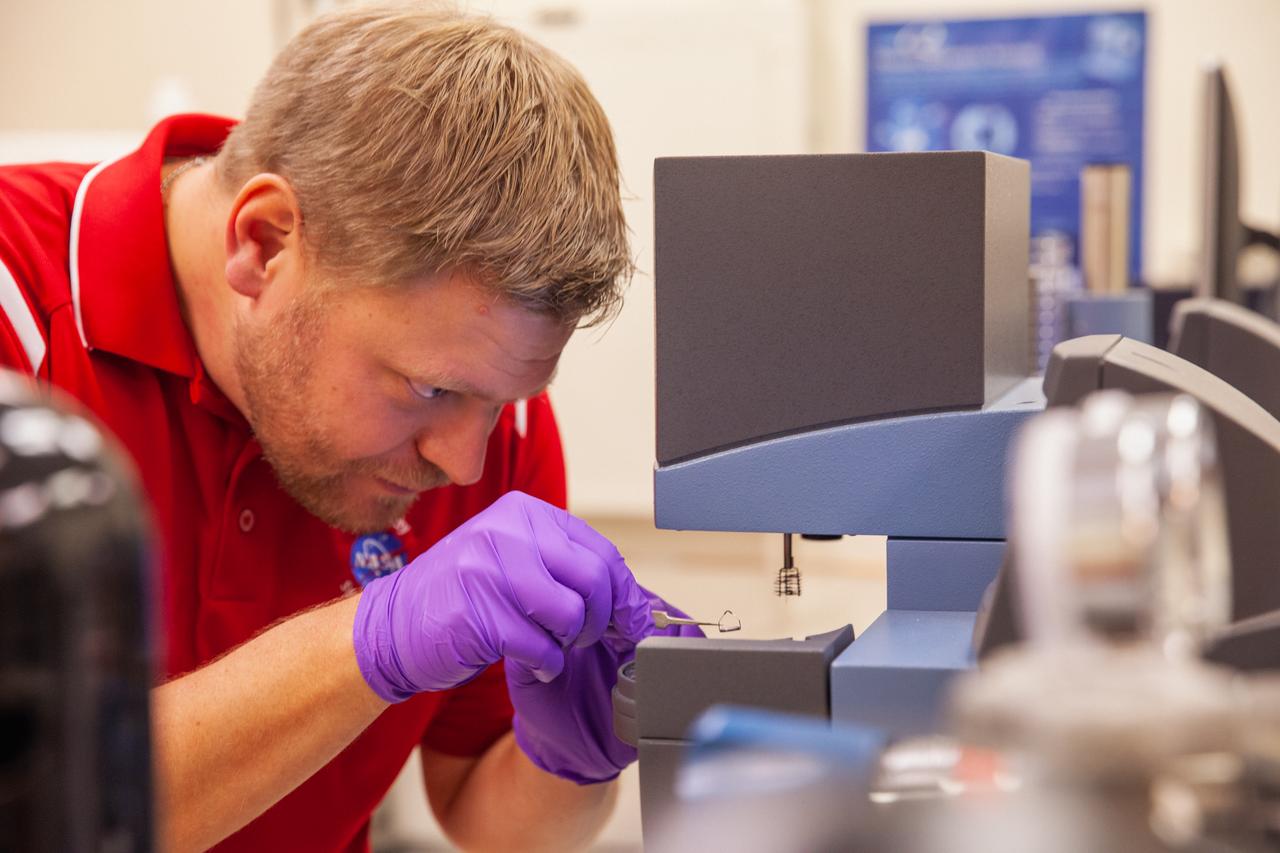
Jerry Buhrow, an engineer in the Materials Analysis Lab, places a sample on a thermal testing unit inside a lab at NASA Kennedy Space Center’s Neil Armstrong Operations and Checkout Building on Oct. 6, 2020.
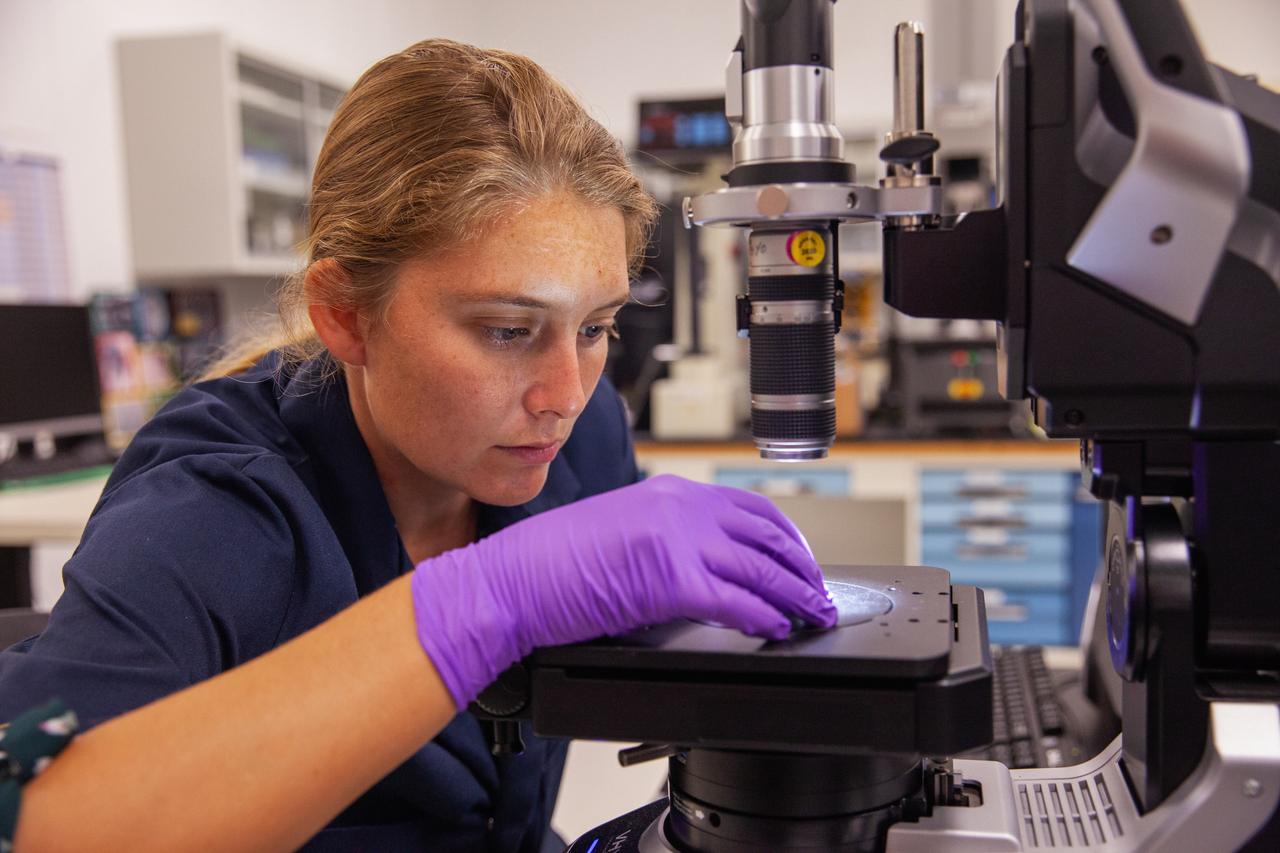
Liz Tomsik, an engineer in the Materials Analysis Lab, examines a sample placed on a digital microscope inside the Neil Armstrong Operations and Checkout Building at NASA’s Kennedy Space Center in Florida on Oct. 6, 2020.
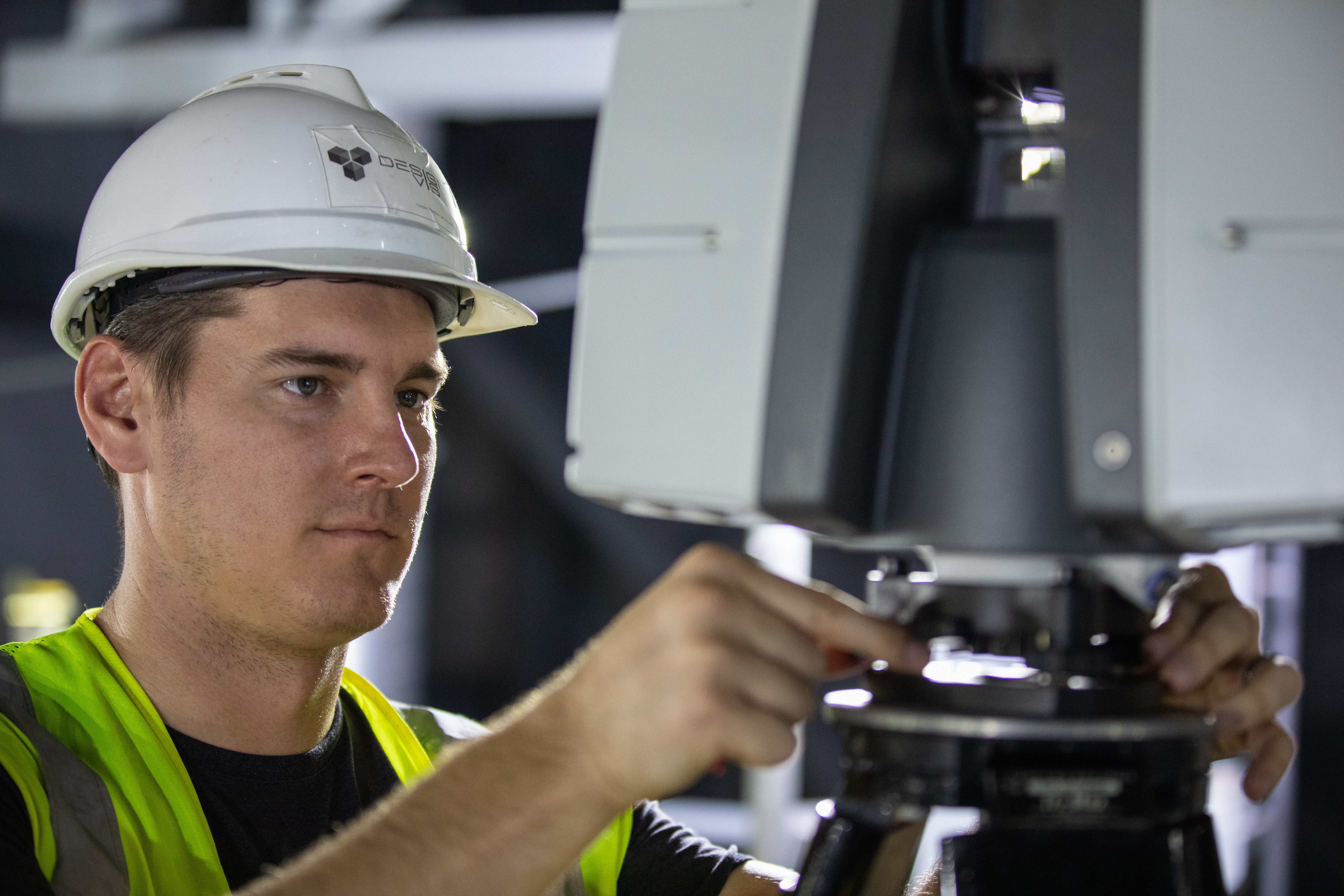
An engineer adjusts equipment from the Design Visualization Lab set up inside High Bay 3 of the Vehicle Assembly Building at NASA’s Kennedy Space Center on Oct. 14, 2020. The equipment will be used to do 3-D modeling of the mobile launcher that will carry the Space Launch System and Orion spacecraft to Launch Complex 39B for the Artemis I mission. Artemis I will test the Orion spacecraft and SLS as an integrated system ahead of crewed flights to the Moon. Under the Artemis program, NASA will land the first woman and the next man on the Moon in 2024.
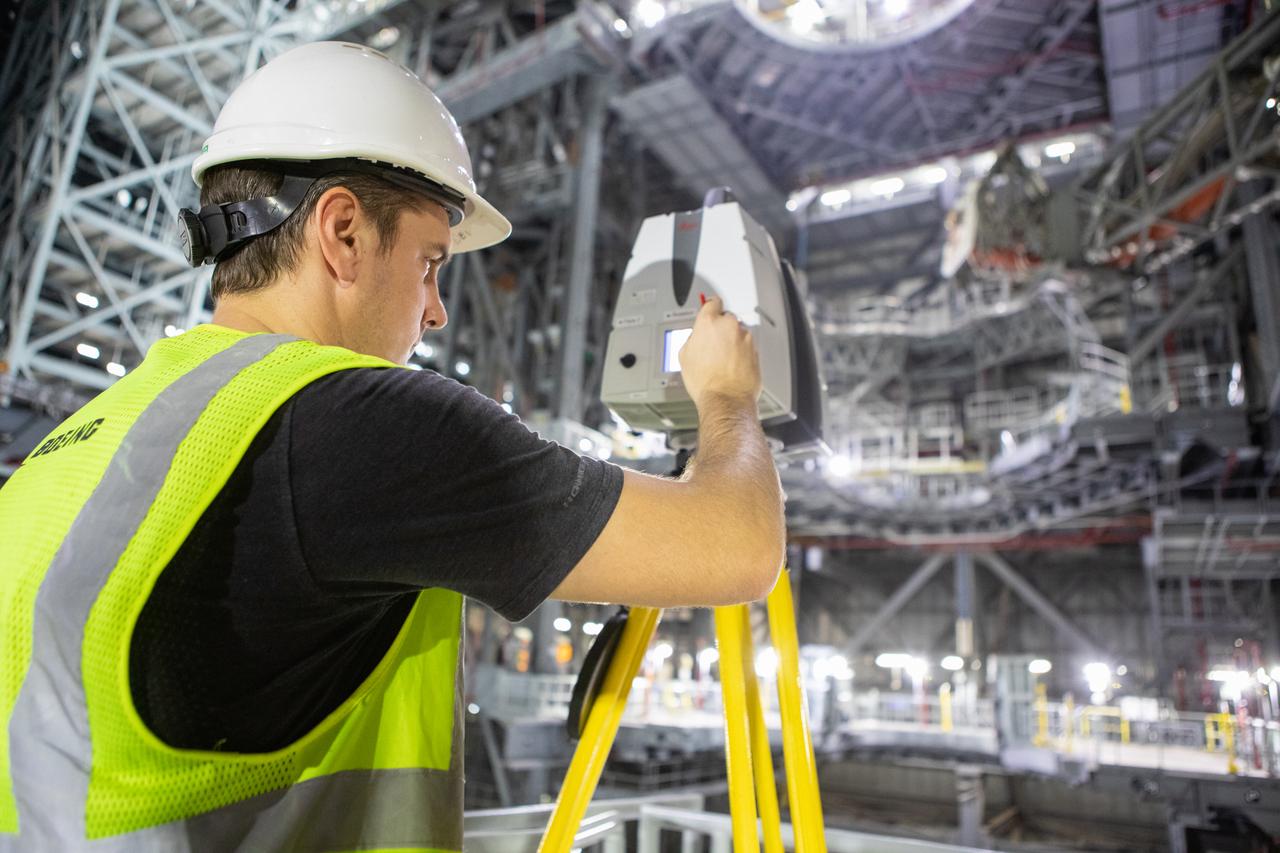
An engineer sets up equipment from the Design Visualization Lab inside High Bay 3 of the Vehicle Assembly Building at NASA’s Kennedy Space Center on Oct. 14, 2020. The equipment will be used to do 3-D modeling of the mobile launcher that will carry the Space Launch System and Orion spacecraft to Launch Complex 39B for the Artemis I mission. Artemis I will test the Orion spacecraft and SLS as an integrated system ahead of crewed flights to the Moon. Under the Artemis program, NASA will land the first woman and the next man on the Moon in 2024.
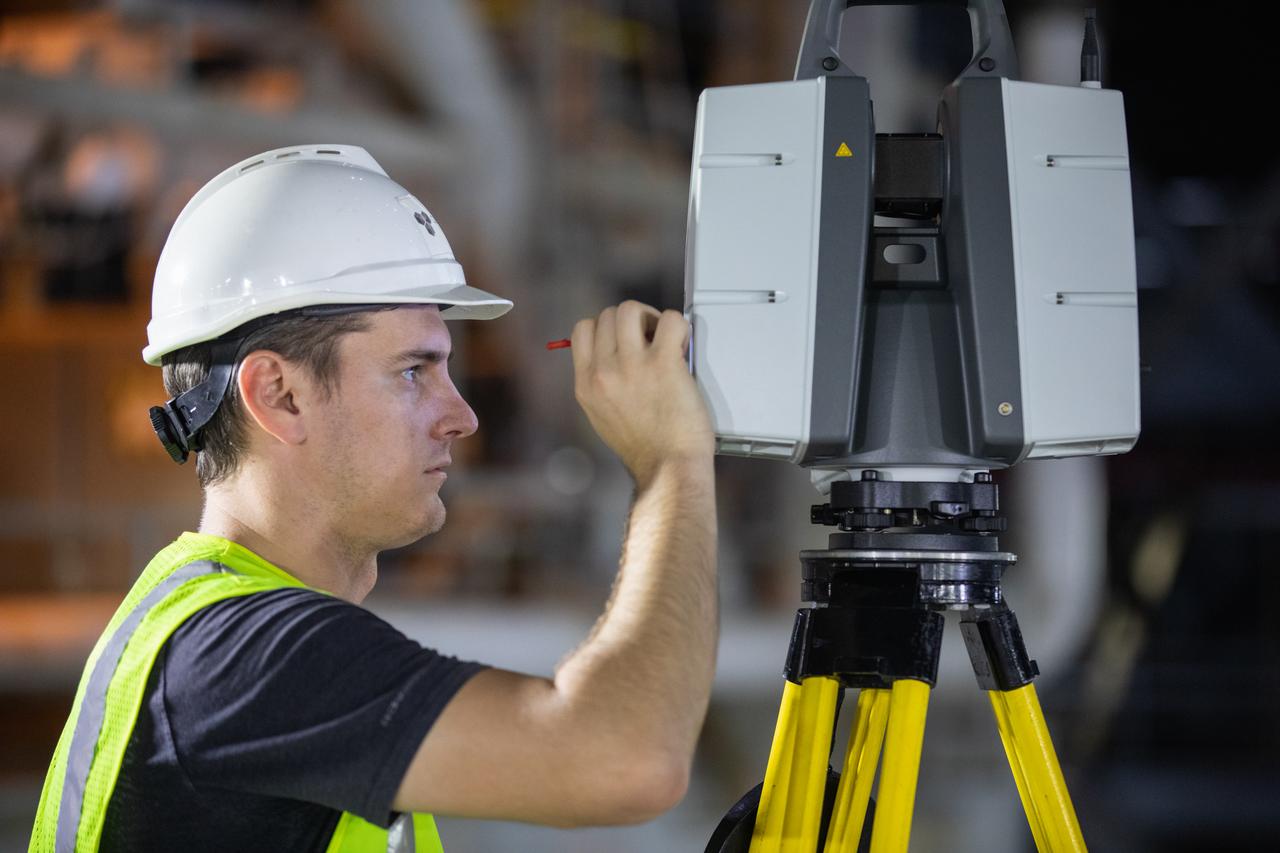
An engineer adjusts equipment from the Design Visualization Lab set up inside High Bay 3 of the Vehicle Assembly Building at NASA’s Kennedy Space Center on Oct. 14, 2020. The equipment will be used to do 3-D modeling of the mobile launcher that will carry the Space Launch System and Orion spacecraft to Launch Complex 39B for the Artemis I mission. Artemis I will test the Orion spacecraft and SLS as an integrated system ahead of crewed flights to the Moon. Under the Artemis program, NASA will land the first woman and the next man on the Moon in 2024.
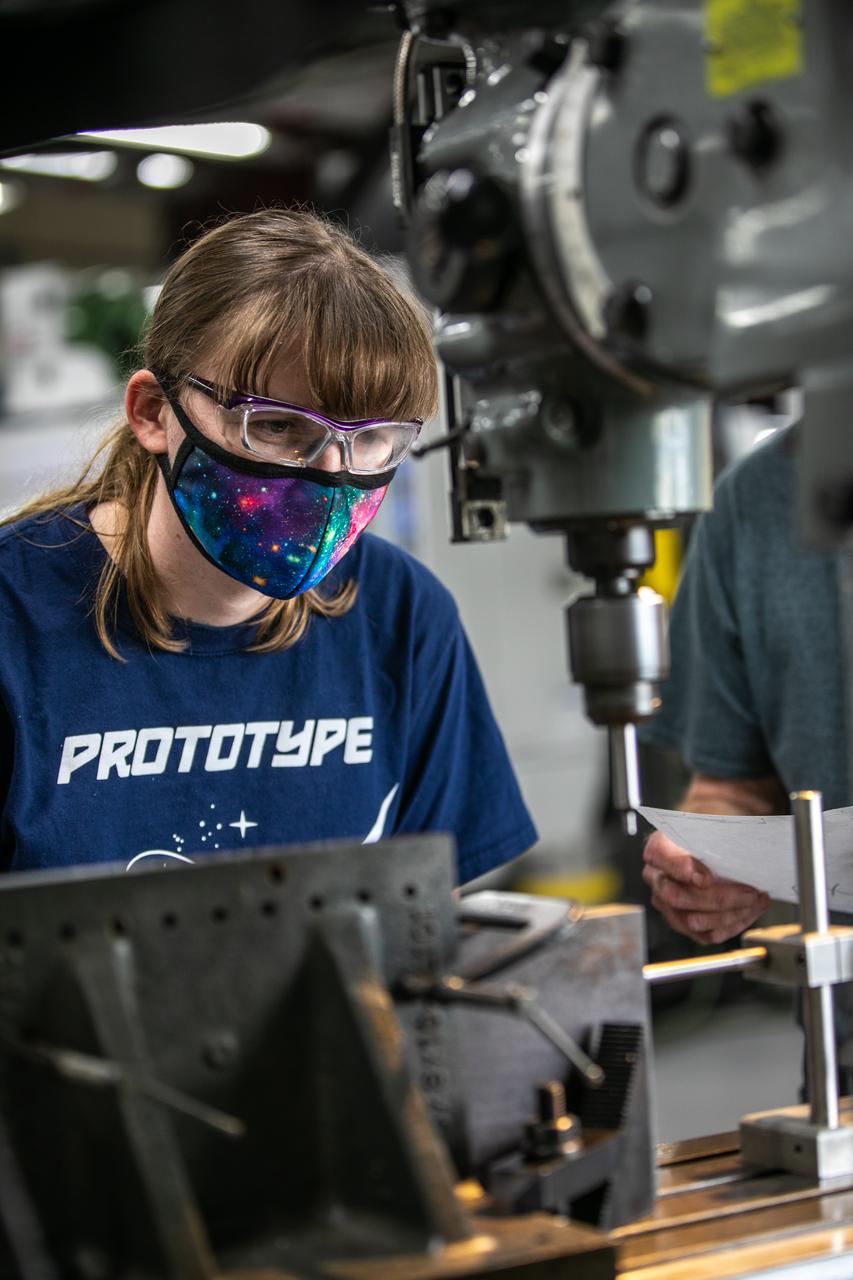
Katie Mortensen, a mechanical engineering technician, machines test article materials inside the Prototype Development Laboratory at NASA’s Kennedy Space Center in Florida on Oct. 21, 2020. The prototype laboratory designs, fabricates, and tests prototypes, test articles and test support equipment. It has a long history of providing fast solutions to complex operations problems. The lab’s teams of engineers use specialized equipment to produce exacting, one-of-a-kind items made from a range of materials depending on the design. The lab supports projects at Kennedy and at the agency level.
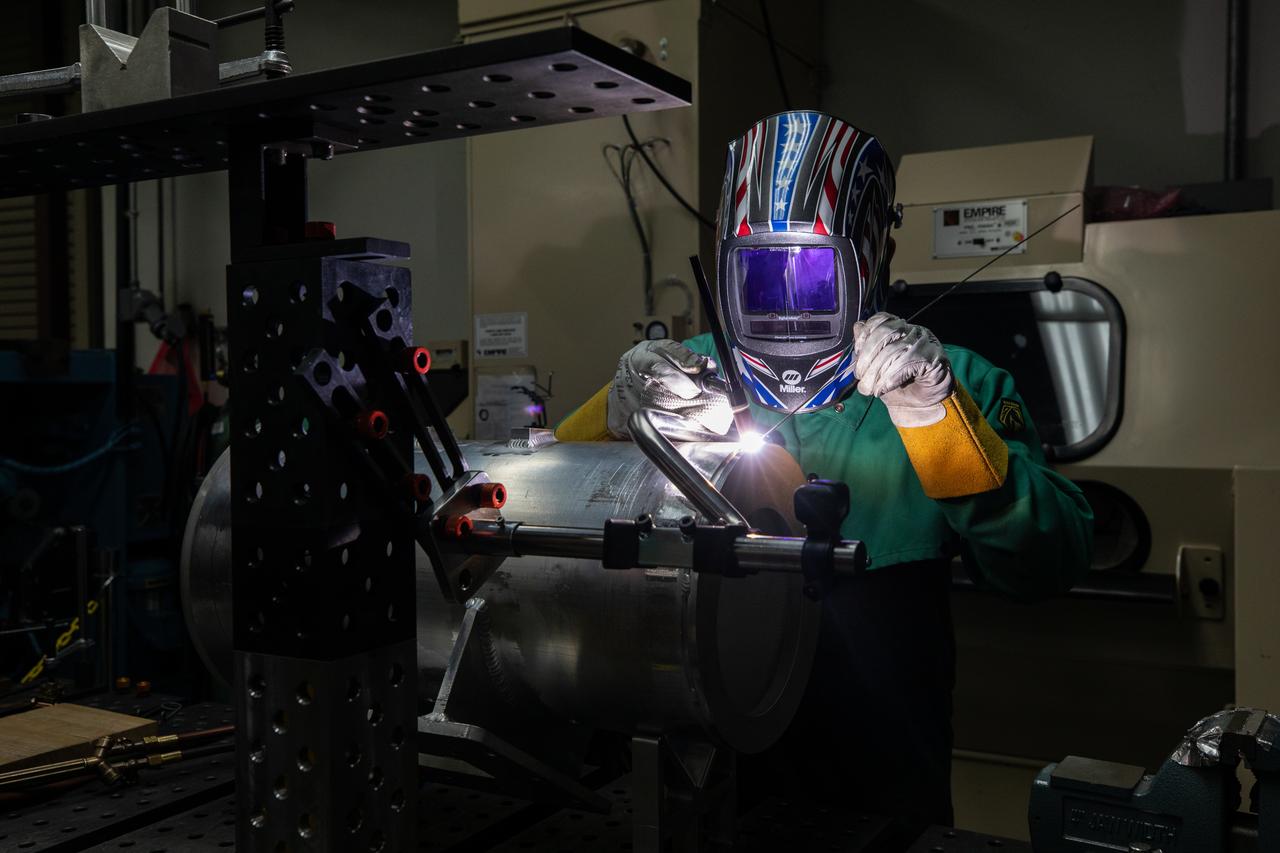
Spencer Wells, a mechanical engineering technician, welds a part of a camera enclosure which will be used at Launch Complex 39B inside the Prototype Development Laboratory at NASA’s Kennedy Space Center in Florida on Oct. 21, 2020. The prototype laboratory designs, fabricates, and tests prototypes, test articles and test support equipment. It has a long history of providing fast solutions to complex operations problems. The lab’s teams of engineers use specialized equipment to produce exacting, one-of-a-kind items made from a range of materials depending on the design. The lab supports projects at Kennedy and at the agency level.
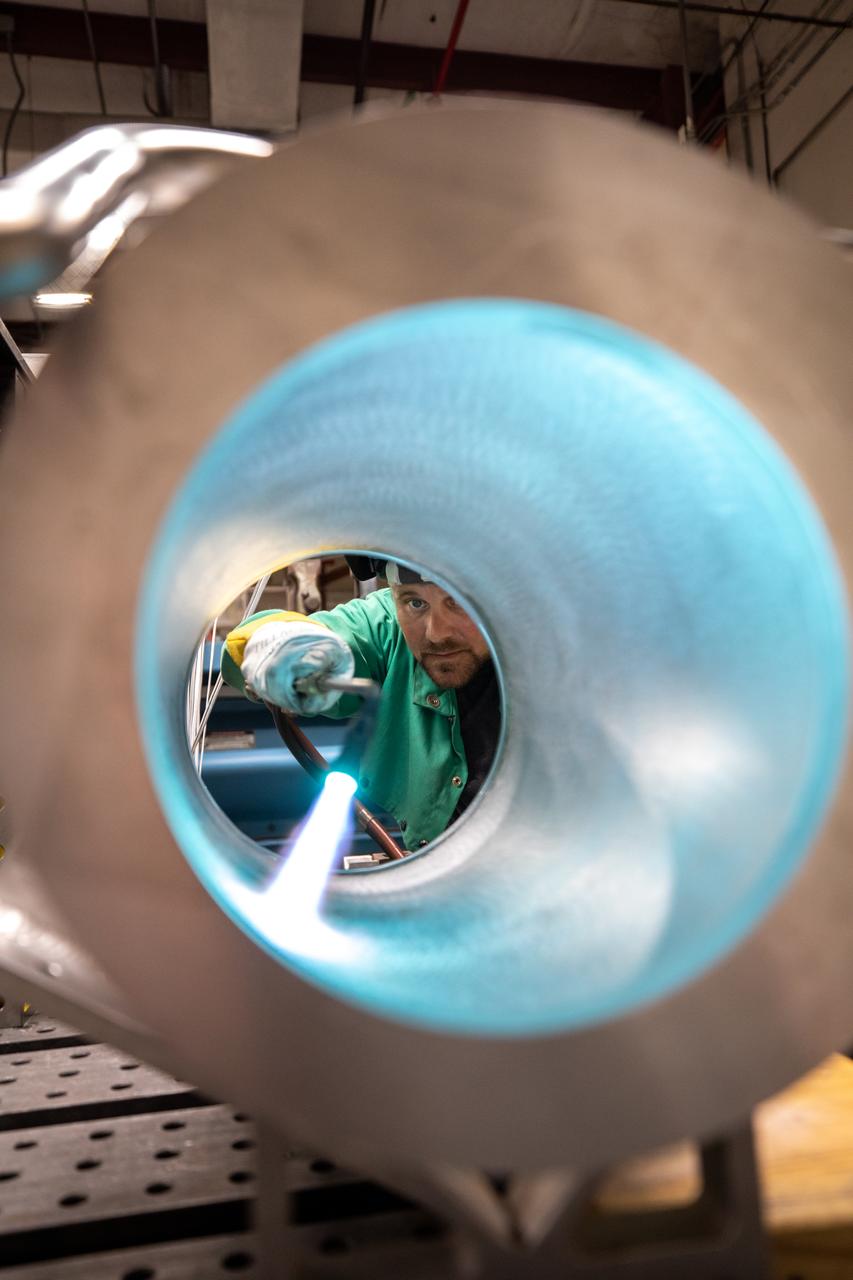
Spencer Wells, a mechanical engineering technician, examines the interior of a camera enclosure for Launch Complex 39B inside the Prototype Development Laboratory at NASA’s Kennedy Space Center in Florida on Oct. 21, 2020. The prototype laboratory designs, fabricates, and tests prototypes, test articles and test support equipment. It has a long history of providing fast solutions to complex operations problems. The lab’s teams of engineers use specialized equipment to produce exacting, one-of-a-kind items made from a range of materials depending on the design. The lab supports projects at Kennedy and at the agency level.
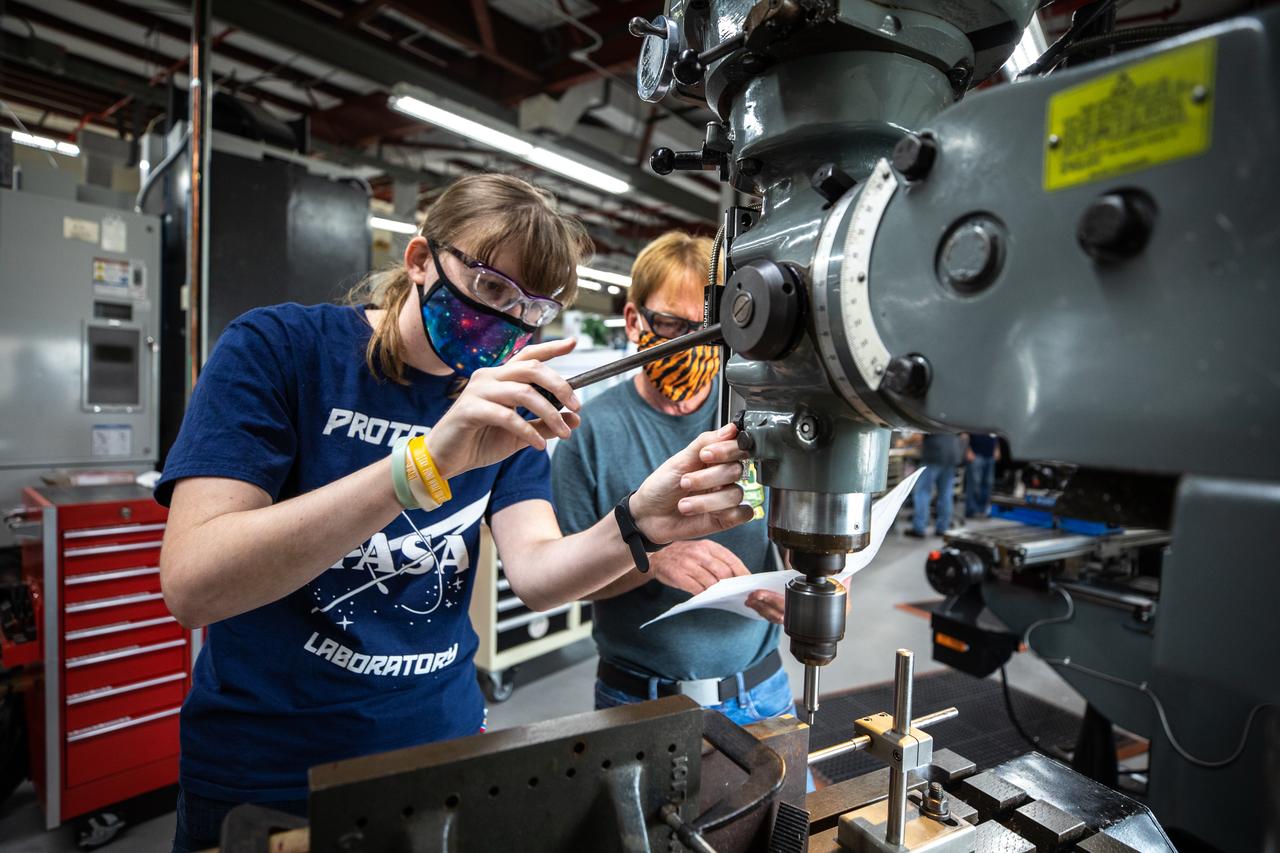
From left, mechanical engineering technicians Katie Mortensen and Jim Niehoff machine test article material inside the Prototype Development Laboratory at NASA’s Kennedy Space Center in Florida on Oct. 21, 2020. The prototype laboratory designs, fabricates, and tests prototypes, test articles and test support equipment. It has a long history of providing fast solutions to complex operations problems. The lab’s teams of engineers use specialized equipment to produce exacting, one-of-a-kind items made from a range of materials depending on the design. The lab supports projects at Kennedy and at the agency level.
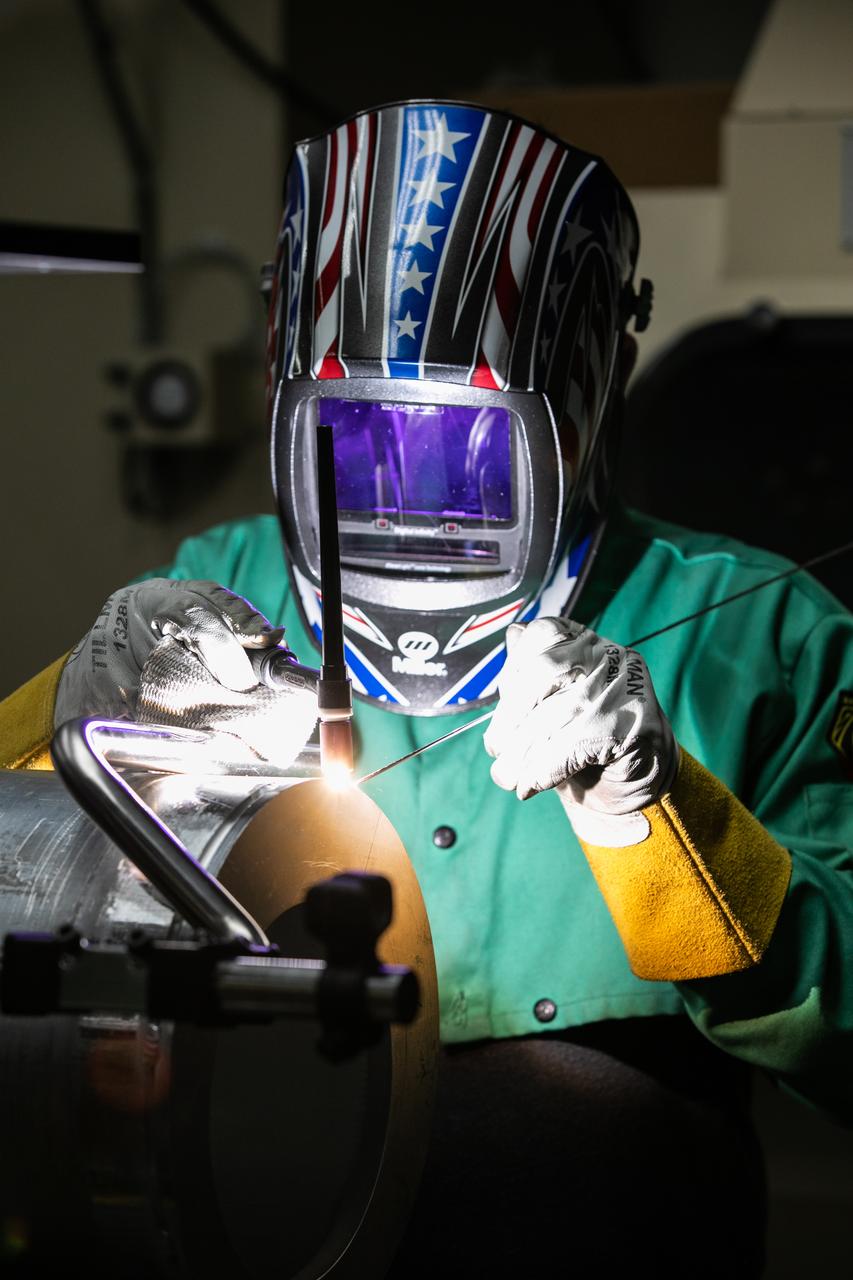
Spencer Wells, a mechanical engineering technician, welds a part of a camera enclosure which will be used at Launch Complex 39B inside the Prototype Development Laboratory at NASA’s Kennedy Space Center in Florida on Oct. 21, 2020. The prototype laboratory designs, fabricates, and tests prototypes, test articles and test support equipment. It has a long history of providing fast solutions to complex operations problems. The lab’s teams of engineers use specialized equipment to produce exacting, one-of-a-kind items made from a range of materials depending on the design. The lab supports projects at Kennedy and at the agency level.
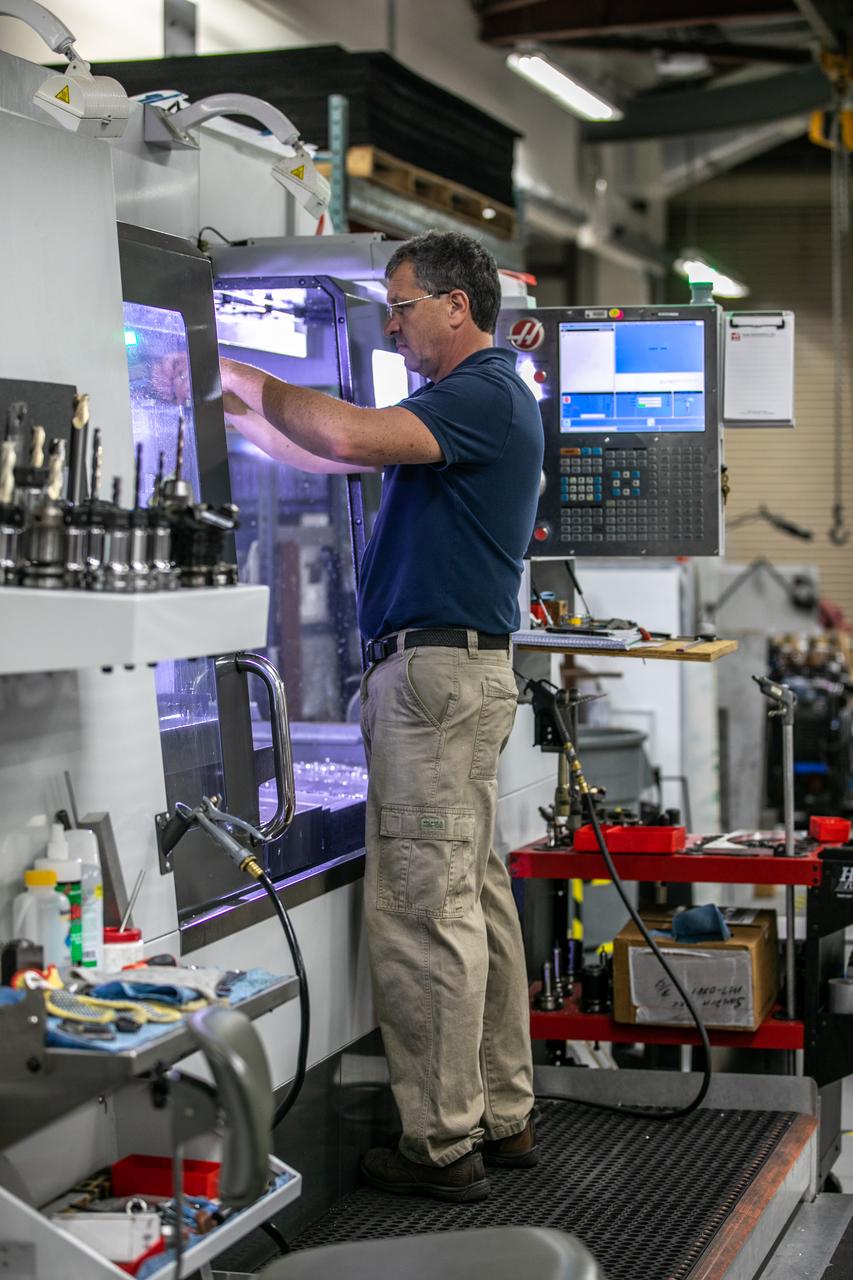
Tim Evans, a mechanical engineering technician, uses a computer numerical control (CNC) machine to machine a part for a Launch Pad 39B camera enclosure inside the Prototype Development Laboratory at NASA’s Kennedy Space Center in Florida on Oct. 21, 2020. The prototype laboratory designs, fabricates, and tests prototypes, test articles and test support equipment. It has a long history of providing fast solutions to complex operations problems. The lab’s teams of engineers use specialized equipment to produce exacting, one-of-a-kind items made from a range of materials depending on the design. The lab supports projects at Kennedy and at the agency level.
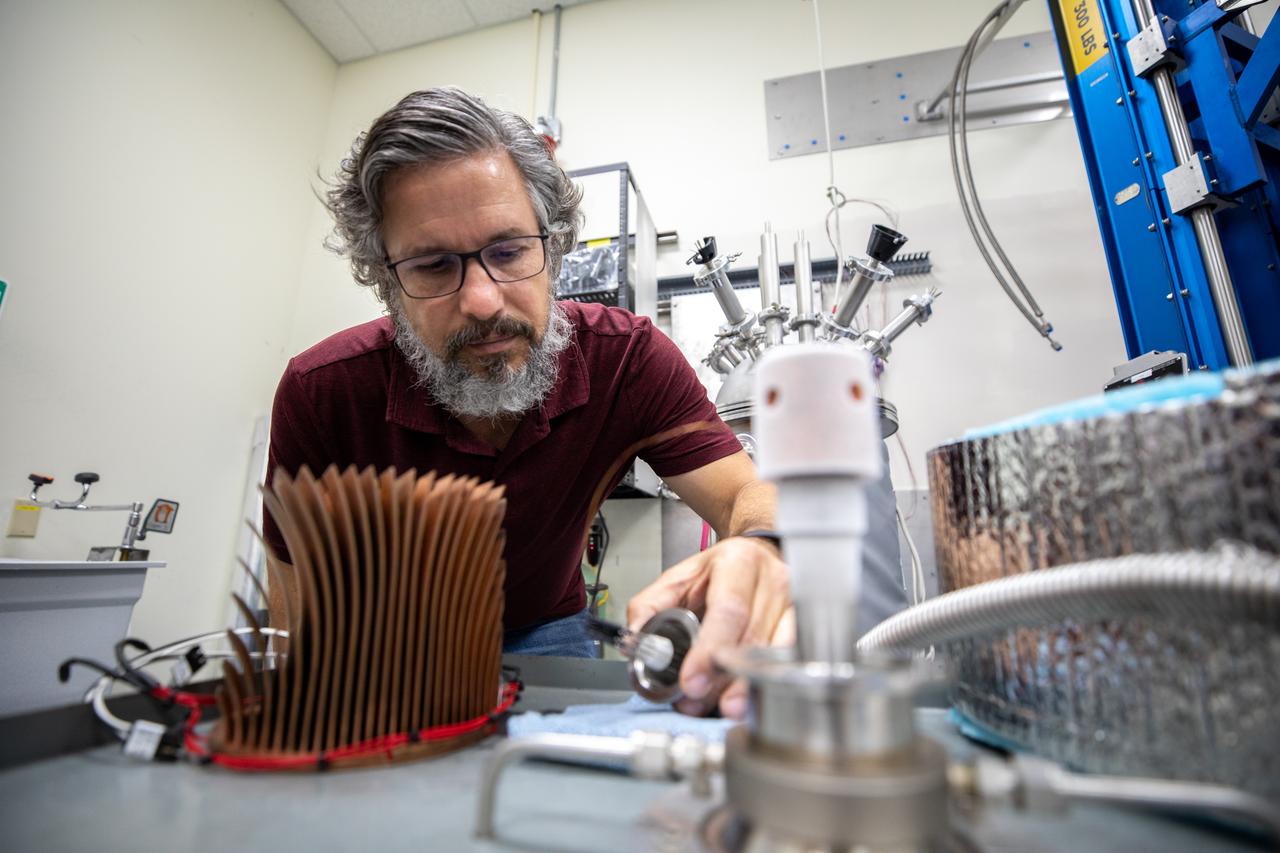
Jared Sass, NASA engineer, monitors a test inside the Cryogenics Test Laboratory at NASA’s Kennedy Space Center in Florida on Oct. 21, 2020. Established in 2000, the Cryogenics Test Laboratory provides a one-of-a kind capability for research, development and application of cross-cutting technologies to meet the needs of industry and government. The test lab provides cryogenic expertise, experimental testing, technical standards development, prototype construction and practical problem-solving for technology development with research institutions and commercial partners.
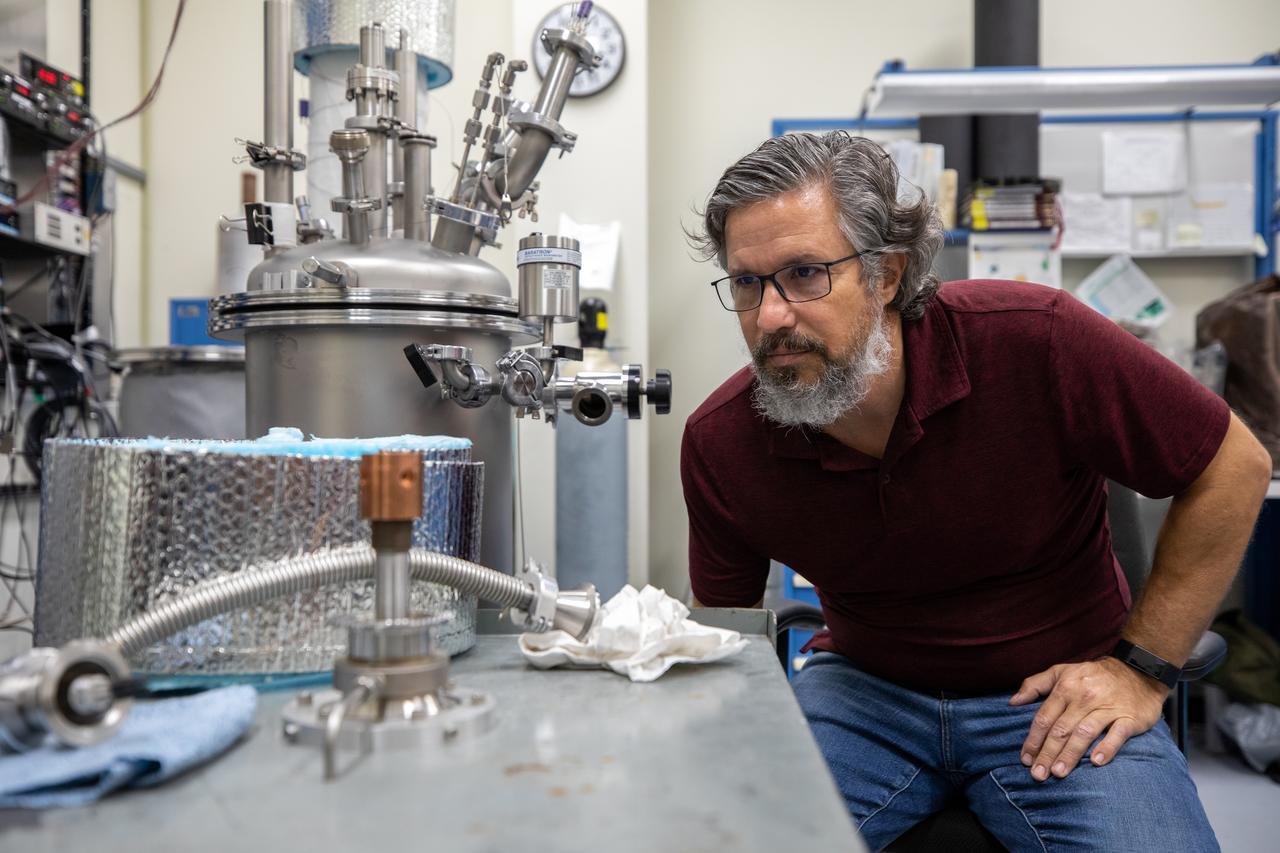
Jared Sass, NASA engineer, monitors a test inside the Cryogenics Test Laboratory at NASA’s Kennedy Space Center in Florida on Oct. 21, 2020. Established in 2000, the Cryogenics Test Laboratory provides a one-of-a kind capability for research, development and application of cross-cutting technologies to meet the needs of industry and government. The test lab provides cryogenic expertise, experimental testing, technical standards development, prototype construction and practical problem-solving for technology development with research institutions and commercial partners.
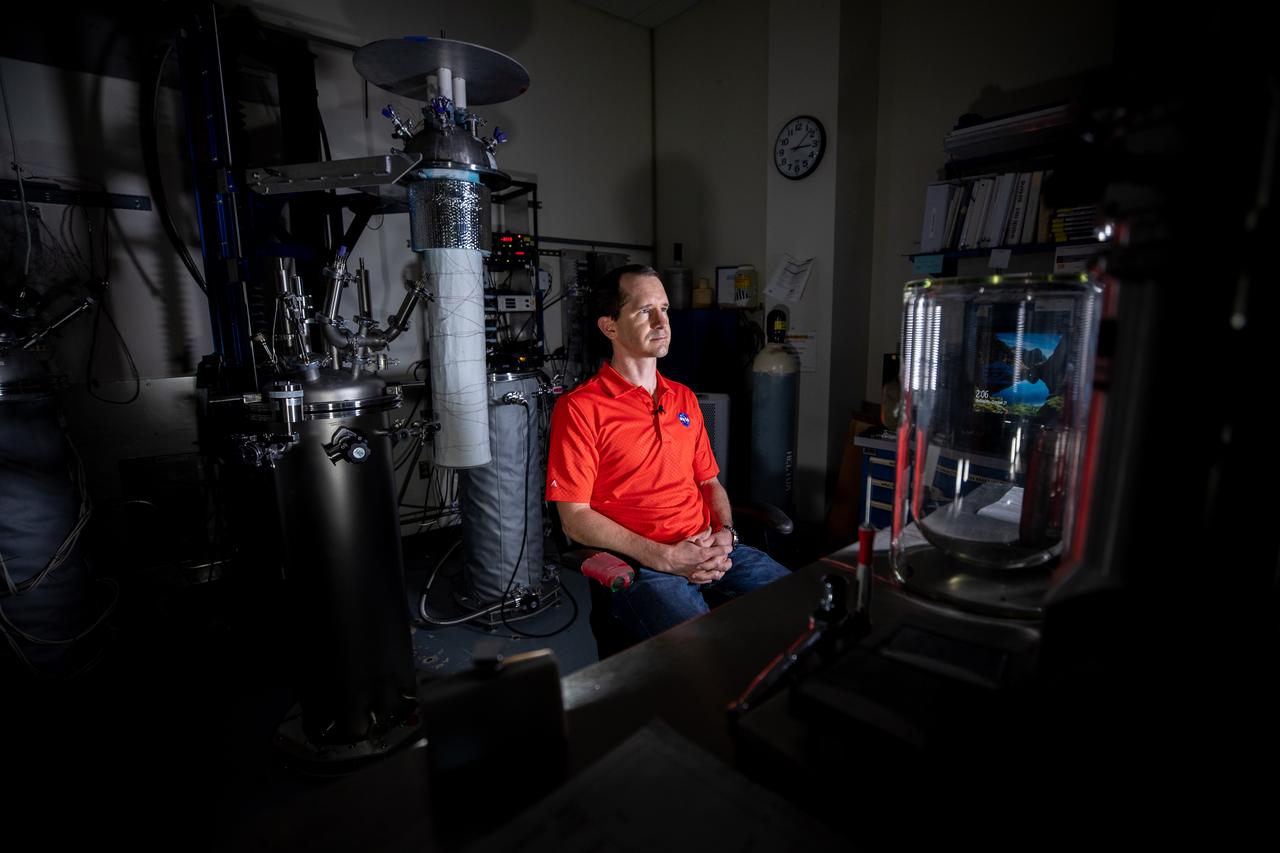
Adam Swanger, NASA engineer, is inside the Cryogenics Test Laboratory at NASA’s Kennedy Space Center in Florida on Oct. 21, 2020. Established in 2000, the Cryogenics Test Laboratory provides a one-of-a kind capability for research, development and application of cross-cutting technologies to meet the needs of industry and government. The test lab provides cryogenic expertise, experimental testing, technical standards development, prototype construction and practical problem-solving for technology development with research institutions and commercial partners.
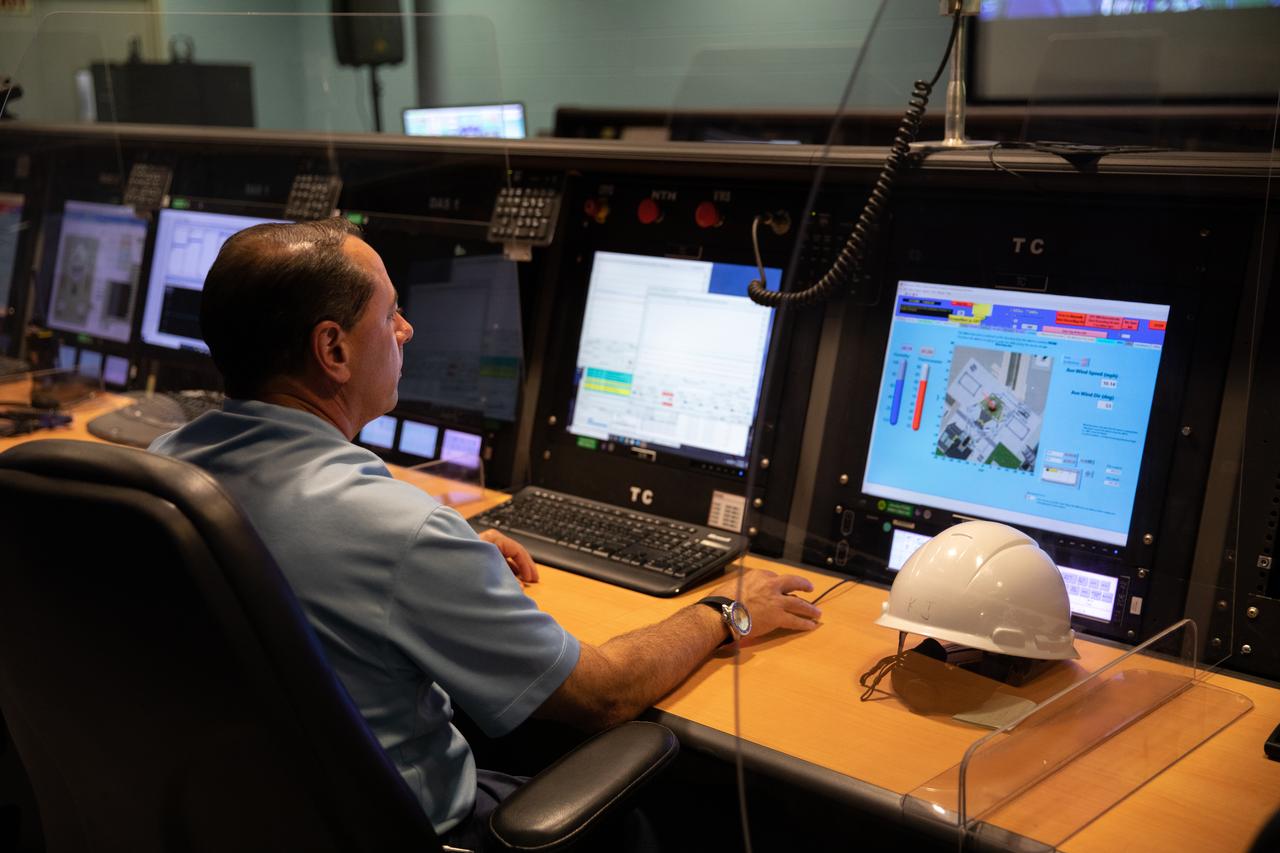
An engineer reviews test data inside a control room at the Launch Equipment Test Facility (LETF) on Oct. 19, 2020, at NASA’s Kennedy Space Center in Florida. The LETF is a unique set of structures, equipment and tools built to test full-scale umbilicals and release mechanisms for the space shuttle. The facility also was used to test the umbilicals and other mechanisms for the mobile launcher. The mobile launcher will carry the Space Launch System and Orion spacecraft to Launch Pad 39B for Artemis I, a mission that will test the rocket and spacecraft as an integrated system ahead of crewed flights to the Moon. NASA will land the first woman and the next man on the Moon in 2024.
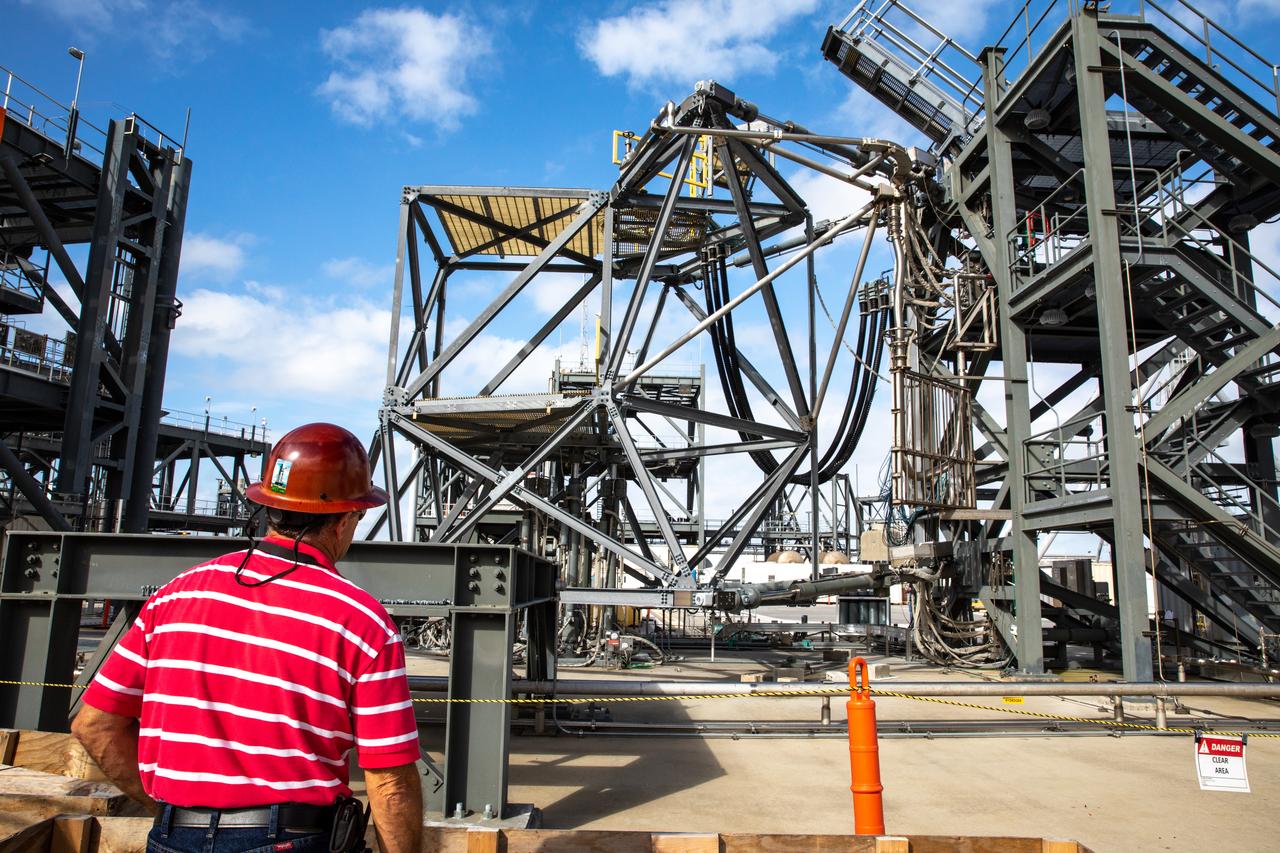
A view of one of the large test structures located at the Launch Equipment Test Facility (LETF) on Oct. 19, 2020, at NASA’s Kennedy Space Center in Florida. The LETF is a unique set of structures, equipment and tools built to test full-scale umbilicals and release mechanisms for the space shuttle. The facility also was used to test the umbilicals and other mechanisms for the mobile launcher. The mobile launcher will carry the Space Launch System and Orion spacecraft to Launch Pad 39B for Artemis I, a mission that will test the rocket and spacecraft as an integrated system ahead of crewed flights to the Moon. NASA will land the first woman and the next man on the Moon in 2024.

NASA Chief Technologist Douglas Terrier, left of center, meets with Dr. Ed Wilson, engineering professor emeritus and tours Wilson's atmospheric sciences laser lab during “NASA Day in Arkansas” at Harding University in Searcy, Arkansas, on Jan. 27, 2020.
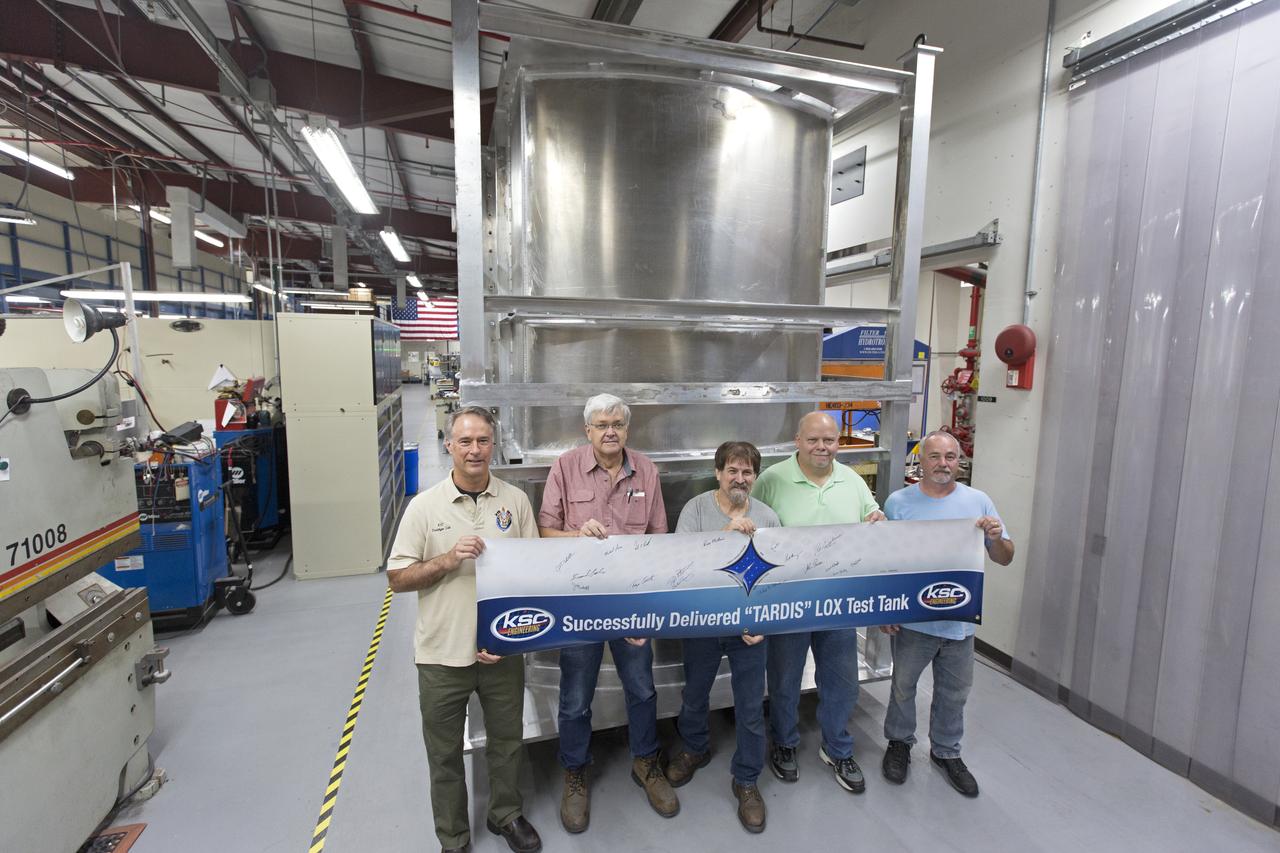
Inside the Prototype Development Laboratory at NASA's Kennedy Space Center in Florida, engineers and technicians hold a banner marking the successful delivery of a liquid oxygen test tank called Tardis. From left, are Todd Steinrock, chief, Fabrication and Development Branch, Prototype Development Lab; David McLaughlin, electrical engineering technician; Phil Stroda, mechanical engineering technician; Perry Dickey, lead electrical engineering technician; and Harold McAmis, lead mechanical engineering technician. Engineers and technicians worked together to develop the tank and build it at the lab to support cryogenic testing at Johnson Space Center's White Sands Test Facility in Las Cruces, New Mexico. The 12-foot-tall, 3,810-pound aluminum tank will be shipped to White Sands for testing.
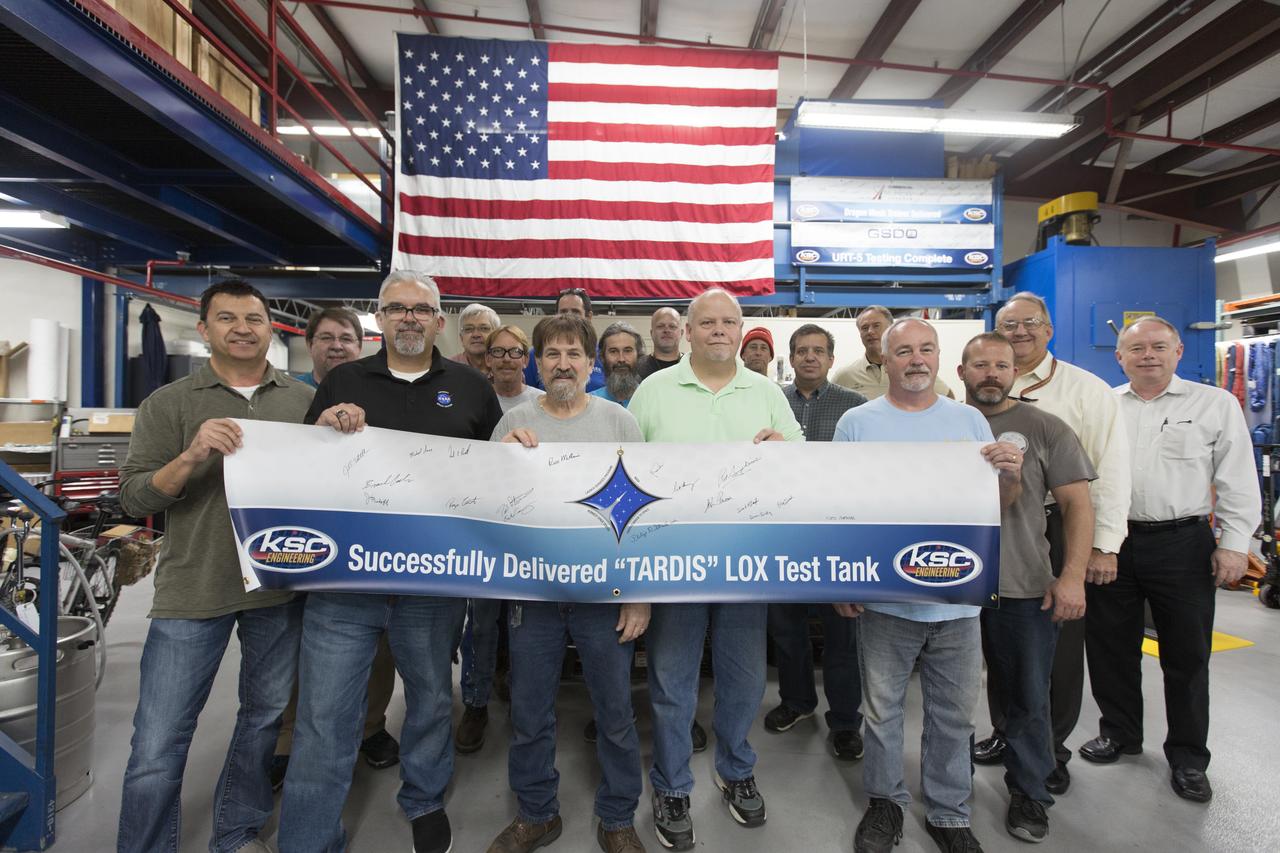
Inside the Prototype Development Laboratory at NASA's Kennedy Space Center in Florida, workers in the lab hold a banner marking the successful delivery of a liquid oxygen test tank called Tardis. Engineers and technicians worked together to develop the tank to build it at the lab to support cryogenic testing at Johnson Space Center's White Sands Test Facility in Las Cruces, New Mexico. The 12-foot-tall, 3,810-pound aluminum tank will be shipped to White Sands for testing.
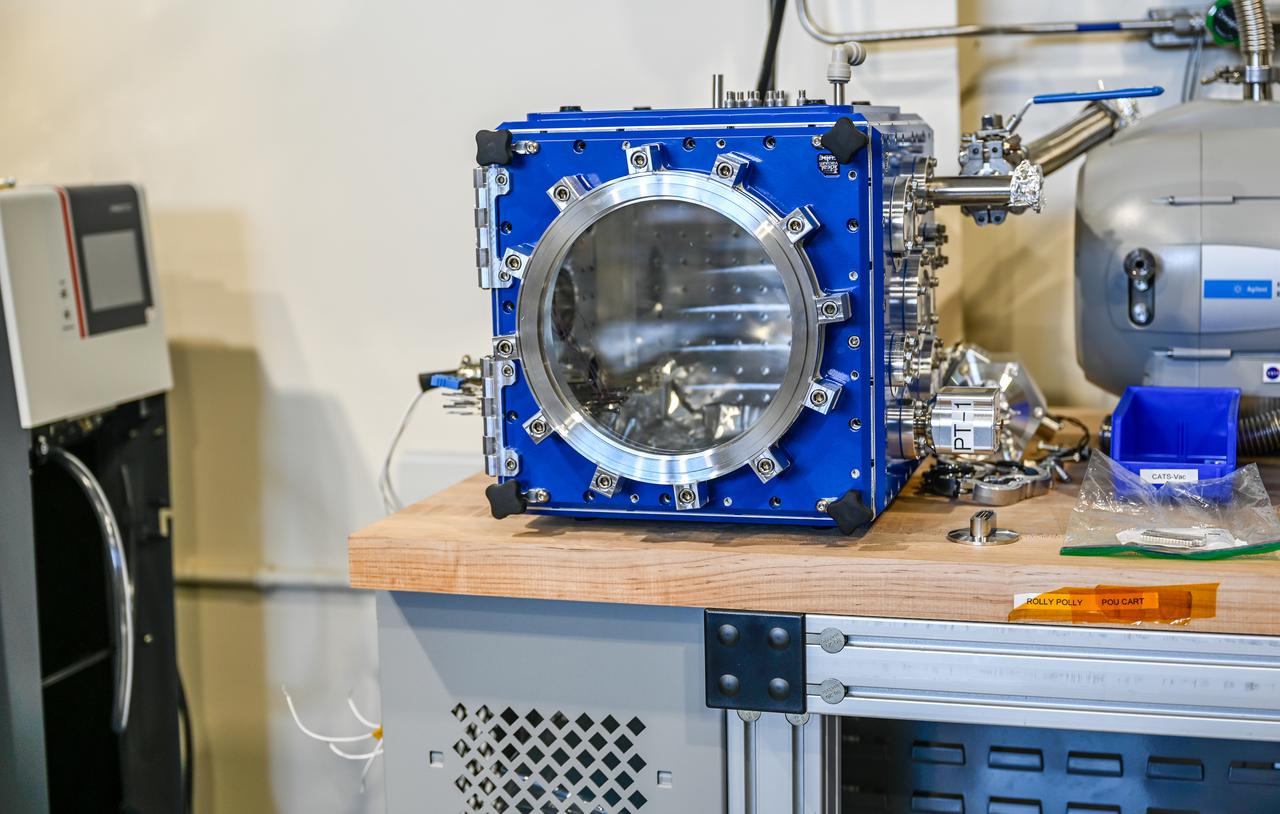
These photos, taken in fall 2024, show how NASA engineers use the Hub for Innovative Thermal Technology Maturation and Prototyping (Hi-TTeMP) laboratory at NASA’s Marshall Space Flight Center in Huntsville, Alabama. NASA engineers working in the HI-TTeMP lab not only design, set up, and run tests, they also provide insight and expertise in thermal engineering to assist NASA’s industry partners, such as SpaceX and other organizations, in validating concepts and models, or suggesting changes to designs. The lab is able to rapidly test and evaluate design updates or iterations. Engineering teams inside the lab are currently testing how well prototype insulation for SpaceX’s Starship HLS (Human Landing System) will insulate interior environments, including propellant storage tanks and the crew cabin. Starship HLS will land astronauts on the lunar surface during Artemis III and Artemis IV.
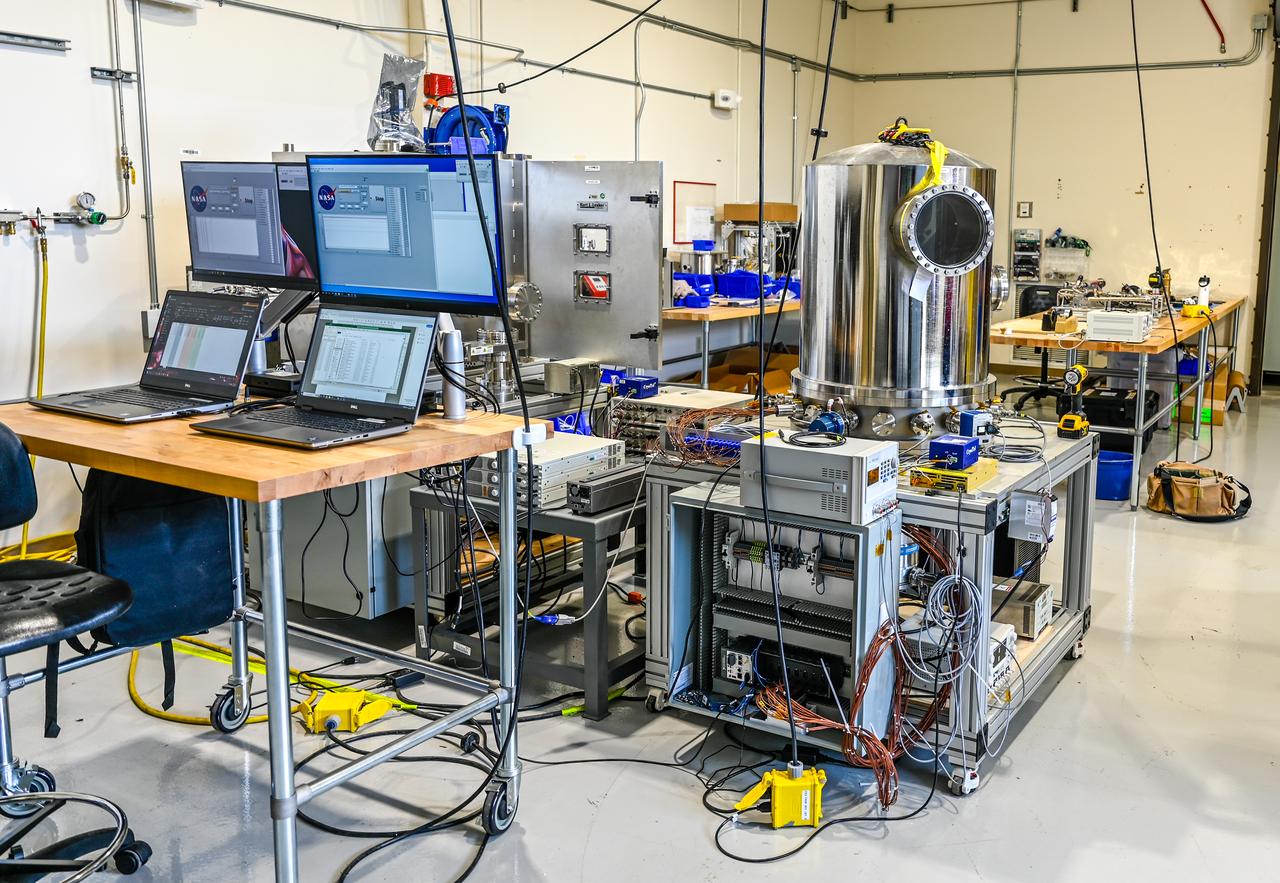
These photos, taken in fall 2024, show how NASA engineers use the Hub for Innovative Thermal Technology Maturation and Prototyping (Hi-TTeMP) laboratory at NASA’s Marshall Space Flight Center in Huntsville, Alabama. NASA engineers working in the HI-TTeMP lab not only design, set up, and run tests, they also provide insight and expertise in thermal engineering to assist NASA’s industry partners, such as SpaceX and other organizations, in validating concepts and models, or suggesting changes to designs. The lab is able to rapidly test and evaluate design updates or iterations. Engineering teams inside the lab are currently testing how well prototype insulation for SpaceX’s Starship HLS (Human Landing System) will insulate interior environments, including propellant storage tanks and the crew cabin. Starship HLS will land astronauts on the lunar surface during Artemis III and Artemis IV.
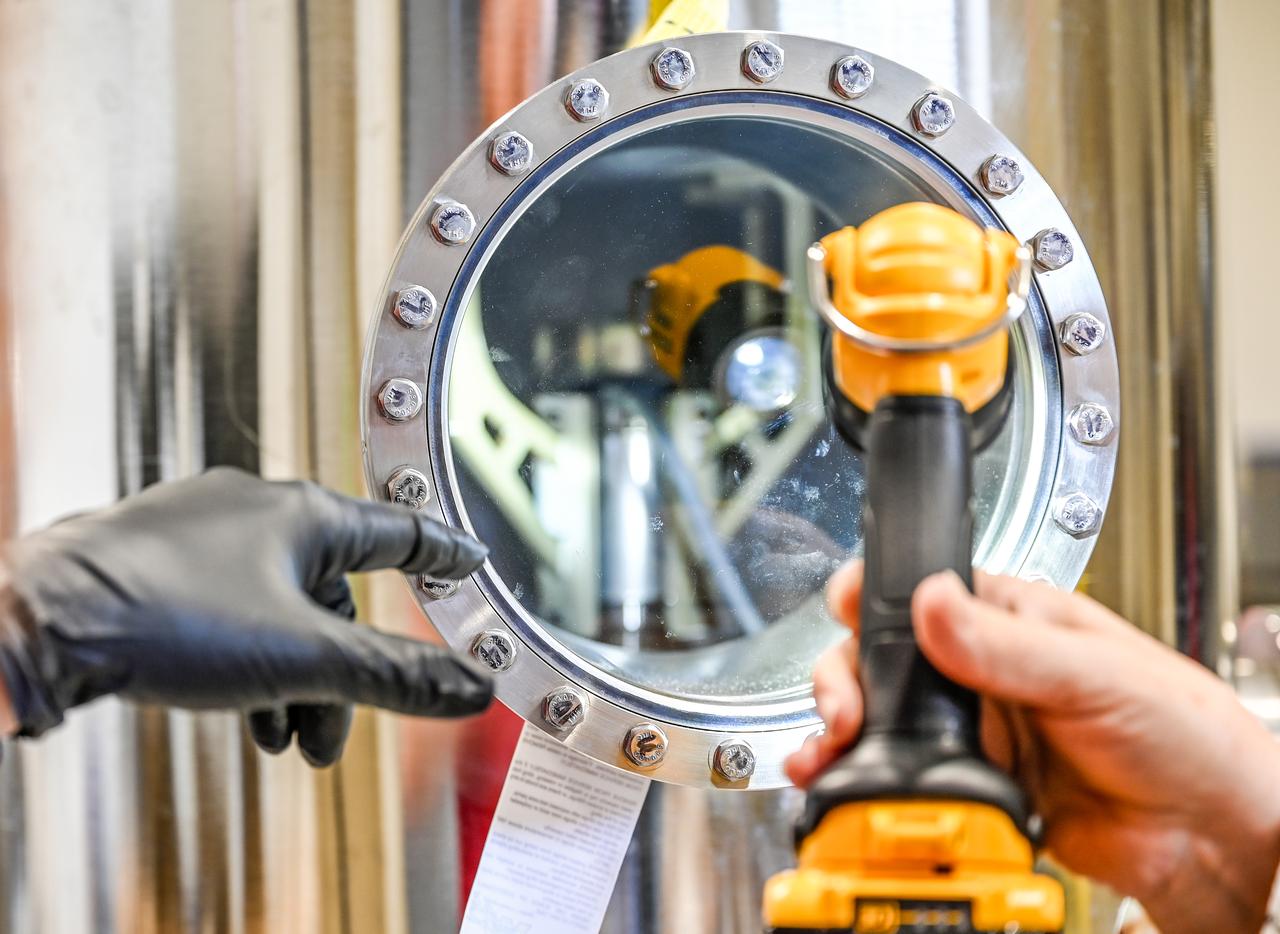
These photos, taken in fall 2024, show how NASA engineers use the Hub for Innovative Thermal Technology Maturation and Prototyping (Hi-TTeMP) laboratory at NASA’s Marshall Space Flight Center in Huntsville, Alabama. NASA engineers working in the HI-TTeMP lab not only design, set up, and run tests, they also provide insight and expertise in thermal engineering to assist NASA’s industry partners, such as SpaceX and other organizations, in validating concepts and models, or suggesting changes to designs. The lab is able to rapidly test and evaluate design updates or iterations. Engineering teams inside the lab are currently testing how well prototype insulation for SpaceX’s Starship HLS (Human Landing System) will insulate interior environments, including propellant storage tanks and the crew cabin. Starship HLS will land astronauts on the lunar surface during Artemis III and Artemis IV.
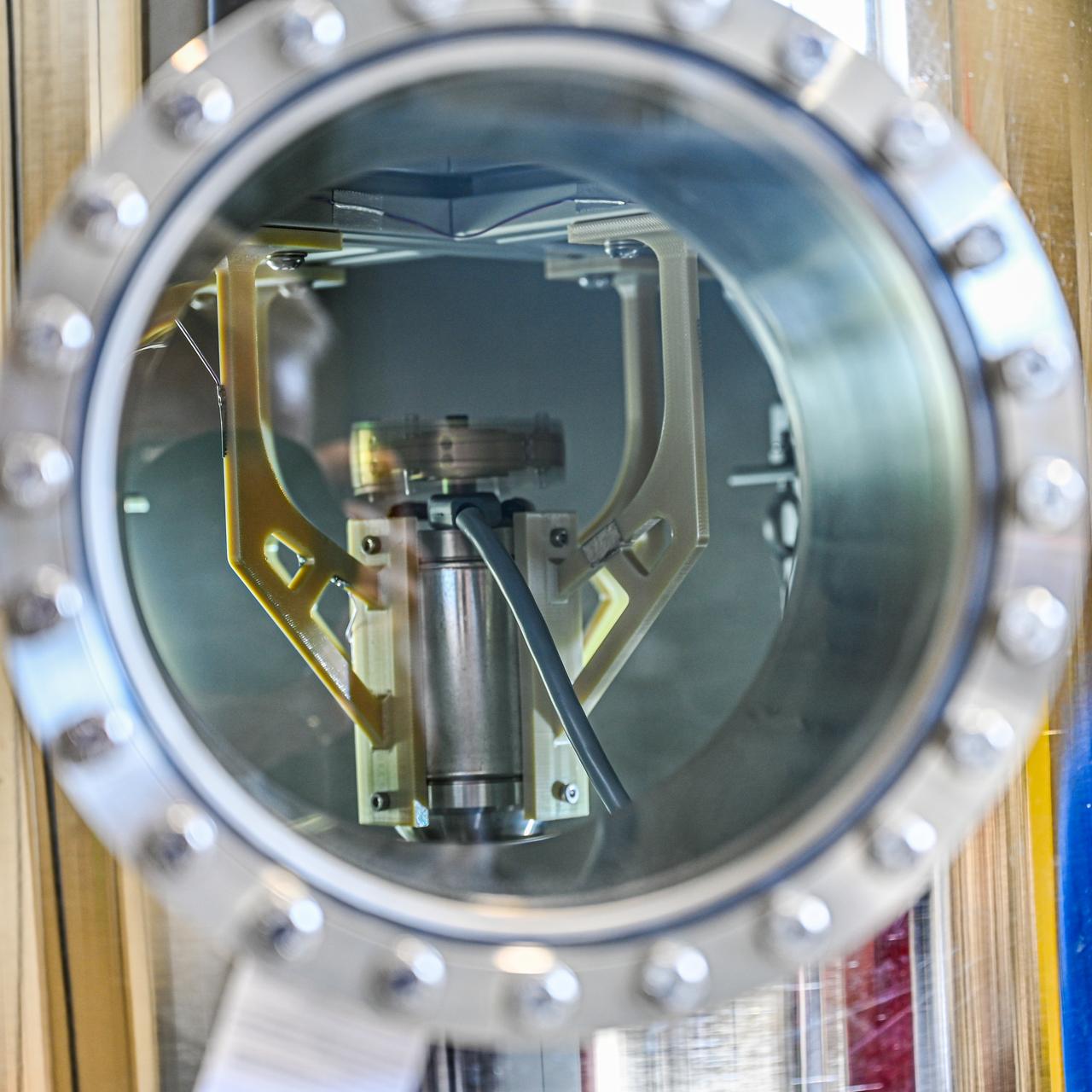
These photos, taken in fall 2024, show how NASA engineers use the Hub for Innovative Thermal Technology Maturation and Prototyping (Hi-TTeMP) laboratory at NASA’s Marshall Space Flight Center in Huntsville, Alabama. NASA engineers working in the HI-TTeMP lab not only design, set up, and run tests, they also provide insight and expertise in thermal engineering to assist NASA’s industry partners, such as SpaceX and other organizations, in validating concepts and models, or suggesting changes to designs. The lab is able to rapidly test and evaluate design updates or iterations. Engineering teams inside the lab are currently testing how well prototype insulation for SpaceX’s Starship HLS (Human Landing System) will insulate interior environments, including propellant storage tanks and the crew cabin. Starship HLS will land astronauts on the lunar surface during Artemis III and Artemis IV.
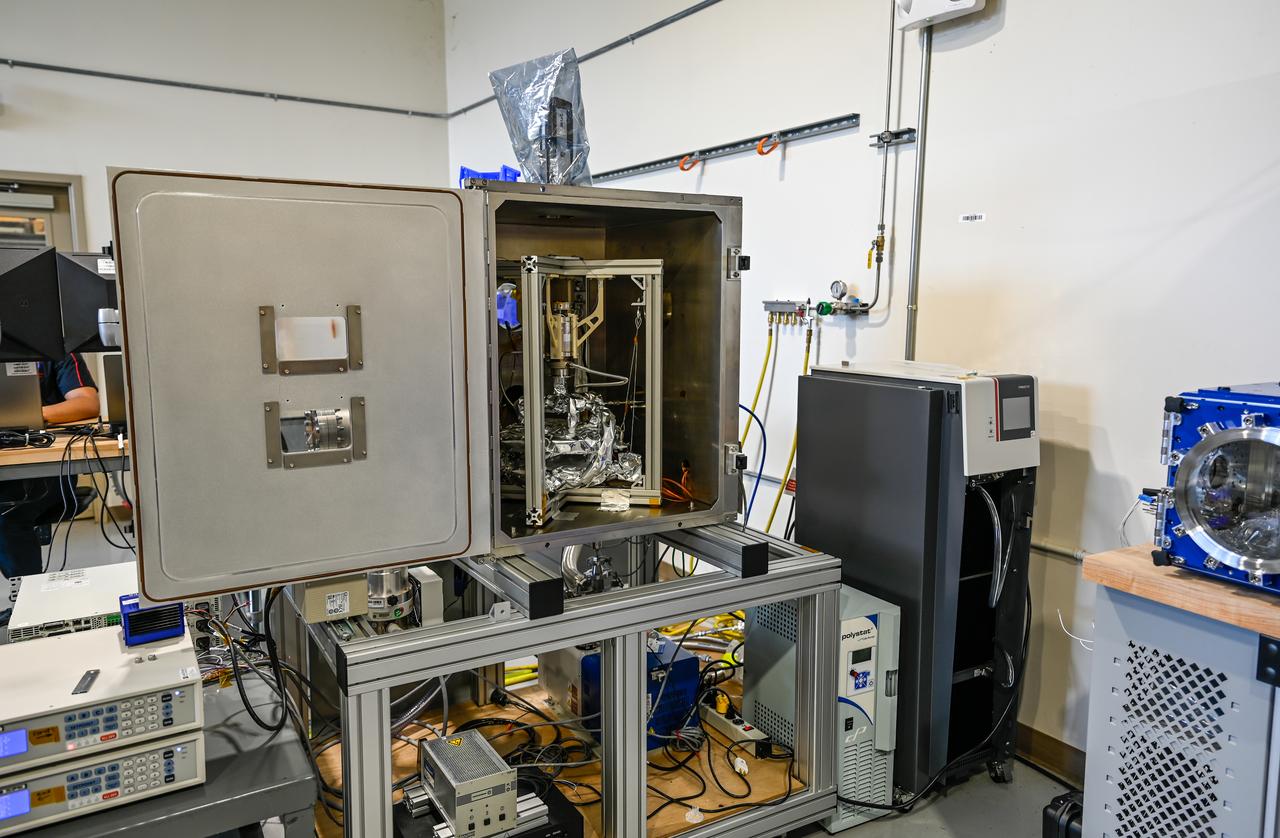
These photos, taken in fall 2024, show how NASA engineers use the Hub for Innovative Thermal Technology Maturation and Prototyping (Hi-TTeMP) laboratory at NASA’s Marshall Space Flight Center in Huntsville, Alabama. NASA engineers working in the HI-TTeMP lab not only design, set up, and run tests, they also provide insight and expertise in thermal engineering to assist NASA’s industry partners, such as SpaceX and other organizations, in validating concepts and models, or suggesting changes to designs. The lab is able to rapidly test and evaluate design updates or iterations. Engineering teams inside the lab are currently testing how well prototype insulation for SpaceX’s Starship HLS (Human Landing System) will insulate interior environments, including propellant storage tanks and the crew cabin. Starship HLS will land astronauts on the lunar surface during Artemis III and Artemis IV.
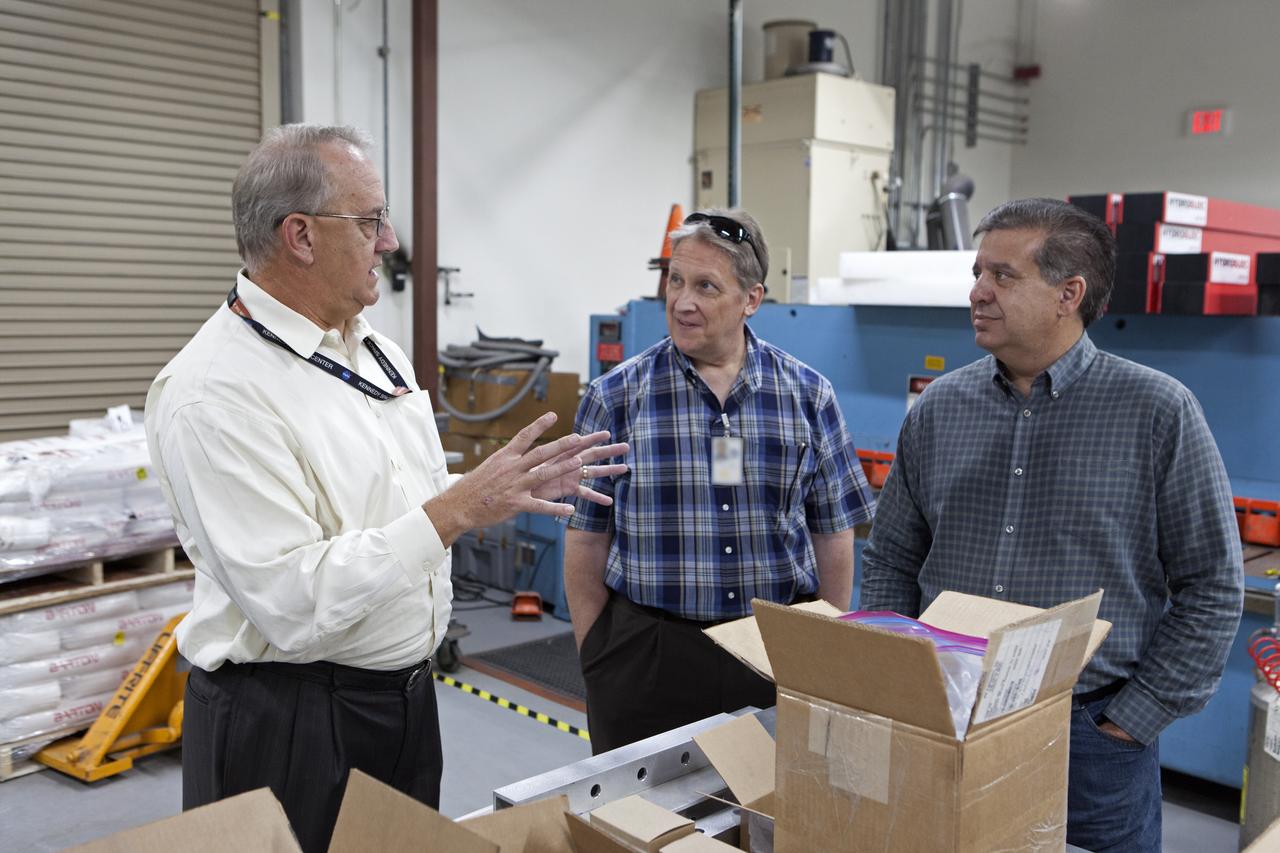
NASA Kennedy Space Center's Engineering Director Pat Simpkins, at left, talks with Michael E. Johnson, a project engineer; and Emilio Cruz, deputy division chief in the Laboratories, Development and Testing Division, inside the Prototype Development Laboratory. A banner signing event was held to mark the successful delivery of a liquid oxygen test tank, called Tardis. Engineers and technicians worked together to develop the tank and build it at the lab to support cryogenic testing at Johnson Space Center's White Sands Test Facility in Las Cruces, New Mexico. The 12-foot-tall, 3,810-pound aluminum tank will be shipped to White Sands for testing.
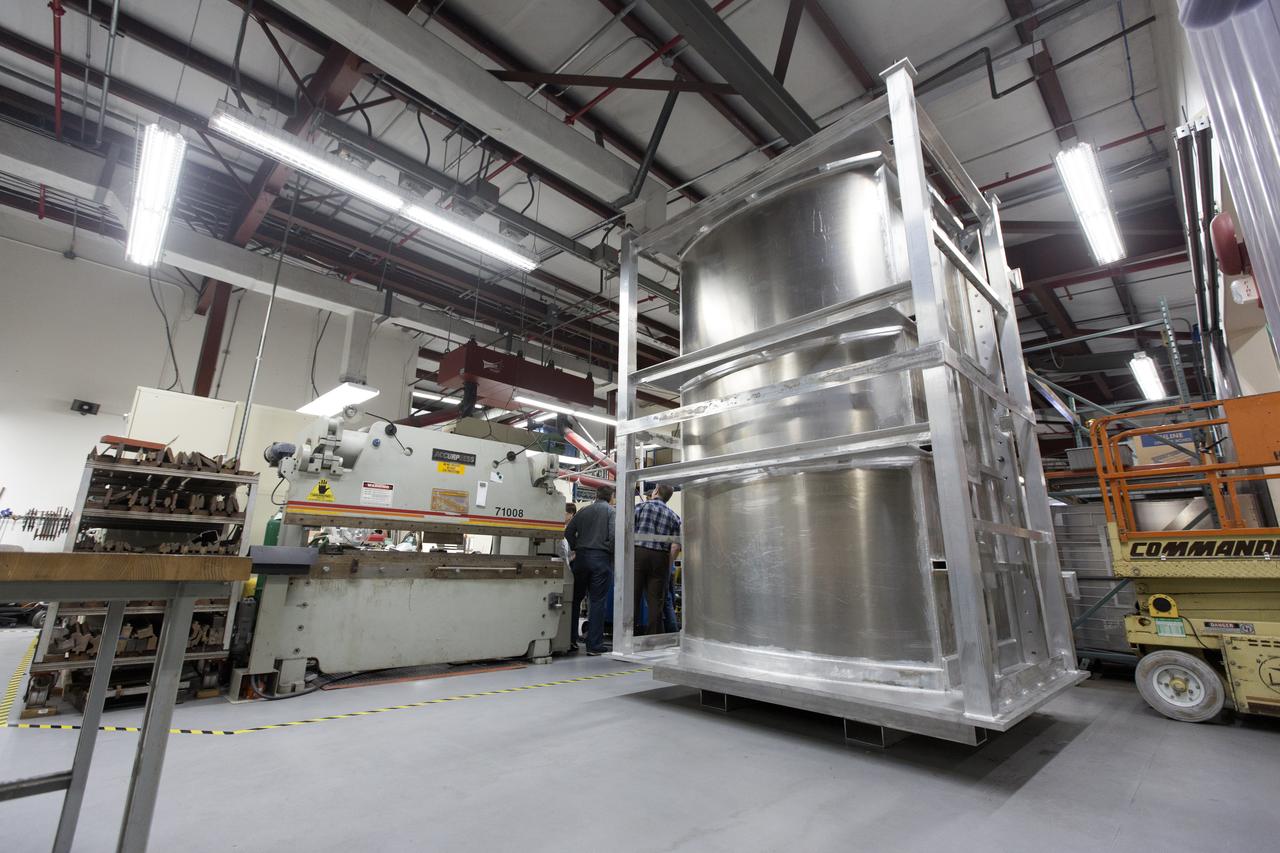
A liquid oxygen test tank was completed in the Prototype Development Laboratory at NASA's Kennedy Space Center in Florida. A banner signing event marked the successful delivery of the tank called Tardis. Engineers and technicians worked together to develop the tank and build it at the lab to support cryogenic testing at Johnson Space Center's White Sands Test Facility in Las Cruces, New Mexico. The 12-foot-tall, 3,810-pound aluminum tank will be shipped to White Sands for testing.
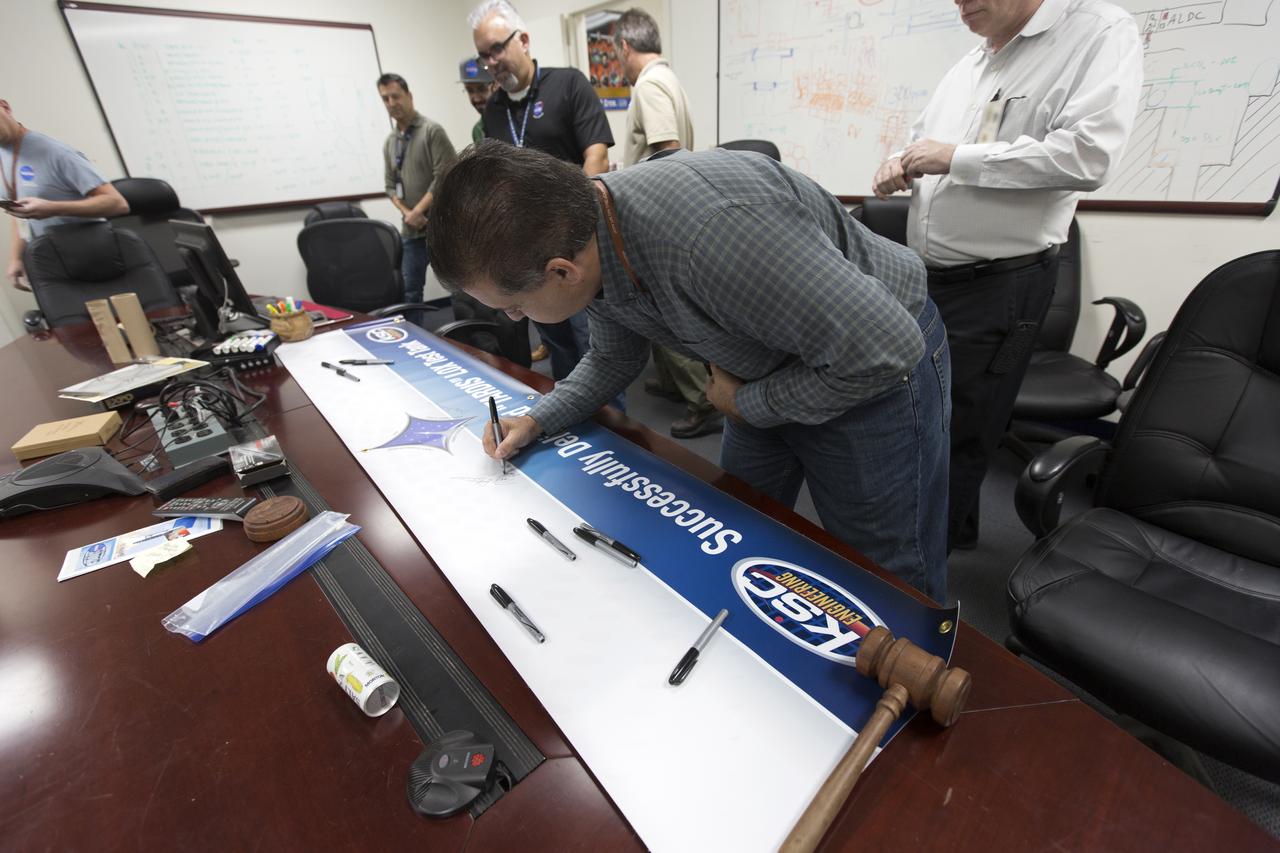
Workers sign the banner marking the successful delivery of a liquid oxygen test tank, called Tardis, in the Prototype Development Laboratory at NASA's Kennedy Space Center in Florida. Engineers and technicians worked together to develop the tank and build it at the lab to support cryogenic testing at Johnson Space Center's White Sands Test Facility in Las Cruces, New Mexico. The 12-foot-tall, 3,810-pound aluminum tank will be shipped to White Sands for testing.
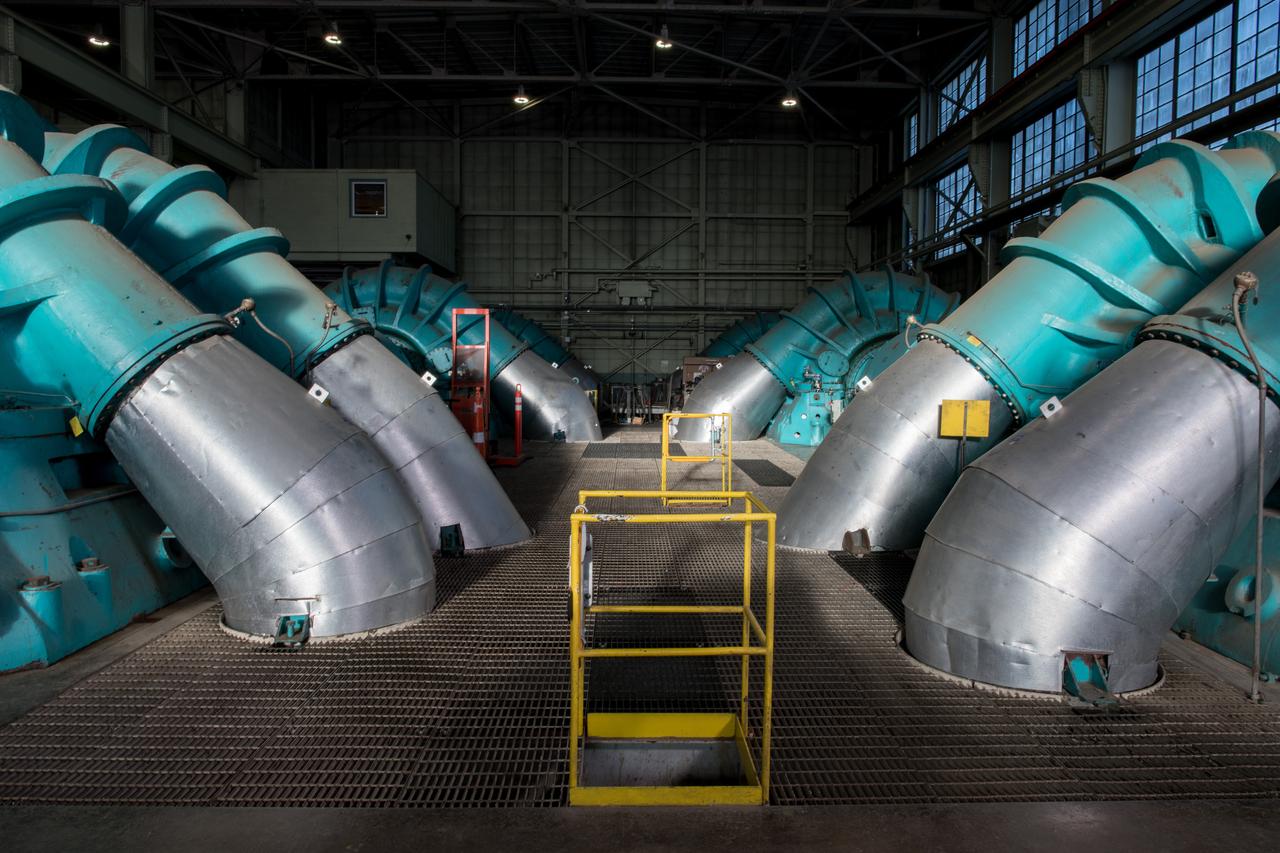
The Central Processing System at Glenn Research Center controls operations in the wind tunnels, propulsion systems lab, engine components research lab, and compressor, turbine and combustor test cells. Documentation photos of the facility were taken on December 19, 2023. Photo Credit: (NASA/Sara Lowthian-Hanna)
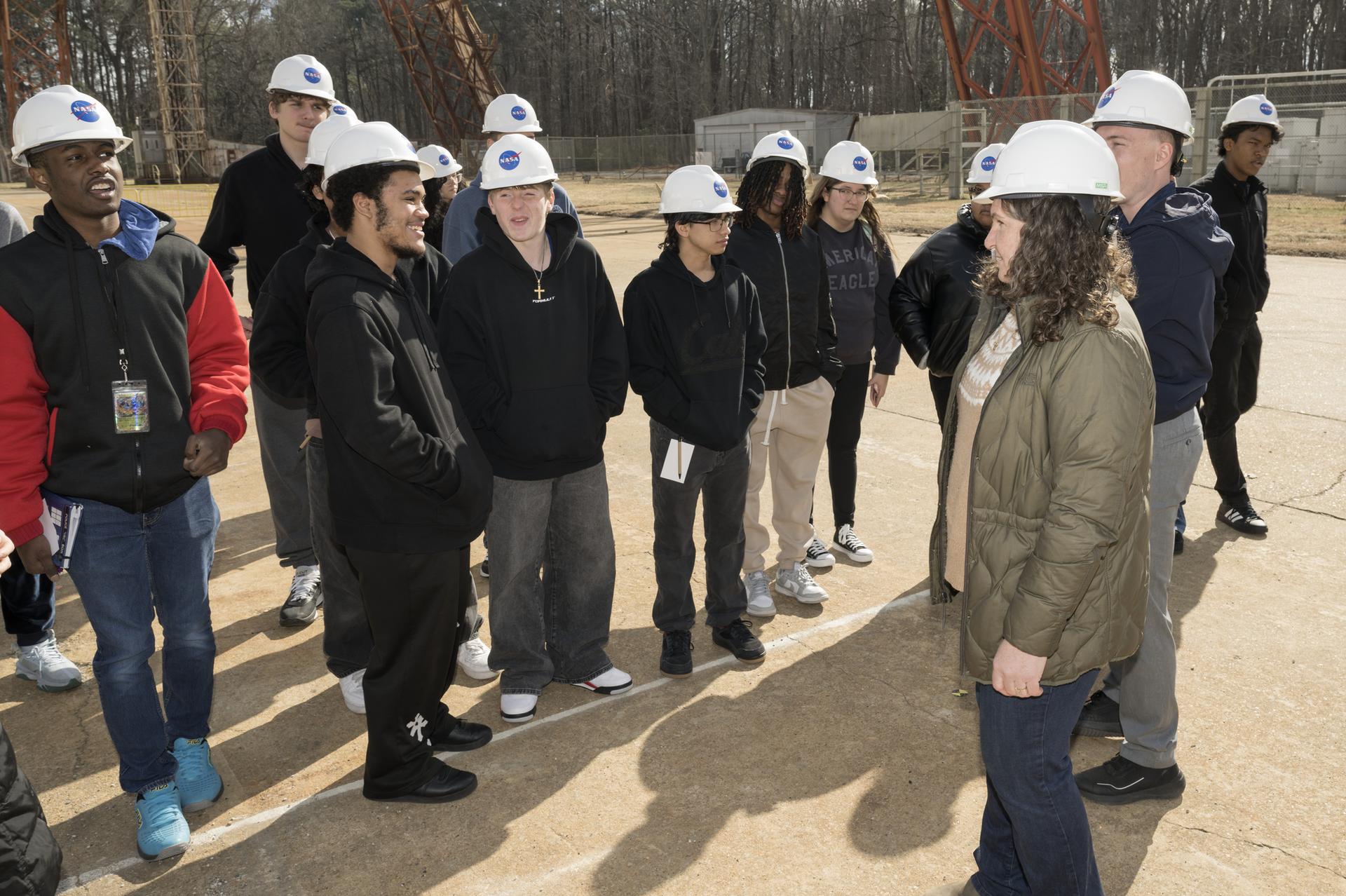
Old Dominion University's (ODU) Maritime Engineering and Environmental Studies Academy (MEESA) lab school juniors, tour the NASA Langley’s Landing and Impact Research Facility (LandIR), also know as the Gantry. The students were task to create an exhibit for the Vestil Aluminum/Steel Crane (VASC) of the crane used to build the Gantry.
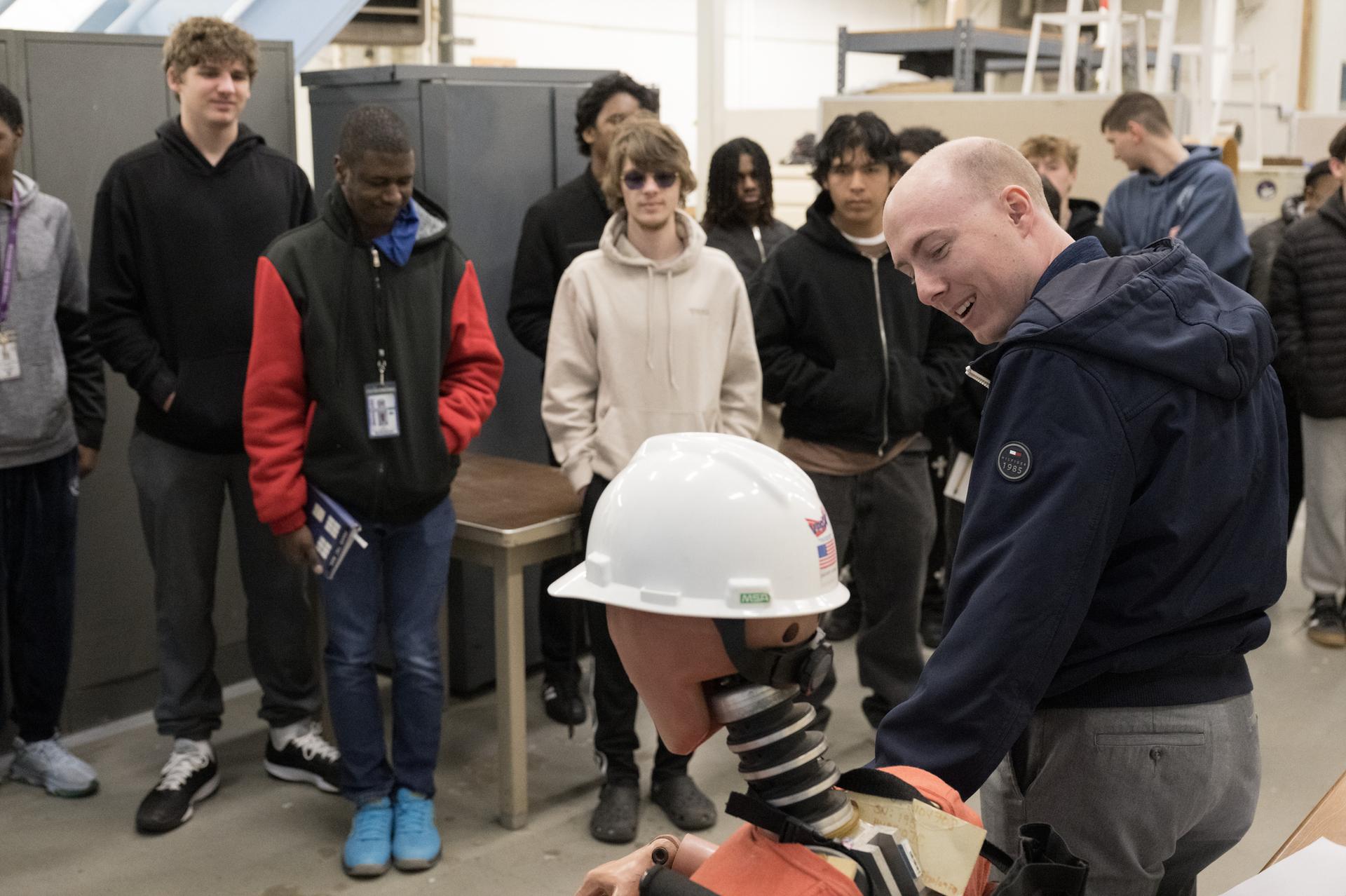
Old Dominion University's (ODU) Maritime Engineering and Environmental Studies Academy (MEESA) lab school juniors, tour the NASA Langley’s Landing and Impact Research Facility (LandIR), also know as the Gantry. The students were task to create an exhibit for the Vestil Aluminum/Steel Crane (VASC) of the crane used to build the Gantry.
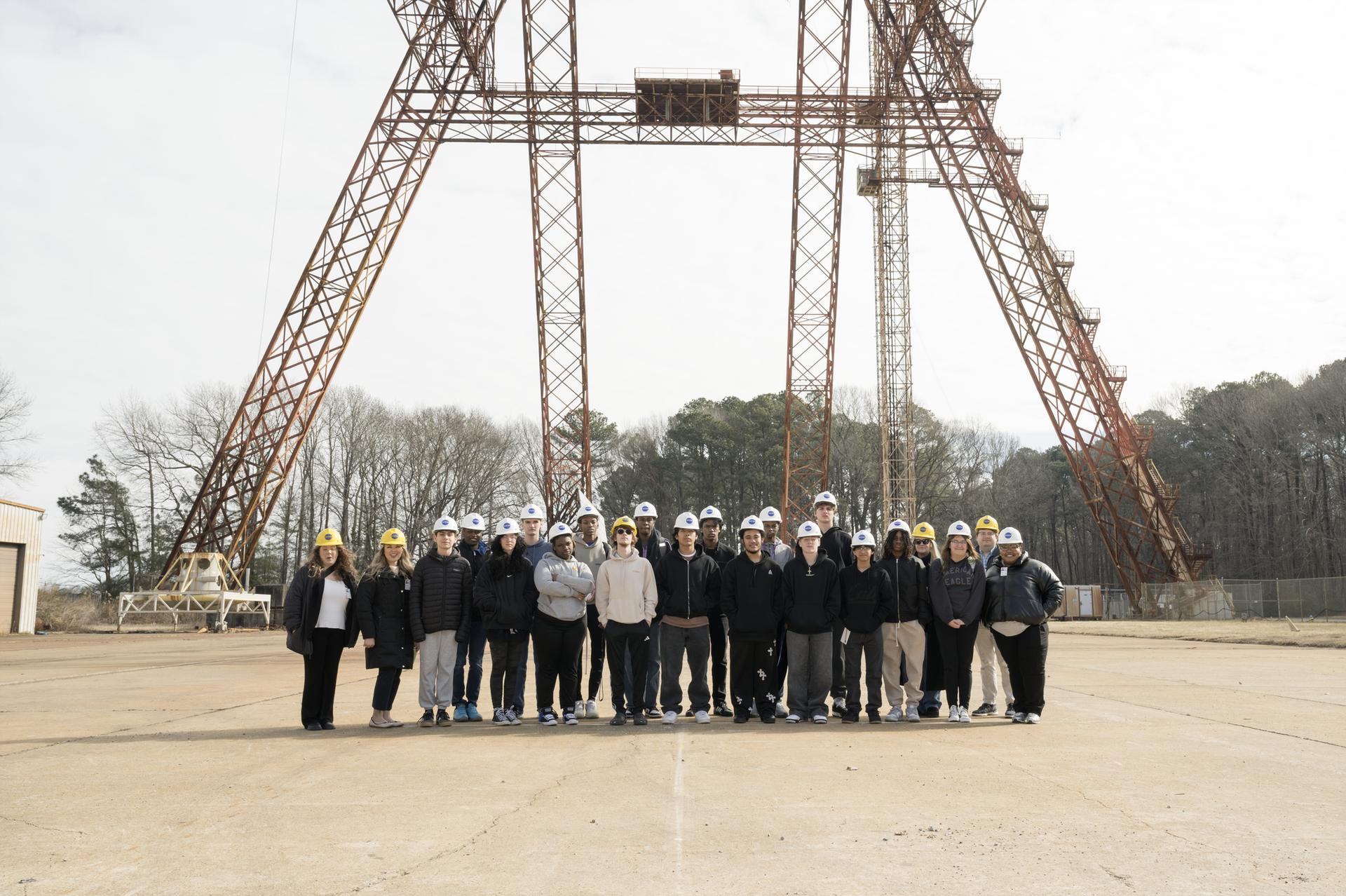
Old Dominion University's (ODU) Maritime Engineering and Environmental Studies Academy (MEESA) lab school juniors, tour the NASA Langley’s Landing and Impact Research Facility (LandIR), also know as the Gantry. The students were task to create an exhibit for the Vestil Aluminum/Steel Crane (VASC) of the crane used to build the Gantry.
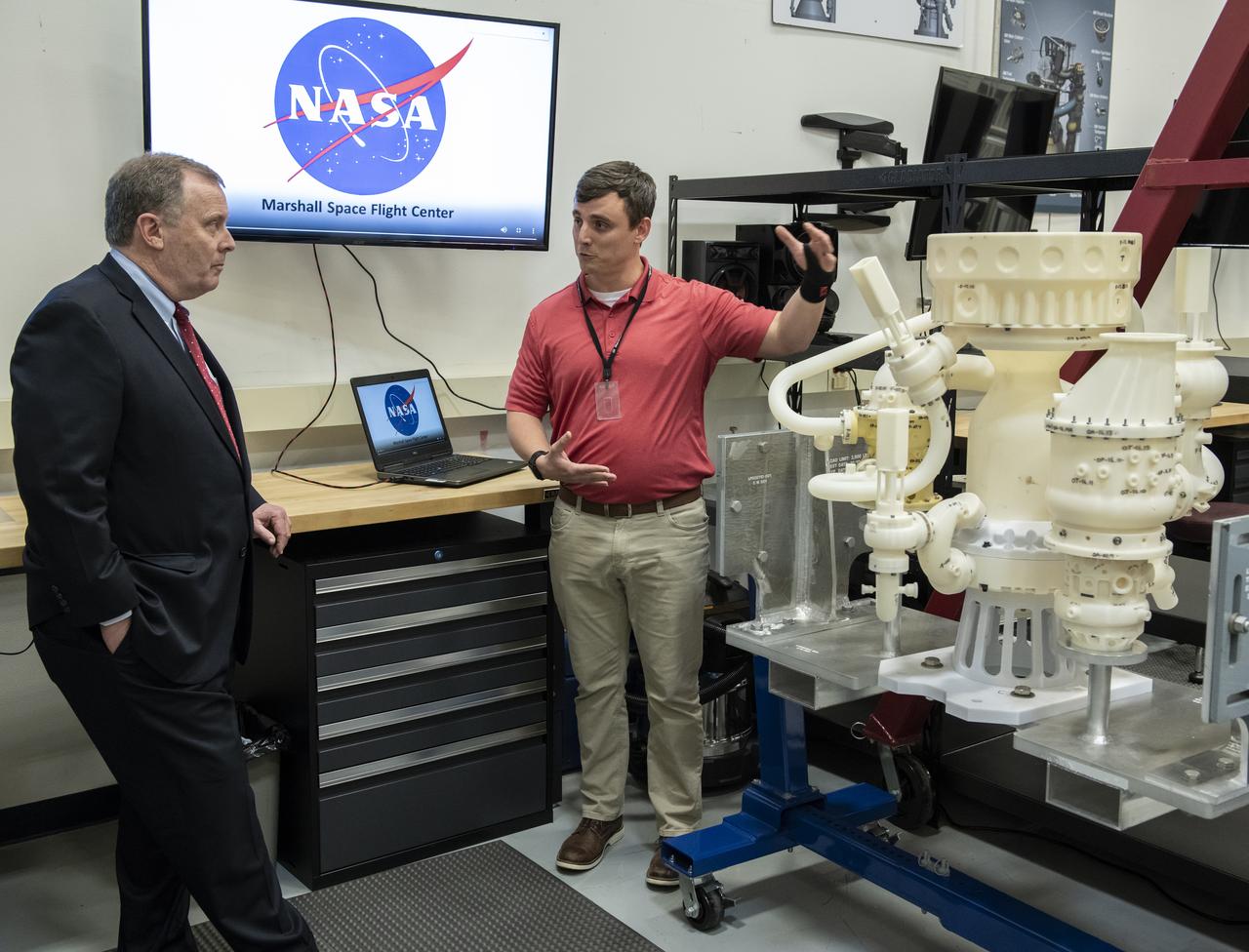
NASA Deputy Administrator Jim Morhard, left, visits the Combustion Lab at Marshall Space Flight Center on March 25, where Michael Allison shares the advancements being made in additive manufacturing of rocket engine parts at Marshall. Allison leads the assembly and integration lead for the MC2 engine model, shown here, which is an additively manufactured liquid engine designed and developed at Marshall. During his tour of the center, Morhard also saw the work being done by Marshall to advance deep space exploration at the Liquid Hydrogen Test Stand, Deep Space Habitat, Payload Operations Integration Center and the Systems Integration Lab.
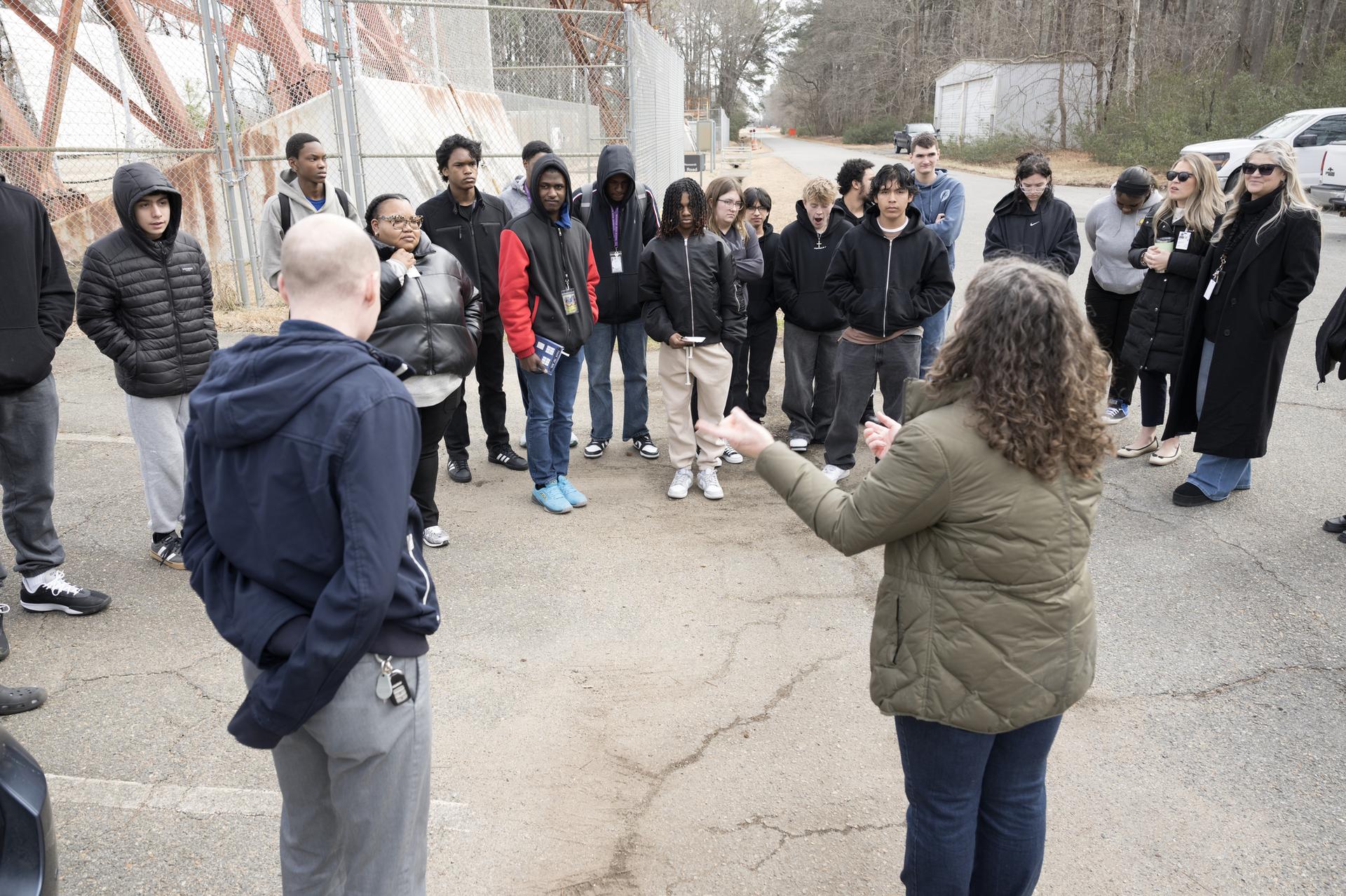
Old Dominion University's (ODU) Maritime Engineering and Environmental Studies Academy (MEESA) lab school juniors, tour the NASA Langley’s Landing and Impact Research Facility (LandIR), also know as the Gantry. The students were task to create an exhibit for the Vestil Aluminum/Steel Crane (VASC) of the crane used to build the Gantry.
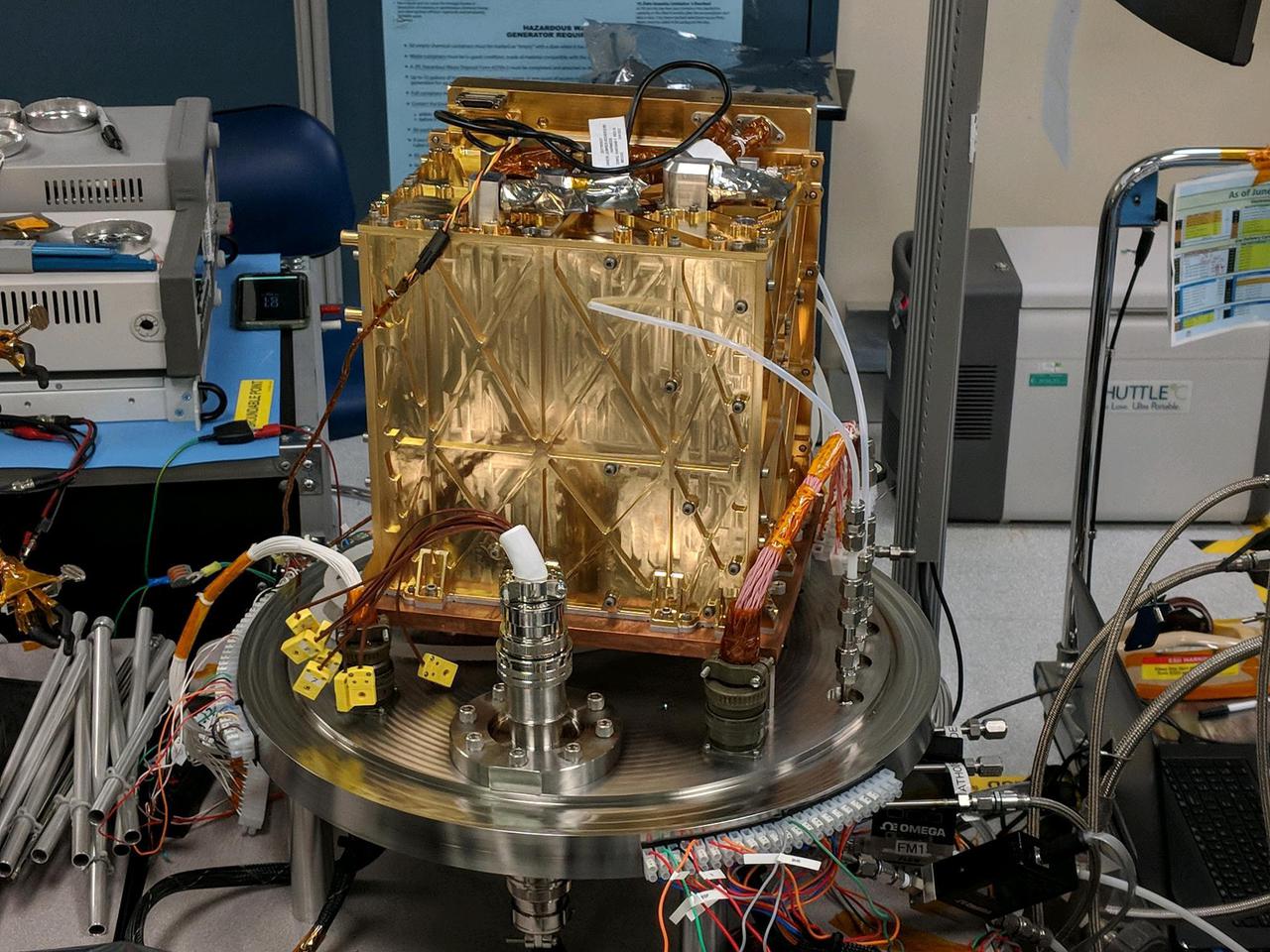
This engineering model of Mars Oxygen In-Situ Resource Utilization Experiment (MOXIE) instrument is about to undergo vibration testing in a lab at the Jet Propulsion Laboratory in Pasadena, California. Vibration tests demonstrate the ability of instruments to survive the extreme conditions of both a rocket launch from Earth and a landing on Mars. https://photojournal.jpl.nasa.gov/catalog/PIA24202
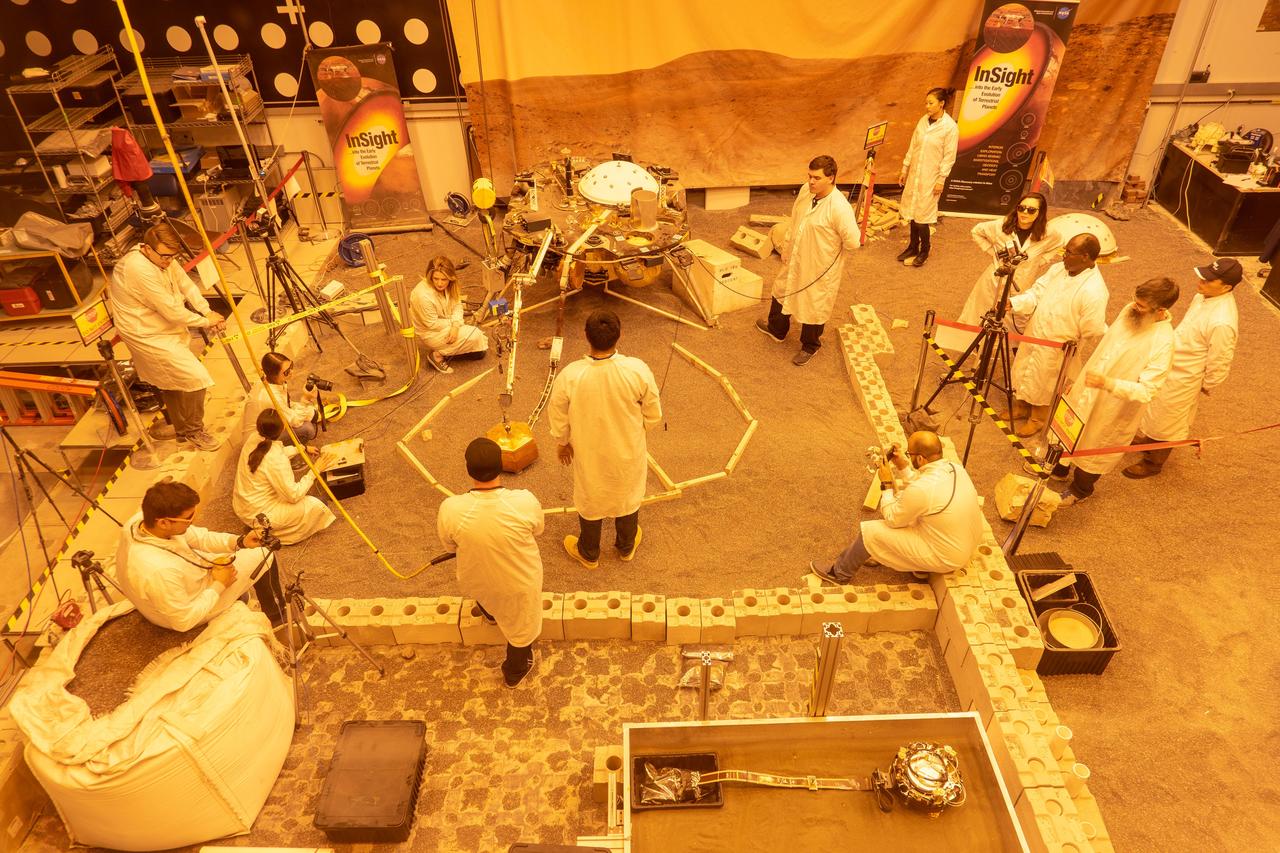
Engineers practice deploying InSight's instruments in a lab at NASA's Jet Propulsion Laboratory in Pasadena, California. Several of them are wearing sunglasses to block the bright yellow lights in the test space, which mimic sunlight as it appears on Mars. The yellow lights are used to test cameras which are the same as those used by InSight on Mars. The entire lab space in the center of the image has been sculpted to mimic the terrain in front of the lander on Mars, creating more reliable test conditions. The area in the center of the image is the "workspace" where the lander's instruments can be set down; wood blocks have been laid down to mark the perimeter of these areas. Rocks have been chosen to match the size, shape and location of those in front of InSight on Mars. In the center of the image is a model of the lander's copper-colored seismometer; at the bottom-right is a second model of the seismometer used for a different kind of testing. In the lower left corner of the image is a bag of crushed granite, which is used in this lab to simulate Martian sand. https://photojournal.jpl.nasa.gov/catalog/PIA22744
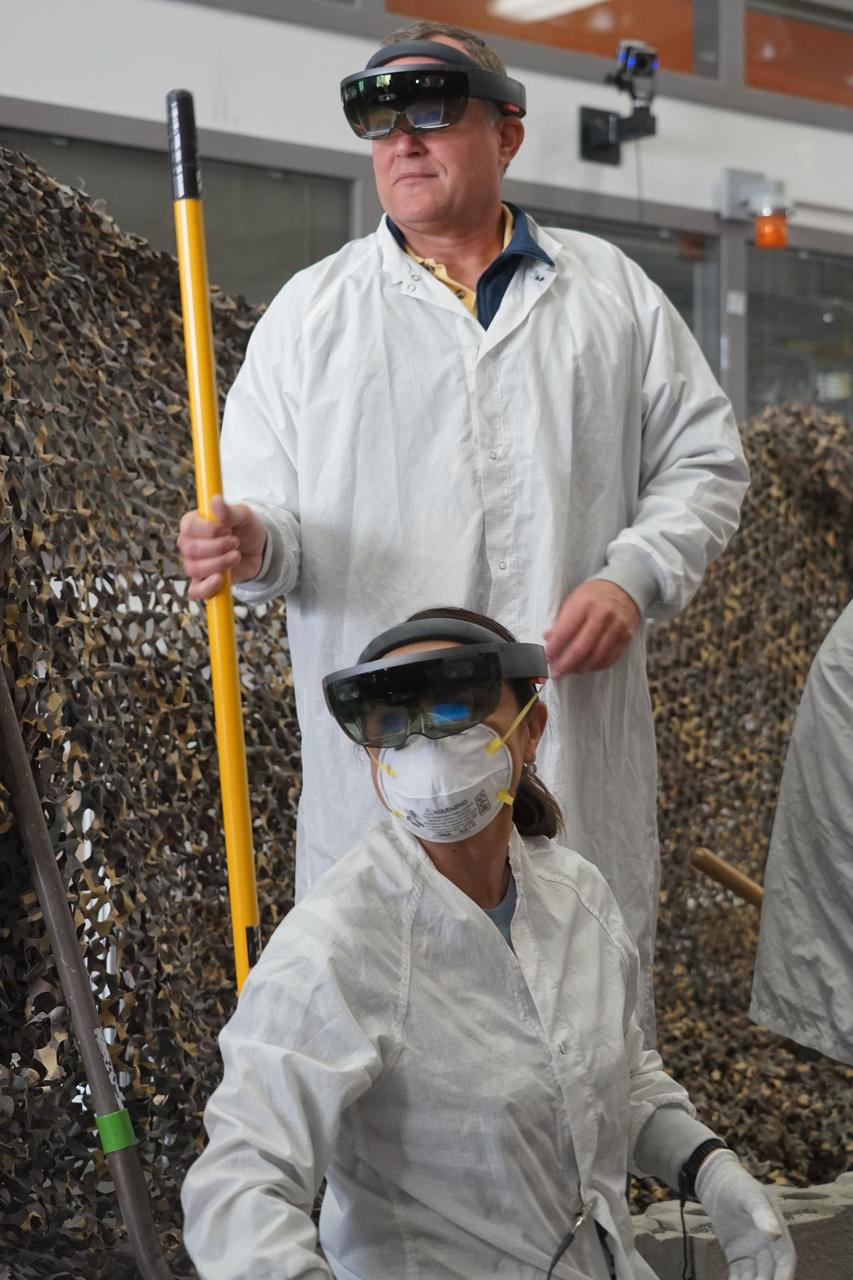
InSight Project Manager Tom Hoffman (standing) and engineer Marleen Sundgaard wear Microsoft HoloLens augmented reality headsets, which project digital terrain models of InSight's landing location on Mars over a lab space. https://photojournal.jpl.nasa.gov/catalog/PIA22951
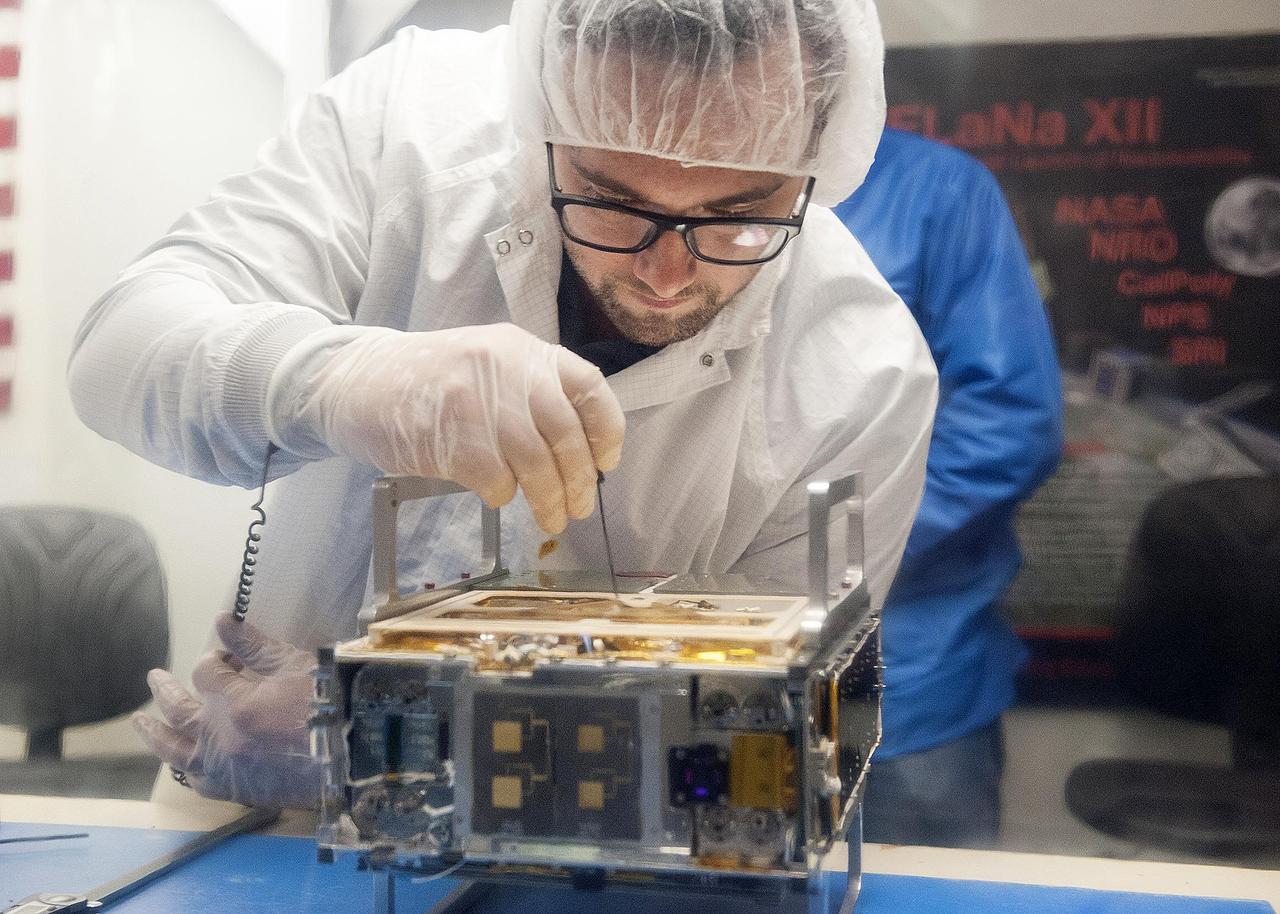
Joel Steinkraus, MarCO lead mechanical engineer from JPL, makes an adjustment on the CubeSat prior to integration in a deployment box as seen inside the cleanroom lab at Cal Poly San Luis Obispo on Monday, March 12, 2018. https://photojournal.jpl.nasa.gov/catalog/PIA22321
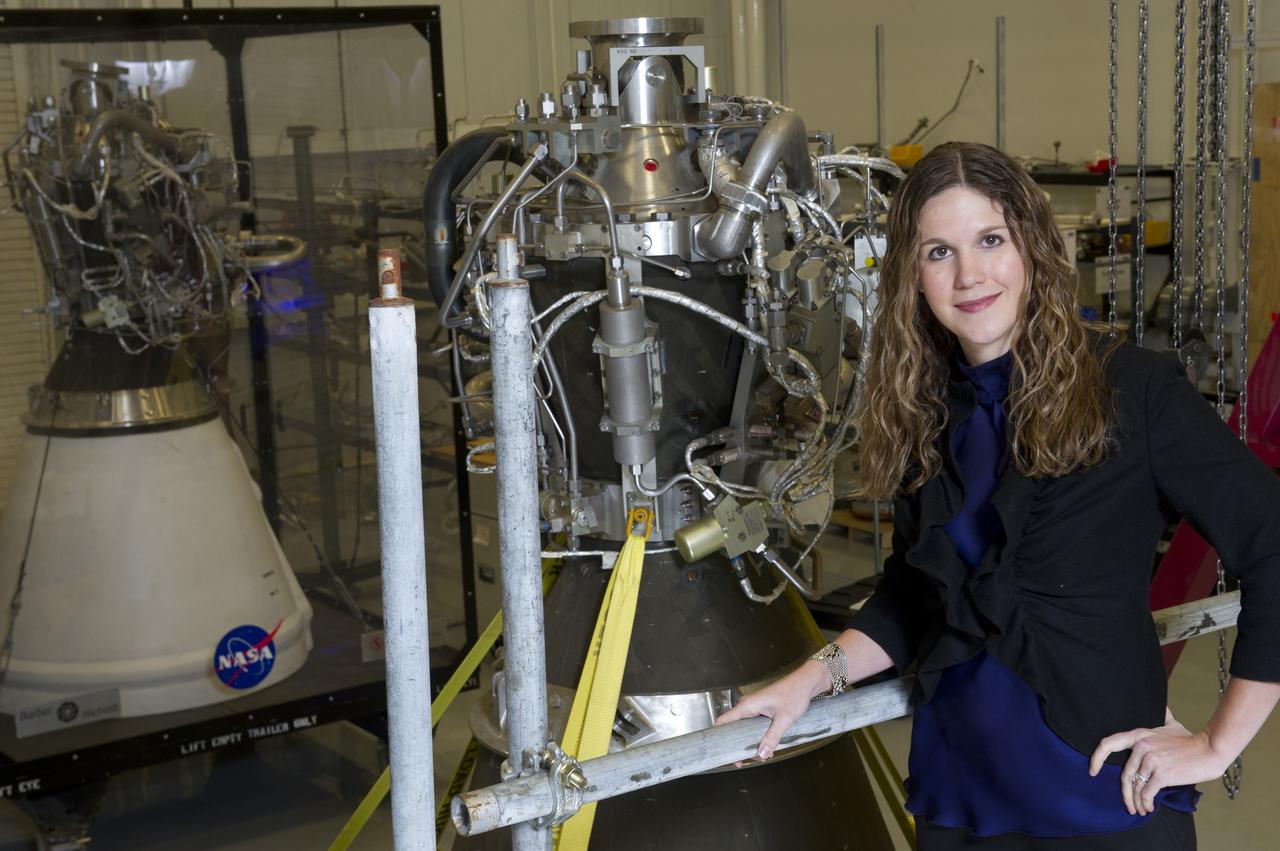
PROPULSION SYSTEMS ENGINEER ERIN BETTS IN MSFC PROPULSION ENGINEERING LAB
NASA Kennedy Space Center's Engineering Directorate held a banner signing event in the Prototype Development Laboratory to mark the successful delivery of a liquid oxygen test tank, called Tardis. Engineers and technicians worked together to develop the tank and build it to support cryogenic testing at Johnson Space Center's White Stands Test Facility in Las Cruces, New Mexico. The 12-foot-tall, 3,810-pound aluminum tank will be shipped to White Sands for testing.

A view inside the Electromagnet Effects Laboratory (EML) on Oct. 13, 2020, at NASA’s Kennedy Space Center in Florida. The EML is the center’s multi-discipline test facility used for electromagnetic design certification for electrical systems, electromagnetic environment development, and electromagnetic operational validation.
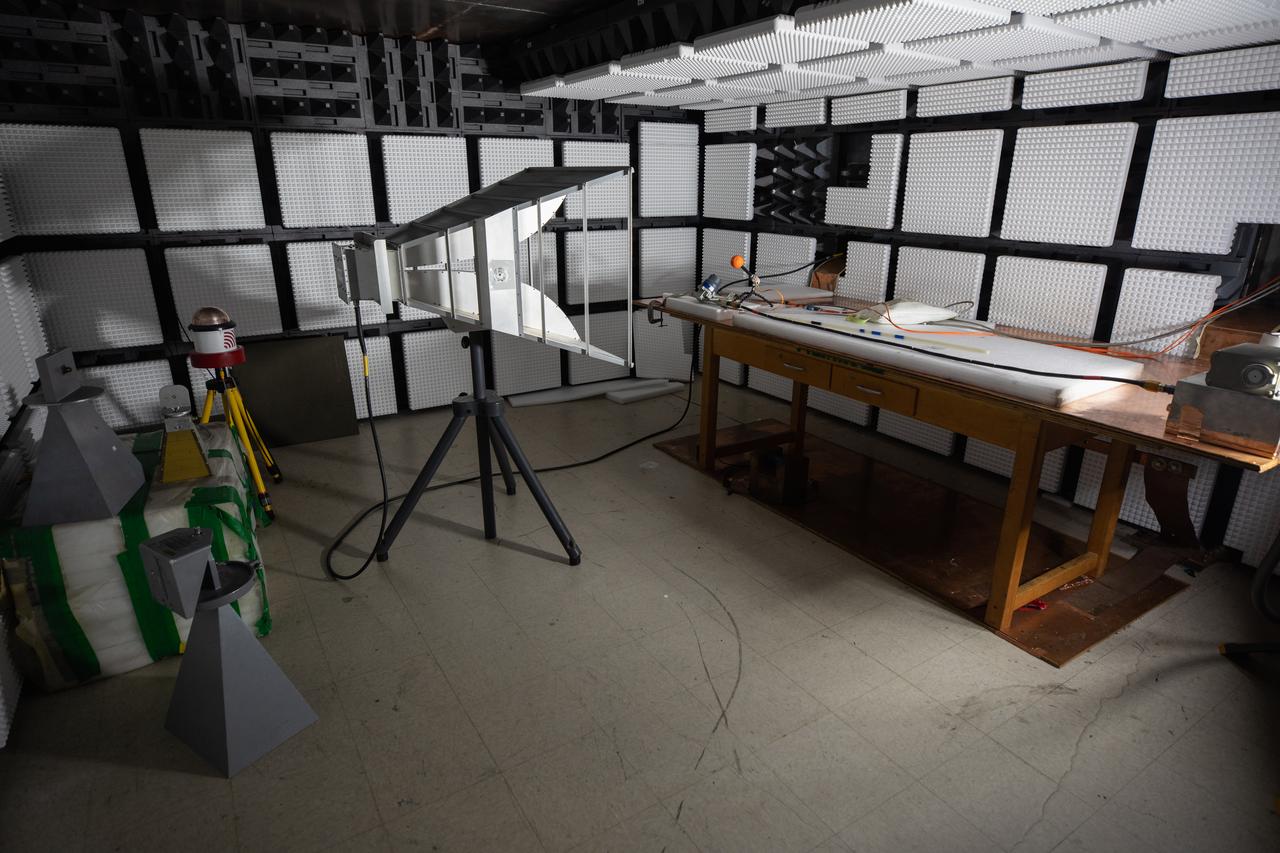
A view inside the Electromagnet Effects Laboratory (EML) on Oct. 13, 2020, at NASA’s Kennedy Space Center in Florida. The EML is the center’s multi-discipline test facility used for electromagnetic design certification for electrical systems, electromagnetic environment development, and electromagnetic operational validation.
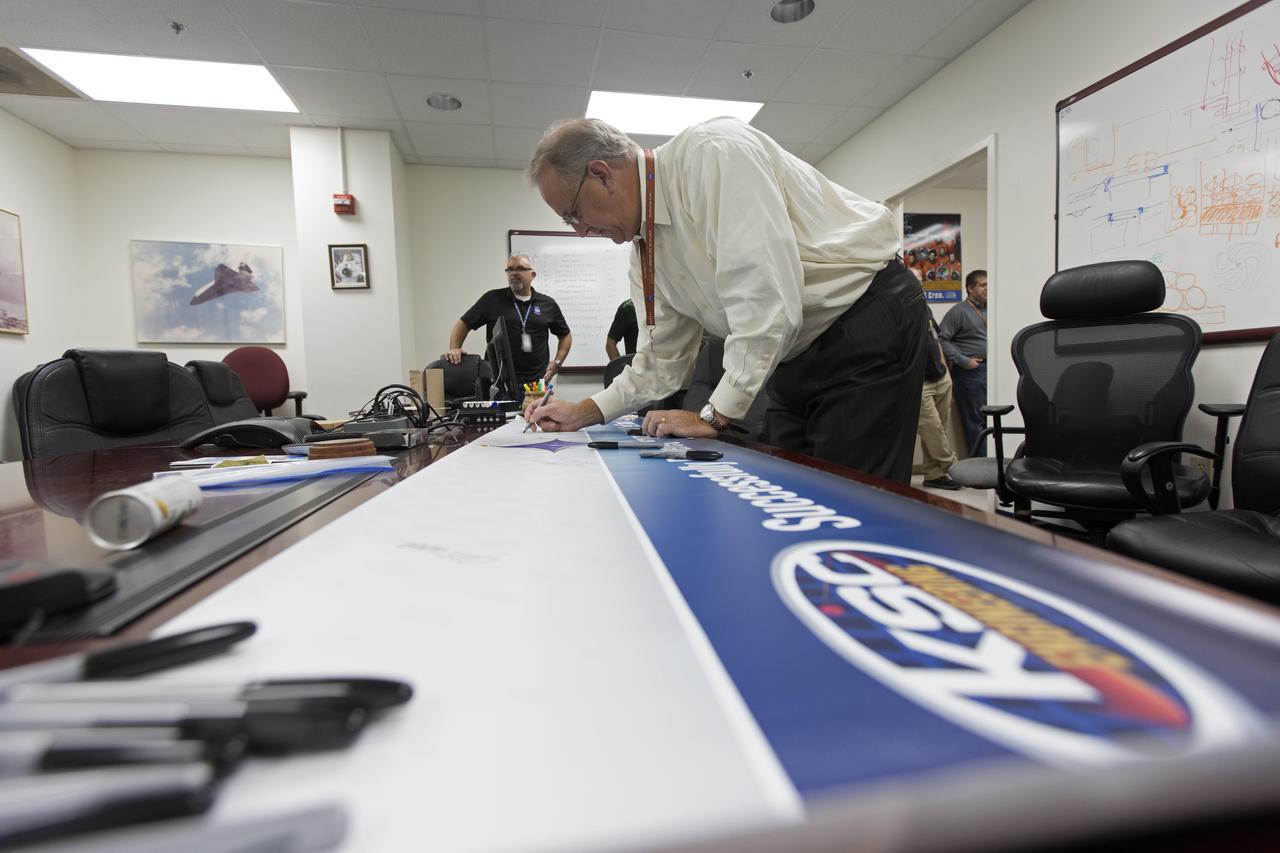
NASA Kennedy Space Center's Engineering Director Pat Simpkins signs the banner marking the successful delivery of a liquid oxygen test tank, called Tardis, in the Prototype Development Laboratory at NASA's Kennedy Space Center in Florida. Engineers and technicians worked together to develop the tank and build it to support cryogenic testing at Johnson Space Center's White Stands Test Facility in Las Cruces, New Mexico. The 12-foot-tall, 3,810-pound aluminum tank will be shipped to White Sands for testing.
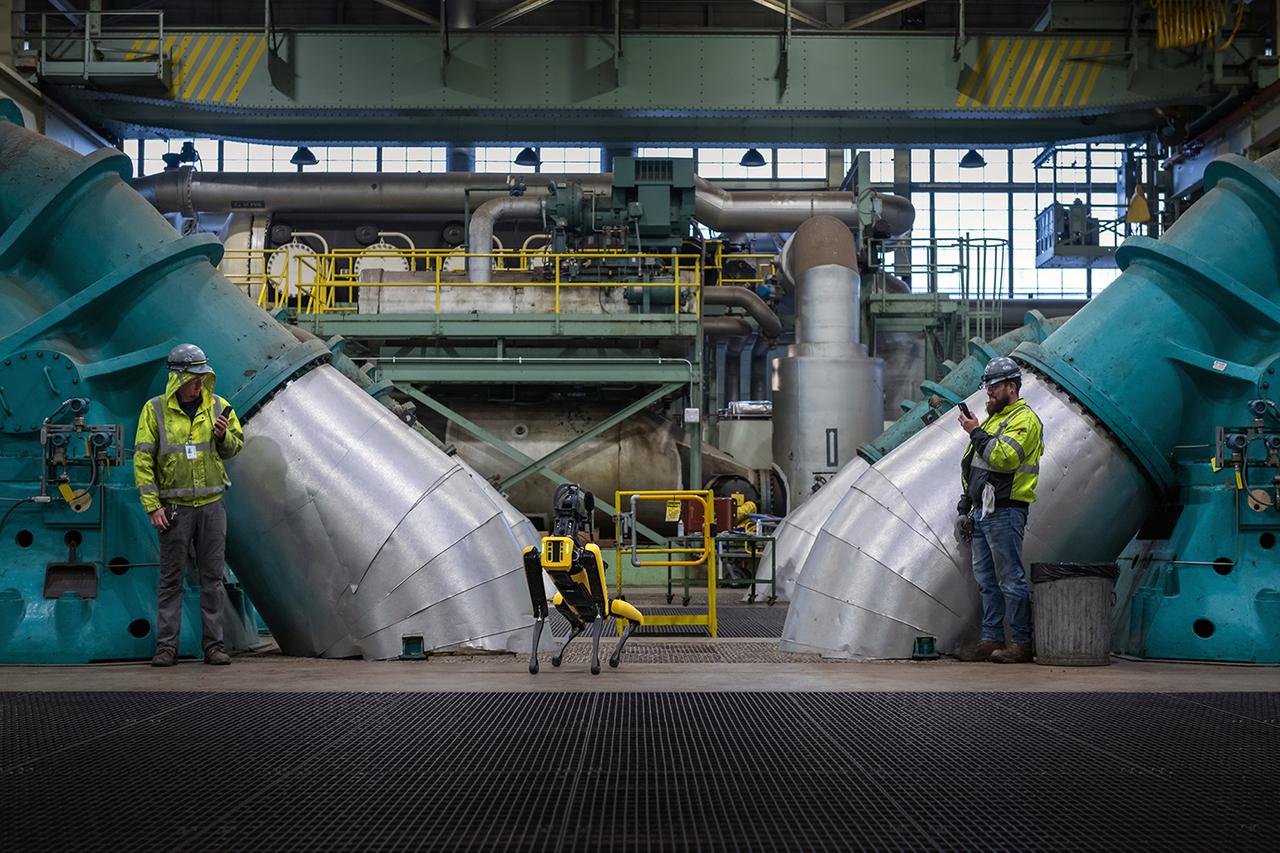
The CPS controls operations used by Glenn Research Center's wind tunnels, propulsion systems lab, engine components research lab, and compressor, turbine and combustor test cells. Used widely throughout the lab, it operates equipment such as exhausters, chillers, cooling towers, compressors, dehydrators, and other such equipment.
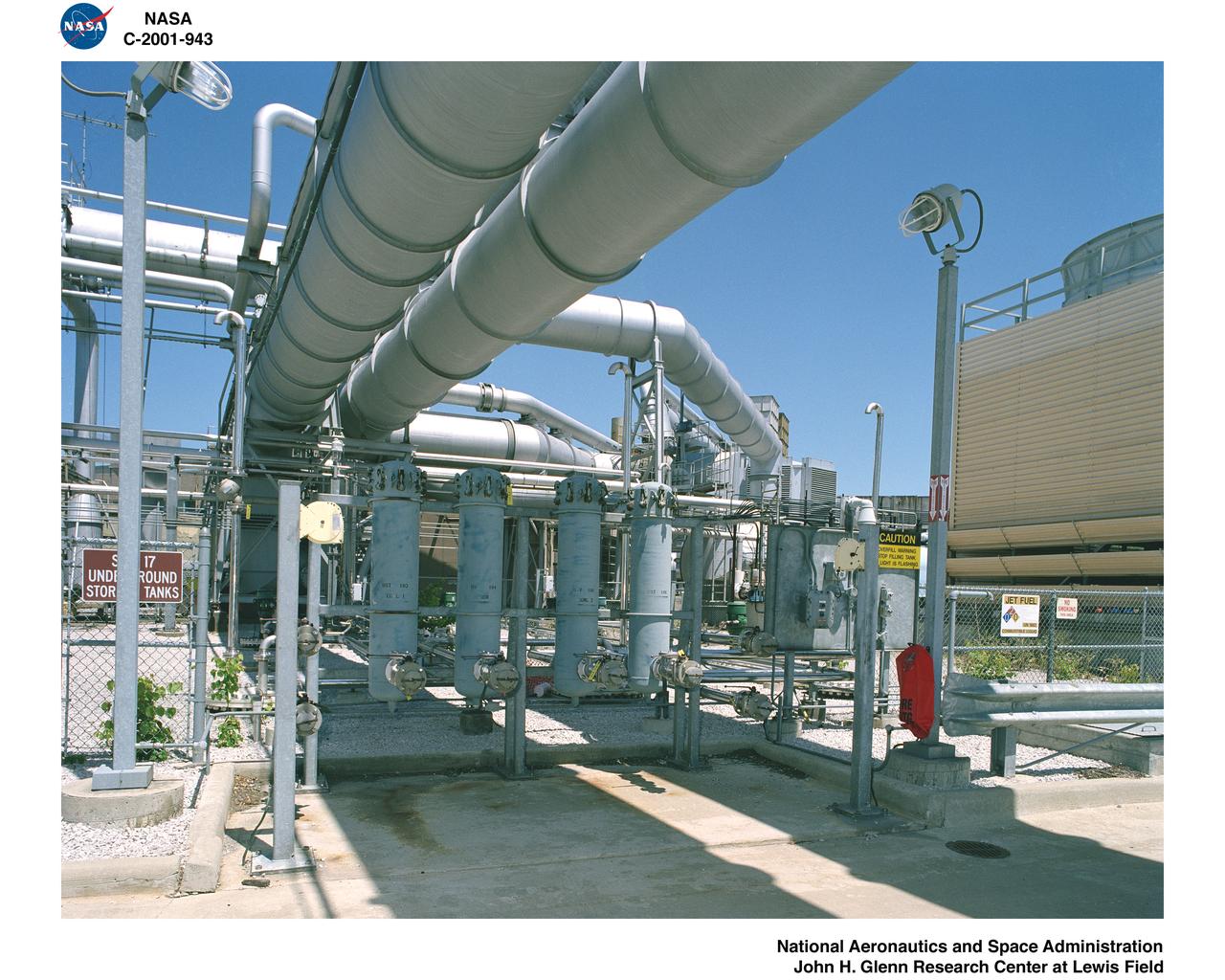
ENGINE COMPONENTS RESEARCH LAB ECRL SIDE 1 AND 2A

iss071e379502 (July 23, 2024) --- Clockwise from left, NASA astronauts Suni Williams, Mike Barratt, and Butch Wilmore work on lab maintenance tasks aboard the International Space Station. Williams and Wilmore are the Pilot and Commander, respectively, for Boeing's Crew Flight Test and Barratt is an Expedition 71 Flight Engineer.
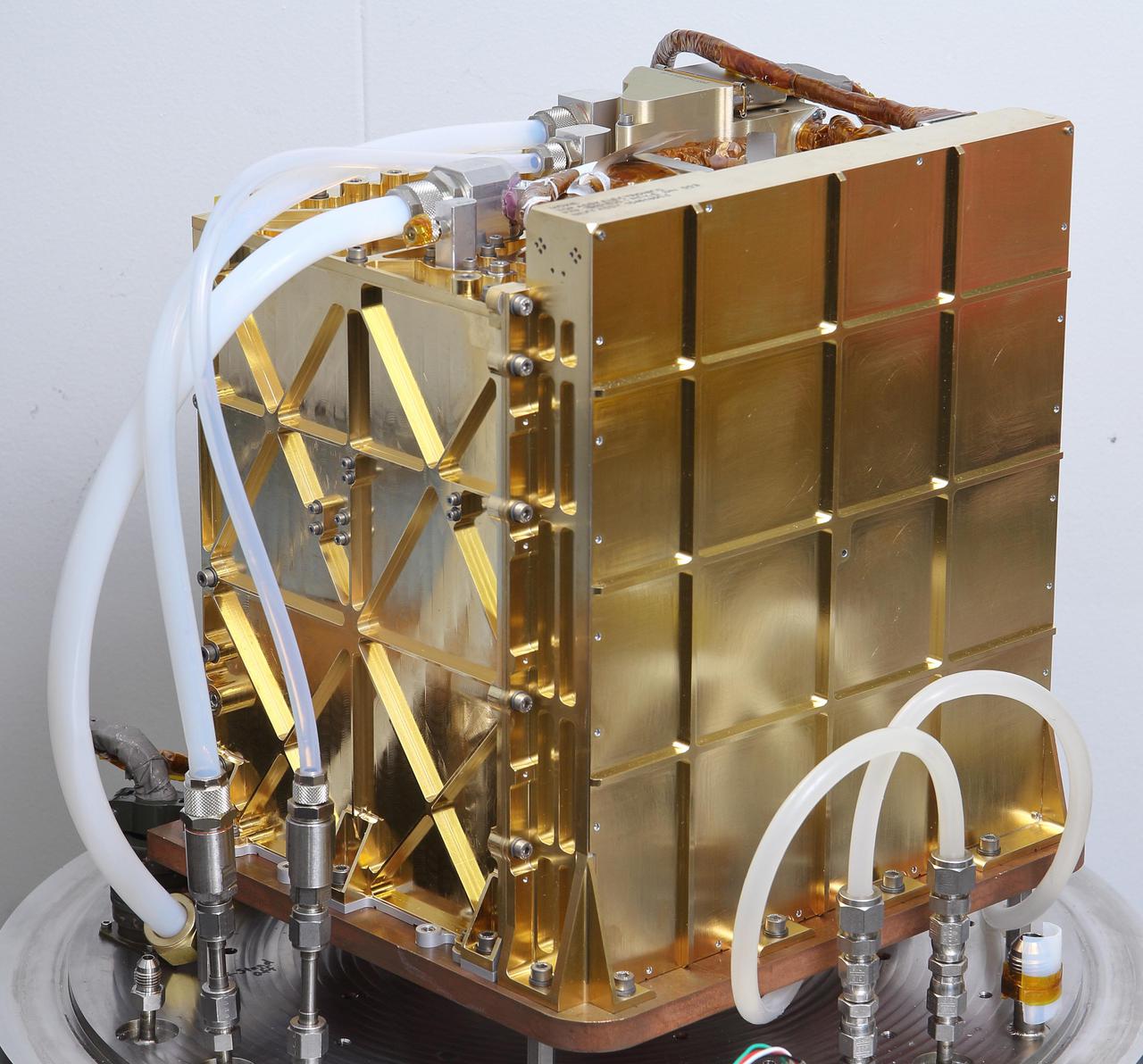
The engineering model (EM), an almost identical twin of MOXIE, is used for testing in the lab at NASA's Jet Propulsion Laboratory in Pasadena, California. Inside this gold-plated aluminum box is the Solid Oxide Electrolysis unit, or SOXE, the heart of MOXIE. Using an electrochemical process called electrolysis, SOXE takes in the carbon dioxide gas and splits it into carbon monoxide and oxygen, which is measured for purity, filtered, and then released back into the Mars atmosphere. Tubes to take in the Mars atmosphere and vent oxygen and carbon monoxide produced by the EM are connected at the top of the EM. The electronics needed to run this complex machine are housed inside the larger sidewall seen on the right. https://photojournal.jpl.nasa.gov/catalog/PIA24201
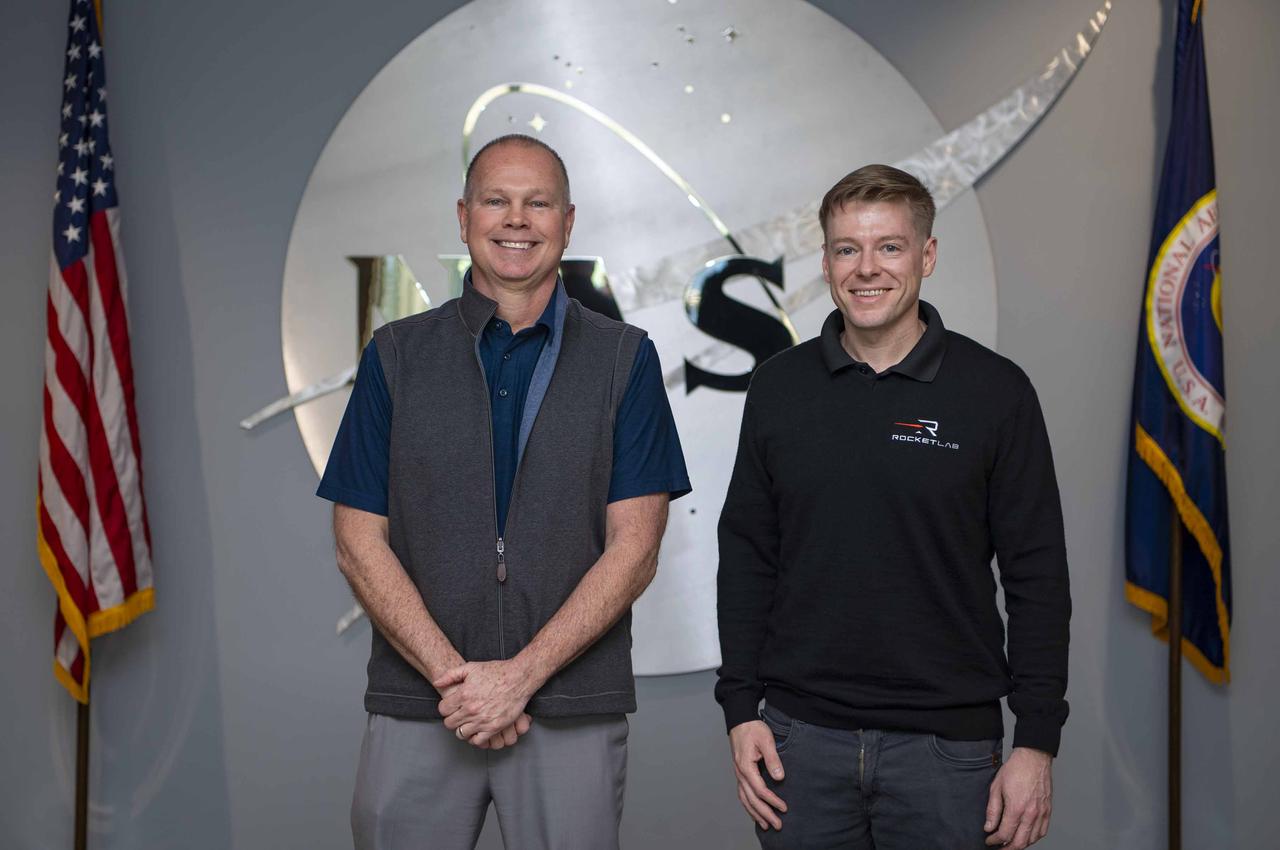
NASA Stennis Director John Bailey, left, welcomes Richard French, Rocket Lab USA, Inc. vice president of business development and strategy of space systems, for a tour of NASA Stennis on Feb. 26. In 2022, NASA and Rocket Lab reached an agreement for the aerospace company to locate its engine test complex at NASA Stennis. The initial 10-year agreement between NASA and Rocket Lab includes an option to extend an additional 10 years. The Archimedes Test Complex includes 24 acres surrounding the site’s A-3 Test Stand. Archimedes is Rocket Lab’s liquid oxygen and liquid methane rocket engine to power its medium-lift Neutron rocket. The company successfully completed the first hot fire of the new Archimedes rocket engine at NASA Stennis in August 2024.
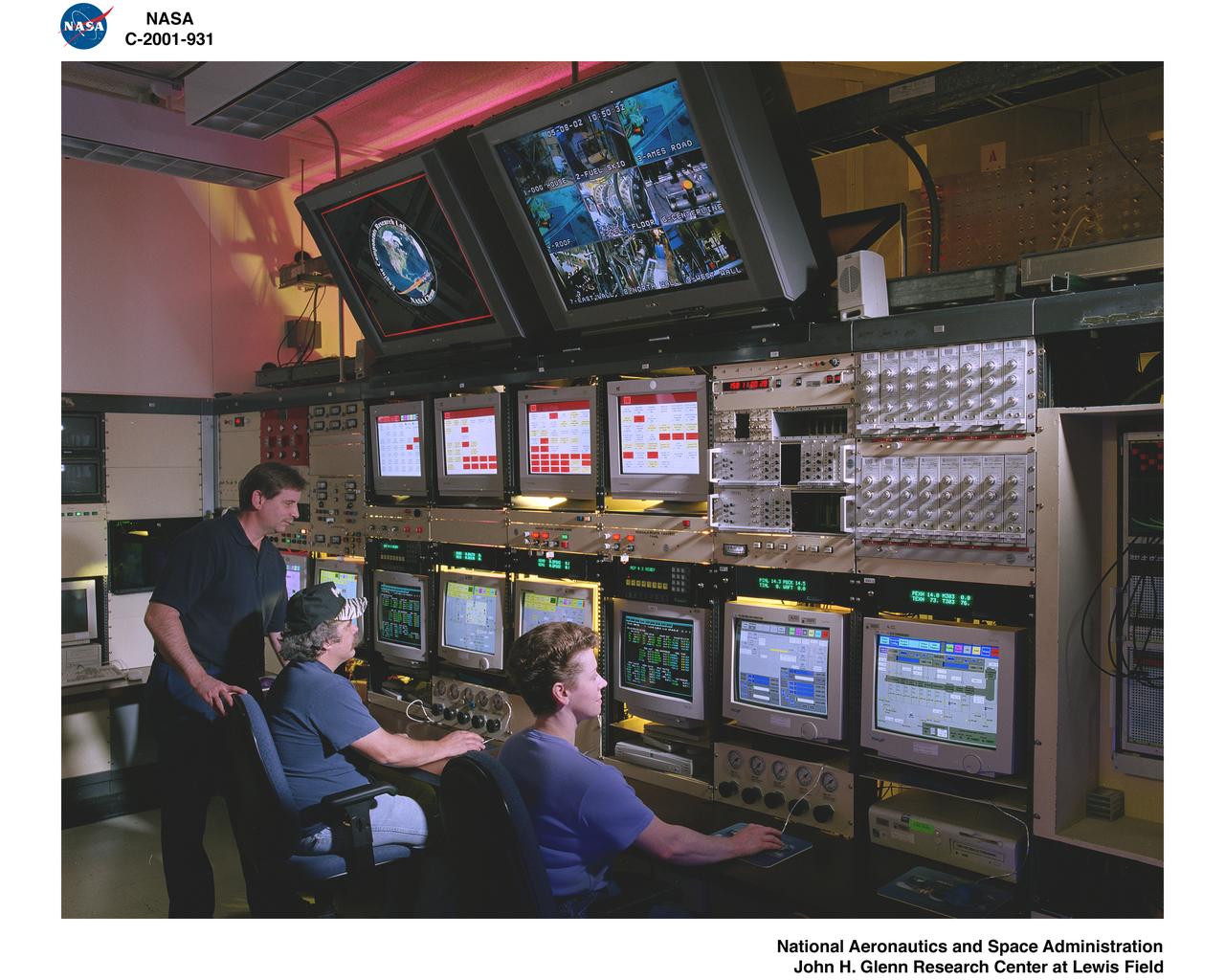
ENGINE COMPONENTS RESEARCH LAB ECRL SIDE 1 AND 2A - ECRL 1D CONTROL ROOM
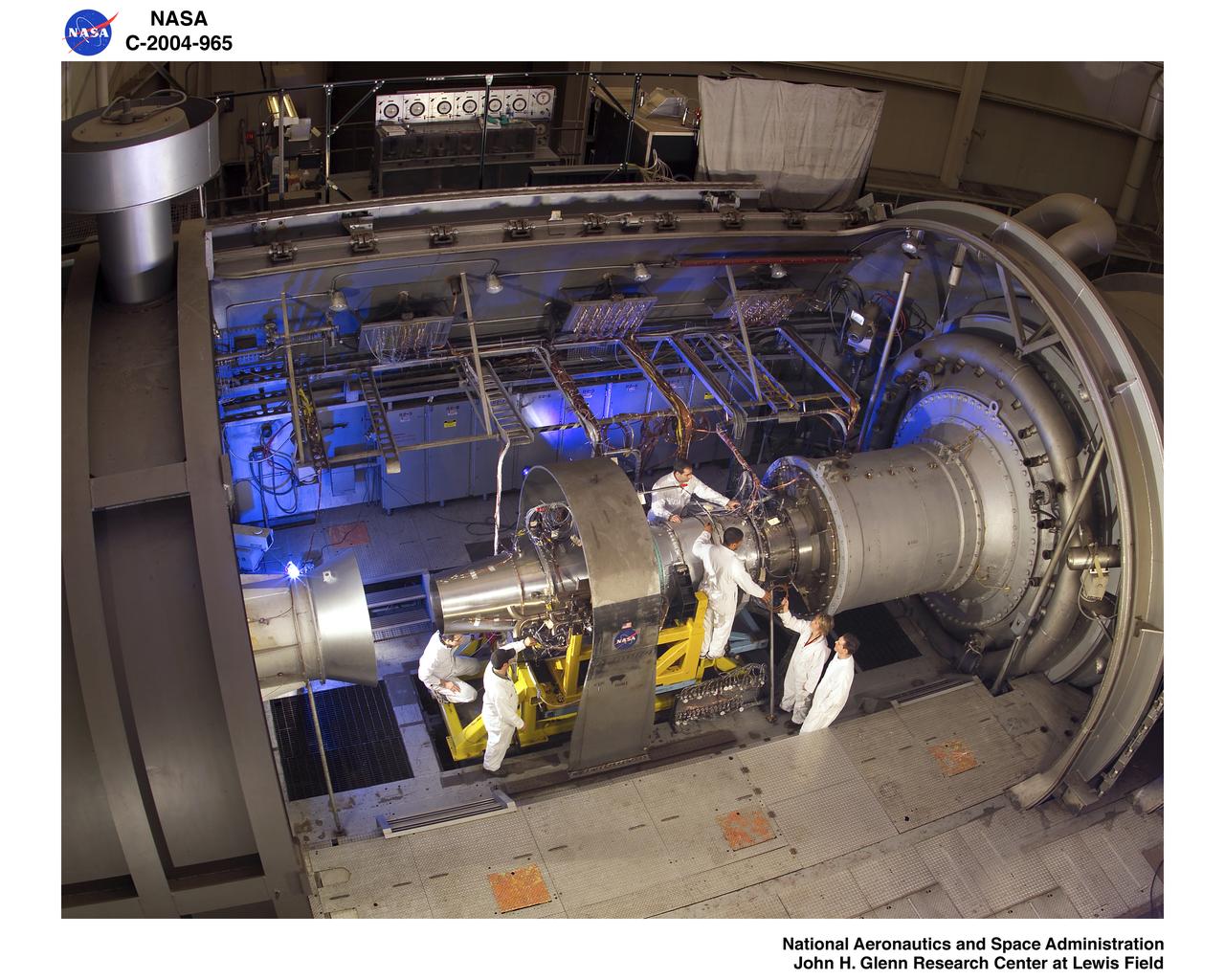
Jet engine being set up for testing with technicians from Propulsion System lab PSL
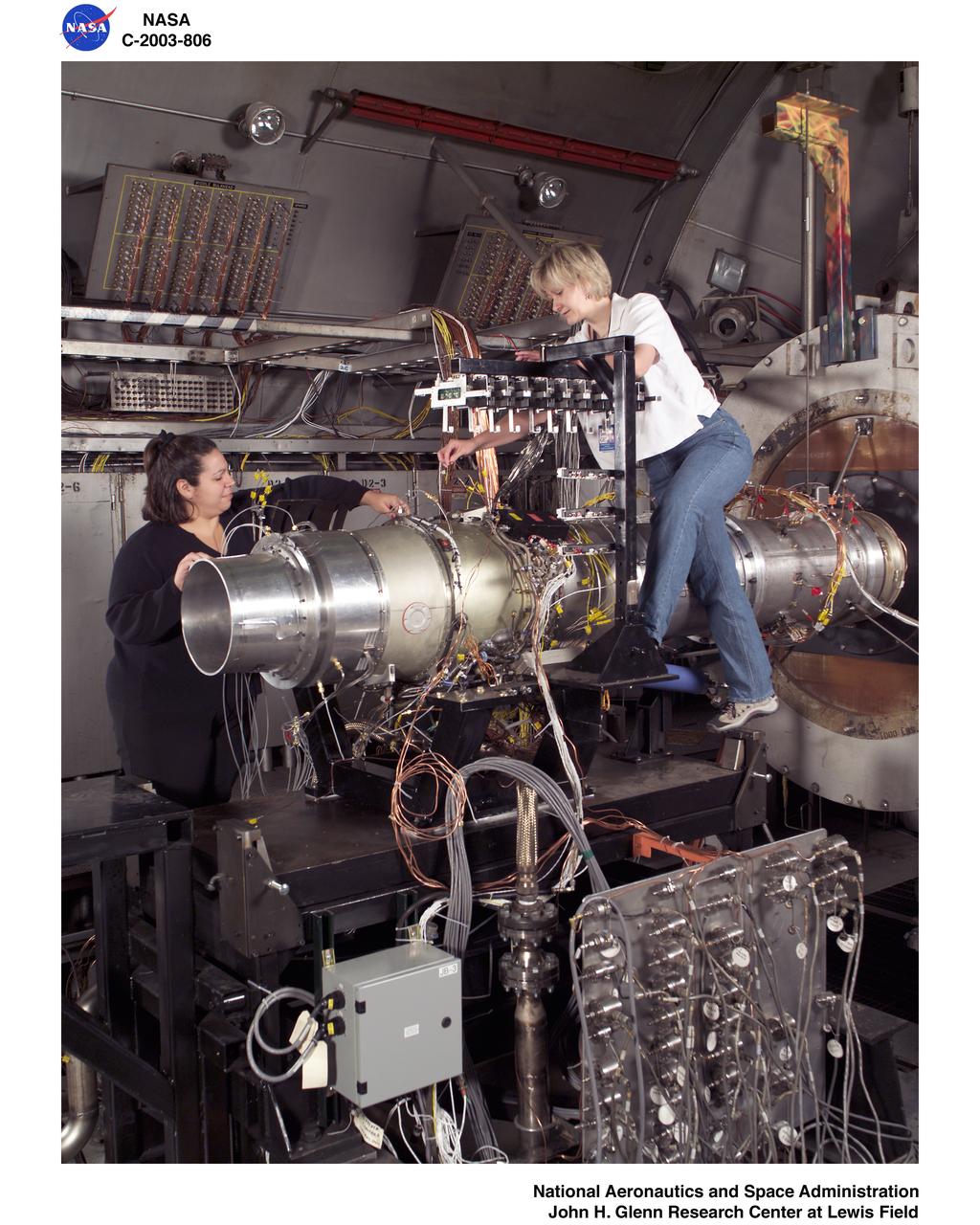
WILLIAMS INTERNATIONAL FJ33 TURBOFAN JET ENGINE TEST IN THE PROPULSION SYSTEMS LAB - PSL - CELL 4
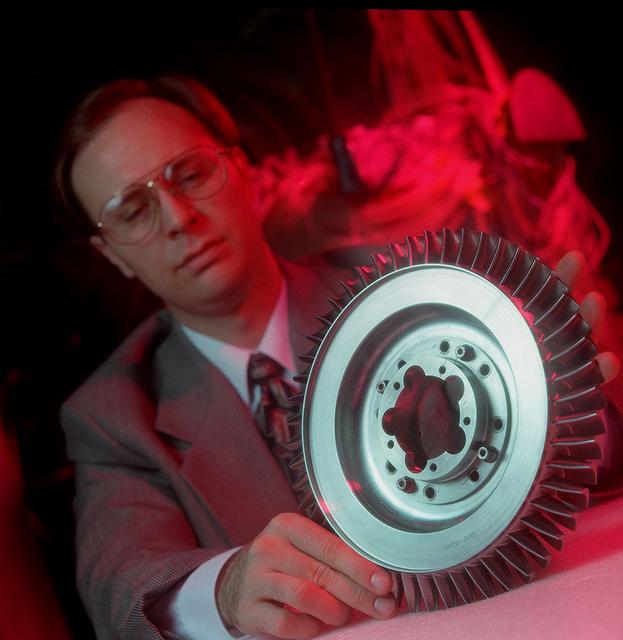
A NASA scientist displays Space Shuttle Main Engine (SSME) turbine component which underwent air flow tests at Marshall's Structures and Dynamics Lab. Such studies could improve efficiency of aircraft engines, and lower operational costs.
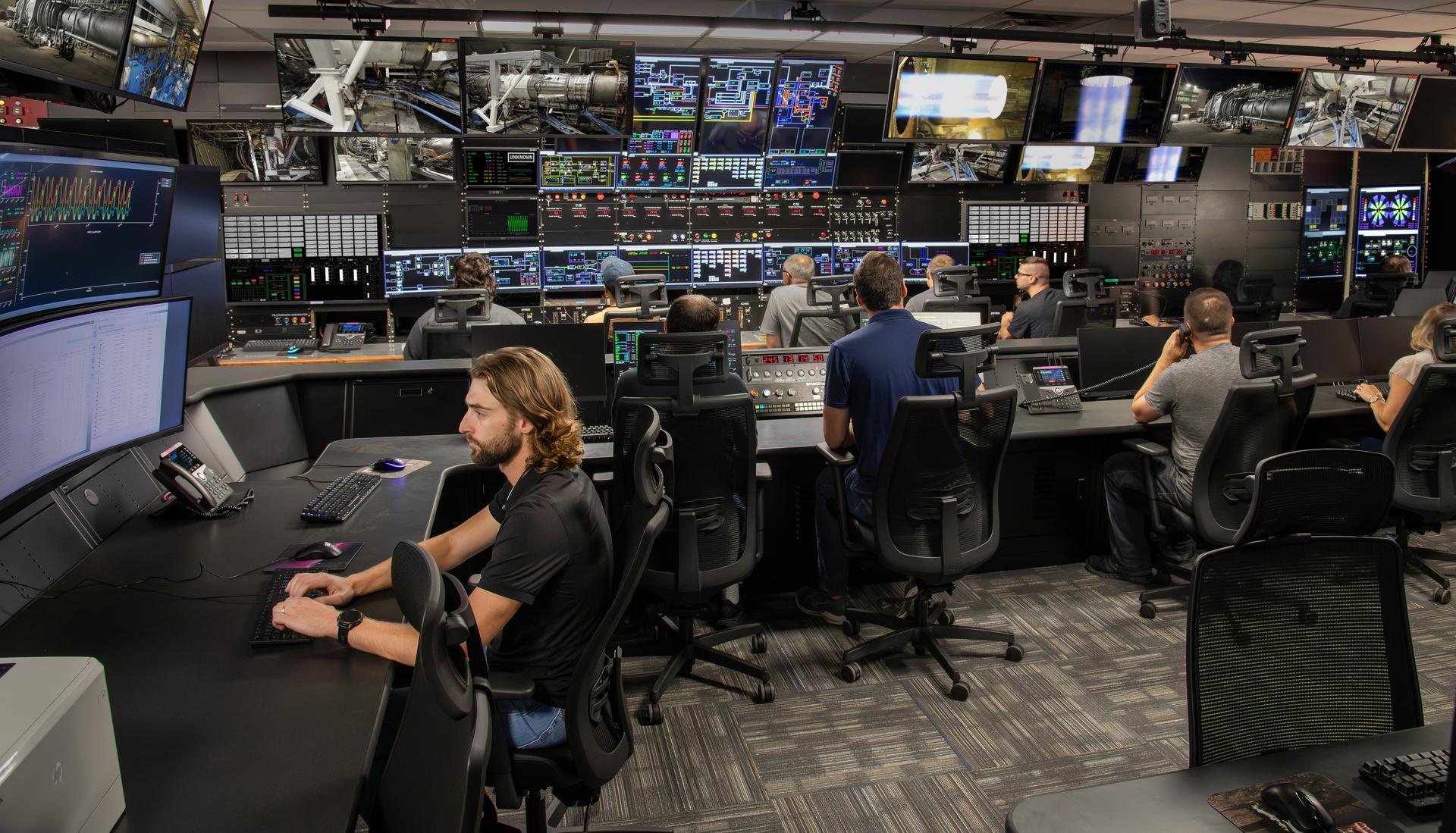
The NASA Glenn's Propulsion System Lab (PSL) recently remodeled control room. This is where jet and rocket engines are tested at GRC. This remodeled control room offers better test monitoring and work stations for test engineers and technicians.
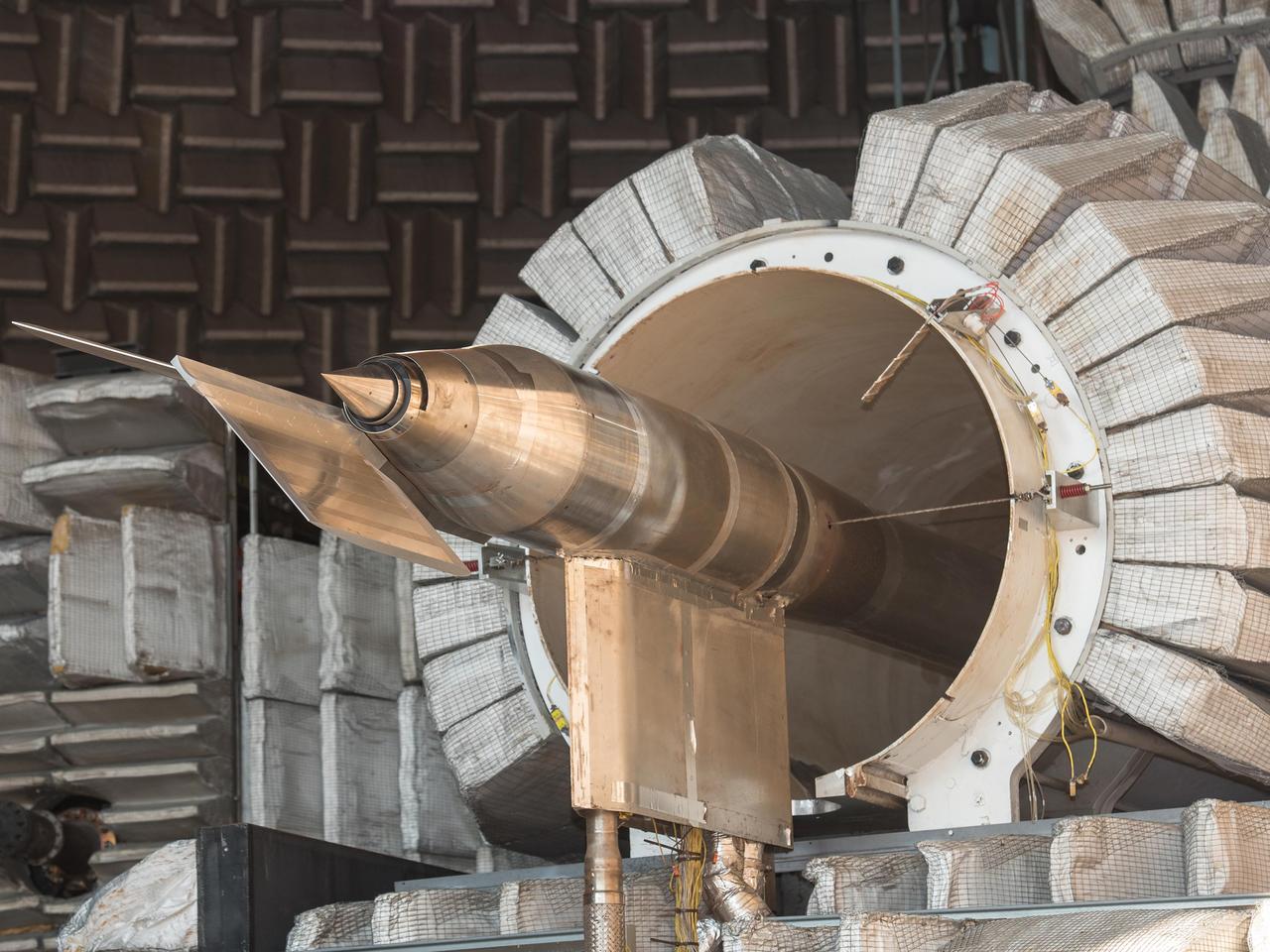
N+2 Nozzle in the Aero-Acoustic Propulsion Lab. As NASA works toward demonstrating low-sonic boom design, engineers at NASA Glenn have tested an engine nozzle that could make supersonic aircraft much quieter.
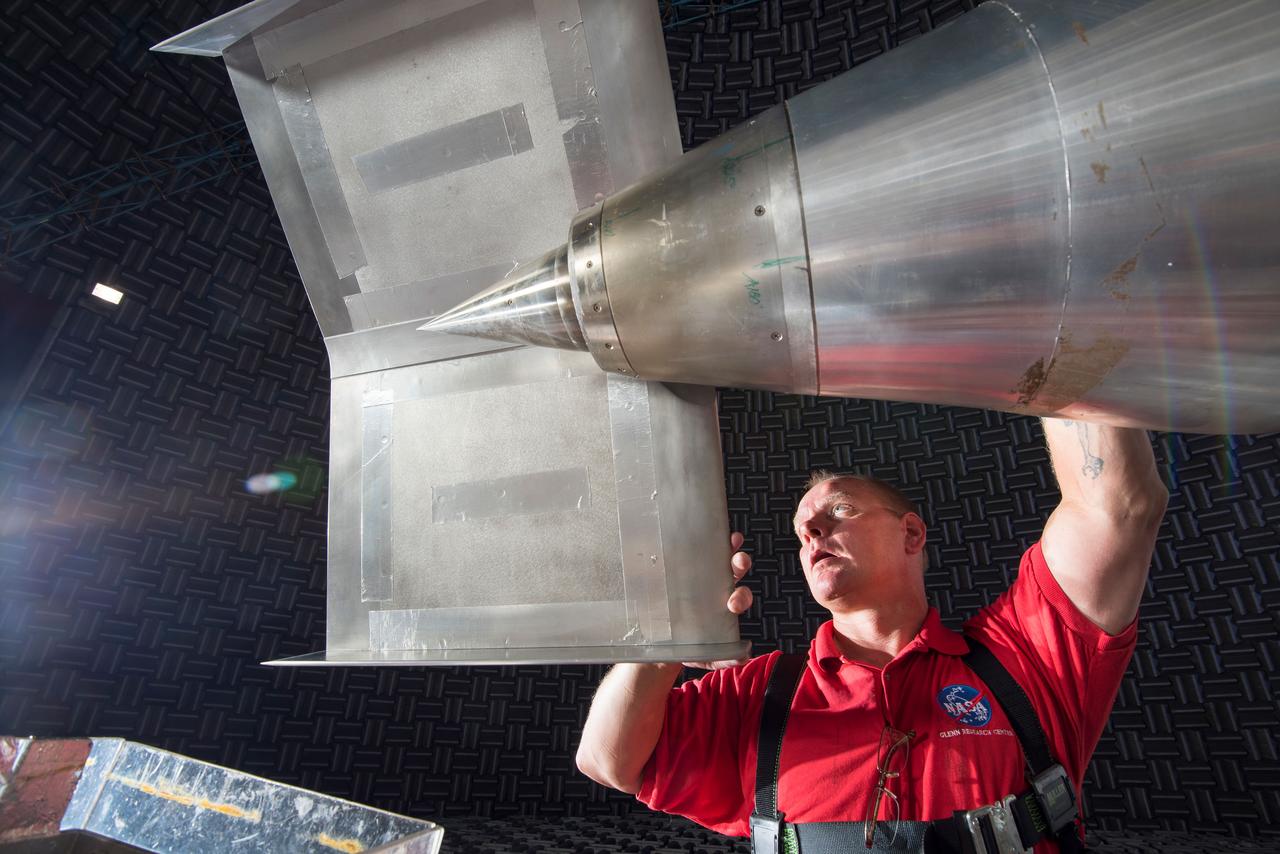
N+2 Nozzle in the Aero-Acoustic Propulsion Lab. As NASA works toward demonstrating low-sonic boom design, engineers at NASA Glenn have tested an engine nozzle that could make supersonic aircraft much quieter.
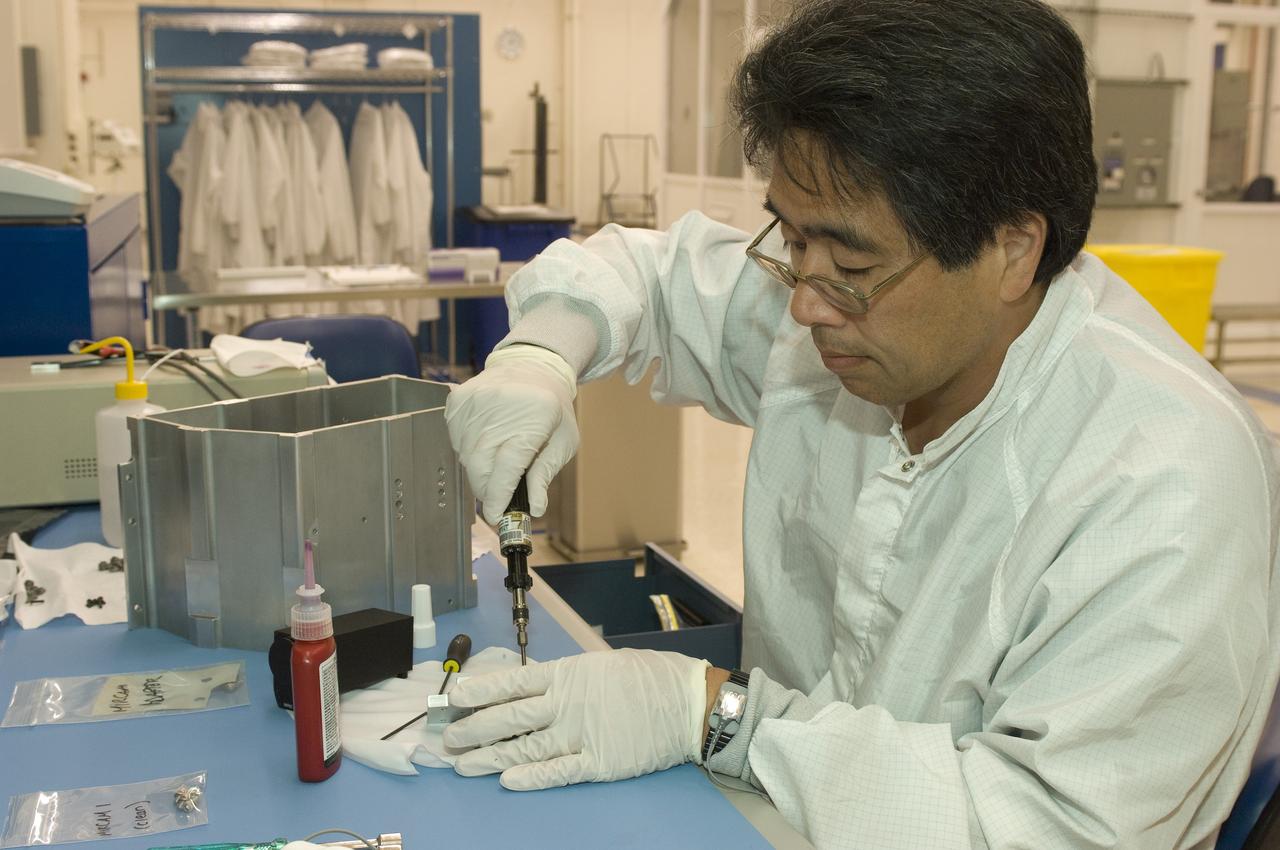
LCROSS flight hardware in clean room at Ames N-240. EEL personnel fabricating & assembling components with Glen Sasaki of Ames, Engineering Evaluation lab
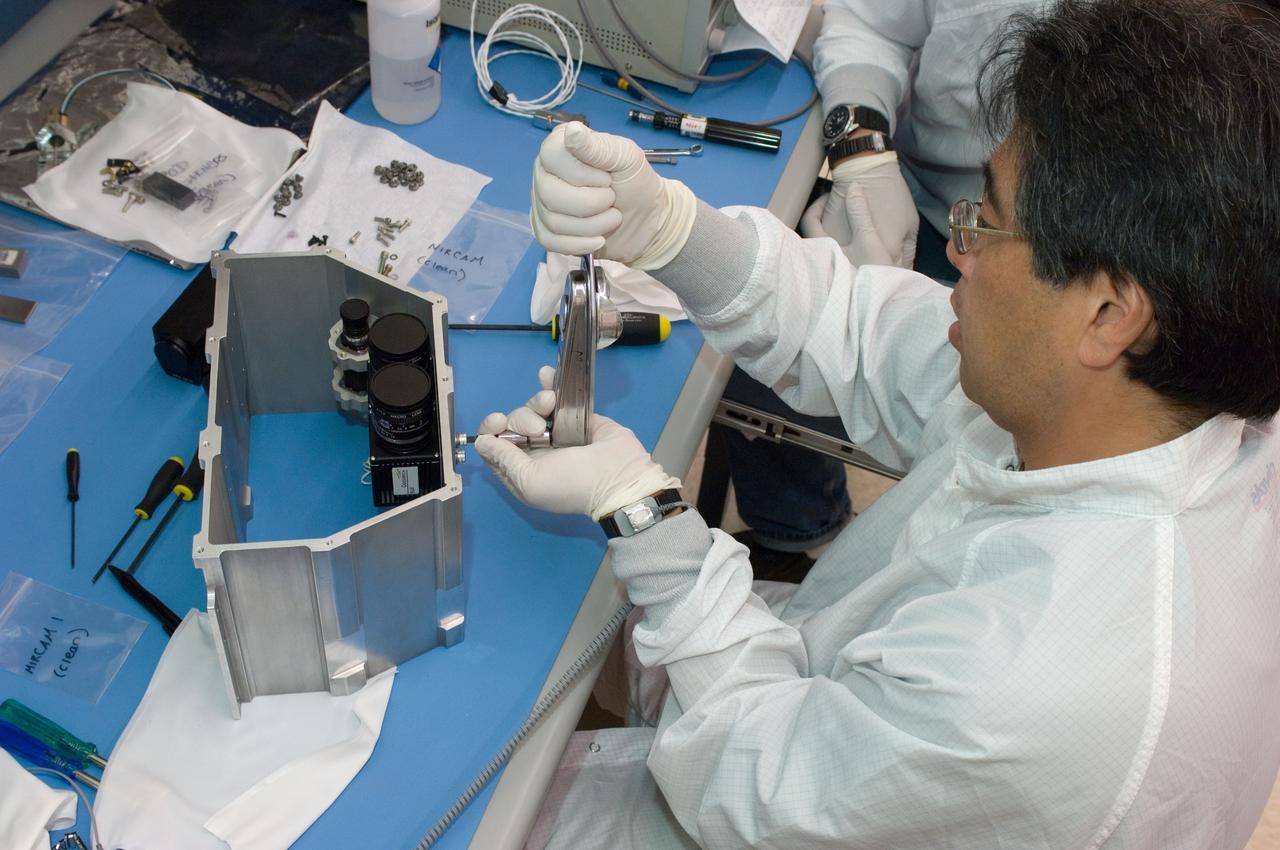
LCROSS flight hardware in clean room at Ames N-240. EEL personnel fabricating & assembling components with Glen Sasaki of Ames, Engineering Evaluation lab
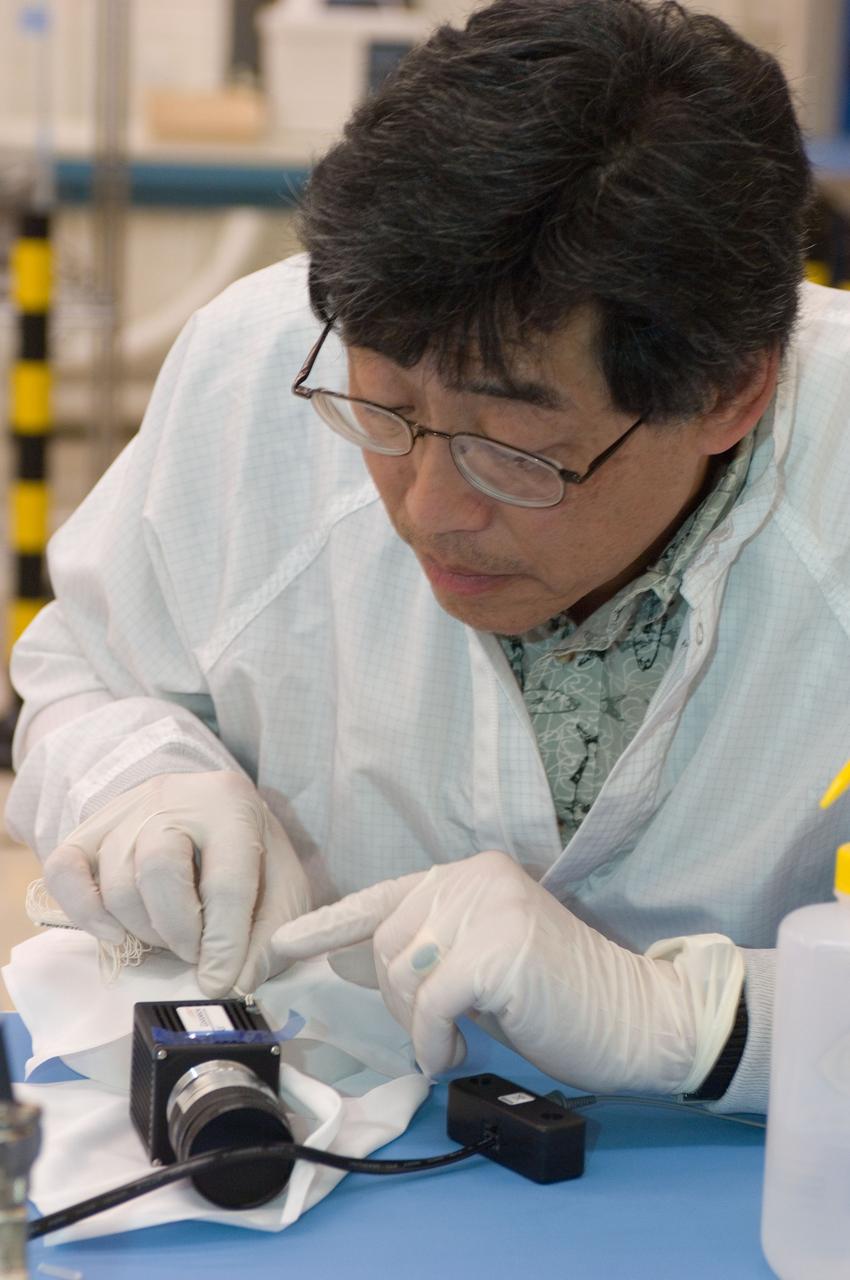
LCROSS flight hardware in clean room at Ames N-240. EEL personnel fabricating testing components with Jerry Wang of Ames, Engineering Evaluation lab
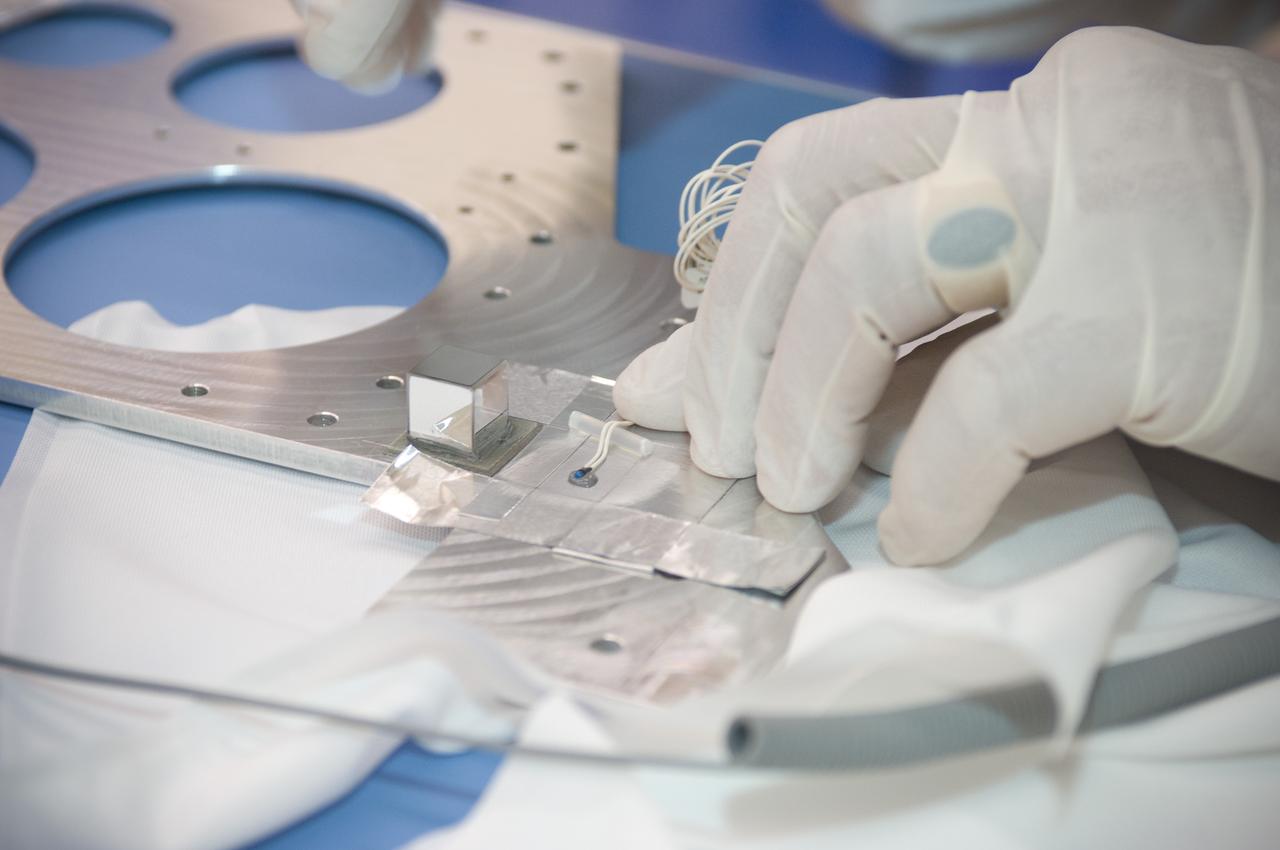
LCROSS flight hardware in clean room at Ames N-240. EEL personnel fabricating testing components with Jerry Wang of Ames, Engineering Evaluation lab
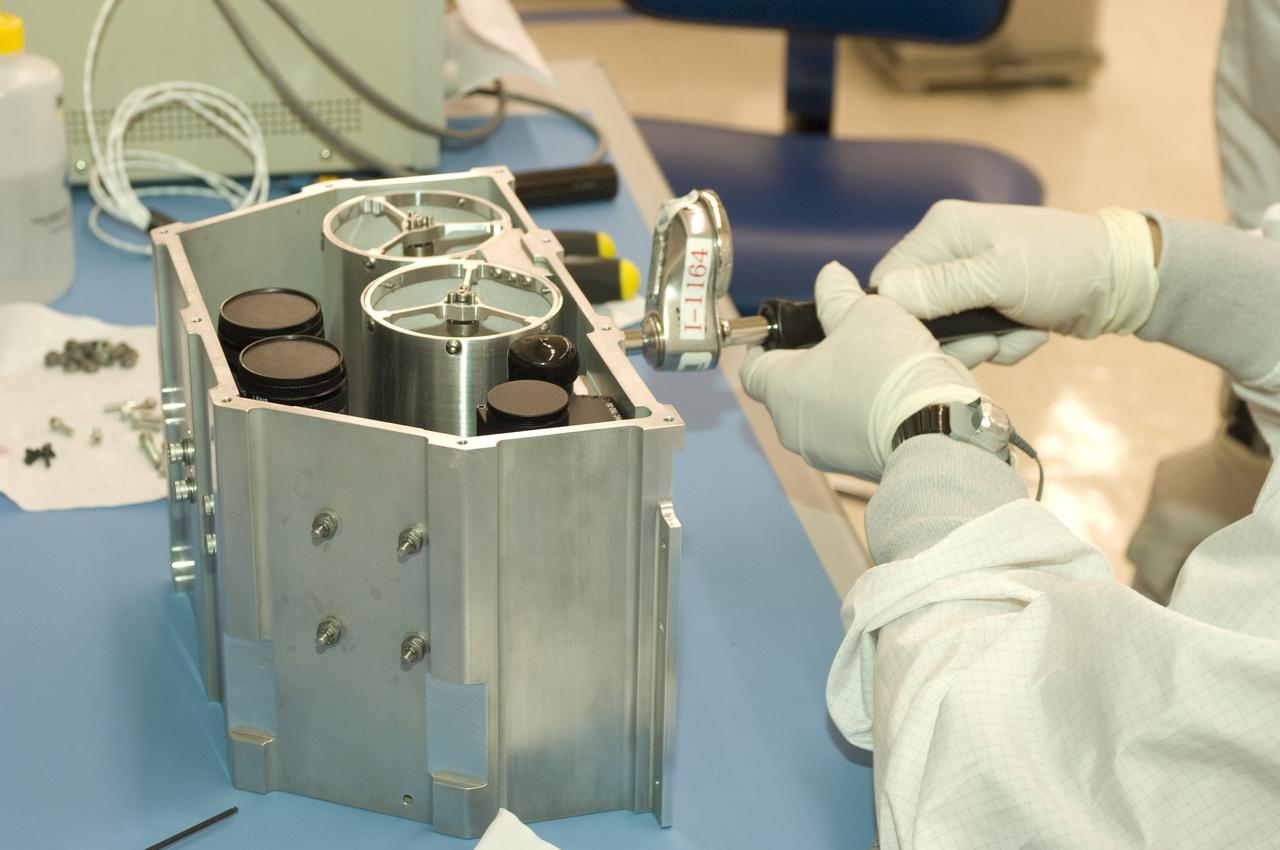
LCROSS flight hardware in clean room at Ames N-240. EEL personnel fabricating & assembling components with Glen Sasaki of Ames, Engineering Evaluation lab
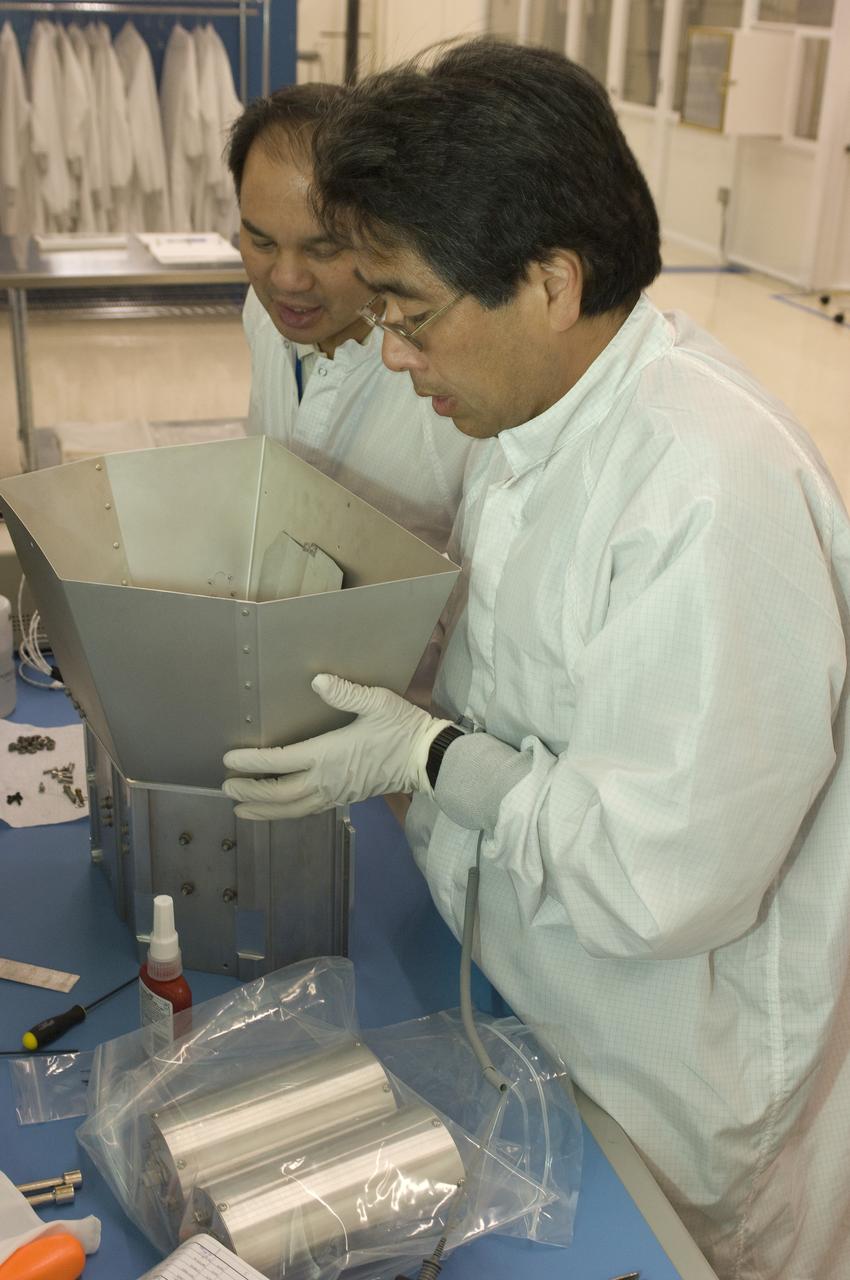
LCROSS flight hardware in clean room at Ames N-240. EEL personnel fabricating & assembling components with Glen Sasaki of Ames, Engineering Evaluation lab
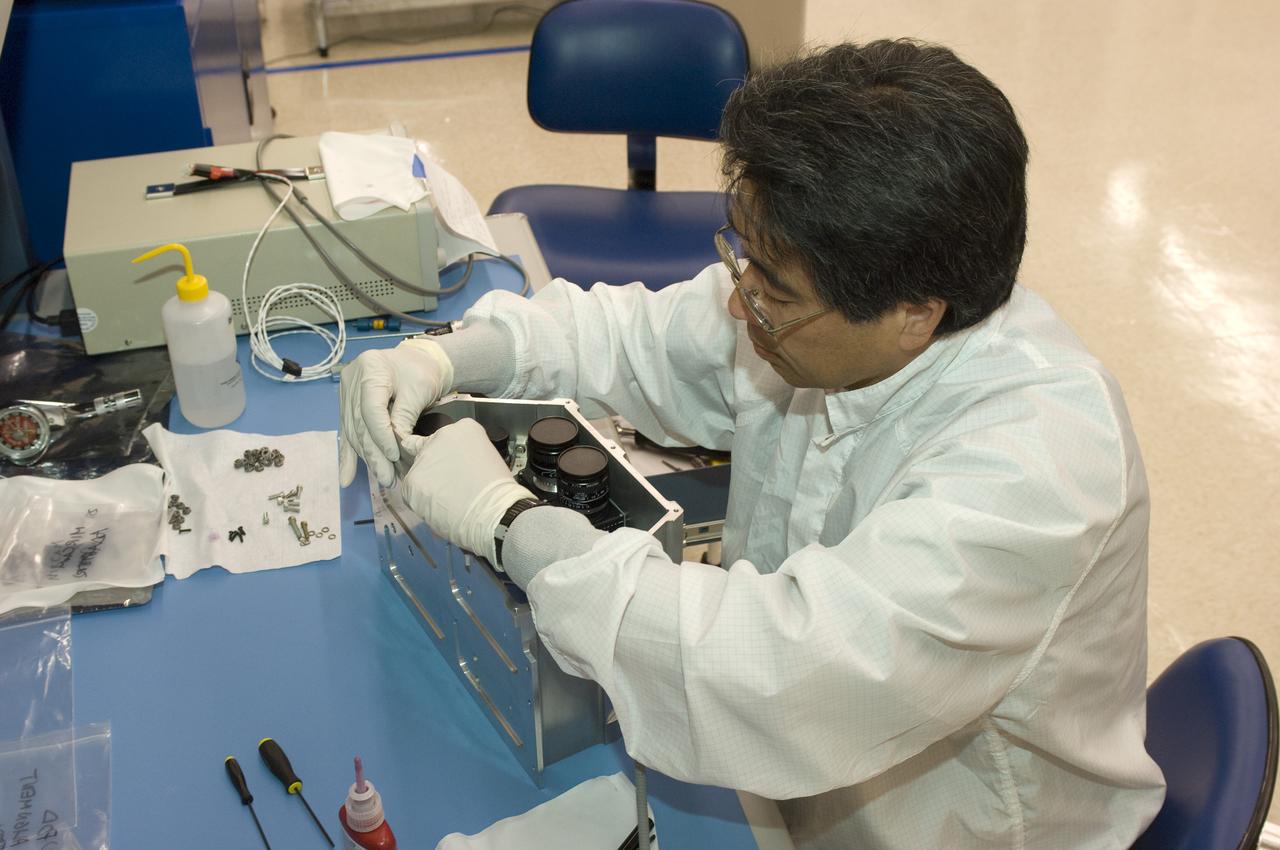
LCROSS flight hardware in clean room at Ames N-240. EEL personnel fabricating & assembling components with Glen Sasaki of Ames, Engineering Evaluation lab
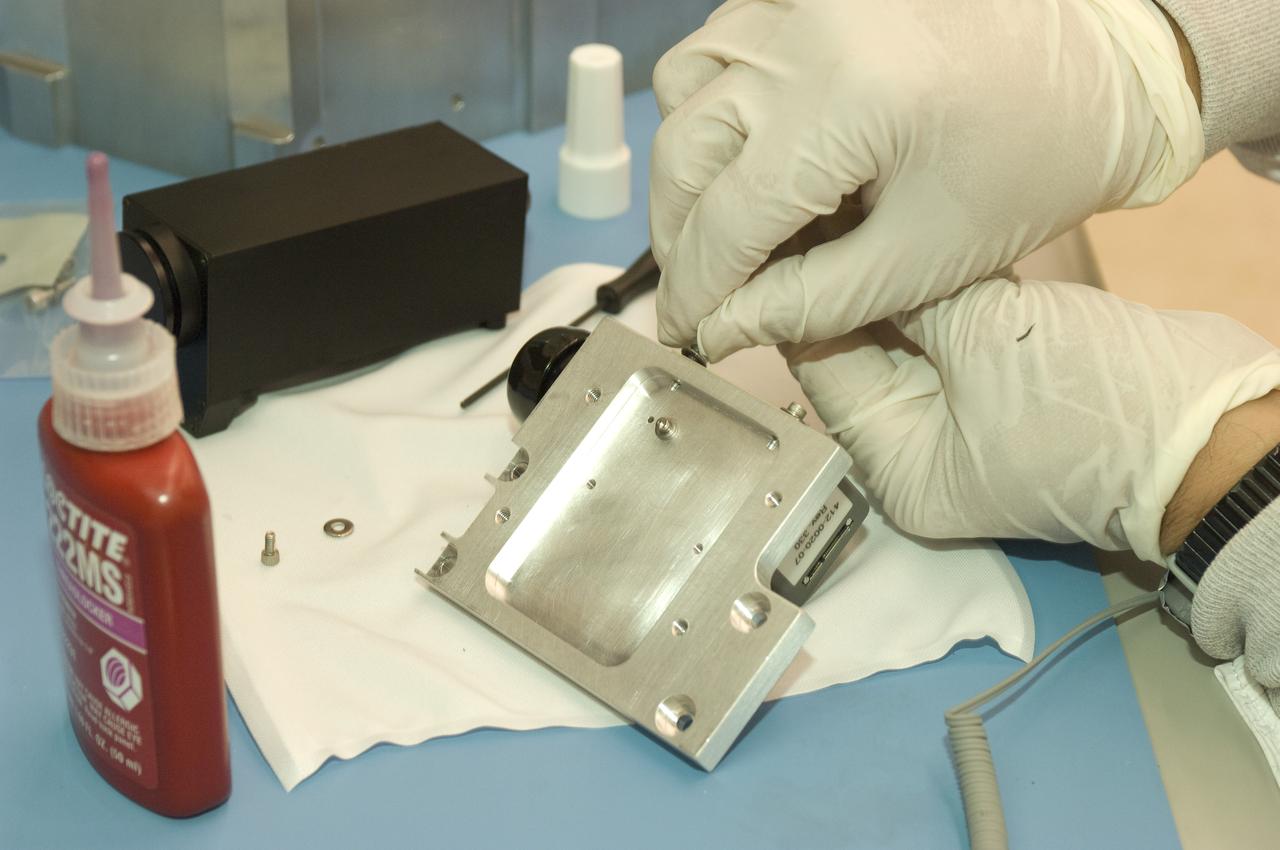
LCROSS flight hardware in clean room at Ames N-240. EEL personnel fabricating & assembling components with Glen Sasaki of Ames, Engineering Evaluation lab
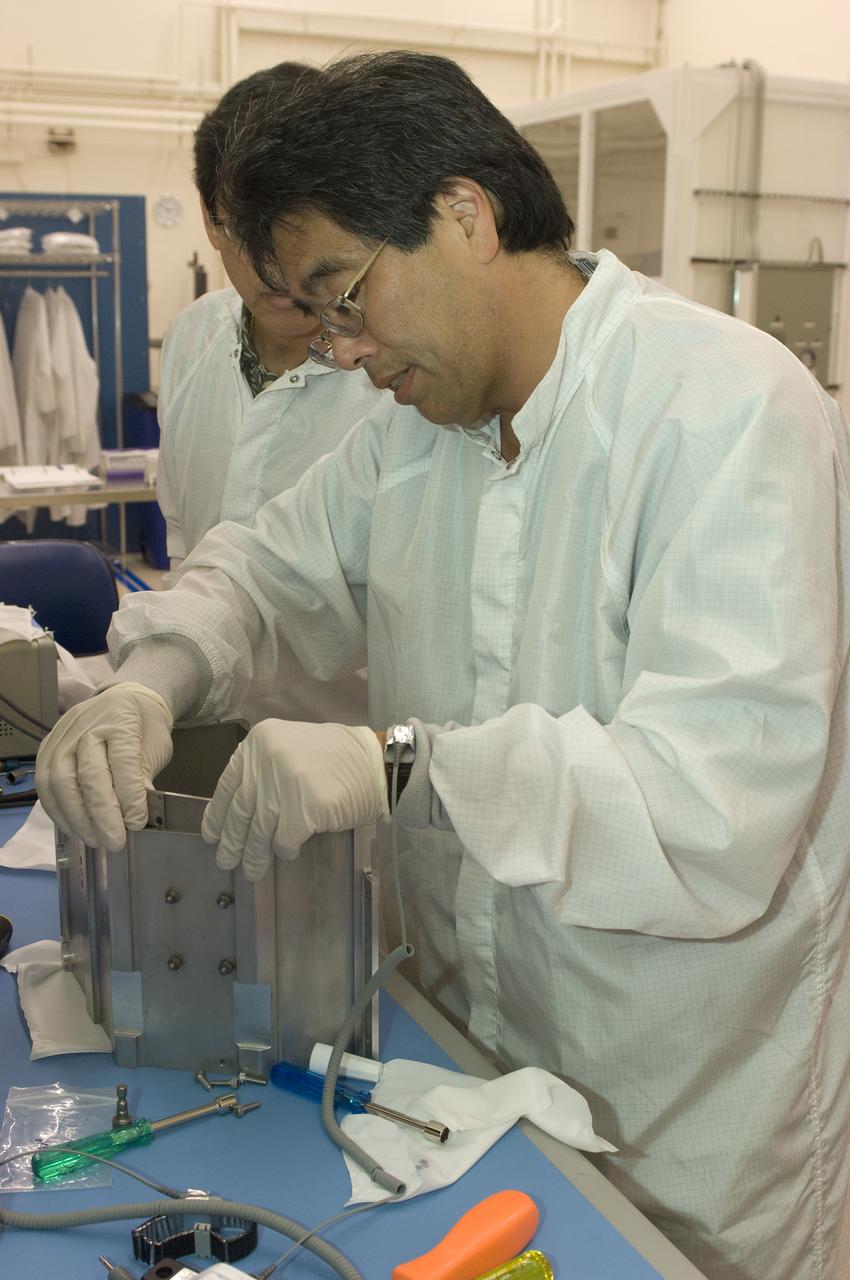
LCROSS flight hardware in clean room at Ames N-240. EEL personnel fabricating & assembling components with Glen Sasaki of Ames, Engineering Evaluation lab
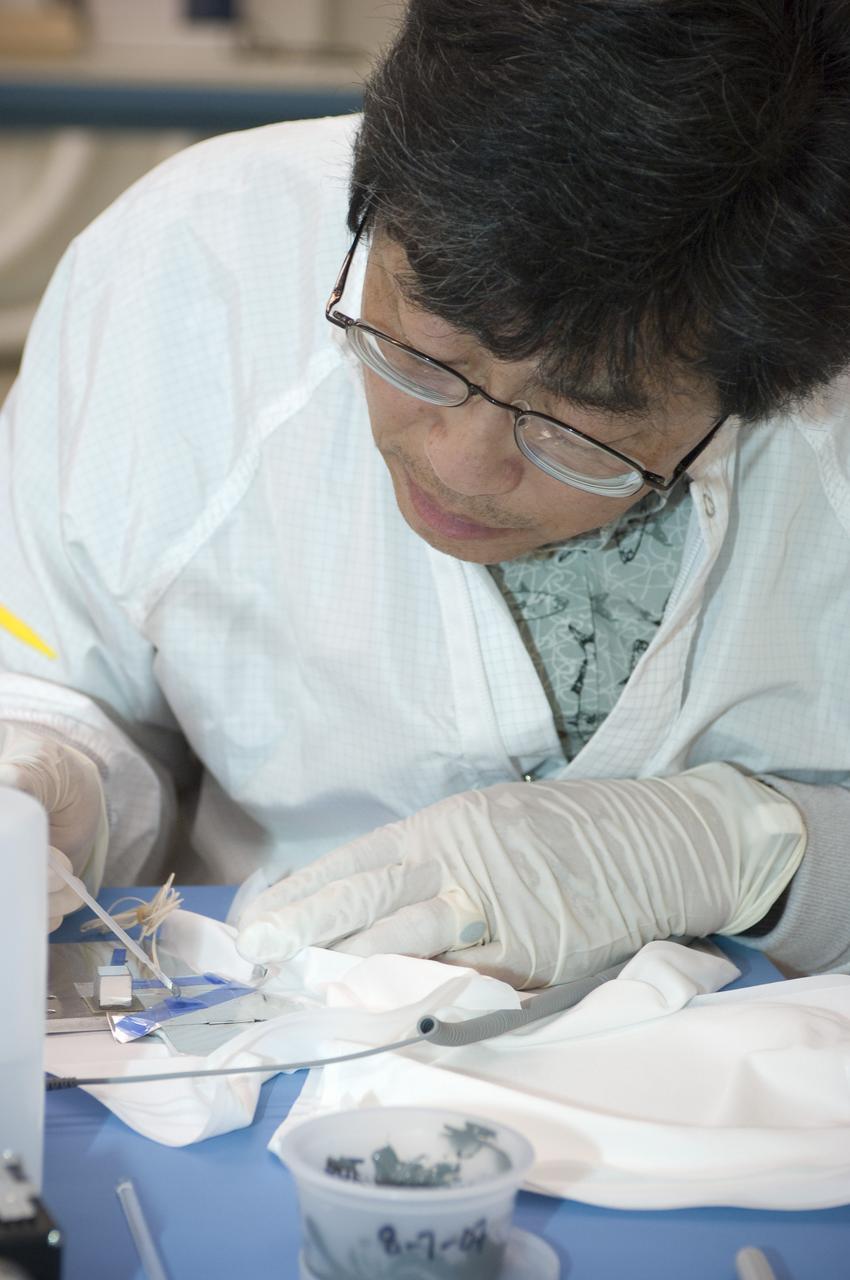
LCROSS flight hardware in clean room at Ames N-240. EEL personnel fabricating testing components with Jerry Wang of Ames, Engineering Evaluation lab
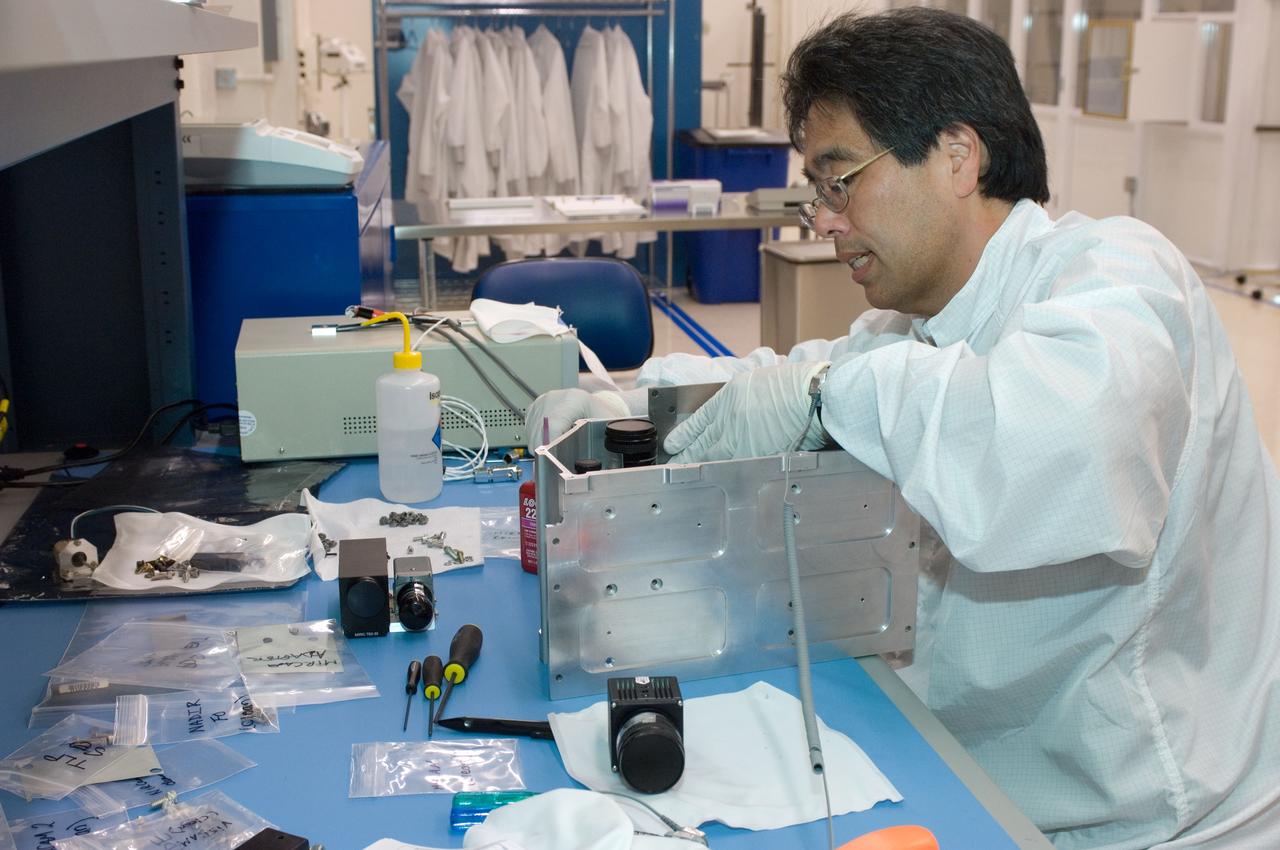
LCROSS flight hardware in clean room at Ames N-240. EEL personnel fabricating & assembling components with Glen Sasaki of Ames, Engineering Evaluation lab
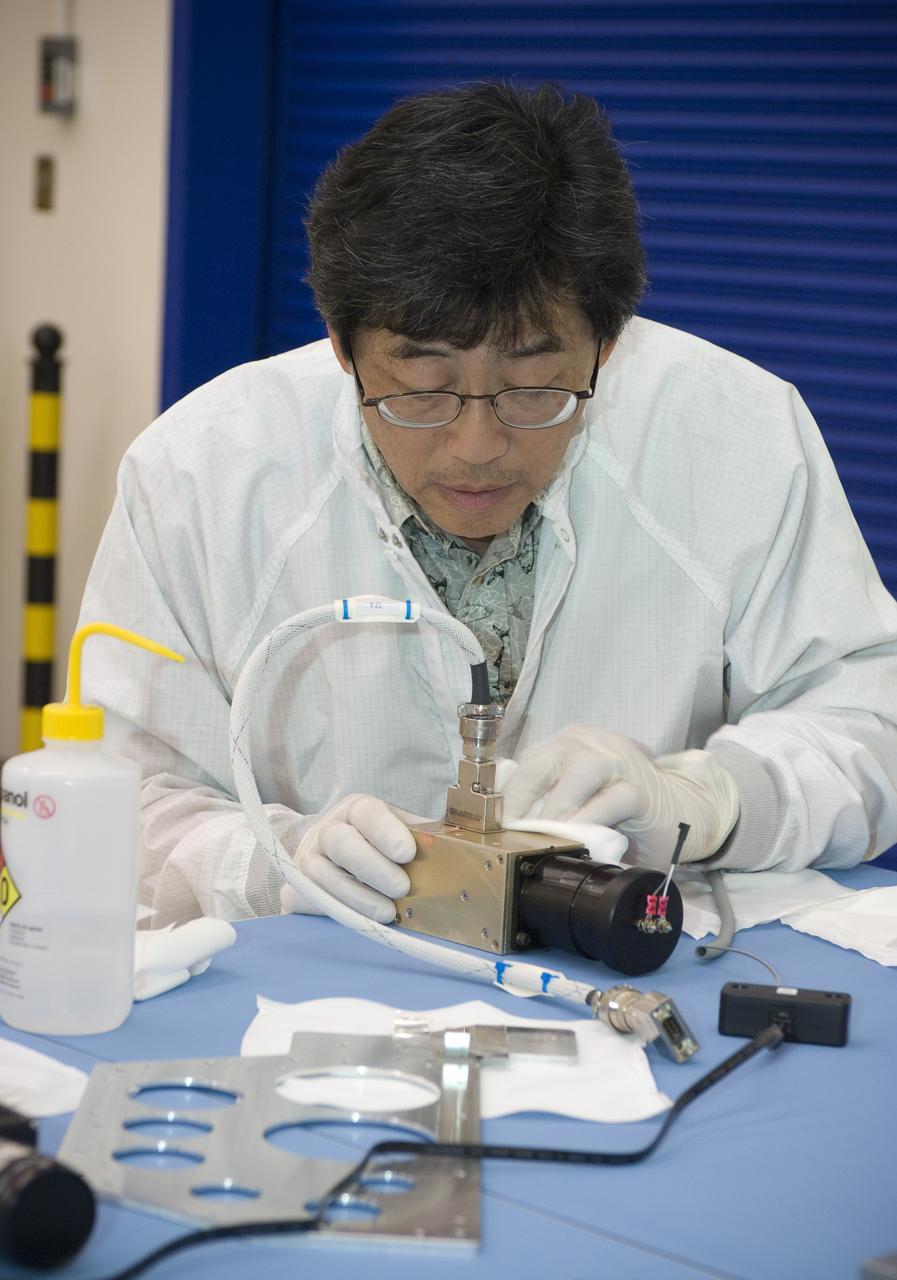
LCROSS flight hardware in clean room at Ames N-240. EEL personnel fabricating testing components with Jerry Wang of Ames, Engineering Evaluation lab
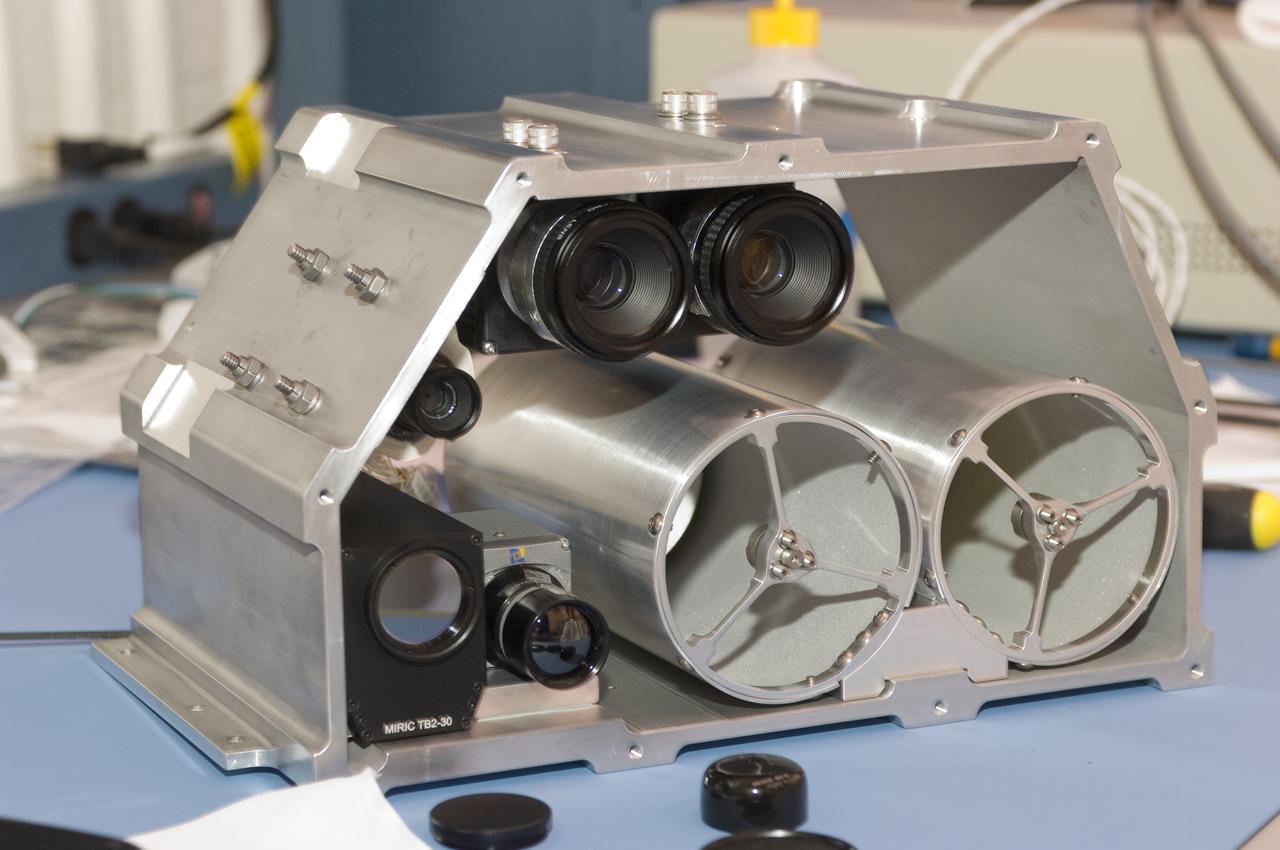
LCROSS flight hardware in clean room at Ames N-240. EEL personnel fabricating & assembling components with Glen Sasaki of Ames, Engineering Evaluation lab
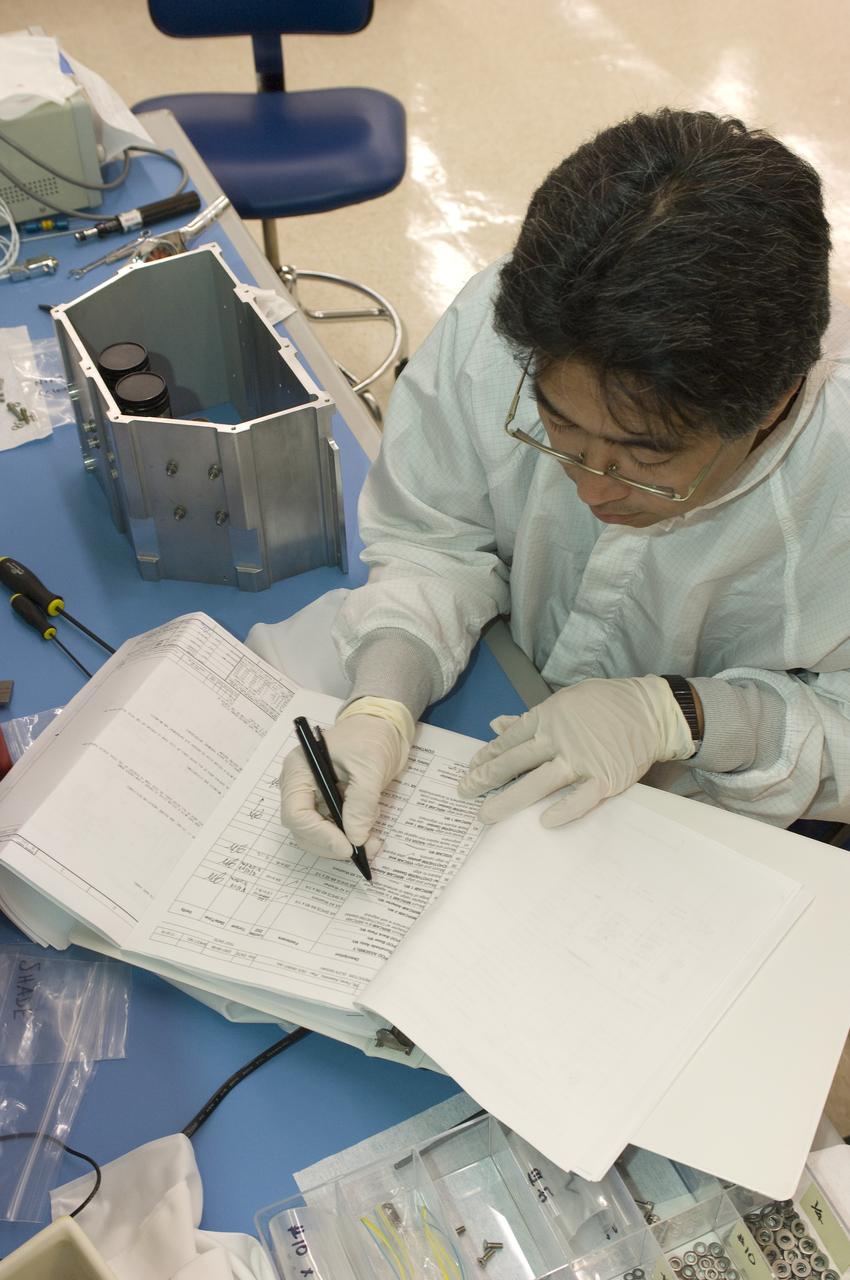
LCROSS flight hardware in clean room at Ames N-240. EEL personnel fabricating & assembling components with Glen Sasaki of Ames, Engineering Evaluation lab
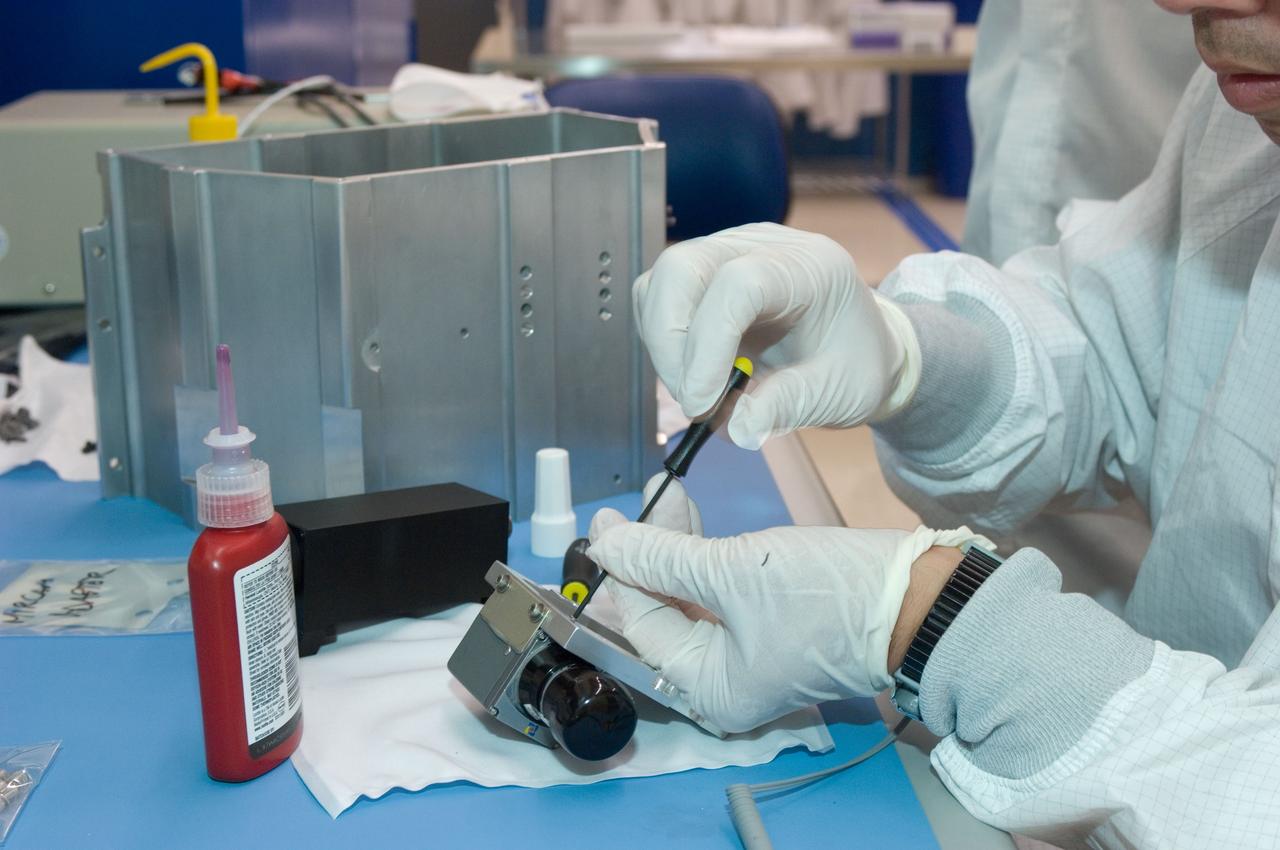
LCROSS flight hardware in clean room at Ames N-240. EEL personnel fabricating & assembling components with Glen Sasaki of Ames, Engineering Evaluation lab
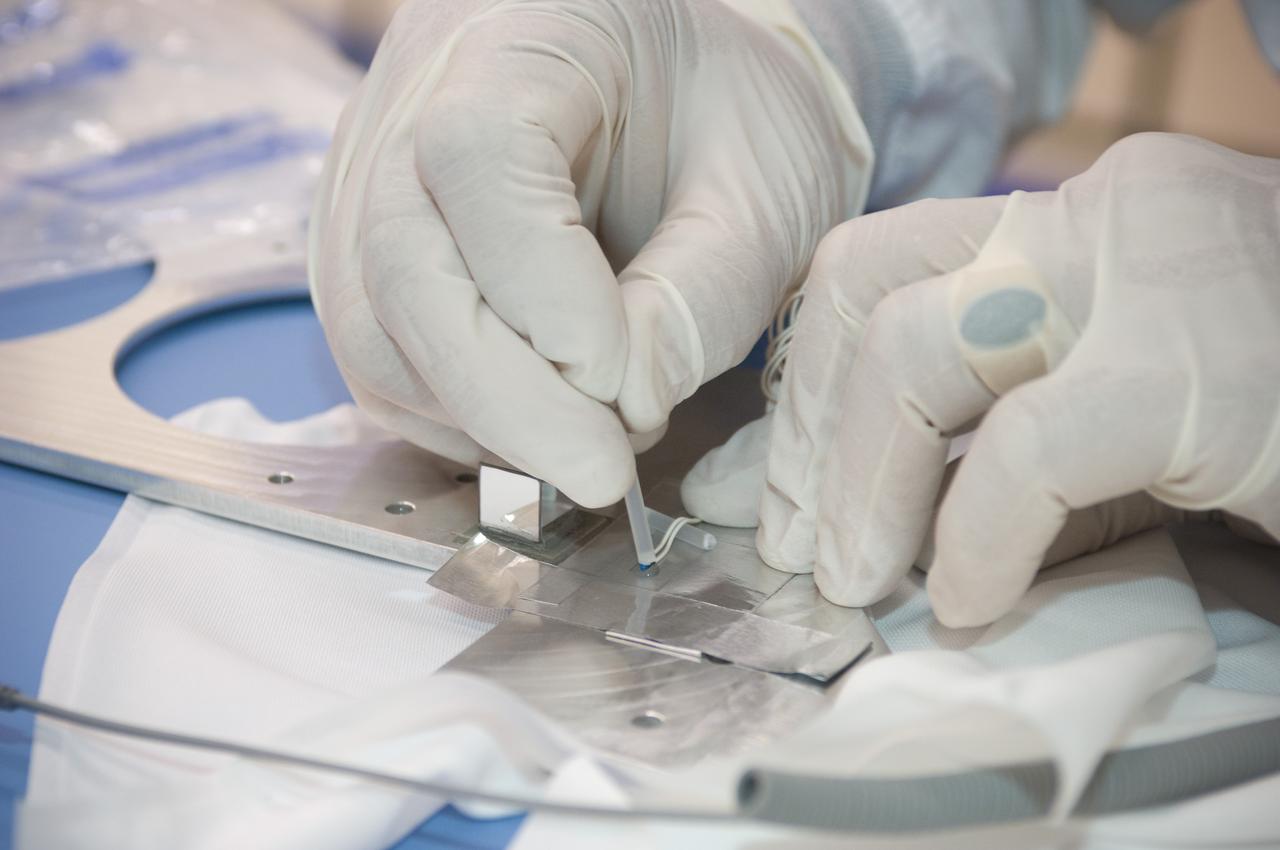
LCROSS flight hardware in clean room at Ames N-240. EEL personnel fabricating testing components with Jerry Wang of Ames, Engineering Evaluation lab
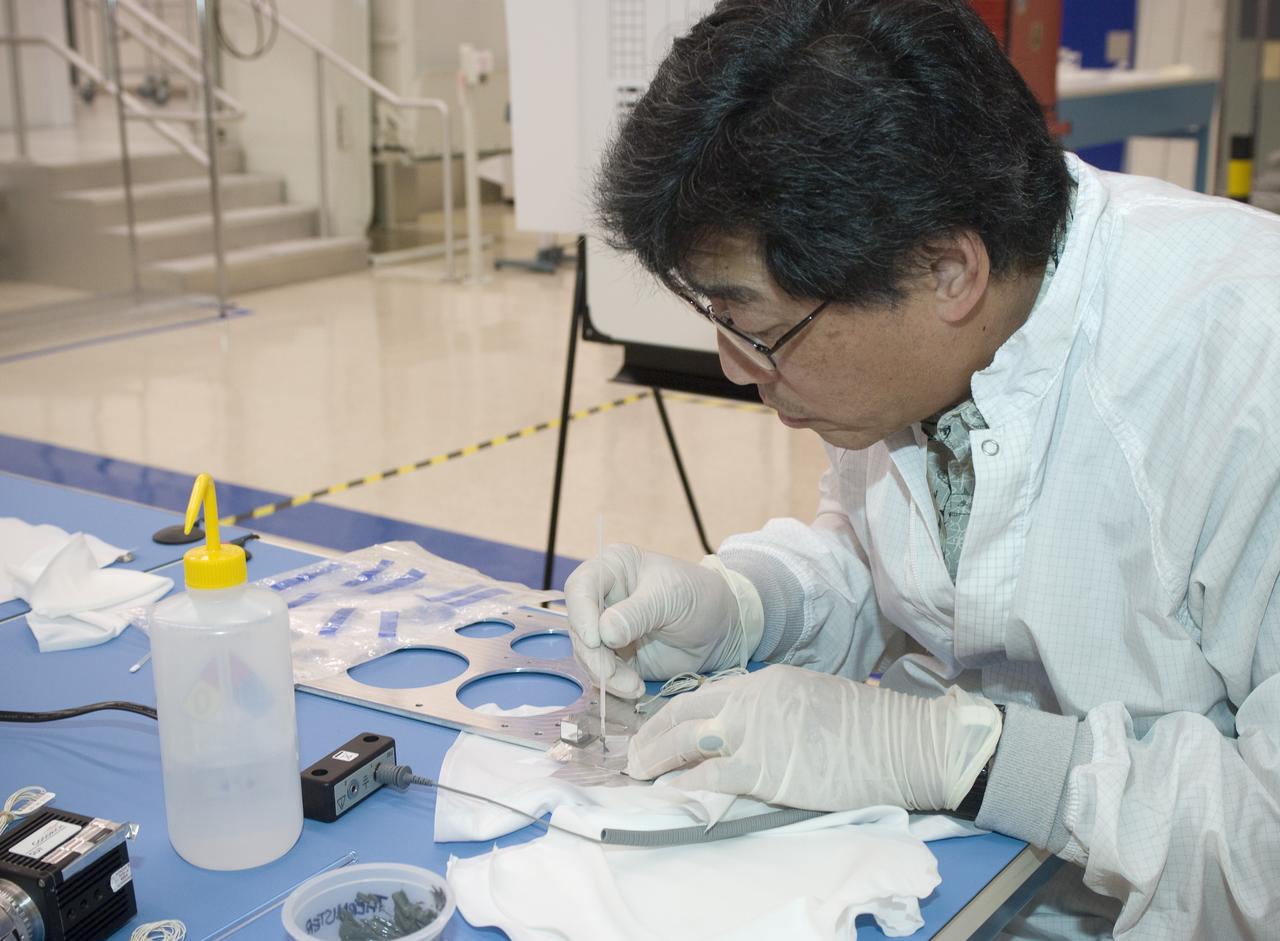
LCROSS flight hardware in clean room at Ames N-240. EEL personnel fabricating testing components with Jerry Wang of Ames, Engineering Evaluation lab
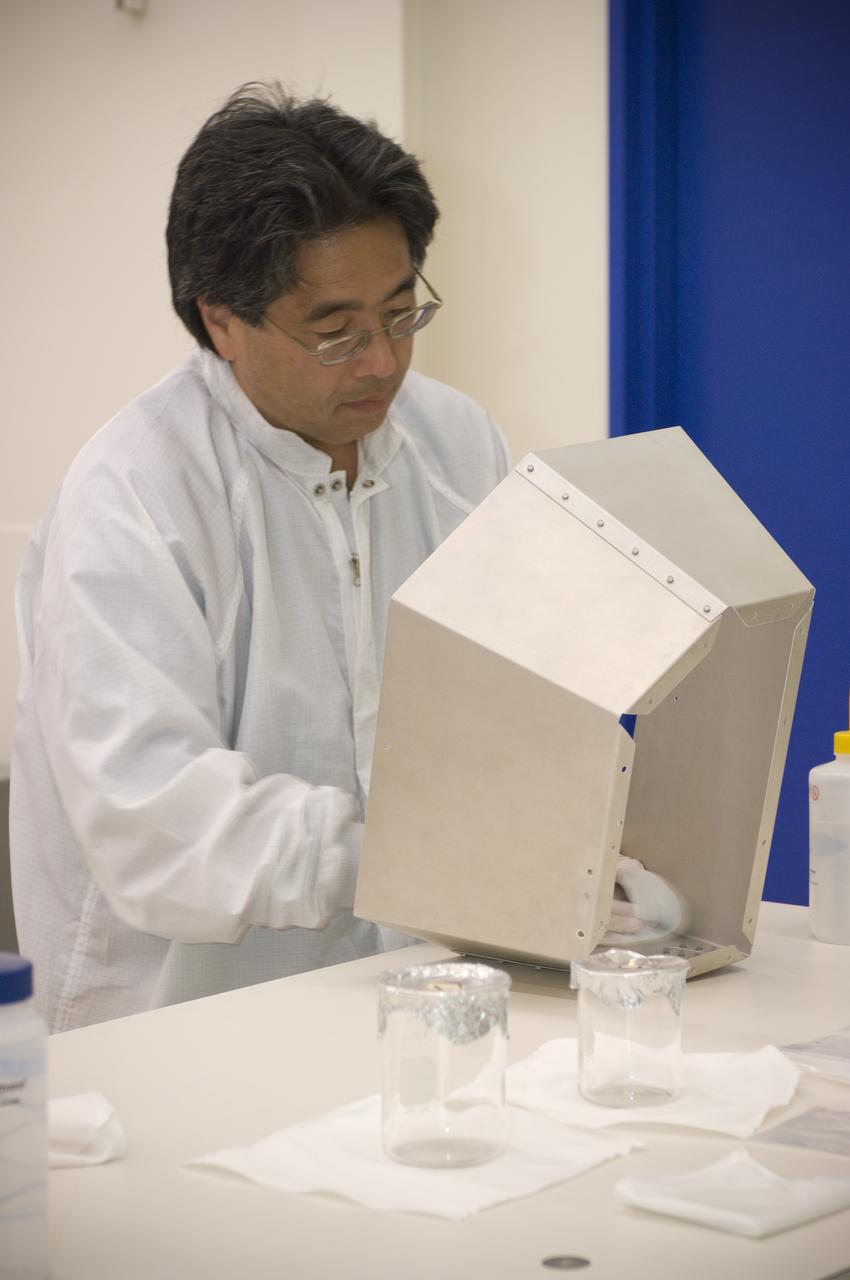
LCROSS flight hardware in clean room at Ames N-240. EEL personnel fabricating testing components with Glen Sasaki of Ames, Engineering Evaluation lab
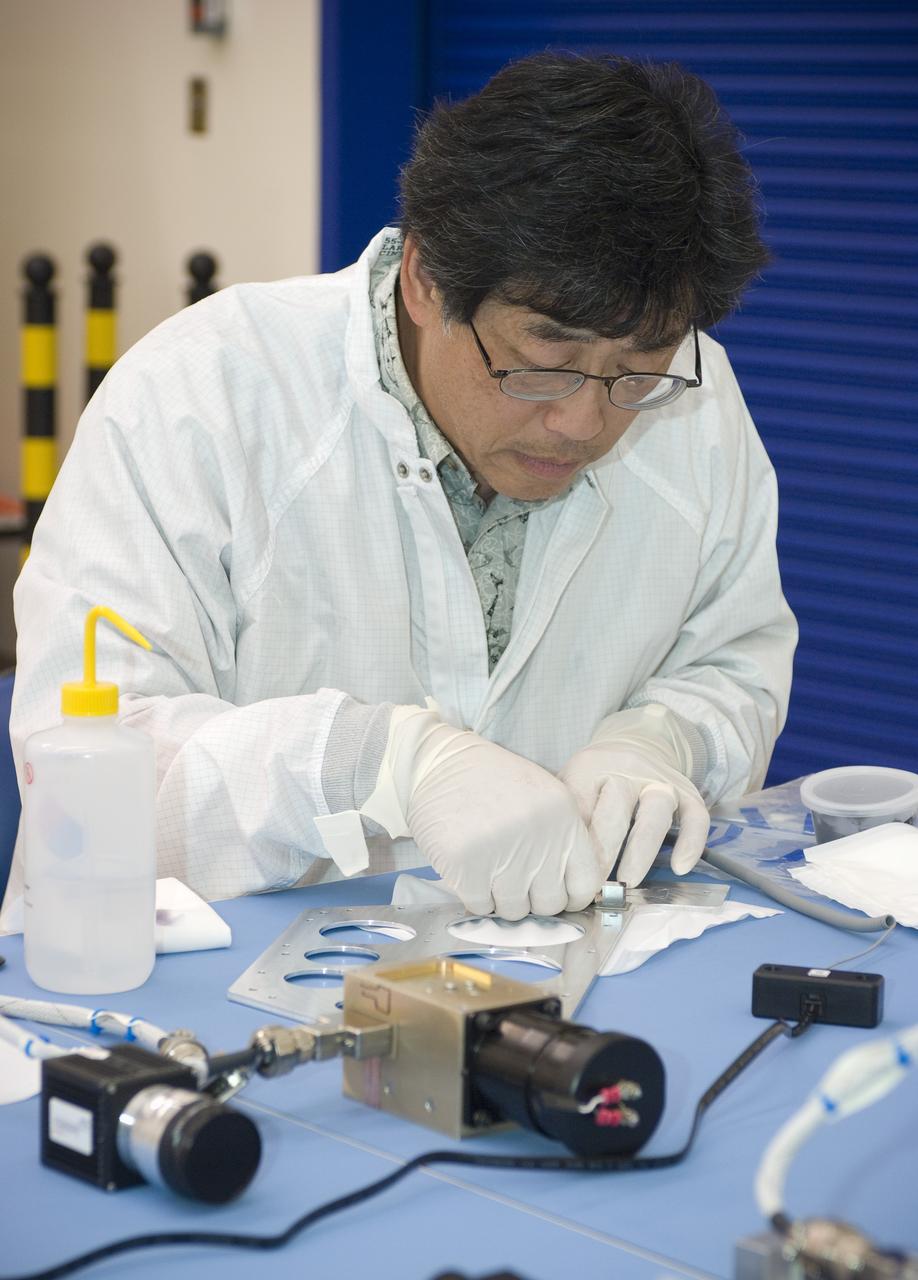
LCROSS flight hardware in clean room at Ames N-240. EEL personnel fabricating testing components with Jerry Wang of Ames, Engineering Evaluation lab
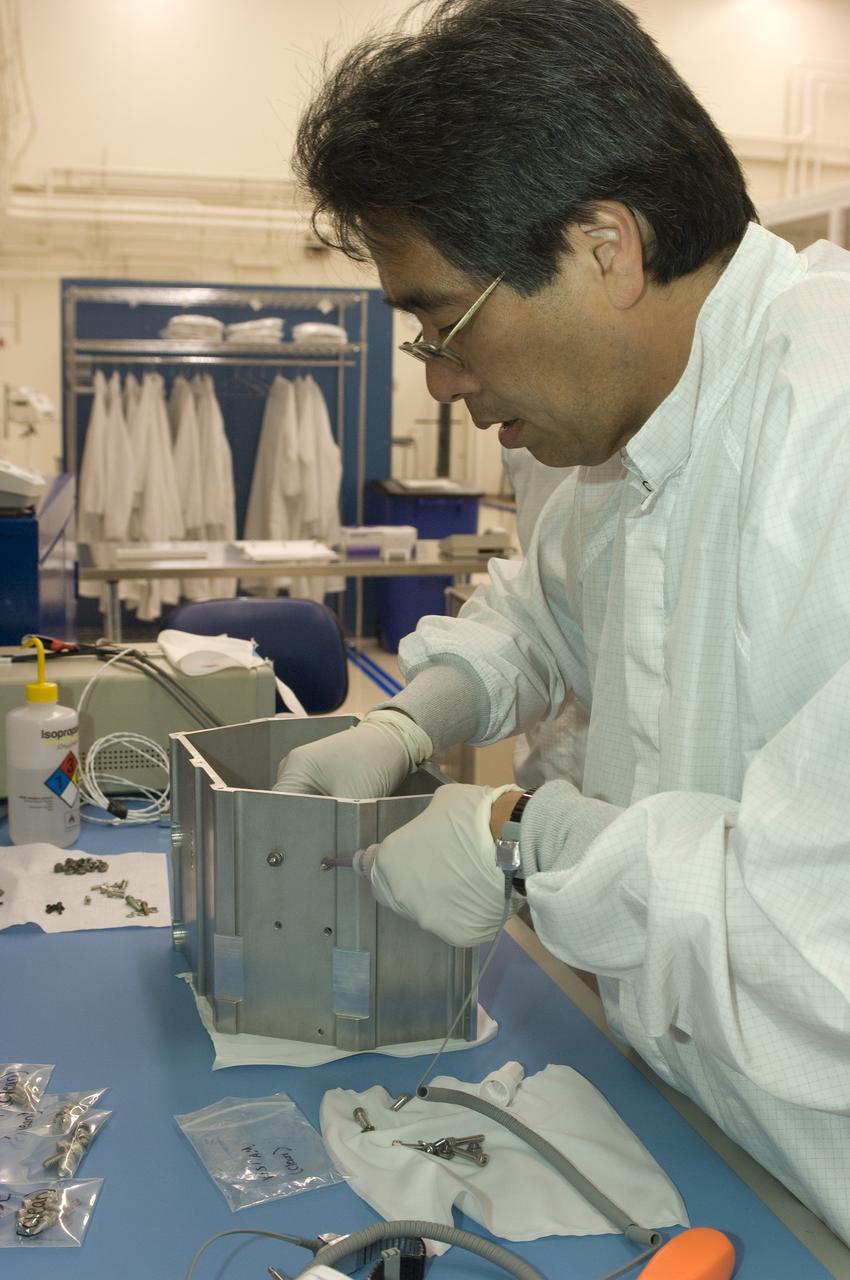
LCROSS flight hardware in clean room at Ames N-240. EEL personnel fabricating & assembling components with Glen Sasaki of Ames, Engineering Evaluation lab
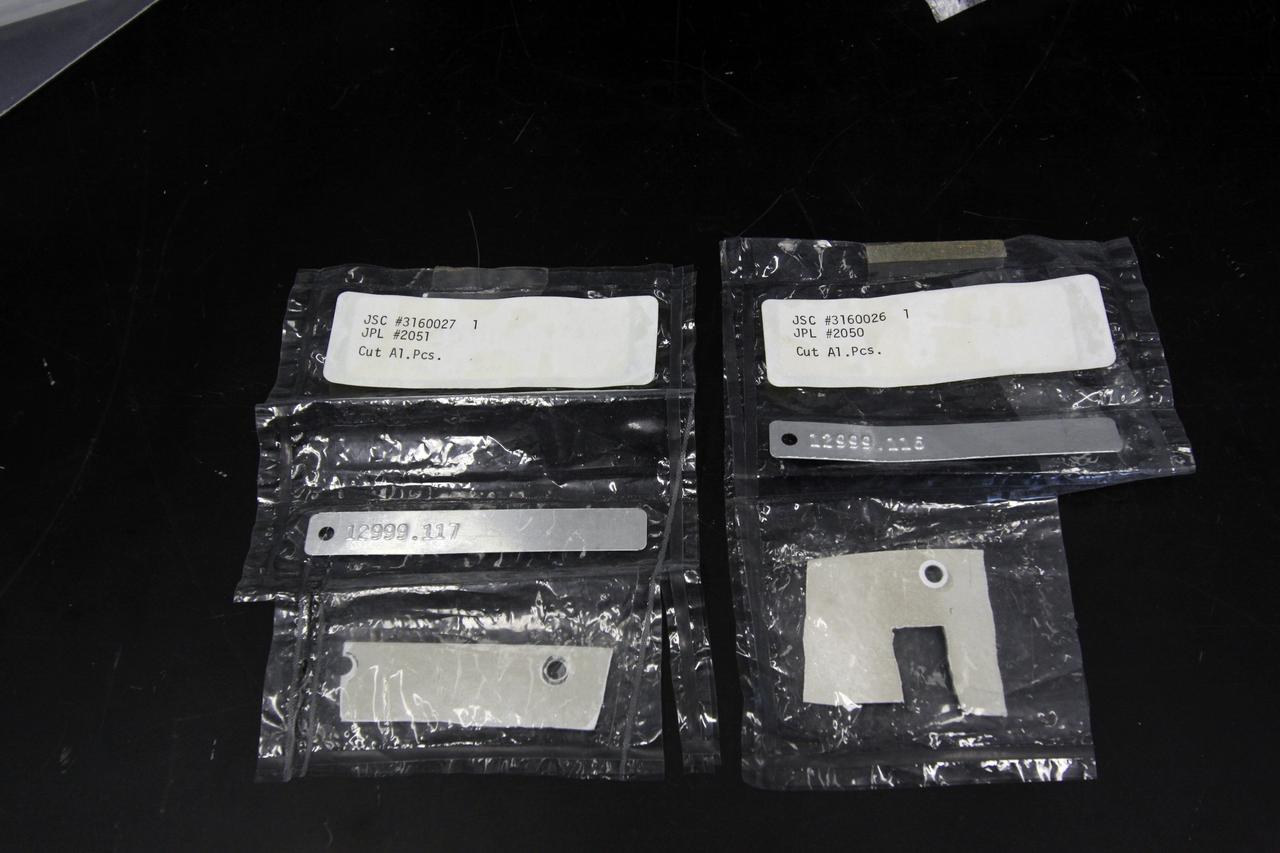
CAPE CANAVERAL, Fla. – In the Granular Mechanics and Regolith Operations (GMRO) Lab at NASA's Kennedy Space Center in Florida, pieces of the Surveyor 3 spacecraft returned from the lunar surface on the Apollo 12 mission are available for examination by the lab's staff. The GMRO Lab is one of several labs located in NASA's Space Life Sciences Laboratory (SLSL) facility. The lab is staffed by three physicists, six mechanical or aerospace engineers and several technicians who are studying how the rocket exhaust of landing vehicles affects lunar and Martian science missions, including the sandblasting of instruments with soil and dust ejecta and the disturbance or contamination of soil beneath the lander. For more information on the GMRO Lab, see p. 7 of the Spaceport News dated Nov. 11, 2011, at http://www.nasa.gov/centers/kennedy/pdf/603285main_nov11-2011.pdf. Photo credit: NASA/Jim Grossmann
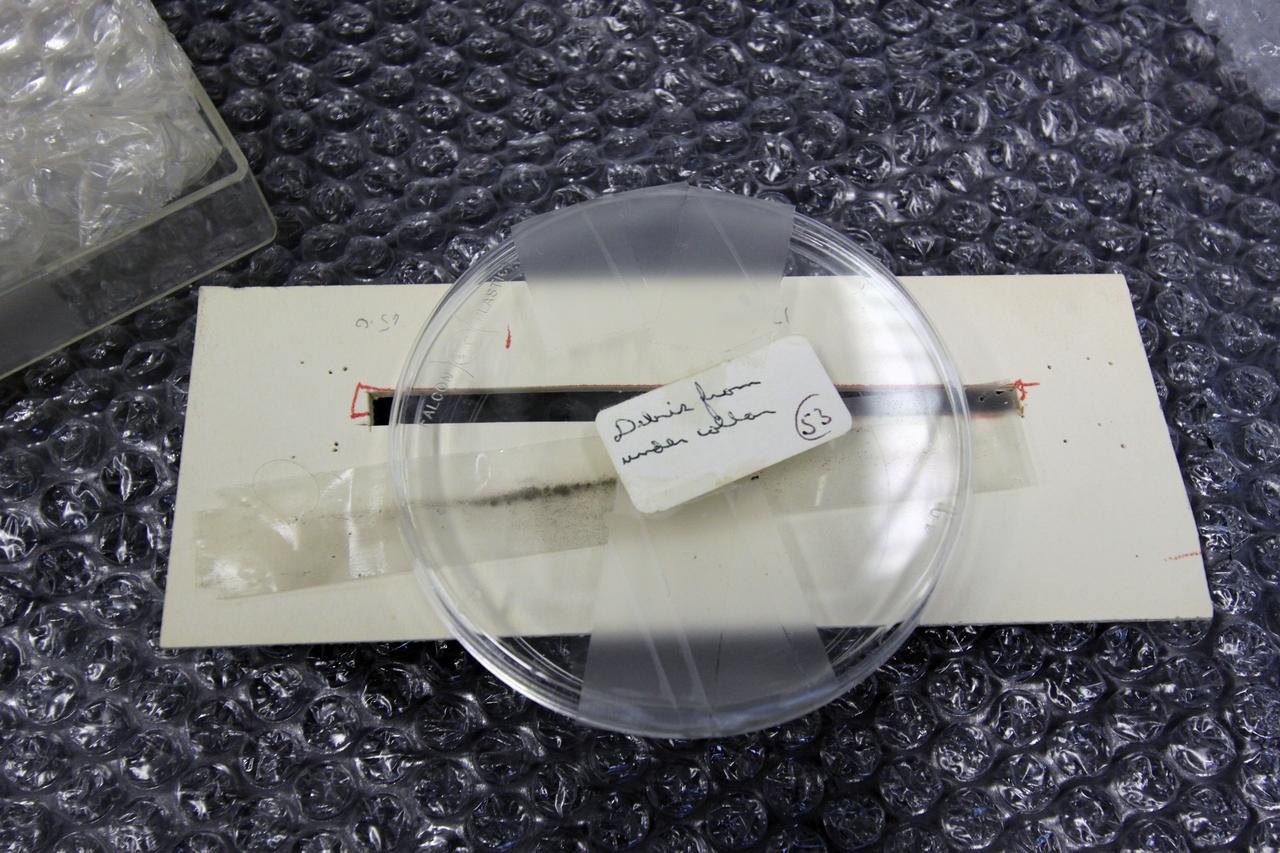
CAPE CANAVERAL, Fla. – In the Granular Mechanics and Regolith Operations (GMRO) Lab at NASA's Kennedy Space Center in Florida, a piece of the Surveyor 3 spacecraft returned from the lunar surface on the Apollo 12 mission is available for examination by the lab's staff. The GMRO Lab is one of several labs located in NASA's Space Life Sciences Laboratory (SLSL) facility. The lab is staffed by three physicists, six mechanical or aerospace engineers and several technicians who are studying how the rocket exhaust of landing vehicles affects lunar and Martian science missions, including the sandblasting of instruments with soil and dust ejecta and the disturbance or contamination of soil beneath the lander. For more information on the GMRO Lab, see p. 7 of the Spaceport News dated Nov. 11, 2011, at http://www.nasa.gov/centers/kennedy/pdf/603285main_nov11-2011.pdf. Photo credit: NASA/Jim Grossmann
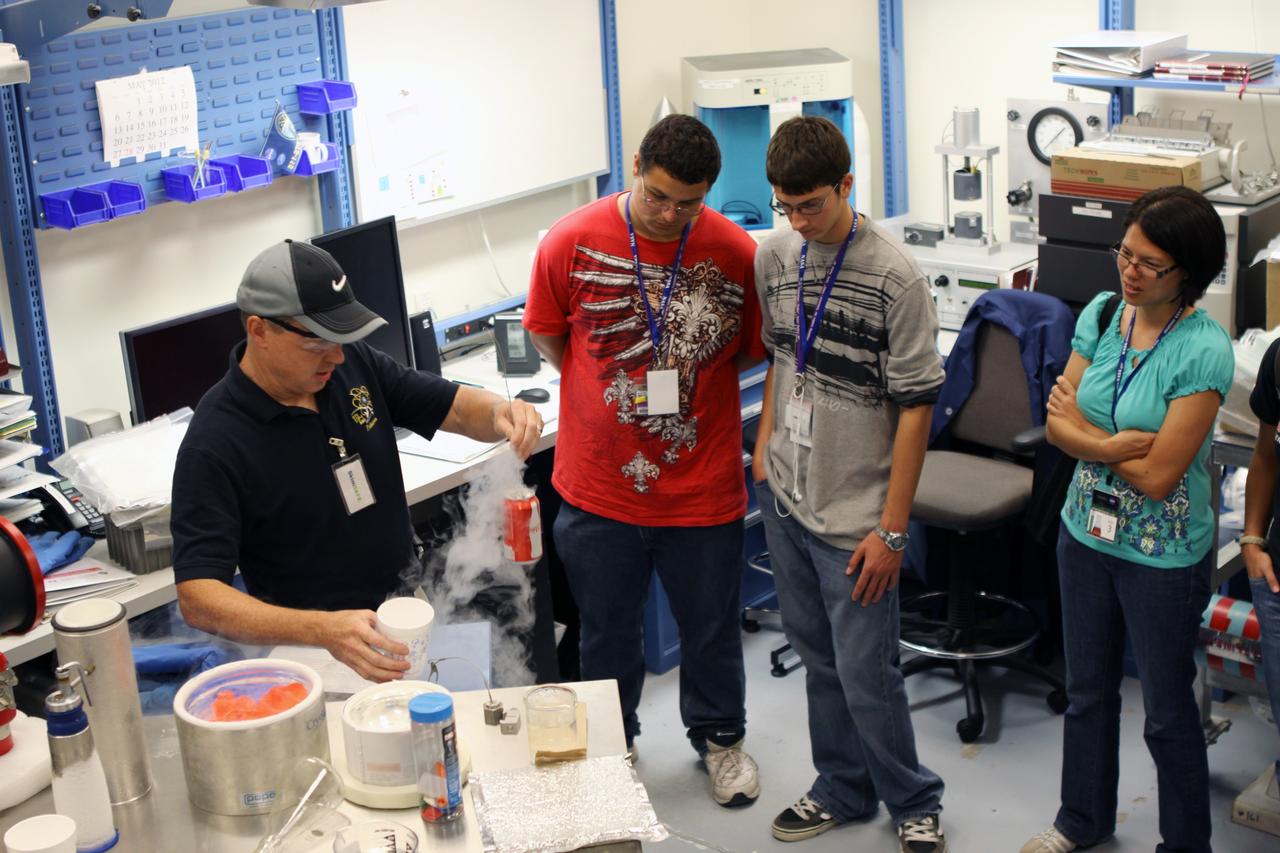
CAPE CANAVERAL, Fla. – Students view a demonstration by Dr. James Fesmire inside the cryogenics lab in the Operations and Checkout Building. The 26 honor students in chemistry and biology and their teachers got a chance to visit a number of high-tech labs at Kennedy Space Center as part of an effort to encourage students in the areas of science, technology, engineering and math. The tenth and eleventh grade students from Terry Parker High School in Jacksonville, Fla., visited a number of vastly different labs during their one-day tour. The group's visit to Kennedy was hosted by the Education Office as part of a nationwide effort by the National Lab Network to help introduce the nation's students to science careers. Photo credit: NASA/Jim Grossmann
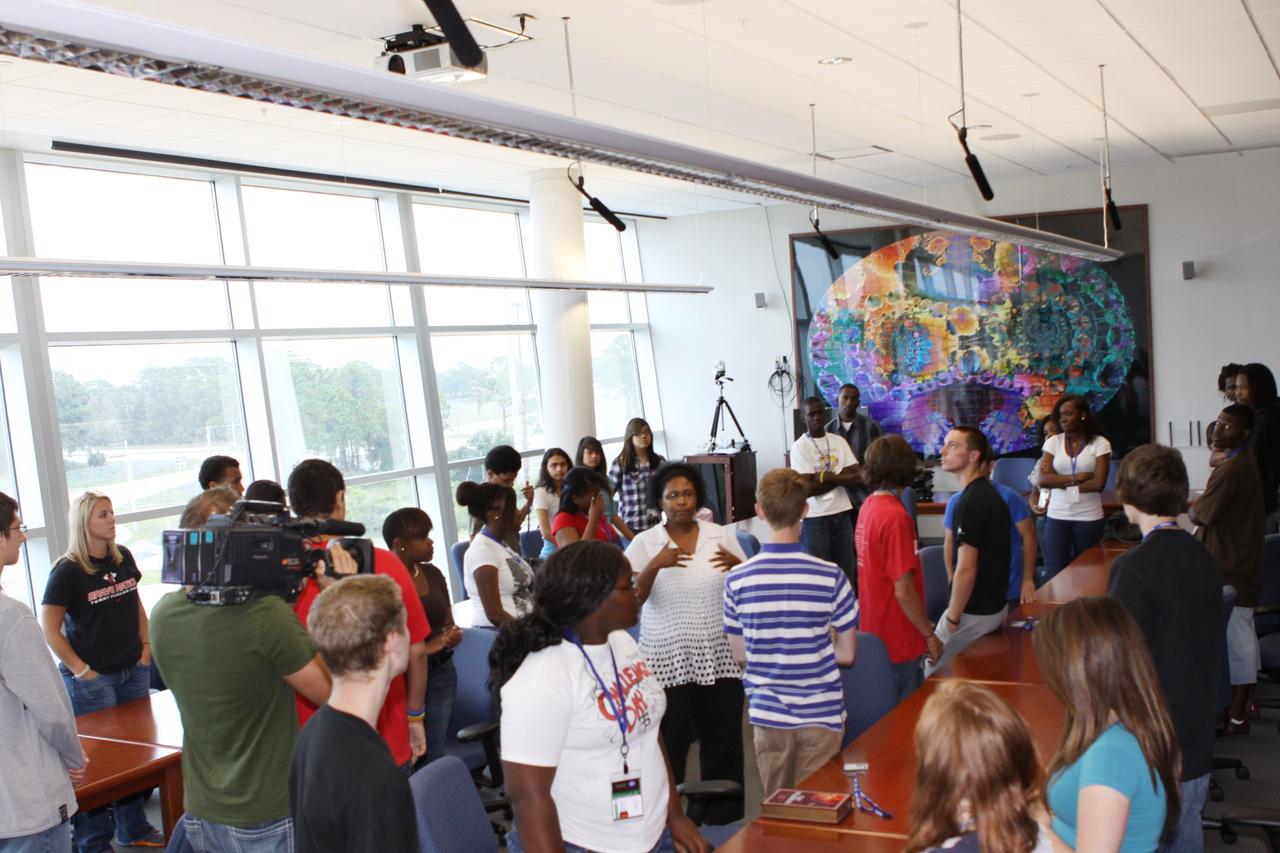
CAPE CANAVERAL, Fla. – Dr. LaNetra C. Tate, center, materials engineer at Kennedy Space Center, is surrounded by students as she welcomes them for their tour of the Space Life Sciences Lab facilities. The 26 honor students in chemistry and biology and their teachers got a chance to visit a number of high-tech labs at Kennedy as part of an effort to encourage students in the areas of science, technology, engineering and math. The tenth and eleventh grade students from Terry Parker High School in Jacksonville, Fla., visited a number of vastly different labs during their one-day tour. The group's visit to Kennedy was hosted by the Education Office as part of a nationwide effort by the National Lab Network to help introduce the nation's students to science careers. Photo credit: NASA/Jim Grossmann
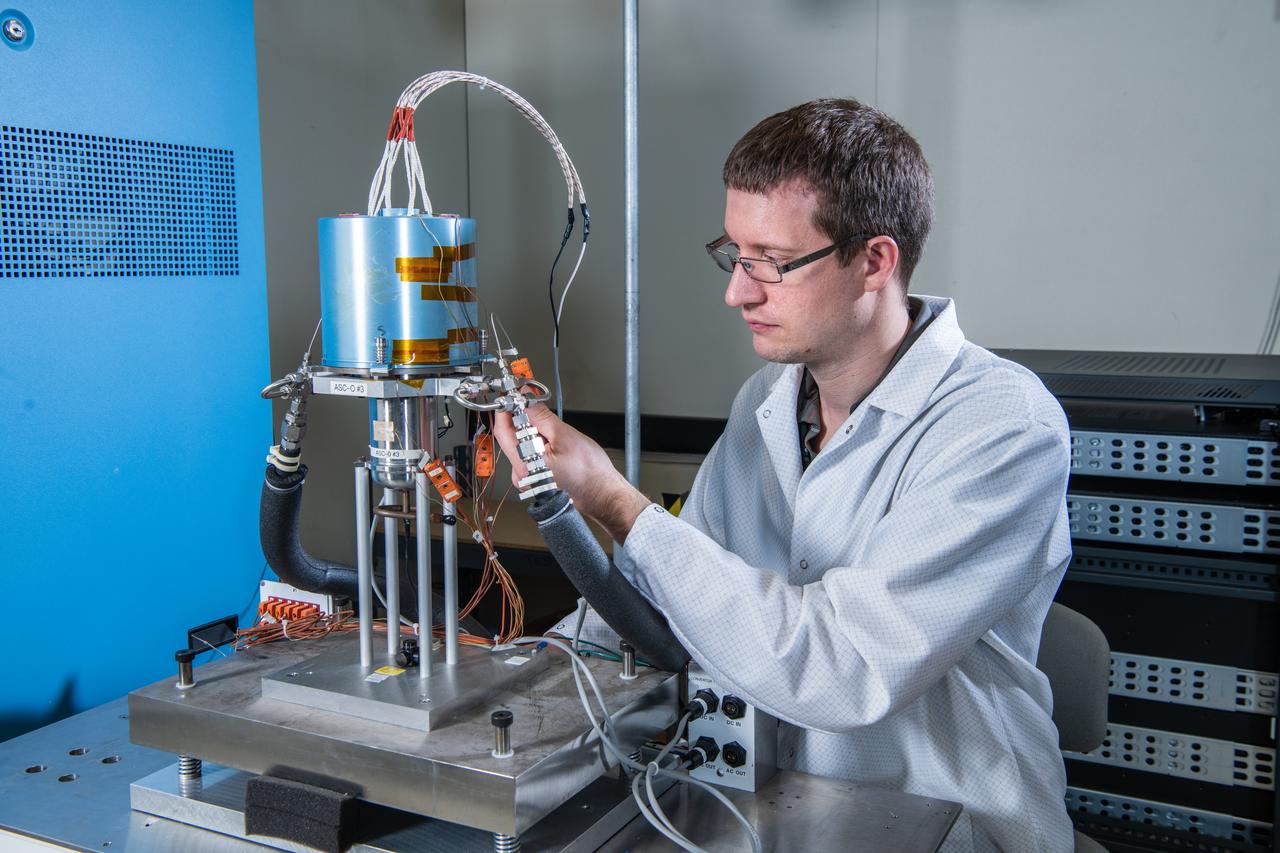
Advanced Stirling Radioisotope Lab
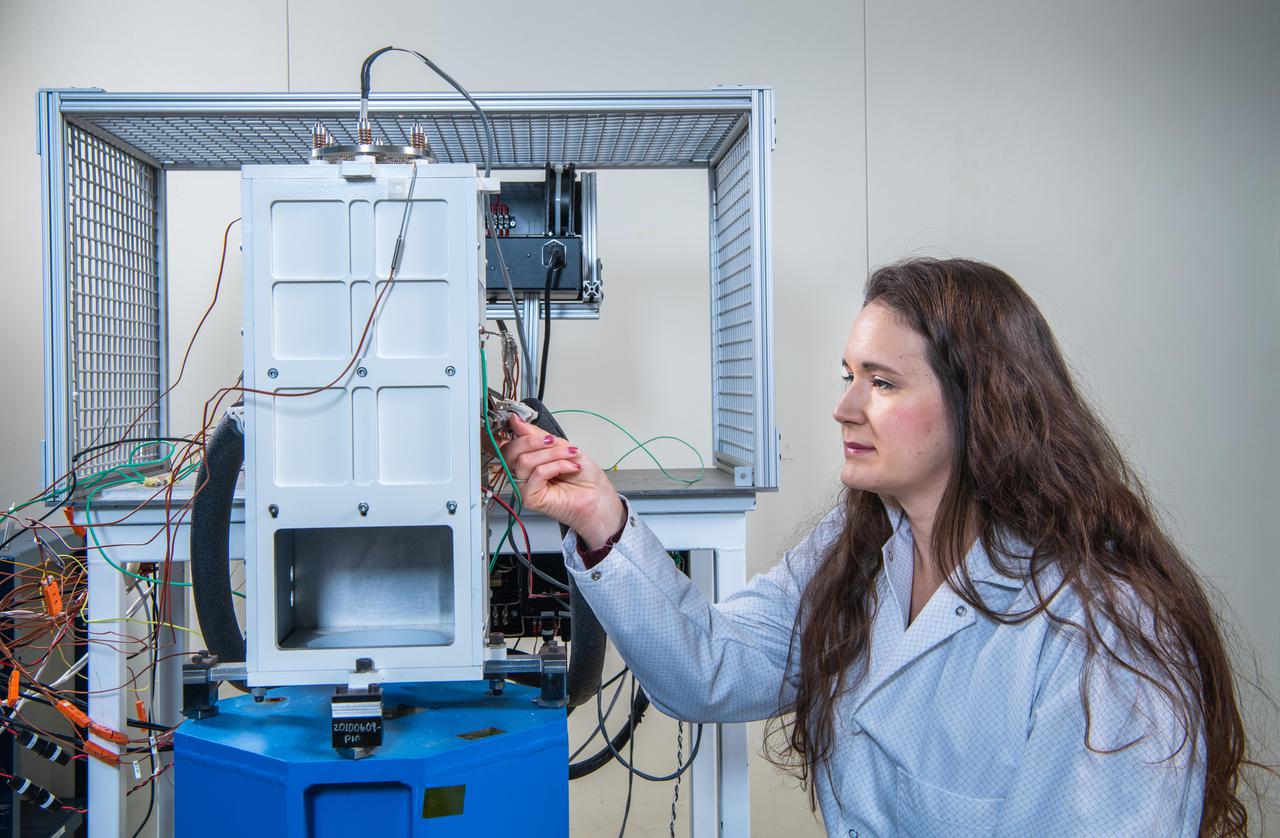
Advanced Stirling Radioisotope Lab
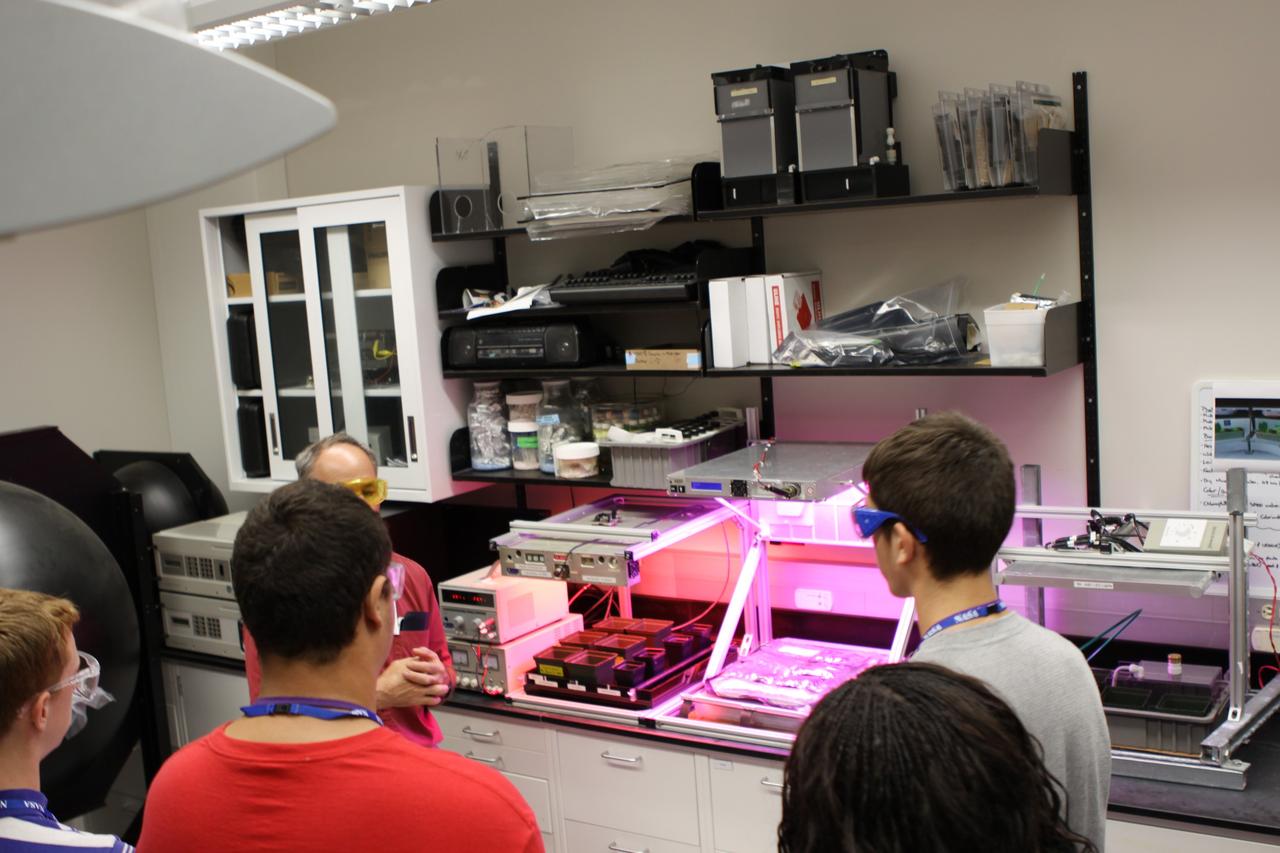
CAPE CANAVERAL, Fla. – Dr. Ray Wheeler explains a system for growing salad crops in space to students in the Life Support and Habitation Systems Lab at the Space Life Sciences Lab facility. The 26 honor students in chemistry and biology and their teachers got a chance to visit a number of high-tech labs at Kennedy Space Center as part of an effort to encourage students in the areas of science, technology, engineering and math. The tenth and eleventh grade students from Terry Parker High School in Jacksonville, Fla., visited a number of vastly different labs during their one-day tour. The group's visit to Kennedy was hosted by the Education Office as part of a nationwide effort by the National Lab Network to help introduce the nation's students to science careers. Photo credit: NASA/Jim Grossmann
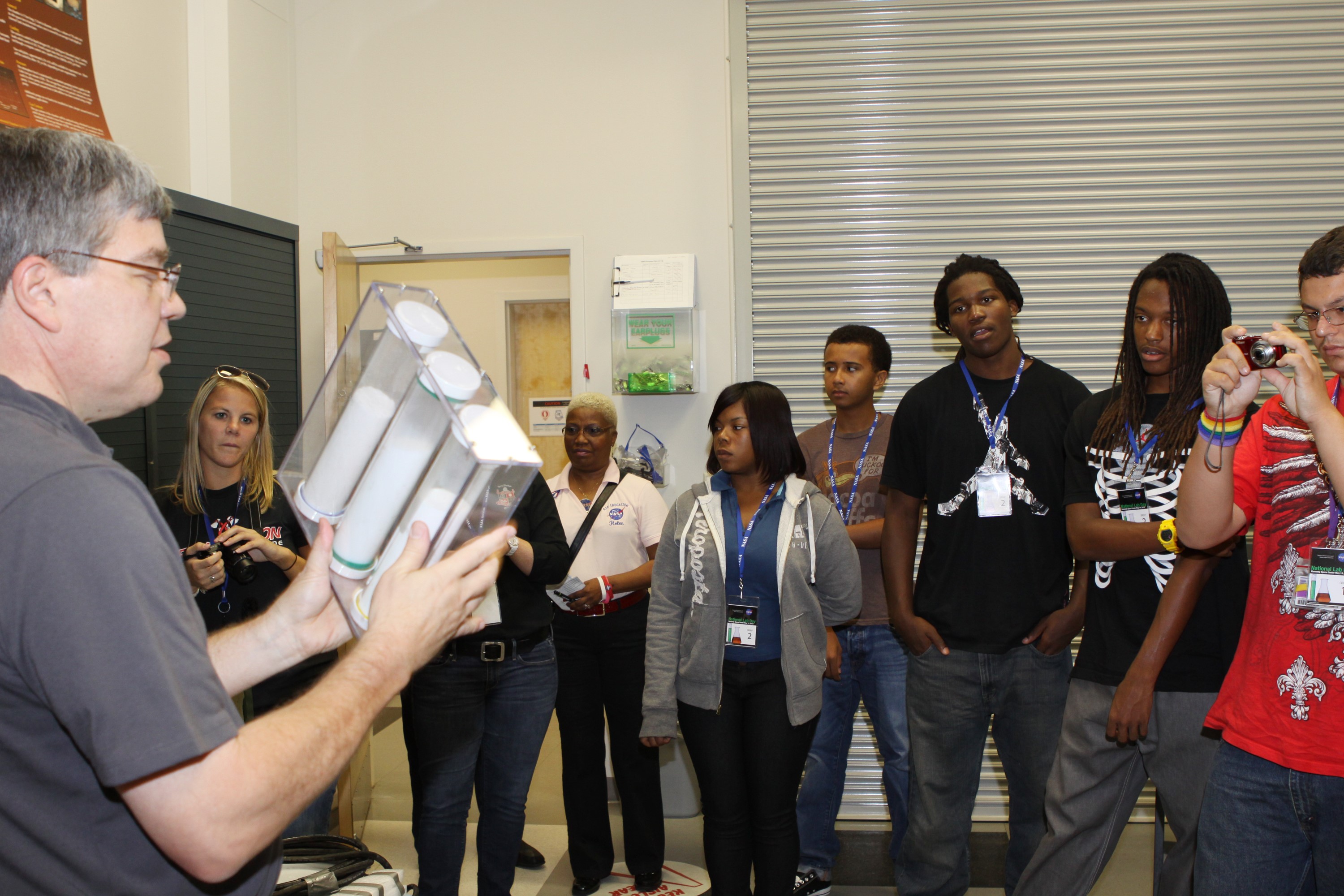
CAPE CANAVERAL, Fla. – Dr. Phil Metzger demonstrates an experiment to study the physics of granular materials to students in the Granular Physics and Regolith Operations Lab at the Space Life Sciences Lab facility. The 26 honor students in chemistry and biology and their teachers got a chance to visit a number of high-tech labs at Kennedy Space Center as part of an effort to encourage students in the areas of science, technology, engineering and math. The tenth and eleventh grade students from Terry Parker High School in Jacksonville, Fla., visited a number of vastly different labs during their one-day tour. The group's visit to Kennedy was hosted by the Education Office as part of a nationwide effort by the National Lab Network to help introduce the nation's students to science careers. Photo credit: NASA/Jim Grossmann
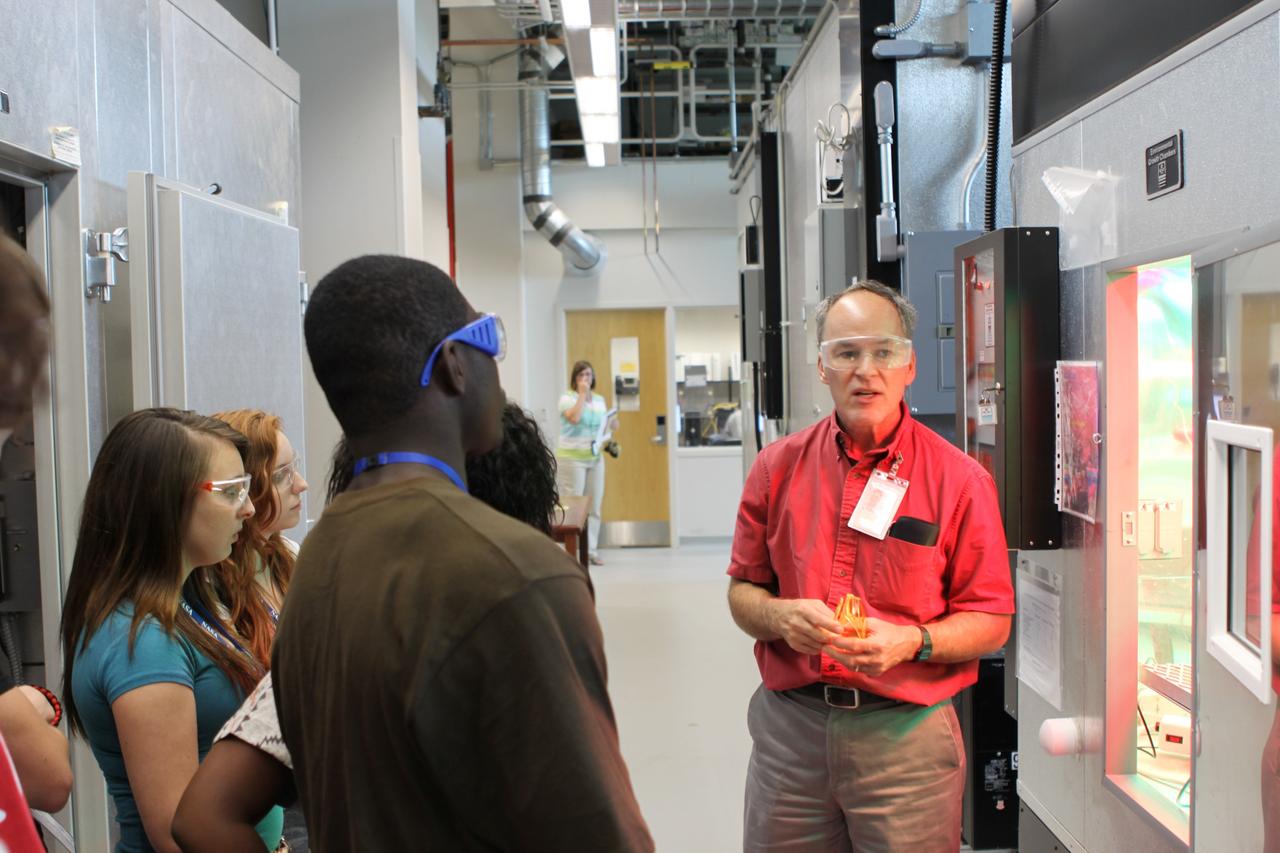
CAPE CANAVERAL, Fla. – Dr. Ray Wheeler explains a plant growth chamber to students in the Life Support and Habitation Systems Lab at the Space Life Sciences Lab facility. The 26 honor students in chemistry and biology and their teachers got a chance to visit a number of high-tech labs at Kennedy Space Center as part of an effort to encourage students in the areas of science, technology, engineering and math. The tenth and eleventh grade students from Terry Parker High School in Jacksonville, Fla., visited a number of vastly different labs during their one-day tour. The group's visit to Kennedy was hosted by the Education Office as part of a nationwide effort by the National Lab Network to help introduce the nation's students to science careers. Photo credit: NASA/Jim Grossmann
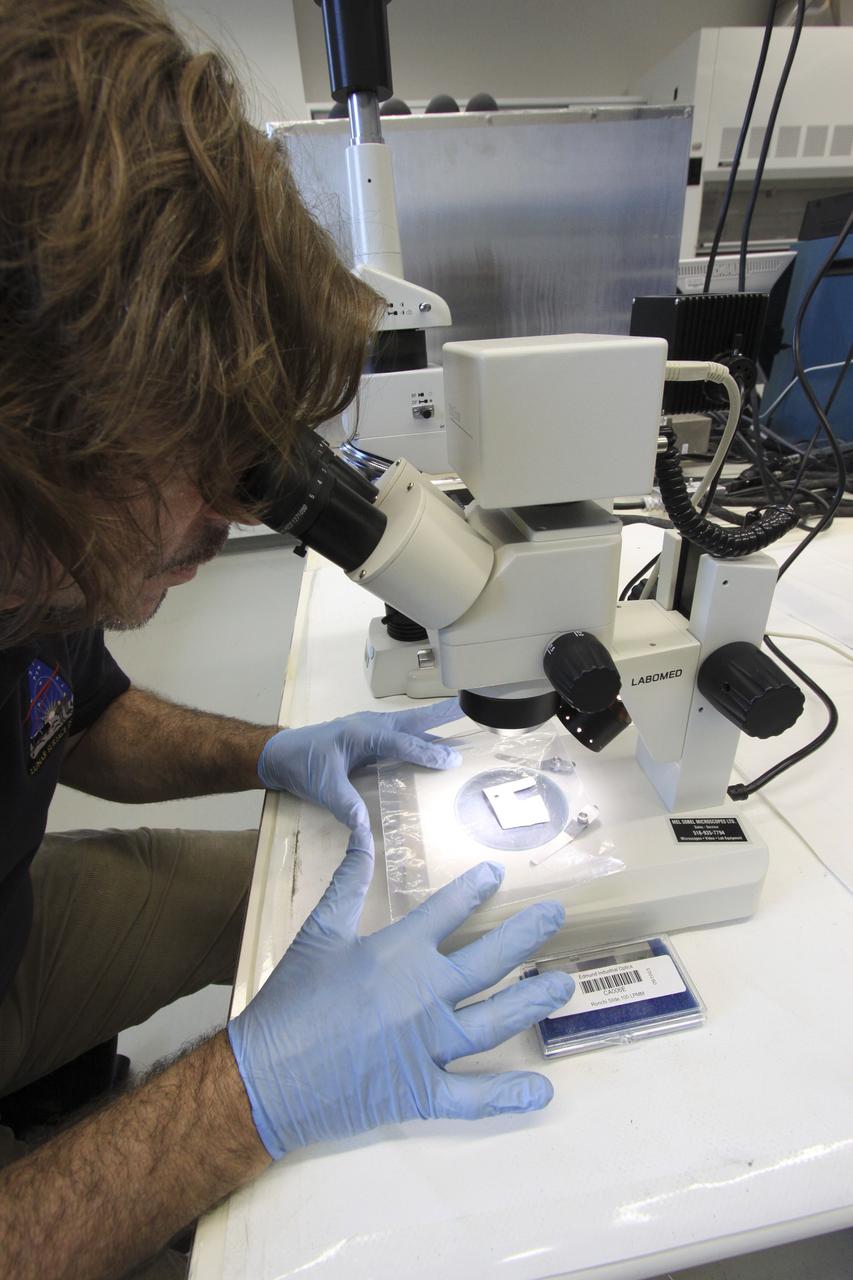
CAPE CANAVERAL, Fla. – In the Granular Mechanics and Regolith Operations (GMRO) Lab at NASA's Kennedy Space Center in Florida, Dr. Philip Metzger examines under a microscope a piece of the Surveyor 3 spacecraft returned from the lunar surface on the Apollo 12 mission. The GMRO Lab is one of several labs located in NASA's Space Life Sciences Laboratory (SLSL) facility. The lab is staffed by three physicists, six mechanical or aerospace engineers and several technicians who are studying how the rocket exhaust of landing vehicles affects lunar and Martian science missions, including the sandblasting of instruments with soil and dust ejecta and the disturbance or contamination of soil beneath the lander. For more information on the GMRO Lab, see p. 7 of the Spaceport News dated Nov. 11, 2011, at http://www.nasa.gov/centers/kennedy/pdf/603285main_nov11-2011.pdf. Photo credit: NASA/Jim Grossmann
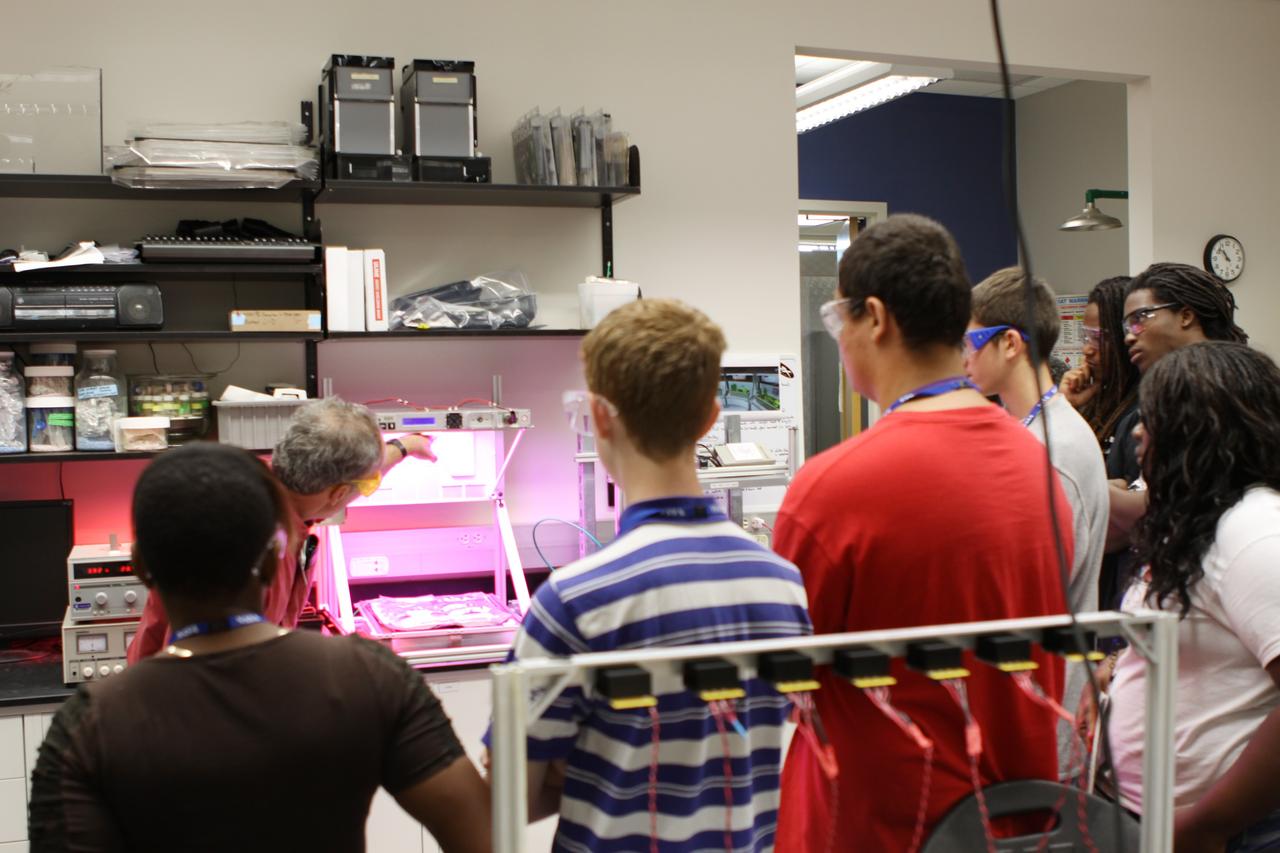
CAPE CANAVERAL, Fla. – Dr. Ray Wheeler explains a system for growing salad crops in space to students in the Life Support and Habitation Systems Lab at the Space Life Sciences Lab facility. The 26 honor students in chemistry and biology and their teachers got a chance to visit a number of high-tech labs at Kennedy Space Center as part of an effort to encourage students in the areas of science, technology, engineering and math. The tenth and eleventh grade students from Terry Parker High School in Jacksonville, Fla., visited a number of vastly different labs during their one-day tour. The group's visit to Kennedy was hosted by the Education Office as part of a nationwide effort by the National Lab Network to help introduce the nation's students to science careers. Photo credit: NASA/Jim Grossmann
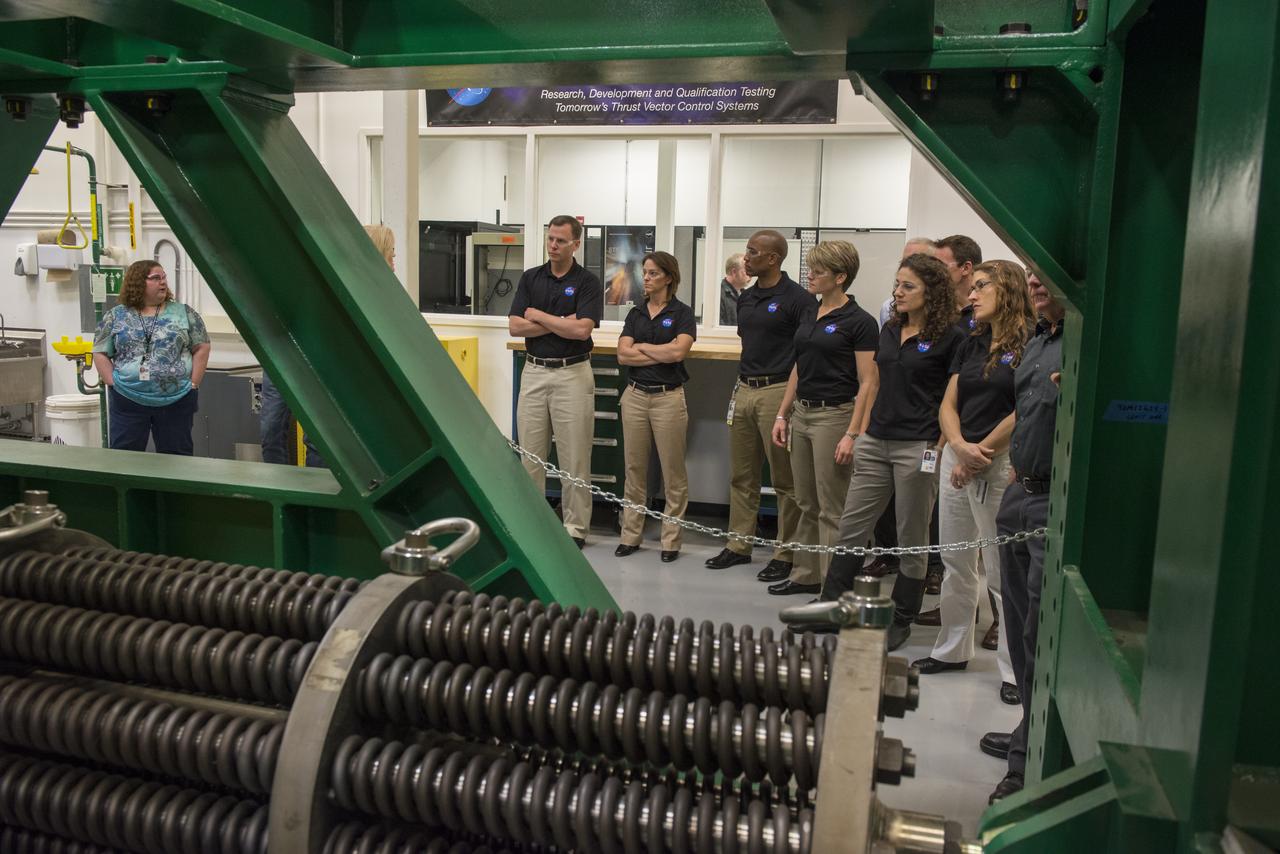
THE 2013 ASTRONAUT CANDIDATE CLASS VISITED THE THRUST VECTOR CONTROL TEST LAB AT MARSHALL'S PROPULSION RESEARCH DEVELOPMENT LABORATORY WHERE ENGINEERS ARE DEVELOPING AND TESTING THE SPACE LAUNCH SYSTEM'S GUIDANCE, NAVIGATION AND CONTROL SOFTWARE AND AVIONICS HARDWARE.
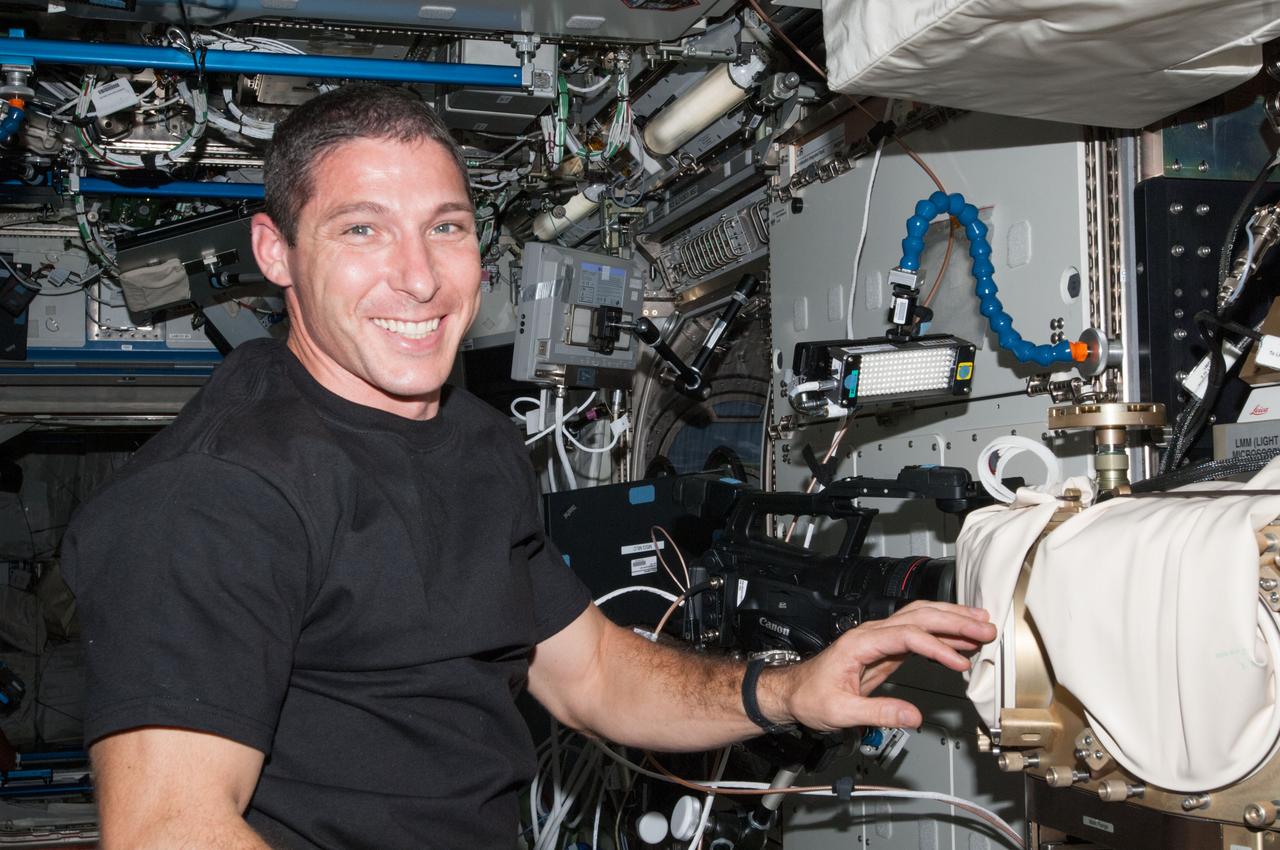
ISS037-E-012572 (14 Oct. 2013) --- In the U.S. lab Destiny aboard the Earth-orbiting International Space Station Expedition 37 Flight Engineer Michael Hopkins prepares the Fluids Integrated Rack for an experiment.
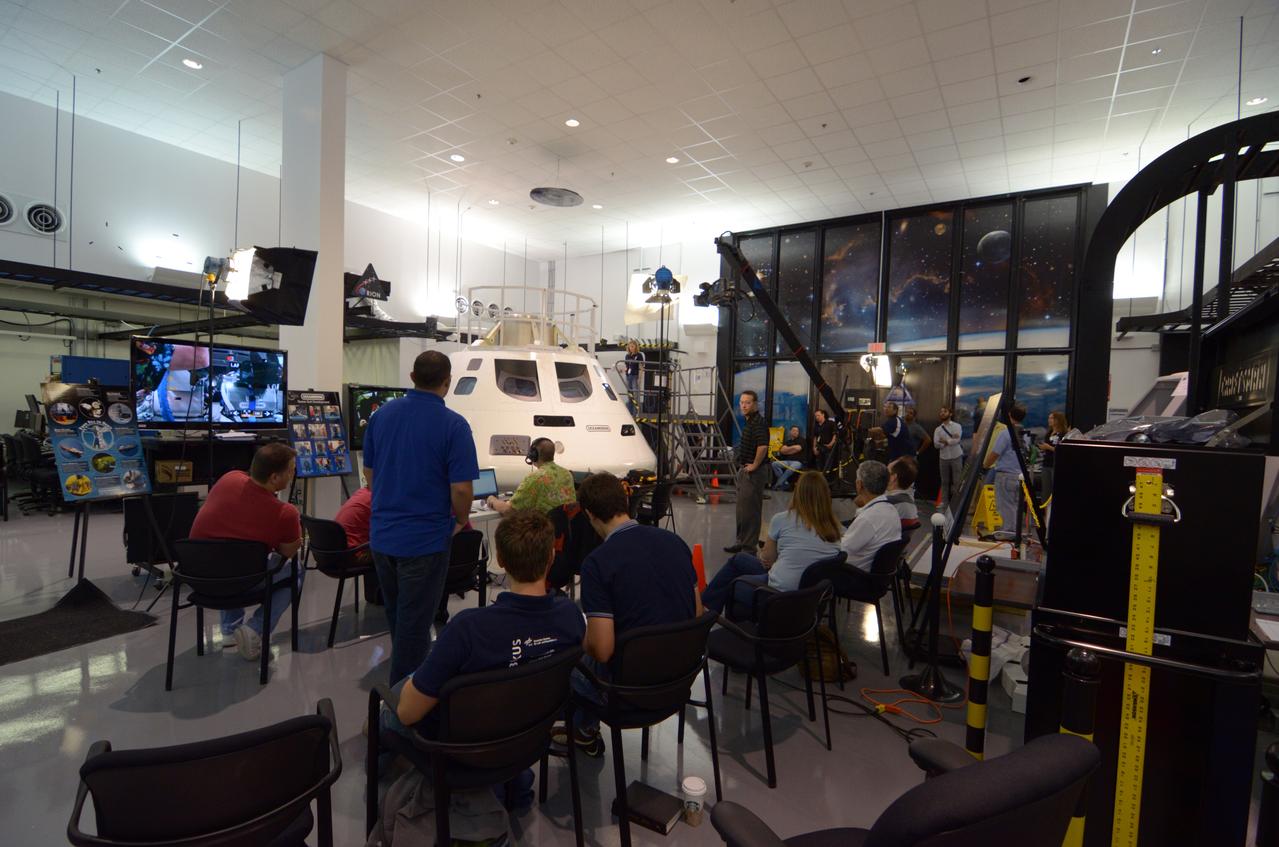
Engineers evaluate early space suit designs in an Orion mockup at Lockheed Martin’s Exploration Development Lab (EDL) in Houston on July 1, 2011. Part of Batch image transfer from Flickr.
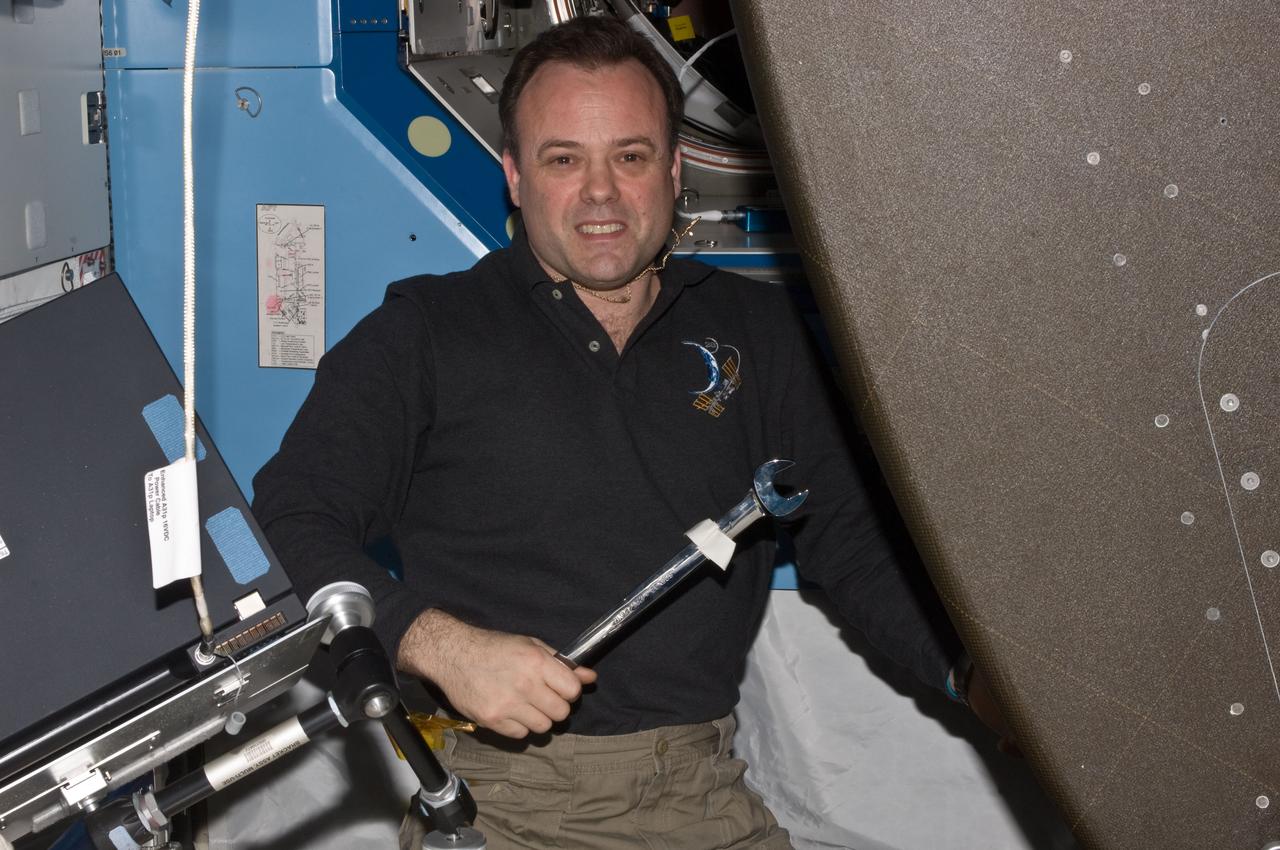
ISS028-E-017361 (17 July 2011) --- NASA astronaut Ron Garan, Expedition 28 flight engineer, works with a pulled rack in the U.S. lab or Destinty aboard the International Space Station.
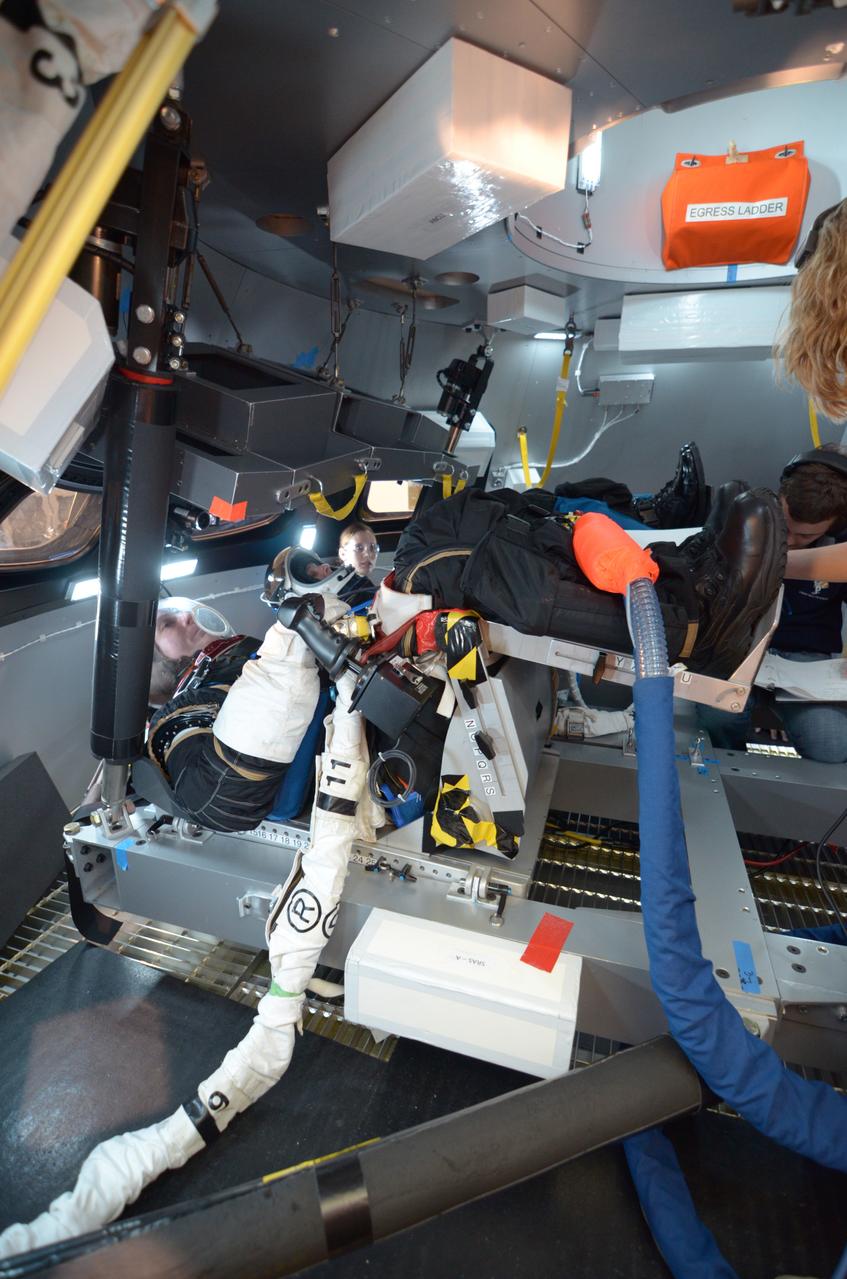
Engineers evaluate early space suit designs in an Orion mockup at Lockheed Martin’s Exploration Development Lab (EDL) in Houston on July 1, 2011. Part of Batch image transfer from Flickr.
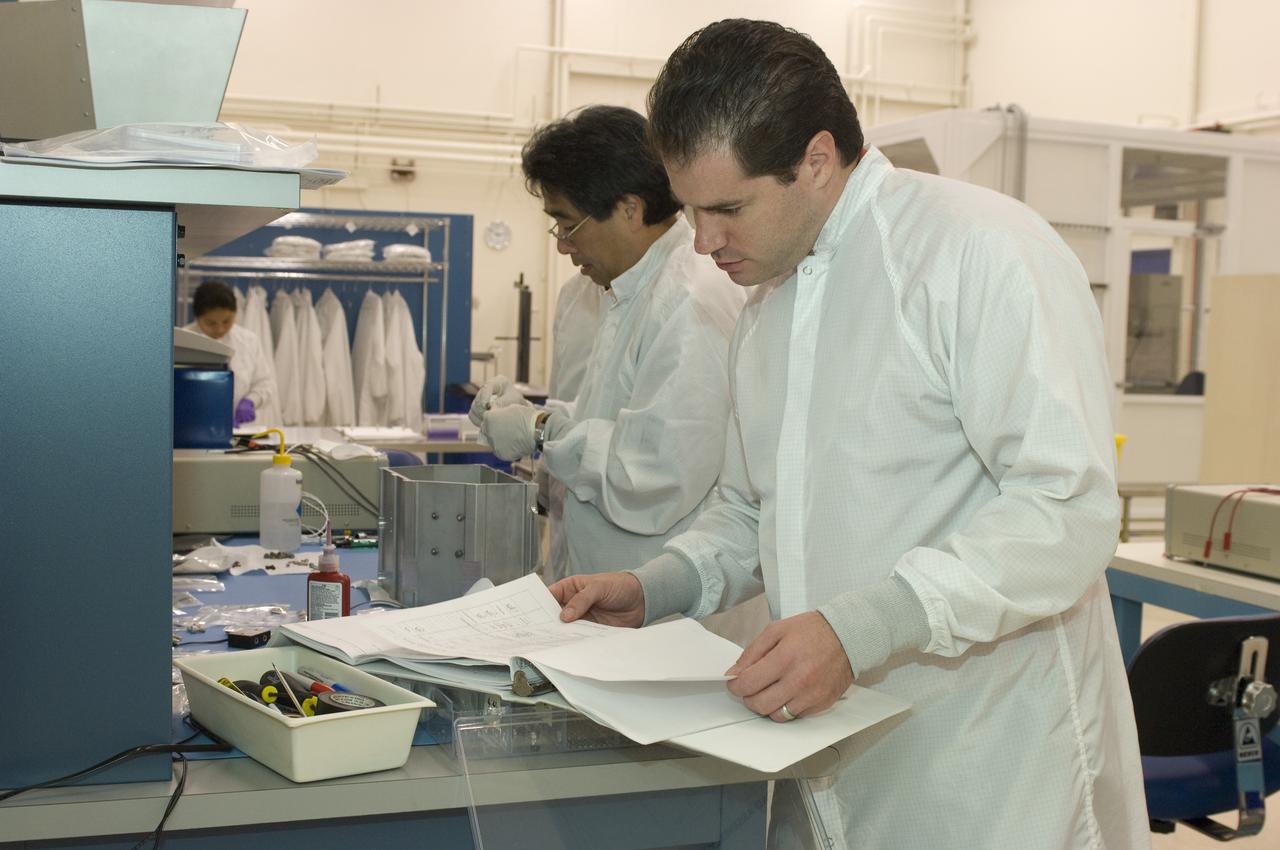
LCROSS flight hardware in clean room at Ames N-240. with P.I.'s and EEL personnel preforming various tasks, with P. I. Tony Colaprete ( Glen Sasaki of Ames, Engineering Evaluation lab in background)
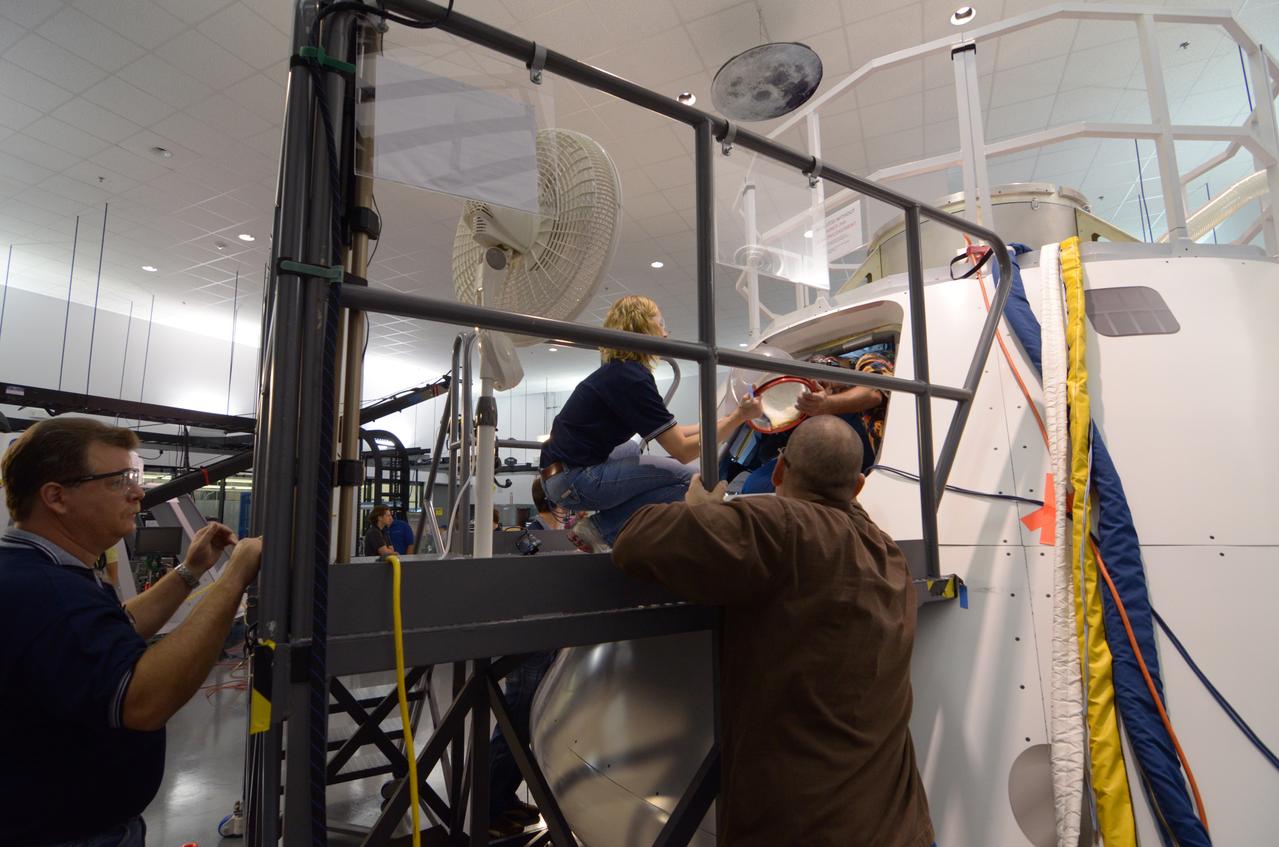
Engineers evaluate early space suit designs in an Orion mockup at Lockheed Martin’s Exploration Development Lab (EDL) in Houston on July 1, 2011. Part of Batch image transfer from Flickr.
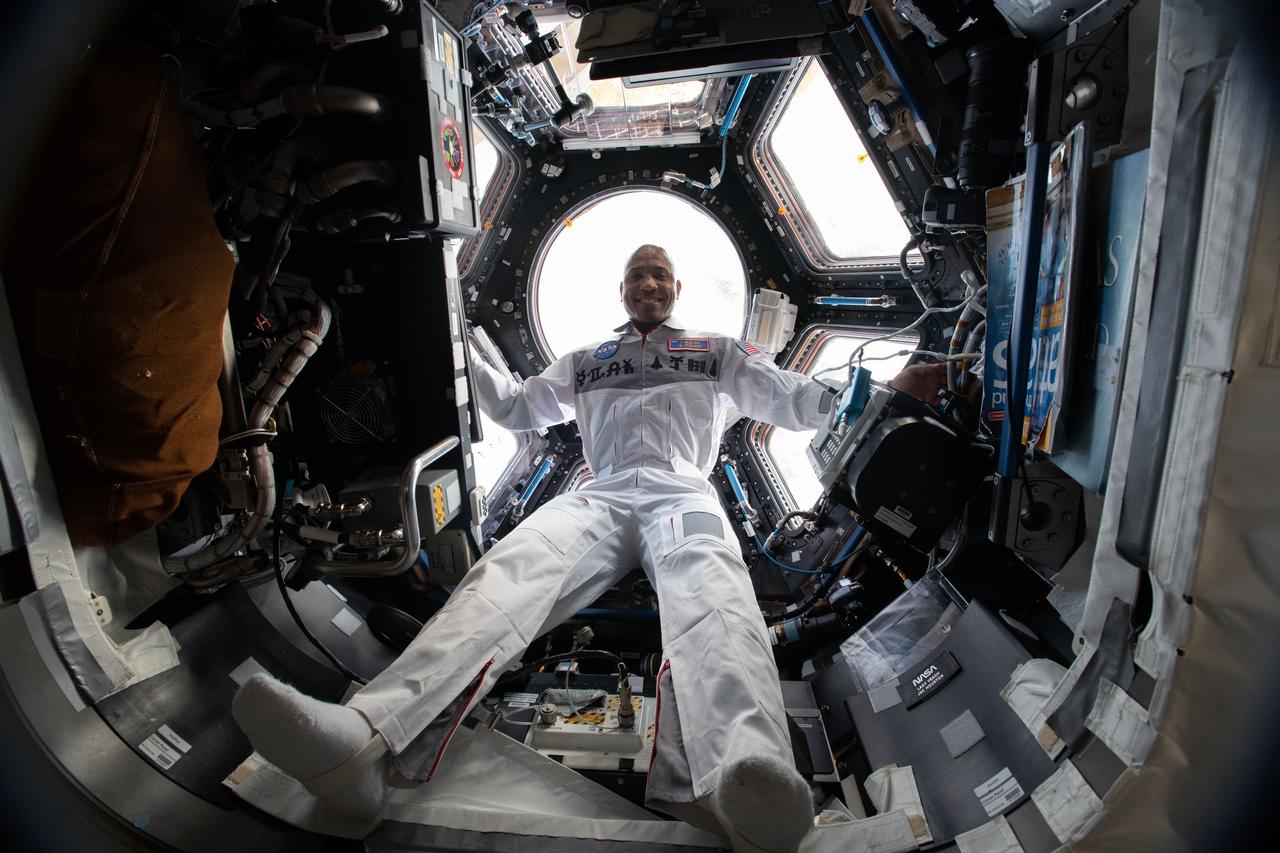
iss064e009108 (Dec. 3, 2020) --- NASA astronaut and Expedition 64 Flight Engineer Victor Glover is pictured inside the cupola, the International Space Station's "window to the world," as the orbiting lab flew 263 miles above France.
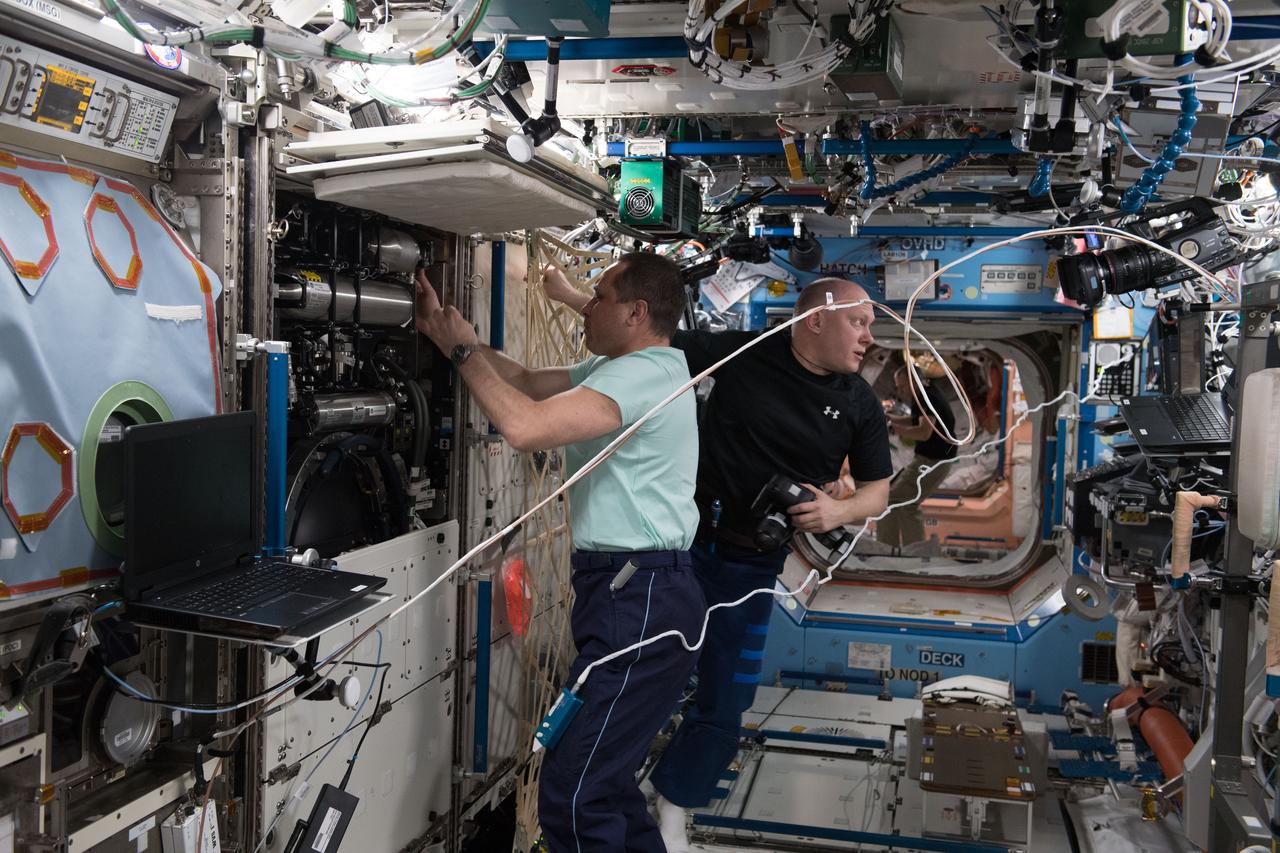
iss055e005587 (March 26, 2018) --- Expedition 55 Commander Anton Shkaplerov (foreground) and Flight Engineer Oleg Artemyev, both cosmonauts representing Roscosmos, replace manifold bottles inside the the Destiny lab module's Combustion Integrated Rack.
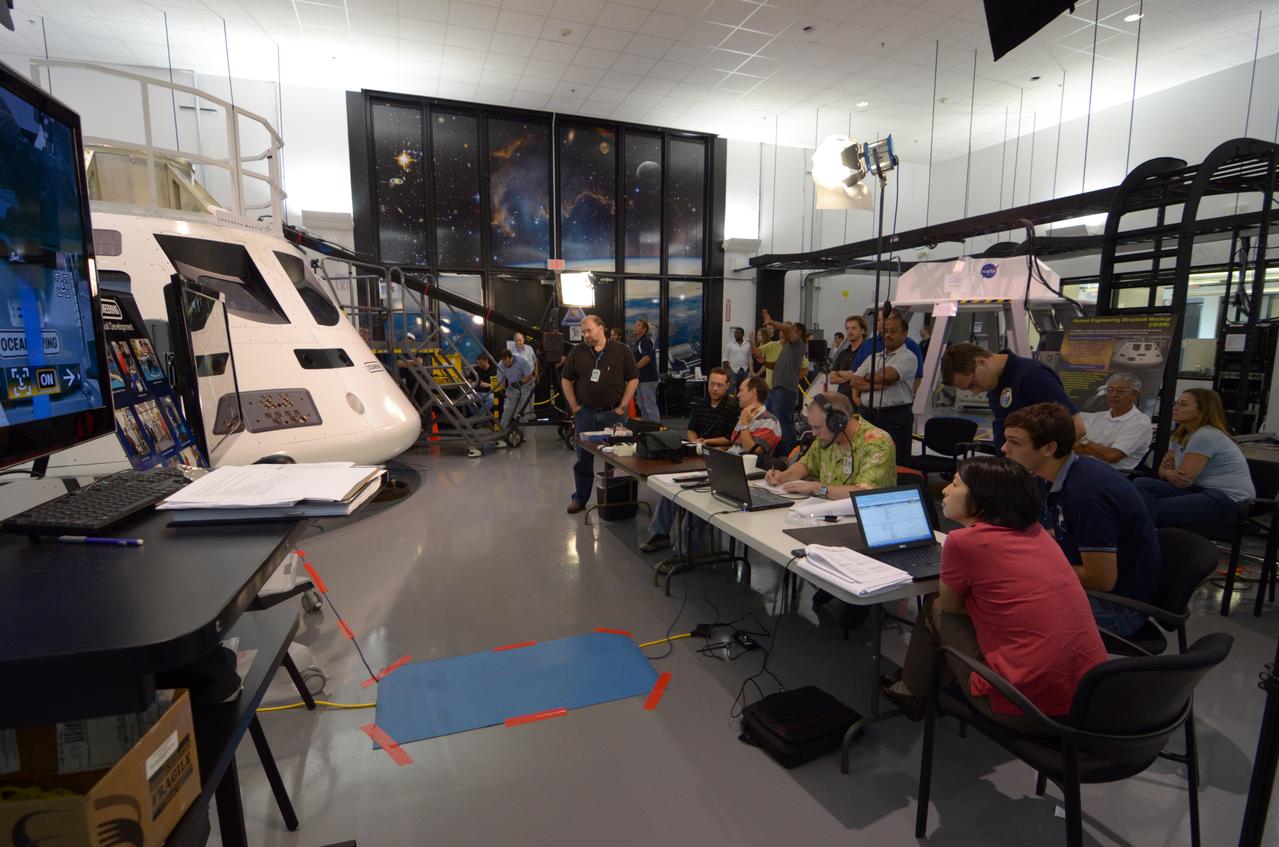
Engineers evaluate early space suit designs in an Orion mockup at Lockheed Martin’s Exploration Development Lab (EDL) in Houston on July 1, 2011. Part of Batch image transfer from Flickr.
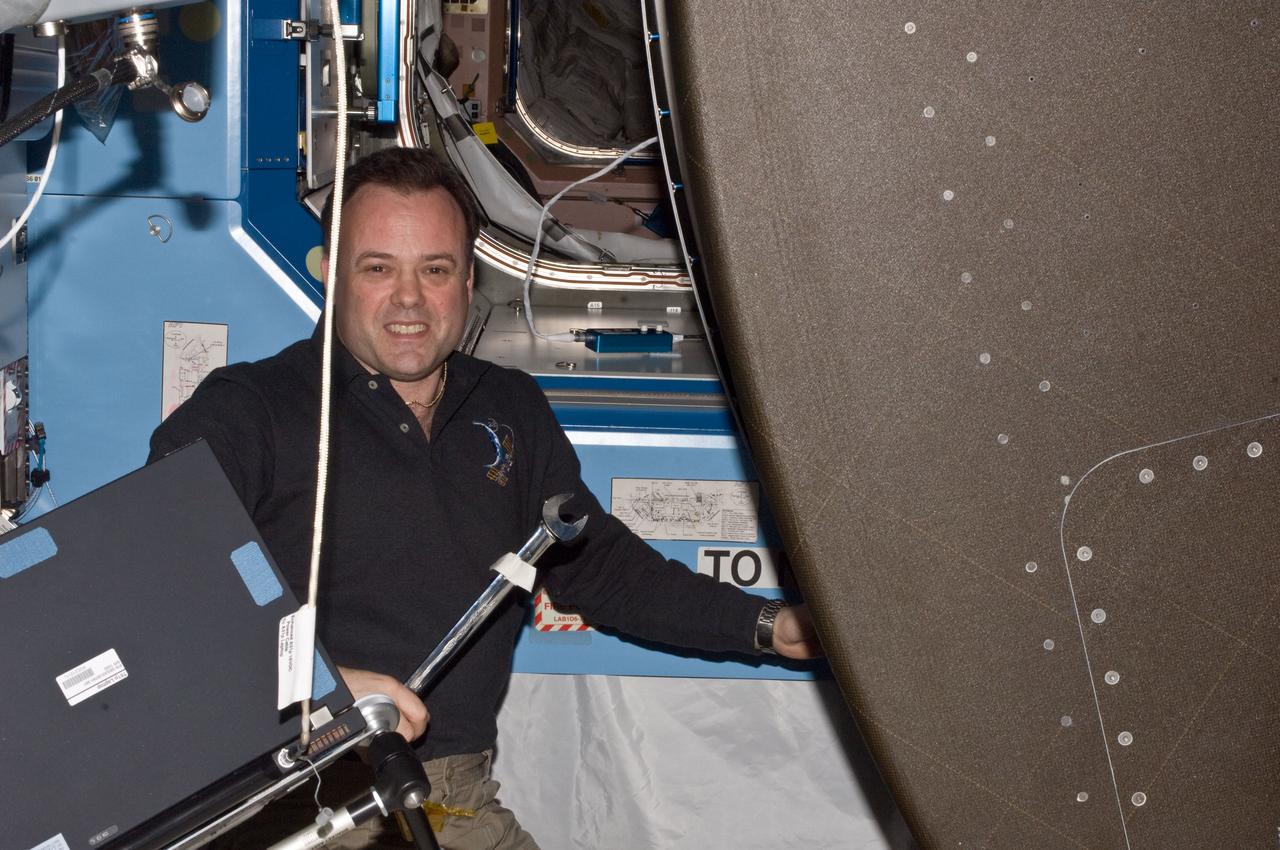
ISS028-E-017363 (17 July 2011) --- NASA astronaut Ron Garan, Expedition 28 flight engineer, works with a pulled rack in the U.S. lab or Destinty aboard the Internatinal Space Station.
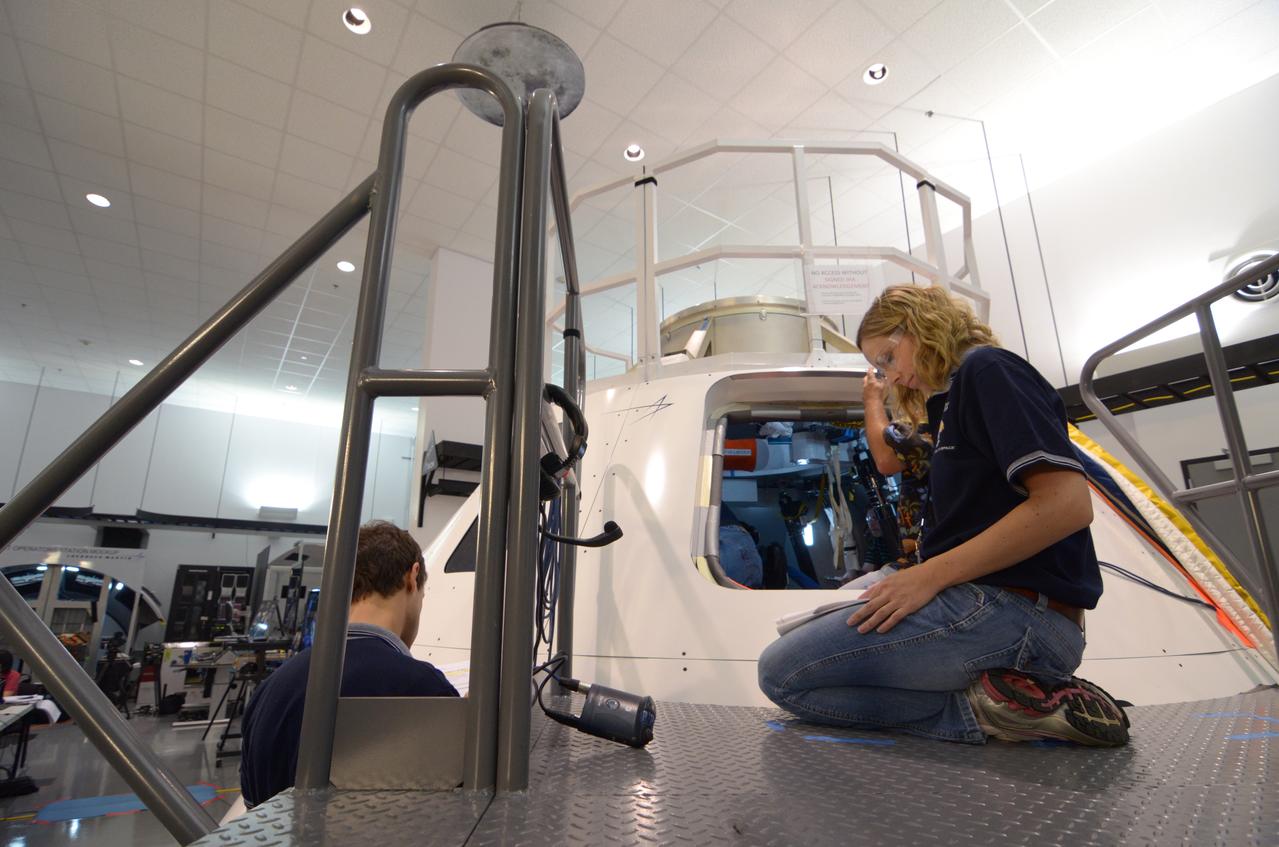
Engineers evaluate early space suit designs in an Orion mockup at Lockheed Martin’s Exploration Development Lab (EDL) in Houston on July 1, 2011. Part of Batch image transfer from Flickr.