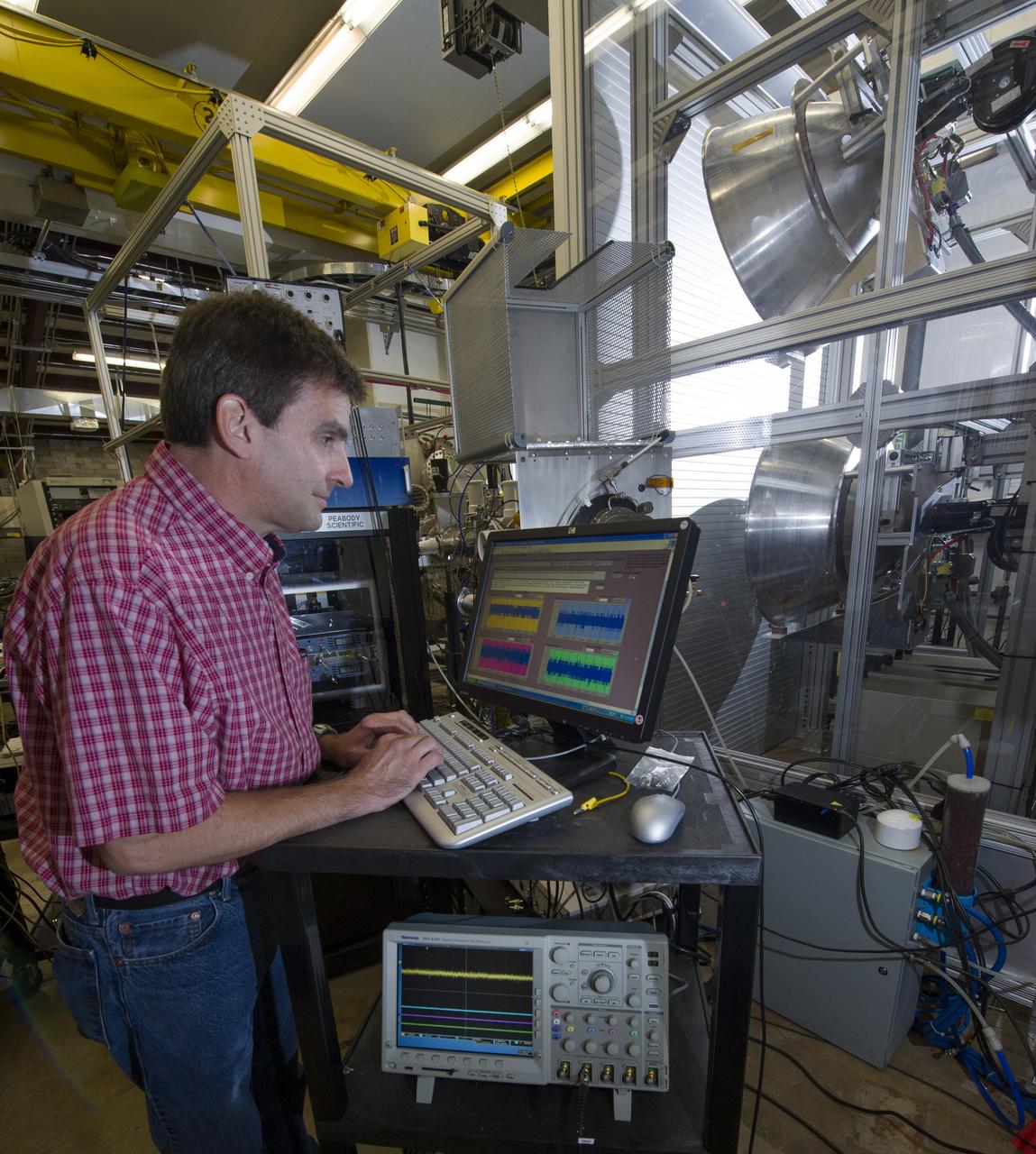
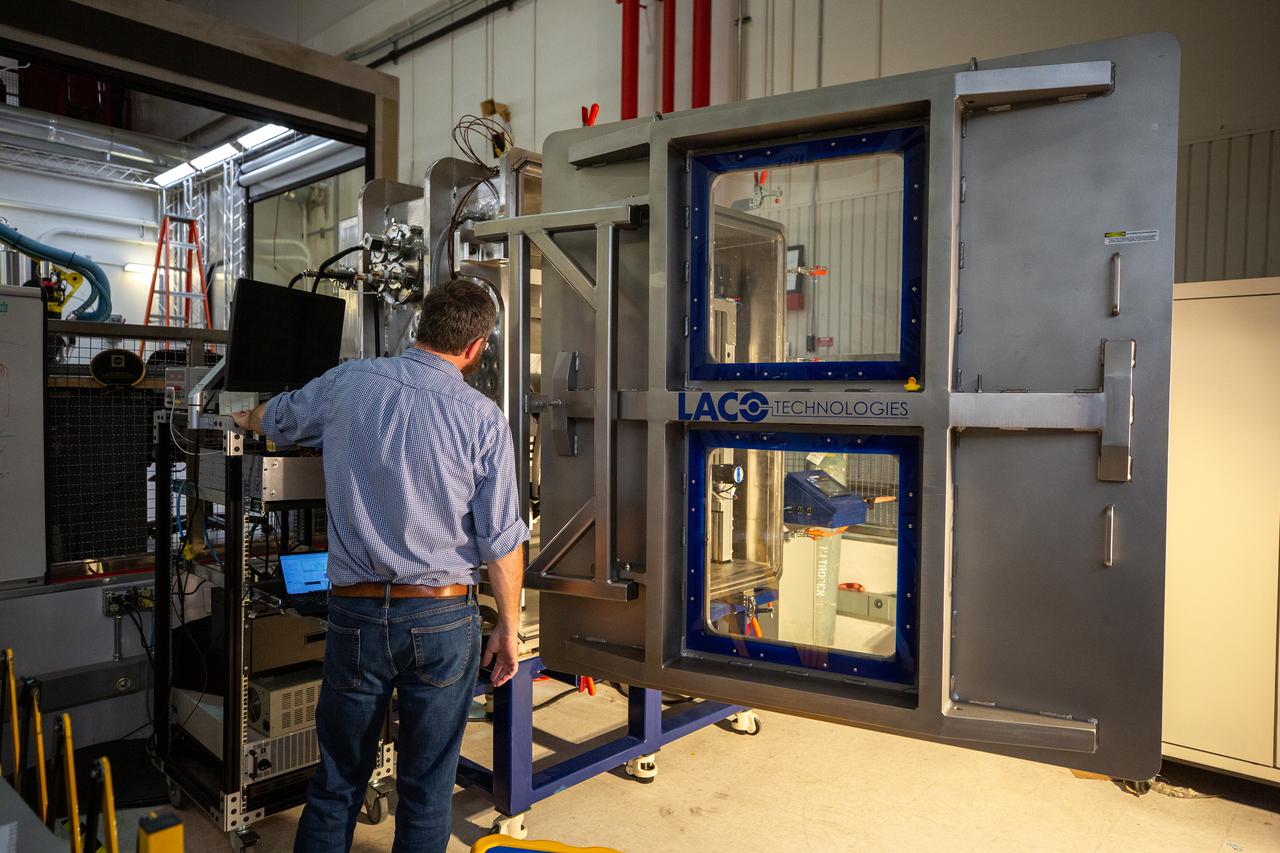
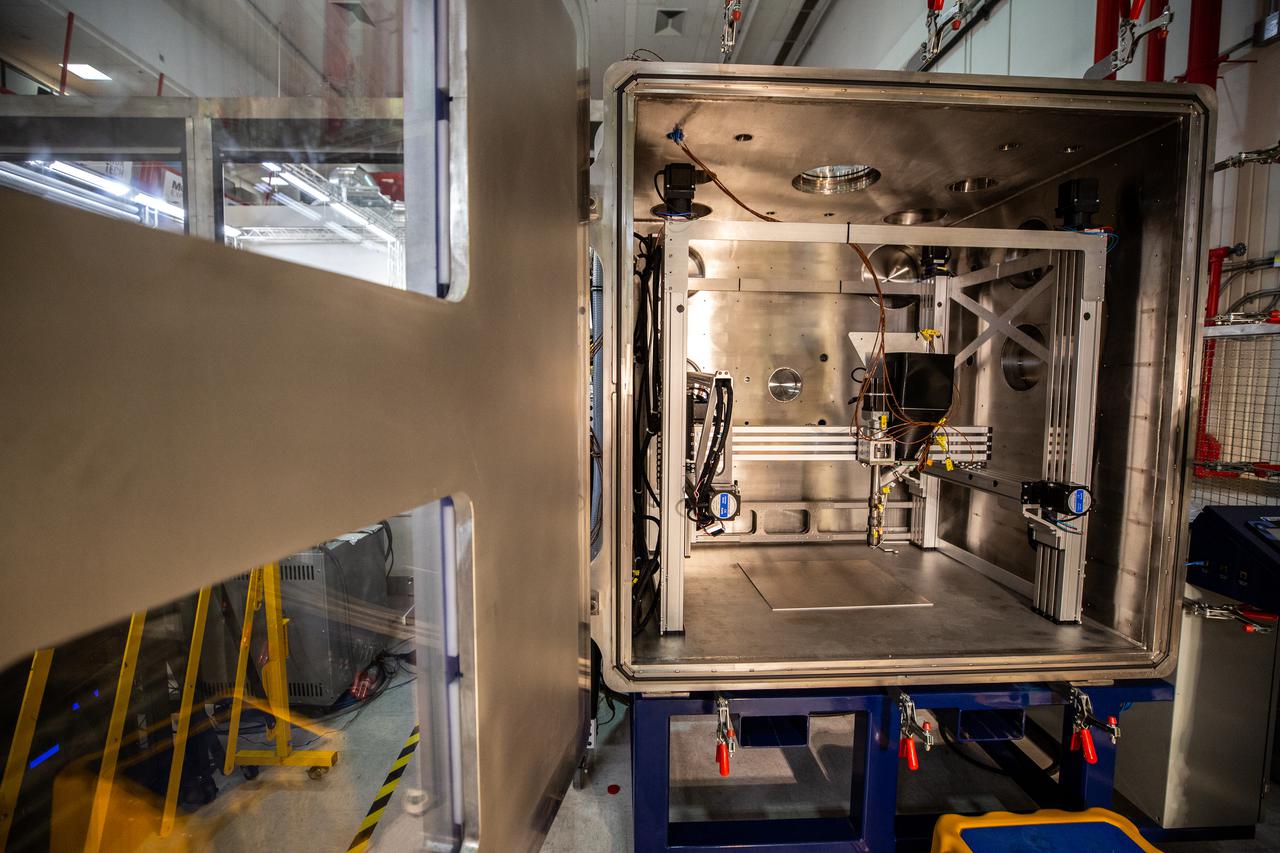
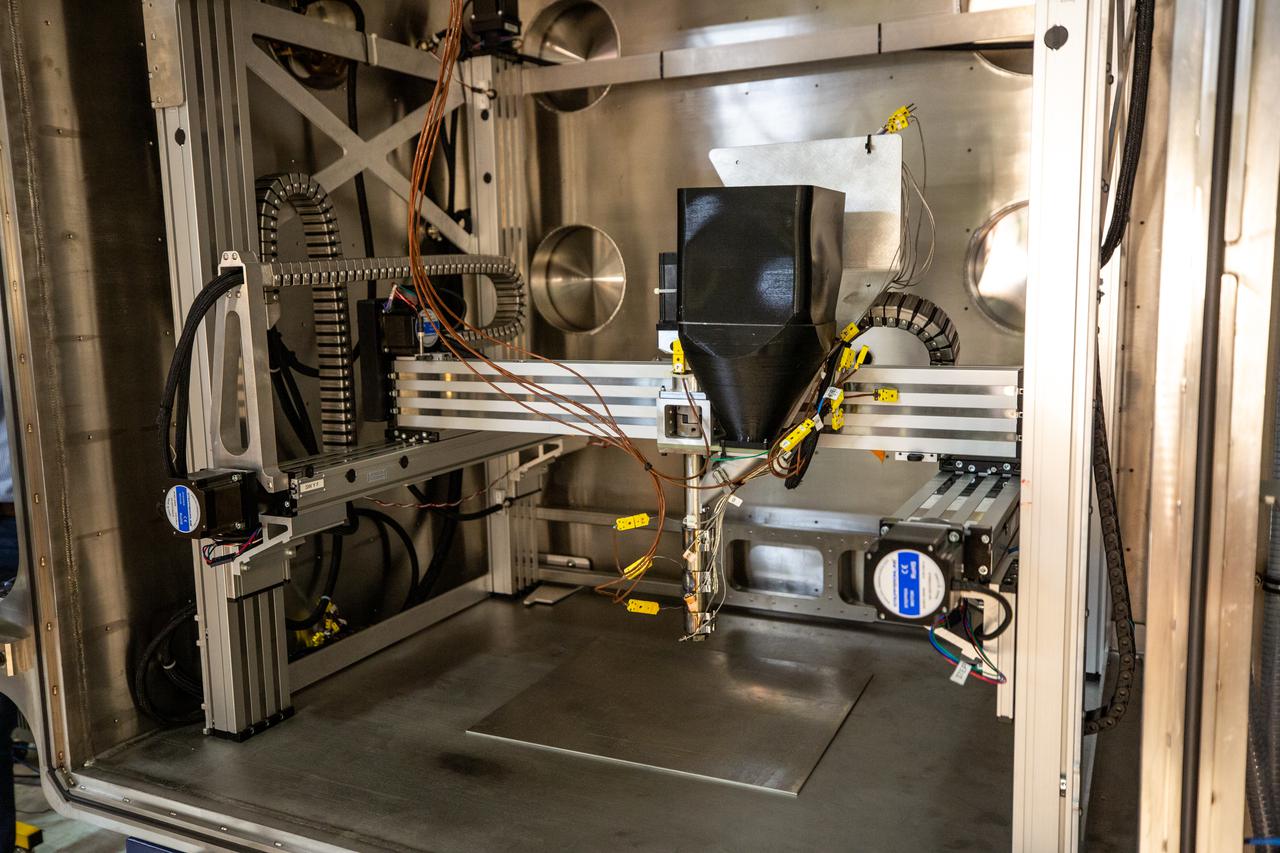
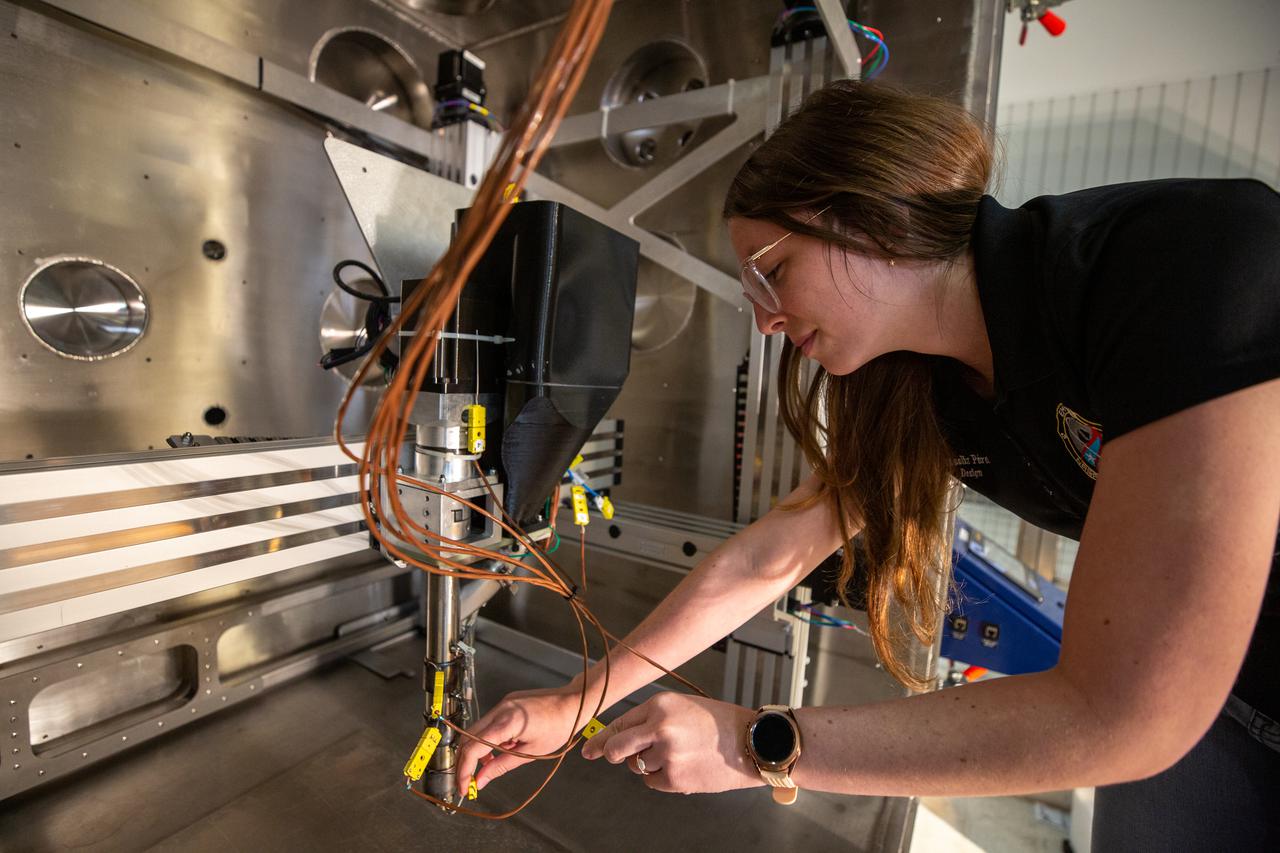
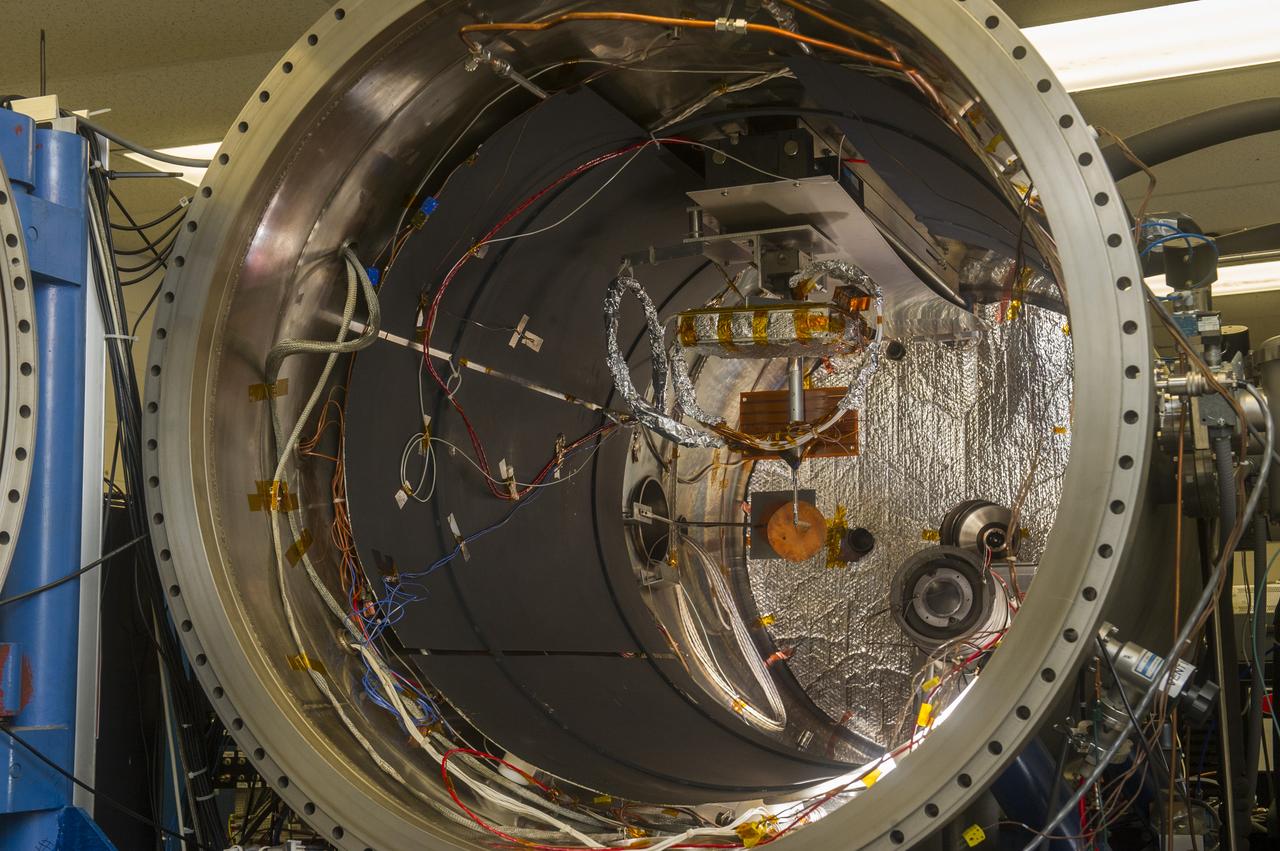
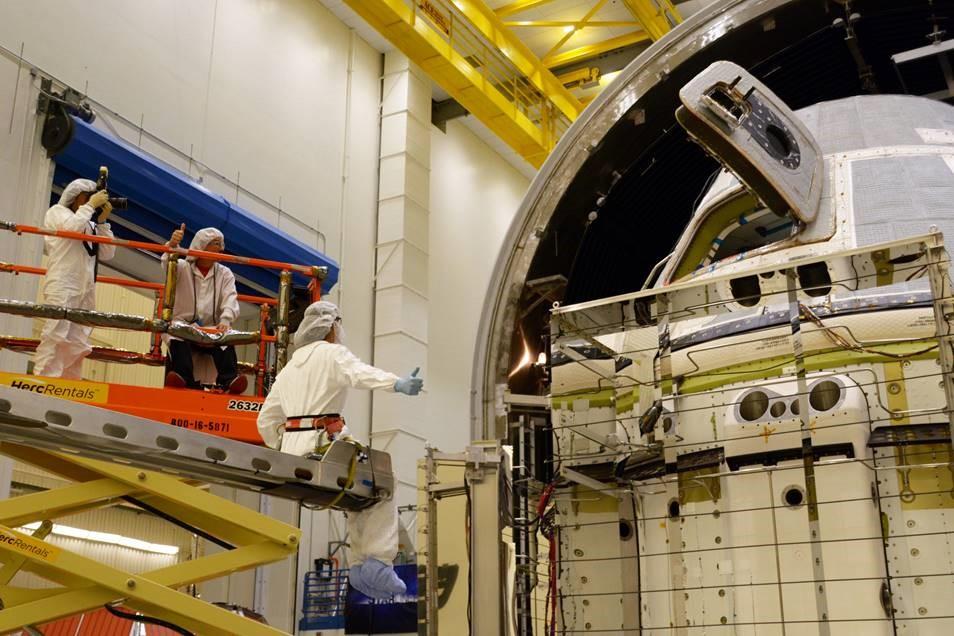
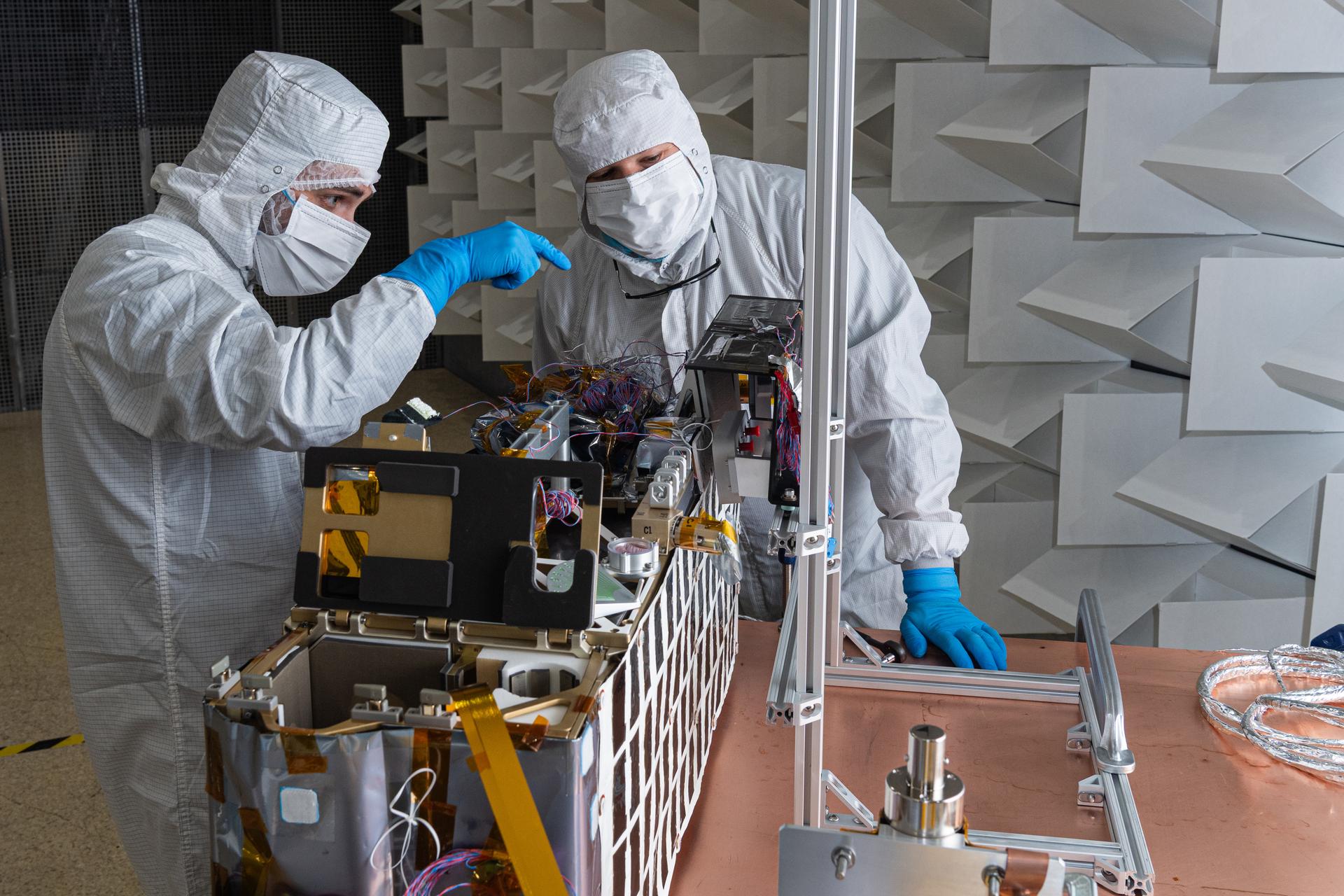
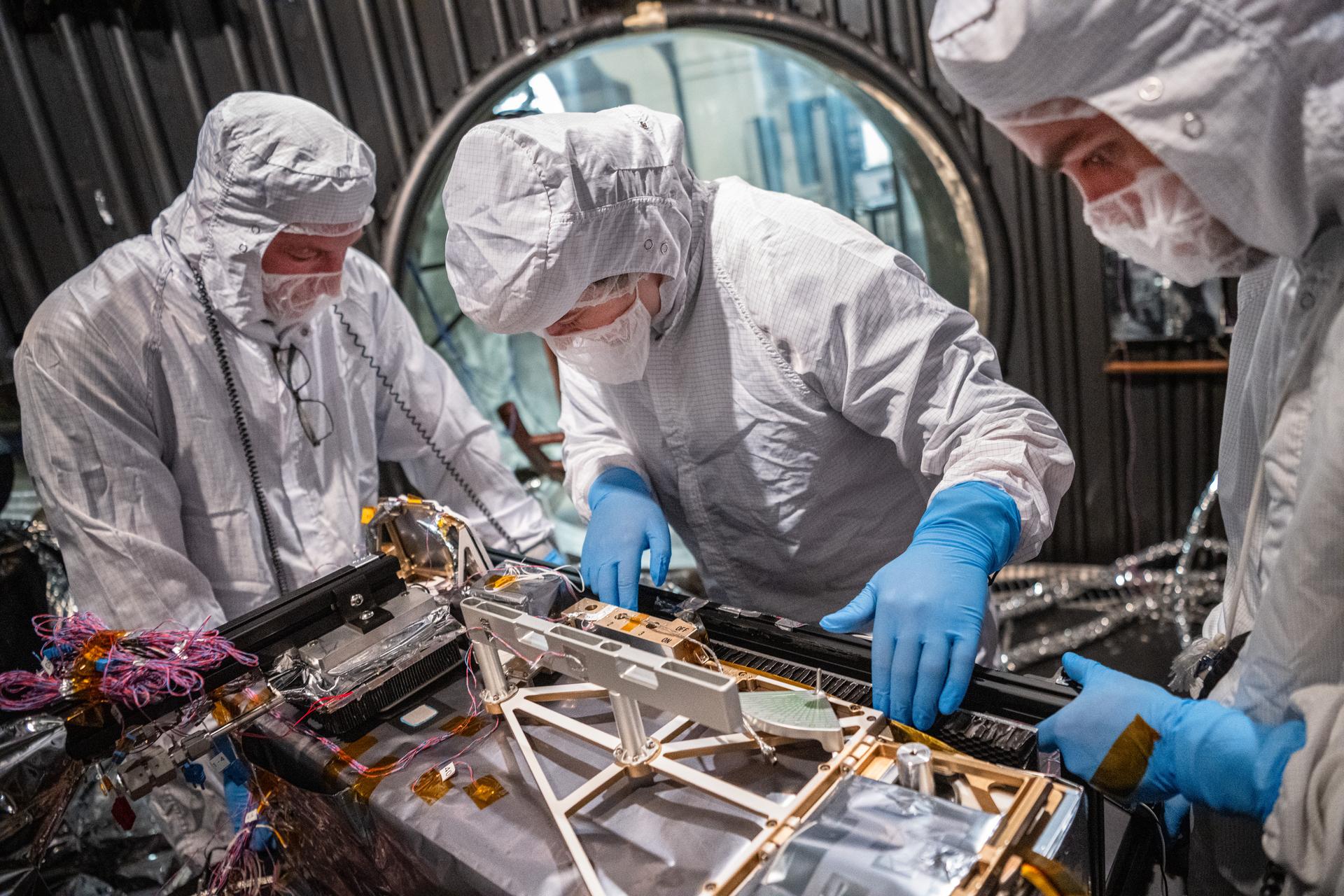
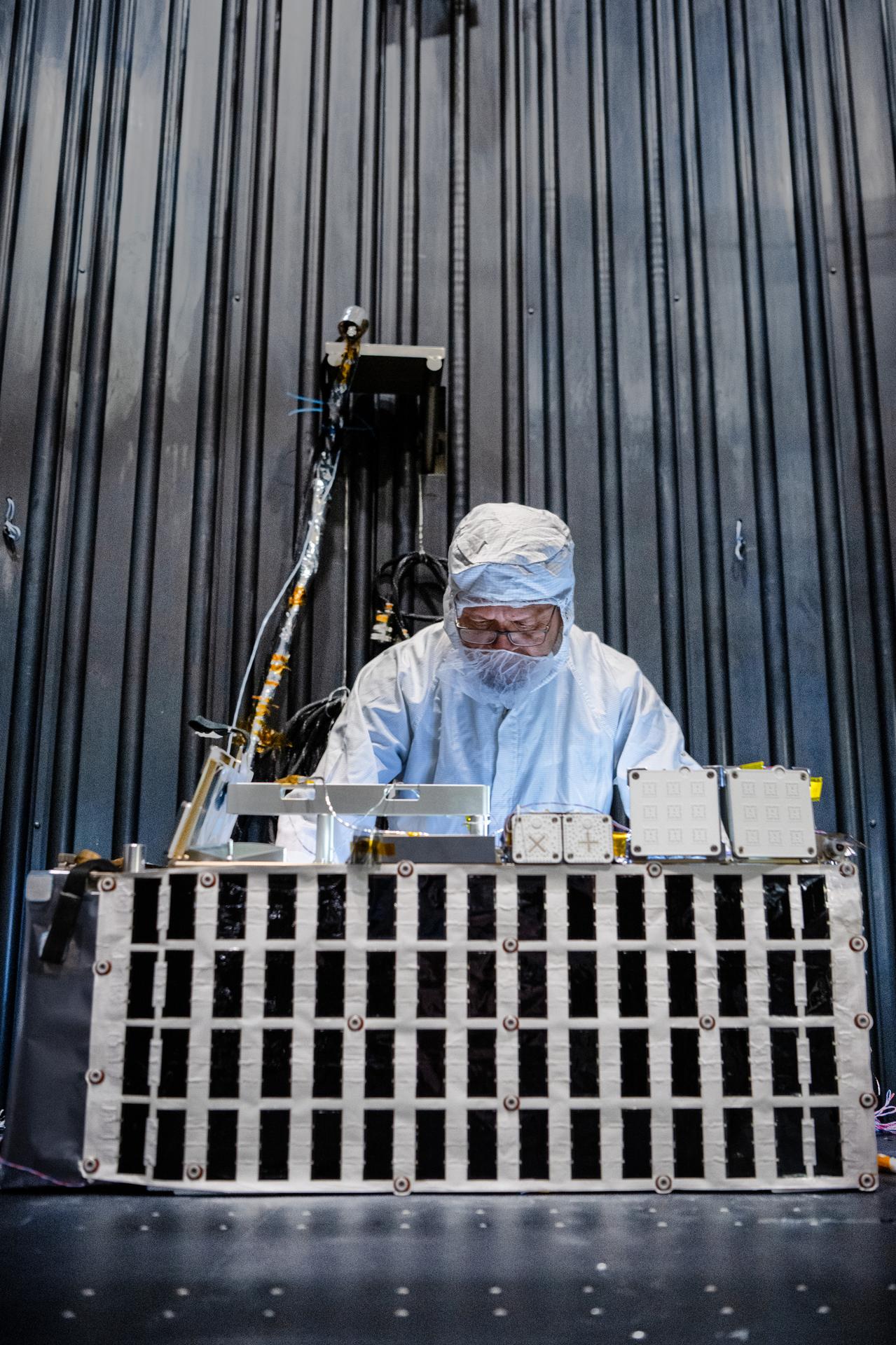
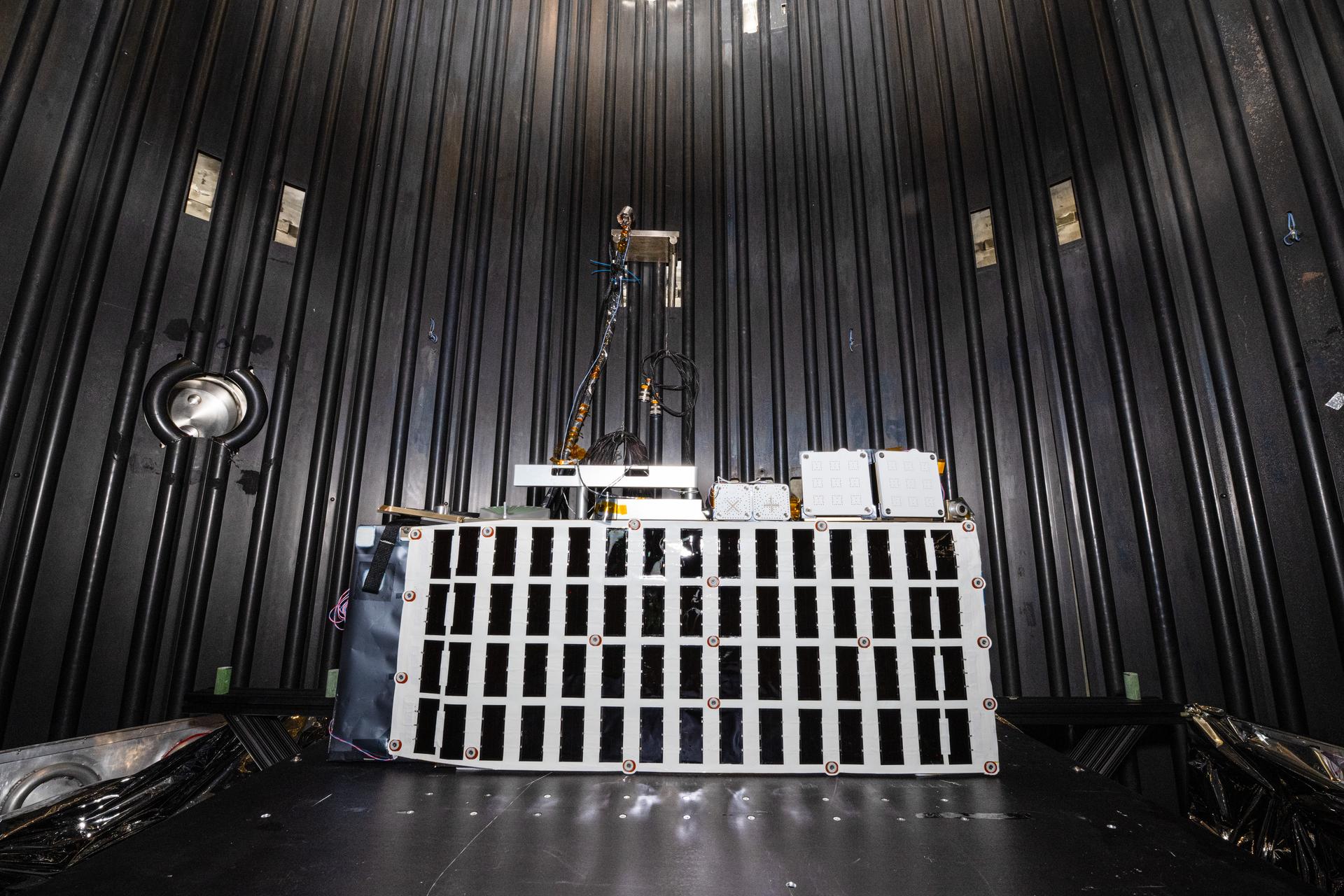
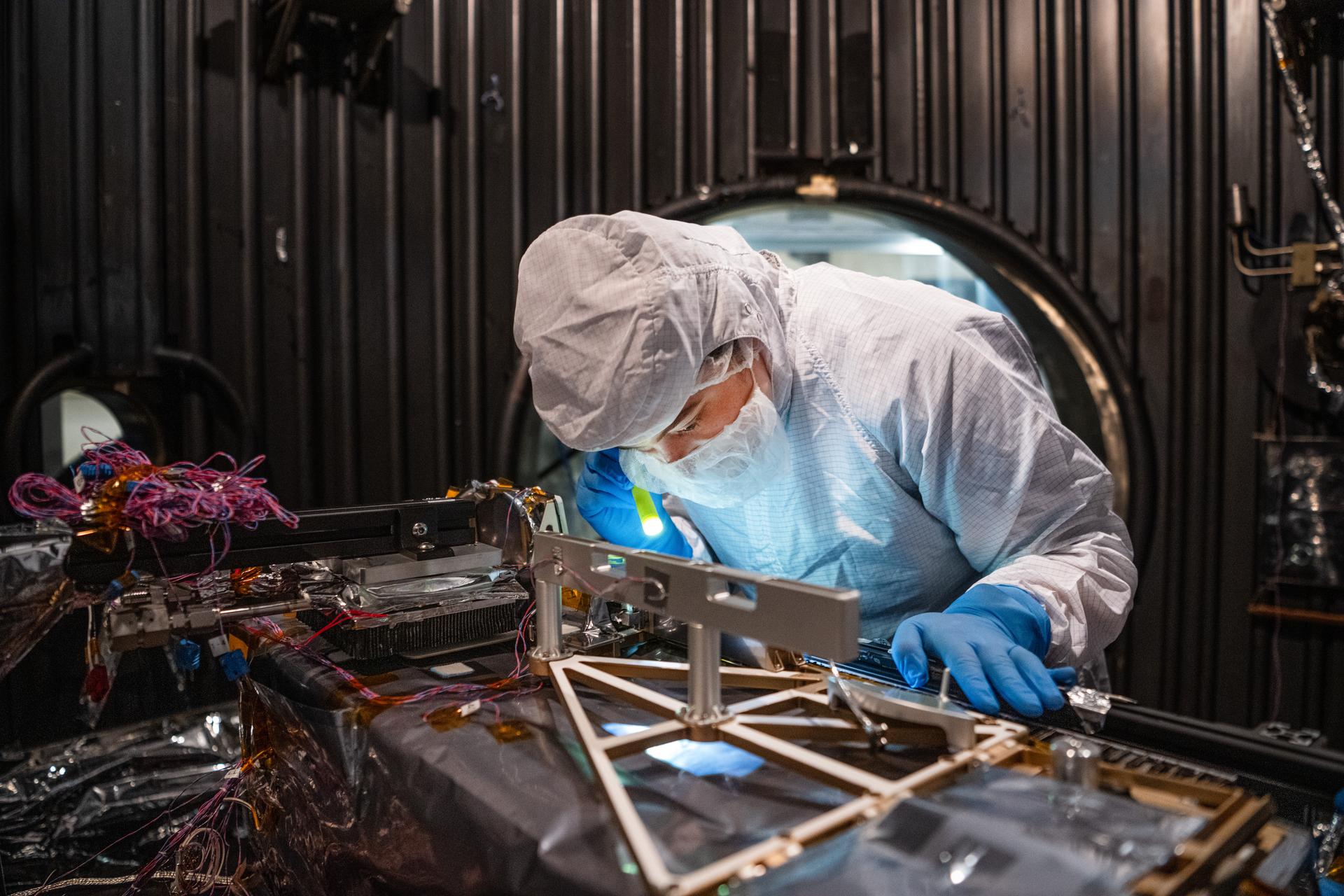
The Glenn Extreme Environment Chamber (GEER) simulates the extreme conditions found in space and tests many devices that will explore Venus to see if they can withstand the punishing environment and temperatures over 800 degrees F.
Extreme Environments Rig
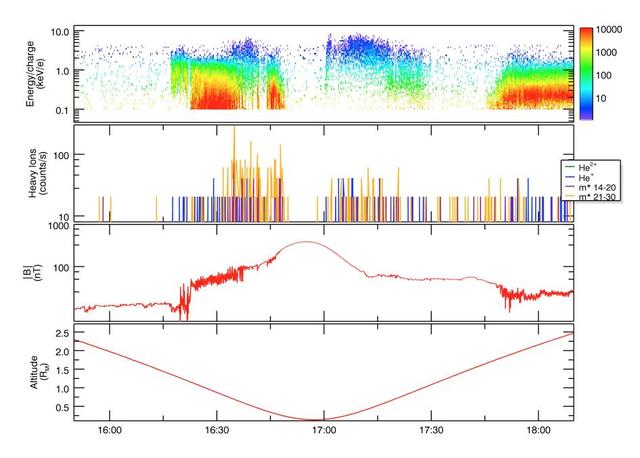
Exploring Mercury Plasma Environment
Radiation Environment at Mars and Earth
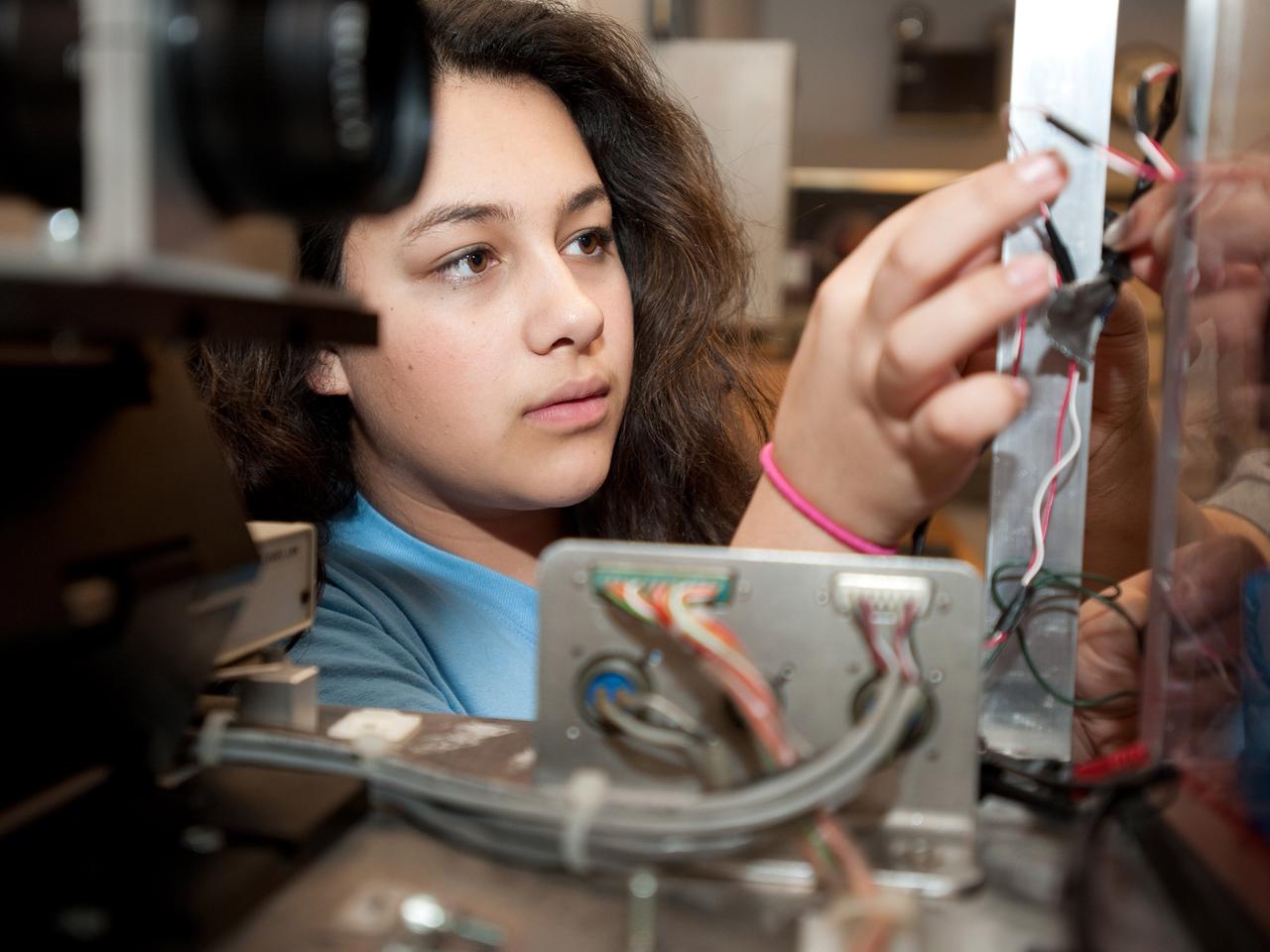
Neera Martin, a NASA Glenn student intern, works on a drop package for the 'Dropping in Microgravity Environment (DIME)' event held in NASA Glenn's 2.2 Second Drop Tower.
Dropping in Microgravity Environment (DIME)
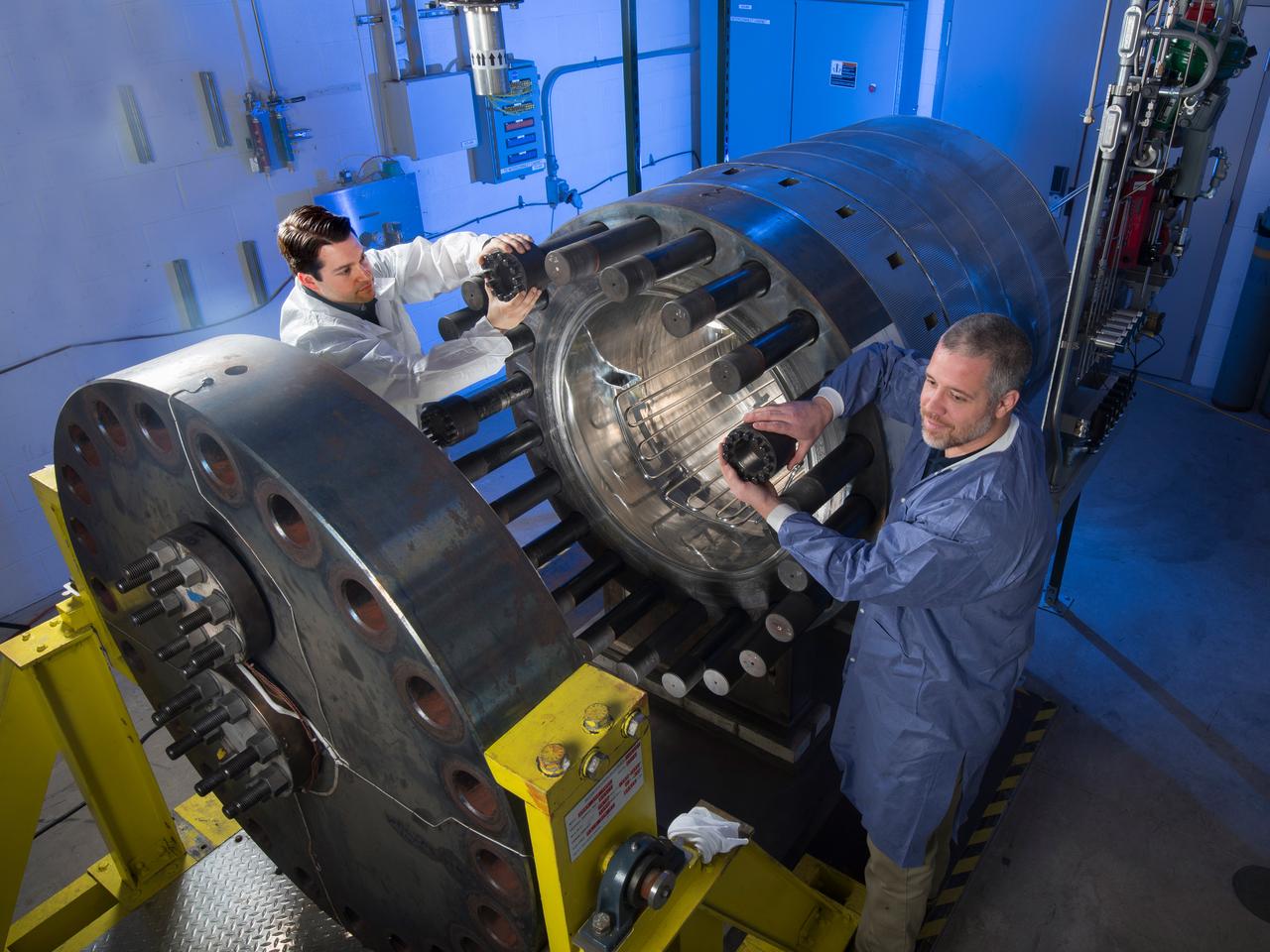
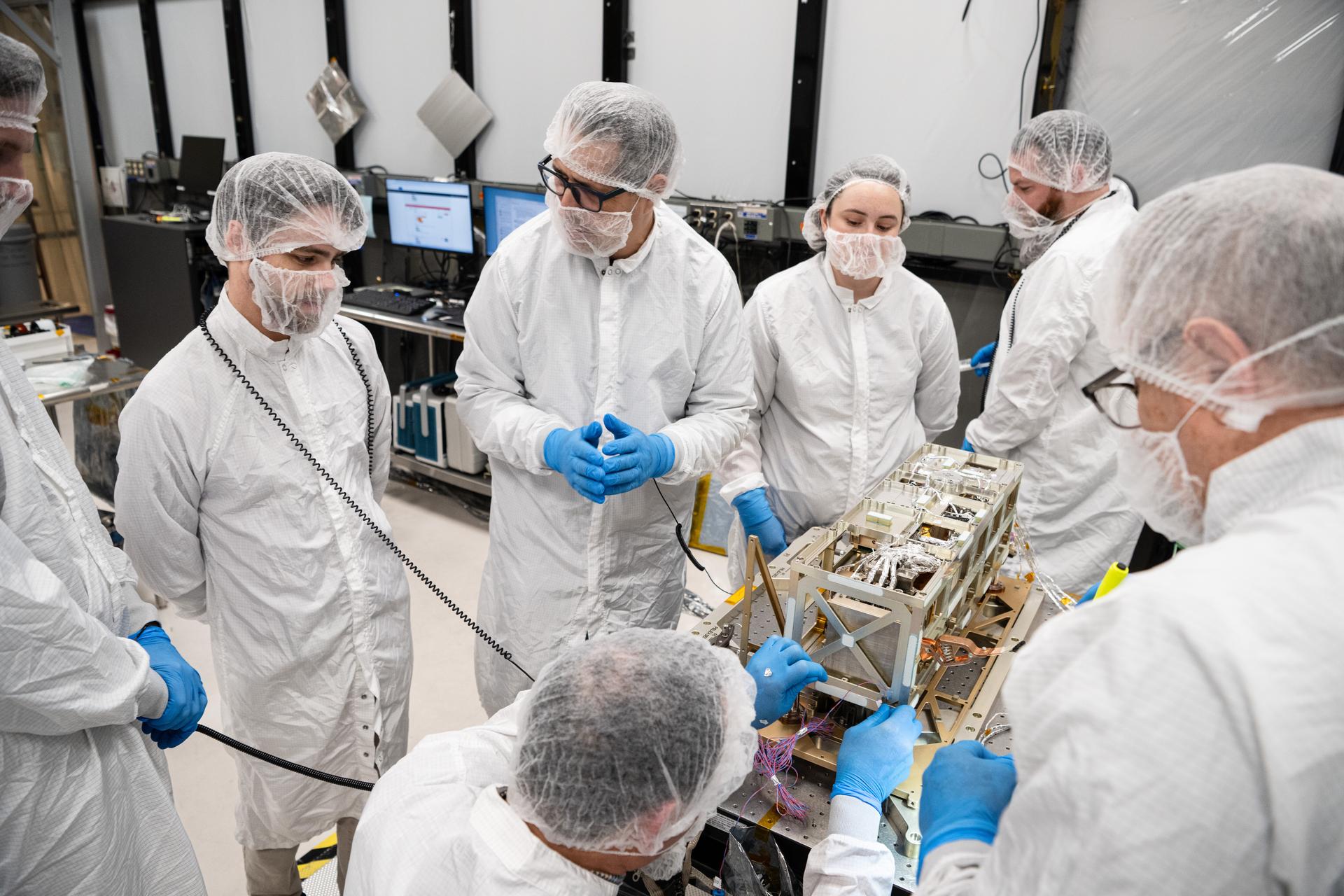
NASA Glenn research engineers prepare our extreme environments chamber (GEER) for a test. GEER, which simulates the extreme conditions found in space, tests many devices that will explore Venus to see if they can withstand the punishing environment and temperatures over 800˚F.
Glenn Extreme Environment Rig (GEER)
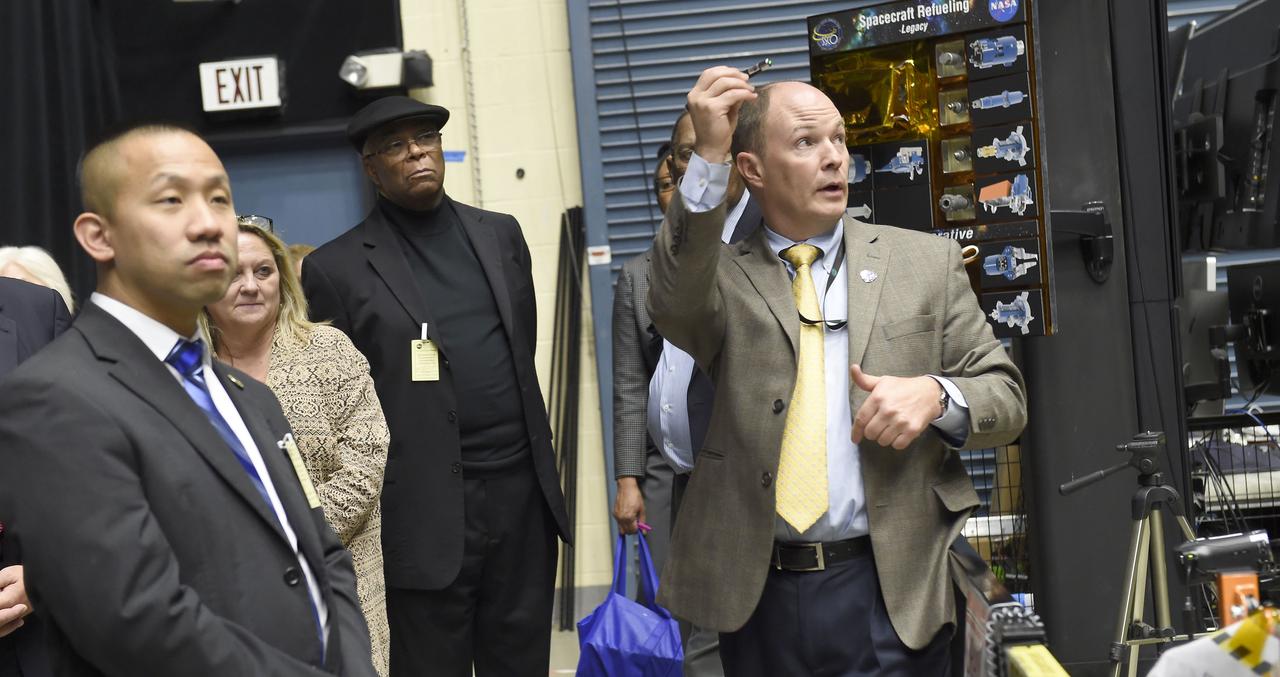
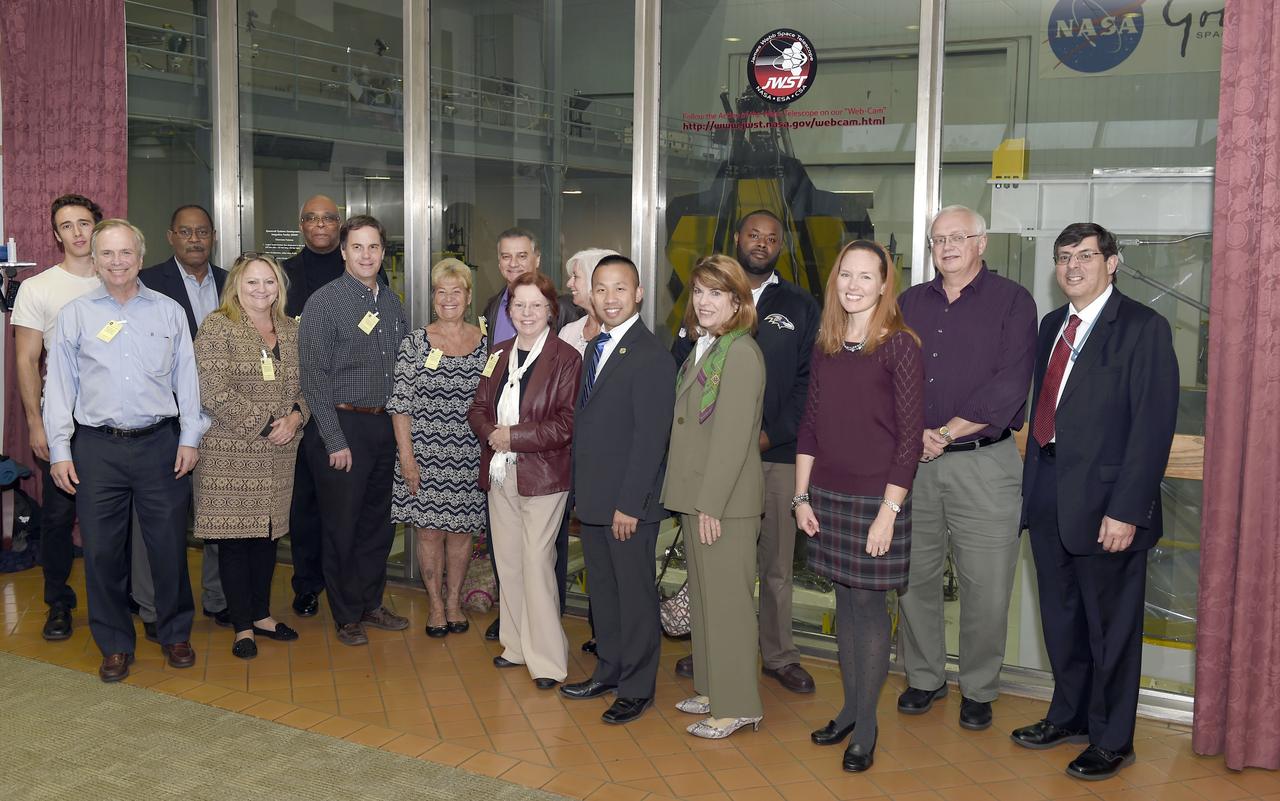
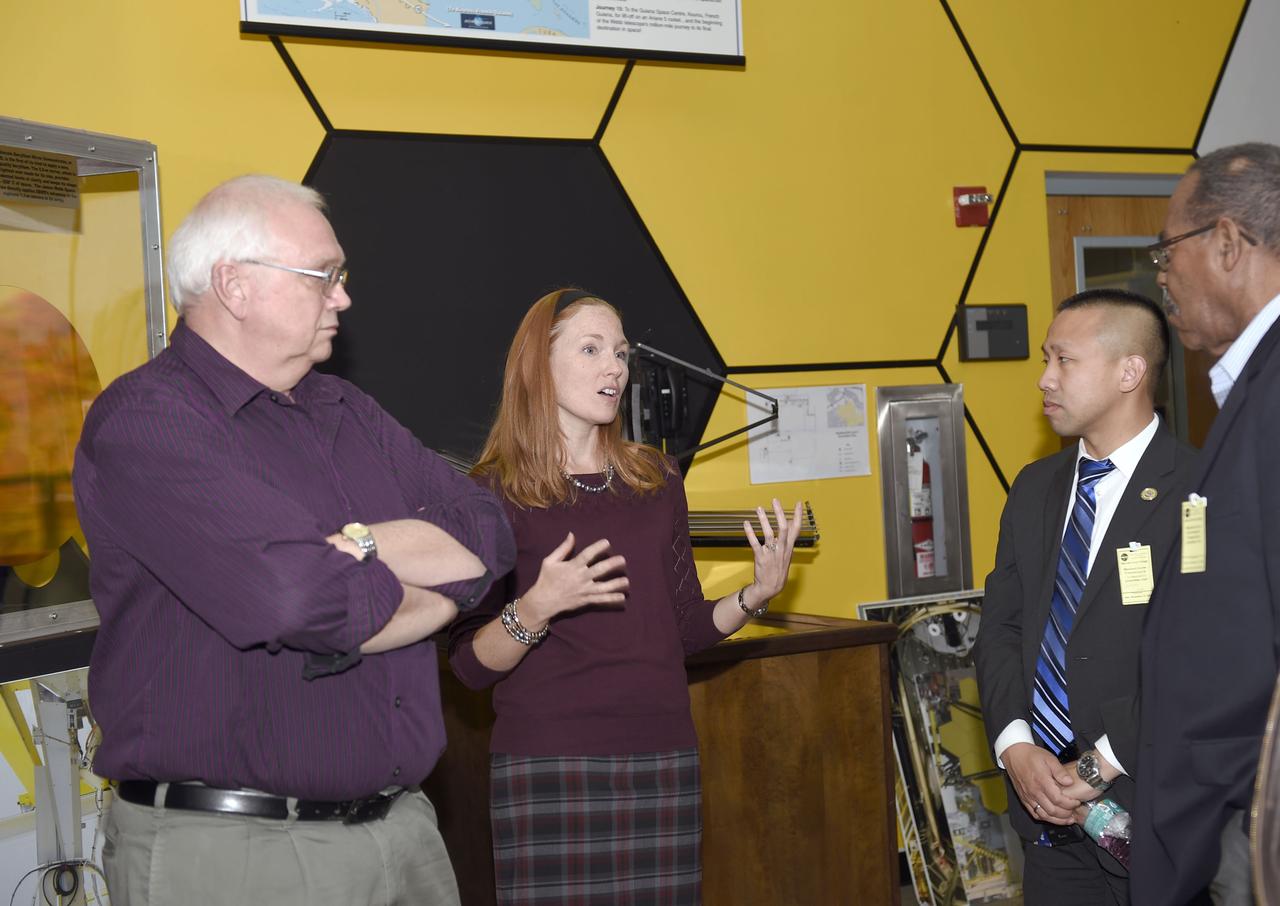
Center Director Chris Scolese welcomed the Maryland House Environment & Transportation Committee to Goddard on November 15, 2016.  The group visited the James Webb Space Telescope JWST and then they toured the Robotics Operations Facility.
Maryland House Environment & Transportation Committee Visit
Center Director Chris Scolese welcomed the Maryland House Environment & Transportation Committee to Goddard on November 15, 2016.  The group visited the James Webb Space Telescope JWST and saw the mirrors open, then they toured the Robotic Operations Center - ROC.
Maryland House Environment & Transportation Committee Visit
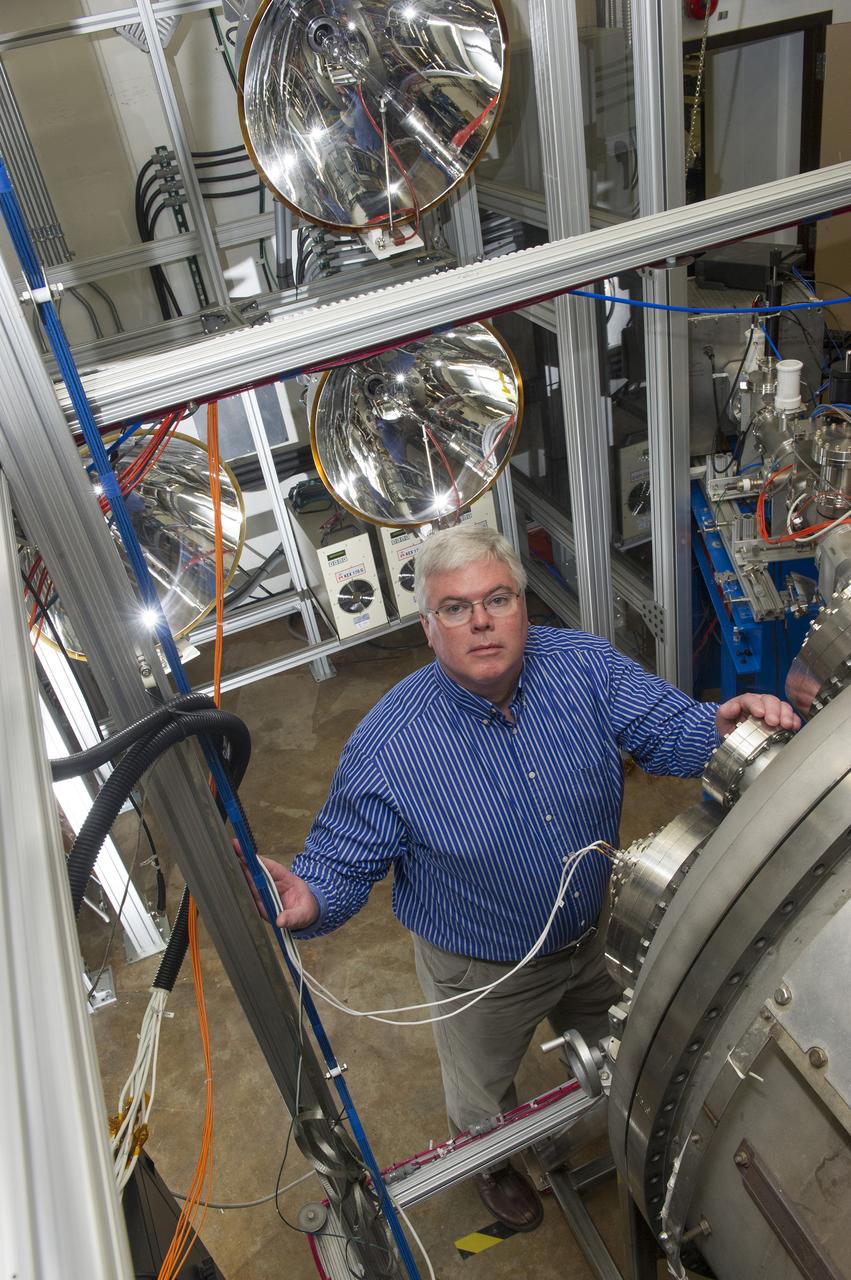
TODD SCHNEIDER LOOKS UP FROM WORK AT THE DOOR OF T HE HIGH INTENSITY SOLAR ENVIRONMENT TEST SYSTEM IN BUILDING 4605. SCHNEIDER IS A PHYSICIST IN THE MATERIALS AND PROCESSES DEPARTMENT AT MSFC AND IS PRINCIPAL INVESTIGATOR FOR HISET.
THE HIGH INTENSITY SOLAR ENVIRONMENT TEST SYSTEM
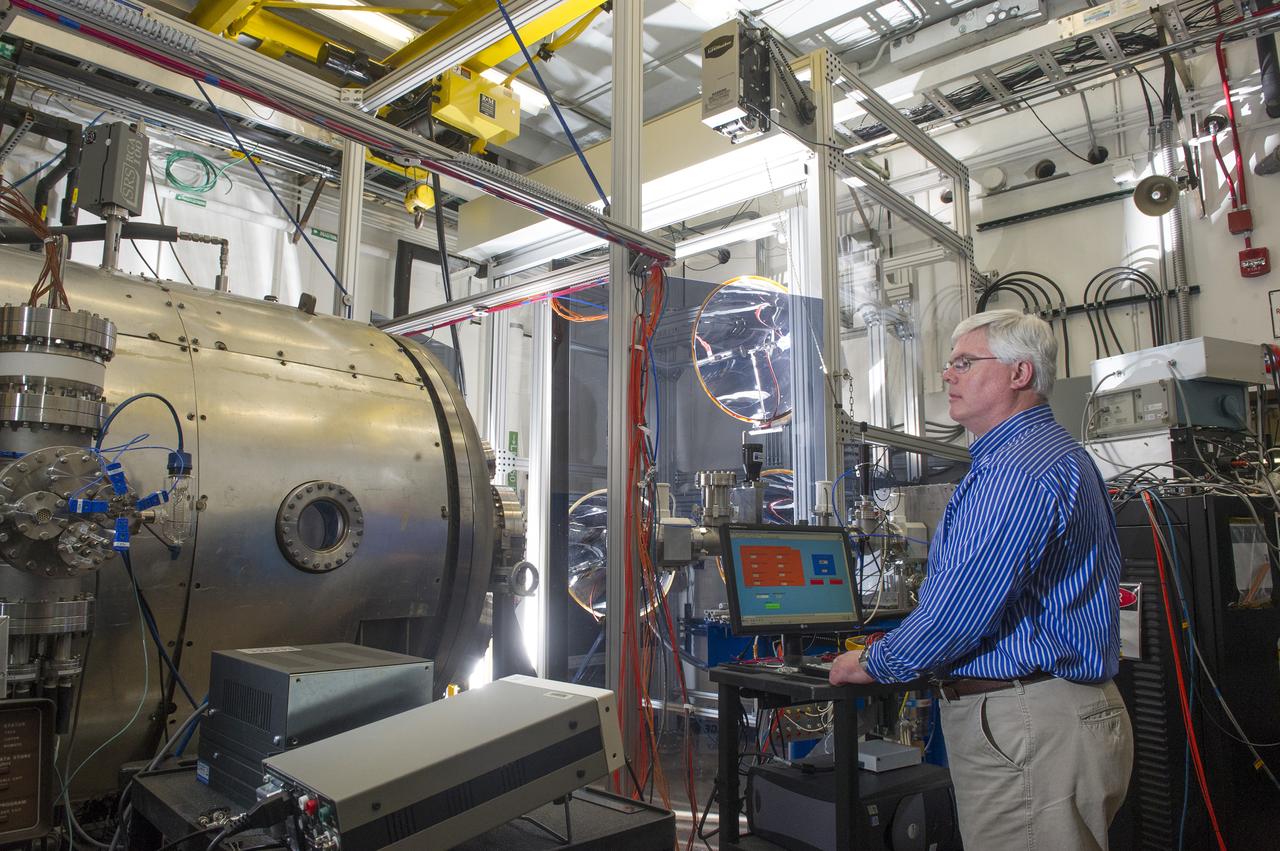
TODD SCHNEIDER ADJUSTS THE LIGHT HITTING A SAMPLE INSIDE THE HIGH INTENSITY SOLAR ENVIRONMENT TEST SYSTEM CHAMBER.
TODD SCHNEIDER INSIDE THE HIGH INTENSITY SOLAR ENVIRONMENT TEST
Space Environments Complex at Plum Brook Station
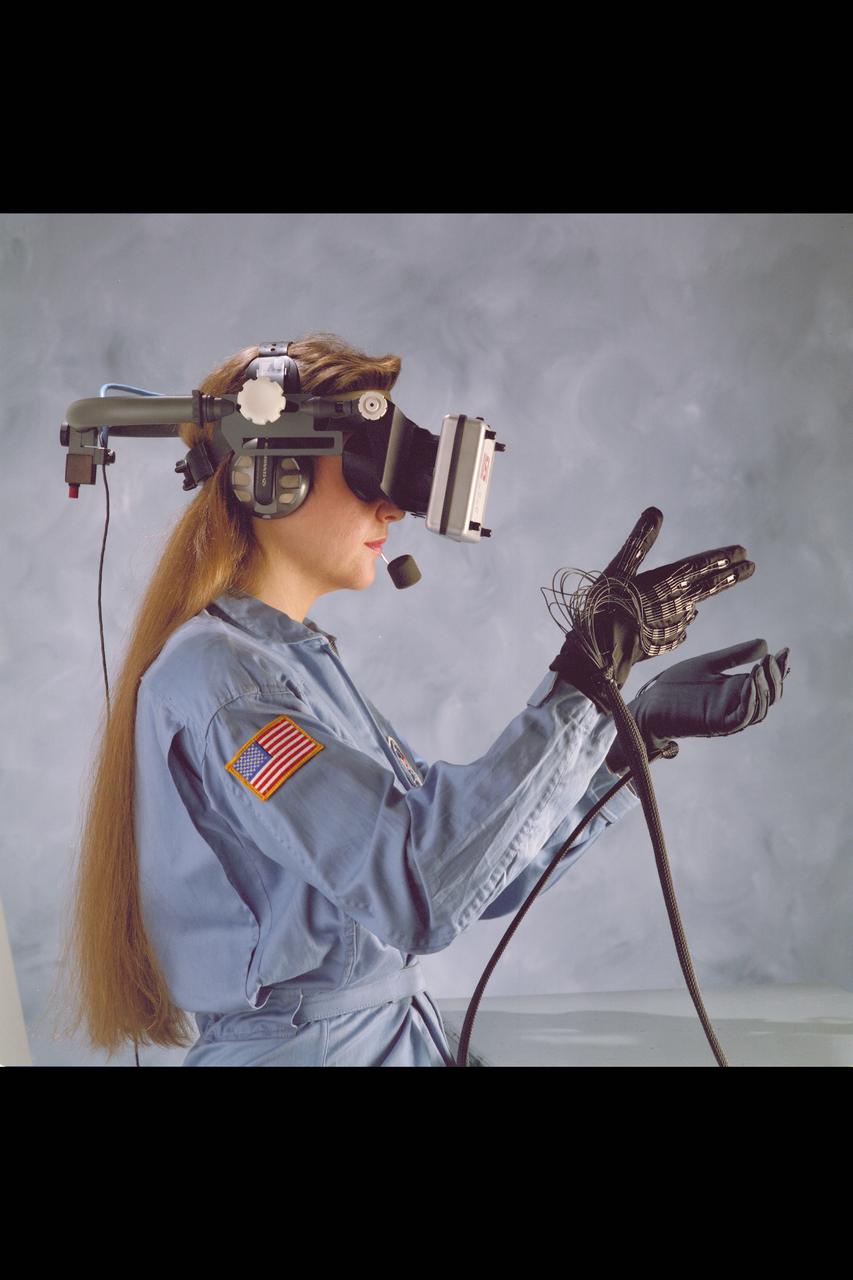
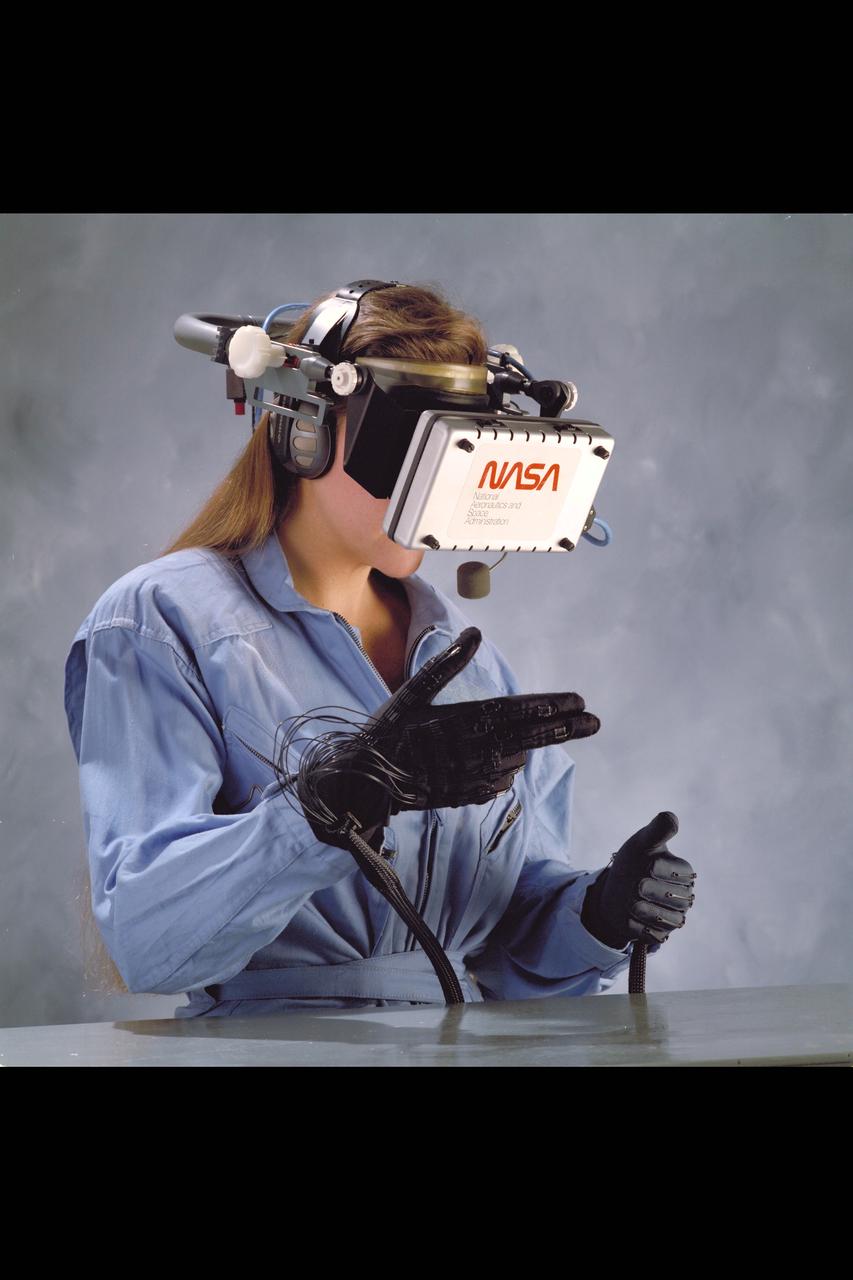
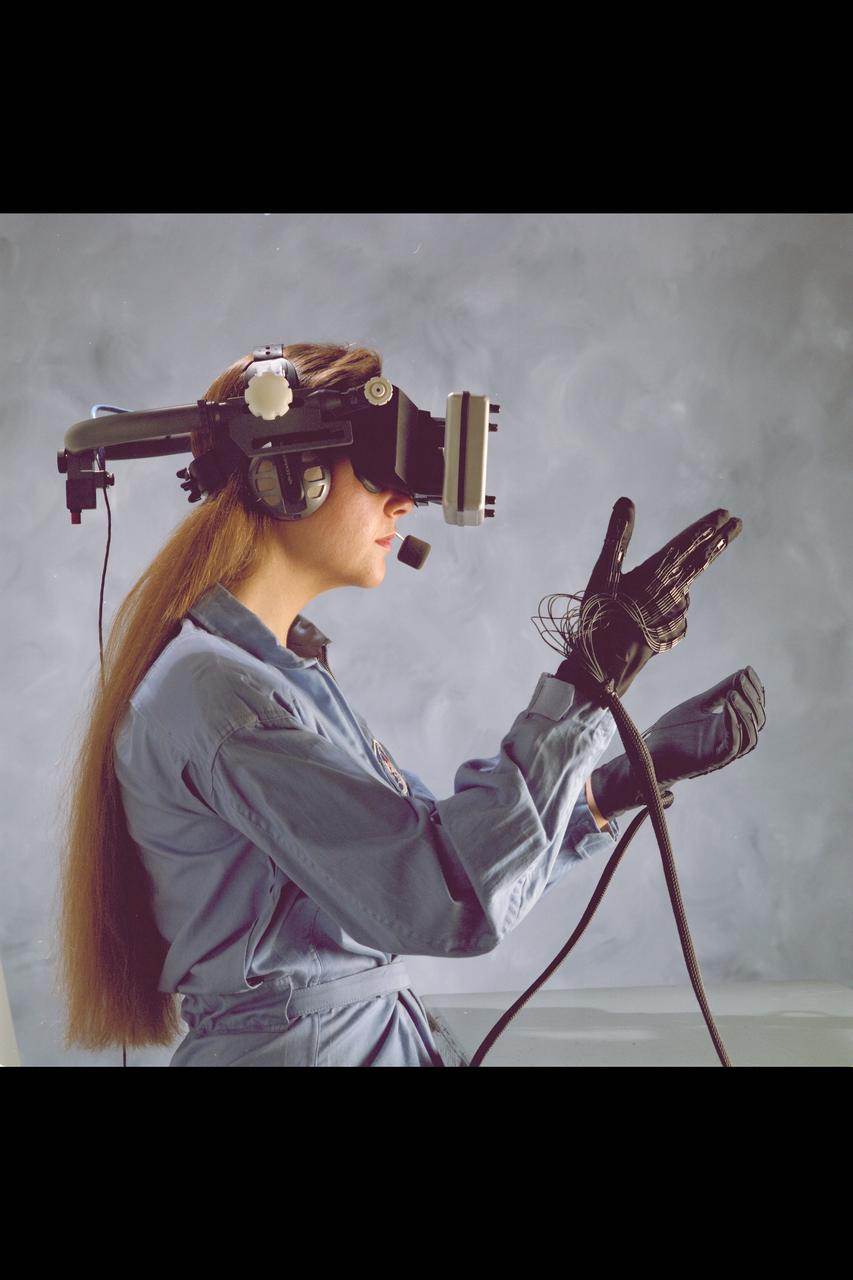
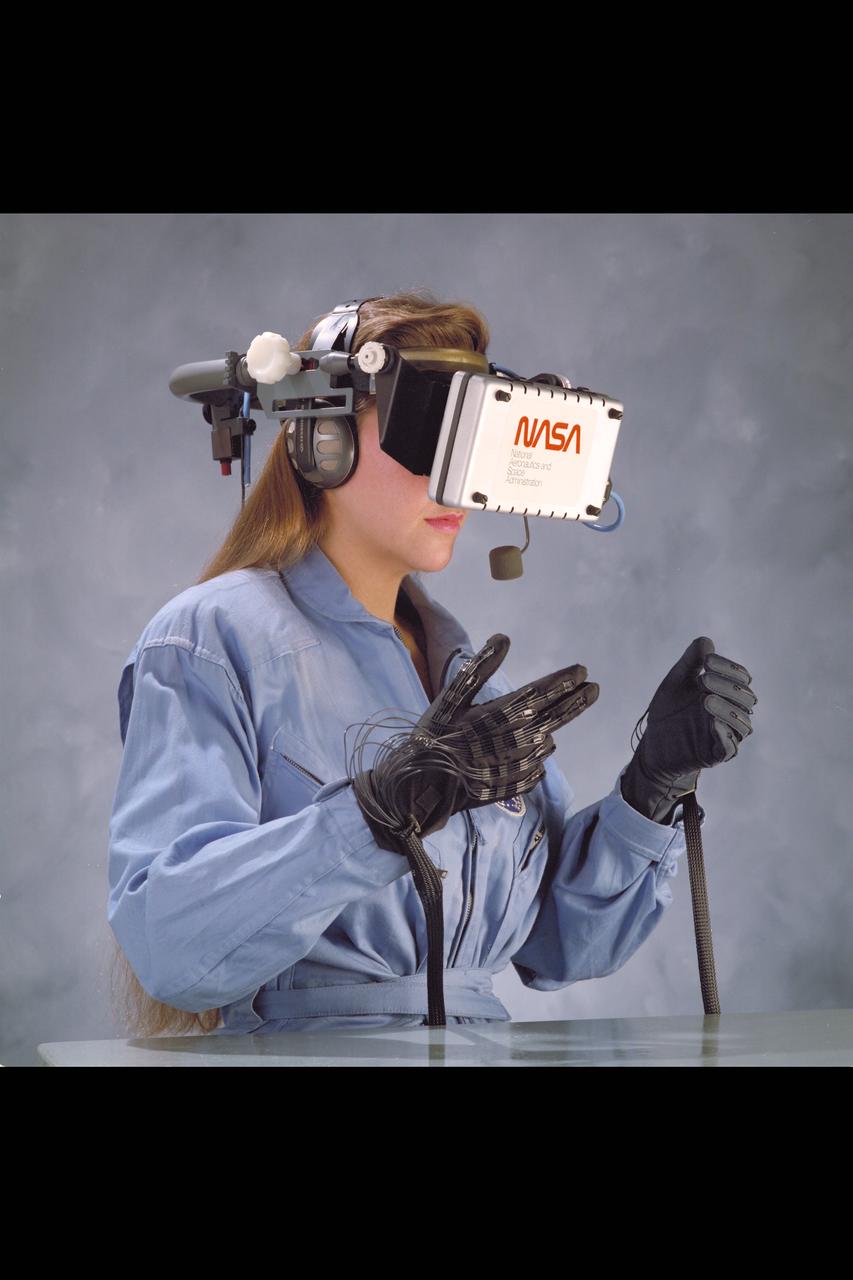
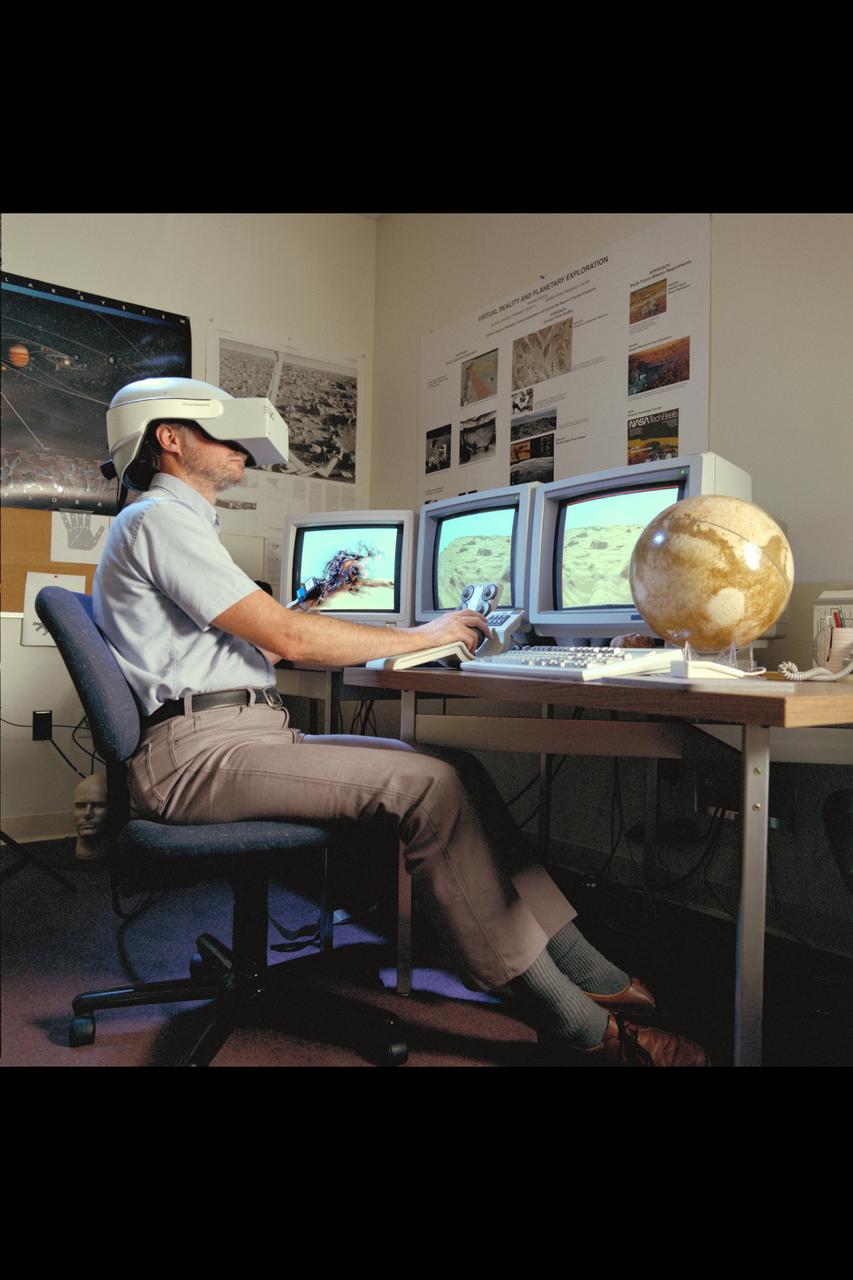
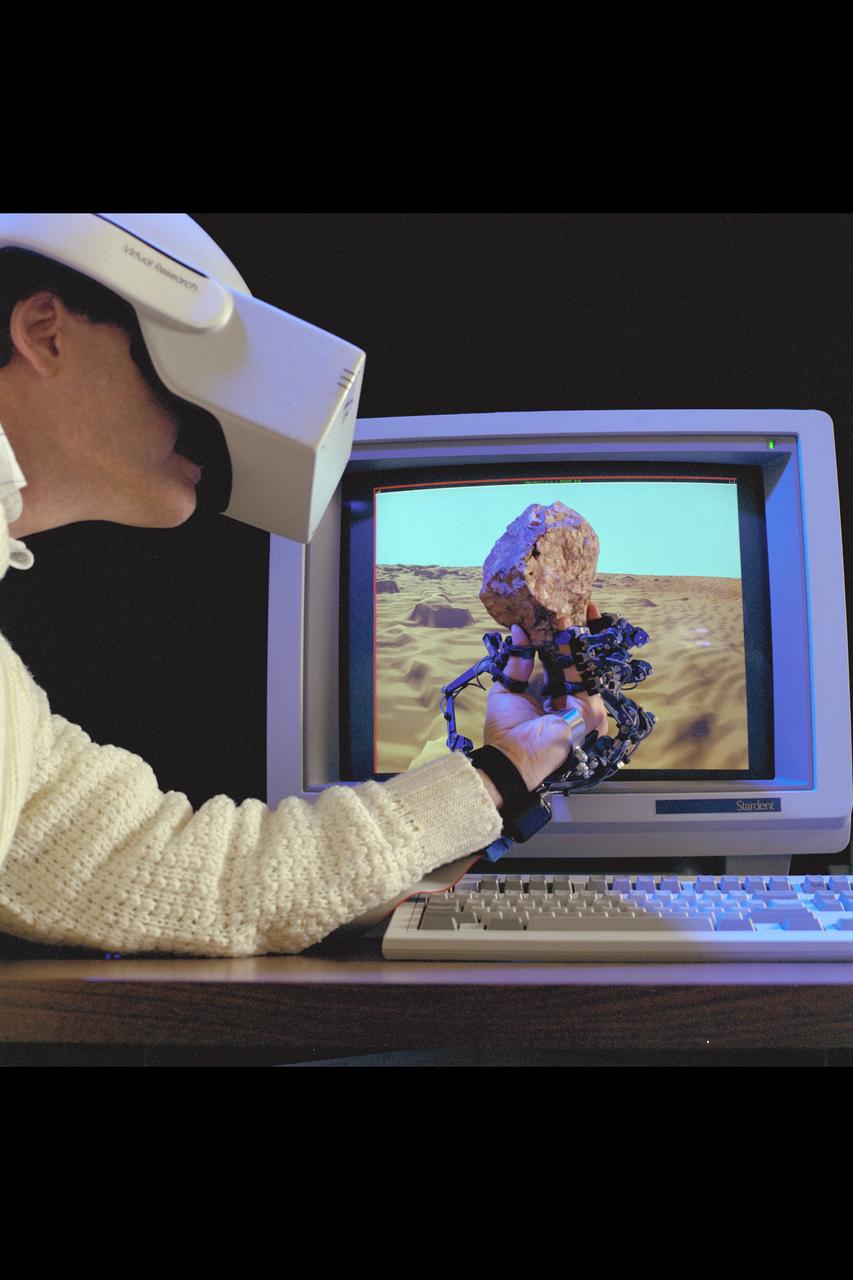
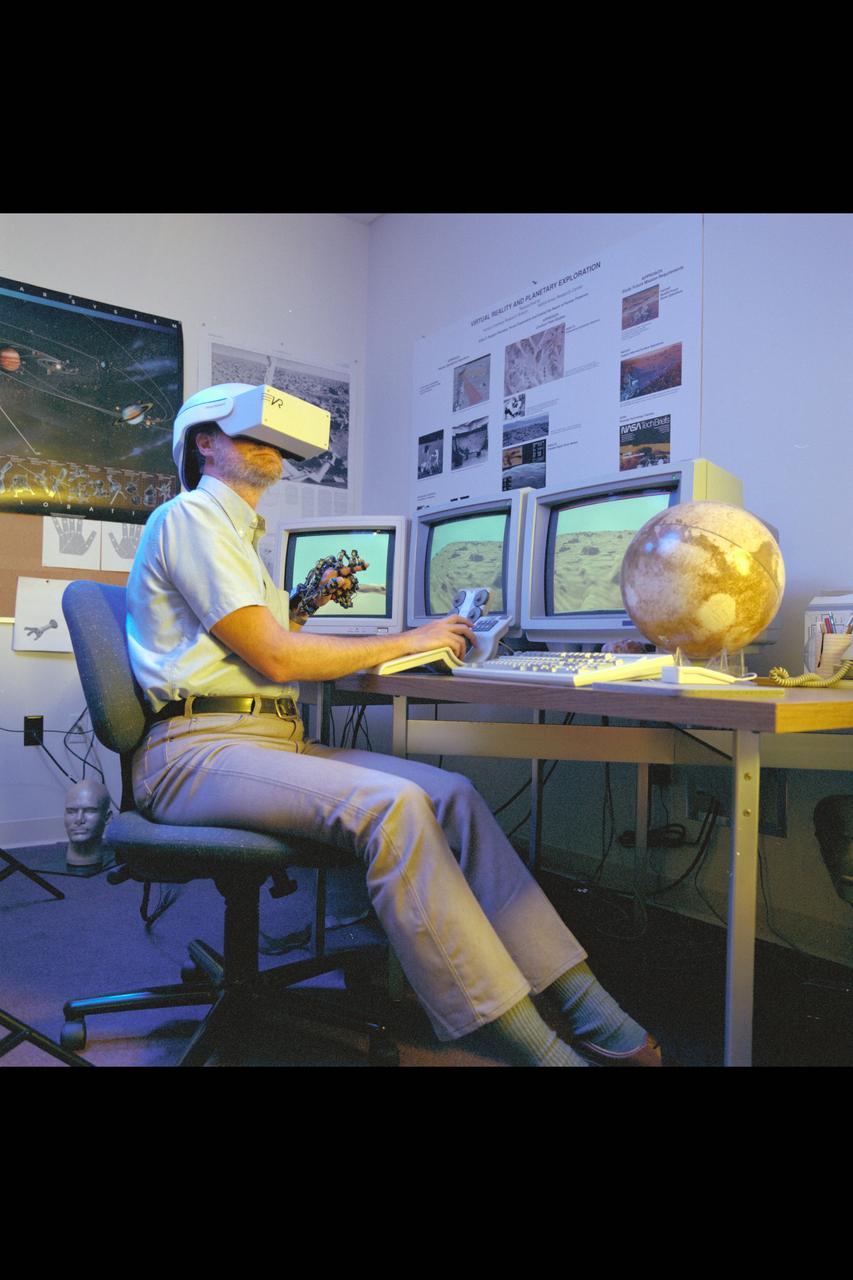
Virtual Environment Reality workstation technology (helmet & gloves)
ARC-1989-AC89-0437-11
Virtual Environment Reality workstation technology (helmet & gloves)
ARC-1989-AC89-0437-9
Virtual Environment Reality workstation helmet and gloves
ARC-1989-AC89-0437-20
Virtual Environment Reality workstation technology (helmet & gloves)
ARC-1992-AC89-0437-6
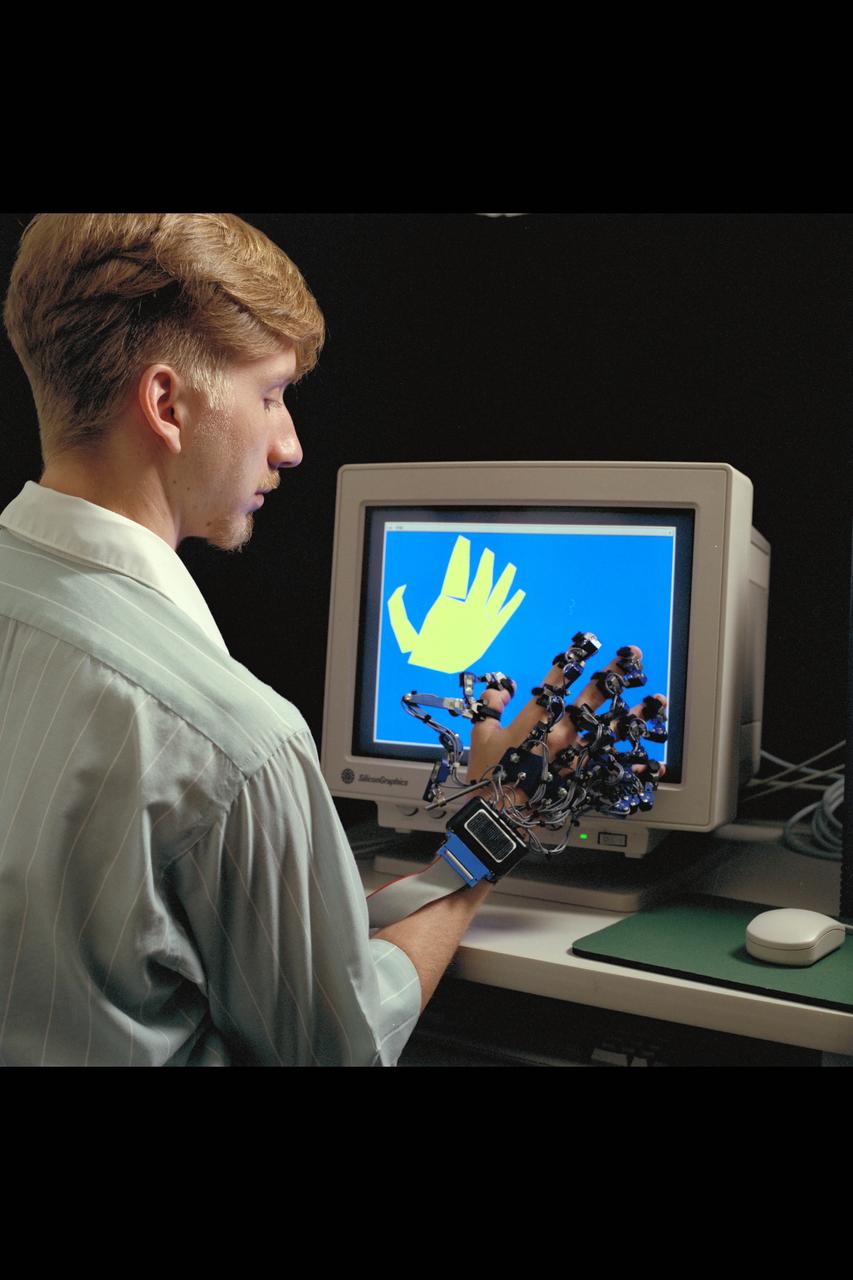
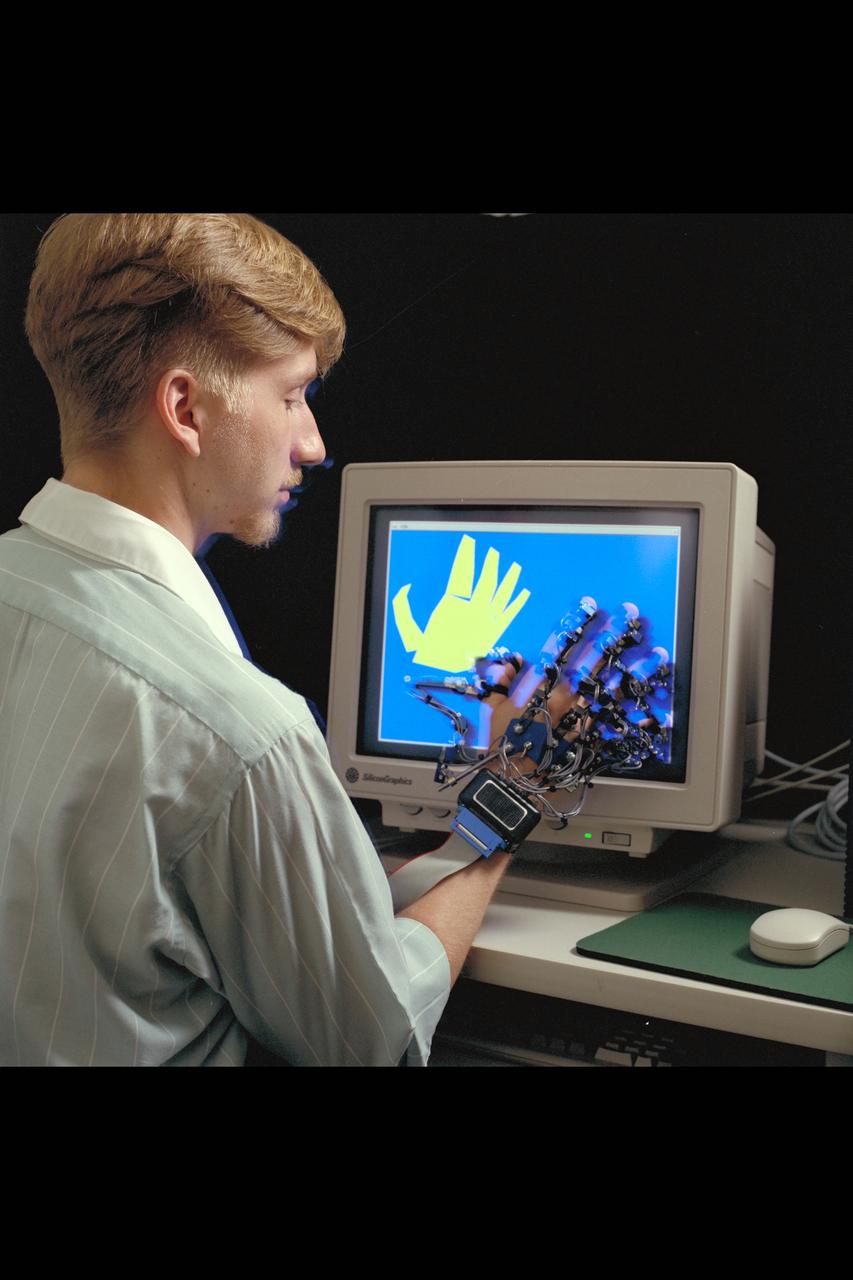
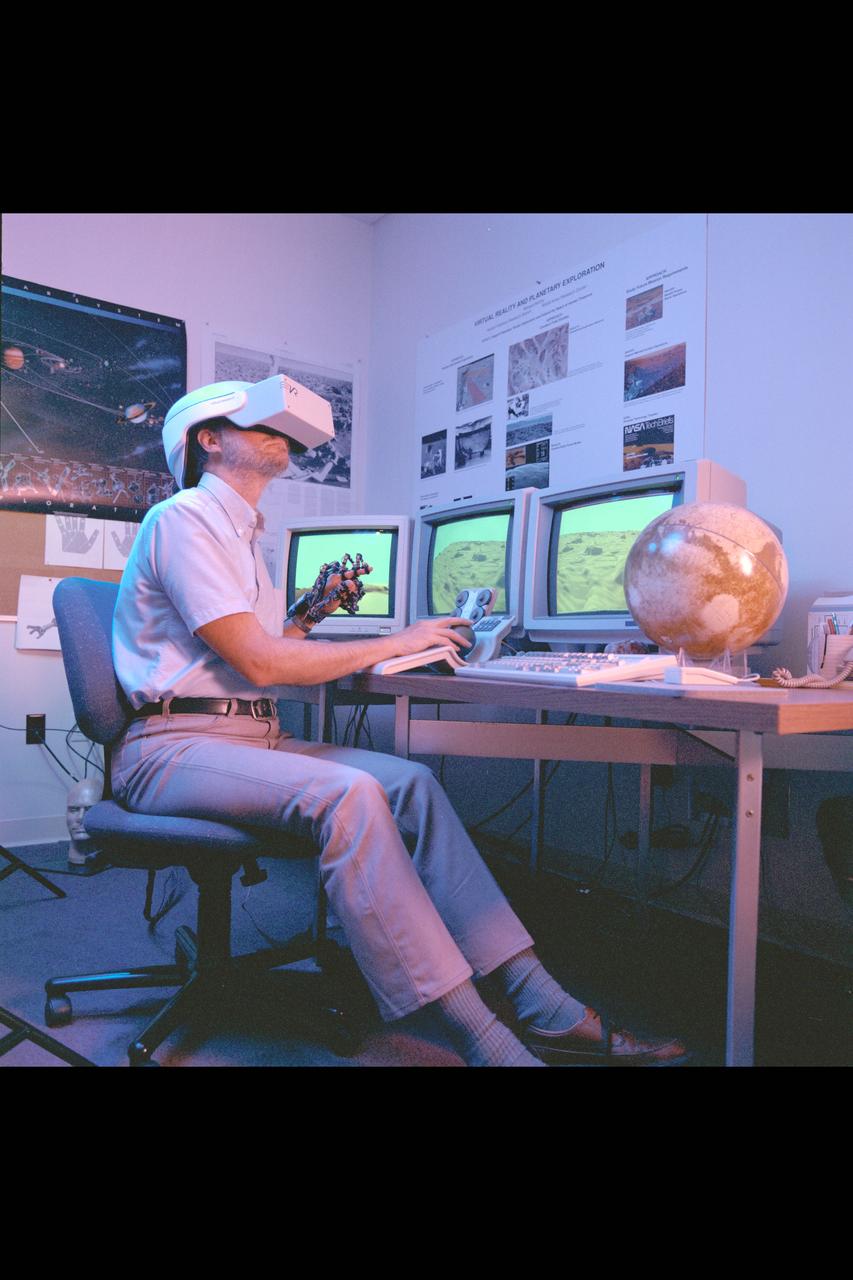
Virtual Environment Telepresence workstation, simulated Mars Exploration shows William Briggs with EXOS Dexterous interface (virtual hand)
ARC-1992-AC92-0326-17
Virtual Environment Telepresence workstation, simulated Mars Exploration shows William Briggs with EXOS Dexterous interface (virtual hand)
ARC-1992-AC92-0326-18
Virtual Environment Telepresence workstation, simulated Mars Exploration shows William Briggs with EXOS Dexterous interface (virtual hand)
ARC-1992-AC92-0326-16
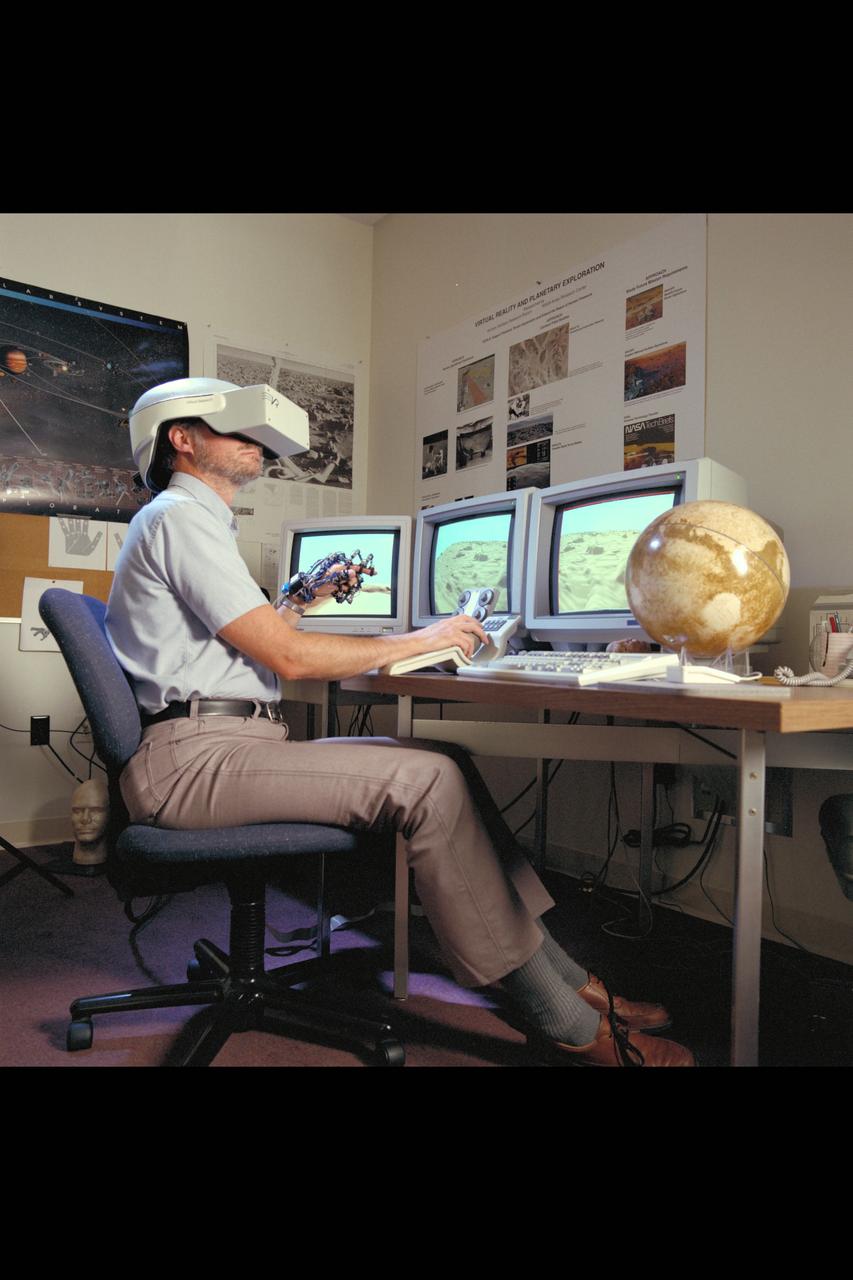
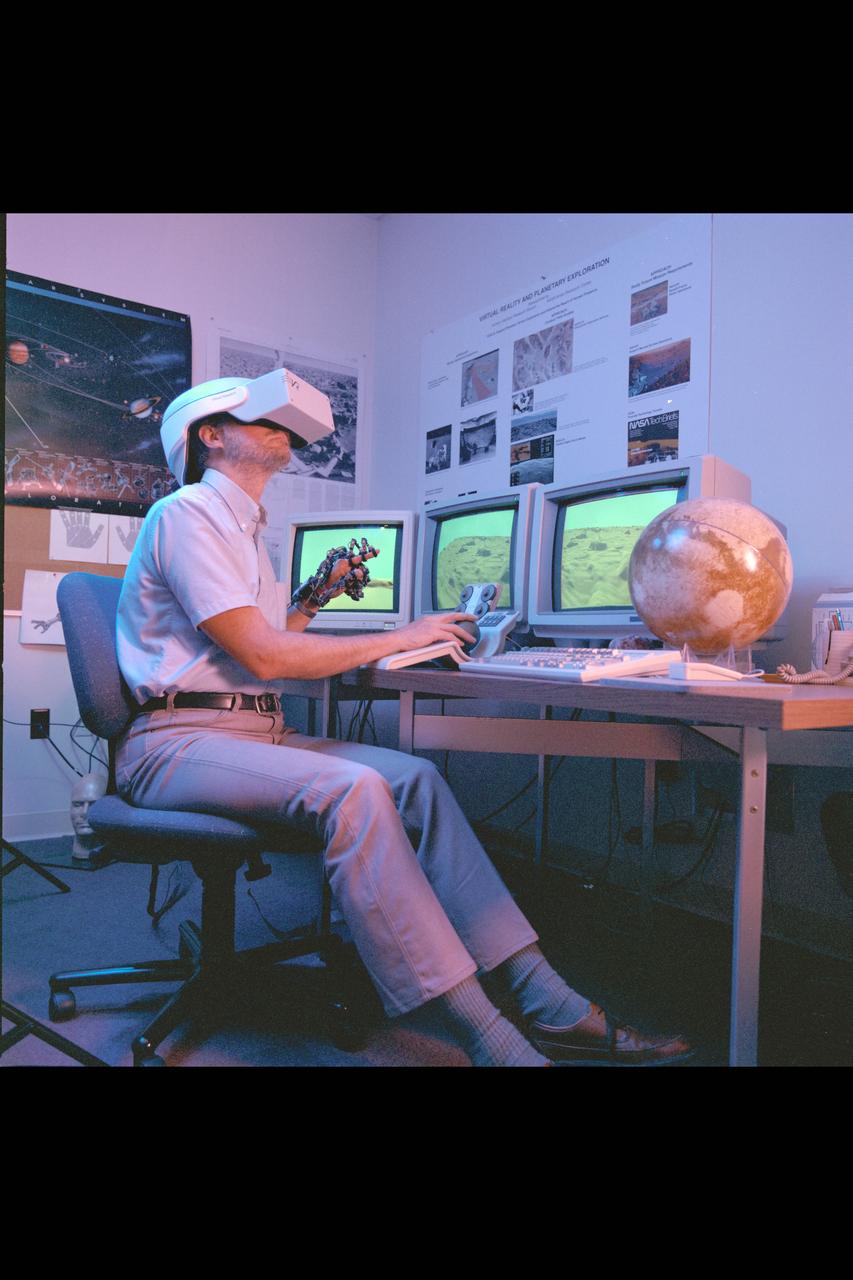
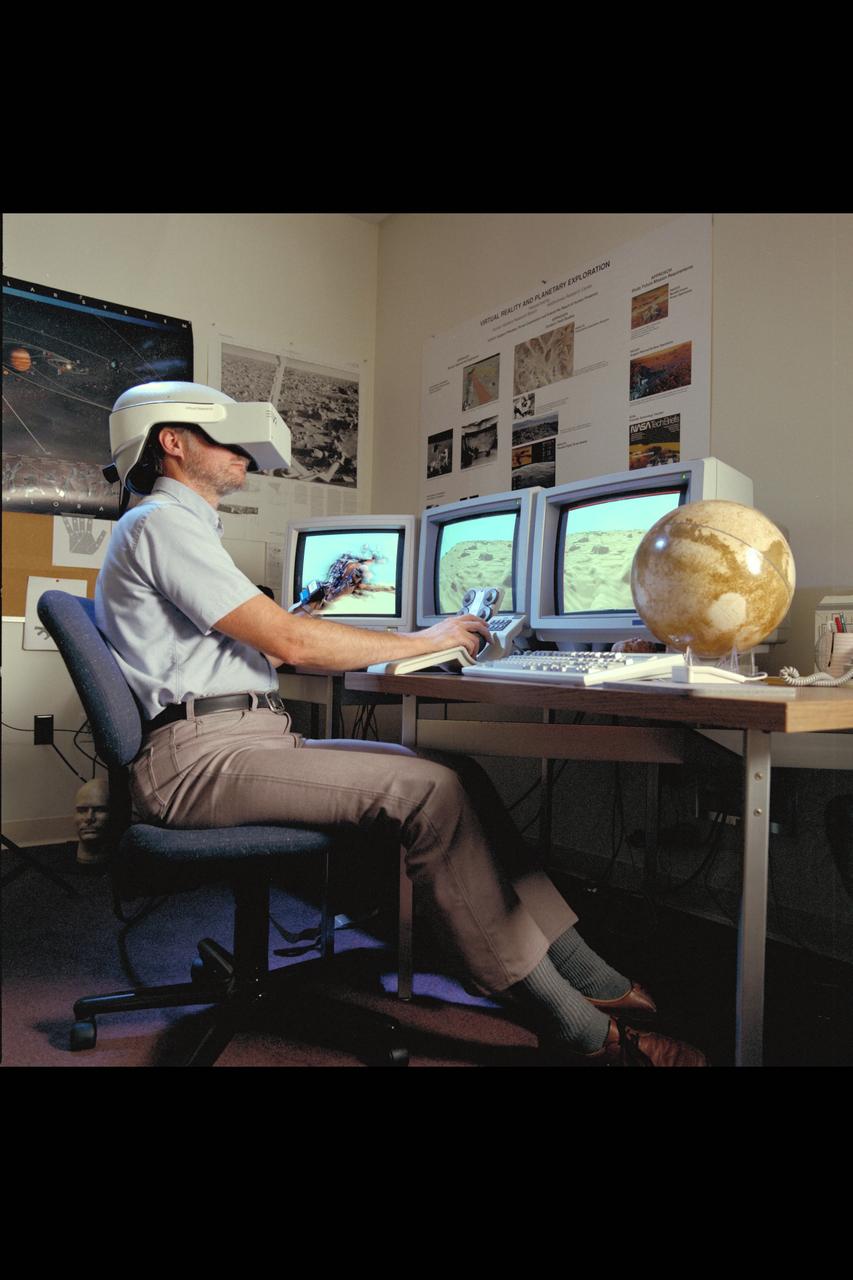
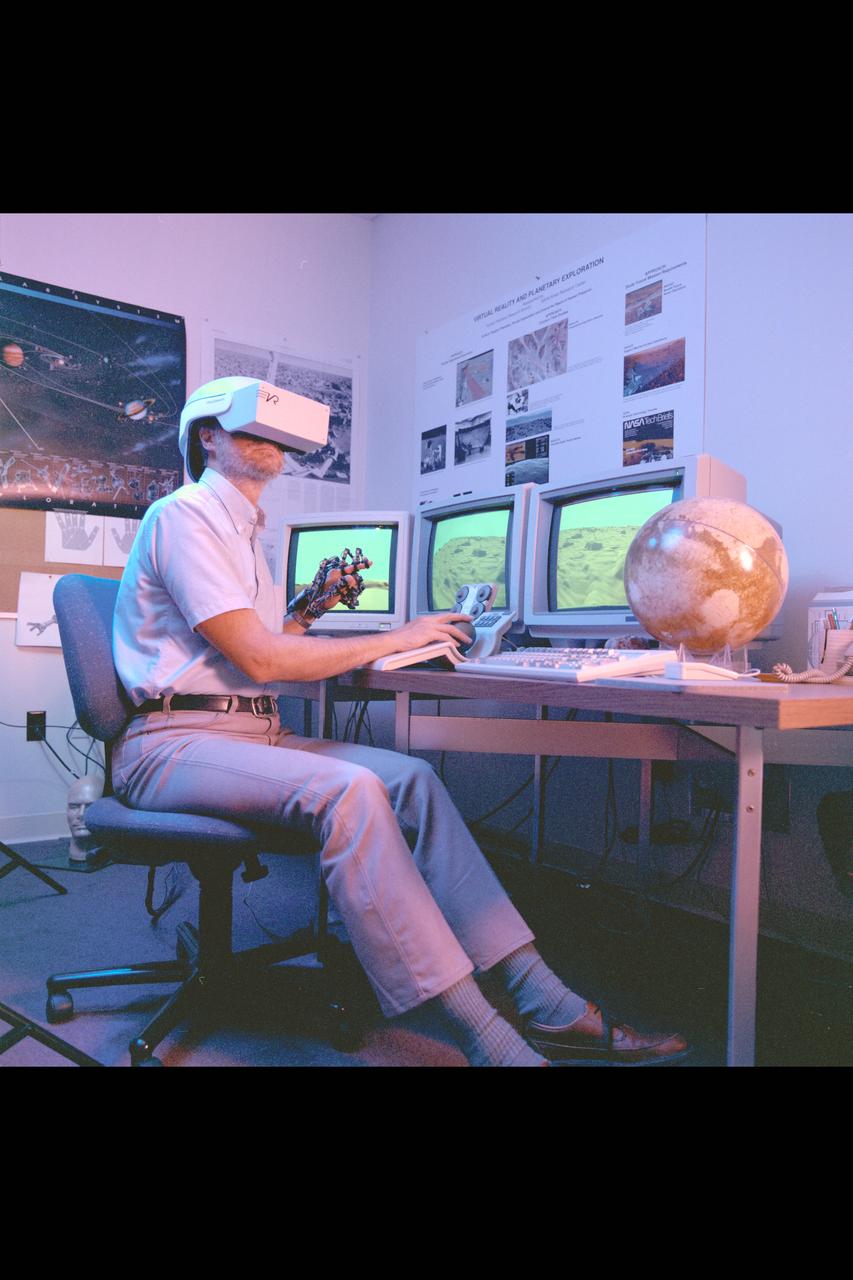
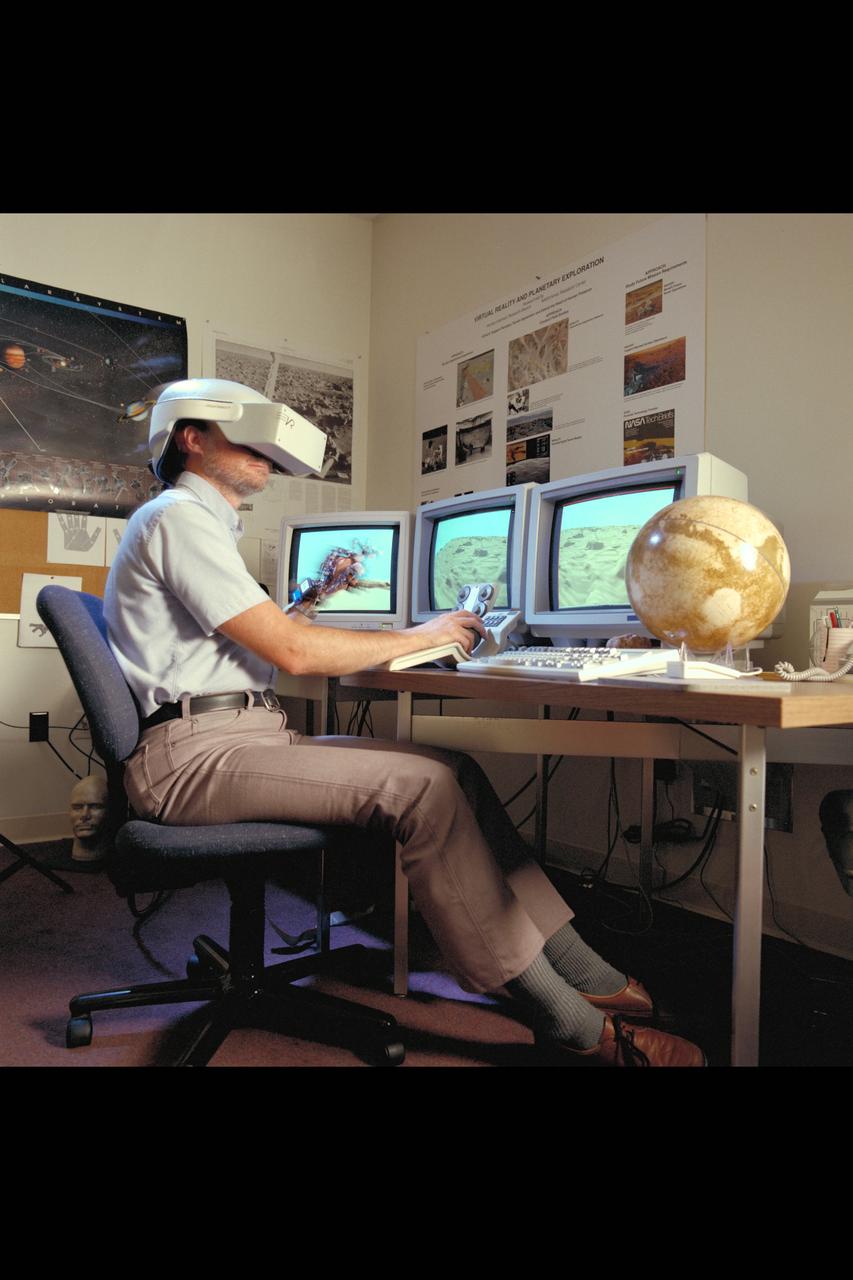
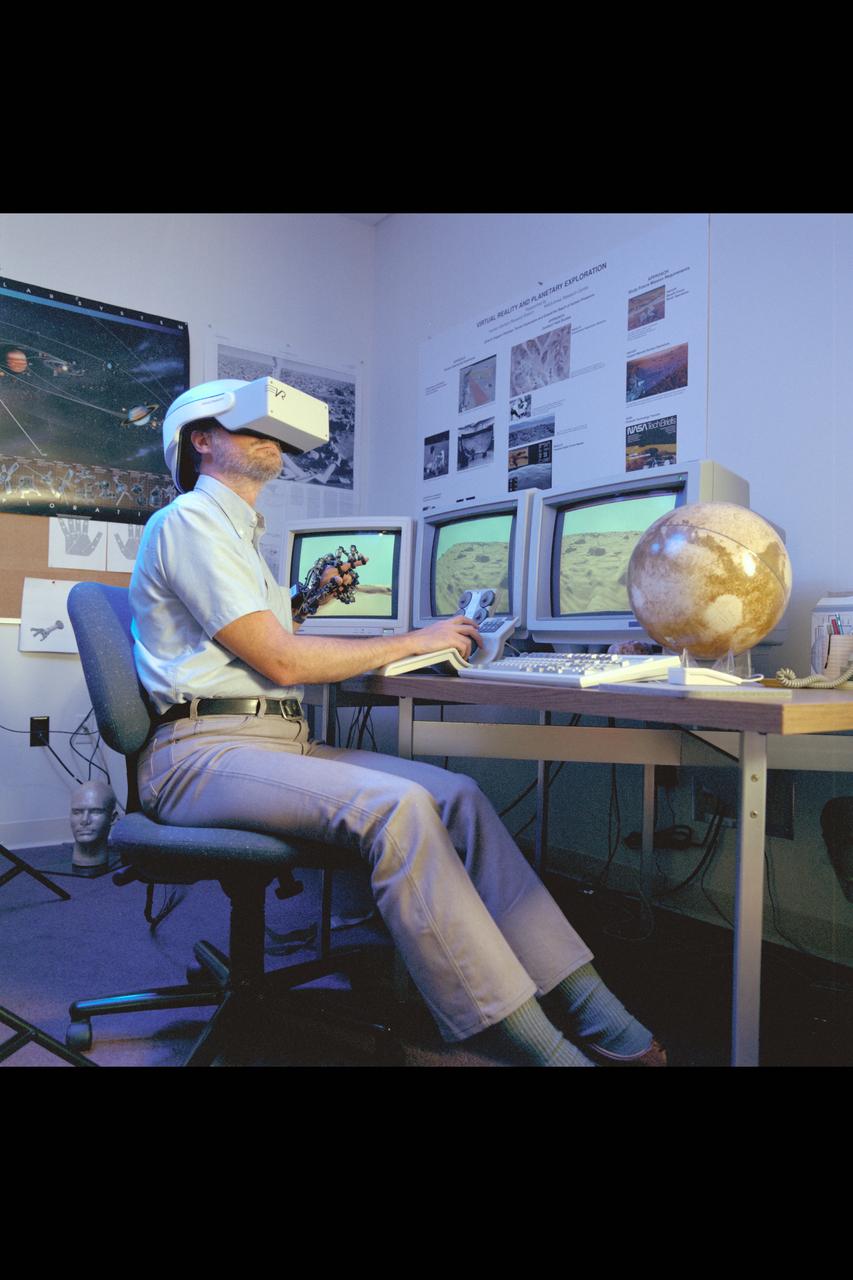
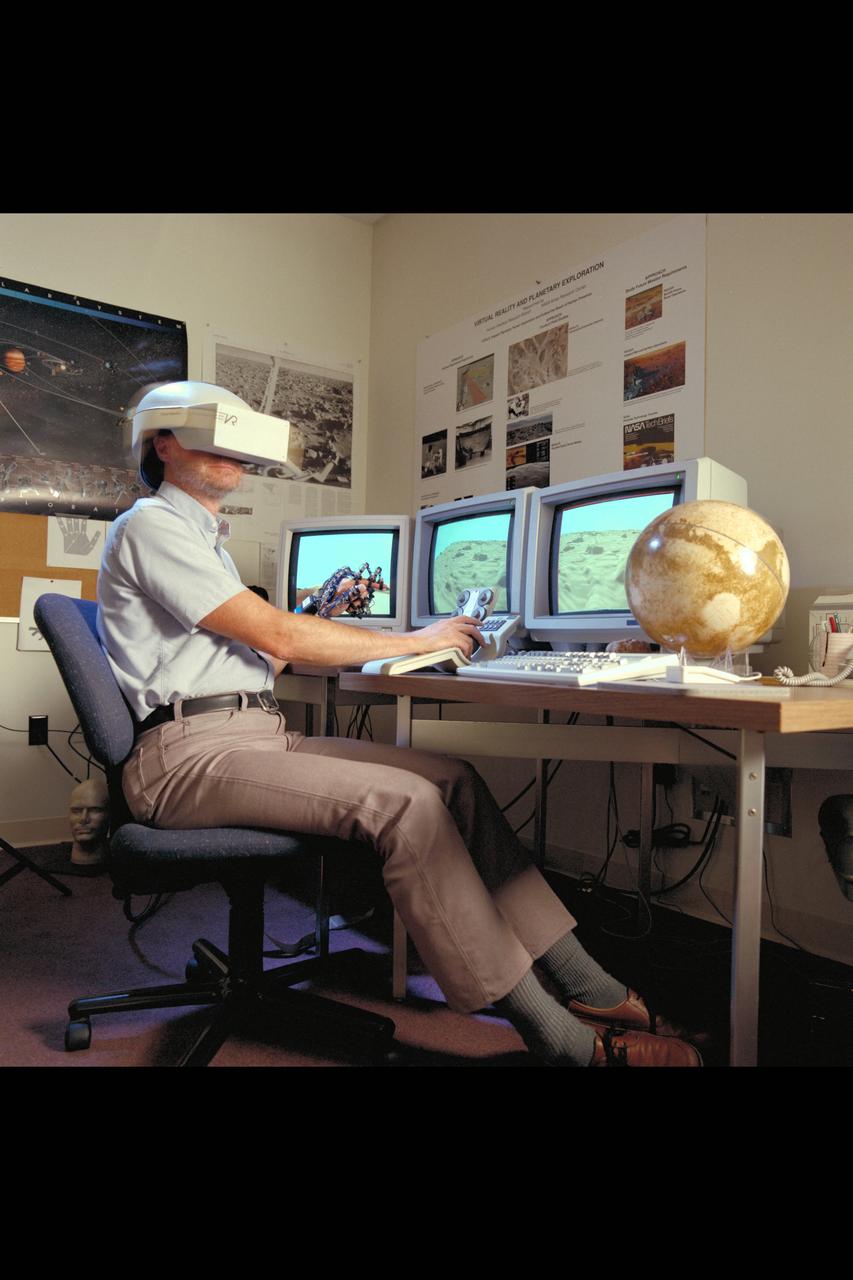
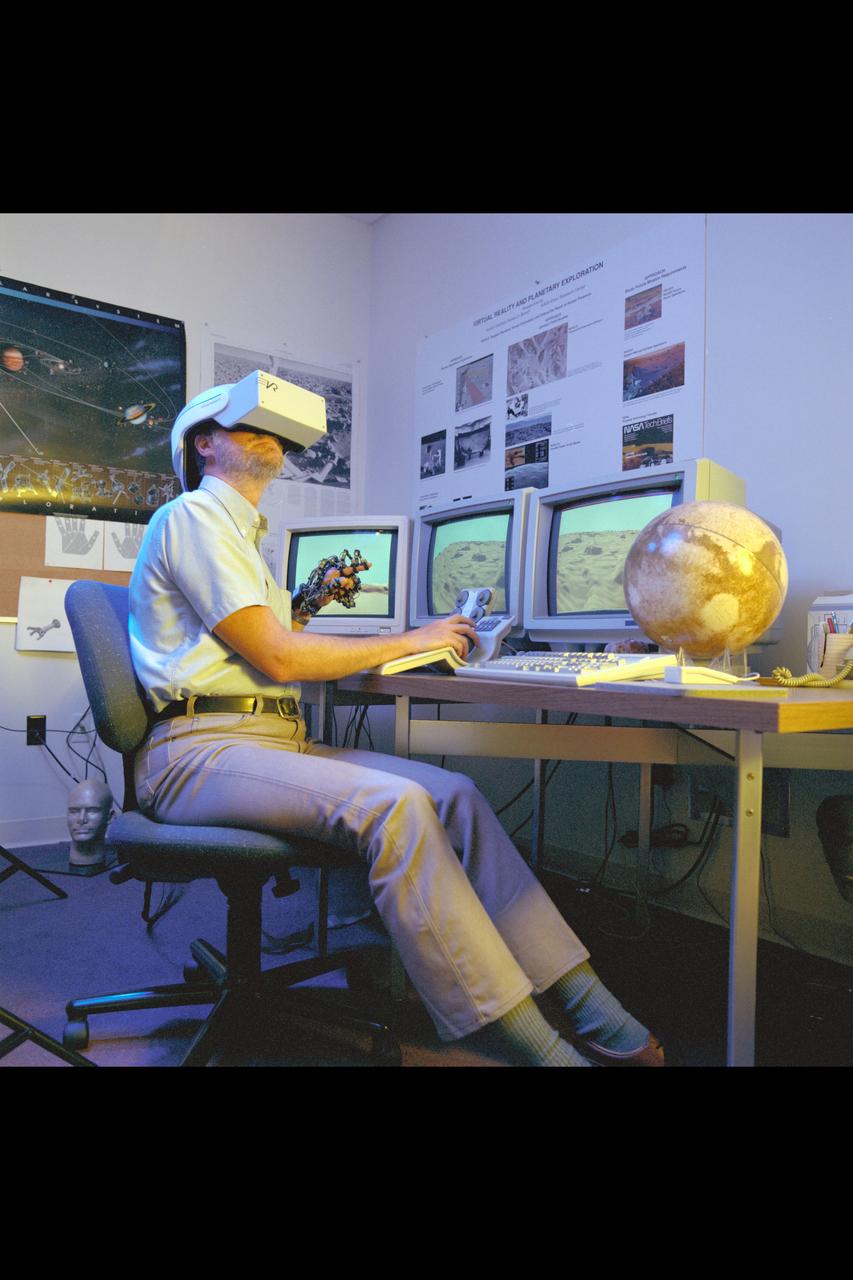
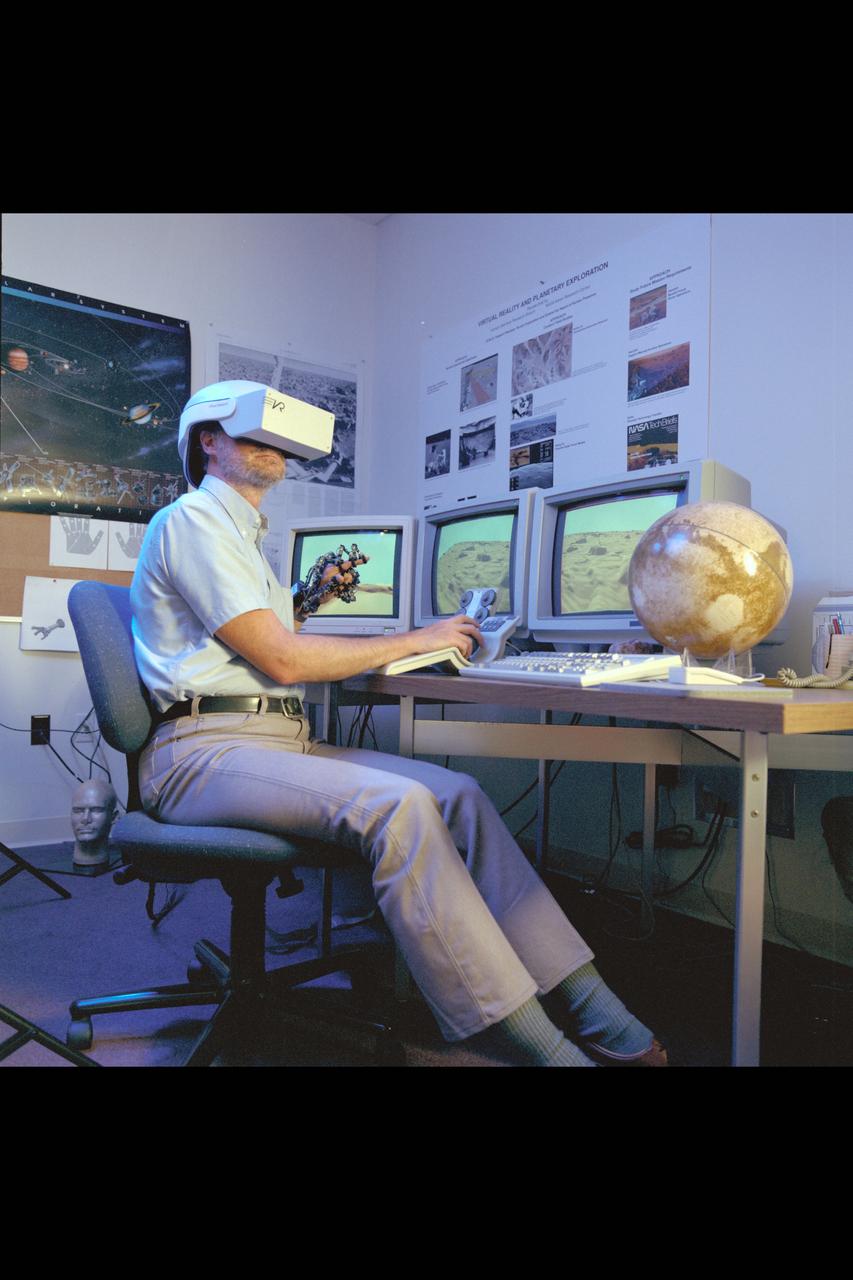
Virtual Environment Telepresence workstation, simulated Mars Exploration shows Lewis Hitchner with virtual helmet and  EXOS Dexterous interface (virtual hand)
ARC-1992-AC92-0326-7
Virtual Environment Telepresence workstation, simulated Mars Exploration shows Lewis Hitchner with virtual helmet and  EXOS Dexterous interface (virtual hand)
ARC-1992-AC94-0326-14
Virtual Environment Telepresence workstation, simulated Mars Exploration shows Lewis Hitchner with virtual helmet and  EXOS Dexterous interface (virtual hand)
ARC-1992-AC92-0326-8
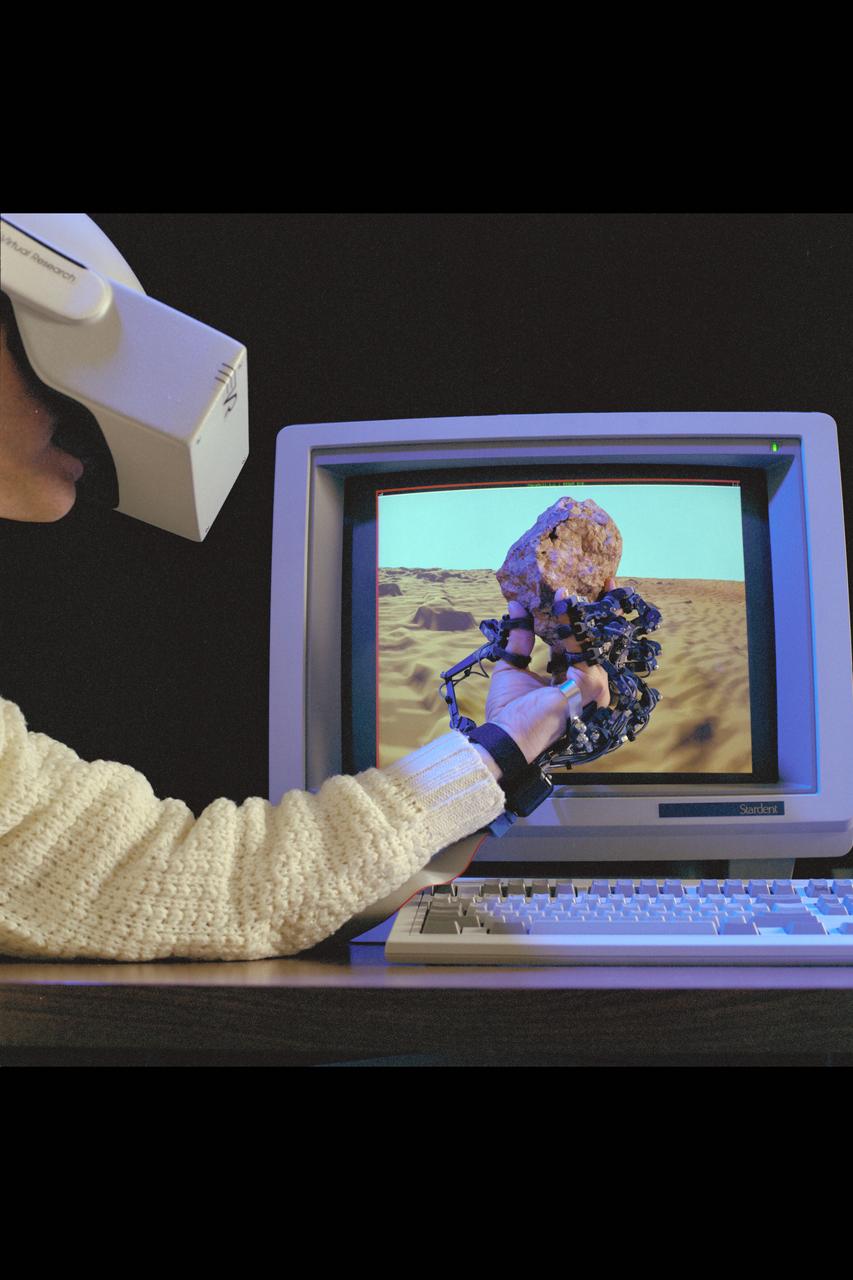
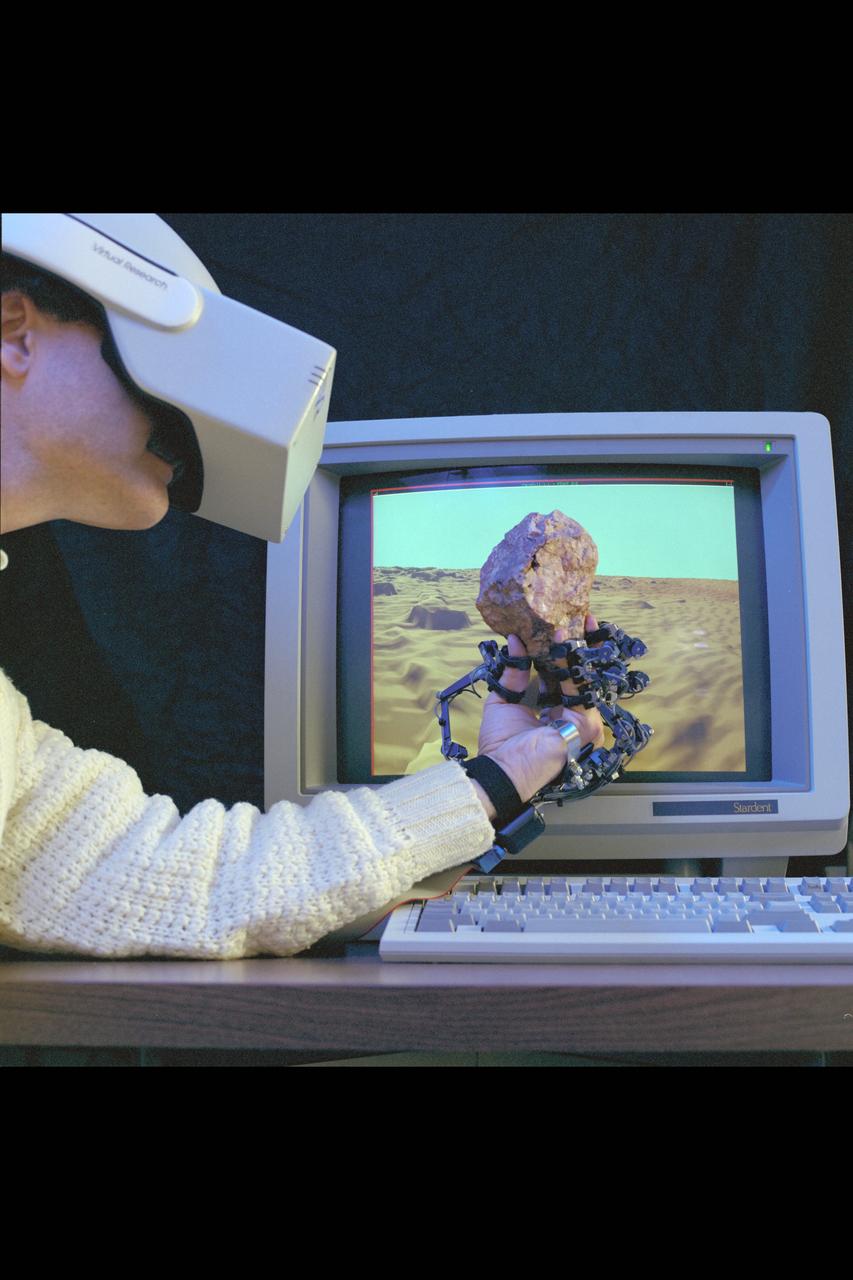
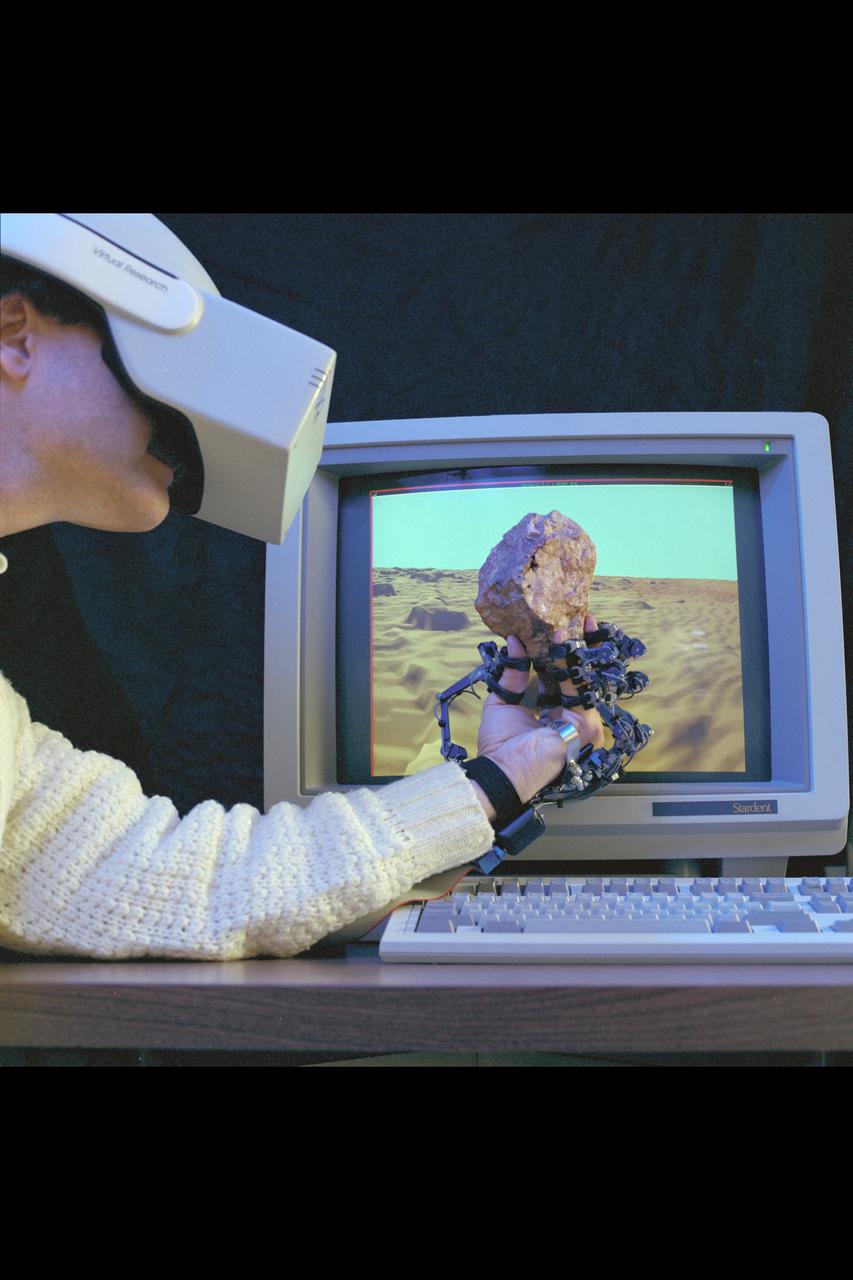
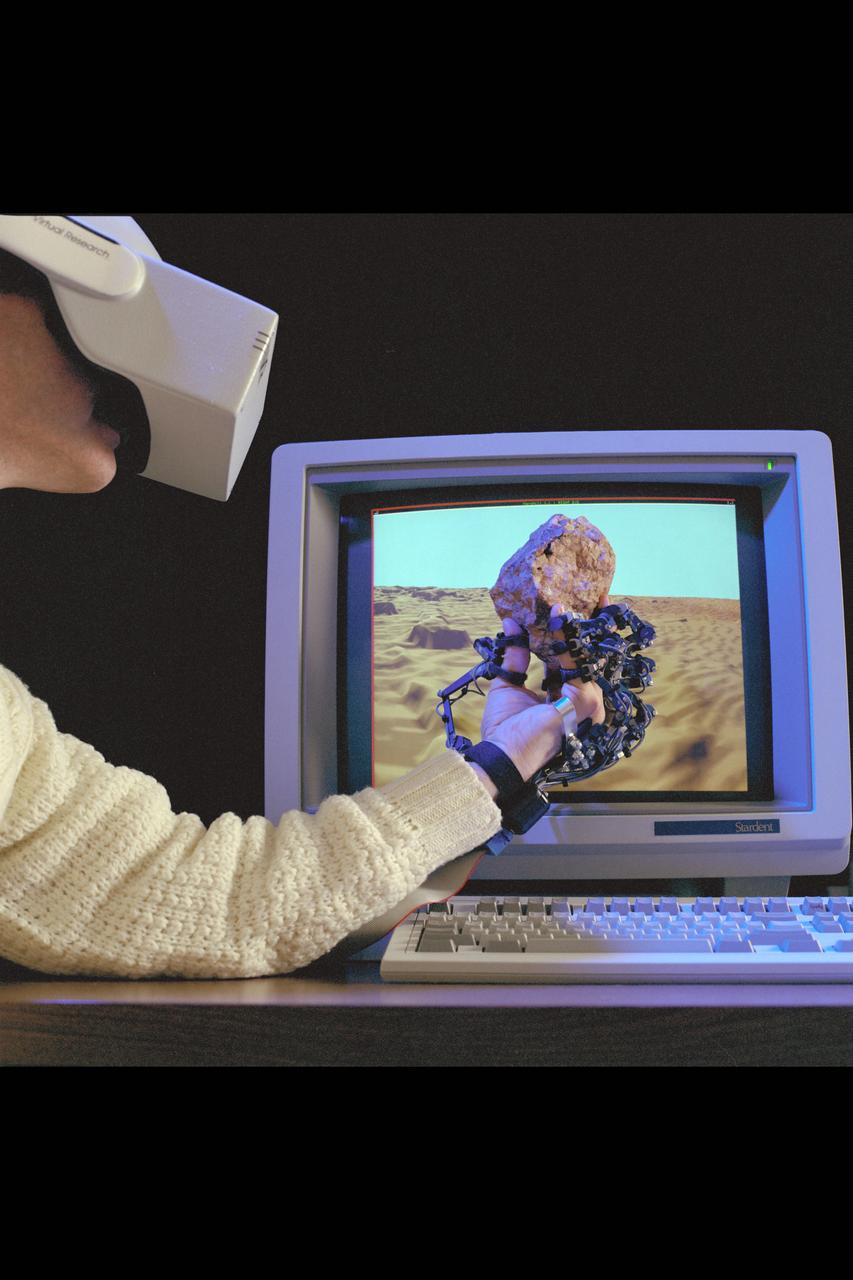
Virtual Environment Telepresence workstation, simulated Mars Exploration shows Dr Michael McGreevy with virtual helmet and EXOS Dexterous interface (holding rock invirtual hand)
ARC-1992-AC92-0326-22
Virtual Environment Telepresence workstation, simulated Mars Exploration shows Lewis Hitchner with virtual helmet and  EXOS Dexterous interface (virtual hand)
ARC-1992-AC92-0326-9
Virtual Environment Telepresence workstation, simulated Mars Exploration shows Lewis Hitchner with virtual helmet and  EXOS Dexterous interface (virtual hand)
ARC-1992-AC94-0326-13
Virtual Environment Telepresence workstation, simulated Mars Exploration shows Lewis Hitchner with virtual helmet and  EXOS Dexterous interface (virtual hand)
ARC-1992-AC92-0326-20
Virtual Environment Telepresence workstation, simulated Mars Exploration shows Lewis Hitchner with virtual helmet and  EXOS Dexterous interface (virtual hand)
ARC-1992-AC94-0326-15
Virtual Environment Telepresence workstation, simulated Mars Exploration shows Dr Michael McGreevy with virtual helmet and EXOS Dexterous interface (holding rock in virtual hand)
ARC-1992-AC92-0326-6
Virtual Environment Telepresence workstation, simulated Mars Exploration shows Lewis Hitchner with virtual helmet and  EXOS Dexterous interface (virtual hand)
ARC-1992-AC92-0326-3
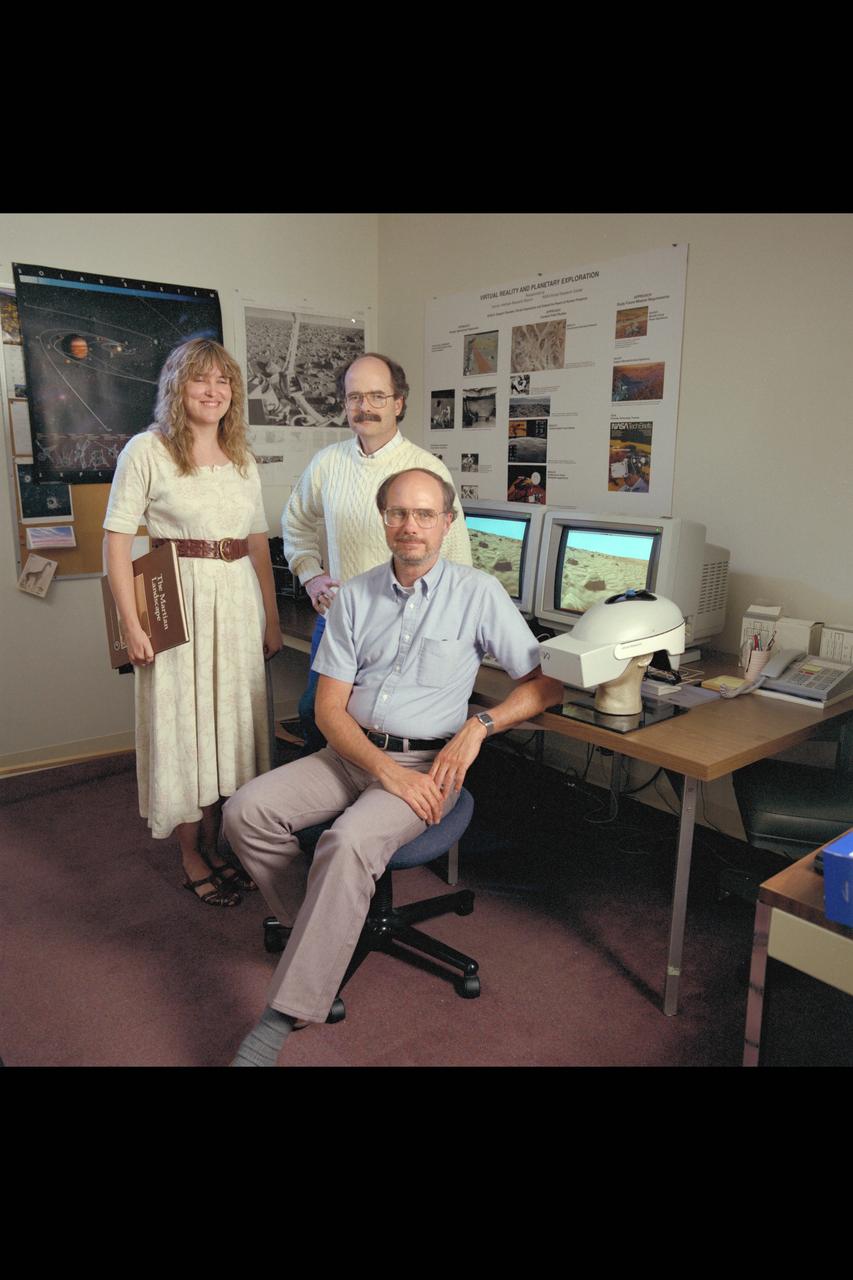
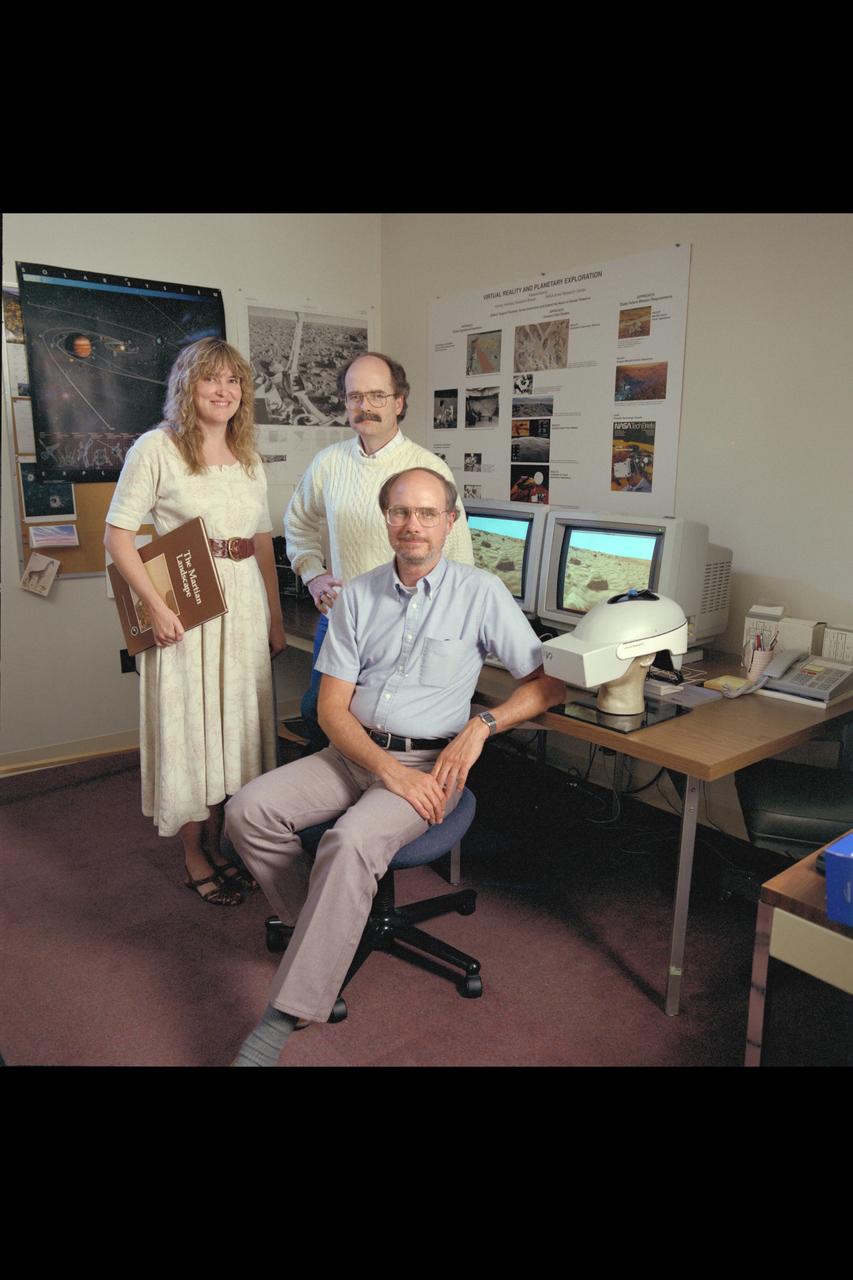
Virtual Environment Telepresence workstation, simulated Mars Exploration group Lewis Hitchner (seated) Cindy Fergouson, Dr Michael McGreevy (standing)
ARC-1992-AC92-0326-25
Virtual Environment Telepresence workstation, simulated Mars Exploration shows Lewis Hitchner with virtual helmet and  EXOS Dexterous interface (virtual hand)
ARC-1992-AC92-0326-1
Virtual Environment Telepresence workstation, simulated Mars Exploration shows Lewis Hitchner with virtual helmet and EXOS Dexterous interface (virtual hand)
ARC-1992-AC92-0326-4
Virtual Environment Telepresence workstation, simulated Mars Exploration shows Lewis Hitchner with virtual helmet and  EXOS Dexterous interface (virtual hand)
ARC-1992-AC92-0326-2
Virtual Environment Telepresence workstation, simulated Mars Exploration shows Lewis Hitchner with virtual helmet and EXOS Dexterous interface (virtual hand)
ARC-1992-AC92-0326-21
Virtual Environment Telepresence workstation, simulated Mars Exploration shows Dr Michael McGreevy with virtual helmet and EXOS Dexterous interface (holding rock invirtual hand)
ARC-1992-AC92-0326-24
Virtual Environment Telepresence workstation, simulated Mars Exploration shows Dr Michael McGreevy with virtual helmet and EXOS Dexterous interface (holding rock invirtual hand)
ARC-1992-AC92-0326-5
Virtual Environment Telepresence workstation, simulated Mars Exploration shows Dr Michael McGreevy with virtual helmet and EXOS Dexterous interface (holding rock invirtual hand)
ARC-1992-AC92-0326-23
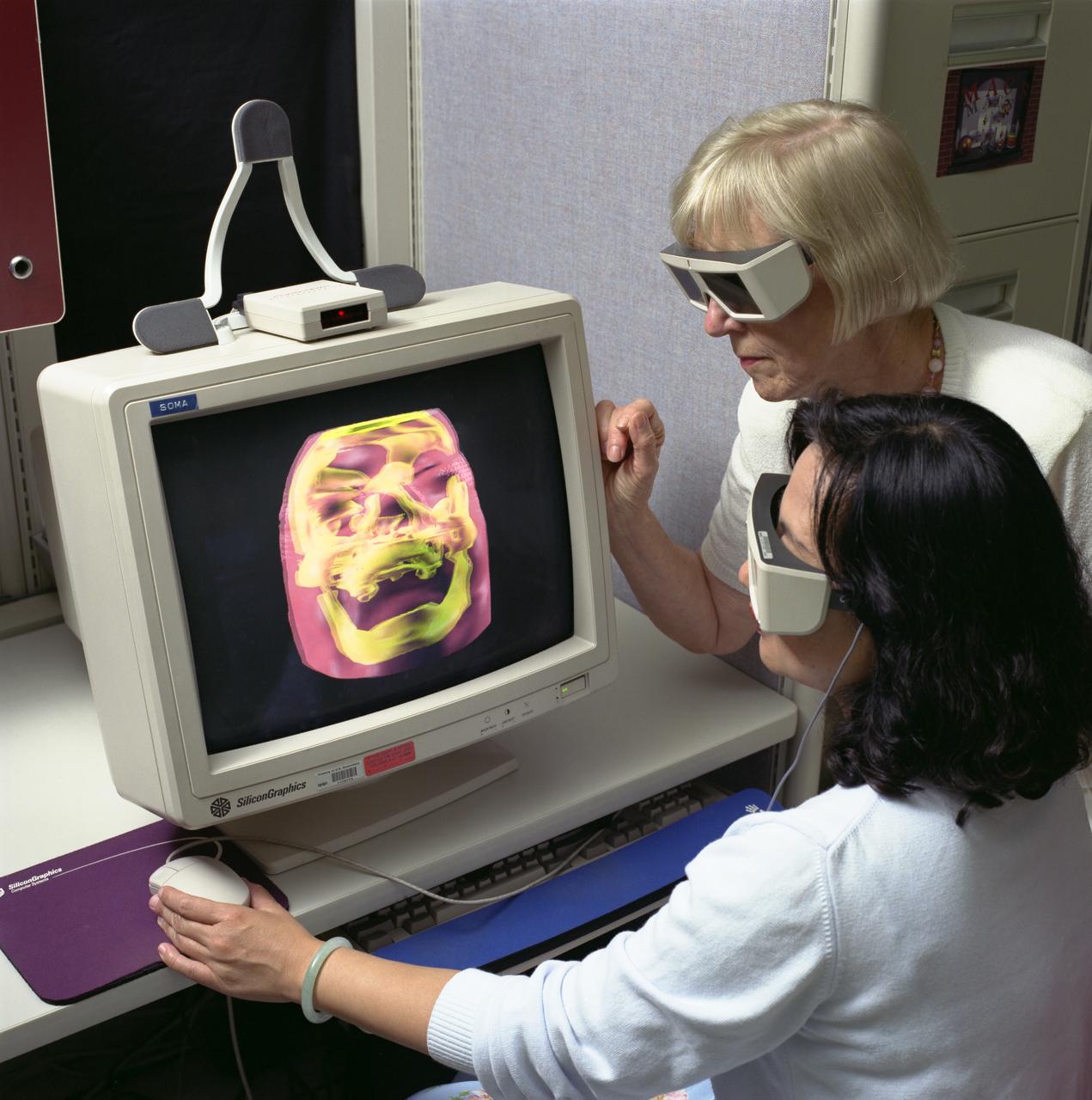
Virtual Environment for (facial) ) reconstructive surgery, Dr Ross and Rei Cheng work with the 3d glasses as they maneuver the skull and tissue for the facial reconstructive surgery
ARC-1996-AC96-0191-4
Virtual Environment Telepresence workstation, simulated Mars Exploration shows Lewis Hitchner with virtual helmet and  EXOS Dexterous interface (virtual hand)
ARC-1992-AC94-0326-11
Virtual Environment Telepresence workstation, simulated Mars Exploration group: Lewis Hitchner, (seated) Cindy Fergouson, & Dr Michael McGreevy (standing)
ARC-1992-AC92-0326-19
Virtual Environment Telepresence workstation, simulated Mars Exploration shows Lewis Hitchner with virtual helmet and  EXOS Dexterous interface (virtual hand)
ARC-1992-AC94-0326-12
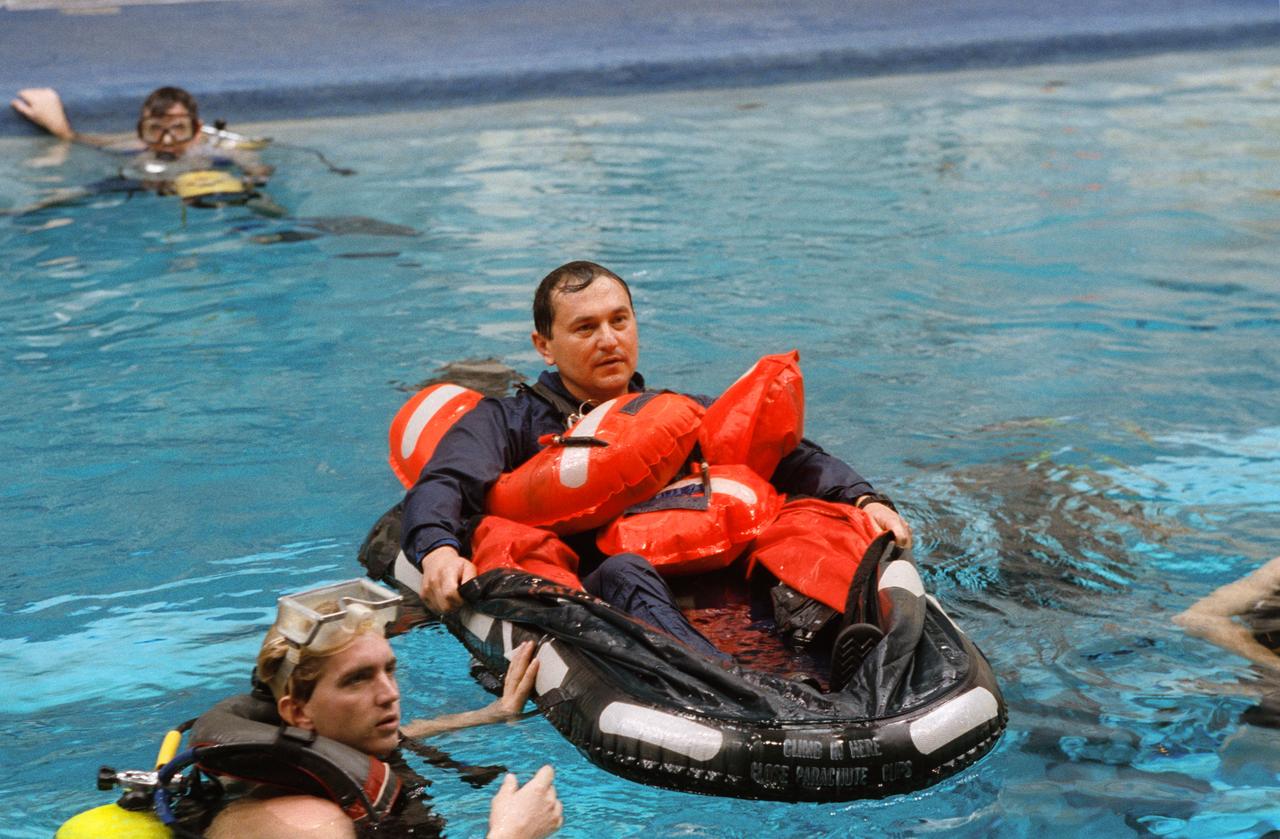
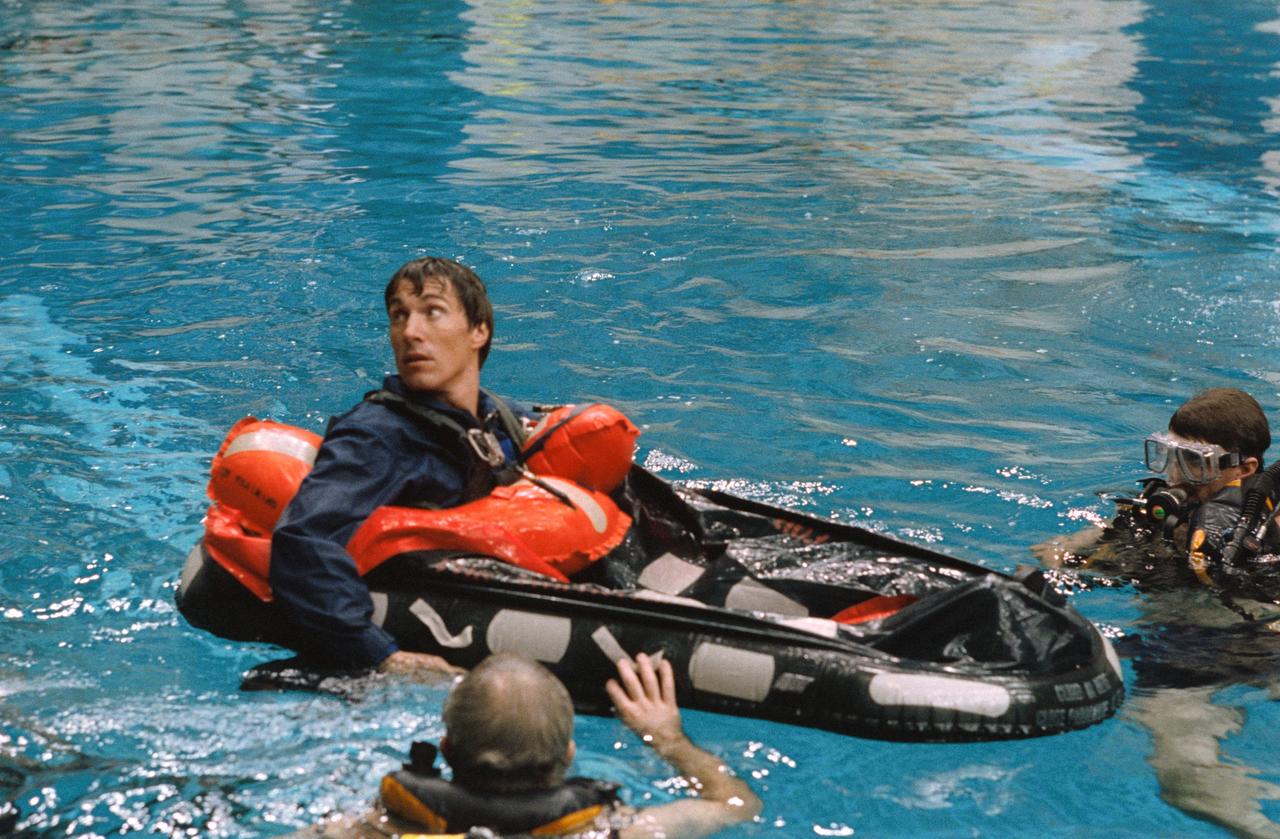
Russian Cosmonaut Vladimir Titov maneuvers a small life raft during bailout training at JSC's Weightless Environment Training Facility (WETF). Two SCUBA-equipped divers assisted Titov in the STS-60 training exercise.
STS-60 Cosmonauts in Weightless Environment Training Facility (WETF) training
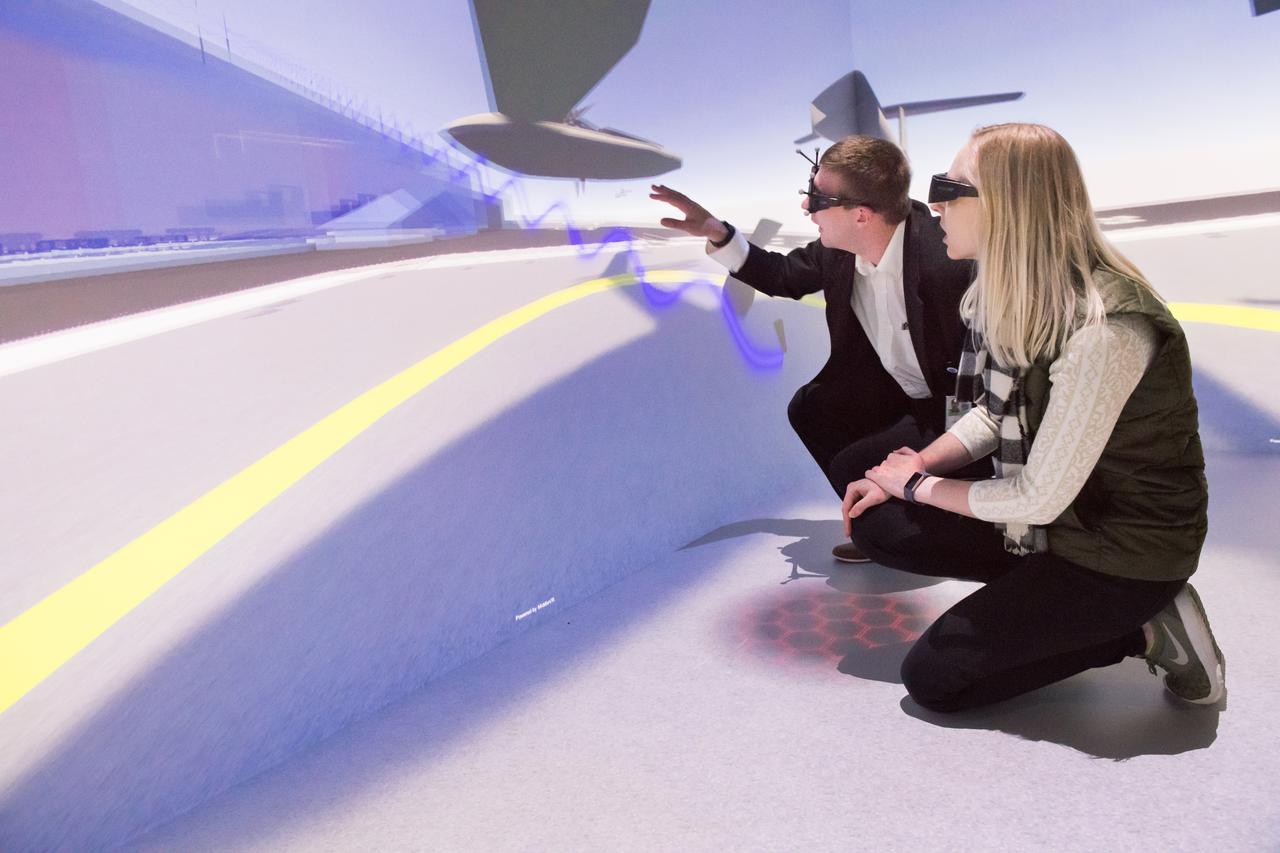
Computer Automatic Virtual Environment, CAVE Tours to Mark the 30th Anniversary of the Graphics and Visualization Lab, GVIS
Computer Automatic Virtual Environment, CAVE Tours to Mark the 3
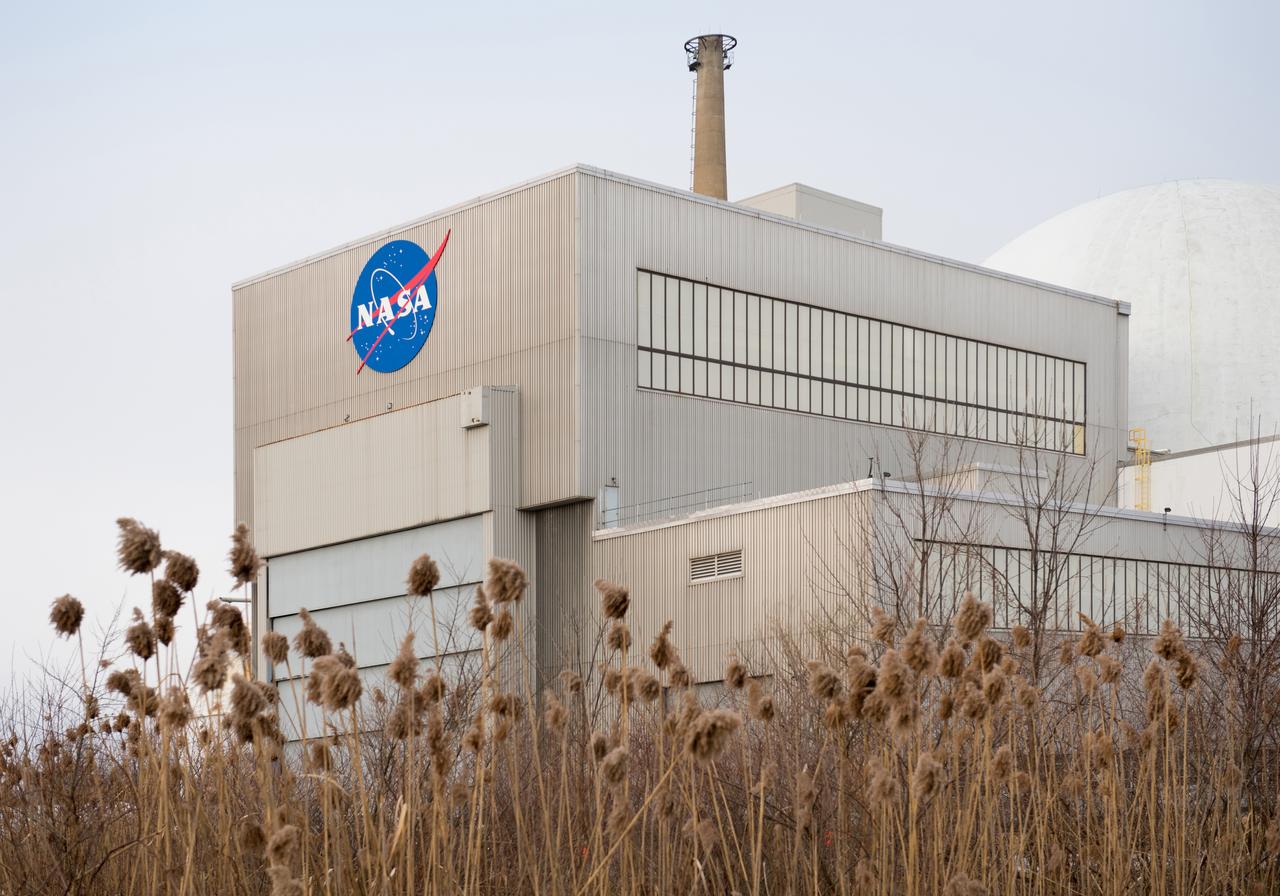
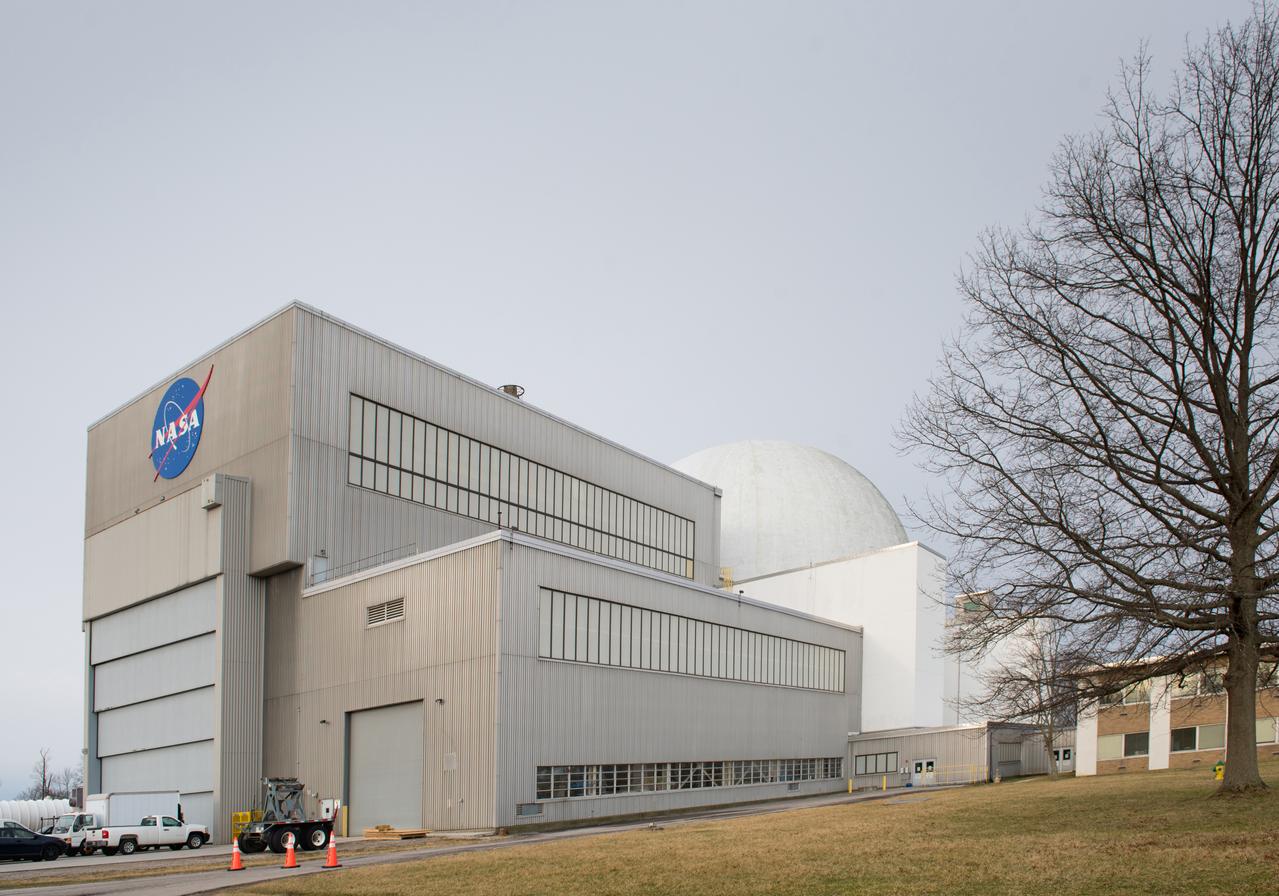
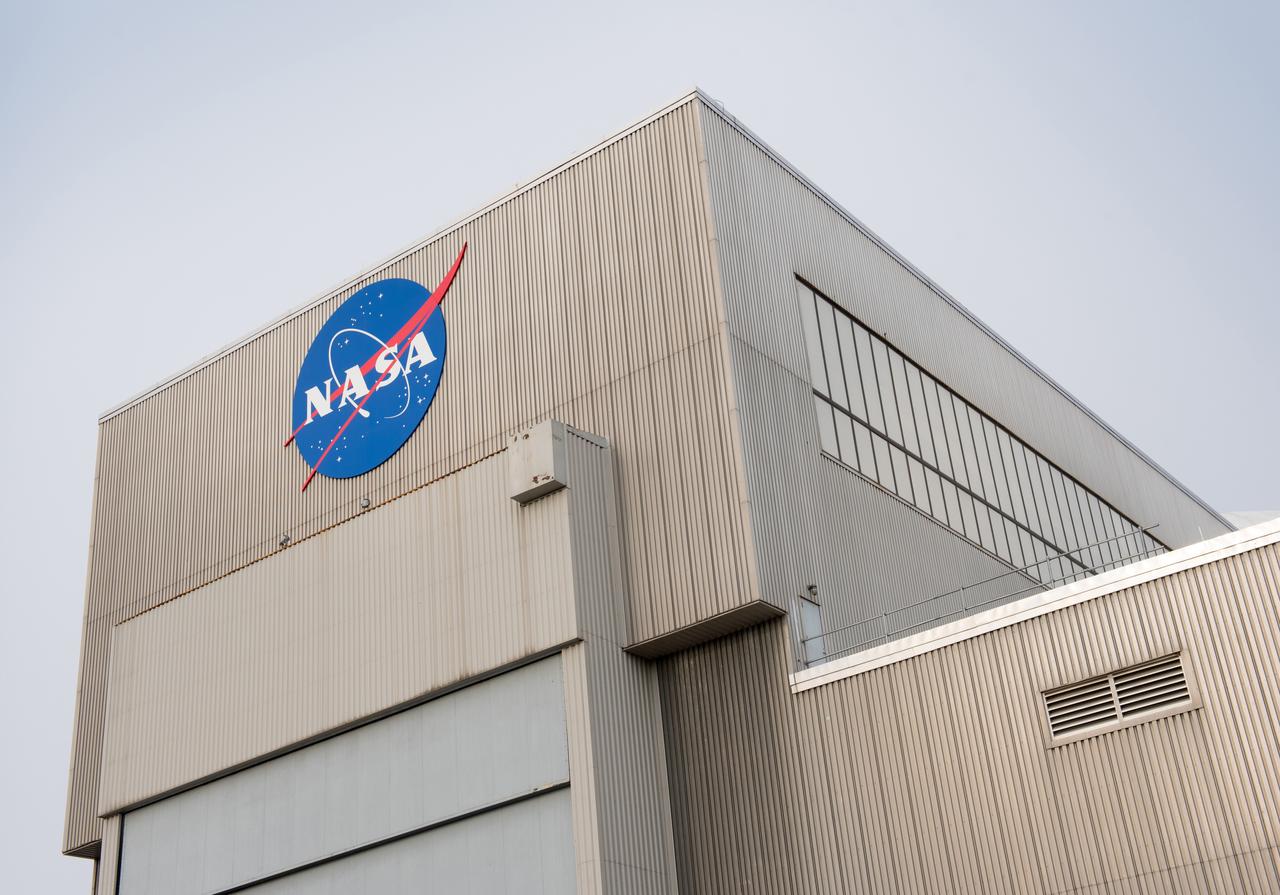
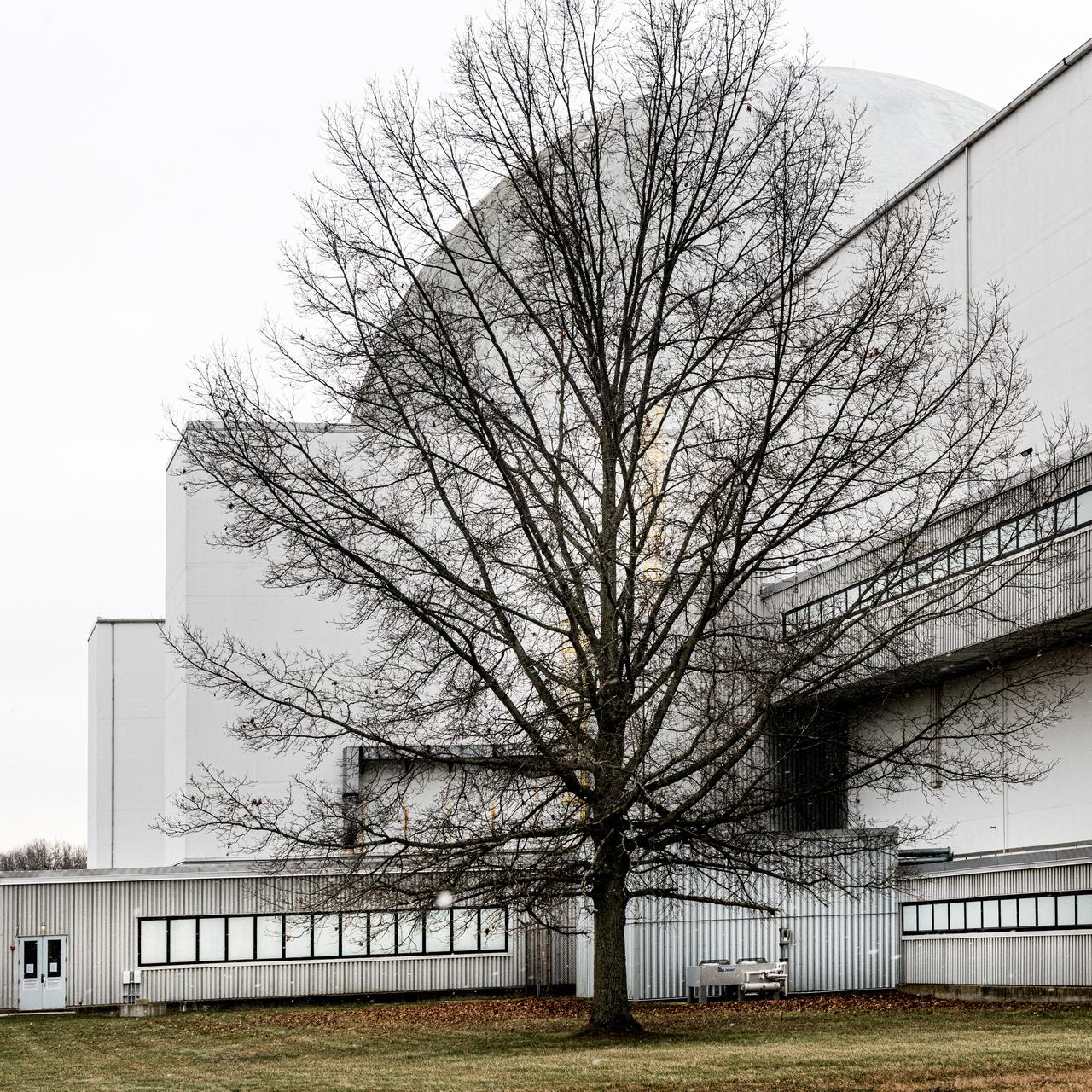
Exterior of the Space Environments Complex, SEC at the Glenn Research Center, Neil A Armstrong Test Facility
Exterior of the Space Environments Complex, SEC at the Glenn Research Center
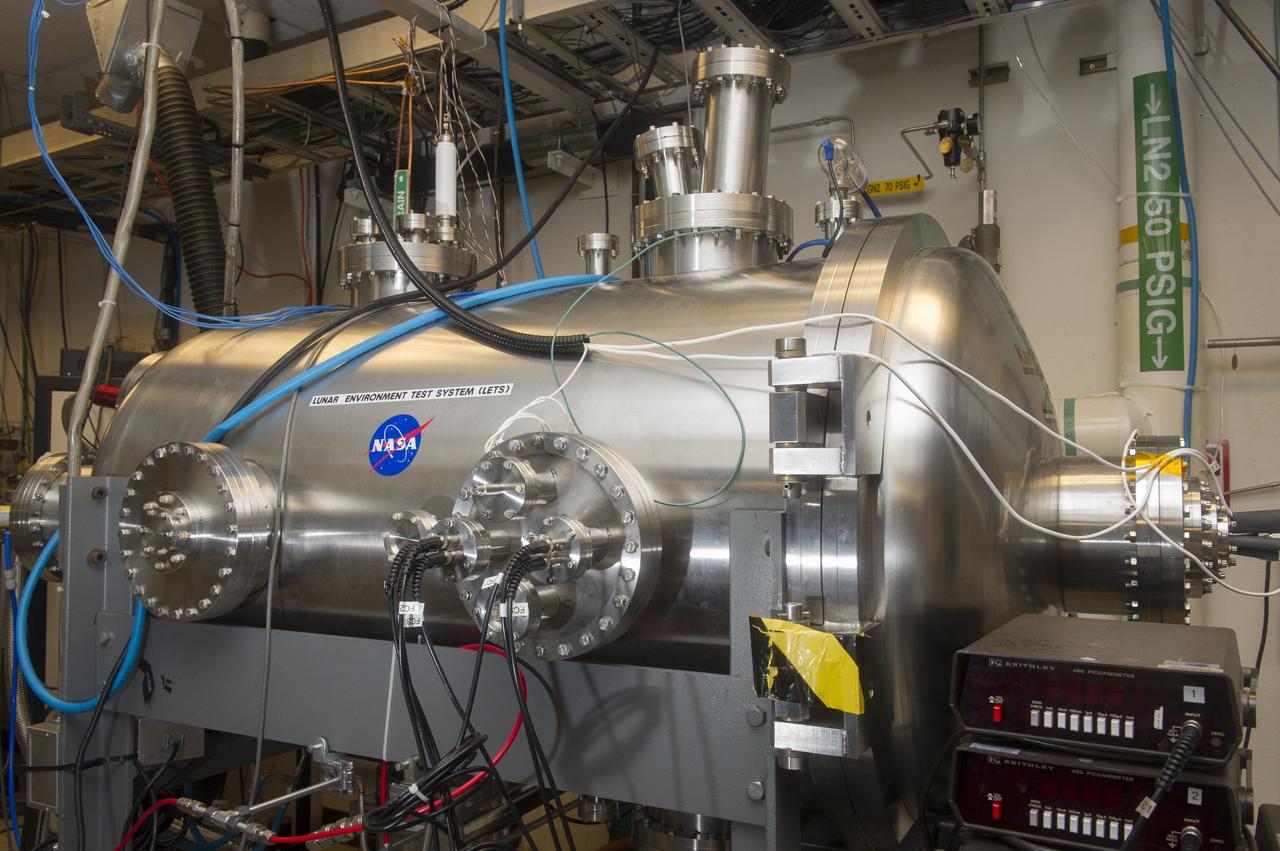
BLDG 4605, LUNAR ENVIRONMENTS TEST SYSTEM VACUUM CHAMBER, EAST SIDE
1300955
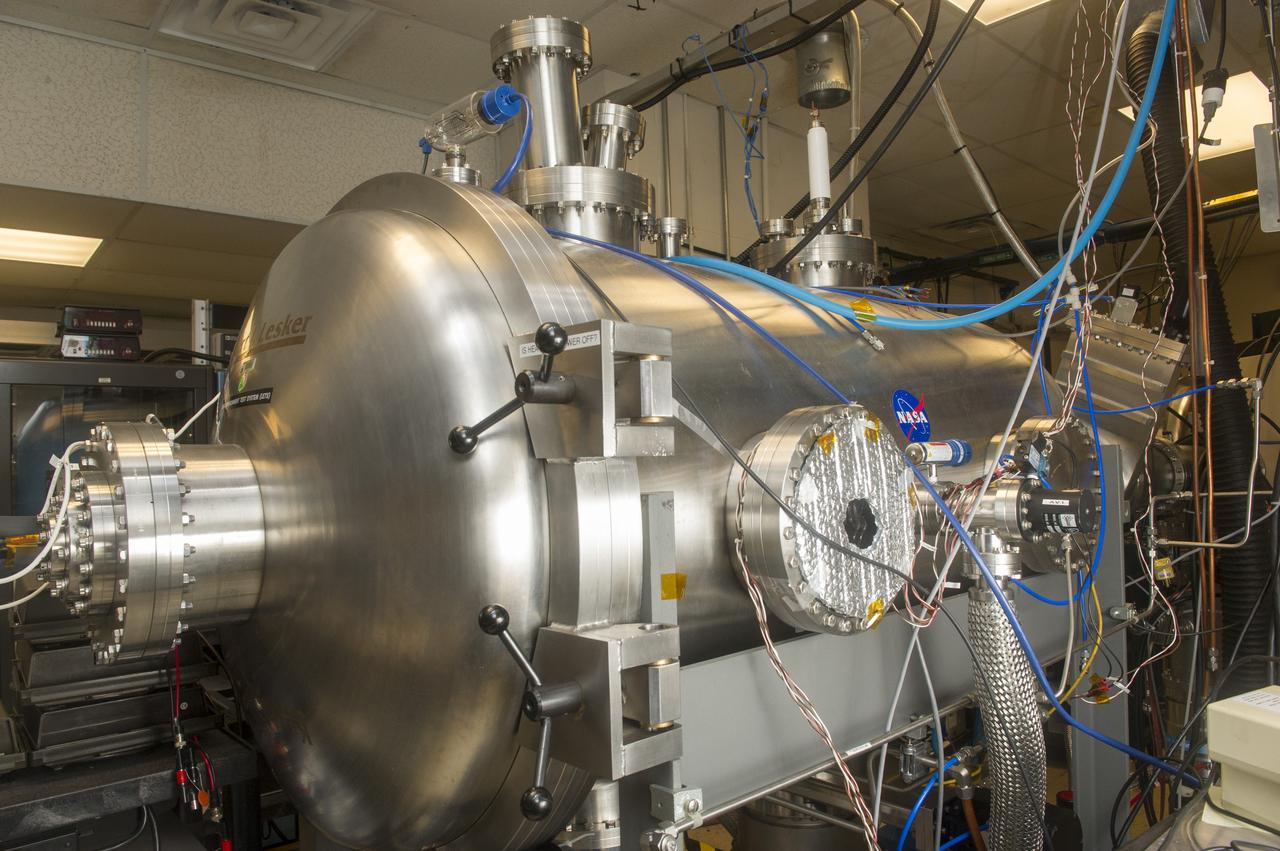
BLDG 4605, LUNAR ENVIRONMENTS TEST SYSTEM VACUUM CHAMBER, WEST SIDE
1300956
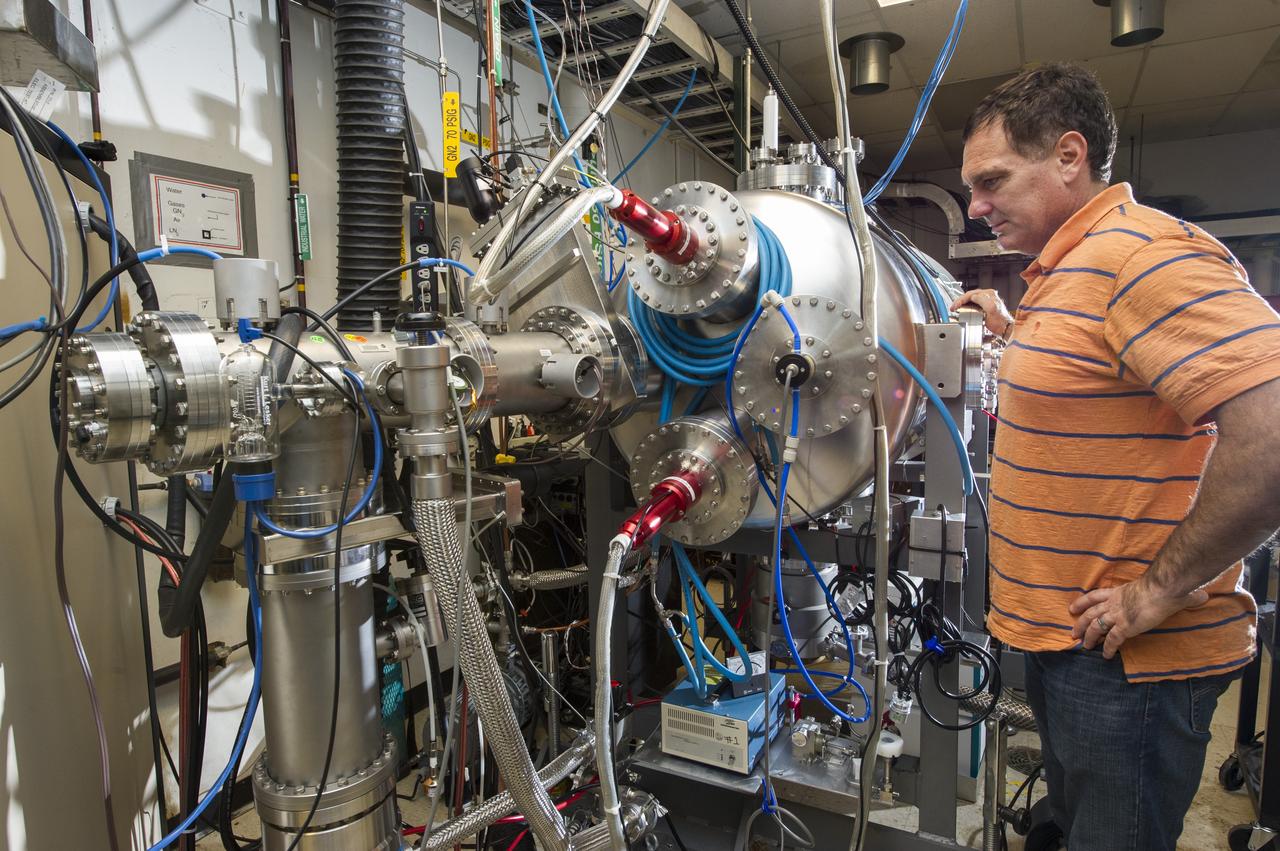
BLDG 4605, LUNAR ENVIRONMENTS TEST SYSTEM. JASON VAUGHN
1300954
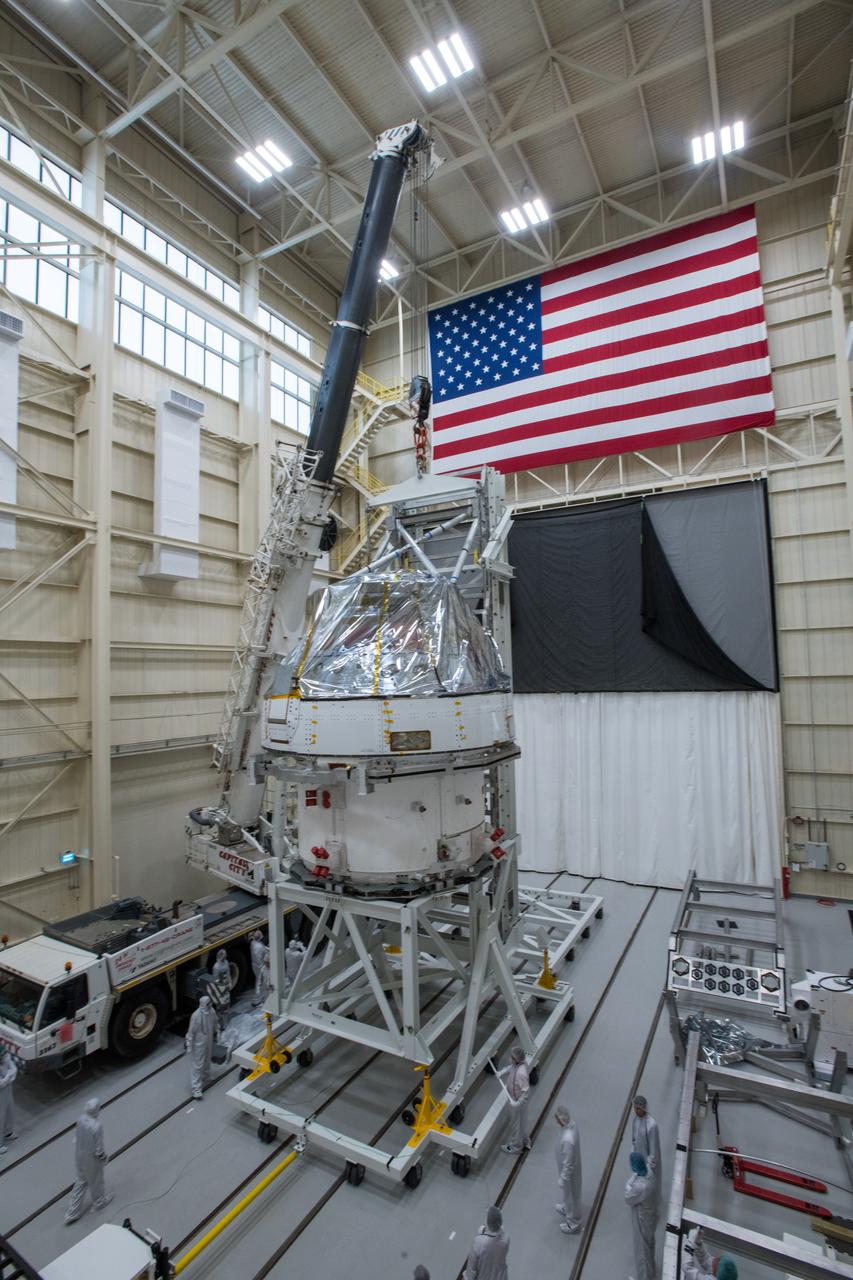
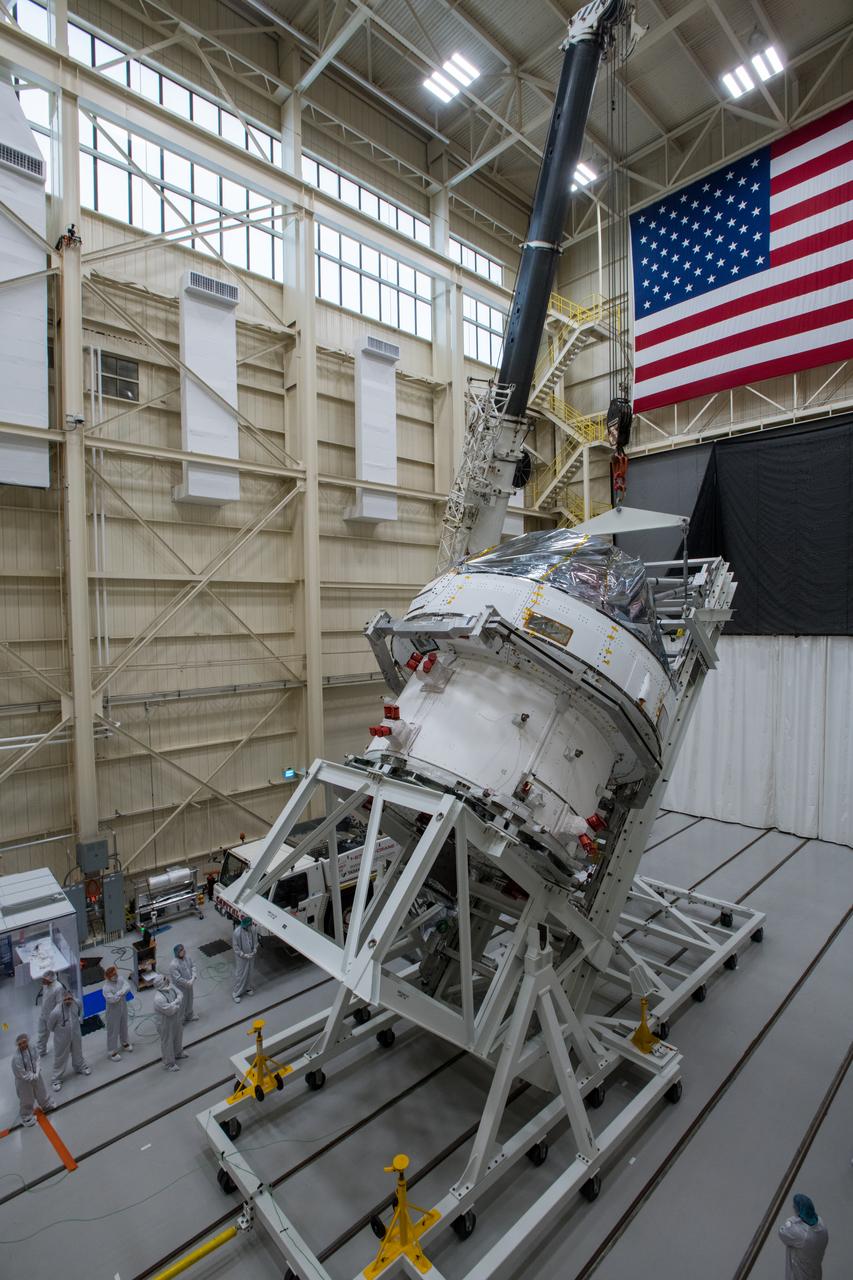
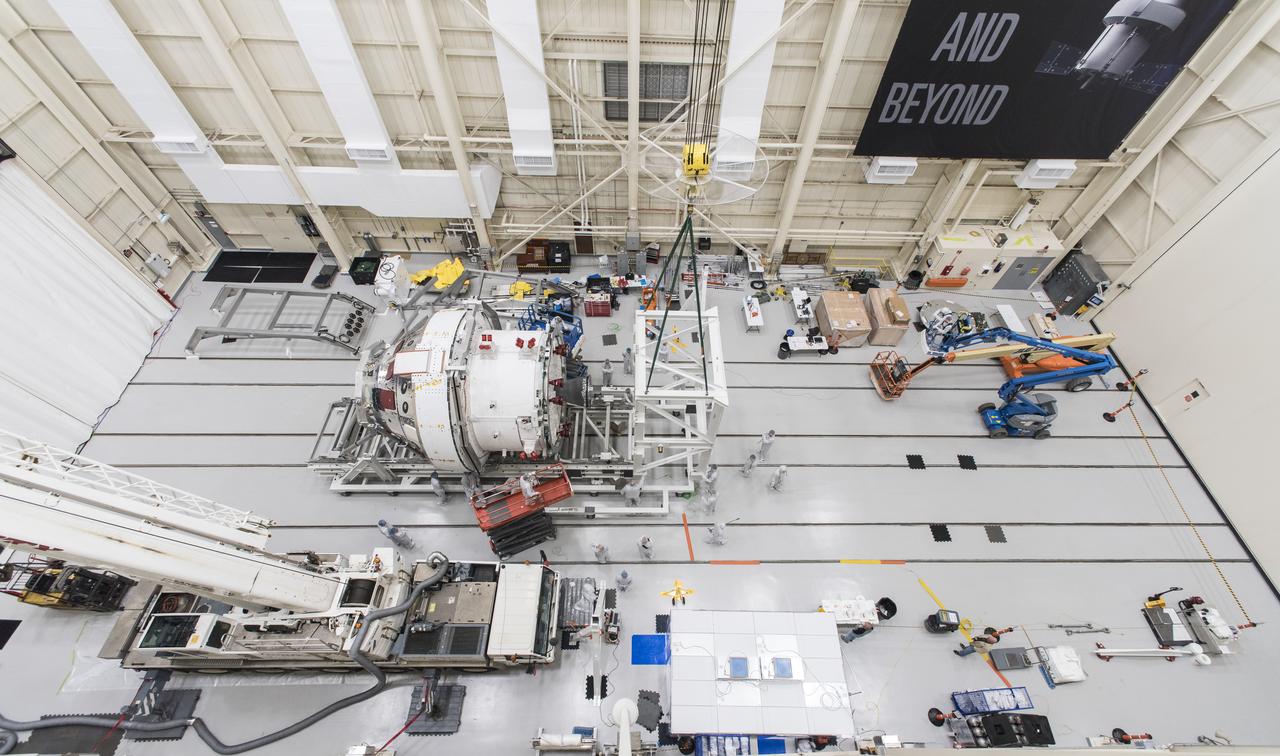
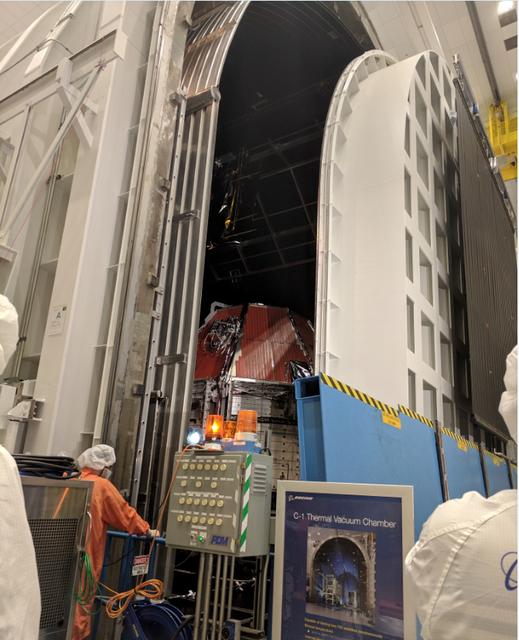
Orion - EM-1 - Artemis Spacecraft Departure at the Space Environments Complex, SEC Thermal Vacuum Chamber at the Neil A. Armstrong Test Facility, Transportation to Mansfield Lahm Airport
BLDG. 4605 PLASMA ENVIRONMENT TEST LABORATORY. VACUUM CHAMBER FROM REAR
1301128
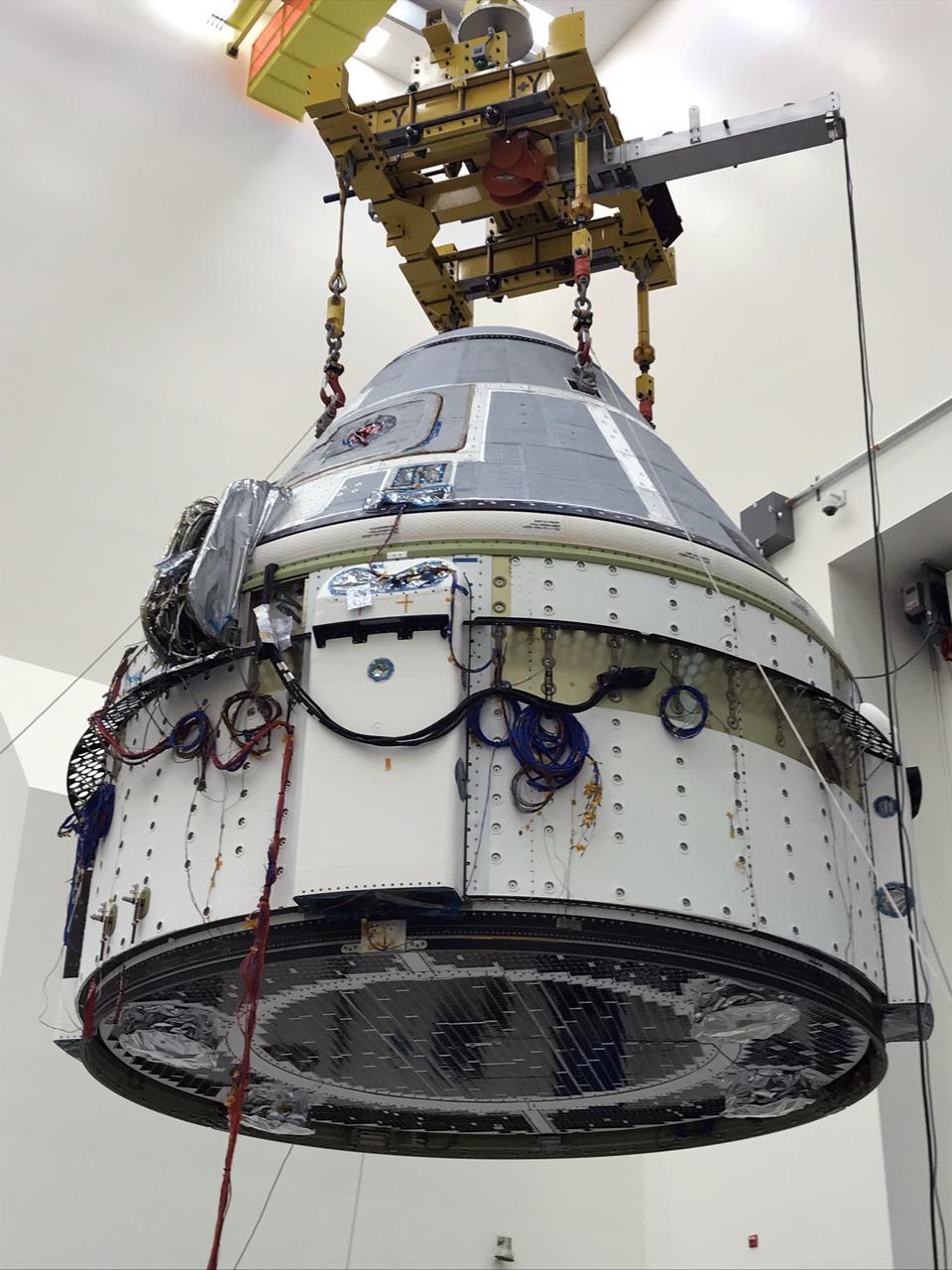
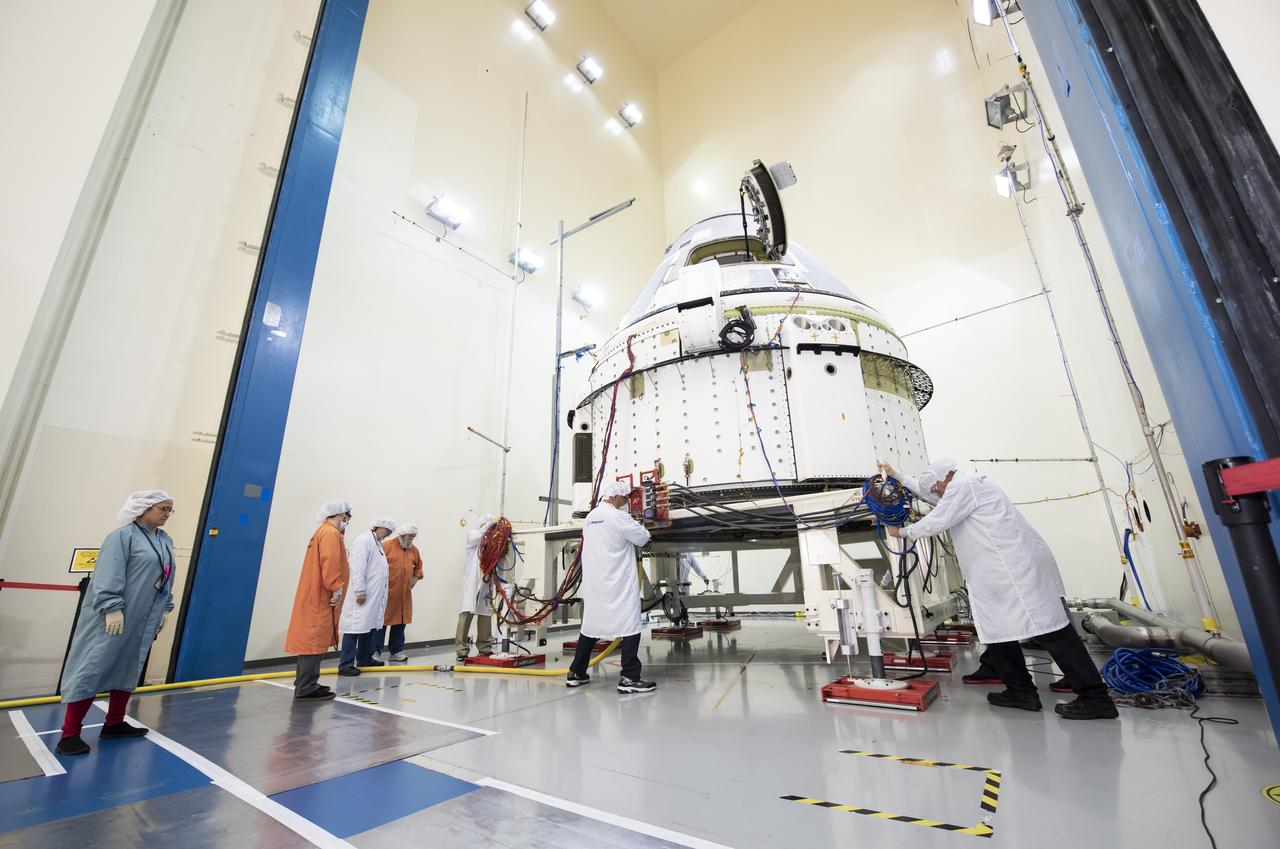
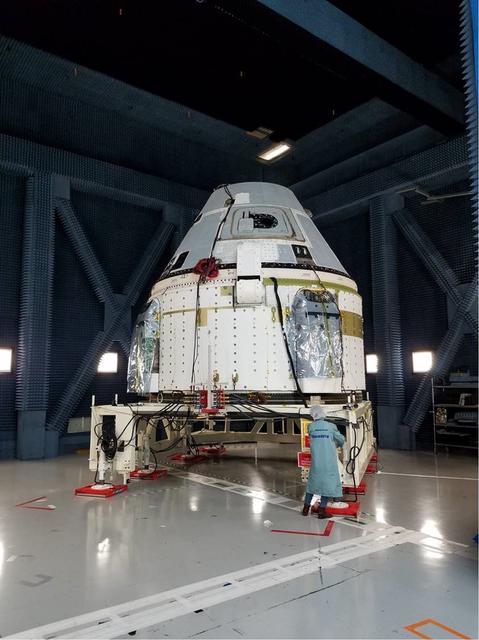
Boeing’s CST-100 Starliner is lifted into a test chamber at Boeing’s Space Environment Test Facility in El Segundo, Calif. There, Boeing engineers conducted different environmental qualification test programs, proving the vehicle is capable of withstanding the harsh environments it will see during launch, ascent and orbit. This is the Starliner that will be used for Boeing’s Crew Flight Test as part of NASA’s Commercial Crew Program, which is working with Boeing to return human spaceflight launches to the space station from U.S. soil.
Boeing March 2019 Progress Photos
Center Director Chris Scolese welcomed the Maryland House Environment & Transportation Committee to Goddard on November 15, 2016.  The group visited the James Webb Space Telescope JWST, then they toured the Robotics Operations Facility.
Maryalnd House enironment & Transportation Committee Visit
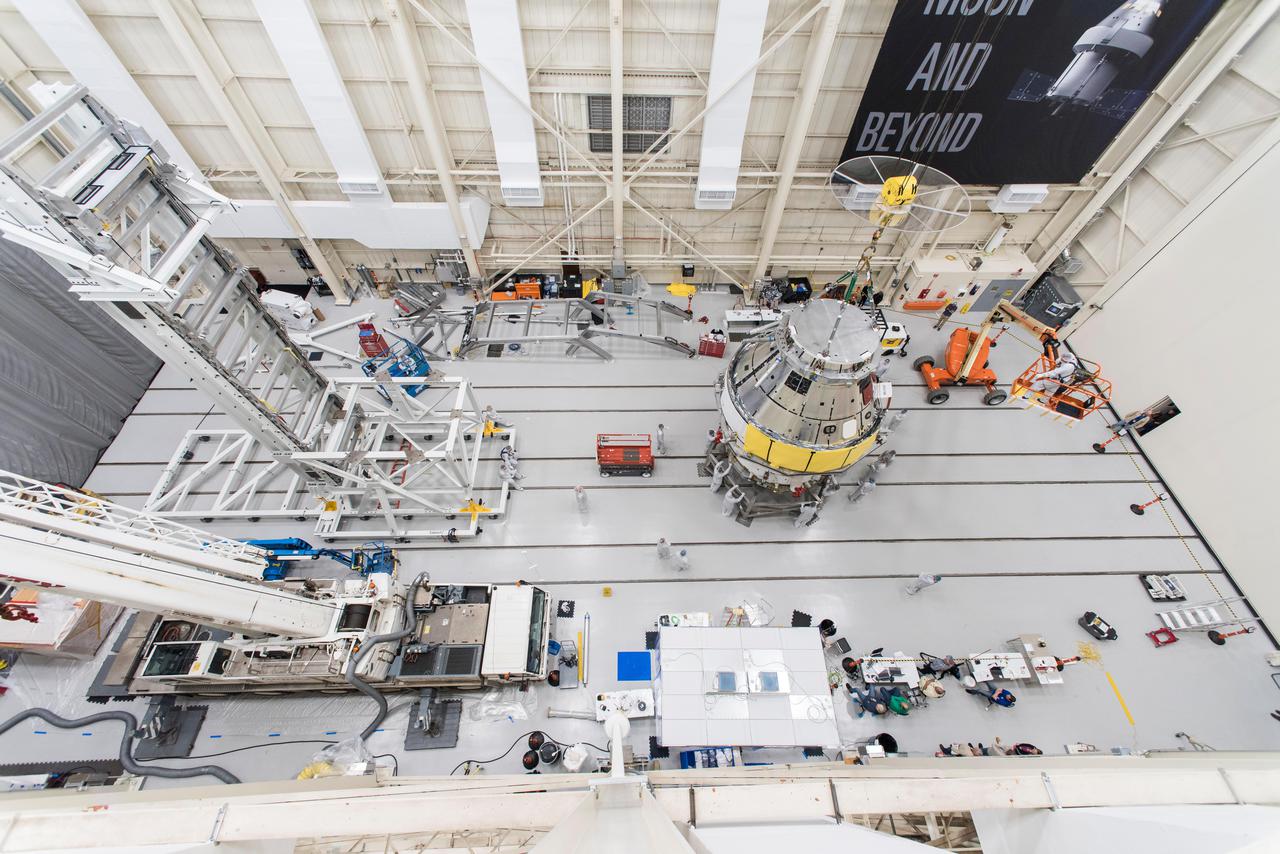
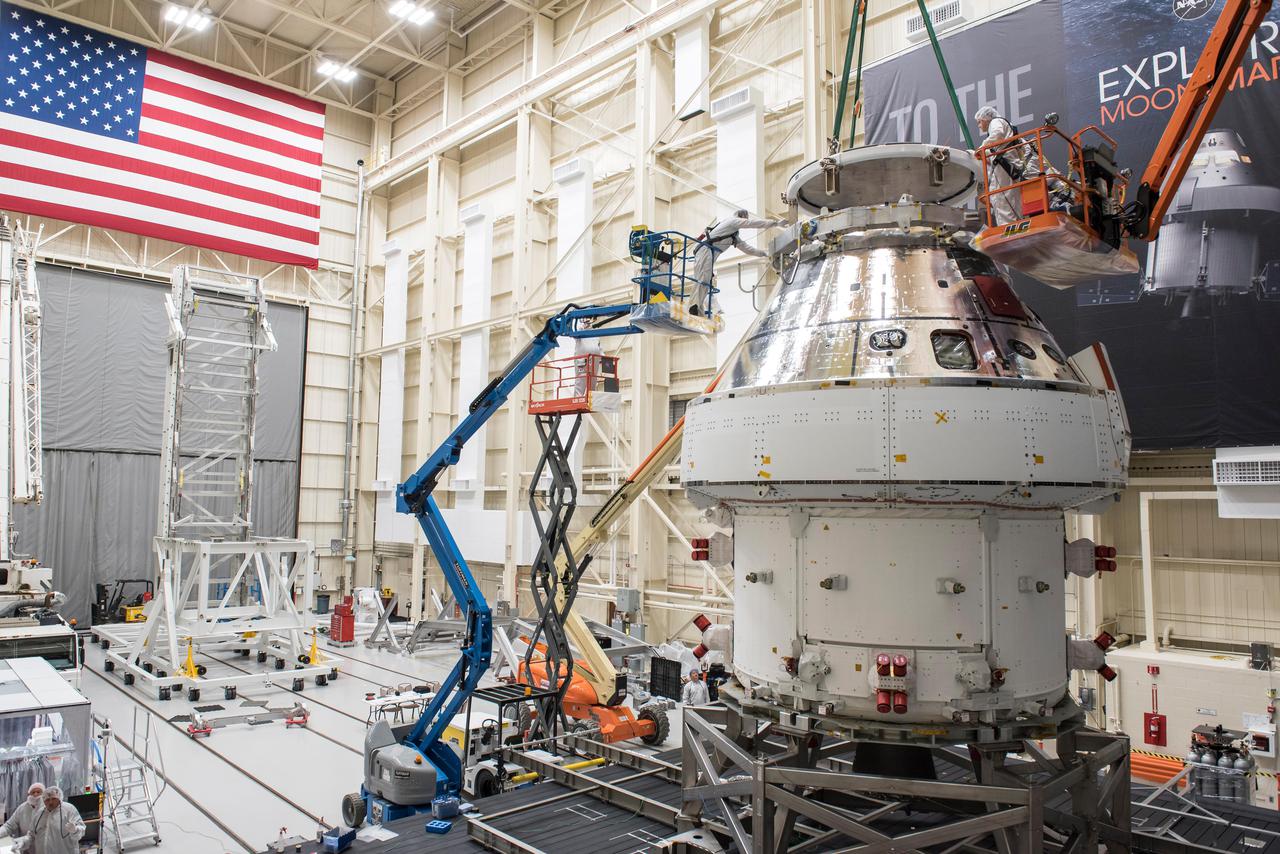
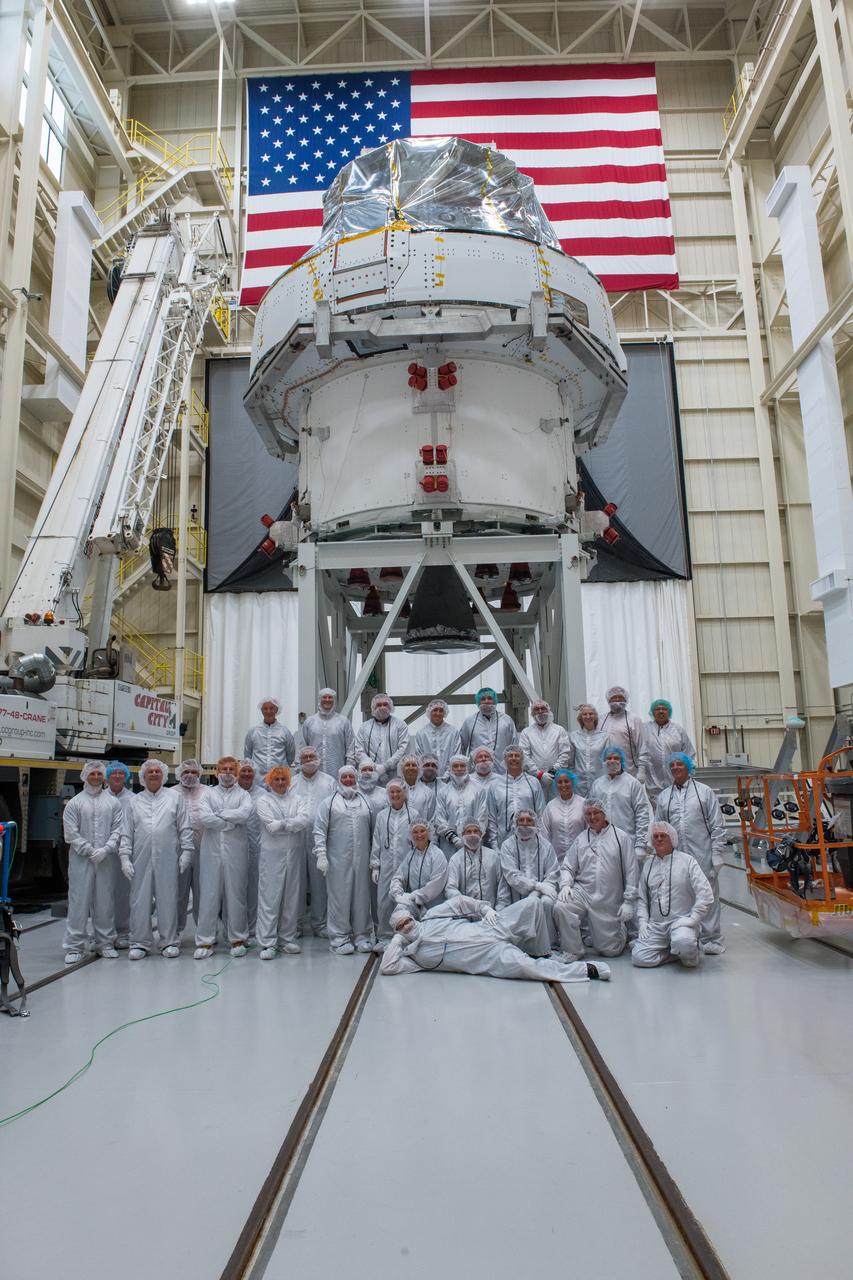
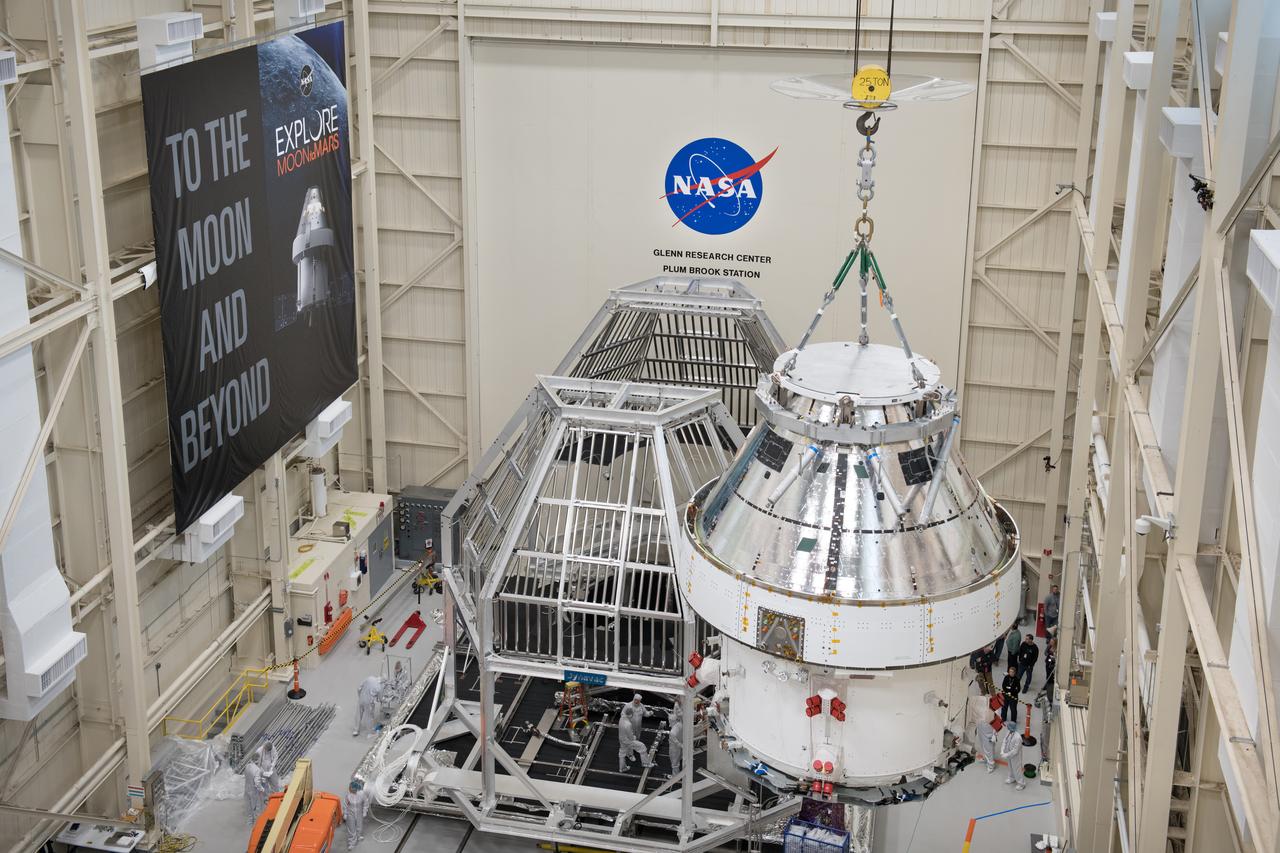
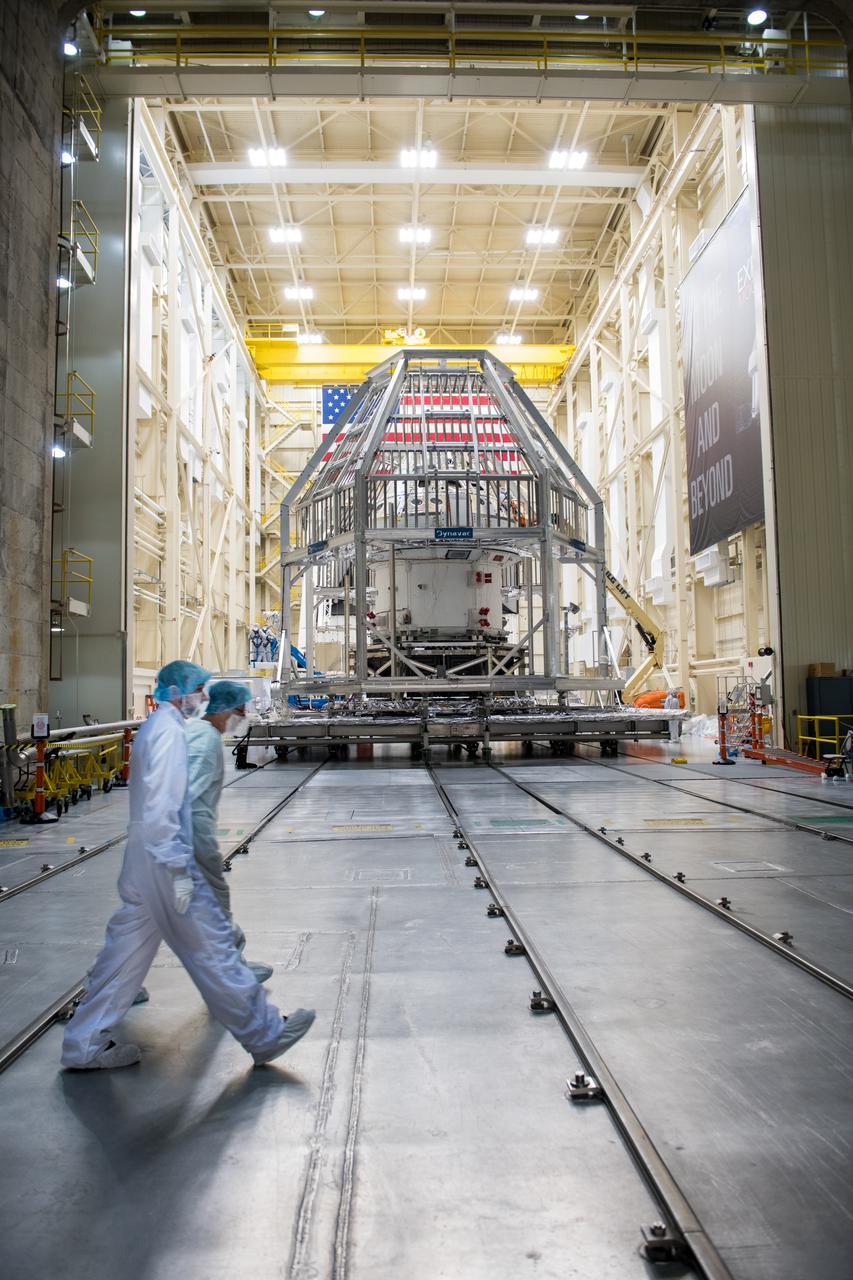
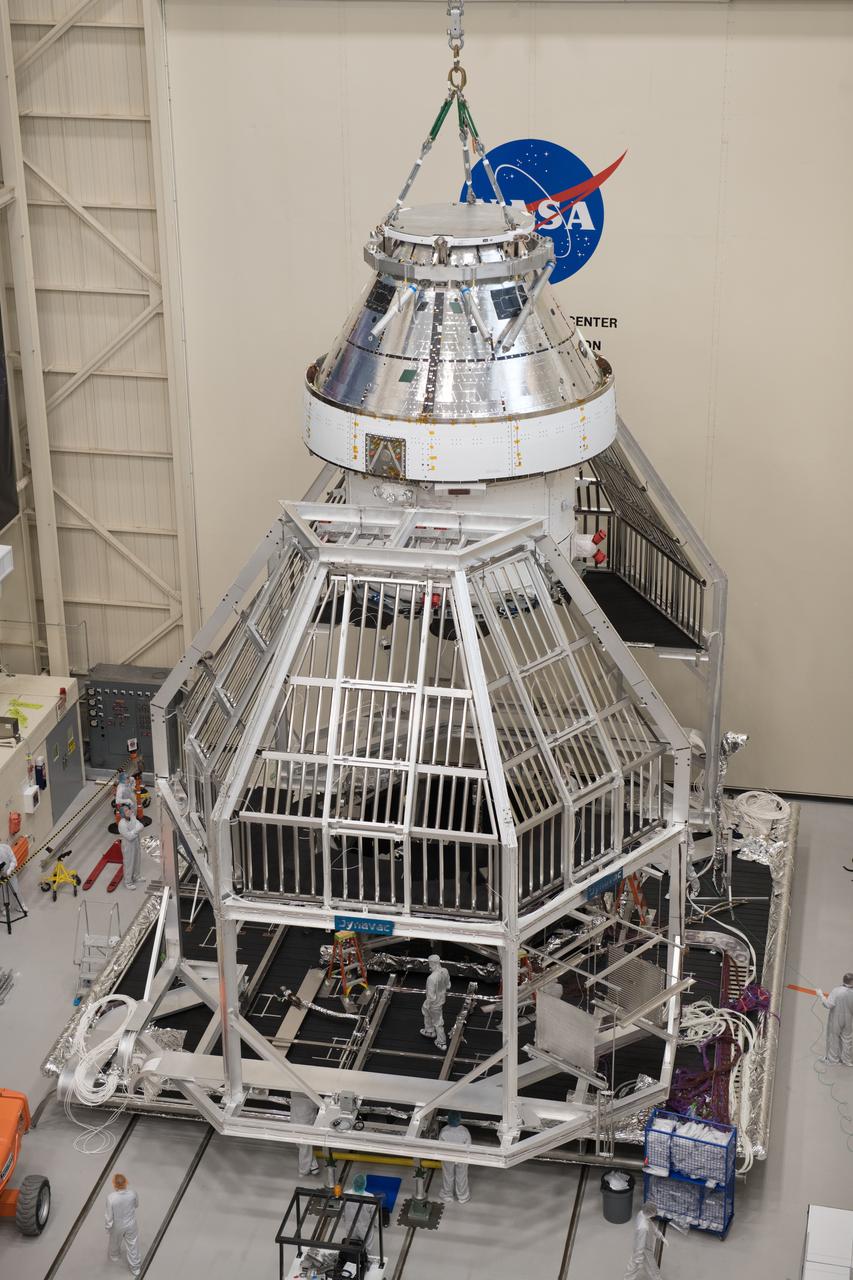
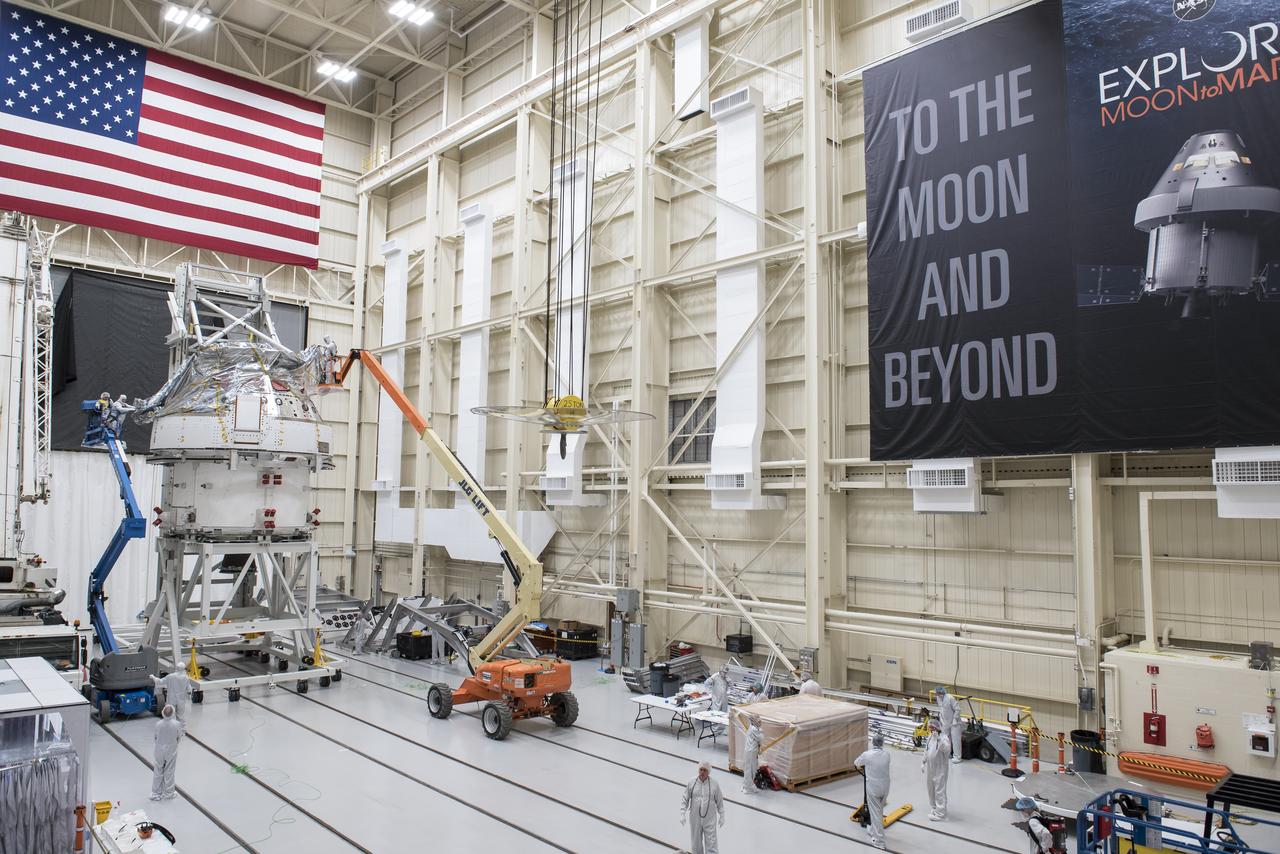
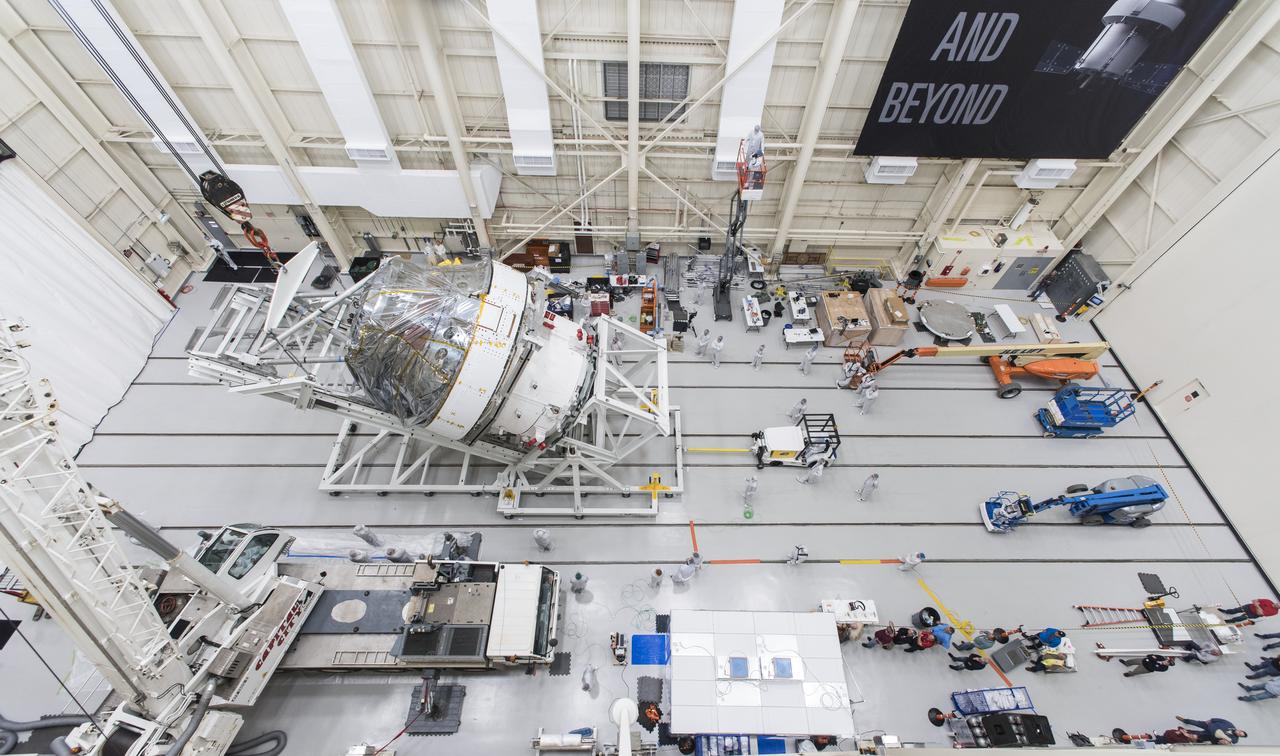
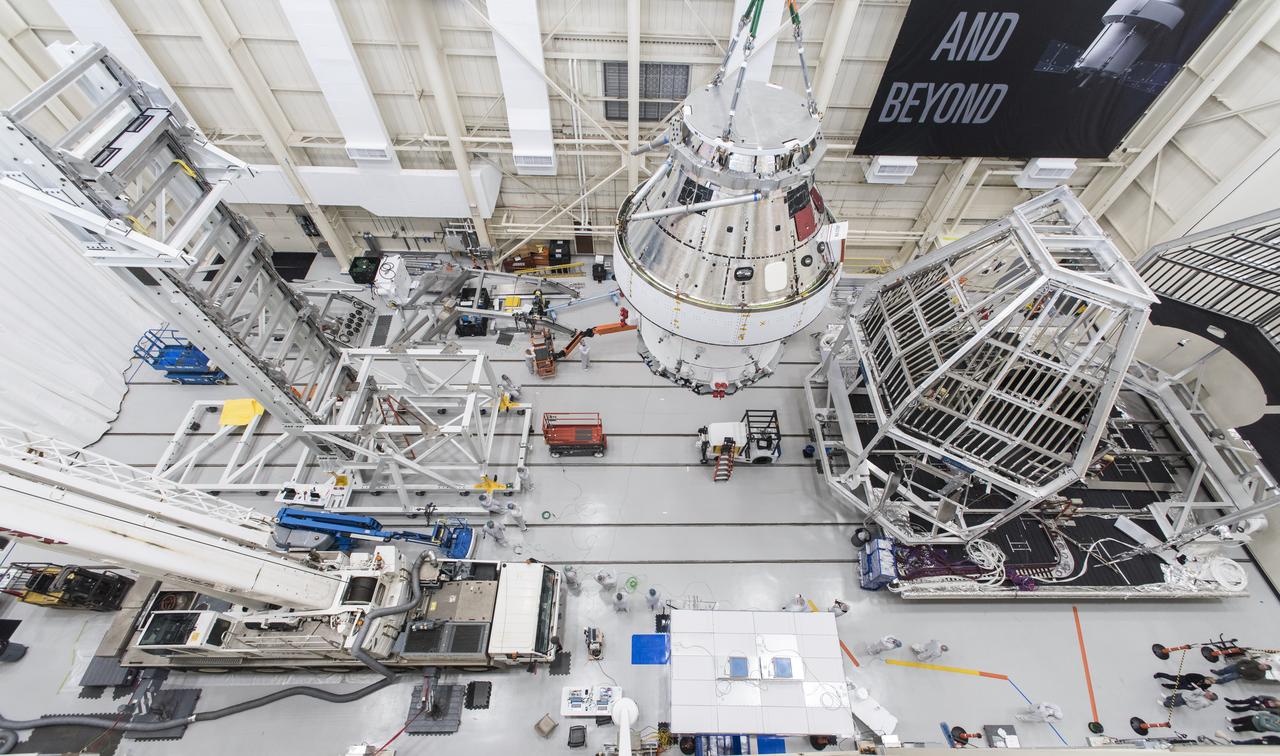
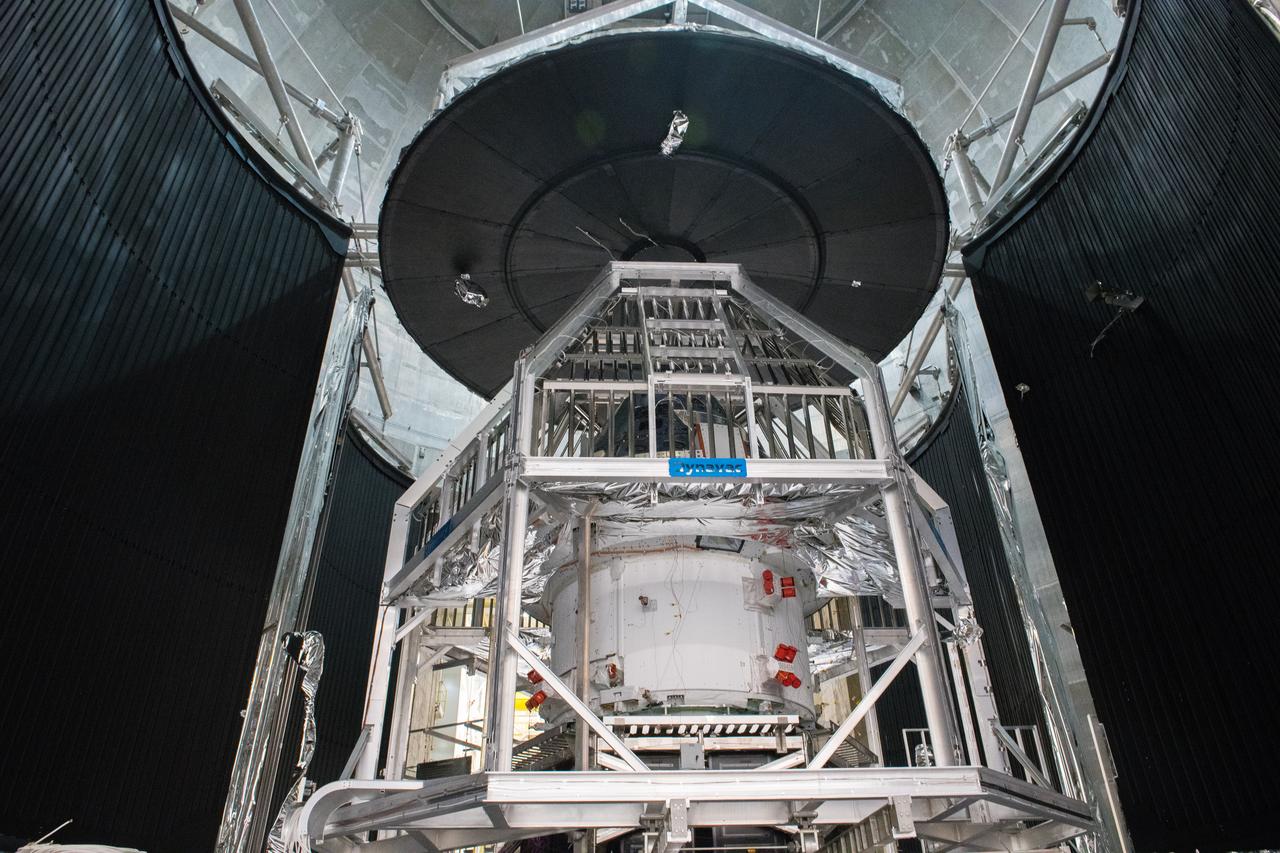
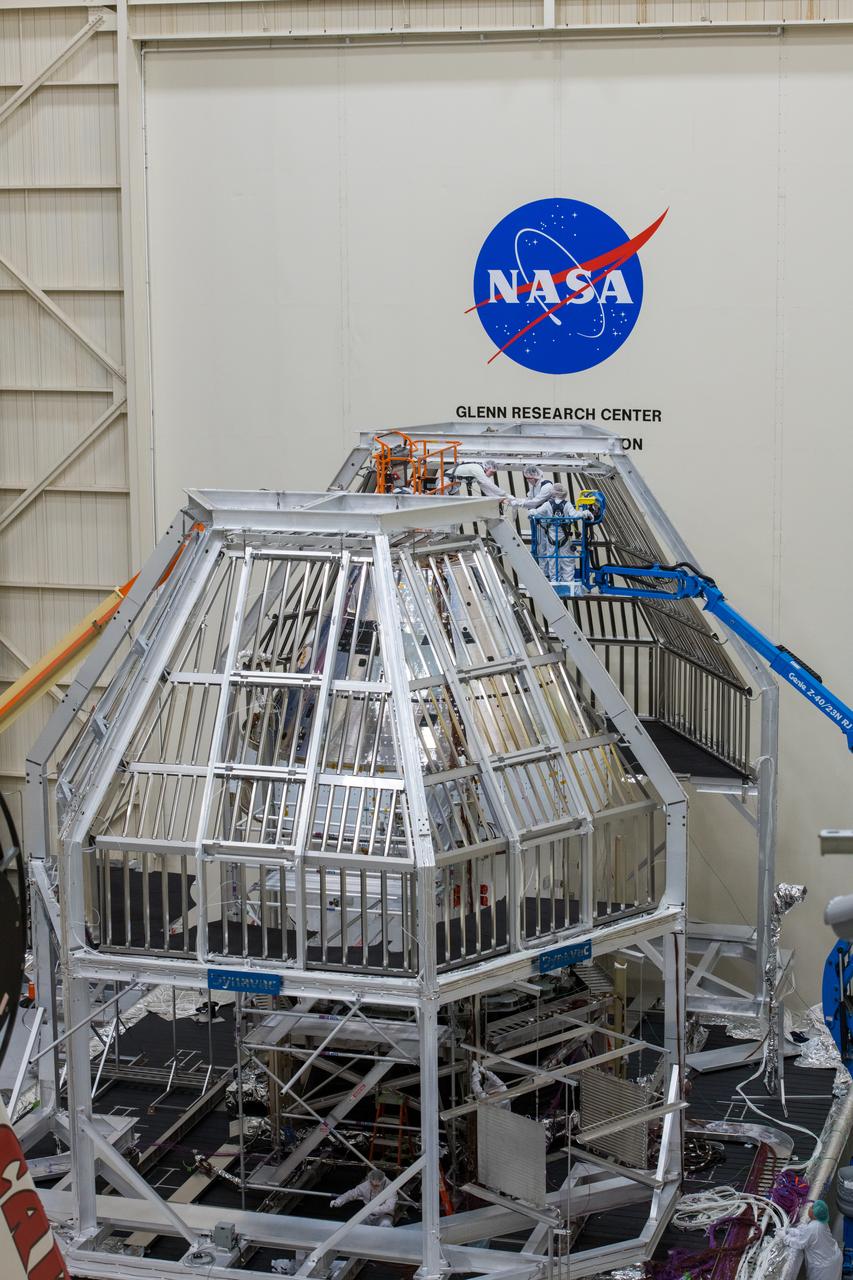
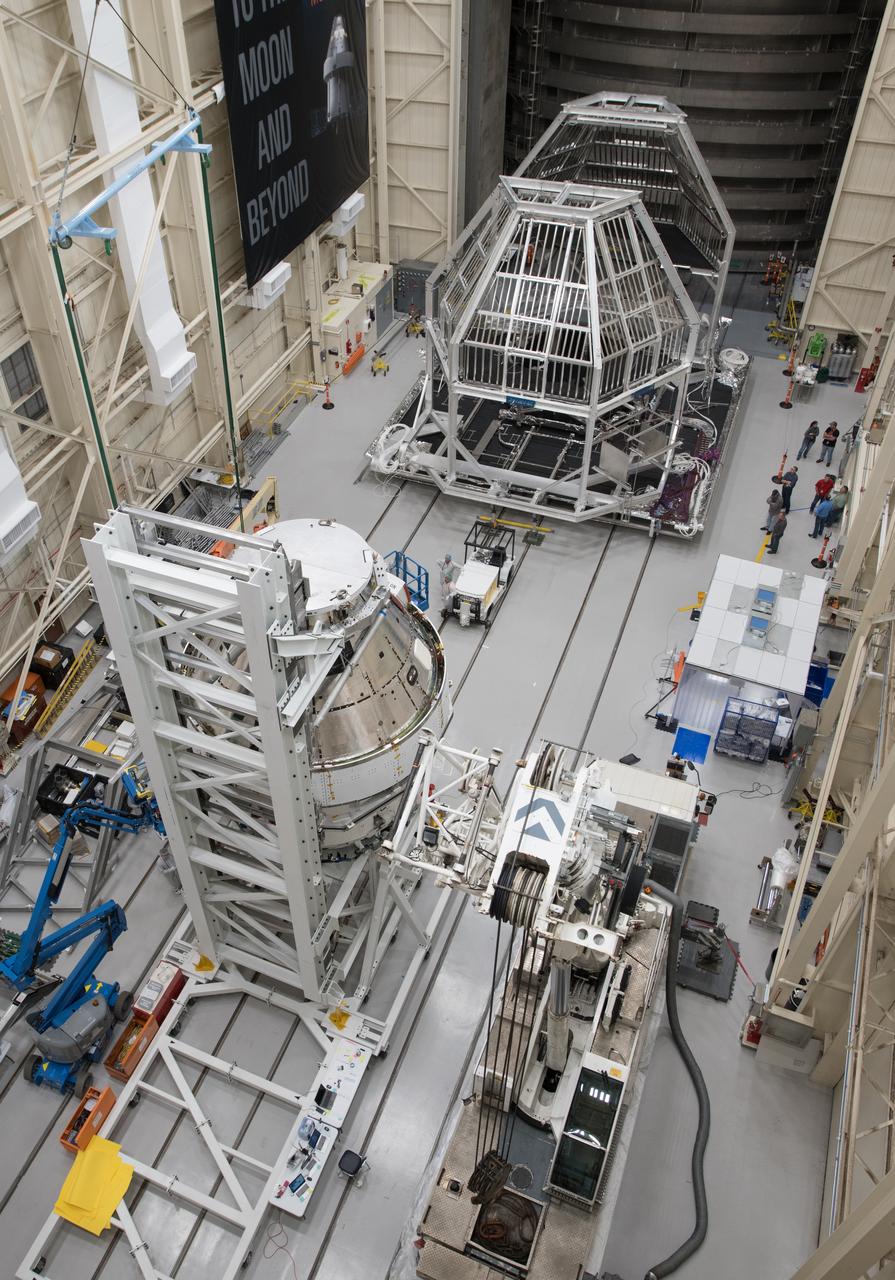
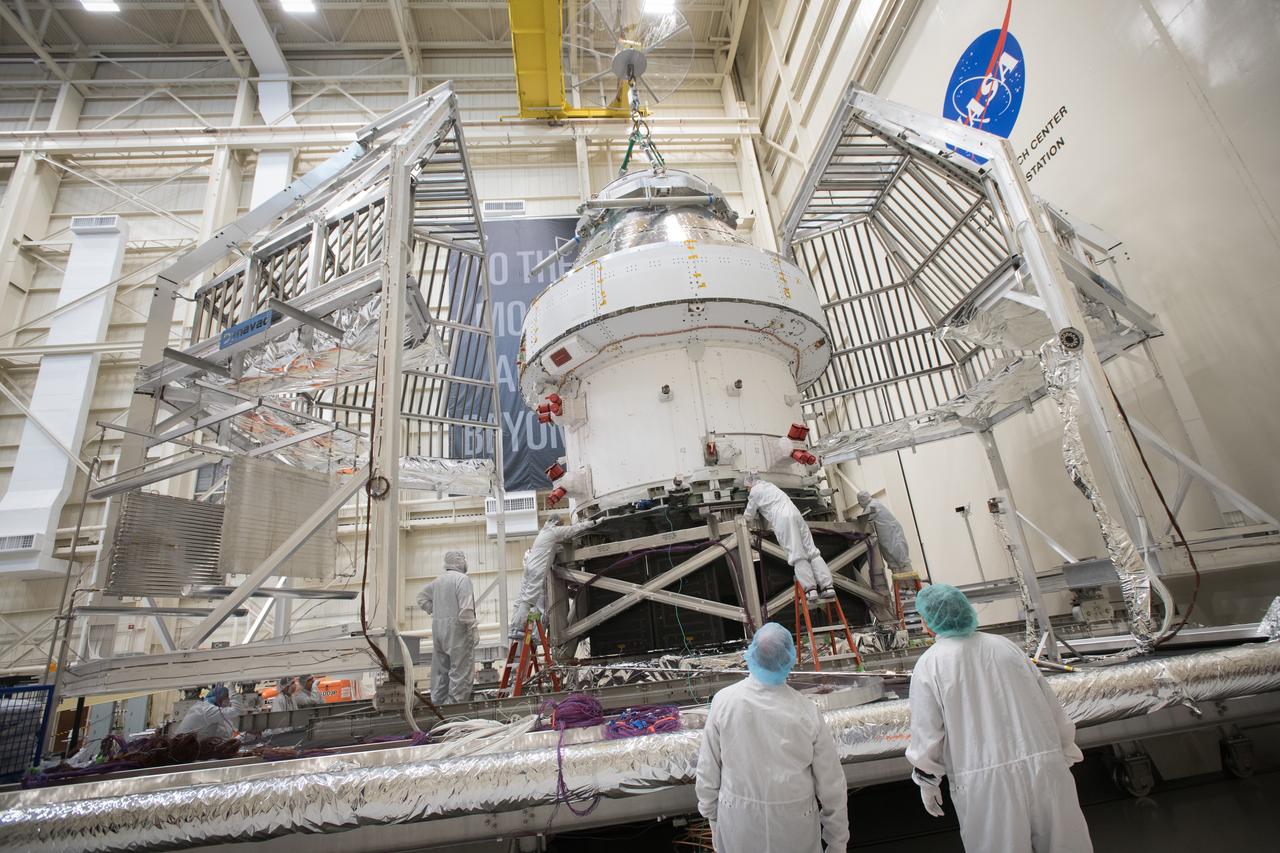
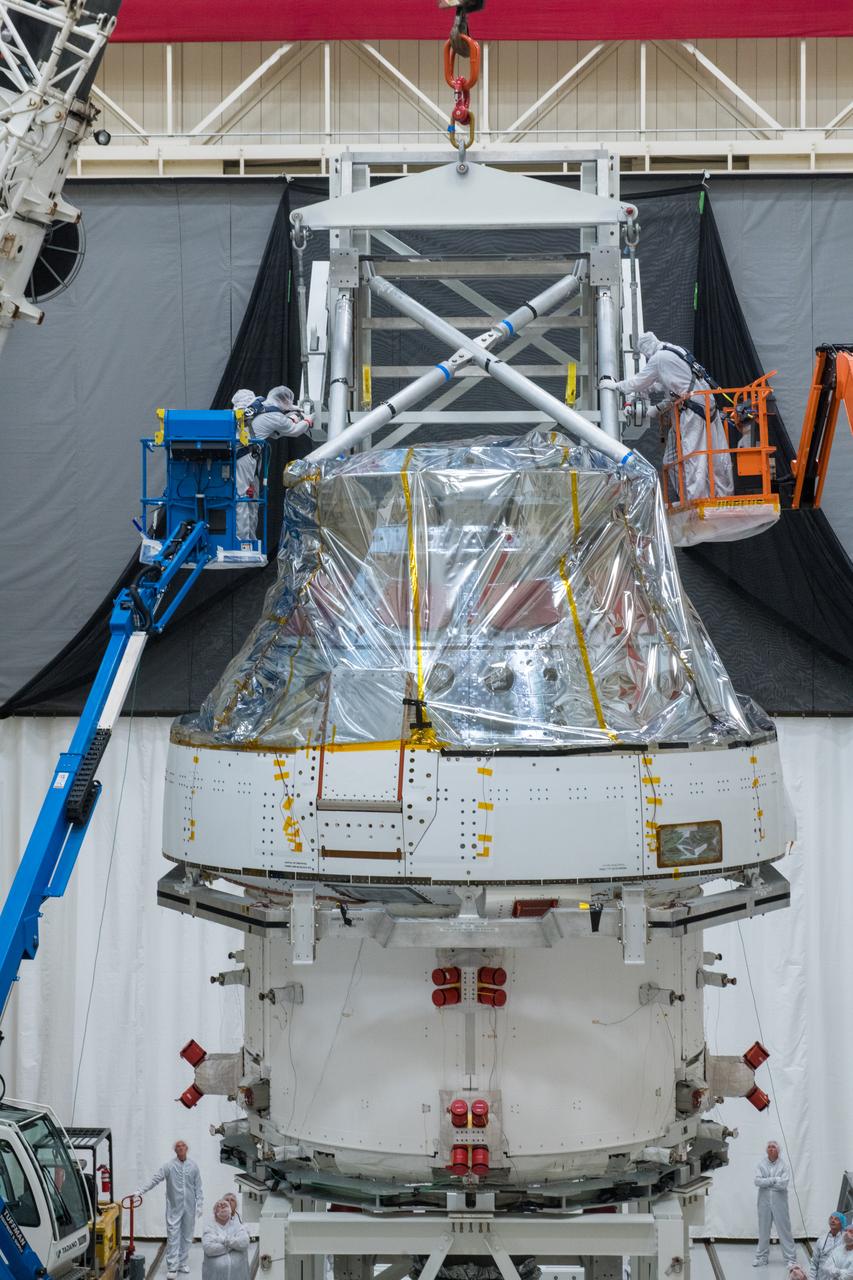
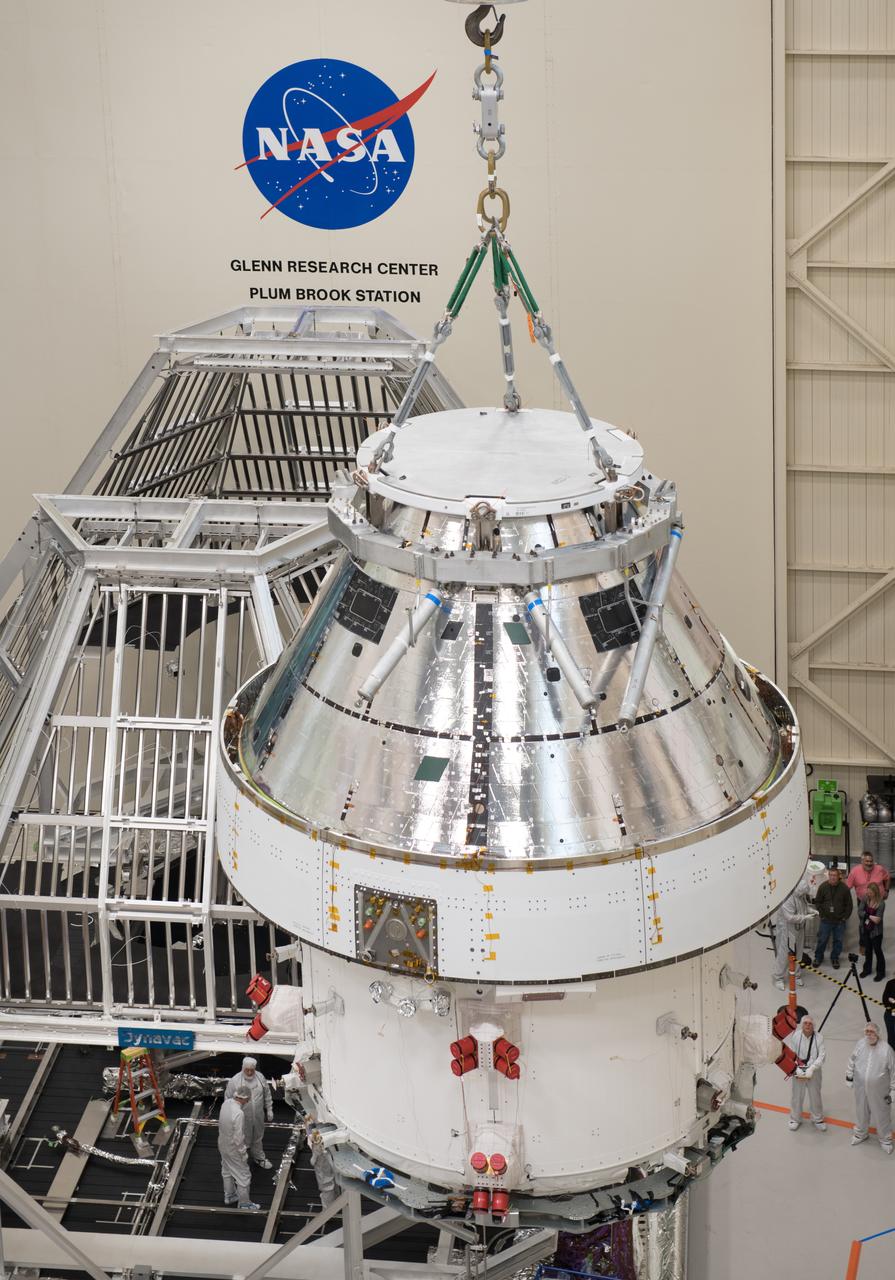
Orion Spacecraft is prepared for Space Environment Testing at the Glenn Research Center, GRC Plum Brook Station, Space Environments Complex, SEC
Orion Spacecraft is prepared for Space Environment Testing at th
Orion Spacecraft is prepared for Space Environment Testing at the Glenn Research Center, GRC Plum Brook Station, Space Environments Complex, SEC
Orion Spacecraft is prepared for Space Environment Testing at th
Orion Spacecraft is prepared for Space Environment Testing at the Glenn Research Center, GRC Plum Brook Station, Space Environments Complex, SEC
Orion Spacecraft is prepared for Space Environment Testing at th
Orion Spacecraft is prepared for Space Environment Testing at the Glenn Research Center, GRC Plum Brook Station, Space Environments Complex, SEC
Orion Spacecraft is prepared for Space Environment Testing at th
Orion Spacecraft is prepared for Space Environment Testing at the Glenn Research Center, GRC Plum Brook Station, Space Environments Complex, SEC
Orion Spacecraft is prepared for Space Environment Testing at th
Orion Spacecraft is prepared for Space Environment Testing at the Glenn Research Center, GRC Plum Brook Station, Space Environments Complex, SEC
Orion Spacecraft is prepared for Space Environment Testing at th
Orion Spacecraft is prepared for Space Environment Testing at the Glenn Research Center, GRC Plum Brook Station, Space Environments Complex, SEC
Orion Spacecraft is prepared for Space Environment Testing at th
Orion Spacecraft is prepared for Space Environment Testing at the Glenn Research Center, GRC Plum Brook Station, Space Environments Complex, SEC
Orion Spacecraft is prepared for Space Environment Testing at th
Orion Spacecraft is prepared for Space Environment Testing at the Glenn Research Center, GRC Plum Brook Station, Space Environments Complex, SEC
Orion Spacecraft is prepared for Space Environment Testing at th
Orion Spacecraft is prepared for Space Environment Testing at the Glenn Research Center, GRC Plum Brook Station, Space Environments Complex, SEC
Orion Spacecraft is prepared for Space Environment Testing at th
Orion Spacecraft is prepared for Space Environment Testing at the Glenn Research Center, GRC Plum Brook Station, Space Environments Complex, SEC
Orion Spacecraft is prepared for Space Environment Testing at th
Orion Spacecraft is prepared for Space Environment Testing at the Glenn Research Center, GRC Plum Brook Station, Space Environments Complex, SEC
Orion Spacecraft is prepared for Space Environment Testing at th
Orion Spacecraft is prepared for Space Environment Testing at the Glenn Research Center, GRC Plum Brook Station, Space Environments Complex, SEC
Orion Spacecraft is prepared for Space Environment Testing at th
Orion Spacecraft is prepared for Space Environment Testing at the Glenn Research Center, GRC Plum Brook Station, Space Environments Complex, SEC
Orion Spacecraft is prepared for Space Environment Testing at th
Orion Spacecraft is prepared for Space Environment Testing at the Glenn Research Center, GRC Plum Brook Station, Space Environments Complex, SEC
Orion Spacecraft is prepared for Space Environment Testing at th
Orion Spacecraft is prepared for Space Environment Testing at the Glenn Research Center, GRC Plum Brook Station, Space Environments Complex, SEC
Orion Spacecraft is prepared for Space Environment Testing at th
Orion Spacecraft is prepared for Space Environment Testing at the Glenn Research Center, GRC Plum Brook Station, Space Environments Complex, SEC
Orion Spacecraft is prepared for Space Environment Testing at th
Orion Spacecraft is prepared for Space Environment Testing at the Glenn Research Center, GRC Plum Brook Station, Space Environments Complex, SEC
Orion Spacecraft is prepared for Space Environment Testing at th
Orion Spacecraft is prepared for Space Environment Testing at the Glenn Research Center, GRC Plum Brook Station, Space Environments Complex, SEC
Orion Spacecraft is prepared for Space Environment Testing at th
HISET/ HIGH INTENSITY SOLAR ENVIRONMENT TEST (SOLAR ENVIRONMENT SYSTEM WITH LAMPS THAT REPLICATE THE SUN’S BRIGHTNESS AND RANGE, COMBINED WITH A PROTON ACCELERATOR
1300912
BLDG. 4605 PLASMA ENVIRONMENT TEST LABORATORY. VACUUM CHAMBER OPEN WITH SAMPLE SETUP
1301127
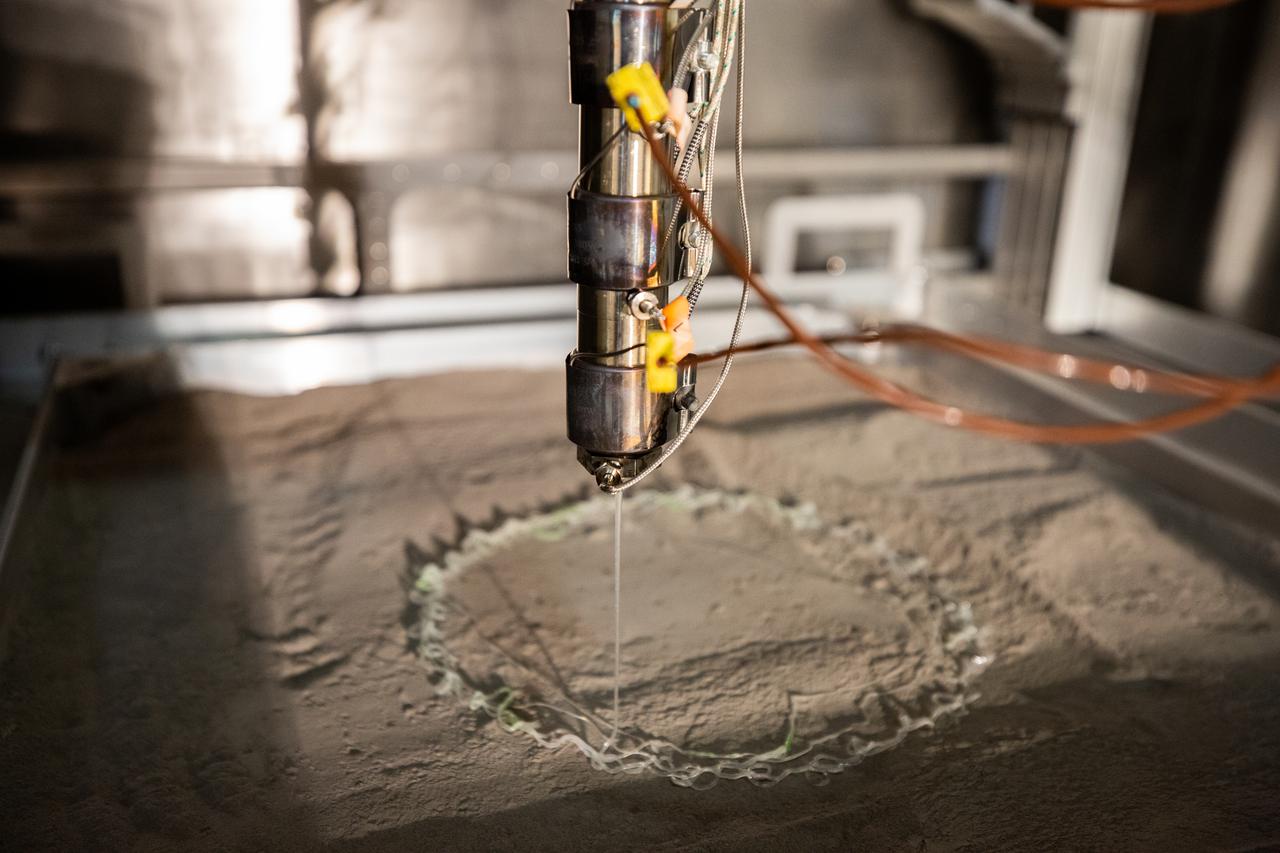
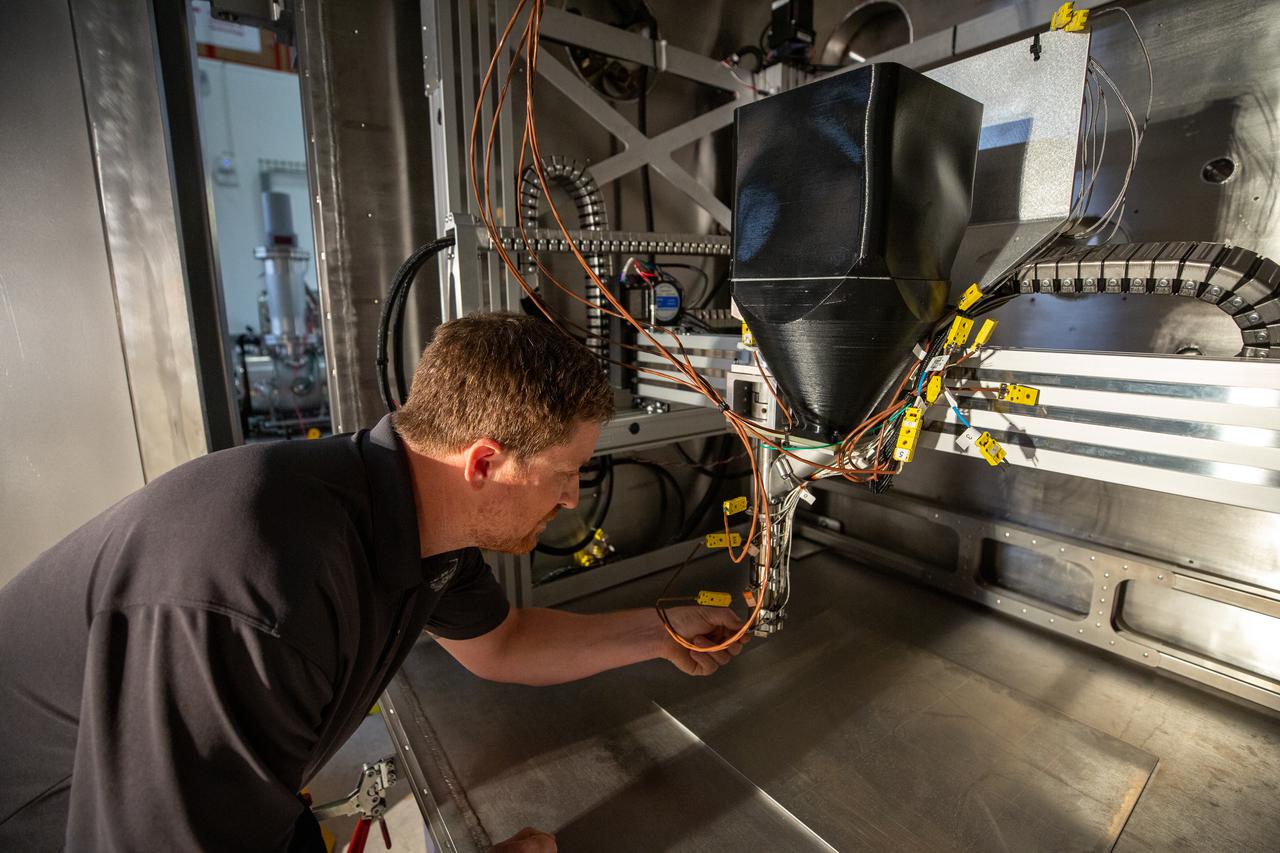
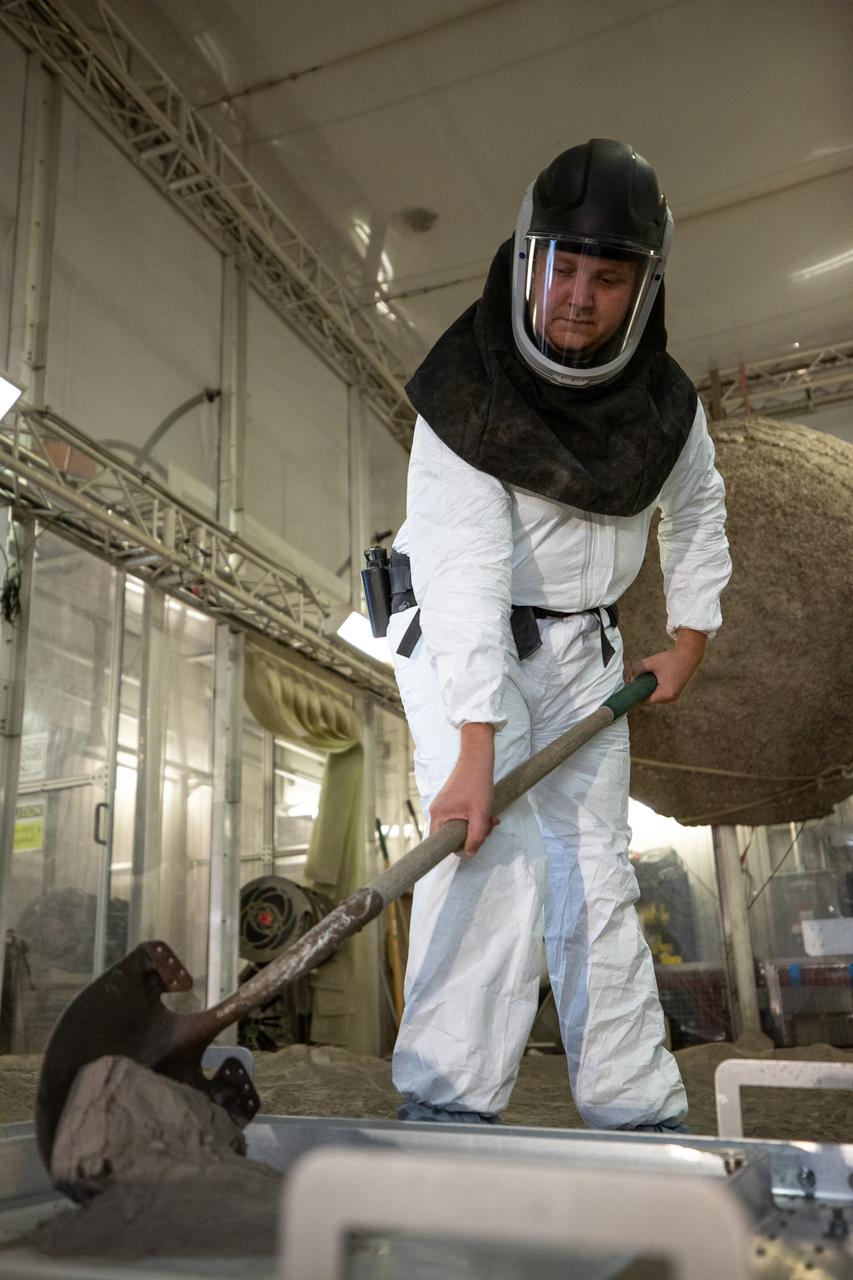
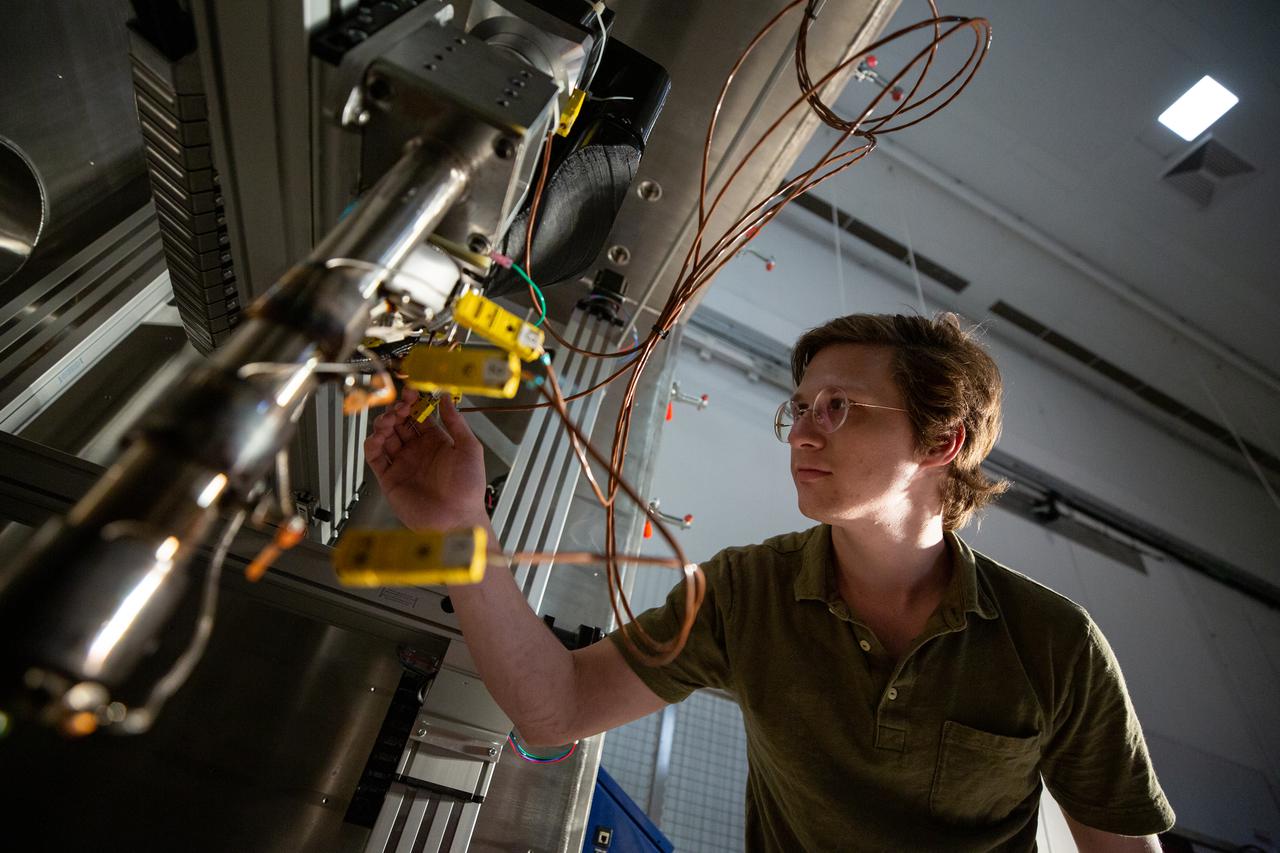
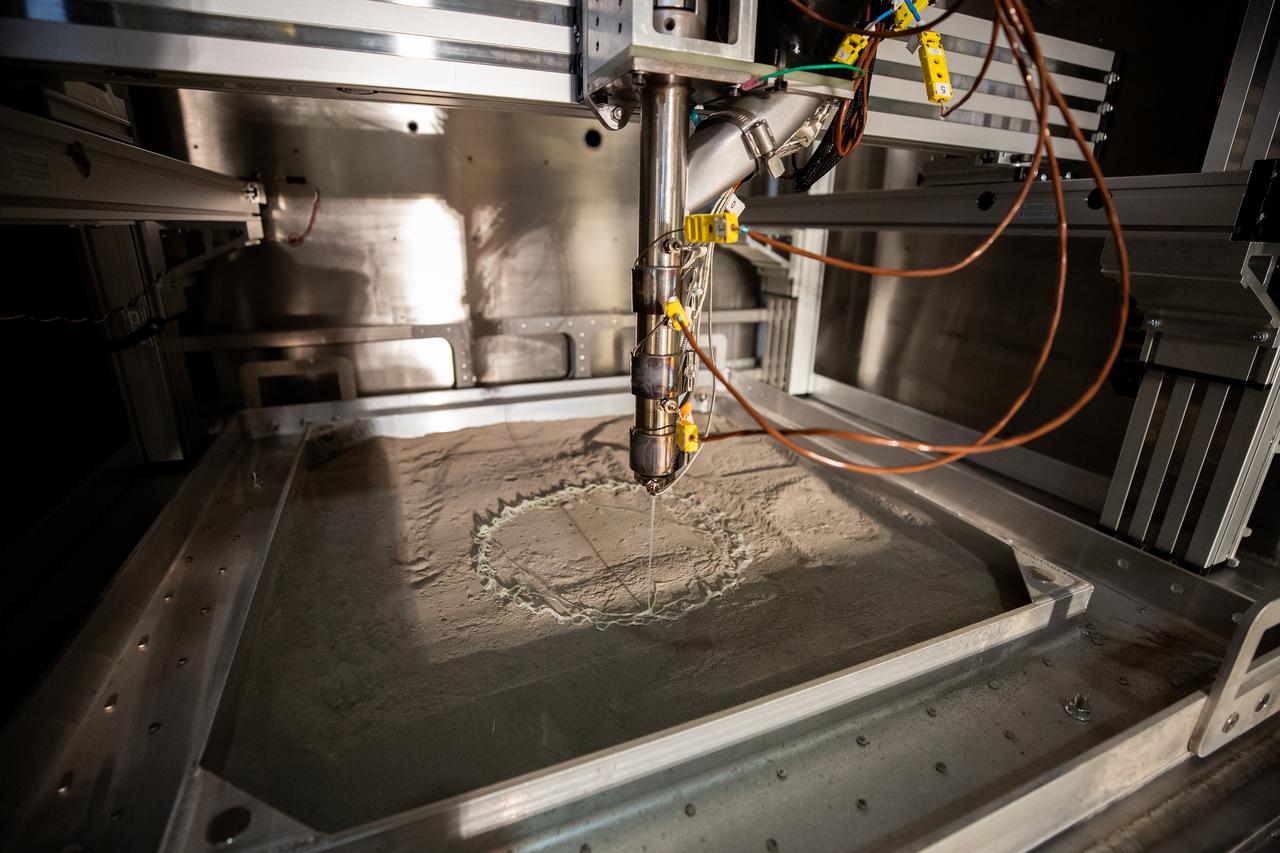
Thomas Lipscomb, a materials engineer at NASA’s Kennedy Space Center in Florida, prepares a vacuum chamber for testing 3D printing inside the Granular Mechanics and Regolith Operations (GMRO) lab at the spaceport’s Swamp Works on April 5, 2022. The testing is part of the Relevant Environment Additive Construction Technology (REACT) project, which derives from NASA’s 2020 Announcement of Collaboration Opportunity, with AI SpaceFactory – an architectural and construction technology company and winner of NASA’s 3D Printed Habitat Challenge – collaborating with Kennedy teams to build 3D-printed test structures using a composite made from polymers and a regolith simulant in a vacuum chamber that mimics environmental conditions on the Moon.
Relevant Environment Additive Construction Technology (REACT) Va
NASA engineer Evan Bell prepares a vacuum chamber for testing 3D printing inside the Granular Mechanics and Regolith Operations (GMRO) lab at Kennedy Space Center’s Swamp Works in Florida on April 5, 2022. The testing is part of the Relevant Environment Additive Construction Technology (REACT) project, which derives from NASA’s 2020 Announcement of Collaboration Opportunity, with AI SpaceFactory – an architectural and construction technology company and winner of NASA’s 3D Printed Habitat Challenge – collaborating with Kennedy teams to build 3D-printed test structures using a composite made from polymers and a regolith simulant in a vacuum chamber that mimics environmental conditions on the Moon.
Relevant Environment Additive Construction Technology (REACT) Va
Nathan Gelino, a principal investigator with the Exploration Research and Technology programs at Kennedy Space Center in Florida, prepares a vacuum chamber for testing 3D printing inside the Granular Mechanics and Regolith Operations (GMRO) lab at Kennedy’s Swamp Works on April 5, 2022. The testing is part of the Relevant Environment Additive Construction Technology (REACT) project, which derives from NASA’s 2020 Announcement of Collaboration Opportunity, with AI SpaceFactory – an architectural and construction technology company and winner of NASA’s 3D Printed Habitat Challenge – collaborating with Kennedy teams to build 3D-printed test structures using a composite made from polymers and a regolith simulant in a vacuum chamber that mimics environmental conditions on the Moon.
Relevant Environment Additive Construction Technology (REACT) Va
Engineer Matt Nugent prepares a vacuum chamber for testing 3D printing inside the Granular Mechanics and Regolith Operations (GMRO) lab at NASA Kennedy Space Center’s Swamp Works in Florida on April 5, 2022. The testing is part of the Relevant Environment Additive Construction Technology (REACT) project, which derives from NASA’s 2020 Announcement of Collaboration Opportunity, with AI SpaceFactory – an architectural and construction technology company and winner of NASA’s 3D Printed Habitat Challenge – collaborating with Kennedy teams to build 3D-printed test structures using a composite made from polymers and a regolith simulant in a vacuum chamber that mimics environmental conditions on the Moon.
Relevant Environment Additive Construction Technology (REACT) Va
A team at NASA’s Kennedy Space Center in Florida test a 3D printer inside a vacuum chamber at the Granular Mechanics and Regolith Operations (GMRO) lab inside the spaceport’s Swamp Works, as part of the Relevant Environment Additive Construction Technology (REACT) project on April 5, 2022. Testing REACT derives from NASA’s 2020 Announcement of Collaboration Opportunity, with AI SpaceFactory – an architectural and construction technology company and winner of NASA’s 3D Printed Habitat Challenge – collaborating with Kennedy teams to build 3D-printed test structures using a composite made from polymers and a regolith simulant in a vacuum chamber that mimics environmental conditions on the Moon.
Relevant Environment Additive Construction Technology (REACT) Va
A team of engineers and researchers prepares a vacuum chamber in the Granular Mechanics and Regolith Operations (GMRO) lab inside NASA Kennedy Space Center’s Swamp Works for testing 3D printing, as part of the Relevant Environment Additive Construction Technology (REACT) project at the Florida spaceport on April 5, 2022. The project derives from NASA’s 2020 Announcement of Collaboration Opportunity, with AI SpaceFactory – an architectural and construction technology company and winner of NASA’s 3D Printed Habitat Challenge – collaborating with Kennedy teams to build 3D-printed test structures using a composite made from polymers and a regolith simulant in a vacuum chamber that mimics environmental conditions on the Moon.
Relevant Environment Additive Construction Technology (REACT) Va
A team at NASA’s Kennedy Space Center in Florida test a 3D printer inside a vacuum chamber at the Granular Mechanics and Regolith Operations (GMRO) lab inside the spaceport’s Swamp Works, as part of the Relevant Environment Additive Construction Technology (REACT) project on April 5, 2022. Testing REACT derives from NASA’s 2020 Announcement of Collaboration Opportunity, with AI SpaceFactory – an architectural and construction technology company and winner of NASA’s 3D Printed Habitat Challenge – collaborating with Kennedy teams to build 3D-printed test structures using a composite made from polymers and a regolith simulant in a vacuum chamber that mimics environmental conditions on the Moon.
Relevant Environment Additive Construction Technology (REACT) Va
A team of engineers and researchers prepares a vacuum chamber in the Granular Mechanics and Regolith Operations (GMRO) lab inside NASA Kennedy Space Center’s Swamp Works for testing 3D printing, as part of the Relevant Environment Additive Construction Technology (REACT) project at the Florida spaceport on April 5, 2022. The project derives from NASA’s 2020 Announcement of Collaboration Opportunity, with AI SpaceFactory – an architectural and construction technology company and winner of NASA’s 3D Printed Habitat Challenge – collaborating with Kennedy teams to build 3D-printed test structures using a composite made from polymers and a regolith simulant in a vacuum chamber that mimics environmental conditions on the Moon.
Relevant Environment Additive Construction Technology (REACT) Va
Joseliz Perez, a NASA intern at Kennedy Space Center in Florida, prepares a vacuum chamber for testing 3D printing inside the Granular Mechanics and Regolith Operations (GMRO) lab at the spaceport’s Swamp Works on April 5, 2022. The testing is part of the Relevant Environment Additive Construction Technology (REACT) project, which derives from NASA’s 2020 Announcement of Collaboration Opportunity, with AI SpaceFactory – an architectural and construction technology company and winner of NASA’s 3D Printed Habitat Challenge – collaborating with Kennedy teams to build 3D-printed test structures using a composite made from polymers and a regolith simulant in a vacuum chamber that mimics environmental conditions on the Moon.
Relevant Environment Additive Construction Technology (REACT) Va
S93-26021 (Feb 1993) --- Russian cosmonaut Sergei Krikalev maneuvers a small life raft during bailout training at the Johnson Space Center's (JSC) Weightless Environment Training Facility (WET-F).  Two SCUBA-equipped divers assisted Krikalev in the STS-60 training exercise.  Shuttle crew members frequently utilize the 25-ft. deep pool to learn proper procedures to follow in the event of emergency egress from their Space Shuttle via the escape pole system.  Krikalev is one of two cosmonauts in training for the STS-60 mission.  One of the two will serve as primary payload specialist with the other filling an alternate's role.  This pool and the facility in which it is housed are titled the WET-F, because they are also used by astronauts rehearsing both mission-specific and contingency extravehicular activities (EVA).
STS-60 Cosmonauts in Weightless Environment Training Facility (WETF) training
Boeing’s Crew Flight Test Starliner prepares for thermal vacuum testing at Boeing’s Space Environment Test Facility in El Segundo, Calif. During this test series, test teams outfitted Starliner with hot plates and radiators and placed in a vacuum chamber that could also be filled with a cryogenic nitrogen shroud. This allowed Boeing teams to simulate the vacuum environment in space as well as the drastic temperature swings Starliner will see as it moves to and from direct sunlight and the Earth’s shadow. This is the Starliner that will be used for Boeing’s Crew Flight Test as part of NASA’s Commercial Crew Program, which is working with Boeing to return human spaceflight launches to the space station from U.S. soil.
Boeing March 2019 Progress Photos
Boeing’s Crew Flight Test Starliner prepares for thermal vacuum testing at Boeing’s Space Environment Test Facility in El Segundo, Calif. During this test series, test teams outfitted Starliner with hot plates and radiators and placed in a vacuum chamber that could also be filled with a cryogenic nitrogen shroud. This allowed Boeing teams to simulate the vacuum environment in space as well as the drastic temperature swings Starliner will see as it moves to and from direct sunlight and the Earth’s shadow. This is the Starliner that will be used for Boeing’s Crew Flight Test as part of NASA’s Commercial Crew Program, which is working with Boeing to return human spaceflight launches to the space station from U.S. soil.
Boeing March 2019 Progress Photos
Boeing’s Crew Flight Test CST-100 Starliner prepares for thermal vacuum testing at Boeing’s Space Environment Test Facility in El Segundo, Calif. During this test series, test teams outfitted Starliner with hot plates and radiators and placed in a vacuum chamber that could also be filled with a cryogenic nitrogen shroud. This allowed Boeing teams to simulate the vacuum environment in space as well as the drastic temperature swings Starliner will see as it moves to and from direct sunlight and the Earth’s shadow. This is the Starliner that will be used for Boeing’s Crew Flight Test as part of NASA’s Commercial Crew Program, which is working with Boeing to return human spaceflight launches to the space station from U.S. soil.
Boeing March 2019 Progress Photos
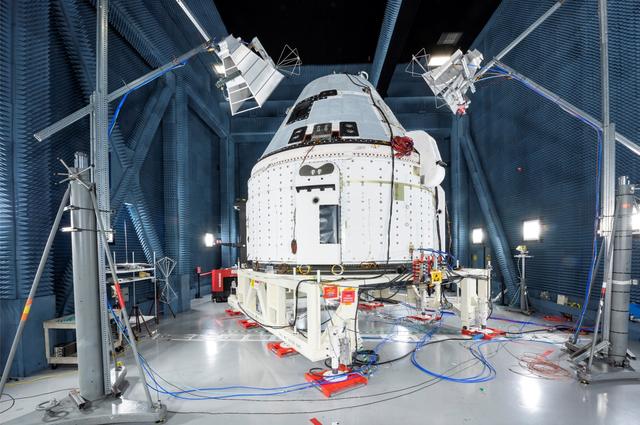
Boeing’s CST-100 Starliner prepares for electromagnetic interference and electromagnetic contamination (EMI/EMC) testing in a specialized test chamber at Boeing’s Space Environment Test Facility in El Segundo, Calif. These tests were the final part of Starliner’s environmental qualification test campaign. EMI/EMC testing ensures that Starliner’s systems will function properly in the orbital radiation environment and also not interfere with other electrical systems on the International Space Station. Once back in Boeing’s Starliner facilities at NASA’s Kennedy Space Center in Florida, this same vehicle will be prepared to fly Starliner’s first crew during the Crew Flight Test mission later this year. Boeing’s Crew Flight Test is part of NASA’s Commercial Crew Program, which is working with Boeing to return human spaceflight launches to the space station from U.S. soil.
Boeing March 2019 Progress Photos
Technicians at Boeing’s Space Environment Test Facility in El Segundo, California position the CST-100 Starliner spacecraft inside an acoustics test chamber. This Starliner, slated to fly in Boeing’s Crew Flight Test (CFT), underwent an environmental qualification test campaign in March, experiencing rounds of acoustics vibration, thermal vacuum and electromagnetic interference and electromagnetic contamination testing. These tests prove Starliner’s design is capable of handling the harsh environments of launch, ascent and orbit and also prove that the electronics systems will operate in space and not interfere with other satellites or the International Space Station. CFT is Boeing’s crewed flight test of Starliner and part of NASA’s Commercial Crew Program, which will return human spaceflight launches into low-Earth orbit from U.S. soil.
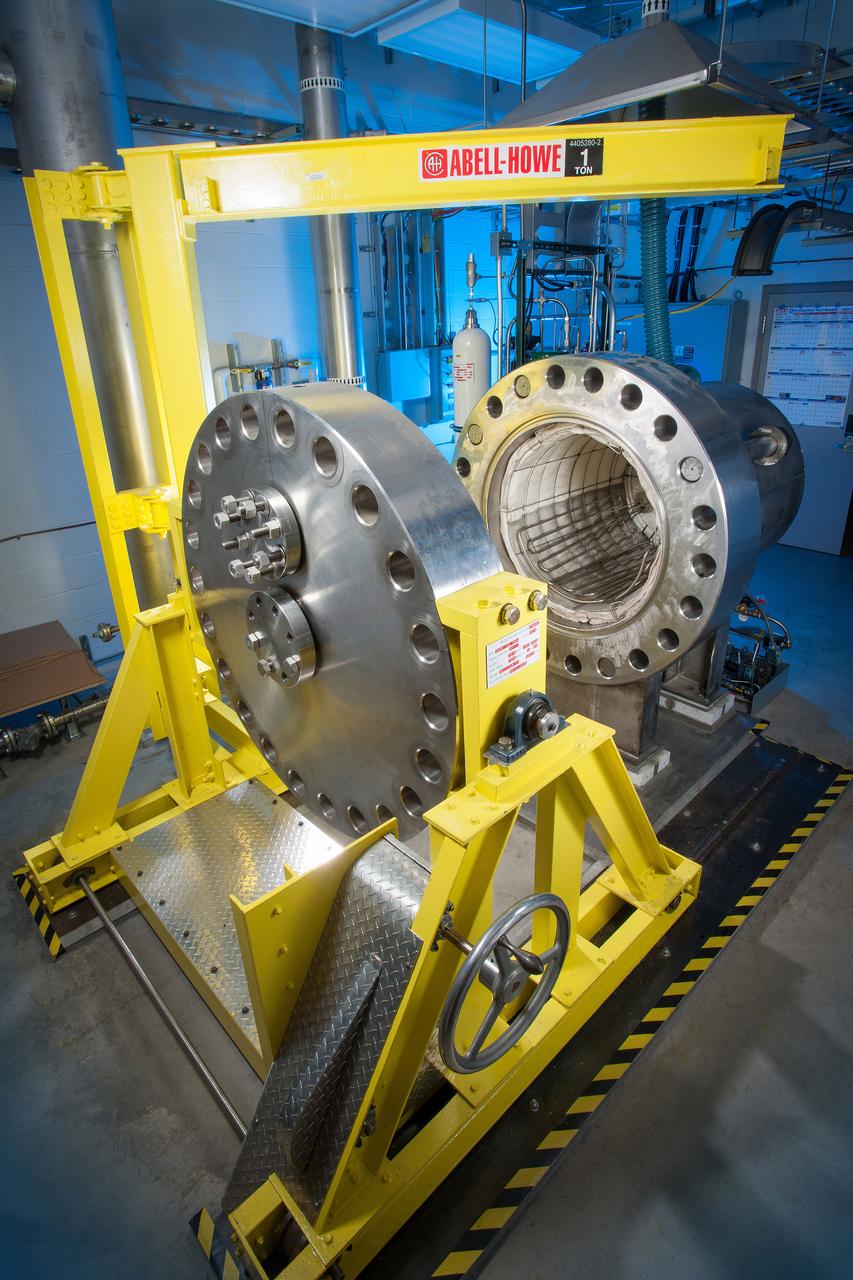
Boeing March 2019 Progress Photos
Boeing’s CST-100 Starliner prepares for electromagnetic interference and electromagnetic contamination (EMI/EMC) testing in a specialized test chamber at Boeing’s Space Environment Test Facilities in El Segundo, Calif. These tests were the final part of Starliner’s environmental qualification test campaign. EMI/EMC testing ensures that Starliner’s systems will function properly in the orbital radiation environment and also not interfere with other electrical systems on the International Space Station. Once back in Boeing’s Starliner facilities at the Kennedy Space Center in Florida, this same vehicle will be prepared to fly Starliner’s first crew during the Crew Flight Test mission later this year. NASA’s Commercial Crew Program is working with Boeing to return human spaceflight launches to the space station from U.S. soil.
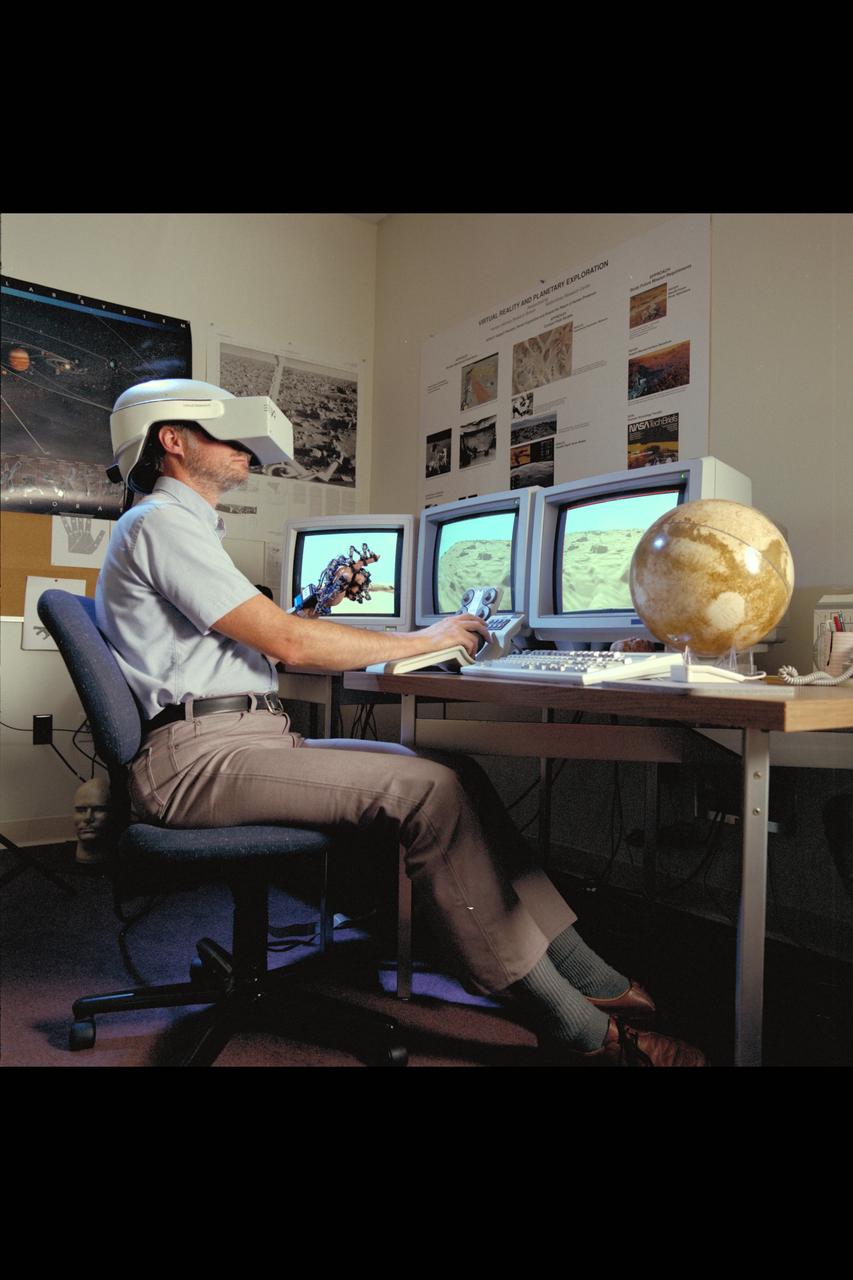
Boeing March 2019 Progress Photos
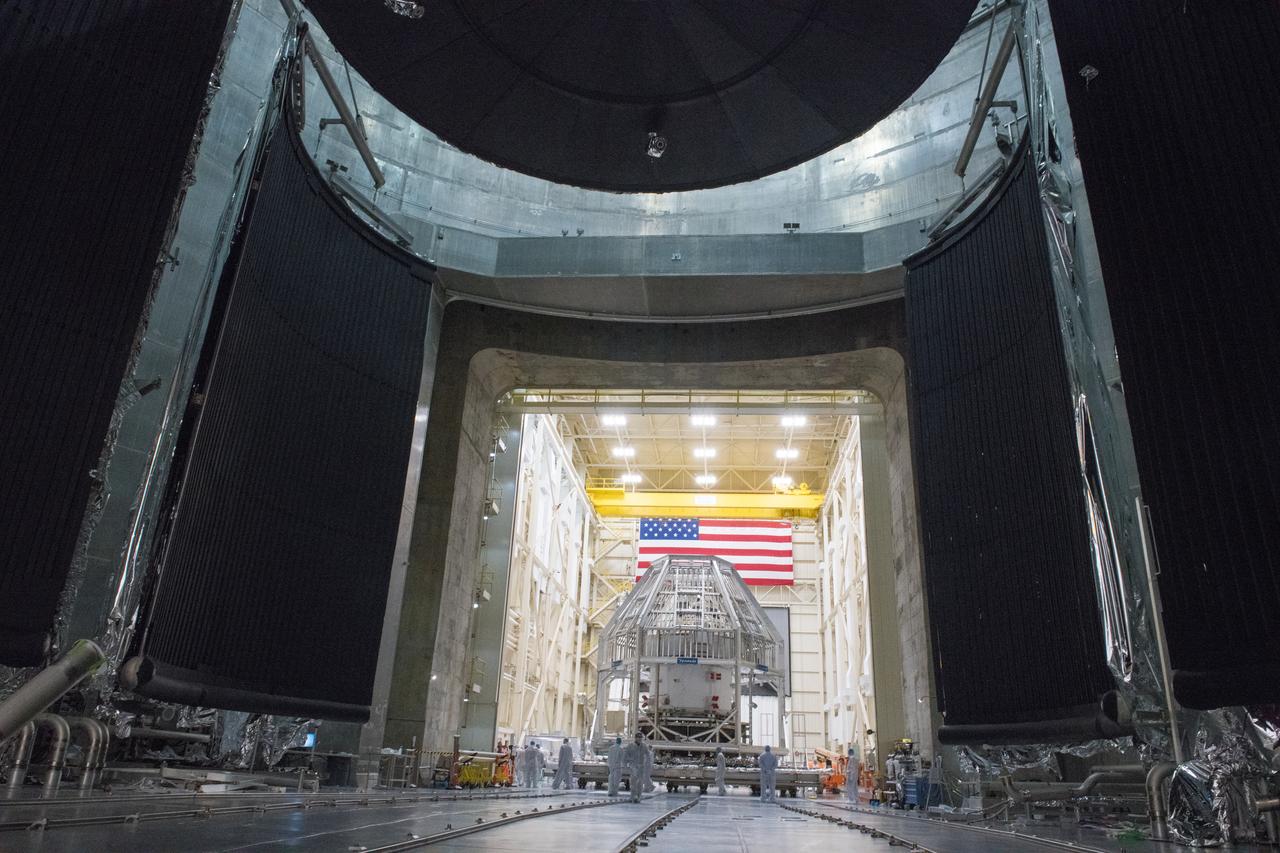
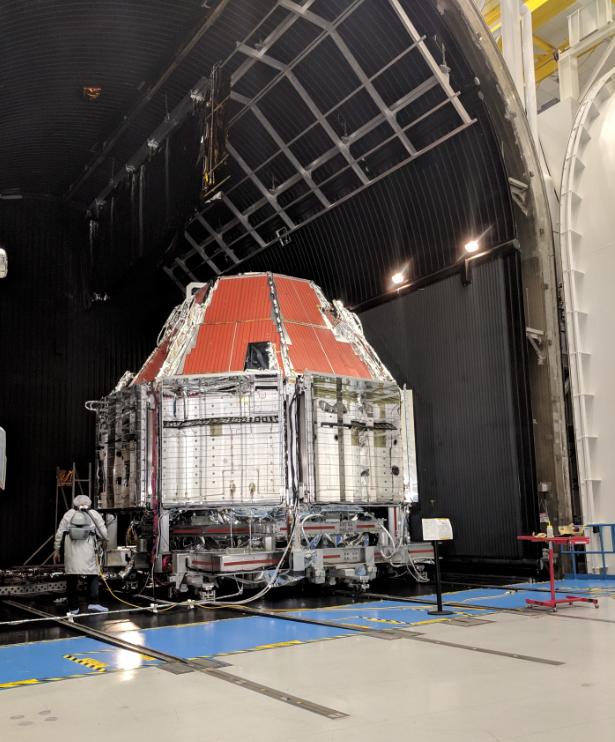
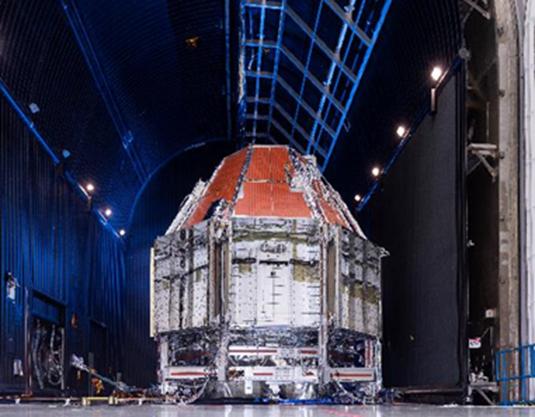
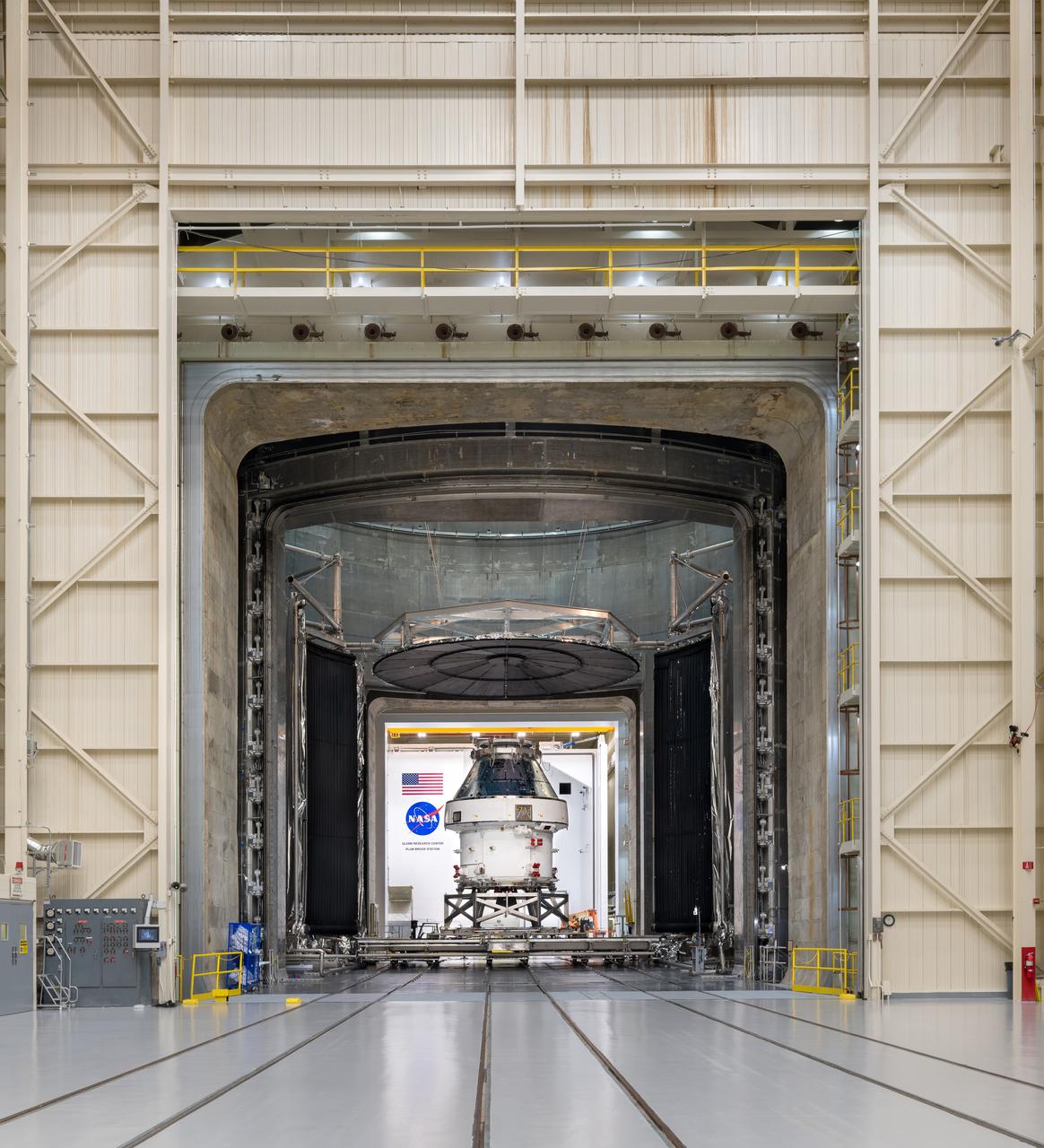
The Orion spacecraft for the Artemis I Mission, consisting of the crew module and European-built service module, sits in the NASA Glenn Research Center, Plum Brook Station, Space Environments Complex, SEC, Thermal Vacuum Chamber after more than three months of testing where it was subjected to the extreme temperatures and electromagnetic environment it will experience in the vacuum of space during Artemis missions.    Orion is a key component of Artemis I, an uncrewed test flight around the Moon that will land the first woman and next man on the lunar surface by 2024.
Orion spacecraft for the Artemis I Mission, consisting of the crew module and European-built service module, sits in the NASA Glenn Research Center, Plum Brook Station, Space Environments Complex, SEC, Thermal Vacuum Chamber
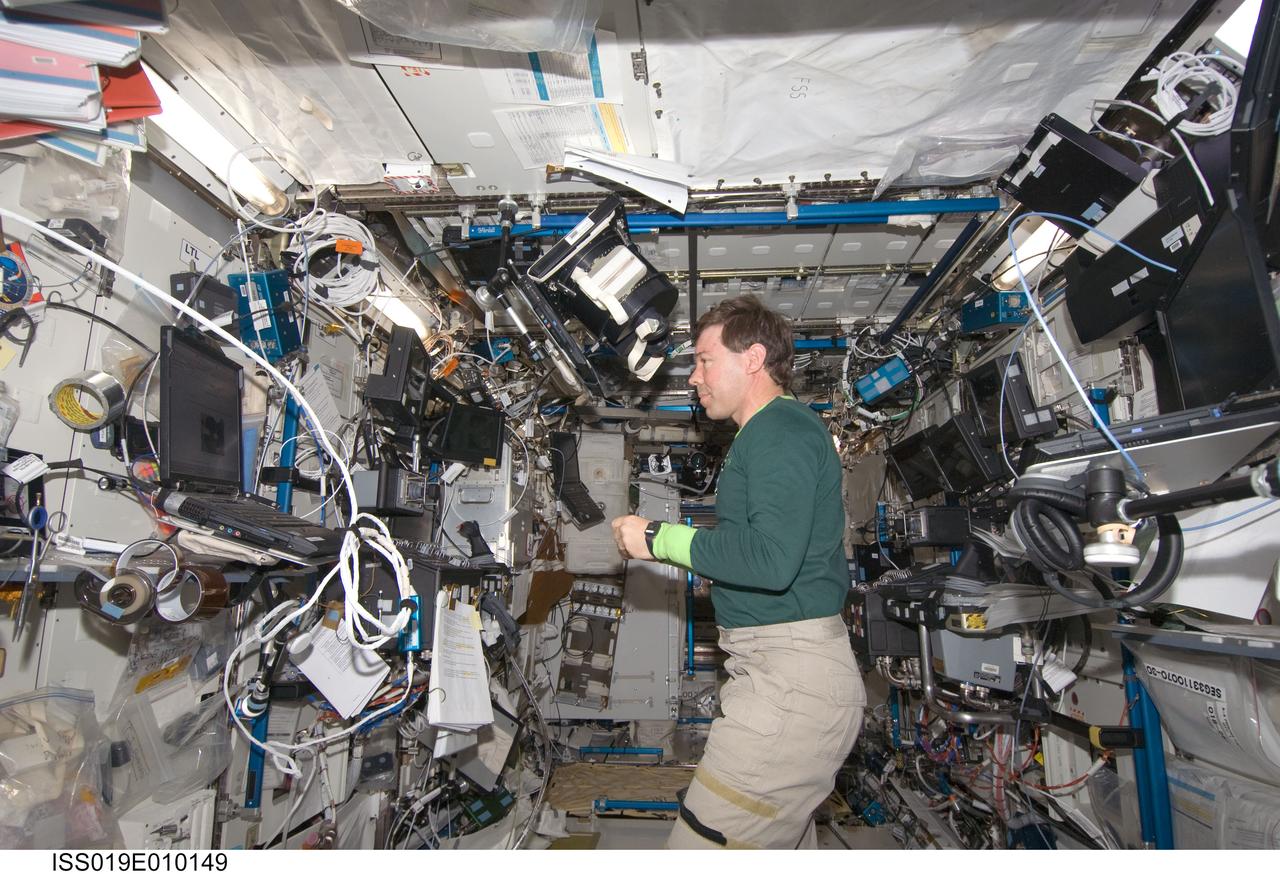
ISS019-E-010149 (18 April 2009) --- Astronaut Michael Barratt, Expedition 19/20 flight engineer, sets up equipment for the Bodies in the Space Environment (BISE) experiment in the Destiny laboratory of the International Space Station. The Canadian Space Agency-sponsored BISE experiment studies how astronauts perceive up and down in microgravity.
BISE (Bodies in the Space Environment) experiment
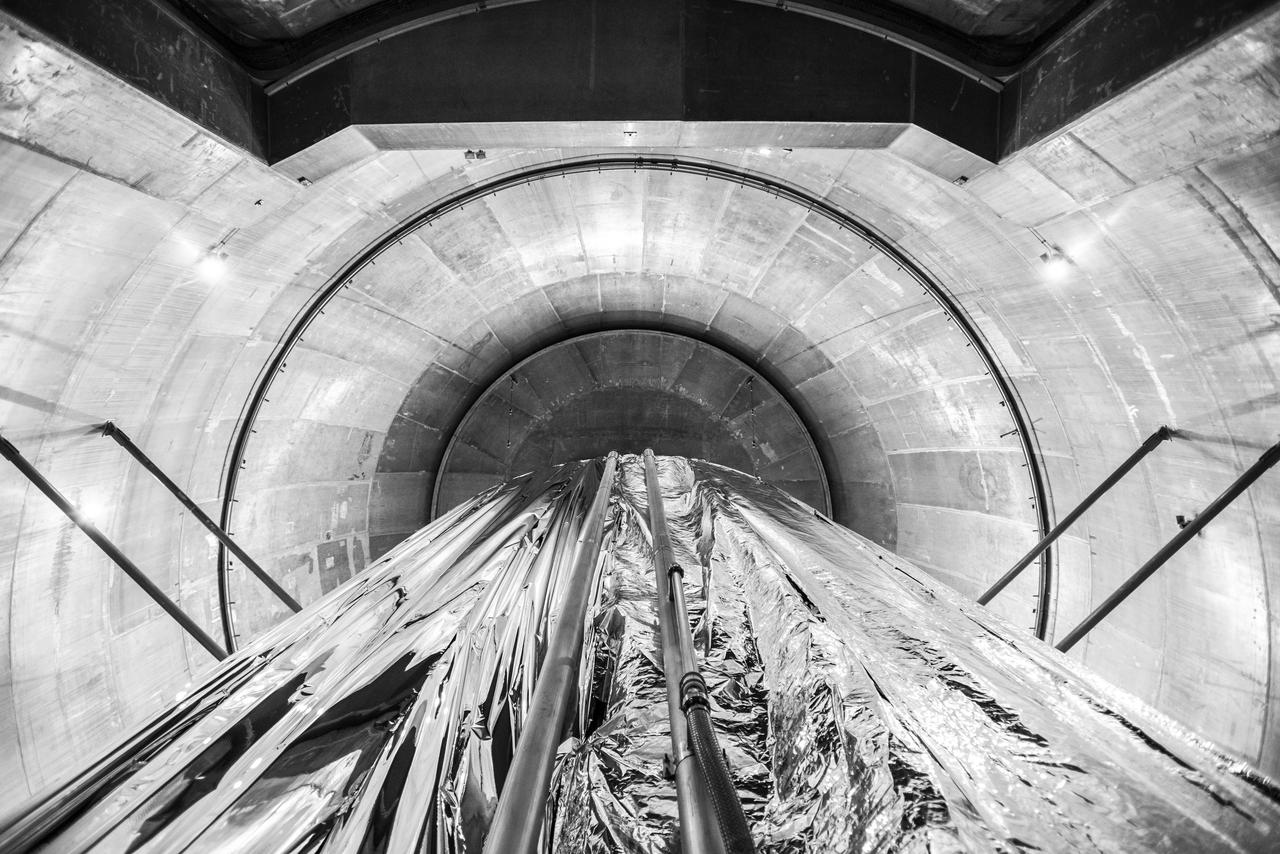
Space Environments Complex Vacuum Chamber. Cryoshroud, used to provide the thermal cold sink for Orion Vehicle testing. This view is looking at the west side of the Cryoshroud where the northwest and southwest walls intersect in the closed position.  The view is from the Space Environments Complex, SEC Vacuum Chamber floor, directly up towards the vacuum chamber dome.
GRC-2019-C-13298
NASA astronaut Suni Williams (seated), assigned to Boeing’s first operational mission aboard the company’s CST-100 Starliner spacecraft, watches as Boeing test teams outfit Starliner with hot plates and radiators ahead of the thermal vacuum test series at Boeing’s Space Environment Test Facility in El Segundo, Calif. NASA’s Commercial Crew Program is working with Boeing to return human spaceflight launches to the space station from U.S. soil.
Boeing March 2019 Progress Photos
Portrait view of astronaut Jack Lousma in the Extravehicular Mobility Unit (EMU) at bldg 29 Weightless Environment Training Facility (WETF). He is wearing the EMU minus the helmet.
View of astronaut Jack Lousma in the Shuttle spacesuits (EMU) at bldg 29
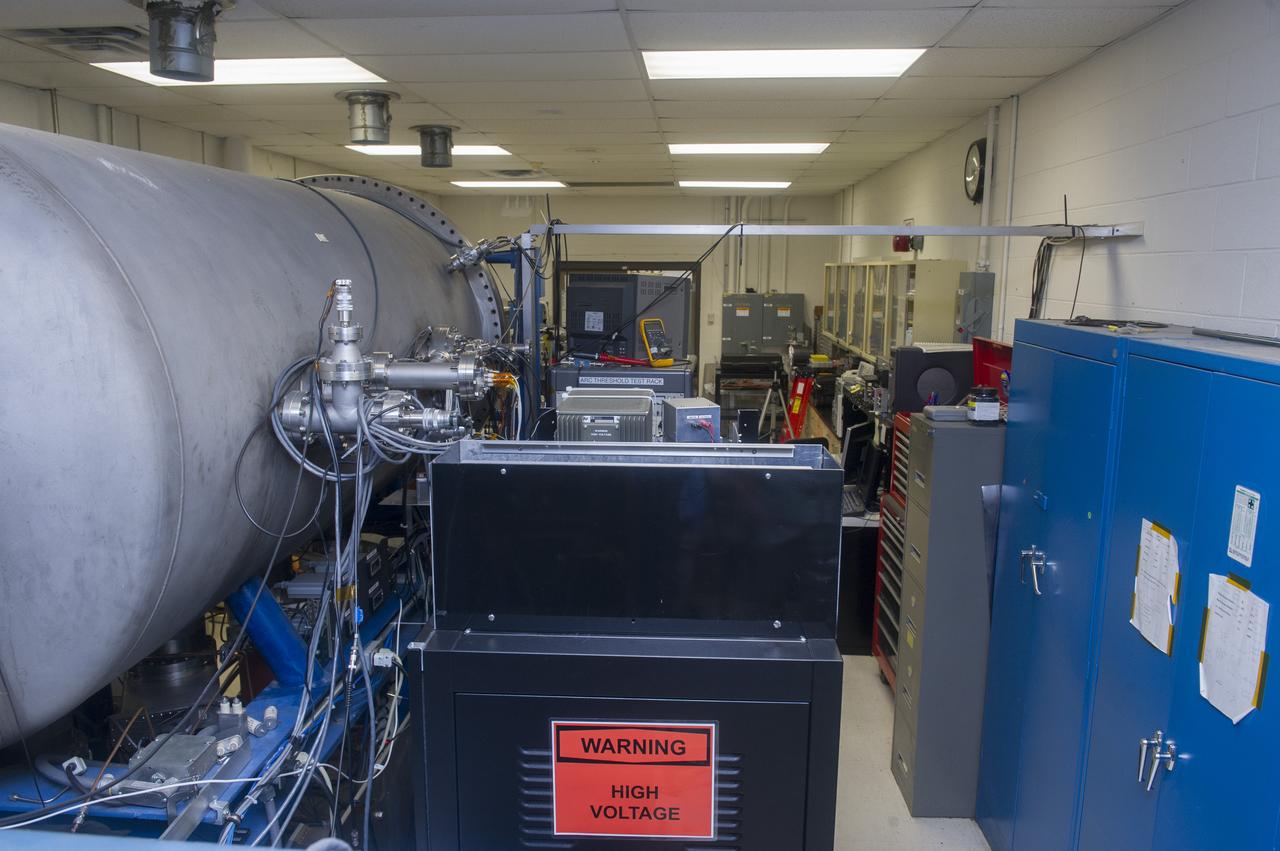
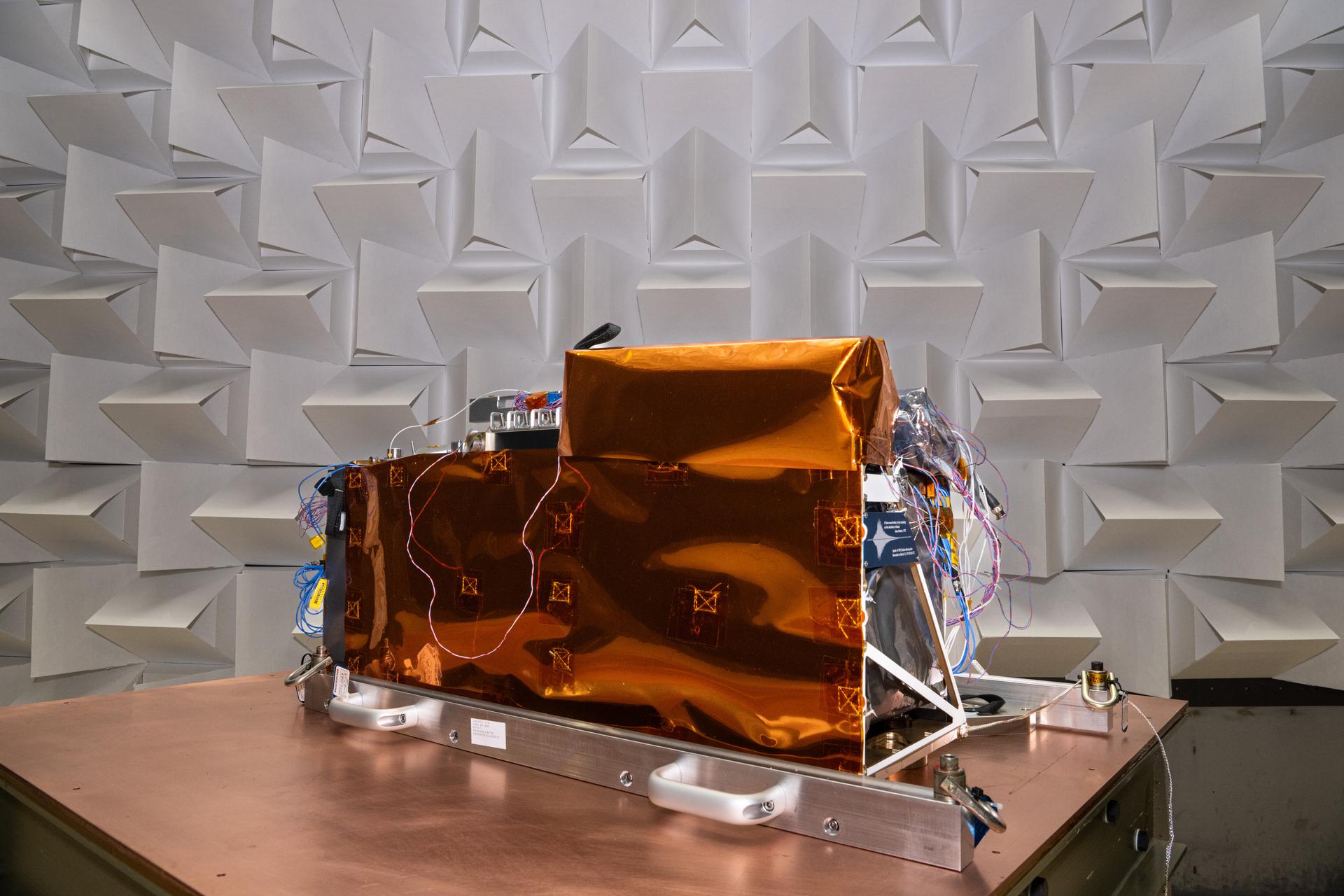
Glenn's Extreme Environment Rig, GEER Mass Spectrometer
GRC-2016-C-09960
ISS019-E-005710 (9 April 2009) --- Astronaut Michael Barratt, Expedition 19/20 flight engineer, uses Neurospat hardware to perform the Bodies in the Space Environment (BISE) experiment in the Destiny laboratory of the International Space Station. The Canadian Space Agency-sponsored BISE experiment studies how astronauts perceive up and down in microgravity.
BISE (Bodies in the Space Environment) experiment
ISS019-E-010155 (18 April 2009) --- Astronaut Michael Barratt, Expedition 19/20 flight engineer, uses Neurospat hardware to perform the Bodies in the Space Environment (BISE) experiment in the Destiny laboratory of the International Space Station. The Canadian Space Agency-sponsored BISE experiment studies how astronauts perceive up and down in microgravity.
BISE (Bodies in the Space Environment) experiment
ISS020-E-045307 (5 Oct. 2009) --- NASA astronaut Jeffrey Williams, Expedition 21 flight engineer, uses Neurospat hardware to perform the Bodies in the Space Environment (BISE) experiment in the Destiny laboratory of the International Space Station. The Canadian Space Agency-sponsored BISE experiment studies how astronauts perceive up and down in microgravity.
BISE (Bodies in the Space Environment) experiment
ISS019-E-013399 (2 May 2009) --- Astronaut Michael Barratt, Expedition 19/20 flight engineer, uses Neurospat hardware to perform the Bodies in the Space Environment (BISE) experiment in the Destiny laboratory of the International Space Station. The Canadian Space Agency-sponsored BISE experiment studies how astronauts perceive up and down in microgravity.
BISE (Bodies in the Space Environment) experiment
ISS019-E-005706 (9 April 2009) --- Astronaut Michael Barratt, Expedition 19/20 flight engineer, uses Neurospat hardware to perform the Bodies in the Space Environment (BISE) experiment in the Destiny laboratory of the International Space Station. The Canadian Space Agency-sponsored BISE experiment studies how astronauts perceive up and down in microgravity.
BISE (Bodies in the Space Environment) experiment