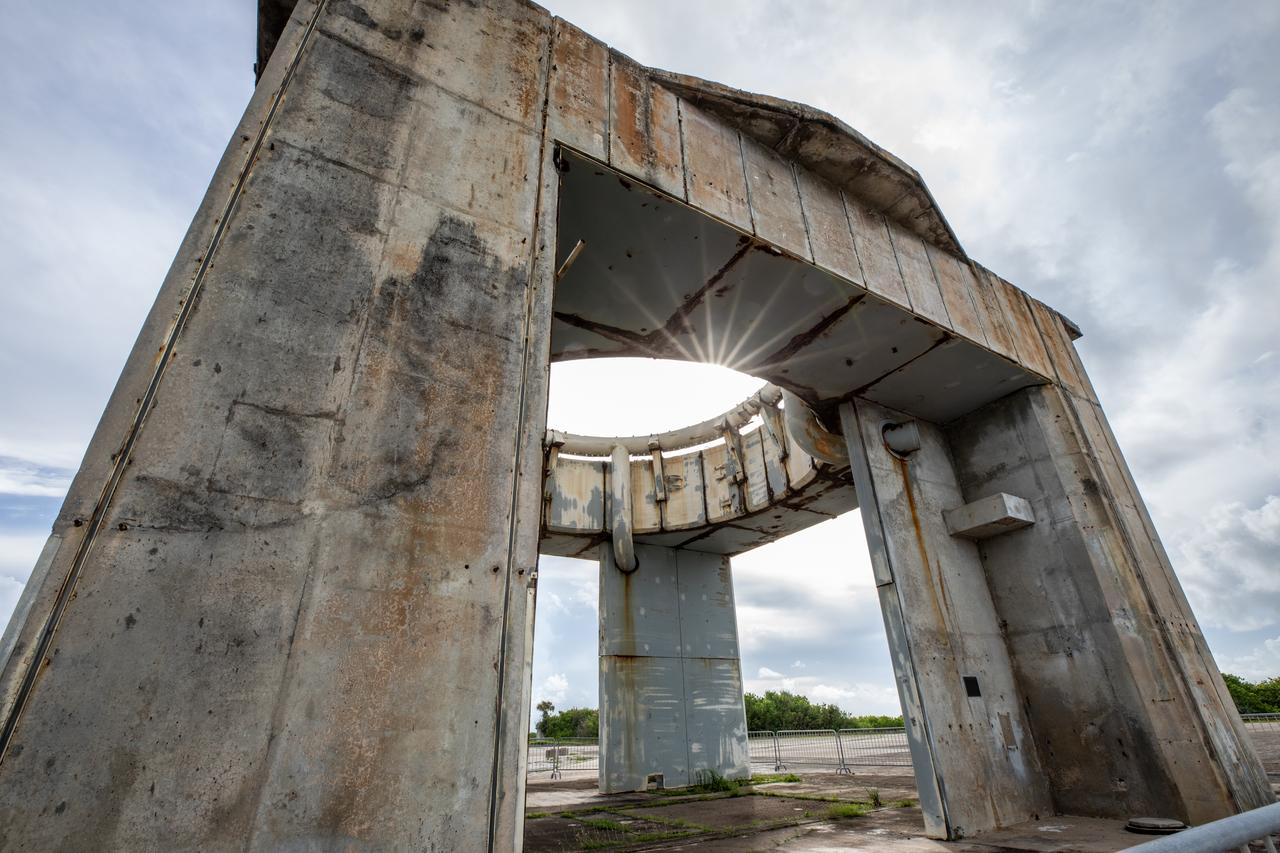
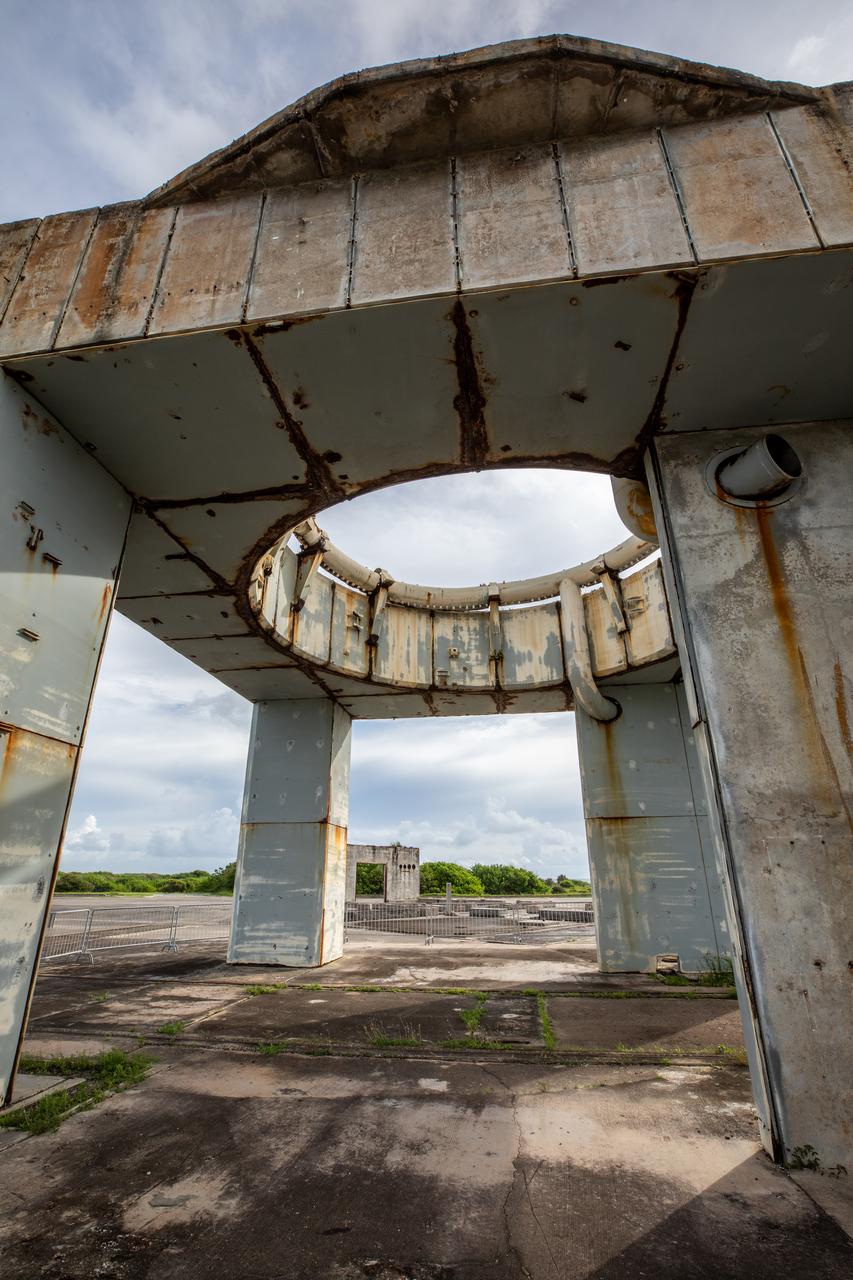
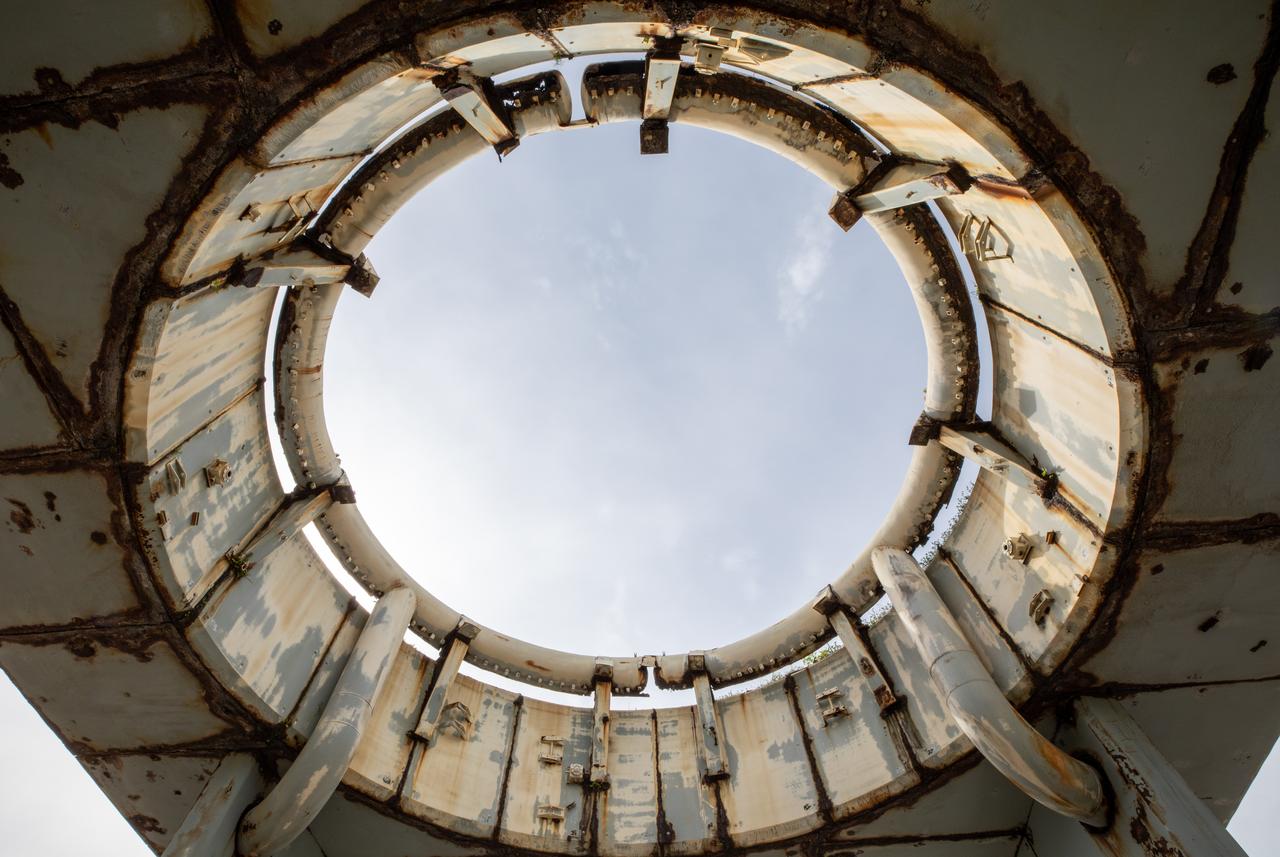
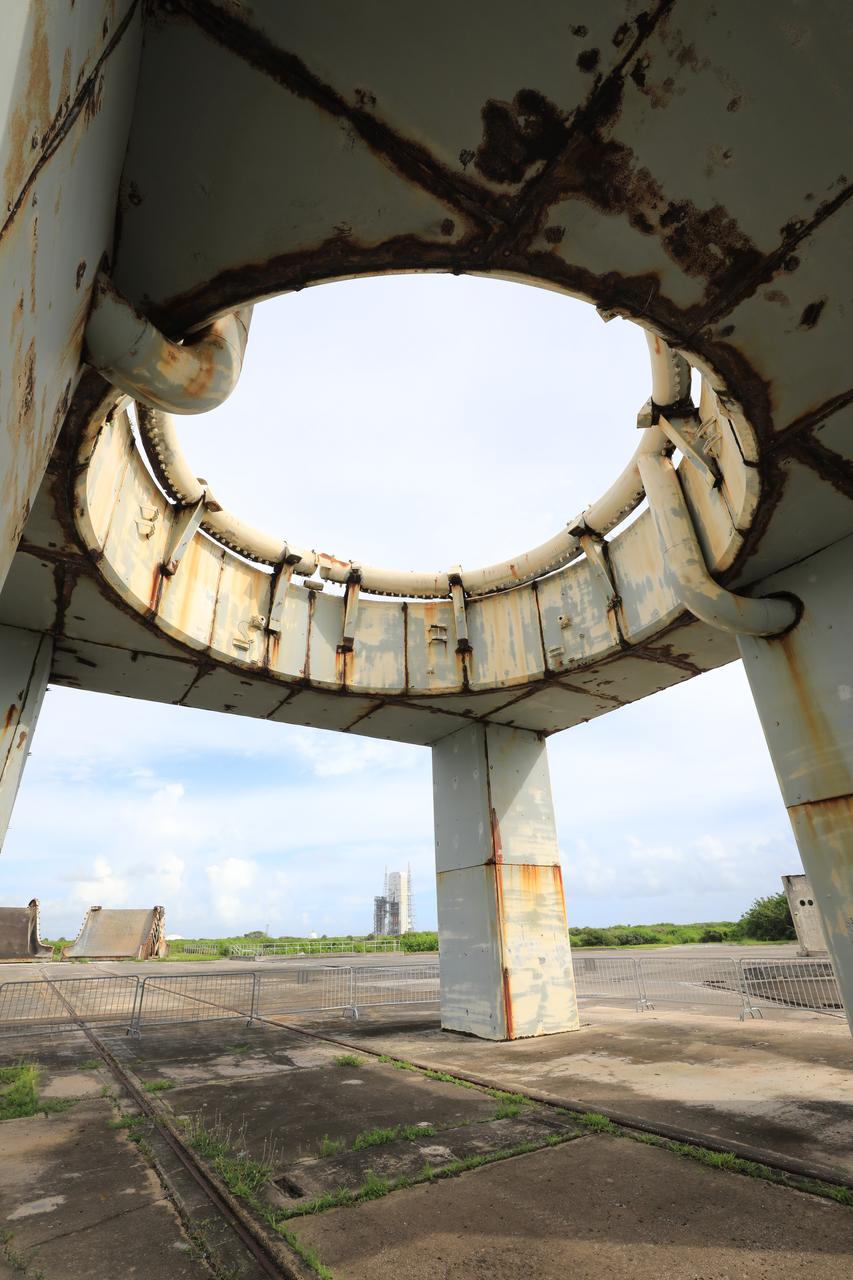
A view looking up from inside the launch pedestal still standing at Launch Complex 34 at Cape Canaveral Space Force Station in Florida on July 22, 2020. Work will soon begin to perform environmental contamination removal on the pedestal and the ground area surrounding the launch complex.
SI Environmental Contamination Removal (Before)
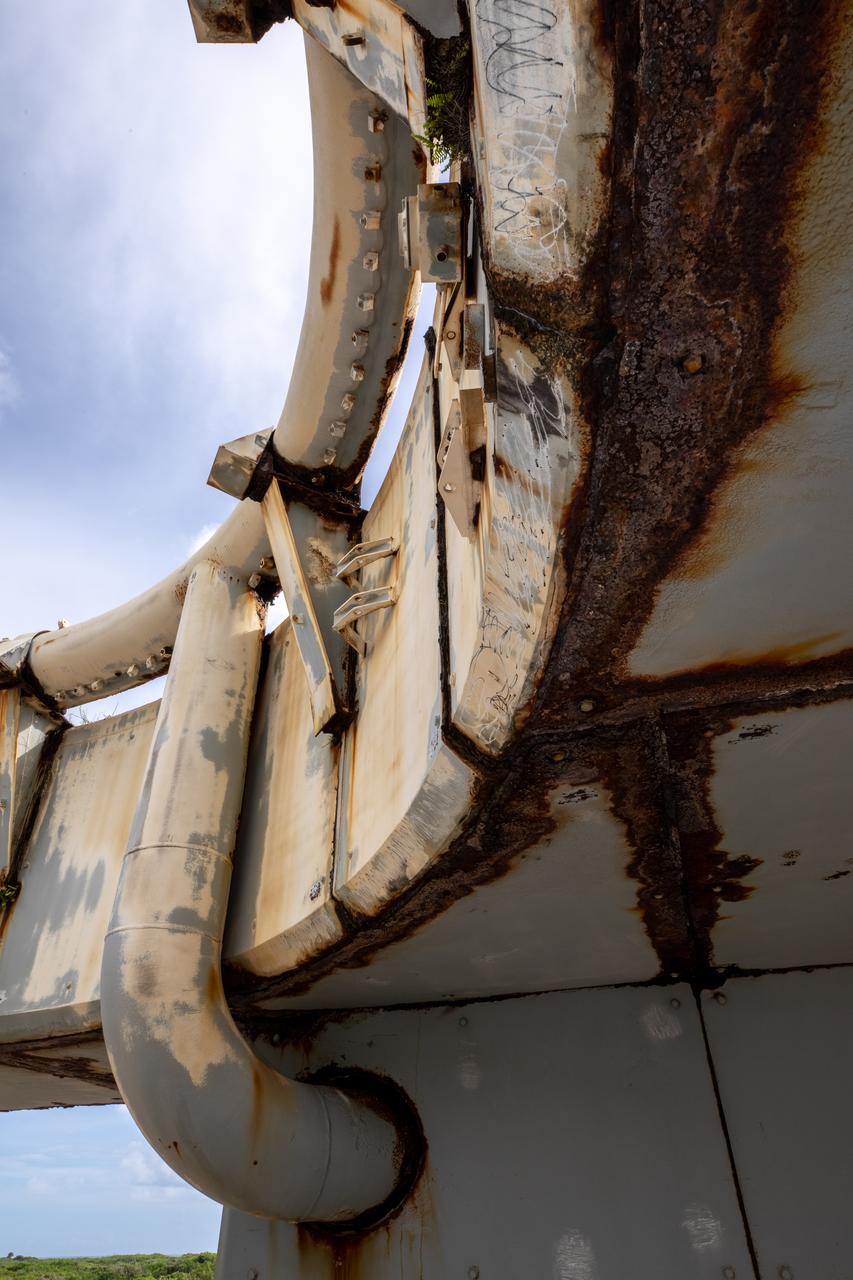
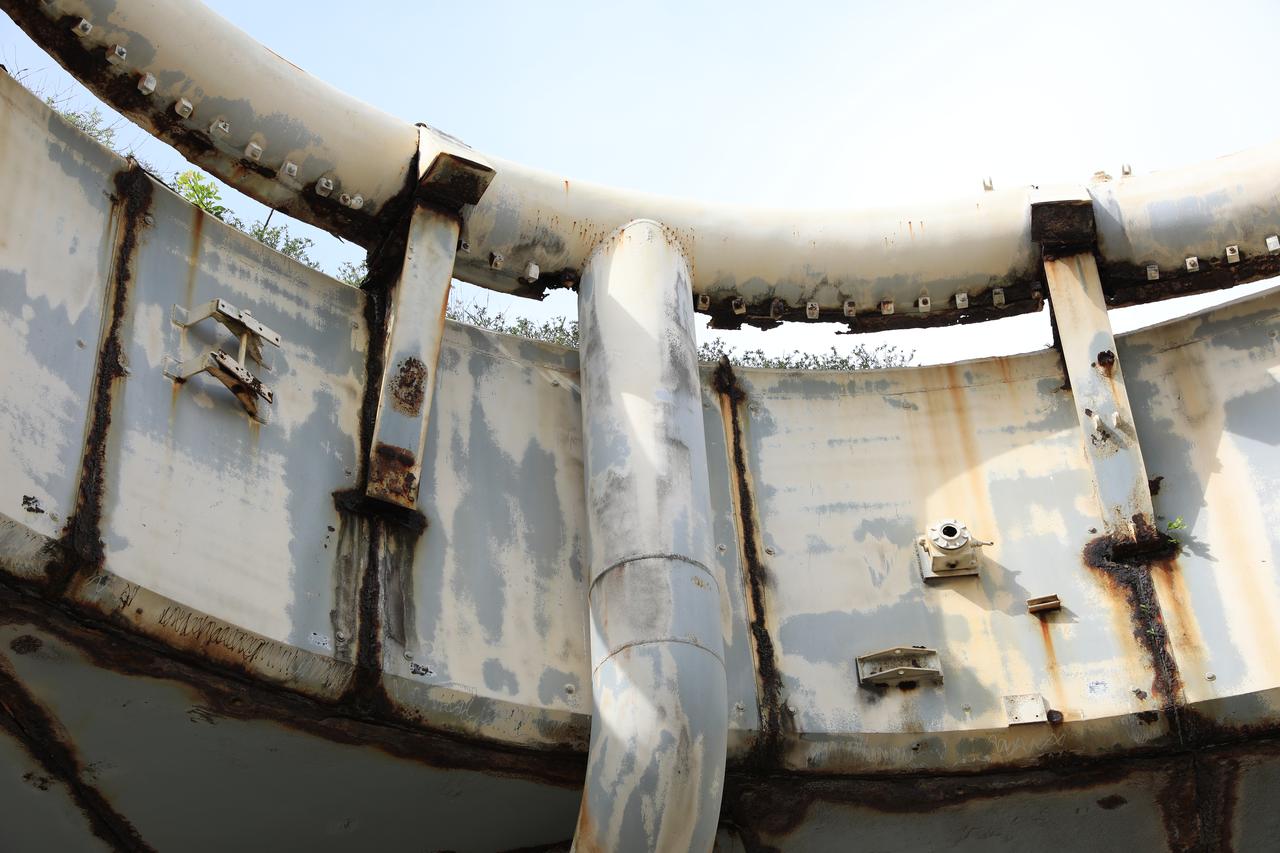
A close-up view of the launch pedestal still standing at Launch Complex 34 at Cape Canaveral Space Force Station in Florida on July 22, 2020. Work will soon begin to perform environmental contamination removal on the pedestal and the ground area surrounding the launch complex.
SI Environmental Contamination Removal (Before)
A view looking up from inside the launch pedestal still standing at Launch Complex 34 at Cape Canaveral Space Force Station in Florida on July 22, 2020. Work will soon begin to perform environmental contamination removal on the pedestal and the ground area surrounding the launch complex.
SI Environmental Contamination Removal (Before)
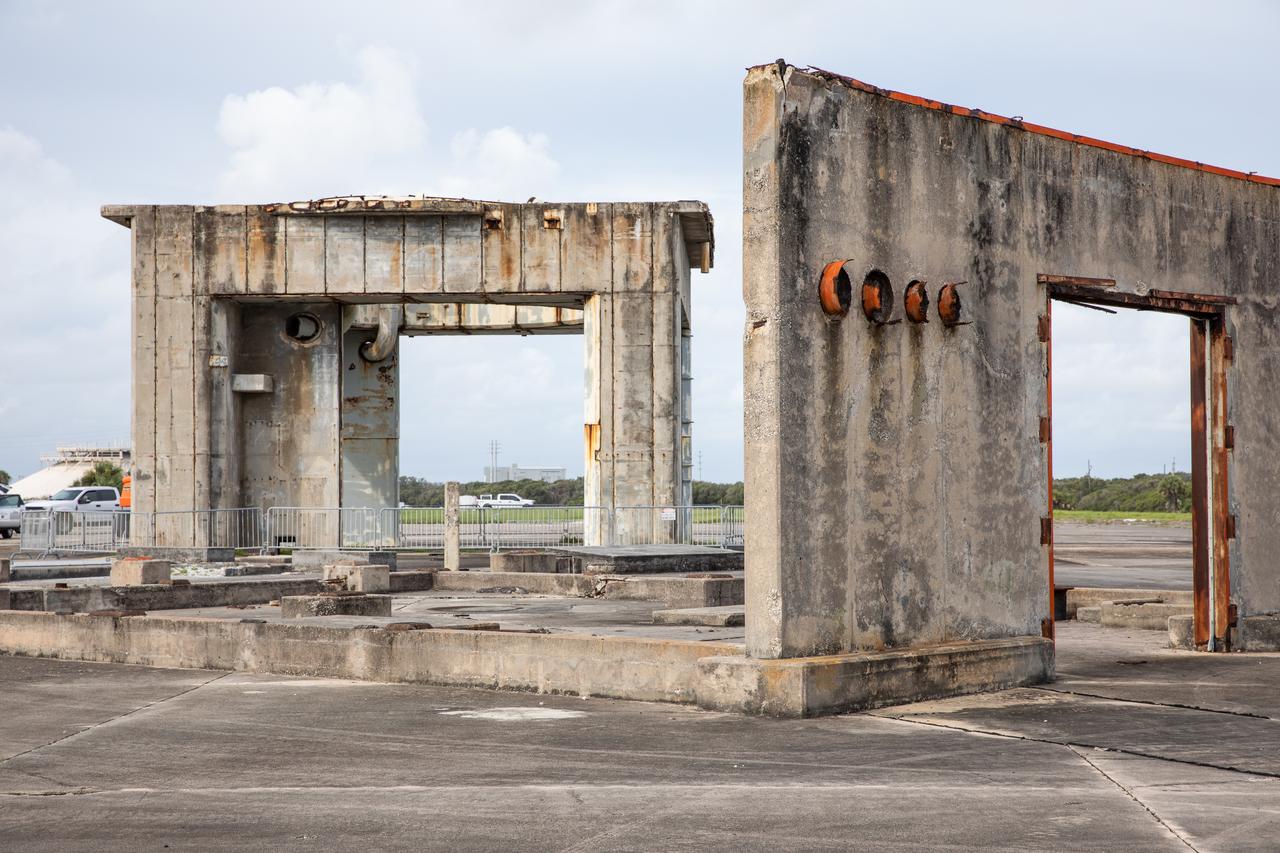
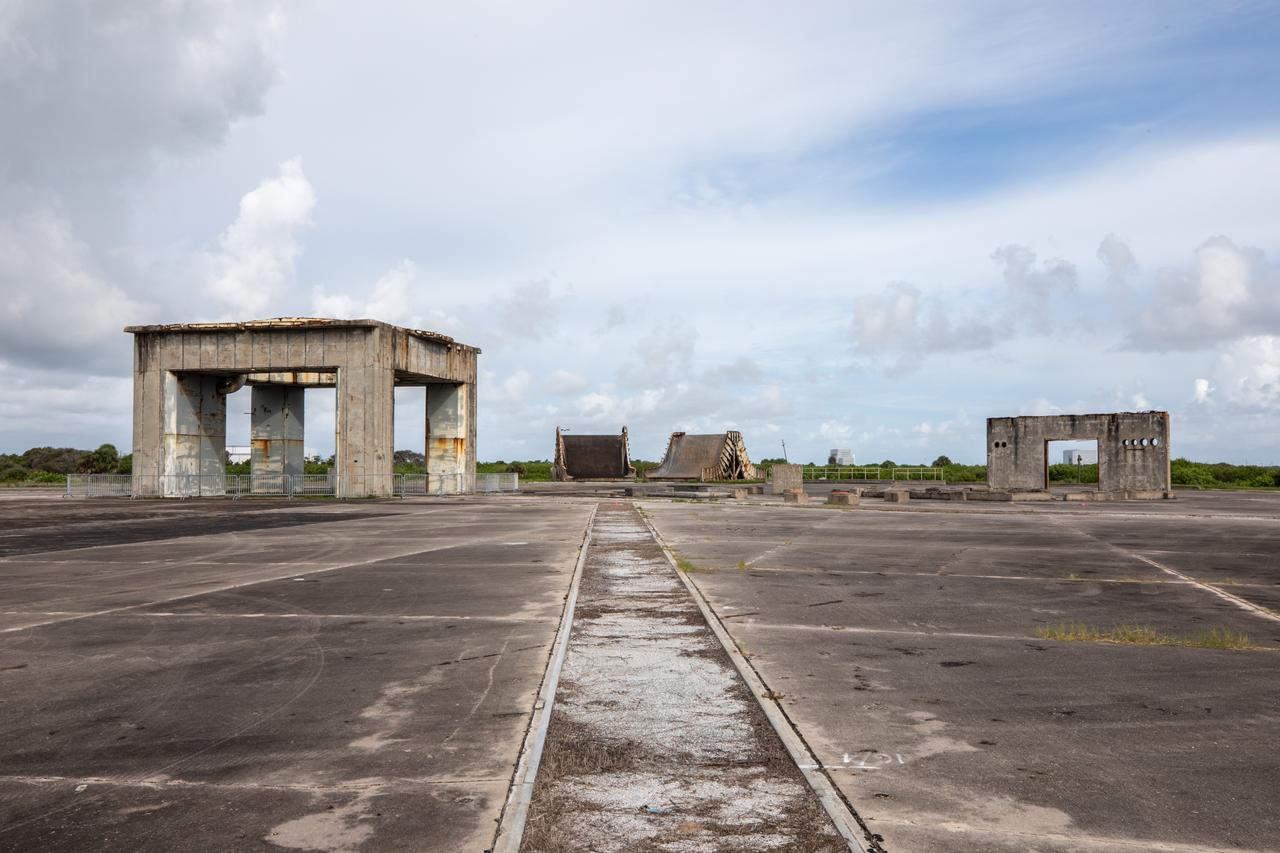
A view of the launch pedestal (at left) still standing at Launch Complex 34 at Cape Canaveral Space Force Station in Florida on July 22, 2020. In the background are two flame deflectors. Work will soon begin to perform environmental contamination removal on the pedestal and the ground area surrounding the launch complex.
SI Environmental Contamination Removal (Before)
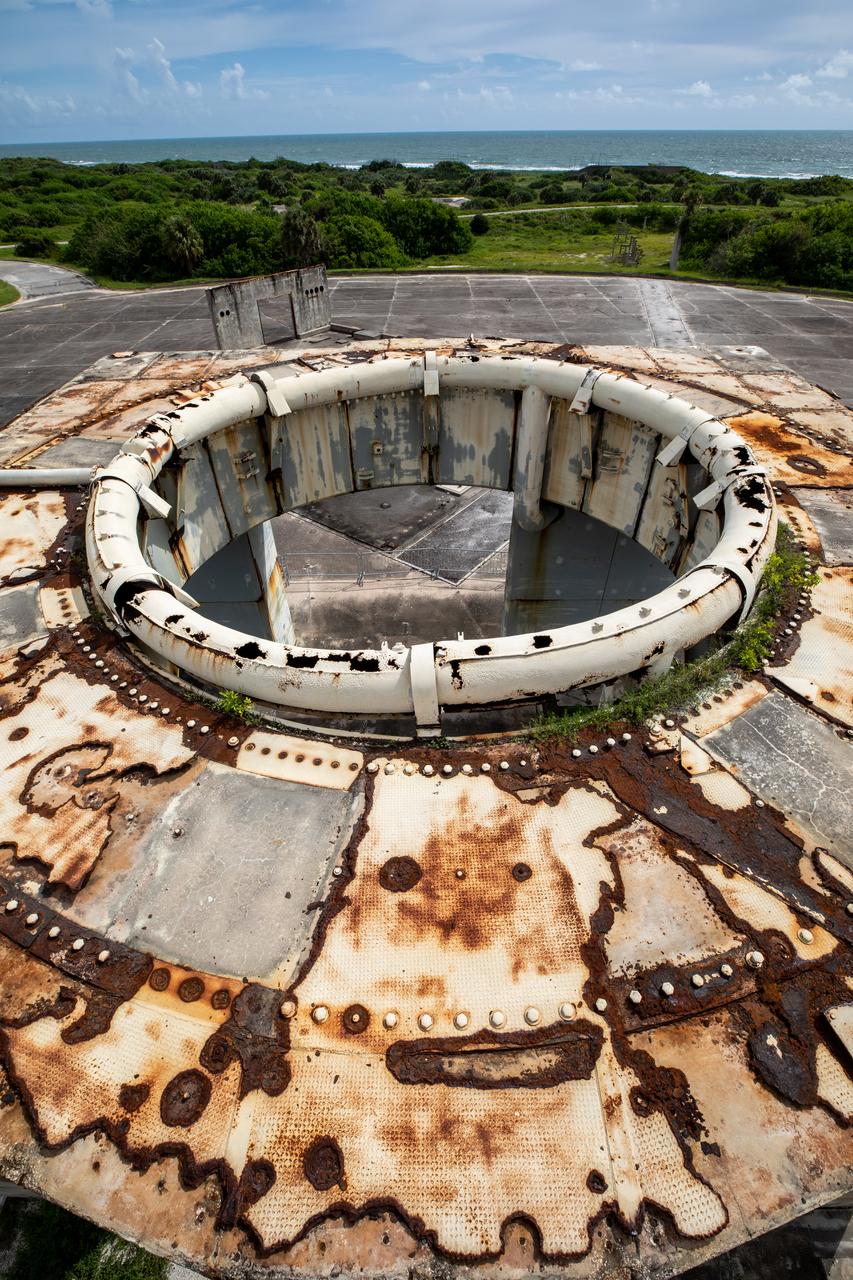
A view of the top of the launch pedestal still standing at Launch Complex 34 at Cape Canaveral Space Force Station in Florida on July 22, 2020. Work will soon begin to perform environmental contamination removal on the pedestal and the ground area surrounding the launch complex.
SI Environmental Contamination Removal (Before)
A close-up view of the launch pedestal still standing at Launch Complex 34 at Cape Canaveral Space Force Station in Florida on July 22, 2020. Work will soon begin to perform environmental contamination removal on the pedestal and the ground area surrounding the launch complex.
SI Environmental Contamination Removal (Before)
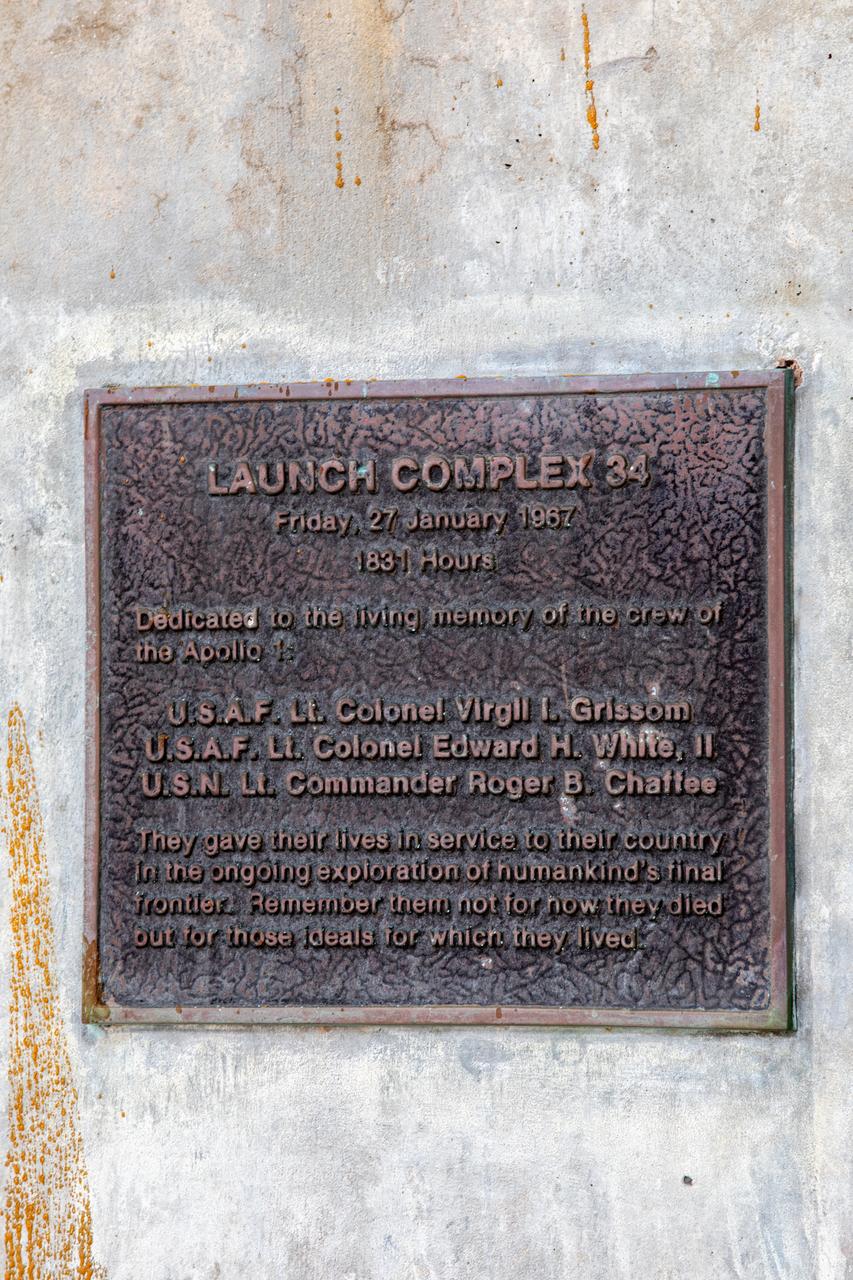
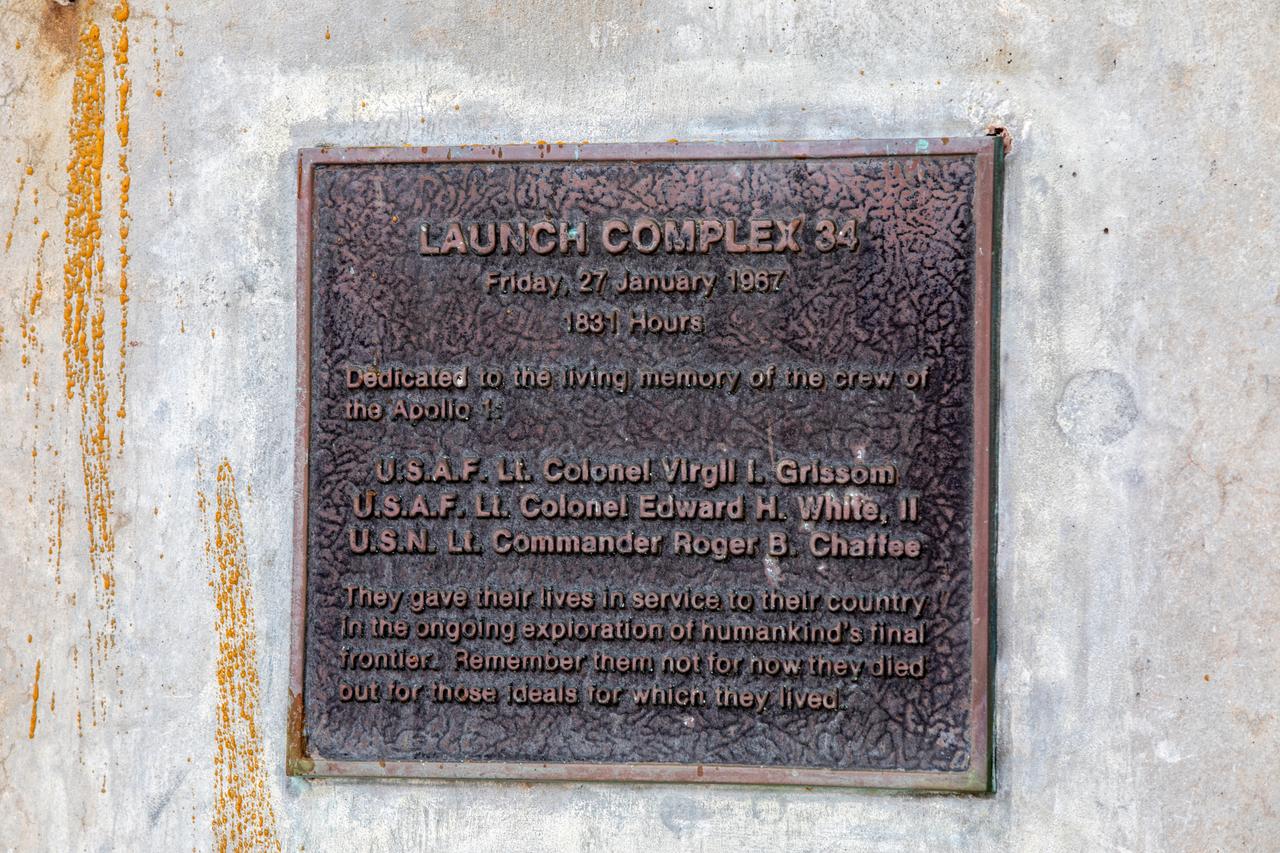
A close-up view of the historic marker on the launch pedestal still standing at Launch Complex 34 at Cape Canaveral Space Force Station in Florida on July 22, 2020. Work will soon begin to perform environmental contamination removal on the pedestal and the ground area surrounding the launch complex.
SI Environmental Contamination Removal (Before)
A view looking up from inside the launch pedestal still standing at Launch Complex 34 at Cape Canaveral Space Force Station in Florida on July 22, 2020. Work will soon begin to perform environmental contamination removal on the pedestal and the ground area surrounding the launch complex.
SI Environmental Contamination Removal (Before)
A close-up view of the launch pedestal and a support structure still standing at Launch Complex 34 at Cape Canaveral Space Force Station in Florida on July 22, 2020. Work will soon begin to perform environmental contamination removal on the pedestal and the ground area surrounding the launch complex.
SI Environmental Contamination Removal (Before)
A close-up view of a portion of the launch pedestal still standing at Launch Complex 34 at Cape Canaveral Space Force Station in Florida on July 22, 2020. Work will soon begin to perform environmental contamination removal on the pedestal and the ground area surrounding the launch complex.
SI Environmental Contamination Removal (Before)
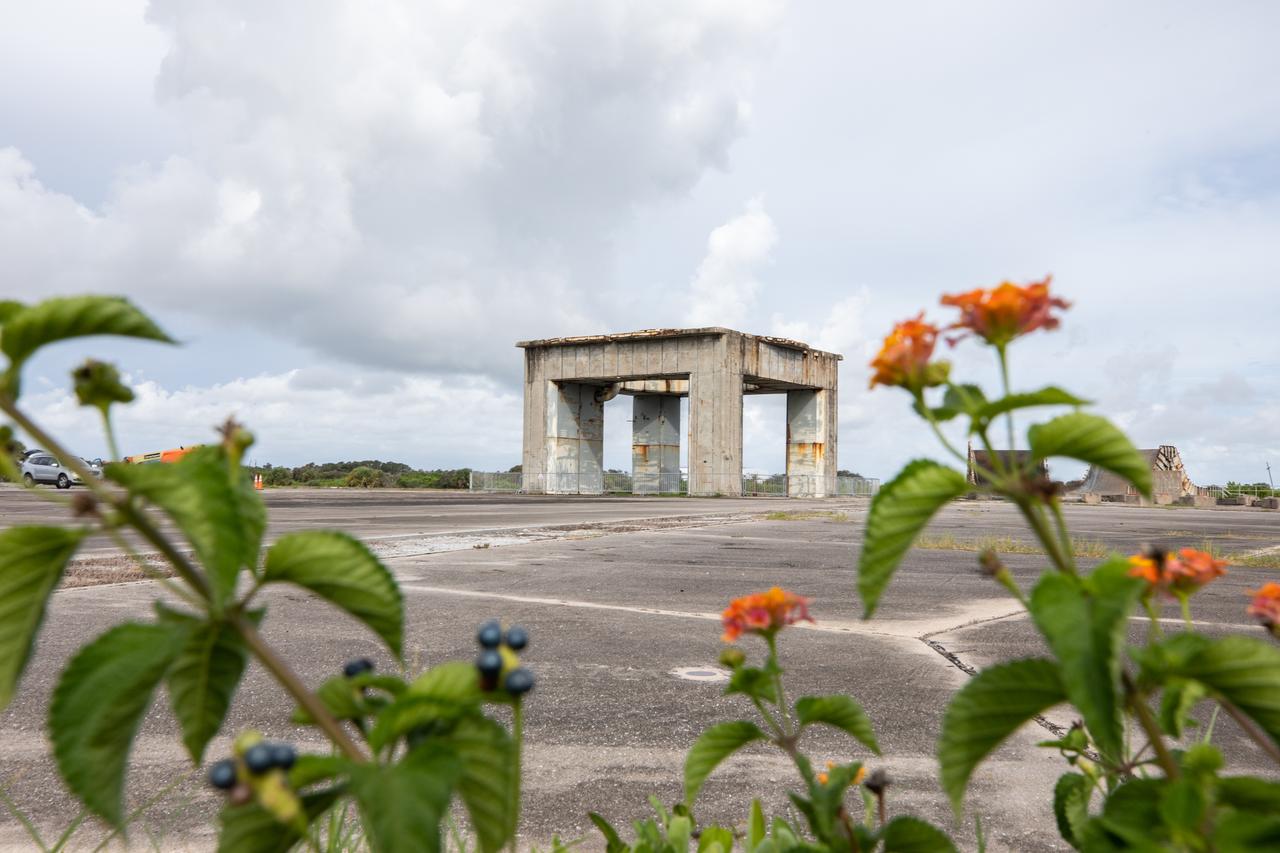
A view of the launch pedestal still standing at Launch Complex 34 with wildflowers in the foreground at Cape Canaveral Space Force Station in Florida on July 22, 2020. Work will soon begin to perform environmental contamination removal on the pedestal and the ground area surrounding the launch complex.
SI Environmental Contamination Removal (Before)
A close-up view of the historic marker on the launch pedestal still standing at Launch Complex 34 at Cape Canaveral Space Force Station in Florida on July 22, 2020. Work will soon begin to perform environmental contamination removal on the pedestal and the ground area surrounding the launch complex.
SI Environmental Contamination Removal (Before)
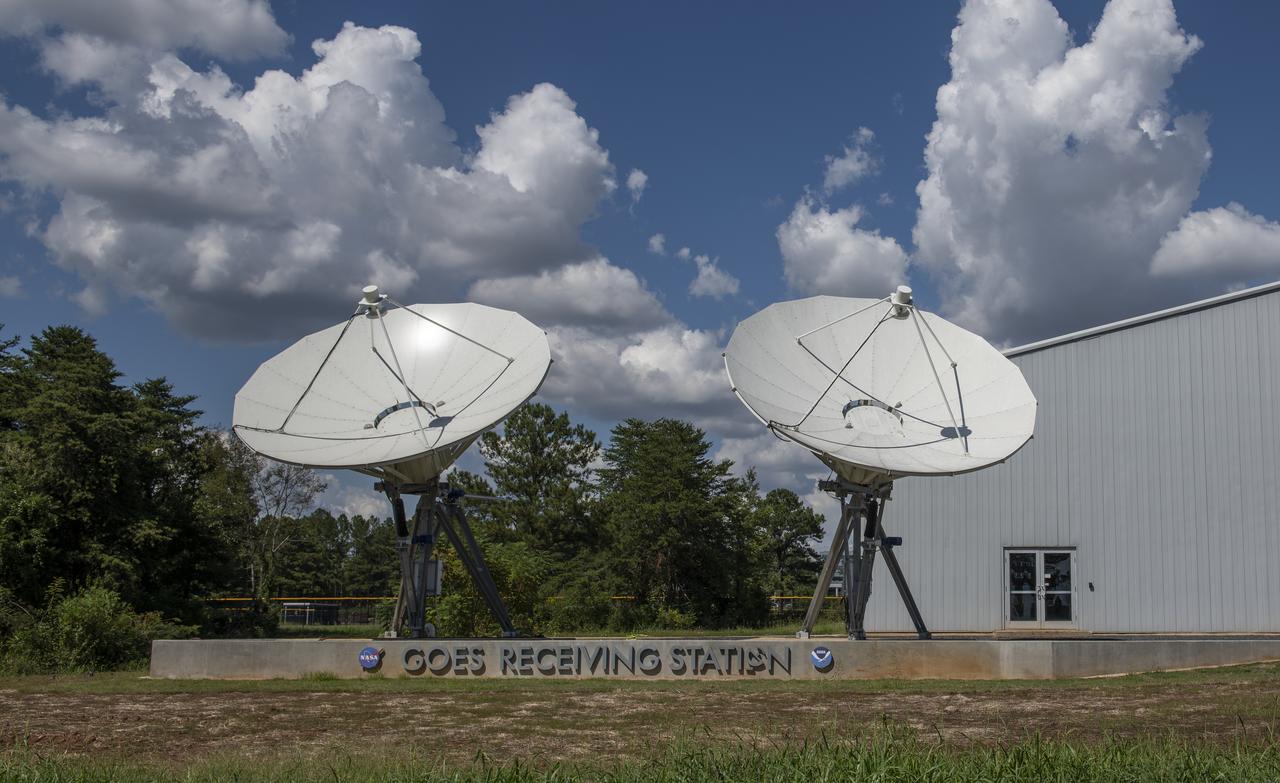
The Geostationary Operational Environmental Satellites (GOES) photographed prior to the dedication of the site on September 21, 2018.
Geostationary Operational Environmental Satellites (GOES) Instal
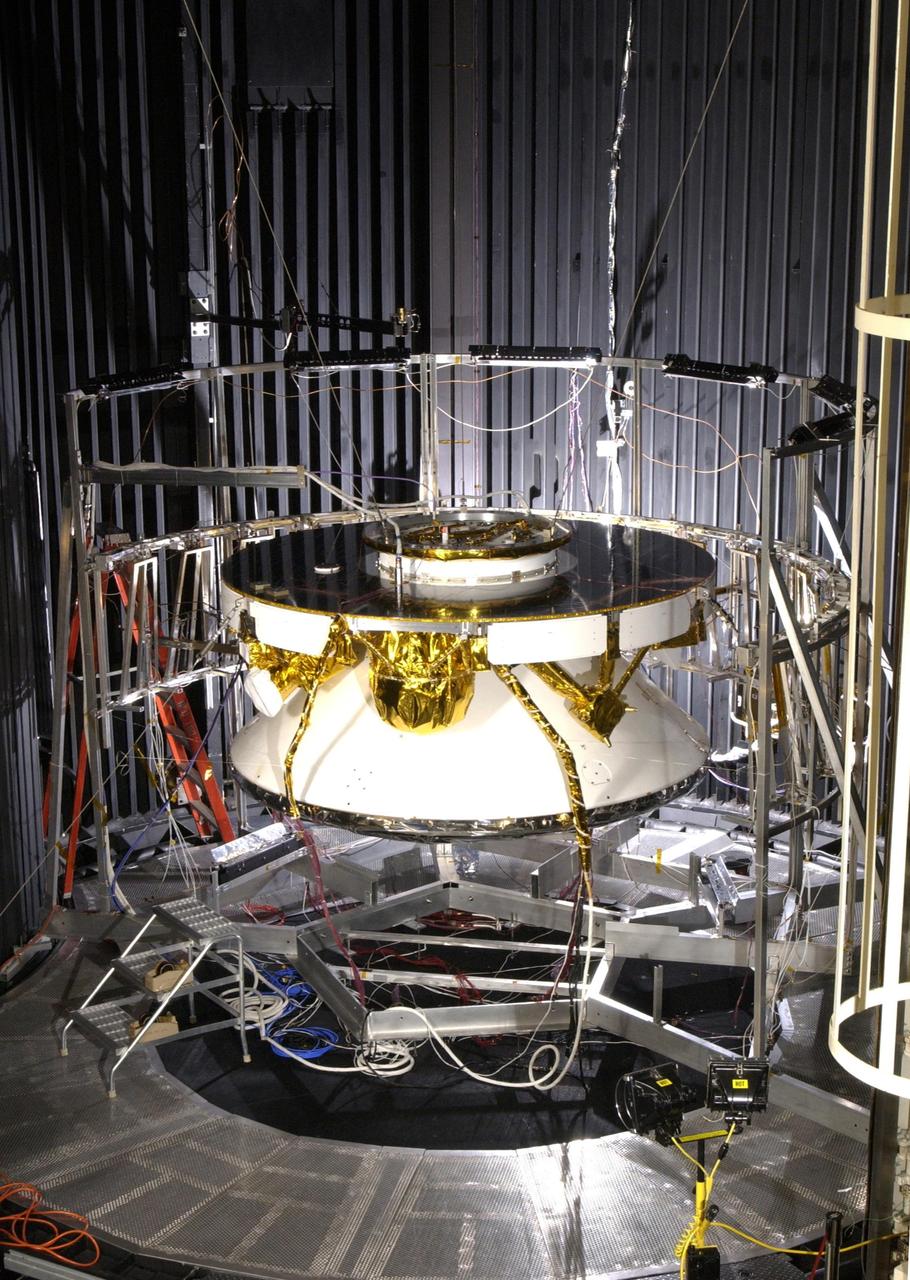
NASA Rover 1 in the cruise configuration in Jet Propulsion Laboratory 25-ft Solar Thermal Vacuum Chamber where it underwent environmental testing.
Environmental Testing
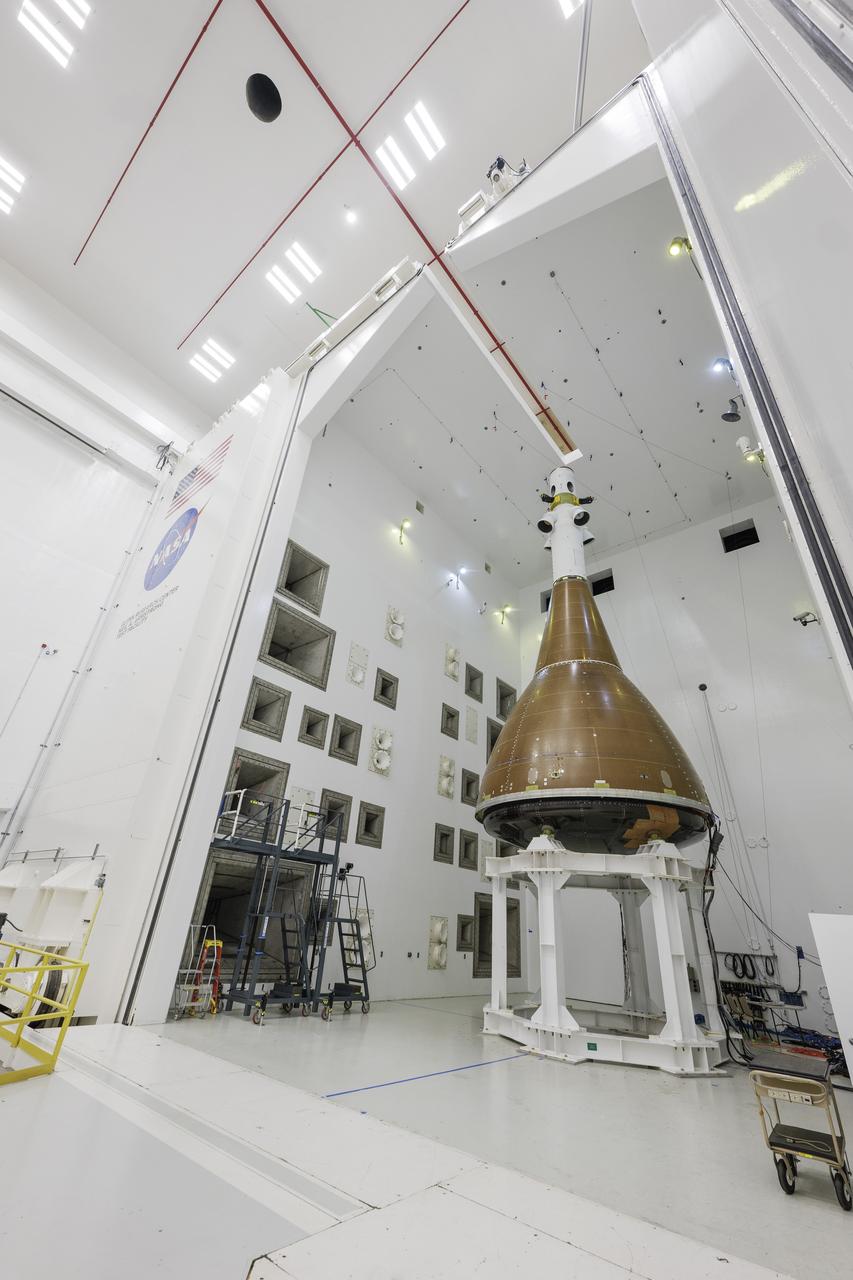
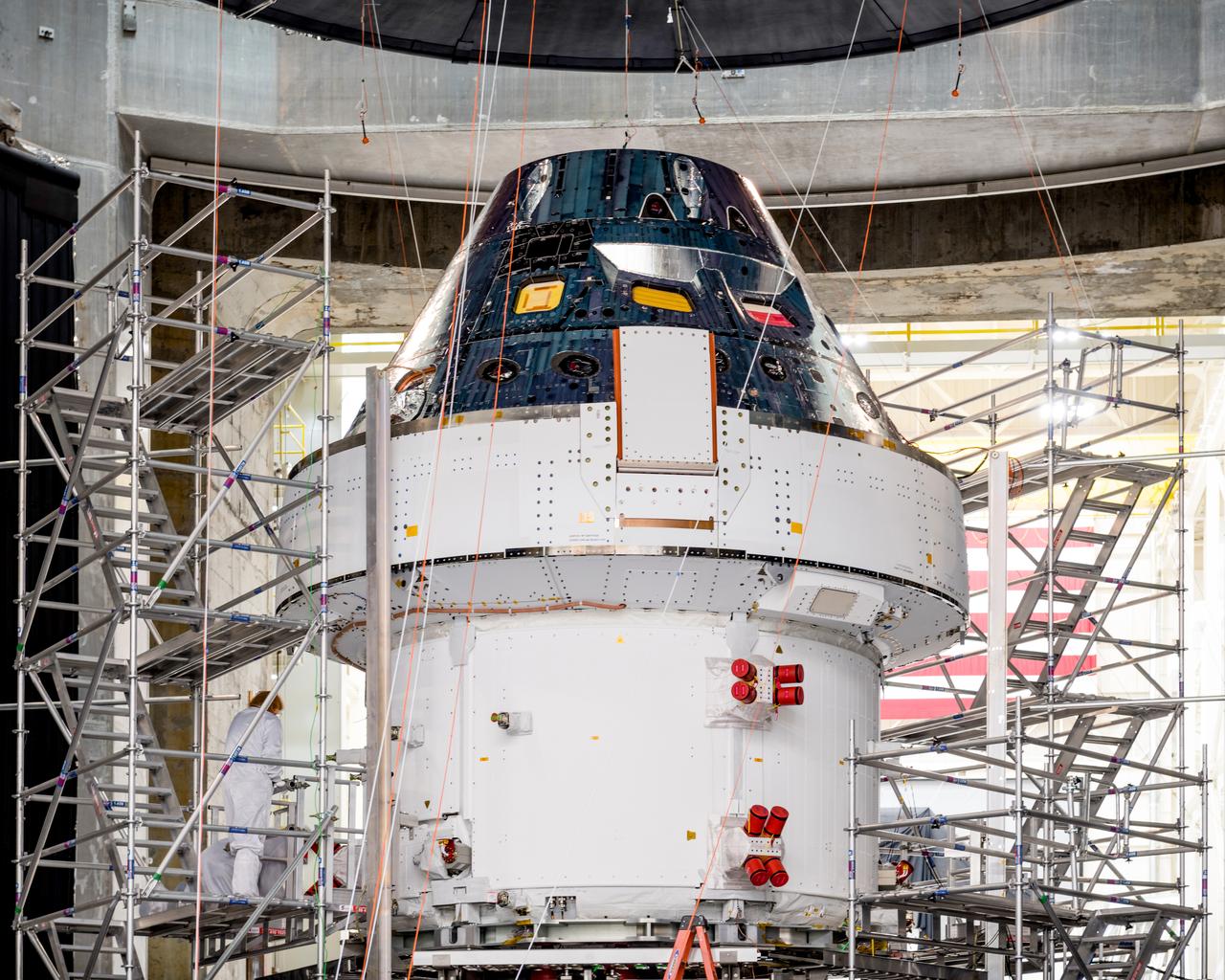
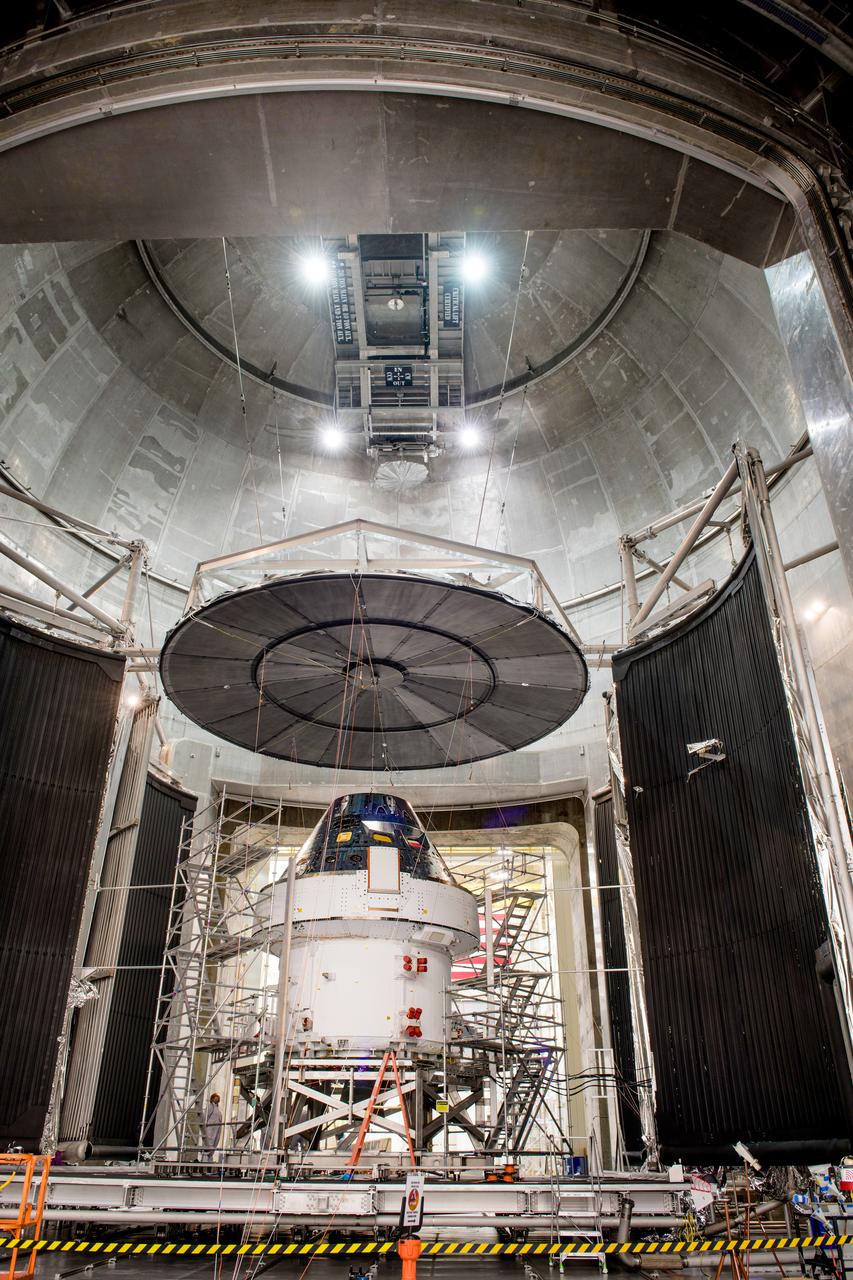
The team at NASA's Armstrong Test Facility in Sandusky, Ohio has begun vibro-acoustic testing on the Orion spacecraft that flew around the Moon on Artemis I, now known as the Environmental Test Article. The testing will help ensure the safety of future crews aboard Orion.  Photo credit: NASA / Rad Sinyak
Orion Environmental Test Article at Armstrong Test Facility
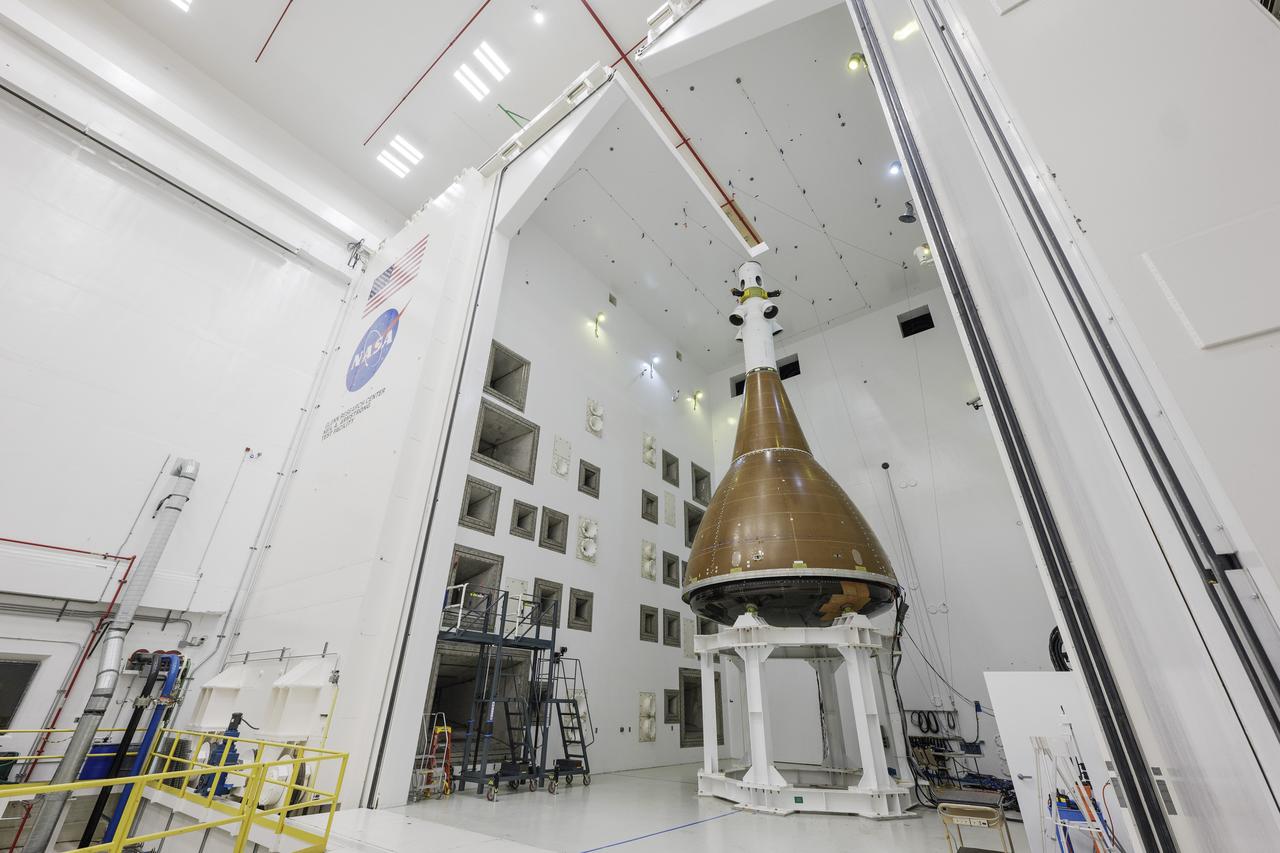
The team at NASA's Armstrong Test Facility in Sandusky, Ohio has begun vibro-acoustic testing on the Orion spacecraft that flew around the Moon on Artemis I, now known as the Environmental Test Article. The testing will help ensure the safety of future crews aboard Orion.
Orion Environmental Test Article at Armstrong Test Facility
The team at NASA's Armstrong Test Facility in Sandusky, Ohio has begun vibro-acoustic testing on the Orion spacecraft that flew around the Moon on Artemis I, now known as the Environmental Test Article. The testing will help ensure the safety of future crews aboard Orion.  Photo credit: NASA / Rad Sinyak
Orion Environmental Test Article at Armstrong Test Facility
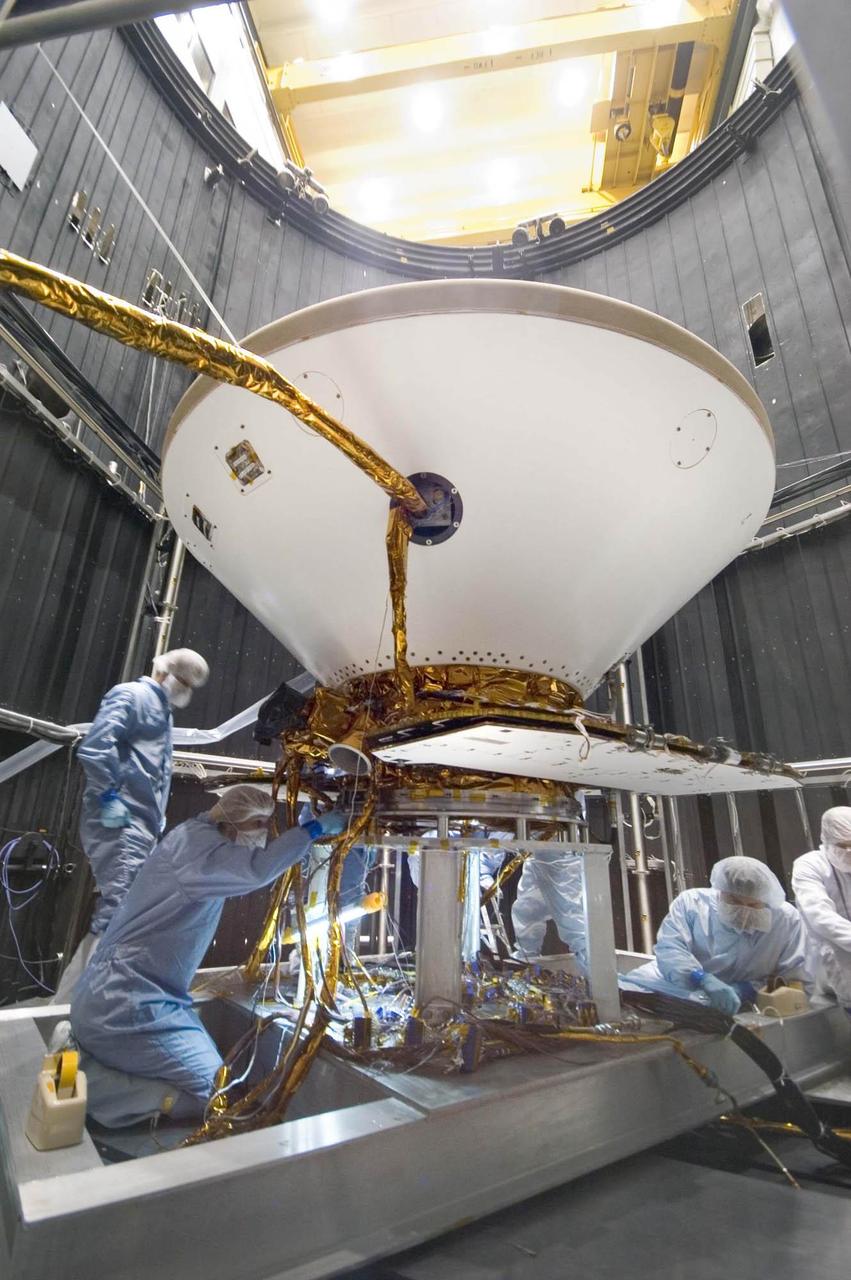
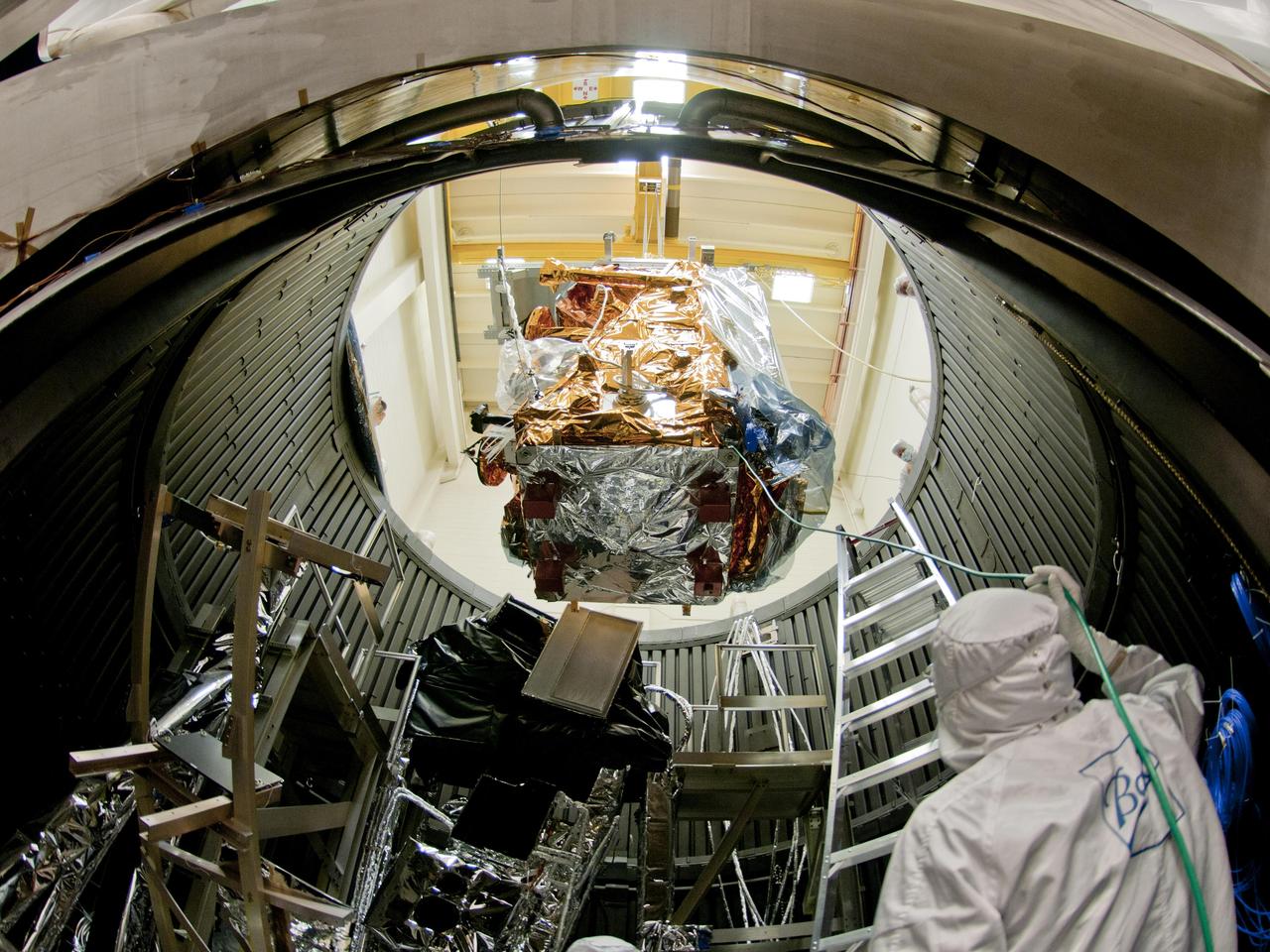
Inside a thermal vacuum at Lockheed Martin Space Systems, Denver, technicians prepared NASA Phoenix Mars Lander for environmental testing
Environmental Testing in Thermal Vacuum Chamber
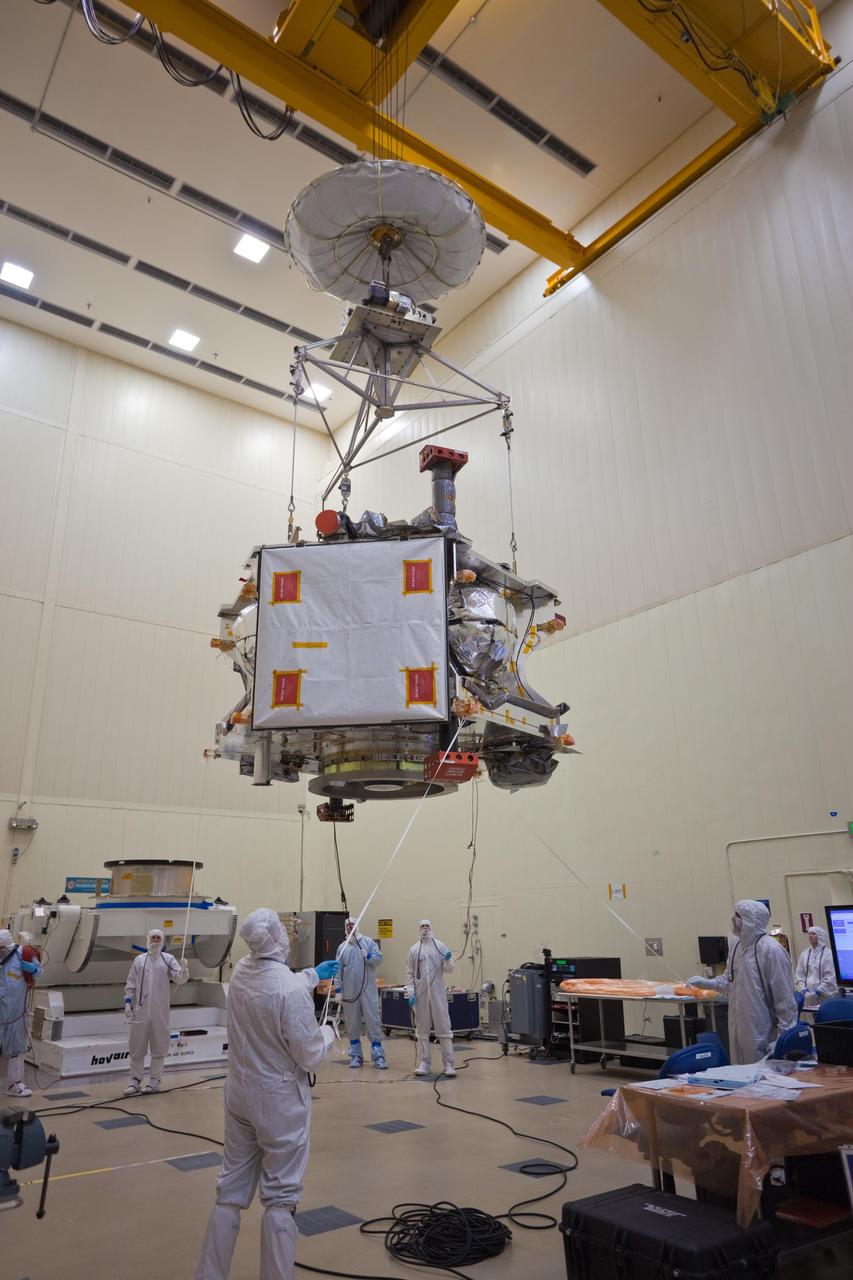
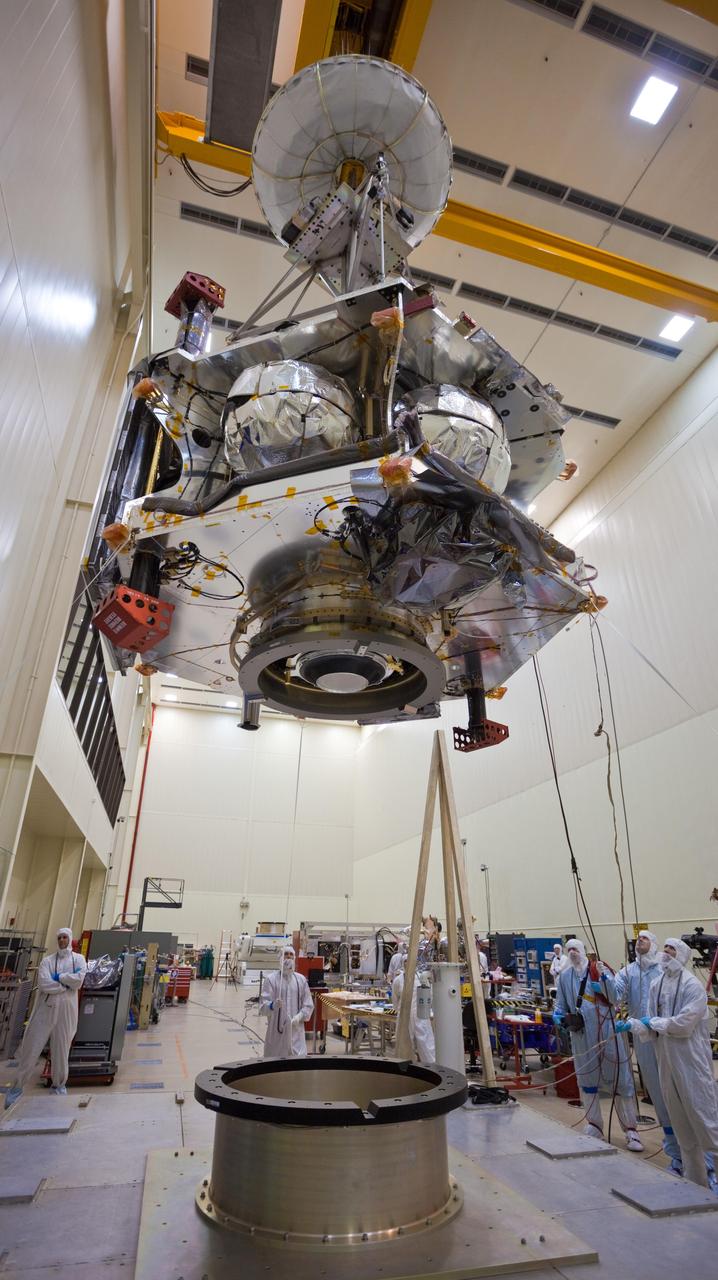
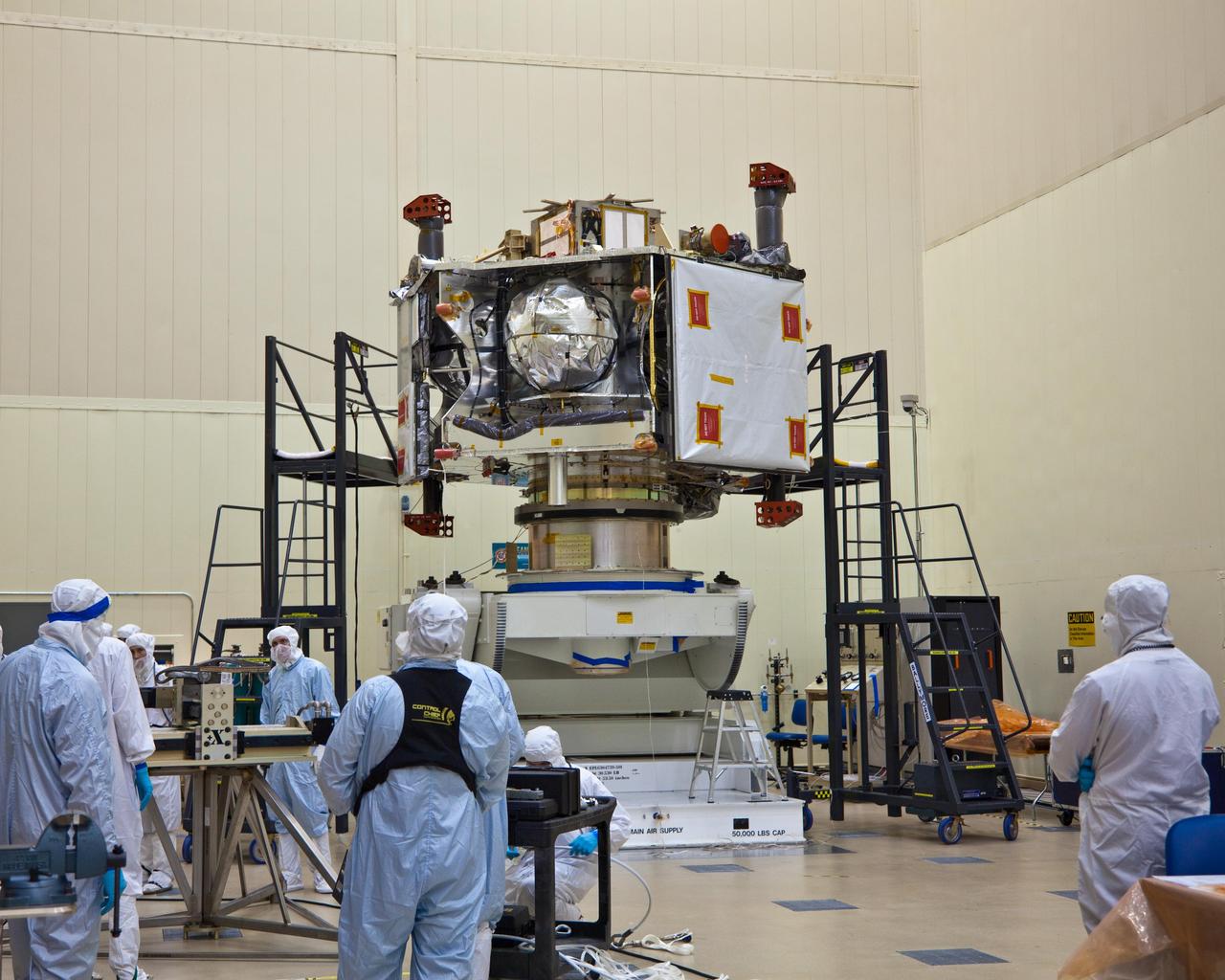
Technicians transfer NASA Juno spacecraft from its rotation fixture to the base of its shipping container in preparation for a move to environmental testing facilities.
Moving Juno to Environmental Testing
Members of environmental team conduct field  experiment at Goddard on October 20, 2008
G-2008-0723-006
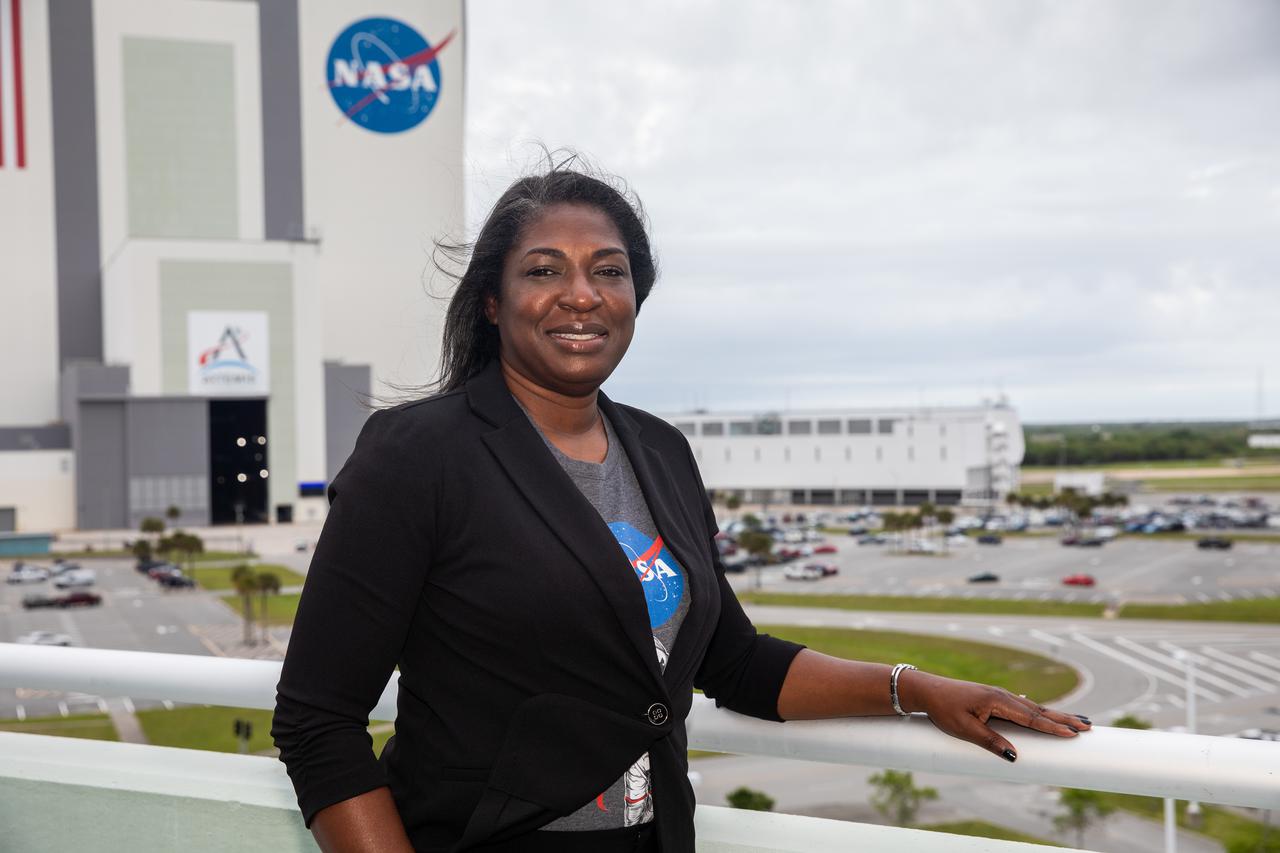
Lashanda Battle is a sustainability lead at NASA’s Kennedy Space Center. In this role, she supports NASA’s and Kennedy’s mission by promoting a better way of living at the Florida spaceport, as well as in the surrounding communities. Through different outreach opportunities, she raises awareness about sustainability initiatives and environmental stewardship.
Faces of NASA Environmental Portraits - Lashanda Battle
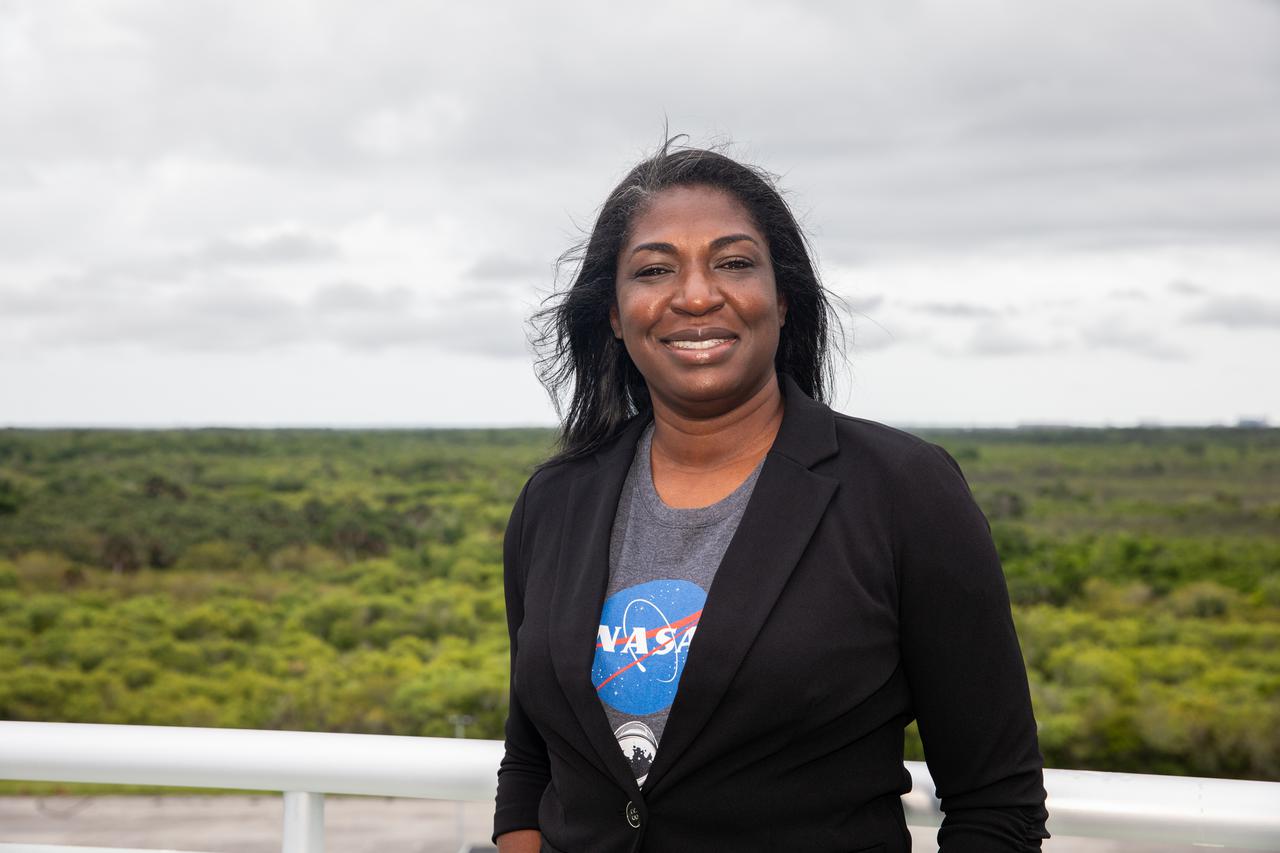
Lashanda Battle is a sustainability lead at NASA’s Kennedy Space Center. In this role, she supports NASA’s and Kennedy’s mission by promoting a better way of living at the Florida spaceport, as well as in the surrounding communities. Through different outreach opportunities, she raises awareness about sustainability initiatives and environmental stewardship.
Faces of NASA Environmental Portraits - Lashanda Battle
Technicians transfer NASA Juno spacecraft from its rotation fixture to the base of its shipping container in preparation for a move to environmental testing facilities. Juno’s main engine, its cover closed, is visible on the spacecraft’s underside.
Moving Juno to Environmental Testing
NASA Juno spacecraft rests atop its rotation fixture awaiting transfer to a shipping crate prior to environmental testing; the large white square on the spacecraft right is largest of six microwave radiometer antennas, masked by protective covering.
Preparing Juno for Environmental Testing
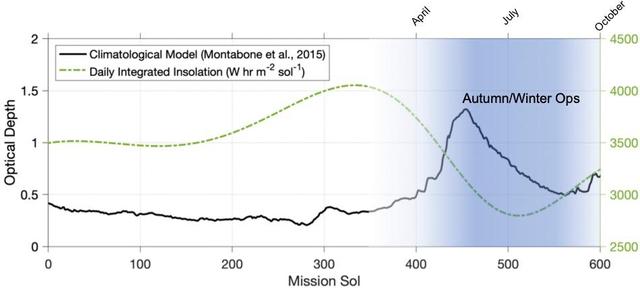
This graphic depicts the environmental conditions at Jezero Crater from the day NASA's Perseverance Mars rover landed there – on Feb. 18, 2021, the first Martian day, or sol, of the mission – through Sol 600.  The black line indicates a climatological model of atmospheric opaqueness (a measurement known as "tau") over a Martian year. The expected daily insolation, or the amount of Sun's rays reaching the solar panel, is illustrated by the green dotted line. While a year on Earth lasts 365 days, on Mars a year lasts 668 sols.  https://photojournal.jpl.nasa.gov/catalog/PIA25322
Environmental Plot at Jezero
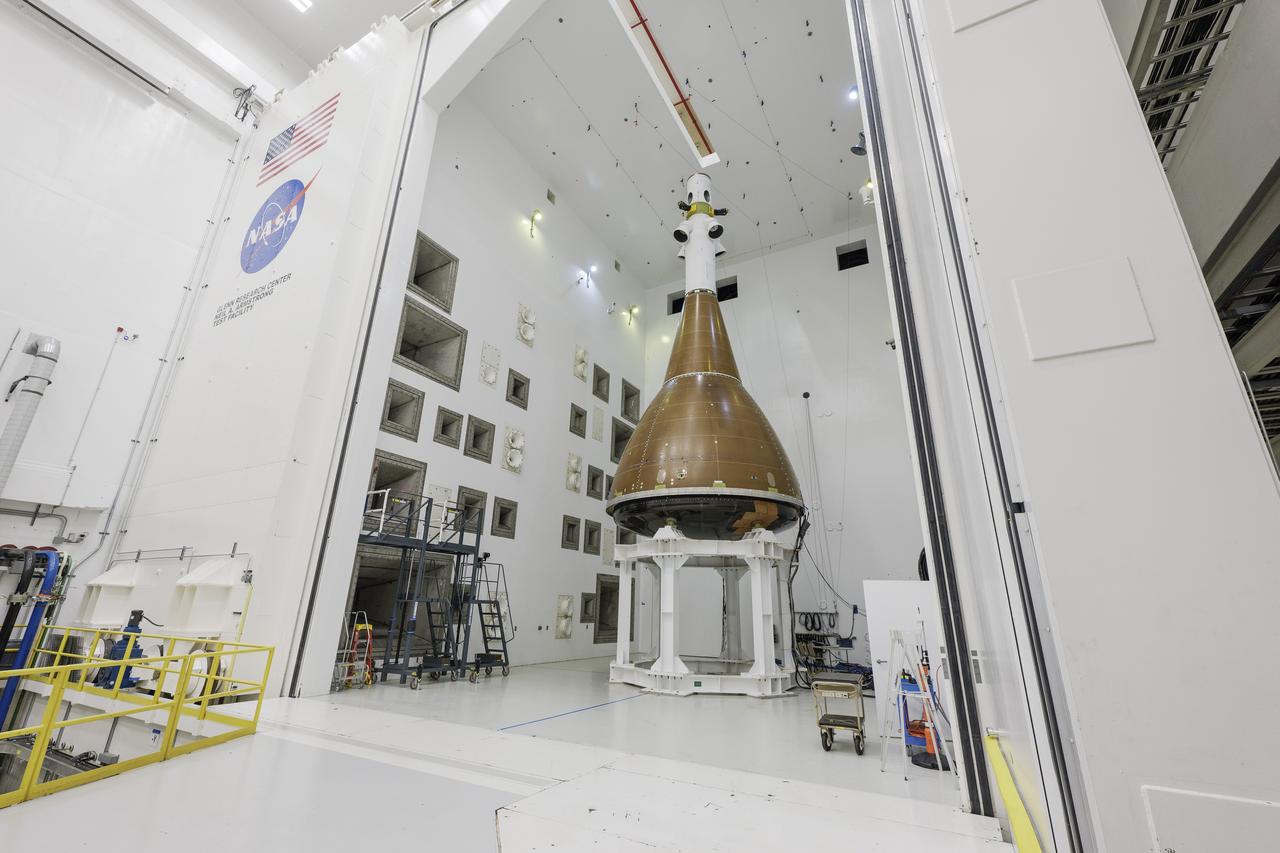
Vibro-acoustic testing on the Orion spacecraft that flew around the Moon on Artemis I, now known as the Environmental Test Article. The testing at Armstrong Test Facility will help ensure the safety of future crews aboard Orion. Photograph taken on September 11, 2024. Photo Credit: (NASA/Sara Lowthian-Hanna)
Orion Environmental Test Article at Armstrong Test Facility
The team at NASA's Armstrong Test Facility in Sandusky, Ohio has begun vibro-acoustic testing on the Orion spacecraft that flew around the Moon on Artemis I, now known as the Environmental Test Article. The testing will help ensure the safety of future crews aboard Orion.
Orion Environmental Test Article at Armstrong Test Facility
NPP is lowered into the thermal vacuum chamber. Once inside the Iron Maiden (visible in the lower left) is fitted in place. Then air is pumped out of the chamber and temperature extremes are applied to replicate orbit conditions.   Credit: Ball Aerospace  The NPP satellite sits surrounded by 144 rock concert speakers. They're stacked in a circle 16 feet high in a testing room at Ball Aerospace in Boulder, Colorado.   As engineers set up for the environmental test, Pink Floyd's song &quot;Money&quot; plays gently in the background. The music stops. The room clears. Then the sound engineer wearing earplugs and headphones in the control room next door flips a switch.   Slowly, the noise of thousands of pounds of exploding rocket fuel builds louder and louder until it blasts the satellite at a deafening 143.6 decibels -- loud enough to cause serious damage and pain to unprotected ears. &quot;I was outside the building when they did the full level acoustics,&quot; says Glenn Iona, NPP Chief Engineer at NASA Goddard Space Flight Center, Greenbelt, Md. &quot;and I could feel the ground shaking.&quot;   To read more go to: <a href="http://www.nasa.gov/mission_pages/NPP/news/npp-testing.html" rel="nofollow">www.nasa.gov/mission_pages/NPP/news/npp-testing.html</a>  <b><a href="http://www.nasa.gov/centers/goddard/home/index.html" rel="nofollow">NASA Goddard Space Flight Center</a></b> enables NASA’s mission through four scientific endeavors: Earth Science, Heliophysics, Solar System Exploration, and Astrophysics. Goddard plays a leading role in NASA’s accomplishments by contributing compelling scientific knowledge to advance the Agency’s mission.  <b>Follow us on <a href="http://twitter.com/NASA_GoddardPix" rel="nofollow">Twitter</a></b>  <b>Like us on <a href="http://www.facebook.com/pages/Greenbelt-MD/NASA-Goddard/395013845897?ref=tsd" rel="nofollow">Facebook</a></b>  <b>Find us on <a href="http://web.stagram.com/n/nasagoddard/?vm=grid" rel="nofollow">Instagram</a></b>
NPP Runs the Gauntlet of Environmental Testing
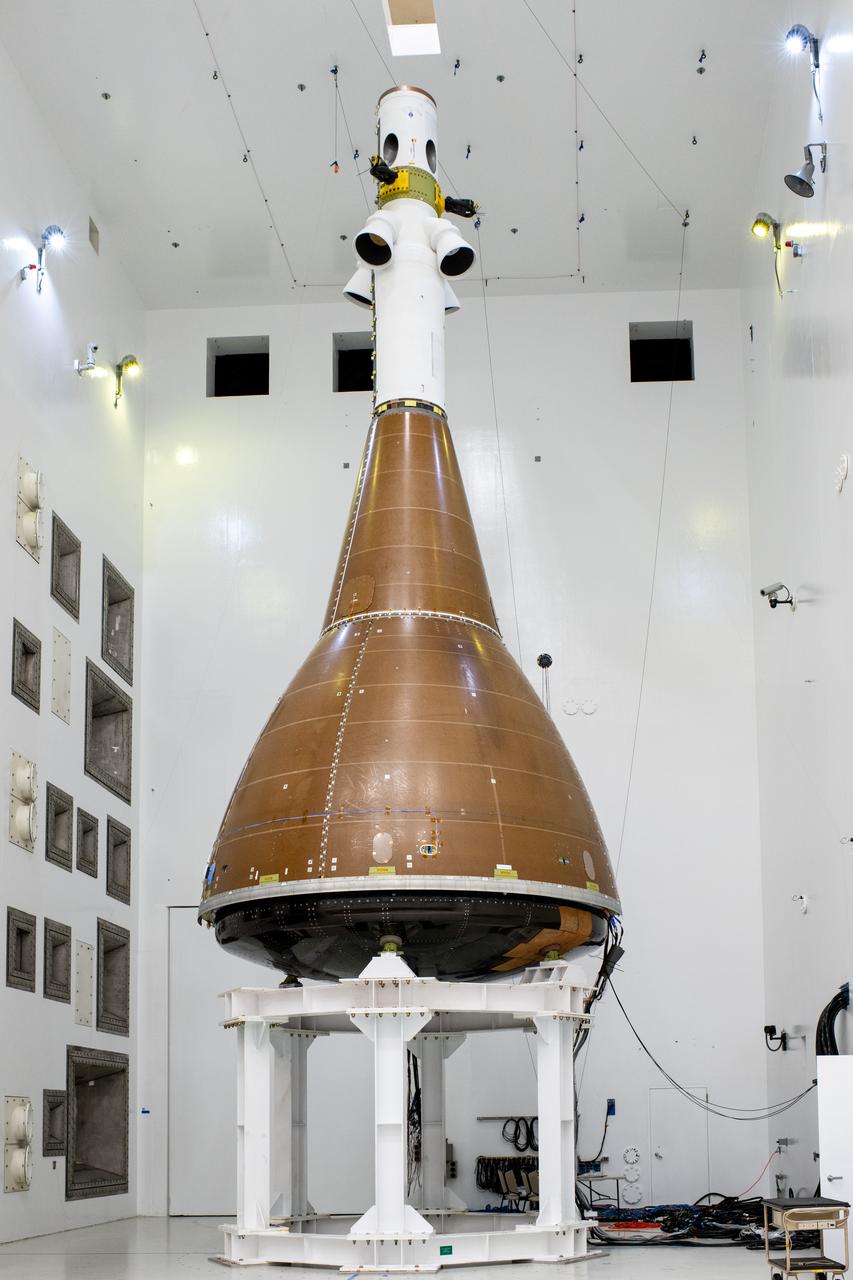
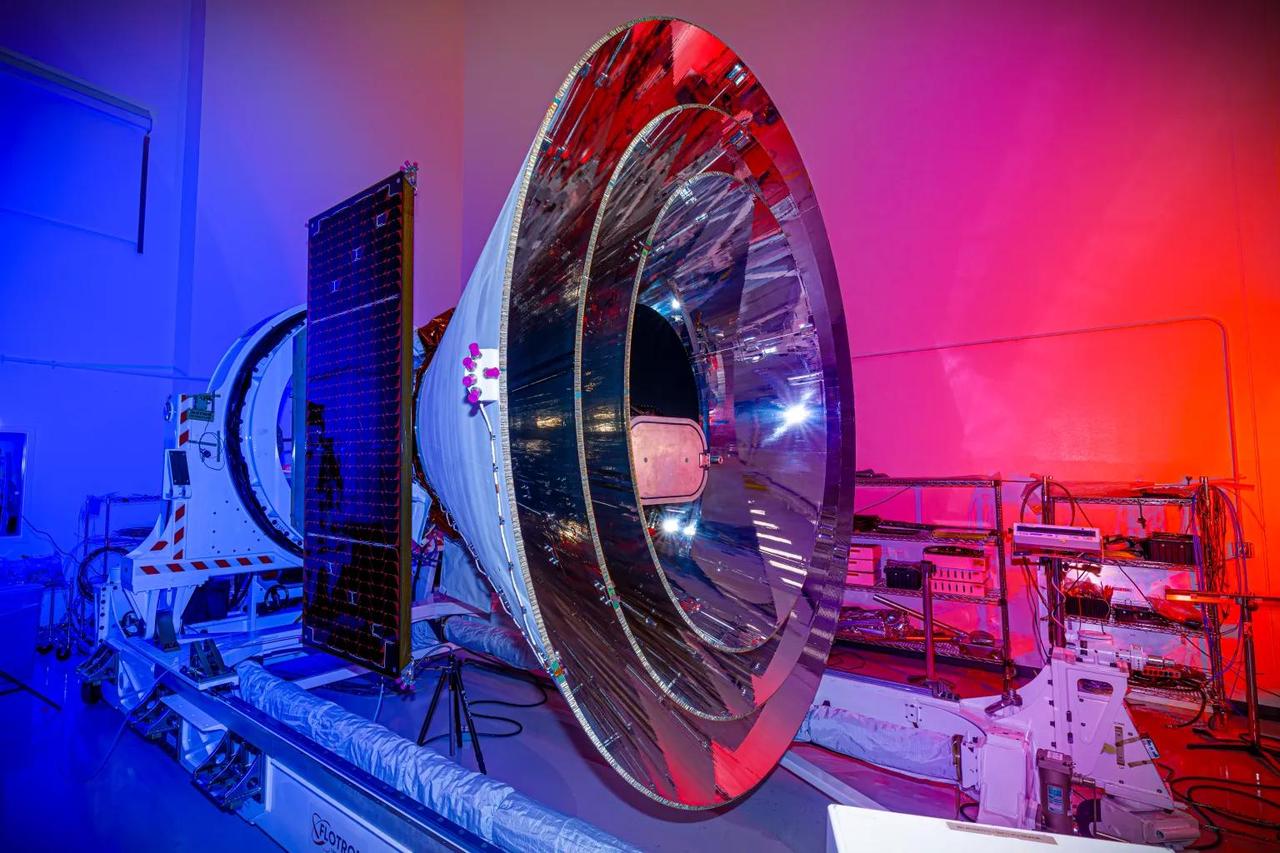
NASA's SPHEREx space observatory was photographed at BAE Systems in Boulder, Colorado, in November 2024 after completing environmental testing. The spacecraft's three concentric cones help direct heat and light away from the telescope and other components, keeping them cool.  Short for Spectro-Photometer for the History of the Universe, Epoch of Reionization and Ices Explorer, SPHEREx will create a map of the cosmos like no other. Using a technique called spectroscopy to image the entire sky in 102 wavelengths of infrared light, SPHEREx will gather information about the composition of and distance to millions of galaxies and stars. With this map, scientists will study what happened in the first fraction of a second after the big bang, how galaxies formed and evolved, and the origins of water in planetary systems in our galaxy.  https://photojournal.jpl.nasa.gov/catalog/PIA26536
SPHEREx After Environmental Testing
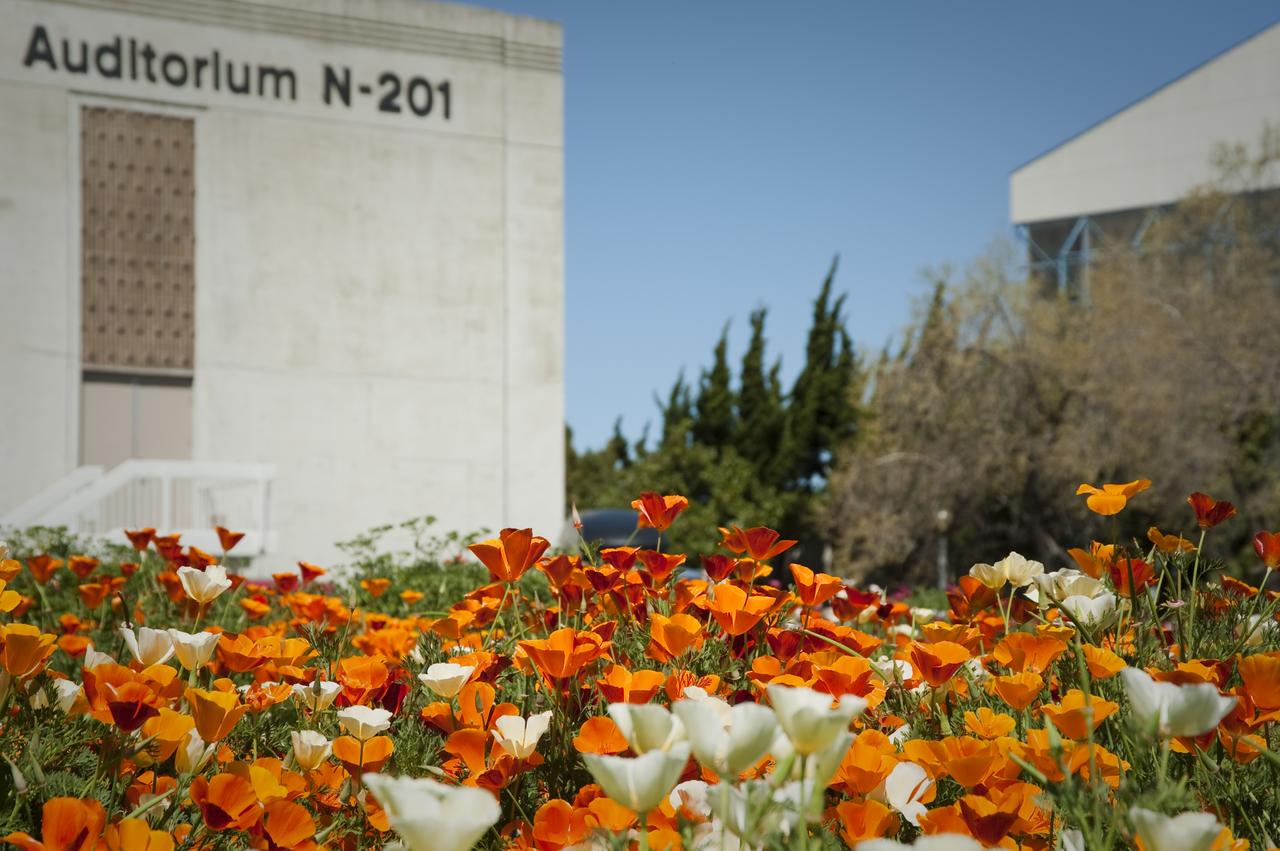
Environmental sustainability is put into practice here in the native plant gardens that surround the main auditorium building at NASA Ames Research Center, Moffett Field, Calif.
ARC-2010-ACD10-0059-002
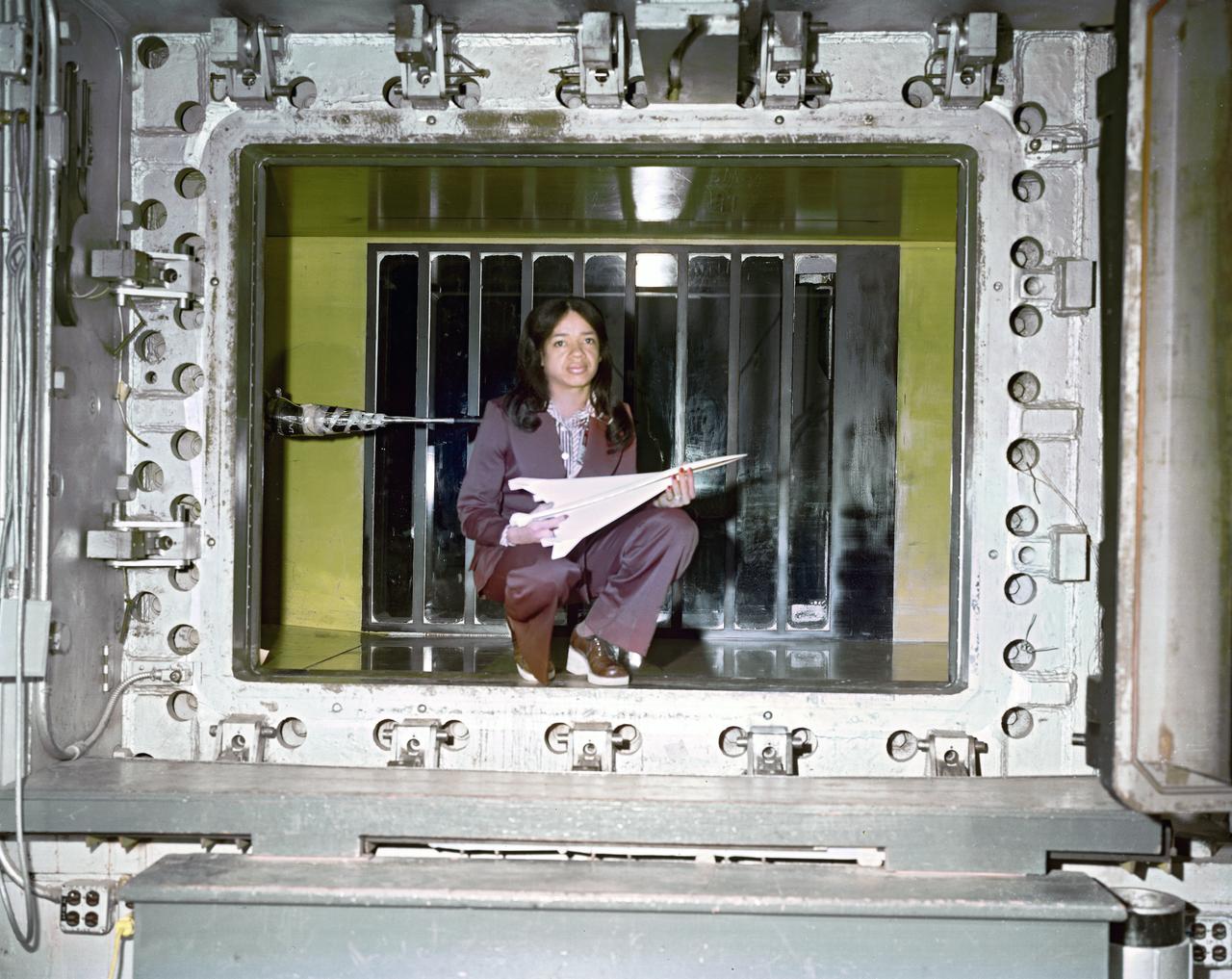
Environmental Portrait of Christine M. Darden. Supersonic Aerodynamics Branch.
Environmental Portrait of Christine M. Darden
Environmental Portrait of Christine M. Darden.  Supersonic Aerodynamics Branch
Environmental Portrait of Christine M. Darden
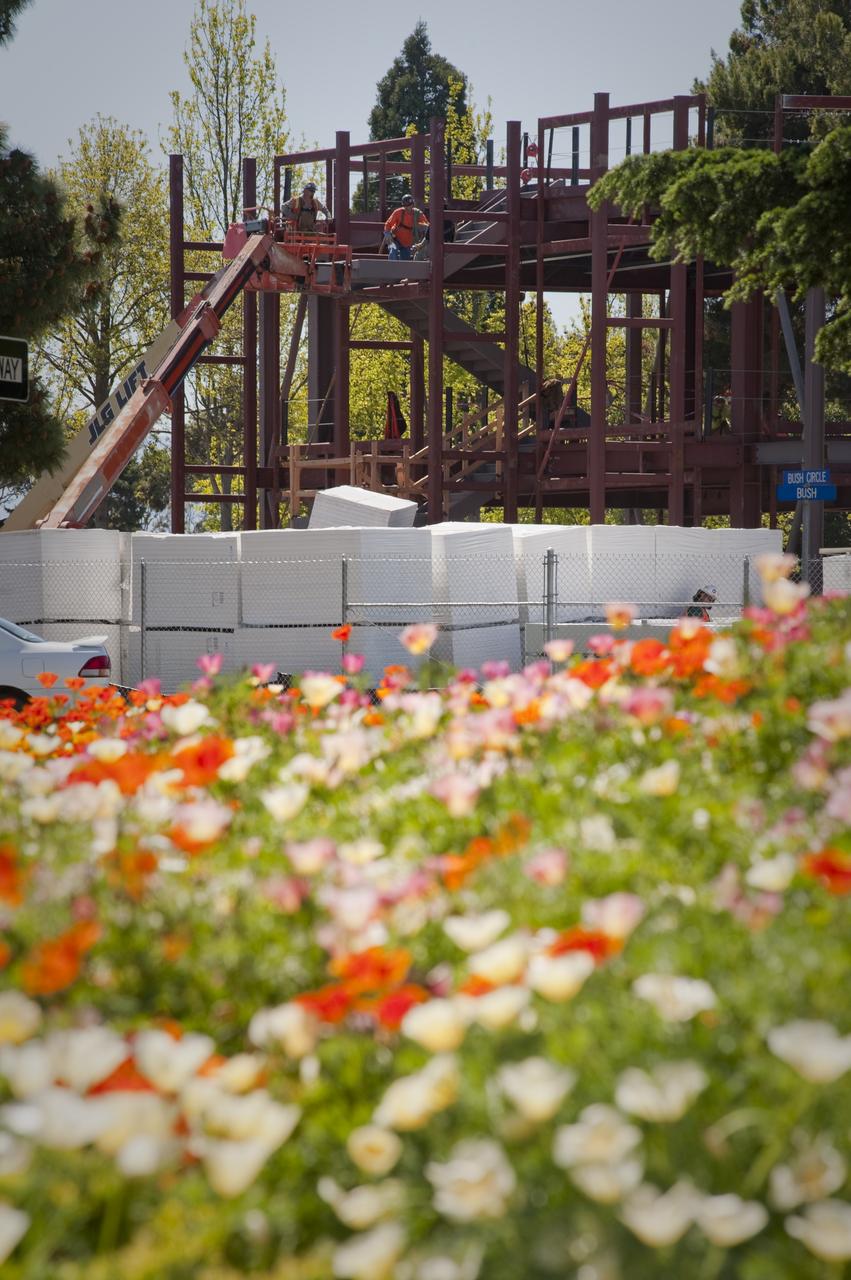
Environmental sustainability is put into practice here in the native plant gardens that surround the main auditorium building at NASA Ames Research Center, Moffett Field, Calif. Contruction of the new Green building N-232  can be seen in the background.
ARC-2010-ACD10-0059-005
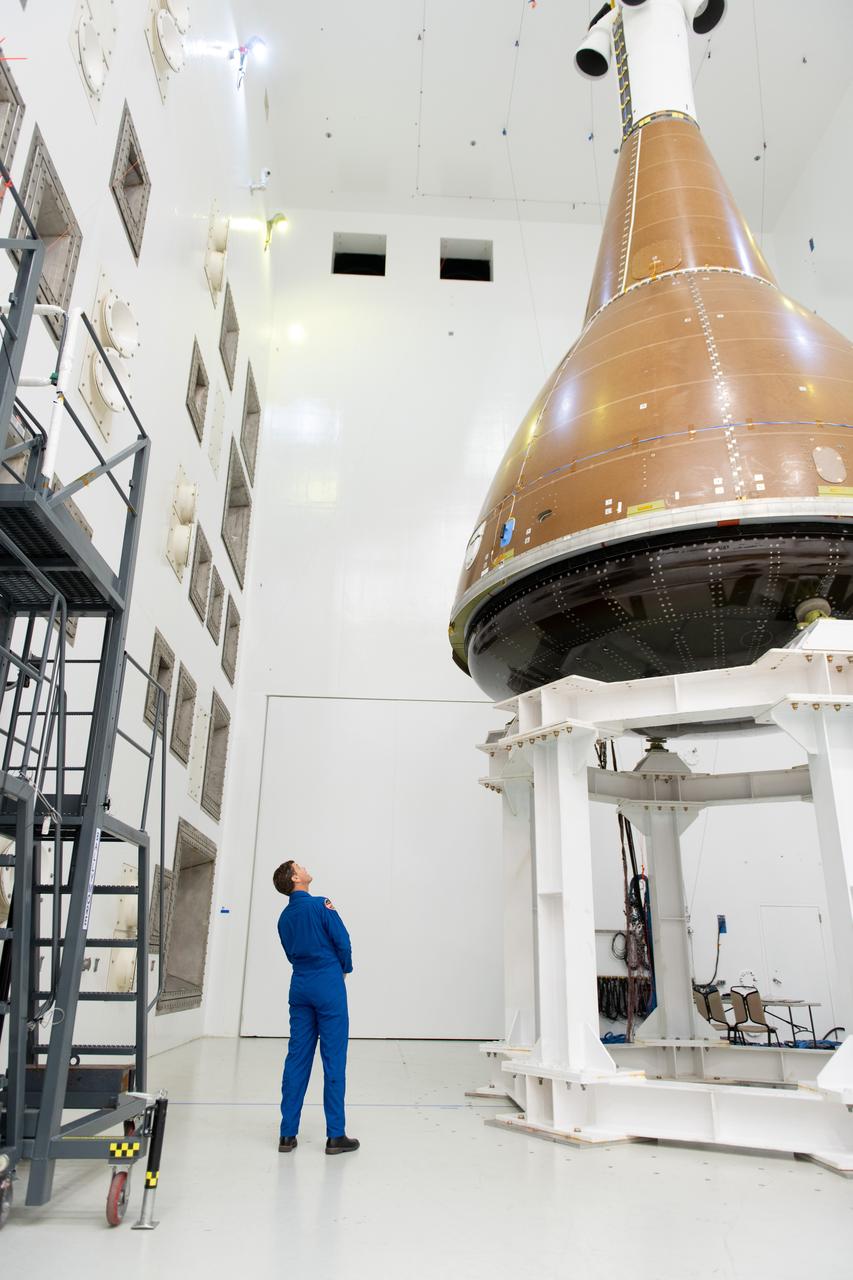
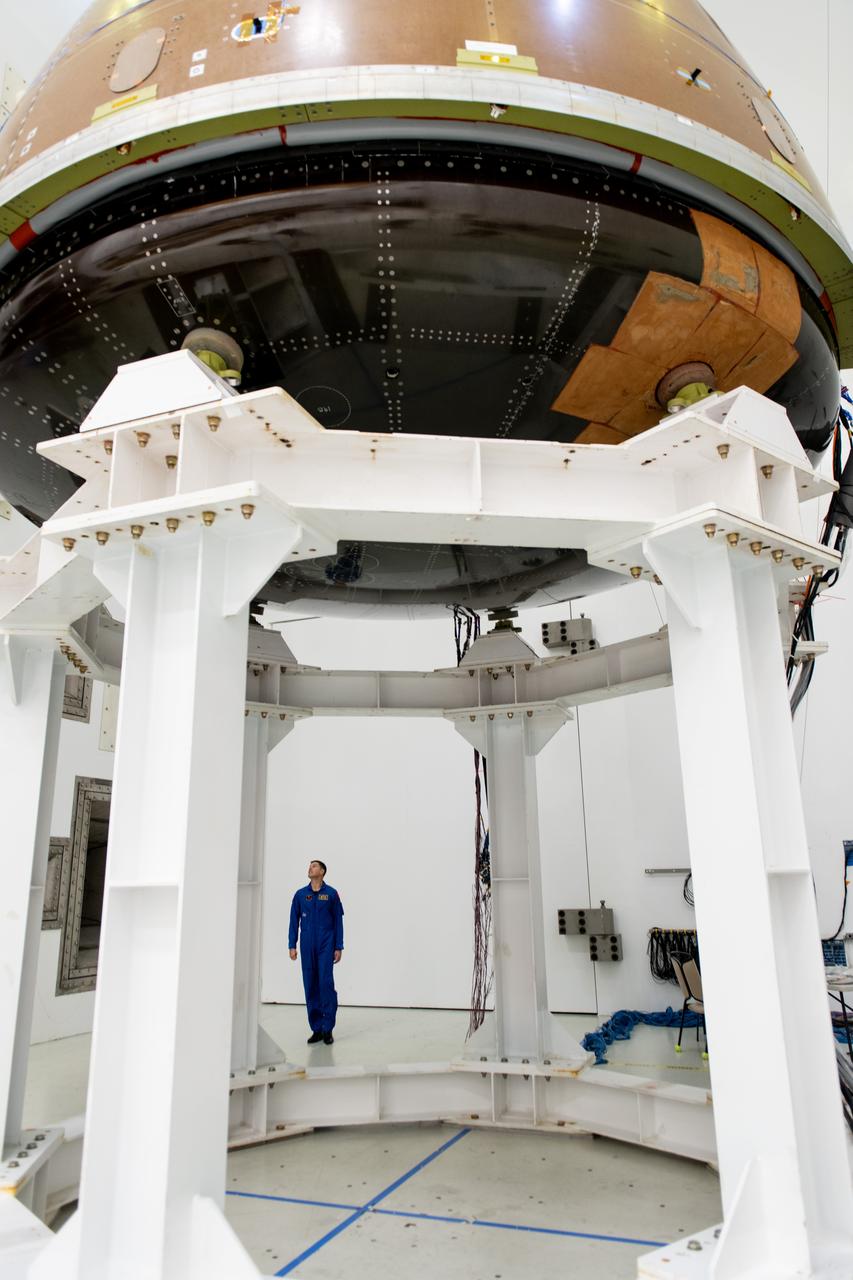
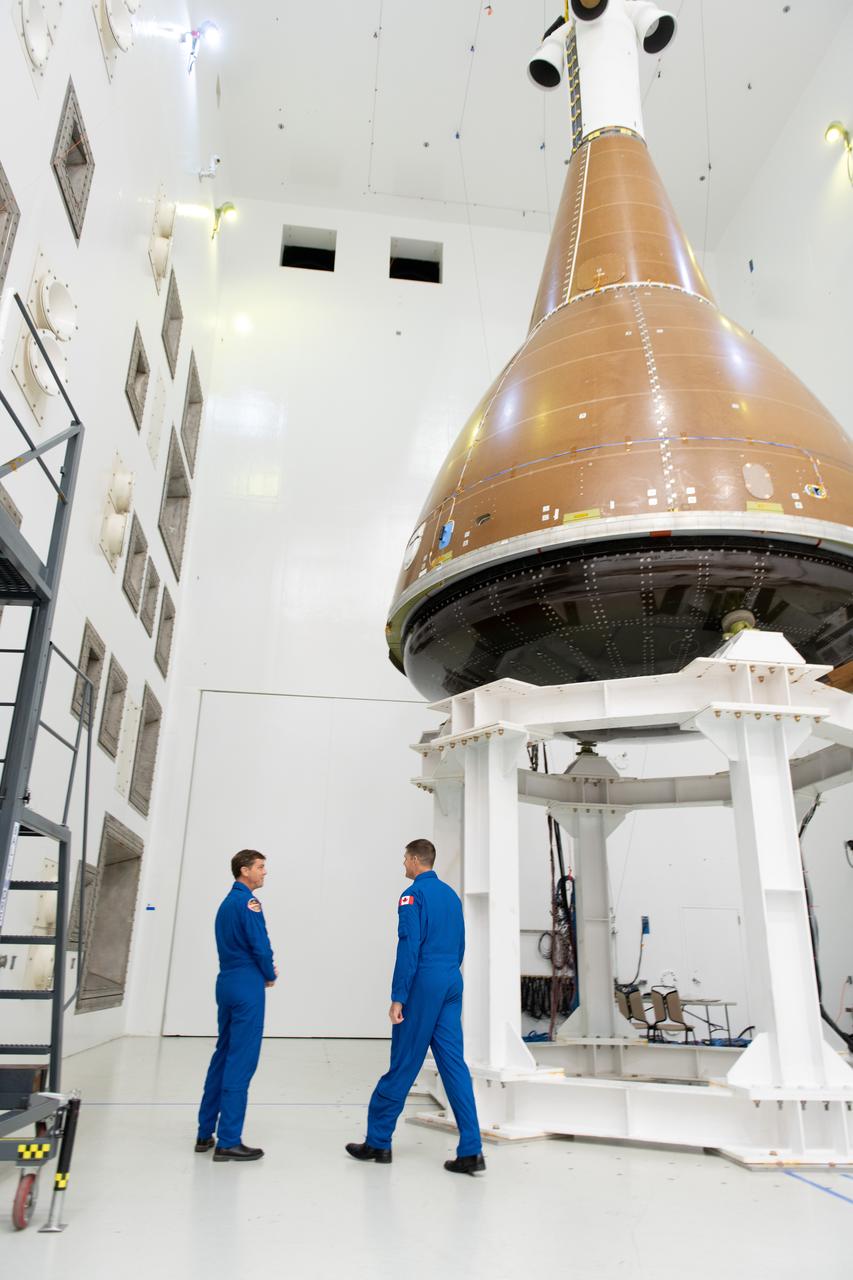
The team at NASA's Armstrong Test Facility in Sandusky, Ohio has begun vibro-acoustic testing on the Orion spacecraft that flew around the Moon on Artemis I, now known as the Environmental Test Article. The testing will help ensure the safety of future crews aboard Orion.  Mission Specialis Jeremy Hansen looks up at the Orion capsule during tours of the acoustic lab.
Orion Environmental Test Article at Armstrong Test Facility
The team at NASA's Armstrong Test Facility in Sandusky, Ohio has begun vibro-acoustic testing on the Orion spacecraft that flew around the Moon on Artemis I, now known as the Environmental Test Article. The testing will help ensure the safety of future crews aboard Orion.  Commander Reid Wiseman looks up at the Orion capsule during tours on September 11, 2024 of the acoustic lab. Photo Credit: (NASA/Sara Lowthian-Hanna)
Orion Environmental Test Article at Armstrong Test Facility
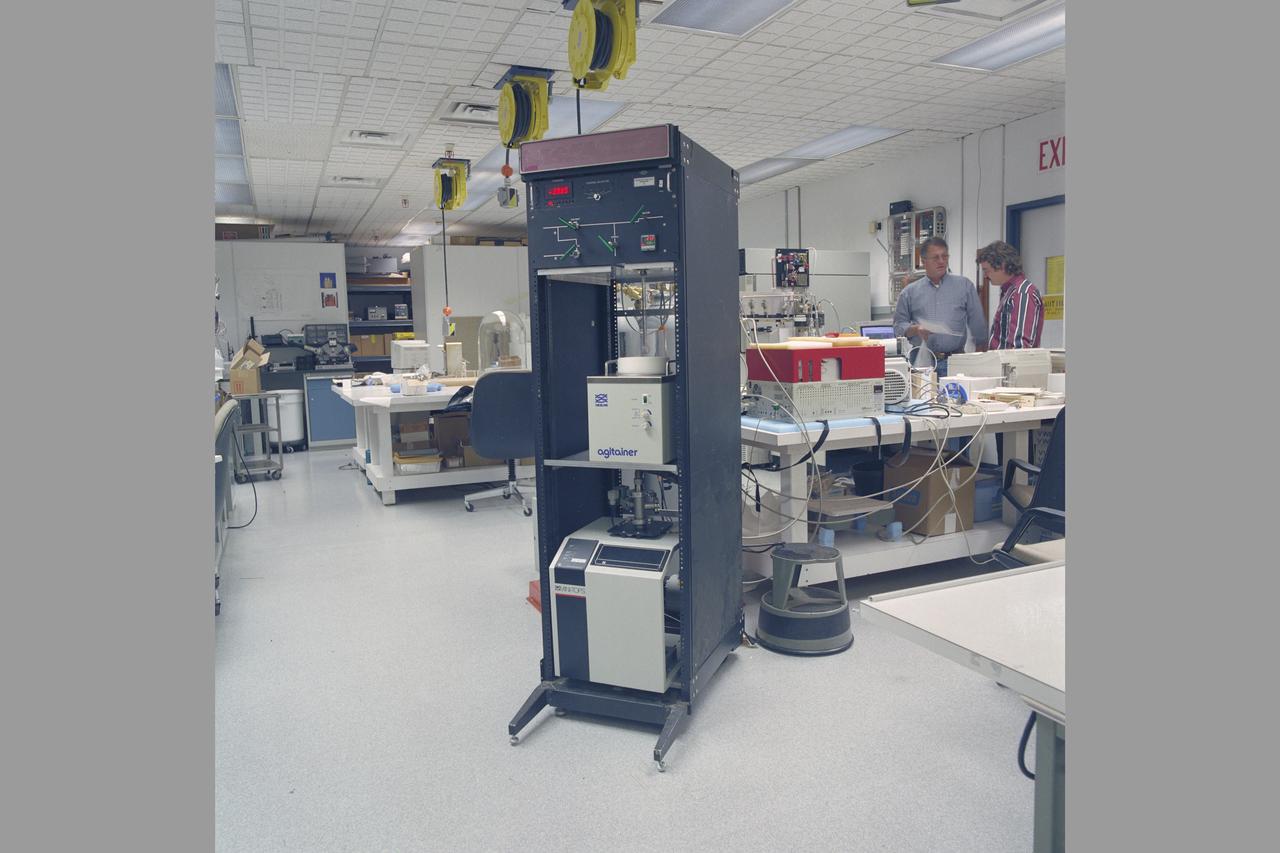
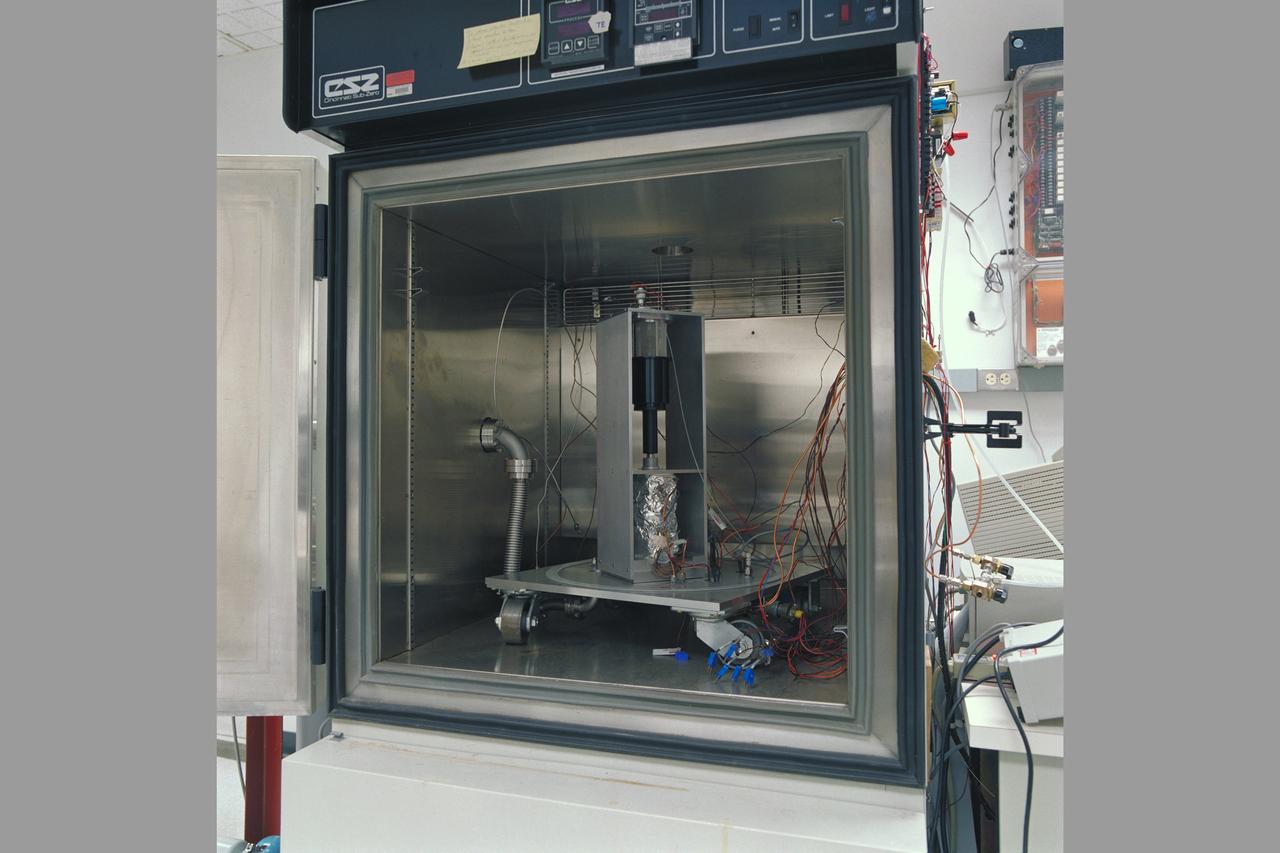
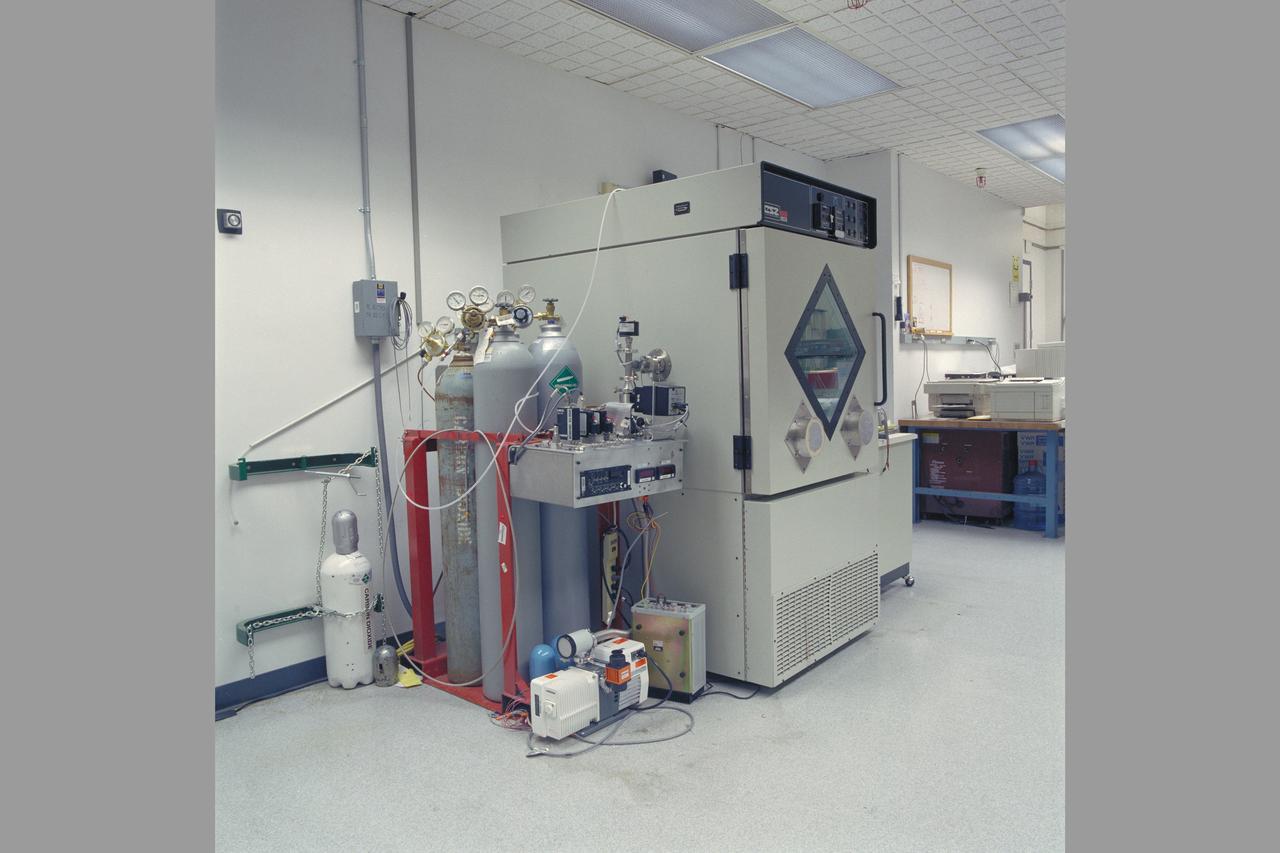
Mars Environmental Chamber.  Absorption Compression for Mars ISRU (In-SITU Resource Utilization) N-239.
ARC-1969-AC99-0008-1
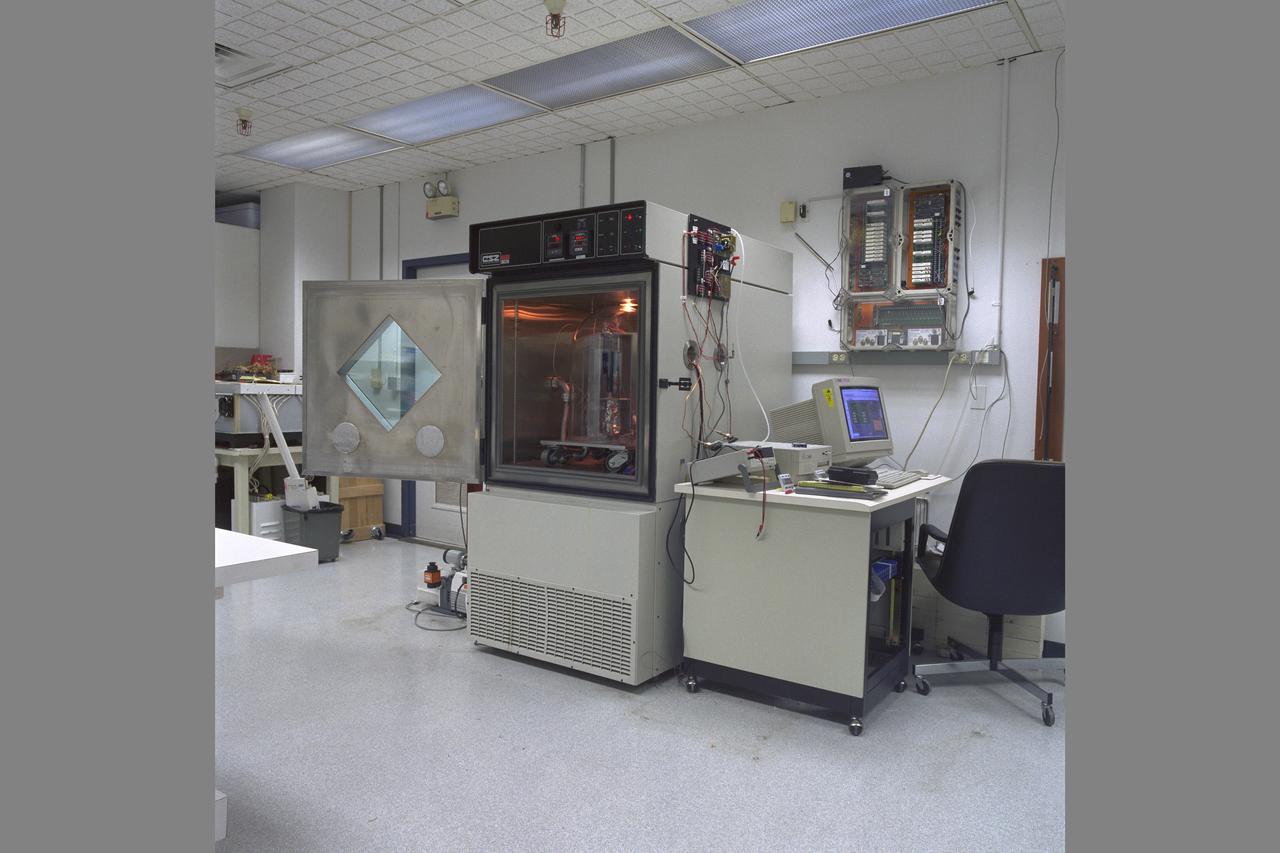
Mars Environmental Chamber.  Absorption Compression for Mars ISRU (In-SITU Resource Utilization) N-239.
ARC-1969-AC99-0008-3
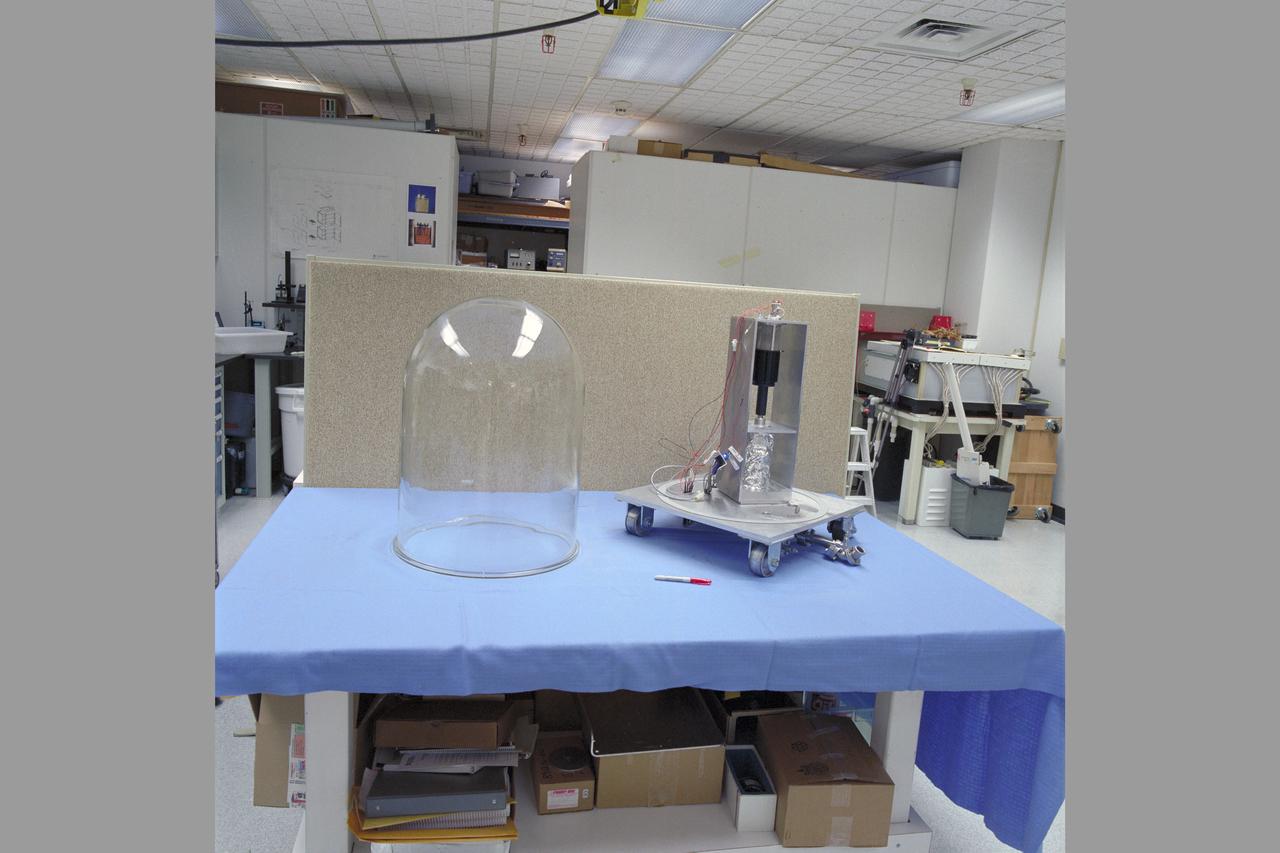
Mars Environmental Chamber.  Absorption Compression for Mars ISRU (In-SITU Resource Utilization) N-239.
ARC-1969-AC99-0008-5
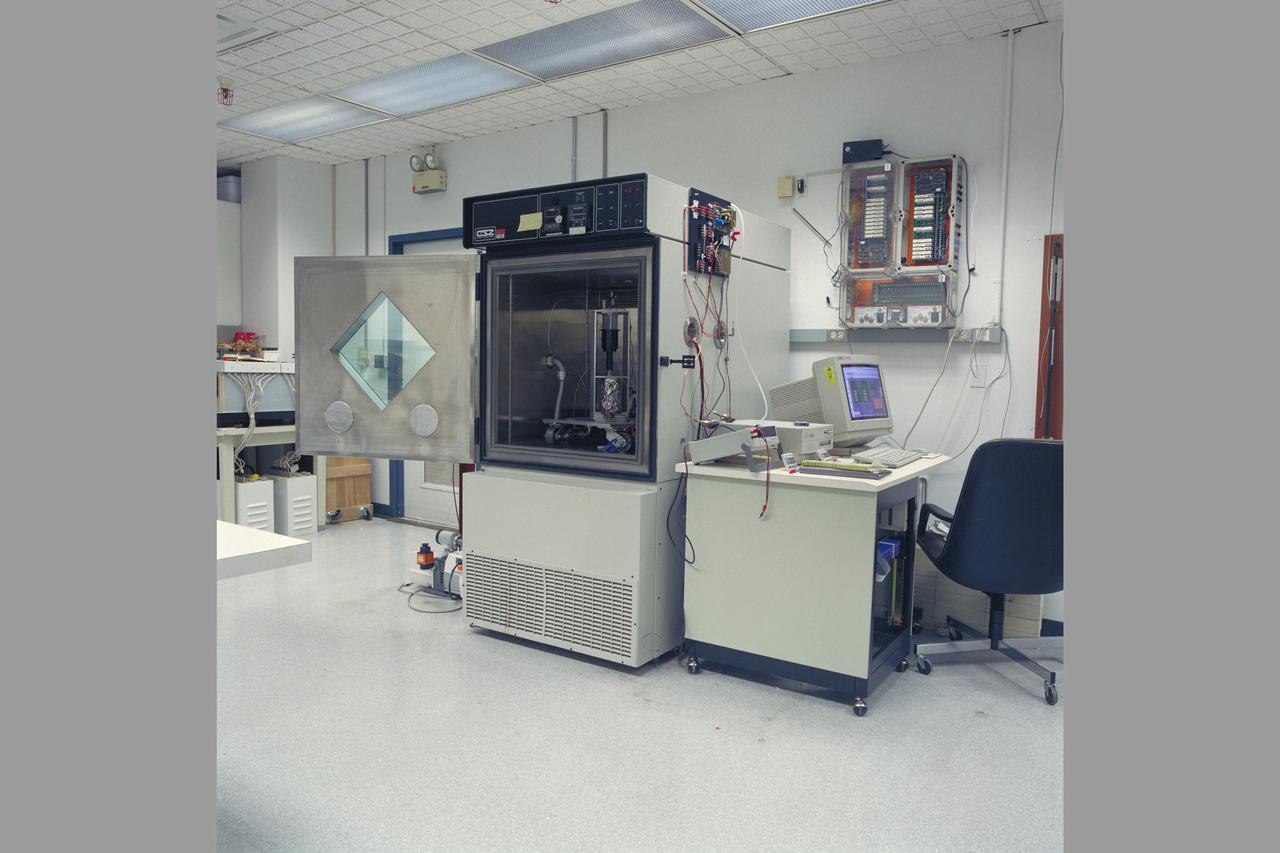
Mars Environmental Chamber.  Absorption Compression for Mars ISRU (In-SITU Resource Utilization) N-239.
ARC-1969-AC99-0008-4
Mars Environmental Chamber.  Absorption Compression for Mars ISRU (In-SITU Resource Utilization) N-239.
ARC-1969-AC99-0008-7
Mars Environmental Chamber.  Absorption Compression for Mars ISRU (In-SITU Resource Utilization) N-239.
ARC-1969-AC99-0008-2
Mars Environmental Chamber.  Absorption Compression for Mars ISRU (In-SITU Resource Utilization) N-239.
ARC-1969-AC99-0008-6
Environmental Portrait of Christine M. Darden.  Sonic boom researcher, HSR, High Speed Research
Environmental Portrait of Christine M. Darden
Environmental Portrait of Christine M. Darden. Sonic boom researcher, HSR, High Speed Research
Environmental Portrait of Christine M. Darden
KENNEDY SPACE CENTER, FLA. -- Dr. Irene Duhart Long is the director, Biomedical Operations and Research Office, at the Kennedy Space Center effective July 24, 1994.  She is responsible for the program management of the center's aerospace and occupational medicine, life sciences research, environmental health programs and the operations management of the life sciences support facilities.  Dr. Long also is responsible for providing the coordinating medical, environmental monitoring and environmental health support to launch and landing activities and day-to-day institutional functions.
KSC-94PC-0901
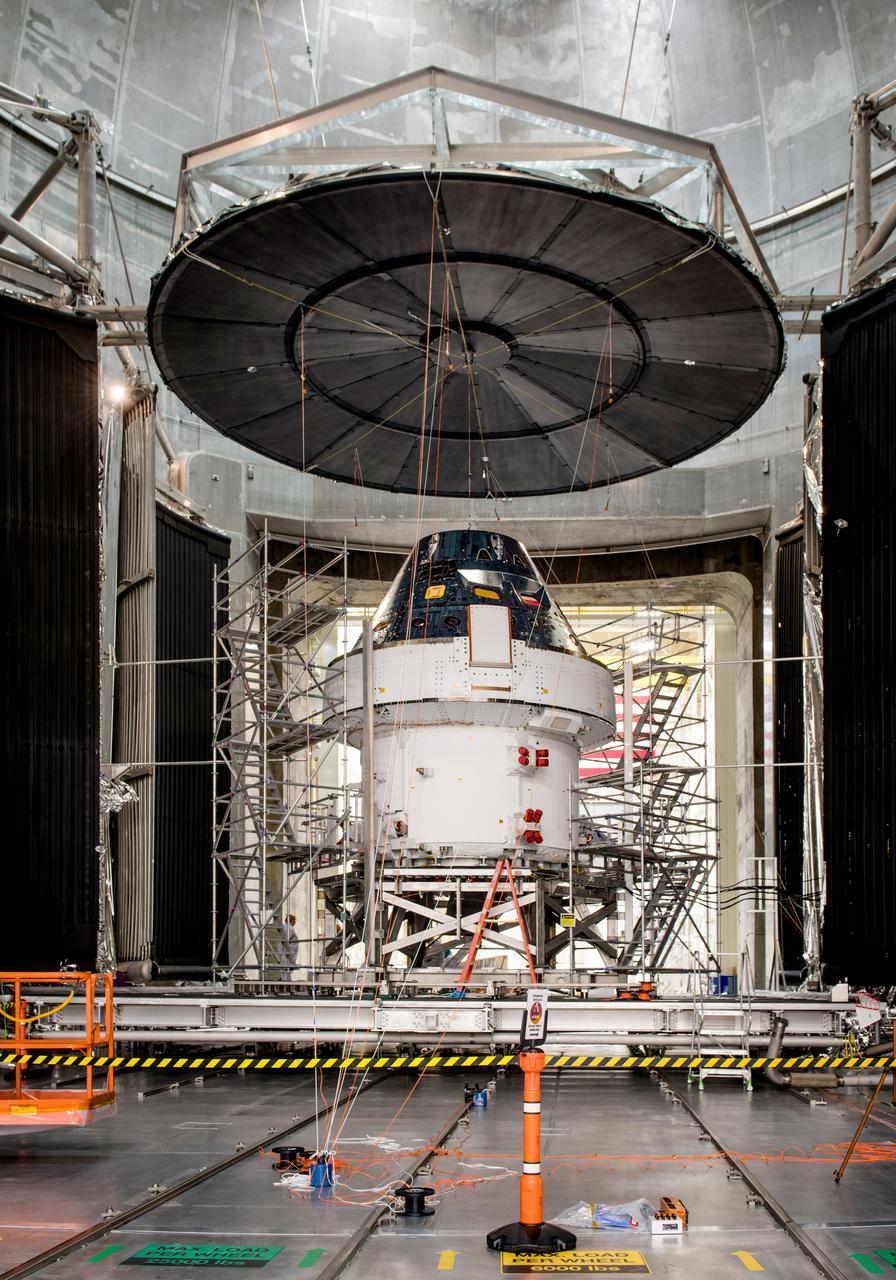
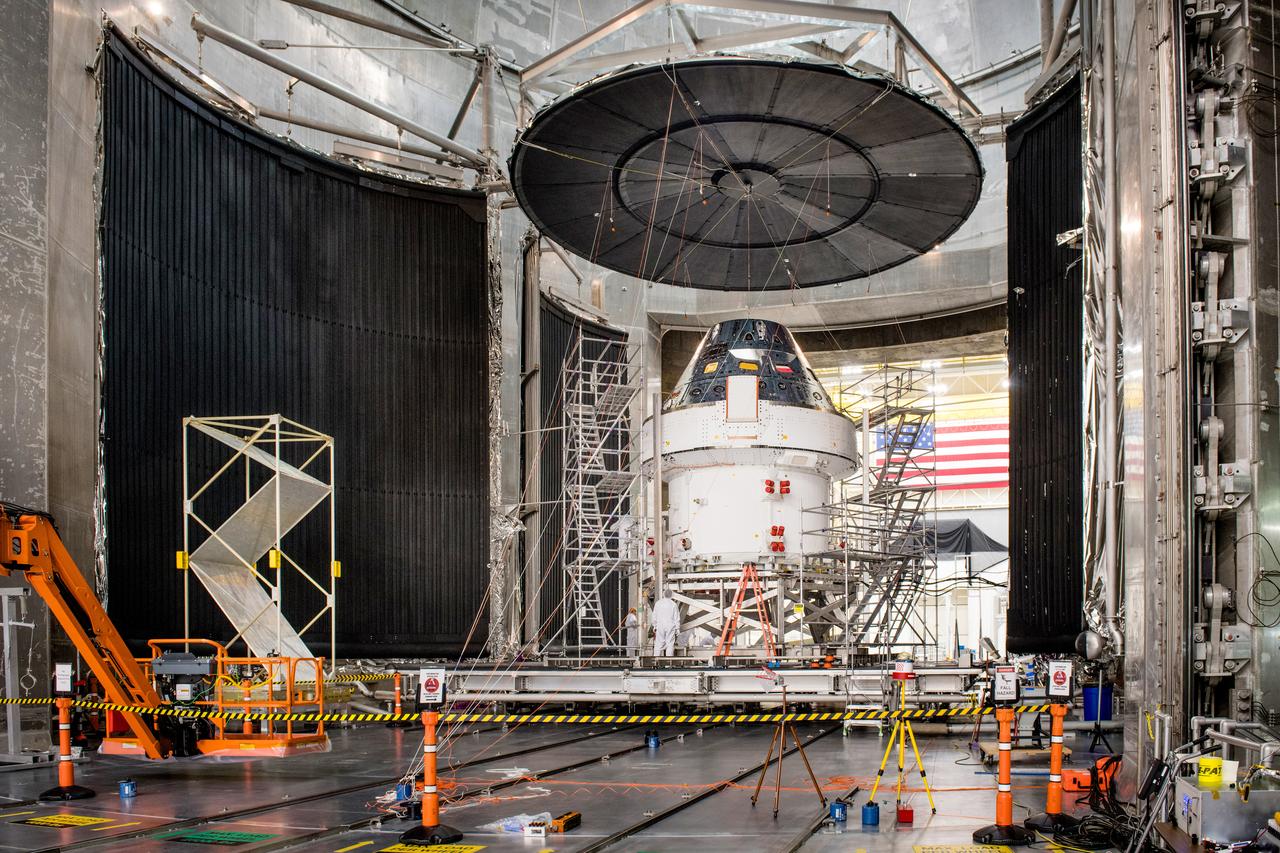
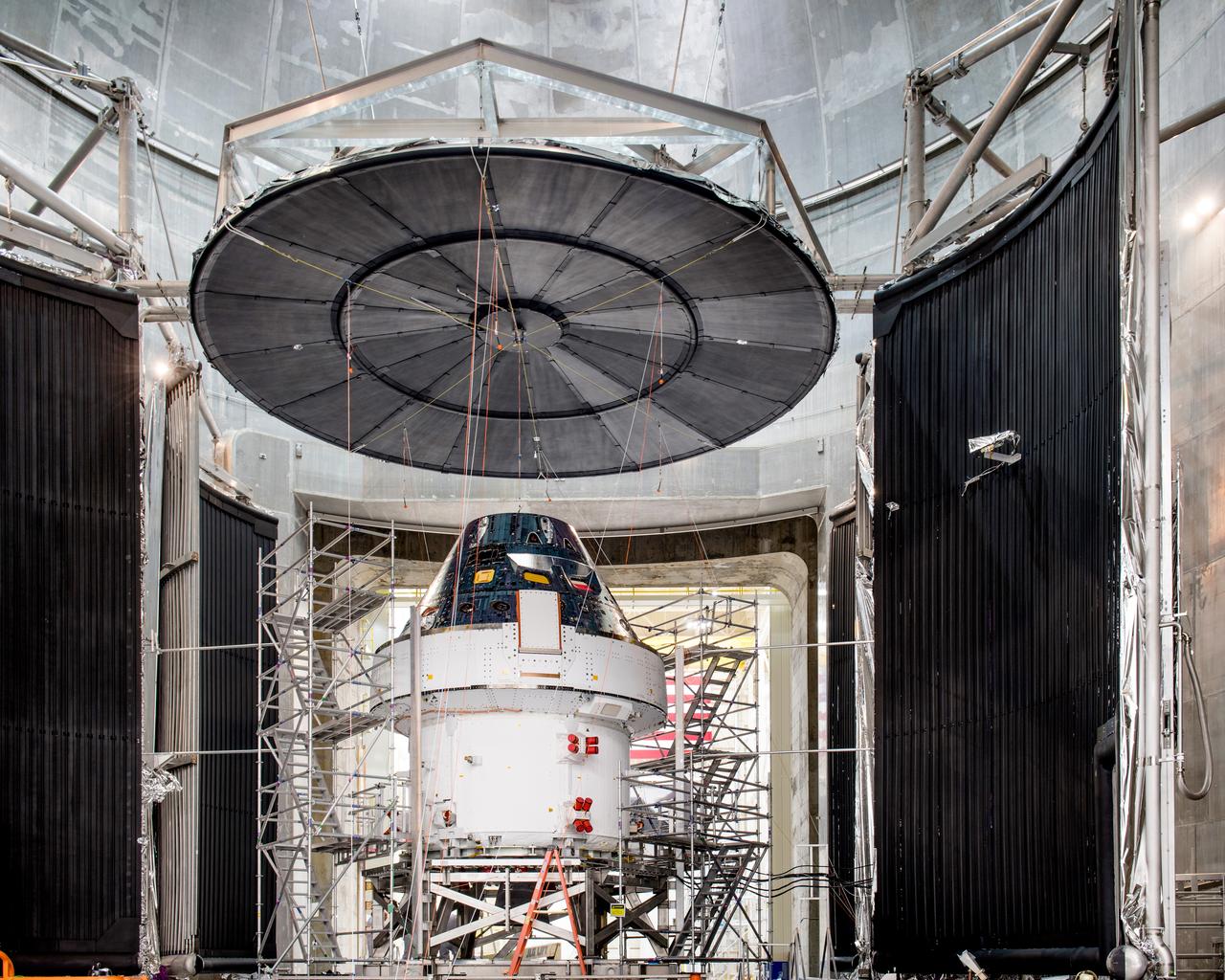
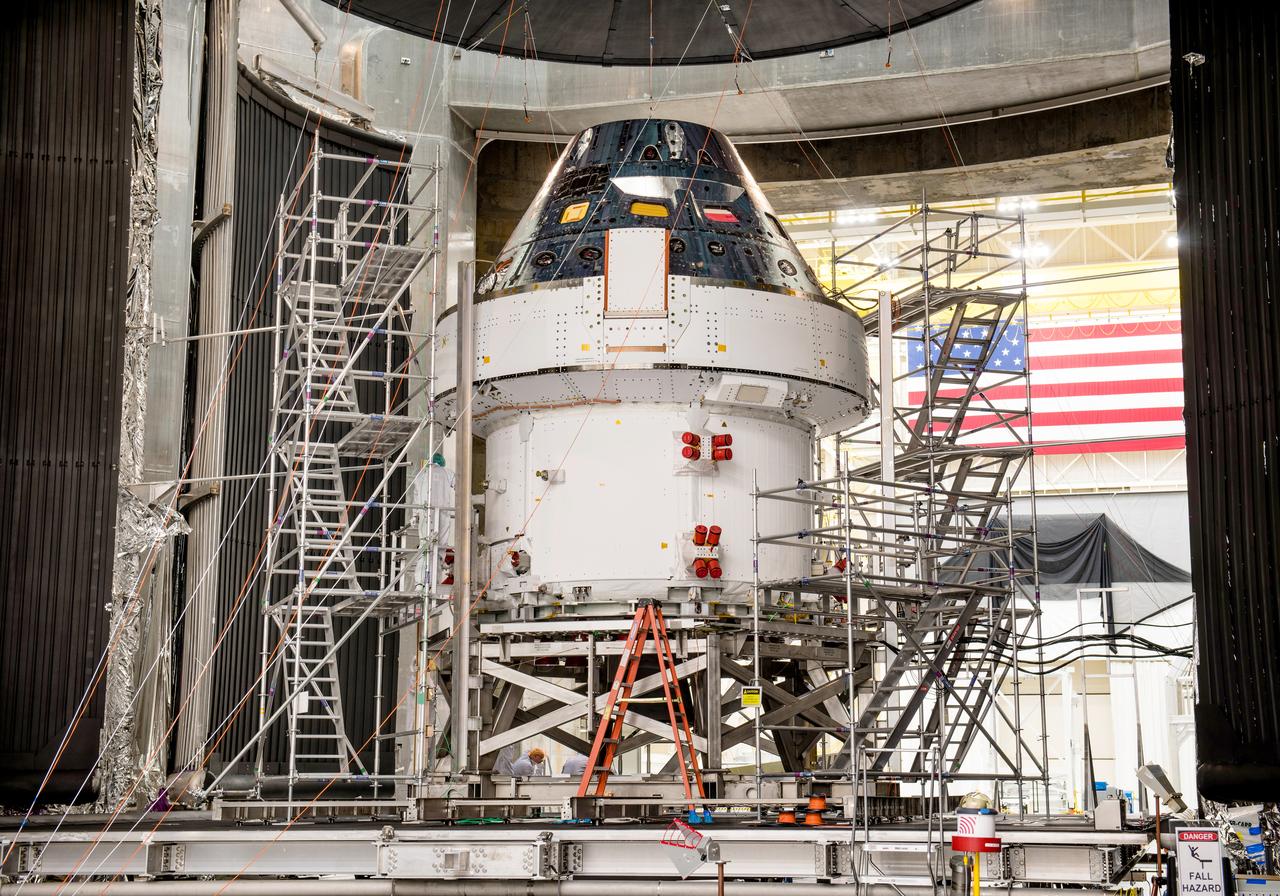
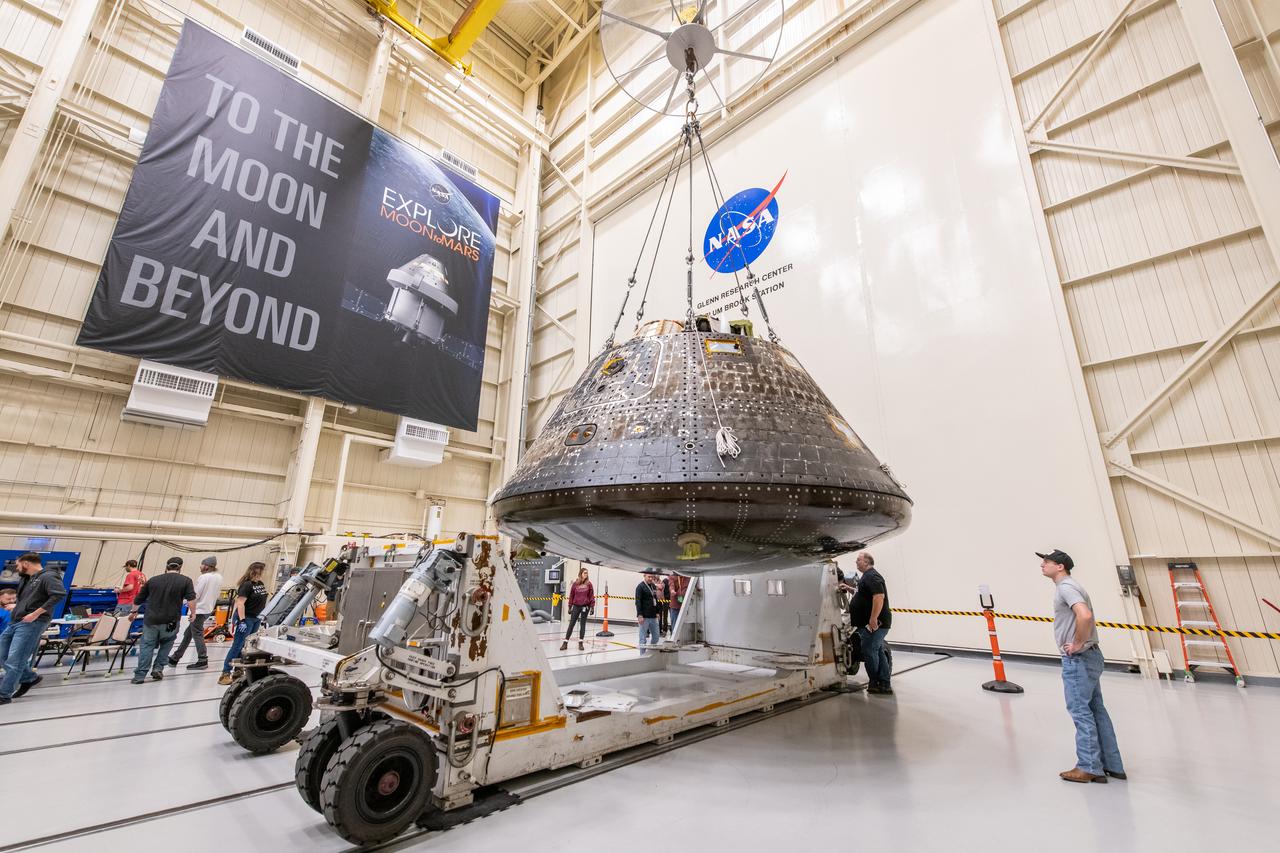
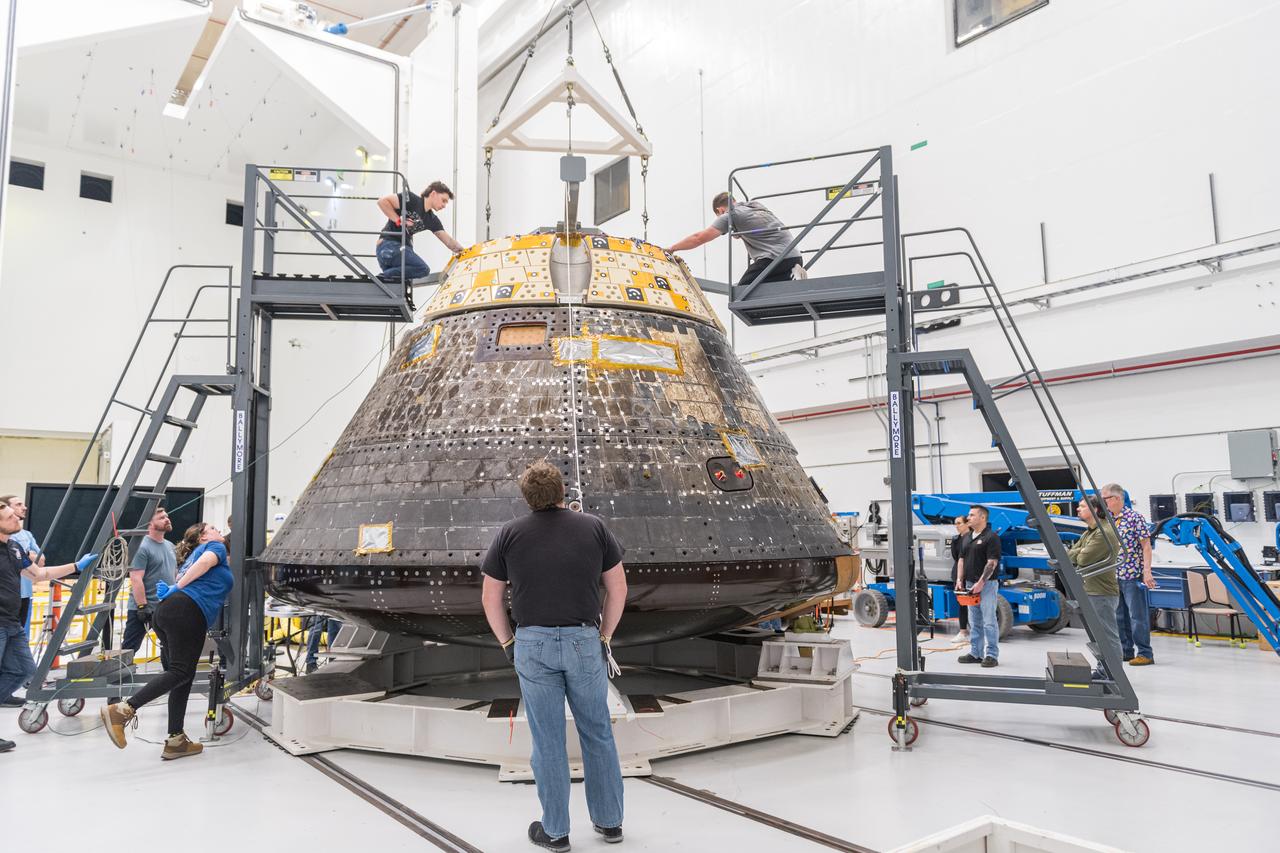
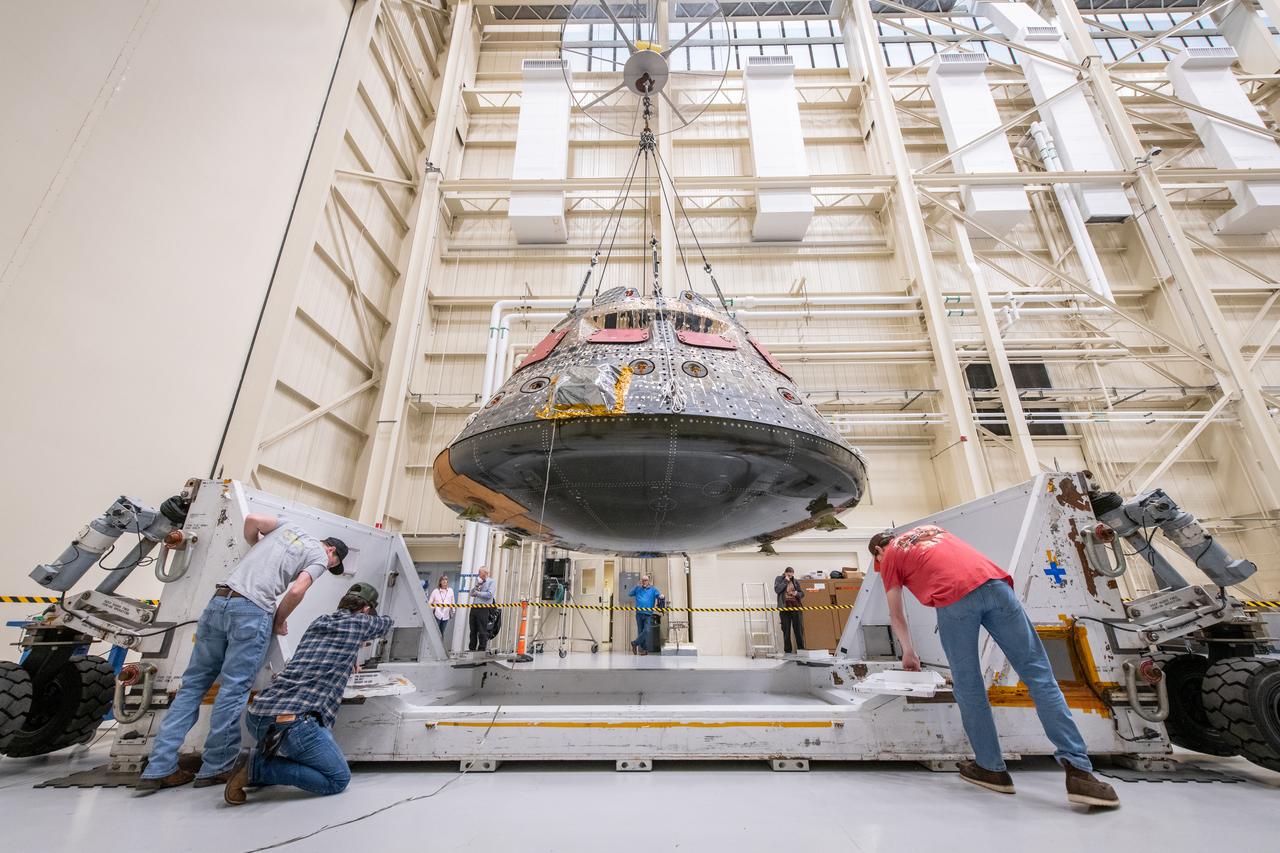
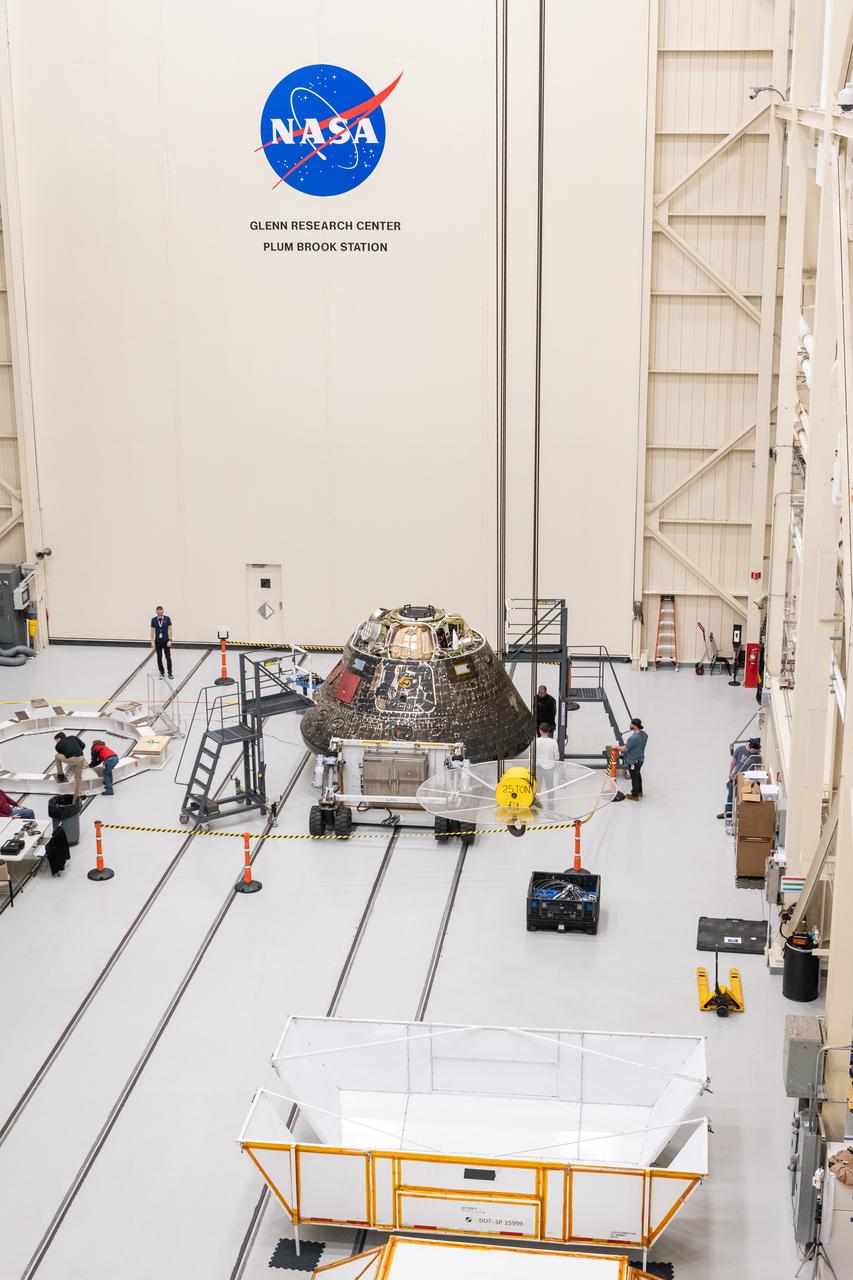
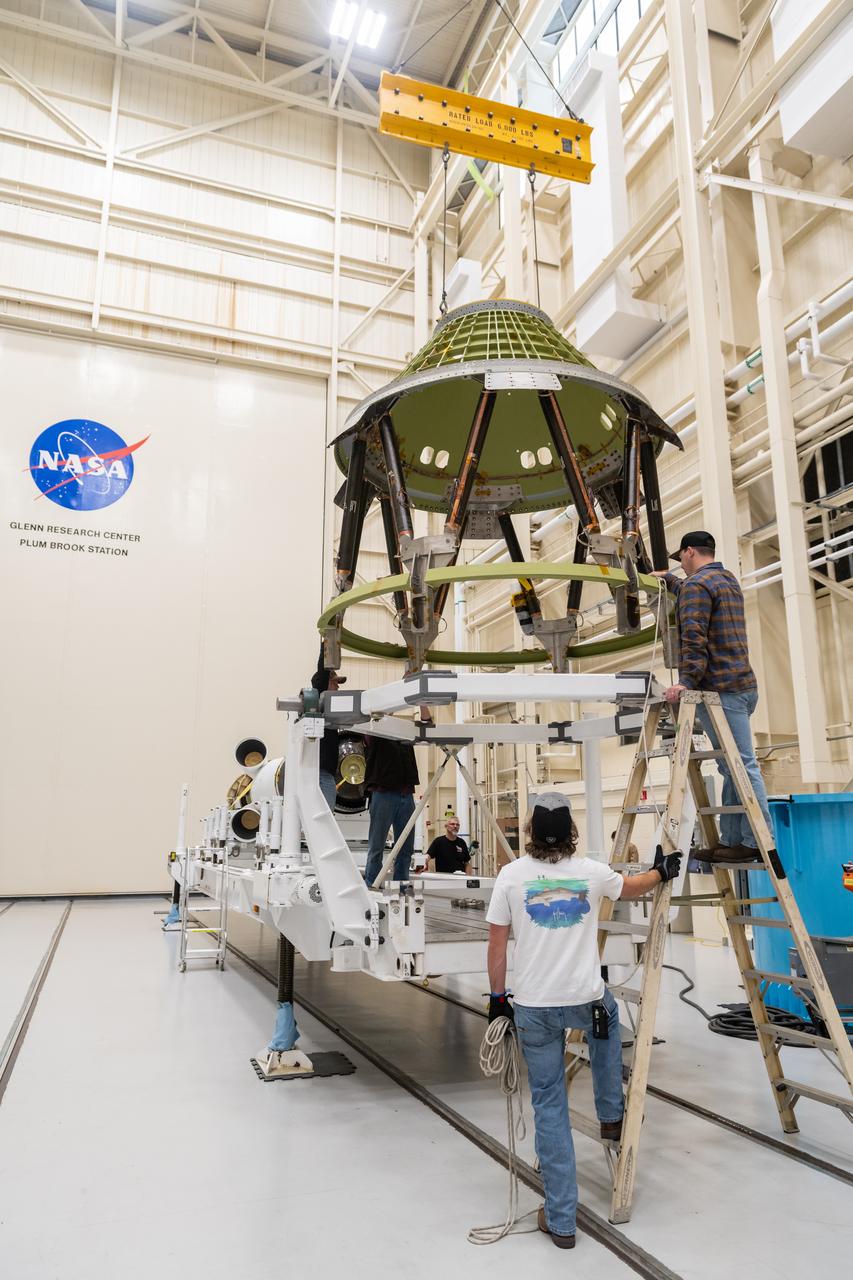
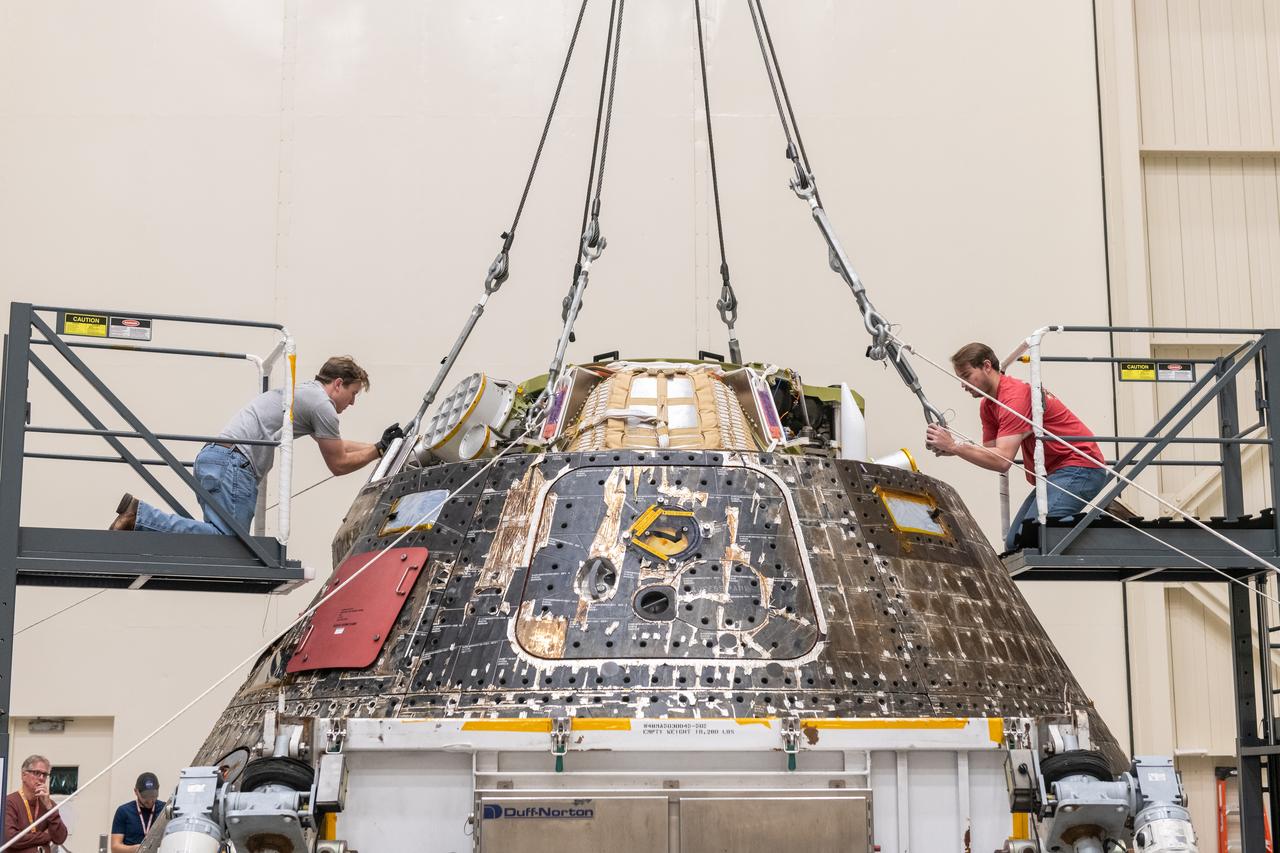
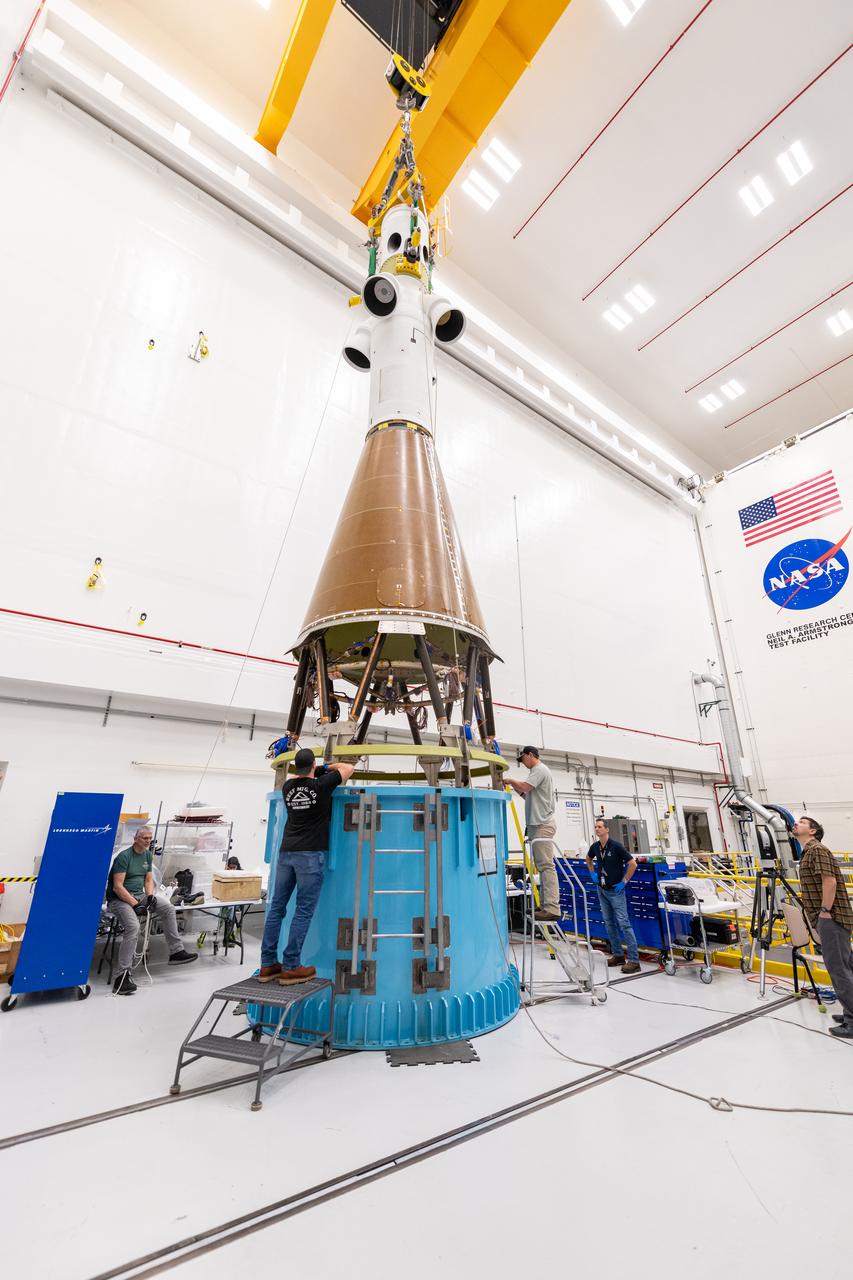
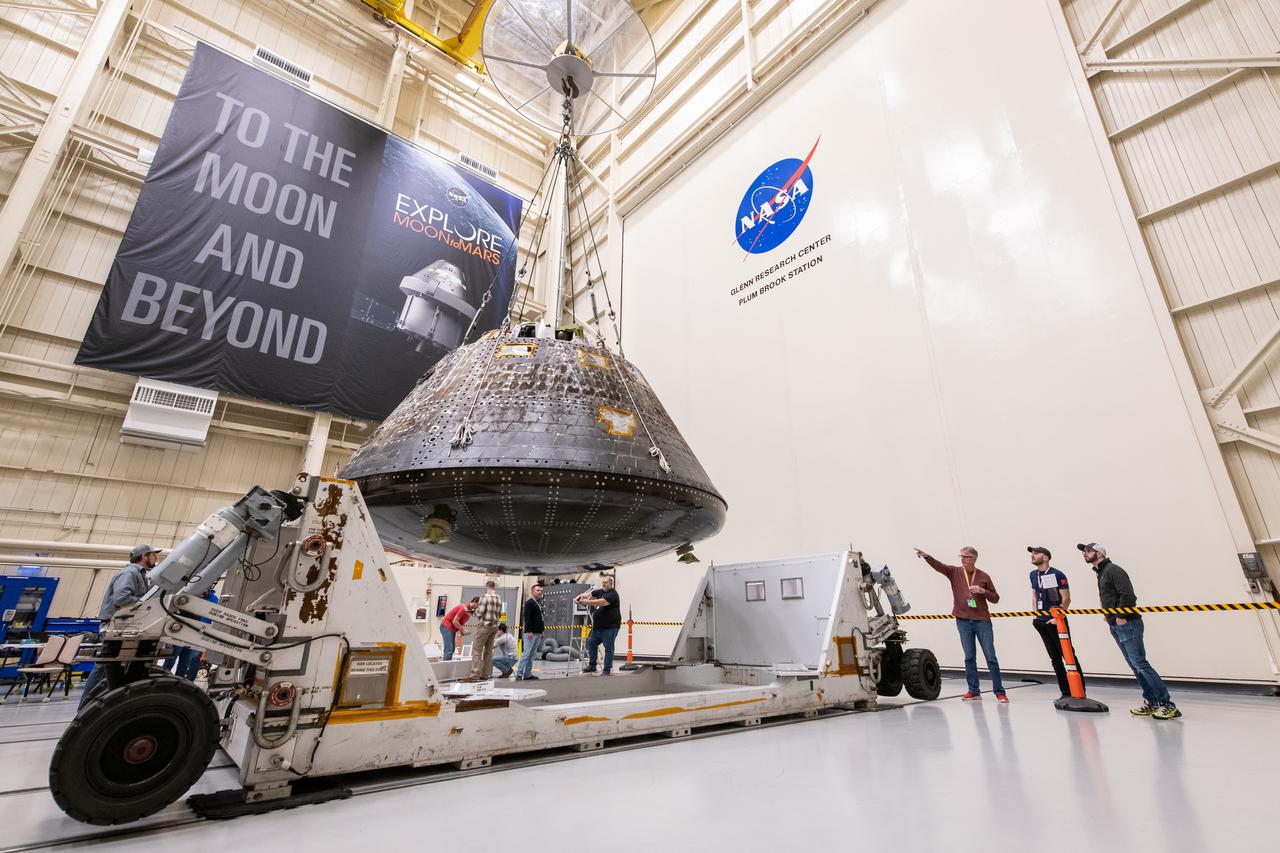
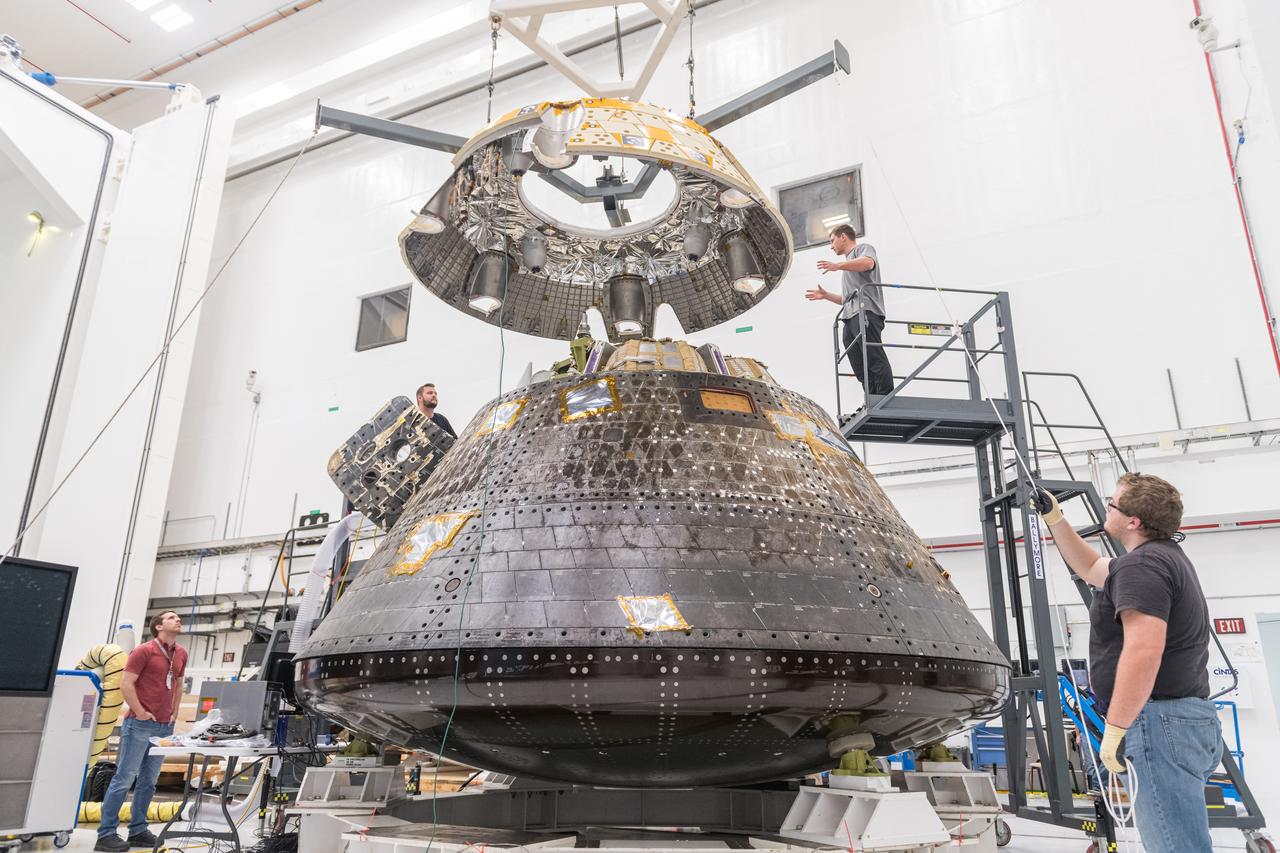
The Artemis I Orion spacecraft is prepared for the final set of environmental tests at NASA Glenn Research Center Neil A. Armstrong Test Facility (formerly Plum Brook Station) in Sandusky, Ohio on Feb. 21, 2020.
Orion environmental testing at Plum Brook
The Artemis I Orion spacecraft is prepared for the final set of environmental tests at NASA Glenn Research Center Neil A. Armstrong Test Facility (formerly Plum Brook Station) in Sandusky, Ohio on Feb. 21, 2020.
Orion environmental testing at Plum Brook
The Artemis I Orion spacecraft is prepared for the final set of environmental tests at NASA Glenn Research Center Neil A. Armstrong Test Facility (formerly Plum Brook Station) in Sandusky, Ohio on Feb. 21, 2020.
Orion environmental testing at Plum Brook
The Artemis I Orion spacecraft is prepared for the final set of environmental tests at NASA Glenn Research Center Neil A. Armstrong Test Facility (formerly Plum Brook Station) in Sandusky, Ohio on Feb. 21, 2020.
Orion environmental testing at Plum Brook
The Artemis I Orion spacecraft is prepared for the final set of environmental tests at NASA Glenn Research Center Neil A. Armstrong Test Facility (formerly Plum Brook Station) in Sandusky, Ohio on Feb. 21, 2020.
Orion environmental testing at Plum Brook
The Artemis I Orion spacecraft is prepared for the final set of environmental tests at NASA Glenn Research Center Neil A. Armstrong Test Facility (formerly Plum Brook Station) in Sandusky, Ohio on Feb. 21, 2020.
Orion environmental testing at Plum Brook
The team at NASA's Armstrong Test Facility in Sandusky, Ohio has begun vibro-acoustic testing on the Orion spacecraft that flew around the Moon on Artemis I, now known as the Environmental Test Article. The testing will help ensure the safety of future crews aboard Orion.  Commander Reid Wiseman and Mission Specialist Jeremy Hansen look around during tours of the acoustic lab.
Orion Environmental Test Article at Armstrong Test Facility
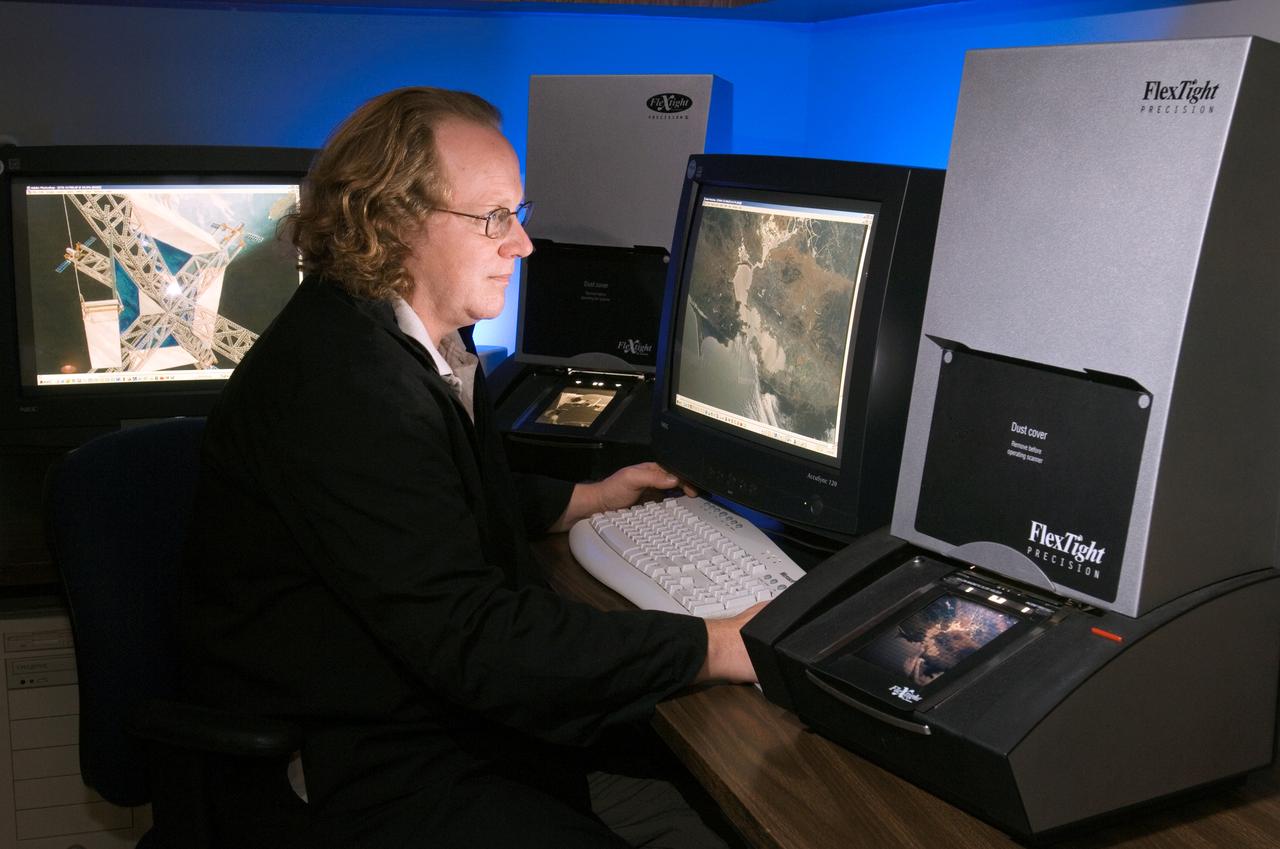
View of Larry Jefferson in the Building 8 photo lab scanning area working with Environmental Photos.
IRD Environmental Photos - Photo Lab Scanners
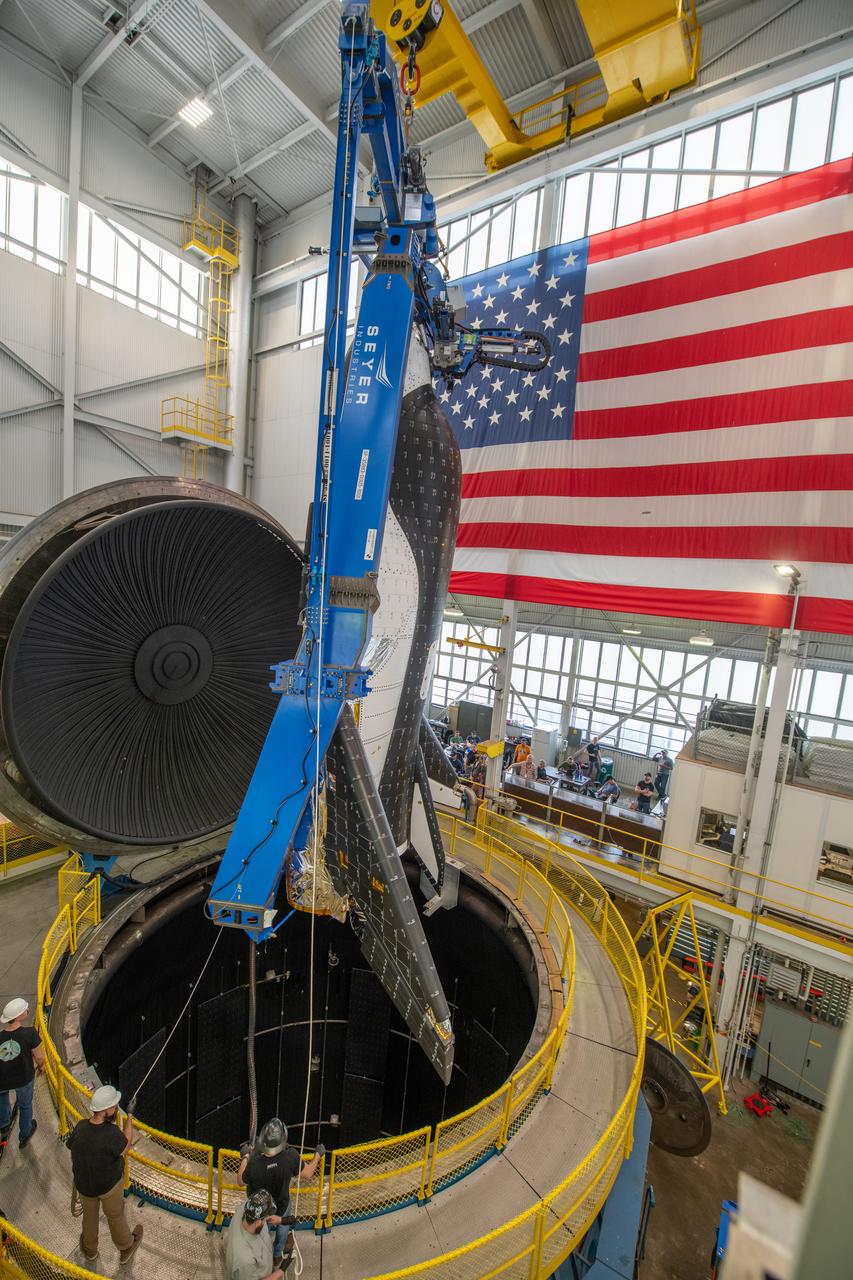
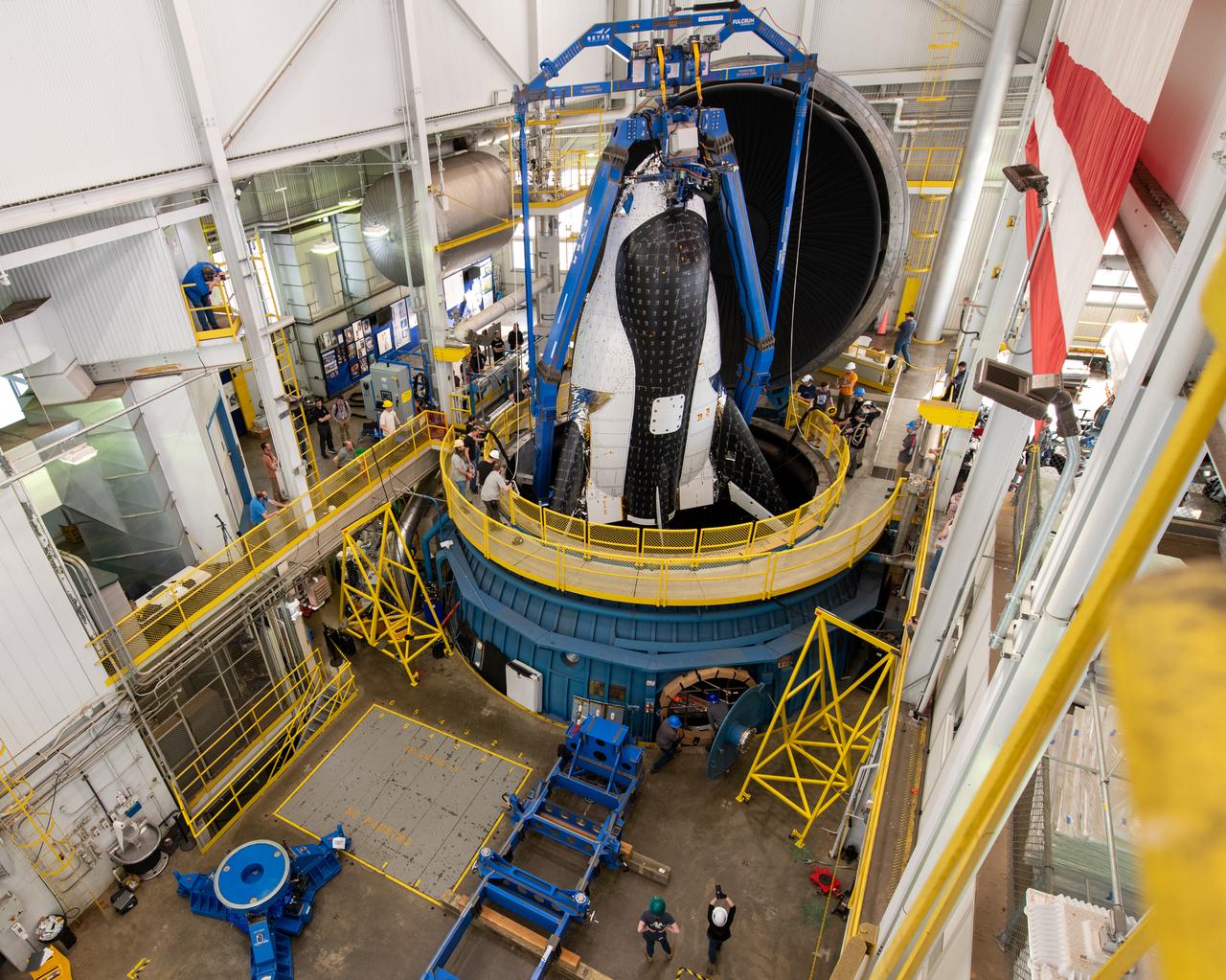
Sierra Space Dream Chaser space plane is lifted into the chamber at ISP (In Space Propulsion) facility, building 3211 at ATF (Armstrong Test Facility) for environmental testing.  Once lowered into the test chamber, it will be exposed to the harsh cold conditions of space for extended periods of time.
Sierra Space Dream Chaser critical lift into the environmental t
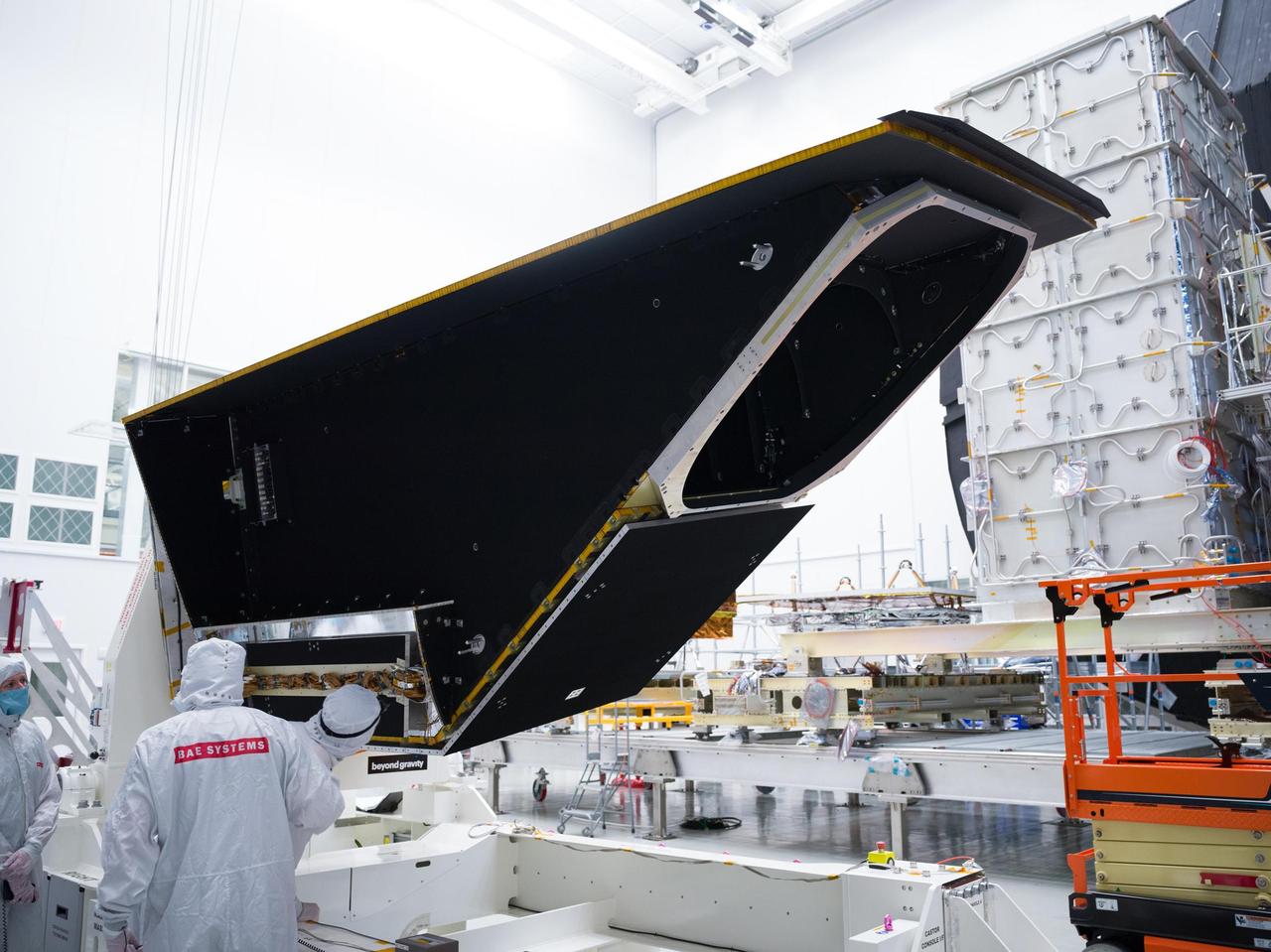
The instrument enclosure for NASA's Near-Earth Object Surveyor is prepared for environmental testing inside the historic Chamber A in the Space Environment Simulation Laboratory at the agency's Johnson Space Center in Houston in December 2024. Mounted to its articulating platform, on which it was securely positioned during assembly, the 12-foot-long (3.7-meter-long) angular structure was inspected by technicians before being placed inside the testing chamber.  Figure A shows the reflective side of the instrument enclosure as it was rotated on the assembly dolly before being transferred to a testing platform. The cavernous opening to Chamber A is in the background.  The instrument enclosure is designed to protect the spacecraft's infrared telescope while also removing heat from it during operations. After environmental testing was completed, the enclosure returned to NASA's Jet Propulsion Laboratory in Southern California for further work, after which it will ship to the Space Dynamics Laboratory (SDL) in Logan, Utah, and be joined to the telescope. Both the instrument enclosure and telescope were assembled at JPL.  As NASA's first space-based detection mission specifically designed for planetary defense, NEO Surveyor will seek out, measure, and characterize the hardest-to-find asteroids and comets that might pose a hazard to Earth. While many near-Earth objects don't reflect much visible light, they glow brightly in infrared light due to heating by the Sun. The spacecraft's telescope, which has an aperture of nearly 20 inches (50 centimeters), features detectors sensitive to two infrared wavelengths in which near-Earth objects re-radiate solar heat.  Targeting launch in late 2027, the NEO Surveyor mission is led by Prof. Amy Mainzer at UCLA for NASA's Planetary Defense Coordination Office and is being managed by JPL for the Planetary Missions Program Office at NASA's Marshall Space Flight Center in Huntsville, Alabama. BAE Systems, SDL, and Teledyne are among the companies that were contracted to build the spacecraft and its instrumentation. The Laboratory for Atmospheric and Space Physics at the University of Colorado Boulder will support operations, and Caltech/IPAC in Pasadena, California, is responsible for producing some of the mission's data products. Caltech manages JPL for NASA.  https://photojournal.jpl.nasa.gov/catalog/PIA26582
NEO Surveyor Instrument Enclosure Begins Environmental Tests
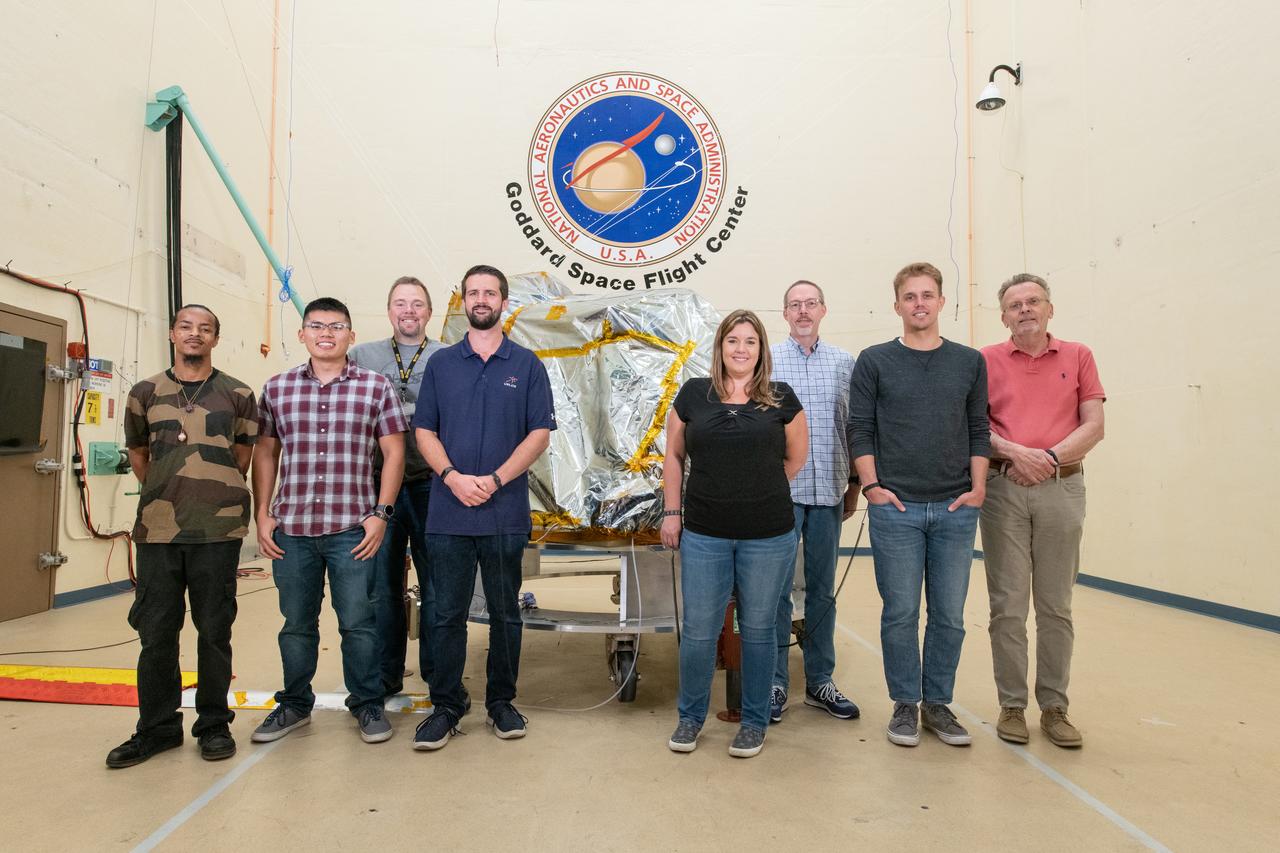
The Goddard Space Flight Center (GSFC) environmental testing team poses with the bagged Ocean Color Instrument (OCI) behind them in the acoustic chamber prior to testing. The acoustic testing will ensure that functionality of OCI is not impaired by severe launch environments.  OCI is a highly advanced optical spectrometer that will be used to measure properties of light over portions of the electromagnetic spectrum. It will enable continuous measurement of light at finer wavelength resolution than previous NASA satellite sensors, extending key system ocean color data records for climate studies. OCI is PACE's (Plankton, Aerosol, Cloud, ocean Ecosystem) primary sensor built at Goddard Space Flight Center in Greenbelt, MD.
OCI Environmental Testing Team Photo
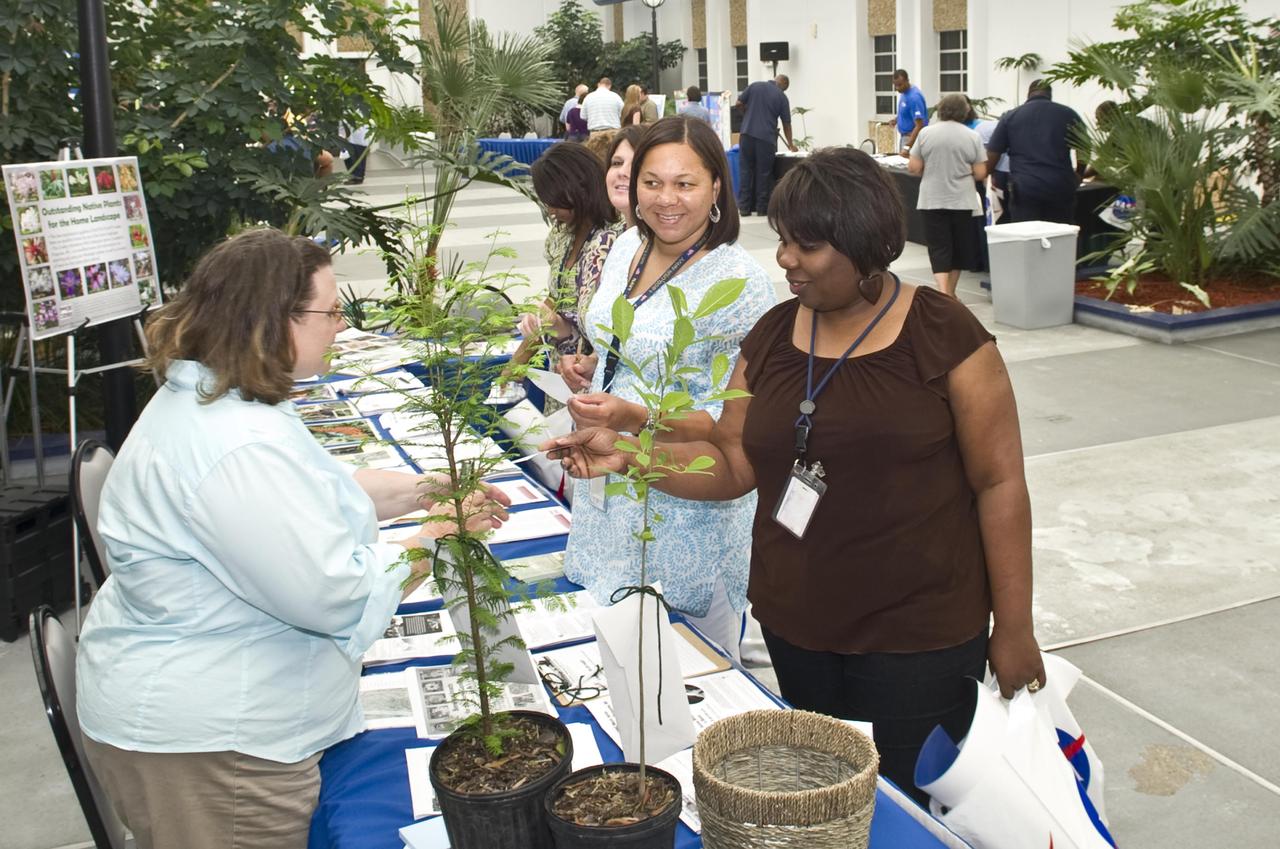
Pat Drackett of the Crosby Arboretum in Picayune (l) speaks with Helen Robinson and Arlene Brown, both employees of the Naval Oceanographic Office at Stennis Space Center, during Earth Day 2011 activities April 21. During the day, Stennis employees were able to visit various exhibits featuring environmentally friendly and energy-conscious items and information. The activities were coordinated by the Stennis Environmental Office.
2011 Earth Day
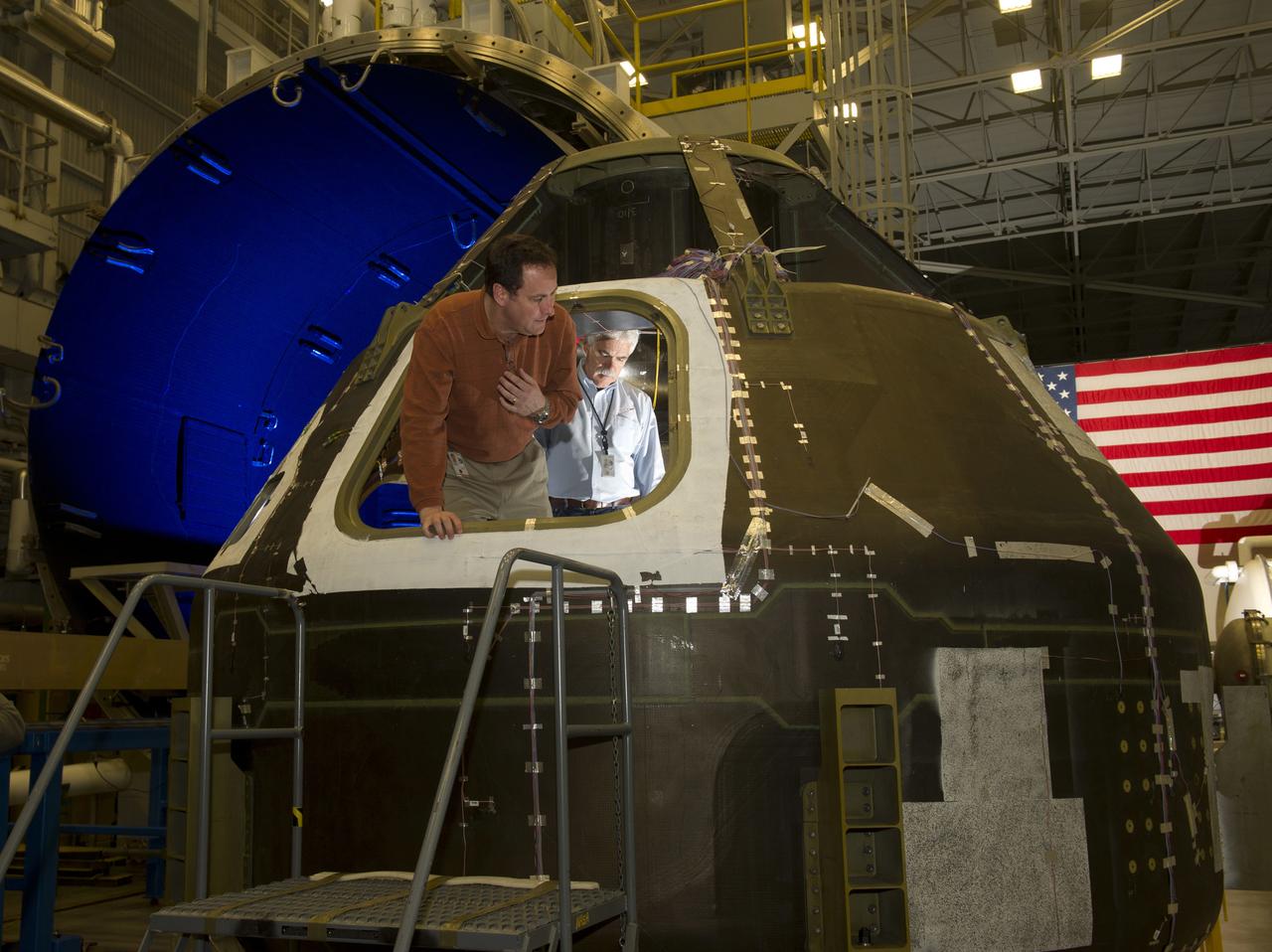
CENTER DIRECTOR ROBERT LIGHTFOOT AND  MATERIALS ENGINEER LARRY PELHAM, EXAMINE COMPOSITE CREW MODULE AT THE ENVIRONMENTAL TEST FACILITY IN BLDG. 4619 AS MODULE IS BEING PREPARED FOR SPACE ENVIRONMENTAL TESTING.
1200009
The ECLSS module inside SpaceX’s headquarters and factory in Hawthorne, California. The module is the same size as the company’s Crew Dragon spacecraft and is built to test the Environmental Control and Life Support System, or ECLSS, that is being built for missions aboard the Crew Dragon including those by astronauts flying to the International Space Station on flights for NASA’s Commercial Crew Program. Photo credit: SpaceX
SpaceX's Environmental Control and Life Support System (ECLSS)
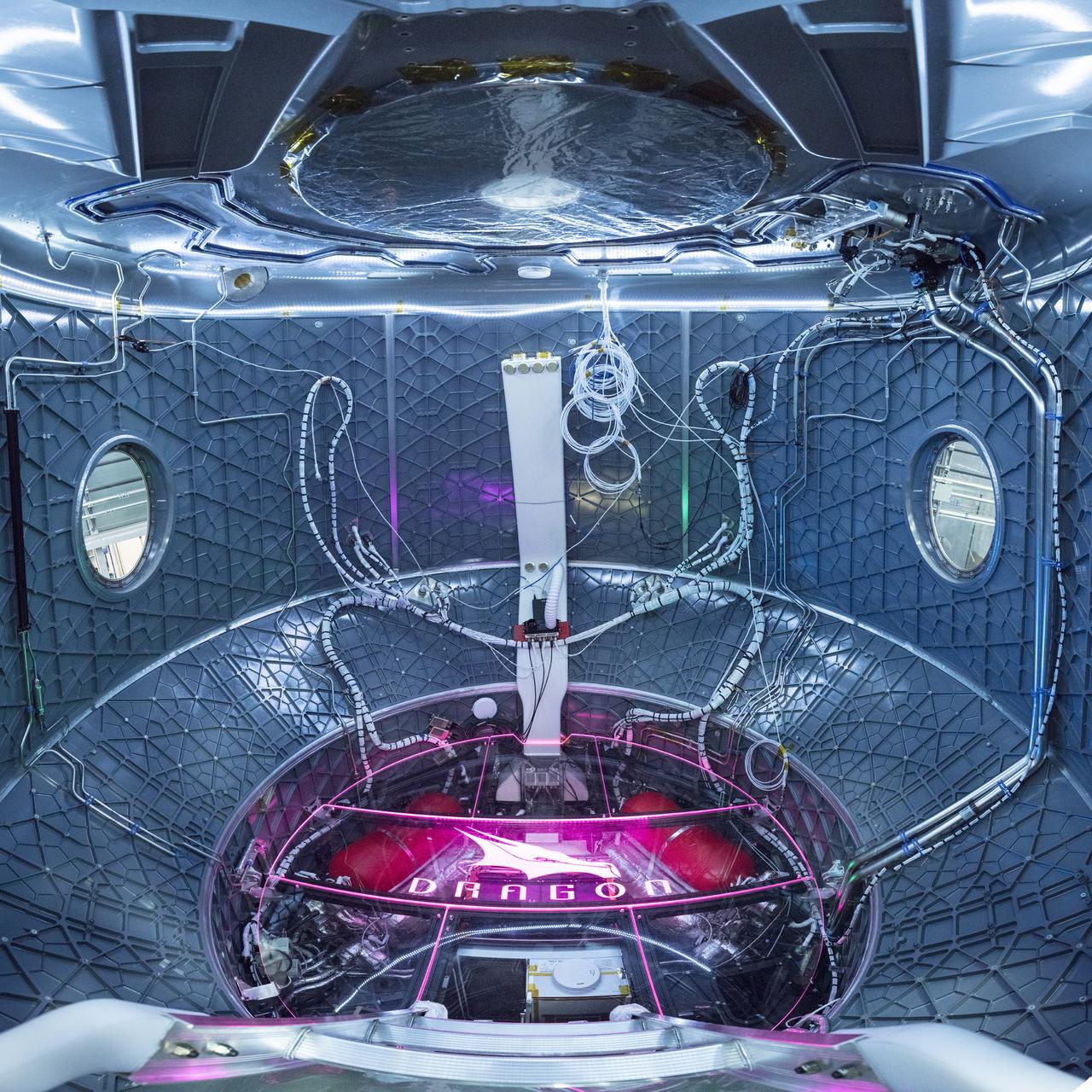
The interior of the ECLSS module inside SpaceX’s headquarters and factory in Hawthorne, California. The module is the same size as the company’s Crew Dragon spacecraft and is built to test the Environmental Control and Life Support System, or ECLSS, that is being built for missions aboard the Crew Dragon including those by astronauts flying to the International Space Station on flights for NASA’s Commercial Crew Program. Photo credit: SpaceX
SpaceX's Environmental Control and Life Support System (ECLSS)
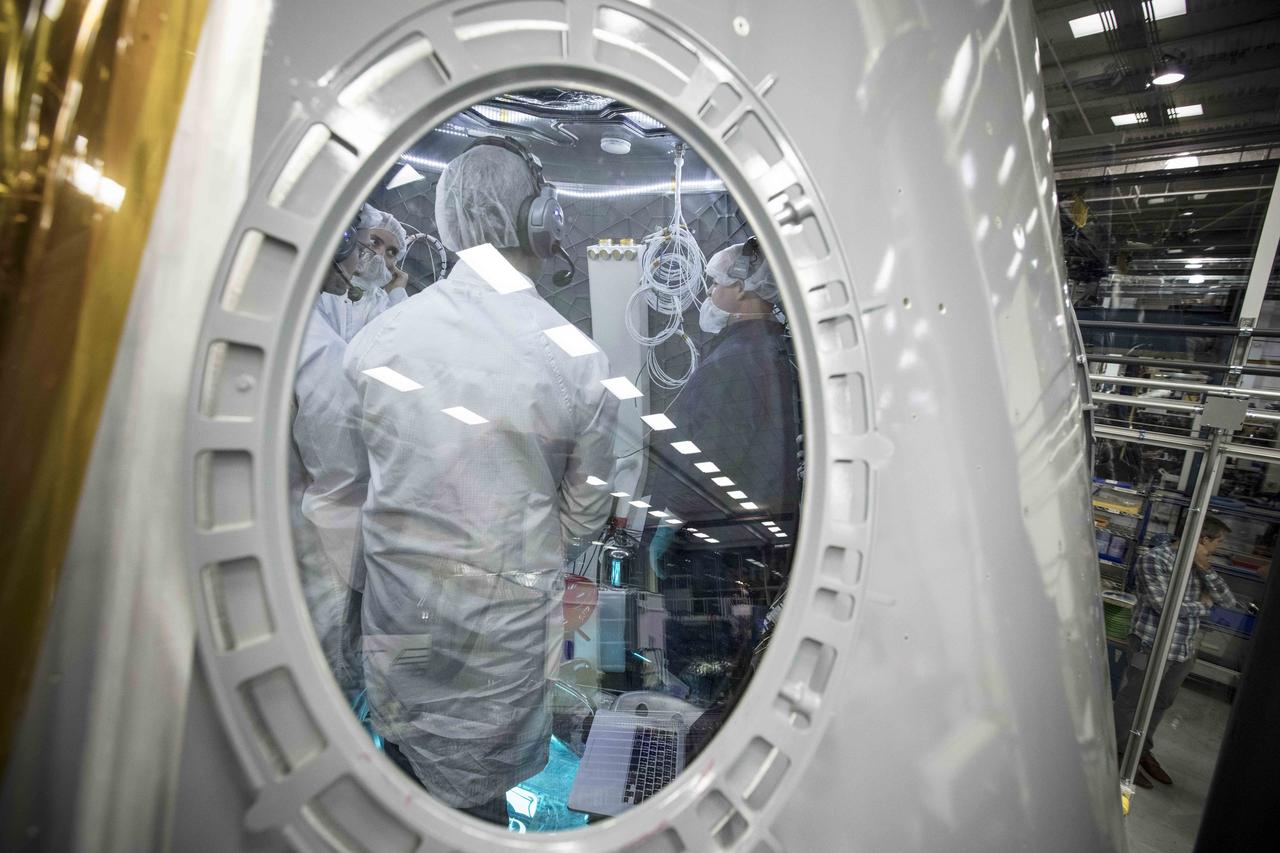
Engineers work inside the ECLSS module at SpaceX’s headquarters and factory in Hawthorne, California. The module is the same size as the company’s Crew Dragon spacecraft and is built to test the Environmental Control and Life Support System, or ECLSS, that is being built for missions aboard the Crew Dragon including those by astronauts flying to the International Space Station on flights for NASA’s Commercial Crew Program. Photo credit: SpaceX
SpaceX's Environmental Control and Life Support System (ECLSS)
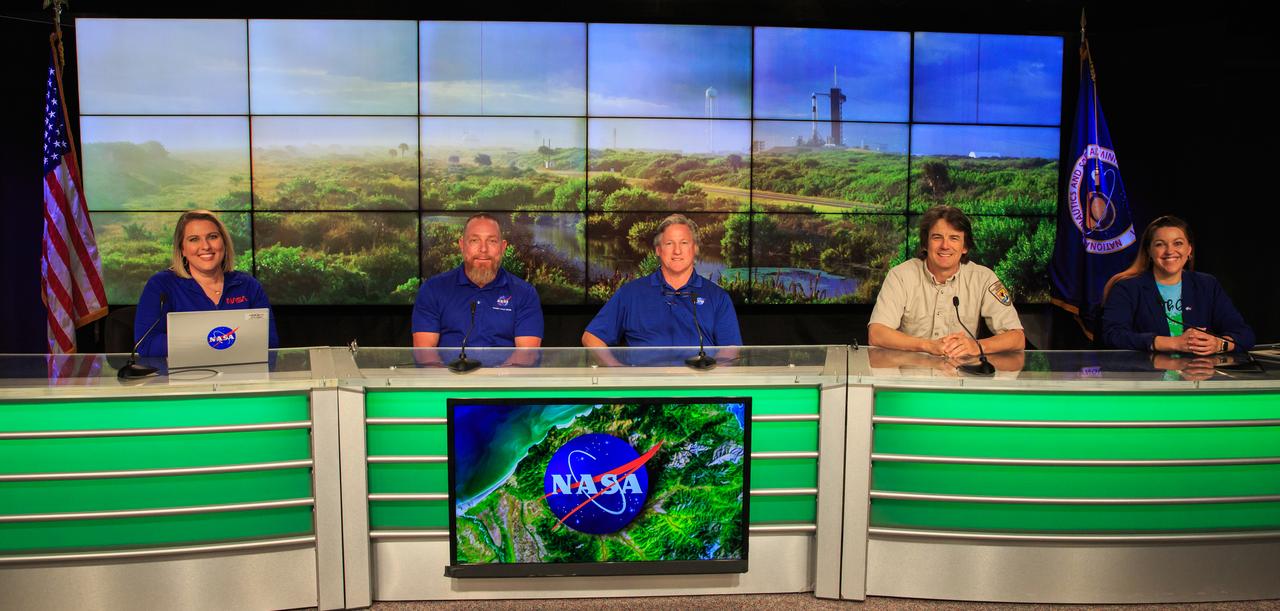
From left, NASA Communications’ Leah Martin; Environmental Planning Group Lead in Kennedy Space Center's Environmental Management Branch Don Dankert; Kennedy Environmental Protection Specialist Jeff Collins; Florida Fish and Wildlife Conservation Commission Officer Stanley Howater; and Stennis Space Center's Kelly McCarthy participate in an environmentally focused Earth Day briefing inside the News Auditorium at the Florida spaceport on April 20, 2023. As part of NASA’s NextGen STEM project, students from Florida’s Montverde Academy, Storm Grove Middle School, and Whispering Pines School, as well as a homeschool collective from Georgia, participated in person during the briefing, while middle- and high-school students across the country had the opportunity to ask questions of the panel via phone to discuss how technology and science coexist with nature at Kennedy.
Earth Day 2023 Student Briefing
Test conductor, Lucas Tucker, monitors thermal vacuum testing operations in the Ocean Color Instrument (OCI) control room during the environmental test campaign. OCI is a highly advanced optical spectrometer that will be used to measure properties of light over portions of the electromagnetic spectrum. It will enable continuous measurement of light at finer wavelength resolution than previous NASA satellite sensors, extending key system ocean color data records for climate studies. OCI is PACE's (Plankton, Aerosol, Cloud, ocean Ecosystem) primary sensor built at Goddard Space Flight Center in Greenbelt, MD.
OCI Test Conductor During the Environmental Test Campaign
Vibro-acoustic testing on the Orion spacecraft that flew around the Moon on Artemis I, now known as the Environmental Test Article at Armstrong Test Facility in Sandusky, OH. The testing will help ensure the safety of future crews aboard Orion. Photo Credit: (NASA/Sara Lowthian-Hanna)
Orion Environmental Test Article in the Vibro Acoustic Lab at Armstrong Test Facility
Sierra Space Dream Chaser space plane is lifted into the chamber at ISP (In Space Propulsion) facility, building 3211 at ATF (Armstrong Test Facility) for environmental testing.  Once lowered into the test chamber, it will be exposed to the harsh cold conditions of space for extended periods of time.
Sierra Space Dream Chaser critical lift into the environmental t
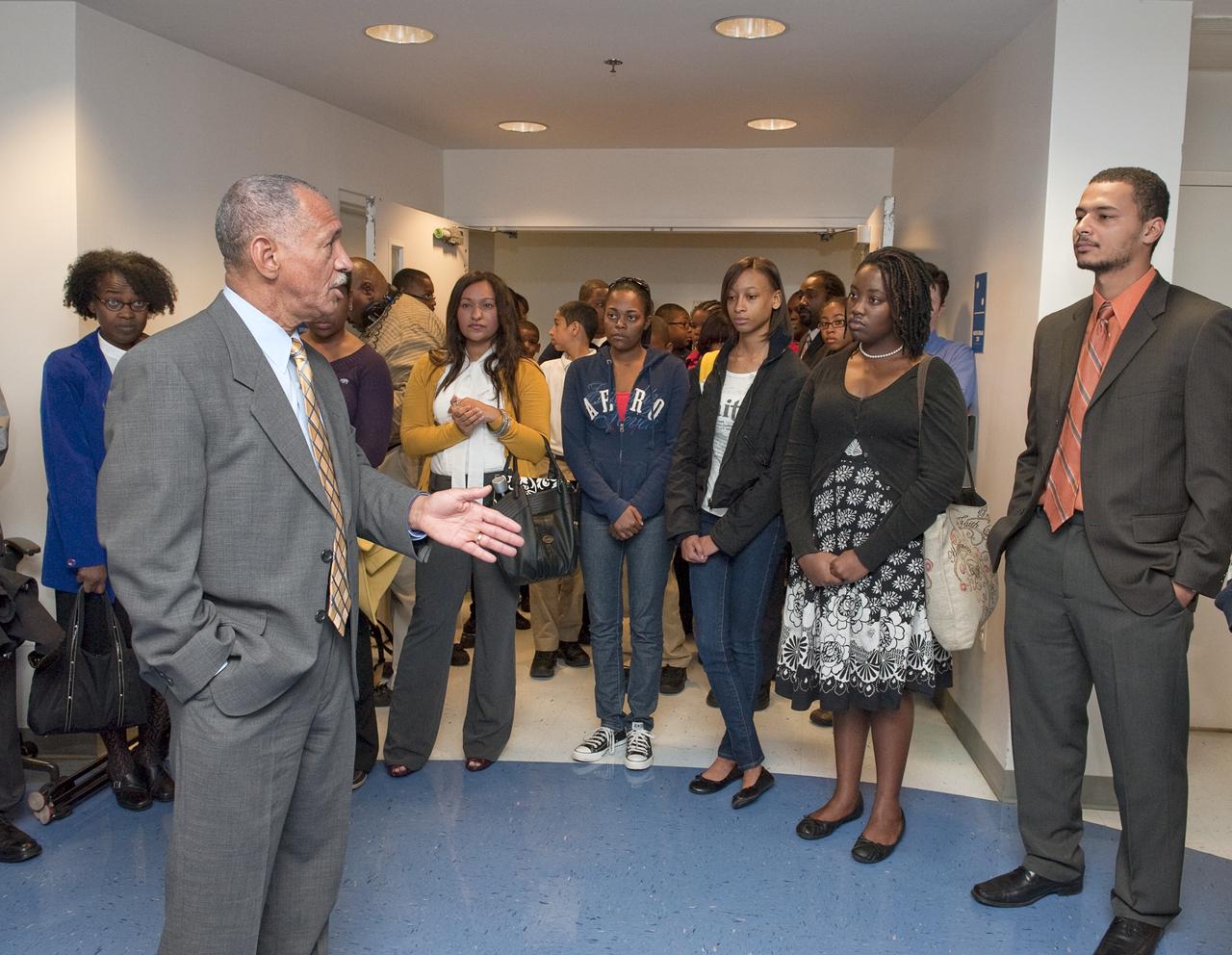
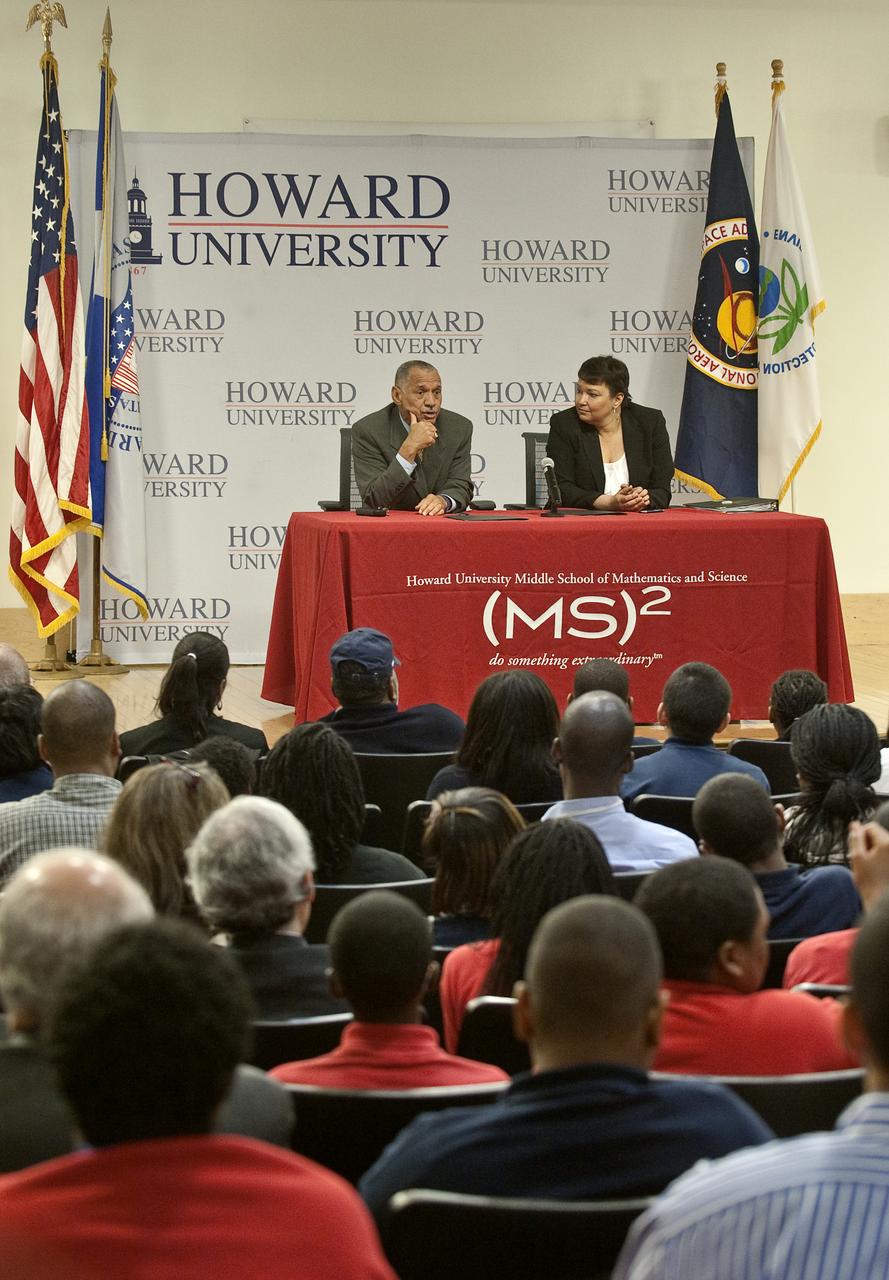
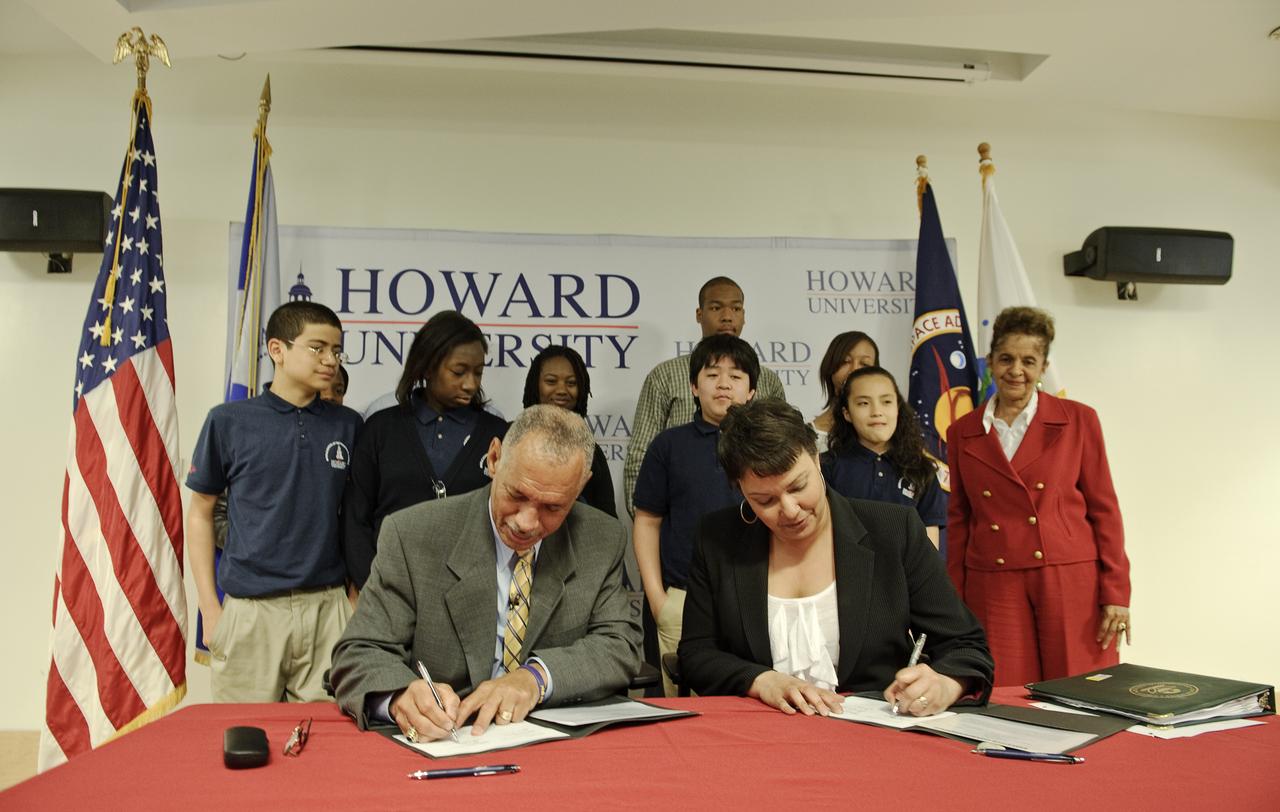
NASA Administrator Charles Bolden, foreground, speaks with Howard University students after he and and U.S. Environmental Protection Agency (EPA) Administrator Lisa P.  Jackson, right, signed a Memorandum of Agreement (MOA) to promote collaboration between the two agencies for cooperation in environmental and Earth sciences and environmental management applications at the Howard University Middle School of Mathematics and Science, Monday, April 26, 2010, in Washington. Photo Credit: (NASA/Paul E. Alers)
NASA EPA MOA Signing
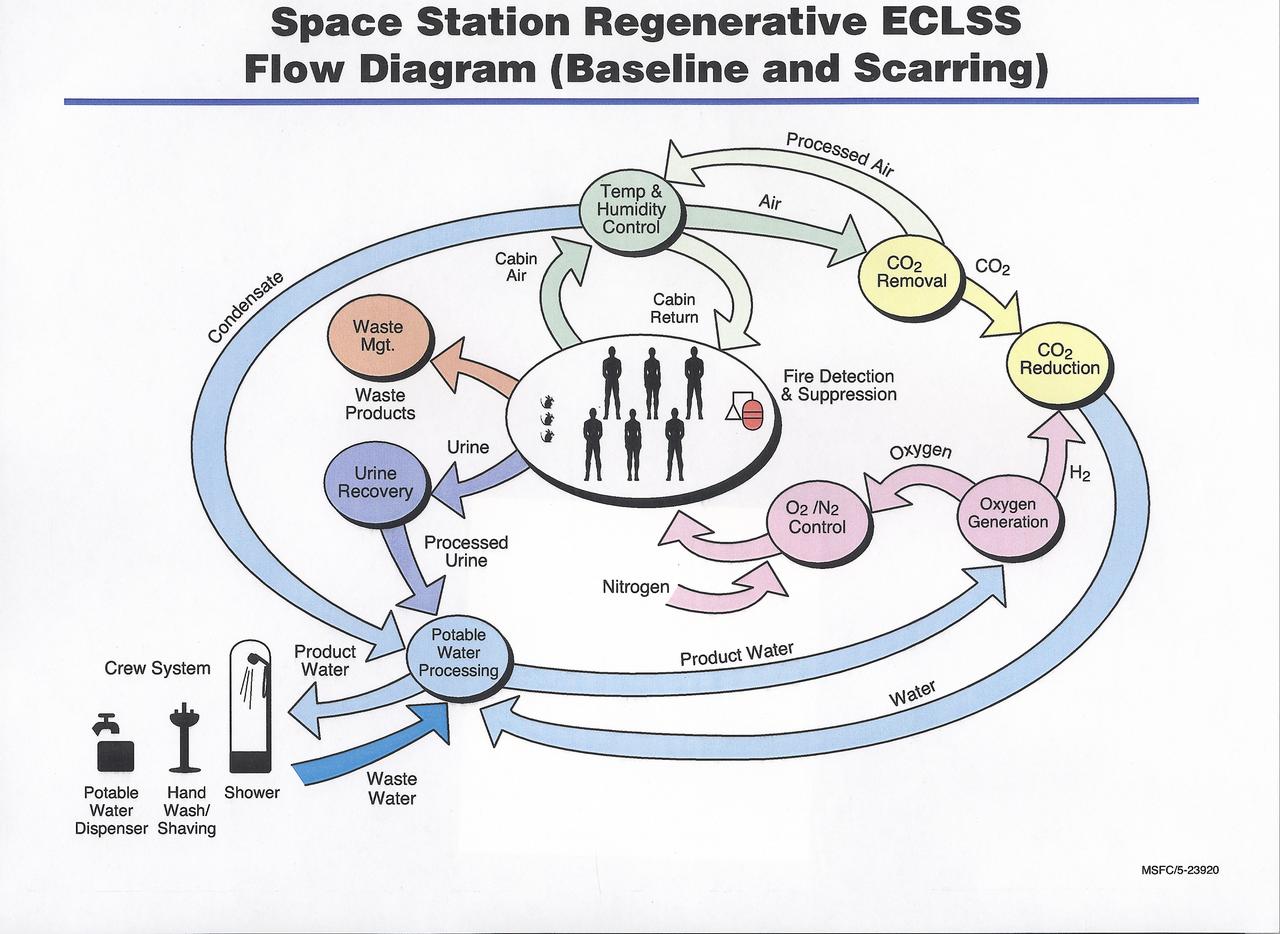
This diagram shows the flow of recyclable resources in the International Space Station (ISS). The Environmental Control and Life Support System (ECLSS) Group of the Flight Projects Directorate at the Marshall Space Flight Center is responsible for the regenerative ECLSS hardware, as well as providing technical support for the rest of the system. The regenerative ECLSS, whose main components are the Water Recovery System (WRS), and the Oxygen Generation System (OGS), reclaims and recycles water and oxygen. The ECLSS maintains a pressurized habitation environment, provides water recovery and storage, maintains and provides fire detection / suppression, and provides breathable air and a comfortable atmosphere in which to live and work within the ISS. The ECLSS hardware will be located in the Node 3 module of the ISS.
International Space Station (ISS)
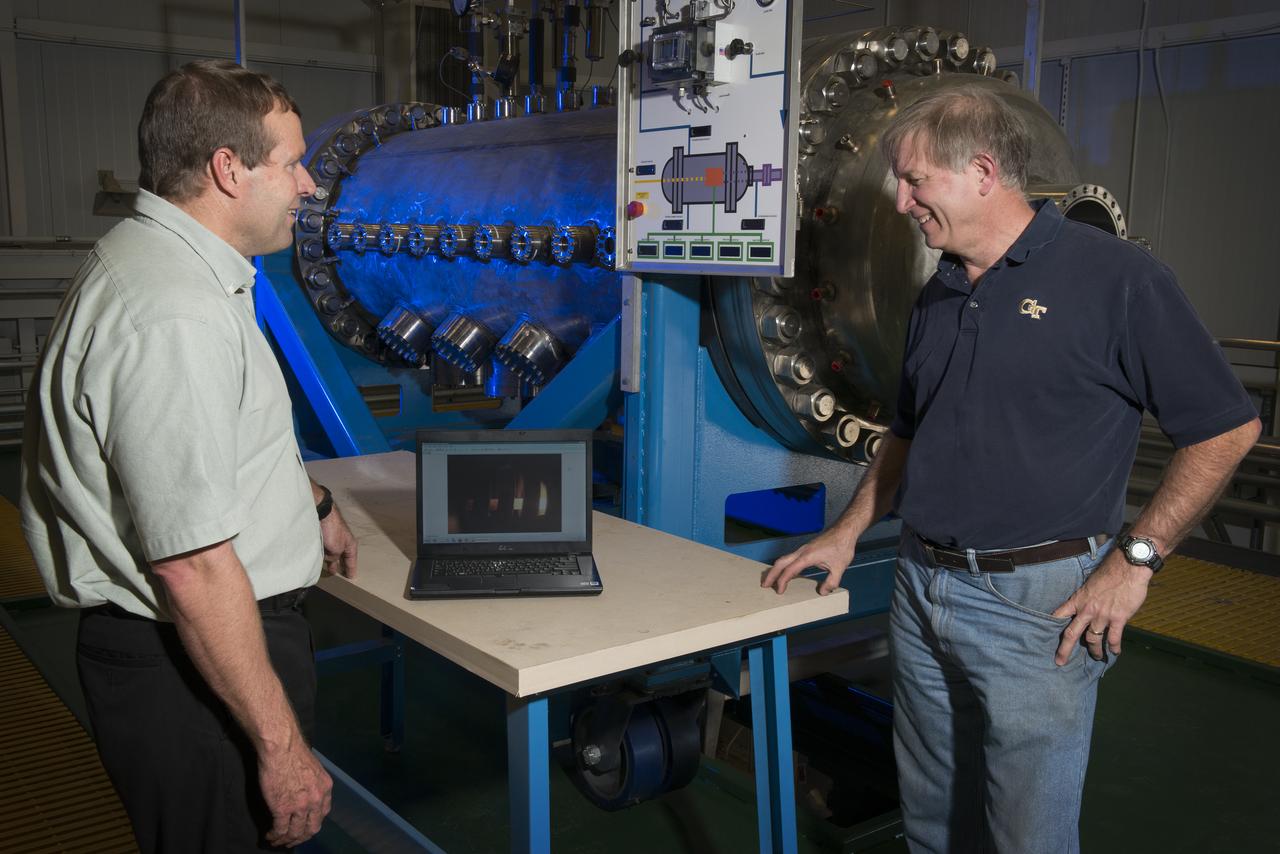
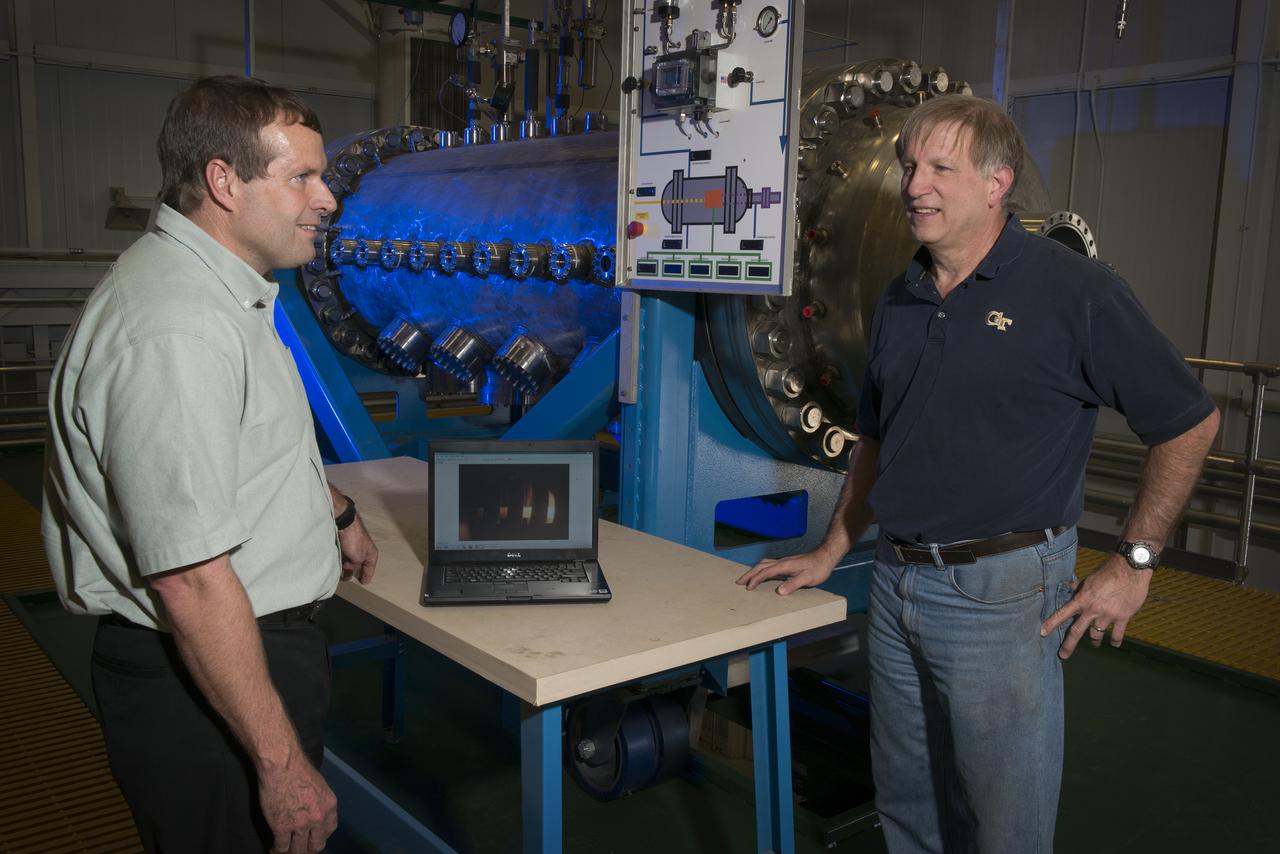
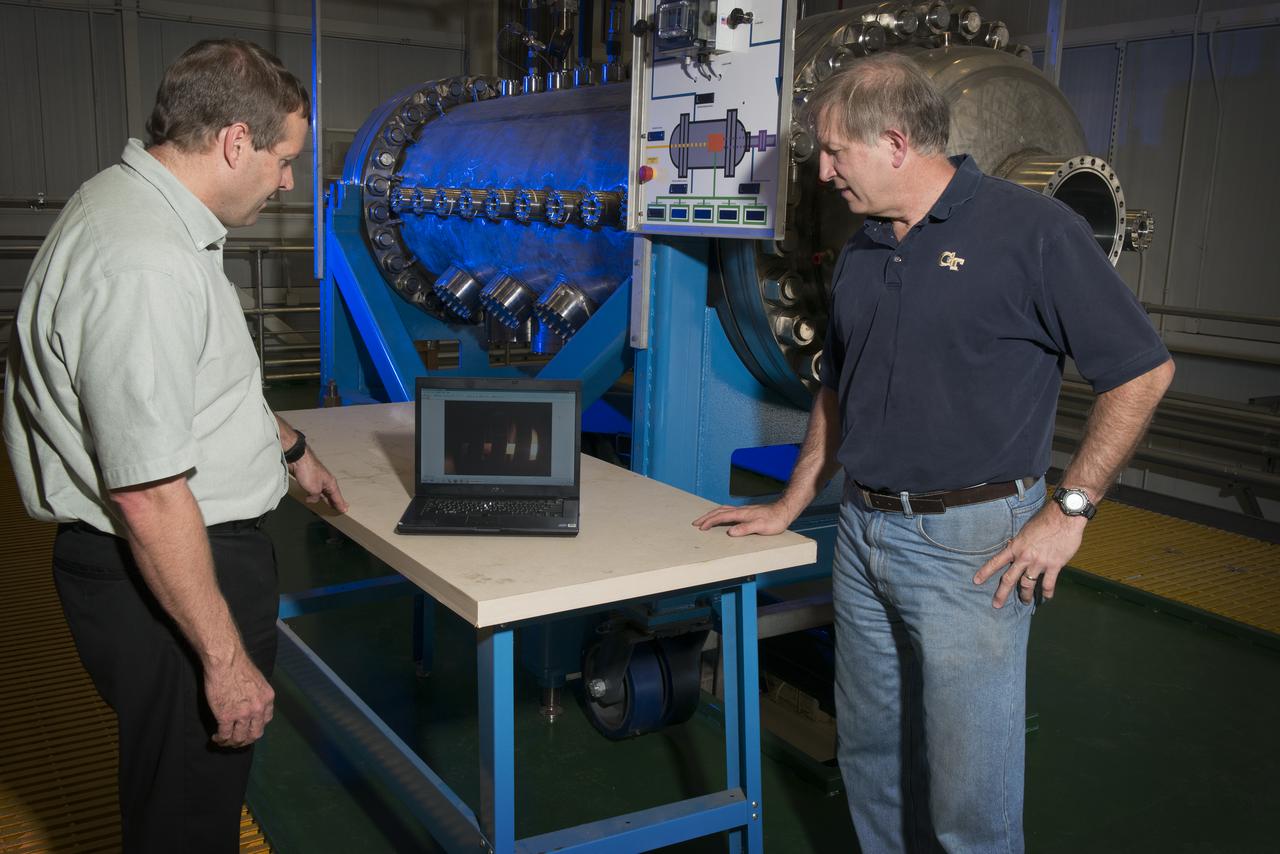
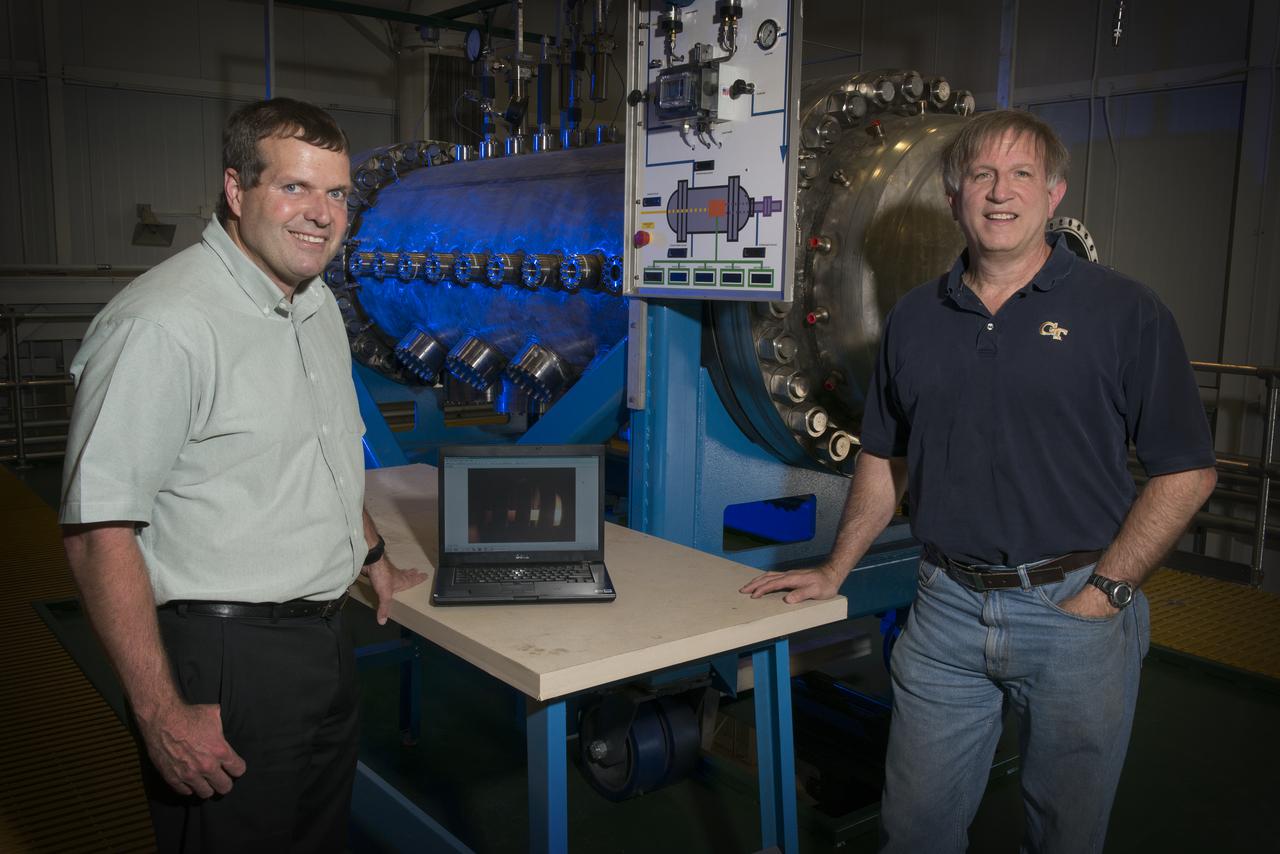
MIKE HOUTS AND BILL EMRICH DISCUSSING NUCLEAR THERMAL ROCKET ELEMENT ENVIRONMENTAL SIMULATOR (NTREES) IN BUILDING 4205. MIKE HOUTS IS THE PROJECT MANAGER.
1201065
MIKE HOUTS AND BILL EMRICH DISCUSSING NUCLEAR THERMAL ROCKET ELEMENT ENVIRONMENTAL SIMULATOR (NTREES) IN BUILDING 4205. MIKE HOUTS IS THE PROJECT MANAGER.
1201062
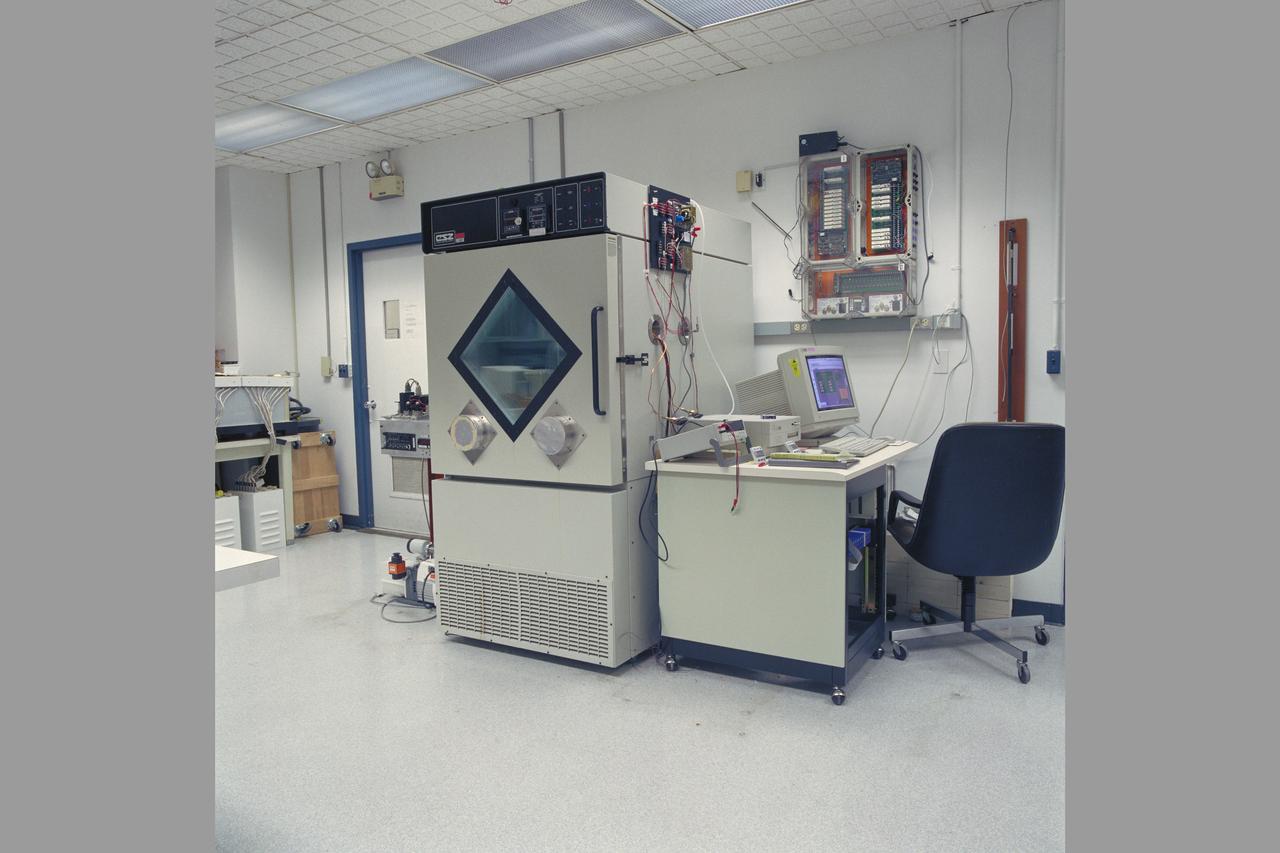
MIKE HOUTS AND BILL EMRICH DISCUSSING NUCLEAR THERMAL ROCKET ELEMENT ENVIRONMENTAL SIMULATOR (NTREES) IN BUILDING 4205. MIKE HOUTS IS THE PROJECT MANAGER.
1201063
MIKE HOUTS AND BILL EMRICH DISCUSSING NUCLEAR THERMAL ROCKET ELEMENT ENVIRONMENTAL SIMULATOR (NTREES) IN BUILDING 4205. MIKE HOUTS IS THE PROJECT MANAGER.
1201064
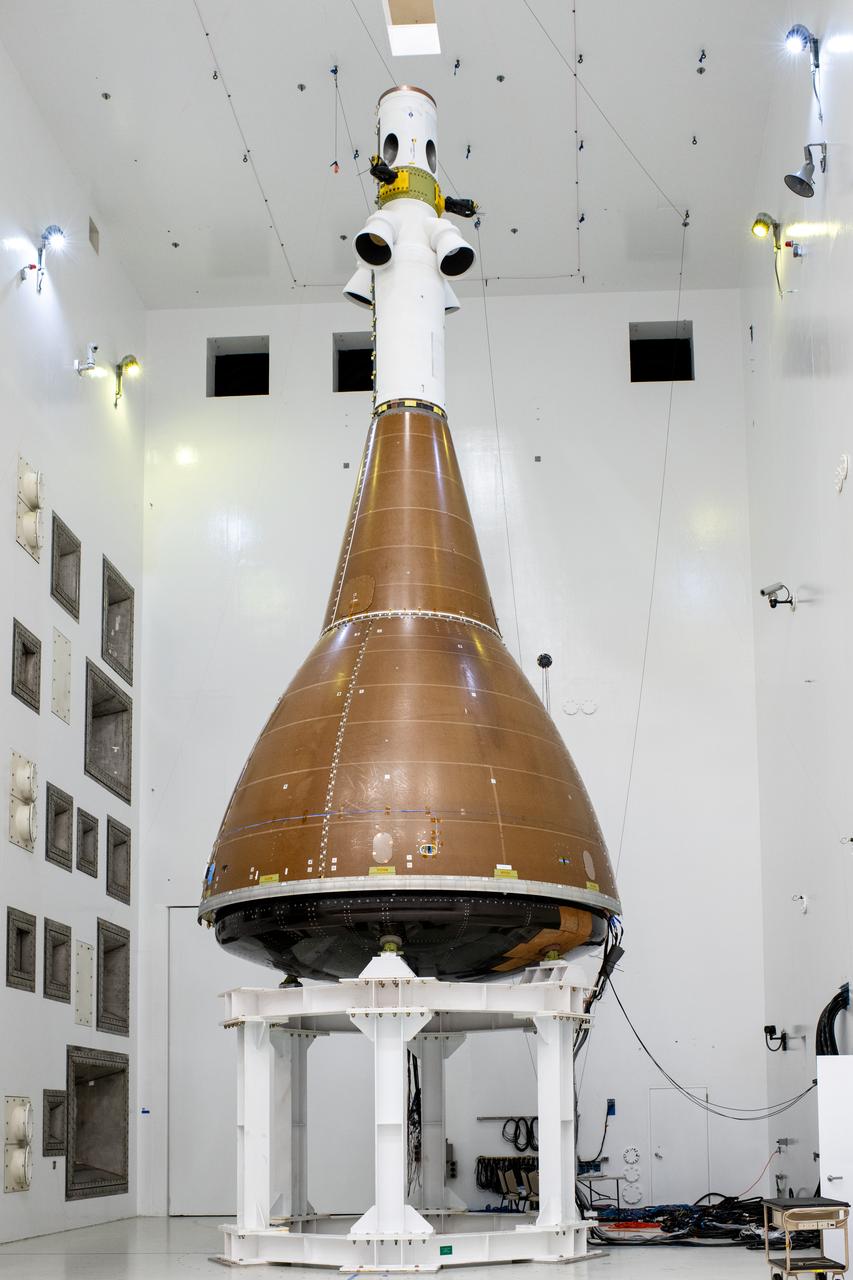
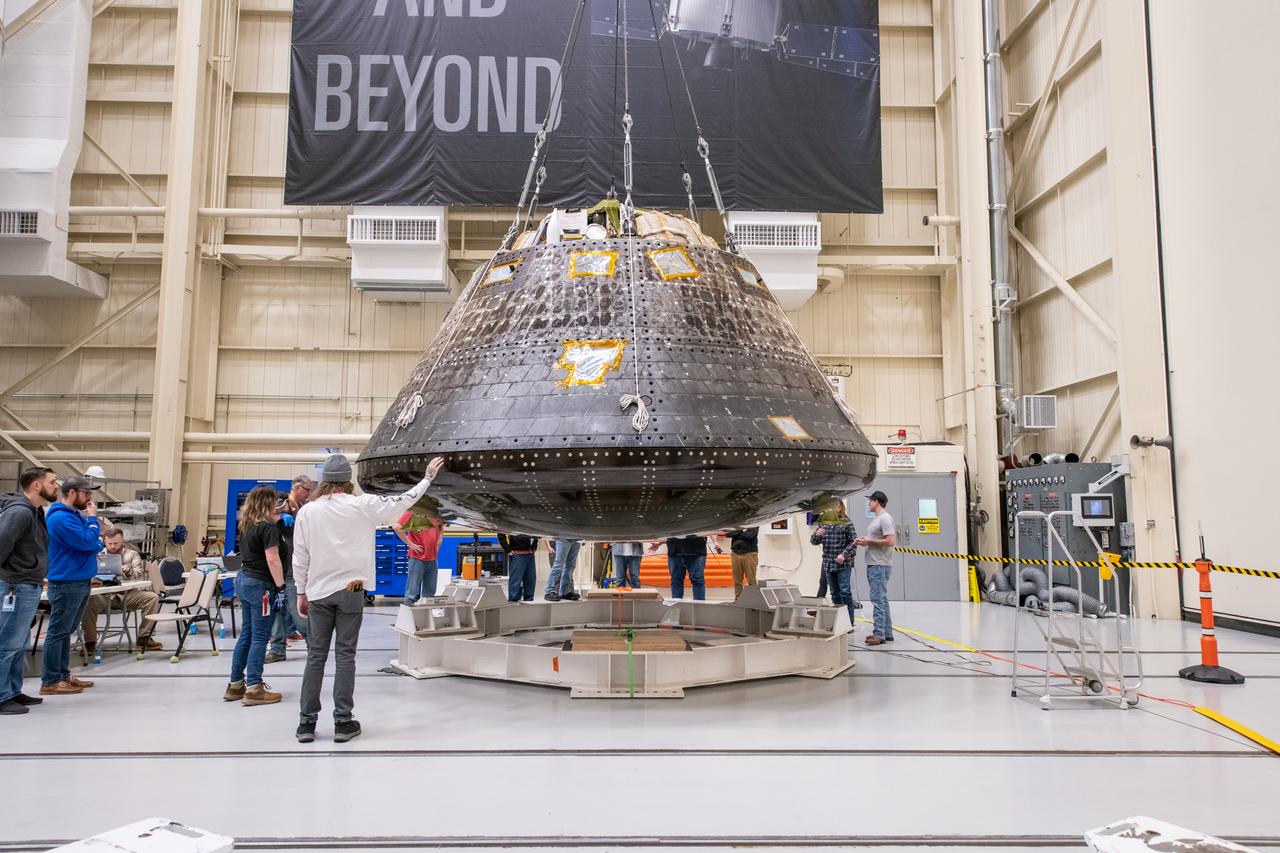
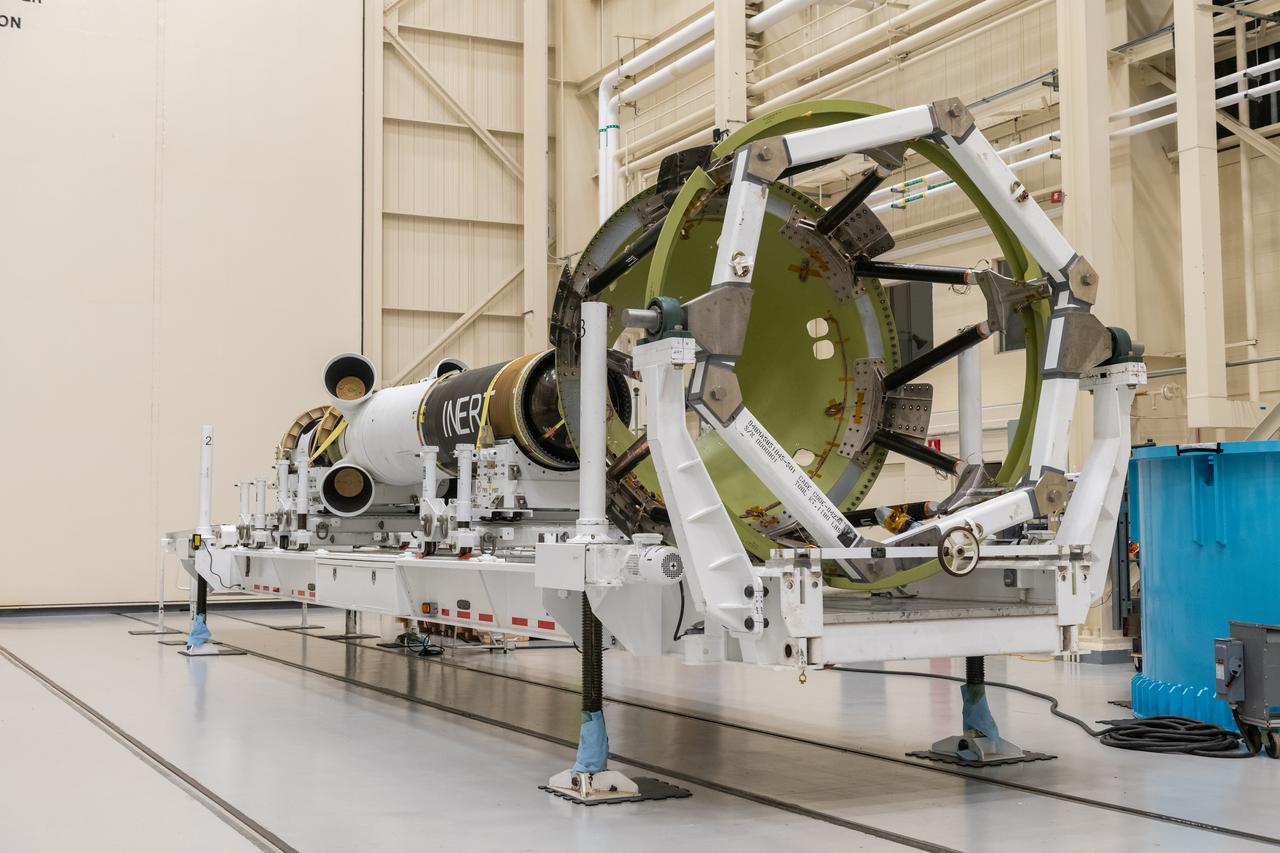
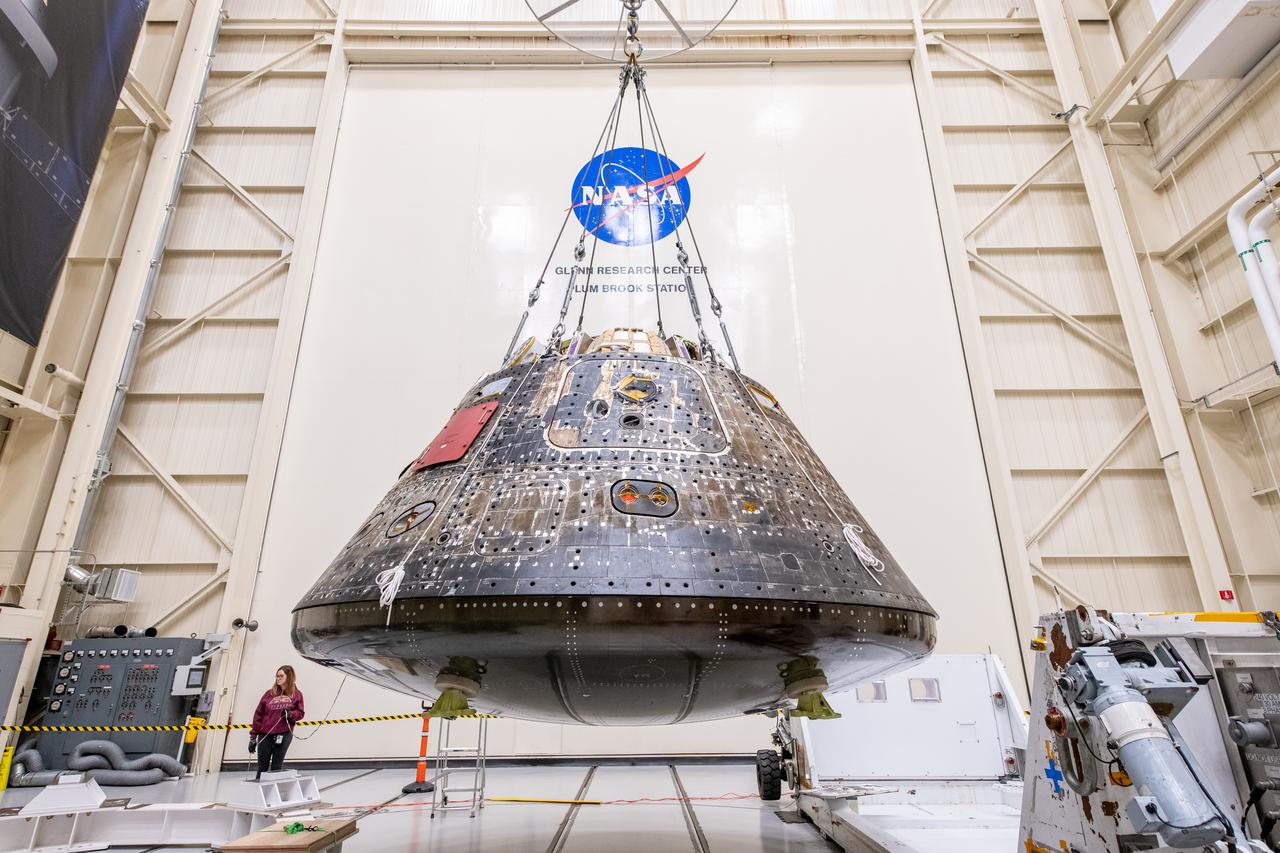
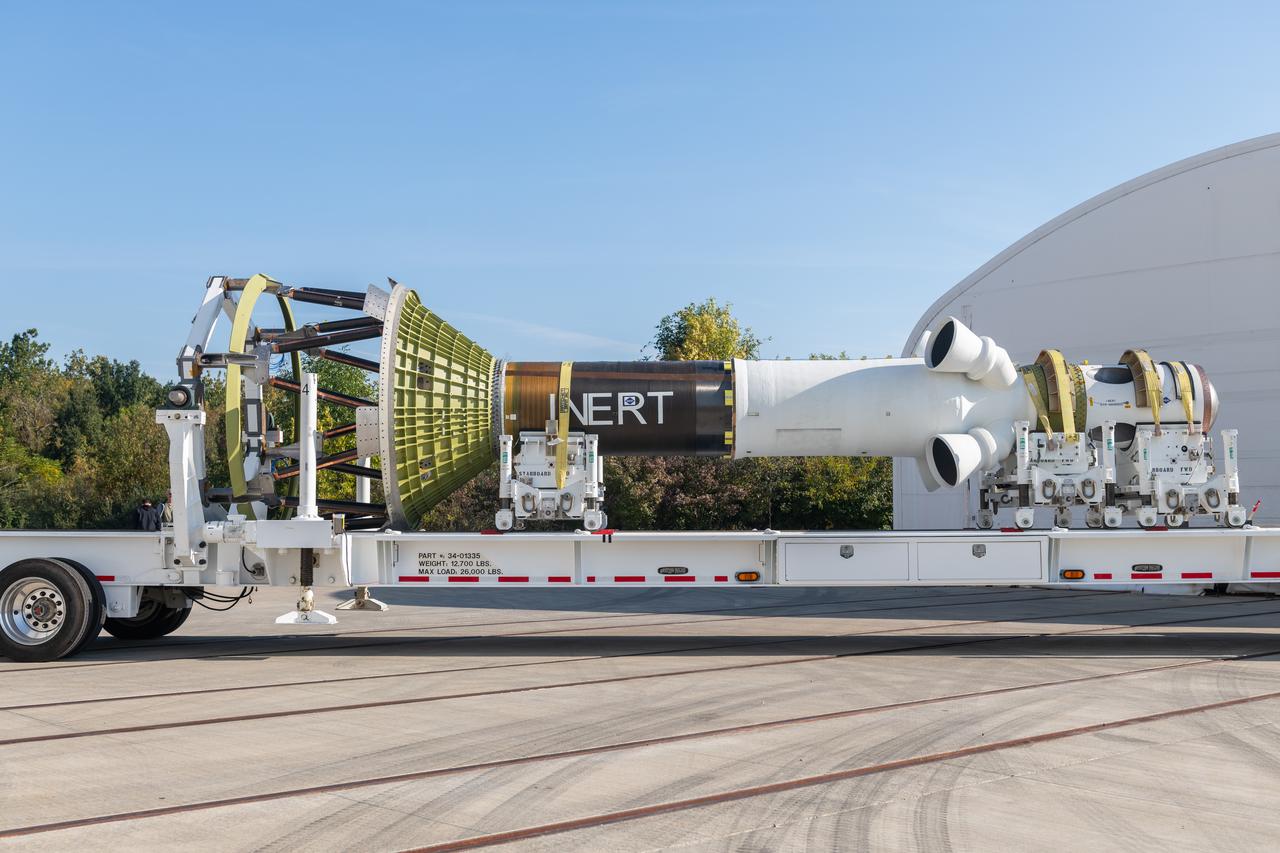
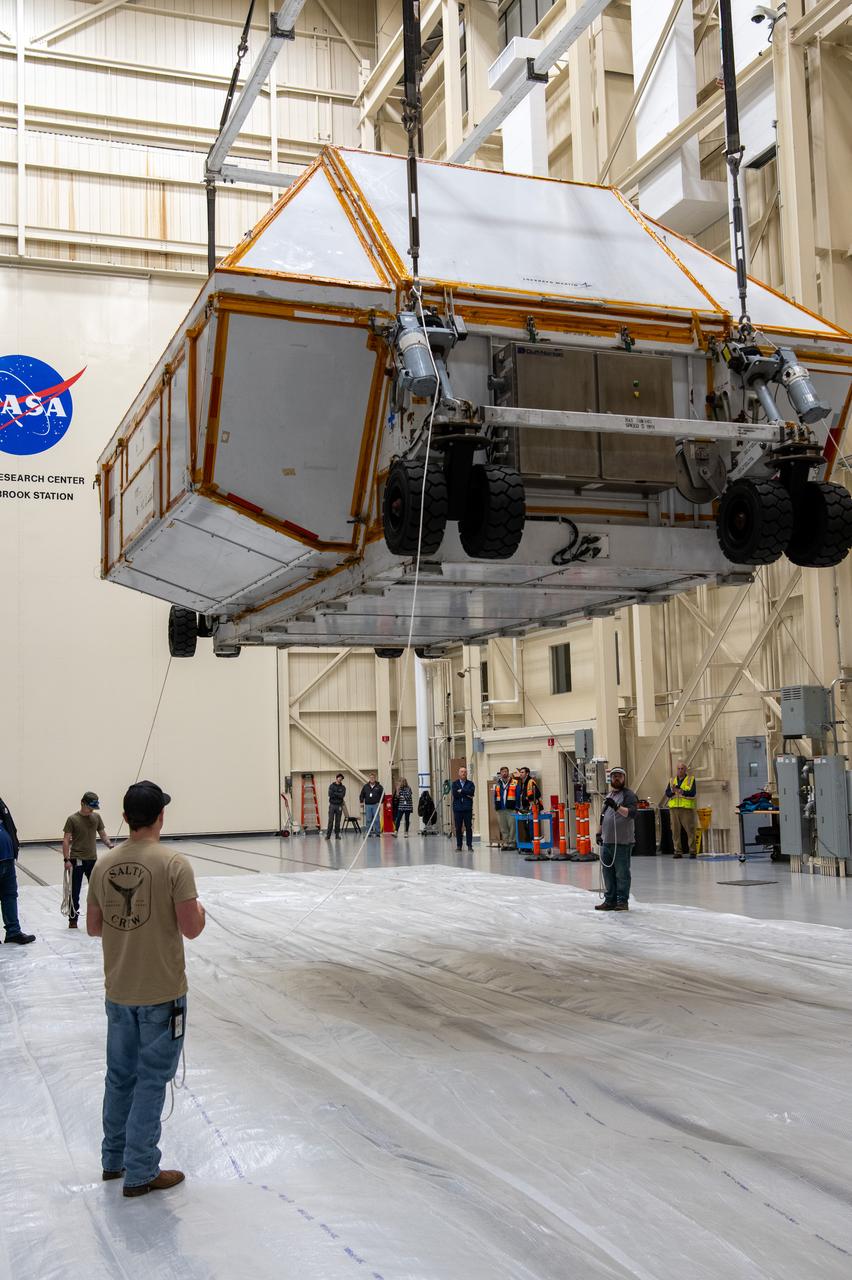
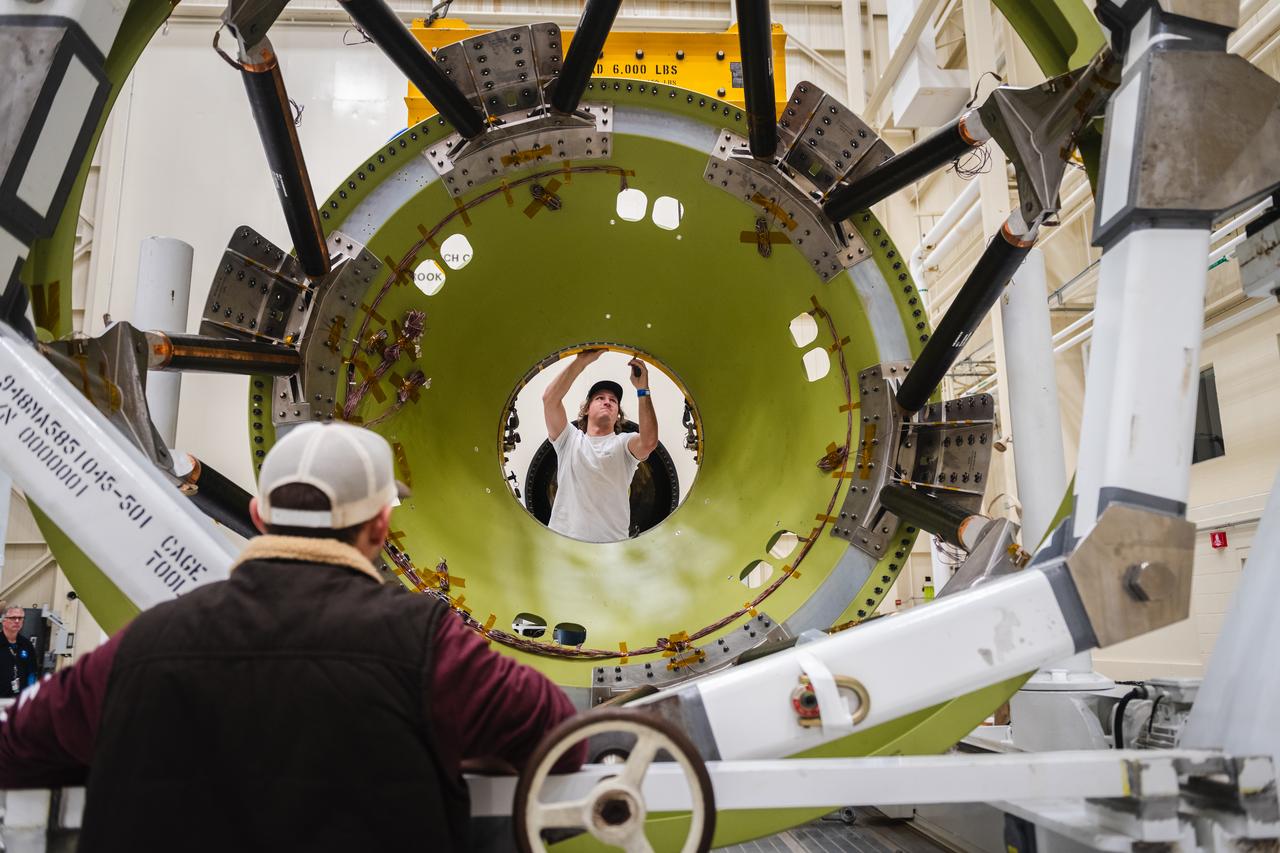
The Launch Abort System and the Orion Crew Module, also known as the Orion Environmental Test Article (ETA), returned to NASA’s Neil Armstrong Test Facility in Sandusky, Ohio, in October 2023 through January 2024 and completed an 11-month test campaign necessary for the safety and success of Artemis II.  Photo Credit: (NASA/Jordan Salkin)
Orion Environmental Test Article (ETA) Arrival to the Space Environments Complex at NASA’s Glenn Research Center
The Launch Abort System and the Orion Crew Module, also known as the Orion Environmental Test Article (ETA), returned to NASA’s Neil Armstrong Test Facility in Sandusky, Ohio, in October 2023 through January 2024 and completed an 11-month test campaign necessary for the safety and success of Artemis II. Photo Credit: (NASA/Jordan Salkin)
Orion Environmental Test Article (ETA) Arrival to the Space Environments Complex at NASA’s Glenn Research Center
The Launch Abort System and the Orion Crew Module, also known as the Orion Environmental Test Article (ETA), returned to NASA’s Neil Armstrong Test Facility in Sandusky, Ohio, in October 2023 through January 2024 and completed an 11-month test campaign necessary for the safety and success of Artemis II. Photo Credit: (NASA/Jordan Salkin)
Orion Environmental Test Article (ETA) Arrival to the Space Environments Complex at NASA’s Glenn Research Center
The Launch Abort System and the Orion Crew Module, also known as the Orion Environmental Test Article (ETA), returned to NASA’s Neil Armstrong Test Facility in Sandusky, Ohio, in October 2023 through January 2024 and completed an 11-month test campaign necessary for the safety and success of Artemis II. Photo Credit: (NASA/Jordan Salkin)
Orion Environmental Test Article (ETA) Arrival to the Space Environments Complex at NASA’s Glenn Research Center
The Launch Abort System and the Orion Crew Module, also known as the Orion Environmental Test Article (ETA), returned to NASA’s Neil Armstrong Test Facility in Sandusky, Ohio, in October 2023 through January 2024 and completed an 11-month test campaign necessary for the safety and success of Artemis II.  Photo Credit: (NASA/Quentin Schwinn)
Orion Environmental Test Article (ETA) Arrival to the Space Environments Complex at NASA’s Glenn Research Center
The Launch Abort System and the Orion Crew Module, also known as the Orion Environmental Test Article (ETA), returned to NASA’s Neil Armstrong Test Facility in Sandusky, Ohio, in October 2023 through January 2024 and completed an 11-month test campaign necessary for the safety and success of Artemis II. Photo Credit: (NASA/Jordan Salkin)
Orion Environmental Test Article (ETA) Arrival to the Space Environments Complex at NASA’s Glenn Research Center
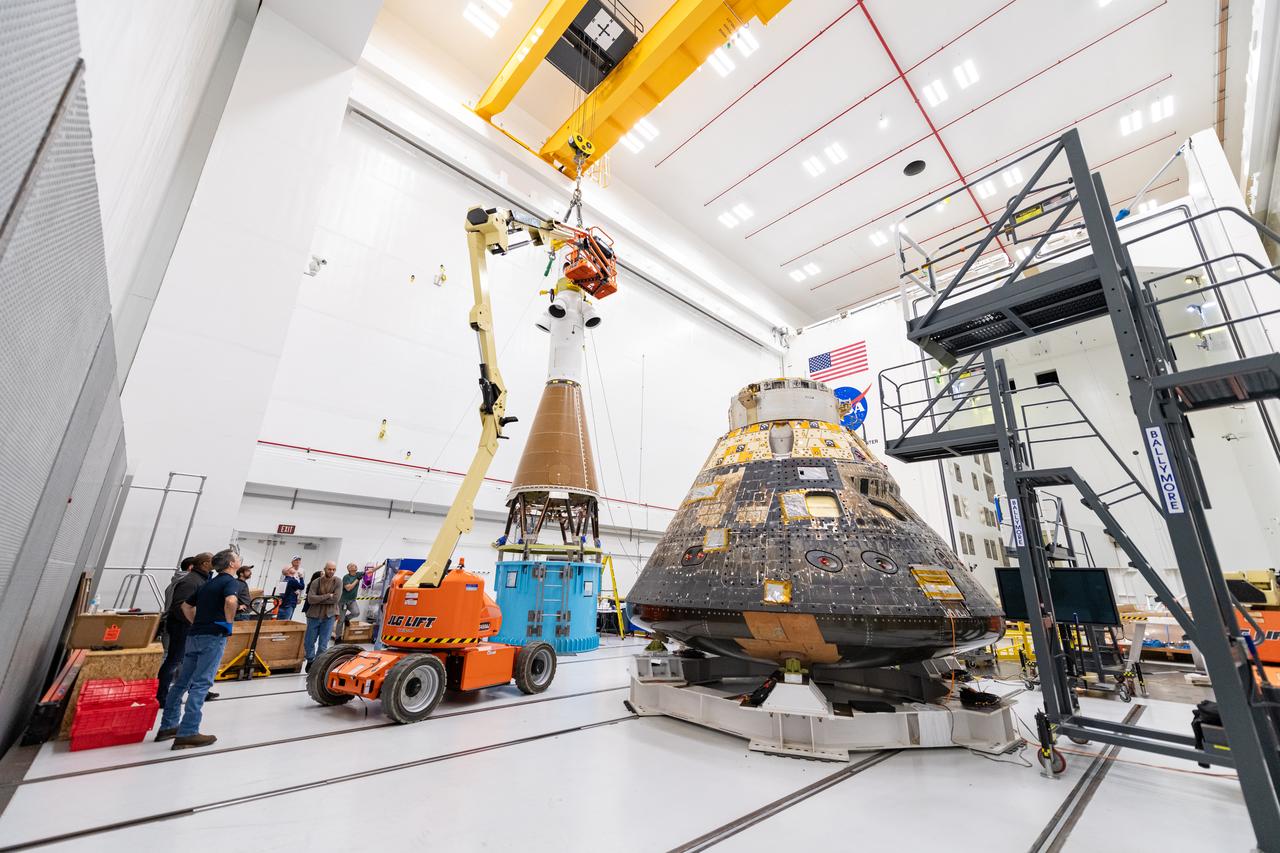
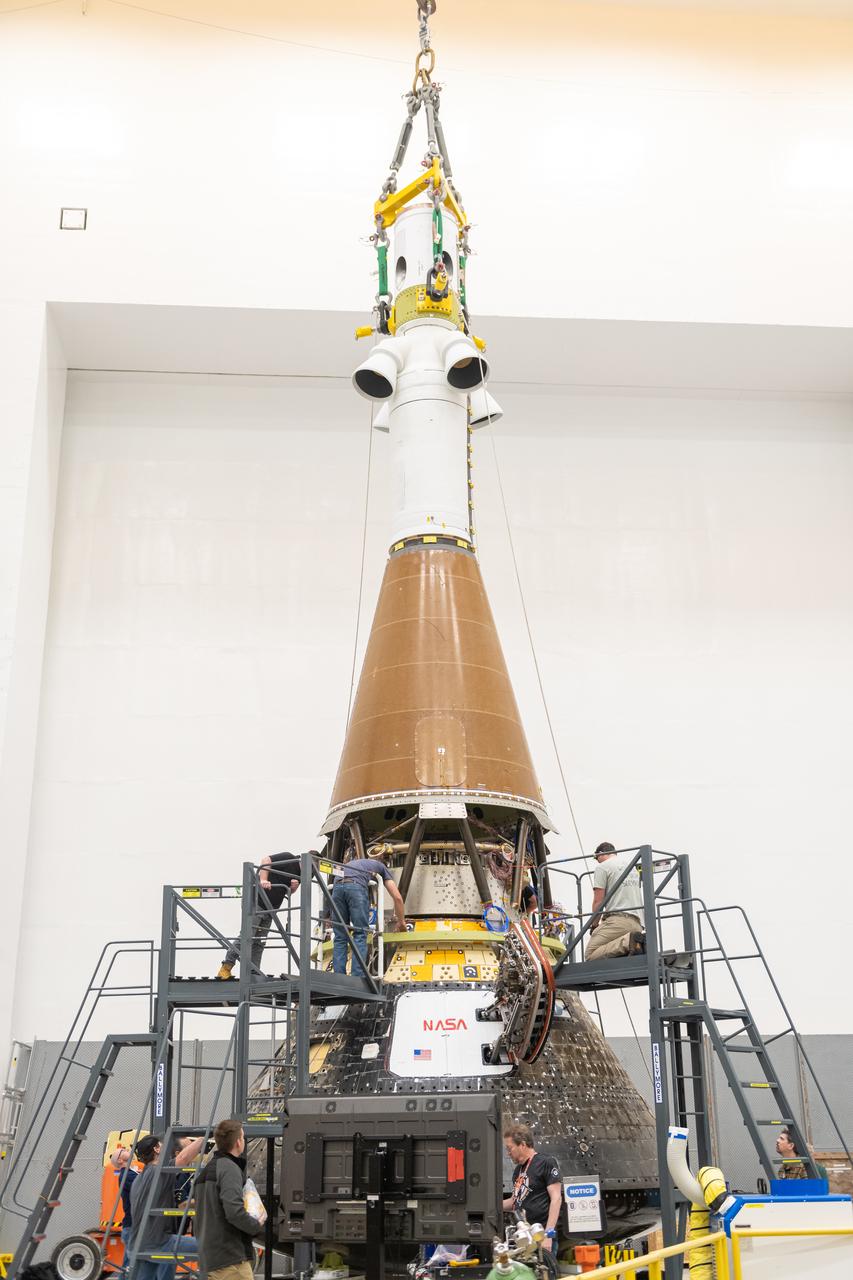
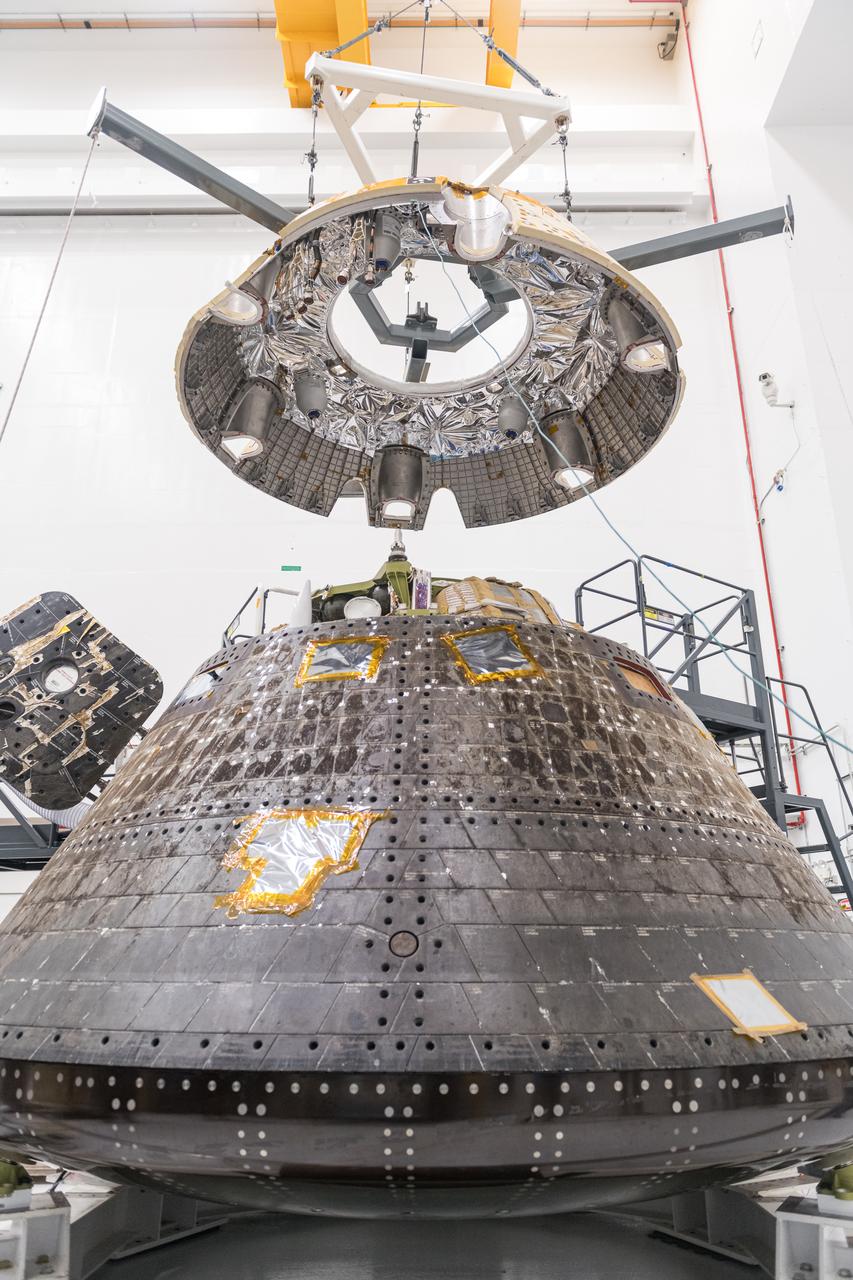
The Launch Abort Systems gets installed on to the Orion Crew Module, also known as the Orion Environmental Test Article (ETA), in preparation for testing at the Space Environments Complex at NASA’s Neil Armstrong Test Facility in Saundusky, Ohio. The ETA completed an 11-month test campaign in 2024 necessary for the safety and success of Artemis II. Photo Credit: (NASA/Jordan Salkin)
The Orion Environmental Test Article (ETA) at the Space Environments Complex at NASA’s Glenn Research Center
The Launch Abort System and the Orion Crew Module, also known as the Orion Environmental Test Article (ETA), returned to NASA’s Neil Armstrong Test Facility in Sandusky, Ohio, in October 2023 through January 2024 and completed an 11-month test campaign necessary for the safety and success of Artemis II. Photo Credit: (NASA/Jordan Salkin)
Orion Environmental Test Article (ETA) Arrival to the Space Environments Complex at NASA’s Glenn Research Center
The Launch Abort System and the Orion Crew Module, also known as the Orion Environmental Test Article (ETA), returned to NASA’s Neil Armstrong Test Facility in Sandusky, Ohio, in October 2023 through January 2024 and completed an 11-month test campaign necessary for the safety and success of Artemis II.  Photo Credit: (NASA/Jordan Salkin)
Orion Environmental Test Article (ETA) Arrival to the Space Environments Complex at NASA’s Glenn Research Center
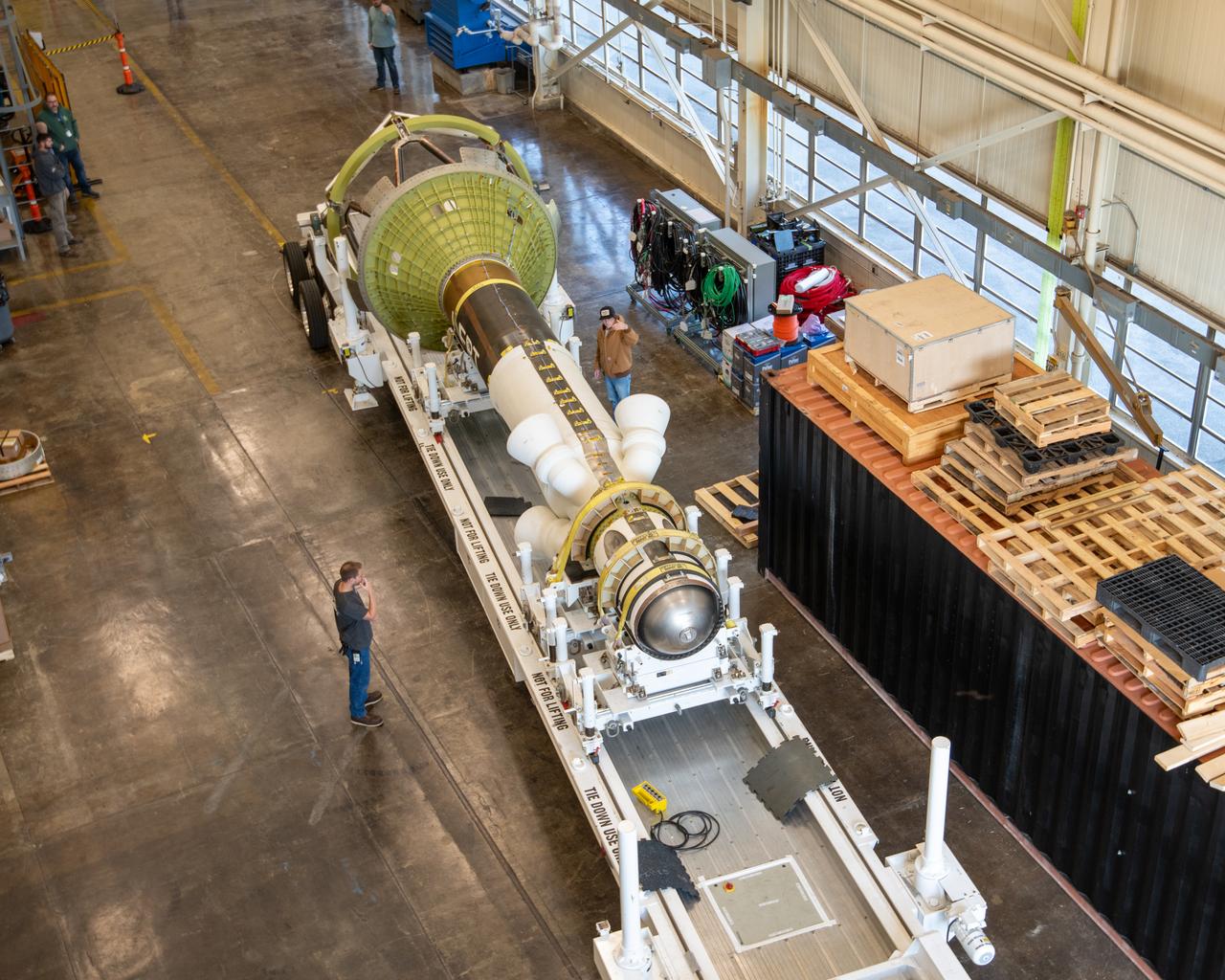
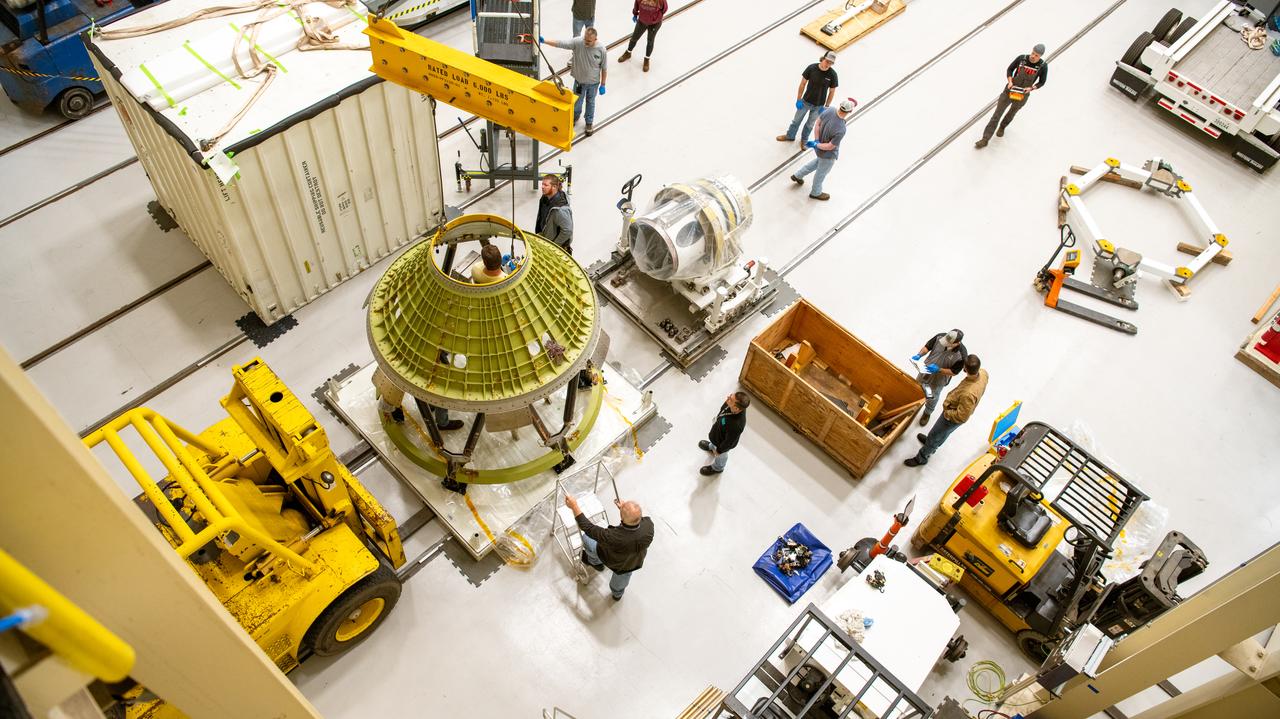
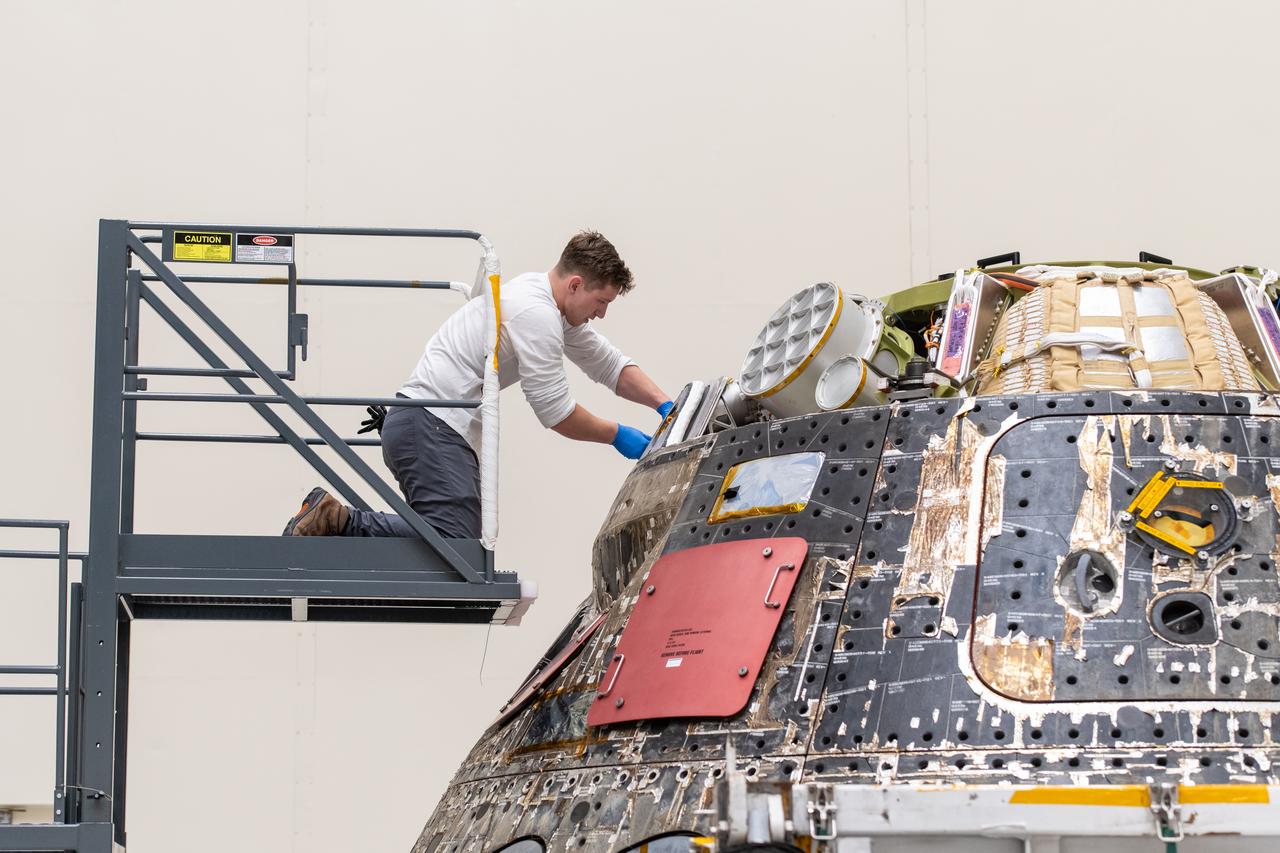
The Orion Crew Module, also known as the Orion Environmental Test Article (ETA), prepares for testing by installing the Forward Bay Cover. The Crew Module returned to NASA’s Neil Armstrong Test Facility in Sandusky, Ohio, in January 2024 and completed an 11-month test campaign necessary for the safety and success of Artemis II. Photo Credit: (NASA/Jordan Salkin)
The Orion Environmental Test Article (ETA) prepares for testing at the Space Environments Complex at NASA’s Glenn Research Center
The Launch Abort Systems gets installed on to the Orion Crew Module, also known as the Orion Environmental Test Article (ETA), in preparation for testing at the Space Environments Complex at NASA’s Neil Armstrong Test Facility in Sandusky, Ohio. The ETA completed an 11-month test campaign in 2024 necessary for the safety and success of Artemis II. Photo Credit: (NASA/Jordan Salkin)
The Orion Environmental Test Article (ETA) at the Space Environments Complex at NASA’s Glenn Research Center
The Launch Abort System and the Orion Crew Module, also known as the Orion Environmental Test Article (ETA), returned to NASA’s Neil Armstrong Test Facility in Sandusky, Ohio, in October 2023 through January 2024 and completed an 11-month test campaign necessary for the safety and success of Artemis II.  Photo Credit: (NASA/Jordan Salkin)
Orion Environmental Test Article (ETA) Arrival to the Space Environments Complex at NASA’s Glenn Research Center
The Launch Abort System and the Orion Crew Module, also known as the Orion Environmental Test Article (ETA), returned to NASA’s Neil Armstrong Test Facility in Sandusky, Ohio, in October 2023 through January 2024 and completed an 11-month test campaign necessary for the safety and success of Artemis II. Photo Credit: (NASA/Jordan Salkin)
Orion Environmental Test Article (ETA) Arrival to the Space Environments Complex at NASA’s Glenn Research Center
The Launch Abort System and the Orion Crew Module, also known as the Orion Environmental Test Article (ETA), returned to NASA’s Neil Armstrong Test Facility in Sandusky, Ohio, in October 2023 through January 2024 and completed an 11-month test campaign necessary for the safety and success of Artemis II. Photo Credit: (NASA/Quentin Schwinn)
Orion Environmental Test Article (ETA) Arrival to the Space Environments Complex at NASA’s Glenn Research Center
The Launch Abort System and the Orion Crew Module, also known as the Orion Environmental Test Article (ETA), returned to NASA’s Neil Armstrong Test Facility in Sandusky, Ohio, in October 2023 through January 2024 and completed an 11-month test campaign necessary for the safety and success of Artemis II. Photo Credit: (NASA/Jordan Salkin)
Orion Environmental Test Article (ETA) Arrival to the Space Environments Complex at NASA’s Glenn Research Center
The Orion Crew Module, also known as the Orion Environmental Test Article (ETA), prepares for testing by installing the Forward Bay Cover. The Crew Module returned to NASA’s Neil Armstrong Test Facility in Sandusky, Ohio, in January 2024 and completed an 11-month test campaign necessary for the safety and success of Artemis II. Photo Credit: (NASA/Jordan Salkin)
The Orion Environmental Test Article (ETA) prepares for testing at the Space Environments Complex at NASA’s Glenn Research Center
The Launch Abort Systems gets installed on to the Orion Crew Module, also known as the Orion Environmental Test Article (ETA), in preparation for testing at the Space Environments Complex at NASA’s Neil Armstrong Test Facility in Sandusky, Ohio. The ETA completed an 11-month test campaign in 2024 necessary for the safety and success of Artemis II. Photo Credit: (NASA/Jordan Salkin)
The Orion Environmental Test Article (ETA) at the Space Environments Complex at NASA’s Glenn Research Center
The Launch Abort System and the Orion Crew Module, also known as the Orion Environmental Test Article (ETA), returned to NASA’s Neil Armstrong Test Facility in Sandusky, Ohio, in October 2023 through January 2024 and completed an 11-month test campaign necessary for the safety and success of Artemis II. Photo Credit: (NASA/Jordan Salkin)
Orion Environmental Test Article (ETA) Arrival to the Space Environments Complex at NASA’s Glenn Research Center
The Orion Crew Module, also known as the Orion Environmental Test Article (ETA), prepares for testing by installing the Forward Bay Cover. The Crew Module returned to NASA’s Neil Armstrong Test Facility in Sandusky, Ohio, in January 2024 and completed an 11-month test campaign necessary for the safety and success of Artemis II. Photo Credit: (NASA/Jordan Salkin)
The Orion Environmental Test Article (ETA) prepares for testing at the Space Environments Complex at NASA’s Glenn Research Center
The Launch Abort System and the Orion Crew Module, also known as the Orion Environmental Test Article (ETA), returned to NASA’s Neil Armstrong Test Facility in Sandusky, Ohio, in October 2023 through January 2024 and completed an 11-month test campaign necessary for the safety and success of Artemis II. Photo Credit: (NASA/Jordan Salkin)
Orion Environmental Test Article (ETA) Arrival to the Space Environments Complex at NASA’s Glenn Research Center
The Launch Abort System and the Orion Crew Module, also known as the Orion Environmental Test Article (ETA), returned to NASA’s Neil Armstrong Test Facility in Sandusky, Ohio, in October 2023 through January 2024 and completed an 11-month test campaign necessary for the safety and success of Artemis II. Photo Credit: (NASA/Jordan Salkin)
Orion Environmental Test Article (ETA) Arrival to the Space Environments Complex at NASA’s Glenn Research Center
The Launch Abort System and the Orion Crew Module, also known as the Orion Environmental Test Article (ETA), returned to NASA’s Neil Armstrong Test Facility in Sandusky, Ohio, in October 2023 through January 2024 and completed an 11-month test campaign necessary for the safety and success of Artemis II. Photo Credit: (NASA/Jordan Salkin)
Orion Environmental Test Article (ETA) Arrival to the Space Environments Complex at NASA’s Glenn Research Center
The Launch Abort System and the Orion Crew Module, also known as the Orion Environmental Test Article (ETA), returned to NASA’s Neil Armstrong Test Facility in Sandusky, Ohio, in October 2023 through January 2024 and completed an 11-month test campaign necessary for the safety and success of Artemis II. Photo Credit: (NASA/Jordan Salkin)
Orion Environmental Test Article (ETA) Arrival to the Space Environments Complex at NASA’s Glenn Research Center
The Launch Abort System and the Orion Crew Module, also known as the Orion Environmental Test Article (ETA), returned to NASA’s Neil Armstrong Test Facility in Sandusky, Ohio, in October 2023 through January 2024 and completed an 11-month test campaign necessary for the safety and success of Artemis II. Photo Credit: (NASA/Quentin Schwinn)
Orion Environmental Test Article (ETA) Arrival to the Space Environments Complex at NASA’s Glenn Research Center
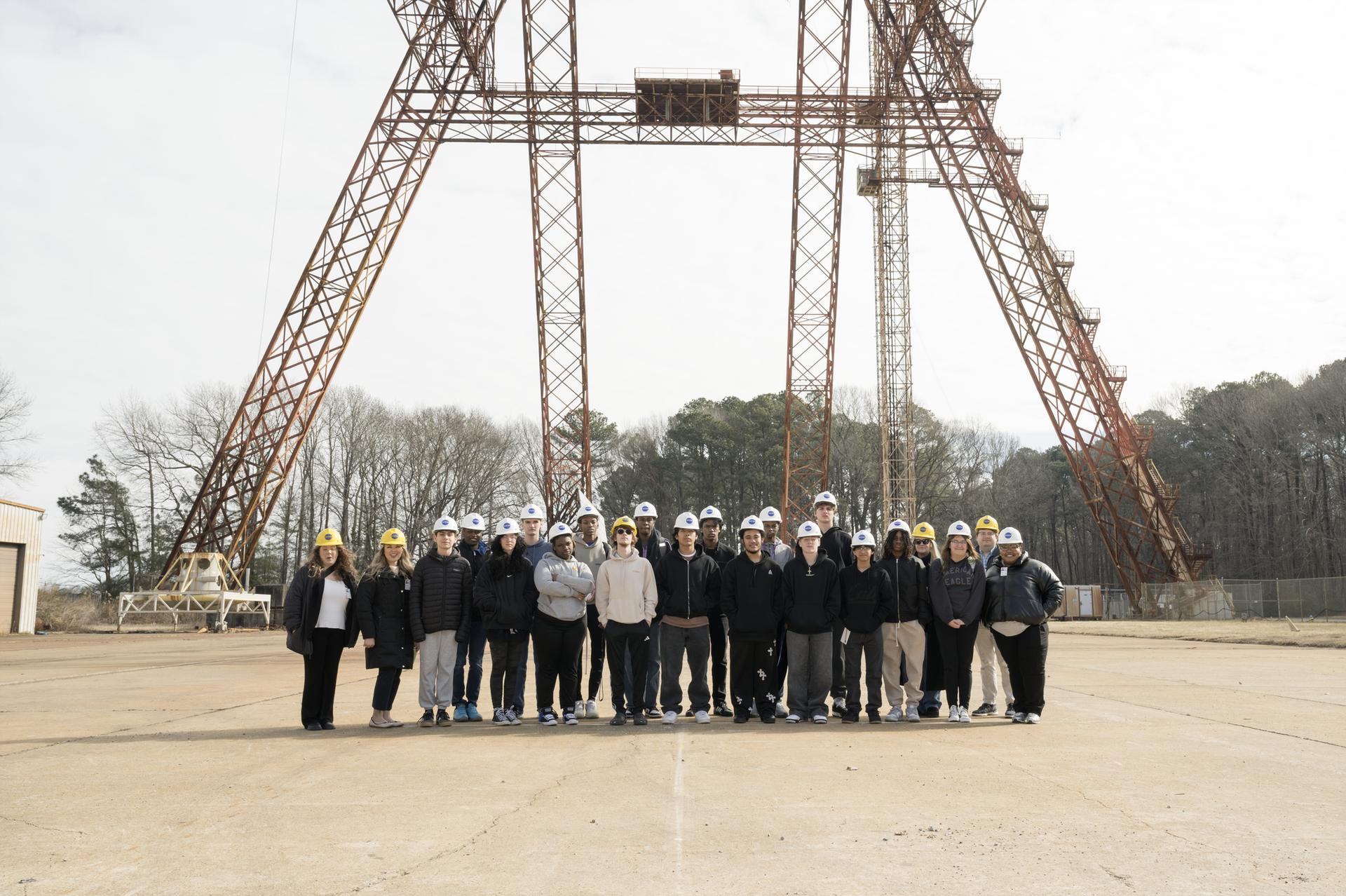
Old Dominion University's (ODU) Maritime Engineering and Environmental Studies Academy (MEESA) lab school juniors,  tour the NASA Langley’s Landing and Impact Research Facility (LandIR), also know as the Gantry. The students were task to create an exhibit for the Vestil Aluminum/Steel Crane (VASC) of the crane used to build the Gantry.
Old Dominion University's (MEESA) Lab School Students Tour Gantry
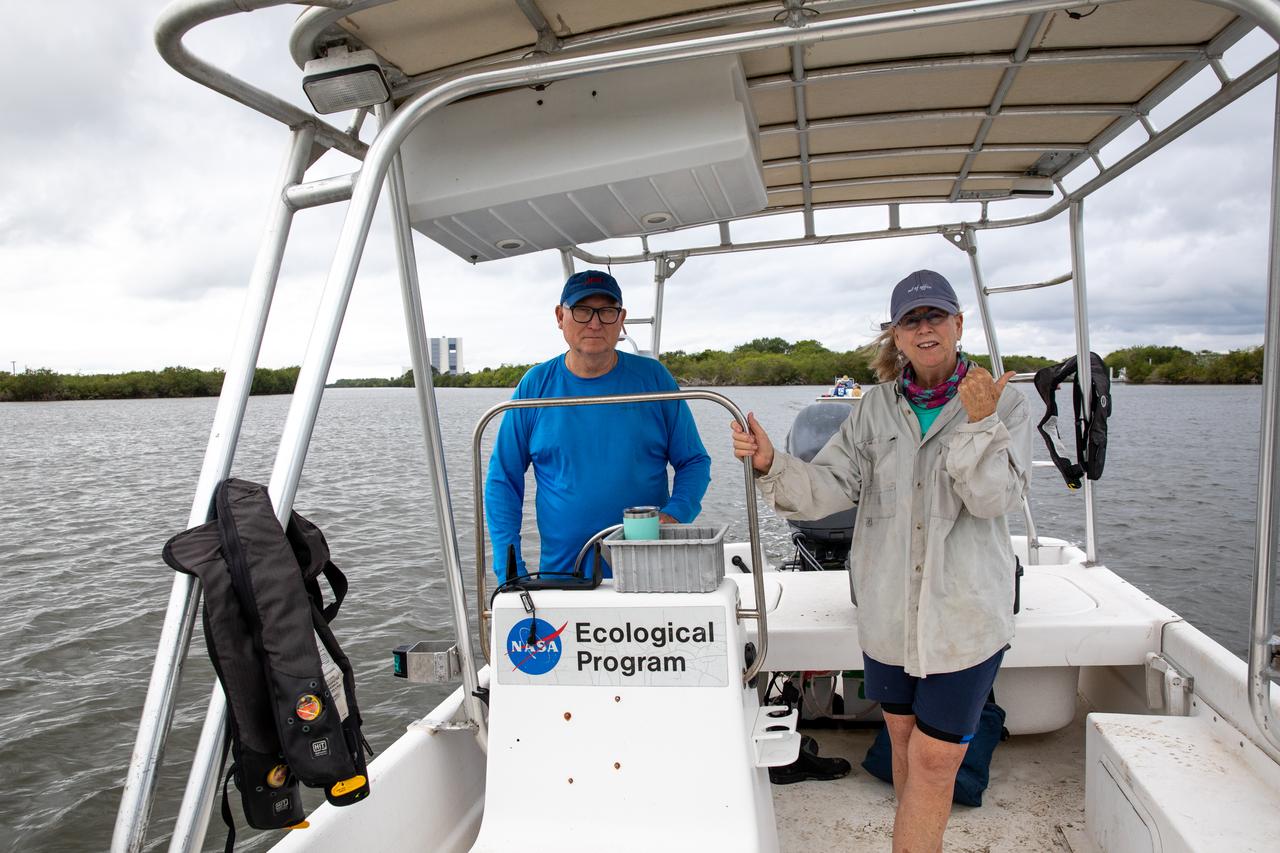
Kennedy Space Center’s Doug Scheidt (left), an ecologist working on NASA’s Environmental and Medical Contract (NEMCON), and Jane Provancha, manager of the ecological group for NEMCON, oversee seagrass restoration efforts at the Florida spaceport on March 29, 2023. Kennedy’s Environmental Management Branch is working to plant a minimum of 28,000 shoots of seagrass divided into 18 sites across three areas at the Florida spaceport as part of a pilot project for seagrass restoration efforts. The project will look at the feasibility of replanting seagrass in Kennedy waters and, if successful, could lead to the spaceport becoming a donor site where shoots of grass can be broken off and relocated to other areas within Kennedy or along the Indian River Lagoon to promote growth.
Sea Grass Restoration Project
NASA Administrator Charles Bolden, left, and U.S. Environmental Protection Agency (EPA) Administrator Lisa P.  Jackson, right, sign a Memorandum of Agreement (MOA) to promote collaboration between the two agencies for cooperation in environmental and Earth sciences and environmental management applications as students from the Howard University Middle School of Mathematics and Science look on, Monday, April 26, 2010, at the school in Washington. Photo Credit: (NASA/Paul E. Alers)
NASA EPA MOA Signing
NASA Administrator Charles Bolden, left, and U.S. Environmental Protection Agency (EPA) Administrator Lisa P.  Jackson, right, answer questions from students and faculty from the Howard University Middle School of Mathematics and Science after signing a Memorandum of Agreement (MOA) to promote collaboration between the two agencies for cooperation in environmental and Earth sciences and environmental management applications, Monday, April 26, 2010, at the school in Washington. Photo Credit: (NASA/Paul E. Alers)
NASA EPA MOA Signing
AS12-49-7278 (19-20 Nov. 1969) --- Astronaut Alan L. Bean holds a Special Environmental Sample Container filled with lunar soil collected during the extravehicular activity (EVA) in which astronauts Charles Conrad Jr., commander, and Bean, lunar module pilot, participated. Conrad, who took this picture, is reflected in Bean's helmet visor. Conrad and Bean descended in the Apollo 12 Lunar Module (LM) to explore the lunar surface while astronaut Richard F. Gordon Jr., command module pilot, remained with the Command and Service Modules (CSM) in lunar orbit. Photo credit: NASA
Astronaut Alan Bean holds Special Environmental Sample Container