
NASA's Lunar Lander exhibit is located at the Mississippi I-10 Welcome Center in Hancock County, Miss., just west of Bay St. Louis and 45 miles east of New Orleans on I-10 at Exit 2. The exhibit features a 30-foot-tall replica of a Lunar Lander used as a trainer by the Apollo 13 astronauts. Apollo 13 astronaut and Mississippi native Fred Haise left space-boot prints and signature in concrete at the base of the exhibit.
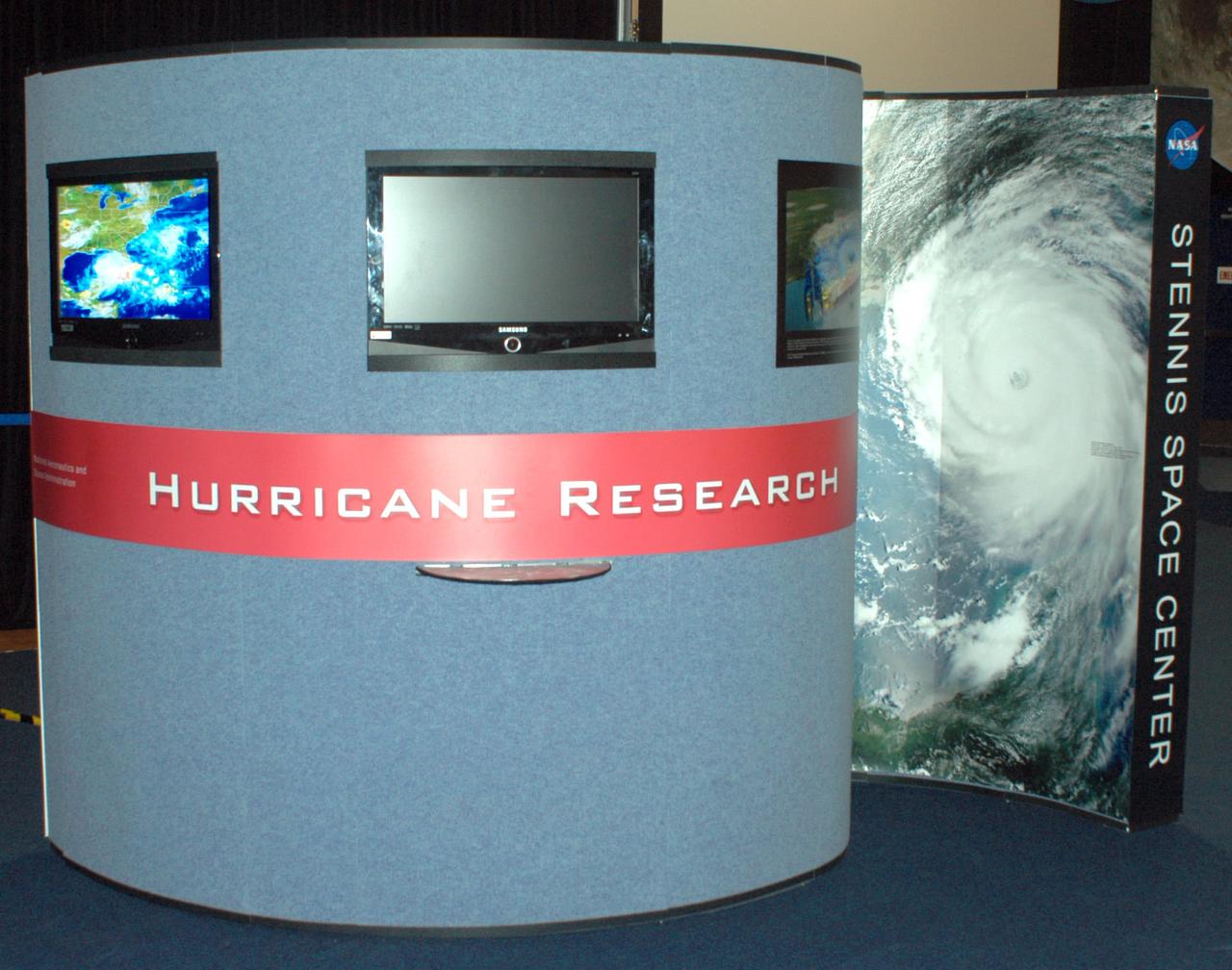
A new exhibit in StenniSphere depicting NASA's role in hurricane prediction and research and SSC's role in helping the region recover from Hurricane Katrina. The cyclone-shaped exhibit focuses on the effects of the Aug. 29, 2005 storm and outlines how NASA is working to improve weather forecasting. Through photos, 3-D models and digital animations, the exhibit tells the story of what happened inside the storm and how NASA's scientific research can increase the accuracy of hurricane tracking and modeling.
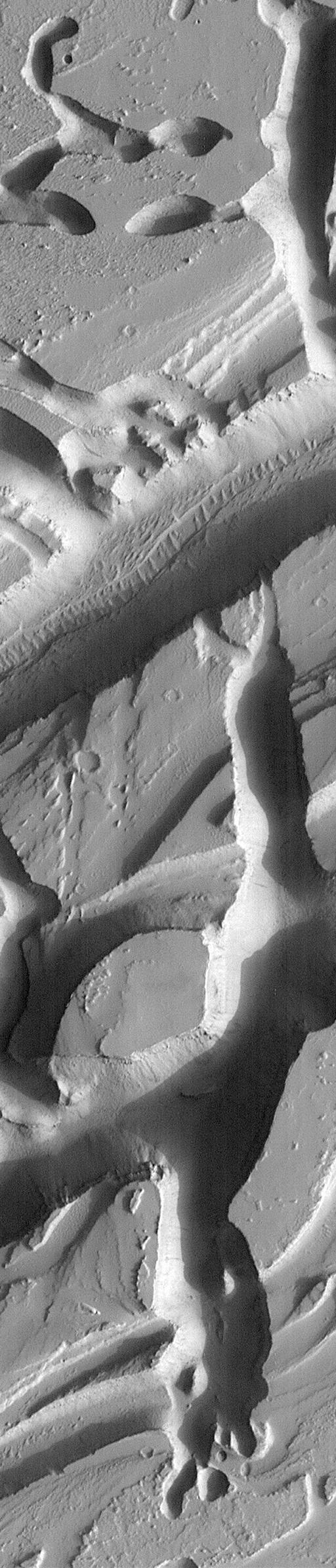
Martian Variety Exhibited by the Olympica Fossae
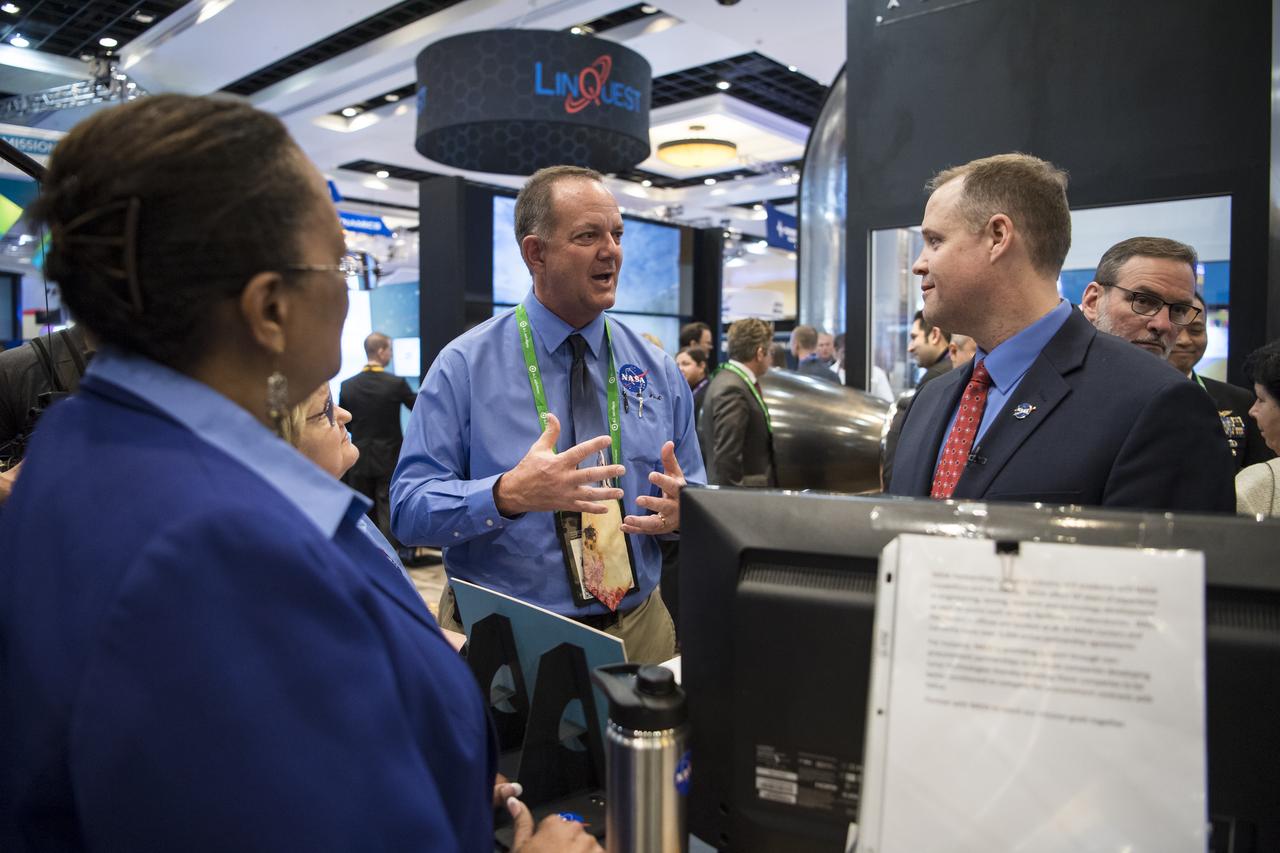
NASA Administrator Jim Bridenstine tours the NASA exhibit at the Space Symposium, Tuesday, April 9, 2019, at Broadmoor Hall in Colorado Springs, Colorado. Photo credit: (NASA/Aubrey Gemignani)
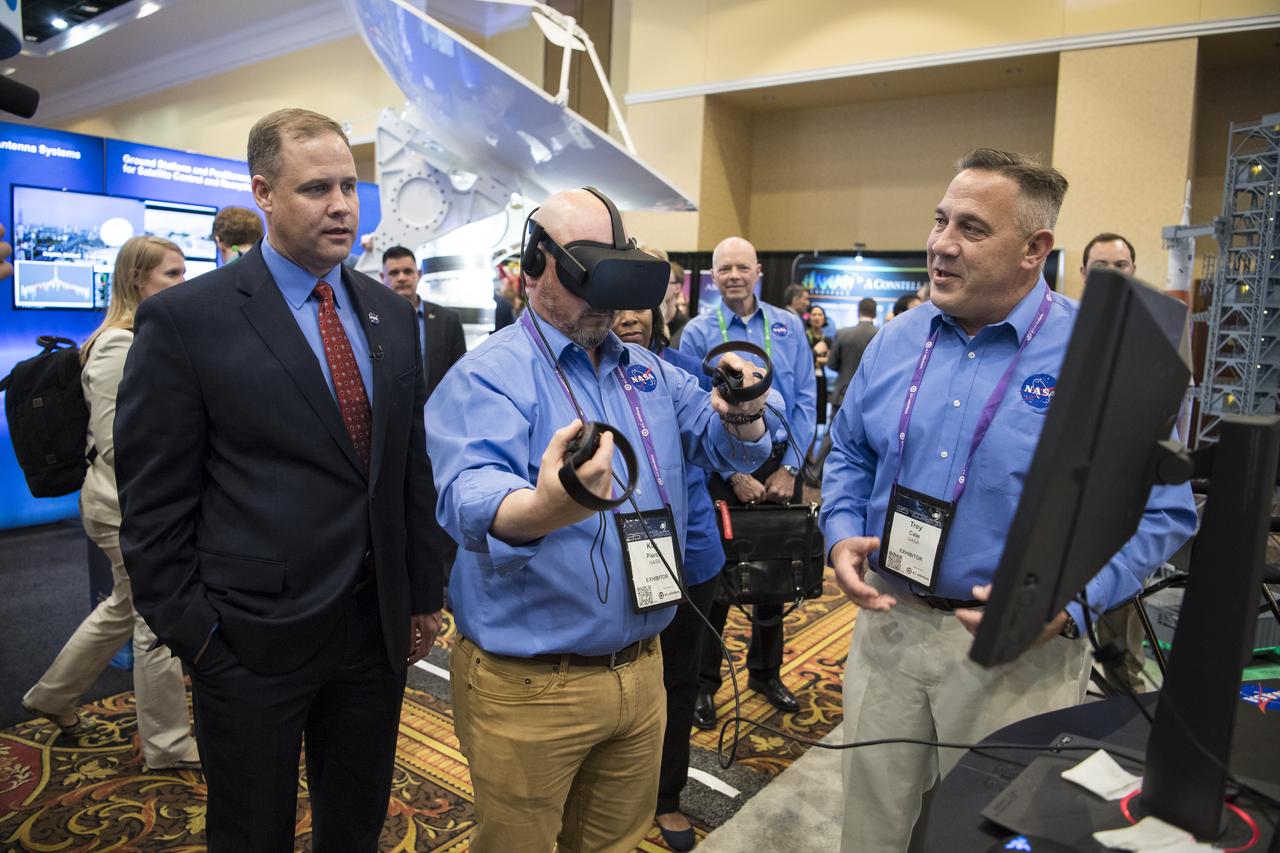
NASA Administrator Jim Bridenstine tours the NASA exhibit at the Space Symposium, Tuesday, April 9, 2019, at Broadmoor Hall in Colorado Springs, Colorado. Photo credit: (NASA/Aubrey Gemignani)
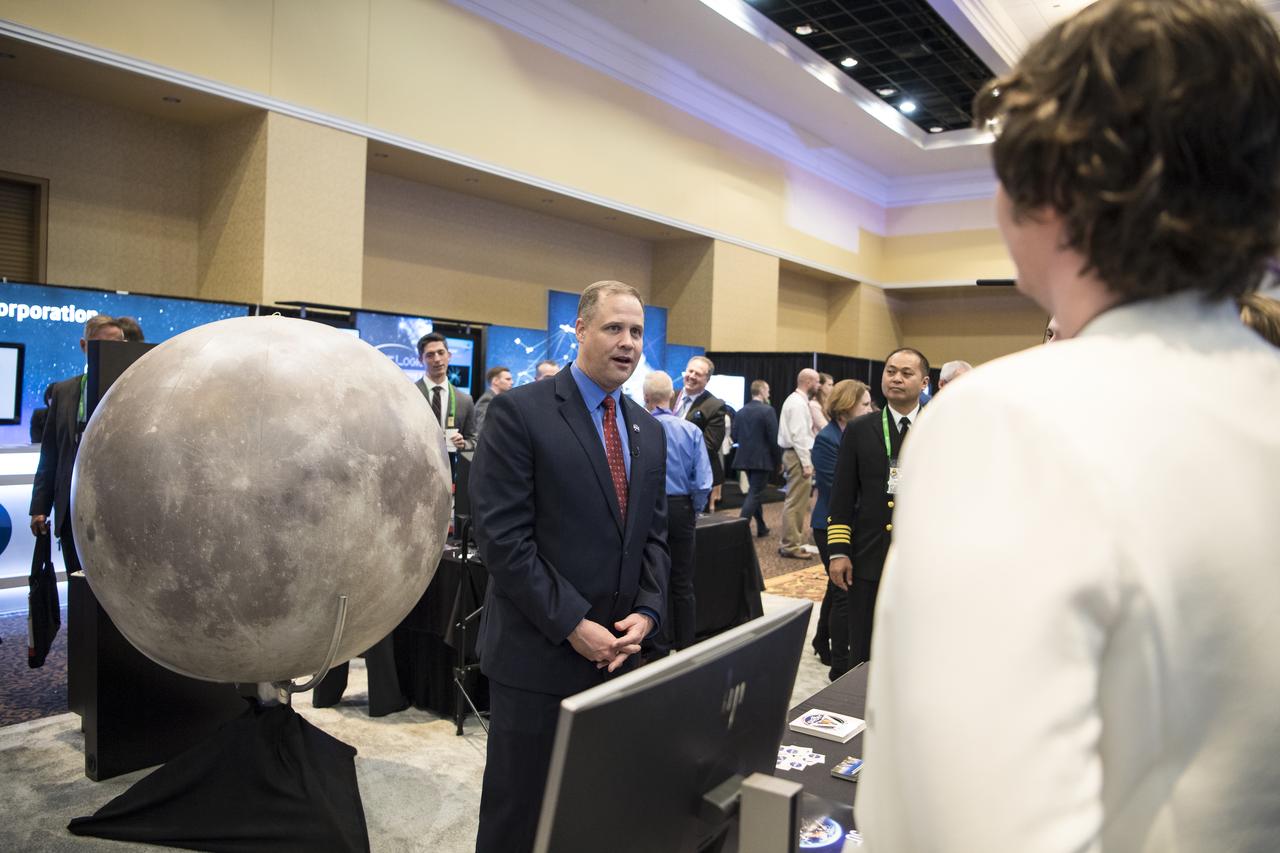
NASA Administrator Jim Bridenstine tours the NASA exhibit at the Space Symposium, Tuesday, April 9, 2019, at Broadmoor Hall in Colorado Springs, Colorado. Photo credit: (NASA/Aubrey Gemignani)
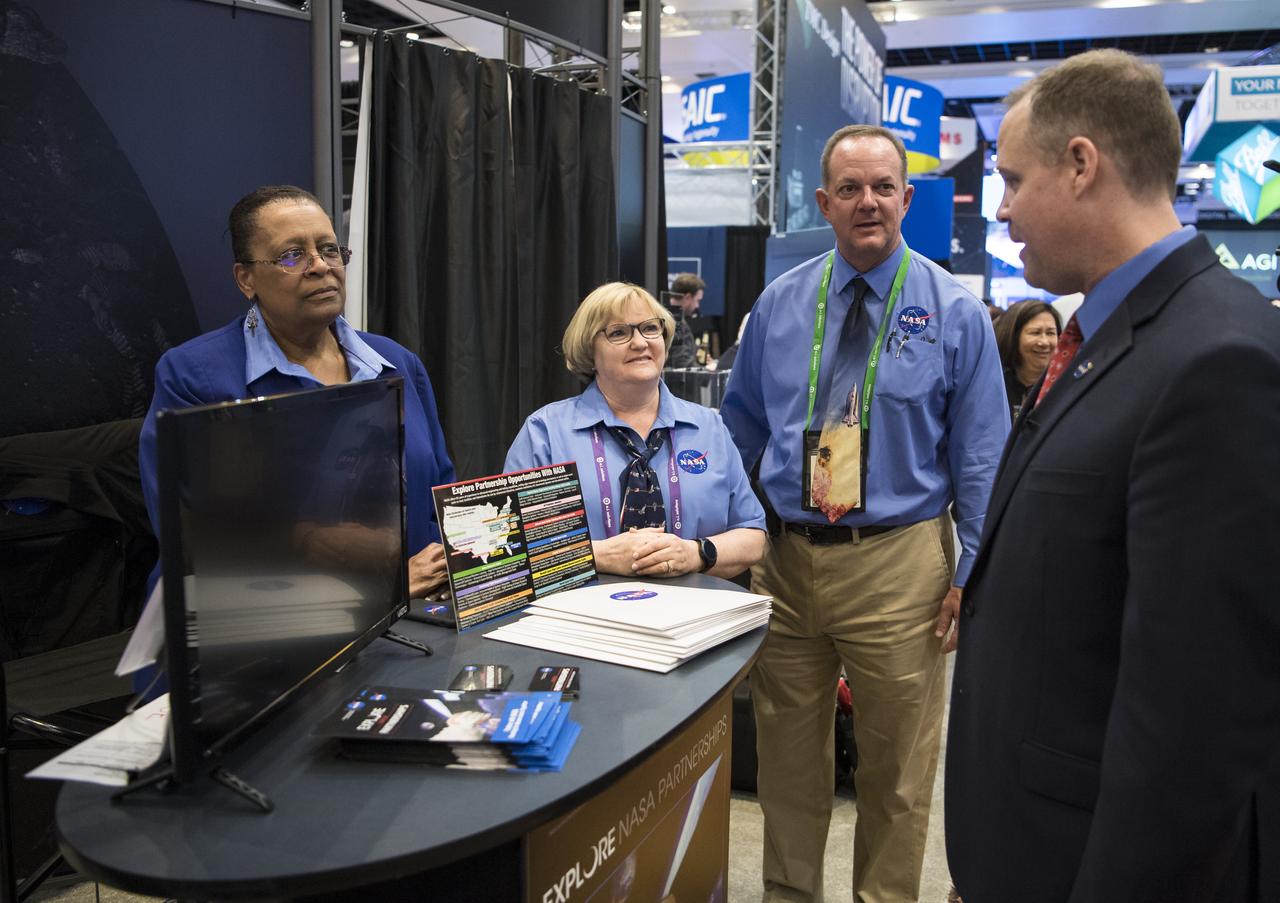
NASA Administrator Jim Bridenstine tours the NASA exhibit at the Space Symposium, Tuesday, April 9, 2019, at Broadmoor Hall in Colorado Springs, Colorado. Photo credit: (NASA/Aubrey Gemignani)
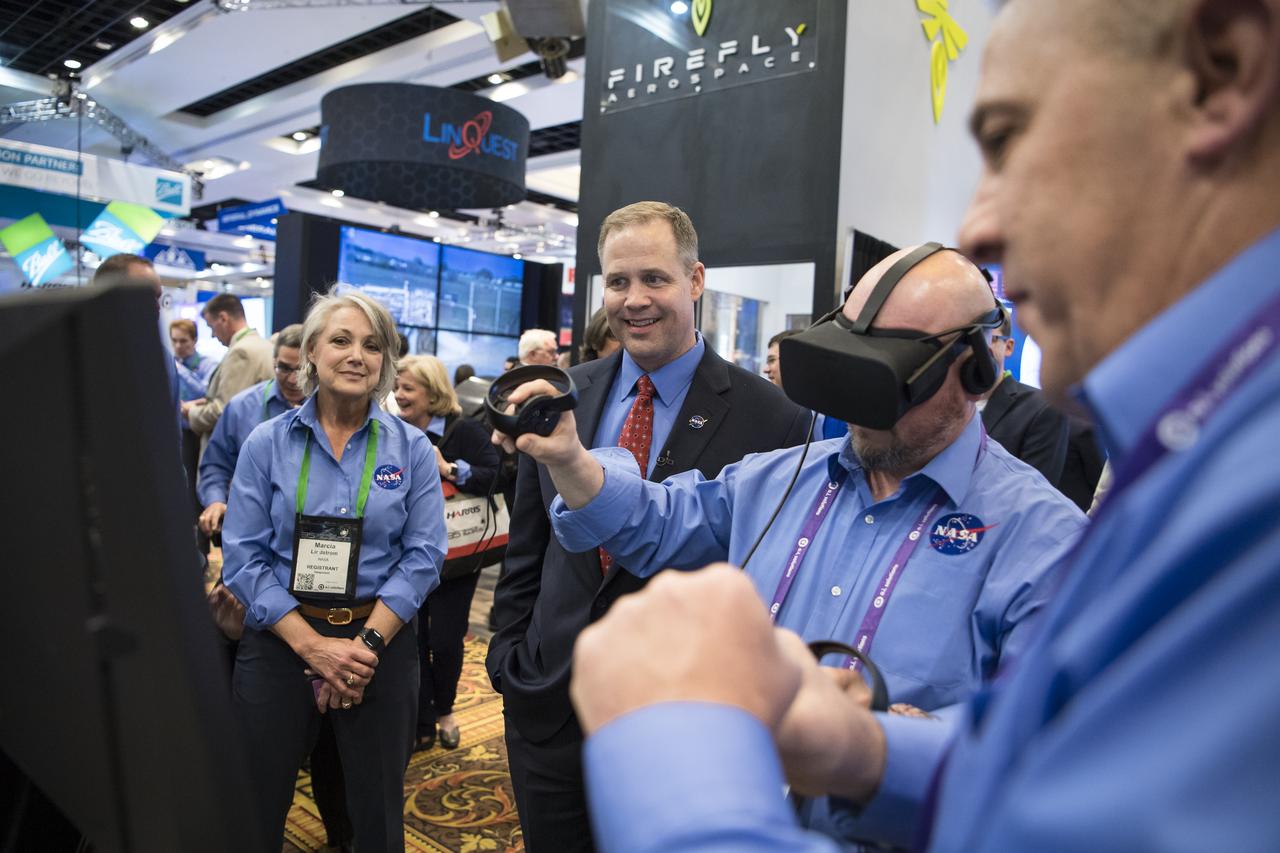
NASA Administrator Jim Bridenstine tours the NASA exhibit at the Space Symposium, Tuesday, April 9, 2019, at Broadmoor Hall in Colorado Springs, Colorado. Photo credit: (NASA/Aubrey Gemignani)
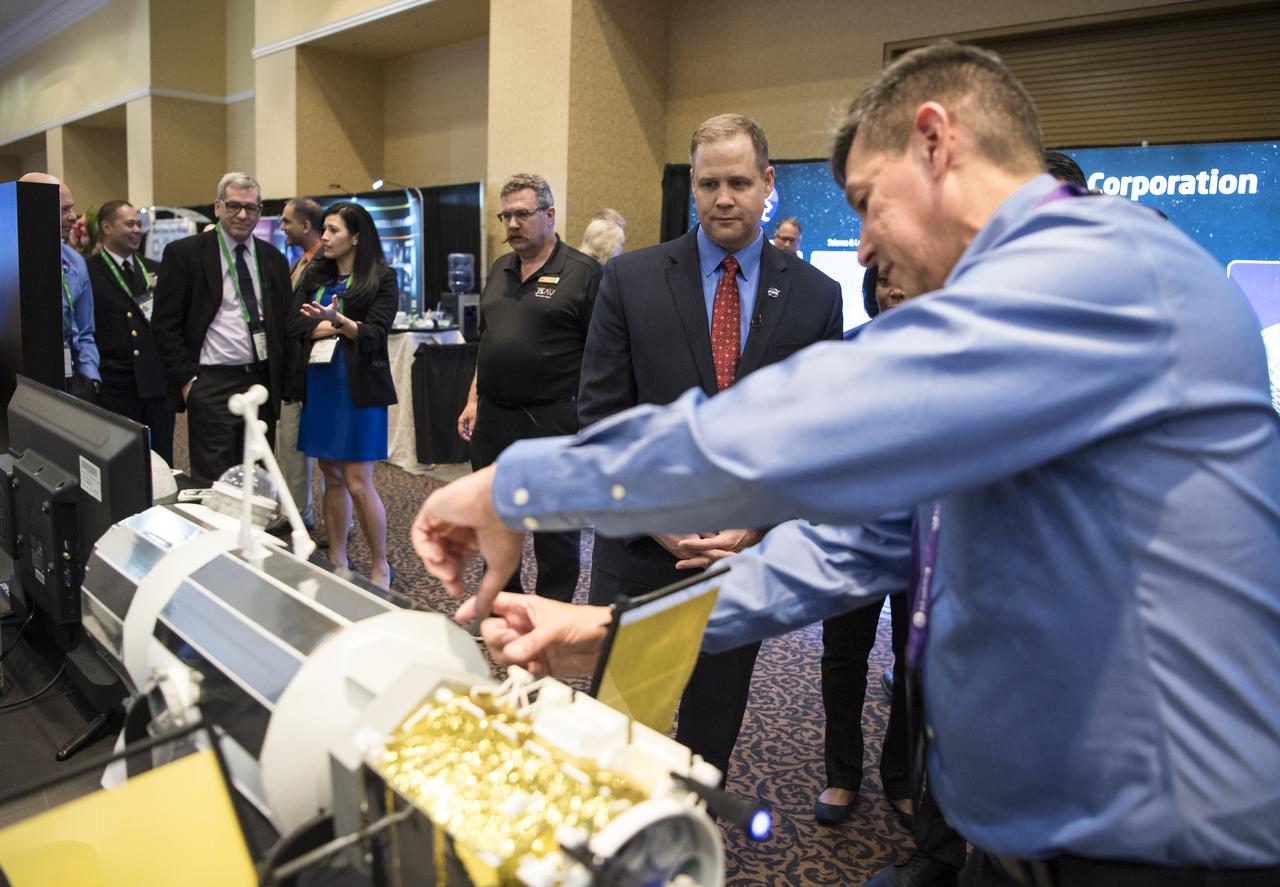
NASA Administrator Jim Bridenstine tours the NASA exhibit at the Space Symposium, Tuesday, April 9, 2019, at Broadmoor Hall in Colorado Springs, Colorado. Photo credit: (NASA/Aubrey Gemignani)
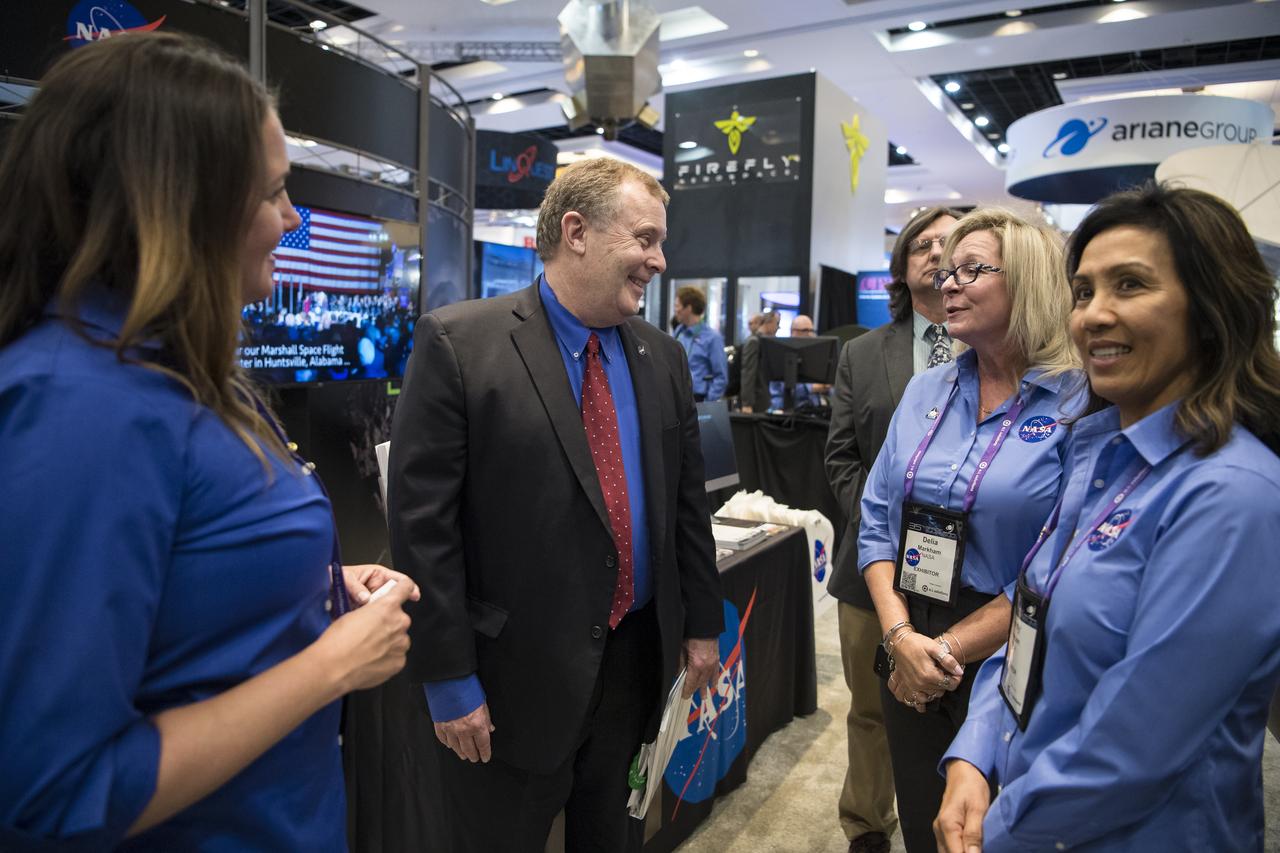
NASA Deputy Administrator Jim Morhard tours the NASA exhibit at the Space Symposium, Tuesday, April 9, 2019, at Broadmoor Hall in Colorado Springs, Colorado. Photo credit: (NASA/Aubrey Gemignani)
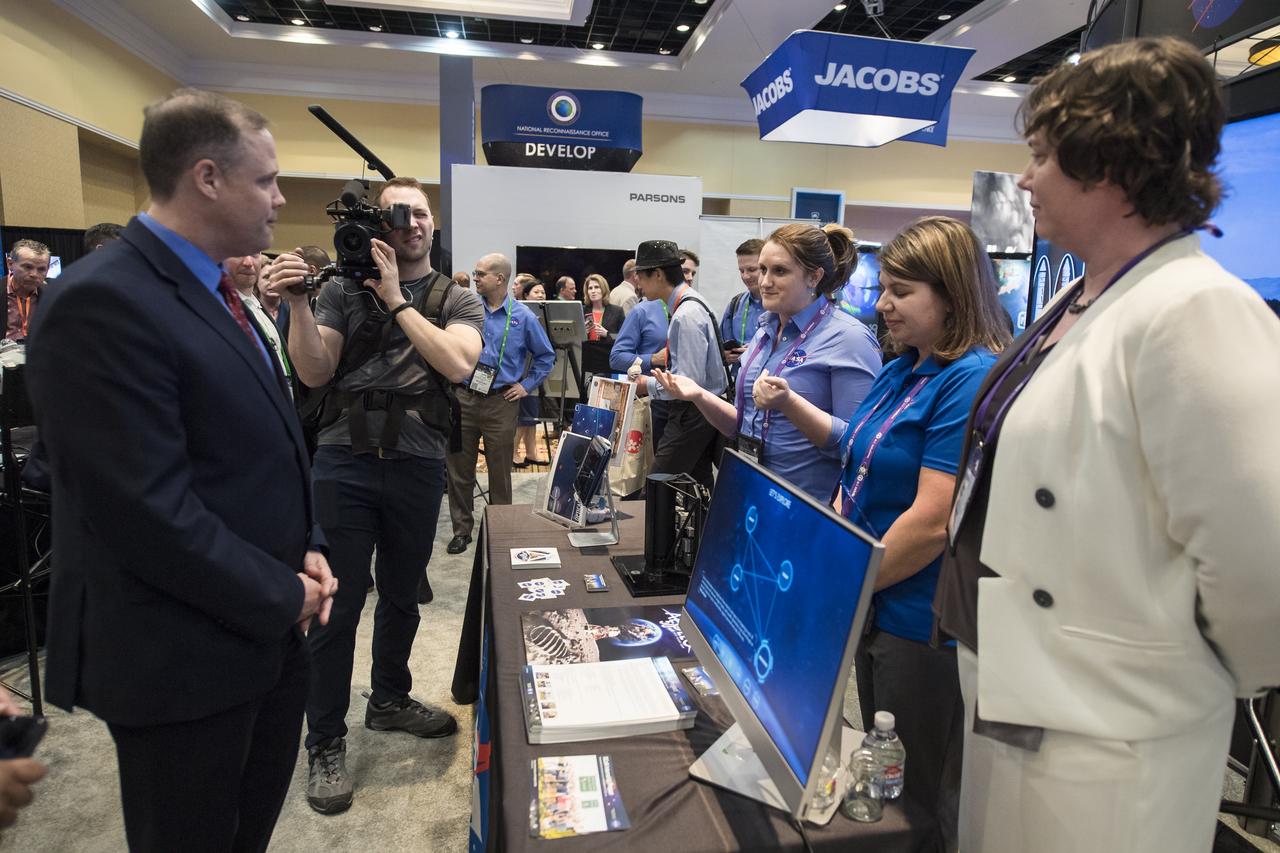
NASA Administrator Jim Bridenstine tours the NASA exhibit at the Space Symposium, Tuesday, April 9, 2019, at Broadmoor Hall in Colorado Springs, Colorado. Photo credit: (NASA/Aubrey Gemignani)
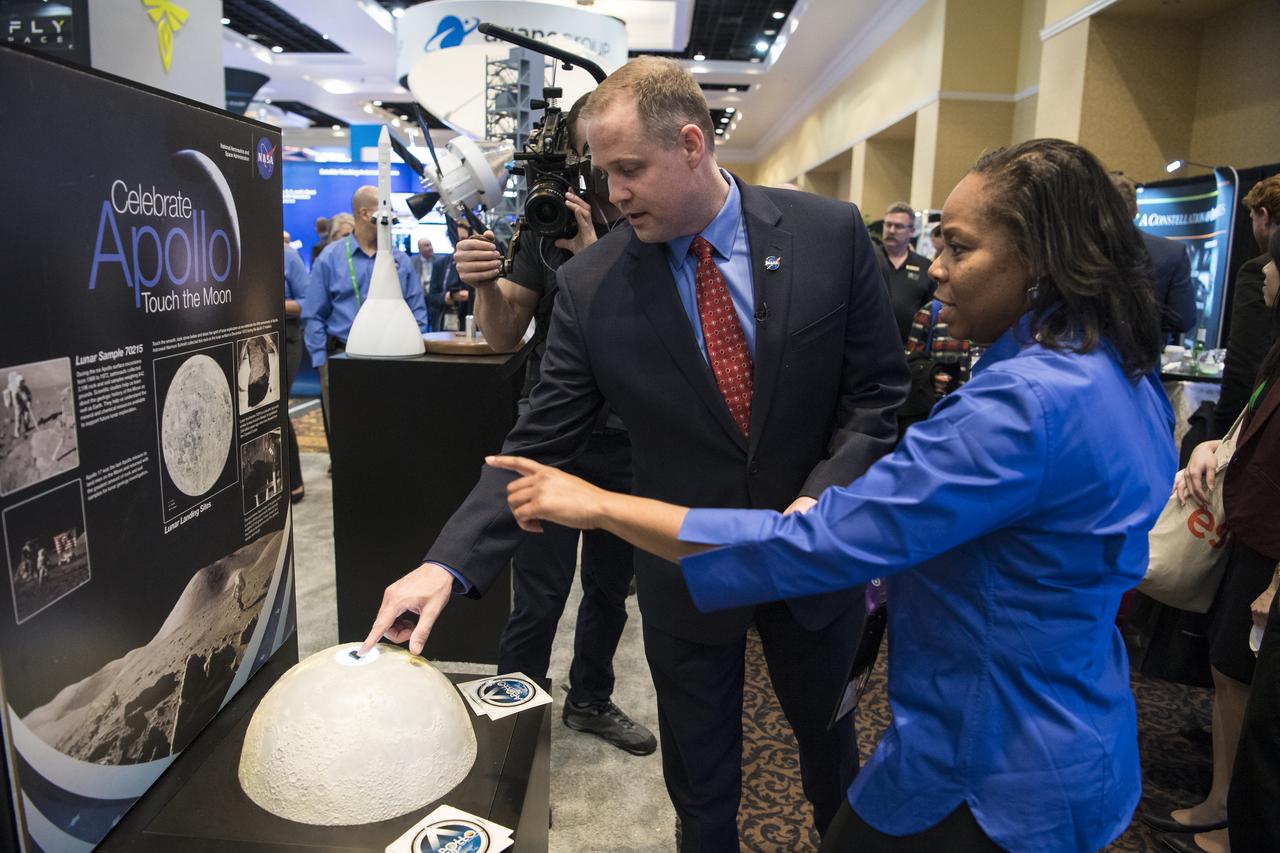
NASA Administrator Jim Bridenstine tours the NASA exhibit at the Space Symposium, Tuesday, April 9, 2019, at Broadmoor Hall in Colorado Springs, Colorado. Photo credit: (NASA/Aubrey Gemignani)
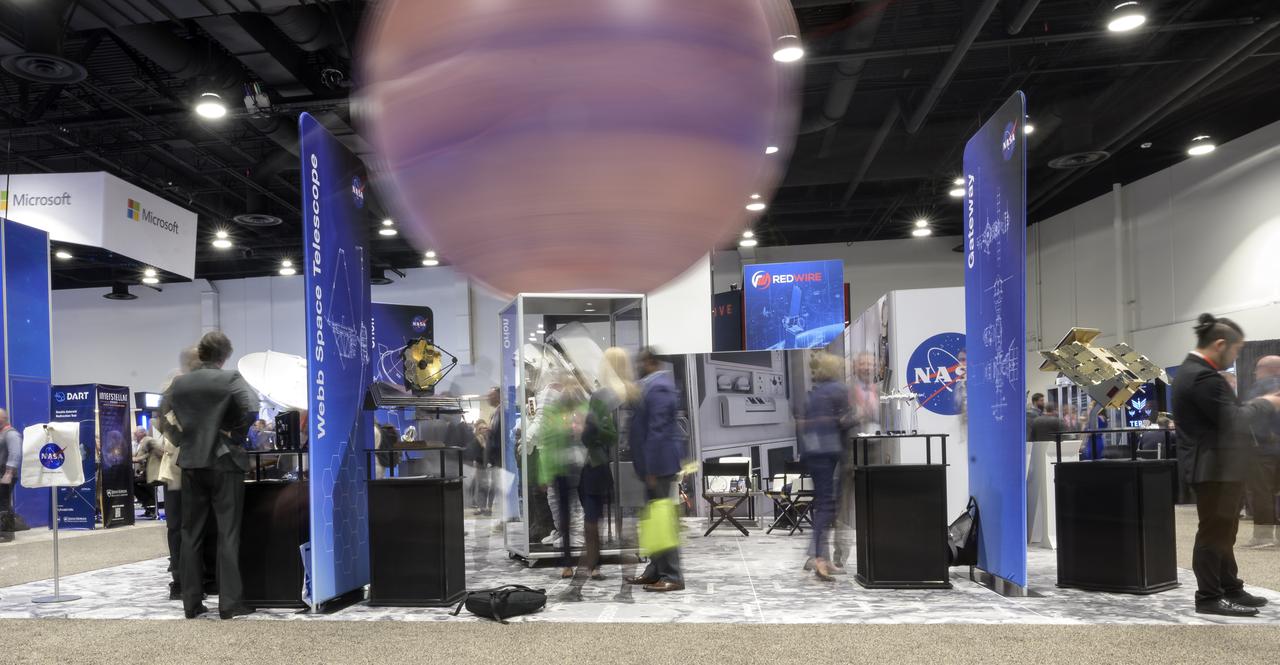
The NASA Exhibit area is seen in this 10 second exposure photograph during the 37th Space Symposium, Tuesday, April 5, 2022, in Colorado Springs, Colorado. Photo Credit: (NASA/Bill Ingalls)
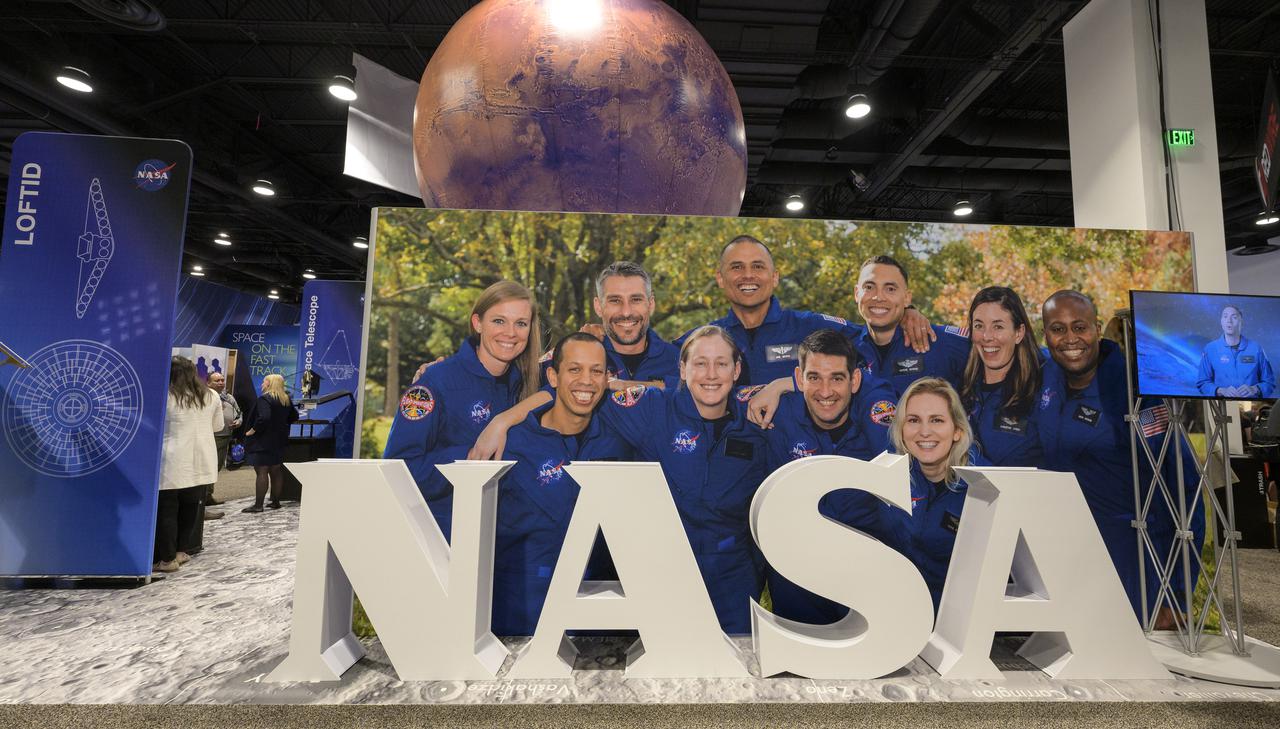
Attendees visit the NASA Exhibit area during the 37th Space Symposium, Tuesday, April 5, 2022, in Colorado Springs, Colorado. Photo Credit: (NASA/Bill Ingalls)
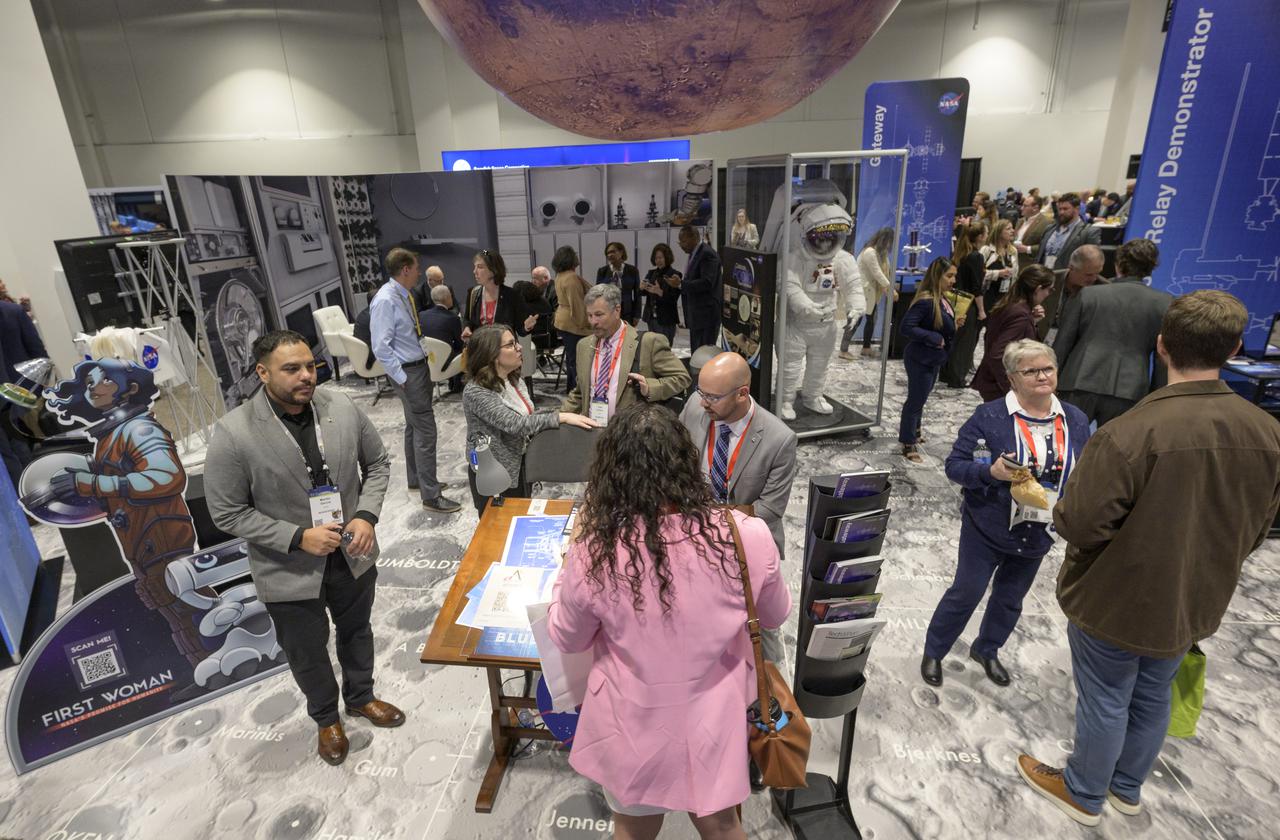
Attendees visit the NASA Exhibit area during the 37th Space Symposium, Tuesday, April 5, 2022, in Colorado Springs, Colorado. Photo Credit: (NASA/Bill Ingalls)
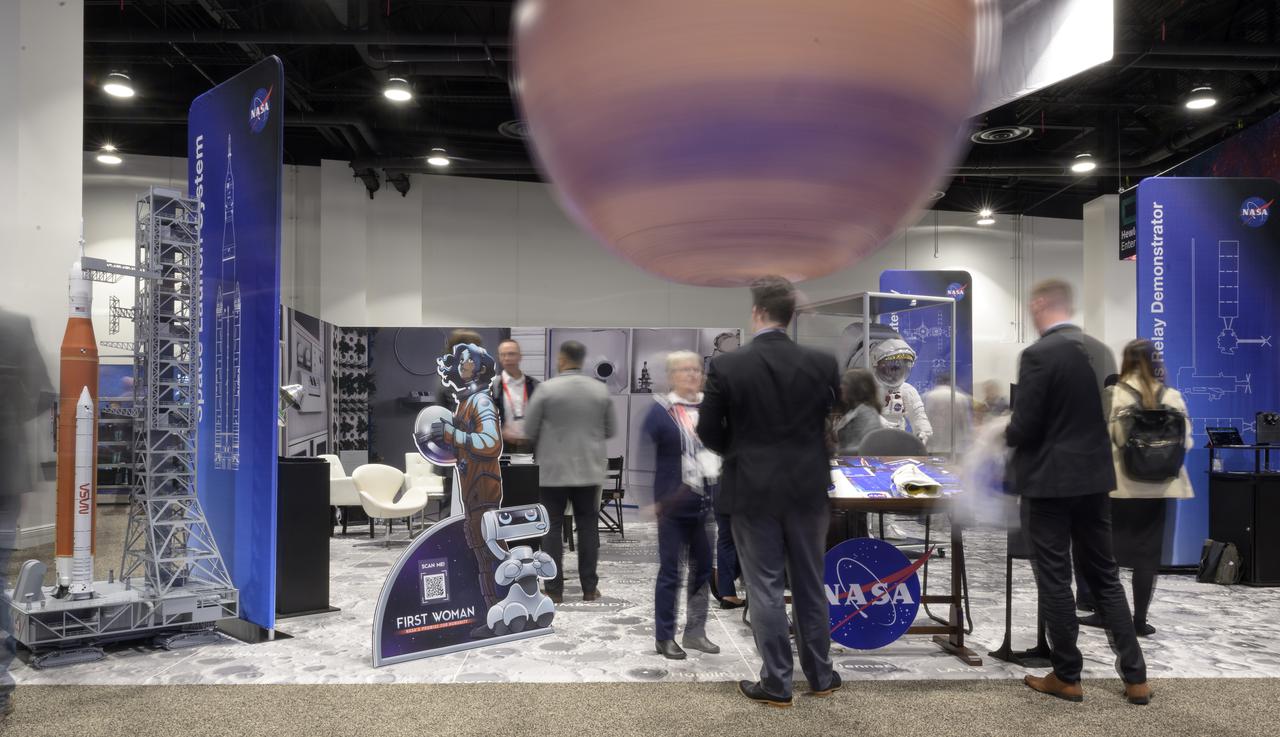
The NASA Exhibit area is seen in this 6 second exposure photograph during the 37th Space Symposium, Tuesday, April 5, 2022, in Colorado Springs, Colorado. Photo Credit: (NASA/Bill Ingalls)
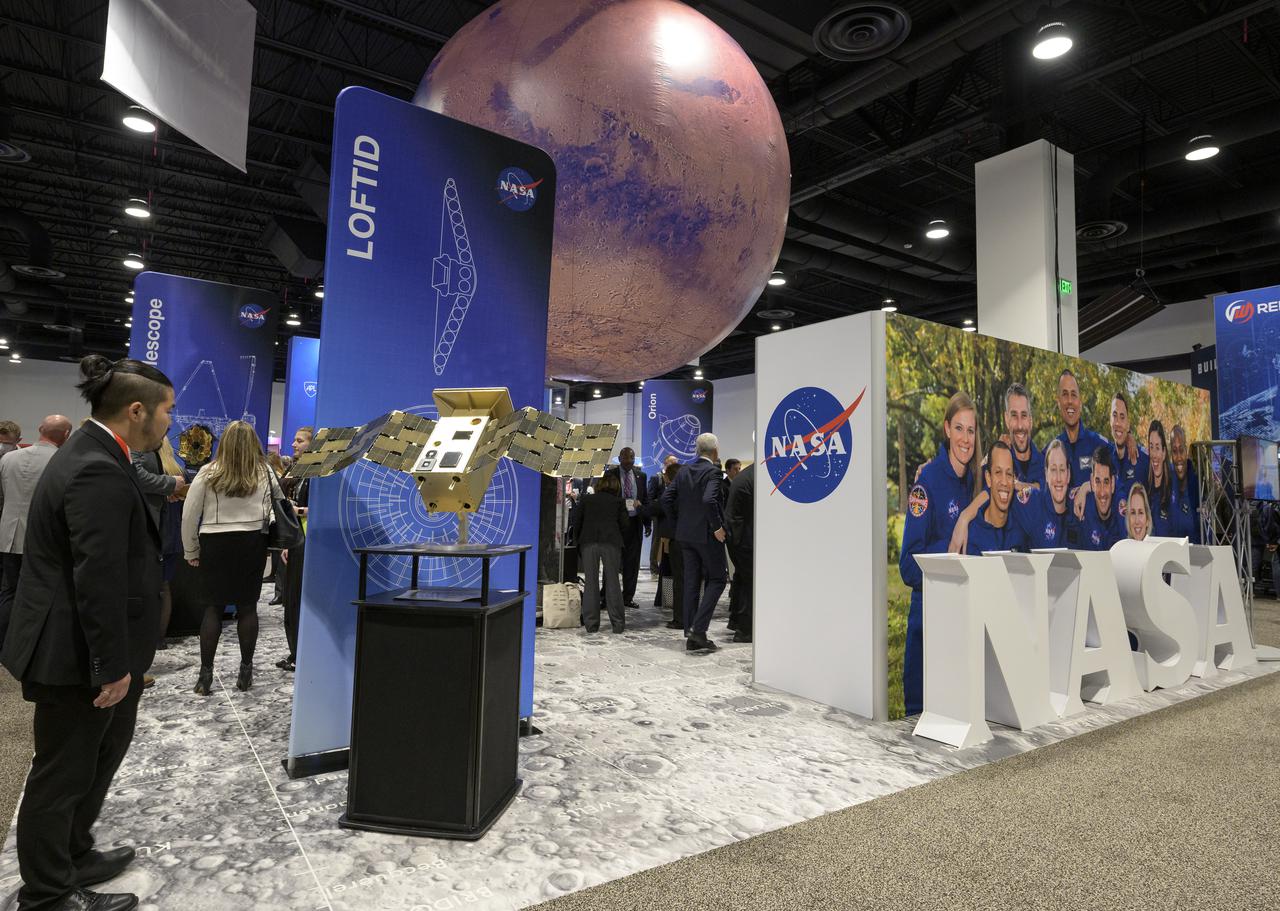
Attendees visit the NASA Exhibit area during the 37th Space Symposium, Tuesday, April 5, 2022, in Colorado Springs, Colorado. Photo Credit: (NASA/Bill Ingalls)
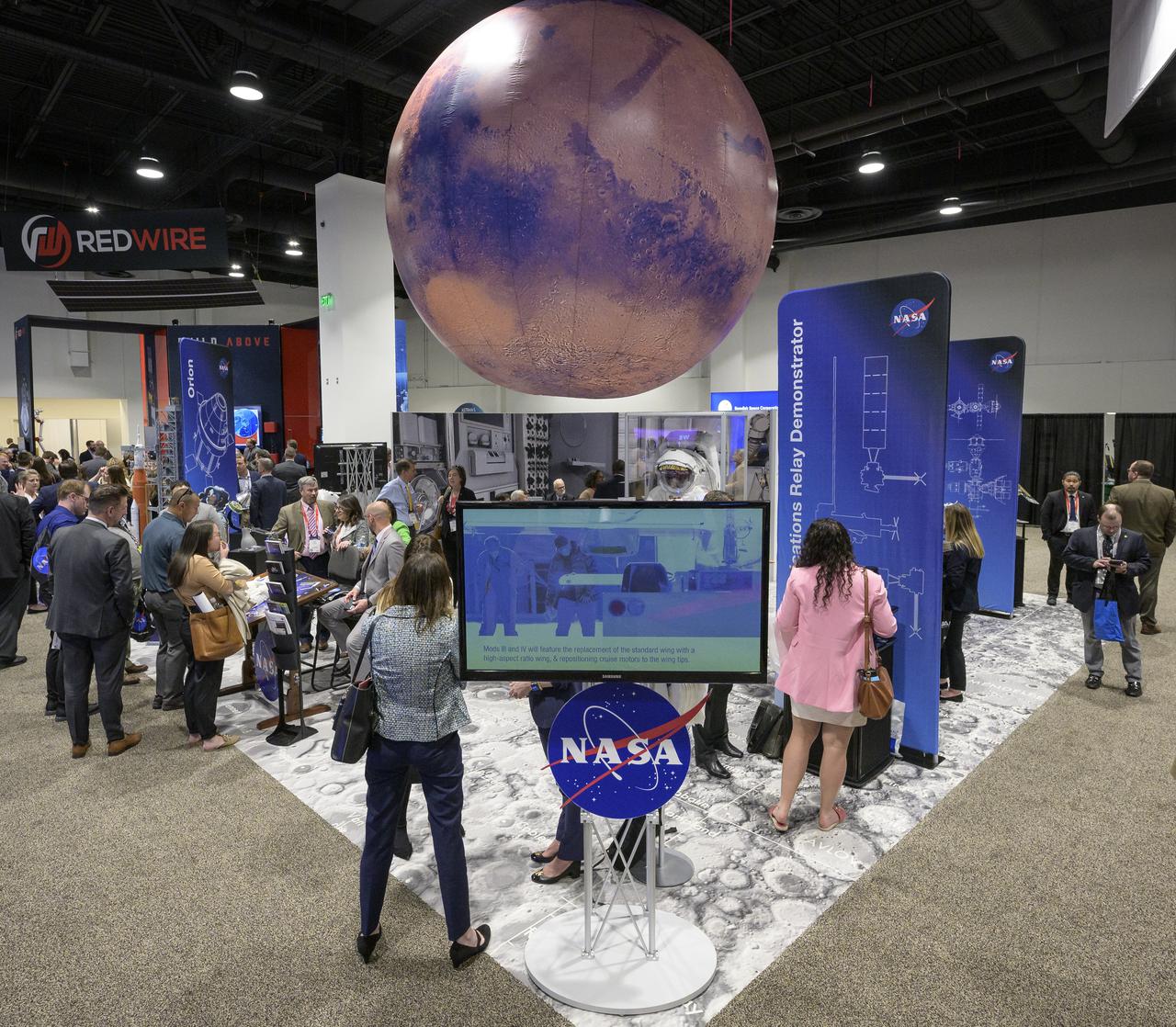
Attendees visit the NASA Exhibit area during the 37th Space Symposium, Tuesday, April 5, 2022, in Colorado Springs, Colorado. Photo Credit: (NASA/Bill Ingalls)
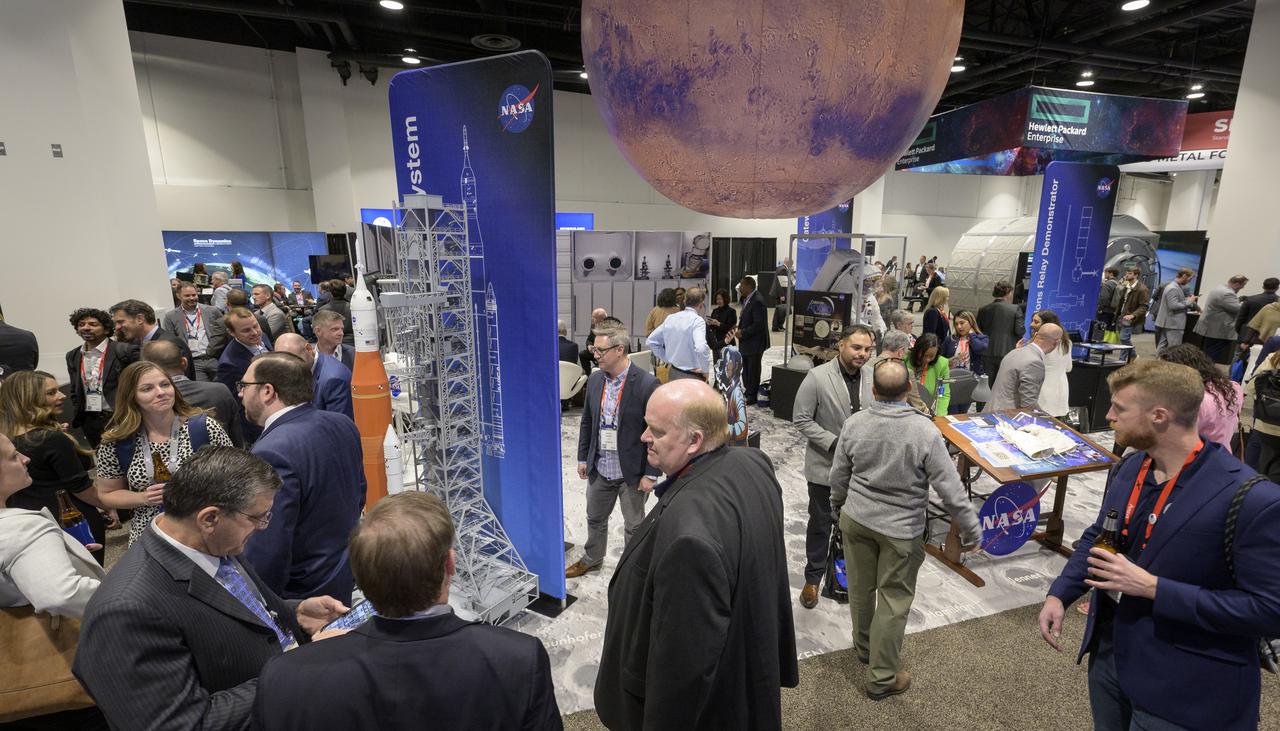
Attendees visit the NASA Exhibit area during the 37th Space Symposium, Tuesday, April 5, 2022, in Colorado Springs, Colorado. Photo Credit: (NASA/Bill Ingalls)

Visitors explore NASA’s hands-on exhibits during an Earth Day event, Thursday, April 20, 2023, at Union Station in Washington. Photo Credit: (NASA/Keegan Barber)
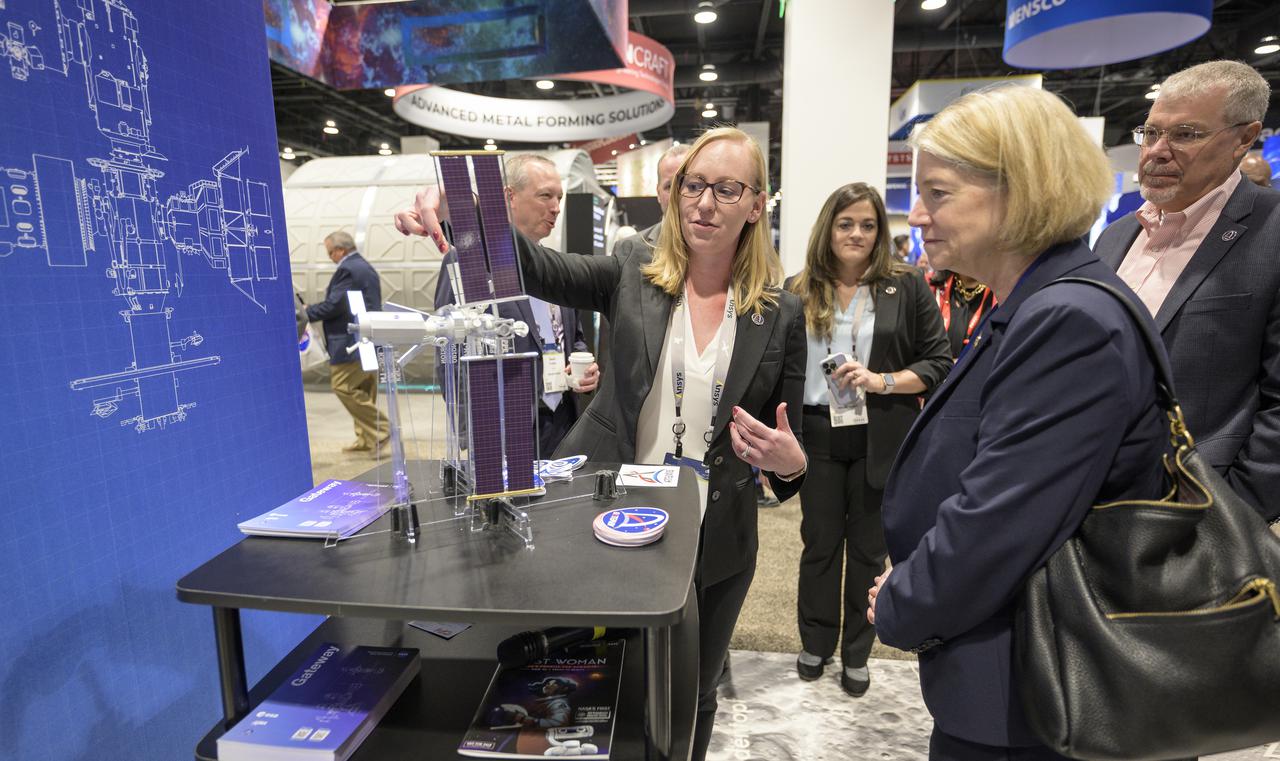
NASA Deputy Administrator Pam Melroy, right, meets with colleagues at the NASA Exhibit area during the 37th Space Symposium, Wednesday, April 6, 2022, in Colorado Springs, Colorado. Photo Credit: (NASA/Bill Ingalls)
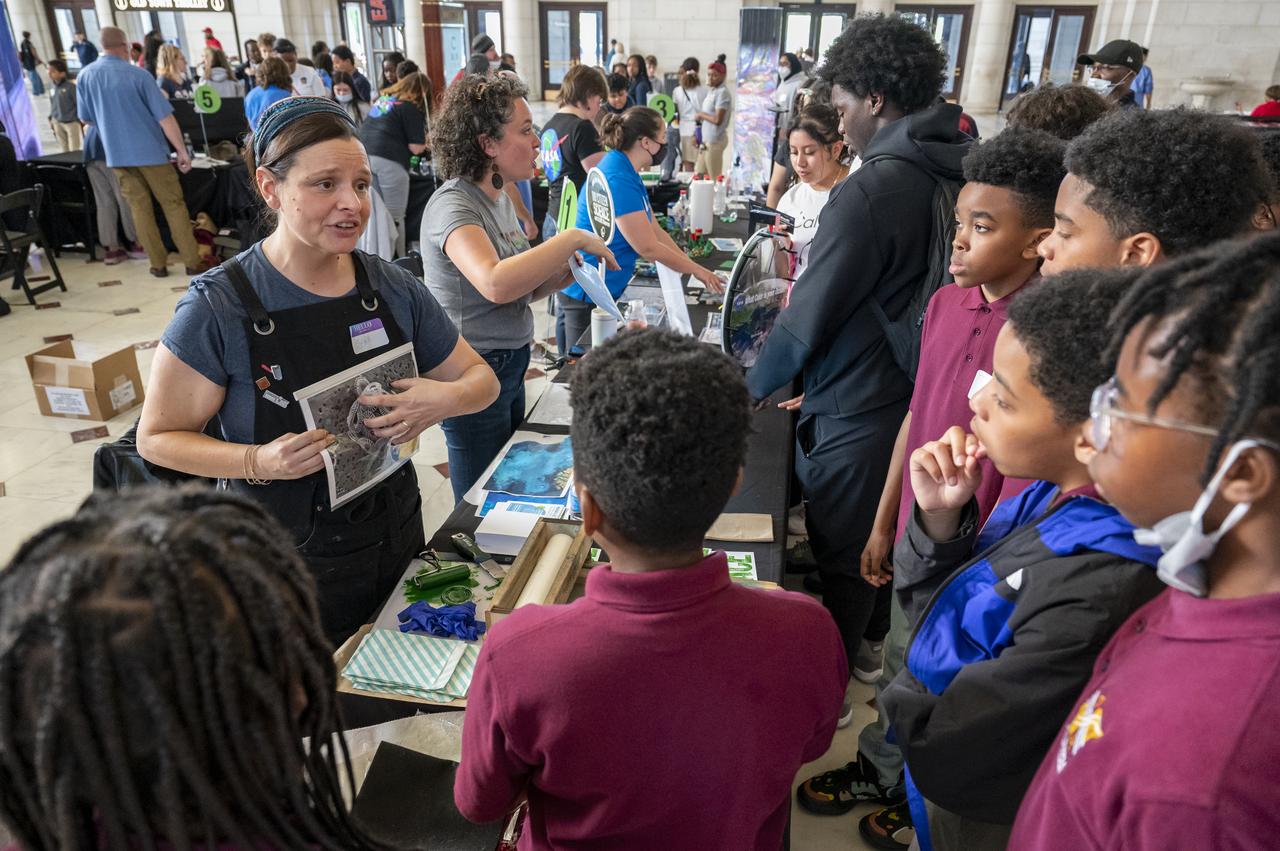
Visitors explore NASA’s hands-on exhibits during an Earth Day event, Thursday, April 20, 2023, at Union Station in Washington. Photo Credit: (NASA/Keegan Barber)

Visitors explore NASA’s hands-on exhibits during an Earth Day event, Thursday, April 20, 2023, at Union Station in Washington. Photo Credit: (NASA/Keegan Barber)
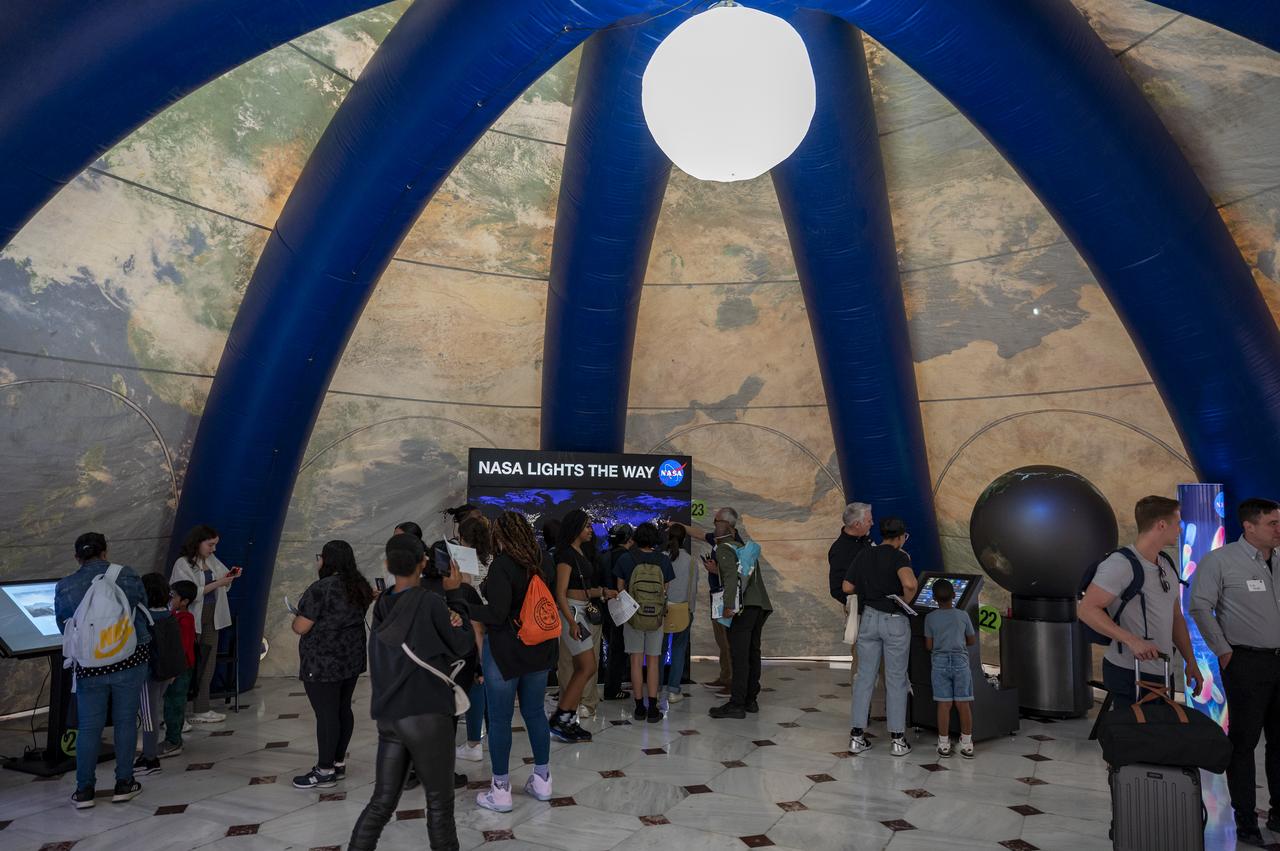
Visitors explore NASA’s hands-on exhibits during an Earth Day event, Thursday, April 20, 2023, at Union Station in Washington. Photo Credit: (NASA/Keegan Barber)
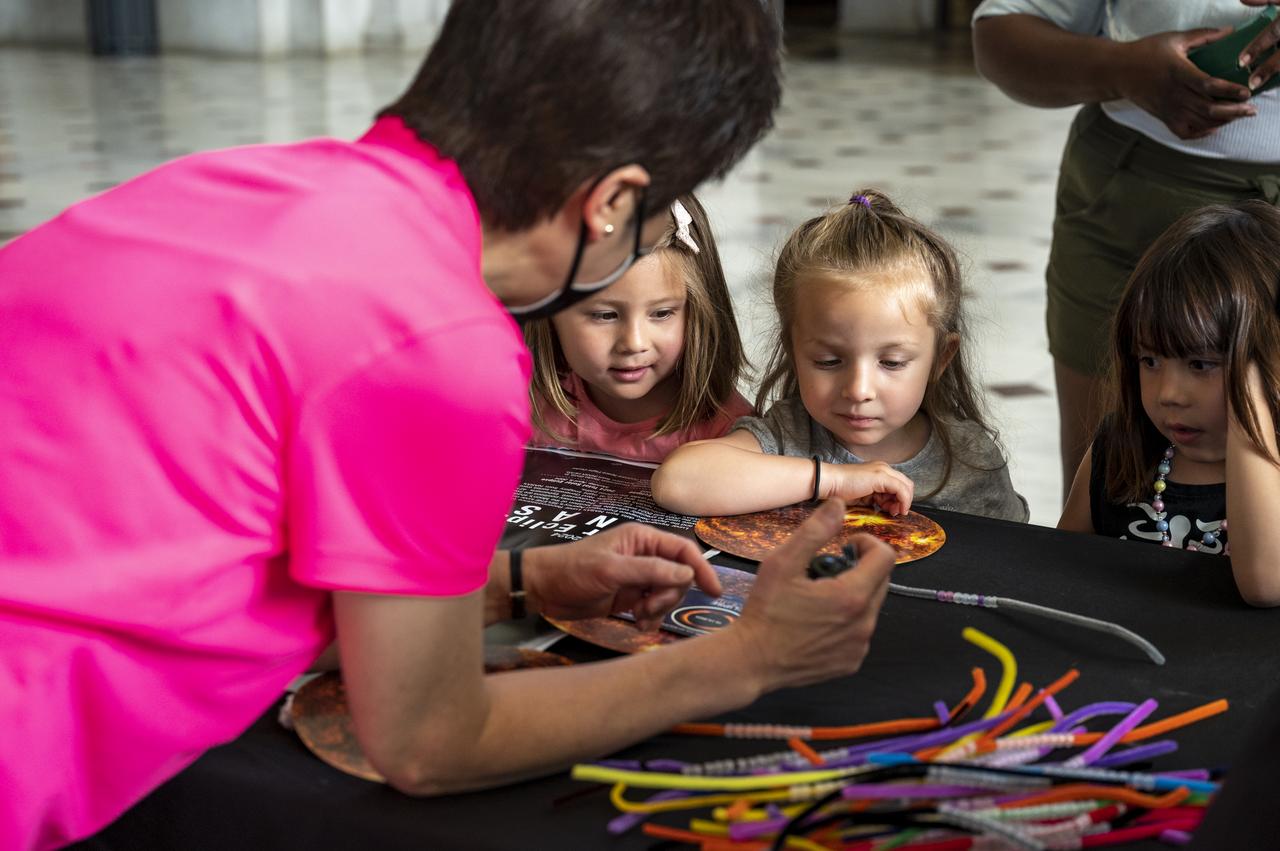
Visitors explore NASA’s hands-on exhibits during an Earth Day event, Thursday, April 20, 2023, at Union Station in Washington. Photo Credit: (NASA/Keegan Barber)
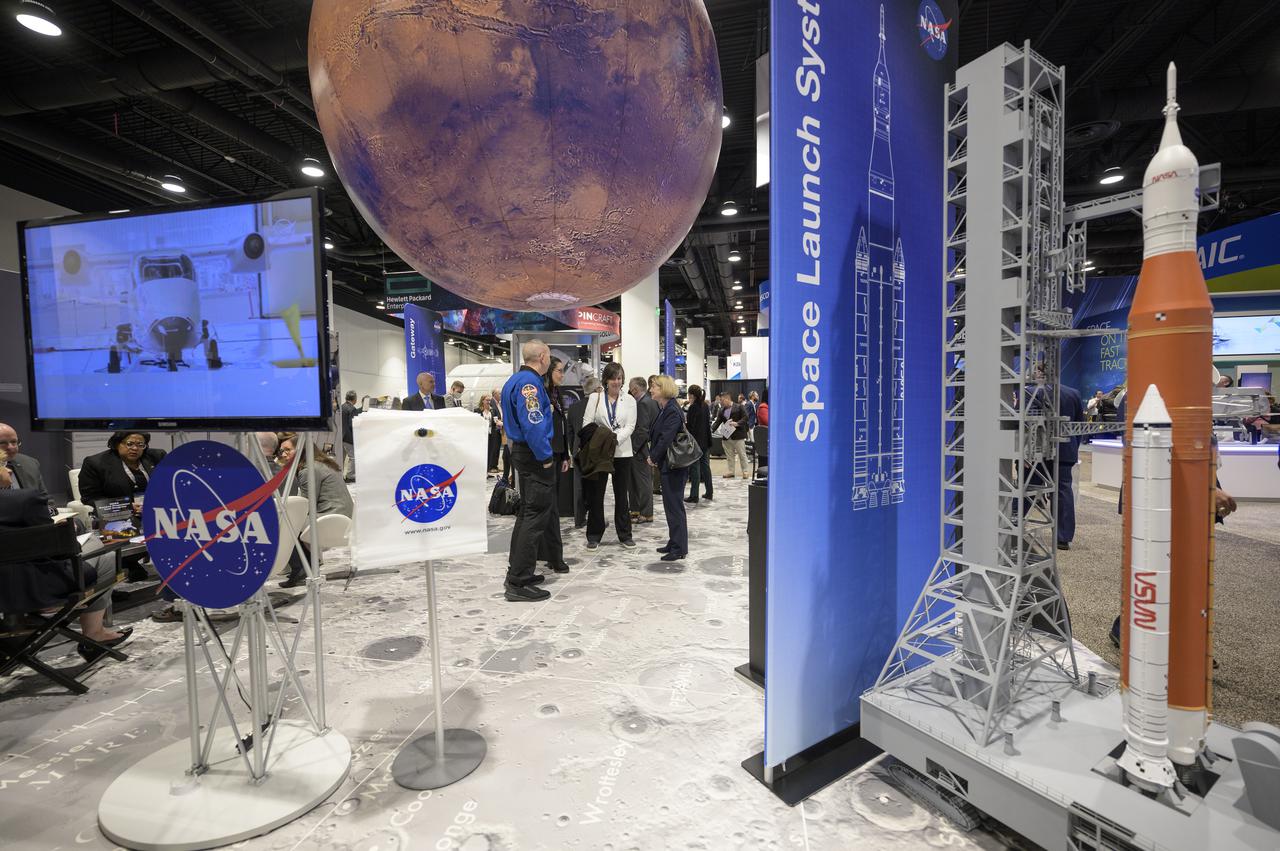
NASA Deputy Administrator Pam Melroy meets with colleagues at the NASA Exhibit area during the 37th Space Symposium, Wednesday, April 6, 2022, in Colorado Springs, Colorado. Photo Credit: (NASA/Bill Ingalls)
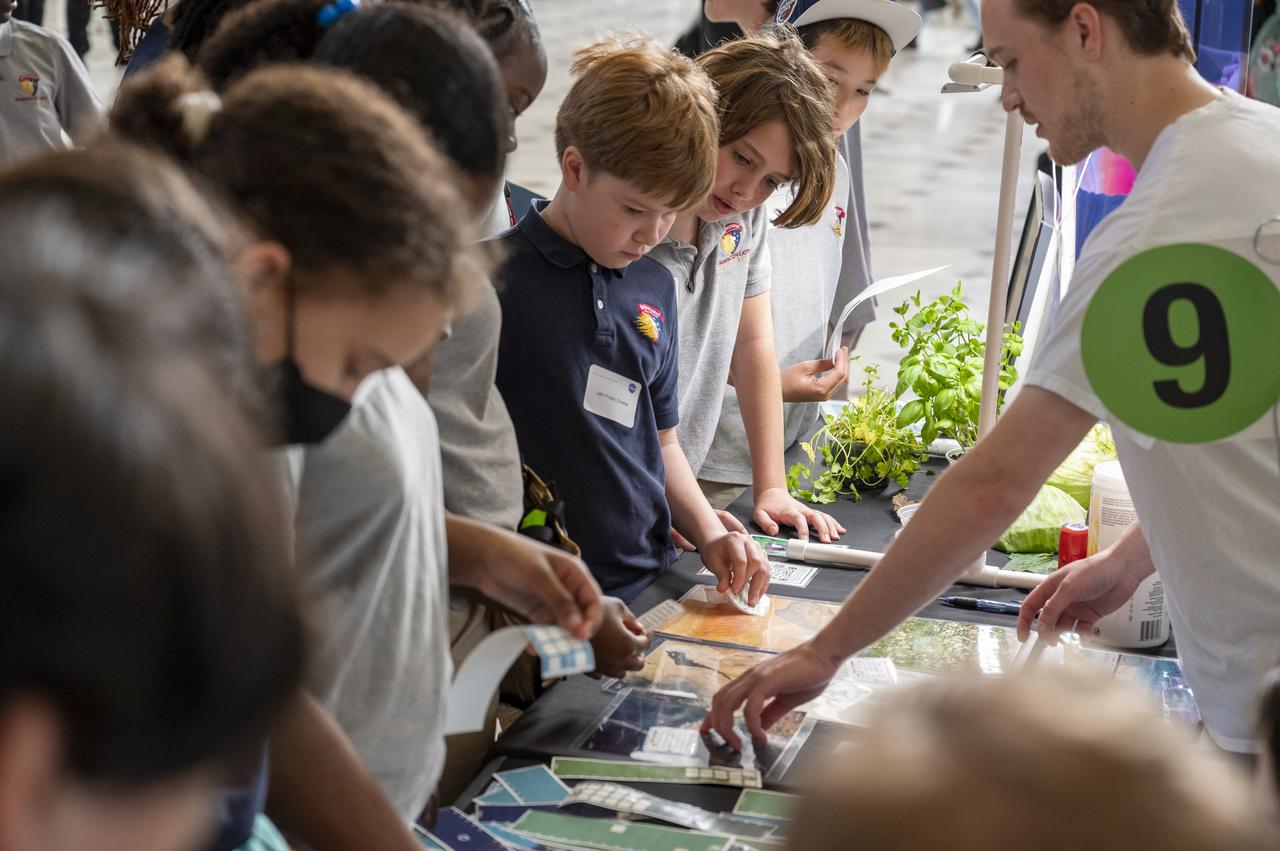
Visitors explore NASA’s hands-on exhibits during an Earth Day event, Thursday, April 20, 2023, at Union Station in Washington. Photo Credit: (NASA/Keegan Barber)
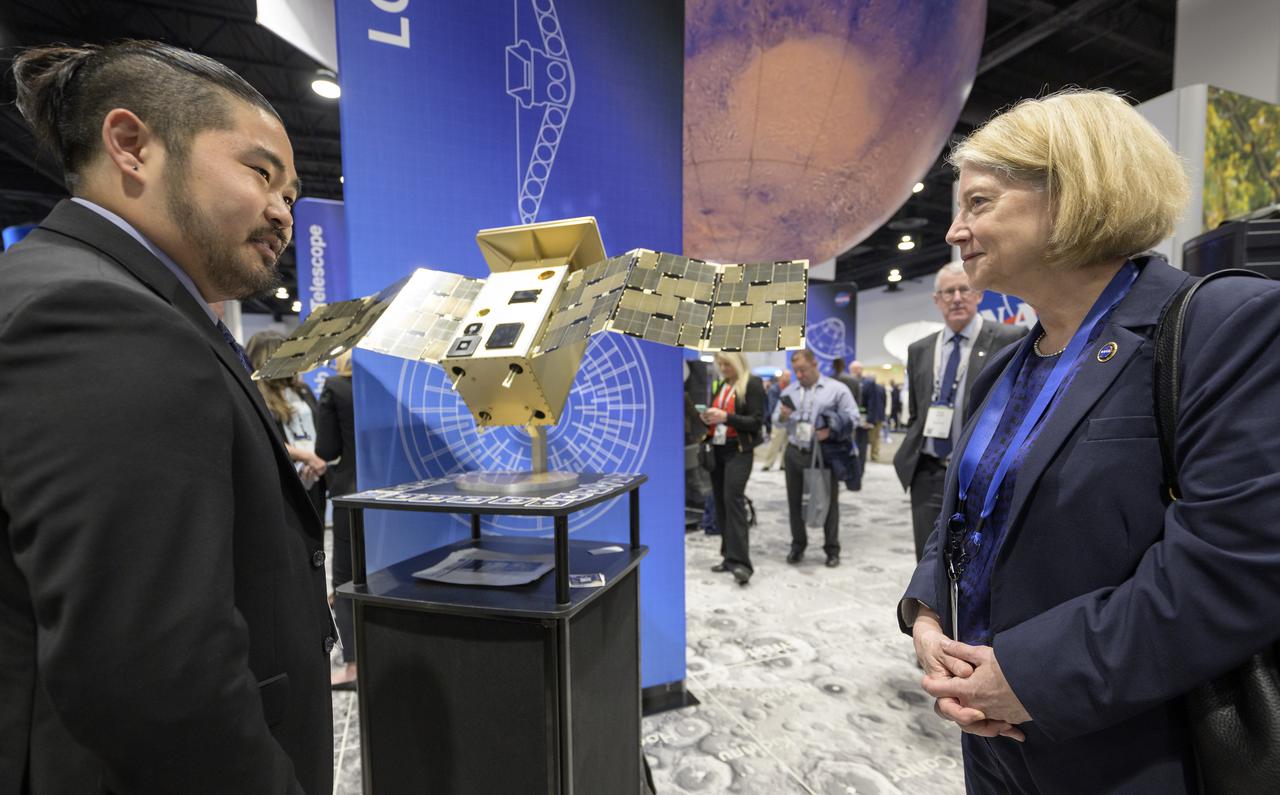
NASA Deputy Administrator Pam Melroy meets with colleagues at the NASA Exhibit area during the 37th Space Symposium, Wednesday, April 6, 2022, in Colorado Springs, Colorado. Photo Credit: (NASA/Bill Ingalls)
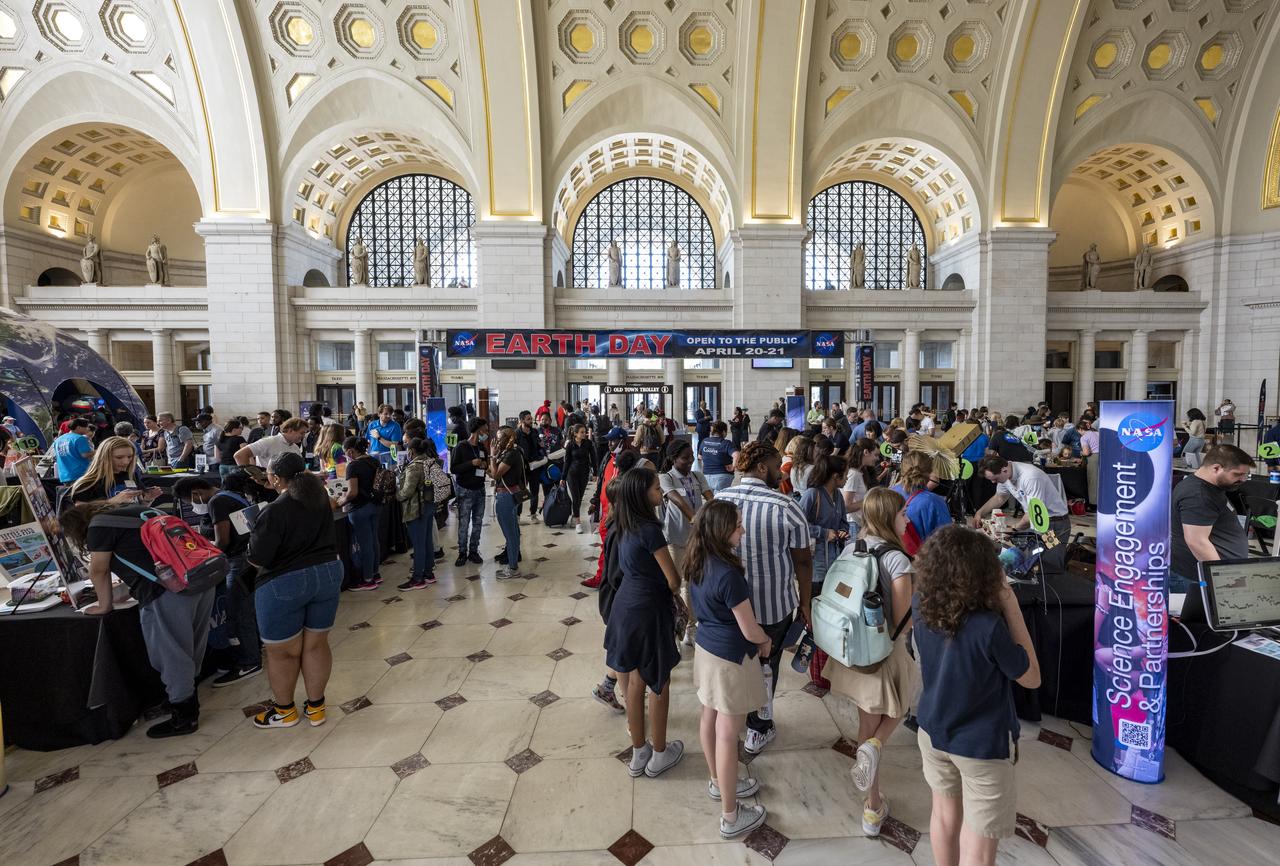
Visitors explore NASA’s hands-on exhibits during an Earth Day event, Thursday, April 20, 2023, at Union Station in Washington. Photo Credit: (NASA/Keegan Barber)
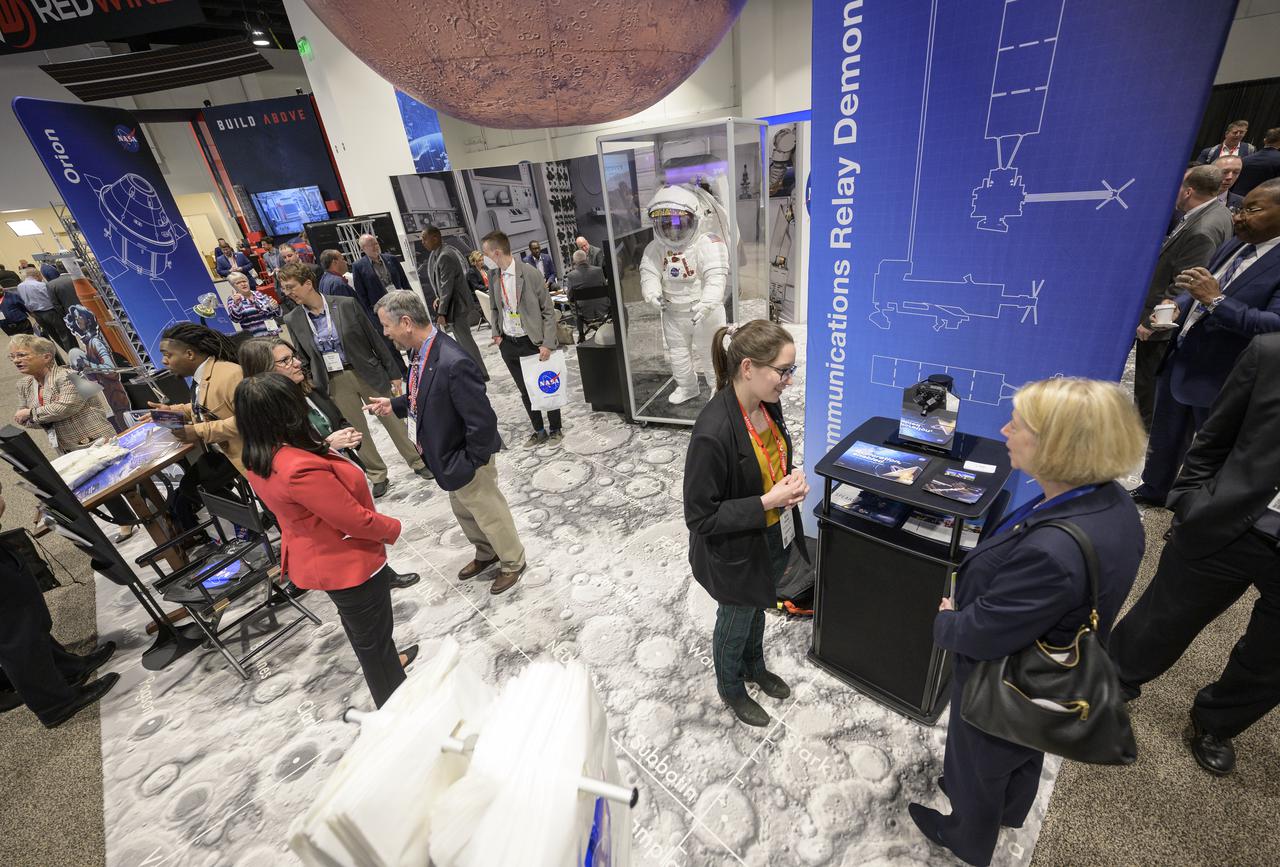
NASA Deputy Administrator Pam Melroy, lower right, meets with colleagues at the NASA Exhibit area during the 37th Space Symposium, Wednesday, April 6, 2022, in Colorado Springs, Colorado. Photo Credit: (NASA/Bill Ingalls)
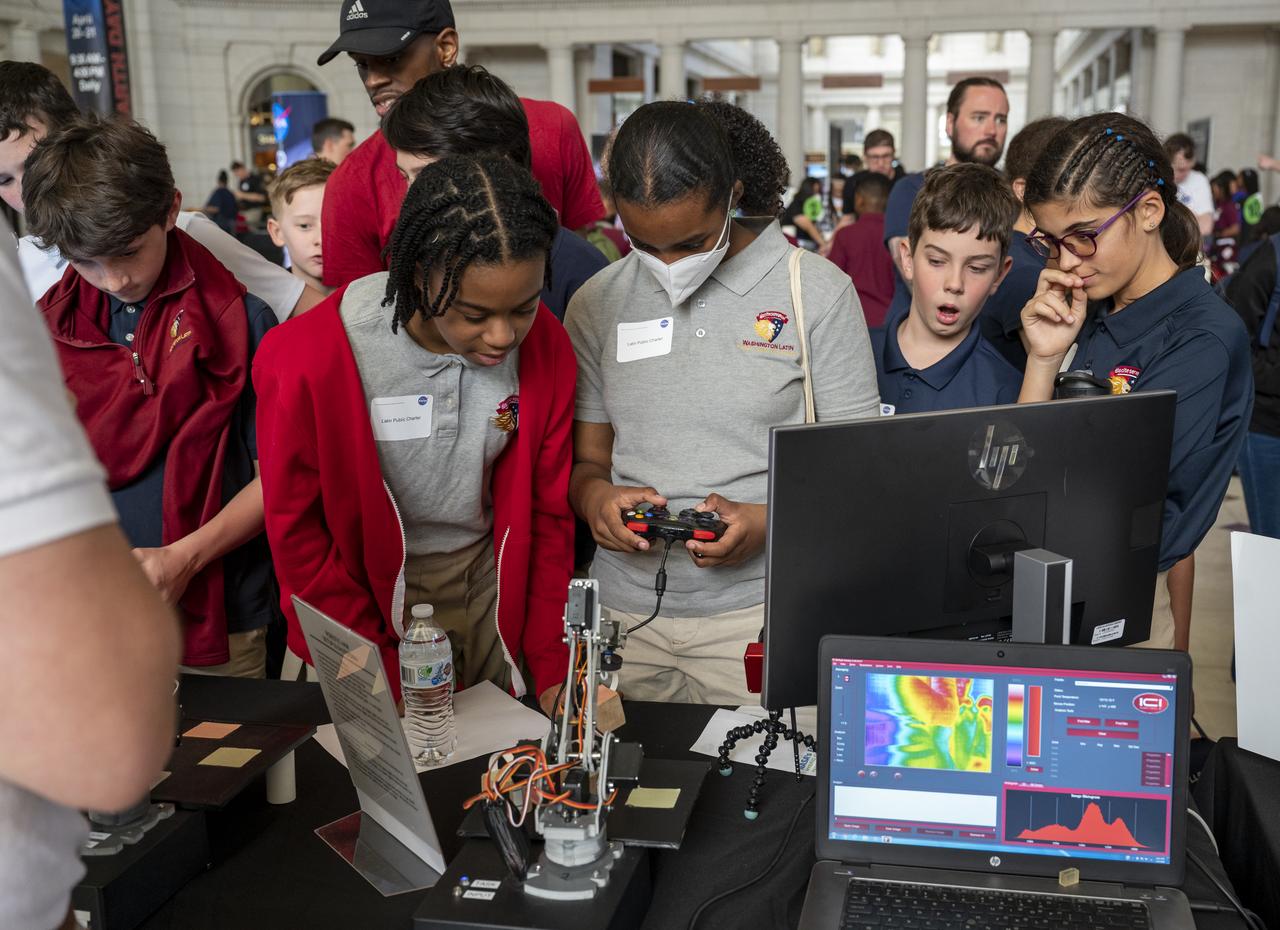
Visitors explore NASA’s hands-on exhibits during an Earth Day event, Thursday, April 20, 2023, at Union Station in Washington. Photo Credit: (NASA/Keegan Barber)
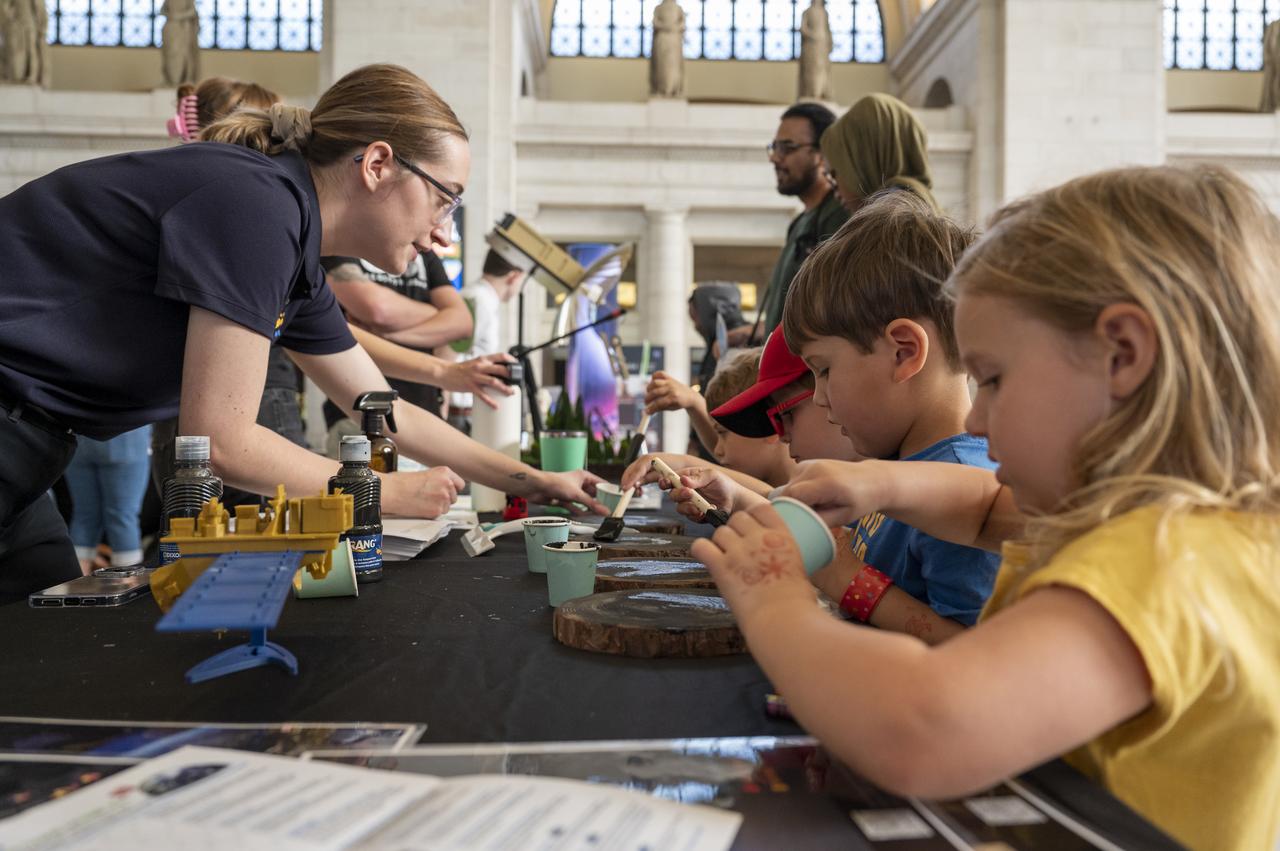
Visitors explore NASA’s hands-on exhibits during an Earth Day event, Thursday, April 20, 2023, at Union Station in Washington. Photo Credit: (NASA/Keegan Barber)
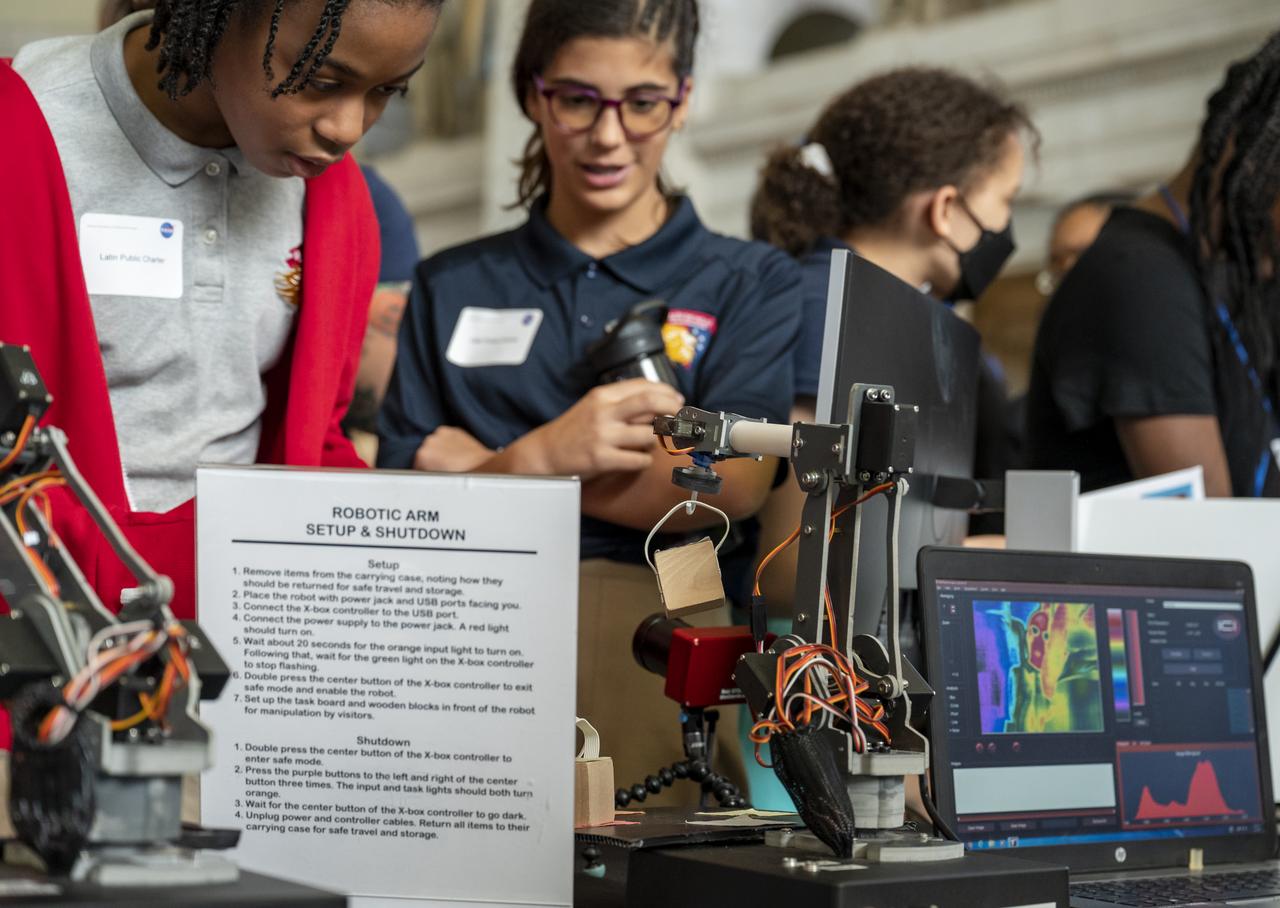
Visitors explore NASA’s hands-on exhibits during an Earth Day event, Thursday, April 20, 2023, at Union Station in Washington. Photo Credit: (NASA/Keegan Barber)
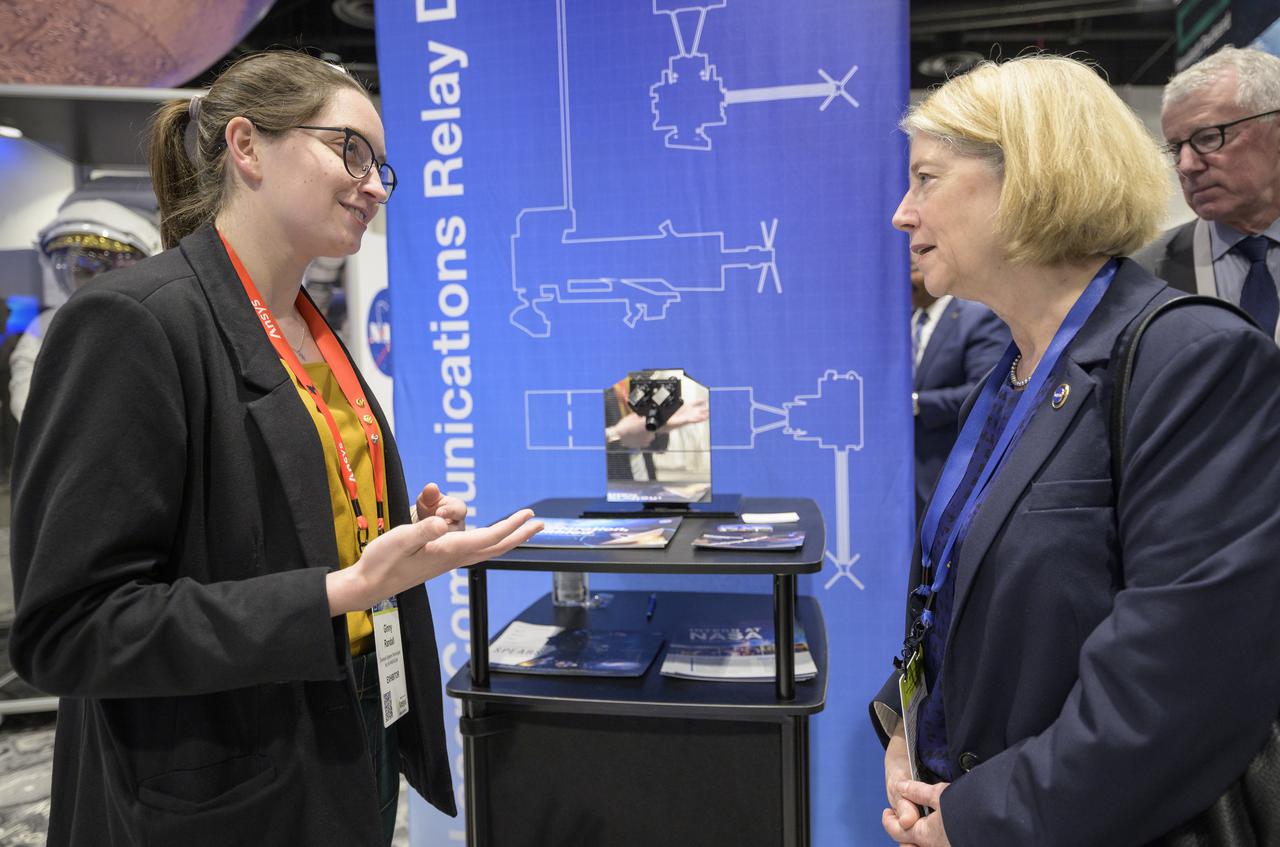
NASA Deputy Administrator Pam Melroy meets with colleagues at the NASA Exhibit area during the 37th Space Symposium, Wednesday, April 6, 2022, in Colorado Springs, Colorado. Photo Credit: (NASA/Bill Ingalls)
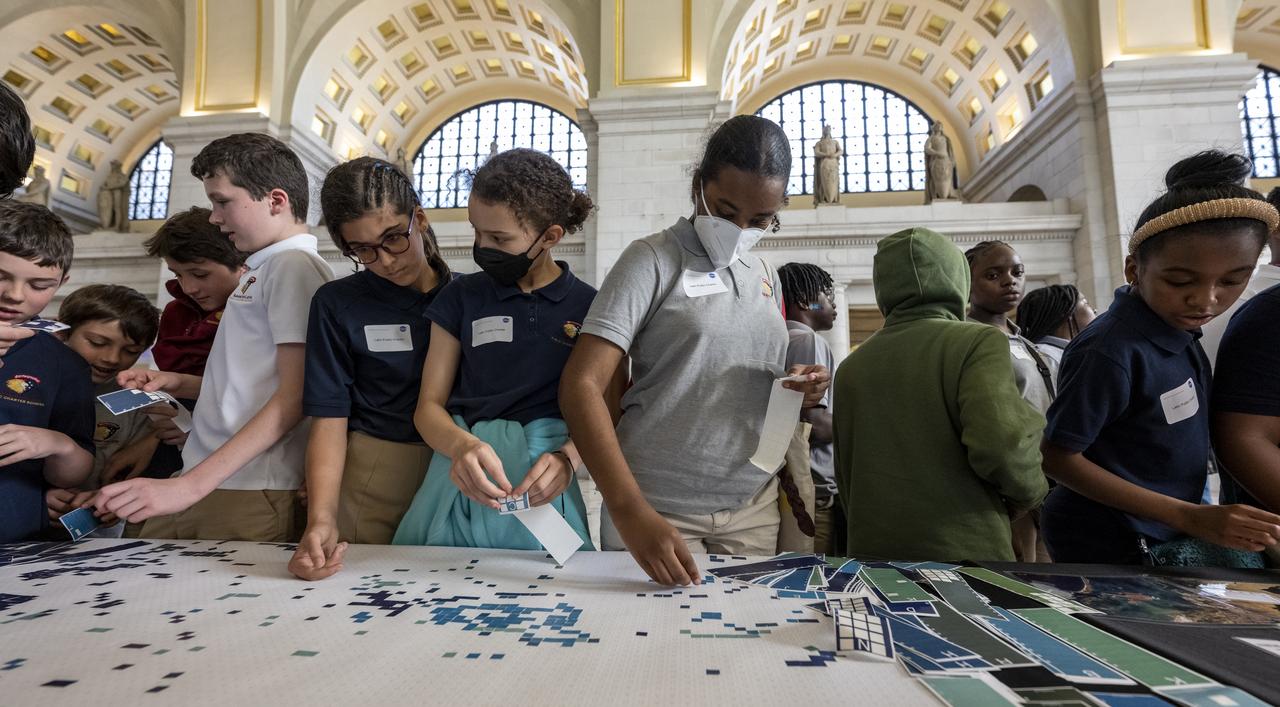
Visitors explore NASA’s hands-on exhibits during an Earth Day event, Thursday, April 20, 2023, at Union Station in Washington. Photo Credit: (NASA/Keegan Barber)
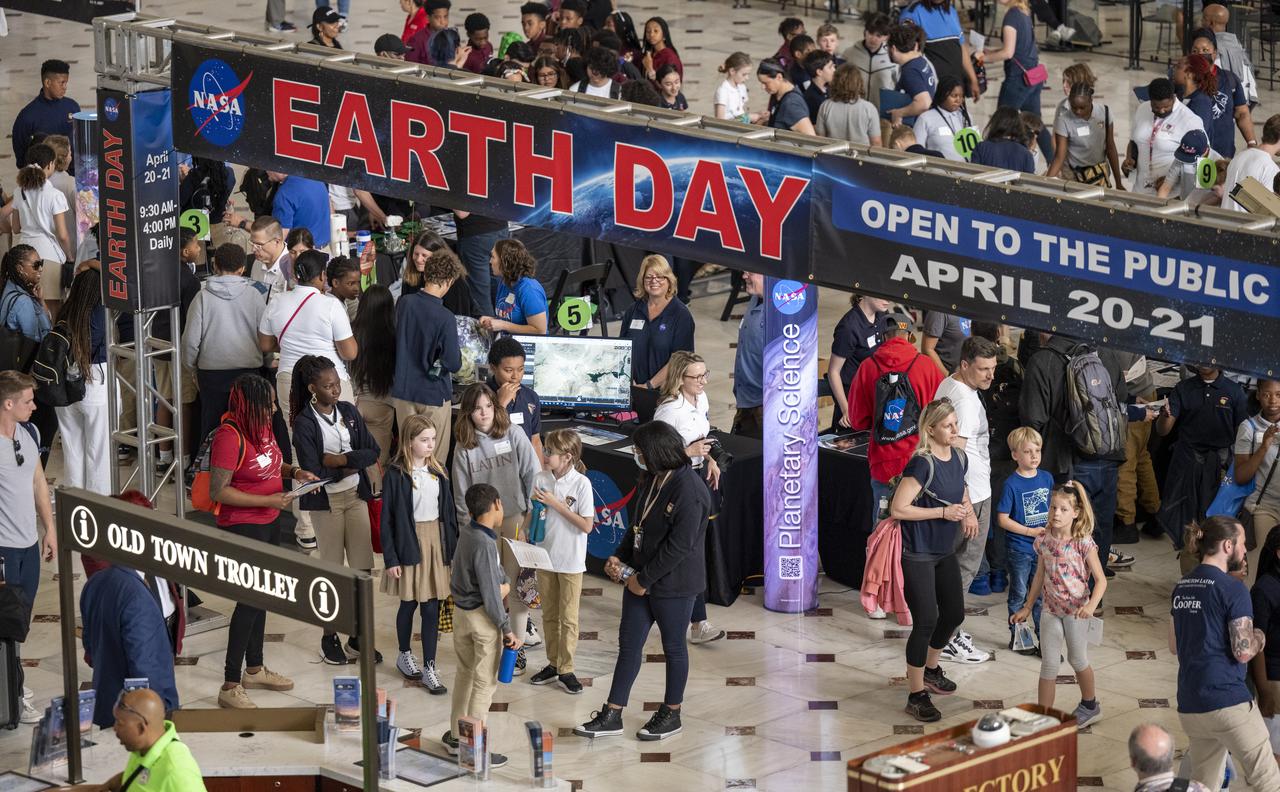
Visitors explore NASA’s hands-on exhibits during an Earth Day event, Thursday, April 20, 2023, at Union Station in Washington. Photo Credit: (NASA/Keegan Barber)
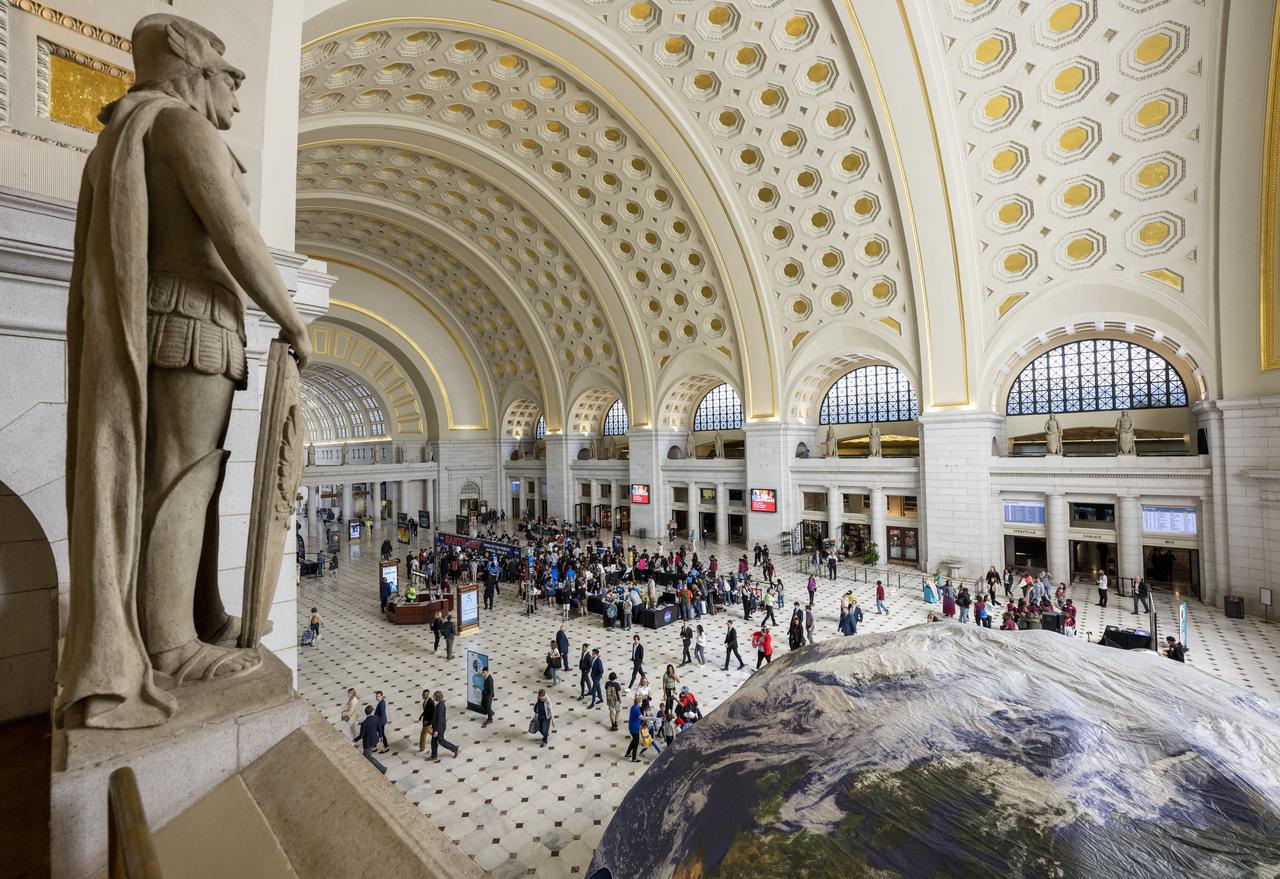
Visitors explore NASA’s hands-on exhibits during an Earth Day event, Thursday, April 20, 2023, at Union Station in Washington. Photo Credit: (NASA/Keegan Barber)
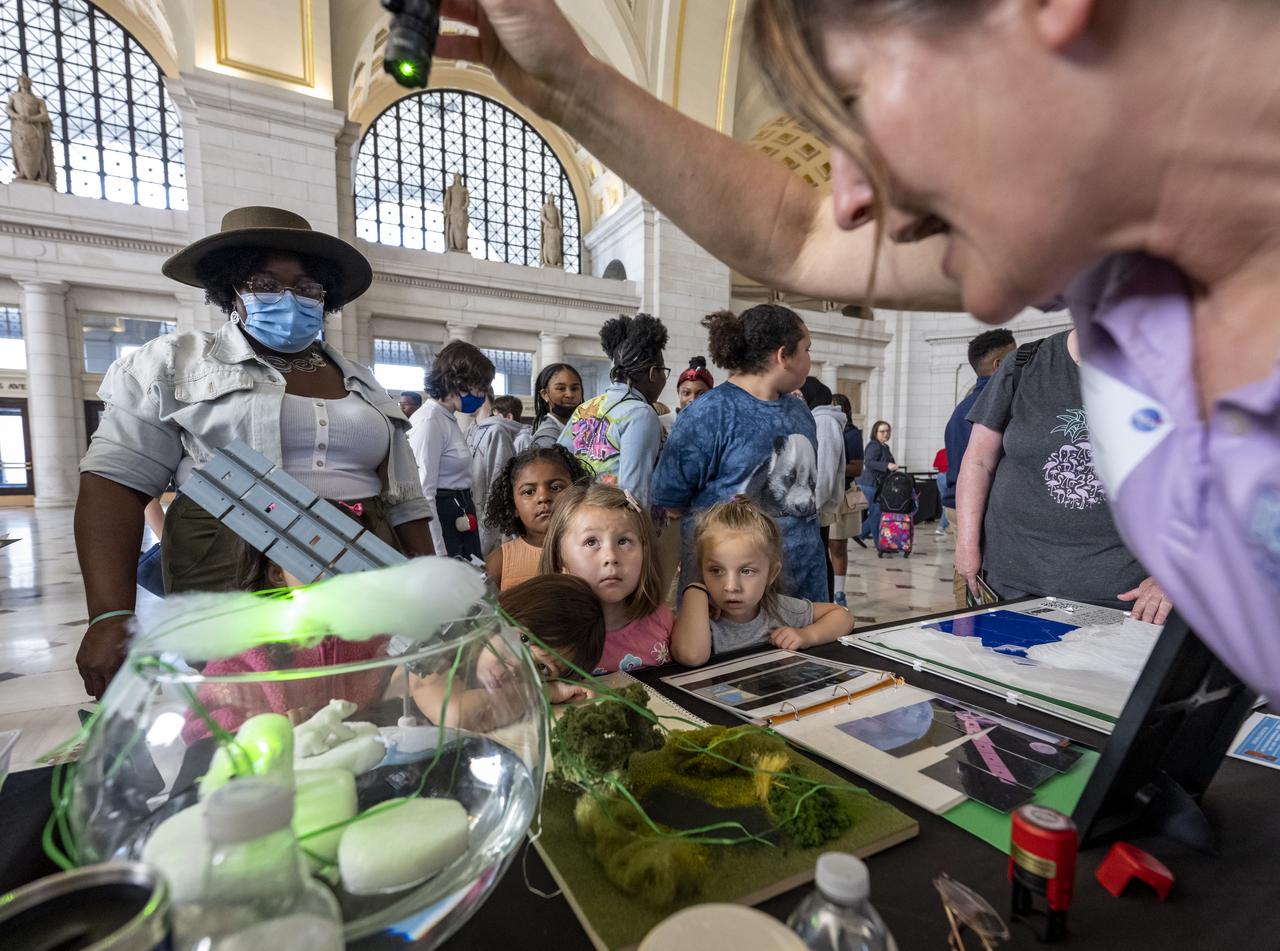
Visitors explore NASA’s hands-on exhibits during an Earth Day event, Thursday, April 20, 2023, at Union Station in Washington. Photo Credit: (NASA/Keegan Barber)
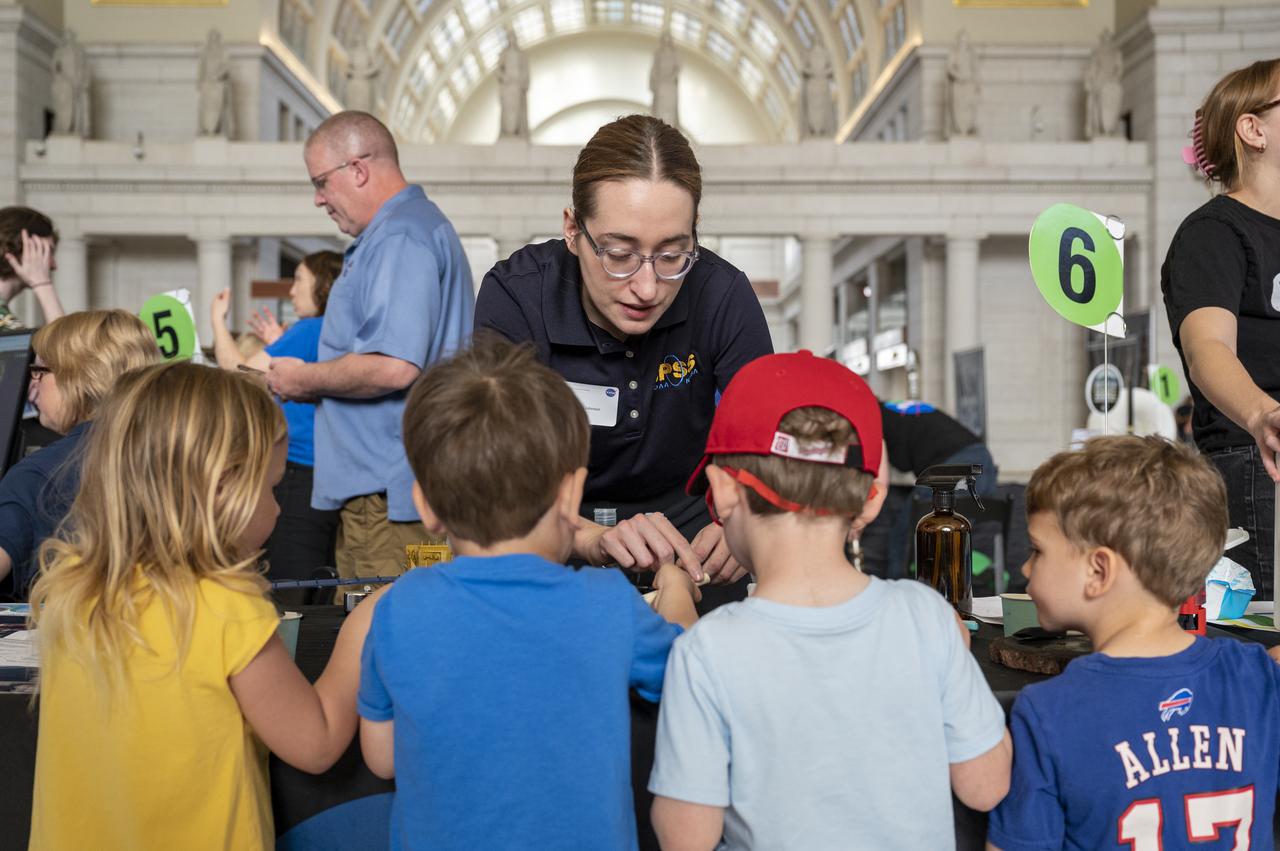
Visitors explore NASA’s hands-on exhibits during an Earth Day event, Thursday, April 20, 2023, at Union Station in Washington. Photo Credit: (NASA/Keegan Barber)
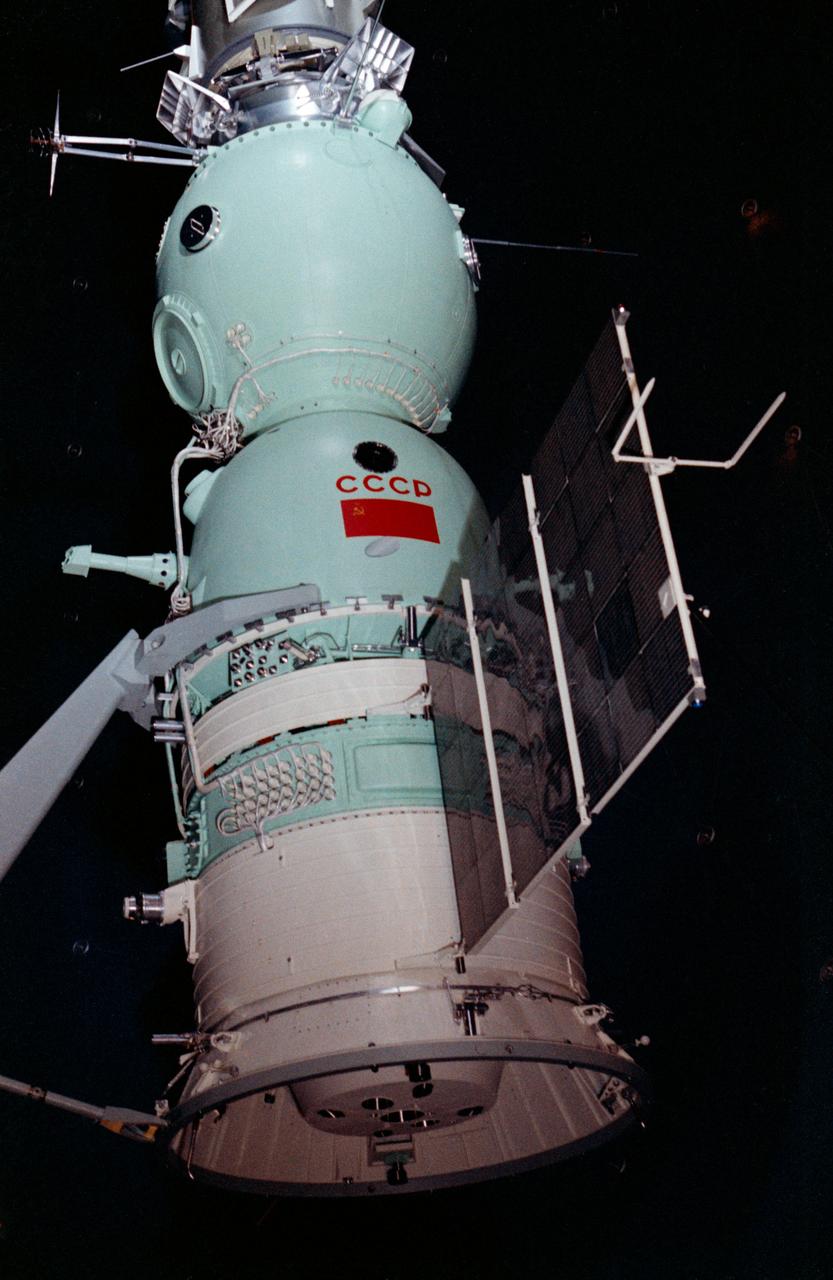
S73-27666 (May-June 1973) --- A close-up view of the Soyuz spacecraft which was part of the Apollo-Soyuz Test Project exhibit at the 30th International Aeronautics and Space Exhibition held May 24 ? June 3, 1973 at the Le Bourget Airport in Paris, France. The ASTP exhibit was co-sponsored by the United States and the Union of Soviet Socialist Republics. An agreement between the U.S. and the USSR provides for the docking in Earth orbit of the Soyuz and Apollo in the summer of 1975. The Apollo spacecraft is out of view to the left. At the far left, a mock-up of a Docking Module connects the Apollo with the Soyuz. The spherical-shaped portion of the Soyuz is called the orbital section. The middle section with the lettering ?CCCP? (USSR) on it is called the cosmonauts? cabin. Two solar panels extend out from the machines and panel section.
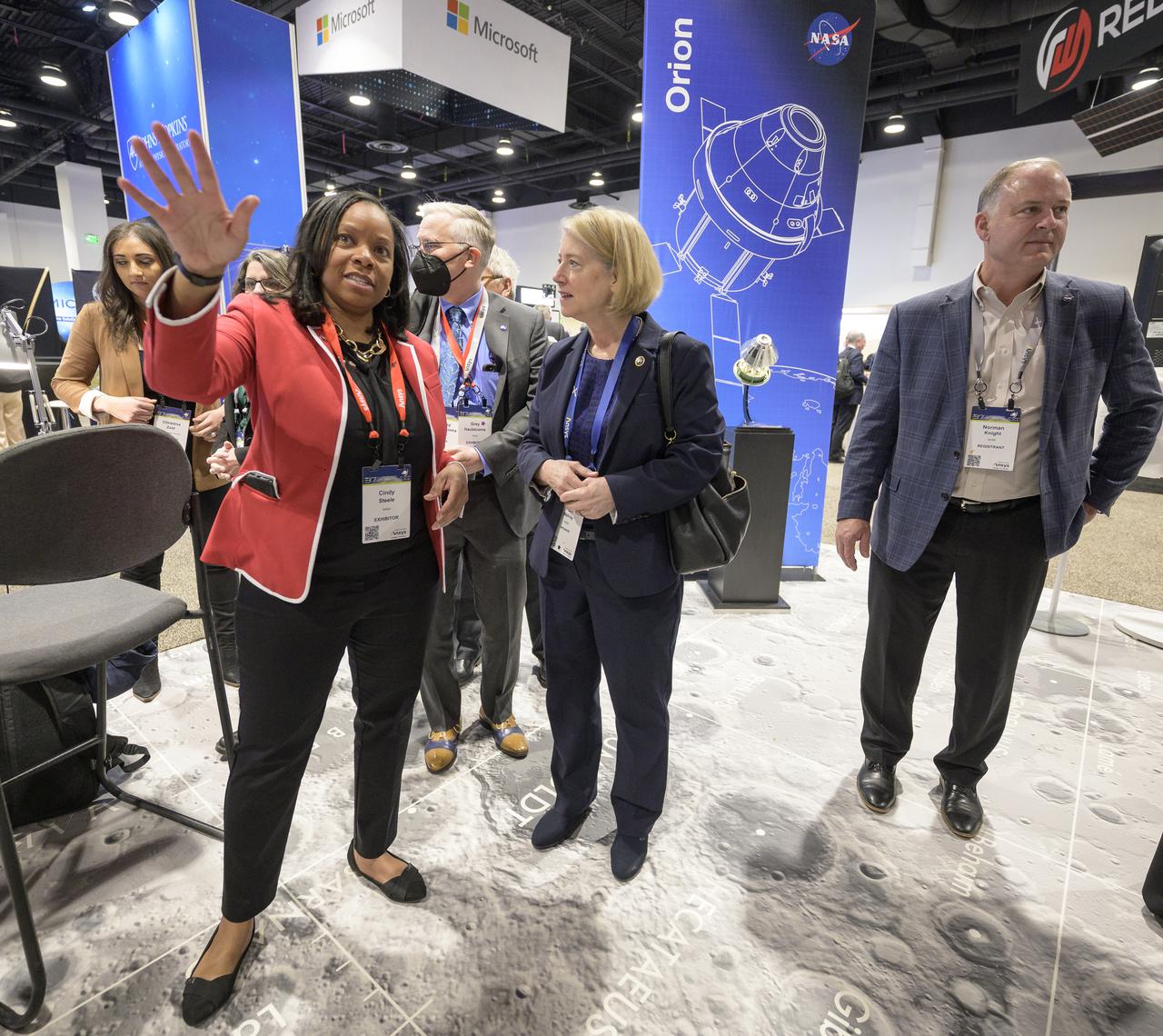
Cindy Steele from NASA Headquarters Communications shows NASA Deputy Administrator Pam Melroy the NASA Exhibit area during the 37th Space Symposium, Wednesday, April 6, 2022, in Colorado Springs, Colorado. Photo Credit: (NASA/Bill Ingalls)
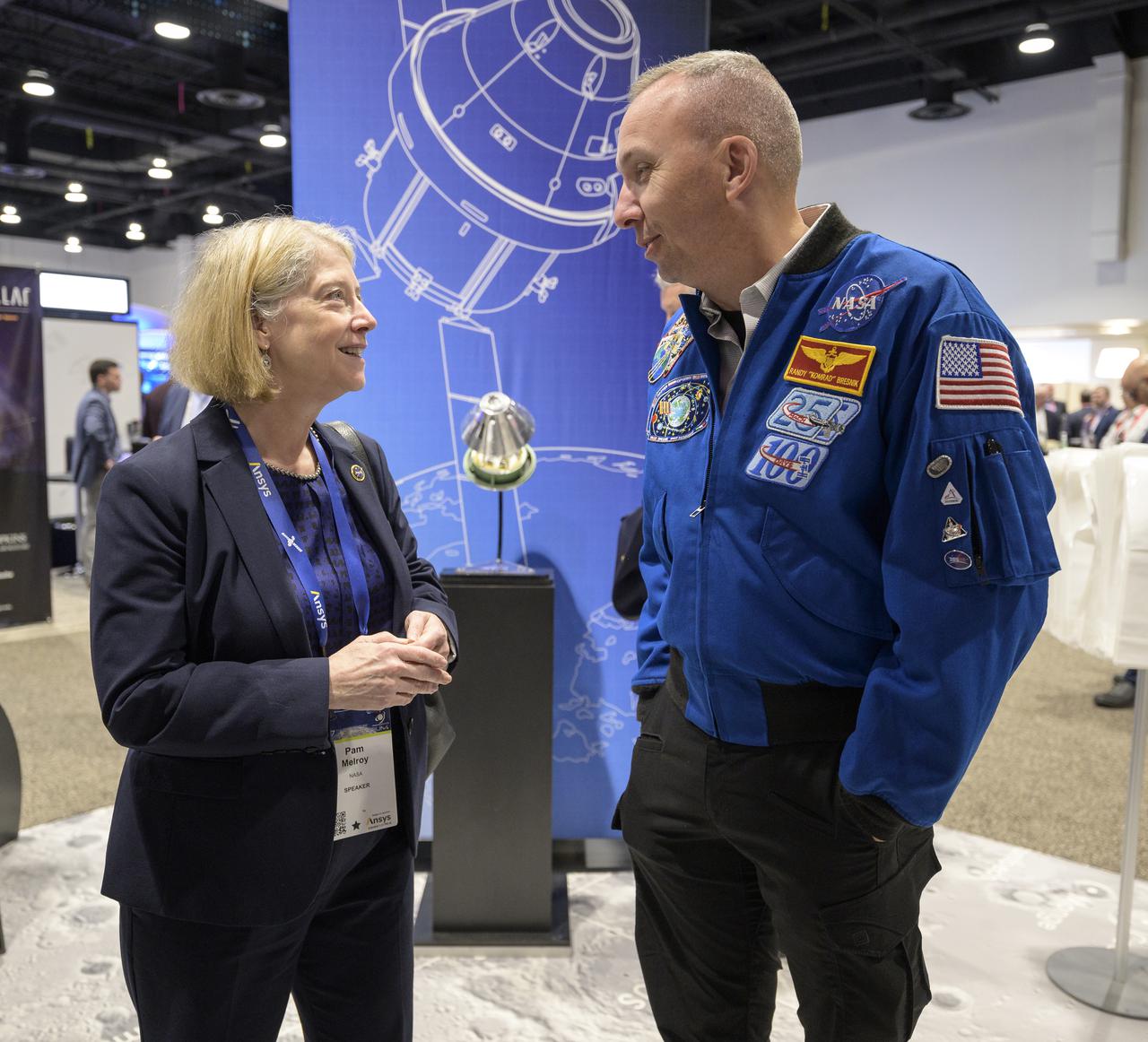
NASA Deputy Administrator Pam Melroy talks with NASA astronaut Randy Bresnik at the NASA Exhibit area during the 37th Space Symposium, Wednesday, April 6, 2022, in Colorado Springs, Colorado. Photo Credit: (NASA/Bill Ingalls)
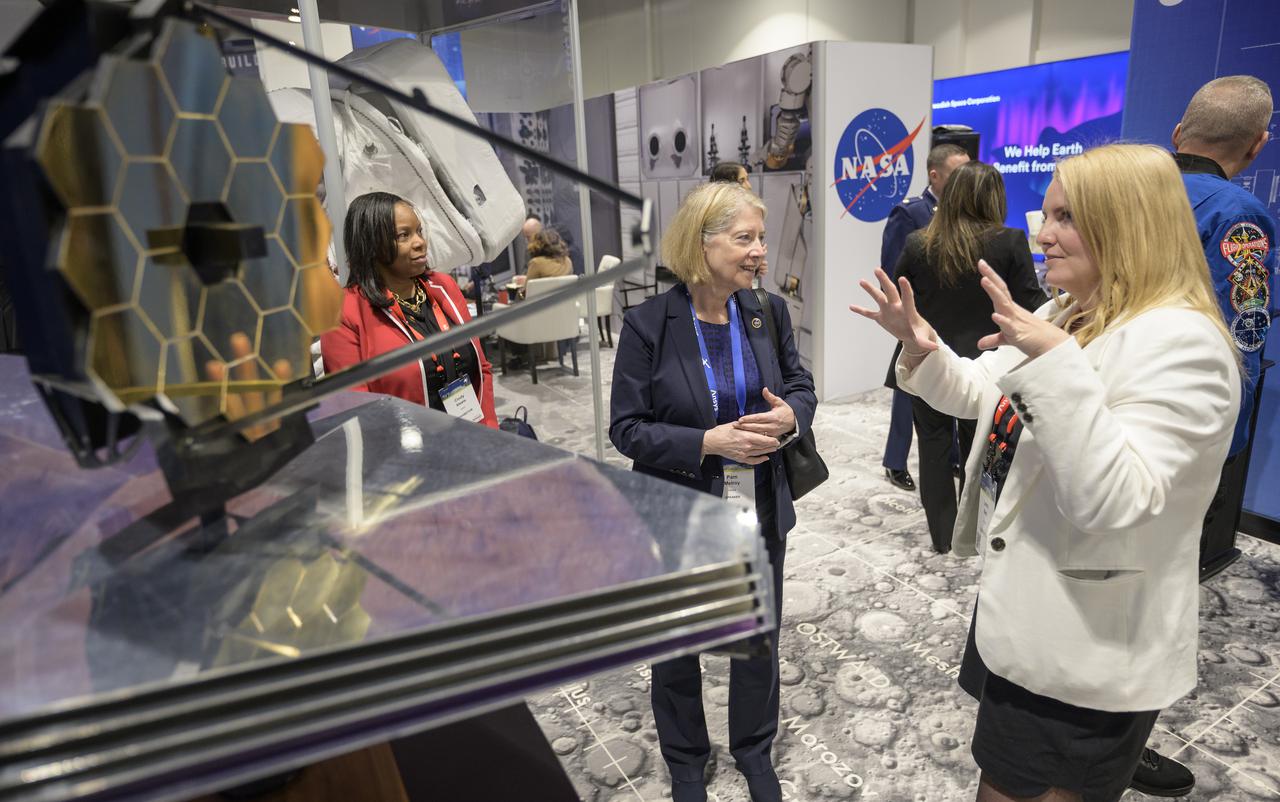
NASA Deputy Administrator Pam Melroy, center, talks with NASA James Webb Space Telescope public affairs officer Laura Betz at the NASA Exhibit area during the 37th Space Symposium, Wednesday, April 6, 2022, in Colorado Springs, Colorado. Photo Credit: (NASA/Bill Ingalls)
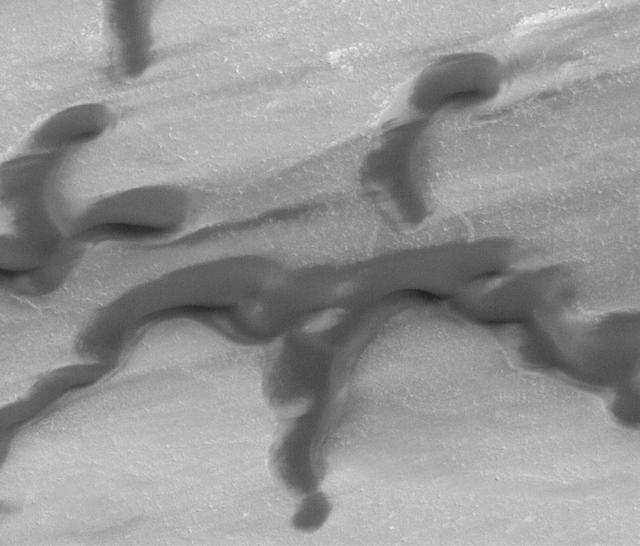
Polar Dunes In Summer Exhibit Frost Patches, Wind Streaks
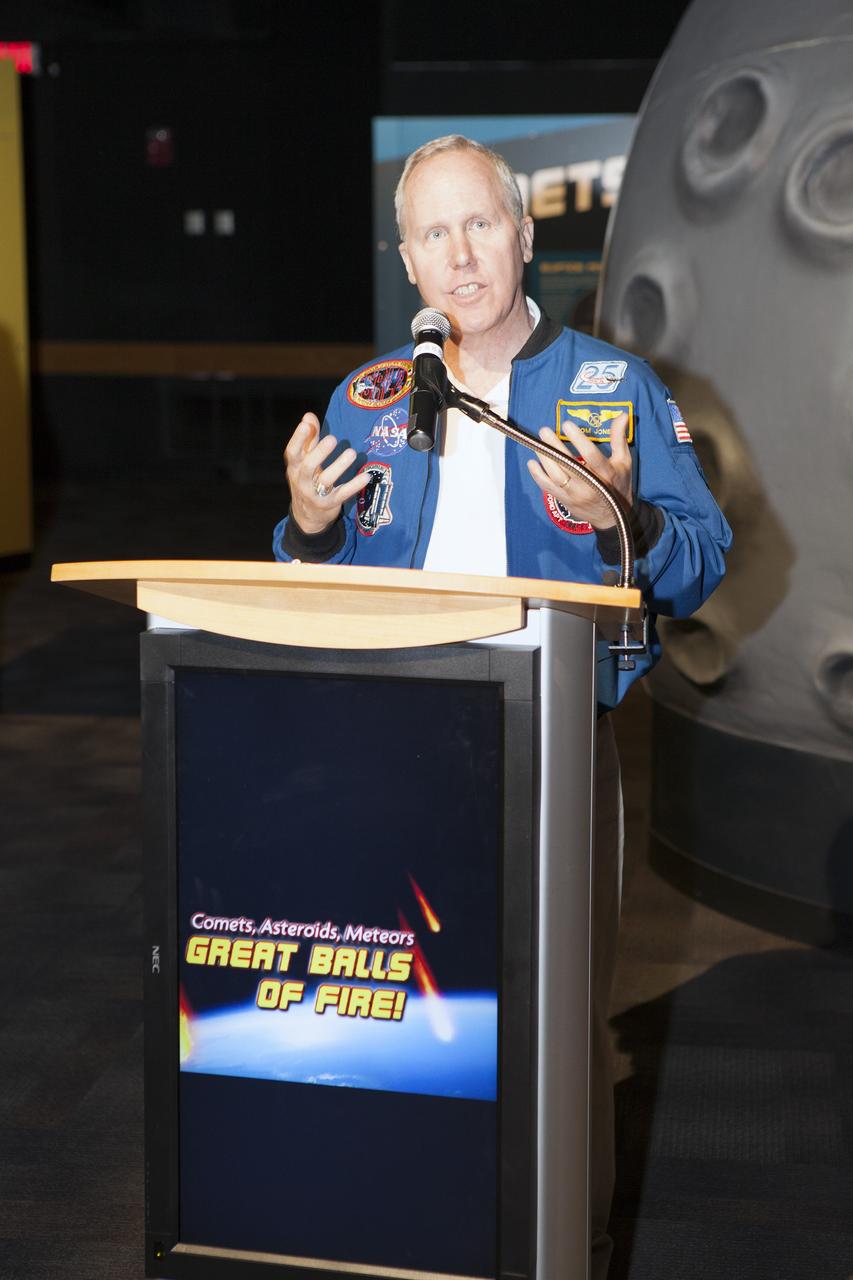
CAPE CANAVERAL, Fla. – Former NASA astronaut Tom Jones welcomes visitors to the grand opening of the Great Balls of Fire exhibit at NASA’s Kennedy Space Center Visitor Complex in Florida. Great Balls of Fire shares the story of the origins of our solar system, asteroids and comets and their possible impacts and risks. The 1,500-square-foot exhibit, located in the East Gallery of the IMAX theatre at the visitor complex, features several interactive displays, real meteorites and replica asteroid models. The exhibit is a production of The Space Science Institute's National Center for Interactive Learning. It is a traveling exhibition that also receives funding from NASA and the National Science Foundation. Photo credit: NASA/Daniel Casper
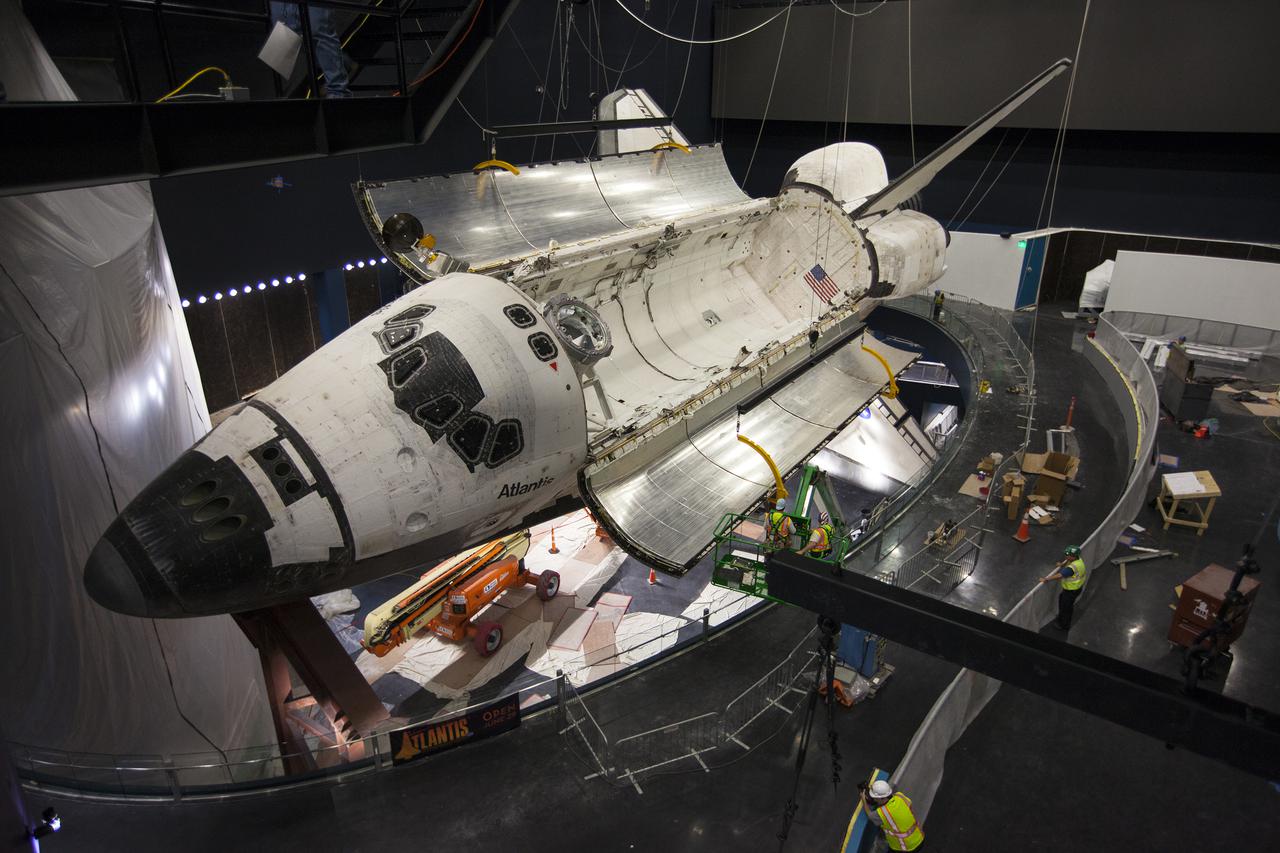
CAPE CANAVERAL, Fla. – At the Kennedy Space Center Visitor Complex in Florida, space shuttle Atlantis’ payload bay doors have been opened, revealing the payload bay. Atlantis is being prepared for display in the “Space Shuttle Atlantis” exhibit, a 90,000-square-foot facility, scheduled to open June 29, 2013. The new $100 million facility will include interactive exhibits that tell the story of the 30-year Space Shuttle Program and highlight the future of space exploration. Visitors to the exhibit will get an up close look at Atlantis with its payload bay doors open, similar to how it looked in space. Photo credit: NASA_Kim Shiflett
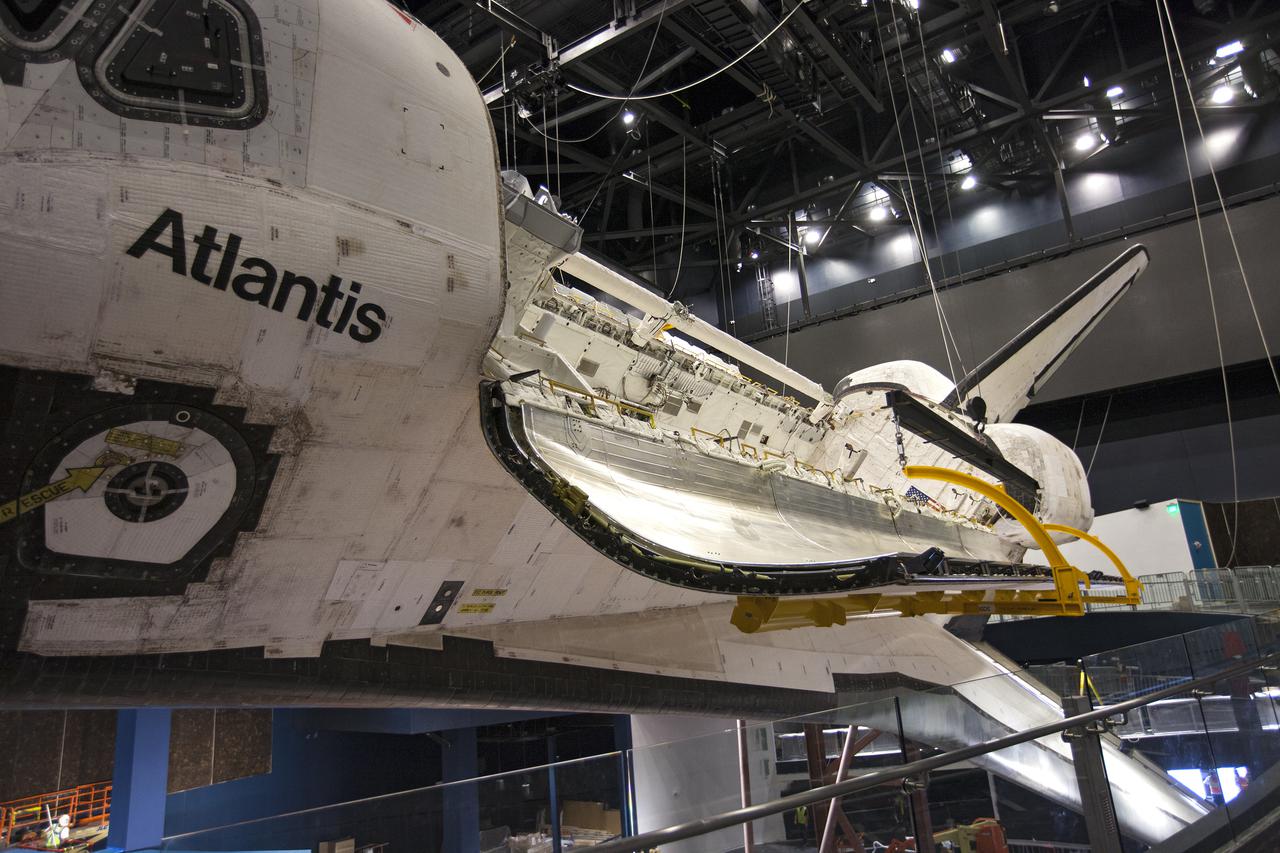
CAPE CANAVERAL, Fla. – At the Kennedy Space Center Visitor Complex in Florida, a close-up view shows space shuttle Atlantis’ payload bay doors have been opened, revealing the payload bay. Atlantis is being prepared for display in the “Space Shuttle Atlantis” exhibit, a 90,000-square-foot facility, scheduled to open June 29, 2013. The new $100 million facility will include interactive exhibits that tell the story of the 30-year Space Shuttle Program and highlight the future of space exploration. Visitors to the exhibit will get an up close look at Atlantis with its payload bay doors open, similar to how it looked in space. Photo credit: NASA_Kim Shiflett
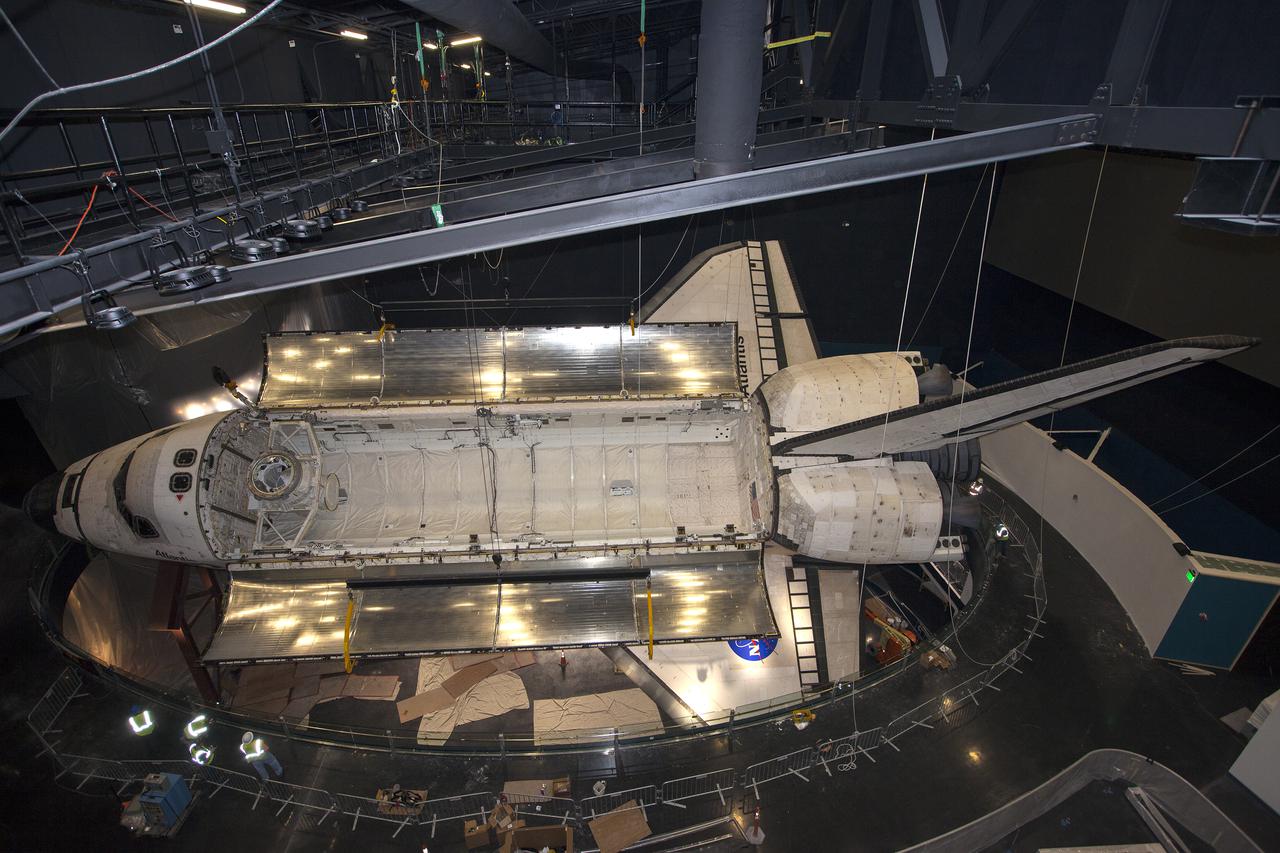
CAPE CANAVERAL, Fla. – At the Kennedy Space Center Visitor Complex in Florida, space shuttle Atlantis’ payload bay doors have been opened, revealing the payload bay. Atlantis is being prepared for display in the “Space Shuttle Atlantis” exhibit, a 90,000-square-foot facility, scheduled to open June 29, 2013. The new $100 million facility will include interactive exhibits that tell the story of the 30-year Space Shuttle Program and highlight the future of space exploration. Visitors to the exhibit will get an up close look at Atlantis with its payload bay doors open, similar to how it looked in space. Photo credit: NASA_Kim Shiflett
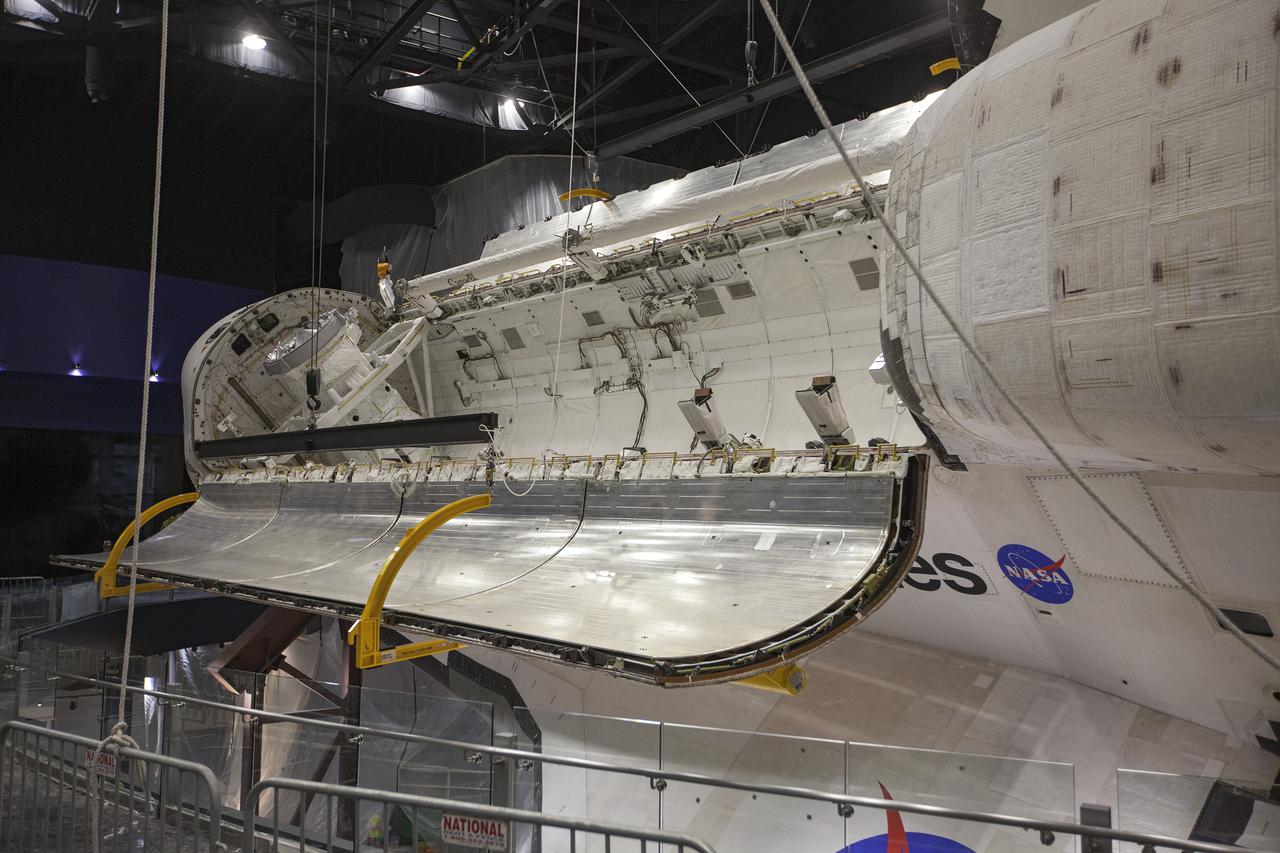
CAPE CANAVERAL, Fla. – At the Kennedy Space Center Visitor Complex in Florida, a close-up view shows space shuttle Atlantis’ payload bay doors have been opened, revealing the payload bay. Atlantis is being prepared for display in the “Space Shuttle Atlantis” exhibit, a 90,000-square-foot facility, scheduled to open June 29, 2013. The new $100 million facility will include interactive exhibits that tell the story of the 30-year Space Shuttle Program and highlight the future of space exploration. Visitors to the exhibit will get an up close look at Atlantis with its payload bay doors open, similar to how it looked in space. Photo credit: NASA_Kim Shiflett
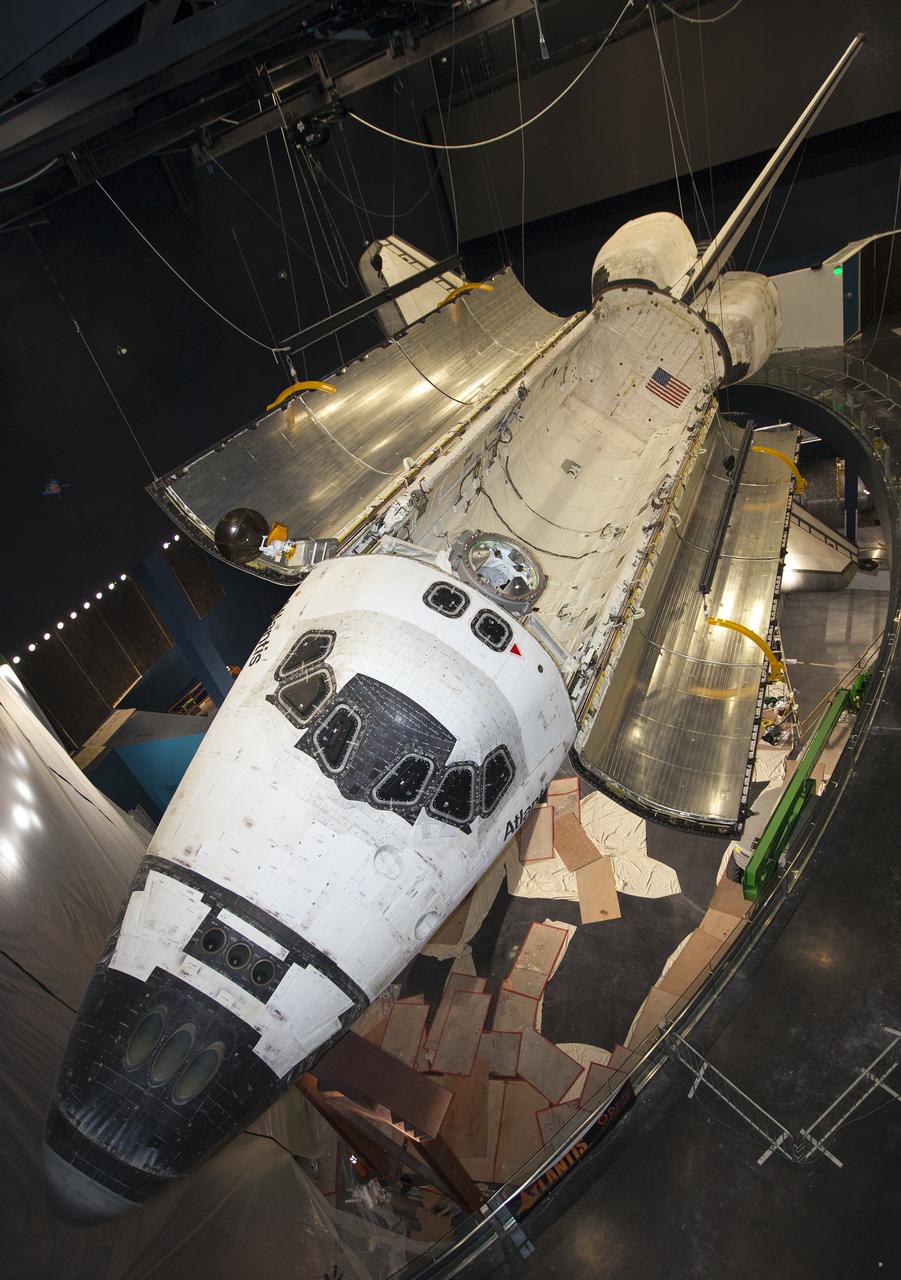
CAPE CANAVERAL, Fla. – At the Kennedy Space Center Visitor Complex in Florida, space shuttle Atlantis’ payload bay doors have been opened, revealing the payload bay. Atlantis is being prepared for display in the “Space Shuttle Atlantis” exhibit, a 90,000-square-foot facility, scheduled to open June 29, 2013. The new $100 million facility will include interactive exhibits that tell the story of the 30-year Space Shuttle Program and highlight the future of space exploration. Visitors to the exhibit will get an up close look at Atlantis with its payload bay doors open, similar to how it looked in space. Photo credit: NASA_Kim Shiflett
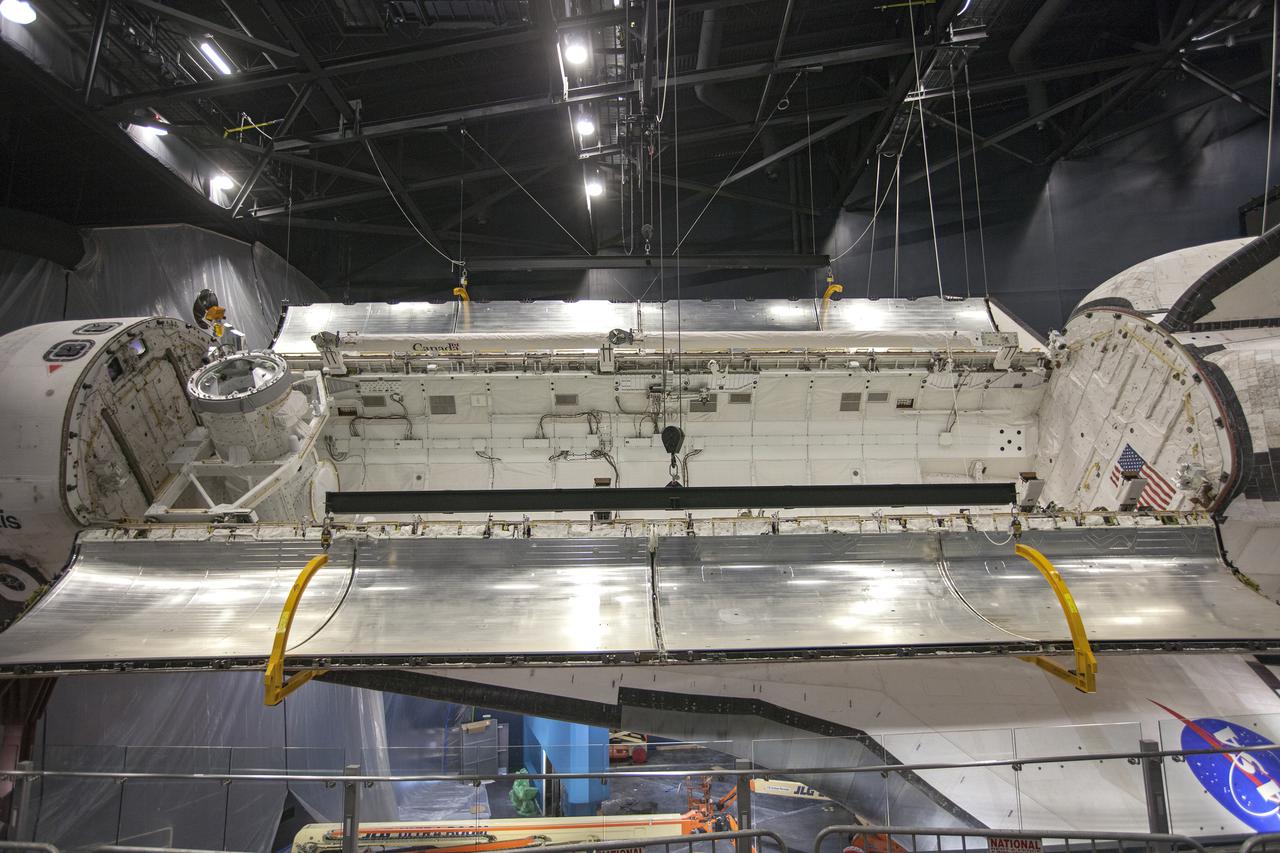
CAPE CANAVERAL, Fla. – At the Kennedy Space Center Visitor Complex in Florida, a close-up view shows space shuttle Atlantis’ payload bay doors have been opened, revealing the payload bay. Atlantis is being prepared for display in the “Space Shuttle Atlantis” exhibit, a 90,000-square-foot facility, scheduled to open June 29, 2013. The new $100 million facility will include interactive exhibits that tell the story of the 30-year Space Shuttle Program and highlight the future of space exploration. Visitors to the exhibit will get an up close look at Atlantis with its payload bay doors open, similar to how it looked in space. Photo credit: NASA_Kim Shiflett
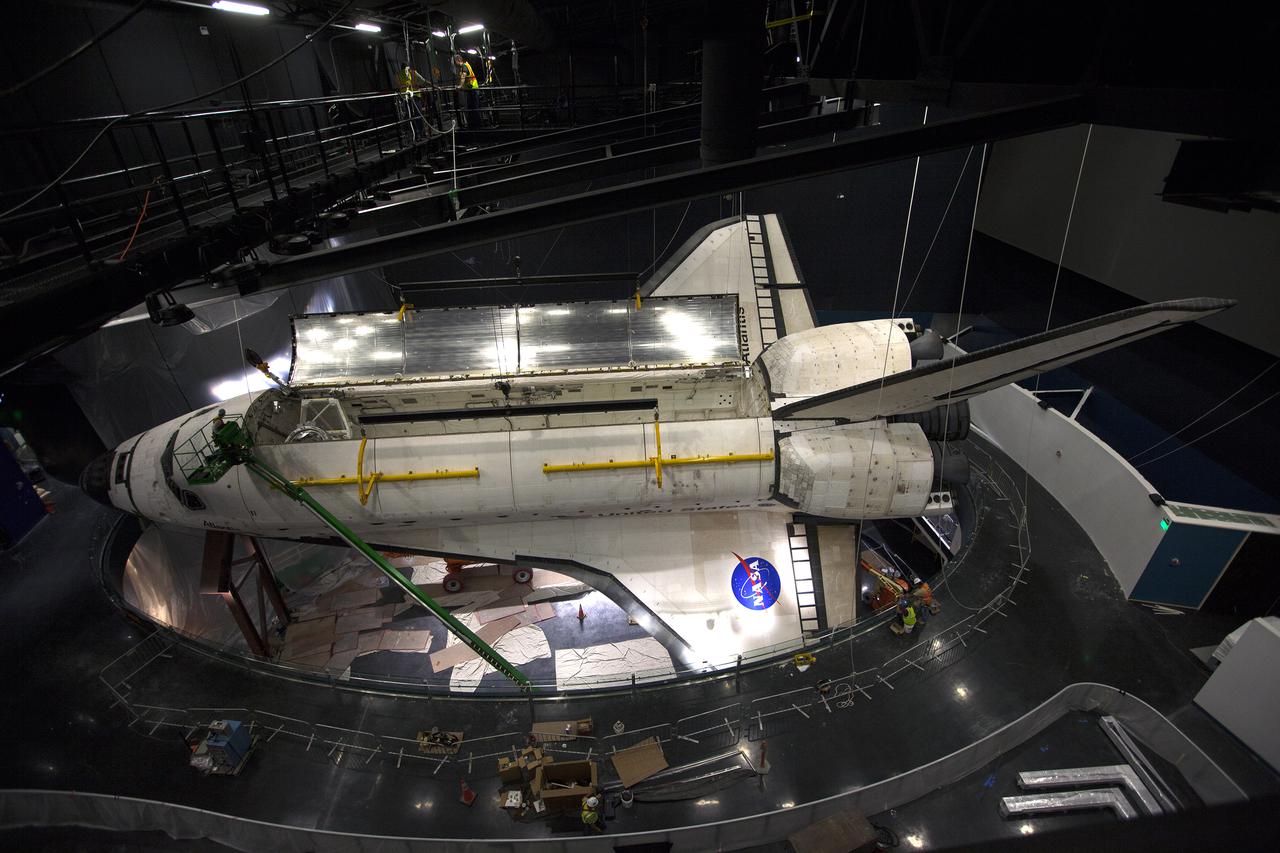
CAPE CANAVERAL, Fla. – At the Kennedy Space Center Visitor Complex in Florida, technicians monitor the progress as space shuttle Atlantis’ payload bay doors are opened. Atlantis is being prepared for display in the “Space Shuttle Atlantis” exhibit, a 90,000-square-foot facility, scheduled to open June 29, 2013. The new $100 million facility will include interactive exhibits that tell the story of the 30-year Space Shuttle Program and highlight the future of space exploration. Visitors to the exhibit will get an up close look at Atlantis with its payload bay doors open, similar to how it looked in space. Photo credit: NASA_Kim Shiflett
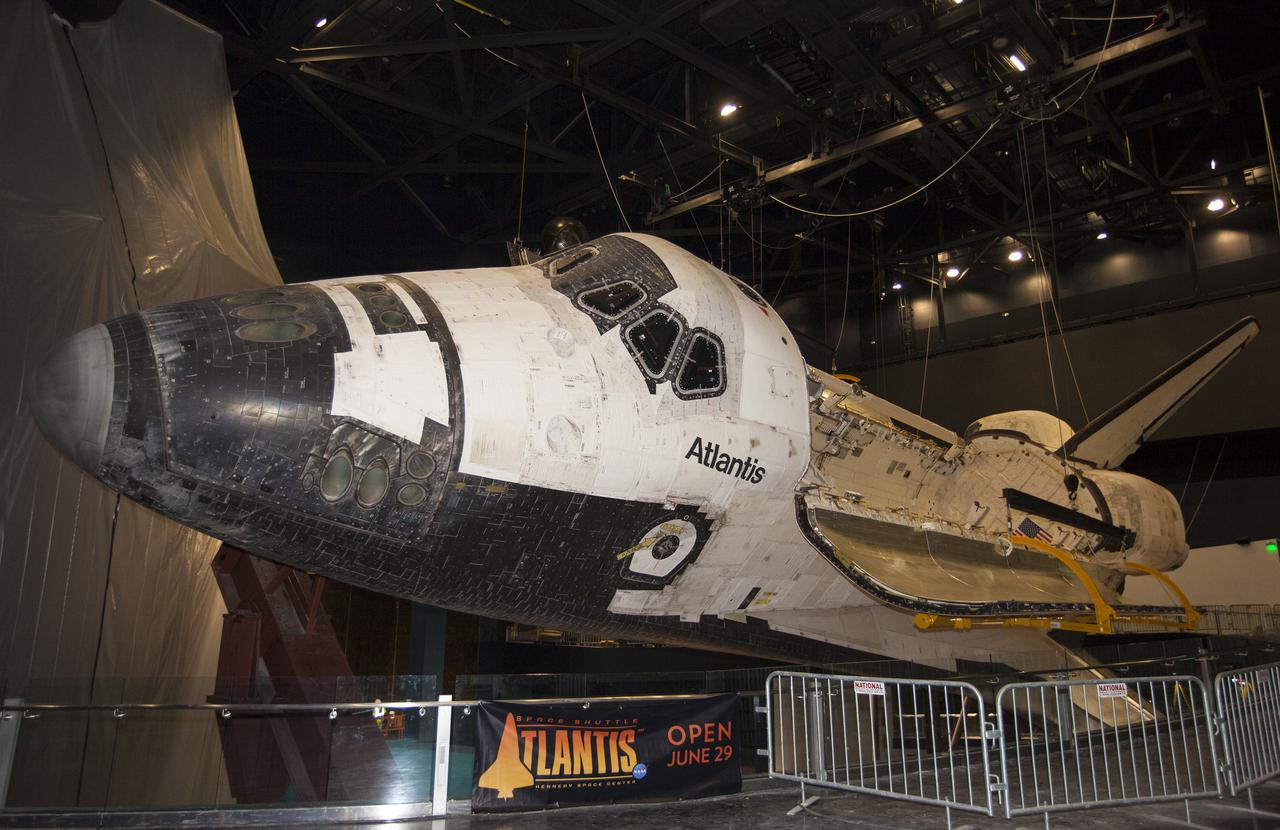
CAPE CANAVERAL, Fla. – At the Kennedy Space Center Visitor Complex in Florida, a close-up view shows space shuttle Atlantis’ payload bay doors have been opened, revealing the payload bay. Atlantis is being prepared for display in the “Space Shuttle Atlantis” exhibit, a 90,000-square-foot facility, scheduled to open June 29, 2013. The new $100 million facility will include interactive exhibits that tell the story of the 30-year Space Shuttle Program and highlight the future of space exploration. Visitors to the exhibit will get an up close look at Atlantis with its payload bay doors open, similar to how it looked in space. Photo credit: NASA_Kim Shiflett
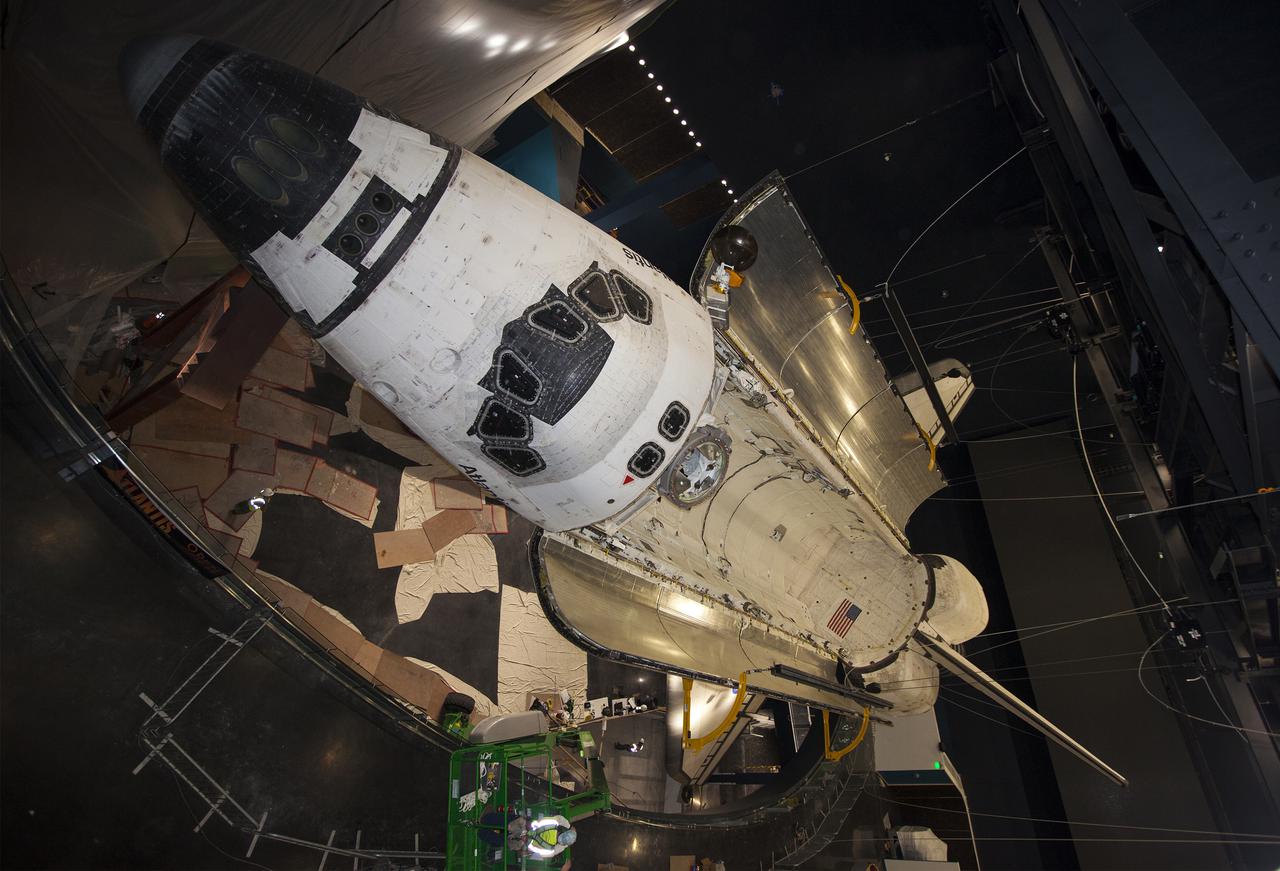
CAPE CANAVERAL, Fla. -- At the Kennedy Space Center Visitor Complex in Florida, technicians monitor the progress as space shuttle Atlantis’ payload bay doors are fully opened. Atlantis is being prepared for display in the “Space Shuttle Atlantis” exhibit, a 90,000-square-foot facility, scheduled to open June 29, 2013. The new $100 million facility will include interactive exhibits that tell the story of the 30-year Space Shuttle Program and highlight the future of space exploration. Visitors to the exhibit will get an up close look at Atlantis with its payload bay doors open, similar to how it looked in space. Photo credit: NASA_Kim Shiflett
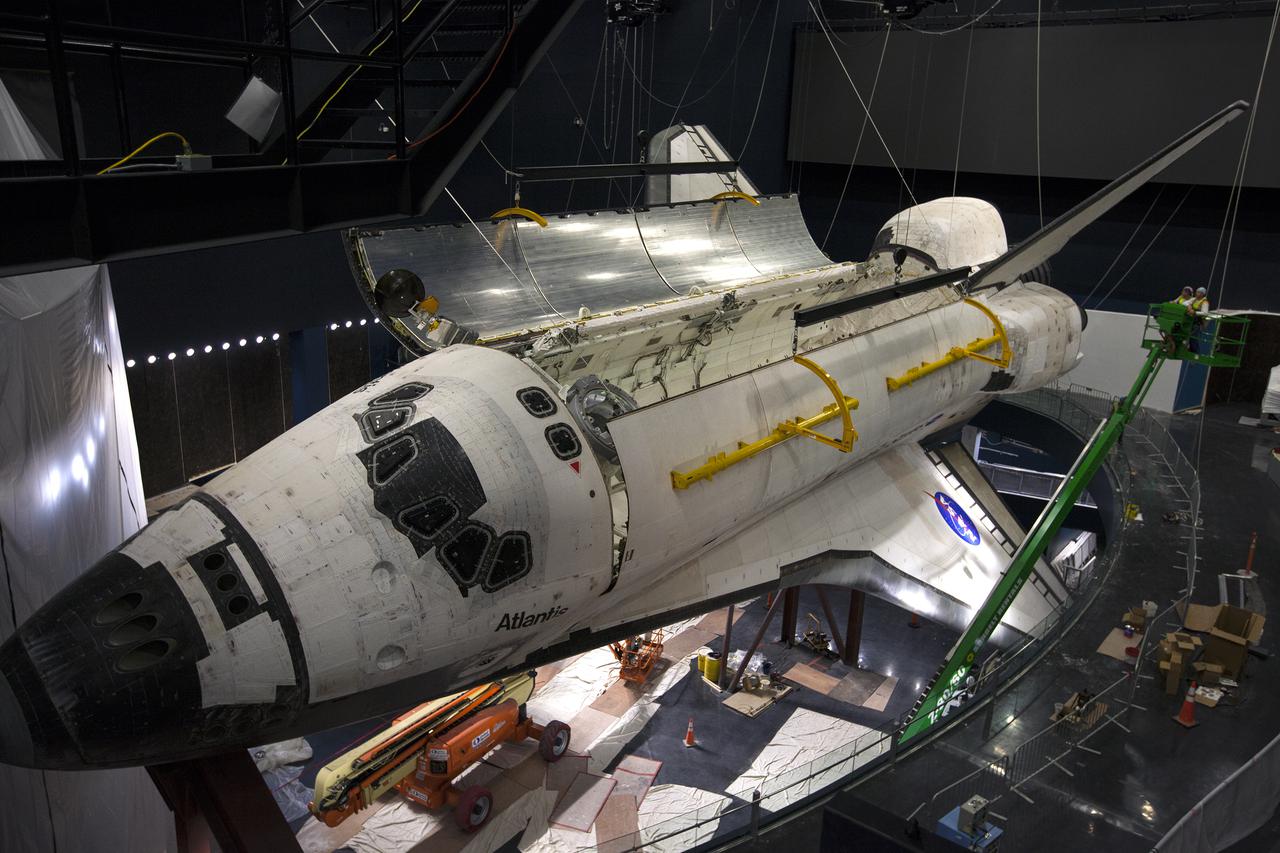
CAPE CANAVERAL, Fla. – At the Kennedy Space Center Visitor Complex in Florida, one of space shuttle Atlantis’ payload bay doors has been opened. Atlantis is being prepared for display in the “Space Shuttle Atlantis” exhibit, a 90,000-square-foot facility, scheduled to open June 29, 2013. The new $100 million facility will include interactive exhibits that tell the story of the 30-year Space Shuttle Program and highlight the future of space exploration. Visitors to the exhibit will get an up close look at Atlantis with its payload bay doors open, similar to how it looked in space. Photo credit: NASA_Kim Shiflett
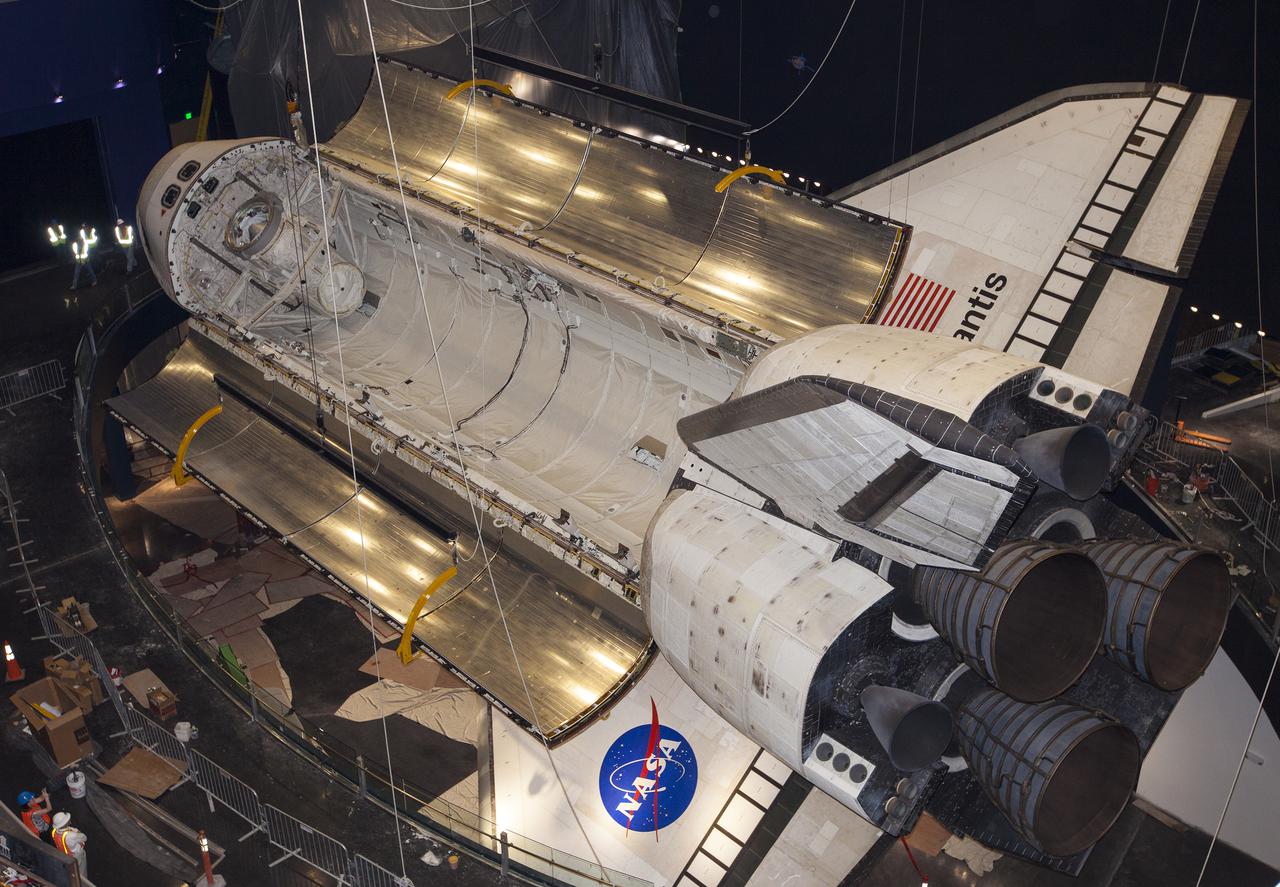
CAPE CANAVERAL, Fla. – At the Kennedy Space Center Visitor Complex in Florida, space shuttle Atlantis’ payload bay doors have been opened, revealing the payload bay. Atlantis is being prepared for display in the “Space Shuttle Atlantis” exhibit, a 90,000-square-foot facility, scheduled to open June 29, 2013. The new $100 million facility will include interactive exhibits that tell the story of the 30-year Space Shuttle Program and highlight the future of space exploration. Visitors to the exhibit will get an up close look at Atlantis with its payload bay doors open, similar to how it looked in space. Photo credit: NASA_Kim Shiflett
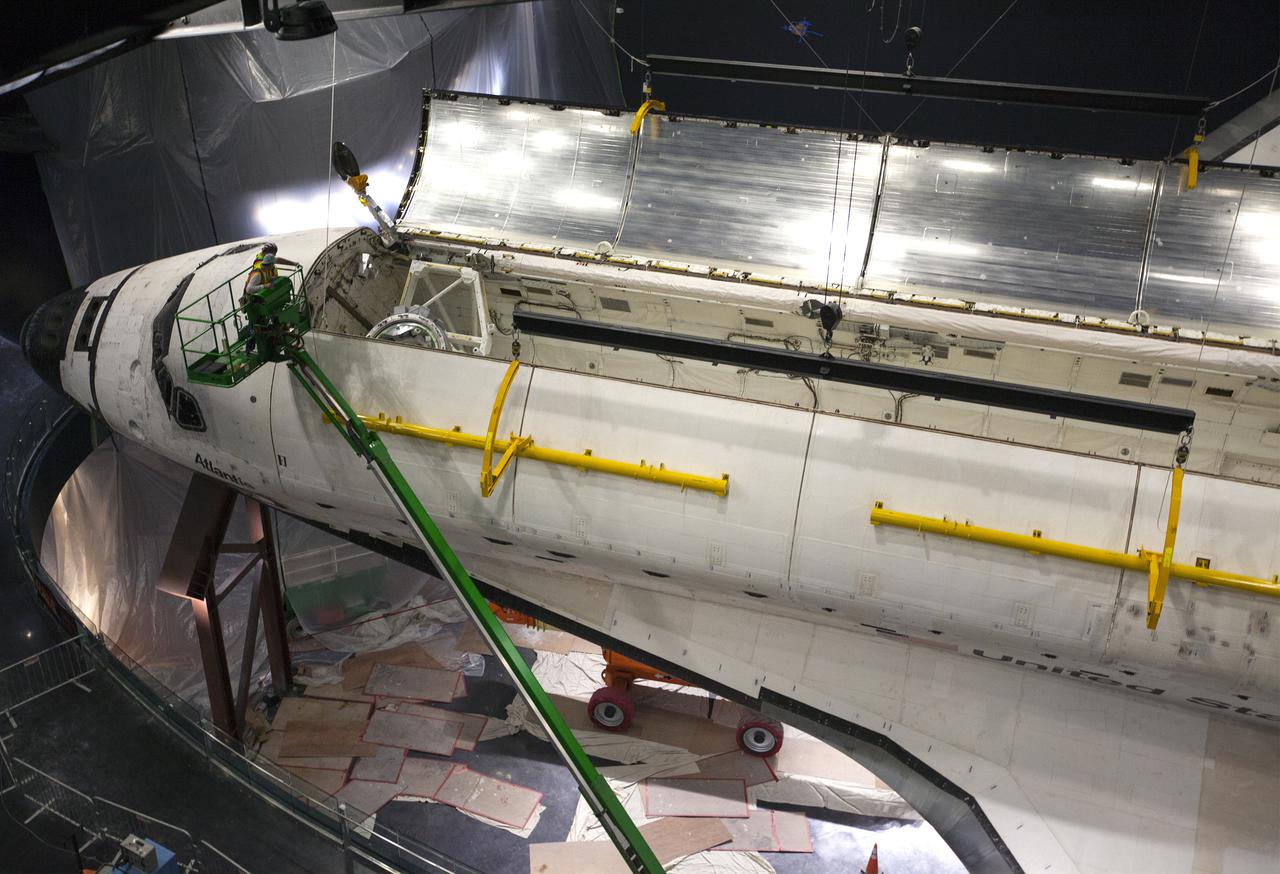
CAPE CANAVERAL, Fla. – At the Kennedy Space Center Visitor Complex in Florida, technicians monitor the progress as space shuttle Atlantis’ payload bay doors are opened. Atlantis is being prepared for display in the “Space Shuttle Atlantis” exhibit, a 90,000-square-foot facility, scheduled to open June 29, 2013. The new $100 million facility will include interactive exhibits that tell the story of the 30-year Space Shuttle Program and highlight the future of space exploration. Visitors to the exhibit will get an up close look at Atlantis with its payload bay doors open, similar to how it looked in space. Photo credit: NASA_Kim Shiflett
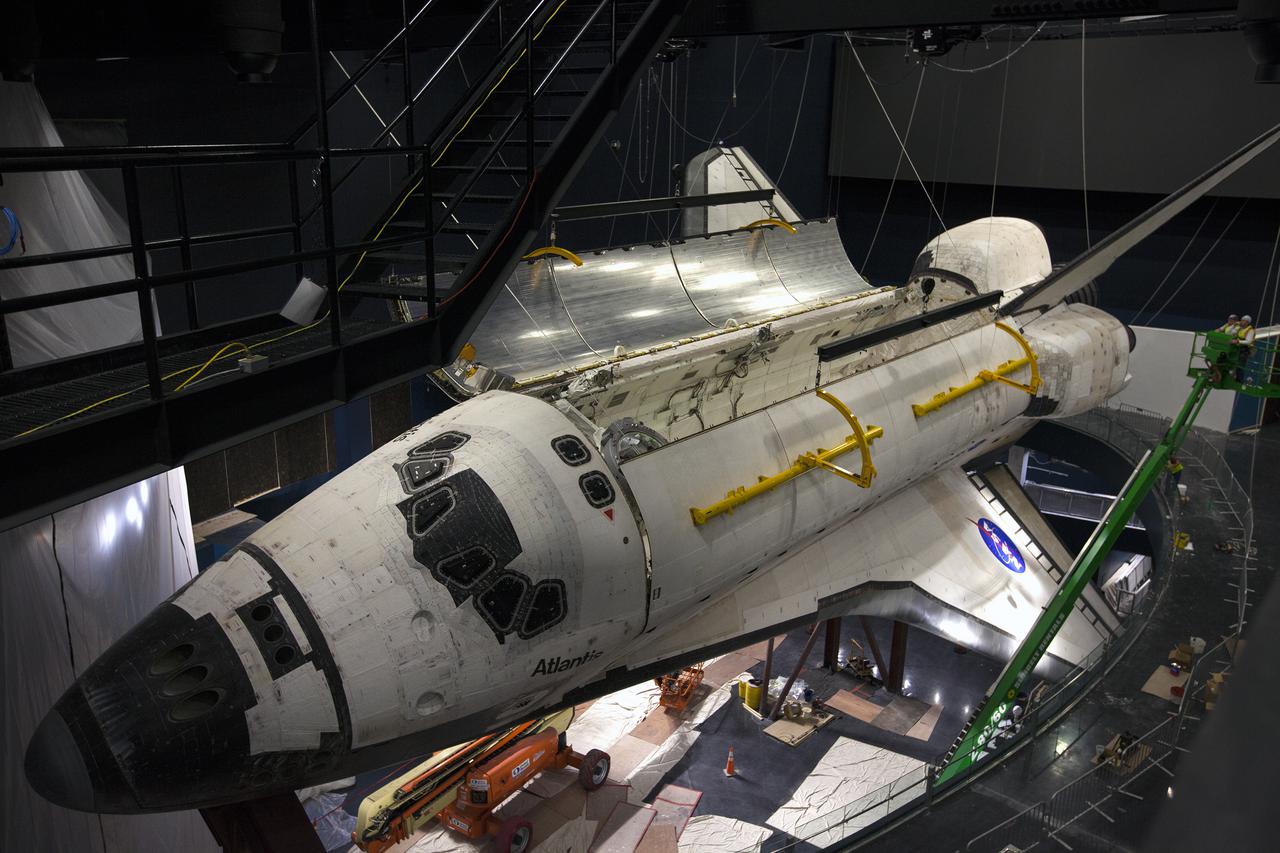
CAPE CANAVERAL, Fla. – At the Kennedy Space Center Visitor Complex in Florida, one of space shuttle Atlantis’ payload bay doors has been opened. Atlantis is being prepared for display in the “Space Shuttle Atlantis” exhibit, a 90,000-square-foot facility, scheduled to open June 29, 2013. The new $100 million facility will include interactive exhibits that tell the story of the 30-year Space Shuttle Program and highlight the future of space exploration. Visitors to the exhibit will get an up close look at Atlantis with its payload bay doors open, similar to how it looked in space. Photo credit: NASA_Kim Shiflett
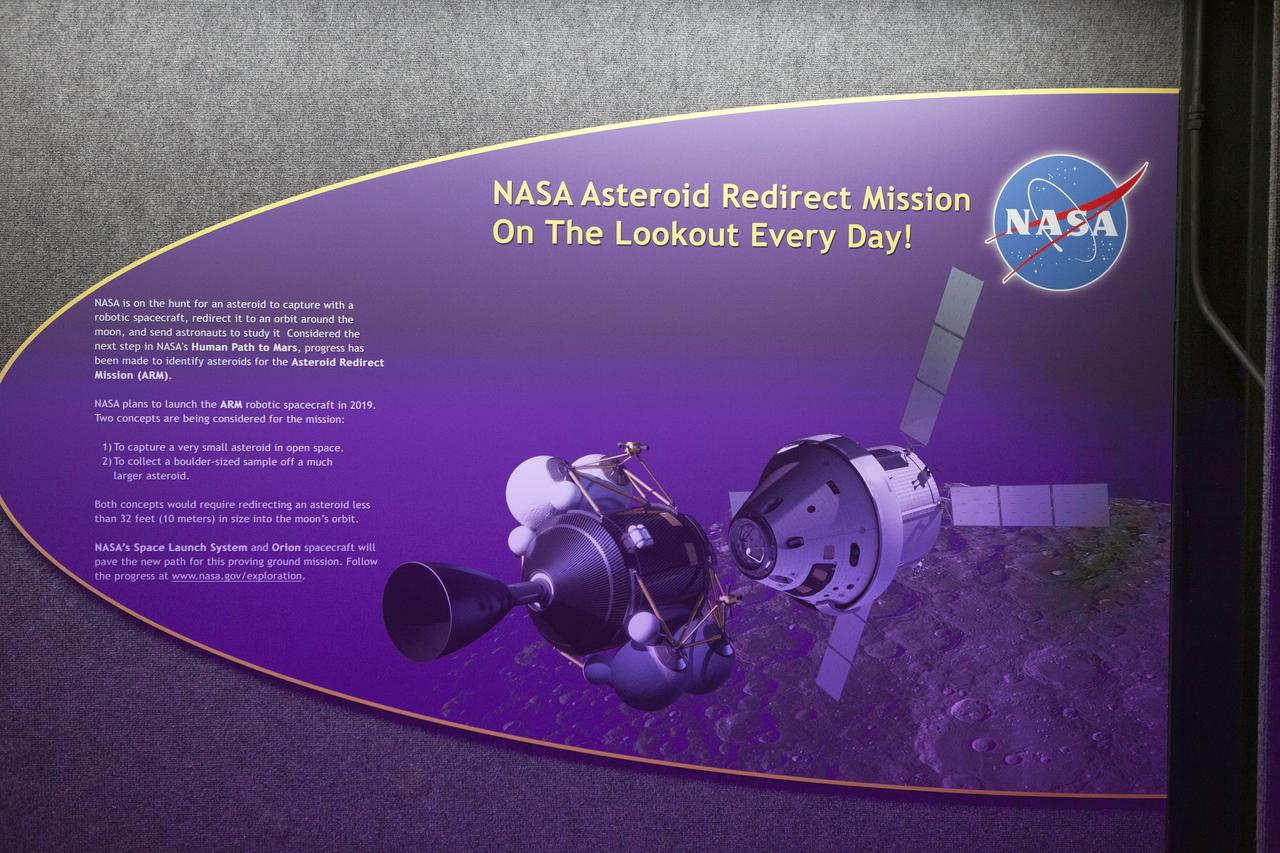
CAPE CANAVERAL, Fla. – The grand opening of the new Great Balls of Fire exhibit was held at NASA’s Kennedy Space Center Visitor Complex in Florida. The grand opening featured remarks by former NASA astronaut Tom Jones, and Therrin Protze, chief operating officer at Delaware North Parks and Resorts at the visitor complex. Informational displays about future NASA exploration missions are featured along the wall of the new exhibit. Great Balls of Fire shares the story of the origins of our solar system, asteroids and comets and their possible impacts and risks. The 1,500-square-foot exhibit, located in the East Gallery of the IMAX theatre at the visitor complex, features several interactive displays, real meteorites and replica asteroid models. The exhibit is a production of The Space Science Institute's National Center for Interactive Learning. It is a traveling exhibition that also receives funding from NASA and the National Science Foundation. Photo credit: NASA/Daniel Casper
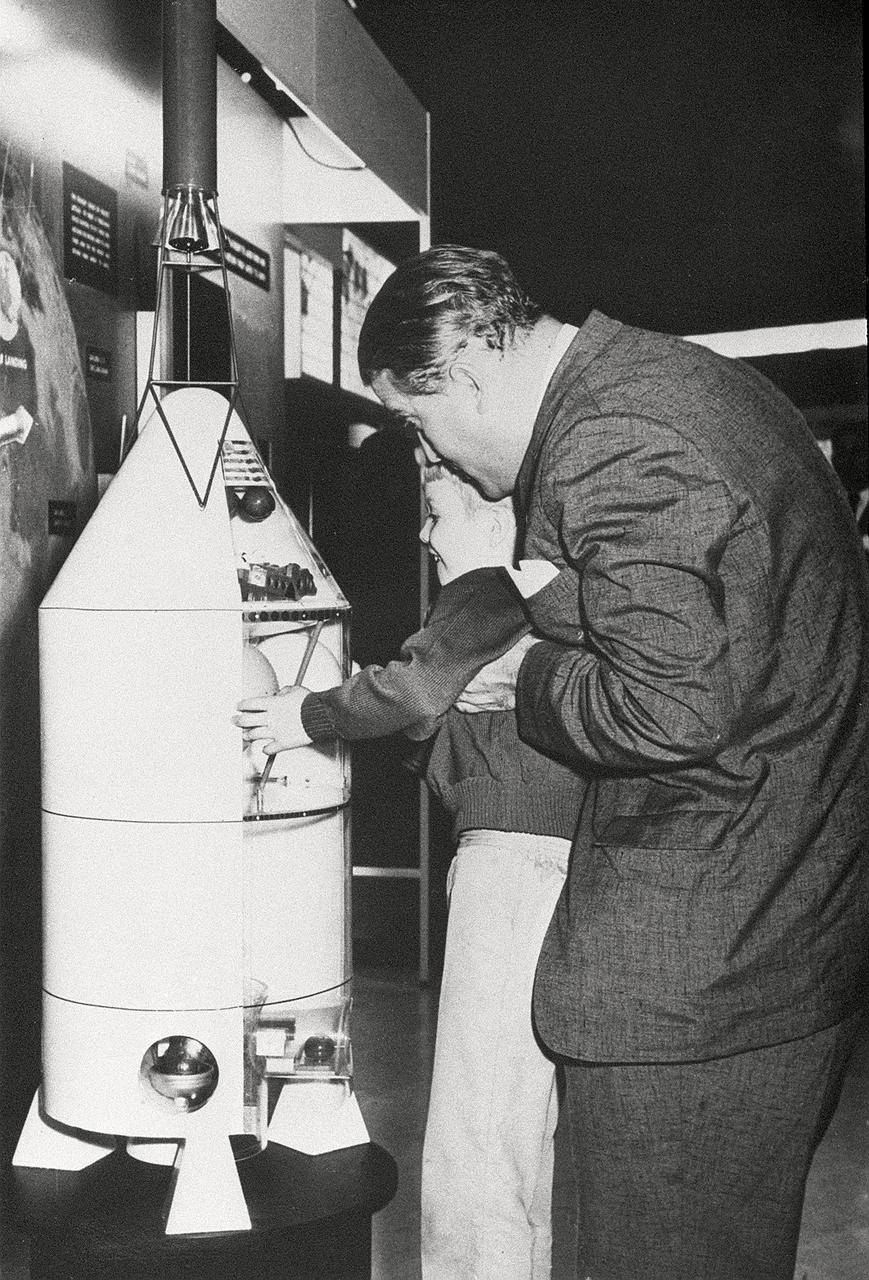
Dr. von Braun always promoted an increased emphasis on education in American culture. He is shown in this photograph with a young boy looking at a space-related exhibit.
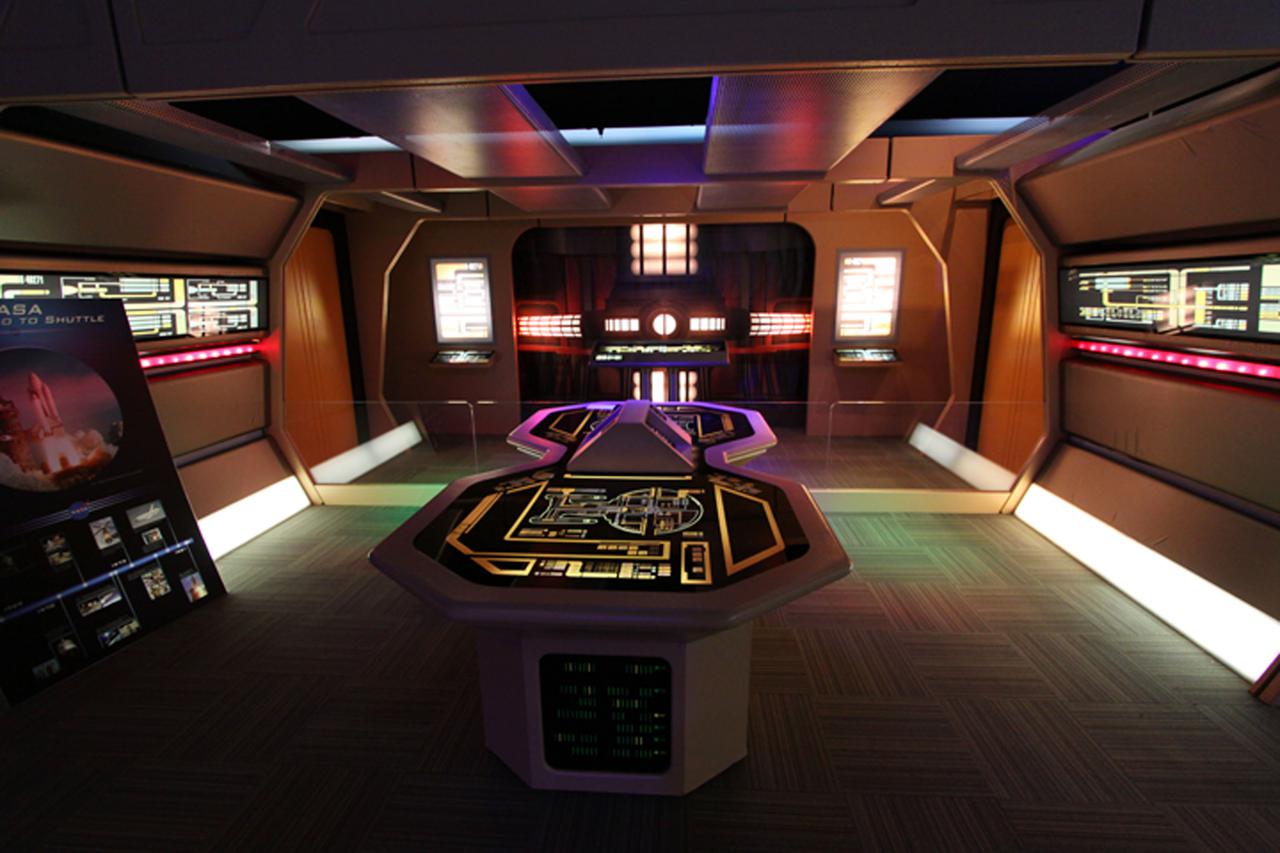
CAPE CANAVERAL, Fla. -- At NASA Kennedy Space Center's Visitor Complex, Star Trek memorabilia is being displayed this summer through Sept. 5. Appearing for the first time in the southeast, 'Star Trek: The Exhibition' is an interactive exhibit of authentic Star Trek artifacts from the past 40 years, featuring one-of-a-kind costumes, props and filming models from every Star Trek television series and feature film, including a recreation of the U.S.S. Enterprise Bridge from the original series. Photo credit: NASA_Jack Pfaller
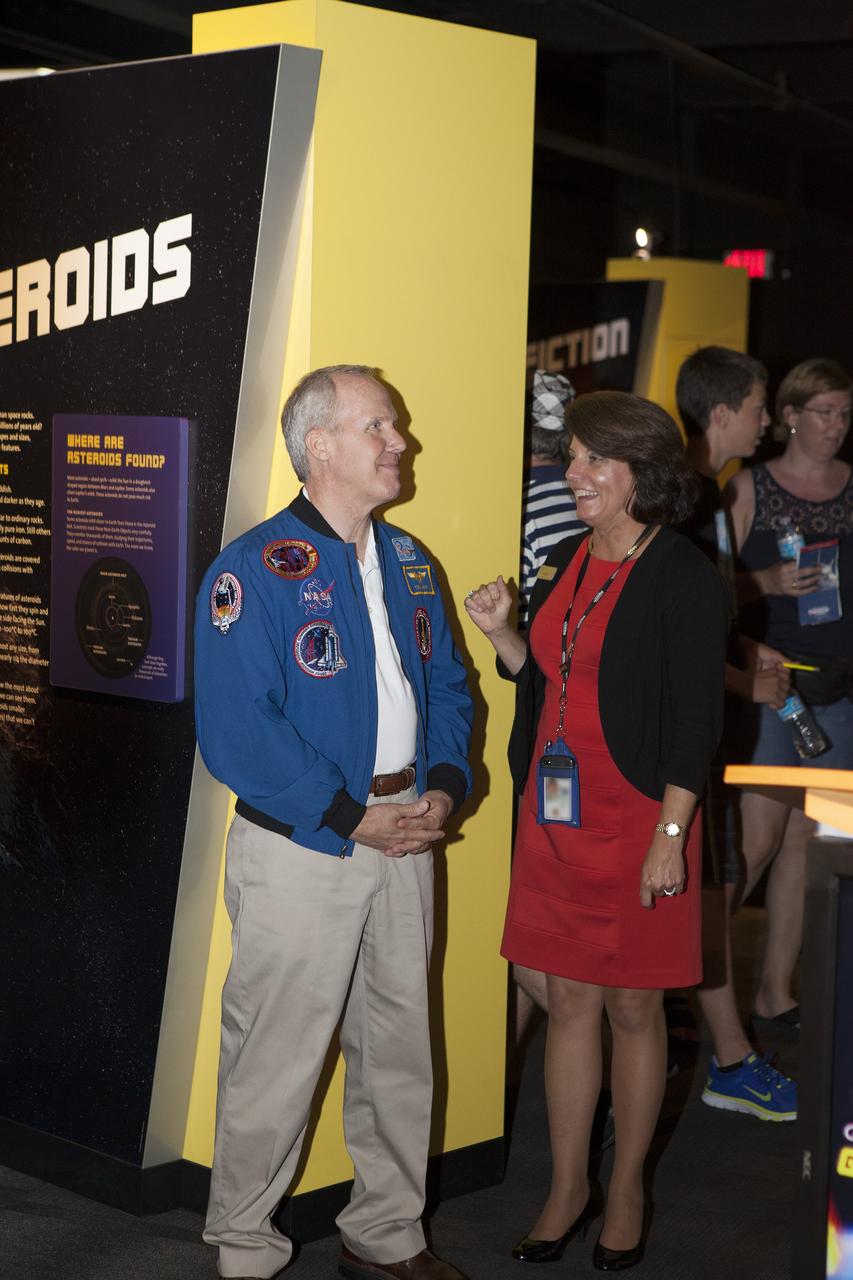
CAPE CANAVERAL, Fla. – Former NASA astronaut Tom Jones, left, joins Andrea Farmer, senior public relations manager with Delaware North Parks and Resorts at NASA Kennedy Space Center Visitor Complex in Florida, for the grand opening of the Great Balls of Fire exhibit. Great Balls of Fire shares the story of the origins of our solar system, asteroids and comets and their possible impacts and risks. The 1,500-square-foot exhibit, located in the East Gallery of the IMAX theatre at the visitor complex, features several interactive displays, real meteorites and replica asteroid models. The exhibit is a production of The Space Science Institute's National Center for Interactive Learning. It is a traveling exhibition that also receives funding from NASA and the National Science Foundation. Photo credit: NASA/Daniel Casper
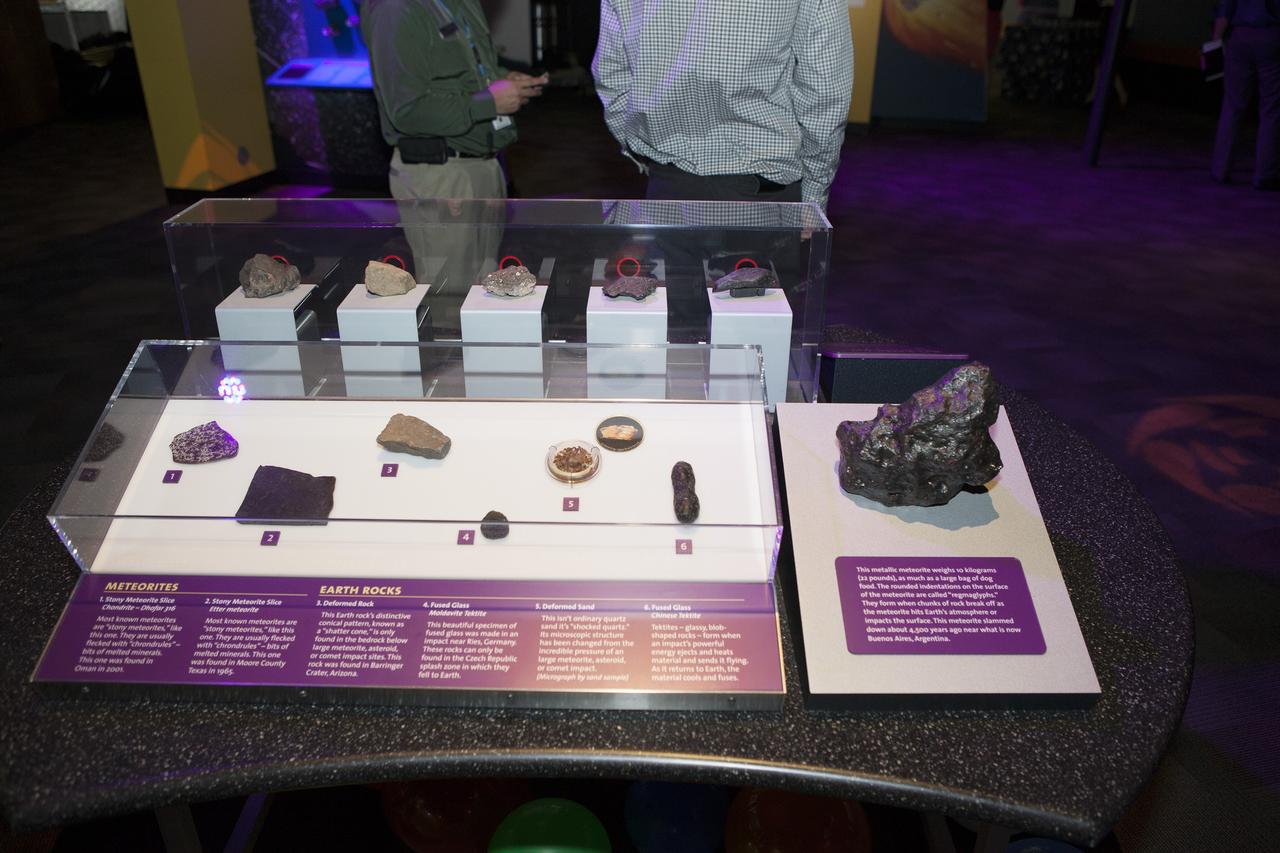
CAPE CANAVERAL, Fla. – Samples of Earth rocks and real meteorites are featured in an interactive display at the new Great Balls of Fire exhibit at NASA’s Kennedy Space Center Visitor Complex in Florida. The grand opening featured remarks by former NASA astronaut Tom Jones, and Therrin Protze, chief operating officer at Delaware North Parks and Resorts at the visitor complex. Great Balls of Fire shares the story of the origins of our solar system, asteroids and comets and their possible impacts and risks. The 1,500-square-foot exhibit, located in the East Gallery of the IMAX theatre at the visitor complex, features several interactive displays, real meteorites and replica asteroid models. The exhibit is a production of The Space Science Institute's National Center for Interactive Learning. It is a traveling exhibition that also receives funding from NASA and the National Science Foundation. Photo credit: NASA/Daniel Casper

CAPE CANAVERAL, Fla. – Former NASA astronaut Tom Jones discusses the characteristics of asteroids and meteors with a young guest during the grand opening of the Great Balls of Fire exhibit at NASA’s Kennedy Space Center Visitor Complex in Florida. Great Balls of Fire shares the story of the origins of our solar system, asteroids and comets and their possible impacts and risks. The 1,500-square-foot exhibit, located in the East Gallery of the IMAX theatre at the visitor complex, features several interactive displays, real meteorites and replica asteroid models. The exhibit is a production of The Space Science Institute's National Center for Interactive Learning. It is a traveling exhibition that also receives funding from NASA and the National Science Foundation. Photo credit: NASA/Daniel Casper
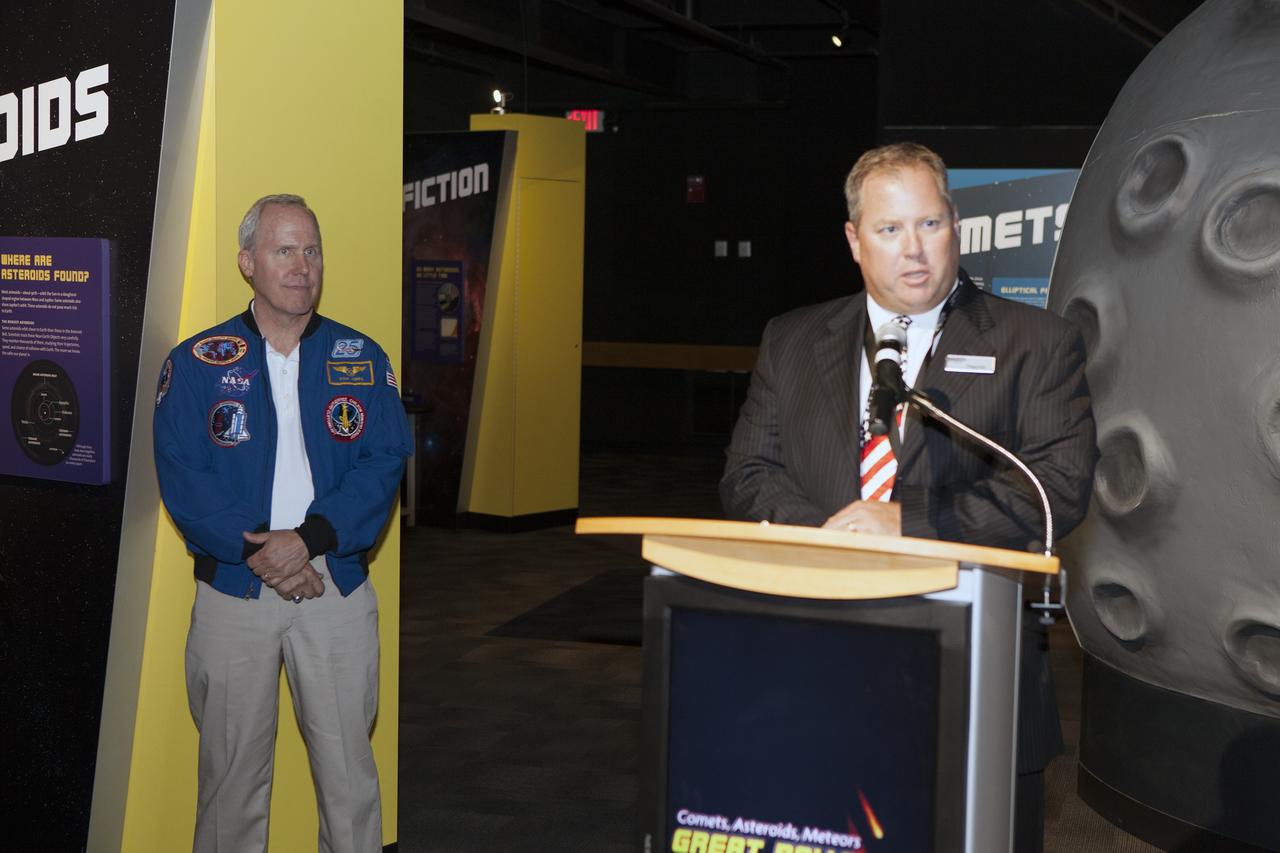
CAPE CANAVERAL, Fla. – Therrin Protze, chief operating officer with Delaware North Parks and Resorts at NASA's Kennedy Space Center Visitor Complex in Florida, welcomes guests to the grand opening of the Great Balls of Fire exhibit. To his left is former NASA astronaut Tom Jones. Great Balls of Fire shares the story of the origins of our solar system, asteroids and comets and their possible impacts and risks. The 1,500-square-foot exhibit, located in the East Gallery of the IMAX theatre at the visitor complex, features several interactive displays, real meteorites and replica asteroid models. The exhibit is a production of The Space Science Institute's National Center for Interactive Learning. It is a traveling exhibition that also receives funding from NASA and the National Science Foundation. Photo credit: NASA/Daniel Casper

CAPE CANAVERAL, Fla. – Former NASA astronaut Tom Jones discusses the characteristics of asteroids and meteors with a young guest during the grand opening of the Great Balls of Fire exhibit at NASA’s Kennedy Space Center Visitor Complex in Florida. Great Balls of Fire shares the story of the origins of our solar system, asteroids and comets and their possible impacts and risks. The 1,500-square-foot exhibit, located in the East Gallery of the IMAX theatre at the visitor complex, features several interactive displays, real meteorites and replica asteroid models. The exhibit is a production of The Space Science Institute's National Center for Interactive Learning. It is a traveling exhibition that also receives funding from NASA and the National Science Foundation. Photo credit: NASA/Daniel Casper
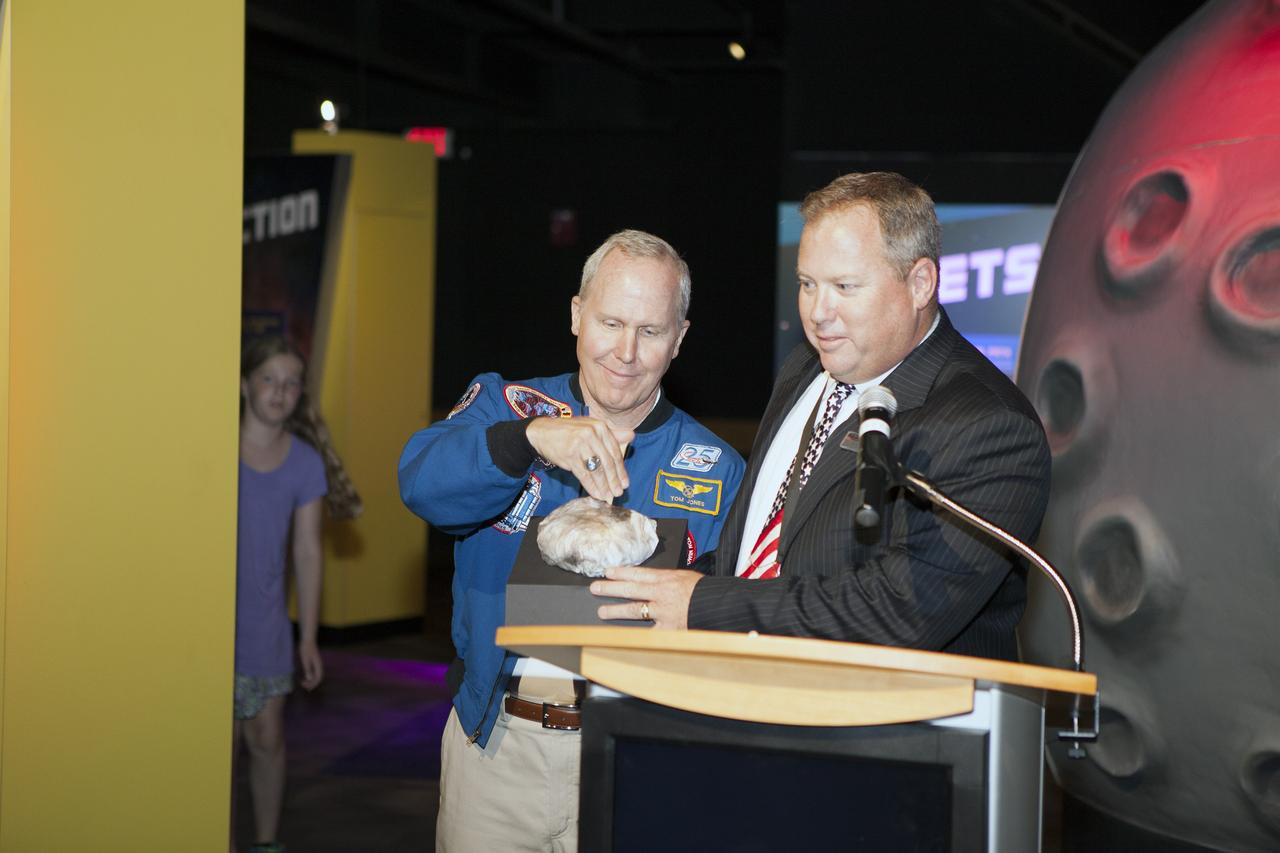
CAPE CANAVERAL, Fla. – Former NASA astronaut Tom Jones, left, presses the button on a simulated model of an asteroid to mark the grand opening of the new Great Balls of Fire exhibit at NASA’s Kennedy Space Center Visitor Complex in Florida. To his right is Therrin Protze, chief operating officer with Delaware North Parks and Resorts at the visitor complex. Great Balls of Fire shares the story of the origins of our solar system, asteroids and comets and their possible impacts and risks. The 1,500-square-foot exhibit, located in the East Gallery of the IMAX theatre at the visitor complex, features several interactive displays, real meteorites and replica asteroid models. The exhibit is a production of The Space Science Institute's National Center for Interactive Learning. It is a traveling exhibition that also receives funding from NASA and the National Science Foundation. Photo credit: NASA/Daniel Casper

CAPE CANAVERAL, Fla. – The grand opening of the new Great Balls of Fire exhibit was held at NASA’s Kennedy Space Center Visitor Complex in Florida. The grand opening featured remarks by former NASA astronaut Tom Jones, and Therrin Protze, chief operating officer at Delaware North Parks and Resorts at the visitor complex. Great Balls of Fire shares the story of the origins of our solar system, asteroids and comets and their possible impacts and risks. The 1,500-square-foot exhibit, located in the East Gallery of the IMAX theatre at the visitor complex, features several interactive displays, real meteorites and replica asteroid models. The exhibit is a production of The Space Science Institute's National Center for Interactive Learning. It is a traveling exhibition that also receives funding from NASA and the National Science Foundation. Photo credit: NASA/Daniel Casper
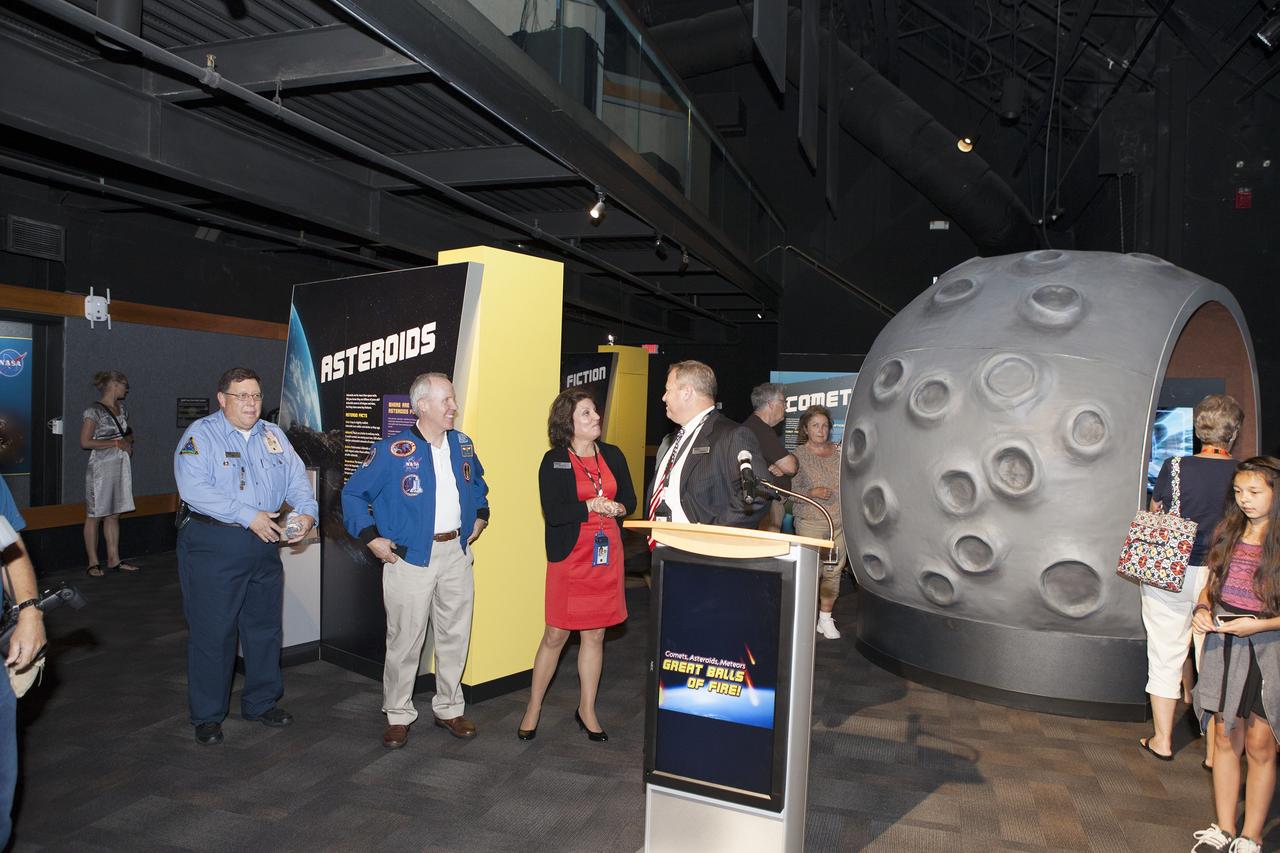
CAPE CANAVERAL, Fla. – Former NASA astronaut Tom Jones, left, joins Andrea Farmer, senior public relations manager, and Therrin Protze, chief operating officer, both with Delaware North Parks and Resorts at NASA's Kennedy Space Center Visitor Complex in Florida, for the grand opening of the Great Balls of Fire exhibit. Great Balls of Fire shares the story of the origins of our solar system, asteroids and comets and their possible impacts and risks. The 1,500-square-foot exhibit, located in the East Gallery of the IMAX theatre at the visitor complex, features several interactive displays, real meteorites and replica asteroid models. The exhibit is a production of The Space Science Institute's National Center for Interactive Learning. It is a traveling exhibition that also receives funding from NASA and the National Science Foundation. Photo credit: NASA/Daniel Casper
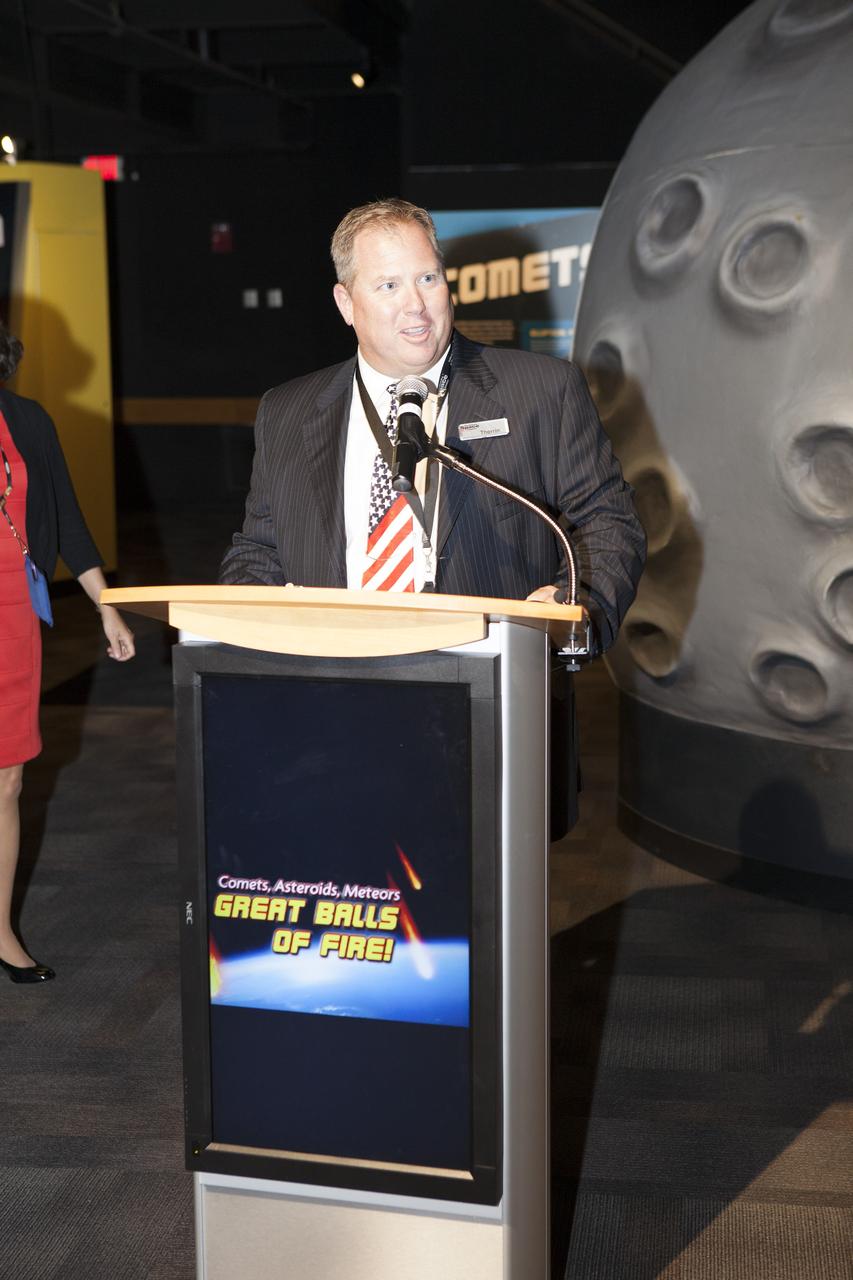
CAPE CANAVERAL, Fla. – Therrin Protze, chief operating officer with Delaware North Parks and Resorts at NASA's Kennedy Space Center Visitor Complex in Florida, welcomes guests to the grand opening of the Great Balls of Fire exhibit. Great Balls of Fire shares the story of the origins of our solar system, asteroids and comets and their possible impacts and risks. The 1,500-square-foot exhibit, located in the East Gallery of the IMAX theatre at the visitor complex, features several interactive displays, real meteorites and replica asteroid models. The exhibit is a production of The Space Science Institute's National Center for Interactive Learning. It is a traveling exhibition that also receives funding from NASA and the National Science Foundation. Photo credit: NASA/Daniel Casper
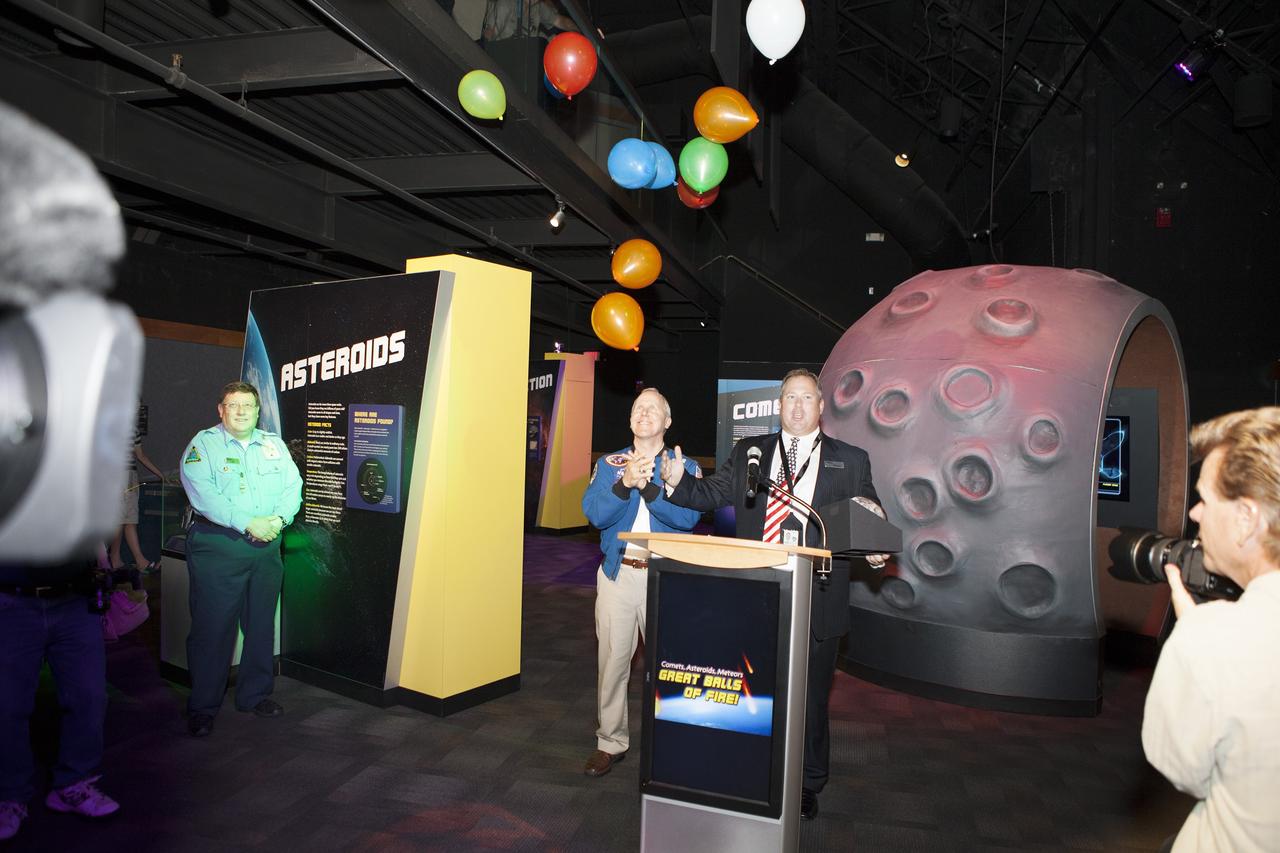
CAPE CANAVERAL, Fla. – Lights flickered and balloons fell as former NASA astronaut Tom Jones, left, and Therrin Protze, chief operating officer of Delaware North Parks and Resorts at NASA’s Kennedy Space Center Visitor Complex in Florida, welcomed guests to the grand opening of the Great Balls of Fire exhibit at the visitor complex. Great Balls of Fire shares the story of the origins of our solar system, asteroids and comets and their possible impacts and risks. The 1,500-square-foot exhibit, located in the East Gallery of the IMAX theatre at the visitor complex, features several interactive displays, real meteorites and replica asteroid models. The exhibit is a production of The Space Science Institute's National Center for Interactive Learning. It is a traveling exhibition that also receives funding from NASA and the National Science Foundation. Photo credit: NASA/Daniel Casper
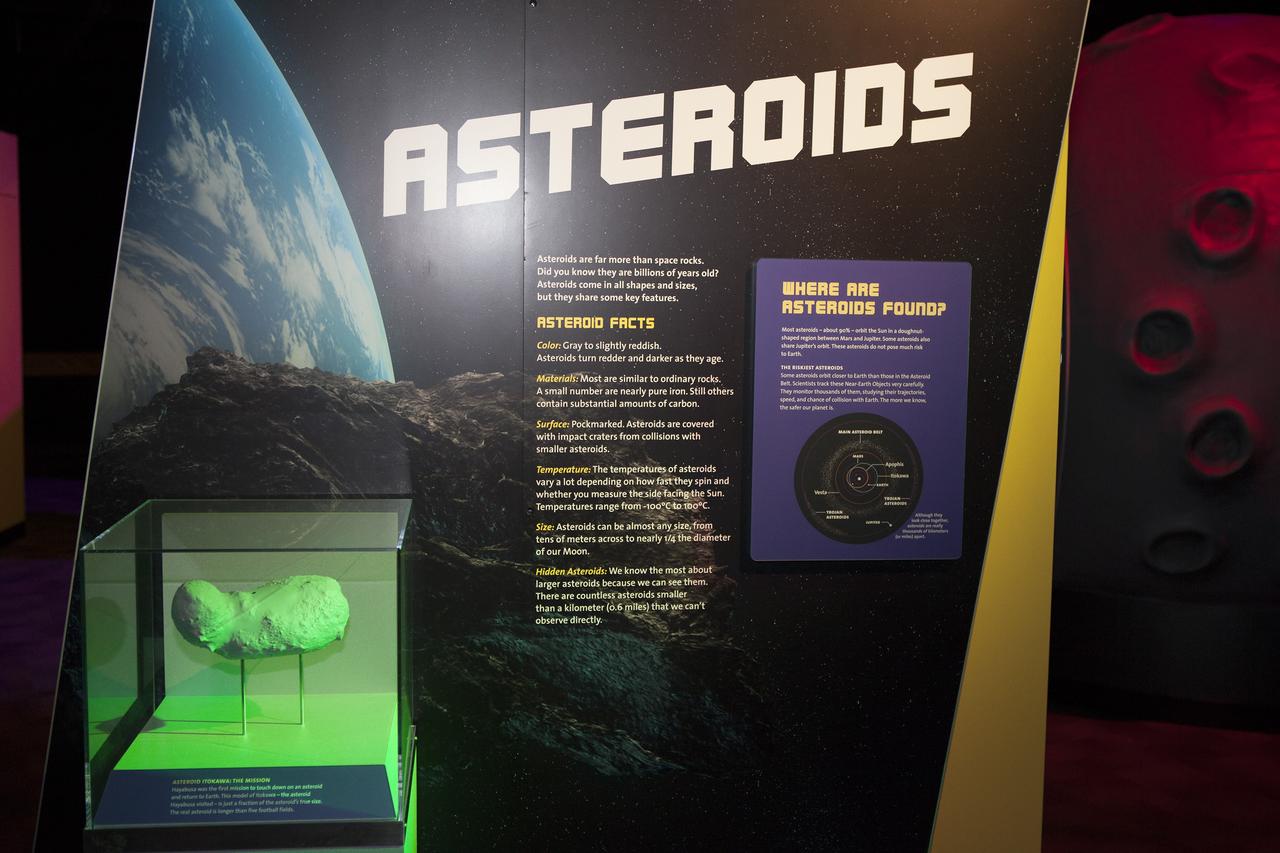
CAPE CANAVERAL, Fla. – A real asteroid is on display at the new Great Balls of Fire exhibit at NASA’s Kennedy Space Center Visitor Complex in Florida. The grand opening of the new attraction featured remarks by former NASA astronaut Tom Jones, and Therrin Protze, chief operating officer at Delaware North Parks and Resorts at the visitor complex. Great Balls of Fire shares the story of the origins of our solar system, asteroids and comets and their possible impacts and risks. The 1,500-square-foot exhibit, located in the East Gallery of the IMAX theatre at the visitor complex, features several interactive displays, real meteorites and replica asteroid models. The exhibit is a production of The Space Science Institute's National Center for Interactive Learning. It is a traveling exhibition that also receives funding from NASA and the National Science Foundation. Photo credit: NASA/Daniel Casper
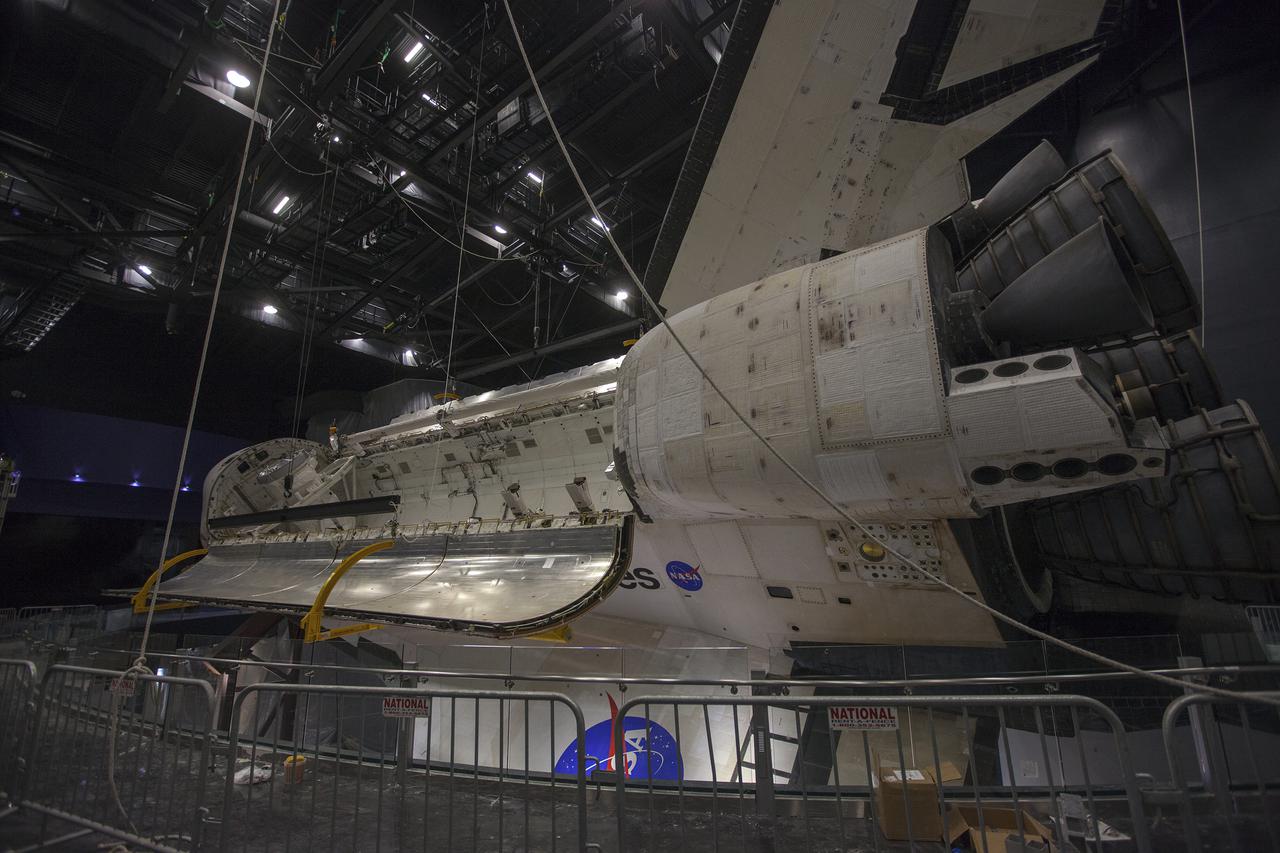
CAPE CANAVERAL, Fla. – At the Kennedy Space Center Visitor Complex in Florida, a view from a different angle shows space shuttle Atlantis’ with its payload bay doors opened. In view also are a portion of the shuttle’s tail mast and three replica shuttle main engines. Atlantis is being prepared for display in the “Space Shuttle Atlantis” exhibit, a 90,000-square-foot facility, scheduled to open June 29, 2013. The new $100 million facility will include interactive exhibits that tell the story of the 30-year Space Shuttle Program and highlight the future of space exploration. Visitors to the exhibit will get an up close look at Atlantis with its payload bay doors open, similar to how it looked in space. Photo credit: NASA_Kim Shiflett
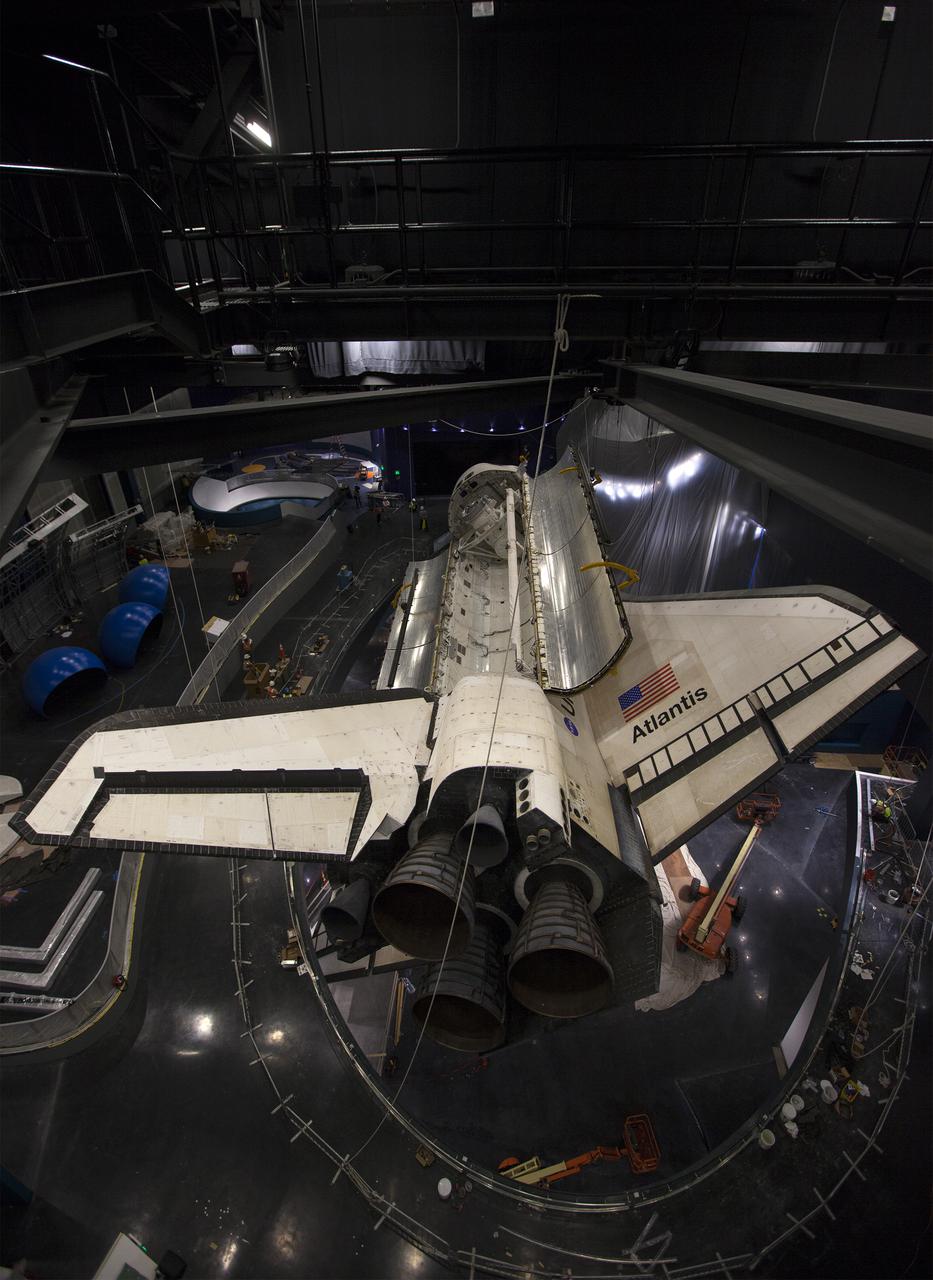
CAPE CANAVERAL, Fla. – At the Kennedy Space Center Visitor Complex in Florida, a view from a different angle shows space shuttle Atlantis’ with its payload bay doors opened. Also in view are the shuttle’s tail mast and three replica shuttle main engines. Atlantis is being prepared for display in the “Space Shuttle Atlantis” exhibit, a 90,000-square-foot facility, scheduled to open June 29, 2013. The new $100 million facility will include interactive exhibits that tell the story of the 30-year Space Shuttle Program and highlight the future of space exploration. Visitors to the exhibit will get an up close look at Atlantis with its payload bay doors open, similar to how it looked in space. Photo credit: NASA_Kim Shiflett
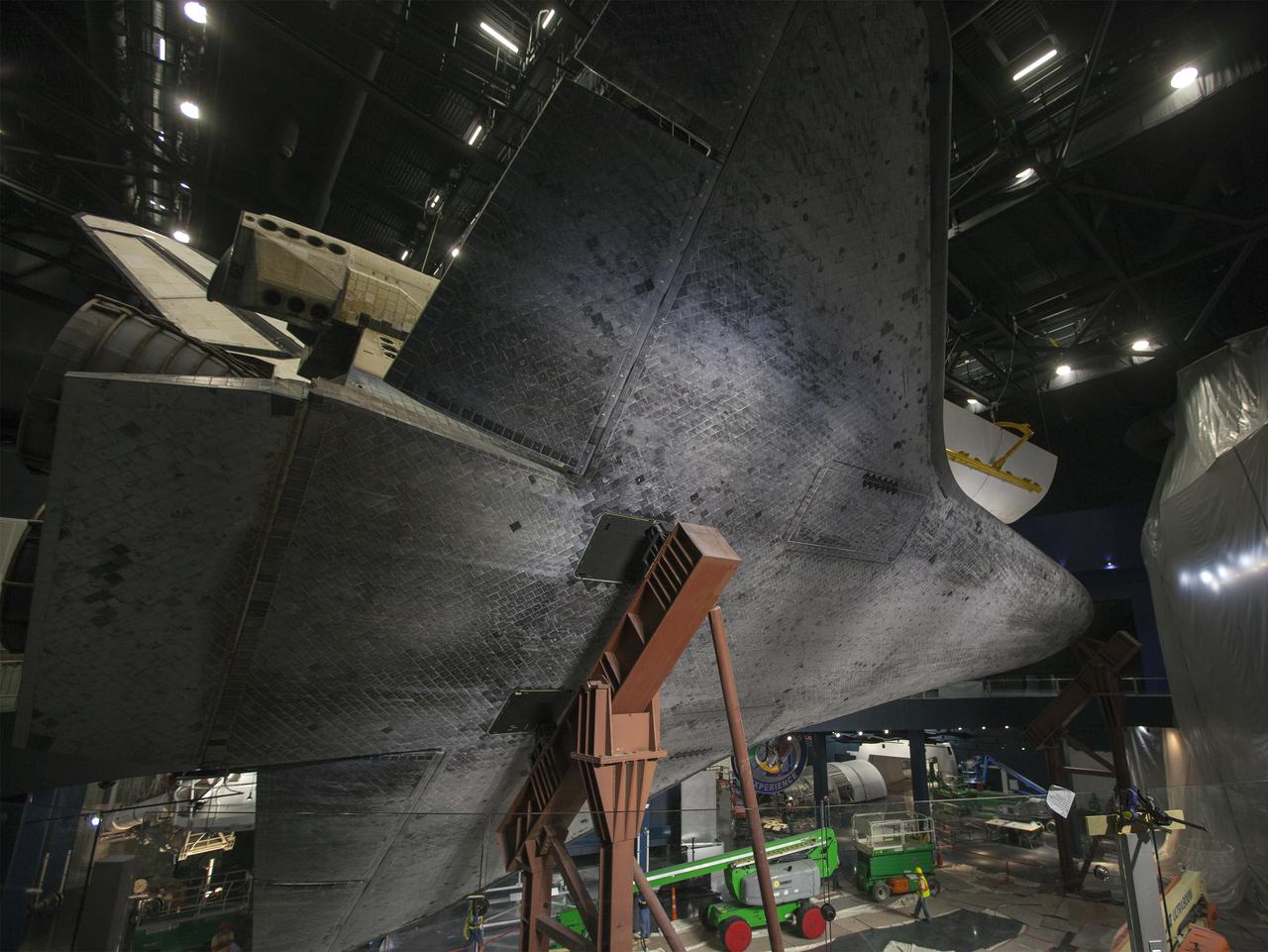
CAPE CANAVERAL, Fla. – At the Kennedy Space Center Visitor Complex in Florida, a view from below shows space shuttle Atlantis tilted at a 43.21 angle to the portside and supported by special jacks to elevate it 26 feet from the ground. Its portside wingtip is only 7.5 feet off the ground. Atlantis’ payload bay doors have been opened in preparation for display in the “Space Shuttle Atlantis” exhibit, a 90,000-square-foot facility, scheduled to open June 29, 2013. The new $100 million facility will include interactive exhibits that tell the story of the 30-year Space Shuttle Program and highlight the future of space exploration. Visitors to the exhibit will get an up close look at Atlantis with its payload bay doors open, similar to how it looked in space. Photo credit: NASA_Kim Shiflett
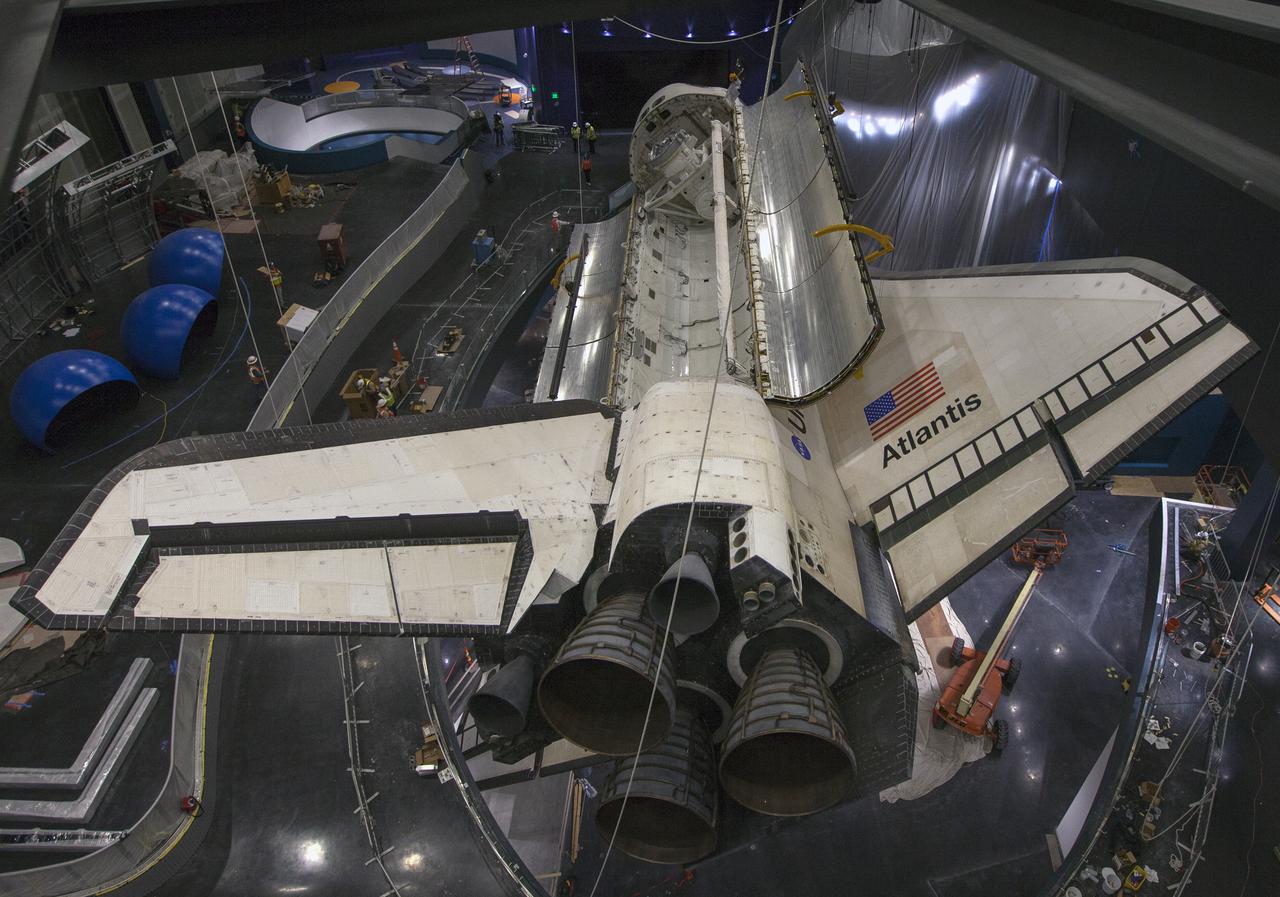
CAPE CANAVERAL, Fla. – At the Kennedy Space Center Visitor Complex in Florida, a view from a different angle shows space shuttle Atlantis’ with its payload bay doors opened. Also in view are the shuttle’s tail mast and three replica shuttle main engines. Atlantis is being prepared for display in the “Space Shuttle Atlantis” exhibit, a 90,000-square-foot facility, scheduled to open June 29, 2013. The new $100 million facility will include interactive exhibits that tell the story of the 30-year Space Shuttle Program and highlight the future of space exploration. Visitors to the exhibit will get an up close look at Atlantis with its payload bay doors open, similar to how it looked in space. Photo credit: NASA_Kim Shiflett
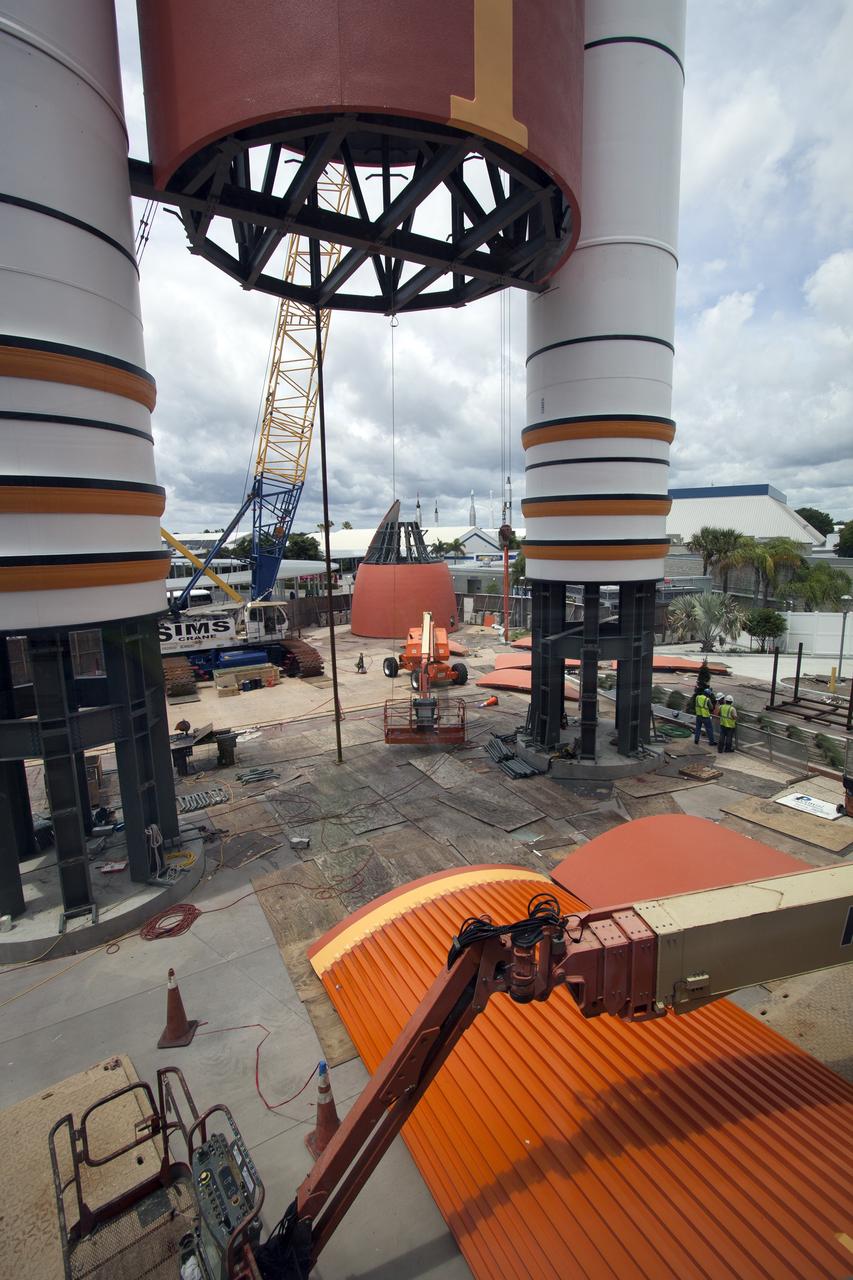
CAPE CANAVERAL, Fla. – At the Kennedy Space Center Visitor Complex in Florida, the buildup of the replica solid rocket boosters and external fuel tank are nearly complete in front of the entrance to the new “Space Shuttle Atlantis” exhibit. Atlantis is being prepared for display in the 90,000-square-foot facility, scheduled to open June 29, 2013. The new $100 million facility will include interactive exhibits that tell the story of the 30-year Space Shuttle Program and highlight the future of space exploration. Visitors to the exhibit will get an up close look at Atlantis with its payload bay doors open, similar to how it looked in space. Photo credit: NASA/Jim Grossmann
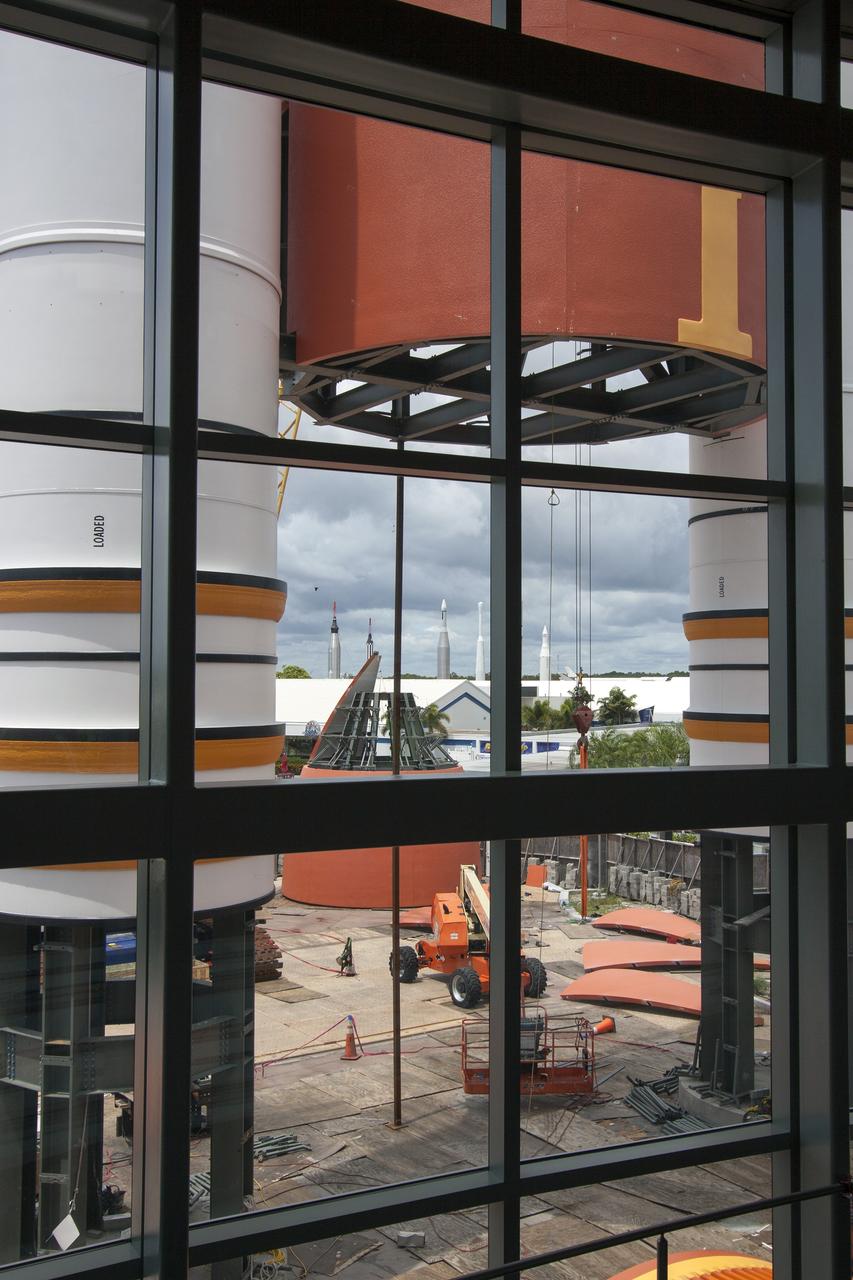
CAPE CANAVERAL, Fla. – A view from inside the new “Space Shuttle Atlantis” exhibit at the Kennedy Space Center Visitor Complex in Florida, shows the buildup of the replica solid rocket boosters and external fuel tank are nearly complete near the entrance. Atlantis is being prepared for display in the 90,000-square-foot facility, scheduled to open June 29, 2013. The new $100 million facility will include interactive exhibits that tell the story of the 30-year Space Shuttle Program and highlight the future of space exploration. Visitors to the exhibit will get an up close look at Atlantis with its payload bay doors open, similar to how it looked in space. Photo credit: NASA/Jim Grossmann
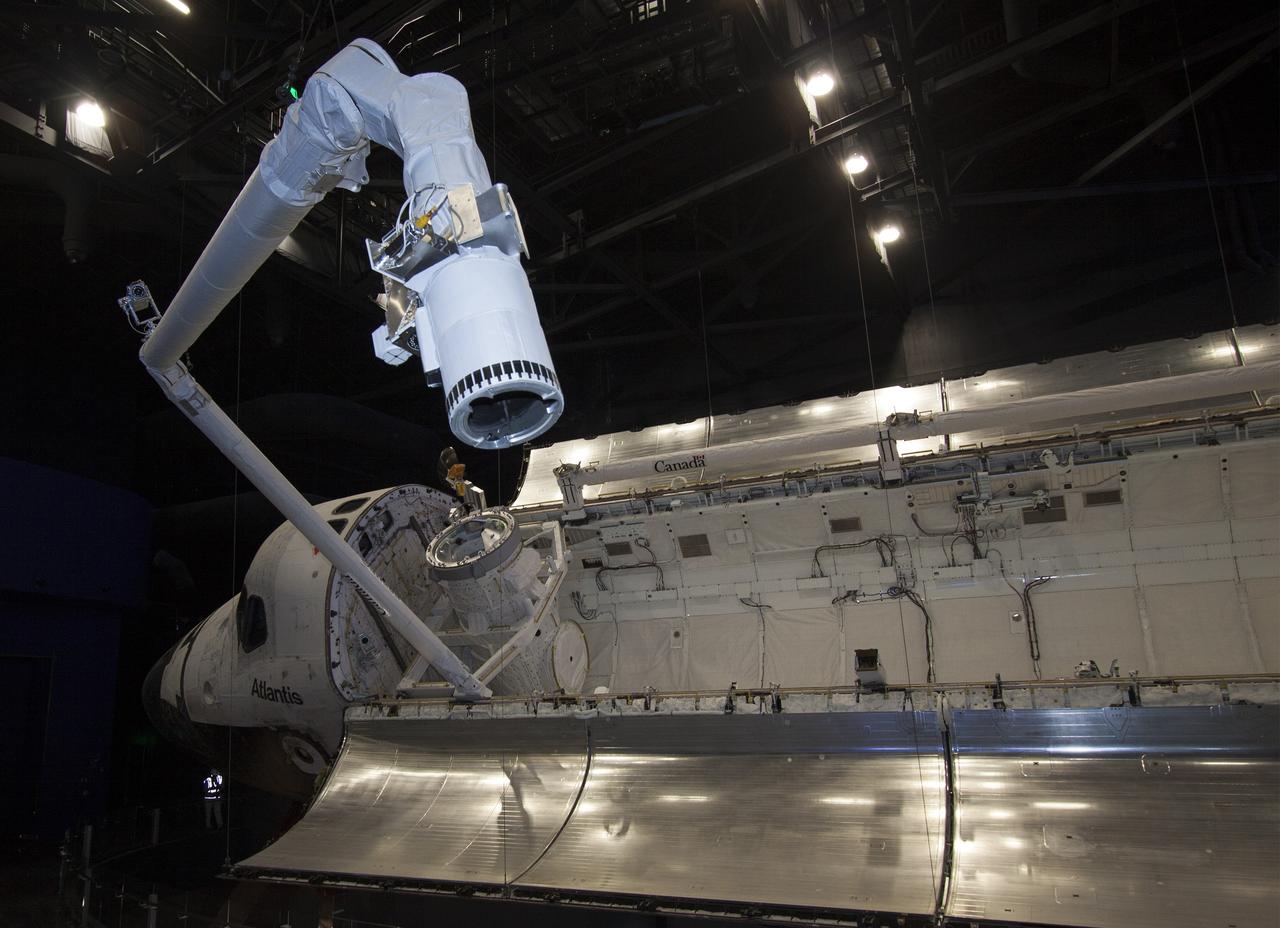
CAPE CANAVERAL, Fla. – At the Kennedy Space Center Visitor Complex in Florida, space shuttle Atlantis’ payload bay doors are open and the robotic arm has been installed in the payload bay. Atlantis is being prepared for display in the “Space Shuttle Atlantis” exhibit, a 90,000-square-foot facility, scheduled to open June 29, 2013. The new $100 million facility will include interactive exhibits that tell the story of the 30-year Space Shuttle Program and highlight the future of space exploration. Visitors to the exhibit will get an up close look at Atlantis with its payload bay doors open, similar to how it looked in space. Photo credit: NASA/Jim Grossmann
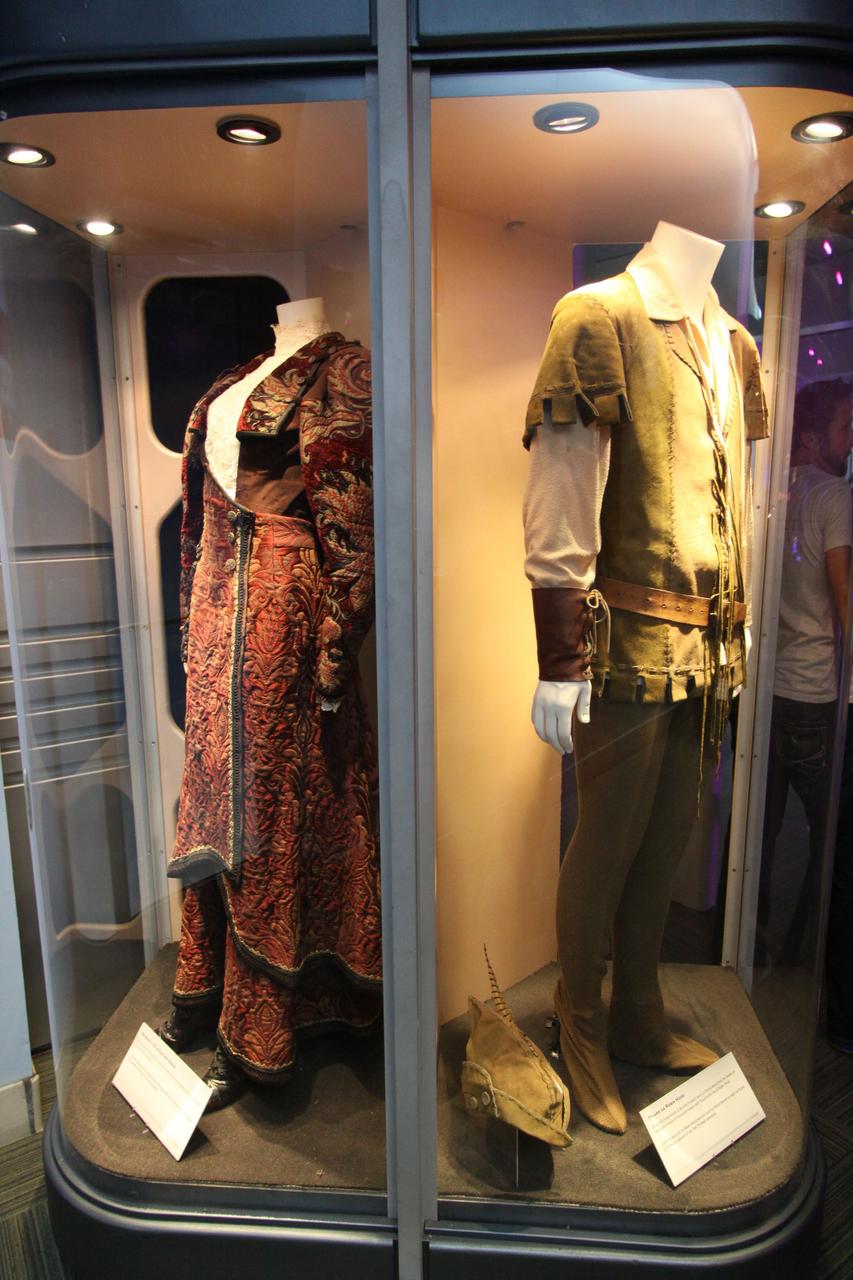
CAPE CANAVERAL, Fla. -- At NASA Kennedy Space Center's Visitor Complex, Star Trek memorabilia is being displayed this summer through Sept. 5. Appearing for the first time in the southeast, "Star Trek: The Exhibition" is an interactive exhibit of authentic Star Trek artifacts from the past 40 years, featuring one-of-a-kind costumes, props and filming models from every Star Trek television series and feature film, including a recreation of the U.S.S. Enterprise Bridge from the original series. Photo credit: NASA/Jack Pfaller
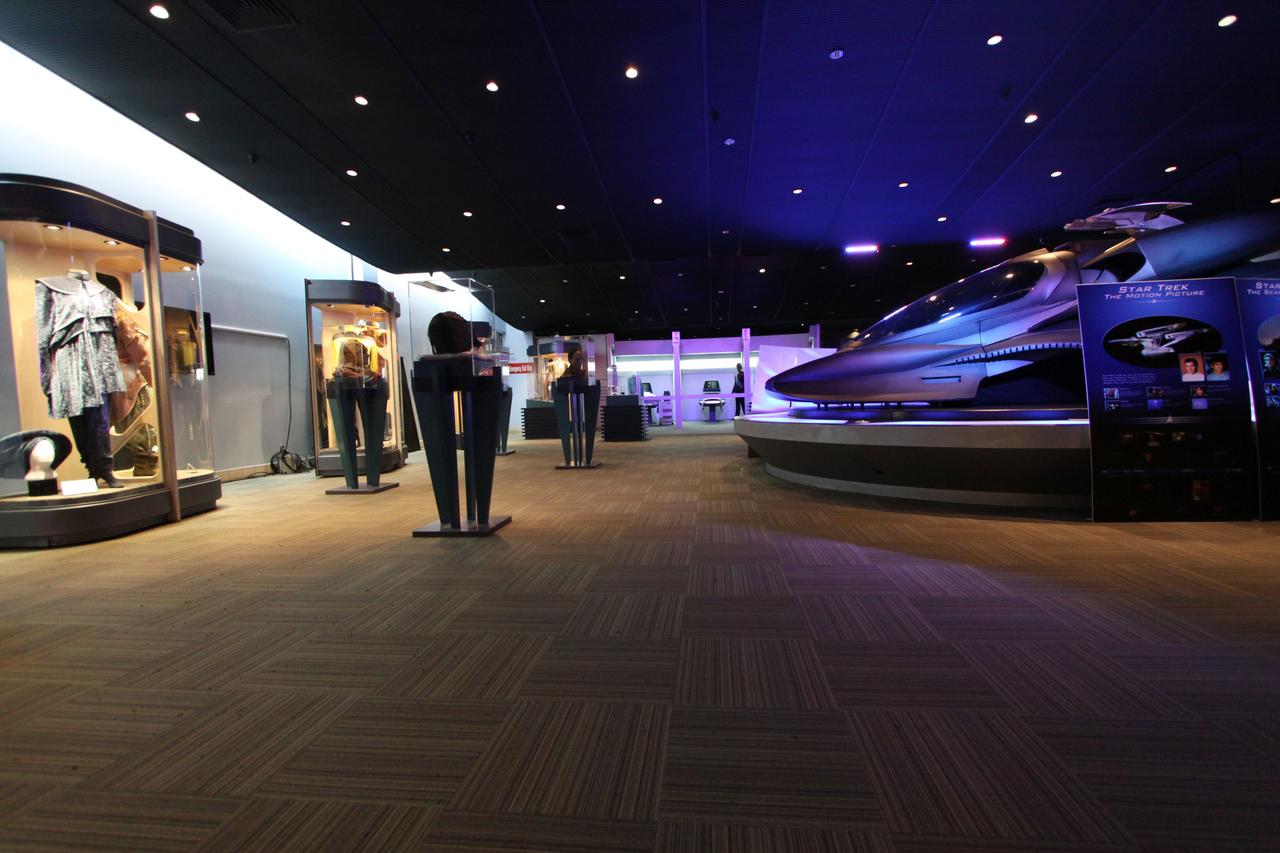
CAPE CANAVERAL, Fla. -- At NASA Kennedy Space Center's Visitor Complex, Star Trek memorabilia is being displayed this summer through Sept. 5. Appearing for the first time in the southeast, "Star Trek: The Exhibition" is an interactive exhibit of authentic Star Trek artifacts from the past 40 years, featuring one-of-a-kind costumes, props and filming models from every Star Trek television series and feature film, including a recreation of the U.S.S. Enterprise Bridge from the original series. Photo credit: NASA/Jack Pfaller
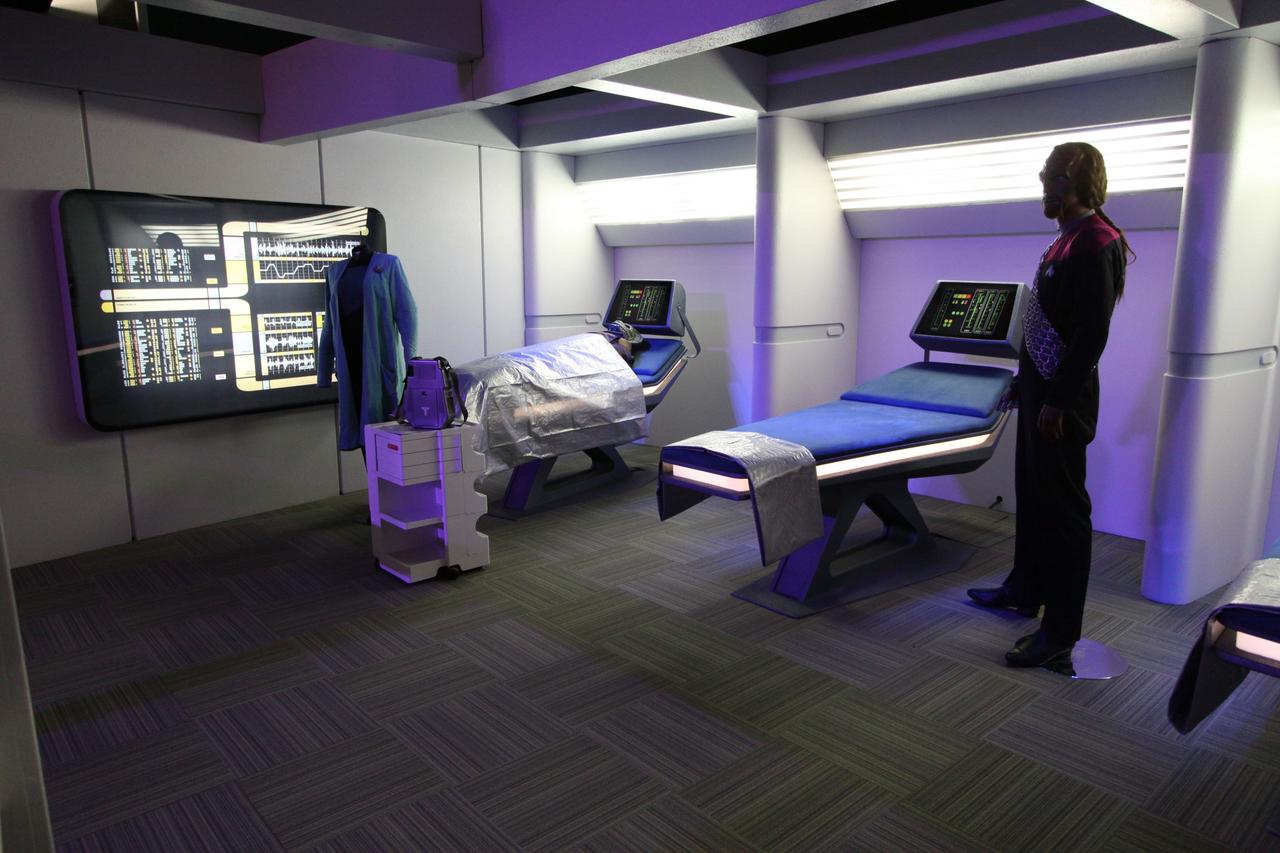
CAPE CANAVERAL, Fla. -- At NASA Kennedy Space Center's Visitor Complex, Star Trek memorabilia is being displayed this summer through Sept. 5. Appearing for the first time in the southeast, "Star Trek: The Exhibition" is an interactive exhibit of authentic Star Trek artifacts from the past 40 years, featuring one-of-a-kind costumes, props and filming models from every Star Trek television series and feature film, including a recreation of the U.S.S. Enterprise Bridge from the original series. Photo credit: NASA/Jack Pfaller
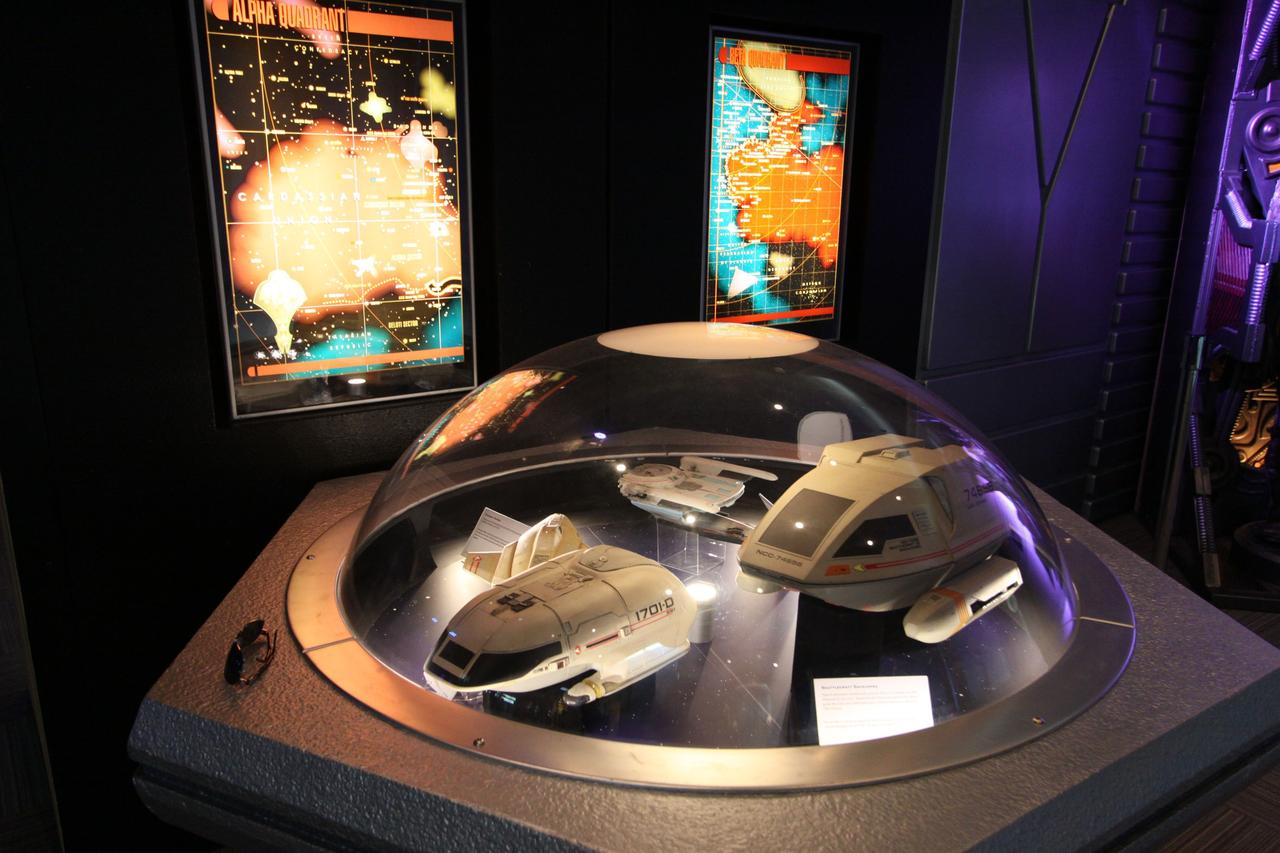
CAPE CANAVERAL, Fla. -- At NASA Kennedy Space Center's Visitor Complex, Star Trek memorabilia is being displayed this summer through Sept. 5. Appearing for the first time in the southeast, "Star Trek: The Exhibition" is an interactive exhibit of authentic Star Trek artifacts from the past 40 years, featuring one-of-a-kind costumes, props and filming models from every Star Trek television series and feature film, including a recreation of the U.S.S. Enterprise Bridge from the original series. Photo credit: NASA/Jack Pfaller
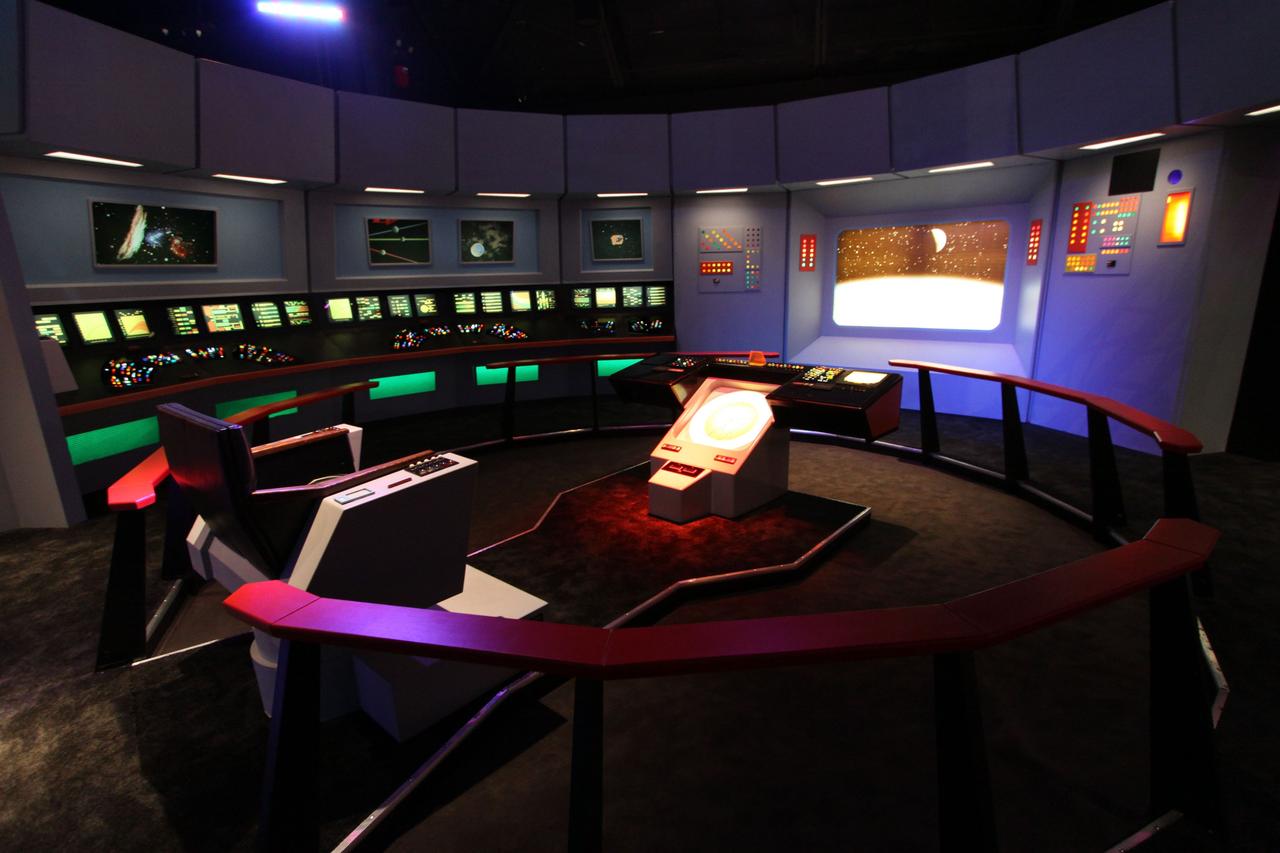
CAPE CANAVERAL, Fla. -- At NASA Kennedy Space Center's Visitor Complex, Star Trek memorabilia is being displayed this summer through Sept. 5. Appearing for the first time in the southeast, "Star Trek: The Exhibition" is an interactive exhibit of authentic Star Trek artifacts from the past 40 years, featuring one-of-a-kind costumes, props and filming models from every Star Trek television series and feature film, including a recreation of the U.S.S. Enterprise Bridge from the original series. Photo credit: NASA/Jack Pfaller
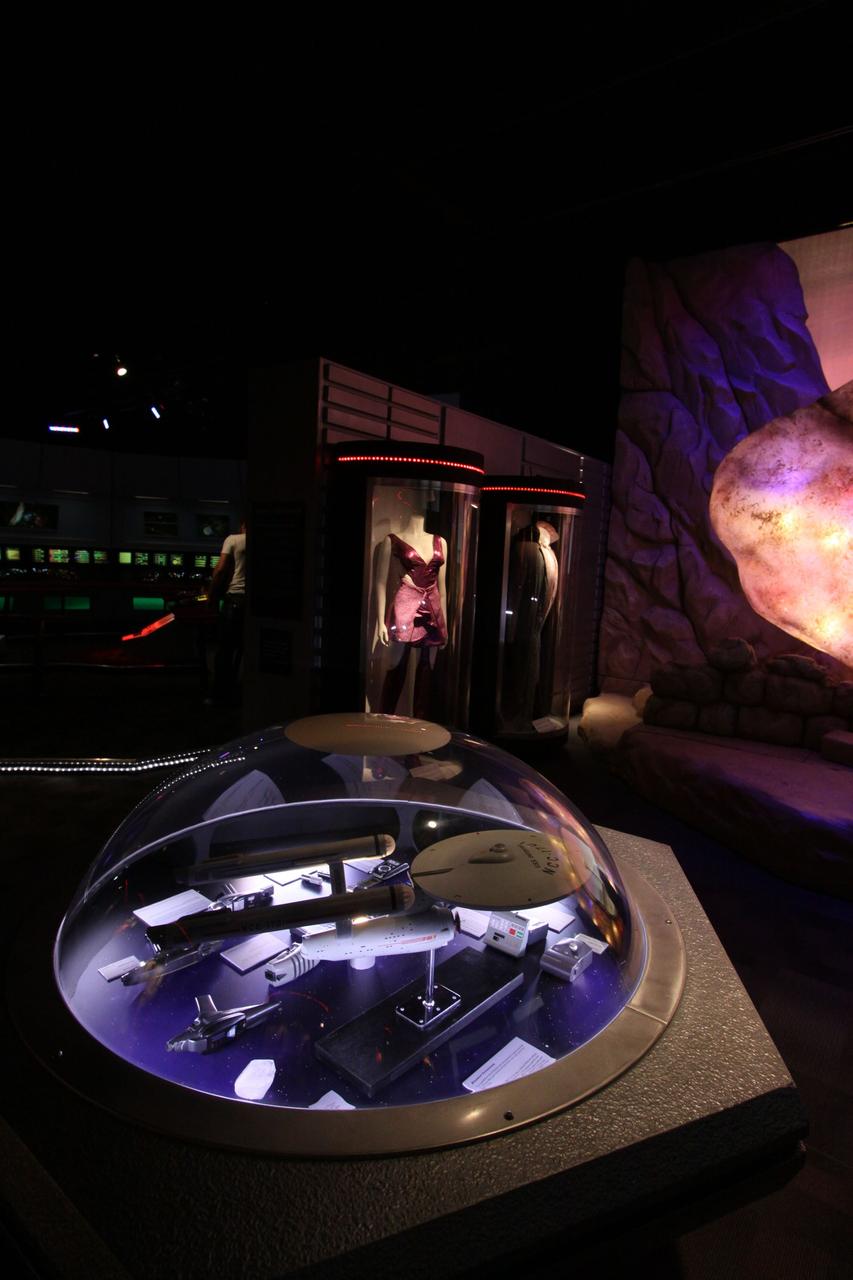
CAPE CANAVERAL, Fla. -- At NASA Kennedy Space Center's Visitor Complex, Star Trek memorabilia is being displayed this summer through Sept. 5. Appearing for the first time in the southeast, "Star Trek: The Exhibition" is an interactive exhibit of authentic Star Trek artifacts from the past 40 years, featuring one-of-a-kind costumes, props and filming models from every Star Trek television series and feature film, including a recreation of the U.S.S. Enterprise Bridge from the original series. Photo credit: NASA/Jack Pfaller
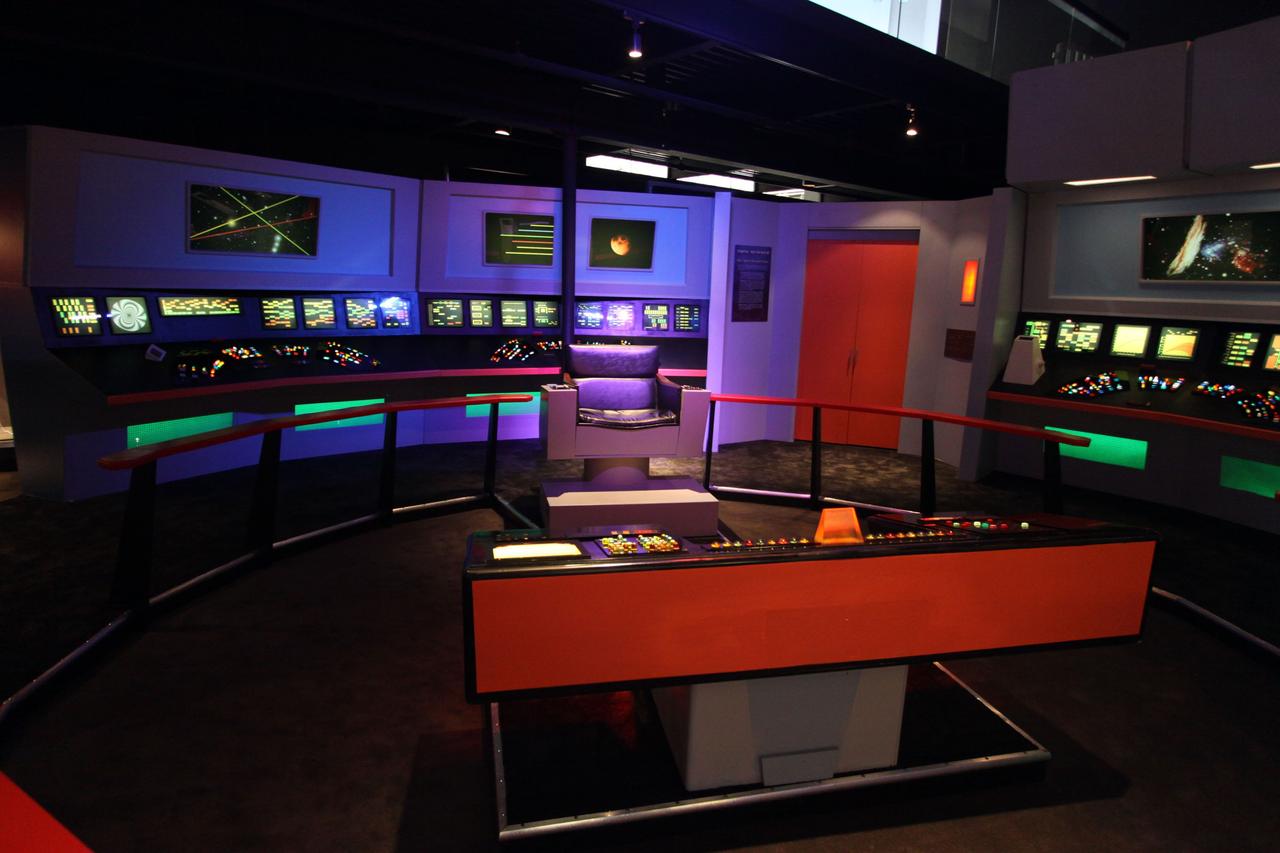
CAPE CANAVERAL, Fla. -- At NASA Kennedy Space Center's Visitor Complex, Star Trek memorabilia is being displayed this summer through Sept. 5. Appearing for the first time in the southeast, "Star Trek: The Exhibition" is an interactive exhibit of authentic Star Trek artifacts from the past 40 years, featuring one-of-a-kind costumes, props and filming models from every Star Trek television series and feature film, including a recreation of the U.S.S. Enterprise Bridge from the original series. Photo credit: NASA/Jack Pfaller
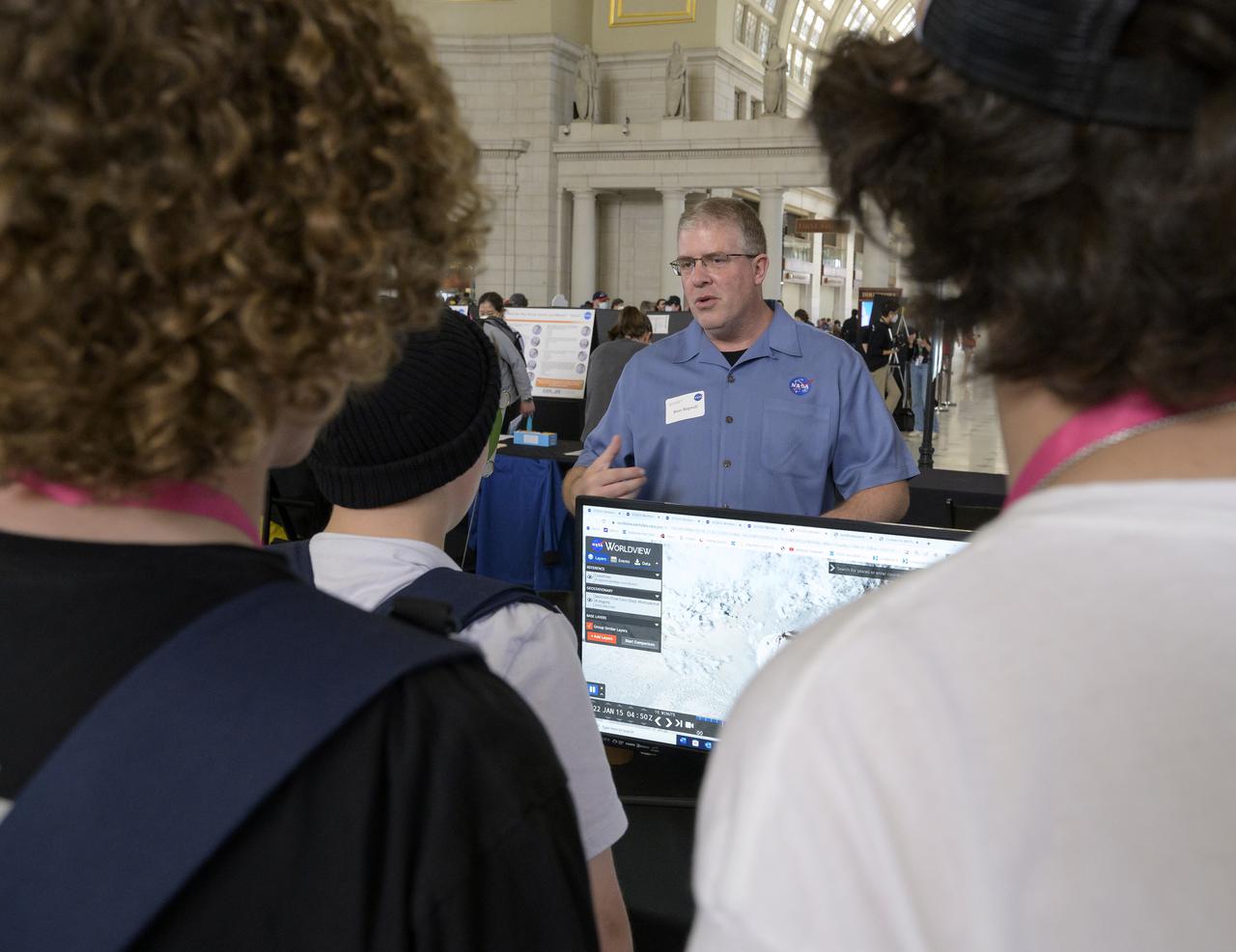
Visitors explore NASA’s hands-on exhibits during Earth Day, Friday, April 22, 2022, at Union Station in Washington. Photo Credit: (NASA/Bill Ingalls)
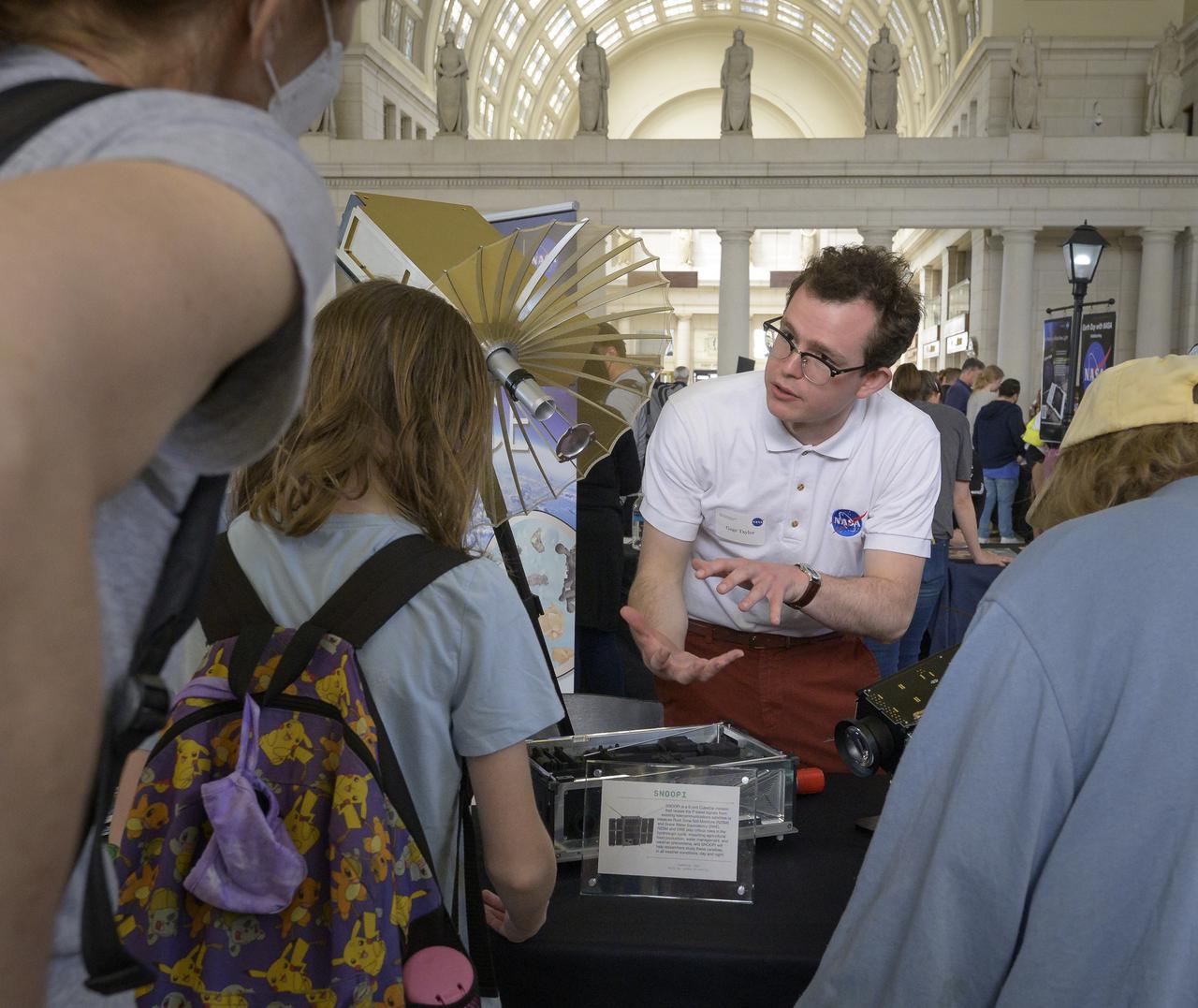
Visitors explore NASA’s hands-on exhibits during Earth Day, Friday, April 22, 2022, at Union Station in Washington. Photo Credit: (NASA/Bill Ingalls)
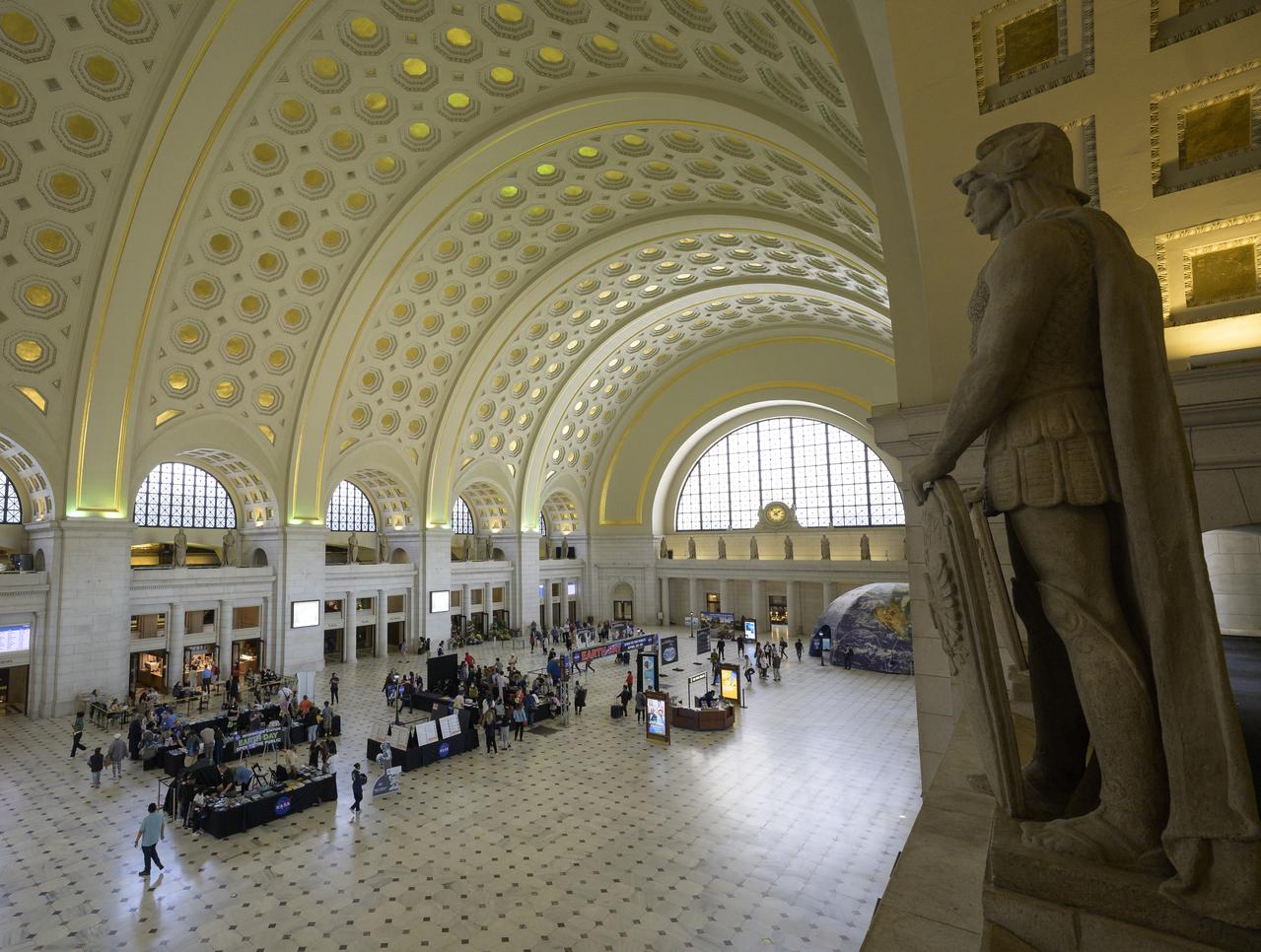
Visitors explore NASA’s hands-on exhibits during Earth Day, Friday, April 22, 2022, at Union Station in Washington. Photo Credit: (NASA/Bill Ingalls)
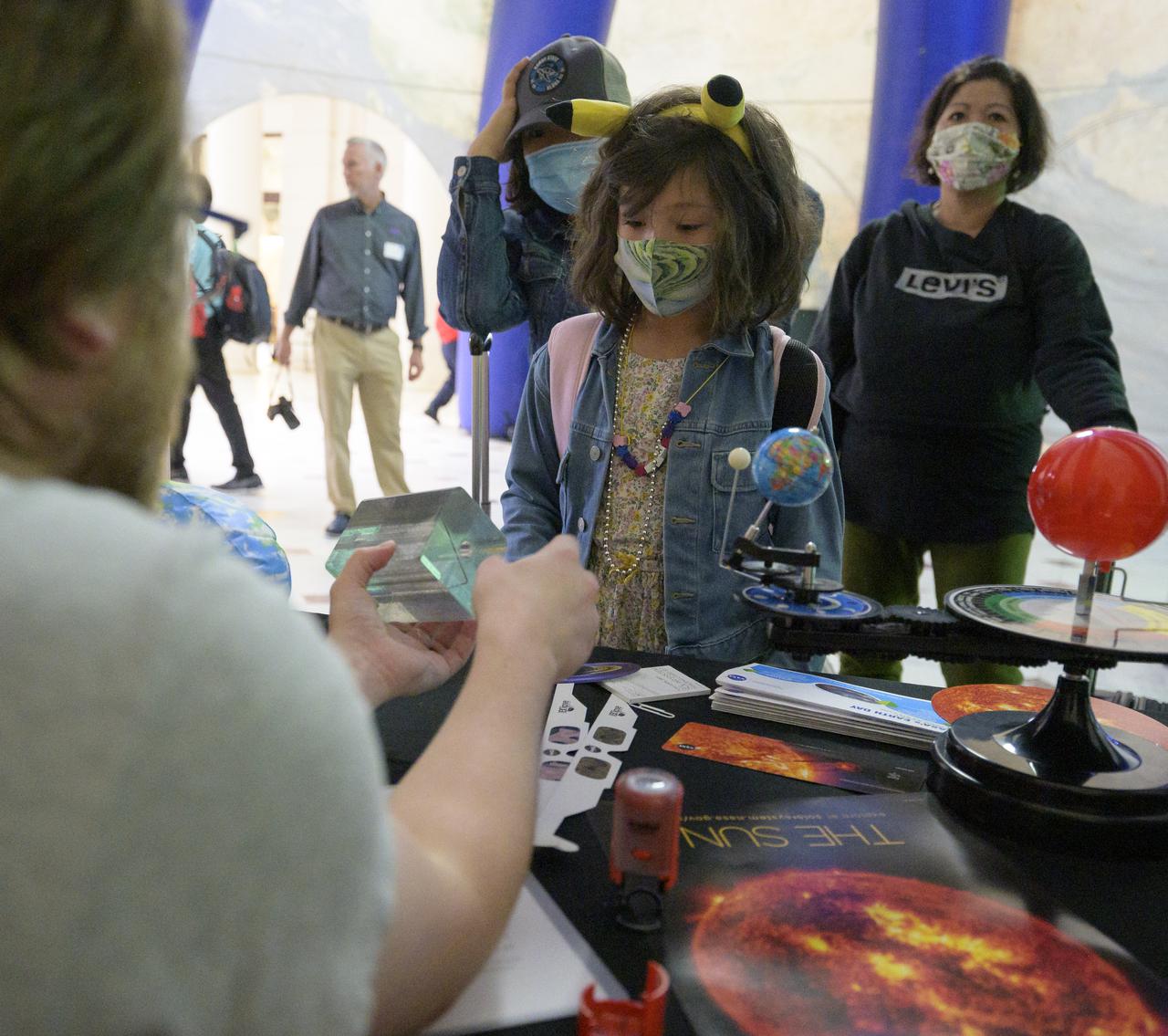
Visitors explore NASA’s hands-on exhibits during Earth Day, Friday, April 22, 2022, at Union Station in Washington. Photo Credit: (NASA/Bill Ingalls)

Visitors explore NASA’s hands-on exhibits during Earth Day, Friday, April 22, 2022, at Union Station in Washington. Photo Credit: (NASA/Bill Ingalls)
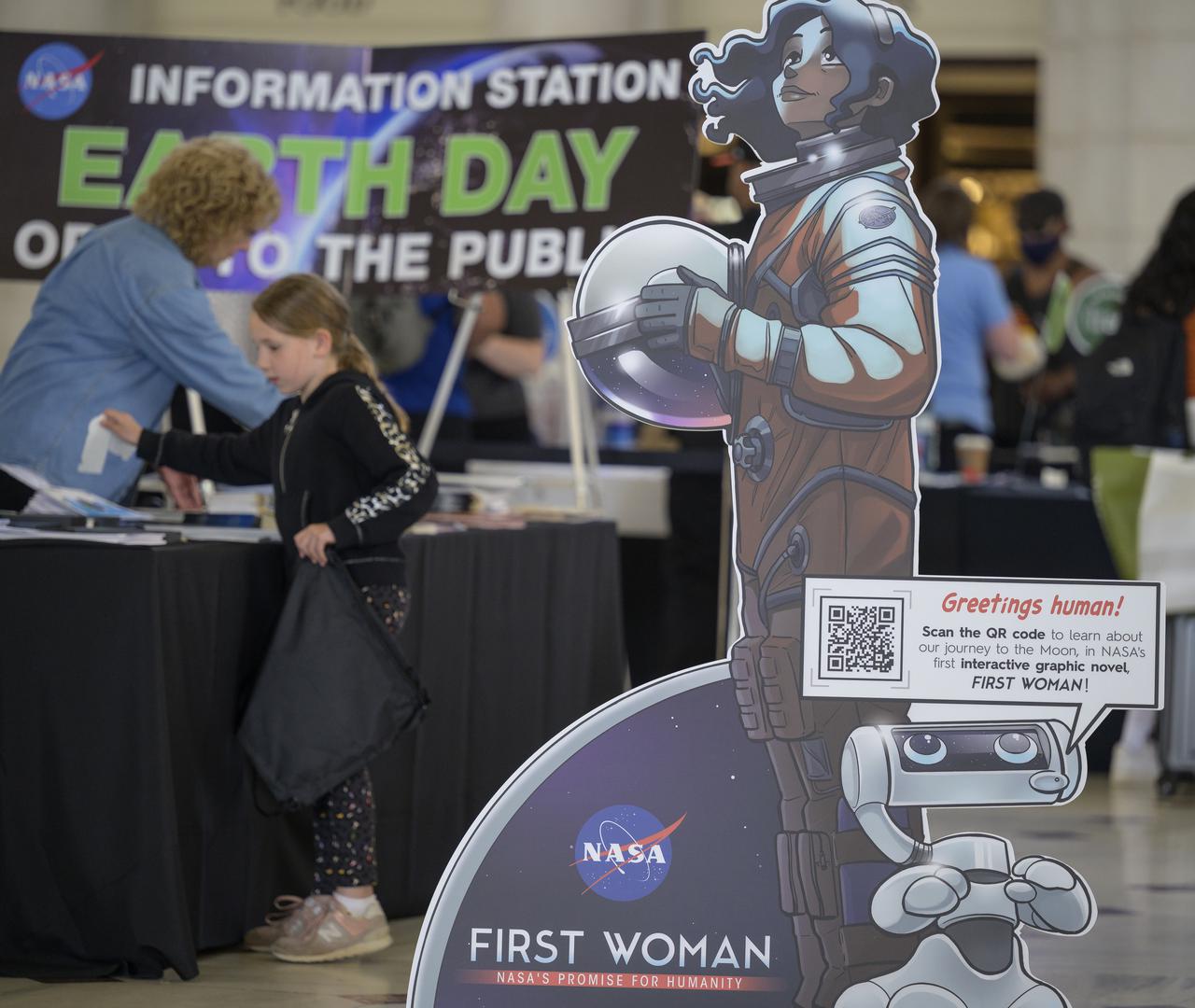
Visitors explore NASA’s hands-on exhibits during Earth Day, Friday, April 22, 2022, at Union Station in Washington. Photo Credit: (NASA/Bill Ingalls)
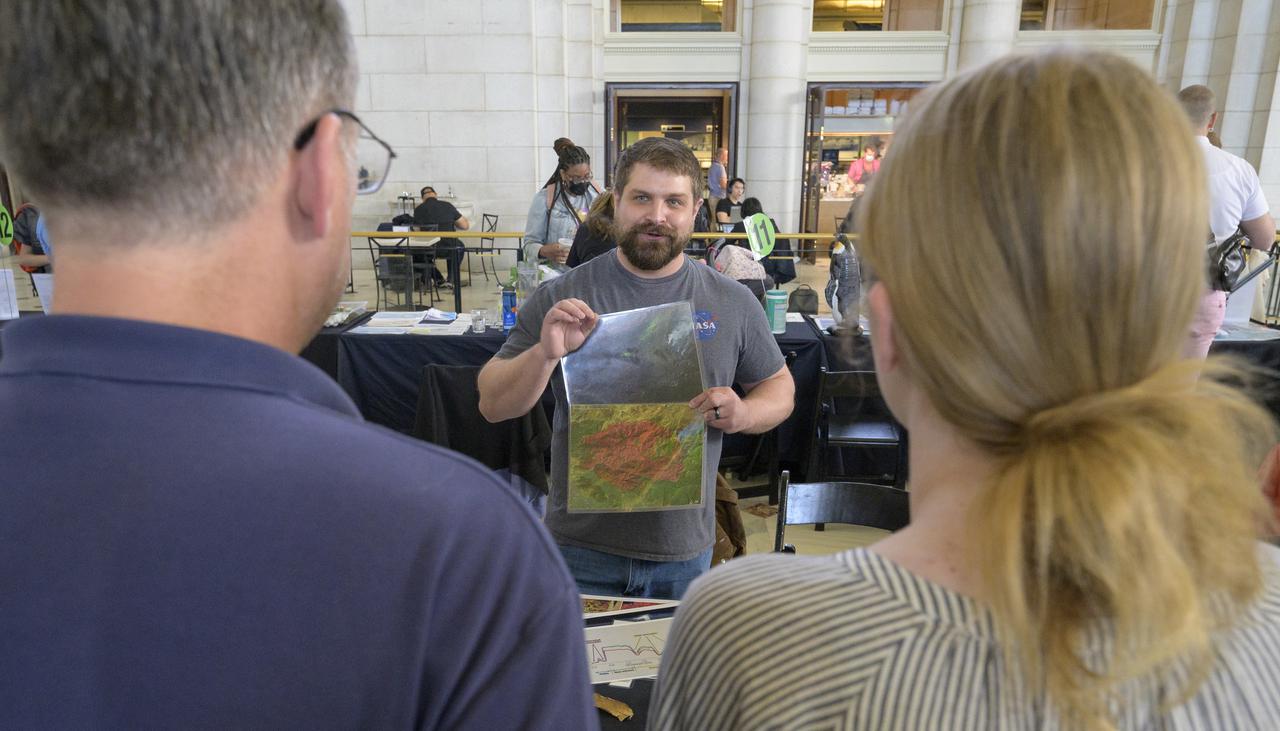
Visitors explore NASA’s hands-on exhibits during Earth Day, Friday, April 22, 2022, at Union Station in Washington. Photo Credit: (NASA/Bill Ingalls)
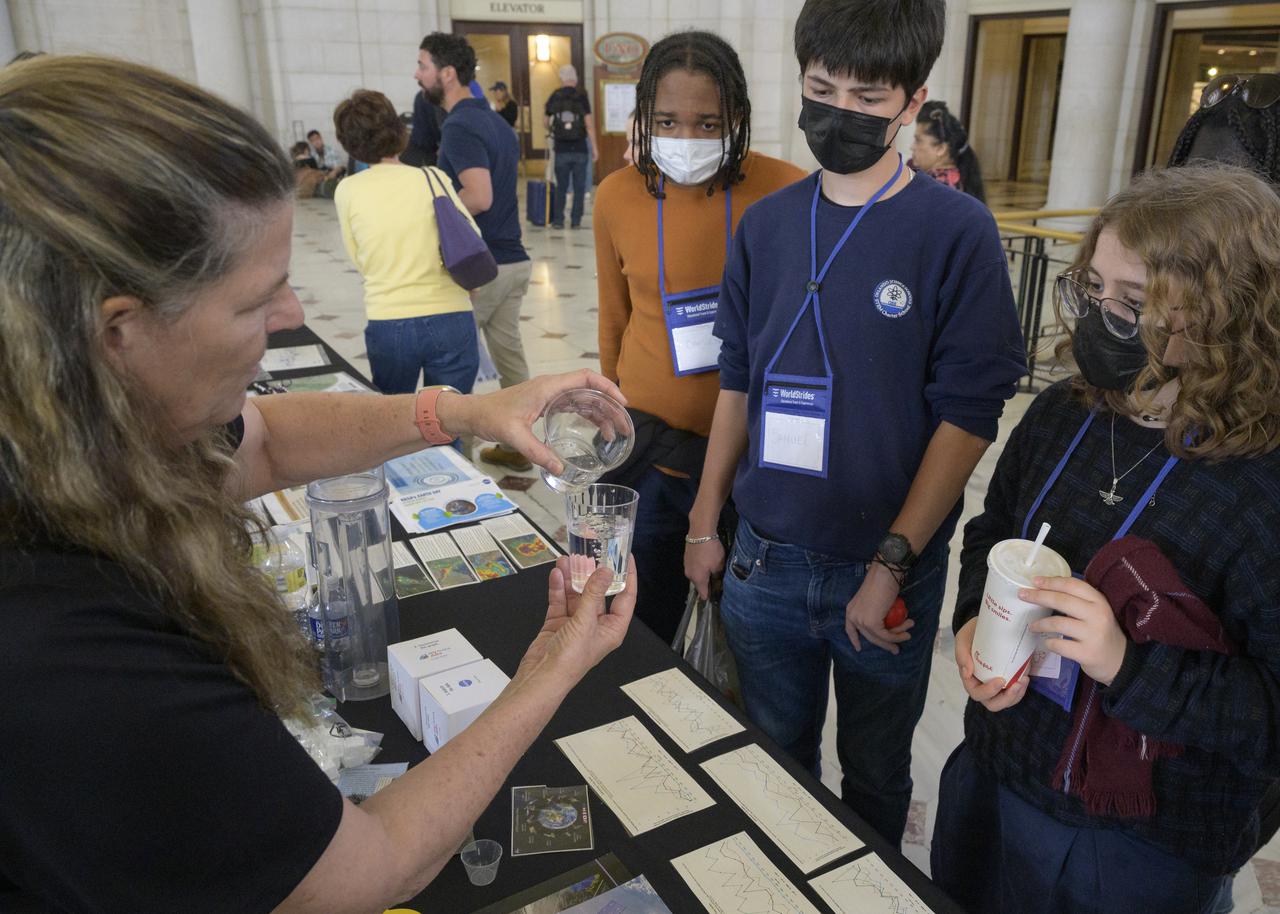
Visitors explore NASA’s hands-on exhibits during Earth Day, Friday, April 22, 2022, at Union Station in Washington. Photo Credit: (NASA/Bill Ingalls)

Visitors explore NASA’s hands-on exhibits during Earth Day, Friday, April 22, 2022, at Union Station in Washington. Photo Credit: (NASA/Bill Ingalls)
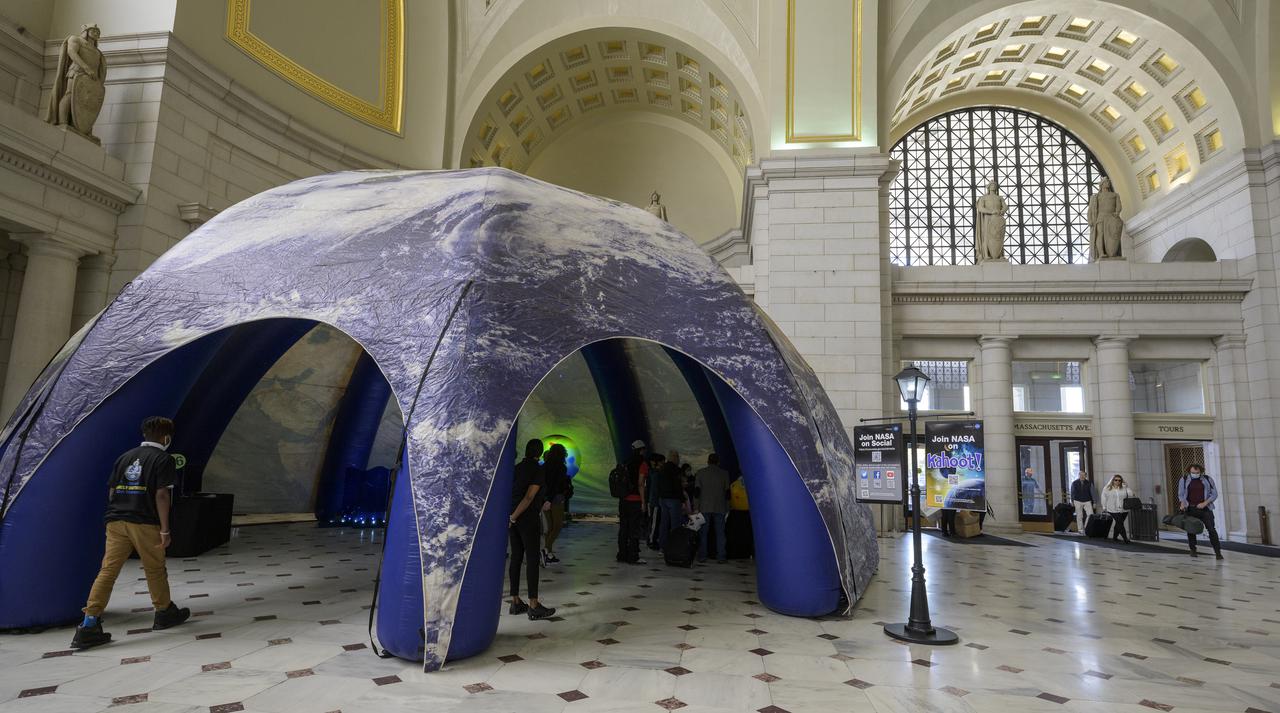
Visitors explore NASA’s hands-on exhibits during Earth Day, Friday, April 22, 2022, at Union Station in Washington. Photo Credit: (NASA/Bill Ingalls)
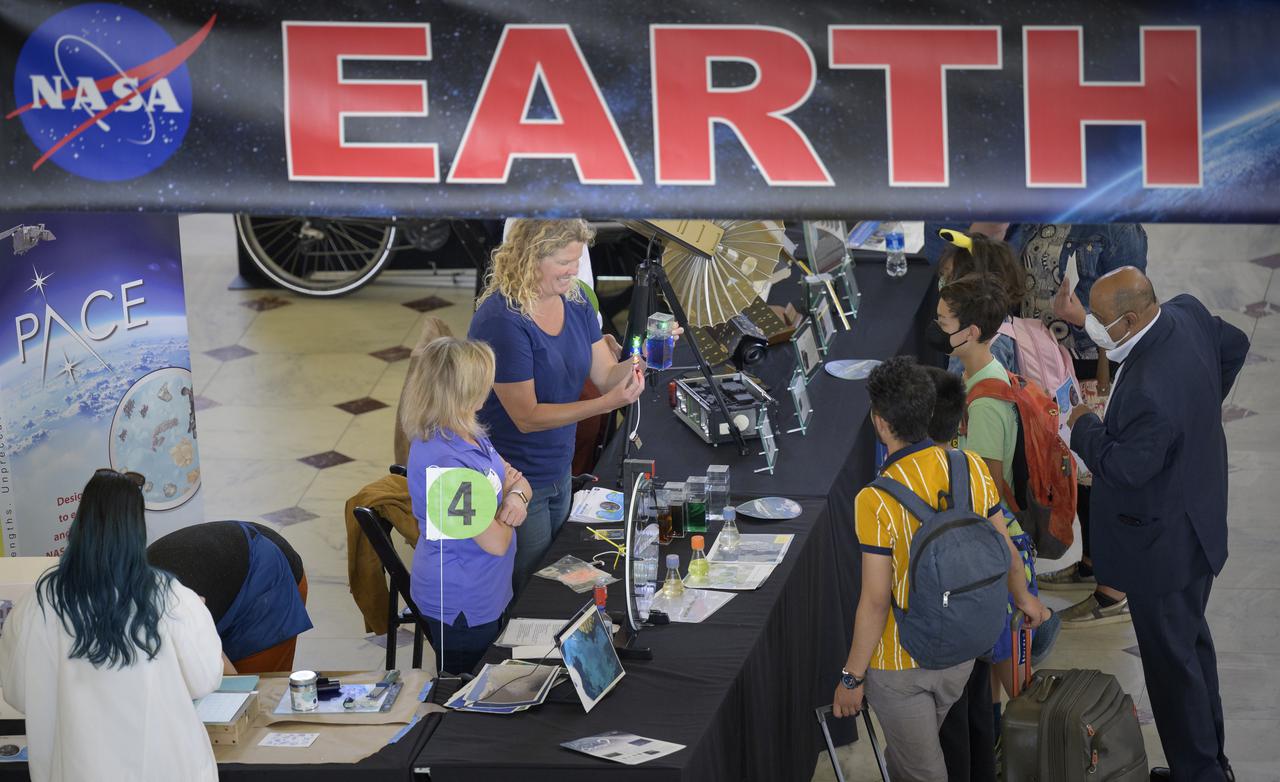
Visitors explore NASA’s hands-on exhibits during Earth Day, Friday, April 22, 2022, at Union Station in Washington. Photo Credit: (NASA/Bill Ingalls)
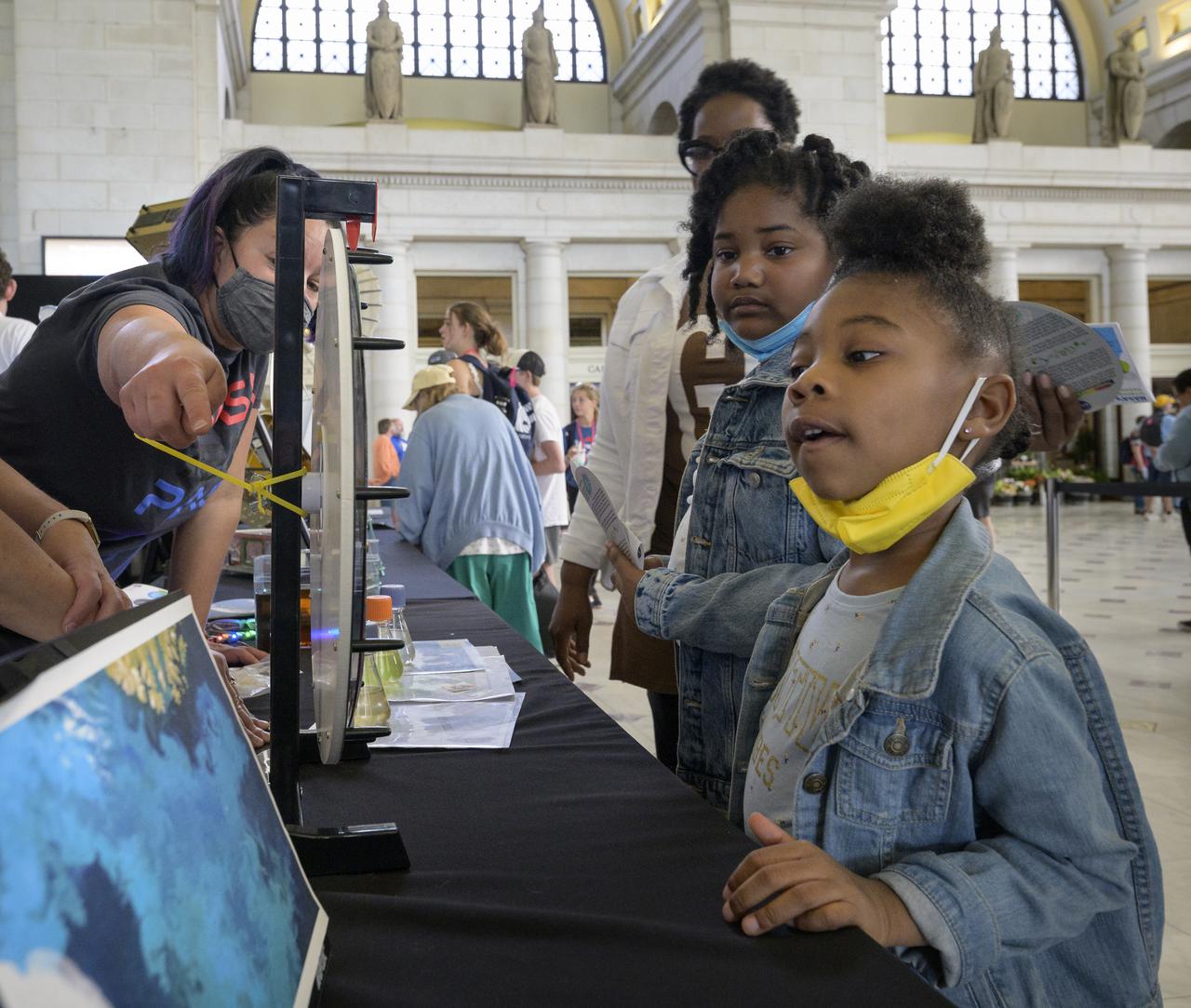
Visitors explore NASA’s hands-on exhibits during Earth Day, Friday, April 22, 2022, at Union Station in Washington. Photo Credit: (NASA/Bill Ingalls)
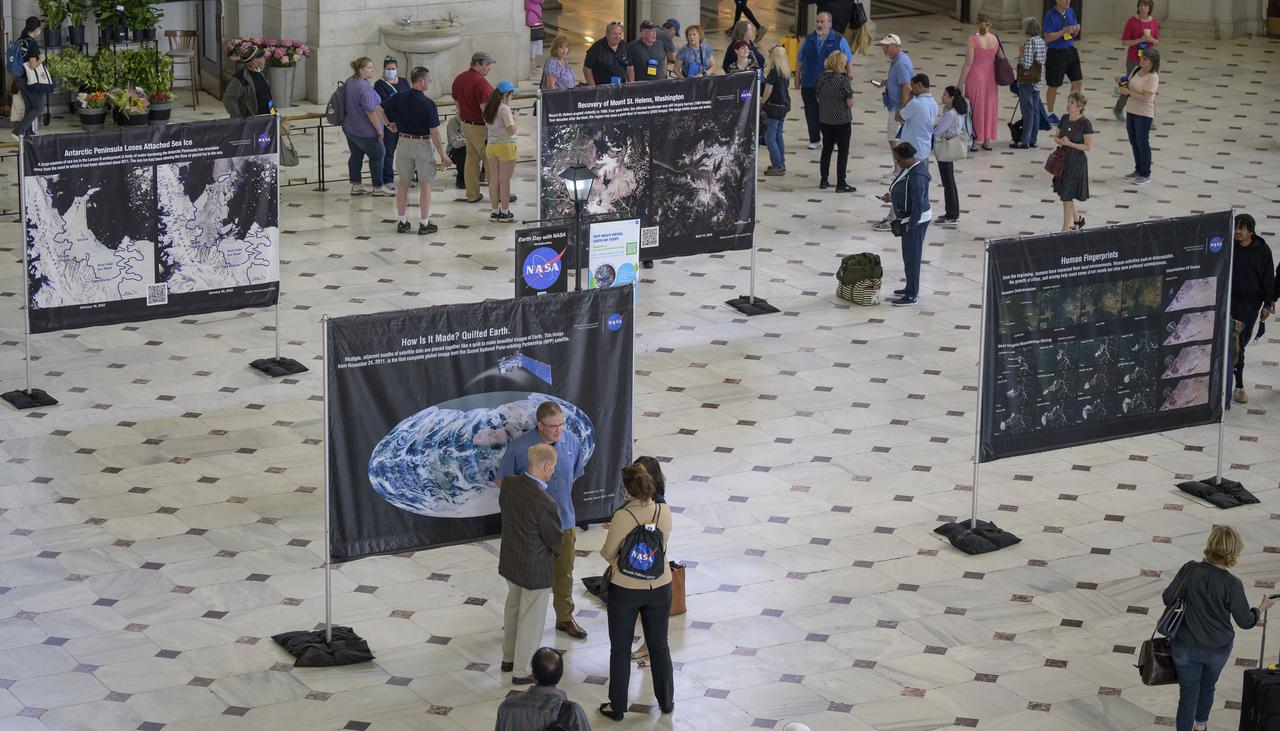
Visitors explore NASA’s hands-on exhibits during Earth Day, Friday, April 22, 2022, at Union Station in Washington. Photo Credit: (NASA/Bill Ingalls)
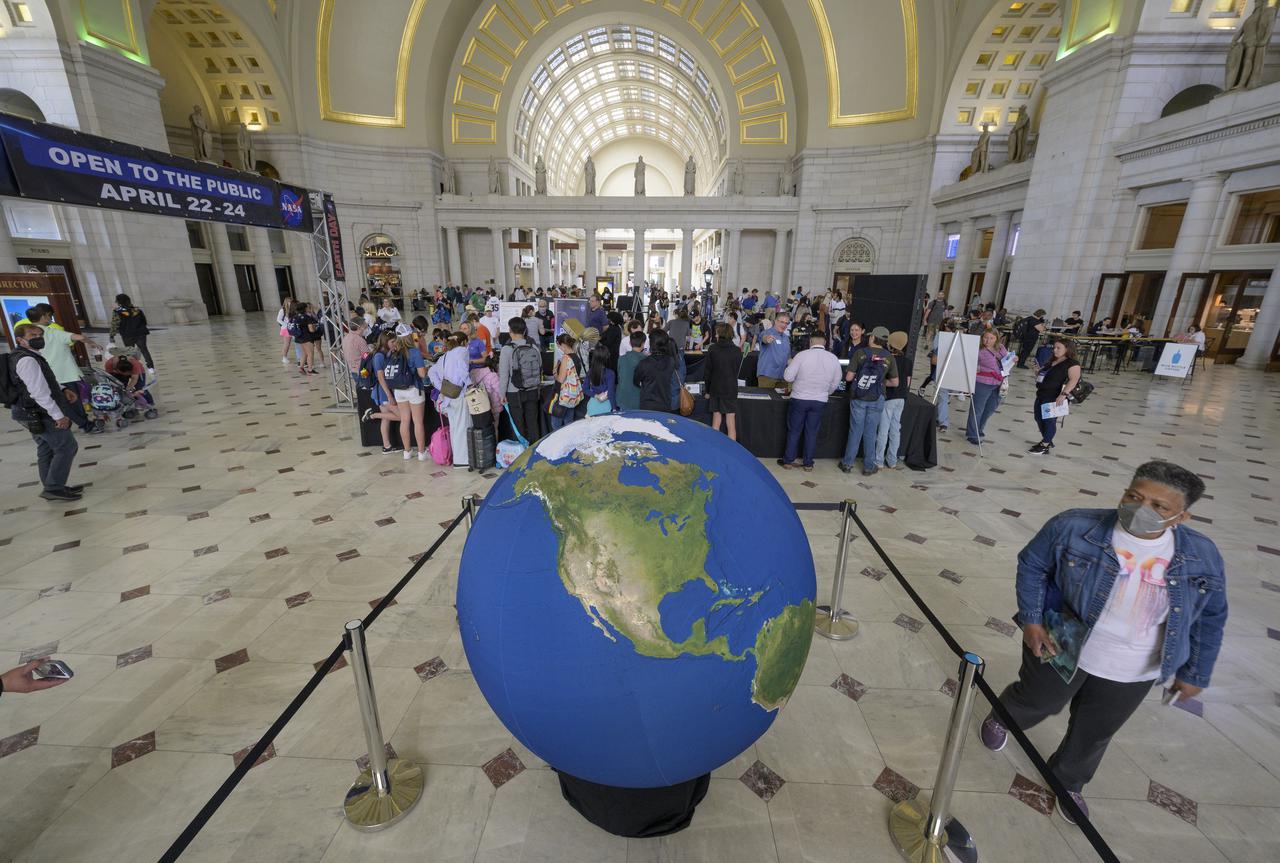
Visitors explore NASA’s hands-on exhibits during Earth Day, Friday, April 22, 2022, at Union Station in Washington. Photo Credit: (NASA/Bill Ingalls)