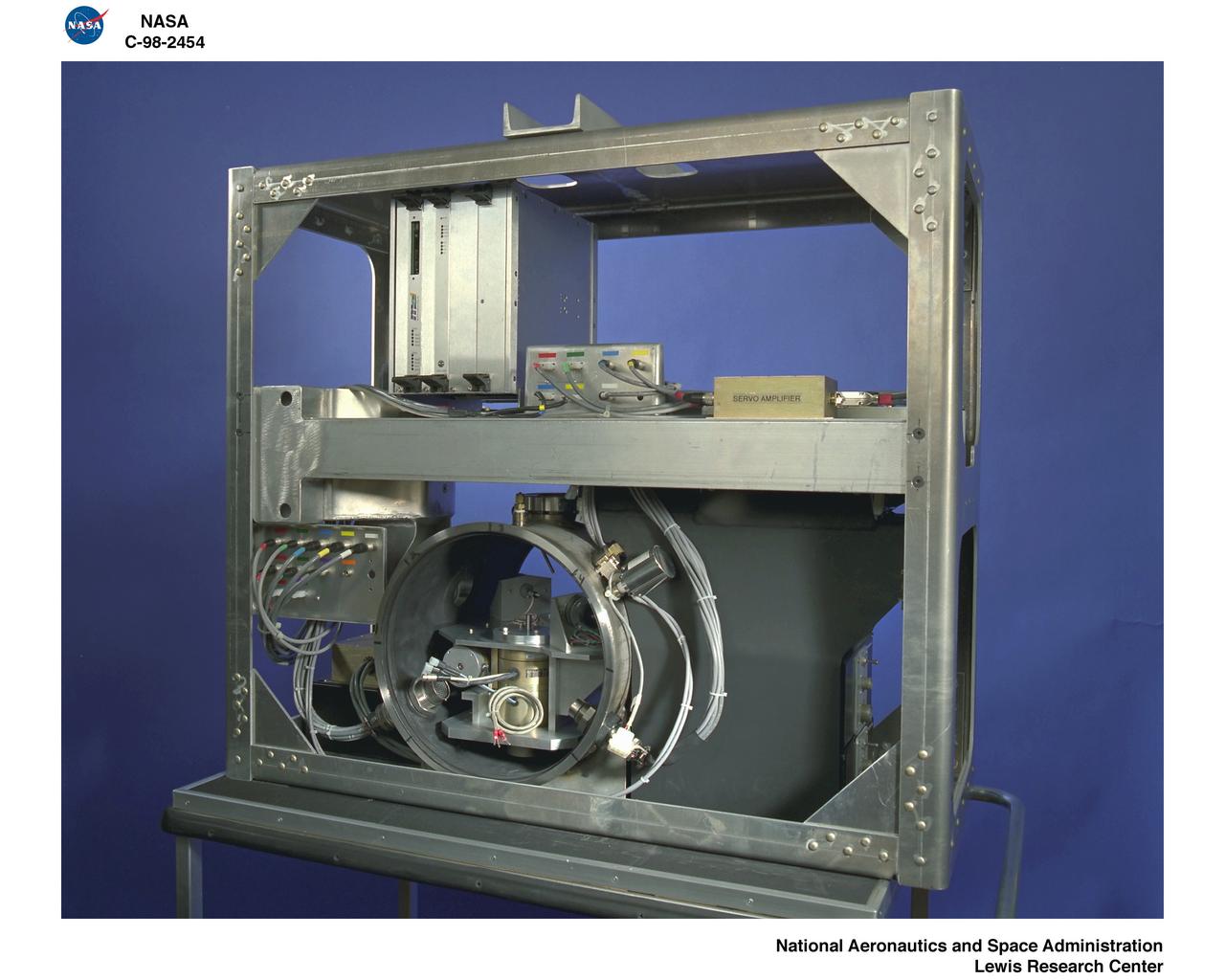
DROPLET COMBUSTION EXPERIMENT DCE DROP RIG
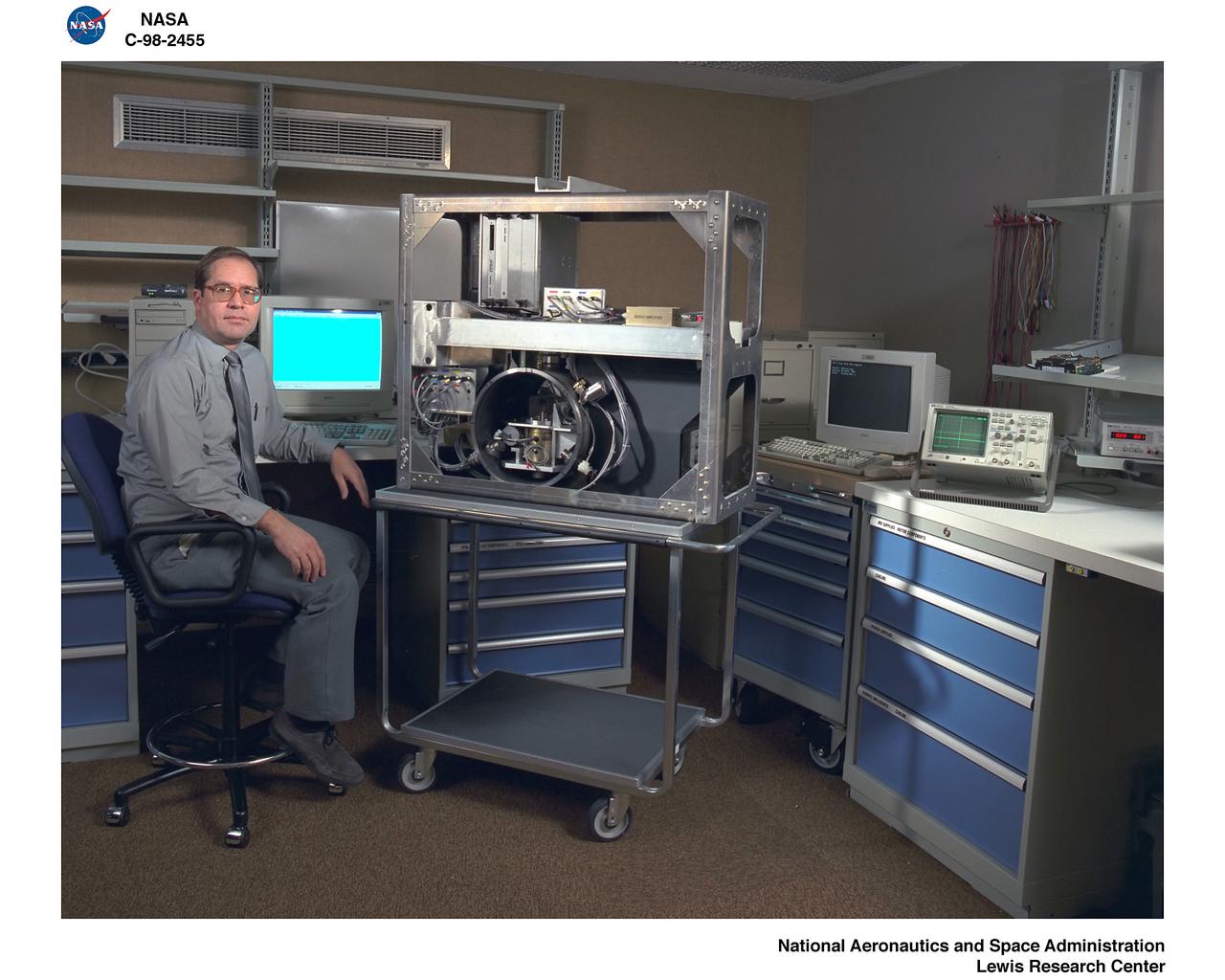
DROPLET COMBUSTION EXPERIMENT DCE DROP RIG

FAST QUIET EXPERIMENT TEST ON THE MACH 3 BURNER RIG
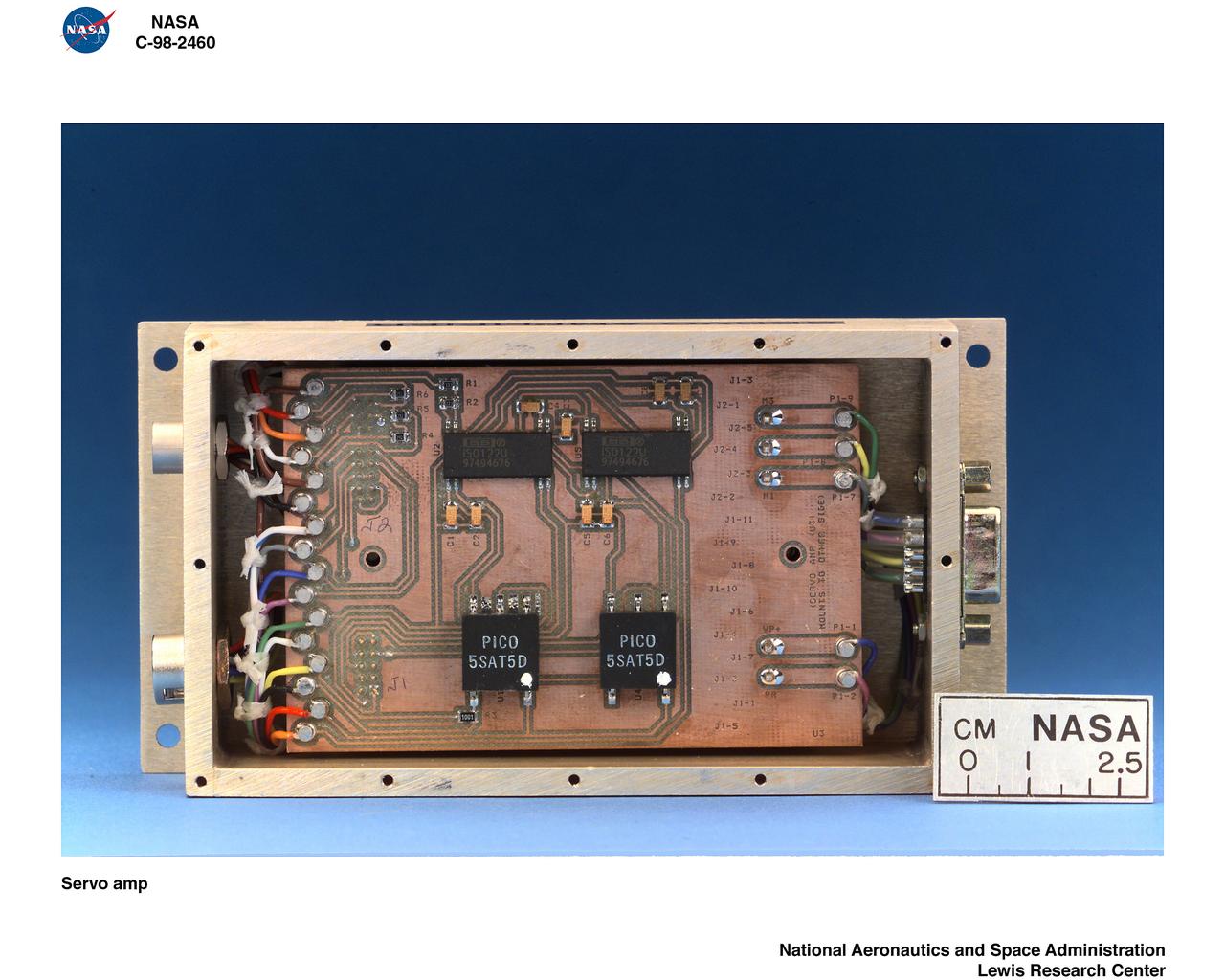
DROPLET COMBUSTION EXPERIMENT DCE DROP RIG SUB COMPONENTS IGNITOR FUEL DISPENSER MOTOR 2 PC BOARDS

DROPLET COMBUSTION EXPERIMENT DCE DROP RIG SUB COMPONENTS IGNITOR FUEL DISPENSER MOTOR 2 PC BOARDS
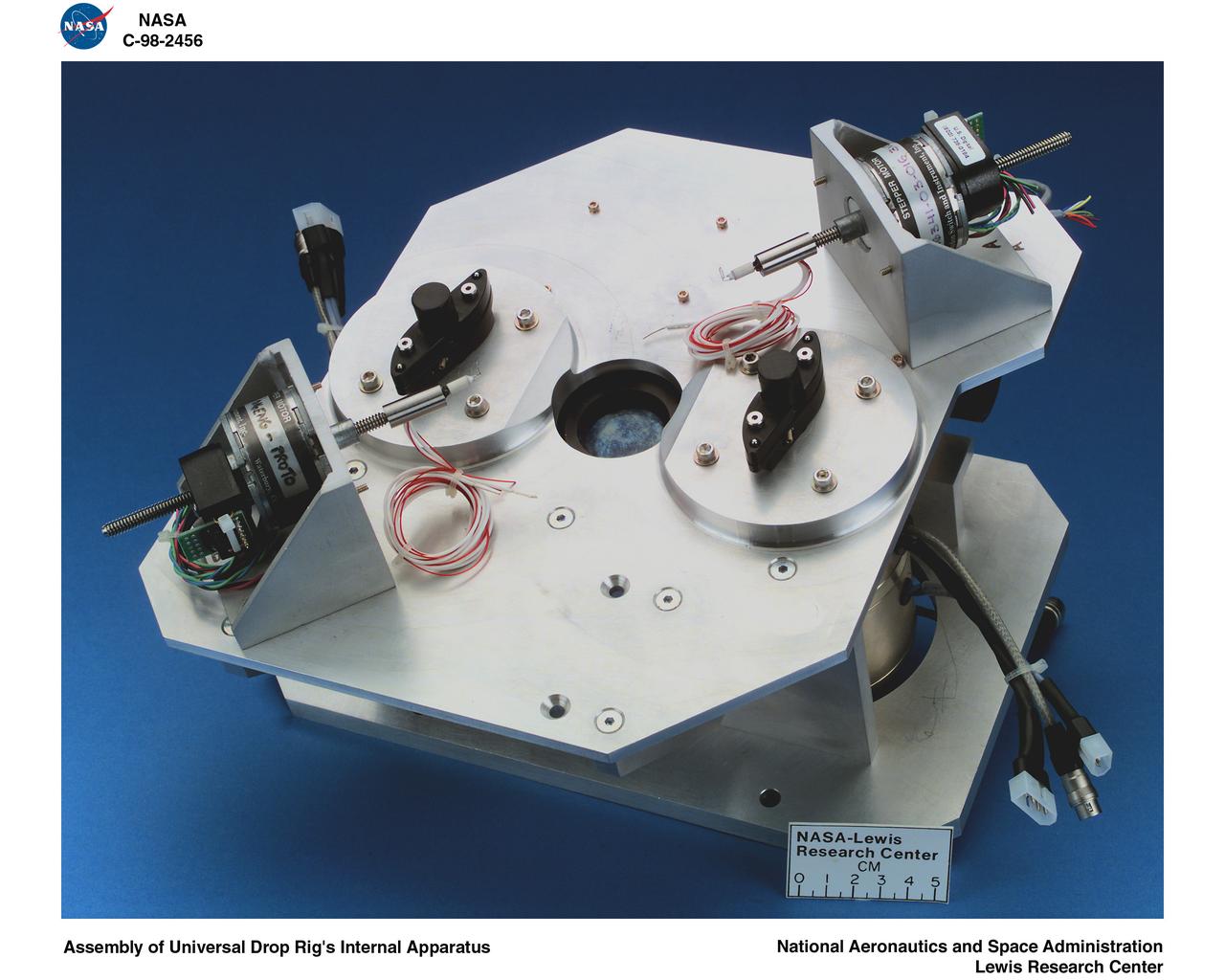
DROPLET COMBUSTION EXPERIMENT DCE DROP RIG SUB COMPONENTS IGNITOR FUEL DISPENSER MOTOR 2 PC BOARDS
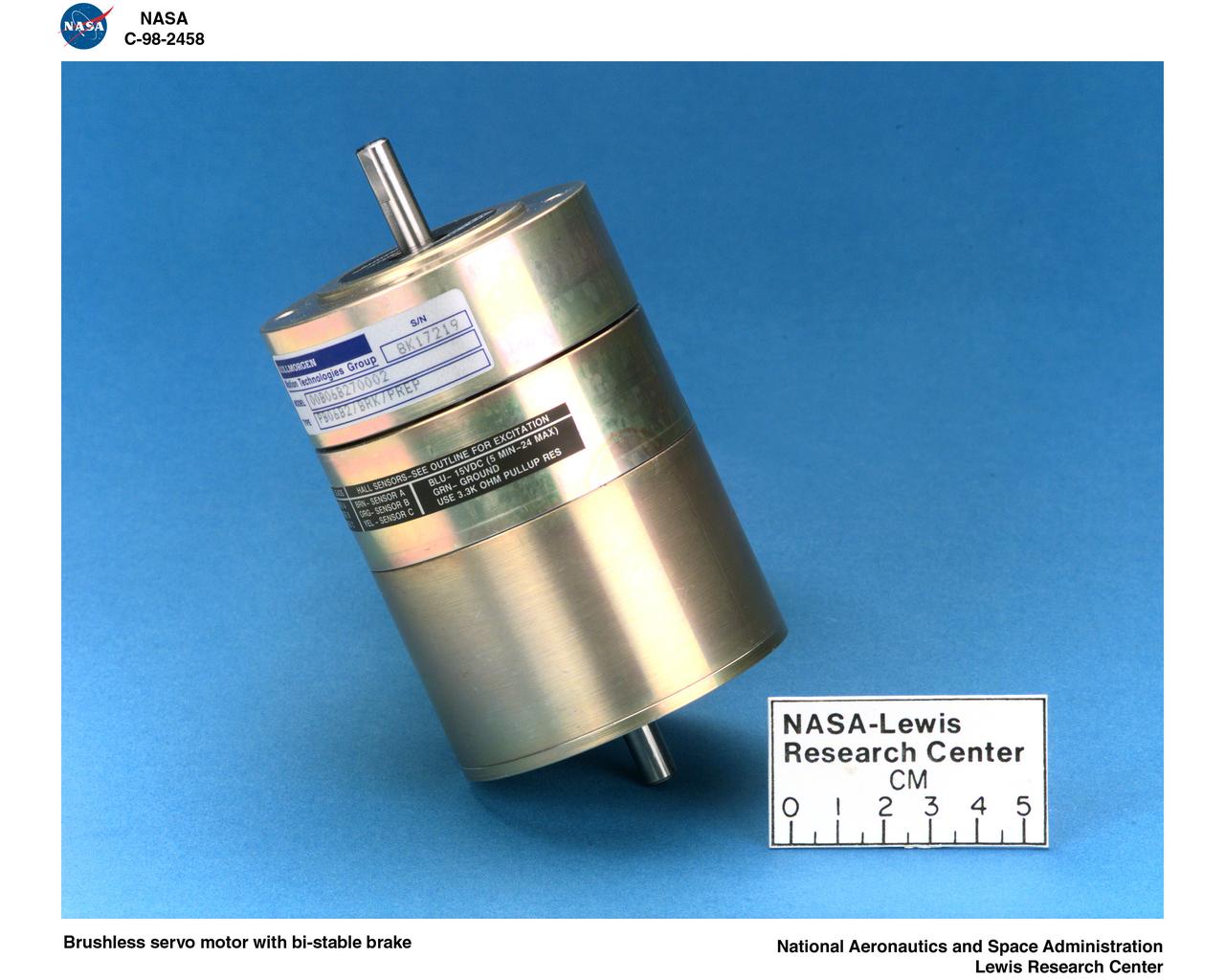
DROPLET COMBUSTION EXPERIMENT DCE DROP RIG SUB COMPONENTS IGNITOR FUEL DISPENSER MOTOR 2 PC BOARDS
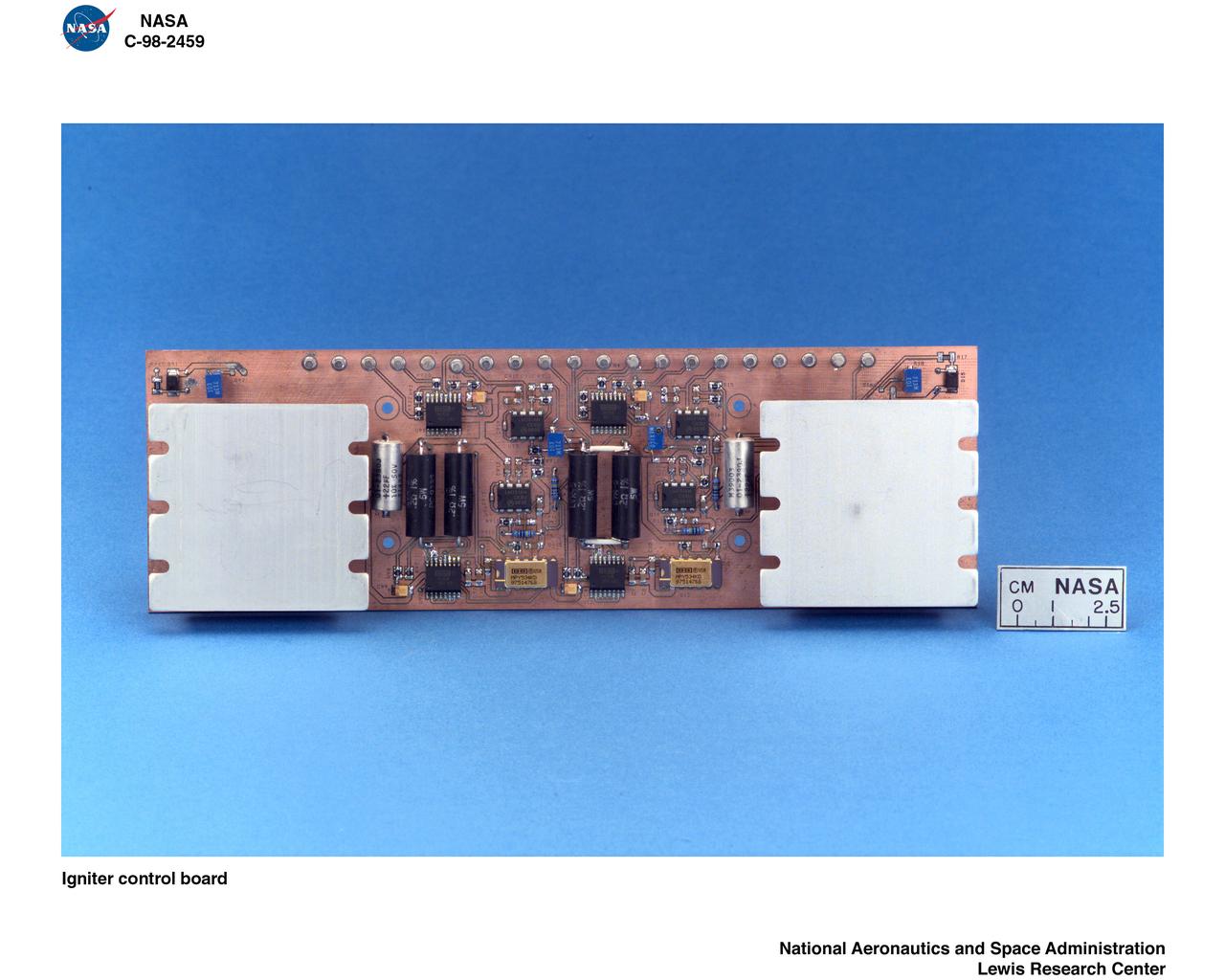
DROPLET COMBUSTION EXPERIMENT DCE DROP RIG SUB COMPONENTS IGNITOR FUEL DISPENSER MOTOR 2 PC BOARDS
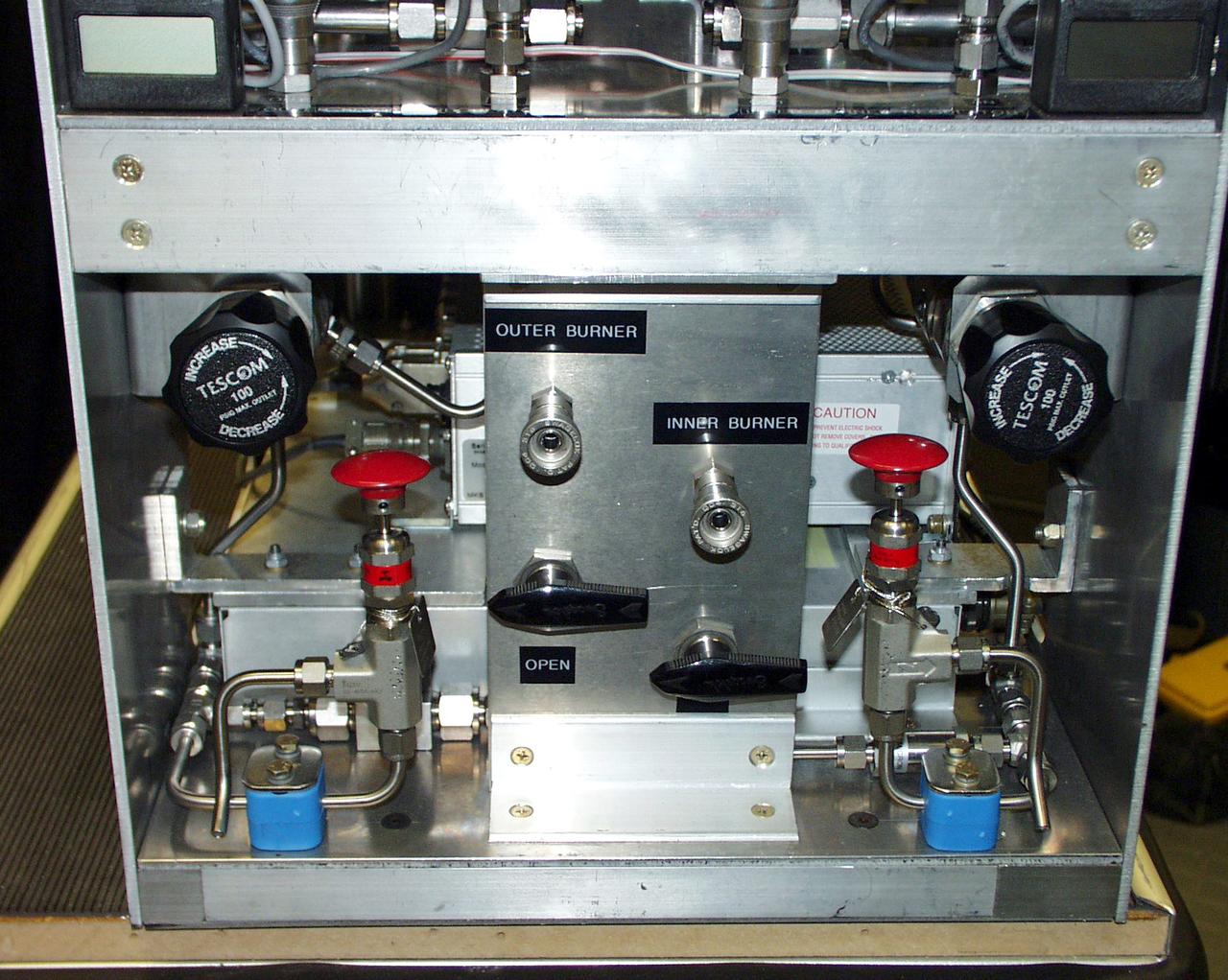
Interior of a combustion experiment apparatus used in the 2.2-second drop tower at NASA's Glenn Research Center. This was shown to students participating in the second Dropping in a Microgravity Environment (DIME) competition held April 23-25, 2002, at NASA's Glenn Research Center. Competitors included two teams from Sycamore High School, Cincinnati, OH, and one each from Bay High School, Bay Village, OH, and COSI Academy, Columbus, OH. DIME is part of NASA's education and outreach activities. Details are on line at http://microgravity.grc.nasa.gov/DIME_2002.html.
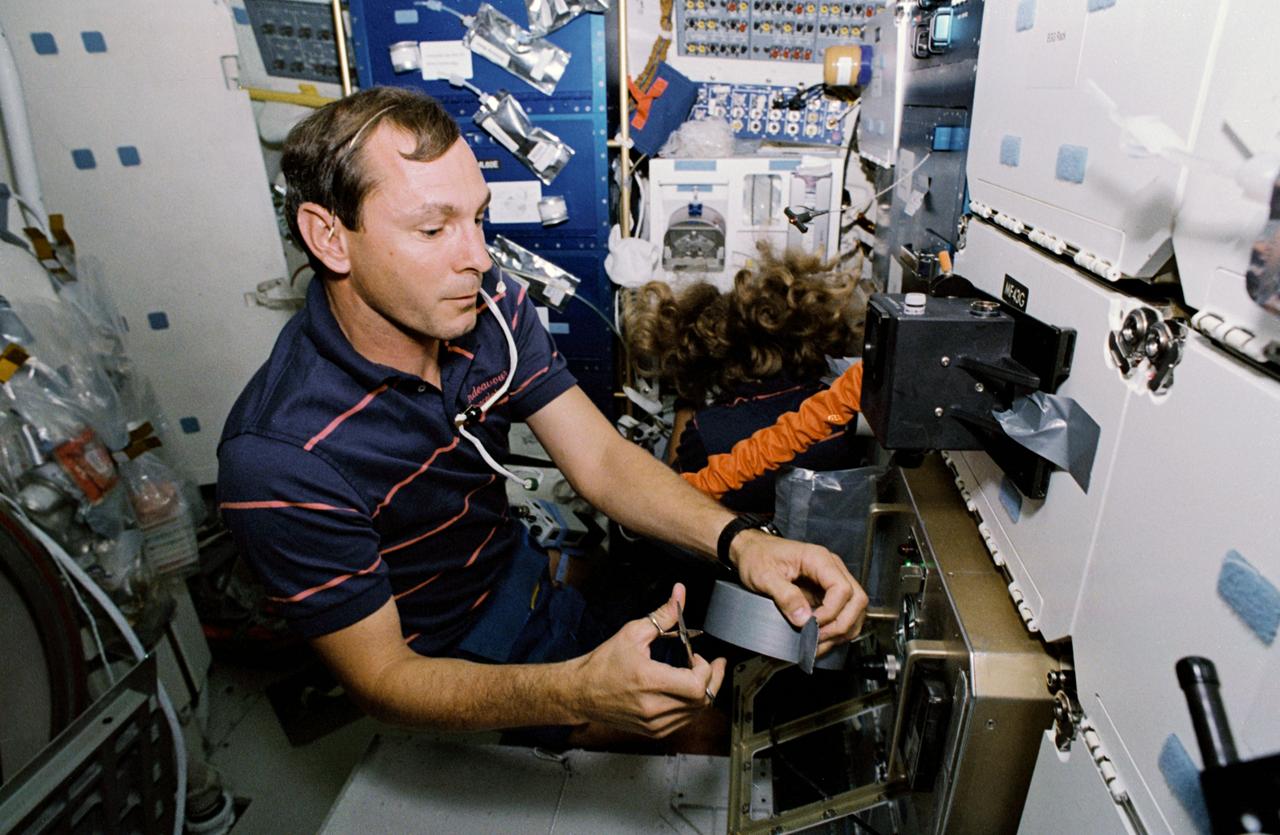
STS047-35-022 (12 - 20 Sept 1992) --- Astronauts Curtis L. Brown, Jr., pilot, and N. Jan Davis, mission specialist, team up to cure a high humidity problem in the hornet experiment in the Spacelab-J Science Module of the Earth-orbiting Space Shuttle Endeavour. Via a jury-rigged hose hook-up, the two were able to blow air from a spacesuit fan into the experiment, thus eliminating condensation that obscured the viewing of the Israeli hornet experiment. The experiment examined the effects of microgravity on the orientation, reproductive capability and social activity of 180 female Oriental Hornets.
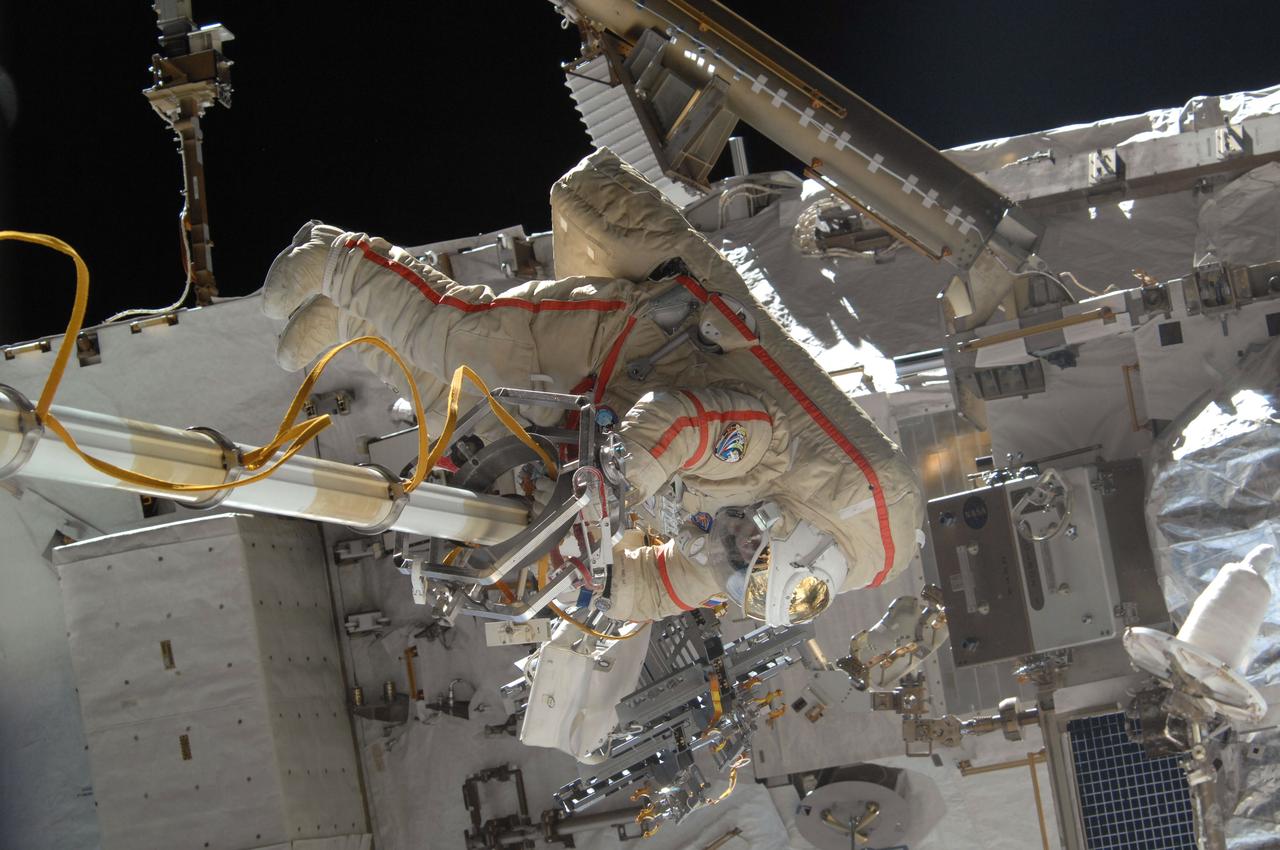
ISS036-E-033166 (16 Aug. 2013) --- Russian cosmonaut Fyodor Yurchikhin, Expedition 36 flight engineer, attired in a Russian Orlan spacesuit, participates in a session of extravehicular activity (EVA) to continue outfitting the International Space Station. During the seven-hour, 29-minute spacewalk ? the longest ever conducted by a pair of Russian cosmonauts ? Yurchikhin and Alexander Misurkin (out of frame) rigged cables for the future arrival of a Russian laboratory module and installed an experiment panel.
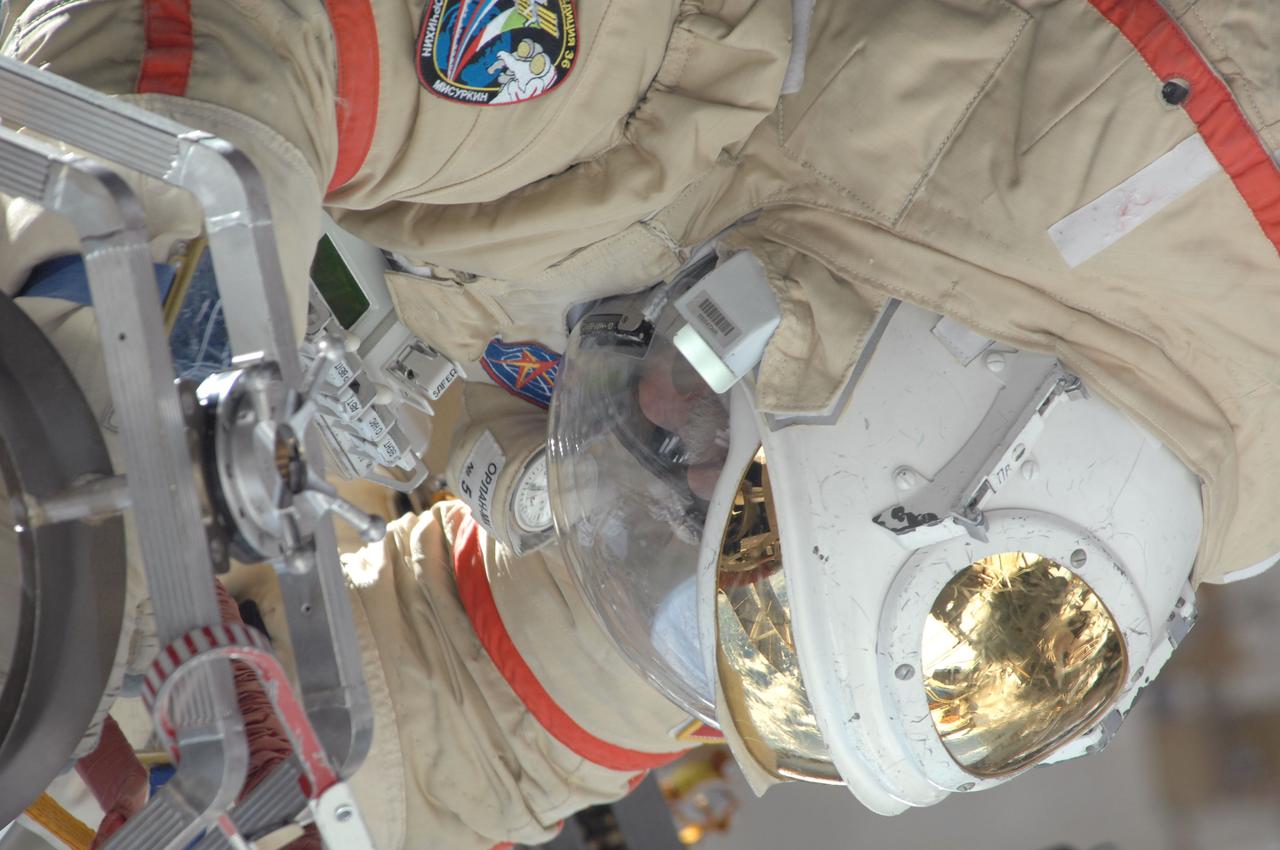
ISS036-E-033158 (16 Aug. 2013) --- Russian cosmonaut Fyodor Yurchikhin, Expedition 36 flight engineer, attired in a Russian Orlan spacesuit, participates in a session of extravehicular activity (EVA) to continue outfitting the International Space Station. During the seven-hour, 29-minute spacewalk ? the longest ever conducted by a pair of Russian cosmonauts ? Yurchikhin and Alexander Misurkin (out of frame) rigged cables for the future arrival of a Russian laboratory module and installed an experiment panel.
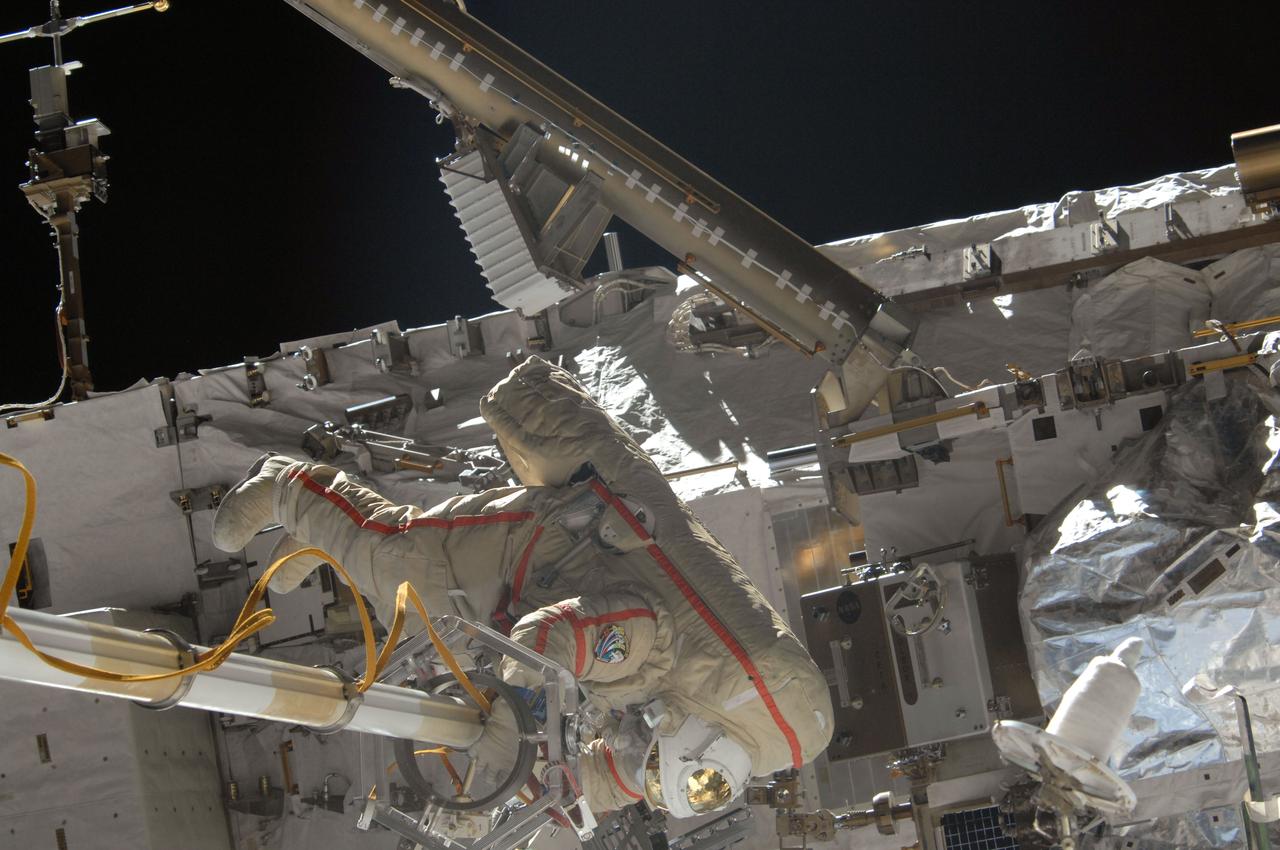
ISS036-E-033161 (16 Aug. 2013) --- Russian cosmonaut Fyodor Yurchikhin, Expedition 36 flight engineer, attired in a Russian Orlan spacesuit, participates in a session of extravehicular activity (EVA) to continue outfitting the International Space Station. During the seven-hour, 29-minute spacewalk ? the longest ever conducted by a pair of Russian cosmonauts ? Yurchikhin and Alexander Misurkin (out of frame) rigged cables for the future arrival of a Russian laboratory module and installed an experiment panel.
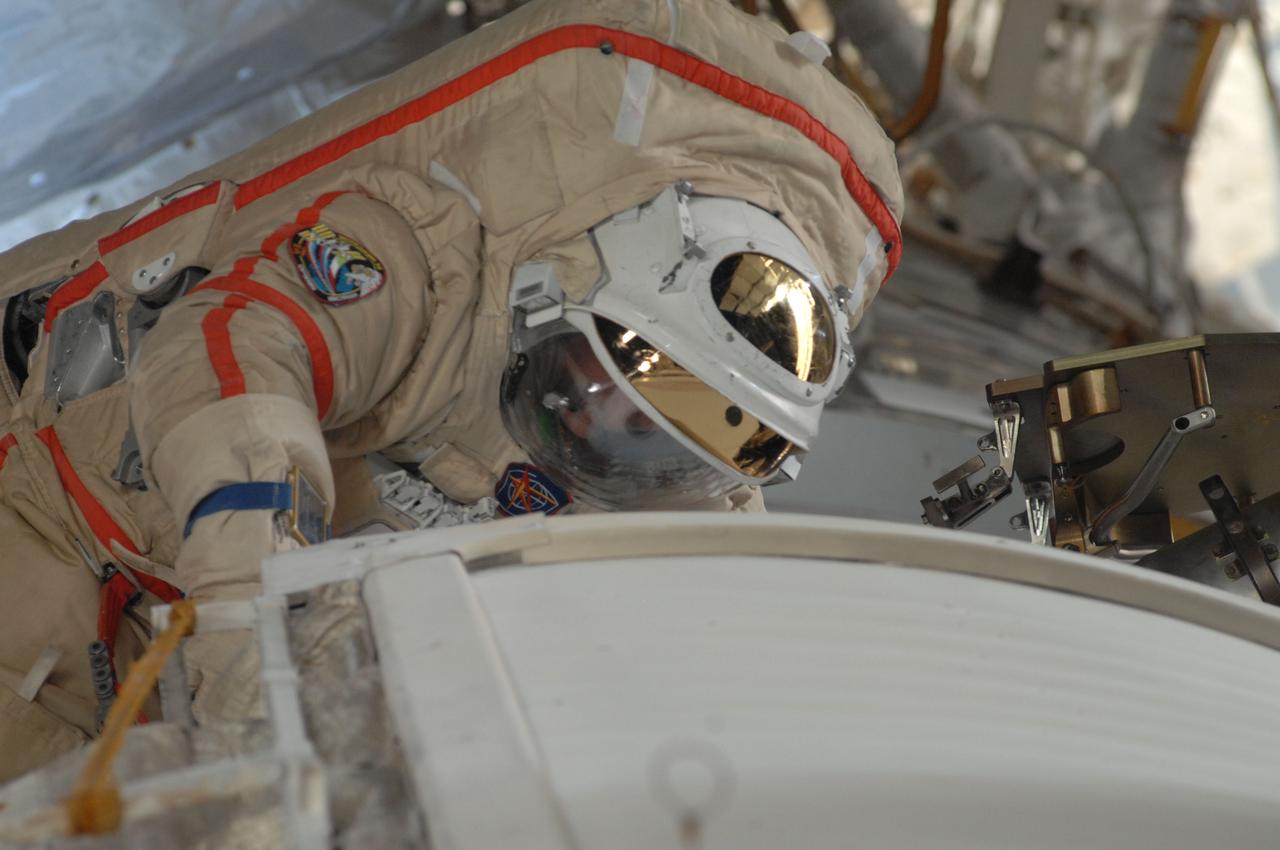
ISS036-E-033109 (16 Aug. 2013) --- Russian cosmonaut Fyodor Yurchikhin, Expedition 36 flight engineer, attired in a Russian Orlan spacesuit, participates in a session of extravehicular activity (EVA) to continue outfitting the International Space Station. During the seven-hour, 29-minute spacewalk ? the longest ever conducted by a pair of Russian cosmonauts ? Yurchikhin and Alexander Misurkin (out of frame) rigged cables for the future arrival of a Russian laboratory module and installed an experiment panel.
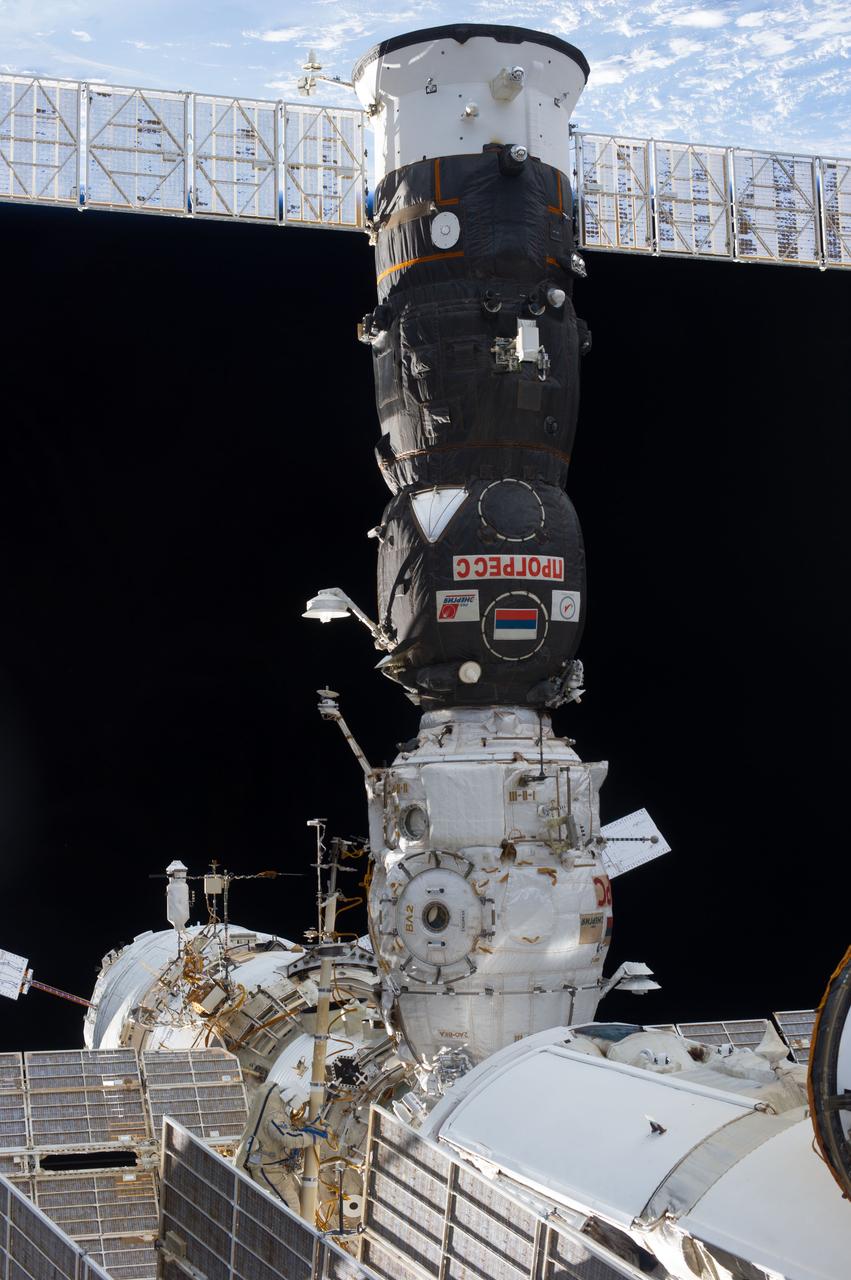
ISS036-E-033402 (16 Aug. 2013) --- Russian cosmonaut Alexander Misurkin (lower left), Expedition 36 flight engineer, attired in a Russian Orlan spacesuit, participates in a session of extravehicular activity (EVA) to continue outfitting the International Space Station. During the seven-hour, 29-minute spacewalk ? the longest ever conducted by a pair of Russian cosmonauts ? Misurkin and Fyodor Yurchikhin (out of frame) rigged cables for the future arrival of a Russian laboratory module and installed an experiment panel.
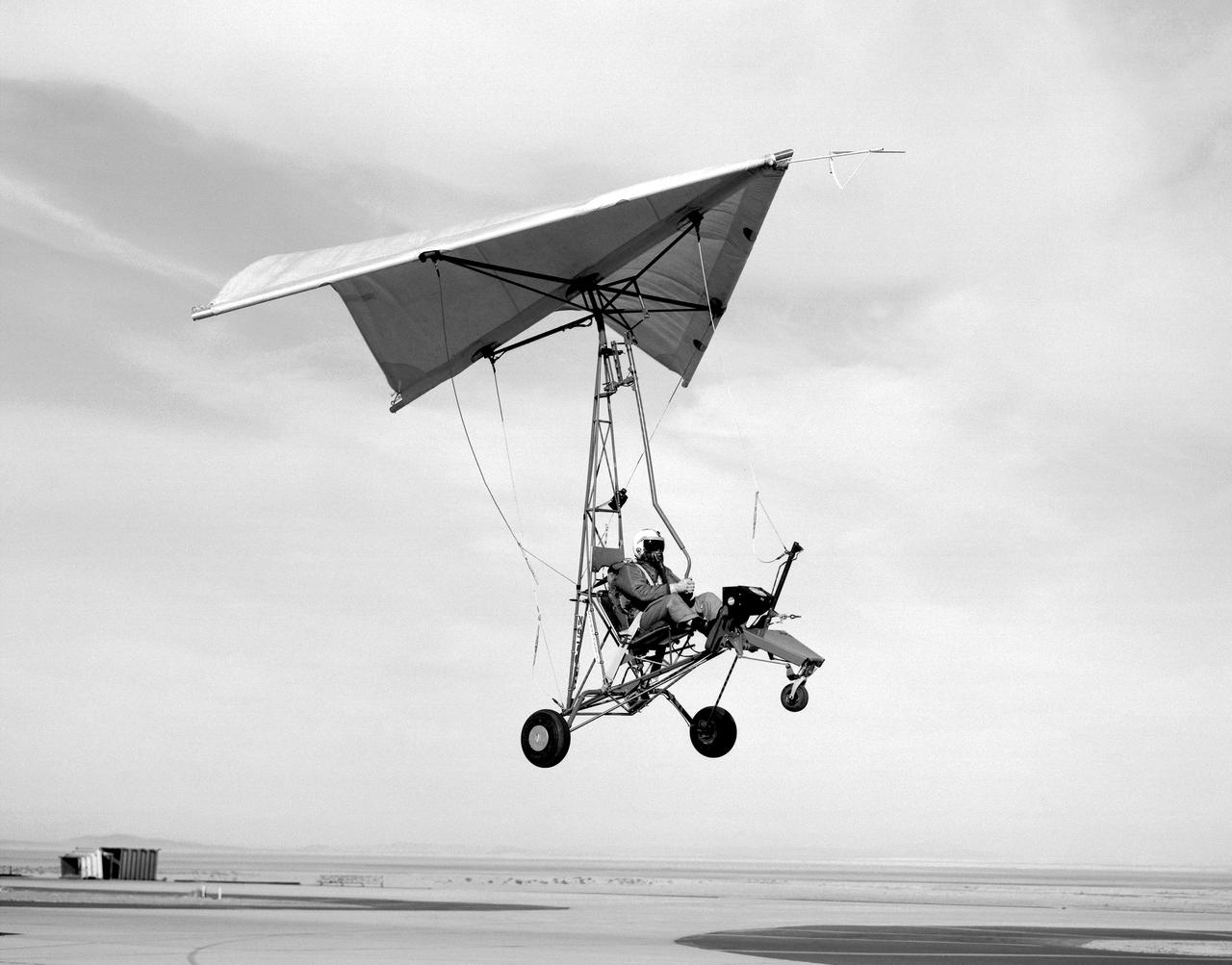
Pilot and Paresev 1 preparing for a landing on the Rogers dry lakebed in 1962 at Edwards Air Force Base, California. The flight program began with ground tow tests. Several tows were made before liftoff was attempted to check the control rigging and to familiarize the pilot with the vehicle’s ground stability. As the pilot’s confidence and experience increased, tow speeds were also increased until liftoff was attained. Liftoff was at about 40 knots indicated airspeed (kias).
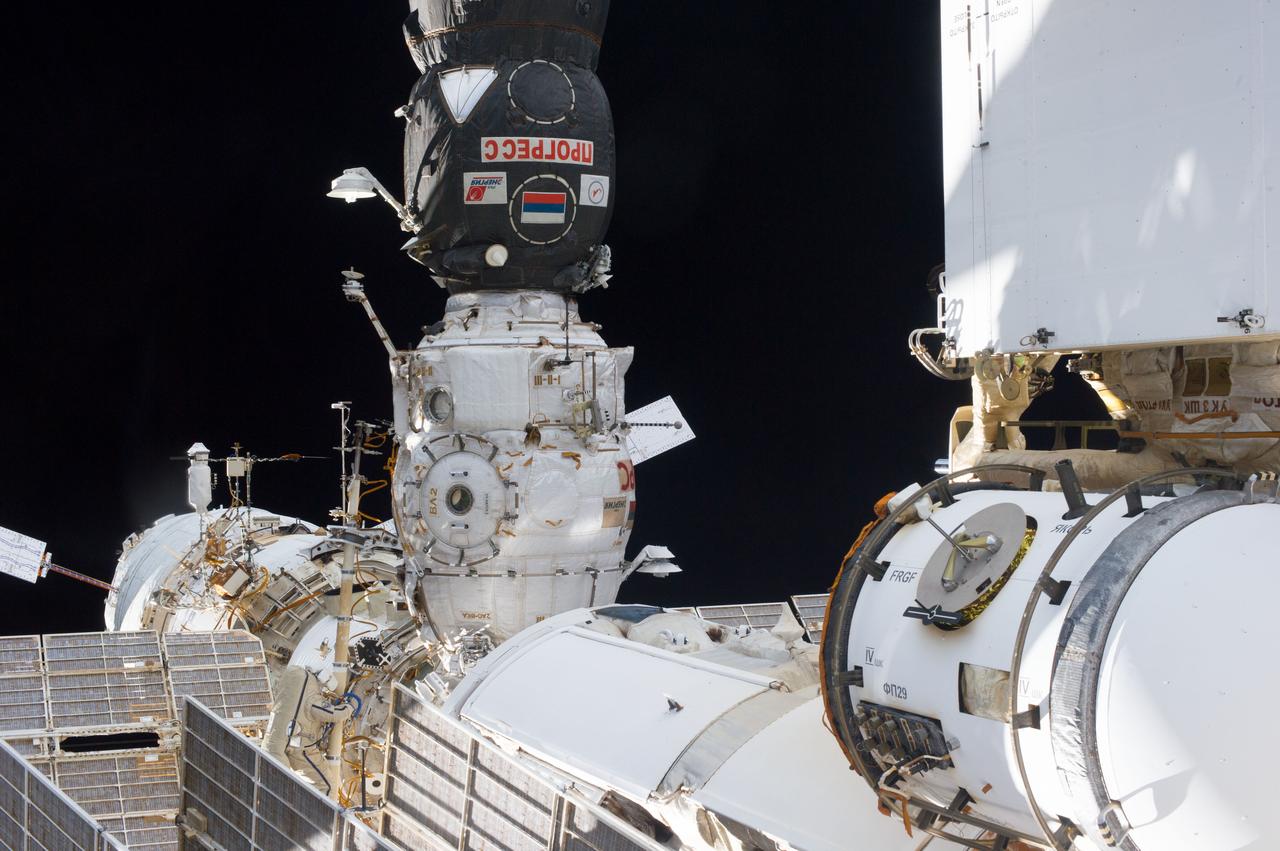
ISS036-E-033400 (16 Aug. 2013) --- Russian cosmonaut Alexander Misurkin (lower left), Expedition 36 flight engineer, attired in a Russian Orlan spacesuit, participates in a session of extravehicular activity (EVA) to continue outfitting the International Space Station. During the seven-hour, 29-minute spacewalk ? the longest ever conducted by a pair of Russian cosmonauts ? Misurkin and Fyodor Yurchikhin (out of frame) rigged cables for the future arrival of a Russian laboratory module and installed an experiment panel.

ISS036-E-033058 (16 Aug. 2013) --- Russian cosmonaut Alexander Misurkin, Expedition 36 flight engineer, attired in a Russian Orlan spacesuit, participates in a session of extravehicular activity (EVA) to continue outfitting the International Space Station. During the seven-hour, 29-minute spacewalk ? the longest ever conducted by a pair of Russian cosmonauts ? Misurkin and Fyodor Yurchikhin (out of frame) rigged cables for the future arrival of a Russian laboratory module and installed an experiment panel.
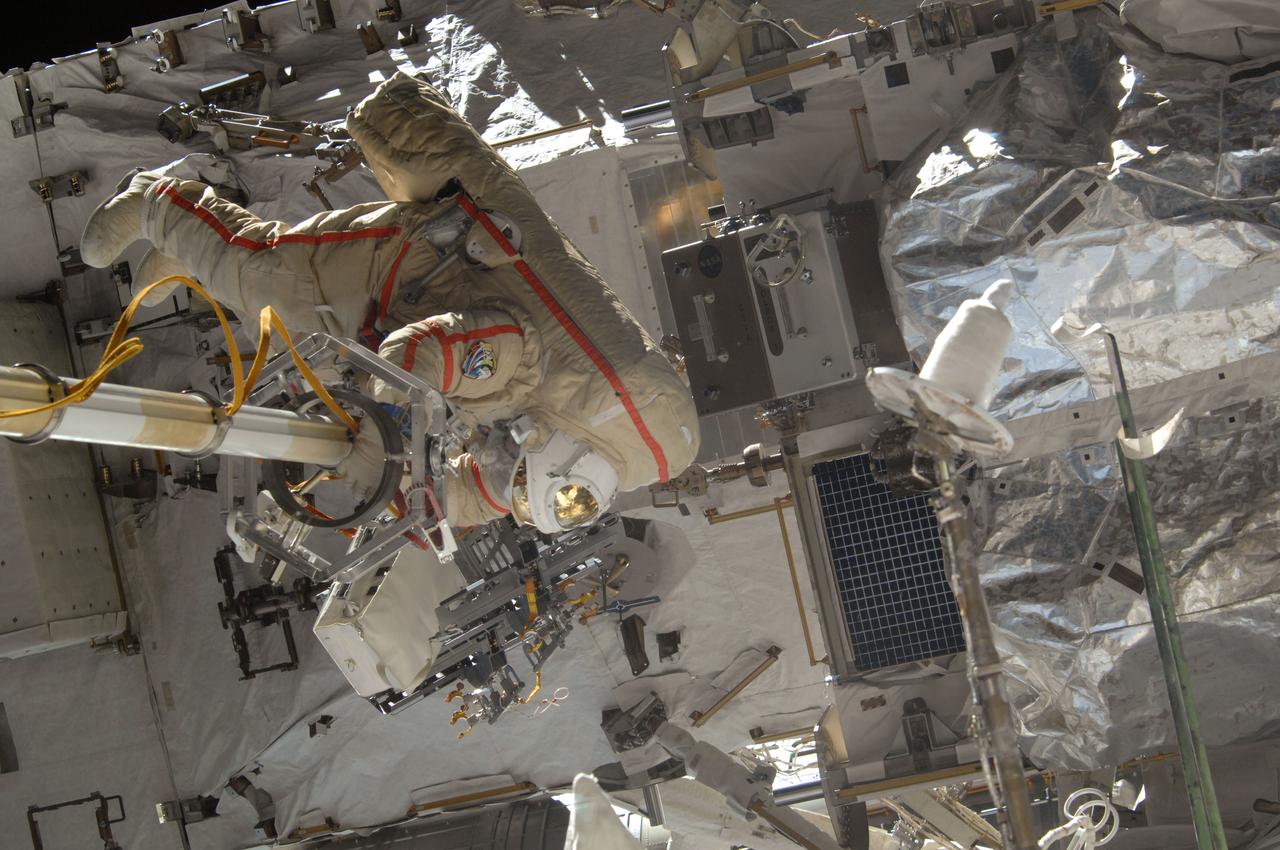
ISS036-E-033160 (16 Aug. 2013) --- Russian cosmonaut Fyodor Yurchikhin, Expedition 36 flight engineer, attired in a Russian Orlan spacesuit, participates in a session of extravehicular activity (EVA) to continue outfitting the International Space Station. During the seven-hour, 29-minute spacewalk ? the longest ever conducted by a pair of Russian cosmonauts ? Yurchikhin and Alexander Misurkin (out of frame) rigged cables for the future arrival of a Russian laboratory module and installed an experiment panel.
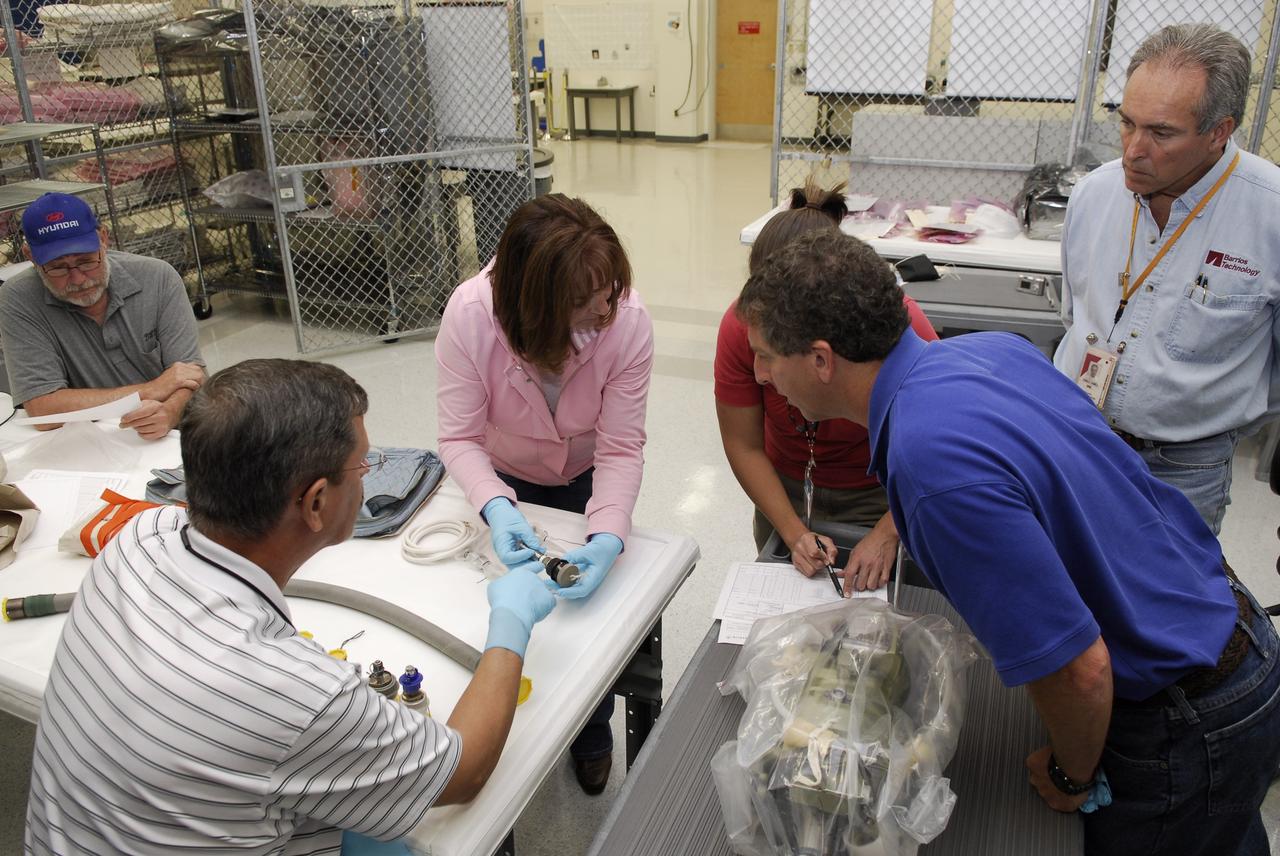
CAPE CANAVERAL, Fla. -- Replacement parts for the Zvezda service module toilet on the International Space Station are inspected following their arrival at Kennedy Space Center. The toilet malfunctioned last week and was initially repaired by replacing a microprocessor valve. After the station crew members experienced additional difficulties with the toilet, they were directed to use Soyuz toilet facilities at first and are using the main toilet again after rigging a urine bypass. The spare toilet parts have been added to space shuttle Discovery’s manifest for delivery to the station on the STS-124 mission. On the 14-day mission, Discovery and its crew will deliver the Japan Aerospace Exploration Agency's Japanese Experiment Module – Pressurized Module and the Japanese Remote Manipulator System. Launch is scheduled for 5:02 p.m. EDT May 31. Photo credit: NASA/Kim Shiflett
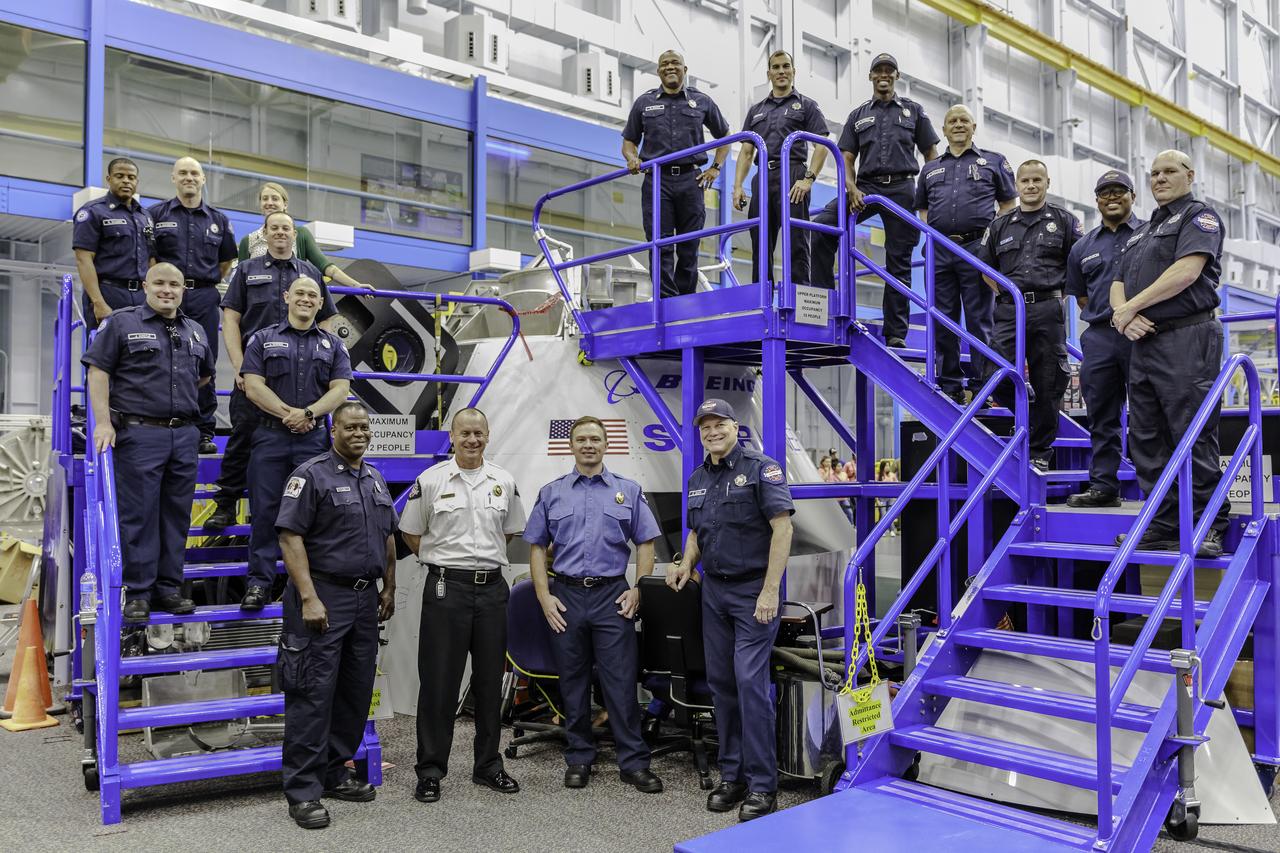
The Boeing extrication team train on the Boeing Mock-up Trainer from May 25 through May 28, 2018, at NASA's Johnson Space Center in Houston. The extrication team is comprised of firefighters from various U.S. Boeing sites. Each member of the team brings an expertise in Aerospace Confined Space Rescue, are Emergency Medical Technicians and have years of rescue experience. The team is highly motivated to getting the crew out quickly, safely and efficiently. The training at Johnson included suit training, side hatch egress, and Intravehicular Activity (IVA) rigging and egress. The week included a run for record on IVA egress for a testing requirement. Participants also included NASA Medical, the 45th Operations Group's Detachment 3, based at Patrick Air Force Base, and U.S. Air Force pararescue representation.
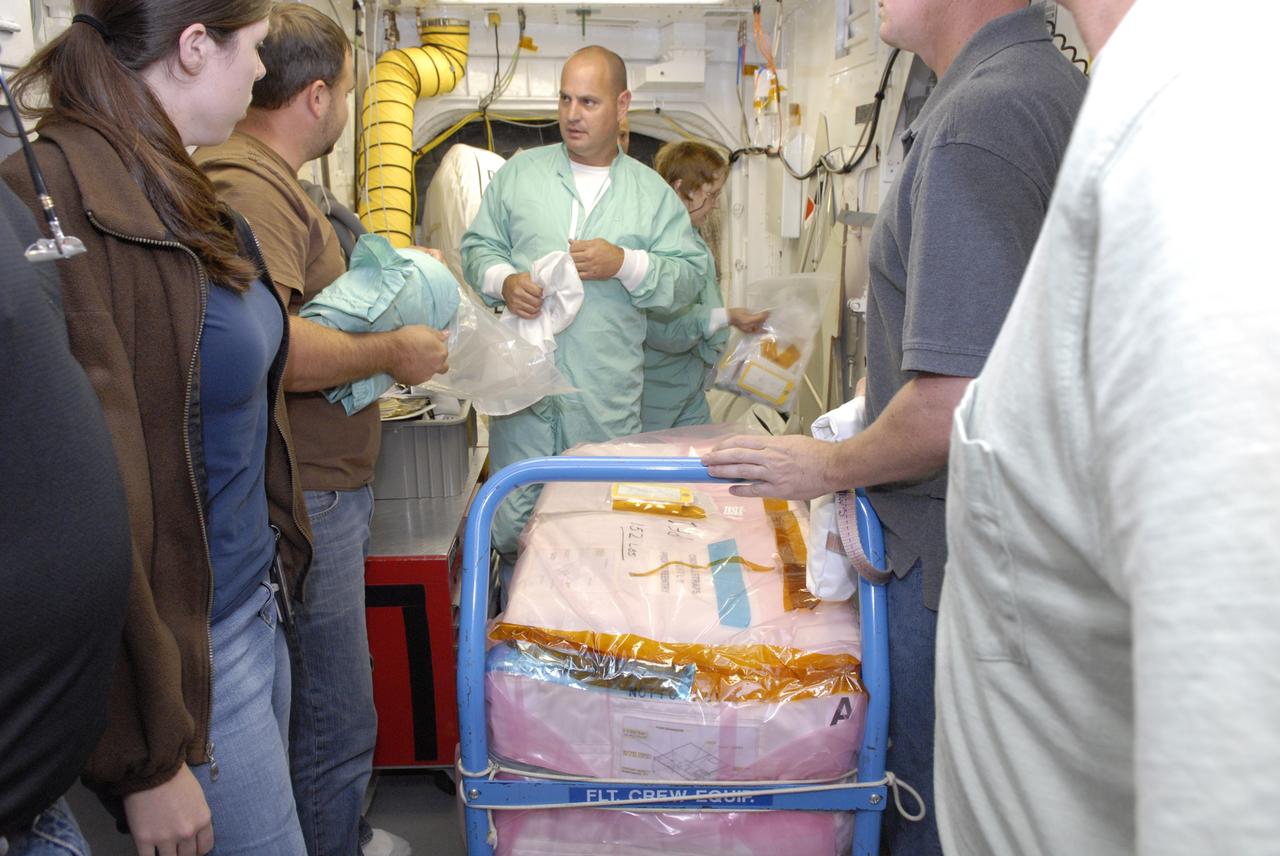
CAPE CANAVERAL, Fla. -- At Launch Pad 39A at Kennedy Space Center, replacement parts for the Zvezda service module toilet on the International Space Station are loaded aboard space shuttle Discovery. The toilet malfunctioned last week and was initially repaired by replacing a microprocessor valve. After the station crew members experienced additional difficulties with the toilet, they were directed to use Soyuz toilet facilities at first and are using the main toilet again after rigging a urine bypass. The spare toilet parts have been added to Discovery’s manifest for delivery to the station on the STS-124 mission. On the 14-day mission, Discovery and its crew will deliver the Japan Aerospace Exploration Agency's Japanese Experiment Module – Pressurized Module and the Japanese Remote Manipulator System. Launch is scheduled for 5:02 p.m. EDT May 31. Photo credit: NASA/Dimitri Gerondidakis
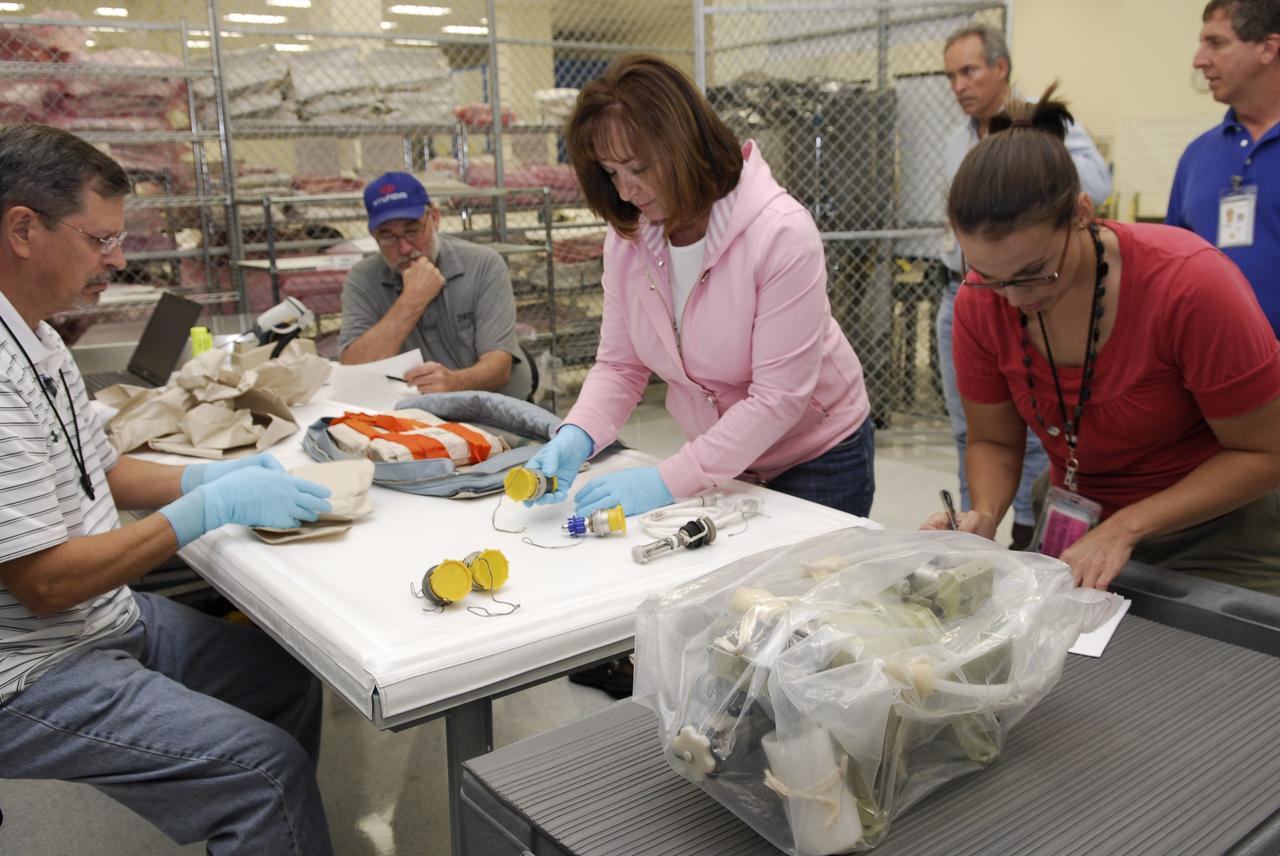
CAPE CANAVERAL, Fla. -- Replacement parts for the Zvezda service module toilet on the International Space Station are inspected following their arrival at Kennedy Space Center. The toilet malfunctioned last week and was initially repaired by replacing a microprocessor valve. After the station crew members experienced additional difficulties with the toilet, they were directed to use Soyuz toilet facilities at first and are using the main toilet again after rigging a urine bypass. The spare toilet parts have been added to space shuttle Discovery’s manifest for delivery to the station on the STS-124 mission. On the 14-day mission, Discovery and its crew will deliver the Japan Aerospace Exploration Agency's Japanese Experiment Module – Pressurized Module and the Japanese Remote Manipulator System. Launch is scheduled for 5:02 p.m. EDT May 31. Photo credit: NASA/Kim Shiflett
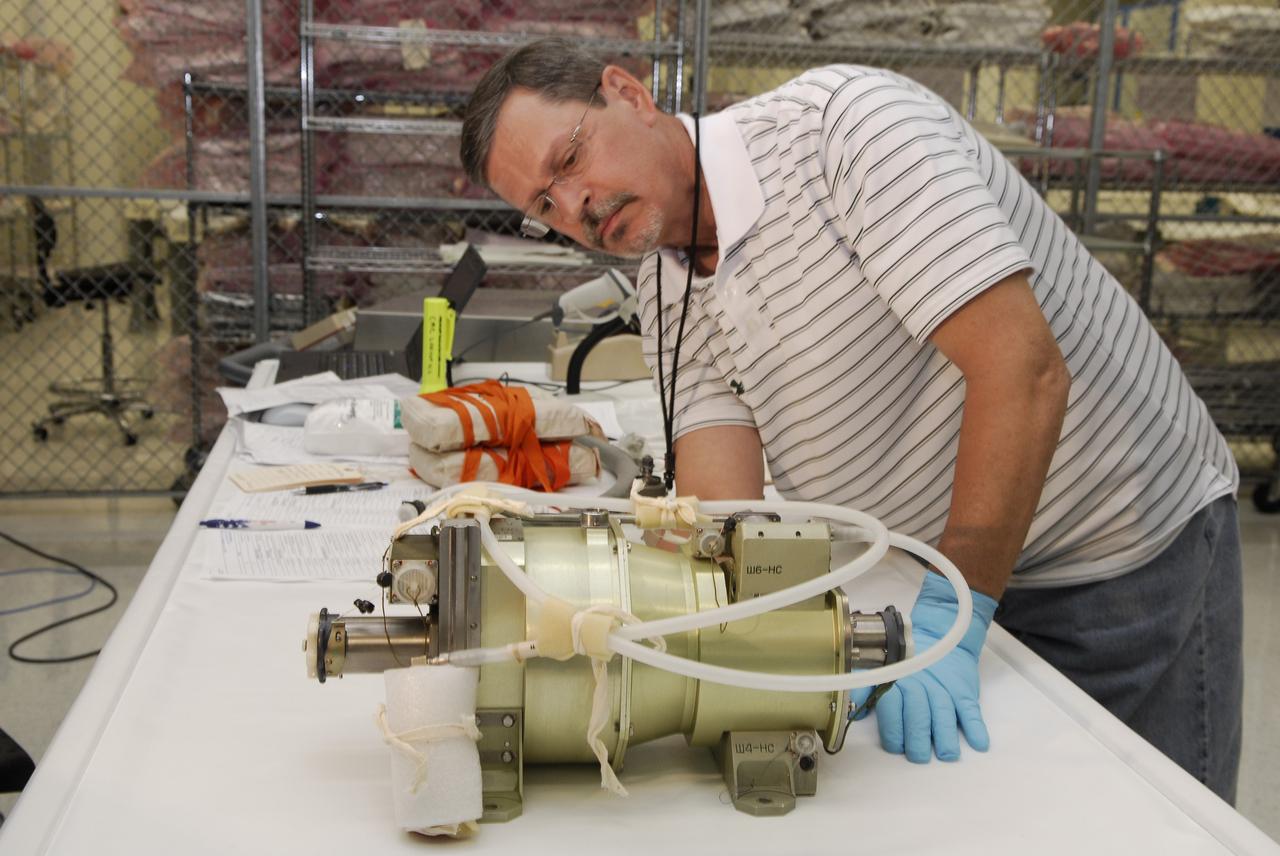
CAPE CANAVERAL, Fla. -- A technician inspects a replacement part for the Zvezda service module toilet on the International Space Station following its arrival at Kennedy Space Center. The toilet malfunctioned last week and was initially repaired by replacing a microprocessor valve. After the station crew members experienced additional difficulties with the toilet, they were directed to use Soyuz toilet facilities at first and are using the main toilet again after rigging a urine bypass. The spare toilet parts have been added to space shuttle Discovery’s manifest for delivery to the station on the STS-124 mission. On the 14-day mission, Discovery and its crew will deliver the Japan Aerospace Exploration Agency's Japanese Experiment Module – Pressurized Module and the Japanese Remote Manipulator System. Launch is scheduled for 5:02 p.m. EDT May 31. Photo credit: NASA/Kim Shiflett
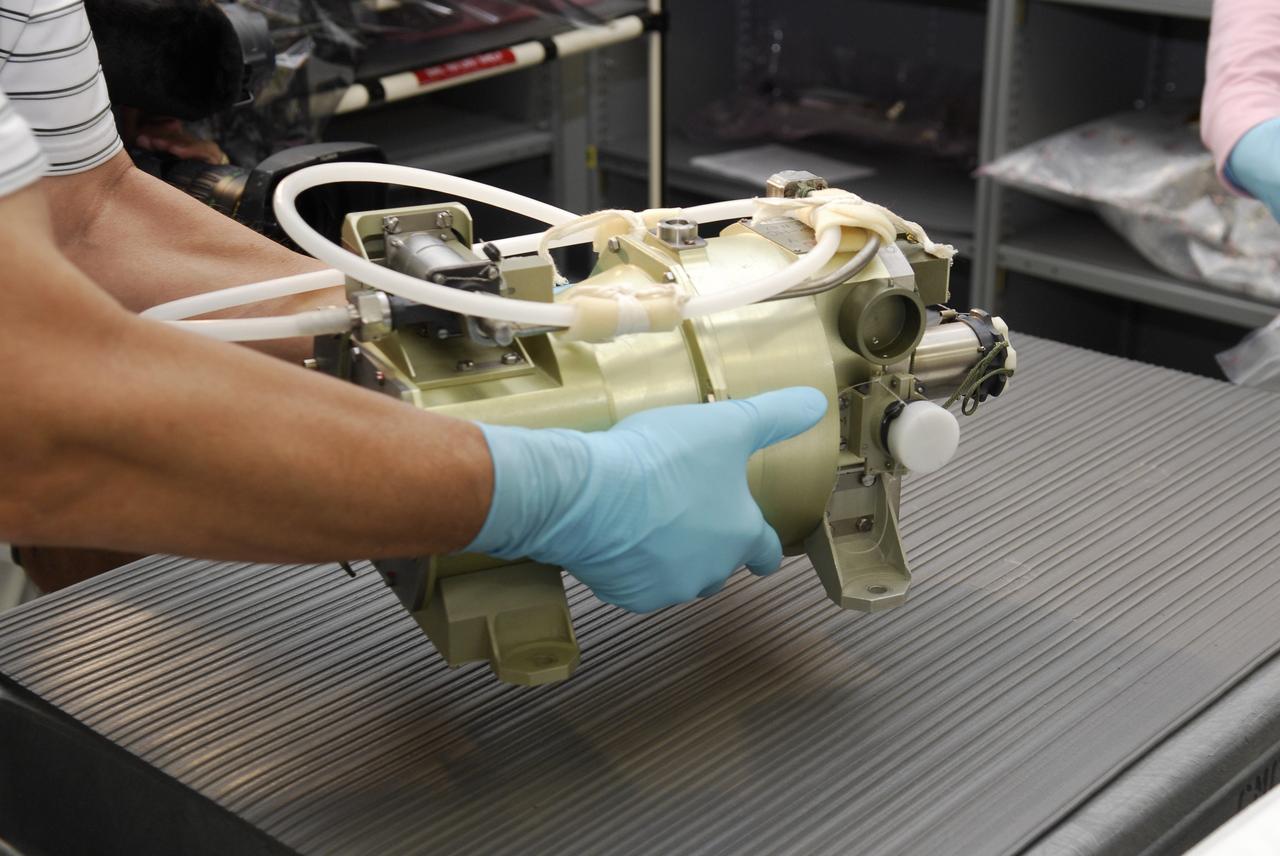
CAPE CANAVERAL, Fla. -- A replacement part for the Zvezda service module toilet on the International Space Station is inspected following its arrival at Kennedy Space Center. The toilet malfunctioned last week and was initially repaired by replacing a microprocessor valve. After the station crew members experienced additional difficulties with the toilet, they were directed to use Soyuz toilet facilities at first and are using the main toilet again after rigging a urine bypass. The spare toilet parts have been added to space shuttle Discovery’s manifest for delivery to the station on the STS-124 mission. On the 14-day mission, Discovery and its crew will deliver the Japan Aerospace Exploration Agency's Japanese Experiment Module – Pressurized Module and the Japanese Remote Manipulator System. Launch is scheduled for 5:02 p.m. EDT May 31. Photo credit: NASA/Kim Shiflett

CAPE CANAVERAL, Fla. -- At Launch Pad 39A at Kennedy Space Center, technicians load replacement parts for the Zvezda service module toilet on the International Space Station aboard space shuttle Discovery. The toilet malfunctioned last week and was initially repaired by replacing a microprocessor valve. After the station crew members experienced additional difficulties with the toilet, they were directed to use Soyuz toilet facilities at first and are using the main toilet again after rigging a urine bypass. The spare toilet parts have been added to Discovery’s manifest for delivery to the station on the STS-124 mission. On the 14-day mission, Discovery and its crew will deliver the Japan Aerospace Exploration Agency's Japanese Experiment Module – Pressurized Module and the Japanese Remote Manipulator System. Launch is scheduled for 5:02 p.m. EDT May 31. Photo credit: NASA/Dimitri Gerondidakis
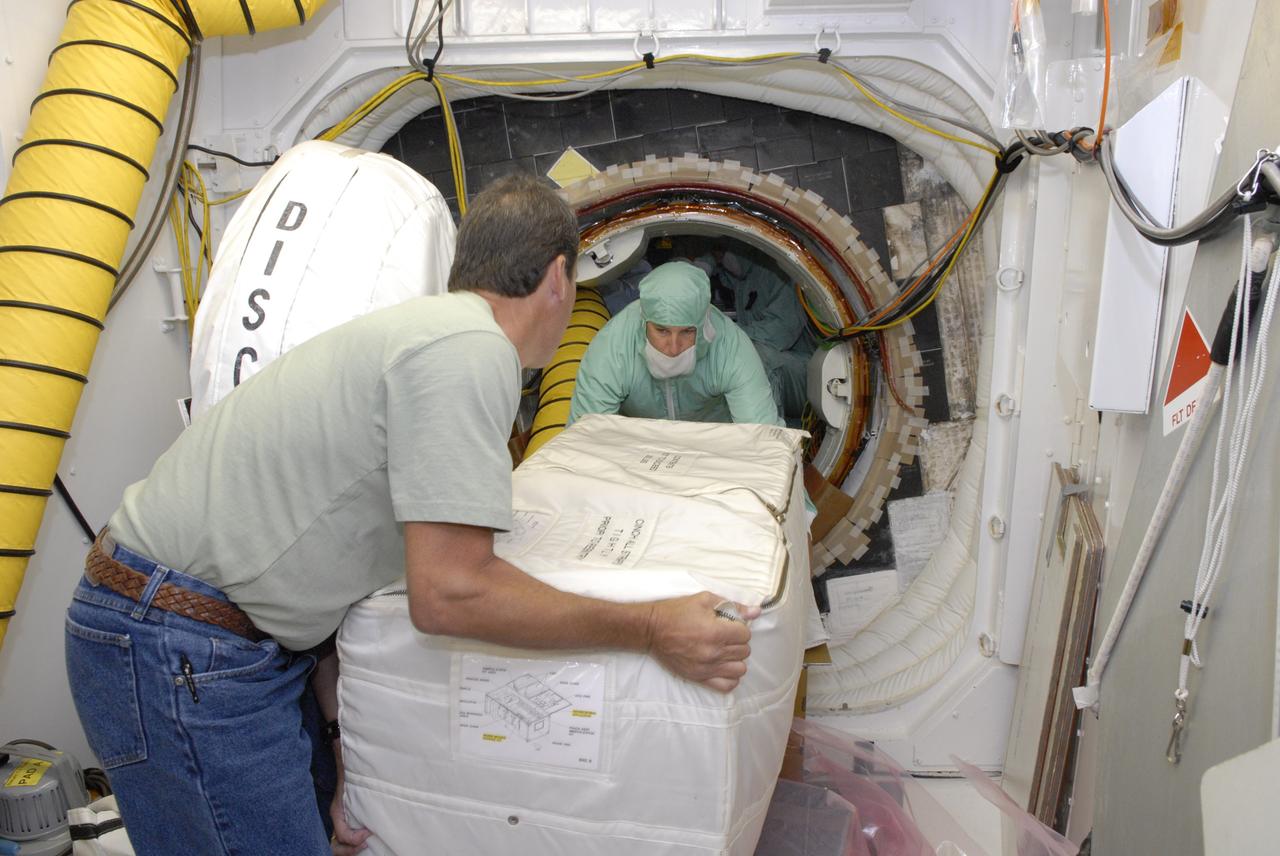
CAPE CANAVERAL, Fla. -- At Launch Pad 39A at Kennedy Space Center, technicians load replacement parts for the Zvezda service module toilet on the International Space Station aboard space shuttle Discovery. The toilet malfunctioned last week and was initially repaired by replacing a microprocessor valve. After the station crew members experienced additional difficulties with the toilet, they were directed to use Soyuz toilet facilities at first and are using the main toilet again after rigging a urine bypass. The spare toilet parts have been added to Discovery’s manifest for delivery to the station on the STS-124 mission. On the 14-day mission, Discovery and its crew will deliver the Japan Aerospace Exploration Agency's Japanese Experiment Module – Pressurized Module and the Japanese Remote Manipulator System. Launch is scheduled for 5:02 p.m. EDT May 31. Photo credit: NASA/Dimitri Gerondidakis
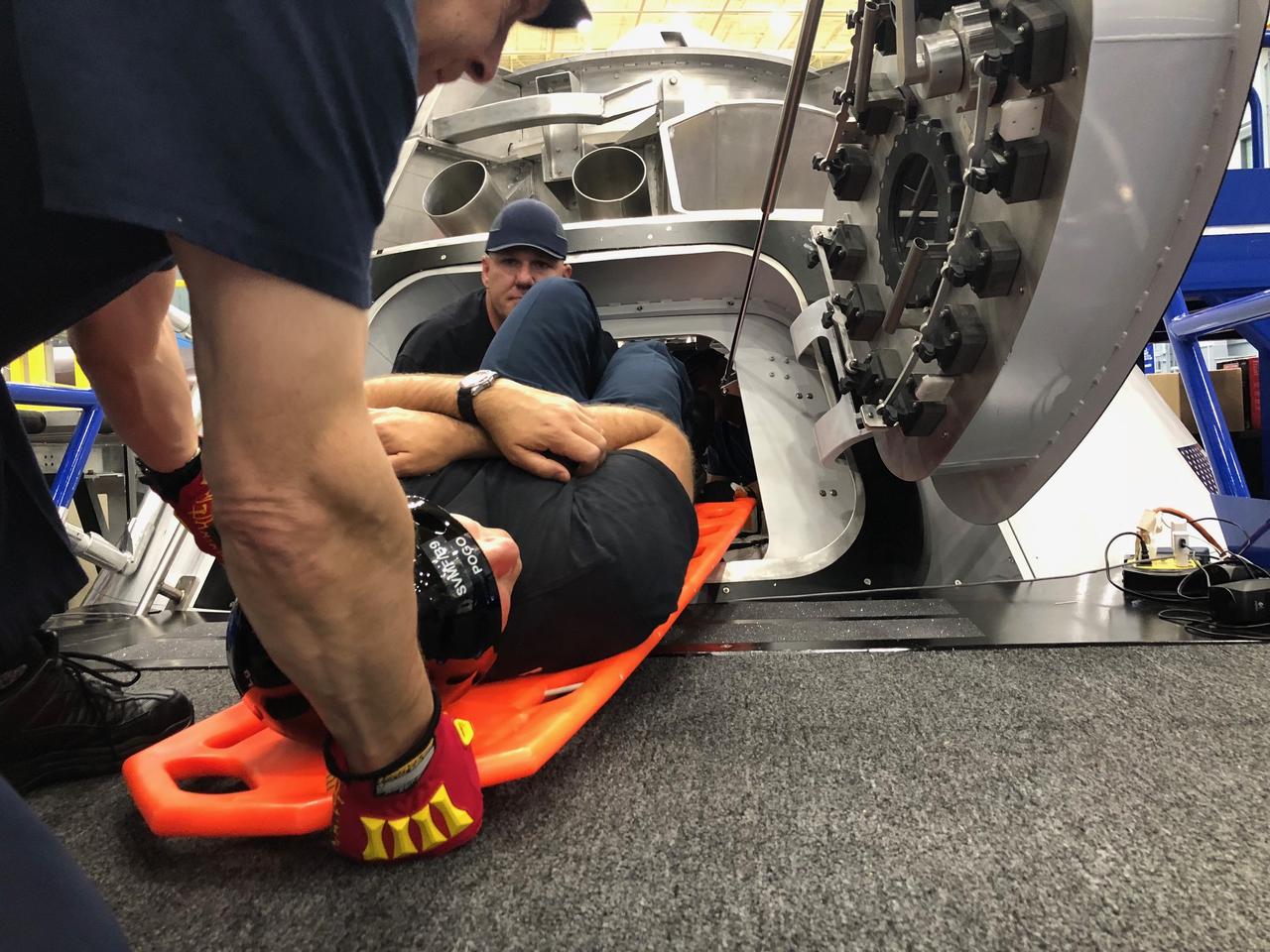
The Boeing extrication team train on the Boeing Mock-up Trainer from May 25 through May 28, 2018, at NASA's Johnson Space Center in Houston. The extrication team is comprised of firefighters from various U.S. Boeing sites. Each member of the team brings an expertise in Aerospace Confined Space Rescue, are Emergency Medical Technicians and have years of rescue experience. The team is highly motivated to getting the crew out quickly, safely and efficiently. The training at Johnson included suit training, side hatch egress, and Intravehicular Activity (IVA) rigging and egress. The week included a run for record on IVA egress for a testing requirement. Participants also included NASA Medical, the 45th Operations Group's Detachment 3, based at Patrick Air Force Base, and U.S. Air Force pararescue representation.
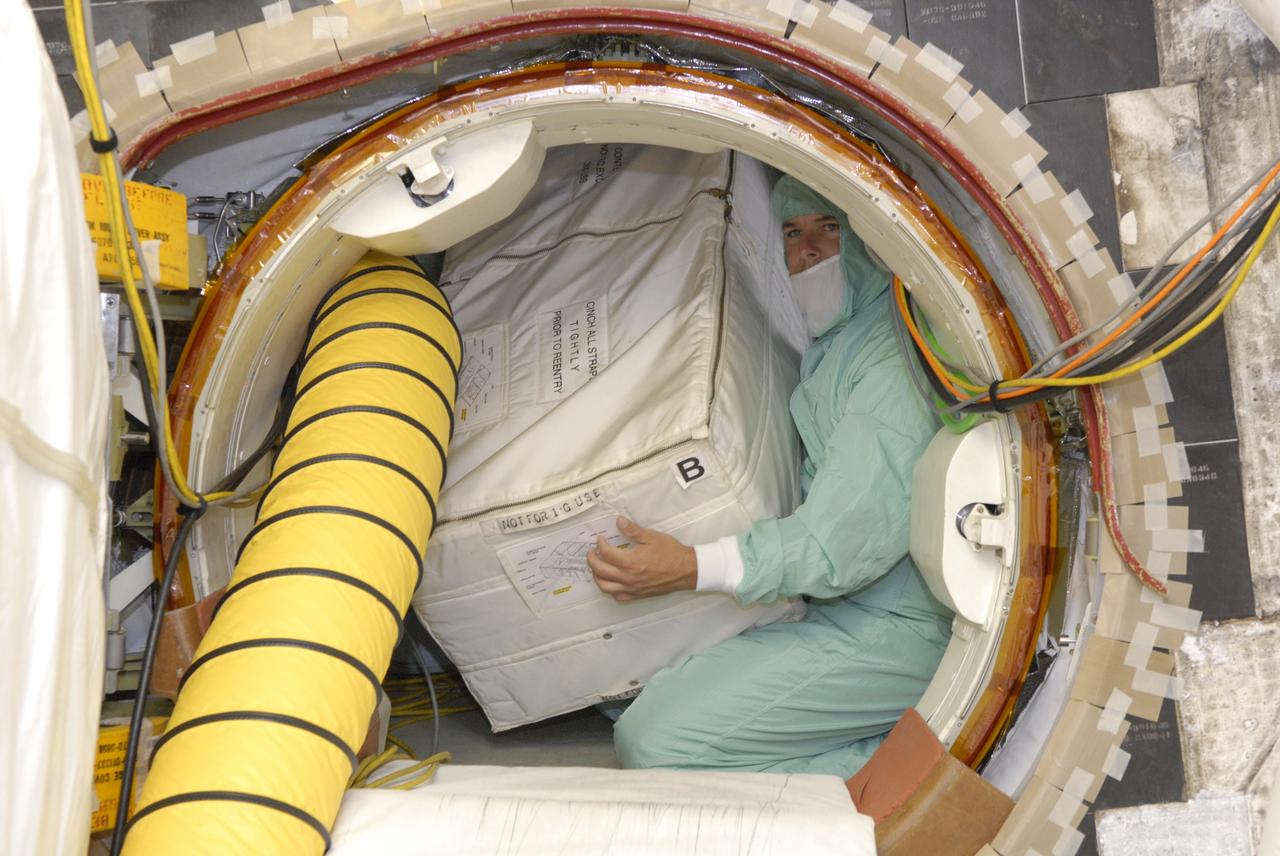
CAPE CANAVERAL, Fla. -- At Launch Pad 39A at Kennedy Space Center, a technician loads replacement parts for the Zvezda service module toilet on the International Space Station aboard space shuttle Discovery. The toilet malfunctioned last week and was initially repaired by replacing a microprocessor valve. After the station crew members experienced additional difficulties with the toilet, they were directed to use Soyuz toilet facilities at first and are using the main toilet again after rigging a urine bypass. The spare toilet parts have been added to Discovery’s manifest for delivery to the station on the STS-124 mission. On the 14-day mission, Discovery and its crew will deliver the Japan Aerospace Exploration Agency's Japanese Experiment Module – Pressurized Module and the Japanese Remote Manipulator System. Launch is scheduled for 5:02 p.m. EDT May 31. Photo credit: NASA/Dimitri Gerondidakis
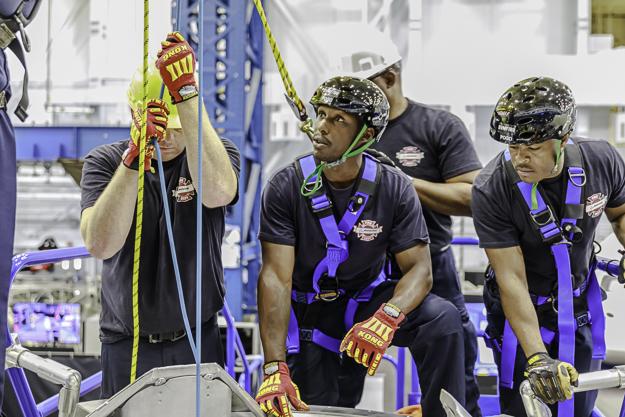
The Boeing extrication team train on the Boeing Mock-up Trainer from May 25 through May 28, 2018, at NASA's Johnson Space Center in Houston. The extrication team is comprised of firefighters from various U.S. Boeing sites. Each member of the team brings an expertise in Aerospace Confined Space Rescue, are Emergency Medical Technicians and have years of rescue experience. The team is highly motivated to getting the crew out quickly, safely and efficiently. The training at Johnson included suit training, side hatch egress, and Intravehicular Activity (IVA) rigging and egress. The week included a run for record on IVA egress for a testing requirement. Participants also included NASA Medical, the 45th Operations Group's Detachment 3, based at Patrick Air Force Base, and U.S. Air Force pararescue representation.
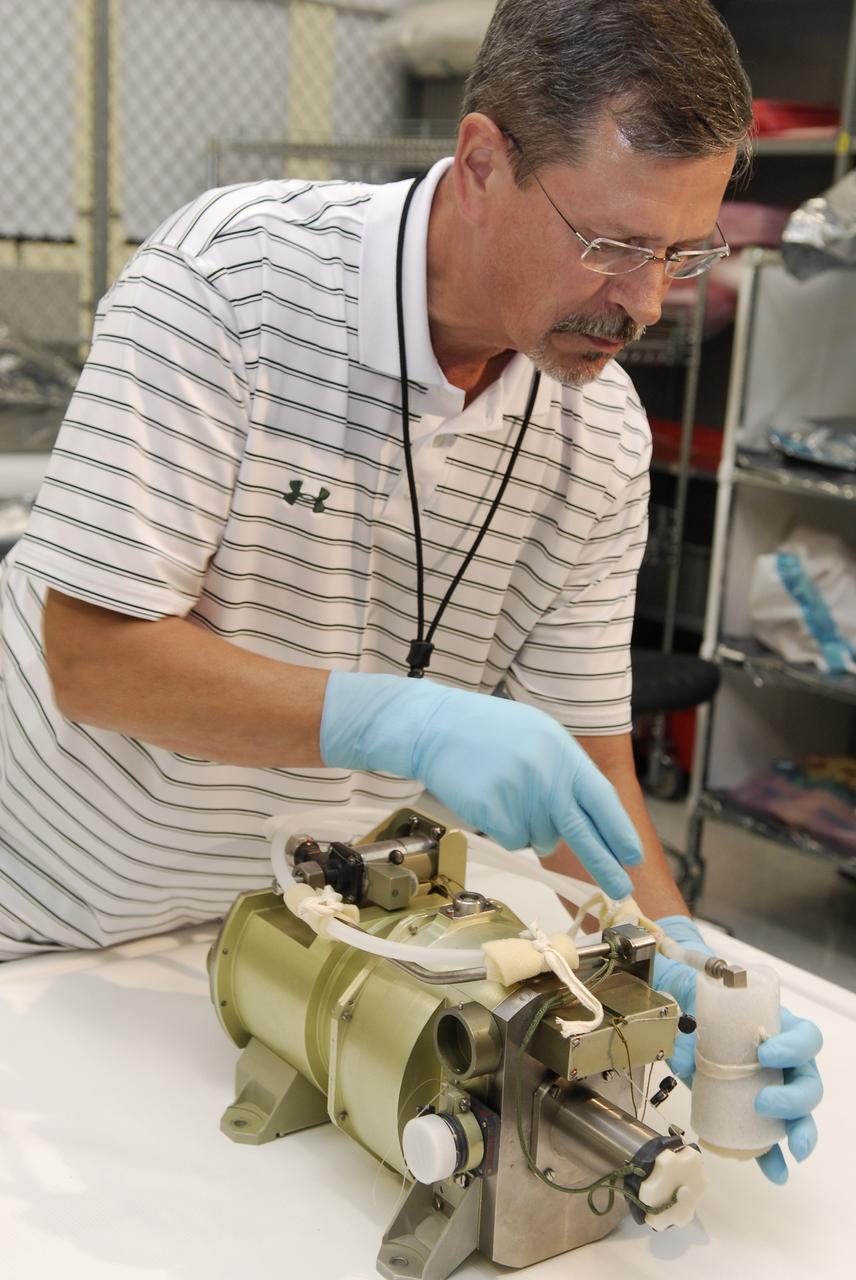
CAPE CANAVERAL, Fla. -- A technician inspects a replacement part for the Zvezda service module toilet on the International Space Station following its arrival at Kennedy Space Center. The toilet malfunctioned last week and was initially repaired by replacing a microprocessor valve. After the station crew members experienced additional difficulties with the toilet, they were directed to use Soyuz toilet facilities at first and are using the main toilet again after rigging a urine bypass. The spare toilet parts have been added to space shuttle Discovery’s manifest for delivery to the station on the STS-124 mission. On the 14-day mission, Discovery and its crew will deliver the Japan Aerospace Exploration Agency's Japanese Experiment Module – Pressurized Module and the Japanese Remote Manipulator System. Launch is scheduled for 5:02 p.m. EDT May 31. Photo credit: NASA/Kim Shiflett