Eyeing the Culprit
Eyeing the Culprit
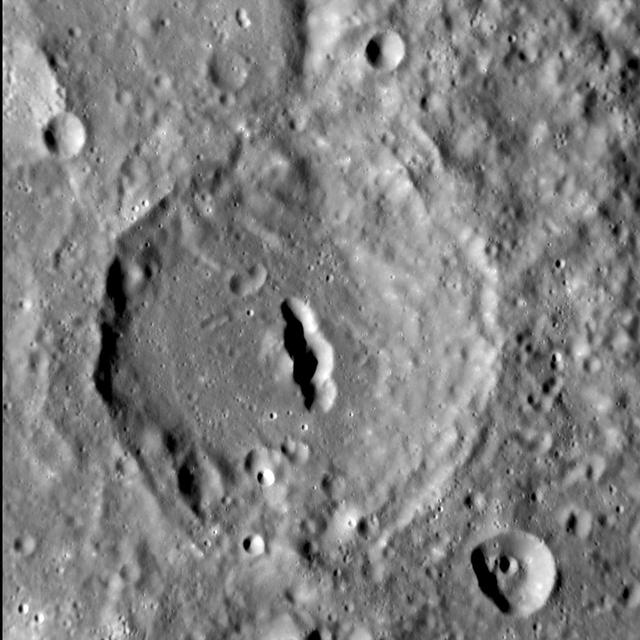
Eyes of Ganges
Eyes of Ganges
Eye of the Storm
Eye of the Storm
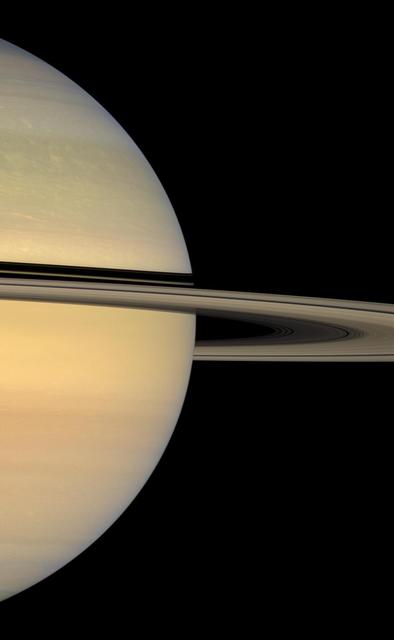
Eyes on the Rings
Eyes on the Rings
Eyes on Xanadu
Eyes on Xanadu
Eye of Tethys
Eye of Tethys
Cat Eye
Cat Eye
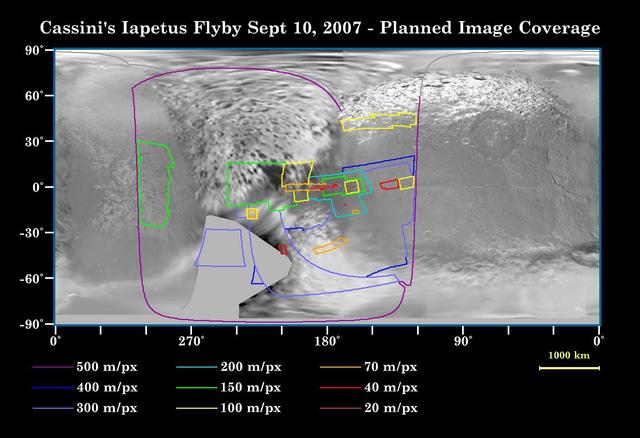
Eyes on Iapetus!
Eyes on Iapetus!
In the Wink of an Eye
Indigo Eyes
Indigo Eyes
Nebula? No, It the Cat Eye Crater!
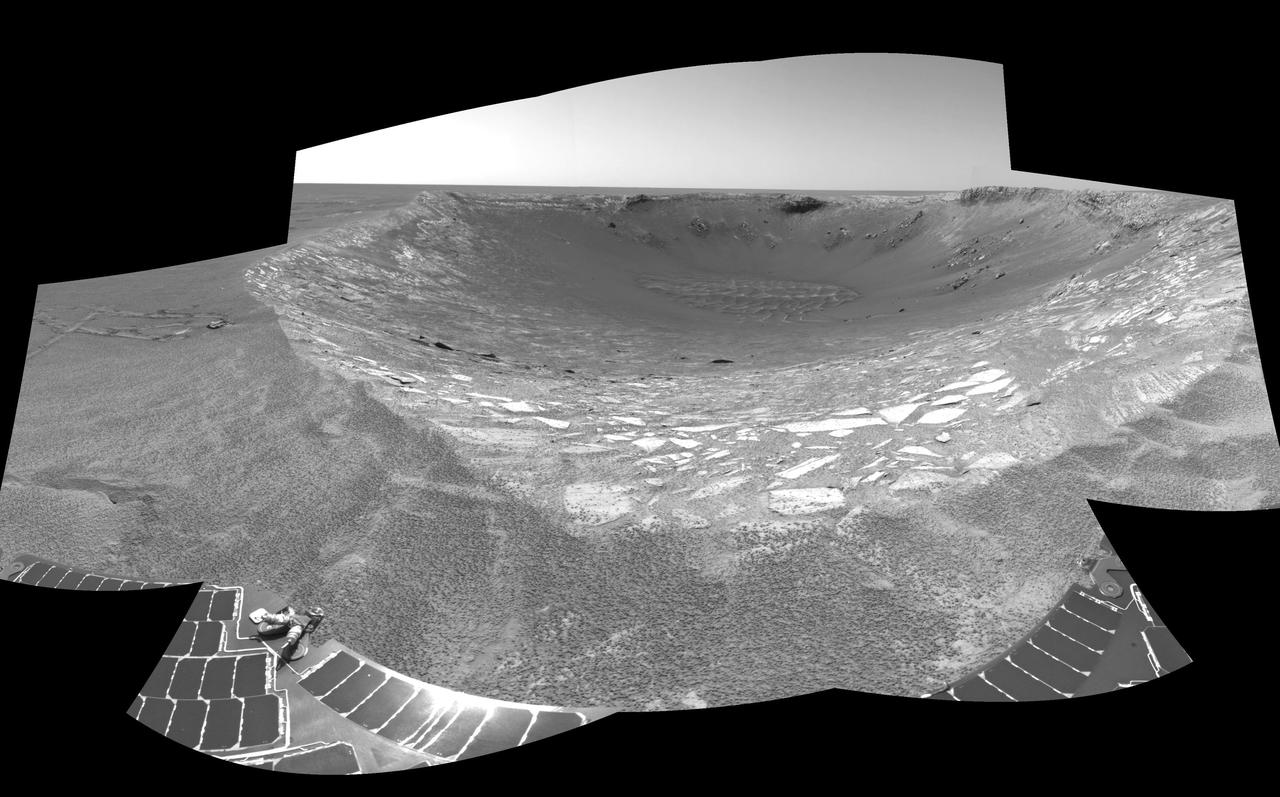
Behold Endurance! right eye
Hilly Surroundings Right Eye
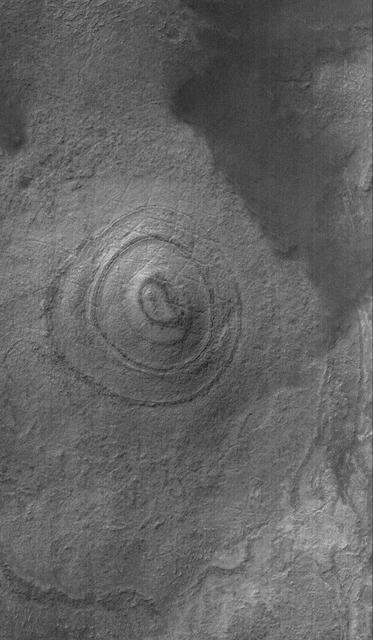
Argyre Bull-Eye
Argyre Bull-Eye
Eyeing the Sky Water Vapor
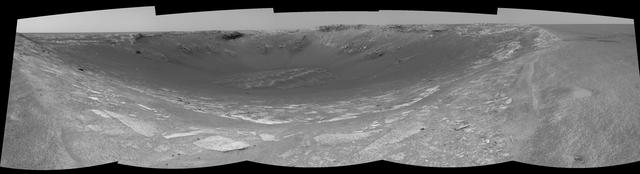
Approaching Endurance right eye
Phoenix Opens its Eyes
Looking Saturn in the Eye
Behold Endurance! left eye
Almost There! left eye
Multiple Eyes of Cassini
Hilly Surroundings Left Eye
Approaching Endurance left eye
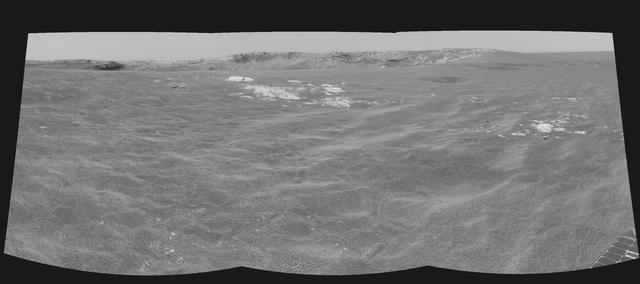
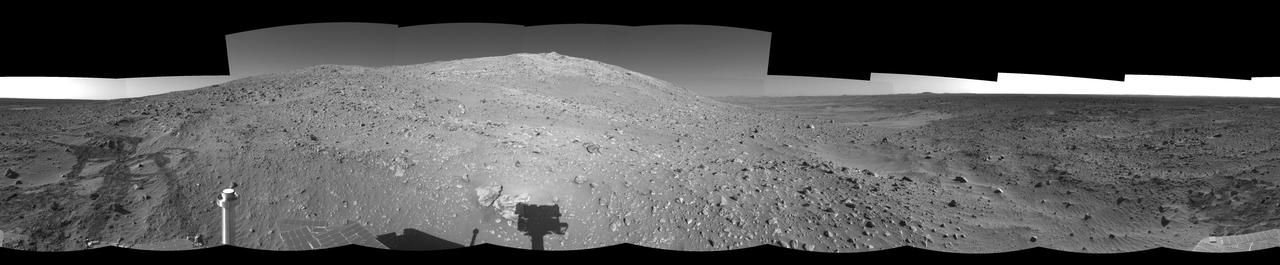
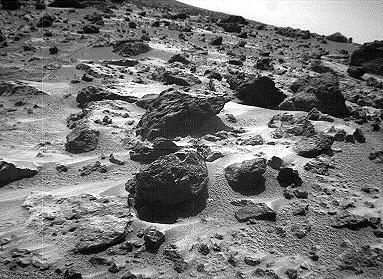
The Hills Have Eyes
The Hills Have Eyes
Taken on October 22, 2015 at 0400 UTC by the Suomi NPP satellite's VIIRS sensor, this colorized infrared image shows the extremely large eye of Typhoon Champi. With a diameter of 60 nautical miles, the eye of the storm is larger than the state of Rhode Island. Typhoon Champi is currently 700 nautical miles south of Tokyo, Japan with 110mph sustained winds, and is moving northeast with no threat to land.  Credit: NASA/NOAA via <b><a href="www.nnvl.noaa.gov/" rel="nofollow"> NOAA Environmental Visualization Laboratory</a></b>  <b><a href="http://www.nasa.gov/audience/formedia/features/MP_Photo_Guidelines.html" rel="nofollow">NASA image use policy.</a></b>  <b><a href="http://www.nasa.gov/centers/goddard/home/index.html" rel="nofollow">NASA Goddard Space Flight Center</a></b> enables NASA’s mission through four scientific endeavors: Earth Science, Heliophysics, Solar System Exploration, and Astrophysics. Goddard plays a leading role in NASA’s accomplishments by contributing compelling scientific knowledge to advance the Agency’s mission.  <b>Follow us on <a href="http://twitter.com/NASAGoddardPix" rel="nofollow">Twitter</a></b>  <b>Like us on <a href="http://www.facebook.com/pages/Greenbelt-MD/NASA-Goddard/395013845897?ref=tsd" rel="nofollow">Facebook</a></b>  <b>Find us on <a href="http://instagrid.me/nasagoddard/?vm=grid" rel="nofollow">Instagram</a></b>
Typhoon Champi Develops Massive Eye
Lahontan Crater Looms right eye
The Road Less Traveled left eye
What Lies Ahead right-eye
Spirit Keeps on Trekking right eye
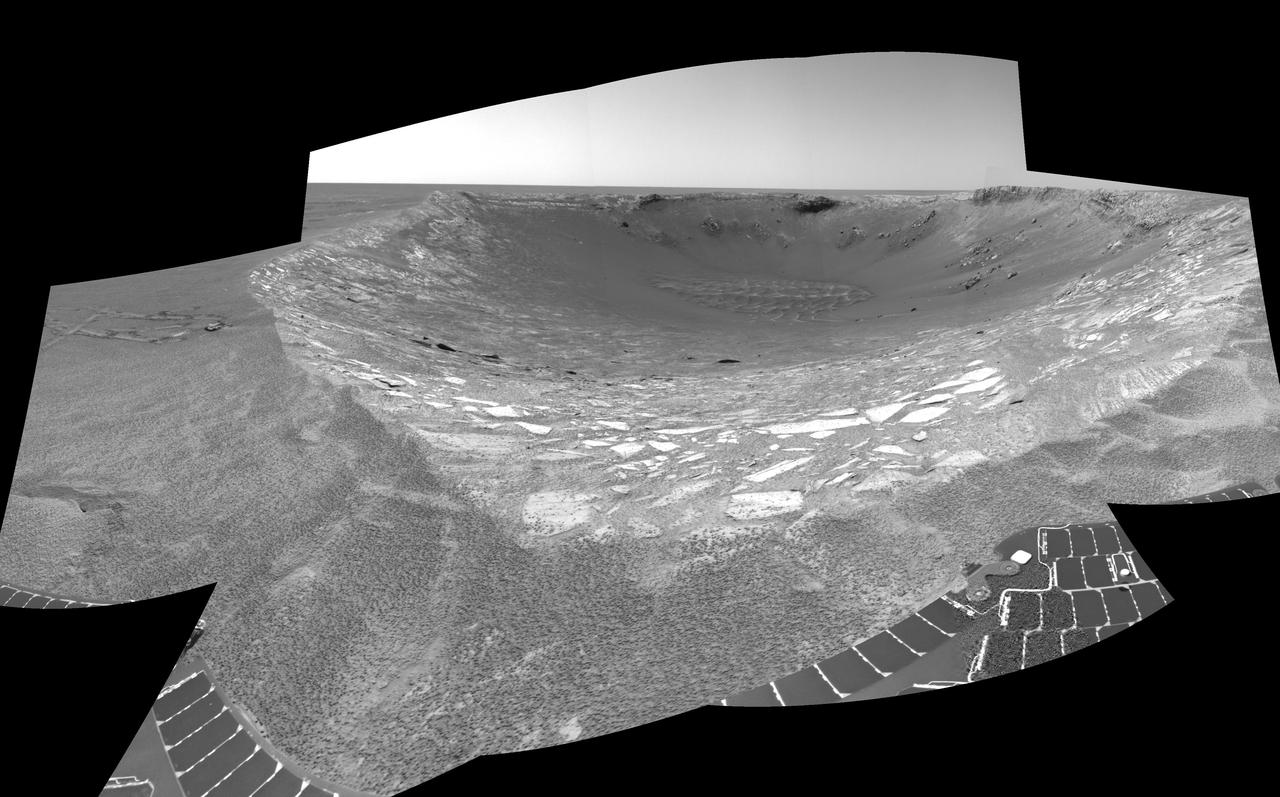
Riding the Rim of Endurance right eye
Riding the Rim of Endurance left eye
Setting Eyes on S&#333;tatsu
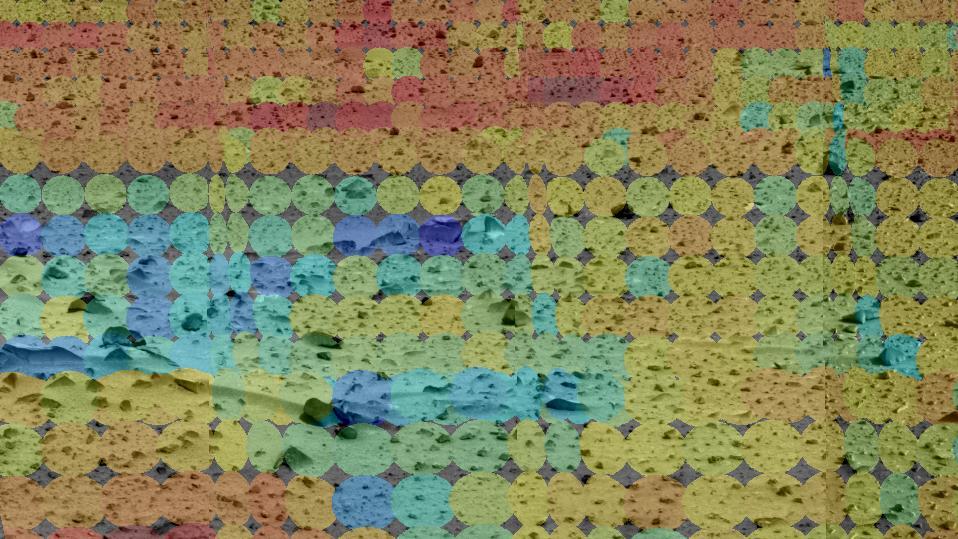
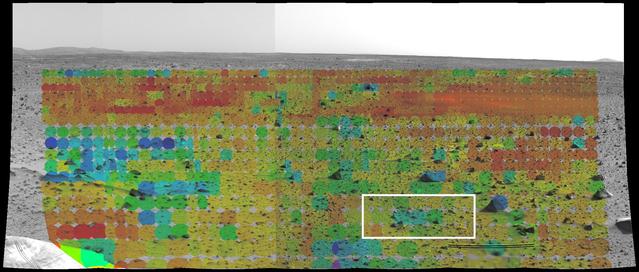
Mars Through Infrared Eyes of Spirit
Mars Magnet Hits the Bull-Eye
Spirit Keeps on Trekking vertical eye
Columbia Hills at Last! Right Eye
The Road Less Traveled right eye
Spirit Keeps on Trekking left eye
What Lies Ahead left-eye
As Far as Opportunity Eye Can See
Columbia Hills at Last! Left Eye
Making Tracks on Mars left-eye
Lahontan Crater Looms left eye
Ready to Enter Endurance Right Eye
Ready to Enter Endurance Left Eye
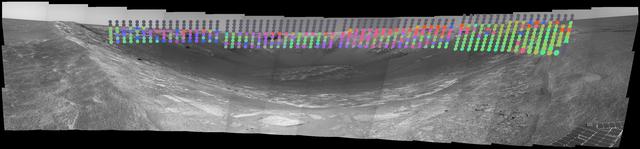
Seeing Endurance Through Infrared Eyes
High on West Spur Right Eye
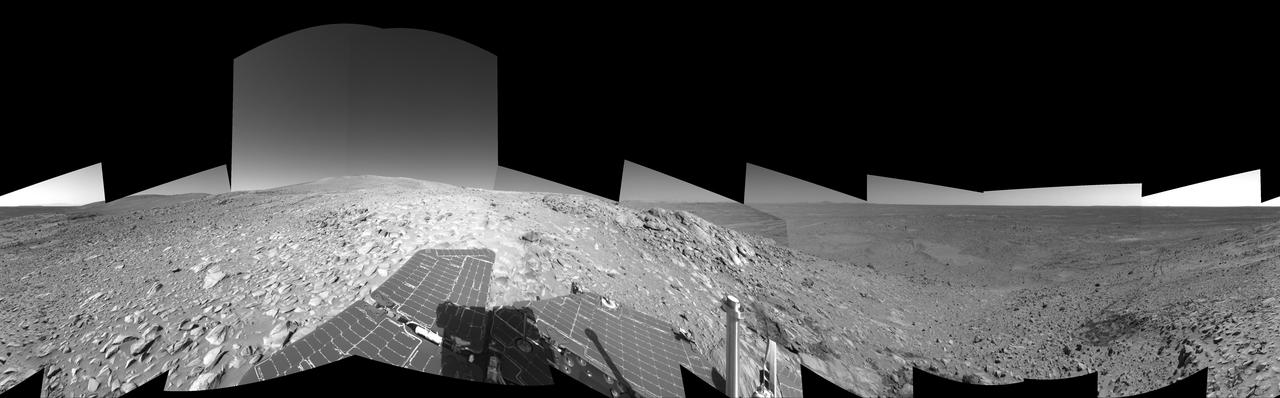
Spirit Keeps on Trekking polar eye
Making Tracks on Mars right-eye
Endurance All Around Left Eye
Sojourner Farthest Journey - Left Eye
High on West Spur Left Eye
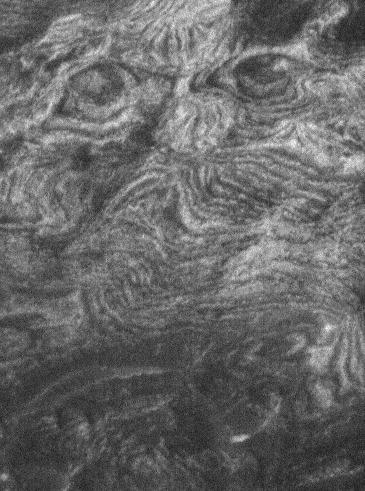
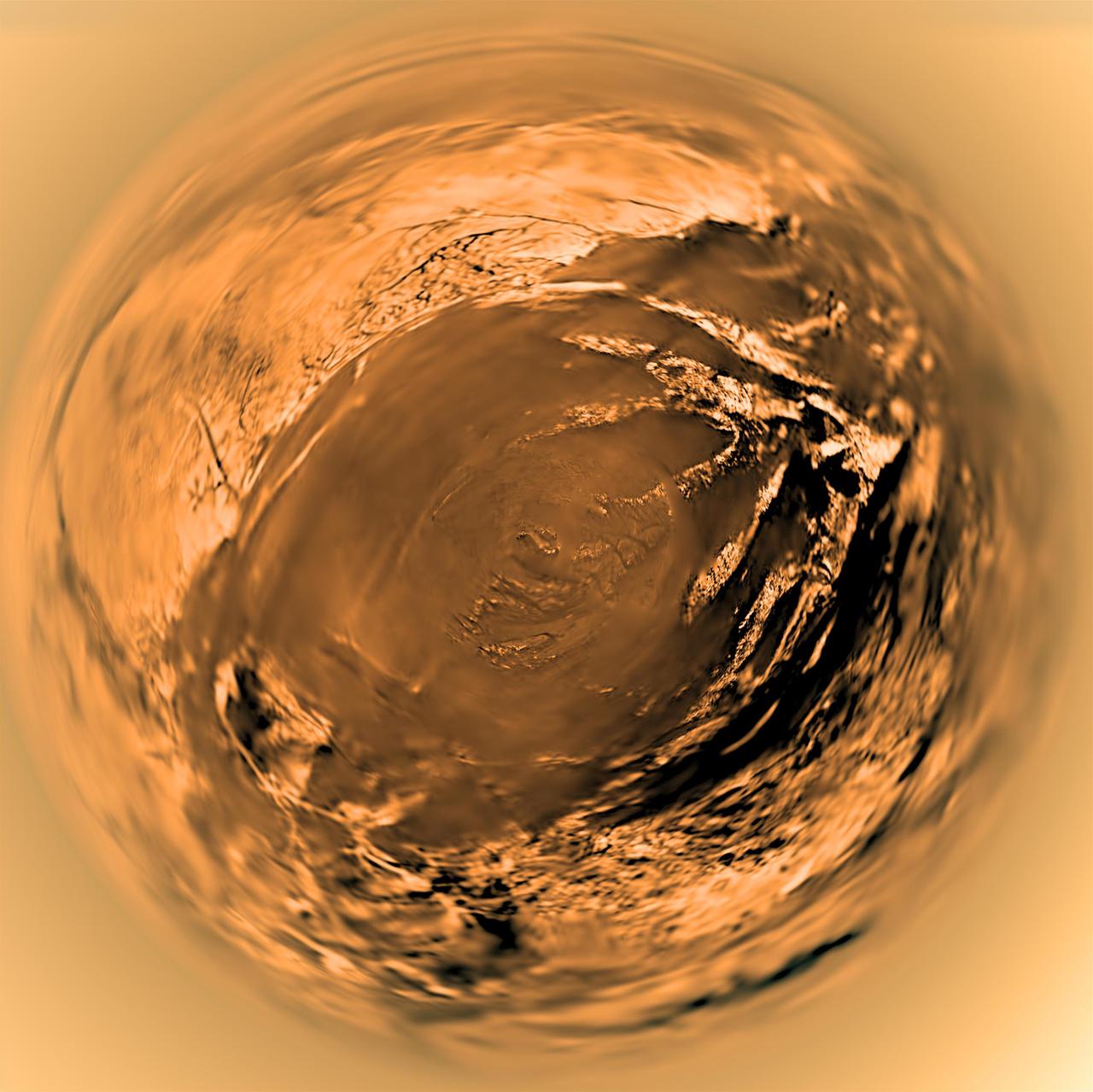
Fish-eye View of Titan Surface
Looking Back at Eagle CraterLeft-eye
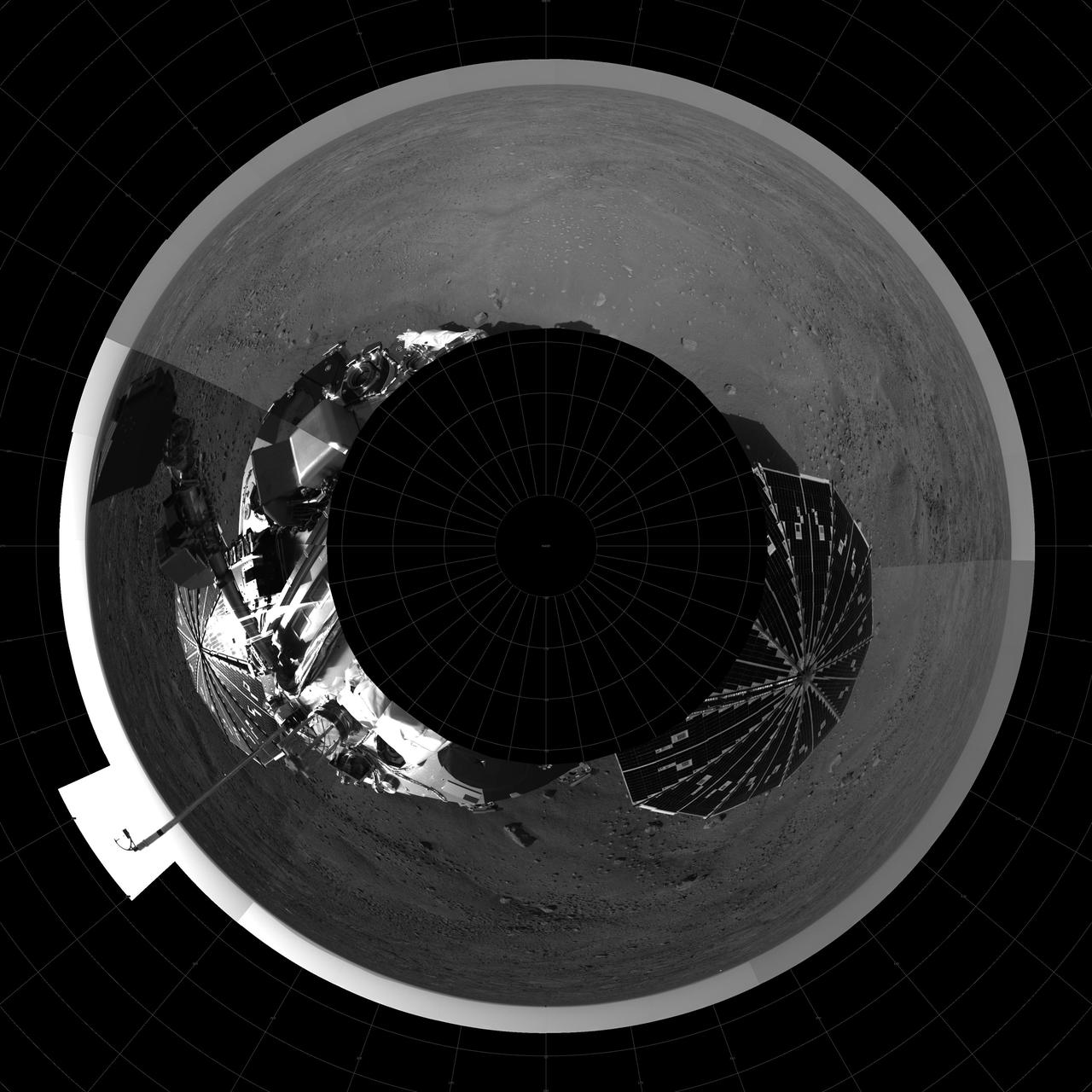
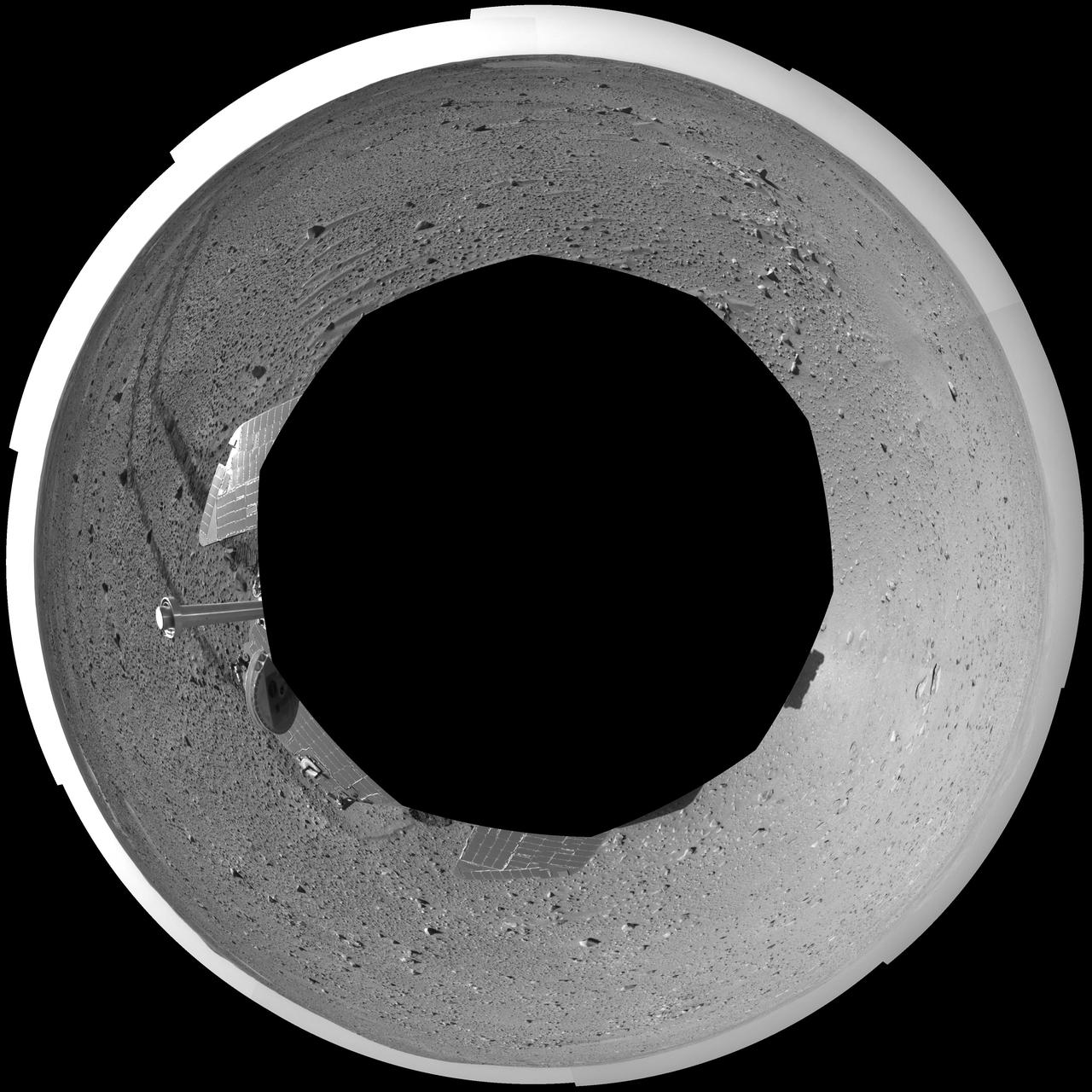
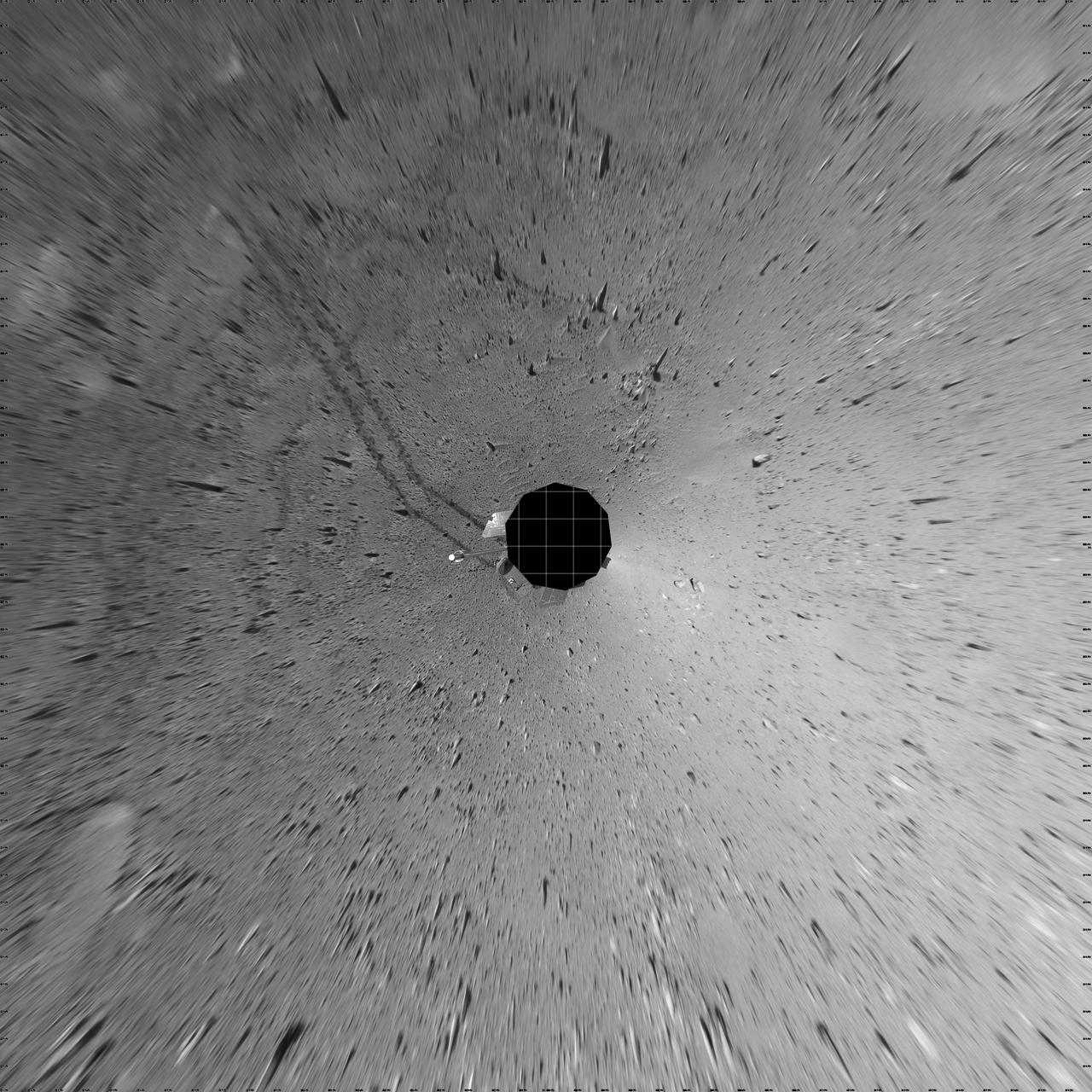
Fish Eye View of Horizon and Lander
Sojourner Farthest Journey - Right Eye
Looking Back at Eagle CraterRight-eye
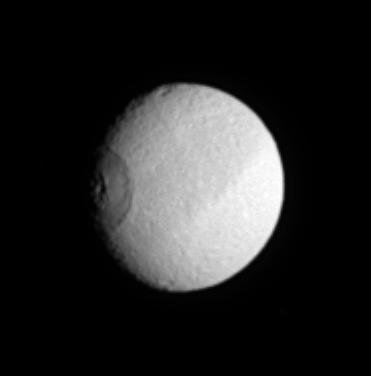
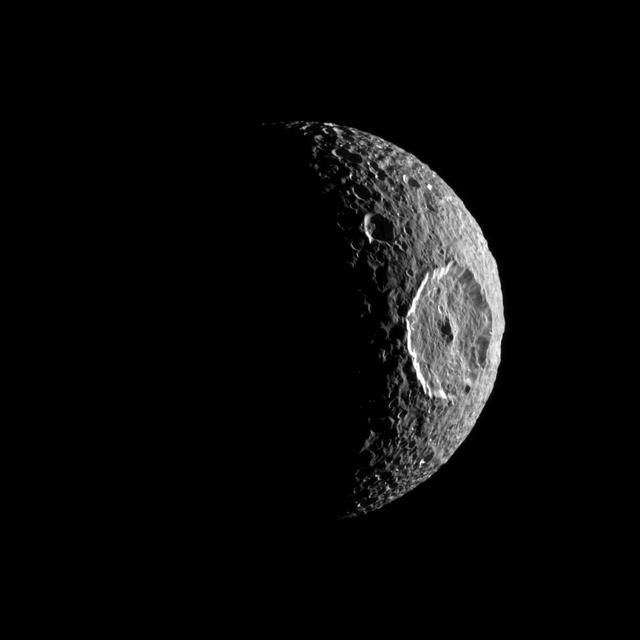
NASA Cassini spacecraft turns the eye of its camera toward Saturn moon Mimas and spies the large Herschel Crater which itself looks like the iris of an eye peering out into space.
An Eye on Mimas
Typhoon Chan-Hom's eye was visible from space when NASA's Aqua satellite passed overhead early on July 8, 2015.  The MODIS instrument, known as the Moderate Resolution Imaging Spectrometer, flies aboard NASA's Aqua satellite. When Aqua passed over Typhoon Chan-Hom on July 8 at 04:25 UTC (12:25 a.m. EDT), MODIS captured a visible-light image of the storm that clearly showed its eye. The MODIS image also a ring of powerful thunderstorms surrounding the eye of the storm, and the bulk of thunderstorms wrapping around the system from west to east, along the southern side.   At 0900 UTC (5 a.m. EDT), Typhoon Chan-Hom's maximum sustained winds were near 85 knots (97.8 mph/157.4 kph). Tropical-storm-force winds extended 145 nautical miles (166.9 miles/268.5 km) from the center, making the storm almost 300 nautical miles (345 miles/555 km) in diameter. Typhoon-force winds extended out to 35 nautical miles (40 miles/64.8 km) from the center.  Chan-Hom's eye was centered near 20.5 North latitude and 132.7 East longitude, about 450 nautical miles (517.9 miles/833.4 km) southeast of Kadena Air Base, Iwo To, Japan. Chan-Hom was moving to the northwest at 11 knots (12.6 mph/20.3 kph). The typhoon was generating very rough seas with wave heights to 28 feet (8.5 meters).    The Joint Typhoon Warning Center expects Chan-Hom to continue tracking northwestward over the next three days under the steering influence of a sub-tropical ridge (elongated area of high pressure). Chan-Hom is expected to intensify steadily peaking at 120 knots (138.1 mph/222.2 kph) on July 10. The JTWC forecast predicts that Chan-Hom will make landfall near Wenzhou, Zhejiang, China and begin decaying due to land interaction.  For updated warnings and watches from China's National Meteorological Centre, visit: <a href="http://www.cma.gov.cn/en/WeatherWarnings/" rel="nofollow">www.cma.gov.cn/en/WeatherWarnings/</a>.  Credit: NASA/GSFC/Jeff Schmaltz/MODIS Land Rapid Response Team  b&gt;<a href="http://www.nasa.gov/audience/formedia/features/MP_Photo_Guidelines.html" rel="nofollow">NASA image use policy.</a>  <b><a href="http://www.nasa.gov/centers/goddard/home/index.html" rel="nofollow">NASA Goddard Space Flight Center</a></b> enables NASA’s mission through four scientific endeavors: Earth Science, Heliophysics, Solar System Exploration, and Astrophysics. Goddard plays a leading role in NASA’s accomplishments by contributing compelling scientific knowledge to advance the Agency’s mission.  <b>Follow us on <a href="http://twitter.com/NASAGoddardPix" rel="nofollow">Twitter</a></b>  <b>Like us on <a href="http://www.facebook.com/pages/Greenbelt-MD/NASA-Goddard/395013845897?ref=tsd" rel="nofollow">Facebook</a></b>  <b>Find us on <a href="http://instagrid.me/nasagoddard/?vm=grid" rel="nofollow">Instagram</a></b>
Typhoon Chan-Hom "Eyes" NASA's Aqua Satellite
The Cat's Eye Nebula, one of the first planetary nebulae discovered, also has one of the most complex forms known to this kind of nebula. Eleven rings, or shells, of gas make up the Cat's Eye.  The full beauty of the Cat's Eye Nebula is revealed in this detailed view from NASA's Hubble Space Telescope. The image from Hubble's Advanced Camera for Surveys (ACS) shows a bull's eye pattern of eleven or even more concentric rings, or shells, around the Cat's Eye. Each 'ring' is actually the edge of a spherical bubble seen projected onto the sky -- that's why it appears bright along its outer edge.   Observations suggest the star ejected its mass in a series of pulses at 1,500-year intervals. These convulsions created dust shells, each of which contain as much mass as all of the planets in our solar system combined (still only one percent of the Sun's mass). These concentric shells make a layered, onion-skin structure around the dying star. The view from Hubble is like seeing an onion cut in half, where each skin layer is discernible.  The bull's-eye patterns seen around planetary nebulae come as a surprise to astronomers because they had no expectation that episodes of mass loss at the end of stellar lives would repeat every 1,500 years. Several explanations have been proposed, including cycles of magnetic activity somewhat similar to our own Sun's sunspot cycle, the action of companion stars orbiting around the dying star, and stellar pulsations. Another school of thought is that the material is ejected smoothly from the star, and the rings are created later on due to formation of waves in the outflowing material.    Credit: NASA, ESA, HEIC, and The Hubble Heritage Team (STScI/AURA) Acknowledgment: R. Corradi (Isaac Newton Group of Telescopes, Spain) and Z. Tsvetanov (NASA)  The Hubble Space Telescope is a project of international cooperation between NASA and the European Space Agency. NASA's Goddard Space Flight Center manages the telescope. The Space Telescope Science Institute conducts Hubble science operations.  Goddard is responsible for HST project management, including mission and science operations, servicing missions, and all associated development activities.  To learn more about the Hubble Space Telescope go here:  <a href="http://www.nasa.gov/mission_pages/hubble/main/index.html" rel="nofollow">www.nasa.gov/mission_pages/hubble/main/index.html</a>  <b><a href="http://www.nasa.gov/audience/formedia/features/MP_Photo_Guidelines.html" rel="nofollow">NASA image use policy.</a></b>  <b><a href="http://www.nasa.gov/centers/goddard/home/index.html" rel="nofollow">NASA Goddard Space Flight Center</a></b> enables NASA’s mission through four scientific endeavors: Earth Science, Heliophysics, Solar System Exploration, and Astrophysics. Goddard plays a leading role in NASA’s accomplishments by contributing compelling scientific knowledge to advance the Agency’s mission.  <b>Follow us on <a href="http://twitter.com/NASAGoddardPix" rel="nofollow">Twitter</a></b>  <b>Like us on <a href="http://www.facebook.com/pages/Greenbelt-MD/NASA-Goddard/395013845897?ref=tsd" rel="nofollow">Facebook</a></b>  <b>Find us on <a href="http://instagram.com/nasagoddard?vm=grid" rel="nofollow">Instagram</a></b>
Cat's Eye Nebula
Spirit View on Sol 110 left eye
Spirit Heads Toward History left eye
Spirit View on Sol 142 Right Eye
Spirit View on Sol 147 Right Eye
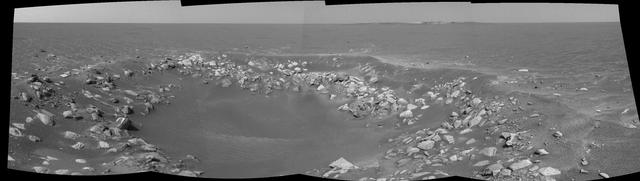
One View, Two Craters right eye
Spirit Tracks on Mars, Sol 151 Left Eye
Spirit View on Sol 142 Left Eye
Spirit View on Sol 100 left eye
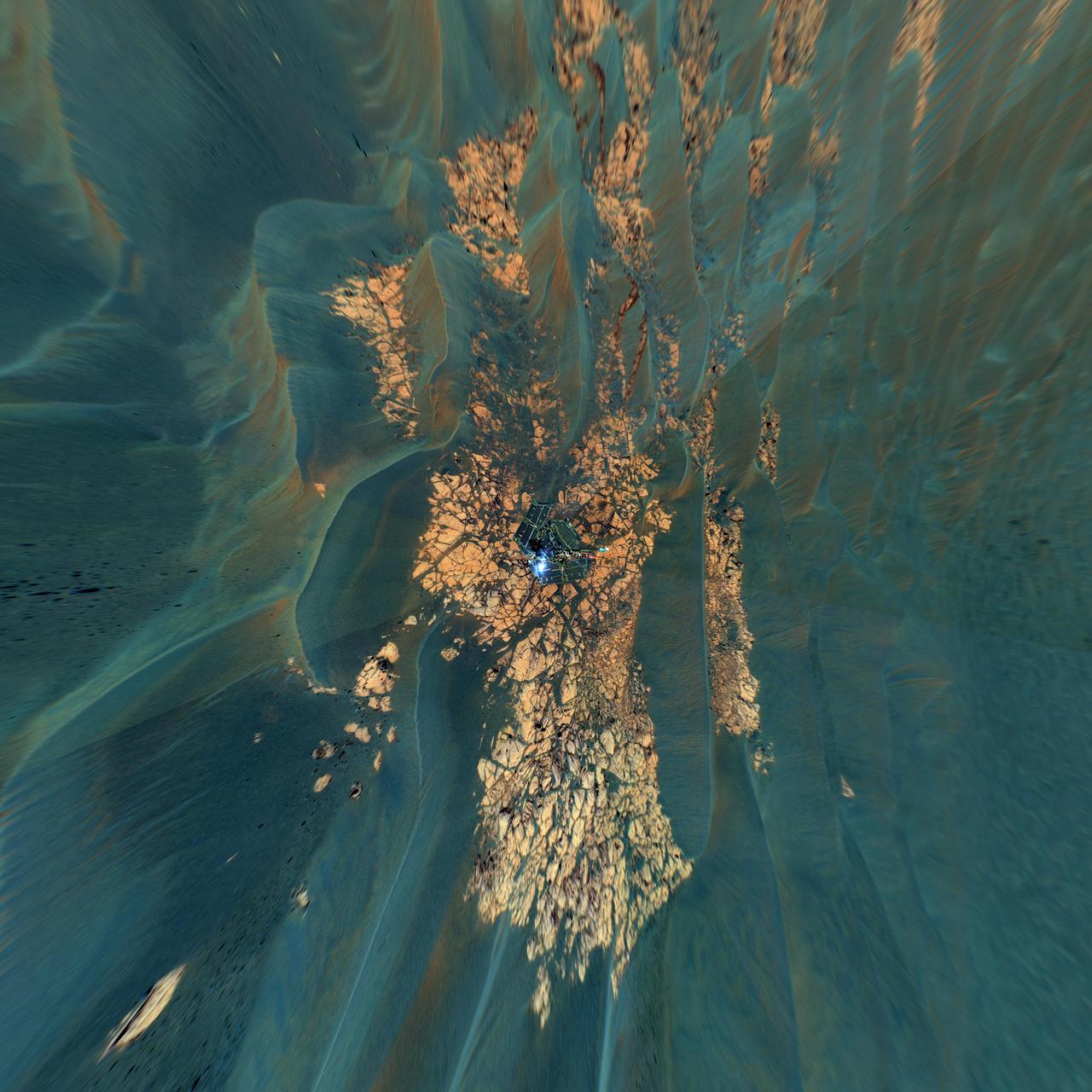
Bird-Eye View of Opportunity at Erebus Polar
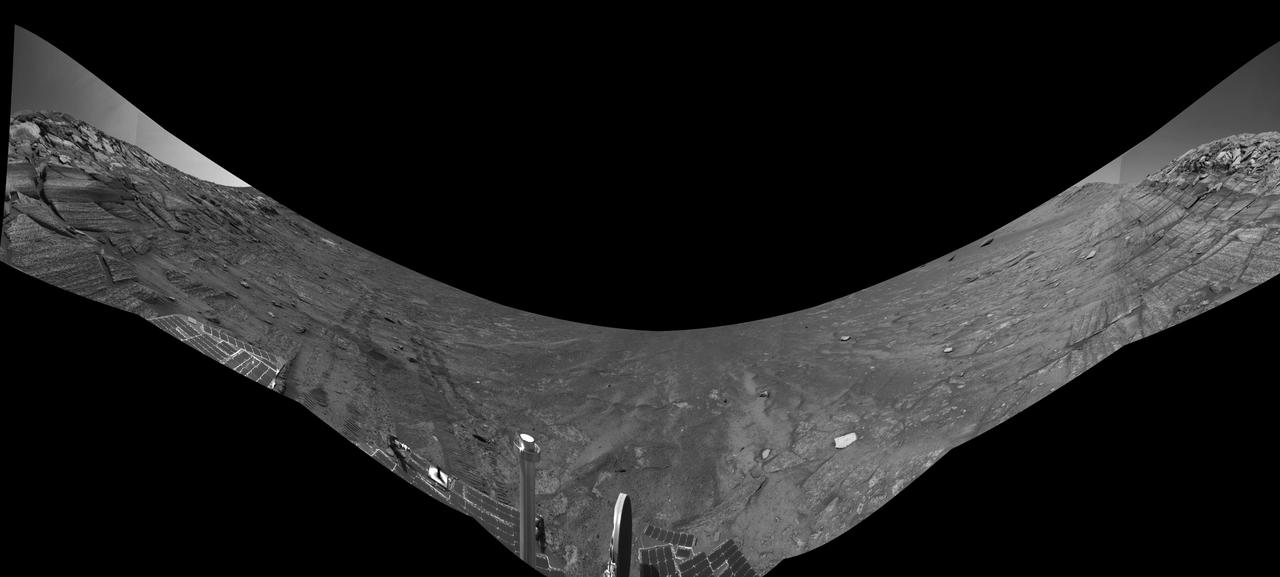
Along Endurance Crater Inner Wall Right Eye
A Well-Traveled Eagle Crater right-eye
Near Endurance on Sol 115 right eye
Twin Peaks in Super Resolution - Right Eye
Spirit View on Sol 101 right eye
Spirit View on Sol 100 right eye
Spirit Tracks on Mars, Sol 151 Right Eye
Spirit Ascent Movie, Rover-Eye View
Looking at Endurance on Sol 108 left eye
Near Endurance on Sol 115 left eye
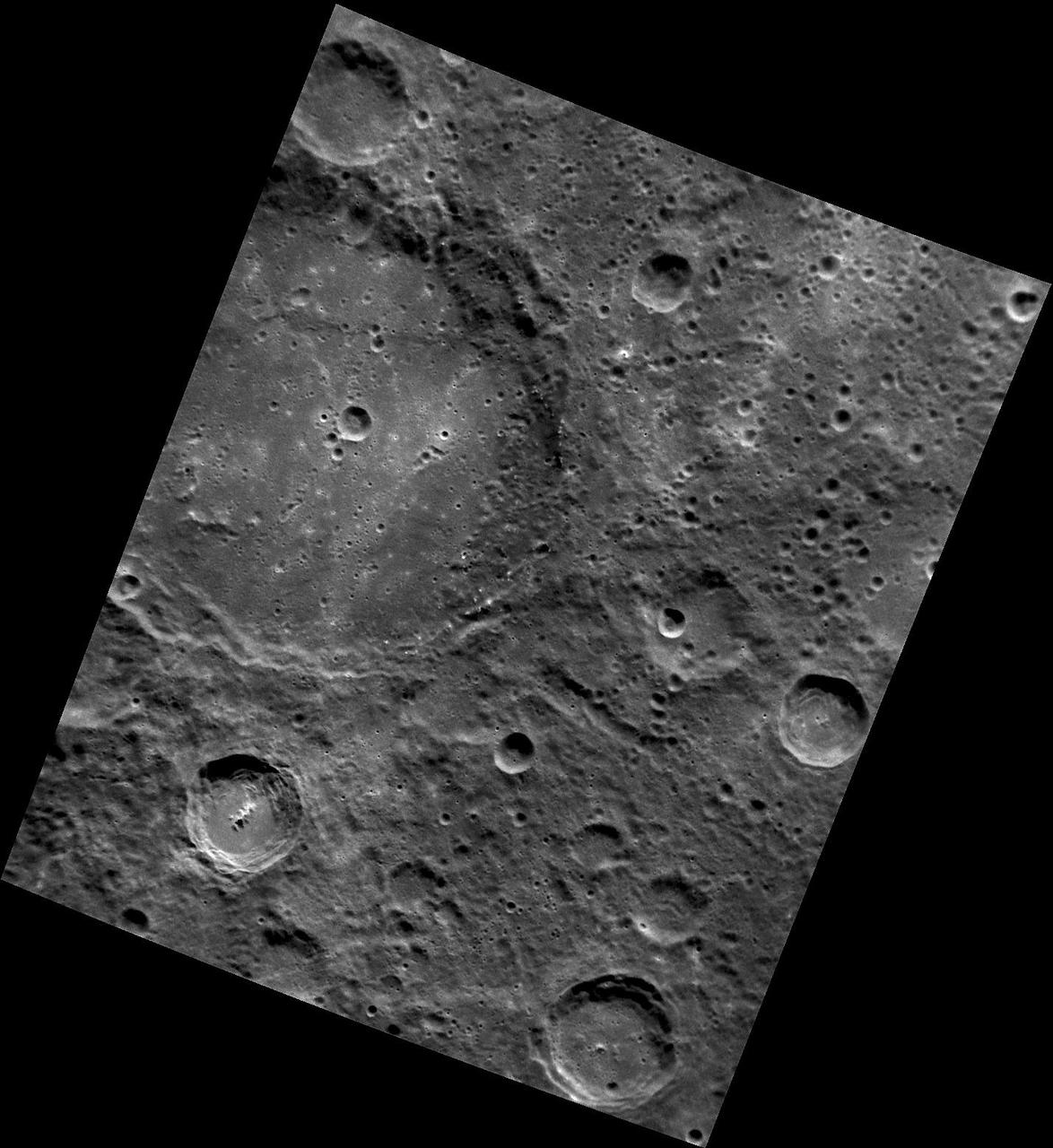
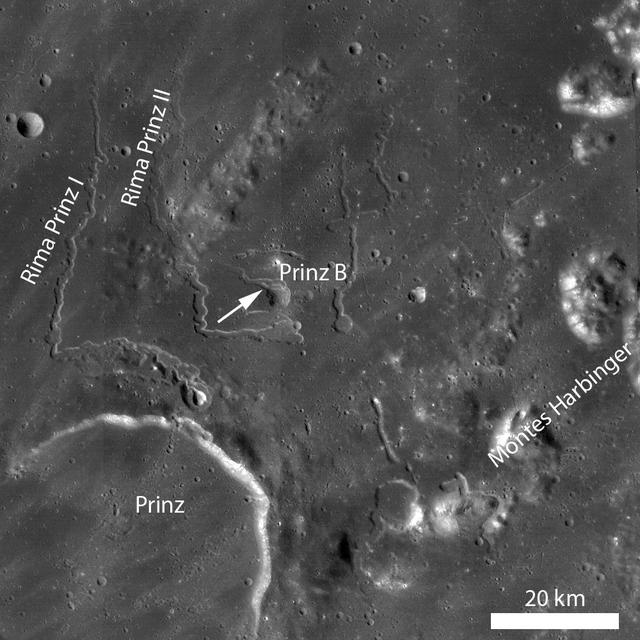
Rilles as far as the eye can see in Prinz
Mars Through Infrared Eyes of Spirit-2
Spirit Shadow, Sol 153 Right Eye
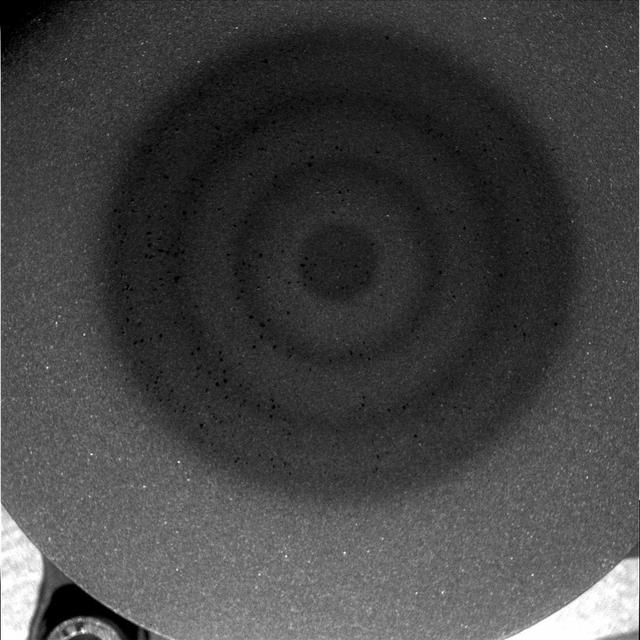
Cat Eye Rings and Peek-a-boo Shadows
Bird-Eye View of Opportunity at Erebus Vertical
A Well-Traveled Eagle Crater left-eye
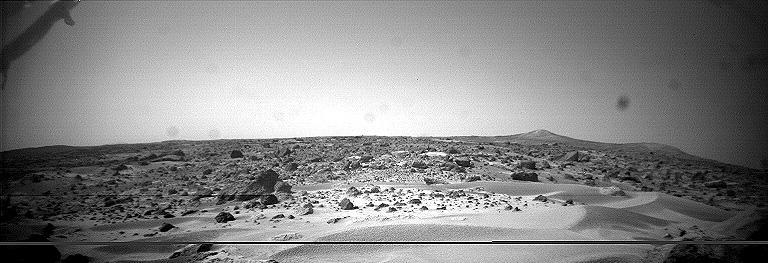
North View from Sojourner - Left Eye
Spirit View on Sol 124 right eye
Spirit View on Sol 101 left eye
North View from Sojourner - Right Eye
Along Endurance Crater Inner Wall Left Eye
Spirit View on Sol 123 left eye
Spirit View on Sol 123 right eye
Spirit View on Sol 110 right eye
Mars Through Infrared Eyes of Spirit-3
Dunes, Big Crater, & Twin Peaks - Right Eye
Spirit Heads Toward History right eye
Opportunity View on Sol 109 left eye
Spirit View on Sol 148 Left Eye
Spirit View on Sol 93 left eye
One View, Two Craters left eye