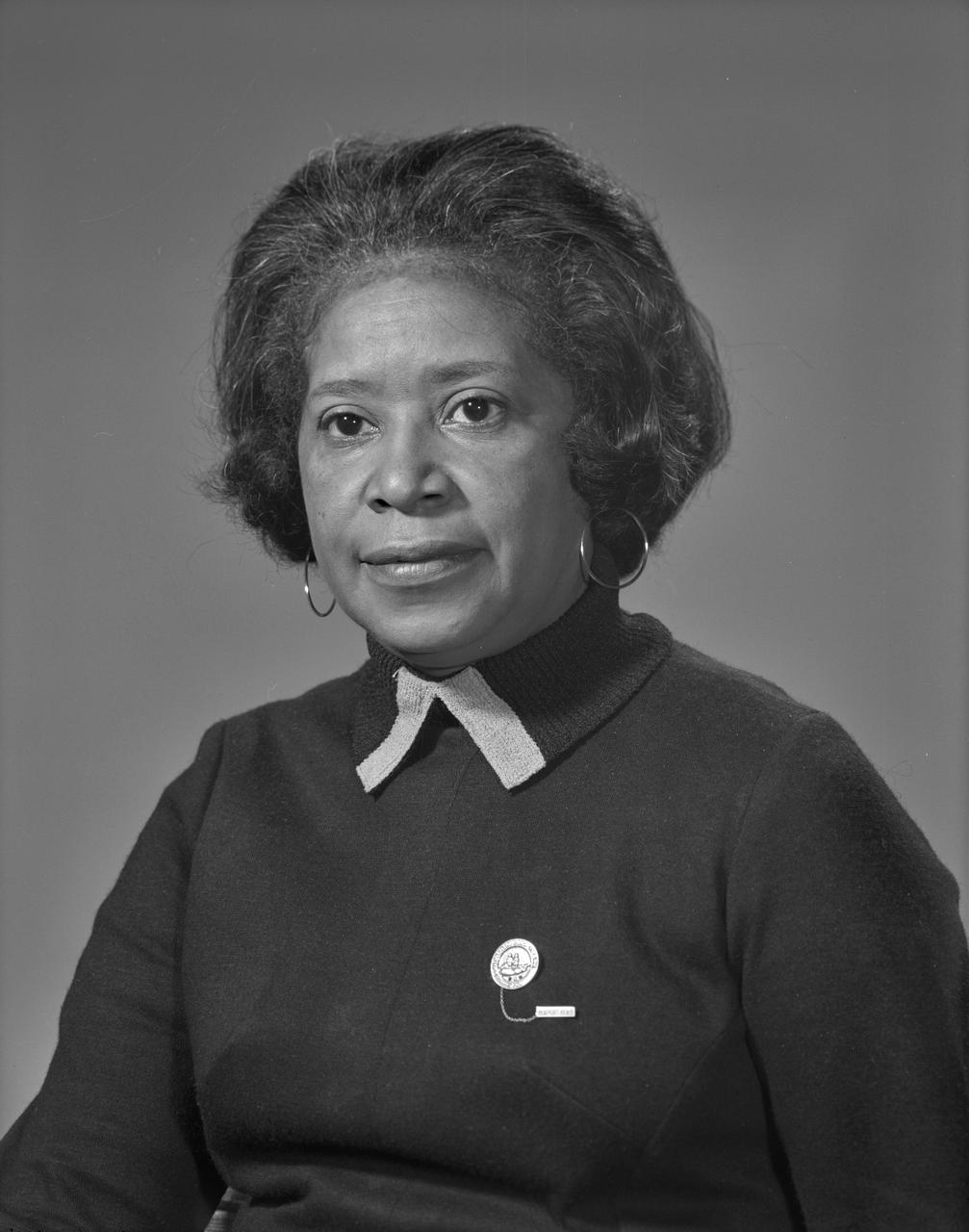
Portrait of Mary Jackson. At the time this photo was taken on October 9, 1971, Mrs. Jackson was working as a Equal Employment Opportunity (EEO) Counselor Mary Jackson, was NASA’s first black female engineer.
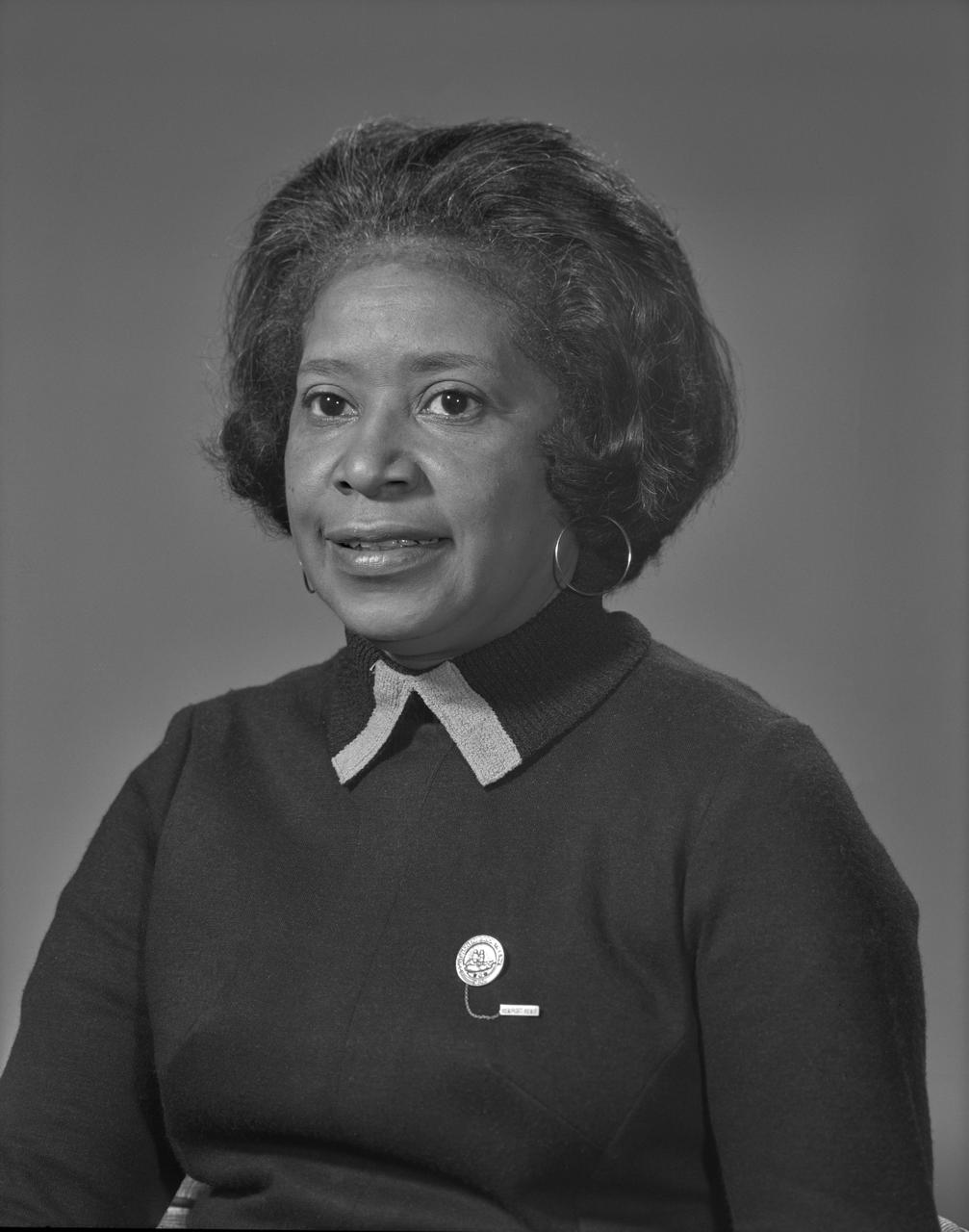
Portrait of Mary Jackson. At the time this photo was taken on October 9, 1971, Mrs. Jackson was working as a Equal Employment Opportunity (EEO) Counselor Mary Jackson, was NASA’s first black female engineer,R-LRC-1971-OCIO_P_F003-08767

Portrait of Mary Jackson. At the time this photo was taken on October 9, 1971, Mrs. Jackson was working as a Equal Employment Opportunity (EEO) Counselor Mary Jackson, was NASA’s first black female engineer, R-LRC-1971-OCIO_P-08767,
Portrait of Mary Jackson. At the time this photo was taken on October 9, 1971, Mrs. Jackson was working as a Equal Employment Opportunity (EEO) Counselor Mary Jackson, was NASA’s first black female engineer,R-LRC-1971-OCIO_P-08767
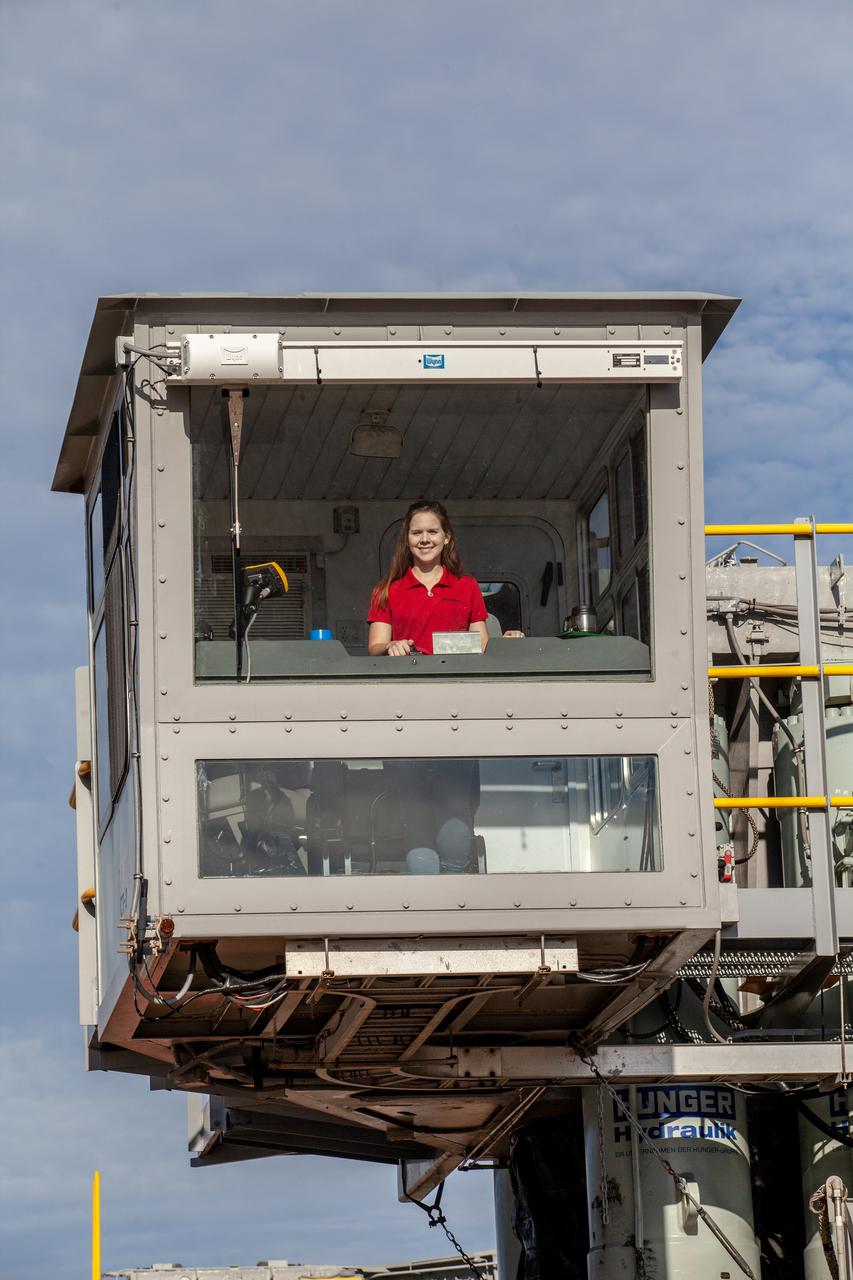
Mechanical Engineer I Breanne Stichler is photographed inside the cab of NASA’s Crawler-Transporter 2 (CT-2) at the Kennedy Space Center in Florida on Aug. 8, 2019. Stichler started working at Kennedy in June and is among one of the few females to have ever driven the crawler. CT-2 will carry the agency’s mobile launcher with the Space Launch System rocket from the Vehicle Assembly Building to Launch Pad 39B for the launch of Artemis 1, the first in a series of complex missions that will provide the foundation for human deep space exploration.
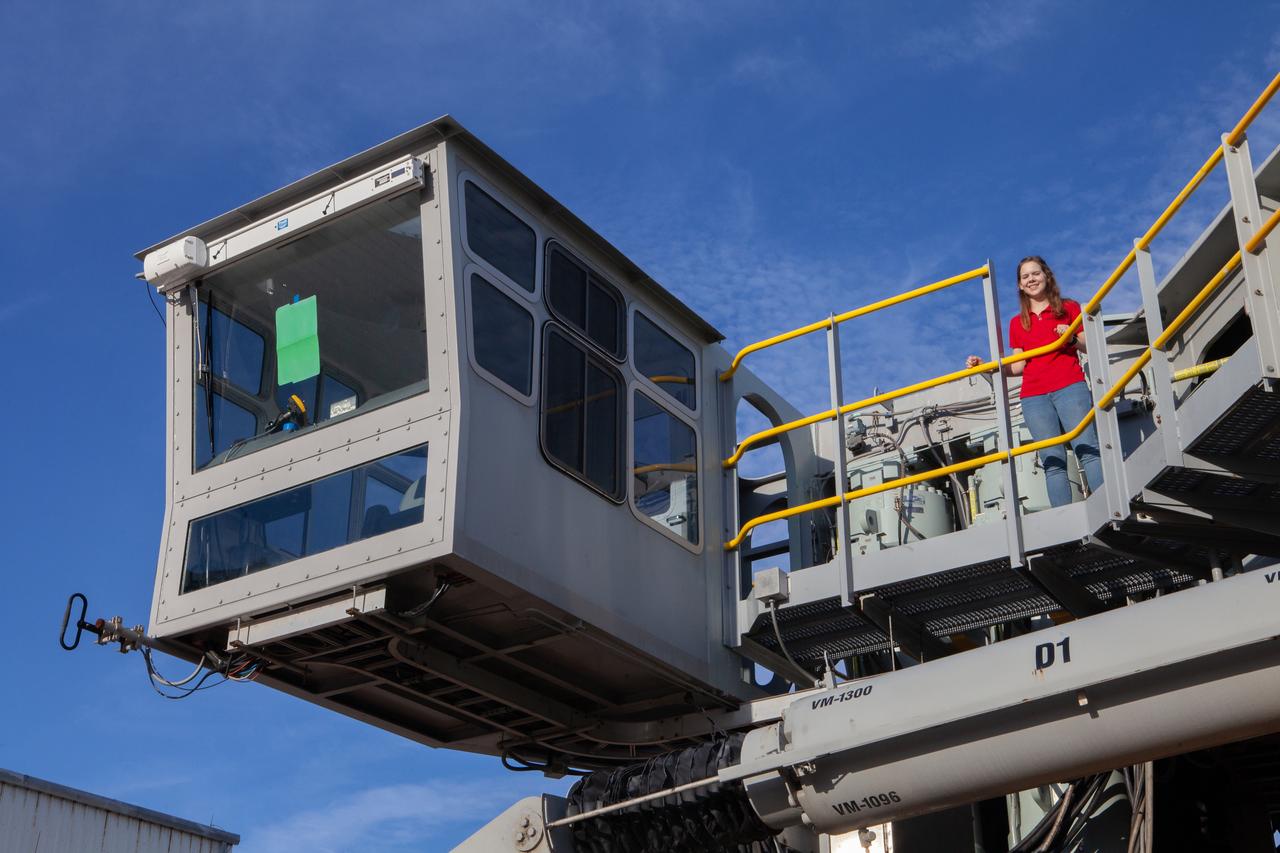
Breanne Stichler, mechanical engineer I, is photographed next to the cab of NASA’s Crawler-Transporter 2 (CT-2) at the Kennedy Space Center in Florida on Aug. 8, 2019. Stichler started working at Kennedy in June and is among one of the few females to have ever driven the crawler. CT-2 will carry the agency’s mobile launcher with the Space Launch System rocket from the Vehicle Assembly Building to Launch Pad 39B for the launch of Artemis 1, the first in a series of complex missions that will provide the foundation for human deep space exploration.
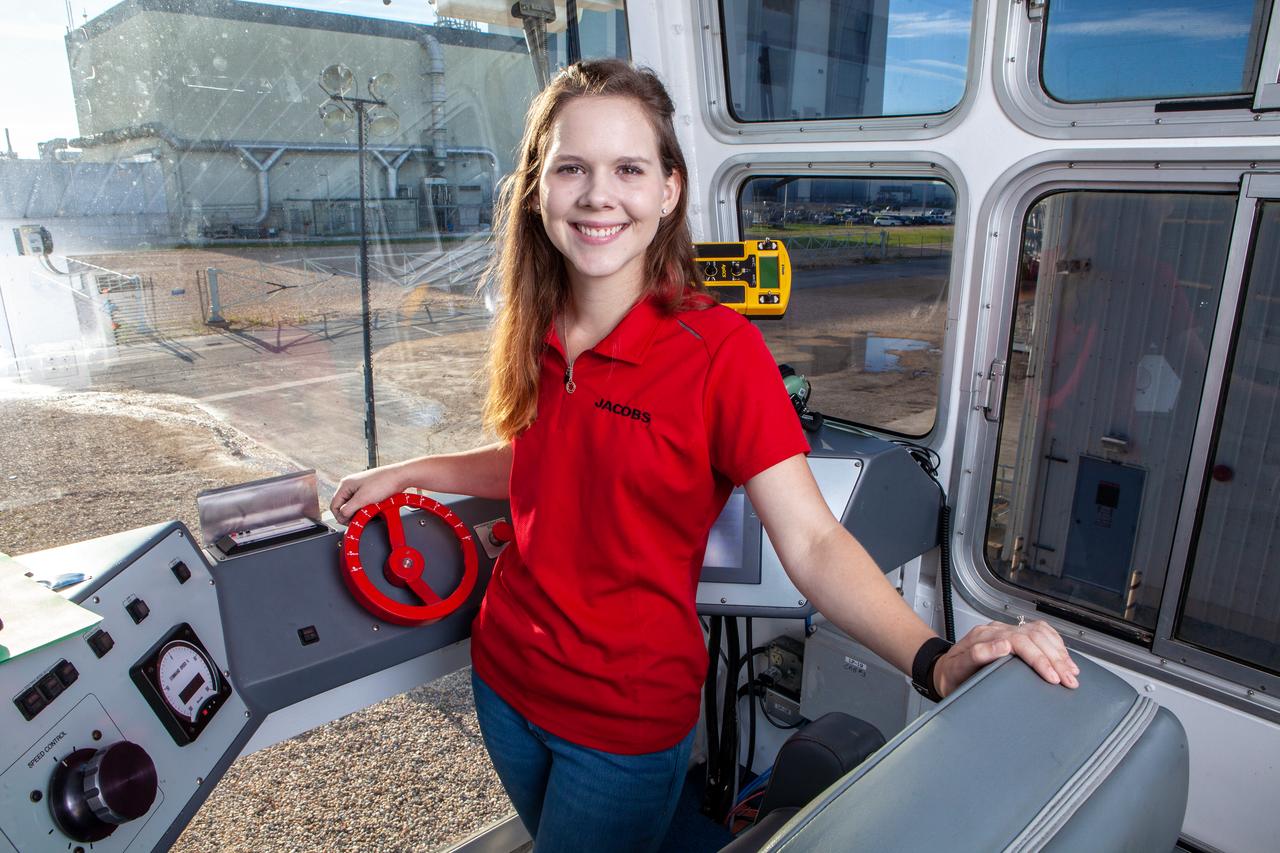
Breanne Stichler, mechanical engineer I, is photographed inside the cab of NASA’s Crawler-Transporter 2 (CT-2) at the Kennedy Space Center in Florida on Aug. 8, 2019. Stichler started working at Kennedy in June and is among one of the few females to have ever driven the crawler. CT-2 will carry the agency’s mobile launcher with the Space Launch System rocket from the Vehicle Assembly Building to Launch Pad 39B for the launch of Artemis 1, the first in a series of complex missions that will provide the foundation for human deep space exploration.
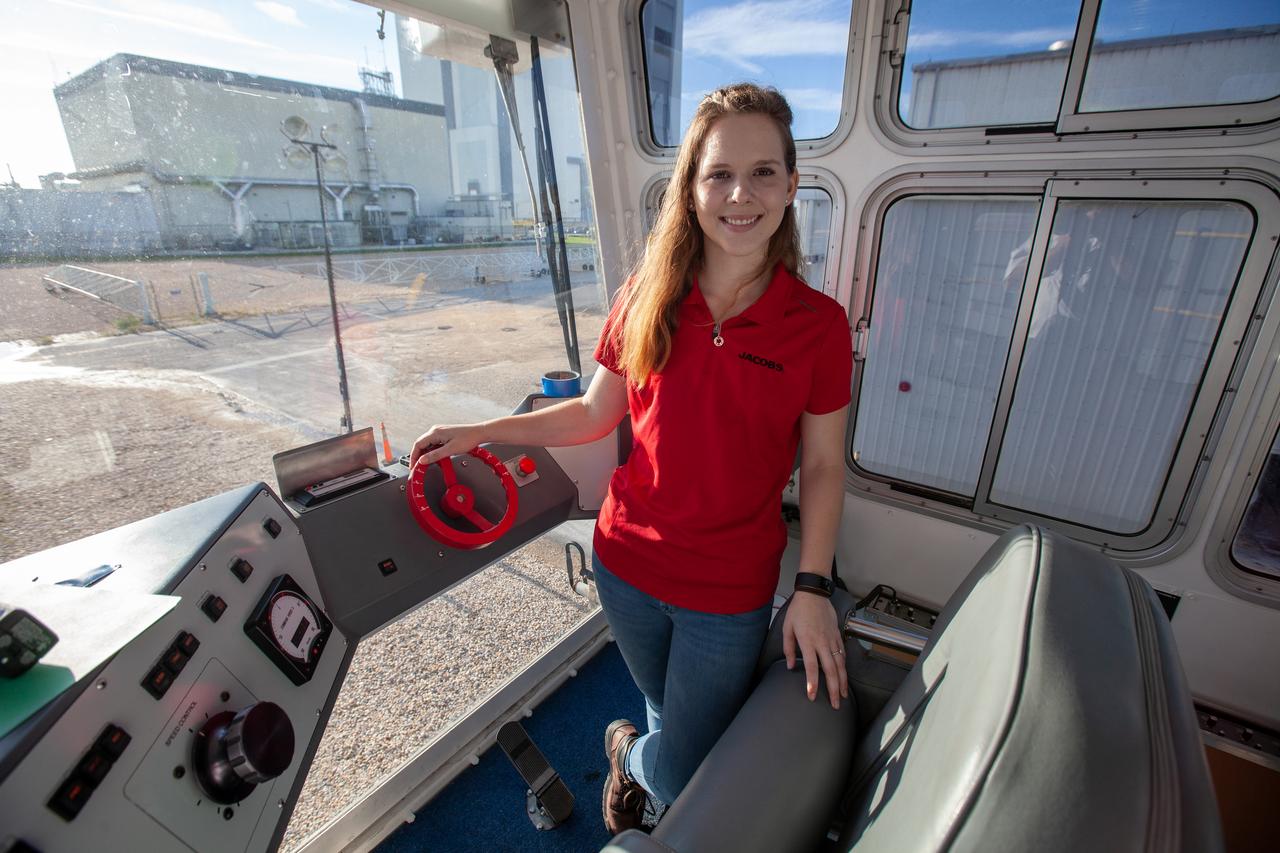
Breanne Stichler, mechanical engineer I, is photographed inside the cab of NASA’s Crawler-Transporter 2 (CT-2) at the Kennedy Space Center in Florida on Aug. 8, 2019. Stichler started working at Kennedy in June and is among one of the few females to have ever driven the crawler. CT-2 will carry the agency’s mobile launcher with the Space Launch System rocket from the Vehicle Assembly Building to Launch Pad 39B for the launch of Artemis 1, the first in a series of complex missions that will provide the foundation for human deep space exploration.
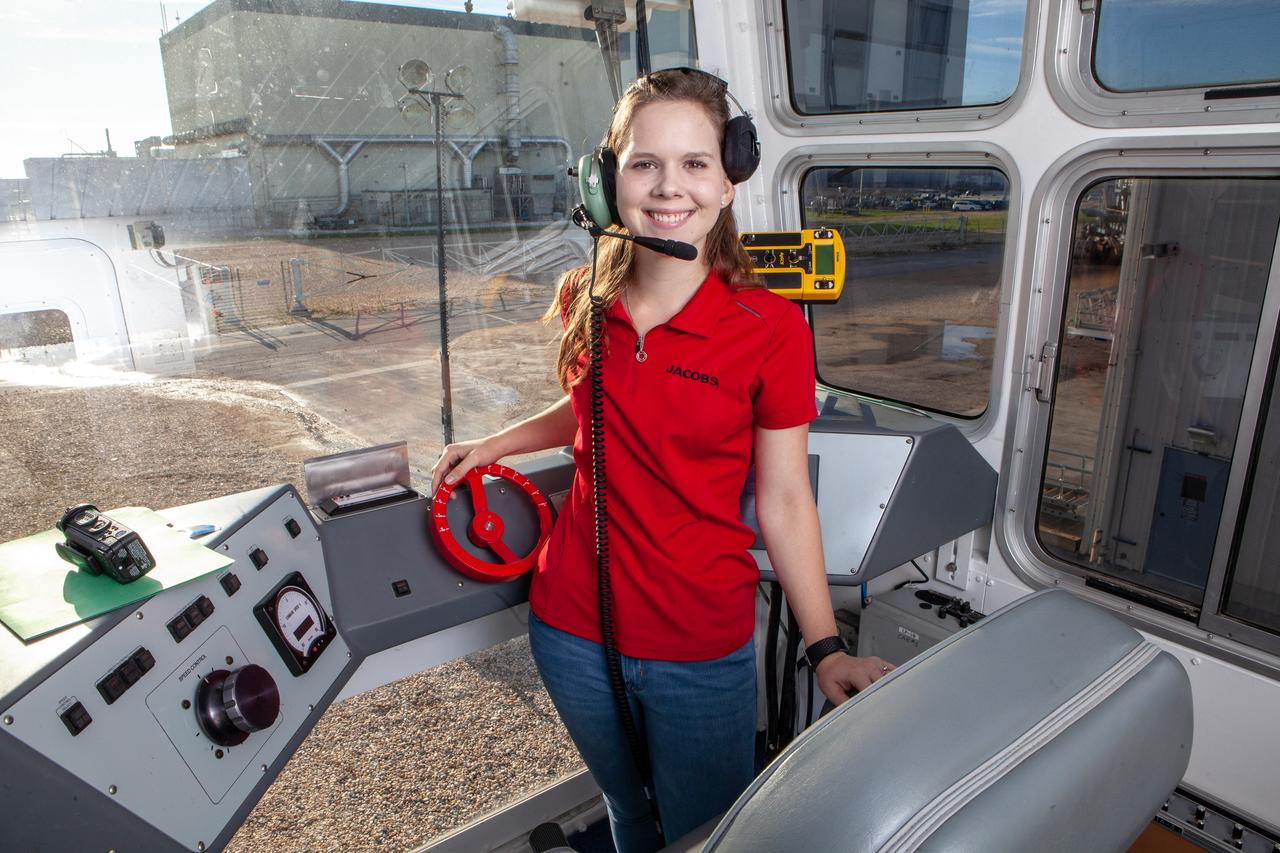
Breanne Stichler, mechanical engineer I, is photographed inside the cab of NASA’s Crawler-Transporter 2 (CT-2) at the Kennedy Space Center in Florida on Aug. 8, 2019. Stichler started working at Kennedy in June and is among one of the few females to have ever driven the crawler. CT-2 will carry the agency’s mobile launcher with the Space Launch System rocket from the Vehicle Assembly Building to Launch Pad 39B for the launch of Artemis 1, the first in a series of complex missions that will provide the foundation for human deep space exploration.
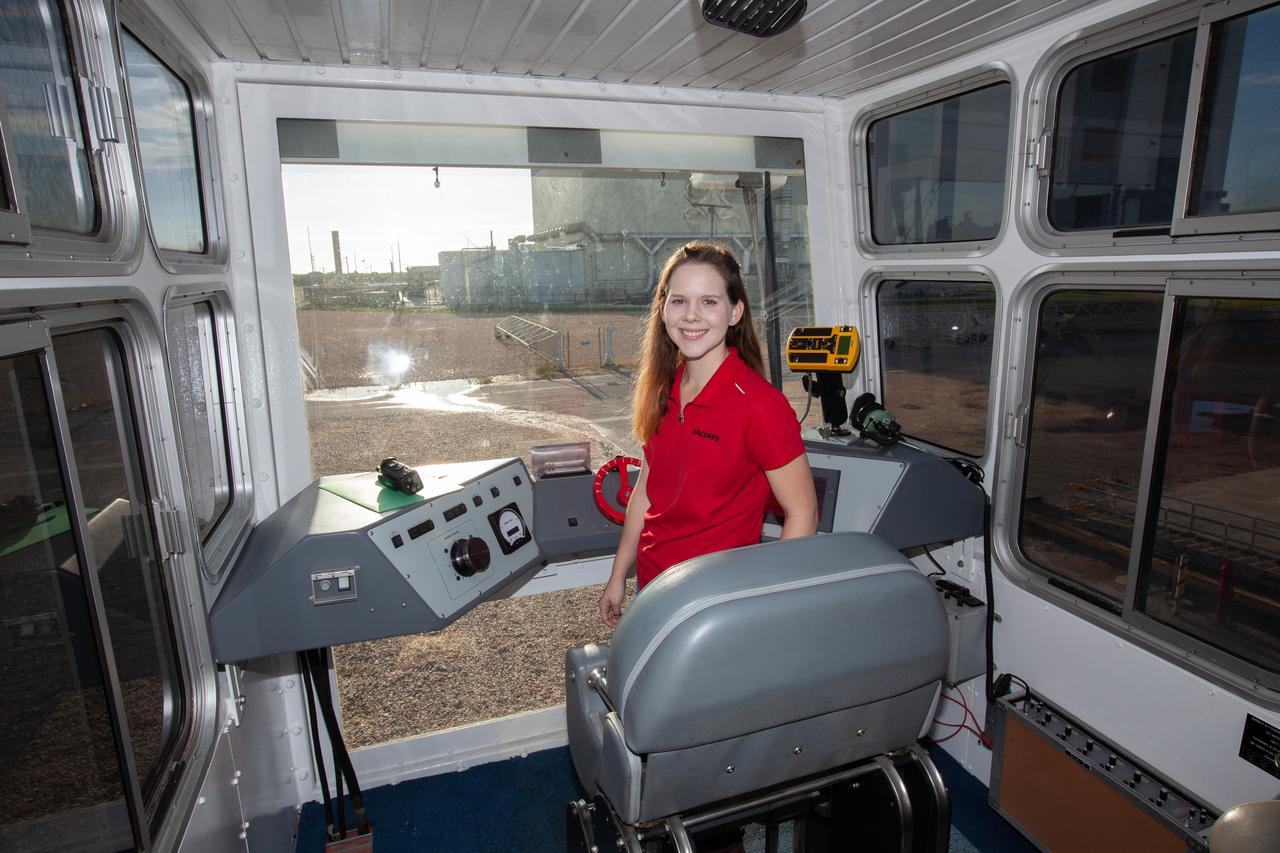
Breanne Stichler, mechanical engineer I, is photographed inside the cab of NASA’s Crawler-Transporter 2 (CT-2) at the Kennedy Space Center in Florida on Aug. 8, 2019. Stichler started working at Kennedy in June and is among one of the few females to have ever driven the crawler. CT-2 will carry the agency’s mobile launcher with the Space Launch System rocket from the Vehicle Assembly Building to Launch Pad 39B for the launch of Artemis 1, the first in a series of complex missions that will provide the foundation for human deep space exploration.
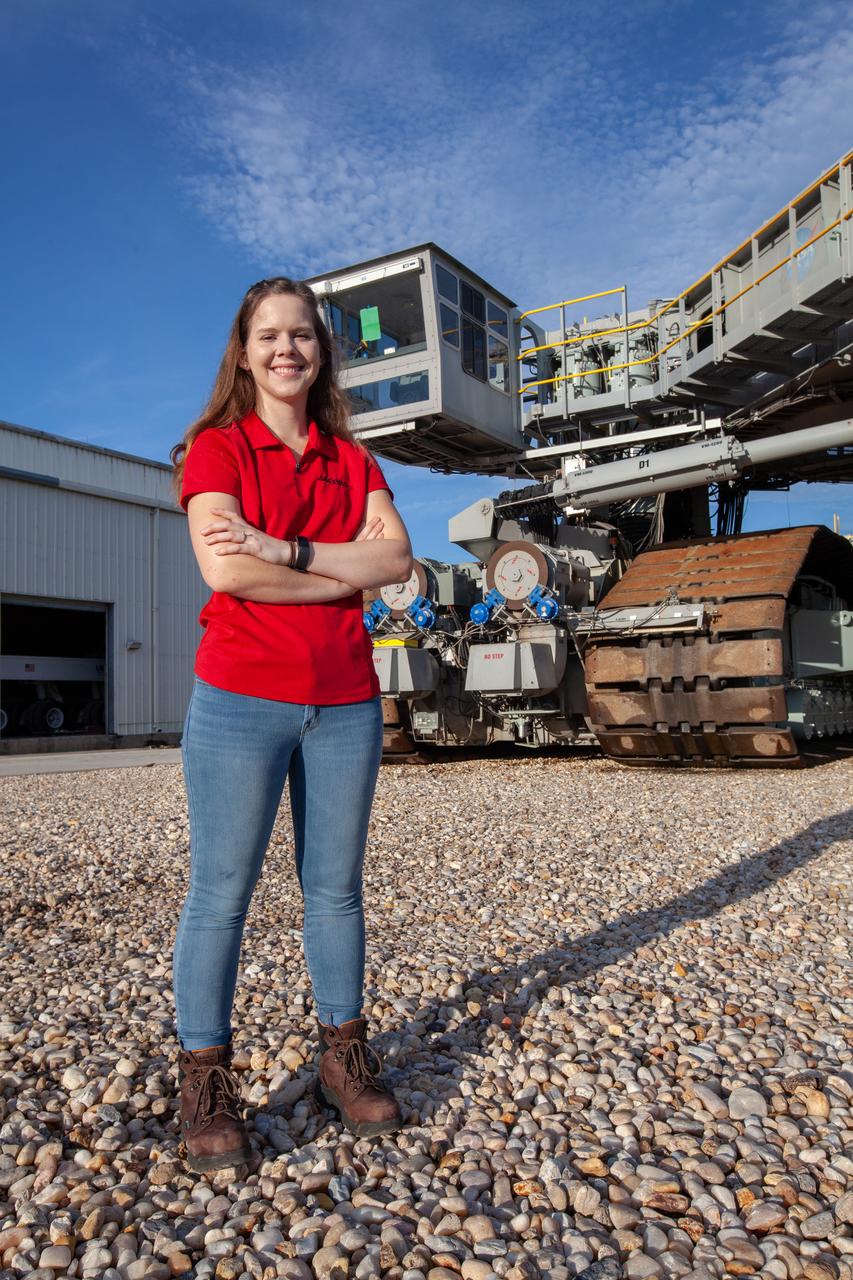
Breanne Stichler, mechanical engineer I, is photographed in front of NASA’s Crawler-Transporter 2 (CT-2) at the Kennedy Space Center in Florida on Aug. 8, 2019. Stichler started working at Kennedy in June and is among one of the few females to have ever driven the crawler. CT-2 will carry the agency’s mobile launcher with the Space Launch System rocket from the Vehicle Assembly Building to Launch Pad 39B for the launch of Artemis 1, the first in a series of complex missions that will provide the foundation for human deep space exploration.
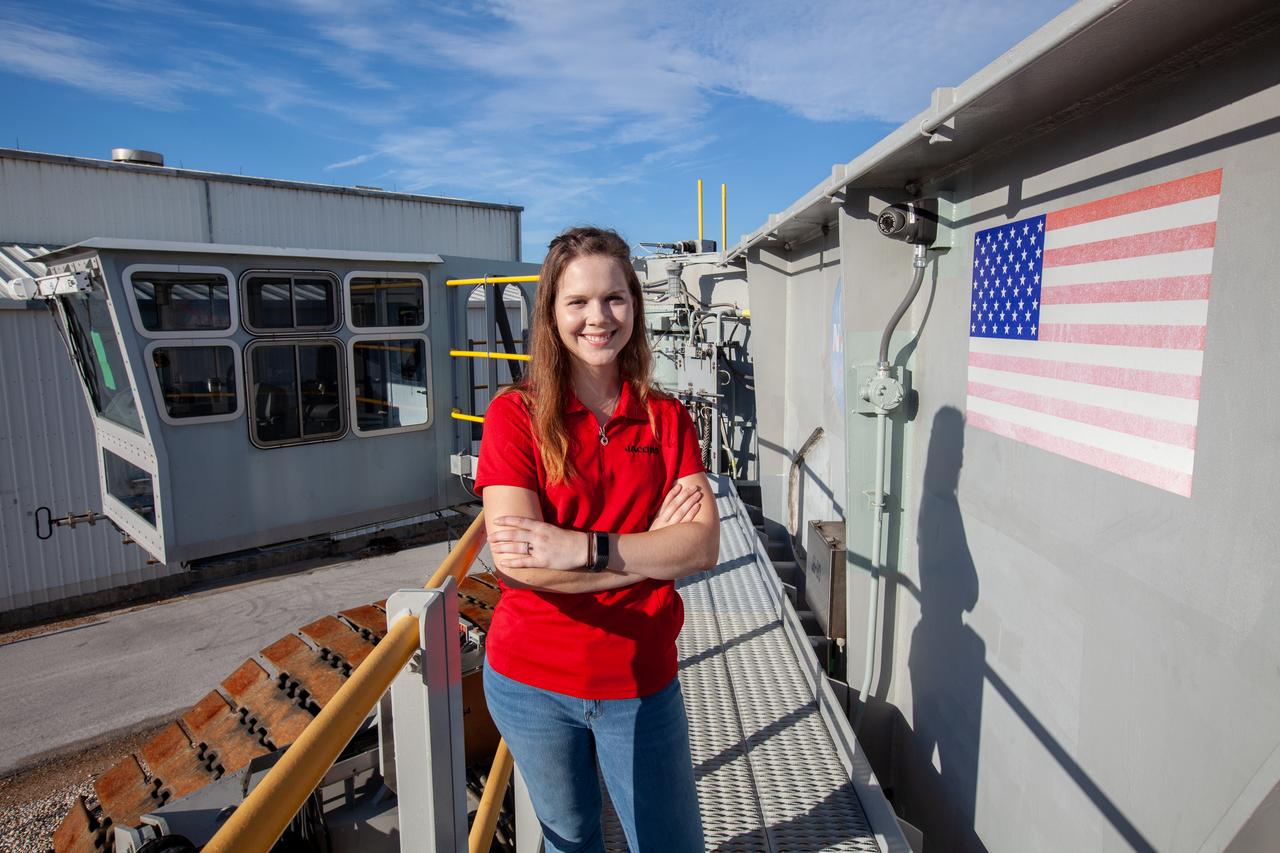
Breanne Stichler, mechanical engineer I, stands atop NASA’s Crawler-Transporter 2 (CT-2) at the Kennedy Space Center in Florida on Aug. 8, 2019. Stichler started working at Kennedy in June and is among one of the few females to have ever driven the crawler. CT-2 will carry the agency’s mobile launcher with the Space Launch System rocket from the Vehicle Assembly Building to Launch Pad 39B for the launch of Artemis 1, the first in a series of complex missions that will provide the foundation for human deep space exploration.
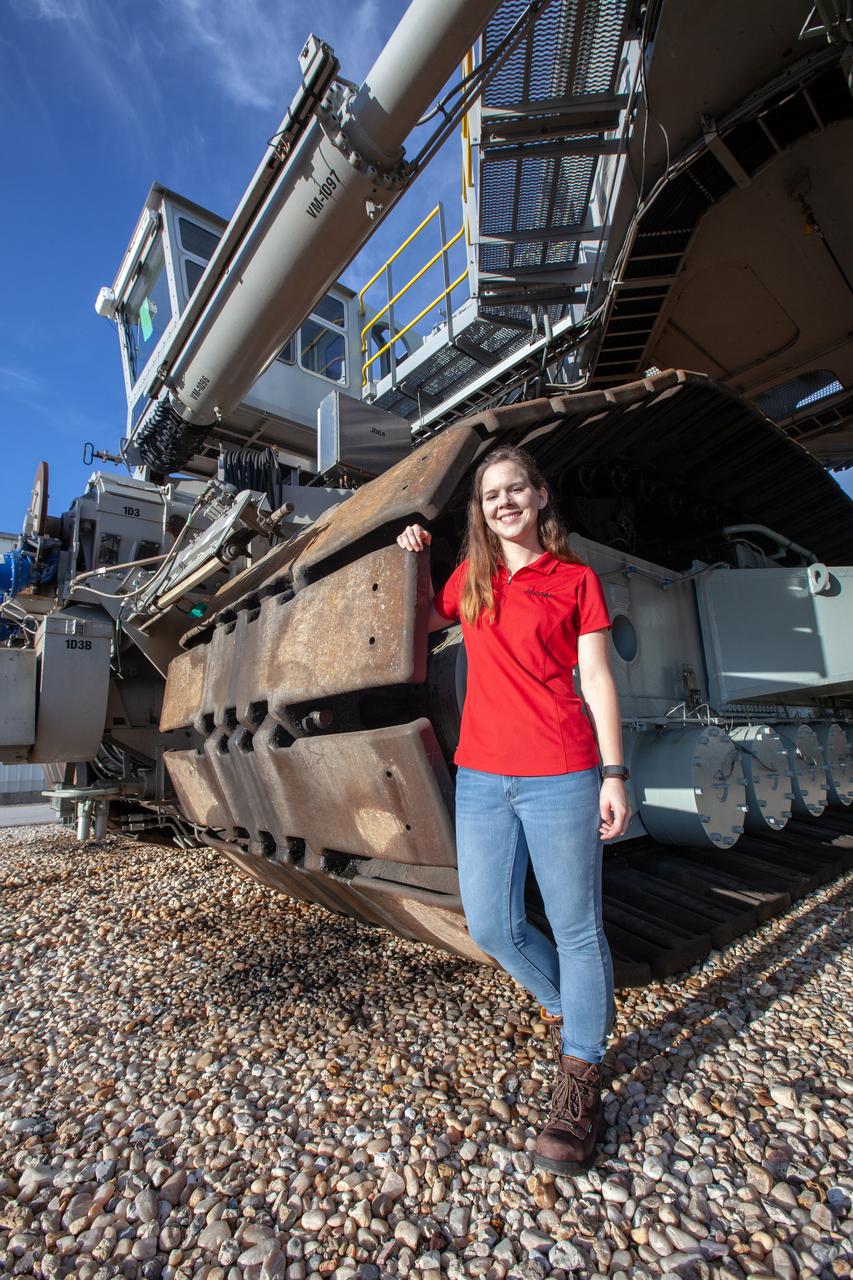
Breanne Stichler, mechanical engineer I, is photographed with NASA’s Crawler-Transporter 2 (CT-2) at the Kennedy Space Center in Florida on Aug. 8, 2019. Stichler started working at Kennedy in June and is among one of the few females to have ever driven the crawler. CT-2 will carry the agency’s mobile launcher with the Space Launch System rocket from the Vehicle Assembly Building to Launch Pad 39B for the launch of Artemis 1, the first in a series of complex missions that will provide the foundation for human deep space exploration.
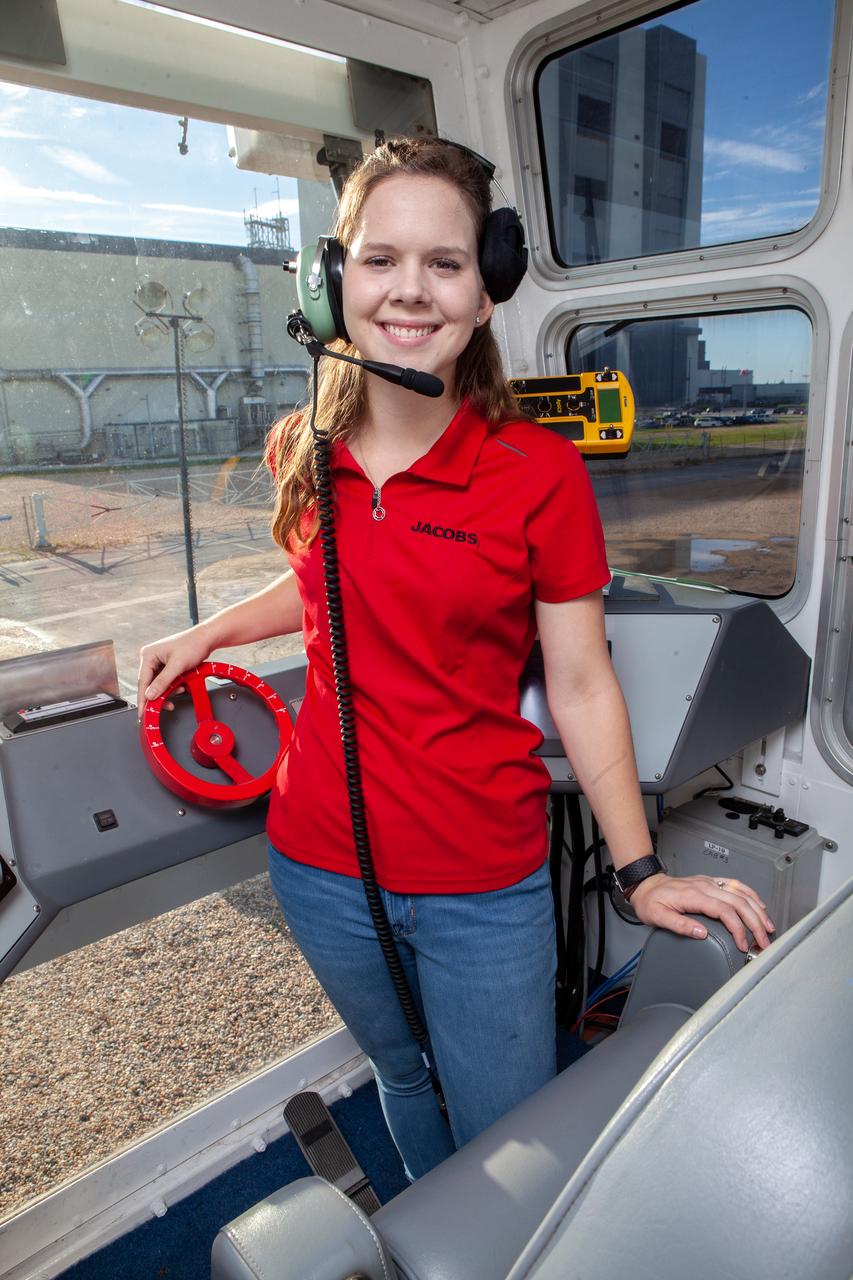
Breanne Stichler, mechanical engineer I, is photographed inside the cab of NASA’s Crawler-Transporter 2 (CT-2) at the Kennedy Space Center in Florida on Aug. 8, 2019. Stichler started working at Kennedy in June and is among one of the few females to have ever driven the crawler. CT-2 will carry the agency’s mobile launcher with the Space Launch System rocket from the Vehicle Assembly Building to Launch Pad 39B for the launch of Artemis 1, the first in a series of complex missions that will provide the foundation for human deep space exploration.
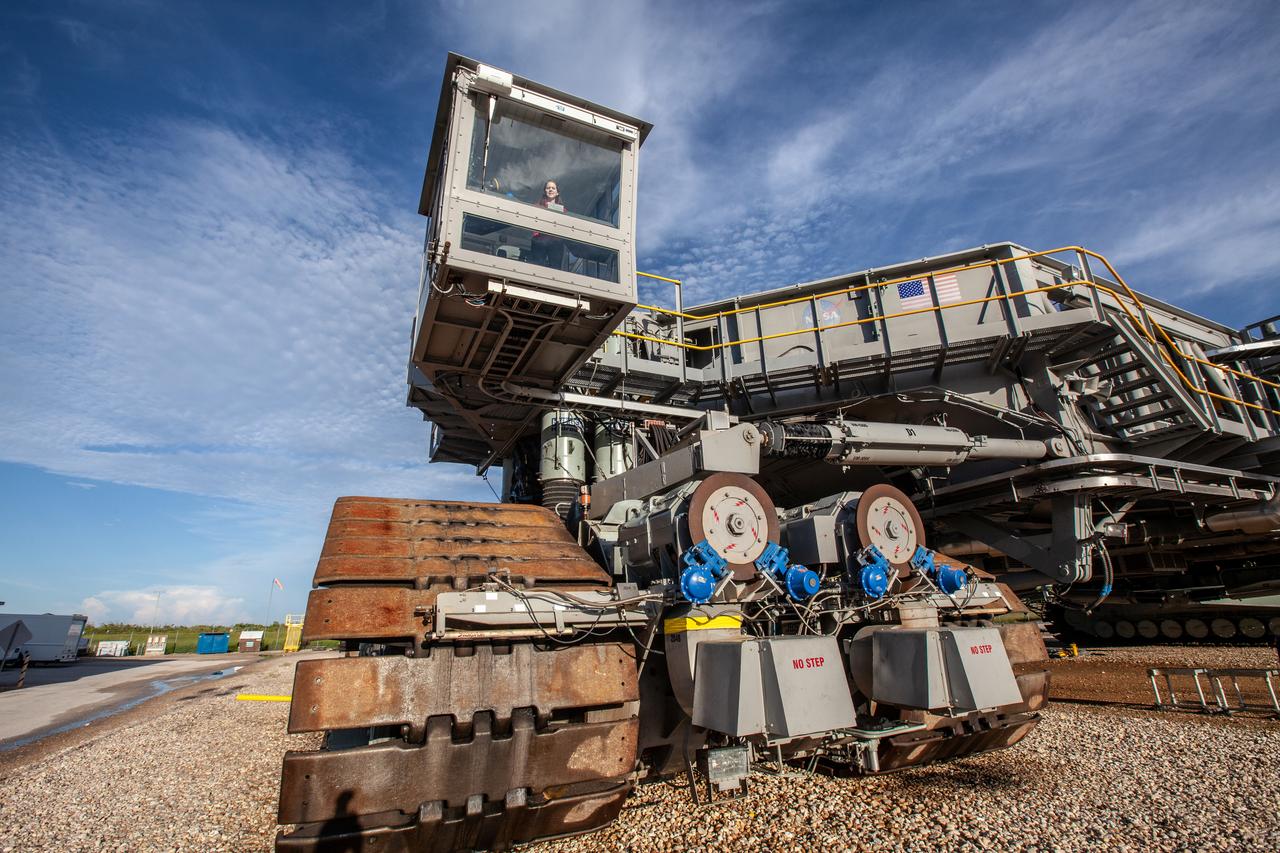
Breanne Stichler, mechanical engineer I, is photographed inside the cab of NASA’s Crawler-Transporter 2 (CT-2) at the Kennedy Space Center in Florida on Aug. 8, 2019. Stichler started working at Kennedy in June and is among one of the few females to have ever driven the crawler. CT-2 will carry the agency’s mobile launcher with the Space Launch System rocket from the Vehicle Assembly Building to Launch Pad 39B for the launch of Artemis 1, the first in a series of complex missions that will provide the foundation for human deep space exploration.
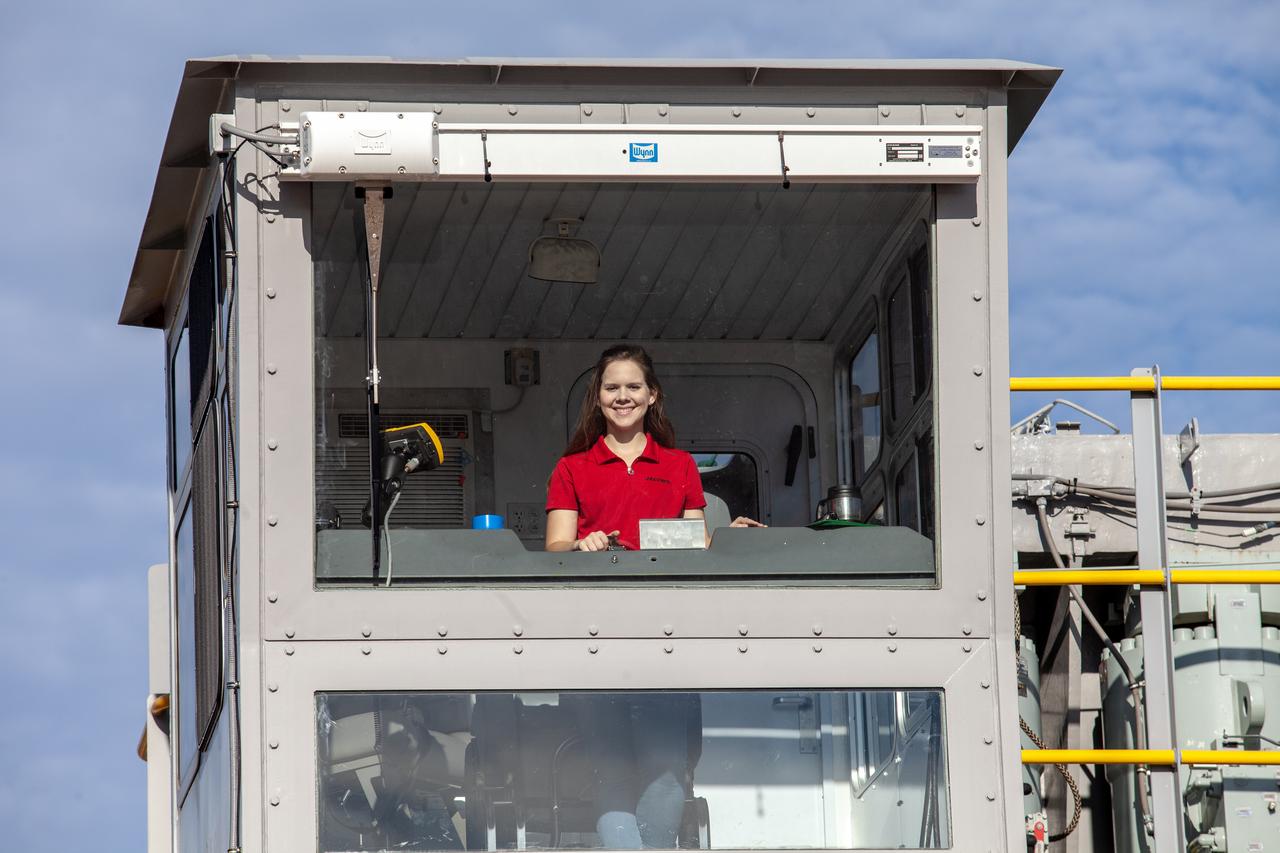
Mechanical Engineer I Breanne Stichler is photographed inside the cab of NASA’s Crawler-Transporter 2 (CT-2) at the Kennedy Space Center in Florida on Aug. 8, 2019. Stichler started working at Kennedy in June and is among one of the few females to have ever driven the crawler. CT-2 will carry the agency’s mobile launcher with the Space Launch System rocket from the Vehicle Assembly Building to Launch Pad 39B for the launch of Artemis 1, the first in a series of complex missions that will provide the foundation for human deep space exploration.
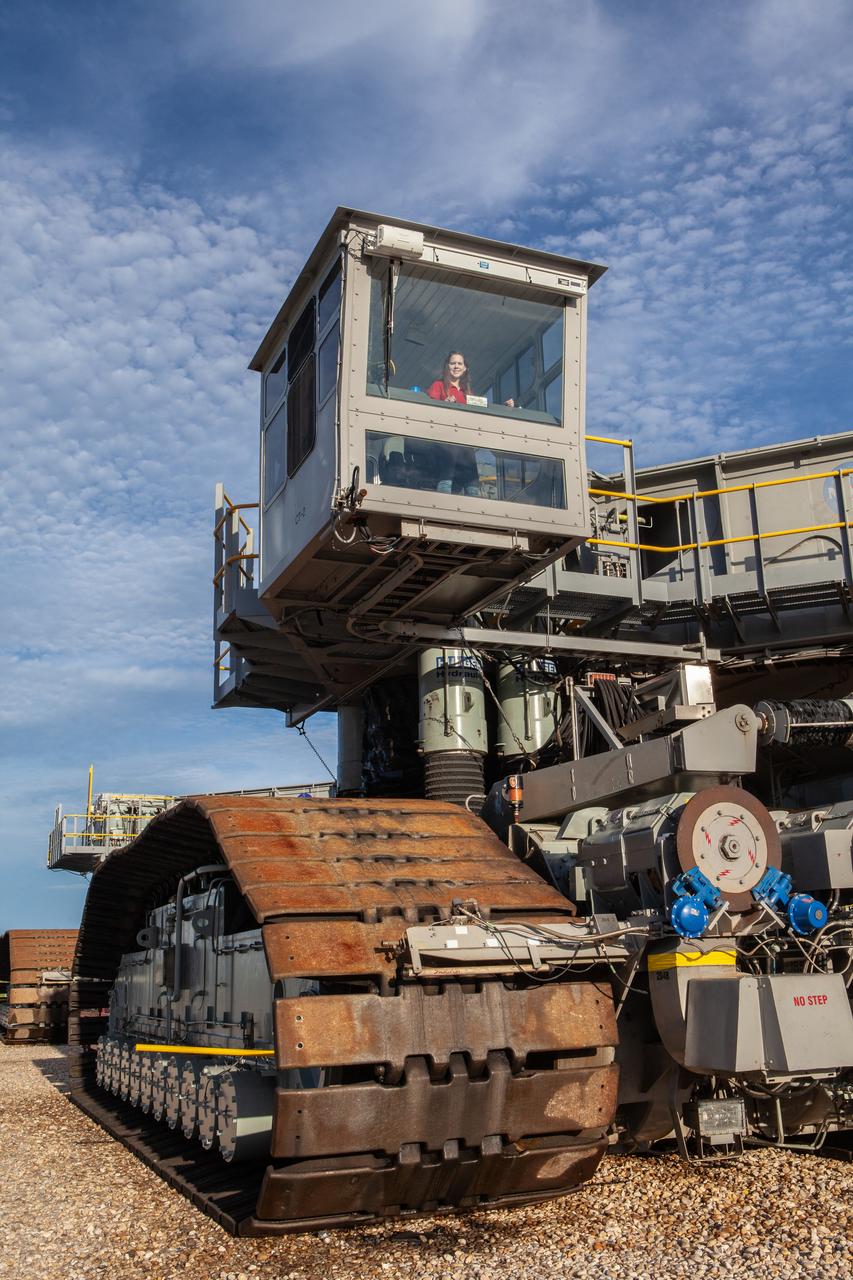
Breanne Stichler, mechanical engineer I, is photographed inside the cab of NASA’s Crawler-Transporter 2 (CT-2) at the Kennedy Space Center in Florida on Aug. 8, 2019. Stichler started working at Kennedy in June and is among one of the few females to have ever driven the crawler. CT-2 will carry the agency’s mobile launcher with the Space Launch System rocket from the Vehicle Assembly Building to Launch Pad 39B for the launch of Artemis 1, the first in a series of complex missions that will provide the foundation for human deep space exploration.
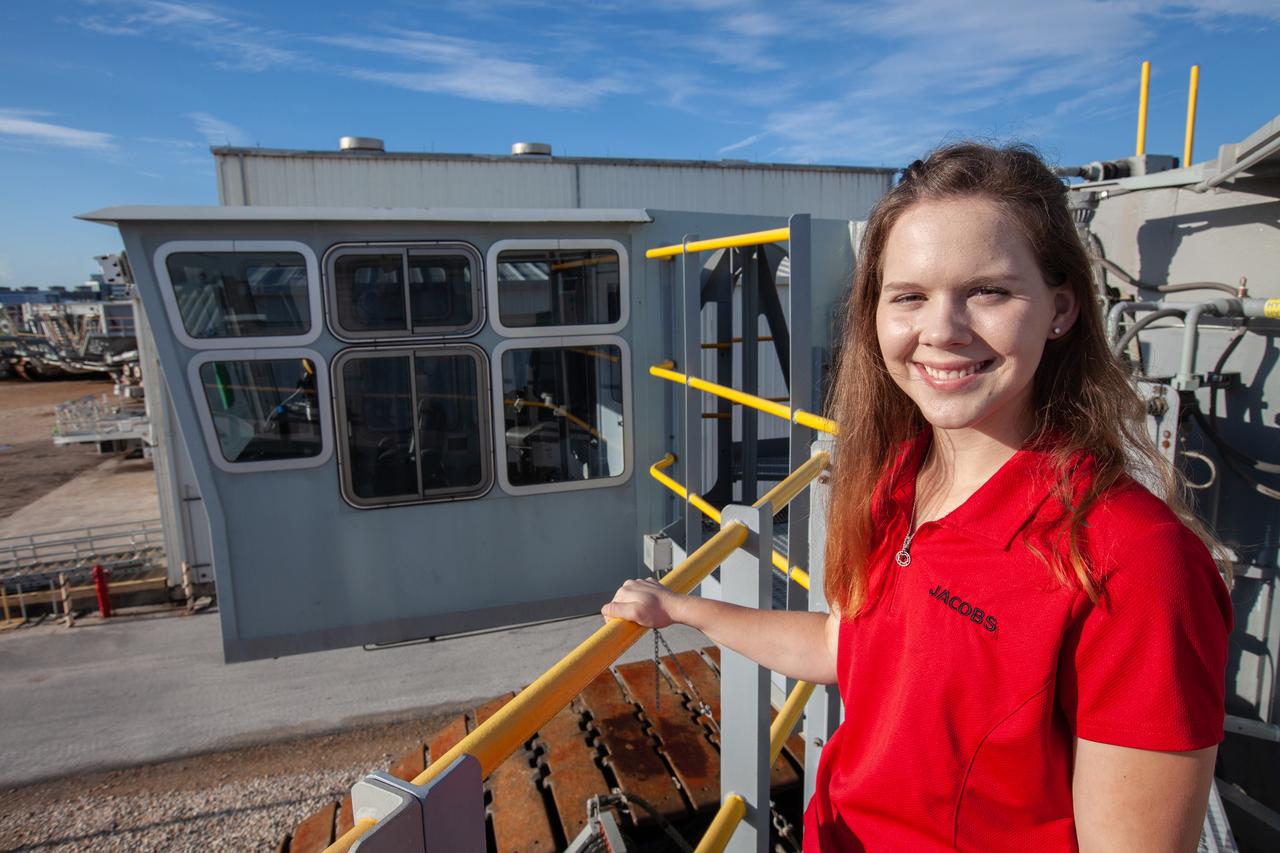
Breanne Stichler, mechanical engineer I, stands atop NASA’s Crawler-Transporter 2 (CT-2) at the Kennedy Space Center in Florida on Aug. 8, 2019. Stichler started working at Kennedy in June and is among one of the few females to have ever driven the crawler. CT-2 will carry the agency’s mobile launcher with the Space Launch System rocket from the Vehicle Assembly Building to Launch Pad 39B for the launch of Artemis 1, the first in a series of complex missions that will provide the foundation for human deep space exploration.
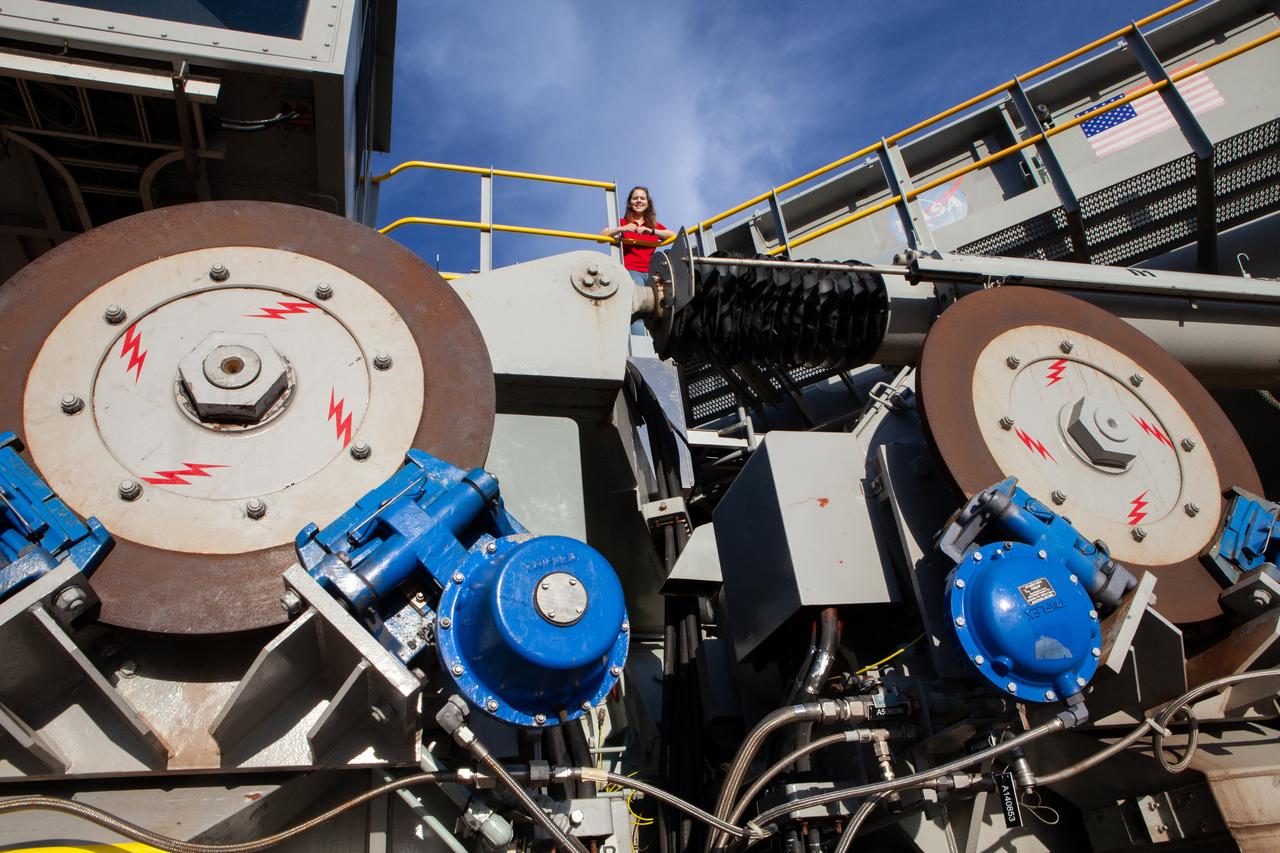
Breanne Stichler, mechanical engineer I, is photographed atop NASA’s Crawler-Transporter 2 (CT-2) at the Kennedy Space Center in Florida on Aug. 8, 2019. Stichler started working at Kennedy in June and is among one of the few females to have ever driven the crawler. CT-2 will carry the agency’s mobile launcher with the Space Launch System rocket from the Vehicle Assembly Building to Launch Pad 39B for the launch of Artemis 1, the first in a series of complex missions that will provide the foundation for human deep space exploration.
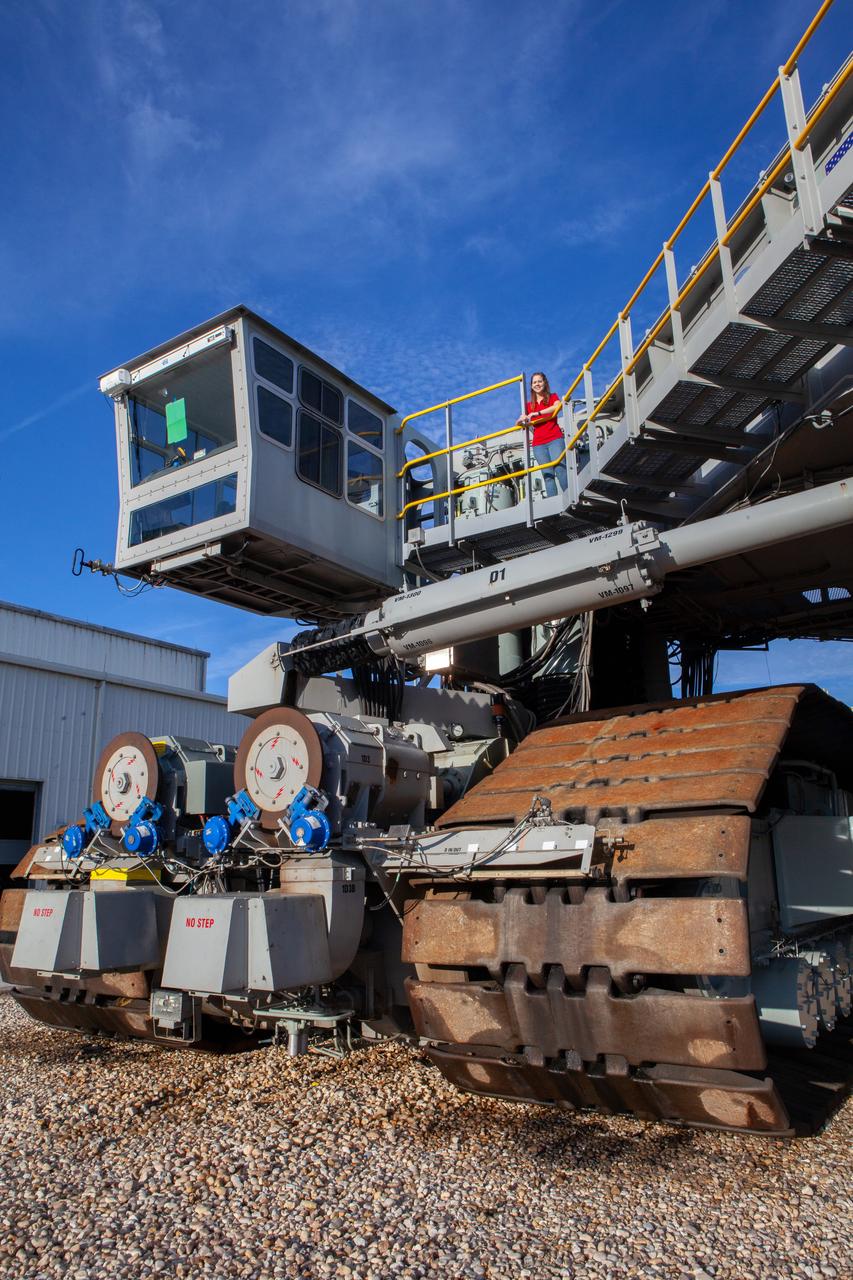
Breanne Stichler, mechanical engineer I, stands atop NASA’s Crawler-Transporter 2 (CT-2) at the Kennedy Space Center in Florida on Aug. 8, 2019. Stichler started working at Kennedy in June and is among one of the few females to have ever driven the crawler. CT-2 will carry the agency’s mobile launcher with the Space Launch System rocket from the Vehicle Assembly Building to Launch Pad 39B for the launch of Artemis 1, the first in a series of complex missions that will provide the foundation for human deep space exploration.
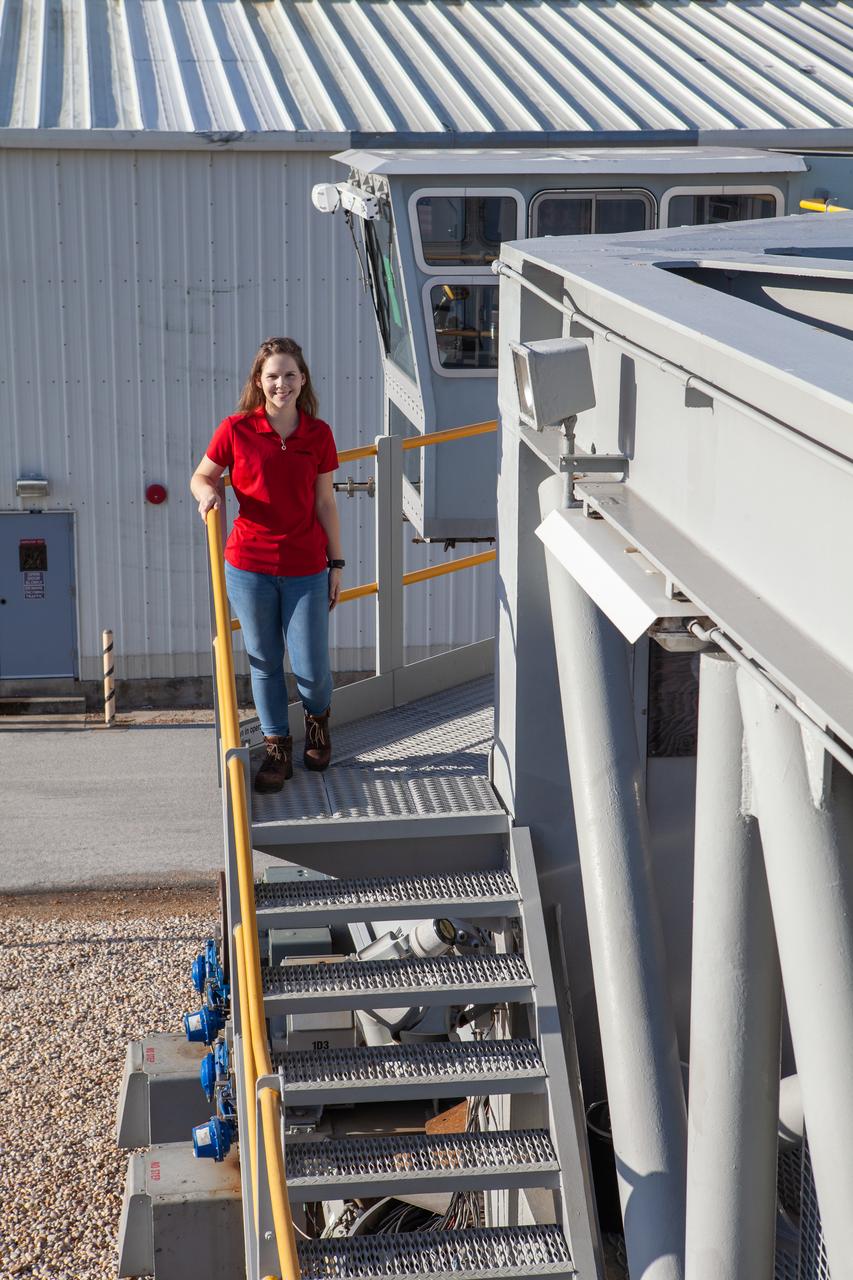
Mechanical Engineer I Breanne Stichler is photographed atop NASA’s Crawler-Transporter 2 (CT-2) at the Kennedy Space Center in Florida on Aug. 8, 2019. Stichler started working at Kennedy in June and is among one of the few females to have ever driven the crawler. CT-2 will carry the agency’s mobile launcher with the Space Launch System rocket from the Vehicle Assembly Building to Launch Pad 39B for the launch of Artemis 1, the first in a series of complex missions that will provide the foundation for human deep space exploration.
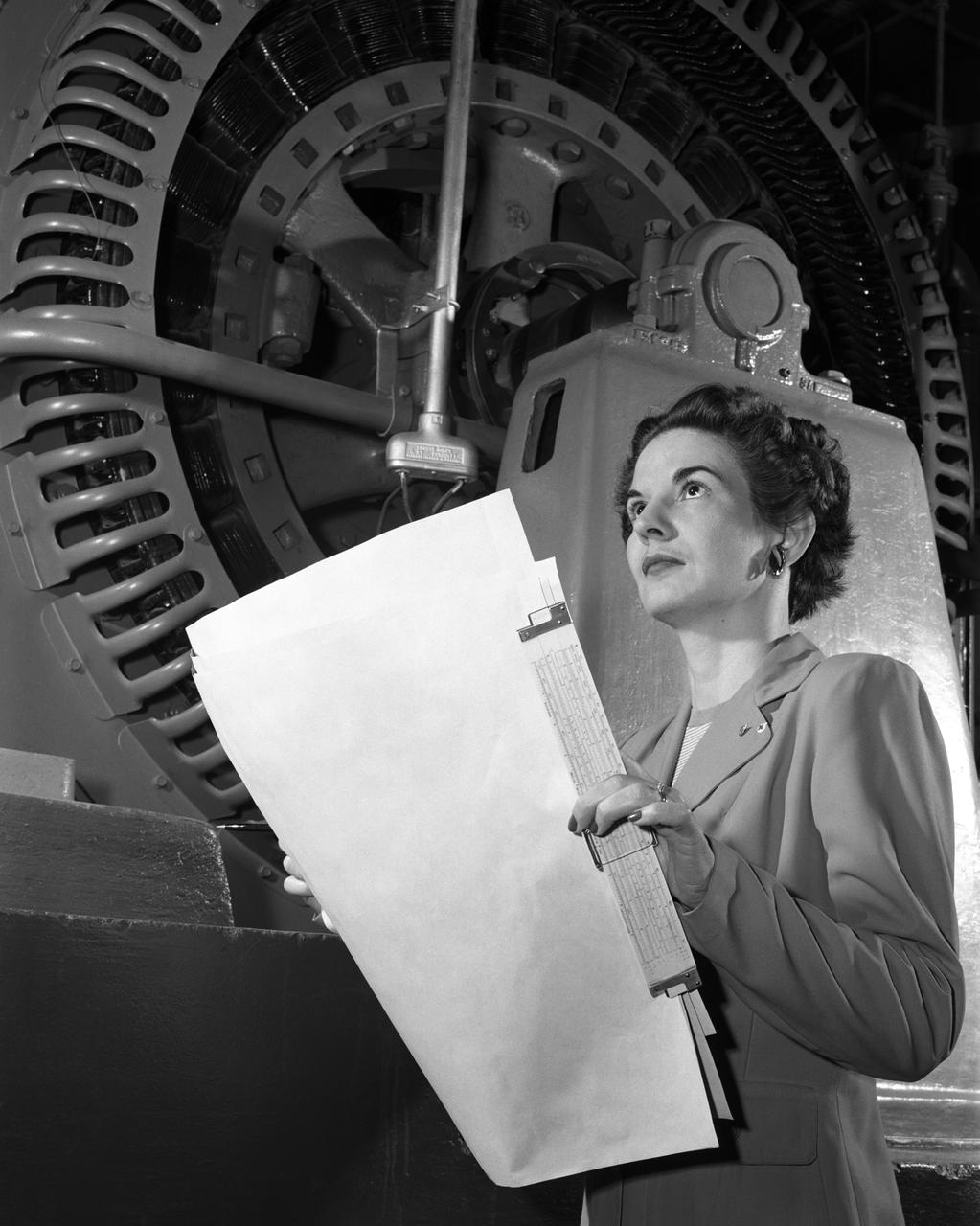
electrical engineer.NACA engineer Kitty Joyner, believed to be the first NACA female engineer, as well as the first women engineer to graduate from UVA.
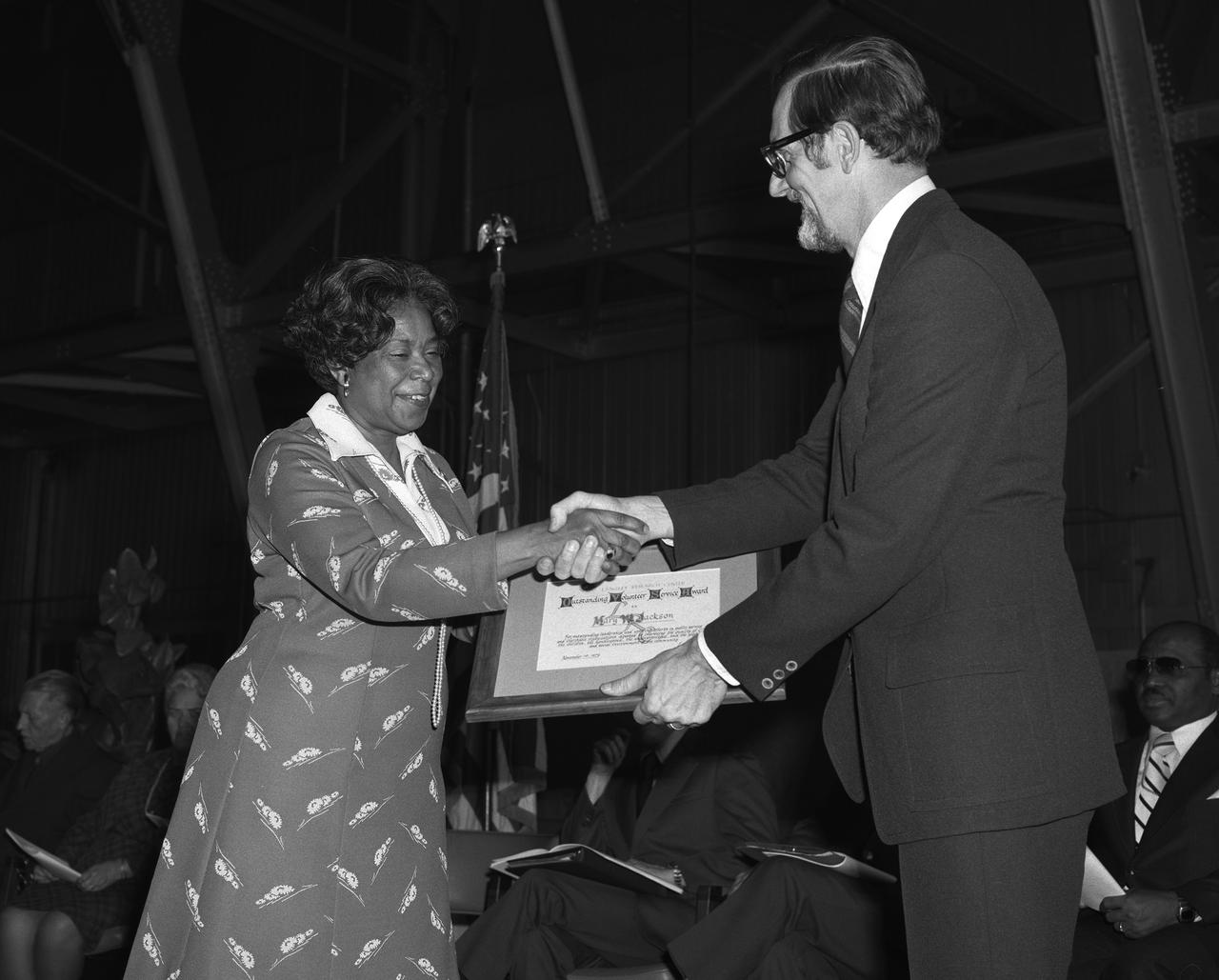
Langley Center Director Donald P. Hearth (right) presenting Mary Jackson with Outstanding Volunteer Service Award. Mary Jackson was NASA's first African-American female engineer,and subsequent career supporting the hiring and promotion of other deserving female and minority employees.
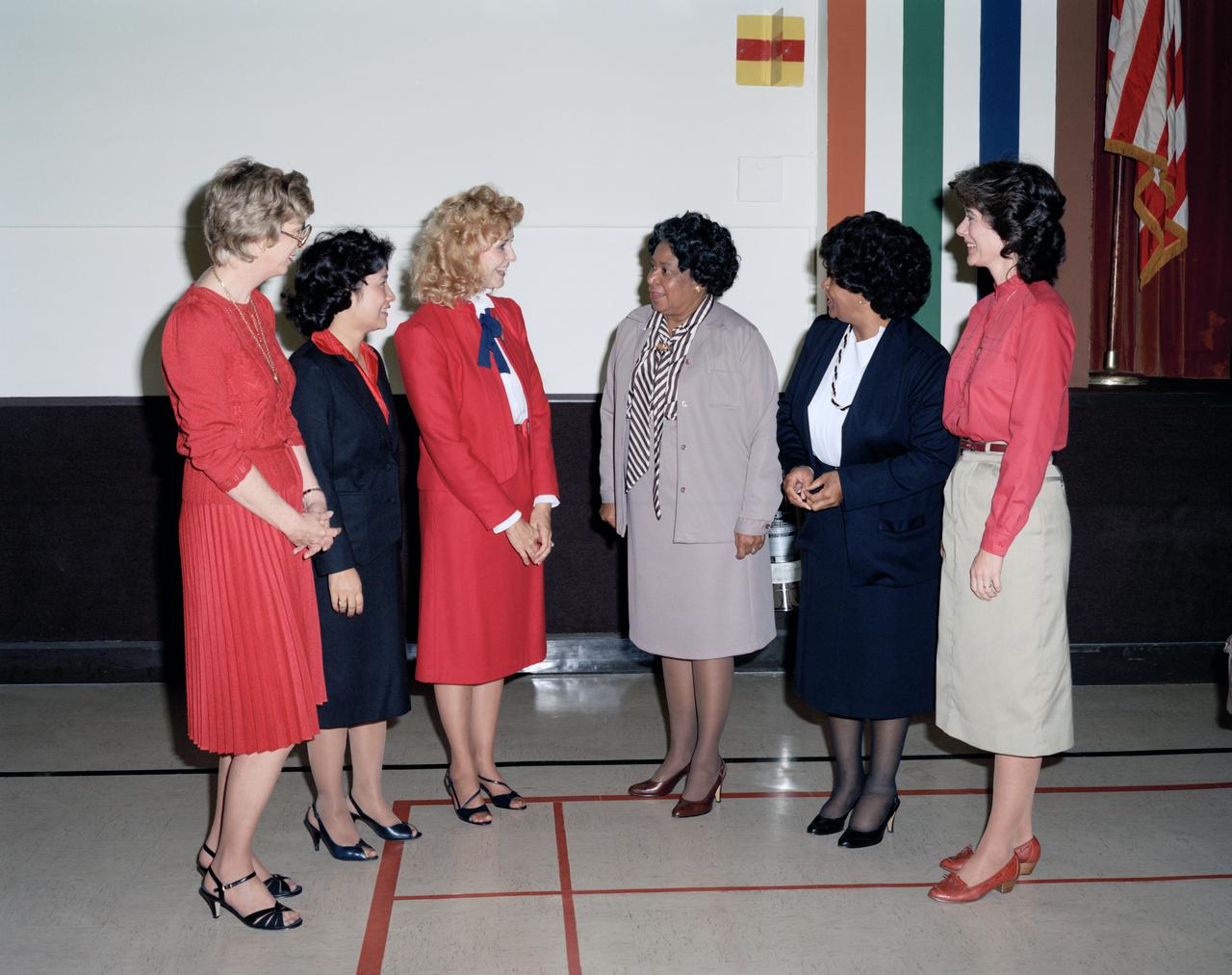
Members of the Langley Federal Women's Program surround Mary Jackson in the brown suit, of the Office of Equal Opportunity Programs. Mary Jackson NASA's first African-American female engineer, and subsequent career supporting the hiring and promotion of other deserving female and minority employees.
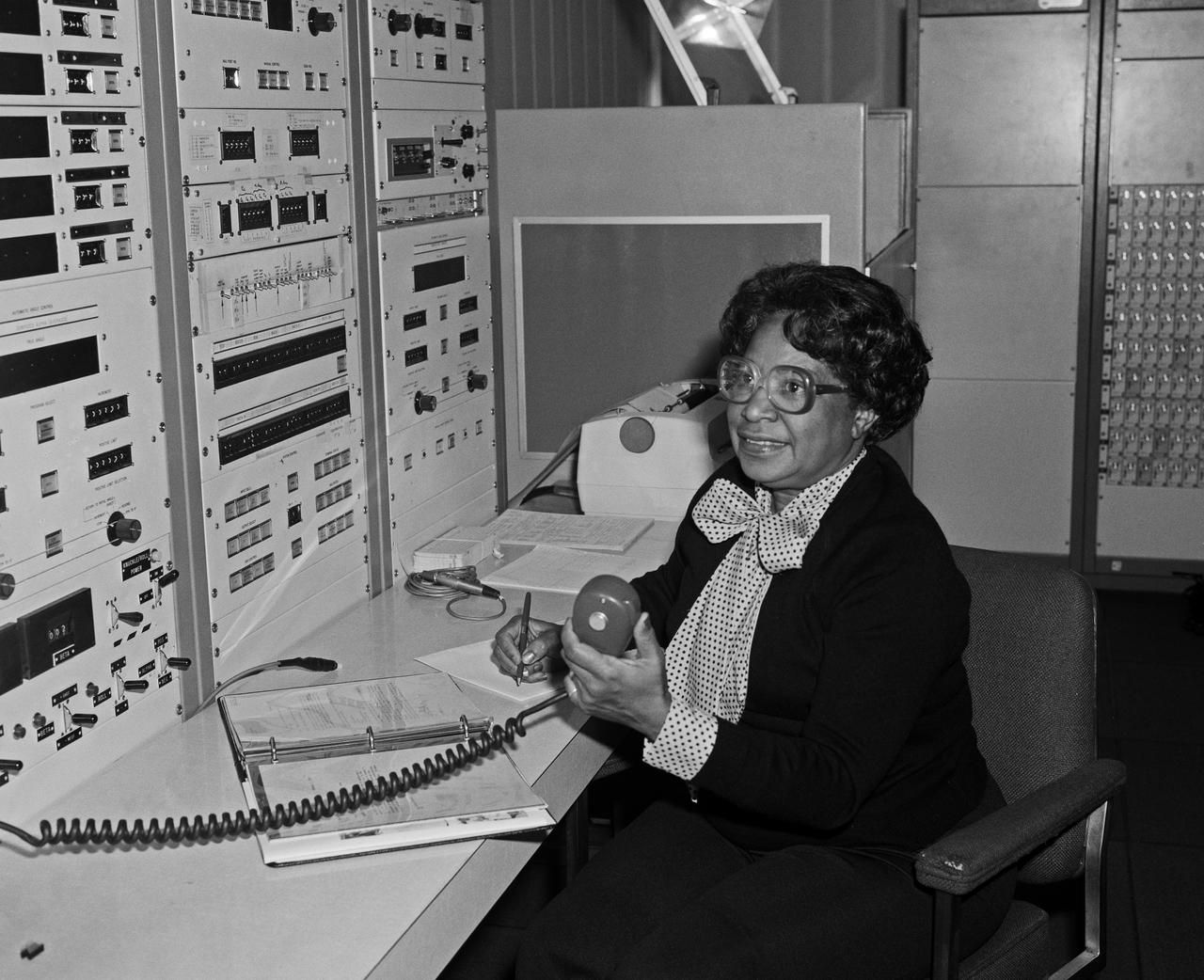
Mary Jackson at Work NASA Langley. In 1958 Mary Jackson became NASA's first black female engineer.
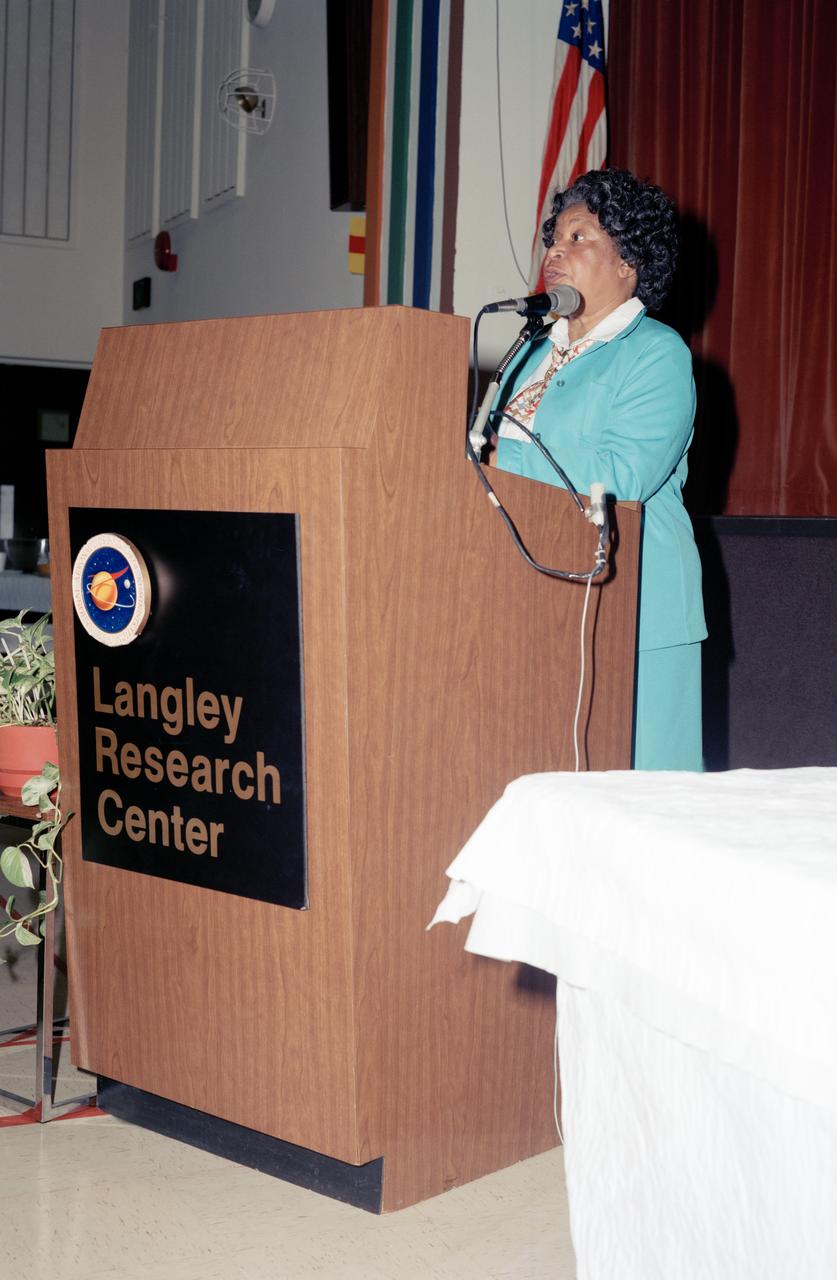
Federal Women's Program speaking is Mary Jackson. In 1958 Mary Jackson became NASA’s first black female engineer.
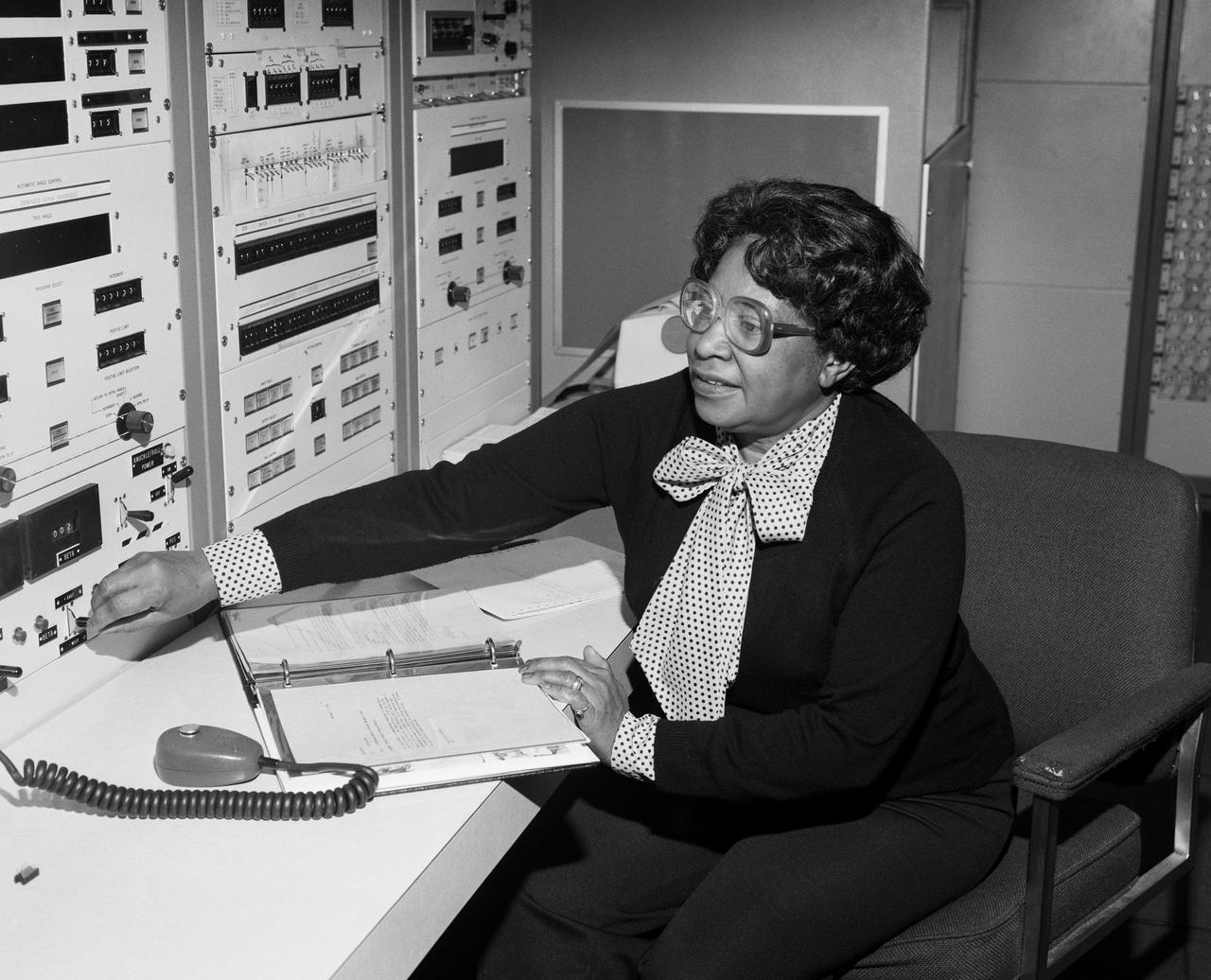
Mary Jackson at Work. In 1958 Mary Jackson became NASA’s first black female engineer.
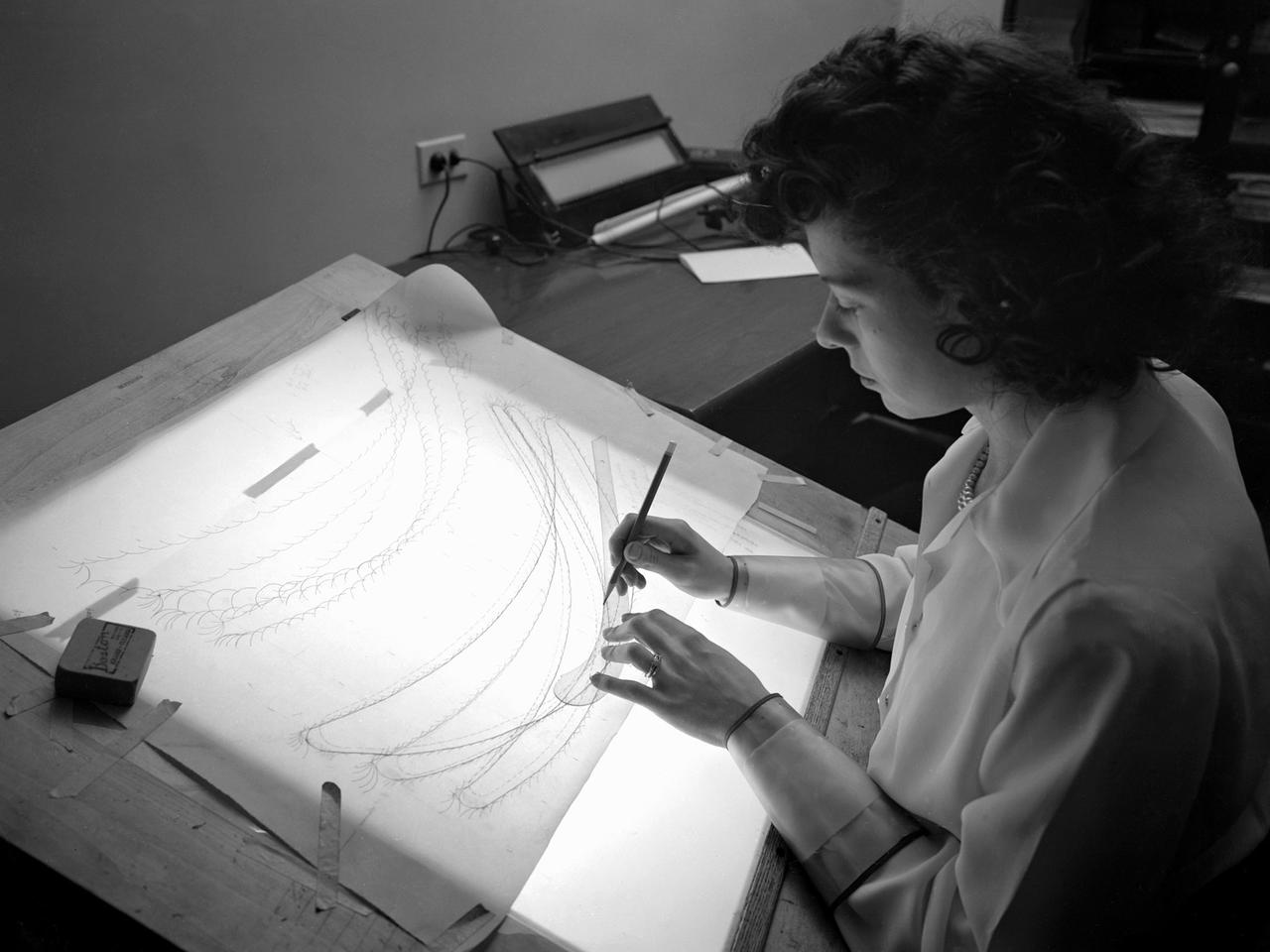
A female computer plotting compressor data in the Engine Research Building at the NACA’s Lewis Flight Propulsion Laboratory. The Computing Section was introduced during World War II to relieve short-handed research engineers of some of the tedious data-taking work. The computers made the initial computations and plotted the data graphically. The researcher then analyzed the data and either summarized the findings in a report or made modifications or ran the test again. With the introduction of mechanical computer systems in the 1950s the female computers learned how to encode the punch cards. As the data processing capabilities increased, fewer female computers were needed. Many left on their own to start families, while others earned mathematical degrees and moved into advanced positions.
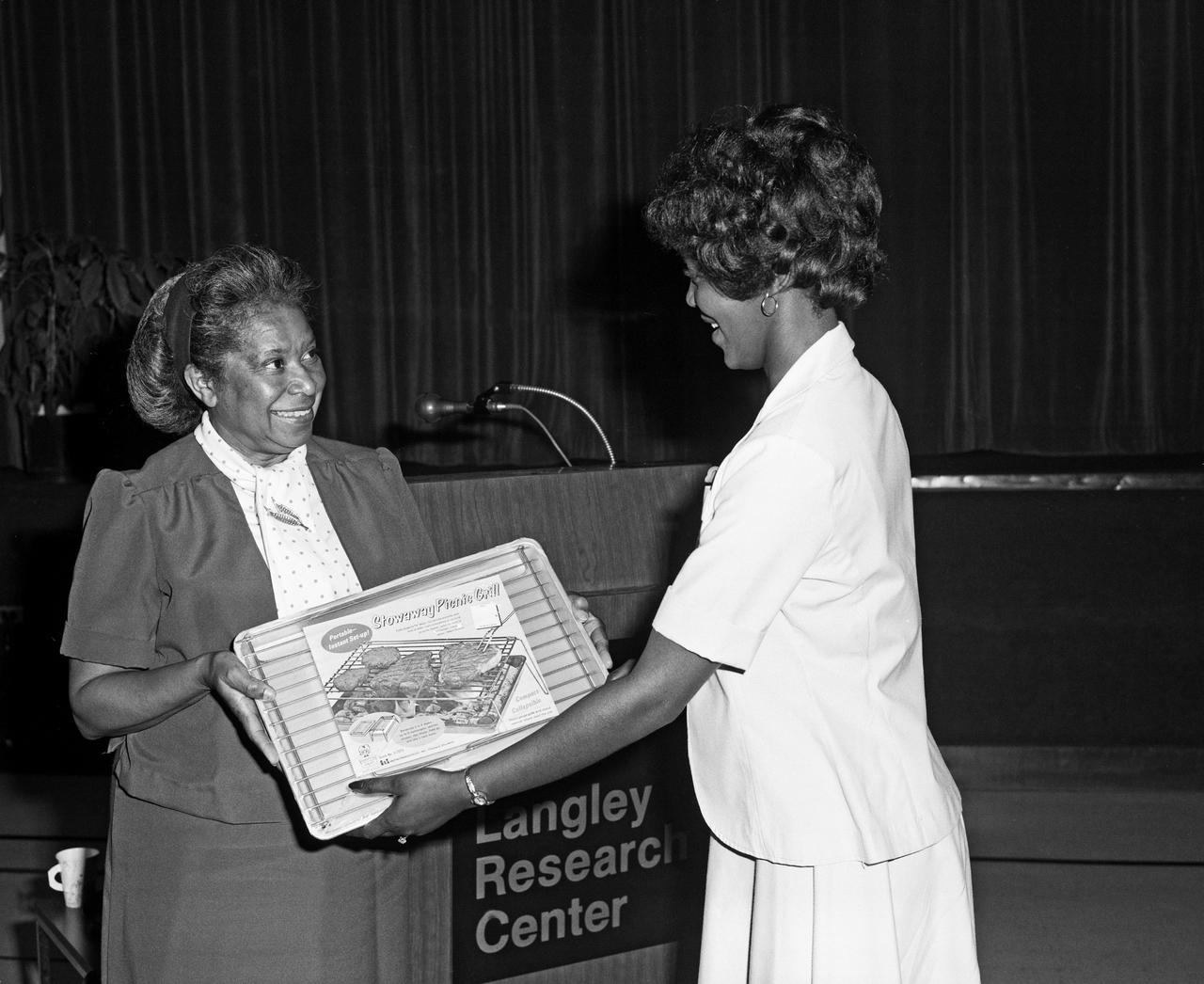
Federal Women's Program with Mary Jackson giving out awards. In 1958 Mary Jackson became NASA's first black female engineer.
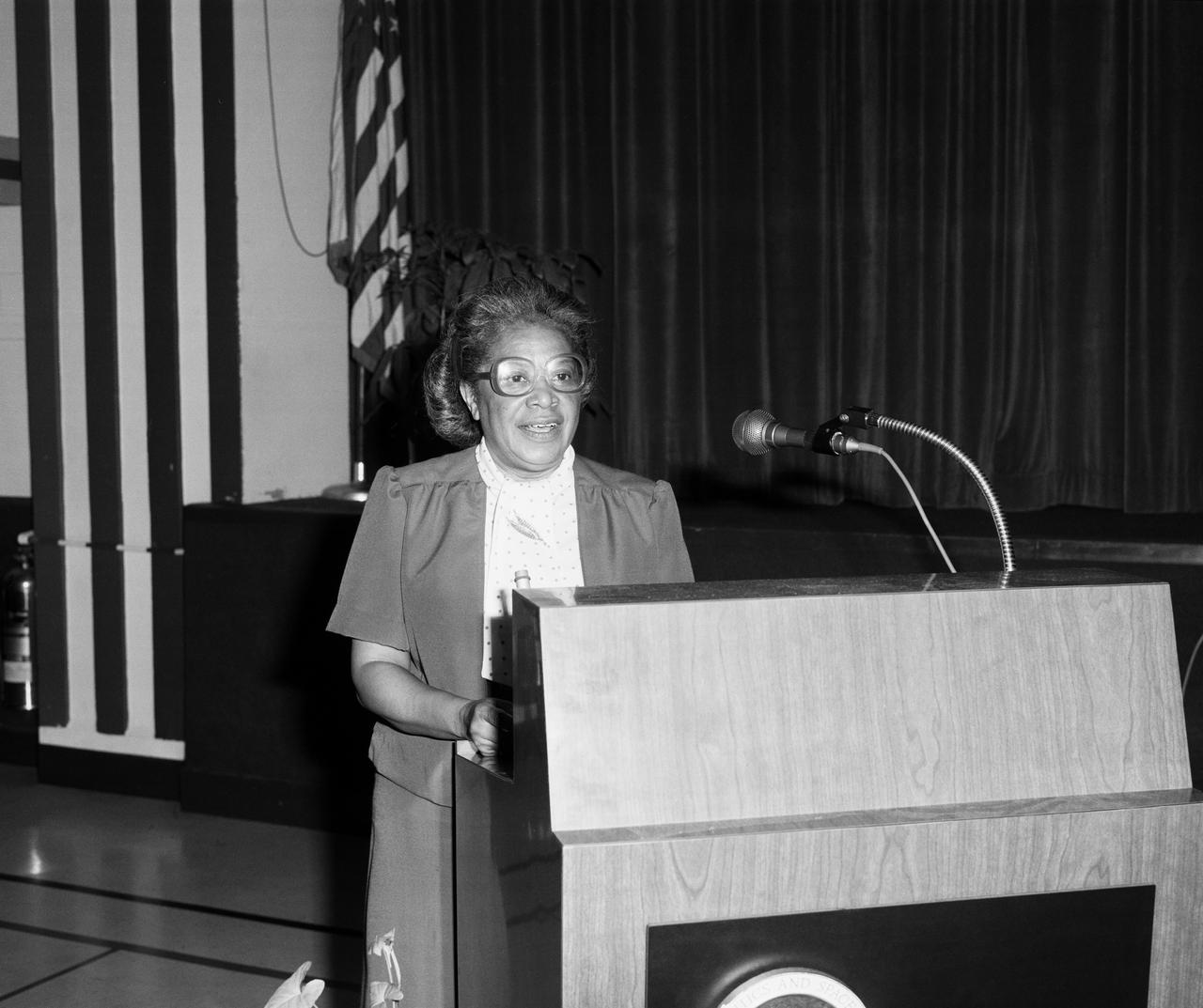
Federal Women's Program with Mary Jackson giving out awards. In 1958 Mary Jackson became NASA's first black female engineer.
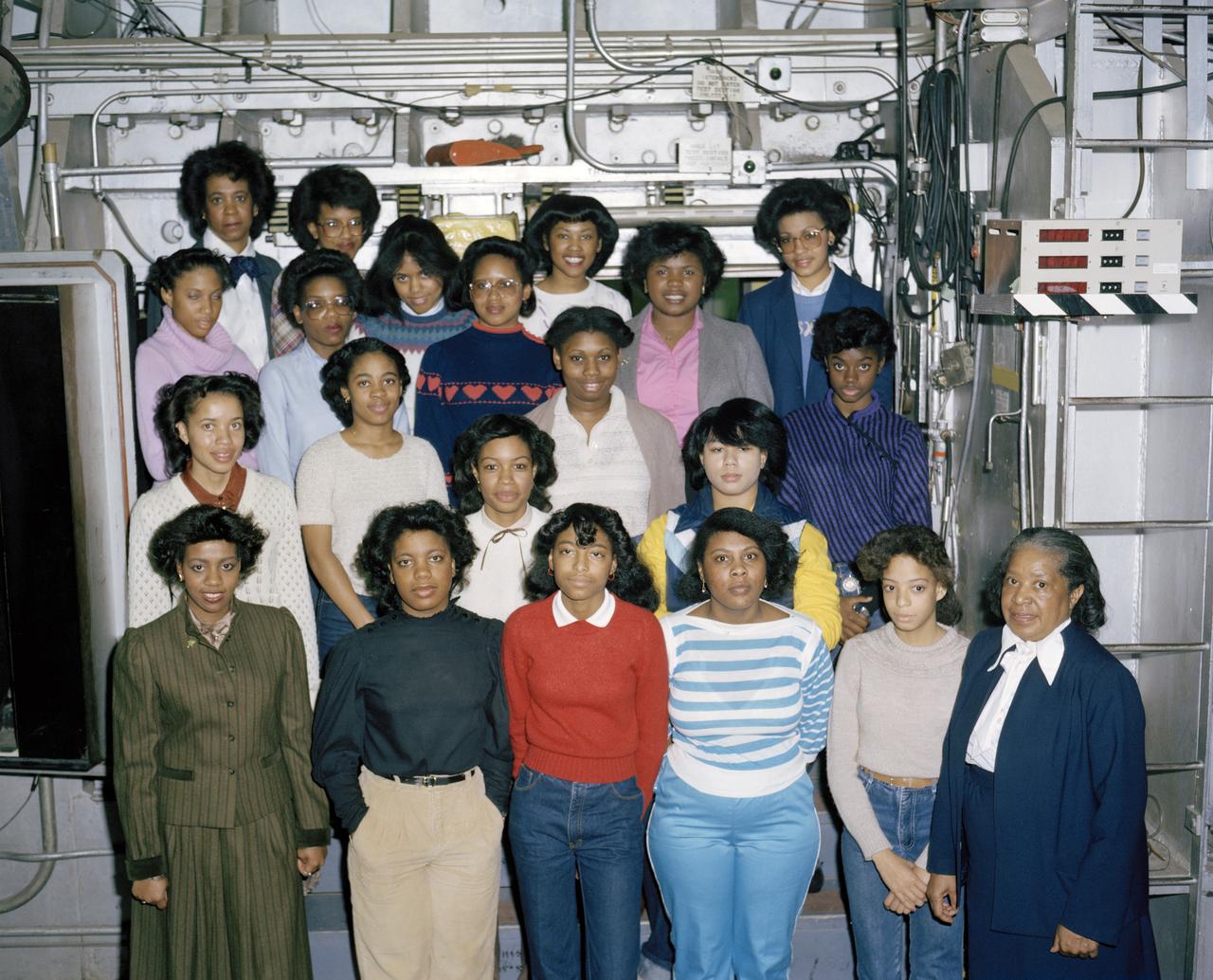
Photograph taken March 3, 1983. Special Control Test Group with Mary Jackson. In 1958 Mary Jackson became NASA's first black female engineer.
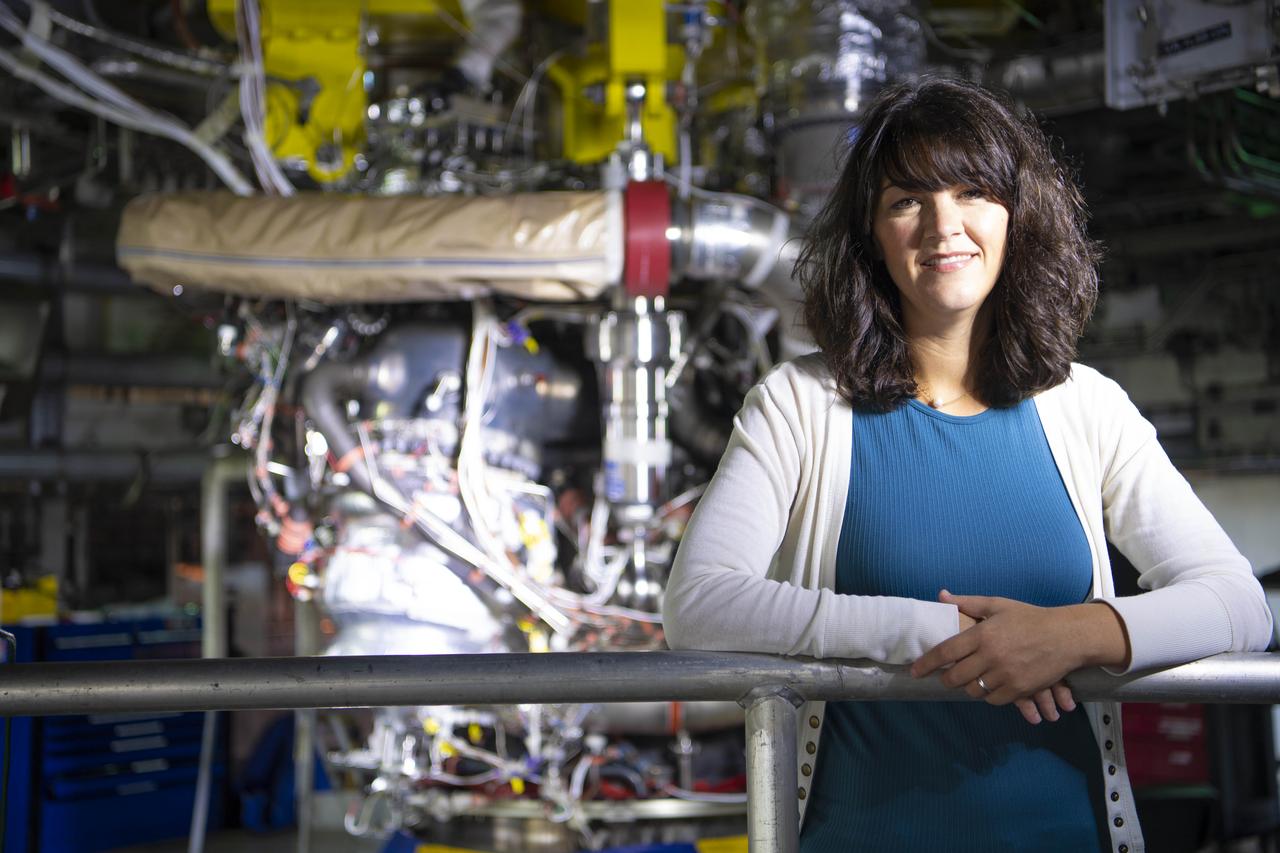
Nyla Trumbach, a NASA lead mechanical engineer, broke barriers as the first female to conduct a J-2X powerpack engine test at Stennis Space Center. She currently works on testing of the RS-25 rocket engine, shown installed on the A-1 Test Stand at SSC.
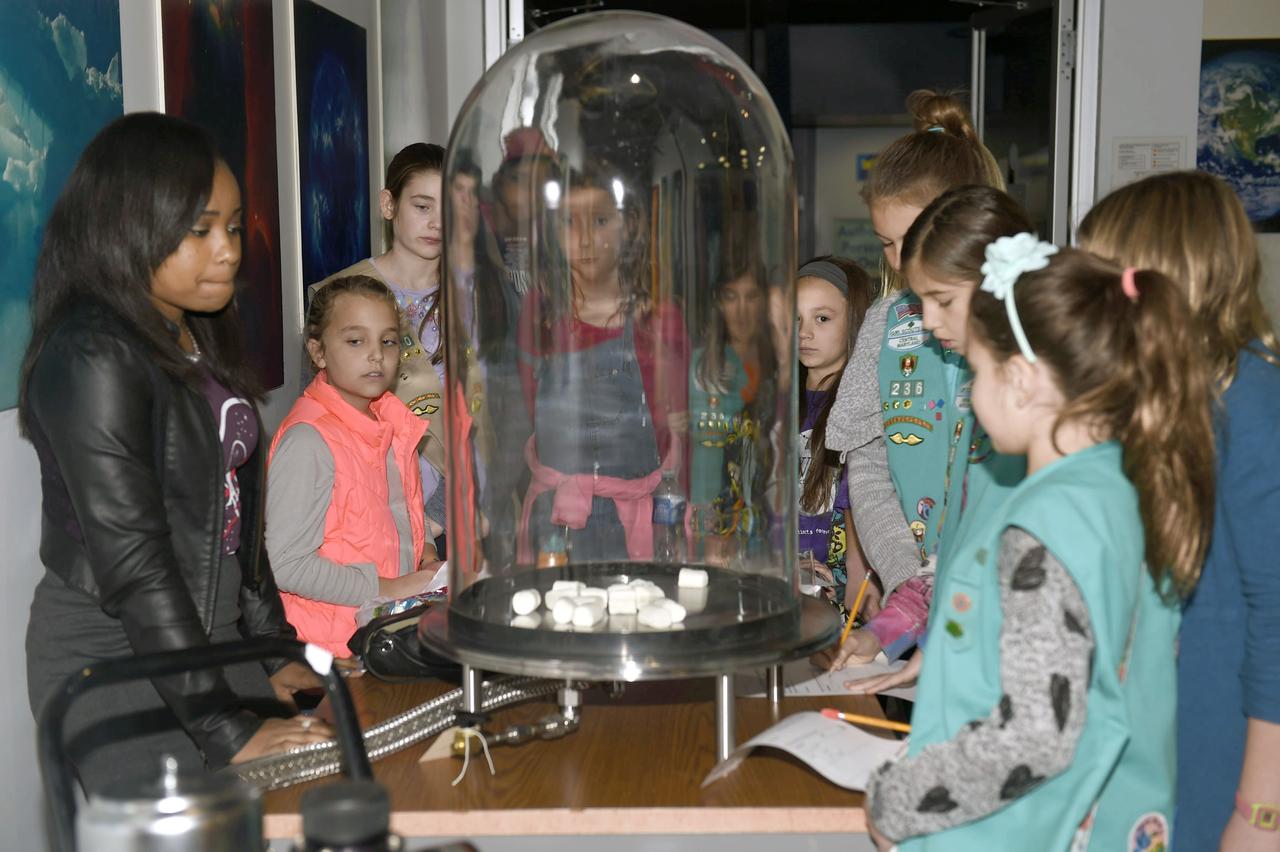
Junior Girl Scouts from two locals conceils, Girl Scouts of Central Maryland and Girl Scouts of Nations Capital, participated in She's an Engineer! Girl Scout program on November 3, 2016. They met with female NASA engineers and tested rover models in simulated I&T stations to explore the Engineering Design process.
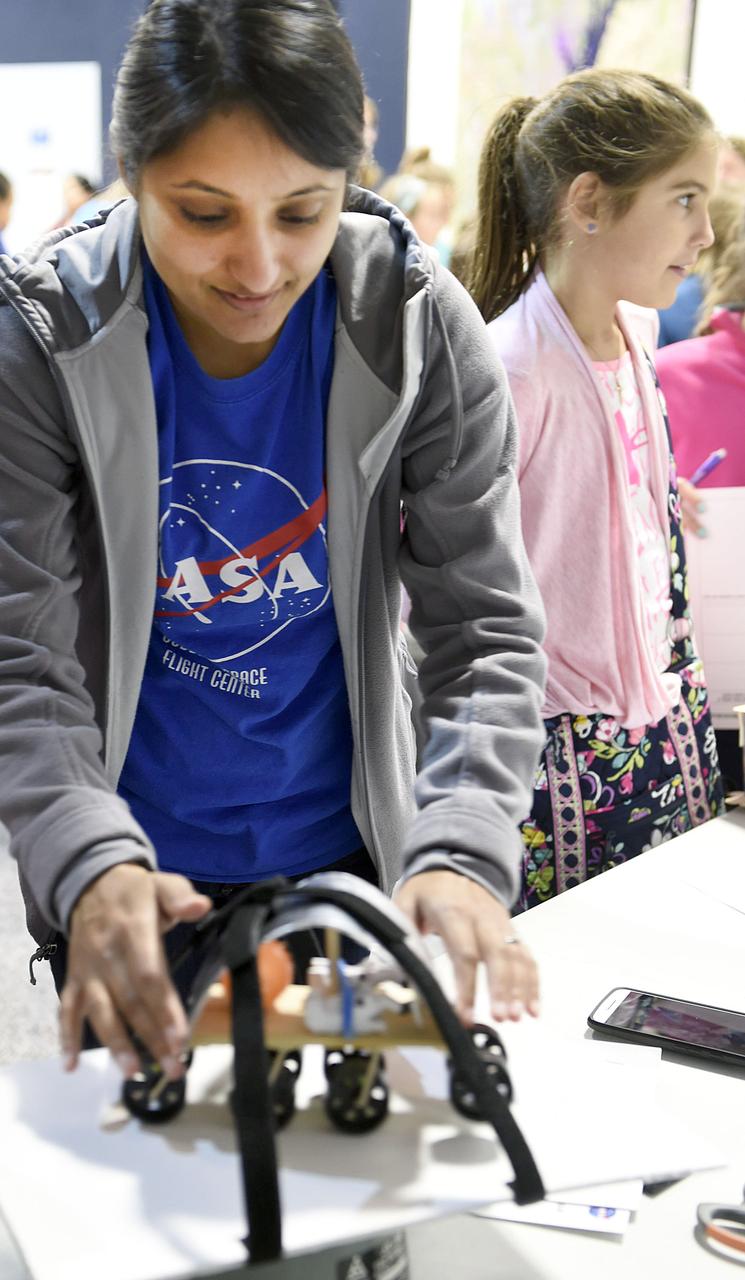
Junior Girl Scouts from two locals conceils, Girl Scouts of Central Maryland and Girl Scouts of Nations Capital, participated in She's an Engineer! Girl Scout program on November 3, 2016. They met with female NASA engineers and tested rover models in simulated I&T stations to explore the Engineering Design process.
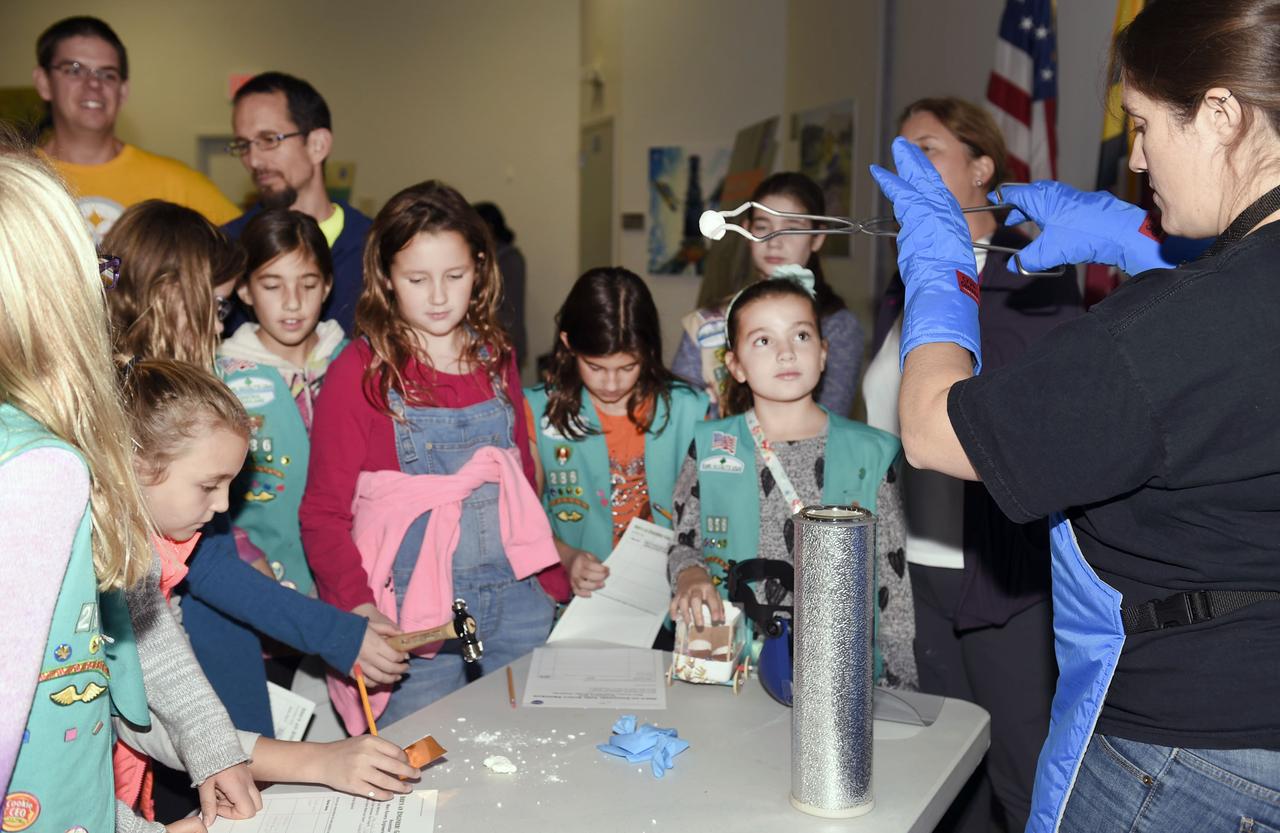
Junior Girl Scouts from two locals conceils, Girl Scouts of Central Maryland and Girl Scouts of Nations Capital, participated in She's an Engineer! Girl Scout program on November 3, 2016. They met with female NASA engineers and tested rover models in simulated I&T stations to explore the Engineering Design process.
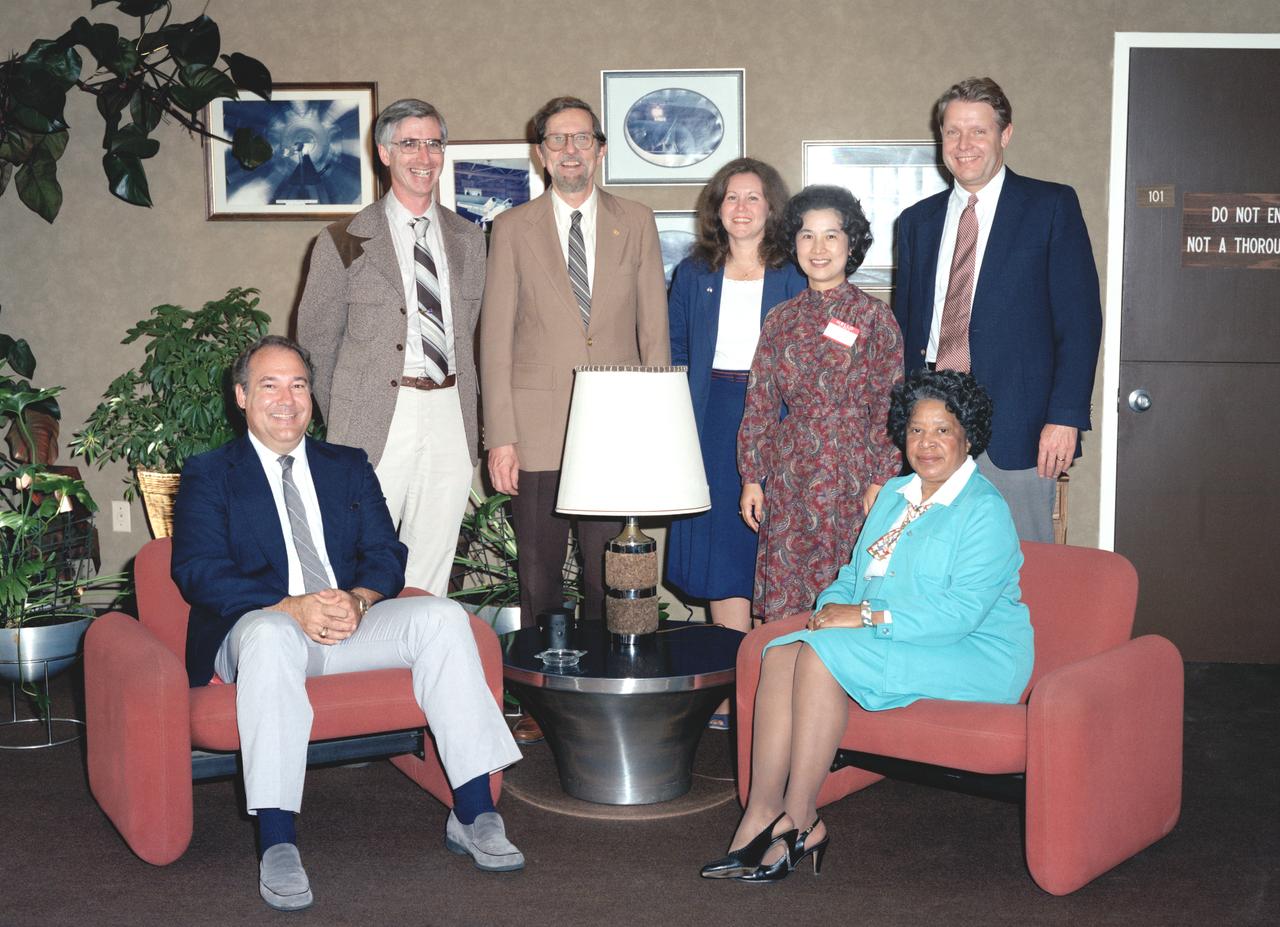
Federal Women's Program Mary Jackson setting. Center directors Donald Heath, and Richard Peterson. In 1958 Mary Jackson became NASA’s first black female engineer.

Mary Jackson at Work. In 1958 Mary Jackson became NASA’s first black female engineer. At the time this photo was taken in June 2, 1977 Mrs. Jackson was working in the Transonic Aerodynamic Branch.
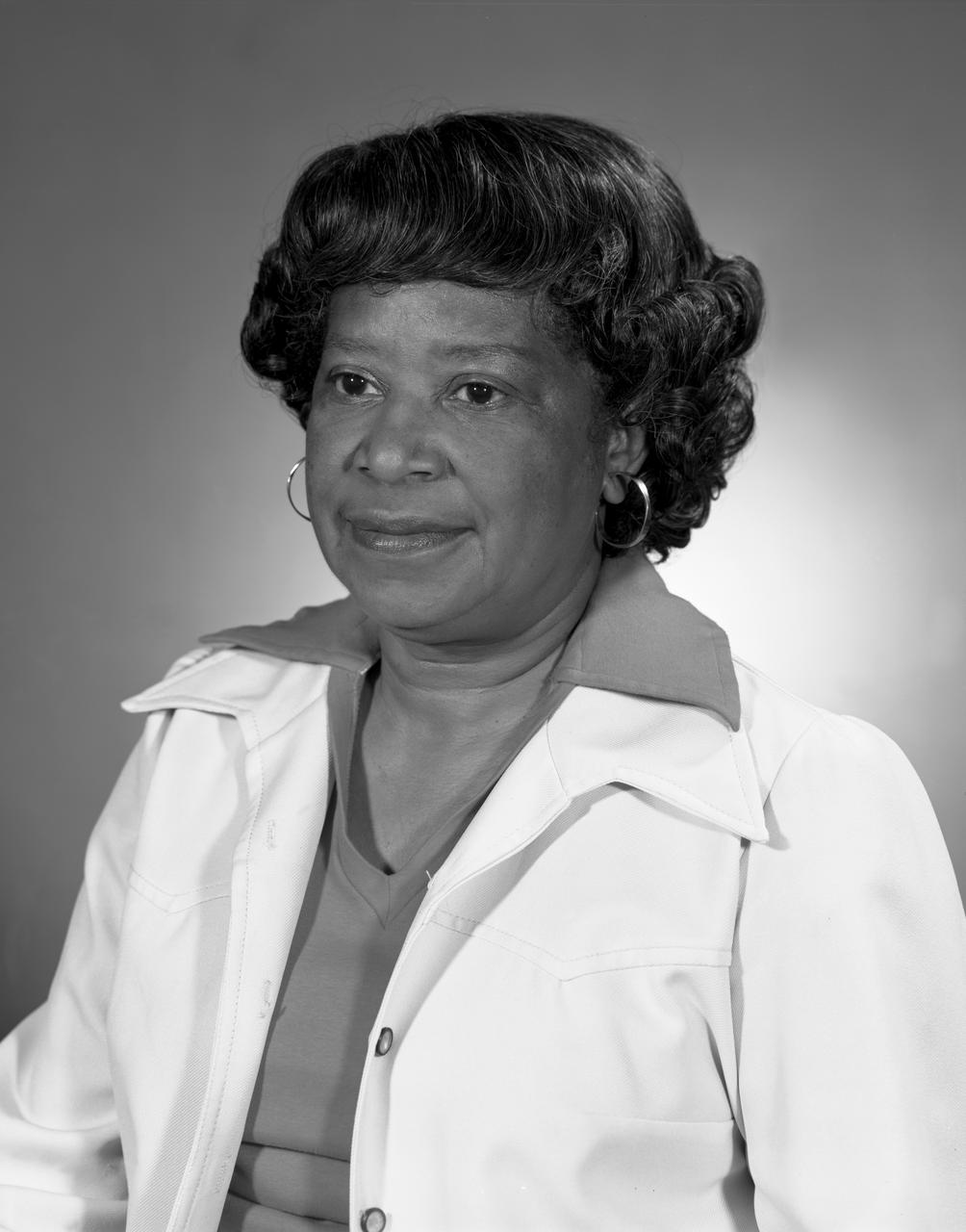
Portrait of Mary Jackson. 2017 Hall of Honor inductee. Langley Research Center NACA and NASA Hall of Honor. In honor and recognition of the ambition and motivation that enabled her career progression from human computer to NASA' s first African-American female engineer, and subsequent career supporting the hiring and promotion of other deserving female and minority employees.
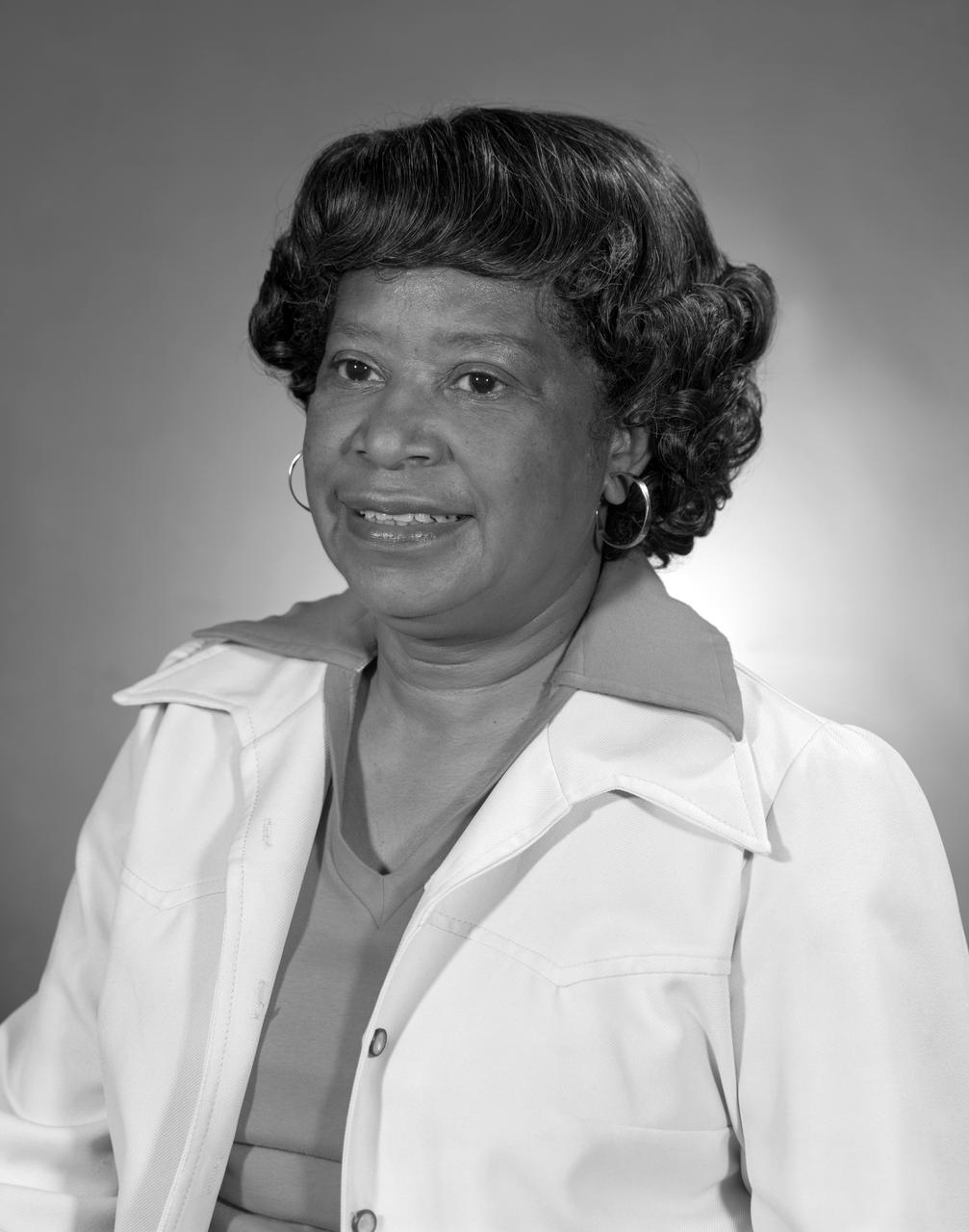
Portrait of Mary Jackson. 2017 Hall of Honor inductee. Langley Research Center NACA and NASA Hall of Honor. In honor and recognition of the ambition and motivation that enabled her career progression from human computer to NASA' s first African-American female engineer, and subsequent career supporting the hiring and promotion of other deserving female and minority employees.
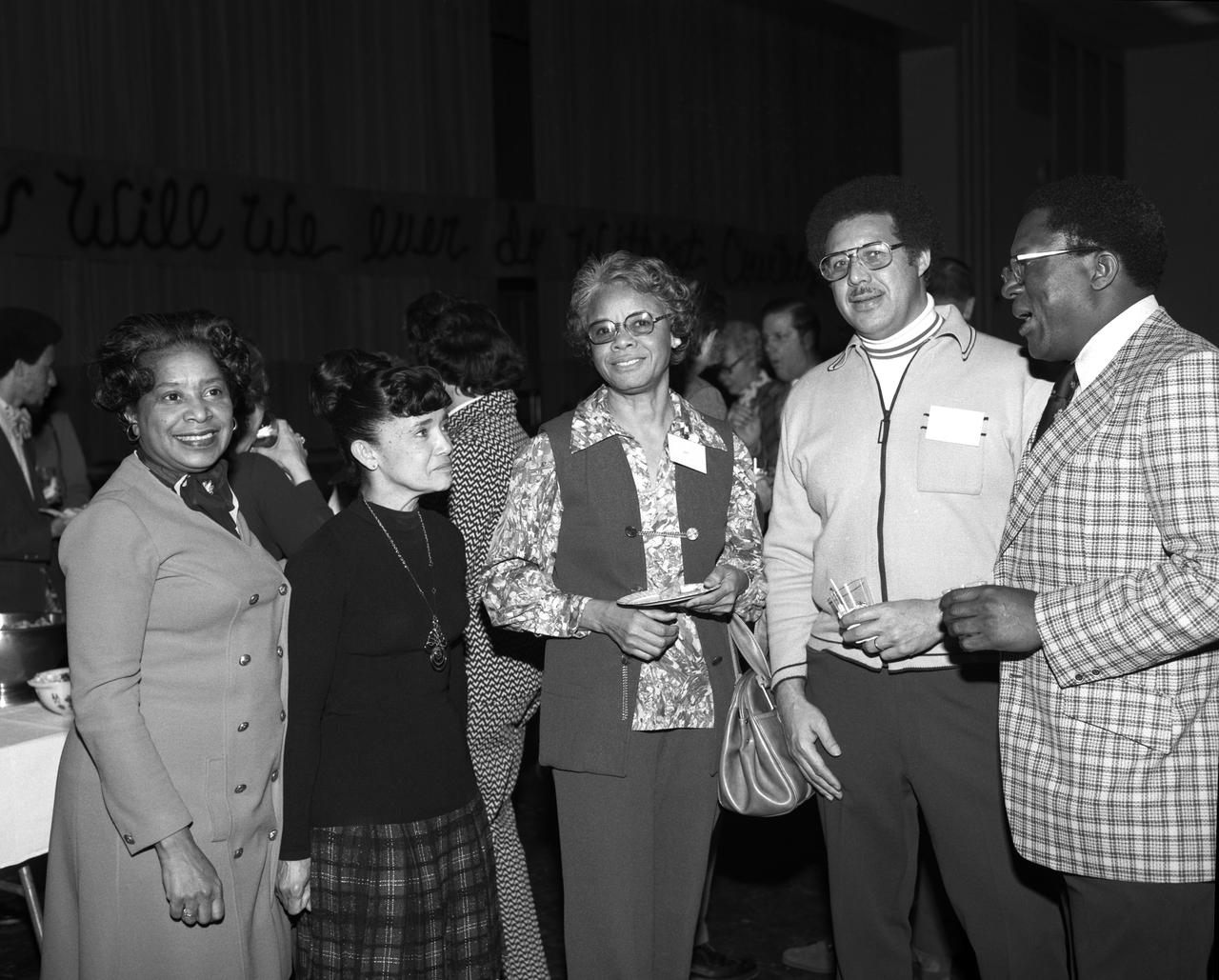
Photograph taken on February 5, 1975. Guests attending a retirement party for Vernon Courtney, of the MSD Communications Section. Mary Jackson standing on left with human computer Christine B. Richie next to her, another from the west computers group mentioned in the book "Hidden Figures" by author Margot Lee Shetterly. Mary Jackson from NASA Langley was NASA' s first African-American female engineer, and subsequent career supporting the hiring and promotion of other deserving female and minority employees.
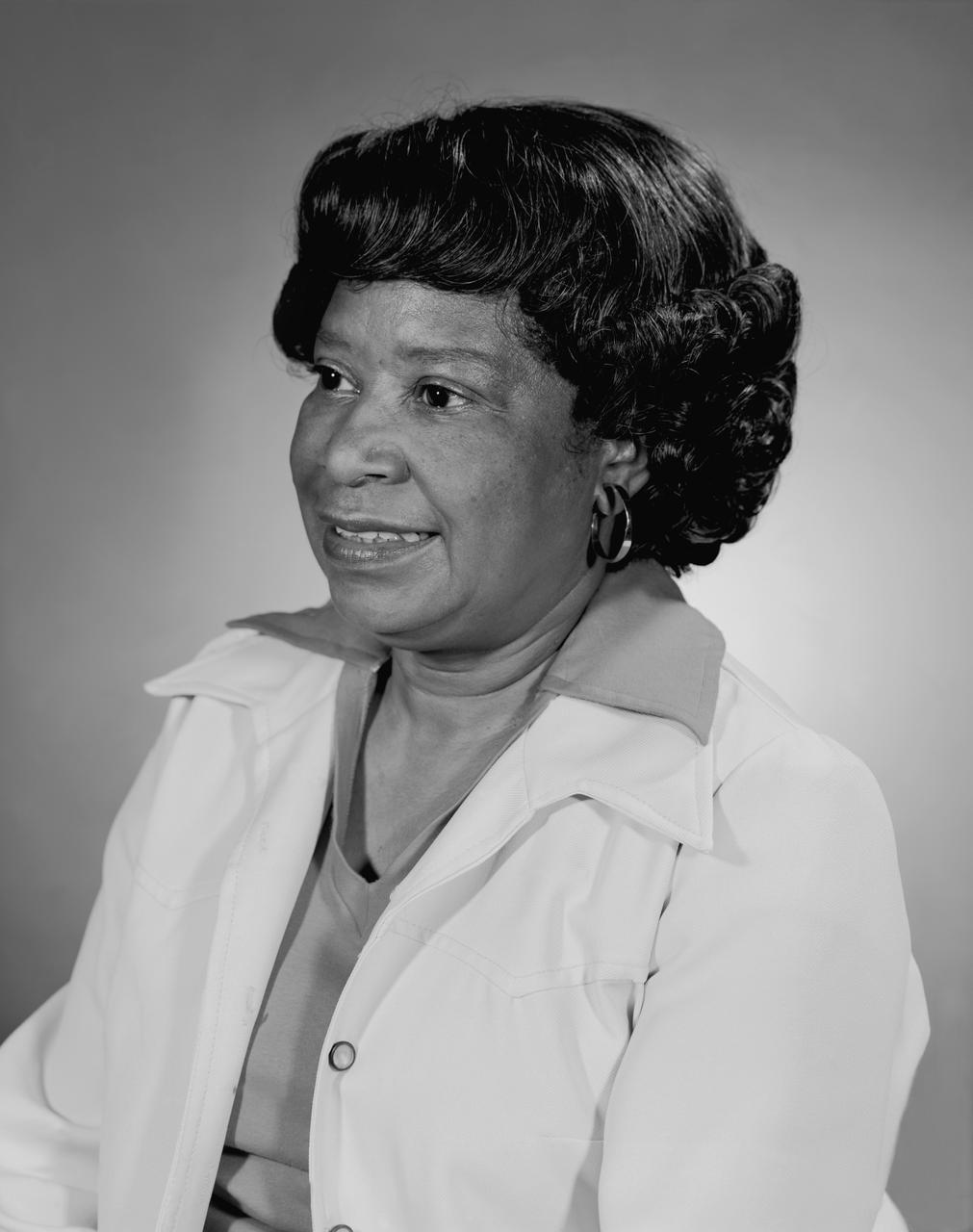
Portrait of Mary Jackson. 2017 Hall of Honor inductee. Langley Research Center NACA and NASA Hall of Honor. In honor and recognition of the ambition and motivation that enabled her career progression from human computer to NASA's s first African-American female engineer, and subsequent career supporting the hiring and promotion of other deserving female and minority employees.
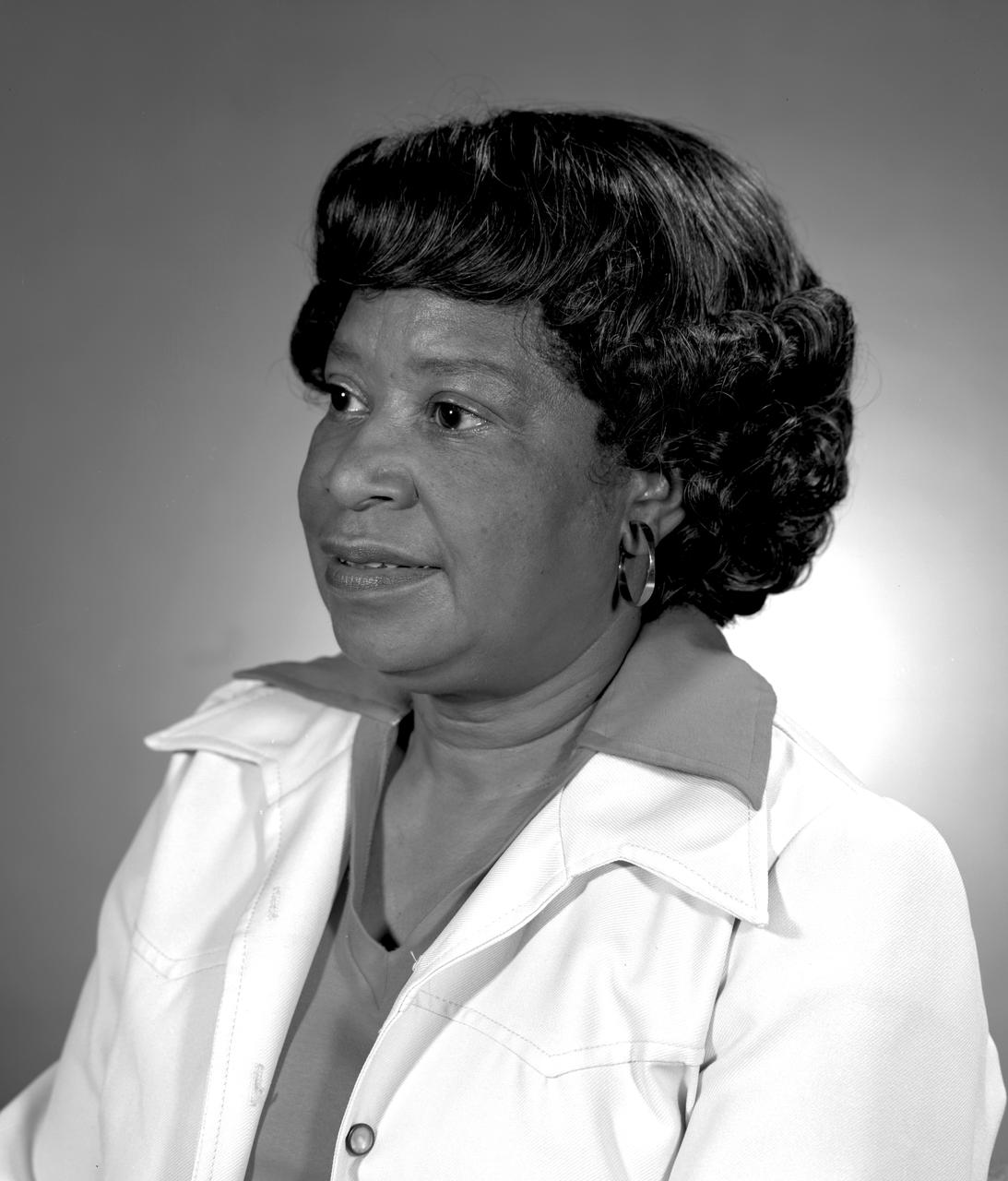
Portrait of Mary Jackson. 2017 Hall of Honor inductee. Langley Research Center NACA and NASA Hall of Honor. In honor and recognition of the ambition and motivation that enabled her career progression from human computer to NASA' s first African-American female engineer, and subsequent career supporting the hiring and promotion of other deserving female and minority employees.
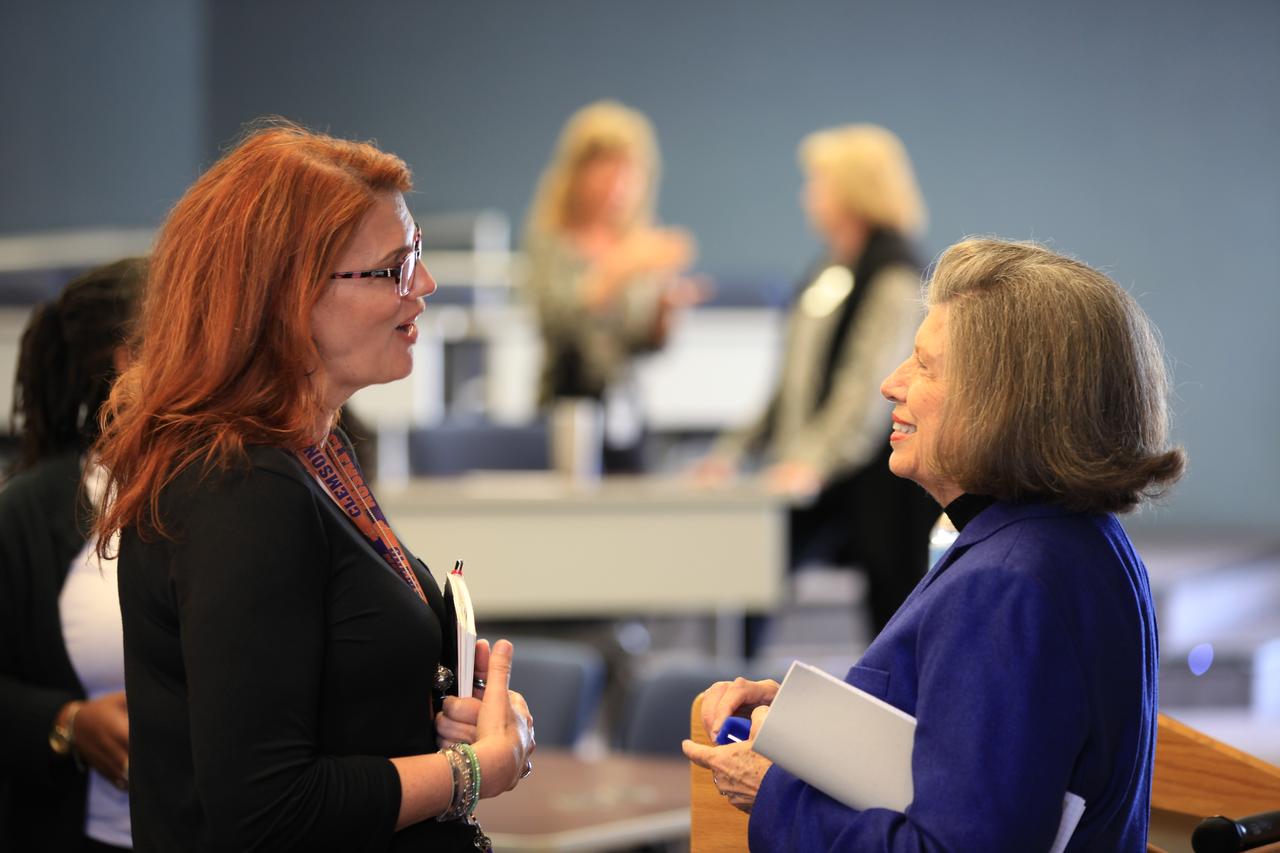
JoAnn Morgan, at right, former associate director of Kennedy Space Center, was the keynote speaker during a Women's History Month event at the center. With the theme "Nevertheless She Persisted," Morgan described her experience as the first female engineer working in the space program in the 1960s. Morgan was the first female in the Launch Control Center firing room during the Apollo 11 launch. Morgan is speaking to Charlie Blackwell-Thompson, the first female launch director, who will lead countdown and launch for Exploration Mission-1. The event was hosted by the center's Kennedy Networking Opportunities for Women (KNOW) and Launching Leaders organizations. The purpose of KNOW is to provide focus on issues such as employment, retention, promotion, training, career and personal development, education, and identify and eliminate barriers that hinder the advancement of women in the workforce.
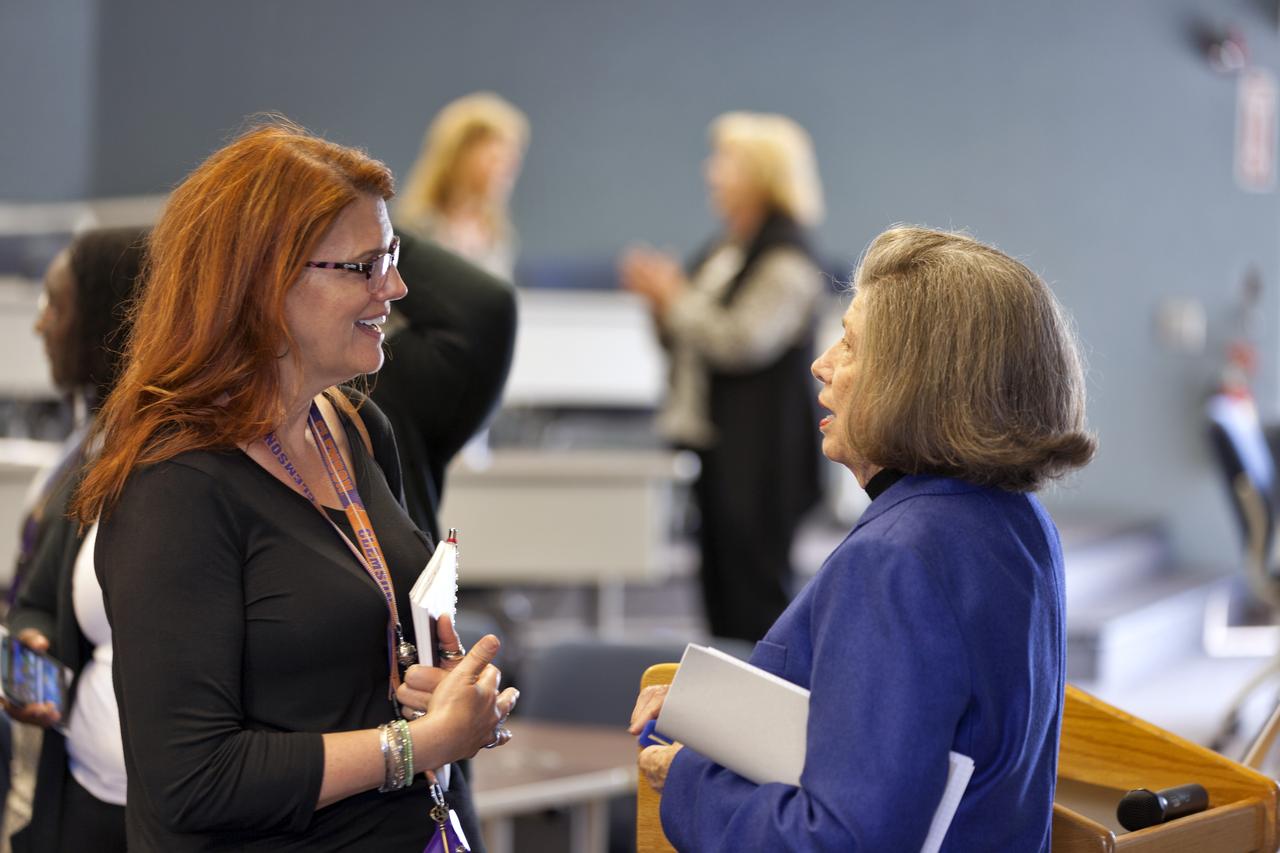
JoAnn Morgan, at right, former associate director of Kennedy Space Center, was the keynote speaker during a Women's History Month event at the center. With the theme "Nevertheless She Persisted," Morgan described her experience as the first female engineer working in the space program in the 1960s. Morgan was the first female in the Launch Control Center firing room during the Apollo 11 launch. Morgan is speaking to Charlie Blackwell-Thompson, the first female launch director, who will lead countdown and launch for Exploration Mission-1. The event was hosted by the center's Kennedy Networking Opportunities for Women (KNOW) and Launching Leaders organizations. The purpose of KNOW is to provide focus on issues such as employment, retention, promotion, training, career and personal development, education, and identify and eliminate barriers that hinder the advancement of women in the workforce.
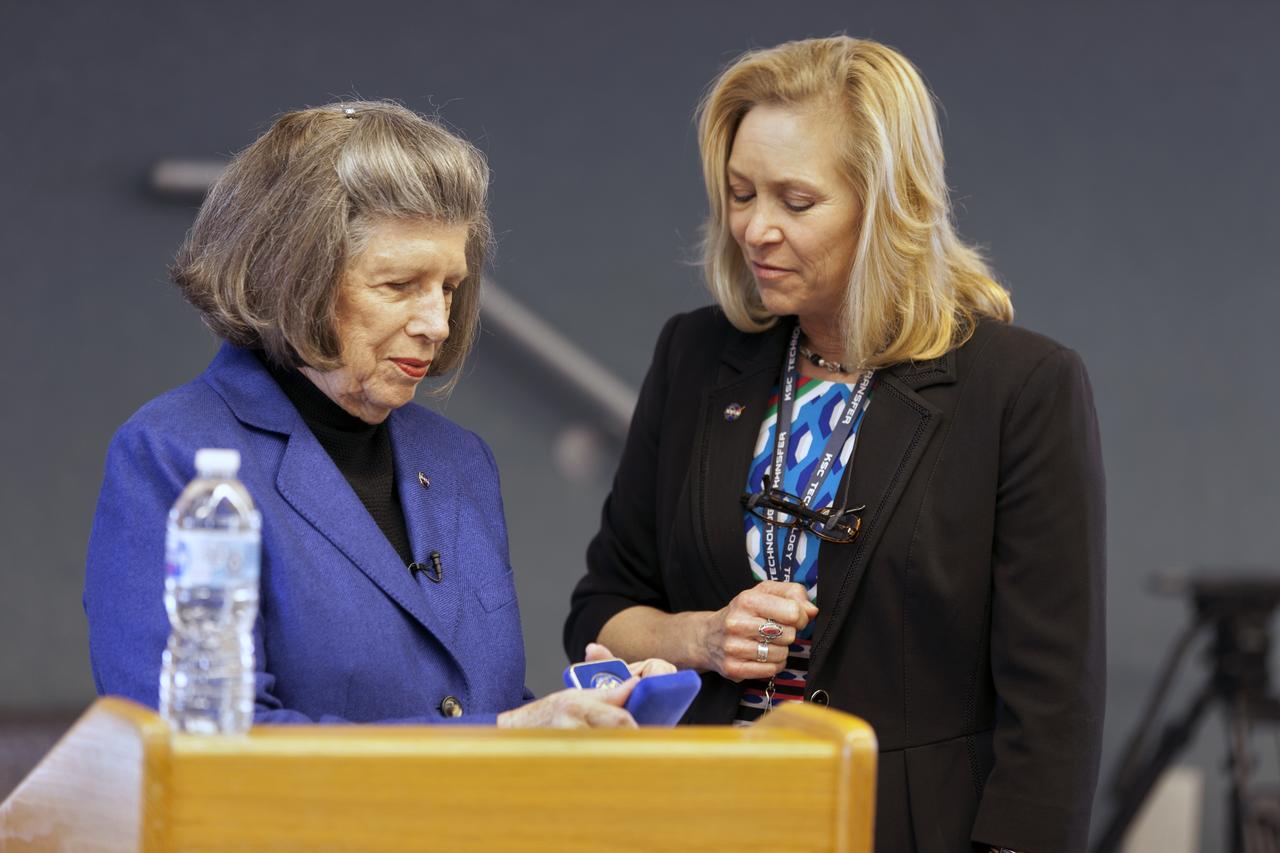
JoAnn Morgan, former associate director of Kennedy Space Center, at left, accepts a special coin from Janet Petro, deputy director of Kennedy, during a Women's History Month event at the center. With the theme "Nevertheless She Persisted," Morgan described her experience as the first female engineer working in the space program in the 1960s. Morgan was the first female in the Launch Control Center firing room during the Apollo 11 launch. The event was hosted by the center's Kennedy Networking Opportunities for Women (KNOW) and Launching Leaders organizations. The purpose of KNOW is to provide focus on issues such as employment, retention, promotion, training, career and personal development, education, and identify and eliminate barriers that hinder the advancement of women in the workforce.
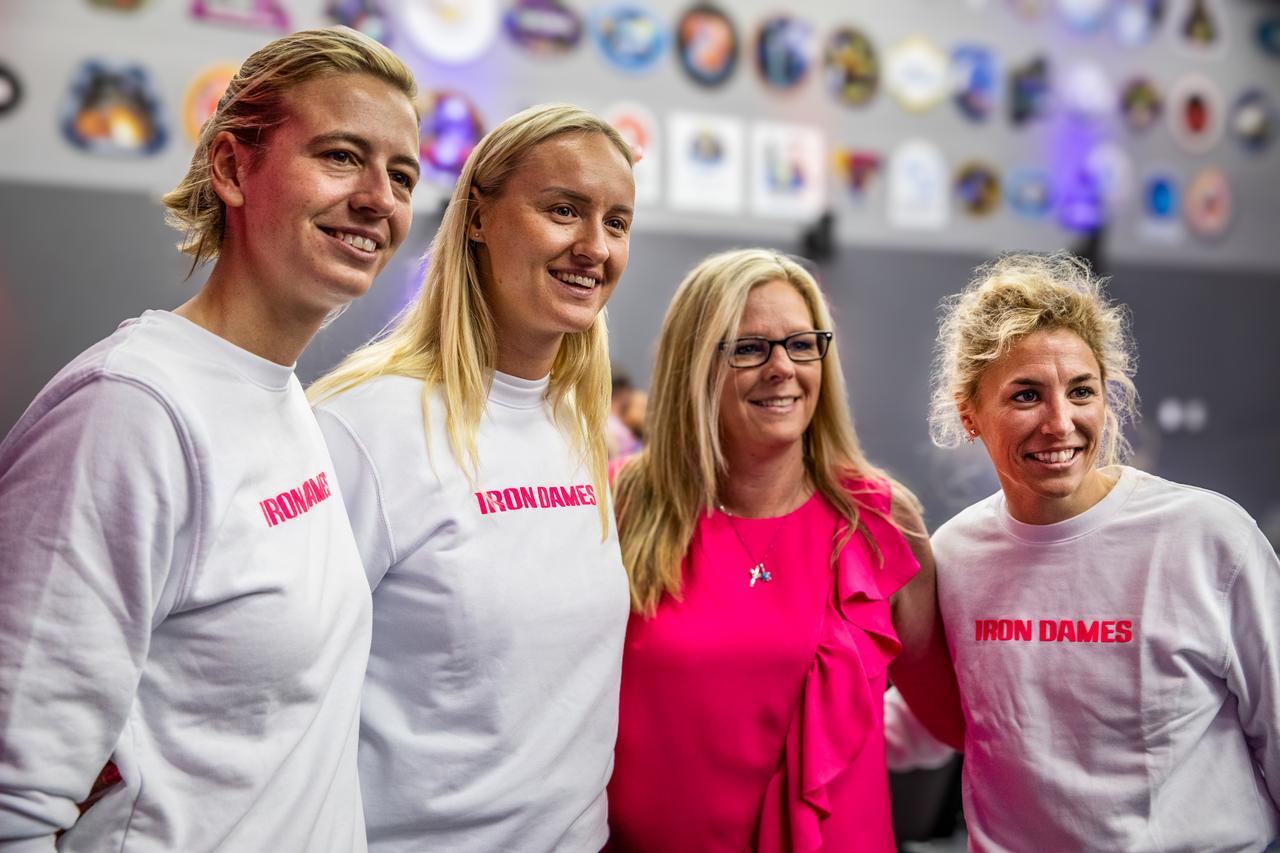
Members of the Iron Dames, from left to right, Sarah Bovy, Michelle Gatting, Christina Williams, business development specialist NASA Kennedy; and Iron Dames Rahel Frey, visit NASA’s Kennedy Space Center in Florida on Wednesday, March 13, 2024, to discuss their project to promote and support women in sports, and enable them to compete on equal terms with men in fields of jobs including driving, mechanics, engineers, and team leaders. The all-female team started in motorsports and became the first all-female team to win a race in the 2023 FIA World Endurance Championships at Sebring International Raceway in Sebring, Florida.
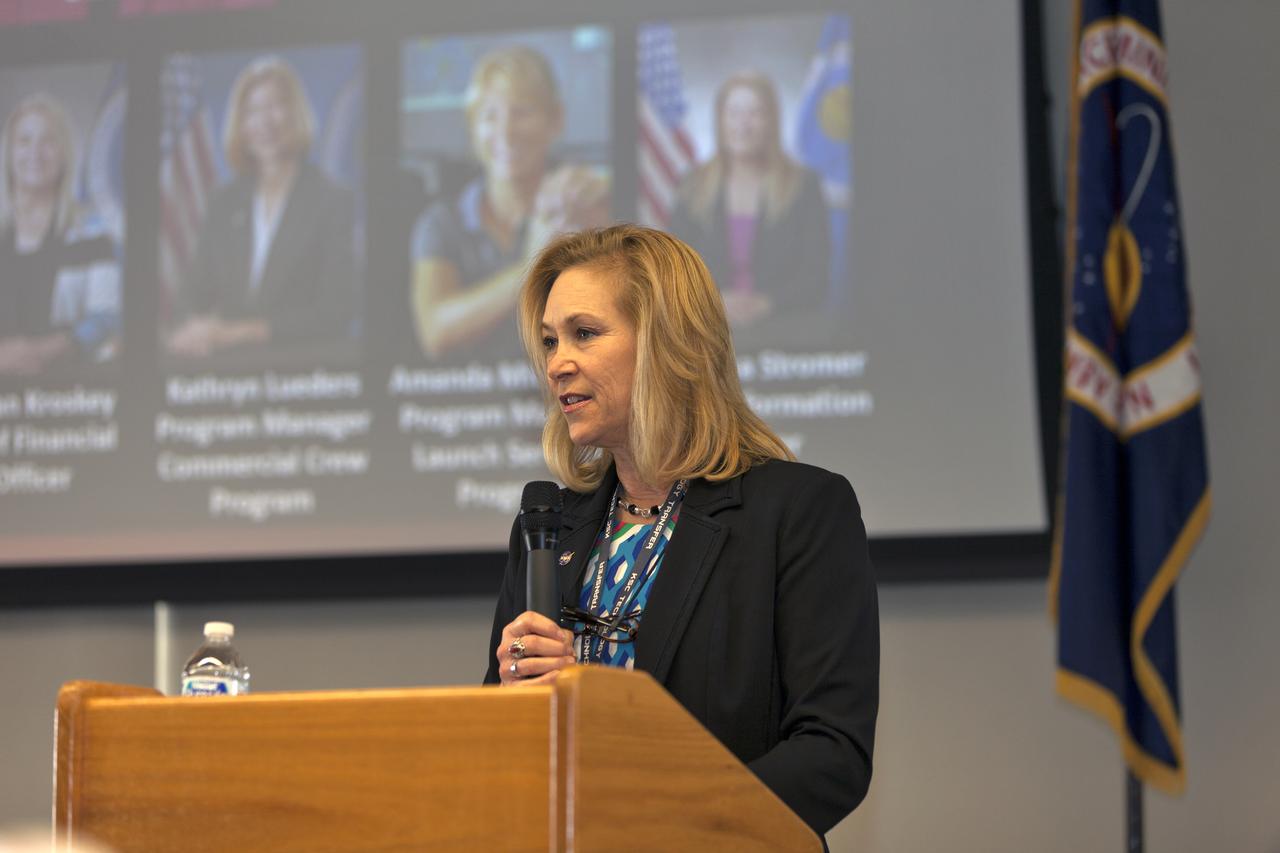
NASA Kennedy Space Center's Deputy Director Janet Petro welcomes workers to the center's Women's History Month event, with the theme "Nevertheless She Persisted." Keynote speaker, JoAnn Morgan, former associate director of the center, spoke to the group about her experience as the first female engineer working in the space program in the 1960s. Morgan was the first female in the Launch Control Center firing room during the Apollo 11 launch. The event was hosted by the center's Kennedy Networking Opportunities for Women (KNOW) and Launching Leaders organizations. The purpose of KNOW is to provide focus on issues such as employment, retention, promotion, training, career and personal development, education, and identify and eliminate barriers that hinder the advancement of women in the workforce.
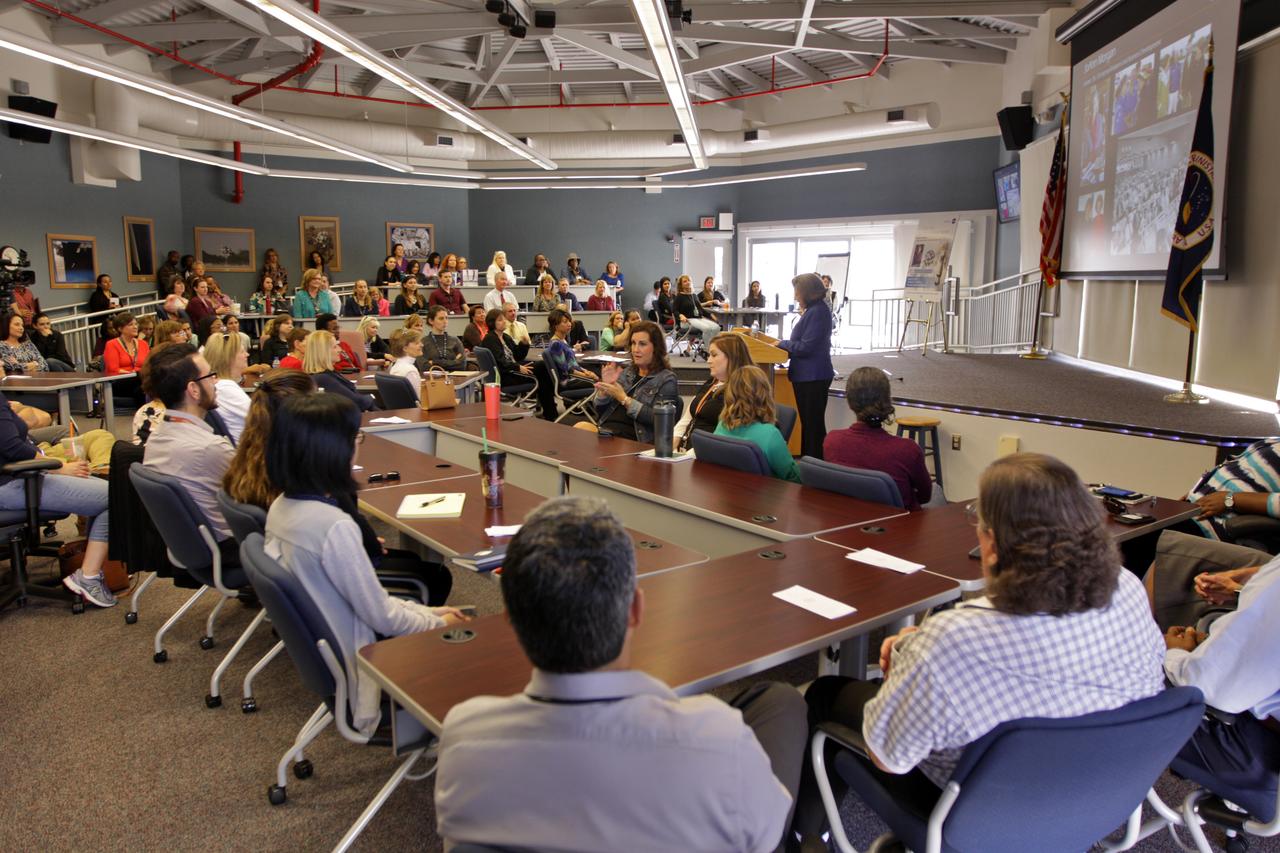
JoAnn Morgan, former associate director of NASA Kennedy Space Center, speaks to workers during a Women's History Month event at the center. With the theme "Nevertheless She Persisted," Morgan described her experience as the first female engineer working in the space program in the 1960s. Morgan was the first female in the Launch Control Center firing room during the Apollo 11 launch. The event was hosted by the center's Kennedy Networking Opportunities for Women (KNOW) and Launching Leaders organizations. The purpose of KNOW is to provide focus on issues such as employment, retention, promotion, training, career and personal development, education, and identify and eliminate barriers that hinder the advancement of women in the workforce.
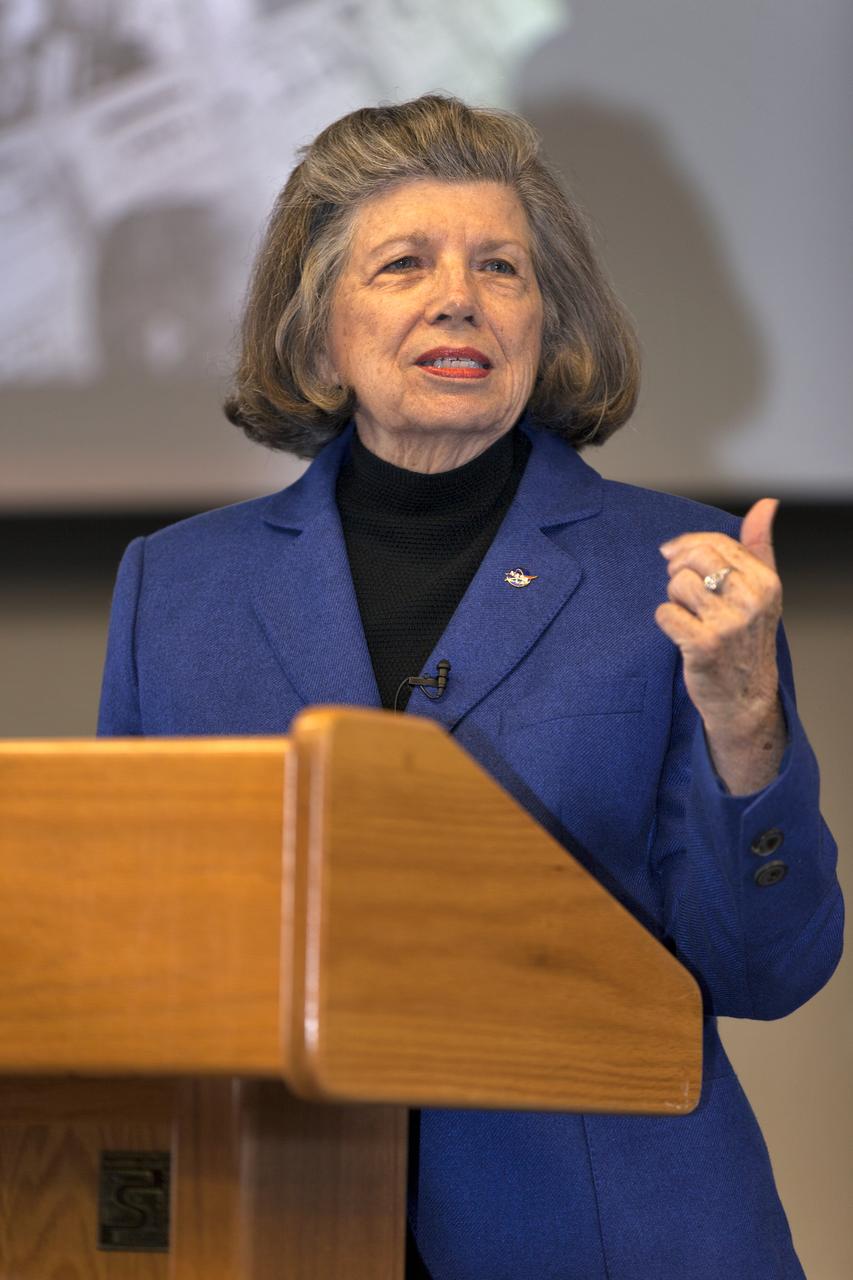
JoAnn Morgan, former associate director of NASA Kennedy Space Center, was the keynote speaker during a Women's History Month event at the center. With the theme "Nevertheless She Persisted," Morgan described her experience as the first female engineer working in the space program in the 1960s. Morgan was the first female in the Launch Control Center firing room during the Apollo 11 launch. The event was hosted by the center's Kennedy Networking Opportunities for Women (KNOW) and Launching Leaders organizations. The purpose of KNOW is to provide focus on issues such as employment, retention, promotion, training, career and personal development, education, and identify and eliminate barriers that hinder the advancement of women in the workforce.
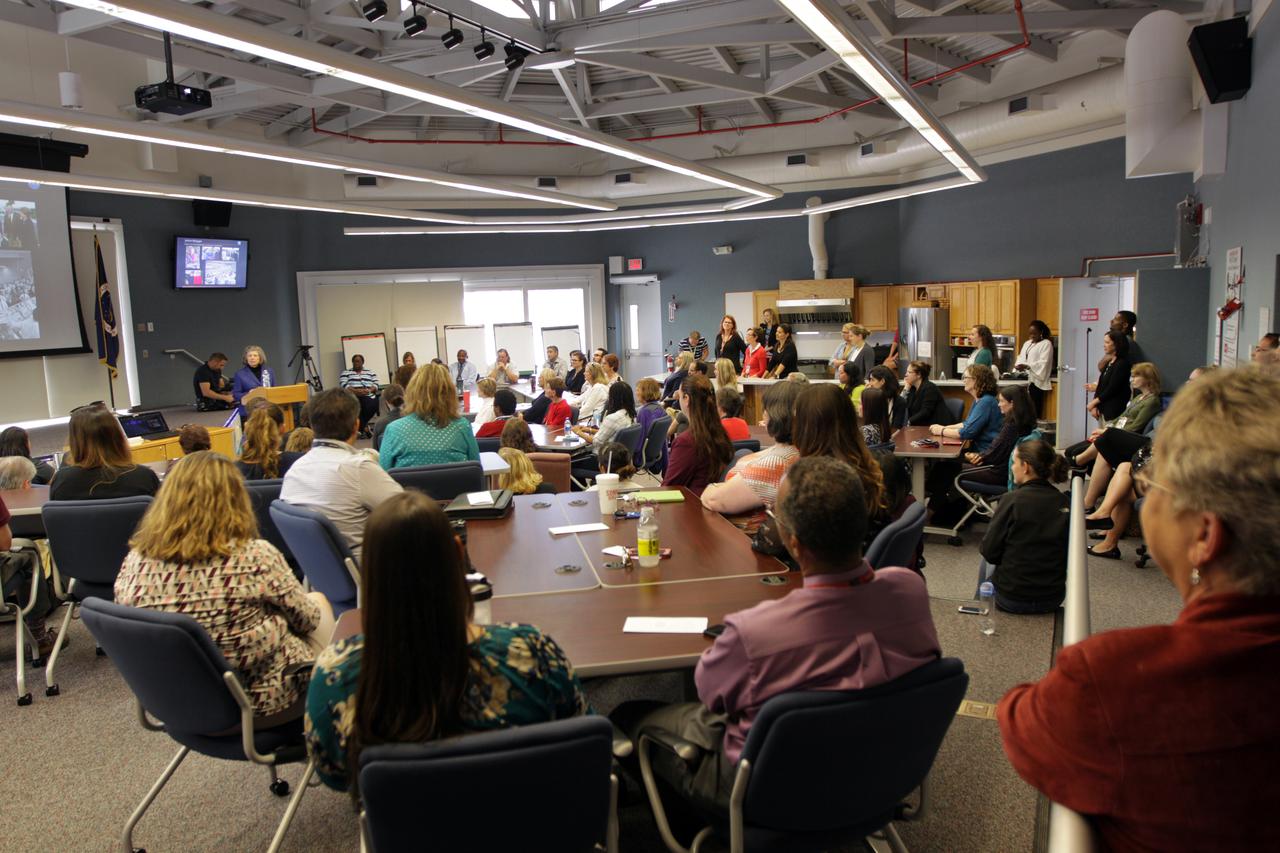
JoAnn Morgan, far left at the podium, former associate director of Kennedy Space Center, was the keynote speaker during a Women's History Month event at the center. With the theme "Nevertheless She Persisted," Morgan described her experience as the first female engineer working in the space program in the 1960s. Morgan was the first female in the Launch Control Center firing room during the Apollo 11 launch. The event was hosted by the center's Kennedy Networking Opportunities for Women (KNOW) and Launching Leaders organizations. The purpose of KNOW is to provide focus on issues such as employment, retention, promotion, training, career and personal development, education, and identify and eliminate barriers that hinder the advancement of women in the workforce.
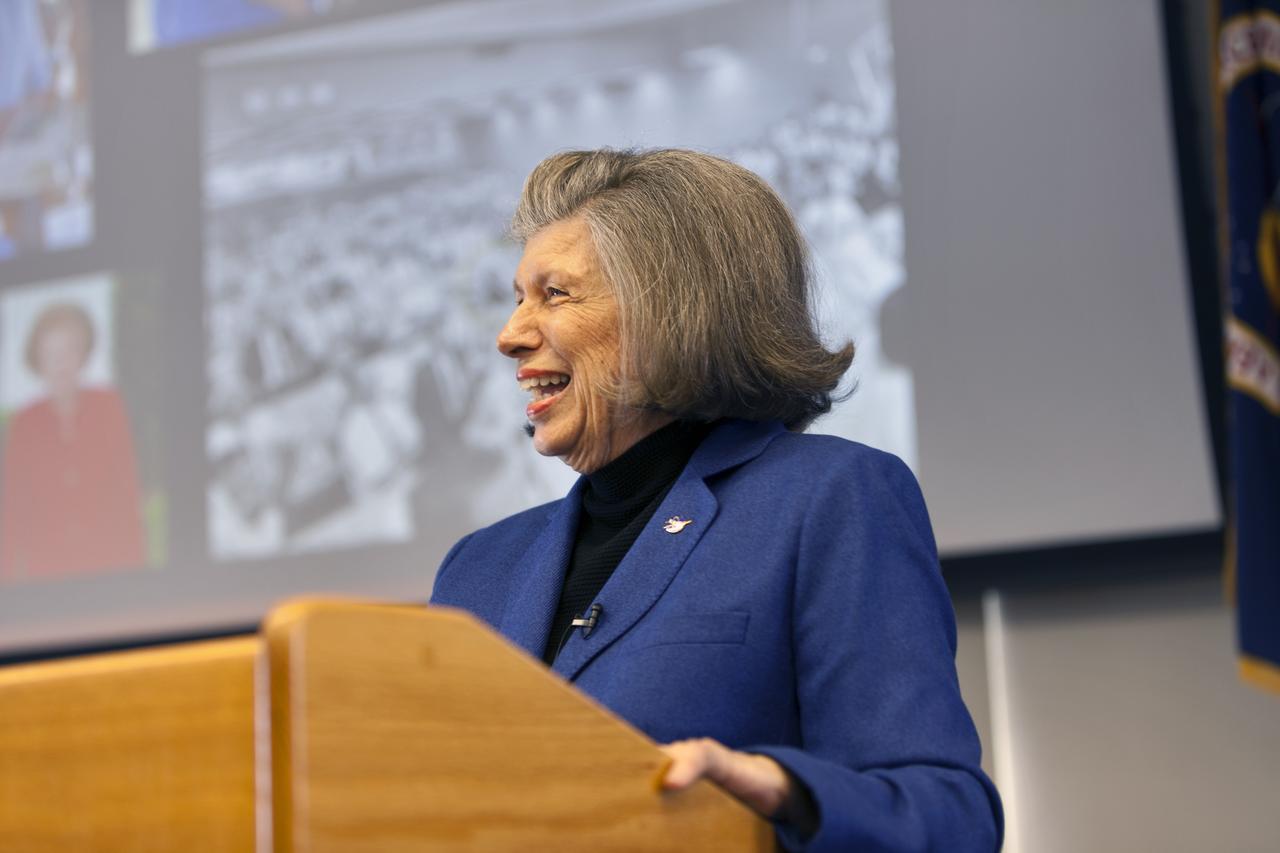
JoAnn Morgan, former associate director of Kennedy Space Center, was the keynote speaker during a Women's History Month event at the center. With the theme "Nevertheless She Persisted," Morgan described her experience as the first female engineer working in the space program in the 1960s. Morgan was the first female in the Launch Control Center firing room during the Apollo 11 launch. The event was hosted by the center's Kennedy Networking Opportunities for Women (KNOW) and Launching Leaders organizations. The purpose of KNOW is to provide focus on issues such as employment, retention, promotion, training, career and personal development, education, and identify and eliminate barriers that hinder the advancement of women in the workforce.
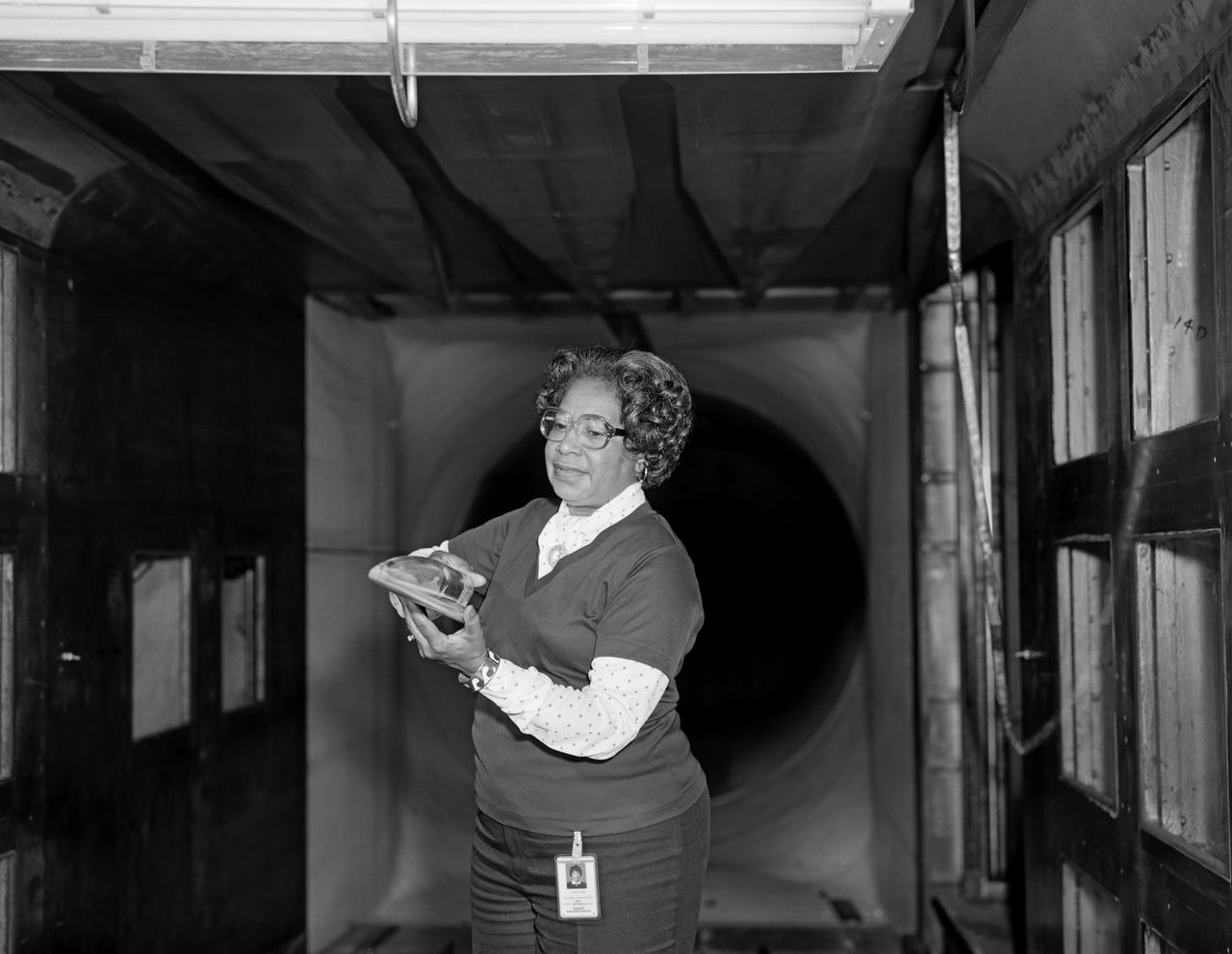
Mary Jackson With Model at NASA Langley. In 1958 Mary Jackson became NASA's first black female engineer. At this time Mrs. Jackson was working in the Theoretical Aerodynamic Branch. The tunnel was located on the East side at Langley Air Force Base.

Photograph taken June 17, 1982. Federal Women's Program with Mary Jackson giving out awards to Kathi Porter. In 1958 Mary Jackson became NASA's first black female engineer. Mary Jackson was Federal Women’s Coordinator at Langley at the time.
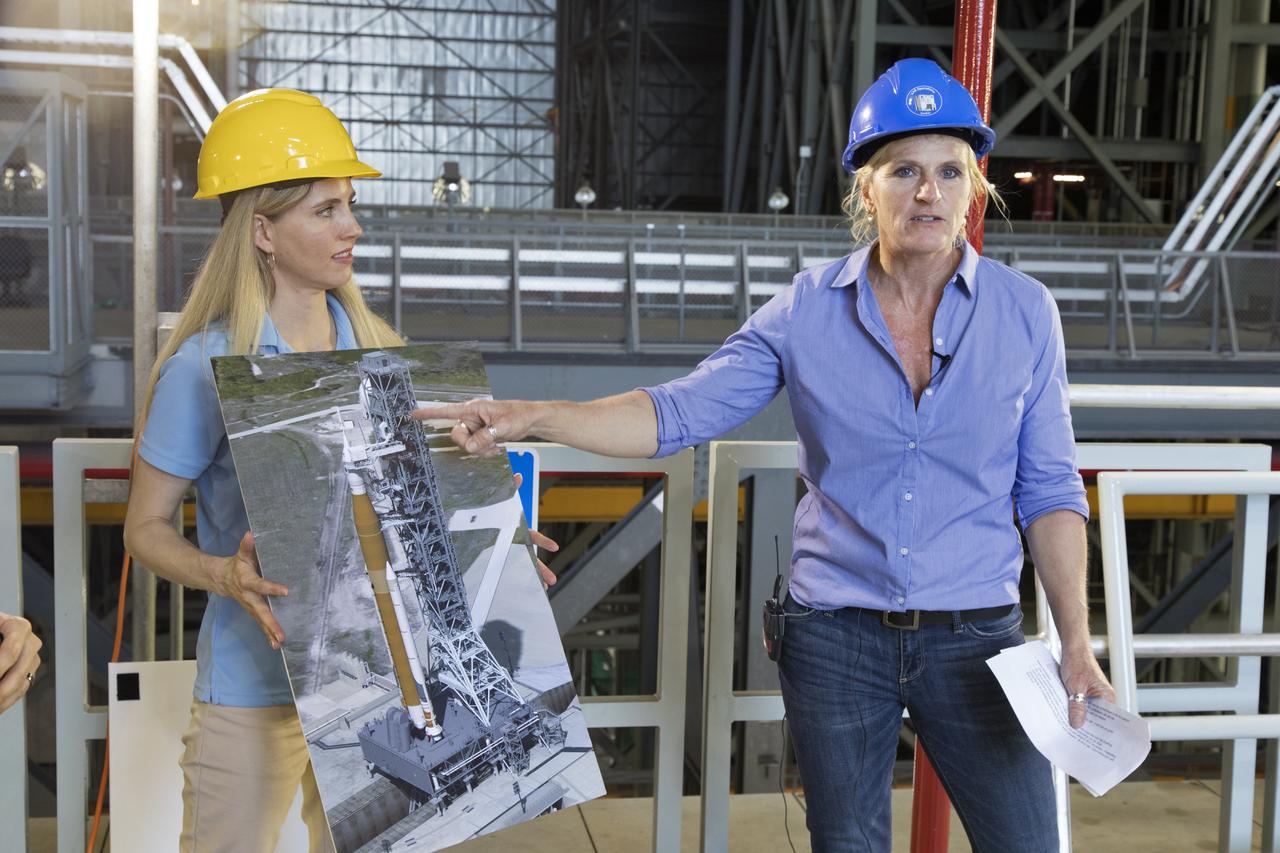
Inside Kennedy Space Center’s Vehicle Assembly Building, Bethanne’ Hull, left, of NASA Outreach, and engineer Krista Shaffer, right, participate in Introduce a Girl to Engineering Day on NASA’s Digital Expansion to Engage the Public (DEEP) Network. Held in conjunction with National Engineers Week and Girl Day, the event allowed students from throughout the nation to speak with female NASA scientists and technical experts.
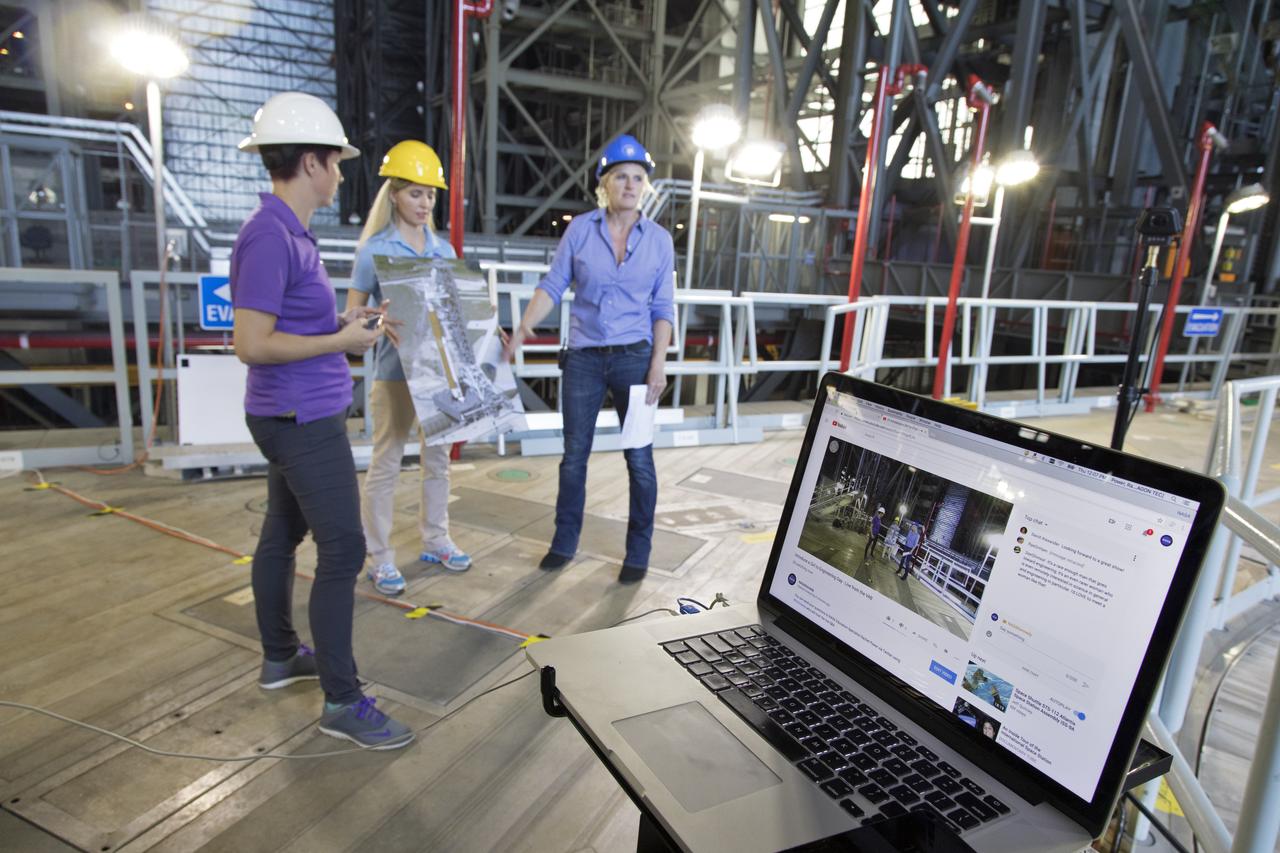
The laptop computer in the foreground displays Rachel Power, left, of NASA’s Digital Expansion to Engage the Public (DEEP) Network; Bethanne’ Hull, center, of NASA Outreach; and NASA engineer Krista Shaffer inside Kennedy Space Center’s Vehicle Assembly Building during Introduce a Girl to Engineering Day. Held in conjunction with National Engineers Week and Girl Day, the event allowed students from throughout the nation to speak with female NASA scientists and technical experts.

The camera in the foreground is recording NASA engineer Krista Shaffer, left, and Rachel Power of NASA’s Digital Expansion to Engage the Public (DEEP) Network inside Kennedy Space Center’s Vehicle Assembly Building during Introduce a Girl to Engineering Day. Held in conjunction with National Engineers Week and Girl Day, the event allowed students from throughout the nation to speak with female NASA scientists and technical experts.
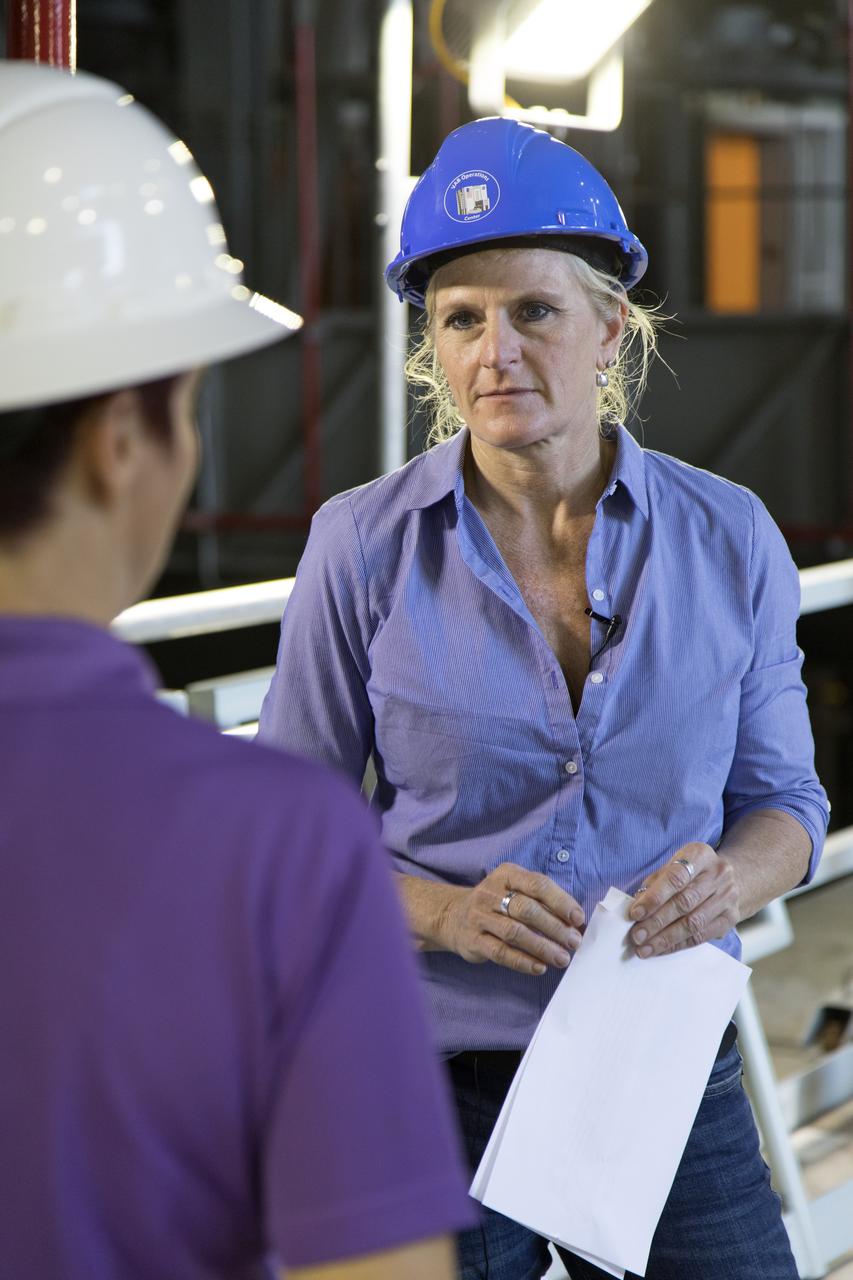
NASA engineer Krista Shaffer, right, is interviewed by Rachel Power of NASA’s Digital Expansion to Engage the Public (DEEP) Network inside Kennedy Space Center’s Vehicle Assembly Building during Introduce a Girl to Engineering Day. Held in conjunction with National Engineers Week and Girl Day, the event allowed students from throughout the nation to speak with female NASA scientists and technical experts.
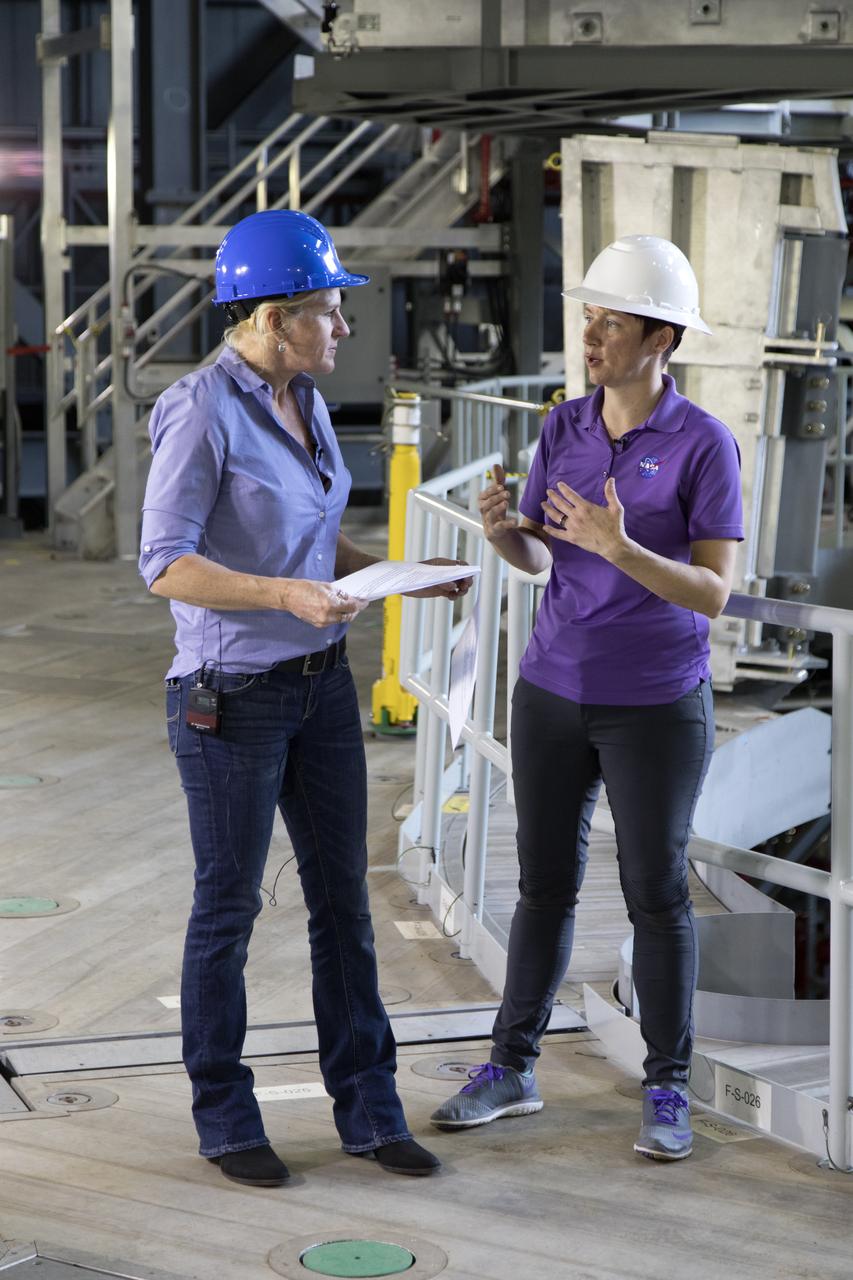
NASA engineer Krista Shaffer, left, speaks to Rachel Power of NASA’s Digital Expansion to Engage the Public (DEEP) Network inside Kennedy Space Center’s Vehicle Assembly Building during Introduce a Girl to Engineering Day. Held in conjunction with National Engineers Week and Girl Day, the event allowed students from throughout the nation to speak with female NASA scientists and technical experts.
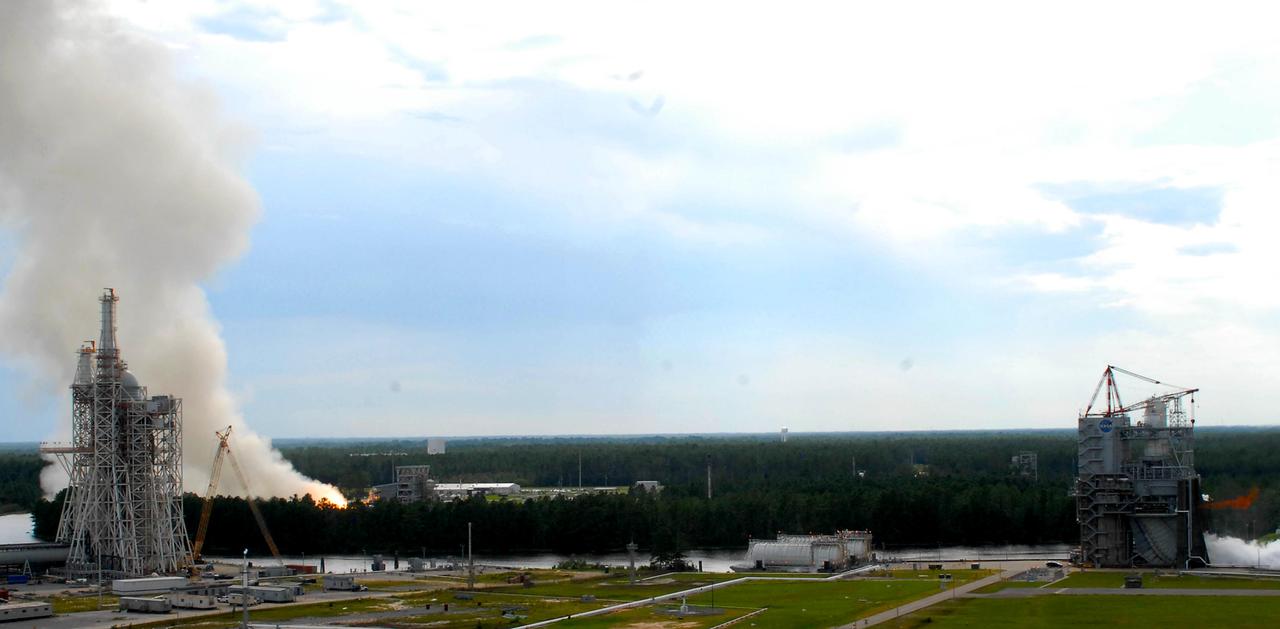
Two large-engine tests were conducted simultaneously for the first time at Stennis Space Center on Aug. 16. A plume on the left indicates a test on the facility's E-1 Test Stand. On the right, a finger of fire indicates a test under way on the A-1 Test Stand. In another first, both tests were conducted by female engineers. The image was taken from atop the facility's A-2 Test Stand, offering a panoramic view that includes the new A-3 Test Stand under construction to the left.
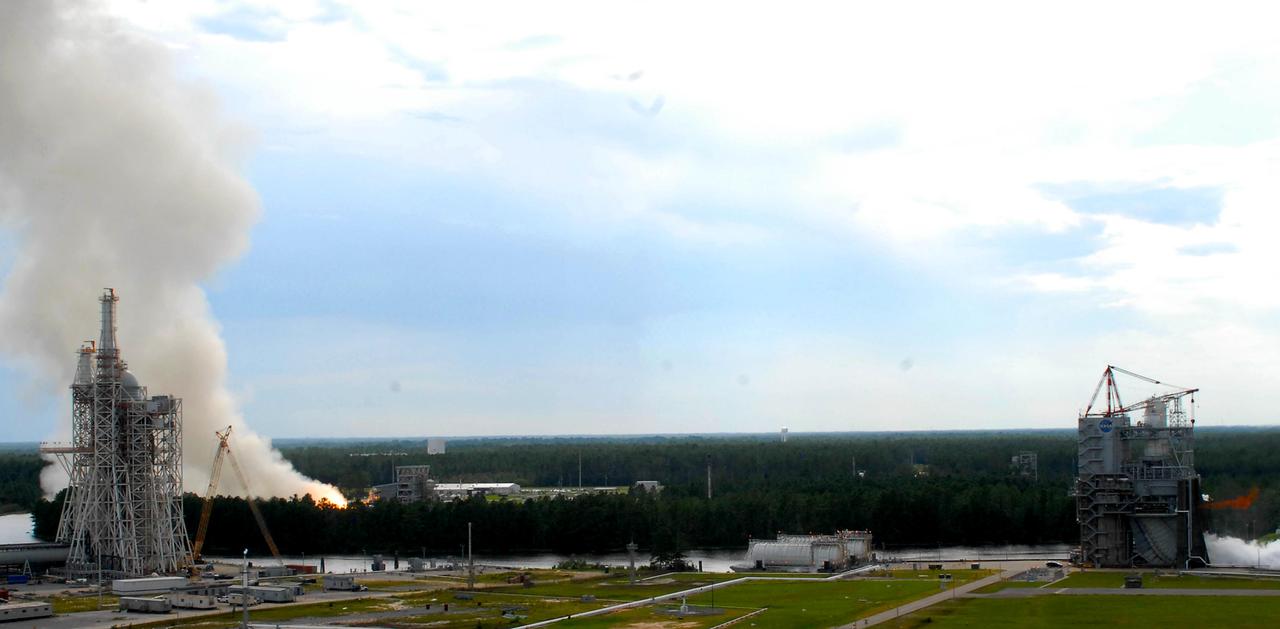
Two large-engine tests were conducted simultaneously for the first time at Stennis Space Center on Aug. 16. A plume on the left indicates a test on the facility's E-1 Test Stand. On the right, a finger of fire indicates a test under way on the A-1 Test Stand. In another first, both tests were conducted by female engineers. The image was taken from atop the facility's A-2 Test Stand, offering a panoramic view that includes the new A-3 Test Stand under construction to the left.
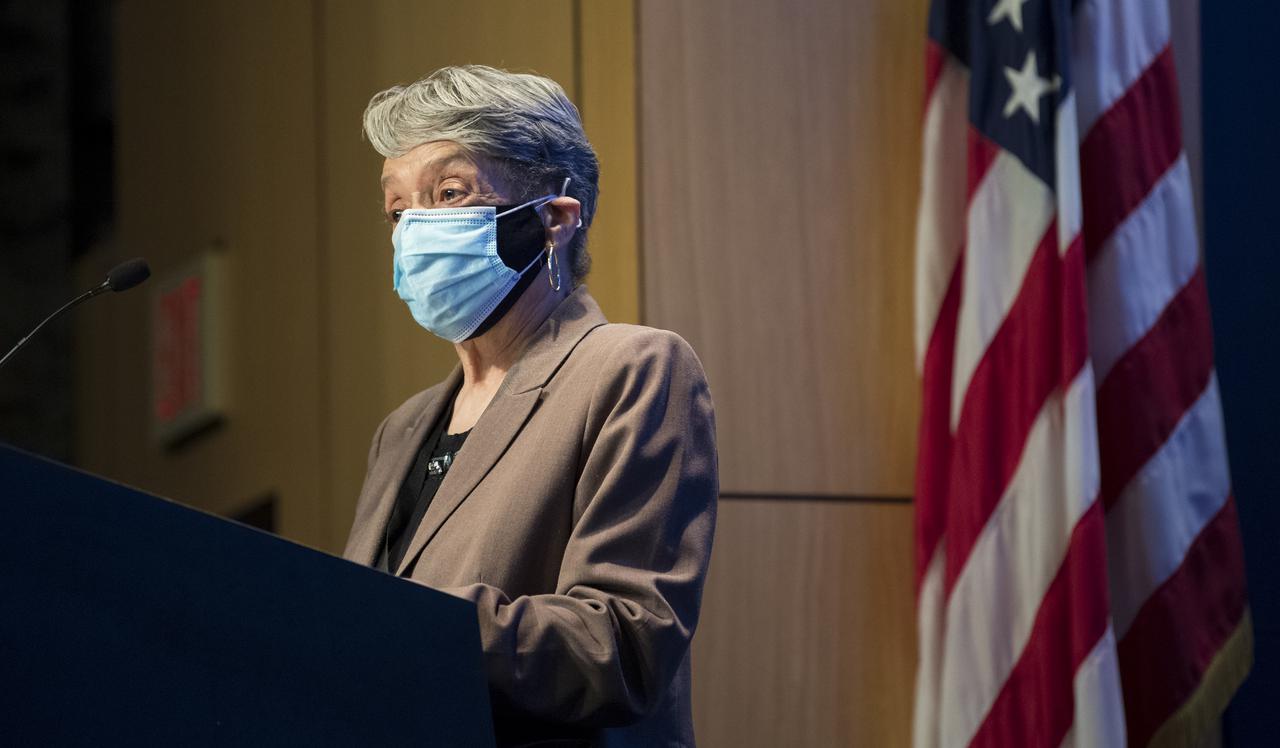
Christine Darden, retired NASA engineer and "Hidden Figure,” speaks during a ceremony officially naming the NASA Headquarters building in honor of Mary W. Jackson, Friday, Feb. 26, 2021, at NASA Headquarters in Washington, DC. Mary W. Jackson, the first African American female engineer at NASA, began her career with the agency in the segregated West Area Computing Unit of NASA’s Langley Research Center in Hampton, Virginia. The mathematician and aerospace engineer went on to lead programs influencing the hiring and promotion of women in NASA's science, technology, engineering, and mathematics careers. In 2019, she posthumously received the Congressional Gold Medal. Photo Credit: (NASA/Joel Kowsky)
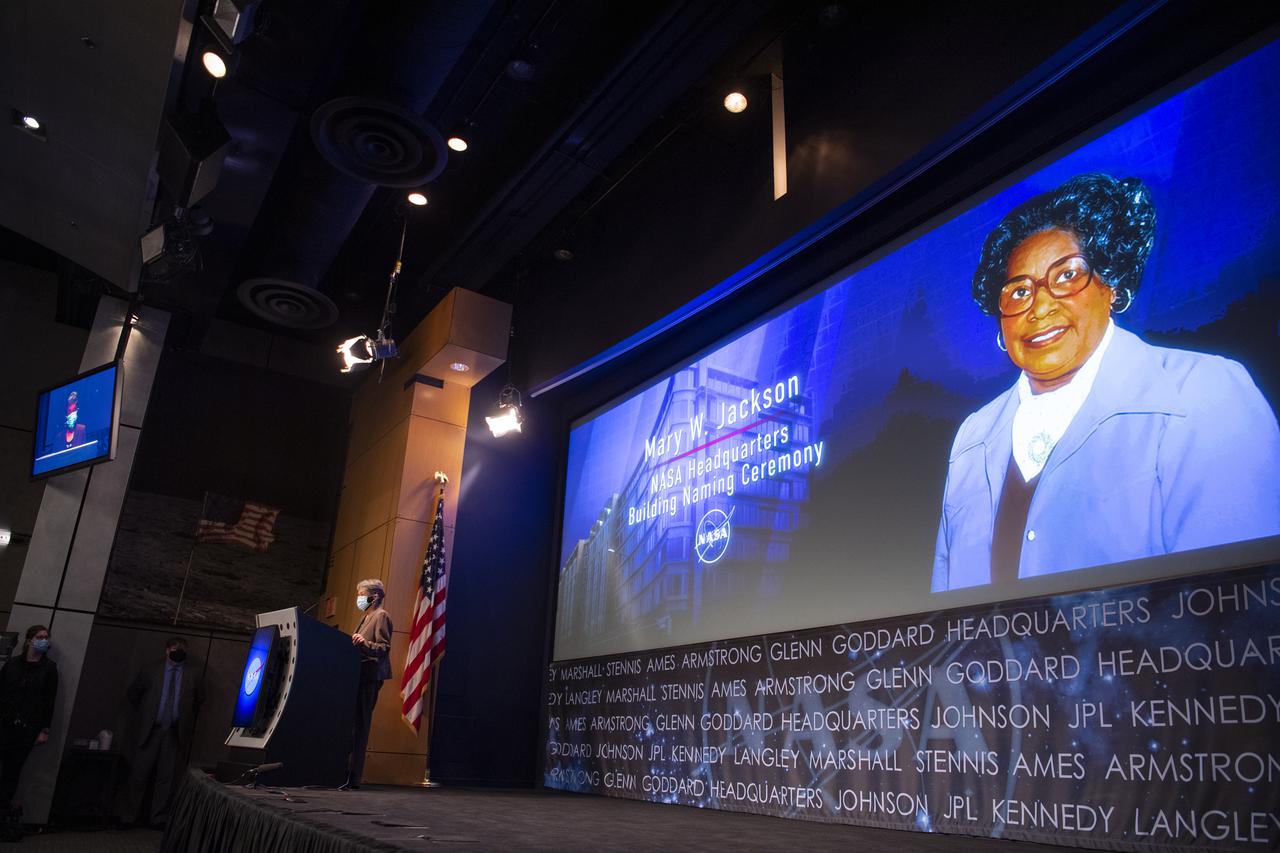
Christine Darden, retired NASA engineer and "Hidden Figure,” speaks during a ceremony officially naming the NASA Headquarters building in honor of Mary W. Jackson, Friday, Feb. 26, 2021, at NASA Headquarters in Washington, DC. Mary W. Jackson, the first African American female engineer at NASA, began her career with the agency in the segregated West Area Computing Unit of NASA’s Langley Research Center in Hampton, Virginia. The mathematician and aerospace engineer went on to lead programs influencing the hiring and promotion of women in NASA's science, technology, engineering, and mathematics careers. In 2019, she posthumously received the Congressional Gold Medal. Photo Credit: (NASA/Joel Kowsky)
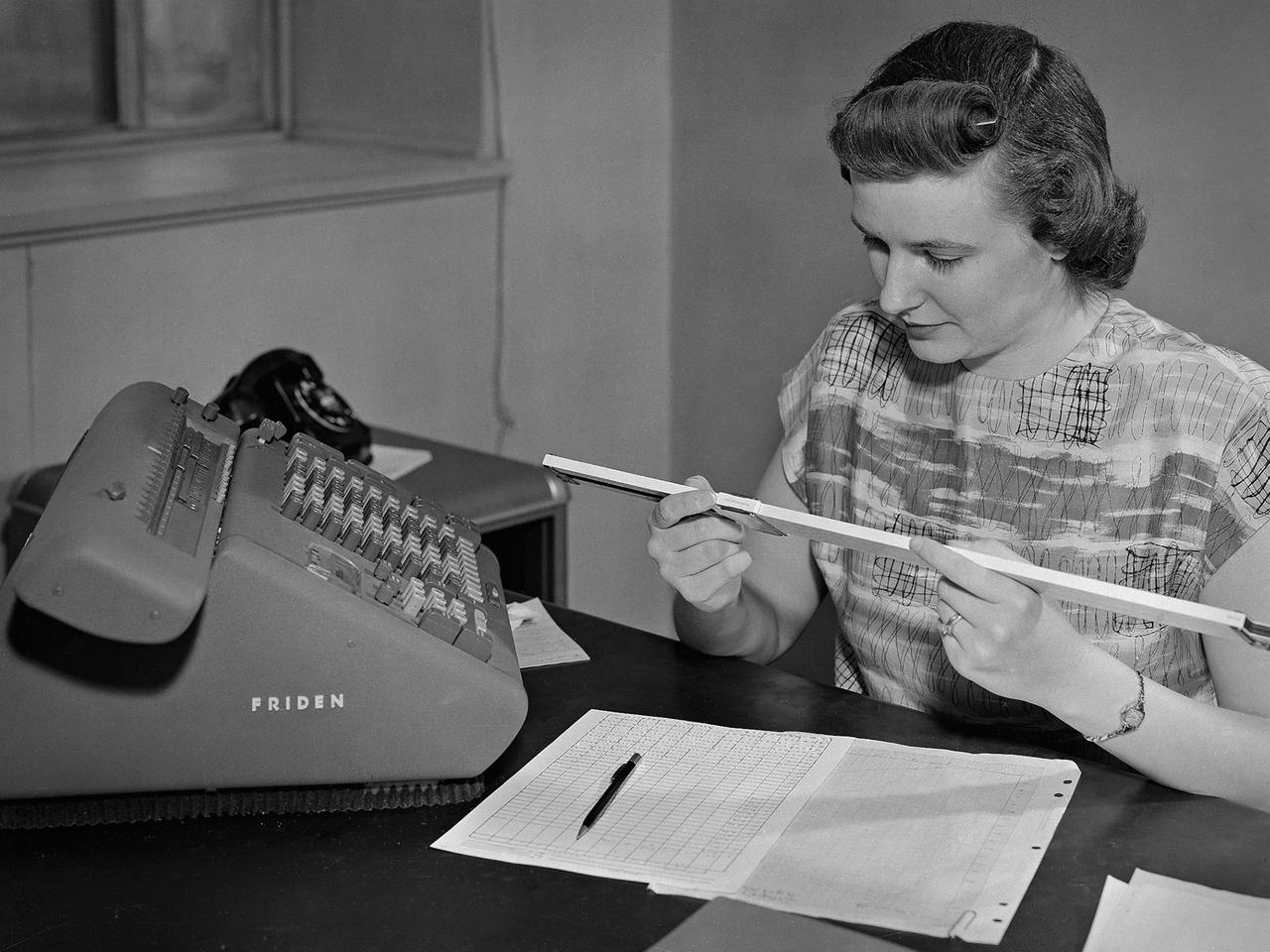
A female computer at the National Advisory Committee for Aeronautics (NACA) Lewis Flight Propulsion Laboratory with a slide rule and Friden adding machine to make computations. The computer staff was introduced during World War II to relieve short-handed research engineers of some of the tedious computational work. The Computing Section was staffed by “computers,” young female employees, who often worked overnight when most of the tests were run. The computers obtained test data from the manometers and other instruments, made the initial computations, and plotted the data graphically. Researchers then analyzed the data and summarized the findings in a report or made modifications and ran the test again. There were over 400 female employees at the laboratory in 1944, including 100 computers. The use of computers was originally planned only for the duration of the war. The system was so successful that it was extended into the 1960s. The computers and analysts were located in the Altitude Wind Tunnel Shop and Office Building office wing during the 1940s and transferred to the new 8- by 6-Foot Supersonic Wind Tunnel in 1948.
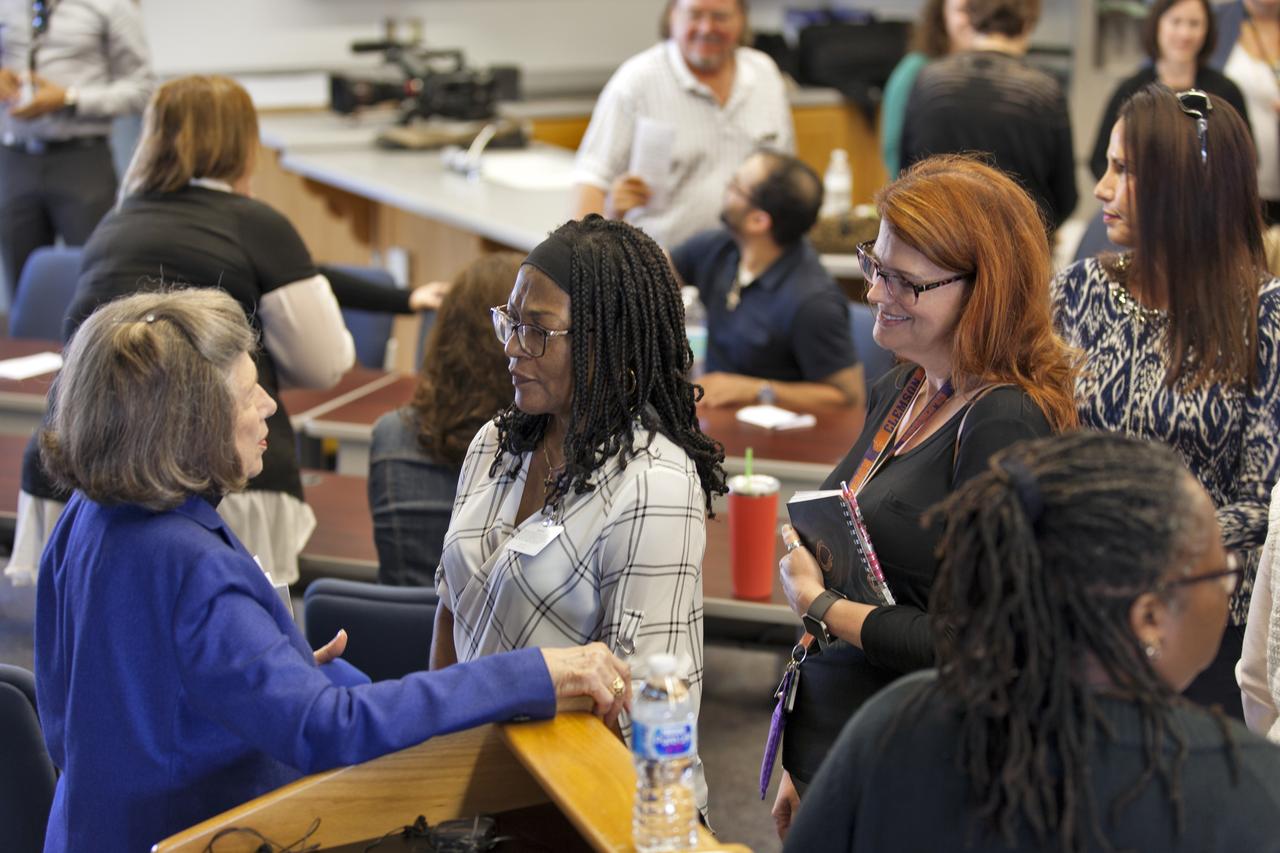
JoAnn Morgan, former associate director of Kennedy Space Center, was the keynote speaker during a Women's History Month event at the center. With the theme "Nevertheless She Persisted," Morgan described her experience as the first female engineer working in the space program in the 1960s. Morgan was the first female in the Launch Control Center firing room during the Apollo 11 launch. Third from the left is Charlie Blackwell-Thompson, launch director for Exploration Mission-1. The event was hosted by the center's Kennedy Networking Opportunities for Women (KNOW) and Launching Leaders organizations. The purpose of KNOW is to provide focus on issues such as employment, retention, promotion, training, career and personal development, education, and identify and eliminate barriers that hinder the advancement of women in the workforce.
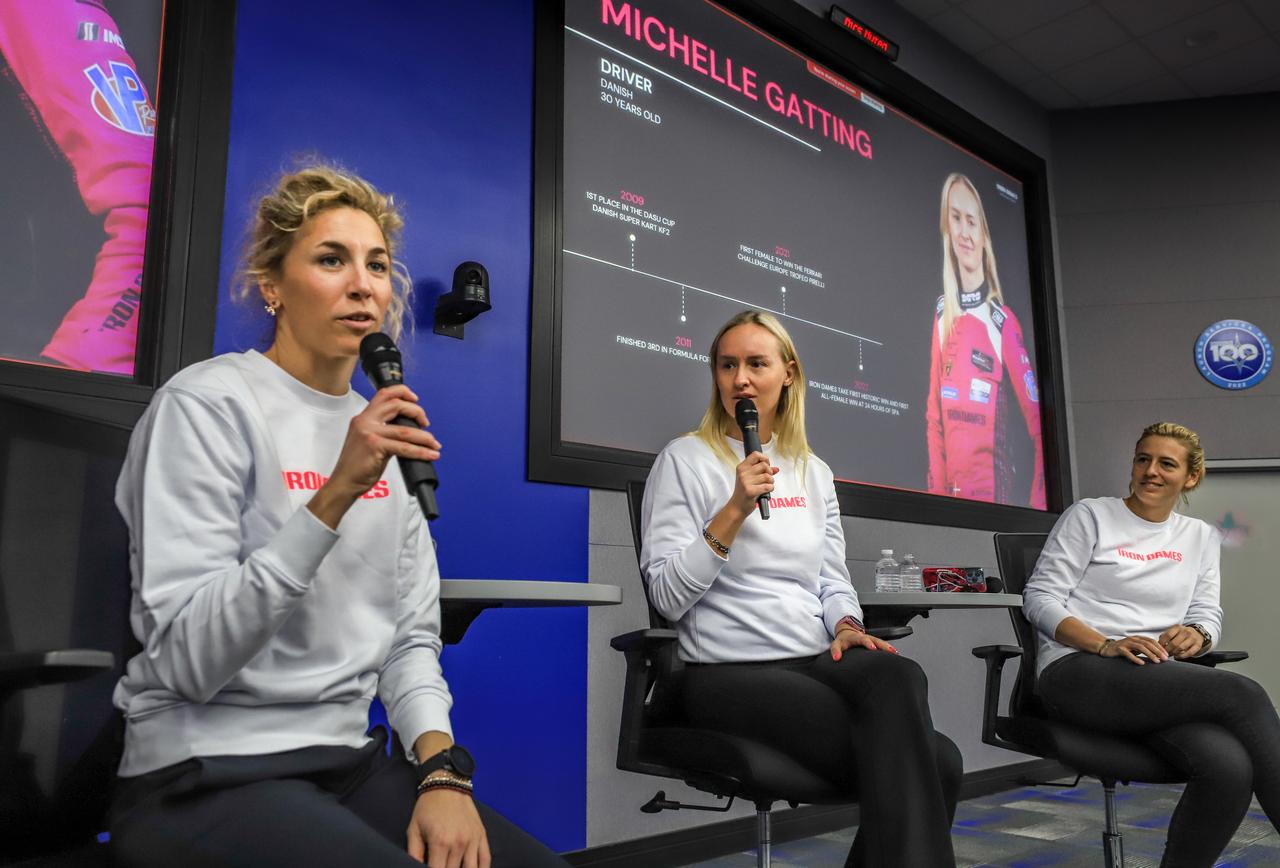
Members of the Iron Dames, from left to right, Rahel Frey, Michelle Gatting, and Sarah Bovy, visit with NASA’s Office of Communication, along with Kennedy Space Center's Network of Women and New Americans Employee Resource Groups inside the Neil A. Armstrong Operations and Checkout Building at the agency’s Kennedy Space Center in Florida on Wednesday, March 13, 2024, to discuss their project to promote and support women in sports, and enable them to compete on equal terms with men in fields of jobs including driving, mechanics, engineers, and team leaders. The all-female team started in motorsports and became the first all-female team to win a race in the 2023 FIA World Endurance Championships at Sebring International Raceway in Sebring, Florida.
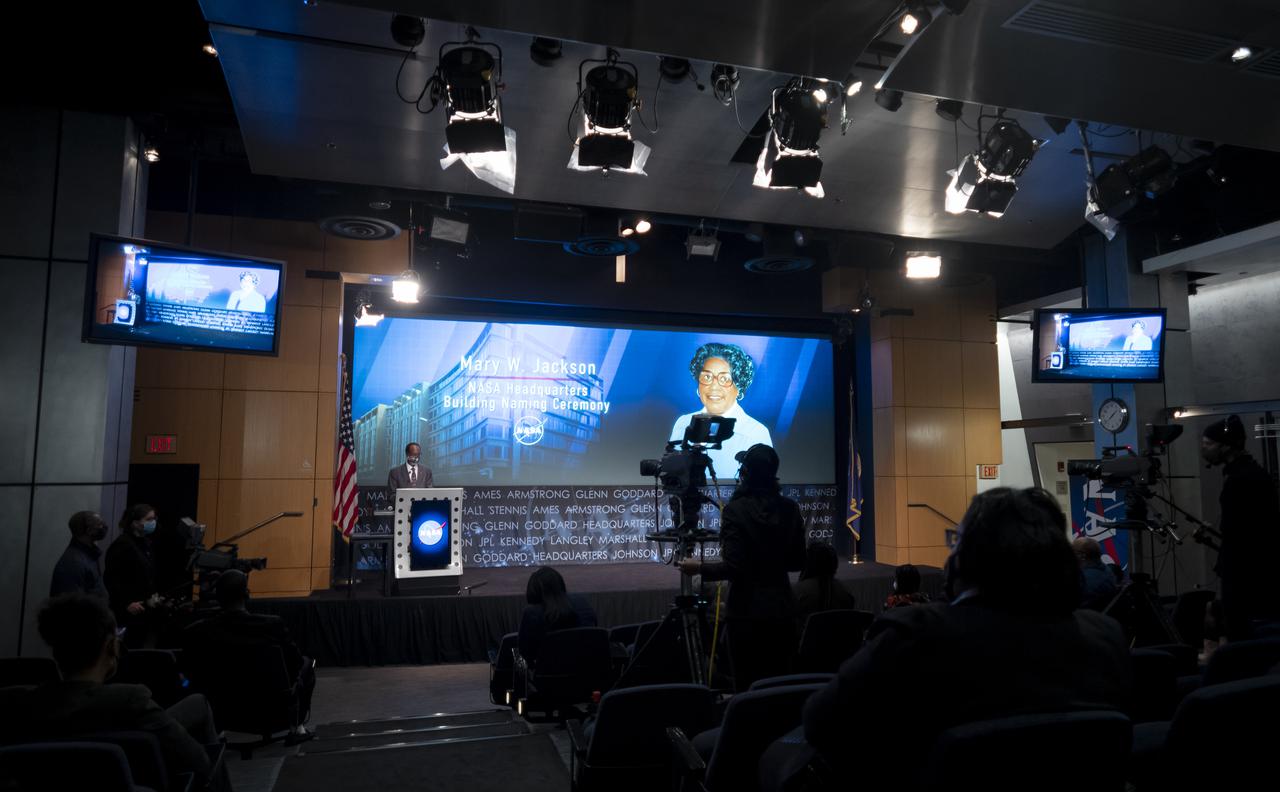
Clayton Turner, Director of NASA's Langley Research Center, speaks during a ceremony officially naming the NASA Headquarters building in honor of Mary W. Jackson, Friday, Feb. 26, 2021, at NASA Headquarters in Washington, DC. Mary W. Jackson, the first African American female engineer at NASA, began her career with the agency in the segregated West Area Computing Unit of NASA’s Langley Research Center in Hampton, Virginia. The mathematician and aerospace engineer went on to lead programs influencing the hiring and promotion of women in NASA's science, technology, engineering, and mathematics careers. In 2019, she posthumously received the Congressional Gold Medal. Photo Credit: (NASA/Joel Kowsky)
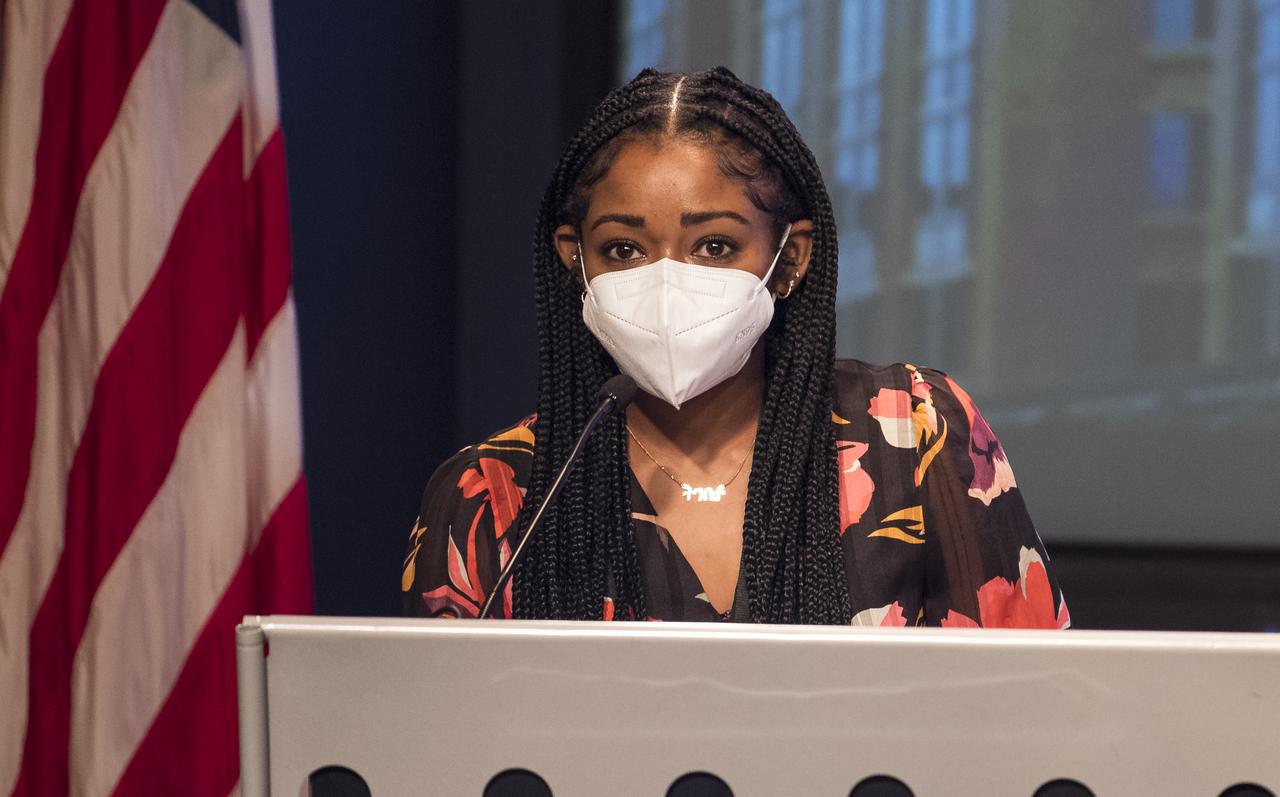
Artist Tenbeete Solomon, also known as Trap Bob, speaks during a ceremony officially naming the NASA Headquarters building in honor of Mary W. Jackson, Friday, Feb. 26, 2021, at NASA Headquarters in Washington, DC. Mary W. Jackson, the first African American female engineer at NASA, began her career with the agency in the segregated West Area Computing Unit of NASA’s Langley Research Center in Hampton, Virginia. The mathematician and aerospace engineer went on to lead programs influencing the hiring and promotion of women in NASA's science, technology, engineering, and mathematics careers. In 2019, she posthumously received the Congressional Gold Medal. Photo Credit: (NASA/Joel Kowsky)
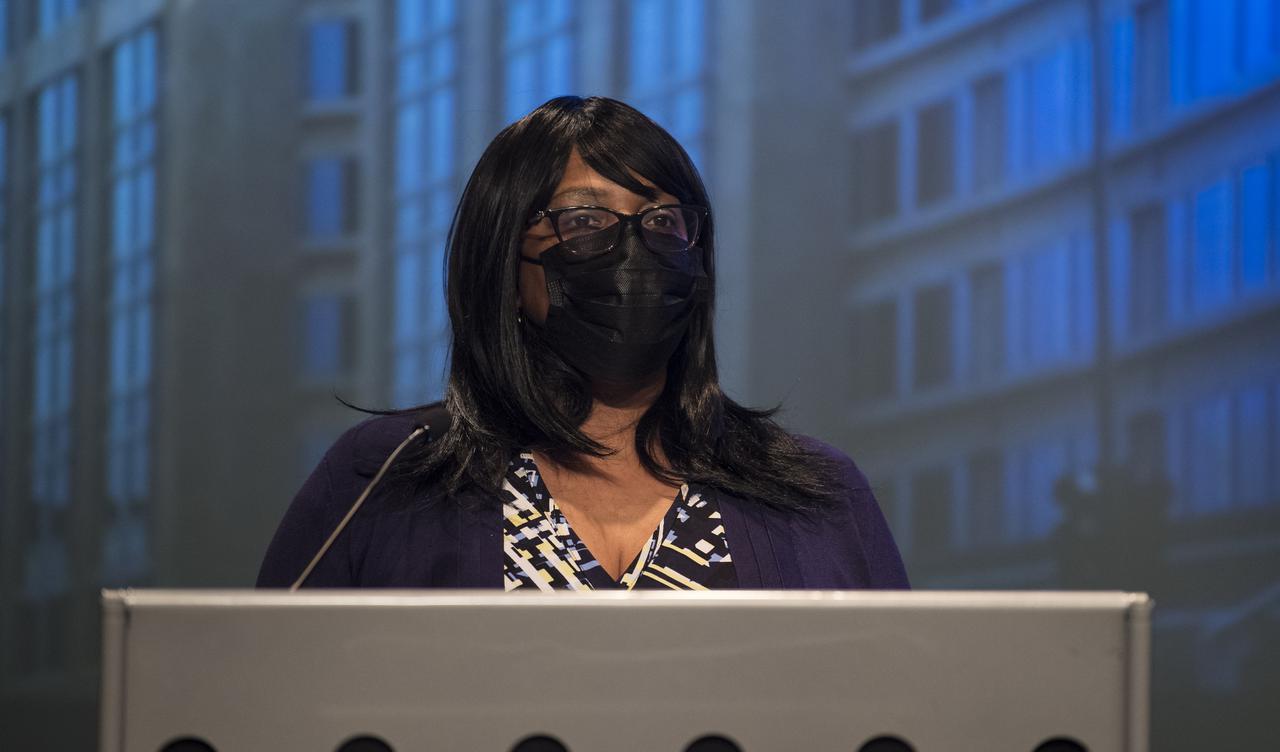
Wanda Jackson, granddaughter of Mary W. Jackson, speaks during a ceremony officially naming the NASA Headquarters building in honor of Mary W. Jackson, Friday, Feb. 26, 2021, at NASA Headquarters in Washington, DC. Mary W. Jackson, the first African American female engineer at NASA, began her career with the agency in the segregated West Area Computing Unit of NASA’s Langley Research Center in Hampton, Virginia. The mathematician and aerospace engineer went on to lead programs influencing the hiring and promotion of women in NASA's science, technology, engineering, and mathematics careers. In 2019, she posthumously received the Congressional Gold Medal. Photo Credit: (NASA/Joel Kowsky)
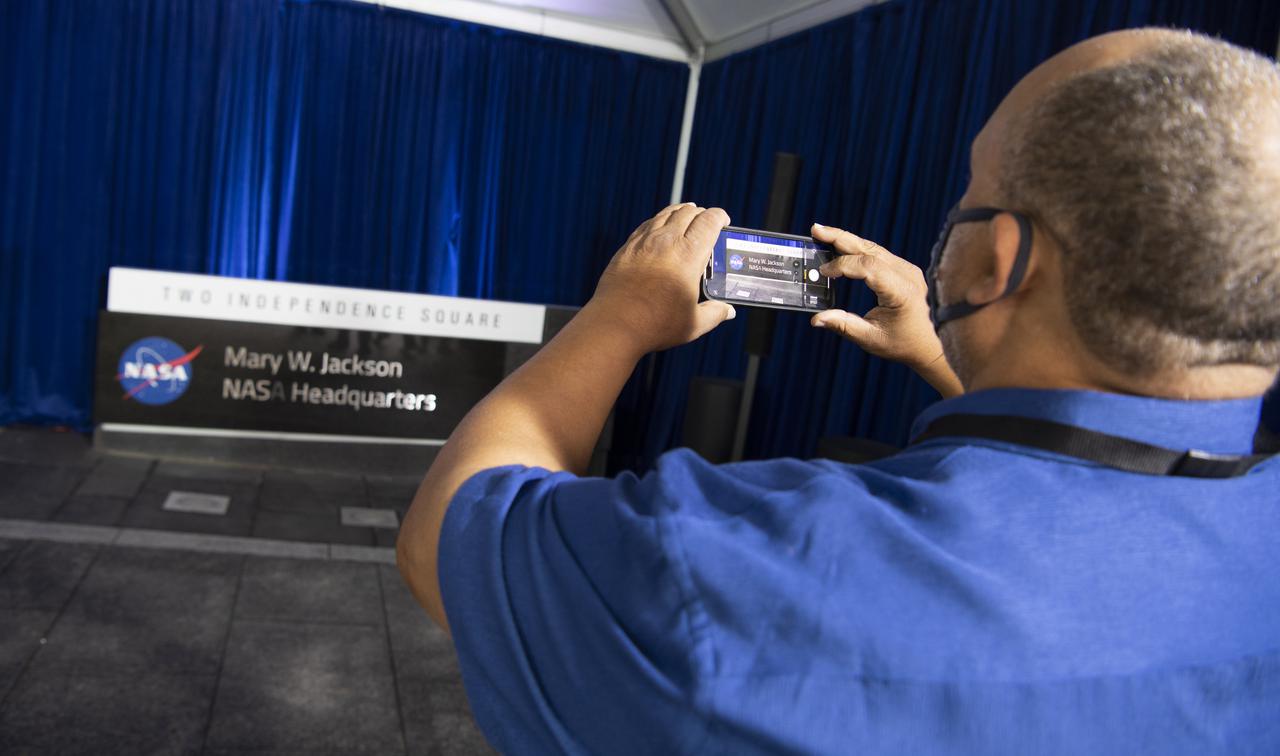
Raymond Lewis, son-in-law of Mary W. Jackson, takes a picture of the Mary W. Jackson NASA Headquarters sign following a ceremony officially naming the building, Friday, Feb. 26, 2021, at NASA Headquarters in Washington, DC. Mary W. Jackson, the first African American female engineer at NASA, began her career with the agency in the segregated West Area Computing Unit of NASA’s Langley Research Center in Hampton, Virginia. The mathematician and aerospace engineer went on to lead programs influencing the hiring and promotion of women in NASA's science, technology, engineering, and mathematics careers. In 2019, she posthumously received the Congressional Gold Medal. Photo Credit: (NASA/Joel Kowsky)
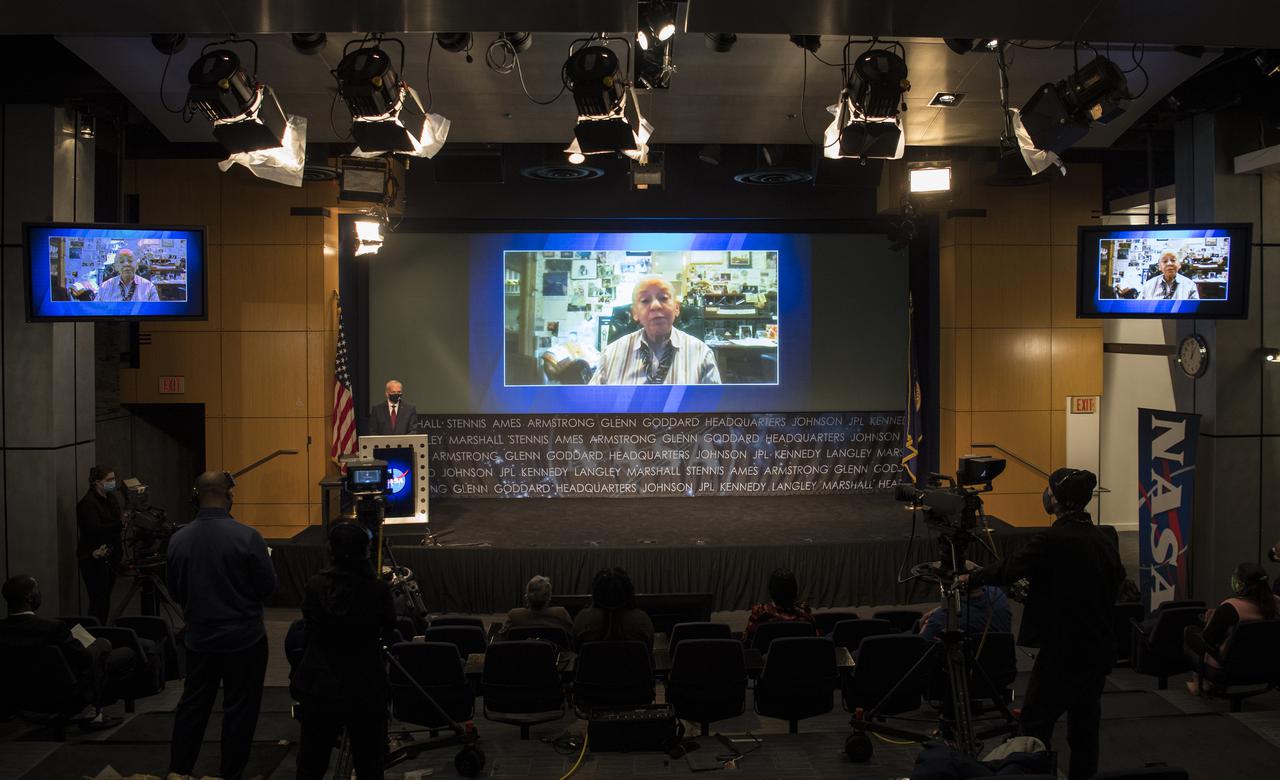
Poet Nikki Giovanni is seen onscreen in a pre-recorded video during a ceremony officially naming the NASA Headquarters building in honor of Mary W. Jackson, Friday, Feb. 26, 2021, at NASA Headquarters in Washington, DC. Mary W. Jackson, the first African American female engineer at NASA, began her career with the agency in the segregated West Area Computing Unit of NASA’s Langley Research Center in Hampton, Virginia. The mathematician and aerospace engineer went on to lead programs influencing the hiring and promotion of women in NASA's science, technology, engineering, and mathematics careers. In 2019, she posthumously received the Congressional Gold Medal. Photo Credit: (NASA/Joel Kowsky)
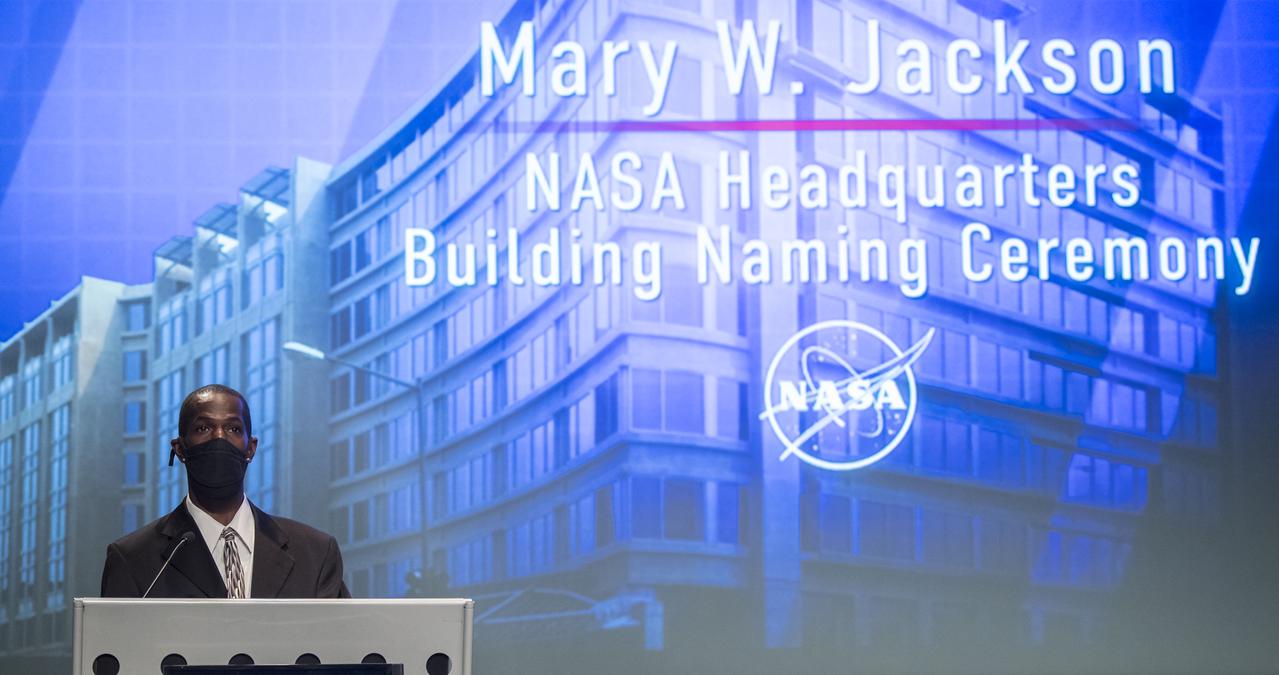
Bryan Jackson, grandson of Mary W. Jackson, speaks during a ceremony officially naming the NASA Headquarters building in honor of Mary W. Jackson, Friday, Feb. 26, 2021, at NASA Headquarters in Washington, DC. Mary W. Jackson, the first African American female engineer at NASA, began her career with the agency in the segregated West Area Computing Unit of NASA’s Langley Research Center in Hampton, Virginia. The mathematician and aerospace engineer went on to lead programs influencing the hiring and promotion of women in NASA's science, technology, engineering, and mathematics careers. In 2019, she posthumously received the Congressional Gold Medal. Photo Credit: (NASA/Joel Kowsky)
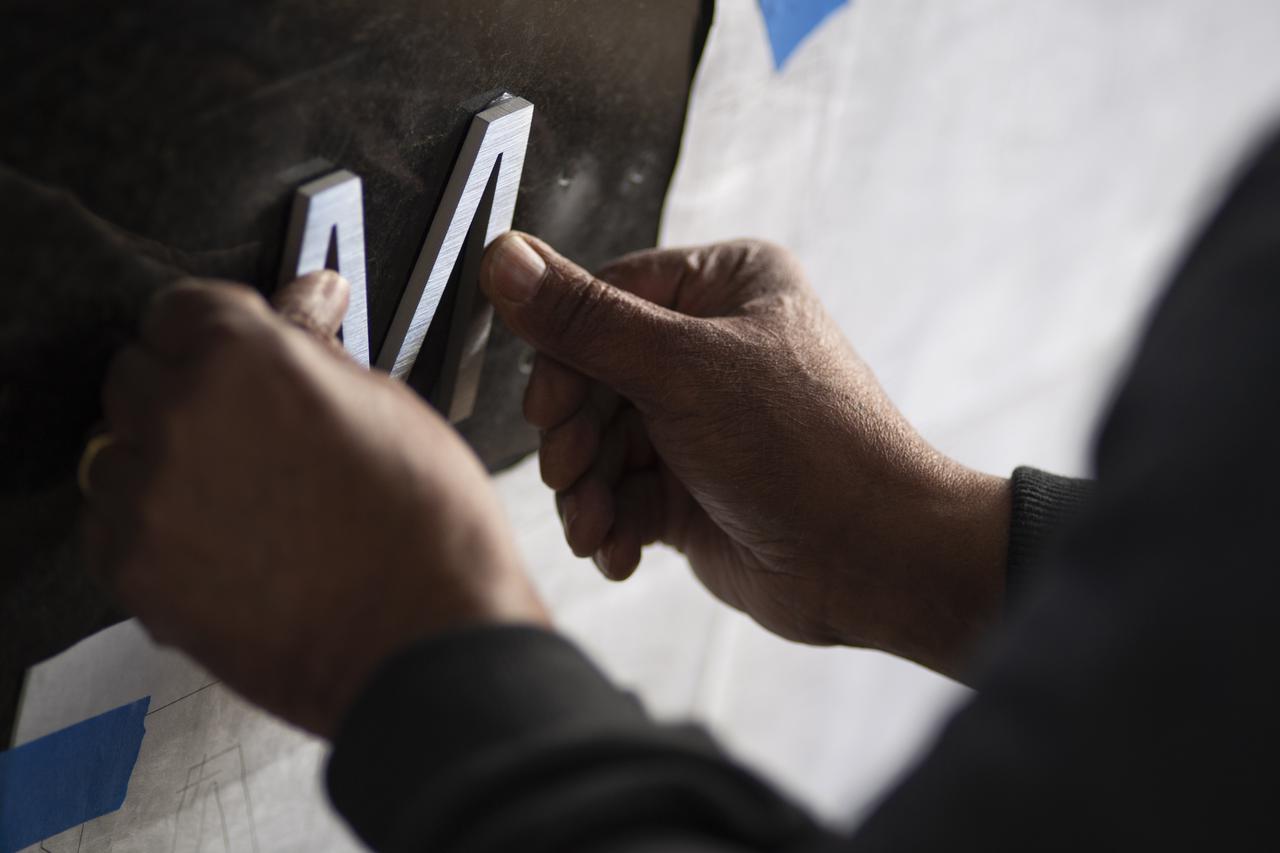
The Mary W. Jackson NASA Headquarters sign is installed ahead of the building naming ceremony, Thursday, Feb. 25, 2021, at NASA Headquarters in Washington, DC. Mary W. Jackson, the first African American female engineer at NASA, began her career with the agency in the segregated West Area Computing Unit of NASA’s Langley Research Center in Hampton, Virginia. The mathematician and aerospace engineer went on to lead programs influencing the hiring and promotion of women in NASA's science, technology, engineering, and mathematics careers. In 2019, she posthumously received the Congressional Gold Medal. Photo Credit: (NASA/Joel Kowsky)
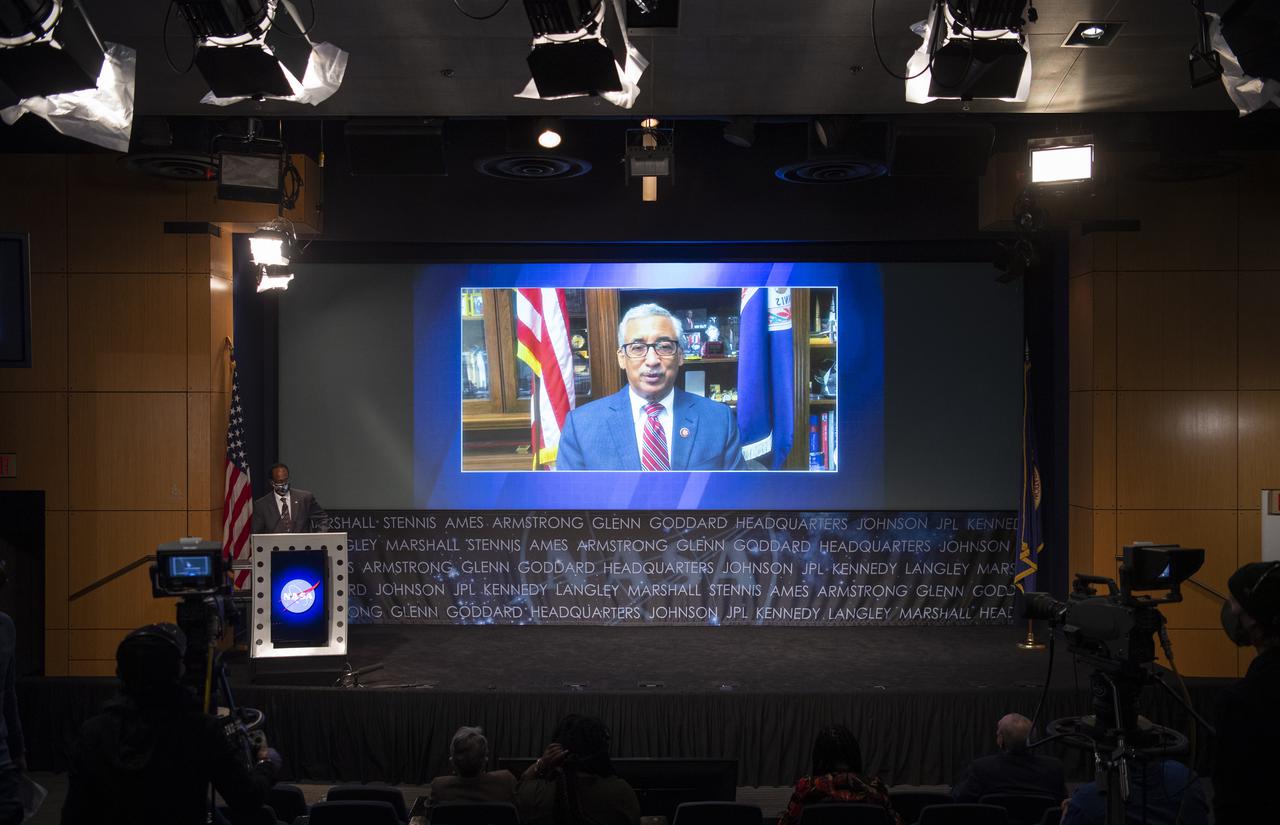
Rep. Bobby Scott (D-Va.), is seen onscreen in a pre-recorded message during a ceremony officially naming the NASA Headquarters building in honor of Mary W. Jackson, Friday, Feb. 26, 2021, at NASA Headquarters in Washington, DC. Mary W. Jackson, the first African American female engineer at NASA, began her career with the agency in the segregated West Area Computing Unit of NASA’s Langley Research Center in Hampton, Virginia. The mathematician and aerospace engineer went on to lead programs influencing the hiring and promotion of women in NASA's science, technology, engineering, and mathematics careers. In 2019, she posthumously received the Congressional Gold Medal. Photo Credit: (NASA/Joel Kowsky)
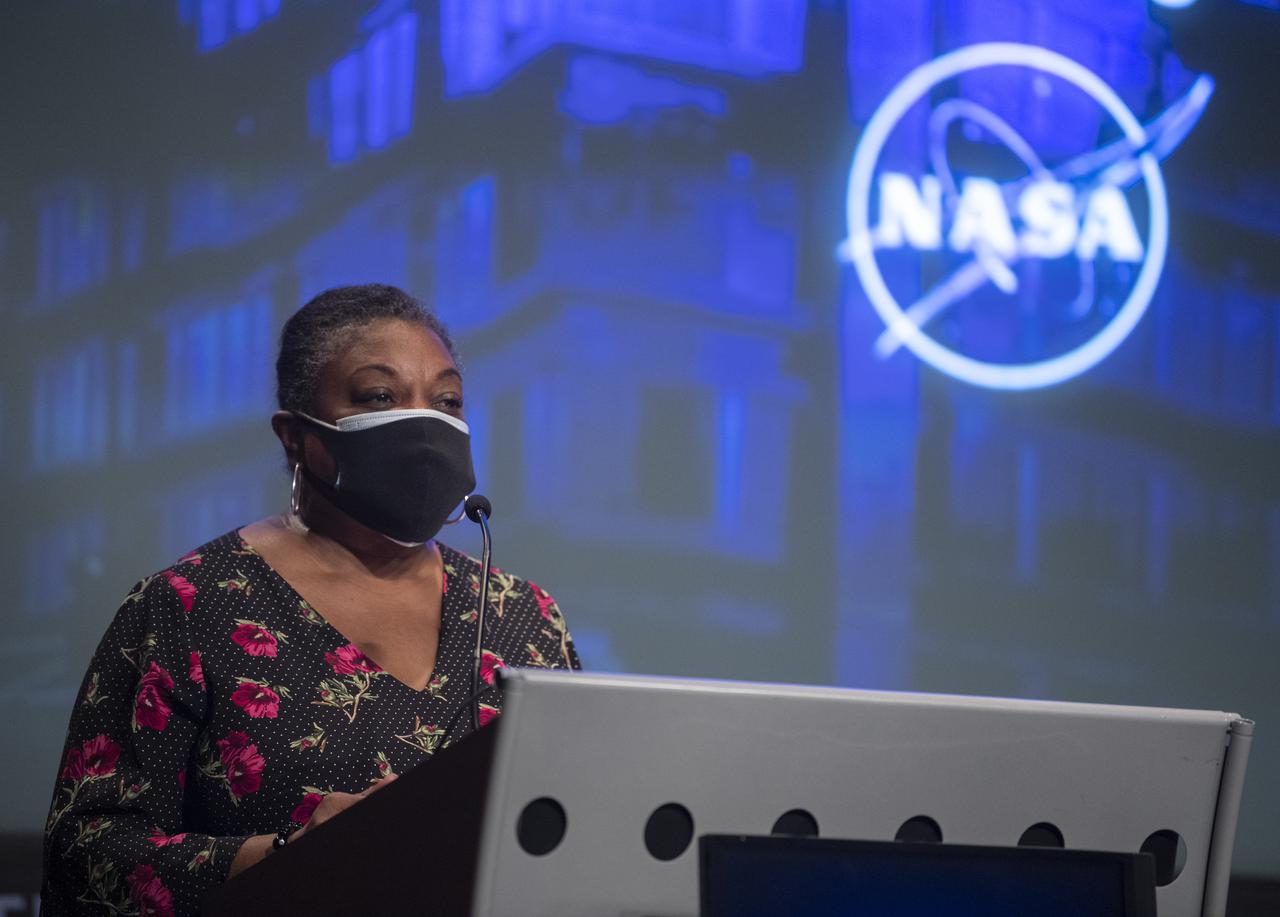
Deputy Mayor Lucinda M. Babers speaks during a ceremony officially naming the NASA Headquarters building in honor of Mary W. Jackson, Friday, Feb. 26, 2021, at NASA Headquarters in Washington, DC. Mary W. Jackson, the first African American female engineer at NASA, began her career with the agency in the segregated West Area Computing Unit of NASA’s Langley Research Center in Hampton, Virginia. The mathematician and aerospace engineer went on to lead programs influencing the hiring and promotion of women in NASA's science, technology, engineering, and mathematics careers. In 2019, she posthumously received the Congressional Gold Medal. Photo Credit: (NASA/Joel Kowsky)
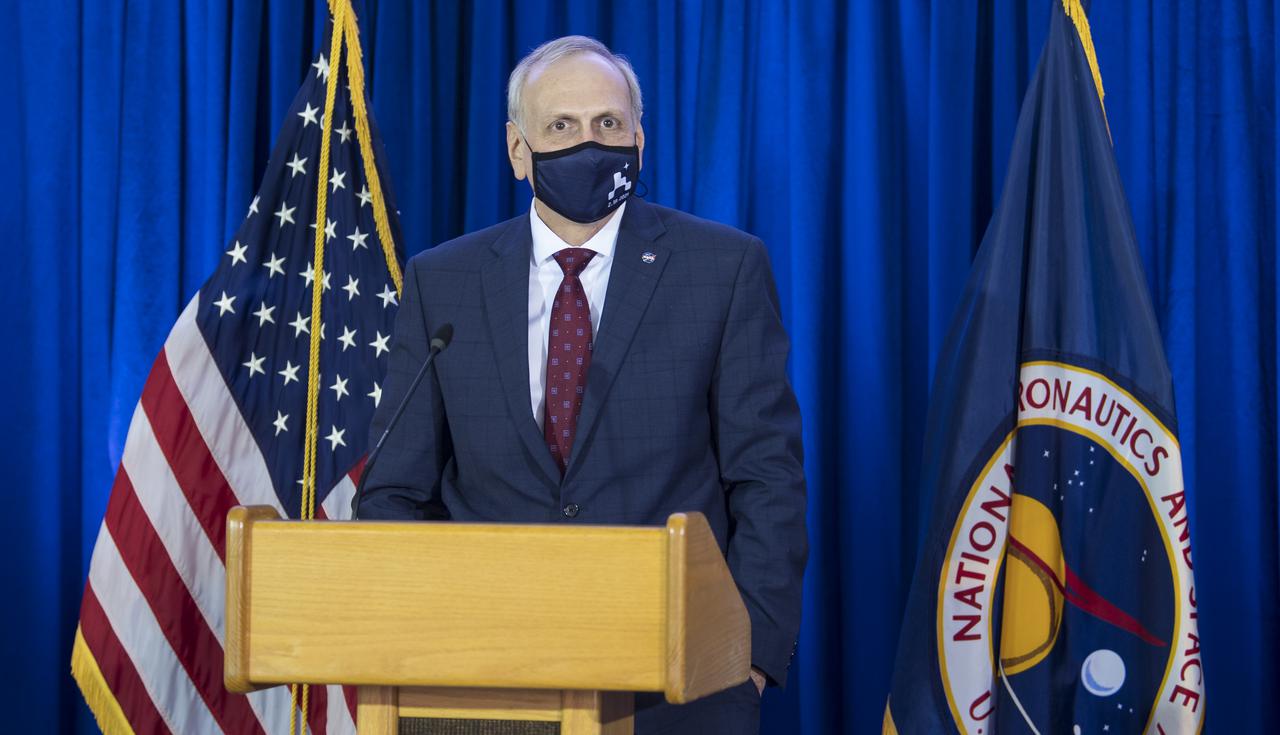
Acting NASA Administrator Steve Jurzyck speaks during a ceremony officially naming the NASA Headquarters building in honor of Mary W. Jackson, Friday, Feb. 26, 2021, at NASA Headquarters in Washington, DC. Mary W. Jackson, the first African American female engineer at NASA, began her career with the agency in the segregated West Area Computing Unit of NASA’s Langley Research Center in Hampton, Virginia. The mathematician and aerospace engineer went on to lead programs influencing the hiring and promotion of women in NASA's science, technology, engineering, and mathematics careers. In 2019, she posthumously received the Congressional Gold Medal. Photo Credit: (NASA/Joel Kowsky)
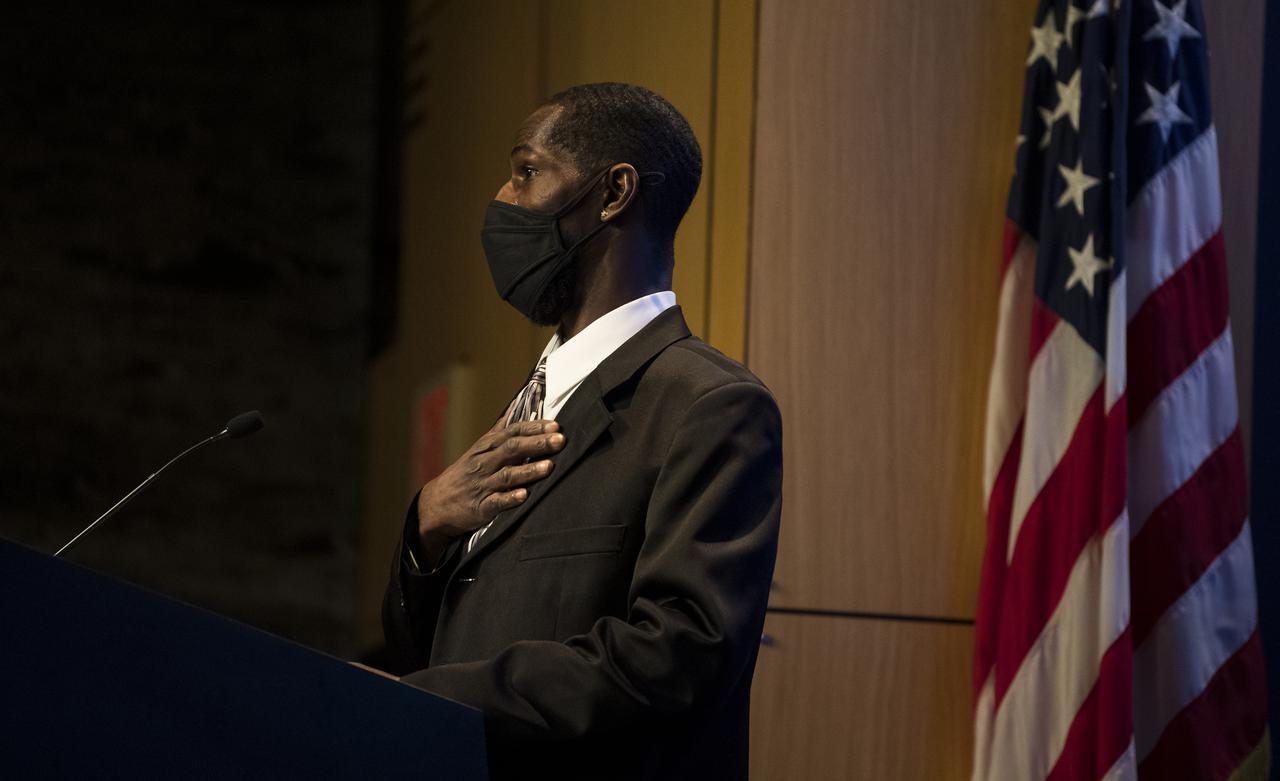
Bryan Jackson, grandson of Mary W. Jackson, speaks during a ceremony officially naming the NASA Headquarters building in honor of Mary W. Jackson, Friday, Feb. 26, 2021, at NASA Headquarters in Washington, DC. Mary W. Jackson, the first African American female engineer at NASA, began her career with the agency in the segregated West Area Computing Unit of NASA’s Langley Research Center in Hampton, Virginia. The mathematician and aerospace engineer went on to lead programs influencing the hiring and promotion of women in NASA's science, technology, engineering, and mathematics careers. In 2019, she posthumously received the Congressional Gold Medal. Photo Credit: (NASA/Joel Kowsky)
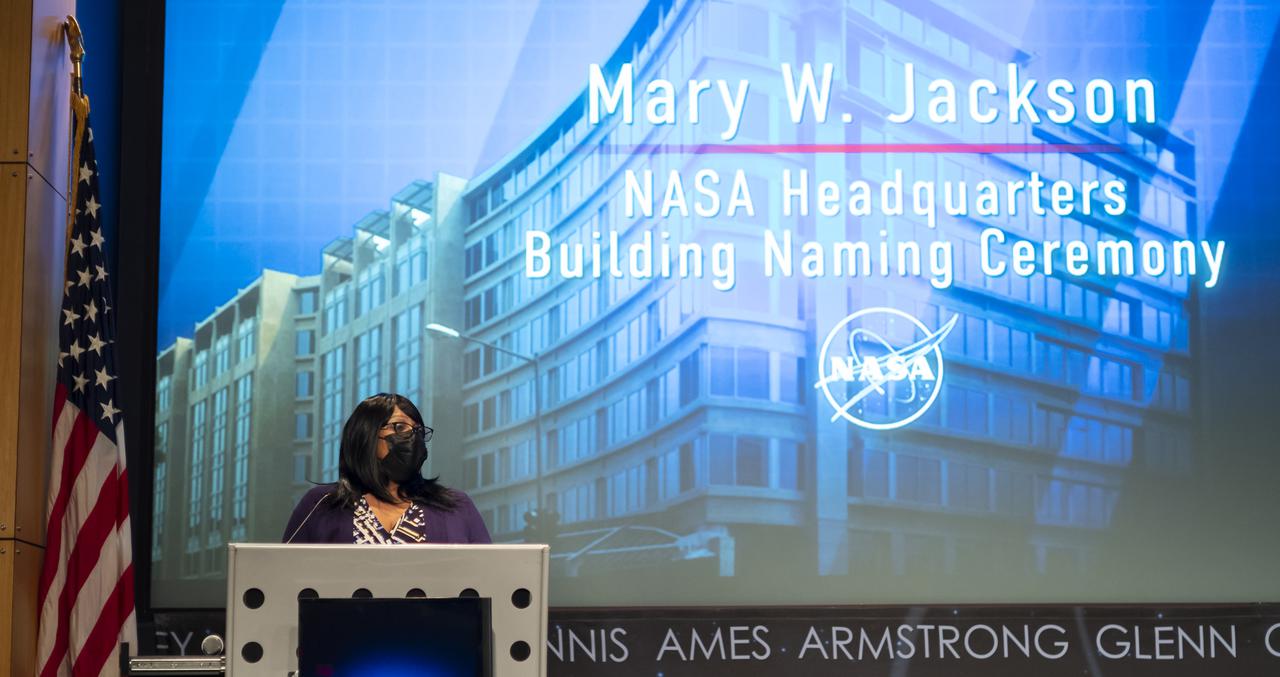
Wanda Jackson, granddaughter of Mary W. Jackson, speaks during a ceremony officially naming the NASA Headquarters building in honor of Mary W. Jackson, Friday, Feb. 26, 2021, at NASA Headquarters in Washington, DC. Mary W. Jackson, the first African American female engineer at NASA, began her career with the agency in the segregated West Area Computing Unit of NASA’s Langley Research Center in Hampton, Virginia. The mathematician and aerospace engineer went on to lead programs influencing the hiring and promotion of women in NASA's science, technology, engineering, and mathematics careers. In 2019, she posthumously received the Congressional Gold Medal. Photo Credit: (NASA/Joel Kowsky)
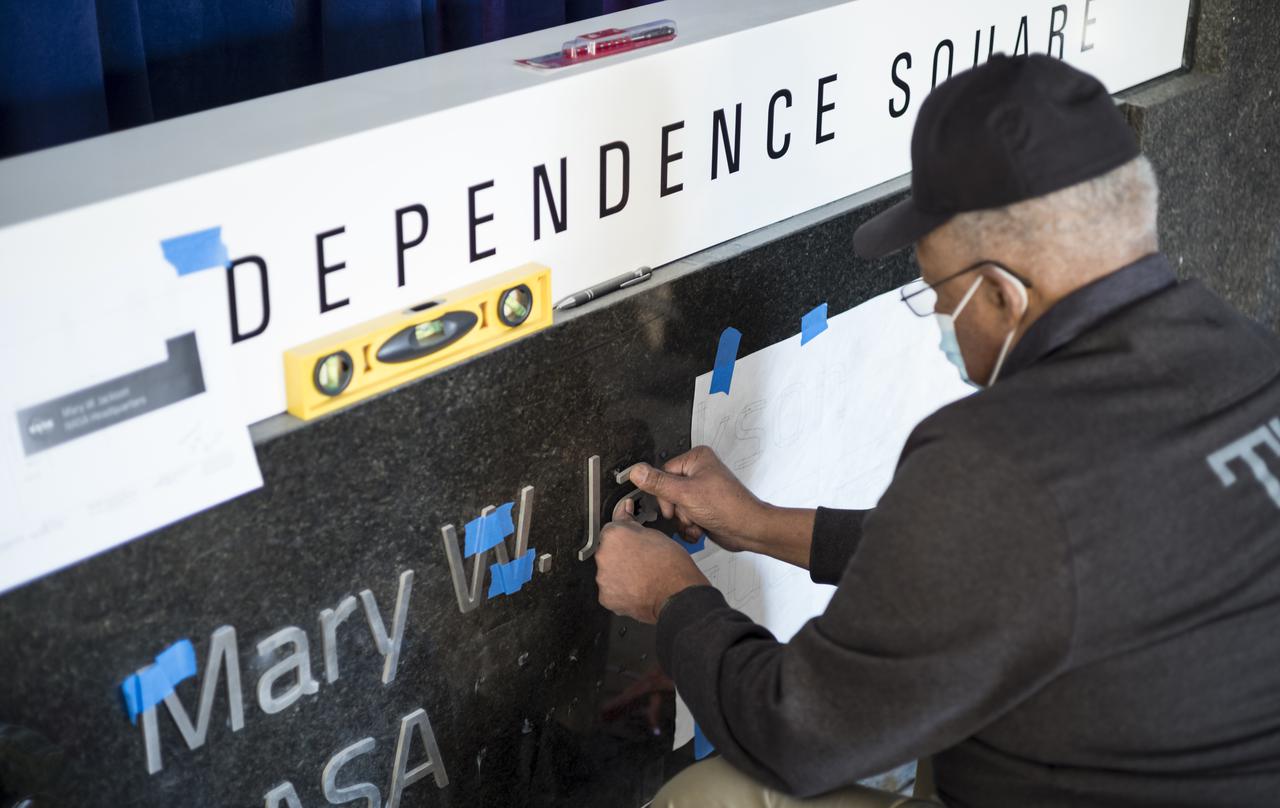
The Mary W. Jackson NASA Headquarters sign is installed ahead of the building naming ceremony, Thursday, Feb. 25, 2021, at NASA Headquarters in Washington, DC. Mary W. Jackson, the first African American female engineer at NASA, began her career with the agency in the segregated West Area Computing Unit of NASA’s Langley Research Center in Hampton, Virginia. The mathematician and aerospace engineer went on to lead programs influencing the hiring and promotion of women in NASA's science, technology, engineering, and mathematics careers. In 2019, she posthumously received the Congressional Gold Medal. Photo Credit: (NASA/Joel Kowsky)
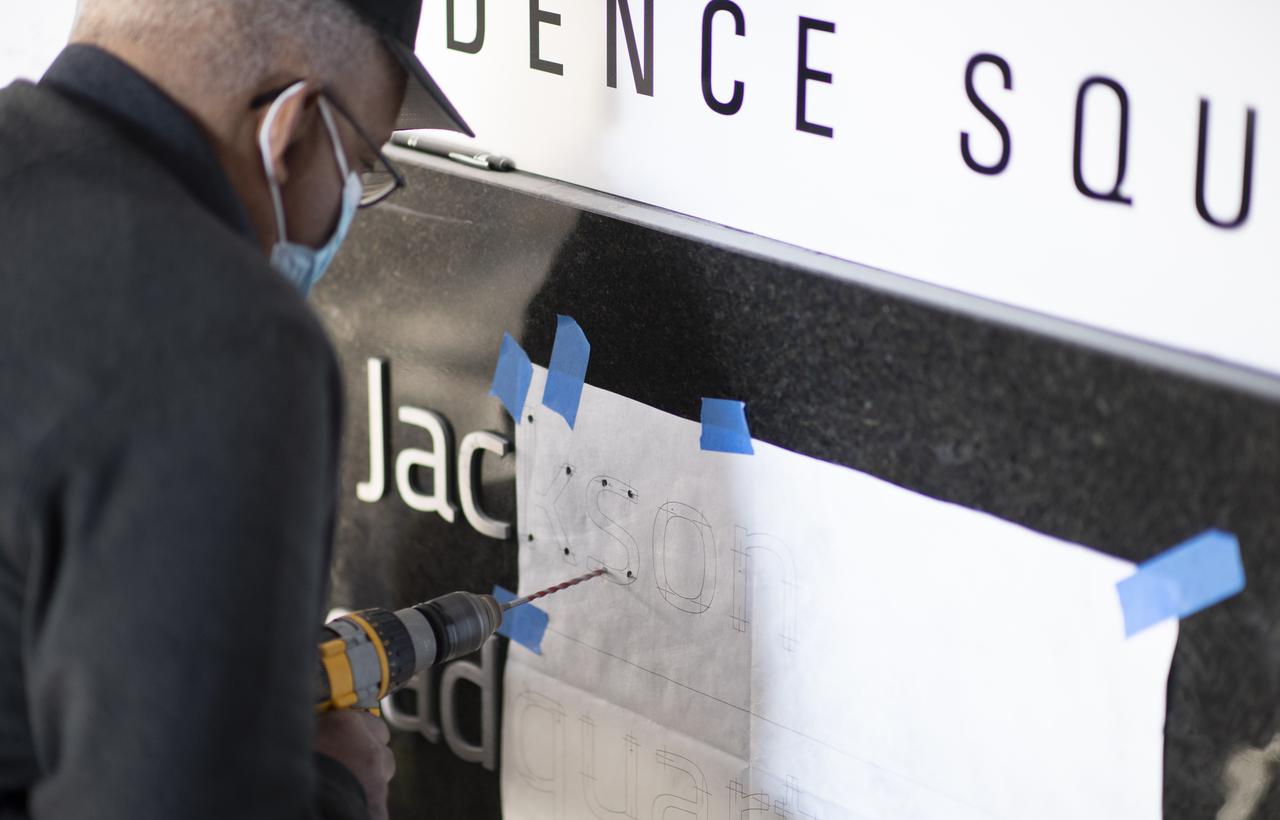
The Mary W. Jackson NASA Headquarters sign is installed ahead of the building naming ceremony, Thursday, Feb. 25, 2021, at NASA Headquarters in Washington, DC. Mary W. Jackson, the first African American female engineer at NASA, began her career with the agency in the segregated West Area Computing Unit of NASA’s Langley Research Center in Hampton, Virginia. The mathematician and aerospace engineer went on to lead programs influencing the hiring and promotion of women in NASA's science, technology, engineering, and mathematics careers. In 2019, she posthumously received the Congressional Gold Medal. Photo Credit: (NASA/Joel Kowsky)
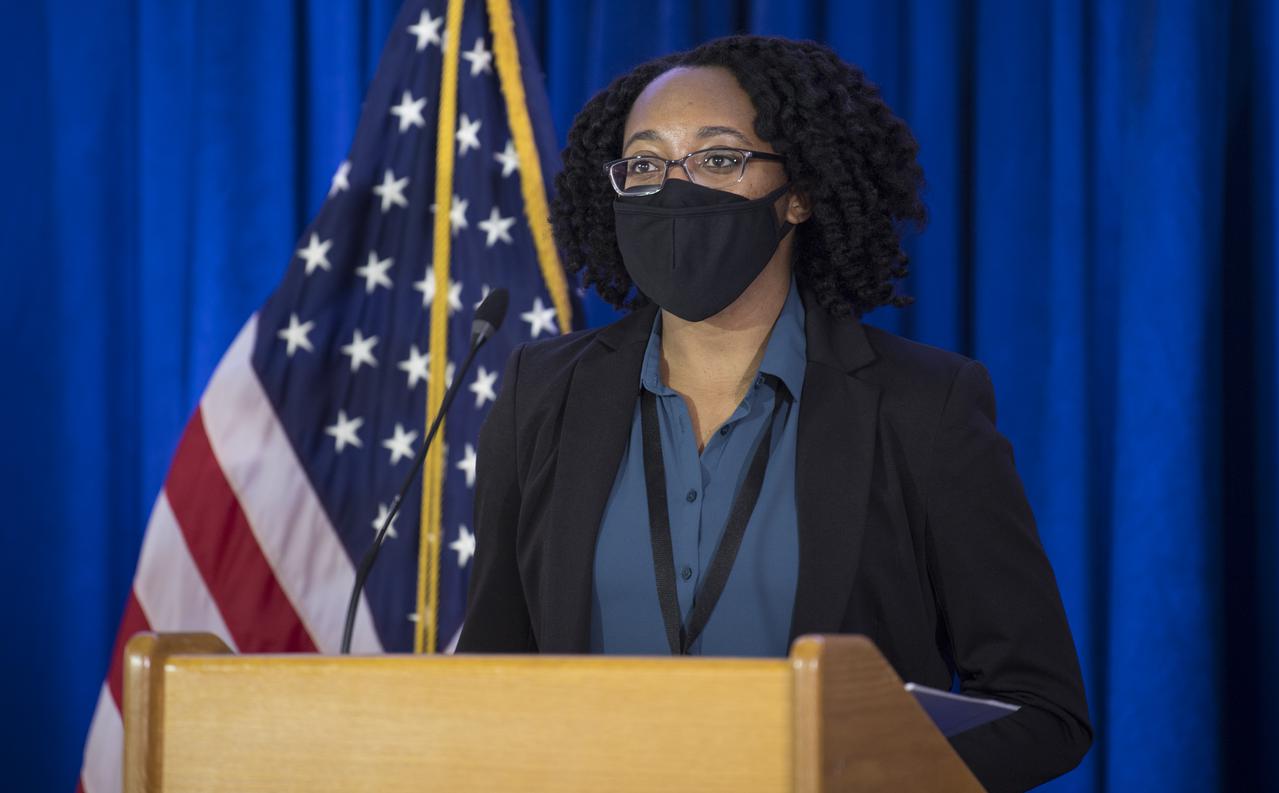
Yolanda Shea, a physical research scientist at NASA's Langley Research Center, speaks during a ceremony officially naming the NASA Headquarters building in honor of Mary W. Jackson, Friday, Feb. 26, 2021, at NASA Headquarters in Washington, DC. Mary W. Jackson, the first African American female engineer at NASA, began her career with the agency in the segregated West Area Computing Unit of NASA’s Langley Research Center in Hampton, Virginia. The mathematician and aerospace engineer went on to lead programs influencing the hiring and promotion of women in NASA's science, technology, engineering, and mathematics careers. In 2019, she posthumously received the Congressional Gold Medal. Photo Credit: (NASA/Joel Kowsky)
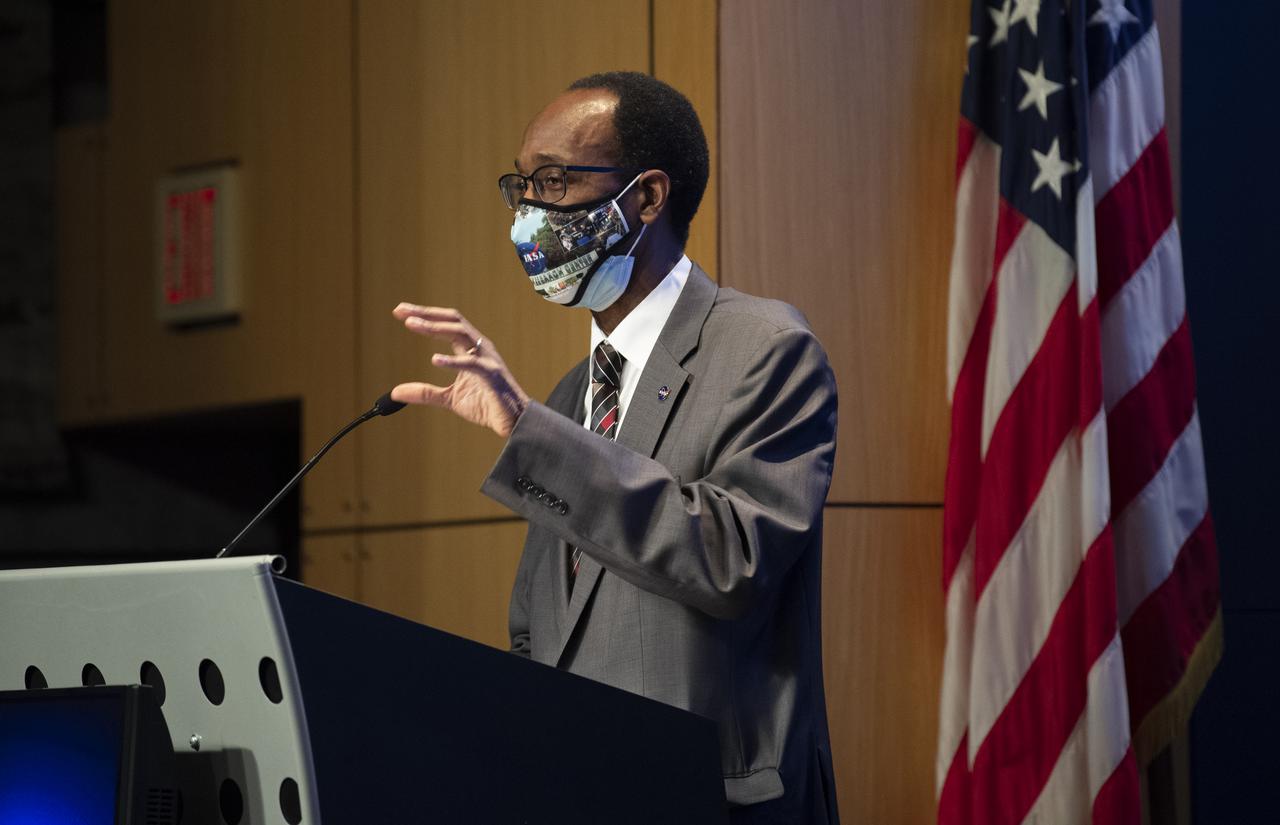
Clayton Turner, Director of NASA's Langley Research Center, speaks during a ceremony officially naming the NASA Headquarters building in honor of Mary W. Jackson, Friday, Feb. 26, 2021, at NASA Headquarters in Washington, DC. Mary W. Jackson, the first African American female engineer at NASA, began her career with the agency in the segregated West Area Computing Unit of NASA’s Langley Research Center in Hampton, Virginia. The mathematician and aerospace engineer went on to lead programs influencing the hiring and promotion of women in NASA's science, technology, engineering, and mathematics careers. In 2019, she posthumously received the Congressional Gold Medal. Photo Credit: (NASA/Joel Kowsky)
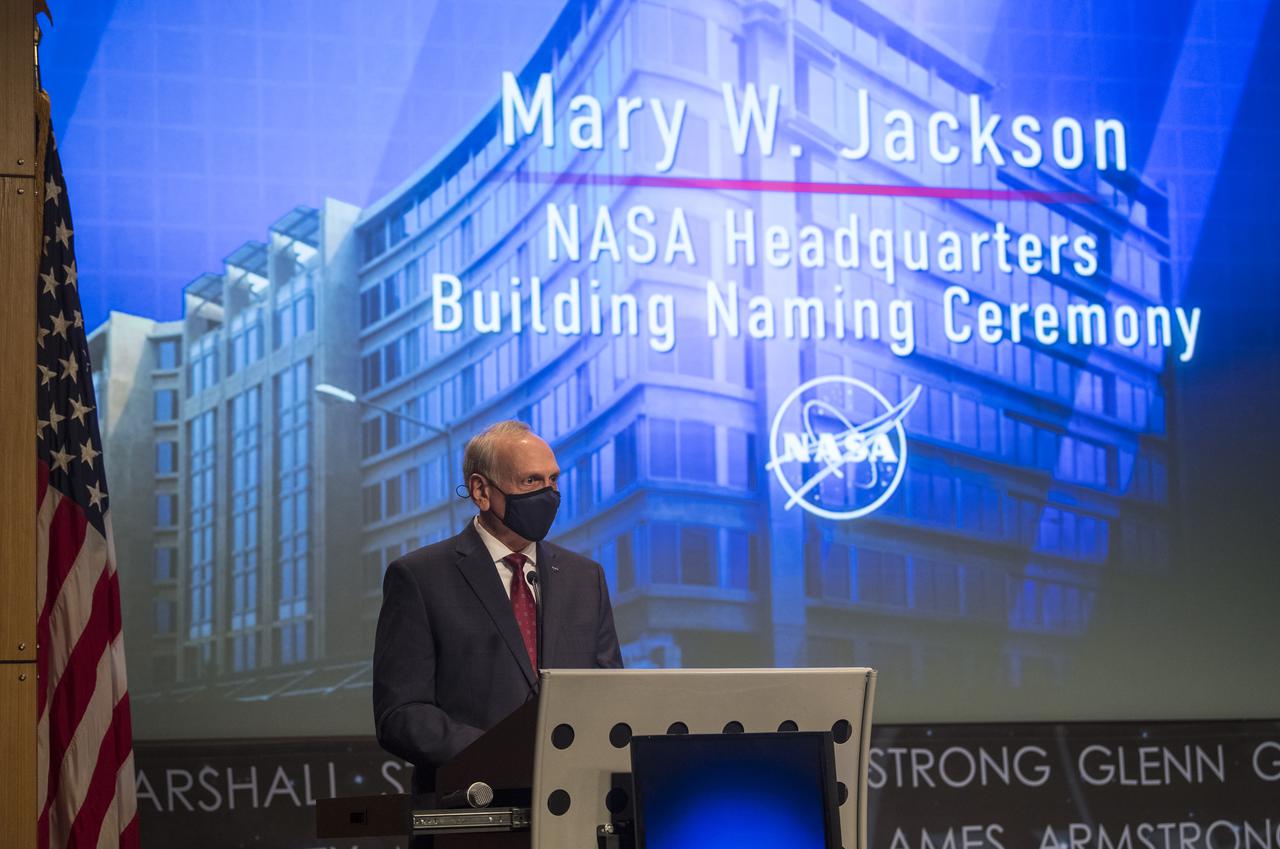
Acting NASA Administrator Steve Jurzyck speaks during a ceremony officially naming the NASA Headquarters building in honor of Mary W. Jackson, Friday, Feb. 26, 2021, at NASA Headquarters in Washington, DC. Mary W. Jackson, the first African American female engineer at NASA, began her career with the agency in the segregated West Area Computing Unit of NASA’s Langley Research Center in Hampton, Virginia. The mathematician and aerospace engineer went on to lead programs influencing the hiring and promotion of women in NASA's science, technology, engineering, and mathematics careers. In 2019, she posthumously received the Congressional Gold Medal. Photo Credit: (NASA/Joel Kowsky)
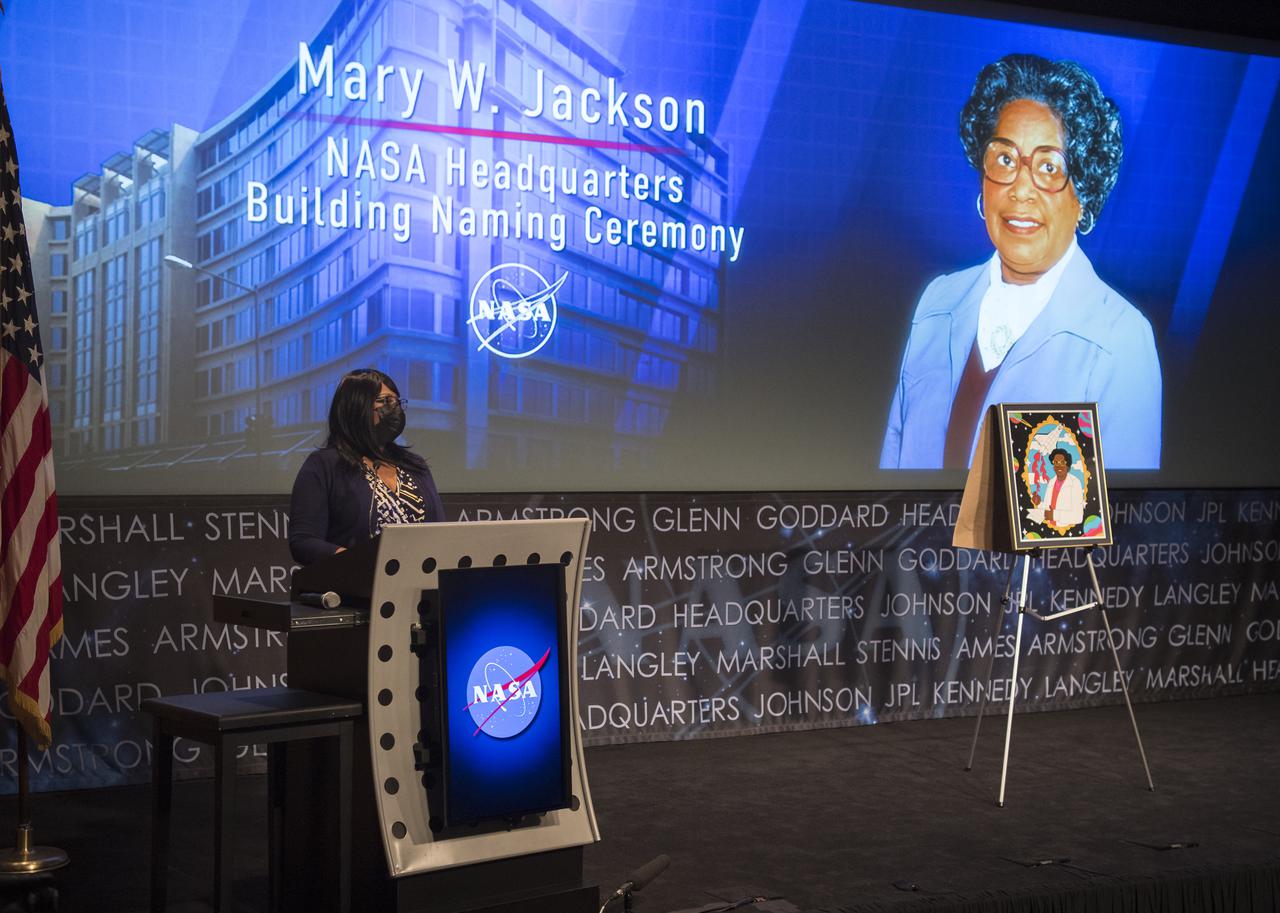
Wanda Jackson, granddaughter of Mary W. Jackson, speaks during a ceremony officially naming the NASA Headquarters building in honor of Mary W. Jackson, Friday, Feb. 26, 2021, at NASA Headquarters in Washington, DC. Mary W. Jackson, the first African American female engineer at NASA, began her career with the agency in the segregated West Area Computing Unit of NASA’s Langley Research Center in Hampton, Virginia. The mathematician and aerospace engineer went on to lead programs influencing the hiring and promotion of women in NASA's science, technology, engineering, and mathematics careers. In 2019, she posthumously received the Congressional Gold Medal. Photo Credit: (NASA/Joel Kowsky)
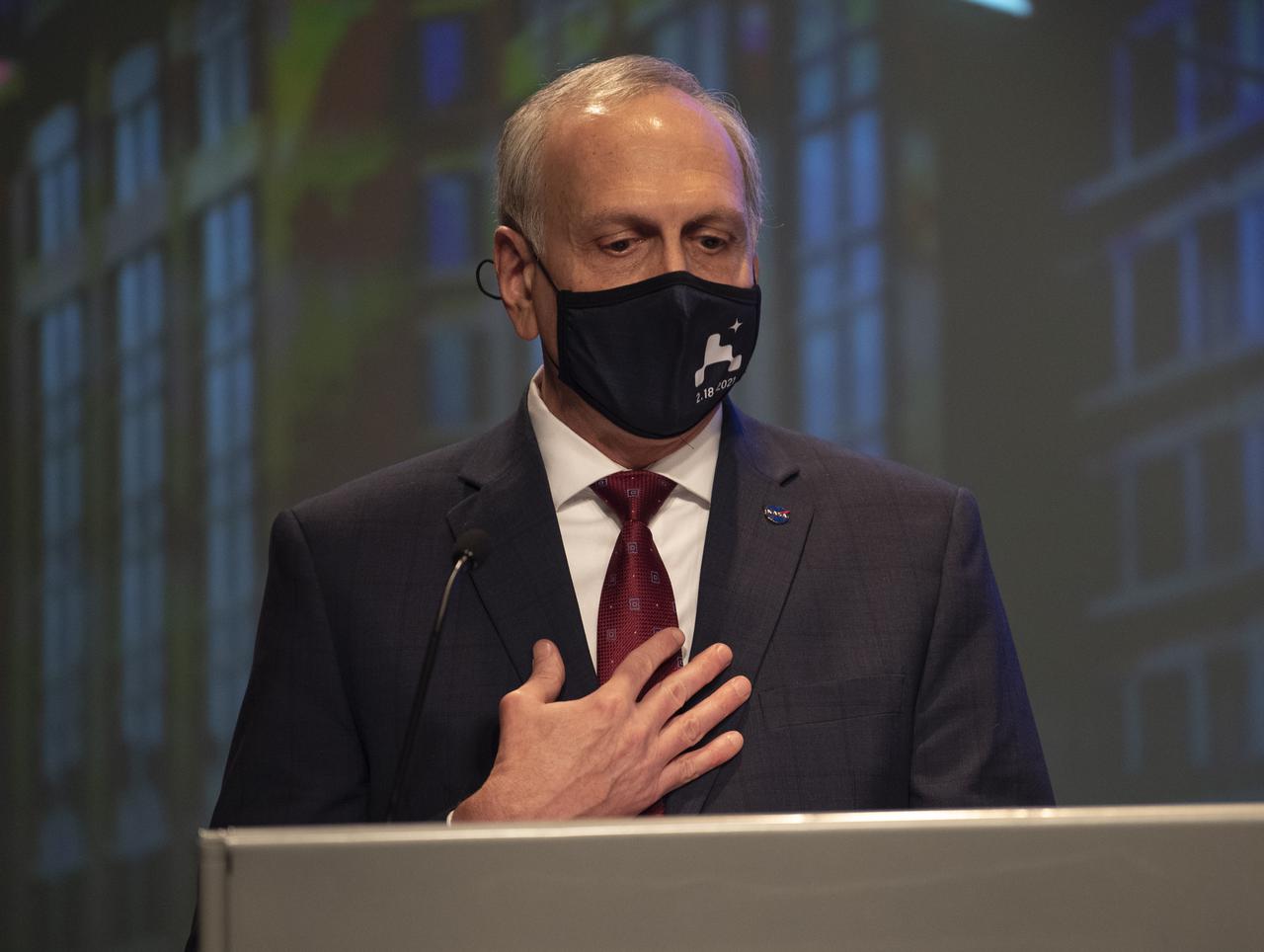
Acting NASA Administrator Steve Jurzyck speaks during a ceremony officially naming the NASA Headquarters building in honor of Mary W. Jackson, Friday, Feb. 26, 2021, at NASA Headquarters in Washington, DC. Mary W. Jackson, the first African American female engineer at NASA, began her career with the agency in the segregated West Area Computing Unit of NASA’s Langley Research Center in Hampton, Virginia. The mathematician and aerospace engineer went on to lead programs influencing the hiring and promotion of women in NASA's science, technology, engineering, and mathematics careers. In 2019, she posthumously received the Congressional Gold Medal. Photo Credit: (NASA/Joel Kowsky)
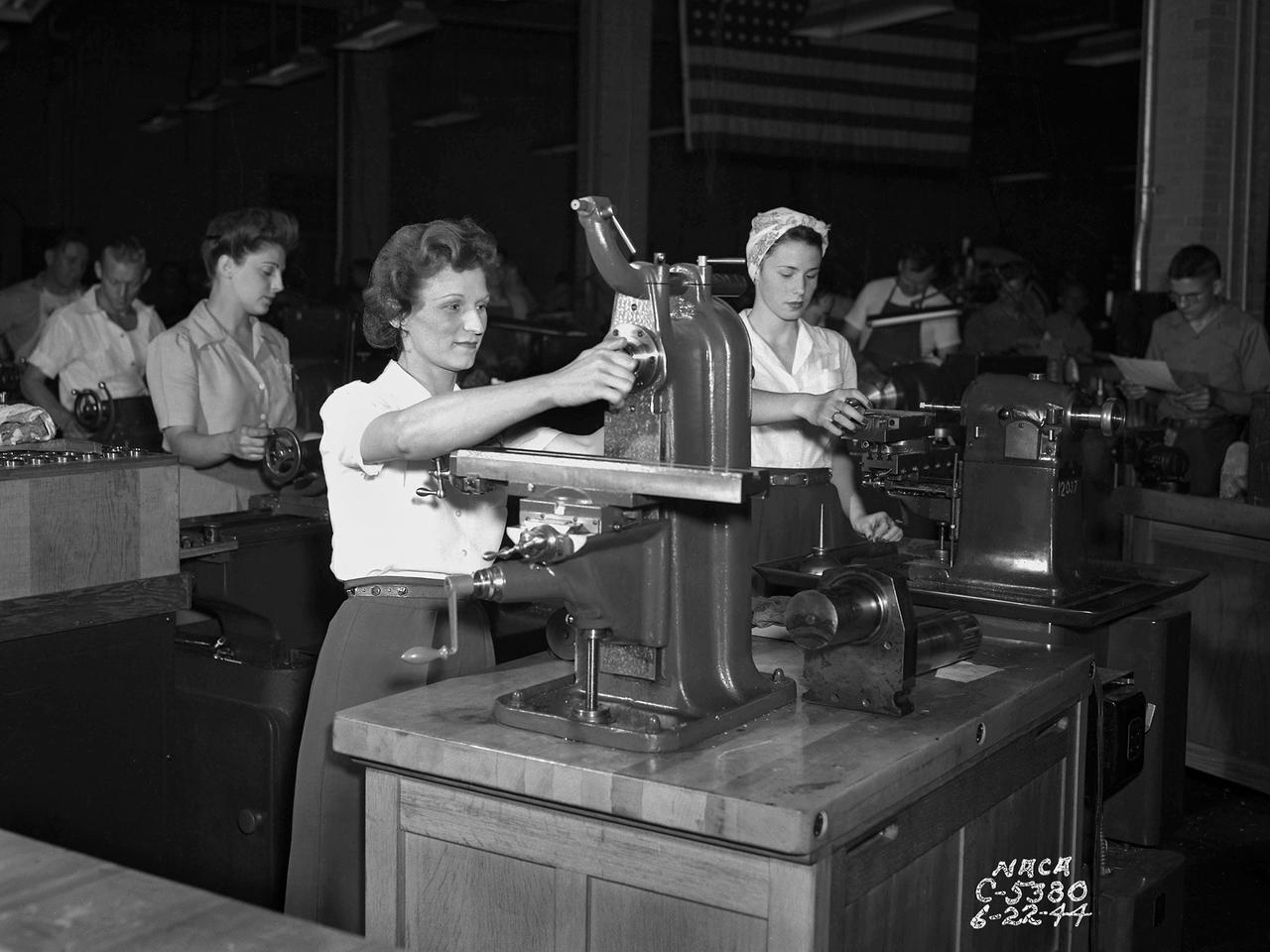
The loss of male NACA employees to the war effort and the military’s increased demand for expedited aeronautical research results resulted in a sharp demand for increased staffing in the early 1940s. The Aircraft Engine Research Laboratory (AERL) undertook an extensive recruiting effort to remedy the situation. Current employees were asked to bring in friends and family members, including women. The number of women employed at the AERL nearly doubled to 412 between 1943 and 1944. In May 1944 Director Raymond Sharp initiated a program to train women as machine operators, electricians, instrumentation engineers, and other technical positions. The move coincided with the lab’s implementation of a third shift to meet the military’s demands for improved aircraft performance. There was also a modest, but important, number of female engineers and chemists, as well as large group employed in more traditional positions such as data analysts, editors, and clerks. The integration of women in the research process was critical. Researchers developed a test and submitted plans to the Drafting Section to be converted into blueprints. In some instances the Instrumentation Shop was asked to create instruments for the test. During the test, computers gathered and analyzed the data. The researcher then wrote the report which was reviewed by the Editorial Department and printed in the Duplication Unit. All of these tasks were generally performed by female employees.
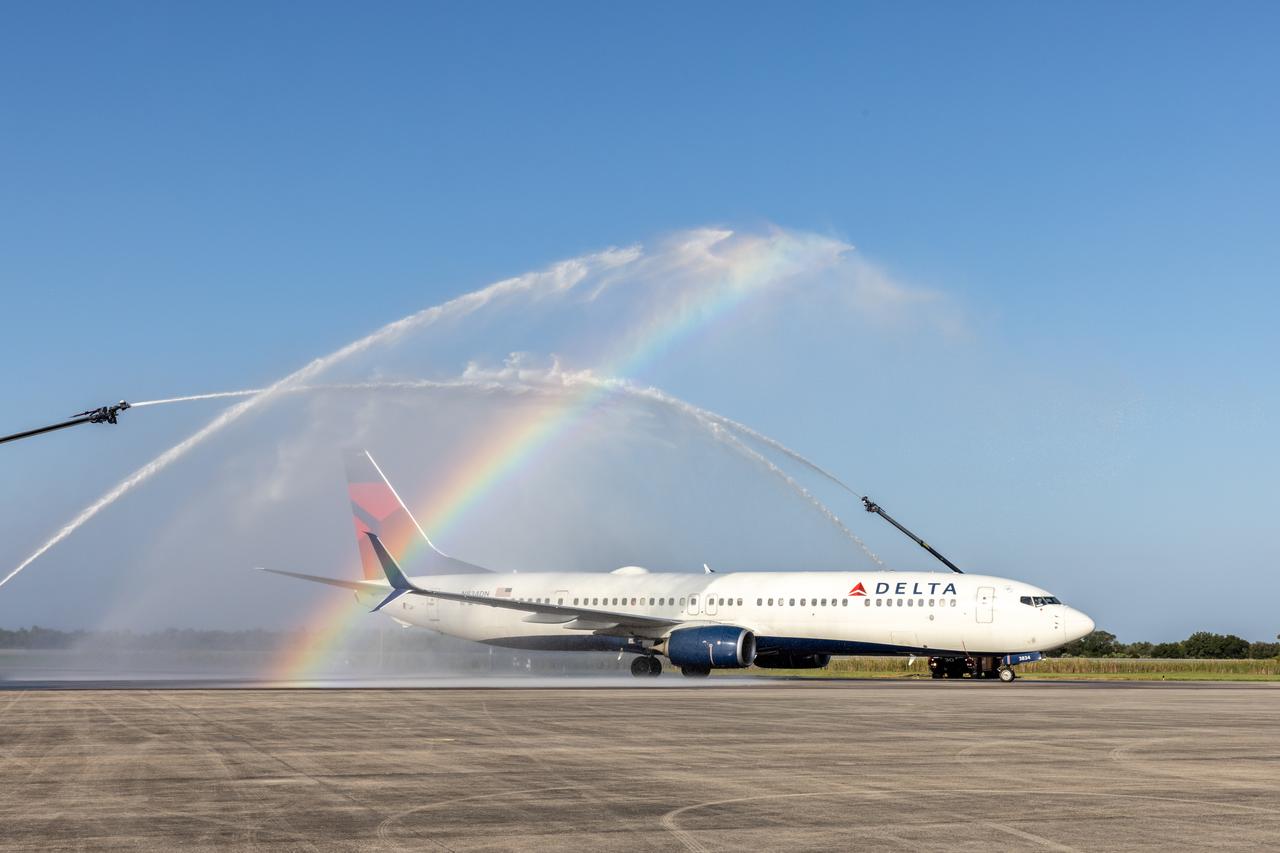
A Delta plane, carrying an all-female crew and 130 young women ages 11 to 18, received a “water salute” upon arrival on Friday, Sept. 20, 2024, at the Launch and Landing Facility at NASA’s Kennedy Space Center in Florida. Part of the Delta Air Lines’ Women Inspiring Our Next Generation (WING) flight, the young women from the Atlanta, Georgia area, learned about the various women-led STEM (science, technology, engineering, and math) careers available at the Florida spaceport.

NASA Astronaut Christina Hammock Koch will be making her second flight to space on the Artemis II mission, serving as a mission specialist. Koch served as flight engineer aboard the space station for Expedition 59, 60, and 61. Koch set a record for the longest single spaceflight by a woman with a total of 328 days in space and participated in the first all-female spacewalks. PHOTOGRAPHER: Josh Valcarcel
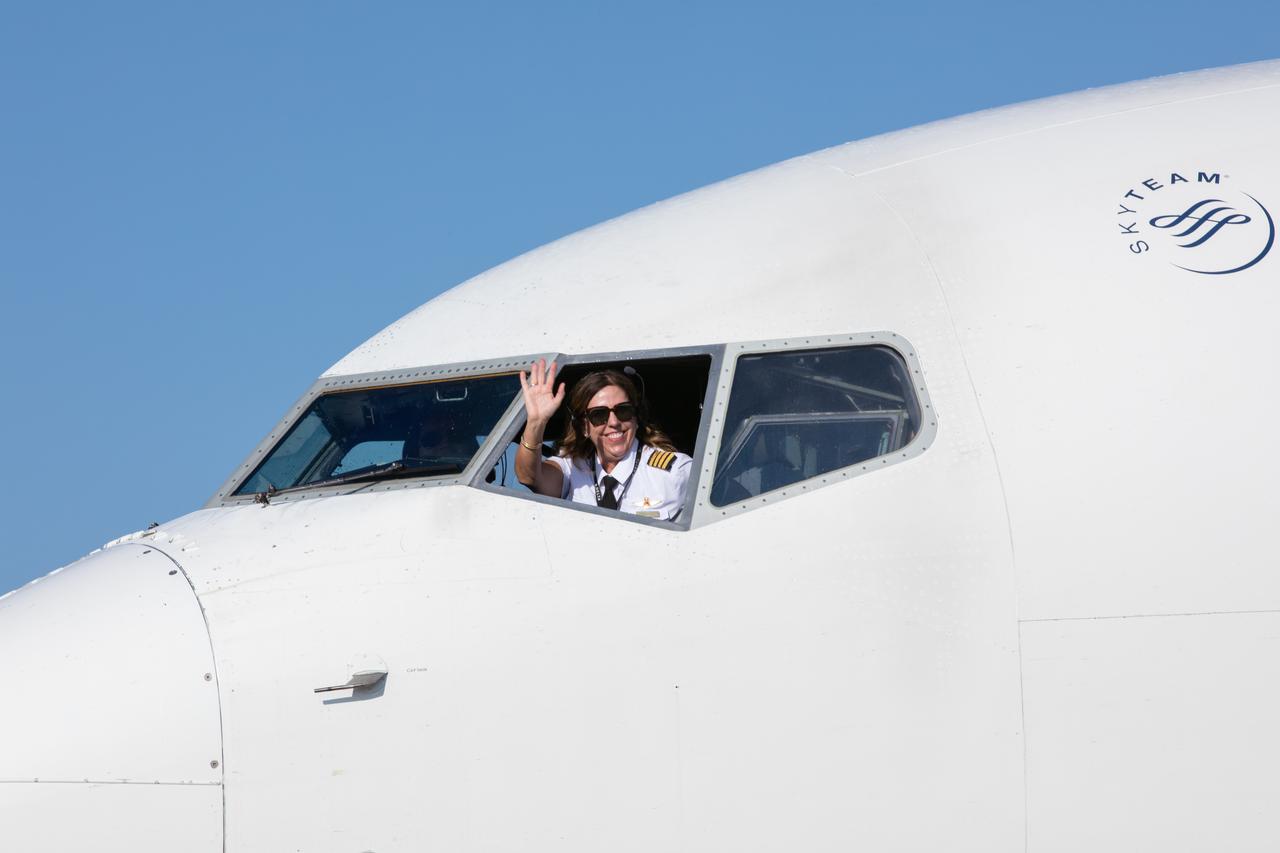
Part of the all-female crew for Delta Air Lines’ Women Inspiring Our Next Generation (WING) flight waves to a crowd on Friday, Sept. 20, 2024, after touching down at the Launch and Landing Facility at NASA’s Kennedy Space Center in Florida. The flight brought young ladies from Atlanta, Georgia, ranging in age from 11 to 18, to learn about the various women-led STEM (science, technology, engineering, and math) careers available at the Florida spaceport.
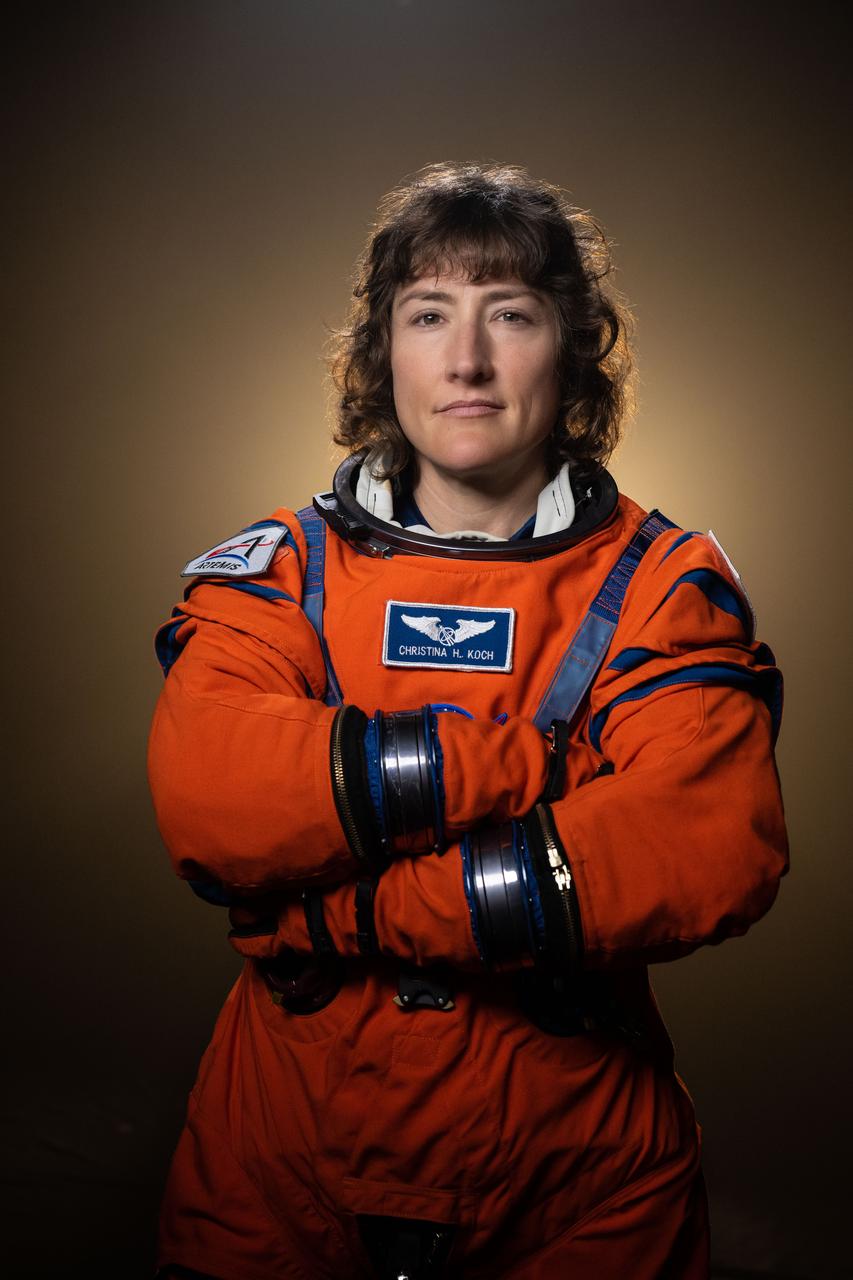
NASA Astronaut Christina Hammock Koch will be making her second flight to space on the Artemis II mission, serving as a mission specialist. Koch served as flight engineer aboard the space station for Expedition 59, 60, and 61. Koch set a record for the longest single spaceflight by a woman with a total of 328 days in space and participated in the first all-female spacewalks. Photographer: Robert Markowitz

NASA Astronaut Christina Hammock Koch will be making her second flight to space on the Artemis II mission, serving as a mission specialist. Koch served as flight engineer aboard the space station for Expedition 59, 60, and 61. Koch set a record for the longest single spaceflight by a woman with a total of 328 days in space and participated in the first all-female spacewalks.
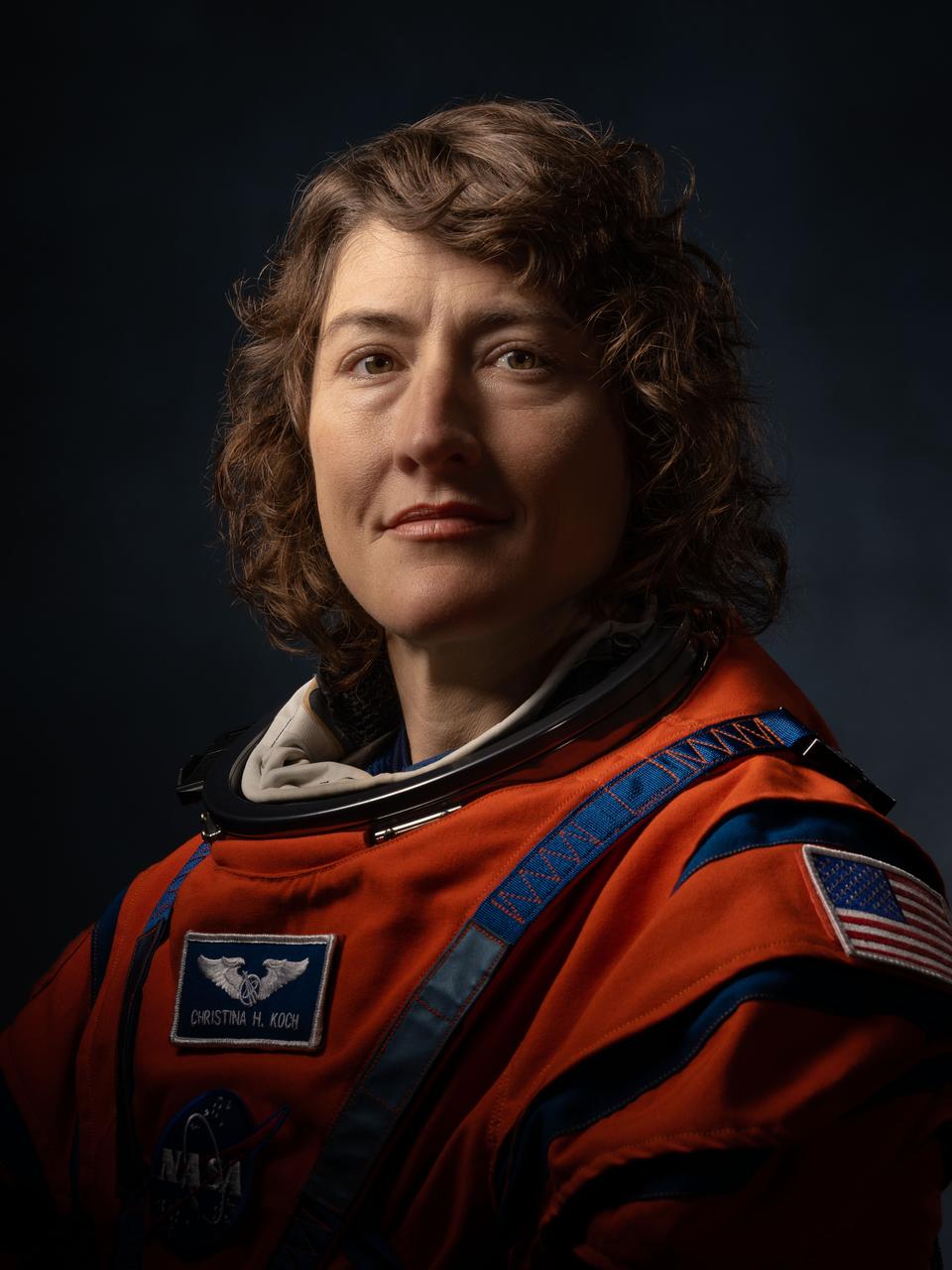
NASA Astronaut Christina Hammock Koch will be making her second flight to space on the Artemis II mission, serving as a mission specialist. Koch served as flight engineer aboard the space station for Expedition 59, 60, and 61. Koch set a record for the longest single spaceflight by a woman with a total of 328 days in space and participated in the first all-female spacewalks. PHOTOGRAPHER: Josh Valcarcel
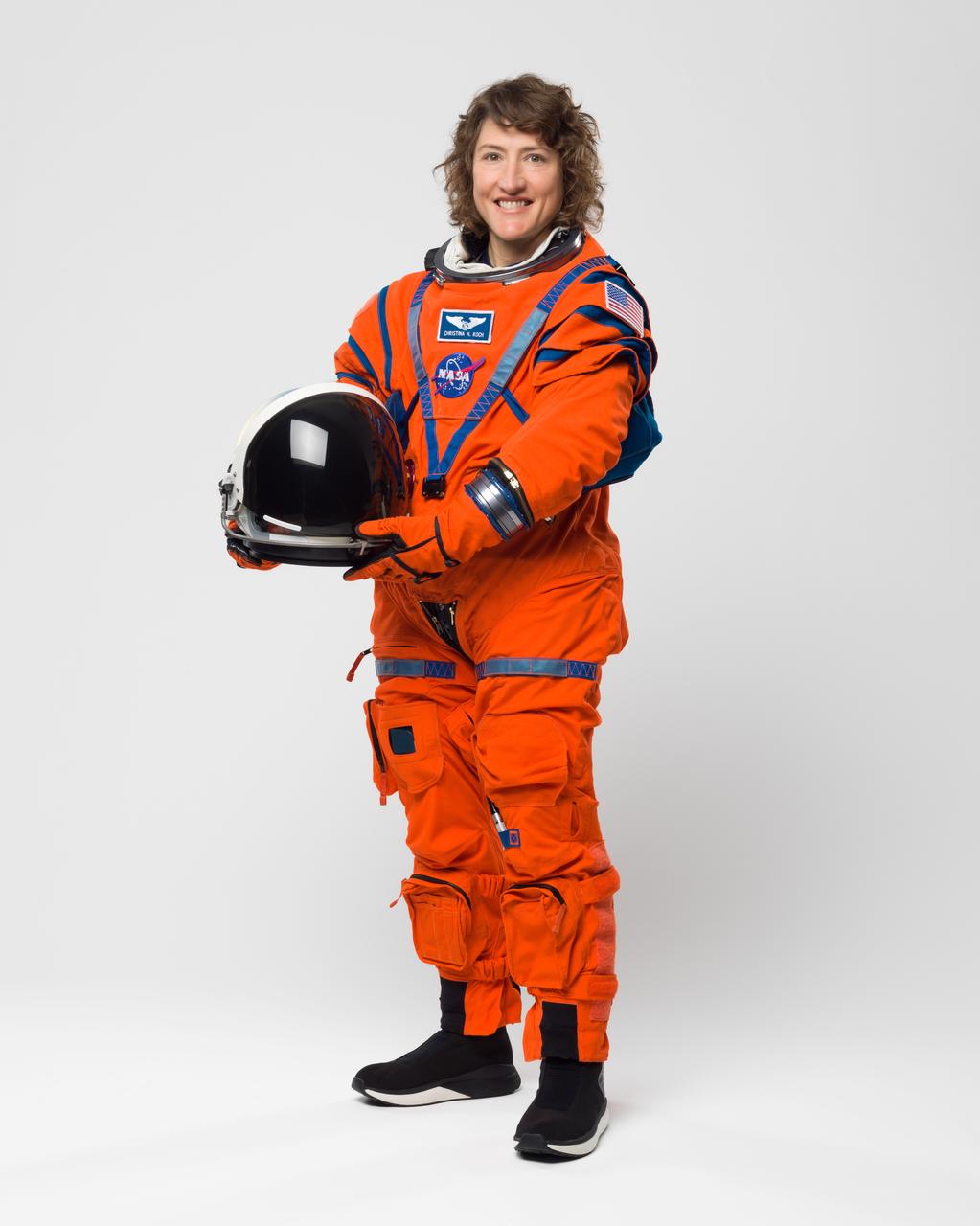
NASA Astronaut Christina Hammock Koch will be making her second flight to space on the Artemis II mission, serving as a mission specialist. Koch served as flight engineer aboard the space station for Expedition 59, 60, and 61. Koch set a record for the longest single spaceflight by a woman with a total of 328 days in space and participated in the first all-female spacewalks.
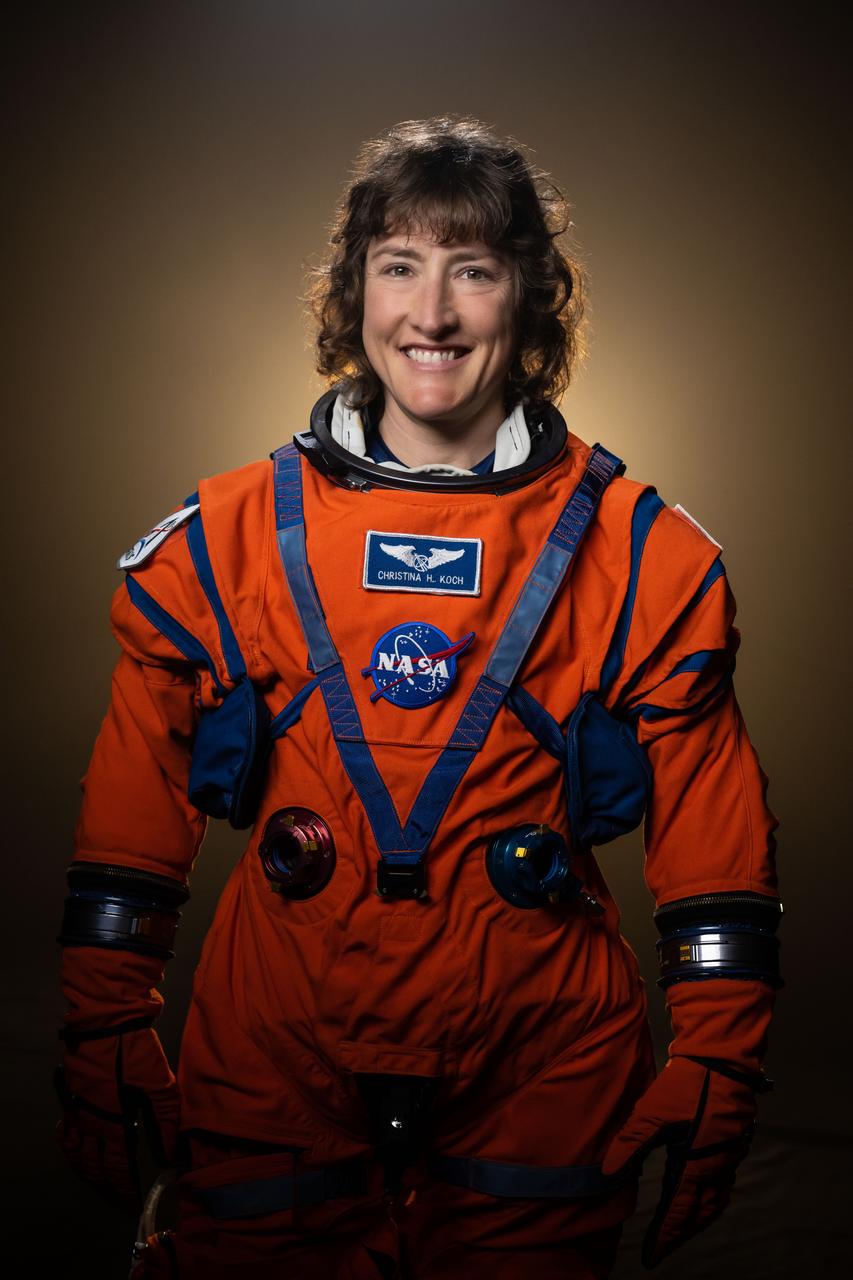
NASA Astronaut Christina Hammock Koch will be making her second flight to space on the Artemis II mission, serving as a mission specialist. Koch served as flight engineer aboard the space station for Expedition 59, 60, and 61. Koch set a record for the longest single spaceflight by a woman with a total of 328 days in space and participated in the first all-female spacewalks. Photographer: Robert Markowitz

Kim Stratton, at left, with Caterpillar, talks to students during a Women in STEM breakfast inside the Debus Conference Center at the Kennedy Space Center Visitor Complex in Florida. STEM is science, technology, engineering and math. The special event gave students competing in NASA's 8th Annual Robotic Mining Competition the chance to learn from female NASA scientists, engineers and professionals about their careers and the paths they took to working at Kennedy. The Robotic Mining Competition is a NASA Human Exploration and Operations Mission Directorate project designed to encourage students in STEM fields. The project provides a competitive environment to foster innovative ideas and solutions that could be used on NASA's Journey to Mars.

Kennedy Space Center Deputy Director Janet Petro speaks to students during a Women in STEM mentoring breakfast inside the Debus Conference Center at the Kennedy Space Center Visitor Complex in Florida. STEM is science, technology, engineering and math. The special event gave students competing in NASA's 8th Annual Robotic Mining Competition the chance to learn from female NASA scientists, engineers and professionals about their careers and the paths they took to working at Kennedy. The Robotic Mining Competition is a NASA Human Exploration and Operations Mission Directorate project designed to encourage students in STEM fields. The project provides a competitive environment to foster innovative ideas and solutions that could be used on NASA's Journey to Mars.

Kennedy Space Center Deputy Director Janet Petro speaks to students during a Women in STEM mentoring breakfast inside the Debus Conference Center at the Kennedy Space Center Visitor Complex in Florida. STEM is science, technology, engineering and math. The special event gave students competing in NASA's 8th Annual Robotic Mining Competition the chance to learn from female NASA scientists, engineers and professionals about their careers and the paths they took to working at Kennedy. The Robotic Mining Competition is a NASA Human Exploration and Operations Mission Directorate project designed to encourage students in STEM fields. The project provides a competitive environment to foster innovative ideas and solutions that could be used on NASA's Journey to Mars.

Gioia Massa, at left, a NASA payload scientist, talks to students during a Women in STEM breakfast inside the Debus Conference Center at the Kennedy Space Center Visitor Complex in Florida. STEM is science, technology, engineering and math. The special event gave students competing in NASA's 8th Annual Robotic Mining Competition the chance to learn from female NASA scientists, engineers and professionals about their careers and the paths they took to working at Kennedy. The Robotic Mining Competition is a NASA Human Exploration and Operations Mission Directorate project designed to encourage students in STEM fields. The project provides a competitive environment to foster innovative ideas and solutions that could be used on NASA's Journey to Mars.
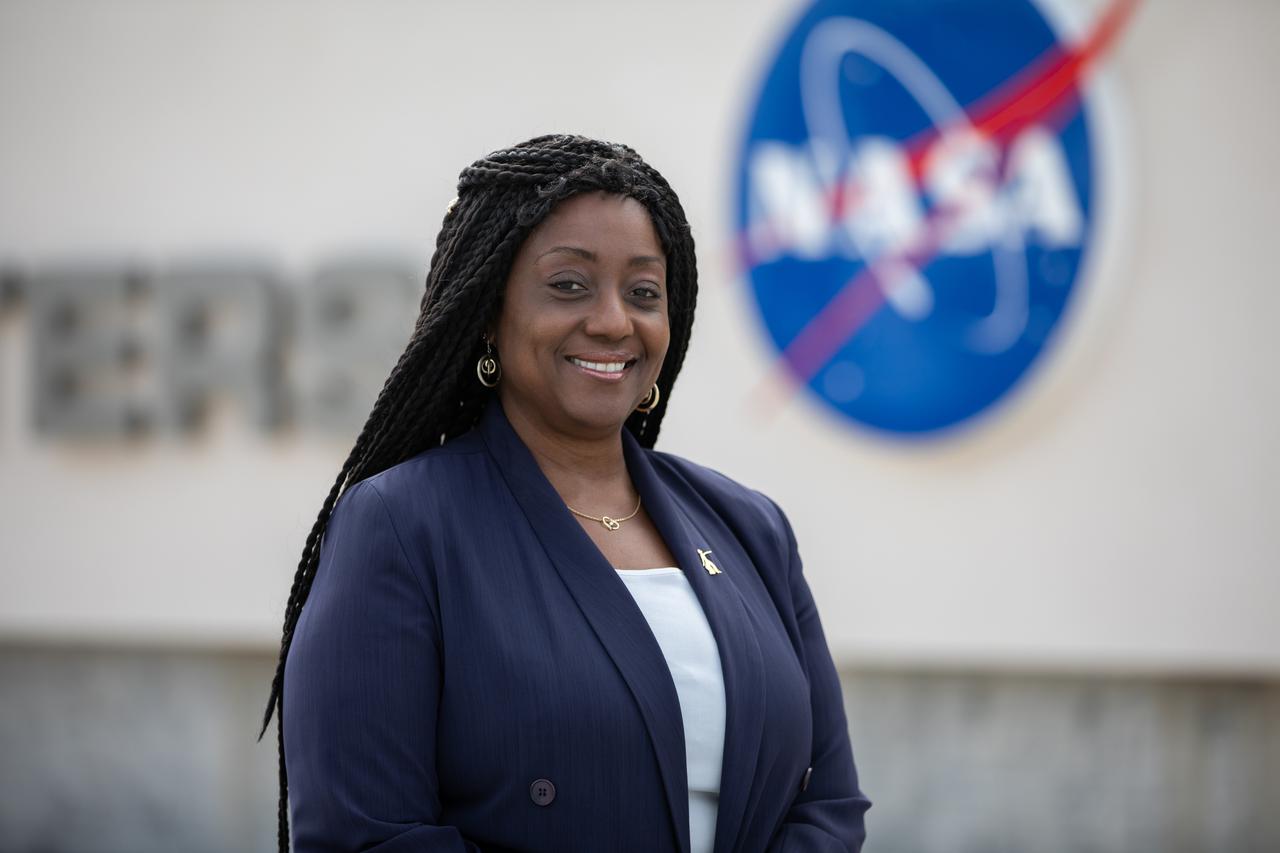
"I’ve worked in many different roles and what drives my passion is learning things that I don’t know. It is a part of my thirst for knowledge and knowing how things work. The harder the problem for me the better. When I first joined NASA as a full time employee, my supervisor would give me an assignment, and I would get it done quickly and come back to his desk and ask, ‘What do you have for me now?’ At one point, after about two months of working for him, he looked at me and kind of sighed. I said, ‘Okay, okay. If you don’t have anything for me right now, is it okay if I see if any of the other supervisors in the building need any help with anything?’ He agreed, and so I approached the other supervisors. "Now, here’s the interesting thing. I was a young Black female in an engineering role that was pretty much dominated by white males at the time, so it was not a norm for there to be females in the building – much less black females. I came to understand later that there was some skepticism on their part that I could do design engineering. I didn’t know that some of them, not all of them, were throwing things at me to show me I wasn’t qualified. But I would tackle their problems the same way I do anything else: if I don’t know it, I’ll go find it. I’ll research. I’ll dig. I’ll look for people that might have some experience that I don’t have and ask them. So, every hard problem that they threw at me, I solved. Eventually, my supervisor told me he didn't know what he was getting into when he agreed to let me go to the other supervisors because now, they were coming to him with their hardest problems, asking, 'Hey, can Barbara help with this?' So, I started to broaden my experience base right away." — Barbara Brown, Director of Exploration Research and Technology Programs, Kennedy Space Center Interviewer: NASA / Tahira Allen
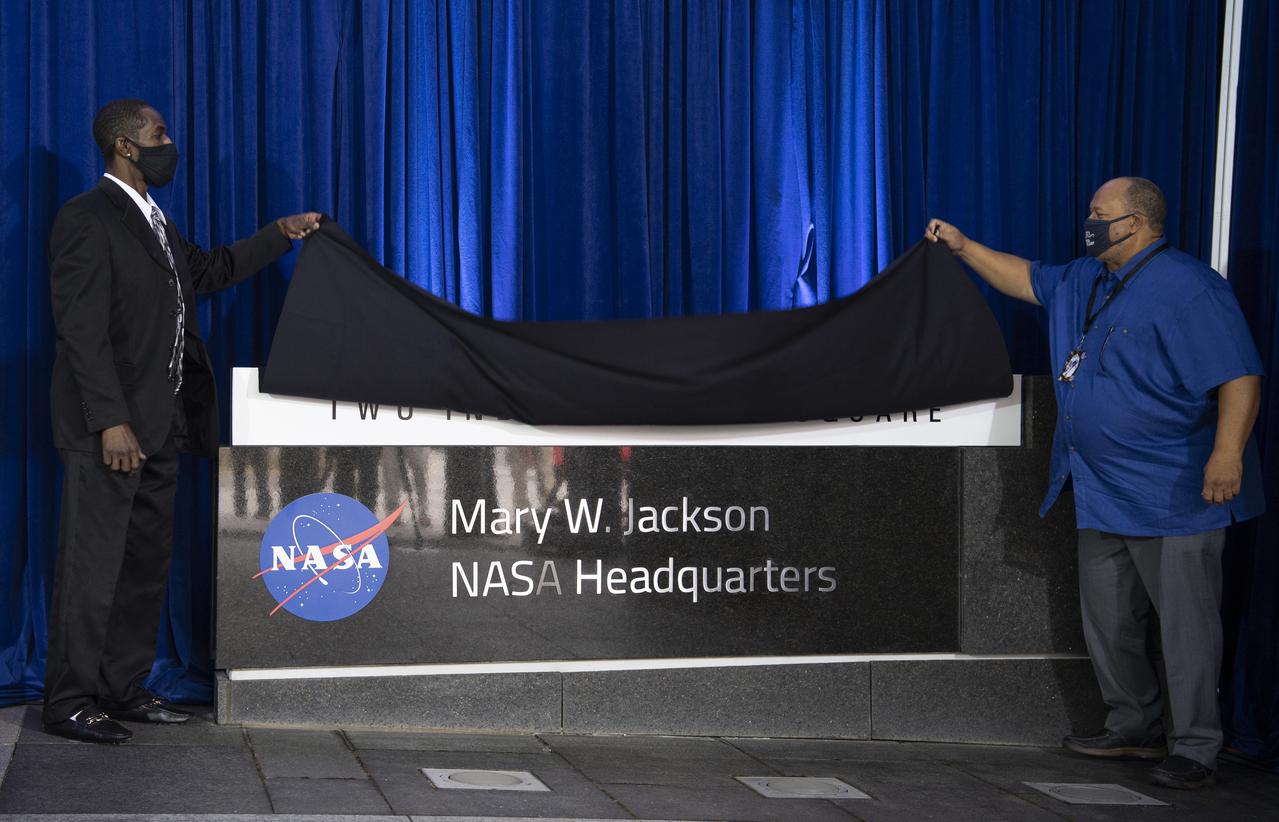
Bryan Jackson, grandson of Mary W. Jackson, left, and Raymond Lewis, son-in-law of Mary W. Jackson, right, unveil the Mary W. Jackson NASA Headquarters sign during a ceremony officially naming the building, Friday, Feb. 26, 2021, at NASA Headquarters in Washington, DC. Mary W. Jackson, the first African American female engineer at NASA, began her career with the agency in the segregated West Area Computing Unit of NASA’s Langley Research Center in Hampton, Virginia. The mathematician and aerospace engineer went on to lead programs influencing the hiring and promotion of women in NASA's science, technology, engineering, and mathematics careers. In 2019, she posthumously received the Congressional Gold Medal. Photo Credit: (NASA/Joel Kowsky)
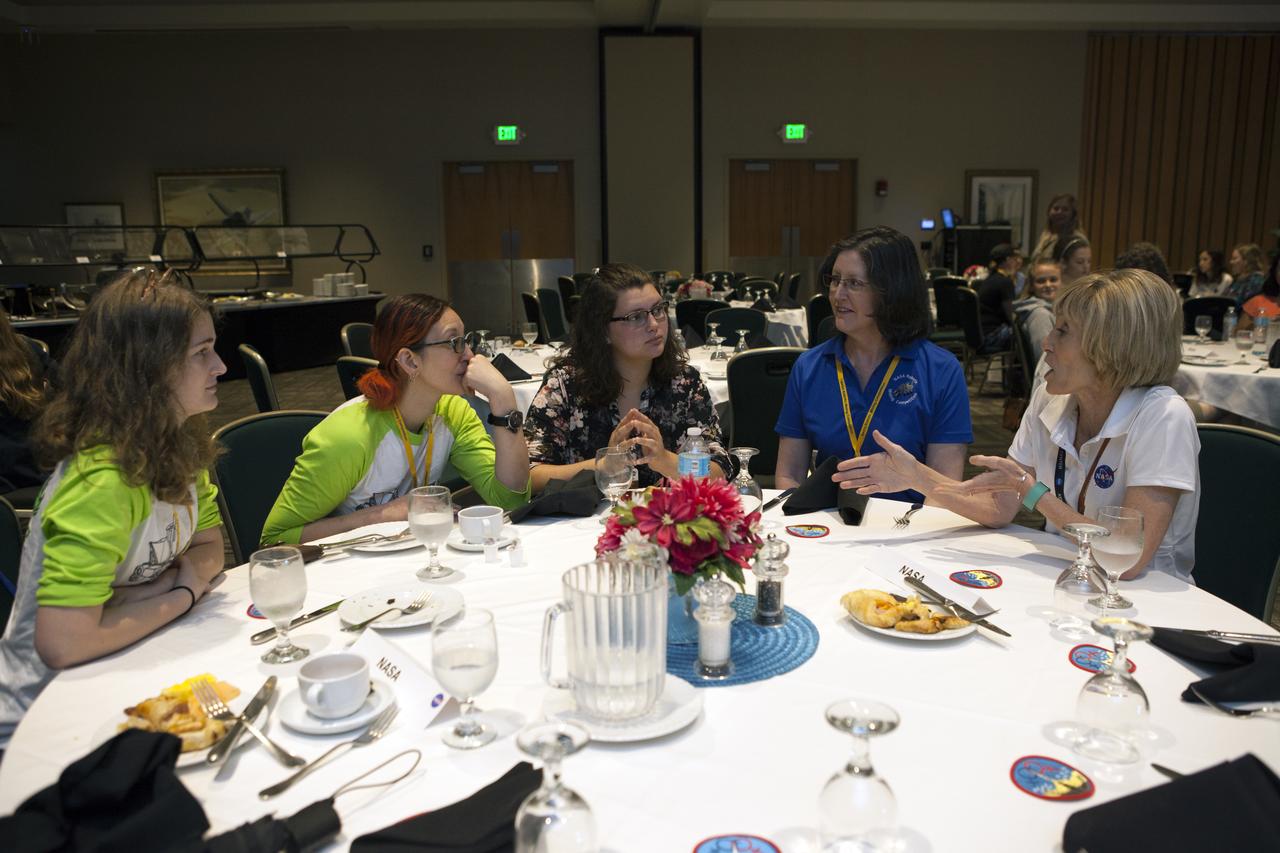
Jonette Stecklein (in the blue shirt), a flight systems engineer from Johnson Space Center in Houston, talks to students during a Women in STEM mentoring breakfast inside the Debus Conference Center at the Kennedy Space Center Visitor Complex in Florida. STEM is science, technology, engineering and math. The special event gave students competing in NASA's 8th Annual Robotic Mining Competition the chance to learn from female NASA scientists, engineers and professionals about their careers and the paths they took to working at Kennedy. The Robotic Mining Competition is a NASA Human Exploration and Operations Mission Directorate project designed to encourage students in STEM fields. The project provides a competitive environment to foster innovative ideas and solutions that could be used on NASA's Journey to Mars.