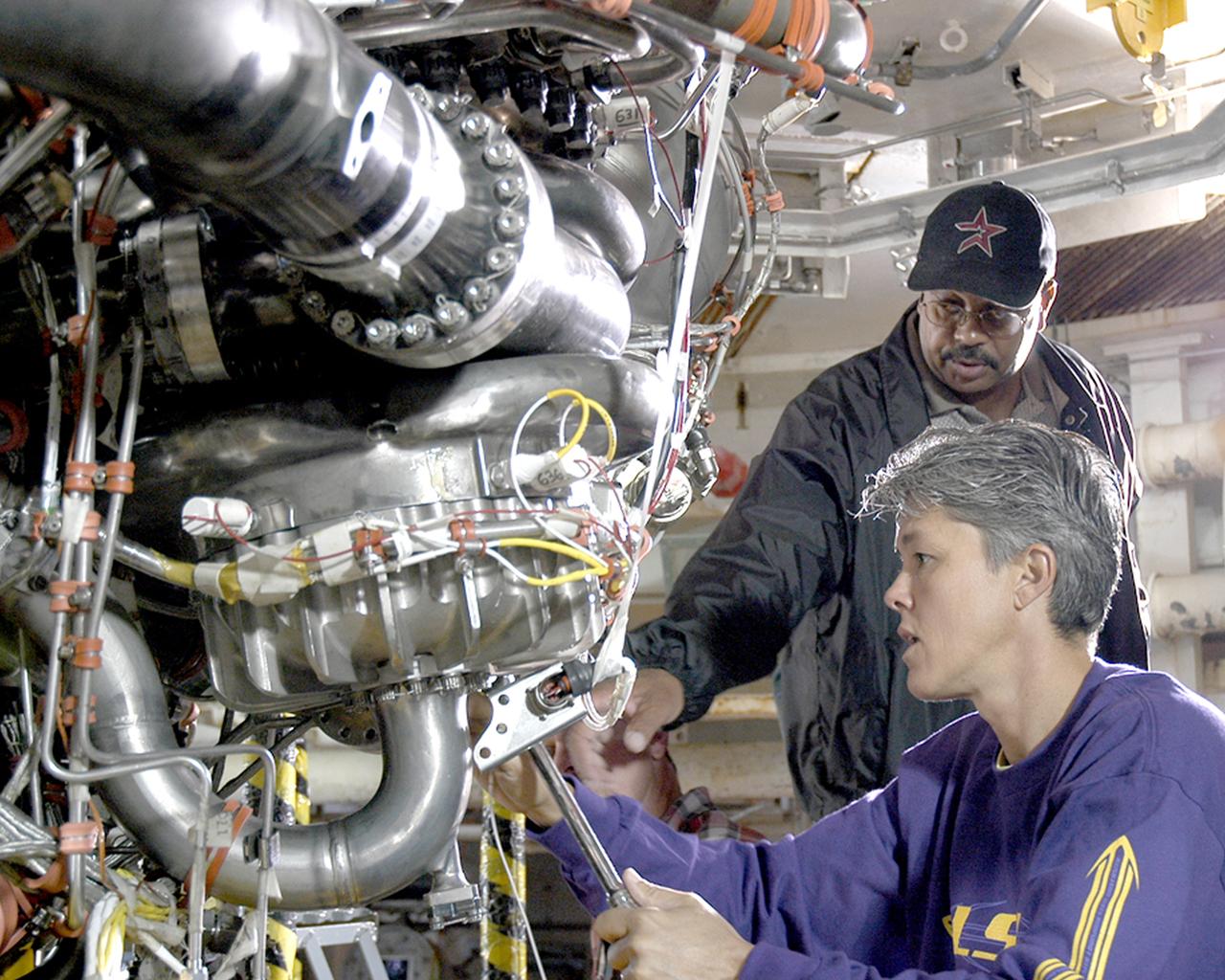
Alvin Pittman Sr., lead electronics technician with Pratt & Whitney Rocketdyne, and Janine Cuevas, a mechanical technician with PWR, perform final preparations on the space shuttle main engine tested Oct. 25, 2005, at NASA's Stennis Space Center. It was the first main engine test since Hurricane Katrina hit the Gulf Coast on Aug. 29.
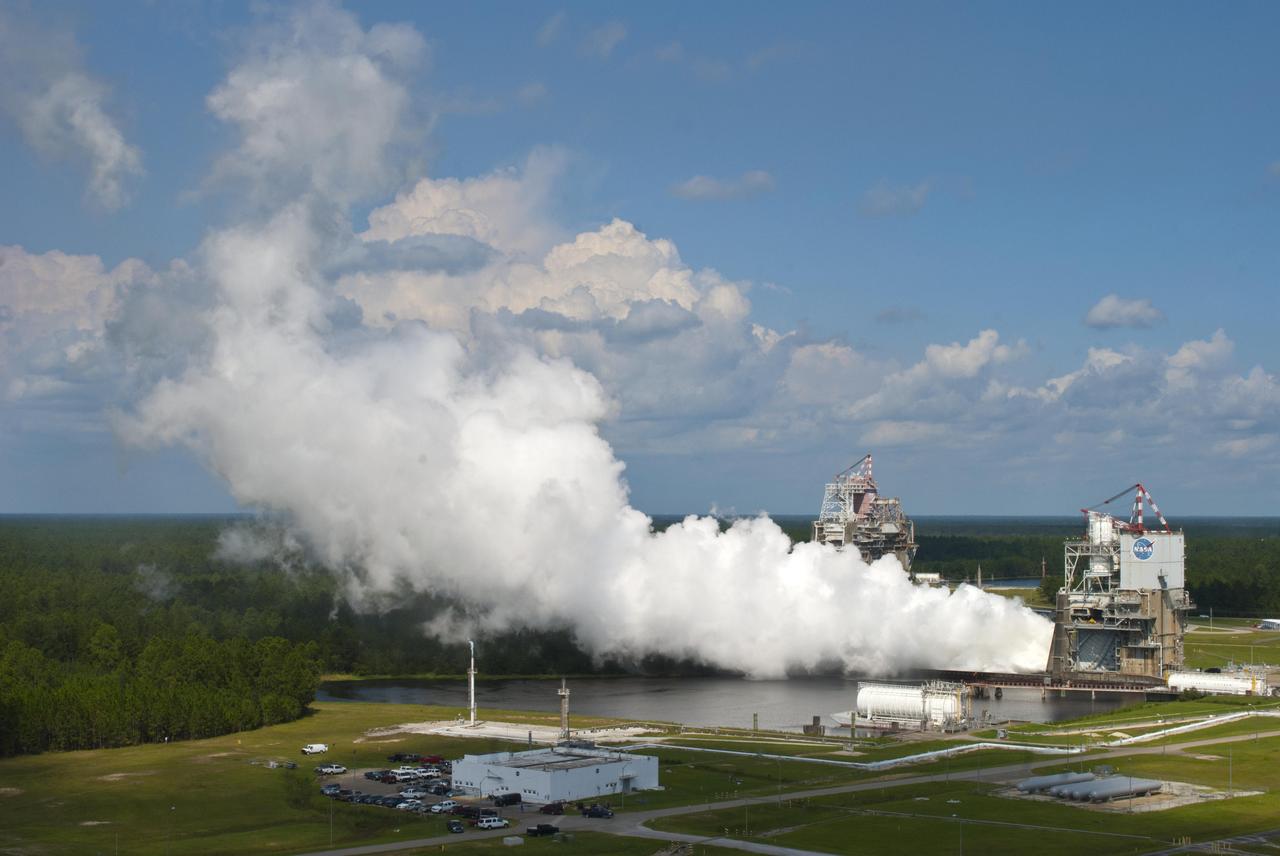
NASA engineers continued testing the next-generation J-2X rocket engine at Stennis Space Center with a 250-second test on Sept. 7. The test was the first conducted after the arrival of Hurricane Isaac forced closure of the Stennis facility for three days in late August. The est was conducted on the A-2 Test Stand at Stennis. The facility's B-1/B-2 Test Stand can be seen in the left background.
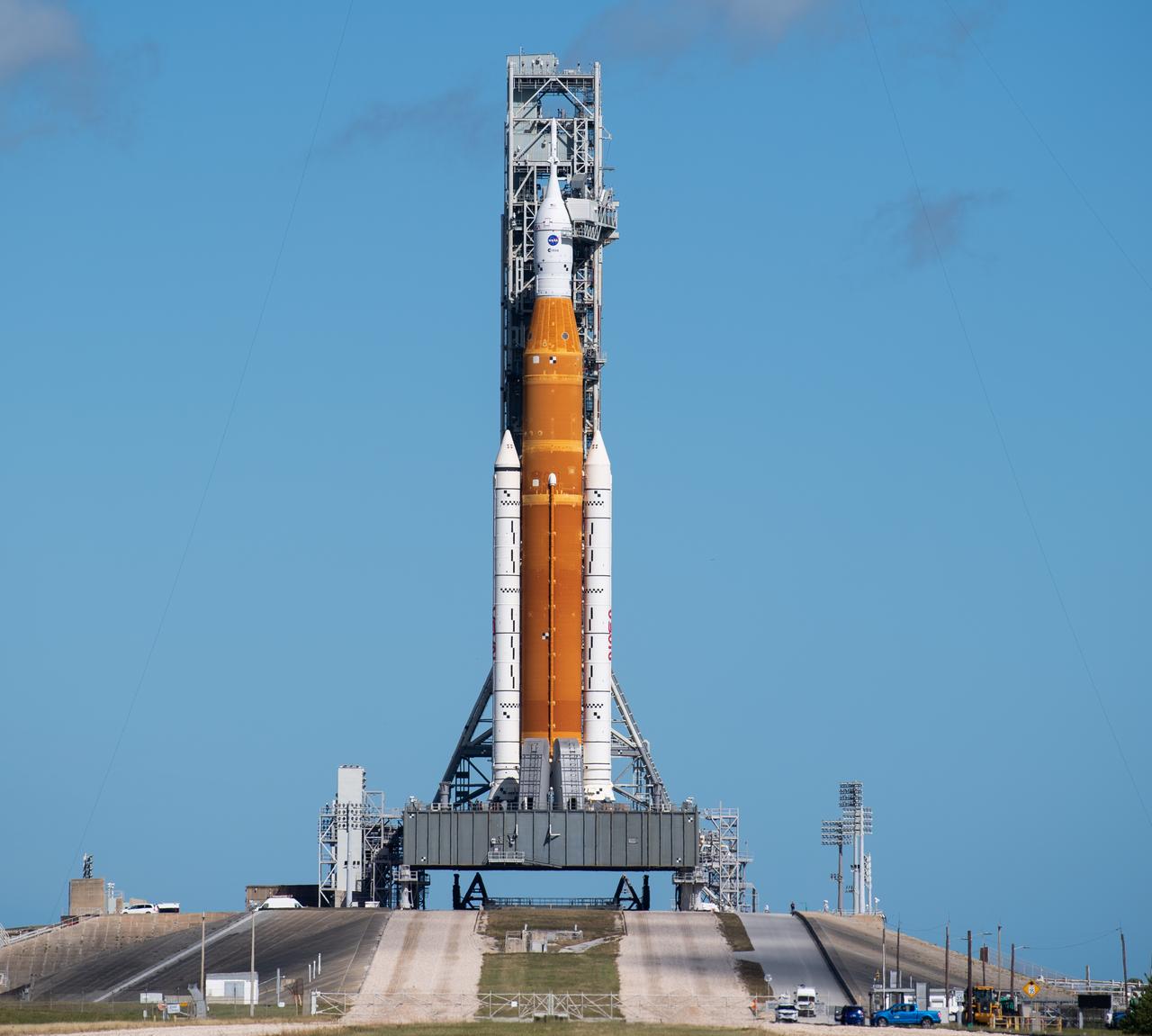
NASA’s Space Launch System (SLS) rocket with the Orion spacecraft aboard is seen atop the mobile launcher at Launch Pad 39B, Friday, Nov. 11, 2022, at NASA’s Kennedy Space Center in Florida. Teams began walkdowns and inspections at the pad to assess the status of the rocket and spacecraft after the passage of Hurricane Nicole. NASA’s Artemis I flight test is the first integrated test of the agency’s deep space exploration systems: the Orion spacecraft, SLS rocket, and supporting ground systems. Launch of the uncrewed flight test is targeted for no earlier than Nov. 16 at 1:04 a.m. EST. Photo Credit: (NASA/Joel Kowsky)
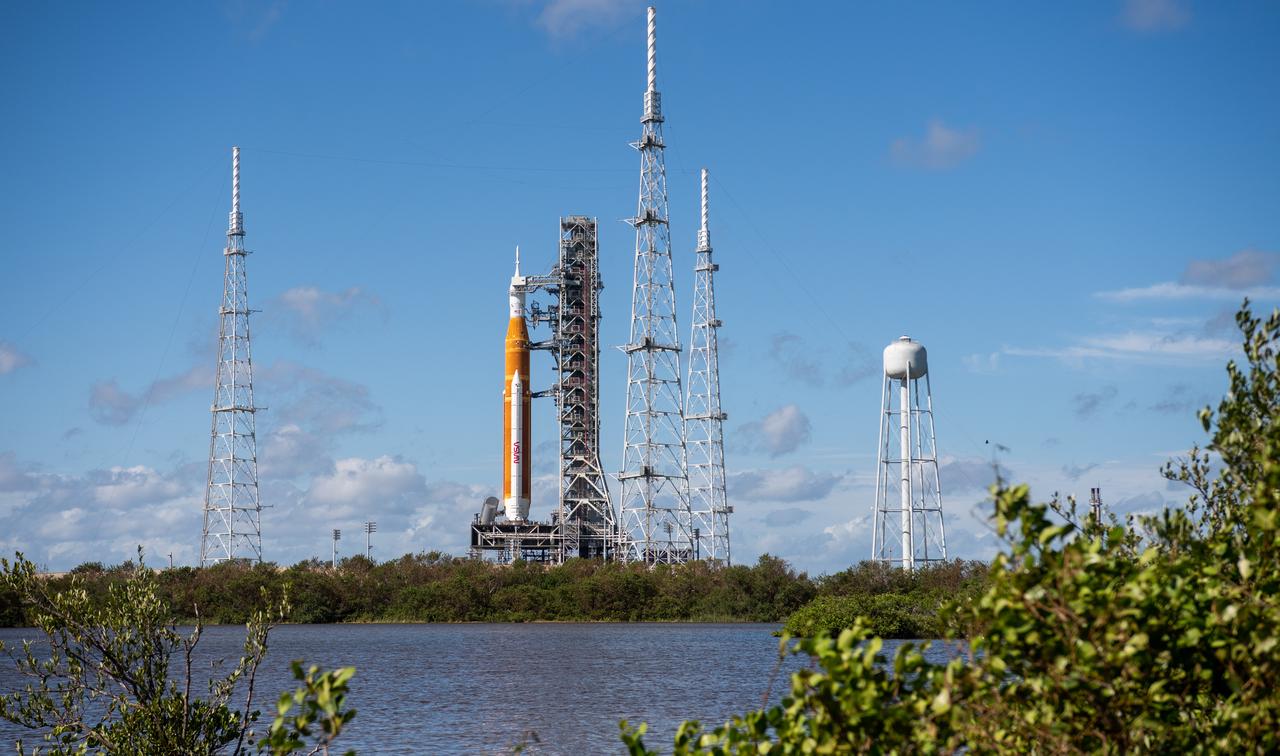
NASA’s Space Launch System (SLS) rocket with the Orion spacecraft aboard is seen atop the mobile launcher at Launch Pad 39B, Friday, Nov. 11, 2022, at NASA’s Kennedy Space Center in Florida. Teams began walkdowns and inspections at the pad to assess the status of the rocket and spacecraft after the passage of Hurricane Nicole. NASA’s Artemis I flight test is the first integrated test of the agency’s deep space exploration systems: the Orion spacecraft, SLS rocket, and supporting ground systems. Launch of the uncrewed flight test is targeted for no earlier than Nov. 16 at 1:04 a.m. EST. Photo Credit: (NASA/Joel Kowsky)
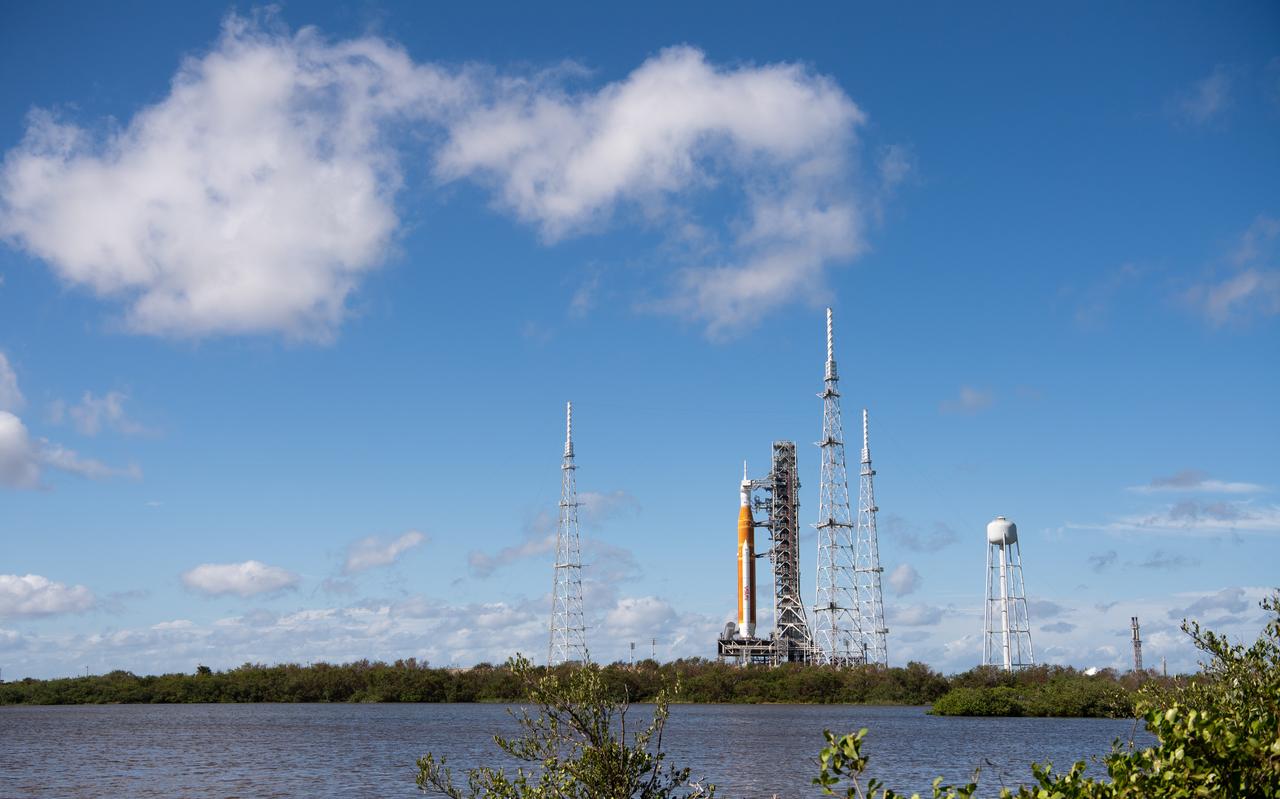
NASA’s Space Launch System (SLS) rocket with the Orion spacecraft aboard is seen atop the mobile launcher at Launch Pad 39B, Friday, Nov. 11, 2022, at NASA’s Kennedy Space Center in Florida. Teams began walkdowns and inspections at the pad to assess the status of the rocket and spacecraft after the passage of Hurricane Nicole. NASA’s Artemis I flight test is the first integrated test of the agency’s deep space exploration systems: the Orion spacecraft, SLS rocket, and supporting ground systems. Launch of the uncrewed flight test is targeted for no earlier than Nov. 16 at 1:04 a.m. EST. Photo Credit: (NASA/Joel Kowsky)
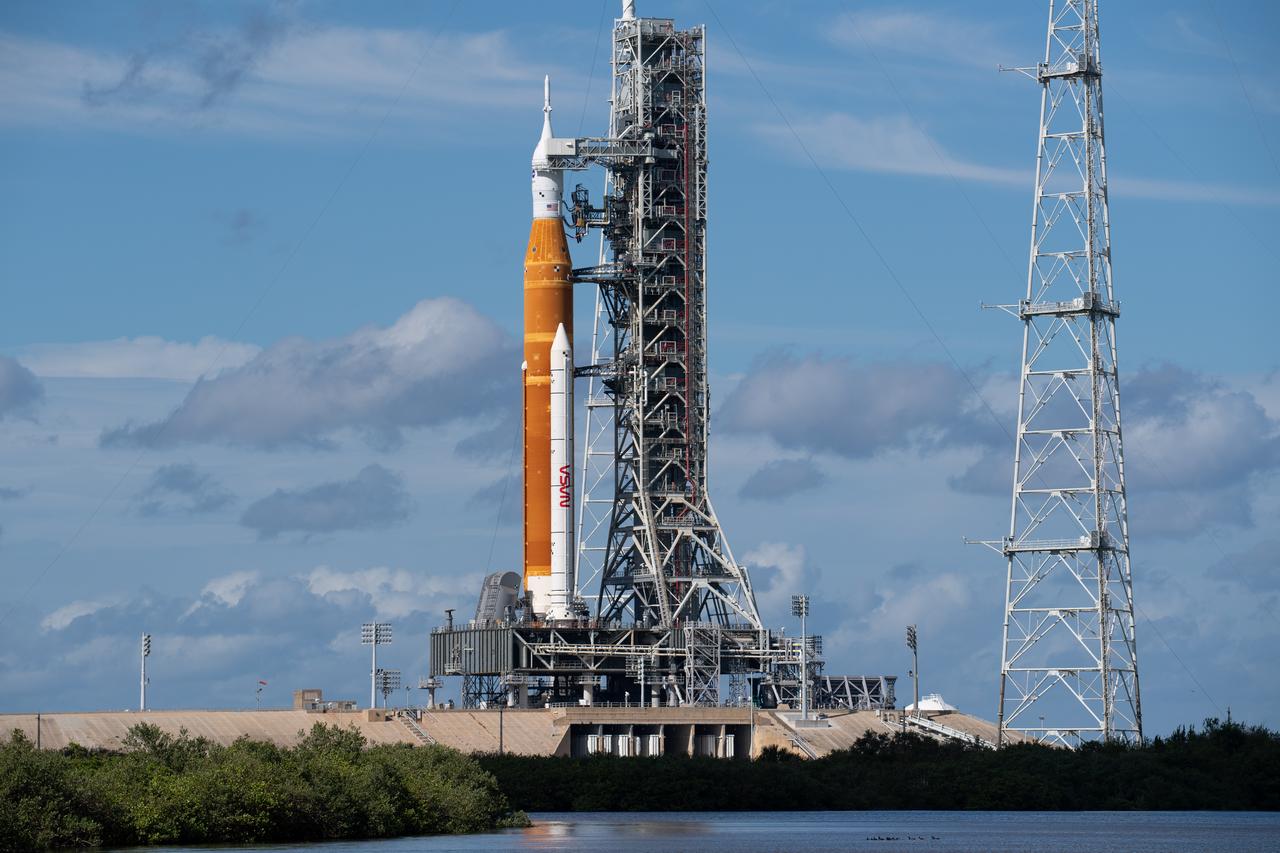
NASA’s Space Launch System (SLS) rocket with the Orion spacecraft aboard is seen atop the mobile launcher at Launch Pad 39B, Friday, Nov. 11, 2022, at NASA’s Kennedy Space Center in Florida. Teams began walkdowns and inspections at the pad to assess the status of the rocket and spacecraft after the passage of Hurricane Nicole. NASA’s Artemis I flight test is the first integrated test of the agency’s deep space exploration systems: the Orion spacecraft, SLS rocket, and supporting ground systems. Launch of the uncrewed flight test is targeted for no earlier than Nov. 16 at 1:04 a.m. EST. Photo Credit: (NASA/Joel Kowsky)
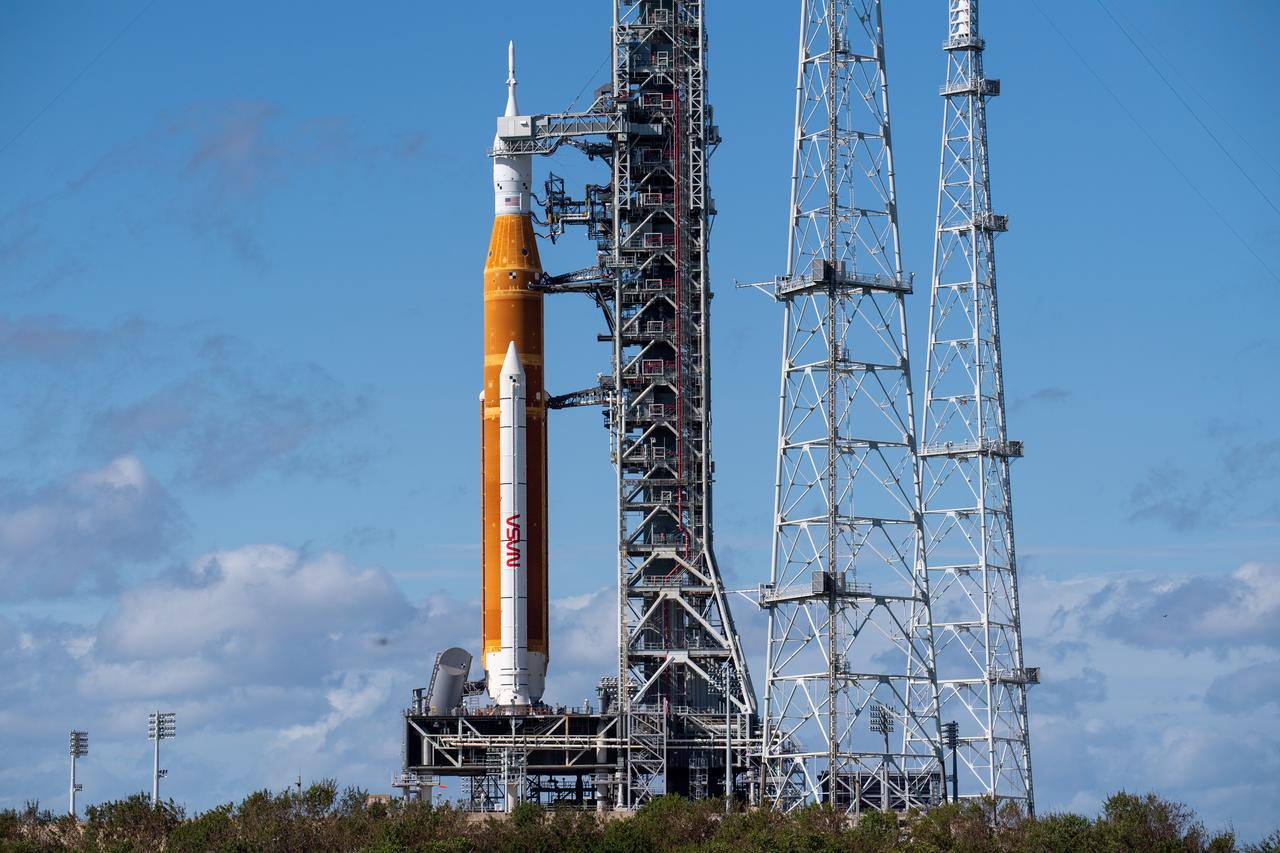
NASA’s Space Launch System (SLS) rocket with the Orion spacecraft aboard is seen atop the mobile launcher at Launch Pad 39B, Friday, Nov. 11, 2022, at NASA’s Kennedy Space Center in Florida. Teams began walkdowns and inspections at the pad to assess the status of the rocket and spacecraft after the passage of Hurricane Nicole. NASA’s Artemis I flight test is the first integrated test of the agency’s deep space exploration systems: the Orion spacecraft, SLS rocket, and supporting ground systems. Launch of the uncrewed flight test is targeted for no earlier than Nov. 16 at 1:04 a.m. EST. Photo Credit: (NASA/Joel Kowsky)
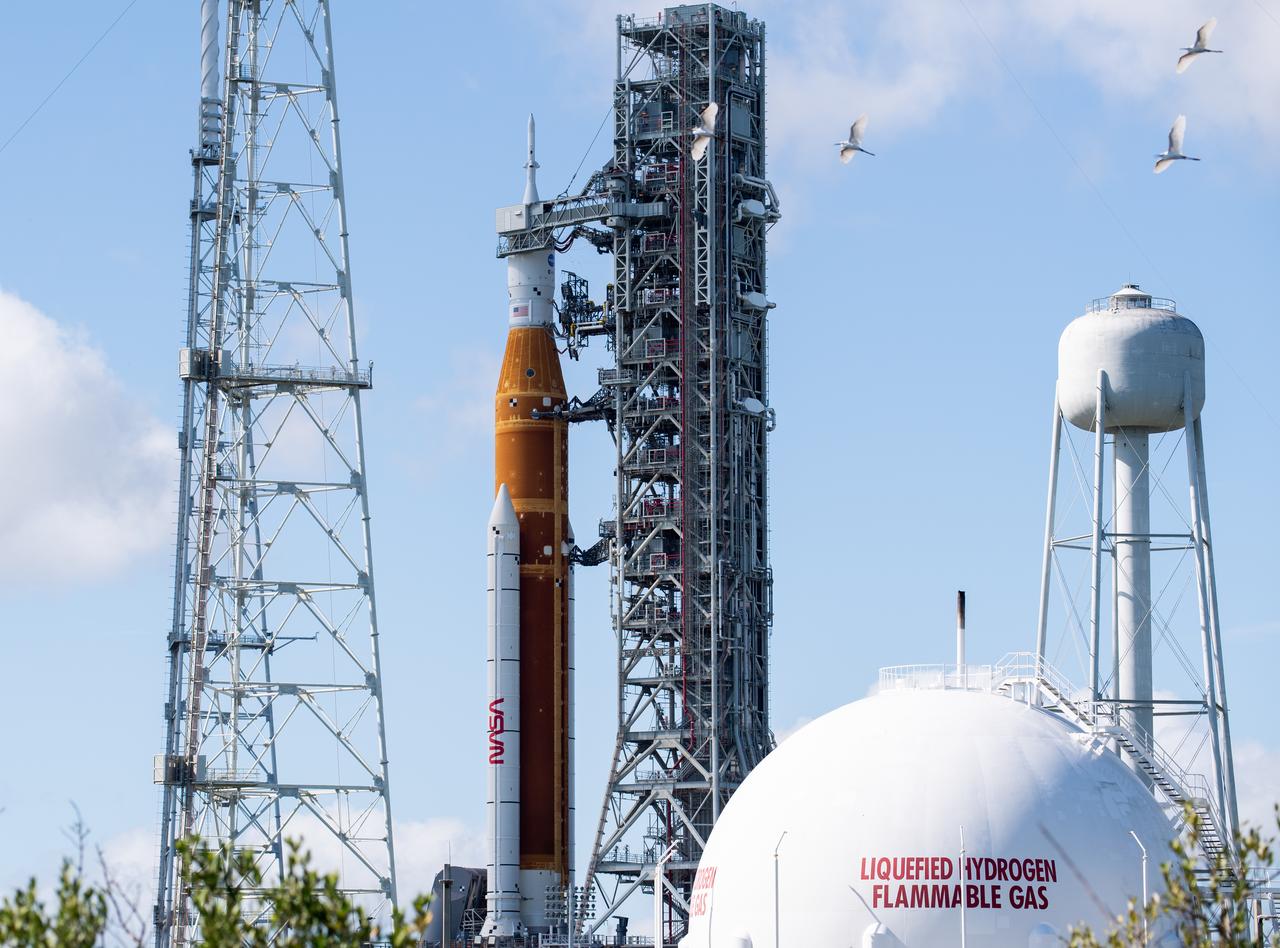
NASA’s Space Launch System (SLS) rocket with the Orion spacecraft aboard is seen atop the mobile launcher at Launch Pad 39B, Friday, Nov. 11, 2022, at NASA’s Kennedy Space Center in Florida. Teams began walkdowns and inspections at the pad to assess the status of the rocket and spacecraft after the passage of Hurricane Nicole. NASA’s Artemis I flight test is the first integrated test of the agency’s deep space exploration systems: the Orion spacecraft, SLS rocket, and supporting ground systems. Launch of the uncrewed flight test is targeted for no earlier than Nov. 16 at 1:04 a.m. EST. Photo Credit: (NASA/Joel Kowsky)
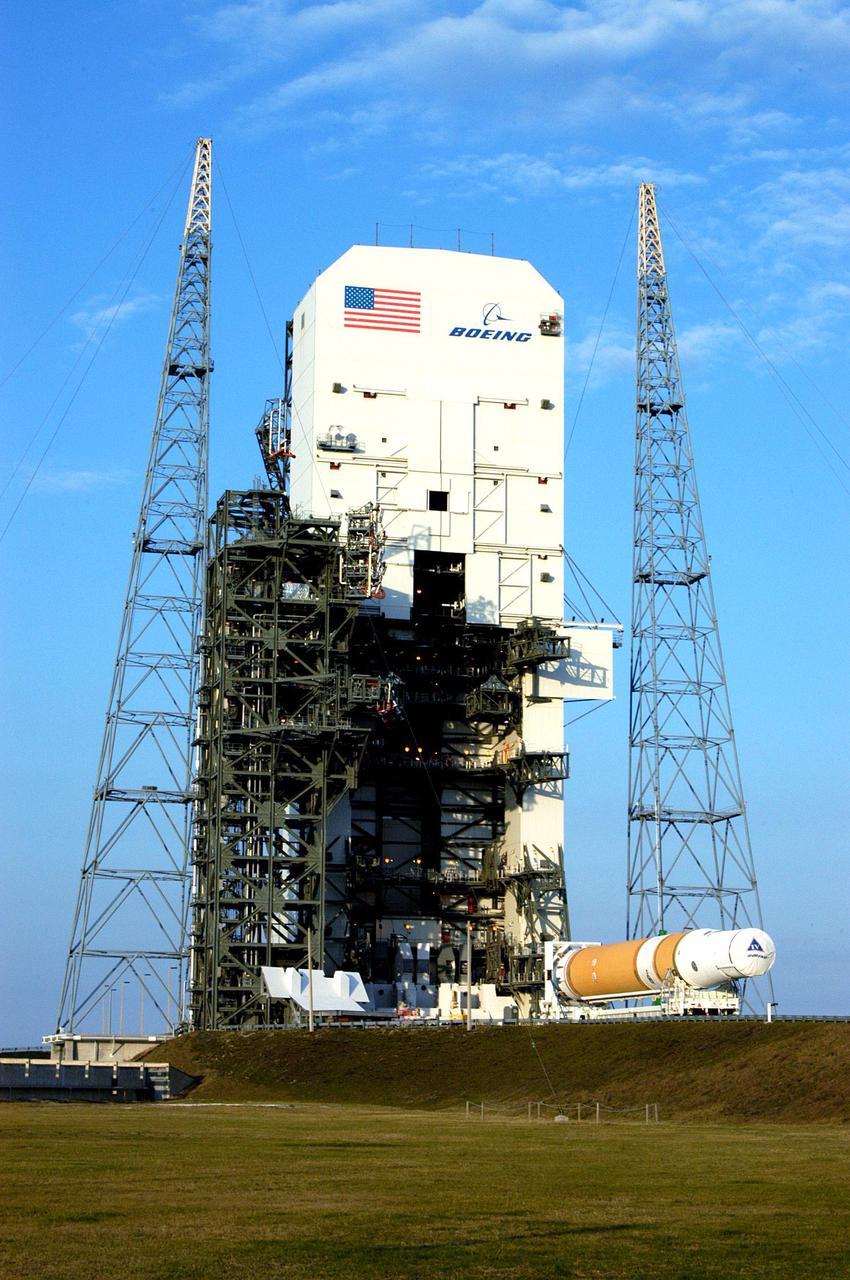
KENNEDY SPACE CENTER, FLA. - The first and second stages of the Boeing Delta IV rocket arrive at Launch Pad 37-B at Cape Canaveral Air Force Station after leaving the Horizontal Integration Facility, where the two stages were mated. The Delta IV is scheduled to launch the GOES-N satellite May 4. The satellite is the first of three for the National Oceanic and Atmospheric Administration that will provide continuous monitoring necessary for intensive data analysis. GOES-N will provide a constant vigil for the atmospheric “triggers” of severe weather conditions such as tornadoes, flash floods, hail storms and hurricanes. When these conditions develop, GOES-N will be able to monitor storm development and track their movements. NASA’s Goddard Space Flight Center is responsible for development of the satellite and testing of the spacecraft and its instruments.
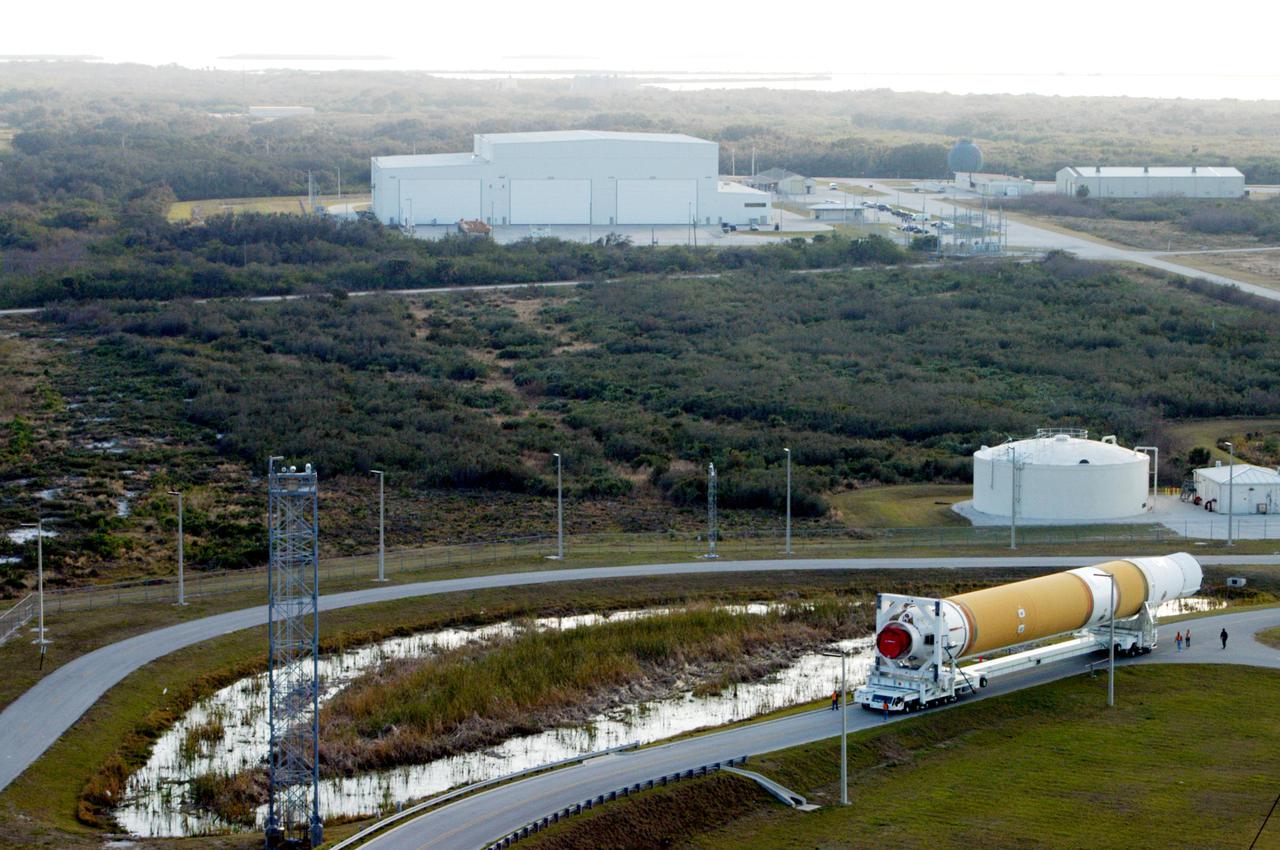
KENNEDY SPACE CENTER, FLA. - The first and second stages of the Boeing Delta IV rocket head for Launch Pad 37-B at Cape Canaveral Air Force Station after leaving the Horizontal Integration Facility, where the two stages were mated. The Delta IV is scheduled to launch the GOES-N satellite May 4. The satellite is the first of three for the National Oceanic and Atmospheric Administration that will provide continuous monitoring necessary for intensive data analysis. GOES-N will provide a constant vigil for the atmospheric “triggers” of severe weather conditions such as tornadoes, flash floods, hail storms and hurricanes. When these conditions develop, GOES-N will be able to monitor storm development and track their movements. NASA’s Goddard Space Flight Center is responsible for development of the satellite and testing of the spacecraft and its instruments.
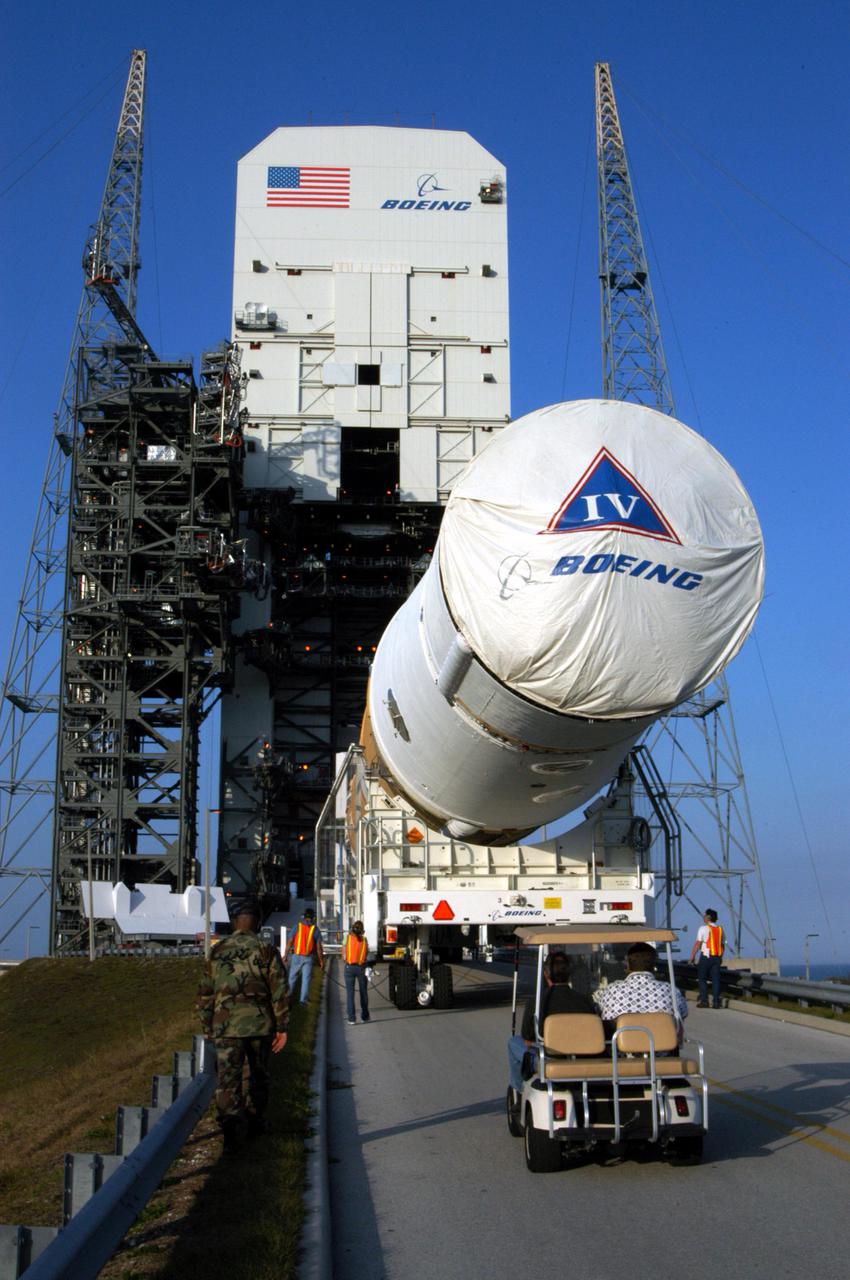
KENNEDY SPACE CENTER, FLA. - The first and second stages of the Boeing Delta IV rocket arrive at Launch Pad 37-B at Cape Canaveral Air Force Station after leaving the Horizontal Integration Facility, where the two stages were mated. The Delta IV is scheduled to launch the GOES-N satellite May 4. The satellite is the first of three for the National Oceanic and Atmospheric Administration that will provide continuous monitoring necessary for intensive data analysis. GOES-N will provide a constant vigil for the atmospheric “triggers” of severe weather conditions such as tornadoes, flash floods, hail storms and hurricanes. When these conditions develop, GOES-N will be able to monitor storm development and track their movements. NASA’s Goddard Space Flight Center is responsible for development of the satellite and testing of the spacecraft and its instruments.