
The Flower Moon lunar eclipse over NASA’s Michoud Assembly Facility in New Orleans is shown from the initial partial eclipse to totality in a composite of seven images shot on Sunday, May 15, 2022. Image credit: NASA/Michael DeMocker
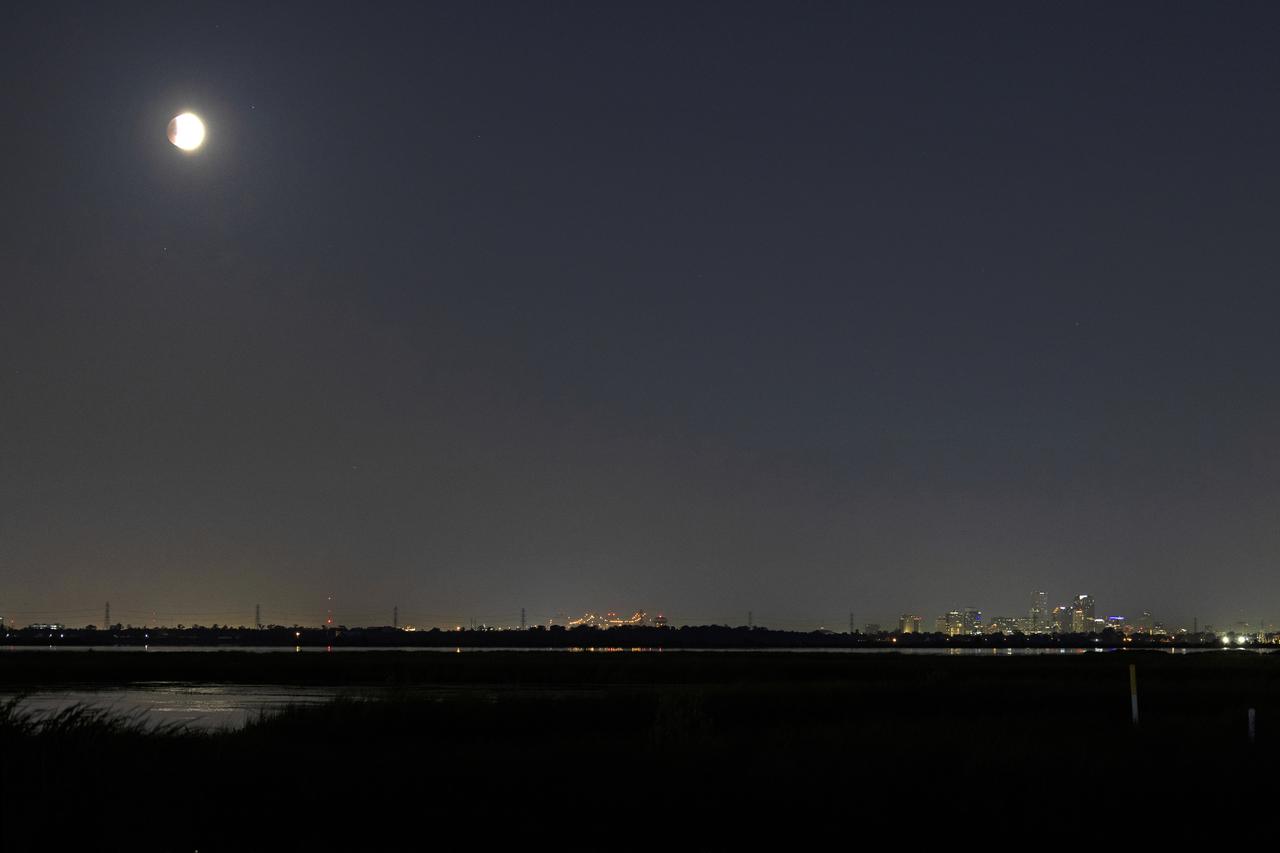
The beginning of the eclipse of the Super Flower Blood Moon over Bayou Bienvenue with the New Orleans Crescent City Connection in the distance early Wednesday morning, May 26, 2021. Image credit: NASA/Michael DeMocker
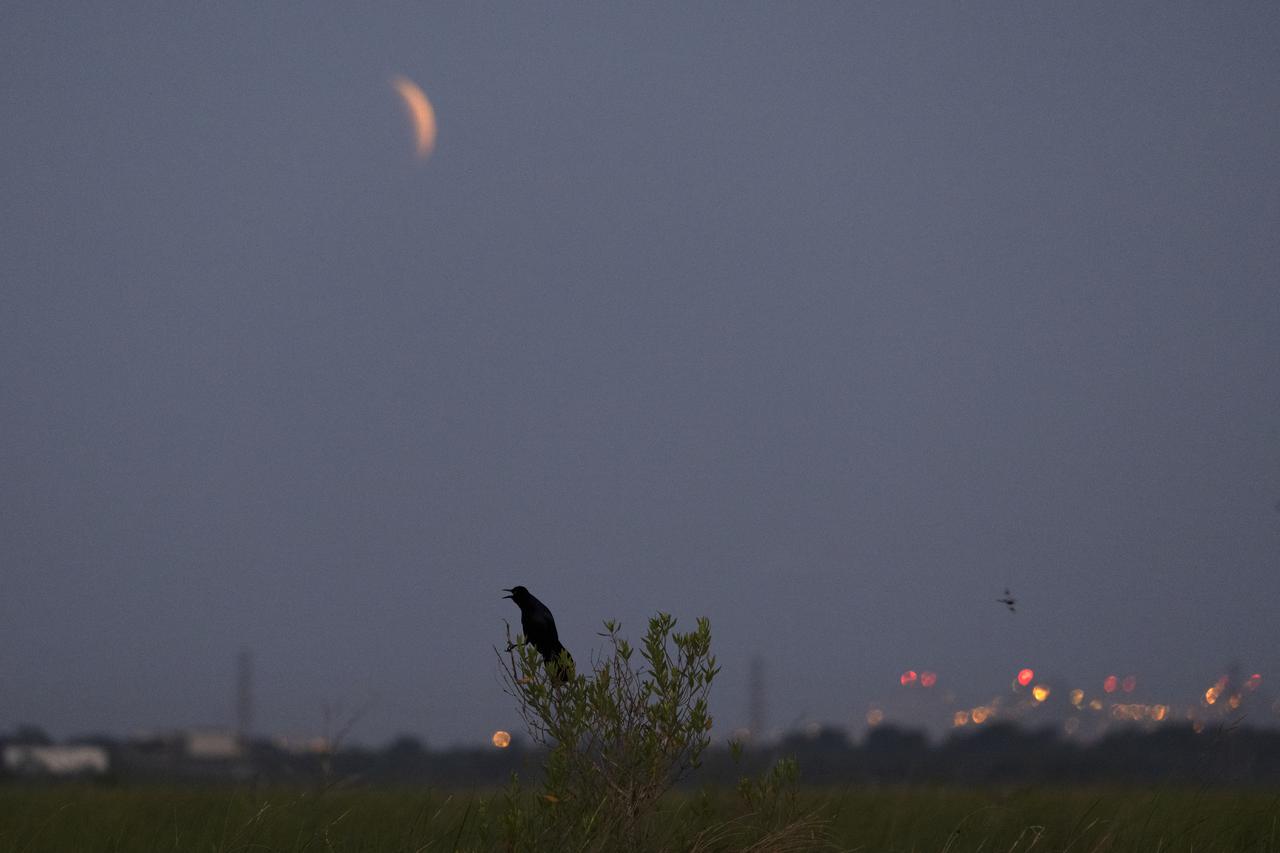
A sliver of the Super Flower Blood Moon over Bayou Bienvenue in New Orleans during the eclipse early Wednesday morning, May 26, 2021. Image credit: NASA/Michael DeMocker
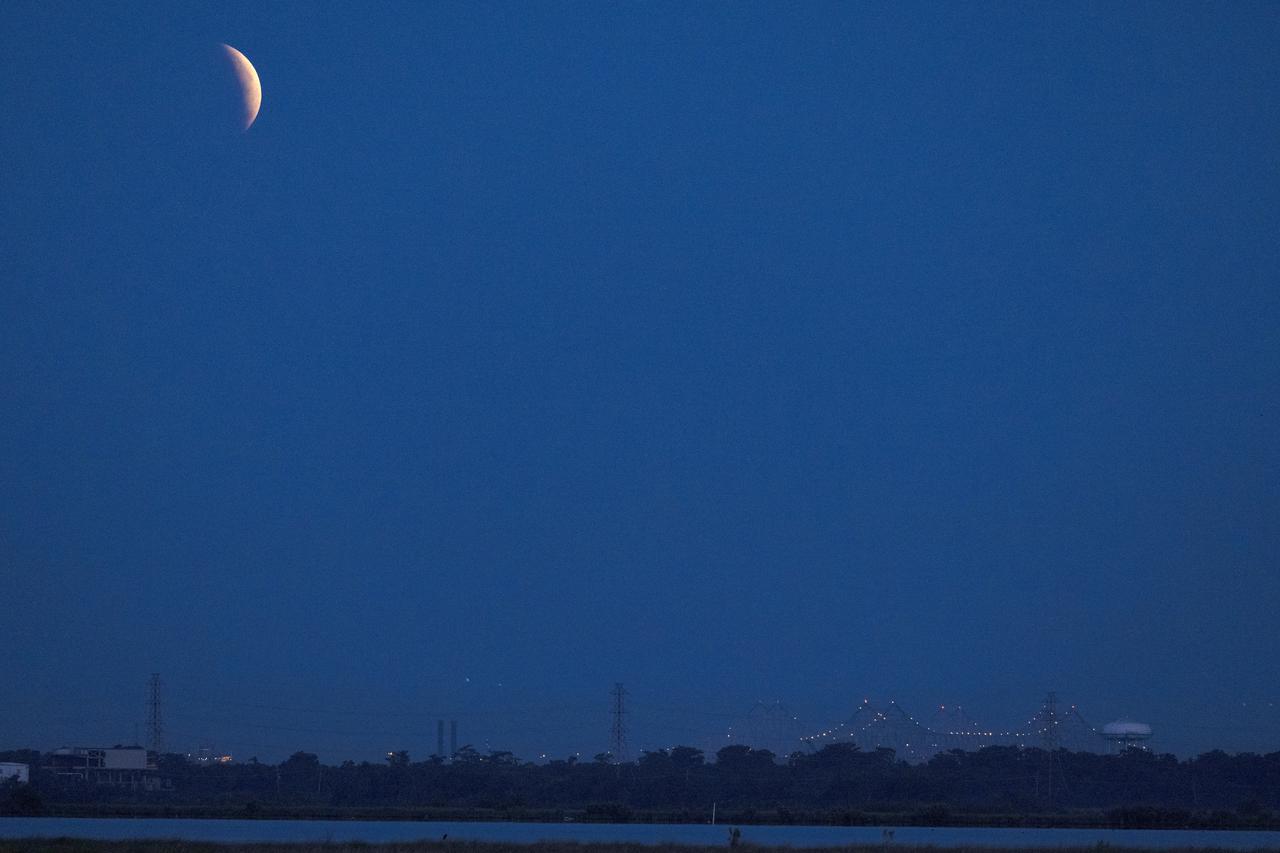
The eclipse of the Super Flower Blood Moon over Bayou Bienvenue with the New Orleans Crescent City Connection in the distance early Wednesday morning, May 26, 2021. Image credit: NASA/Michael DeMocker
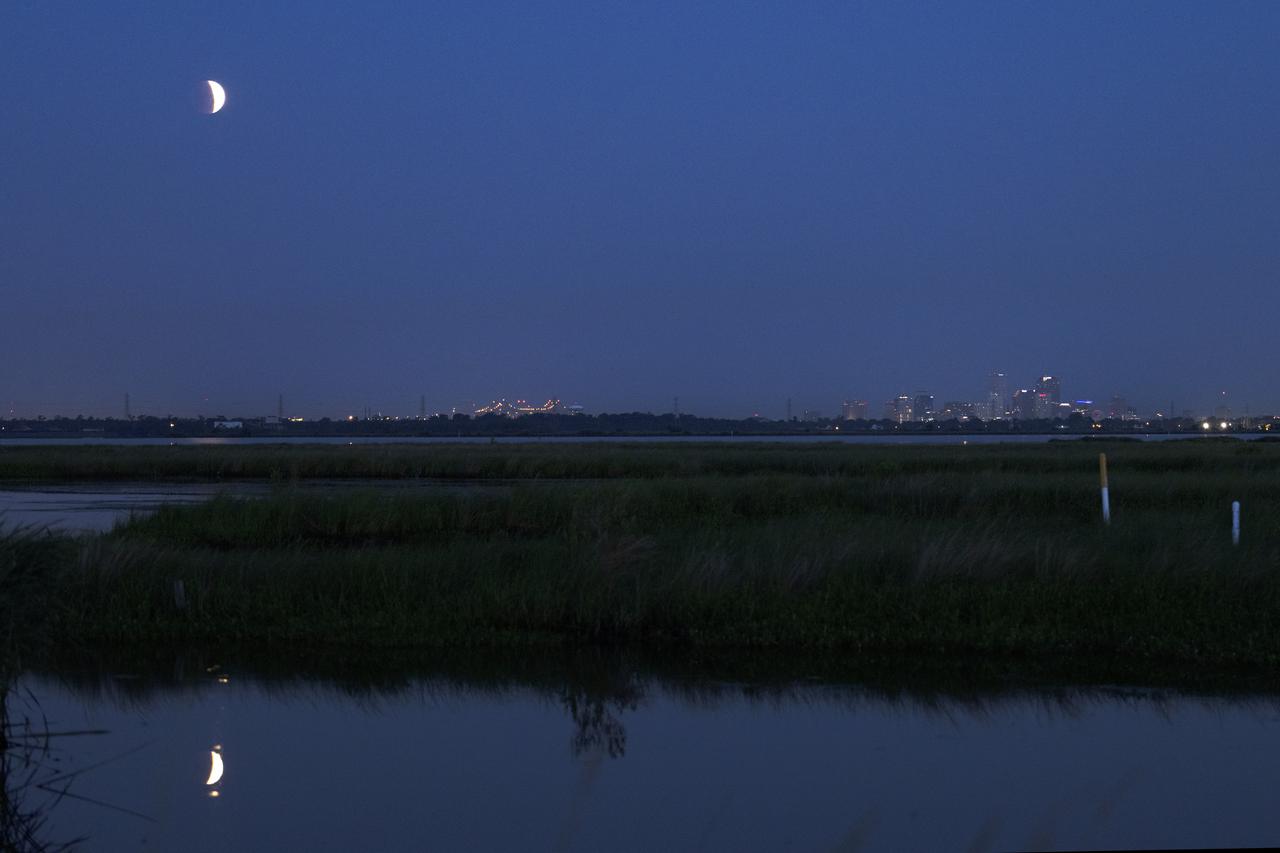
The eclipse of the Super Flower Blood Moon over Bayou Bienvenue with the skyline of the city of New Orleans in the distance early Wednesday morning, May 26, 2021. Image credit: NASA/Michael DeMocker
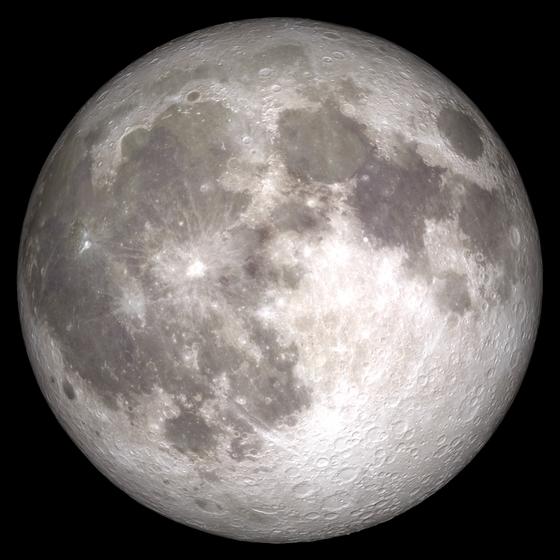
<b>Share YOUR pink moon and/or partial lunar eclipse images in our Flickr Group here: <a href="http://www.flickr.com/groups/pinkmoon/">www.flickr.com/groups/pinkmoon/</a> </b> TimeThursday, April 25, 2013, 21:00 UT Phase 100.0% Diameter - 1962.6 arcseconds Distance - 365185 km (28.66 Earth diameters There is a special lunar name for every full moon in a year. The April 25 full moon is known as the “Full Pink Moon” because of the grass pink – or wild ground phlox – flower, which is one of the earliest widespread flowers to bloom in the spring. This month’s full moon is also known as the Sprouting Grass moon and the Egg moon. The first lunar eclipse of 2013 occurs at the Moon's ascending node in southern Virgo about 12° east of Spica (mv = +1.05). It is visible primarily from the Eastern Hemisphere. This event will not be visible in North America, it will only be visible from Eastern Europea, Africa, Asia, and Western Australia. April’s full moon, which is set to rise tonight, is known as a pink moon. And this year it coincides with the partial lunar eclipse. This NASA animation shows elevation measurements by the Lunar Orbiter Laser Altimeter (LOLA) aboard the Lunar Reconnaissance Orbiter (LRO). Credit: NASA/Goddard Space Flight Center Scientific Visualization Studio <b><a href="http://www.nasa.gov/audience/formedia/features/MP_Photo_Guidelines.html" rel="nofollow">NASA image use policy.</a></b> <b><a href="http://www.nasa.gov/centers/goddard/home/index.html" rel="nofollow">NASA Goddard Space Flight Center</a></b> enables NASA’s mission through four scientific endeavors: Earth Science, Heliophysics, Solar System Exploration, and Astrophysics. Goddard plays a leading role in NASA’s accomplishments by contributing compelling scientific knowledge to advance the Agency’s mission. <b>Follow us on <a href="http://twitter.com/NASA_GoddardPix" rel="nofollow">Twitter</a></b> <b>Like us on <a href="http://www.facebook.com/pages/Greenbelt-MD/NASA-Goddard/395013845897?ref=tsd" rel="nofollow">Facebook</a></b> <b>Find us on <a href="http://instagram.com/nasagoddard?vm=grid" rel="nofollow">Instagram</a></b>
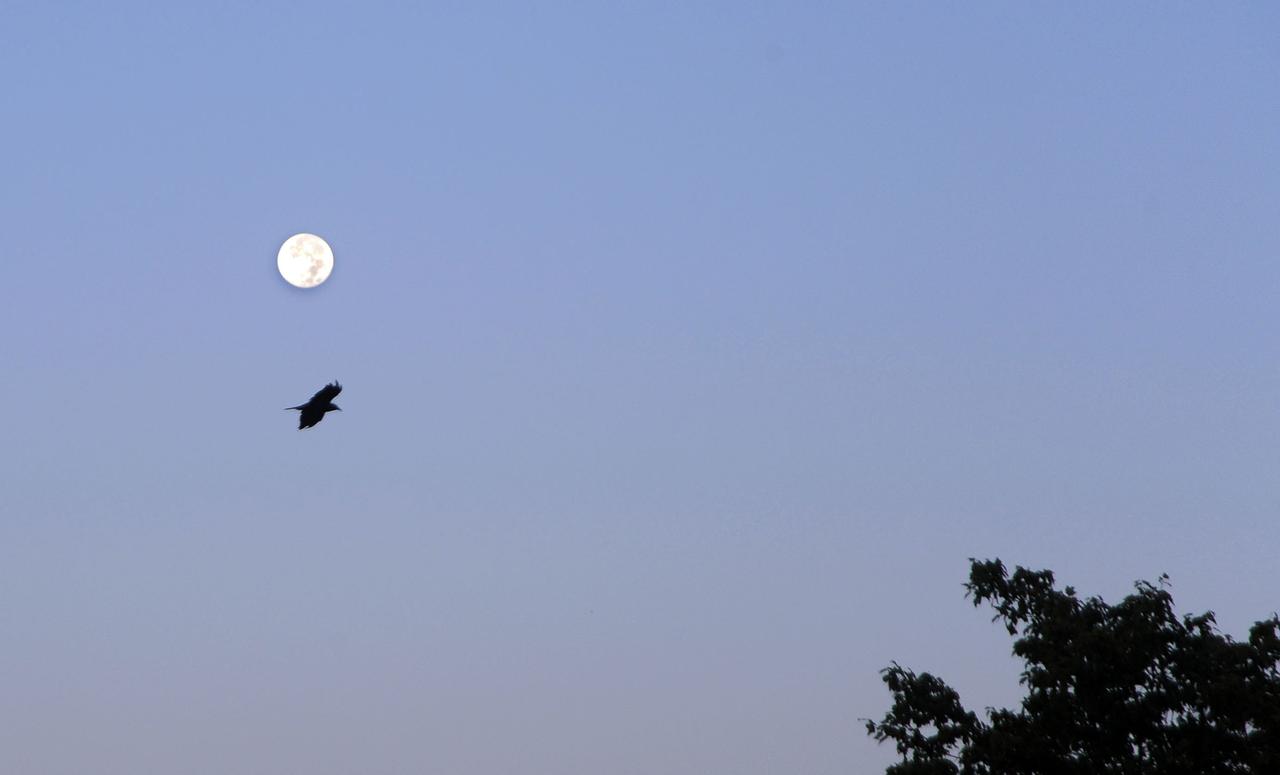
September's Harvest Moon as seen around NASA's Goddard Space Flight Center. According to folklore, every full Moon has a special name. There's the Wolf Moon, the Snow Moon, the Worm Moon, the Sprouting Grass Moon, the Flower Moon, the Strawberry Moon, the Thunder Moon, the Sturgeon Moon, the Harvest Moon, the Hunter's Moon, the Beaver Moon, and the Long Night's Moon. Each name tells us something about the season or month in which the full Moon appears. This month's full Moon is the Harvest Moon. More about the Harvest Moon from NASA: Science <a href="http://1.usa.gov/16lb1eZ" rel="nofollow">1.usa.gov/16lb1eZ</a> Credit: NASA/Goddard/Debbie Mccallum <b><a href="http://www.nasa.gov/audience/formedia/features/MP_Photo_Guidelines.html" rel="nofollow">NASA image use policy.</a></b> <b><a href="http://www.nasa.gov/centers/goddard/home/index.html" rel="nofollow">NASA Goddard Space Flight Center</a></b> enables NASA’s mission through four scientific endeavors: Earth Science, Heliophysics, Solar System Exploration, and Astrophysics. Goddard plays a leading role in NASA’s accomplishments by contributing compelling scientific knowledge to advance the Agency’s mission. <b>Follow us on <a href="http://twitter.com/NASA_GoddardPix" rel="nofollow">Twitter</a></b> <b>Like us on <a href="http://www.facebook.com/pages/Greenbelt-MD/NASA-Goddard/395013845897?ref=tsd" rel="nofollow">Facebook</a></b> <b>Find us on <a href="http://instagram.com/nasagoddard?vm=grid" rel="nofollow">Instagram</a></b>
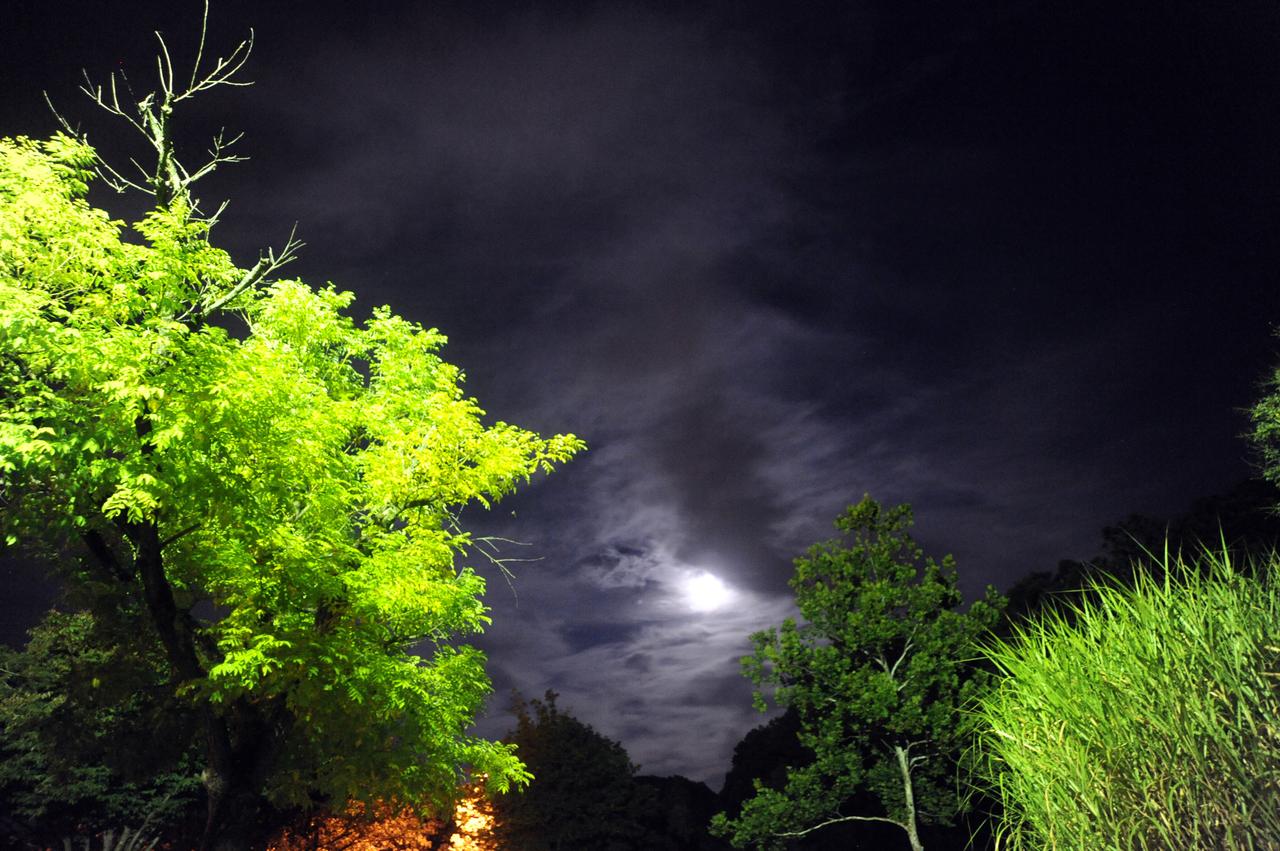
September's Harvest Moon as seen around NASA's Goddard Space Flight Center. According to folklore, every full Moon has a special name. There's the Wolf Moon, the Snow Moon, the Worm Moon, the Sprouting Grass Moon, the Flower Moon, the Strawberry Moon, the Thunder Moon, the Sturgeon Moon, the Harvest Moon, the Hunter's Moon, the Beaver Moon, and the Long Night's Moon. Each name tells us something about the season or month in which the full Moon appears. This month's full Moon is the Harvest Moon. More about the Harvest Moon from NASA: Science <a href="http://1.usa.gov/16lb1eZ" rel="nofollow">1.usa.gov/16lb1eZ</a> Credit: NASA/Goddard/Debbie Mccallum <b><a href="http://www.nasa.gov/audience/formedia/features/MP_Photo_Guidelines.html" rel="nofollow">NASA image use policy.</a></b> <b><a href="http://www.nasa.gov/centers/goddard/home/index.html" rel="nofollow">NASA Goddard Space Flight Center</a></b> enables NASA’s mission through four scientific endeavors: Earth Science, Heliophysics, Solar System Exploration, and Astrophysics. Goddard plays a leading role in NASA’s accomplishments by contributing compelling scientific knowledge to advance the Agency’s mission. <b>Follow us on <a href="http://twitter.com/NASA_GoddardPix" rel="nofollow">Twitter</a></b> <b>Like us on <a href="http://www.facebook.com/pages/Greenbelt-MD/NASA-Goddard/395013845897?ref=tsd" rel="nofollow">Facebook</a></b> <b>Find us on <a href="http://instagram.com/nasagoddard?vm=grid" rel="nofollow">Instagram</a></b>
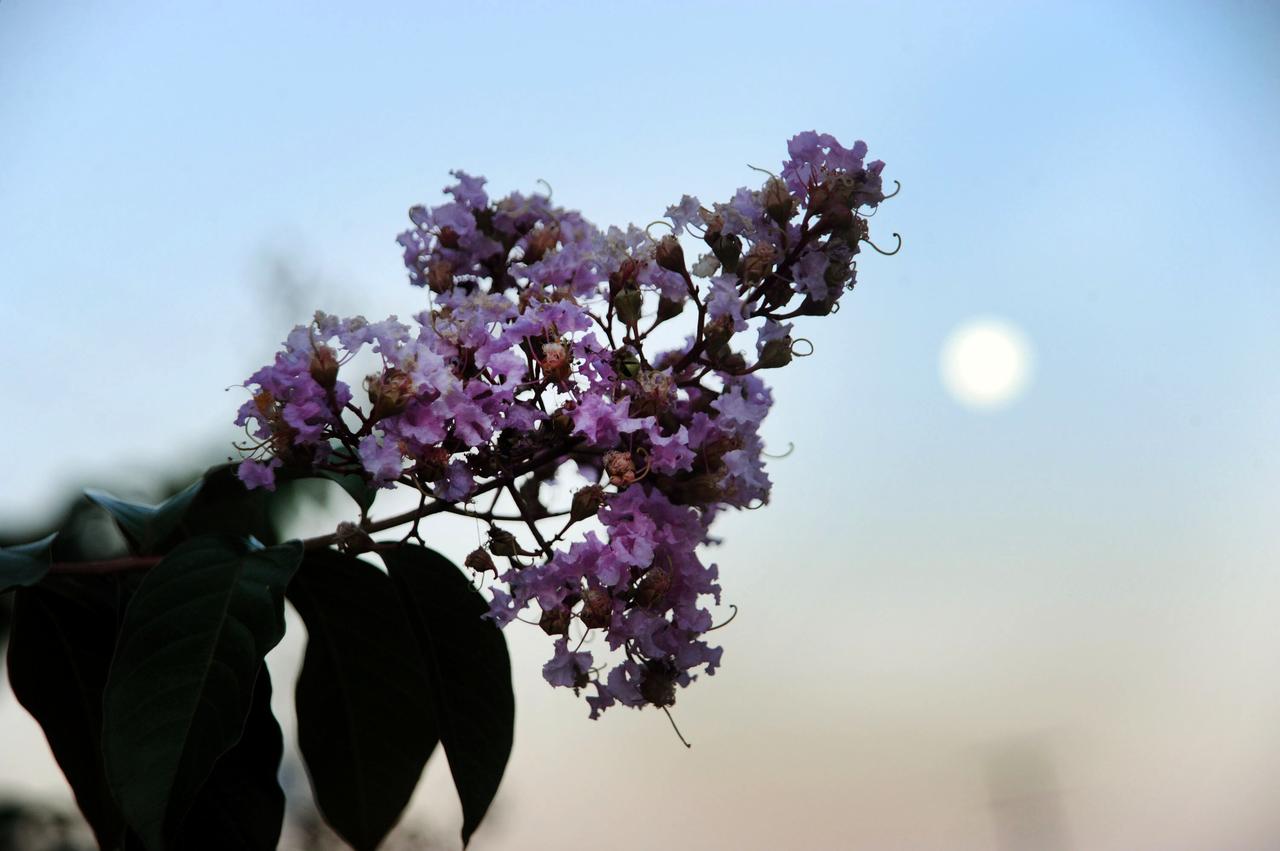
September's Harvest Moon as seen around NASA's Goddard Space Flight Center. According to folklore, every full Moon has a special name. There's the Wolf Moon, the Snow Moon, the Worm Moon, the Sprouting Grass Moon, the Flower Moon, the Strawberry Moon, the Thunder Moon, the Sturgeon Moon, the Harvest Moon, the Hunter's Moon, the Beaver Moon, and the Long Night's Moon. Each name tells us something about the season or month in which the full Moon appears. This month's full Moon is the Harvest Moon. More about the Harvest Moon from NASA: Science <a href="http://1.usa.gov/16lb1eZ" rel="nofollow">1.usa.gov/16lb1eZ</a> Credit: NASA/Goddard/Debbie Mccallum <b><a href="http://www.nasa.gov/audience/formedia/features/MP_Photo_Guidelines.html" rel="nofollow">NASA image use policy.</a></b> <b><a href="http://www.nasa.gov/centers/goddard/home/index.html" rel="nofollow">NASA Goddard Space Flight Center</a></b> enables NASA’s mission through four scientific endeavors: Earth Science, Heliophysics, Solar System Exploration, and Astrophysics. Goddard plays a leading role in NASA’s accomplishments by contributing compelling scientific knowledge to advance the Agency’s mission. <b>Follow us on <a href="http://twitter.com/NASA_GoddardPix" rel="nofollow">Twitter</a></b> <b>Like us on <a href="http://www.facebook.com/pages/Greenbelt-MD/NASA-Goddard/395013845897?ref=tsd" rel="nofollow">Facebook</a></b> <b>Find us on <a href="http://instagram.com/nasagoddard?vm=grid" rel="nofollow">Instagram</a></b>

Dave Flowers, the project manager for NASA’s Biology Experiment-1 (BioExpt-1) in Exploration Research and Technology Programs, prepares it for testing in the Vibration Laboratory at Kennedy Space Center in Florida on May 13, 2021. BioExpt-1 is a space biology pathfinder, which will carry plants, algae, yeast, and fungi for biology research beyond low-Earth orbit (LEO). NASA will install the BioExpt-1 payload container assembles onto panels inside the Orion capsule. BioExpt-1 will return these science payloads to Earth to provide critical and unique data about life beyond LEO for the first time in more than 40 years. Artemis I is the first in a series of increasingly complex missions that will enable human exploration of the Moon and eventually on to Mars.
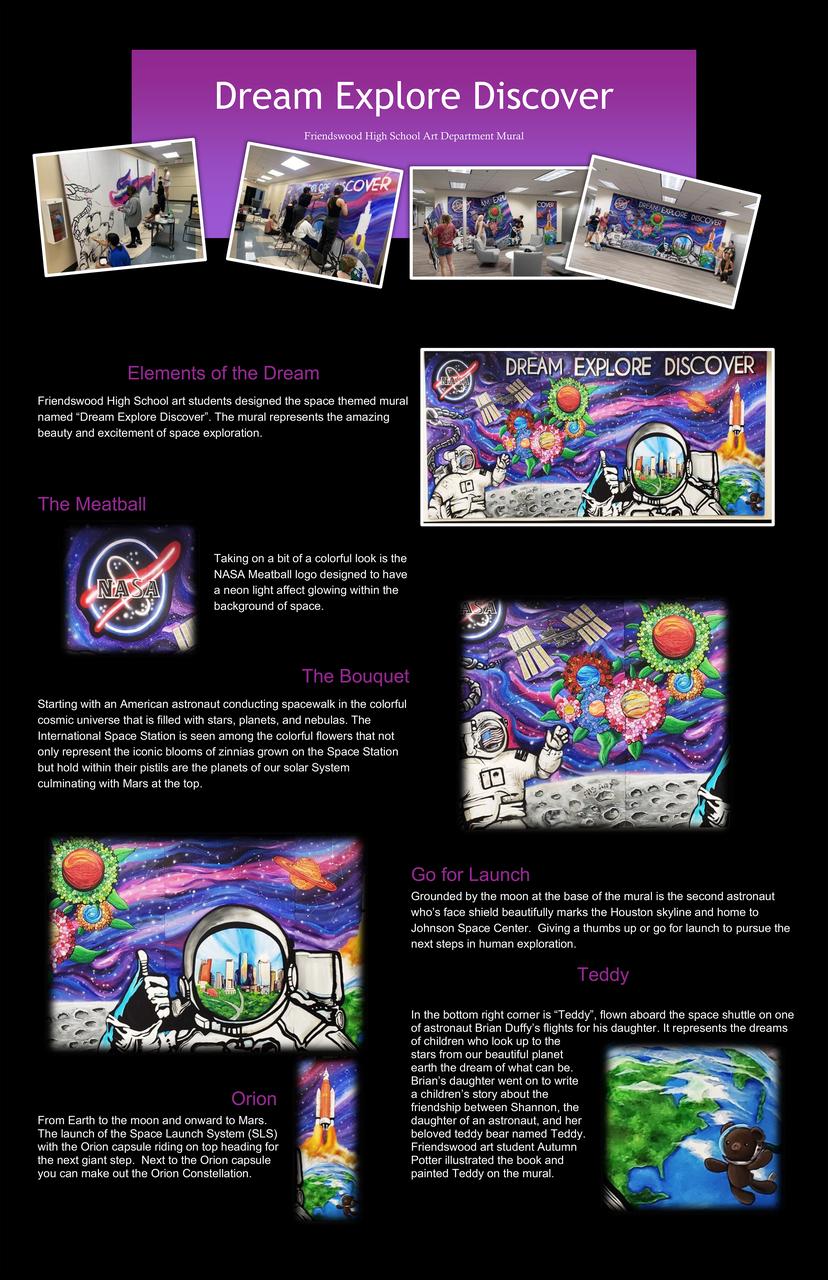
jsc2022e060871_Alt ( 6/22/2022) Friendswood High School art students designed the space themed mural named “Dream Explore Discover”. The mural represents the amazing beauty and excitement of space exploration. Taking on a bit of a colorful look is the NASA Meatball logo designed to have a neon light affect glowing within the background of space. Starting with an American astronaut conducting spacewalk in the colorful cosmic universe that is filled with stars, planets, and nebulas. The International Space Station is seen among the colorful flowers that not only represent the iconic blooms of zinnias grown on the Space Station but hold within their pistils are the planets of our solar System culminating with Mars at the top. Grounded by the moon at the base of the mural is the second astronaut who’s face shield beautifully marks the Houston skyline and home to Johnson Space Center. Giving a thumbs up or go for launch to pursue the next steps in human exploration. From Earth to the moon and onward to Mars. The launch of the Space Launch System (SLS) with the Orion capsule riding on top heading for the next giant step. Next to the Orion capsule you can make out the Orion Constellation. In the bottom right corner is “Teddy”, flown aboard the space shuttle on one of astronaut Brian Duffy’s flights for his daughter. It represents the dreams of children who look up to the stars from our beautiful planet earth the dream of what can be. Brian’s daughter went on to write a children’s story about the friendship between Shannon, the daughter of an astronaut, and her beloved teddy bear named Teddy. Friendswood art student Autumn Potter illustrated the book and painted Teddy on the mural.