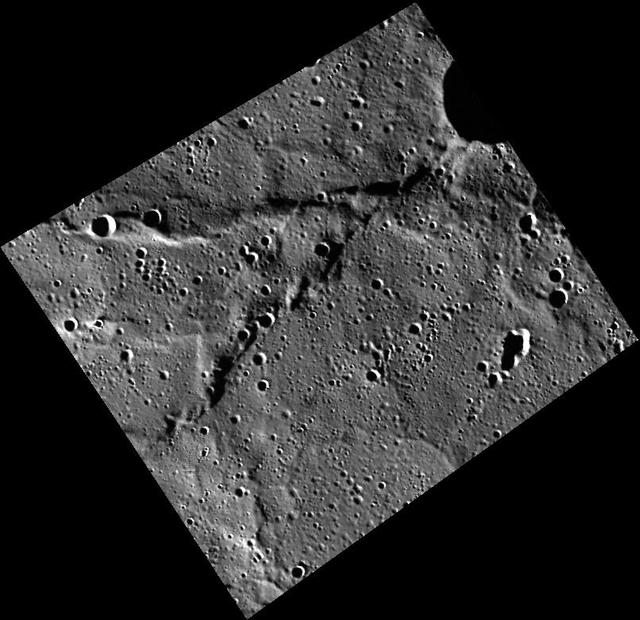
Flying V
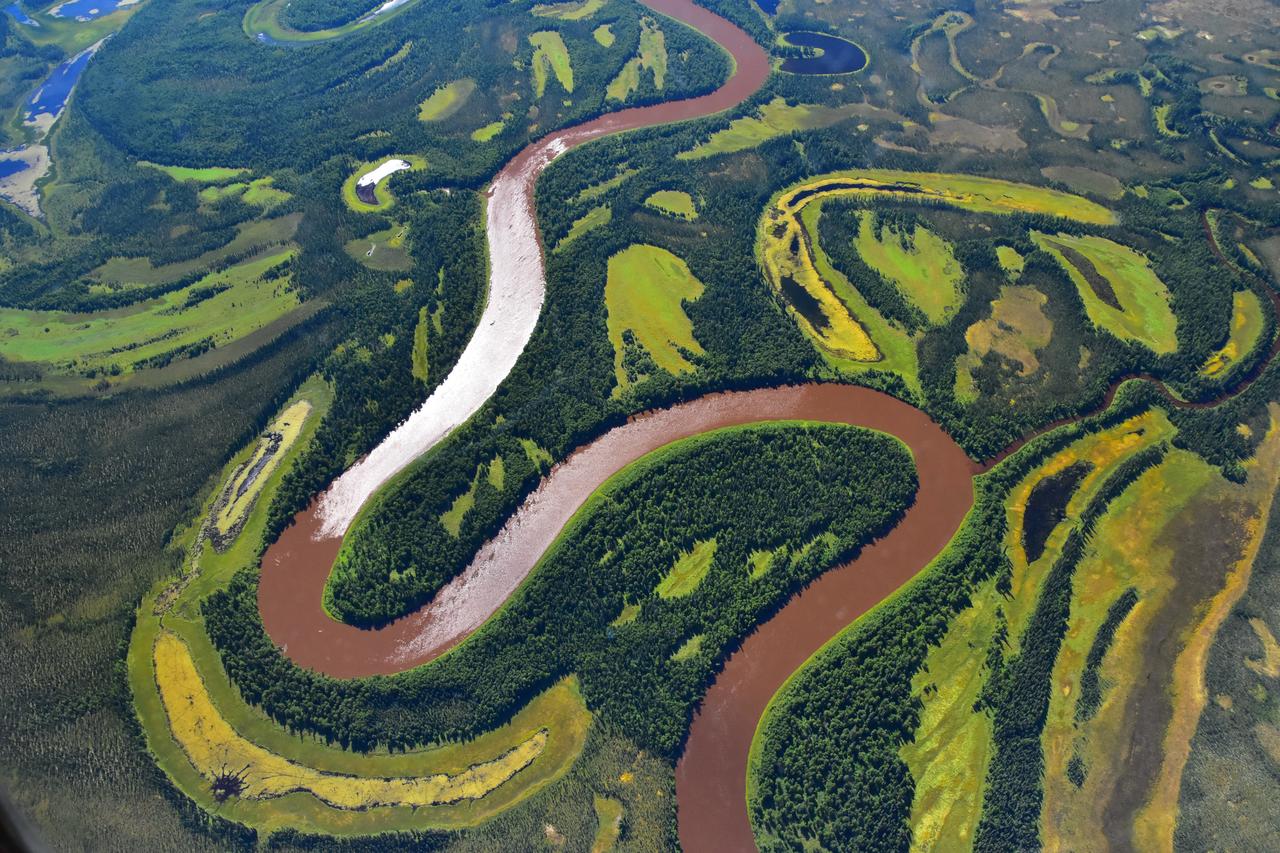
As part of the Arctic Boreal Vulnerability Experiment (ABoVE), NASA scientists are flying over Alaska and Canada, measuring the elevation of rivers and lakes to study how thawing permafrost affects hydrology in the landscape. This view of was taken from NASA’s DC-8 “flying laboratory” as part of the Active Sensing of CO2 Emissions over Nights, Days and Seasons (ASCENDS) experiment. Scientists on NASA’s Air Surface, Water and Ocean Topography (AirSWOT) mission have been flying over the same location, investigating how water levels in the Arctic landscape change as permafrost thaws. Under typical conditions, the frozen layer of soil keeps water from sinking into the ground and percolating away. As permafrost thaws, the water has new ways to move between rivers and lakes, which can raise or lower the elevation of the bodies of water. These changes in water levels will have effects on Arctic life— plants, animals, and humans—in the near future. Credit: NASA/Peter Griffith <b><a href="http://www.nasa.gov/audience/formedia/features/MP_Photo_Guidelines.html" rel="nofollow">NASA image use policy.</a></b> <b><a href="http://www.nasa.gov/centers/goddard/home/index.html" rel="nofollow">NASA Goddard Space Flight Center</a></b> enables NASA’s mission through four scientific endeavors: Earth Science, Heliophysics, Solar System Exploration, and Astrophysics. Goddard plays a leading role in NASA’s accomplishments by contributing compelling scientific knowledge to advance the Agency’s mission. <b>Follow us on <a href="http://twitter.com/NASAGoddardPix" rel="nofollow">Twitter</a></b> <b>Like us on <a href="http://www.facebook.com/pages/Greenbelt-MD/NASA-Goddard/395013845897?ref=tsd" rel="nofollow">Facebook</a></b> <b>Find us on <a href="http://instagrid.me/nasagoddard/?vm=grid" rel="nofollow">Instagram</a></b>
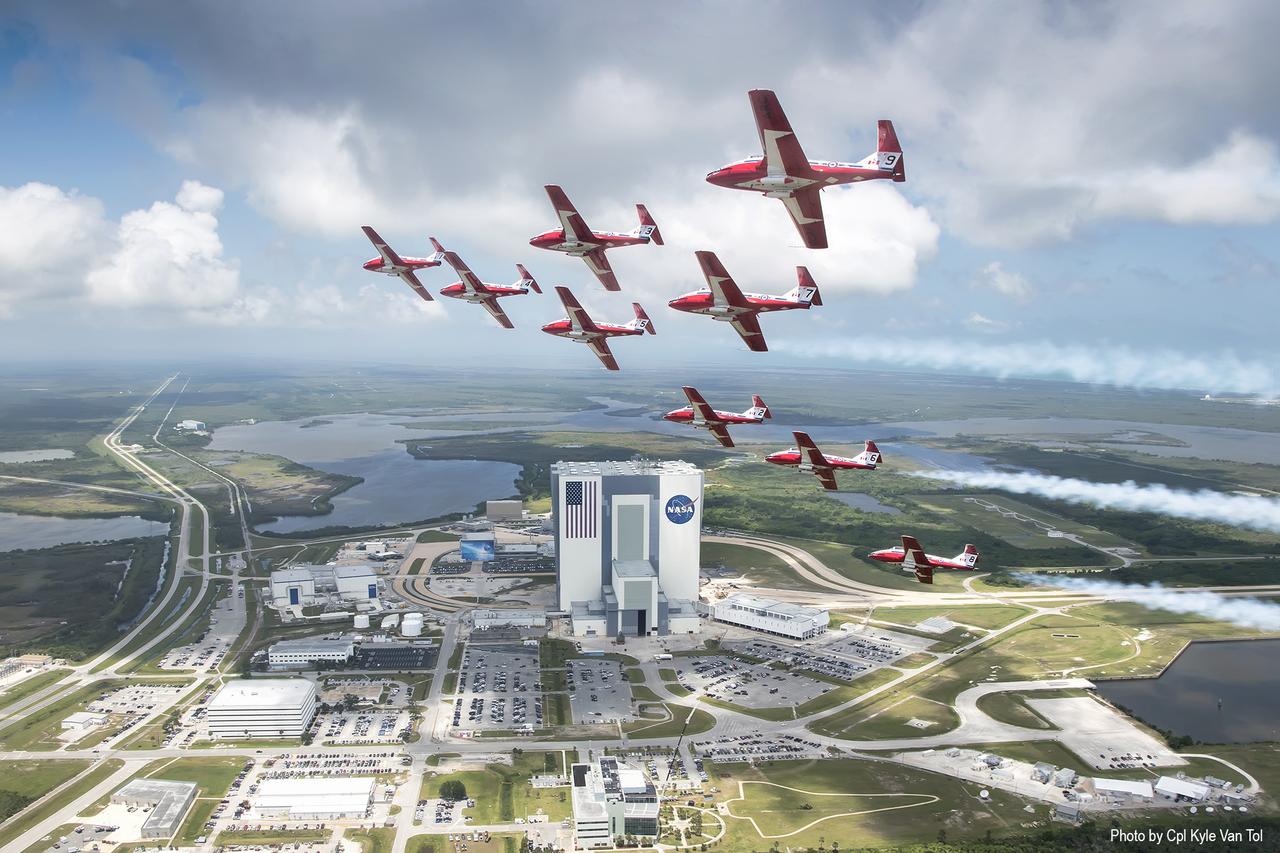
The Canadian Forces Snowbirds fly in a tribute Shuttle formation over NASA’s Kennedy Space Center in Florida. The Snowbirds, Canada’s air demonstration team, carried out a practice flight over Kennedy and nearby Cape Canaveral Air Force Station in Florida on Wednesday, May 9, 2018, between their scheduled U.S. air shows.
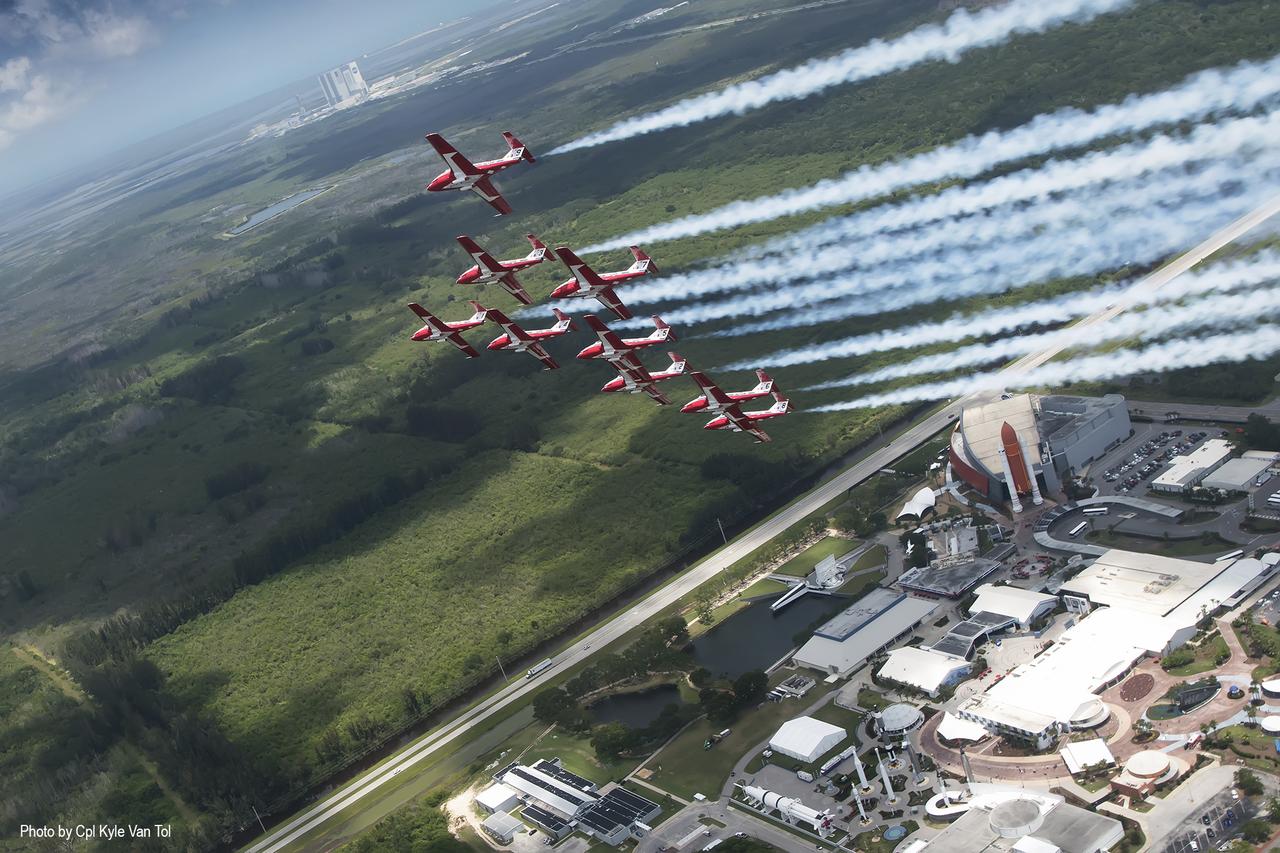
The Canadian Forces Snowbirds fly in Concorde formation over the Kennedy Space Center Visitor Complex. The Snowbirds, Canada’s air demonstration team, carried out a practice flight over NASA’s Kennedy Space Center and Cape Canaveral Air Force Station in Florida on Wednesday, May 9, 2018, between their scheduled U.S. air shows.

The Canadian Forces Snowbirds fly in Concorde formation over NASA’s Kennedy Space Center in Florida during their performance practice. The Snowbirds, Canada’s air demonstration team, carried out a practice flight over Kennedy and nearby Cape Canaveral Air Force Station in Florida on Wednesday, May 9, 2018, between their scheduled U.S. air shows.
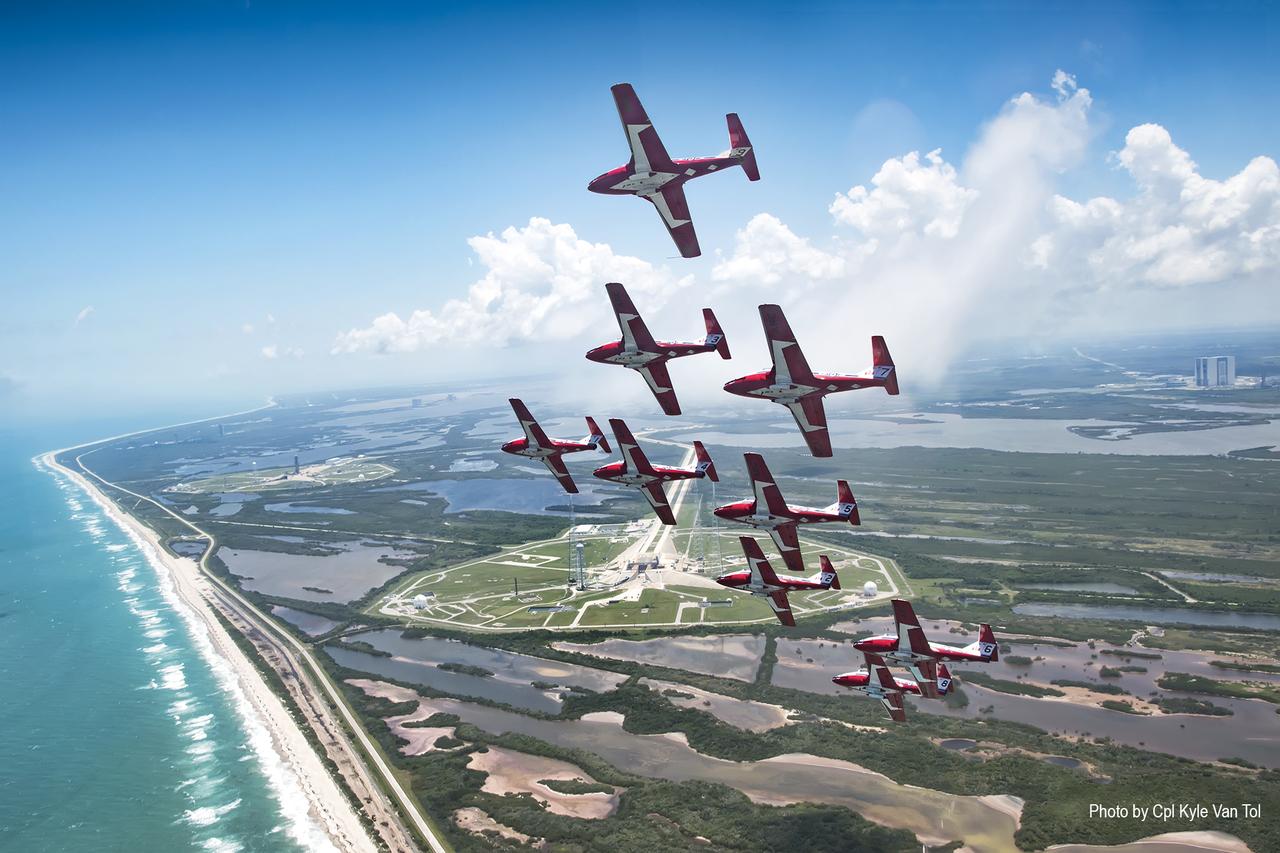
The Canadian Forces Snowbirds fly in Concorde formation over Launch Complex 39B and the Space Coast shoreline at NASA’s Kennedy Space Center in Florida. The Snowbirds, Canada’s air demonstration team, carried out a practice flight over Kennedy and nearby Cape Canaveral Air Force Station in Florida on Wednesday, May 9, 2018, between their scheduled U.S. air shows.
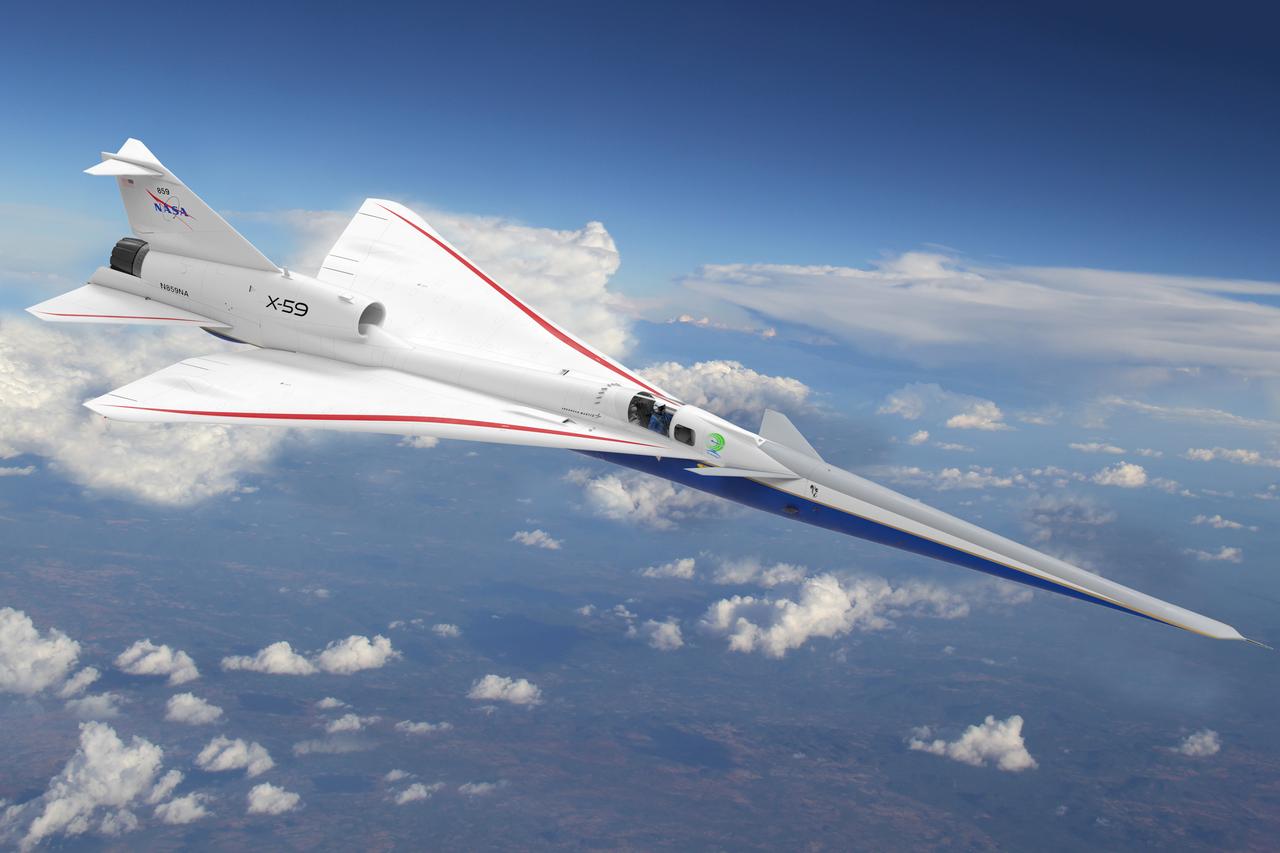
Artist illustration of the X-59 in flight above land and clouds.
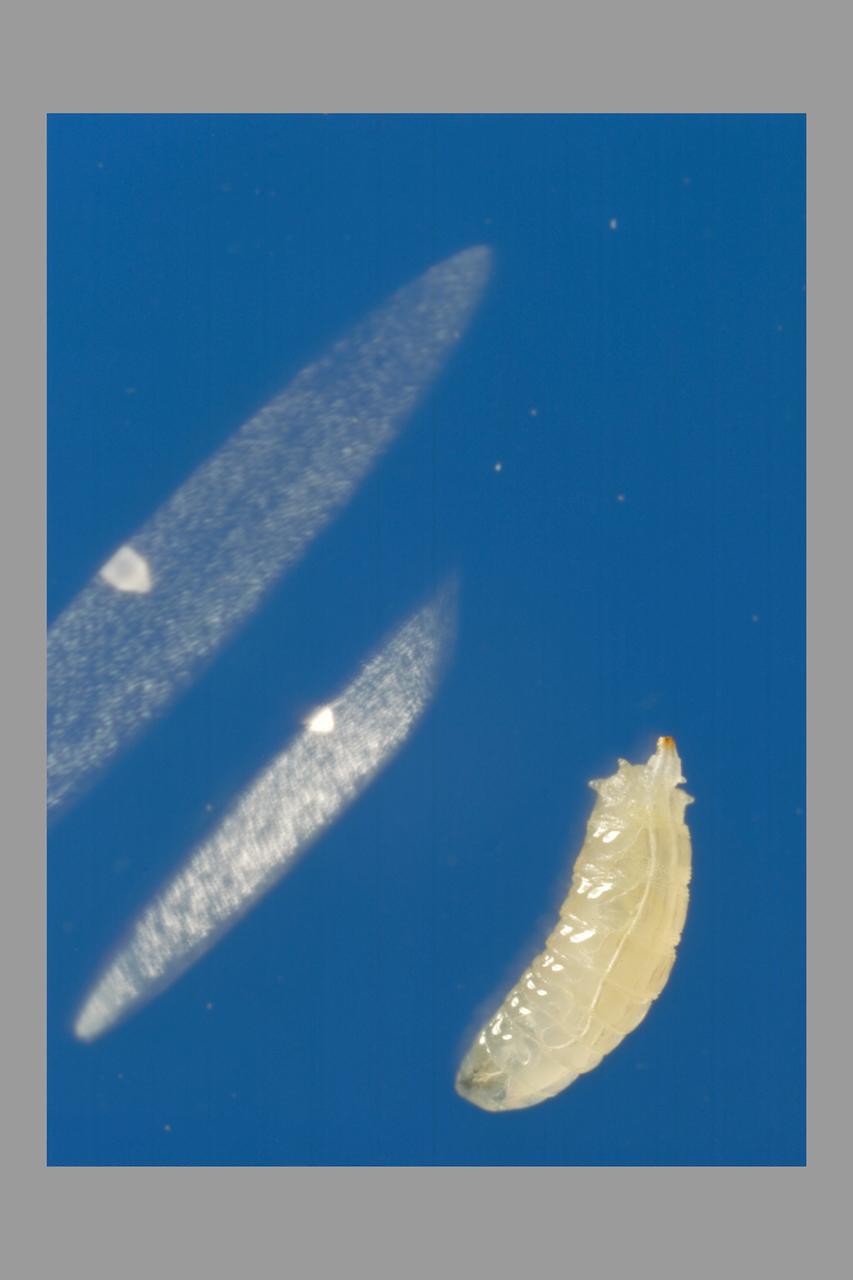
Life cycle of a Fruit Fly: larvae
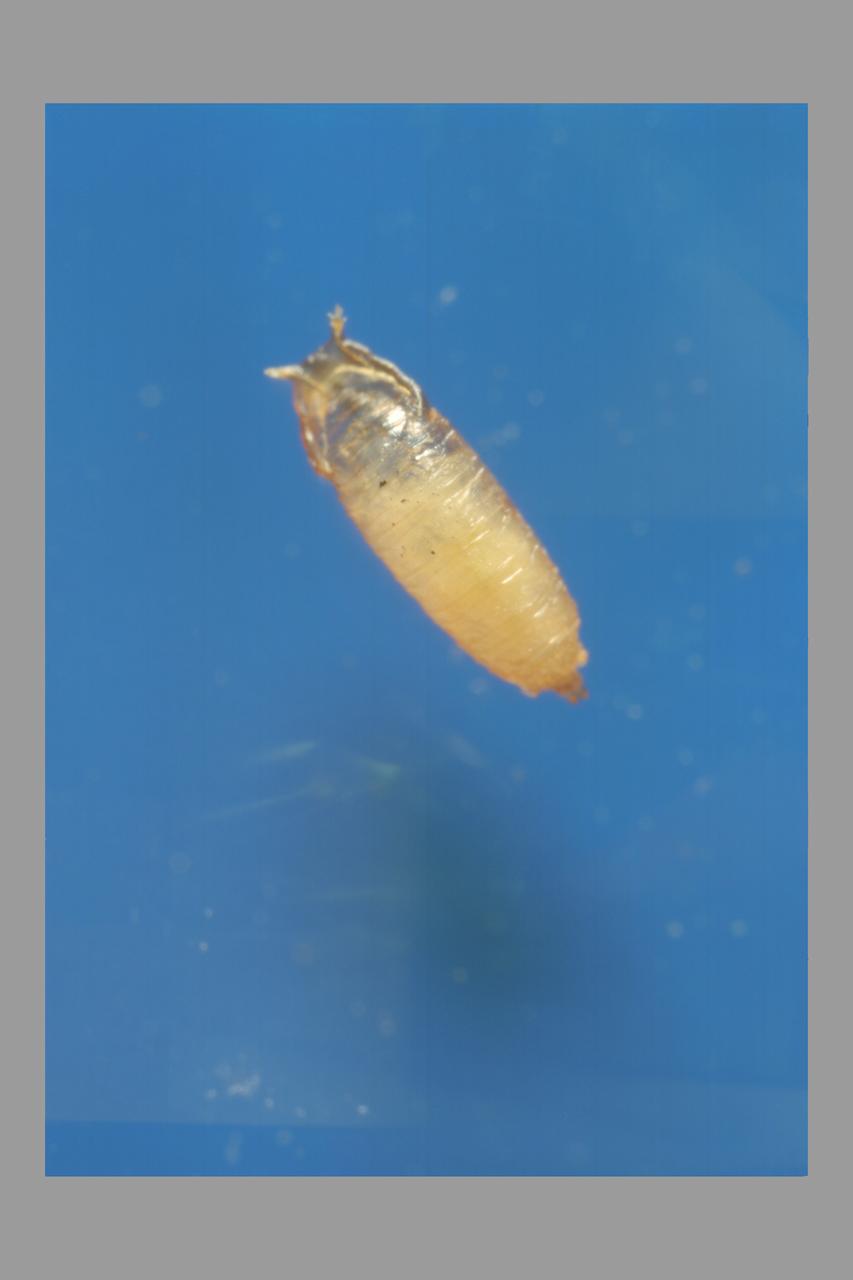
Life Cycle of a Fruit Fly: pupae
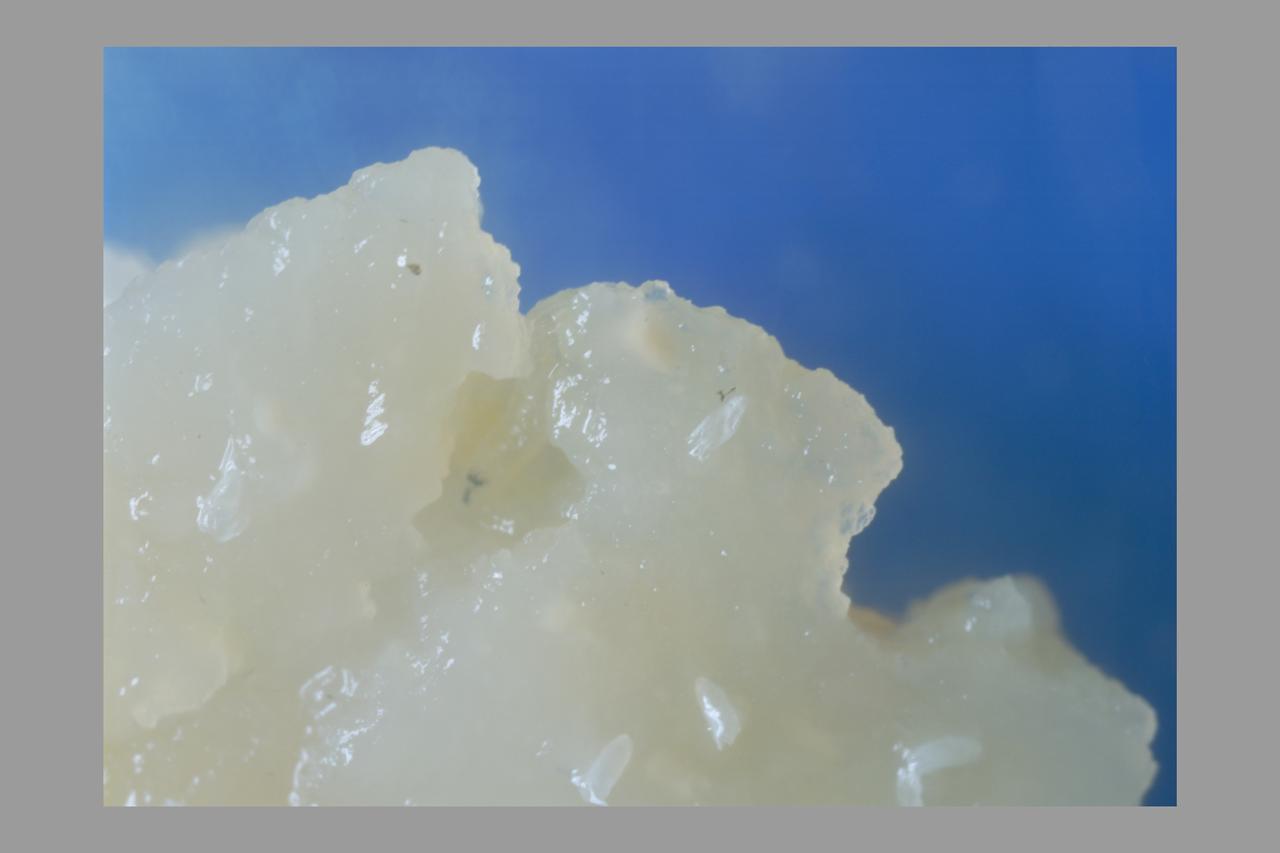
Life Cycle of a Fruit Fly: egges in agar
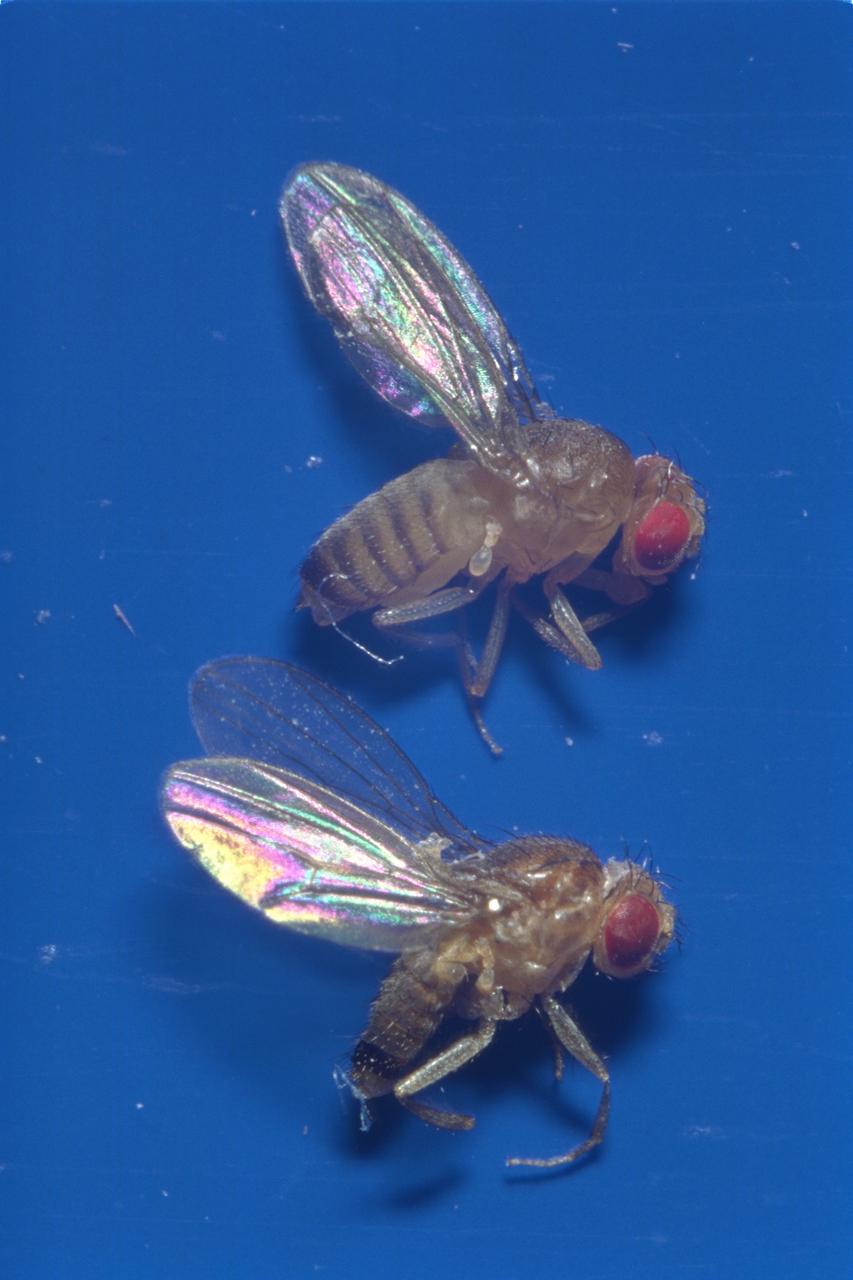
Life Cycle of a Fruit Fly: adult - male and female
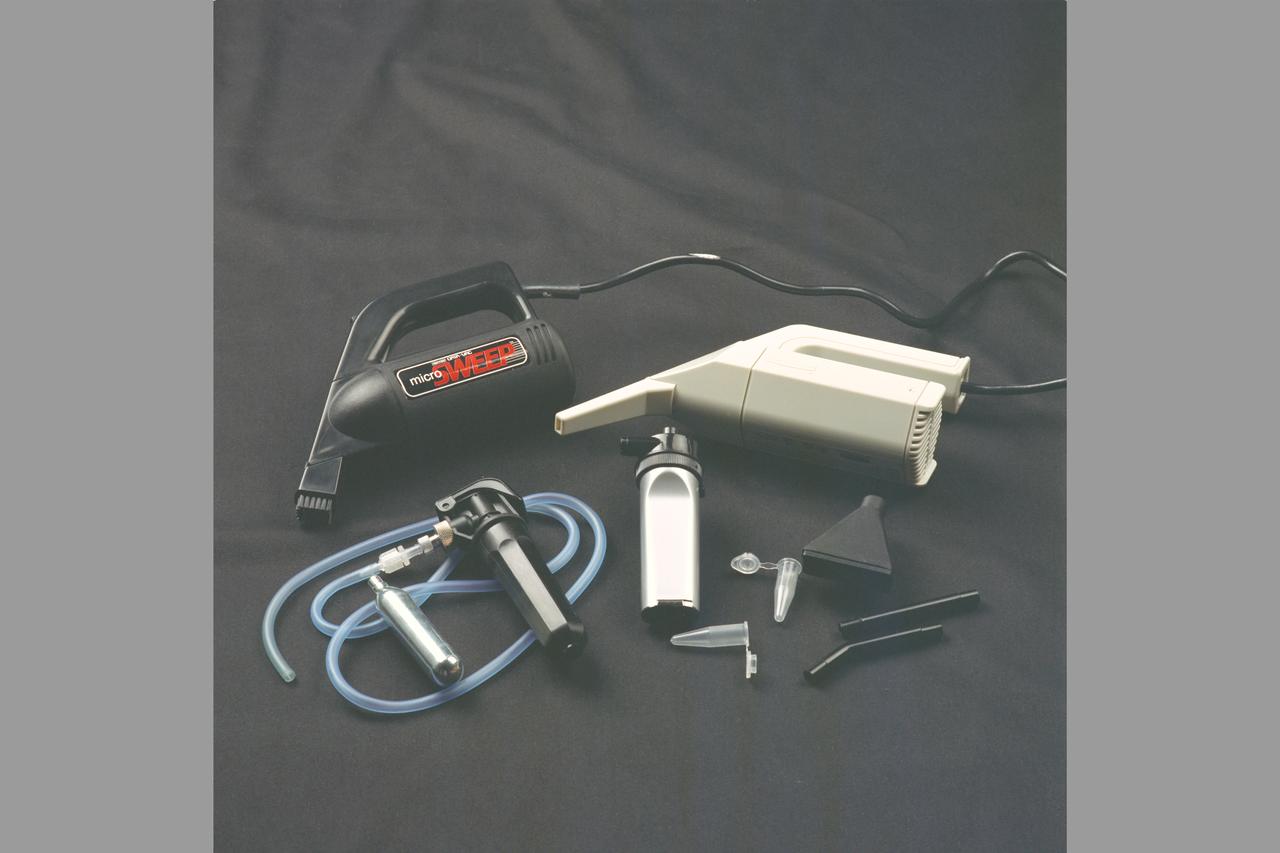
LIFE CYCLE OF A FRUIT FLY: VACUUM EQUIPMENT
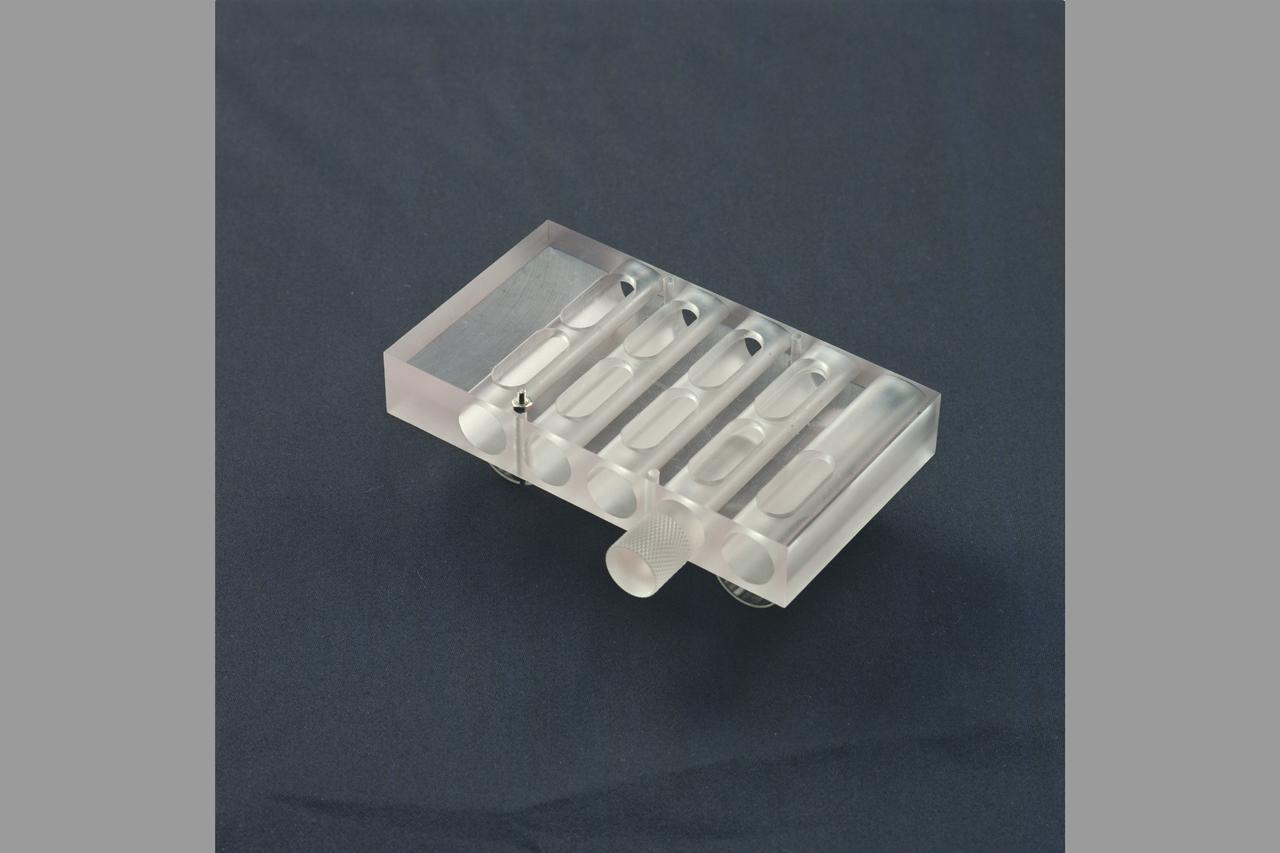
Life Cycle of a Fruit Fly study: insect larvae separation contrainers
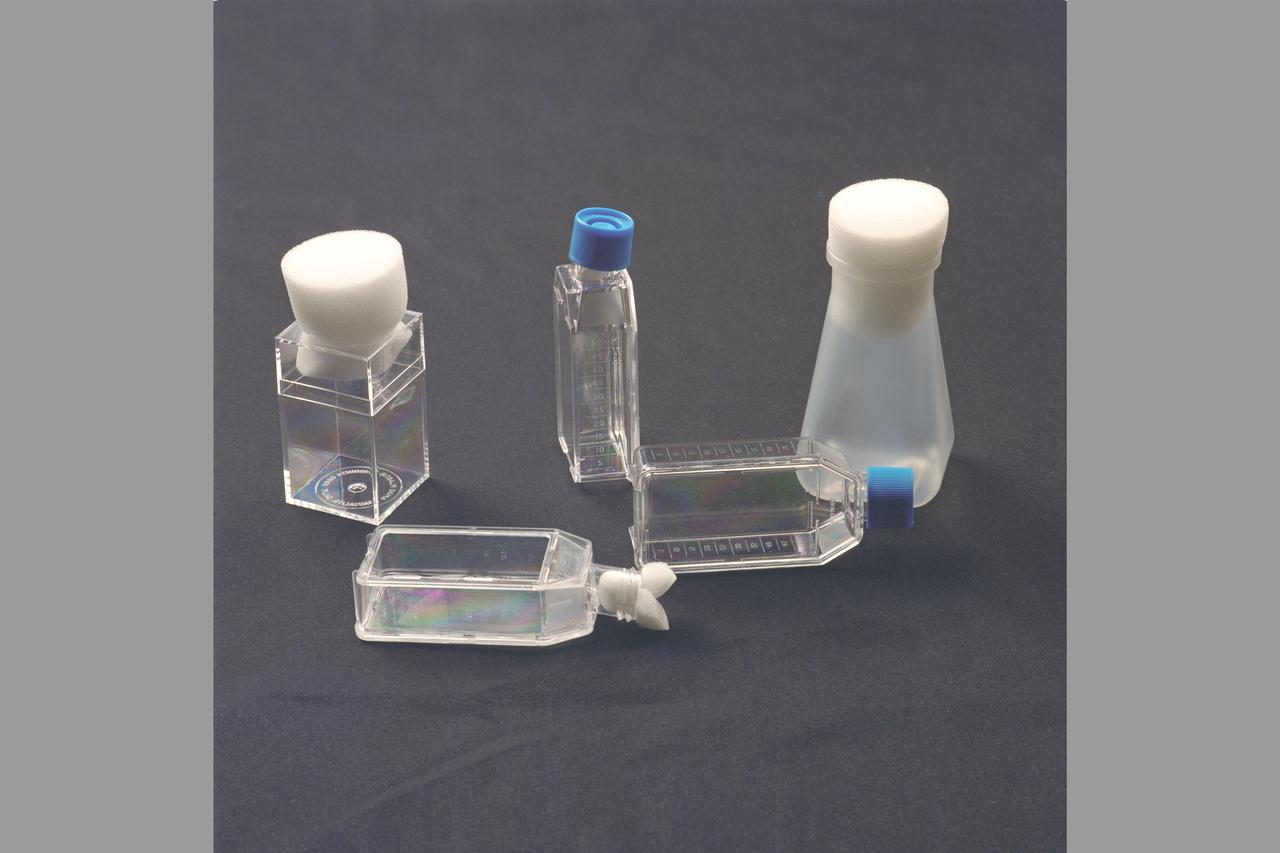
Life Cycle of a Fruit Fly study: insect larvae separation contrainers
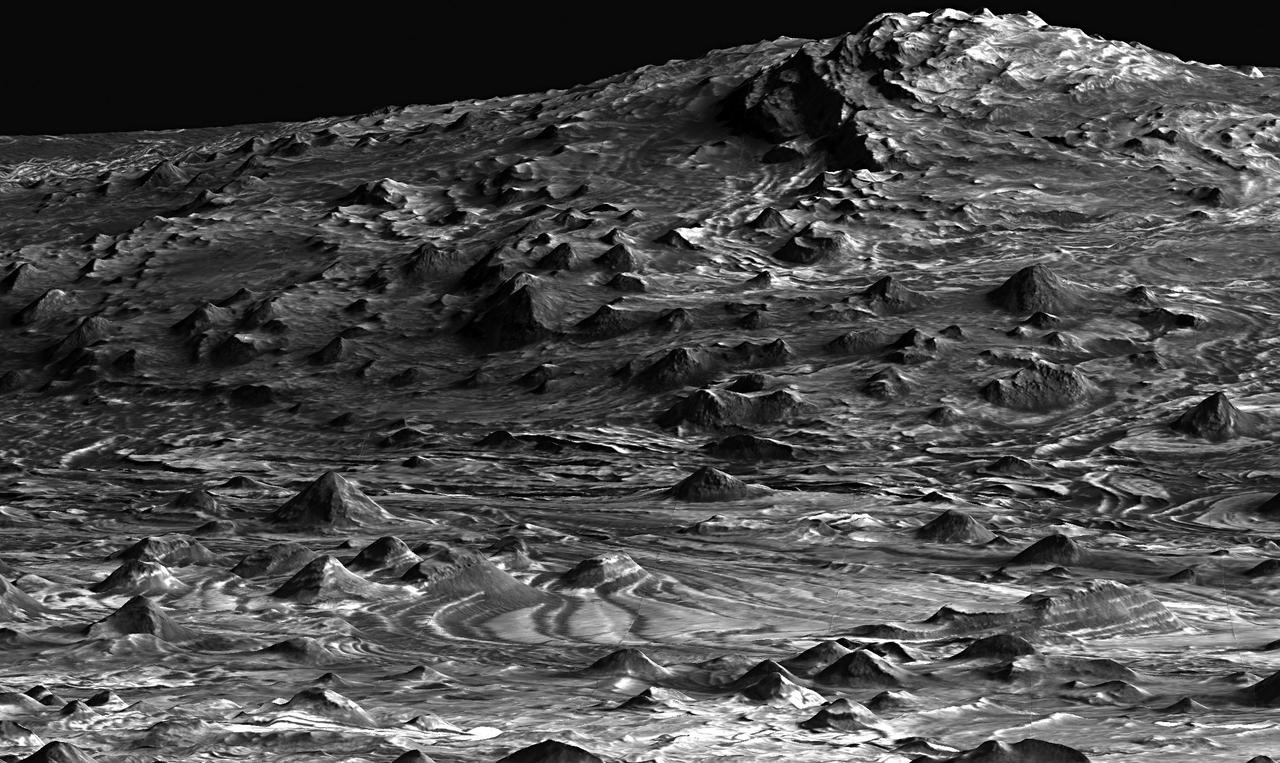
Low-flying View of Terrain in Candor Chasma
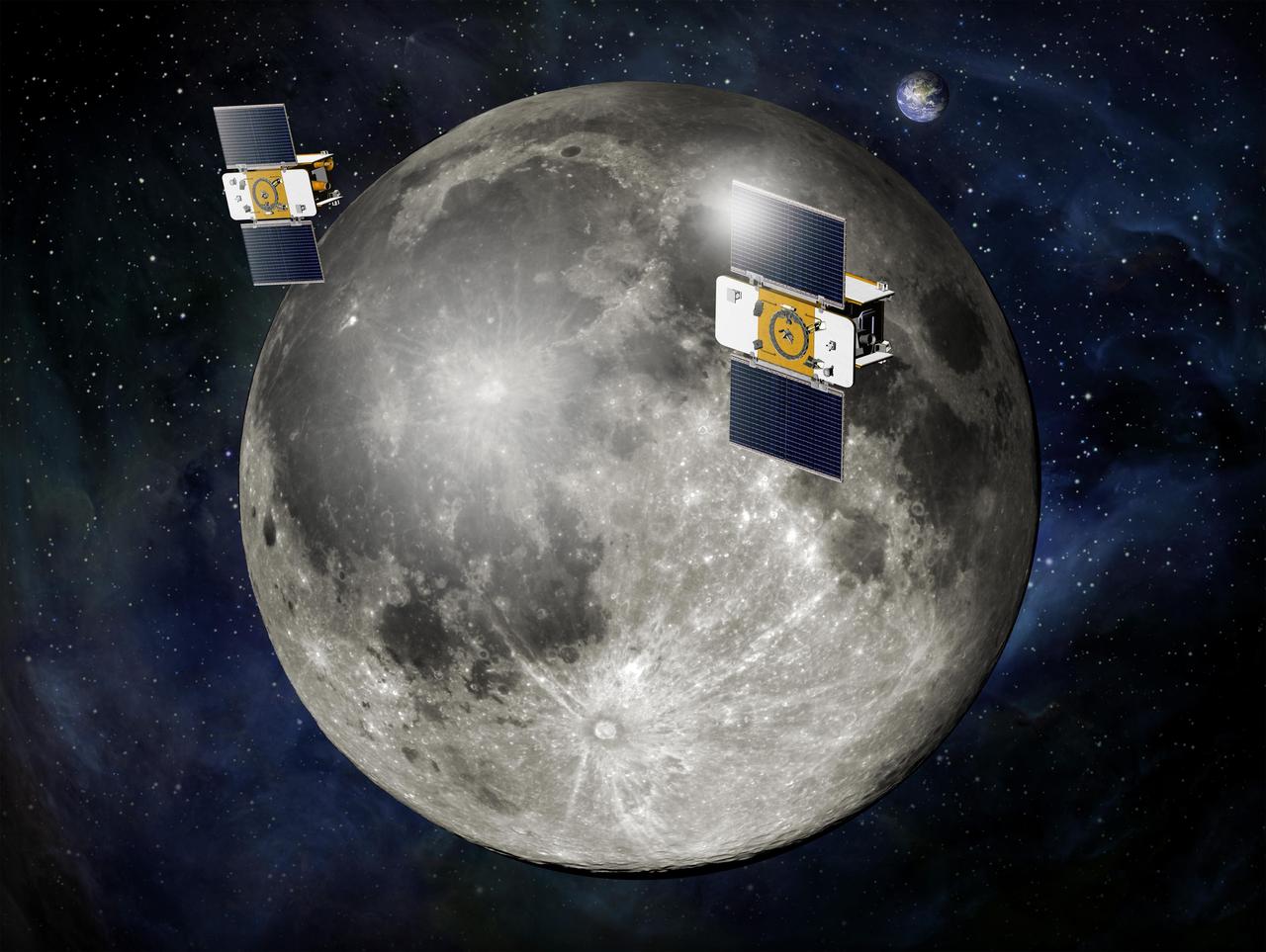
Using a precision formation-flying technique, NASA twin GRAIL spacecraft will map the moon gravity field. This is an artist concept.
This image shows NASA Dawn spacecraft flying above Vesta, based on an artist concept of the surface of the giant asteroid.
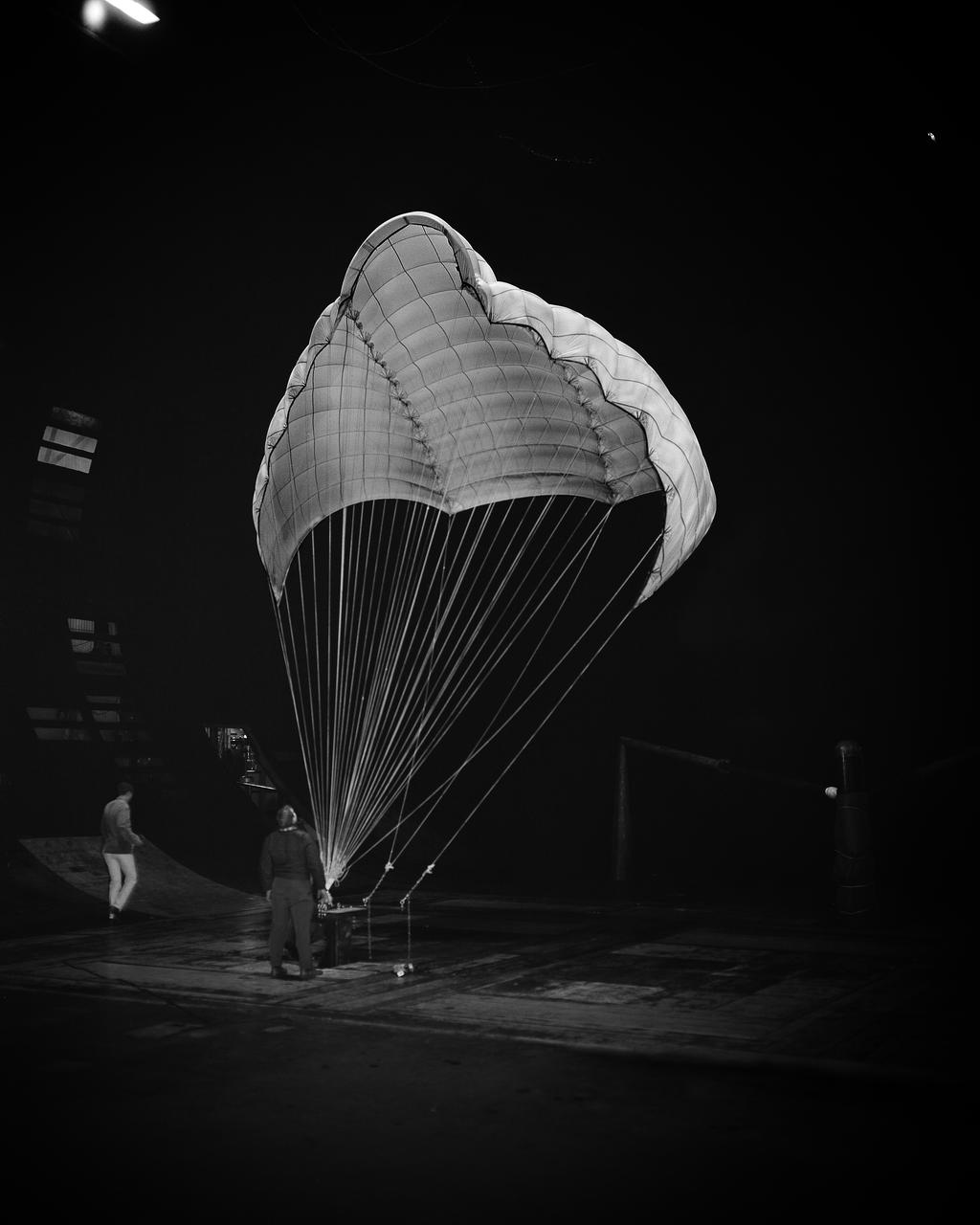
Langley Parawing 3/4 front view flying vertically in 40 x 80 wind tunnel.
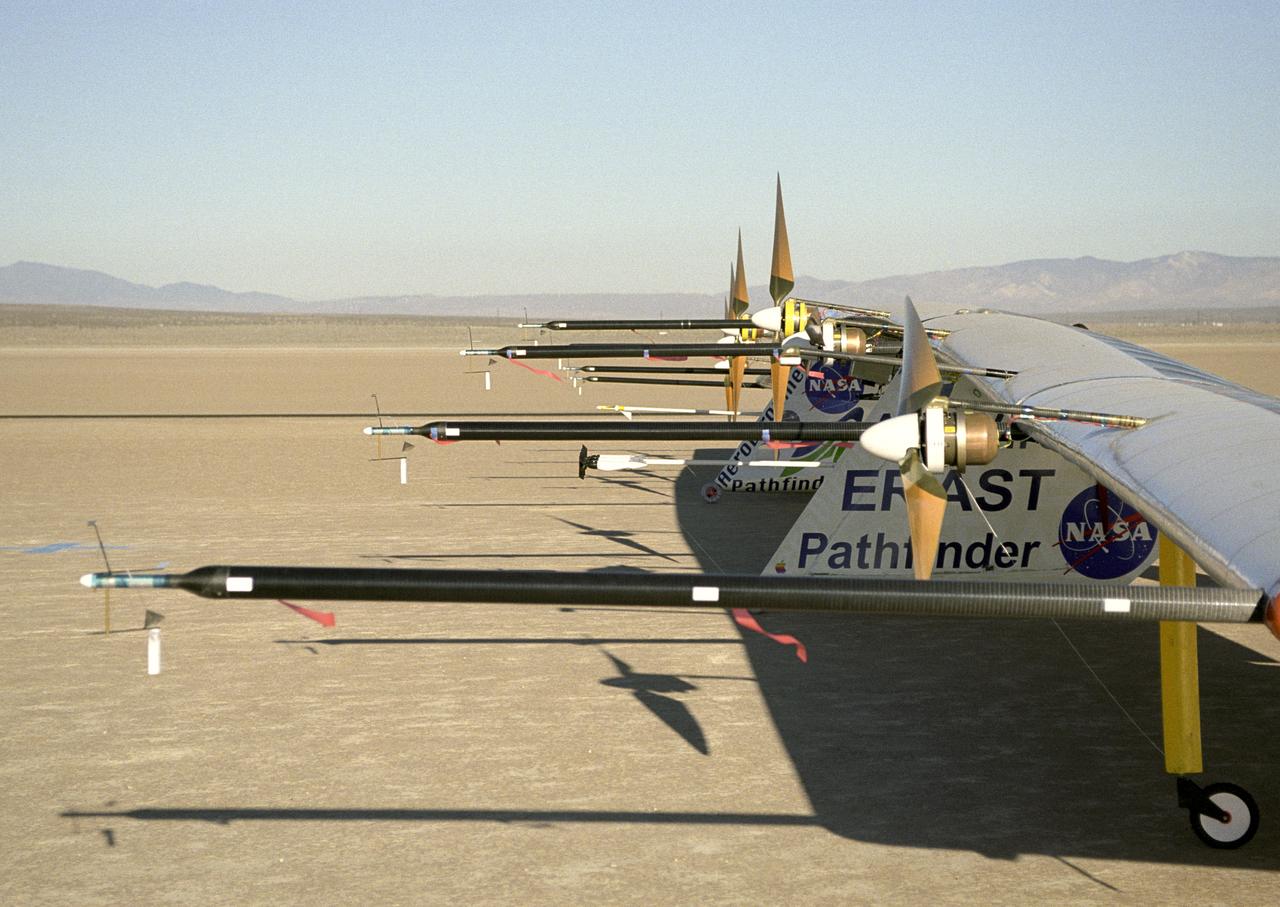
Sensitive instruments mounted on booms extending forward of the wing measure air turbulence and its effect on the stability of the Pathfinder-Plus solar-electric flying wing.
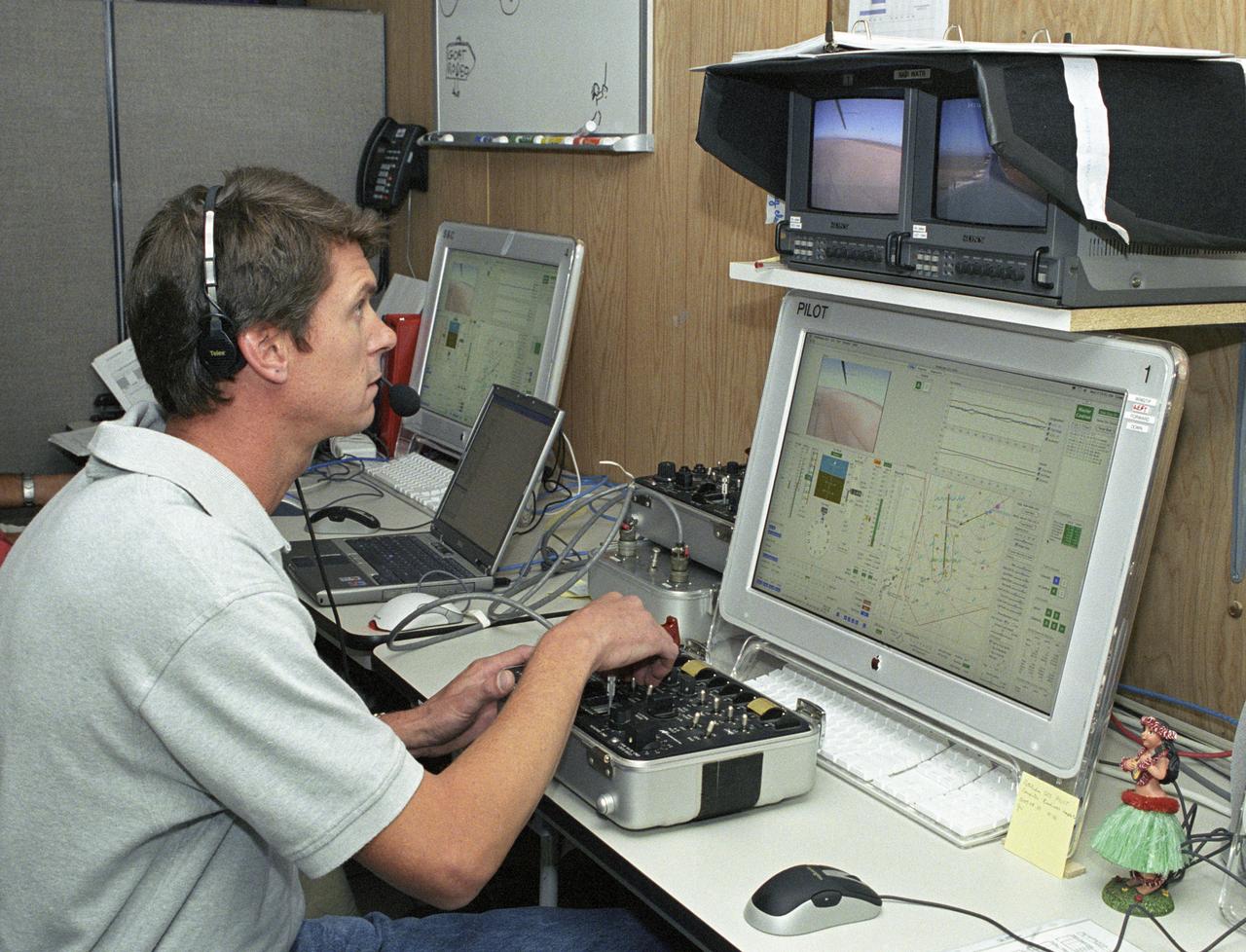
AeroVironment pilot Wyatt Sadler controls the Pathfinder-Plus flying wing from a small console, video and computer monitors in the ground station.
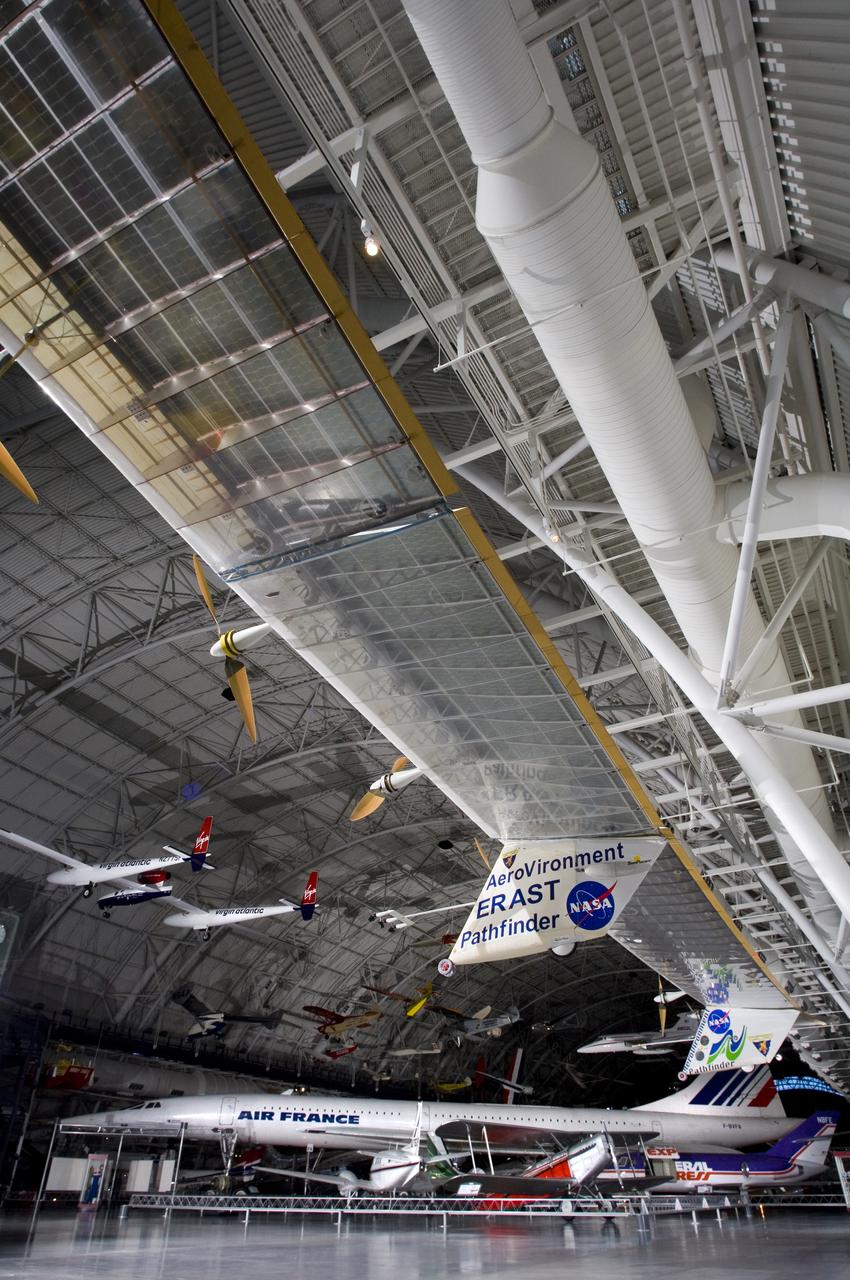
The record-setting AeroVironment/NASA Pathfinder-Plus solar-electric flying wing is enshrined in the National Air & Space Museum's Udvar-Hazy Center in Virginia.
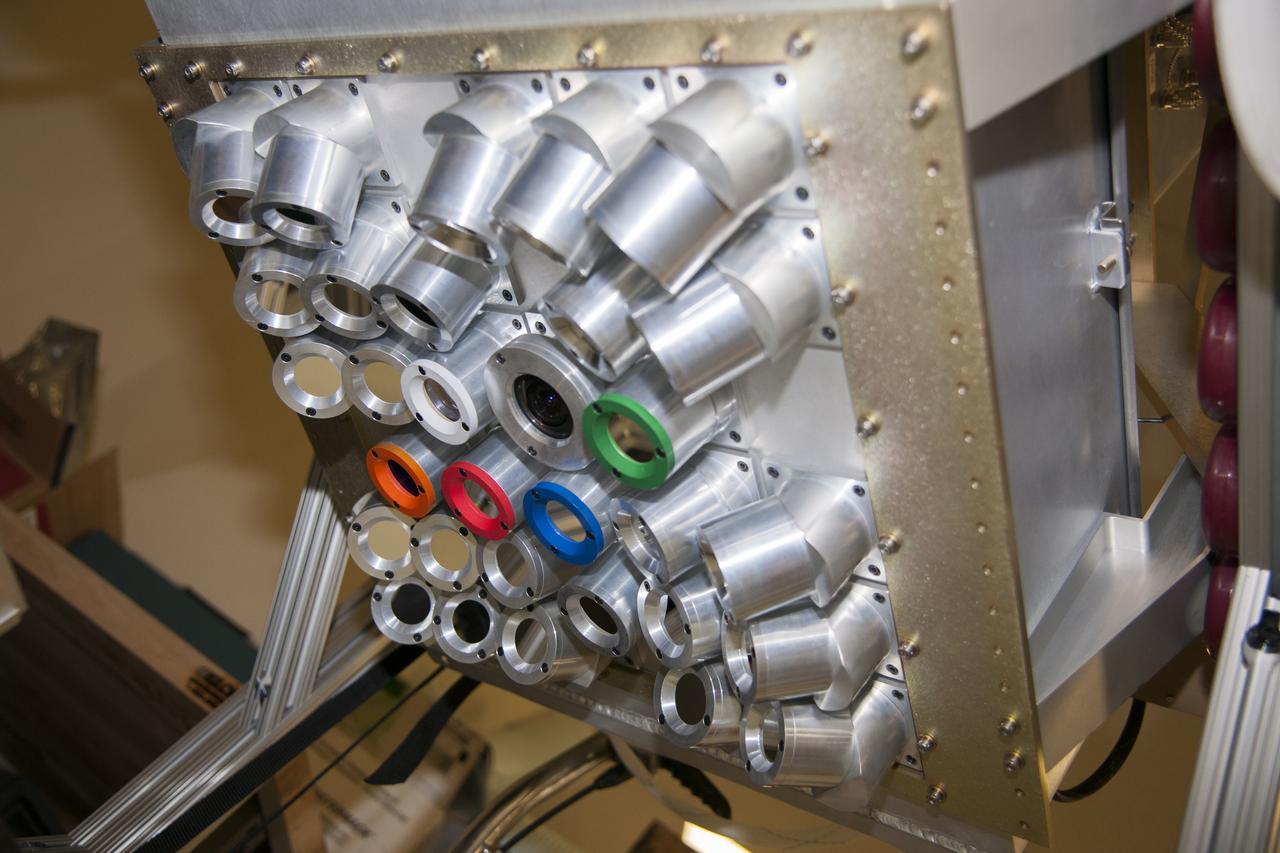
The Fly’s Eye Geostationary Lightning Mapper Simulator will map lightning strikes using 30 photometers, instruments that measure the intensity of light.
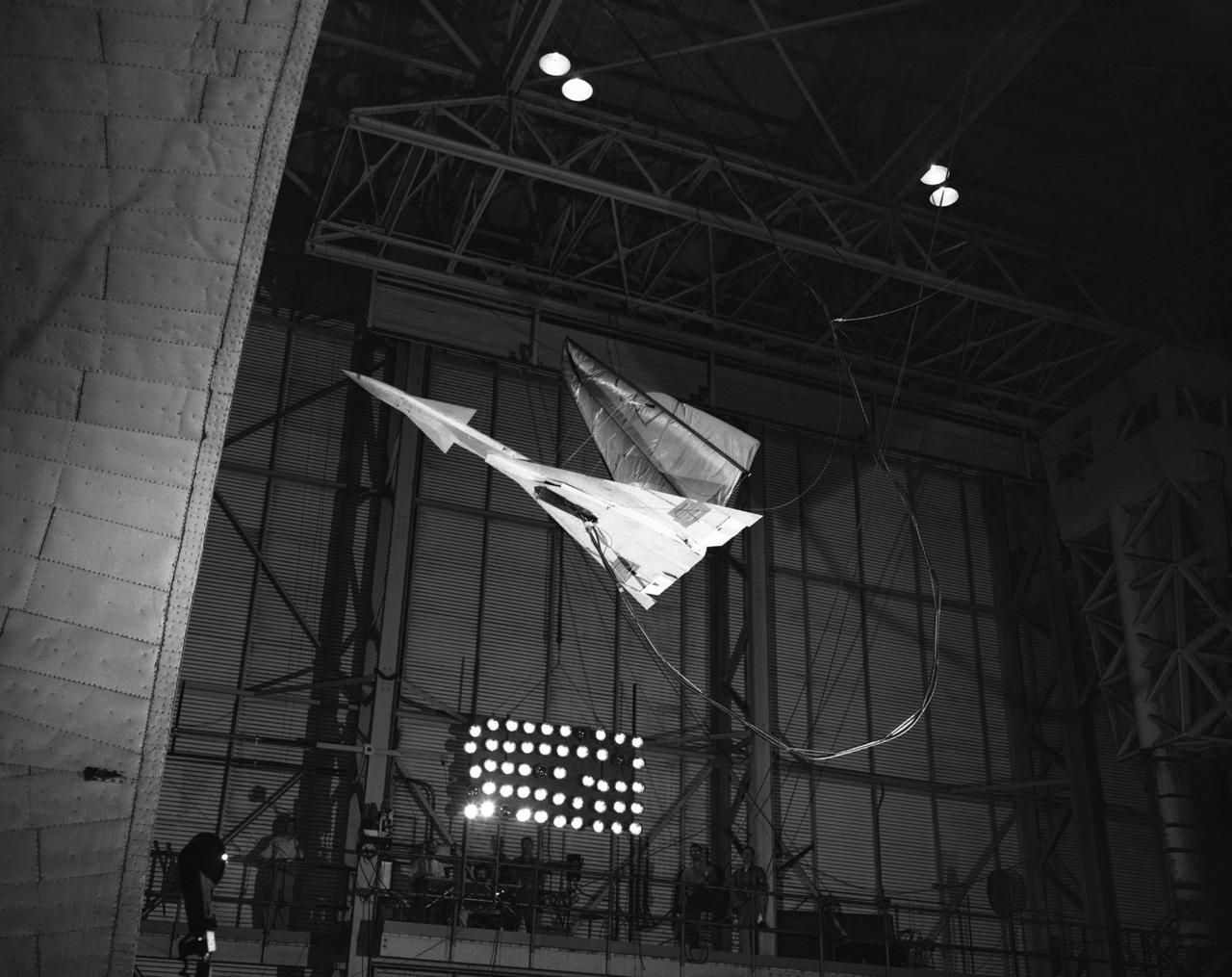
Kite model flying in Full Scale Tunnel (FST)
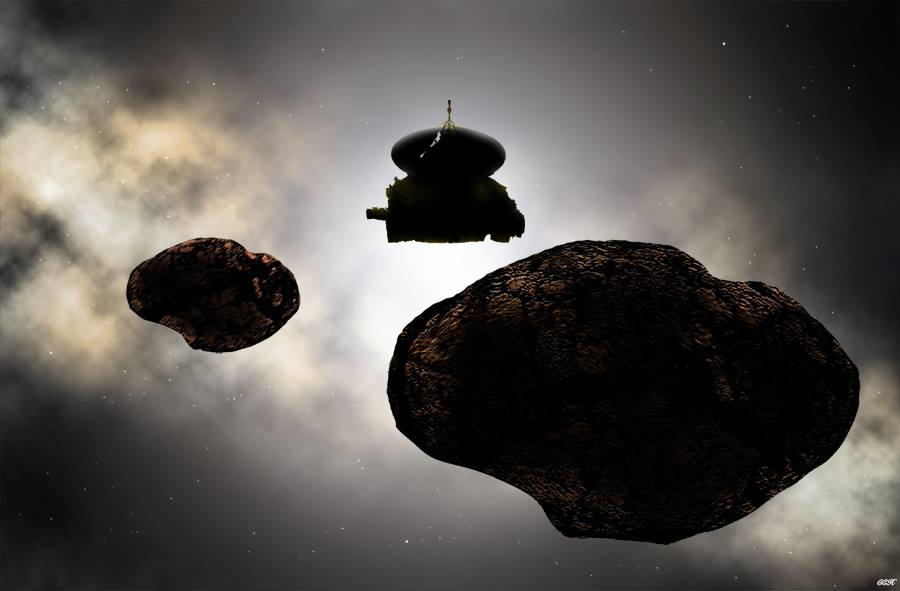
Artist's concept of the New Horizons spacecraft flying by a possible binary 2014 MU69 on Jan. 1, 2019. Early observations of MU69 hint at the Kuiper Belt object being either a binary orbiting pair or a contact (stuck together) pair of nearly like-sized bodies with diameters near 20 and 18 kilometers (12 and 11 miles). https://photojournal.jpl.nasa.gov/catalog/PIA21943
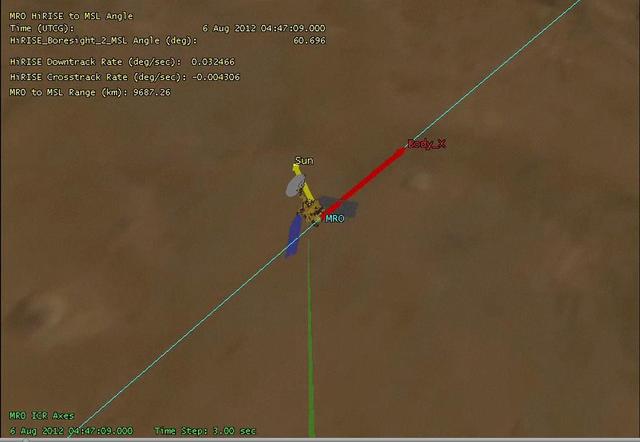
This frame from an animation shows NASA Mars Reconnaissance Orbiter flying over NASA Curiosity shown in pink as the rover lands on the Red Planet.
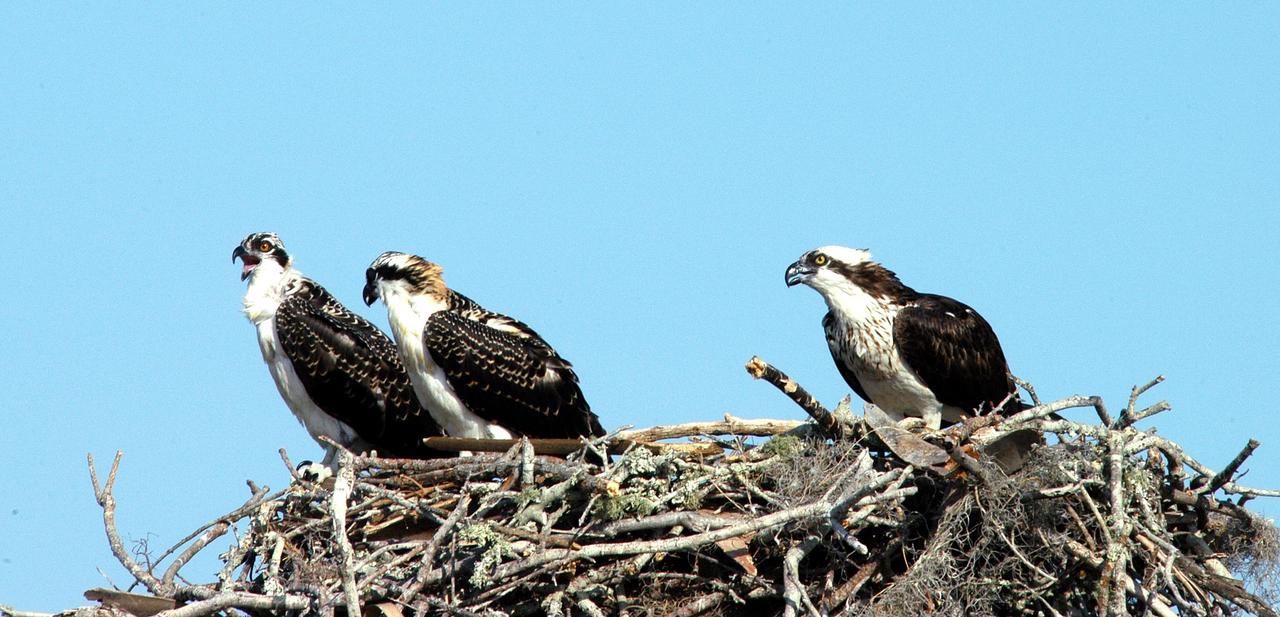
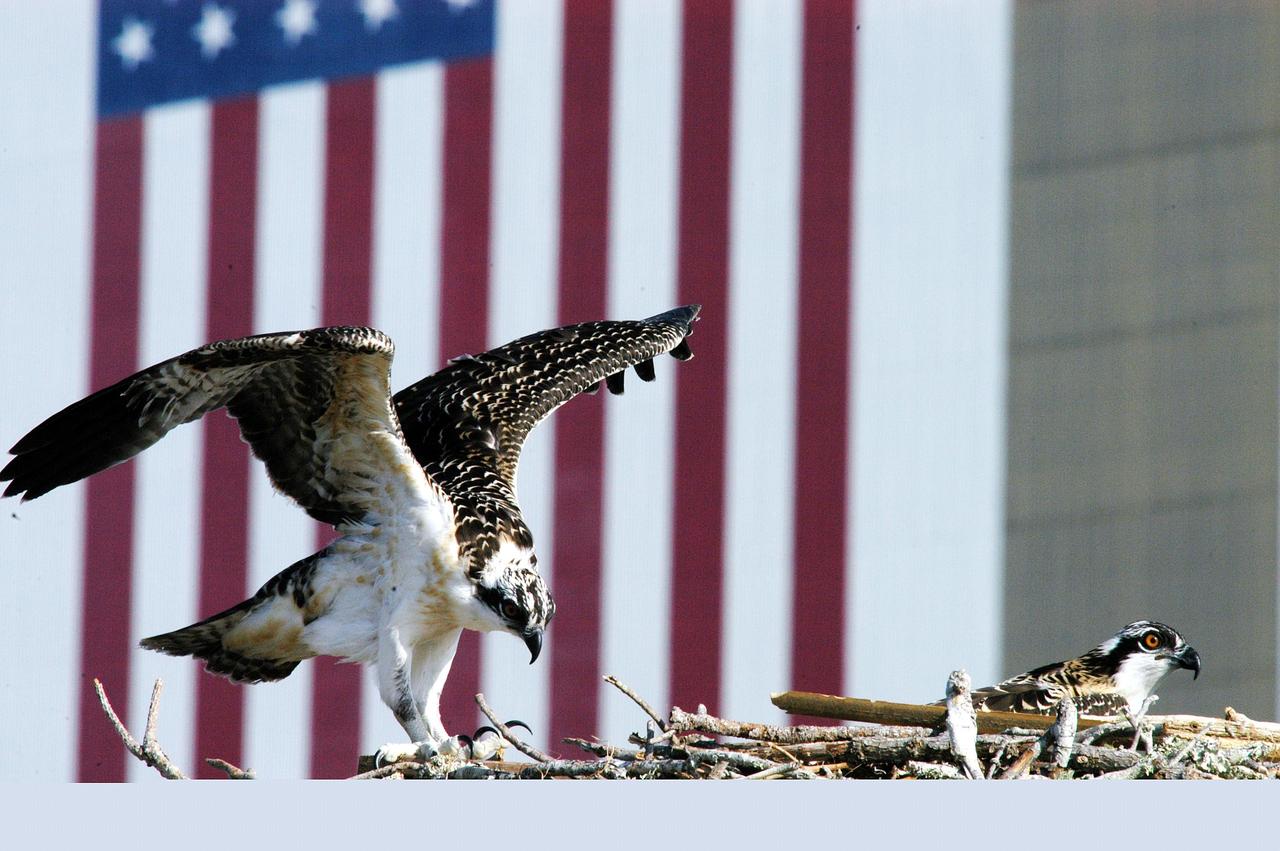
KENNEDY SPACE CENTER, FLA. -- - Three osprey fledglings are ready to test their wings from the nest at the NASA News Center parking lot. Ospreys select nesting sites of opportunity, from trees and telephone poles to rocks or even flat ground. In the United States they are found from Alaska to Florida and the Gulf Coast. Osprey nests are found throughout the Kennedy Space Center and nearby Merritt Island National Wildlife Refuge. Known as a fish hawk, ospreys often can be seen flying overhead with a fish in their talons.
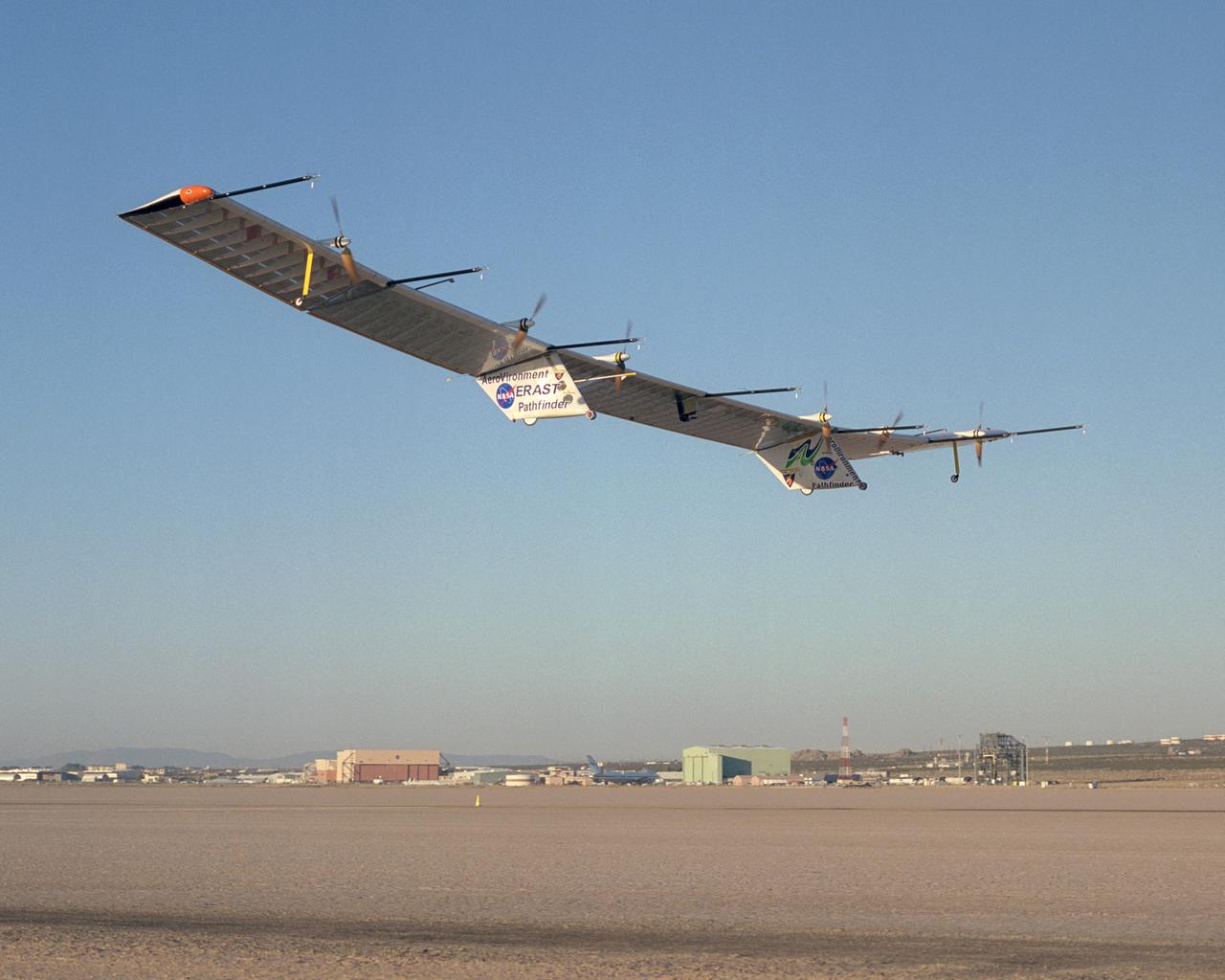
The Pathfinder-Plus solar-electric flying wing lifts off Rogers Dry Lake adjoining NASA Dryden Flight Research Center on a turbulence-measurement flight.
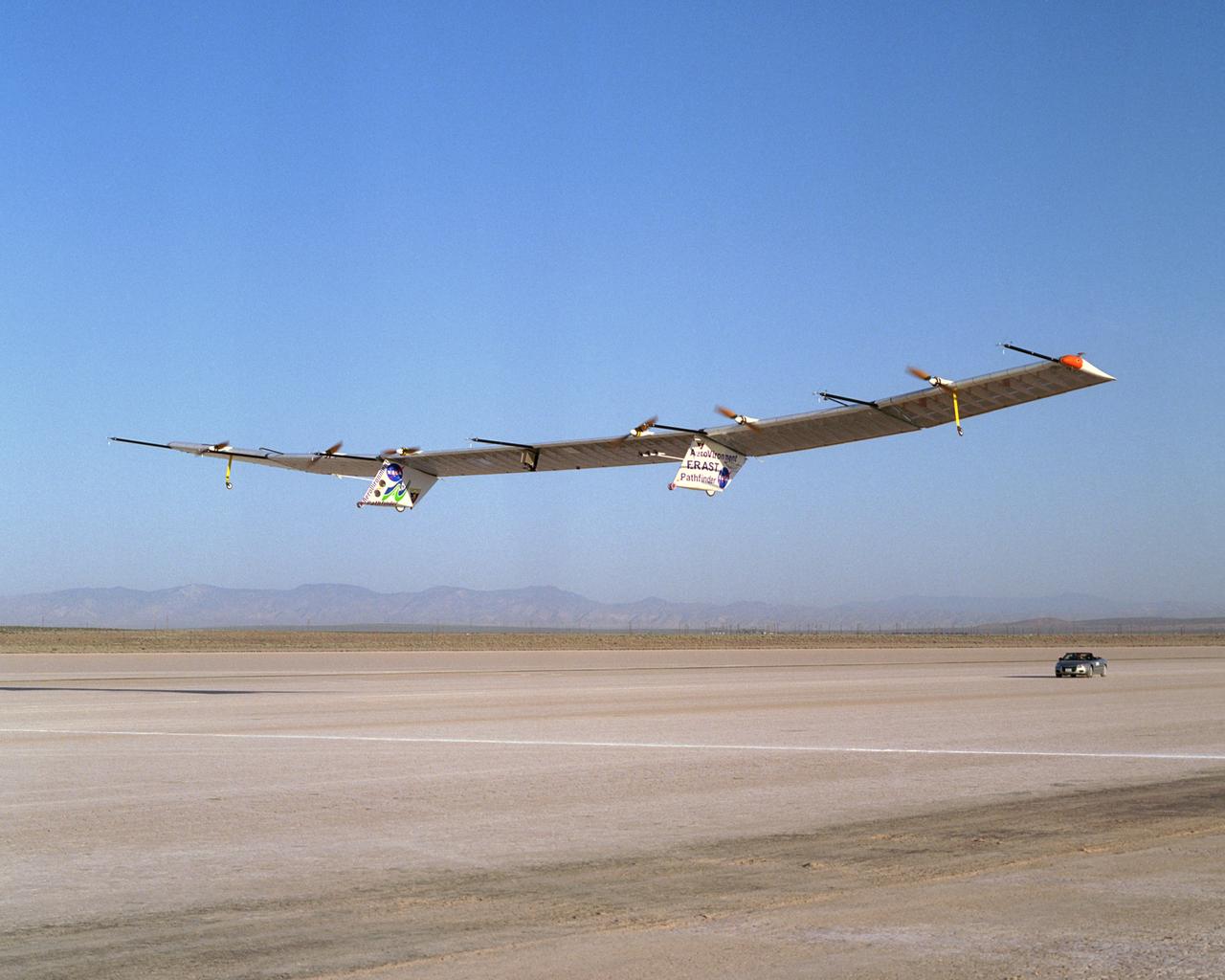
The Pathfinder-Plus solar-electric flying wing lifts off Rogers Dry Lake adjoining NASA Dryden Flight Research Center on a turbulence-measurement flight.
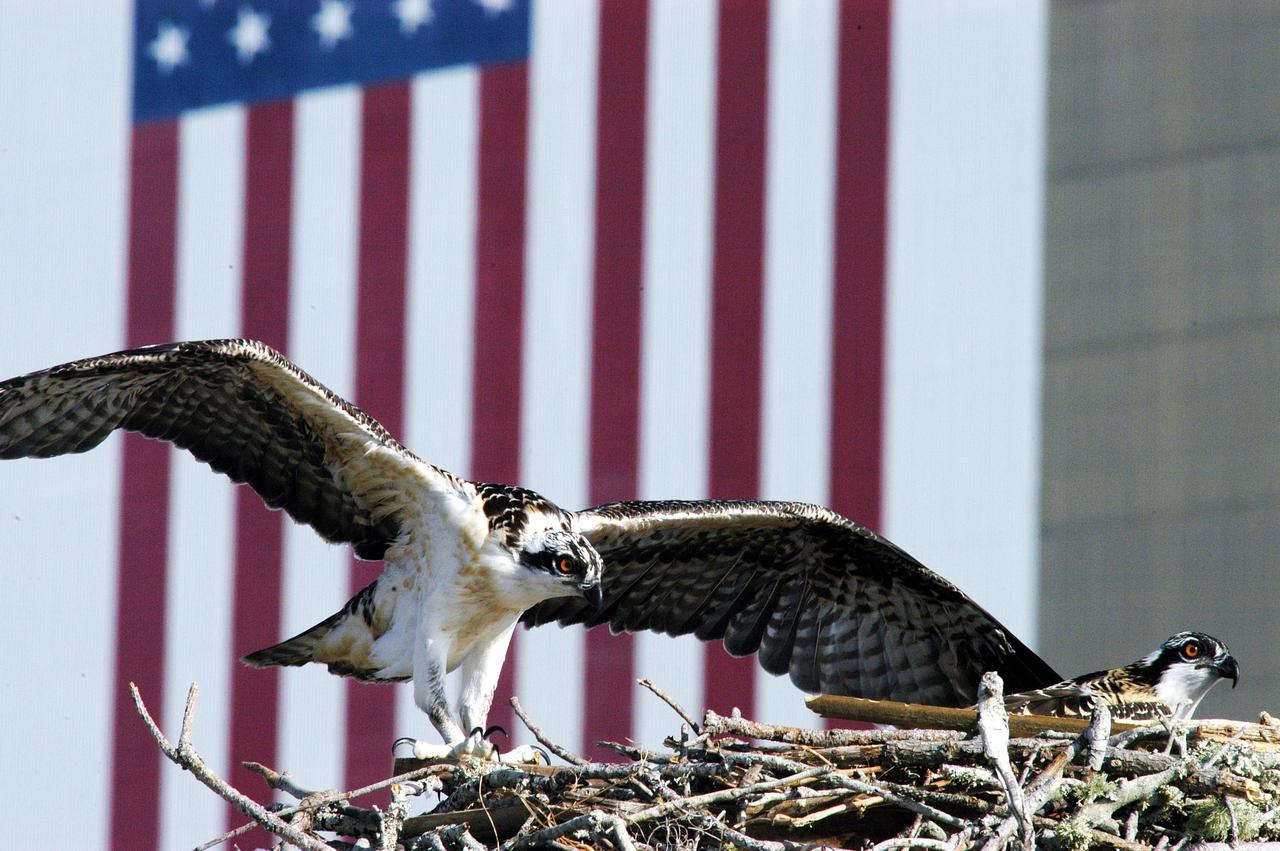
KENNEDY SPACE CENTER, FLA. -- One of three osprey fledglings spreads its wings, anticipating flight. The nest is in the NASA News Center parking lot, across from the Vehicle Assembly Building, with its 209-foot-high American flag painted on the south side. Ospreys select nesting sites of opportunity, from trees and telephone poles to rocks or even flat ground. In the United States they are found from Alaska to Florida and the Gulf Coast. Osprey nests are found throughout the Kennedy Space Center and nearby Merritt Island National Wildlife Refuge. Known as a fish hawk, ospreys often can be seen flying overhead with a fish in their talons.
KENNEDY SPACE CENTER, FLA. -- One of three osprey fledglings exercises its wings, anticipating flight. The nest is in the NASA News Center parking lot, across from the Vehicle Assembly Building, with its 209-foot-high American flag painted on the south side. Ospreys select nesting sites of opportunity, from trees and telephone poles to rocks or even flat ground. In the United States they are found from Alaska to Florida and the Gulf Coast. Osprey nests are found throughout the Kennedy Space Center and nearby Merritt Island National Wildlife Refuge. Known as a fish hawk, ospreys often can be seen flying overhead with a fish in their talons.
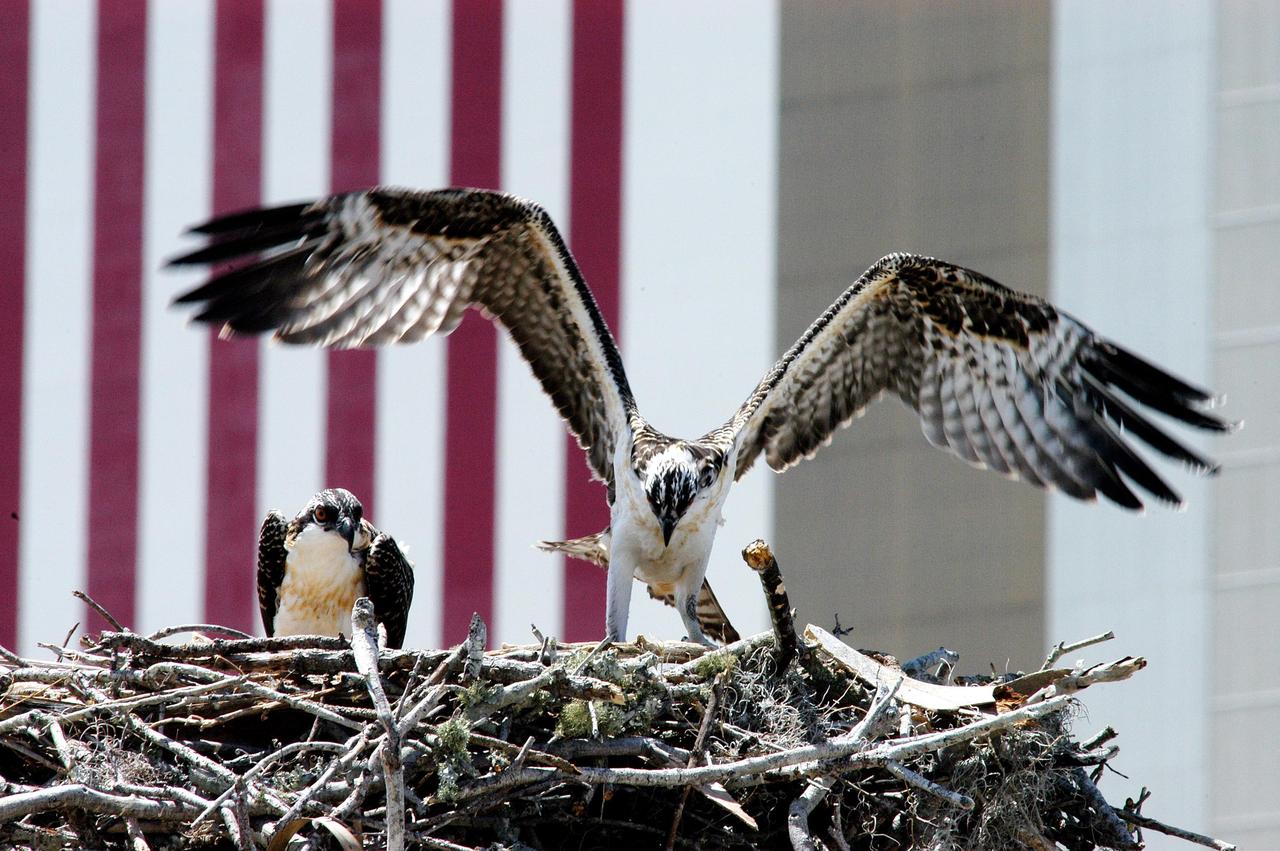
KENNEDY SPACE CENTER, FLA. -- One of three osprey fledglings exercises its wings, anticipating flight. The nest is in the NASA News Center parking lot, across from the Vehicle Assembly Building, with its 209-foot-high American flag painted on the south side. Ospreys select nesting sites of opportunity, from trees and telephone poles to rocks or even flat ground. In the United States they are found from Alaska to Florida and the Gulf Coast. Osprey nests are found throughout the Kennedy Space Center and nearby Merritt Island National Wildlife Refuge. Known as a fish hawk, ospreys often can be seen flying overhead with a fish in their talons.
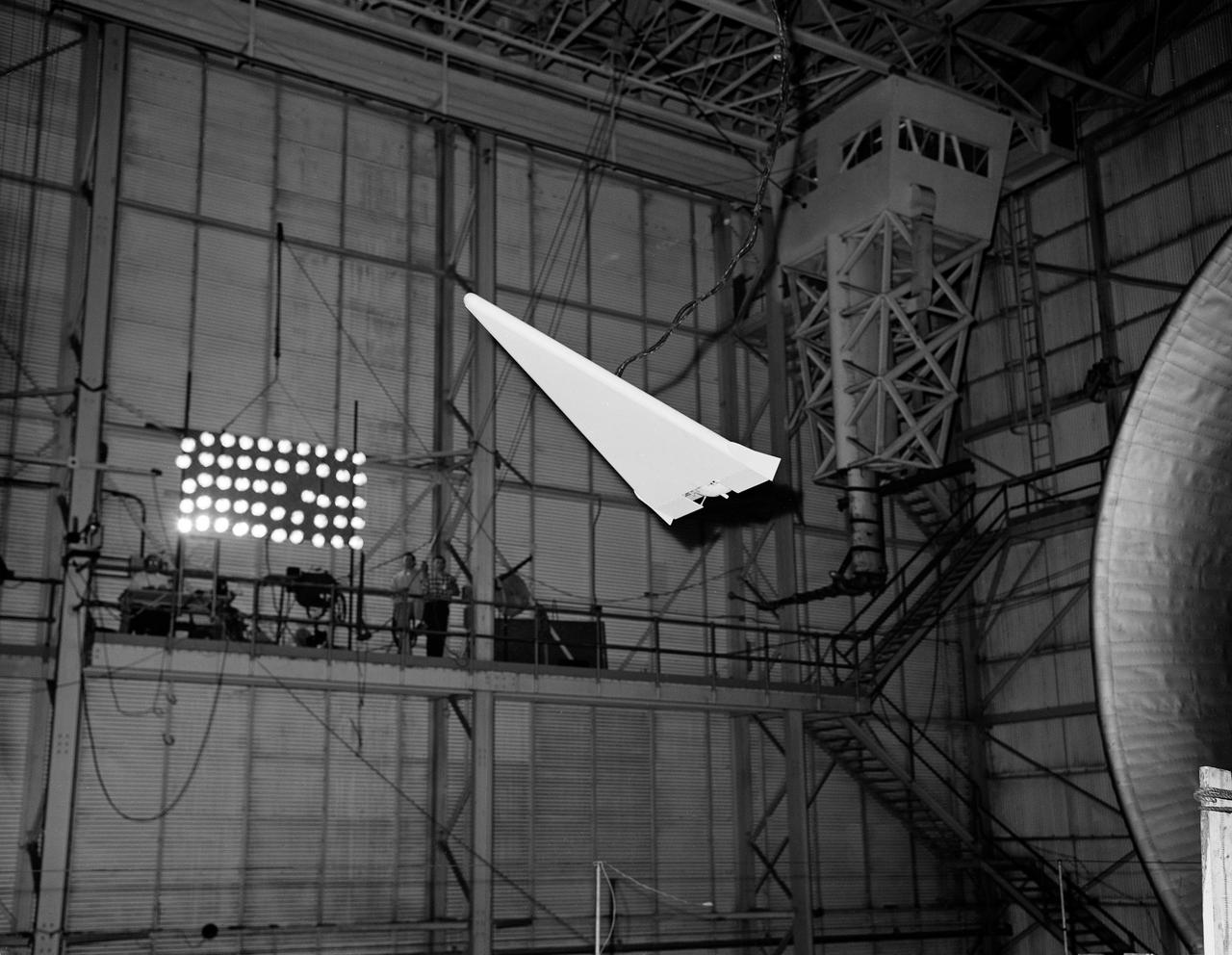
Flat Delta Model Flying in Full Scale Tunnel (FST) (Boiseau)
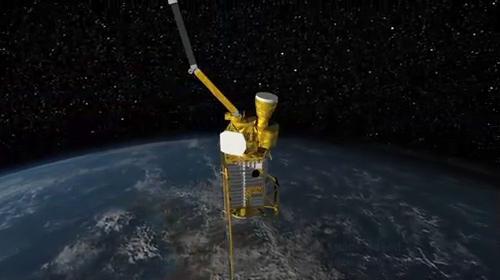
This image, created at the Jet Propulsion Laboratory JPL, shows the Soil Moisture Active Passive SMAP mission, specifically depicting how the scanning antenna will fly in space and the swath coverage over the Earth.

The first U.S. astronauts who will fly on American-made, commercial spacecraft to and from the International Space Station, wave after being announced, Friday, Aug. 3, 2018 at NASA's Johnson Space Center in Houston, Texas. Astronauts Bob Behnken, left, Victor Glover, Doug Hurley, and Mike Hopkins will fly SpaceX's Crew Dragon flights, and astronauts Eric Boe, Suni Williams, Chris Ferguson, Josh Cassada, and Nicole Aunapu Mann, right, will fly on Boeing's CST-100 Starliner. Photo Credit: (NASA/Bill Ingalls)
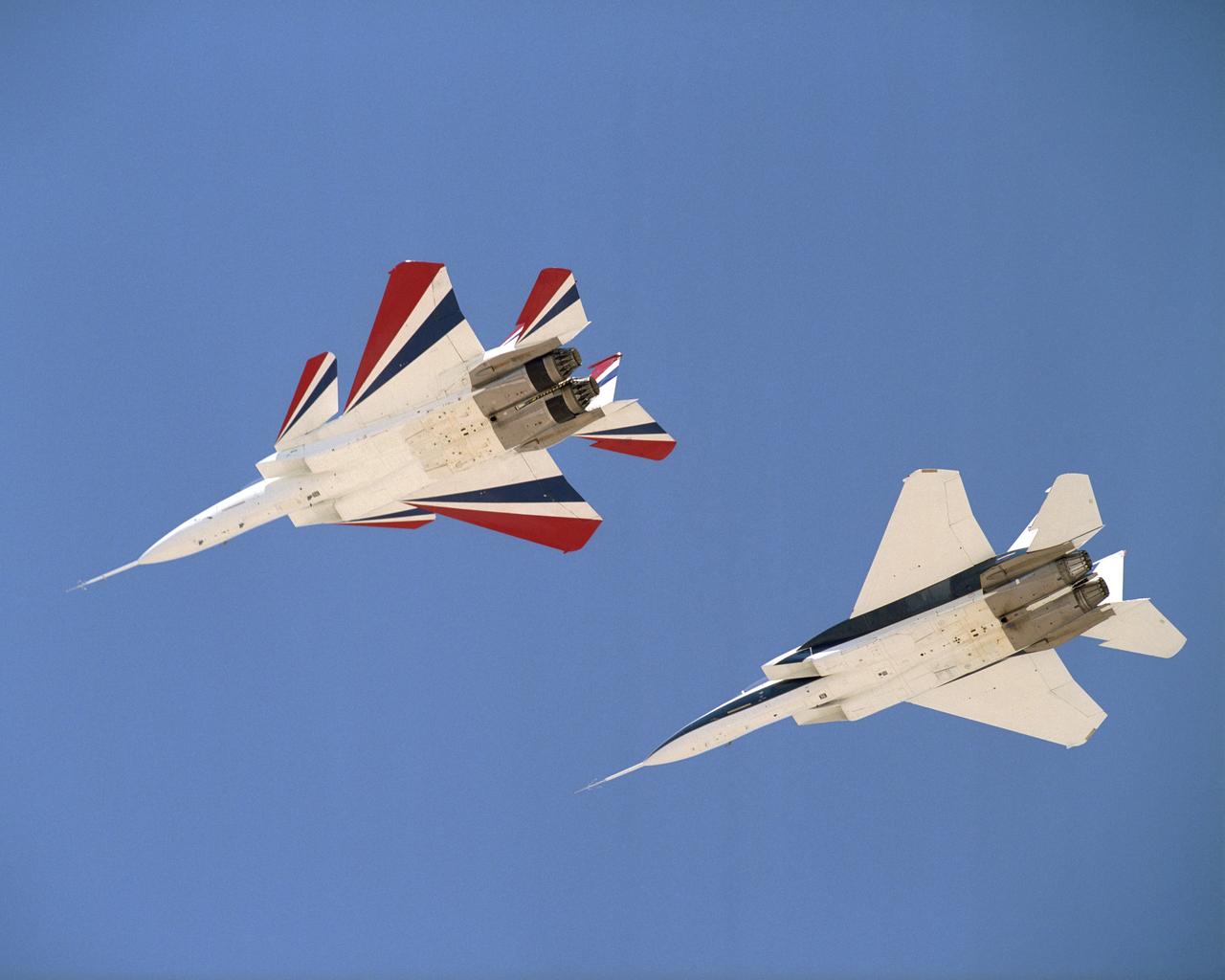
NASA's two modified F-15B research aircraft joined up for a fly-over of NASA's Dryden Flight Research Center on Edwards AFB, Calif., after a research mission.
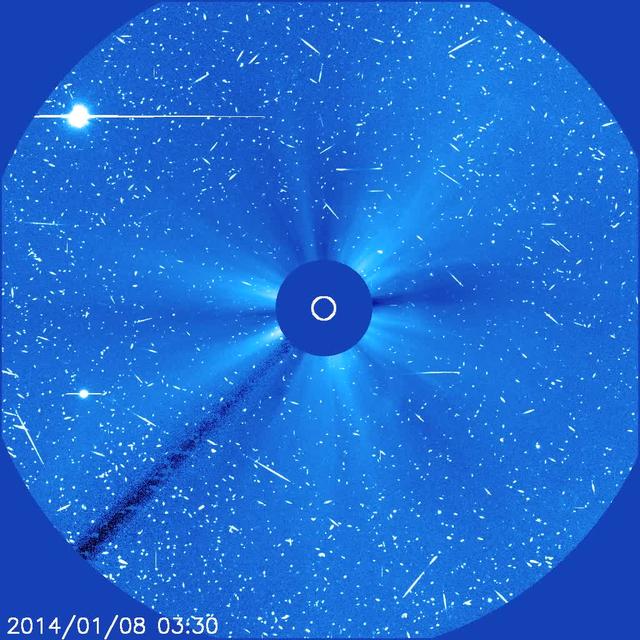
A solar magnetic active region containing the largest sunspot group of the last 10 years unleashed a large (X1.2) flare when it was facing right towards Earth. The flare was associated with a bright coronal mass ejection that emerges from the lower right (Jan. 7-8, 2014). A fast moving cloud of high-energy particles produced in the flare and at the CME front began striking the SOHO spacecraft imagers, creating the "snow" effect that went on for more than a day. SOHO is a million miles sunwards of Earth, and outside the earth's protective magnetosphere. In these coronagraph images the Sun is represented by the white circle and is blocked by an occulting disk, so we can observe fainter structures in the Sun's corona. Venus (upper left) enters the field of view during the video clip, while Mercury (lower left) is just about to leave the file of view. Credit: NASA/GSFC/SOHO <b><a href="http://www.nasa.gov/audience/formedia/features/MP_Photo_Guidelines.html" rel="nofollow">NASA image use policy.</a></b> <b><a href="http://www.nasa.gov/centers/goddard/home/index.html" rel="nofollow">NASA Goddard Space Flight Center</a></b> enables NASA’s mission through four scientific endeavors: Earth Science, Heliophysics, Solar System Exploration, and Astrophysics. Goddard plays a leading role in NASA’s accomplishments by contributing compelling scientific knowledge to advance the Agency’s mission. <b>Follow us on <a href="http://twitter.com/NASA_GoddardPix" rel="nofollow">Twitter</a></b> <b>Like us on <a href="http://www.facebook.com/pages/Greenbelt-MD/NASA-Goddard/395013845897?ref=tsd" rel="nofollow">Facebook</a></b> <b>Find us on <a href="http://instagram.com/nasagoddard?vm=grid" rel="nofollow">Instagram</a></b>
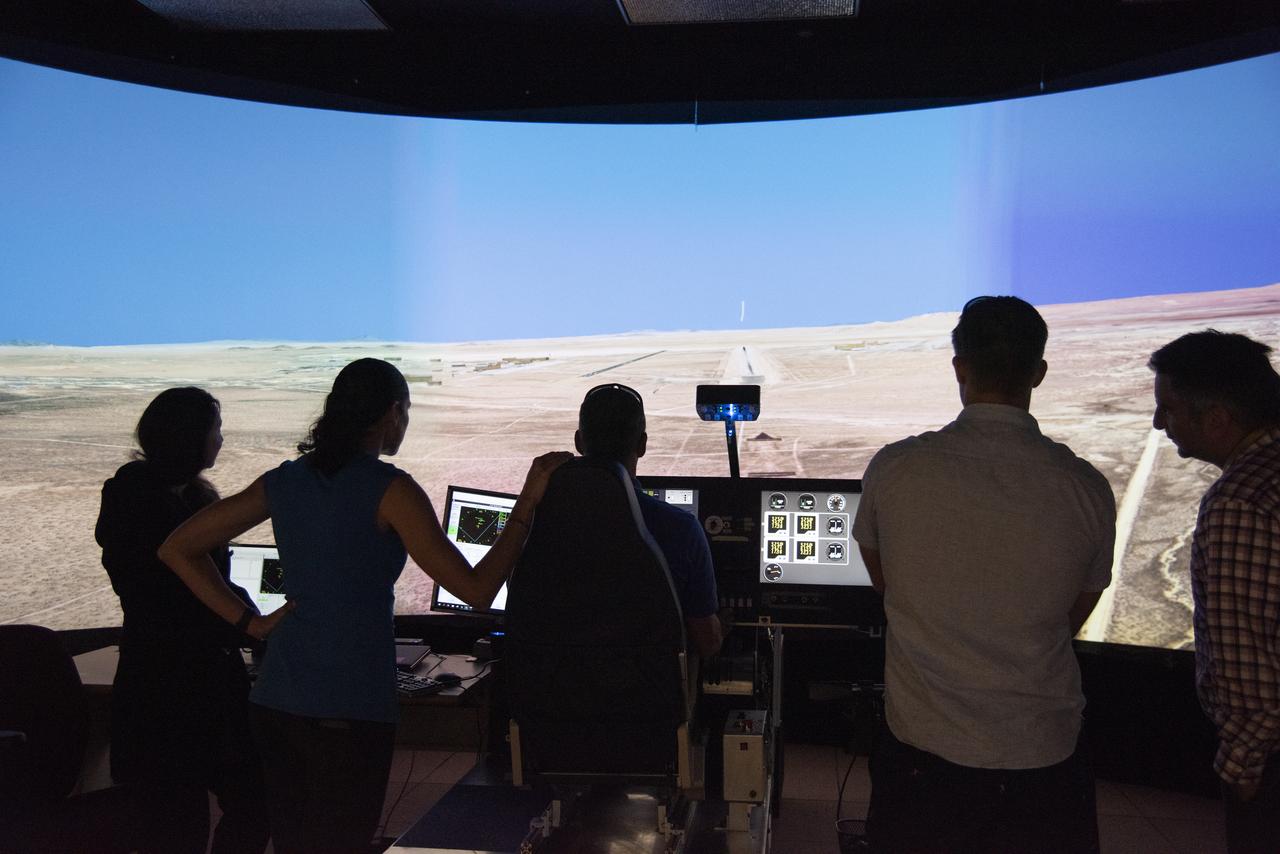
NASA's 2017 astronaut candidates toured aircraft hangar at Armstrong Flight Research Center, in Southern California. After tour of aircraft hangar and briefing on the use of aircraft for flight research, the astronauts practiced flying the X-57 simulator. Starting with the fuselage of a Tecnam P20067T, the X-57 Maxwell electric propulsion airplane is being built and could lead to the development of electric propulsion-powered aircraft, which would be quieter, more efficient and environmentally friendly than today's commuter aircraft.
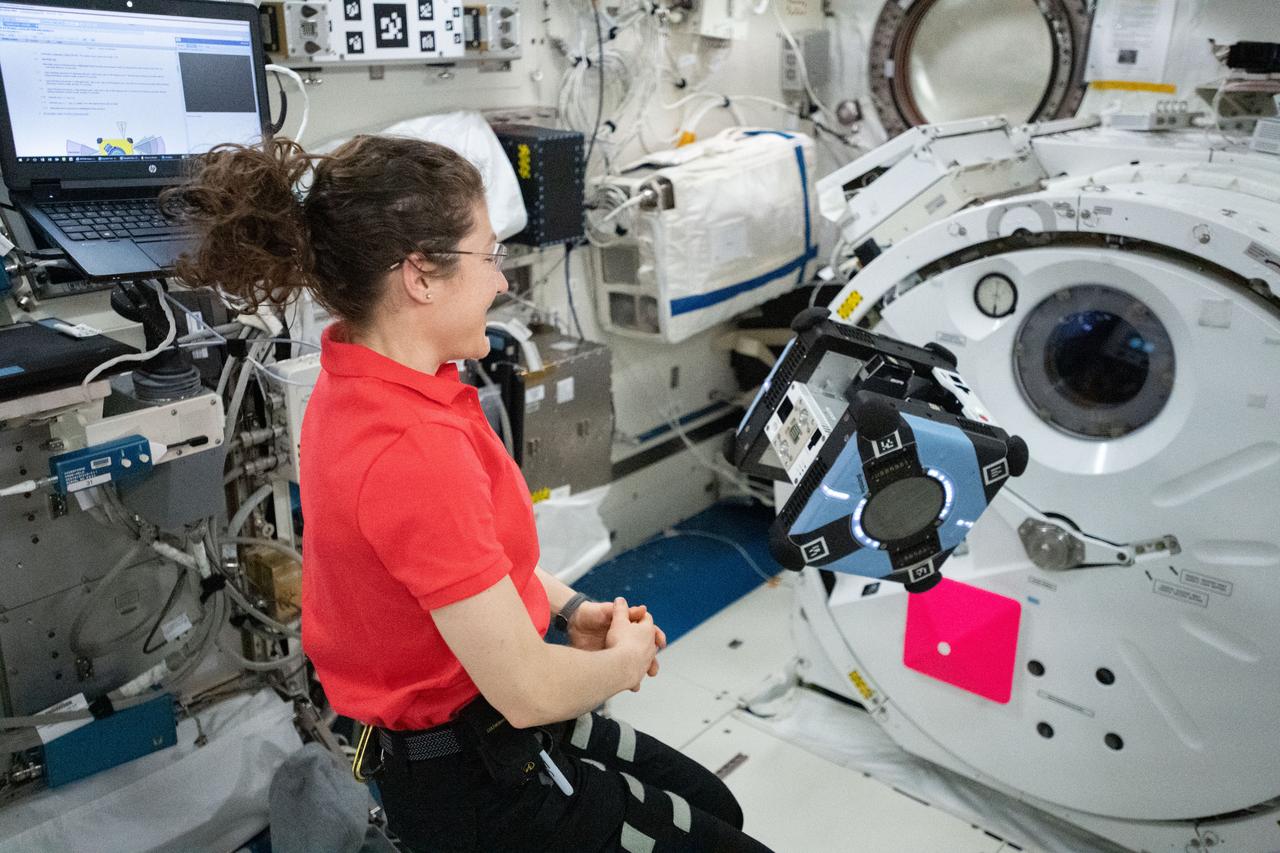
iss060e007162 (July 12, 2020) --- NASA astronaut and Expedition 60 Flight Engineer Christina Koch tests the mobility of the free-flying Astrobee robotic assistant inside the Kibo laboratory module. Astrobee consists of three self-contained, free flying robots and a docking station inside the International Space Station.

NASA Administrator Jim Bridenstine, far right, talks to astronauts assigned to crew the first flight tests and missions of the Boeing CST-100 Starliner and SpaceX Crew Dragon, Friday, Aug. 3, 2018 at NASA’s Johnson Space Center in Houston, Texas. Astronauts Bob Behnken, left, Victor Glover, Doug Hurley, and Mike Hopkins will fly SpaceX's Crew Dragon flights, and astronauts Eric Boe, Suni Williams, Chris Ferguson, Josh Cassada, and Nicole Aunapu Mann, right, will fly on Boeing's CST-100 Starliner. Photo Credit: (NASA/Bill Ingalls)
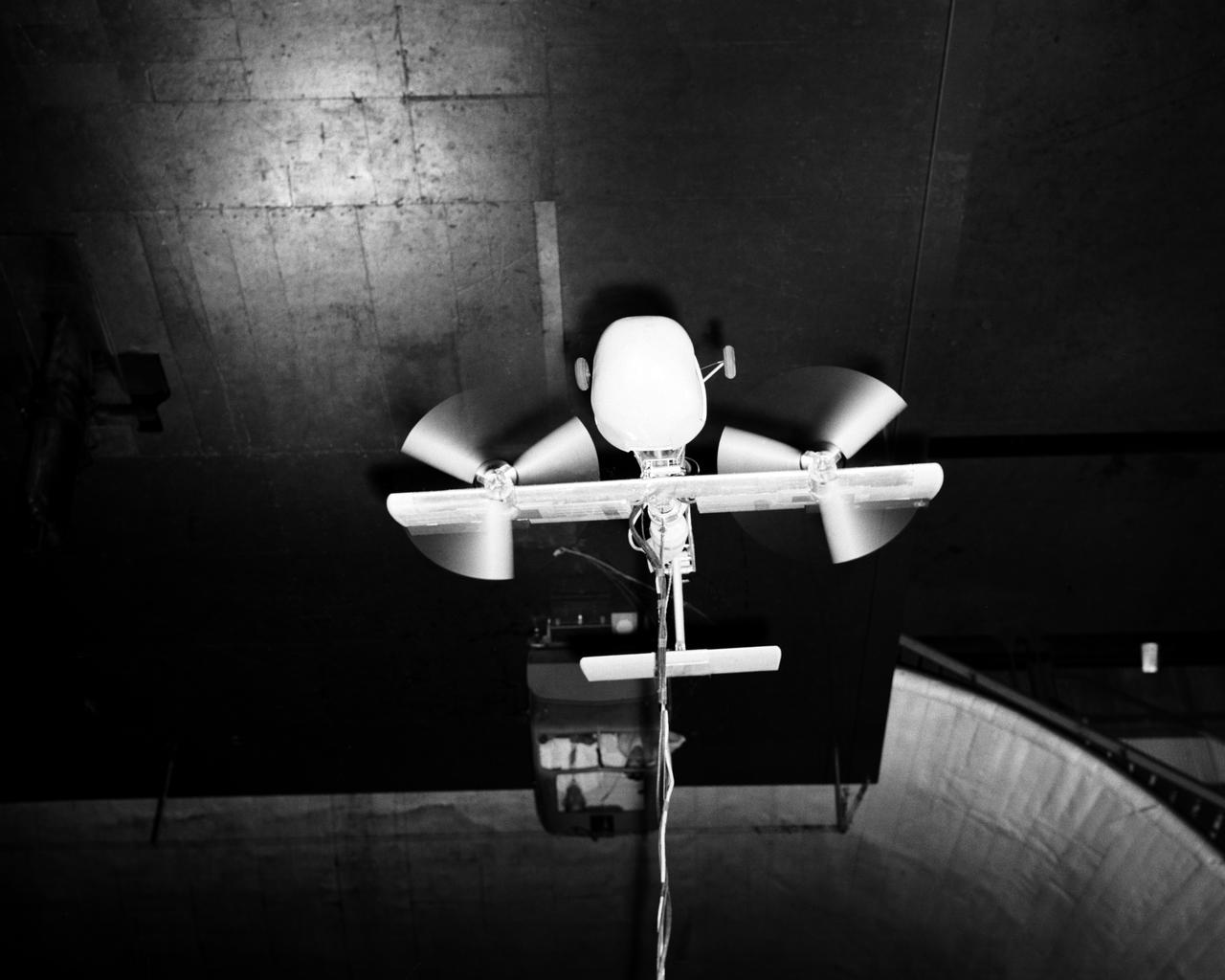
Vertical model flying in Langley Research Center's Full Scale Tunnel.
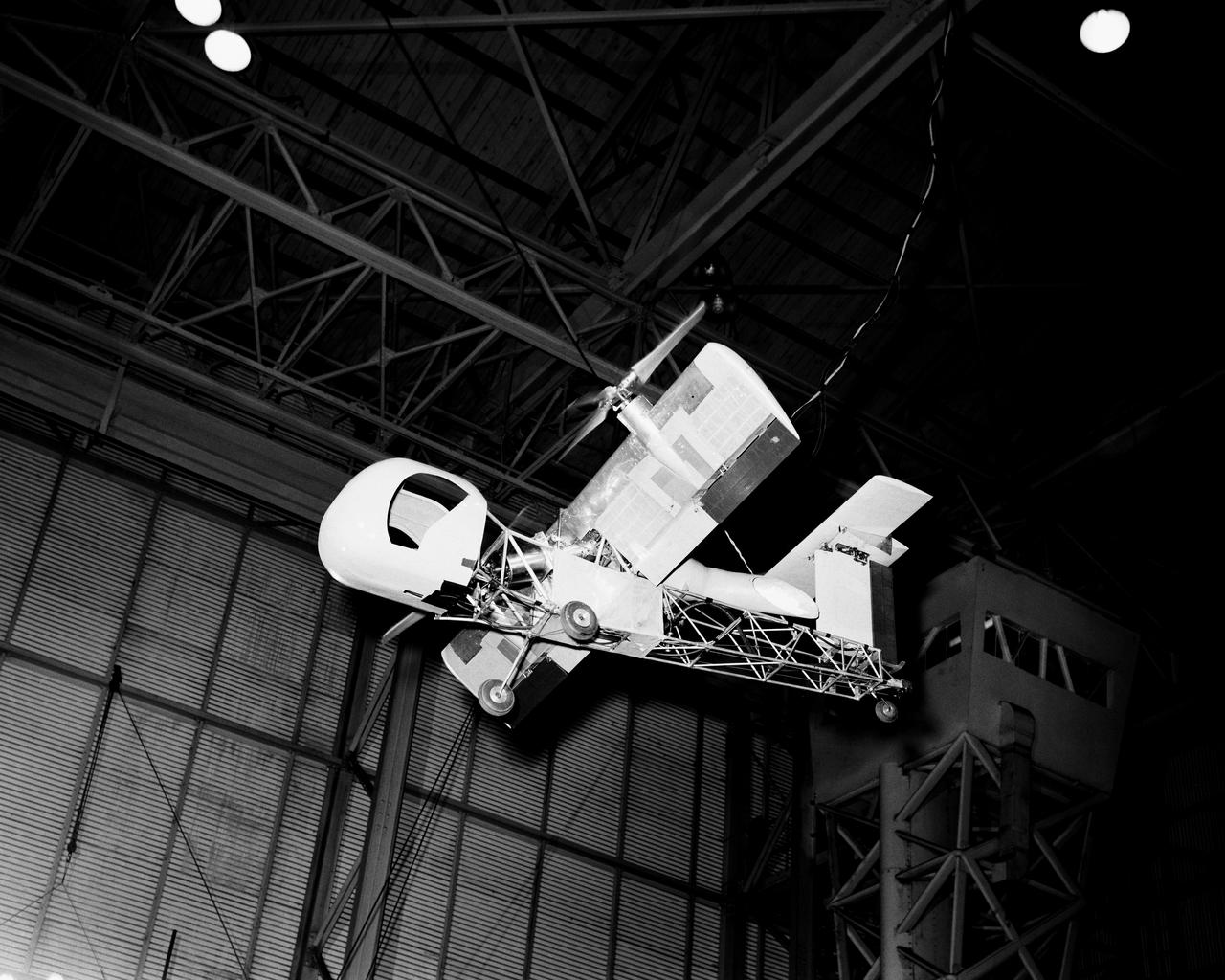
Vertical model flying in Langley Research Center's Full Scale Tunnel.
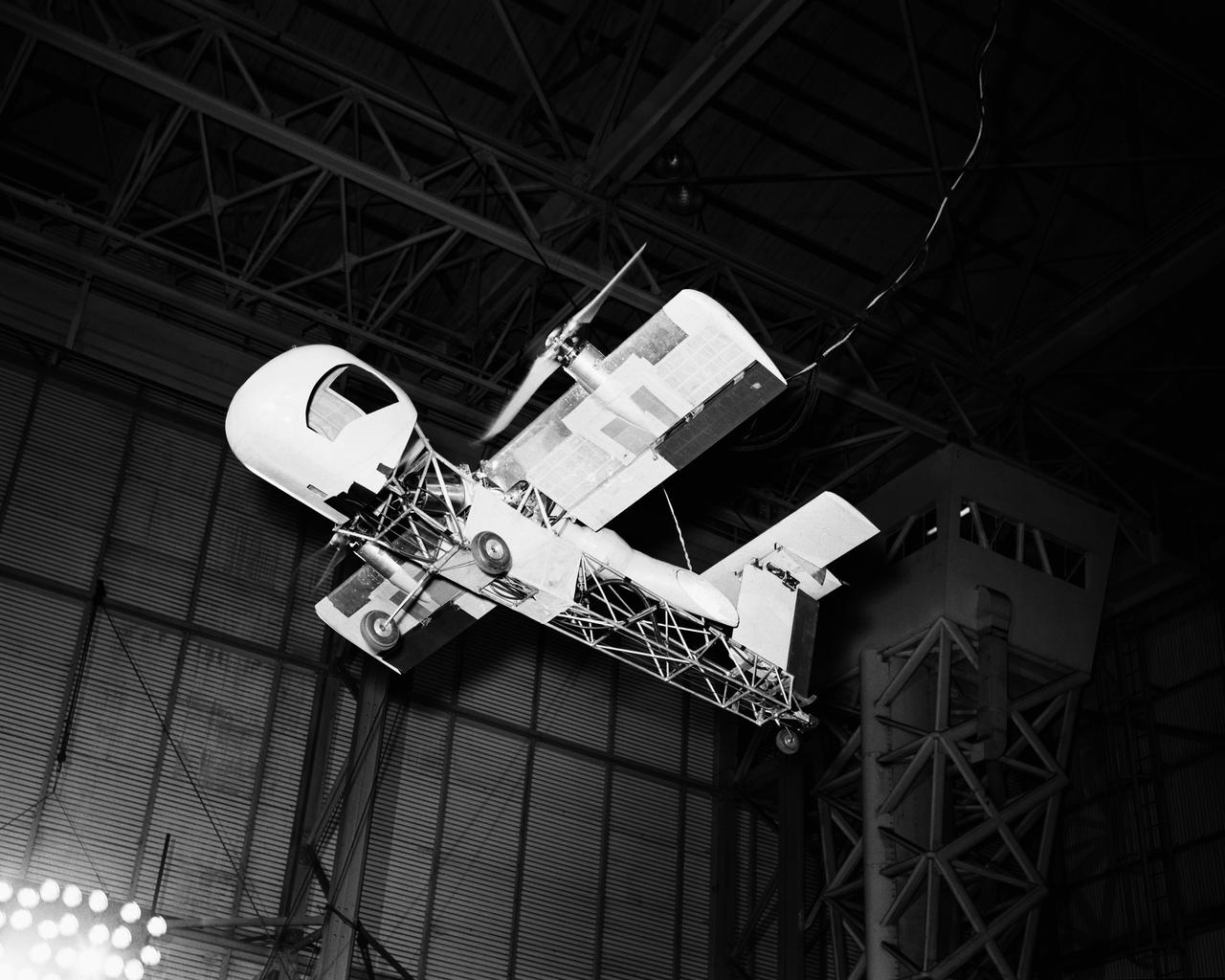
Vertical model flying in Langley Research Center's Full Scale Tunnel.
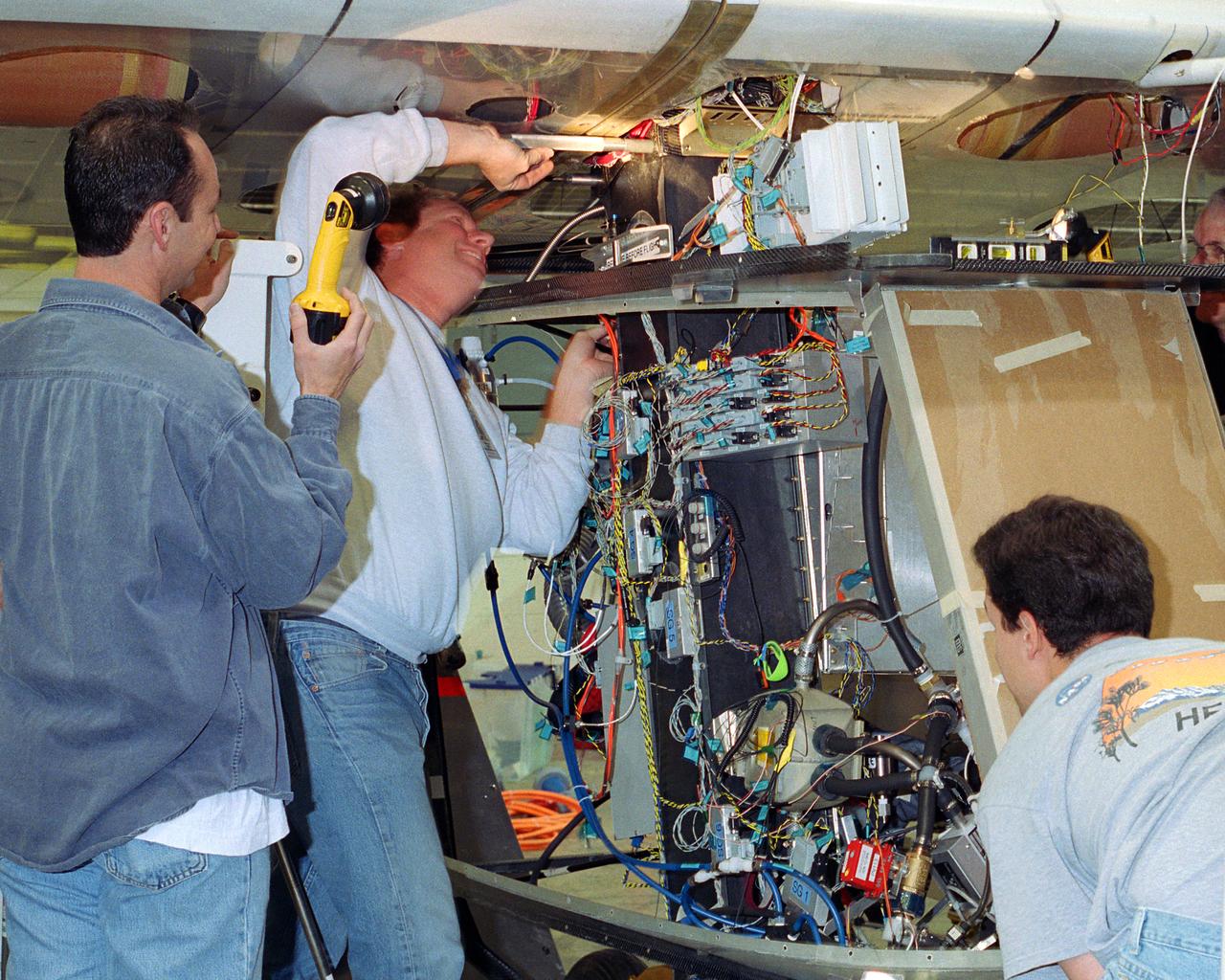
Aerovironment technicians carefully line up attachments as a fuel cell electrical system is installed on the Helios Prototype solar powered flying wing. The fuel cell system will power the aircraft at night during NASA-sponsored long-endurance demonstration flight in the summer of 2003.
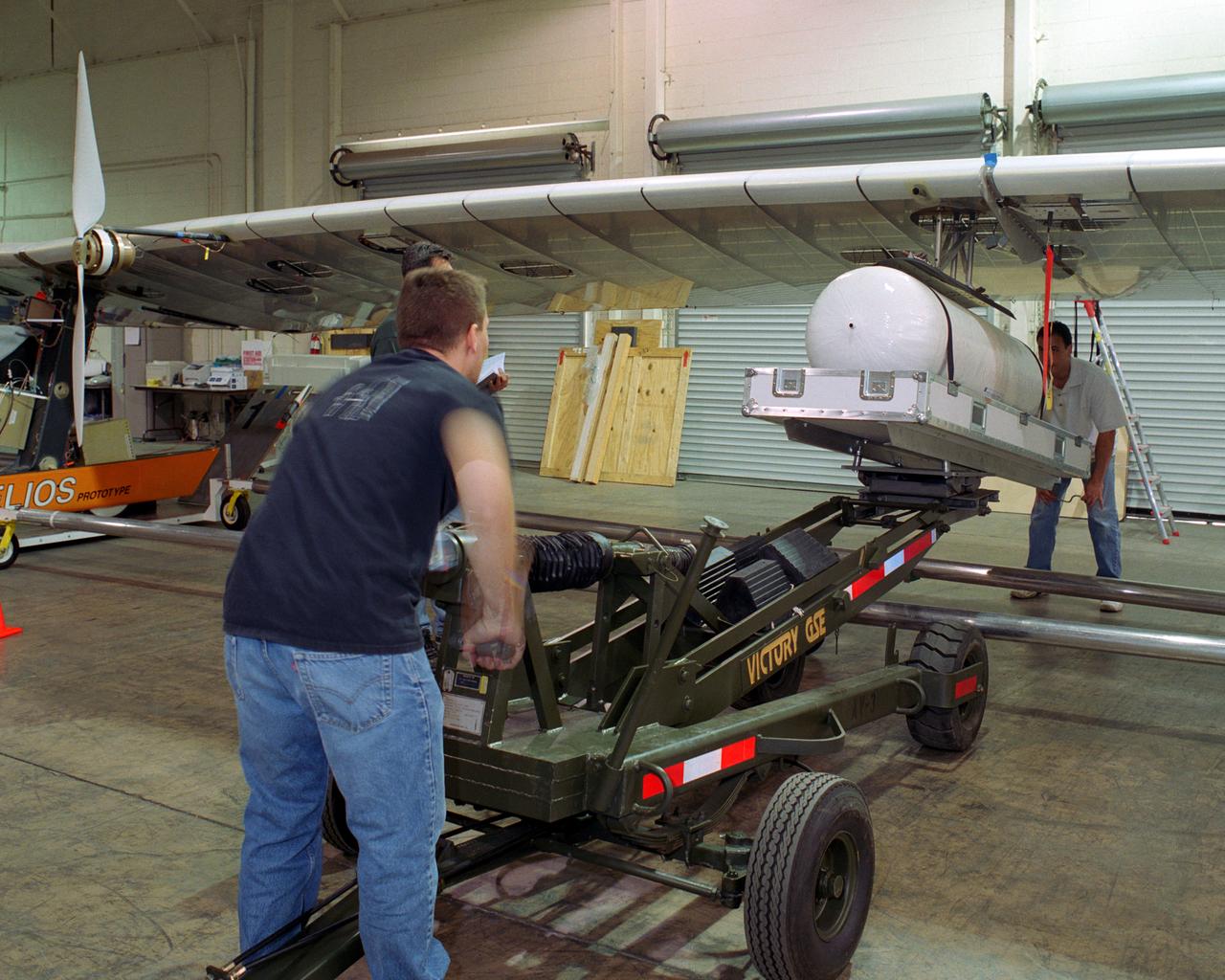
Technicians for AeroVironment, Inc., jack up a pressure tank to the wing of the Helios Prototype solar-electric flying wing. The tank carries pressurized hydrogen to fuel an experimental fuel cell system that powered the aircraft at night during an almost two-day long-endurance flight demonstration in the summer of 2003.
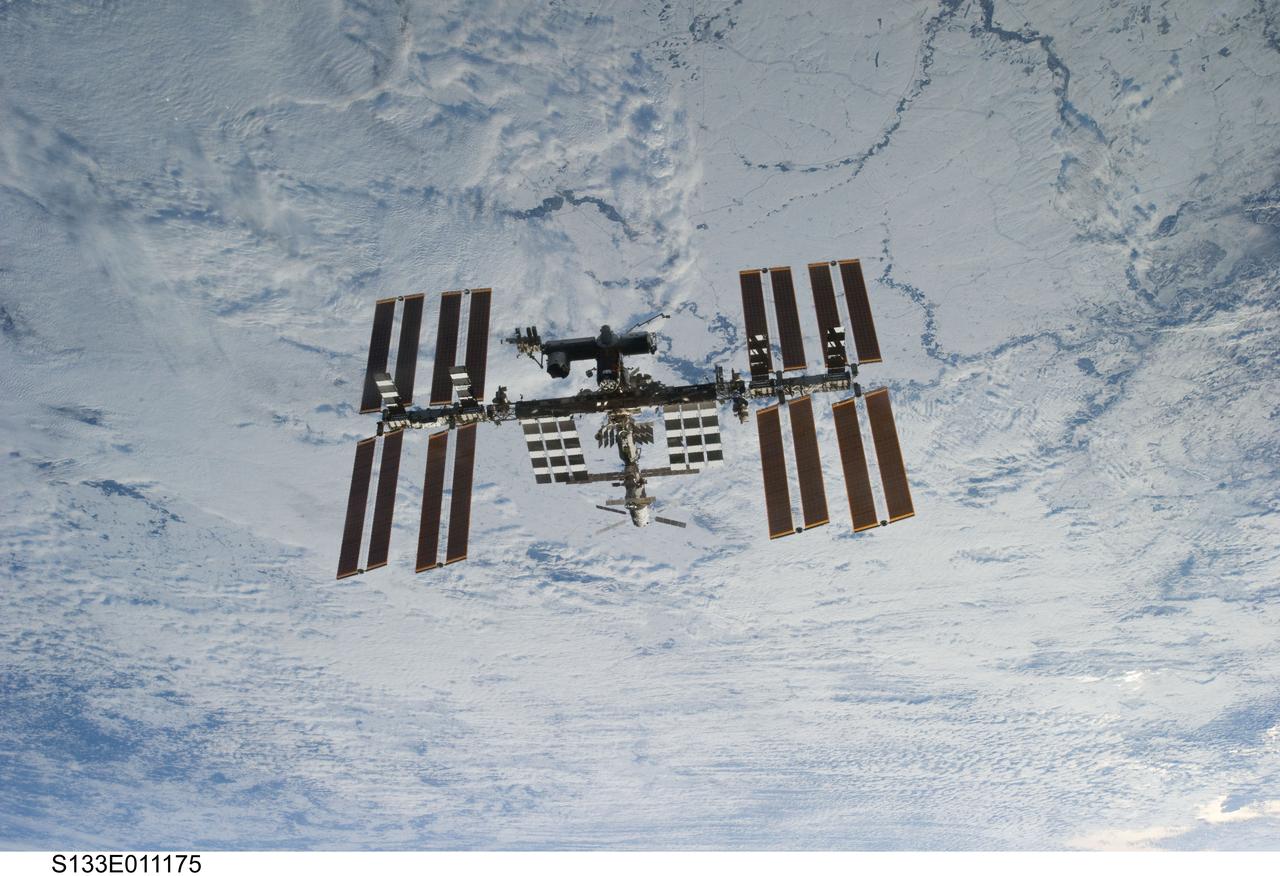
S133-E-011175 (7 March 2011) --- Backdropped against clouds over Earth, the International Space Station is seen from Discovery as the two orbital spacecraft accomplish their relative separation on March 7 after an aggregate of 12 astronauts and cosmonauts worked together for over a week. During a post undocking fly-around, the crew members aboard the two spacecraft collected a series of photos of each other’s vehicle. Photo credit: NASA or National Aeronautics and Space Administration
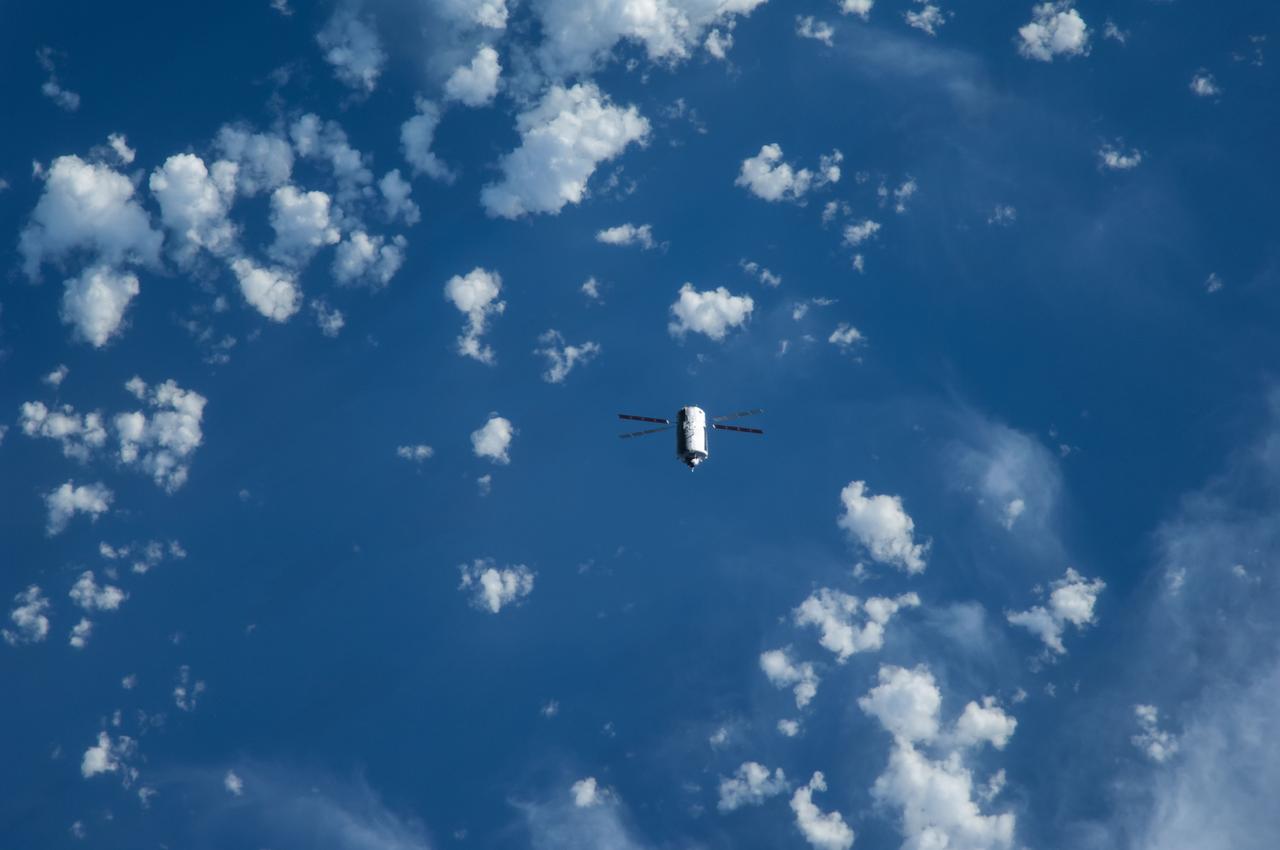
ISS040-E-089802 (8 Aug. 2014) --- The “Georges Lemaitre” Automated Transfer Vehicle (ATV-5), photographed by an Expedition 40 crew member, flies directly under the International Space Station at a distance of about 3.7 miles to test sensors and radar systems designed for future European spacecraft. After its “fly-under” of the station, the ATV will move in front of, above, and behind the outpost for the final days of its two-week rendezvous that will lead to an automated docking to the aft port of the Zvezda Service Module on Aug. 12.
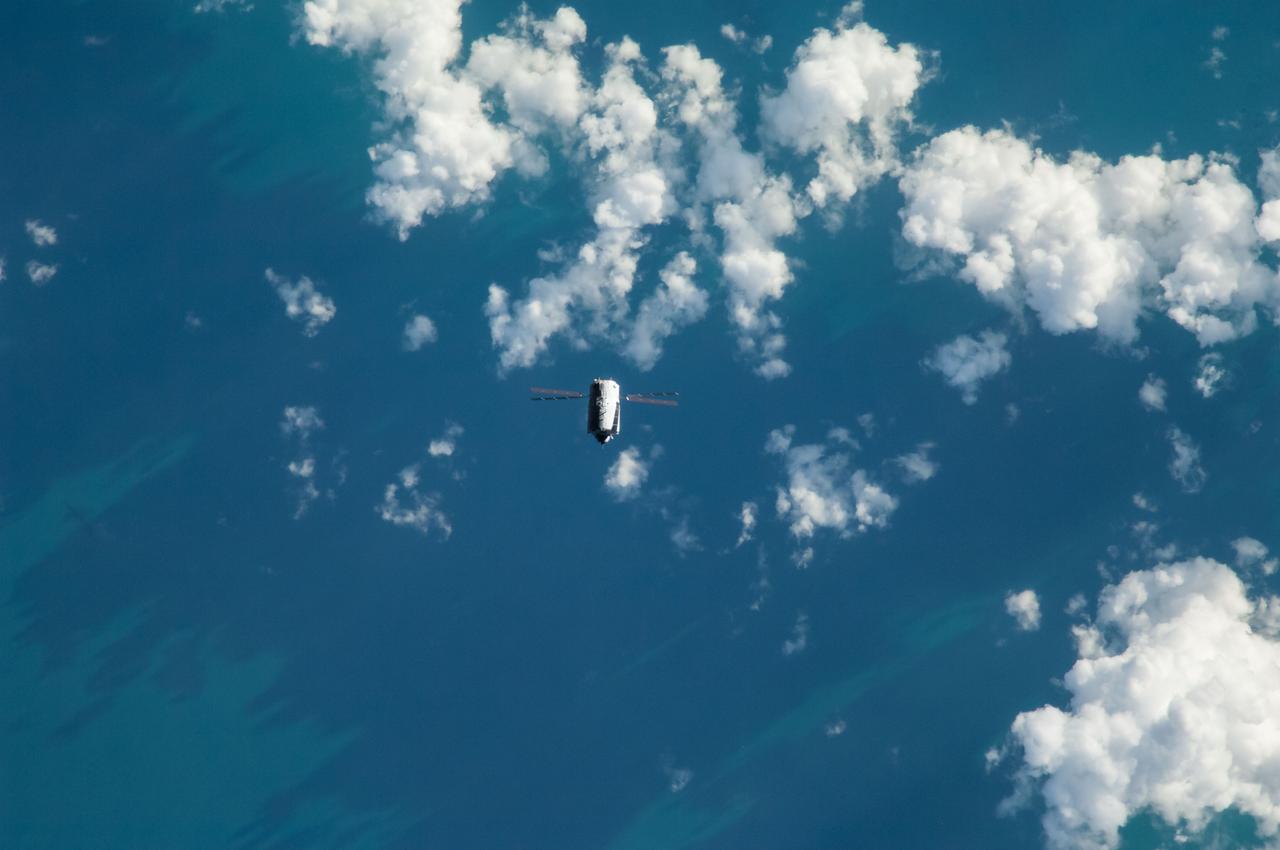
ISS040-E-089829 (8 Aug. 2014) --- The “Georges Lemaitre” Automated Transfer Vehicle (ATV-5), photographed by an Expedition 40 crew member, flies directly under the International Space Station at a distance of about 3.7 miles to test sensors and radar systems designed for future European spacecraft. After its “fly-under” of the station, the ATV will move in front of, above, and behind the outpost for the final days of its two-week rendezvous that will lead to an automated docking to the aft port of the Zvezda Service Module on Aug. 12.
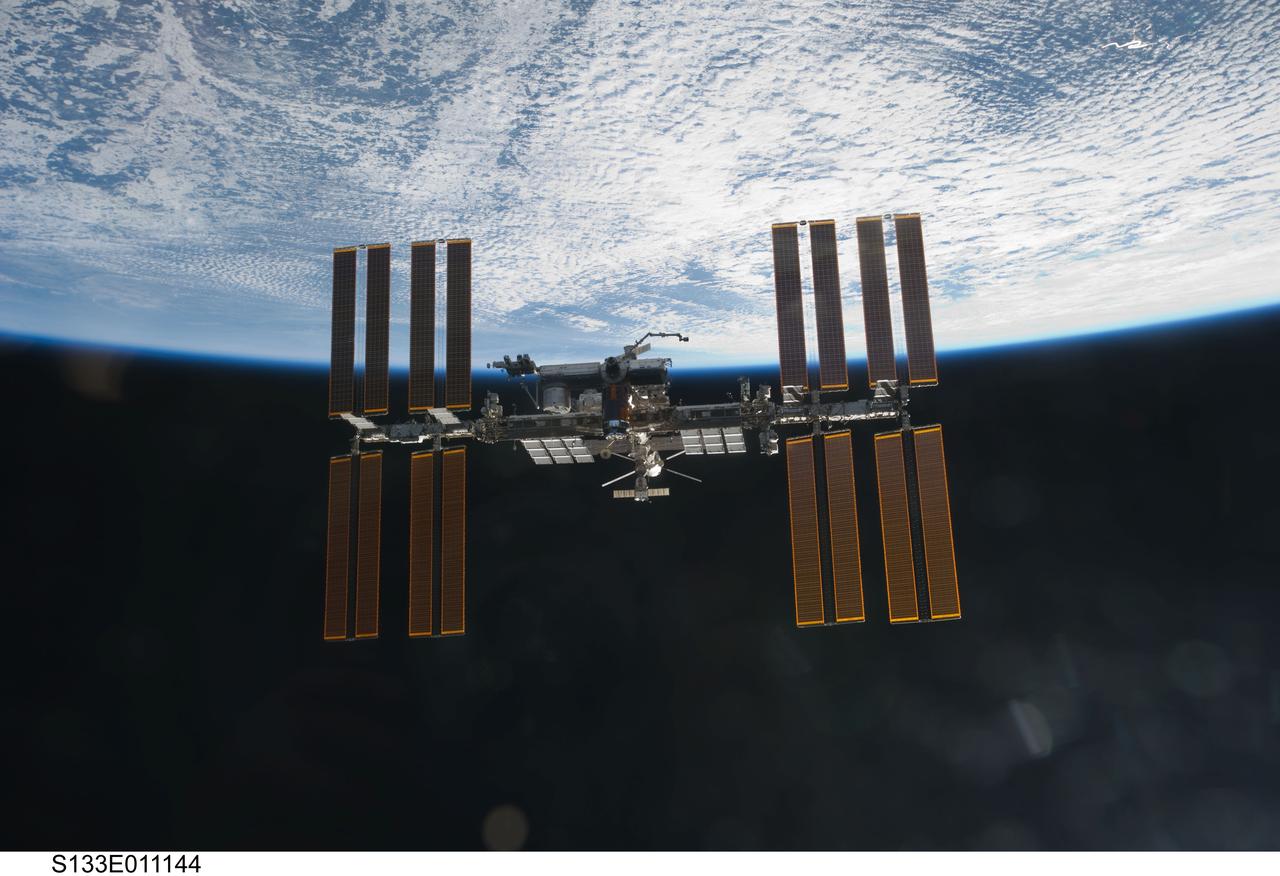
S133-E-011144 (7 March 2011) --- Backdropped against the blackness of spaec and clouds over Earth, the International Space Station is seen from Discovery as the two orbital spacecraft accomplish their relative separation on March 7 after an aggregate of 12 astronauts and cosmonauts worked together for over a week. During a post undocking fly-around, the crew members aboard the two spacecraft collected a series of photos of each other’s vehicle. Photo credit: NASA or National Aeronautics and Space Administration
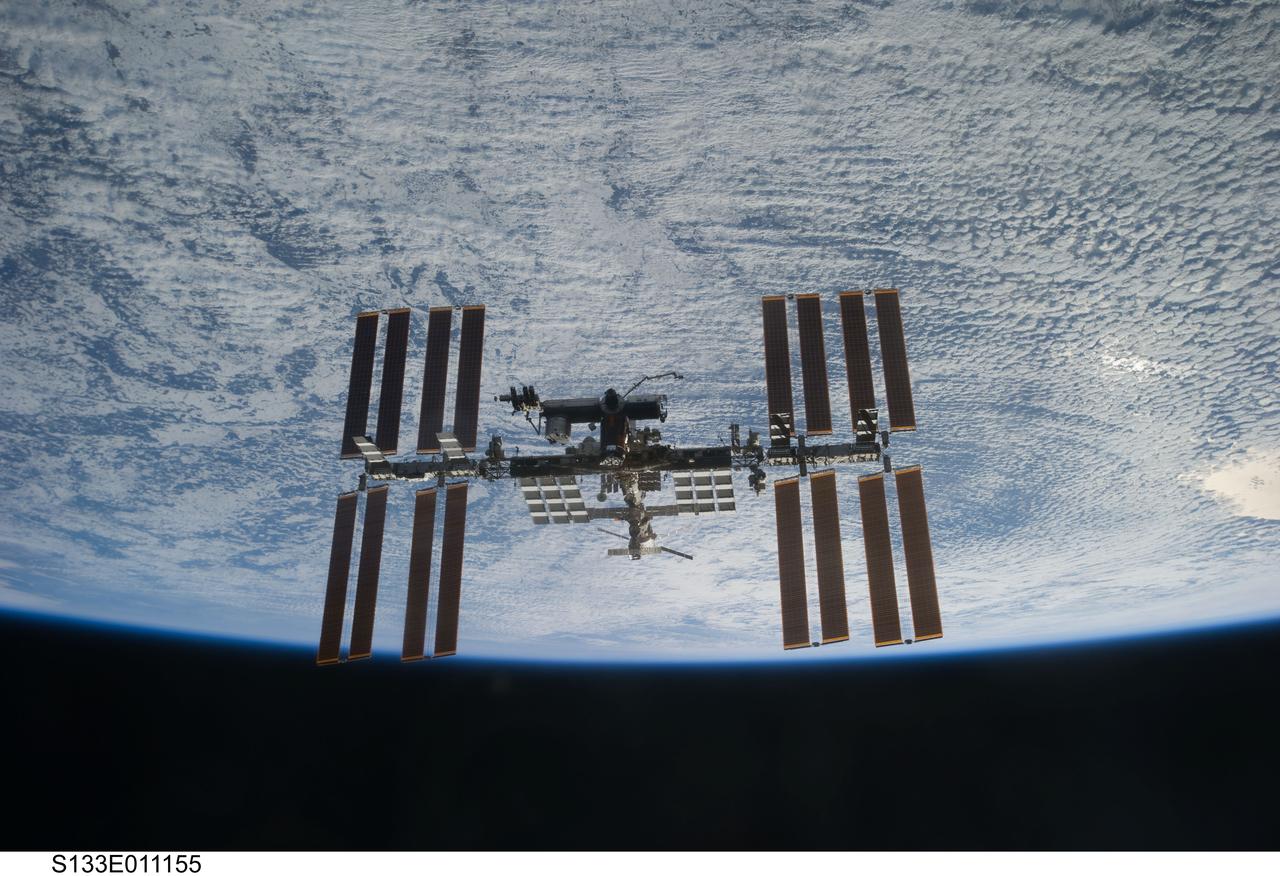
S133-E-011155 (7 March 2011) --- Backdropped against clouds over Earth, the International Space Station is seen from Discovery as the two orbital spacecraft accomplish their relative separation on March 7 after an aggregate of 12 astronauts and cosmonauts worked together for over a week. During a post undocking fly-around, the crew members aboard the two spacecraft collected a series of photos of each other’s vehicle. Photo credit: NASA or National Aeronautics and Space Administration
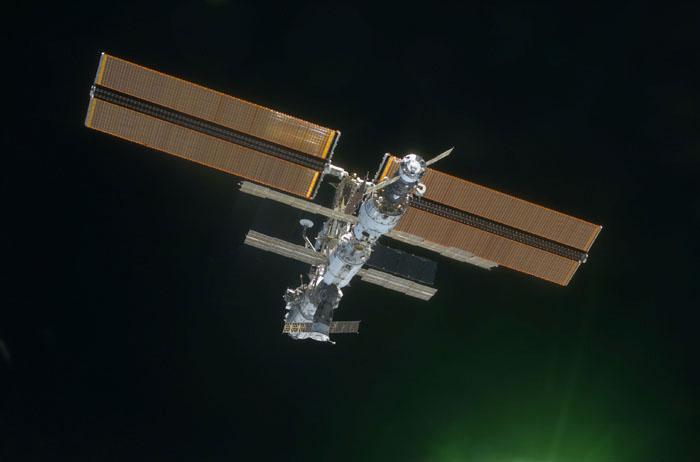
STS102-E-5350 (18 March 2001) --- The International Space Station (ISS) backdropped against black space was photographed with a digital still camera from the Space Shuttle Discovery on March 18, 2001. It is a standard practice for the shuttle to make a final fly-around of the outpost following unlinking from it. A new crew comprised of cosmonaut Yury V. Usachev and astronauts James S. Voss and Susan J. Helms will spend several months aboard the station.
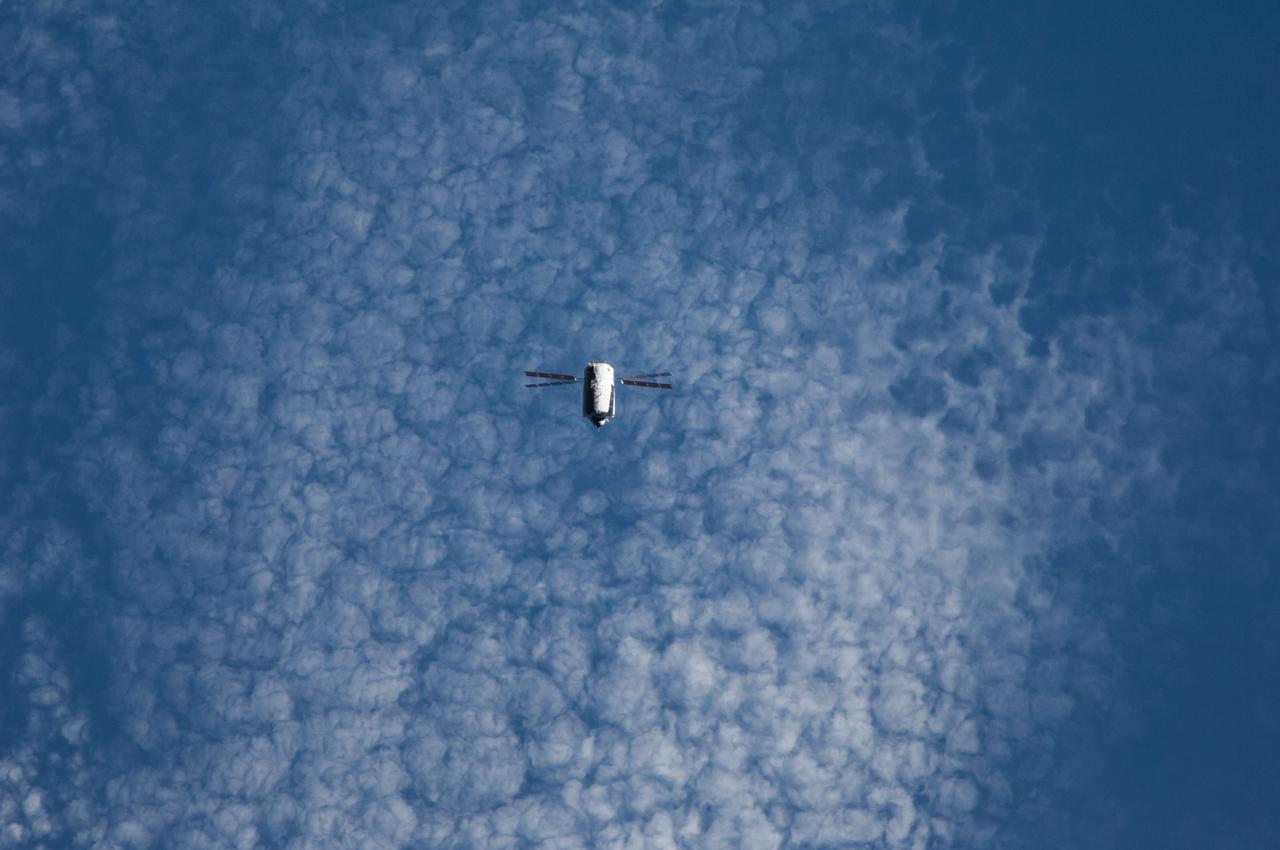
ISS040-E-089820 (8 Aug. 2014) --- The “Georges Lemaitre” Automated Transfer Vehicle (ATV-5), photographed by an Expedition 40 crew member, flies directly under the International Space Station at a distance of about 3.7 miles to test sensors and radar systems designed for future European spacecraft. After its “fly-under” of the station, the ATV will move in front of, above, and behind the outpost for the final days of its two-week rendezvous that will lead to an automated docking to the aft port of the Zvezda Service Module on Aug. 12.
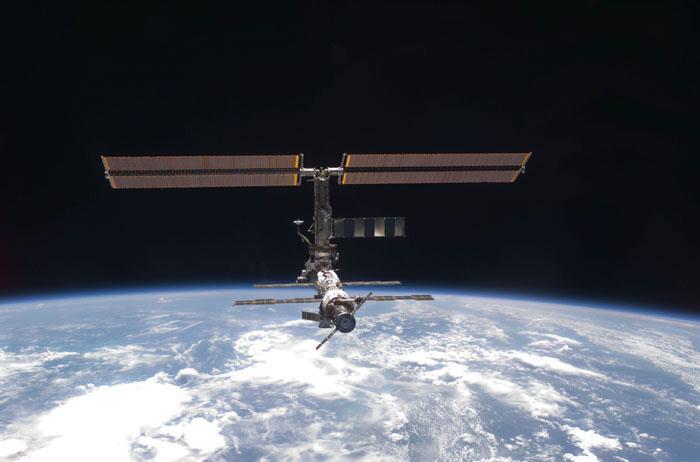
STS102-E-5341 (18 March 2001) --- The International Space Station (ISS) backdropped against Earth's horizon was photographed with a digital still camera from the Space Shuttle Discovery on March 18, 2001. It is a standard practice for the shuttle to make a final fly-around of the outpost following unlinking from it. A new crew comprised of cosmonaut Yury V. Usachev and astronauts James S. Voss and Susan J. Helms will spend several months aboard the station.

This dramatic view of the Pluto system is as NASA's New Horizons spacecraft saw it in July 2015. The animation, made with real images taken by New Horizons, begins with Pluto flying in for its close-up on July 14; we then pass behind Pluto and see the atmosphere glow in sunlight before the sun passes behind Pluto's largest moon, Charon. The movie ends with New Horizons' departure, looking back on each body as thin crescents. http://photojournal.jpl.nasa.gov/catalog/PIA19873
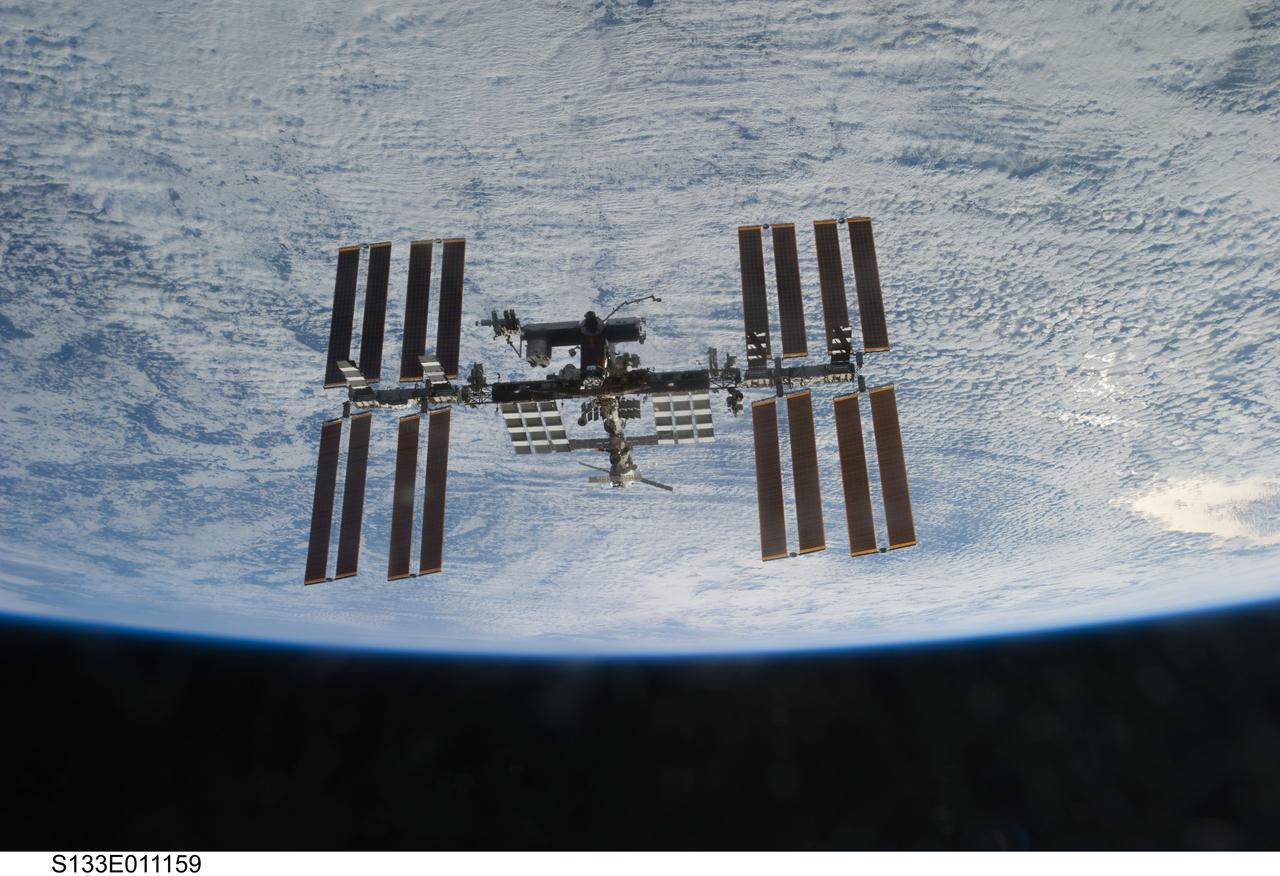
S133-E-011159 (7 March 2011) --- Backdropped against clouds over Earth, the International Space Station is seen from Discovery as the two orbital spacecraft accomplish their relative separation on March 7 after an aggregate of 12 astronauts and cosmonauts worked together for over a week. During a post undocking fly-around, the crew members aboard the two spacecraft collected a series of photos of each other’s vehicle. Photo credit: NASA or National Aeronautics and Space Administration
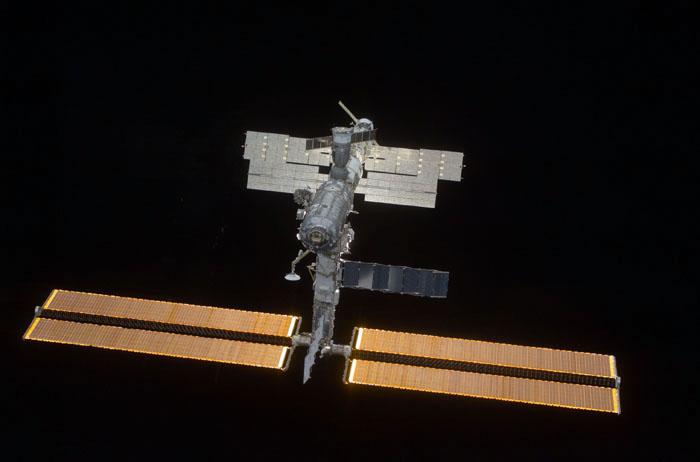
STS102-E-5379 (18 March 2001) --- The International Space Station (ISS) backdropped against black space was photographed with a digital still camera from the Space Shuttle Discovery on March 18, 2001. It is a standard practice for the shuttle to make a final fly-around of the outpost following unlinking from it. A new crew comprised of cosmonaut Yury V. Usachev and astronauts James S. Voss and Susan J. Helms will spend several months aboard the station.
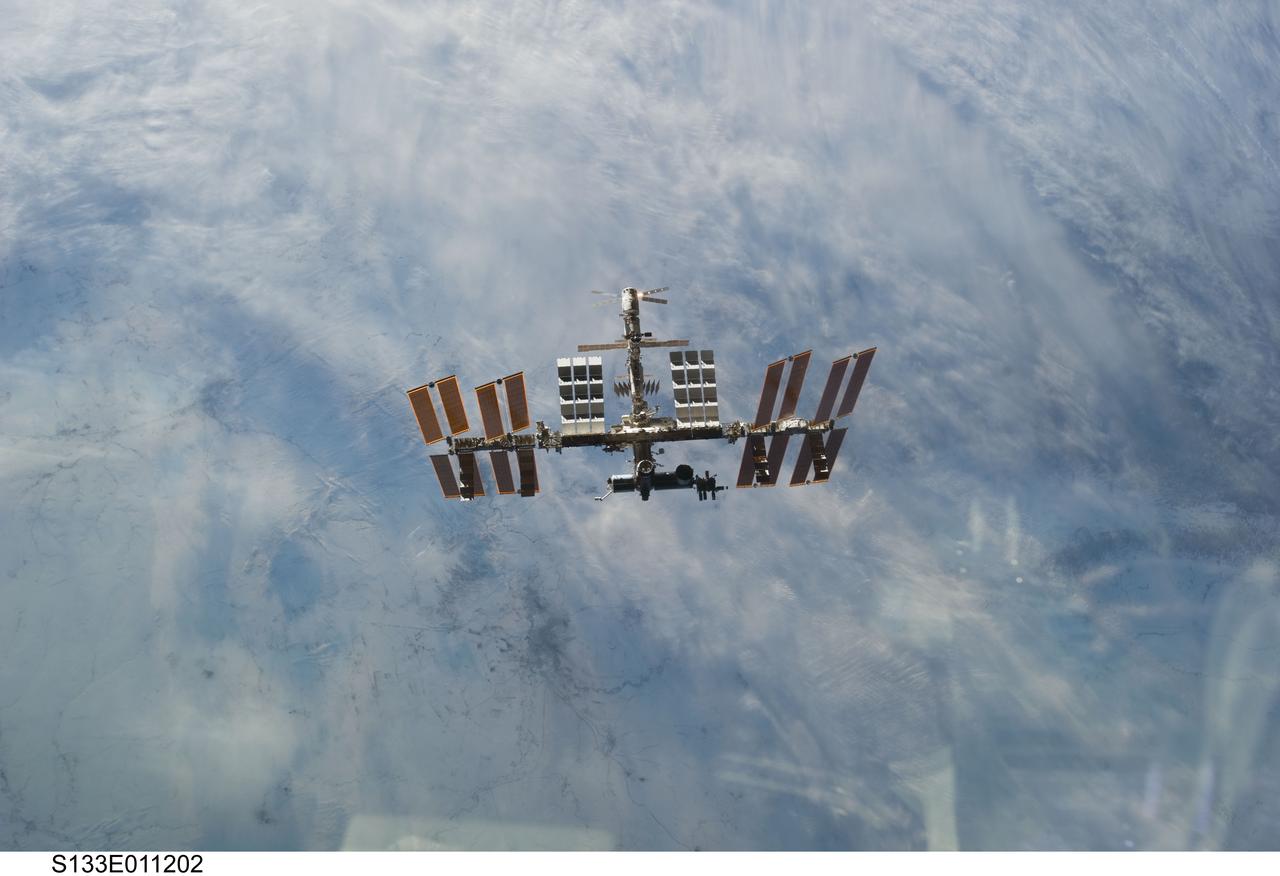
S133-E-011202 (7 March 2011) --- Backdropped against clouds over Earth, the International Space Station is seen from Discovery as the two orbital spacecraft accomplish their relative separation on March 7 after an aggregate of 12 astronauts and cosmonauts worked together for over a week. During a post undocking fly-around, the crew members aboard the two spacecraft collected a series of photos of each other’s vehicle. Photo credit: NASA or National Aeronautics and Space Administration
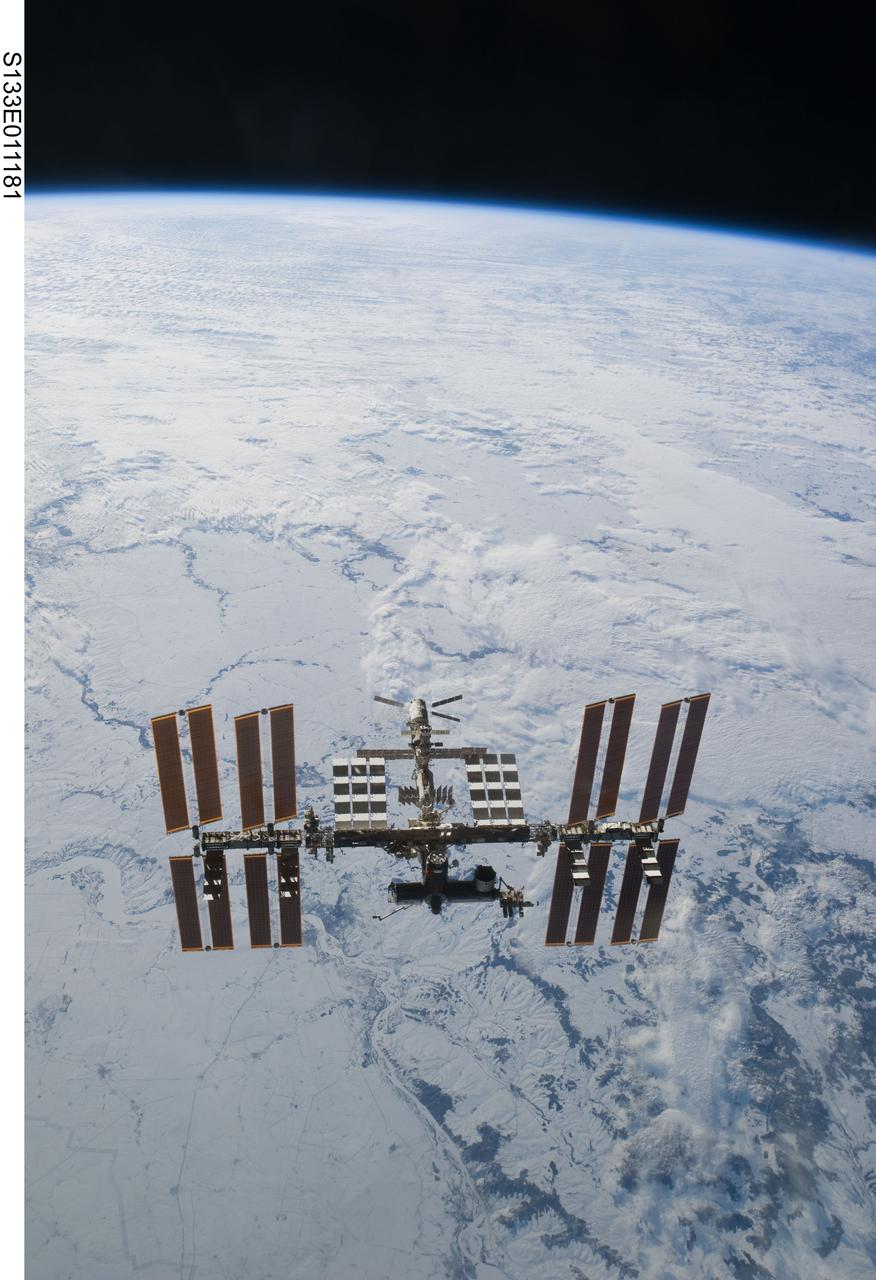
S133-E-011181 (7 March 2011) --- Backdropped against clouds over Earth, the International Space Station is seen from Discovery as the two orbital spacecraft accomplish their relative separation on March 7 after an aggregate of 12 astronauts and cosmonauts worked together for over a week. During a post undocking fly-around, the crew members aboard the two spacecraft collected a series of photos of each other’s vehicle. Photo credit: NASA or National Aeronautics and Space Administration
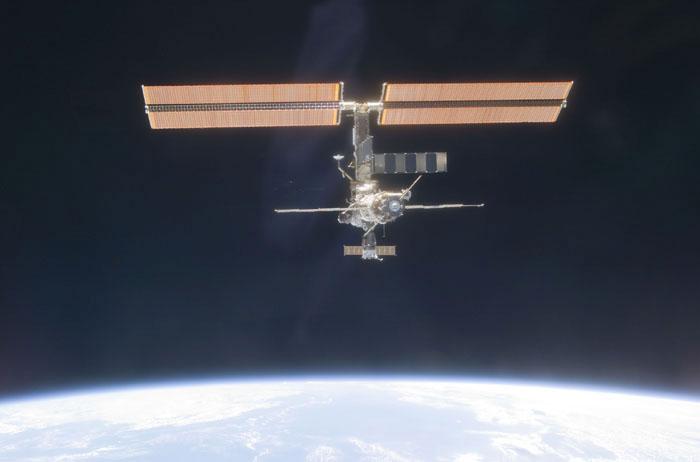
STS102-E-5345 (18 March 2001) --- The International Space Station (ISS) backdropped against black space above Earth's horizon was photographed with a digital still camera from the Space Shuttle Discovery on March 18, 2001. It is a standard practice for the shuttle to make a final fly-around of the outpost following unlinking from it. A new crew comprised of cosmonaut Yury V. Usachev and astronauts James S. Voss and Susan J. Helms will spend several months aboard the station.
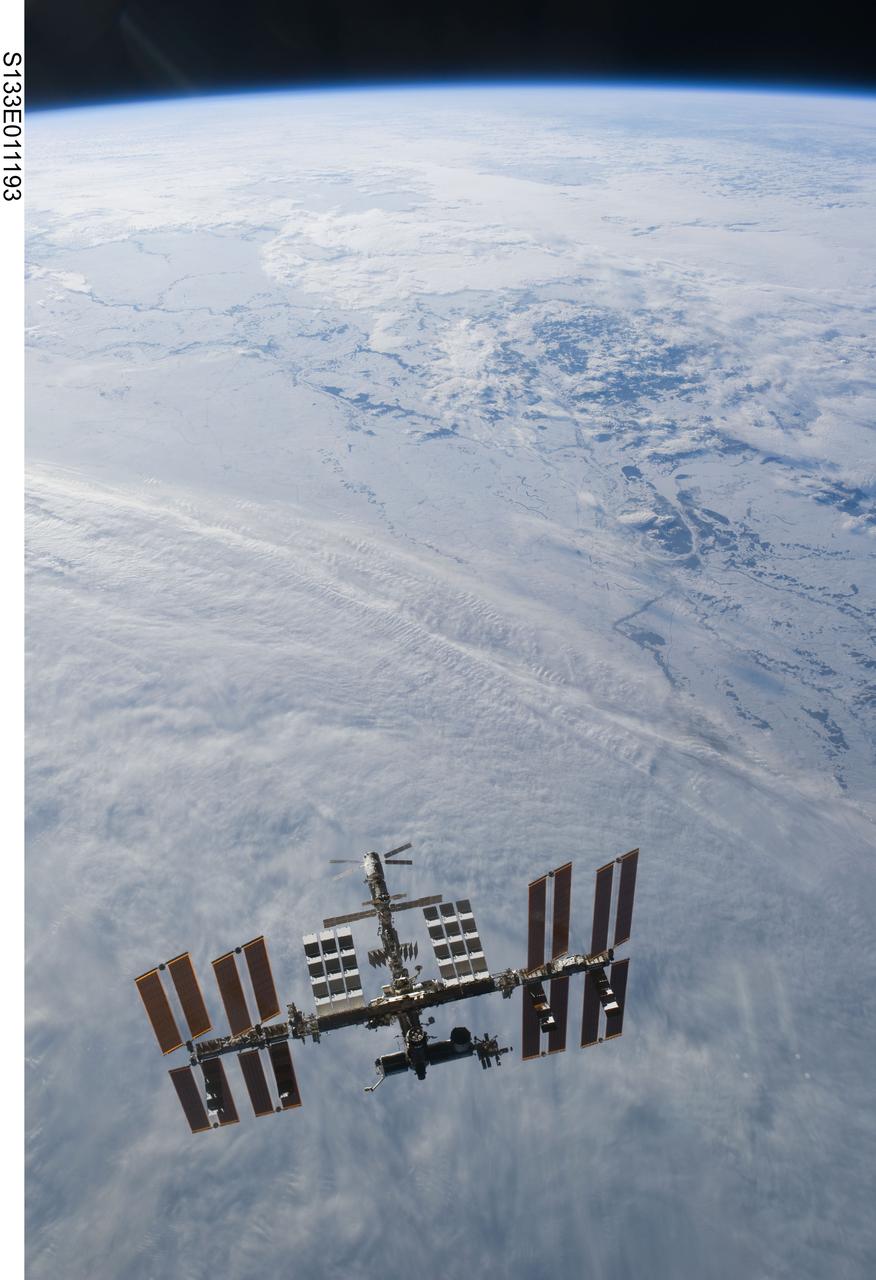
S133-E-011193(7 March 2011) --- Backdropped against clouds over Earth, the International Space Station is seen from Discovery as the two orbital spacecraft accomplish their relative separation on March 7 after an aggregate of 12 astronauts and cosmonauts worked together for over a week. During a post undocking fly-around, the crew members aboard the two spacecraft collected a series of photos of each other’s vehicle. Photo credit: NASA or National Aeronautics and Space Administration
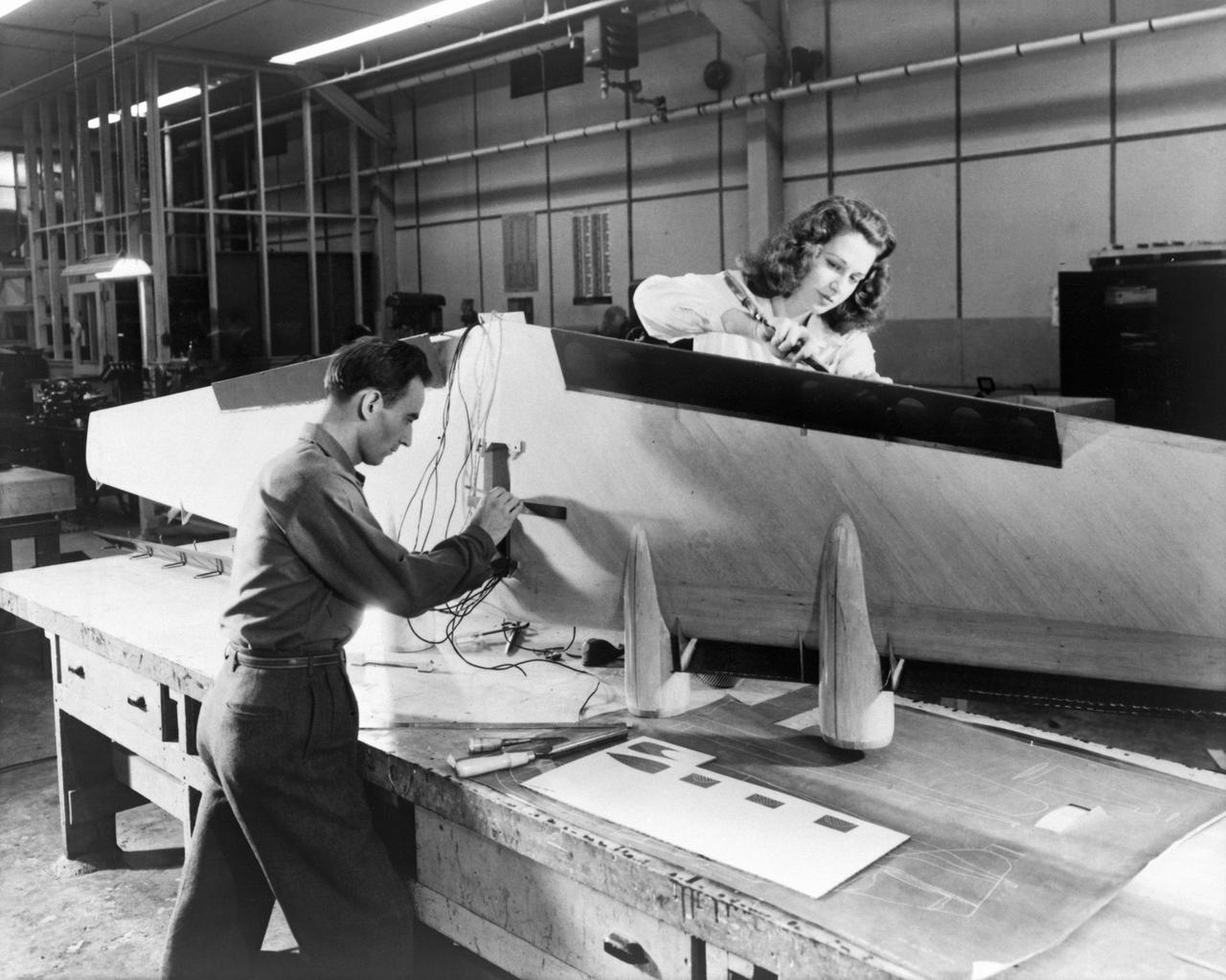
Technicians are pictured installing flaps and wiring on a flying-boat model, circa 1944 (page 47). Photograph published in Winds of Change, 75th Anniversary NASA publication, by James Schultz. Photograph also published in Engineer in Charge: A History of the Langley Aeronautical Laboratory, 1917-1958 by James R. Hansen (page 209). -- Photographed on: 04/24/1946.
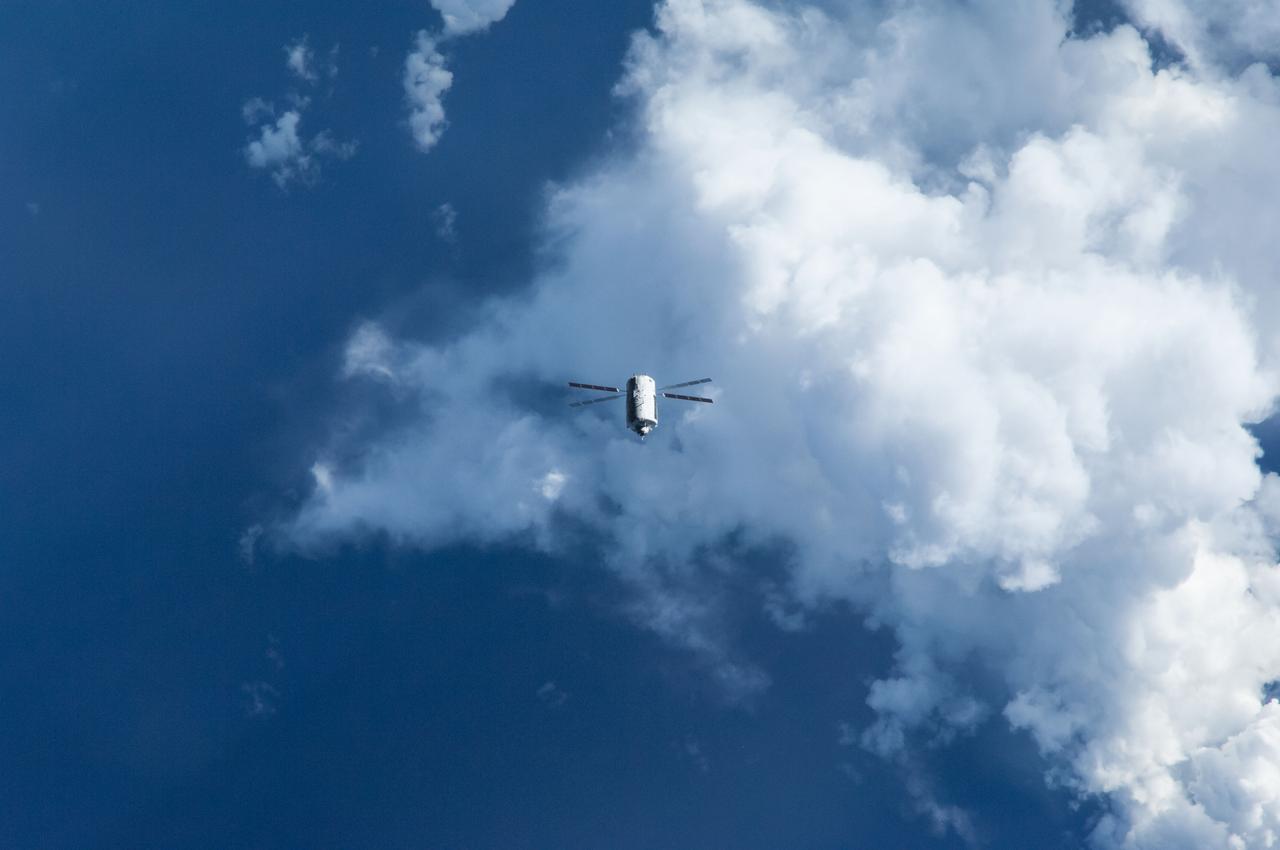
ISS040-E-089798 (8 Aug. 2014) --- The “Georges Lemaitre” Automated Transfer Vehicle (ATV-5), photographed by an Expedition 40 crew member, flies directly under the International Space Station at a distance of about 3.7 miles to test sensors and radar systems designed for future European spacecraft. After its “fly-under” of the station, the ATV will move in front of, above, and behind the outpost for the final days of its two-week rendezvous that will lead to an automated docking to the aft port of the Zvezda Service Module on Aug. 12.
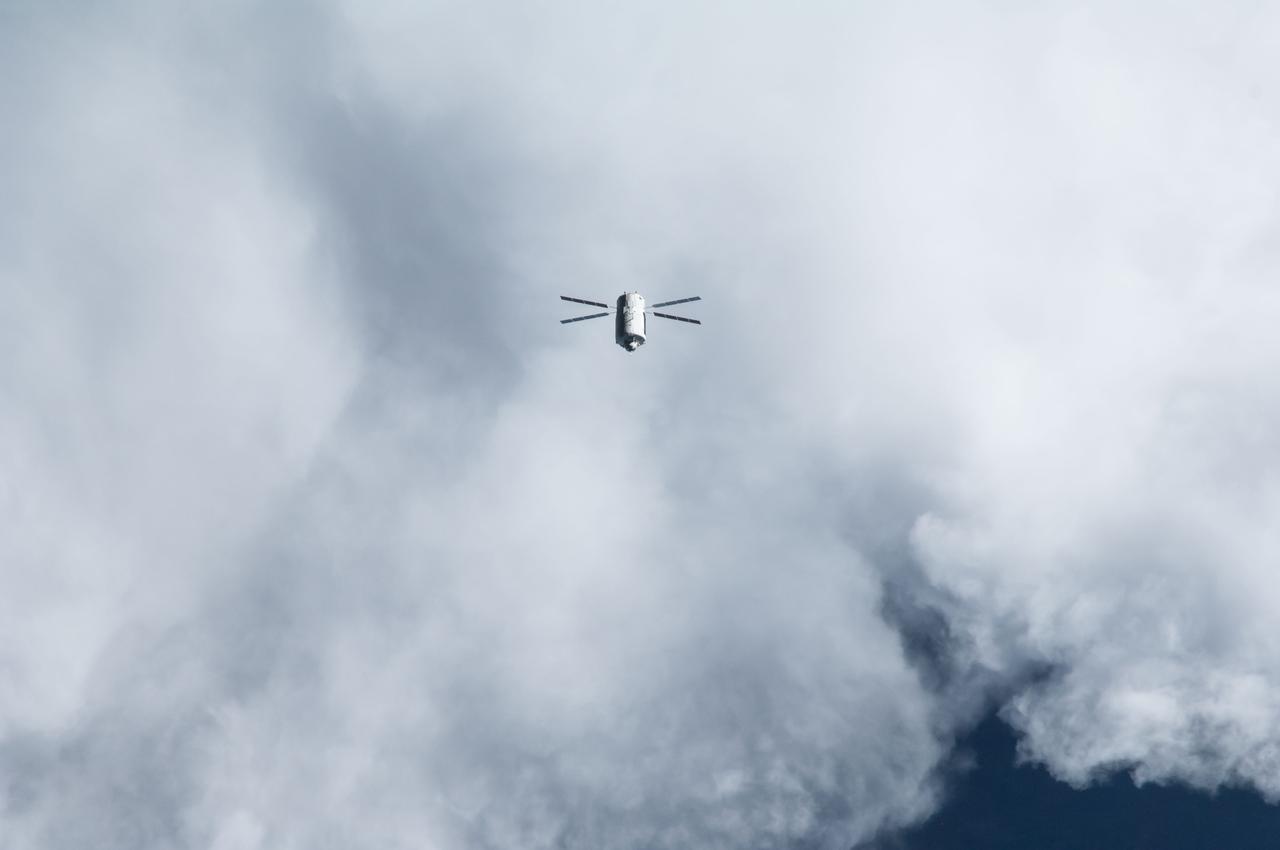
ISS040-E-089793 (8 Aug. 2014) --- The “Georges Lemaitre” Automated Transfer Vehicle (ATV-5), photographed by an Expedition 40 crew member, flies directly under the International Space Station at a distance of about 3.7 miles to test sensors and radar systems designed for future European spacecraft. After its “fly-under” of the station, the ATV will move in front of, above, and behind the outpost for the final days of its two-week rendezvous that will lead to an automated docking to the aft port of the Zvezda Service Module on Aug. 12.
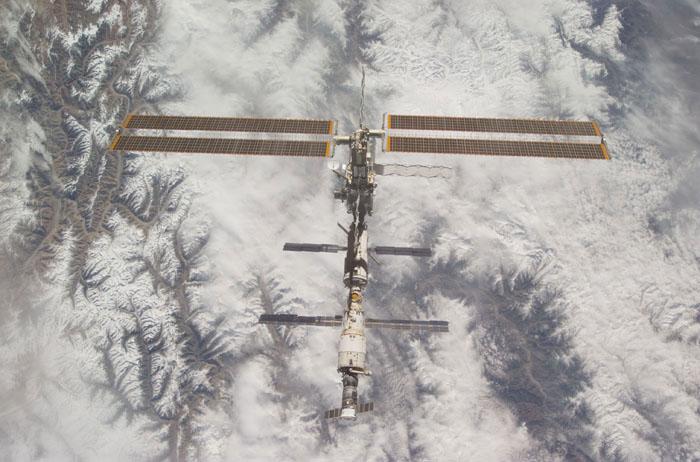
STS102-E-5322 (18 March 2001) --- The International Space Station (ISS) backdropped against clouds and snow-covered mountains was photographed with a digital still camera from the Space Shuttle Discovery on March 18, 2001. It is a standard operation for the shuttle to make a final fly-around of the outpost following unlinking from it. A new crew comprised of cosmonaut Yury V. Usachev and astronauts James S. Voss and Susan J. Helms will spend several months aboard the station.
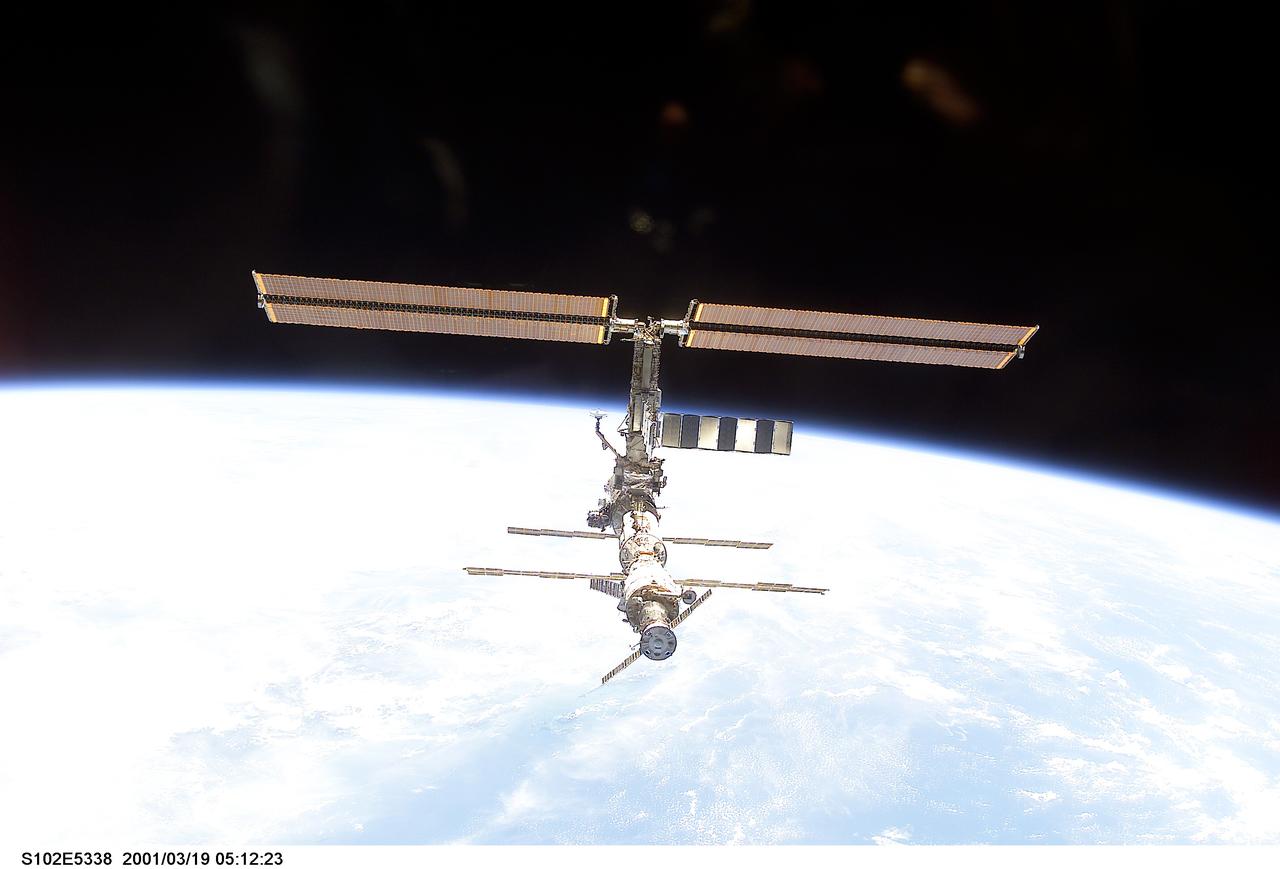
STS102-E-5338 (18 March 2001) --- The International Space Station (ISS) backdropped against Earth's horizon was photographed with a digital still camera from the Space Shuttle Discovery on March 18, 2001. It is a standard practice for the shuttle to make a final fly-around of the outpost following unlinking from it. A new crew comprised of cosmonaut Yury V. Usachev and astronauts James S. Voss and Susan J. Helms will spend several months aboard the station.
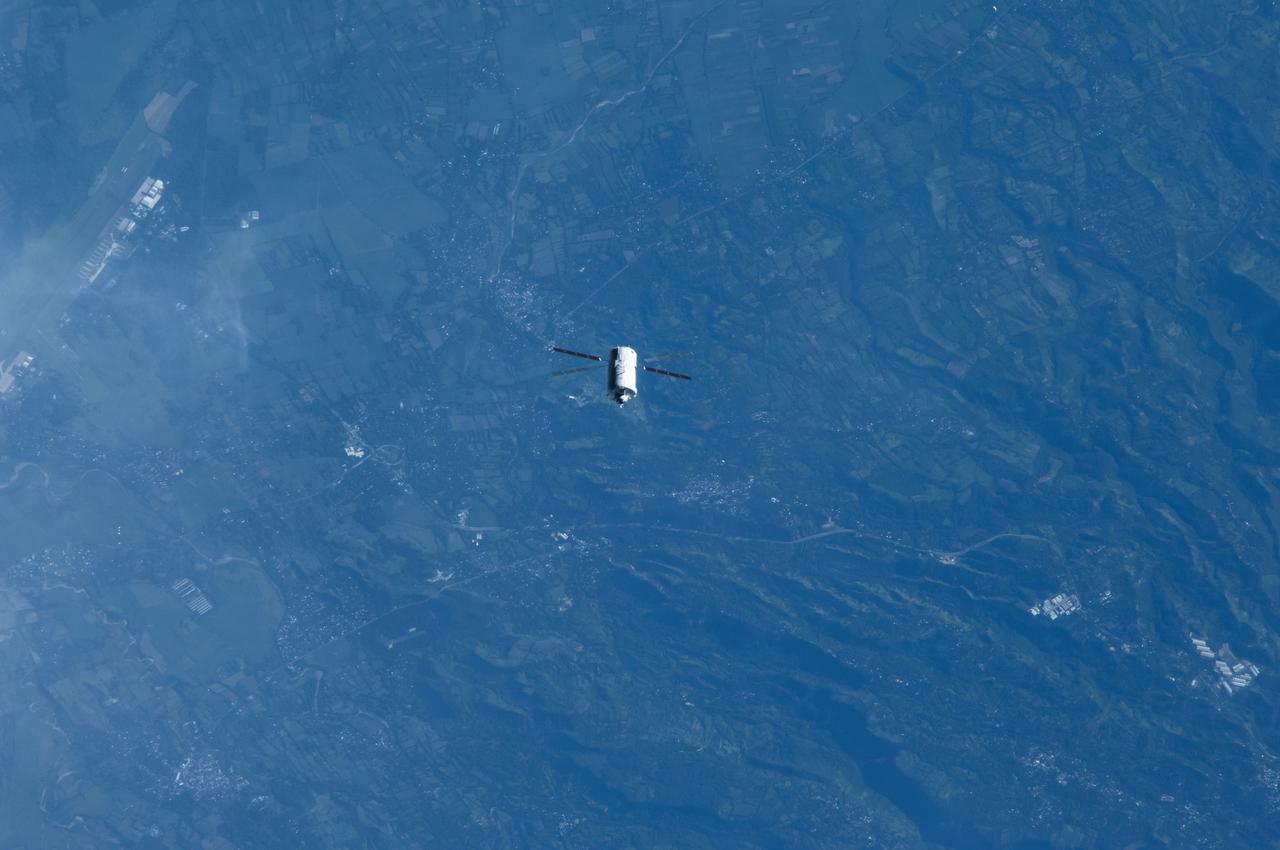
ISS040-E-089782 (8 Aug. 2014) --- The “Georges Lemaitre” Automated Transfer Vehicle (ATV-5), photographed by an Expedition 40 crew member, flies directly under the International Space Station at a distance of about 3.7 miles to test sensors and radar systems designed for future European spacecraft. After its “fly-under” of the station, the ATV will move in front of, above, and behind the outpost for the final days of its two-week rendezvous that will lead to an automated docking to the aft port of the Zvezda Service Module on Aug. 12.
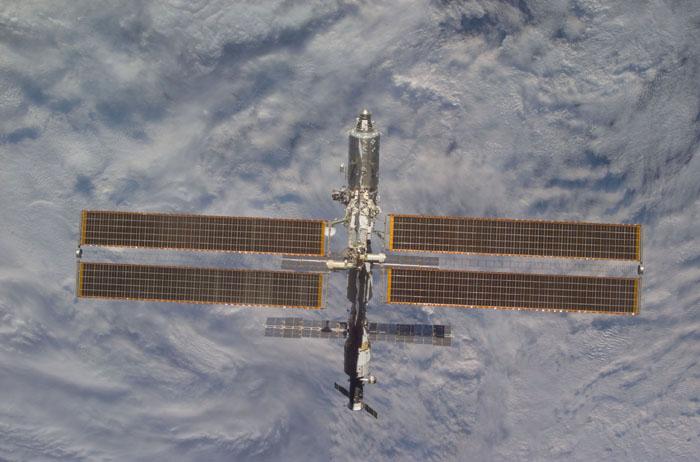
STS102-E-5315 (18 March 2001) --- The International Space Station (ISS) backdropped against a mass of clouds over Earth was photographed with a digital still camera from the Space Shuttle Discovery on March 18, 2001. It is a standard operation for the shuttle to make a final fly-around of the outpost following unlinking from it. A new crew comprised of cosmonaut Yury V. Usachev and astronauts James S. Voss and Susan J. Helms will spend several months aboard the station.
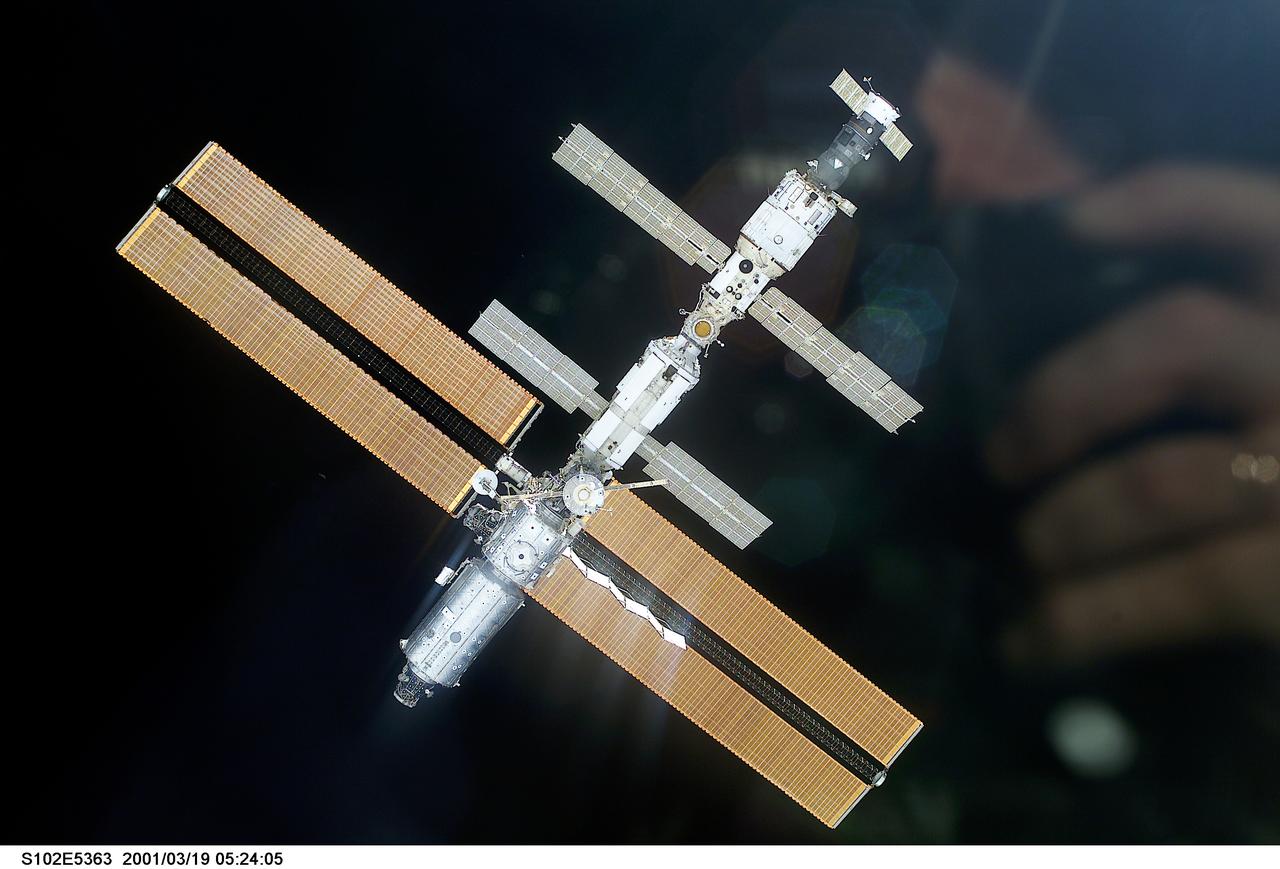
STS102-E-5363 (18 March 2001) --- The International Space Station (ISS) backdropped against black space was photographed with a digital still camera from the Space Shuttle Discovery on March 18, 2001. It is a standard practice for the shuttle to make a final fly-around of the outpost following unlinking from it. A new crew comprised of cosmonaut Yury V. Usachev and astronauts James S. Voss and Susan J. Helms will spend several months aboard the station.
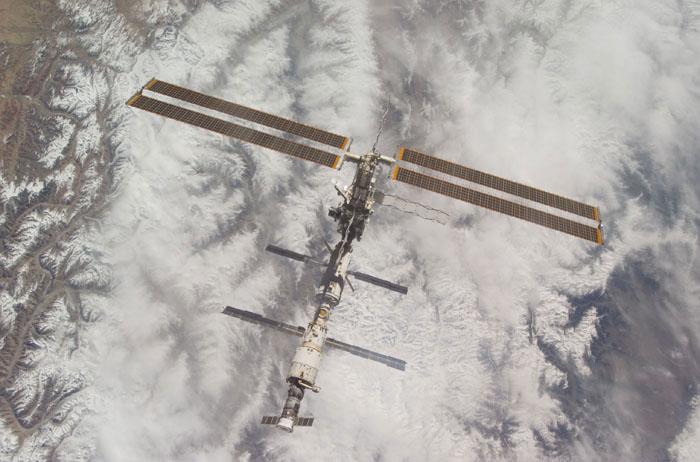
STS102-E-5323 (18 March 2001) --- The International Space Station (ISS) backdropped against clouds and snow-covered mountains was photographed with a digital still camera from the Space Shuttle Discovery on March 18, 2001. It is a standard operation for the shuttle to make a final fly-around of the outpost following unlinking from it. A new crew comprised of cosmonaut Yury V. Usachev and astronauts James S. Voss and Susan J. Helms will spend several months aboard the station.
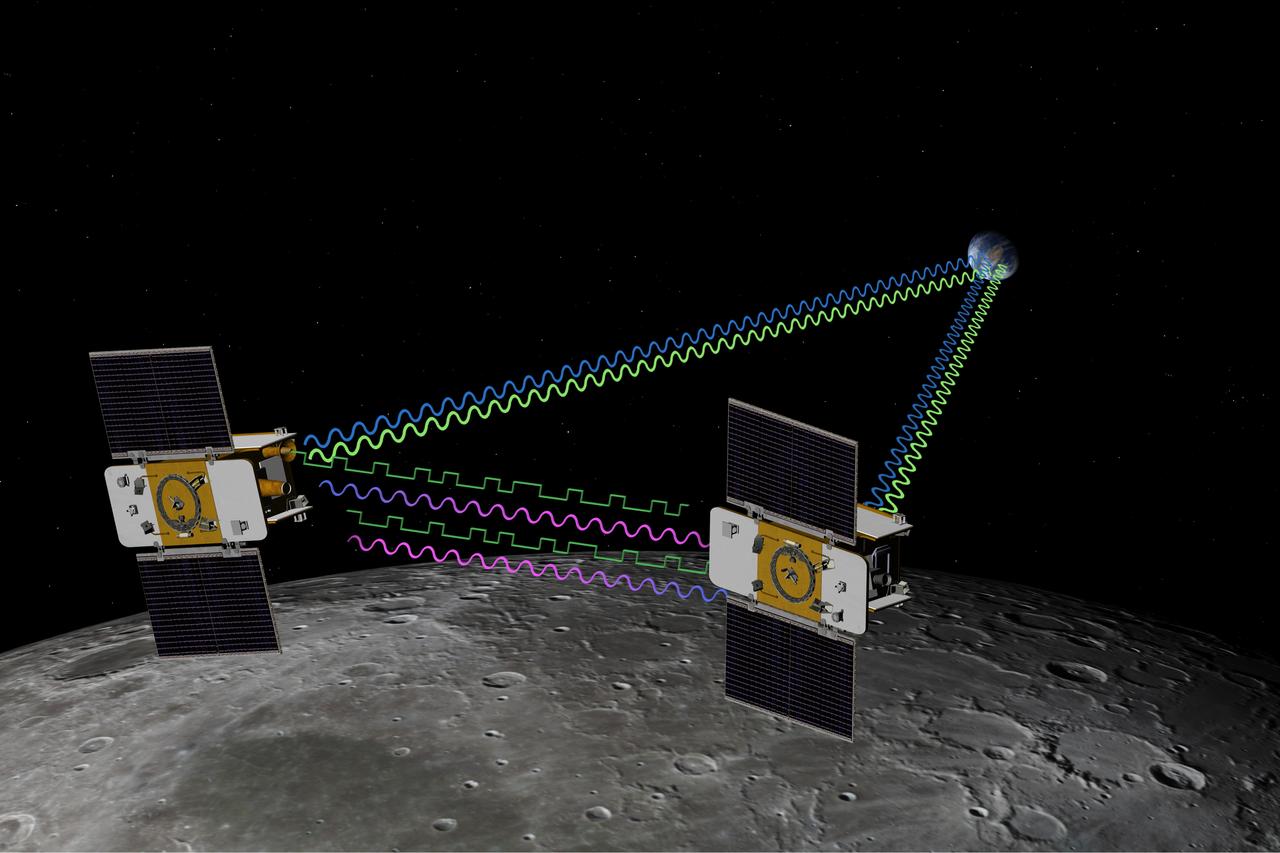
The Gravity Recovery and Interior Laboratory GRAIL mission utilizes the technique of twin spacecraft flying in formation with a known altitude above the lunar surface and known separation distance to investigate the gravity field of the moon.
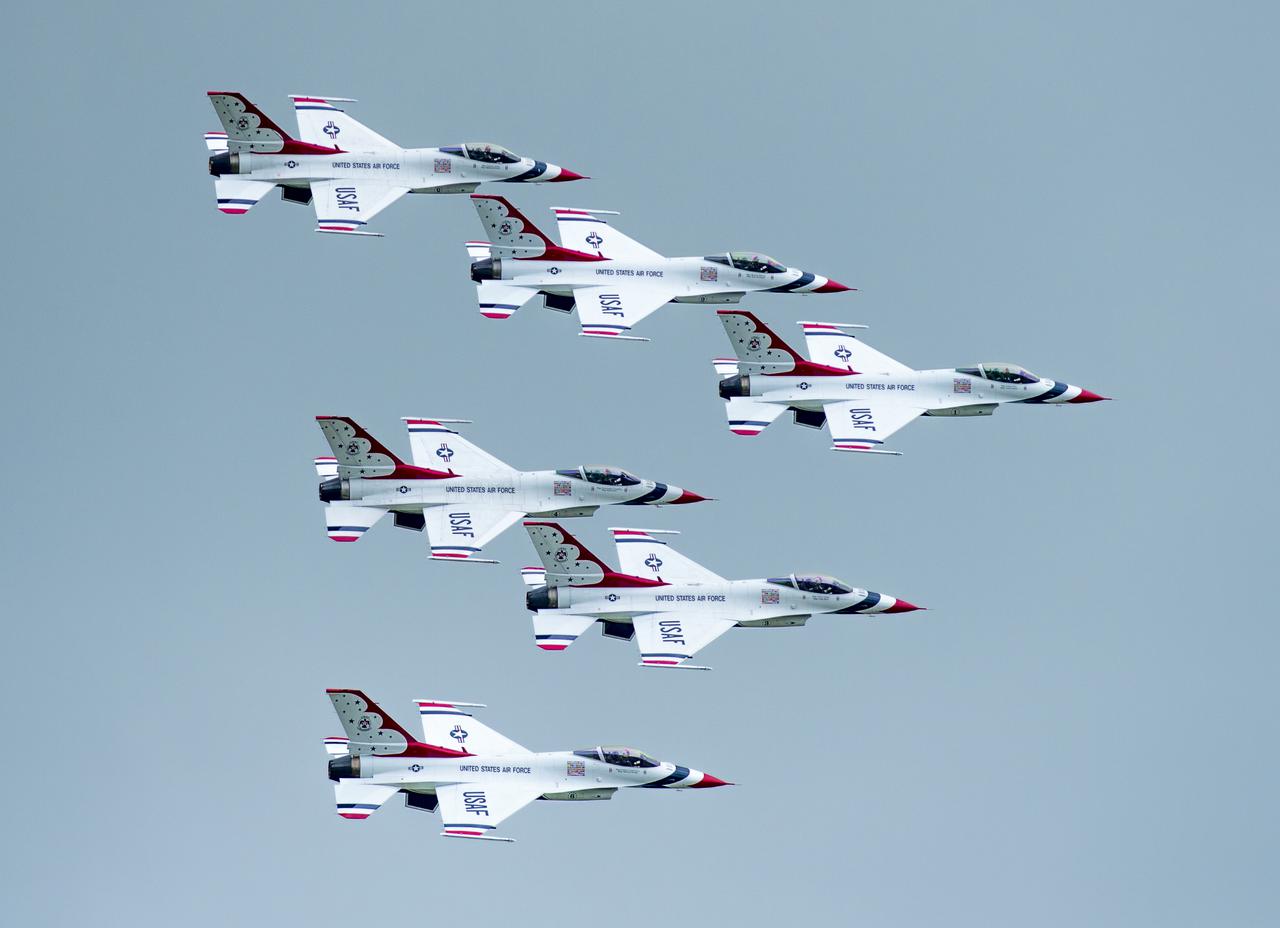
The United States Air Force Thunderbirds flying over NASA Langley Research Center while practicing for an air show at Langley Air Force Base Virginia.
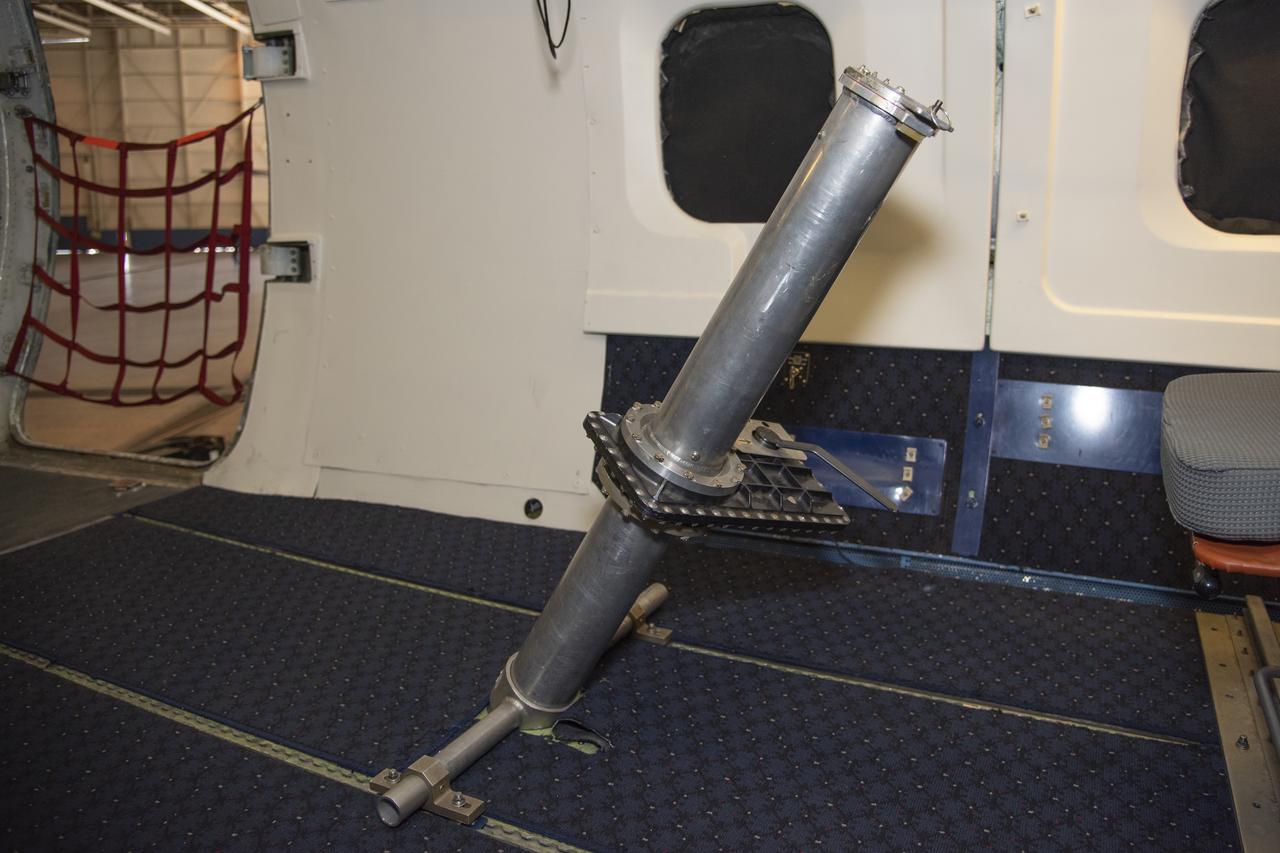
To verify the lidar data they're collecting on the DC-8 airborne science laboratory, Aeolus mission scientists will use dropsondes, which are devices they'll drop from this tube in the aircraft to collect wind and water vapor data.
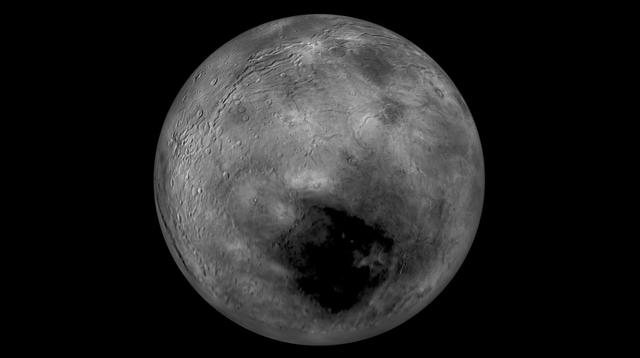
Images from NASA New Horizons spacecraft were used to create a flyover video (PIA19965) of Pluto largest moon, Charon. The flight starts with the informally named Mordor dark region near Charon north pole. In the video, the camera then moves south to a vast chasm, descending from 1,100 miles (1,800 kilometers) to just 40 miles (60 kilometers) above the surface to fly through the canyon system. From there it's a turn to the south to view the plains and "moat mountain," informally named Kubrick Mons, a prominent peak surrounded by a topographic depression. http://photojournal.jpl.nasa.gov/catalog/PIA19965
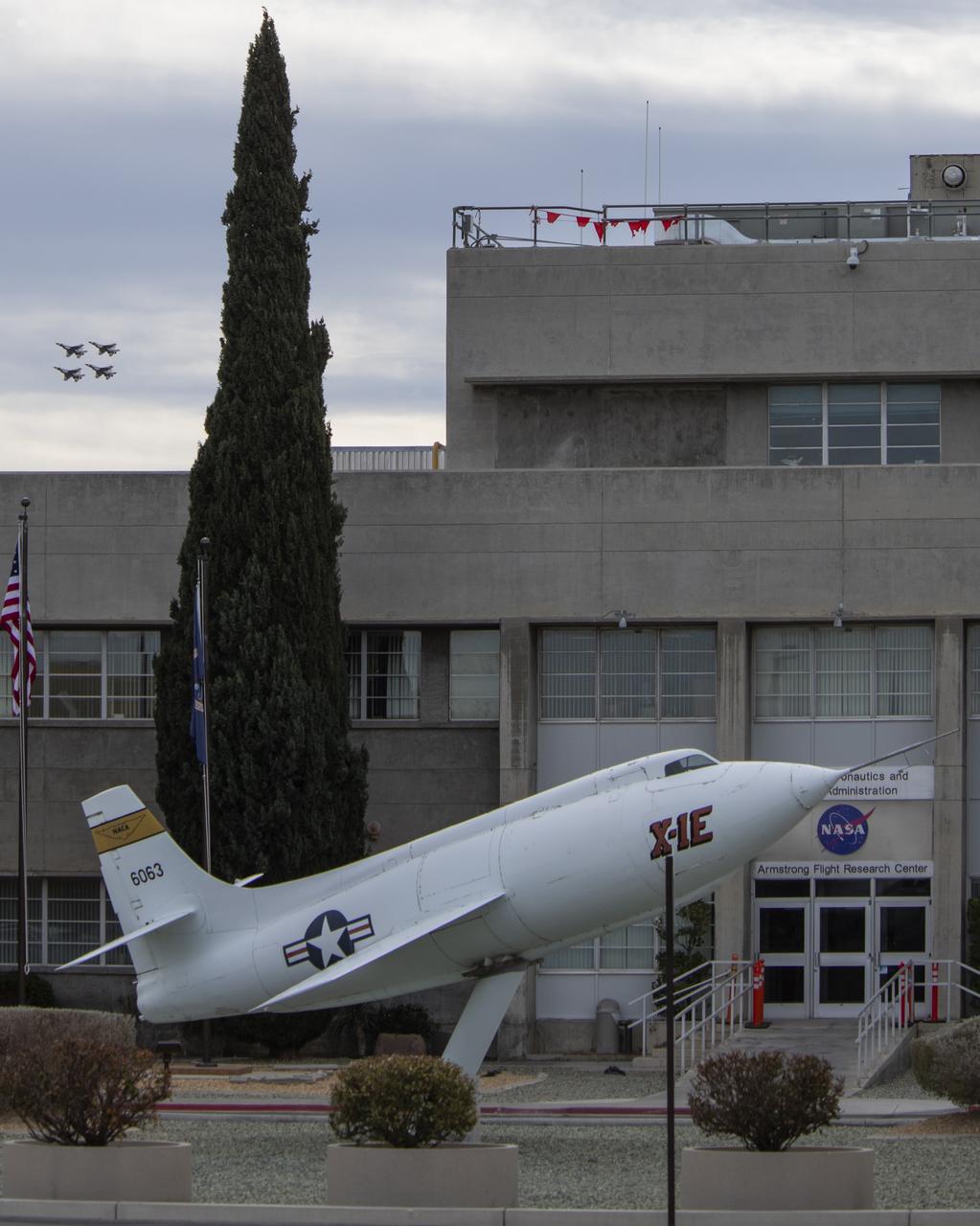
The U.S. Air Force Thunderbirds fly over NASA’s Armstrong Flight Research Center in Edwards, California, during the second phase of its winter training in February 2025 to prepare for the upcoming air show season. The Thunderbirds perform all over the world in F-16 Fighting Falcons, a multi-role fighter jet.
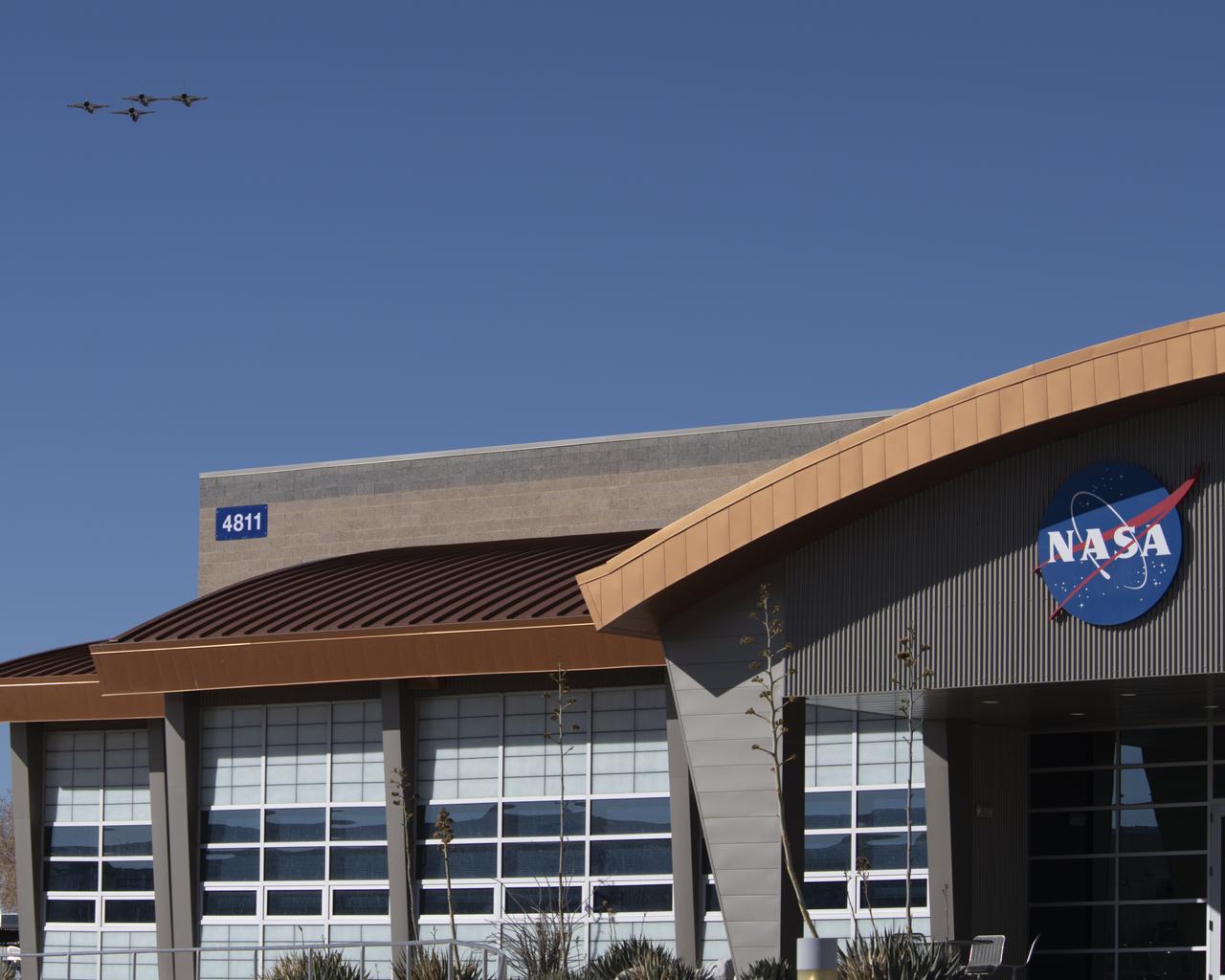
The U.S. Air Force Thunderbirds fly over NASA’s Armstrong Flight Research Center in Edwards, California, during the second phase of its winter training in February 2025 to prepare for the upcoming air show season. The Thunderbirds perform all over the world in F-16 Fighting Falcons, a multi-role fighter jet.
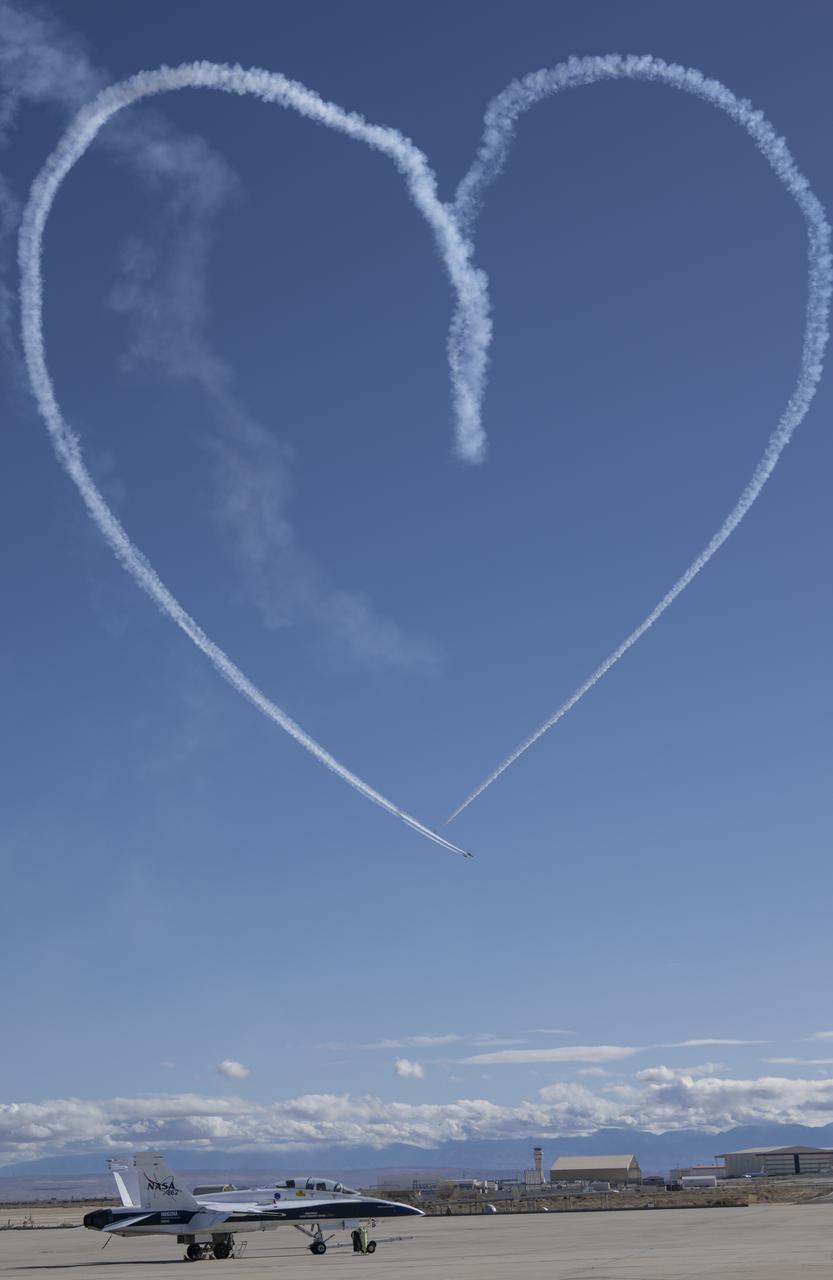
The U.S. Air Force Thunderbirds fly over NASA’s Armstrong Flight Research Center in Edwards, California, during the second phase of its winter training in February 2025 to prepare for the upcoming air show season. The Thunderbirds perform all over the world in F-16 Fighting Falcons, a multi-role fighter jet.
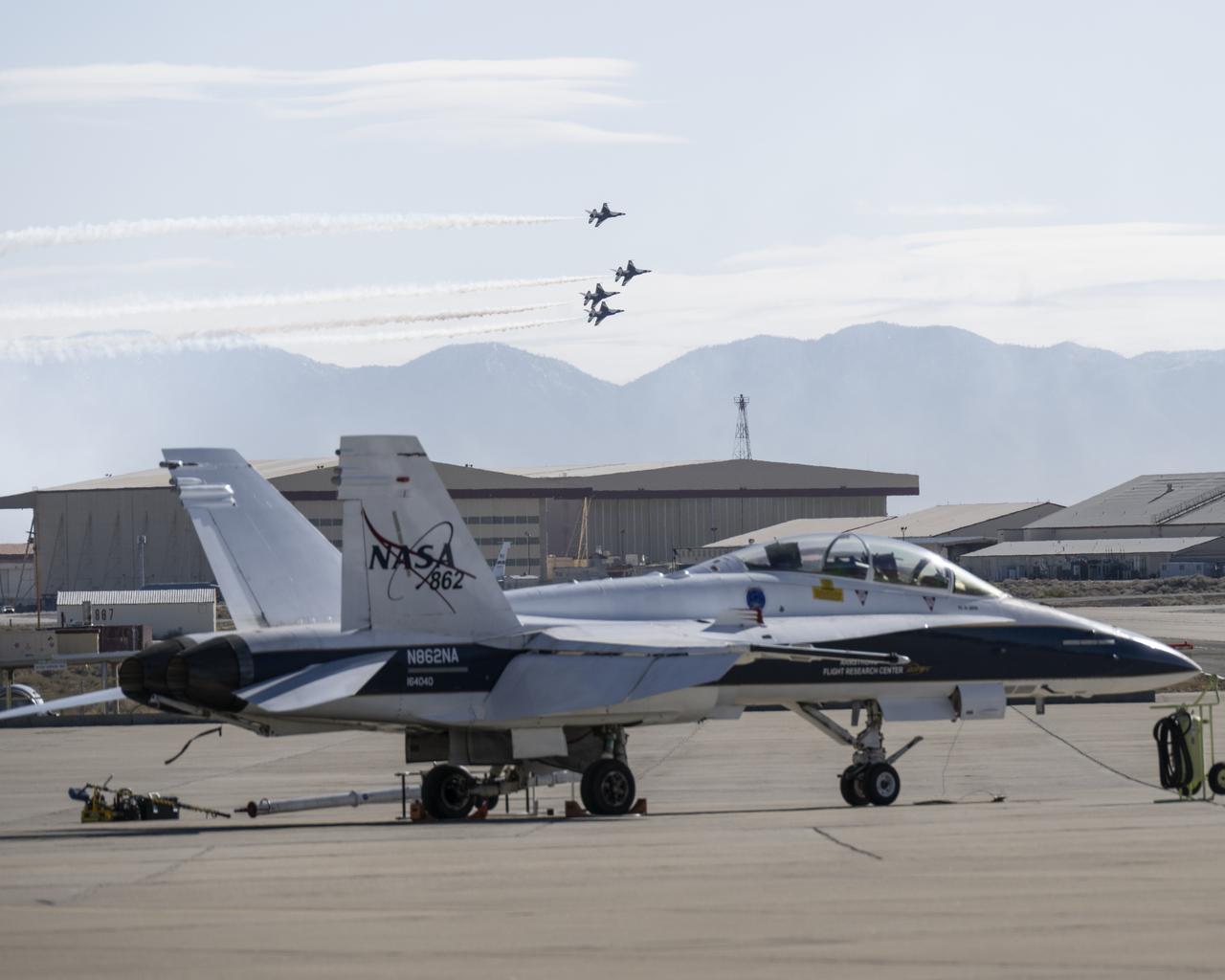
The U.S. Air Force Thunderbirds fly over NASA’s Armstrong Flight Research Center in Edwards, California, during the second phase of its winter training in February 2025 to prepare for the upcoming air show season. The Thunderbirds perform all over the world in F-16 Fighting Falcons, a multi-role fighter jet.
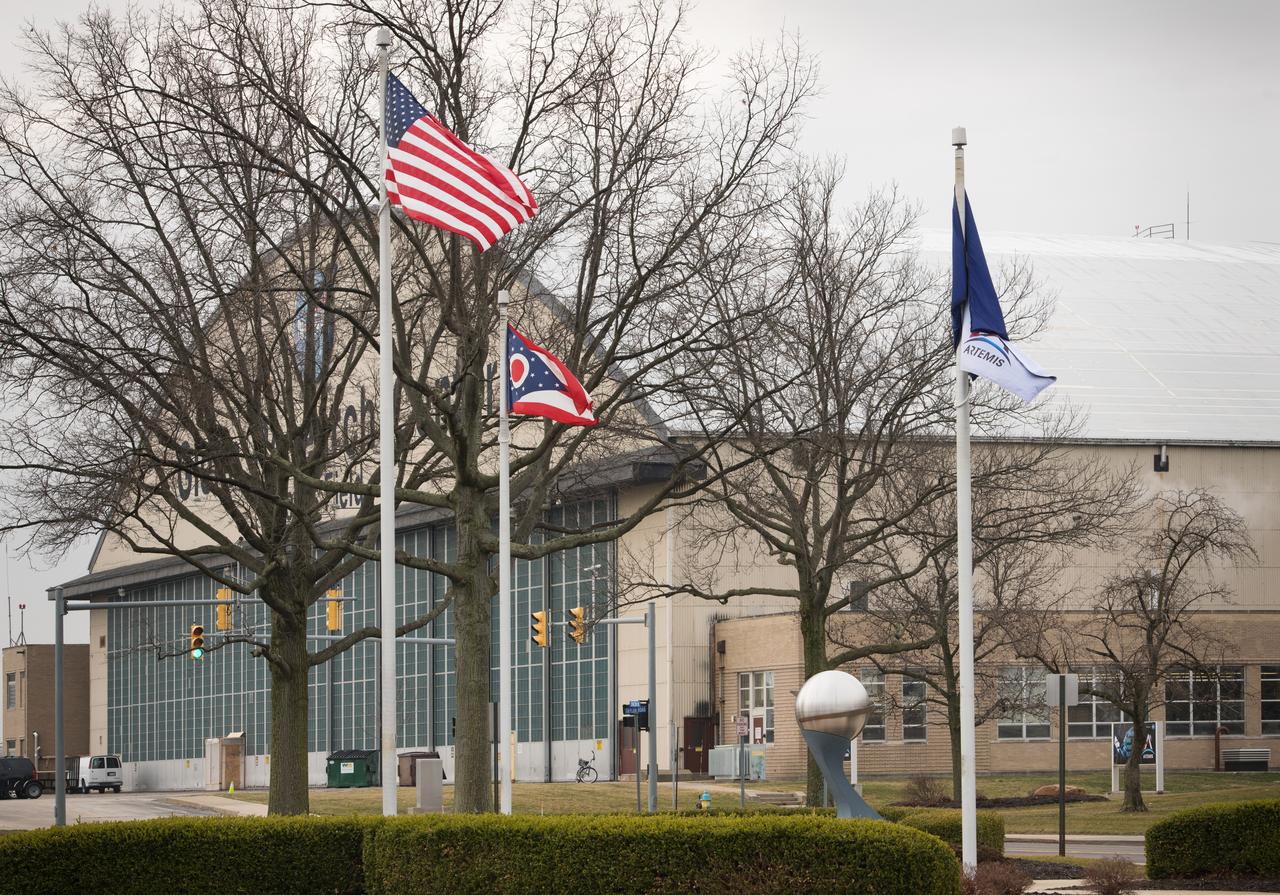
Artemis Flag Flys in Front of the Glenn Research Center Administration Building
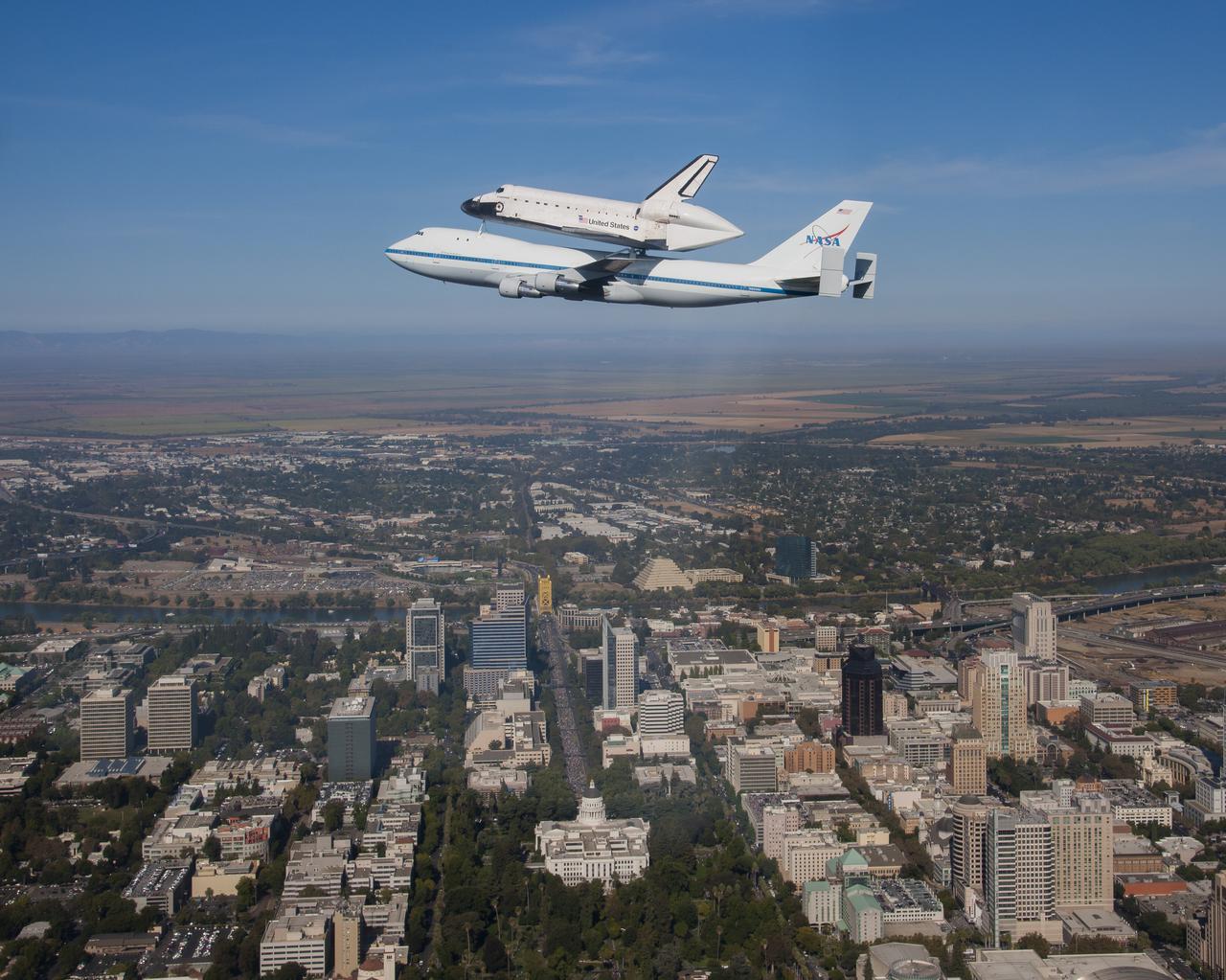
Shuttle Endeavour was ferried to Los Angeles, briefly flying over the California state capitol, Sacramento, then demated from its NASA 747 and trailered to the California Science Center.
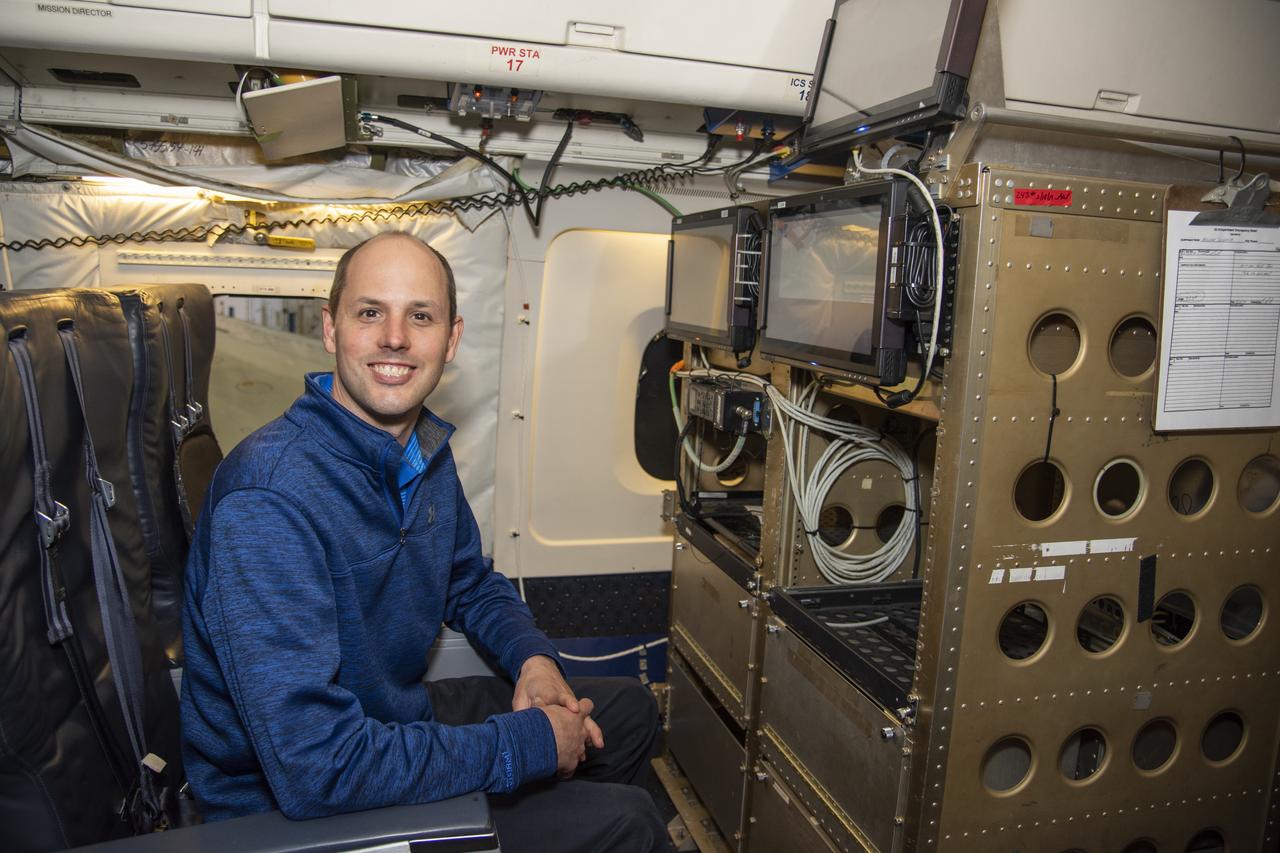
NASA Langley Research Center's Kris Bedka, pictured here on the DC-8 flying laboratory, is the lead for an airborne mission called Aeoulus that is advancing laser-based technologies for measuring winds in the lower atmosphere.
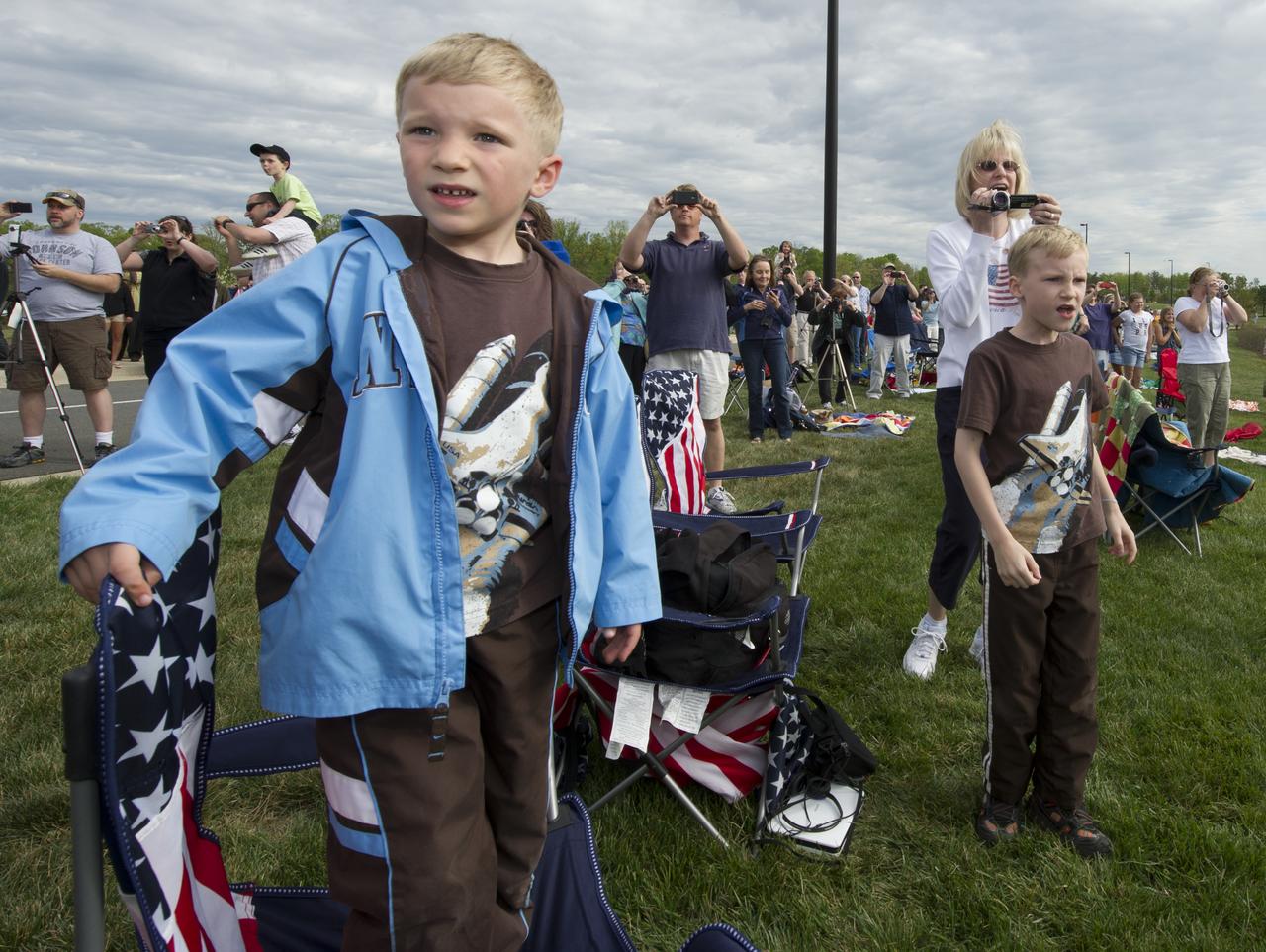
Jarod Ondas (left), of Virginia, and his brother Austin, watch as space shuttle Discovery approaches the National Air and Space Museum’s Steven F. Udvar-Hazy Center for its fly-over, Tuesday, April 17, 2012, in Chantilly, Va. Discovery, the first orbiter retired from NASA’s shuttle fleet, completed 39 missions, spent 365 days in space, orbited the Earth 5,830 times, and traveled 148,221,675 miles. NASA will transfer Discovery to the National Air and Space Museum to begin its new mission to commemorate past achievements in space and to educate and inspire future generations of explorers. Photo Credit: (NASA/Carla Cioffi)
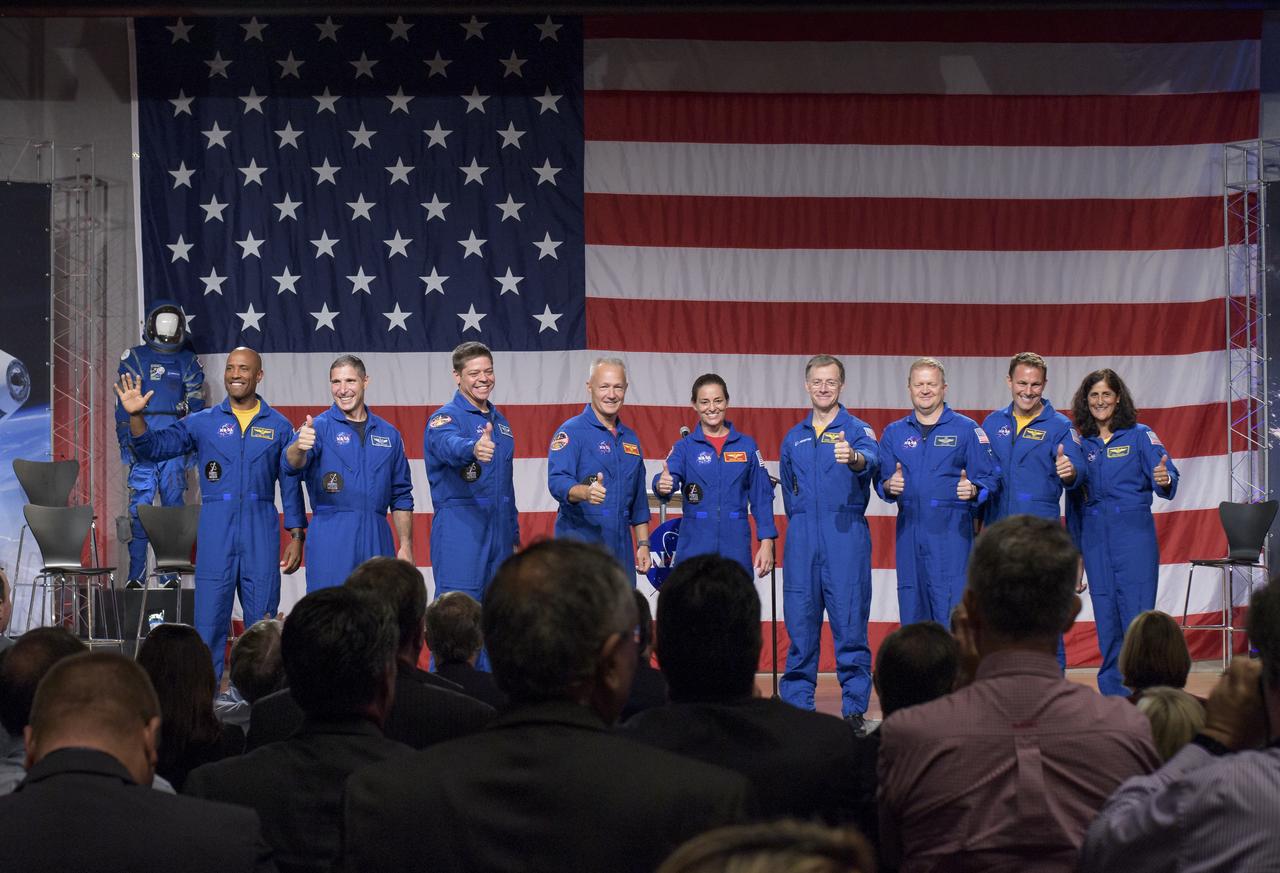
The first U.S. astronauts who will fly on American-made, commercial spacecraft to and from the International Space Station, wave after being announced, Friday, Aug. 3, 2018 at NASA's Johnson Space Center in Houston, Texas. The astronauts are, from left to right: Victor Glover, Mike Hopkins, Bob Behnken, Doug Hurley, Nicole Aunapu Mann, Chris Ferguson, Eric Boe, Josh Cassada, and Suni Williams. The agency assigned the nine astronauts to crew the first flight tests and missions of the Boeing CST-100 Starliner and SpaceX Crew Dragon. Photo Credit: (NASA/Bill Ingalls)
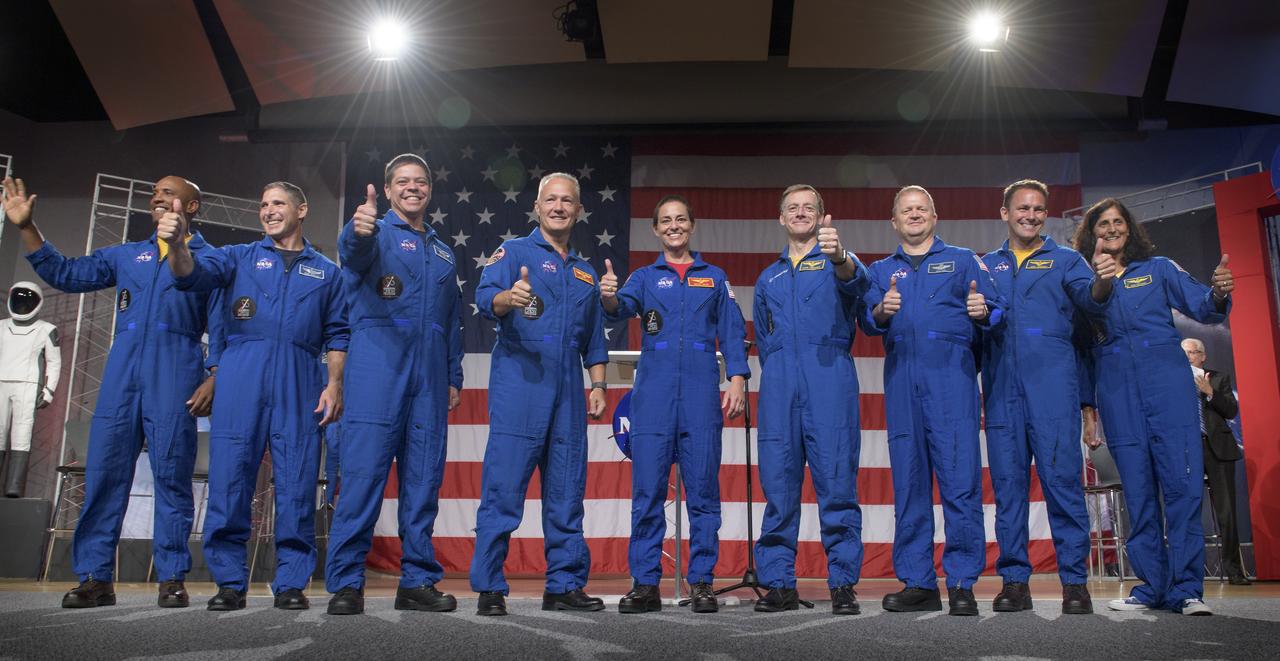
The first U.S. astronauts who will fly on American-made, commercial spacecraft to and from the International Space Station, wave after being announced, Friday, Aug. 3, 2018 at NASA's Johnson Space Center in Houston, Texas. The astronauts are, from left to right: Victor Glover, Mike Hopkins, Bob Behnken, Doug Hurley, Nicole Aunapu Mann, Chris Ferguson, Eric Boe, Josh Cassada, and Suni Williams. The agency assigned the nine astronauts to crew the first flight tests and missions of the Boeing CST-100 Starliner and SpaceX Crew Dragon. Photo Credit: (NASA/Bill Ingalls)
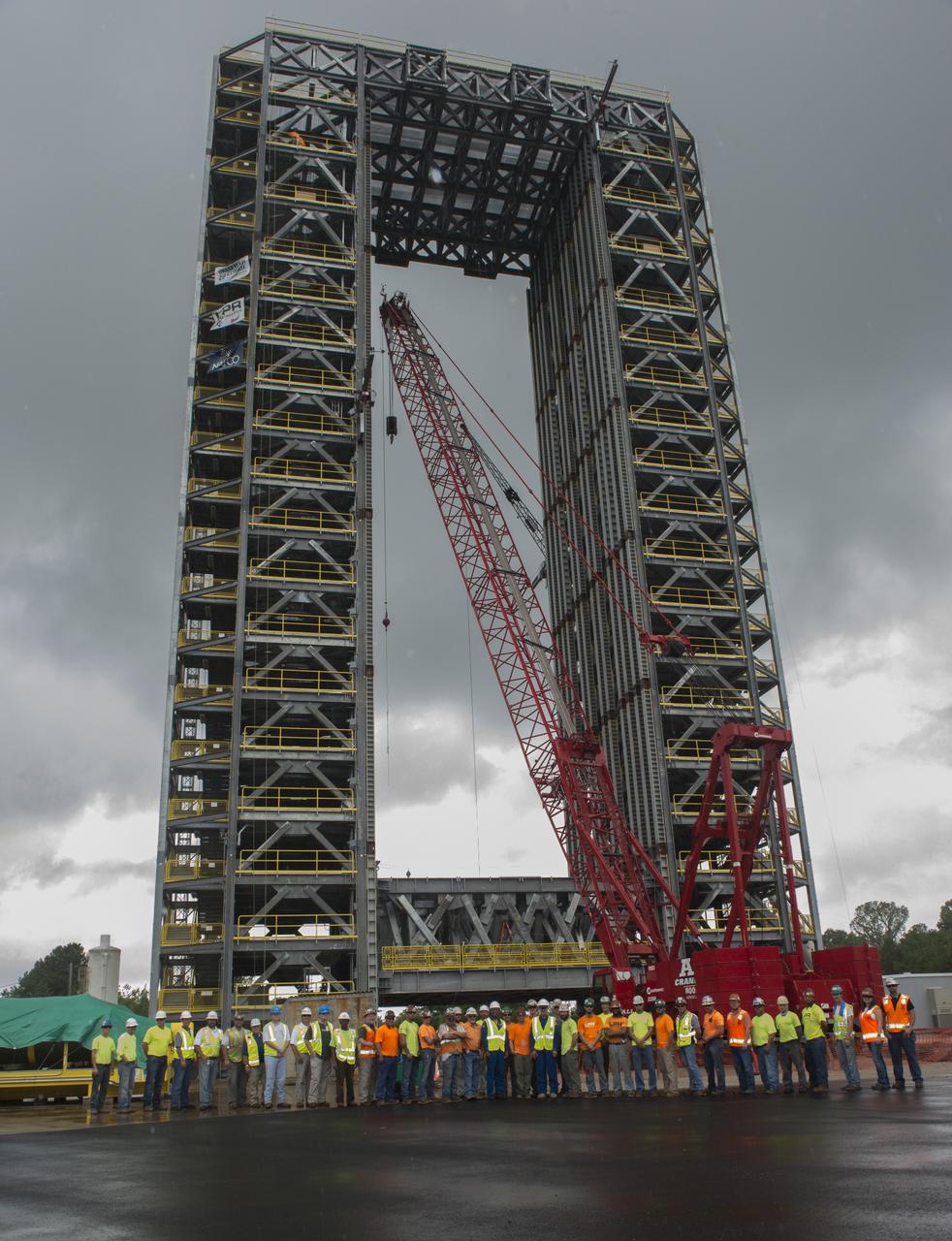
T-38 JETS FLY-OVER TEST STAND 4693 AND ASTRONAUTS DON PETTIT AND VICTOR GLOVER VISIT WITH CONSTRUCTION PERSONNEL.
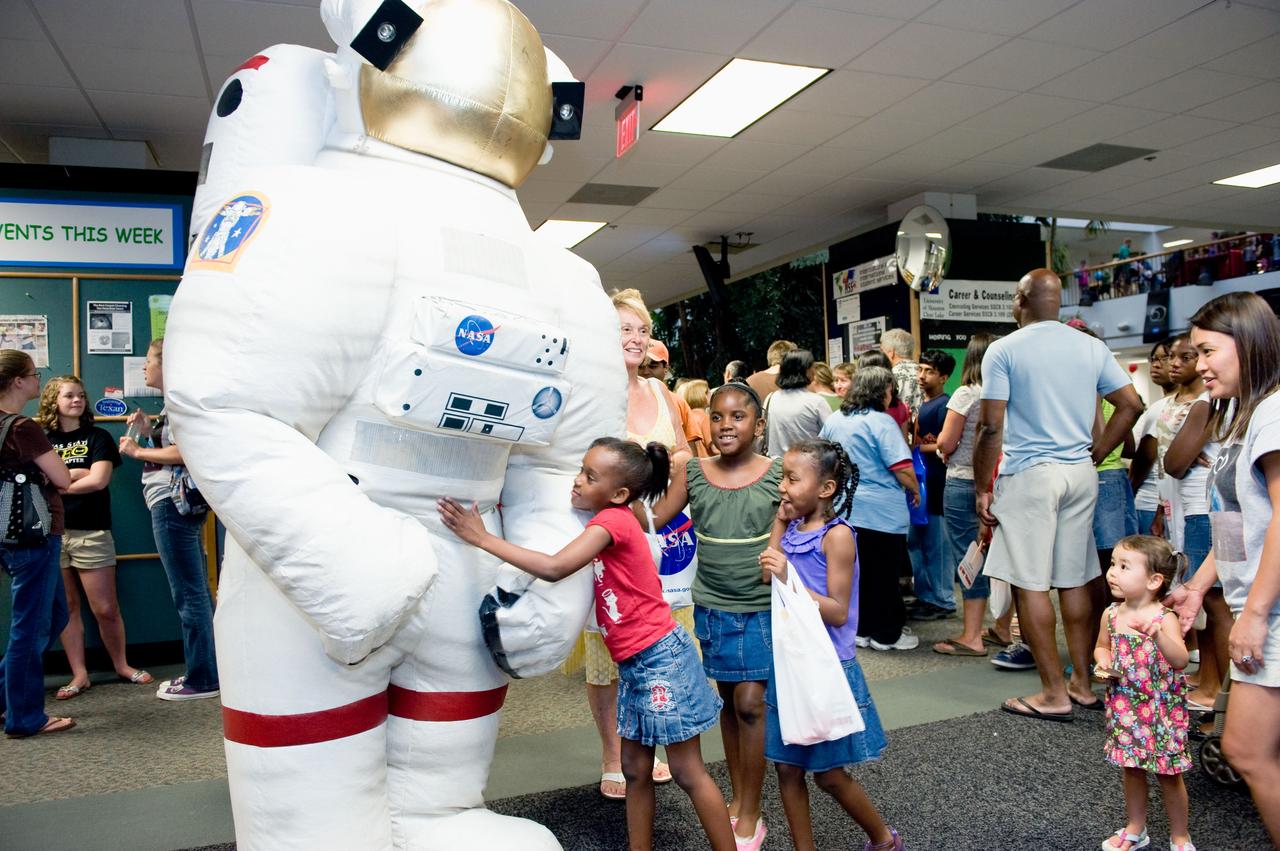
"Fly Me to the Moon: A Community Celebration of the First Lunar Landing" at University of Houston - Clear Lake
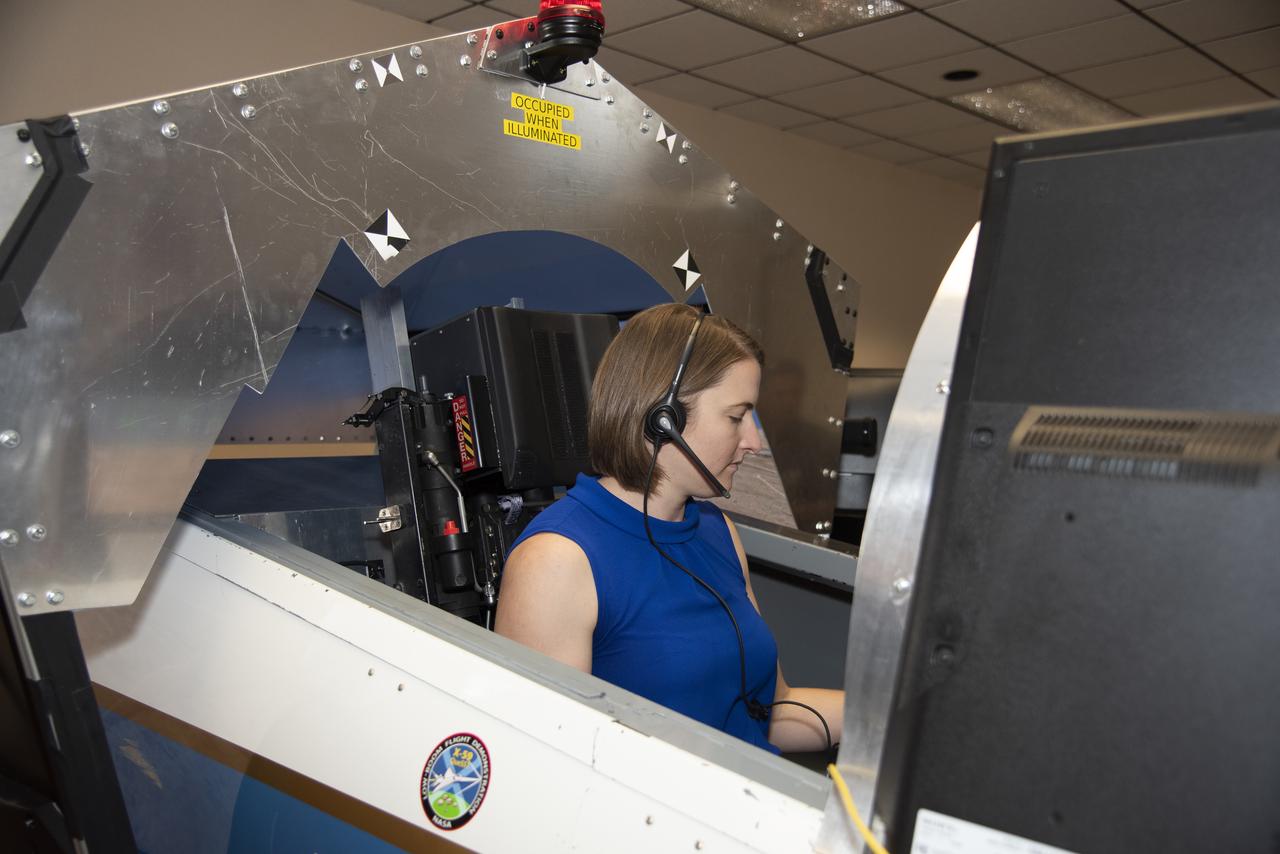
NASA's 2017 astronaut candidate Kayla Barron practices flying in an X-59 QueSST simulator at Armstrong Flight Research Center, in Southern California. The low boom flight demonstrator, X-59, being built at Lockheed Martin and was designed to fly at supersonic speeds over land without the loud noise of breaking the sound barrier and disturbing communities.
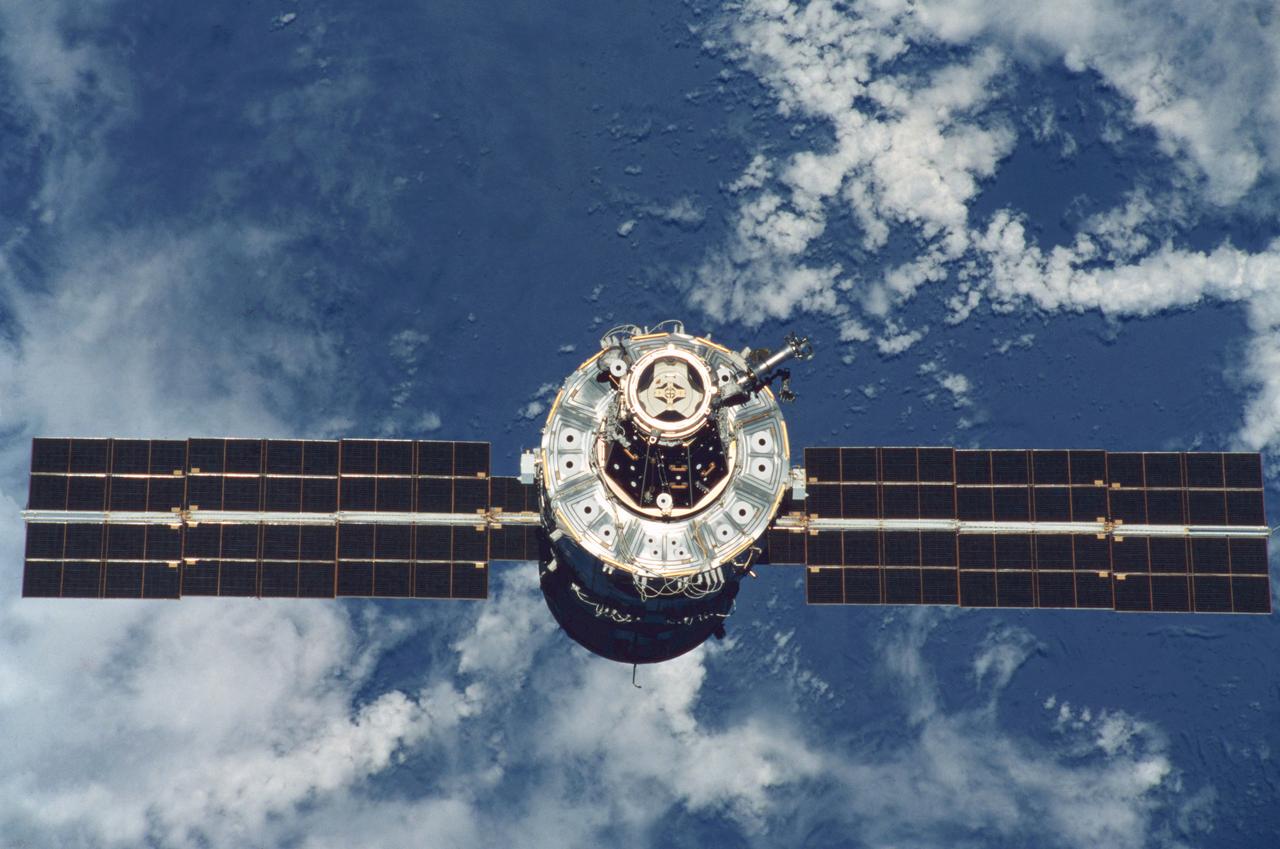
STS096-345-033 (3 June 1999) --- A STS-96 crew member aboard Discovery handling a 35mm camera recorded this image of the International Space Station (ISS) during a fly-around following separation of the two spacecraft. A portion of the work performed on the May 30 space walk by astronauts Tamara E. Jernigan and Daniel T. Barry is evident in the photo, including the installation of the Russian-built crane (called Strela).
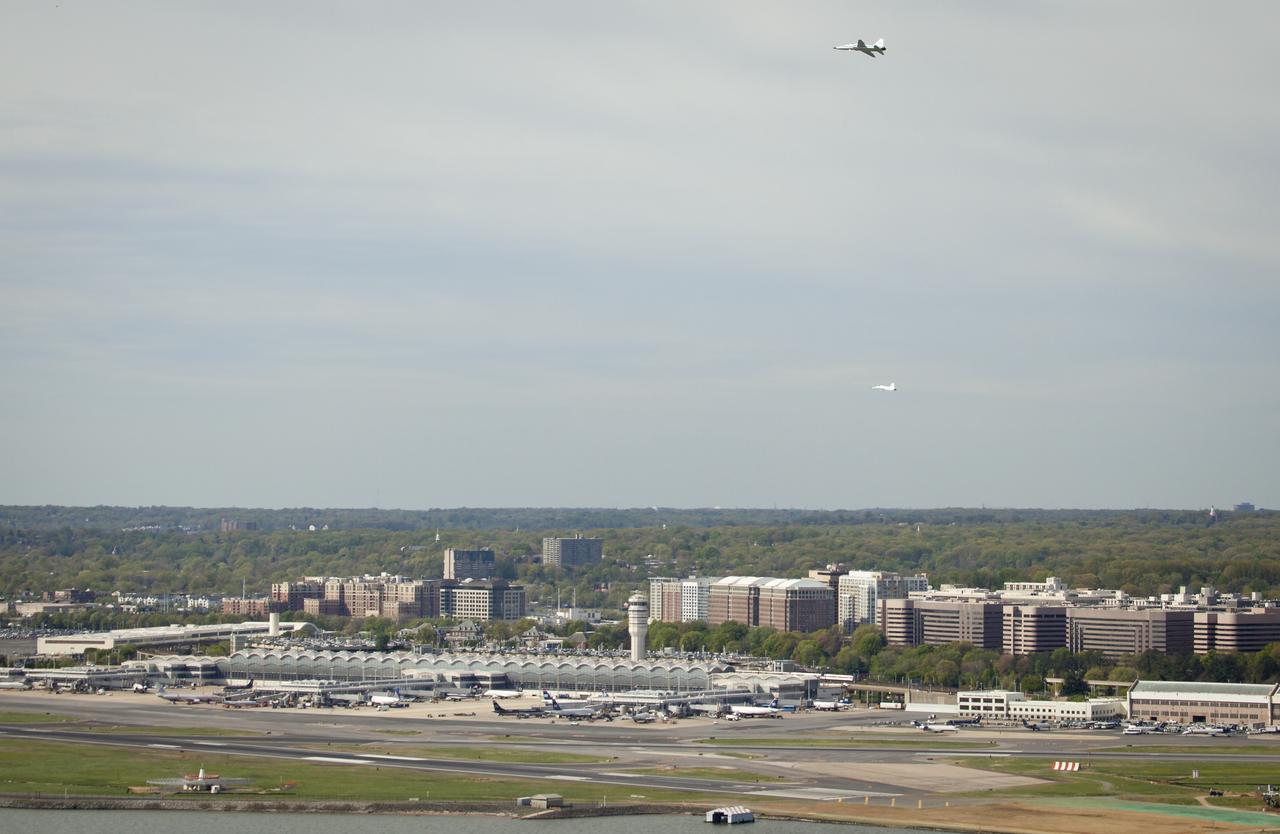
Two NASA T-38 training jets are seen as they fly over Reagan National Airport, Thursday, April 5, 2012 in Arlington, VA. NASA, in cooperation with the Federal Aviation Administration, conducted training and photographic flights over the DC metropolitan area. T-38 aircraft have been used for astronaut training for more than 30 years as they allow pilots and mission specialists to think quickly in changing situations, mental experiences the astronauts say are critical to practicing for the rigors of spaceflight. Photo Credit: (NASA/Bill Ingalls)
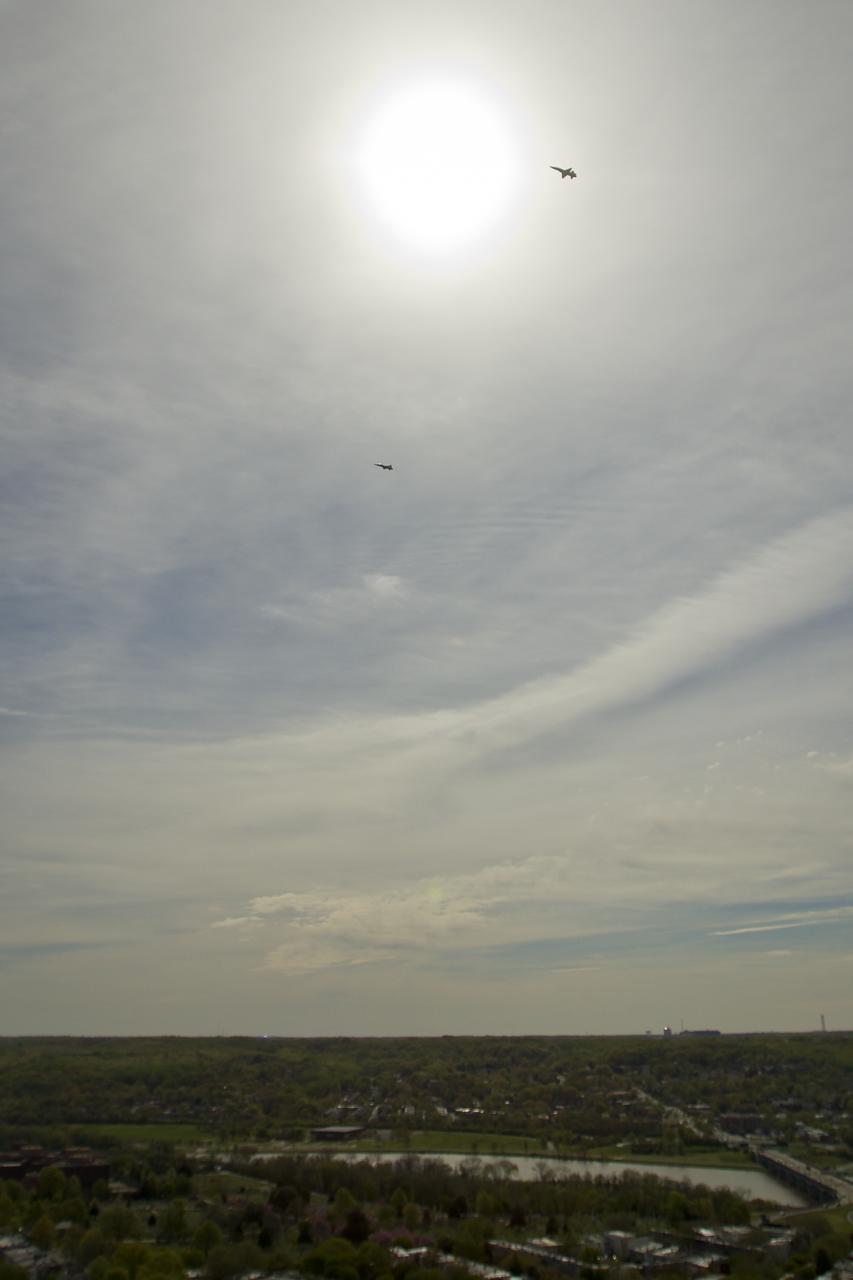
Two NASA T-38 training jets are seen as they fly over Washington, DC, Thursday, April 5, 2012. NASA, in cooperation with the Federal Aviation Administration, conducted training and photographic flights over the DC metropolitan area. T-38 aircraft have been used for astronaut training for more than 30 years as they allow pilots and mission specialists to think quickly in changing situations, mental experiences the astronauts say are critical to practicing for the rigors of spaceflight. Photo Credit: (NASA/Bill Ingalls)
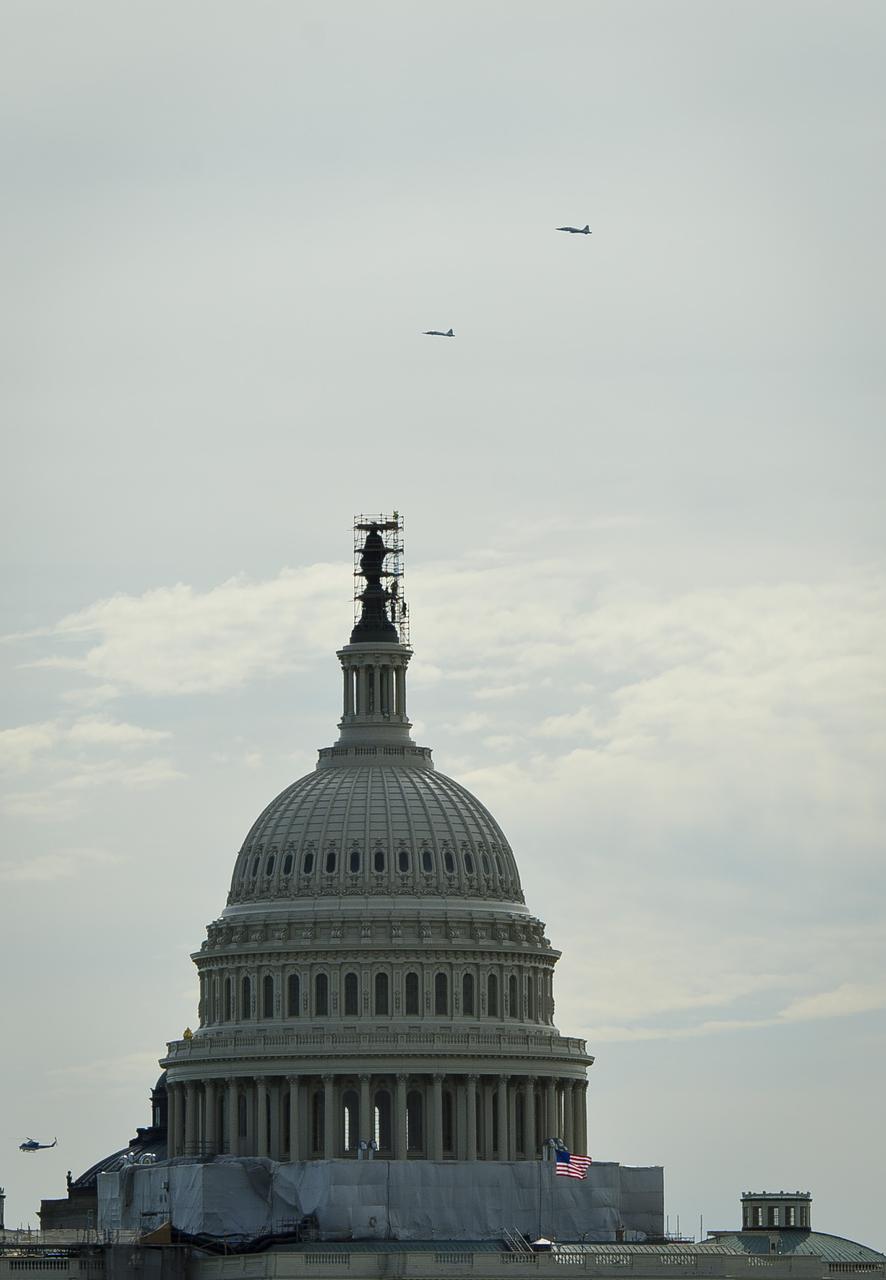
Two NASA T-38 training jets are seen as they fly over the U.S. Capitol, Thursday, April 5, 2012, in Washington. NASA, in cooperation with the Federal Aviation Administration, conducted training and photographic flights over the DC metropolitan area. T-38 aircraft have been used for astronaut training for more than 30 years as they allow pilots and mission specialists to think quickly in changing situations, mental experiences the astronauts say are critical to practicing for the rigors of spaceflight. Photo Credit: (NASA/Paul E. Alers)
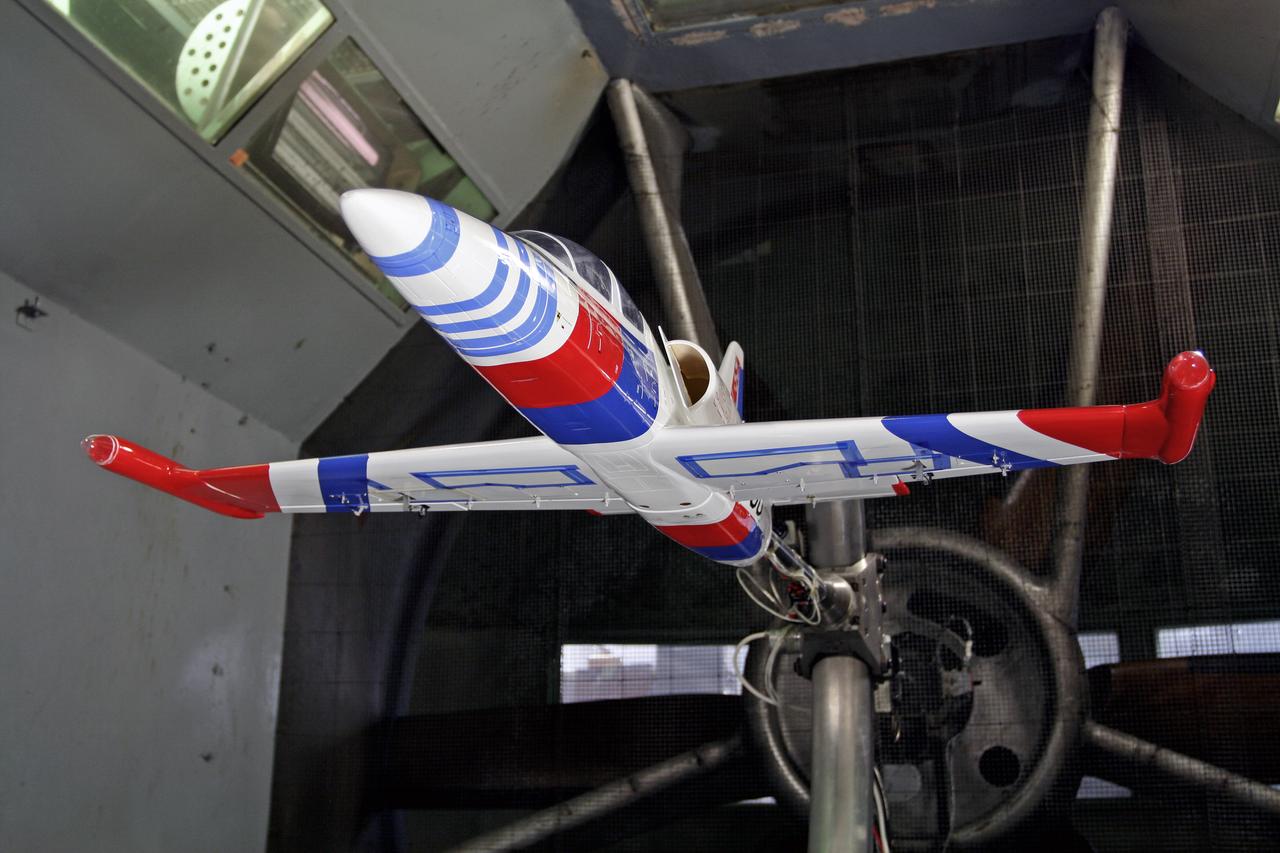
L59 RC Kit Model/Learn to fly test technique and modeling development Persons in the picture: Left to right: Jay Brandon, Sue Grafton, Wes O'Neal, Mark Croom, Earl Harris, and Eric Viken
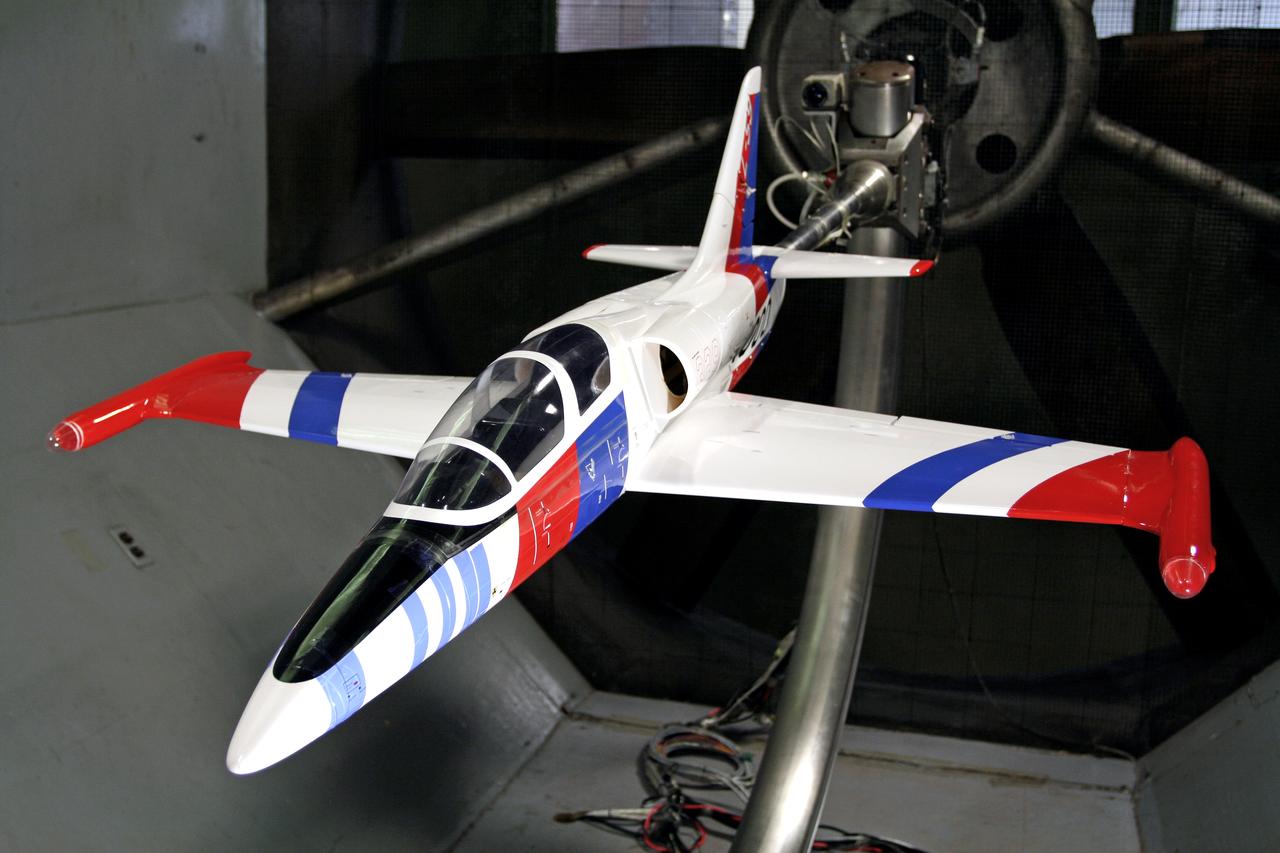
L59 RC Kit Model/Learn to fly test technique and modeling development Persons in the picture: Left to right: Jay Brandon, Sue Grafton, Wes O'Neal, Mark Croom, Earl Harris, and Eric Viken
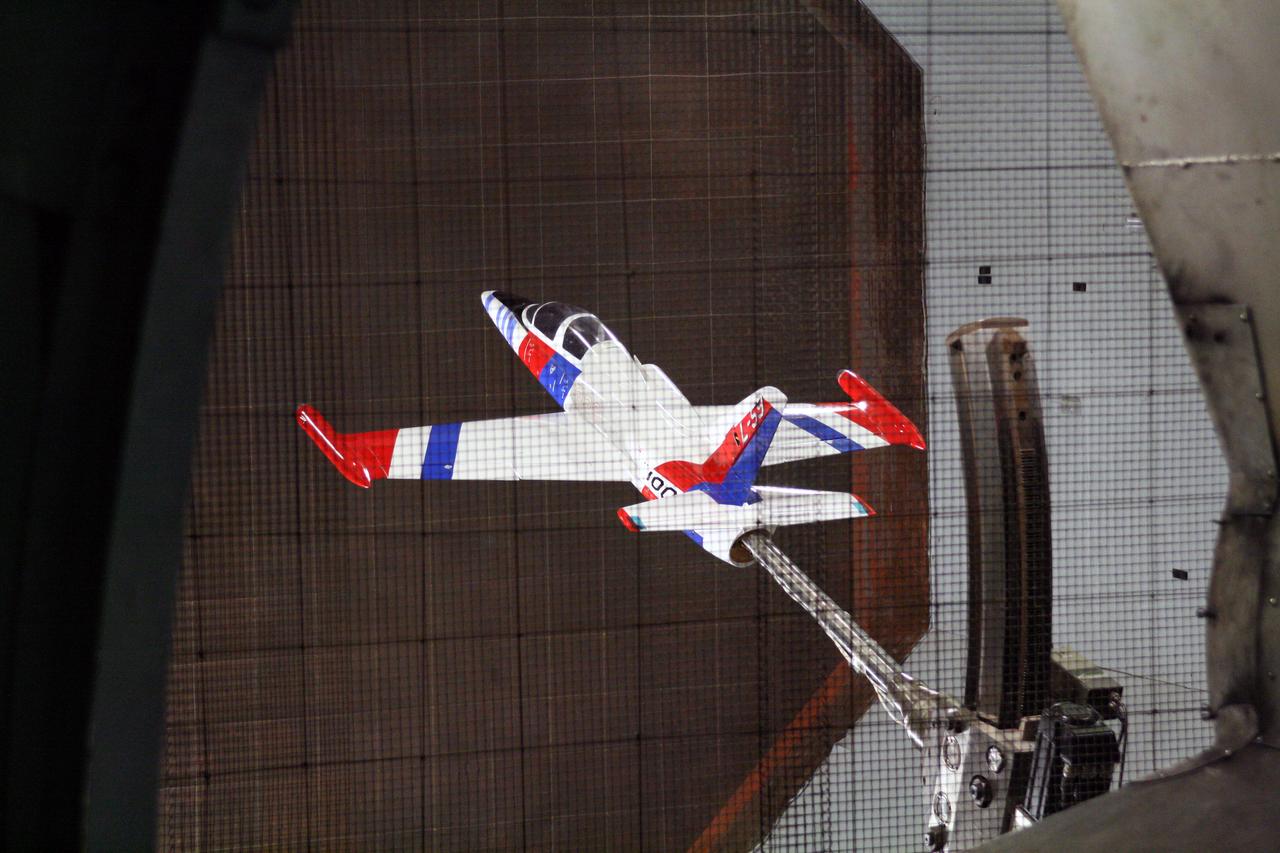
L59 RC Kit Model/Learn to fly test technique and modeling development Persons in the picture: Left to right: Jay Brandon, Sue Grafton, Wes O'Neal, Mark Croom, Earl Harris, and Eric Viken
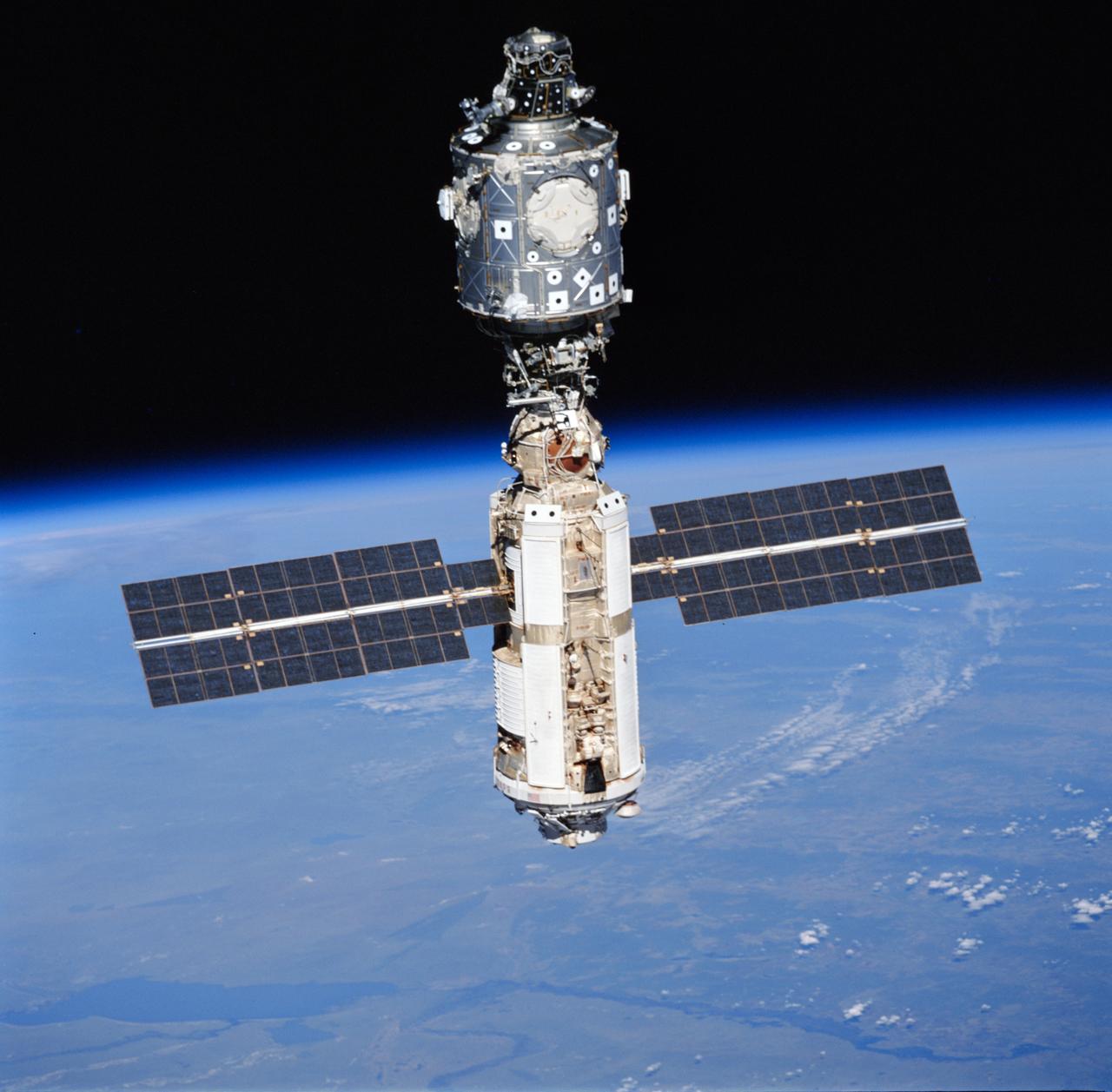
STS096-715-042 (3 June 1999) --- A STS-96 crew member aboard Discovery recorded this image of the International Space Station (ISS) with a 70mm camera during a fly-around following separation of the two spacecraft. Lake Hulun Nur in the People's Republic of China is visible in the lower left portion of the frame. A portion of the work performed on the May 30 space walk by astronauts Tamara E. Jernigan and Daniel T. Barry is evident at various points on the ISS, including the installation of the Russian-built crane (called Strela) and the U.S.-built crane.
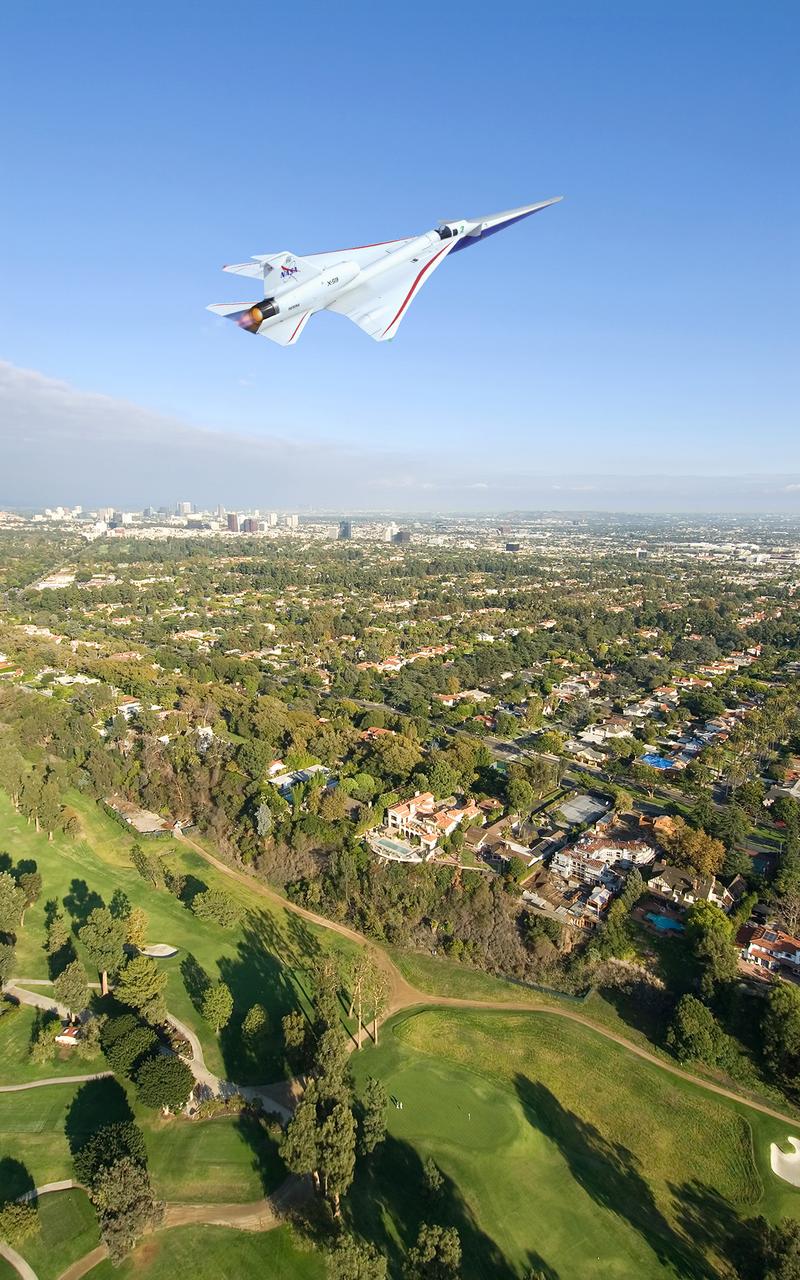
An artist illustration of the Low-Boom Flight Demonstration vehicle flying over a community.

An artist concept of NASA Mars Global Surveyor MGS flying over Mars.

Halloween may be months away, but this black bat is ready to fly

The U.S. Air Force Thunderbirds fly over NASA’s Armstrong Flight Research Center in Edwards, California, during the second phase of its winter training in February 2025 to prepare for the upcoming air show season. The Thunderbirds perform all over the world in F-16 Fighting Falcons, a multi-role fighter jet.

iss074e0590844 (May 13, 2026) --- NASA astronaut and Expedition 74 flight engineer Chris Williams poses aboard the International Space Station’s Kibo laboratory module with a free‑flying robotic camera developed by JAXA (Japan Aerospace Exploration Agency) that could assist astronauts with video and photography activities. Credit: NASA/Chris Williams
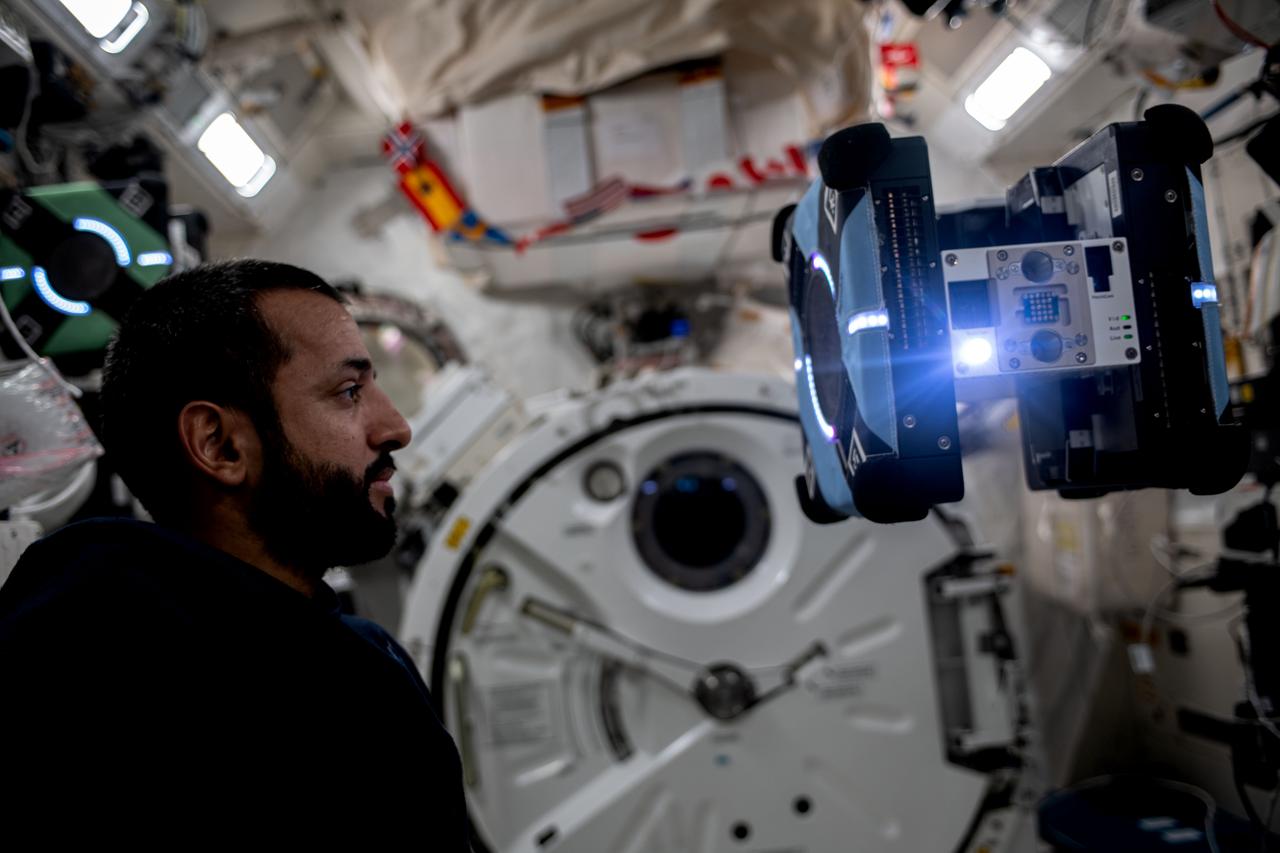
iss069e010815 (May 16, 2023) --- UAE (United Arab Emirates) astronaut and Expedition 69 Flight Engineer Sultan Alneyadi observes a free-flying Astrobee robotic assistant during the testing of its operations for an upcoming student competition to control the robotic devices.
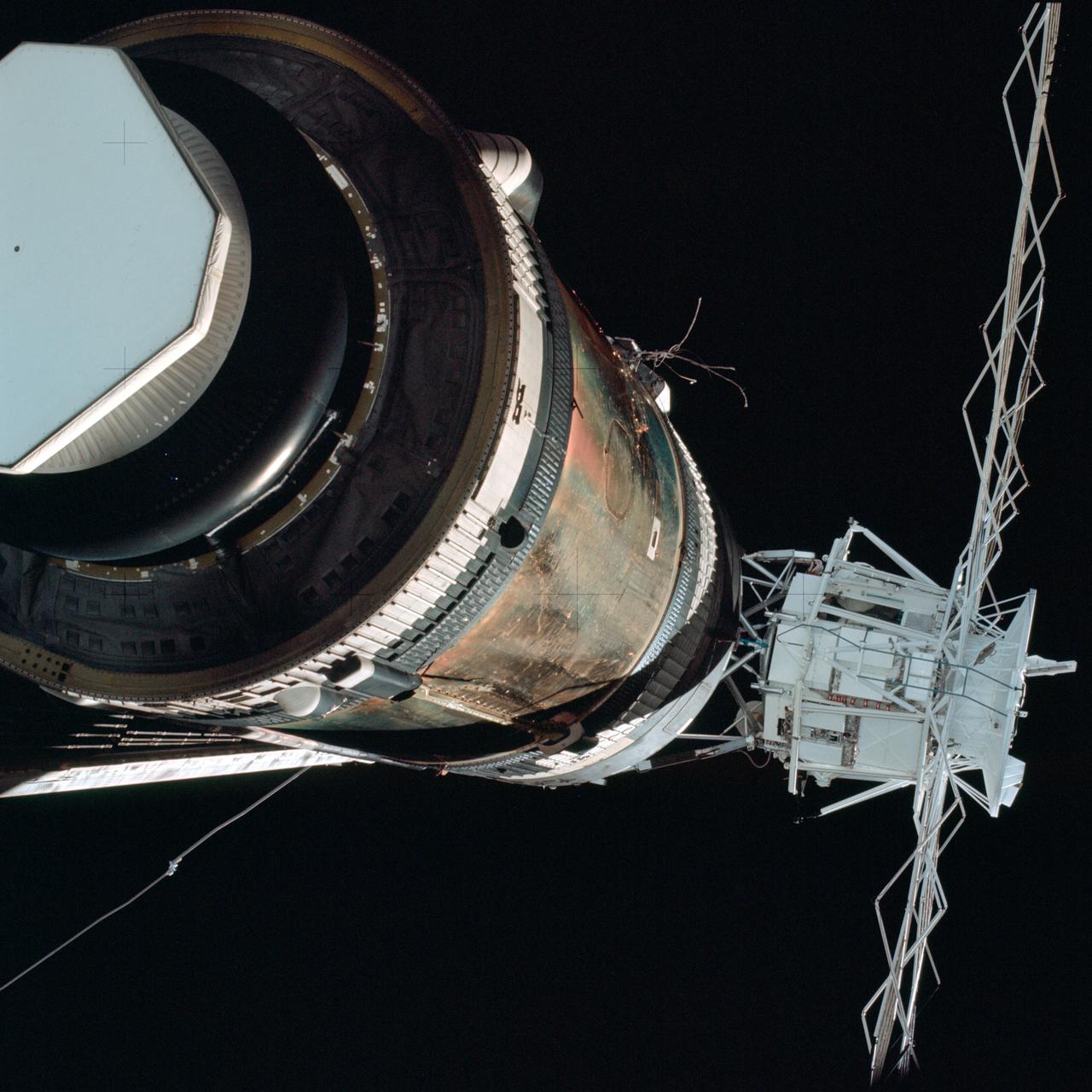
SL2-4-265 (25 May 1973) --- Skylab 2, approach to Skylab at long range, fly-around inspection. Orbital Workshop with area of missing micrometeoroid shield visible and partially deployed solar array visible. Photo credit: NASA