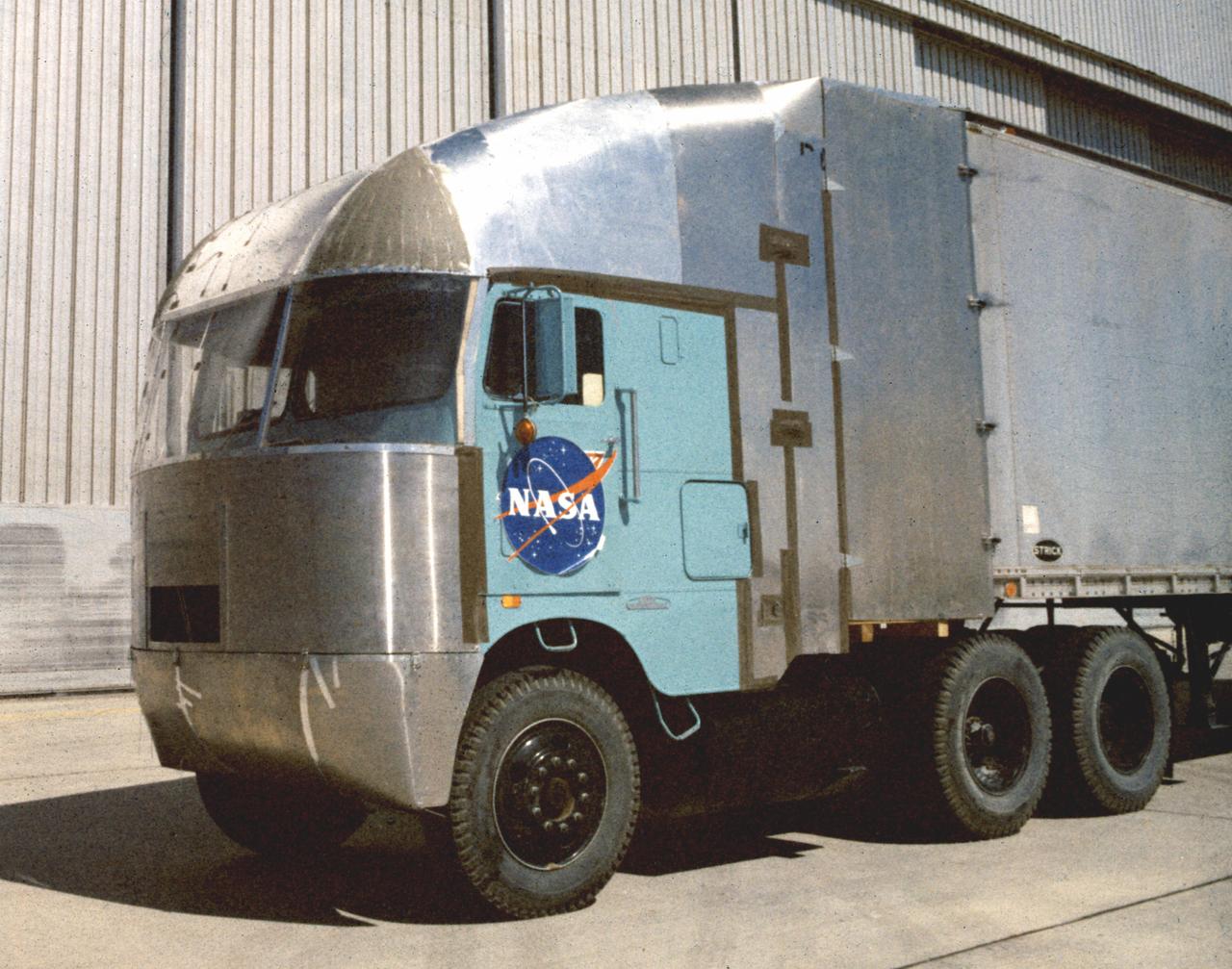
Air flow testing on aerodynamic truck
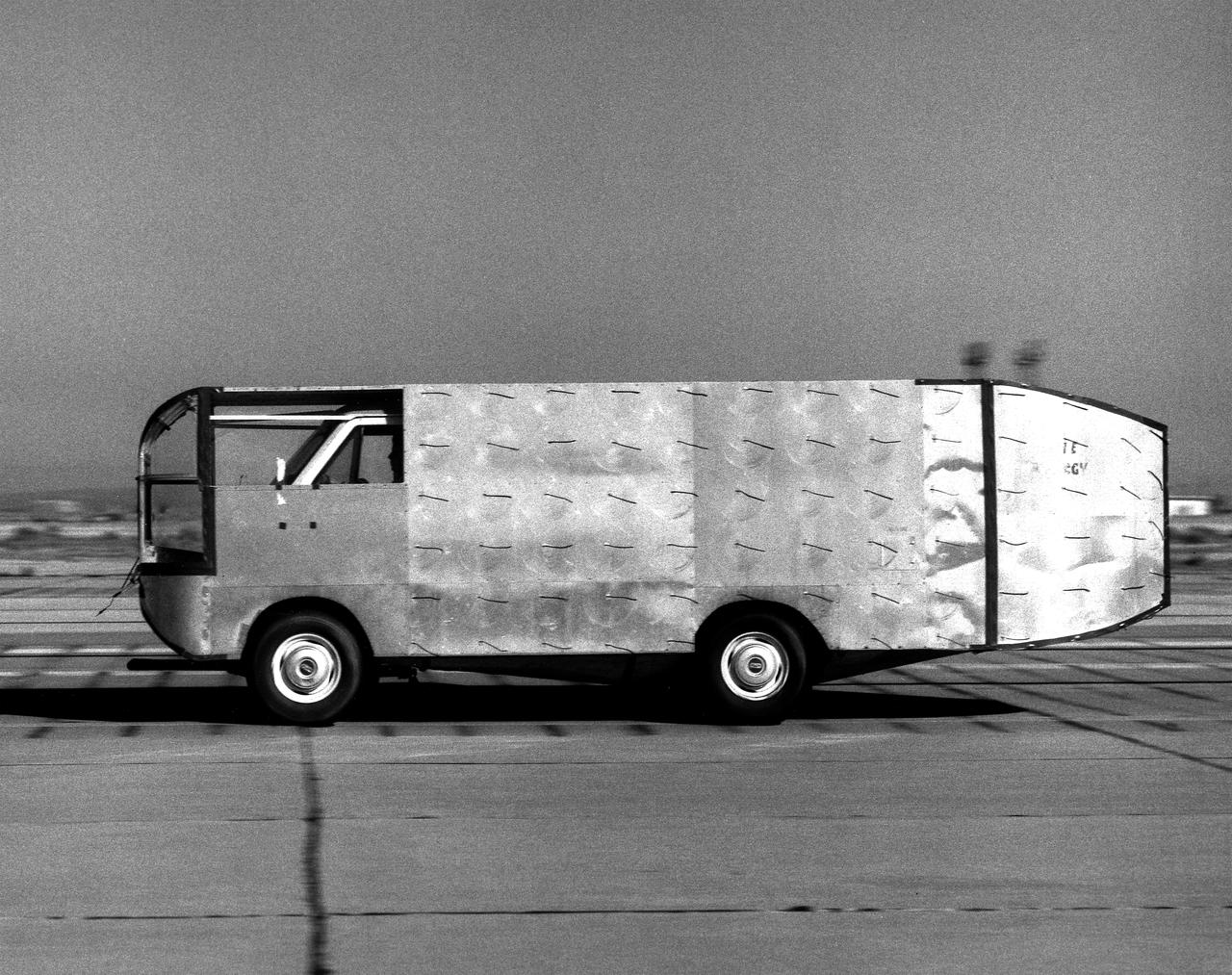
Air flow testing on aerodynamic truck
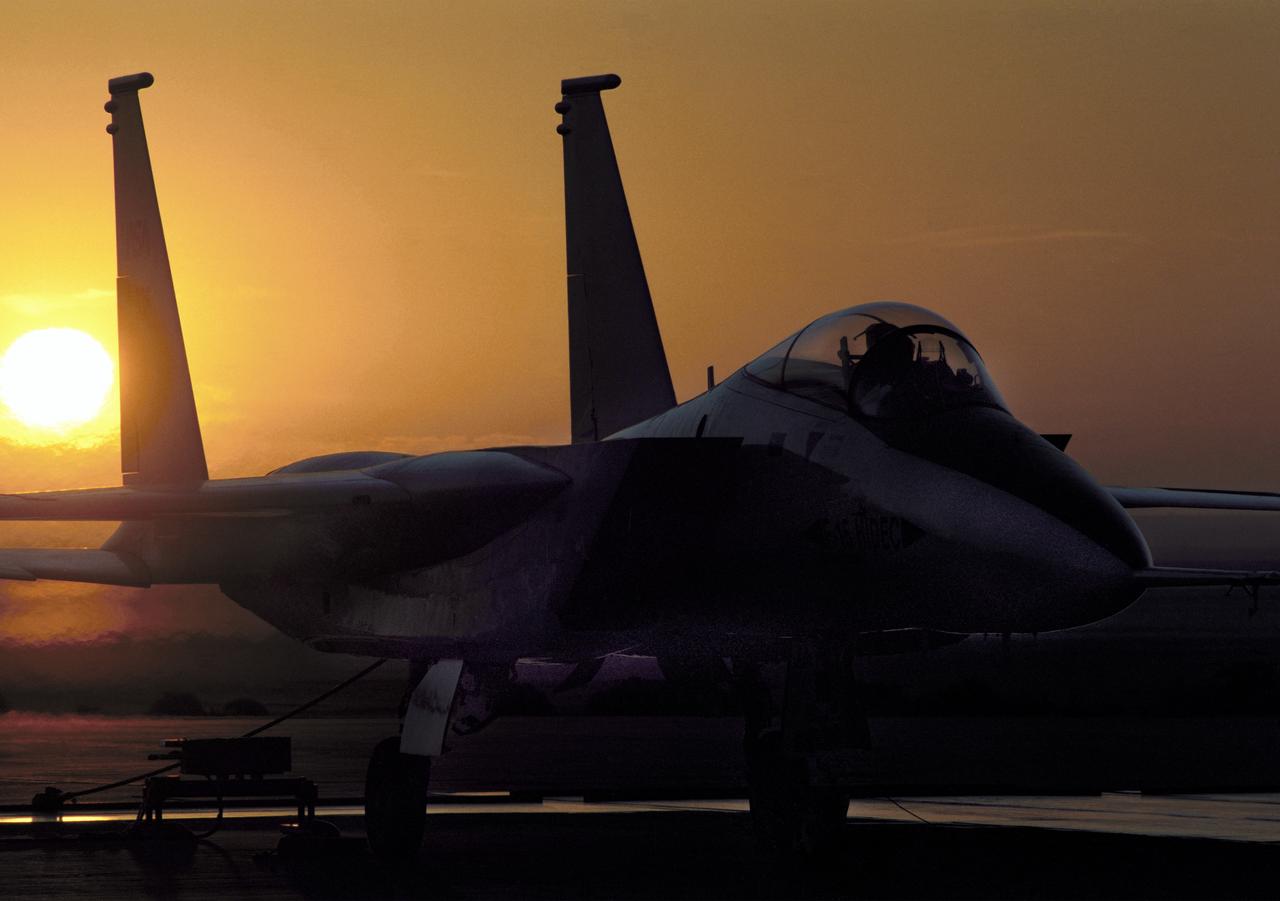
NASA's highly modified F-15A (Serial #71-0287) used for digital electronic flight and engine control systems research, at sunrise on the ramp at the Dryden Flight Research Facility, Edwards, California. The F-15 was called the HIDEC (Highly Integrated Digital Electronic Control) flight facility. Research programs flown on the testbed vehicle have demonstrated improved rates of climb, fuel savings, and engine thrust by optimizing systems performance. The aircraft also tested and evaluated a computerized self-repairing flight control system for the Air Force that detects damaged or failed flight control surfaces. The system then reconfigures undamaged control surfaces so the mission can continue or the aircraft is landed safely.
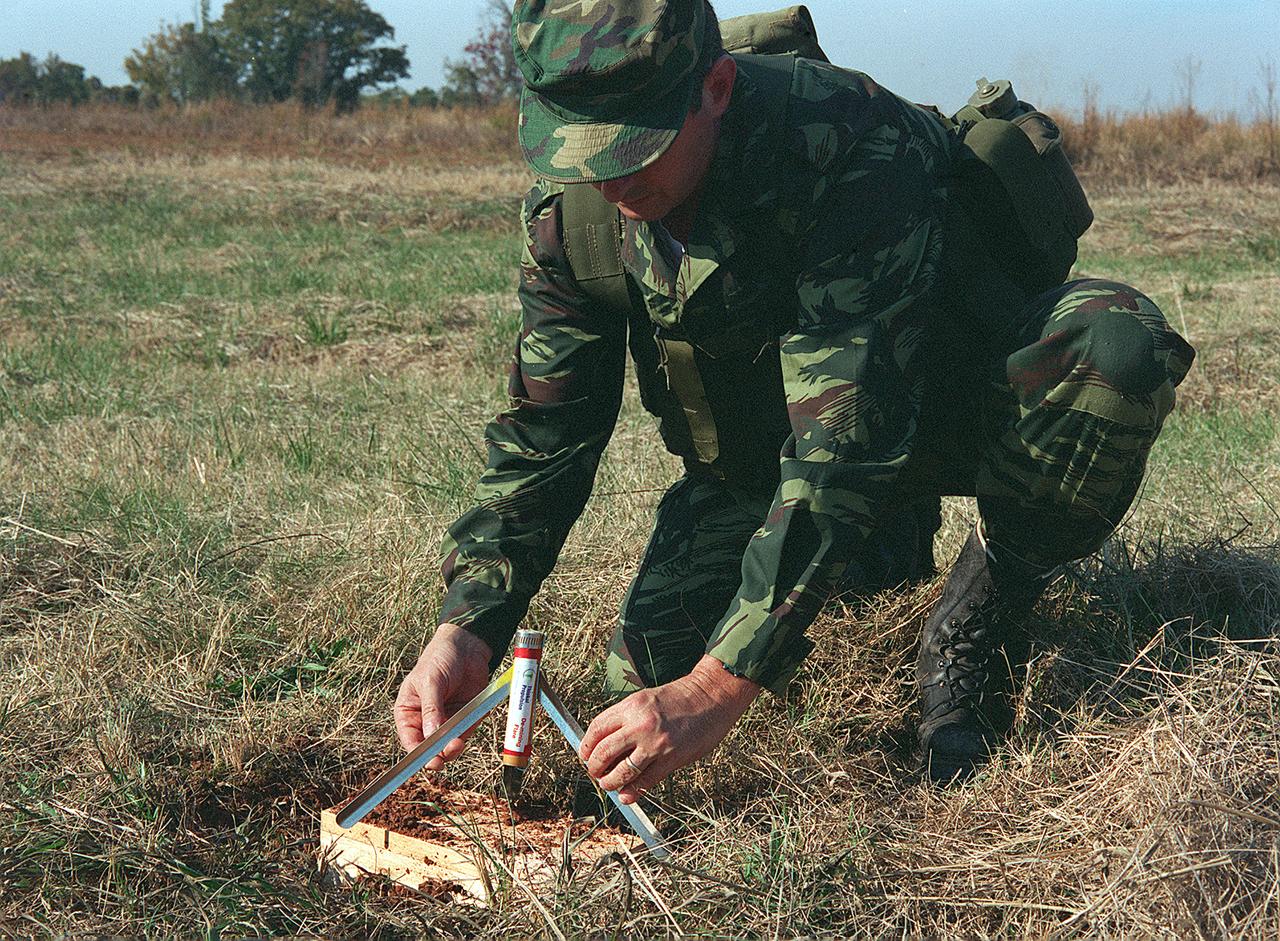
The same rocket fuel that helps power the Space Shuttle as it thunders into orbit will now be taking on a new role, with the potential to benefit millions of people worldwide. Leftover rocket fuel from NASA is being used to make a flare that destroys land mines where they were buried, without using explosives. The flare is safe to handle and easy to use. People working to deactivate the mines simply place the flare next to the uncovered land mine and ignite it from a safe distance using a battery-triggered electric match. The flare burns a hole in the land mine's case and ignites its explosive contents. The explosive burns away, disabling the mine and rendering it harmless. Using leftover rocket fuel to help destroy land mines incurs no additional costs to taxpayers. To ensure enough propellant is available for each Shuttle mission, NASA allows for a small percentage of extra propellant in each batch. Once mixed, surplus fuel solidifies and carnot be saved for use in another launch. In its solid form, it is an ideal ingredient for the new flare. The flare was developed by Thiokol Propulsion in Brigham City, Utah, the NASA contractor that designs and builds rocket motors for the Solid Rocket Booster Space Shuttle. An estimated 80 million or more active land mines are scattered around the world in at least 70 countries, and kill or maim 26,000 people a year. Worldwide, there is one casualty every 22 minutes