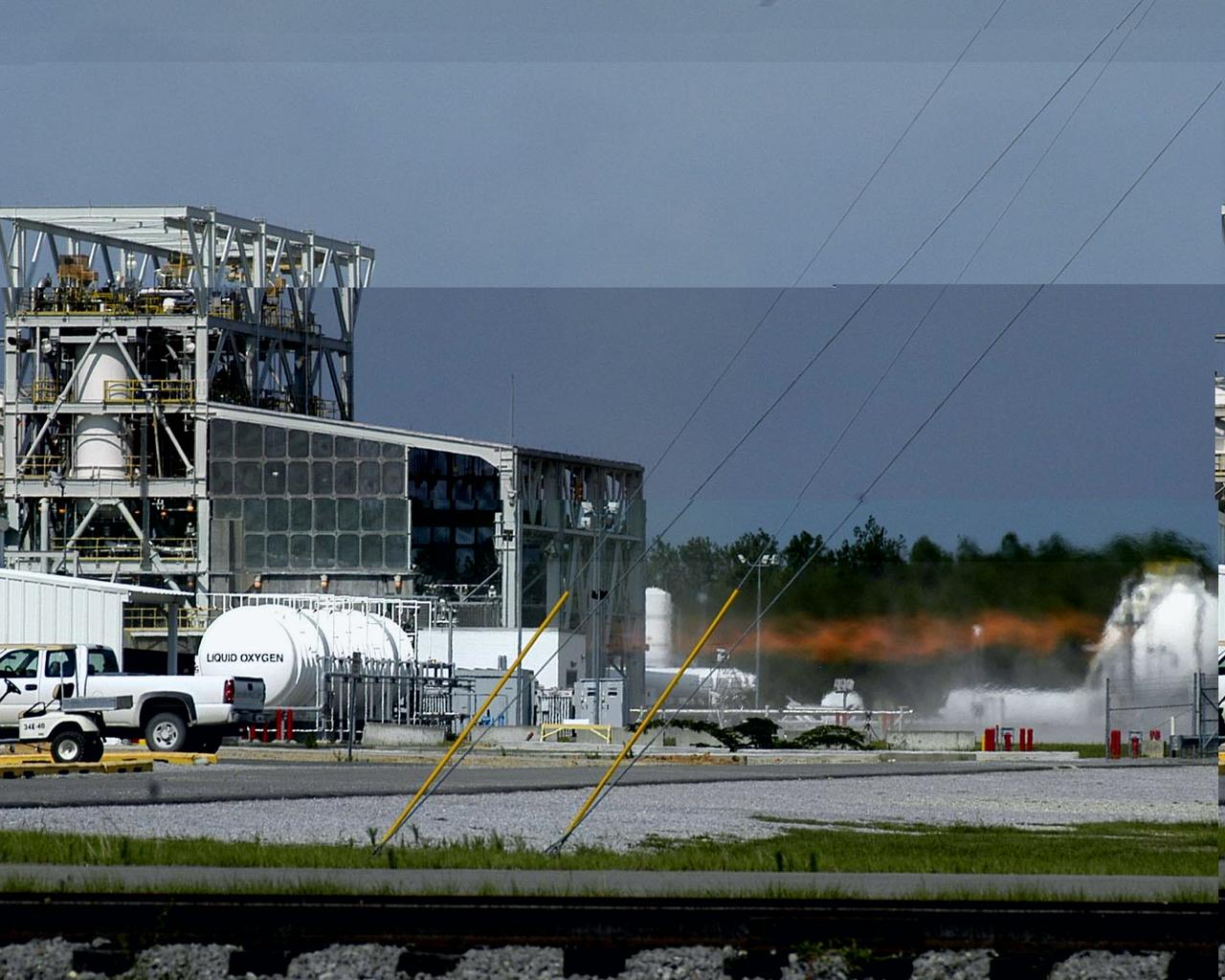
The Integrated Powerhead Demonstration engine was fired at 100 percent power for the first time July 12, 2006 at NASA Stennis Space Center's E Test Complex. The IPD, which can generate about 250,000 pounds of thrust, is a reusable engine system whose technologies could one day help Americans return to the moon, and travel to Mars and beyond. The IPD engine has been designed, developed and tested through the combined efforts of Pratt & Whitney Rocketdyne and Aerojet, under the direction of the Air Force Research Laboratory and NASA's Marshall Space Flight Center.
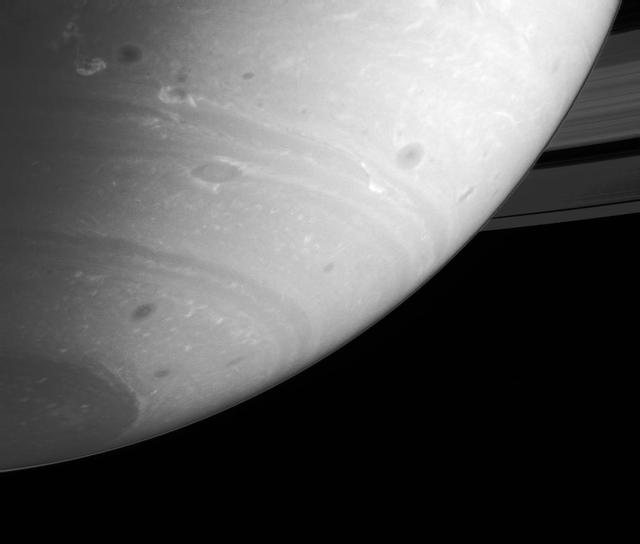
This stunning image from NASA Cassini spacecraft shows that Saturn atmosphere is an active and dynamic place, full of storms and powerful winds.
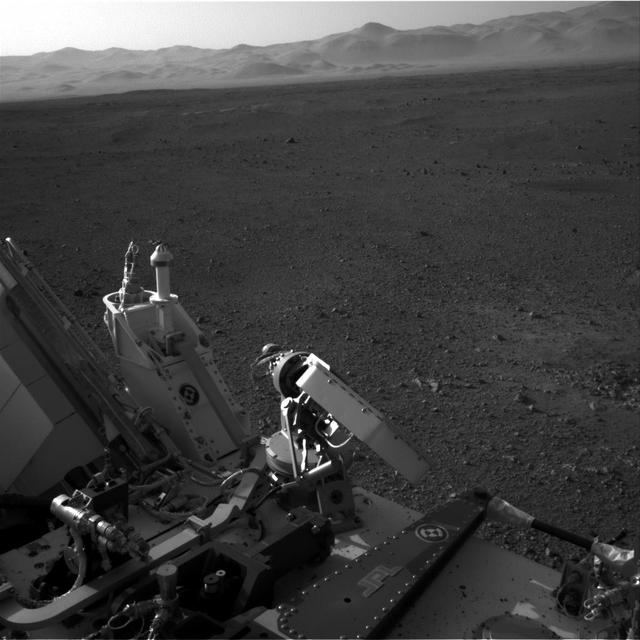
This full-resolution image shows part of the deck of NASA Curiosity rover taken from one of the rover Navigation cameras looking toward the back left of the rover. On the left, part of the rover power supply is visible.
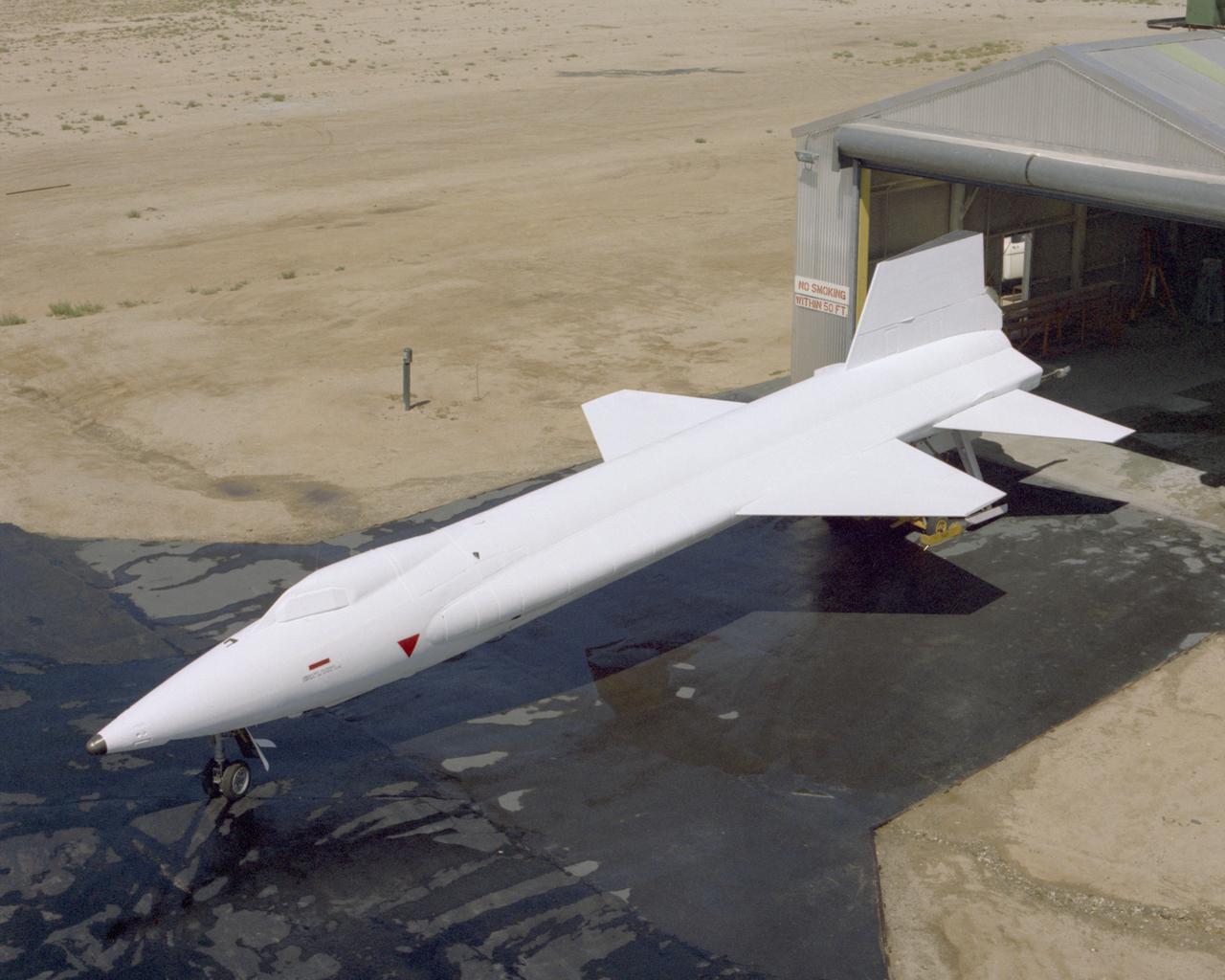
X-15A-2 is rolled out of the paint shop after having the full scale ablative applied. In June 1967, the X-15A-2 rocket-powered research aircraft received a full-scale ablative coating to protect the craft from the high temperatures associated with hypersonic flight (above Mach 5). This pink eraser-like substance, applied to the X-15A-2 aircraft (56-6671), was then covered with a white sealant coat before flight. This coating would help the #2 aircraft reach the record speed of 4,520 mph (Mach 6.7).
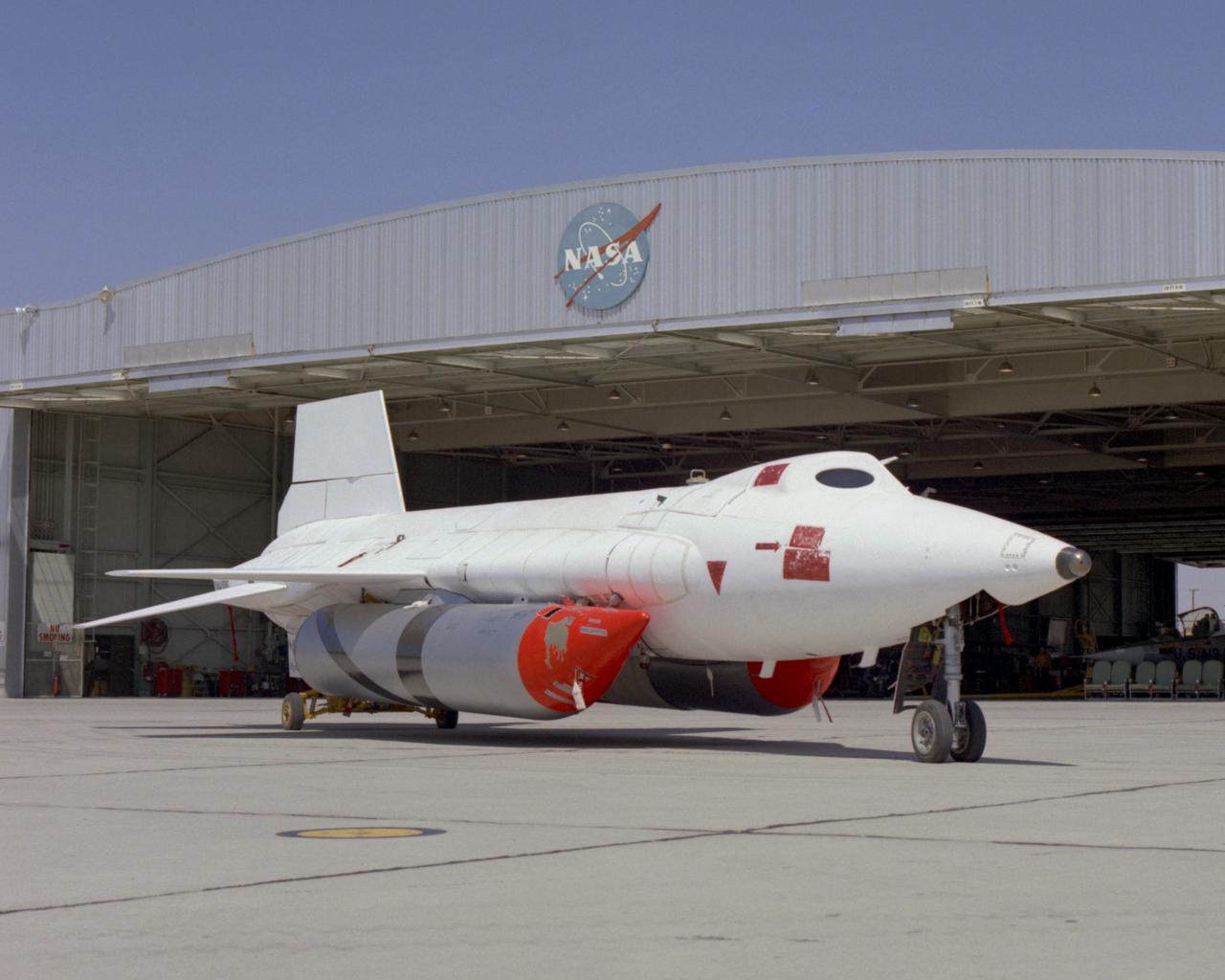
X-15A-2 with full scale ablative and external tanks installed parked in front of hangar. In June 1967, the X-15A-2 rocket-powered research aircraft received a full-scale ablative coating to protect the craft from the high temperatures associated with hypersonic flight (above Mach 5). This pink eraser-like substance, applied to the X-15A-2 aircraft (56-6671), was then covered with a white sealant coat before flight. This coating would help the #2 aircraft reach the record speed of 4,520 mph (Mach 6.7).
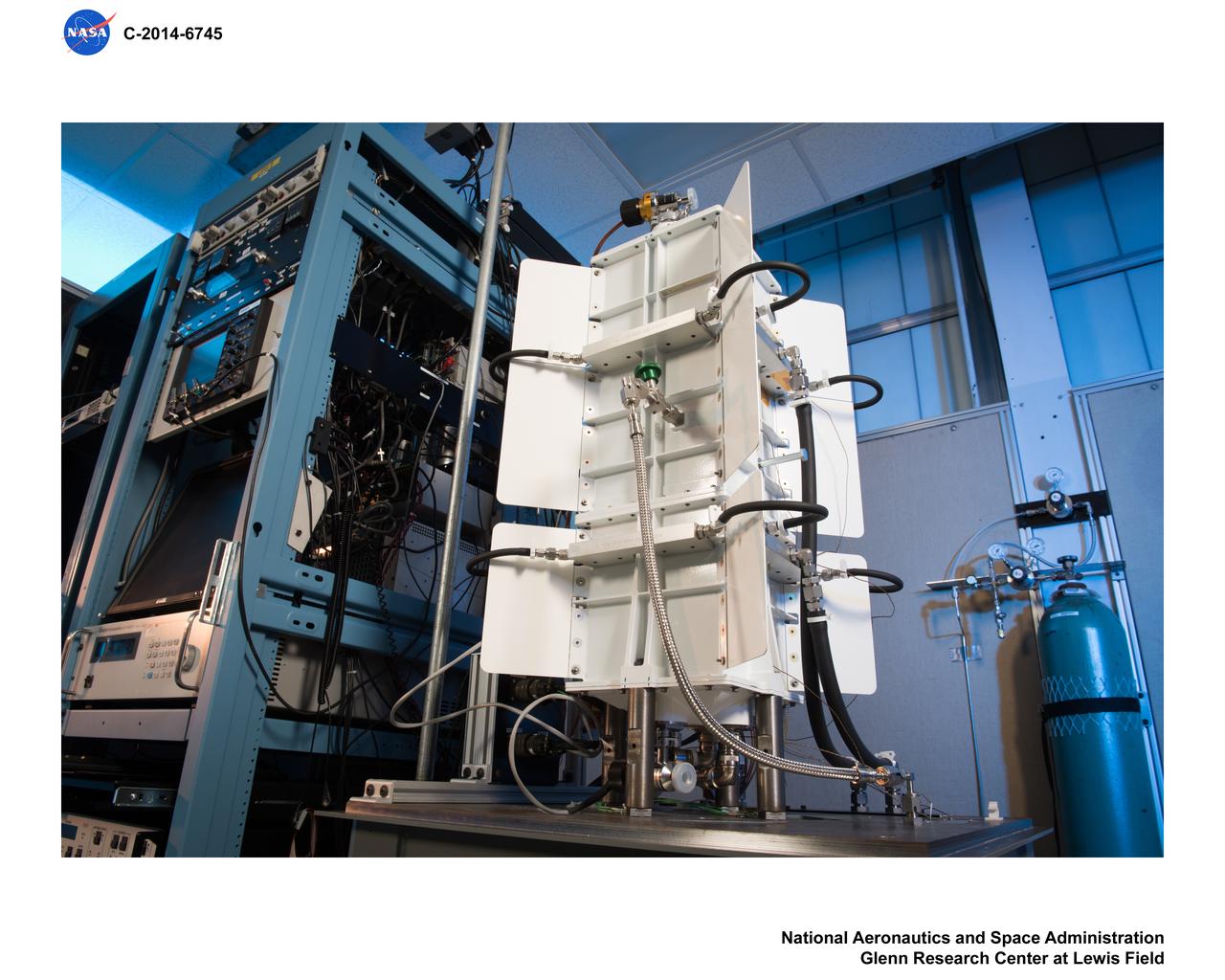
Advanced Stirling Radioisotope Generator Engineering Unit 2, Full Power Test
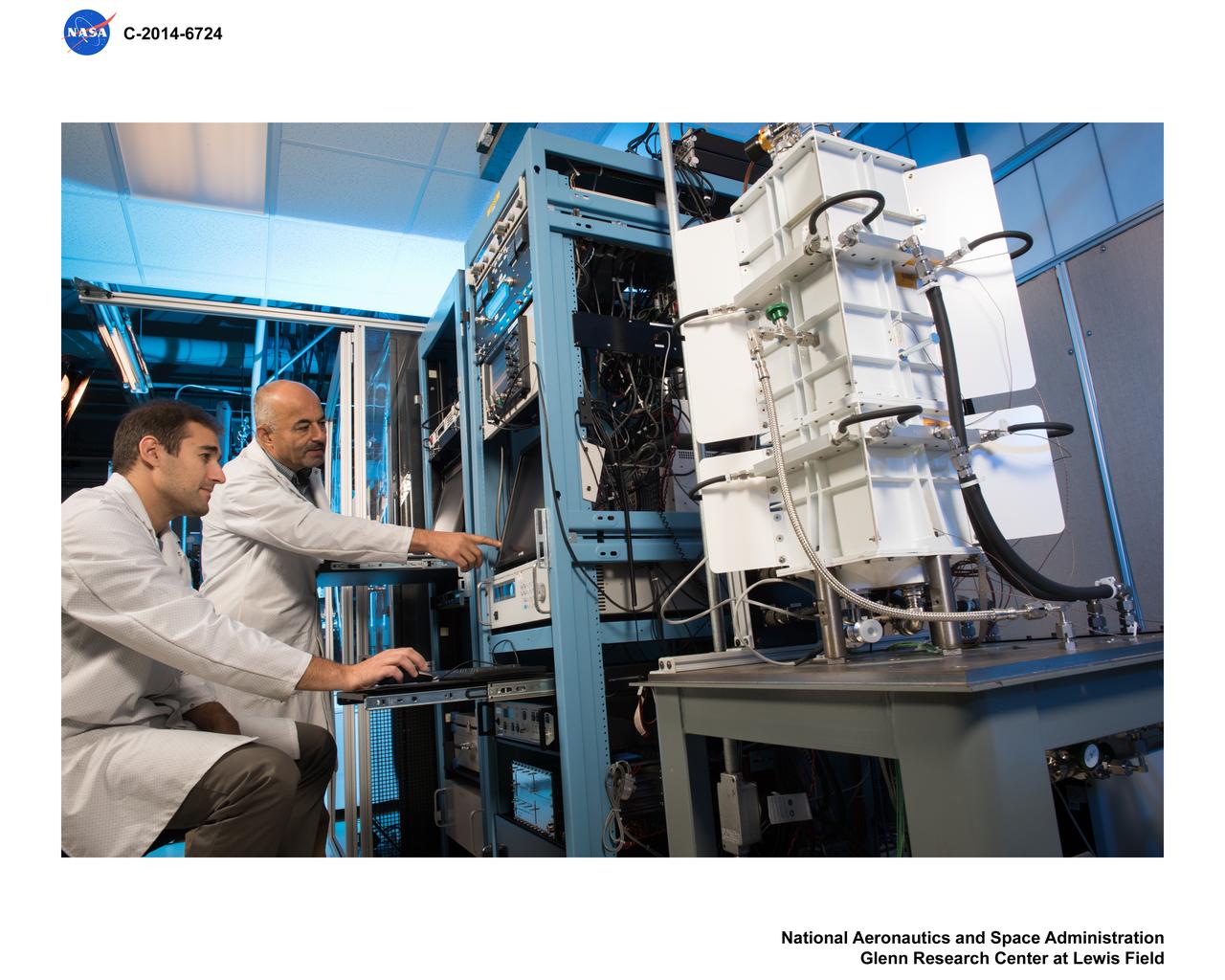
Advanced Stirling Radioisotope Generator Engineering Unit 2, Full Power Test
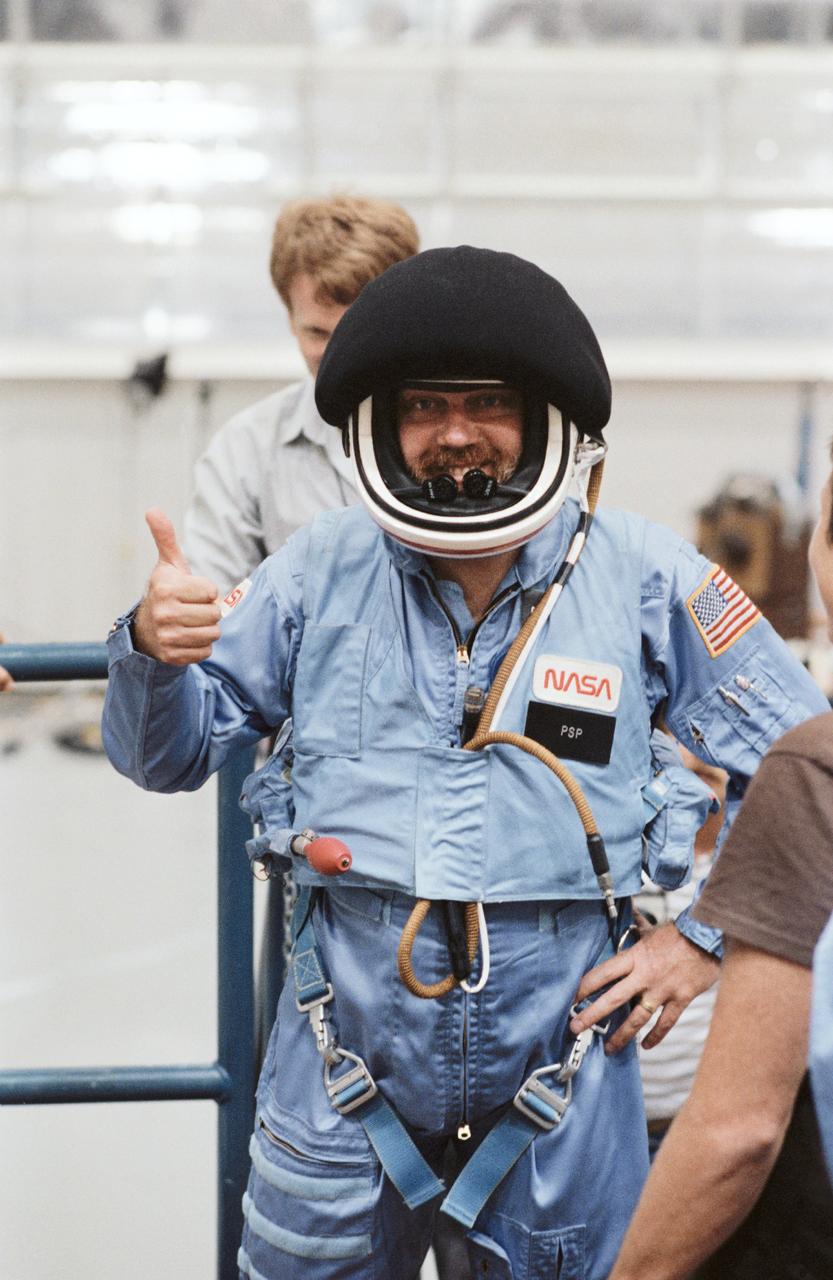
41D-3183 (2 Sept. 1984) --- Paul D. Scully-Power, 41-G payload specialist, appears ready to participate in the eight-day space shuttle mission in this photograph taken during a pause in training in the Johnson Space Center's mockup and integration laboratory. The U.S. Navy oceanographer and a Canadian will join five NASA astronauts for a busy stay in space aboard the Challenger next month. The team was practicing for emergency egress. Photo credit: NASA (Editor's note: Please ignore the odd photo identification number for this image. This is a 41-G training image.)
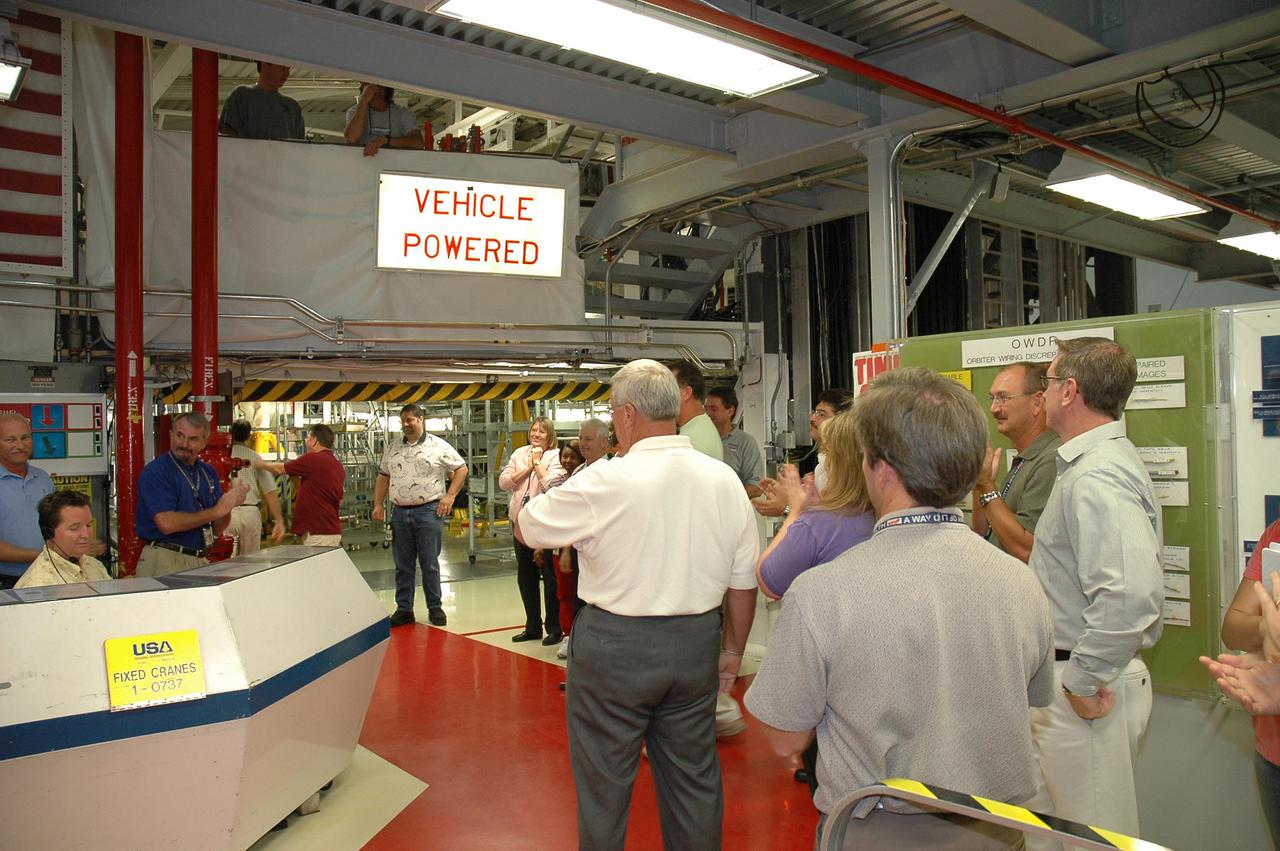
KENNEDY SPACE CENTER, FLA. - In NASA’s Orbiter Processing Facility bay 2, workers gather as the orbiter Endeavour’s electrical system is partially powered up, after nearly 2 years. Full power-up will take place in October. Endeavour has been in its Orbiter Major Modification period, which began in December 2003. In that time, 124 modifications were completed, including installing the glass cockpit; 150 miles of wiring were inspected; and more than 1,000 tiles were bonded. This is the second full modification conducted at Kennedy.
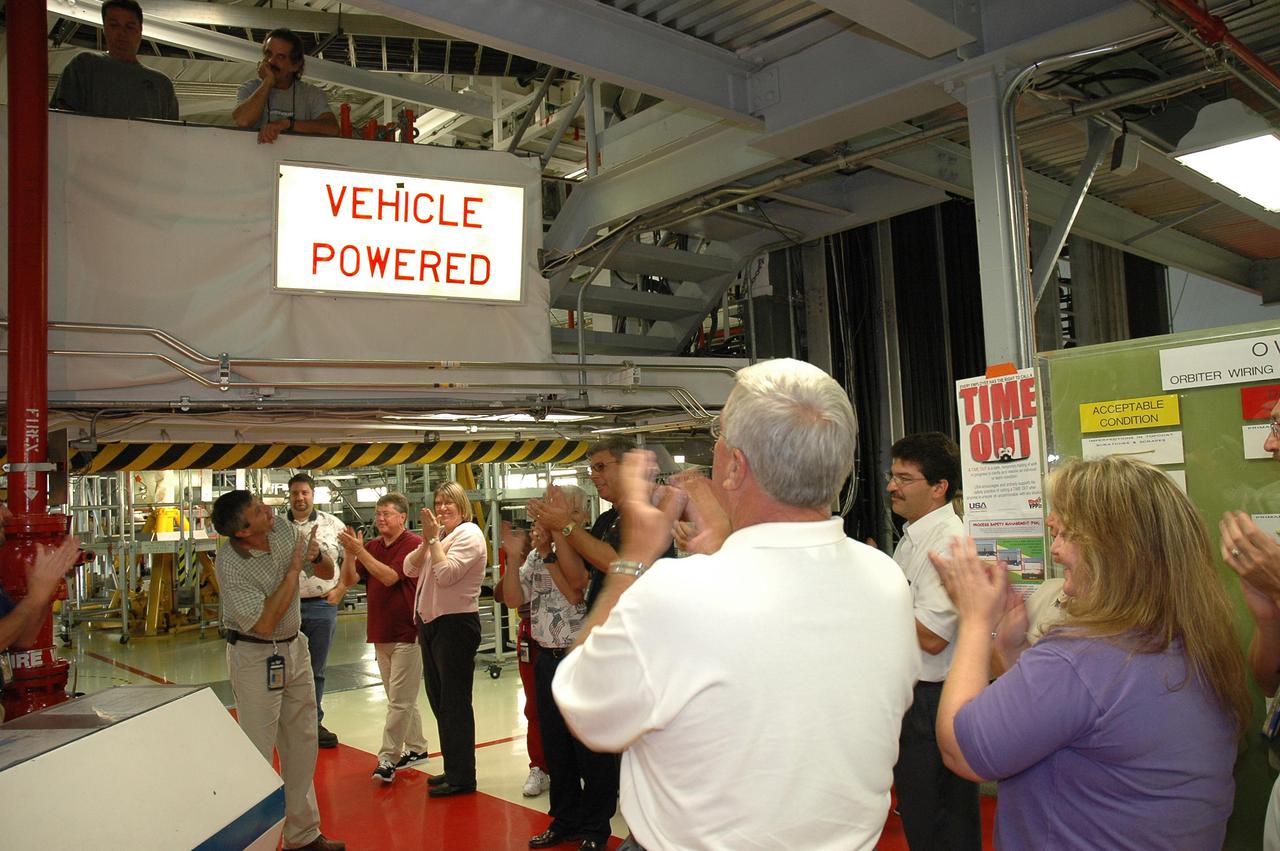
KENNEDY SPACE CENTER, FLA. - In NASA’s Orbiter Processing Facility bay 2, workers applaud as the orbiter Endeavour’s electrical system is partially powered up, after nearly 2 years. Full power-up will take place in October. Endeavour has been in its Orbiter Major Modification period, which began in December 2003. In that time, 124 modifications were completed, including installing the glass cockpit; 150 miles of wiring were inspected; and more than 1,000 tiles were bonded. This is the second full modification conducted at Kennedy.
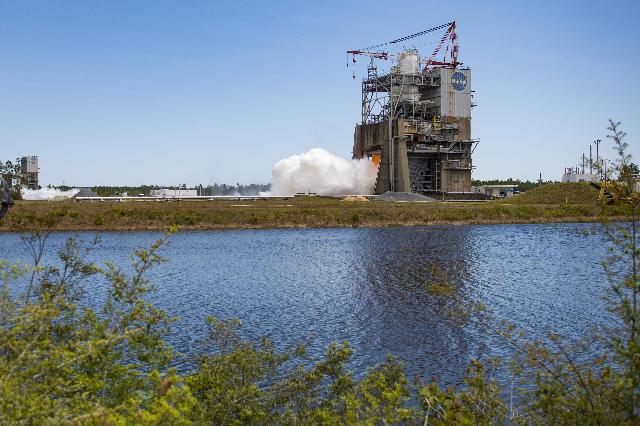
NASA closes in on a milestone for production of new RS-25 engines to help power future Artemis missions to the Moon and beyond following a successful full duration test on March 27 at NASA’s Stennis Space Center. It marks the 11th test of the 12-test series.
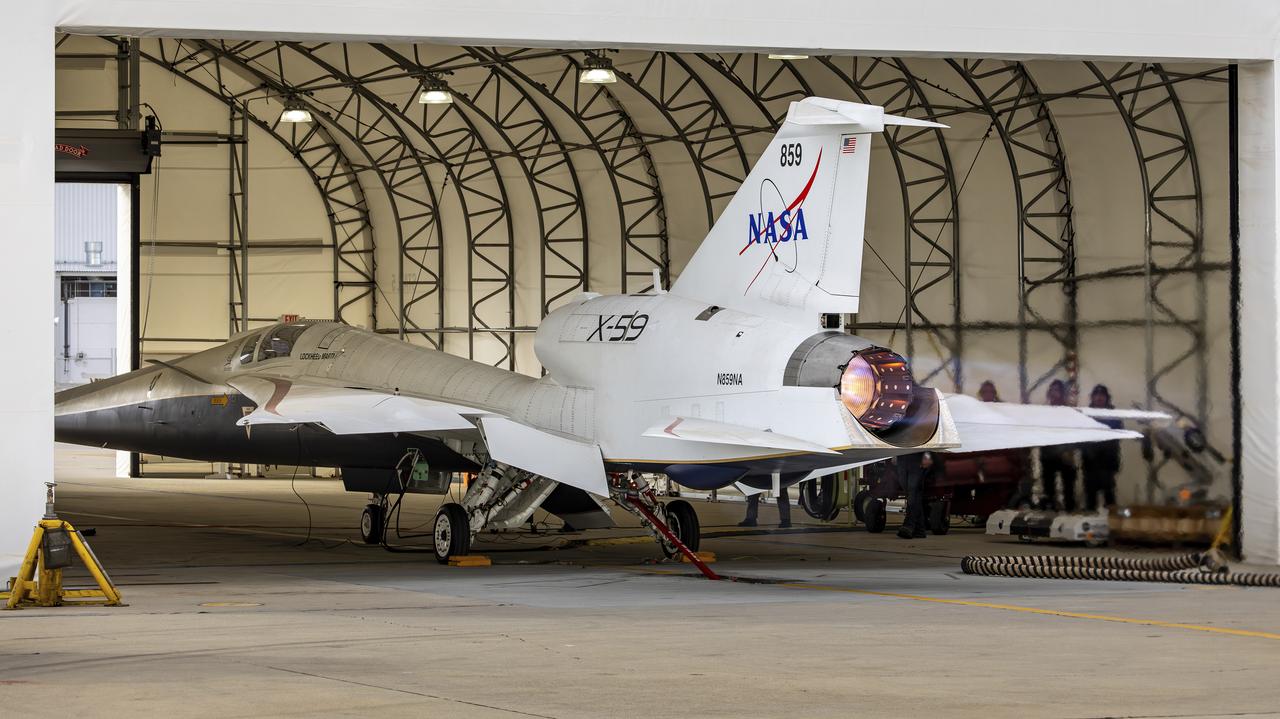
NASA’s X-59 quiet supersonic research aircraft completed its first maximum afterburner test at Lockheed Martin’s Skunk Works facility in Palmdale, California. This full-power test, during which the engine generates additional thrust, validates the additional power needed for meeting the testing conditions of the aircraft. The X-59 is the centerpiece of NASA’s Quesst mission, which aims to overcome a major barrier to supersonic flight over land by reducing the noise of sonic booms.
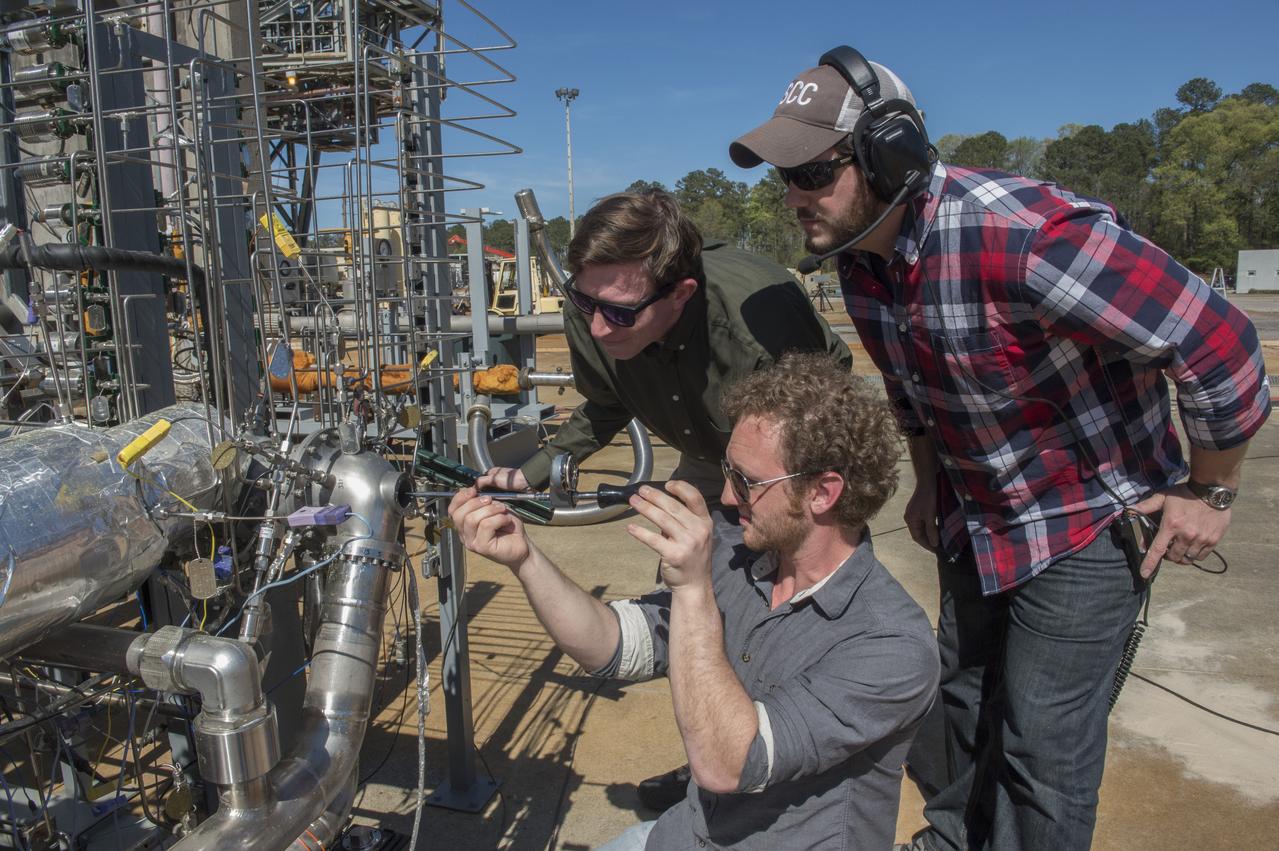
ENGINEERS PREPARE 3-D PRINTED TURBOPUMP FOR A TEST AT NASA’S MARSHALL SPACE FLIGHT CENTER IN HUNTSVILLE, ALABAMA. THE TURBOPUMP WAS TESTED AT FULL POWER, PUMPING 600 GALLONS OF LIQUID METHANE PER MINUTE, ENOUGH TO POWER AN ENGINE CAPABLE OF GENERATING 35,000 POUNDS OF THRUST…NICK CASE, (GREEN SHIRT), ANDREW HANKS, (PLAID SHIRT), MARTY CALVERT (KNEELING)
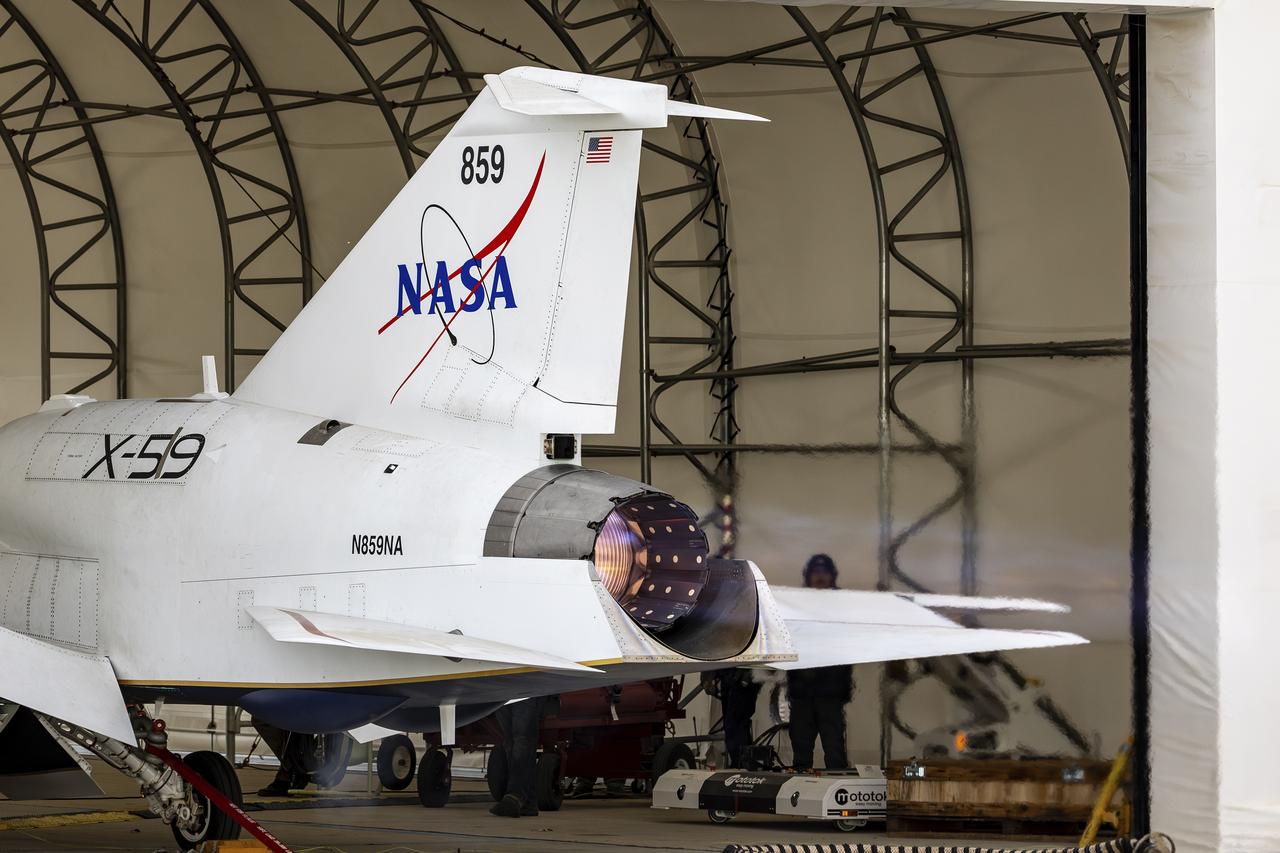
NASA’s X-59 quiet supersonic research aircraft completed its first maximum afterburner test at Lockheed Martin’s Skunk Works facility in Palmdale, California. This full-power test, during which the engine generates additional thrust, validates the additional power needed for meeting the testing conditions of the aircraft. The X-59 is the centerpiece of NASA’s Quesst mission, which aims to overcome a major barrier to supersonic flight over land by reducing the noise of sonic booms.
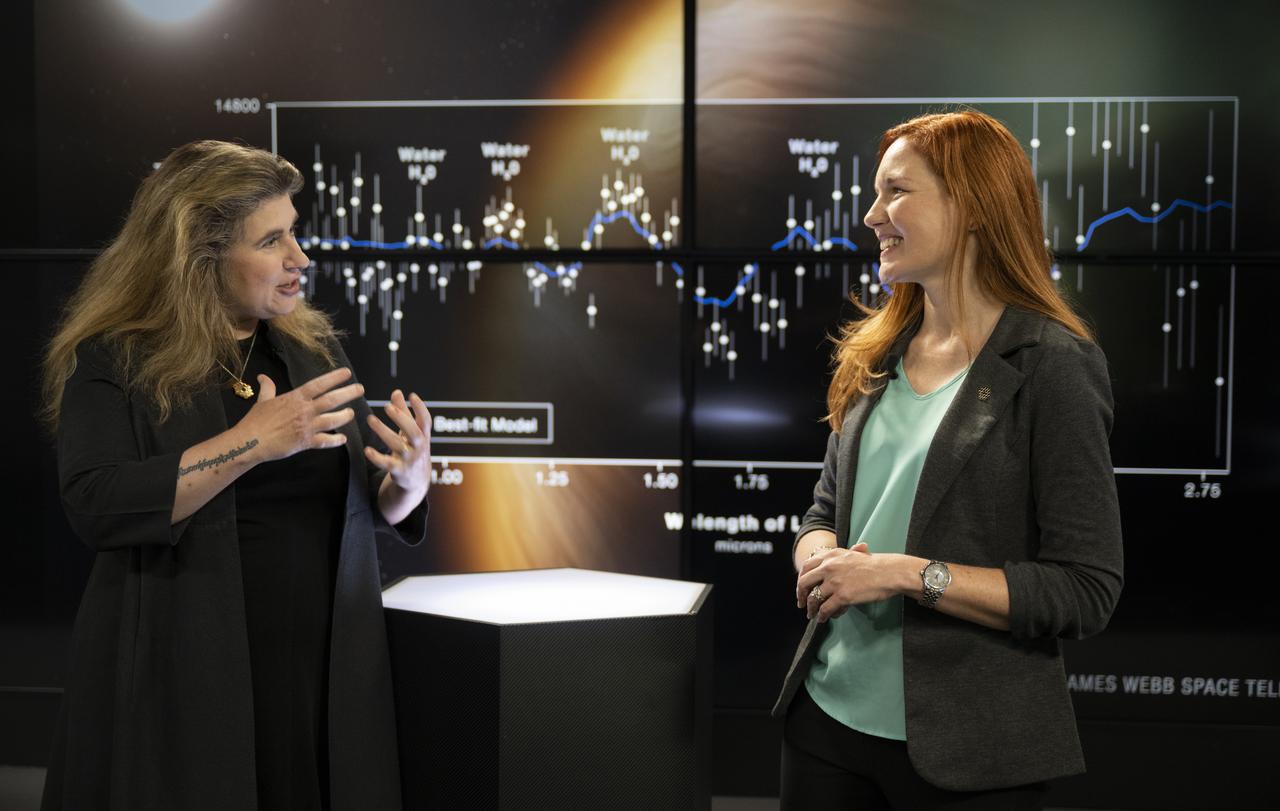
Assistant Director of Science at NASA's Goddard Space Flight Center Michelle Thaller, left, speaks with NASA James Webb Space Telescope Deputy Project Scientist for Communications Amber Straughn during a broadcast releasing the telescope’s first full-color images, Tuesday, July 12, 2022, at NASA’s Goddard Space Flight Center in Greenbelt, Md. The first full-color images and spectroscopic data from the James Webb Space Telescope, a partnership with ESA (European Space Agency) and the Canadian Space Agency (CSA), are a demonstration of the power of Webb as the telescope begins its science mission to unfold the infrared universe. Photo Credit: (NASA/Bill Ingalls)
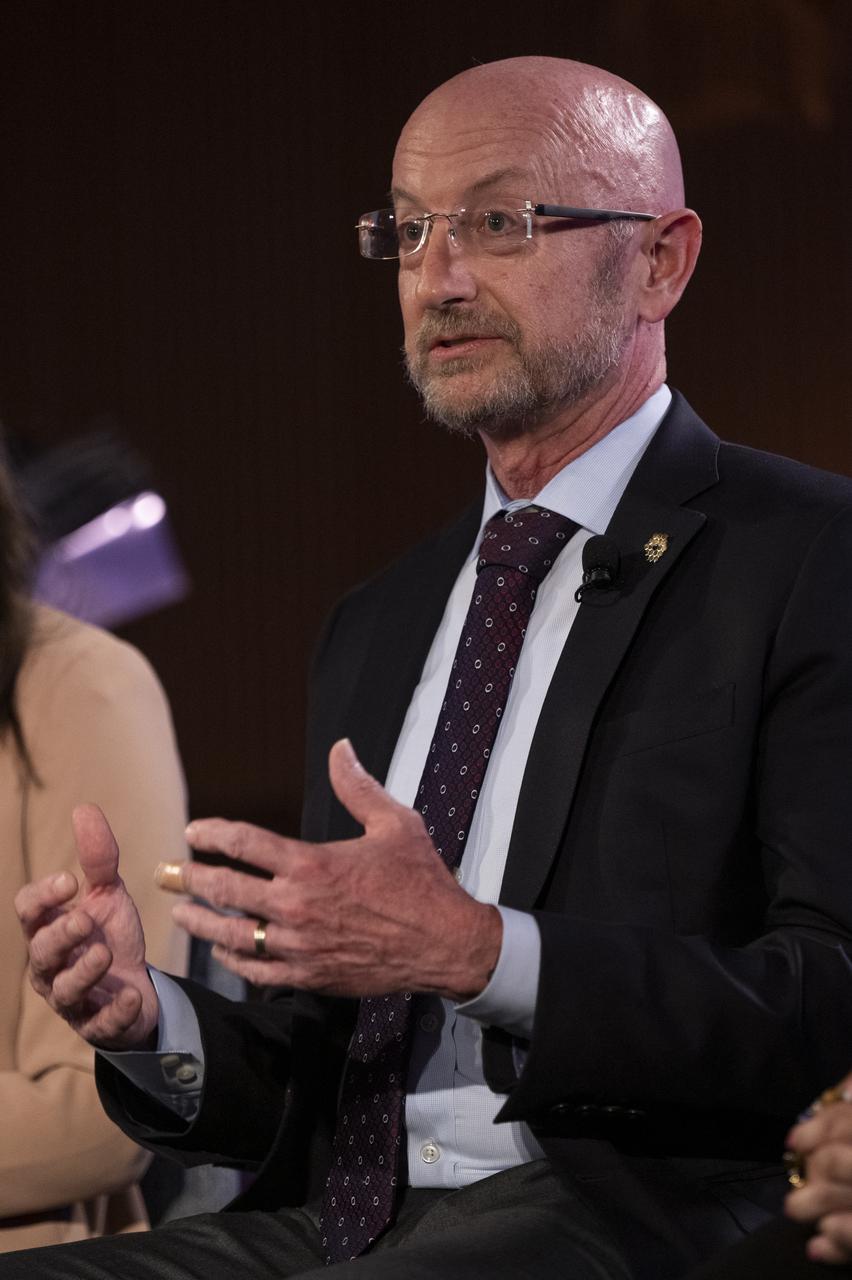
NASA James Webb Space Telescope Program Scientist and Astrophysics Division Chief Scientist Eric Smith delivers opening remarks during a briefing following the release of the first full-color images from NASA’s James Webb Space Telescope, Tuesday, July 12, 2022, at NASA’s Goddard Space Flight Center in Greenbelt, Md. The first full-color images and spectroscopic data from the James Webb Space Telescope, a partnership with ESA (European Space Agency) and the Canadian Space Agency (CSA), are a demonstration of the power of Webb as the telescope begins its science mission to unfold the infrared universe. Photo Credit: (NASA/Bill Ingalls)

Employees and guests at Northrop Grumman Space Park in Redondo Beach, Cal. are seen on screen as they watch the broadcast releasing the first full-color images from NASA’s James Webb Space Telescope, Tuesday, July 12, 2022, at NASA’s Goddard Space Flight Center in Greenbelt, Md. The first full-color images and spectroscopic data from the James Webb Space Telescope, a partnership with ESA (European Space Agency) and the Canadian Space Agency (CSA), are a demonstration of the power of Webb as the telescope begins its science mission to unfold the infrared universe. Photo Credit: (NASA/Bill Ingalls)
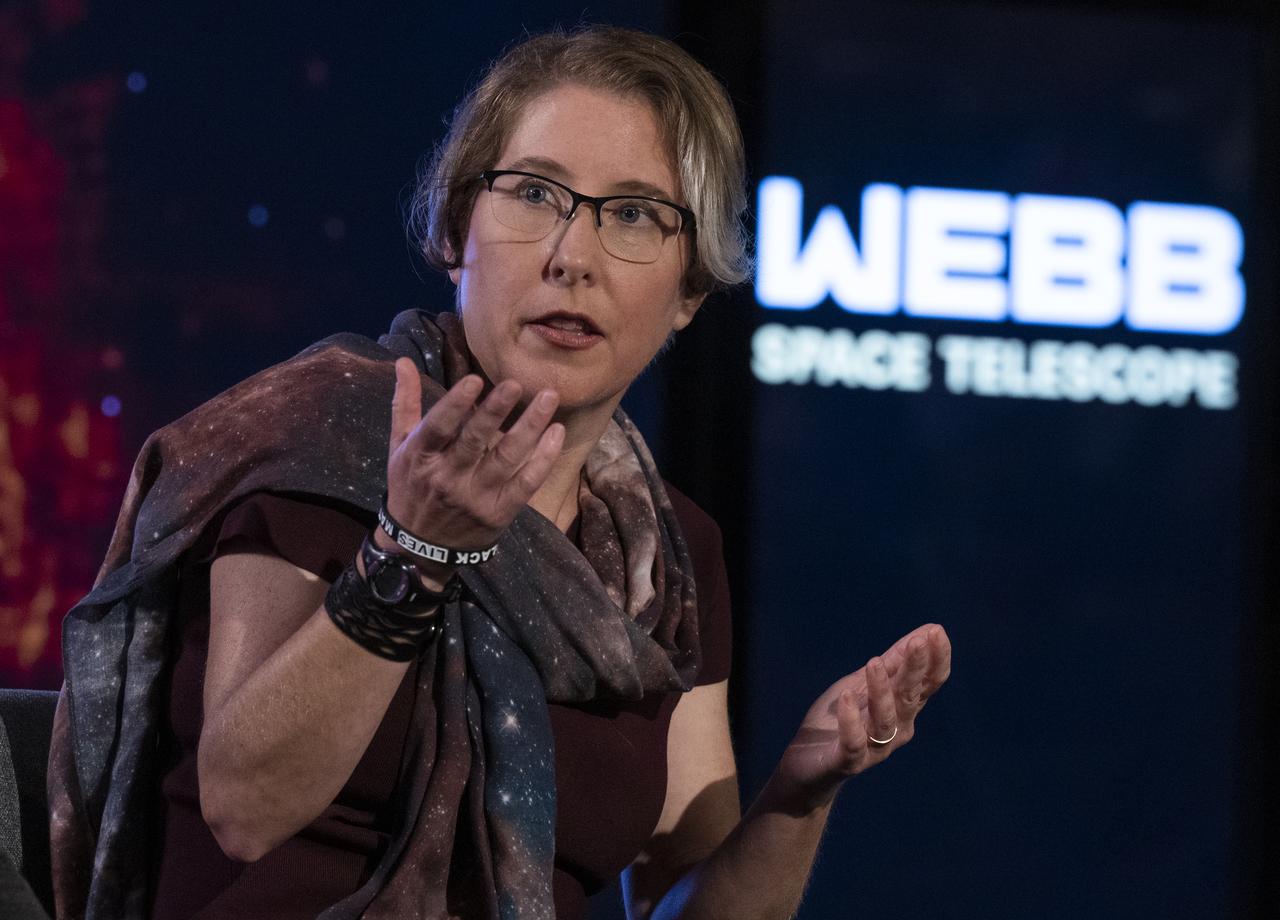
NASA James Webb Space Telescope Operations Project Scientist Jane Rigby answers a question from a member of the media during a briefing following the release of the first full-color images from NASA’s James Webb Space Telescope, Tuesday, July 12, 2022, at NASA’s Goddard Space Flight Center in Greenbelt, Md. The first full-color images and spectroscopic data from the James Webb Space Telescope, a partnership with ESA (European Space Agency) and the Canadian Space Agency (CSA), are a demonstration of the power of Webb as the telescope begins its science mission to unfold the infrared universe. Photo Credit: (NASA/Bill Ingalls)
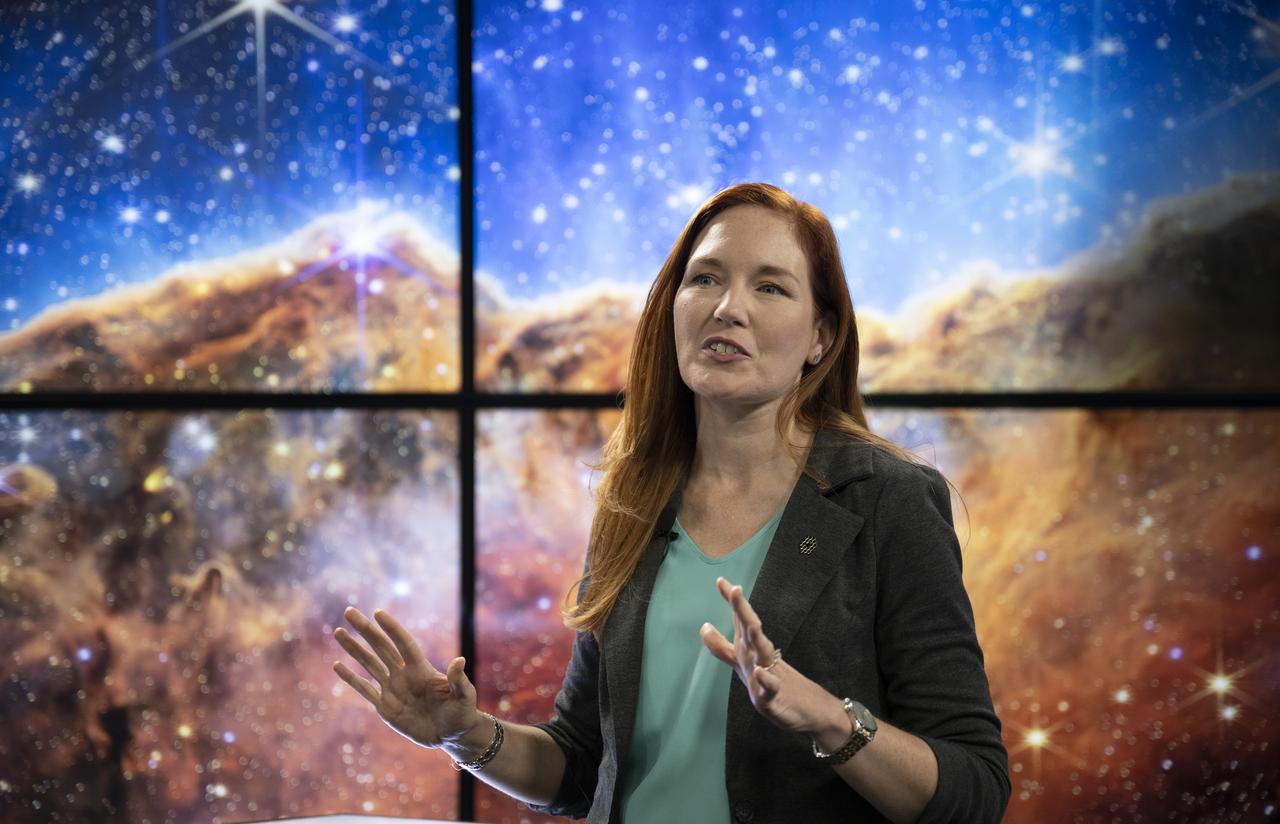
NASA James Webb Space Telescope Deputy Project Scientist for Communications Amber Straughn speaks about the infrared image of the star-forming region called NGC 3324 in the Carina Nebula as it is shown on a screen during a broadcast releasing the telescope’s first full-color images, Tuesday, July 12, 2022, at NASA’s Goddard Space Flight Center in Greenbelt, Md. The first full-color images and spectroscopic data from the James Webb Space Telescope, a partnership with ESA (European Space Agency) and the Canadian Space Agency (CSA), are a demonstration of the power of Webb as the telescope begins its science mission to unfold the infrared universe. Photo Credit: (NASA/Bill Ingalls)
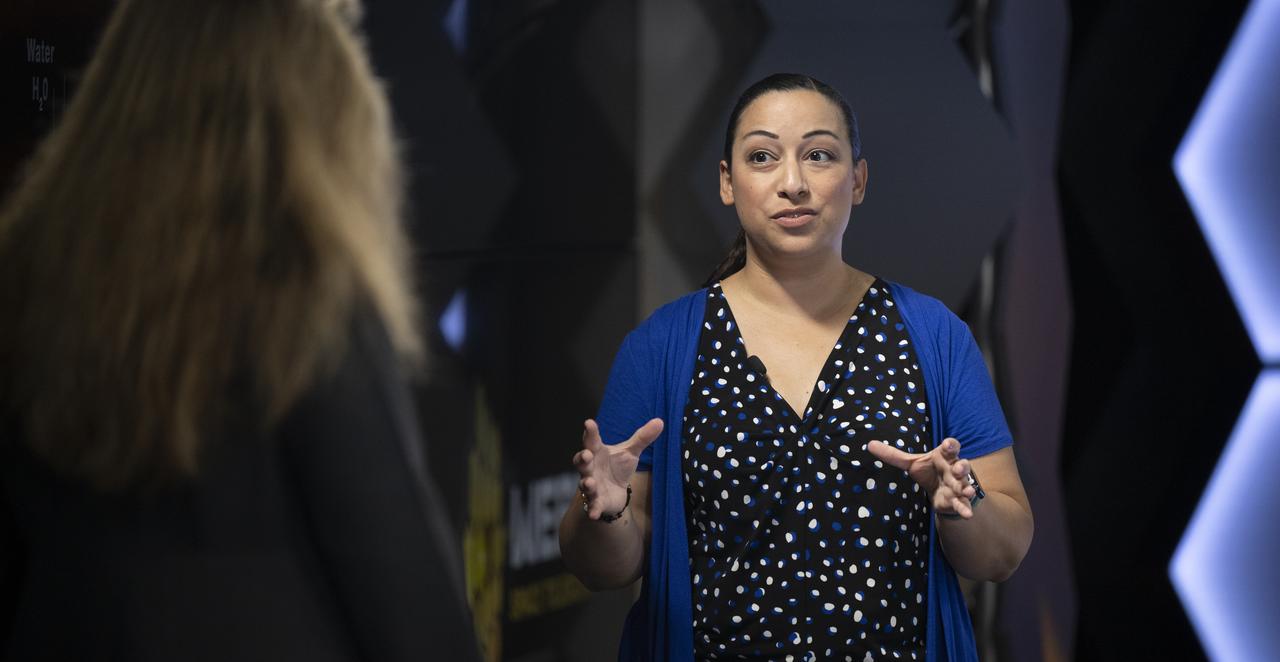
NASA James Webb Space Telescope Deputy Project Scientist for Exoplanet Science Knicole Colón speaks about the measurements of exoplanet WASP-96 b taken by the Near-Infrared Imager and Slitless Spectrograph as it is shown on screen during a broadcast releasing the telescope’s first full-color images, Tuesday, July 12, 2022, at NASA’s Goddard Space Flight Center in Greenbelt, Md. The first full-color images and spectroscopic data from the James Webb Space Telescope, a partnership with ESA (European Space Agency) and the Canadian Space Agency (CSA), are a demonstration of the power of Webb as the telescope begins its science mission to unfold the infrared universe. Photo Credit: (NASA/Bill Ingalls)
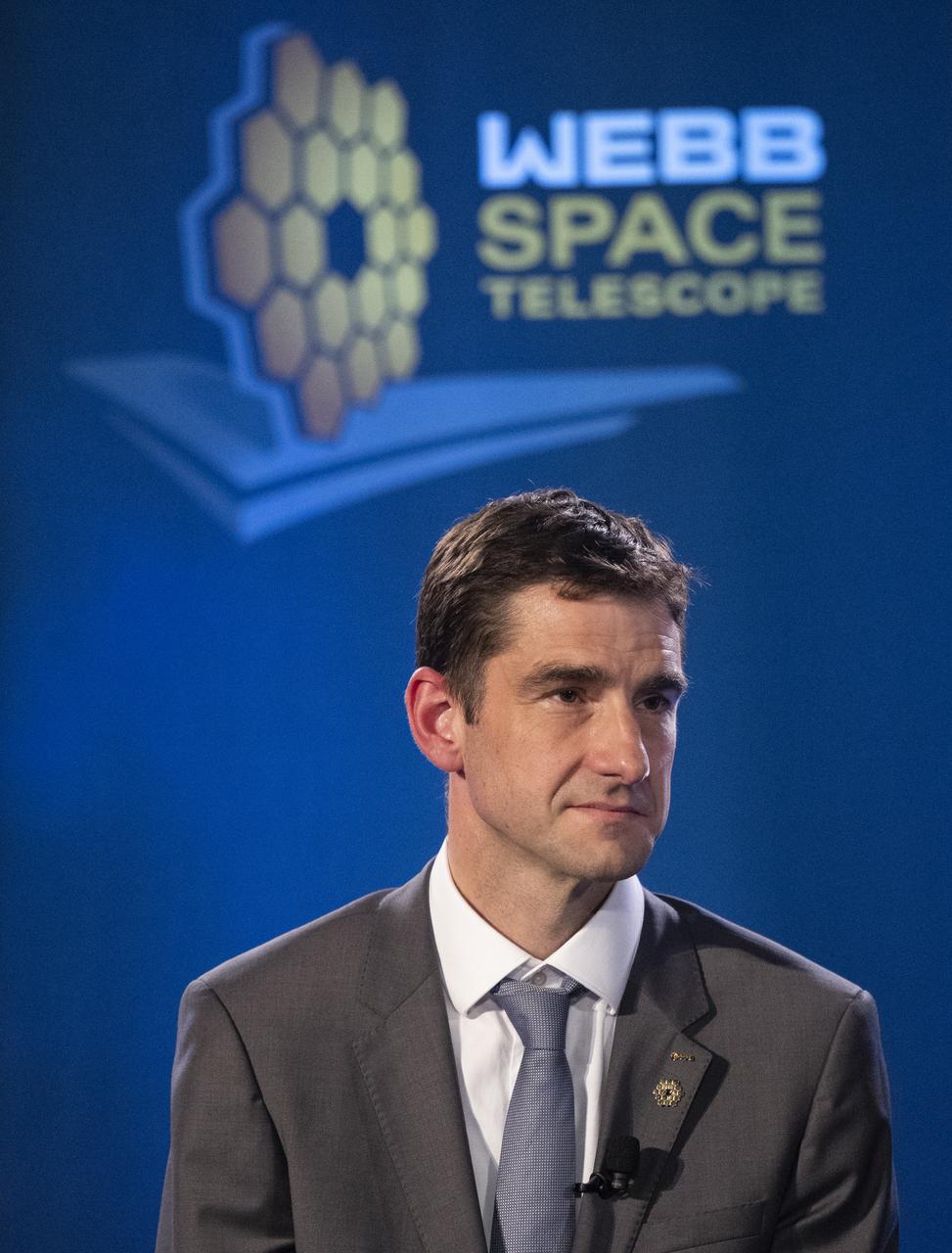
NASA James Webb Space Telescope Project Scientist at ESA (European Space Agency) Christopher Evans is seen during a briefing following the release of the first full-color images from NASA’s James Webb Space Telescope, Tuesday, July 12, 2022, at NASA’s Goddard Space Flight Center in Greenbelt, Md. The first full-color images and spectroscopic data from the James Webb Space Telescope, a partnership with ESA (European Space Agency) and the Canadian Space Agency (CSA), are a demonstration of the power of Webb as the telescope begins its science mission to unfold the infrared universe. Photo Credit: (NASA/Bill Ingalls)
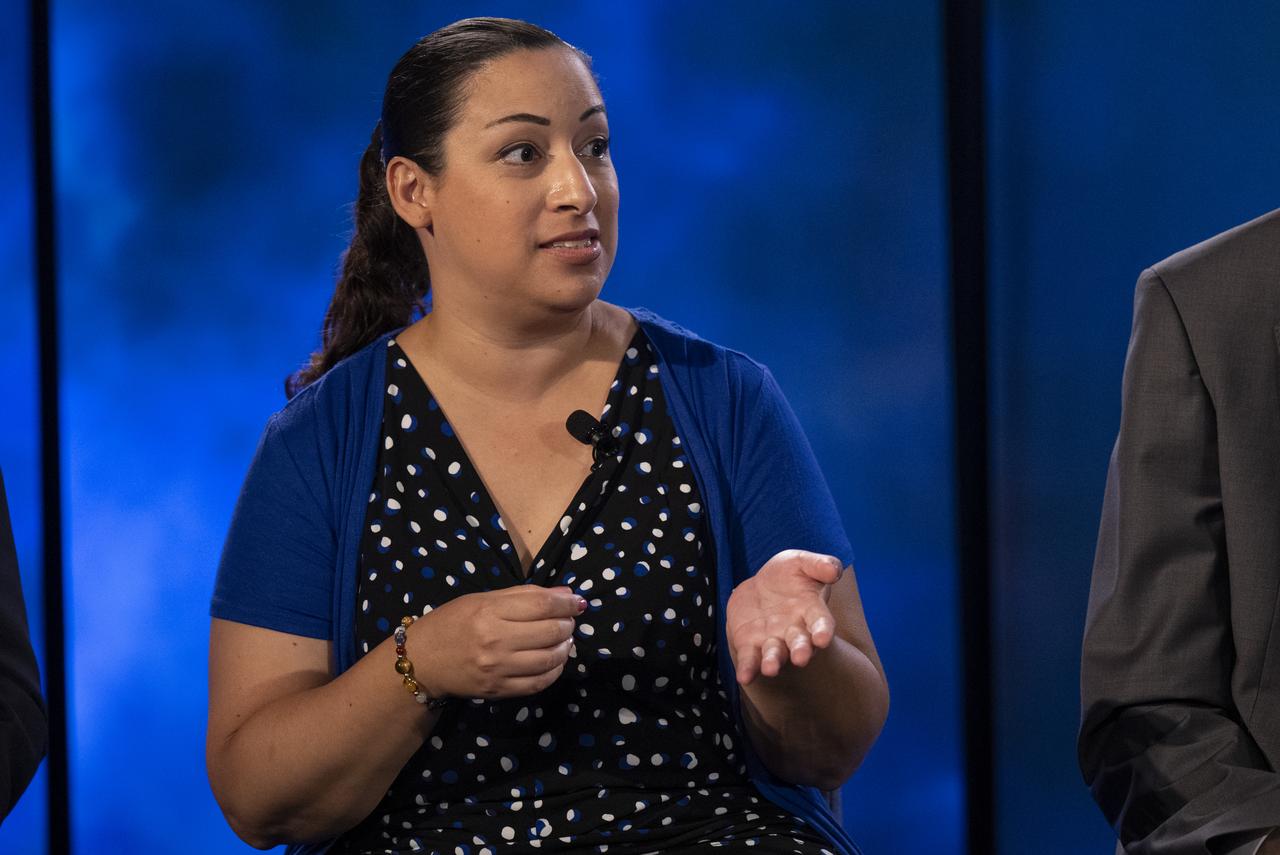
NASA James Webb Space Telescope Deputy Project Scientist for Exoplanet Science Knicole Colón answers a question from a member of the media during a briefing following the release of the first full-color images from NASA’s James Webb Space Telescope, Tuesday, July 12, 2022, at NASA’s Goddard Space Flight Center in Greenbelt, Md. The first full-color images and spectroscopic data from the James Webb Space Telescope, a partnership with ESA (European Space Agency) and the Canadian Space Agency (CSA), are a demonstration of the power of Webb as the telescope begins its science mission to unfold the infrared universe. Photo Credit: (NASA/Bill Ingalls)
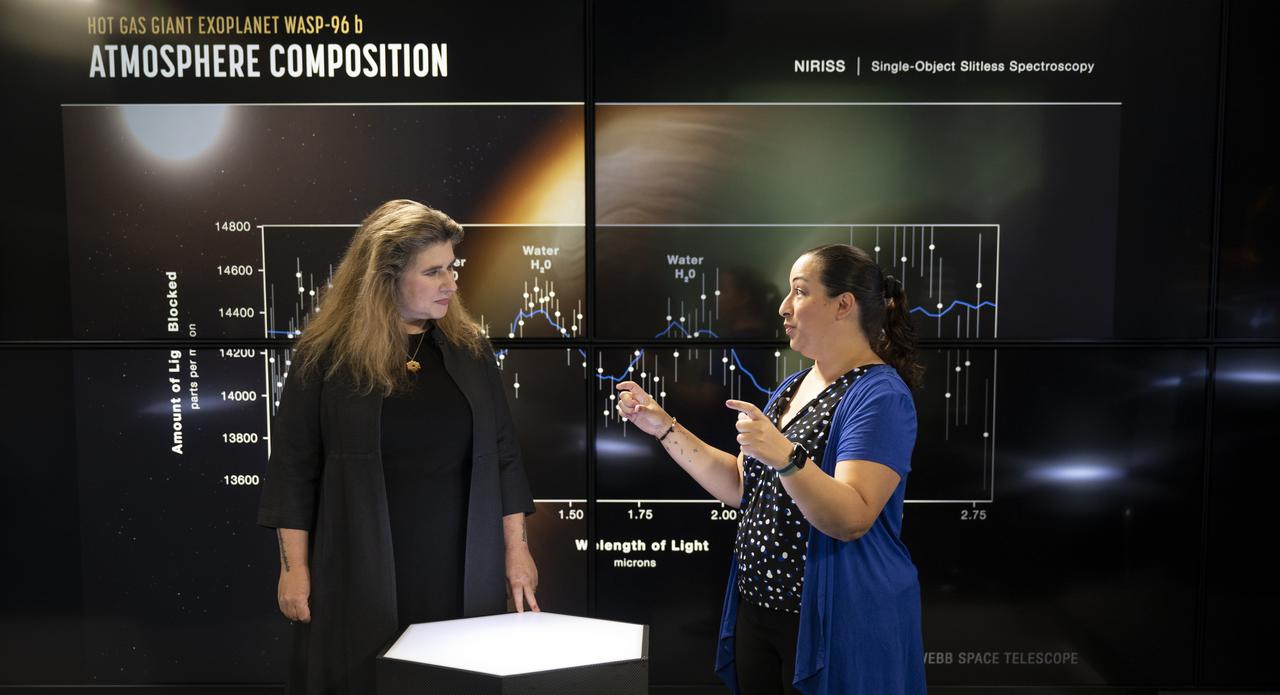
NASA James Webb Space Telescope Deputy Project Scientist for Exoplanet Science Knicole Colón speaks about the measurements of exoplanet WASP-96 b taken by the Near-Infrared Imager and Slitless Spectrograph as it is shown on screen during a broadcast releasing the telescope’s first full-color images, Tuesday, July 12, 2022, at NASA’s Goddard Space Flight Center in Greenbelt, Md. The first full-color images and spectroscopic data from the James Webb Space Telescope, a partnership with ESA (European Space Agency) and the Canadian Space Agency (CSA), are a demonstration of the power of Webb as the telescope begins its science mission to unfold the infrared universe. Photo Credit: (NASA/Bill Ingalls)
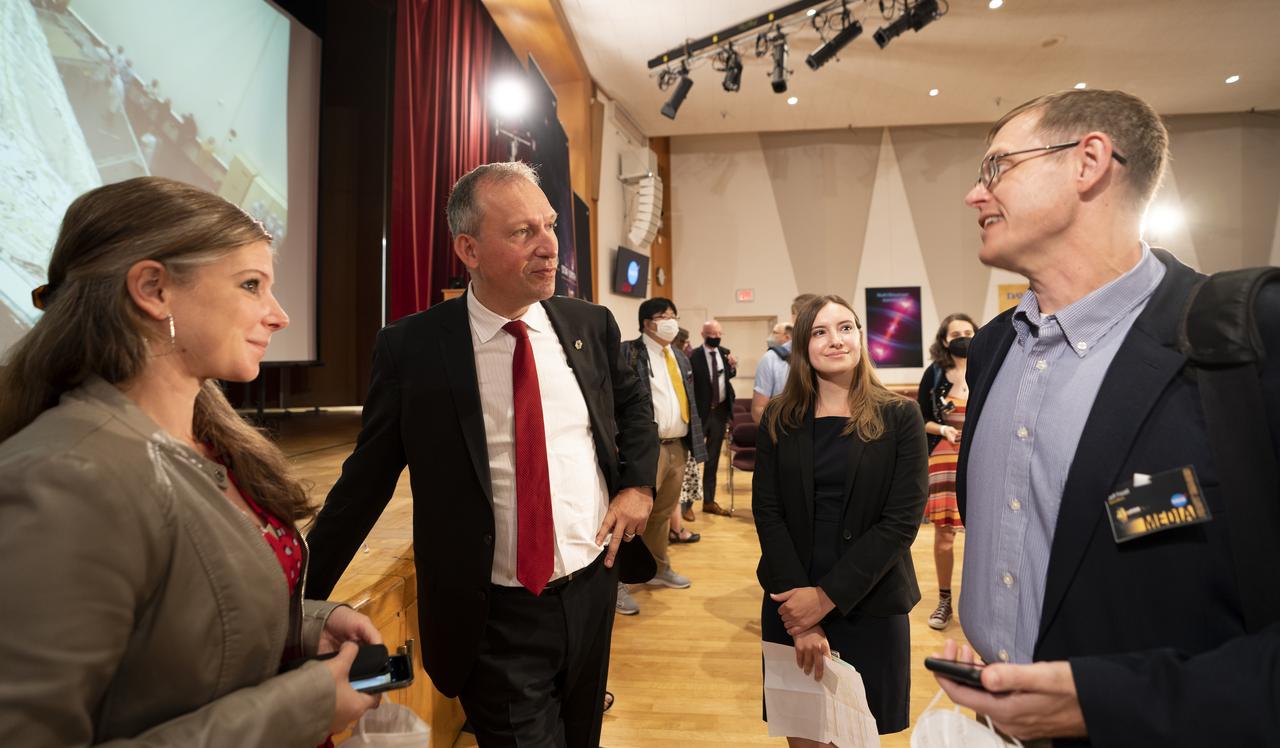
NASA Associate Administrator for the Science Mission Directorate Thomas Zurbuchen speaks with members of the media following the release of the first full-color images from NASA’s James Webb Space Telescope, Tuesday, July 12, 2022, at NASA’s Goddard Space Flight Center in Greenbelt, Md. The first full-color images and spectroscopic data from the James Webb Space Telescope, a partnership with ESA (European Space Agency) and the Canadian Space Agency (CSA), are a demonstration of the power of Webb as the telescope begins its science mission to unfold the infrared universe. Photo Credit: (NASA/Taylor Mickal)

NASA Public Affairs Office Alise Fisher moderates a briefing following the release of the first full-color images from NASA’s James Webb Space Telescope, Tuesday, July 12, 2022, at NASA’s Goddard Space Flight Center in Greenbelt, Md. The first full-color images and spectroscopic data from the James Webb Space Telescope, a partnership with ESA (European Space Agency) and the Canadian Space Agency (CSA), are a demonstration of the power of Webb as the telescope begins its science mission to unfold the infrared universe. Photo Credit: (NASA/Bill Ingalls)
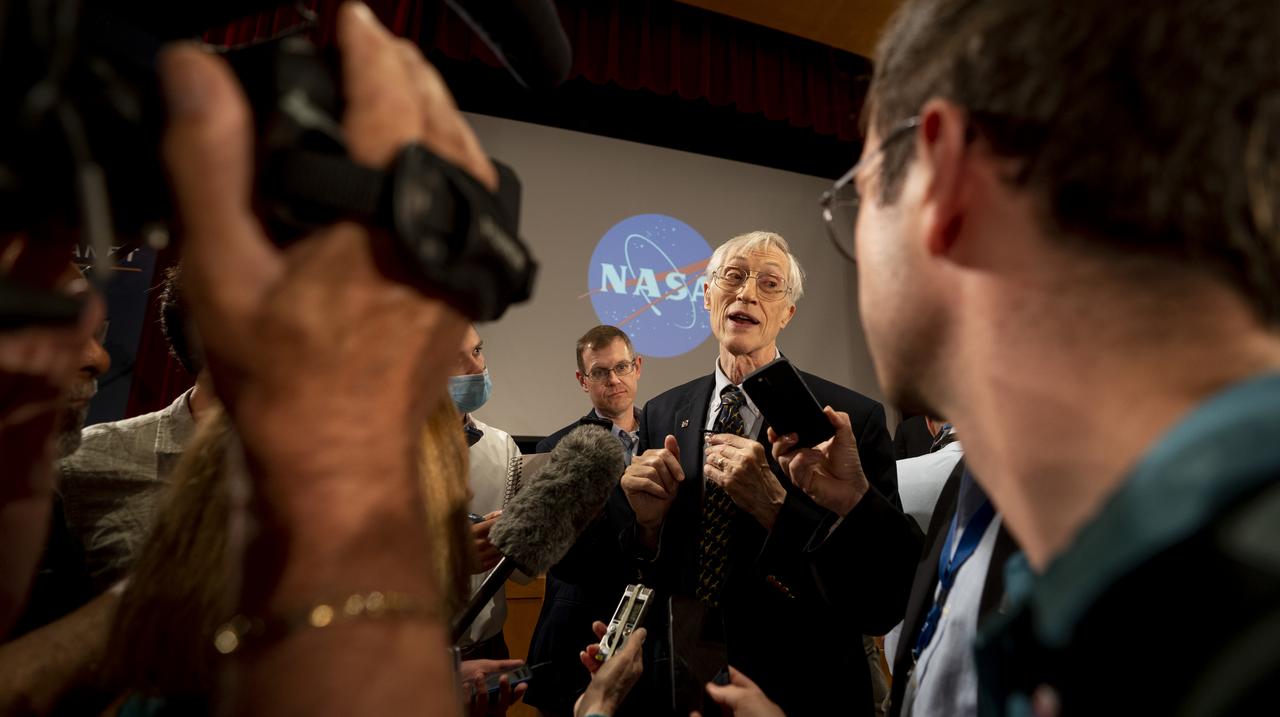
NASA James Webb Space Telescope Senior Project Scientist John Mather speaks with members of the media following the release of the first full-color images from NASA’s James Webb Space Telescope, Tuesday, July 12, 2022, at NASA’s Goddard Space Flight Center in Greenbelt, Md. The first full-color images and spectroscopic data from the James Webb Space Telescope, a partnership with ESA (European Space Agency) and the Canadian Space Agency (CSA), are a demonstration of the power of Webb as the telescope begins its science mission to unfold the infrared universe. Photo Credit: (NASA/Taylor Mickal)
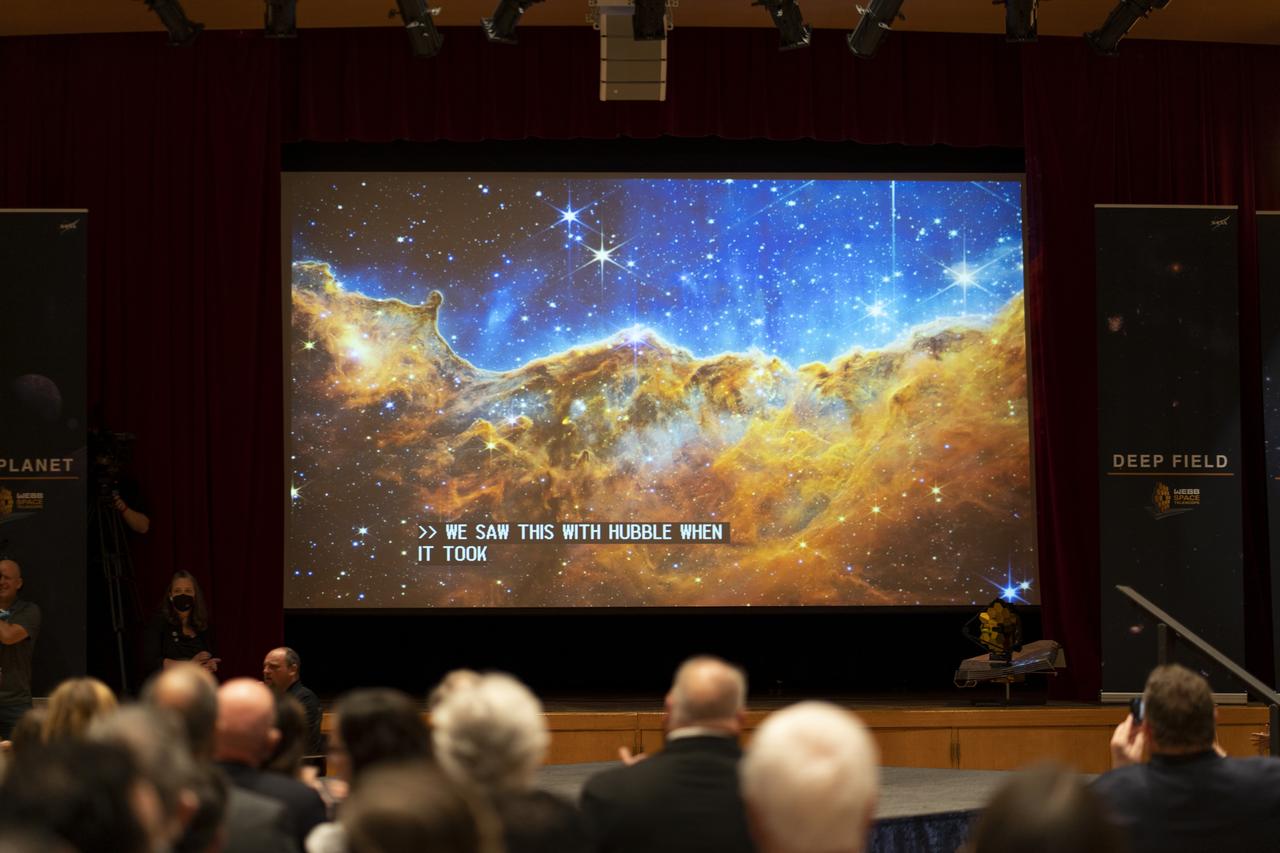
The image captured by NASA’s James Webb Space Telescope of the star-forming region called NGC 3324 in the Carina Nebula is seen on a screen as members of the media and guests watch the broadcast releasing the first full-color images from NASA’s James Webb Space Telescope, Tuesday, July 12, 2022, at NASA’s Goddard Space Flight Center in Greenbelt, Md. The first full-color images and spectroscopic data from the James Webb Space Telescope, a partnership with ESA (European Space Agency) and the Canadian Space Agency (CSA), are a demonstration of the power of Webb as the telescope begins its science mission to unfold the infrared universe. Photo Credit: (NASA/Taylor Mickal)
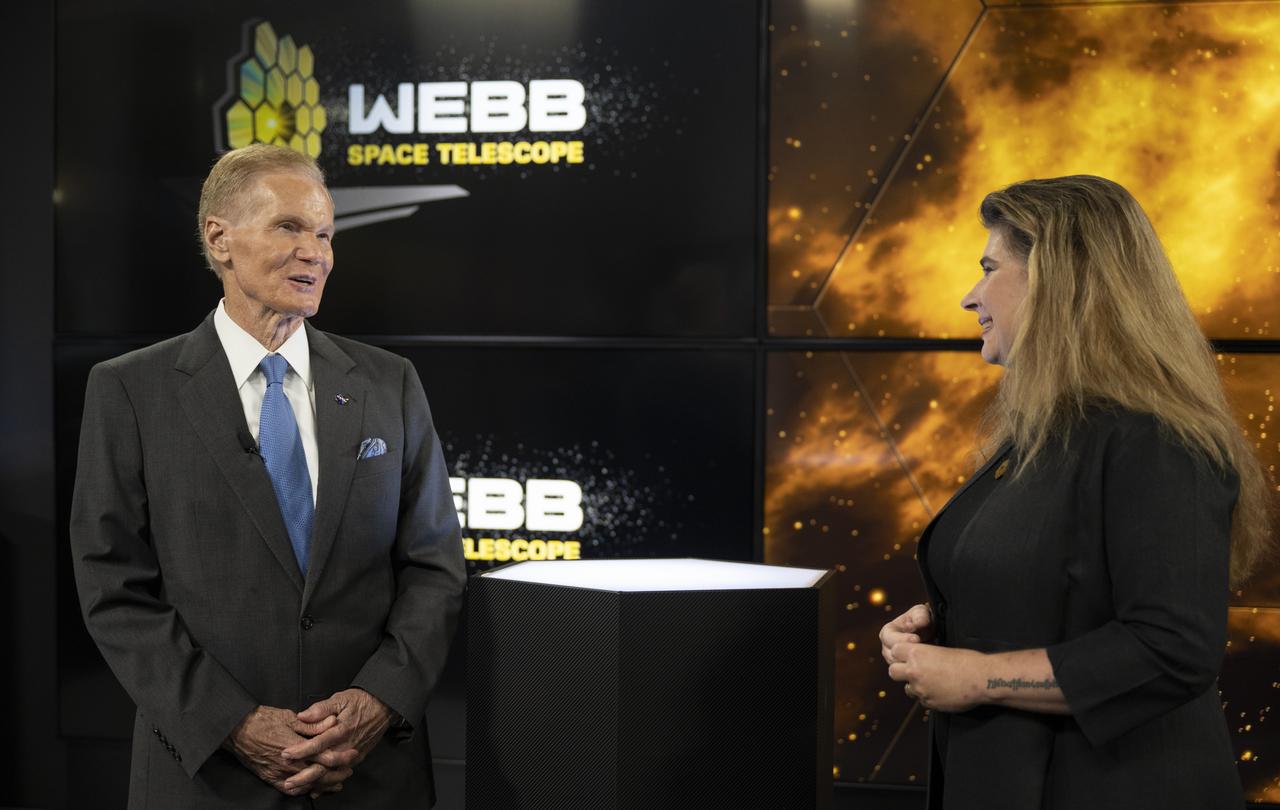
NASA Administrator Bill Nelson, left, speaks with Assistant Director of Science at NASA's Goddard Space Flight Center Michelle Thaller, right, during a broadcast releasing the first full-color images from NASA's James Webb Space Telescope, Tuesday, July 12, 2022, at NASA’s Goddard Space Flight Center in Greenbelt, Md. The first full-color images and spectroscopic data from the James Webb Space Telescope, a partnership with ESA (European Space Agency) and the Canadian Space Agency (CSA), are a demonstration of the power of Webb as the telescope begins its science mission to unfold the infrared universe. Photo Credit: (NASA/Bill Ingalls)
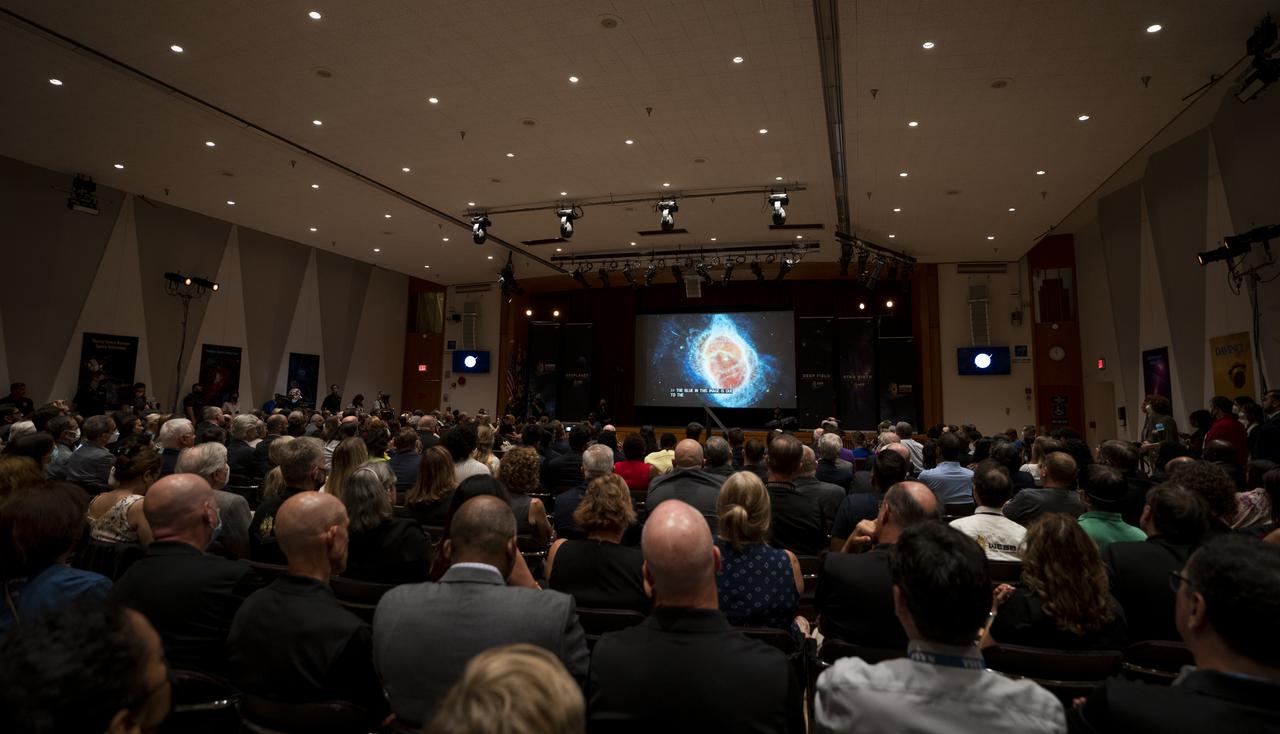
One of the images captured by NASA’s James Webb Space Telescope of the planetary nebula cataloged as NGC 3132, and known informally as the Southern Ring Nebula, is seen on a screen as members of the media and guests watch the broadcast releasing the first full-color images from NASA’s James Webb Space Telescope, Tuesday, July 12, 2022, at NASA’s Goddard Space Flight Center in Greenbelt, Md. The first full-color images and spectroscopic data from the James Webb Space Telescope, a partnership with ESA (European Space Agency) and the Canadian Space Agency (CSA), are a demonstration of the power of Webb as the telescope begins its science mission to unfold the infrared universe. Photo Credit: (NASA/Taylor Mickal)
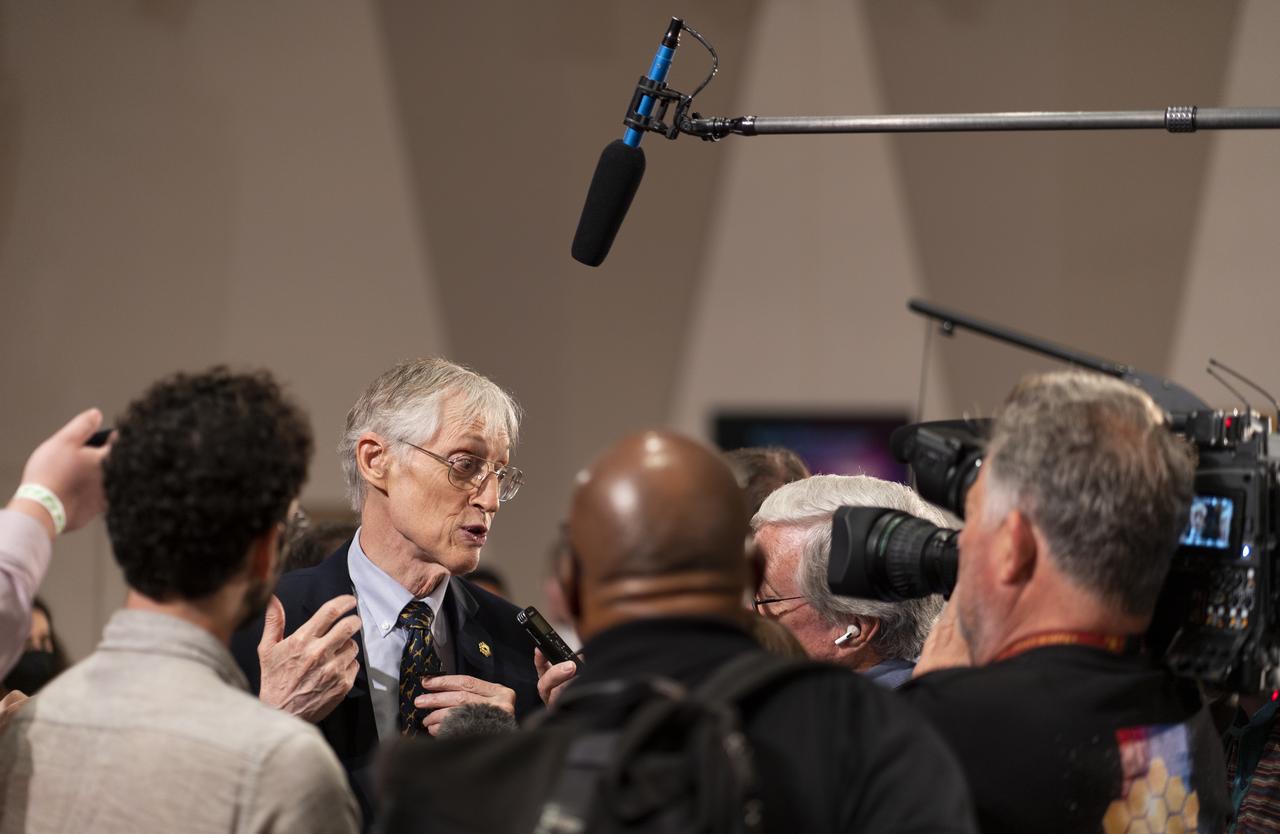
NASA James Webb Space Telescope Senior Project Scientist John Mather speaks with members of the media following the release of the first full-color images from NASA’s James Webb Space Telescope, Tuesday, July 12, 2022, at NASA’s Goddard Space Flight Center in Greenbelt, Md. The first full-color images and spectroscopic data from the James Webb Space Telescope, a partnership with ESA (European Space Agency) and the Canadian Space Agency (CSA), are a demonstration of the power of Webb as the telescope begins its science mission to unfold the infrared universe. Photo Credit: (NASA/Taylor Mickal)
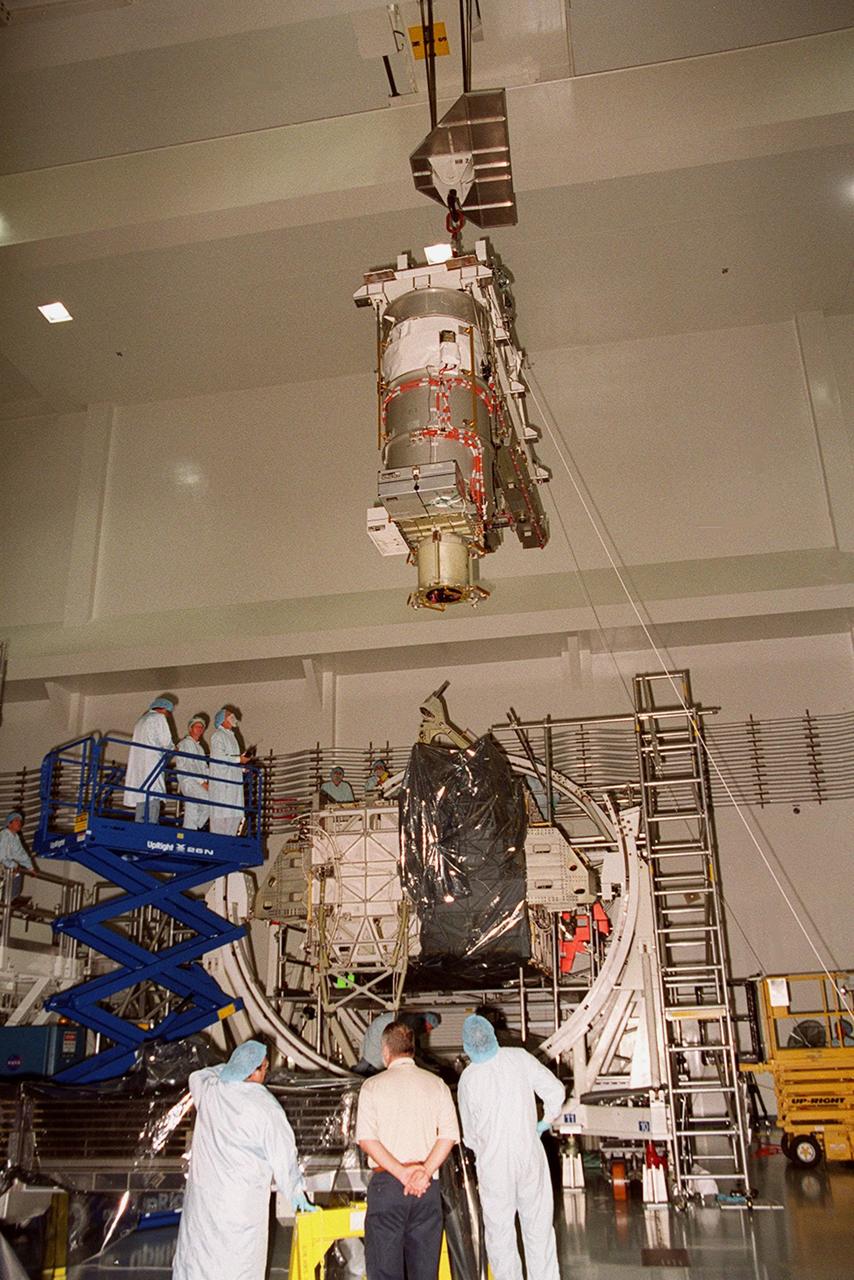
In the Space Station Processing Facility, Solar Array Wing-3 (at top), a component of the International Space Station, hovers above the Integrated Electronic Assembly where it will be installed for testing. The solar array is scheduled to be launched on STS-97 in late November along with the P6 truss. The Station’s electrical power system (EPS) will use eight photovoltaic solar arrays to convert sunlight to electricity. Each of the eight solar arrays will be 112 feet long by 39 feet wide. The solar arrays are mounted on a “blanket” that can be folded like an accordion for delivery. Once in orbit, astronauts will deploy the blankets to their full size. Gimbals will be used to rotate the arrays so that they will face the Sun to provide maximum power to the Space Station
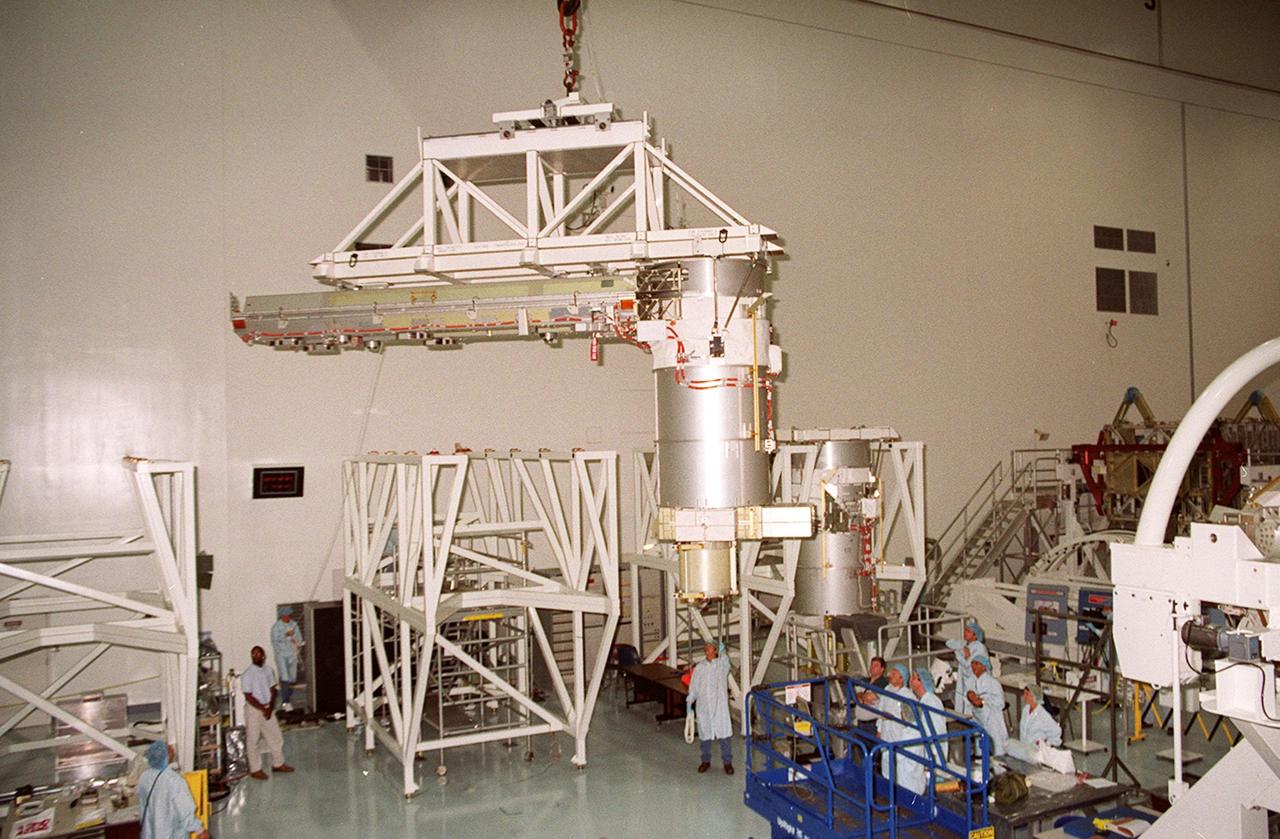
In the Space Station Processing Facility, Solar Array Wing-3, an element of the International Space Station, is lifted from a work stand to move it to the Integrated Electronic Assembly for testing. The solar array is scheduled to be launched on STS-97 in late November along with the P6 truss. The Station’s electrical power system (EPS) will use eight photovoltaic solar arrays to convert sunlight to electricity. Each of the eight solar arrays will be 112 feet long by 39 feet wide. The solar arrays are mounted on a “blanket” that can be folded like an accordion for delivery. Once in orbit, astronauts will deploy the blankets to their full size. Gimbals will be used to rotate the arrays so that they will face the Sun to provide maximum power to the Space Station
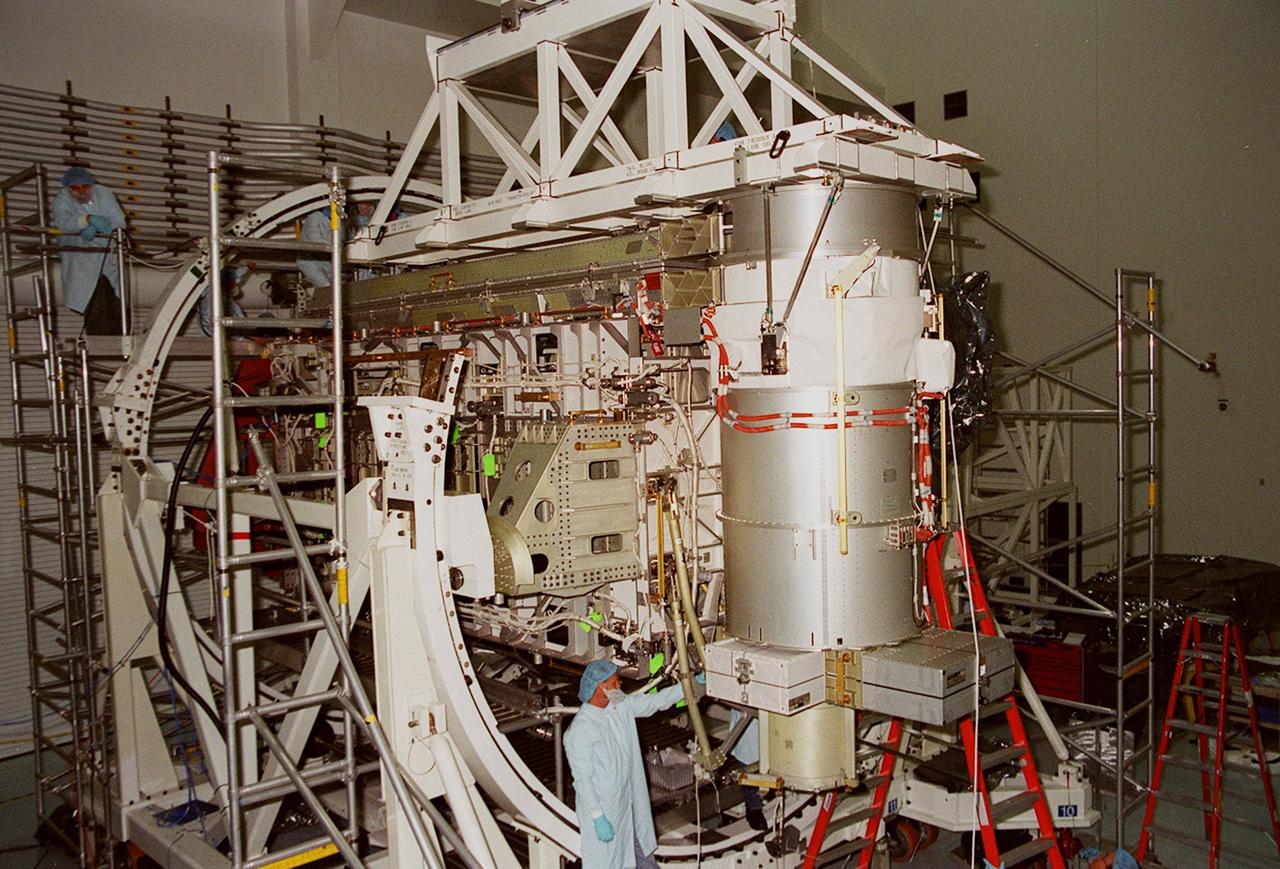
In the Space Station Processing Facility, Solar Array Wing-3, a component of the International Space Station, is installed in the Integrated Electronic Assembly where it will be tested. The solar array is scheduled to be launched on STS-97 in late November along with the P6 truss. The Station’s electrical power system (EPS) will use eight photovoltaic solar arrays to convert sunlight to electricity. Each of the eight solar arrays will be 112 feet long by 39 feet wide. The solar arrays are mounted on a “blanket” that can be folded like an accordion for delivery. Once in orbit, astronauts will deploy the blankets to their full size. Gimbals will be used to rotate the arrays so that they will face the Sun to provide maximum power to the Space Station
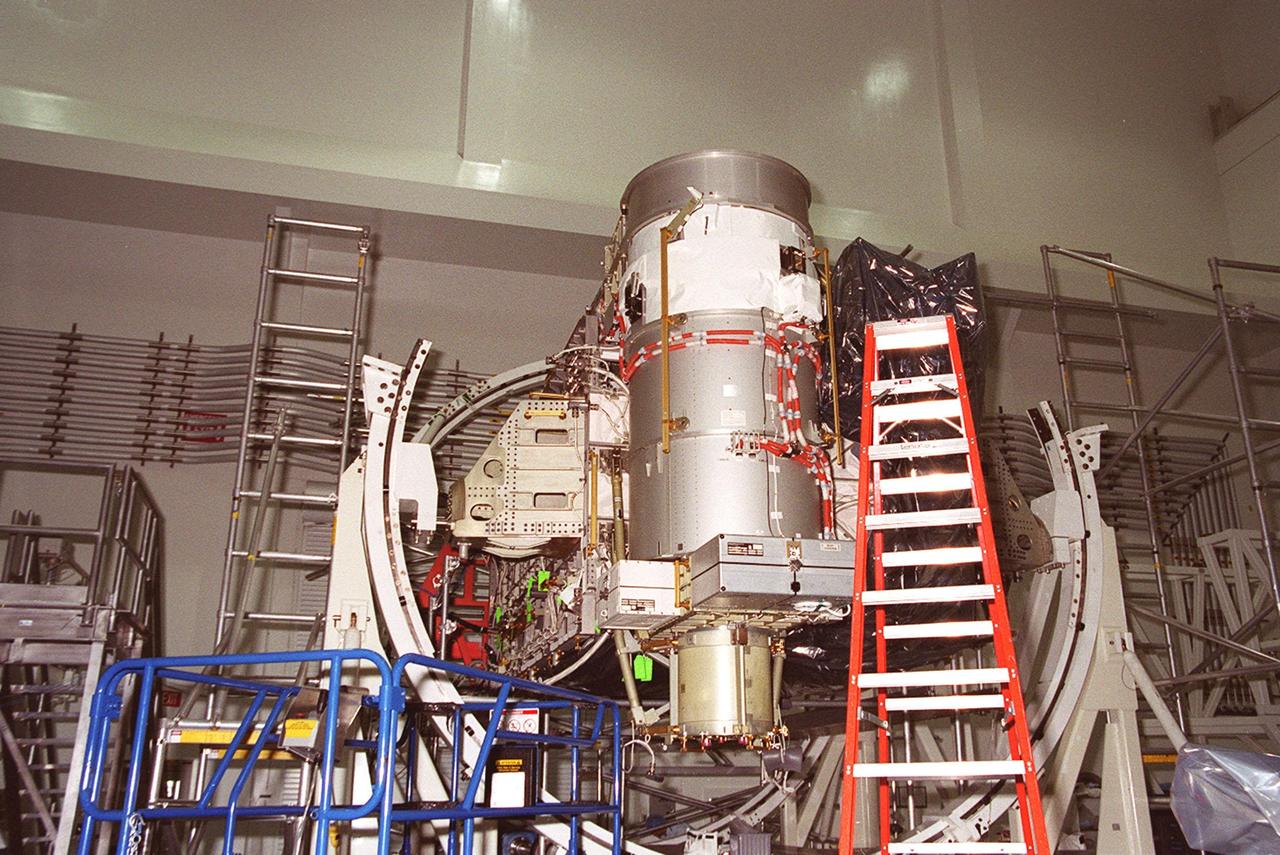
In the Space Station Processing Facility, Solar Array Wing-3, a component of the International Space Station, is installed in the Integrated Electronic Assembly where it will be tested. The solar array is scheduled to be launched on STS-97 in late November along with the P6 truss. The Station’s electrical power system (EPS) will use eight photovoltaic solar arrays to convert sunlight to electricity. Each of the eight solar arrays will be 112 feet long by 39 feet wide. The solar arrays are mounted on a “blanket” that can be folded like an accordion for delivery. Once in orbit, astronauts will deploy the blankets to their full size. Gimbals will be used to rotate the arrays so that they will face the Sun to provide maximum power to the Space Station
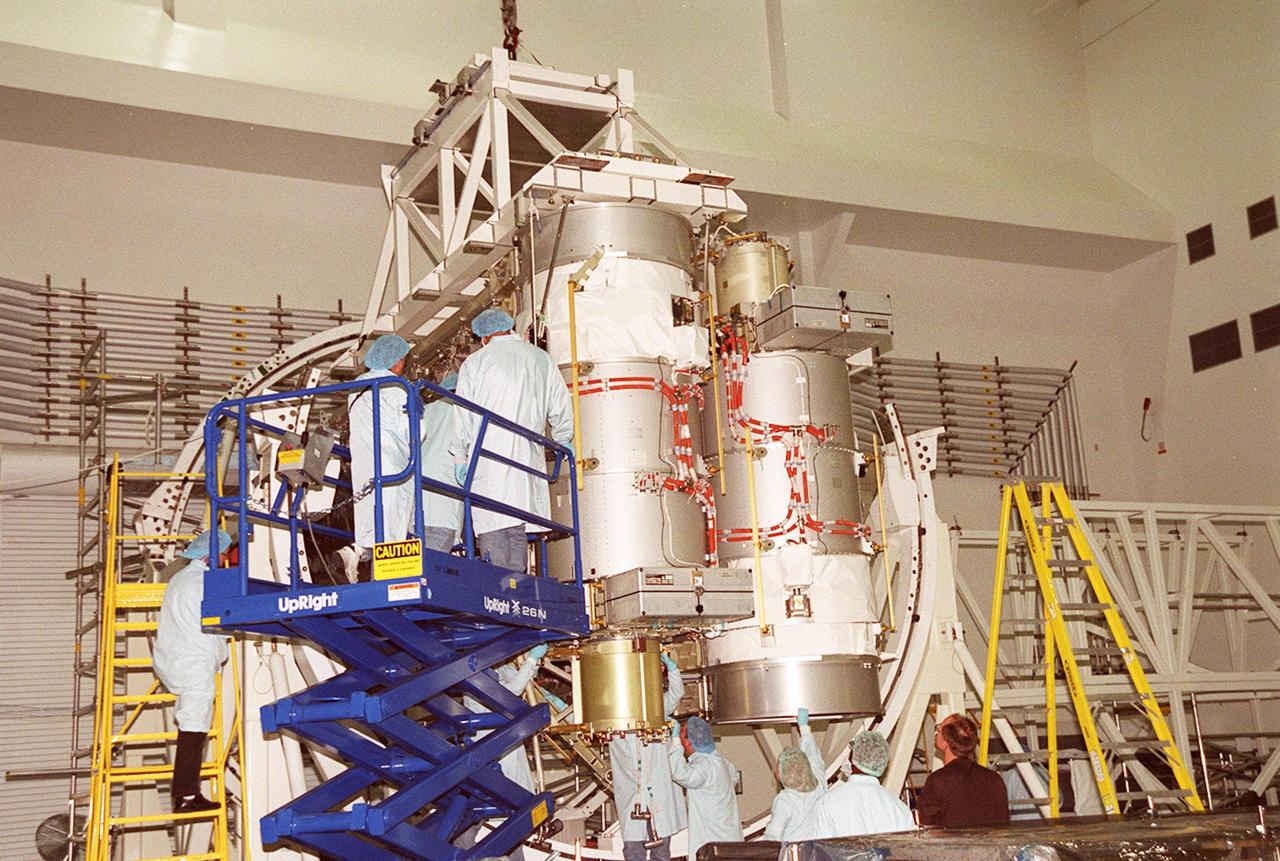
A solar array is nearly in place on the Integrated Equipment Assembly, next to Solar Array Wing-3, which is already installed. Components of the International Space Station, the arrays are scheduled to be launched on mission STS-97 in late November along with the P6 truss. The Station’s electrical power system (EPS) will use eight photovoltaic solar arrays to convert sunlight to electricity. Each of the eight solar arrays will be 112 feet long by 39 feet wide. The solar arrays are mounted on a “blanket” that can be folded like an accordion for delivery. Once in orbit, astronauts will deploy the blankets to their full size. Gimbals will be used to rotate the arrays so that they will face the Sun to provide maximum power to the Space Station
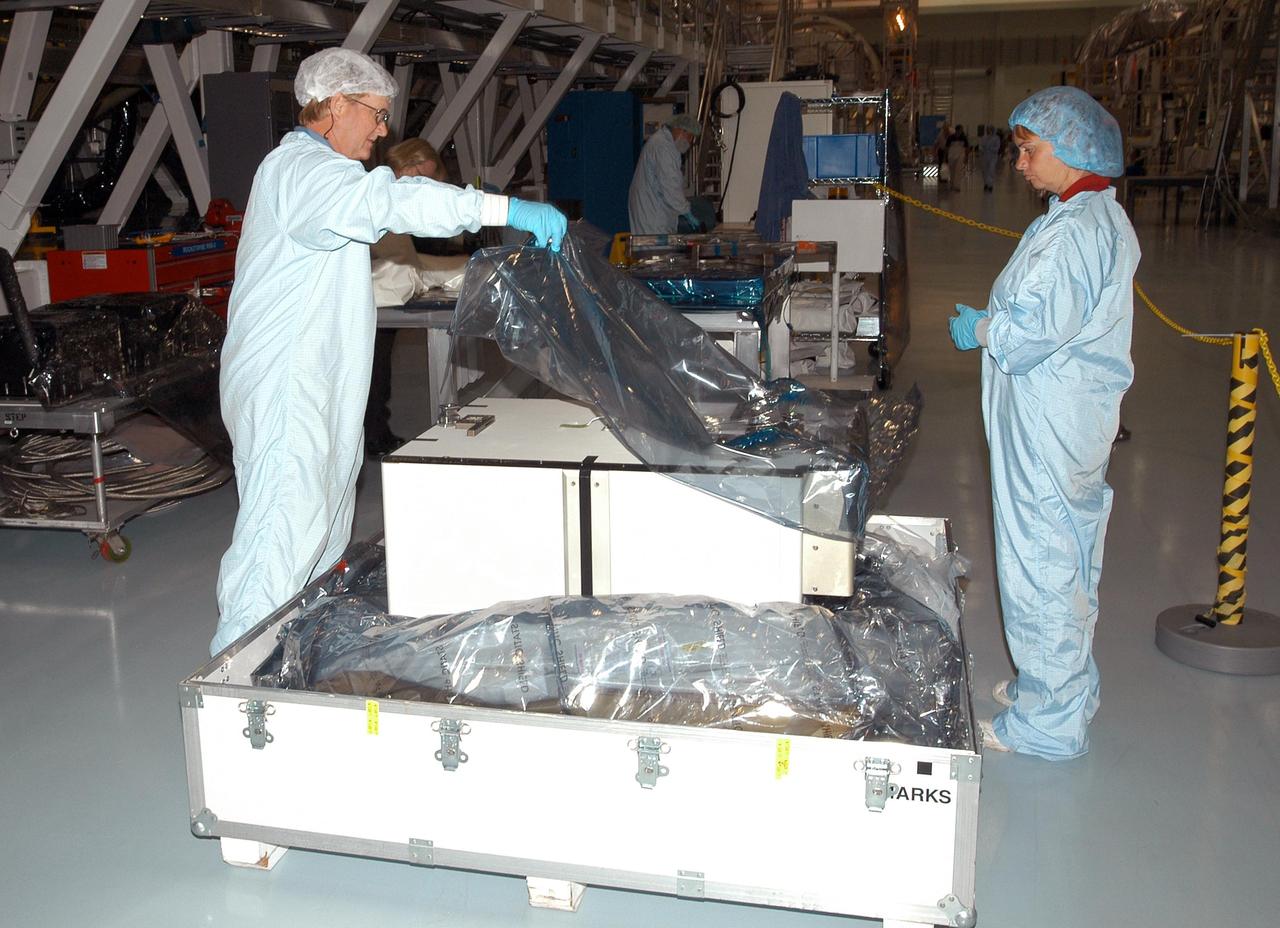
KENNEDY SPACE CENTER, FLA. - Unpacking of the Pump Flow Control Subsystem (PFCS) begins in the Space Station Processing Facility. The PFCS pumps and controls the liquid ammonia used to cool the various Orbital Replacement Units on the Integrated Equipment Assembly that make up the S6 Photo-Voltaic Power Module on the International Space Station (ISS). The fourth starboard truss segment, the S6 Truss measures 112 feet long by 39 feet wide. Its solar arrays are mounted on a “blanket” that can be folded like an accordion for delivery to the ISS. Once in orbit, astronauts will deploy the blankets to their full size. When completed, the Station's electrical power system will use eight photovoltaic solar arrays to convert sunlight to electricity. Delivery of the S6 Truss, the last power module truss segment, is targeted for mission STS-119.

KENNEDY SPACE CENTER, FLA. - In the Space Station Processing Facility, astronaut Tracy Caldwell (left) assists a technician check out the Pump Flow Control Subsystem (PFCS) before it is installed on the upper deck of the S6 Truss. The PFCS pumps and controls the liquid ammonia used to cool the various Orbital Replacement Units on the Integrated Equipment Assembly that make up the S6 Photo-Voltaic Power Module on the International Space Station (ISS). The fourth starboard truss segment, the S6 Truss measures 112 feet long by 39 feet wide. The solar arrays are mounted on a “blanket” that can be folded like an accordion for delivery to the ISS. Once in orbit, astronauts will deploy the blankets to their full size. When completed, the Station's electrical power system (EPS) will use eight photovoltaic solar arrays to convert sunlight to electricity. Delivery of the S6 Truss, the last power module truss segment, is targeted for mission STS-119.
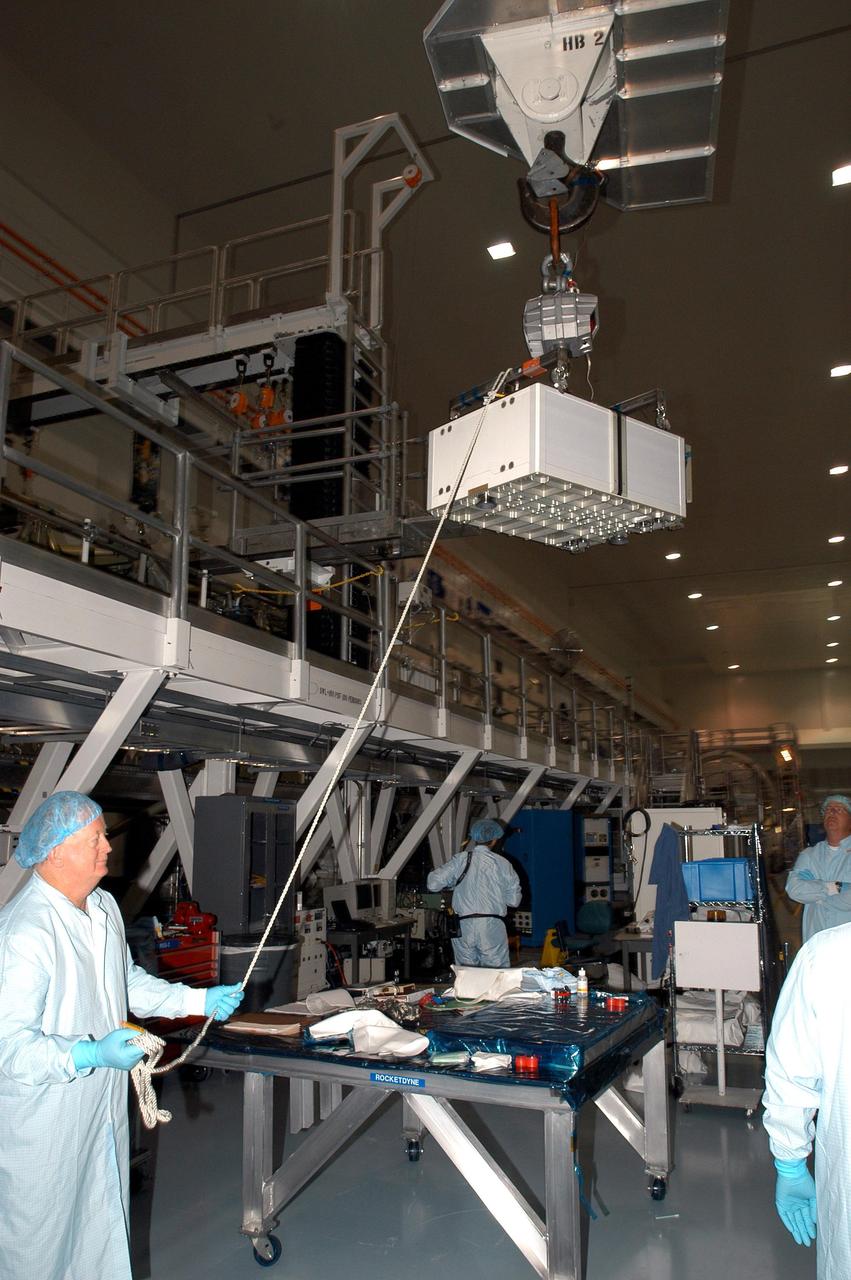
KENNEDY SPACE CENTER, FLA. - In the Space Station Processing Facility, a technician steadies the Pump Flow Control Subsystem (PFCS) as it is lifted and moved toward the S6 Truss. The PFCS pumps and controls the liquid ammonia used to cool the various Orbital Replacement Units on the Integrated Equipment Assembly that make up the S6 Photo-Voltaic Power Module on the International Space Station (ISS). The fourth starboard truss segment, the S6 Truss measures 112 feet long by 39 feet wide. Its solar arrays are mounted on a “blanket” that can be folded like an accordion for delivery to the ISS. Once in orbit, astronauts will deploy the blankets to their full size. When completed, the Station's electrical power system (EPS) will use eight photovoltaic solar arrays to convert sunlight to electricity. Delivery of the S6 Truss, the last power module truss segment, is targeted for mission STS-119.
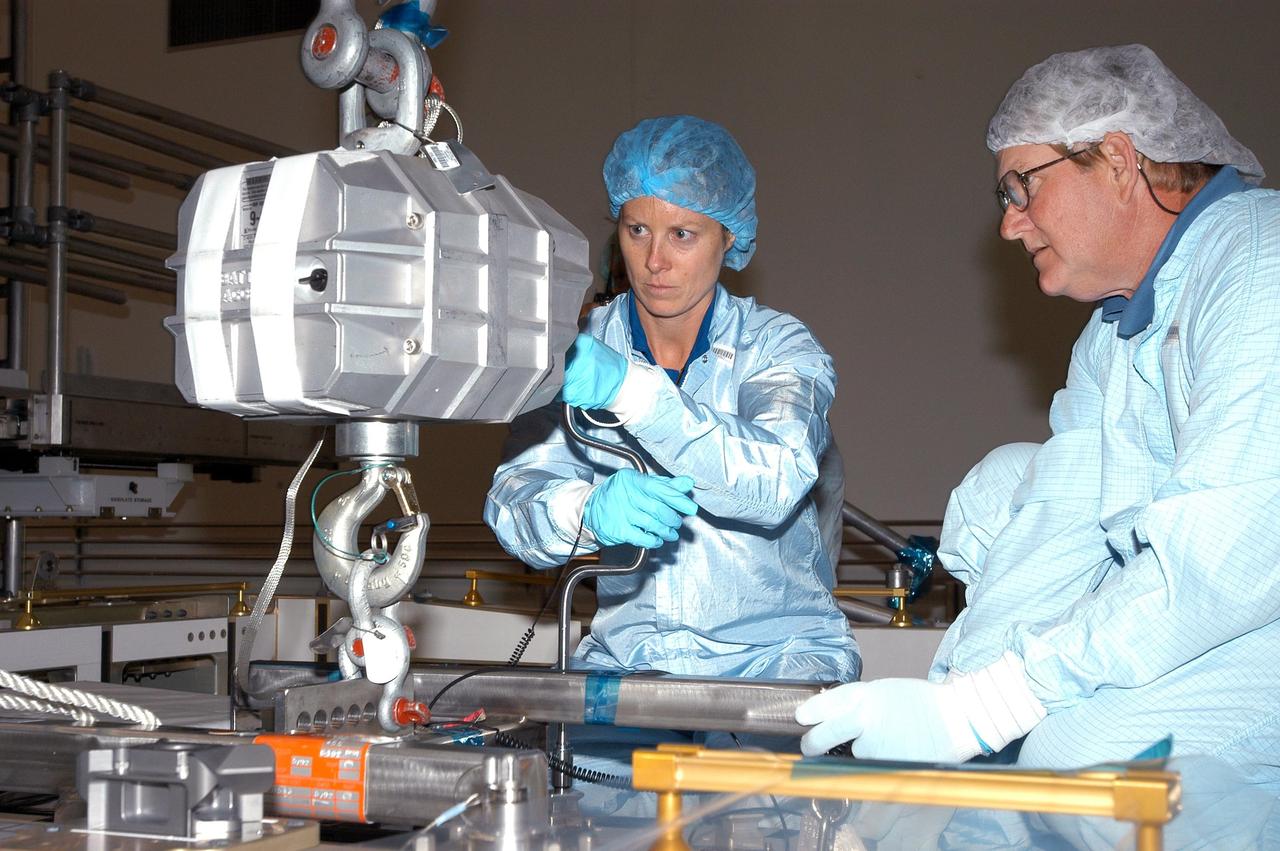
KENNEDY SPACE CENTER, FLA. - In the Space Station Processing Facility, astronaut Tracy Caldwell (left) assists technicians install the Pump Flow Control Subsystem (PFCS) onto the upper deck of the S6 Truss. The PFCS pumps and controls the liquid ammonia used to cool the various Orbital Replacement Units on the Integrated Equipment Assembly that make up the S6 Photo-Voltaic Power Module on the International Space Station (ISS). The fourth starboard truss segment, the S6 Truss measures 112 feet long by 39 feet wide. Its solar arrays are mounted on a “blanket” that can be folded like an accordion for delivery to the ISS. Once in orbit, astronauts will deploy the blankets to their full size. When completed, the Station's electrical power system (EPS) will use eight photovoltaic solar arrays to convert sunlight to electricity. Delivery of the S6 Truss, the last power module truss segment, is targeted for mission STS-119.
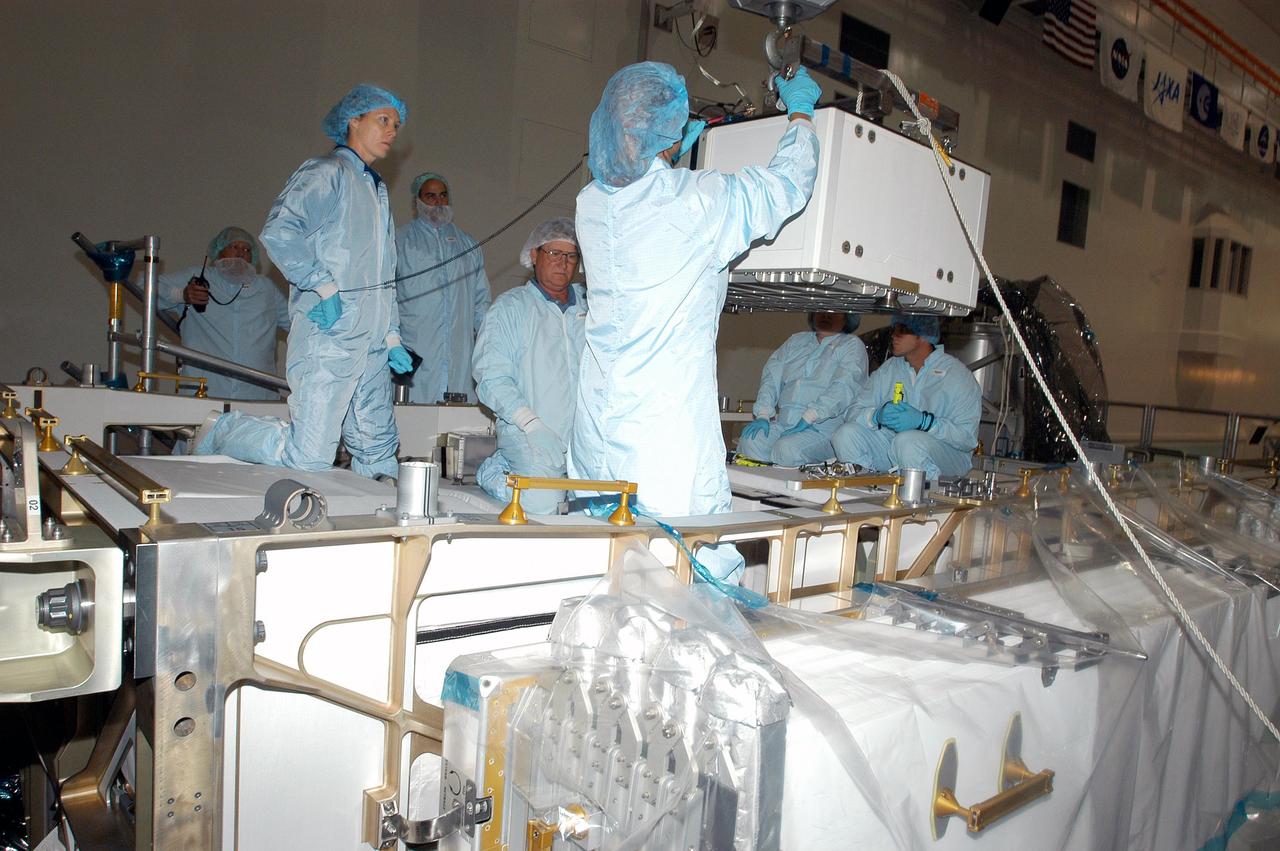
KENNEDY SPACE CENTER, FLA. - In the Space Station Processing Facility, astronaut Tracy Caldwell (second from left) assists technicians position the Pump Flow Control Subsystem (PFCS) over the upper deck of the S6 Truss. The PFCS pumps and controls the liquid ammonia used to cool the various Orbital Replacement Units on the Integrated Equipment Assembly that make up the S6 Photo-Voltaic Power Module on the International Space Station (ISS). The fourth starboard truss segment, the S6 Truss measures 112 feet long by 39 feet wide. Its solar arrays are mounted on a “blanket” that can be folded like an accordion for delivery to the ISS. Once in orbit, astronauts will deploy the blankets to their full size. When completed, the Station's electrical power system (EPS) will use eight photovoltaic solar arrays to convert sunlight to electricity. Delivery of the S6 Truss, the last power module truss segment, is targeted for mission STS-119.
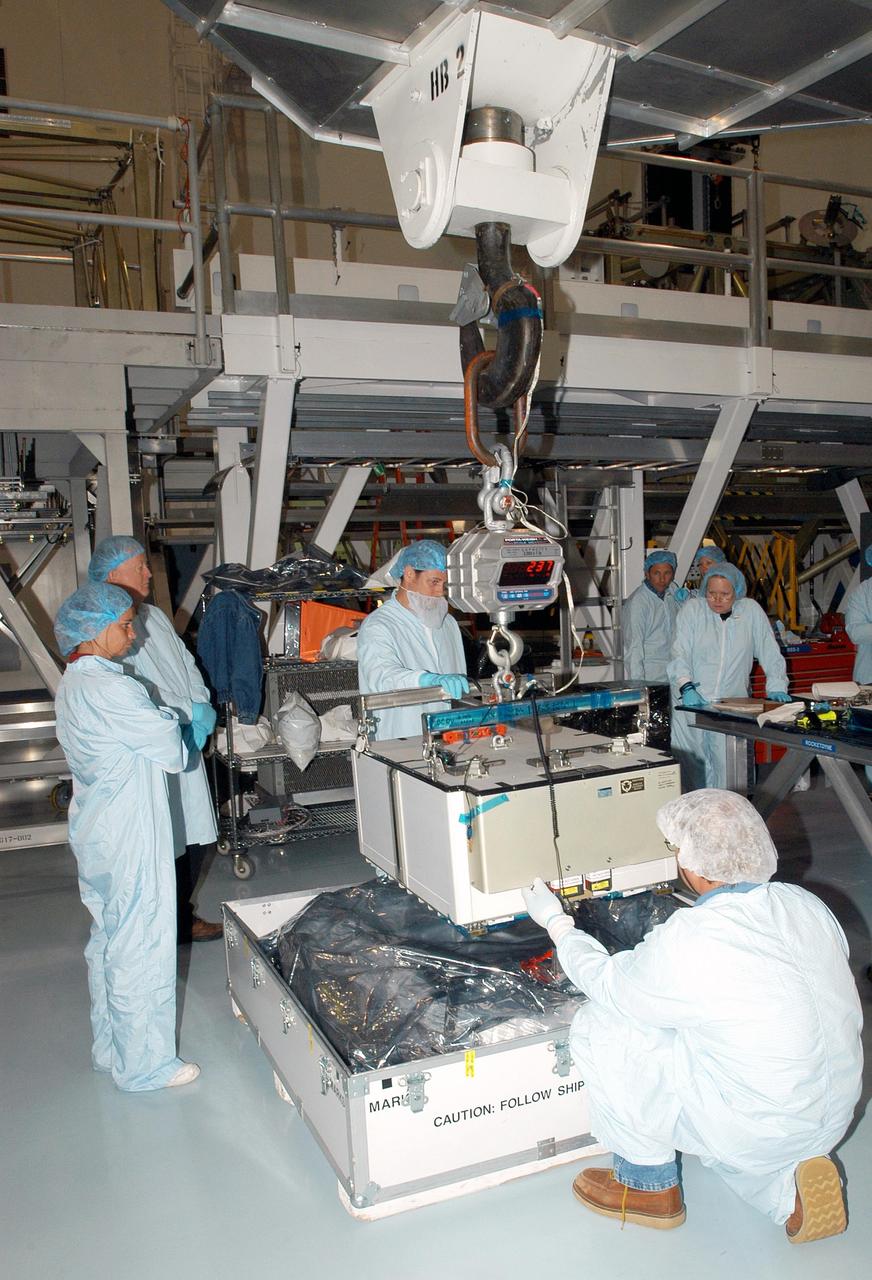
KENNEDY SPACE CENTER, FLA. - Technicians attach a crane to the Pump Flow Control Subsystem (PFCS) in the Space Station Processing Facility. The PFCS pumps and controls the liquid ammonia used to cool the various Orbital Replacement Units on the Integrated Equipment Assembly that make up the S6 Photo-Voltaic Power Module on the International Space Station (ISS). The fourth starboard truss segment, the S6 Truss measures 112 feet long by 39 feet wide. Its solar arrays are mounted on a “blanket” that can be folded like an accordion for delivery to the ISS. Once in orbit, astronauts will deploy the blankets to their full size. When completed, the Station's electrical power system (EPS) will use eight photovoltaic solar arrays to convert sunlight to electricity. Delivery of the S6 Truss, the last power module truss segment, is targeted for mission STS-119.

KENNEDY SPACE CENTER, FLA. - In the Space Station Processing Facility, astronaut Tracy Caldwell (second from left) assists technicians lower the Pump Flow Control Subsystem (PFCS) into position onto the upper deck of the S6 Truss. The PFCS pumps and controls the liquid ammonia used to cool the various Orbital Replacement Units on the Integrated Equipment Assembly that make up the S6 Photo-Voltaic Power Module on the International Space Station (ISS). The fourth starboard truss segment, the S6 Truss measures 112 feet long by 39 feet wide. Its solar arrays are mounted on a “blanket” that can be folded like an accordion for delivery to the ISS. Once in orbit, astronauts will deploy the blankets to their full size. When completed, the Station's electrical power system (EPS) will use eight photovoltaic solar arrays to convert sunlight to electricity. Delivery of the S6 Truss, the last power module truss segment, is targeted for mission STS-119.
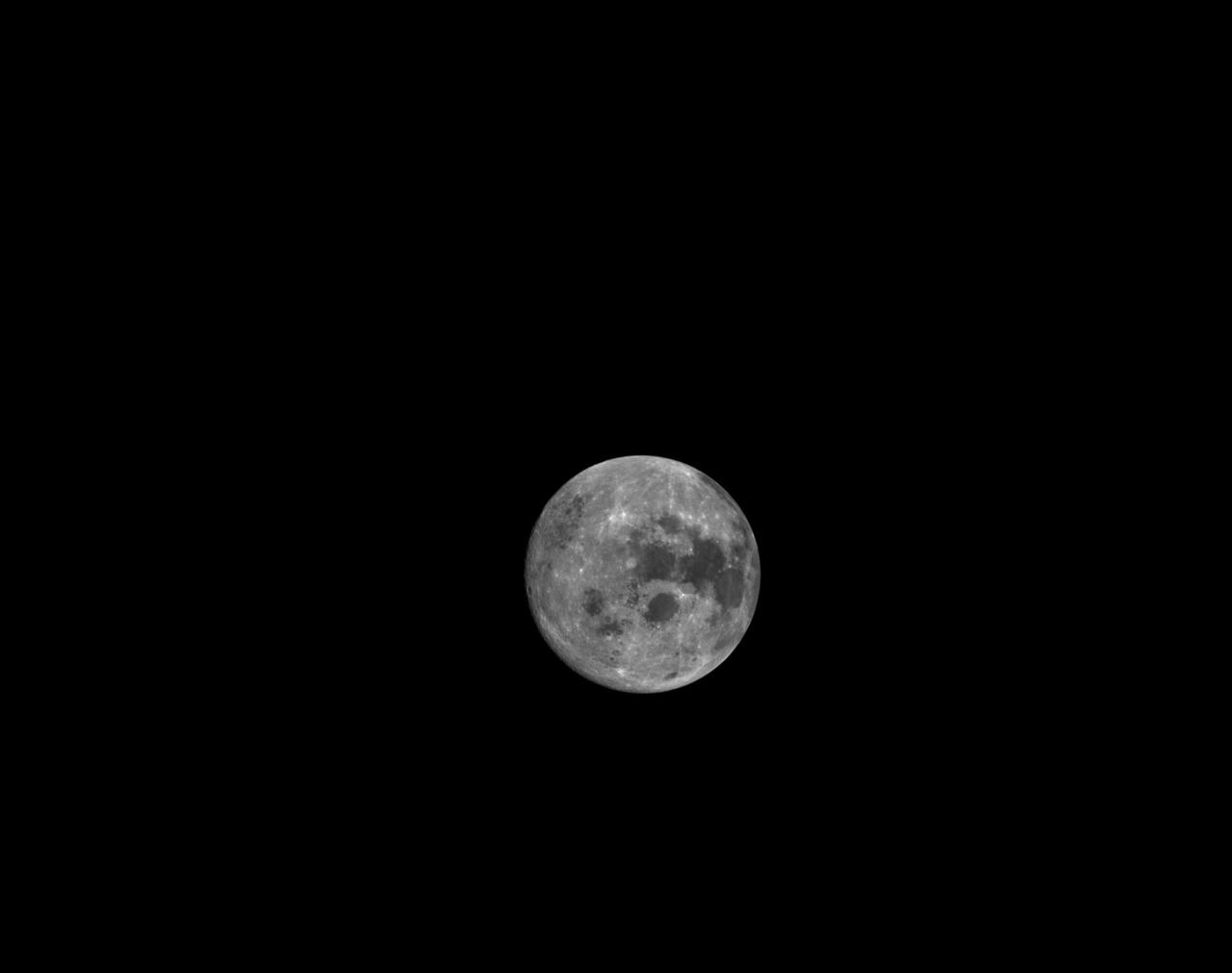
art001e002058 (Dec. 4, 2022) On flight day 19, Orion’s optical navigation camera captured this image of the full Moon as the spacecraft continued its approach toward the return powered flyby burn. Orion uses the optical navigation camera to capture imagery of the Earth and the Moon at different phases and distances, providing an enhanced body of data to certify its effectiveness under different lighting conditions as a way to help orient the spacecraft on future missions with crew.
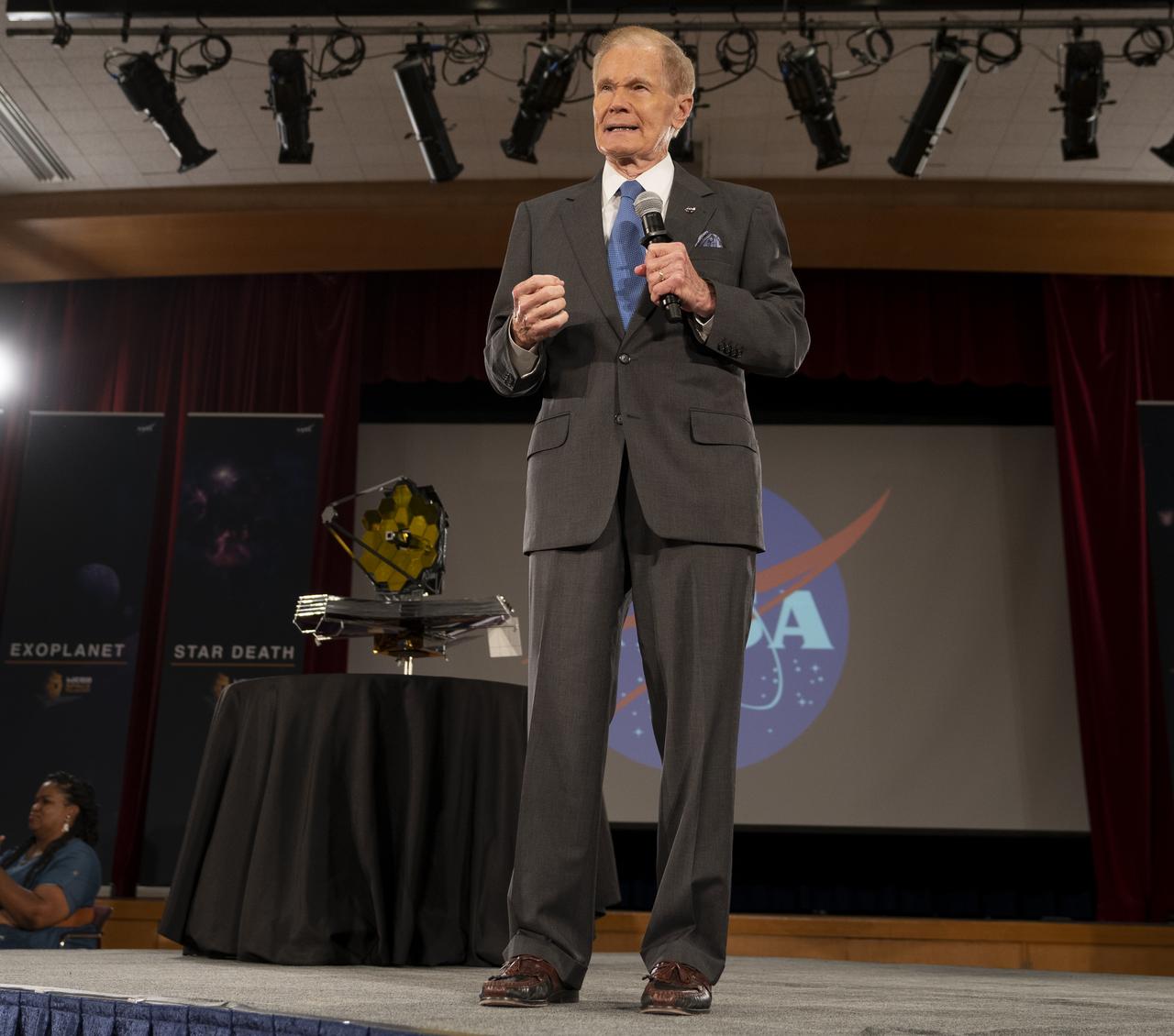
NASA Administrator Bill Nelson delivers remarks ahead of the release of the first images from NASA’s James Webb Space Telescope, Tuesday, July 12, 2022, at NASA’s Goddard Space Flight Center in Greenbelt, Md. The first full-color images and spectroscopic data from the James Webb Space Telescope, a partnership with ESA (European Space Agency) and the Canadian Space Agency (CSA), are a demonstration of the power of Webb as the telescope begins its science mission to unfold the infrared universe. Photo Credit: (NASA/Taylor Mickal)

The first RS-25 hot fire of the spring came on March 22 when test teams at NASA’s Stennis Space Center fired the engine up to a power level of 113% for a full duration of 500 seconds. As NASA aims to establish a long-term presence on the Moon for scientific discovery and exploration, and prepare for future missions to Mars, new engines will incorporate dozens of improvements to make production more efficient and affordable while maintaining high performance and reliability.
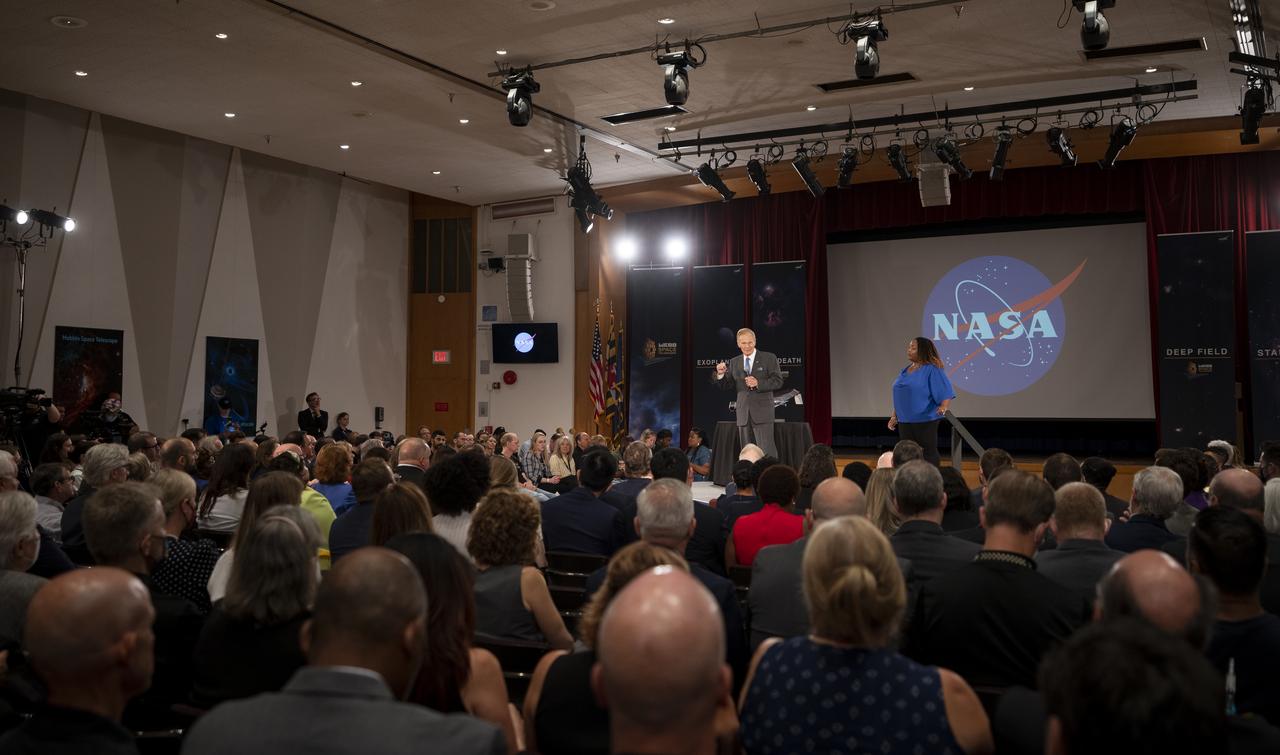
NASA Administrator Bill Nelson delivers remarks ahead of the release of the first images from NASA’s James Webb Space Telescope, Tuesday, July 12, 2022, at NASA’s Goddard Space Flight Center in Greenbelt, Md. The first full-color images and spectroscopic data from the James Webb Space Telescope, a partnership with ESA (European Space Agency) and the Canadian Space Agency (CSA), are a demonstration of the power of Webb as the telescope begins its science mission to unfold the infrared universe. Photo Credit: (NASA/Taylor Mickal)
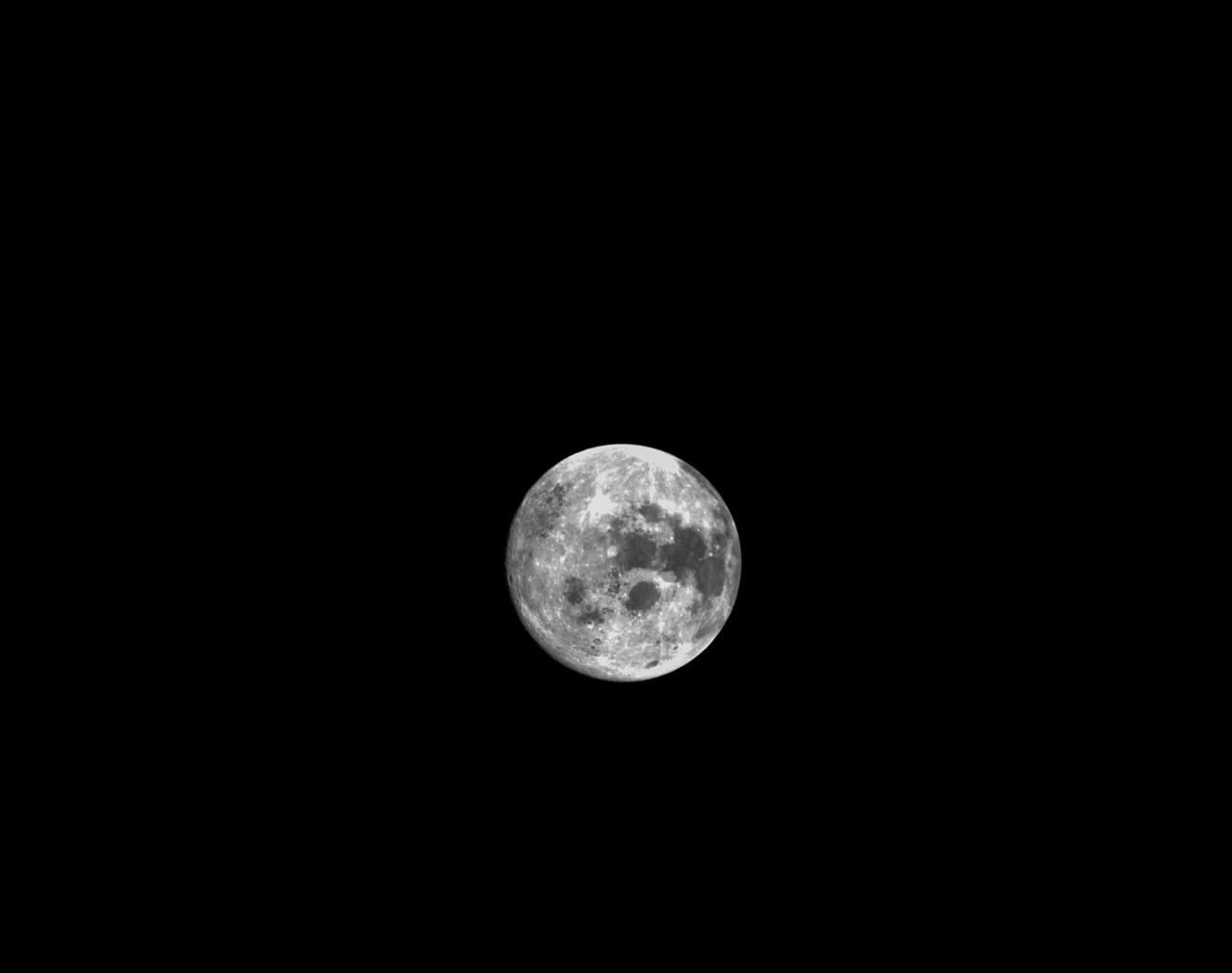
art001e002057 (Dec. 4, 2022) On flight day 19, Orion’s optical navigation camera captured this image of the full Moon as the spacecraft continued its approach toward the return powered flyby burn. Orion uses the optical navigation camera to capture imagery of the Earth and the Moon at different phases and distances, providing an enhanced body of data to certify its effectiveness under different lighting conditions as a way to help orient the spacecraft on future missions with crew.
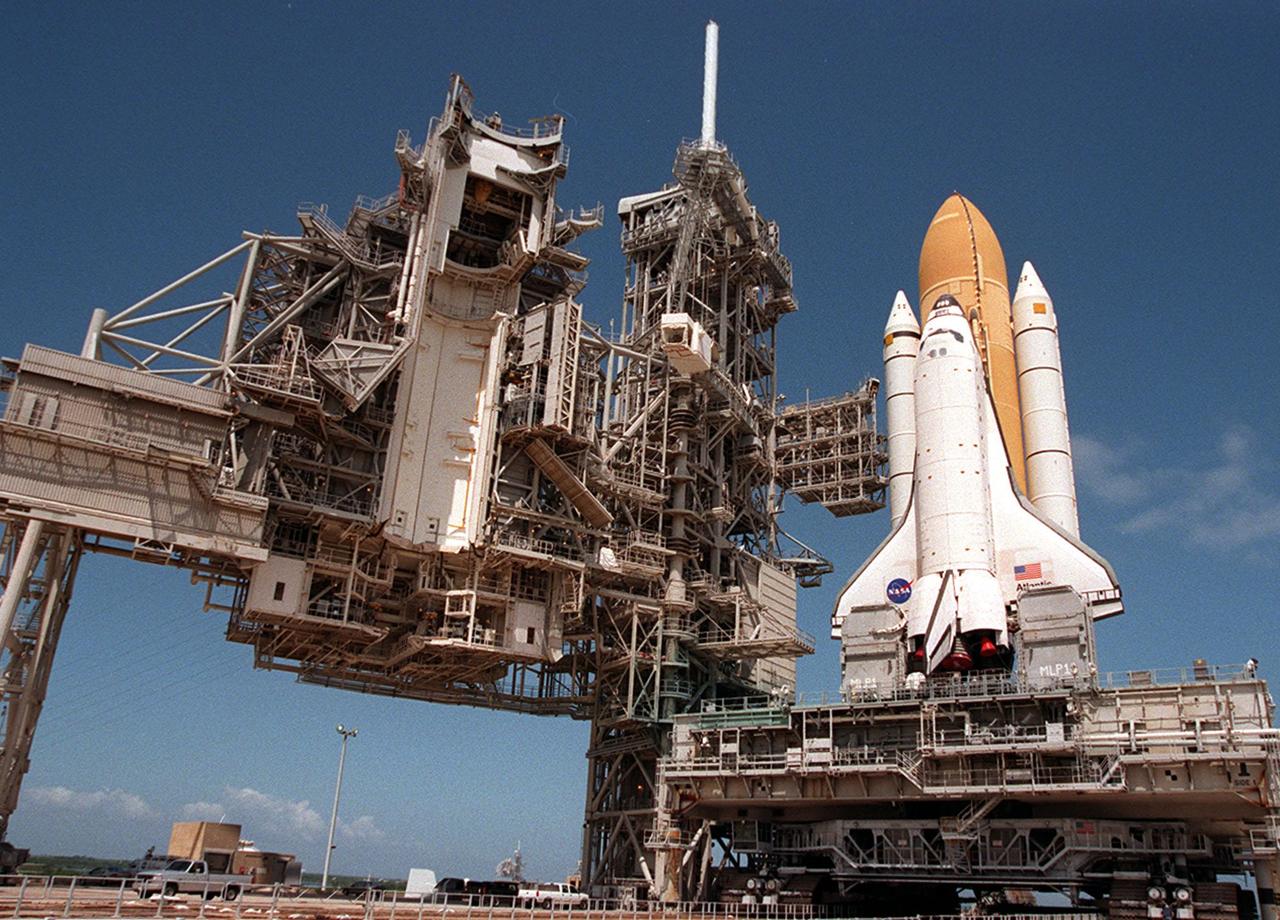
KENNEDY SPACE CENTER, FLA. -- Space Shuttle Atlantis sits on launch Pad 39A waiting for the rotating service structure, pictured at left, to be moved into place for final launch preparations. Liftoff of Atlantis on mission STS-101 is scheduled for April 17 at 7:03 p.m. EDT. STS-101 is a logistics and resupply mission for the International Space Station, to restore full redundancy to the International Space Station power system in preparation for the arrival of the next pressurized module, the Russian-built Zvezda
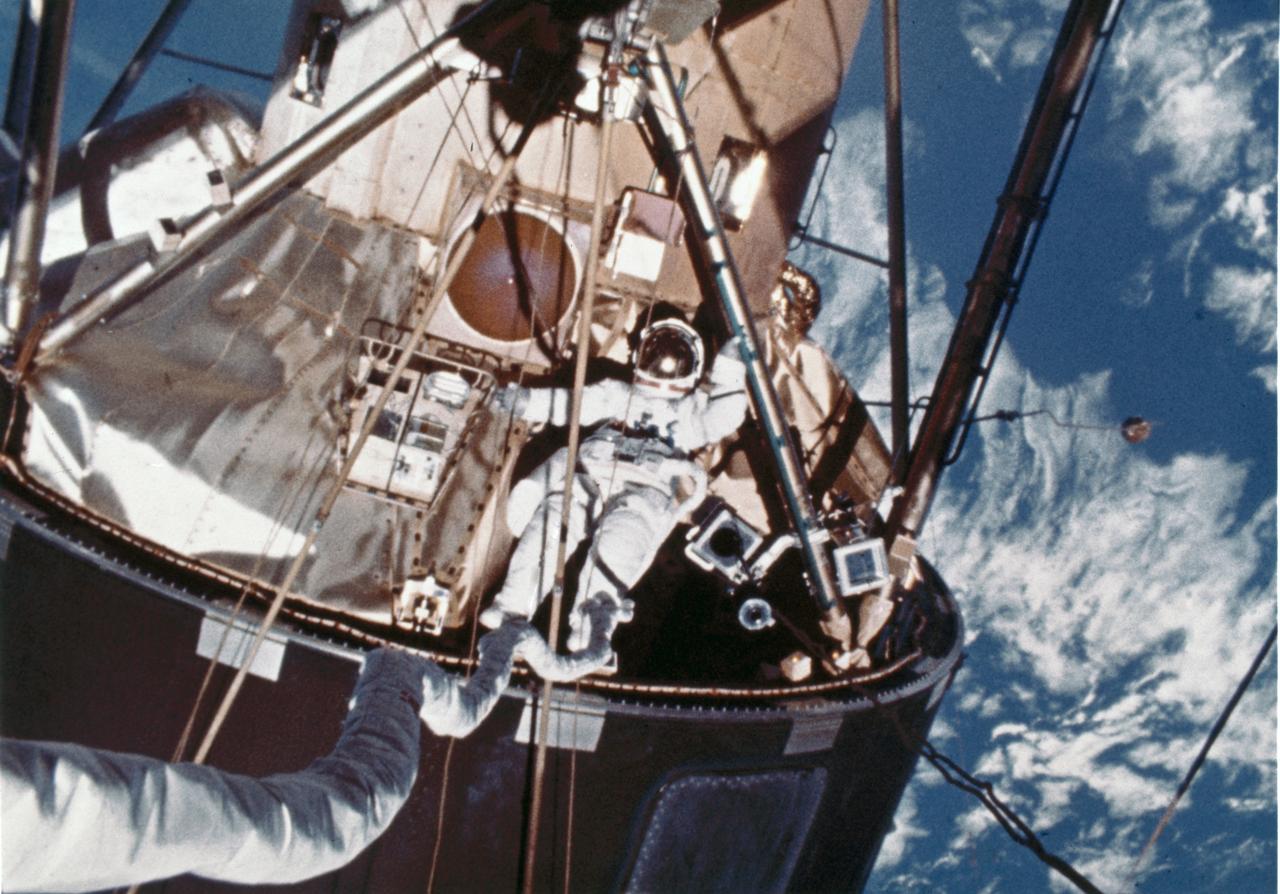
In this photograph, a skylab-4 astronaut performs Extra Vehicular Activities (EVA) outside of the lab. The third crew (Skylab-4) spent 84 days in the orbiting laboratory. The solar observatory was designed for full exposure to the Sun throughout most of the Skylab mission. Solar energy was transformed into electrical power for operation of all spacecraft systems. The proper operation of these solar arrays was vital to the mission.
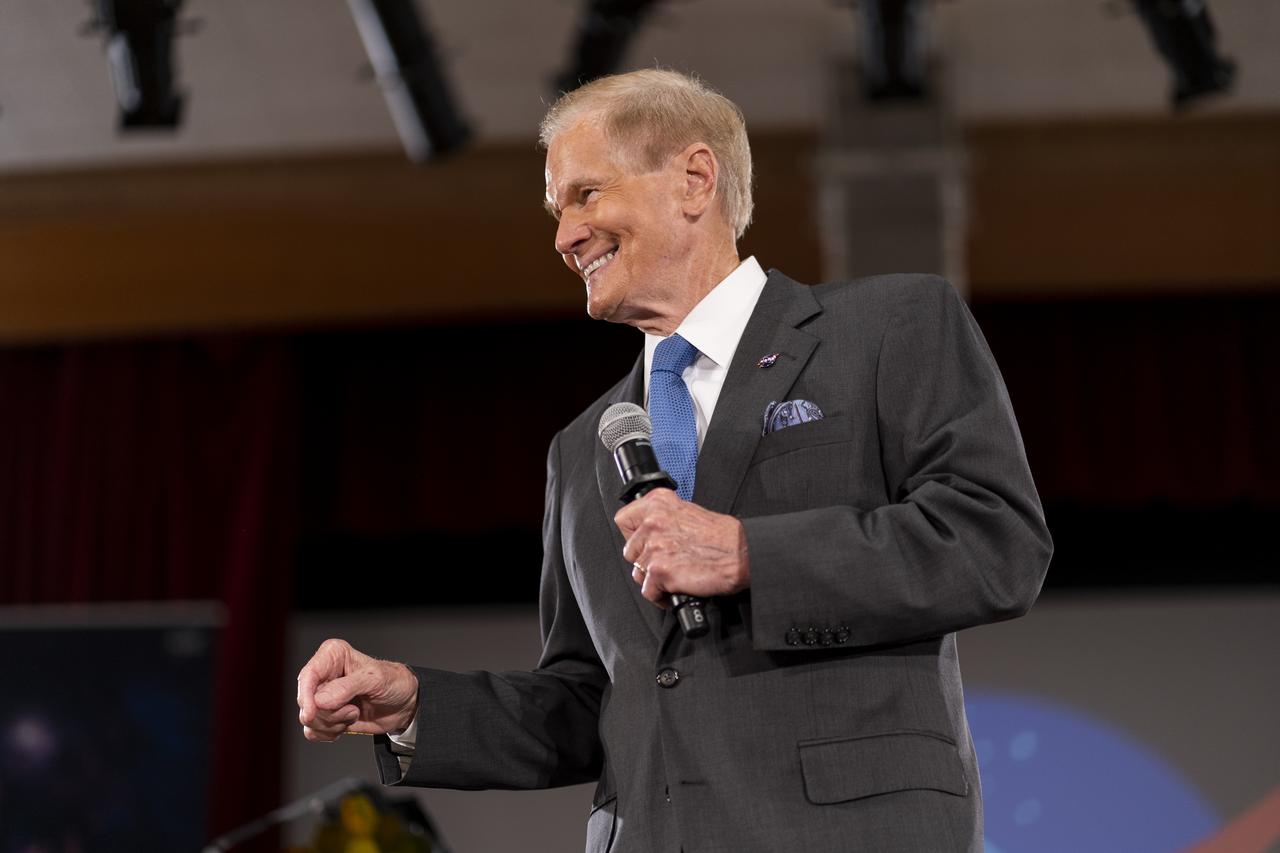
NASA Administrator Bill Nelson delivers remarks ahead of the release of the first images from NASA’s James Webb Space Telescope, Tuesday, July 12, 2022, at NASA’s Goddard Space Flight Center in Greenbelt, Md. The first full-color images and spectroscopic data from the James Webb Space Telescope, a partnership with ESA (European Space Agency) and the Canadian Space Agency (CSA), are a demonstration of the power of Webb as the telescope begins its science mission to unfold the infrared universe. Photo Credit: (NASA/Taylor Mickal)
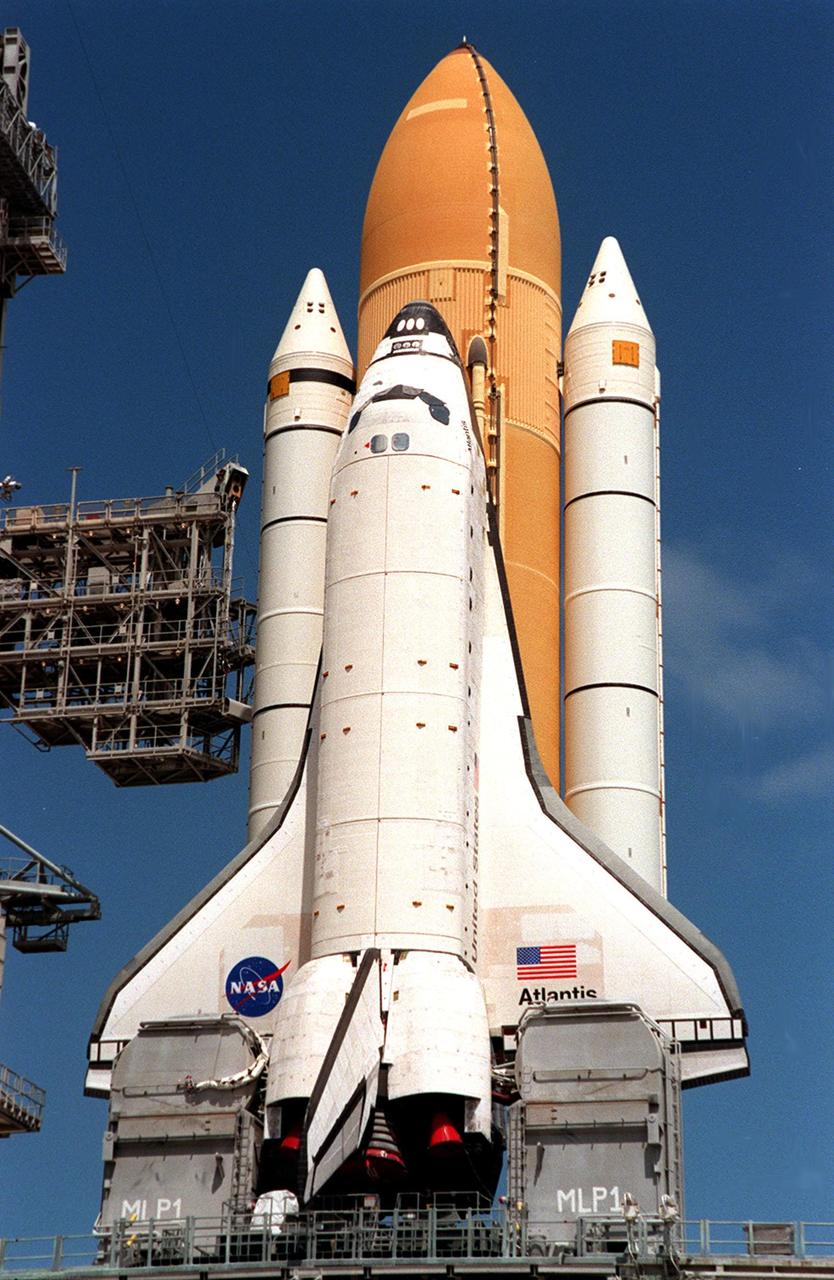
KENNEDY SPACE CENTER, FLA. -- Space Shuttle Atlantis sits on launch Pad 39A waiting for the rotating service structure to be moved into place for final launch preparations. A small section of the fixed service structure is seen on the left. Liftoff of Atlantis on mission STS-101 is scheduled for April 17 at 7:03 p.m. EDT. STS-101 is a logistics and resupply mission for the International Space Station, to restore full redundancy to the International Space Station power system in preparation for the arrival of the next pressurized module, the Russian-built Zvezda
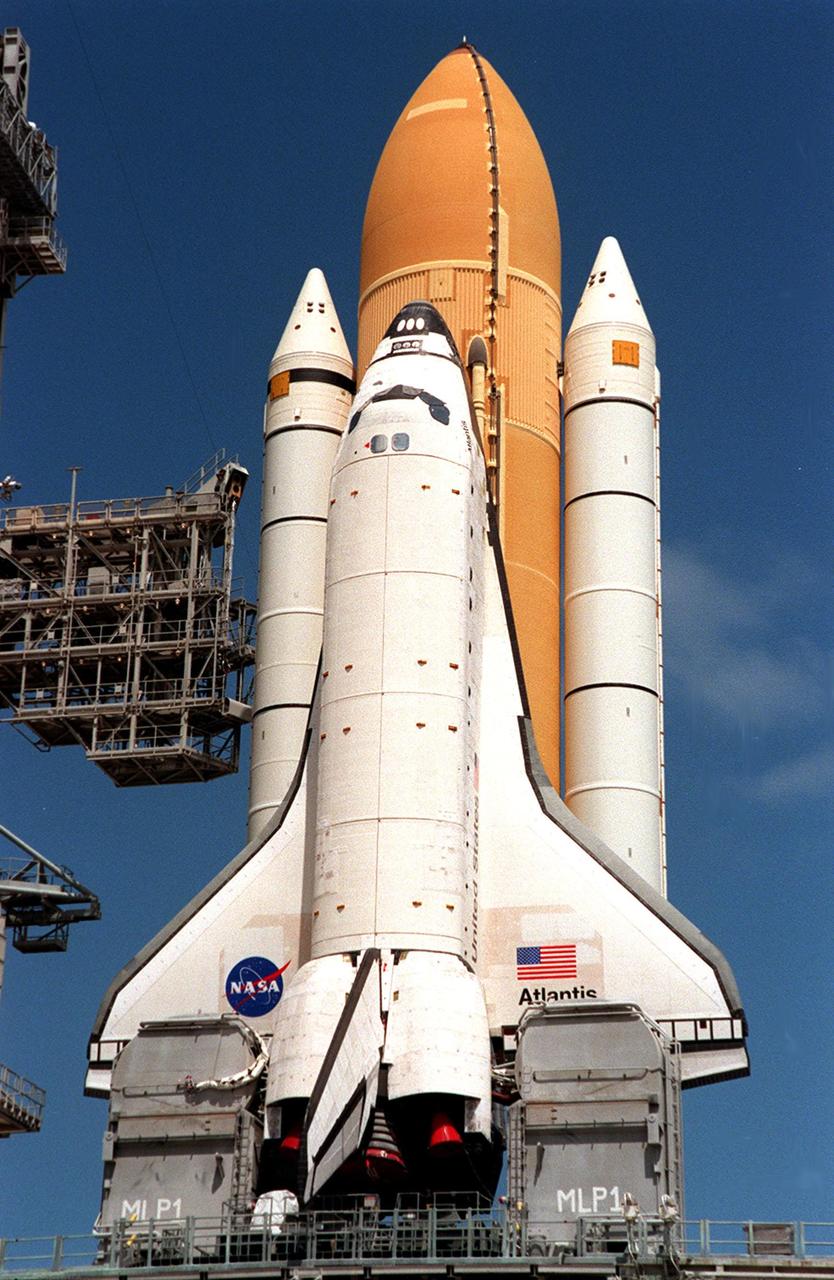
KENNEDY SPACE CENTER, FLA. -- Space Shuttle Atlantis sits on launch Pad 39A waiting for the rotating service structure to be moved into place for final launch preparations. A small section of the fixed service structure is seen on the left. Liftoff of Atlantis on mission STS-101 is scheduled for April 17 at 7:03 p.m. EDT. STS-101 is a logistics and resupply mission for the International Space Station, to restore full redundancy to the International Space Station power system in preparation for the arrival of the next pressurized module, the Russian-built Zvezda

This photograph was taken as the third crew (Skylab-4) departed the space station. The solar observatory was designed for full exposure to the Sun throughout most of the Skylab mission. Solar energy was transformed into electrical power for operation of all spacecraft systems. The proper operation of these solar arrays was vital to the mission. This Skylab in orbit view was taken by the Skylab-4 crew.
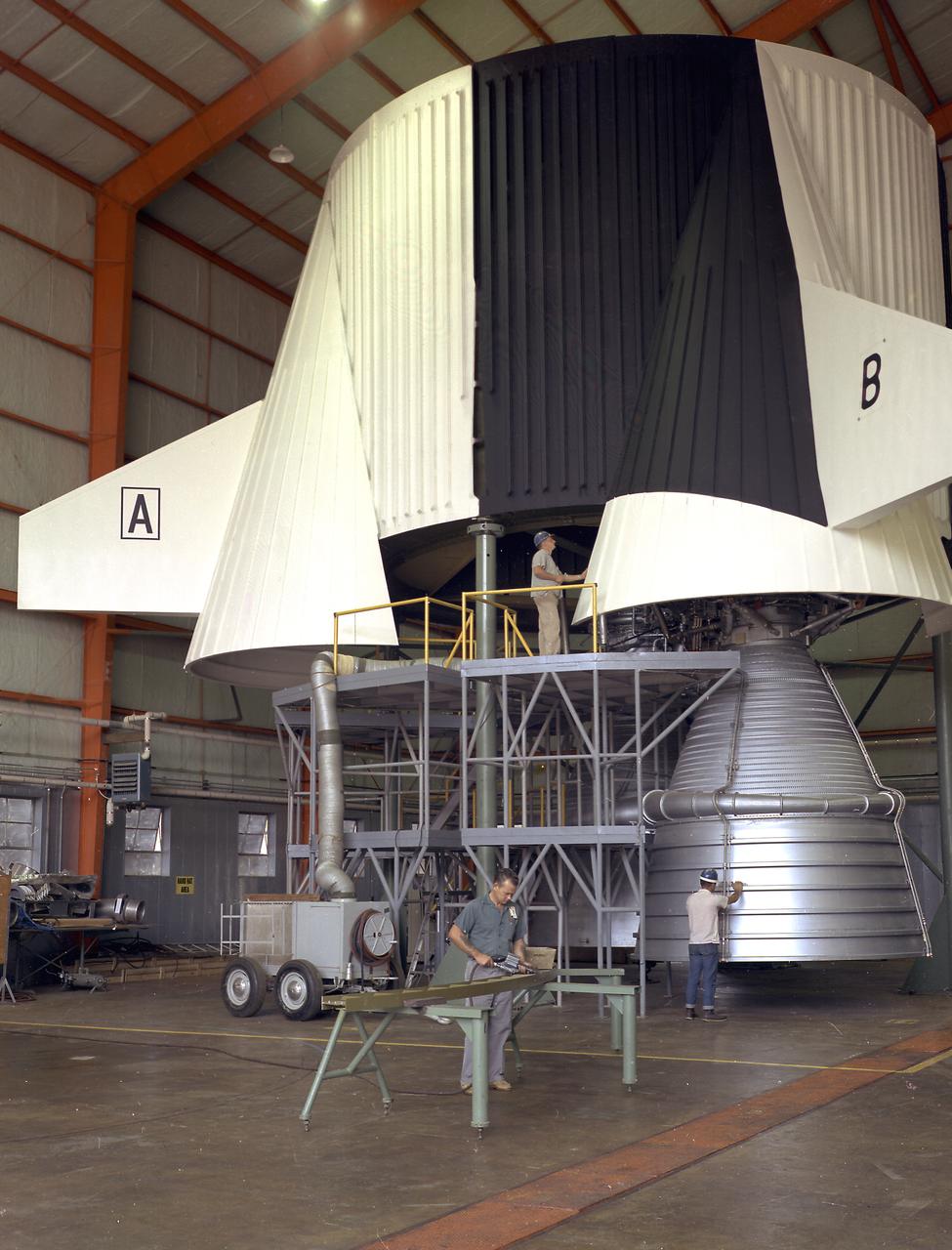
This image illustrates technicians working on a full scale engineering mock-up of a Saturn V S-IC stage thrust structure nearing completion at the Manufacturing Engineering Laboratory at Marshall Space Flight Center. The booster, 33 feet in diameter and 138 feet long, was powered by five F-1 engines that provided 7,500,000 pounds of thrust to start the monstrous vehicle on its journey into space.
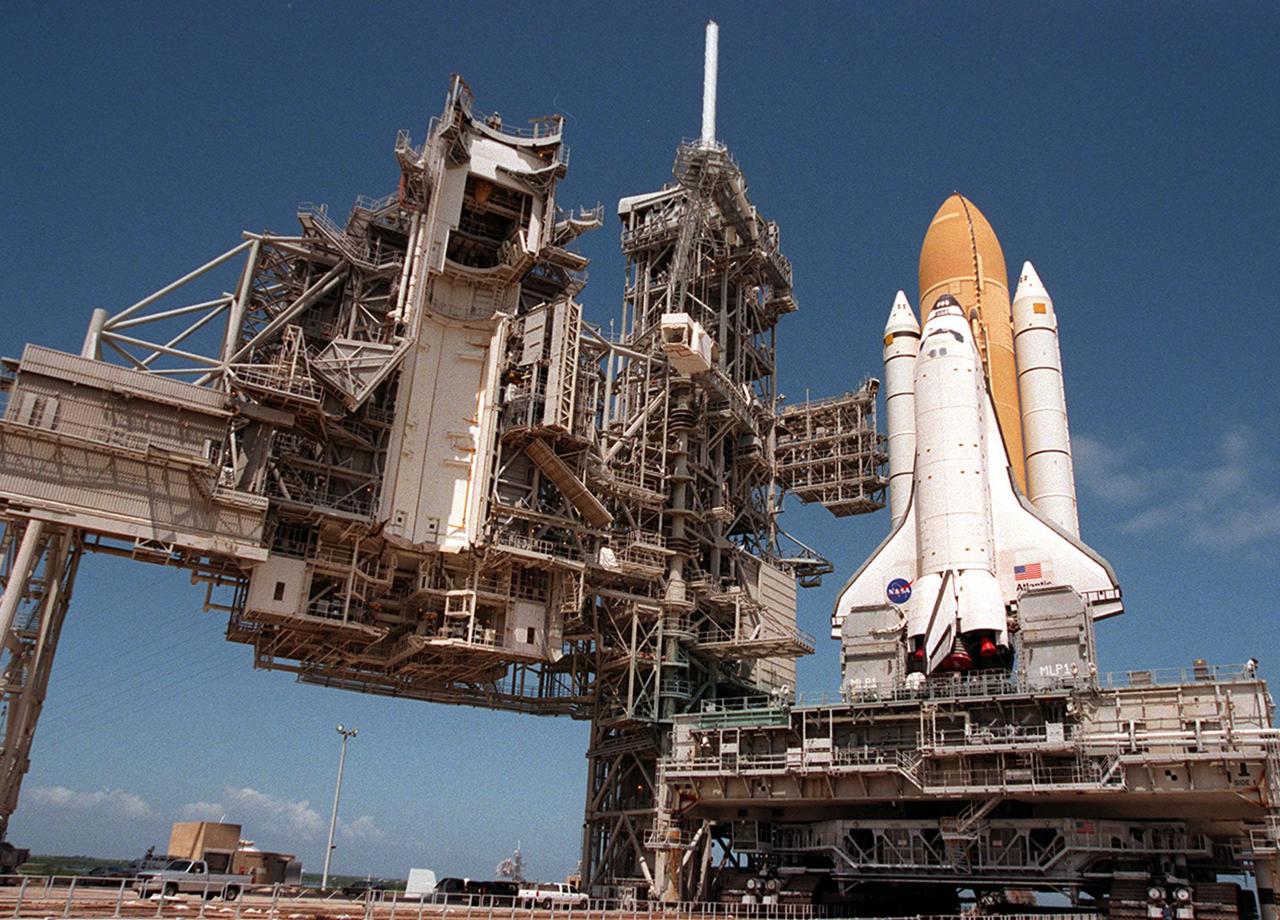
KENNEDY SPACE CENTER, FLA. -- Space Shuttle Atlantis sits on launch Pad 39A waiting for the rotating service structure, pictured at left, to be moved into place for final launch preparations. Liftoff of Atlantis on mission STS-101 is scheduled for April 17 at 7:03 p.m. EDT. STS-101 is a logistics and resupply mission for the International Space Station, to restore full redundancy to the International Space Station power system in preparation for the arrival of the next pressurized module, the Russian-built Zvezda
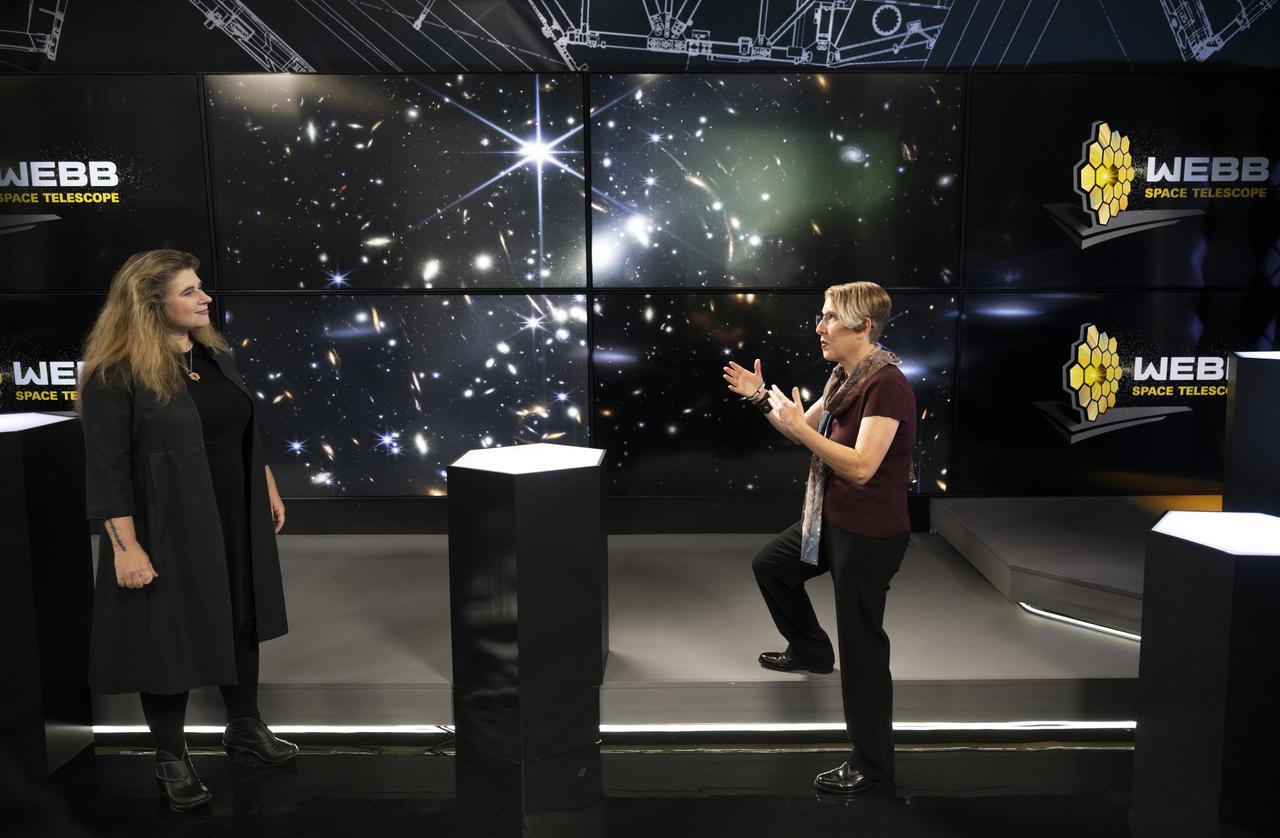
Assistant Director of Science at NASA's Goddard Space Flight Center Michelle Thaller, left, speaks with NASA James Webb Space Telescope Operations Project Scientist Jane Rigby, right, about the Webb Deep Field image as it is shown on screen during a broadcast releasing the telescope’s first full-color images, Tuesday, July 12, 2022, at NASA’s Goddard Space Flight Center in Greenbelt, Md. The first full-color images and spectroscopic data from the James Webb Space Telescope, a partnership with ESA (European Space Agency) and the Canadian Space Agency (CSA), are a demonstration of the power of Webb as the telescope begins its science mission to unfold the infrared universe. Photo Credit: (NASA/Bill Ingalls)
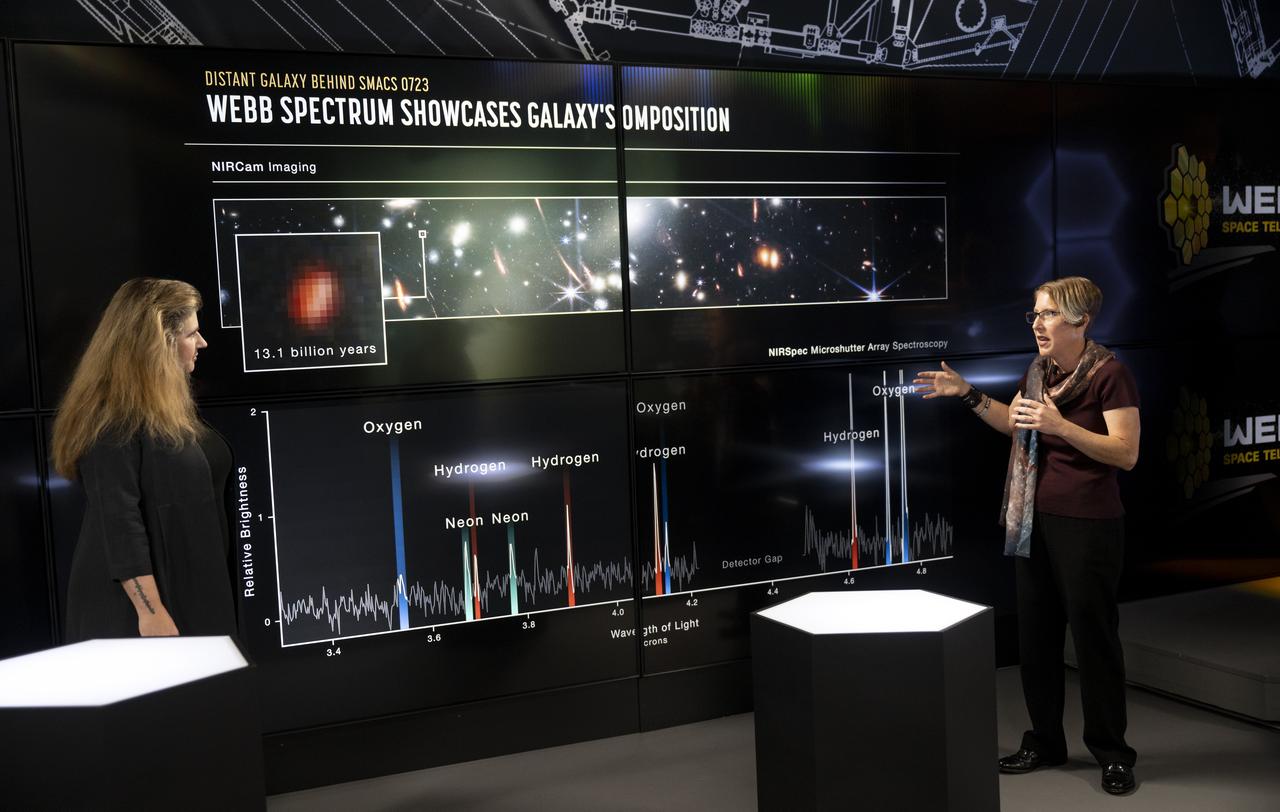
Assistant Director of Science at NASA's Goddard Space Flight Center Michelle Thaller, left, speaks with NASA James Webb Space Telescope Operations Project Scientist Jane Rigby, right, about the Webb Deep Field image as it is shown on screen during a broadcast releasing the telescope’s first full-color images, Tuesday, July 12, 2022, at NASA’s Goddard Space Flight Center in Greenbelt, Md. The first full-color images and spectroscopic data from the James Webb Space Telescope, a partnership with ESA (European Space Agency) and the Canadian Space Agency (CSA), are a demonstration of the power of Webb as the telescope begins its science mission to unfold the infrared universe. Photo Credit: (NASA/Bill Ingalls)
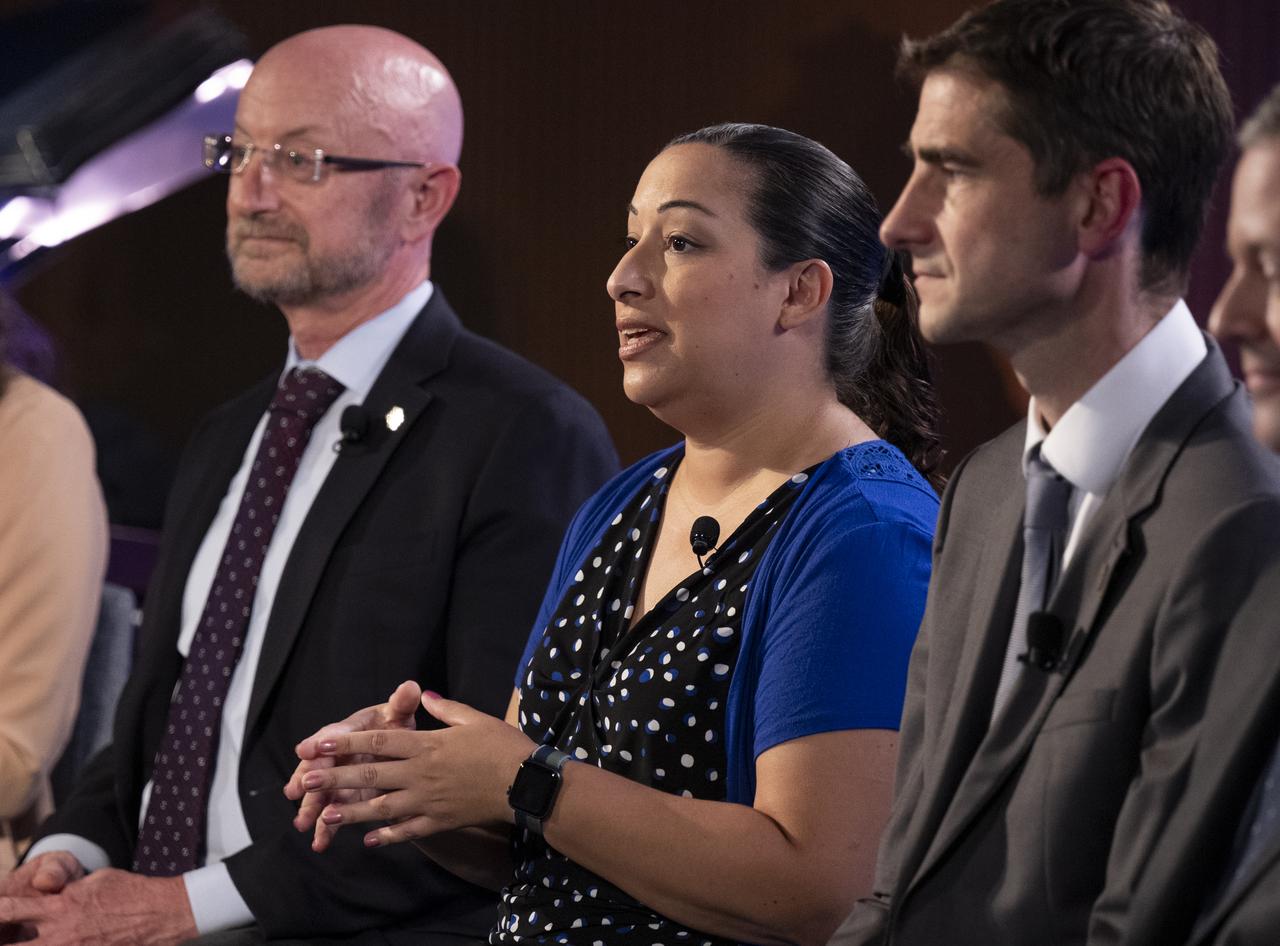
NASA James Webb Space Telescope Deputy Project Scientist for Exoplanet Science Knicole Colón, center, answers a question from a member of the media alongside NASA James Webb Space Telescope Program Scientist and Astrophysics Division Chief Scientist Eric Smith, left, and NASA James Webb Space Telescope Project Scientist at ESA (European Space Agency) Christopher Evans, during a briefing following the release of the first full-color images from NASA’s James Webb Space Telescope, Tuesday, July 12, 2022, at NASA’s Goddard Space Flight Center in Greenbelt, Md. The first full-color images and spectroscopic data from the James Webb Space Telescope, a partnership with ESA (European Space Agency) and the Canadian Space Agency (CSA), are a demonstration of the power of Webb as the telescope begins its science mission to unfold the infrared universe. Photo Credit: (NASA/Bill Ingalls)

NASA James Webb Space Telescope project scientist, Space Telescope Science Institute, Klaus Pontoppidan, left, answers a question from a member of the media alongside Principal Investigator for the Canadian Near-Infrared Imager and Slitless Spectrograph at the University of Montreal René Doyon, during a briefing following the release of the first full-color images from NASA’s James Webb Space Telescope, Tuesday, July 12, 2022, at NASA’s Goddard Space Flight Center in Greenbelt, Md. The first full-color images and spectroscopic data from the James Webb Space Telescope, a partnership with ESA (European Space Agency) and the Canadian Space Agency (CSA), are a demonstration of the power of Webb as the telescope begins its science mission to unfold the infrared universe. Photo Credit: (NASA/Bill Ingalls)
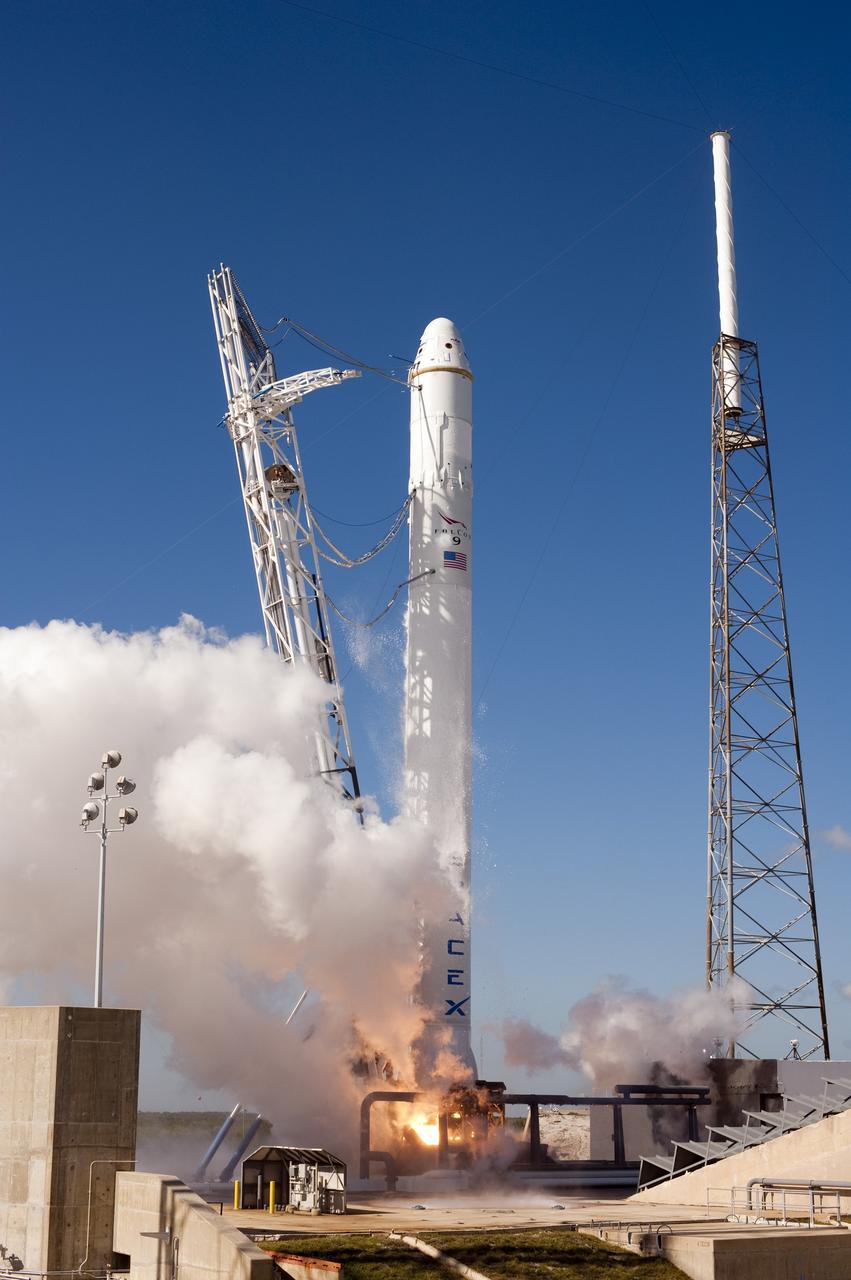
CAPE CANAVERAL, Fla. -- The SpaceX Falcon 9 rocket static fire test on Space Launch Complex-40 at Cape Canaveral Air Force Station was aborted at T minus 1.1 seconds due to high engine chamber pressure. During the test, all nine Merlin engines, which use rocket-grade kerosene and liquid oxygen to produce 1 million pounds of thrust, are expected to fire at once. After the test, SpaceX will conduct a thorough review of all data as engineers make final preparations for the first launch of the Commercial Orbital Transportation Services (COTS) Dragon spacecraft to low Earth orbit atop the Falcon 9. This first stage firing is part of a full launch dress rehearsal, which will end after the engines fire at full power for two seconds, with only the hold-down system restraining the rocket from flight. Photo credit: NASA/Tony Gray and Kevin O'Connell
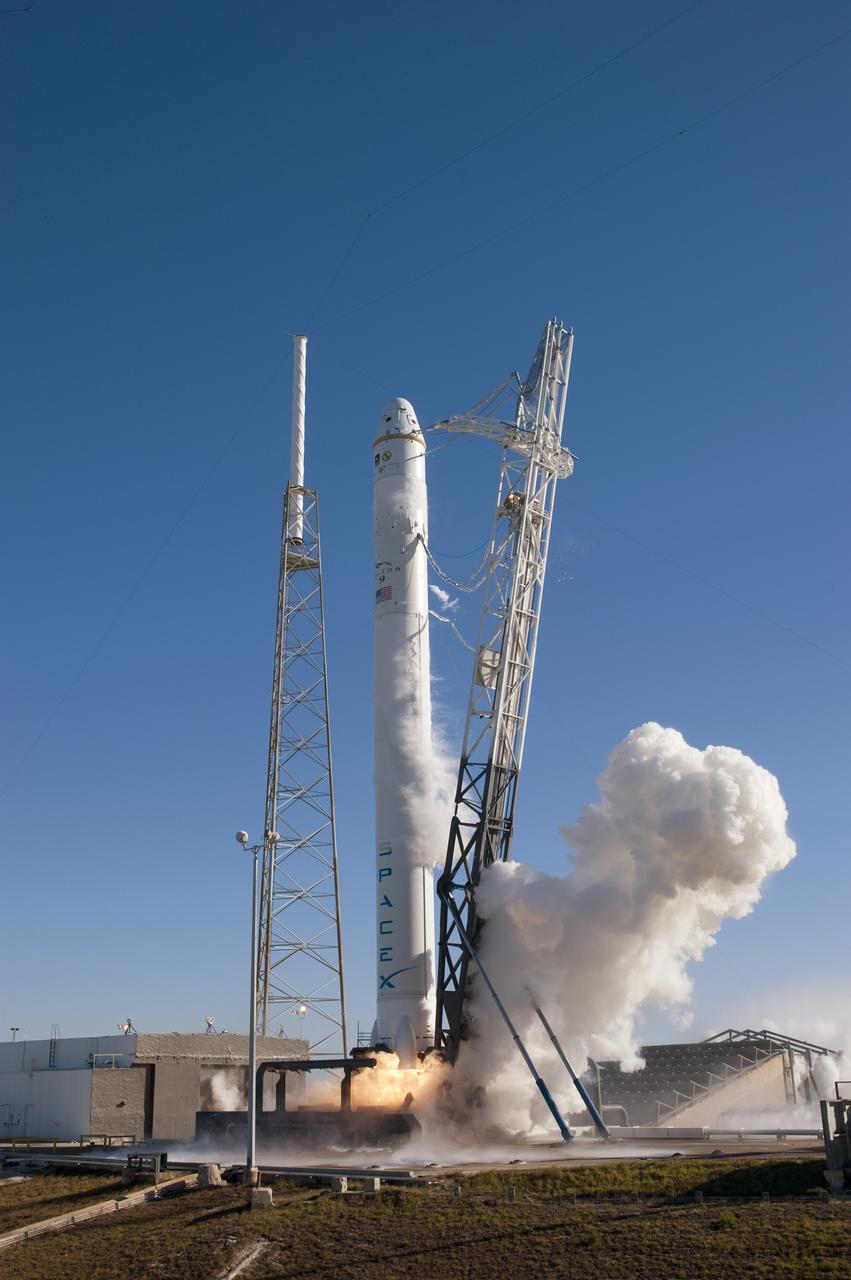
CAPE CANAVERAL, Fla. -- During a static fire test on Space Launch Complex-40 at Cape Canaveral Air Force Station, all nine Merlin engines of the SpaceX Falcon 9 rocket fire at once. The engines use rocket-grade kerosene and liquid oxygen to produce 1 million pounds of thrust. After the test, SpaceX began to conduct a thorough review of all data as engineers make final preparations for the first launch of the Commercial Orbital Transportation Services (COTS) Dragon spacecraft to low Earth orbit atop the Falcon 9. This first stage firing is part of a full launch dress rehearsal, which ended after the engines fired at full power for two seconds, with only the hold-down system restraining the rocket from flight. Photo credit: NASA/Tony Gray and Kevin O'Connell
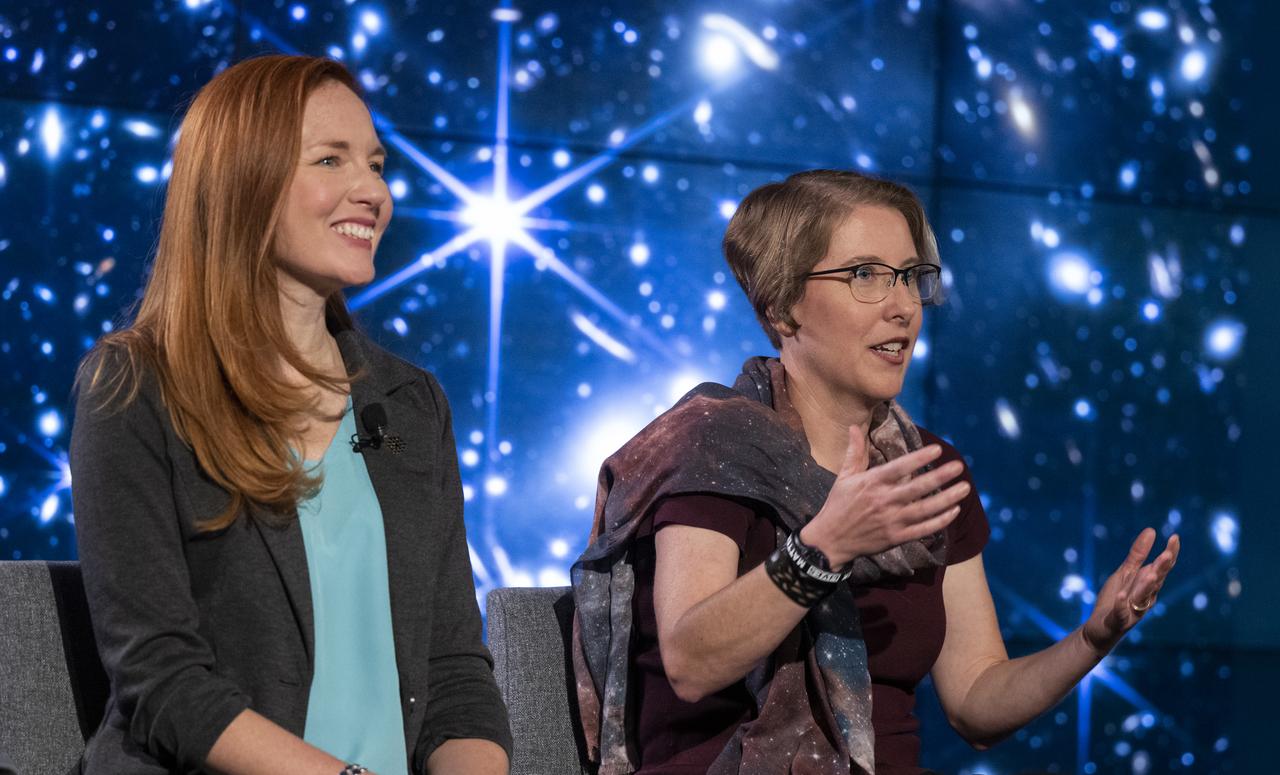
NASA James Webb Space Telescope Operations Project Scientist Jane Rigby, left, answers a question from a member of the media alongside NASA James Webb Space Telescope Deputy Project Scientist for Communications Amber Straughn during a briefing following the release of the first full-color images from NASA’s James Webb Space Telescope, Tuesday, July 12, 2022, at NASA’s Goddard Space Flight Center in Greenbelt, Md. The first full-color images and spectroscopic data from the James Webb Space Telescope, a partnership with ESA (European Space Agency) and the Canadian Space Agency (CSA), are a demonstration of the power of Webb as the telescope begins its science mission to unfold the infrared universe. Photo Credit: (NASA/Bill Ingalls)
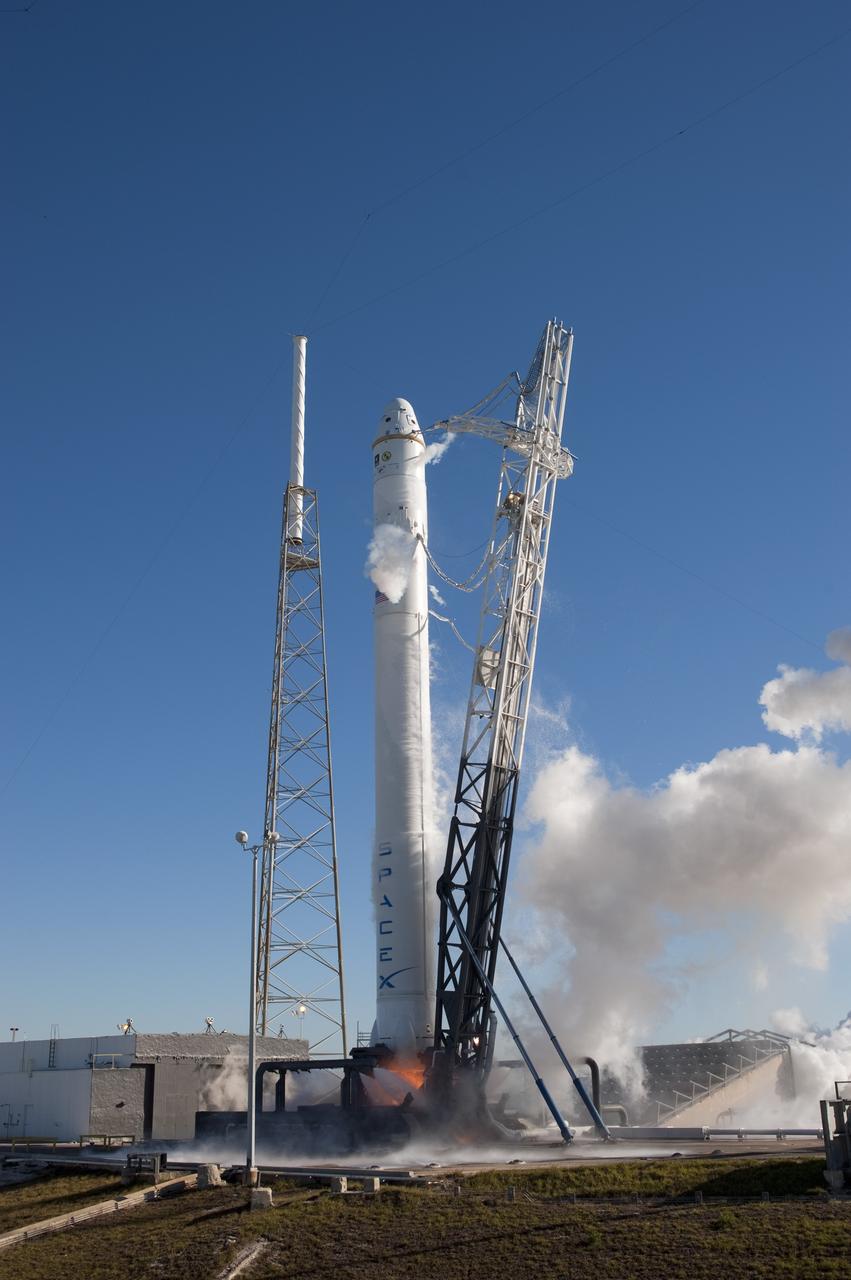
CAPE CANAVERAL, Fla. -- During a static fire test on Space Launch Complex-40 at Cape Canaveral Air Force Station, all nine Merlin engines of the SpaceX Falcon 9 rocket fire at once. The engines use rocket-grade kerosene and liquid oxygen to produce 1 million pounds of thrust. After the test, SpaceX began to conduct a thorough review of all data as engineers make final preparations for the first launch of the Commercial Orbital Transportation Services (COTS) Dragon spacecraft to low Earth orbit atop the Falcon 9. This first stage firing is part of a full launch dress rehearsal, which ended after the engines fired at full power for two seconds, with only the hold-down system restraining the rocket from flight. Photo credit: NASA/Tony Gray and Kevin O'Connell
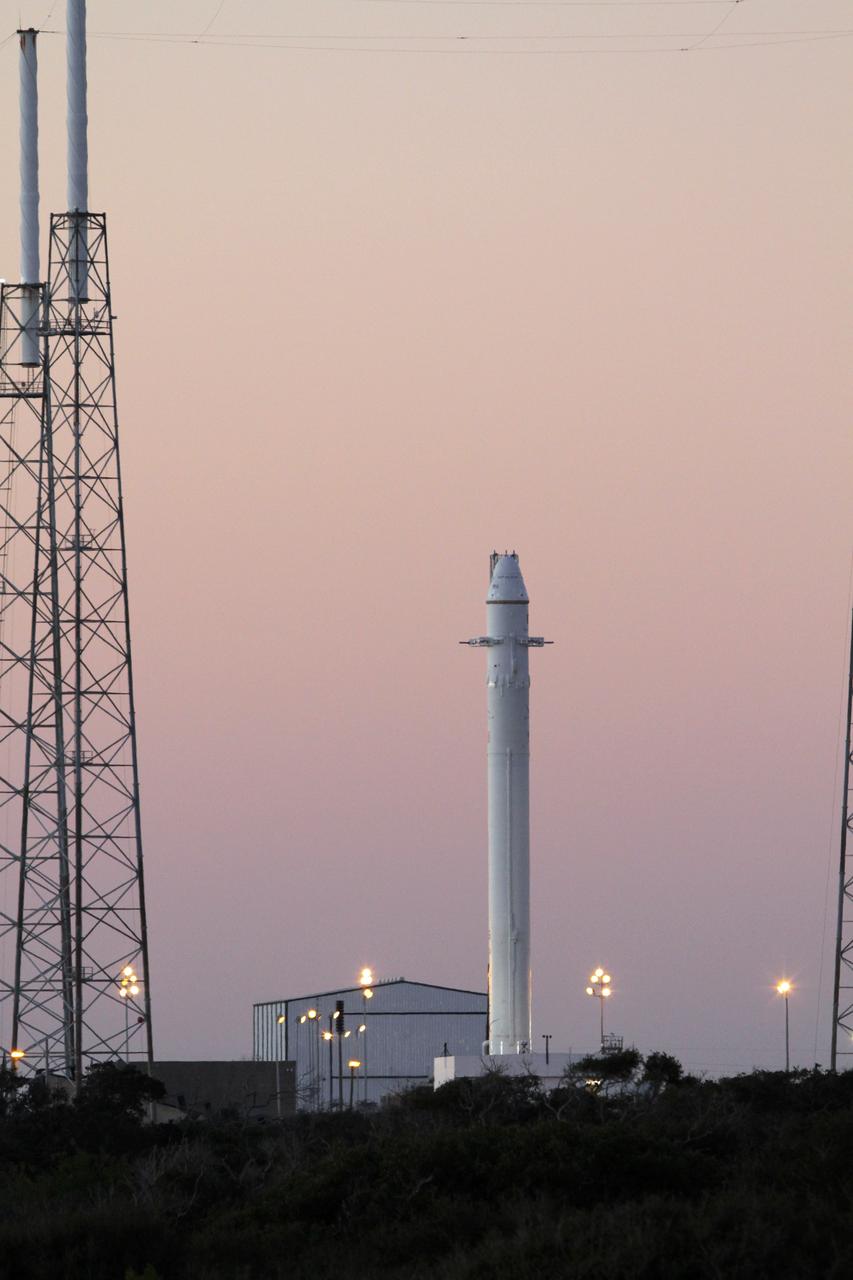
CAPE CANAVERAL, Fla. -- The SpaceX Falcon 9 rocket awaits a static fire test on Space Launch Complex-40 at Cape Canaveral Air Force Station, in which all nine Merlin engines will fire at once. The engines use rocket-grade kerosene and liquid oxygen to produce 1 million pounds of thrust. After the test, SpaceX will conduct a thorough review of all data as engineers make final preparations for the first launch of the Commercial Orbital Transportation Services (COTS) Dragon spacecraft to low Earth orbit atop the Falcon 9. This first stage firing is part of a full launch dress rehearsal, which will end after the engines fire at full power for two seconds, with only the hold-down system restraining the rocket from flight. Photo credit: NASA/Rusty Backer

NASA James Webb Space Telescope Project Scientist, Space Telescope Science Institute, Klaus Pontoppidan, center, answers a question from a member of the media alongside NASA James Webb Space Telescope Project Scientist at ESA (European Space Agency) Christopher Evans, left, and Principal Investigator for the Canadian Near-Infrared Imager and Slitless Spectrograph at the University of Montreal René Doyon, right, during a briefing following the release of the first full-color images from NASA’s James Webb Space Telescope, Tuesday, July 12, 2022, at NASA’s Goddard Space Flight Center in Greenbelt, Md. The first full-color images and spectroscopic data from the James Webb Space Telescope, a partnership with ESA (European Space Agency) and the Canadian Space Agency (CSA), are a demonstration of the power of Webb as the telescope begins its science mission to unfold the infrared universe. Photo Credit: (NASA/Bill Ingalls)
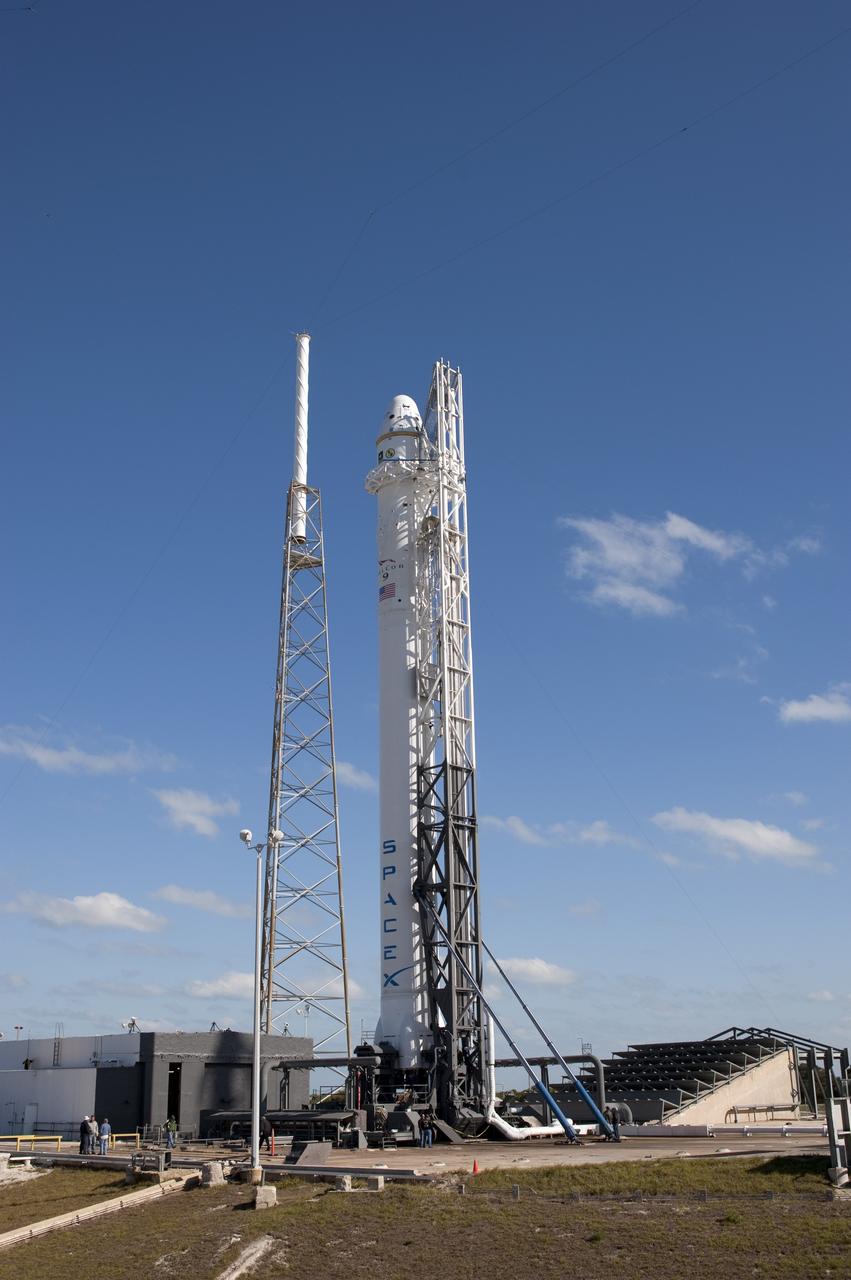
CAPE CANAVERAL, Fla. -- The SpaceX Falcon 9 rocket awaits a static fire test on Space Launch Complex-40 at Cape Canaveral Air Force Station, in which all nine Merlin engines will fire at once. The engines use rocket-grade kerosene and liquid oxygen to produce 1 million pounds of thrust. After the test, SpaceX will conduct a thorough review of all data as engineers make final preparations for the first launch of the Commercial Orbital Transportation Services (COTS) Dragon spacecraft to low Earth orbit atop the Falcon 9. This first stage firing is part of a full launch dress rehearsal, which will end after the engines fire at full power for two seconds, with only the hold-down system restraining the rocket from flight. Photo credit: NASA/Tony Gray and Kevin O'Connell
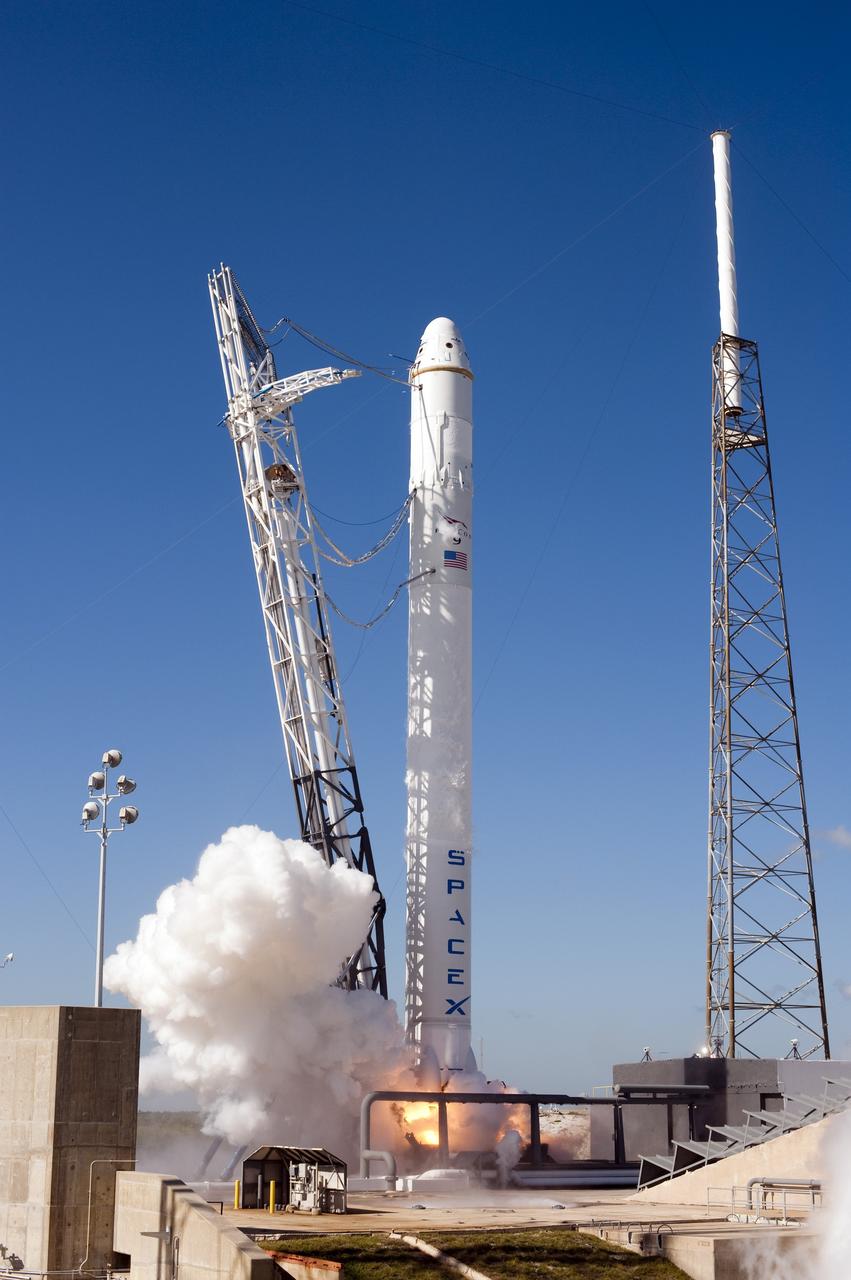
CAPE CANAVERAL, Fla. -- The SpaceX Falcon 9 rocket static fire test on Space Launch Complex-40 at Cape Canaveral Air Force Station was aborted at T minus 1.1 seconds due to high engine chamber pressure. During the test, all nine Merlin engines, which use rocket-grade kerosene and liquid oxygen to produce 1 million pounds of thrust, are expected to fire at once. After the test, SpaceX will conduct a thorough review of all data as engineers make final preparations for the first launch of the Commercial Orbital Transportation Services (COTS) Dragon spacecraft to low Earth orbit atop the Falcon 9. This first stage firing is part of a full launch dress rehearsal, which will end after the engines fire at full power for two seconds, with only the hold-down system restraining the rocket from flight. Photo credit: NASA/Tony Gray and Kevin O'Connell

Principal Investigator for the Canadian Near-Infrared Imager and Slitless Spectrograph at the University of Montreal René Doyon, left, answers a question from a member of the media alongside NASA James Webb Space Telescope Deputy Project Scientist for Communications Amber Straughn during a briefing following the release of the first full-color images from NASA’s James Webb Space Telescope, Tuesday, July 12, 2022, at NASA’s Goddard Space Flight Center in Greenbelt, Md. The first full-color images and spectroscopic data from the James Webb Space Telescope, a partnership with ESA (European Space Agency) and the Canadian Space Agency (CSA), are a demonstration of the power of Webb as the telescope begins its science mission to unfold the infrared universe. Photo Credit: (NASA/Bill Ingalls)
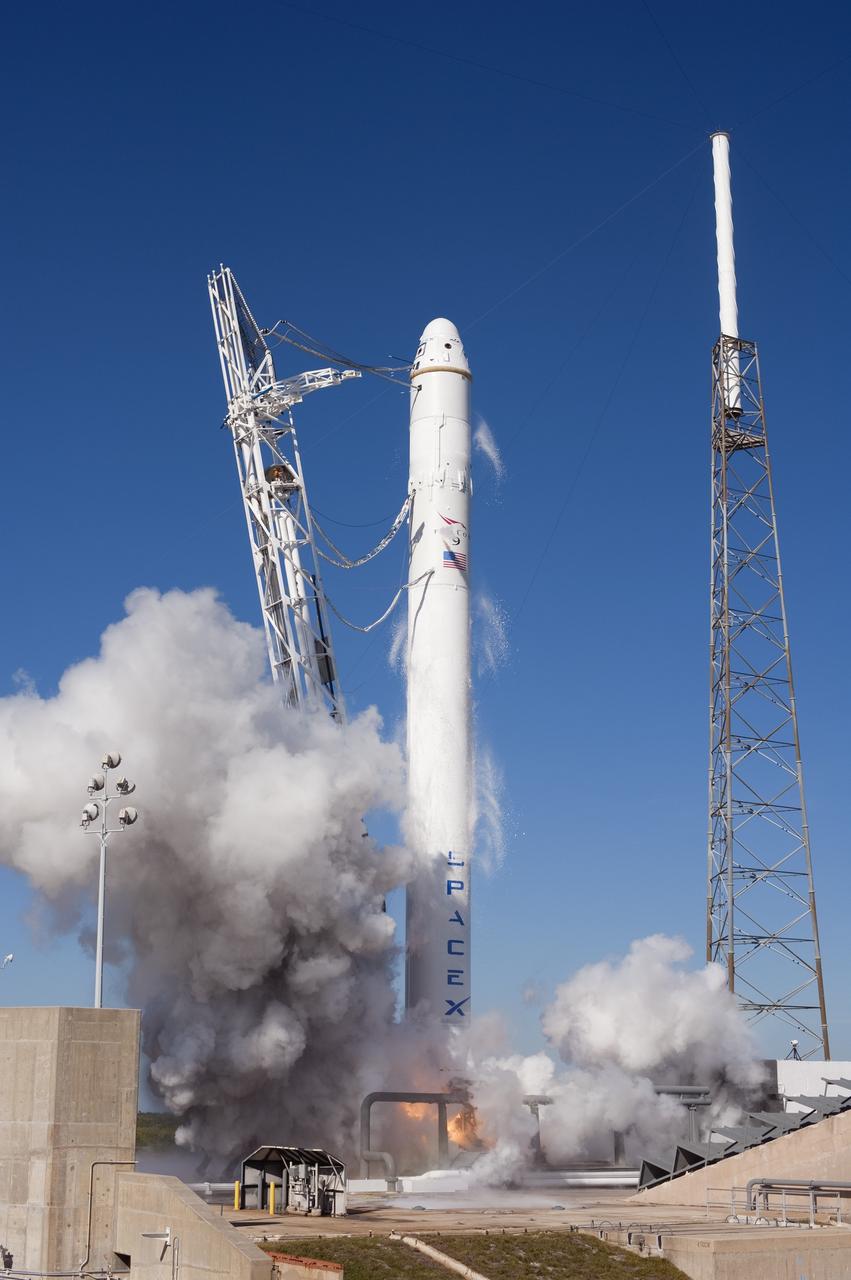
CAPE CANAVERAL, Fla. -- During a static fire test on Space Launch Complex-40 at Cape Canaveral Air Force Station, all nine Merlin engines of the SpaceX Falcon 9 rocket fire at once. The engines use rocket-grade kerosene and liquid oxygen to produce 1 million pounds of thrust. After the test, SpaceX began to conduct a thorough review of all data as engineers make final preparations for the first launch of the Commercial Orbital Transportation Services (COTS) Dragon spacecraft to low Earth orbit atop the Falcon 9. This first stage firing is part of a full launch dress rehearsal, which ended after the engines fired at full power for two seconds, with only the hold-down system restraining the rocket from flight. Photo credit: NASA/Tony Gray and Kevin O'Connell
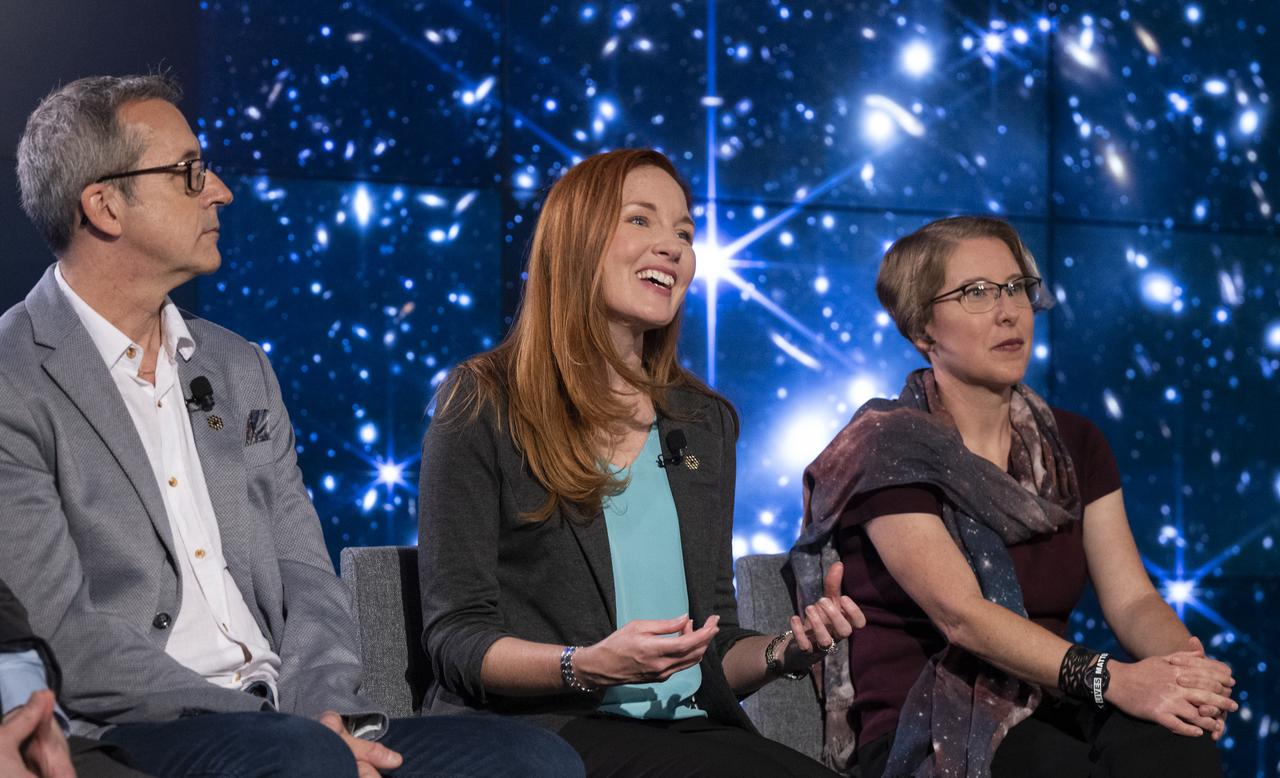
NASA James Webb Space Telescope Deputy Project Scientist for Communications Amber Straughn, center, answers a question from a member of the media alongside Principal Investigator for the Canadian Near-Infrared Imager and Slitless Spectrograph at the University of Montreal René Doyon, left, and NASA James Webb Space Telescope Operations Project Scientist Jane Rigby, right, during a briefing following the release of the first full-color images from NASA’s James Webb Space Telescope, Tuesday, July 12, 2022, at NASA’s Goddard Space Flight Center in Greenbelt, Md. The first full-color images and spectroscopic data from the James Webb Space Telescope, a partnership with ESA (European Space Agency) and the Canadian Space Agency (CSA), are a demonstration of the power of Webb as the telescope begins its science mission to unfold the infrared universe. Photo Credit: (NASA/Bill Ingalls)
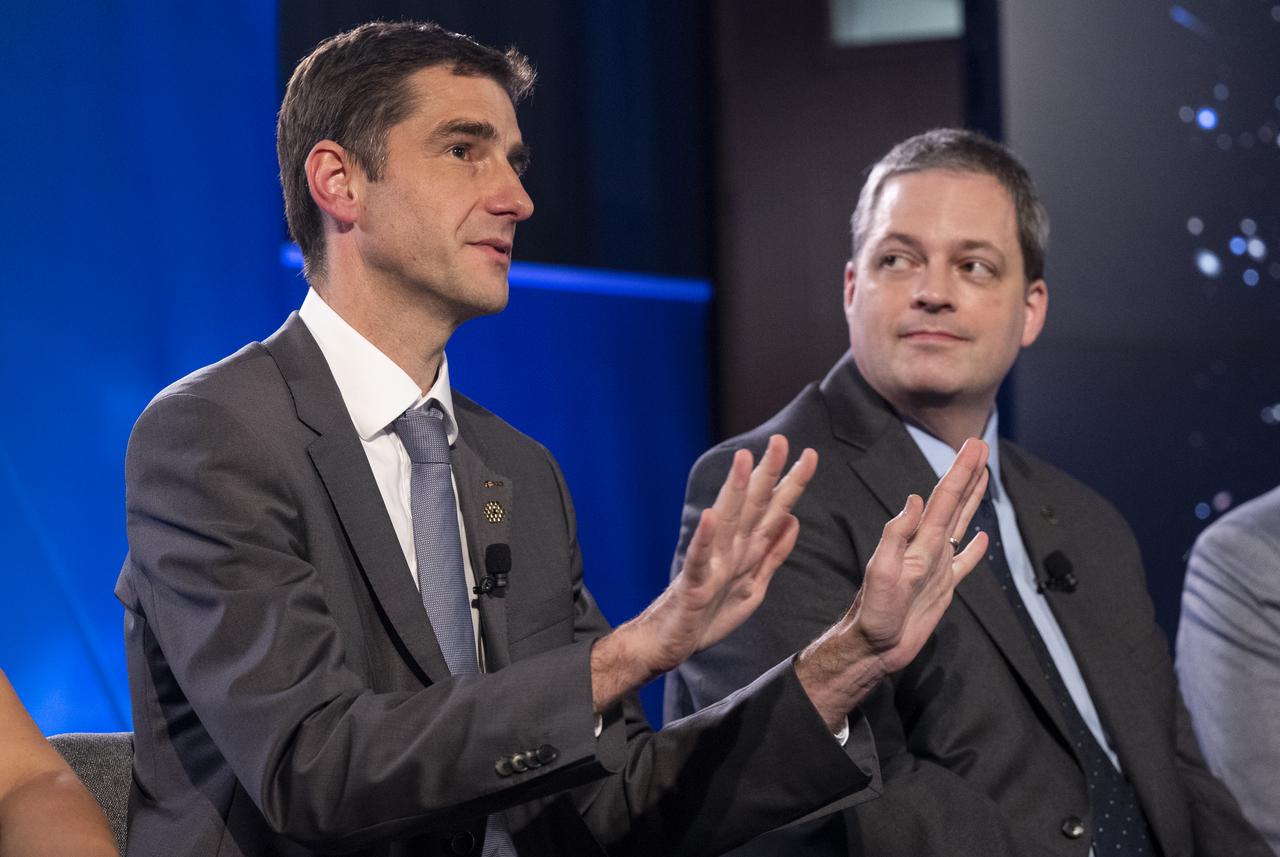
NASA James Webb Space Telescope Project Scientist at ESA (European Space Agency) Christopher Evans, left, answers a question from a member of the media alongside NASA James Webb Space Telescope Project Scientist, Space Telescope Science Institute, Klaus Pontoppidanduring a briefing following the release of the first full-color images from NASA’s James Webb Space Telescope, Tuesday, July 12, 2022, at NASA’s Goddard Space Flight Center in Greenbelt, Md. The first full-color images and spectroscopic data from the James Webb Space Telescope, a partnership with ESA (European Space Agency) and the Canadian Space Agency (CSA), are a demonstration of the power of Webb as the telescope begins its science mission to unfold the infrared universe. Photo Credit: (NASA/Bill Ingalls)
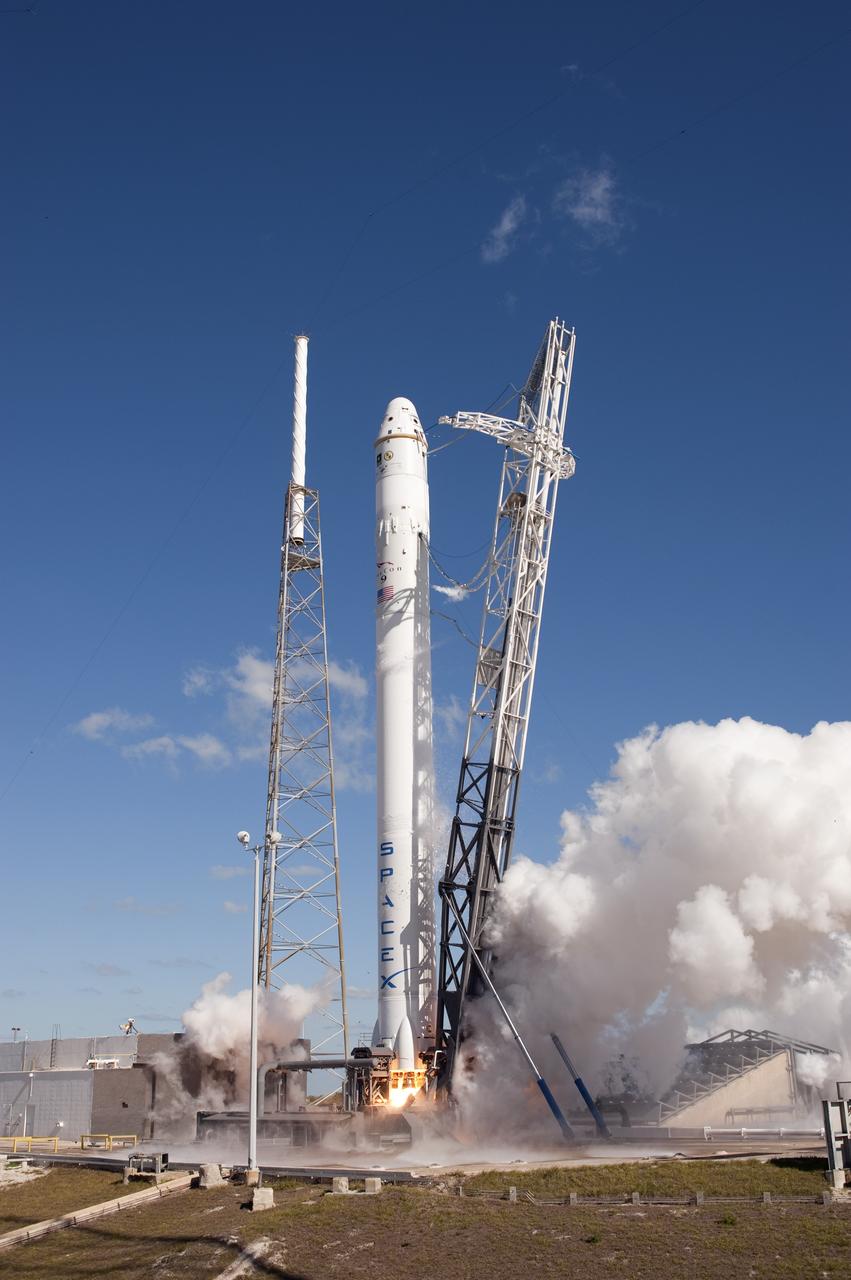
CAPE CANAVERAL, Fla. -- The SpaceX Falcon 9 rocket static fire test on Space Launch Complex-40 at Cape Canaveral Air Force Station was aborted at T minus 1.1 seconds due to high engine chamber pressure. During the test, all nine Merlin engines, which use rocket-grade kerosene and liquid oxygen to produce 1 million pounds of thrust, are expected to fire at once. After the test, SpaceX will conduct a thorough review of all data as engineers make final preparations for the first launch of the Commercial Orbital Transportation Services (COTS) Dragon spacecraft to low Earth orbit atop the Falcon 9. This first stage firing is part of a full launch dress rehearsal, which will end after the engines fire at full power for two seconds, with only the hold-down system restraining the rocket from flight. Photo credit: NASA/Tony Gray and Kevin O'Connell

NASA James Webb Space Telescope Deputy Project Scientist for Communications Amber Straughn, right, answers a question from a member of the media alongside Principal Investigator for the Canadian Near-Infrared Imager and Slitless Spectrograph at the University of Montreal René Doyon during a briefing following the release of the first full-color images from NASA’s James Webb Space Telescope, Tuesday, July 12, 2022, at NASA’s Goddard Space Flight Center in Greenbelt, Md. The first full-color images and spectroscopic data from the James Webb Space Telescope, a partnership with ESA (European Space Agency) and the Canadian Space Agency (CSA), are a demonstration of the power of Webb as the telescope begins its science mission to unfold the infrared universe. Photo Credit: (NASA/Bill Ingalls)
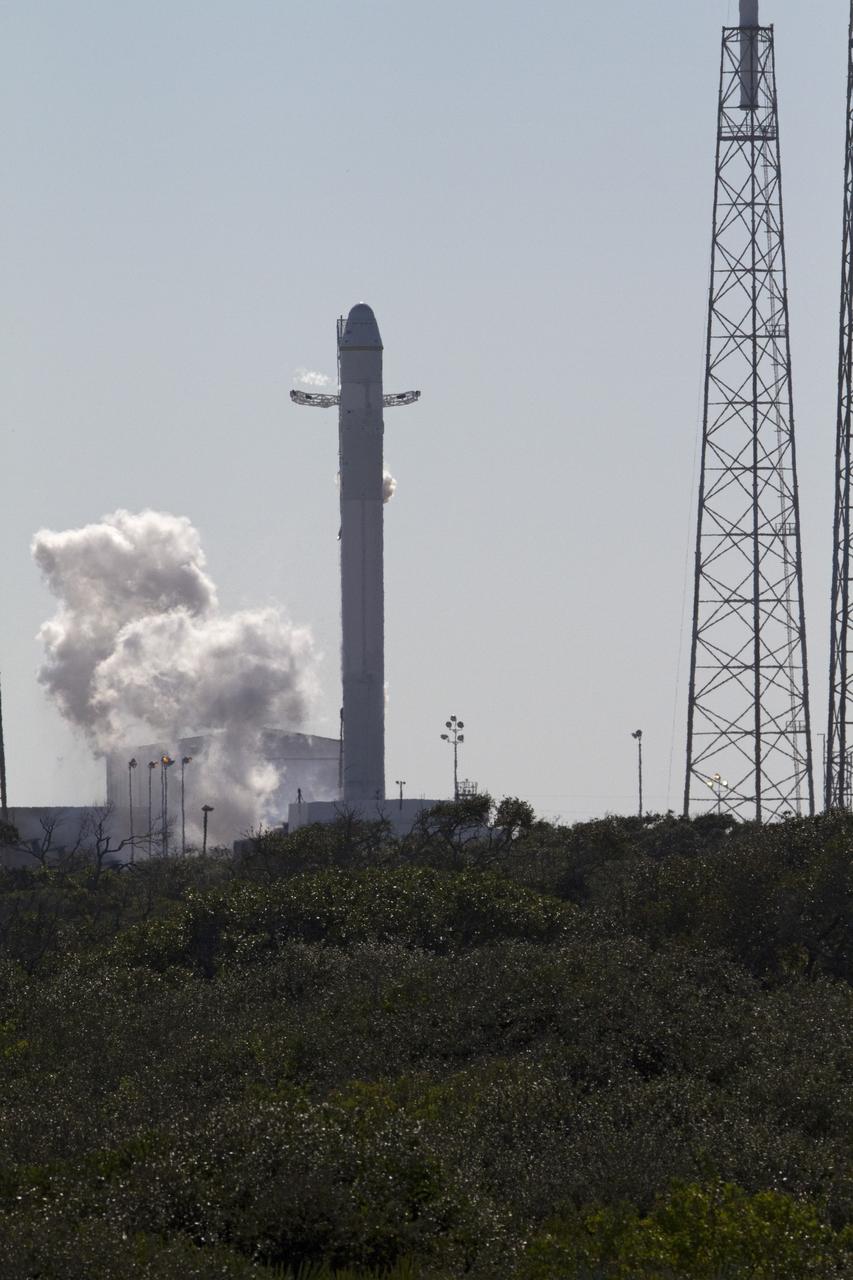
CAPE CANAVERAL, Fla. -- The SpaceX Falcon 9 rocket static fire test on Space Launch Complex-40 at Cape Canaveral Air Force Station was aborted at T minus 1.1 seconds due to high engine chamber pressure. During the test, all nine Merlin engines, which use rocket-grade kerosene and liquid oxygen to produce 1 million pounds of thrust, are expected to fire at once. After the test, SpaceX will conduct a thorough review of all data as engineers make final preparations for the first launch of the Commercial Orbital Transportation Services (COTS) Dragon spacecraft to low Earth orbit atop the Falcon 9. This first stage firing is part of a full launch dress rehearsal, which will end after the engines fire at full power for two seconds, with only the hold-down system restraining the rocket from flight. Photo credit: NASA/Rusty Backer
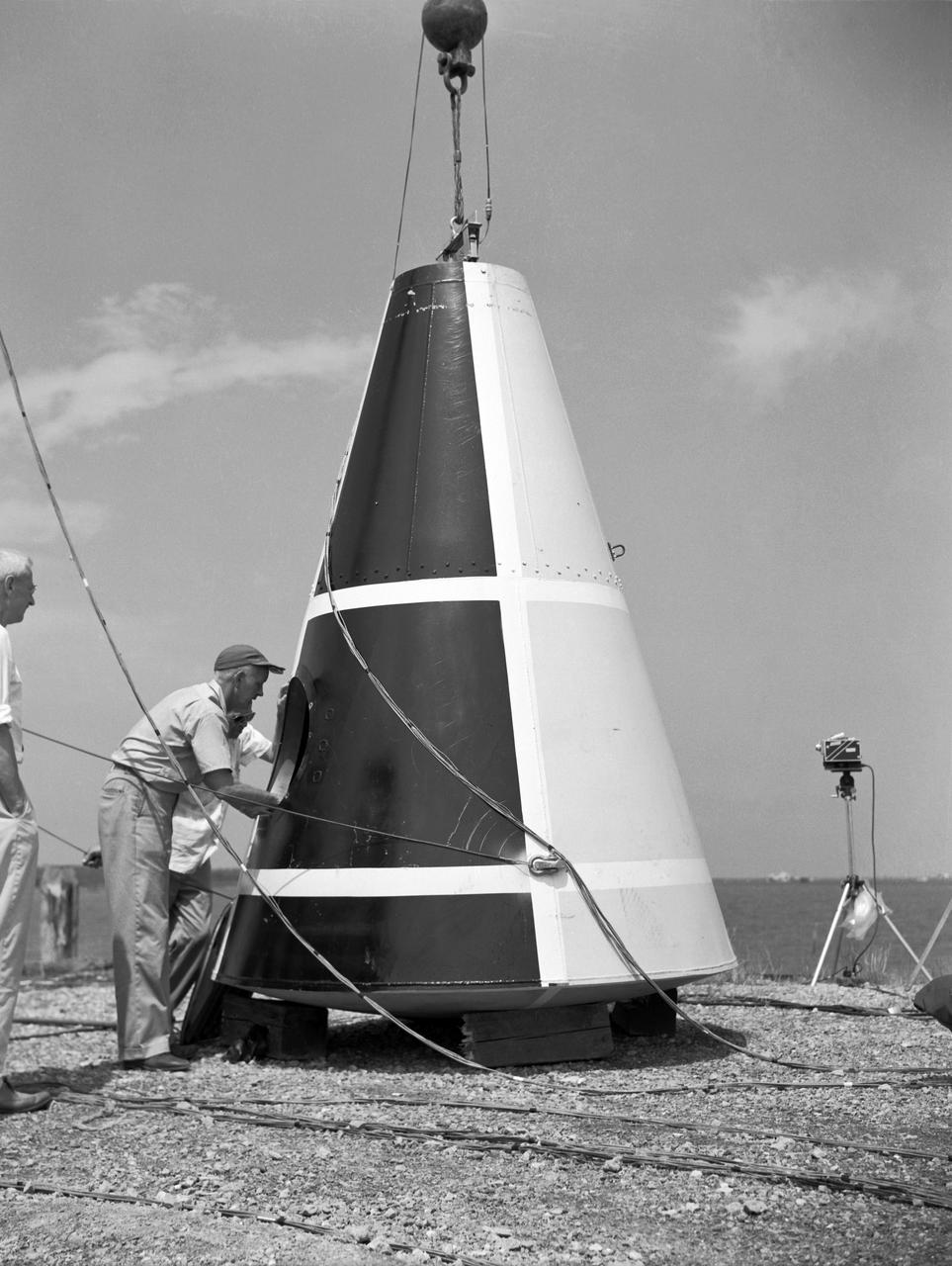
Photographed on: 08 05 1958. -- Impact test conducted by Langley's Hydrodynamics Division. The Division conducted a series of impact studies with full scale and model capsules of the original capsule shape A. Joseph Shortal wrote (Vol. 3, p. 16): The basic design of the capsule was made by M.A. Faget and his coworkers at PARD during the winter of 1957-1958. It was natural, then, that extensive use was made of the facilities at Wallops during the development of the spacecraft. The tests at Wallops consisted of 26 full-size capsules, either launched from the ground by rocket power or dropped from airplanes at high altitude and 28 scaled models, either rocket boosted or released from balloons. Emphasis in the Wallops program was on dynamic stability and aerodynamic heating of the capsule, and effectiveness of the pilot-escape and parachute-recovery systems. The biggest part of the Wallops program was the series of full-size capsules, rocket launched with the Little Joe booster, developed especially for Mercury. -- Published in Joseph A. Shortal, History of Wallops Station: Origins and Activities Through 1949, (Wallops Island, VA: National Aeronautics and Space Administration, Wallops Station, nd), Comment Edition.
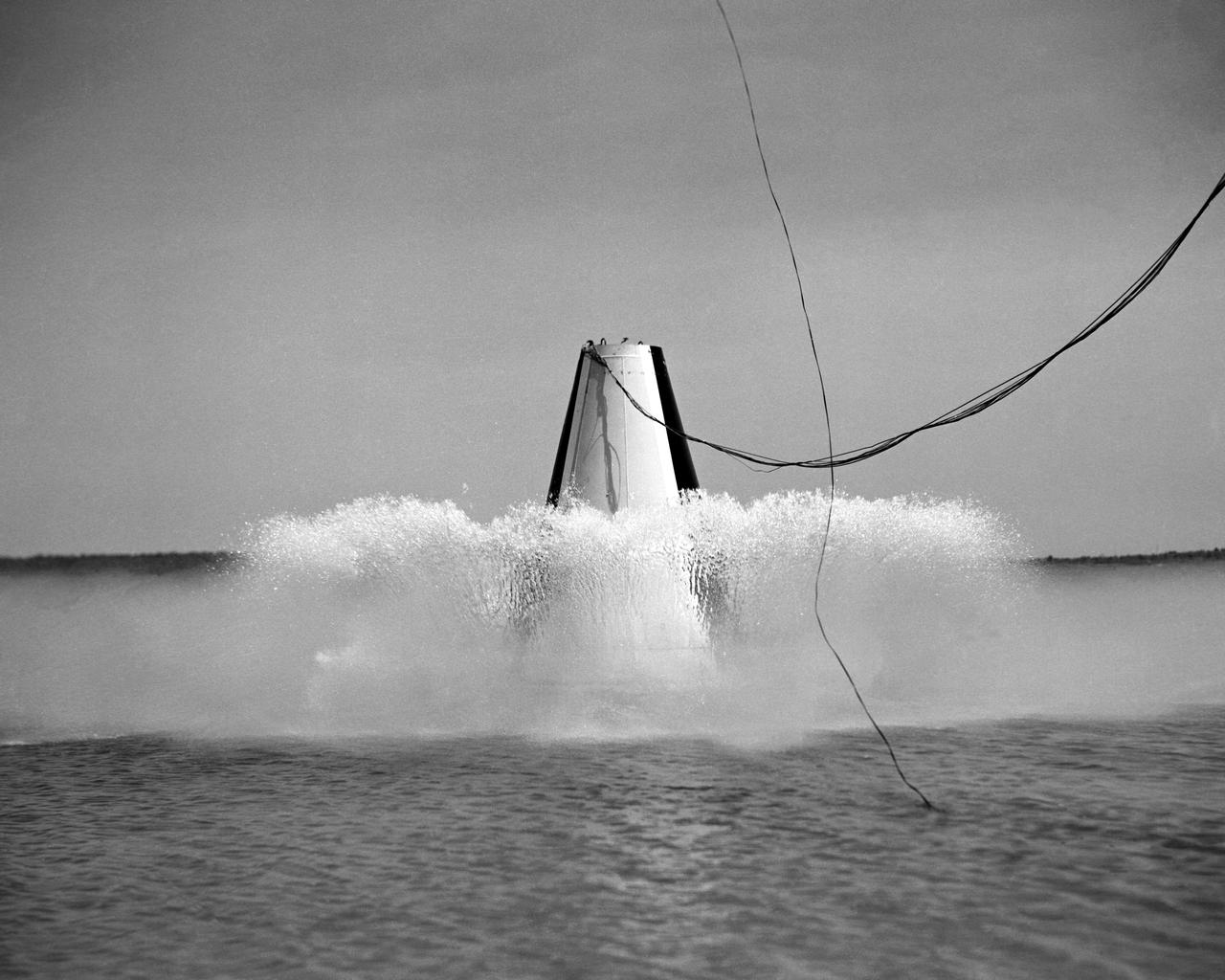
Photographed on: 08 05 1958. -- Impact test conducted by Langley's Hydrodynamics Division. The Division conducted a series of impact studies with full scale and model capsules of the original capsule shape A. Joseph Shortal wrote (Vol. 3, p. 16): The basic design of the capsule was made by M.A. Faget and his coworkers at PARD during the winter of 1957-1958. It was natural, then, that extensive use was made of the facilities at Wallops during the development of the spacecraft. The tests at Wallops consisted of 26 full-size capsules, either launched from the ground by rocket power or dropped from airplanes at high altitude and 28 scaled models, either rocket boosted or released from balloons. Emphasis in the Wallops program was on dynamic stability and aerodynamic heating of the capsule, and effectiveness of the pilot-escape and parachute-recovery systems. The biggest part of the Wallops program was the series of full-size capsules, rocket launched with the Little Joe booster, developed especially for Mercury. -- Published in Joseph A. Shortal, History of Wallops Station: Origins and Activities Through 1949, (Wallops Island, VA: National Aeronautics and Space Administration, Wallops Station, nd), Comment Edition.
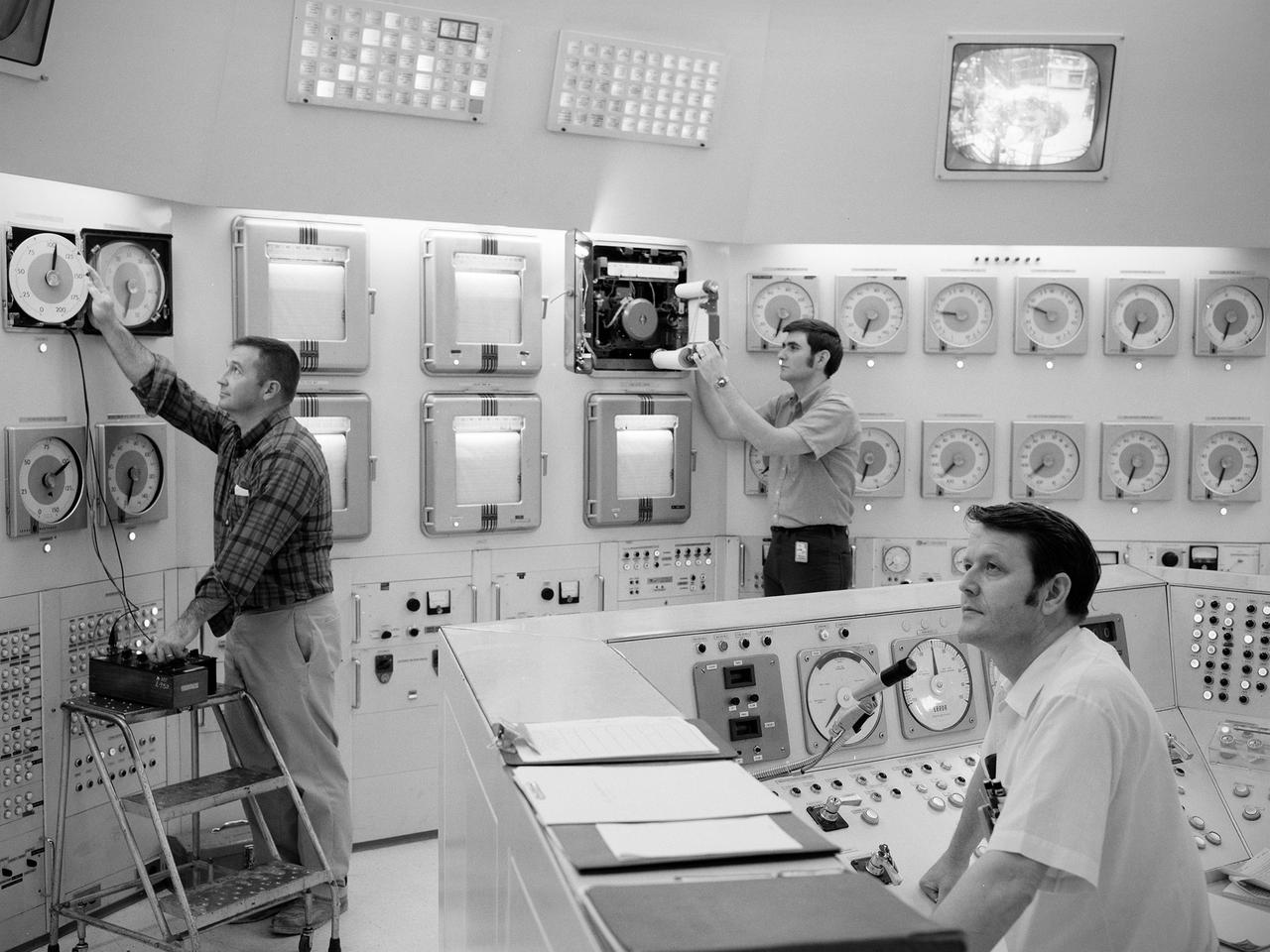
Donald Rhodes, left, and Clyde Greer, right, monitor the operation of the National Aeronautics and Space Administration’s (NASA) Plum Brook Reactor Facility from the control room. The 60-megawatt test reactor, NASA’s only reactor, was the eighth largest test reactor in the world. The facility was built by the Lewis Research Center in the late 1950s to study the effects of radiation on different materials that could be used to construct nuclear propulsion systems for aircraft or rockets. The reactor went critical for the first time in 1961. For the next two years, two operators were on duty 24 hours per day working on the fission process until the reactor reached its full-power level in 1963. Reactor Operators were responsible for monitoring and controlling the reactor systems. Once the reactor was running under normal operating conditions, the work was relatively uneventful. Normally the reactor was kept at a designated power level within certain limits. Occasionally the operators had to increase the power for a certain test. The shift supervisor and several different people would get together and discuss the change before boosting the power. All operators were required to maintain a Reactor Operator License from the Atomic Energy Commission. The license included six months of training, an eight-hour written exam, a four-hour walkaround, and testing on the reactor controls.
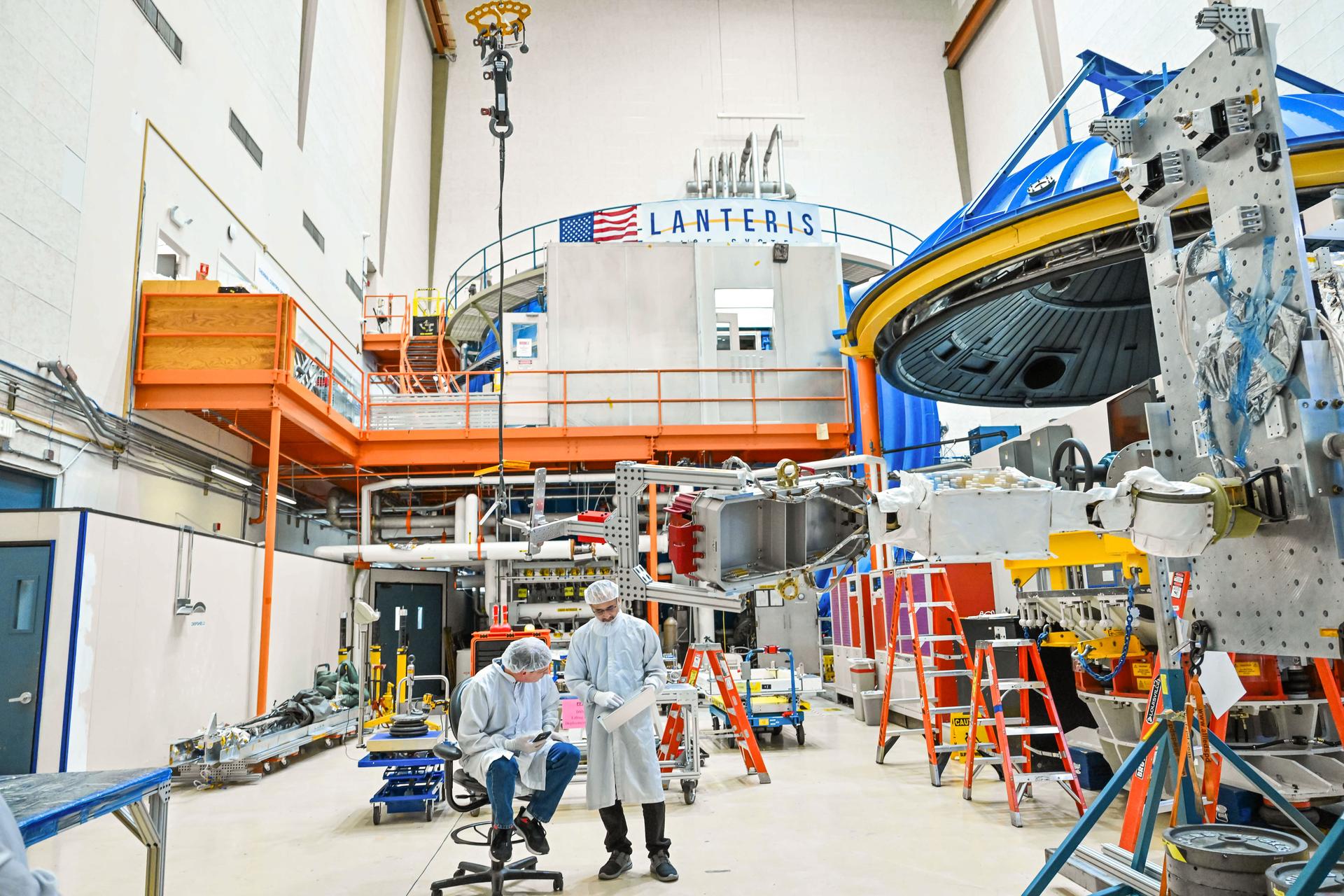
During this Engineering Qualification Module test, the gimbal platforms for the Busek-built BHT-6000 Hall effect thrusters are exercised through their full range of motion to verify articulation performance and confirm the system can properly steer thrust once integrated with Gateway’s Power and Propulsion Element (PPE). On PPE, four BHT-6000 Hall effect thrusters and three Advanced Electric Propulsion System (AEPS) thrusters will use solar power generated by Gateway’s Roll-Out Solar Arrays (ROSAs) to ionize xenon gas. The resulting xenon ions are then accelerated to extremely high speeds and expelled from the thrusters, creating a steady and highly efficient stream of thrust. This propulsion system will enable the Gateway lunar space station to maneuver and maintain its orbit around the Moon.
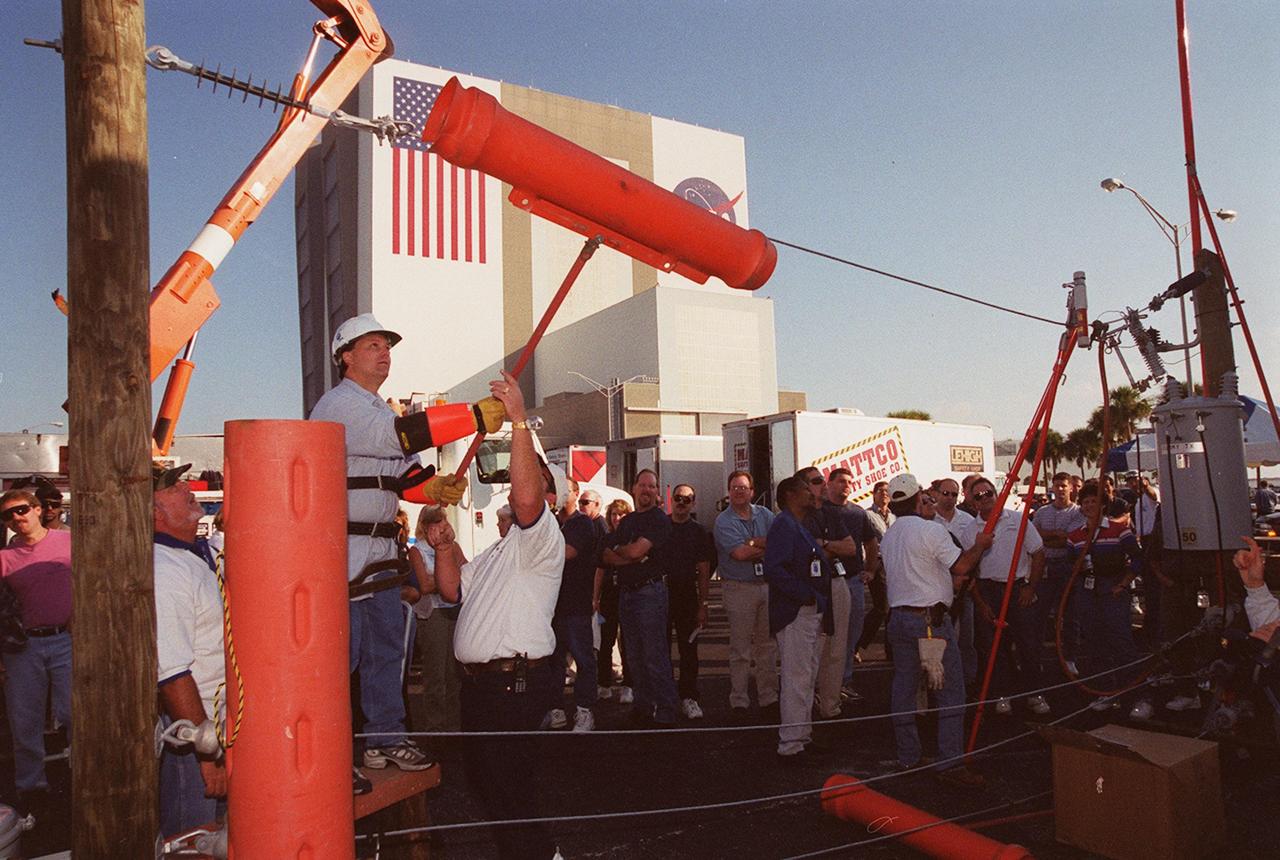
During Super Safety and Health Day at KSC, workers from Florida Power and Light (at left) demonstrate to an interested group of KSC employees how they safely handle high power lines. Safety Day is a full day of NASA-sponsored, KSC and 45th Space Wing events involving a number of health and safety related activities: Displays, vendors, technical paper sessions, panel discussions, a keynote speaker, etc. The entire Center and Wing stand down to participate in the planned events. Safety Day is held annually to proactively increase awareness in safety and health among the government and contractor workforce population. The first guiding principle at KSC is “Safety and Health First.” KSC’s number one goal is to “Assure sound, safe and efficient practices and processes are in place for privatized/commercialized launch site processing.
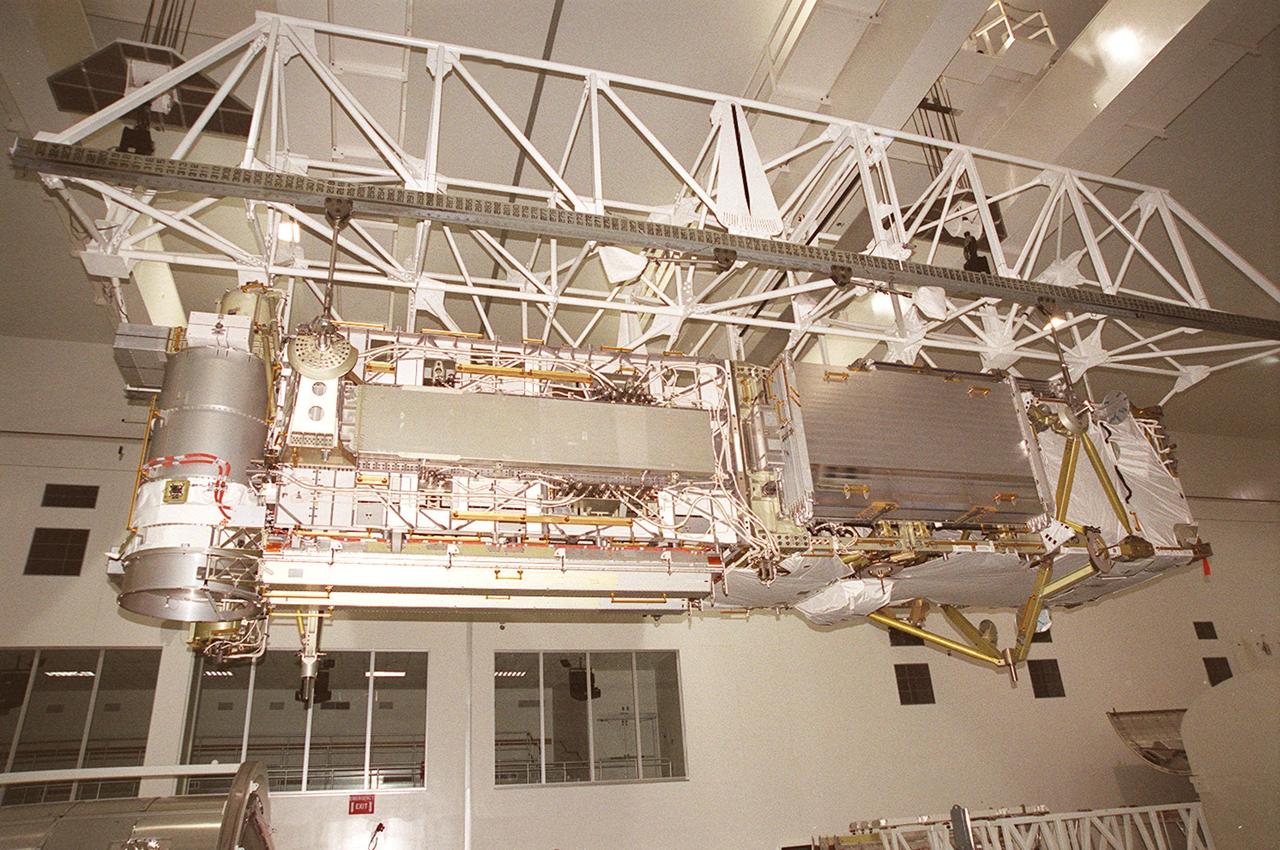
The P6 integrated truss segment hangs suspended from an overhead crane that is moving it the length of the Space Station Processing Facility toward a payload transport canister for transfer to Launch Pad 39B. At the pad, the Space Station element will be placed in Endeavour’s payload bay for launch on mission STS-97. The P6 comprises Solar Array Wing-3 and the Integrated Electronic Assembly, to be installed on the Space Station. The Station’s electrical power system will use eight photovoltaic solar arrays, each 112 feet long by 39 feet wide, to convert sunlight to electricity. The solar arrays are mounted on a “blanket” that can be folded like an accordion for delivery. Once in orbit, astronauts will deploy the blankets to their full size. Gimbals will be used to rotate the arrays so that they will face the Sun to provide maximum power to the Space Station. The STS-97 launch is scheduled Nov. 30 at 10:06 p.m. EST
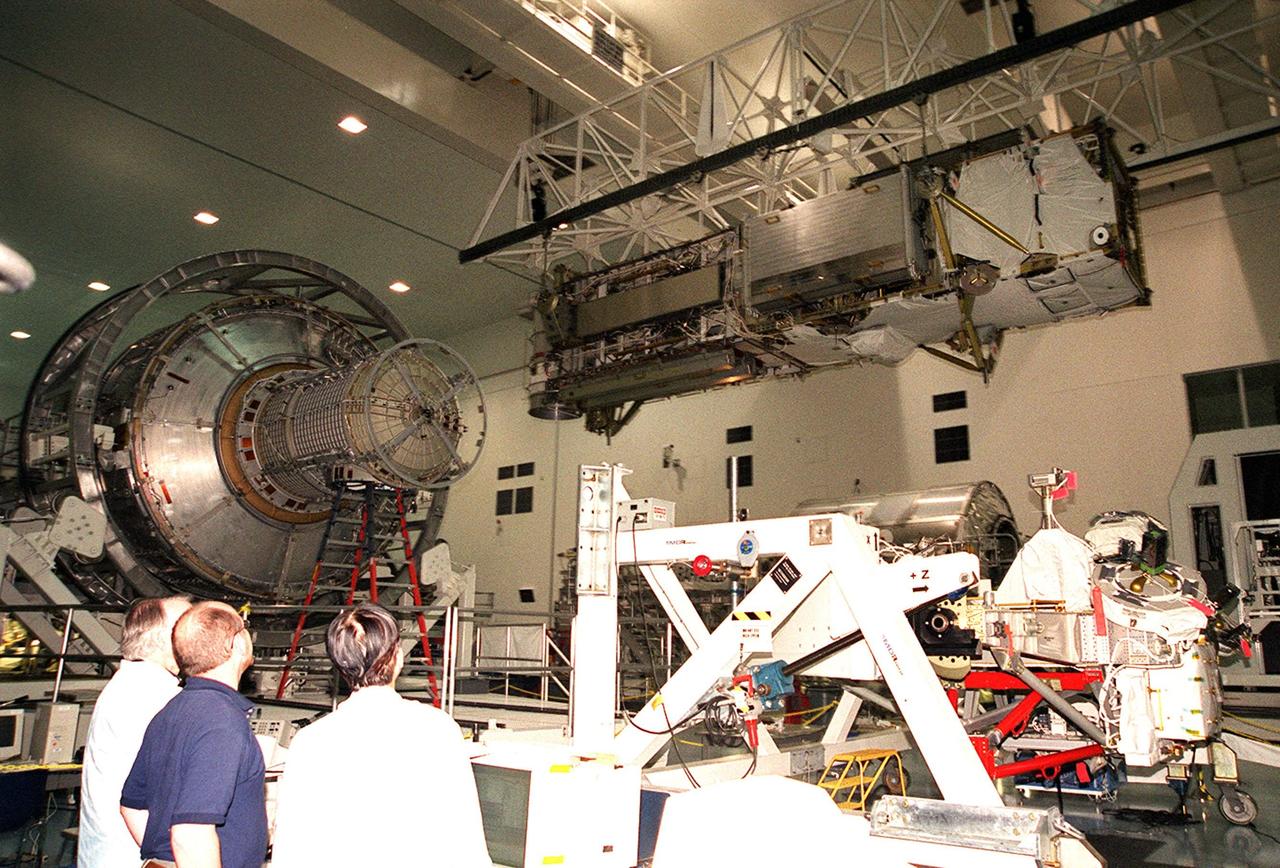
In the Space Station Processing Facility, the P6 integrated truss segment travels across the building to a payload transport canister for transfer to Launch Pad 39B. There it will be placed in Endeavour’s payload bay for launch on mission STS-97. At left is the airlock module, another component of the International Space Station. The P6 comprises Solar Array Wing-3 and the Integrated Electronic Assembly, to be installed on the Space Station. The Station’s electrical power system will use eight photovoltaic solar arrays, each 112 feet long by 39 feet wide, to convert sunlight to electricity. The solar arrays are mounted on a “blanket” that can be folded like an accordion for delivery. Once in orbit, astronauts will deploy the blankets to their full size. Gimbals will be used to rotate the arrays so that they will face the Sun to provide maximum power to the Space Station. Launch is scheduled Nov. 30 at 10:06 p.m. EST
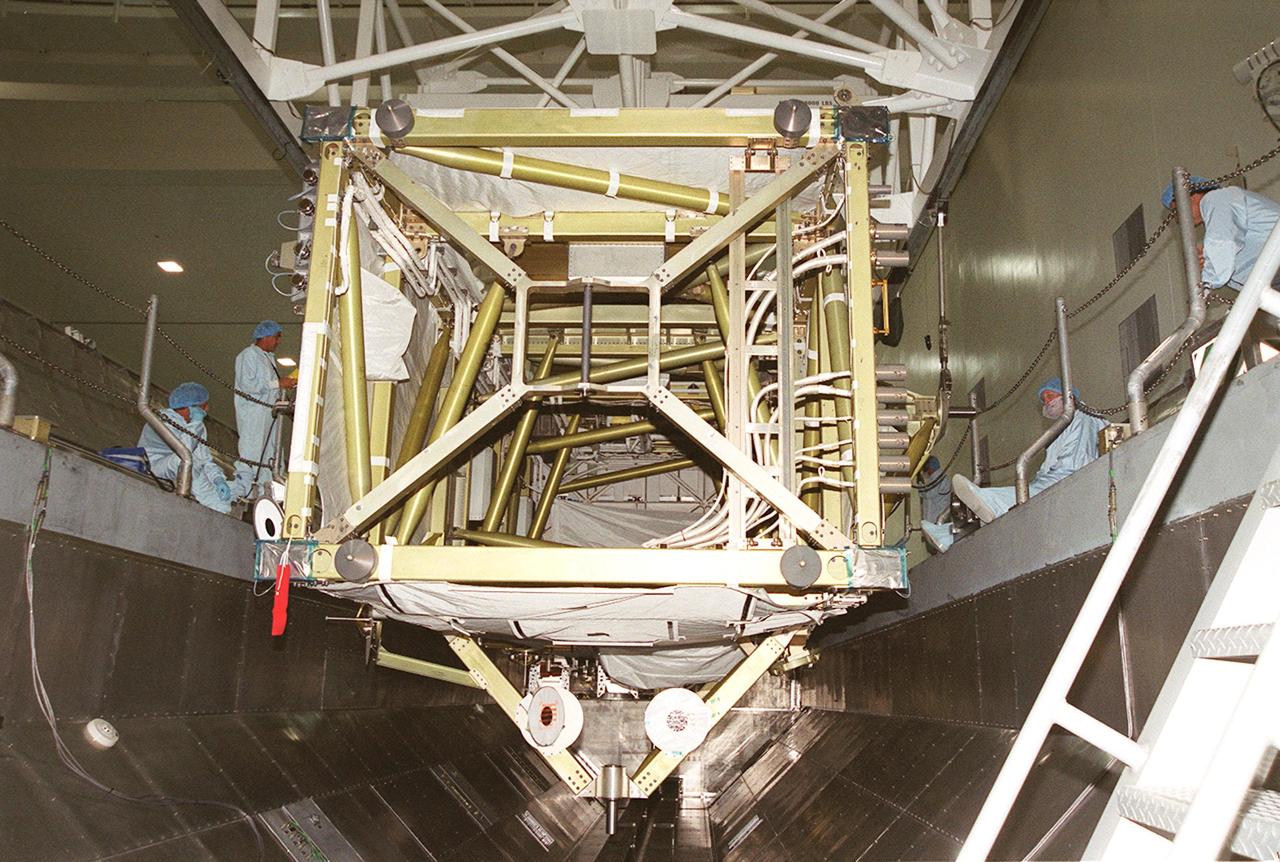
KENNEDY SPACE CENTER, FLA. -- In the Space Station Processing Facility, the P6 integrated truss segment is placed in the payload transport canister while workers watch its progress. After being secured in the canister, the truss will be transported to Launch Pad 39B and the payload changeout room. Then it will be moved into Space Shuttle Endeavour’s payload bay for mission STS-97. The P6 comprises Solar Array Wing-3 and the Integrated Electronic Assembly, to be installed on the Space Station. The Station’s electrical power system will use eight photovoltaic solar arrays, each 112 feet long by 39 feet wide, to convert sunlight to electricity. The solar arrays are mounted on a “blanket” that can be folded like an accordion for delivery. Once in orbit, astronauts will deploy the blankets to their full size. Gimbals will be used to rotate the arrays so that they will face the Sun to provide maximum power to the Space Station. The STS-97 launch is scheduled Nov. 30 at 10:06 p.m. EST
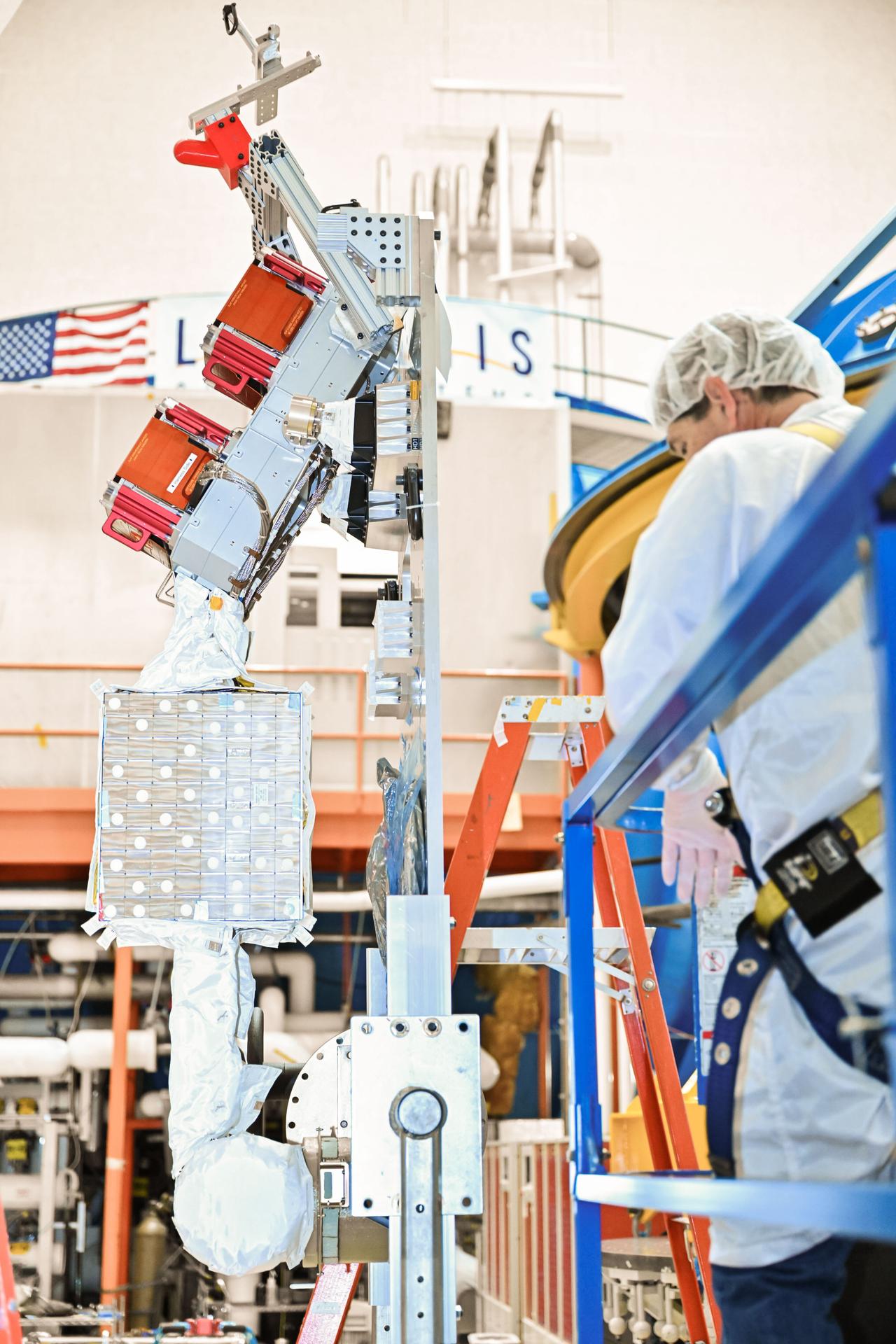
During this Engineering Qualification Module test, the gimbal platforms for the Busek-built BHT-6000 Hall effect thrusters are exercised through their full range of motion to verify articulation performance and confirm the system can properly steer thrust once integrated with Gateway’s Power and Propulsion Element (PPE). On PPE, four BHT-6000 Hall effect thrusters and three Advanced Electric Propulsion System (AEPS) thrusters will use solar power generated by Gateway’s Roll-Out Solar Arrays (ROSAs) to ionize xenon gas. The resulting xenon ions are then accelerated to extremely high speeds and expelled from the thrusters, creating a steady and highly efficient stream of thrust. This propulsion system will enable the Gateway lunar space station to maneuver and maintain its orbit around the Moon.
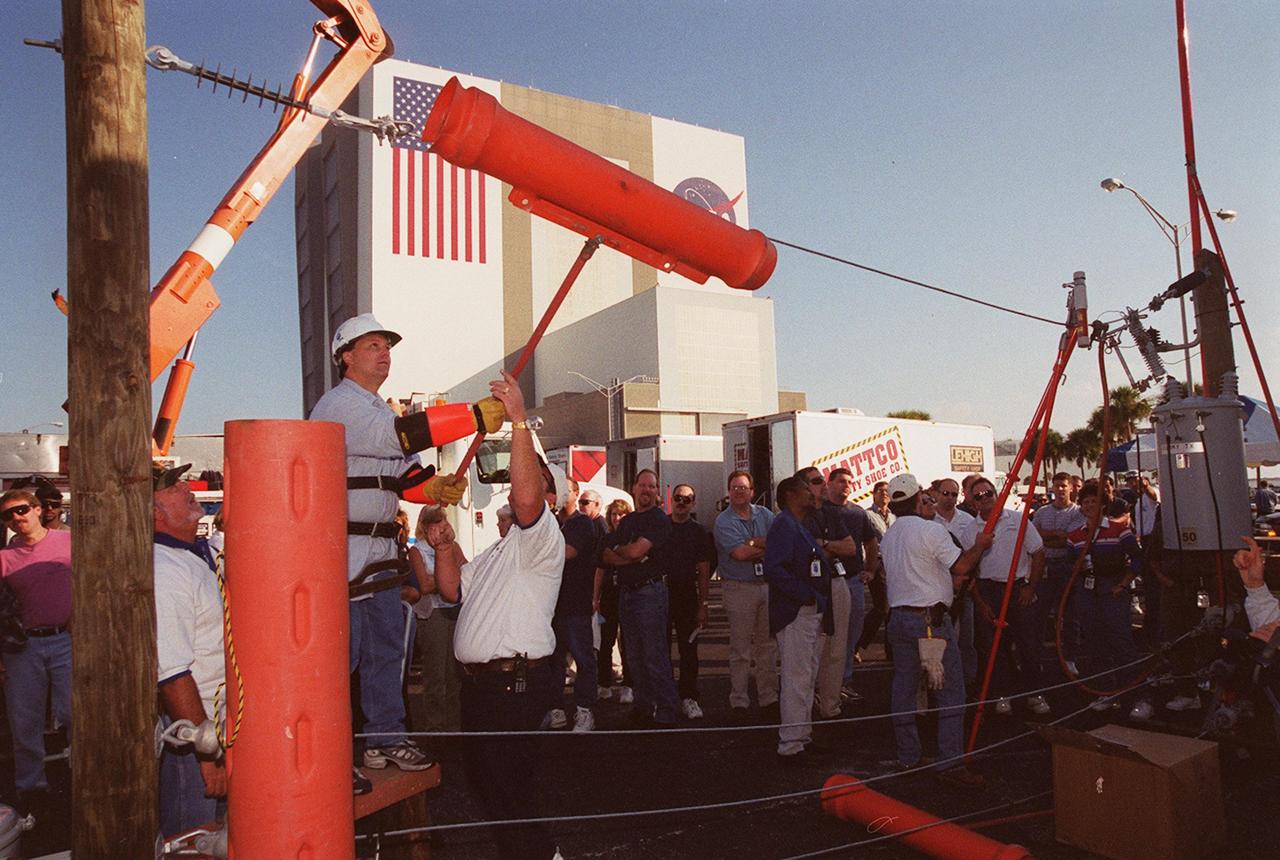
During Super Safety and Health Day at KSC, workers from Florida Power and Light (at left) demonstrate to an interested group of KSC employees how they safely handle high power lines. Safety Day is a full day of NASA-sponsored, KSC and 45th Space Wing events involving a number of health and safety related activities: Displays, vendors, technical paper sessions, panel discussions, a keynote speaker, etc. The entire Center and Wing stand down to participate in the planned events. Safety Day is held annually to proactively increase awareness in safety and health among the government and contractor workforce population. The first guiding principle at KSC is “Safety and Health First.” KSC’s number one goal is to “Assure sound, safe and efficient practices and processes are in place for privatized/commercialized launch site processing.
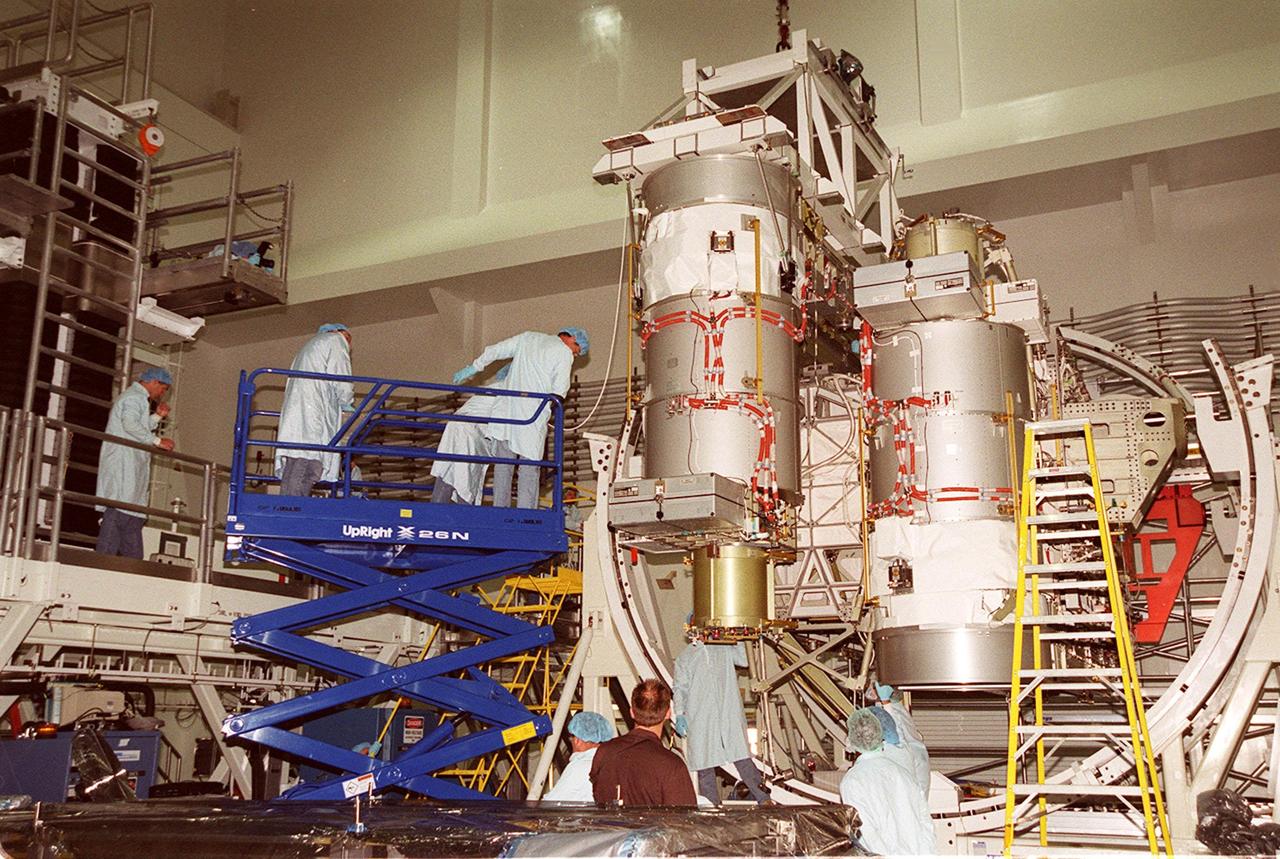
Workers in the Space Station Processing Facility give close attention to the placement of a solar array on the Integrated Equipment Assembly. Solar Array Wing-3 is already in place. Components of the International Space Station, the arrays are scheduled to be launched on mission STS-97 in late November along with the P6 truss. The Station’s electrical power system (EPS) will use eight photovoltaic solar arrays to convert sunlight to electricity. Each of the eight solar arrays will be 112 feet long by 39 feet wide. The solar arrays are mounted on a “blanket” that can be folded like an accordion for delivery. Once in orbit, astronauts will deploy the blankets to their full size. Gimbals will be used to rotate the arrays so that they will face the Sun to provide maximum power to the Space Station
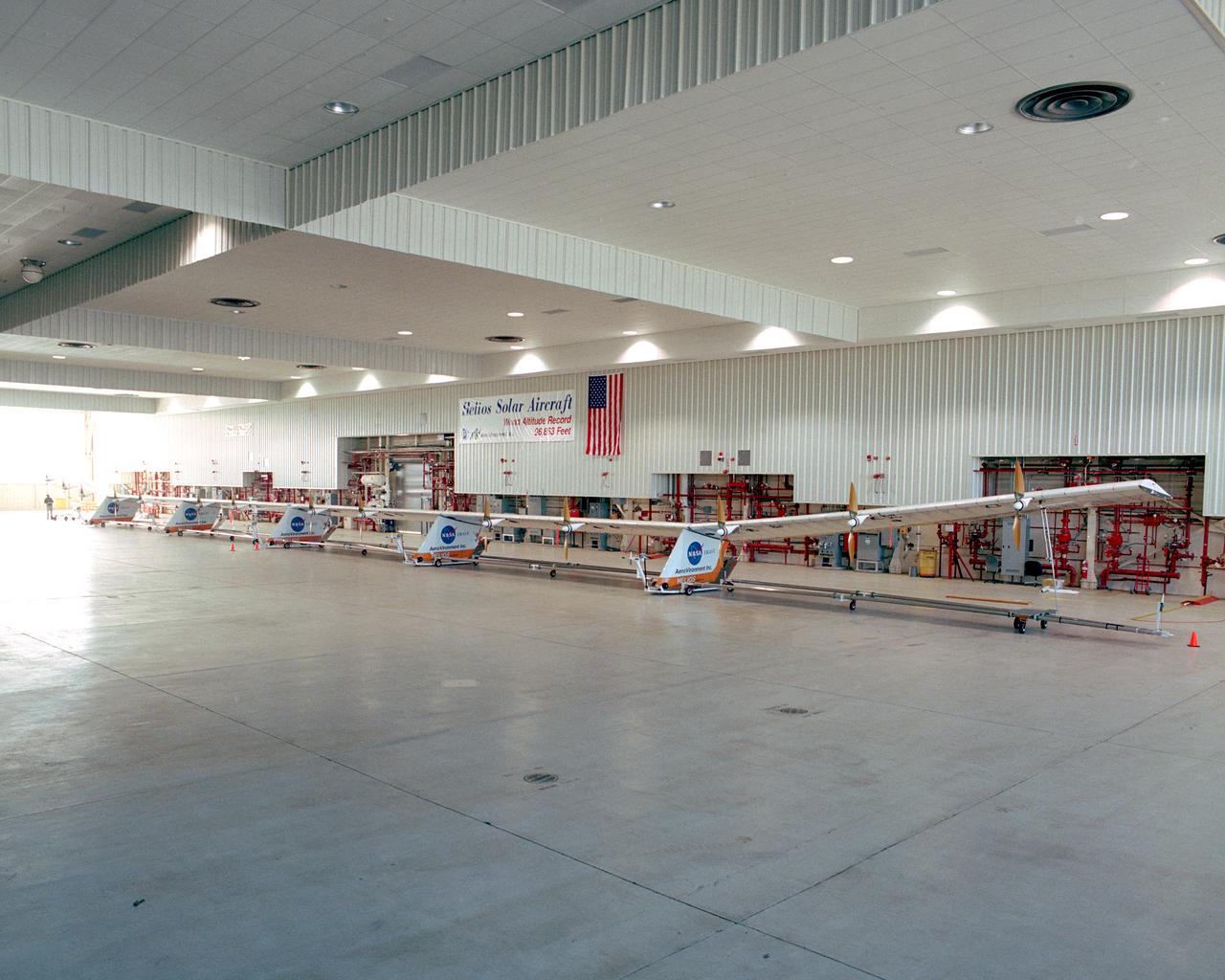
The Helios Prototype flying wing stretches almost the full length of the 300-foot-long hangar at NASA's Dryden Flight Research Center, Edwards, California. The 247-foot span solar-powered aircraft, resting on its ground maneuvering dolly, was on display for a visit of NASA Administrator Sean O'Keefe and other NASA officials on January 31, 2002. The unique solar-electric flying wing reached an altitude of 96,863 feet during an almost 17-hour flight near Hawaii on August 13, 2001, a world record for sustained horizontal flight by a non-rocket powered aircraft. Developed by AeroVironment, Inc., under NASA's Environmental Research Aircraft and Sensor Technology (ERAST) project, the Helios Prototype is the forerunner of a planned fleet of slow-flying, long duration, high-altitude uninhabited aerial vehicles (UAV) which can serve as "atmospheric satellites," performing Earth science missions or functioning as telecommunications relay platforms in the stratosphere.
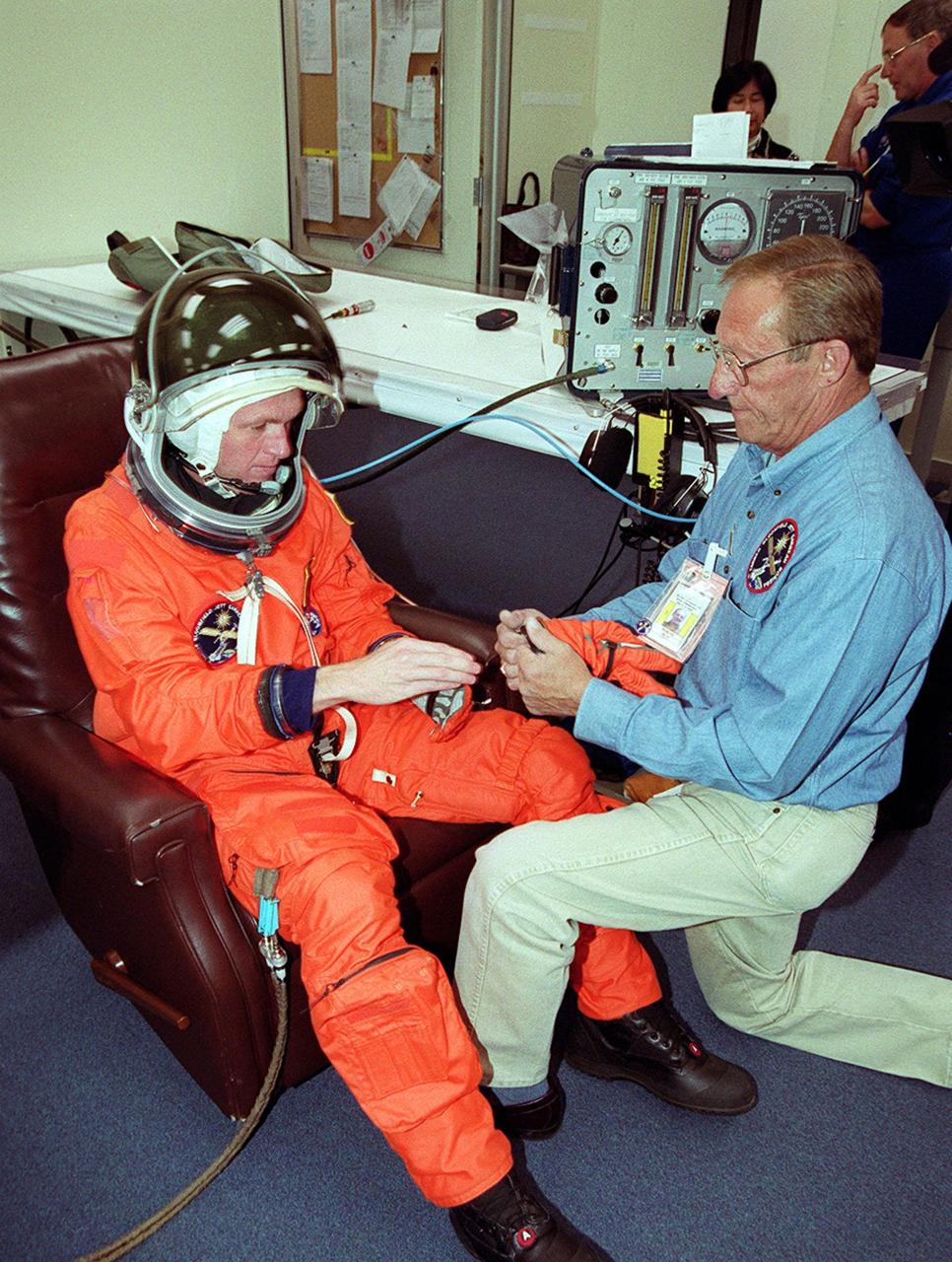
With the help of a suit technician, STS-97 Commander Brent Jett dons his launch and entry suit. This is his third Shuttle flight.; Mission STS-97 is the sixth construction flight to the International Space Station. It is transporting the P6 Integrated Truss Structure that comprises Solar Array Wing-3 and the Integrated Electronic Assembly, to be installed on the Space Station. The solar arrays are mounted on a “blanket” that can be folded like an accordion for delivery. Once in orbit, astronauts will deploy the blankets to their full size. The 11-day mission includes two spacewalks to complete the solar array connections. The Station’s electrical power system will use eight photovoltaic solar arrays, each 112 feet long by 39 feet wide, to convert sunlight to electricity. Gimbals will be used to rotate the arrays so that they will face the Sun to provide maximum power to the Space Station. Launch is scheduled for Nov. 30 at 10:06 p.m. EST
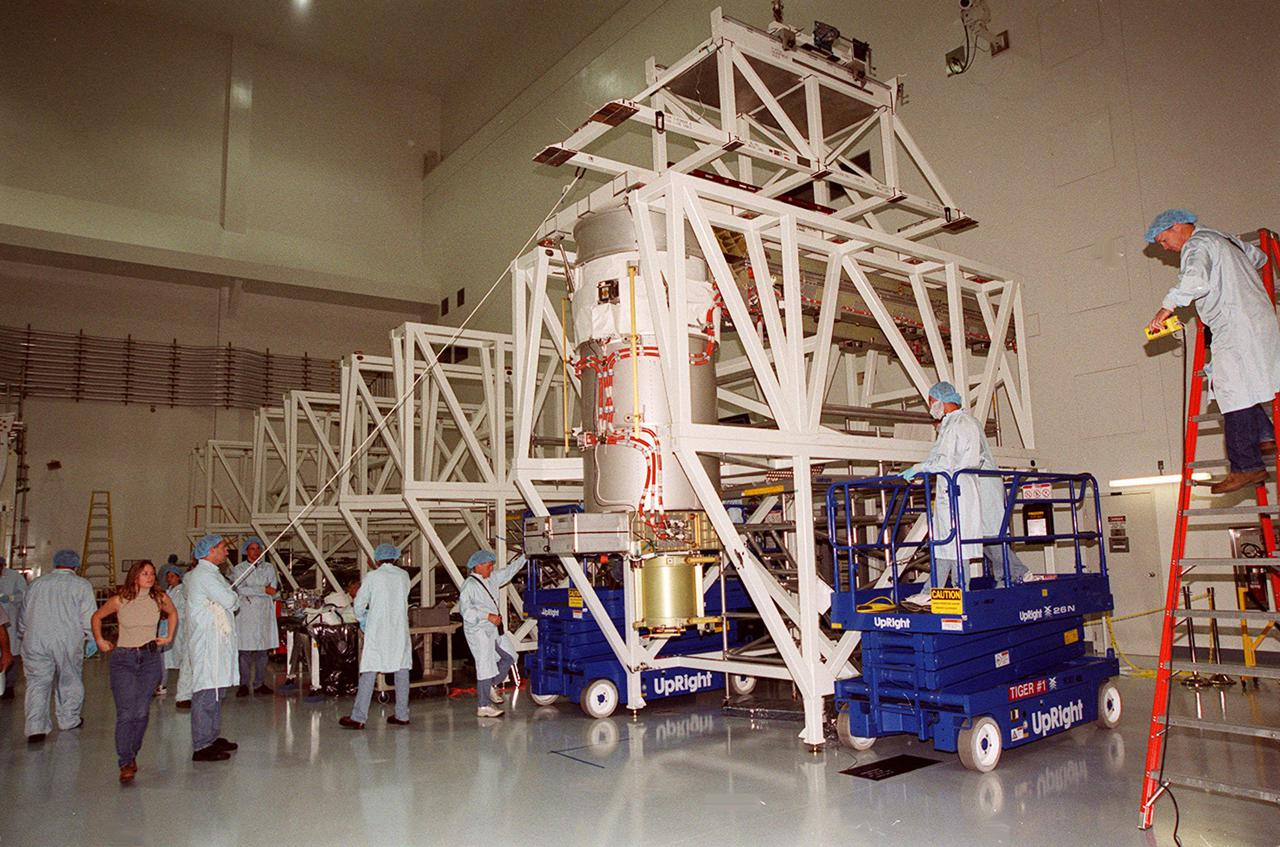
Workers in the Space Station Processing Facility get ready to attach an overhead crane (center top) to the solar array below it to move the array for installation onto the Integrated Equipment Assembly (IEA). A component of the International Space Station, the solar array is the second one being installed on the IEA. The arrays are scheduled to be launched on mission STS-97 in late November along with the P6 truss. The Station’s electrical power system (EPS) will use eight photovoltaic solar arrays to convert sunlight to electricity. Each of the eight solar arrays will be 112 feet long by 39 feet wide. The solar arrays are mounted on a “blanket” that can be folded like an accordion for delivery. Once in orbit, astronauts will deploy the blankets to their full size. Gimbals will be used to rotate the arrays so that they will face the Sun to provide maximum power to the Space Station
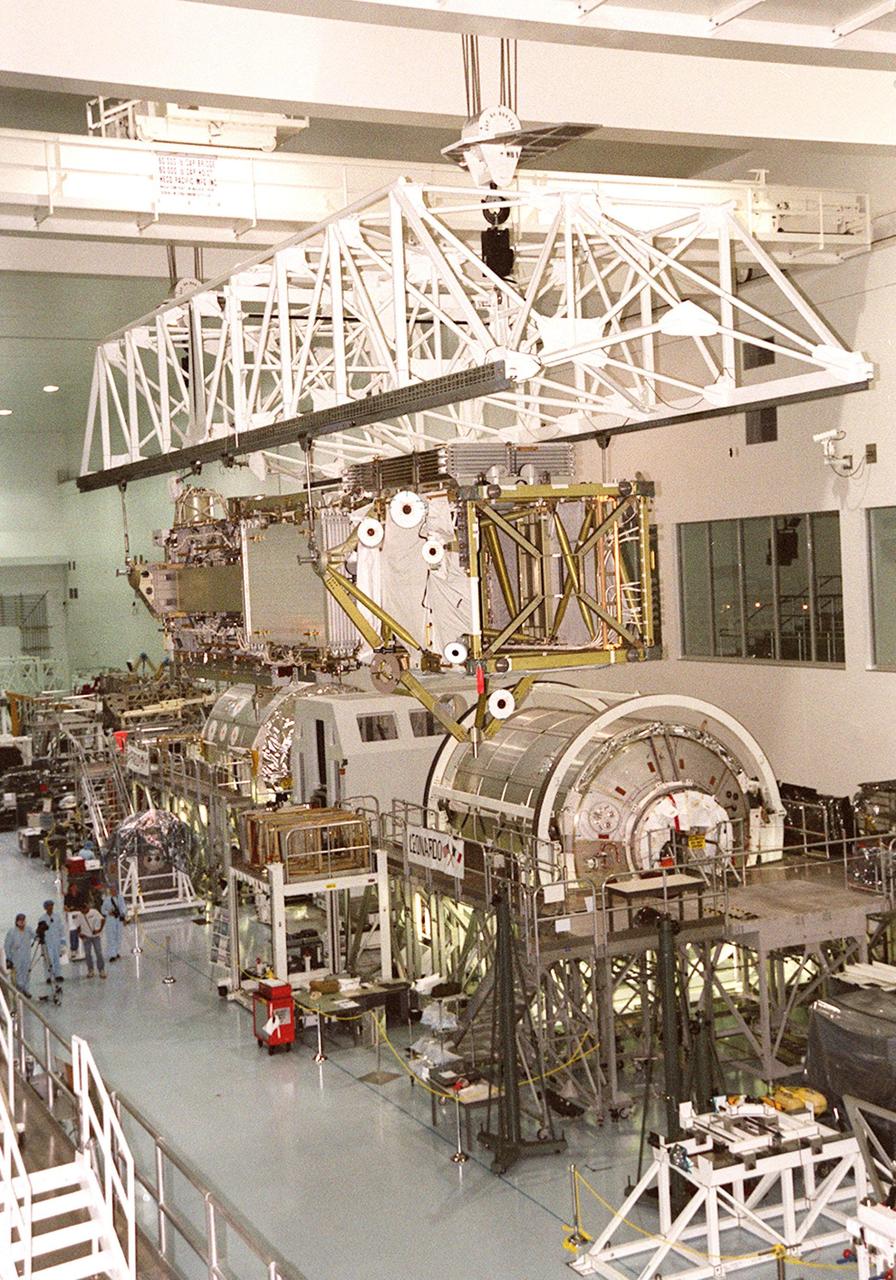
As it travels across the Space Station Processing Facility, the P6 integrated truss segment passes over the two Italian-built Multi-Purpose Logistics Modules, Leonardo (right) and Raffaello (behind Leonardo). The P6 is being moved to a payload transport canister for transfer to Launch Pad 39B. There it will be placed in Endeavour’s payload bay for launch on mission STS-97. The P6 comprises Solar Array Wing-3 and the Integrated Electronic Assembly, to be installed on the Space Station. The Station’s electrical power system will use eight photovoltaic solar arrays, each 112 feet long by 39 feet wide, to convert sunlight to electricity. The solar arrays are mounted on a “blanket” that can be folded like an accordion for delivery. Once in orbit, astronauts will deploy the blankets to their full size. Gimbals will be used to rotate the arrays so that they will face the Sun to provide maximum power to the Space Station. Launch is scheduled Nov. 30 at 10:06 p.m. EST
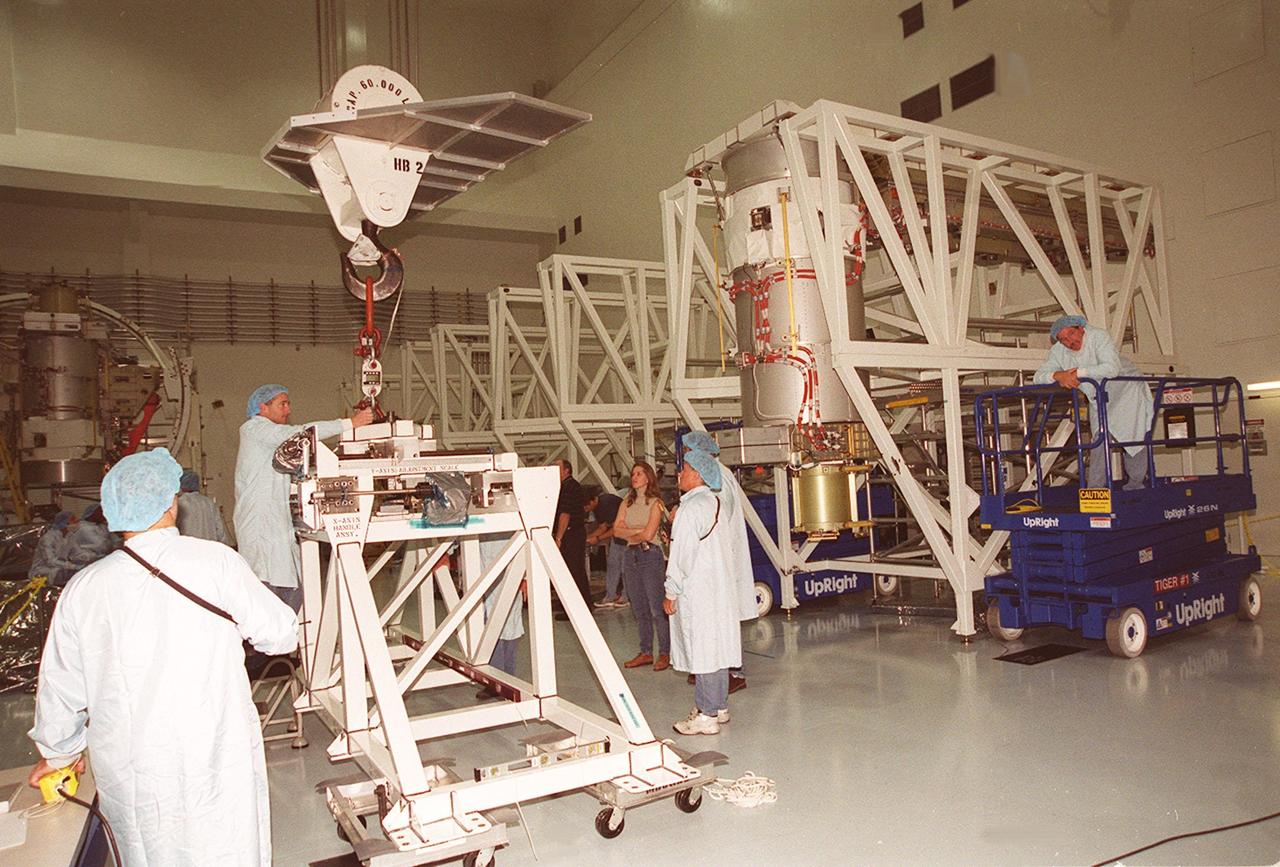
Workers in the Space Station Processing Facility prepare an overhead crane they will use to move a solar array, a component of the International Space Station, for installation onto the Integrated Equipment Assembly. The solar array is the second one being installed. They are scheduled to be launched on mission STS-97 in late November along with the P6 truss. The Station’s electrical power system (EPS) will use eight photovoltaic solar arrays to convert sunlight to electricity. Each of the eight solar arrays will be 112 feet long by 39 feet wide. The solar arrays are mounted on a “blanket” that can be folded like an accordion for delivery. Once in orbit, astronauts will deploy the blankets to their full size. Gimbals will be used to rotate the arrays so that they will face the Sun to provide maximum power to the Space Station
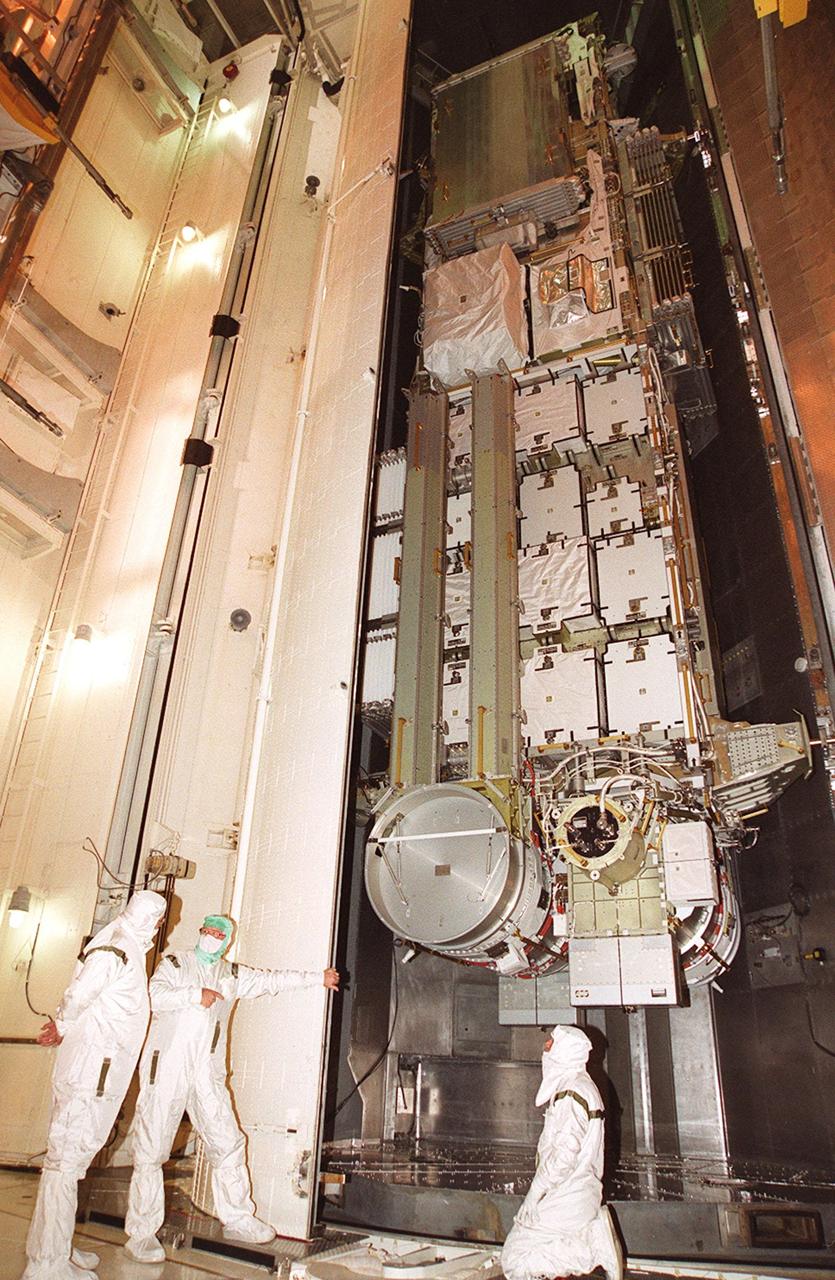
Workers in the payload changeout room stand by as the doors open on the payload transport canister. Inside is the P6 integrated truss segment, which will fly on mission STS-97. The P6 comprises Solar Array Wing-3 and the Integrated Electronic Assembly, to be installed on the International Space Station. The Station’s electrical power system will use eight photovoltaic solar arrays, each 112 feet long by 39 feet wide, to convert sunlight to electricity. The solar arrays are mounted on a “blanket” that can be folded like an accordion for delivery. Once in orbit, astronauts will deploy the blankets to their full size. Gimbals will be used to rotate the arrays so that they will face the Sun to provide maximum power to the Space Station. Launch of STS-97 is scheduled for Nov. 30 at 10:06 p.m. EST
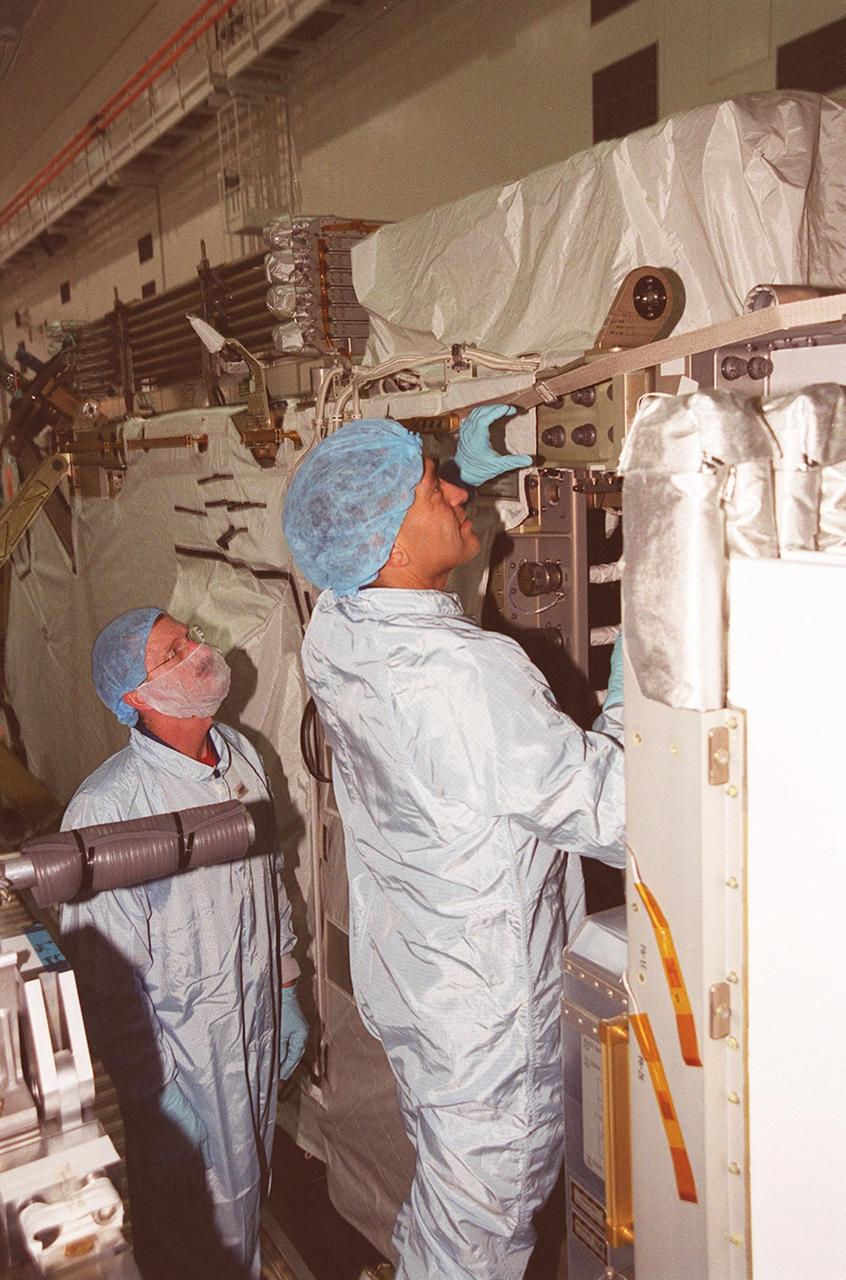
In the Space Station Processing Facility, STS-97 Mission Specialists Carlos Noriega (left) and Joe Tanner check out the mission payload, the P6 integrated truss segment. Mission STS-97 is the sixth construction flight to the International Space Station. The P6 comprises Solar Array Wing-3 and the Integrated Electronic Assembly, to be installed on the International Space Station. The Station’s electrical power system will use eight photovoltaic solar arrays, each 112 feet long by 39 feet wide, to convert sunlight to electricity. The solar arrays are mounted on a “blanket” that can be folded like an accordion for delivery. Once in orbit, astronauts will deploy the blankets to their full size. Gimbals will be used to rotate the arrays so that they will face the Sun to provide maximum power to the Space Station. The mission includes two spacewalks by Noriega and Tanner to complete the solar array connections. STS-97 is scheduled to launch Nov. 30 at about 10:06 p.m. EST
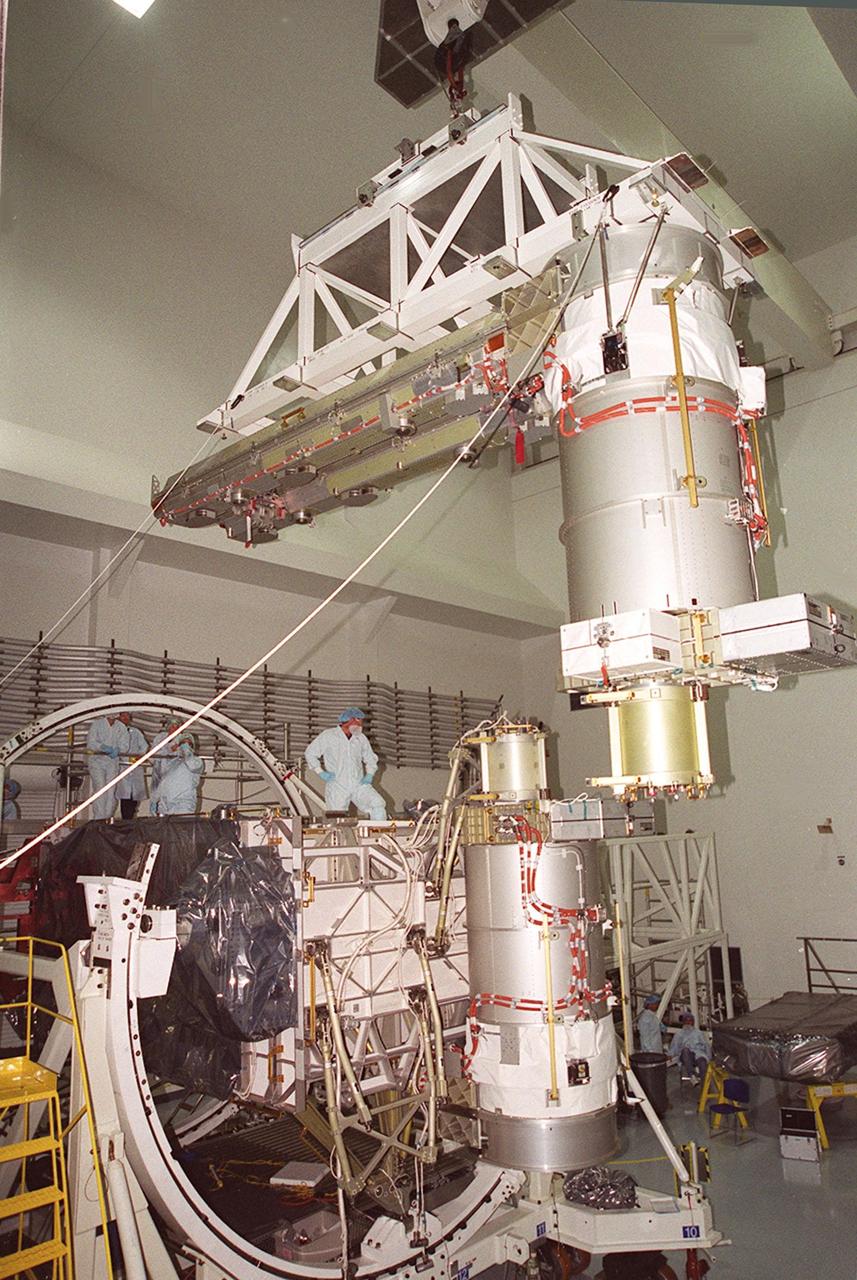
In the Space Station Processing Facility, the overhead crane carrying a solar array arrives at the Integrated Equipment Assembly (IEA) on which it will be installed. Solar Array Wing-3 is already in place. Components of the International Space Station, the arrays are scheduled to be launched on mission STS-97 in late November along with the P6 truss. The Station’s electrical power system (EPS) will use eight photovoltaic solar arrays to convert sunlight to electricity. Each of the eight solar arrays will be 112 feet long by 39 feet wide. The solar arrays are mounted on a “blanket” that can be folded like an accordion for delivery. Once in orbit, astronauts will deploy the blankets to their full size. Gimbals will be used to rotate the arrays so that they will face the Sun to provide maximum power to the Space Station
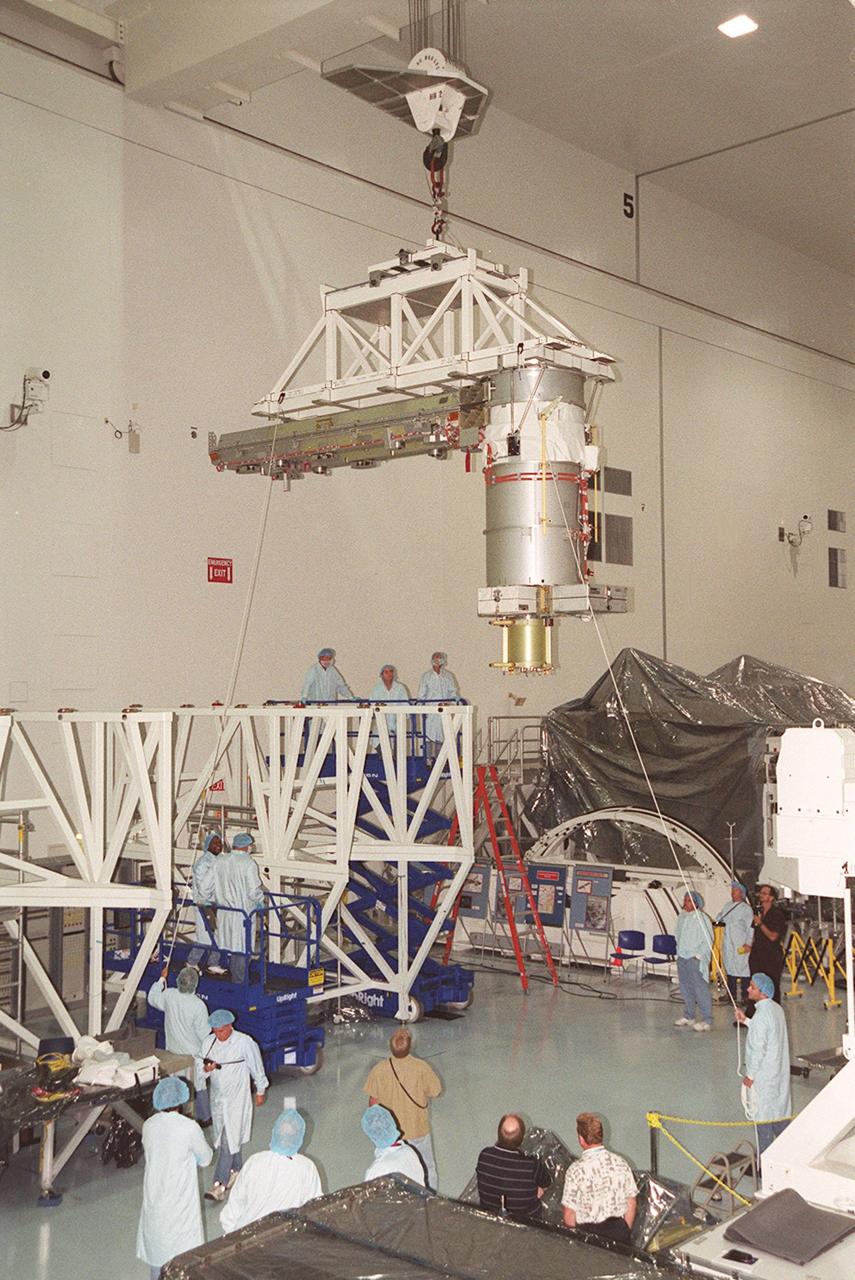
An overhead crane in the Space Station Processing Facility lifts a solar array as workers stand by to help guide it. The solar array will be installed onto the Integrated Equipment Assembly (IEA). A component of the International Space Station, the solar array is the second one being installed on the IEA. The arrays are scheduled to be launched on mission STS-97 in late November along with the P6 truss. The Station’s electrical power system (EPS) will use eight photovoltaic solar arrays to convert sunlight to electricity. Each of the eight solar arrays will be 112 feet long by 39 feet wide. The solar arrays are mounted on a “blanket” that can be folded like an accordion for delivery. Once in orbit, astronauts will deploy the blankets to their full size. Gimbals will be used to rotate the arrays so that they will face the Sun to provide maximum power to the Space Station
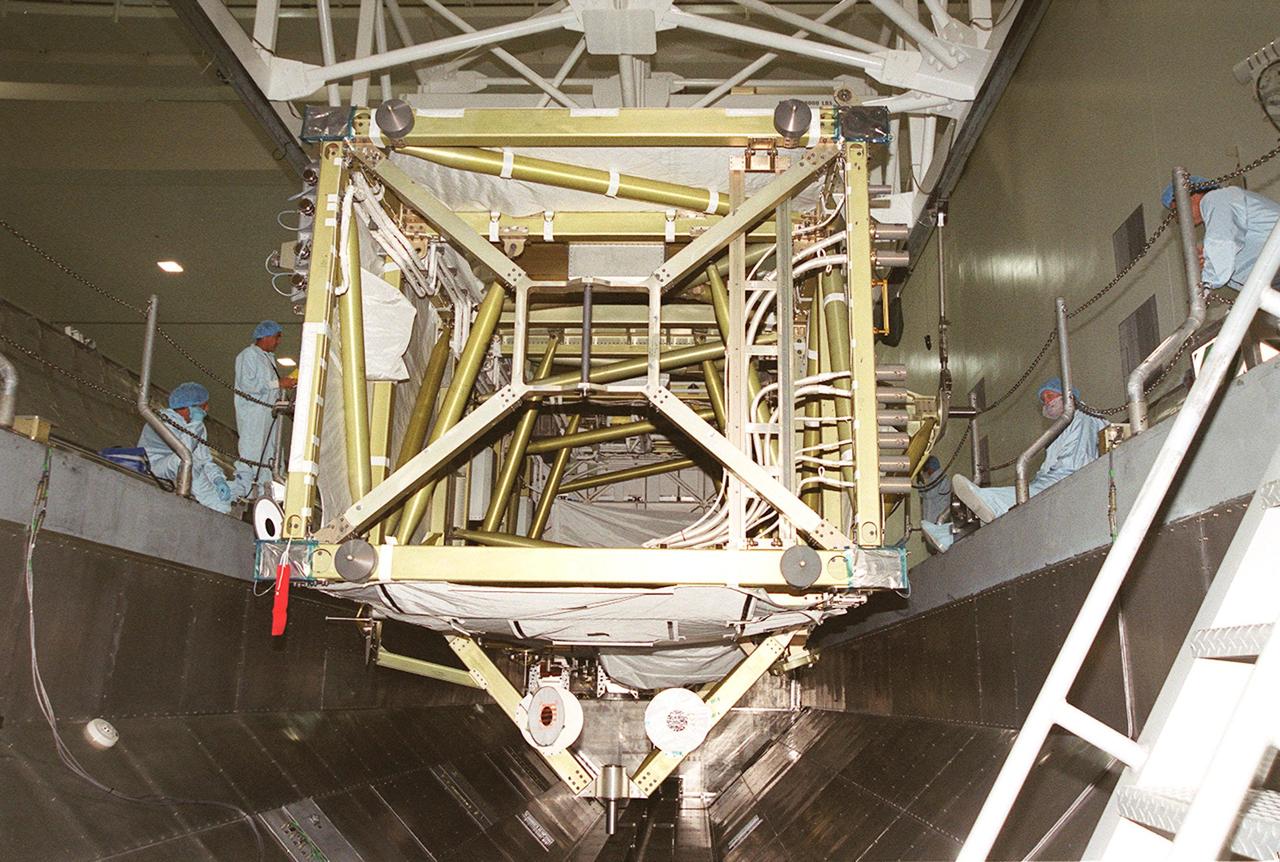
KENNEDY SPACE CENTER, FLA. -- In the Space Station Processing Facility, the P6 integrated truss segment is placed in the payload transport canister while workers watch its progress. After being secured in the canister, the truss will be transported to Launch Pad 39B and the payload changeout room. Then it will be moved into Space Shuttle Endeavour’s payload bay for mission STS-97. The P6 comprises Solar Array Wing-3 and the Integrated Electronic Assembly, to be installed on the Space Station. The Station’s electrical power system will use eight photovoltaic solar arrays, each 112 feet long by 39 feet wide, to convert sunlight to electricity. The solar arrays are mounted on a “blanket” that can be folded like an accordion for delivery. Once in orbit, astronauts will deploy the blankets to their full size. Gimbals will be used to rotate the arrays so that they will face the Sun to provide maximum power to the Space Station. The STS-97 launch is scheduled Nov. 30 at 10:06 p.m. EST
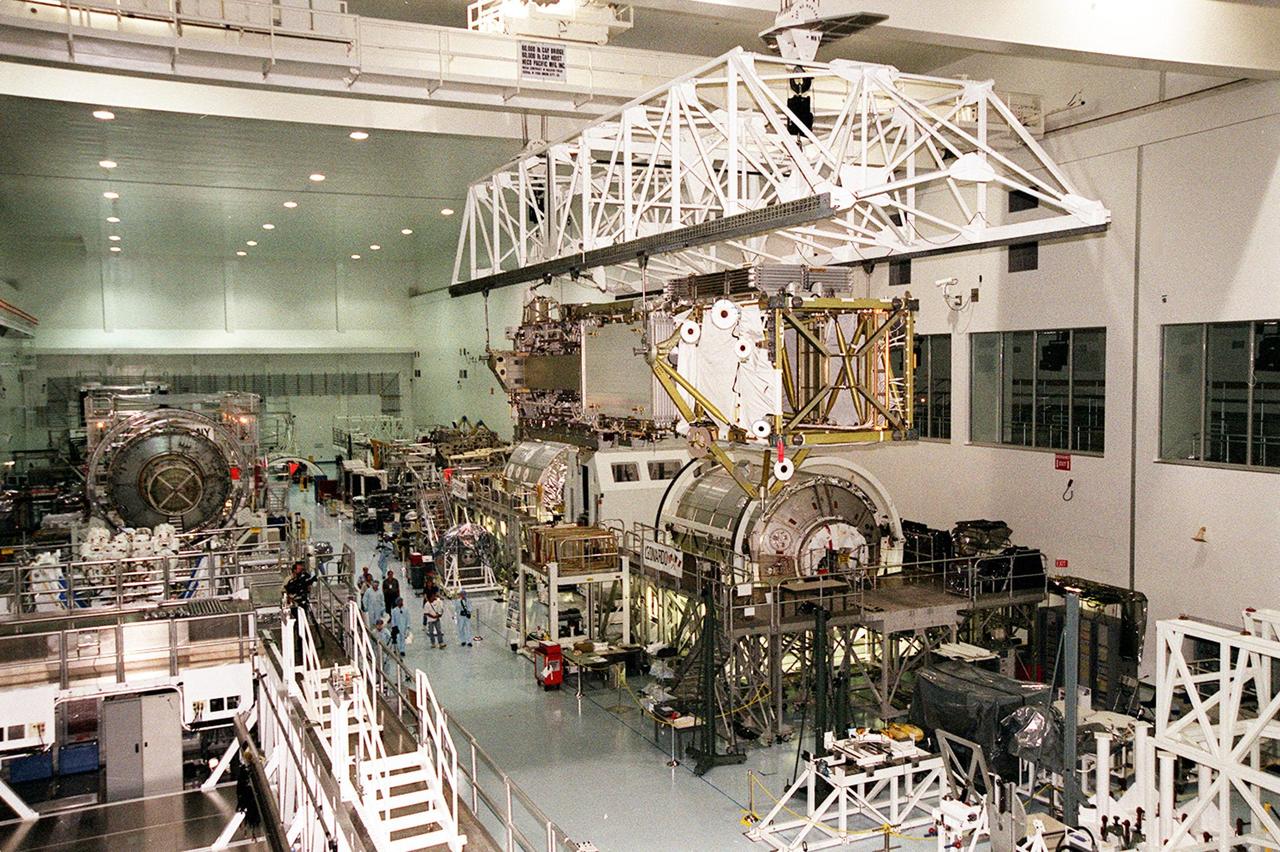
Carried by an overhead crane, the P6 integrated truss segment travels the length of the Space Station Processing Facility toward a payload transport canister that will transfer it to Launch Pad 39B. At the pad, the Space Station element will be placed in Endeavour’s payload bay for launch on mission STS-97. The P6 comprises Solar Array Wing-3 and the Integrated Electronic Assembly, to be installed on the Space Station. The Station’s electrical power system will use eight photovoltaic solar arrays, each 112 feet long by 39 feet wide, to convert sunlight to electricity. The solar arrays are mounted on a “blanket” that can be folded like an accordion for delivery. Once in orbit, astronauts will deploy the blankets to their full size. Gimbals will be used to rotate the arrays so that they will face the Sun to provide maximum power to the Space Station. The STS-97 launch is scheduled Nov. 30 at 10:06 p.m. EST
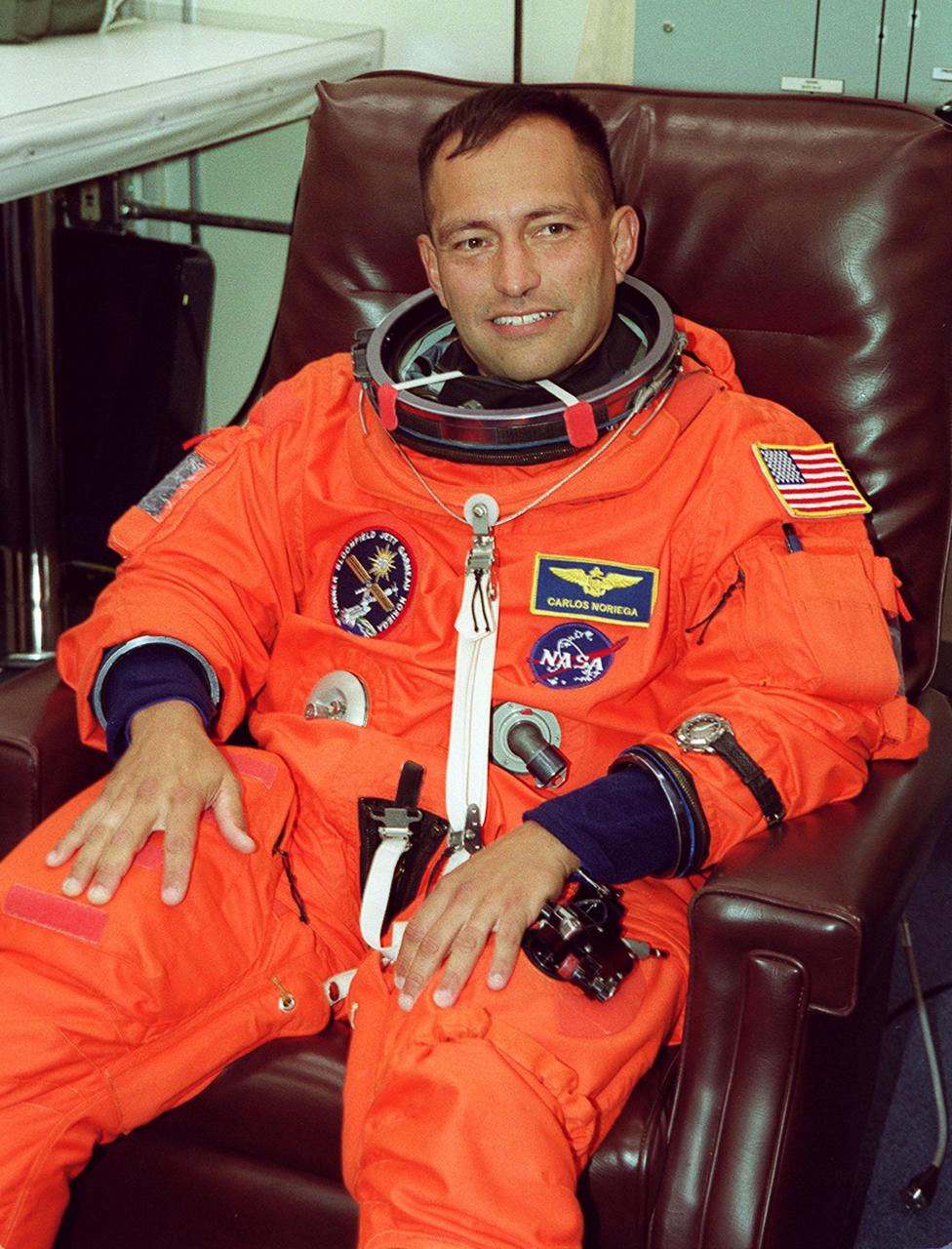
STS-97 Mission Specialist Carlos Noriega appears relaxed as he dons his launch and entry suit. This is his second Shuttle flight. Mission STS-97 is the sixth construction flight to the International Space Station. It is transporting the P6 Integrated Truss Structure that comprises Solar Array Wing-3 and the Integrated Electronic Assembly, to be installed on the Space Station. The solar arrays are mounted on a “blanket” that can be folded like an accordion for delivery. Once in orbit, astronauts will deploy the blankets to their full size. The 11-day mission includes two spacewalks to complete the solar array connections. The Station’s electrical power system will use eight photovoltaic solar arrays, each 112 feet long by 39 feet wide, to convert sunlight to electricity. Gimbals will be used to rotate the arrays so that they will face the Sun to provide maximum power to the Space Station. Launch is scheduled for Nov. 30 at 10:06 p.m. EST
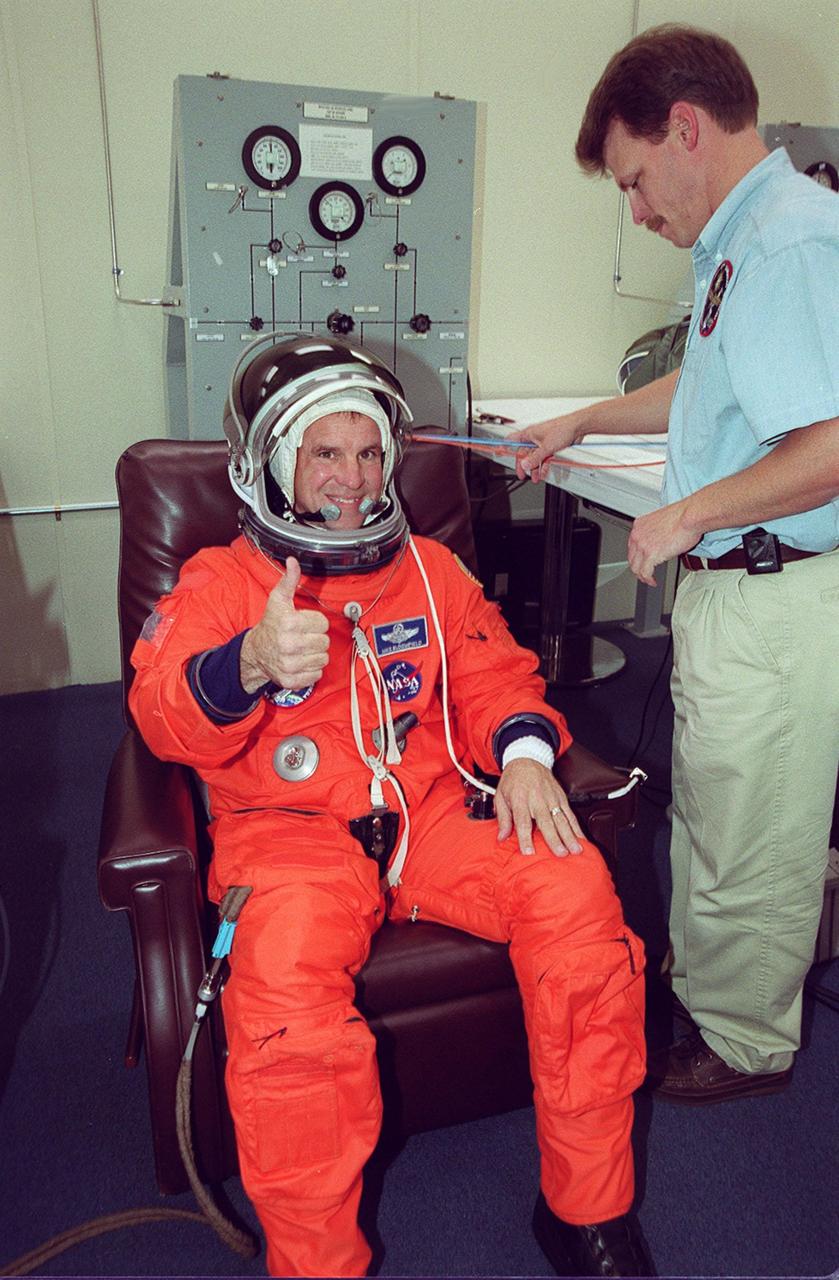
STS-97 Pilot Michael Bloomfield signals thumbs up for launch after donning his launch and entry suit. This is his second Shuttle flight. Mission STS-97 is the sixth construction flight to the International Space Station. It is transporting the P6 Integrated Truss Structure that comprises Solar Array Wing-3 and the Integrated Electronic Assembly, to be installed on the Space Station. The solar arrays are mounted on a “blanket” that can be folded like an accordion for delivery. Once in orbit, astronauts will deploy the blankets to their full size. The 11-day mission includes two spacewalks to complete the solar array connections. The Station’s electrical power system will use eight photovoltaic solar arrays, each 112 feet long by 39 feet wide, to convert sunlight to electricity. Gimbals will be used to rotate the arrays so that they will face the Sun to provide maximum power to the Space Station. Launch is scheduled for Nov. 30 at 10:06 p.m. EST
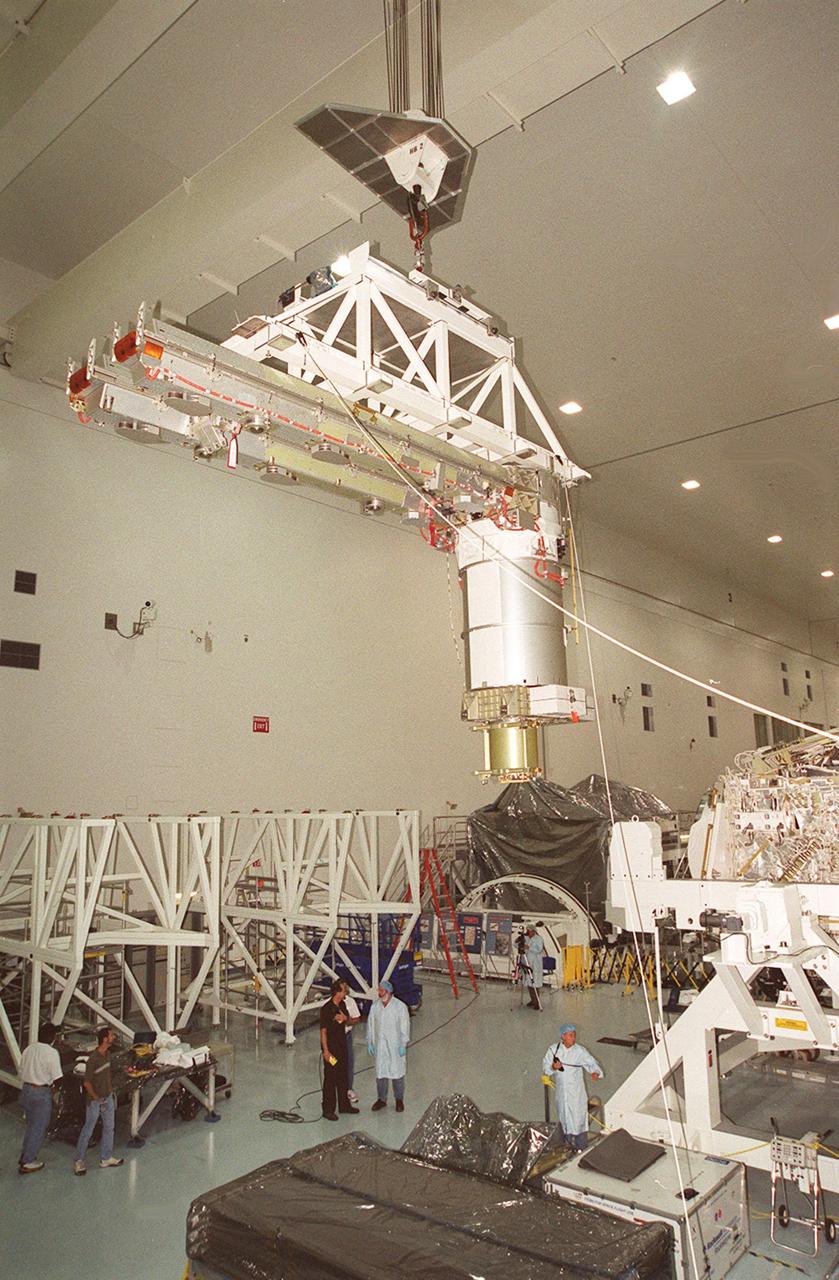
The overhead crane carrying a solar array turns on its axis to move the array to the Integrated Equipment Assembly (IEA) for installation. A component of the International Space Station, the solar array is the second one being installed on the IEA. The arrays are scheduled to be launched on mission STS-97 in late November along with the P6 truss. The Station’s electrical power system (EPS) will use eight photovoltaic solar arrays to convert sunlight to electricity. Each of the eight solar arrays will be 112 feet long by 39 feet wide. The solar arrays are mounted on a “blanket” that can be folded like an accordion for delivery. Once in orbit, astronauts will deploy the blankets to their full size. Gimbals will be used to rotate the arrays so that they will face the Sun to provide maximum power to the Space Station
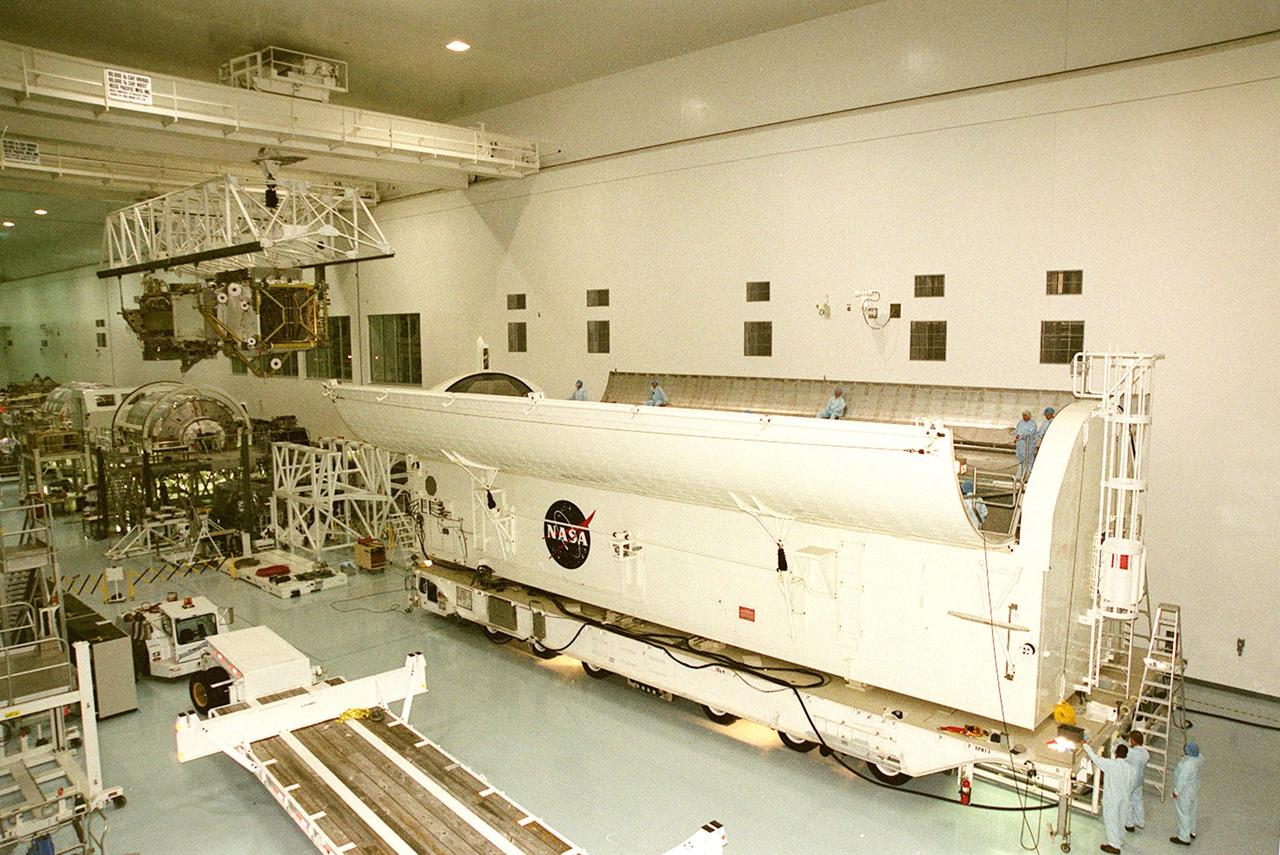
KENNEDY SPACE CENTER, FLA. -- The payload transport canister (right) and workers wait for the arrival of the P6 integrated truss segment (left) carried by the overhead crane. After being placed in the canister, the truss will be transported to Launch Pad 39B and the payload changeout room. Then it will be moved into Space Shuttle Endeavour’s payload bay for mission STS-97. The P6 comprises Solar Array Wing-3 and the Integrated Electronic Assembly, to be installed on the Space Station. The Station’s electrical power system will use eight photovoltaic solar arrays, each 112 feet long by 39 feet wide, to convert sunlight to electricity. The solar arrays are mounted on a “blanket” that can be folded like an accordion for delivery. Once in orbit, astronauts will deploy the blankets to their full size. Gimbals will be used to rotate the arrays so that they will face the Sun to provide maximum power to the Space Station. The STS-97 launch is scheduled Nov. 30 at 10:06 p.m. EST