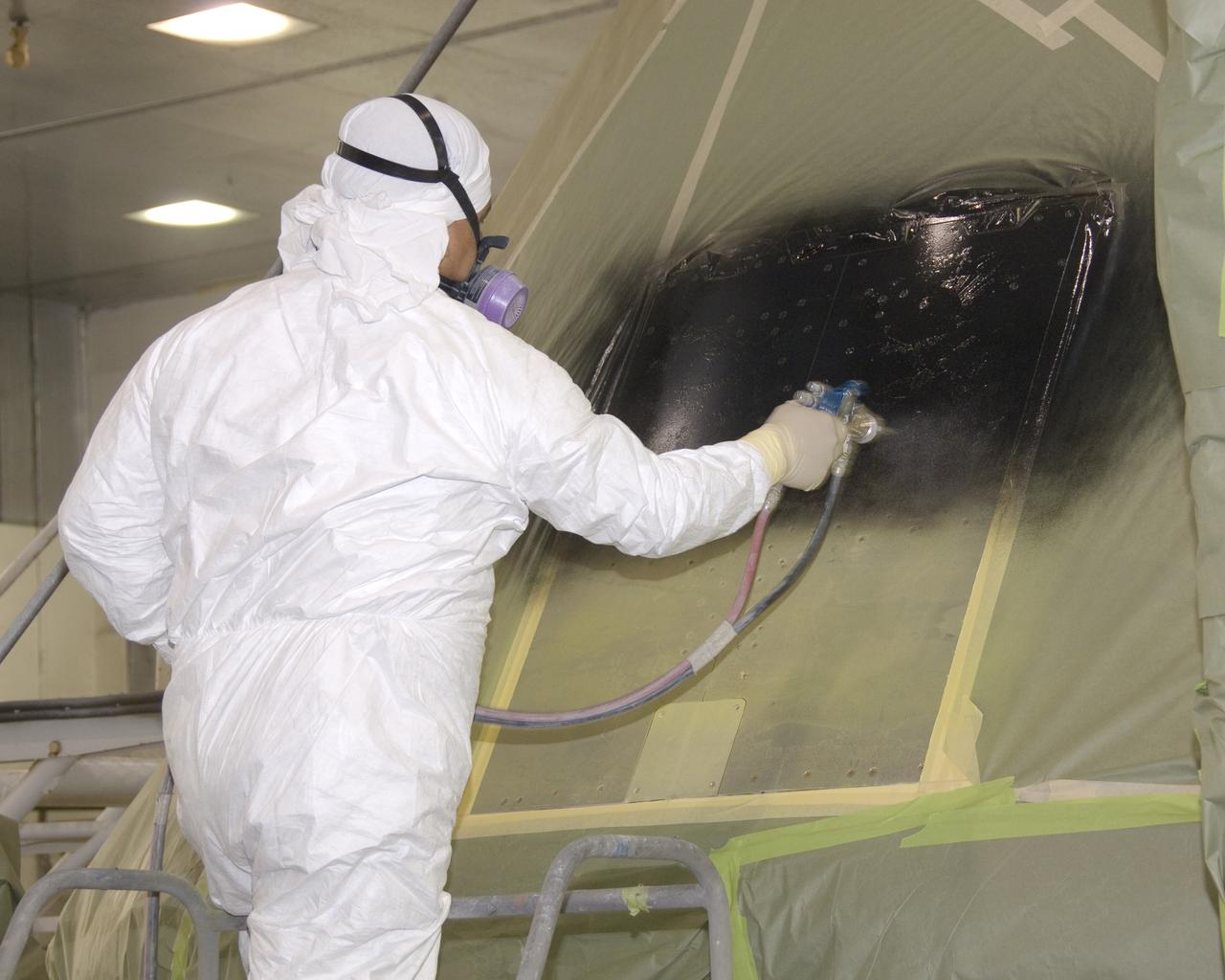
A full-scale flight-test mockup of the Constellation program's Orion crew vehicle arrived at NASA's Dryden Flight Research Center in late March 2008 to undergo preparations for the first short-range flight test of the spacecraft's astronaut escape system later that year. Engineers and technicians at NASA's Langley Research Center fabricated the structure, which precisely represents the size, outer shape and mass characteristics of the Orion space capsule. The Orion crew module mockup was ferried to NASA Dryden on an Air Force C-17. After painting in the Edwards Air Force Base paint hangar, the conical capsule was taken to Dryden for installation of flight computers, instrumentation and other electronics prior to being sent to the U.S. Army's White Sands Missile Range in New Mexico for integration with the escape system and the first abort flight test in late 2008. The tests were designed to ensure a safe, reliable method of escape for astronauts in case of an emergency.
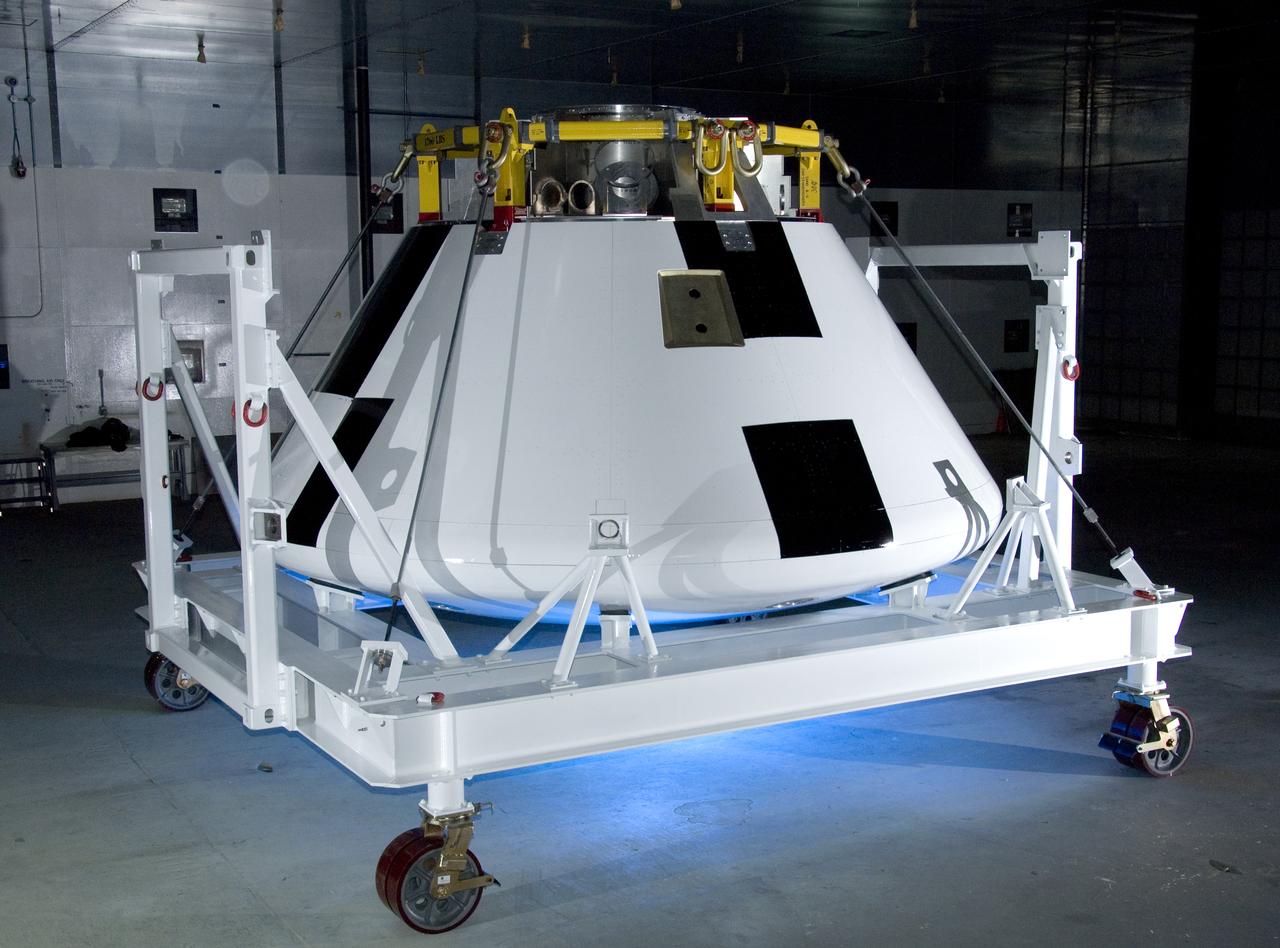
A full-scale flight-test mockup of the Constellation program's Orion crew vehicle arrived at NASA's Dryden Flight Research Center in late March 2008 to undergo preparations for the first short-range flight test of the spacecraft's astronaut escape system later that year. Engineers and technicians at NASA's Langley Research Center fabricated the structure, which precisely represents the size, outer shape and mass characteristics of the Orion space capsule. The Orion crew module mockup was ferried to NASA Dryden on an Air Force C-17. After painting in the Edwards Air Force Base paint hangar, the conical capsule was taken to Dryden for installation of flight computers, instrumentation and other electronics prior to being sent to the U.S. Army's White Sands Missile Range in New Mexico for integration with the escape system and the first abort flight test in late 2008. The tests were designed to ensure a safe, reliable method of escape for astronauts in case of an emergency.
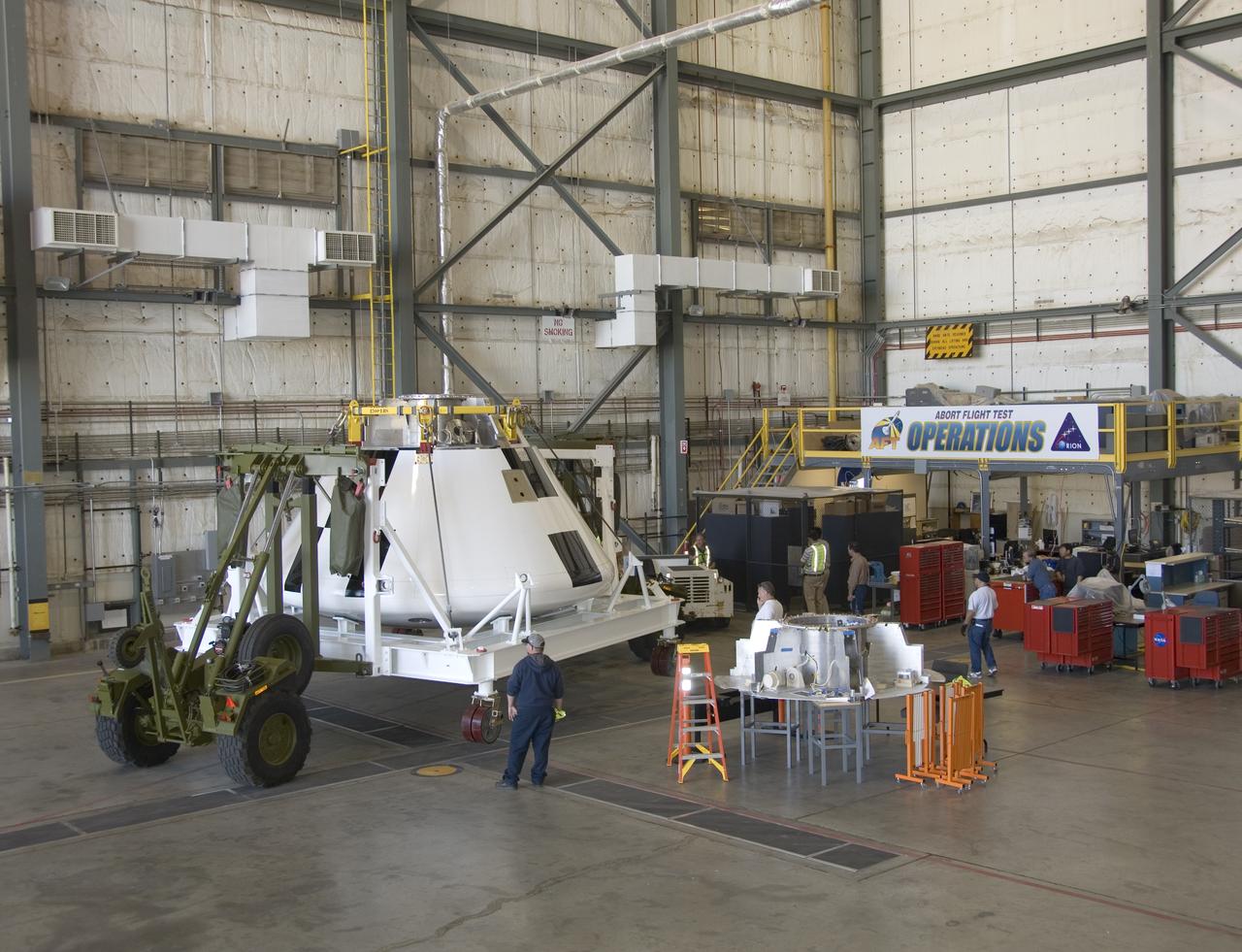
A full-scale flight-test mockup of the Constellation program's Orion crew vehicle arrived at NASA's Dryden Flight Research Center in late March 2008 to undergo preparations for the first short-range flight test of the spacecraft's astronaut escape system later that year. Engineers and technicians at NASA's Langley Research Center fabricated the structure, which precisely represents the size, outer shape and mass characteristics of the Orion space capsule. The Orion crew module mockup was ferried to NASA Dryden on an Air Force C-17. After painting in the Edwards Air Force Base paint hangar, the conical capsule was taken to Dryden for installation of flight computers, instrumentation and other electronics prior to being sent to the U.S. Army's White Sands Missile Range in New Mexico for integration with the escape system and the first abort flight test in late 2008. The tests were designed to ensure a safe, reliable method of escape for astronauts in case of an emergency.
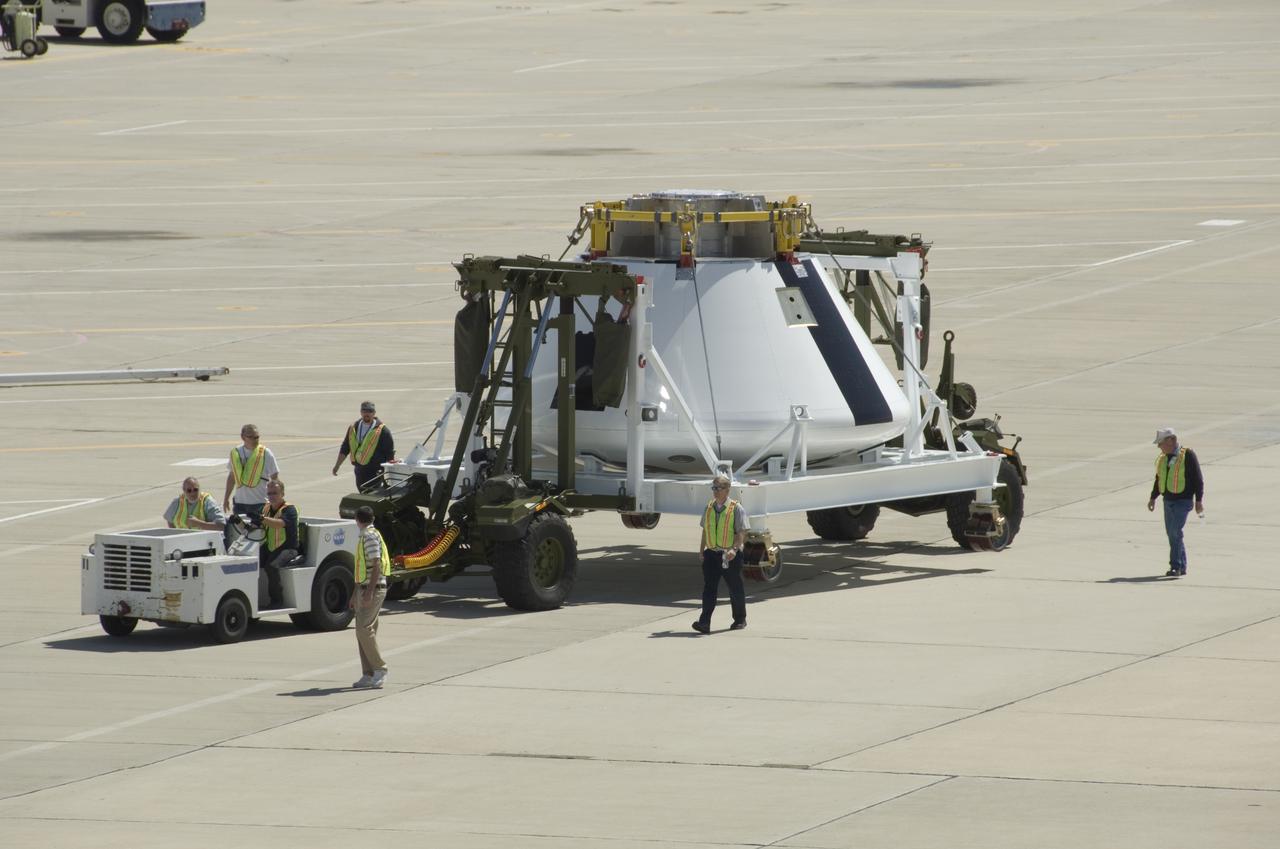
A full-scale flight-test mockup of the Constellation program's Orion crew vehicle arrived at NASA's Dryden Flight Research Center in late March 2008 to undergo preparations for the first short-range flight test of the spacecraft's astronaut escape system later that year. Engineers and technicians at NASA's Langley Research Center fabricated the structure, which precisely represents the size, outer shape and mass characteristics of the Orion space capsule. The Orion crew module mockup was ferried to NASA Dryden on an Air Force C-17. After painting in the Edwards Air Force Base paint hangar, the conical capsule was taken to Dryden for installation of flight computers, instrumentation and other electronics prior to being sent to the U.S. Army's White Sands Missile Range in New Mexico for integration with the escape system and the first abort flight test in late 2008. The tests were designed to ensure a safe, reliable method of escape for astronauts in case of an emergency.
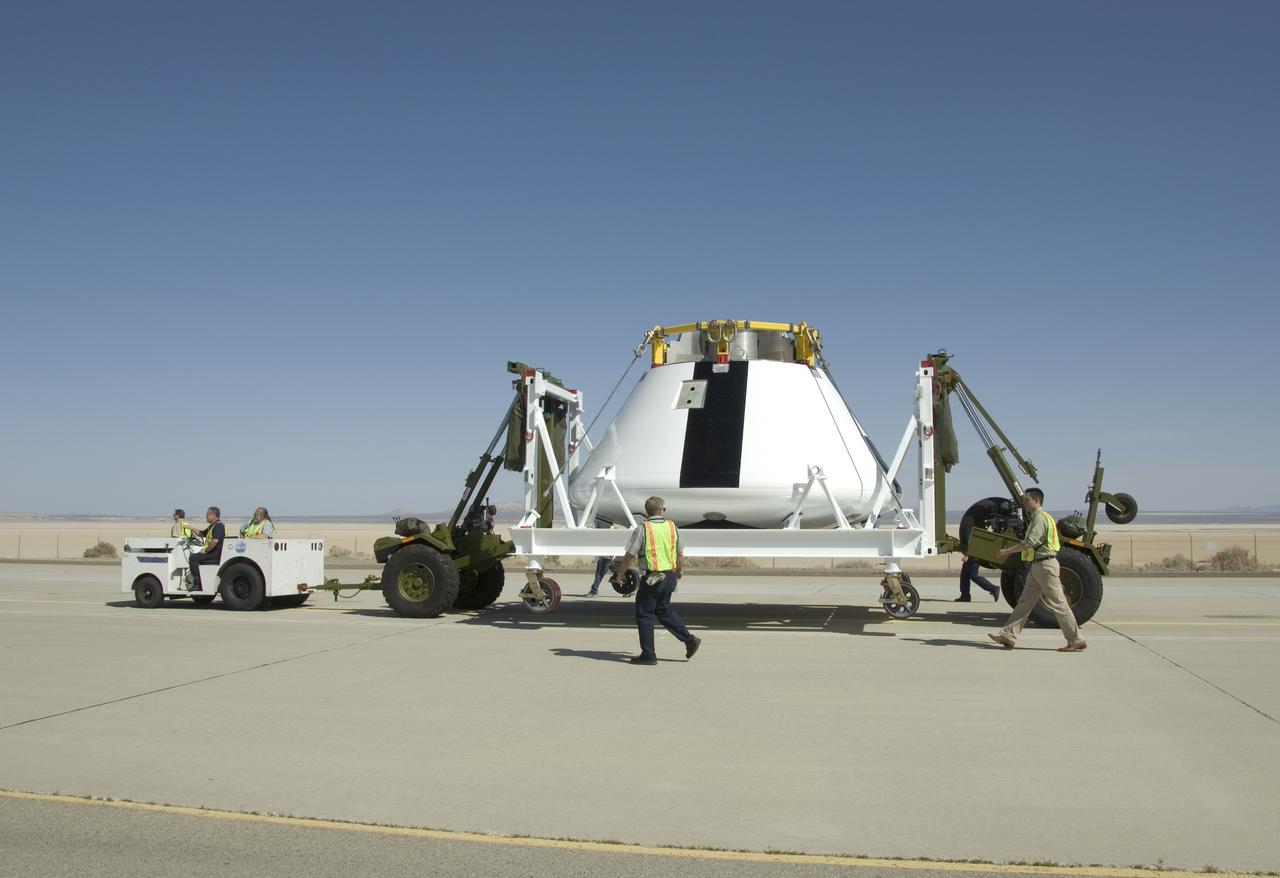
A full-scale flight-test mockup of the Constellation program's Orion crew vehicle arrived at NASA's Dryden Flight Research Center in late March 2008 to undergo preparations for the first short-range flight test of the spacecraft's astronaut escape system later that year. Engineers and technicians at NASA's Langley Research Center fabricated the structure, which precisely represents the size, outer shape and mass characteristics of the Orion space capsule. The Orion crew module mockup was ferried to NASA Dryden on an Air Force C-17. After painting in the Edwards Air Force Base paint hangar, the conical capsule was taken to Dryden for installation of flight computers, instrumentation and other electronics prior to being sent to the U.S. Army's White Sands Missile Range in New Mexico for integration with the escape system and the first abort flight test in late 2008. The tests were designed to ensure a safe, reliable method of escape for astronauts in case of an emergency.
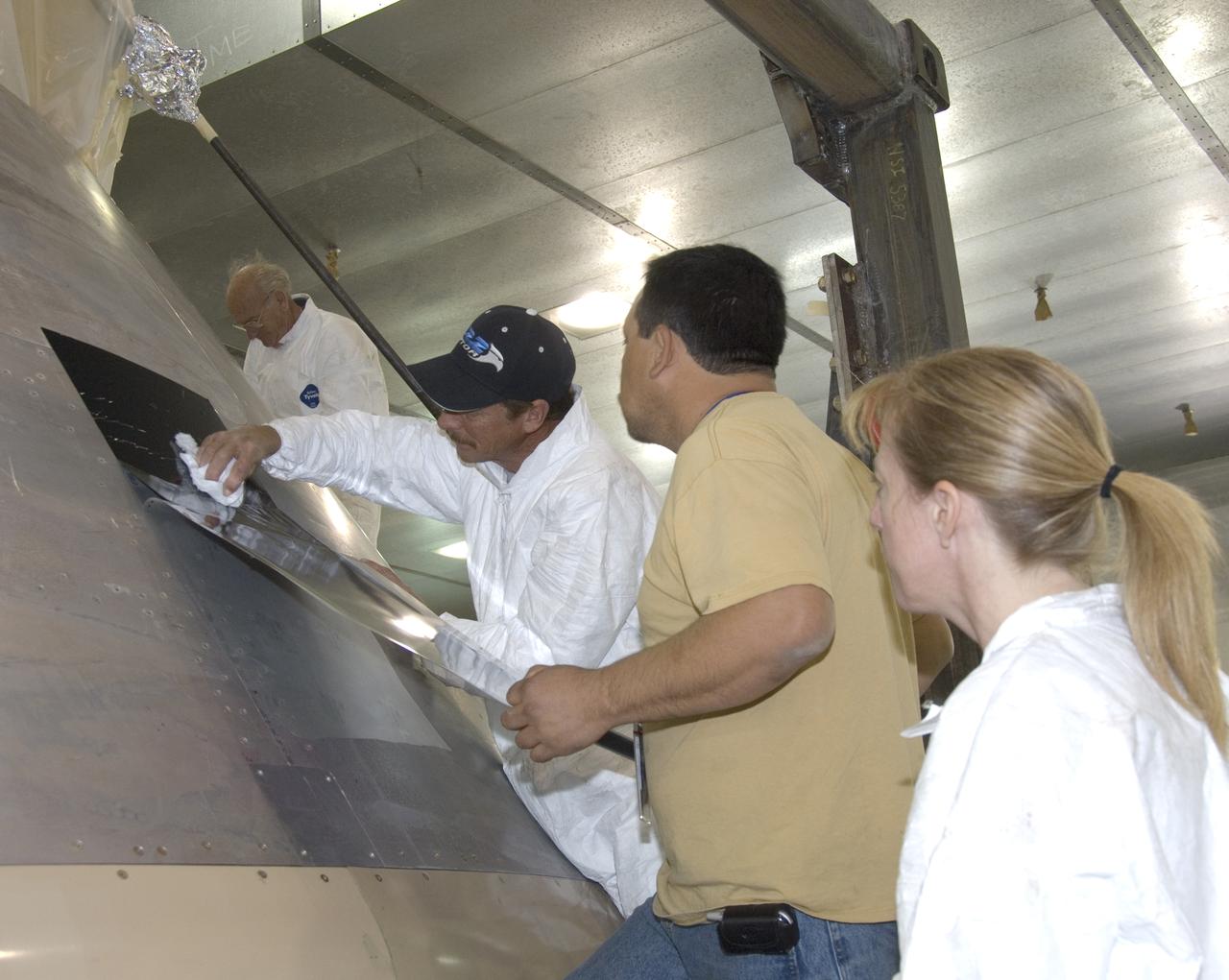
A full-scale flight-test mockup of the Constellation program's Orion crew vehicle arrived at NASA's Dryden Flight Research Center in late March 2008 to undergo preparations for the first short-range flight test of the spacecraft's astronaut escape system later that year. Engineers and technicians at NASA's Langley Research Center fabricated the structure, which precisely represents the size, outer shape and mass characteristics of the Orion space capsule. The Orion crew module mockup was ferried to NASA Dryden on an Air Force C-17. After painting in the Edwards Air Force Base paint hangar, the conical capsule was taken to Dryden for installation of flight computers, instrumentation and other electronics prior to being sent to the U.S. Army's White Sands Missile Range in New Mexico for integration with the escape system and the first abort flight test in late 2008. The tests were designed to ensure a safe, reliable method of escape for astronauts in case of an emergency.
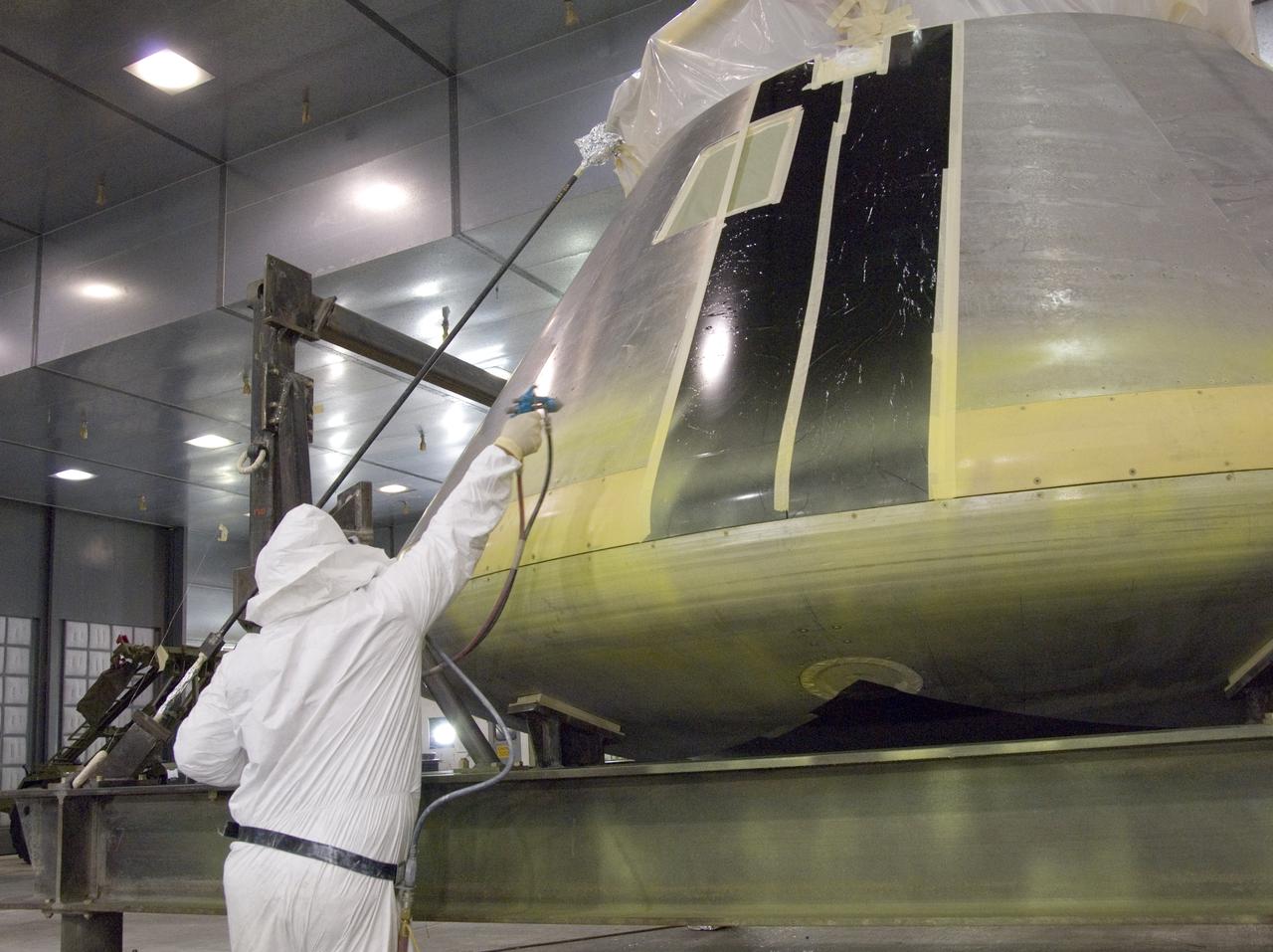
A full-scale flight-test mockup of the Constellation program's Orion crew vehicle arrived at NASA's Dryden Flight Research Center in late March 2008 to undergo preparations for the first short-range flight test of the spacecraft's astronaut escape system later that year. Engineers and technicians at NASA's Langley Research Center fabricated the structure, which precisely represents the size, outer shape and mass characteristics of the Orion space capsule. The Orion crew module mockup was ferried to NASA Dryden on an Air Force C-17. After painting in the Edwards Air Force Base paint hangar, the conical capsule was taken to Dryden for installation of flight computers, instrumentation and other electronics prior to being sent to the U.S. Army's White Sands Missile Range in New Mexico for integration with the escape system and the first abort flight test in late 2008. The tests were designed to ensure a safe, reliable method of escape for astronauts in case of an emergency.
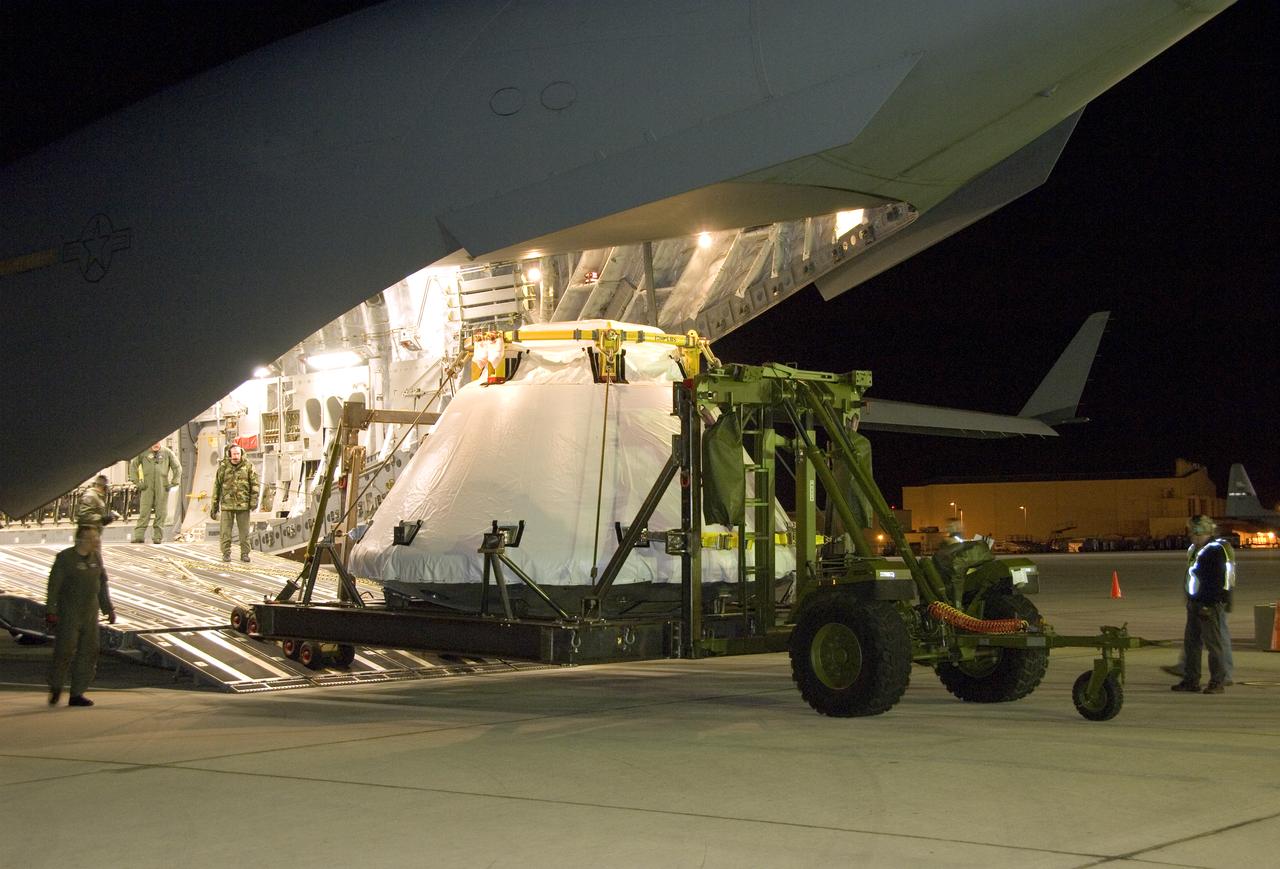
A full-scale flight-test mockup of the Constellation program's Orion crew vehicle arrived at NASA's Dryden Flight Research Center in late March 2008 to undergo preparations for the first short-range flight test of the spacecraft's astronaut escape system later that year. Engineers and technicians at NASA's Langley Research Center fabricated the structure, which precisely represents the size, outer shape and mass characteristics of the Orion space capsule. The Orion crew module mockup was ferried to NASA Dryden on an Air Force C-17. After painting in the Edwards Air Force Base paint hangar, the conical capsule was taken to Dryden for installation of flight computers, instrumentation and other electronics prior to being sent to the U.S. Army's White Sands Missile Range in New Mexico for integration with the escape system and the first abort flight test in late 2008. The tests were designed to ensure a safe, reliable method of escape for astronauts in case of an emergency.
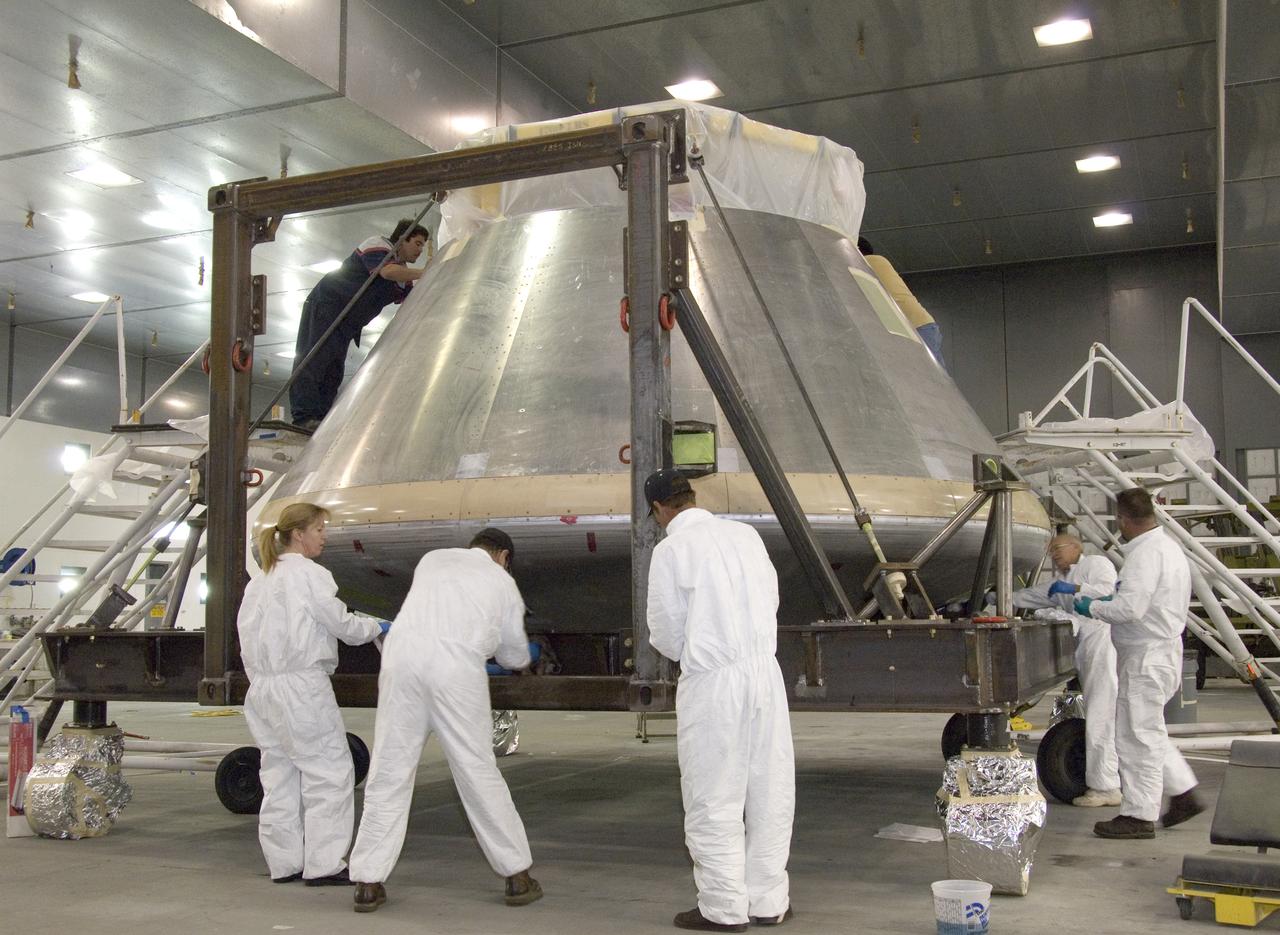
A full-scale flight-test mockup of the Constellation program's Orion crew vehicle arrived at NASA's Dryden Flight Research Center in late March 2008 to undergo preparations for the first short-range flight test of the spacecraft's astronaut escape system later that year. Engineers and technicians at NASA's Langley Research Center fabricated the structure, which precisely represents the size, outer shape and mass characteristics of the Orion space capsule. The Orion crew module mockup was ferried to NASA Dryden on an Air Force C-17. After painting in the Edwards Air Force Base paint hangar, the conical capsule was taken to Dryden for installation of flight computers, instrumentation and other electronics prior to being sent to the U.S. Army's White Sands Missile Range in New Mexico for integration with the escape system and the first abort flight test in late 2008. The tests were designed to ensure a safe, reliable method of escape for astronauts in case of an emergency.
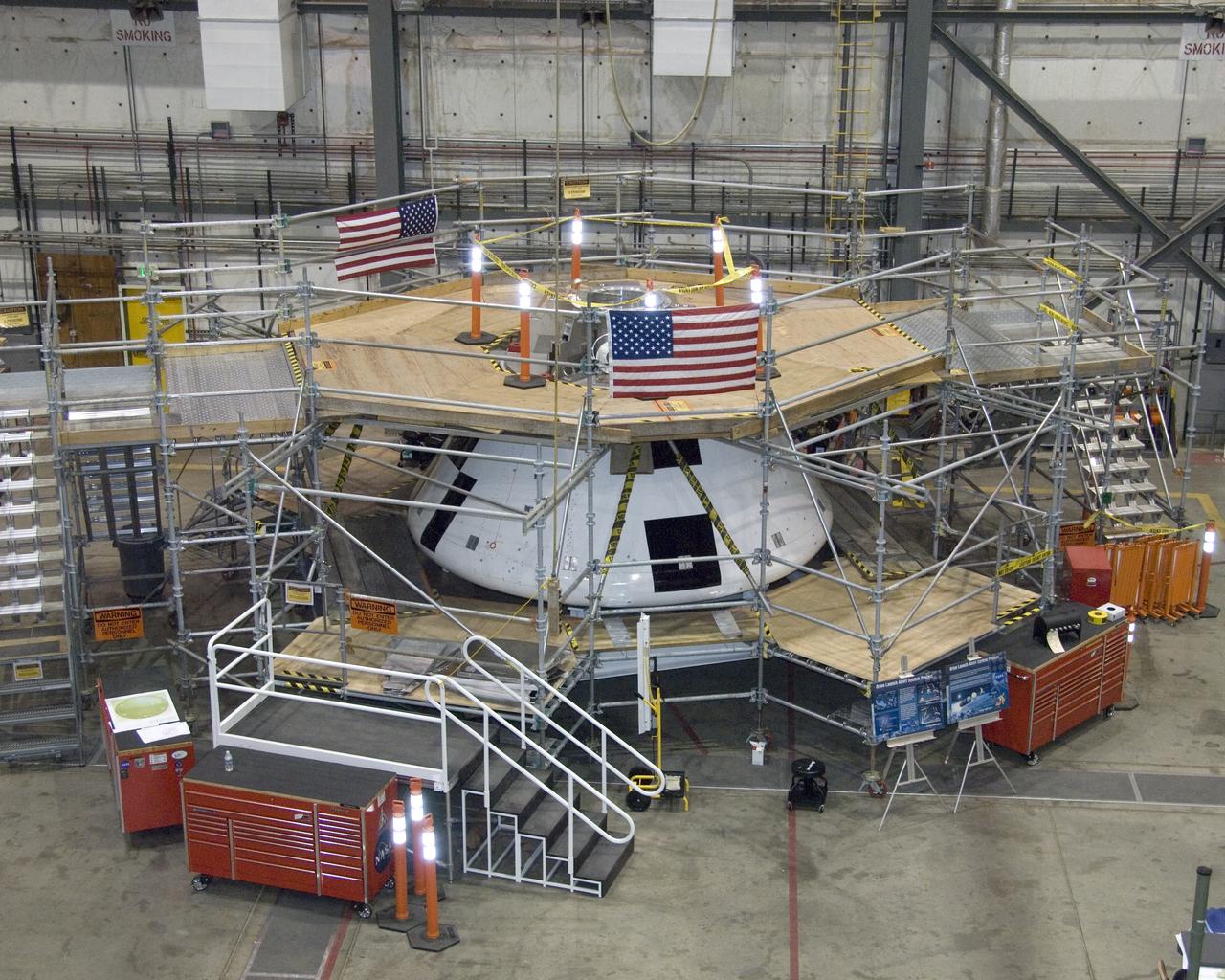
Surrounded by work platforms, NASA's first full-scale Orion abort flight test (AFT) crew module (center) is undergoing preparations at the NASA Dryden Flight Research Center in California for the first flight test of Orion's launch abort system.
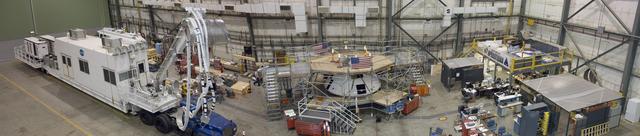
Surrounded by work platforms, NASA's first full-scale Orion abort flight test (AFT) crew module (center) is undergoing preparations at the NASA Dryden Flight Research Center in California for the first flight test of Orion's launch abort system. To the left is a space shuttle orbiter purge vehicle sharing the hangar.
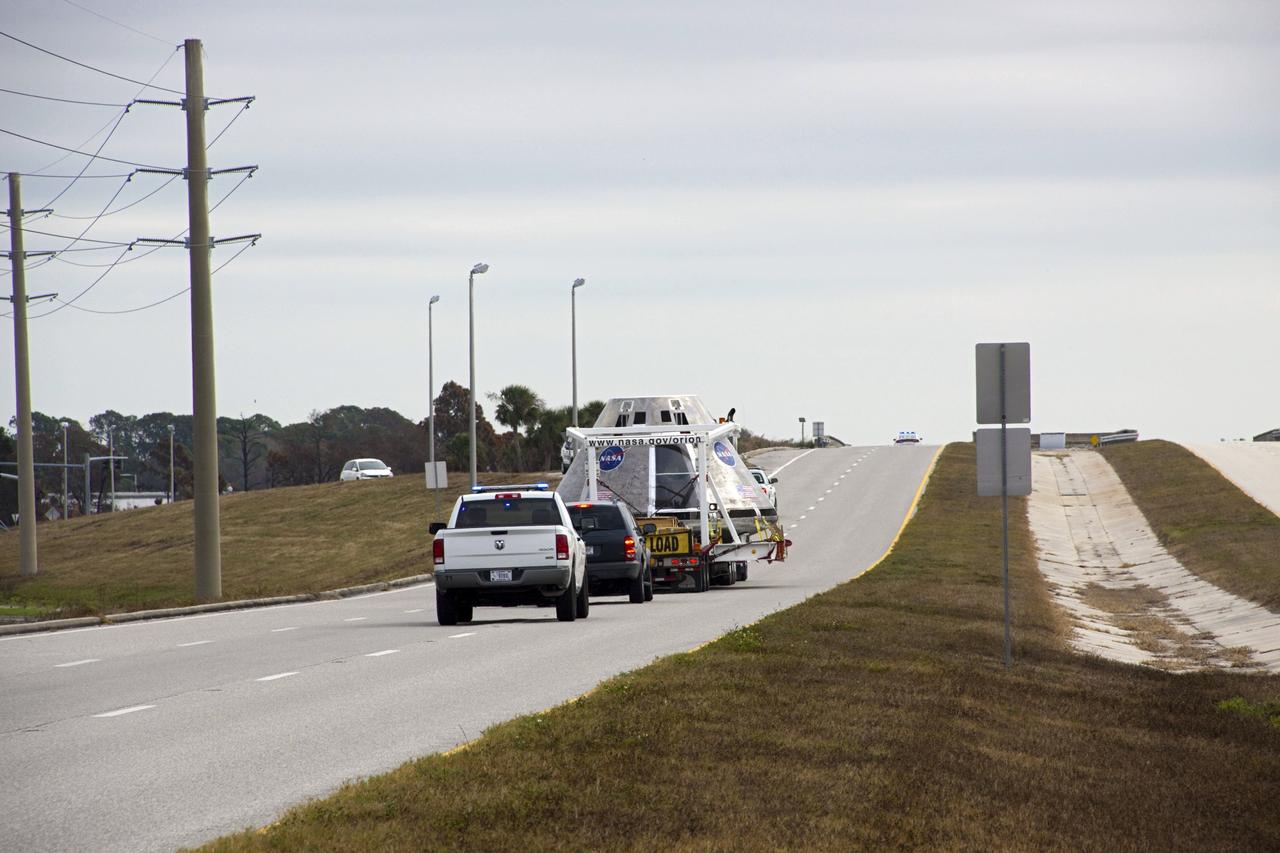
CAPE CANAVERAL, Fla. – A test version of NASA’s Orion spacecraft completed a cross-country journey at NASA’s Kennedy Space Center in Florida on Feb. 8, after giving residents in three states the chance to see a full scale mockup of the craft that will take humans into deep space. The capsule will be stored in Kennedy’s Multi-Payload Processing Facility. The test vehicle was used by ground crews in advance of the launch abort system flight test that took place in New Mexico in 2010. Photo Credit: NASA/Jim Grossmann
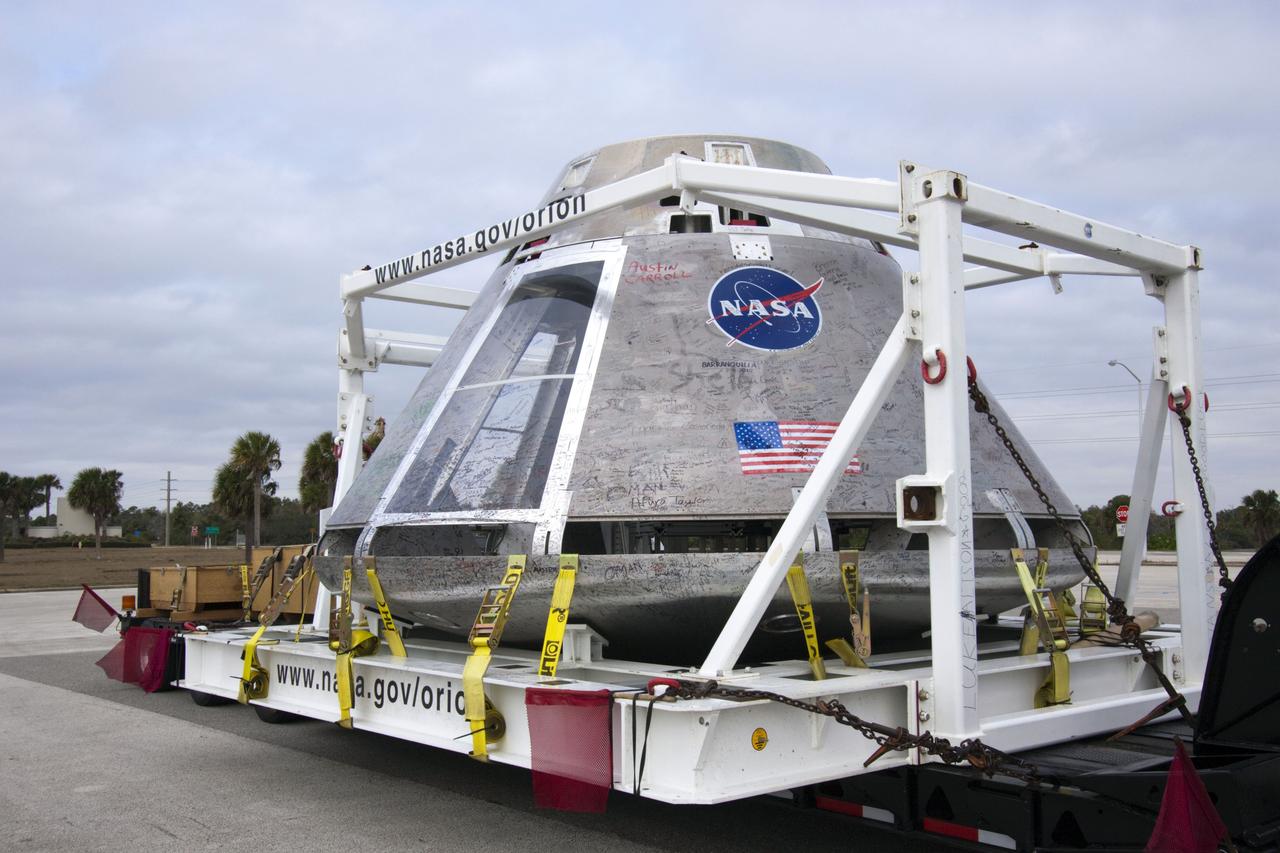
CAPE CANAVERAL, Fla. – A test version of NASA’s Orion spacecraft completed a cross-country journey at NASA’s Kennedy Space Center in Florida on Feb. 8, after giving residents in three states the chance to see a full scale mockup of the craft that will take humans into deep space. The capsule will be stored in Kennedy’s Multi-Payload Processing Facility. The test vehicle was used by ground crews in advance of the launch abort system flight test that took place in New Mexico in 2010. Photo Credit: NASA/Jim Grossmann
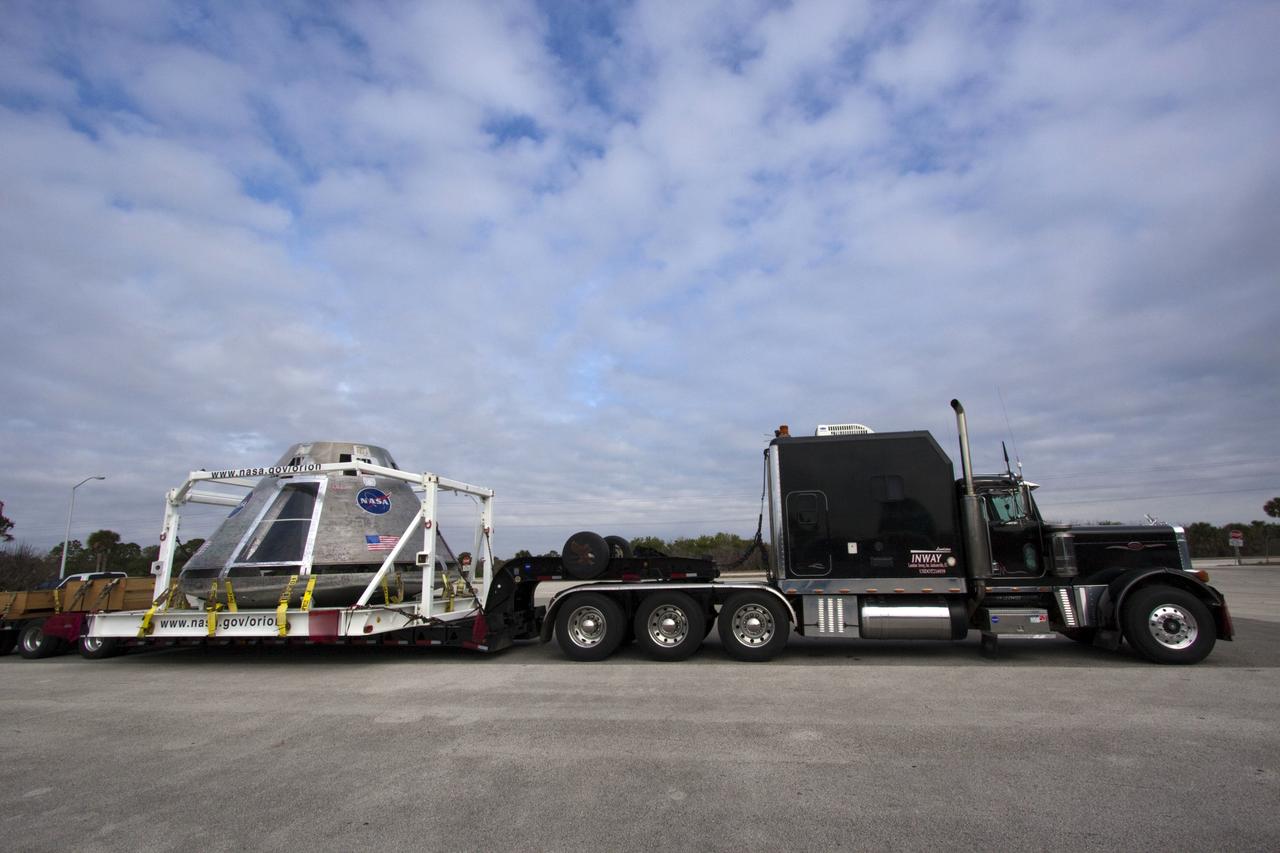
CAPE CANAVERAL, Fla. – A test version of NASA’s Orion spacecraft completed a cross-country journey at NASA’s Kennedy Space Center in Florida on Feb. 8, after giving residents in three states the chance to see a full scale mockup of the craft that will take humans into deep space. The capsule will be stored in Kennedy’s Multi-Payload Processing Facility. The test vehicle was used by ground crews in advance of the launch abort system flight test that took place in New Mexico in 2010. Photo Credit: NASA/Jim Grossmann
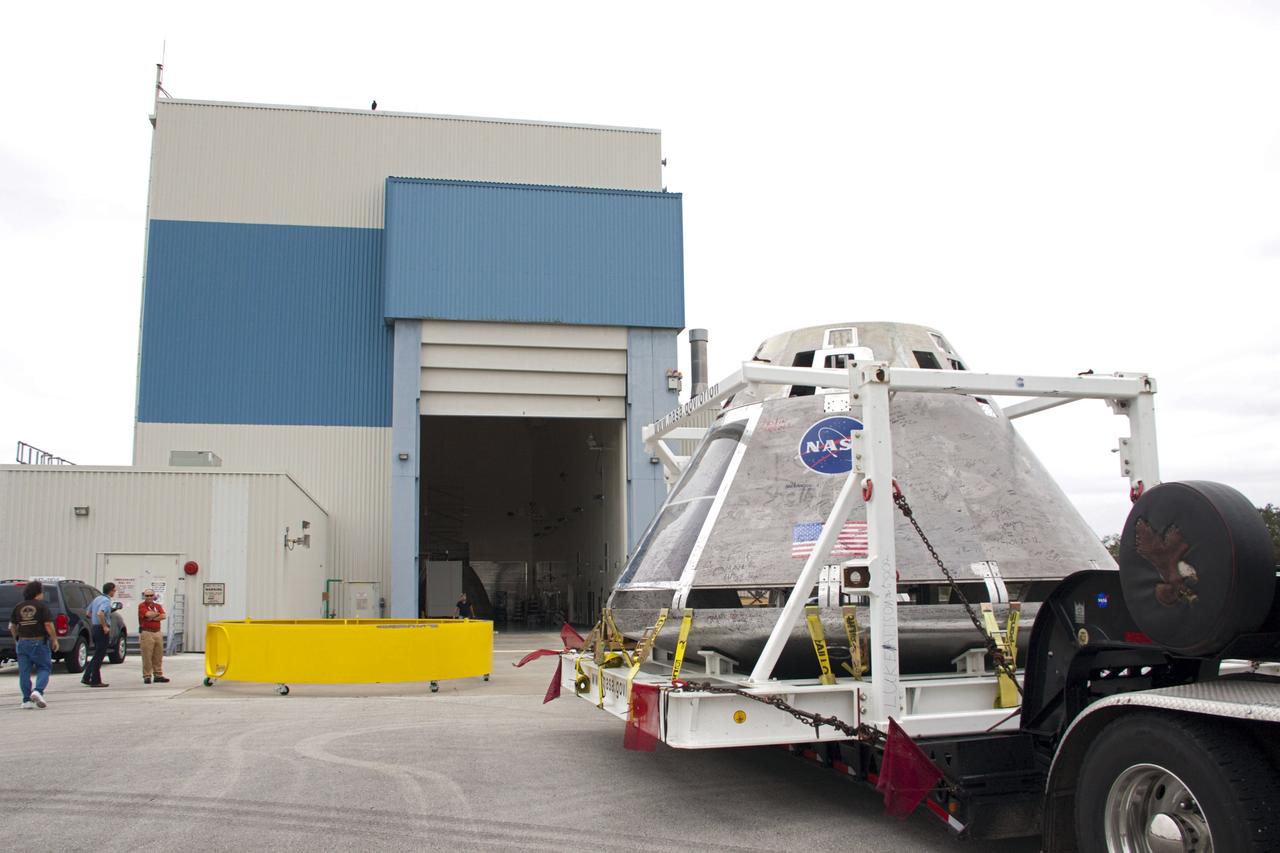
CAPE CANAVERAL, Fla. – A test version of NASA’s Orion spacecraft completed a cross-country journey at NASA’s Kennedy Space Center in Florida on Feb. 8, after giving residents in three states the chance to see a full scale mockup of the craft that will take humans into deep space. The capsule will be stored in Kennedy’s Multi-Payload Processing Facility. The test vehicle was used by ground crews in advance of the launch abort system flight test that took place in New Mexico in 2010. Photo Credit: NASA/Jim Grossmann
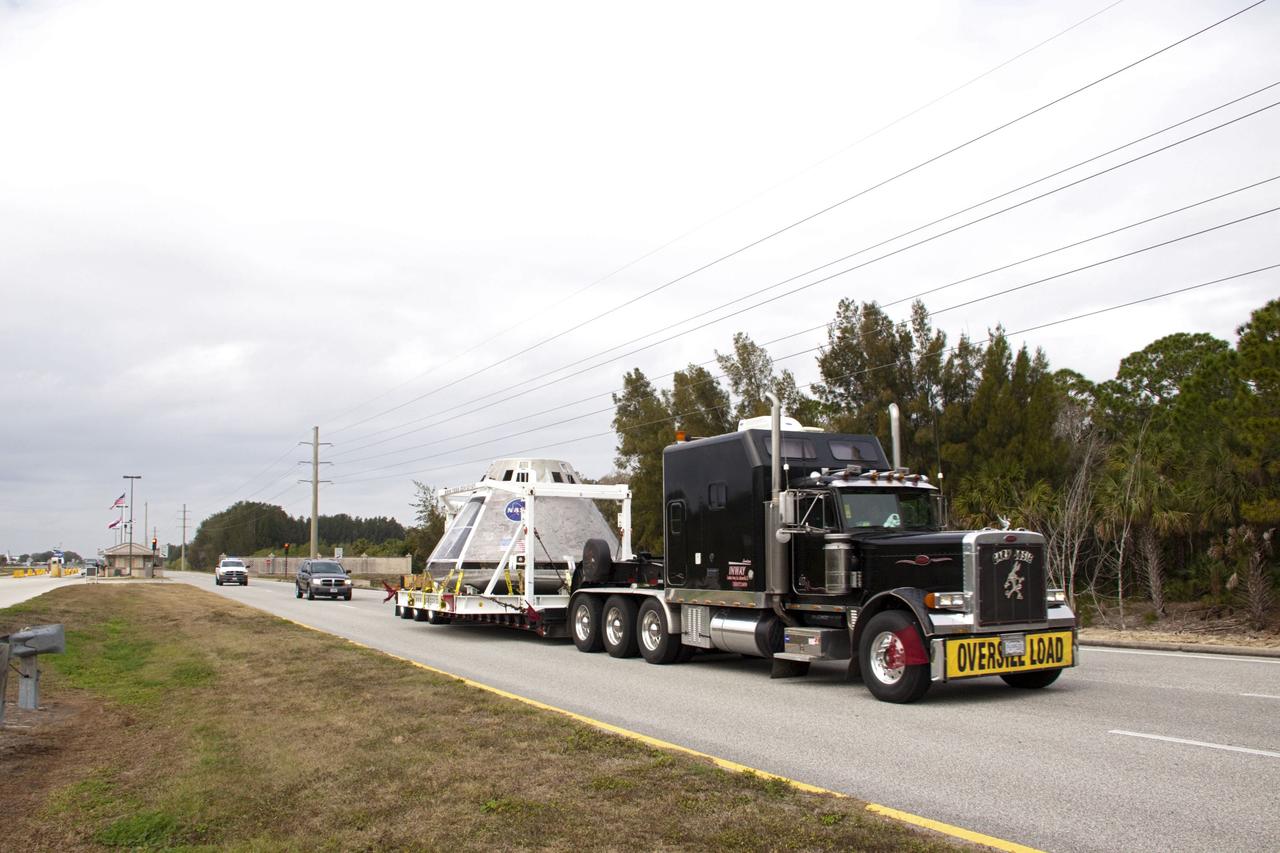
CAPE CANAVERAL, Fla. – A test version of NASA’s Orion spacecraft completed a cross-country journey at NASA’s Kennedy Space Center in Florida on Feb. 8, after giving residents in three states the chance to see a full scale mockup of the craft that will take humans into deep space. The capsule will be stored in Kennedy’s Multi-Payload Processing Facility. The test vehicle was used by ground crews in advance of the launch abort system flight test that took place in New Mexico in 2010. Photo Credit: NASA/Jim Grossmann
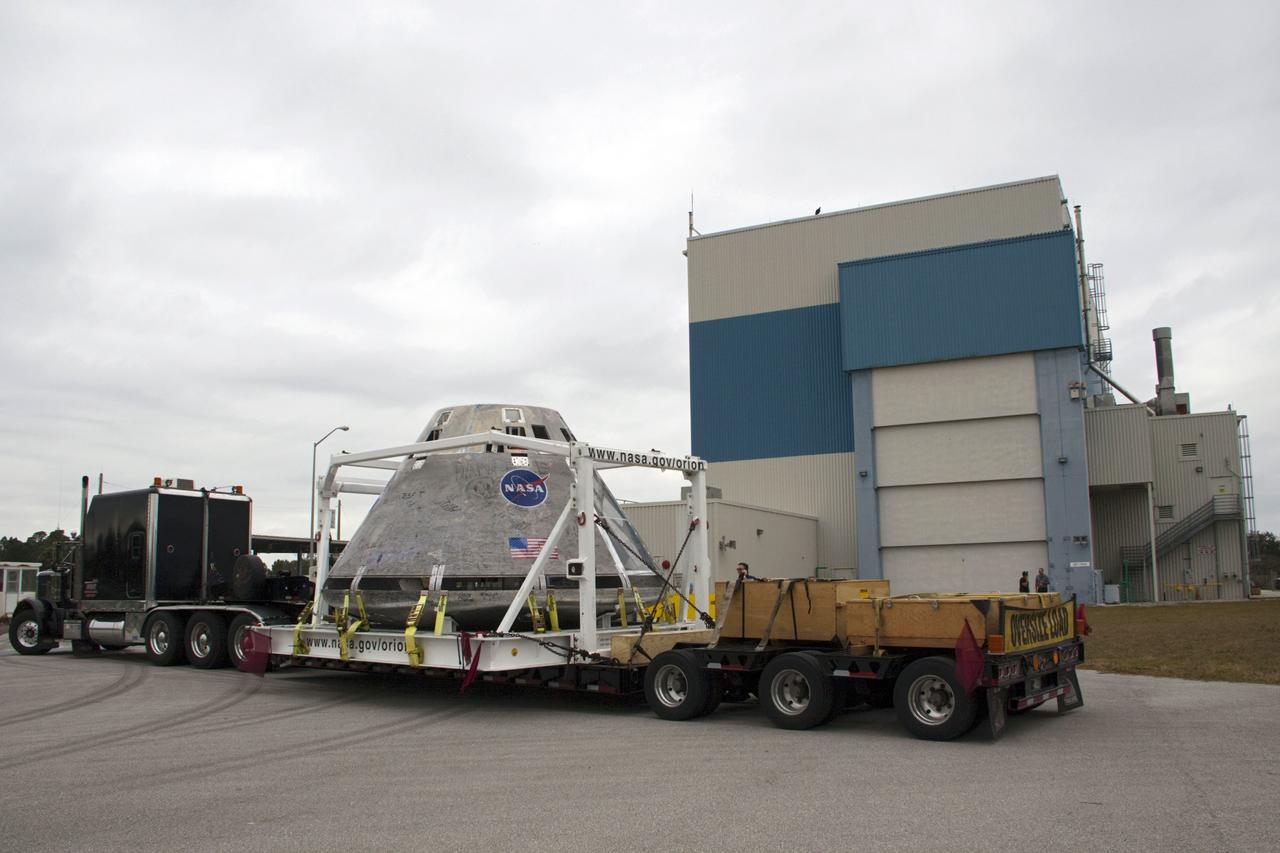
CAPE CANAVERAL, Fla. – A test version of NASA’s Orion spacecraft completed a cross-country journey at NASA’s Kennedy Space Center in Florida on Feb. 8, after giving residents in three states the chance to see a full scale mockup of the craft that will take humans into deep space. The capsule will be stored in Kennedy’s Multi-Payload Processing Facility. The test vehicle was used by ground crews in advance of the launch abort system flight test that took place in New Mexico in 2010. Photo Credit: NASA/Jim Grossmann
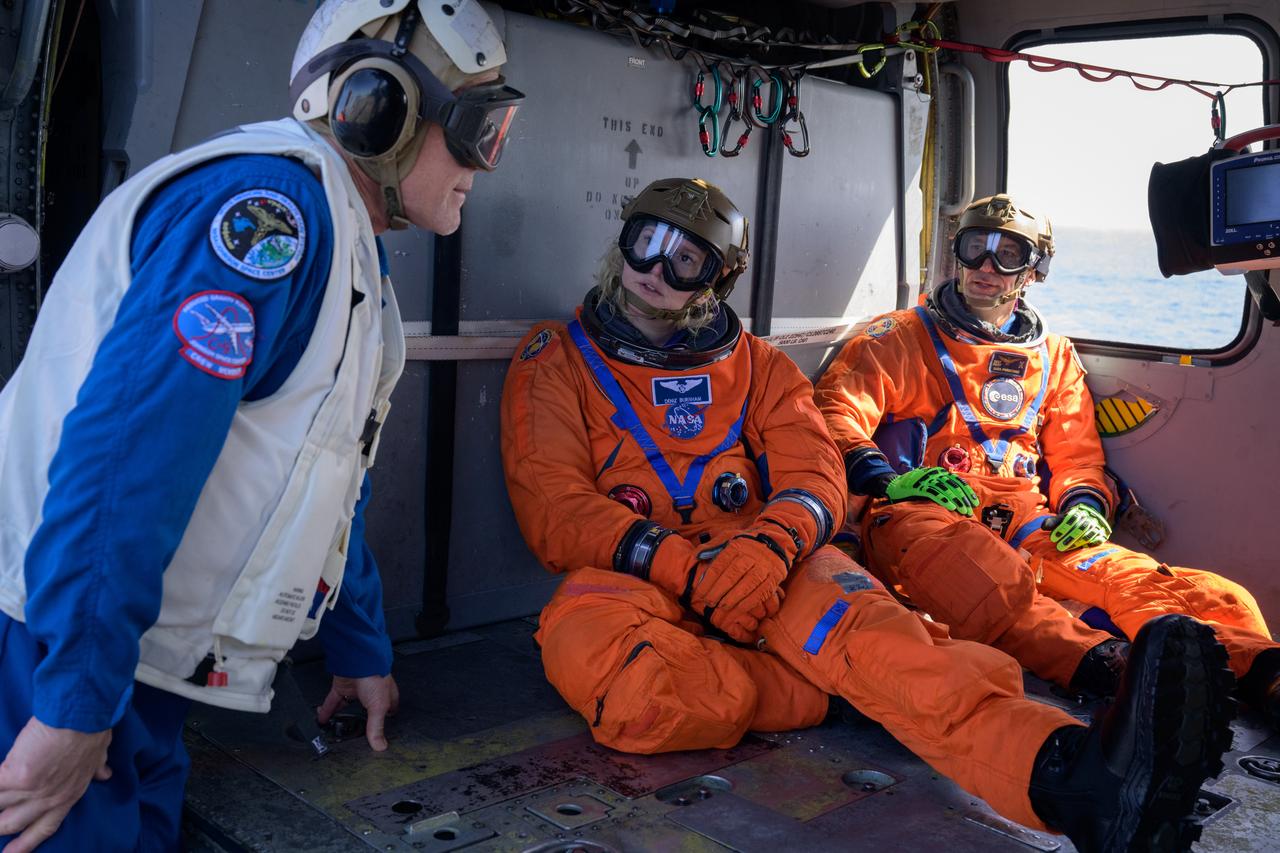
NASA astronaut Deniz Burnham, left, and ESA (European Space Agency) astronaut Luca Parmitano, are seen talking to NASA Flight Surgeon Richard Scheuring onboard a Navy helicopter after returning from the Crew Module Test Article (CMTA), a full scale mockup of the Orion spacecraft, during Underway Recovery Test-12 off the coast of California, Friday, March 28, 2025. During the test, NASA and Department of Defense teams are practicing to ensure recovery procedures are validated as NASA plans to send Artemis II astronauts around the Moon and splashdown in the Pacific Ocean. Photo Credit: (NASA/Bill Ingalls)
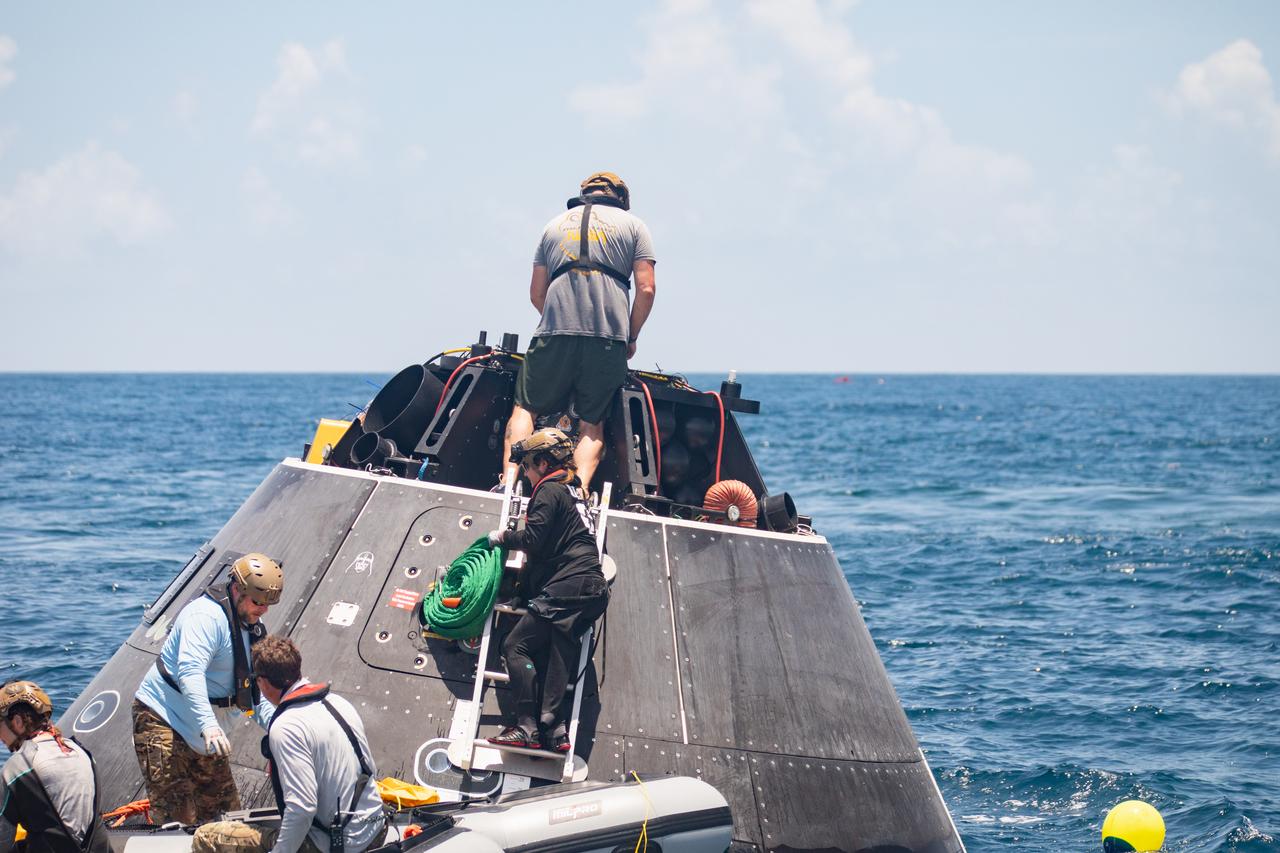
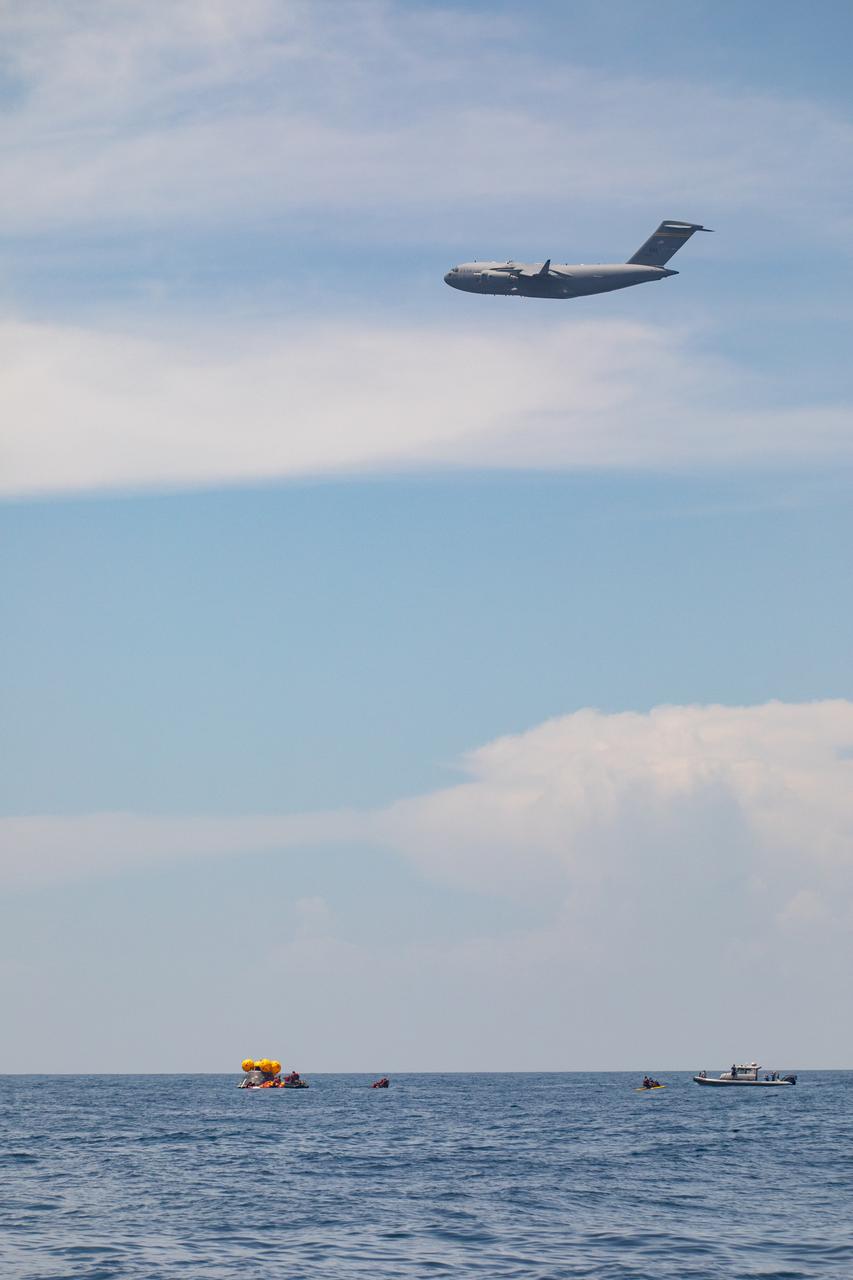
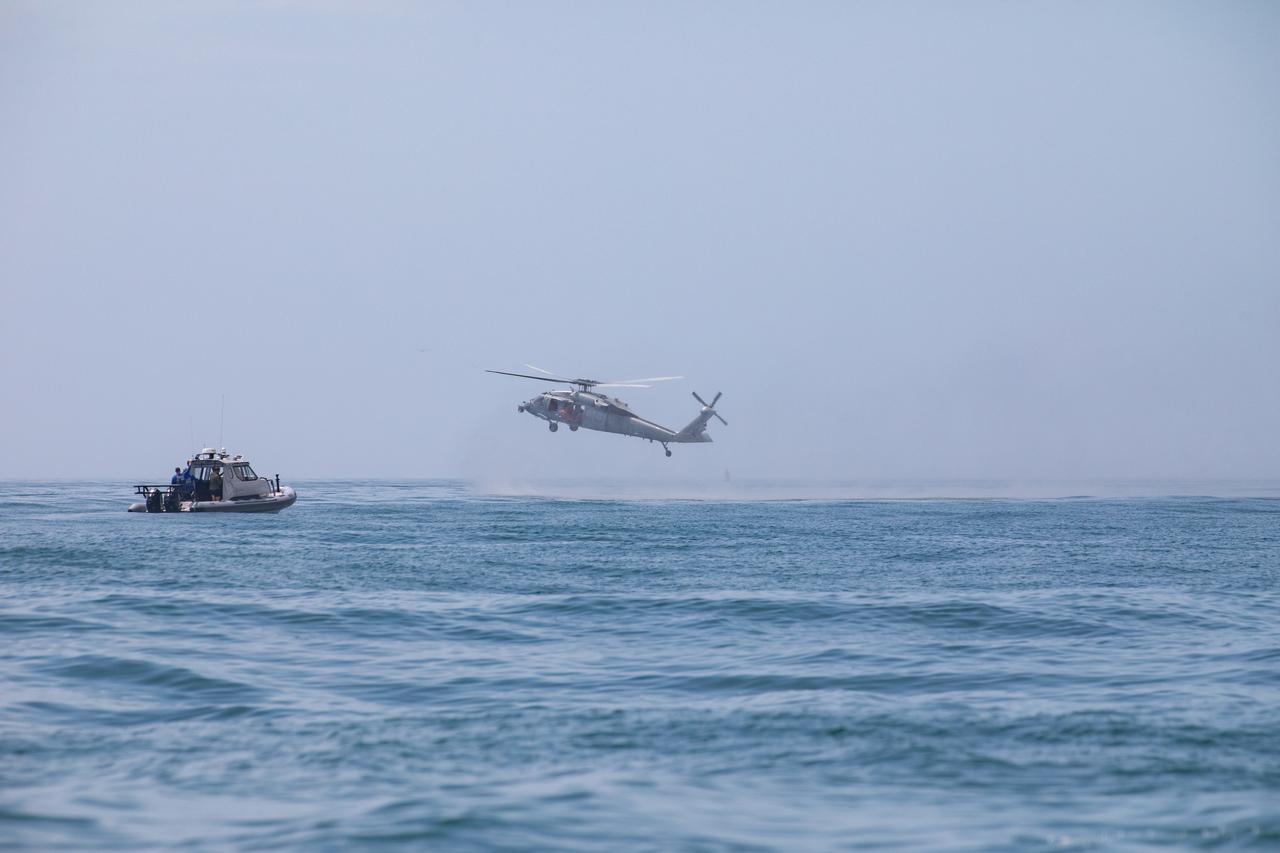
Teams with NASA and the Department of Defense (DoD) rehearse recovery procedures for an ascent abort scenario off the coast of Florida near the agency’s Kennedy Space Center on Thursday, June 12, 2025. Utilizing mannequin crew members inside the Crew Module Test Article (CMTA) – a full-scale mockup of the Orion spacecraft – the simulations practiced abort timelines and joint NASA and DoD recovery procedures supported by Artemis II launch and flight control teams, as NASA prepares to send four astronauts around the Moon and back next year as part of the agency’s first crewed Artemis mission.
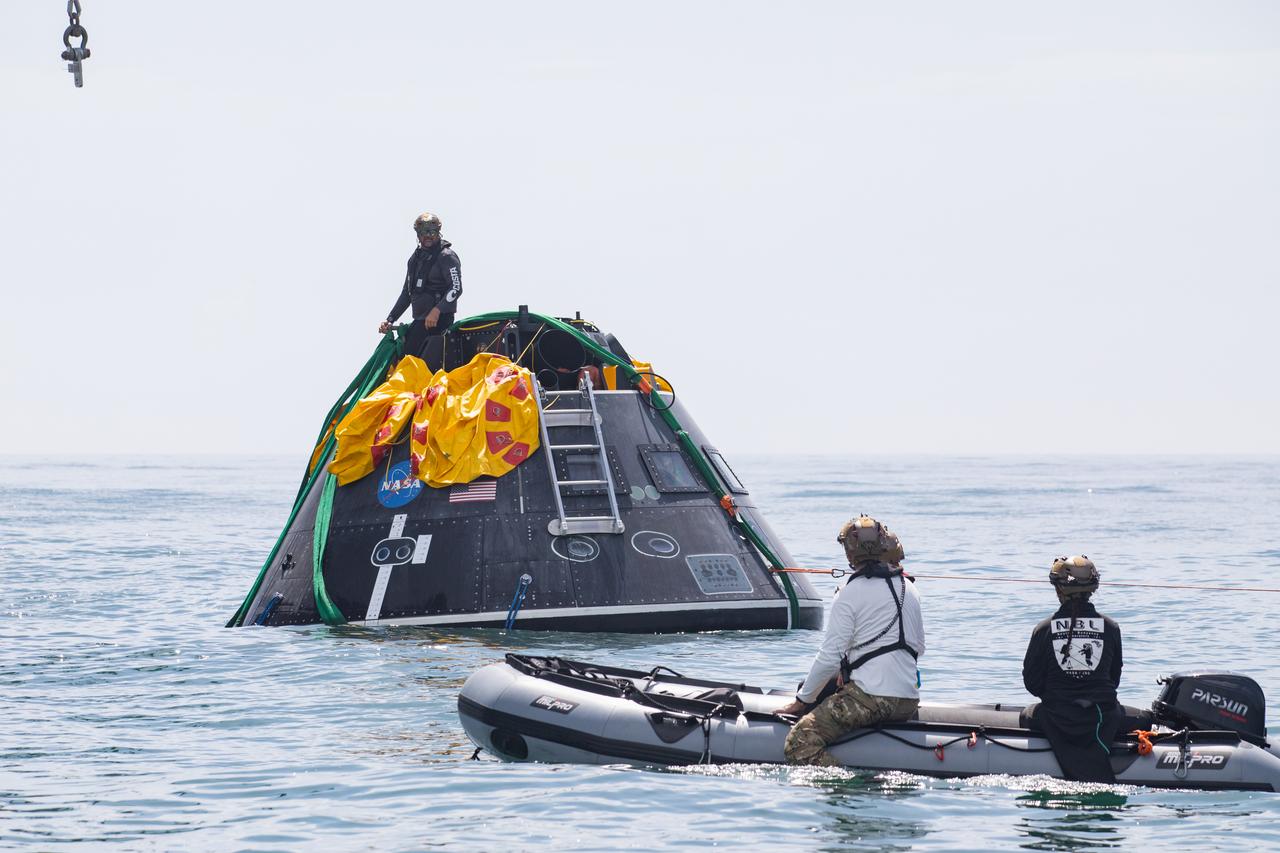
Teams with NASA and the Department of Defense (DoD) rehearse recovery procedures for a launch pad abort scenario off the coast of Florida near the agency’s Kennedy Space Center on Wednesday, June 11, 2025. Utilizing mannequin crew members inside the Crew Module Test Article (CMTA) – a full-scale mockup of the Orion spacecraft – the simulations practiced abort timelines and joint NASA and DoD recovery procedures supported by Artemis II launch and flight control teams, as NASA prepares to send four astronauts around the Moon and back next year as part of the agency’s first crewed Artemis mission.
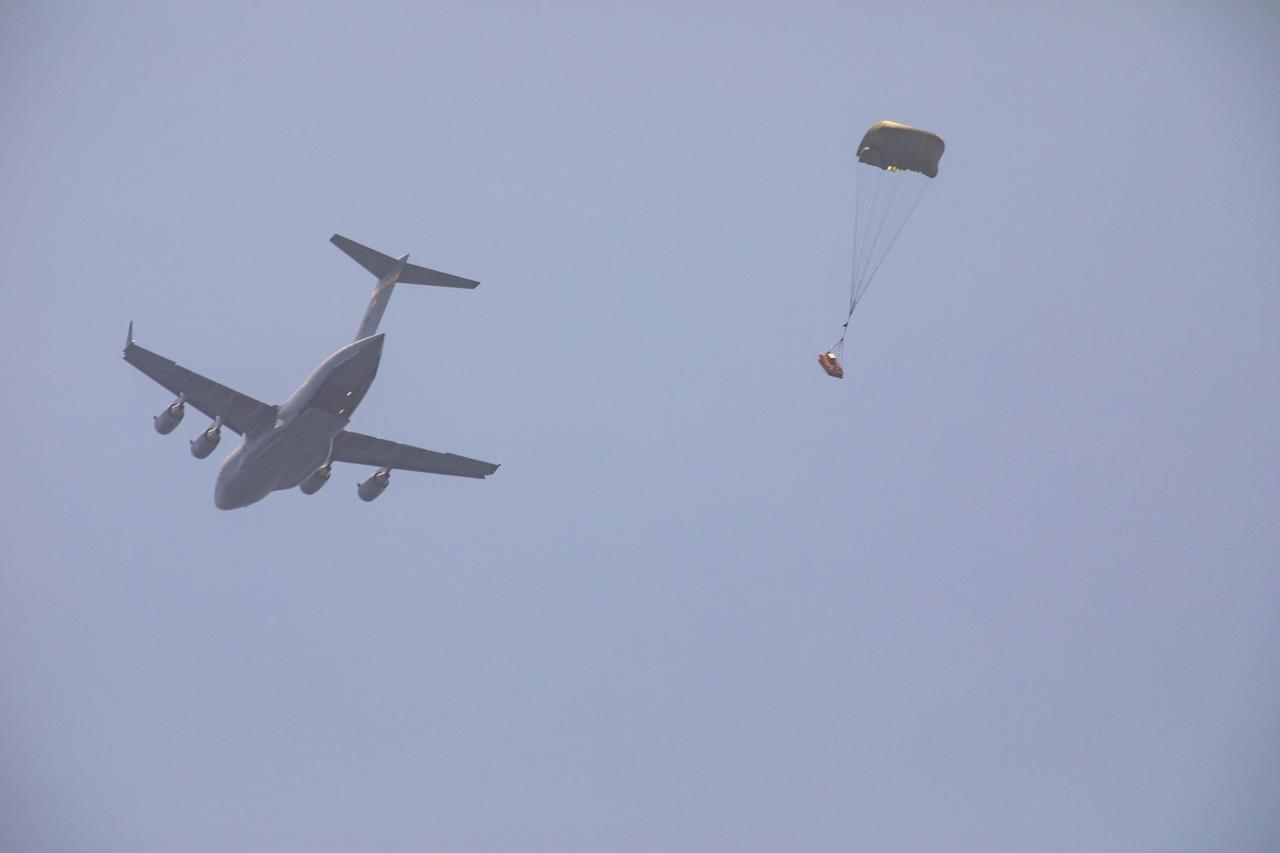
Teams with NASA and the Department of Defense (DoD) rehearse recovery procedures for an ascent abort scenario off the coast of Florida near the agency’s Kennedy Space Center on Thursday, June 12, 2025. Utilizing mannequin crew members inside the Crew Module Test Article (CMTA) – a full-scale mockup of the Orion spacecraft – the simulations practiced abort timelines and joint NASA and DoD recovery procedures supported by Artemis II launch and flight control teams, as NASA prepares to send four astronauts around the Moon and back next year as part of the agency’s first crewed Artemis mission.
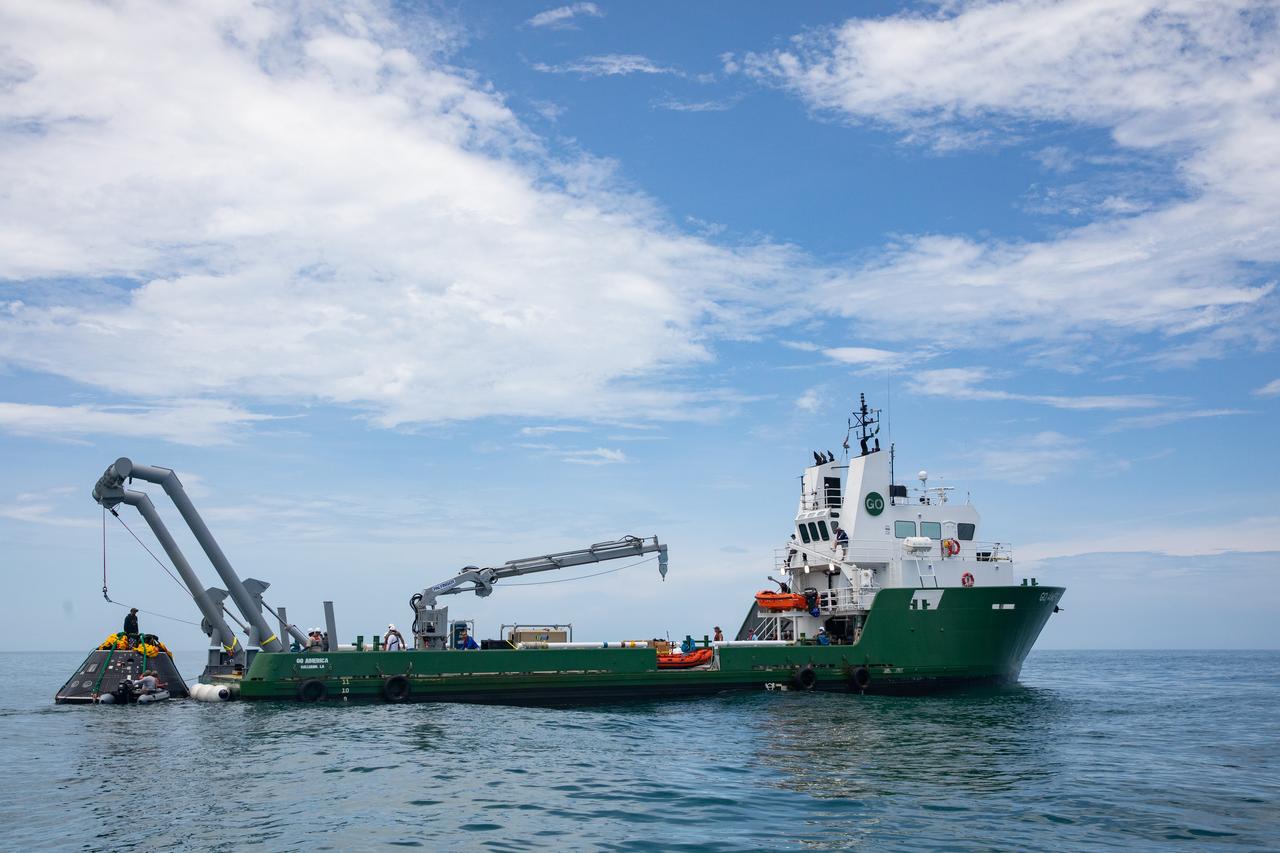
Teams with NASA and the Department of Defense (DoD) rehearse recovery procedures for a launch pad abort scenario off the coast of Florida near the agency’s Kennedy Space Center on Wednesday, June 11, 2025. Utilizing mannequin crew members inside the Crew Module Test Article (CMTA) – a full-scale mockup of the Orion spacecraft – the simulations practiced abort timelines and joint NASA and DoD recovery procedures supported by Artemis II launch and flight control teams, as NASA prepares to send four astronauts around the Moon and back next year as part of the agency’s first crewed Artemis mission.
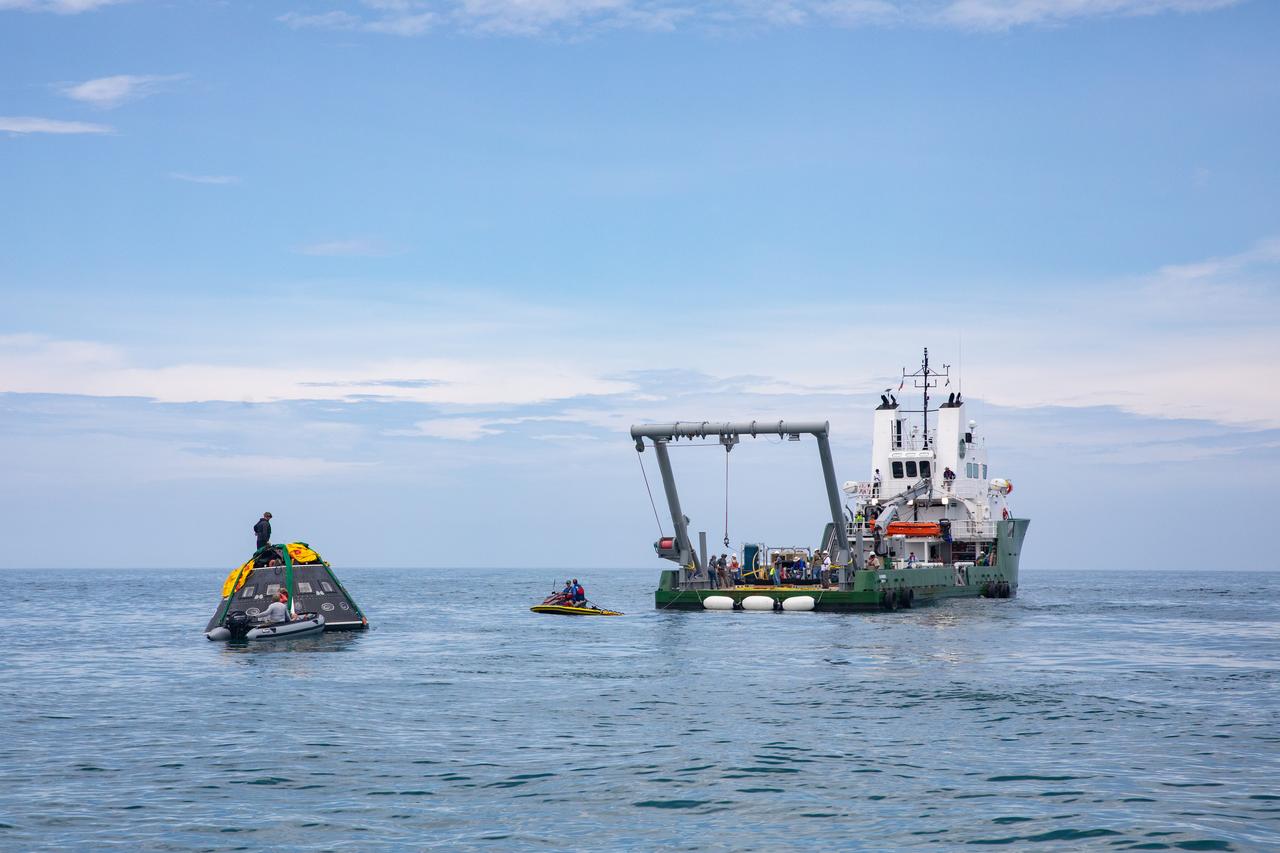
Teams with NASA and the Department of Defense (DoD) rehearse recovery procedures for a launch pad abort scenario off the coast of Florida near the agency’s Kennedy Space Center on Wednesday, June 11, 2025. Utilizing mannequin crew members inside the Crew Module Test Article (CMTA) – a full-scale mockup of the Orion spacecraft – the simulations practiced abort timelines and joint NASA and DoD recovery procedures supported by Artemis II launch and flight control teams, as NASA prepares to send four astronauts around the Moon and back next year as part of the agency’s first crewed Artemis mission.
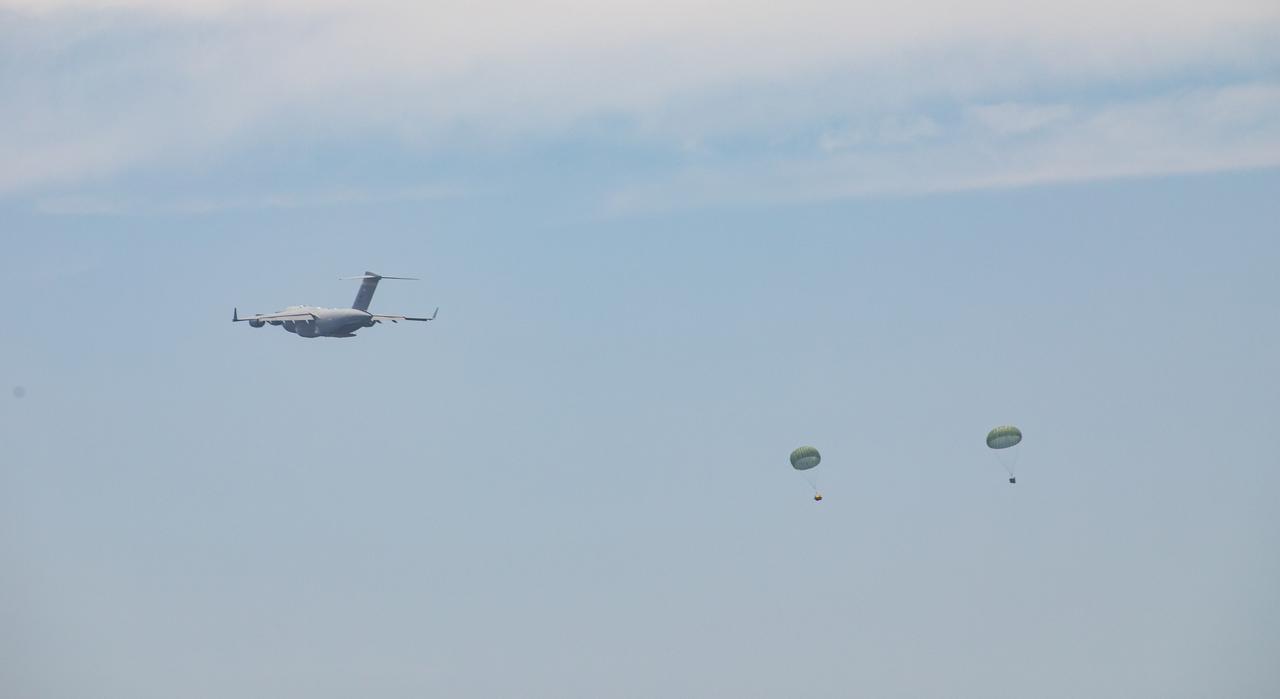
Teams with NASA and the Department of Defense (DoD) rehearse recovery procedures for an ascent abort scenario off the coast of Florida near the agency’s Kennedy Space Center on Thursday, June 12, 2025. Utilizing mannequin crew members inside the Crew Module Test Article (CMTA) – a full-scale mockup of the Orion spacecraft – the simulations practiced abort timelines and joint NASA and DoD recovery procedures supported by Artemis II launch and flight control teams, as NASA prepares to send four astronauts around the Moon and back next year as part of the agency’s first crewed Artemis mission.
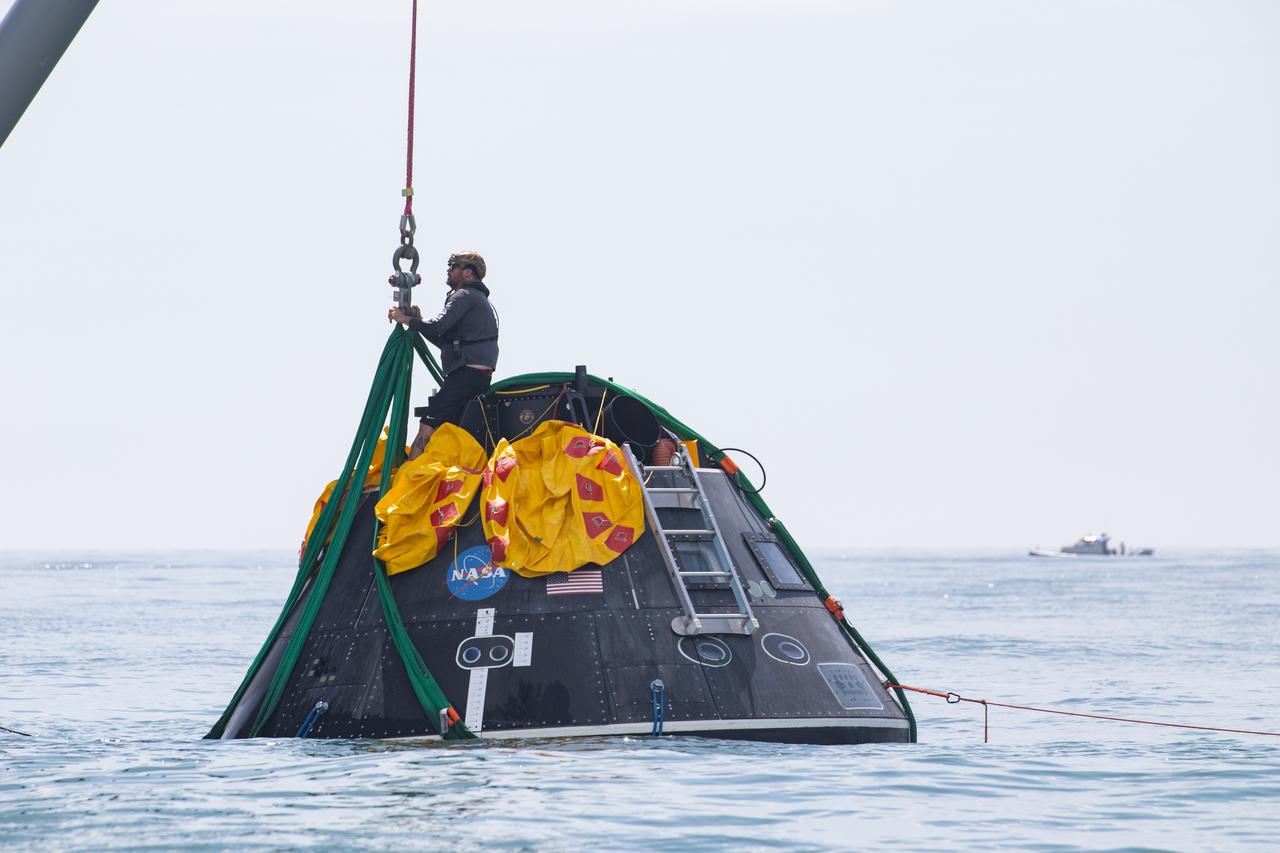
Teams with NASA and the Department of Defense (DoD) rehearse recovery procedures for a launch pad abort scenario off the coast of Florida near the agency’s Kennedy Space Center on Wednesday, June 11, 2025. Utilizing mannequin crew members inside the Crew Module Test Article (CMTA) – a full-scale mockup of the Orion spacecraft – the simulations practiced abort timelines and joint NASA and DoD recovery procedures supported by Artemis II launch and flight control teams, as NASA prepares to send four astronauts around the Moon and back next year as part of the agency’s first crewed Artemis mission.
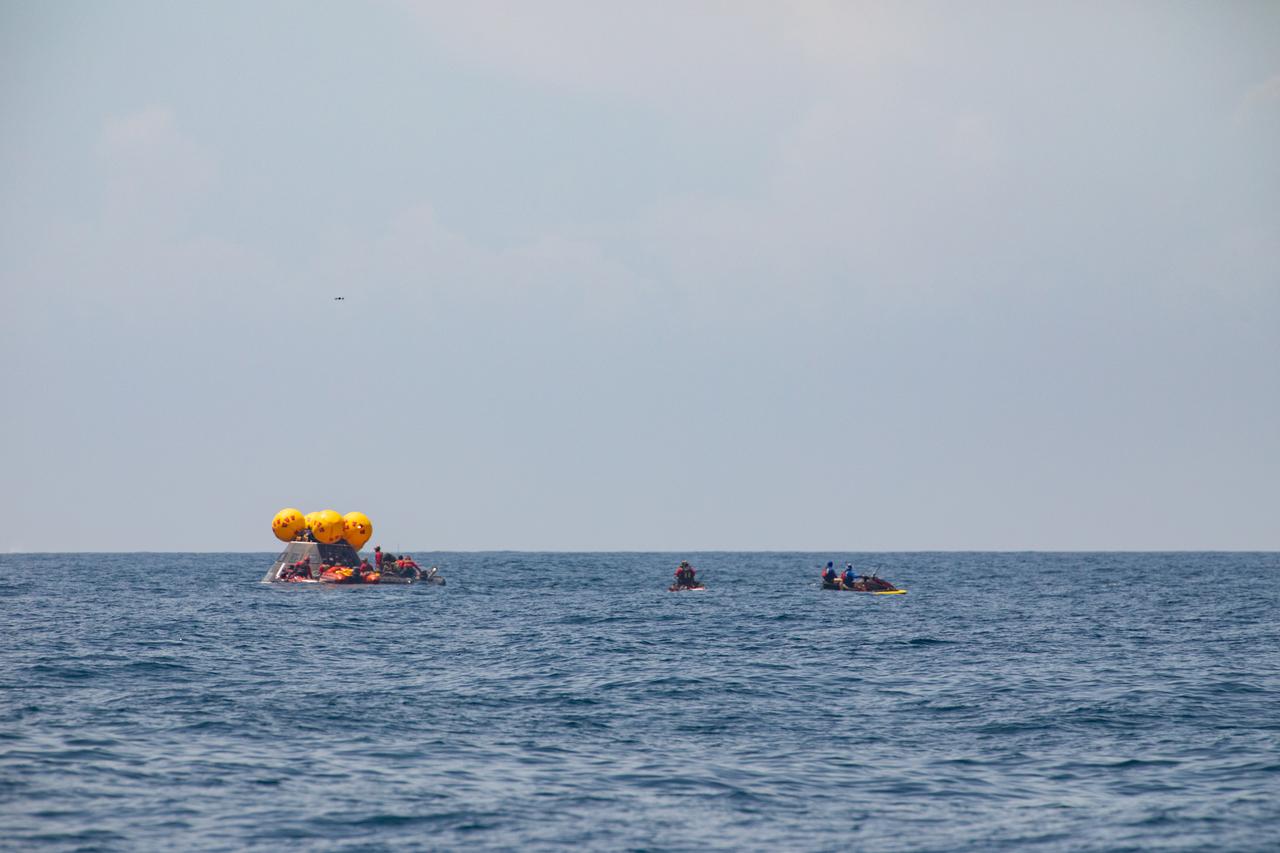
Teams with NASA and the Department of Defense (DoD) rehearse recovery procedures for an ascent abort scenario off the coast of Florida near the agency’s Kennedy Space Center on Thursday, June 12, 2025. Utilizing mannequin crew members inside the Crew Module Test Article (CMTA) – a full-scale mockup of the Orion spacecraft – the simulations practiced abort timelines and joint NASA and DoD recovery procedures supported by Artemis II launch and flight control teams, as NASA prepares to send four astronauts around the Moon and back next year as part of the agency’s first crewed Artemis mission.
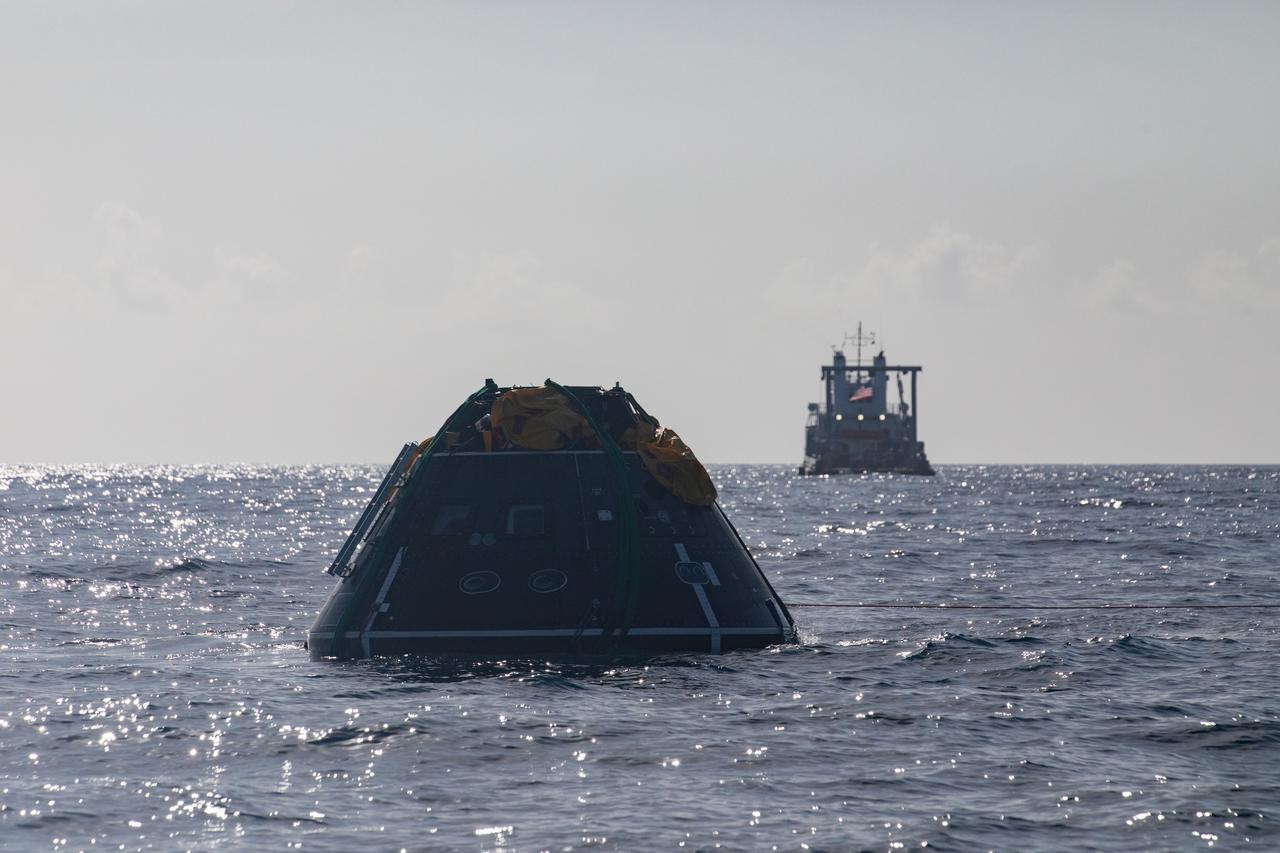
Teams with NASA and the Department of Defense (DoD) rehearse recovery procedures for an ascent abort scenario off the coast of Florida near the agency’s Kennedy Space Center on Thursday, June 12, 2025. Utilizing mannequin crew members inside the Crew Module Test Article (CMTA) – a full-scale mockup of the Orion spacecraft – the simulations practiced abort timelines and joint NASA and DoD recovery procedures supported by Artemis II launch and flight control teams, as NASA prepares to send four astronauts around the Moon and back next year as part of the agency’s first crewed Artemis mission.
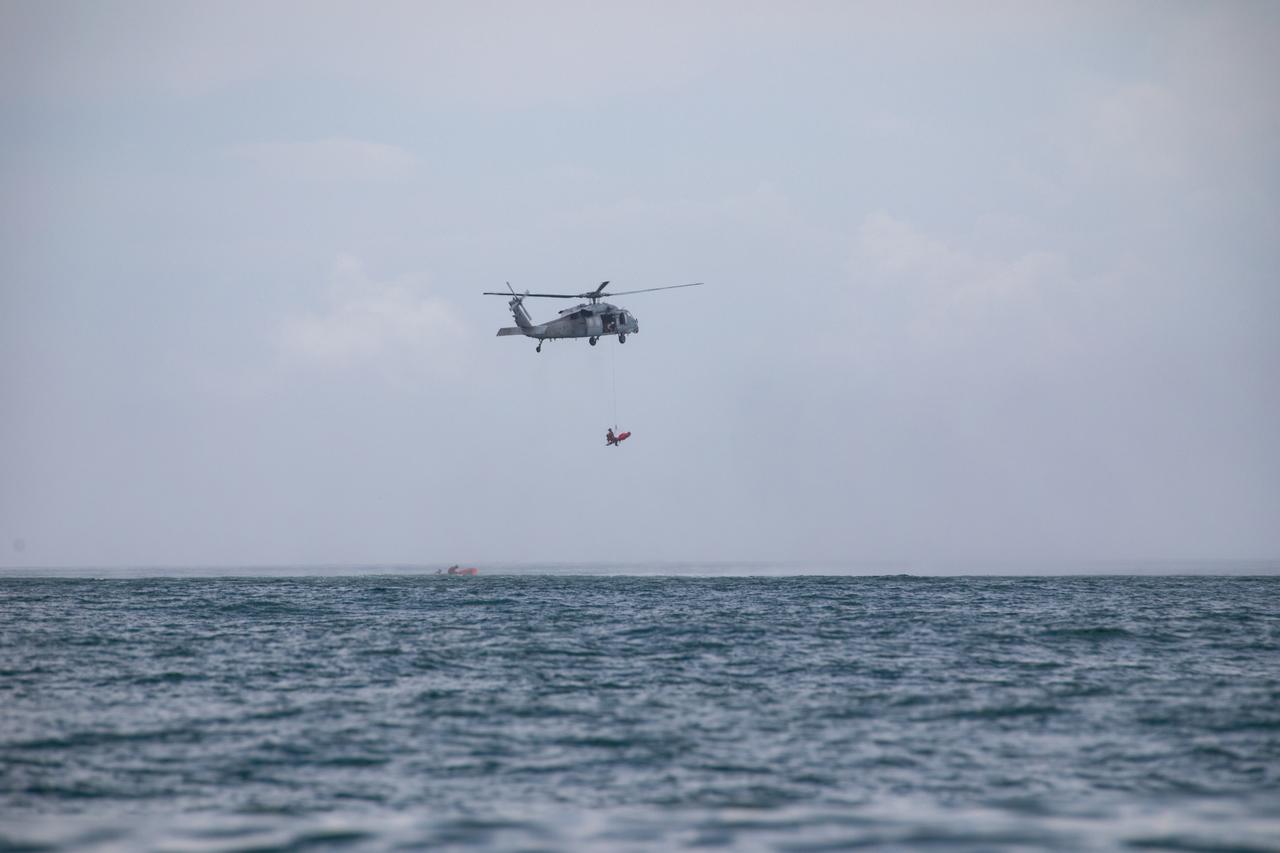
Teams with NASA and the Department of Defense (DoD) rehearse recovery procedures for a launch pad abort scenario off the coast of Florida near the agency’s Kennedy Space Center on Wednesday, June 11, 2025. Utilizing mannequin crew members inside the Crew Module Test Article (CMTA) – a full-scale mockup of the Orion spacecraft – the simulations practiced abort timelines and joint NASA and DoD recovery procedures supported by Artemis II launch and flight control teams, as NASA prepares to send four astronauts around the Moon and back next year as part of the agency’s first crewed Artemis mission.
Teams with NASA and the Department of Defense (DoD) rehearse recovery procedures for an ascent abort scenario off the coast of Florida near the agency’s Kennedy Space Center on Thursday, June 12, 2025. Utilizing mannequin crew members inside the Crew Module Test Article (CMTA) – a full-scale mockup of the Orion spacecraft – the simulations practiced abort timelines and joint NASA and DoD recovery procedures supported by Artemis II launch and flight control teams, as NASA prepares to send four astronauts around the Moon and back next year as part of the agency’s first crewed Artemis mission.
Teams with NASA and the Department of Defense (DoD) rehearse recovery procedures for a launch pad abort scenario off the coast of Florida near the agency’s Kennedy Space Center on Wednesday, June 11, 2025. Utilizing mannequin crew members inside the Crew Module Test Article (CMTA) – a full-scale mockup of the Orion spacecraft – the simulations practiced abort timelines and joint NASA and DoD recovery procedures supported by Artemis II launch and flight control teams, as NASA prepares to send four astronauts around the Moon and back next year as part of the agency’s first crewed Artemis mission.
Teams with NASA and the Department of Defense (DoD) rehearse recovery procedures for an ascent abort scenario off the coast of Florida near the agency’s Kennedy Space Center on Thursday, June 12, 2025. Utilizing mannequin crew members inside the Crew Module Test Article (CMTA) – a full-scale mockup of the Orion spacecraft – the simulations practiced abort timelines and joint NASA and DoD recovery procedures supported by Artemis II launch and flight control teams, as NASA prepares to send four astronauts around the Moon and back next year as part of the agency’s first crewed Artemis mission.
Teams with NASA and the Department of Defense (DoD) rehearse recovery procedures for a launch pad abort scenario off the coast of Florida near the agency’s Kennedy Space Center on Wednesday, June 11, 2025. Utilizing mannequin crew members inside the Crew Module Test Article (CMTA) – a full-scale mockup of the Orion spacecraft – the simulations practiced abort timelines and joint NASA and DoD recovery procedures supported by Artemis II launch and flight control teams, as NASA prepares to send four astronauts around the Moon and back next year as part of the agency’s first crewed Artemis mission.
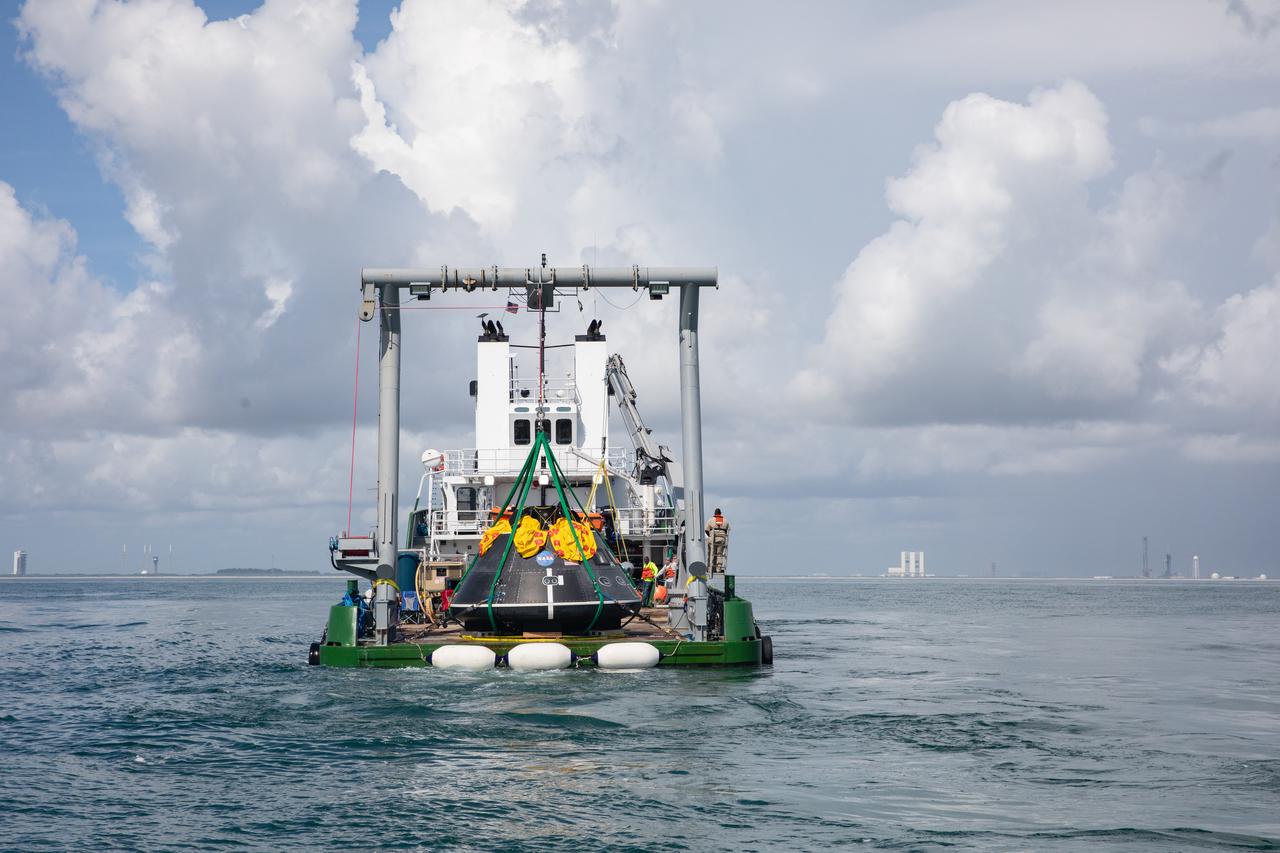
Teams with NASA and the Department of Defense (DoD) rehearse recovery procedures for a launch pad abort scenario off the coast of Florida near the agency’s Kennedy Space Center on Wednesday, June 11, 2025. Utilizing mannequin crew members inside the Crew Module Test Article (CMTA) – a full-scale mockup of the Orion spacecraft – the simulations practiced abort timelines and joint NASA and DoD recovery procedures supported by Artemis II launch and flight control teams, as NASA prepares to send four astronauts around the Moon and back next year as part of the agency’s first crewed Artemis mission.
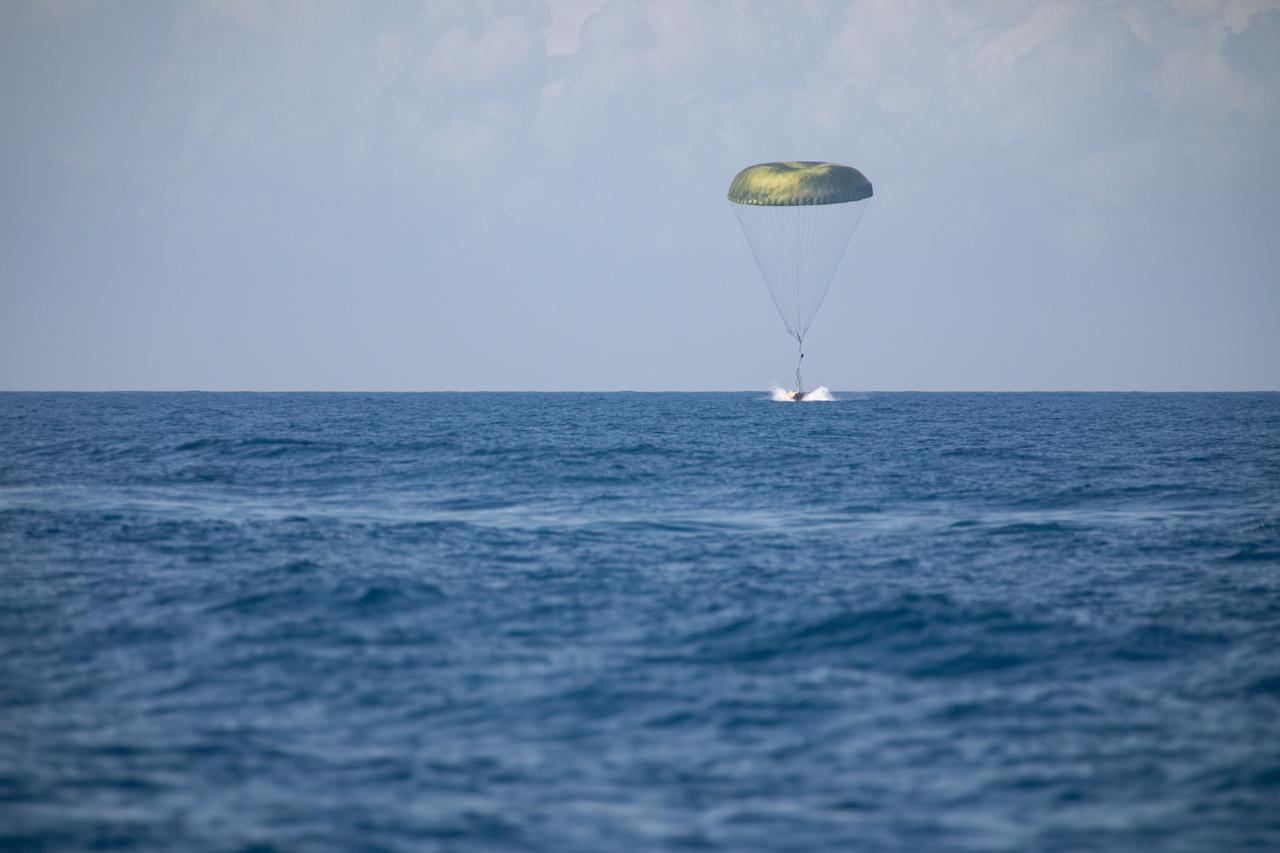
Teams with NASA and the Department of Defense (DoD) rehearse recovery procedures for an ascent abort scenario off the coast of Florida near the agency’s Kennedy Space Center on Thursday, June 12, 2025. Utilizing mannequin crew members inside the Crew Module Test Article (CMTA) – a full-scale mockup of the Orion spacecraft – the simulations practiced abort timelines and joint NASA and DoD recovery procedures supported by Artemis II launch and flight control teams, as NASA prepares to send four astronauts around the Moon and back next year as part of the agency’s first crewed Artemis mission.
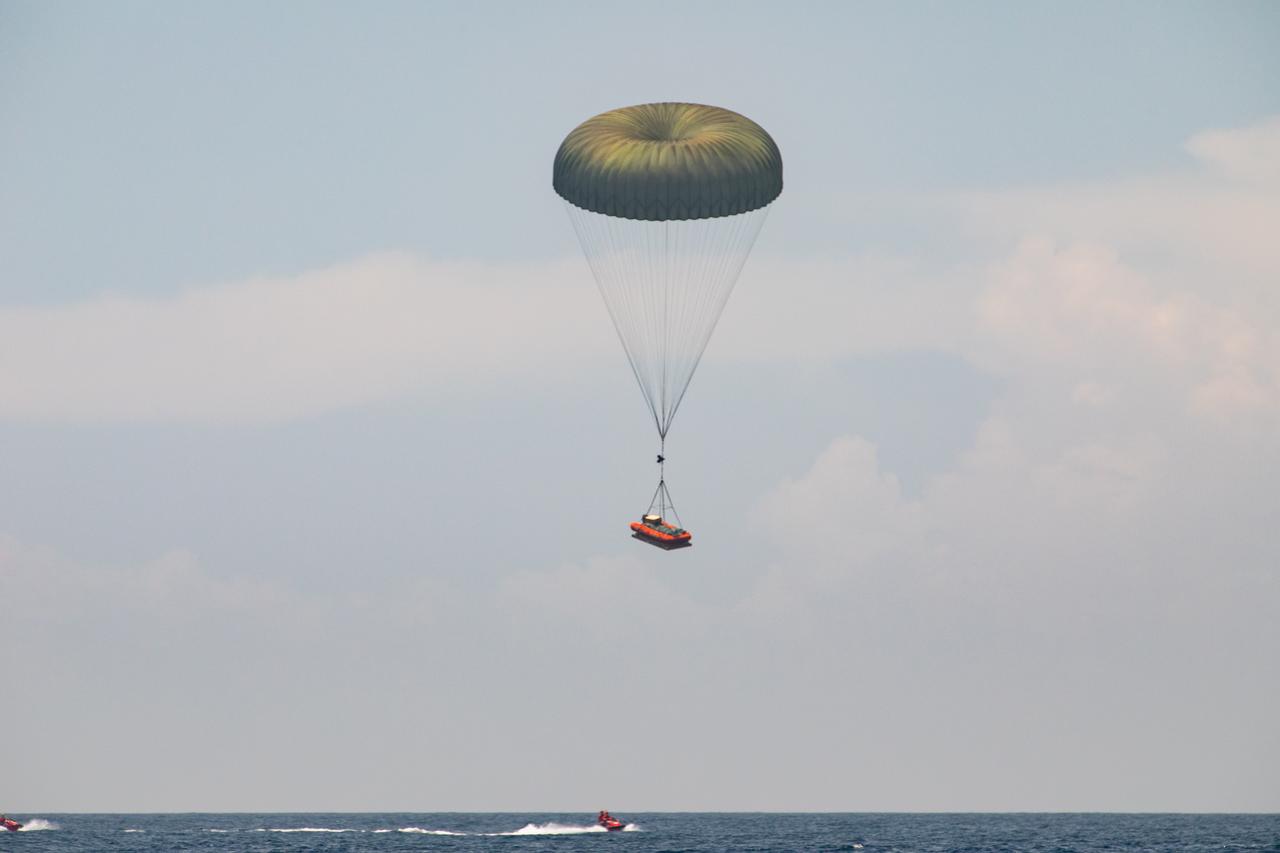
Teams with NASA and the Department of Defense (DoD) rehearse recovery procedures for an ascent abort scenario off the coast of Florida near the agency’s Kennedy Space Center on Thursday, June 12, 2025. Utilizing mannequin crew members inside the Crew Module Test Article (CMTA) – a full-scale mockup of the Orion spacecraft – the simulations practiced abort timelines and joint NASA and DoD recovery procedures supported by Artemis II launch and flight control teams, as NASA prepares to send four astronauts around the Moon and back next year as part of the agency’s first crewed Artemis mission.
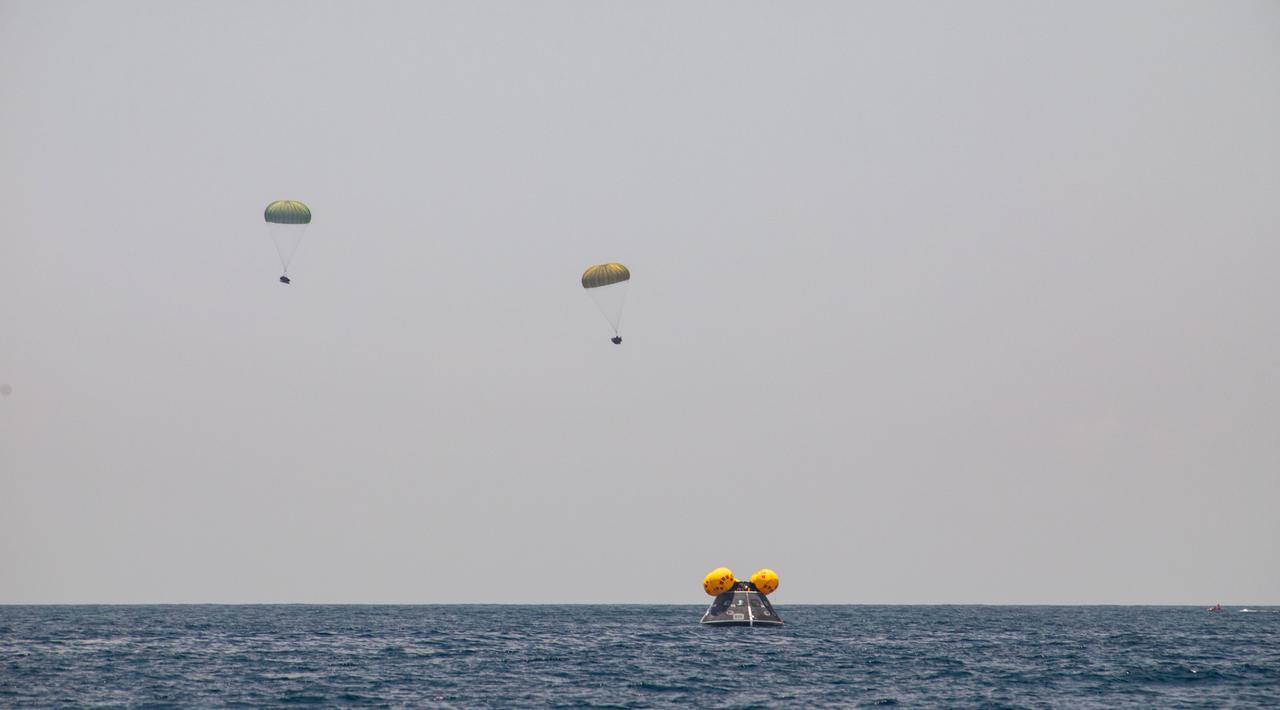
Teams with NASA and the Department of Defense (DoD) rehearse recovery procedures for an ascent abort scenario off the coast of Florida near the agency’s Kennedy Space Center on Thursday, June 12, 2025. Utilizing mannequin crew members inside the Crew Module Test Article (CMTA) – a full-scale mockup of the Orion spacecraft – the simulations practiced abort timelines and joint NASA and DoD recovery procedures supported by Artemis II launch and flight control teams, as NASA prepares to send four astronauts around the Moon and back next year as part of the agency’s first crewed Artemis mission.
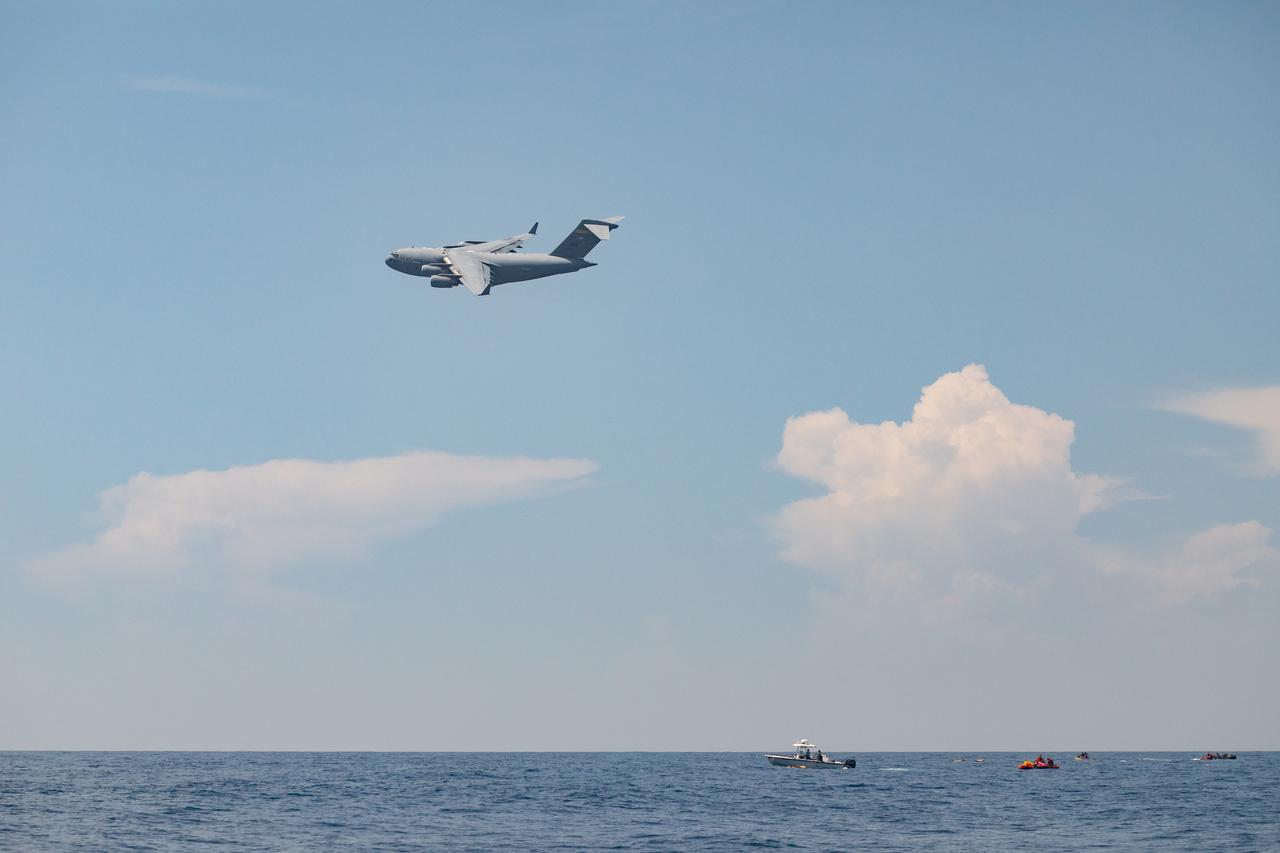
Teams with NASA and the Department of Defense (DoD) rehearse recovery procedures for an ascent abort scenario off the coast of Florida near the agency’s Kennedy Space Center on Thursday, June 12, 2025. Utilizing mannequin crew members inside the Crew Module Test Article (CMTA) – a full-scale mockup of the Orion spacecraft – the simulations practiced abort timelines and joint NASA and DoD recovery procedures supported by Artemis II launch and flight control teams, as NASA prepares to send four astronauts around the Moon and back next year as part of the agency’s first crewed Artemis mission.
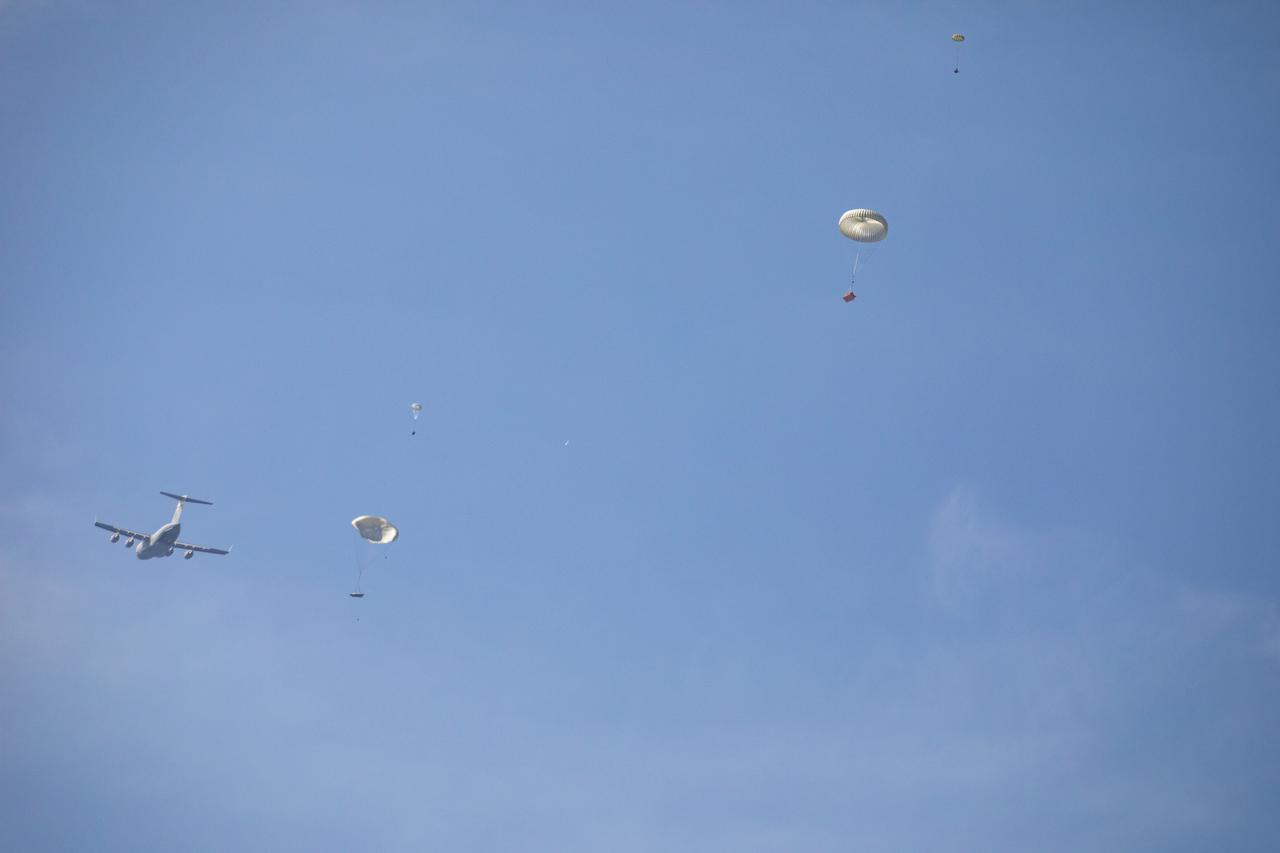
Teams with NASA and the Department of Defense (DoD) rehearse recovery procedures for an ascent abort scenario off the coast of Florida near the agency’s Kennedy Space Center on Thursday, June 12, 2025. Utilizing mannequin crew members inside the Crew Module Test Article (CMTA) – a full-scale mockup of the Orion spacecraft – the simulations practiced abort timelines and joint NASA and DoD recovery procedures supported by Artemis II launch and flight control teams, as NASA prepares to send four astronauts around the Moon and back next year as part of the agency’s first crewed Artemis mission.
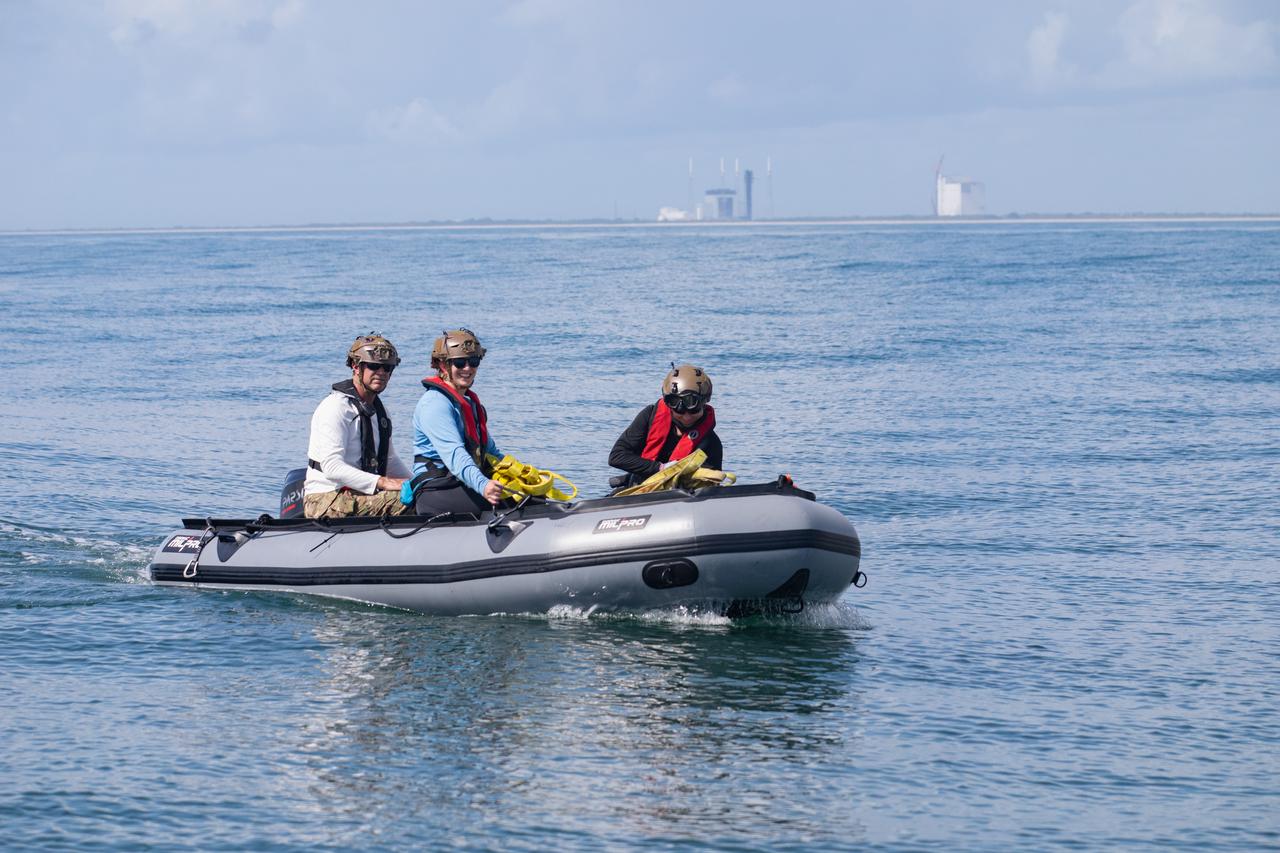
Teams with NASA and the Department of Defense (DoD) rehearse recovery procedures for a launch pad abort scenario off the coast of Florida near the agency’s Kennedy Space Center on Wednesday, June 11, 2025. Utilizing mannequin crew members inside the Crew Module Test Article (CMTA) – a full-scale mockup of the Orion spacecraft – the simulations practiced abort timelines and joint NASA and DoD recovery procedures supported by Artemis II launch and flight control teams, as NASA prepares to send four astronauts around the Moon and back next year as part of the agency’s first crewed Artemis mission.
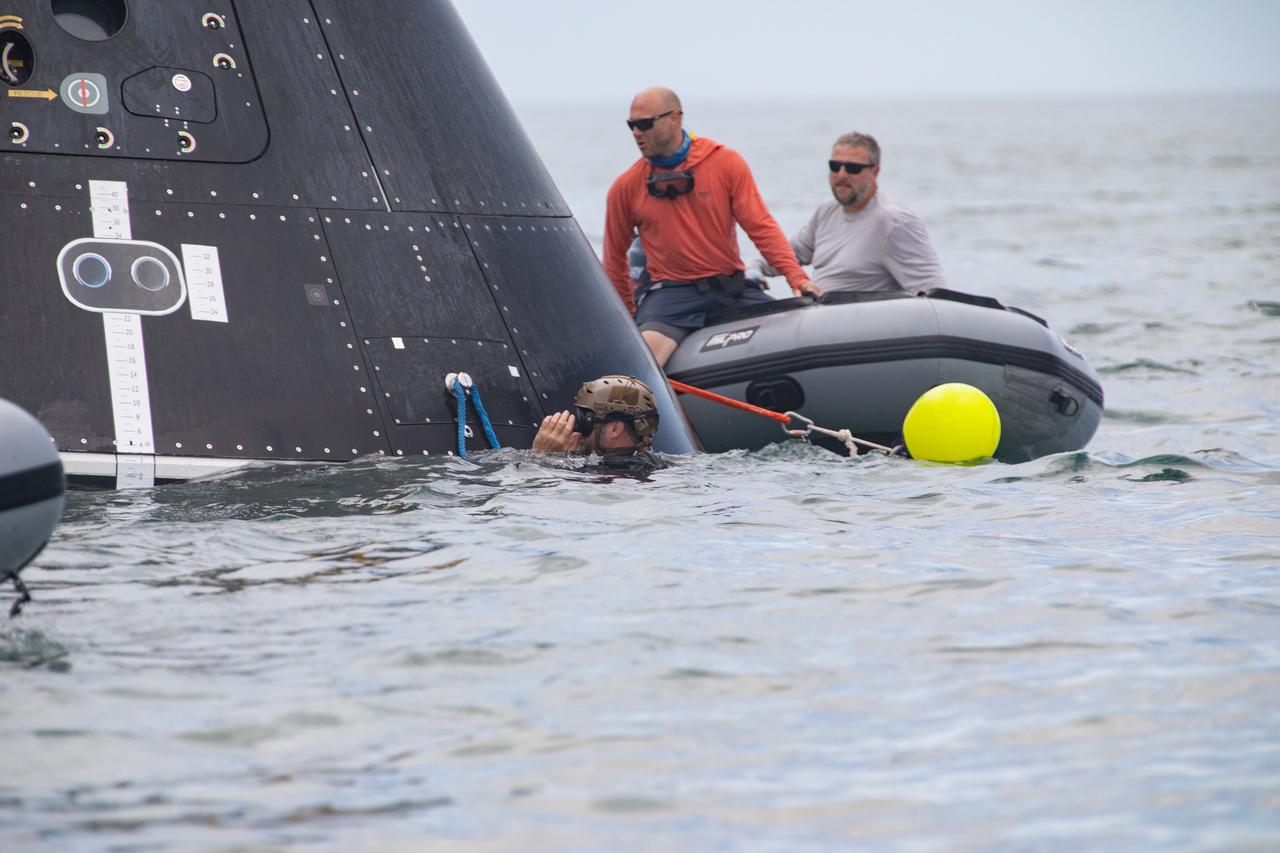
Teams with NASA and the Department of Defense (DoD) rehearse recovery procedures for a launch pad abort scenario off the coast of Florida near the agency’s Kennedy Space Center on Wednesday, June 11, 2025. Utilizing mannequin crew members inside the Crew Module Test Article (CMTA) – a full-scale mockup of the Orion spacecraft – the simulations practiced abort timelines and joint NASA and DoD recovery procedures supported by Artemis II launch and flight control teams, as NASA prepares to send four astronauts around the Moon and back next year as part of the agency’s first crewed Artemis mission.
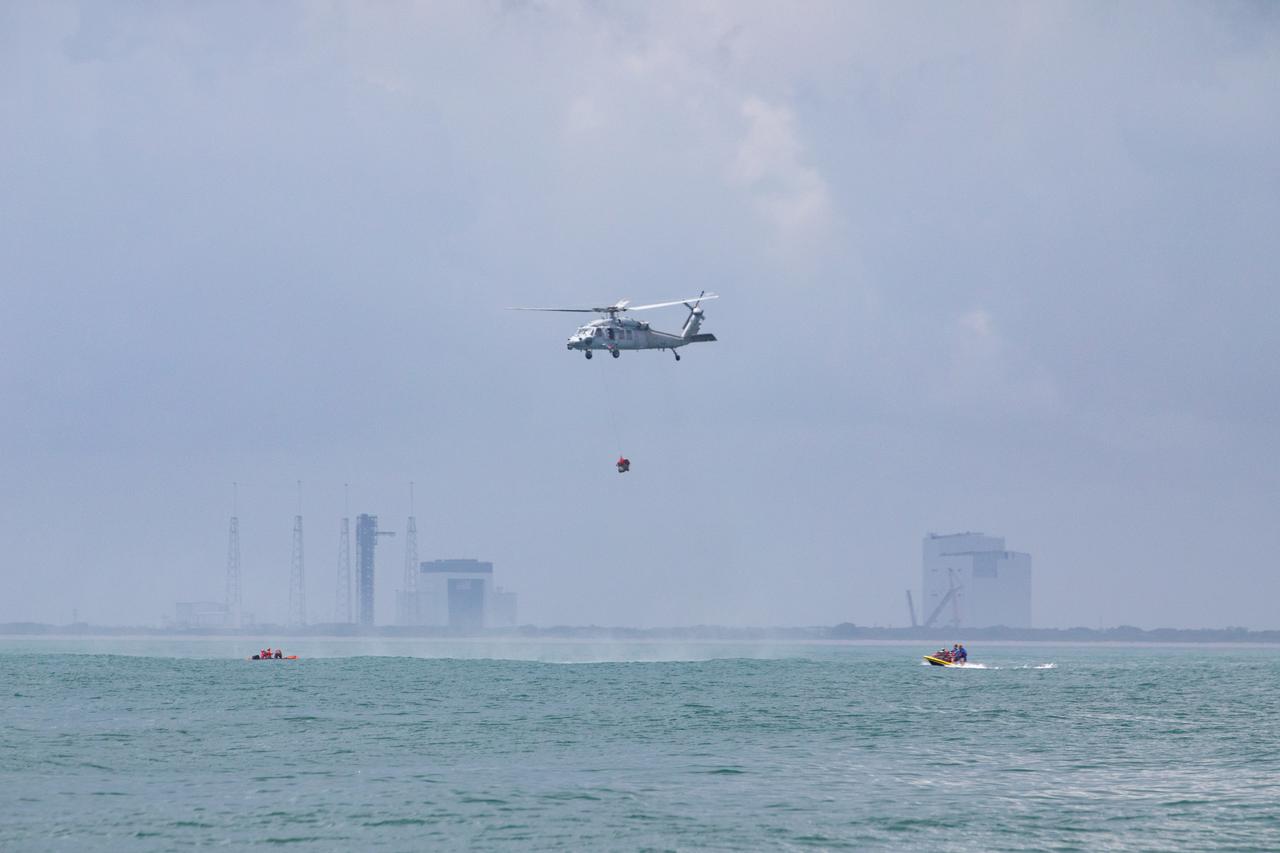
Teams with NASA and the Department of Defense (DoD) rehearse recovery procedures for a launch pad abort scenario off the coast of Florida near the agency’s Kennedy Space Center on Wednesday, June 11, 2025. Utilizing mannequin crew members inside the Crew Module Test Article (CMTA) – a full-scale mockup of the Orion spacecraft – the simulations practiced abort timelines and joint NASA and DoD recovery procedures supported by Artemis II launch and flight control teams, as NASA prepares to send four astronauts around the Moon and back next year as part of the agency’s first crewed Artemis mission.
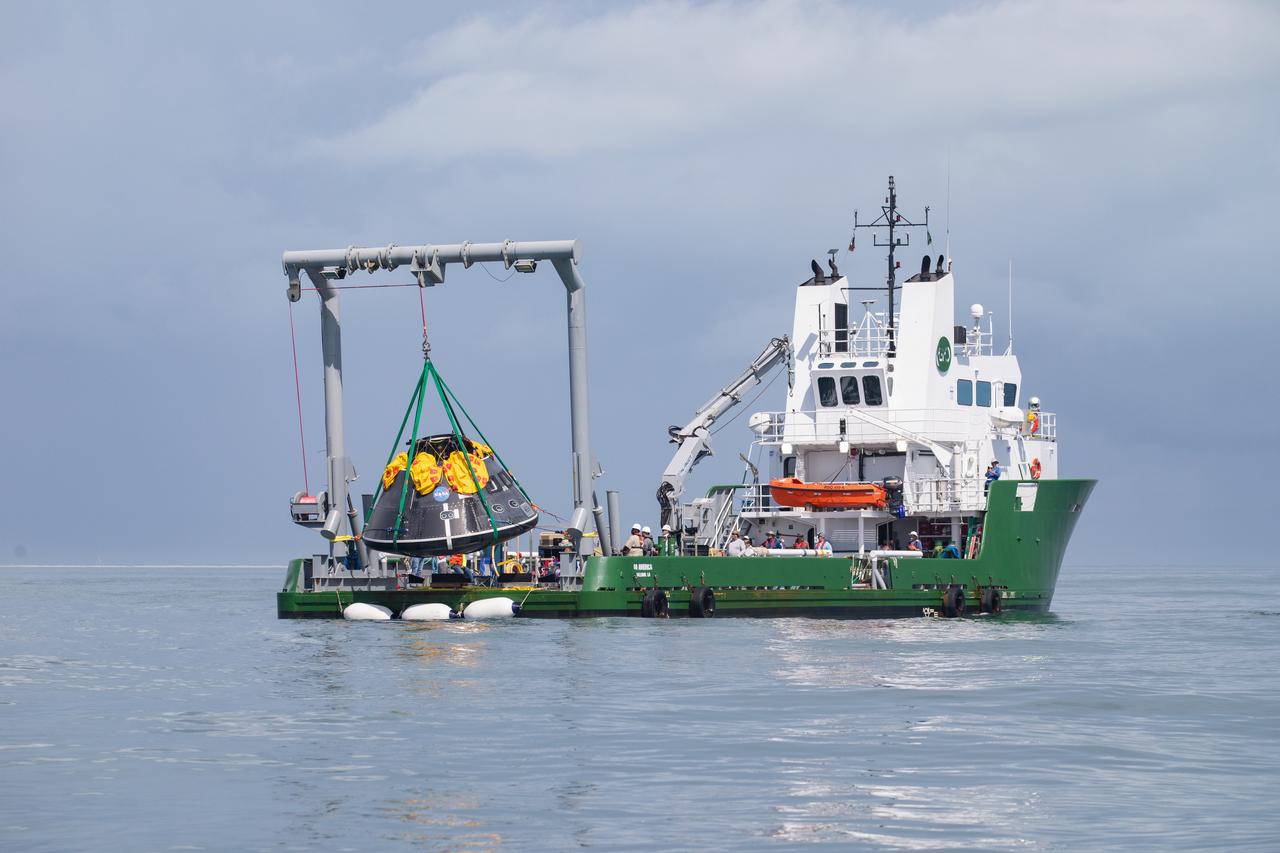
Teams with NASA and the Department of Defense (DoD) rehearse recovery procedures for a launch pad abort scenario off the coast of Florida near the agency’s Kennedy Space Center on Wednesday, June 11, 2025. Utilizing mannequin crew members inside the Crew Module Test Article (CMTA) – a full-scale mockup of the Orion spacecraft – the simulations practiced abort timelines and joint NASA and DoD recovery procedures supported by Artemis II launch and flight control teams, as NASA prepares to send four astronauts around the Moon and back next year as part of the agency’s first crewed Artemis mission.
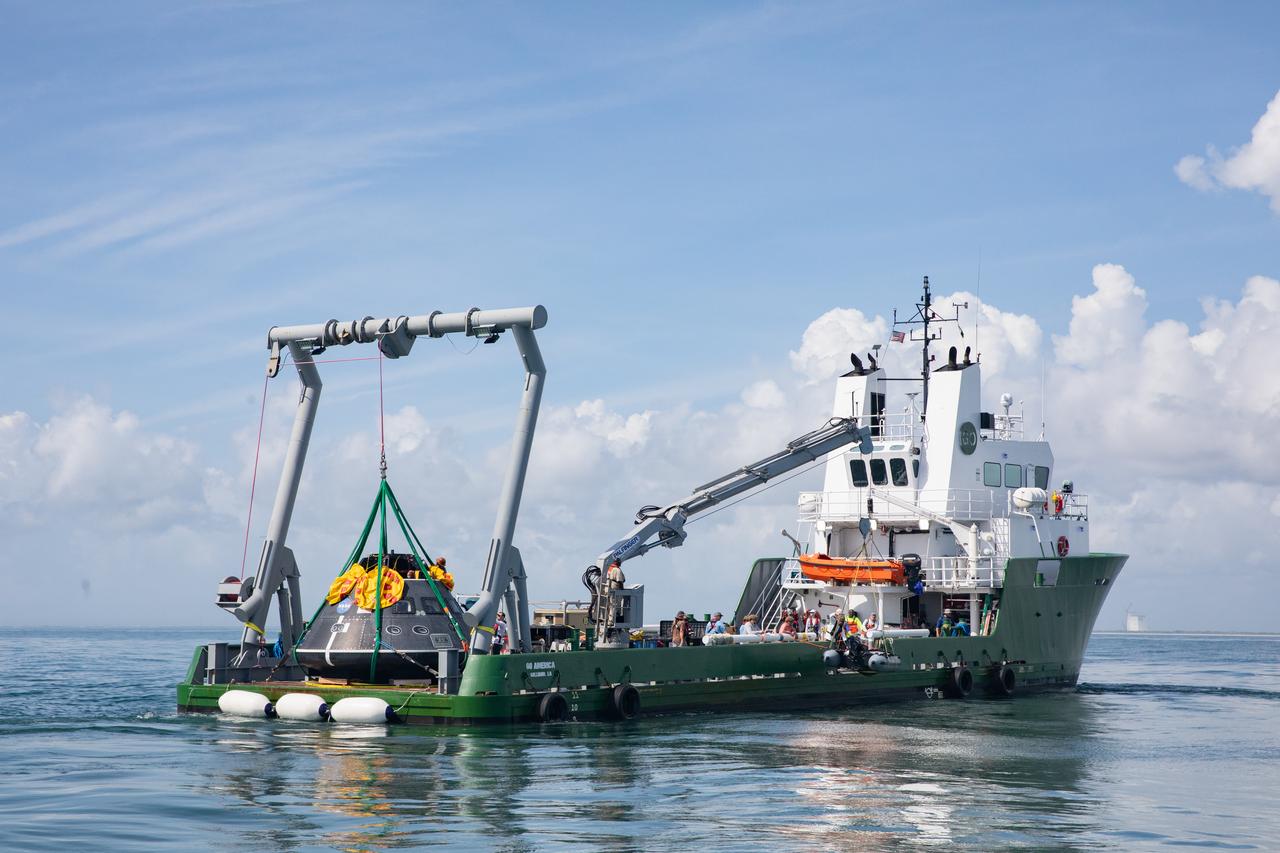
Teams with NASA and the Department of Defense (DoD) rehearse recovery procedures for a launch pad abort scenario off the coast of Florida near the agency’s Kennedy Space Center on Wednesday, June 11, 2025. Utilizing mannequin crew members inside the Crew Module Test Article (CMTA) – a full-scale mockup of the Orion spacecraft – the simulations practiced abort timelines and joint NASA and DoD recovery procedures supported by Artemis II launch and flight control teams, as NASA prepares to send four astronauts around the Moon and back next year as part of the agency’s first crewed Artemis mission.
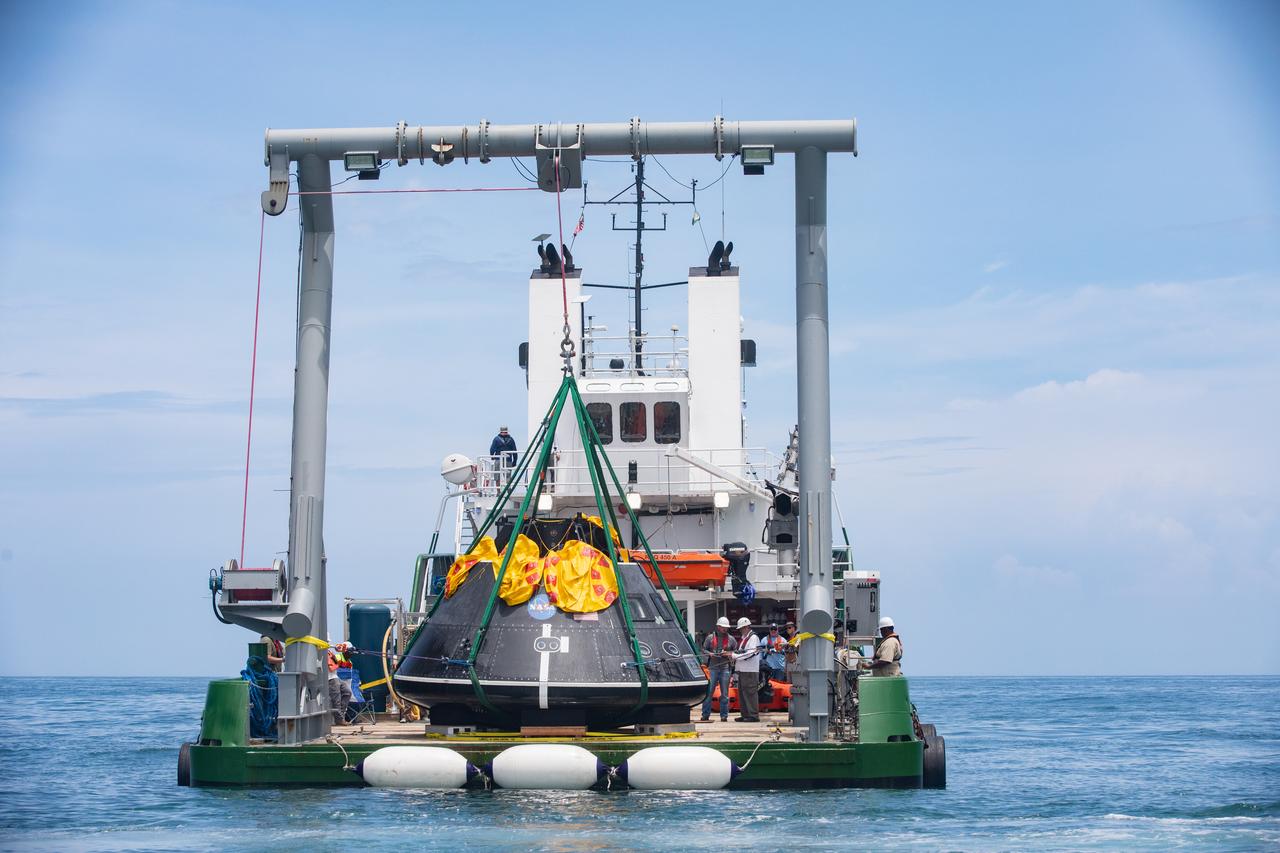
Teams with NASA and the Department of Defense (DoD) rehearse recovery procedures for a launch pad abort scenario off the coast of Florida near the agency’s Kennedy Space Center on Wednesday, June 11, 2025. Utilizing mannequin crew members inside the Crew Module Test Article (CMTA) – a full-scale mockup of the Orion spacecraft – the simulations practiced abort timelines and joint NASA and DoD recovery procedures supported by Artemis II launch and flight control teams, as NASA prepares to send four astronauts around the Moon and back next year as part of the agency’s first crewed Artemis mission.
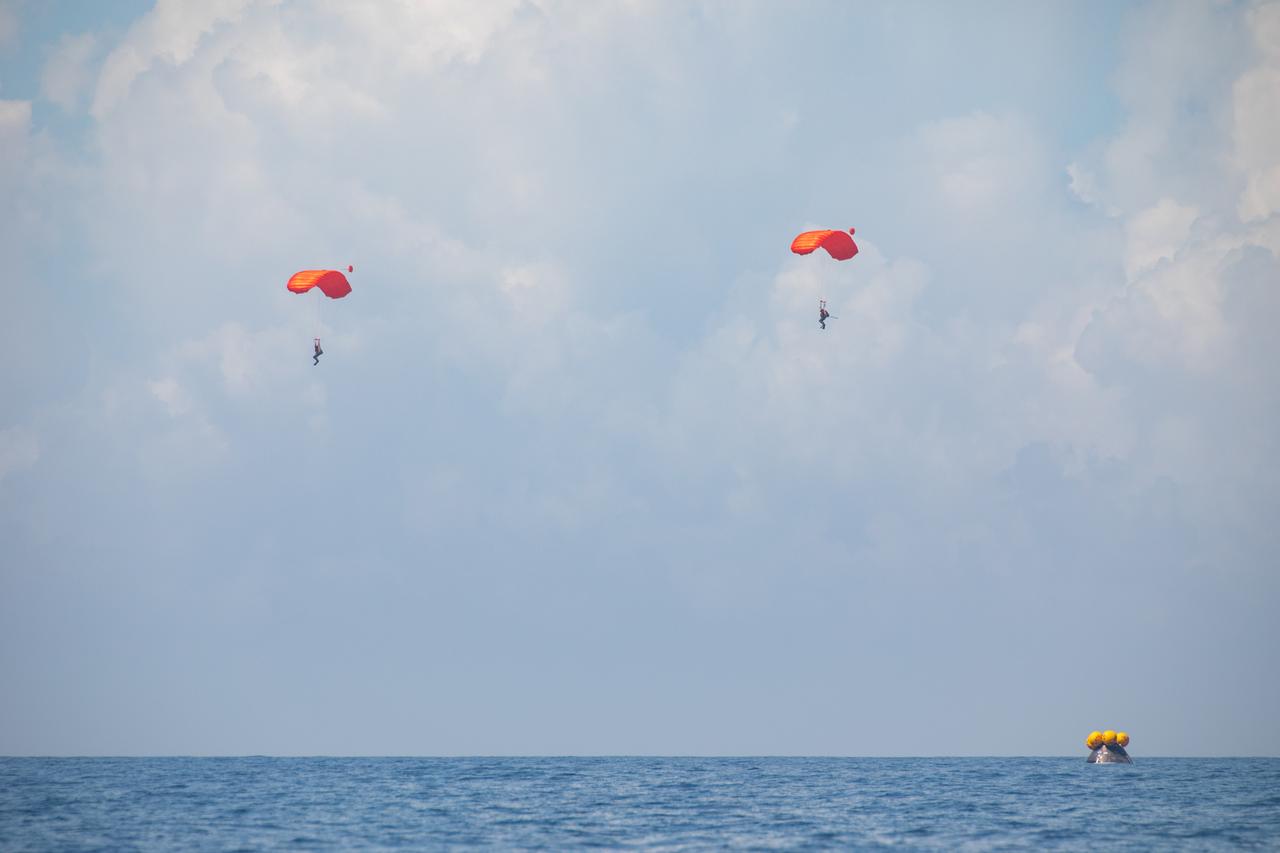
Teams with NASA and the Department of Defense (DoD) rehearse recovery procedures for an ascent abort scenario off the coast of Florida near the agency’s Kennedy Space Center on Thursday, June 12, 2025. Utilizing mannequin crew members inside the Crew Module Test Article (CMTA) – a full-scale mockup of the Orion spacecraft – the simulations practiced abort timelines and joint NASA and DoD recovery procedures supported by Artemis II launch and flight control teams, as NASA prepares to send four astronauts around the Moon and back next year as part of the agency’s first crewed Artemis mission.
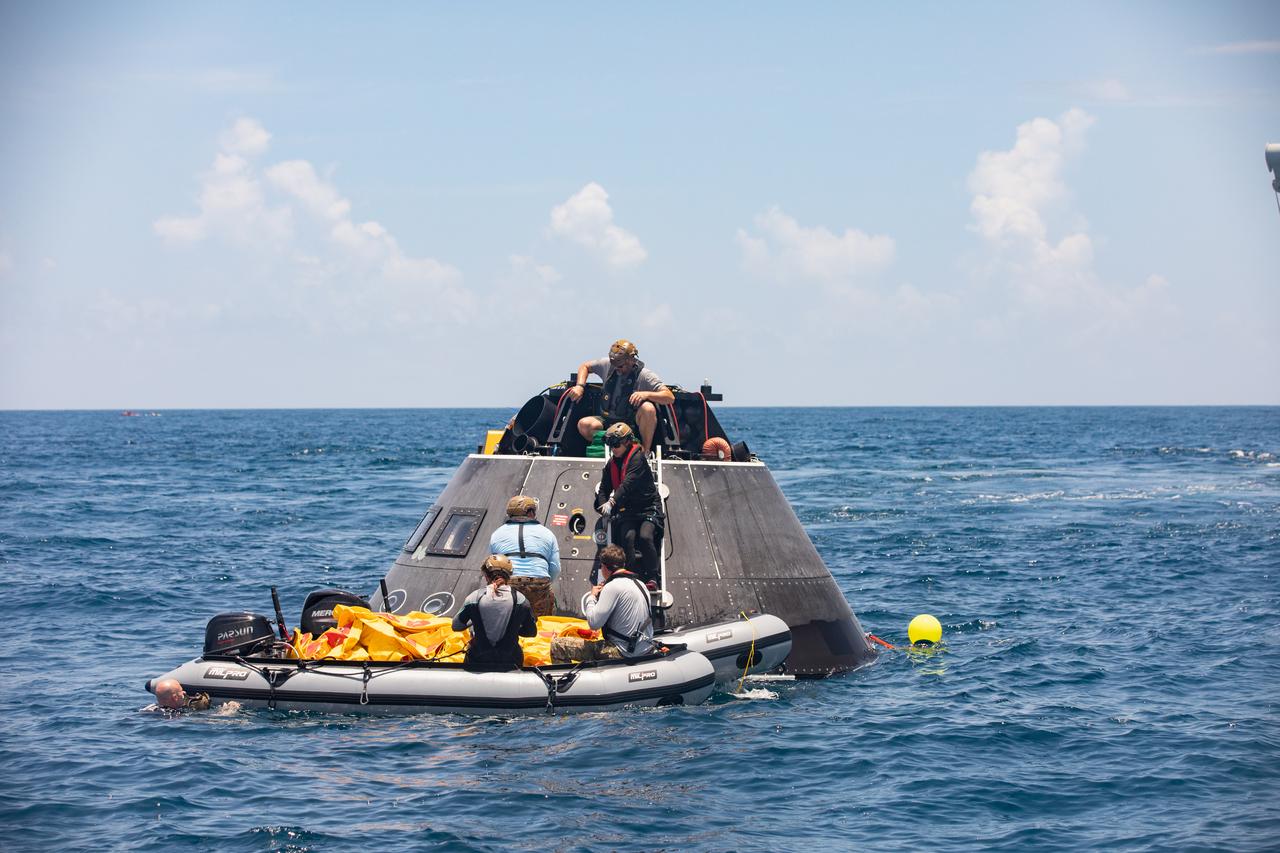
Teams with NASA and the Department of Defense (DoD) rehearse recovery procedures for an ascent abort scenario off the coast of Florida near the agency’s Kennedy Space Center on Thursday, June 12, 2025. Utilizing mannequin crew members inside the Crew Module Test Article (CMTA) – a full-scale mockup of the Orion spacecraft – the simulations practiced abort timelines and joint NASA and DoD recovery procedures supported by Artemis II launch and flight control teams, as NASA prepares to send four astronauts around the Moon and back next year as part of the agency’s first crewed Artemis mission.
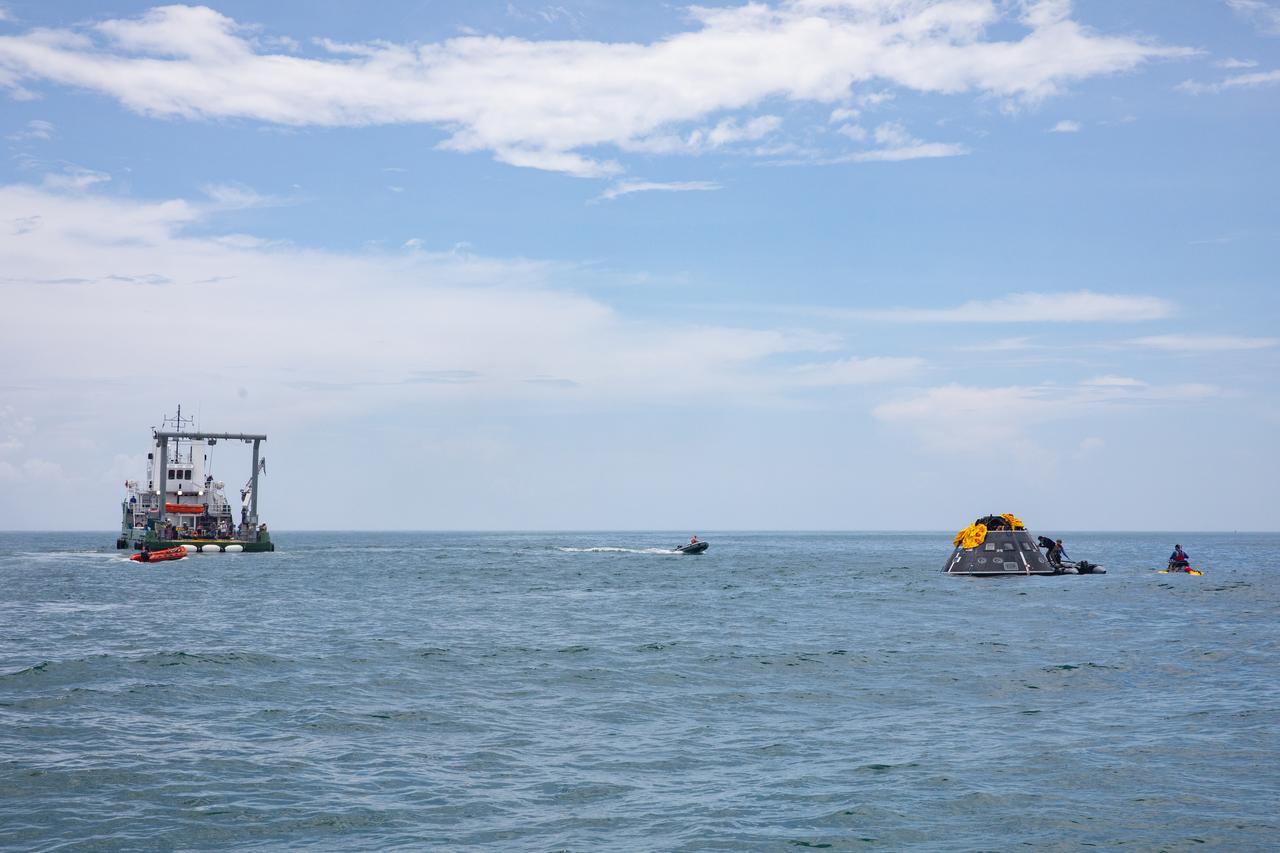
Teams with NASA and the Department of Defense (DoD) rehearse recovery procedures for a launch pad abort scenario off the coast of Florida near the agency’s Kennedy Space Center on Wednesday, June 11, 2025. Utilizing mannequin crew members inside the Crew Module Test Article (CMTA) – a full-scale mockup of the Orion spacecraft – the simulations practiced abort timelines and joint NASA and DoD recovery procedures supported by Artemis II launch and flight control teams, as NASA prepares to send four astronauts around the Moon and back next year as part of the agency’s first crewed Artemis mission.
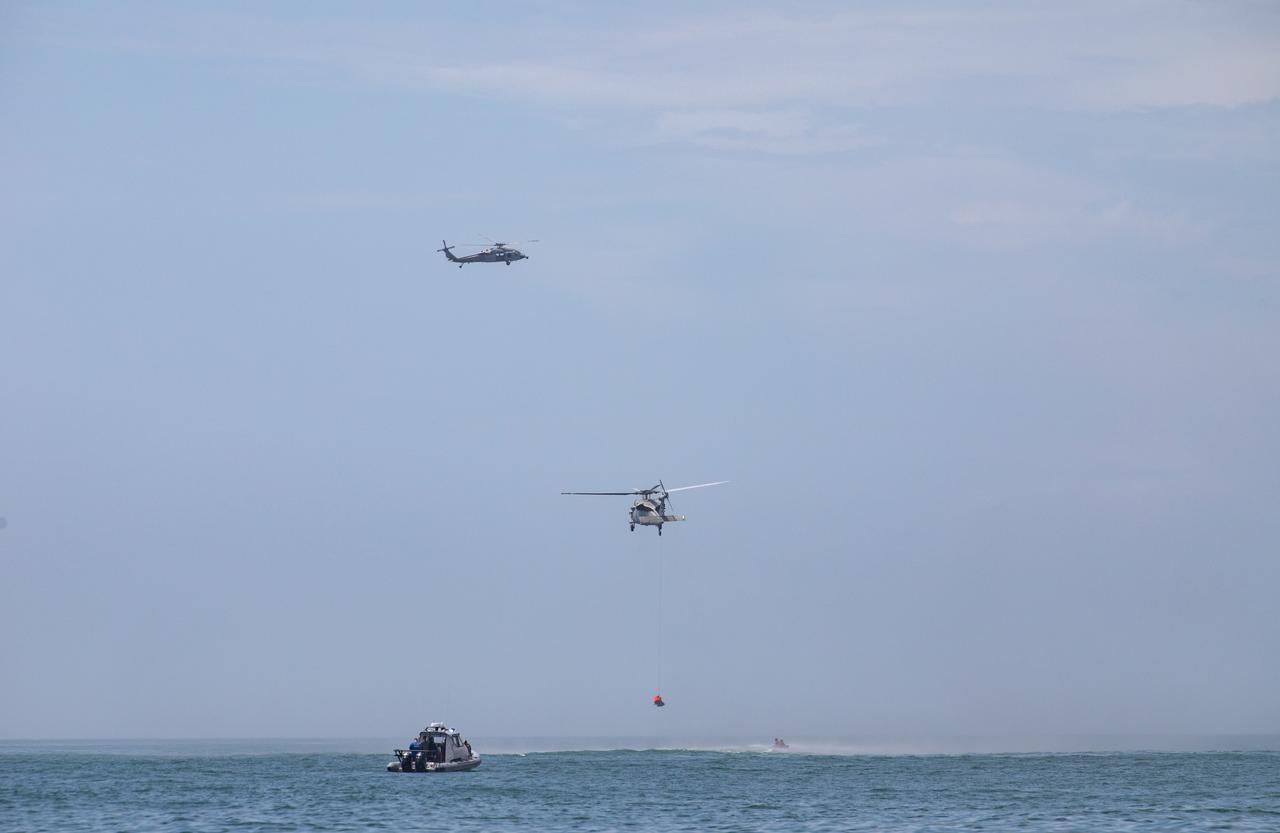
Teams with NASA and the Department of Defense (DoD) rehearse recovery procedures for a launch pad abort scenario off the coast of Florida near the agency’s Kennedy Space Center on Wednesday, June 11, 2025. Utilizing mannequin crew members inside the Crew Module Test Article (CMTA) – a full-scale mockup of the Orion spacecraft – the simulations practiced abort timelines and joint NASA and DoD recovery procedures supported by Artemis II launch and flight control teams, as NASA prepares to send four astronauts around the Moon and back next year as part of the agency’s first crewed Artemis mission.
Teams with NASA and the Department of Defense (DoD) rehearse recovery procedures for an ascent abort scenario off the coast of Florida near the agency’s Kennedy Space Center on Thursday, June 12, 2025. Utilizing mannequin crew members inside the Crew Module Test Article (CMTA) – a full-scale mockup of the Orion spacecraft – the simulations practiced abort timelines and joint NASA and DoD recovery procedures supported by Artemis II launch and flight control teams, as NASA prepares to send four astronauts around the Moon and back next year as part of the agency’s first crewed Artemis mission.
Teams with NASA and the Department of Defense (DoD) rehearse recovery procedures for an ascent abort scenario off the coast of Florida near the agency’s Kennedy Space Center on Thursday, June 12, 2025. Utilizing mannequin crew members inside the Crew Module Test Article (CMTA) – a full-scale mockup of the Orion spacecraft – the simulations practiced abort timelines and joint NASA and DoD recovery procedures supported by Artemis II launch and flight control teams, as NASA prepares to send four astronauts around the Moon and back next year as part of the agency’s first crewed Artemis mission.
Teams with NASA and the Department of Defense (DoD) rehearse recovery procedures for a launch pad abort scenario off the coast of Florida near the agency’s Kennedy Space Center on Wednesday, June 11, 2025. Utilizing mannequin crew members inside the Crew Module Test Article (CMTA) – a full-scale mockup of the Orion spacecraft – the simulations practiced abort timelines and joint NASA and DoD recovery procedures supported by Artemis II launch and flight control teams, as NASA prepares to send four astronauts around the Moon and back next year as part of the agency’s first crewed Artemis mission.
Teams with NASA and the Department of Defense (DoD) rehearse recovery procedures for a launch pad abort scenario off the coast of Florida near the agency’s Kennedy Space Center on Wednesday, June 11, 2025. Utilizing mannequin crew members inside the Crew Module Test Article (CMTA) – a full-scale mockup of the Orion spacecraft – the simulations practiced abort timelines and joint NASA and DoD recovery procedures supported by Artemis II launch and flight control teams, as NASA prepares to send four astronauts around the Moon and back next year as part of the agency’s first crewed Artemis mission.
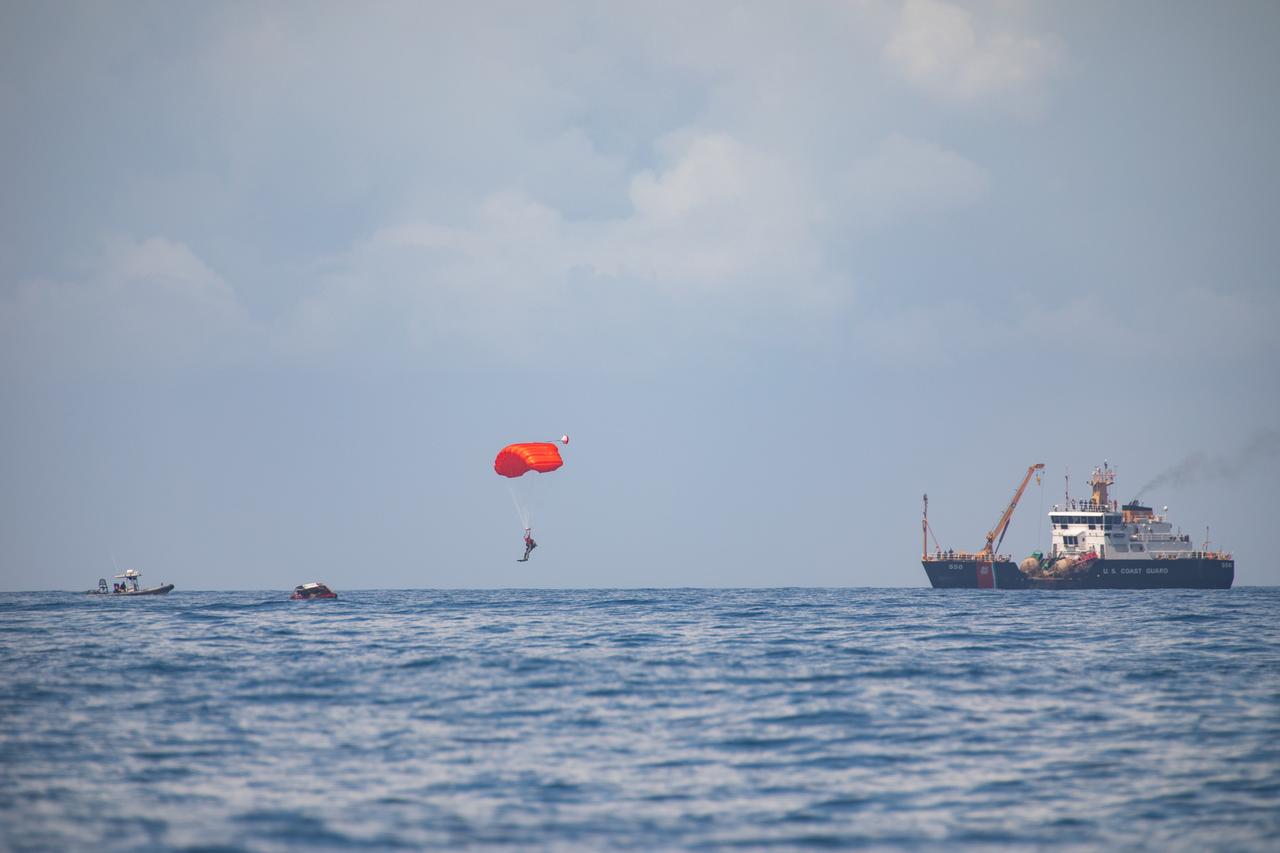
Teams with NASA and the Department of Defense (DoD) rehearse recovery procedures for an ascent abort scenario off the coast of Florida near the agency’s Kennedy Space Center on Thursday, June 12, 2025. Utilizing mannequin crew members inside the Crew Module Test Article (CMTA) – a full-scale mockup of the Orion spacecraft – the simulations practiced abort timelines and joint NASA and DoD recovery procedures supported by Artemis II launch and flight control teams, as NASA prepares to send four astronauts around the Moon and back next year as part of the agency’s first crewed Artemis mission.
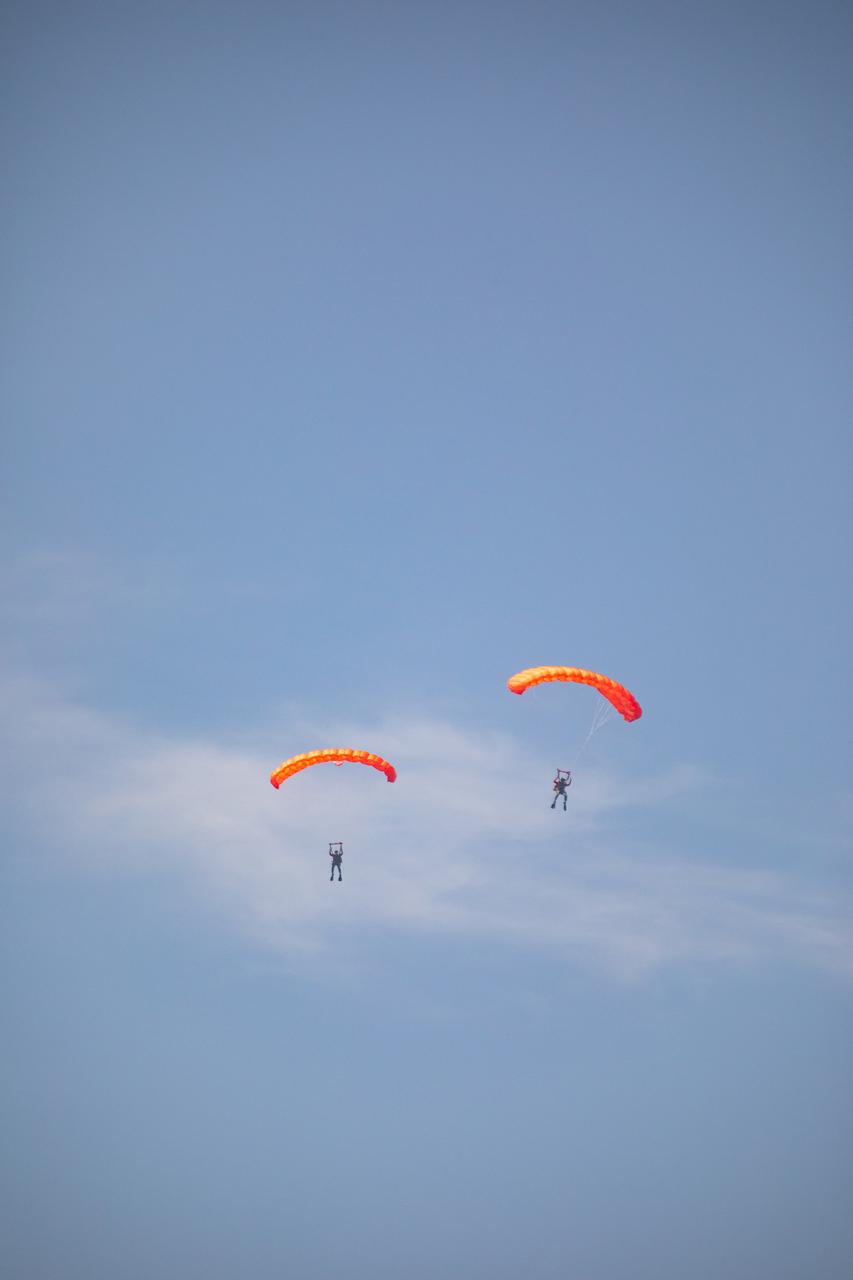
Teams with NASA and the Department of Defense (DoD) rehearse recovery procedures for an ascent abort scenario off the coast of Florida near the agency’s Kennedy Space Center on Thursday, June 12, 2025. Utilizing mannequin crew members inside the Crew Module Test Article (CMTA) – a full-scale mockup of the Orion spacecraft – the simulations practiced abort timelines and joint NASA and DoD recovery procedures supported by Artemis II launch and flight control teams, as NASA prepares to send four astronauts around the Moon and back next year as part of the agency’s first crewed Artemis mission.
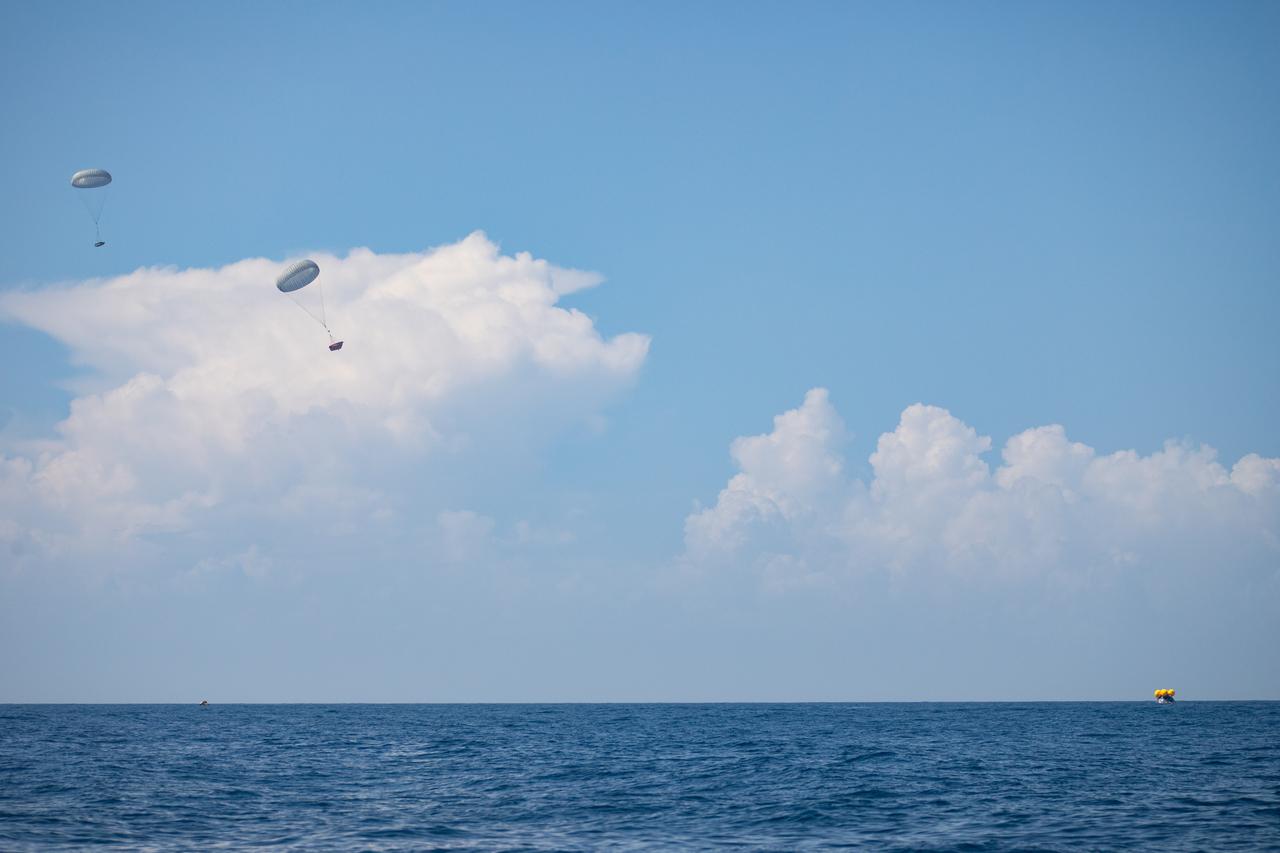
Teams with NASA and the Department of Defense (DoD) rehearse recovery procedures for an ascent abort scenario off the coast of Florida near the agency’s Kennedy Space Center on Thursday, June 12, 2025. Utilizing mannequin crew members inside the Crew Module Test Article (CMTA) – a full-scale mockup of the Orion spacecraft – the simulations practiced abort timelines and joint NASA and DoD recovery procedures supported by Artemis II launch and flight control teams, as NASA prepares to send four astronauts around the Moon and back next year as part of the agency’s first crewed Artemis mission.
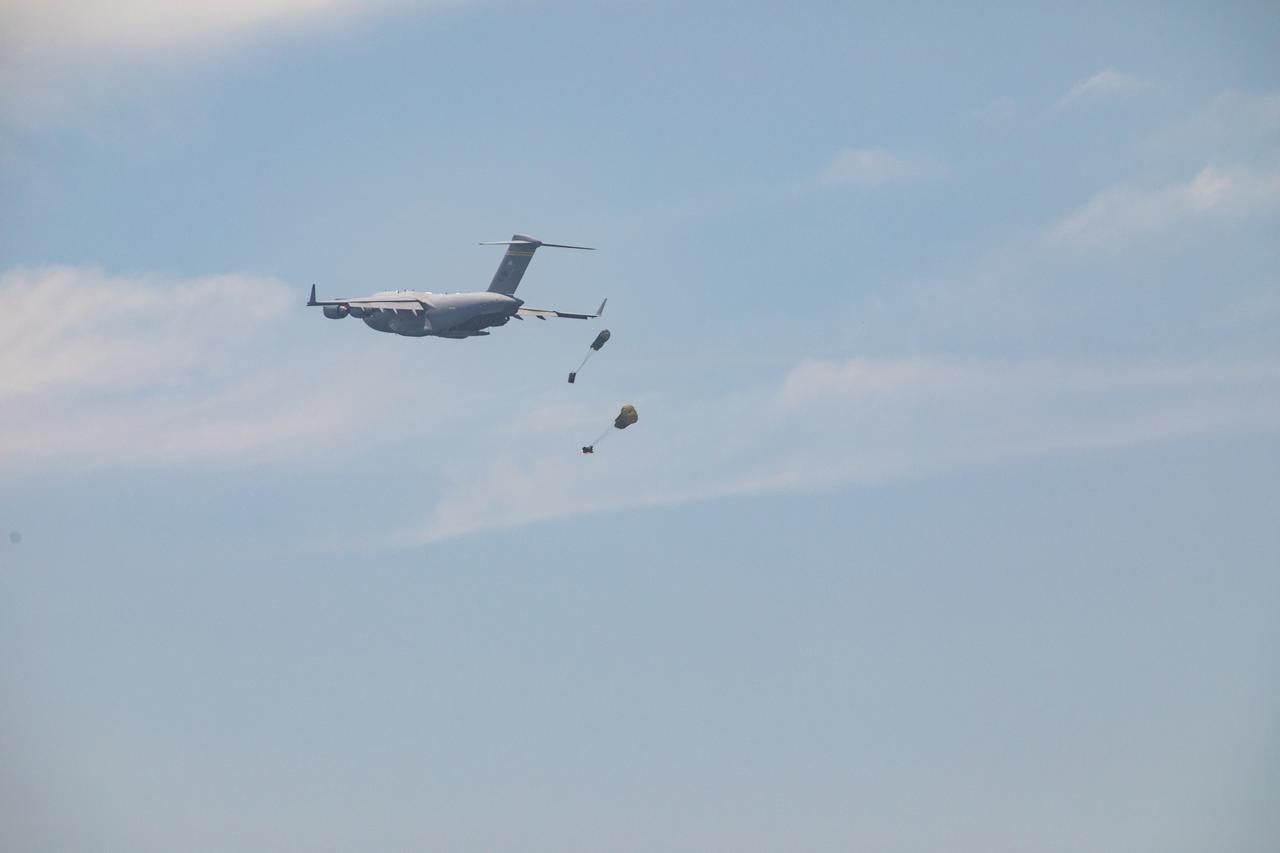
Teams with NASA and the Department of Defense (DoD) rehearse recovery procedures for an ascent abort scenario off the coast of Florida near the agency’s Kennedy Space Center on Thursday, June 12, 2025. Utilizing mannequin crew members inside the Crew Module Test Article (CMTA) – a full-scale mockup of the Orion spacecraft – the simulations practiced abort timelines and joint NASA and DoD recovery procedures supported by Artemis II launch and flight control teams, as NASA prepares to send four astronauts around the Moon and back next year as part of the agency’s first crewed Artemis mission.
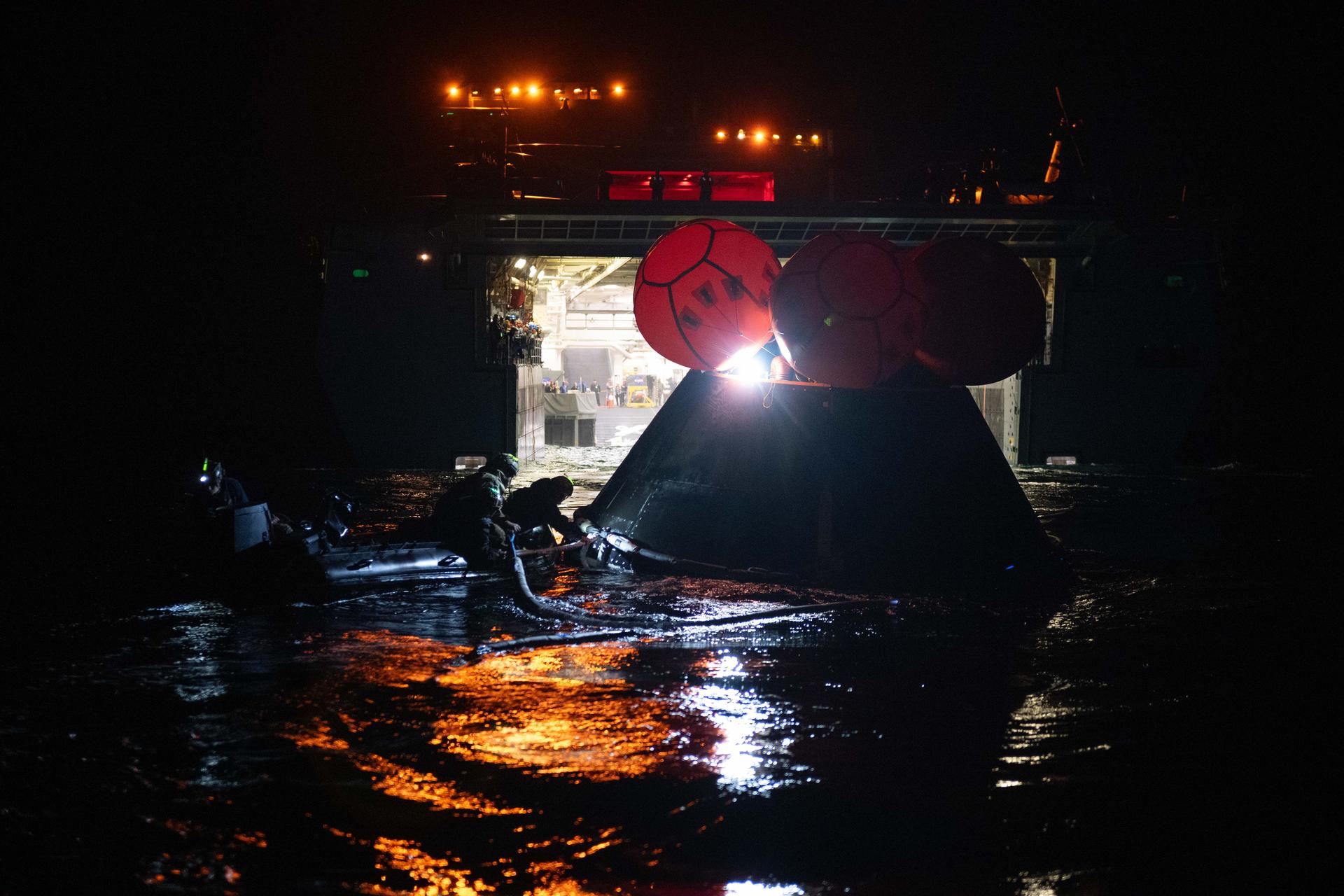
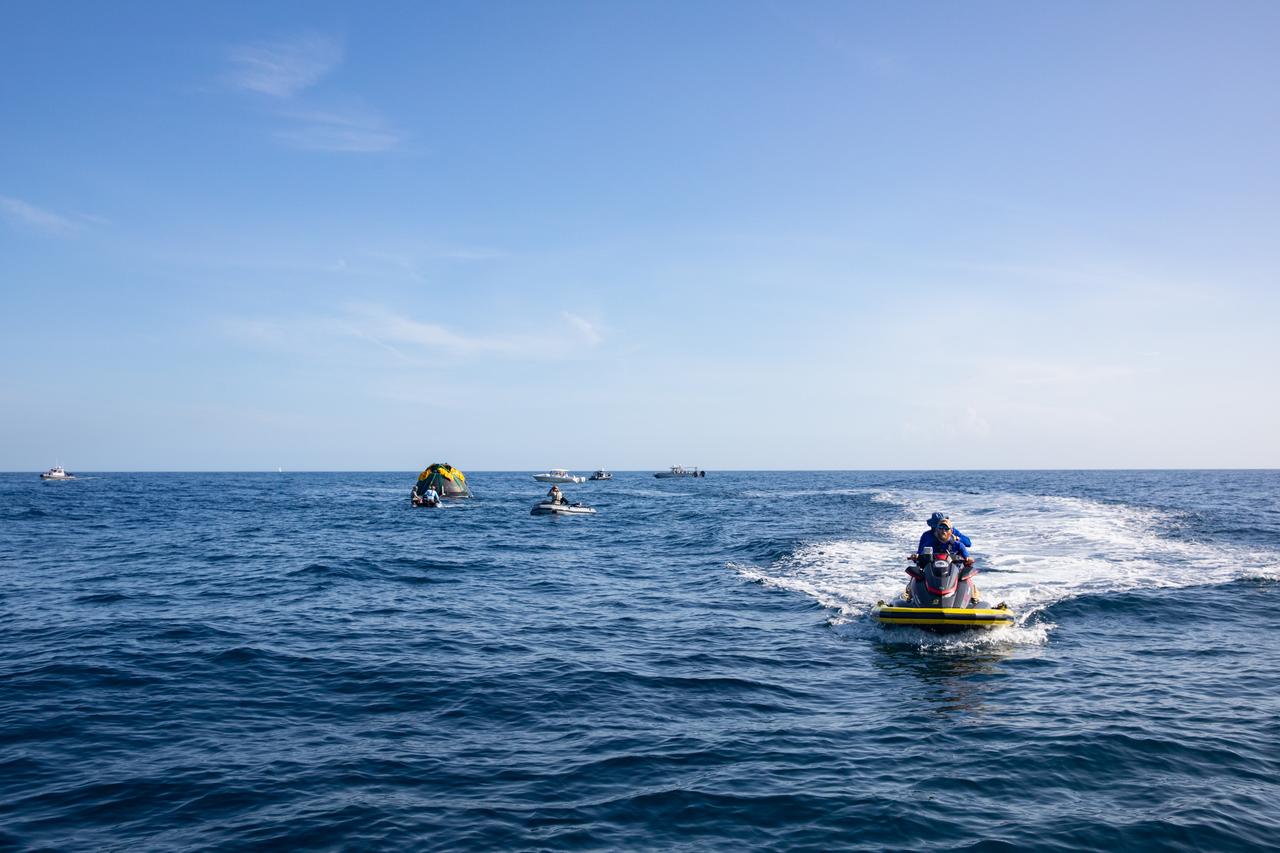
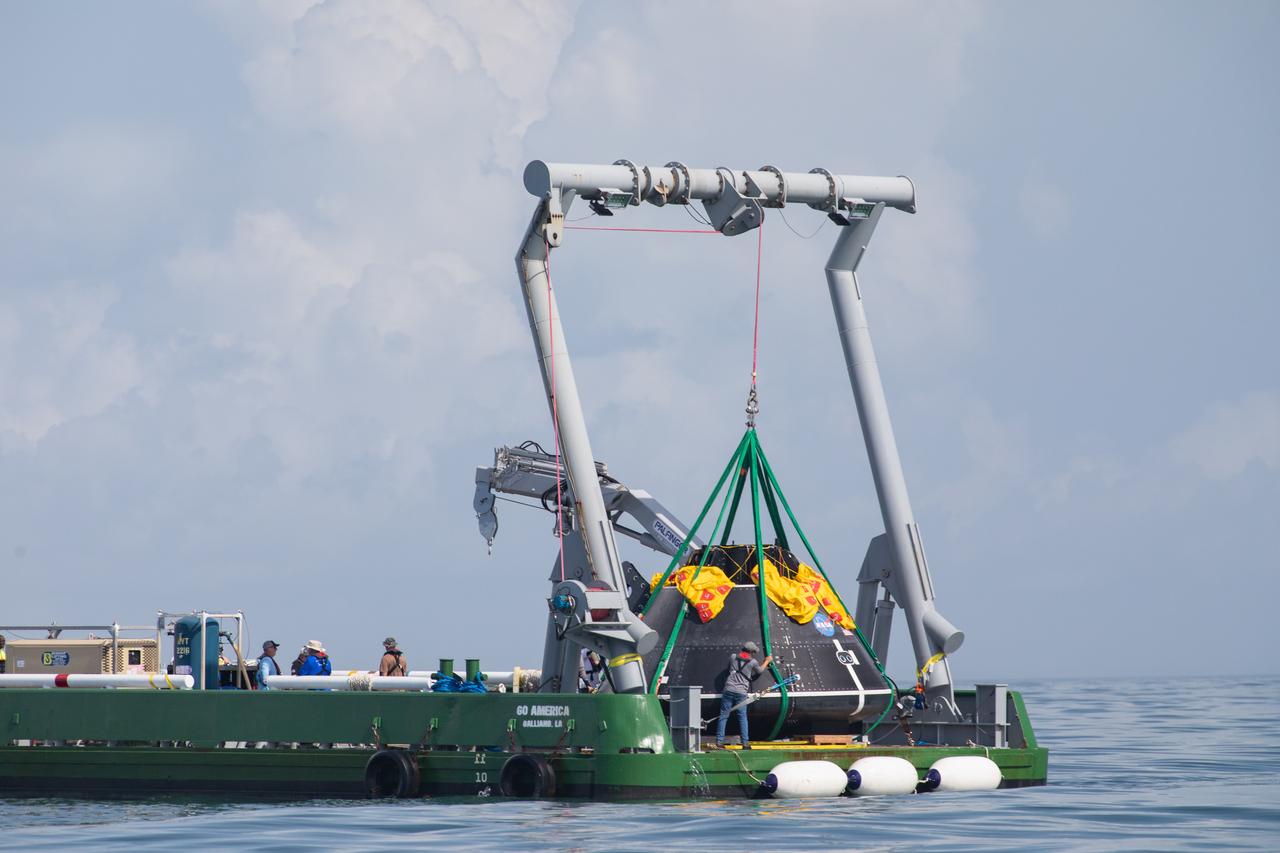
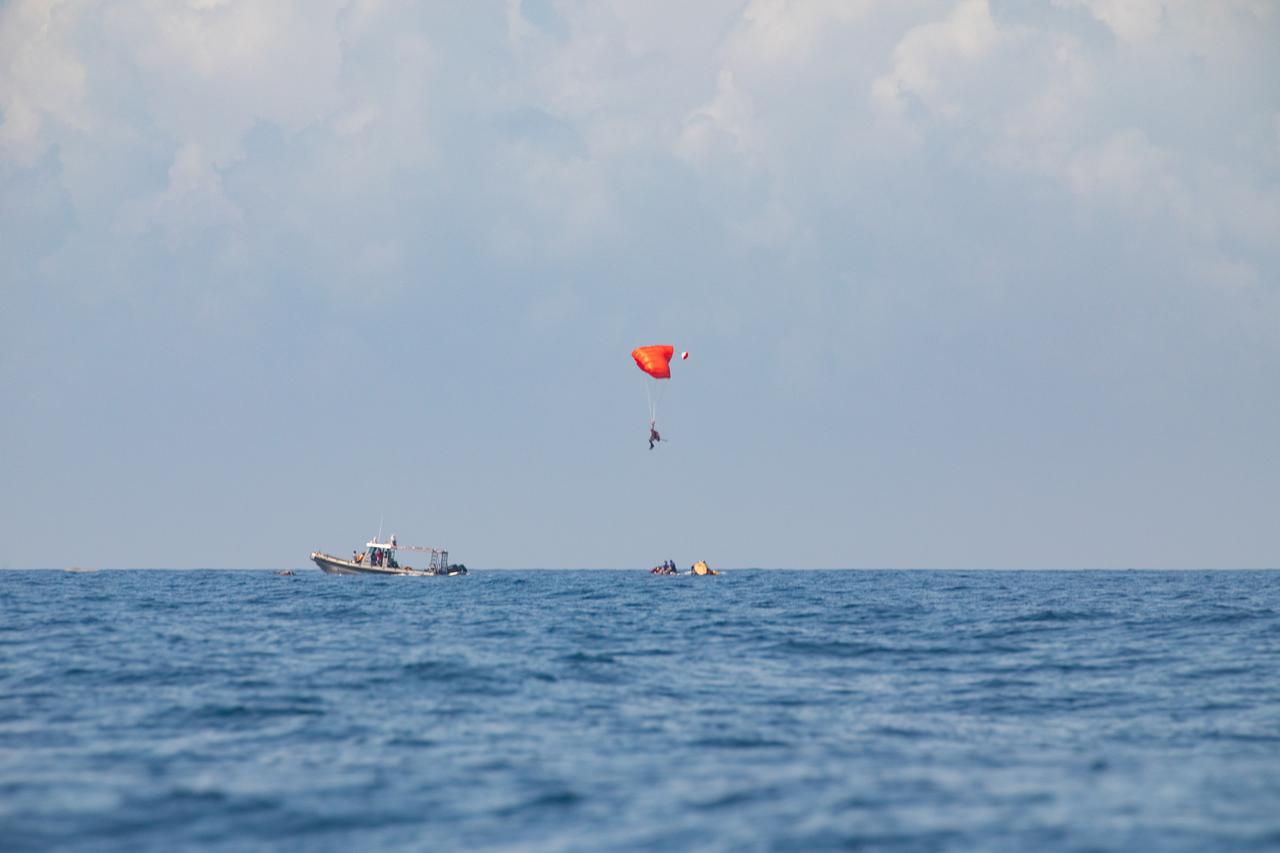
Members from NASA’s Artemis Landing and Recovery team and the Department of War perform a final simulation of the Artemis II splashdown, called a just-in-time training, in the Pacific Ocean off the coast of California on Thursday, Jan. 29, 2026. The teams will work together to retrieve the Artemis II crew and Orion spacecraft following their return to Earth, and during the training the teams use the Crew Module Test Article, a full-scale mockup of the Orion spacecraft, to simulate as close as possible the conditions they can expect to encounter during splashdown of the Artemis II mission. NASA’s first crewed test flight in the Artemis campaign, the approximately 10-day Artemis II mission will send NASA astronauts Reid Wiseman, Victor Glover, and Christina Koch, and CSA (Canadian Space Agency) astronaut Jeremy Hansen around the Moon and farther than any humans have ever been from Earth.
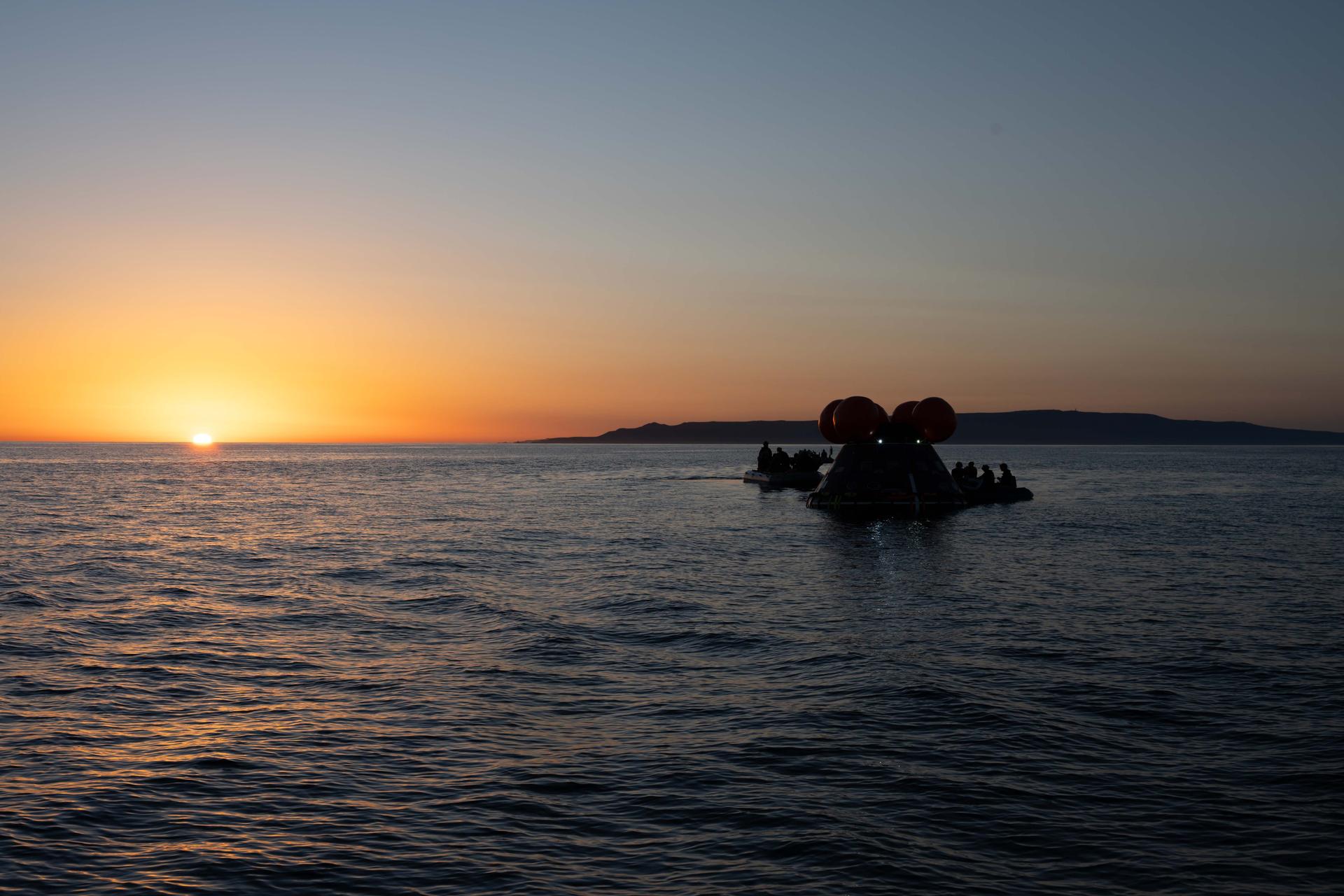
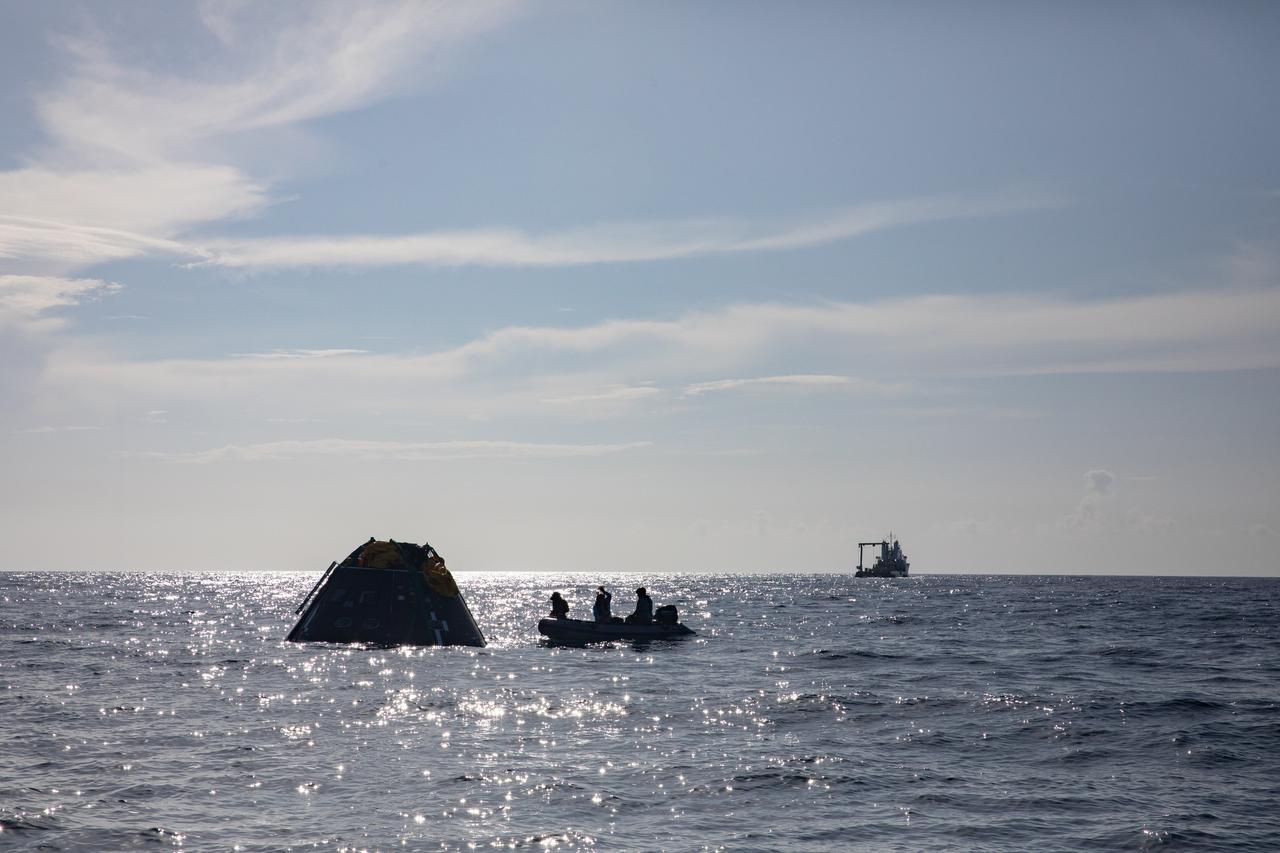
Members from NASA’s Artemis Landing and Recovery team and the Department of War perform a final simulation of the Artemis II splashdown, called a just-in-time training, in the Pacific Ocean off the coast of California at sunset on Thursday, Jan. 29, 2026. The teams will work together to retrieve the Artemis II crew and Orion spacecraft following their return to Earth, and during the training the teams use the Crew Module Test Article, a full-scale mockup of the Orion spacecraft, to simulate as close as possible the conditions they can expect to encounter during splashdown of the Artemis II mission. NASA’s first crewed test flight in the Artemis campaign, the approximately 10-day Artemis II mission will send NASA astronauts Reid Wiseman, Victor Glover, and Christina Koch, and CSA (Canadian Space Agency) astronaut Jeremy Hansen around the Moon and farther than any humans have ever been from Earth.
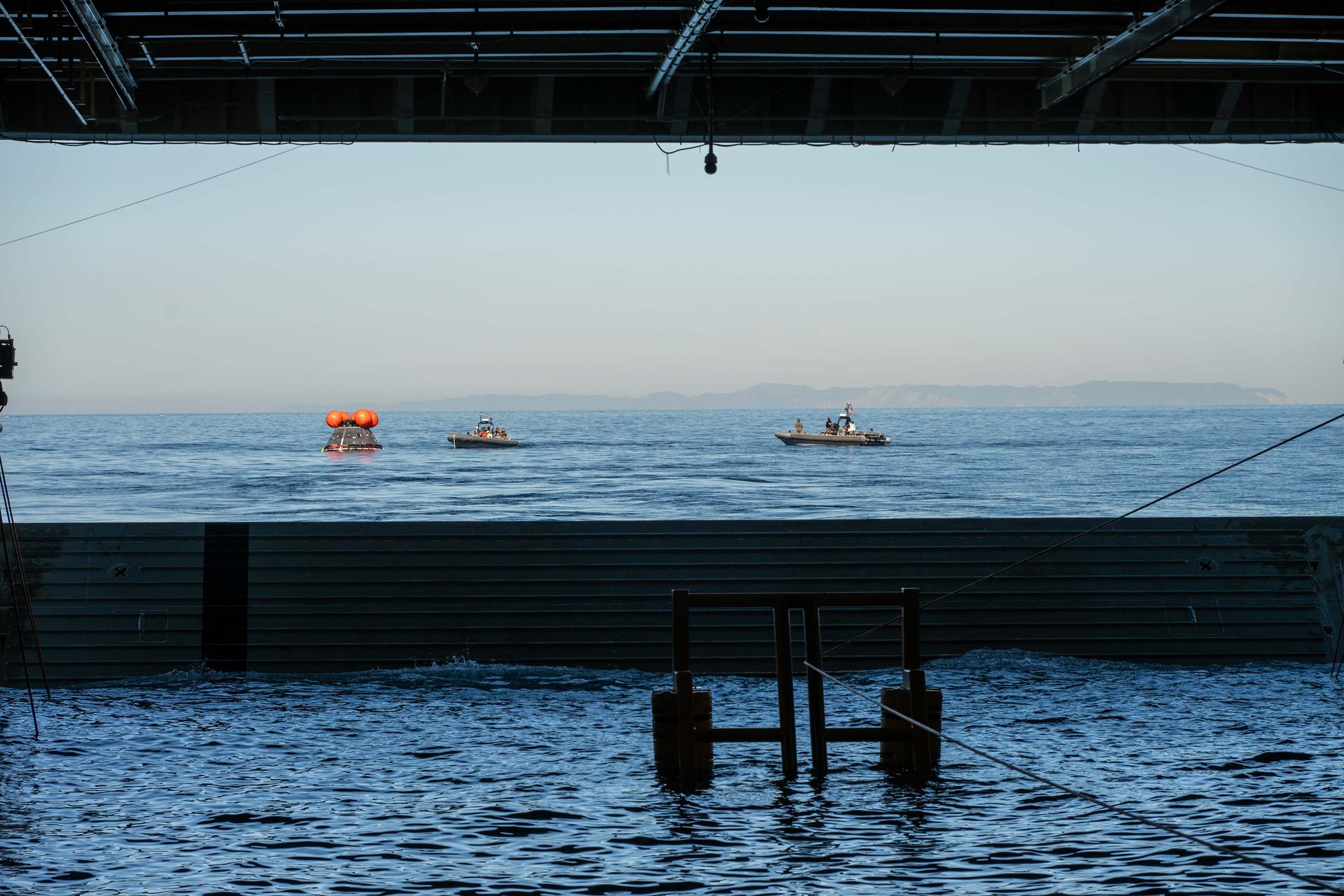
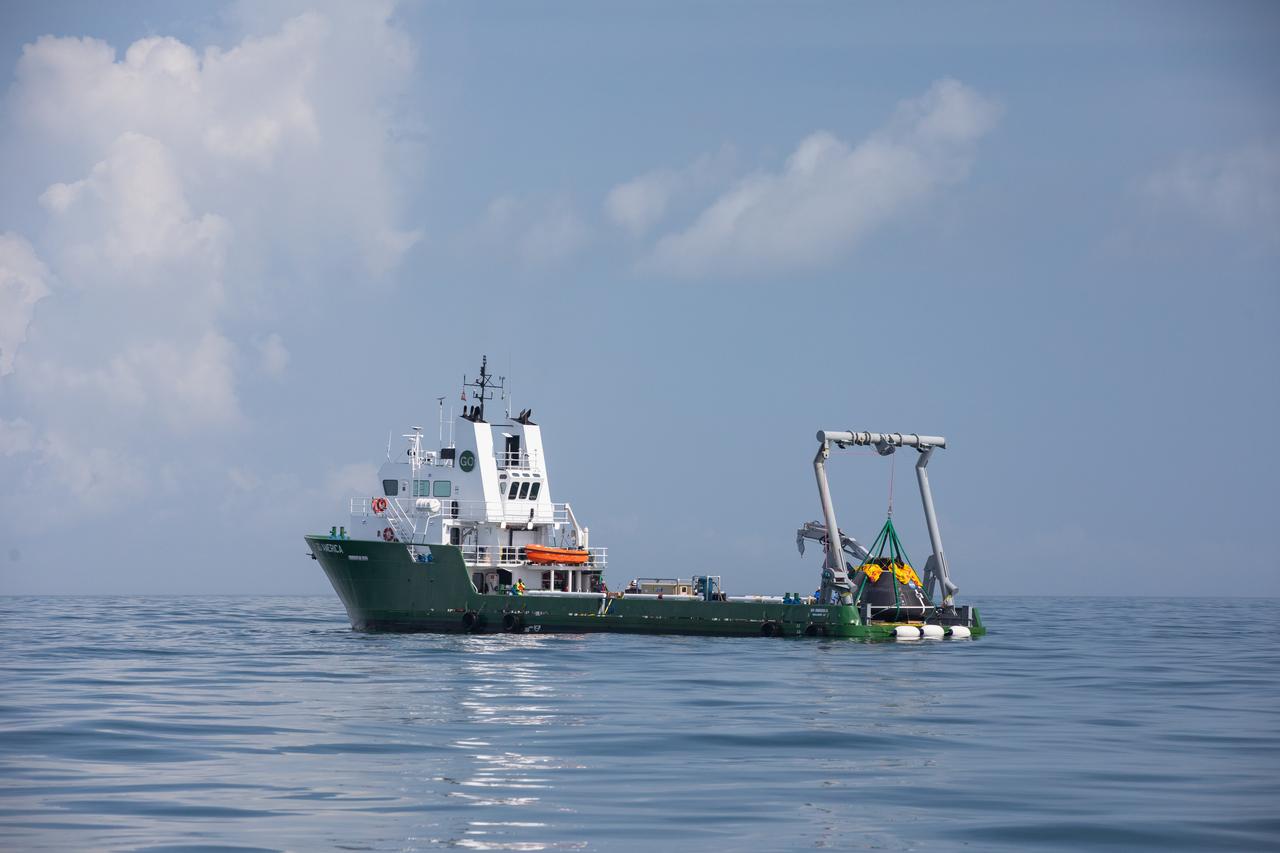
Off the coast of California, NASA’s Artemis Landing and Recovery team and the Department of War that will work together to retrieve the Artemis II crew and Orion spacecraft following their return to Earth and splashdown in the Pacific Ocean are performing a final simulation of their activities, called a just-in-time training, at sea on Tuesday, Jan. 27, 2026. During the training, teams use the Crew Module Test Article, a full-scale mockup of the Orion spacecraft, to simulate as close as possible the conditions they can expect to encounter during splashdown of the Artemis II mission. NASA’s first crewed test flight in the Artemis campaign, the approximately 10-day Artemis II mission will send NASA astronauts Reid Wiseman, Victor Glover, and Christina Koch, and CSA (Canadian Space Agency) astronaut Jeremy Hansen around the Moon and farther than any humans have ever been from Earth.
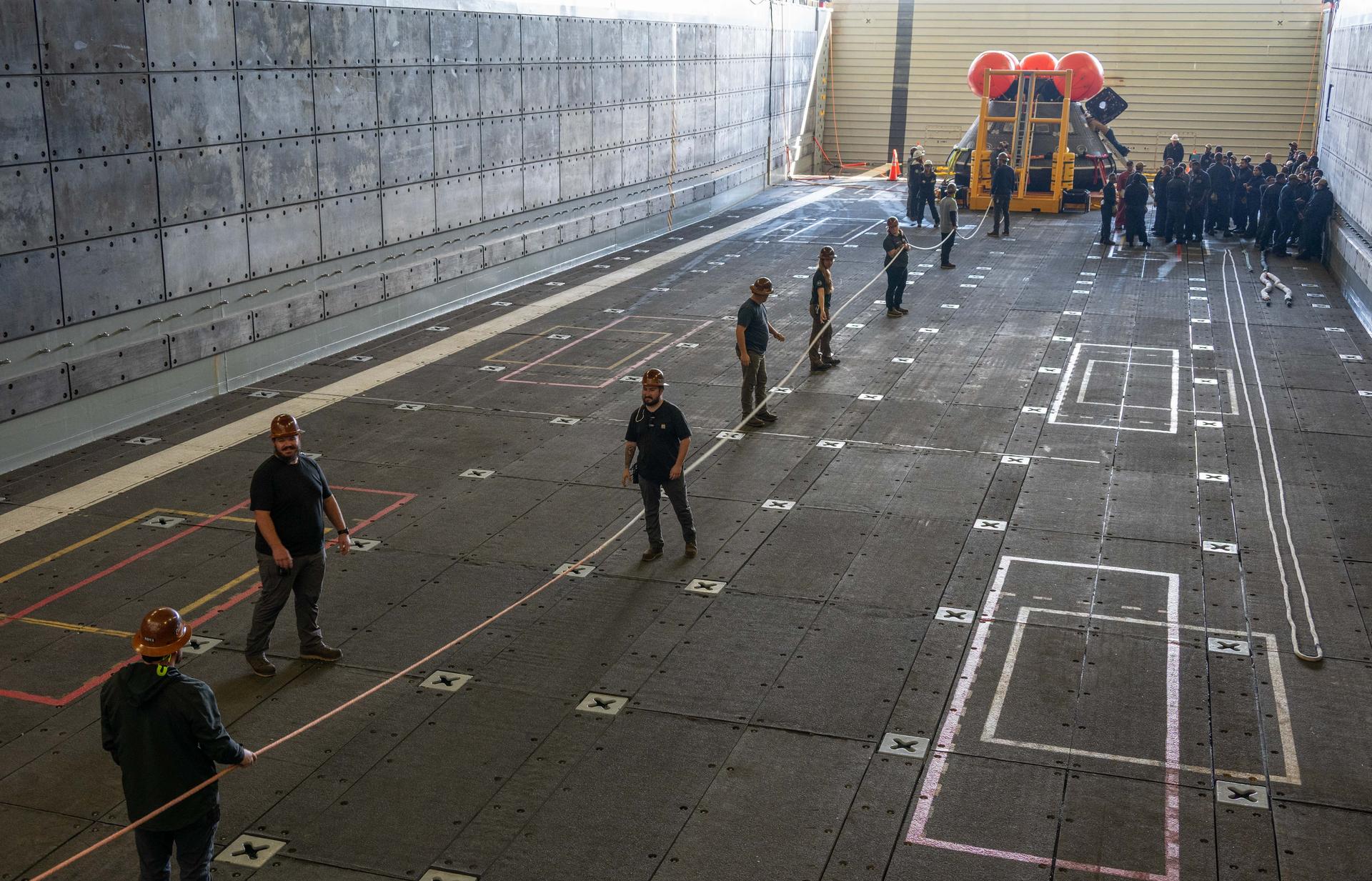
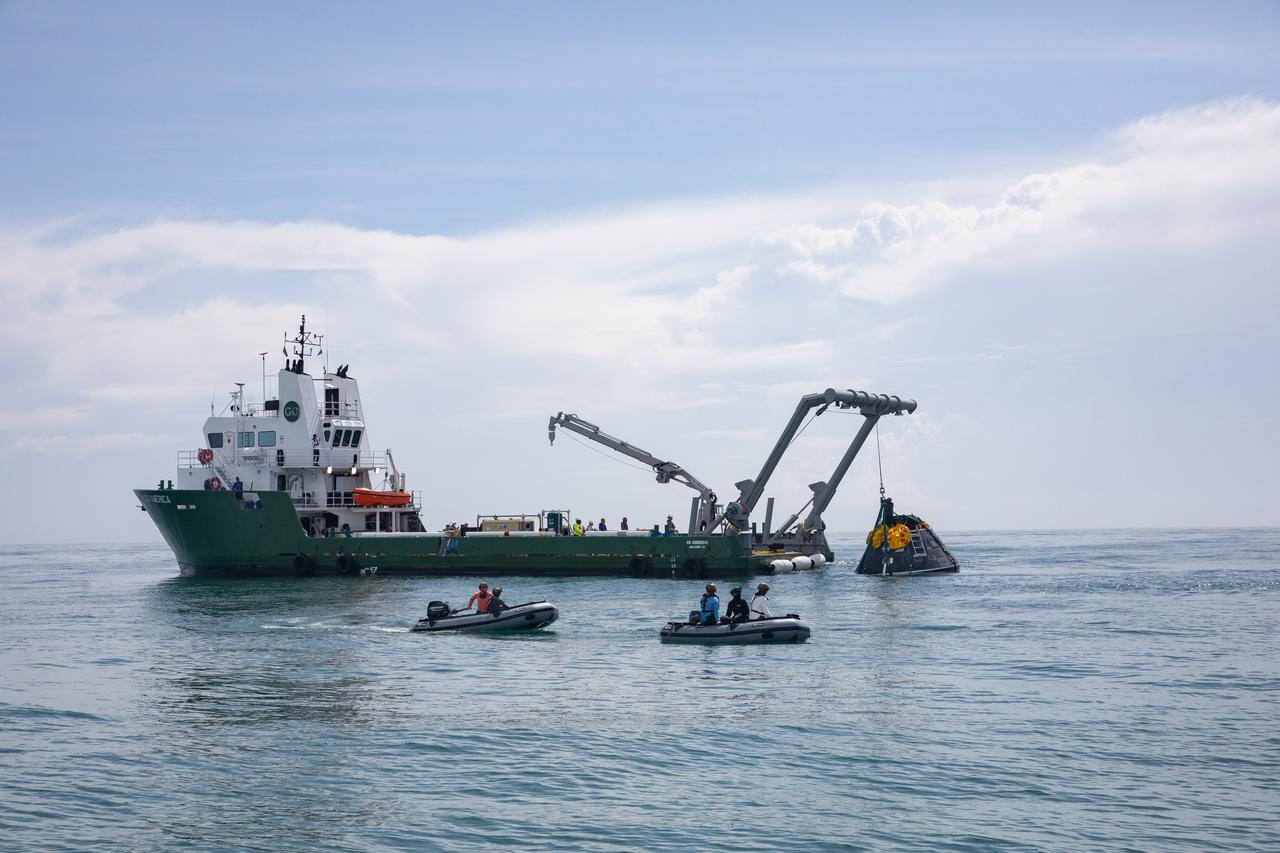
Off the coast of California, NASA’s Artemis Landing and Recovery team and the Department of War that will work together to retrieve the Artemis II crew and Orion spacecraft following their return to Earth and splashdown in the Pacific Ocean are performing a final simulation of their activities, called a just-in-time training, at sea on Monday, Jan. 26, 2026. During the training, teams use the Crew Module Test Article, a full-scale mockup of the Orion spacecraft, to simulate as close as possible the conditions they can expect to encounter during splashdown of the Artemis II mission. NASA’s first crewed test flight in the Artemis campaign, the approximately 10-day Artemis II mission will send NASA astronauts Reid Wiseman, Victor Glover, and Christina Koch, and CSA (Canadian Space Agency) astronaut Jeremy Hansen around the Moon and farther than any humans have ever been from Earth.
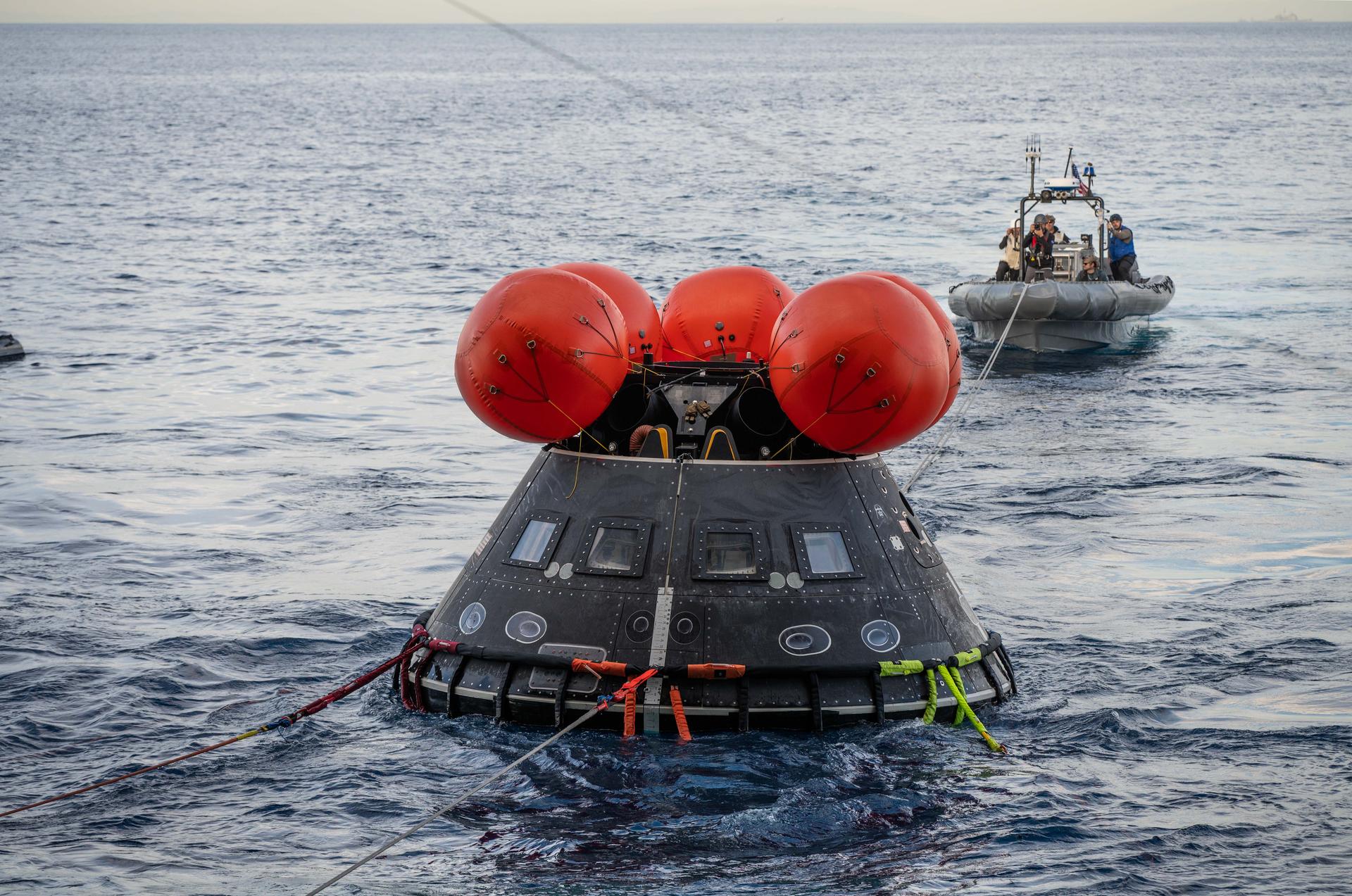
Off the coast of California, NASA’s Artemis Landing and Recovery team and the Department of War that will work together to retrieve the Artemis II crew and Orion spacecraft following their return to Earth and splashdown in the Pacific Ocean are performing a final simulation of their activities, called a just-in-time training, at sea on Wednesday, Jan. 28, 2026. During the training, teams use the Crew Module Test Article, a full-scale mockup of the Orion spacecraft, to simulate as close as possible the conditions they can expect to encounter during splashdown of the Artemis II mission. NASA’s first crewed test flight in the Artemis campaign, the approximately 10-day Artemis II mission will send NASA astronauts Reid Wiseman, Victor Glover, and Christina Koch, and CSA (Canadian Space Agency) astronaut Jeremy Hansen around the Moon and farther than any humans have ever been from Earth.
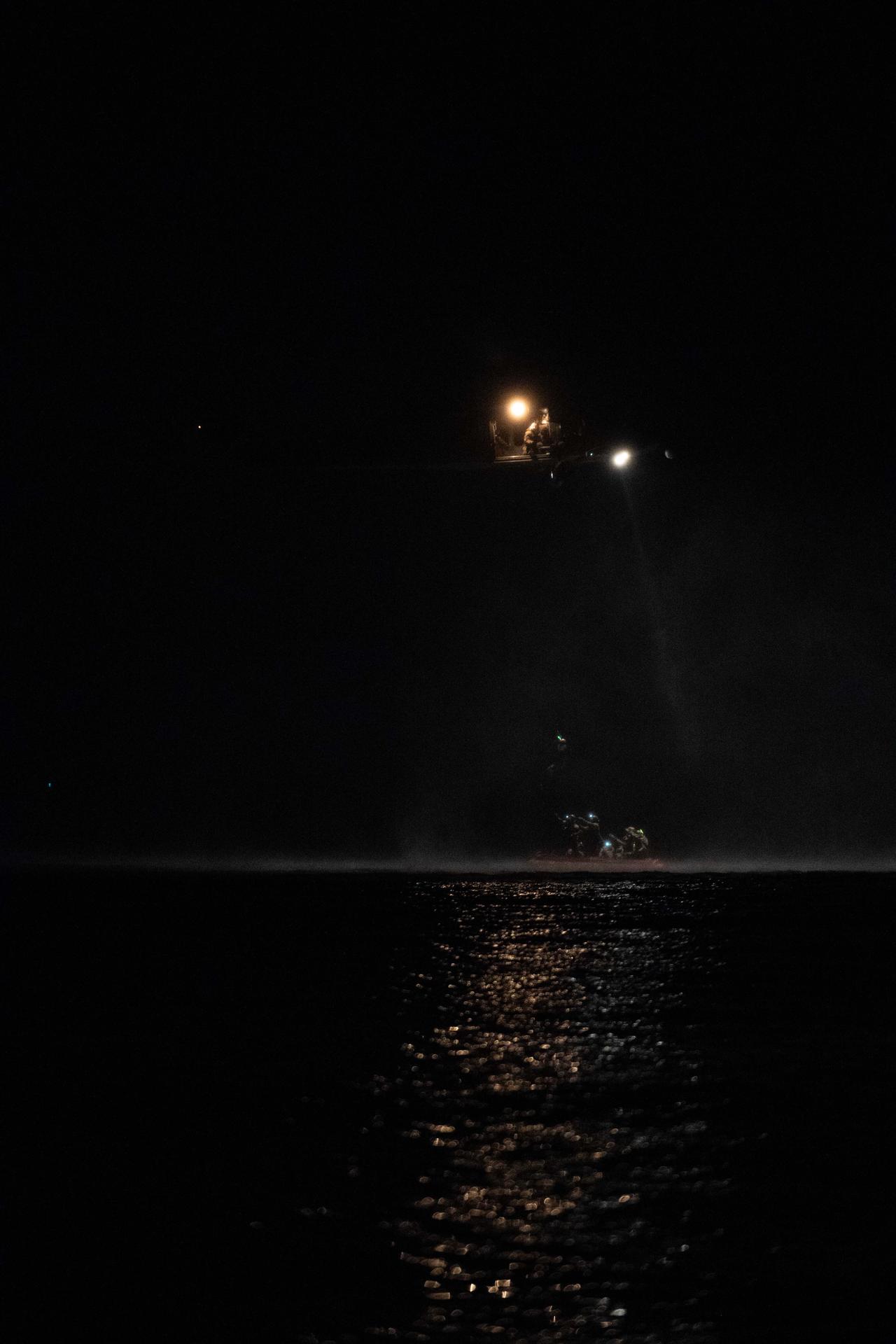
Members from NASA’s Artemis Landing and Recovery team and the Department of War perform a final simulation of the Artemis II splashdown, called a just-in-time training, in the Pacific Ocean off the coast of California on Thursday, Jan. 29, 2026. The teams will work together to retrieve the Artemis II crew and Orion spacecraft following their return to Earth, and during the training the teams use the Crew Module Test Article, a full-scale mockup of the Orion spacecraft, to simulate as close as possible the conditions they can expect to encounter during splashdown of the Artemis II mission. NASA’s first crewed test flight in the Artemis campaign, the approximately 10-day Artemis II mission will send NASA astronauts Reid Wiseman, Victor Glover, and Christina Koch, and CSA (Canadian Space Agency) astronaut Jeremy Hansen around the Moon and farther than any humans have ever been from Earth.

Off the coast of California, NASA’s Artemis Landing and Recovery team and the Department of War that will work together to retrieve the Artemis II crew and Orion spacecraft following their return to Earth and splashdown in the Pacific Ocean are performing a final simulation of their activities, called a just-in-time training, at sea on Tuesday, Jan. 27, 2026. During the training, teams use the Crew Module Test Article, a full-scale mockup of the Orion spacecraft, to simulate as close as possible the conditions they can expect to encounter during splashdown of the Artemis II mission. NASA’s first crewed test flight in the Artemis campaign, the approximately 10-day Artemis II mission will send NASA astronauts Reid Wiseman, Victor Glover, and Christina Koch, and CSA (Canadian Space Agency) astronaut Jeremy Hansen around the Moon and farther than any humans have ever been from Earth.
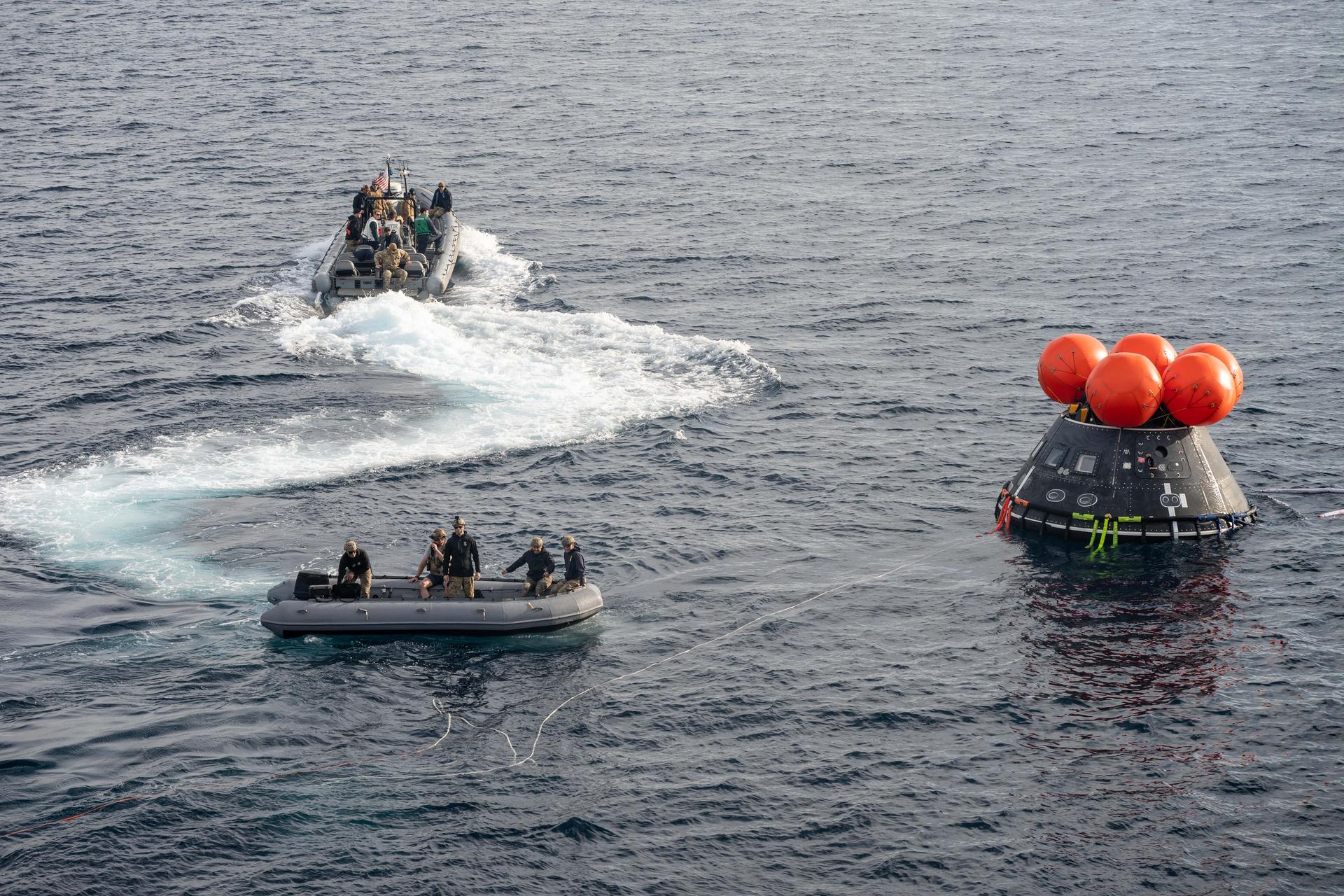
Off the coast of California, NASA’s Artemis Landing and Recovery team and the Department of War that will work together to retrieve the Artemis II crew and Orion spacecraft following their return to Earth and splashdown in the Pacific Ocean are performing a final simulation of their activities, called a just-in-time training, at sea on Tuesday, Jan. 27, 2026. During the training, teams use the Crew Module Test Article, a full-scale mockup of the Orion spacecraft, to simulate as close as possible the conditions they can expect to encounter during splashdown of the Artemis II mission. NASA’s first crewed test flight in the Artemis campaign, the approximately 10-day Artemis II mission will send NASA astronauts Reid Wiseman, Victor Glover, and Christina Koch, and CSA (Canadian Space Agency) astronaut Jeremy Hansen around the Moon and farther than any humans have ever been from Earth.
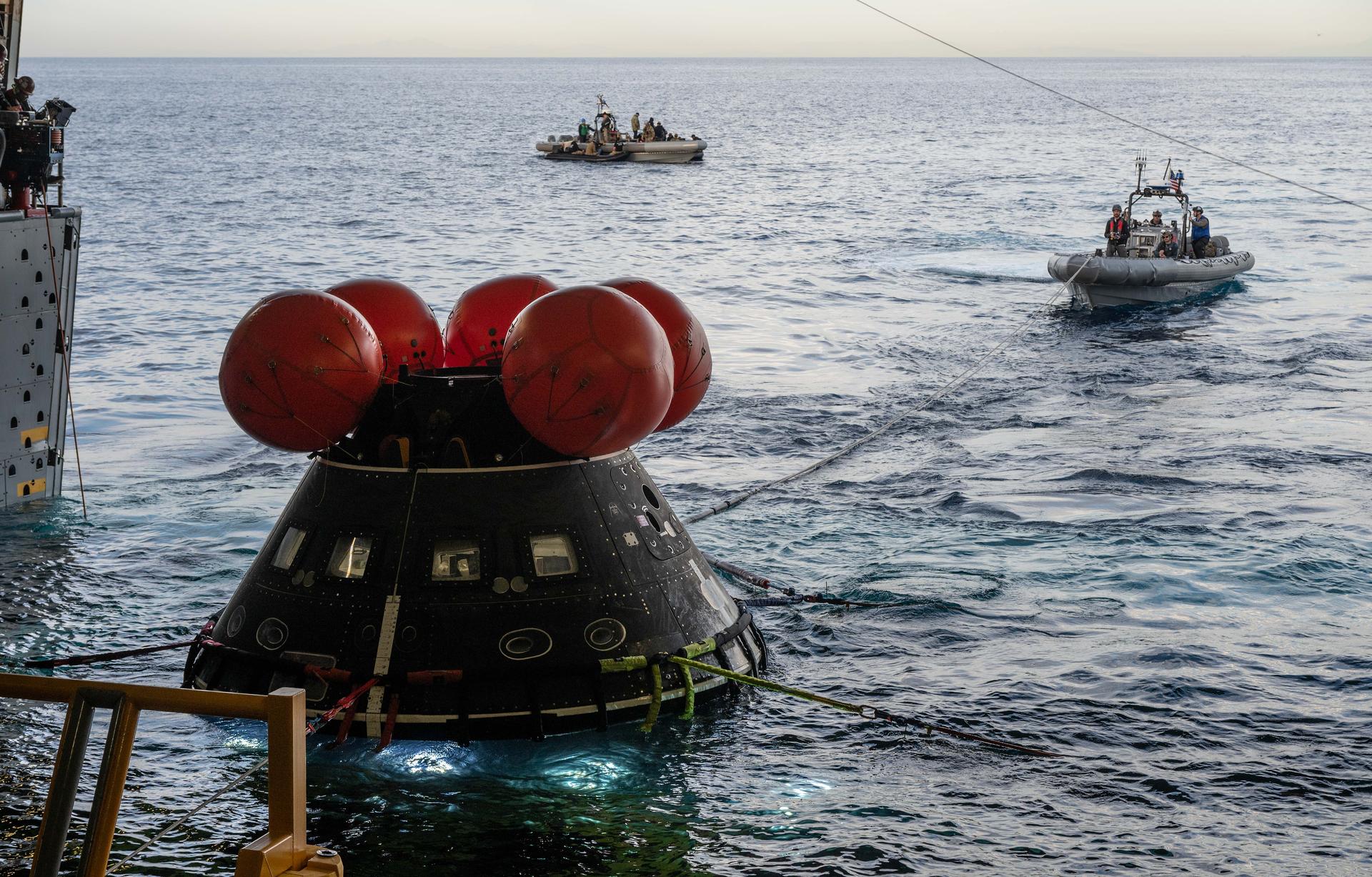
Off the coast of California, NASA’s Artemis Landing and Recovery team and the Department of War that will work together to retrieve the Artemis II crew and Orion spacecraft following their return to Earth and splashdown in the Pacific Ocean are performing a final simulation of their activities, called a just-in-time training, at sea on Wednesday, Jan. 28, 2026. During the training, teams use the Crew Module Test Article, a full-scale mockup of the Orion spacecraft, to simulate as close as possible the conditions they can expect to encounter during splashdown of the Artemis II mission. NASA’s first crewed test flight in the Artemis campaign, the approximately 10-day Artemis II mission will send NASA astronauts Reid Wiseman, Victor Glover, and Christina Koch, and CSA (Canadian Space Agency) astronaut Jeremy Hansen around the Moon and farther than any humans have ever been from Earth.
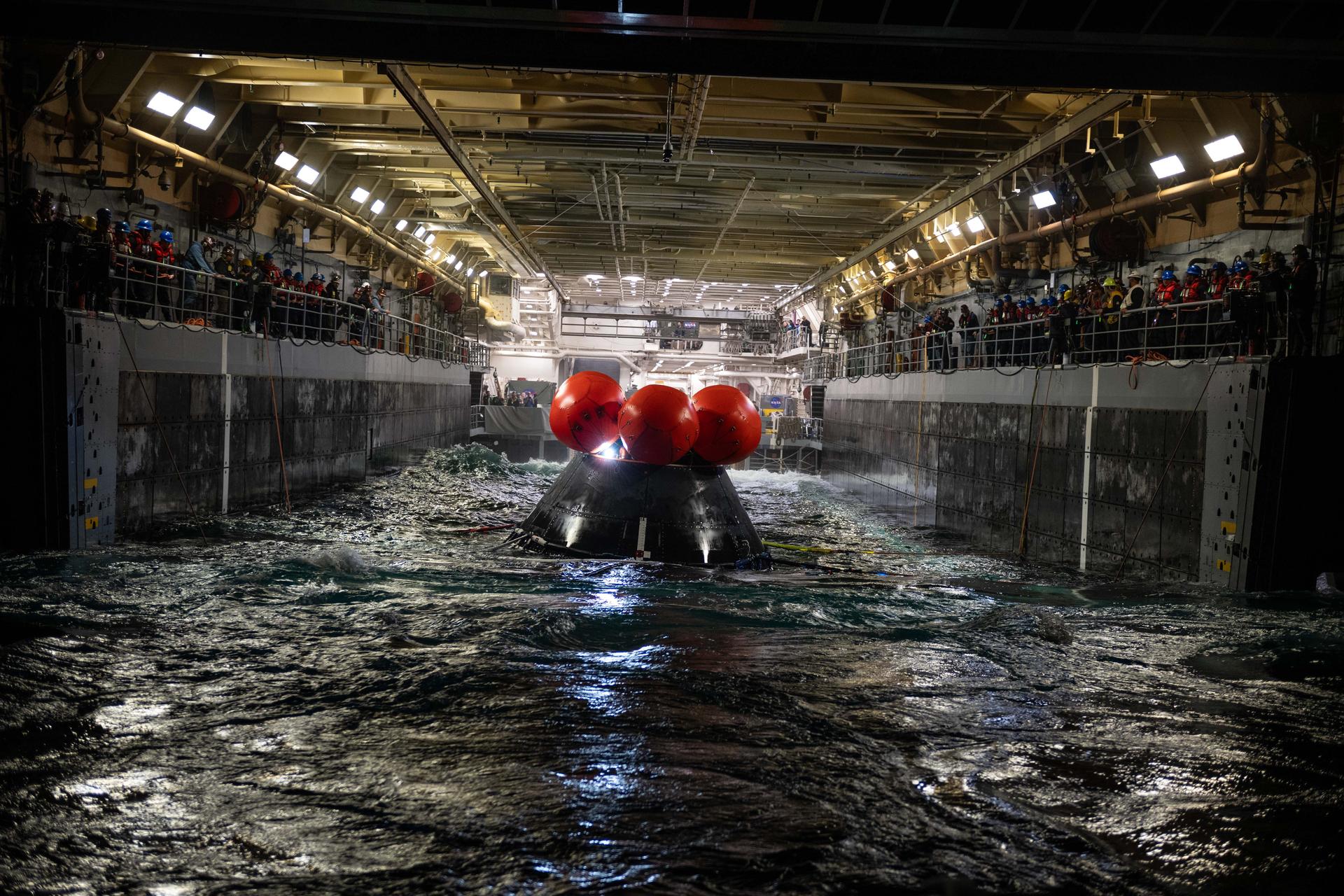
Members from NASA’s Artemis Landing and Recovery team and the Department of War perform a final simulation of the Artemis II splashdown, called a just-in-time training, in the Pacific Ocean off the coast of California on Thursday, Jan. 29, 2026. The teams will work together to retrieve the Artemis II crew and Orion spacecraft following their return to Earth, and during the training the teams use the Crew Module Test Article, a full-scale mockup of the Orion spacecraft, to simulate as close as possible the conditions they can expect to encounter during splashdown of the Artemis II mission. NASA’s first crewed test flight in the Artemis campaign, the approximately 10-day Artemis II mission will send NASA astronauts Reid Wiseman, Victor Glover, and Christina Koch, and CSA (Canadian Space Agency) astronaut Jeremy Hansen around the Moon and farther than any humans have ever been from Earth.
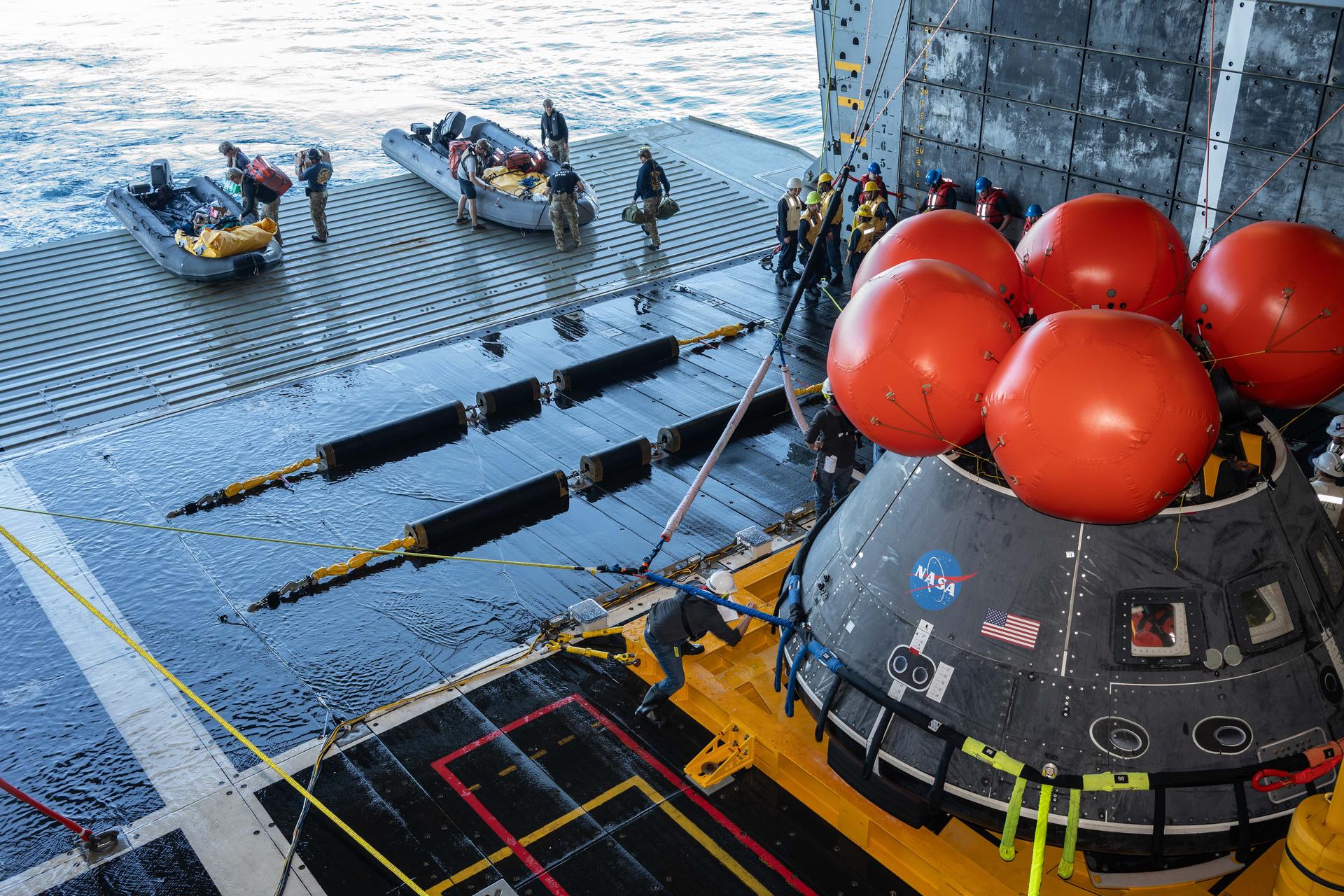
Off the coast of California, NASA’s Artemis Landing and Recovery team and the Department of War that will work together to retrieve the Artemis II crew and Orion spacecraft following their return to Earth and splashdown in the Pacific Ocean are performing a final simulation of their activities, called a just-in-time training, at sea on Tuesday, Jan. 27, 2026. During the training, teams use the Crew Module Test Article, a full-scale mockup of the Orion spacecraft, to simulate as close as possible the conditions they can expect to encounter during splashdown of the Artemis II mission. NASA’s first crewed test flight in the Artemis campaign, the approximately 10-day Artemis II mission will send NASA astronauts Reid Wiseman, Victor Glover, and Christina Koch, and CSA (Canadian Space Agency) astronaut Jeremy Hansen around the Moon and farther than any humans have ever been from Earth.
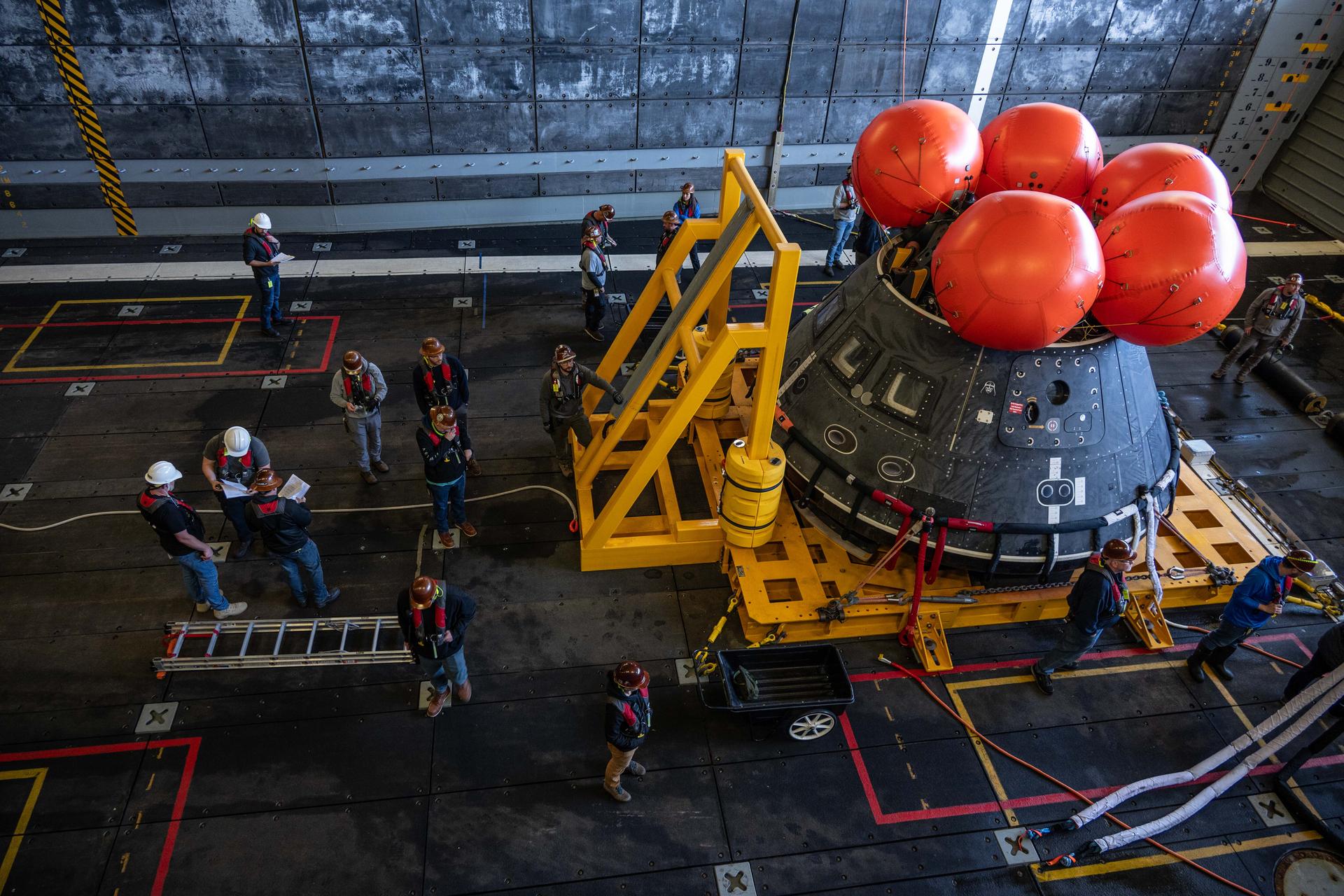
Off the coast of California, NASA’s Artemis Landing and Recovery team and the Department of War that will work together to retrieve the Artemis II crew and Orion spacecraft following their return to Earth and splashdown in the Pacific Ocean are performing a final simulation of their activities, called a just-in-time training, at sea on Monday, Jan. 26, 2026. During the training, teams use the Crew Module Test Article, a full-scale mockup of the Orion spacecraft, to simulate as close as possible the conditions they can expect to encounter during splashdown of the Artemis II mission. NASA’s first crewed test flight in the Artemis campaign, the approximately 10-day Artemis II mission will send NASA astronauts Reid Wiseman, Victor Glover, and Christina Koch, and CSA (Canadian Space Agency) astronaut Jeremy Hansen around the Moon and farther than any humans have ever been from Earth.