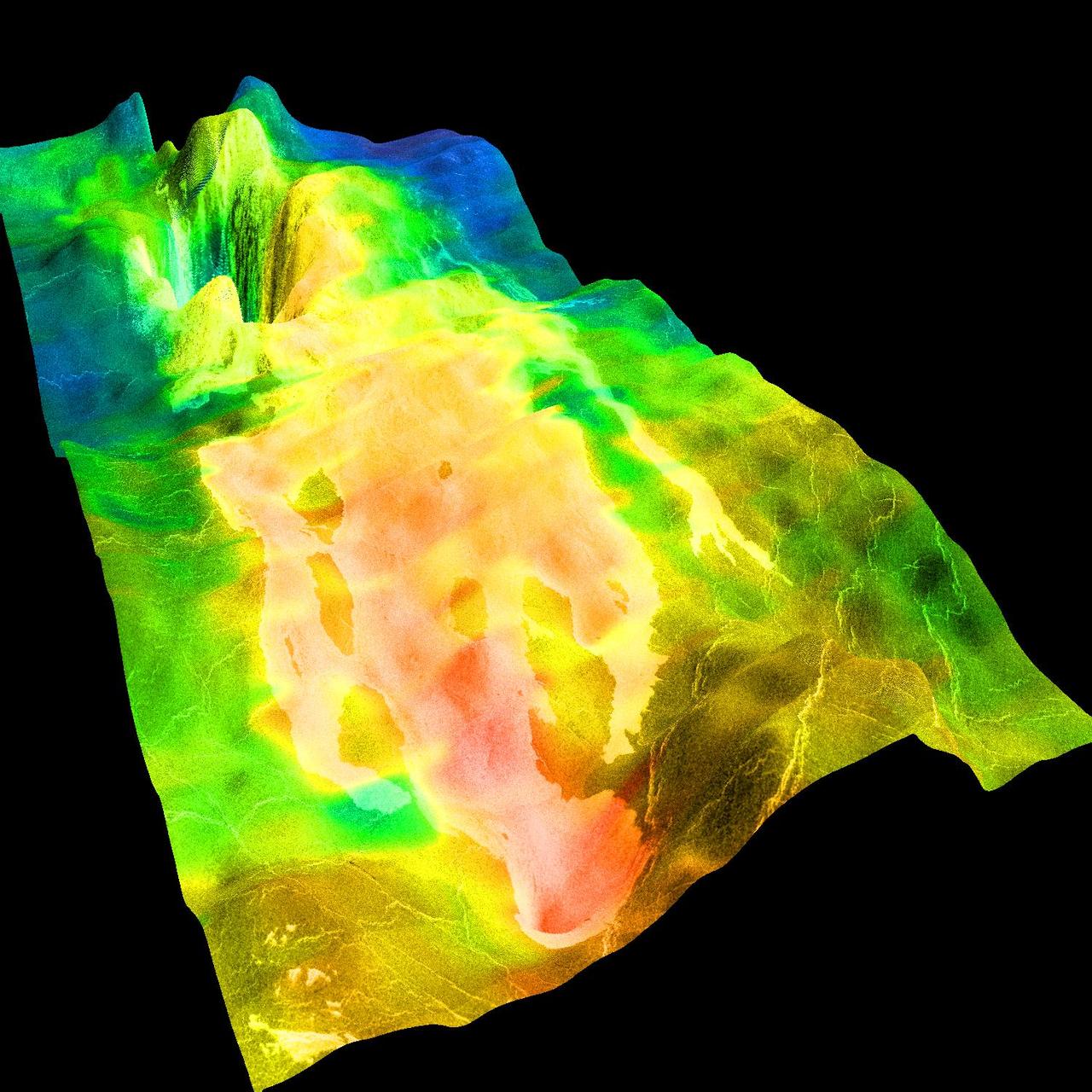
This perspective view of Venus, generated by computer from NASA Magellan data and color-coded with emissivity, shows the impact crater Markham, named after the English aviator Beryl Markham. http://photojournal.jpl.nasa.gov/catalog/PIA00312
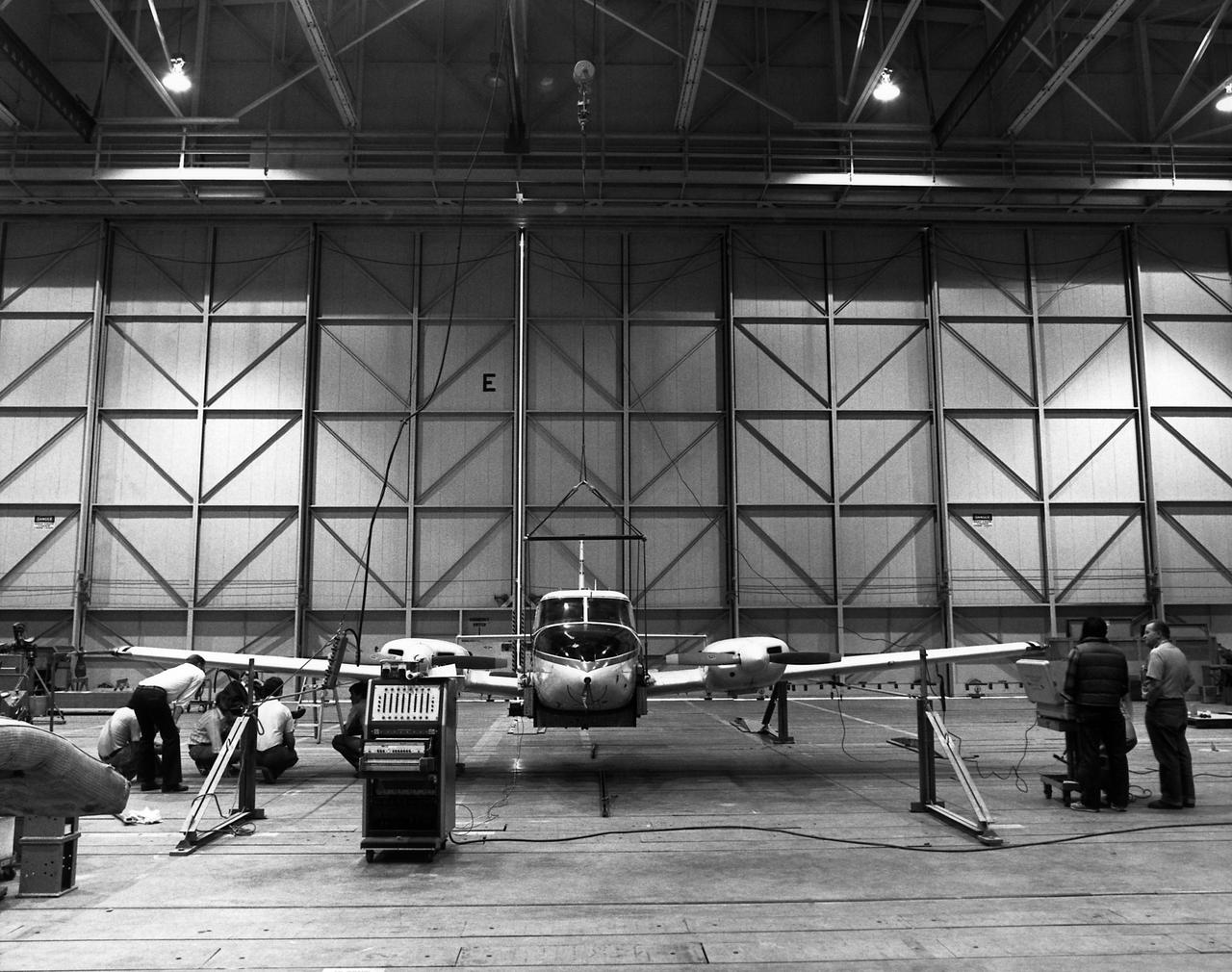
Technicians check instrumentation and systems on NASA 808, a PA-30 aircraft, prior to a research flight. The aircraft was used as the testbed in development of control systems for remotely piloted vehicles that were "flown" from the ground. The concept led to highly successful programs such as the HiMAT and the subscale F-15 remotely piloted vehicles. Over the years, NASA 808 has also been used for spin and stall research related to general aviation aircraft and also research to alleviate wake vortices behind large jetliners. This 1980 photograph taken inside a hangar shows technicians measuring moment of inertia.
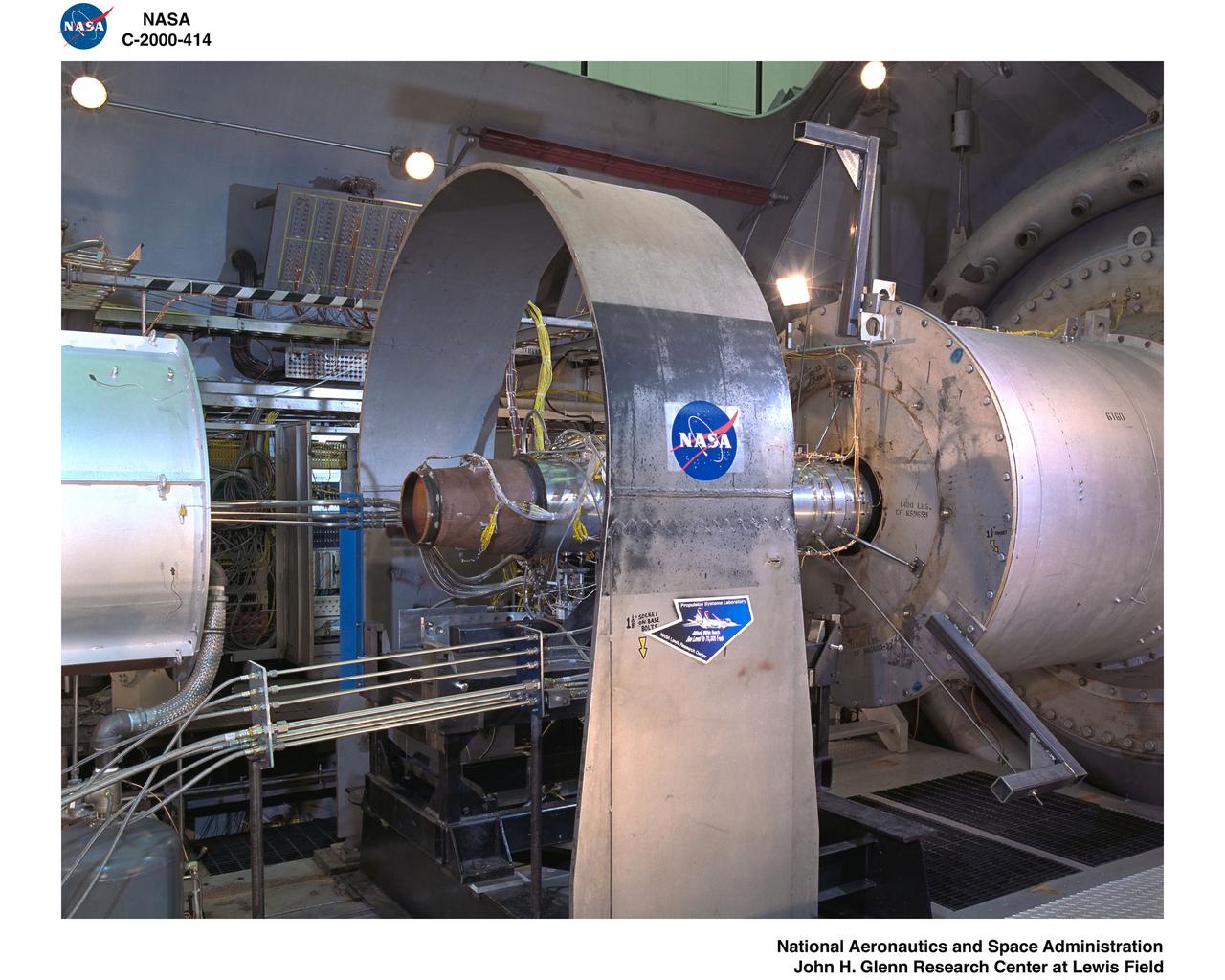
GENERAL AVIATION PROGRAM WILLIAMS INTERNATIONAL FJX-2 ENGINE
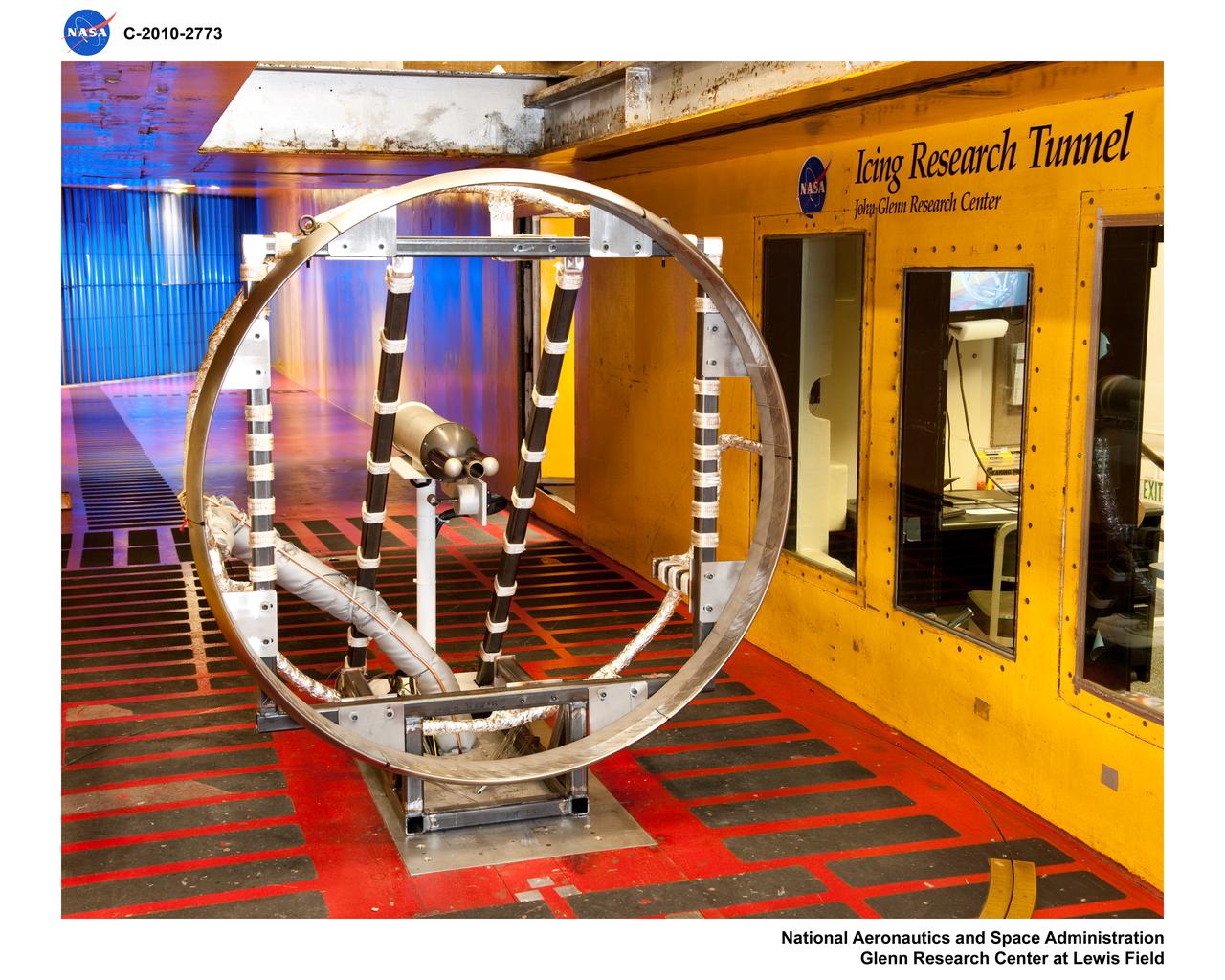
General Electric Aviation - Engine Splitter Booster Model in the Icing Research Tunnel
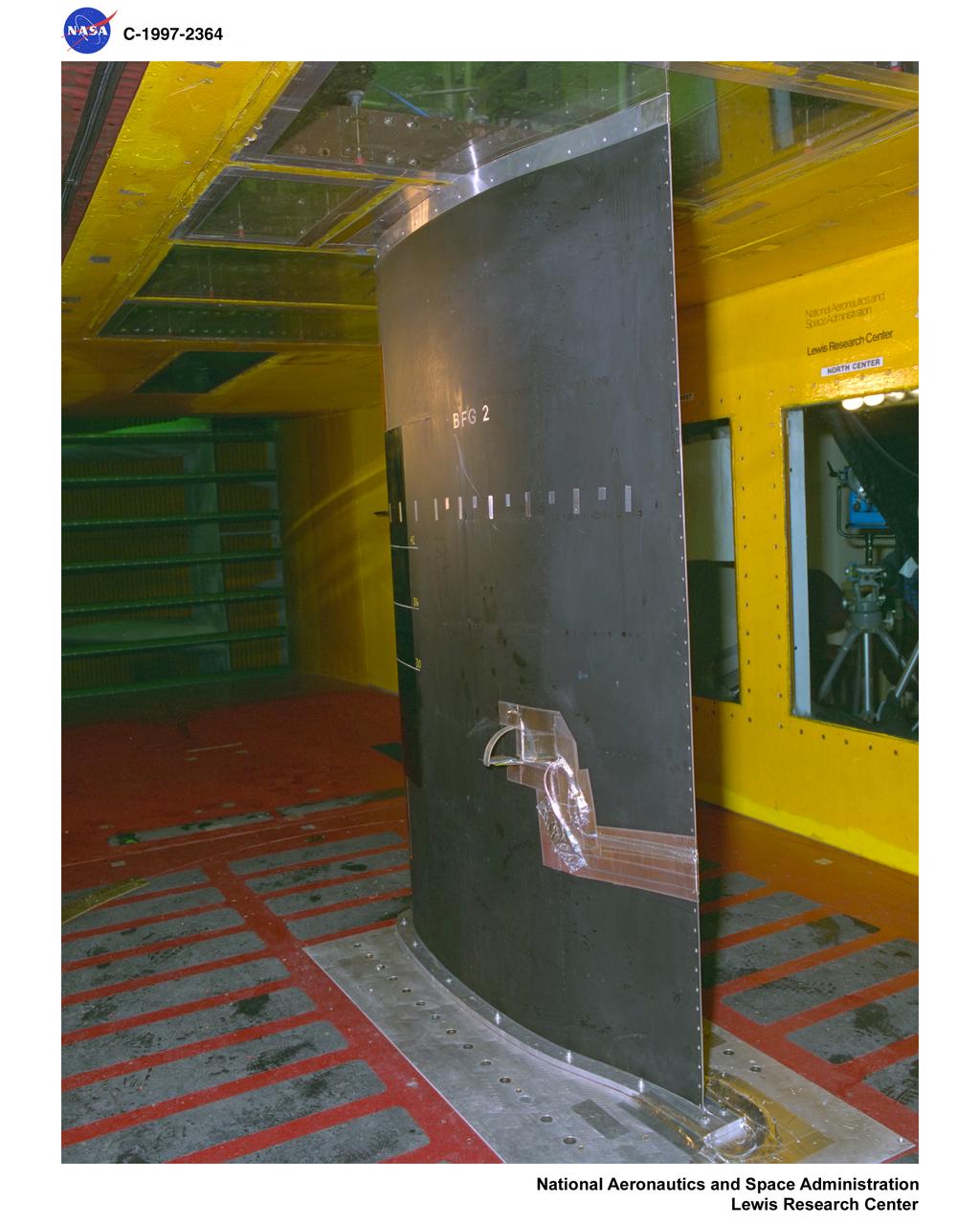
ADVANCED GENERAL AVIATION TRANSPORTATION EXPERIMENT AGATE BFG1 MODEL AND ASSOCIATED HARDWARE
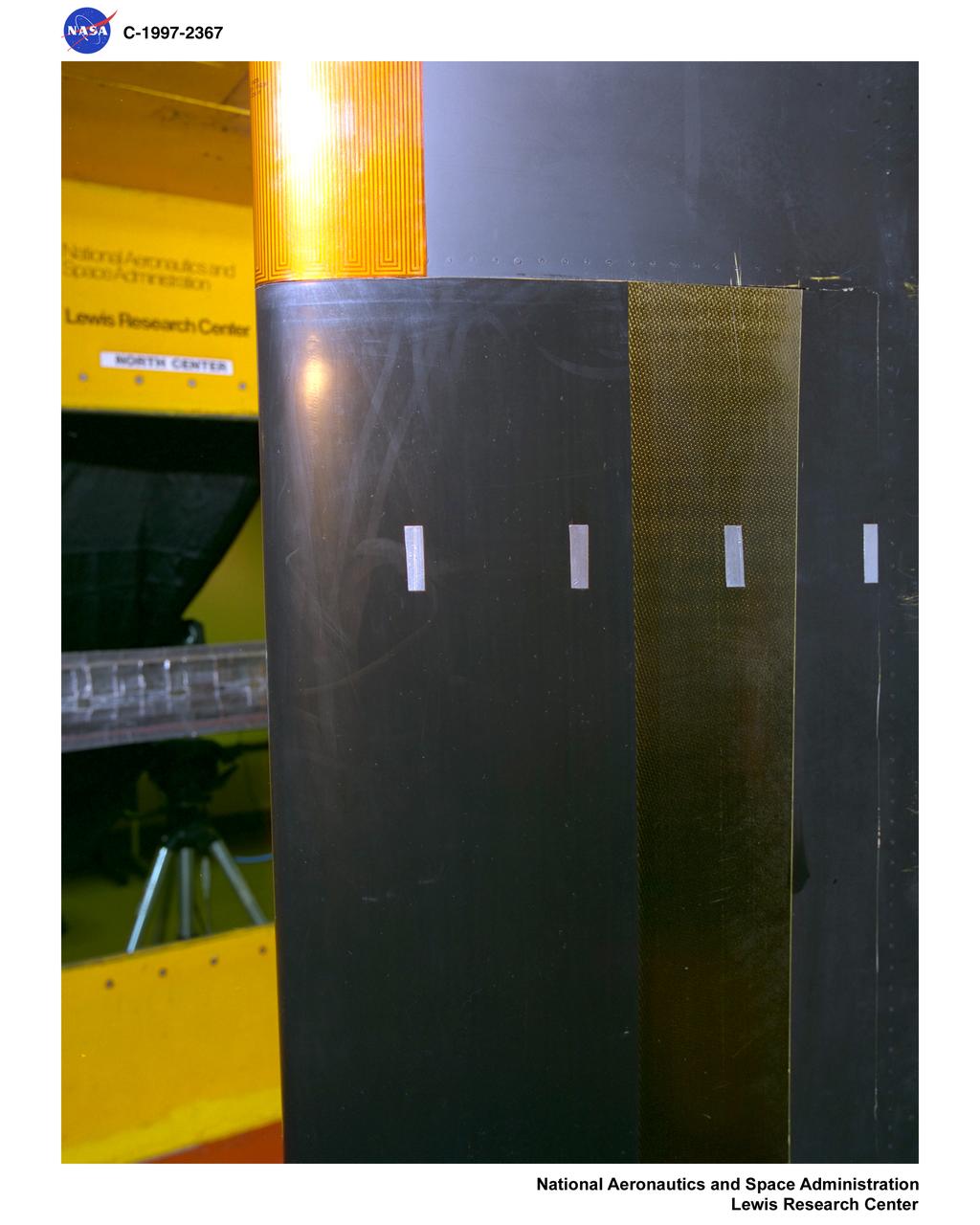
ADVANCED GENERAL AVIATION TRANSPORTATION EXPERIMENT AGATE BFG1 MODEL AND ASSOCIATED HARDWARE
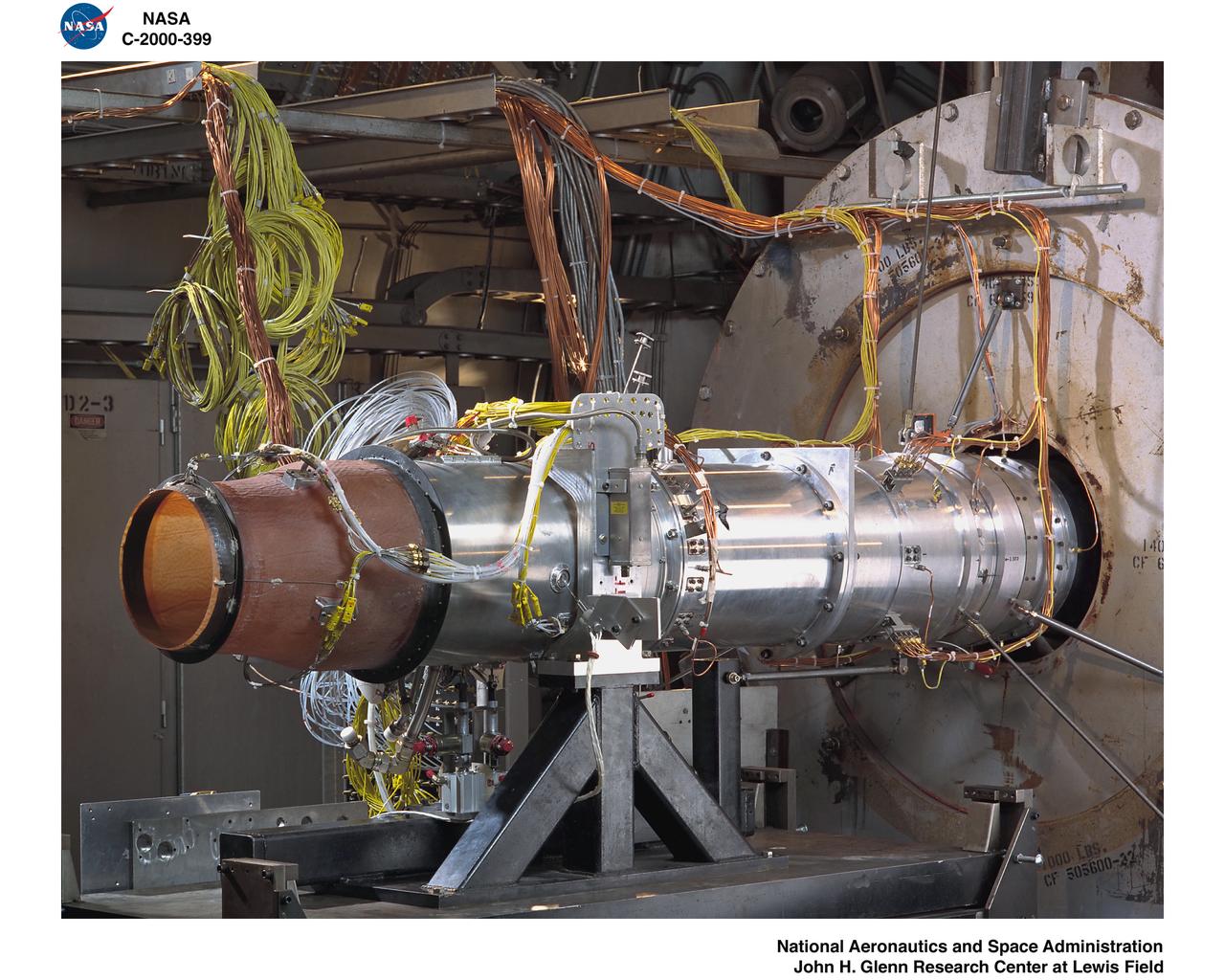
GENERAL AVIATION PROGRAM / WILLIAMS INTERNATIONAL FJX-2 ENGINE INSTALLATION
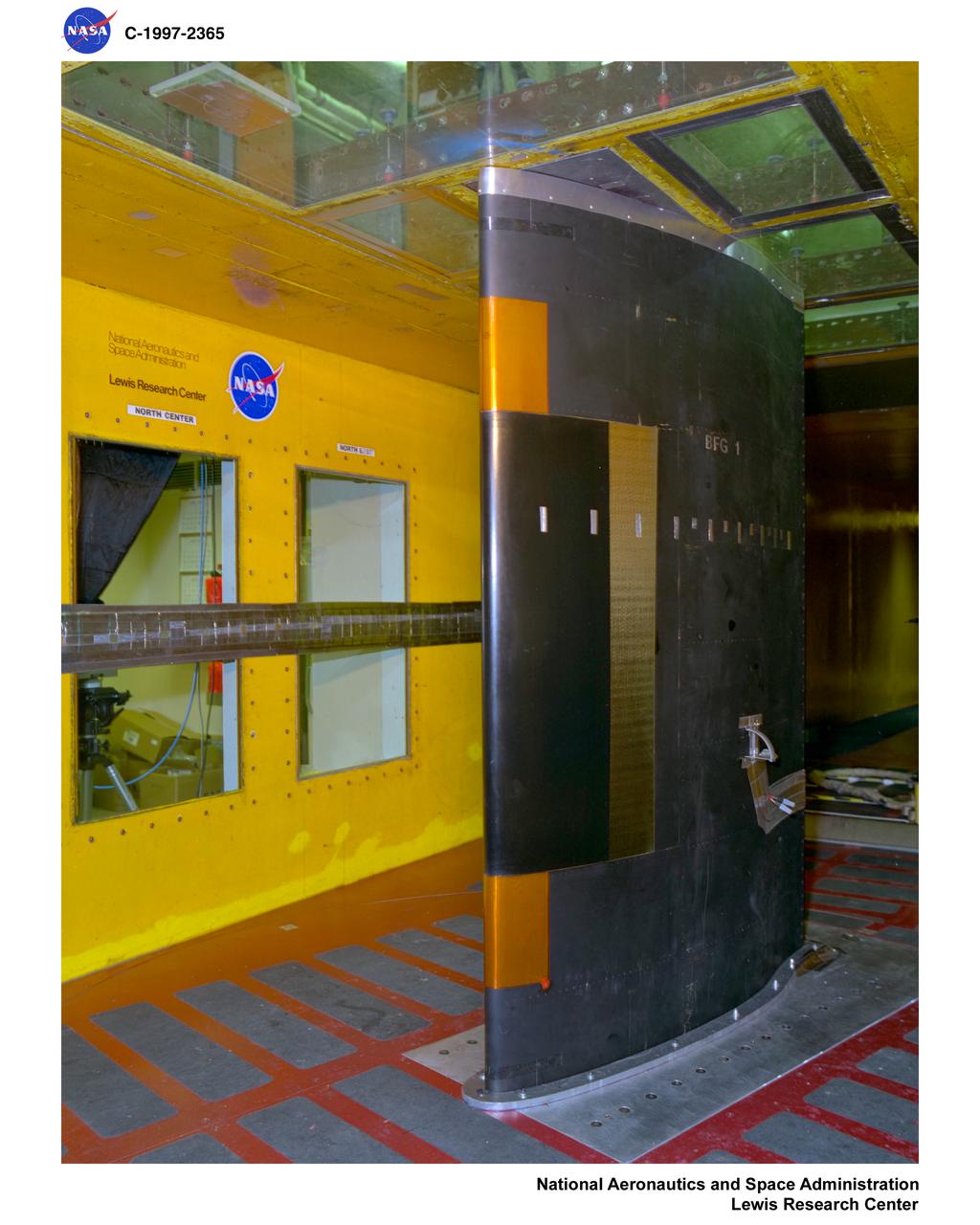
ADVANCED GENERAL AVIATION TRANSPORTATION EXPERIMENT AGATE BFG1 MODEL AND ASSOCIATED HARDWARE
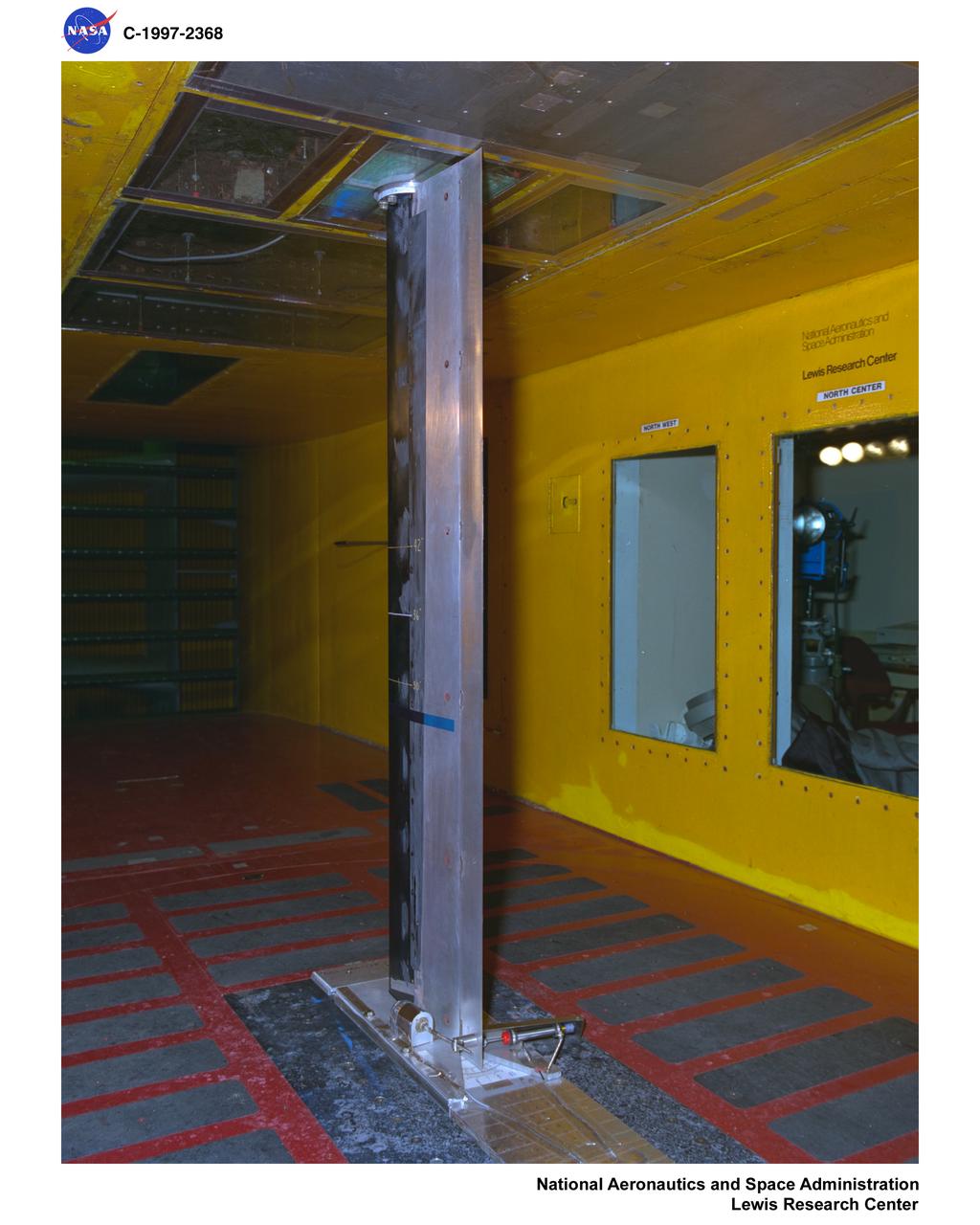
ADVANCED GENERAL AVIATION TRANSPORTATION EXPERIMENT AGATE BFG1 MODEL AND ASSOCIATED HARDWARE
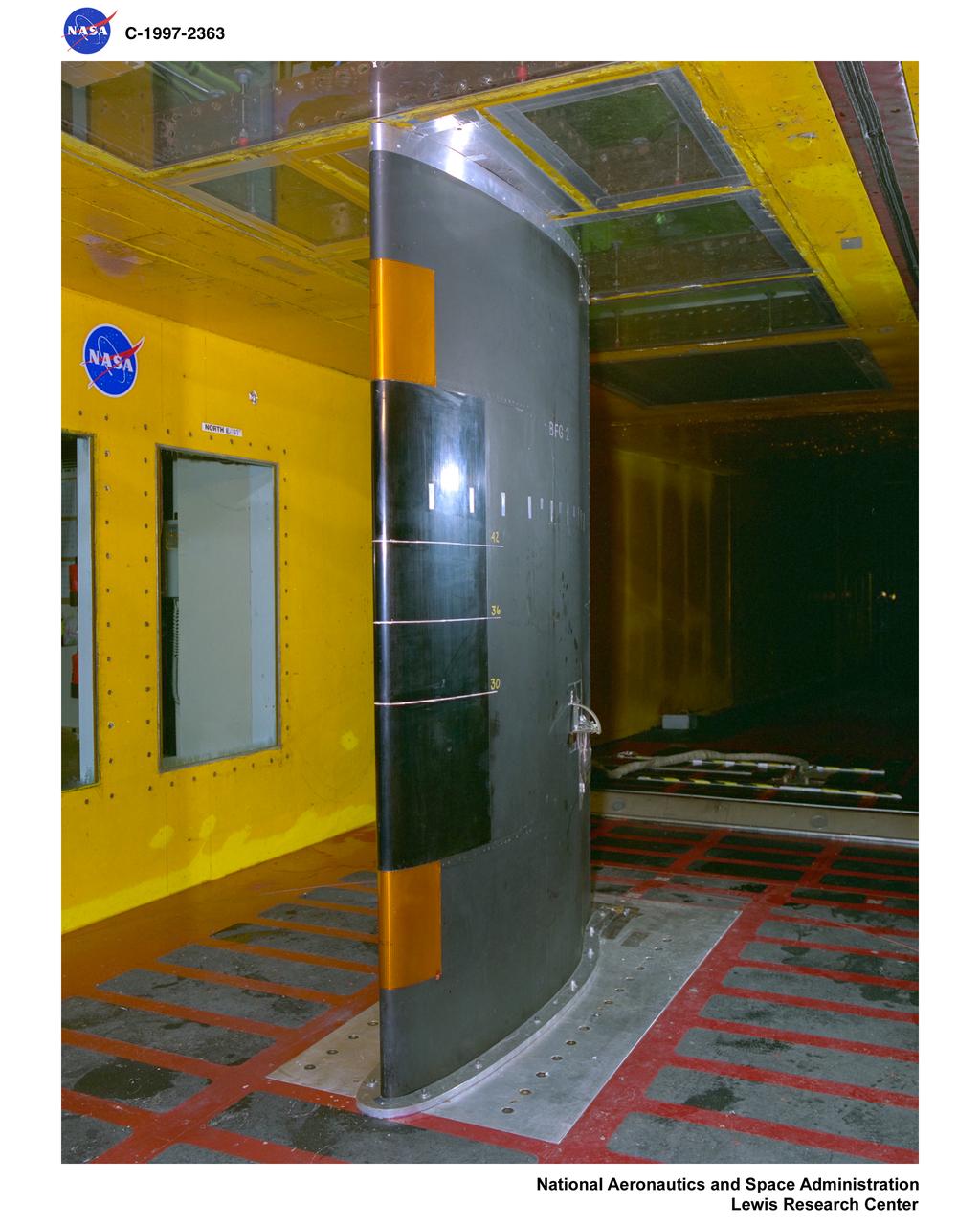
ADVANCED GENERAL AVIATION TRANSPORTATION EXPERIMENT AGATE BFG1 MODEL AND ASSOCIATED HARDWARE
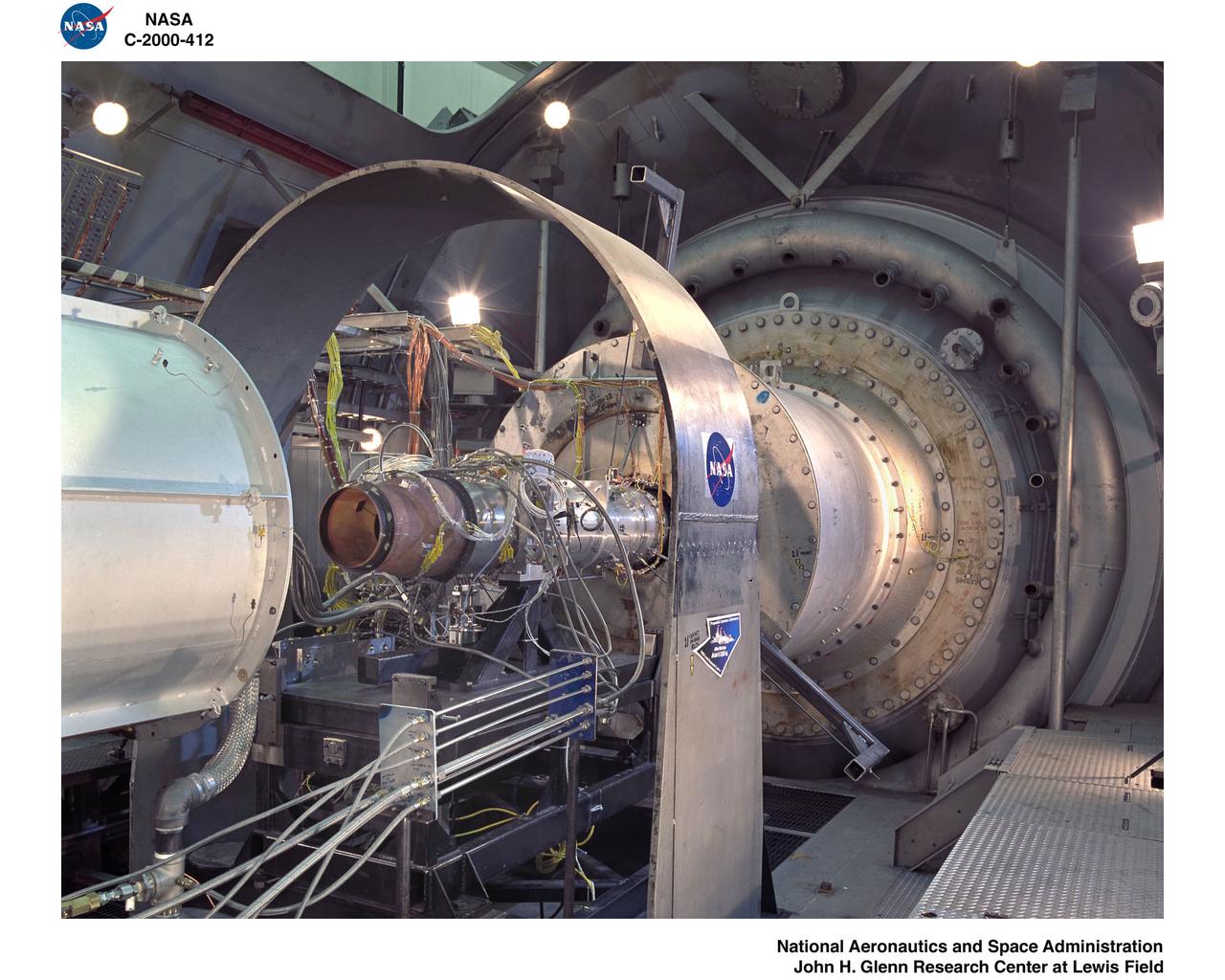
GENERAL AVIATION PROGRAM WILLIAMS INTERNATIONAL FJX-2 ENGINE
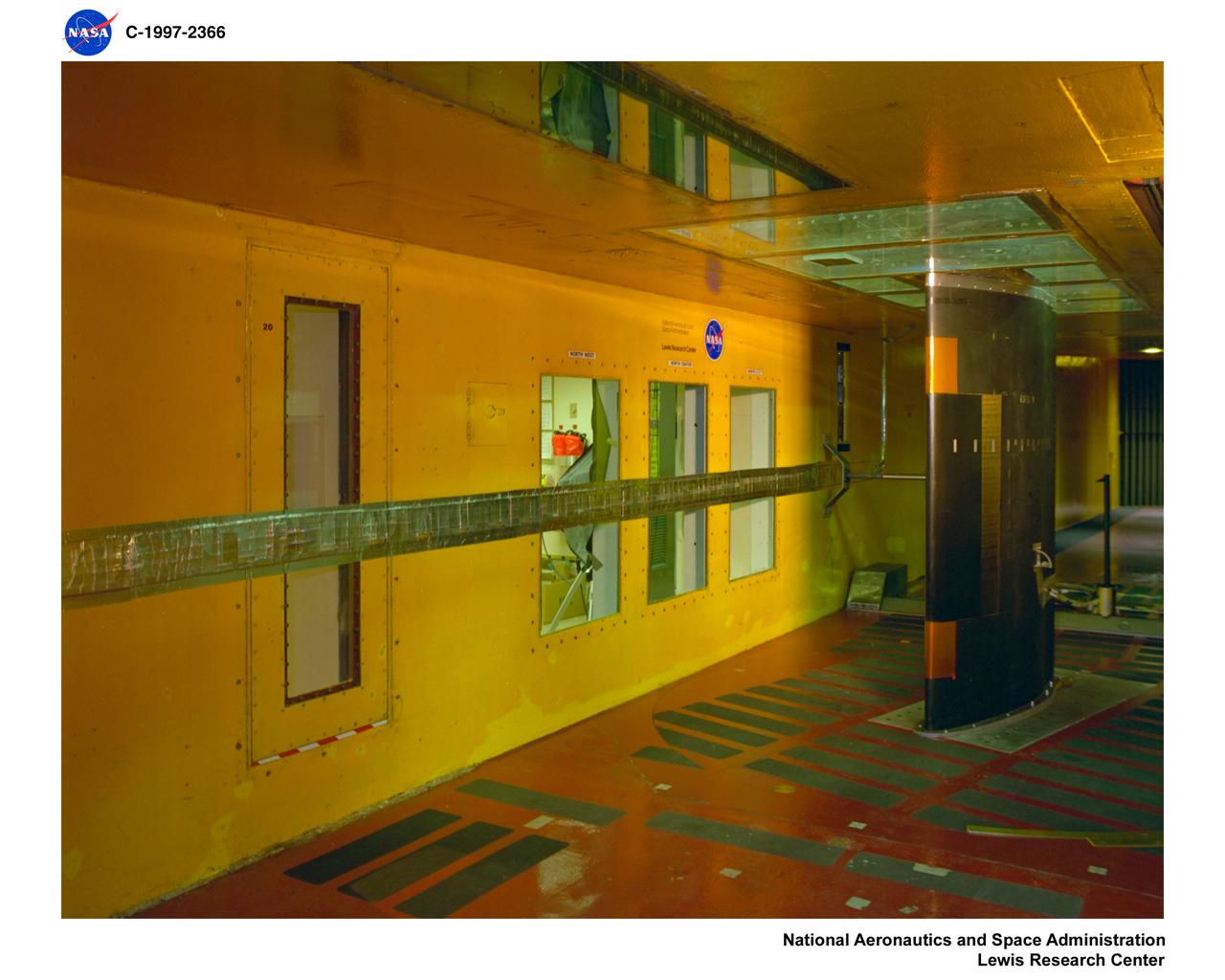
ADVANCED GENERAL AVIATION TRANSPORTATION EXPERIMENT AGATE BFG1 MODEL AND ASSOCIATED HARDWARE
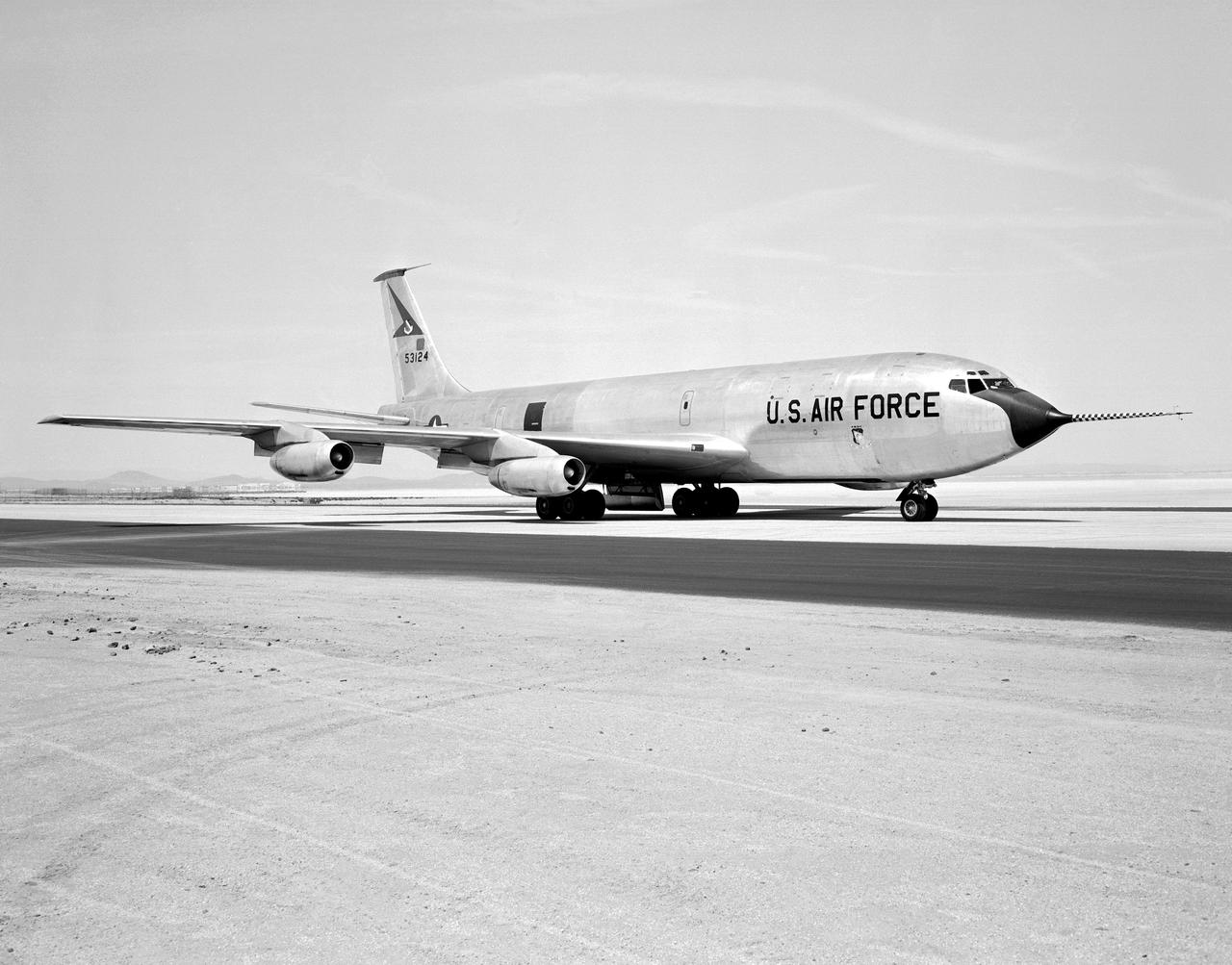
The Boeing KC-135 Stratotanker, besides being used extensively in its primary role as an inflight aircraft refueler, has assisted in several projects at the NASA Dryden Flight Research Center, Edwards, California. In 1957 and 1958, Dryden was asked by what was then the Civil Aeronautics Administration (later absorbed into the Federal Aviation Administration (FAA) in 1958) to help establish new approach procedure guidelines on cloud-ceiling and visibility minimums for Boeing's first jet airliner, the B-707. Dryden used a KC-135 (the military variant of the 707), seen here on the runway at Edwards Air Force Base, to aid the CAA in these tests. In 1979 and 1980, Dryden was again involved with general aviation research with the KC-135. This time, a special wingtip "winglet", developed by Richard Whitcomb of Langley Research Center, was tested on the jet aircraft. Winglets are small, nearly vertical fins installed on an airplane's wing tips to help produce a forward thrust in the vortices that typically swirl off the end of the wing, thereby reducing drag. This winglet idea was tested at the Dryden Flight Research Center on a KC-135A tanker loaned to NASA by the Air Force. The research showed that the winglets could increase an aircraft's range by as much as 7 percent at cruise speeds. The first application of NASA's winglet technology in industry was in general aviation business jets, but winglets are now being incorporated into most new commercial and military transport jets, including the Gulfstream III and IV business jets, the Boeing 747-400 and MD-11 airliners, and the C-17 military transport. In the 1980's, a KC-135 was used in support of the Space Shuttle program. Since the Shuttle was to be launched from Florida, researchers wanted to test the effect of rain on the sensitive thermal tiles. Tiles were mounted on special fixtures on an F-104 aircraft and a P-3 Orion. The F-104 was flown in actual rain conditions, and also behind the KC-135 spray tanker as it rel
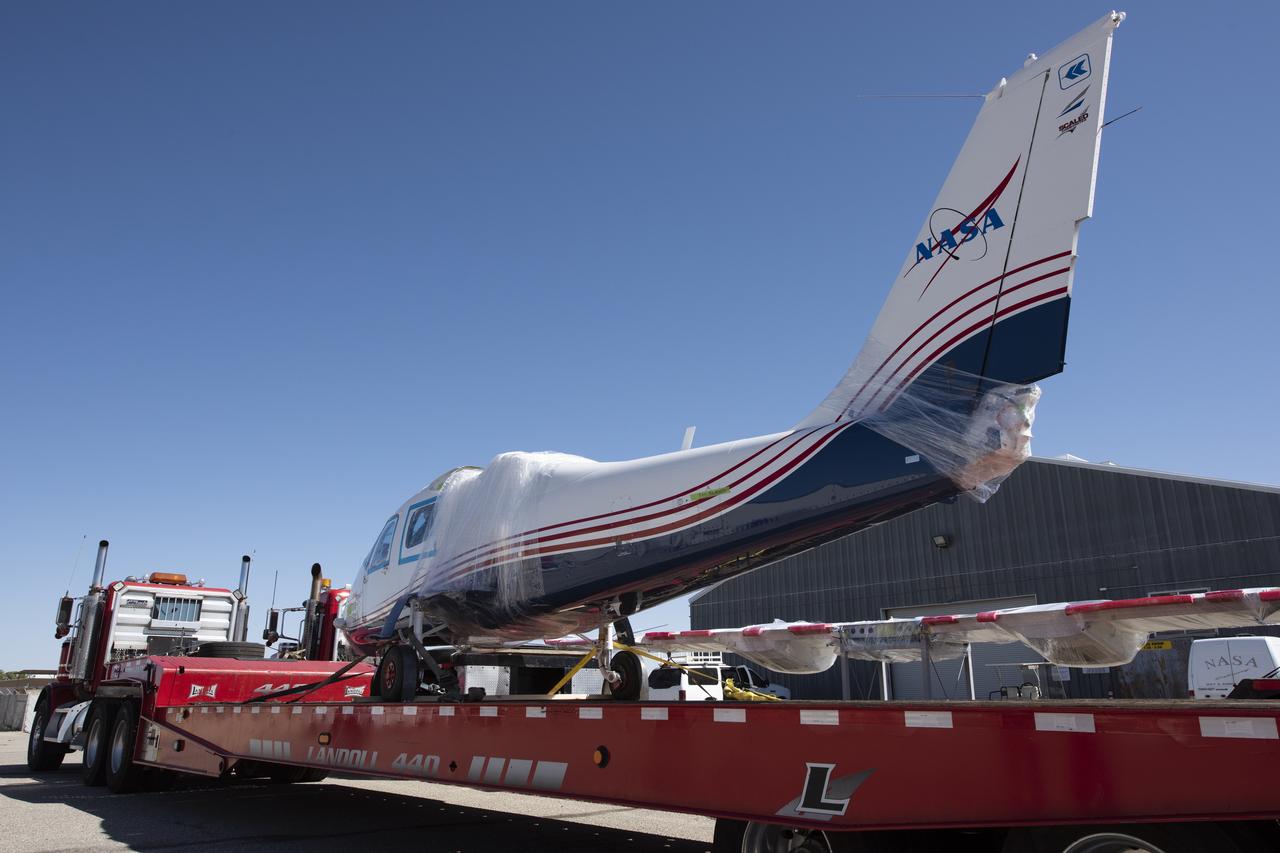
NASA’s all-electric X-57 Maxwell, in its Mod II configuration, arrives at NASA’s Armstrong Flight Research Center in Edwards, California. The X-plane was delivered by prime contractor Empirical Systems Aerospace of San Luis Obispo, California, in two parts, with the wing separated from the fuselage, to aid in a more timely delivery. X-57 is NASA’s first crewed X-plane in two decades, and seeks to further advance the design and airworthiness process for distributed electric propulsion technology for general aviation aircraft.
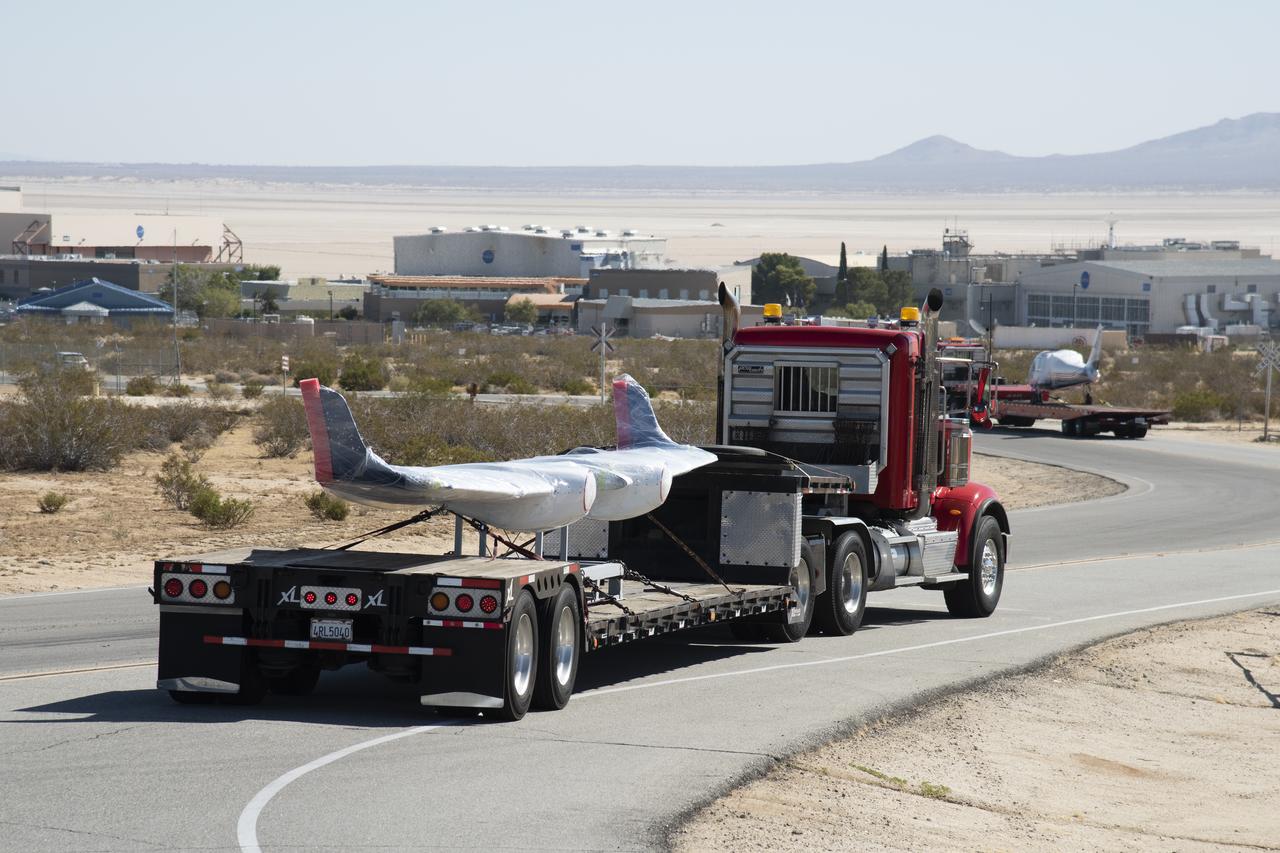
NASA’s all-electric X-57 Maxwell, in its Mod II configuration, arrives at NASA’s Armstrong Flight Research Center in Edwards, California. The X-plane was delivered by prime contractor Empirical Systems Aerospace of San Luis Obispo, California, in two parts, with the wing separated from the fuselage, to aid in a more timely delivery. X-57 is NASA’s first crewed X-plane in two decades, and seeks to further advance the design and airworthiness process for distributed electric propulsion technology for general aviation aircraft.
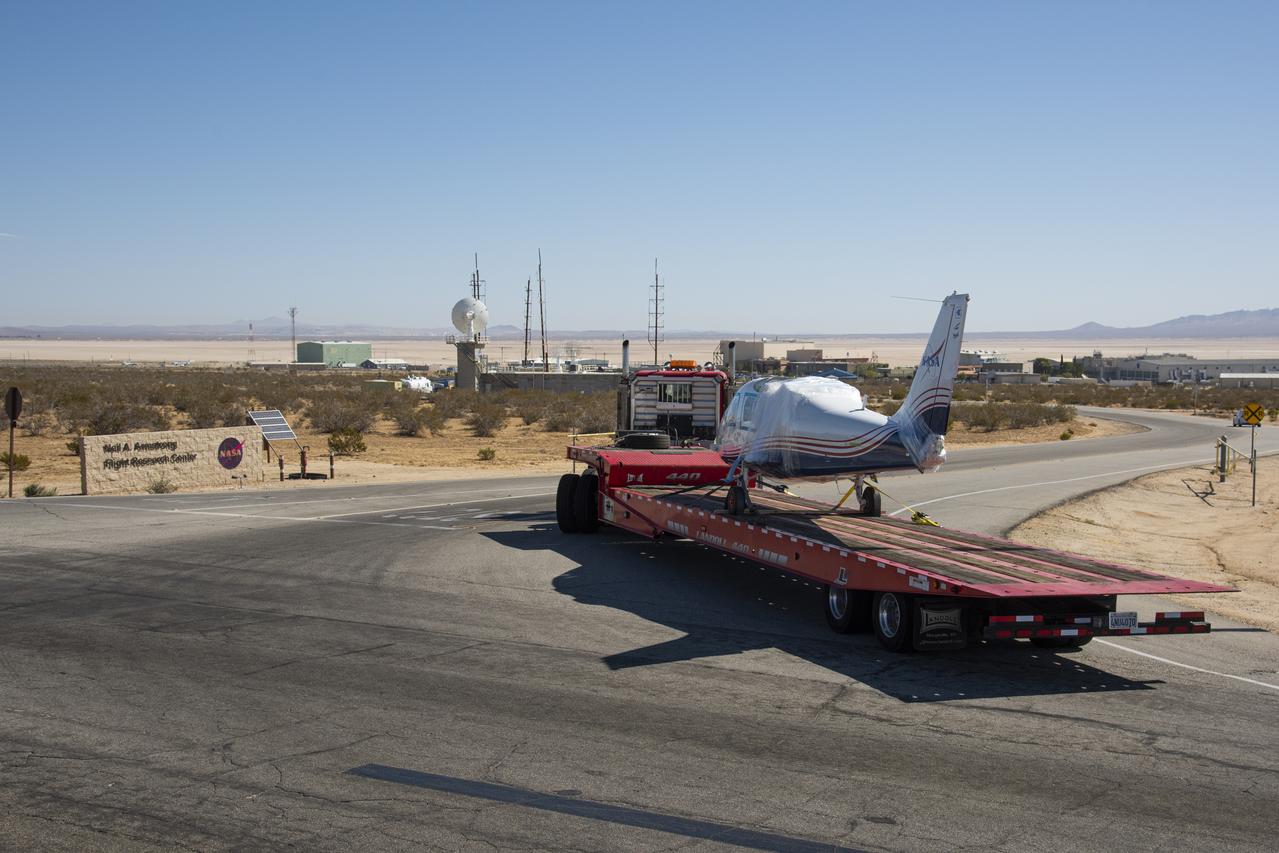
NASA's all-electric X-57 Maxwell, in its Mod II configuration, arrives at NASAâ's Armstrong Flight Research Center in Edwards, California. The X-plane was delivered by prime contractor Empirical Systems Aerospace of San Luis Obispo, California, in two parts, with the wing separated from the fuselage, to aid in a more timely delivery. X-57 is NASA's first crewed X-plane in two decades, and seeks to further advance the design and airworthiness process for distributed electric propulsion technology for general aviation aircraft.
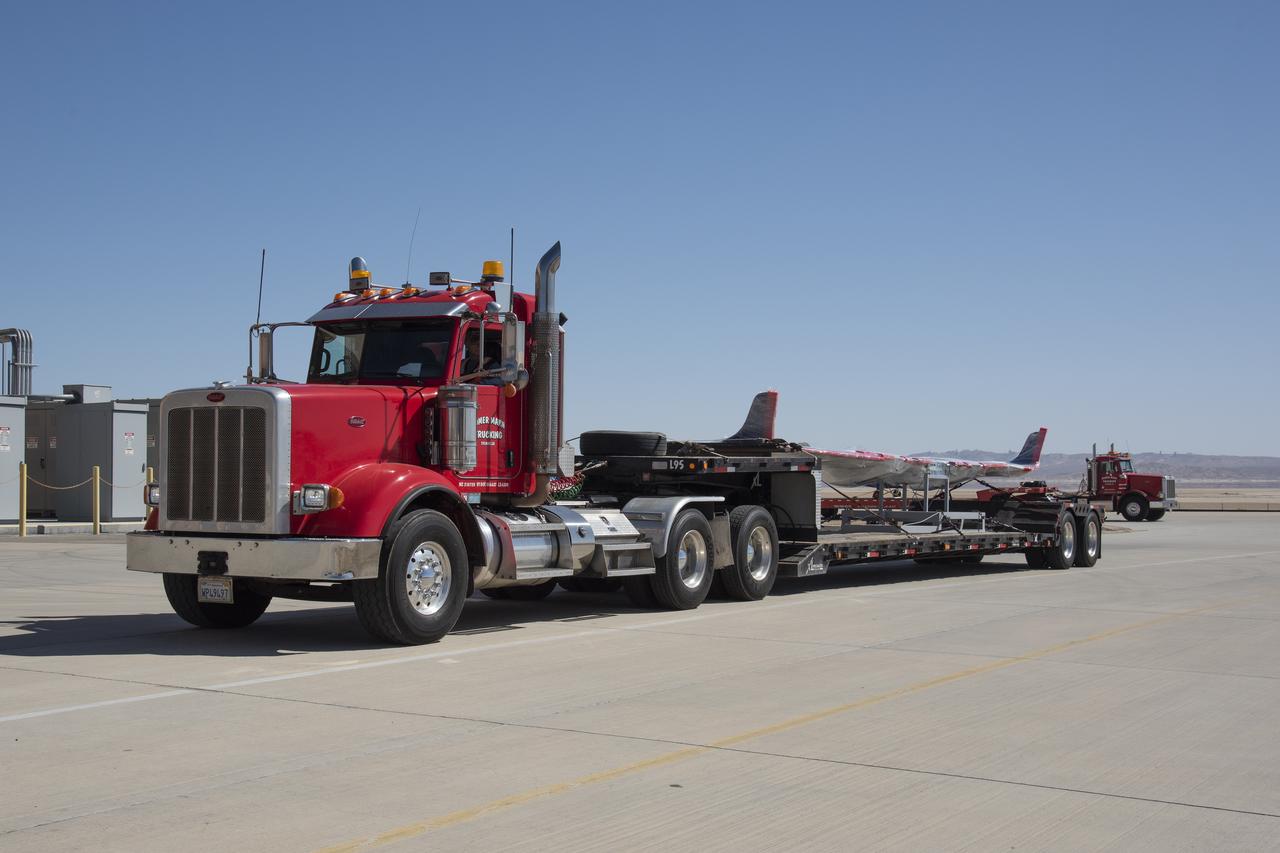
NASA's all-electric X-57 Maxwell, in its Mod II configuration, arrives at NASA's Armstrong Flight Research Center in Edwards, California. The X-plane was delivered by prime contractor Empirical Systems Aerospace of San Luis Obispo, California, in two parts, with the wing separated from the fuselage, to aid in a more timely delivery. X-57 is NASA's first crewed X-plane in two decades, and seeks to further advance the design and airworthiness process for distributed electric propulsion technology for general aviation aircraft.
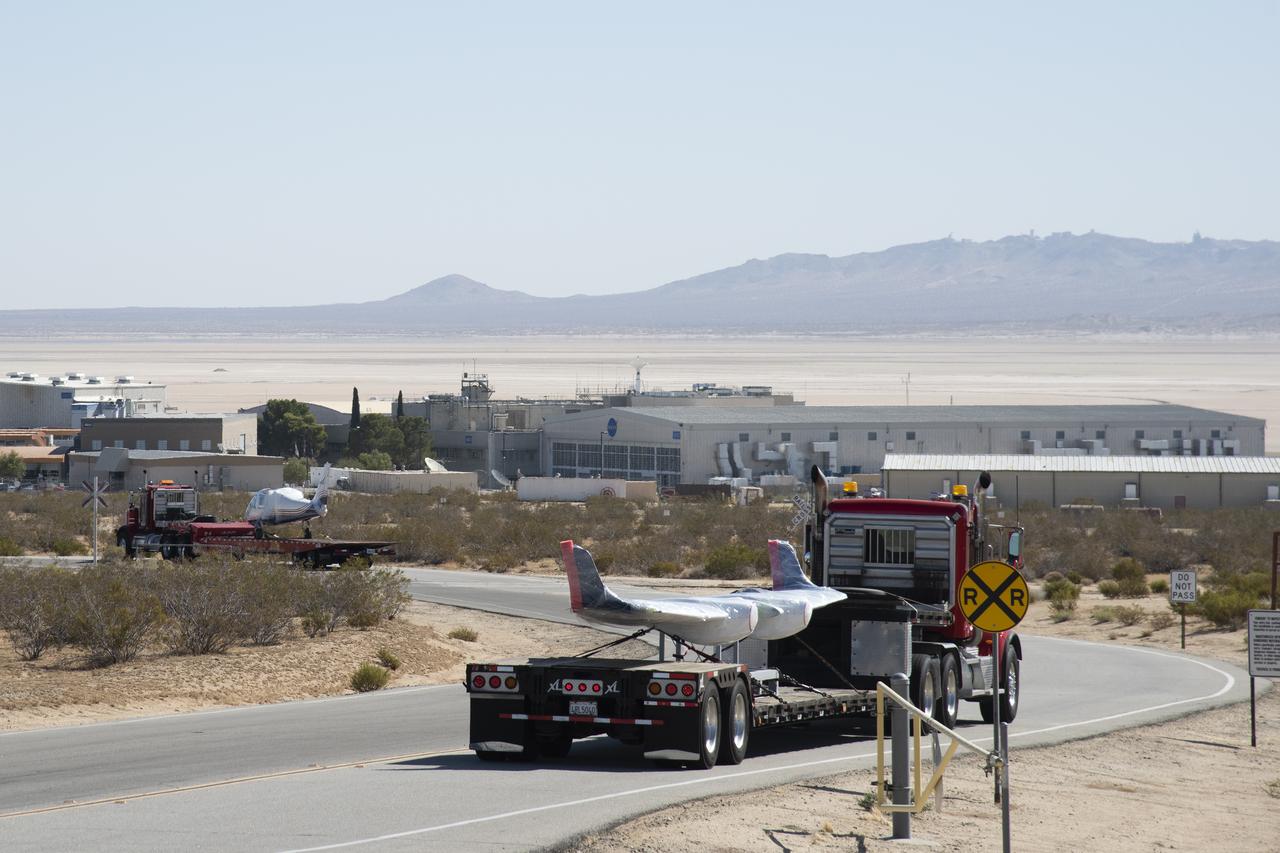
NASA’s all-electric X-57 Maxwell, in its Mod II configuration, arrives at NASA’s Armstrong Flight Research Center in Edwards, California. The X-plane was delivered by prime contractor Empirical Systems Aerospace of San Luis Obispo, California, in two parts, with the wing separated from the fuselage, to aid in a more timely delivery. X-57 is NASA’s first crewed X-plane in two decades, and seeks to further advance the design and airworthiness process for distributed electric propulsion technology for general aviation aircraft.
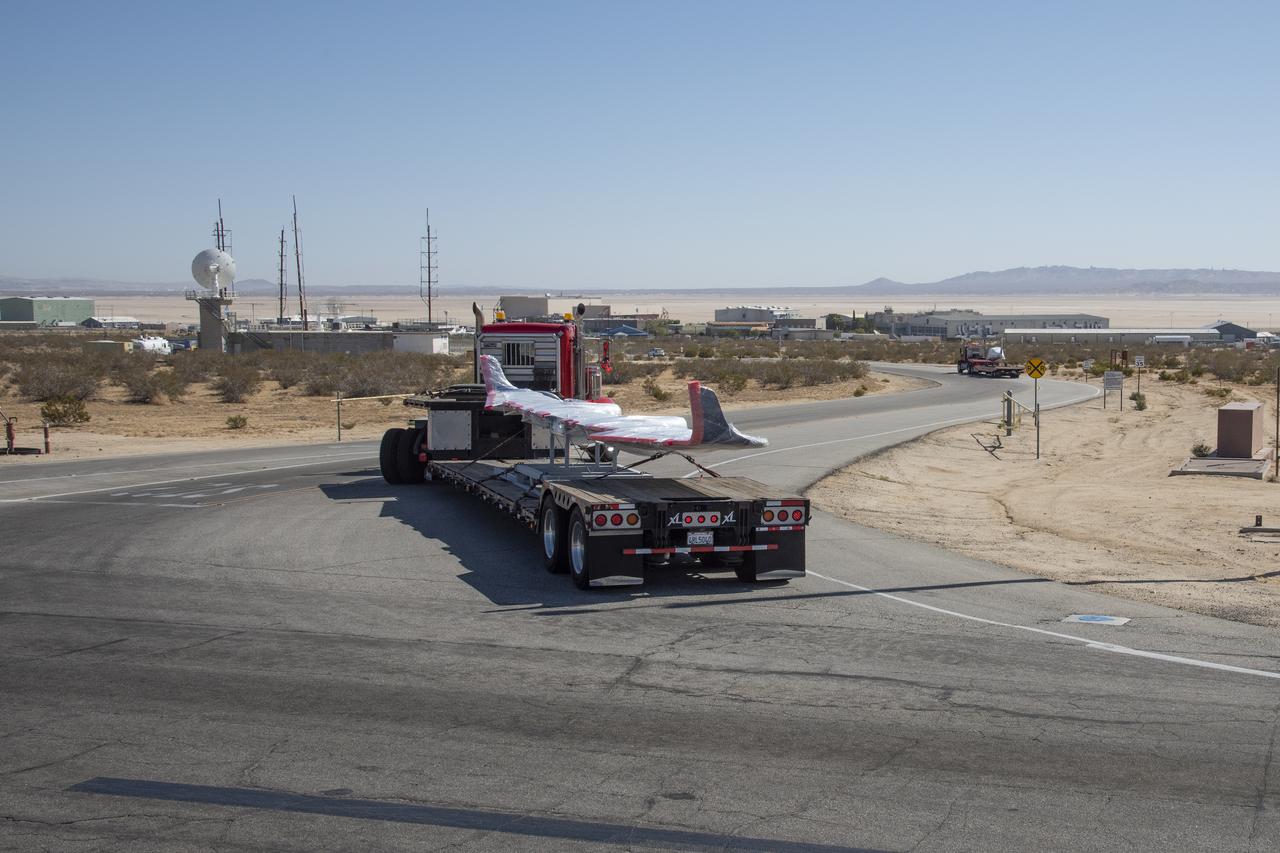
NASA’s all-electric X-57 Maxwell, in its Mod II configuration, arrives at NASA’s Armstrong Flight Research Center in Edwards, California. The X-plane was delivered by prime contractor Empirical Systems Aerospace of San Luis Obispo, California, in two parts, with the wing separated from the fuselage, to aid in a more timely delivery. X-57 is NASA’s first crewed X-plane in two decades, and seeks to further advance the design and airworthiness process for distributed electric propulsion technology for general aviation aircraft.
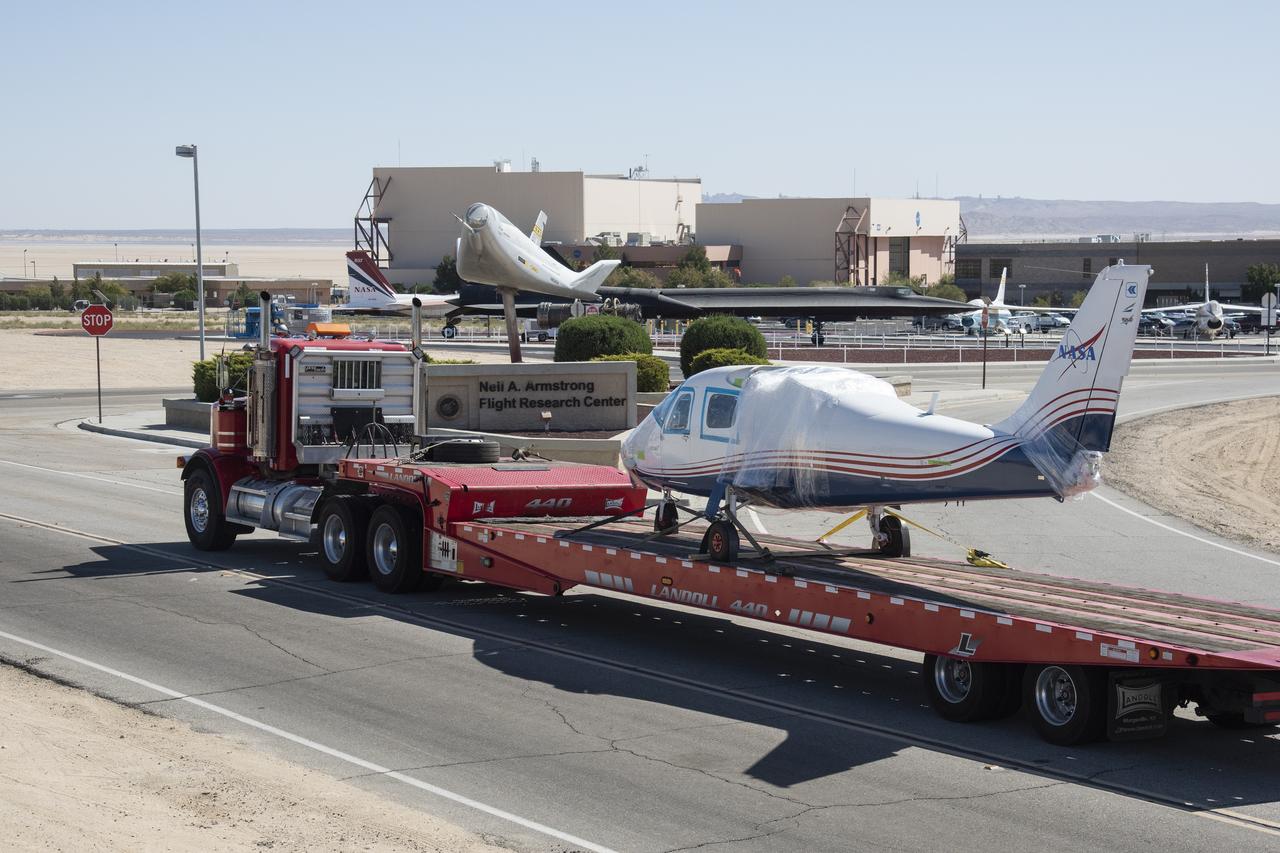
NASA's all-electric X-57 Maxwell, in its Mod II configuration, arrives at NASA's Armstrong Flight Research Center in Edwards, California. The X-plane was delivered by prime contractor Empirical Systems Aerospace of San Luis Obispo, California, in two parts, with the wing separated from the fuselage, to aid in a more timely delivery. X-57 is NASA's first crewed X-plane in two decades, and seeks to further advance the design and airworthiness process for distributed electric propulsion technology for general aviation aircraft.
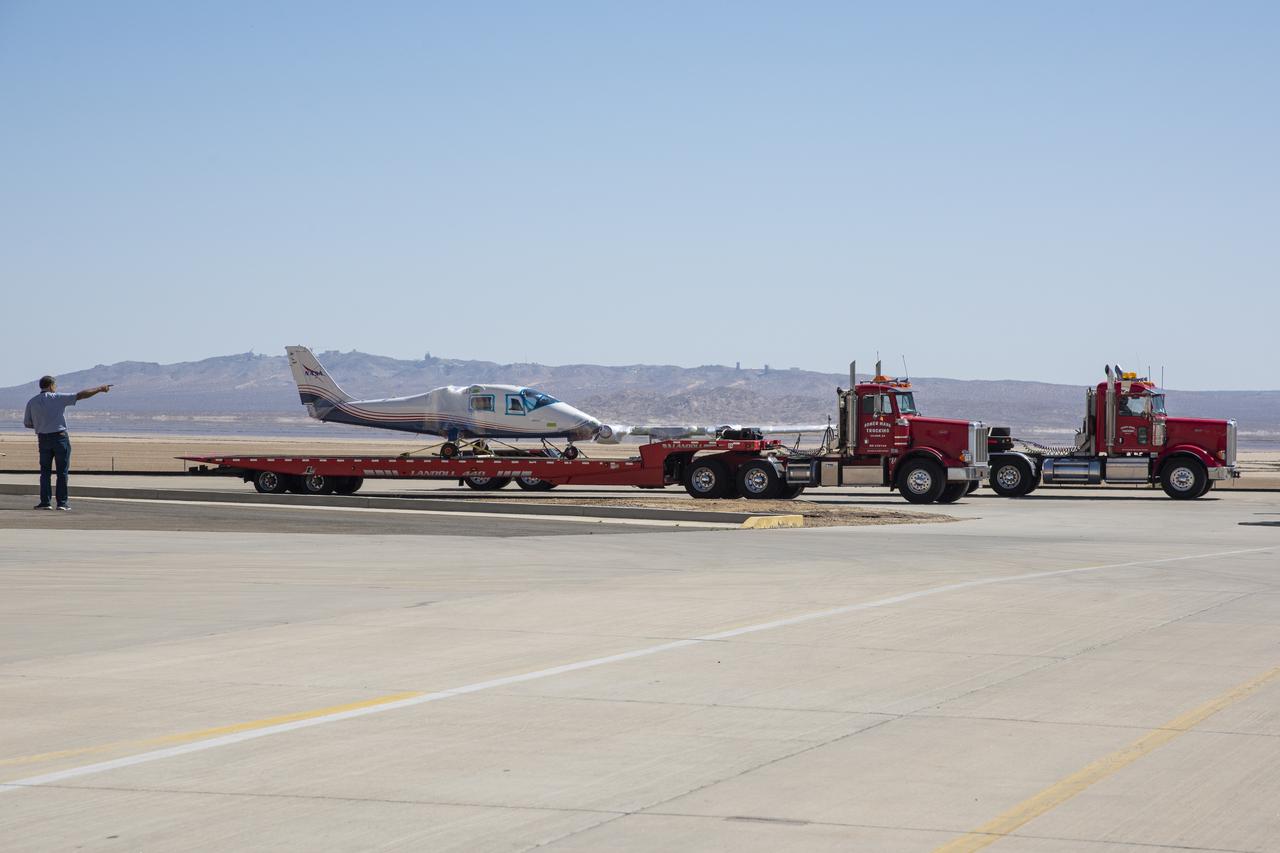
NASA's all-electric X-57 Maxwell, in its Mod II configuration, arrives at NASA's Armstrong Flight Research Center in Edwards, California. The X-plane was delivered by prime contractor Empirical Systems Aerospace of San Luis Obispo, California, in two parts, with the wing separated from the fuselage, to aid in a more timely delivery. X-57 is NASA's first crewed X-plane in two decades, and seeks to further advance the design and airworthiness process for distributed electric propulsion technology for general aviation aircraft.
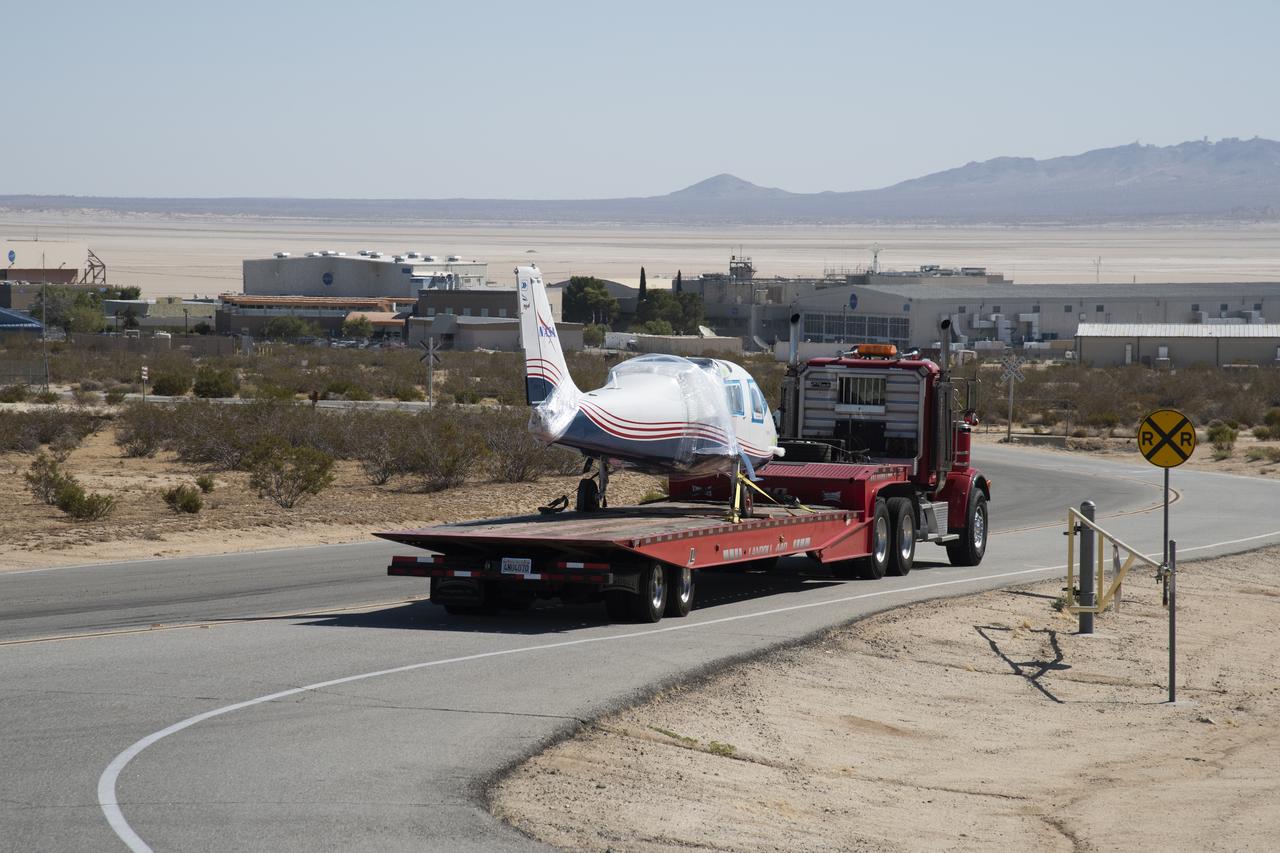
NASA’s all-electric X-57 Maxwell, in its Mod II configuration, arrives at NASA’s Armstrong Flight Research Center in Edwards, California. The X-plane was delivered by prime contractor Empirical Systems Aerospace of San Luis Obispo, California, in two parts, with the wing separated from the fuselage, to aid in a more timely delivery. X-57 is NASA’s first crewed X-plane in two decades, and seeks to further advance the design and airworthiness process for distributed electric propulsion technology for general aviation aircraft.
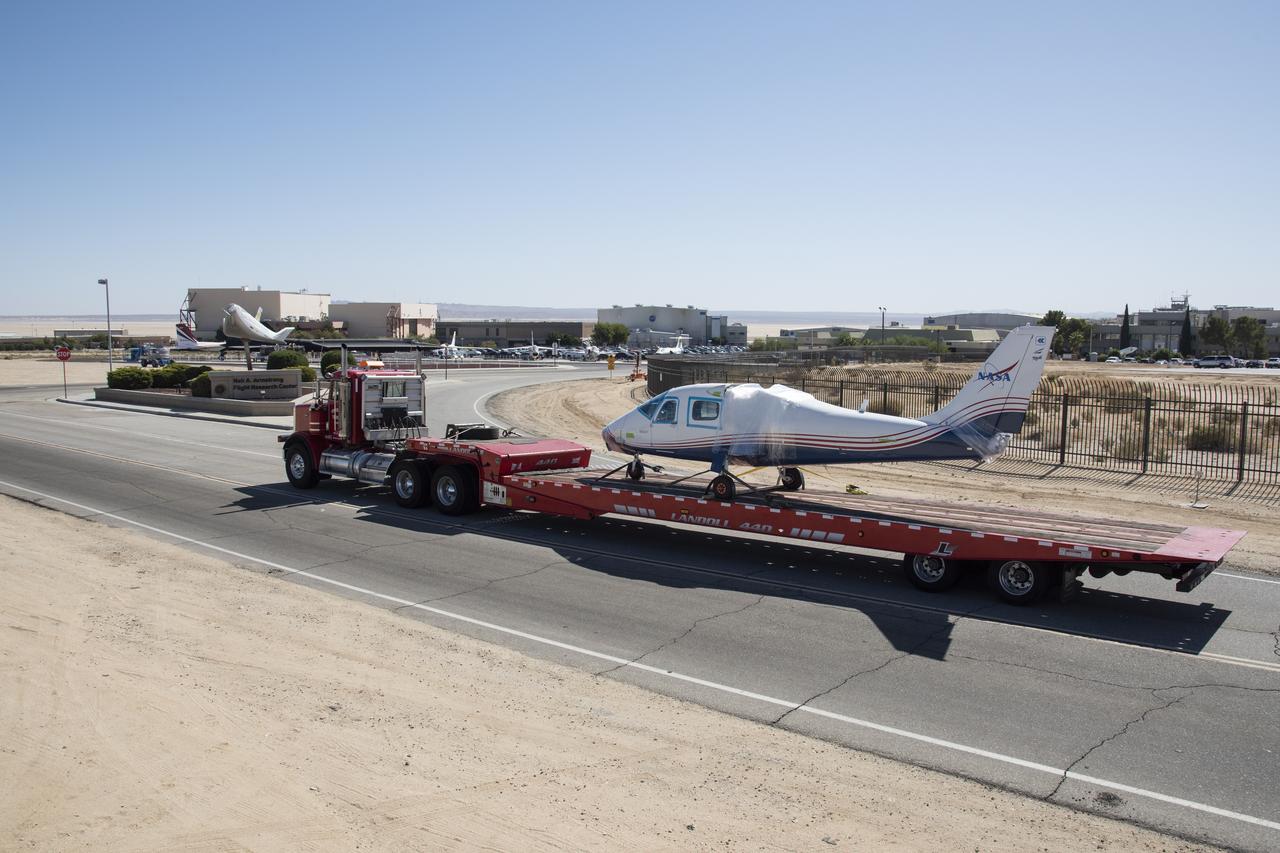
NASA's all-electric X-57 Maxwell, in its Mod II configuration, arrives at NASA's Armstrong Flight Research Center in Edwards, California. The X-plane was delivered by prime contractor Empirical Systems Aerospace of San Luis Obispo, California, in two parts, with the wing separated from the fuselage, to aid in a more timely delivery. X-57 is NASA's first crewed X-plane in two decades, and seeks to further advance the design and airworthiness process for distributed electric propulsion technology for general aviation aircraft.
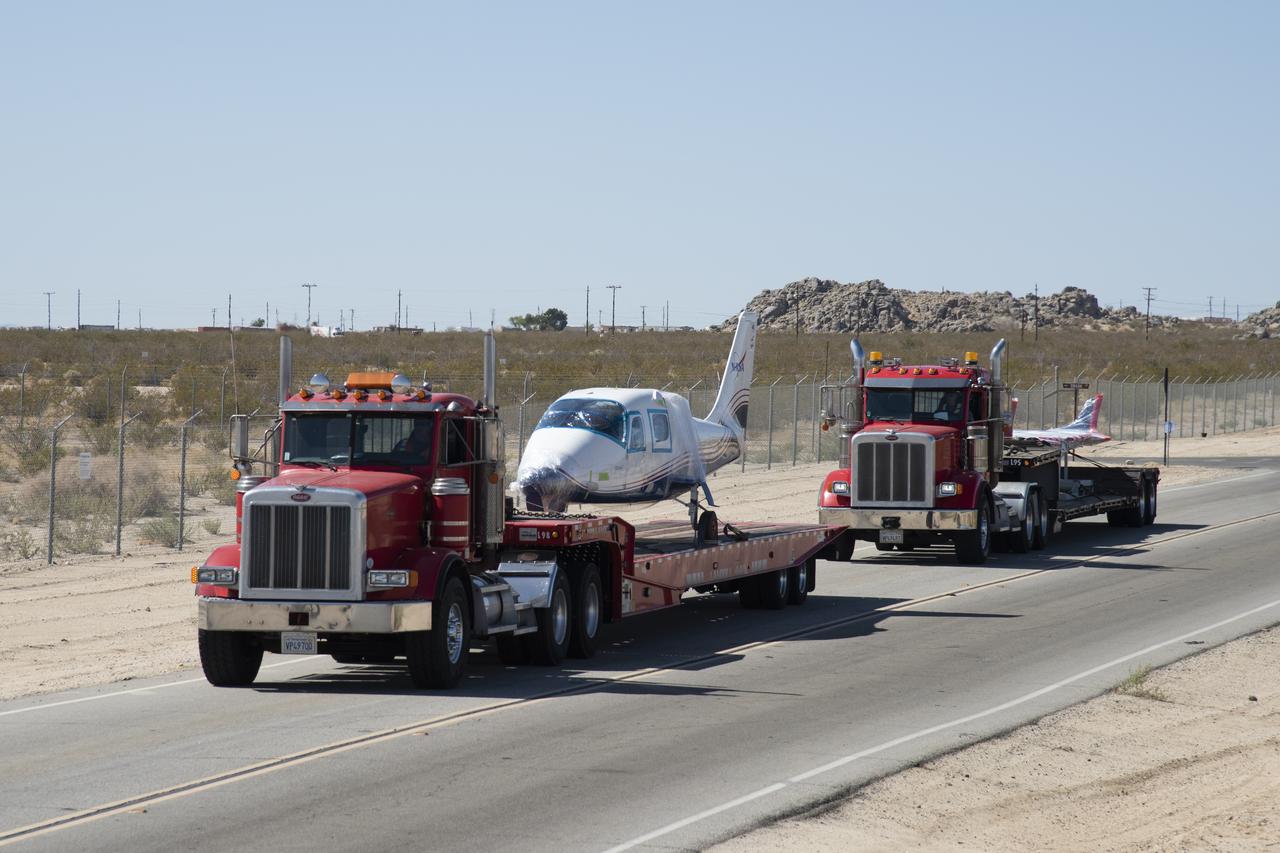
NASA's all-electric X-57 Maxwell, in its Mod II configuration, arrives at NASA's Armstrong Flight Research Center in Edwards, California. The X-plane was delivered by prime contractor Empirical Systems Aerospace of San Luis Obispo, California, in two parts, with the wing separated from the fuselage, to aid in a more timely delivery. X-57 is NASA's first crewed X-plane in two decades, and seeks to further advance the design and airworthiness process for distributed electric propulsion technology for general aviation aircraft.
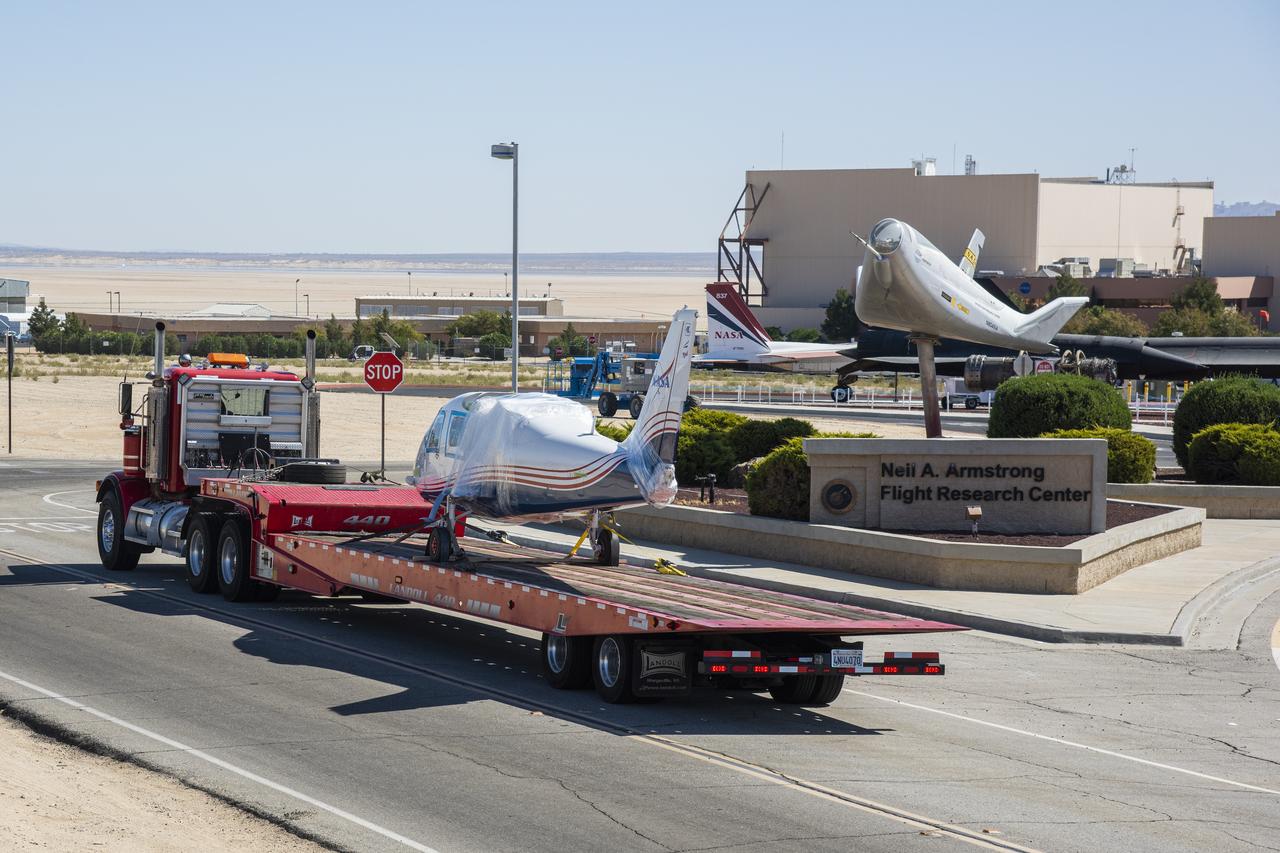
NASA's all-electric X-57 Maxwell, in its Mod II configuration, arrives at NASA's Armstrong Flight Research Center in Edwards, California. The X-plane was delivered by prime contractor Empirical Systems Aerospace of San Luis Obispo, California, in two parts, with the wing separated from the fuselage, to aid in a more timely delivery. X-57 is NASA's first crewed X-plane in two decades, and seeks to further advance the design and airworthiness process for distributed electric propulsion technology for general aviation aircraft.
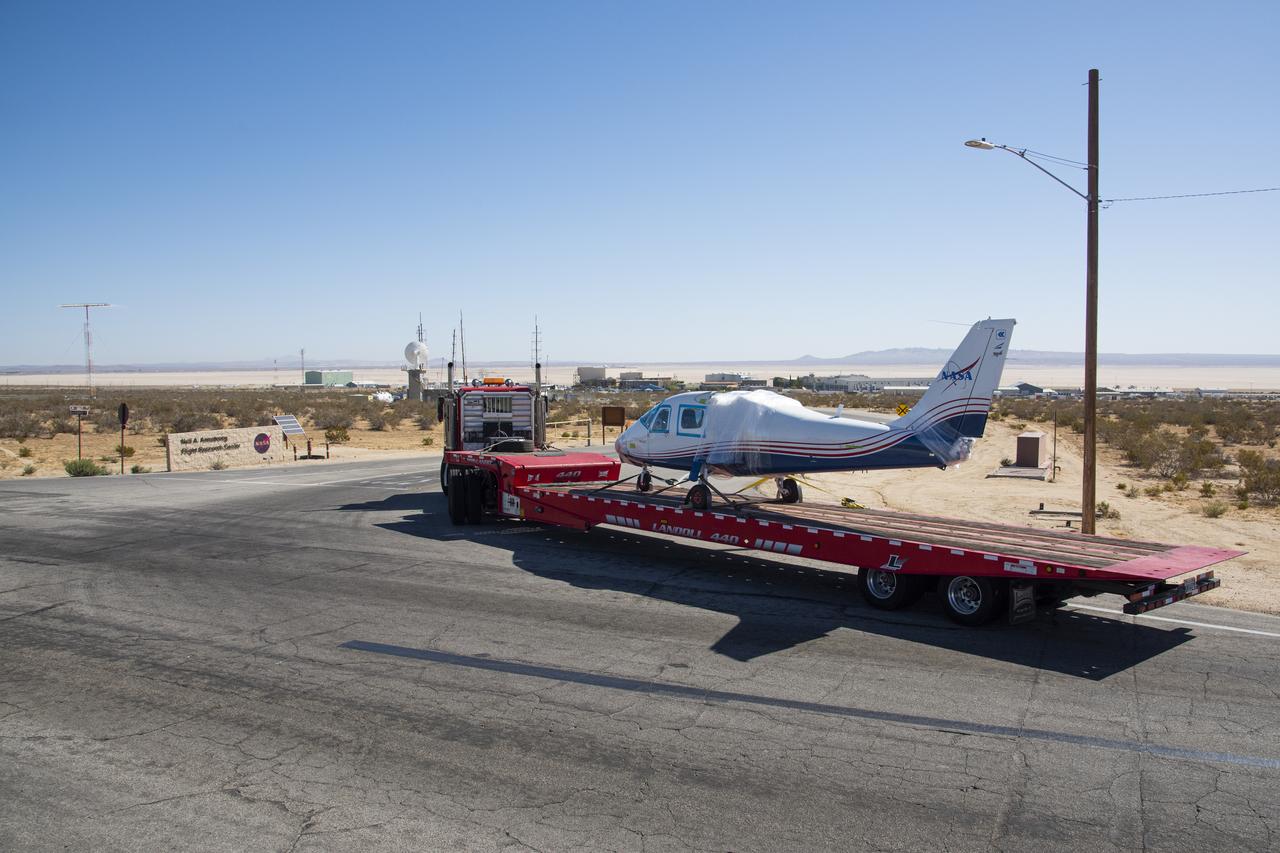
NASA's all-electric X-57 Maxwell, in its Mod II configuration, arrives at NASA's Armstrong Flight Research Center in Edwards, California. The X-plane was delivered by prime contractor Empirical Systems Aerospace of San Luis Obispo, California, in two parts, with the wing separated from the fuselage, to aid in a more timely delivery. X-57 is NASA's first crewed X-plane in two decades, and seeks to further advance the design and airworthiness process for distributed electric propulsion technology for general aviation aircraft.
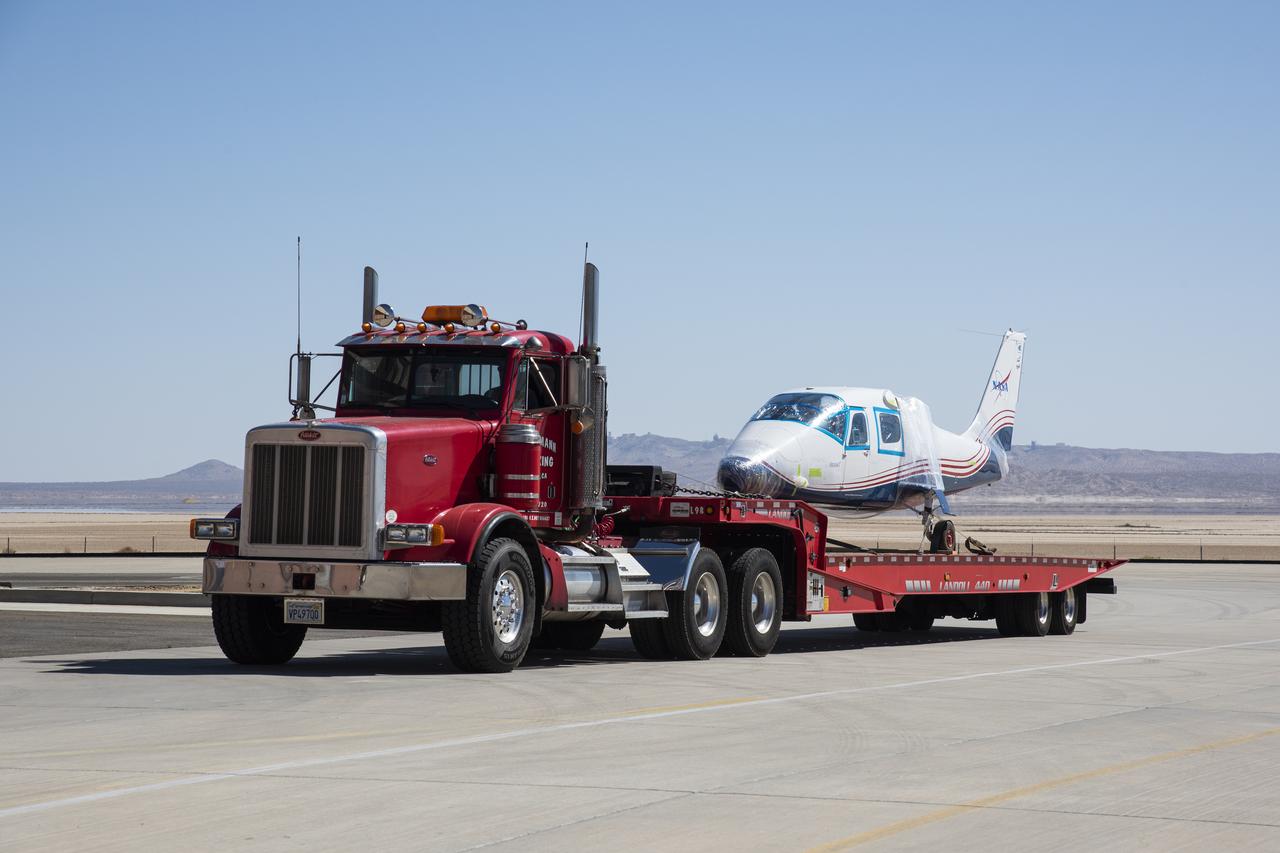
NASA's all-electric X-57 Maxwell, in its Mod II configuration, arrives at NASA's Armstrong Flight Research Center in Edwards, California. The X-plane was delivered by prime contractor Empirical Systems Aerospace of San Luis Obispo, California, in two parts, with the wing separated from the fuselage, to aid in a more timely delivery. X-57 is NASA's first crewed X-plane in two decades, and seeks to further advance the design and airworthiness process for distributed electric propulsion technology for general aviation aircraft.
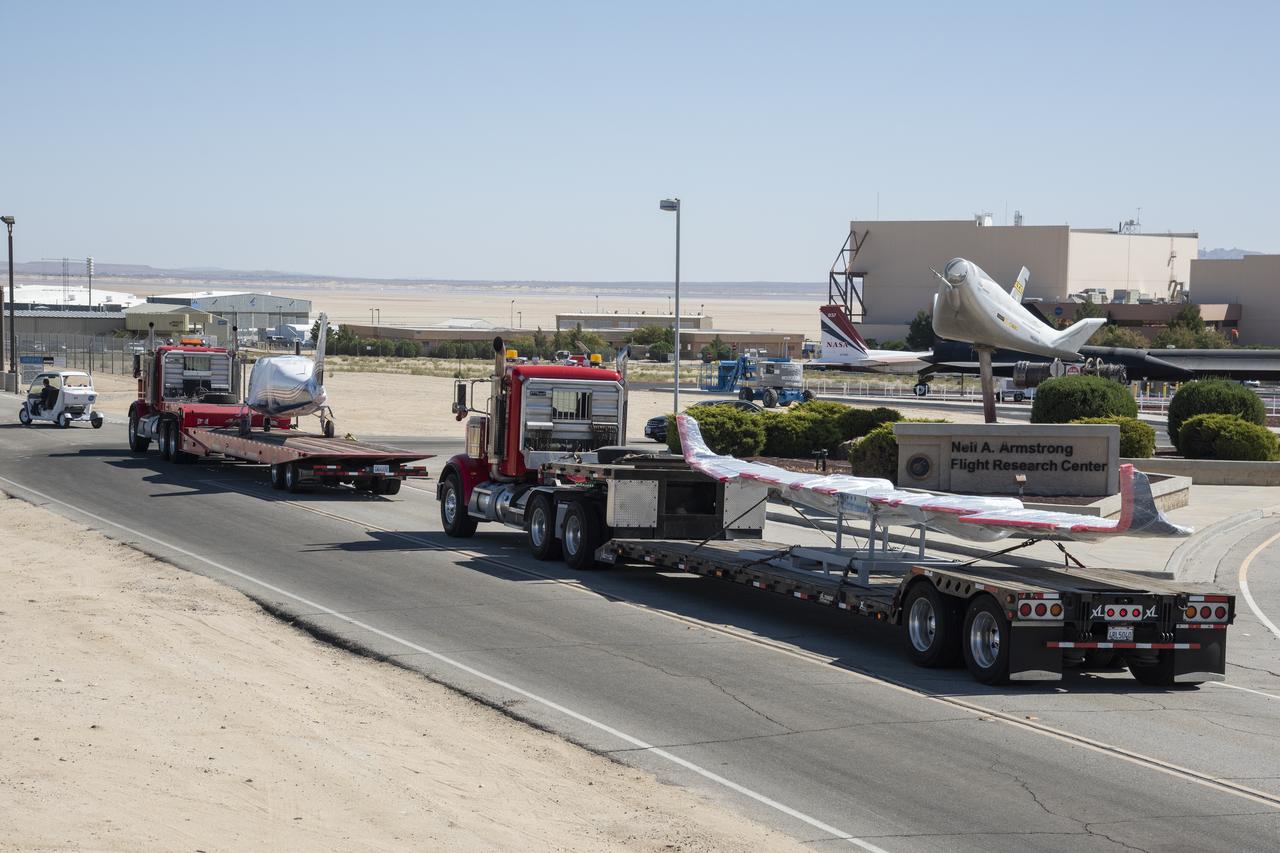
NASA’s all-electric X-57 Maxwell, in its Mod II configuration, arrives at NASA’s Armstrong Flight Research Center in Edwards, California. The X-plane was delivered by prime contractor Empirical Systems Aerospace of San Luis Obispo, California, in two parts, with the wing separated from the fuselage, to aid in a more timely delivery. X-57 is NASA’s first crewed X-plane in two decades, and seeks to further advance the design and airworthiness process for distributed electric propulsion technology for general aviation aircraft.
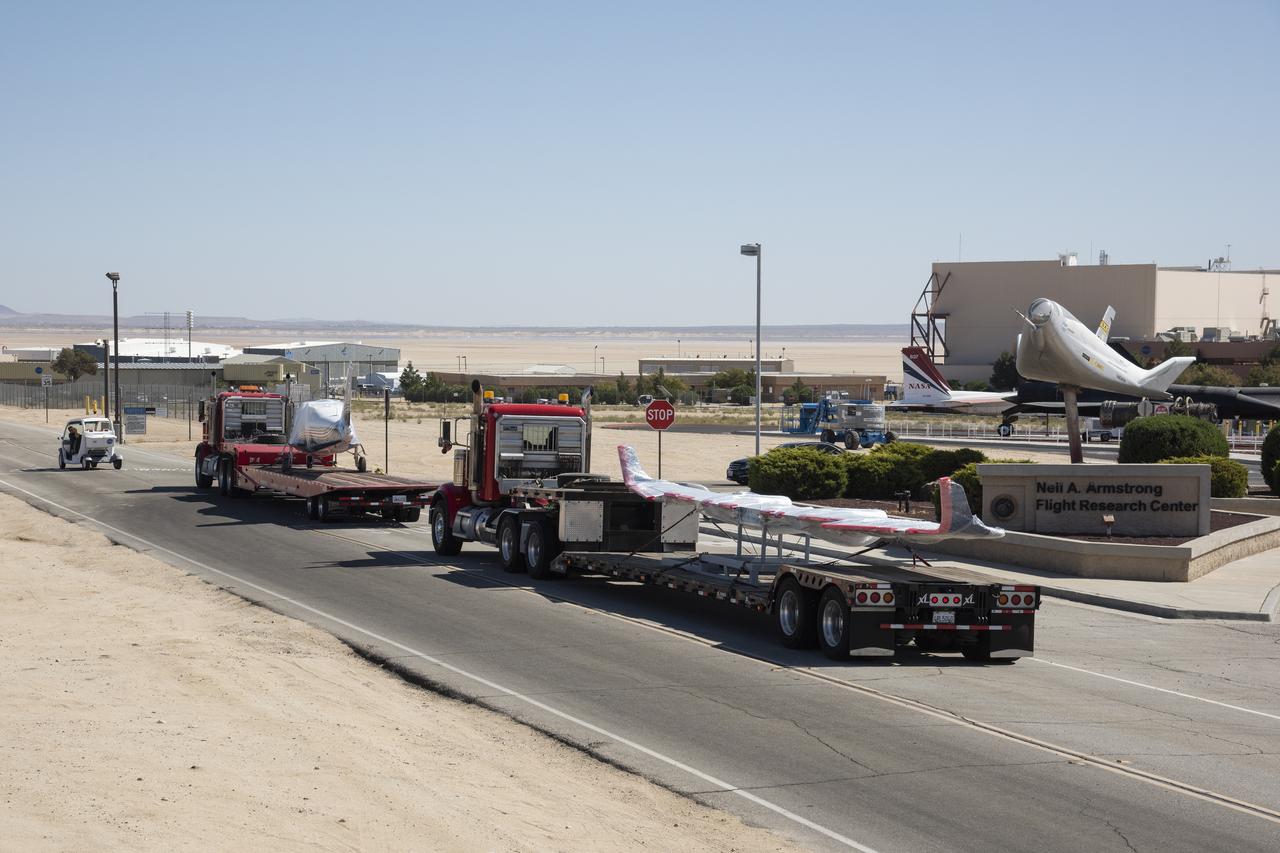
NASA's all-electric X-57 Maxwell, in its Mod II configuration, arrives at NASA's Armstrong Flight Research Center in Edwards, California. The X-plane was delivered by prime contractor Empirical Systems Aerospace of San Luis Obispo, California, in two parts, with the wing separated from the fuselage, to aid in a more timely delivery. X-57 is NASA's first crewed X-plane in two decades, and seeks to further advance the design and airworthiness process for distributed electric propulsion technology for general aviation aircraft.
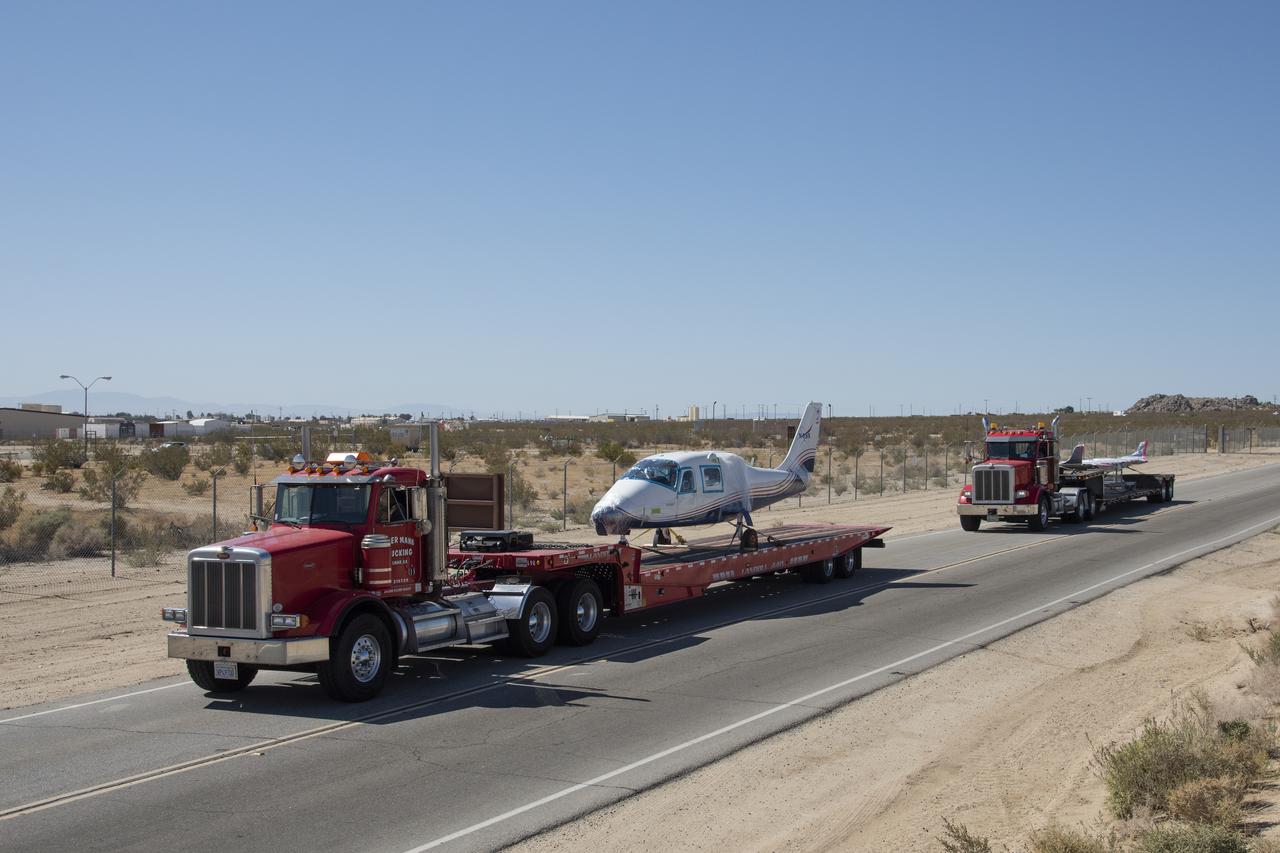
NASA's all-electric X-57 Maxwell, in its Mod II configuration, arrives at NASA's Armstrong Flight Research Center in Edwards, California. The X-plane was delivered by prime contractor Empirical Systems Aerospace of San Luis Obispo, California, in two parts, with the wing separated from the fuselage, to aid in a more timely delivery. X-57 is NASA's first crewed X-plane in two decades, and seeks to further advance the design and airworthiness process for distributed electric propulsion technology for general aviation aircraft.
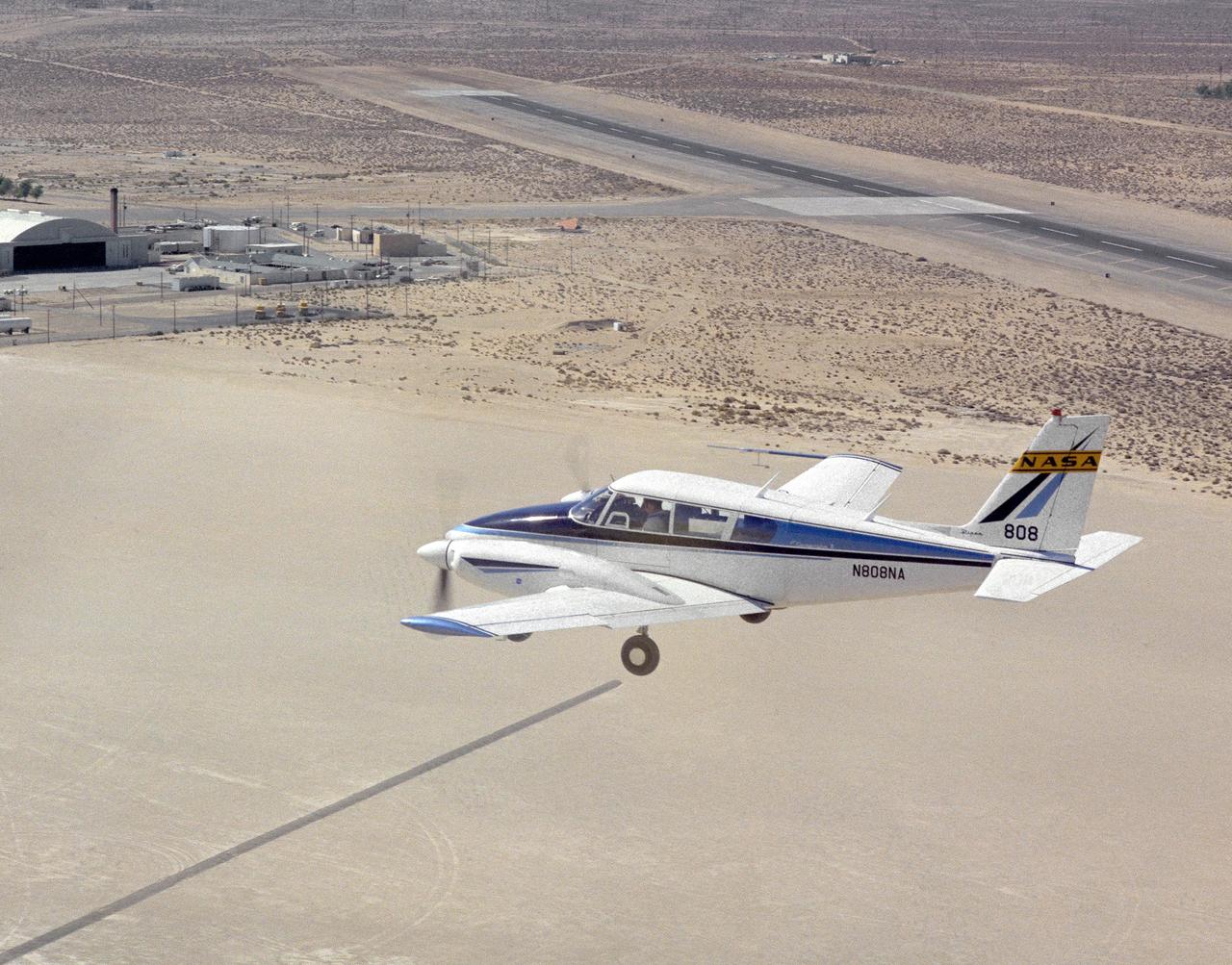
Dryden Flight Research Center's Piper PA-30 Twin Commanche, which helped validate the RPRV concept, descends to a remotely controlled landing on Rogers Dry Lake, unassisted by the onboard pilot. A Piper PA-30 Twin Commanche, known as NASA 808, was used at the NASA Dryden Flight Research Center as a rugged workhorse in a variety of research projects associated with both general aviation and military projects. In the early 1970s, the PA-30, serial number 301498, was used to test a flight technique used to fly Remotely Piloted Research Vehicles (RPRV's). The technique was first tested with the cockpit windows of the light aircraft blacked out while the pilot flew the aircraft utilizing a television monitor which gave him a "pilot's eye" view ahead of the aircraft. Later pilots flew the aircraft from a ground cockpit, a procedure used with all RPRV's. TV and two-way telemetry allow the pilot to be in constant control of the aircraft. The apparatus mounted over the cockpit is a special fish eye lens camera, used to obtain images that are transmitted to the ground based cockpit. This project paved the way for sophisticated, highly successful research programs involving high risk spin, stall, and flight control conditions, such as the HiMAT and the subscale F-15 remotely piloted vehicles. Over the years, NASA 808 has also been used for spin and stall research related to general aviation aircraft and also research to alleviate wake vortices behind large jetliners.
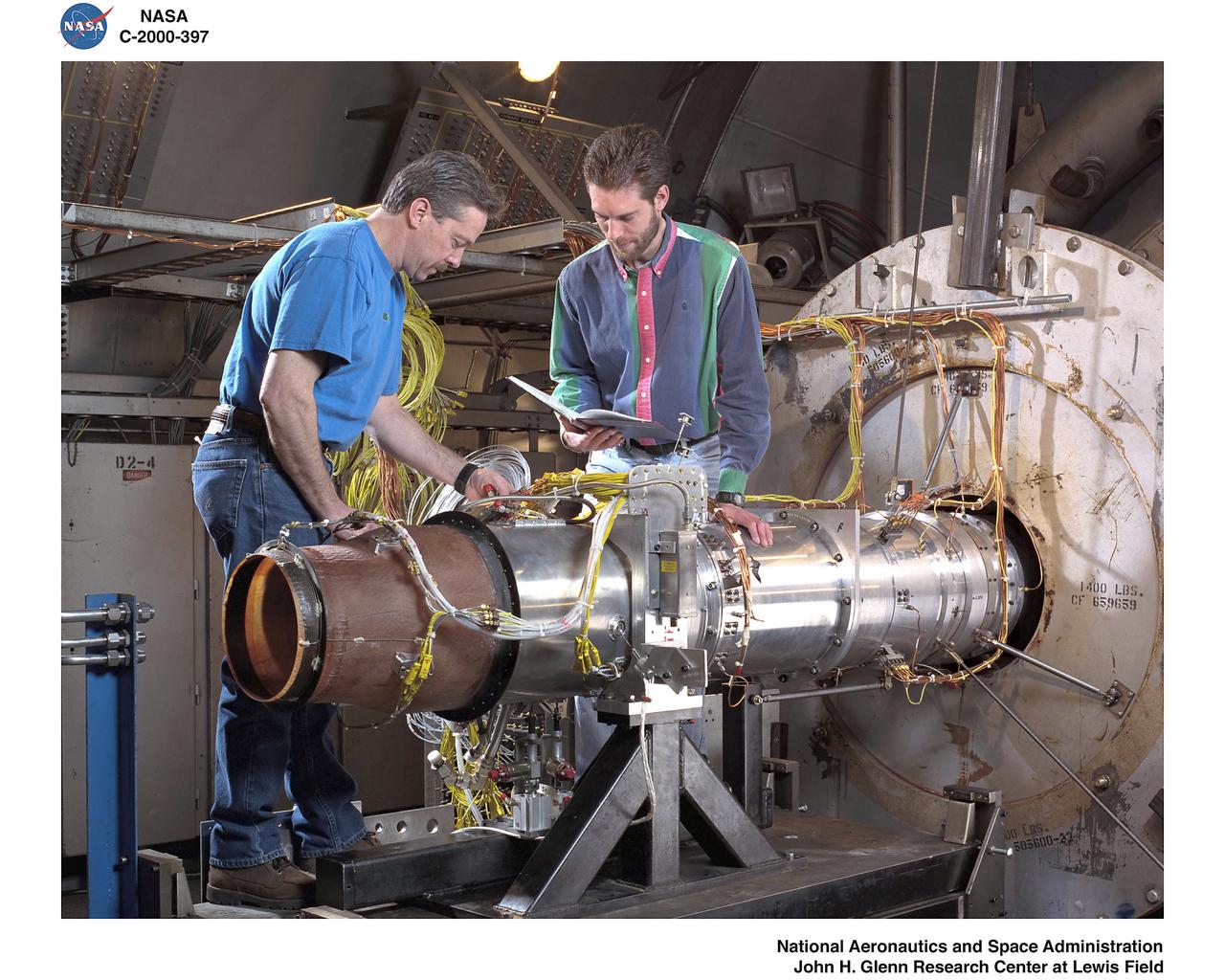
GENERAL AVIATION PROGRAM / WILLIAMS INTERNATIONAL FJX-2 ENGINE INSTALLATION - WILLIAM GUCKIAN WITH WILLIAMS INTERNATIONAL AND RAY CASTNER FROM NASA
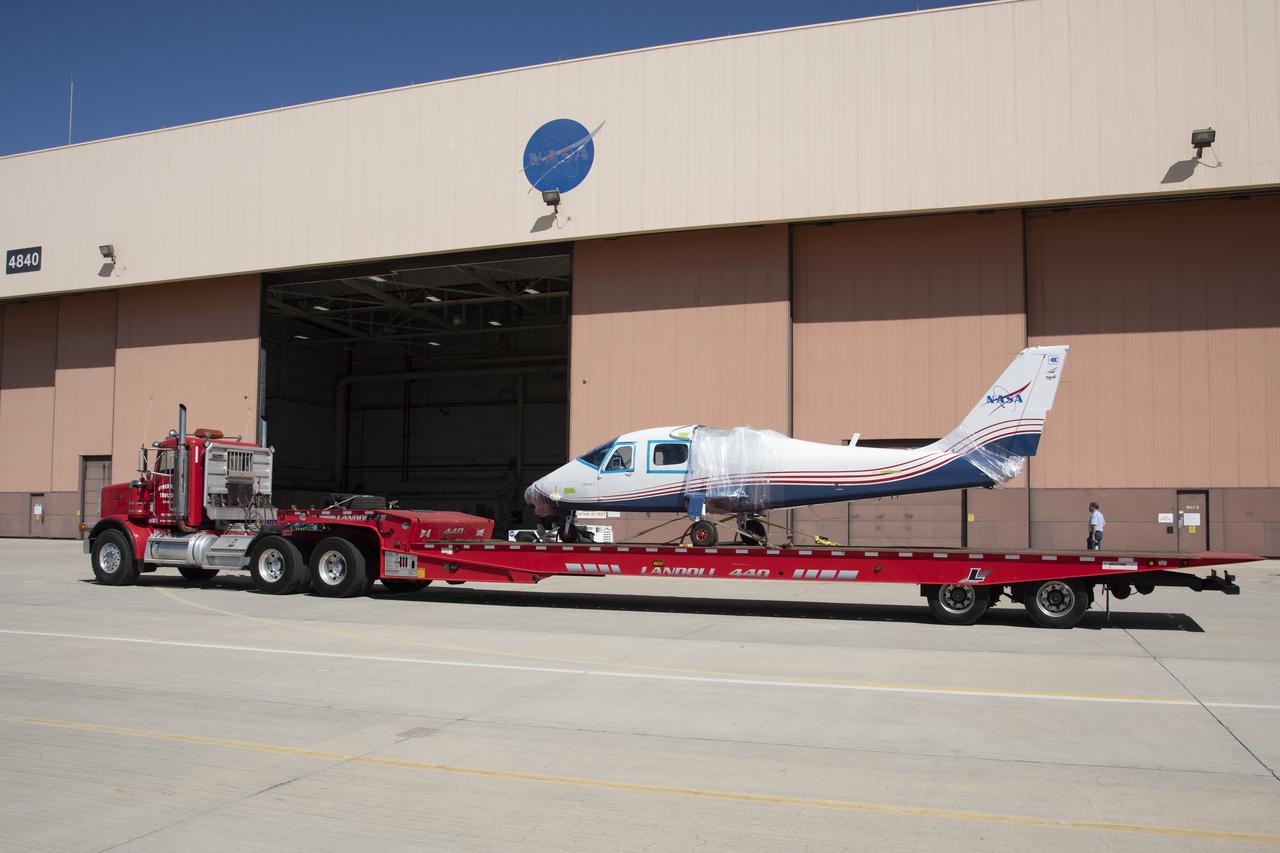
NASA’s all-electric X-57 Maxwell, in its Mod II configuration, arrives at NASA’s Armstrong Flight Research Center in Edwards, California. The X-plane was delivered by prime contractor Empirical Systems Aerospace of San Luis Obispo, California, in two parts, with the wing separated from the fuselage, to aid in a more timely delivery. X-57 is NASA’s first crewed X-plane in two decades, and seeks to further advance the design and airworthiness process for distributed electric propulsion technology for general aviation aircraft.
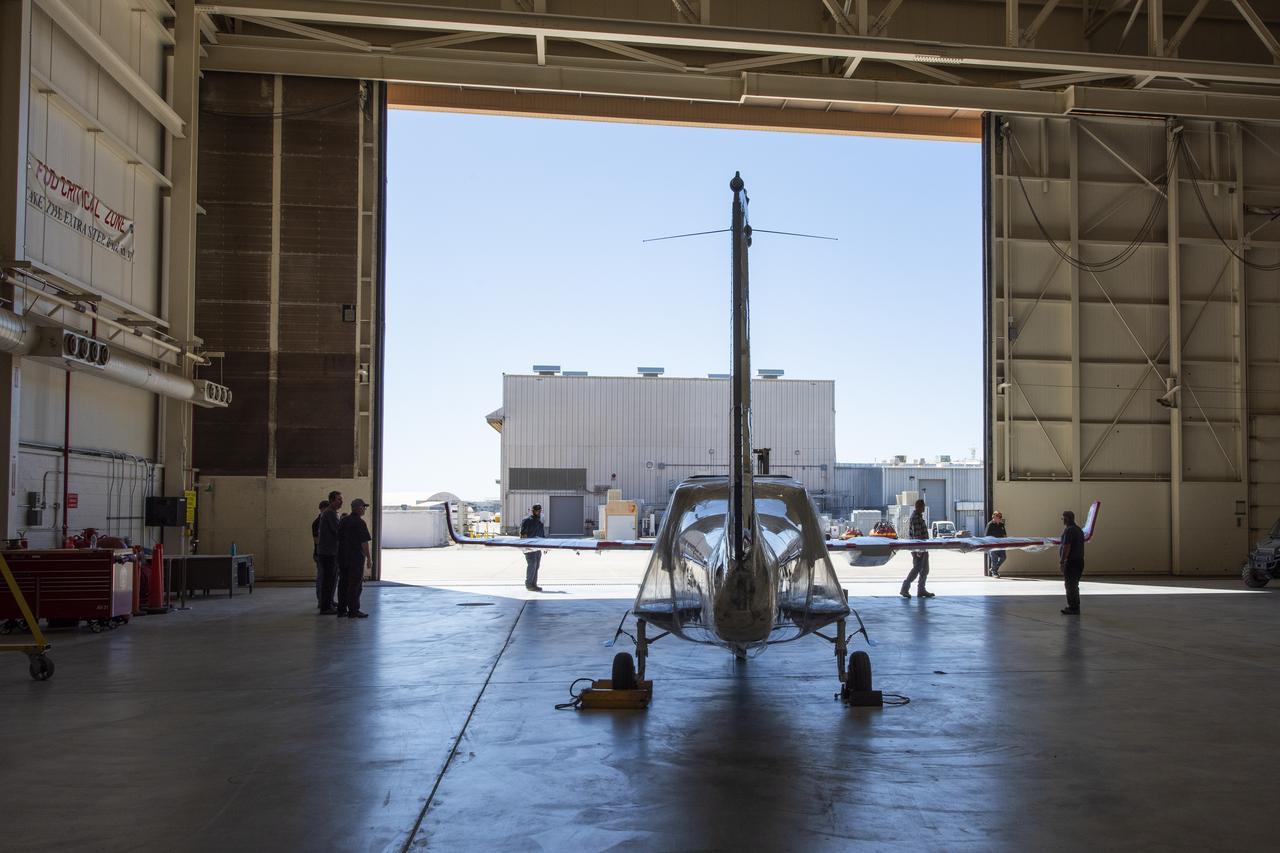
NASA’s X-57 Maxwell, the agency’s first all-electric X-plane and first crewed X-planed in two decades, is delivered to NASA’s Armstrong Flight Research Center in Edwards, California in its Mod II configuration. The first of three primary modifications for the project, Mod II involves testing of the aircraft’s cruise electric propulsion system. Delivery to NASA from prime contractor Empirical Systems Aerospace of San Luis Obispo, California, marks a major milestone for the project, at which point the vehicle is reintegrated for ground tests, to be followed by taxi tests, and eventually, flight tests. X-57’s goal is to further advance the design and airworthiness process for distributed electric propulsion technology for general aviation aircraft, which can provide multiple benefits to efficiency, emissions, and noise.
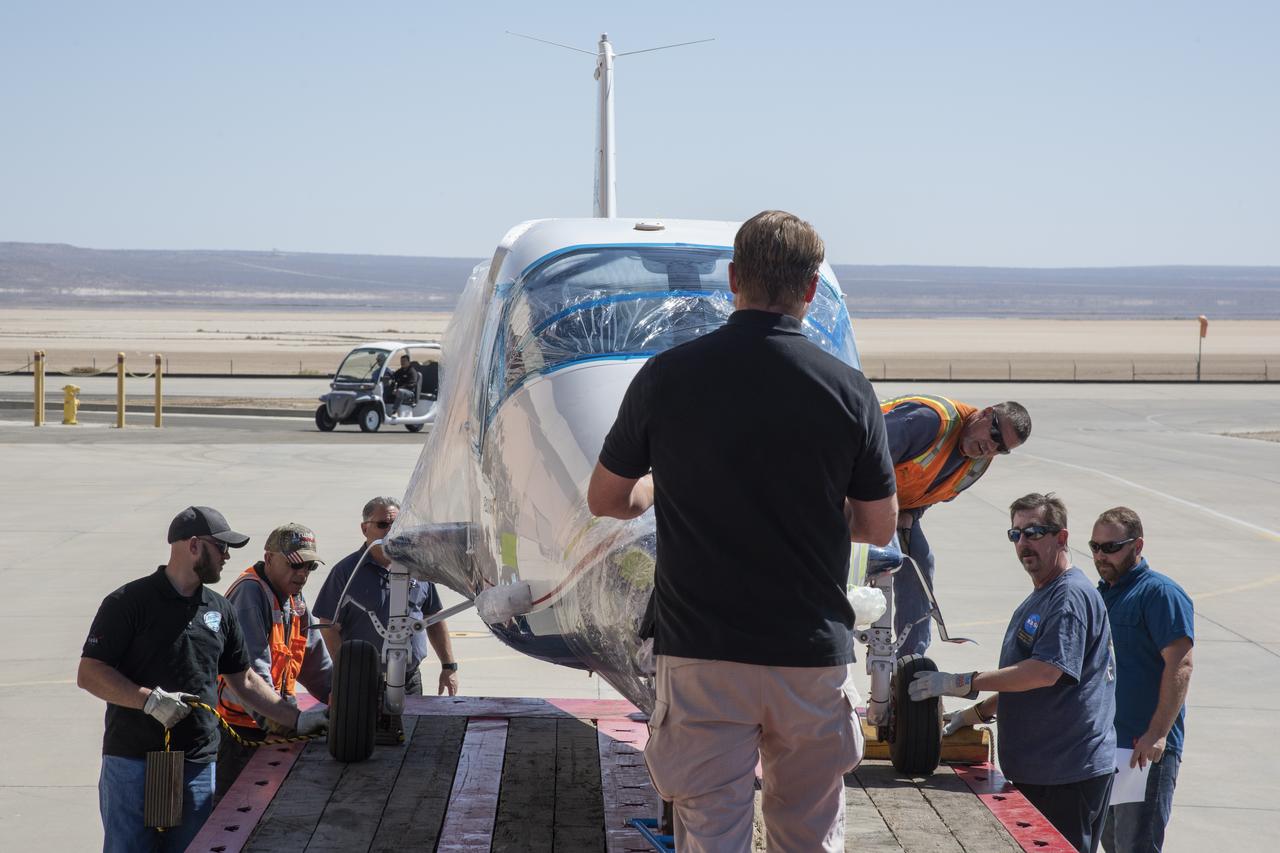
NASA's X-57 Maxwell, the agency's first all-electric X-plane and first crewed X-planed in two decades, is delivered to NASA's Armstrong Flight Research Center in Edwards, California in its Mod II configuration. The first of three primary modifications for the project, Mod II involves testing of the aircraft's cruise electric propulsion system. Delivery to NASA from prime contractor Empirical Systems Aerospace of San Luis Obispo, California, marks a major milestone for the project, at which point the vehicle is reintegrated for ground tests, to be followed by taxi tests, and eventually, flight tests. X-57's goal is to further advance the design and airworthiness process for distributed electric propulsion technology for general aviation aircraft, which can provide multiple benefits to efficiency, emissions, and noise.
NASA's X-57 Maxwell, the agency's first all-electric X-plane and first crewed X-planed in two decades, is delivered to NASA's Armstrong Flight Research Center in Edwards, California in its Mod II configuration. The first of three primary modifications for the project, Mod II involves testing of the aircraft's cruise electric propulsion system. Delivery to NASA from prime contractor Empirical Systems Aerospace of San Luis Obispo, California, marks a major milestone for the project, at which point the vehicle is reintegrated for ground tests, to be followed by taxi tests, and eventually, flight tests. X-57's goal is to further advance the design and airworthiness process for distributed electric propulsion technology for general aviation aircraft, which can provide multiple benefits to efficiency, emissions, and noise.
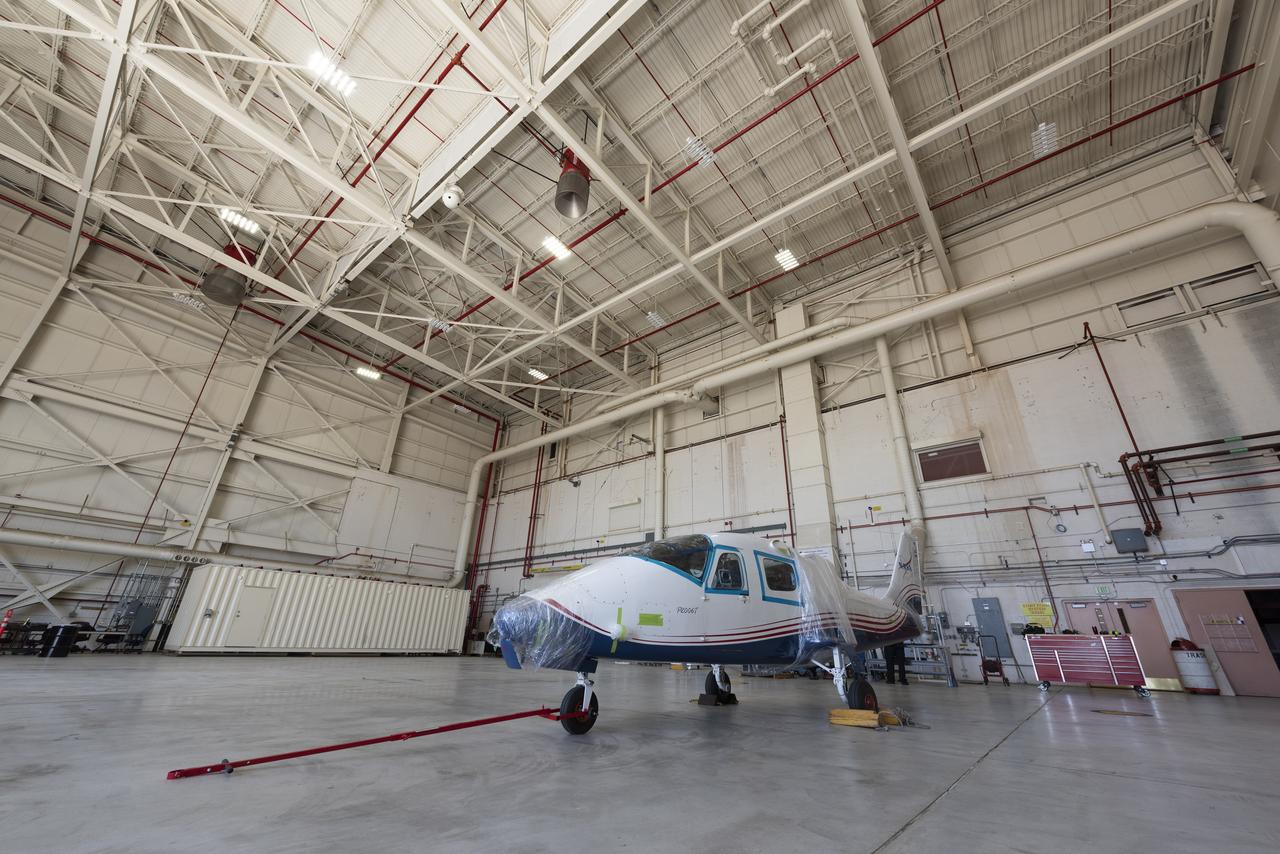
NASA's X-57 Maxwell, the agency's first all-electric X-plane and first crewed X-planed in two decades, is delivered to NASA's Armstrong Flight Research Center in Edwards, California in its Mod II configuration. The first of three primary modifications for the project, Mod II involves testing of the aircraft's cruise electric propulsion system. Delivery to NASA from prime contractor Empirical Systems Aerospace of San Luis Obispo, California, marks a major milestone for the project, at which point the vehicle is reintegrated for ground tests, to be followed by taxi tests, and eventually, flight tests. X-57's goal is to further advance the design and airworthiness process for distributed electric propulsion technology for general aviation aircraft, which can provide multiple benefits to efficiency, emissions, and noise.
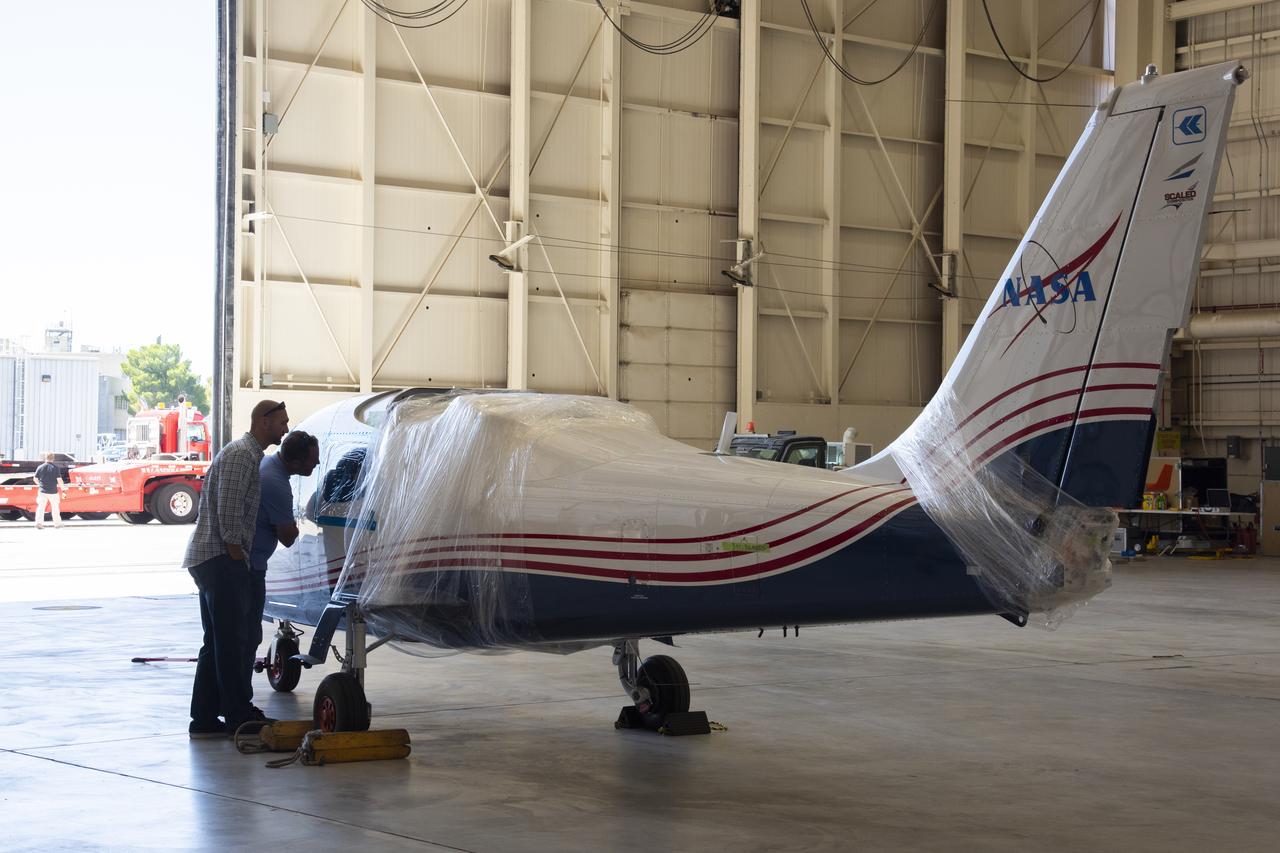
NASA's X-57 Maxwell, the agency's first all-electric X-plane and first crewed X-planed in two decades, is delivered to NASA's Armstrong Flight Research Center in Edwards, California in its Mod II configuration. The first of three primary modifications for the project, Mod II involves testing of the aircraft's cruise electric propulsion system. Delivery to NASA from prime contractor Empirical Systems Aerospace of San Luis Obispo, California, marks a major milestone for the project, at which point the vehicle is reintegrated for ground tests, to be followed by taxi tests, and eventually, flight tests. X-57's goal is to further advance the design and airworthiness process for distributed electric propulsion technology for general aviation aircraft, which can provide multiple benefits to efficiency, emissions, and noise.
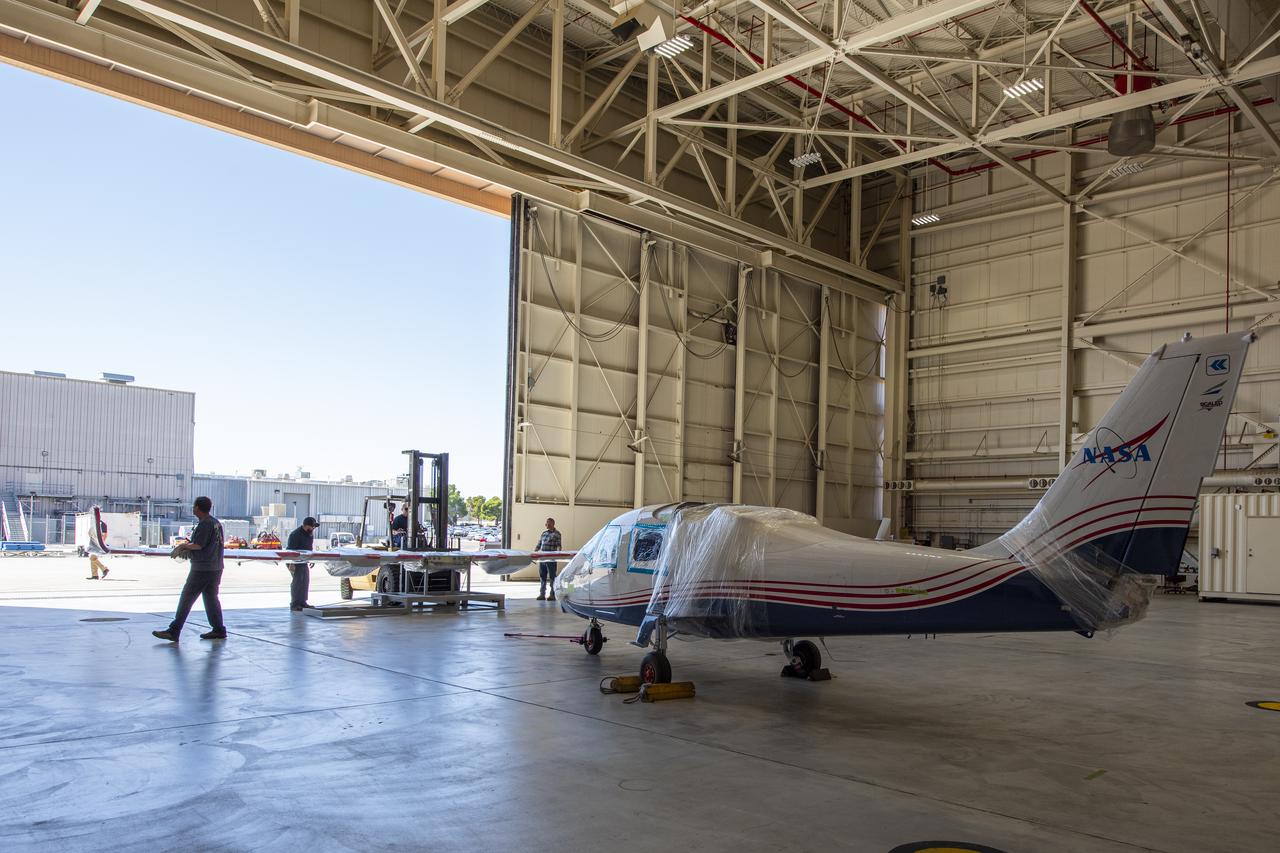
NASA’s X-57 Maxwell, the agency’s first all-electric X-plane and first crewed X-planed in two decades, is delivered to NASA’s Armstrong Flight Research Center in Edwards, California in its Mod II configuration. The first of three primary modifications for the project, Mod II involves testing of the aircraft’s cruise electric propulsion system. Delivery to NASA from prime contractor Empirical Systems Aerospace of San Luis Obispo, California, marks a major milestone for the project, at which point the vehicle is reintegrated for ground tests, to be followed by taxi tests, and eventually, flight tests. X-57’s goal is to further advance the design and airworthiness process for distributed electric propulsion technology for general aviation aircraft, which can provide multiple benefits to efficiency, emissions, and noise.
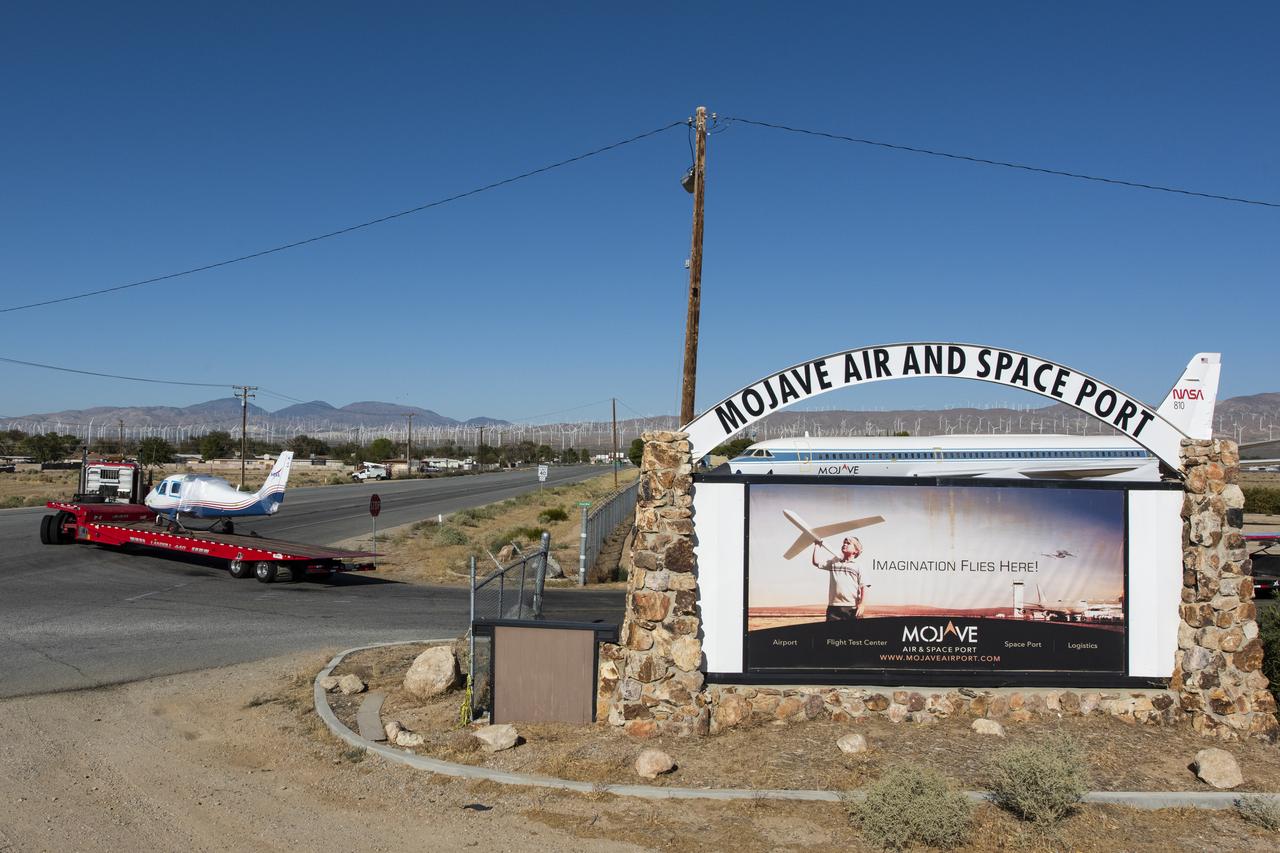
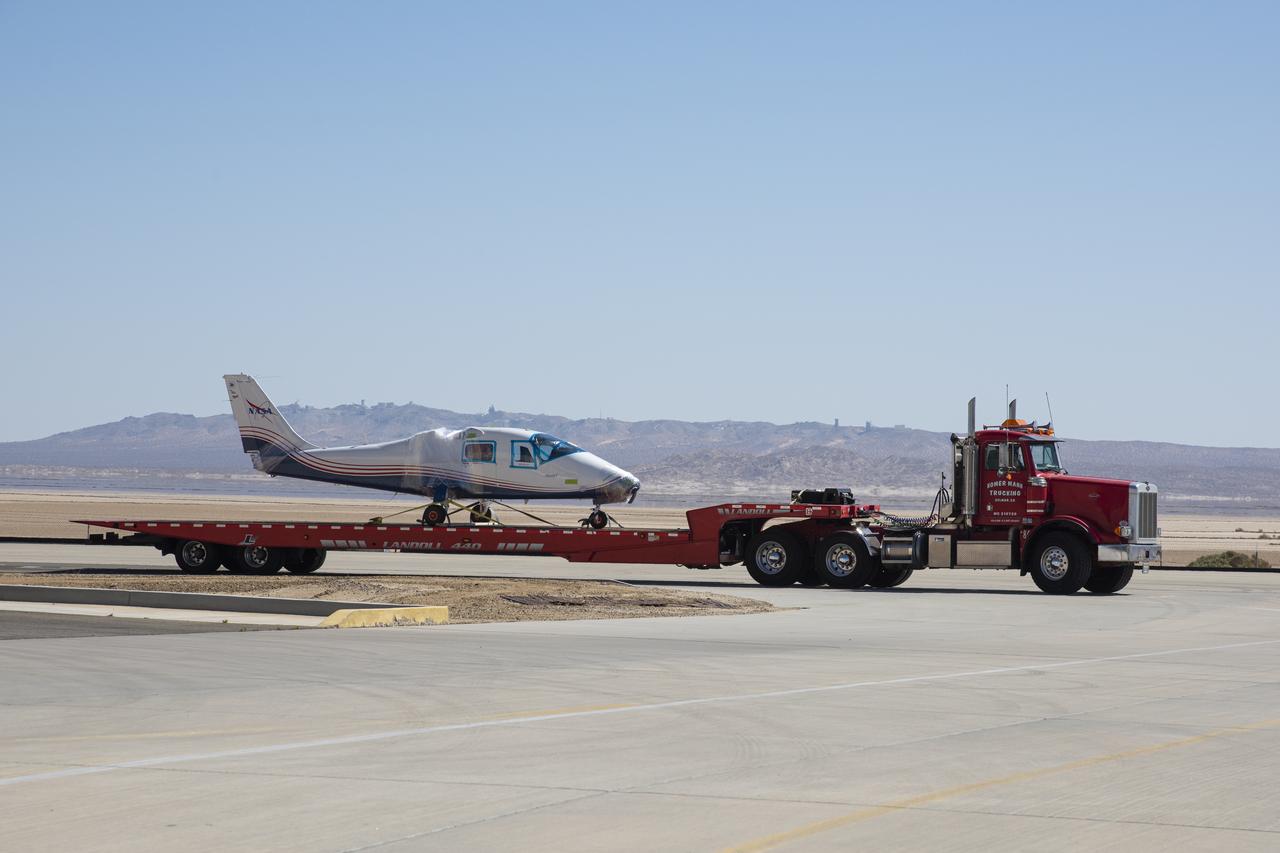
NASA’s all-electric X-57 Maxwell, in its Mod II configuration, departs Scaled Composites’ facility at Mojave Air and Space Port, en route to NASA’s Armstrong Flight Research Center in Edwards, California for delivery. The aircraft, shipped as two parts – the fuselage and the wing – was delivered to NASA Armstrong’s Research Aircraft Integration Facility, where it will be reintegrated to begin ground tests, to be followed by taxi tests, and eventually, flight tests. X-57’s Mod II configuration, the first of three primary modifications for the project, involves testing of the aircraft’s cruise electric propulsion system. The goal of the X-57 project is to share the aircraft’s electric-propulsion-focused design and airworthiness process with regulators, to advance certification approaches for distributed electric propulsion in general aviation.
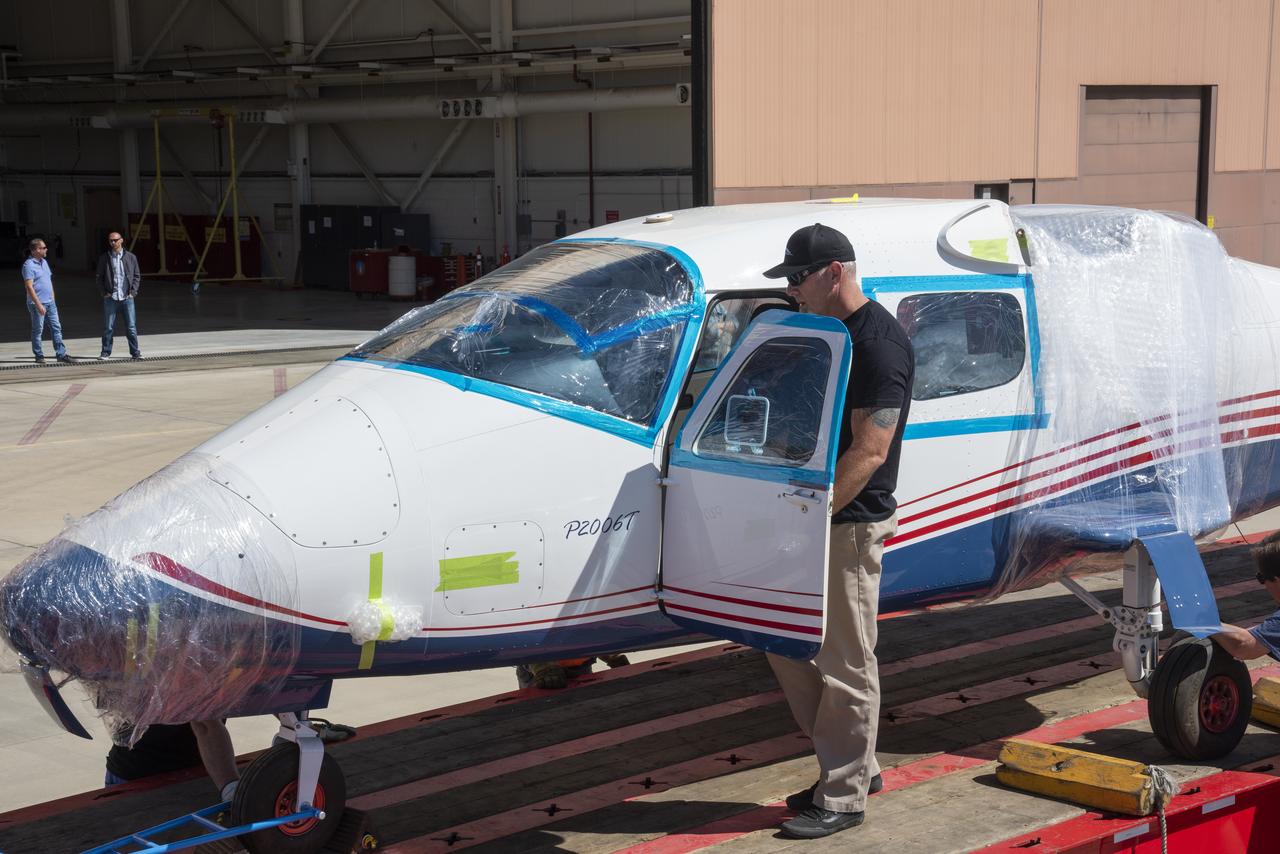
NASA's X-57 Maxwell, the agency's first all-electric X-plane and first crewed X-planed in two decades, is delivered to NASA's Armstrong Flight Research Center in Edwards, California in its Mod II configuration. The first of three primary modifications for the project, Mod II involves testing of the aircraft's cruise electric propulsion system. Delivery to NASA from prime contractor Empirical Systems Aerospace of San Luis Obispo, California, marks a major milestone for the project, at which point the vehicle is reintegrated for ground tests, to be followed by taxi tests, and eventually, flight tests. X-57's goal is to further advance the design and airworthiness process for distributed electric propulsion technology for general aviation aircraft, which can provide multiple benefits to efficiency, emissions, and noise.
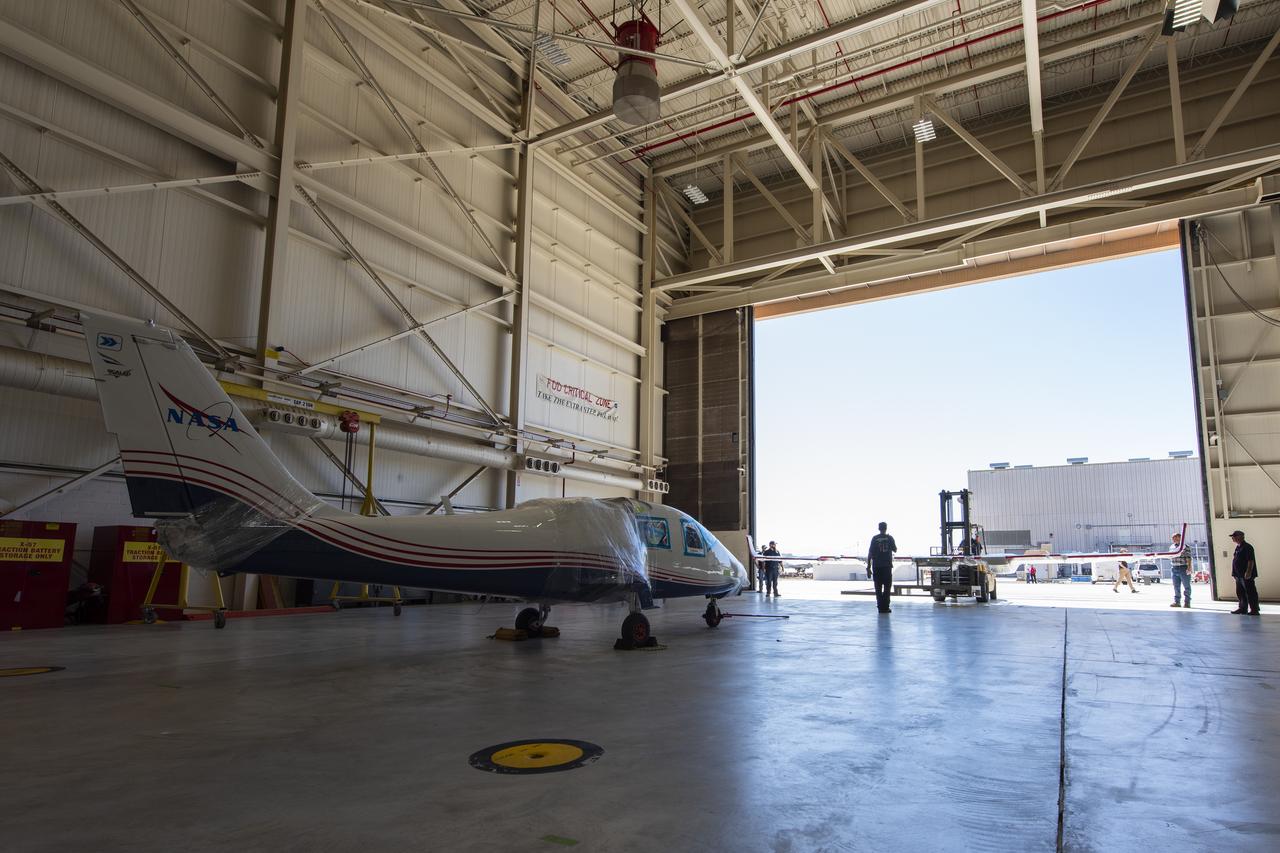
NASA's X-57 Maxwell, the agency's first all-electric X-plane and first crewed X-planed in two decades, is delivered to NASA's Armstrong Flight Research Center in Edwards, California in its Mod II configuration. The first of three primary modifications for the project, Mod II involves testing of the aircraft's cruise electric propulsion system. Delivery to NASA from prime contractor Empirical Systems Aerospace of San Luis Obispo, California, marks a major milestone for the project, at which point the vehicle is reintegrated for ground tests, to be followed by taxi tests, and eventually, flight tests. X-57's goal is to further advance the design and airworthiness process for distributed electric propulsion technology for general aviation aircraft, which can provide multiple benefits to efficiency, emissions, and noise.
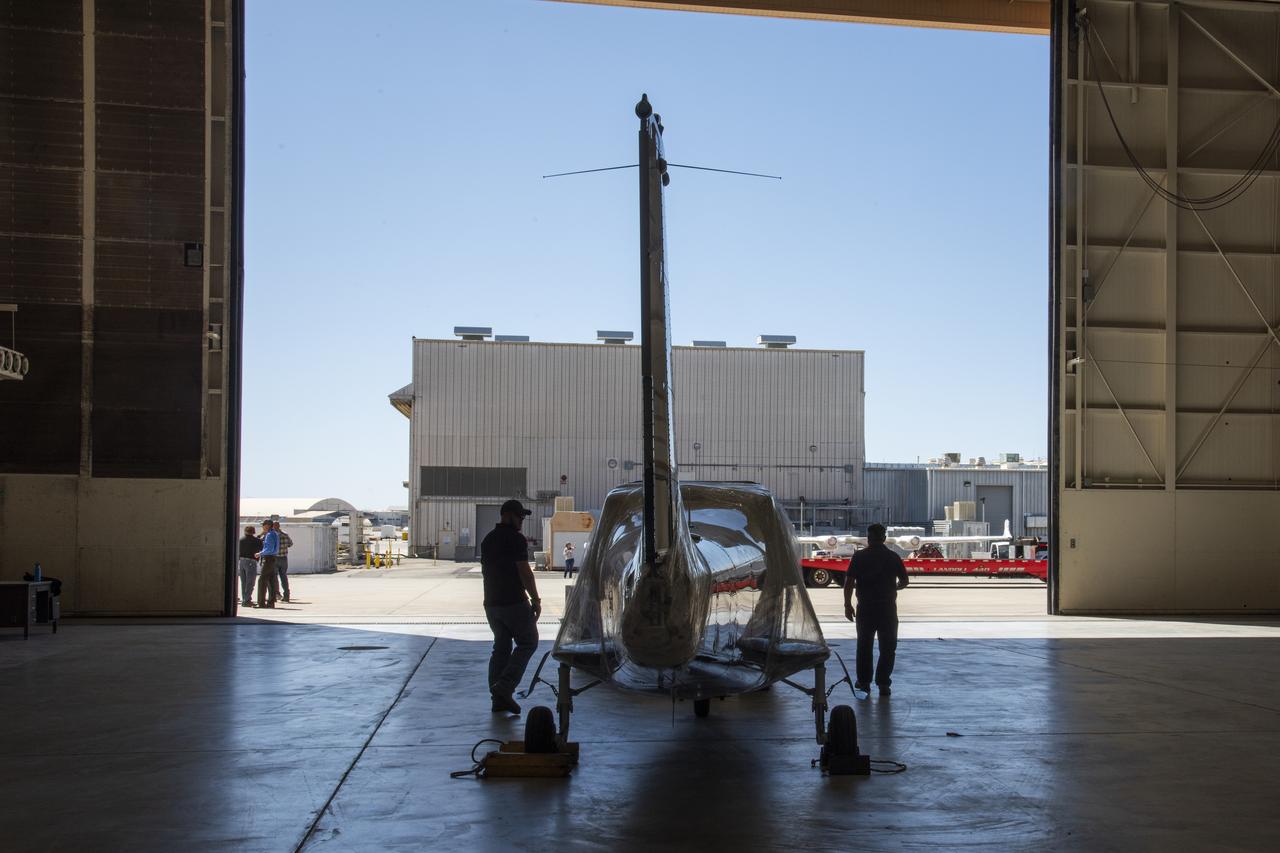
NASA's X-57 Maxwell, the agency's first all-electric X-plane and first crewed X-planed in two decades, is delivered to NASA's Armstrong Flight Research Center in Edwards, California in its Mod II configuration. The first of three primary modifications for the project, Mod II involves testing of the aircraft's cruise electric propulsion system. Delivery to NASA from prime contractor Empirical Systems Aerospace of San Luis Obispo, California, marks a major milestone for the project, at which point the vehicle is reintegrated for ground tests, to be followed by taxi tests, and eventually, flight tests. X-57's goal is to further advance the design and airworthiness process for distributed electric propulsion technology for general aviation aircraft, which can provide multiple benefits to efficiency, emissions, and noise.
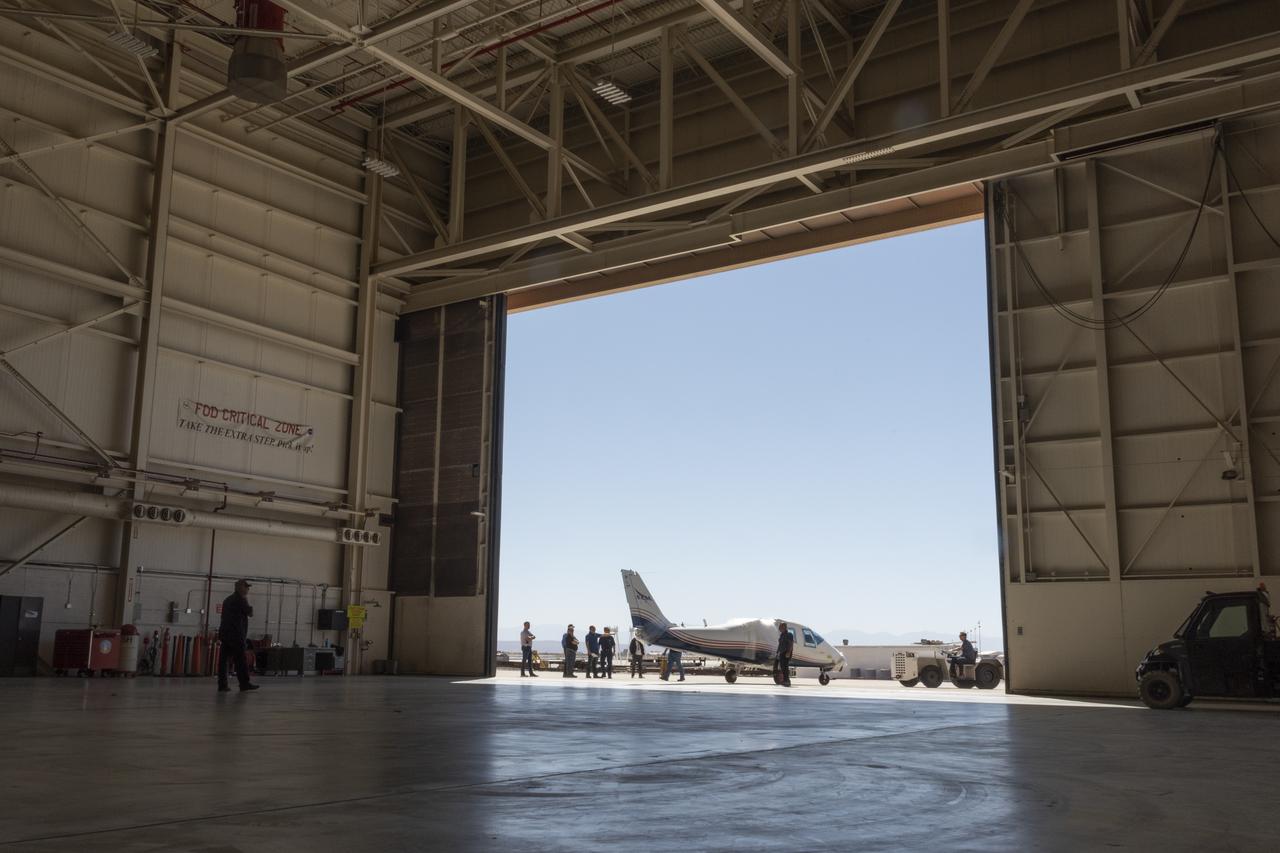
NASA's X-57 Maxwell, the agency's first all-electric X-plane and first crewed X-planed in two decades, is delivered to NASA's Armstrong Flight Research Center in Edwards, California in its Mod II configuration. The first of three primary modifications for the project, Mod II involves testing of the aircraft's cruise electric propulsion system. Delivery to NASA from prime contractor Empirical Systems Aerospace of San Luis Obispo, California, marks a major milestone for the project, at which point the vehicle is reintegrated for ground tests, to be followed by taxi tests, and eventually, flight tests. X-57's goal is to further advance the design and airworthiness process for distributed electric propulsion technology for general aviation aircraft, which can provide multiple benefits to efficiency, emissions, and noise.
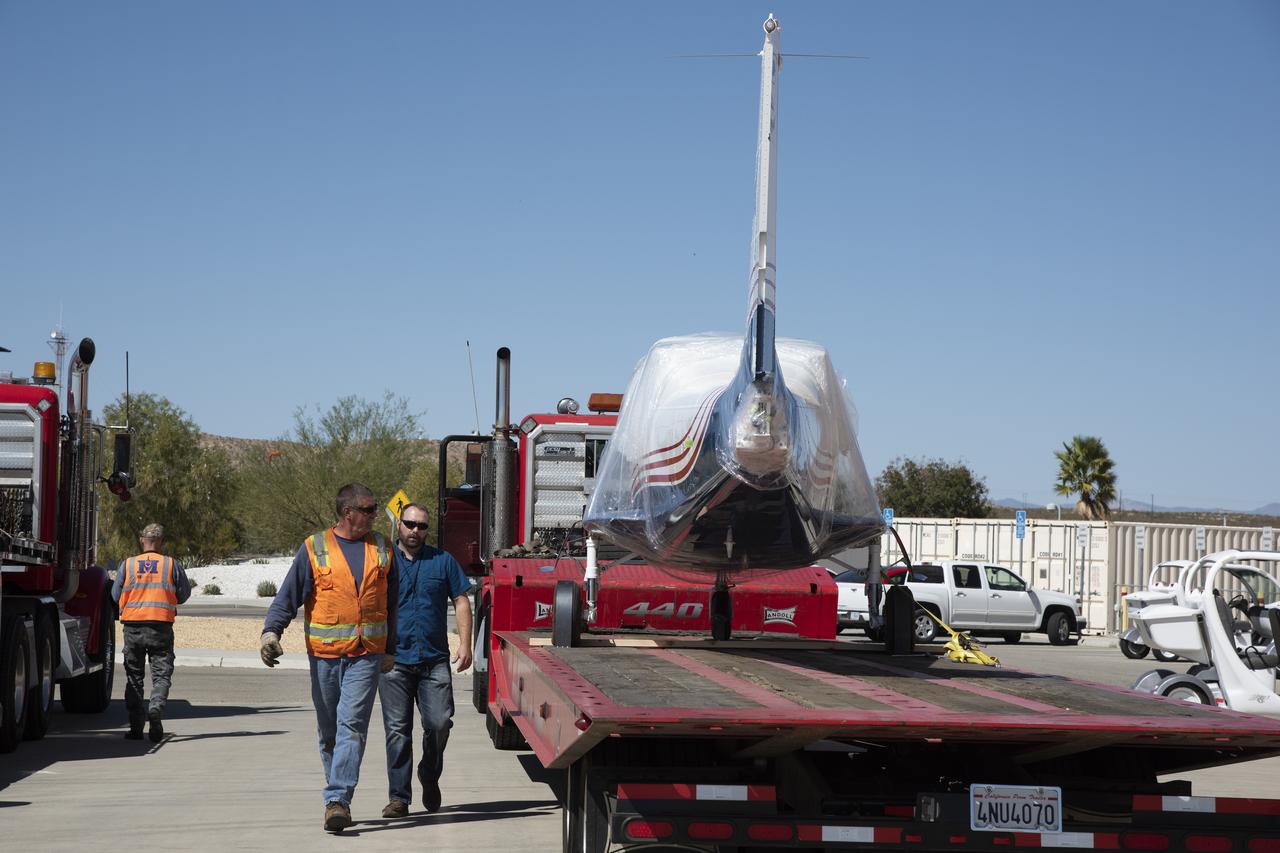
NASA's X-57 Maxwell, the agency's first all-electric X-plane and first crewed X-planed in two decades, is delivered to NASA's Armstrong Flight Research Center in Edwards, California in its Mod II configuration. The first of three primary modifications for the project, Mod II involves testing of the aircraft's cruise electric propulsion system. Delivery to NASA from prime contractor Empirical Systems Aerospace of San Luis Obispo, California, marks a major milestone for the project, at which point the vehicle is reintegrated for ground tests, to be followed by taxi tests, and eventually, flight tests. X-57's goal is to further advance the design and airworthiness process for distributed electric propulsion technology for general aviation aircraft, which can provide multiple benefits to efficiency, emissions, and noise.
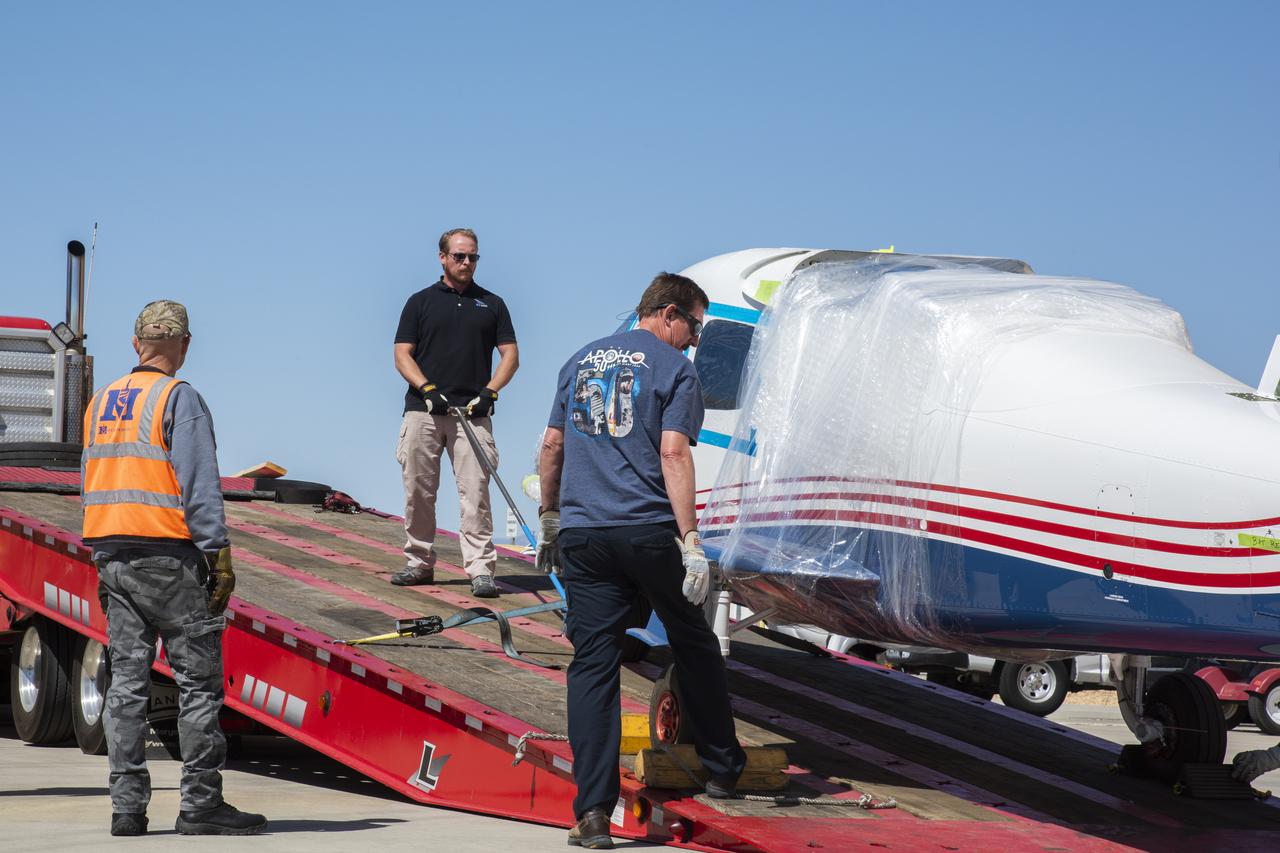
NASA's X-57 Maxwell, the agency's first all-electric X-plane and first crewed X-planed in two decades, is delivered to NASA's Armstrong Flight Research Center in Edwards, California in its Mod II configuration. The first of three primary modifications for the project, Mod II involves testing of the aircraft's cruise electric propulsion system. Delivery to NASA from prime contractor Empirical Systems Aerospace of San Luis Obispo, California, marks a major milestone for the project, at which point the vehicle is reintegrated for ground tests, to be followed by taxi tests, and eventually, flight tests. X-57's goal is to further advance the design and airworthiness process for distributed electric propulsion technology for general aviation aircraft, which can provide multiple benefits to efficiency, emissions, and noise.
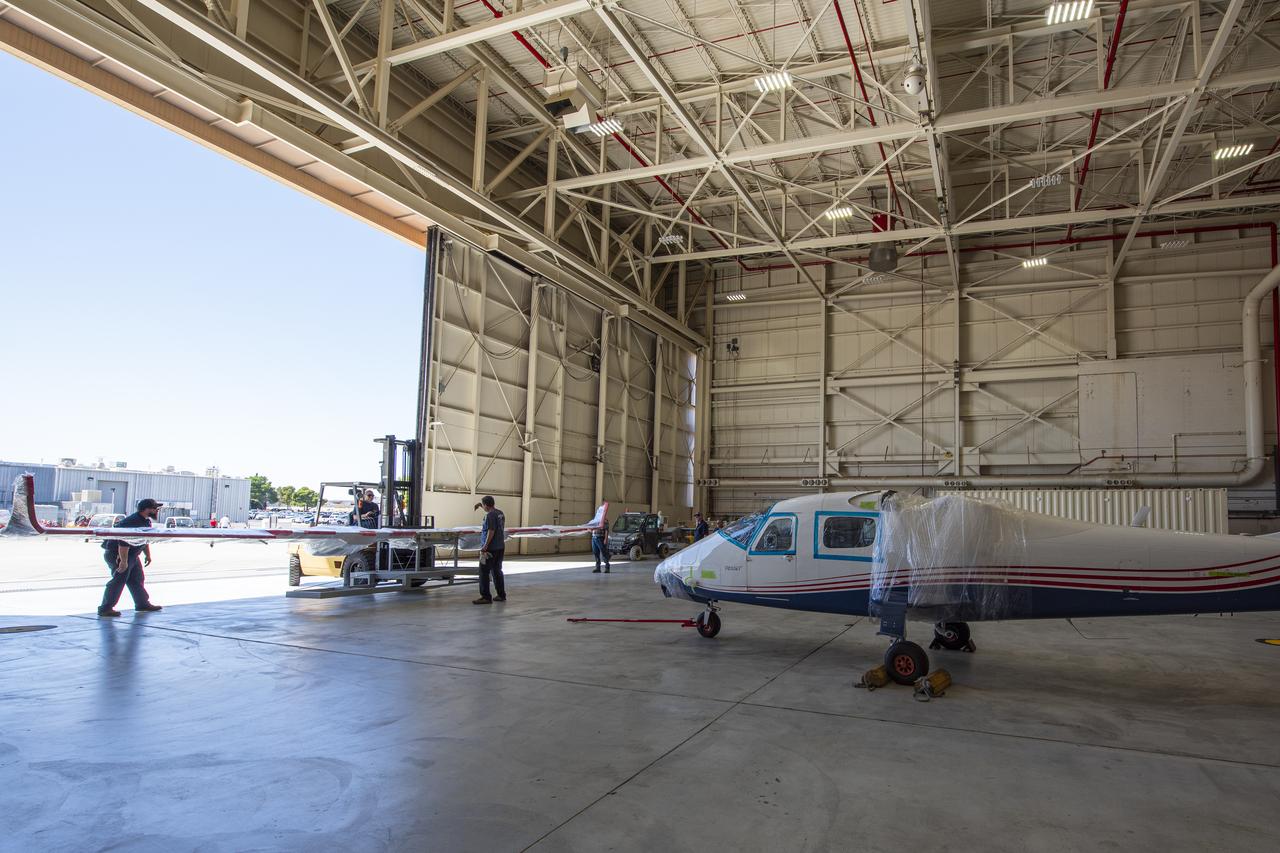
NASA's X-57 Maxwell, the agency's first all-electric X-plane and first crewed X-planed in two decades, is delivered to NASA's Armstrong Flight Research Center in Edwards, California in its Mod II configuration. The first of three primary modifications for the project, Mod II involves testing of the aircraft's cruise electric propulsion system. Delivery to NASA from prime contractor Empirical Systems Aerospace of San Luis Obispo, California, marks a major milestone for the project, at which point the vehicle is reintegrated for ground tests, to be followed by taxi tests, and eventually, flight tests. X-57's goal is to further advance the design and airworthiness process for distributed electric propulsion technology for general aviation aircraft, which can provide multiple benefits to efficiency, emissions, and noise.
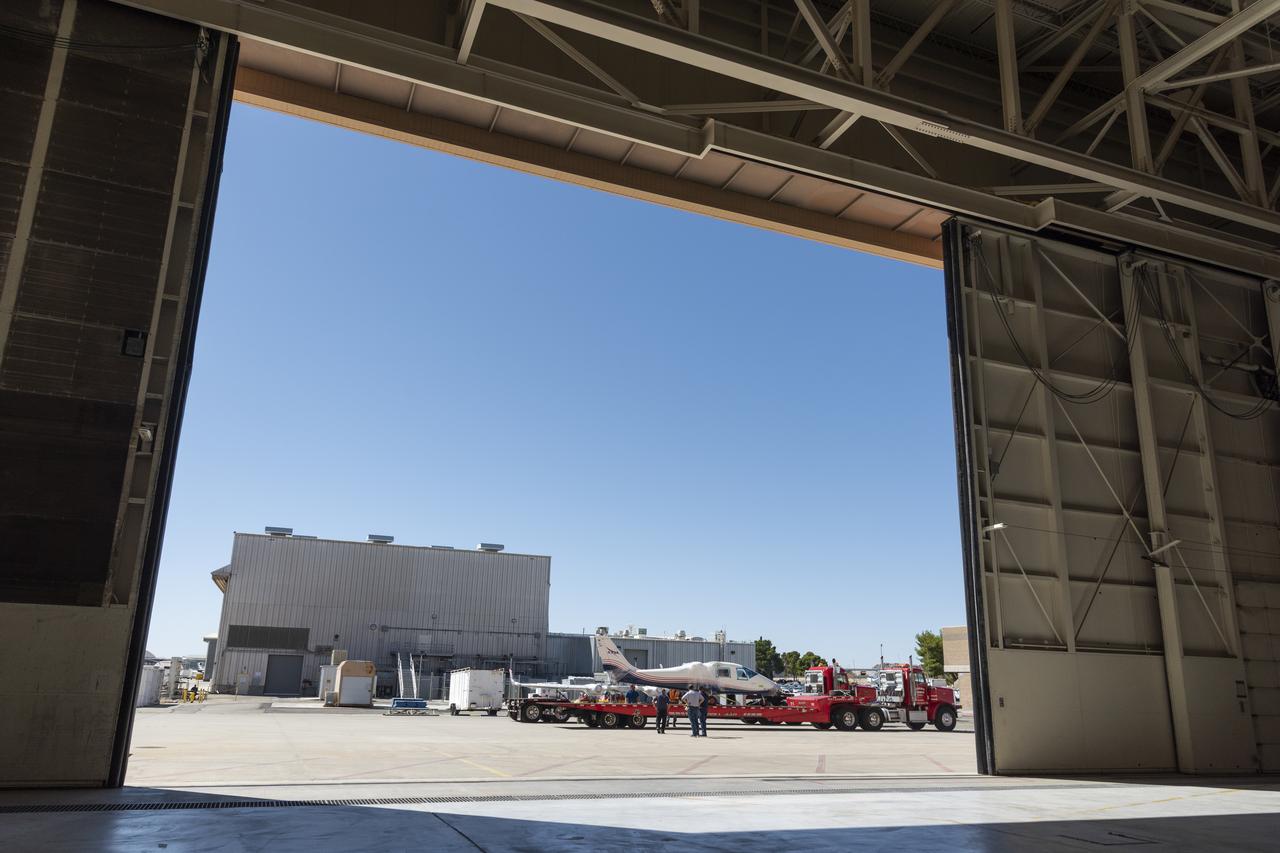
NASA’s X-57 Maxwell, the agency’s first all-electric X-plane and first crewed X-planed in two decades, is delivered to NASA’s Armstrong Flight Research Center in Edwards, California in its Mod II configuration. The first of three primary modifications for the project, Mod II involves testing of the aircraft’s cruise electric propulsion system. Delivery to NASA from prime contractor Empirical Systems Aerospace of San Luis Obispo, California, marks a major milestone for the project, at which point the vehicle is reintegrated for ground tests, to be followed by taxi tests, and eventually, flight tests. X-57’s goal is to further advance the design and airworthiness process for distributed electric propulsion technology for general aviation aircraft, which can provide multiple benefits to efficiency, emissions, and noise.
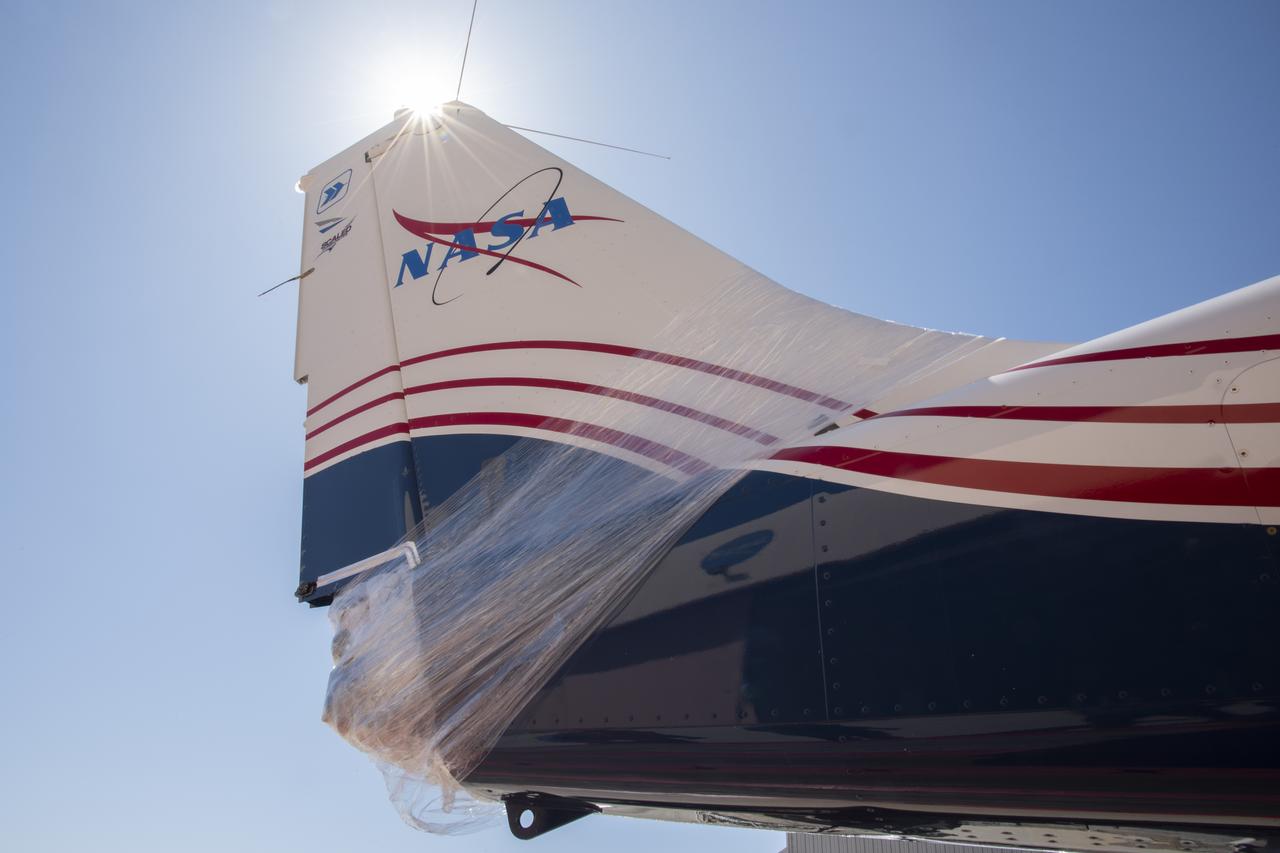
NASA's X-57 Maxwell, the agency's first all-electric X-plane and first crewed X-planed in two decades, is delivered to NASA's Armstrong Flight Research Center in Edwards, California in its Mod II configuration. The first of three primary modifications for the project, Mod II involves testing of the aircraft's cruise electric propulsion system. Delivery to NASA from prime contractor Empirical Systems Aerospace of San Luis Obispo, California, marks a major milestone for the project, at which point the vehicle is reintegrated for ground tests, to be followed by taxi tests, and eventually, flight tests. X-57's goal is to further advance the design and airworthiness process for distributed electric propulsion technology for general aviation aircraft, which can provide multiple benefits to efficiency, emissions, and noise.
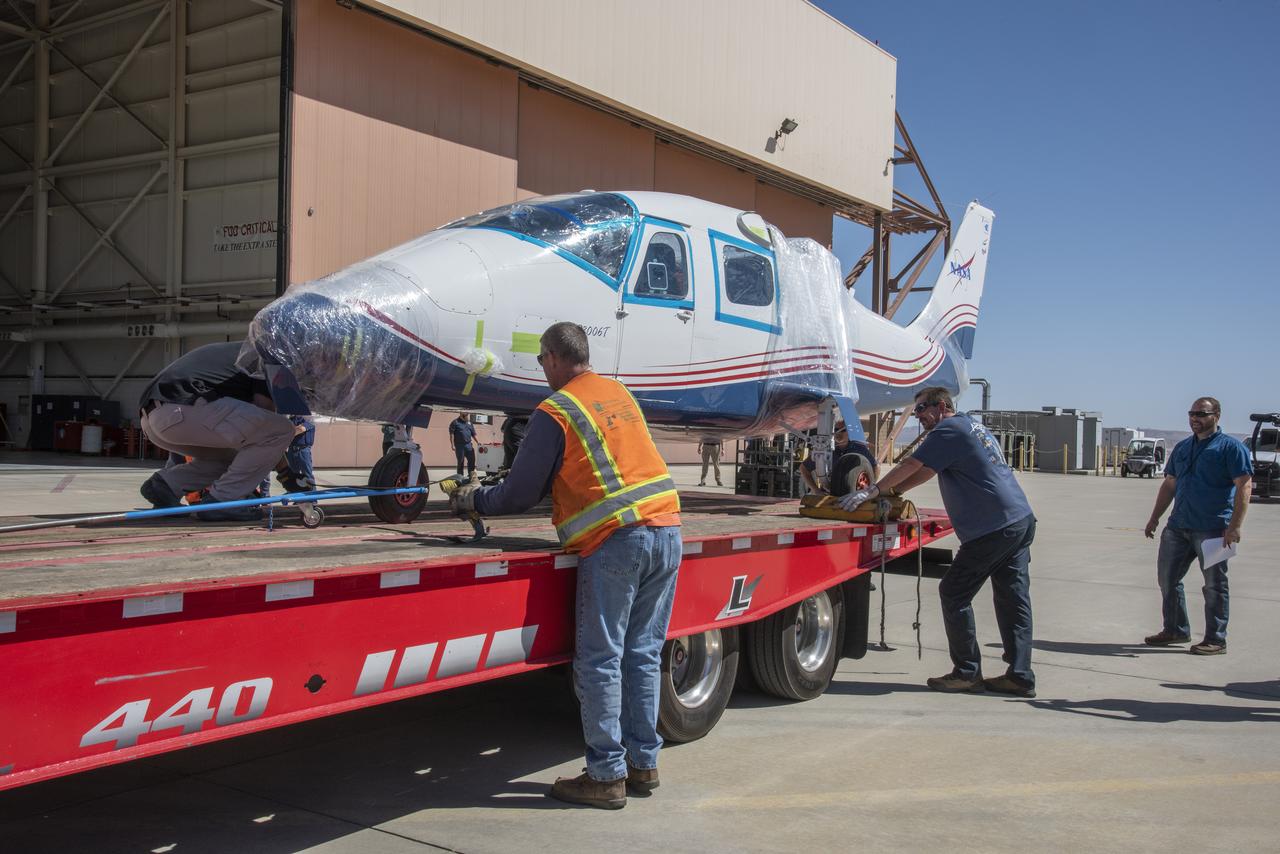
NASA's X-57 Maxwell, the agency's first all-electric X-plane and first crewed X-planed in two decades, is delivered to NASA's Armstrong Flight Research Center in Edwards, California in its Mod II configuration. The first of three primary modifications for the project, Mod II involves testing of the aircraft's cruise electric propulsion system. Delivery to NASA from prime contractor Empirical Systems Aerospace of San Luis Obispo, California, marks a major milestone for the project, at which point the vehicle is reintegrated for ground tests, to be followed by taxi tests, and eventually, flight tests. X-57's goal is to further advance the design and airworthiness process for distributed electric propulsion technology for general aviation aircraft, which can provide multiple benefits to efficiency, emissions, and noise.

NASA's all-electric X-57 Maxwell, in its Mod II configuration, departs Scaled Composites' facility at Mojave Air and Space Port, en route to NASA's Armstrong Flight Research Center in Edwards, California for delivery. The aircraft, shipped as two parts - the fuselage and the wing - was delivered to NASA Armstrong's Research Aircraft Integration Facility, where it will be reintegrated to begin ground tests, to be followed by taxi tests, and eventually, flight tests. X-57's Mod II configuration, the first of three primary modifications for the project, involves testing of the aircraft's cruise electric propulsion system. The goal of the X-57 project is to share the aircraft's electric-propulsion-focused design and airworthiness process with regulators, to advance certification approaches for distributed electric propulsion in general aviation.
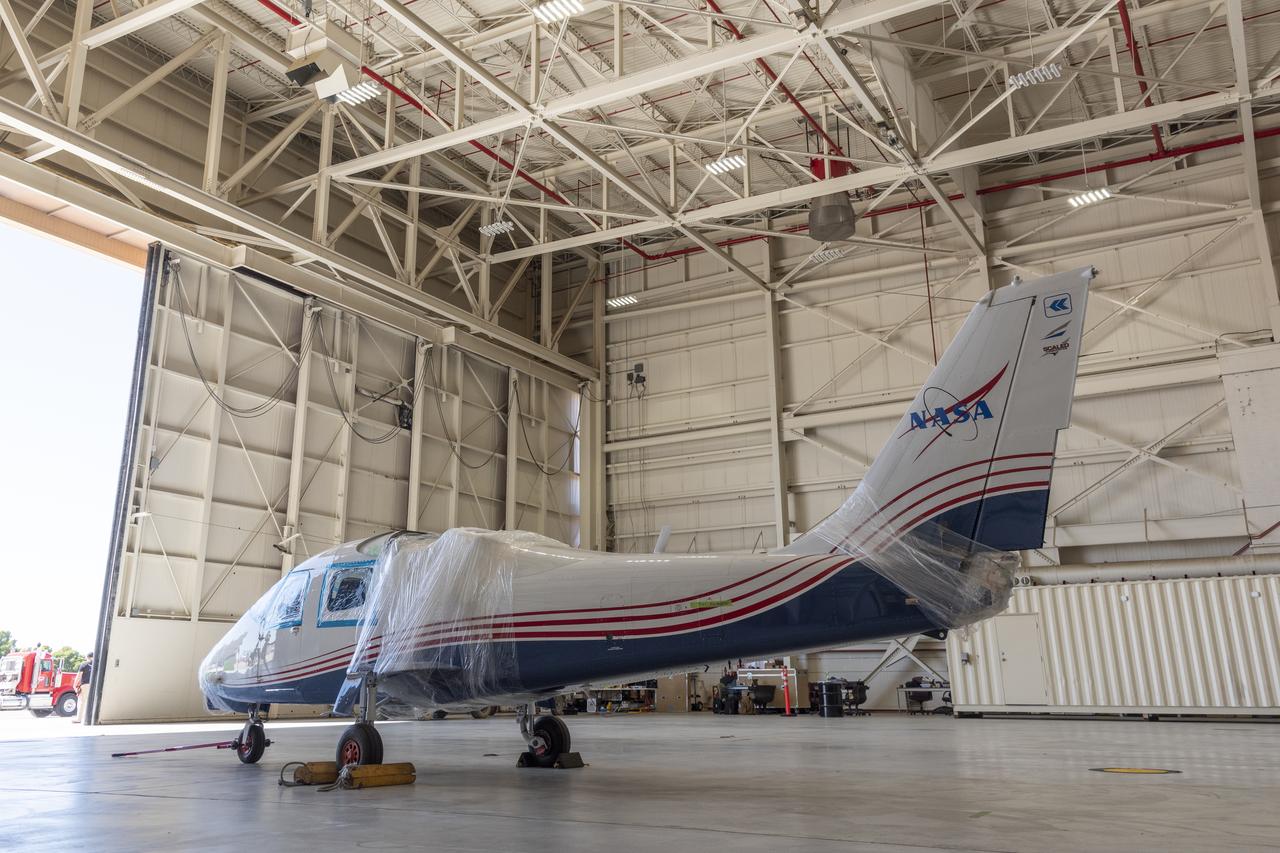
NASA’s X-57 Maxwell, the agency’s first all-electric X-plane and first crewed X-planed in two decades, is delivered to NASA’s Armstrong Flight Research Center in Edwards, California in its Mod II configuration. The first of three primary modifications for the project, Mod II involves testing of the aircraft’s cruise electric propulsion system. Delivery to NASA from prime contractor Empirical Systems Aerospace of San Luis Obispo, California, marks a major milestone for the project, at which point the vehicle is reintegrated for ground tests, to be followed by taxi tests, and eventually, flight tests. X-57’s goal is to further advance the design and airworthiness process for distributed electric propulsion technology for general aviation aircraft, which can provide multiple benefits to efficiency, emissions, and noise.
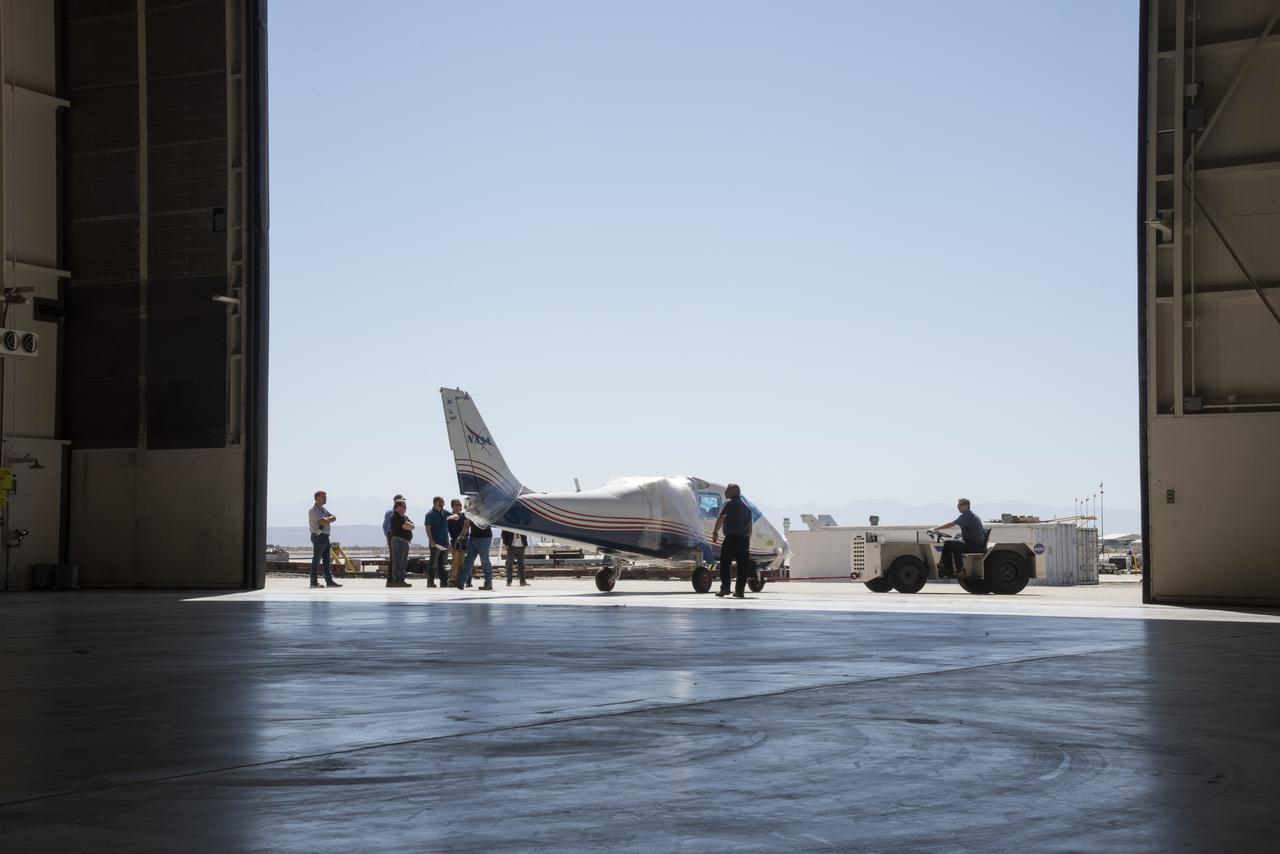
NASA’s X-57 Maxwell, the agency’s first all-electric X-plane and first crewed X-planed in two decades, is delivered to NASA’s Armstrong Flight Research Center in Edwards, California in its Mod II configuration. The first of three primary modifications for the project, Mod II involves testing of the aircraft’s cruise electric propulsion system. Delivery to NASA from prime contractor Empirical Systems Aerospace of San Luis Obispo, California, marks a major milestone for the project, at which point the vehicle is reintegrated for ground tests, to be followed by taxi tests, and eventually, flight tests. X-57’s goal is to further advance the design and airworthiness process for distributed electric propulsion technology for general aviation aircraft, which can provide multiple benefits to efficiency, emissions, and noise.
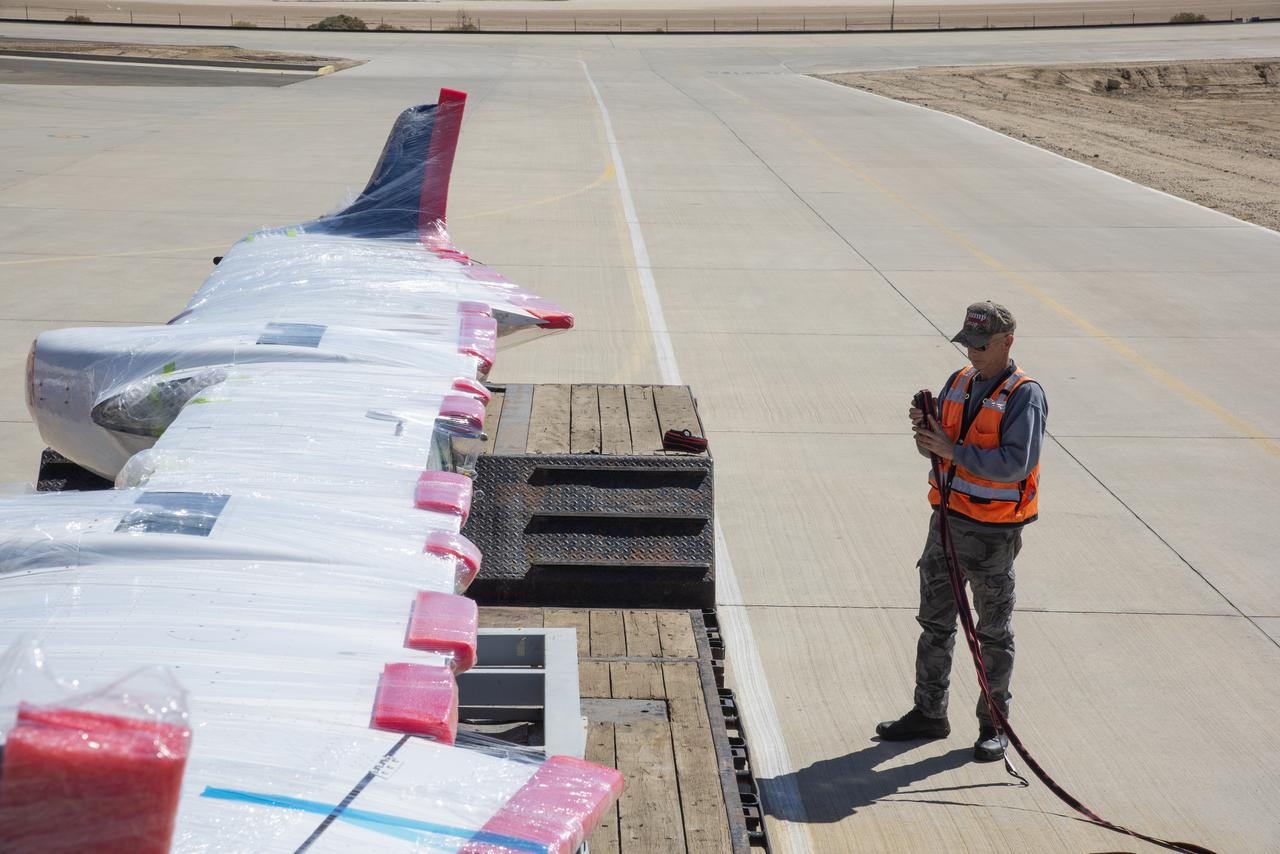
NASA's X-57 Maxwell, the agency's first all-electric X-plane and first crewed X-planed in two decades, is delivered to NASA's Armstrong Flight Research Center in Edwards, California in its Mod II configuration. The first of three primary modifications for the project, Mod II involves testing of the aircraft's cruise electric propulsion system. Delivery to NASA from prime contractor Empirical Systems Aerospace of San Luis Obispo, California, marks a major milestone for the project, at which point the vehicle is reintegrated for ground tests, to be followed by taxi tests, and eventually, flight tests. X-57's goal is to further advance the design and airworthiness process for distributed electric propulsion technology for general aviation aircraft, which can provide multiple benefits to efficiency, emissions, and noise.
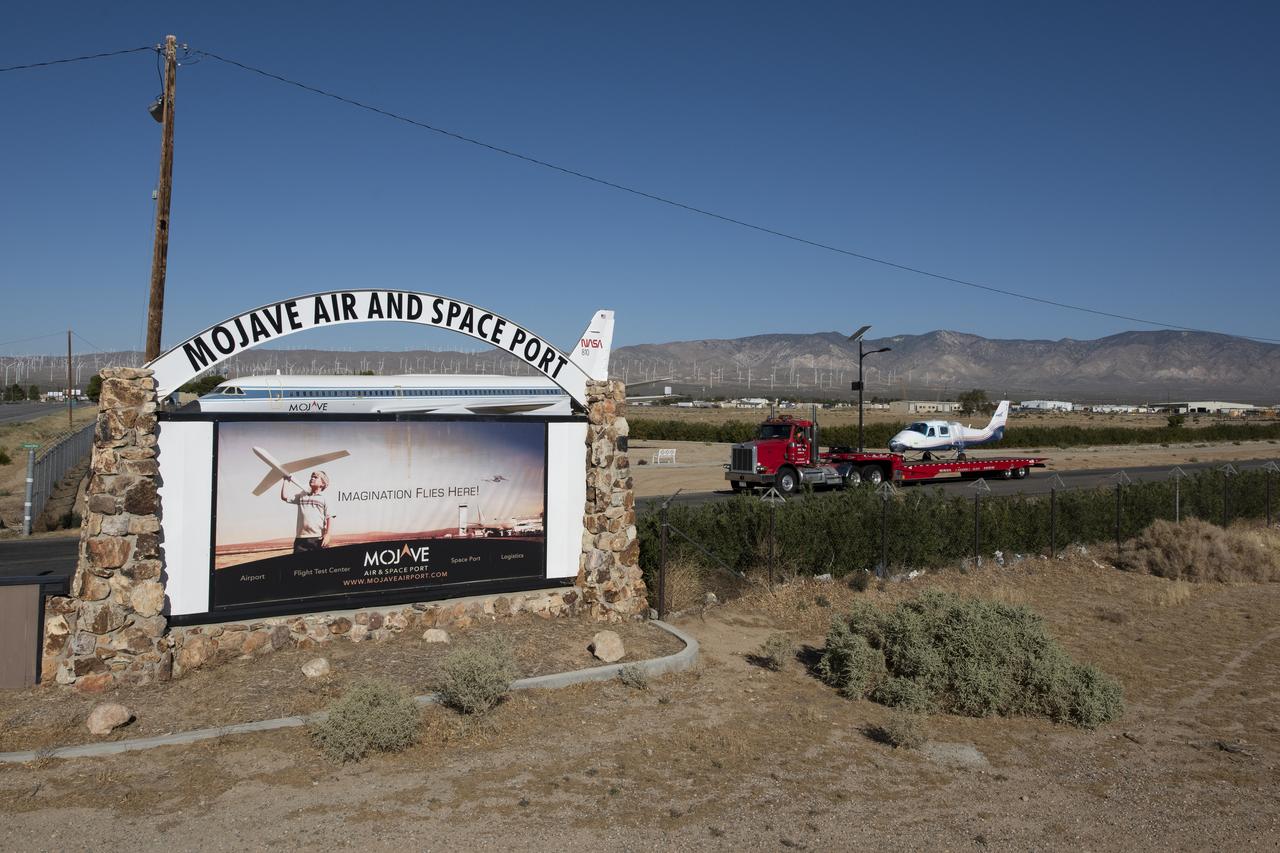
NASA’s all-electric X-57 Maxwell, in its Mod II configuration, departs Scaled Composites’ facility at Mojave Air and Space Port, en route to NASA’s Armstrong Flight Research Center in Edwards, California for delivery. The aircraft, shipped as two parts – the fuselage and the wing – was delivered to NASA Armstrong’s Research Aircraft Integration Facility, where it will be reintegrated to begin ground tests, to be followed by taxi tests, and eventually, flight tests. X-57’s Mod II configuration, the first of three primary modifications for the project, involves testing of the aircraft’s cruise electric propulsion system. The goal of the X-57 project is to share the aircraft’s electric-propulsion-focused design and airworthiness process with regulators, to advance certification approaches for distributed electric propulsion in general aviation.
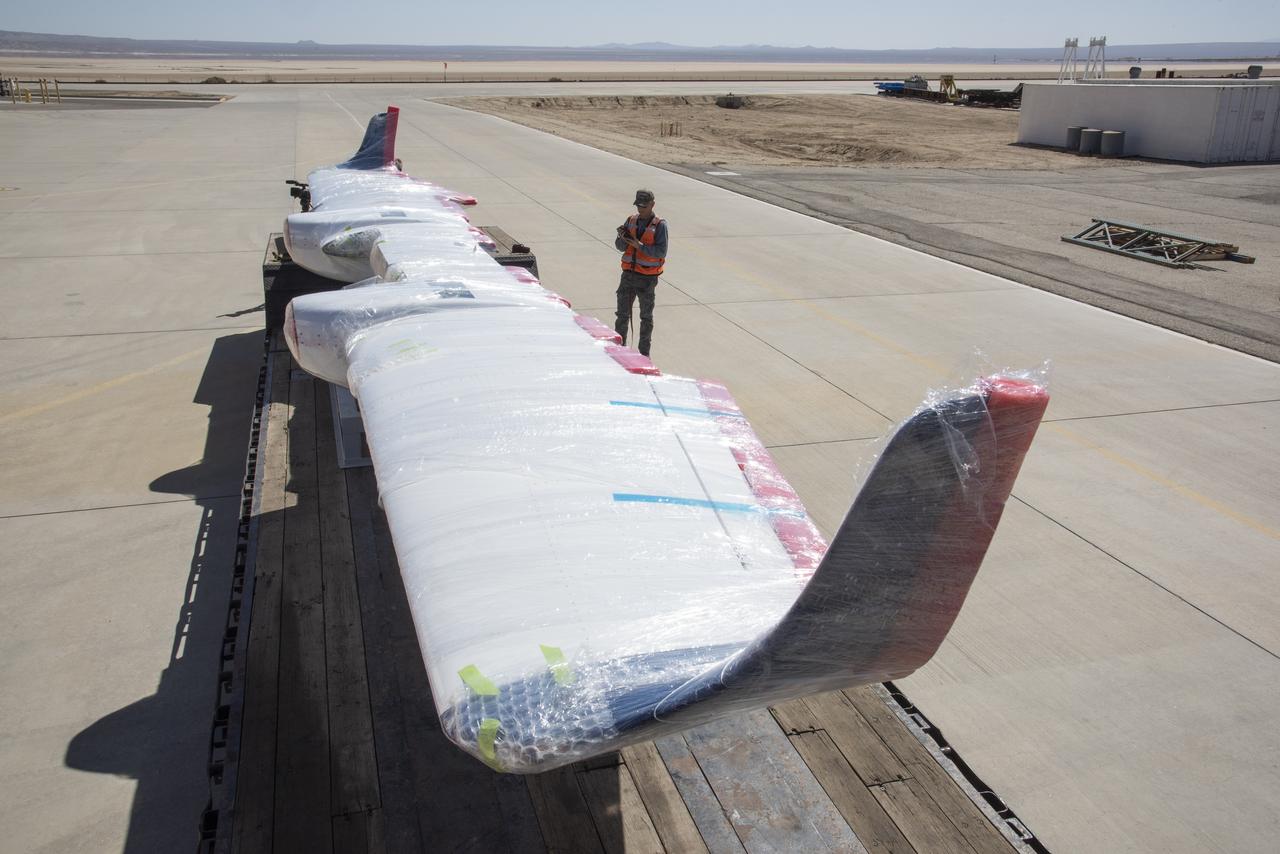
NASA’s X-57 Maxwell, the agency’s first all-electric X-plane and first crewed X-planed in two decades, is delivered to NASA’s Armstrong Flight Research Center in Edwards, California in its Mod II configuration. The first of three primary modifications for the project, Mod II involves testing of the aircraft’s cruise electric propulsion system. Delivery to NASA from prime contractor Empirical Systems Aerospace of San Luis Obispo, California, marks a major milestone for the project, at which point the vehicle is reintegrated for ground tests, to be followed by taxi tests, and eventually, flight tests. X-57’s goal is to further advance the design and airworthiness process for distributed electric propulsion technology for general aviation aircraft, which can provide multiple benefits to efficiency, emissions, and noise.
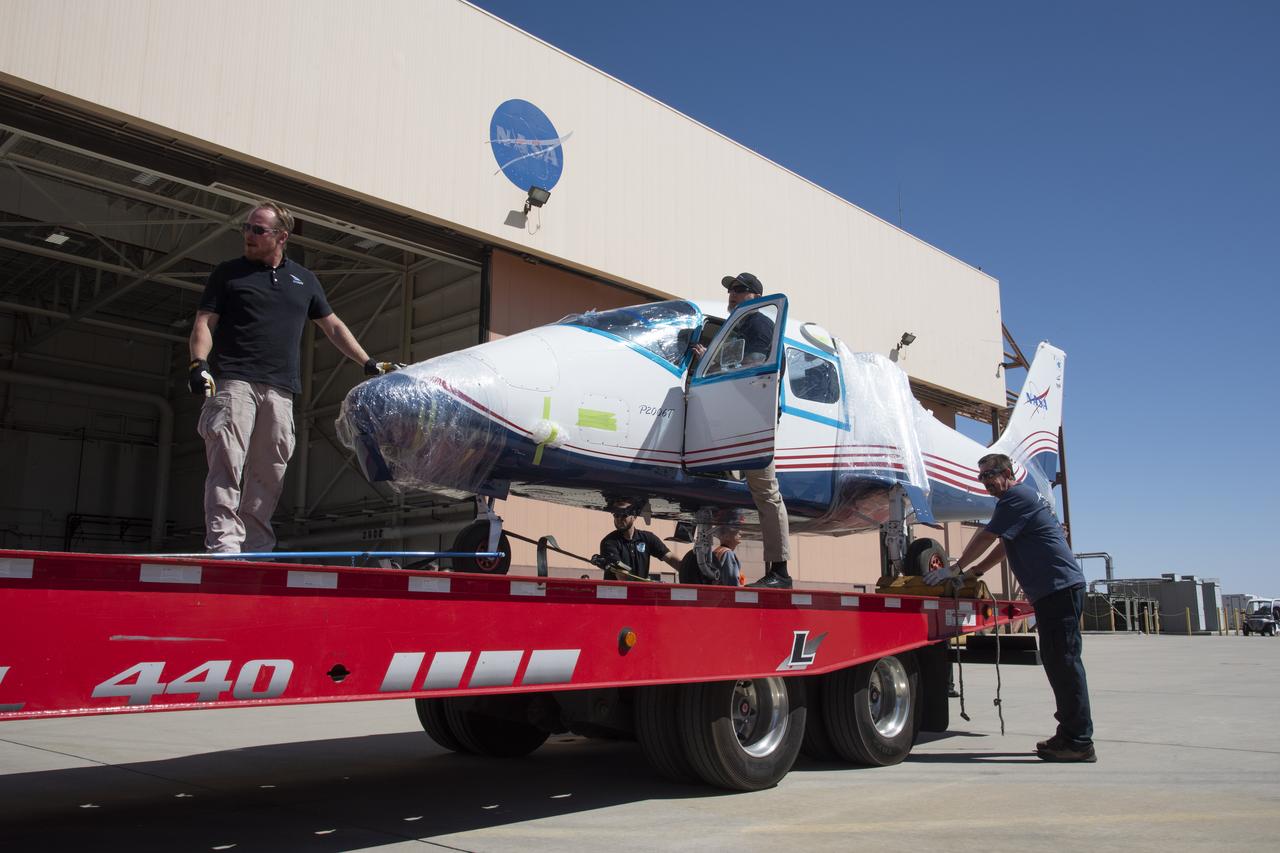
NASA’s X-57 Maxwell, the agency’s first all-electric X-plane and first crewed X-planed in two decades, is delivered to NASA’s Armstrong Flight Research Center in Edwards, California in its Mod II configuration. The first of three primary modifications for the project, Mod II involves testing of the aircraft’s cruise electric propulsion system. Delivery to NASA from prime contractor Empirical Systems Aerospace of San Luis Obispo, California, marks a major milestone for the project, at which point the vehicle is reintegrated for ground tests, to be followed by taxi tests, and eventually, flight tests. X-57’s goal is to further advance the design and airworthiness process for distributed electric propulsion technology for general aviation aircraft, which can provide multiple benefits to efficiency, emissions, and noise.
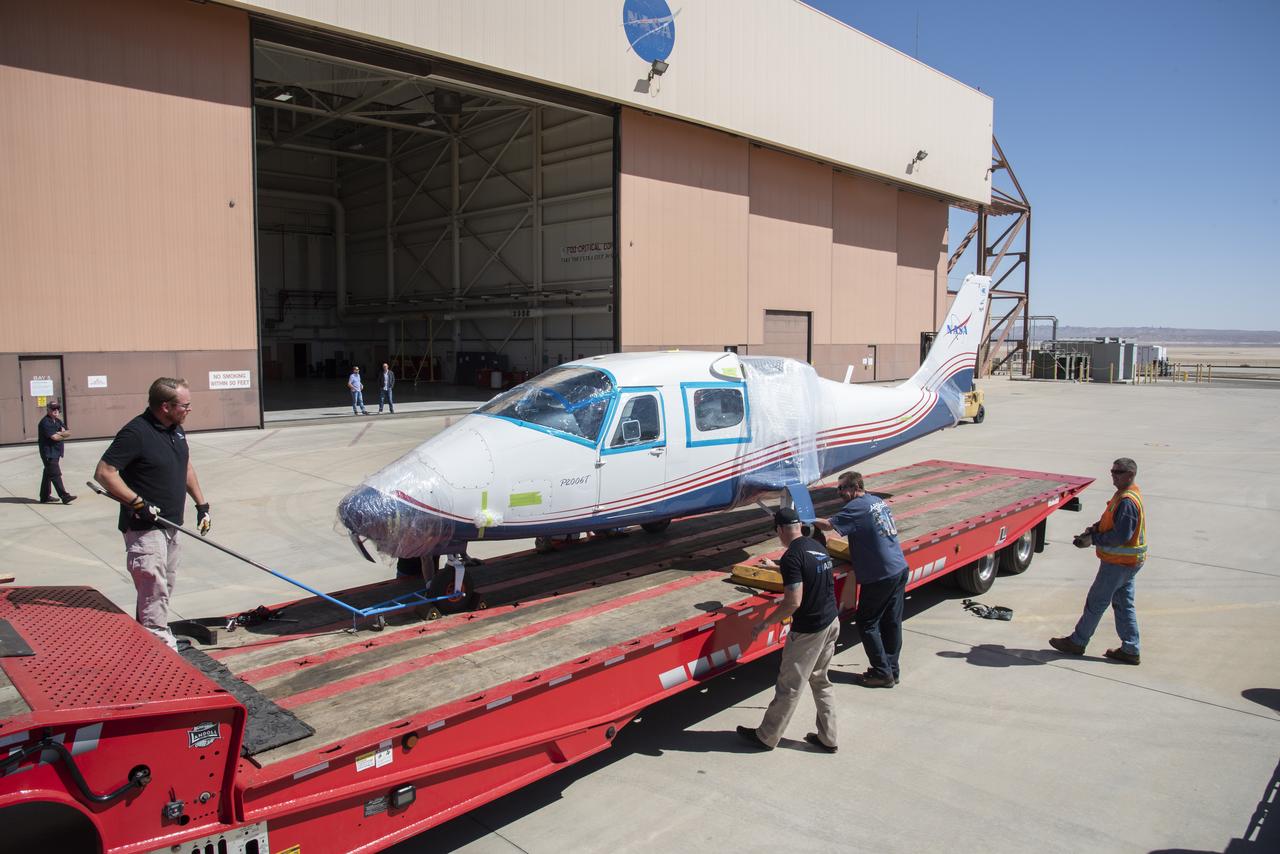
NASA's X-57 Maxwell, the agency's first all-electric X-plane and first crewed X-planed in two decades, is delivered to NASA's Armstrong Flight Research Center in Edwards, California in its Mod II configuration. The first of three primary modifications for the project, Mod II involves testing of the aircraft's cruise electric propulsion system. Delivery to NASA from prime contractor Empirical Systems Aerospace of San Luis Obispo, California, marks a major milestone for the project, at which point the vehicle is reintegrated for ground tests, to be followed by taxi tests, and eventually, flight tests. X-57's goal is to further advance the design and airworthiness process for distributed electric propulsion technology for general aviation aircraft, which can provide multiple benefits to efficiency, emissions, and noise.
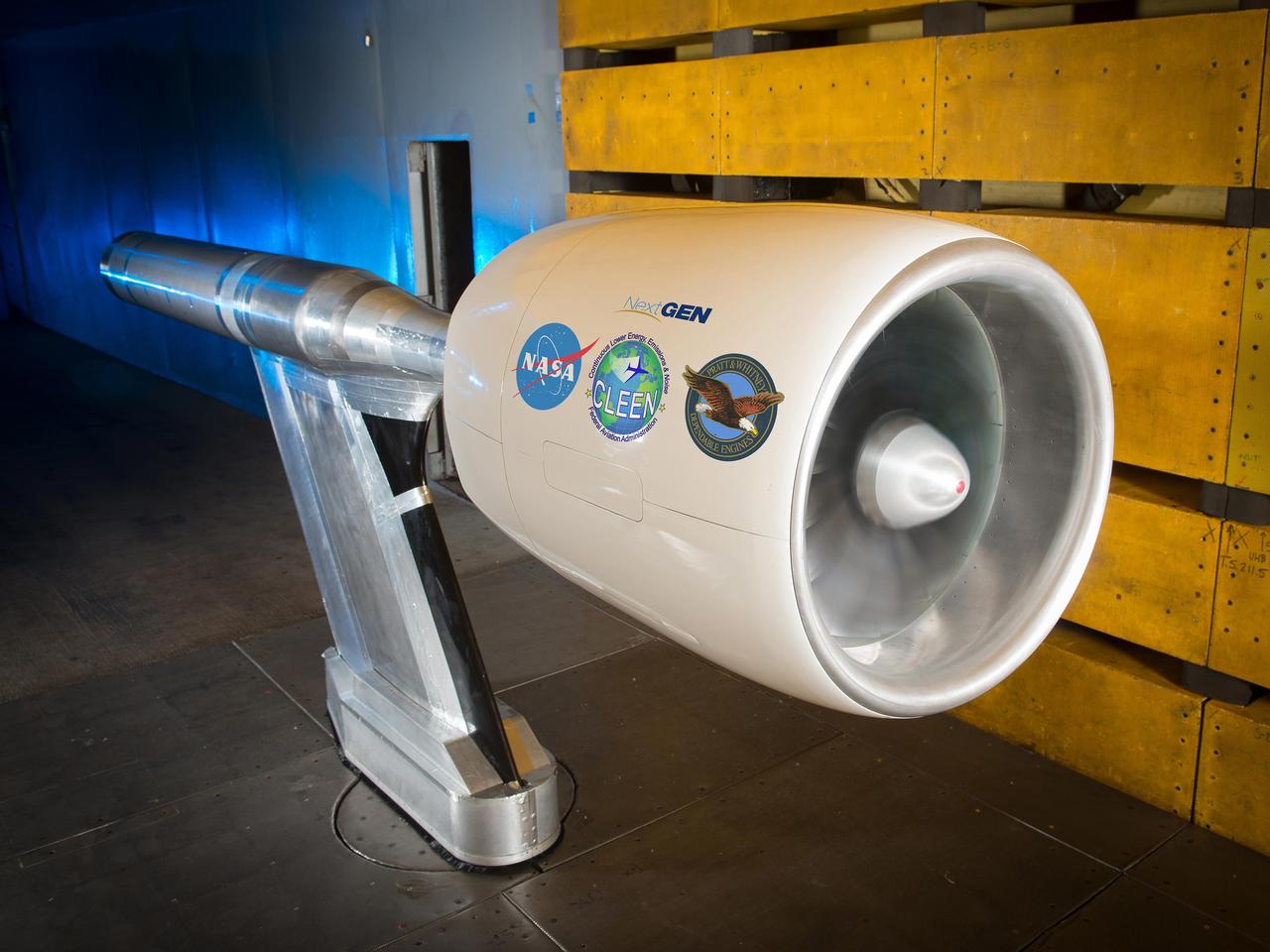
NASA’s Environmentally Responsible Aviation Project, in collaboration with the Federal Aviation Administration (FAA) and Pratt & Whitney, completed testing of an Ultra High Bypass Ratio Turbofan Model in the 9’ x 15’ Low Speed Wind Tunnel at NASA Glenn Research Center. The fan model is representative of the next generation of efficient and quiet Ultra High Bypass Ratio Turbofan Engine designs.

Karina Perez, Director for Unmanned and Emerging Aviation Technologies, Aerospace Industries Association, speaks on a panel at a White House Hispanic Heritage month event titled “Soaring Together: Inspiring the Next Generation of Space Leaders” at the Eisenhower Executive Office Building, Monday, Sept. 30, 2024 in Washington. Photo Credit: (NASA/Aubrey Gemignani)

ALABAMA GOV. ROBERT BENTLEY, RIGHT, CONGRATULATES MARSHALL CENTER DIRECTOR PATRICK SCHEUERMANN, LEFT, AND U.S. ARMY MAJ. GEN. LYNN COLLYAR, COMMANDING GENERAL OF THE U.S. ARMY AVIATION & MISSILE COMMAND, FOR A SUCCESSFUL 50 YEARS OF MISSION SUCCESS AND COLLABORATION IN THE HUNTSVILLE COMMUNITY
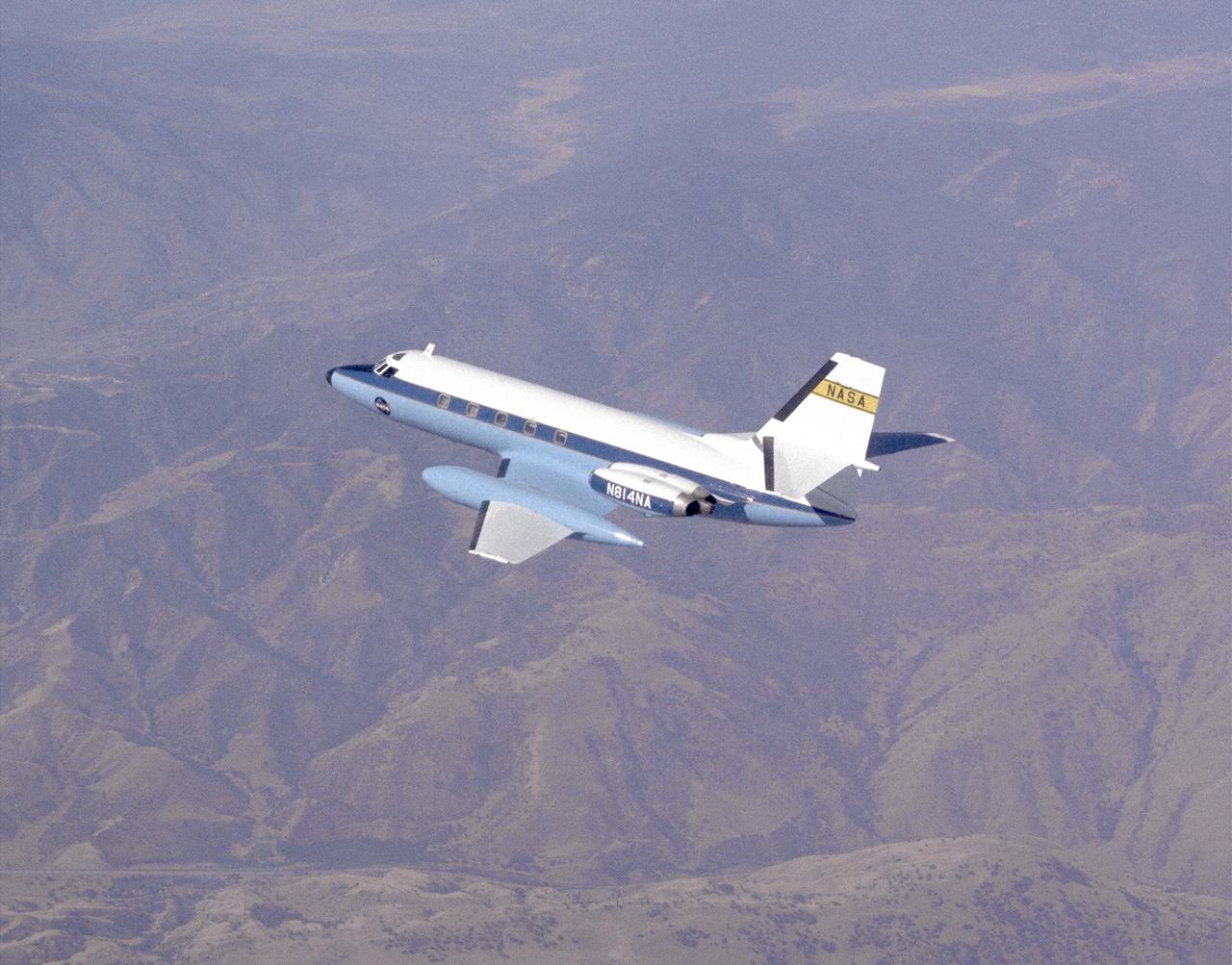
The C-140 JetStar was reconfigured as the General Purpose Airborne Simulator (GPAS) to simulate the flight characteristics of other aircraft. The JetStar was used for research for supersonic transports, general aviation aircraft, and as a training support aircraft for the Space Shuttle Approach and Landing tests at Dryden Flight Research Center (under different names) at Edwards, CA, in 1977. One of the engineers on the GPAS program was Ken Szalai, who later became Dryden's director from 1990 to August 1998.
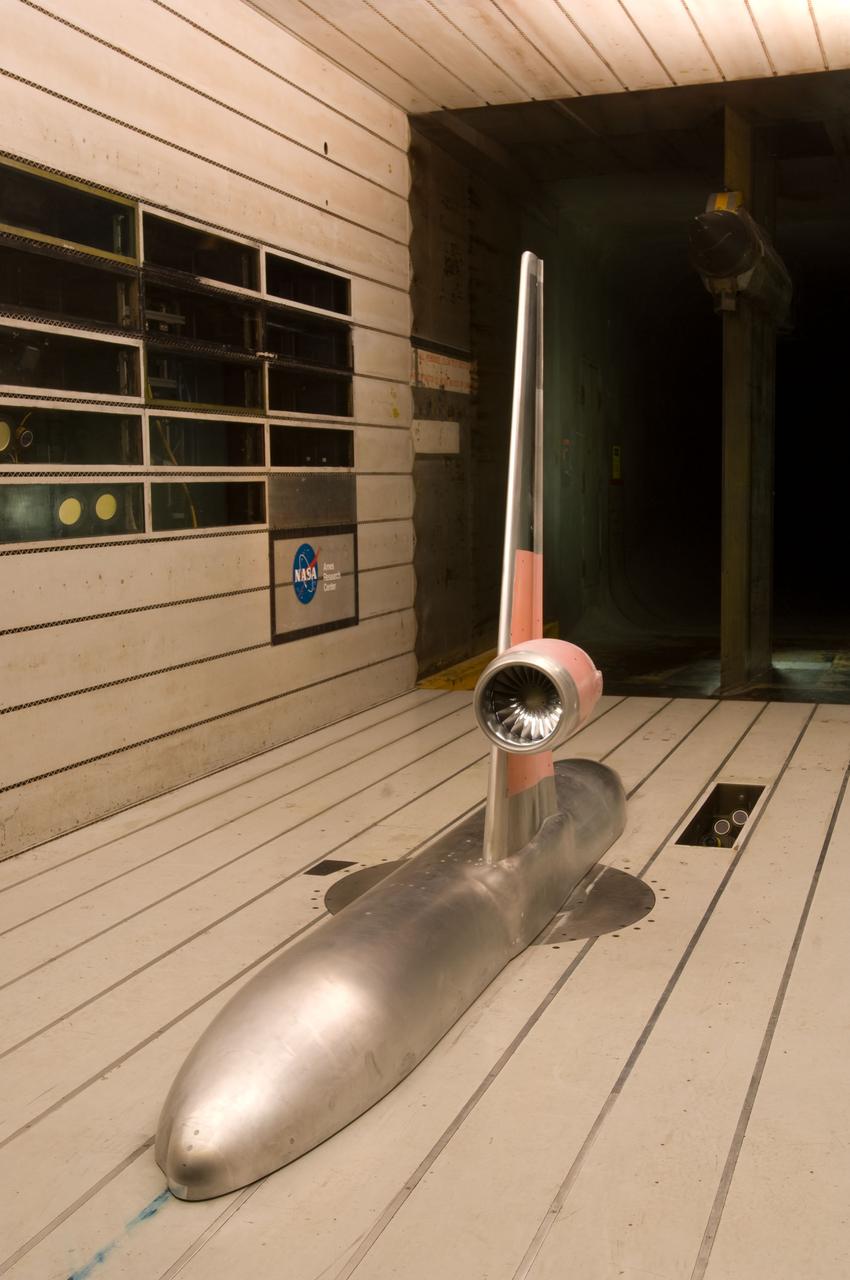
Next-Generation Aircraft, Pratt and Whitney Ultra-High Bypass Integration test at NASA Ames 11ft. wind tunnel (test 11-0182) assess the interaction effects of a scaled Pratt & Whitney geared turbofan on a Boeing 737-800 fuselage in an effort to use emerging technologies to make next-generation airliners quieter, more fuel efficient and lower on emissions. (printed in Aviation Week & Space Technology April 8, 2011 issue)
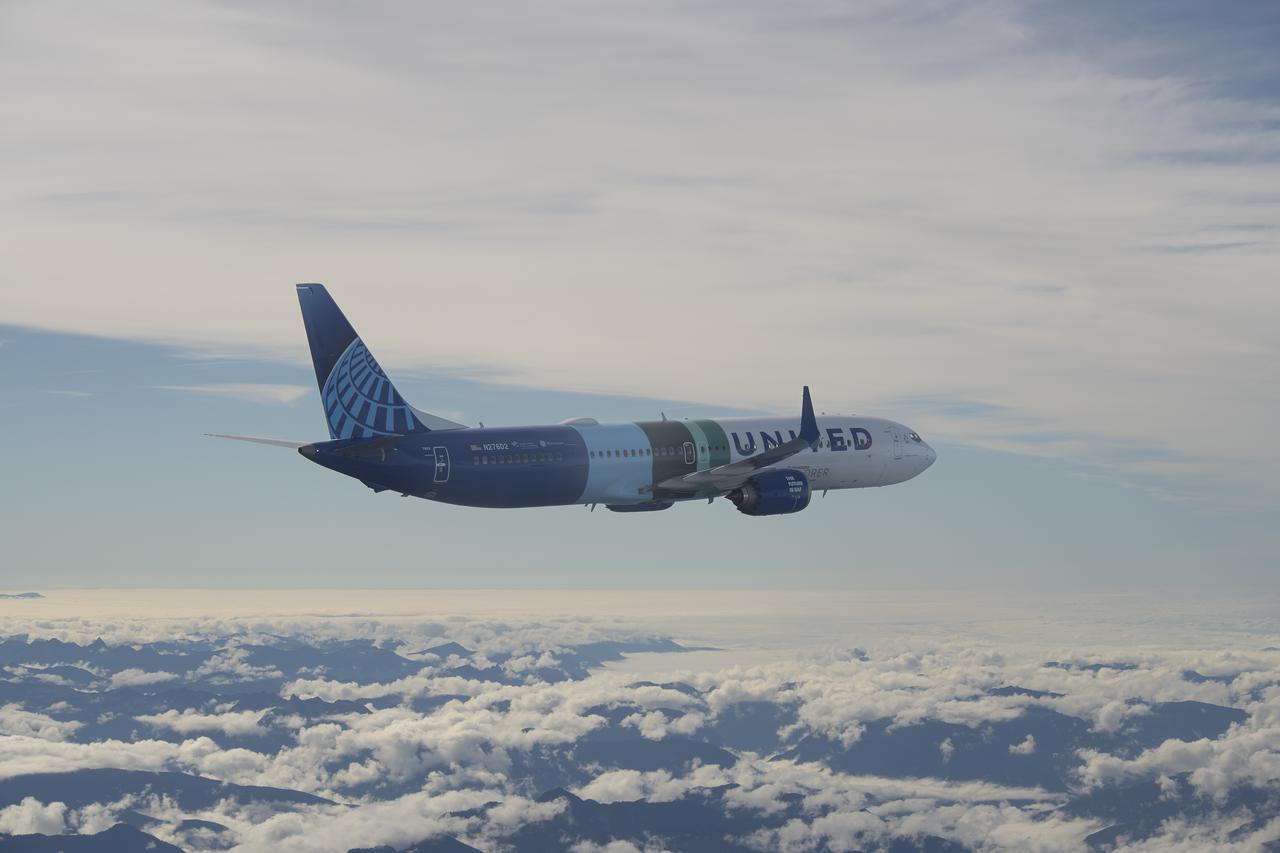
NASA’s DC-8 aircraft from Armstrong Flight Research Center in Edwards, California flies to Everett, Washington to conduct science research about reducing engine particle emissions. Partners include Boeing, United, General Electric Aerospace, German Aerospace Center (DLR), the FAA, and World Energy. Boeing’s new passenger aircraft uses revolutionary Sustainable Aviation Fuel, SAF, and NASA’s DC-8 flies behind the Boeing plane to measure its impact throughout flight. The results of this study will be released publicly to facilitate the improvement of aviation technology worldwide.
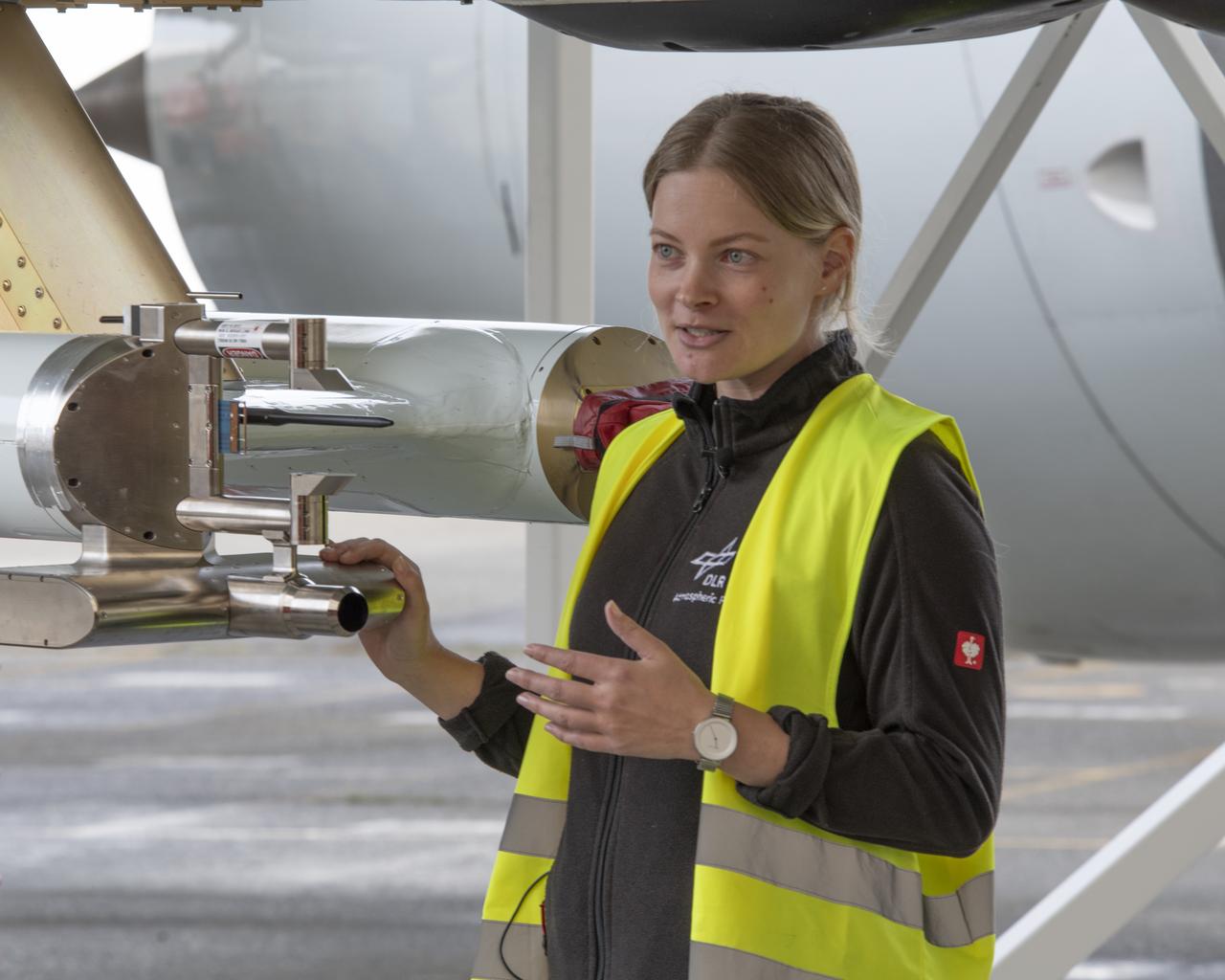
NASA’s DC-8 aircraft from Armstrong Flight Research Center in Edwards, California flies to Everett, Washington to conduct science research about reducing engine particle emissions. Partners include Boeing, United, General Electric Aerospace, German Aerospace Center (DLR), the FAA, and World Energy. Boeing’s new passenger aircraft uses revolutionary Sustainable Aviation Fuel, SAF, and NASA’s DC-8 flies behind the Boeing plane to measure its impact throughout flight. The results of this study will be released publicly to facilitate the improvement of aviation technology worldwide.
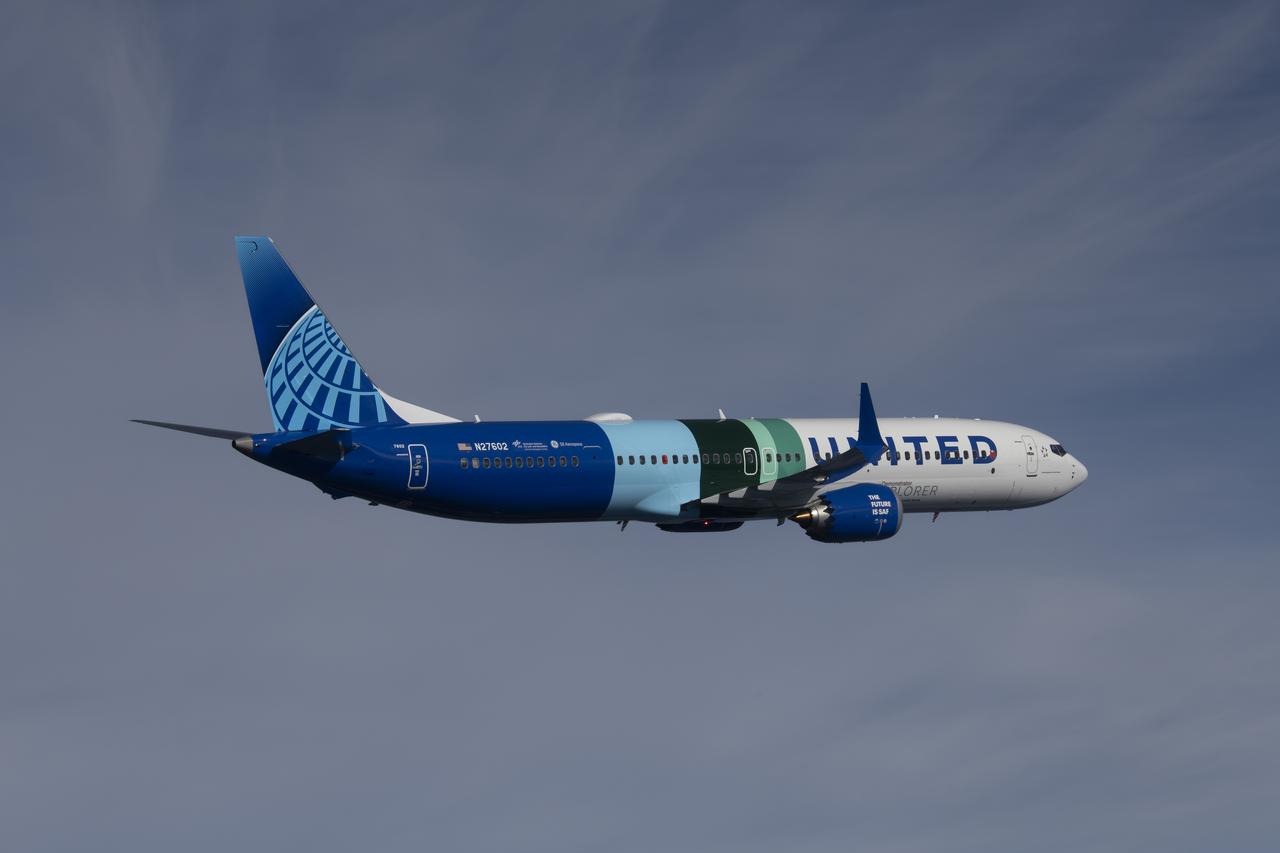
NASA’s DC-8 aircraft from Armstrong Flight Research Center in Edwards, California flies to Everett, Washington to conduct science research about reducing engine particle emissions. Partners include Boeing, United, General Electric Aerospace, German Aerospace Center (DLR), the FAA, and World Energy. Boeing’s new passenger aircraft uses revolutionary Sustainable Aviation Fuel, SAF, and NASA’s DC-8 flies behind the Boeing plane to measure its impact throughout flight. The results of this study will be released publicly to facilitate the improvement of aviation technology worldwide.
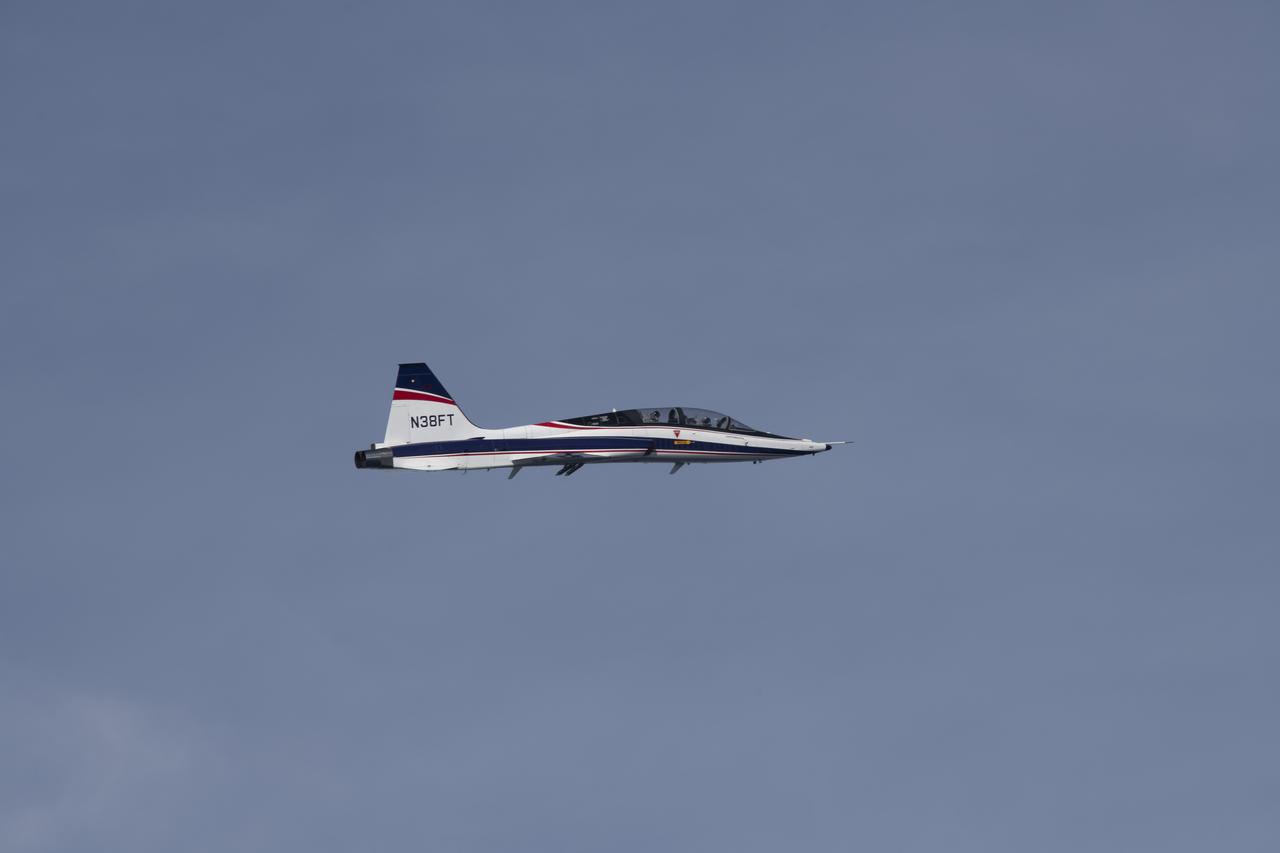
NASA’s DC-8 aircraft from Armstrong Flight Research Center in Edwards, California flies to Everett, Washington to conduct science research about reducing engine particle emissions. Partners include Boeing, United, General Electric Aerospace, German Aerospace Center (DLR), the FAA, and World Energy. Boeing’s new passenger aircraft uses revolutionary Sustainable Aviation Fuel, SAF, and NASA’s DC-8 flies behind the Boeing plane to measure its impact throughout flight. The results of this study will be released publicly to facilitate the improvement of aviation technology worldwide.
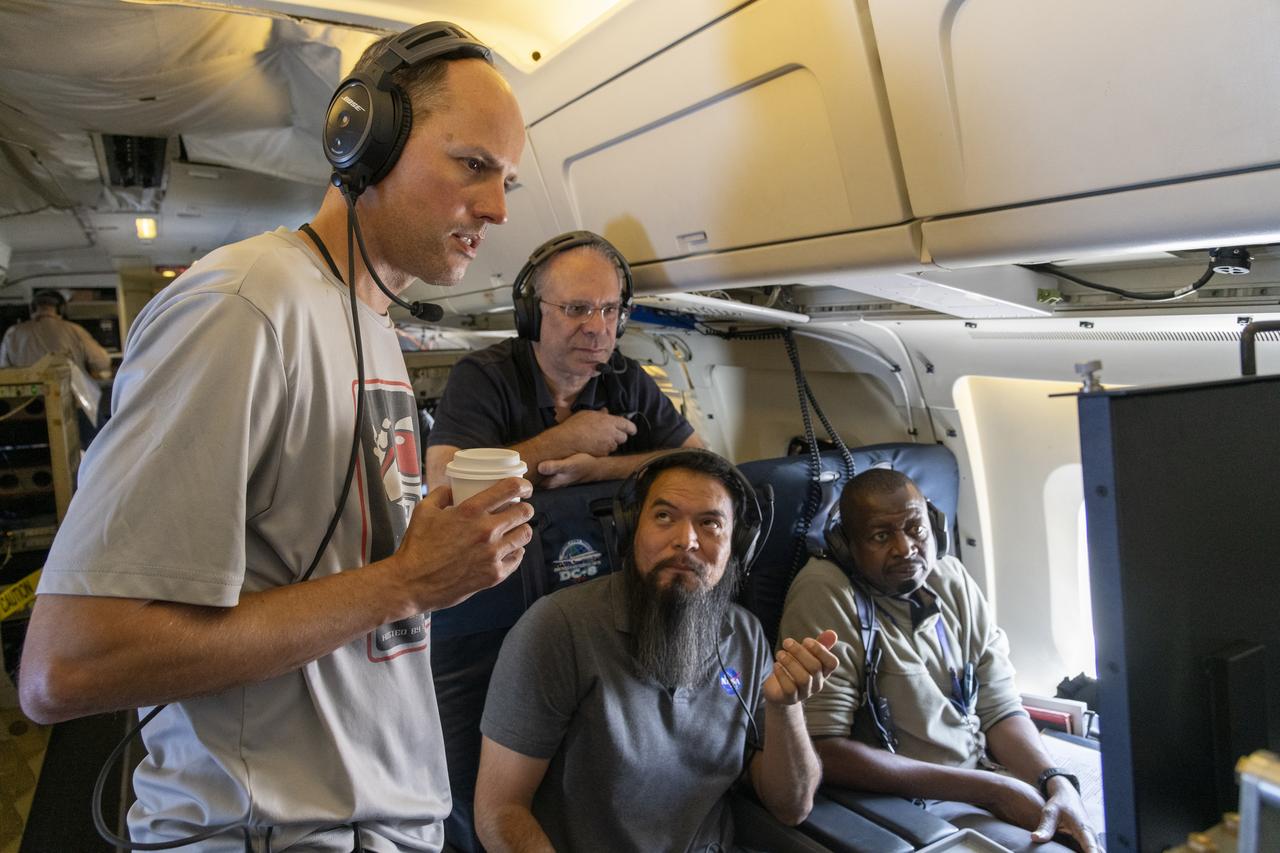
NASA’s DC-8 aircraft from Armstrong Flight Research Center in Edwards, California flies to Everett, Washington to conduct science research about reducing engine particle emissions. Partners include Boeing, United, General Electric Aerospace, German Aerospace Center (DLR), the FAA, and World Energy. Boeing’s new passenger aircraft uses revolutionary Sustainable Aviation Fuel, SAF, and NASA’s DC-8 flies behind the Boeing plane to measure its impact throughout flight. The results of this study will be released publicly to facilitate the improvement of aviation technology worldwide.
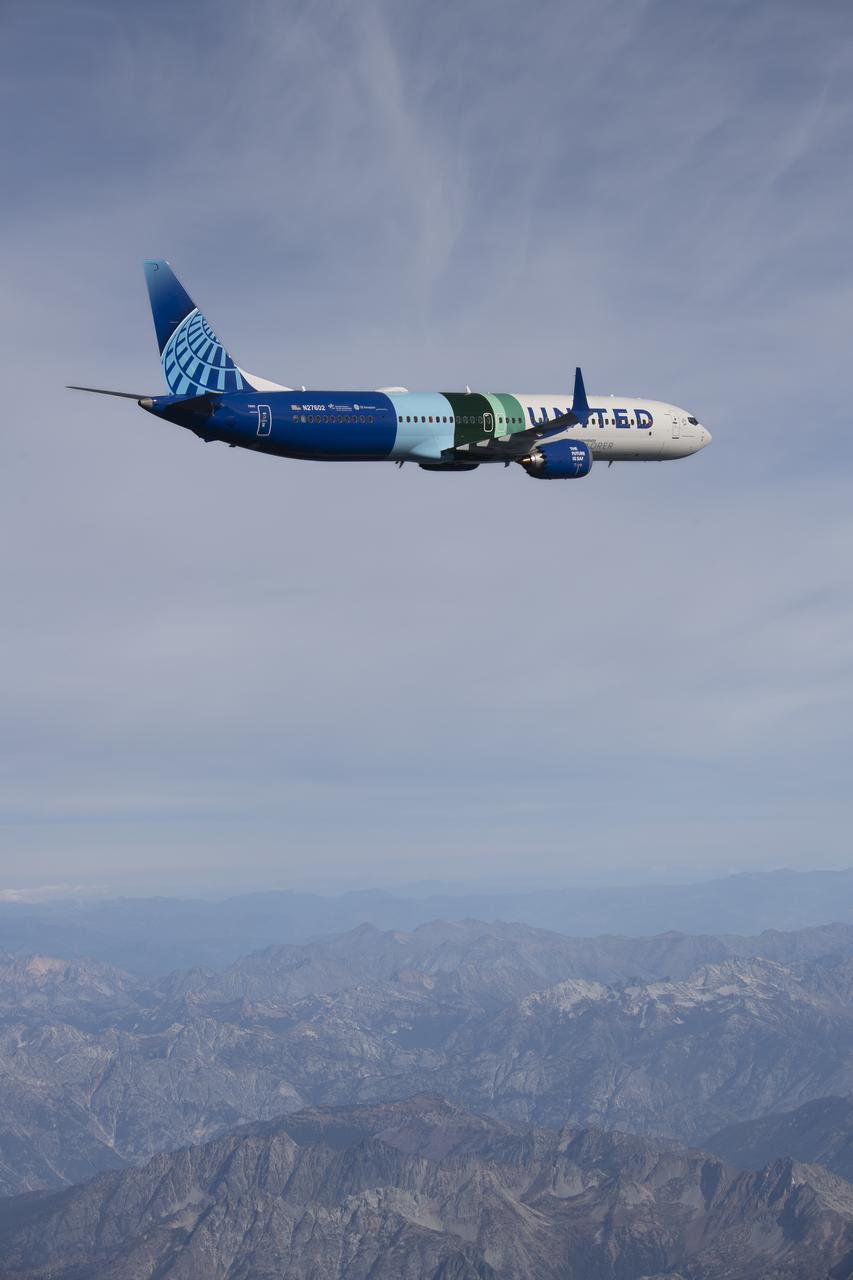
NASA’s DC-8 aircraft from Armstrong Flight Research Center in Edwards, California flies to Everett, Washington to conduct science research about reducing engine particle emissions. Partners include Boeing, United, General Electric Aerospace, German Aerospace Center (DLR), the FAA, and World Energy. Boeing’s new passenger aircraft uses revolutionary Sustainable Aviation Fuel, SAF, and NASA’s DC-8 flies behind the Boeing plane to measure its impact throughout flight. The results of this study will be released publicly to facilitate the improvement of aviation technology worldwide.
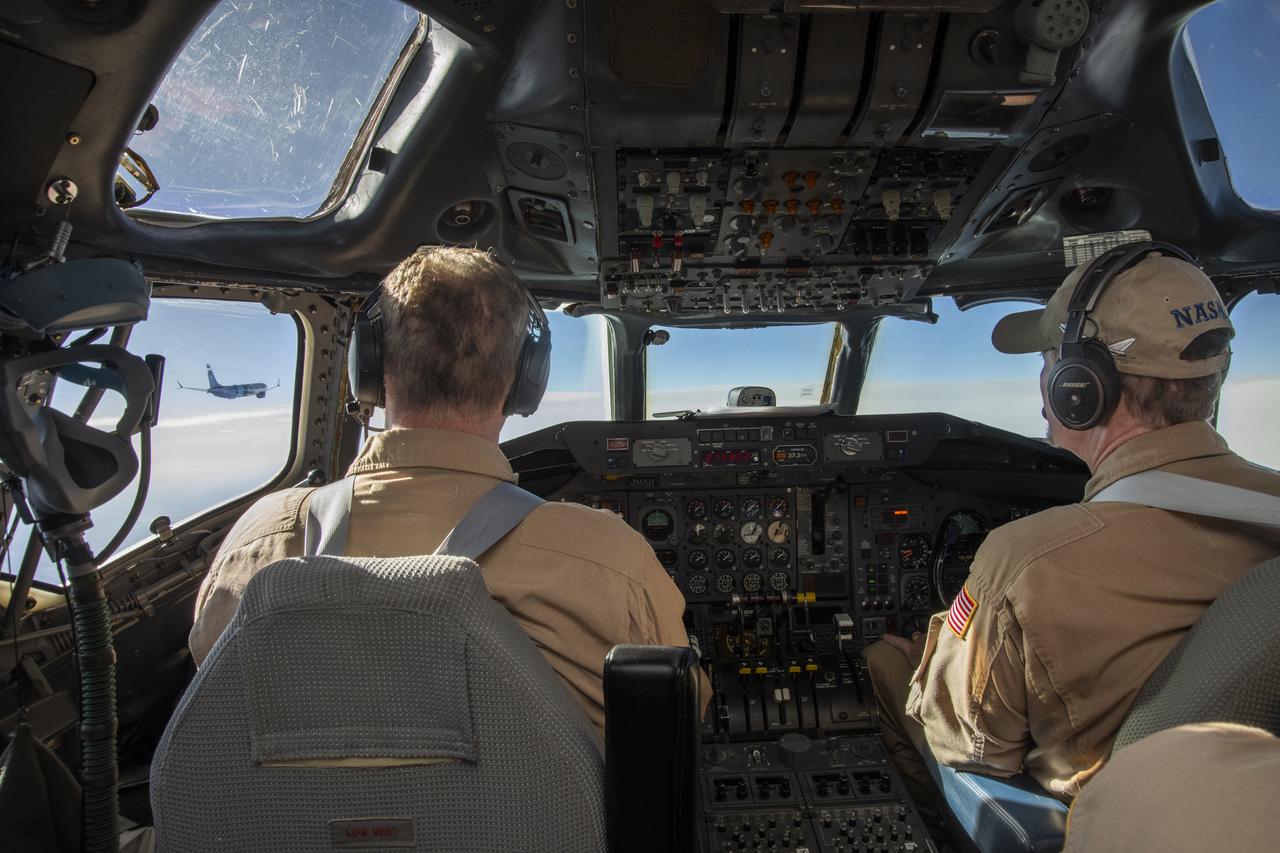
NASA’s DC-8 aircraft from Armstrong Flight Research Center in Edwards, California flies to Everett, Washington to conduct science research about reducing engine particle emissions. Partners include Boeing, United, General Electric Aerospace, German Aerospace Center (DLR), the FAA, and World Energy. Boeing’s new passenger aircraft uses revolutionary Sustainable Aviation Fuel, SAF, and NASA’s DC-8 flies behind the Boeing plane to measure its impact throughout flight. The results of this study will be released publicly to facilitate the improvement of aviation technology worldwide.

NASA’s DC-8 aircraft from Armstrong Flight Research Center in Edwards, California flies to Everett, Washington to conduct science research about reducing engine particle emissions. Partners include Boeing, United, General Electric Aerospace, German Aerospace Center (DLR), the FAA, and World Energy. Boeing’s new passenger aircraft uses revolutionary Sustainable Aviation Fuel, SAF, and NASA’s DC-8 flies behind the Boeing plane to measure its impact throughout flight. The results of this study will be released publicly to facilitate the improvement of aviation technology worldwide.

NASA’s DC-8 aircraft from Armstrong Flight Research Center in Edwards, California flies to Everett, Washington to conduct science research about reducing engine particle emissions. Partners include Boeing, United, General Electric Aerospace, German Aerospace Center (DLR), the FAA, and World Energy. Boeing’s new passenger aircraft uses revolutionary Sustainable Aviation Fuel, SAF, and NASA’s DC-8 flies behind the Boeing plane to measure its impact throughout flight. The results of this study will be released publicly to facilitate the improvement of aviation technology worldwide.

NASA’s DC-8 aircraft from Armstrong Flight Research Center in Edwards, California flies to Everett, Washington to conduct science research about reducing engine particle emissions. Partners include Boeing, United, General Electric Aerospace, German Aerospace Center (DLR), the FAA, and World Energy. Boeing’s new passenger aircraft uses revolutionary Sustainable Aviation Fuel, SAF, and NASA’s DC-8 flies behind the Boeing plane to measure its impact throughout flight. The results of this study will be released publicly to facilitate the improvement of aviation technology worldwide.
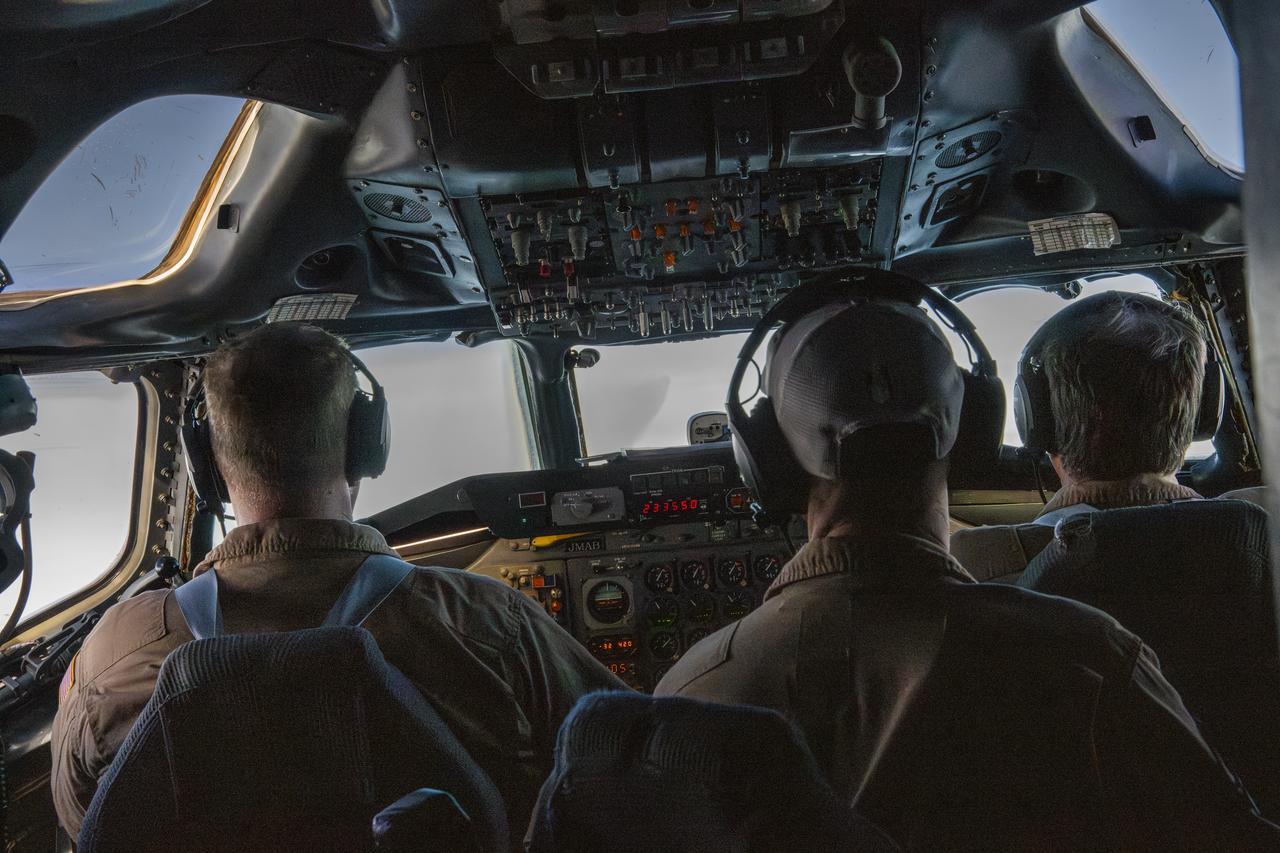
NASA’s DC-8 aircraft from Armstrong Flight Research Center in Edwards, California flies to Everett, Washington to conduct science research about reducing engine particle emissions. Partners include Boeing, United, General Electric Aerospace, German Aerospace Center (DLR), the FAA, and World Energy. Boeing’s new passenger aircraft uses revolutionary Sustainable Aviation Fuel, SAF, and NASA’s DC-8 flies behind the Boeing plane to measure its impact throughout flight. The results of this study will be released publicly to facilitate the improvement of aviation technology worldwide.

NASA’s DC-8 aircraft from Armstrong Flight Research Center in Edwards, California flies to Everett, Washington to conduct science research about reducing engine particle emissions. Partners include Boeing, United, General Electric Aerospace, German Aerospace Center (DLR), the FAA, and World Energy. Boeing’s new passenger aircraft uses revolutionary Sustainable Aviation Fuel, SAF, and NASA’s DC-8 flies behind the Boeing plane to measure its impact throughout flight. The results of this study will be released publicly to facilitate the improvement of aviation technology worldwide.
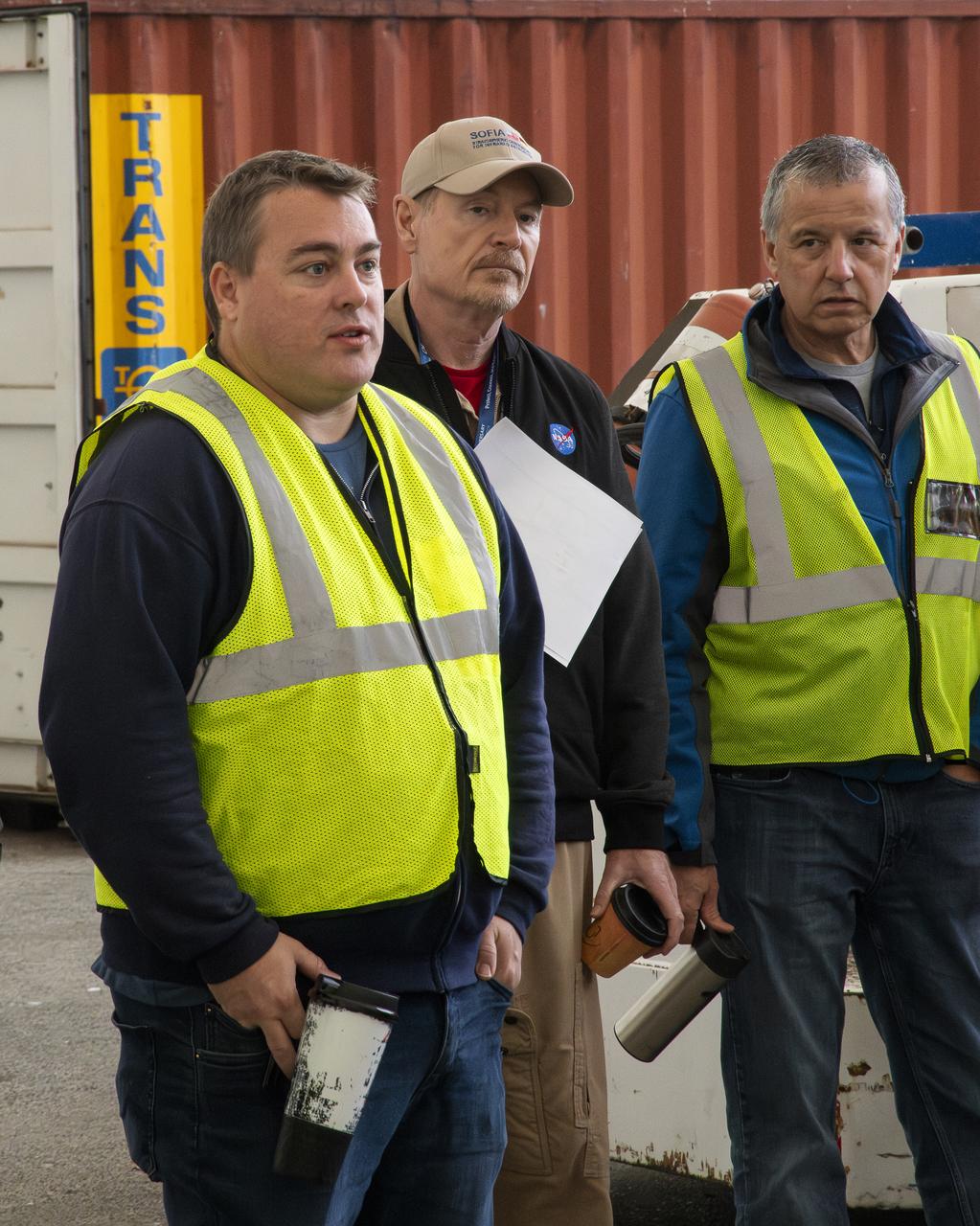
NASA’s DC-8 aircraft from Armstrong Flight Research Center in Edwards, California flies to Everett, Washington to conduct science research about reducing engine particle emissions. Partners include Boeing, United, General Electric Aerospace, German Aerospace Center (DLR), the FAA, and World Energy. Boeing’s new passenger aircraft uses revolutionary Sustainable Aviation Fuel, SAF, and NASA’s DC-8 flies behind the Boeing plane to measure its impact throughout flight. The results of this study will be released publicly to facilitate the improvement of aviation technology worldwide.
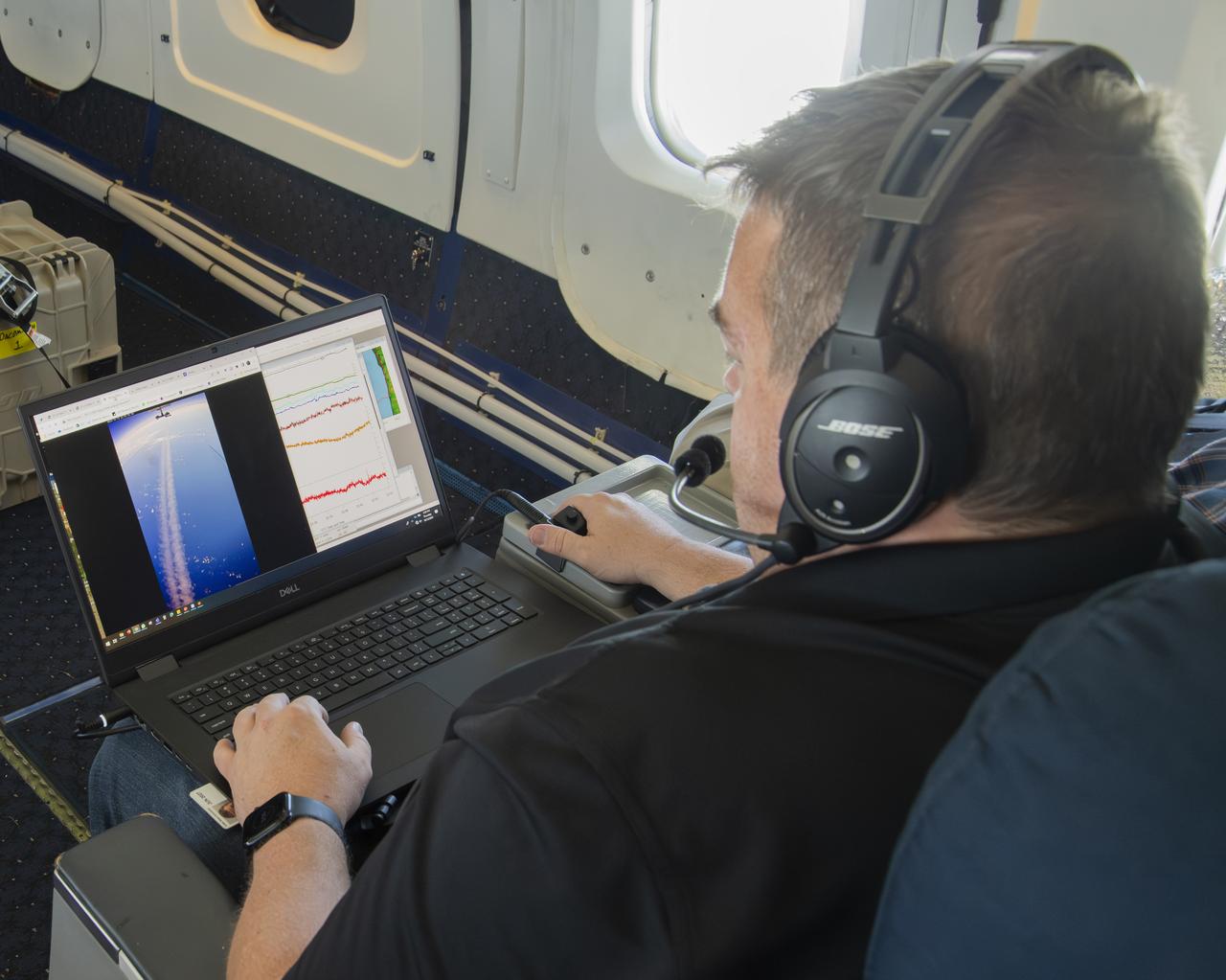
NASA’s DC-8 aircraft from Armstrong Flight Research Center in Edwards, California flies to Everett, Washington to conduct science research about reducing engine particle emissions. Partners include Boeing, United, General Electric Aerospace, German Aerospace Center (DLR), the FAA, and World Energy. Boeing’s new passenger aircraft uses revolutionary Sustainable Aviation Fuel, SAF, and NASA’s DC-8 flies behind the Boeing plane to measure its impact throughout flight. The results of this study will be released publicly to facilitate the improvement of aviation technology worldwide.
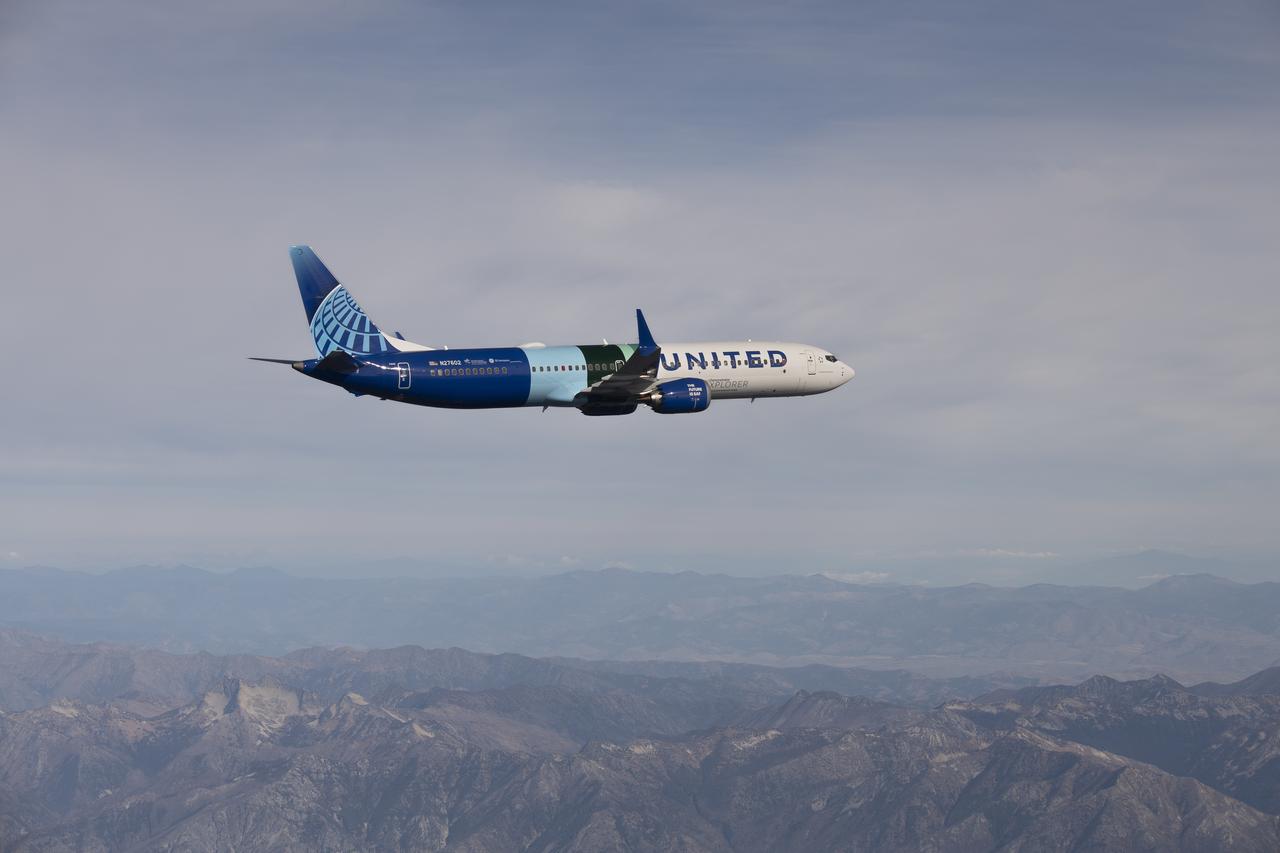
NASA’s DC-8 aircraft from Armstrong Flight Research Center in Edwards, California flies to Everett, Washington to conduct science research about reducing engine particle emissions. Partners include Boeing, United, General Electric Aerospace, German Aerospace Center (DLR), the FAA, and World Energy. Boeing’s new passenger aircraft uses revolutionary Sustainable Aviation Fuel, SAF, and NASA’s DC-8 flies behind the Boeing plane to measure its impact throughout flight. The results of this study will be released publicly to facilitate the improvement of aviation technology worldwide.
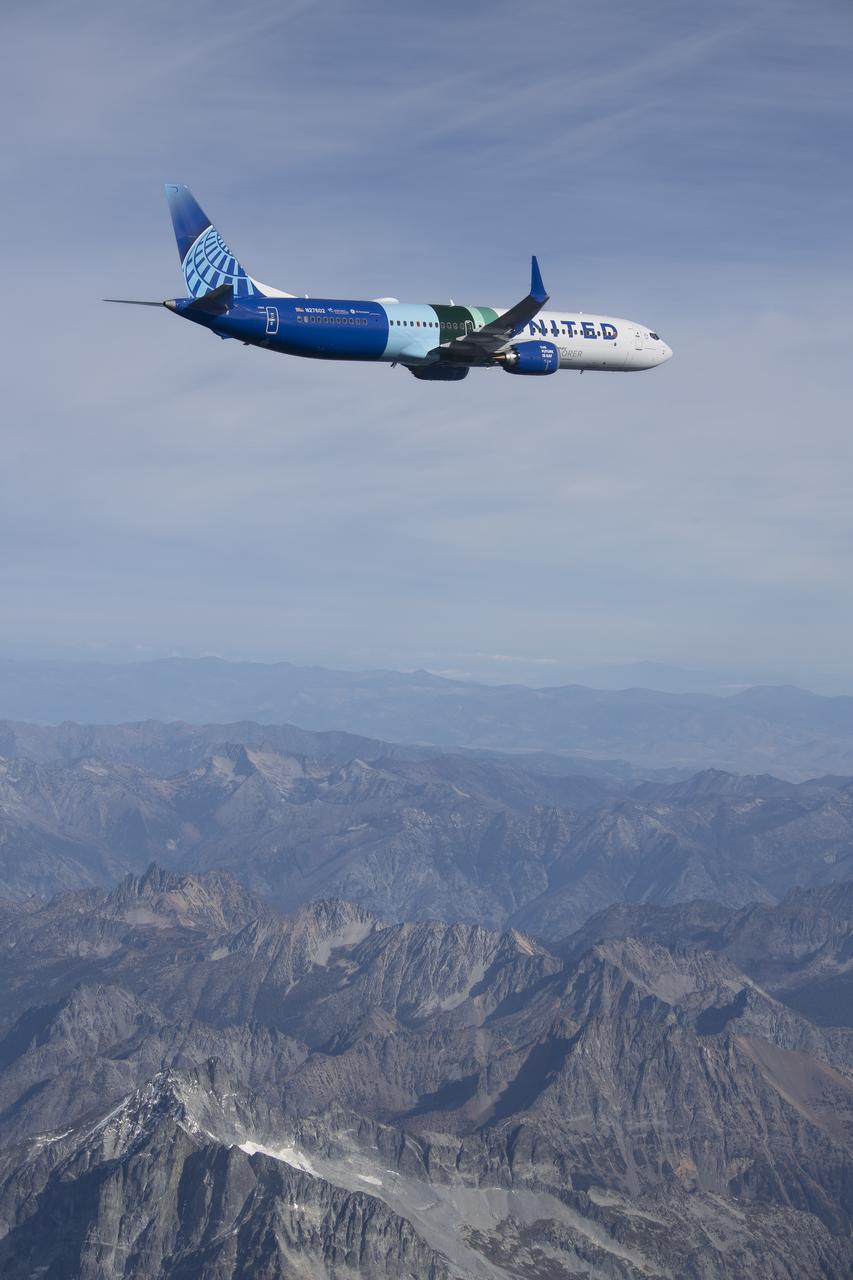
NASA’s DC-8 aircraft from Armstrong Flight Research Center in Edwards, California flies to Everett, Washington to conduct science research about reducing engine particle emissions. Partners include Boeing, United, General Electric Aerospace, German Aerospace Center (DLR), the FAA, and World Energy. Boeing’s new passenger aircraft uses revolutionary Sustainable Aviation Fuel, SAF, and NASA’s DC-8 flies behind the Boeing plane to measure its impact throughout flight. The results of this study will be released publicly to facilitate the improvement of aviation technology worldwide.
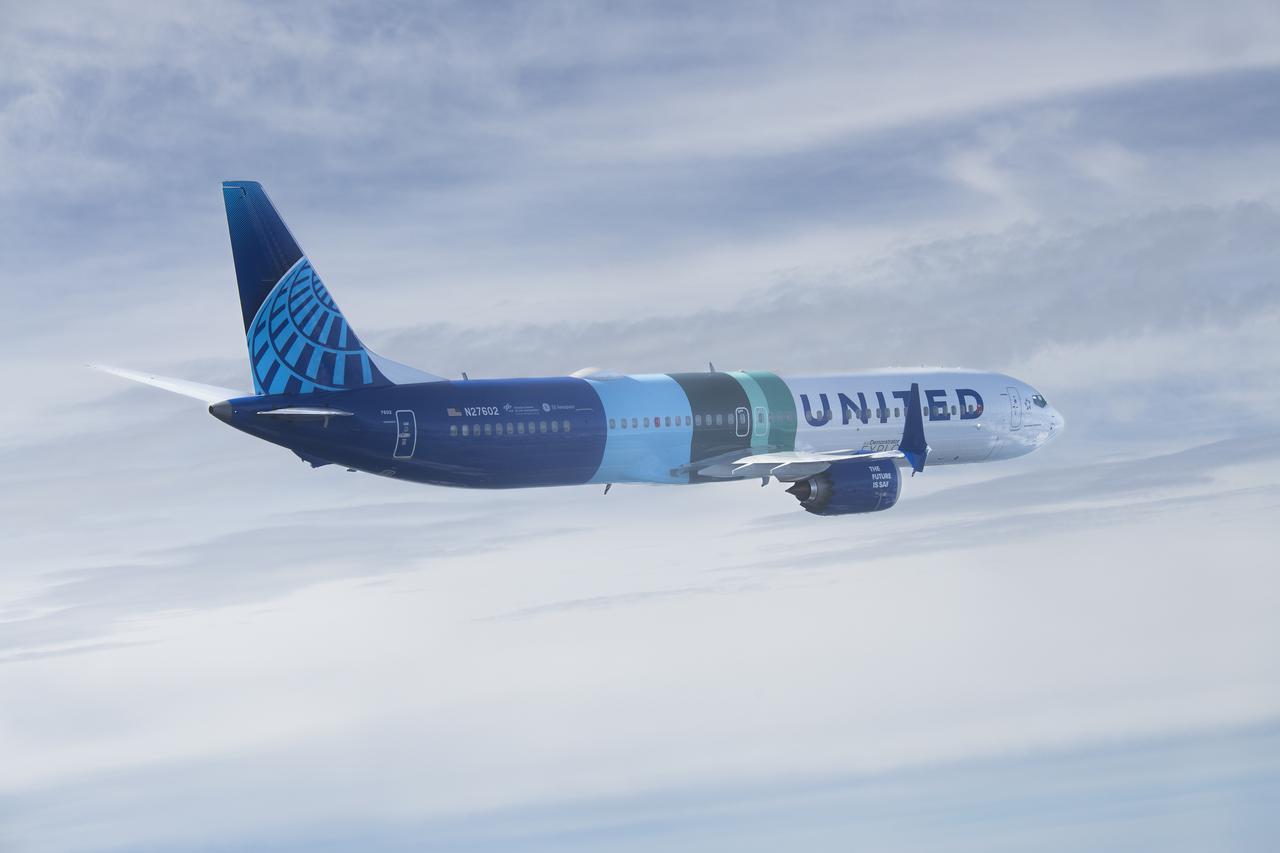
NASA’s DC-8 aircraft from Armstrong Flight Research Center in Edwards, California flies to Everett, Washington to conduct science research about reducing engine particle emissions. Partners include Boeing, United, General Electric Aerospace, German Aerospace Center (DLR), the FAA, and World Energy. Boeing’s new passenger aircraft uses revolutionary Sustainable Aviation Fuel, SAF, and NASA’s DC-8 flies behind the Boeing plane to measure its impact throughout flight. The results of this study will be released publicly to facilitate the improvement of aviation technology worldwide.
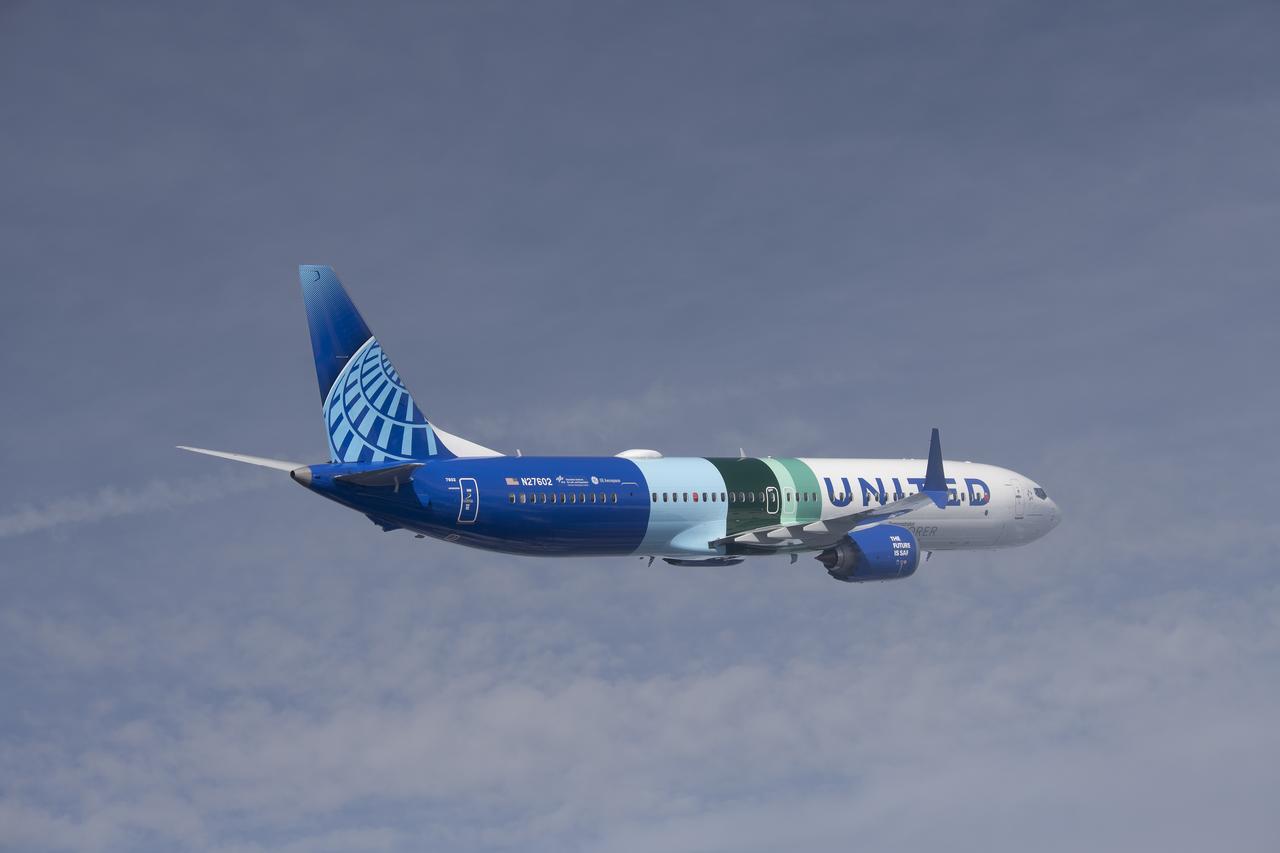
NASA’s DC-8 aircraft from Armstrong Flight Research Center in Edwards, California flies to Everett, Washington to conduct science research about reducing engine particle emissions. Partners include Boeing, United, General Electric Aerospace, German Aerospace Center (DLR), the FAA, and World Energy. Boeing’s new passenger aircraft uses revolutionary Sustainable Aviation Fuel, SAF, and NASA’s DC-8 flies behind the Boeing plane to measure its impact throughout flight. The results of this study will be released publicly to facilitate the improvement of aviation technology worldwide.
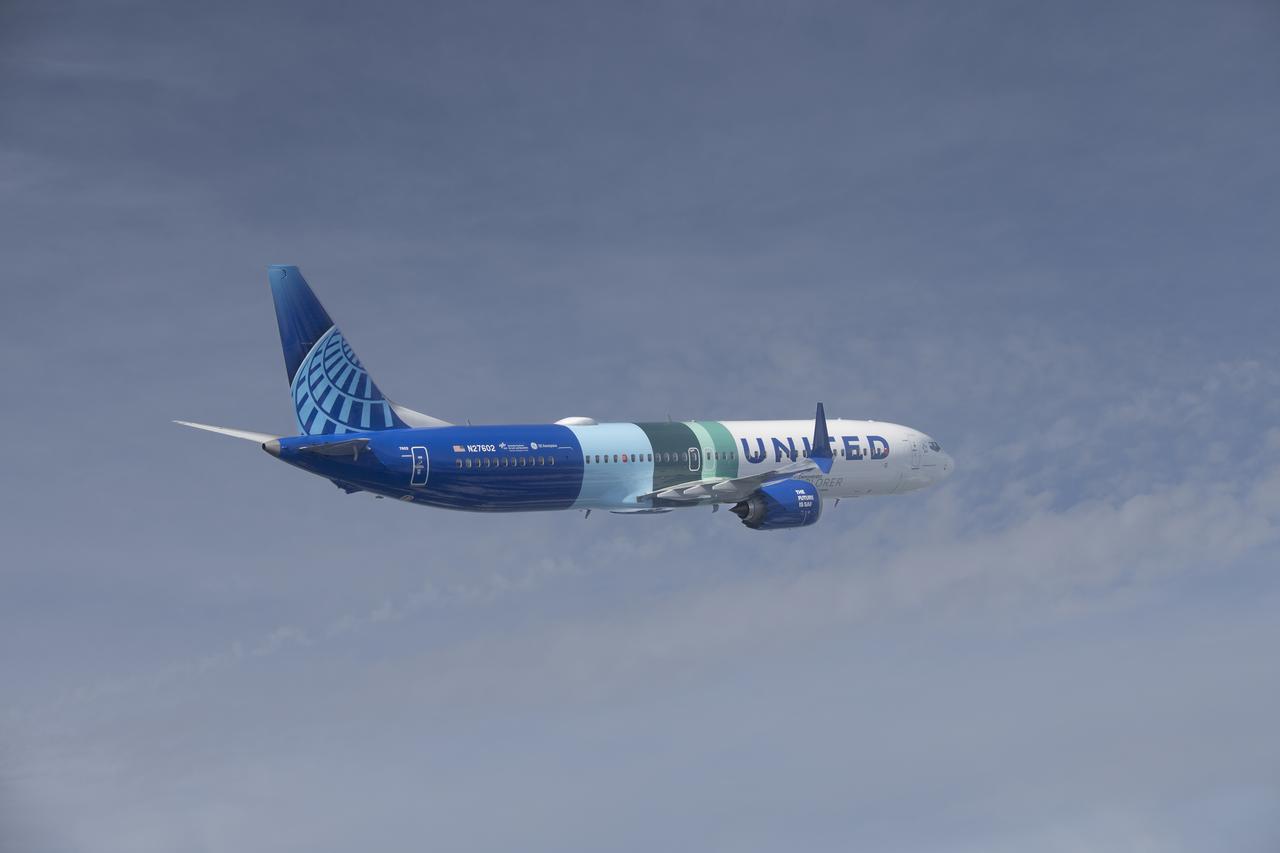
NASA’s DC-8 aircraft from Armstrong Flight Research Center in Edwards, California flies to Everett, Washington to conduct science research about reducing engine particle emissions. Partners include Boeing, United, General Electric Aerospace, German Aerospace Center (DLR), the FAA, and World Energy. Boeing’s new passenger aircraft uses revolutionary Sustainable Aviation Fuel, SAF, and NASA’s DC-8 flies behind the Boeing plane to measure its impact throughout flight. The results of this study will be released publicly to facilitate the improvement of aviation technology worldwide.
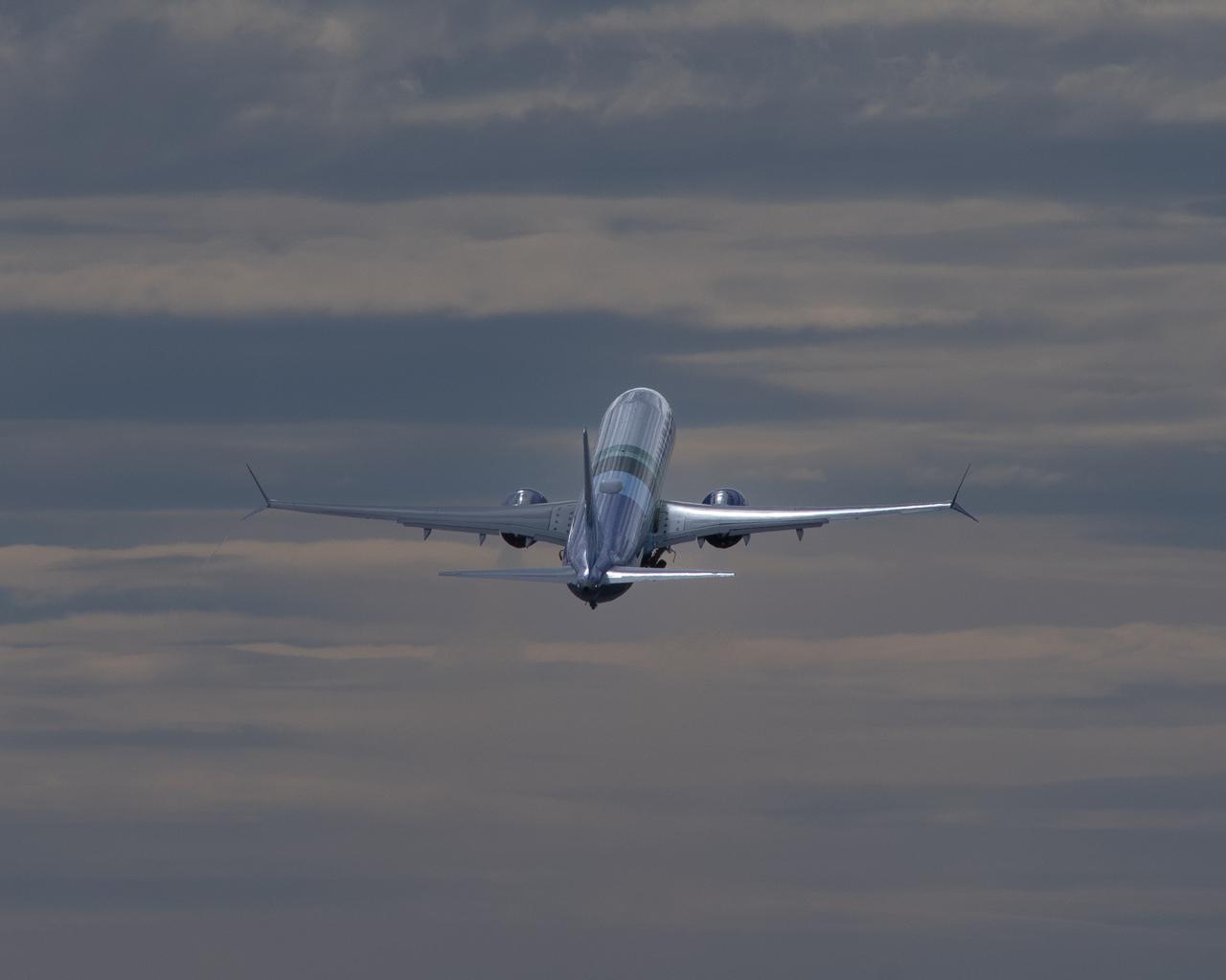
NASA’s DC-8 aircraft from Armstrong Flight Research Center in Edwards, California flies to Everett, Washington to conduct science research about reducing engine particle emissions. Partners include Boeing, United, General Electric Aerospace, German Aerospace Center (DLR), the FAA, and World Energy. Boeing’s new passenger aircraft uses revolutionary Sustainable Aviation Fuel, SAF, and NASA’s DC-8 flies behind the Boeing plane to measure its impact throughout flight. The results of this study will be released publicly to facilitate the improvement of aviation technology worldwide.
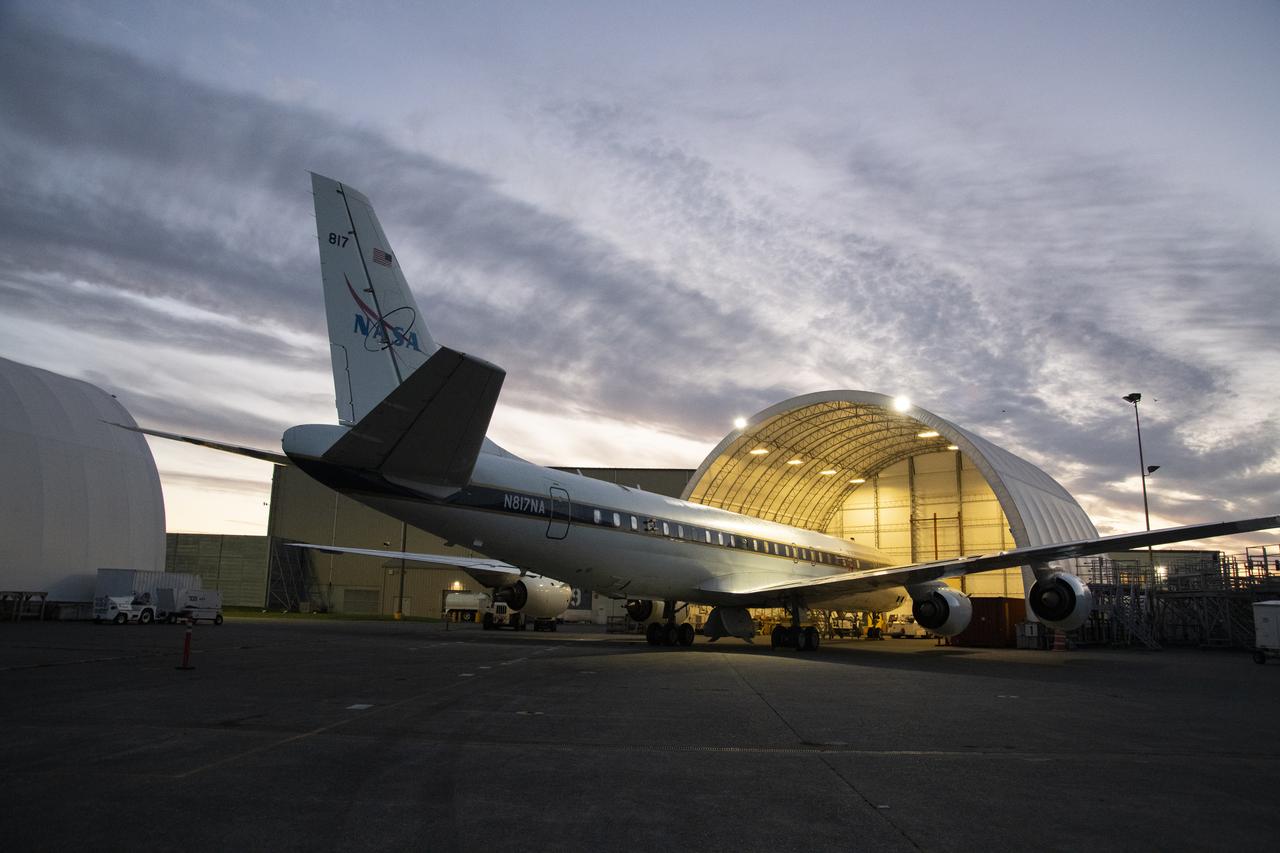
NASA’s DC-8 aircraft from Armstrong Flight Research Center in Edwards, California flies to Everett, Washington to conduct science research about reducing engine particle emissions. Partners include Boeing, United, General Electric Aerospace, German Aerospace Center (DLR), the FAA, and World Energy. Boeing’s new passenger aircraft uses revolutionary Sustainable Aviation Fuel, SAF, and NASA’s DC-8 flies behind the Boeing plane to measure its impact throughout flight. The results of this study will be released publicly to facilitate the improvement of aviation technology worldwide.
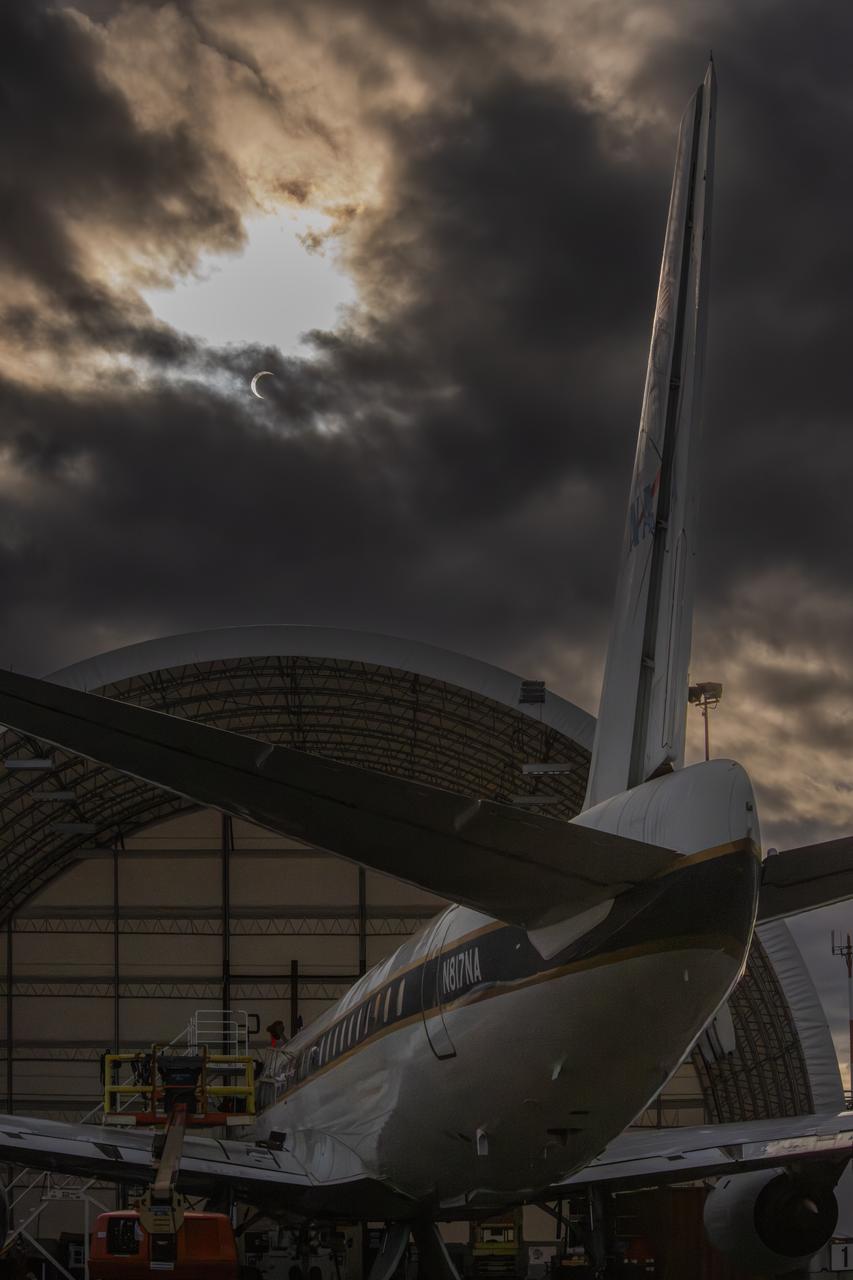
NASA’s DC-8 aircraft from Armstrong Flight Research Center in Edwards, California flies to Everett, Washington to conduct science research about reducing engine particle emissions. Partners include Boeing, United, General Electric Aerospace, German Aerospace Center (DLR), the FAA, and World Energy. Boeing’s new passenger aircraft uses revolutionary Sustainable Aviation Fuel, SAF, and NASA’s DC-8 flies behind the Boeing plane to measure its impact throughout flight. The results of this study will be released publicly to facilitate the improvement of aviation technology worldwide.
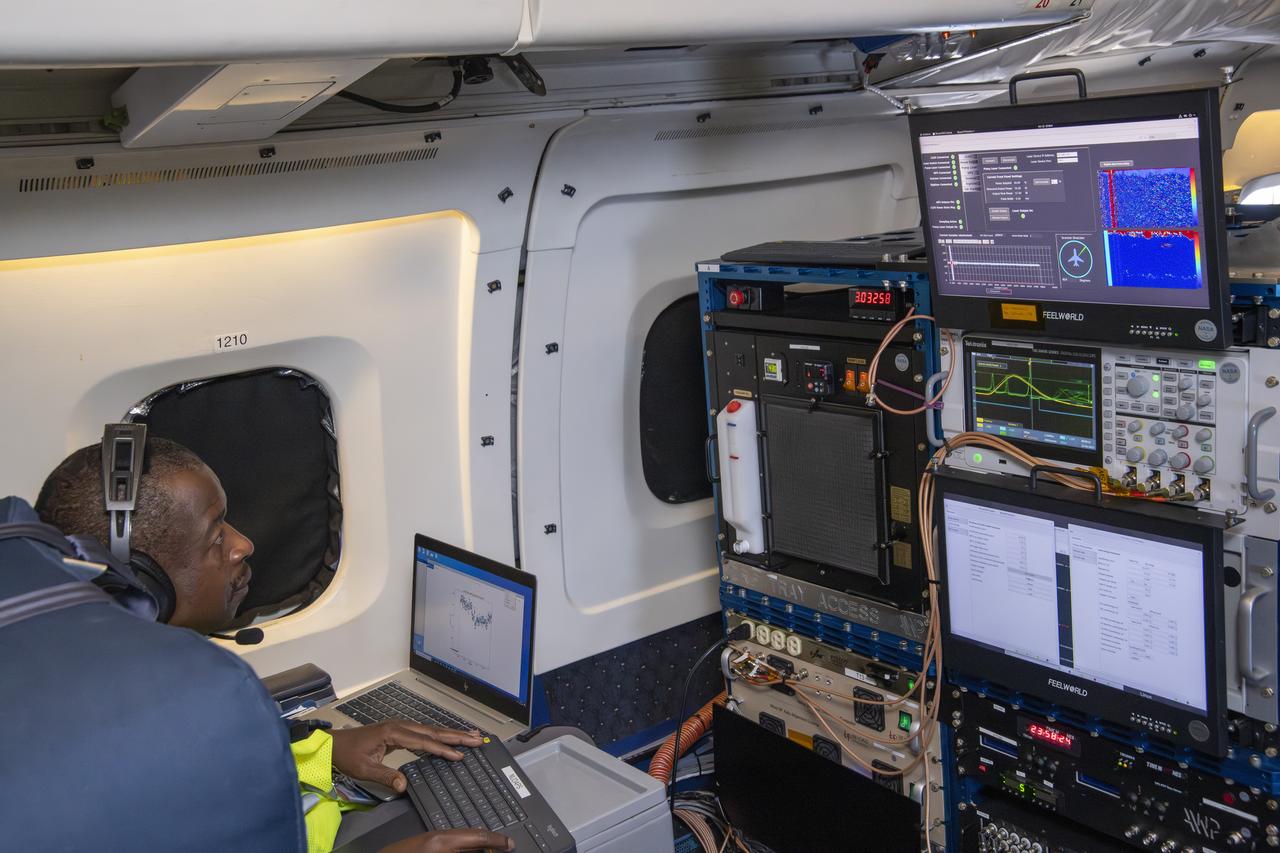
NASA’s DC-8 aircraft from Armstrong Flight Research Center in Edwards, California flies to Everett, Washington to conduct science research about reducing engine particle emissions. Partners include Boeing, United, General Electric Aerospace, German Aerospace Center (DLR), the FAA, and World Energy. Boeing’s new passenger aircraft uses revolutionary Sustainable Aviation Fuel, SAF, and NASA’s DC-8 flies behind the Boeing plane to measure its impact throughout flight. The results of this study will be released publicly to facilitate the improvement of aviation technology worldwide.
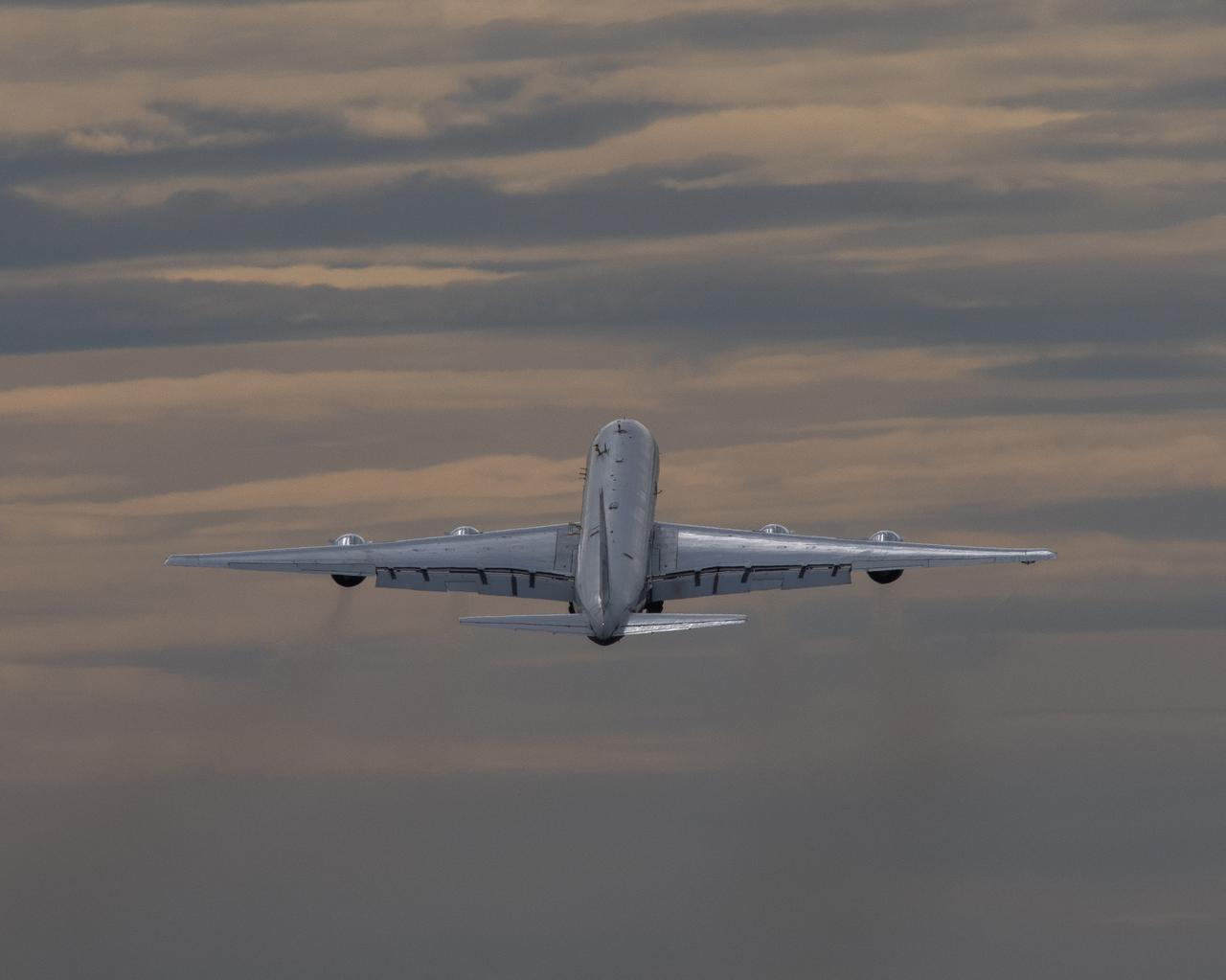
NASA’s DC-8 aircraft from Armstrong Flight Research Center in Edwards, California flies to Everett, Washington to conduct science research about reducing engine particle emissions. Partners include Boeing, United, General Electric Aerospace, German Aerospace Center (DLR), the FAA, and World Energy. Boeing’s new passenger aircraft uses revolutionary Sustainable Aviation Fuel, SAF, and NASA’s DC-8 flies behind the Boeing plane to measure its impact throughout flight. The results of this study will be released publicly to facilitate the improvement of aviation technology worldwide.
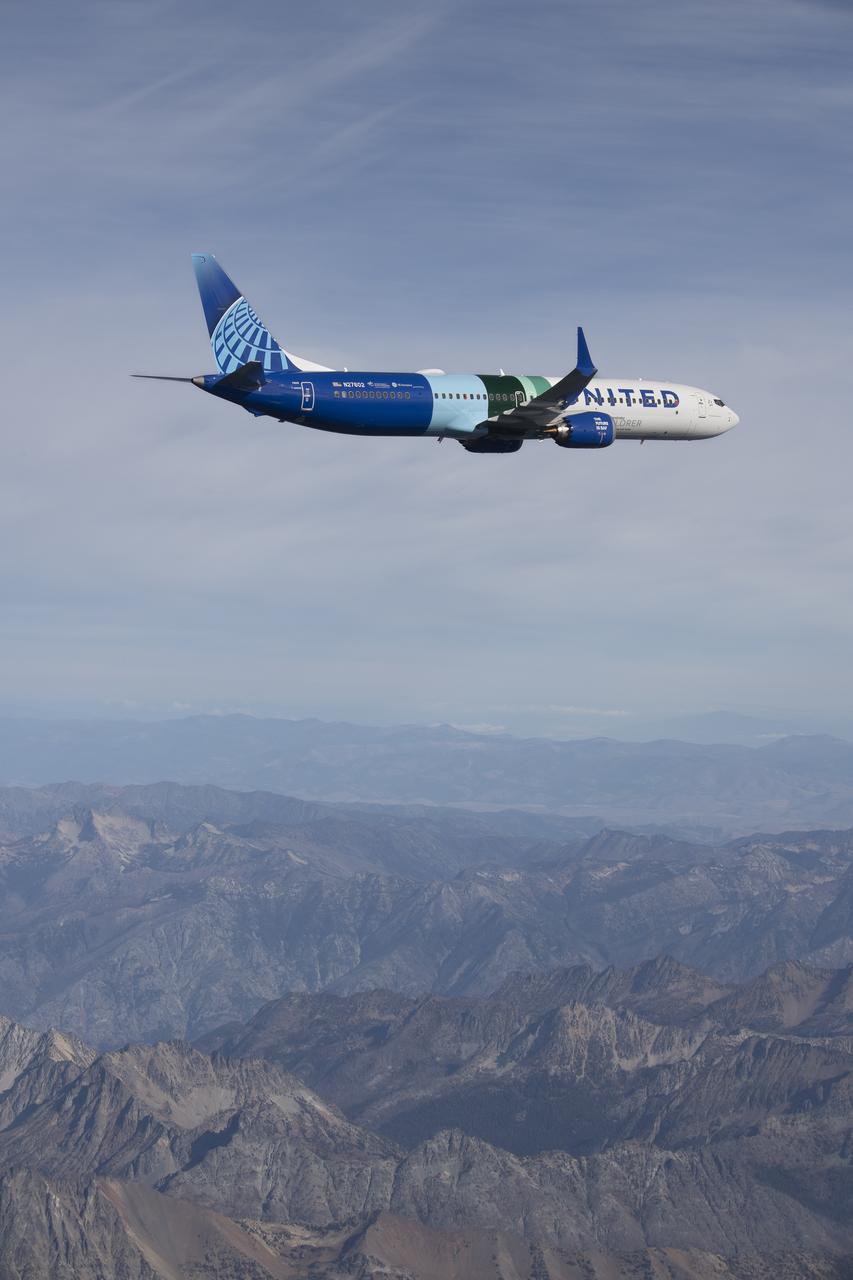
NASA’s DC-8 aircraft from Armstrong Flight Research Center in Edwards, California flies to Everett, Washington to conduct science research about reducing engine particle emissions. Partners include Boeing, United, General Electric Aerospace, German Aerospace Center (DLR), the FAA, and World Energy. Boeing’s new passenger aircraft uses revolutionary Sustainable Aviation Fuel, SAF, and NASA’s DC-8 flies behind the Boeing plane to measure its impact throughout flight. The results of this study will be released publicly to facilitate the improvement of aviation technology worldwide.
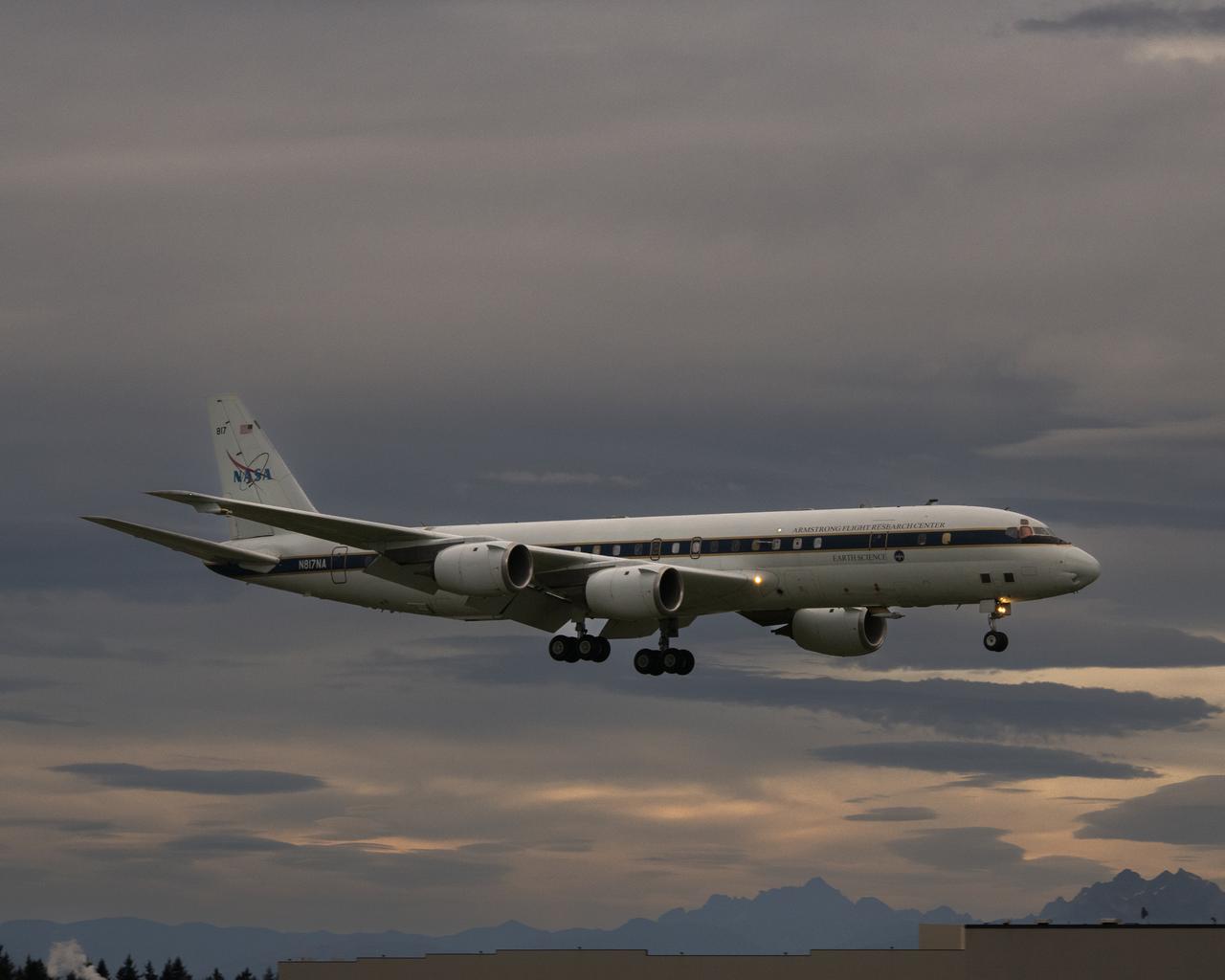
NASA’s DC-8 aircraft from Armstrong Flight Research Center in Edwards, California flies to Everett, Washington to conduct science research about reducing engine particle emissions. Partners include Boeing, United, General Electric Aerospace, German Aerospace Center (DLR), the FAA, and World Energy. Boeing’s new passenger aircraft uses revolutionary Sustainable Aviation Fuel, SAF, and NASA’s DC-8 flies behind the Boeing plane to measure its impact throughout flight. The results of this study will be released publicly to facilitate the improvement of aviation technology worldwide.

NASA’s DC-8 aircraft from Armstrong Flight Research Center in Edwards, California flies to Everett, Washington to conduct science research about reducing engine particle emissions. Partners include Boeing, United, General Electric Aerospace, German Aerospace Center (DLR), the FAA, and World Energy. Boeing’s new passenger aircraft uses revolutionary Sustainable Aviation Fuel, SAF, and NASA’s DC-8 flies behind the Boeing plane to measure its impact throughout flight. The results of this study will be released publicly to facilitate the improvement of aviation technology worldwide.
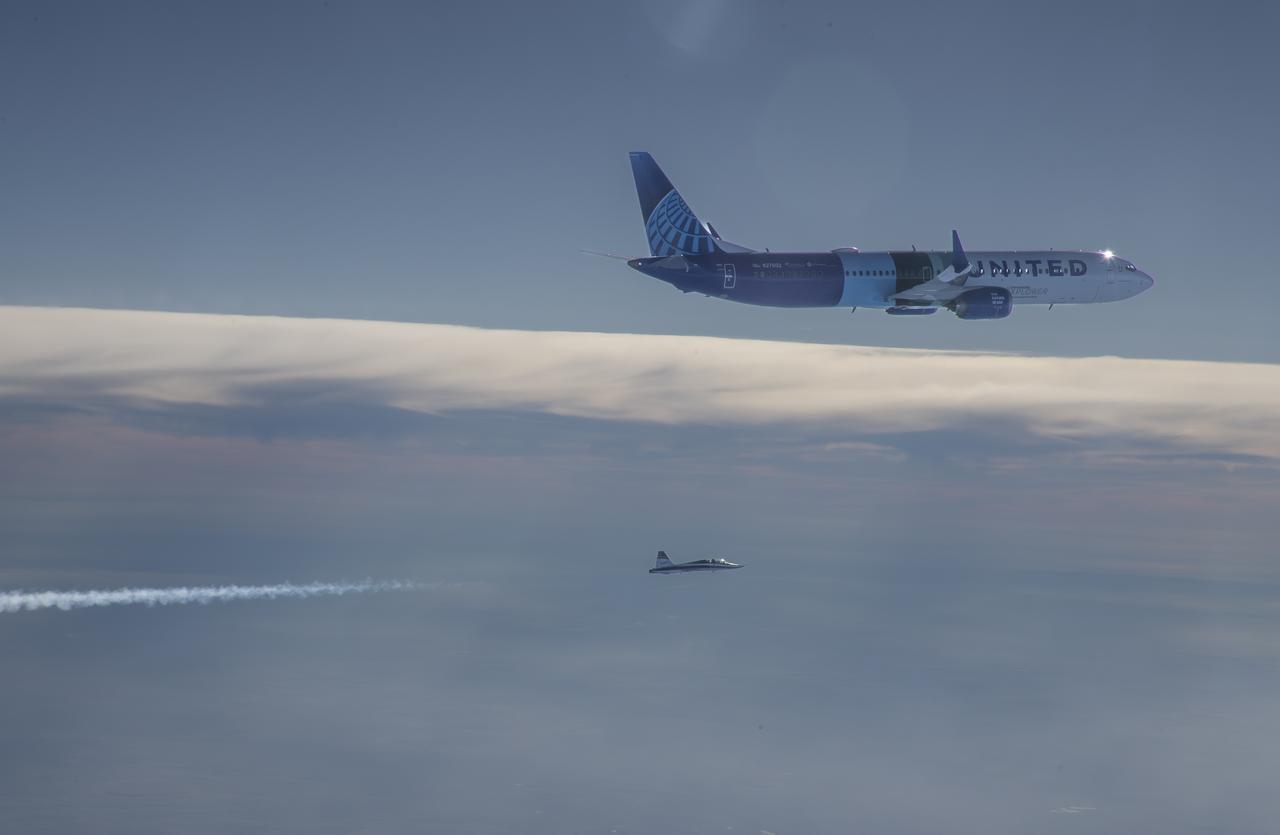
NASA’s DC-8 aircraft from Armstrong Flight Research Center in Edwards, California flies to Everett, Washington to conduct science research about reducing engine particle emissions. Partners include Boeing, United, General Electric Aerospace, German Aerospace Center (DLR), the FAA, and World Energy. Boeing’s new passenger aircraft uses revolutionary Sustainable Aviation Fuel, SAF, and NASA’s DC-8 flies behind the Boeing plane to measure its impact throughout flight. The results of this study will be released publicly to facilitate the improvement of aviation technology worldwide.
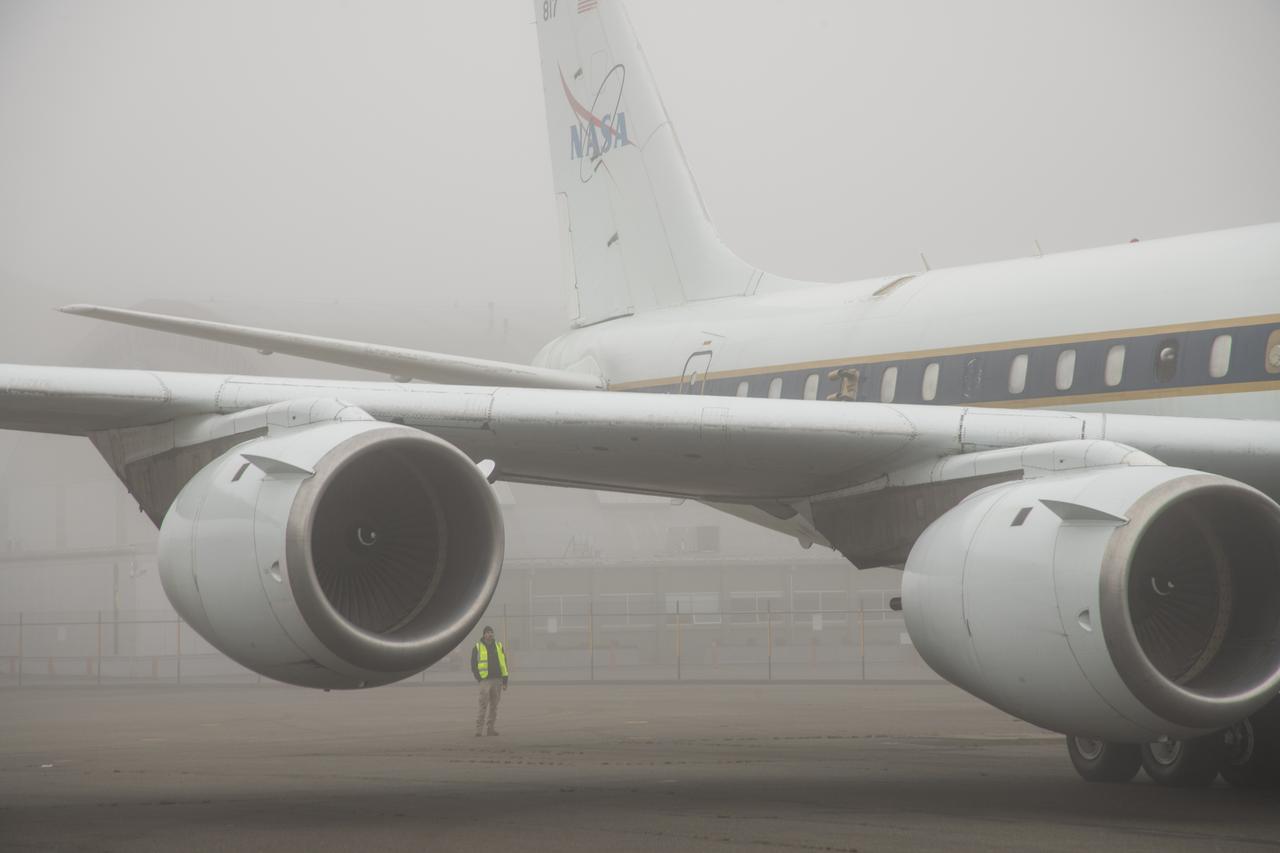
NASA’s DC-8 aircraft from Armstrong Flight Research Center in Edwards, California flies to Everett, Washington to conduct science research about reducing engine particle emissions. Partners include Boeing, United, General Electric Aerospace, German Aerospace Center (DLR), the FAA, and World Energy. Boeing’s new passenger aircraft uses revolutionary Sustainable Aviation Fuel, SAF, and NASA’s DC-8 flies behind the Boeing plane to measure its impact throughout flight. The results of this study will be released publicly to facilitate the improvement of aviation technology worldwide.
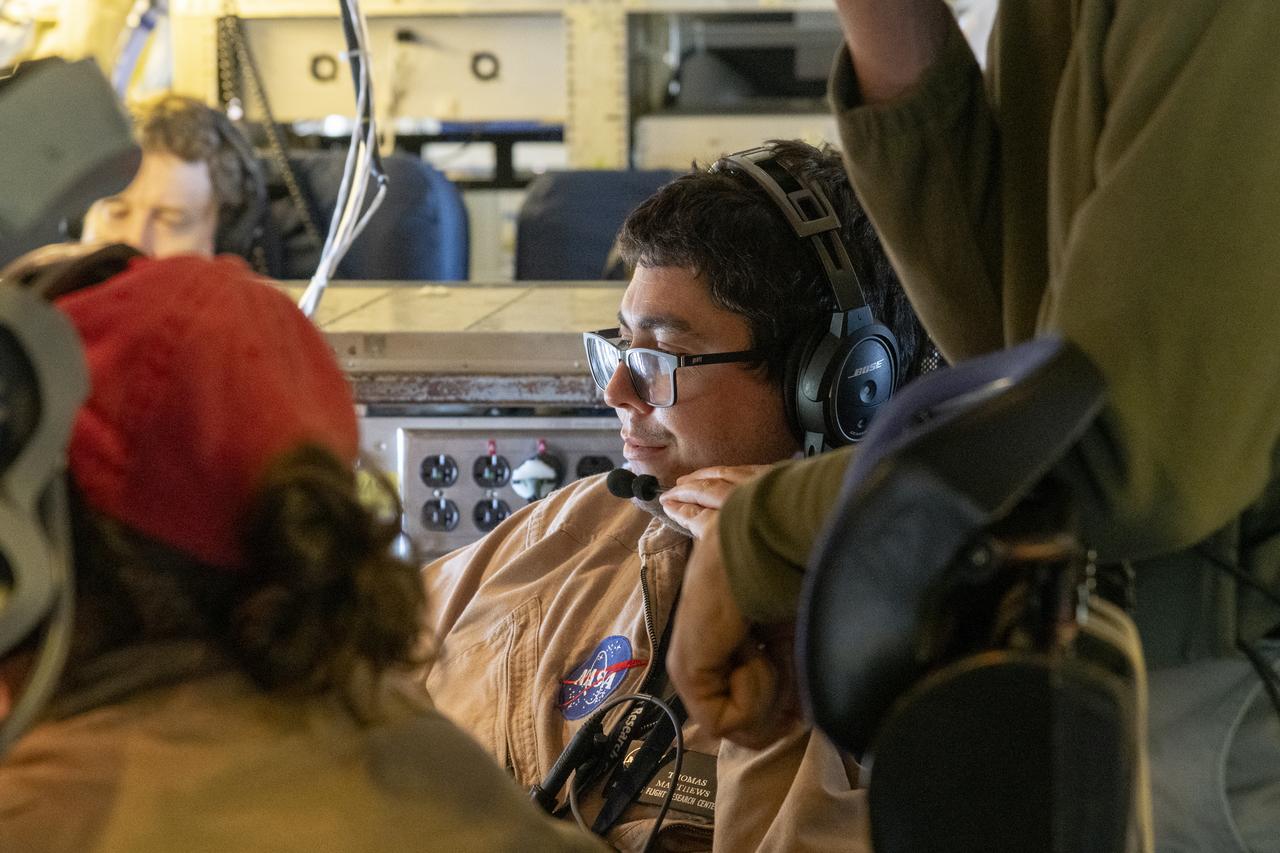
NASA’s DC-8 aircraft from Armstrong Flight Research Center in Edwards, California flies to Everett, Washington to conduct science research about reducing engine particle emissions. Partners include Boeing, United, General Electric Aerospace, German Aerospace Center (DLR), the FAA, and World Energy. Boeing’s new passenger aircraft uses revolutionary Sustainable Aviation Fuel, SAF, and NASA’s DC-8 flies behind the Boeing plane to measure its impact throughout flight. The results of this study will be released publicly to facilitate the improvement of aviation technology worldwide.
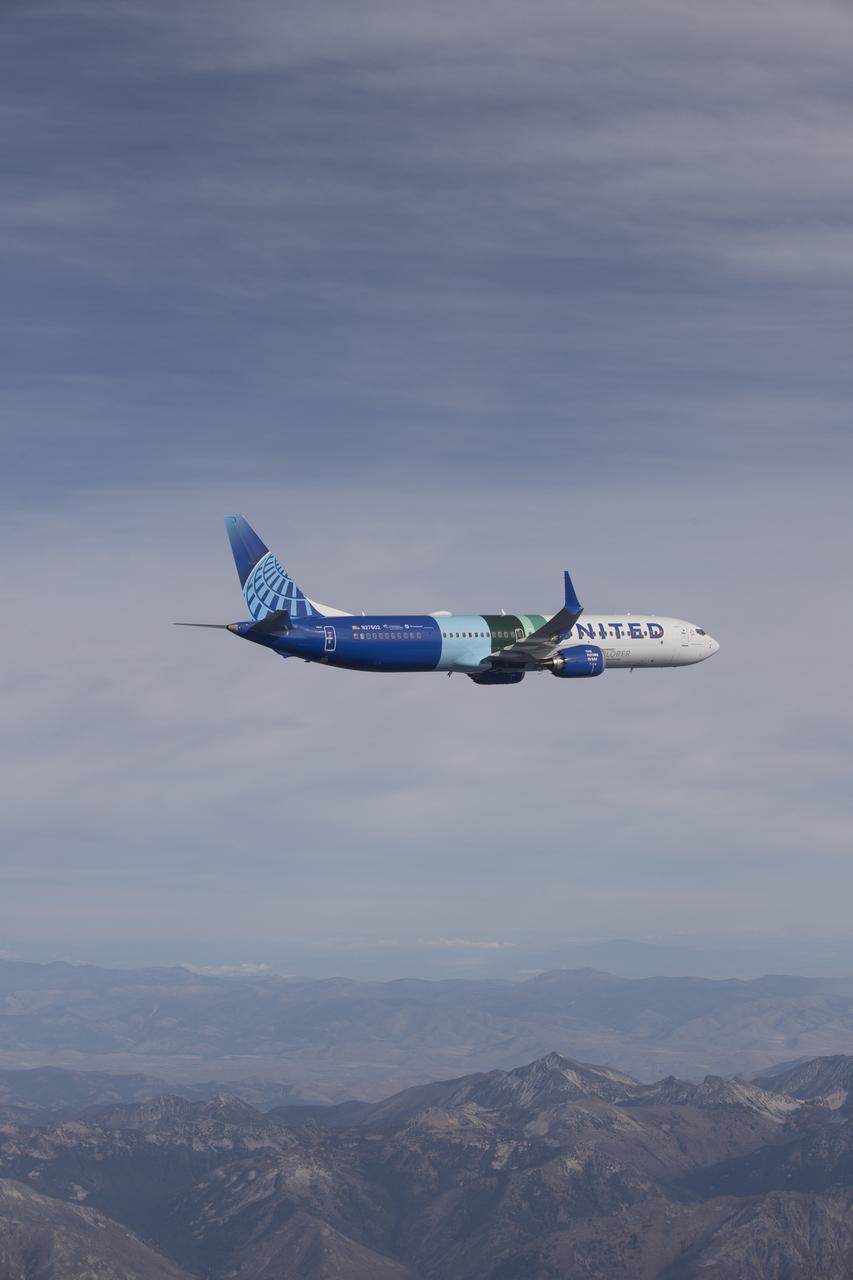
NASA’s DC-8 aircraft from Armstrong Flight Research Center in Edwards, California flies to Everett, Washington to conduct science research about reducing engine particle emissions. Partners include Boeing, United, General Electric Aerospace, German Aerospace Center (DLR), the FAA, and World Energy. Boeing’s new passenger aircraft uses revolutionary Sustainable Aviation Fuel, SAF, and NASA’s DC-8 flies behind the Boeing plane to measure its impact throughout flight. The results of this study will be released publicly to facilitate the improvement of aviation technology worldwide.
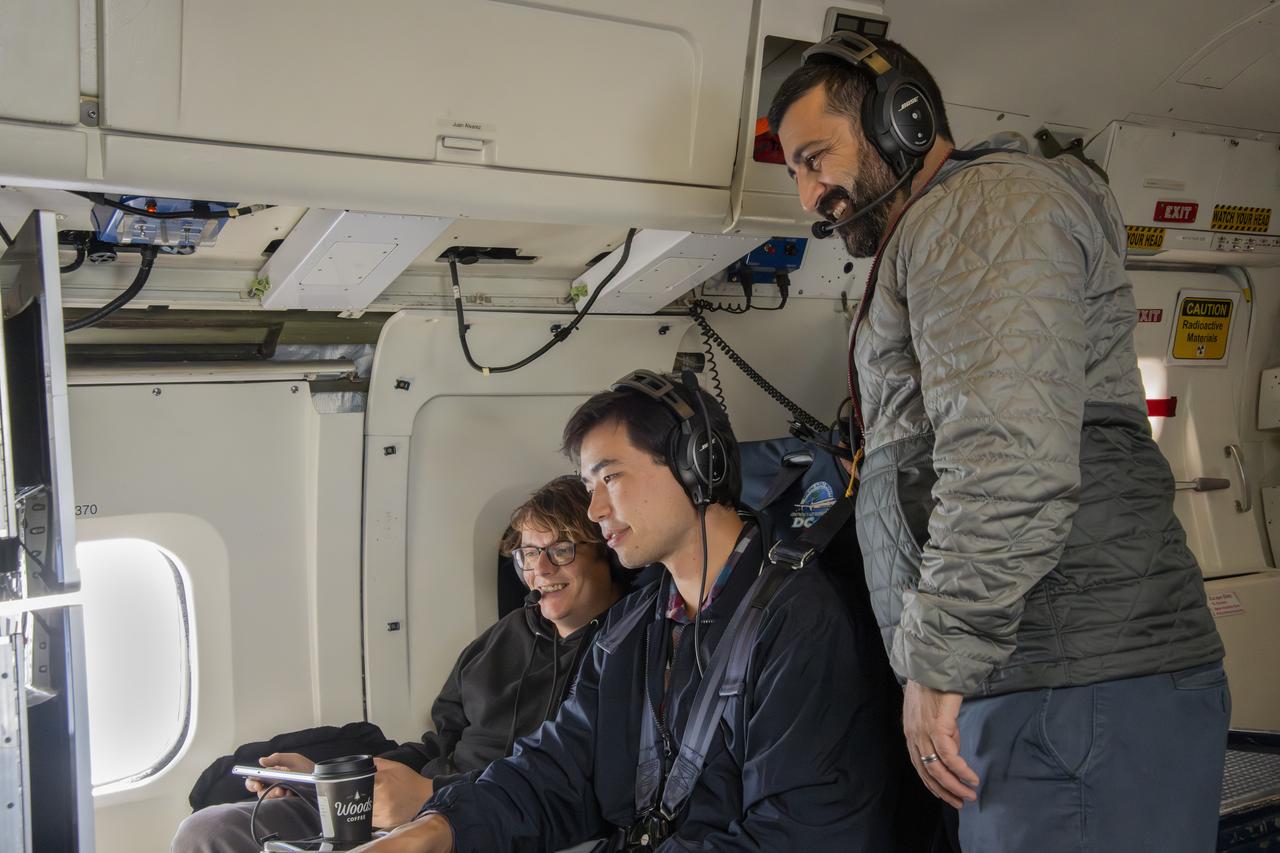
NASA’s DC-8 aircraft from Armstrong Flight Research Center in Edwards, California flies to Everett, Washington to conduct science research about reducing engine particle emissions. Partners include Boeing, United, General Electric Aerospace, German Aerospace Center (DLR), the FAA, and World Energy. Boeing’s new passenger aircraft uses revolutionary Sustainable Aviation Fuel, SAF, and NASA’s DC-8 flies behind the Boeing plane to measure its impact throughout flight. The results of this study will be released publicly to facilitate the improvement of aviation technology worldwide.
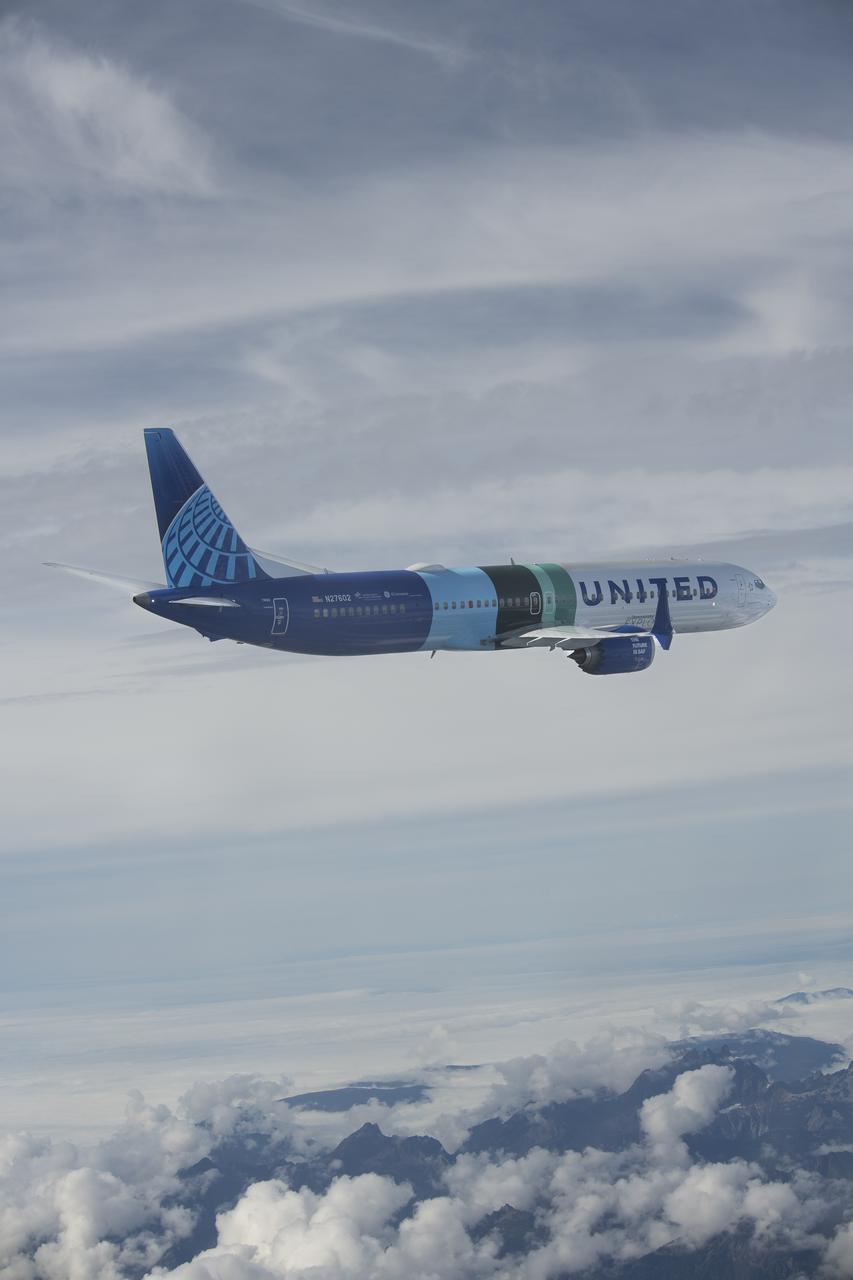
NASA’s DC-8 aircraft from Armstrong Flight Research Center in Edwards, California flies to Everett, Washington to conduct science research about reducing engine particle emissions. Partners include Boeing, United, General Electric Aerospace, German Aerospace Center (DLR), the FAA, and World Energy. Boeing’s new passenger aircraft uses revolutionary Sustainable Aviation Fuel, SAF, and NASA’s DC-8 flies behind the Boeing plane to measure its impact throughout flight. The results of this study will be released publicly to facilitate the improvement of aviation technology worldwide.
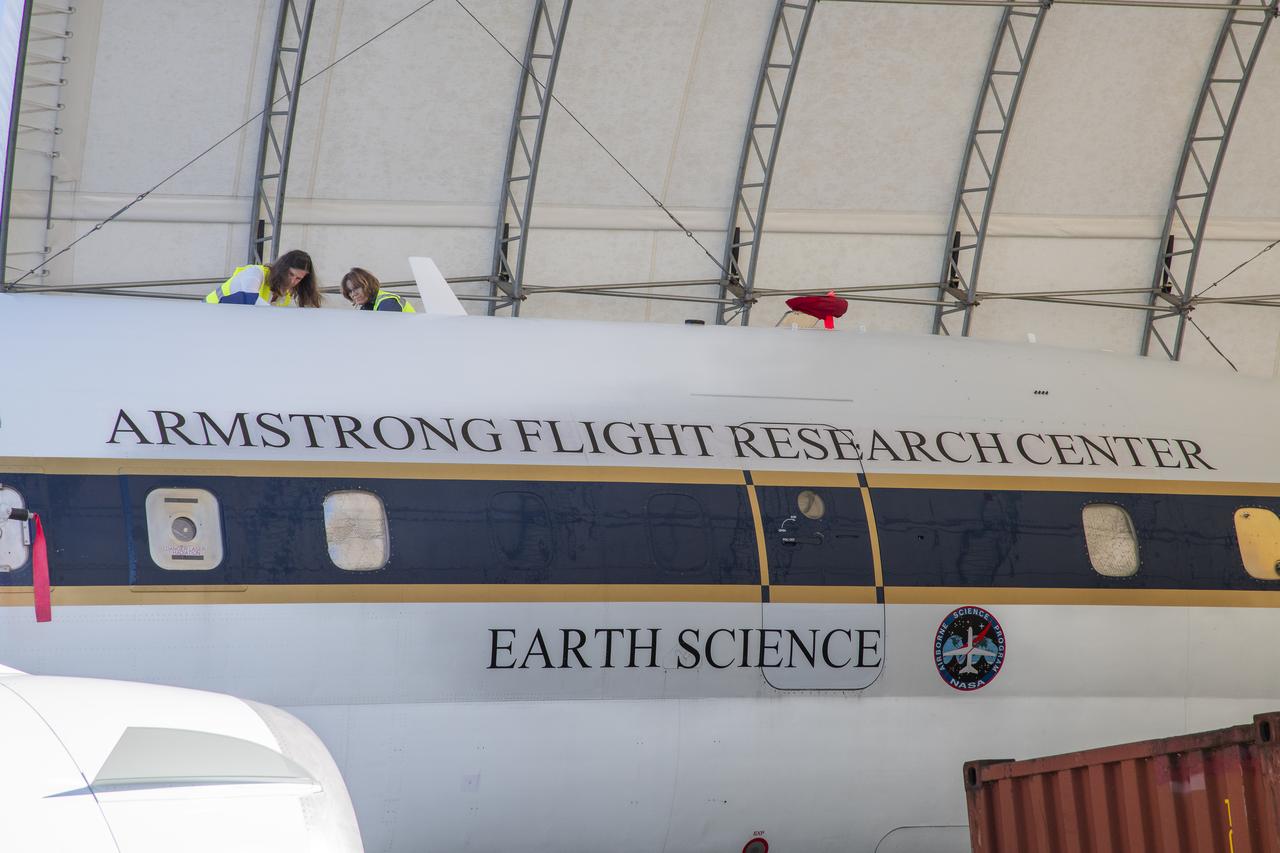
NASA’s DC-8 aircraft from Armstrong Flight Research Center in Edwards, California flies to Everett, Washington to conduct science research about reducing engine particle emissions. Partners include Boeing, United, General Electric Aerospace, German Aerospace Center (DLR), the FAA, and World Energy. Boeing’s new passenger aircraft uses revolutionary Sustainable Aviation Fuel, SAF, and NASA’s DC-8 flies behind the Boeing plane to measure its impact throughout flight. The results of this study will be released publicly to facilitate the improvement of aviation technology worldwide.
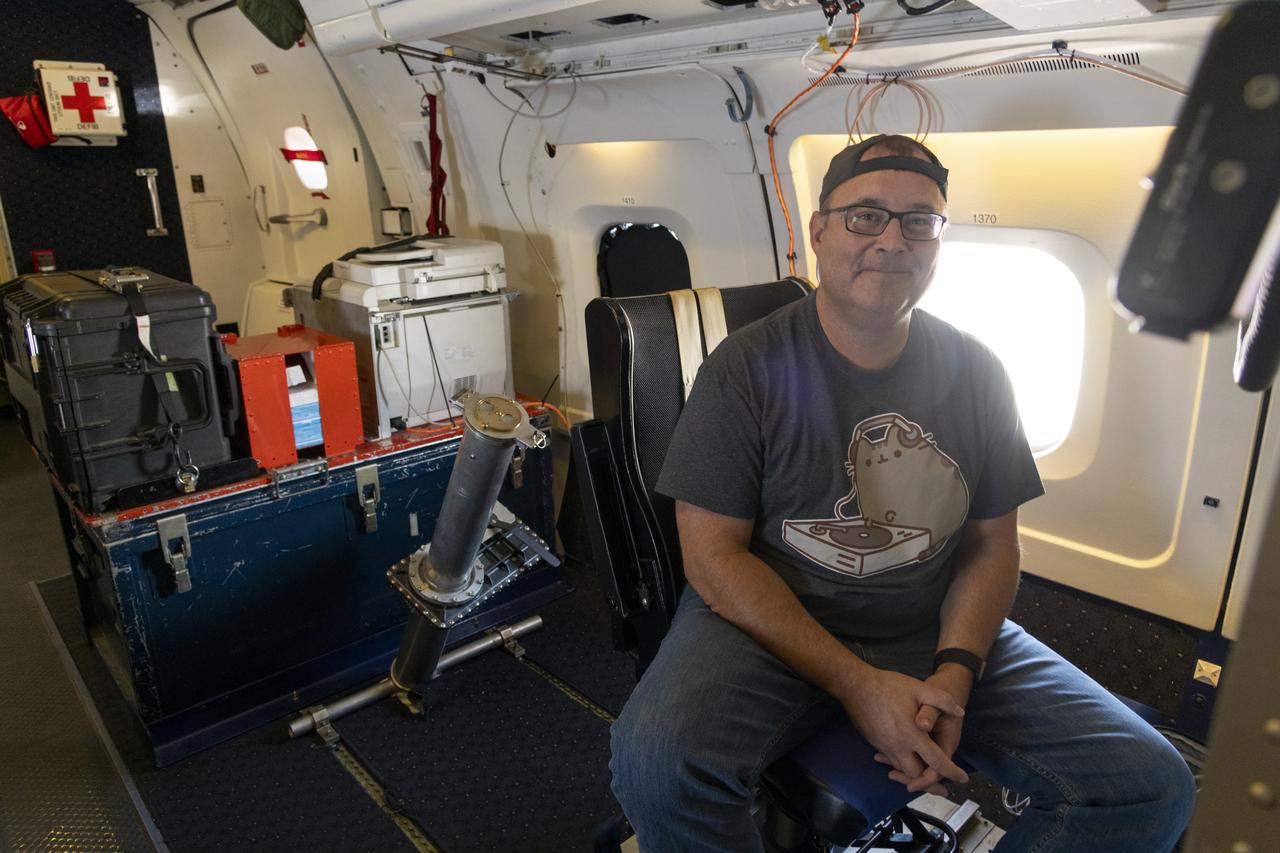
NASA’s DC-8 aircraft from Armstrong Flight Research Center in Edwards, California flies to Everett, Washington to conduct science research about reducing engine particle emissions. Partners include Boeing, United, General Electric Aerospace, German Aerospace Center (DLR), the FAA, and World Energy. Boeing’s new passenger aircraft uses revolutionary Sustainable Aviation Fuel, SAF, and NASA’s DC-8 flies behind the Boeing plane to measure its impact throughout flight. The results of this study will be released publicly to facilitate the improvement of aviation technology worldwide.
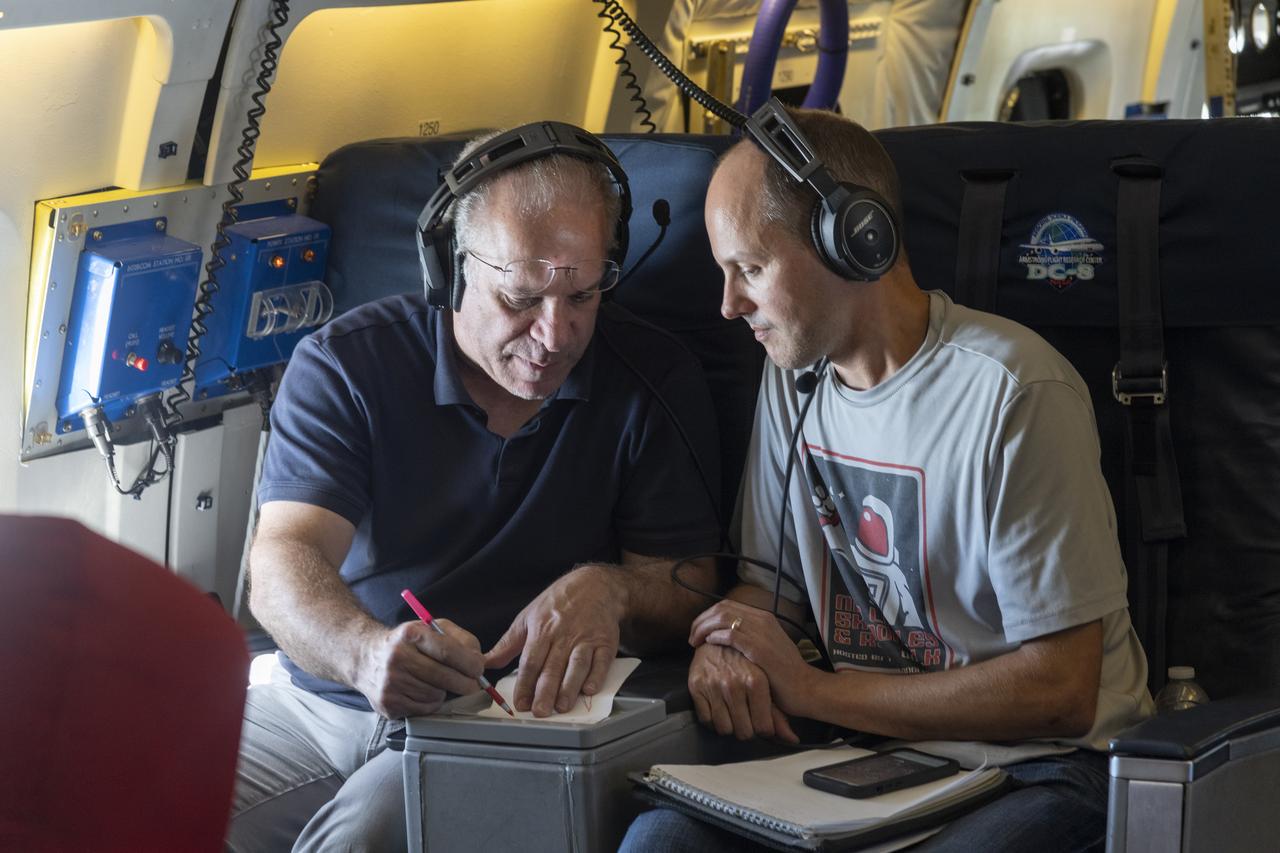
NASA’s DC-8 aircraft from Armstrong Flight Research Center in Edwards, California flies to Everett, Washington to conduct science research about reducing engine particle emissions. Partners include Boeing, United, General Electric Aerospace, German Aerospace Center (DLR), the FAA, and World Energy. Boeing’s new passenger aircraft uses revolutionary Sustainable Aviation Fuel, SAF, and NASA’s DC-8 flies behind the Boeing plane to measure its impact throughout flight. The results of this study will be released publicly to facilitate the improvement of aviation technology worldwide.
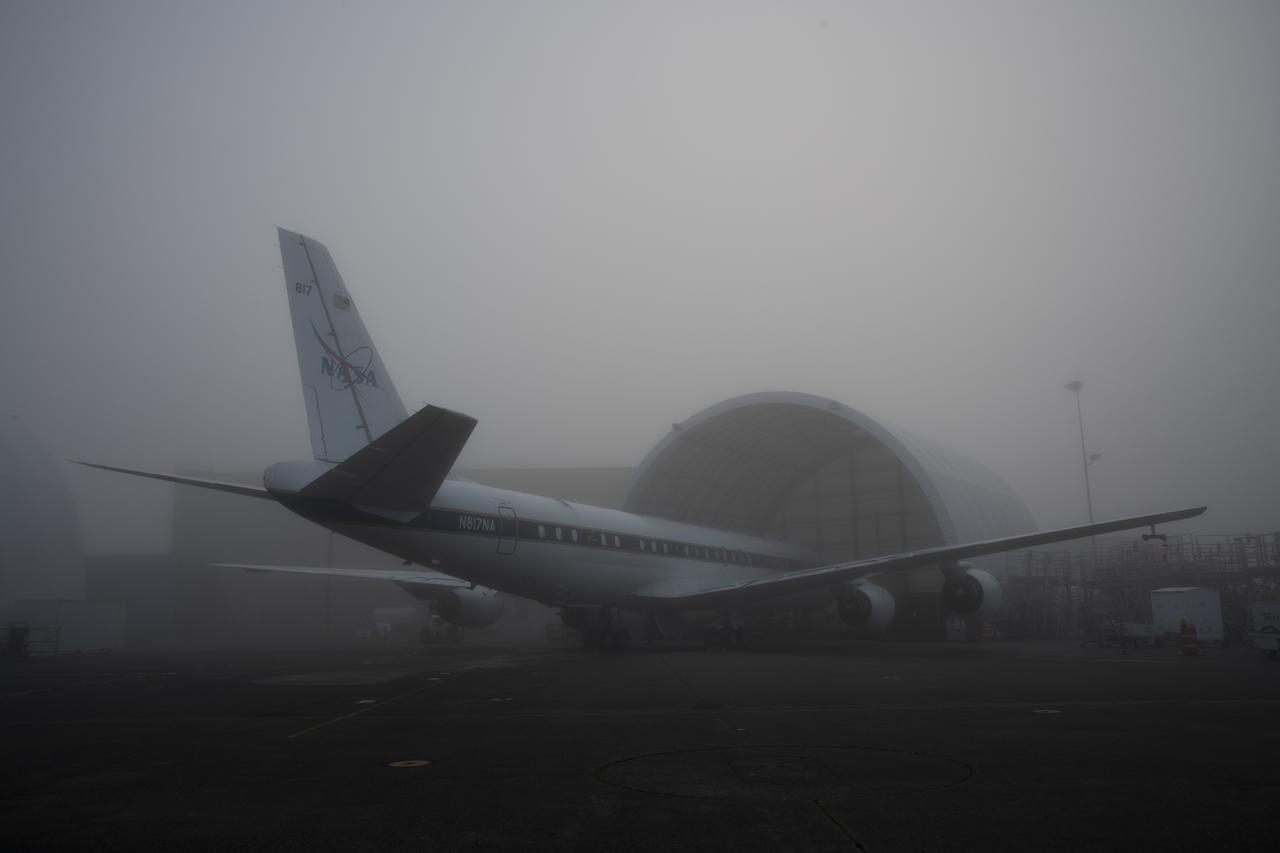
NASA’s DC-8 aircraft from Armstrong Flight Research Center in Edwards, California flies to Everett, Washington to conduct science research about reducing engine particle emissions. Partners include Boeing, United, General Electric Aerospace, German Aerospace Center (DLR), the FAA, and World Energy. Boeing’s new passenger aircraft uses revolutionary Sustainable Aviation Fuel, SAF, and NASA’s DC-8 flies behind the Boeing plane to measure its impact throughout flight. The results of this study will be released publicly to facilitate the improvement of aviation technology worldwide.