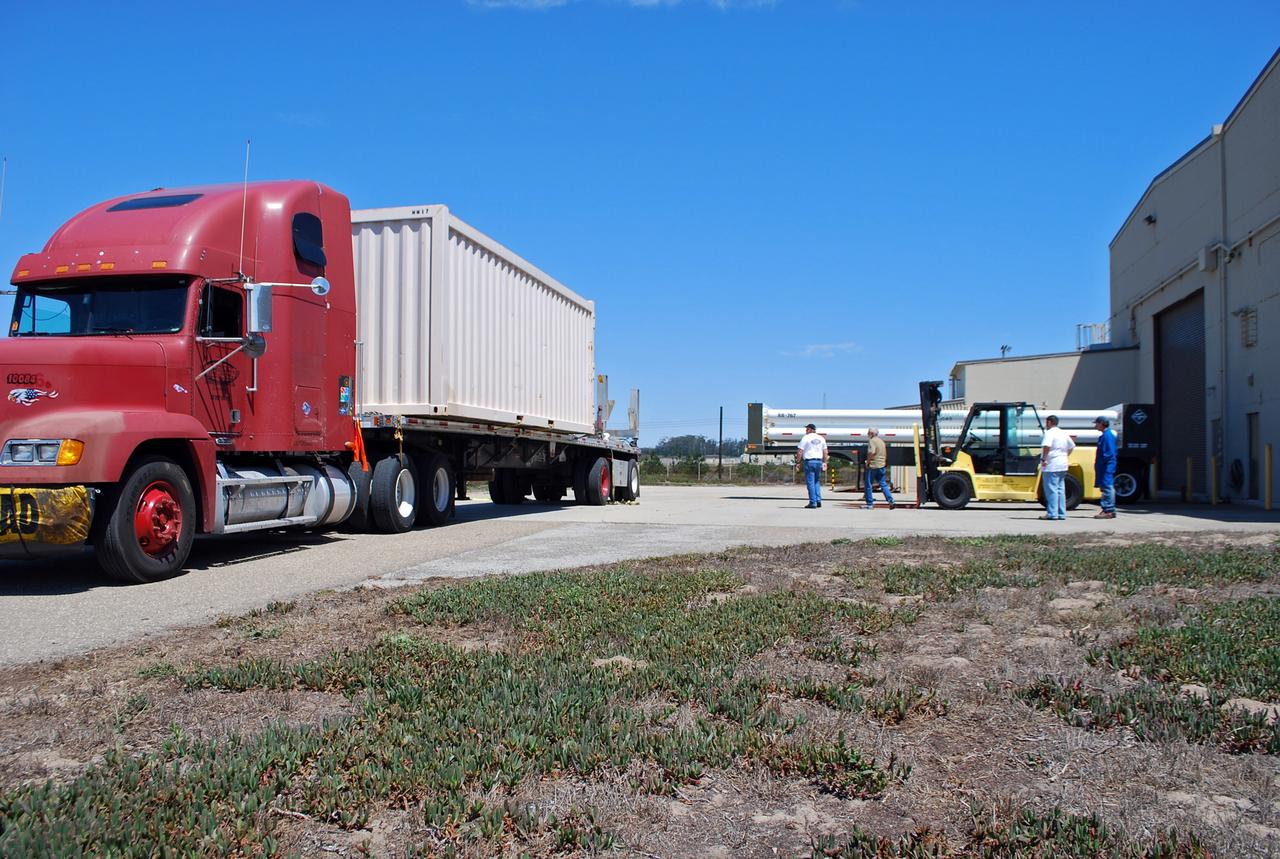
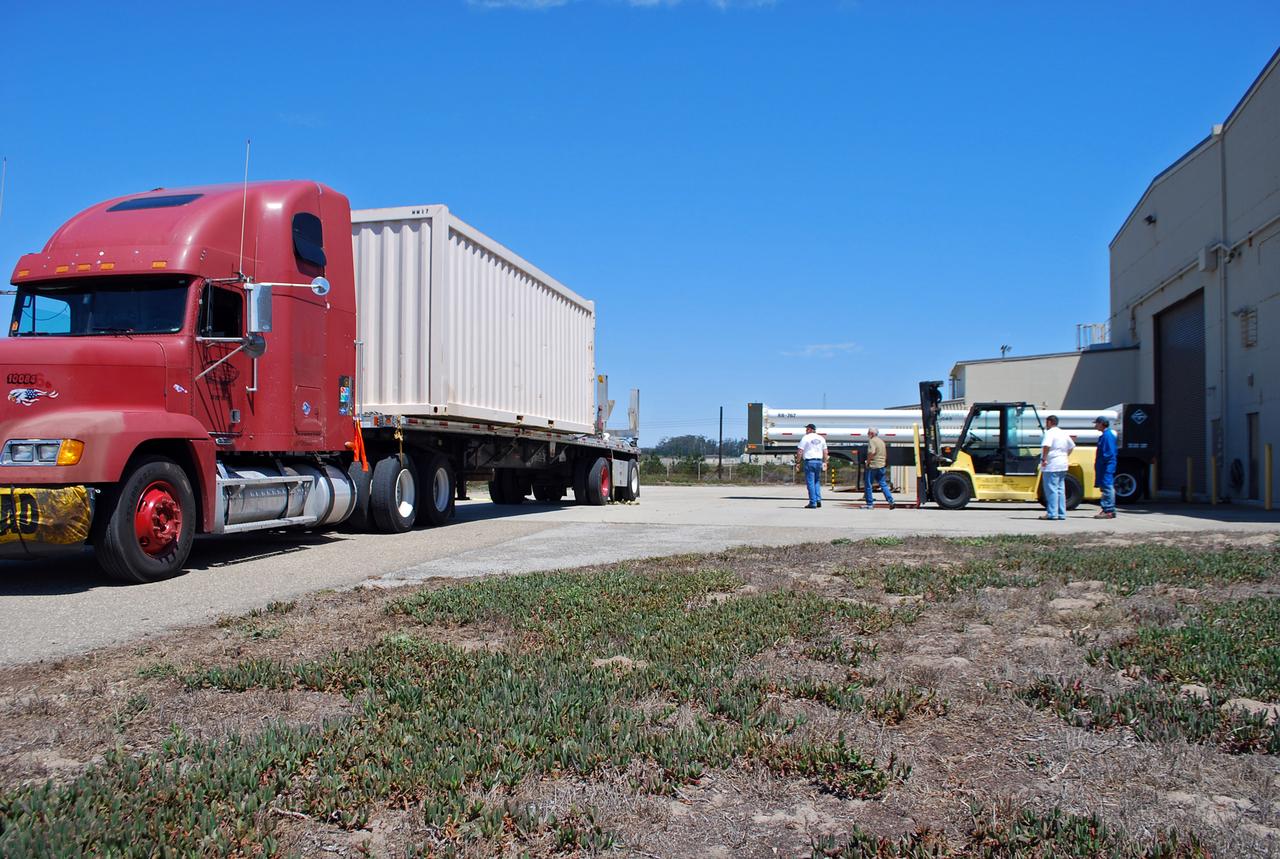
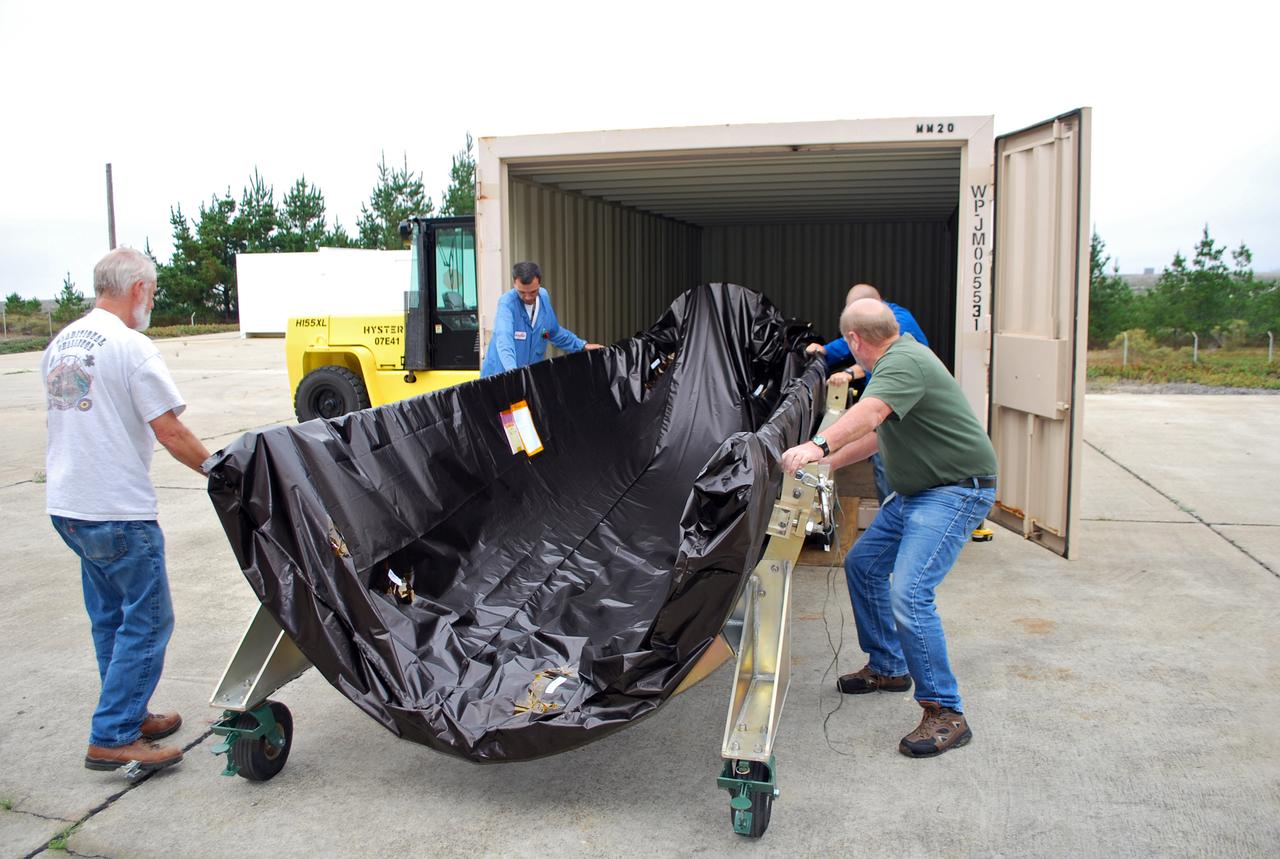
VANDENBERG AIR FORCE BASE, Calif. -- At Vandenberg Air Force Base in California, workers are preparing to unload one half of the fairing that will envelop NASA's Glory satellite. Both halves of the fairing will be installed around the spacecraft to protect it from the weather on the ground as well as from the atmosphere during flight. A four-stage Taurus XL rocket will carry Glory into low Earth orbit. Once Glory reaches orbit, it will collect data on the properties of aerosols and black carbon. It also will help scientists understand how the sun's irradiance affects Earth's climate. Launch is scheduled for 2:09 a.m. PST Nov. 22. For information, visit www.nasa.gov/glory. Photo credit: NASA/Randy Beaudoin, VAFB
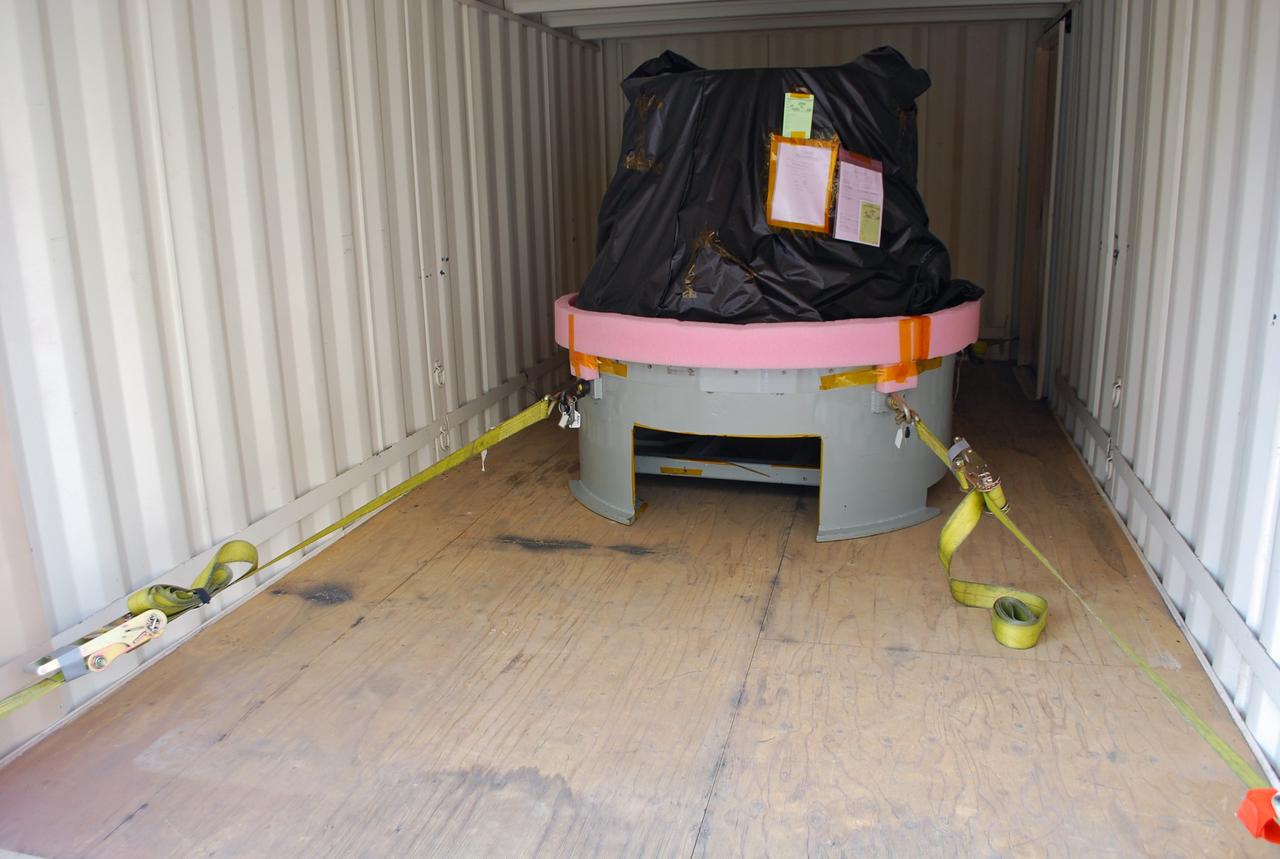
VANDENBERG AIR FORCE BASE, Calif. -- At Vandenberg Air Force Base in California, the payload cone for NASA's Glory mission is pictures secured inside its cargo carrier. The payload cone is an adapter that interfaces the Taurus XL rocket with the spacecraft. A four-stage Taurus XL rocket will carry Glory into low Earth orbit. Once Glory reaches orbit, it will collect data on the properties of aerosols and black carbon. It also will help scientists understand how the sun's irradiance affects Earth's climate. Launch is scheduled for 2:09 a.m. PST Nov. 22. For information, visit www.nasa.gov/glory. Photo credit: NASA/Randy Beaudoin, VAFB
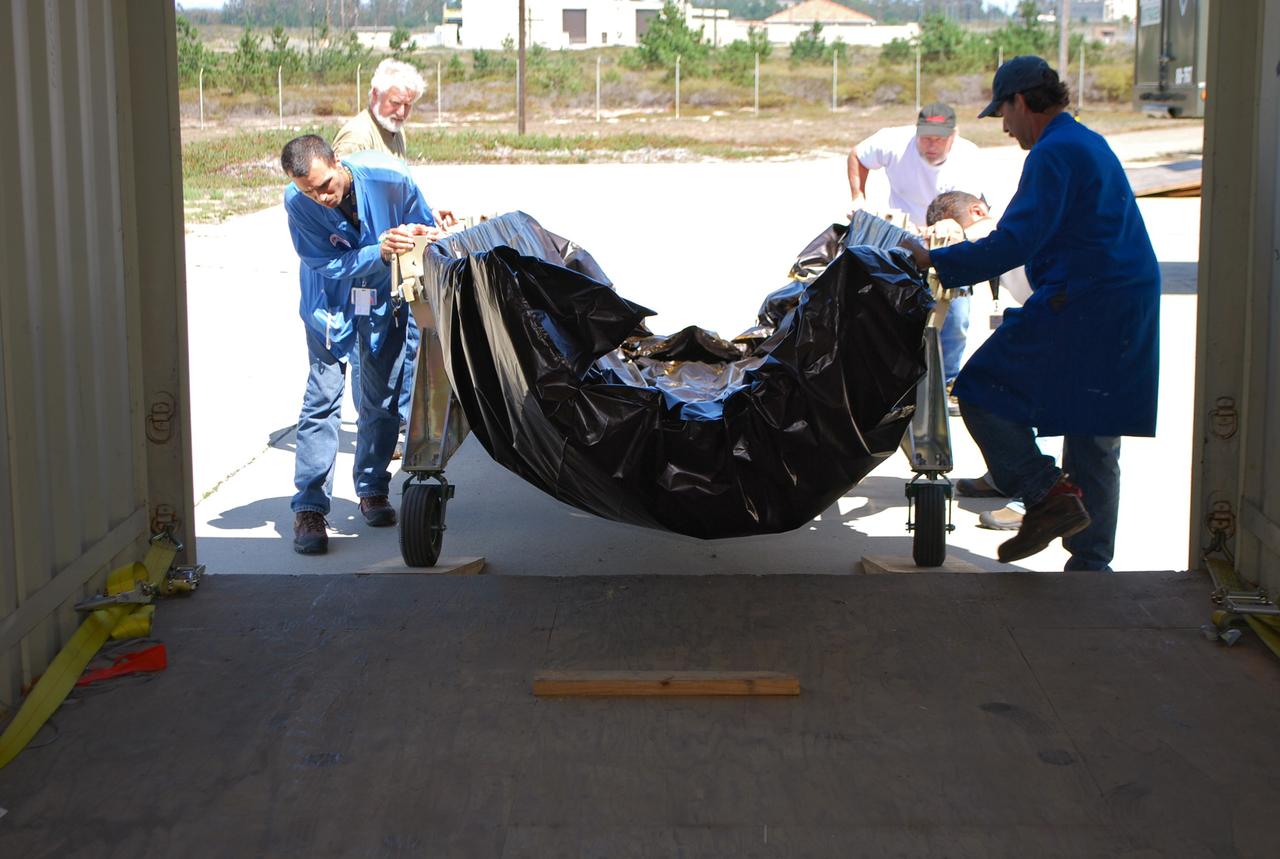
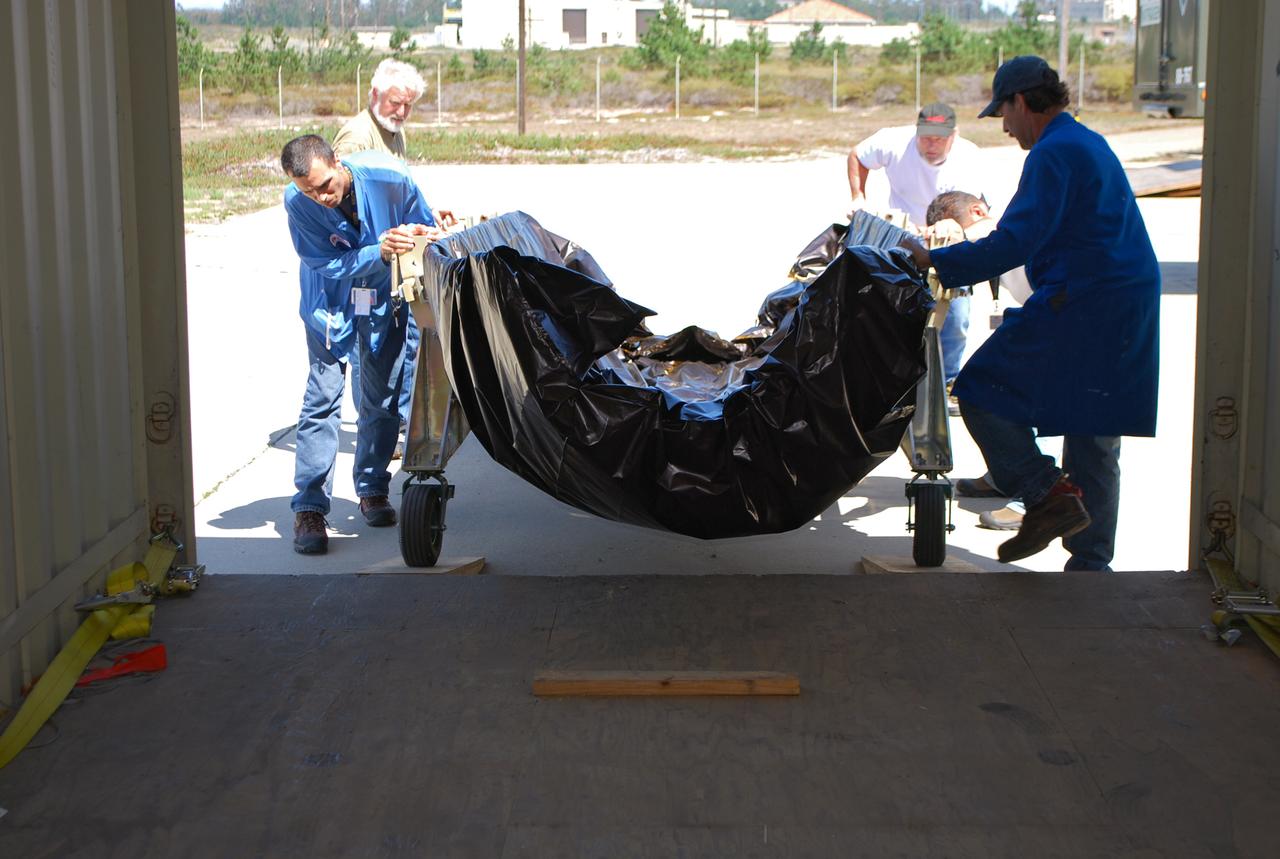
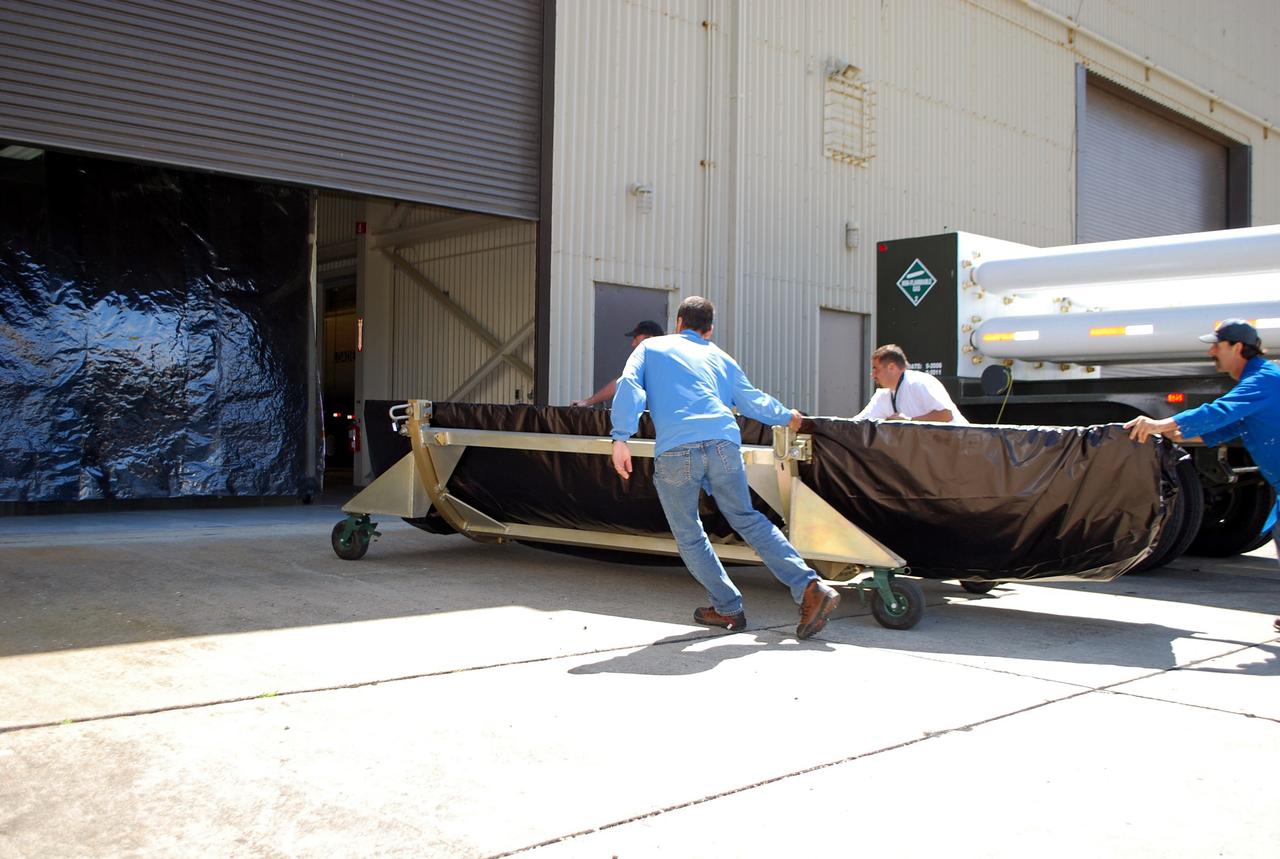
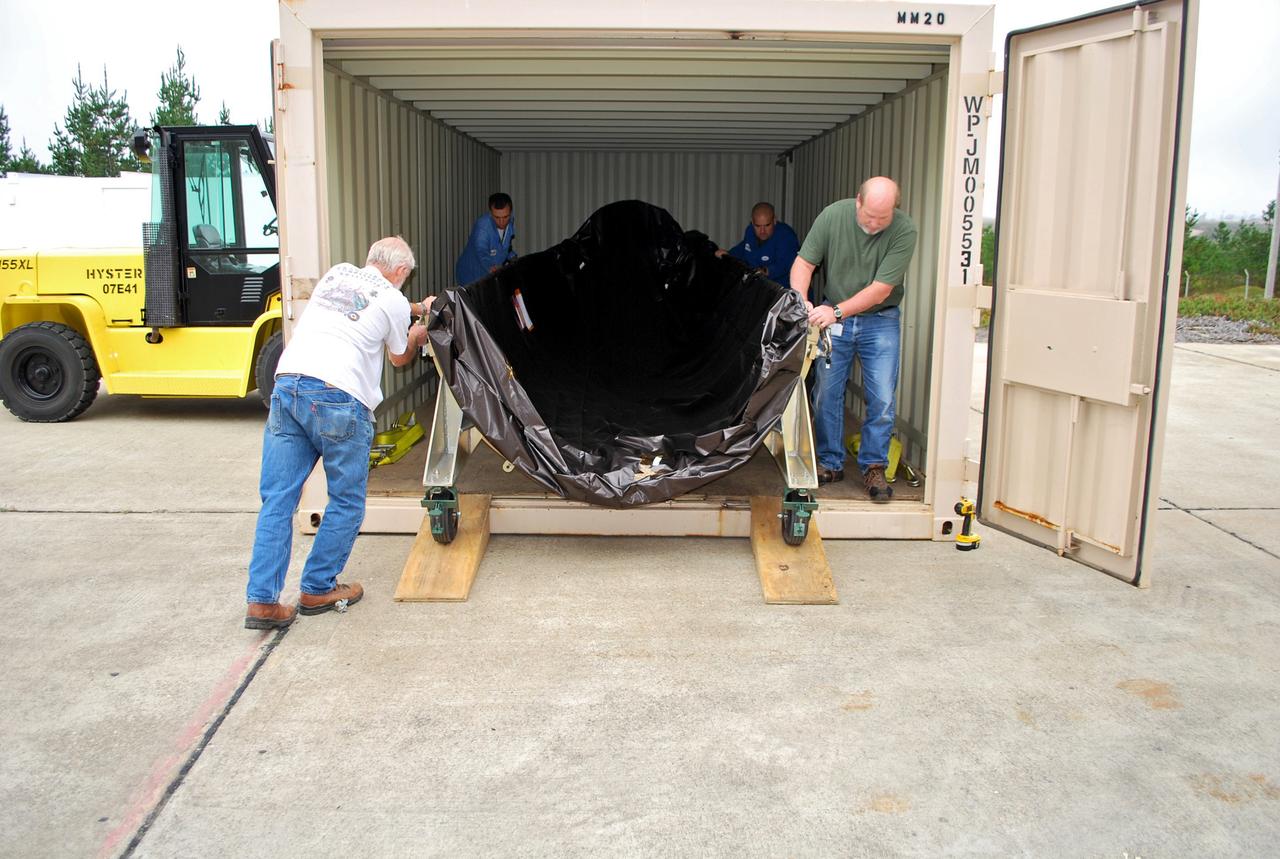
VANDENBERG AIR FORCE BASE, Calif. -- At Vandenberg Air Force Base in California, workers cautiously roll one half of the fairing that will envelop NASA's Glory satellite out of its cargo container. Both halves of the fairing will be installed around the spacecraft to protect it from the weather on the ground as well as from the atmosphere during flight. A four-stage Taurus XL rocket will carry Glory into low Earth orbit. Once Glory reaches orbit, it will collect data on the properties of aerosols and black carbon. It also will help scientists understand how the sun's irradiance affects Earth's climate. Launch is scheduled for 2:09 a.m. PST Nov. 22. For information, visit www.nasa.gov/glory. Photo credit: NASA/Randy Beaudoin, VAFB

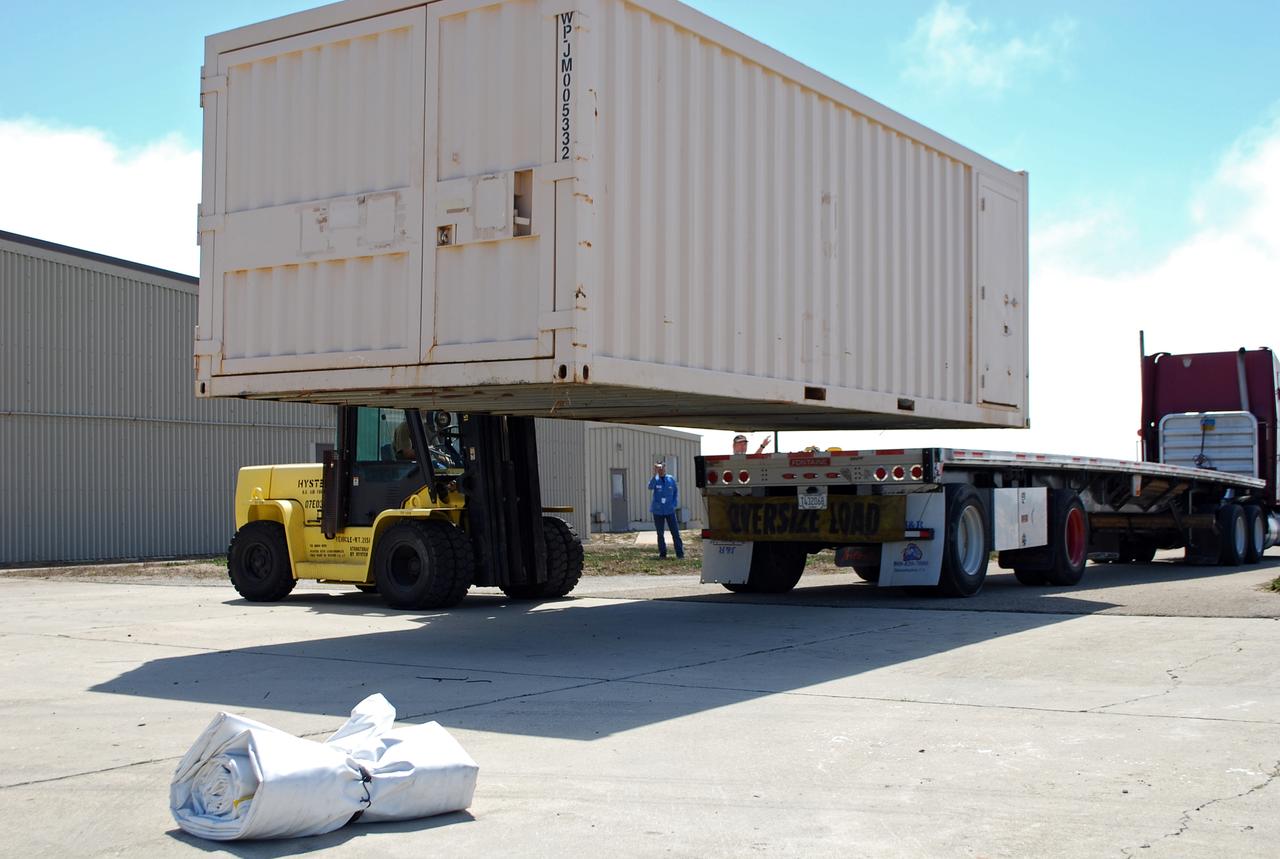
VANDENBERG AIR FORCE BASE, Calif. -- At Vandenberg Air Force Base in California, workers unload the cargo carrier that holds one half of the fairing that will envelop NASA's Glory satellite. Both halves of the fairing will be installed around the spacecraft to protect it from the weather on the ground as well as from the atmosphere during flight. A four-stage Taurus XL rocket will carry Glory into low Earth orbit. Once Glory reaches orbit, it will collect data on the properties of aerosols and black carbon. It also will help scientists understand how the sun's irradiance affects Earth's climate. Launch is scheduled for 2:09 a.m. PST Nov. 22. For information, visit www.nasa.gov/glory. Photo credit: NASA/Randy Beaudoin, VAFB
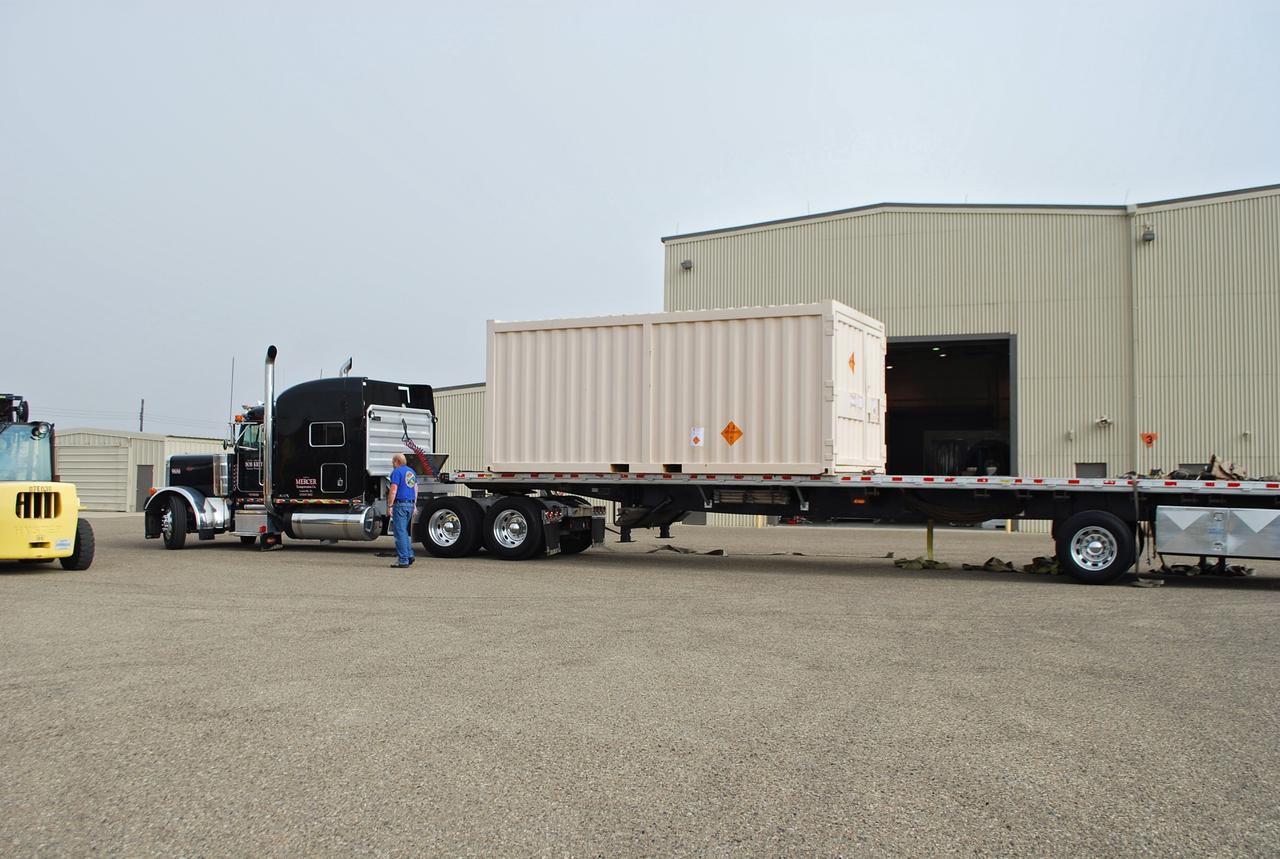
VANDENBERG AIR FORCE BASE, Calif. -- At Vandenberg Air Force Base in California, workers are preparing to unload a payload cone for NASA's Glory mission. The payload cone is an adapter that interfaces the Taurus XL rocket with the spacecraft. A four-stage Taurus XL rocket will carry Glory into low Earth orbit. Once Glory reaches orbit, it will collect data on the properties of aerosols and black carbon. It also will help scientists understand how the sun's irradiance affects Earth's climate. Launch is scheduled for 2:09 a.m. PST Nov. 22. For information, visit www.nasa.gov/glory. Photo credit: NASA/Randy Beaudoin, VAFB
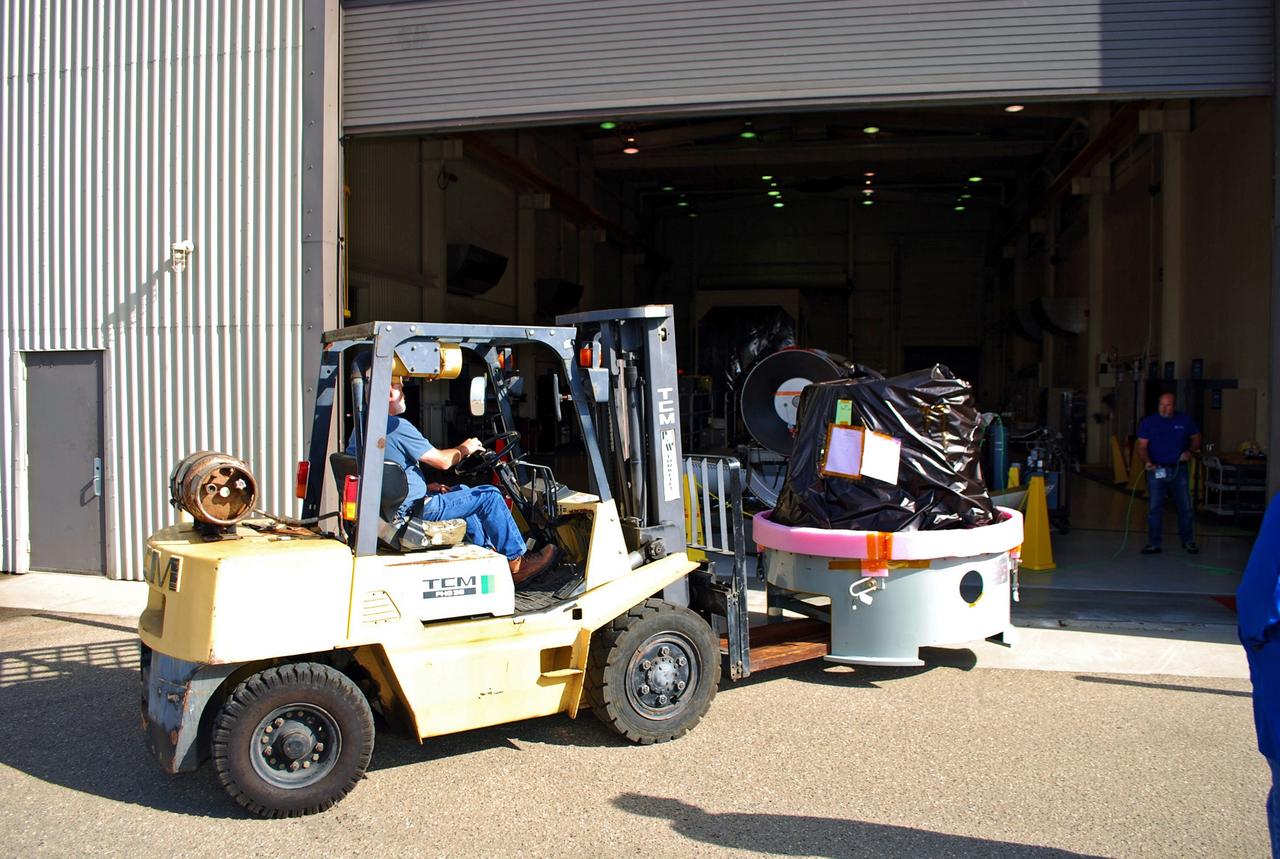
VANDENBERG AIR FORCE BASE, Calif. -- At Vandenberg Air Force Base in California, a worker user a Hyster lift moves the payload cone for NASA's Glory mission into VAFB's payload processing facility. The payload cone is an adapter that interfaces the Taurus XL rocket with the spacecraft. A four-stage Taurus XL rocket will carry Glory into low Earth orbit. Once Glory reaches orbit, it will collect data on the properties of aerosols and black carbon. It also will help scientists understand how the sun's irradiance affects Earth's climate. Launch is scheduled for 2:09 a.m. PST Nov. 22. For information, visit www.nasa.gov/glory. Photo credit: NASA/Randy Beaudoin, VAFB
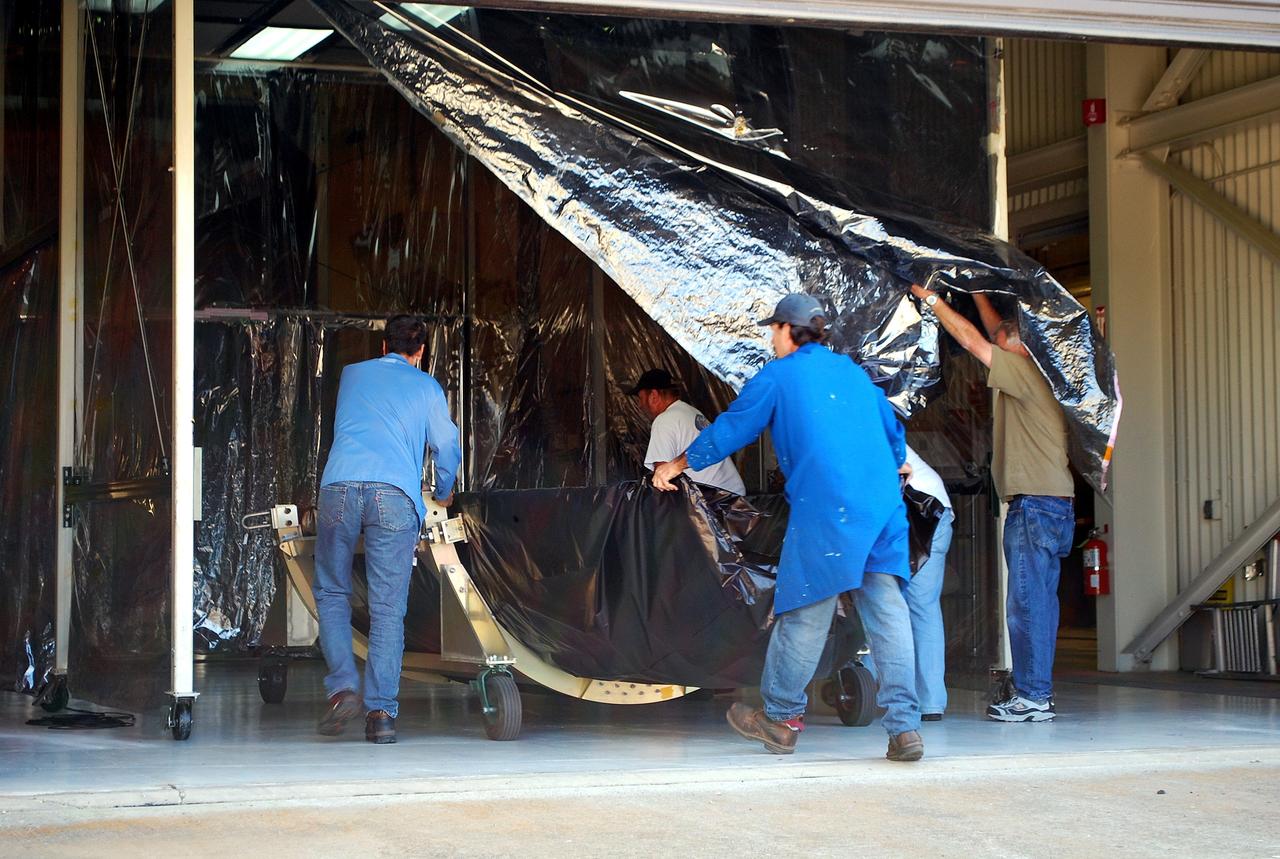
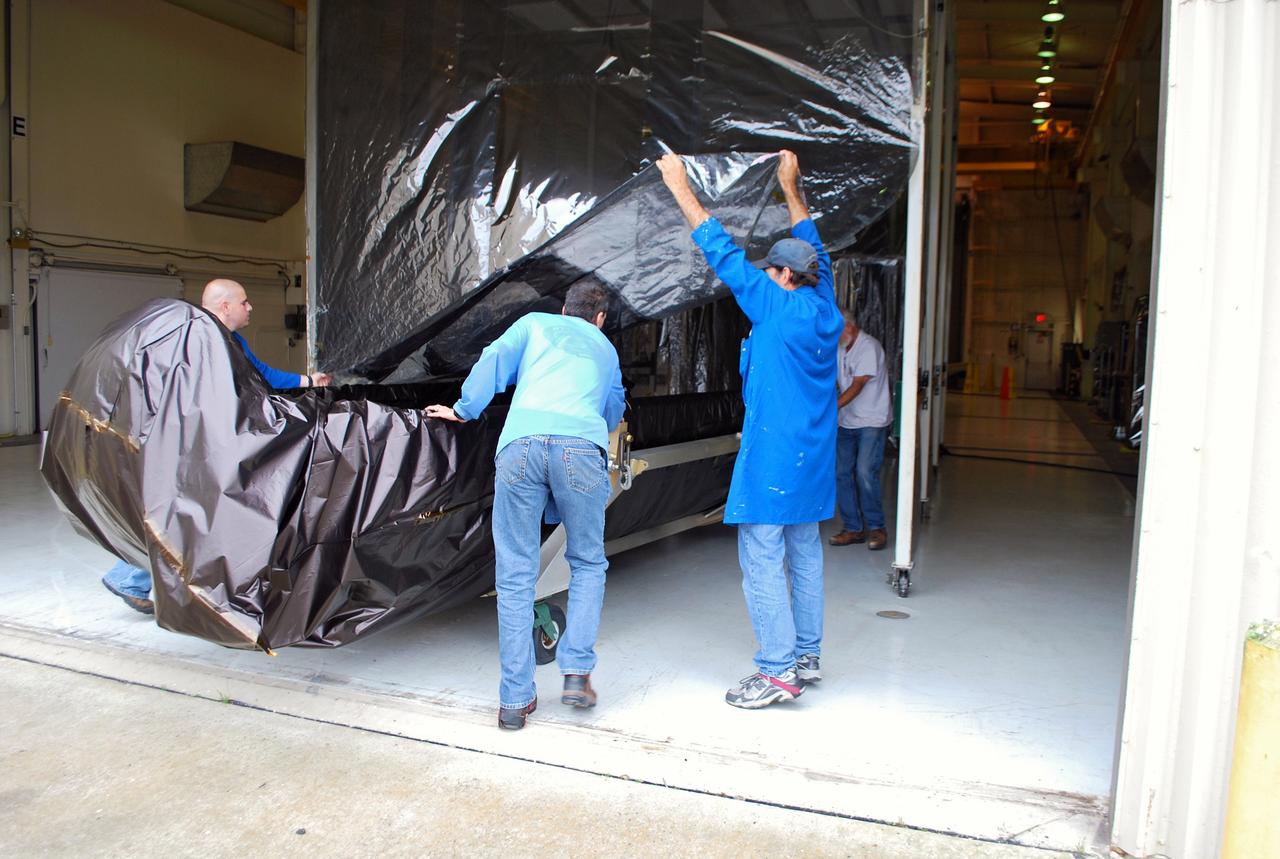
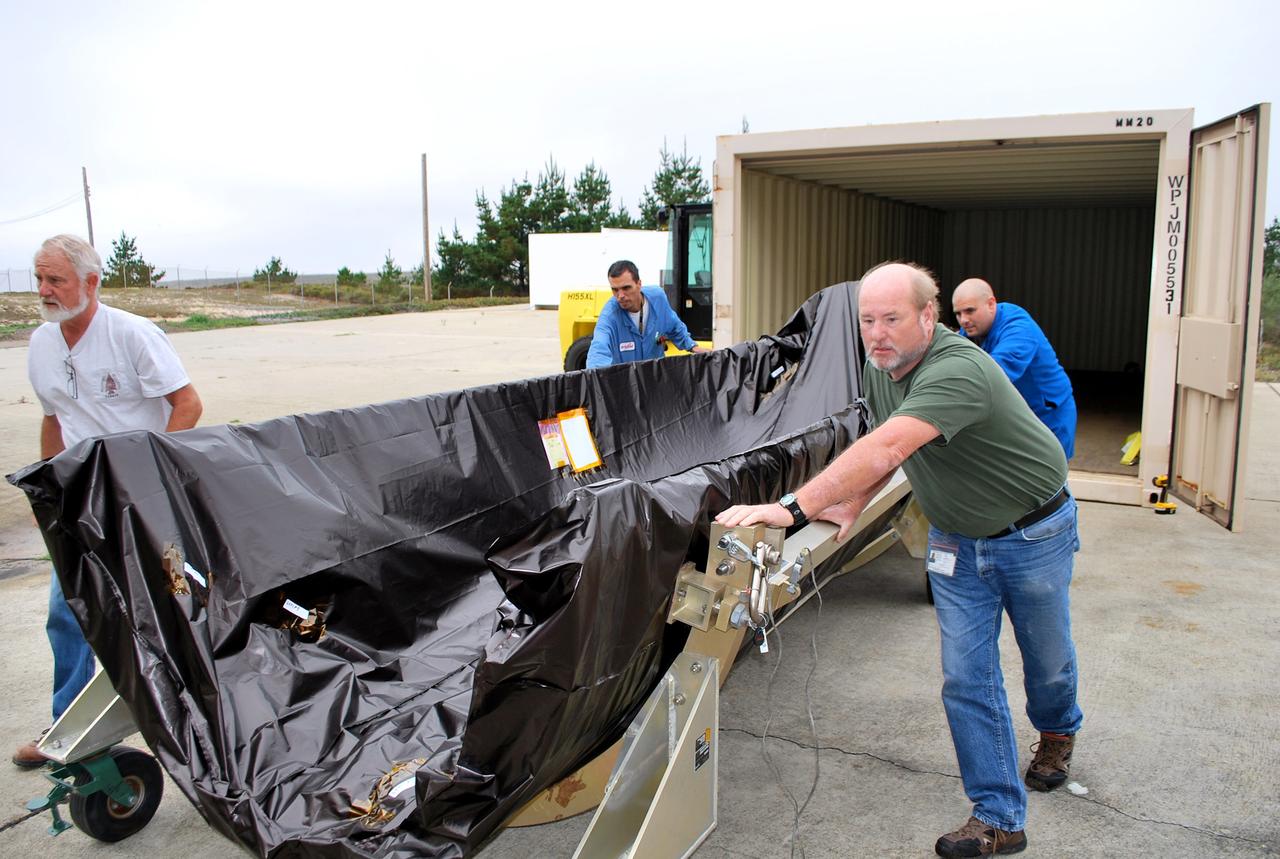
VANDENBERG AIR FORCE BASE, Calif. -- At Vandenberg Air Force Base in California, one half of the fairing that will envelop NASA's Glory satellite is moved into a protected environment of VAFB's payload processing facility. Both halves of the fairing will be installed around the spacecraft to protect it from the weather on the ground as well as from the atmosphere during flight. A four-stage Taurus XL rocket will carry Glory into low Earth orbit. Once Glory reaches orbit, it will collect data on the properties of aerosols and black carbon. It also will help scientists understand how the sun's irradiance affects Earth's climate. Launch is scheduled for 2:09 a.m. PST Nov. 22. For information, visit www.nasa.gov/glory. Photo credit: NASA/Randy Beaudoin, VAFB
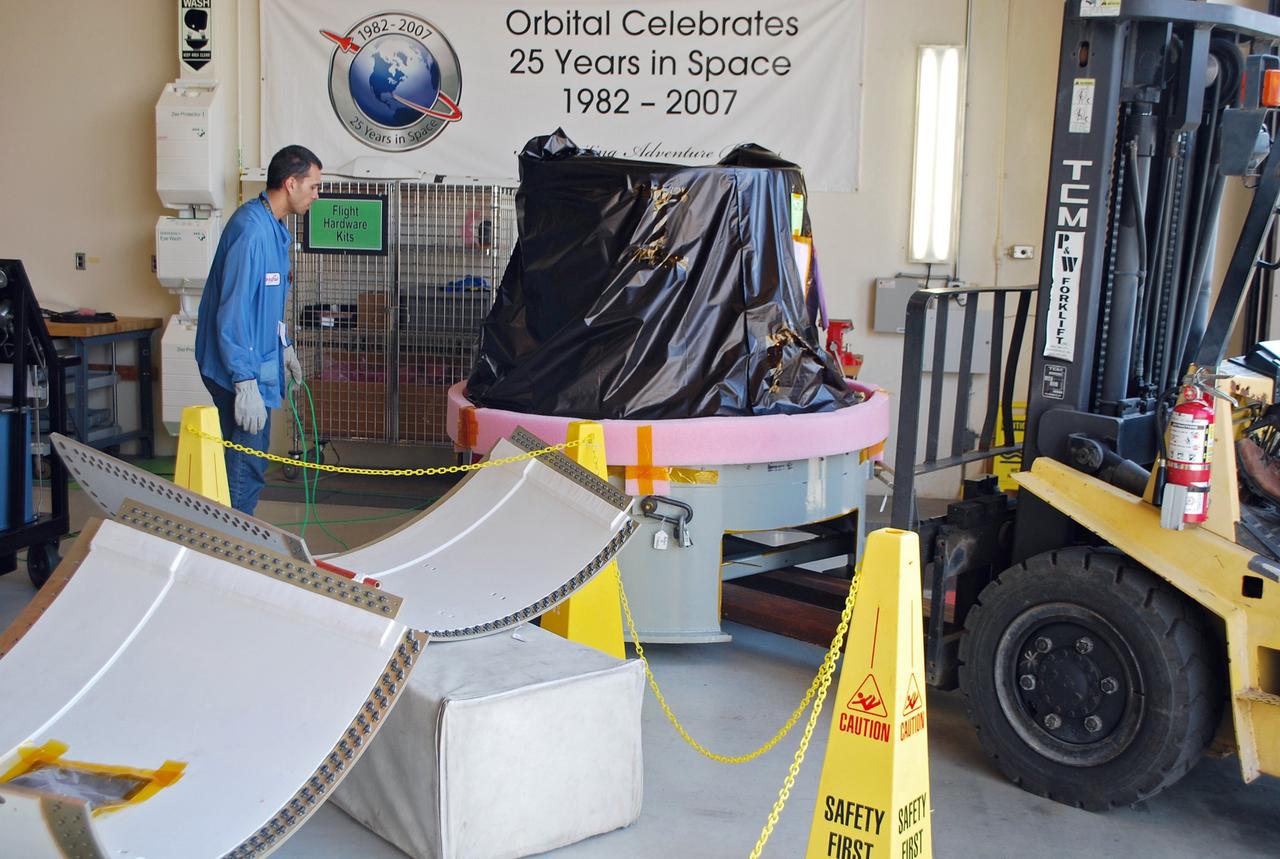
VANDENBERG AIR FORCE BASE, Calif. -- At Vandenberg Air Force Base in California, the payload cone is lowered onto the floor of VAFB's payload processing facility for NASA's Glory mission. The payload cone is an adapter that interfaces the Taurus XL rocket with the spacecraft. A four-stage Taurus XL rocket will carry Glory into low Earth orbit. Once Glory reaches orbit, it will collect data on the properties of aerosols and black carbon. It also will help scientists understand how the sun's irradiance affects Earth's climate. Launch is scheduled for 2:09 a.m. PST Nov. 22. For information, visit www.nasa.gov/glory. Photo credit: NASA/Randy Beaudoin, VAFB
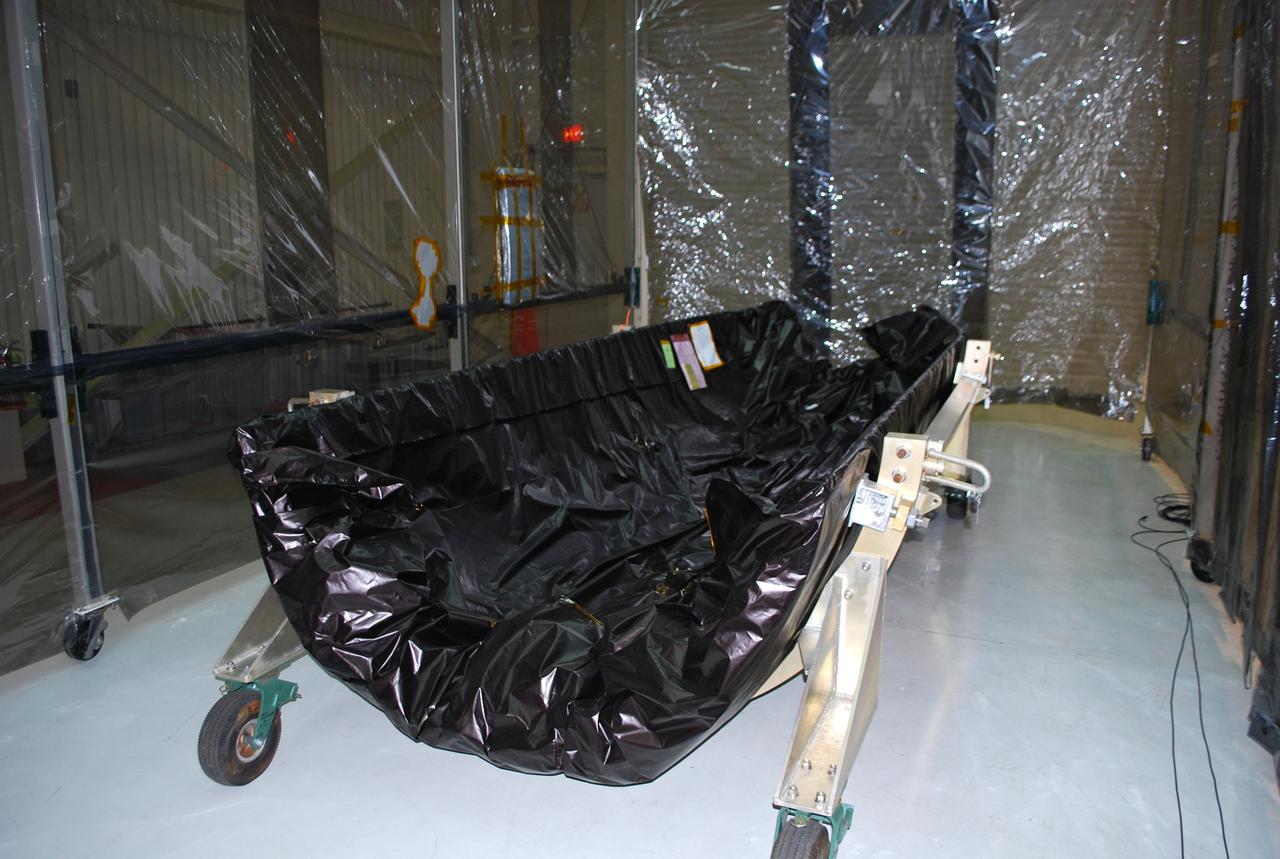
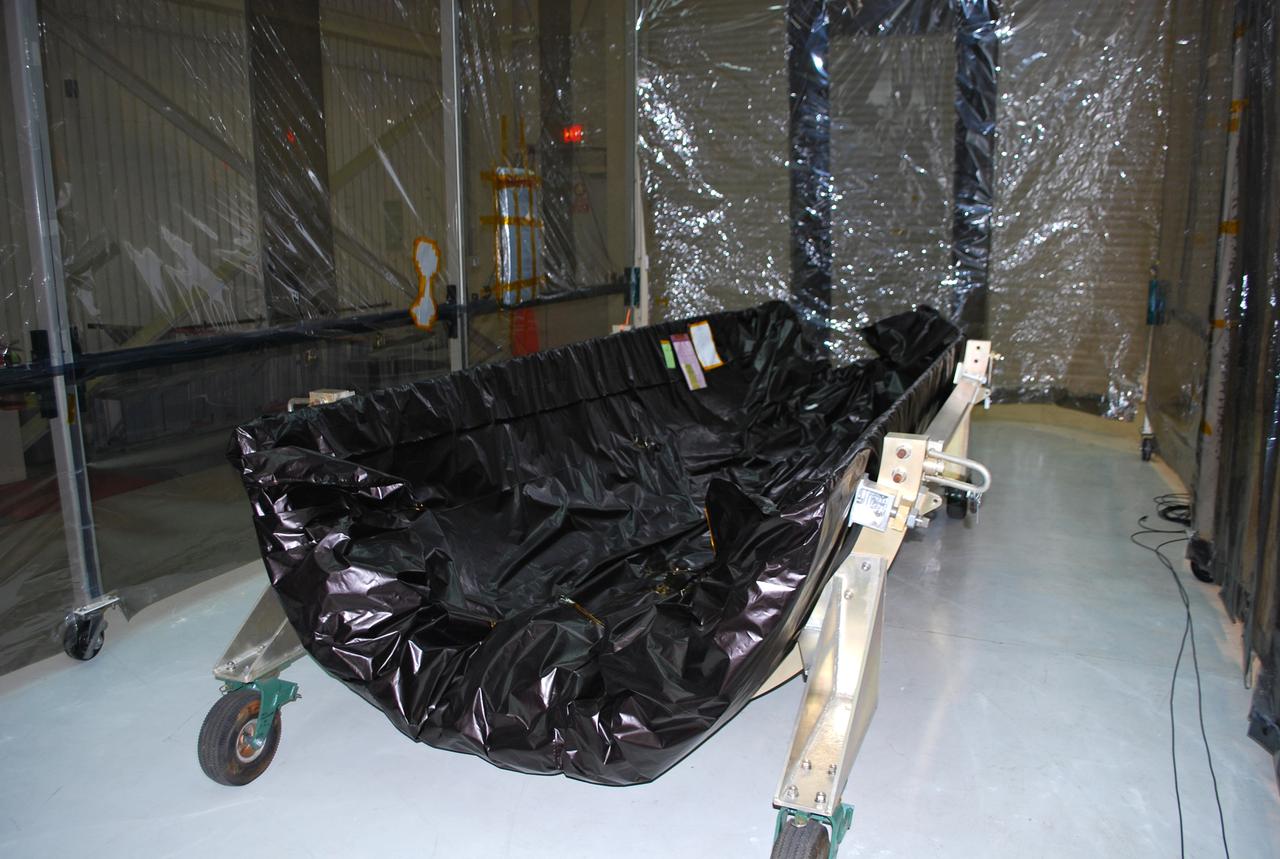
VANDENBERG AIR FORCE BASE, Calif. -- At Vandenberg Air Force Base in California, one half of the fairing that will envelop NASA's Glory satellite is surrounded by protective sheathing in VAFB's payload processing facility. Both halves of the fairing will be installed around the spacecraft to protect it from the weather on the ground as well as from the atmosphere during flight. A four-stage Taurus XL rocket will carry Glory into low Earth orbit. Once Glory reaches orbit, it will collect data on the properties of aerosols and black carbon. It also will help scientists understand how the sun's irradiance affects Earth's climate. Launch is scheduled for 2:09 a.m. PST Nov. 22. For information, visit www.nasa.gov/glory. Photo credit: NASA/Randy Beaudoin, VAFB
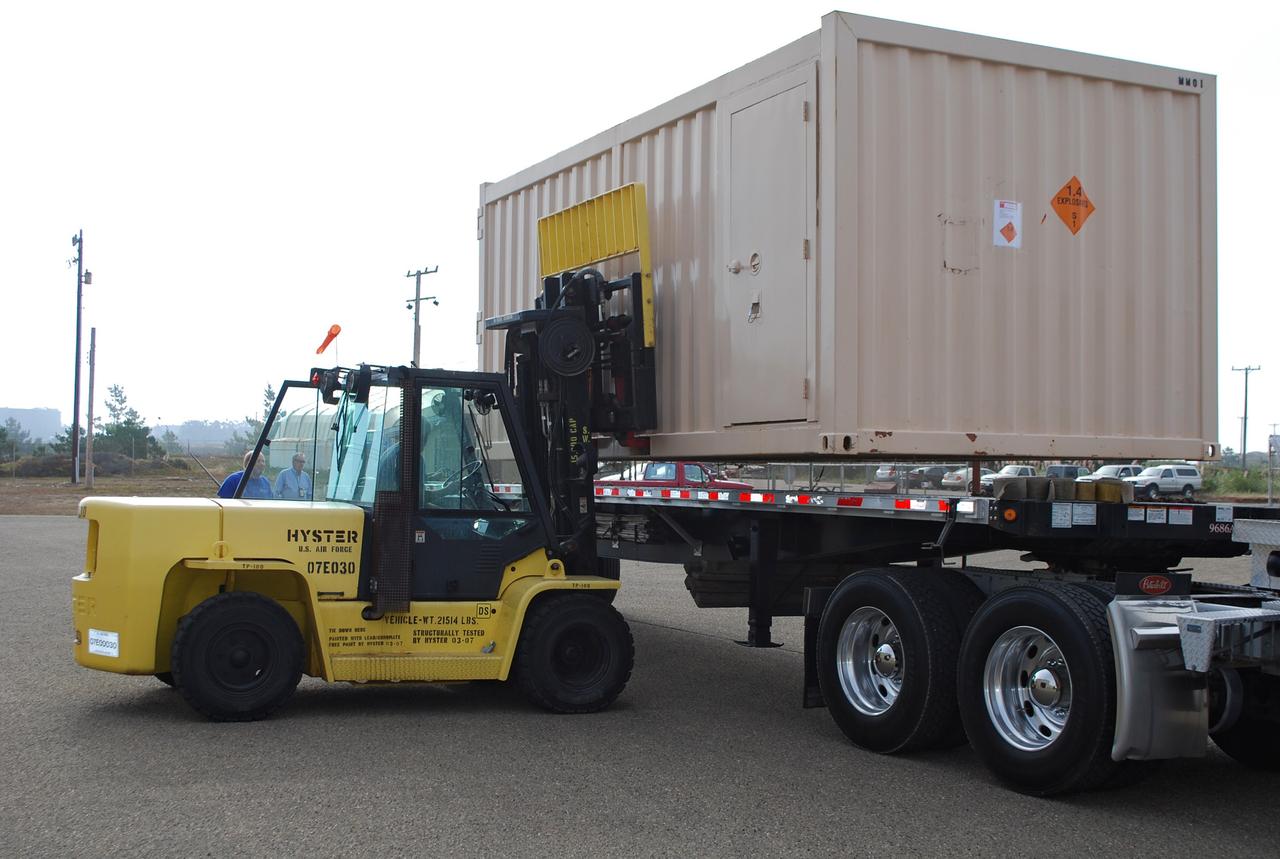
VANDENBERG AIR FORCE BASE, Calif. -- At Vandenberg Air Force Base in California, workers are preparing to unload a payload cone for NASA's Glory mission. The payload cone is an adapter that interfaces the Taurus XL rocket with the spacecraft. A four-stage Taurus XL rocket will carry Glory into low Earth orbit. Once Glory reaches orbit, it will collect data on the properties of aerosols and black carbon. It also will help scientists understand how the sun's irradiance affects Earth's climate. Launch is scheduled for 2:09 a.m. PST Nov. 22. For information, visit www.nasa.gov/glory. Photo credit: NASA/Randy Beaudoin, VAFB

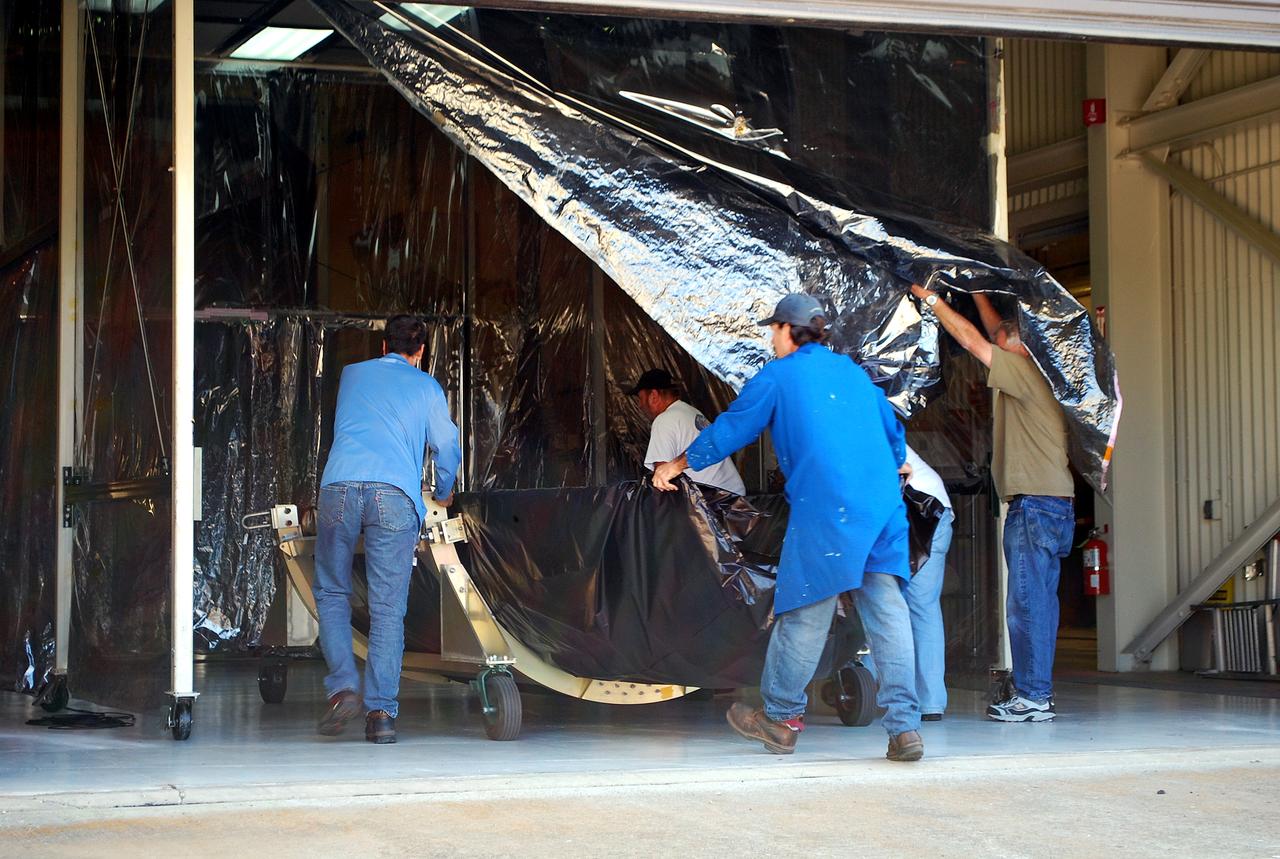
VANDENBERG AIR FORCE BASE, Calif. -- At Vandenberg Air Force Base in California, workers cautiously roll one half of the fairing that will envelop NASA's Glory satellite into VAFB's payload processing facility. Both halves of the fairing will be installed around the spacecraft to protect it from the weather on the ground as well as from the atmosphere during flight. A four-stage Taurus XL rocket will carry Glory into low Earth orbit. Once Glory reaches orbit, it will collect data on the properties of aerosols and black carbon. It also will help scientists understand how the sun's irradiance affects Earth's climate. Launch is scheduled for 2:09 a.m. PST Nov. 22. For information, visit www.nasa.gov/glory. Photo credit: NASA/Randy Beaudoin, VAFB
TAURUS - GLORY - FAIRING ARRIVAL
TAURUS - GLORY - FAIRING ARRIVAL
TAURUS - GLORY - FAIRING ARRIVAL
TAURUS - GLORY - FAIRING ARRIVAL
TAURUS - GLORY - FAIRING ARRIVAL
TAURUS - GLORY - FAIRING ARRIVAL
TAURUS - GLORY 90 DEGREE FAIRING ARRIVAL
TAURUS - GLORY 90 DEGREE FAIRING ARRIVAL
TAURUS - GLORY 90 DEGREE FAIRING ARRIVAL
TAURUS - GLORY 90 DEGREE FAIRING ARRIVAL
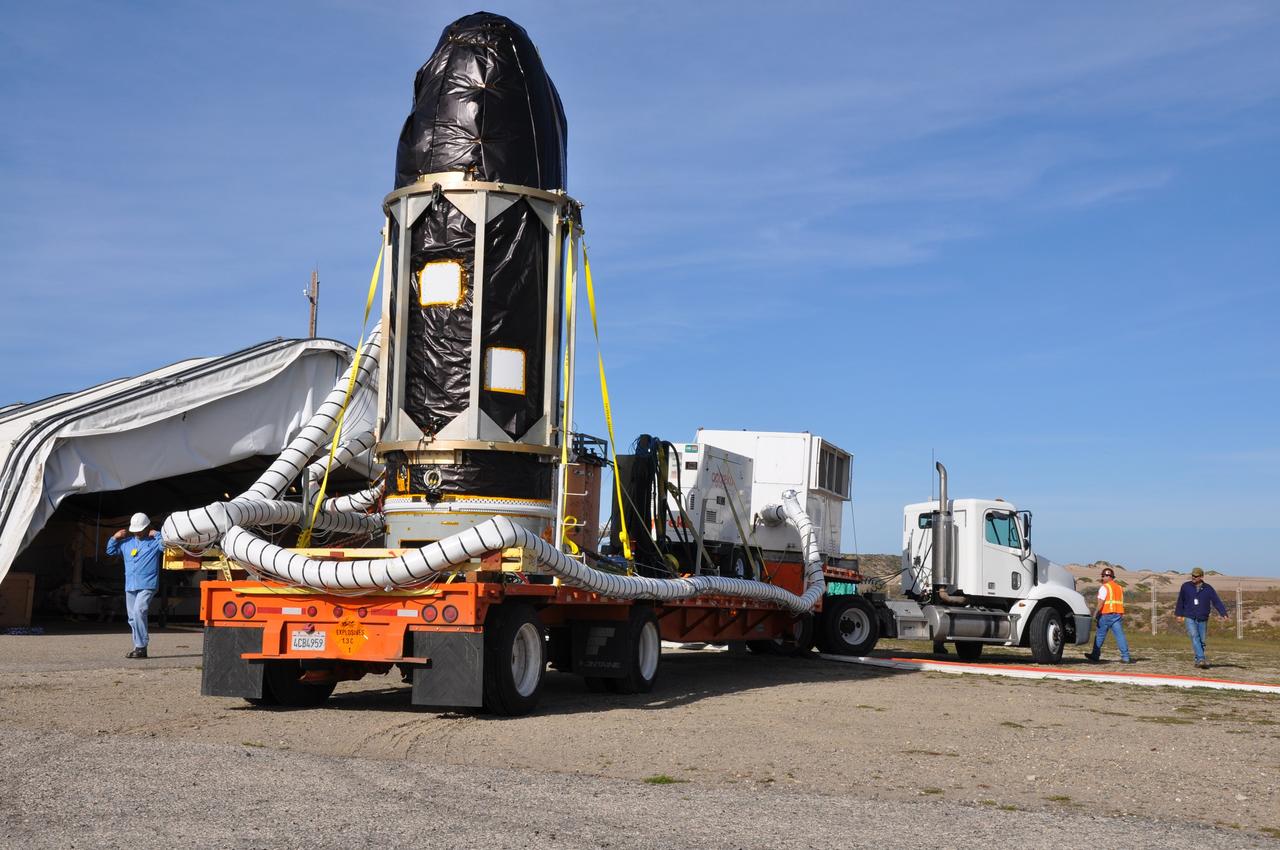
VANDENBERG AIR FORCE BASE, Calif. -- At Vandenberg Air Force Base in California, NASA's Glory spacecraft, encapsulated in its protective fairing, has arrived at Space Launch Complex 576-E. There it will be joined with the Taurus XL rocket's third stage, already delivered to a temporary processing tent near the pad. The Orbital Sciences Corp. Taurus XL rocket will carry Glory into low Earth orbit. Once Glory reaches orbit, it will collect data on the properties of aerosols and black carbon. It also will help scientists understand how the sun's irradiance affects Earth's climate. Launch is scheduled for 5:09 a.m. EST Feb. 23. For information, visit www.nasa.gov/glory. Photo credit: NASA/Randy Beaudoin, VAFB
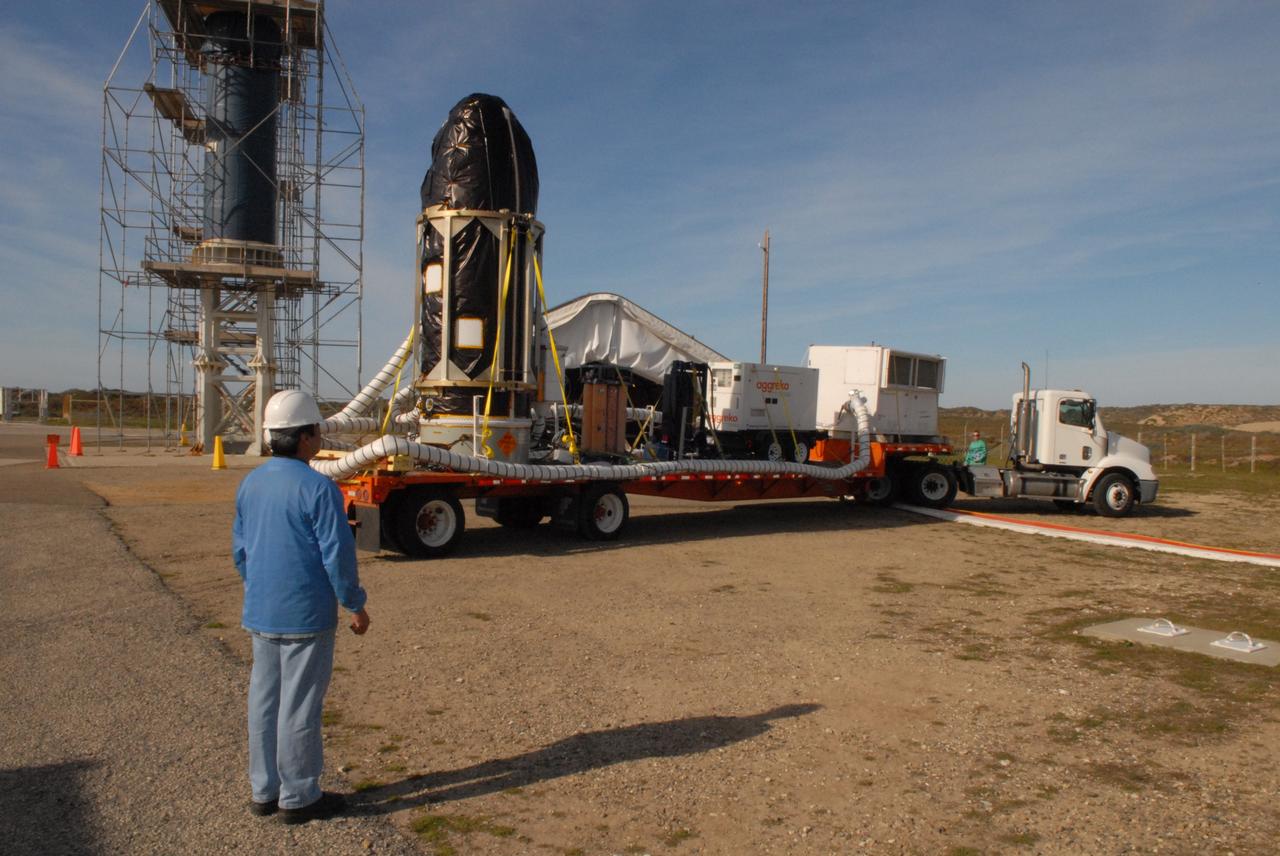
VANDENBERG AIR FORCE BASE, Calif. -- At Vandenberg Air Force Base in California, NASA's Glory spacecraft, encapsulated in its protective fairing, arrives at Space Launch Complex 576-E. There it will be joined with the Taurus XL rocket's third stage, already delivered to a temporary processing tent near the pad. The Orbital Sciences Corp. Taurus XL rocket will carry Glory into low Earth orbit. Once Glory reaches orbit, it will collect data on the properties of aerosols and black carbon. It also will help scientists understand how the sun's irradiance affects Earth's climate. Launch is scheduled for 5:09 a.m. EST Feb. 23. For information, visit www.nasa.gov/glory. Photo credit: NASA/Jerry E. Clemens Jr., VAFB
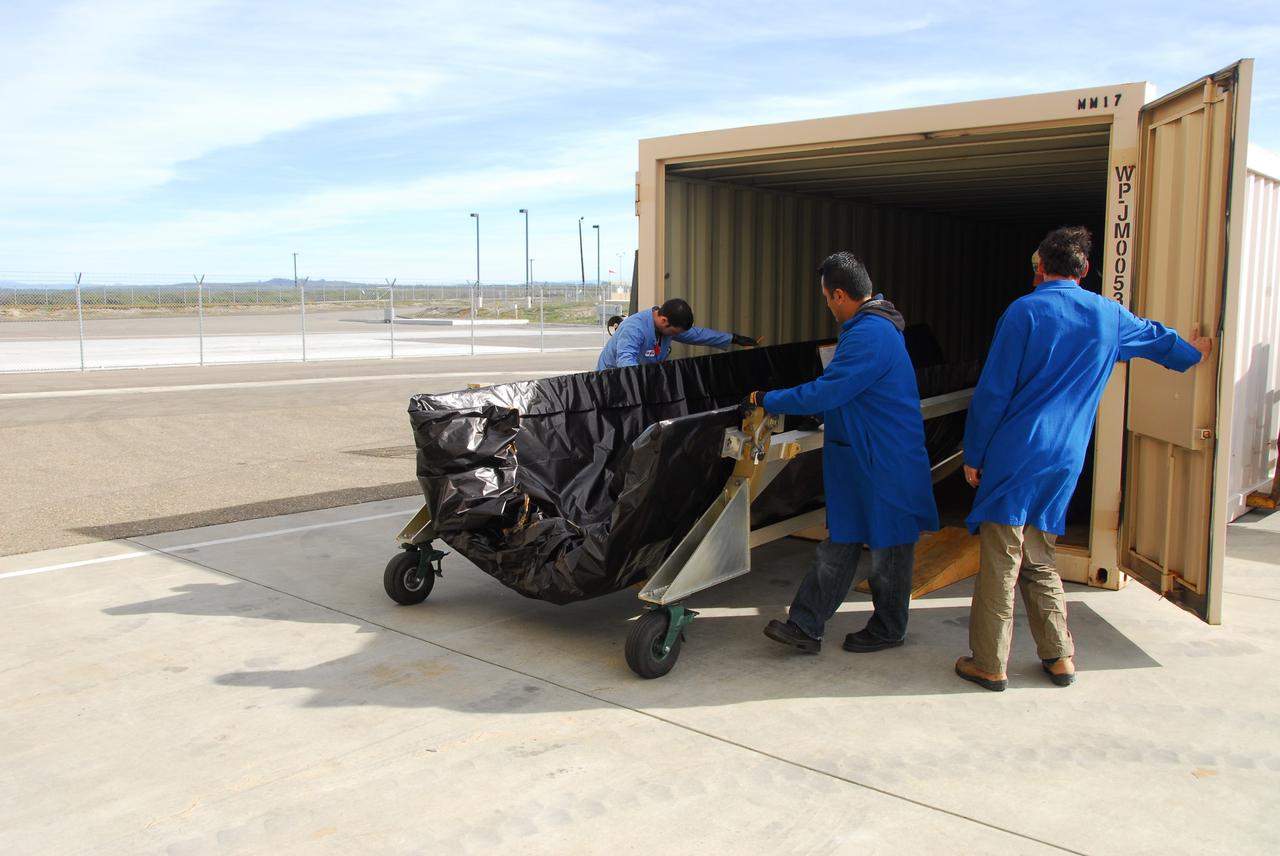
VANDENBERG AIR FORCE BASE, Calif. -- At Vandenberg Air Force Base in California, the protective payload fairing that will surround NASA's Glory spacecraft arrives at the Astrotech payload processing facility. Once encapsulated, the spacecraft will be transported to Space Launch Complex 576-E and joined with the Taurus XL rocket's third stage. Once Glory reaches orbit, it will collect data on the properties of aerosols and black carbon. It also will help scientists understand how the sun's irradiance affects Earth's climate. Launch is scheduled for 5:09 a.m. EST Feb. 23. For information, visit www.nasa.gov/glory. Photo credit: NASA/Ed Henry, VAFB
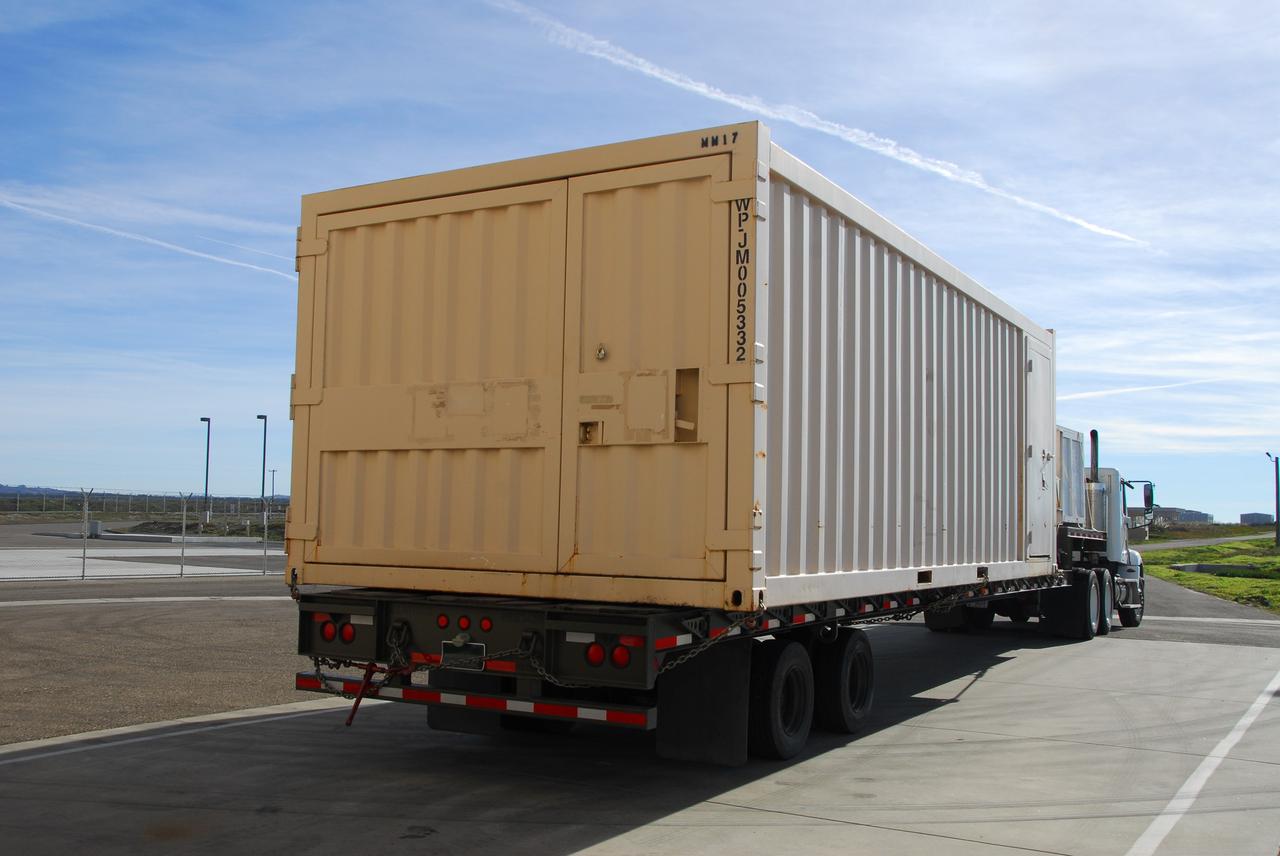
VANDENBERG AIR FORCE BASE, Calif. -- At Vandenberg Air Force Base in California, the protective payload fairing that will surround NASA's Glory spacecraft arrives at the Astrotech payload processing facility. Once encapsulated, the spacecraft will be transported to Space Launch Complex 576-E and joined with the Taurus XL rocket's third stage. Once Glory reaches orbit, it will collect data on the properties of aerosols and black carbon. It also will help scientists understand how the sun's irradiance affects Earth's climate. Launch is scheduled for 5:09 a.m. EST Feb. 23. For information, visit www.nasa.gov/glory. Photo credit: NASA/Ed Henry, VAFB
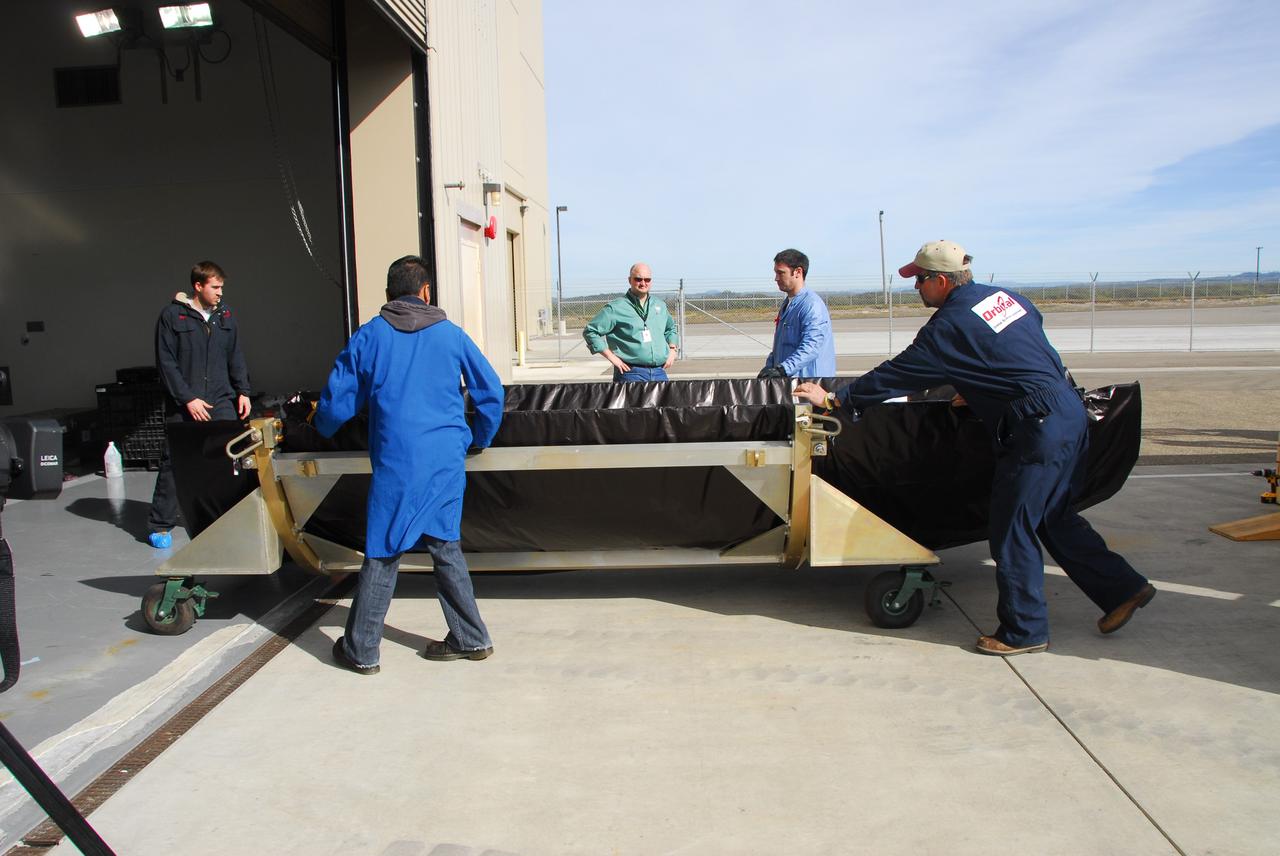
VANDENBERG AIR FORCE BASE, Calif. -- At Vandenberg Air Force Base in California, the protective payload fairing that will surround NASA's Glory spacecraft arrives at the Astrotech payload processing facility. Once encapsulated, the spacecraft will be transported to Space Launch Complex 576-E and joined with the Taurus XL rocket's third stage. Once Glory reaches orbit, it will collect data on the properties of aerosols and black carbon. It also will help scientists understand how the sun's irradiance affects Earth's climate. Launch is scheduled for 5:09 a.m. EST Feb. 23. For information, visit www.nasa.gov/glory. Photo credit: NASA/Ed Henry, VAFB