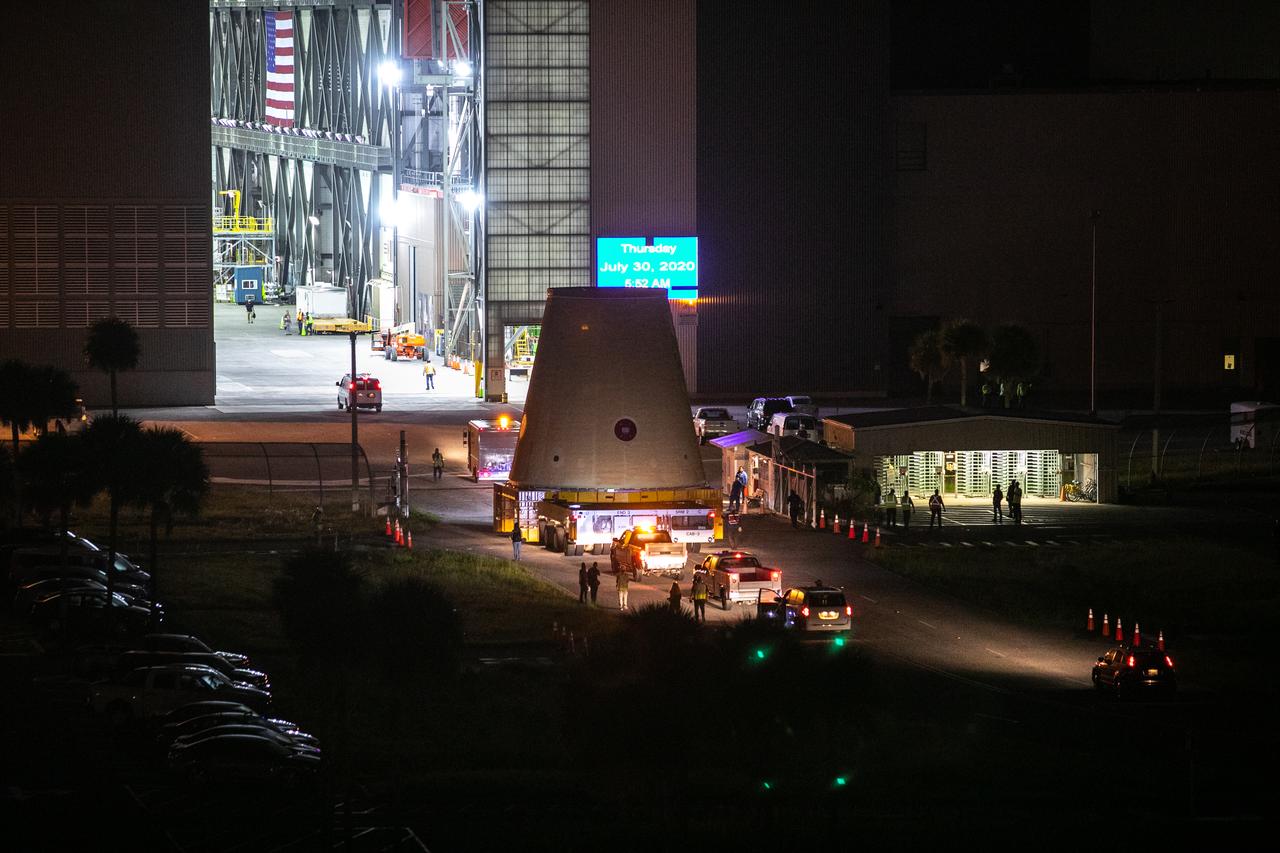
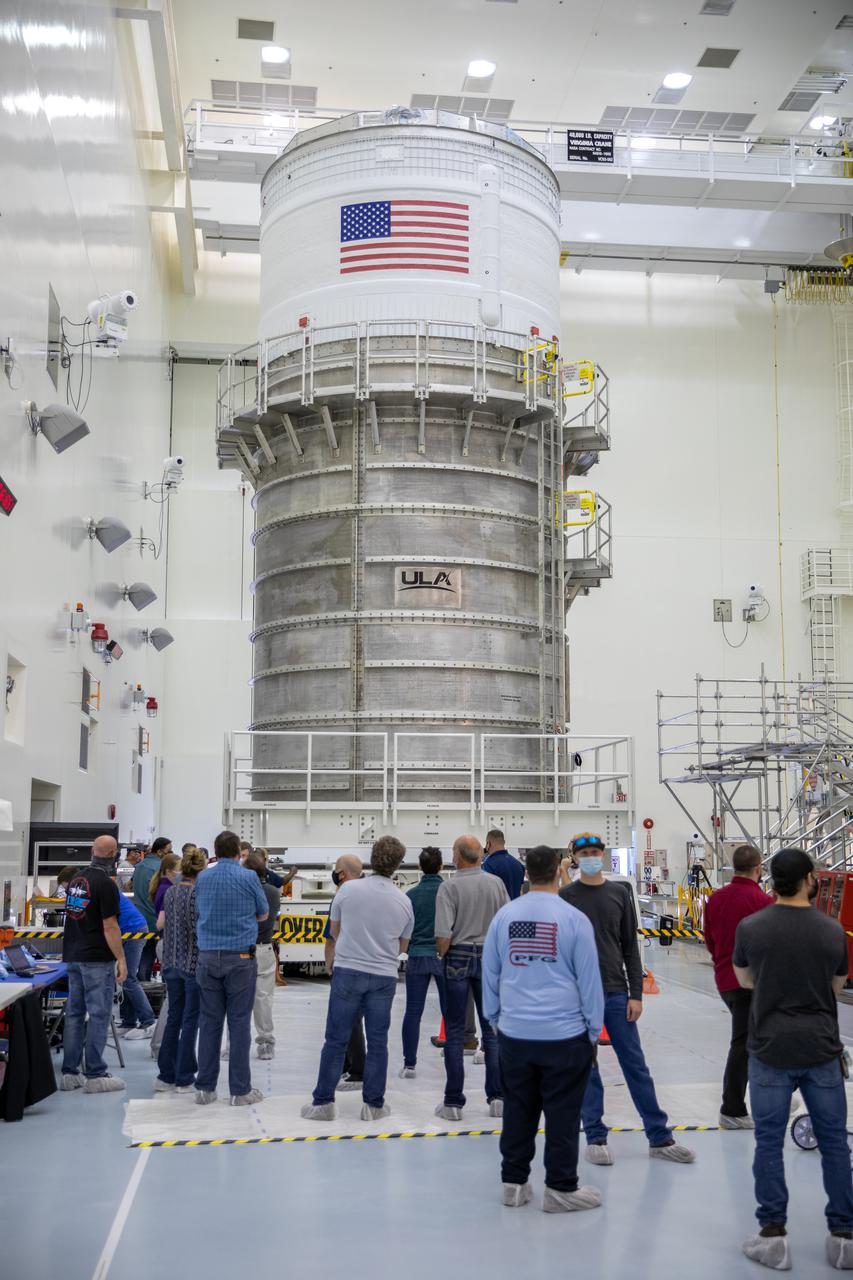
The Launch Vehicle Stage Adapter for the Space Launch System rocket arrived at the barge at Kennedy Space Center for ground processing and integration for the launch of Artemis I.
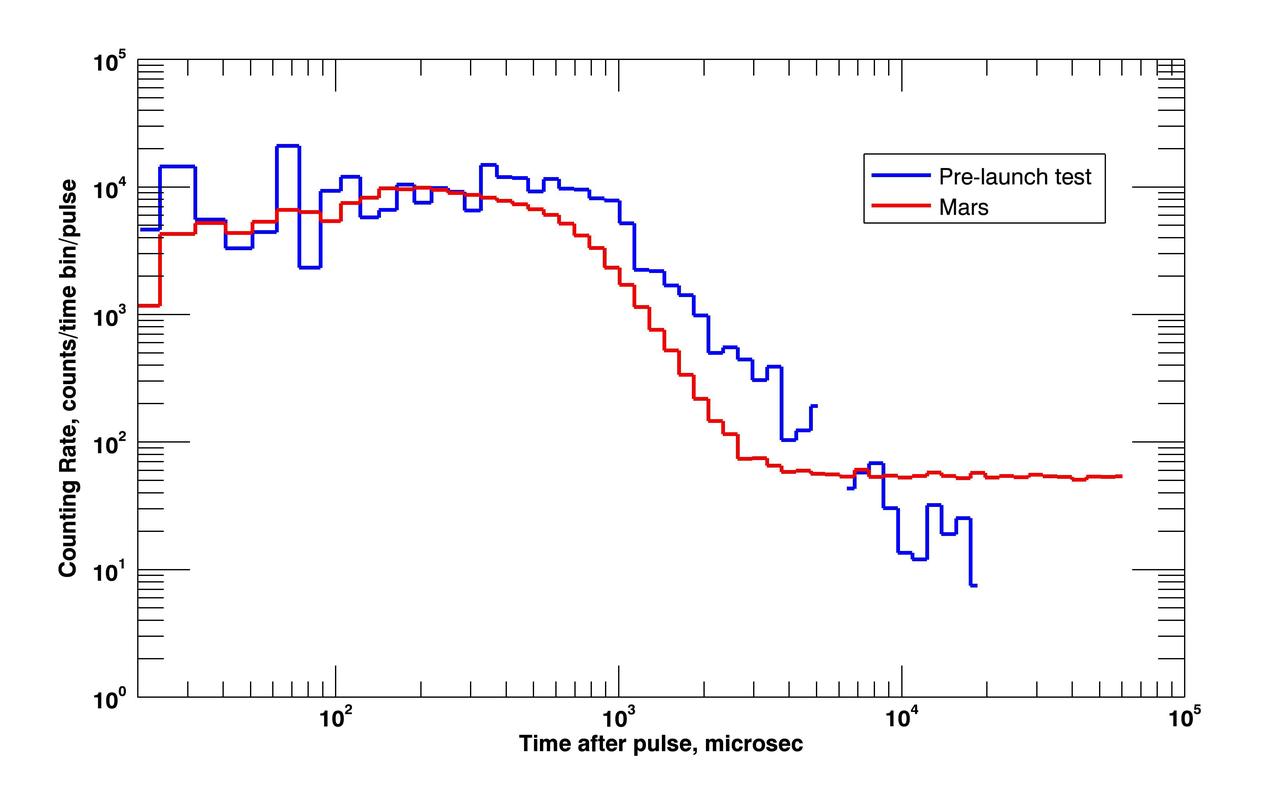
NASA Curiosity rover pinged the ground with neutrons for the first time, a process called active neutron sounding, on August 17, 2012.
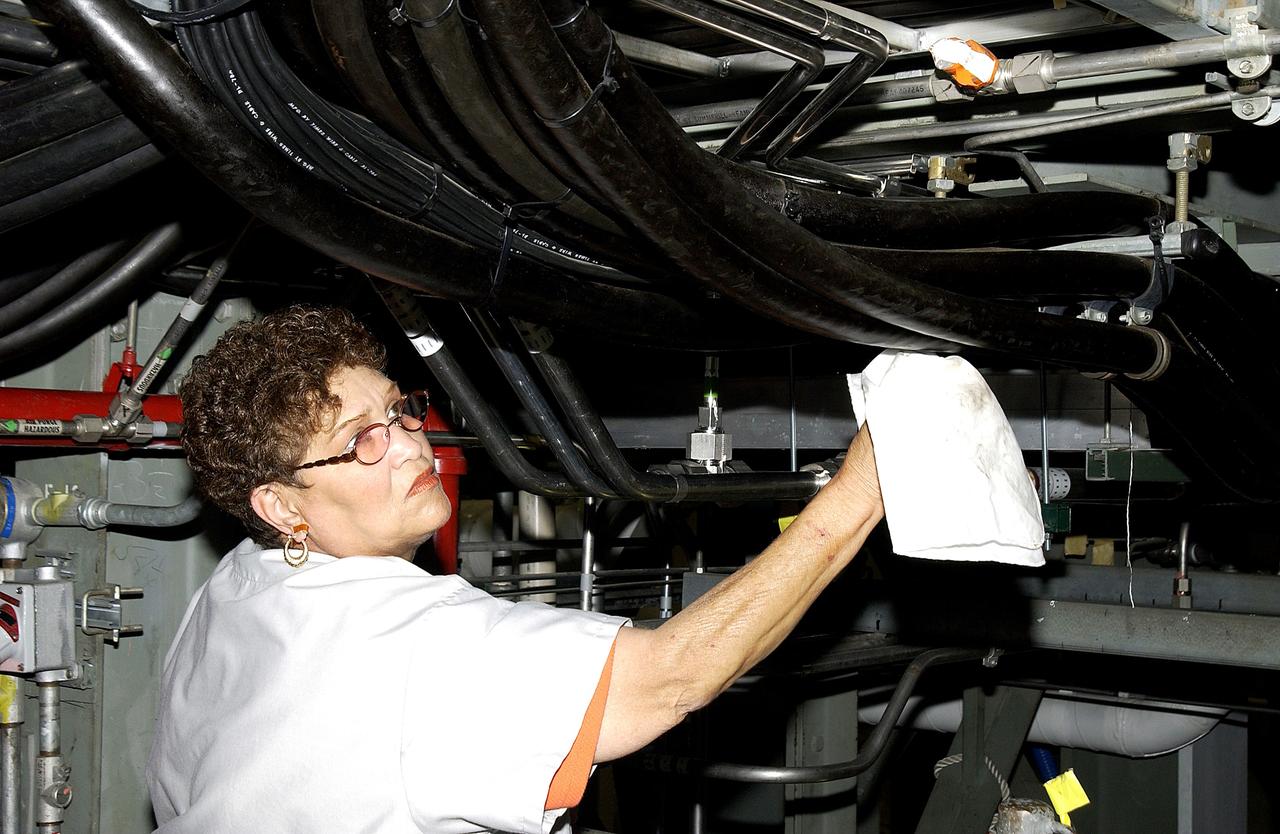
KENNEDY SPACE CENTER, FLA. - A KSC employee wipes down some of the hoses of the ground support equipment in the Orbiter Processing Facility (OPF) where Space Shuttle Atlantis is being processed for flight. Preparations are under way for the next launch of Atlantis on mission STS-114, a utilization and logistics flight to the International Space Station.
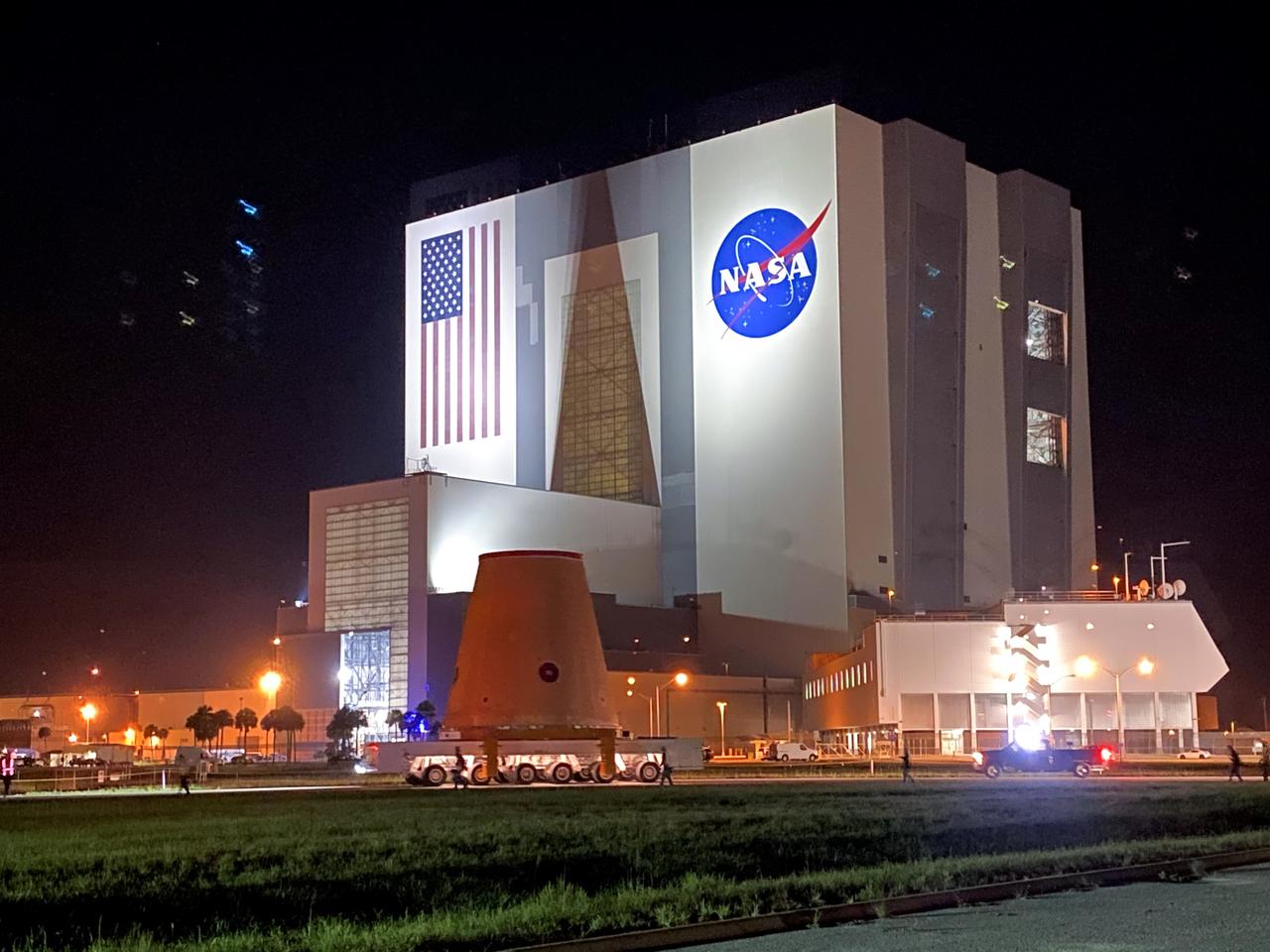
Technicians with NASA’s Exploration Ground Systems move the launch vehicle stage adapter (LVSA) for the agency’s Space Launch System (SLS) rocket to the Vehicle Assembly Building (VAB) on July 30, 2020, for processing. Carried by NASA’s Pegasus barge, the LVSA arrived at Kennedy Space Center’s Launch Complex 39 turn basin wharf after departing from the agency’s Marshall Space Flight Center in Huntsville, Alabama. The LVSA will connect the SLS core stage to the rocket’s upper stage and will remain in the VAB until it’s time for stacking on the mobile launcher ahead of the Artemis I launch. The first in a series of increasingly complex missions, Artemis I will test SLS and the Orion spacecraft as an integrated system prior to crewed flights to the Moon.
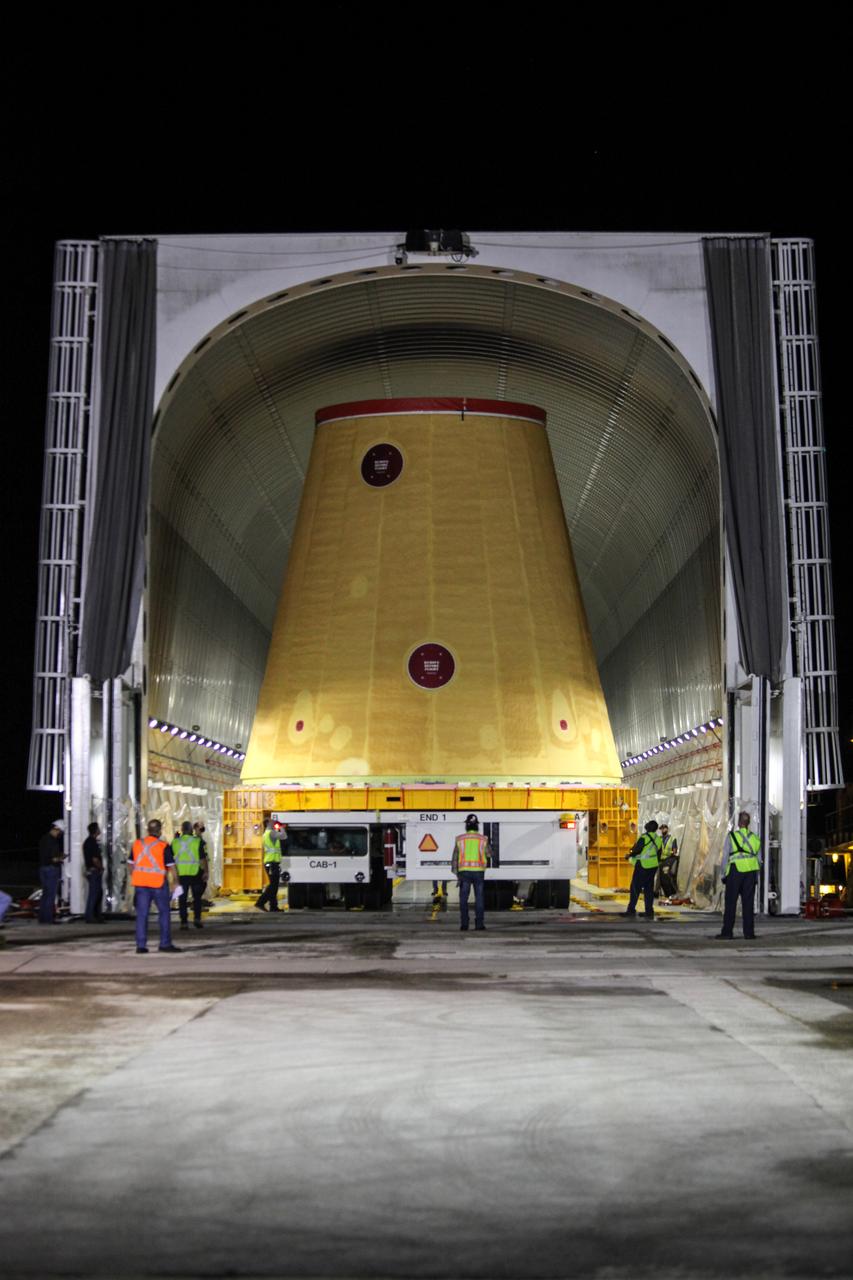
Technicians with NASA’s Exploration Ground Systems prepare to offload the launch vehicle stage adapter (LVSA) for the agency’s Space Launch System (SLS) rocket and move it to the Vehicle Assembly Building (VAB) at NASA’s Kennedy Space Center in Florida on July 30, 2020, for processing. Carried by NASA’s Pegasus barge, the LVSA arrived at Kennedy’s Launch Complex 39 turn basin wharf after departing from the agency’s Marshall Space Flight Center in Huntsville, Alabama. The LVSA will connect the SLS core stage to the rocket’s upper stage and will remain in the VAB until it’s time for stacking on the mobile launcher ahead of the Artemis I launch. The first in a series of increasingly complex missions, Artemis I will test SLS and the Orion spacecraft as an integrated system prior to crewed flights to the Moon.
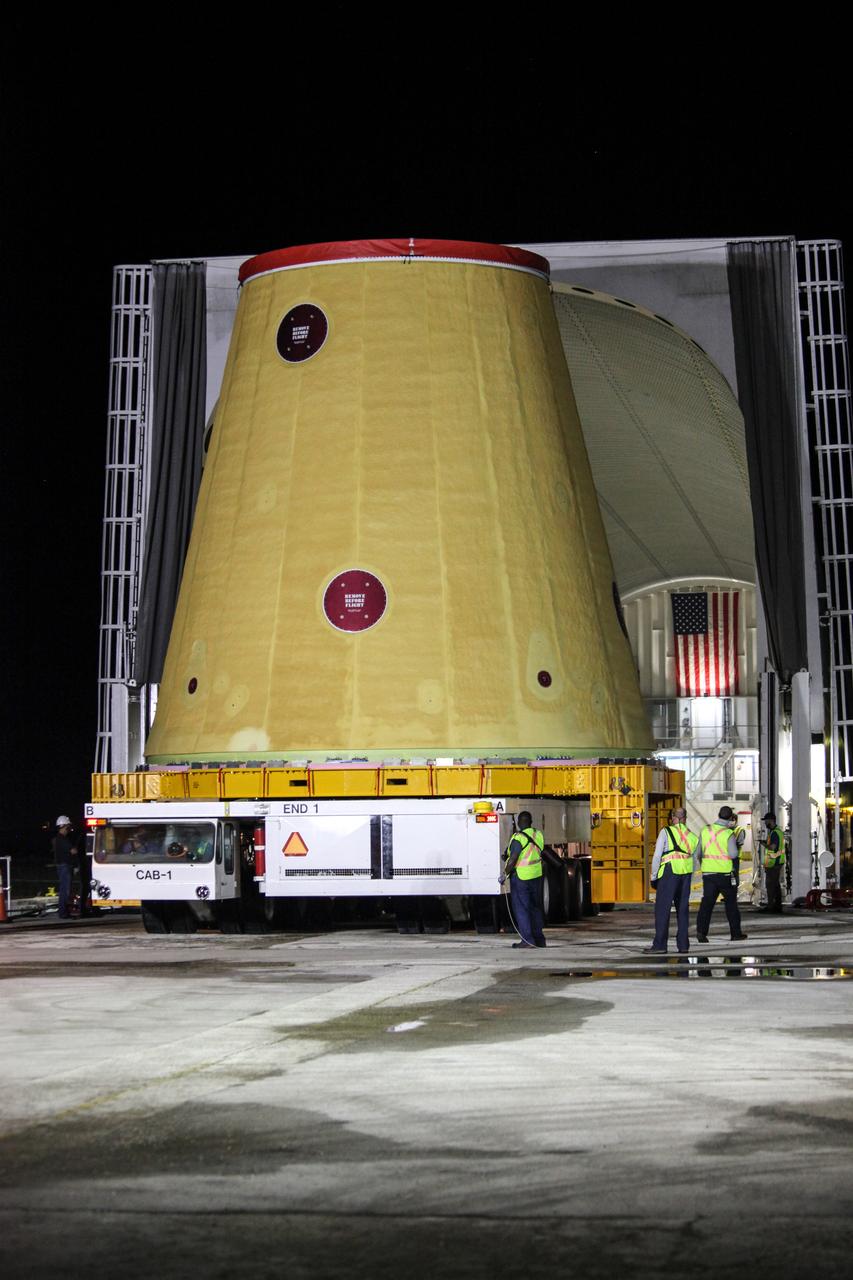
Technicians with NASA’s Exploration Ground Systems move the launch vehicle stage adapter (LVSA) for the agency’s Space Launch System (SLS) rocket off of the Pegasus barge for transportation to the Vehicle Assembly Building (VAB) at NASA’s Kennedy Space Center in Florida on July 30, 2020, for processing. The LVSA arrived at Kennedy’s Launch Complex 39 turn basin wharf after departing from the agency’s Marshall Space Flight Center in Huntsville, Alabama. The LVSA will connect the SLS core stage to the rocket’s upper stage and will remain in the VAB until it’s time for stacking on the mobile launcher ahead of the Artemis I launch. The first in a series of increasingly complex missions, Artemis I will test SLS and the Orion spacecraft as an integrated system prior to crewed flights to the Moon.
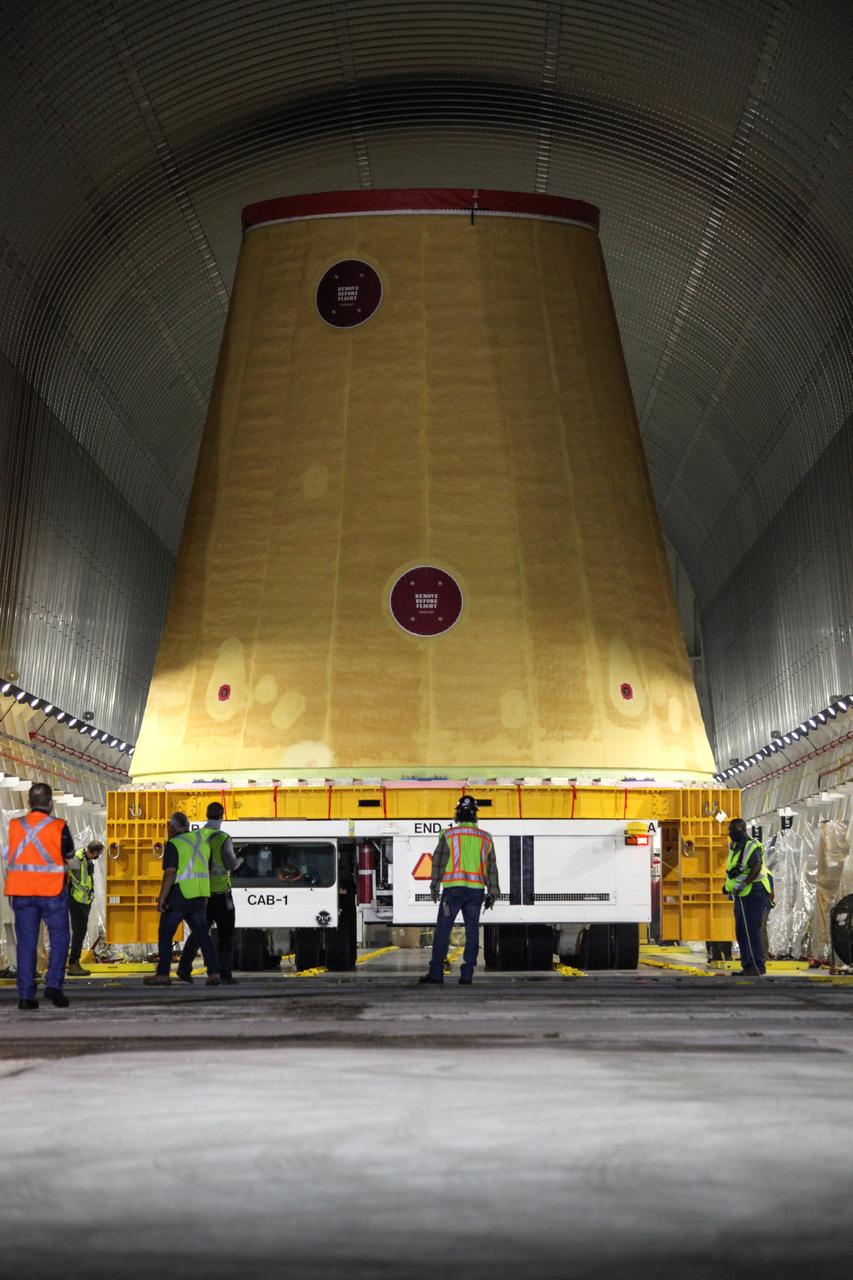
Technicians with NASA’s Exploration Ground Systems prepare to offload the launch vehicle stage adapter (LVSA) for the agency’s Space Launch System (SLS) rocket and move it to the Vehicle Assembly Building (VAB) at NASA’s Kennedy Space Center in Florida on July 30, 2020, for processing. Carried by NASA’s Pegasus barge, the LVSA arrived at Kennedy’s Launch Complex 39 turn basin wharf after departing from the agency’s Marshall Space Flight Center in Huntsville, Alabama. The LVSA will connect the SLS core stage to the rocket’s upper stage and will remain in the VAB until it’s time for stacking on the mobile launcher ahead of the Artemis I launch. The first in a series of increasingly complex missions, Artemis I will test SLS and the Orion spacecraft as an integrated system prior to crewed flights to the Moon.
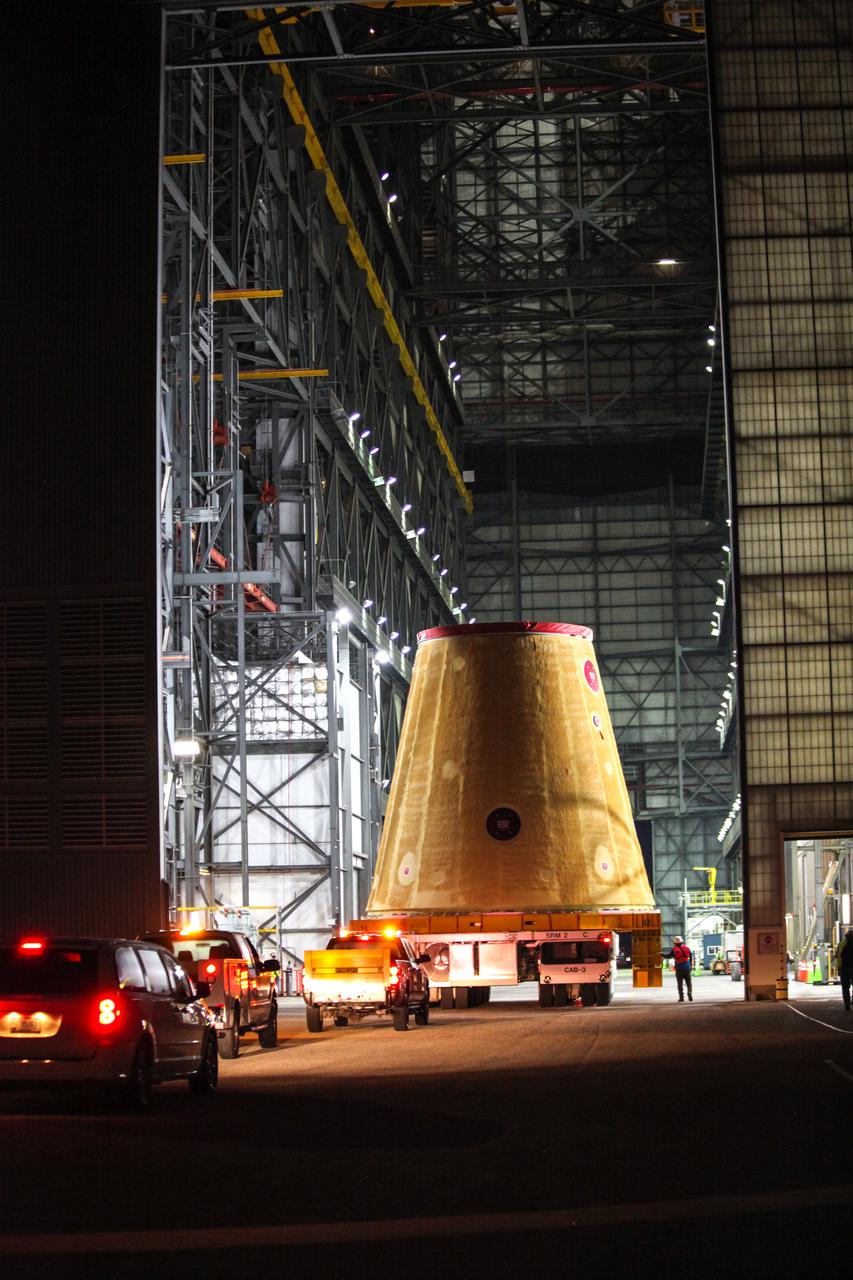
Technicians with NASA’s Exploration Ground Systems move the launch vehicle stage adapter (LVSA) for the agency’s Space Launch System (SLS) rocket into the Vehicle Assembly Building (VAB) at NASA’s Kennedy Space Center in Florida on July 30, 2020, for processing. Carried by NASA’s Pegasus barge, the LVSA arrived at Kennedy’s Launch Complex 39 turn basin wharf after departing from the agency’s Marshall Space Flight Center in Huntsville, Alabama. The LVSA will connect the SLS core stage to the rocket’s upper stage and will remain in the VAB until it’s time for stacking on the mobile launcher ahead of the Artemis I launch. The first in a series of increasingly complex missions, Artemis I will test SLS and the Orion spacecraft as an integrated system prior to crewed flights to the Moon.
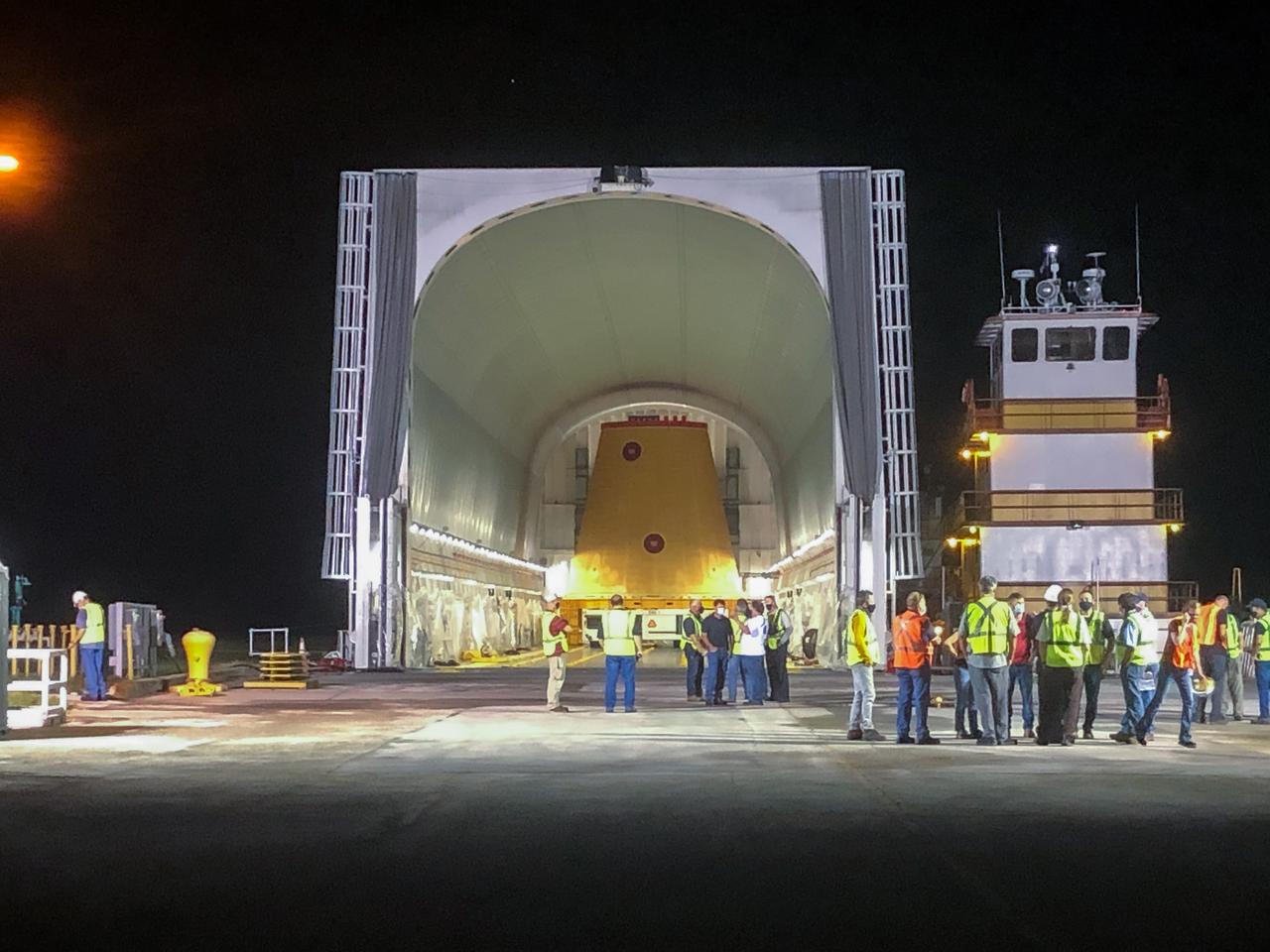
Technicians with NASA’s Exploration Ground Systems prepare to offload the launch vehicle stage adapter (LVSA) for the agency’s Space Launch System (SLS) rocket and move it to the Vehicle Assembly Building (VAB) at NASA’s Kennedy Space Center in Florida on July 30, 2020, for processing. Carried by NASA’s Pegasus barge, the LVSA arrived at Kennedy’s Launch Complex 39 turn basin wharf after departing from the agency’s Marshall Space Flight Center in Huntsville, Alabama. The LVSA will connect the SLS core stage to the rocket’s upper stage and will remain in the VAB until it’s time for stacking on the mobile launcher ahead of the Artemis I launch. The first in a series of increasingly complex missions, Artemis I will test SLS and the Orion spacecraft as an integrated system prior to crewed flights to the Moon.
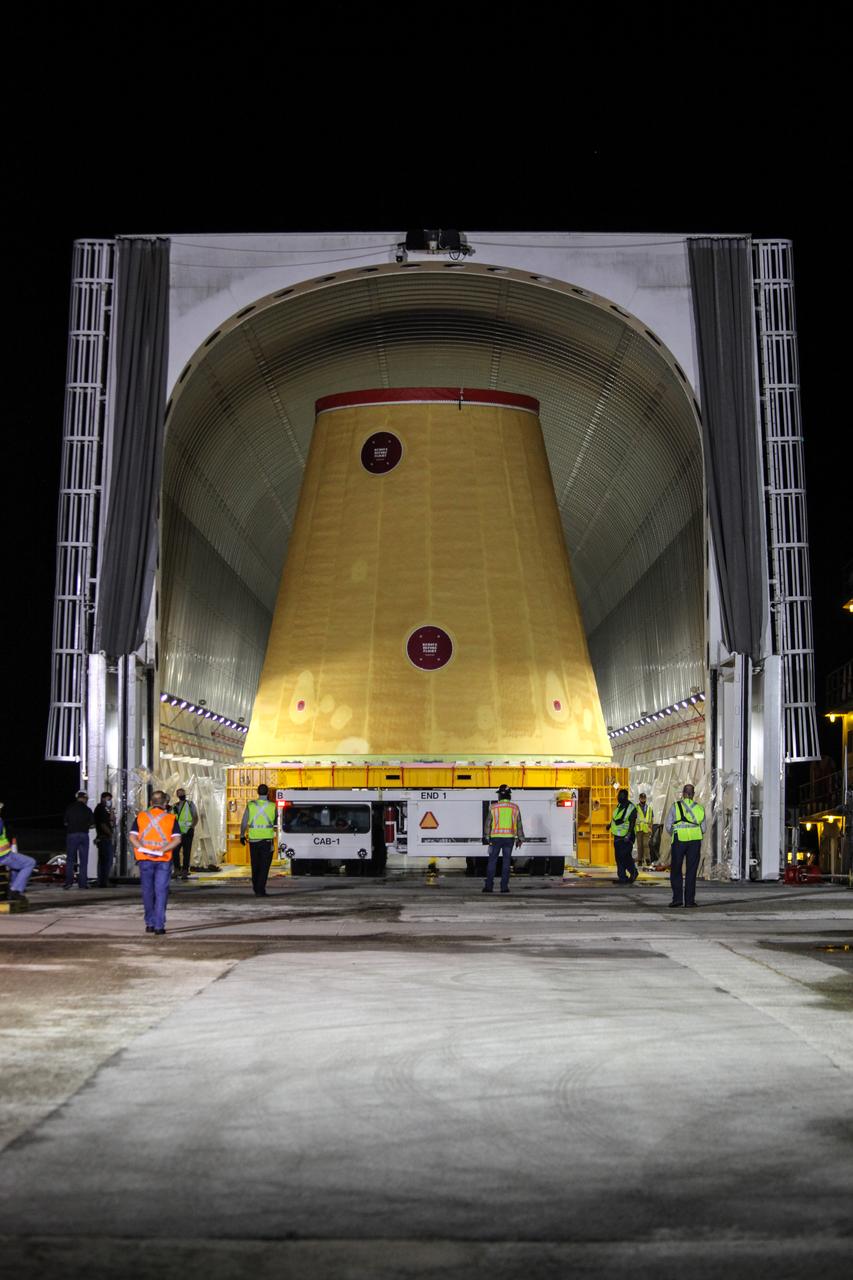
Technicians with NASA’s Exploration Ground Systems begin to offload the launch vehicle stage adapter (LVSA) for the agency’s Space Launch System (SLS) rocket and move it to the Vehicle Assembly Building (VAB) at NASA’s Kennedy Space Center in Florida on July 30, 2020, for processing. Carried by NASA’s Pegasus barge, the LVSA arrived at Kennedy’s Launch Complex 39 turn basin wharf after departing from the agency’s Marshall Space Flight Center in Huntsville, Alabama. The LVSA will connect the SLS core stage to the rocket’s upper stage and will remain in the VAB until it’s time for stacking on the mobile launcher ahead of the Artemis I launch. The first in a series of increasingly complex missions, Artemis I will test SLS and the Orion spacecraft as an integrated system prior to crewed flights to the Moon.
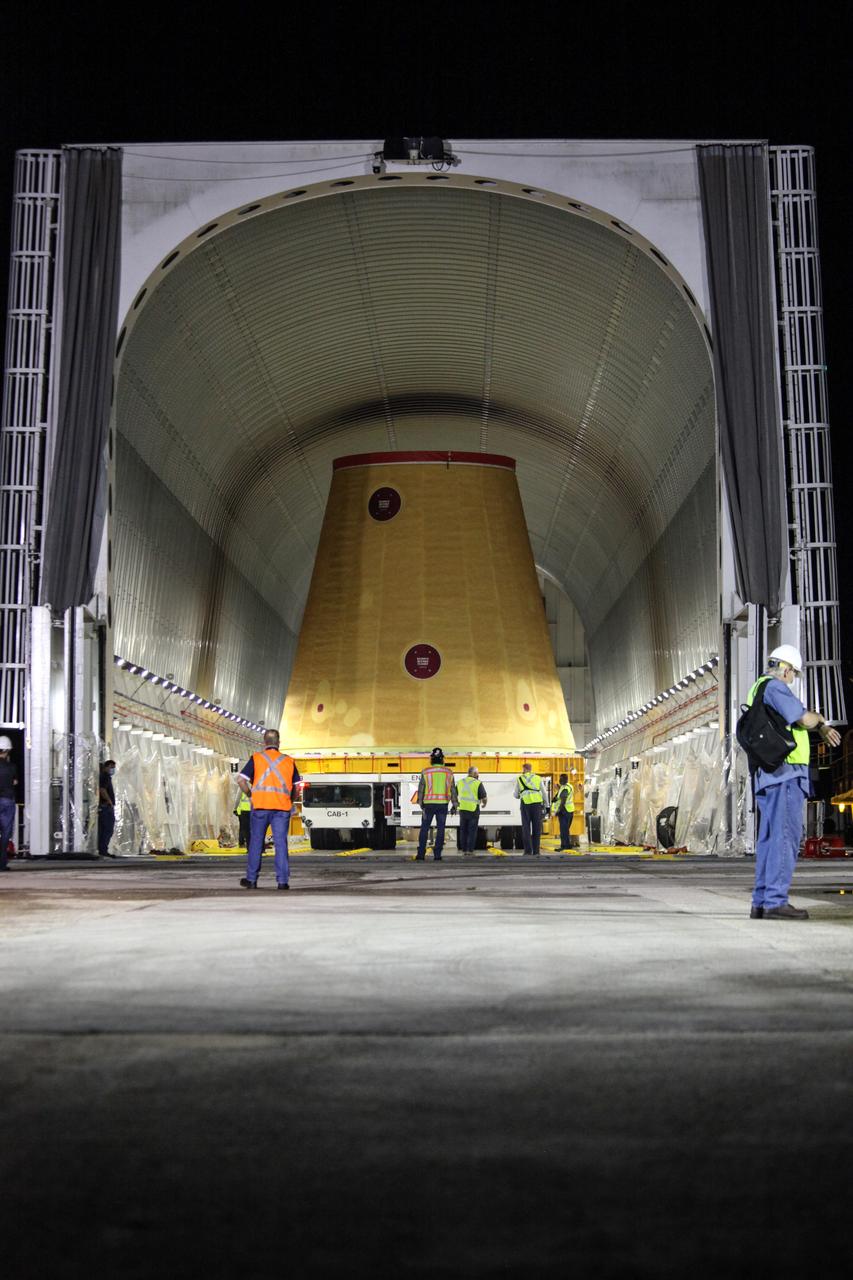
Technicians with NASA’s Exploration Ground Systems prepare to offload the launch vehicle stage adapter (LVSA) for the agency’s Space Launch System (SLS) rocket and move it to the Vehicle Assembly Building (VAB) at NASA’s Kennedy Space Center in Florida on July 30, 2020, for processing. Carried by NASA’s Pegasus barge, the LVSA arrived at Kennedy’s Launch Complex 39 turn basin wharf after departing from the agency’s Marshall Space Flight Center in Huntsville, Alabama. The LVSA will connect the SLS core stage to the rocket’s upper stage and will remain in the VAB until it’s time for stacking on the mobile launcher ahead of the Artemis I launch. The first in a series of increasingly complex missions, Artemis I will test SLS and the Orion spacecraft as an integrated system prior to crewed flights to the Moon.
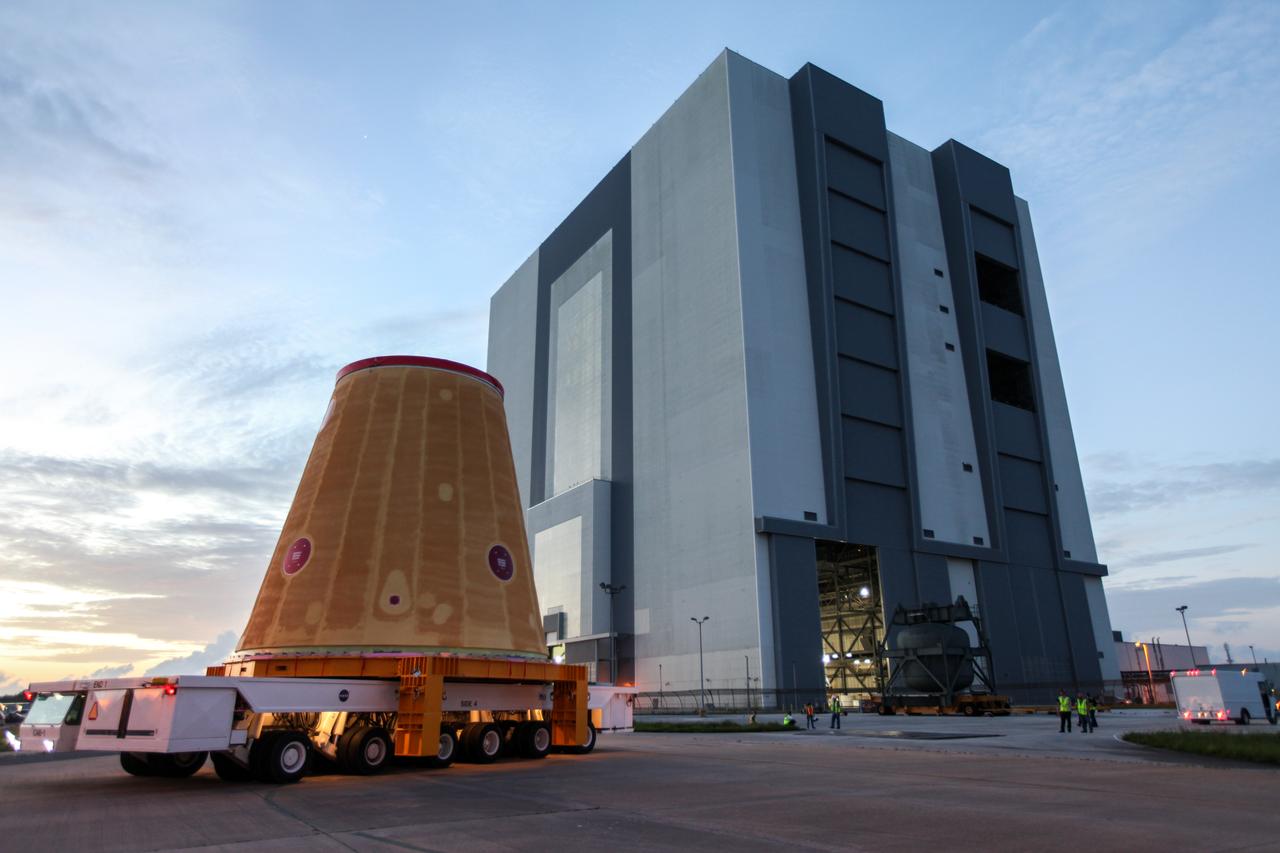
Technicians with NASA’s Exploration Ground Systems move the launch vehicle stage adapter (LVSA) for the agency’s Space Launch System (SLS) rocket to the Vehicle Assembly Building (VAB) at NASA’s Kennedy Space Center in Florida on July 30, 2020, for processing. Carried by NASA’s Pegasus barge, the LVSA arrived at Kennedy’s Launch Complex 39 turn basin wharf after departing from the agency’s Marshall Space Flight Center in Huntsville, Alabama. The LVSA will connect the SLS core stage to the rocket’s upper stage and will remain in the VAB until it’s time for stacking on the mobile launcher ahead of the Artemis I launch. The first in a series of increasingly complex missions, Artemis I will test SLS and the Orion spacecraft as an integrated system prior to crewed flights to the Moon.
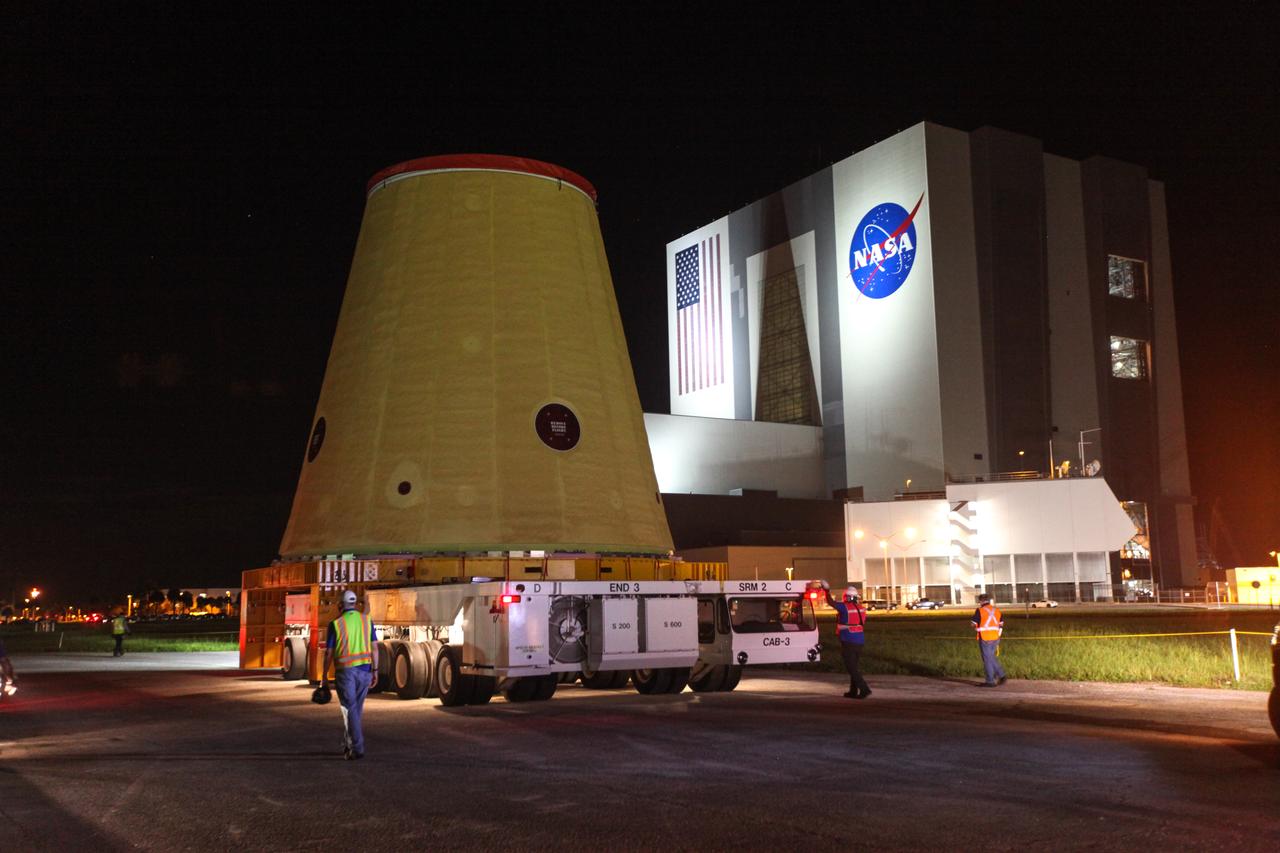
Technicians with NASA’s Exploration Ground Systems move the launch vehicle stage adapter (LVSA) for the agency’s Space Launch System (SLS) rocket to the Vehicle Assembly Building (VAB) at NASA’s Kennedy Space Center in Florida on July 30, 2020, for processing. Carried by NASA’s Pegasus barge, the LVSA arrived at Kennedy’s Launch Complex 39 turn basin wharf after departing from the agency’s Marshall Space Flight Center in Huntsville, Alabama. The LVSA will connect the SLS core stage to the rocket’s upper stage and will remain in the VAB until it’s time for stacking on the mobile launcher ahead of the Artemis I launch. The first in a series of increasingly complex missions, Artemis I will test SLS and the Orion spacecraft as an integrated system prior to crewed flights to the Moon.
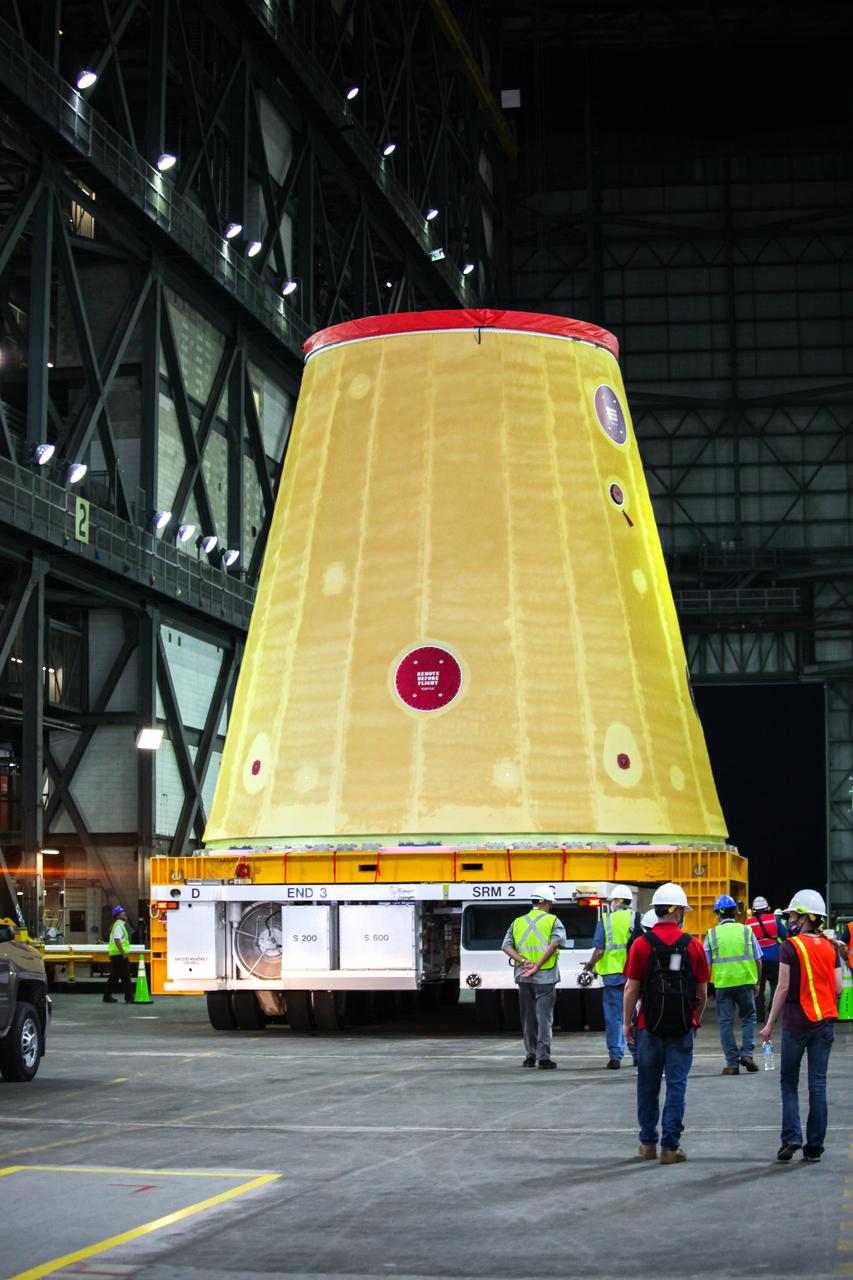
Technicians with NASA’s Exploration Ground Systems move the launch vehicle stage adapter (LVSA) for the agency’s Space Launch System (SLS) rocket into the Vehicle Assembly Building (VAB) at NASA’s Kennedy Space Center in Florida on July 30, 2020, for processing. Carried by NASA’s Pegasus barge, the LVSA arrived at Kennedy’s Launch Complex 39 turn basin wharf after departing from the agency’s Marshall Space Flight Center in Huntsville, Alabama. The LVSA will connect the SLS core stage to the rocket’s upper stage and will remain in the VAB until it’s time for stacking on the mobile launcher ahead of the Artemis I launch. The first in a series of increasingly complex missions, Artemis I will test SLS and the Orion spacecraft as an integrated system prior to crewed flights to the Moon.
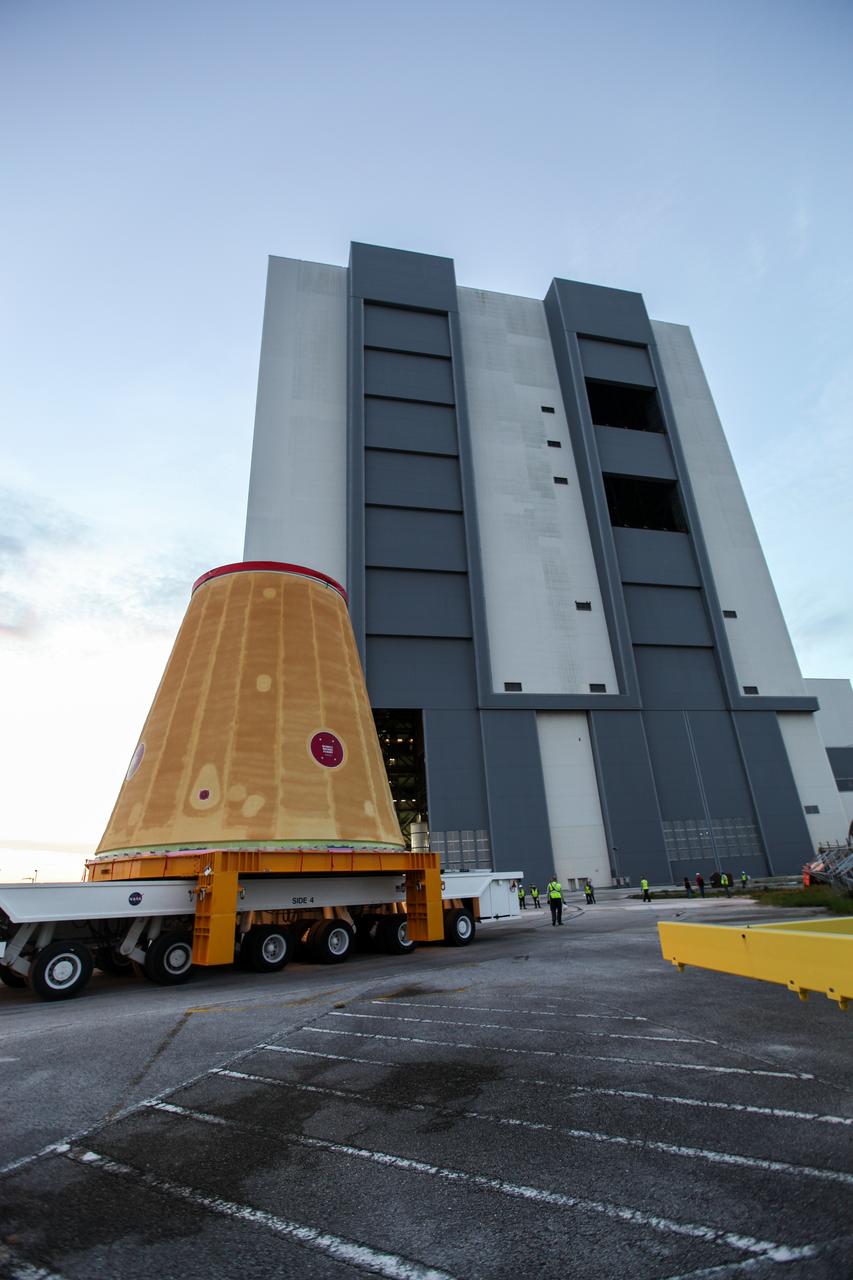
Technicians with NASA’s Exploration Ground Systems move the launch vehicle stage adapter (LVSA) for the agency’s Space Launch System (SLS) rocket to the Vehicle Assembly Building (VAB) at NASA’s Kennedy Space Center in Florida on July 30, 2020, for processing. Carried by NASA’s Pegasus barge, the LVSA arrived at Kennedy’s Launch Complex 39 turn basin wharf after departing from the agency’s Marshall Space Flight Center in Huntsville, Alabama. The LVSA will connect the SLS core stage to the rocket’s upper stage and will remain in the VAB until it’s time for stacking on the mobile launcher ahead of the Artemis I launch. The first in a series of increasingly complex missions, Artemis I will test SLS and the Orion spacecraft as an integrated system prior to crewed flights to the Moon.
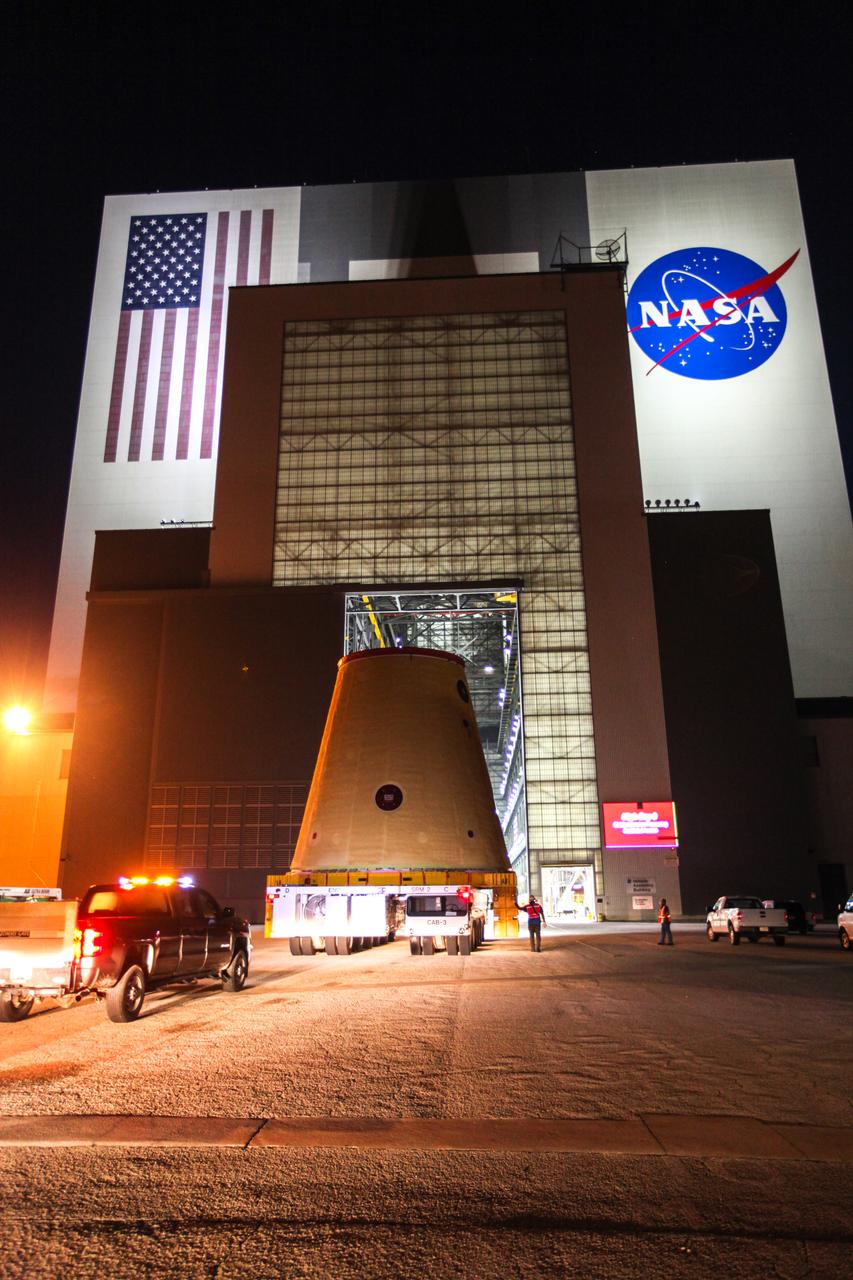
Technicians with NASA’s Exploration Ground Systems move the launch vehicle stage adapter (LVSA) for the agency’s Space Launch System (SLS) rocket into the Vehicle Assembly Building (VAB) at NASA’s Kennedy Space Center in Florida on July 30, 2020, for processing. Carried by NASA’s Pegasus barge, the LVSA arrived at Kennedy’s Launch Complex 39 turn basin wharf after departing from the agency’s Marshall Space Flight Center in Huntsville, Alabama. The LVSA will connect the SLS core stage to the rocket’s upper stage and will remain in the VAB until it’s time for stacking on the mobile launcher ahead of the Artemis I launch. The first in a series of increasingly complex missions, Artemis I will test SLS and the Orion spacecraft as an integrated system prior to crewed flights to the Moon.
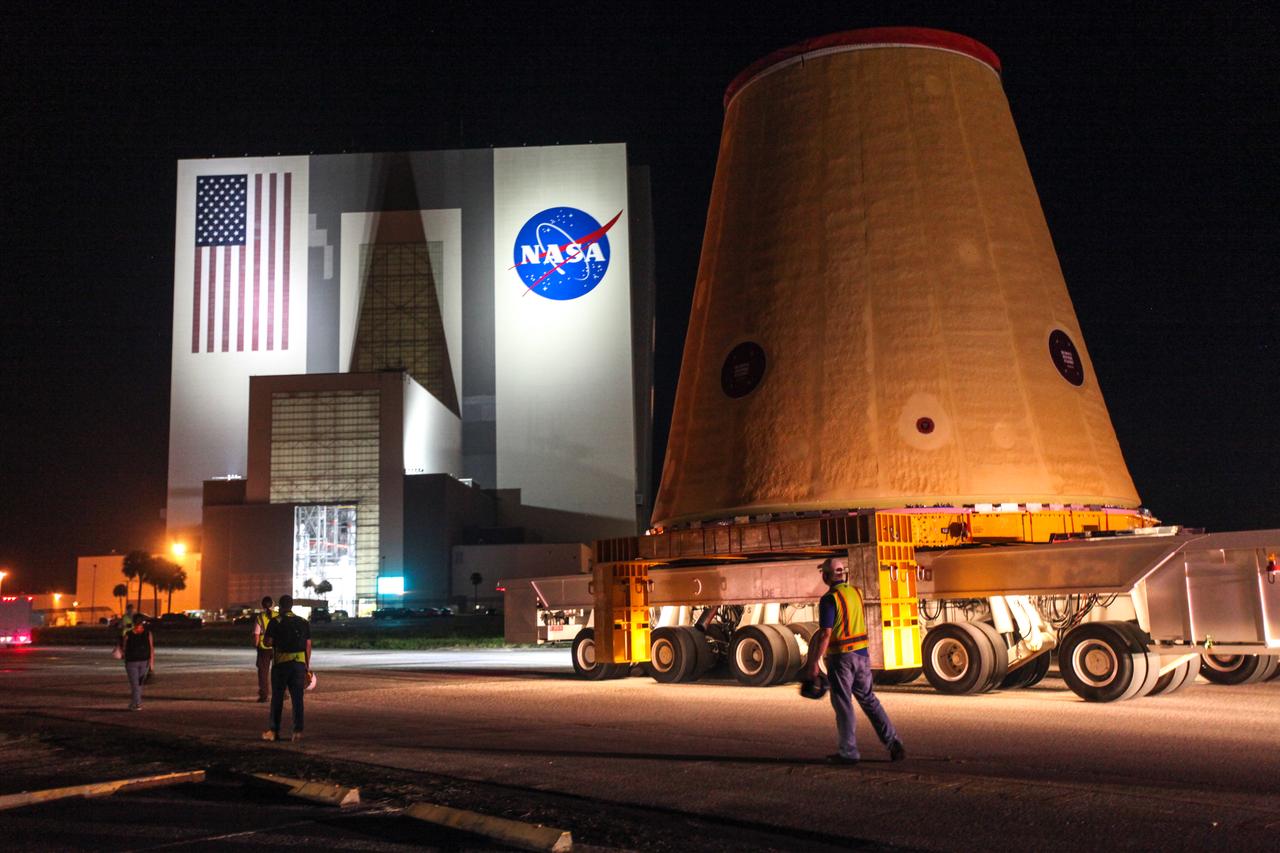
Technicians with NASA’s Exploration Ground Systems move the launch vehicle stage adapter (LVSA) for the agency’s Space Launch System (SLS) rocket to the Vehicle Assembly Building (VAB) on July 30, 2020, for processing. Carried by NASA’s Pegasus barge, the LVSA arrived at Kennedy Space Center’s Launch Complex 39 turn basin wharf after departing from the agency’s Marshall Space Flight Center in Huntsville, Alabama. The LVSA will connect the SLS core stage to the rocket’s upper stage and will remain in the VAB until it’s time for stacking on the mobile launcher ahead of the Artemis I launch. The first in a series of increasingly complex missions, Artemis I will test SLS and the Orion spacecraft as an integrated system prior to crewed flights to the Moon.
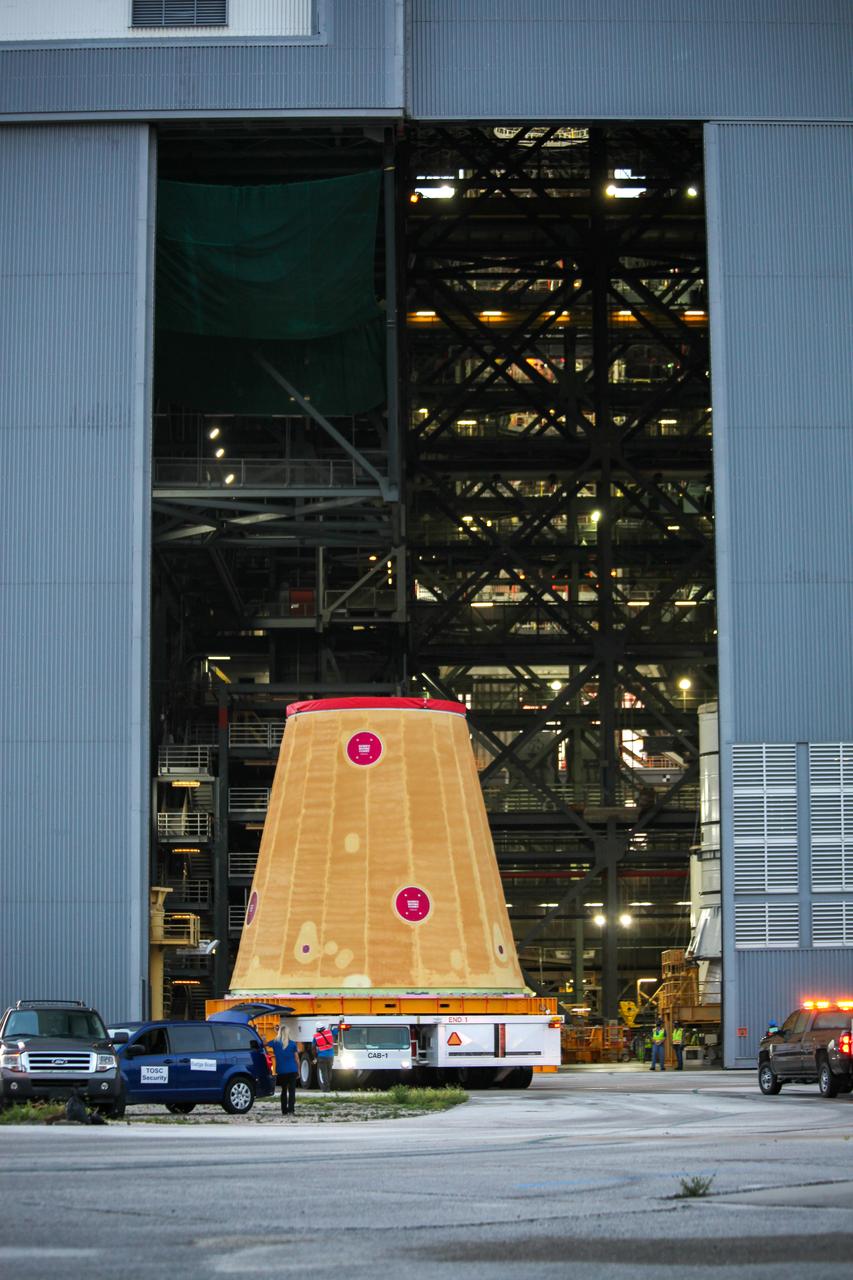
Technicians with NASA’s Exploration Ground Systems move the launch vehicle stage adapter (LVSA) for the agency’s Space Launch System (SLS) rocket into the Vehicle Assembly Building (VAB) at NASA’s Kennedy Space Center in Florida on July 30, 2020, for processing. Carried by NASA’s Pegasus barge, the LVSA arrived at Kennedy’s Launch Complex 39 turn basin wharf after departing from the agency’s Marshall Space Flight Center in Huntsville, Alabama. The LVSA will connect the SLS core stage to the rocket’s upper stage and will remain in the VAB until it’s time for stacking on the mobile launcher ahead of the Artemis I launch. The first in a series of increasingly complex missions, Artemis I will test SLS and the Orion spacecraft as an integrated system prior to crewed flights to the Moon.
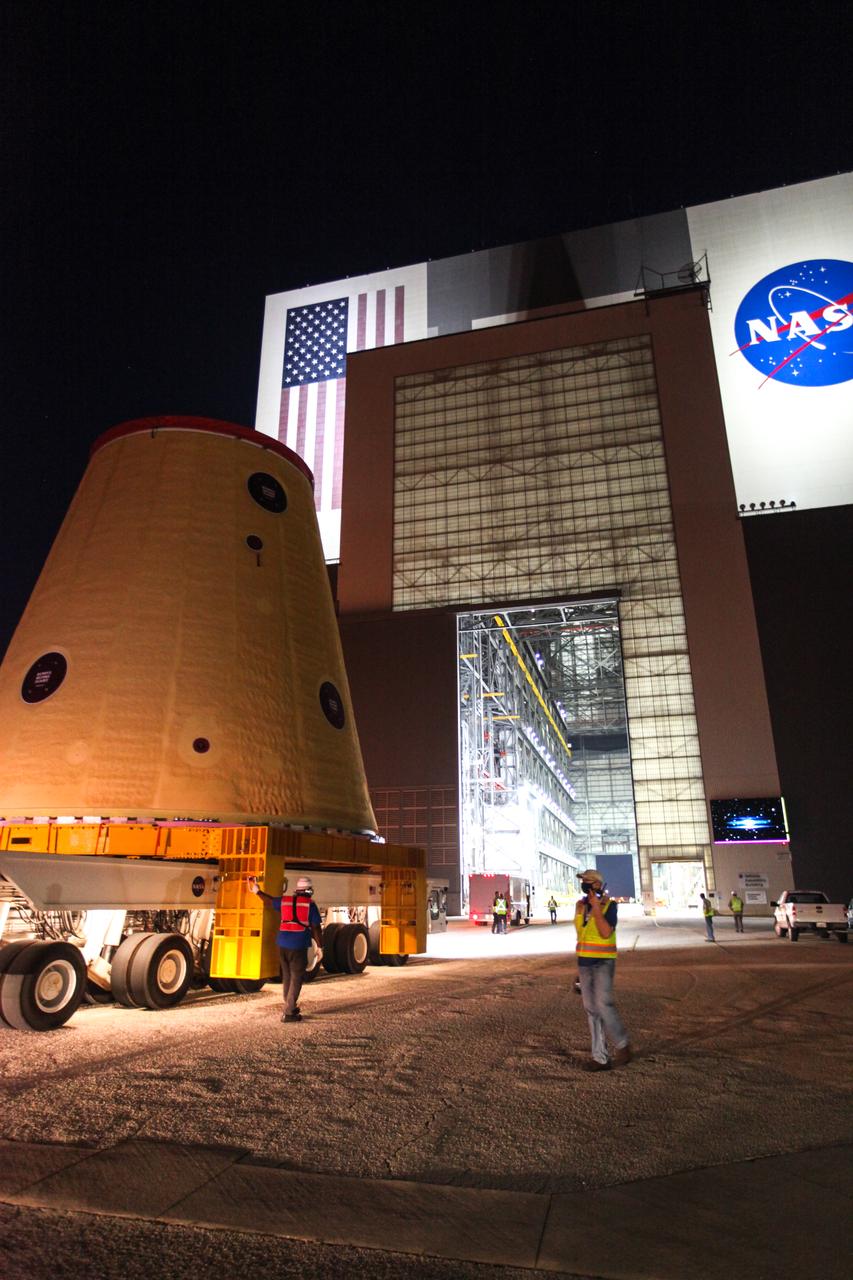
Technicians with NASA’s Exploration Ground Systems move the launch vehicle stage adapter (LVSA) for the agency’s Space Launch System (SLS) rocket into the Vehicle Assembly Building (VAB) at NASA’s Kennedy Space Center in Florida on July 30, 2020, for processing. Carried by NASA’s Pegasus barge, the LVSA arrived at Kennedy’s Launch Complex 39 turn basin wharf after departing from the agency’s Marshall Space Flight Center in Huntsville, Alabama. The LVSA will connect the SLS core stage to the rocket’s upper stage and will remain in the VAB until it’s time for stacking on the mobile launcher ahead of the Artemis I launch. The first in a series of increasingly complex missions, Artemis I will test SLS and the Orion spacecraft as an integrated system prior to crewed flights to the Moon.
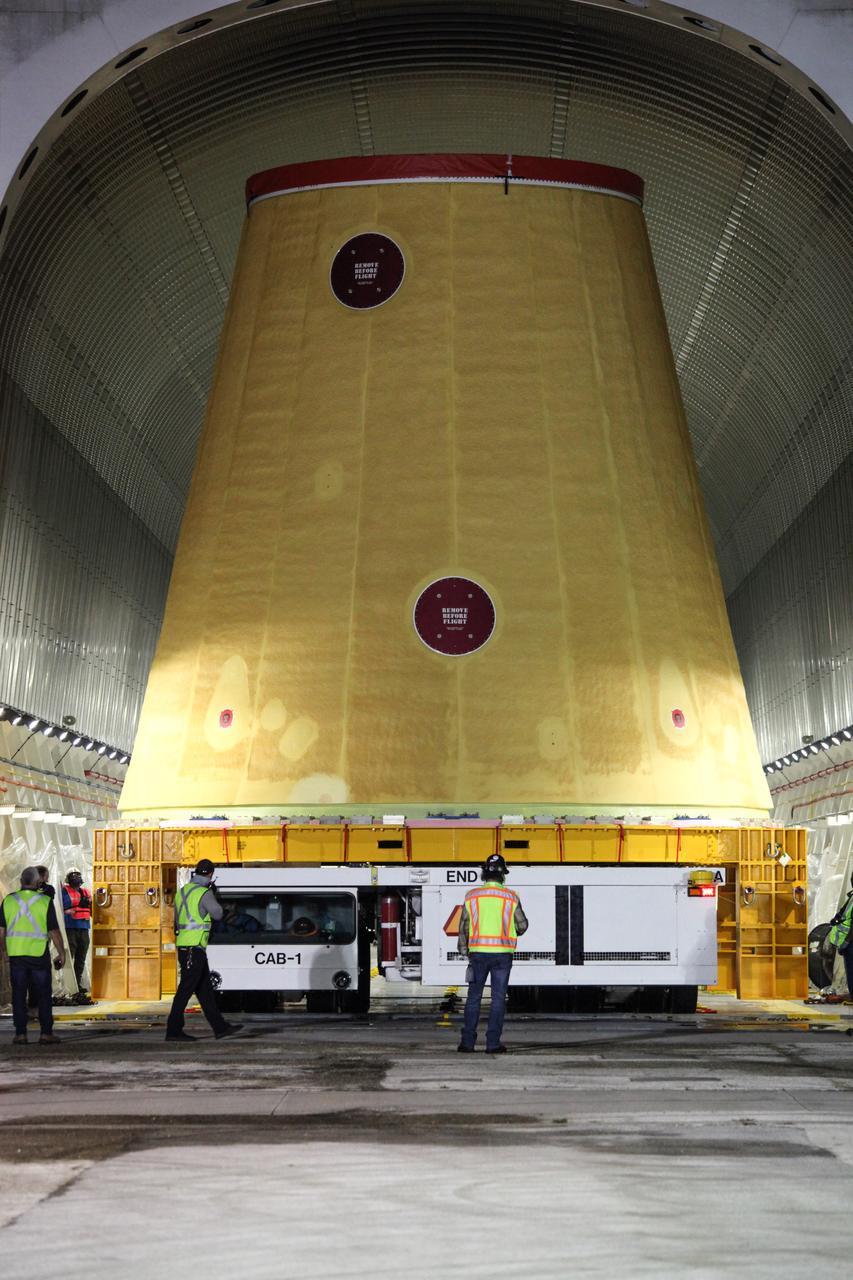
Technicians with NASA’s Exploration Ground Systems begin to offload the launch vehicle stage adapter (LVSA) for the agency’s Space Launch System (SLS) rocket and move it to the Vehicle Assembly Building (VAB) at NASA’s Kennedy Space Center in Florida on July 30, 2020, for processing. Carried by NASA’s Pegasus barge, the LVSA arrived at Kennedy’s Launch Complex 39 turn basin wharf after departing from the agency’s Marshall Space Flight Center in Huntsville, Alabama. The LVSA will connect the SLS core stage to the rocket’s upper stage and will remain in the VAB until it’s time for stacking on the mobile launcher ahead of the Artemis I launch. The first in a series of increasingly complex missions, Artemis I will test SLS and the Orion spacecraft as an integrated system prior to crewed flights to the Moon.
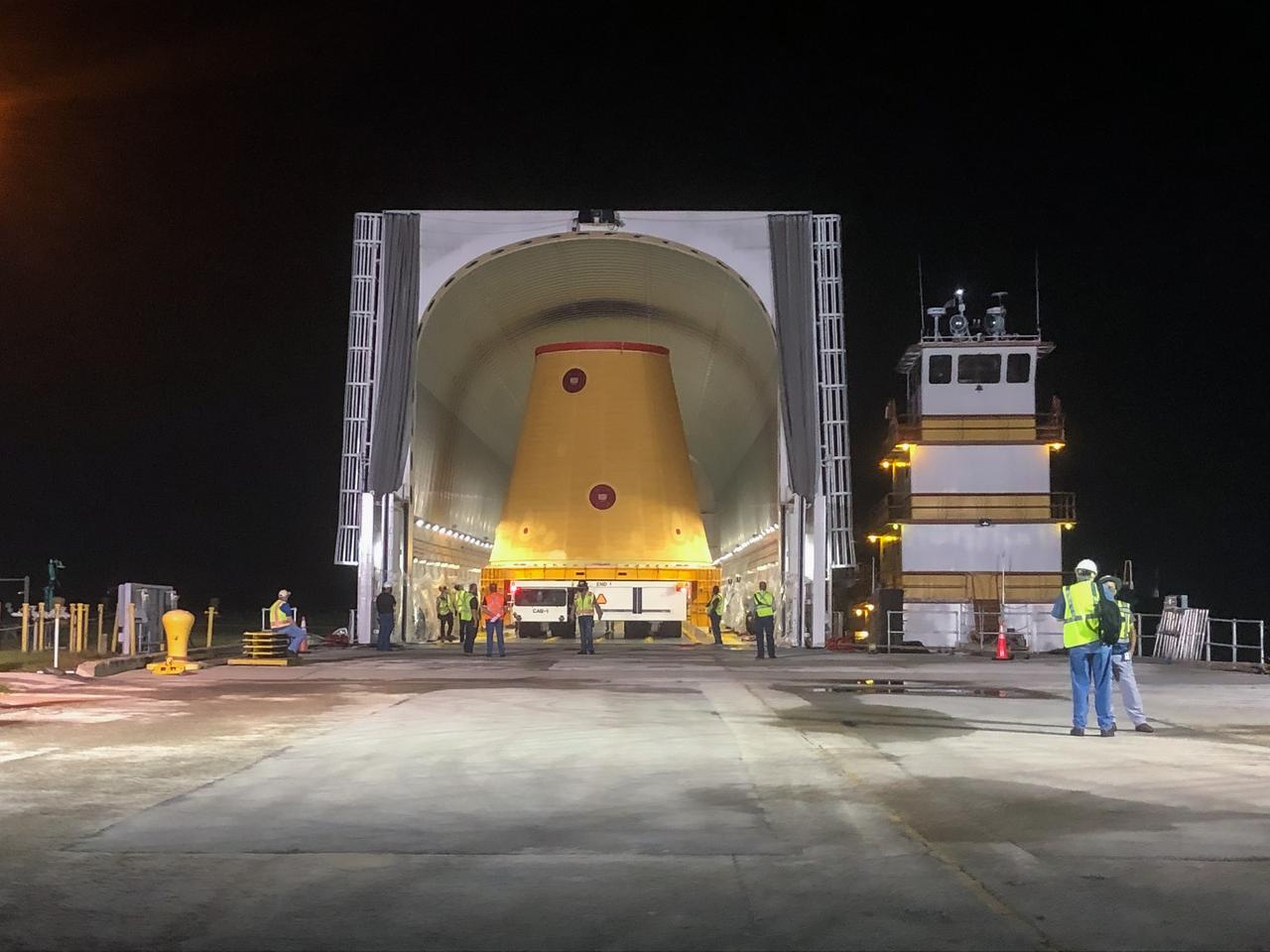
Technicians with NASA’s Exploration Ground Systems prepare to offload the launch vehicle stage adapter (LVSA) for the agency’s Space Launch System (SLS) rocket and move it to the Vehicle Assembly Building (VAB) at NASA’s Kennedy Space Center in Florida on July 30, 2020, for processing. Carried by NASA’s Pegasus barge, the LVSA arrived at Kennedy’s Launch Complex 39 turn basin wharf after departing from the agency’s Marshall Space Flight Center in Huntsville, Alabama. The LVSA will connect the SLS core stage to the rocket’s upper stage and will remain in the VAB until it’s time for stacking on the mobile launcher ahead of the Artemis I launch. The first in a series of increasingly complex missions, Artemis I will test SLS and the Orion spacecraft as an integrated system prior to crewed flights to the Moon.
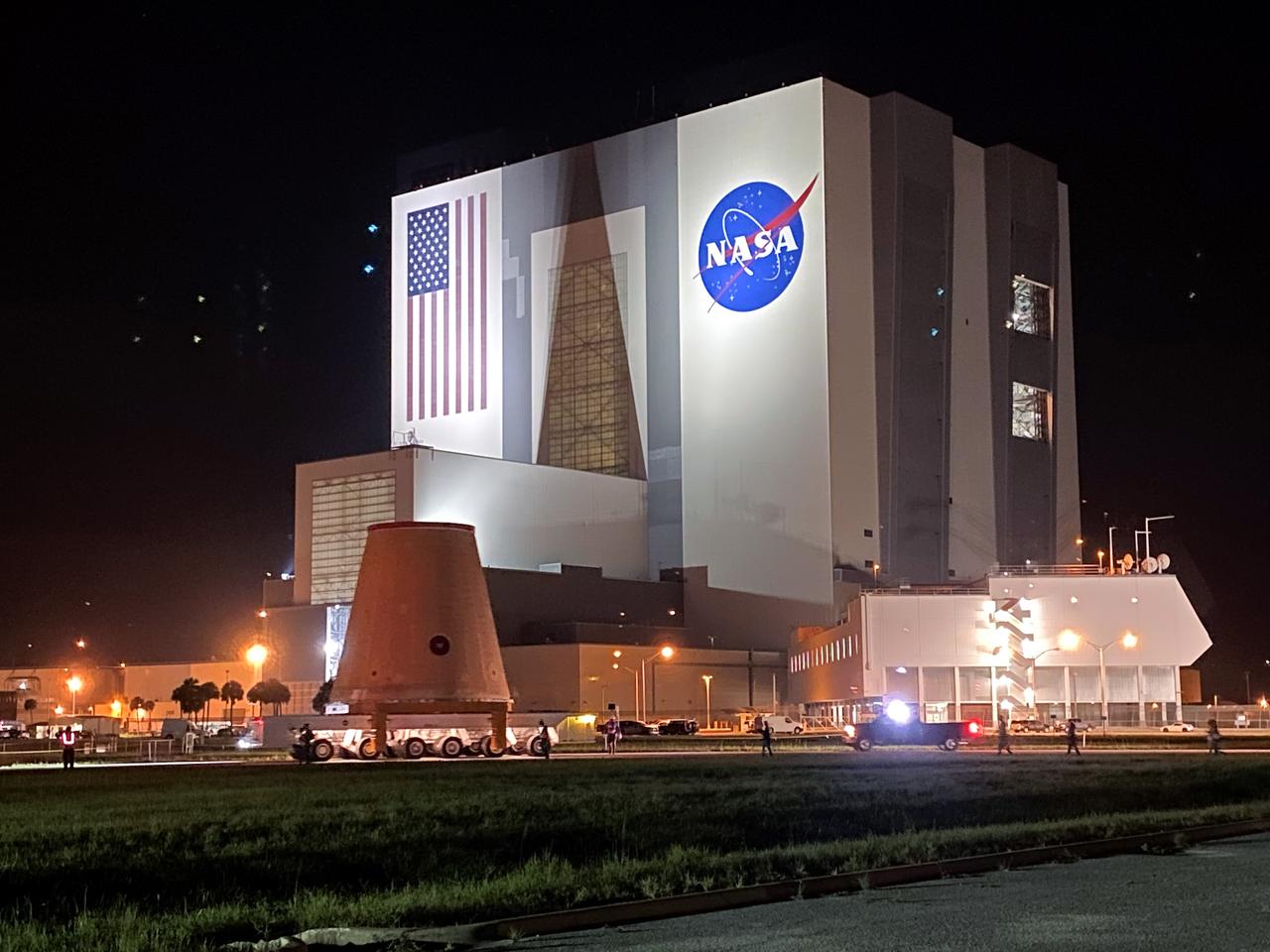
Technicians with NASA’s Exploration Ground Systems move the launch vehicle stage adapter (LVSA) for the agency’s Space Launch System (SLS) rocket to the Vehicle Assembly Building (VAB) on July 30, 2020, for processing. Carried by NASA’s Pegasus barge, the LVSA arrived at Kennedy Space Center’s Launch Complex 39 turn basin wharf after departing from the agency’s Marshall Space Flight Center in Huntsville, Alabama. The LVSA will connect the SLS core stage to the rocket’s upper stage and will remain in the VAB until it’s time for stacking on the mobile launcher ahead of the Artemis I launch. The first in a series of increasingly complex missions, Artemis I will test SLS and the Orion spacecraft as an integrated system prior to crewed flights to the Moon.
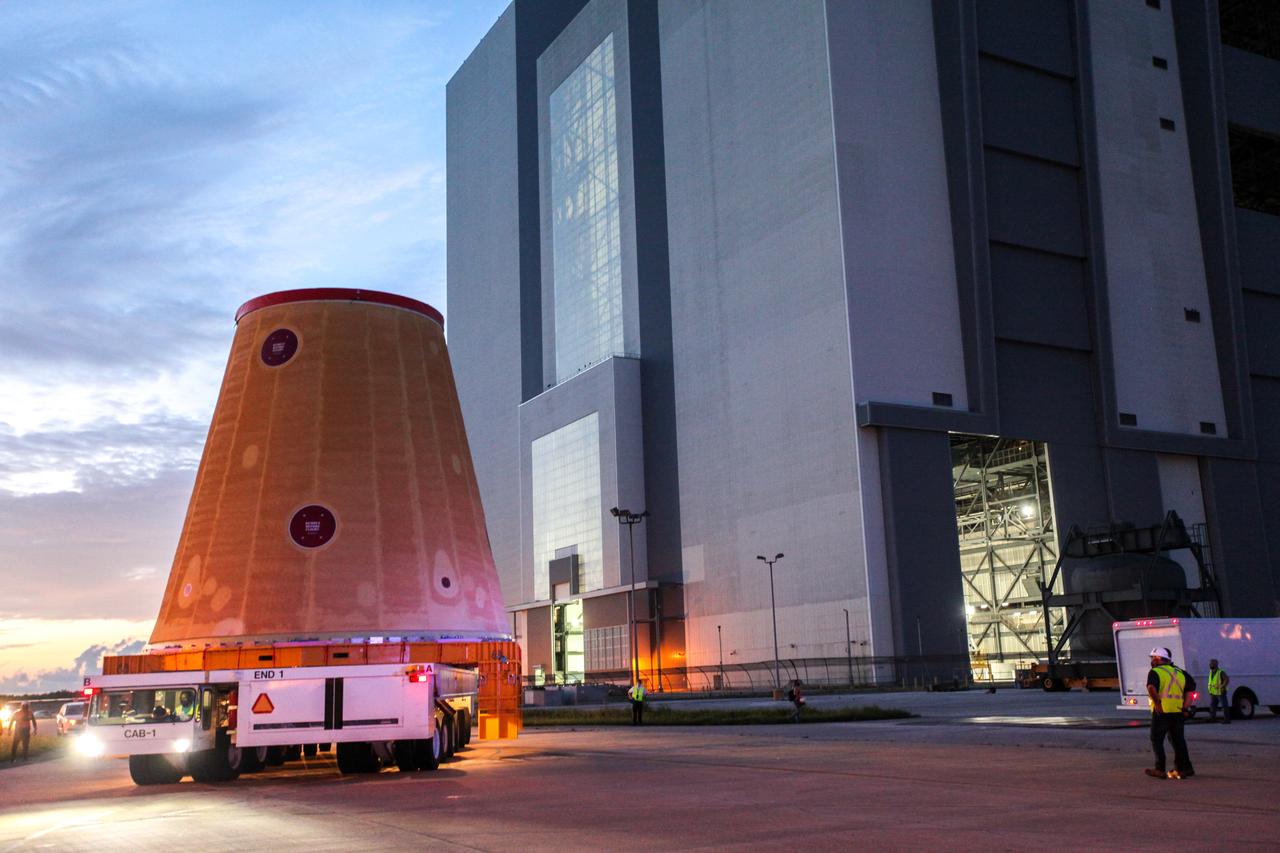
Technicians with NASA’s Exploration Ground Systems move the launch vehicle stage adapter (LVSA) for the agency’s Space Launch System (SLS) rocket to the Vehicle Assembly Building (VAB) at NASA’s Kennedy Space Center in Florida on July 30, 2020, for processing. Carried by NASA’s Pegasus barge, the LVSA arrived at Kennedy’s Launch Complex 39 turn basin wharf after departing from the agency’s Marshall Space Flight Center in Huntsville, Alabama. The LVSA will connect the SLS core stage to the rocket’s upper stage and will remain in the VAB until it’s time for stacking on the mobile launcher ahead of the Artemis I launch. The first in a series of increasingly complex missions, Artemis I will test SLS and the Orion spacecraft as an integrated system prior to crewed flights to the Moon.
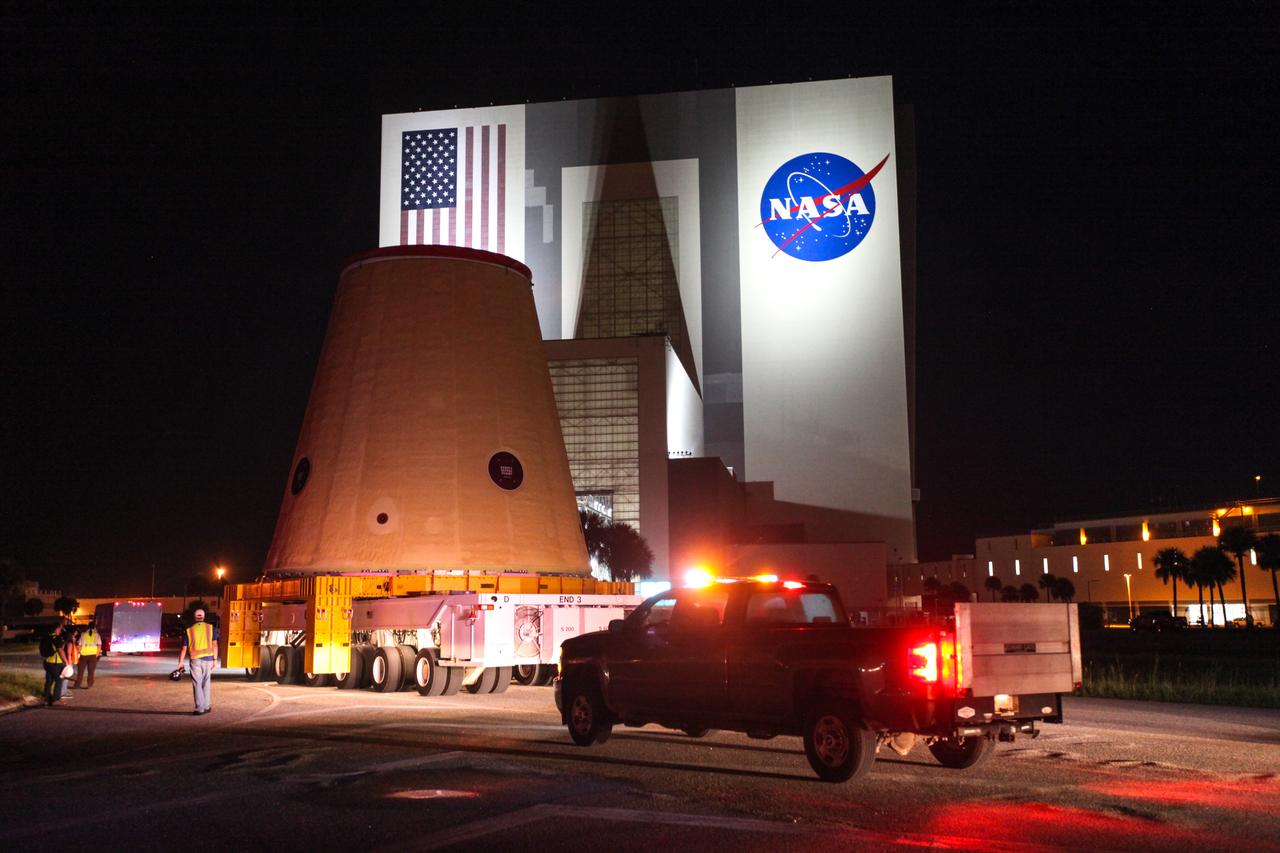
Technicians with NASA’s Exploration Ground Systems move the launch vehicle stage adapter (LVSA) for the agency’s Space Launch System (SLS) rocket to the Vehicle Assembly Building (VAB) on July 30, 2020, for processing. Carried by NASA’s Pegasus barge, the LVSA arrived at Kennedy Space Center’s Launch Complex 39 turn basin wharf after departing from the agency’s Marshall Space Flight Center in Huntsville, Alabama. The LVSA will connect the SLS core stage to the rocket’s upper stage and will remain in the VAB until it’s time for stacking on the mobile launcher ahead of the Artemis I launch. The first in a series of increasingly complex missions, Artemis I will test SLS and the Orion spacecraft as an integrated system prior to crewed flights to the Moon.
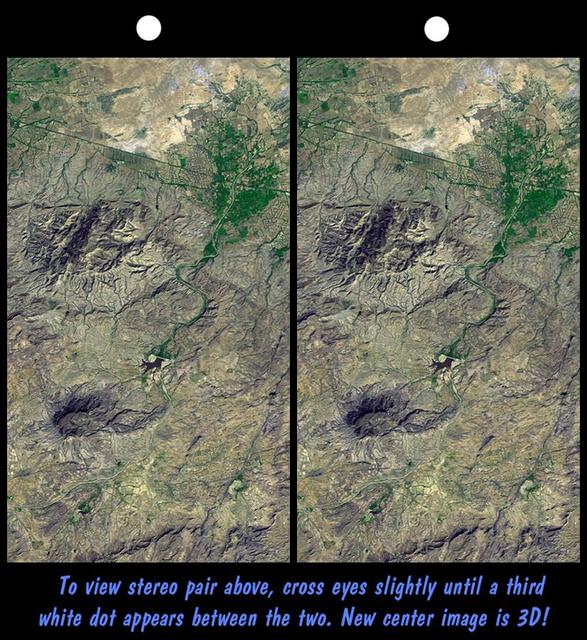
On January 26, 2001, the Kachchh region in western India suffered the most deadly earthquake in India history. Geologists traversed the region looking for ground surface disruptions, that could provide clues to the tectonic processes here.

The bizarre patterns on the floor of this crater in Nilosyrtis Mensae imaged by NASA Mars Odyssey defy an easy explanation. It is possible that some form of periglacial process combined with the vaporization of ground ice to form these patterns.
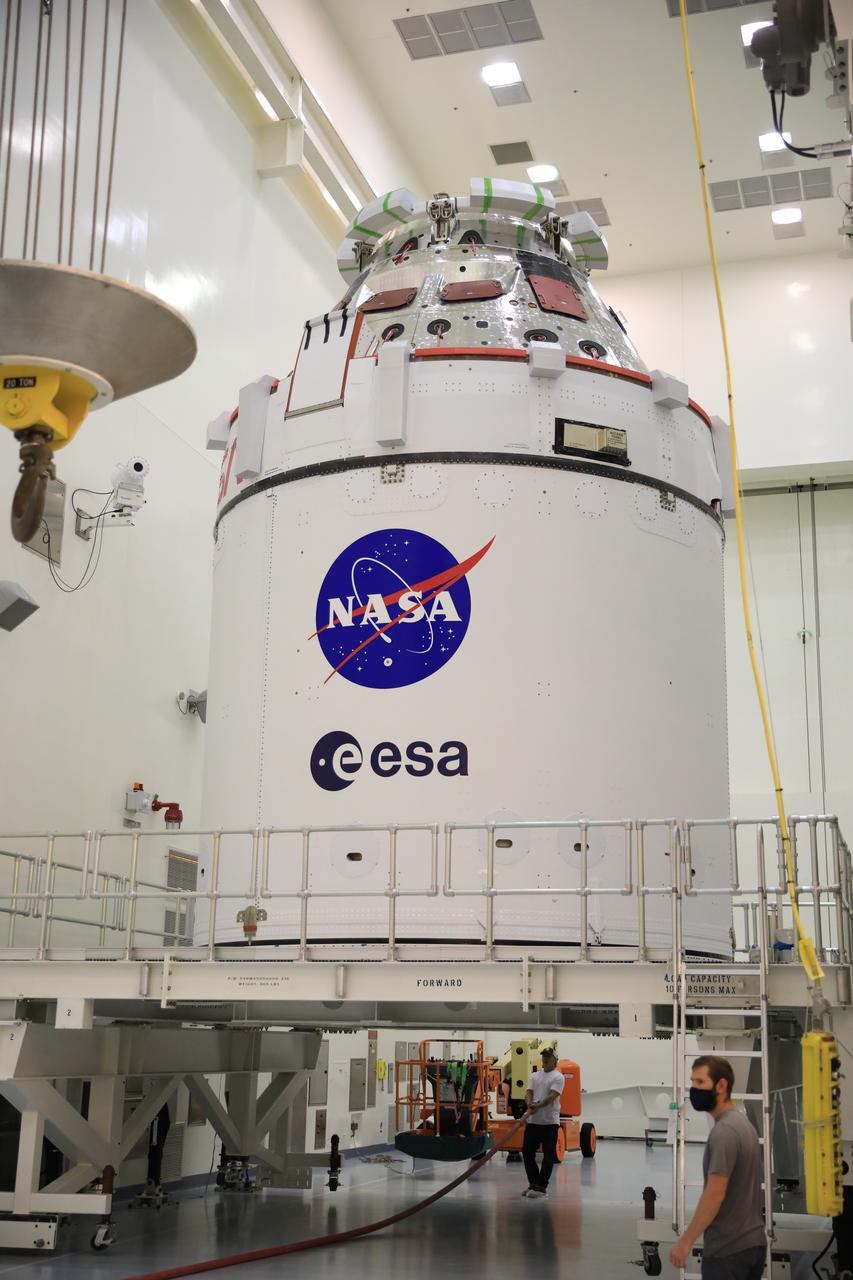
Fueling and servicing checks on the Orion spacecraft for the Artemis I mission are completed inside Kennedy Space Center’s Multi-Payload Processing Facility on July 8, 2021. The capsule will be transported to the Florida spaceport’s Launch Abort System Facility, where teams with Exploration Ground Systems and contractor Jacobs will work to add parts of the launch abort system onto the spacecraft. Launching later this year, Artemis I will be a test of the Orion spacecraft and SLS rocket as an integrated system ahead of crewed flights to the Moon.
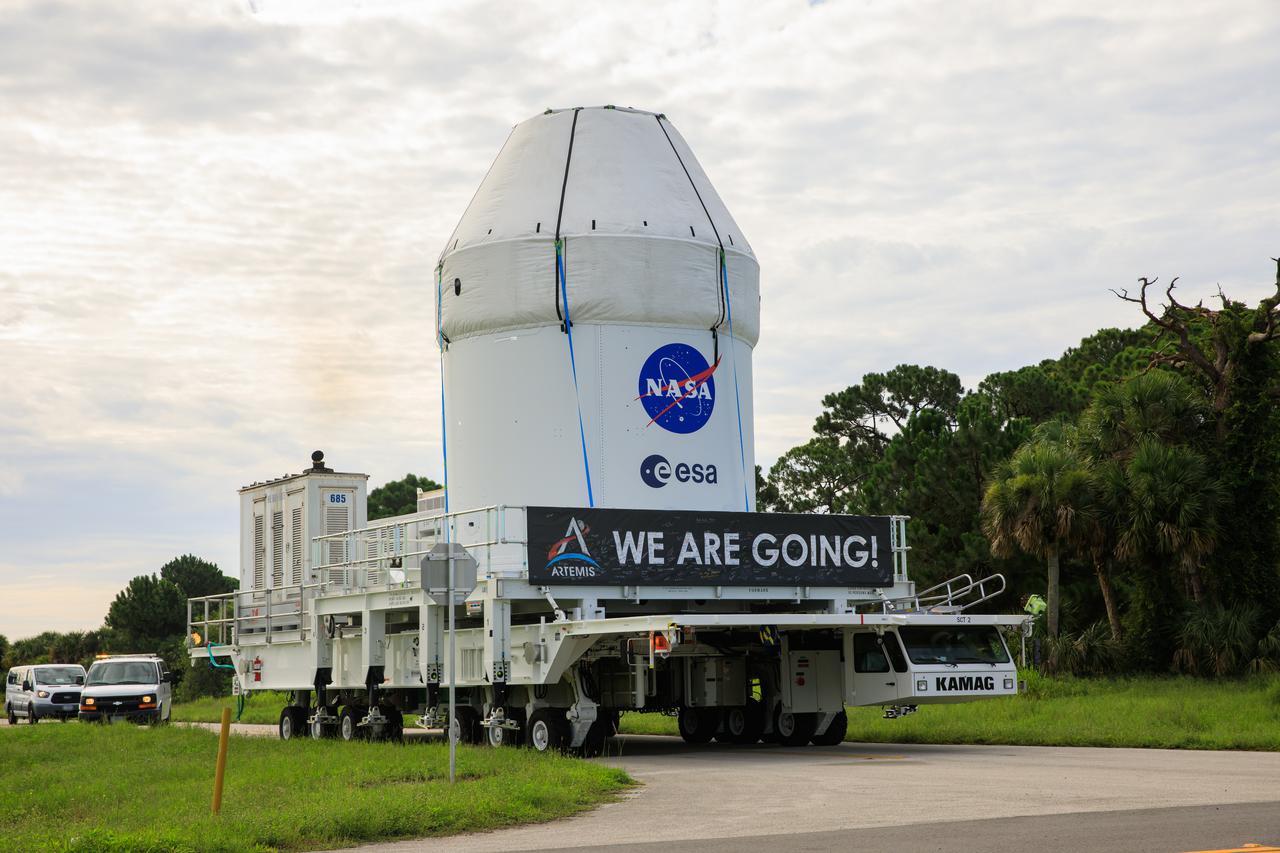
The Orion spacecraft for the Artemis I mission is transported from Kennedy Space Center’s Multi-Payload Processing Facility to the Florida spaceport’s Launch Abort System Facility on July 10, 2021. Teams with Exploration Ground Systems and contractor Jacobs will integrate components of the launch abort system onto the spacecraft. Launching later this year, Artemis I will be a test of the Orion spacecraft and SLS rocket as an integrated system ahead of crewed flights to the Moon.
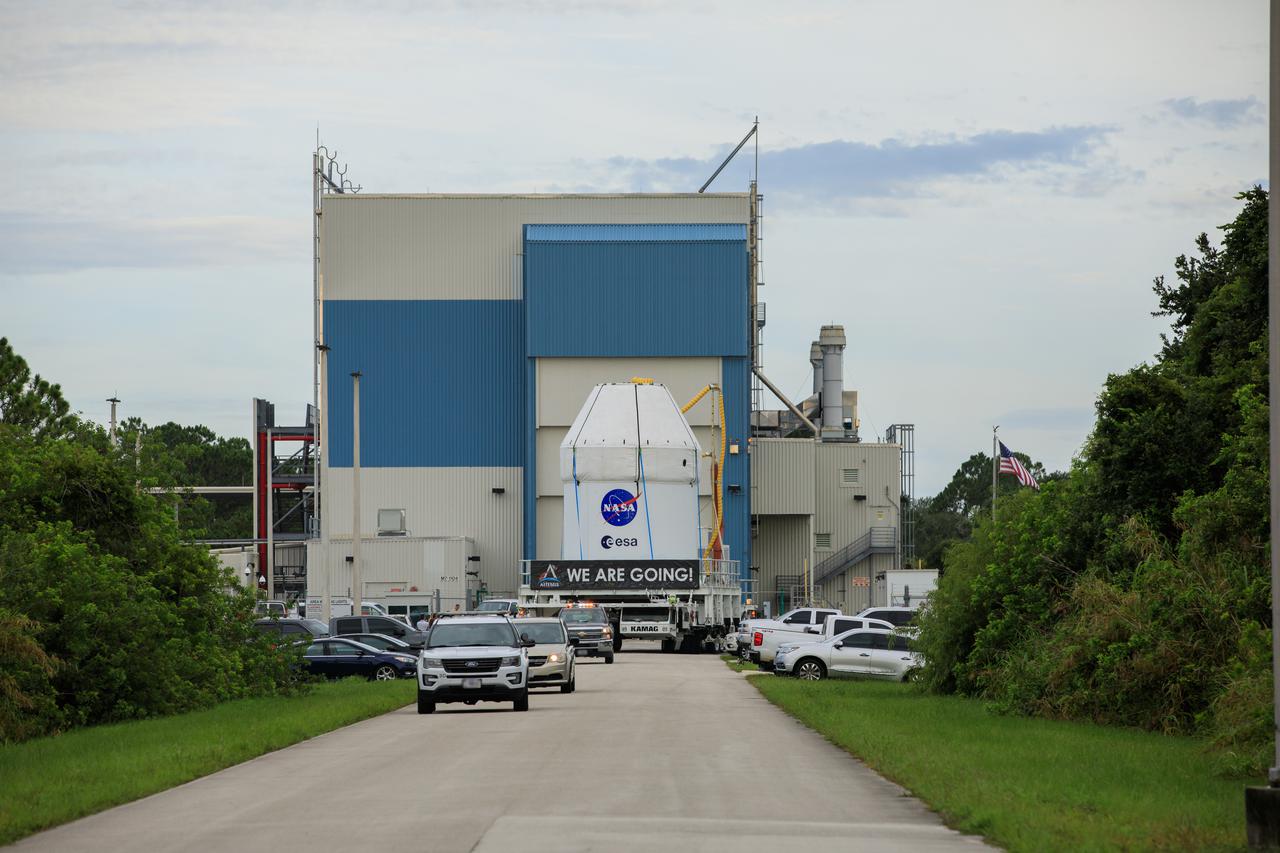
After recently completing fueling and servicing checks, the Orion spacecraft for the Artemis I mission departs Kennedy Space Center’s Multi-Payload Processing on July 10, 2021. The capsule is being transported to the Florida spaceport’s Launch Abort System Facility, where teams with Exploration Ground Systems and contractor Jacobs will integrate components of the launch abort system onto the spacecraft. Launching later this year, Artemis I will be a test of the Orion spacecraft and SLS rocket as an integrated system ahead of crewed flights to the Moon.
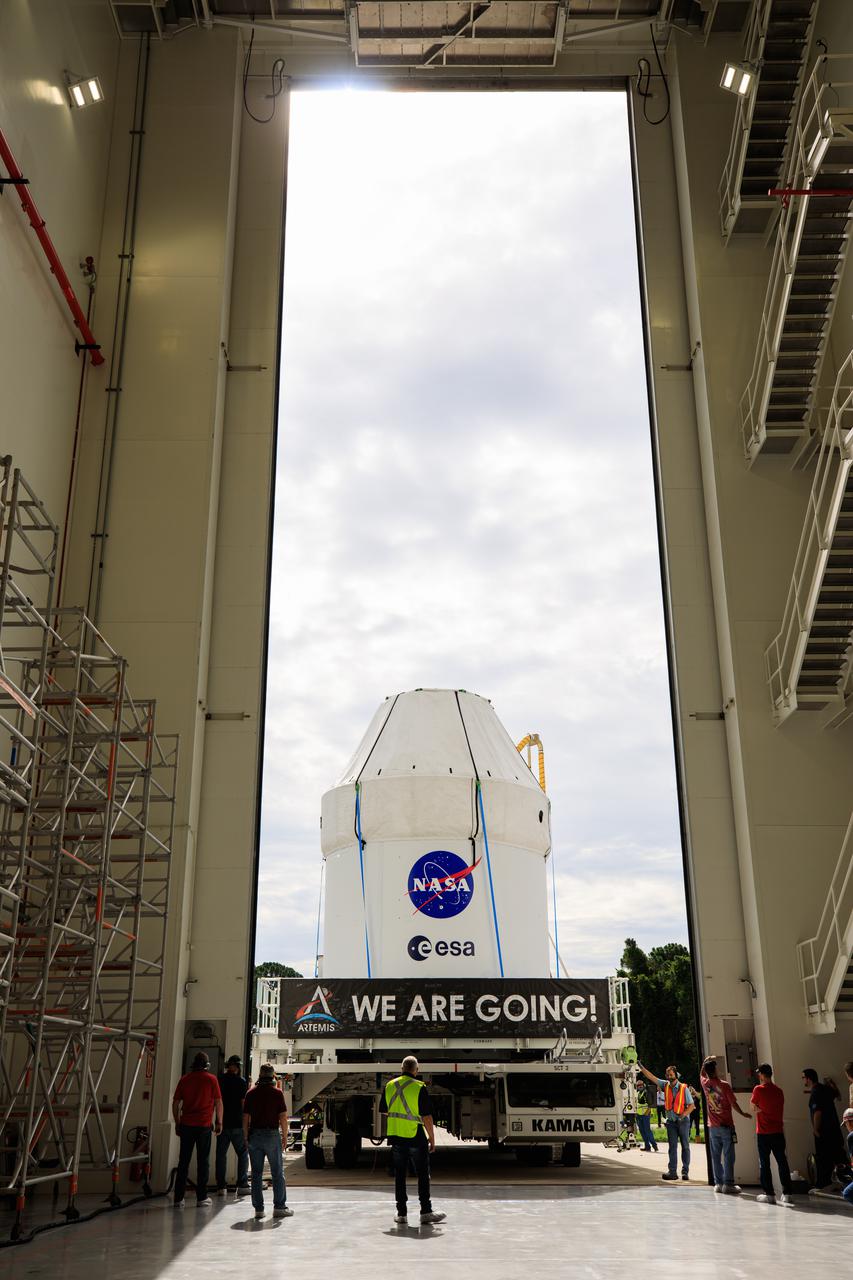
The Orion spacecraft for the Artemis I mission arrives at Kennedy Space Center’s Launch Abort System facility on July 10, 2021, after being transported from the Florida spaceport’s Multi-Payload Processing Facility earlier in the day. Teams with Exploration Ground Systems and contractor Jacobs will integrate components of the launch abort system onto the spacecraft. Launching later this year, Artemis I will be a test of the Orion spacecraft and SLS rocket as an integrated system ahead of crewed flights to the Moon.
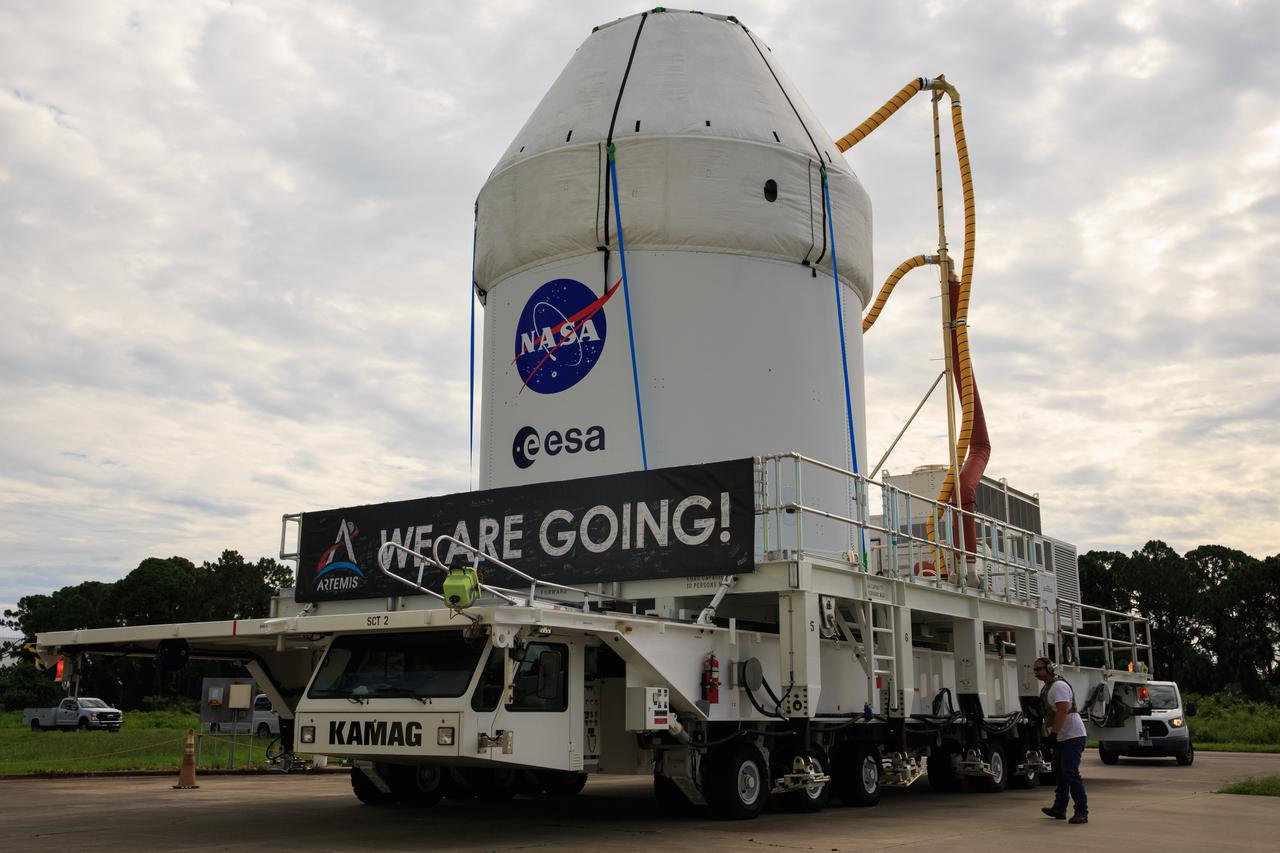
The Orion spacecraft for the Artemis I mission is transported from Kennedy Space Center’s Multi-Payload Processing Facility to the Florida spaceport’s Launch Abort System Facility on July 10, 2021. Teams with Exploration Ground Systems and contractor Jacobs will integrate components of the launch abort system onto the spacecraft. Launching later this year, Artemis I will be a test of the Orion spacecraft and SLS rocket as an integrated system ahead of crewed flights to the Moon.
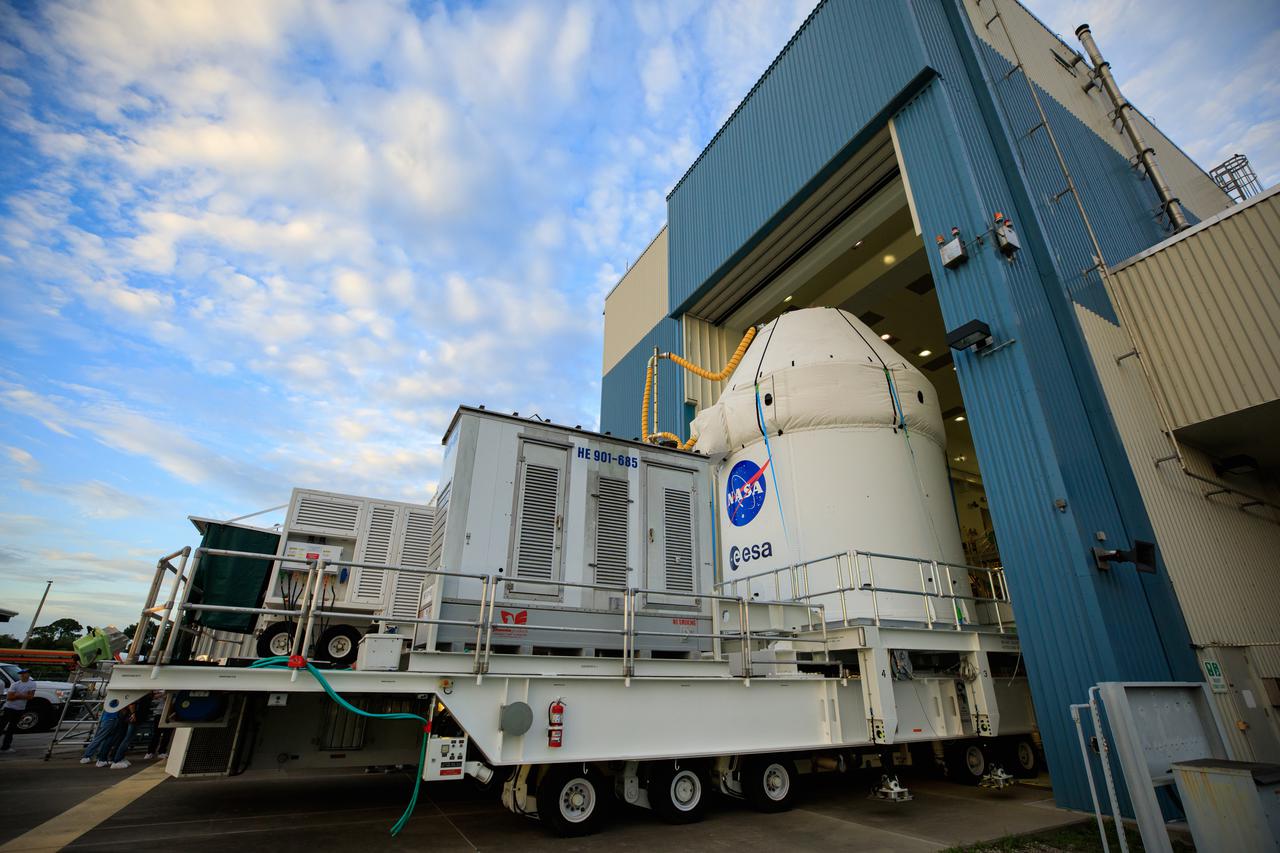
After recently completing fueling and servicing checks, the Orion spacecraft for the Artemis I mission departs from Kennedy Space Center’s Multi-Payload Processing on July 10, 2021. It is being transported to the Florida spaceport’s Launch Abort System Facility, where teams with Exploration Ground Systems and contractor Jacobs will integrate components of the launch abort system onto the spacecraft. Launching later this year, Artemis I will be a test of the Orion spacecraft and SLS rocket as an integrated system ahead of crewed flights to the Moon.
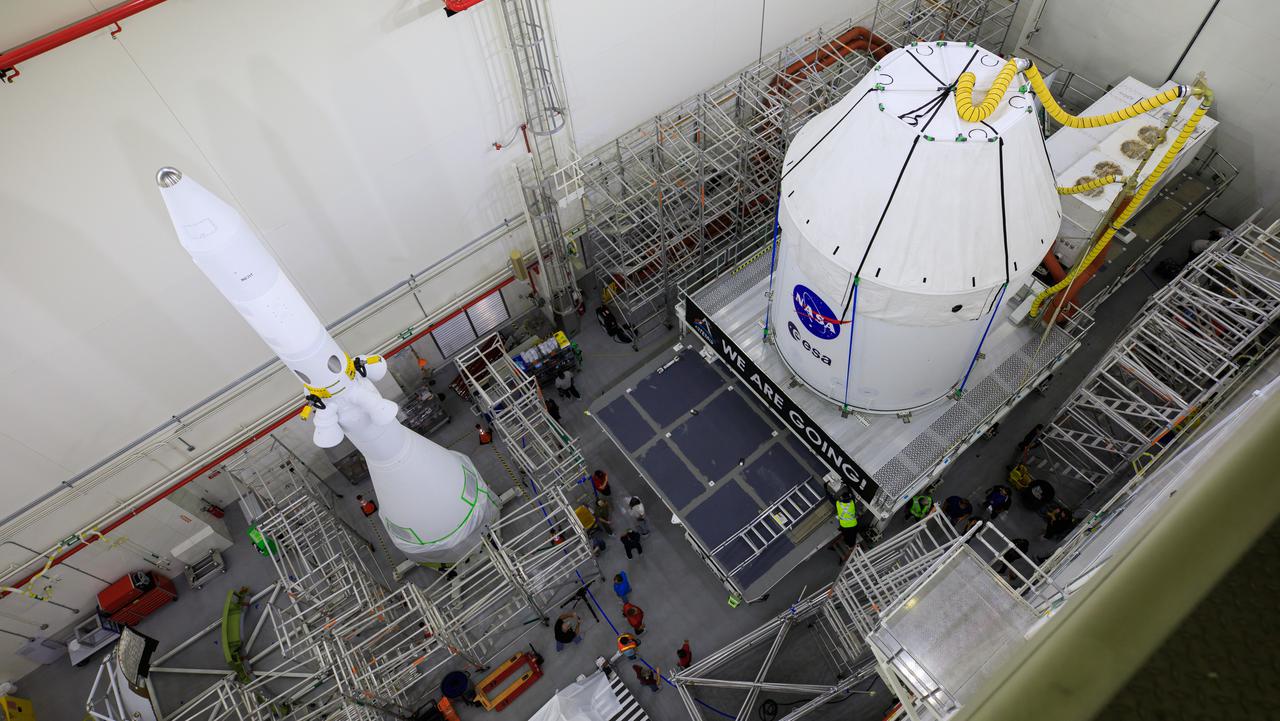
The Orion spacecraft for the Artemis I mission arrives at Kennedy Space Center’s Launch Abort System facility on July 10, 2021, after being transported from the Florida spaceport’s Multi-Payload Processing Facility earlier in the day. Teams with Exploration Ground Systems and contractor Jacobs will integrate components of the launch abort system onto the spacecraft. Launching later this year, Artemis I will be a test of the Orion spacecraft and SLS rocket as an integrated system ahead of crewed flights to the Moon.
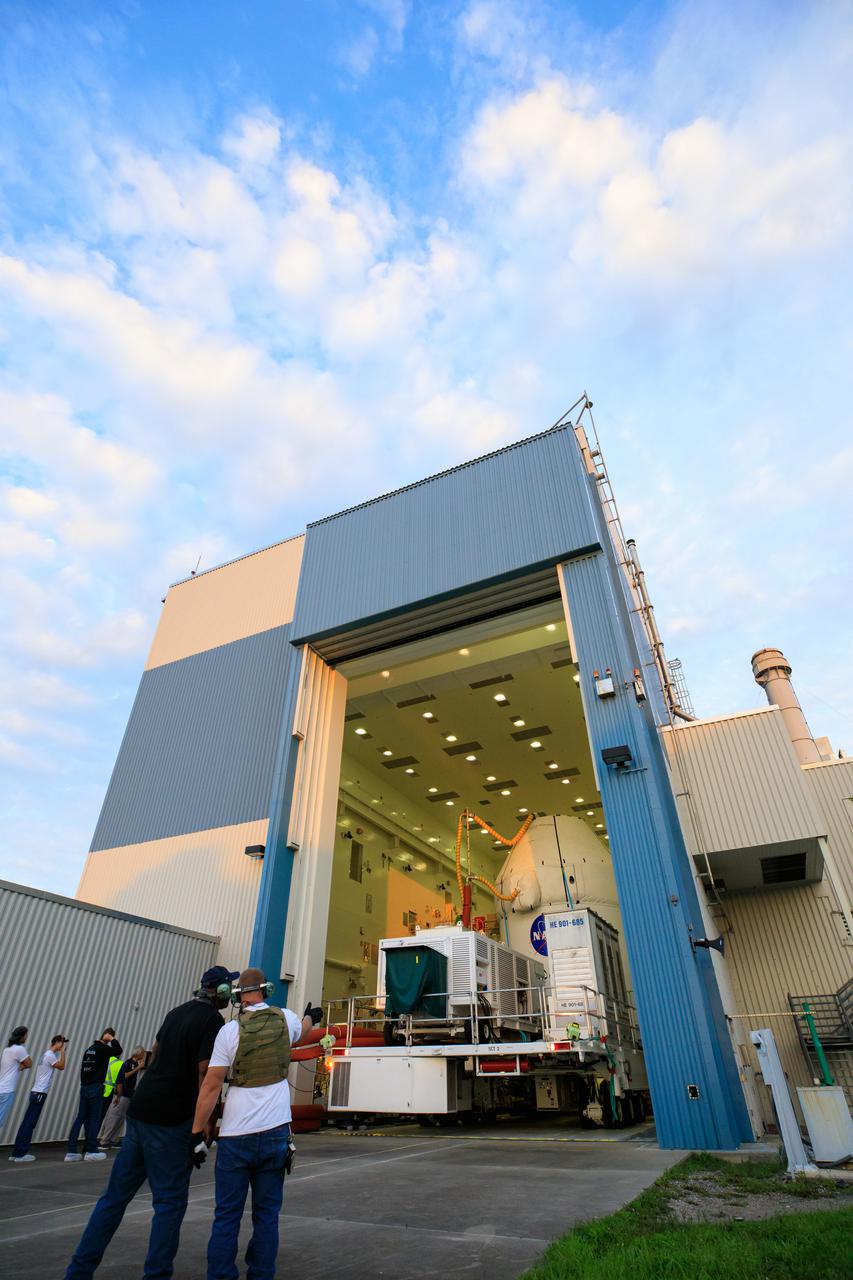
After recently completing fueling and servicing checks, the Orion spacecraft for the Artemis I mission departs from Kennedy Space Center’s Multi-Payload Processing on July 10, 2021. It is being transported to the Florida spaceport’s Launch Abort System Facility, where teams with Exploration Ground Systems and contractor Jacobs will integrate components of the launch abort system onto the spacecraft. Launching later this year, Artemis I will be a test of the Orion spacecraft and SLS rocket as an integrated system ahead of crewed flights to the Moon.
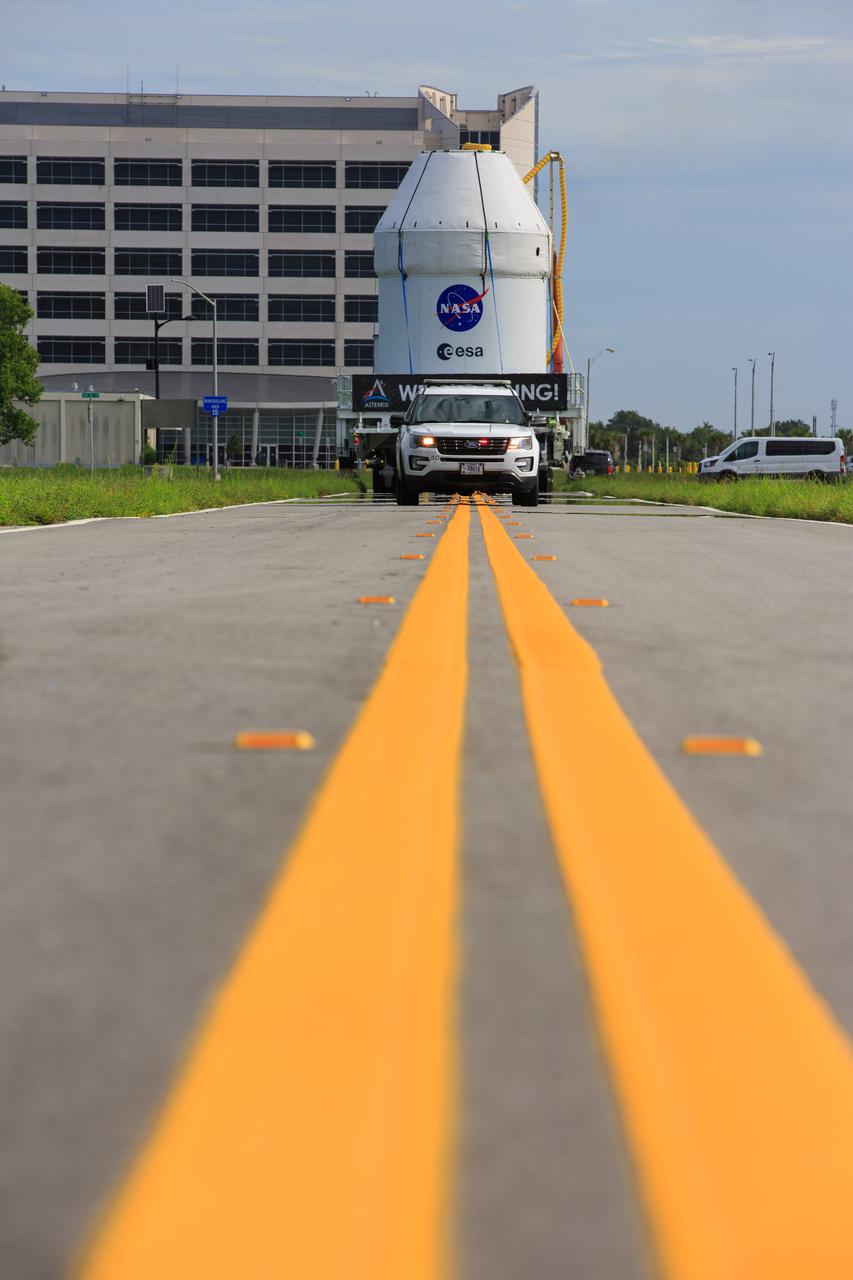
The Orion spacecraft for the Artemis I mission is transported from Kennedy Space Center’s Multi-Payload Processing Facility to the Florida spaceport’s Launch Abort System Facility on July 10, 2021. Teams with Exploration Ground Systems and contractor Jacobs will integrate components of the launch abort system onto the spacecraft. Launching later this year, Artemis I will be a test of the Orion spacecraft and SLS rocket as an integrated system ahead of crewed flights to the Moon.
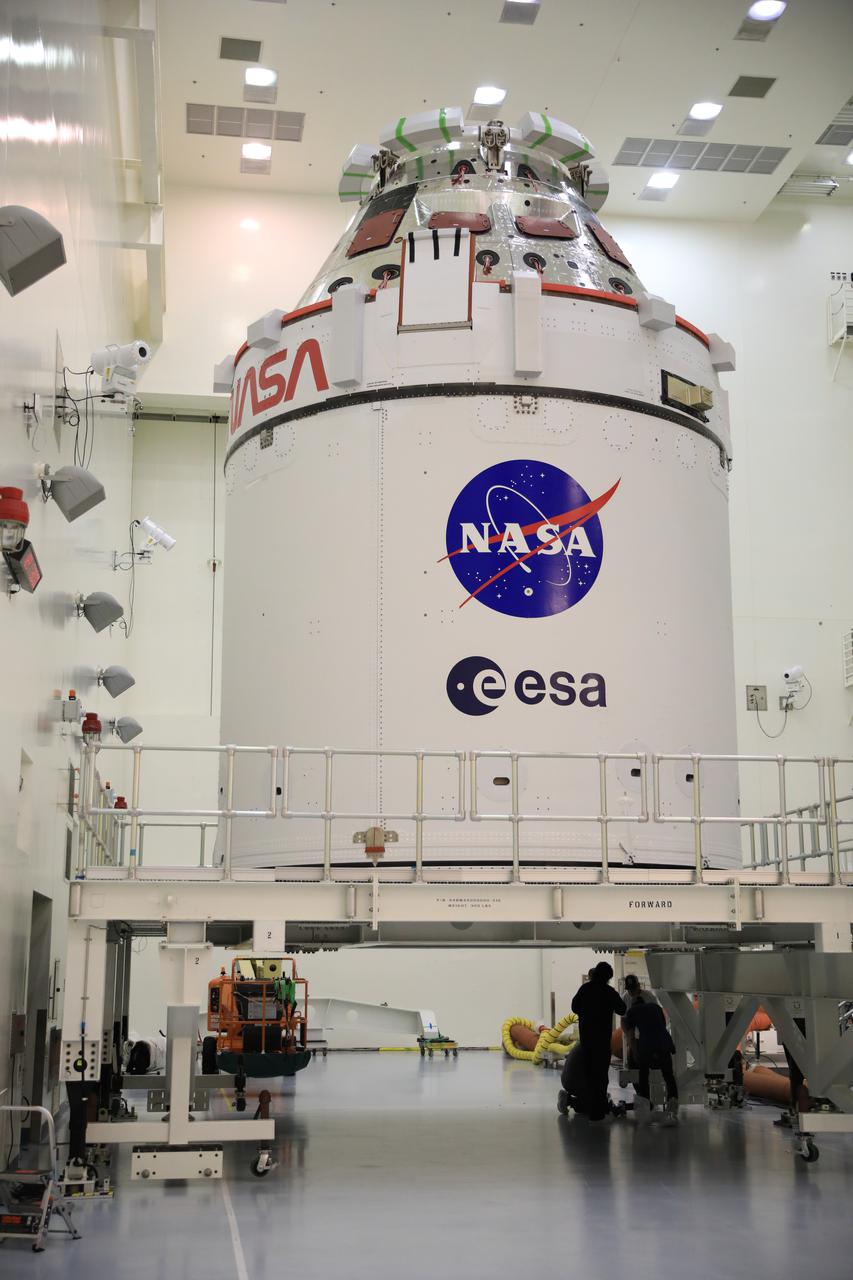
Fueling and servicing checks on the Orion spacecraft for the Artemis I mission are completed inside Kennedy Space Center’s Multi-Payload Processing Facility on July 8, 2021. The capsule will be transported to the Florida spaceport’s Launch Abort System Facility, where teams with Exploration Ground Systems and contractor Jacobs will work to add parts of the launch abort system onto the spacecraft. Launching later this year, Artemis I will be a test of the Orion spacecraft and SLS rocket as an integrated system ahead of crewed flights to the Moon.
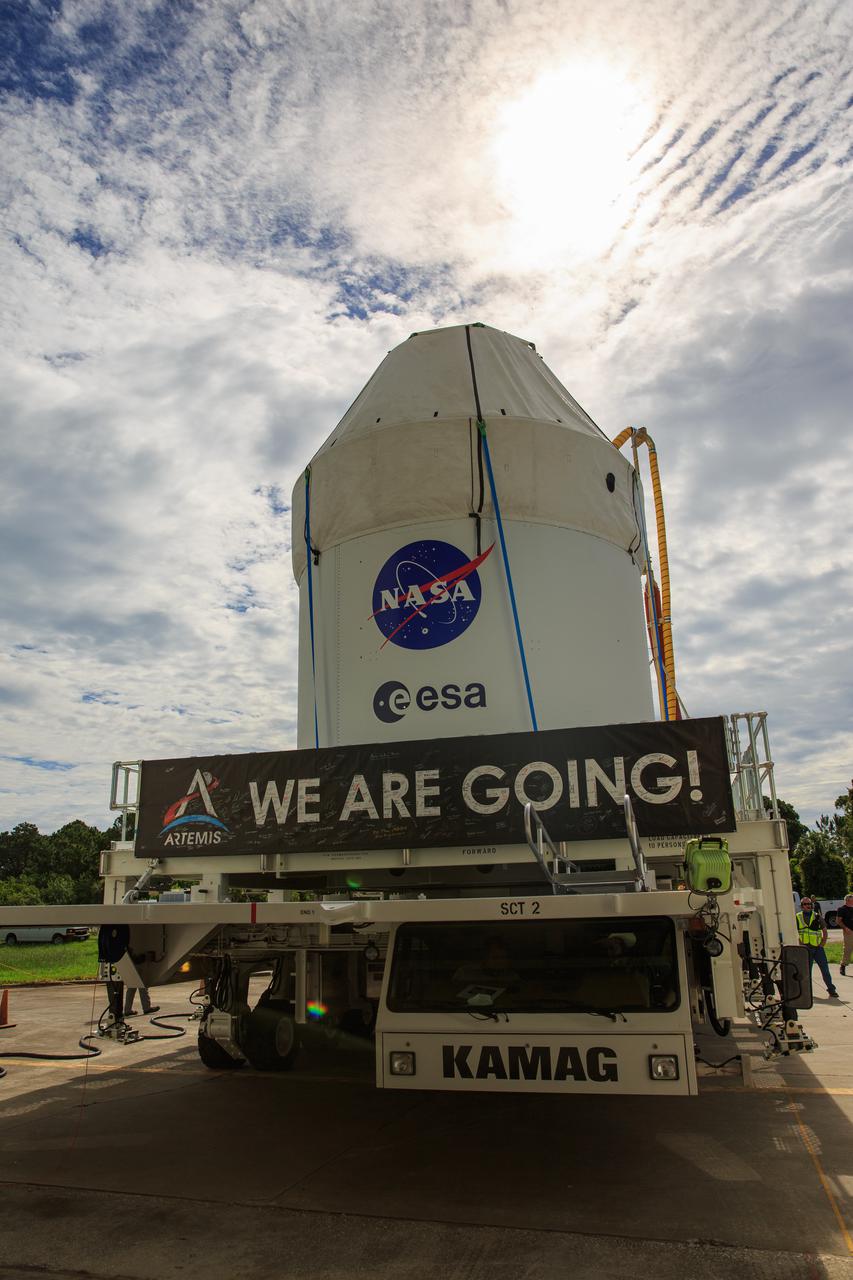
The Orion spacecraft for the Artemis I mission is transported from Kennedy Space Center’s Multi-Payload Processing Facility to the Florida spaceport’s Launch Abort System Facility on July 10, 2021. Teams with Exploration Ground Systems and contractor Jacobs will integrate components of the launch abort system onto the spacecraft. Launching later this year, Artemis I will be a test of the Orion spacecraft and SLS rocket as an integrated system ahead of crewed flights to the Moon.
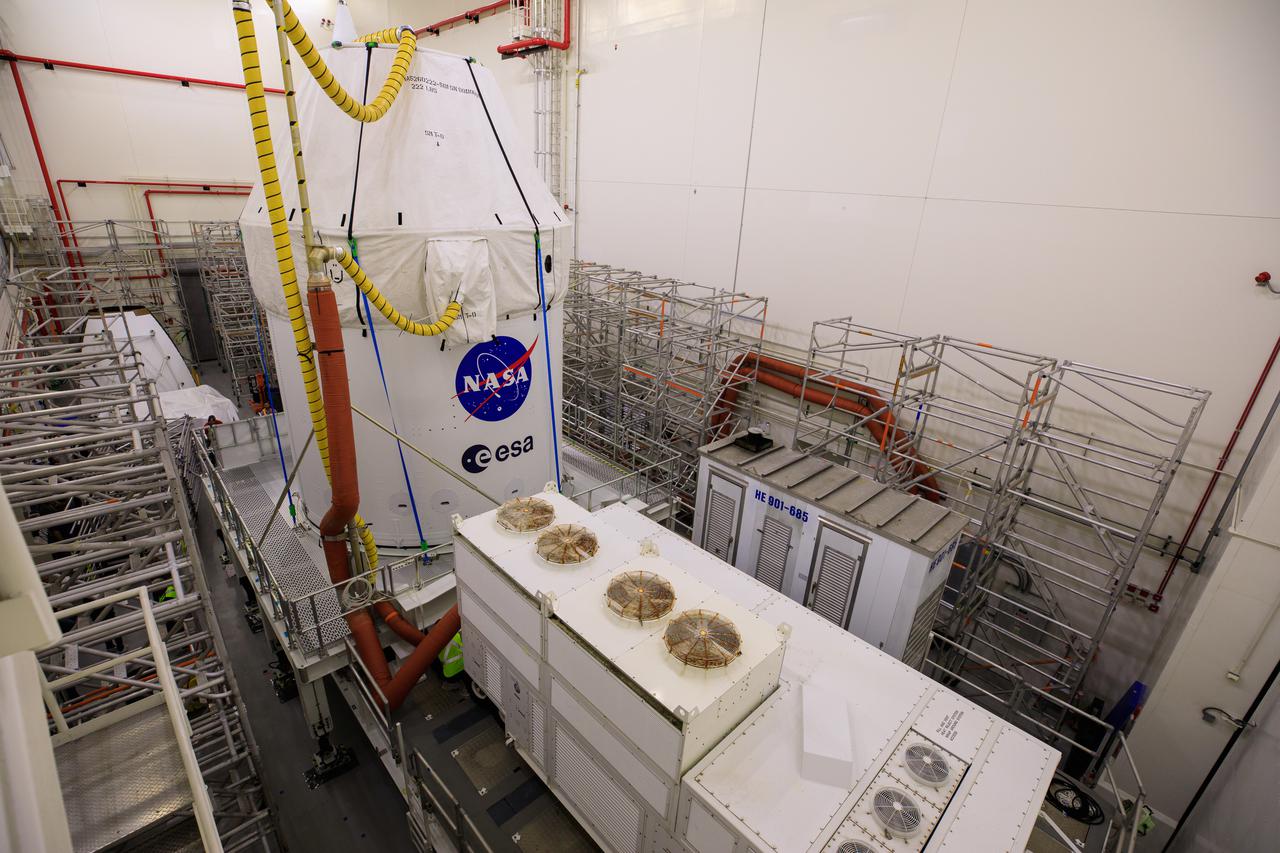
The Orion spacecraft for the Artemis I mission arrives at Kennedy Space Center’s Launch Abort System facility on July 10, 2021, after being transported from the Florida spaceport’s Multi-Payload Processing Facility earlier in the day. Teams with Exploration Ground Systems and contractor Jacobs will integrate components of the launch abort system onto the spacecraft. Launching later this year, Artemis I will be a test of the Orion spacecraft and SLS rocket as an integrated system ahead of crewed flights to the Moon.
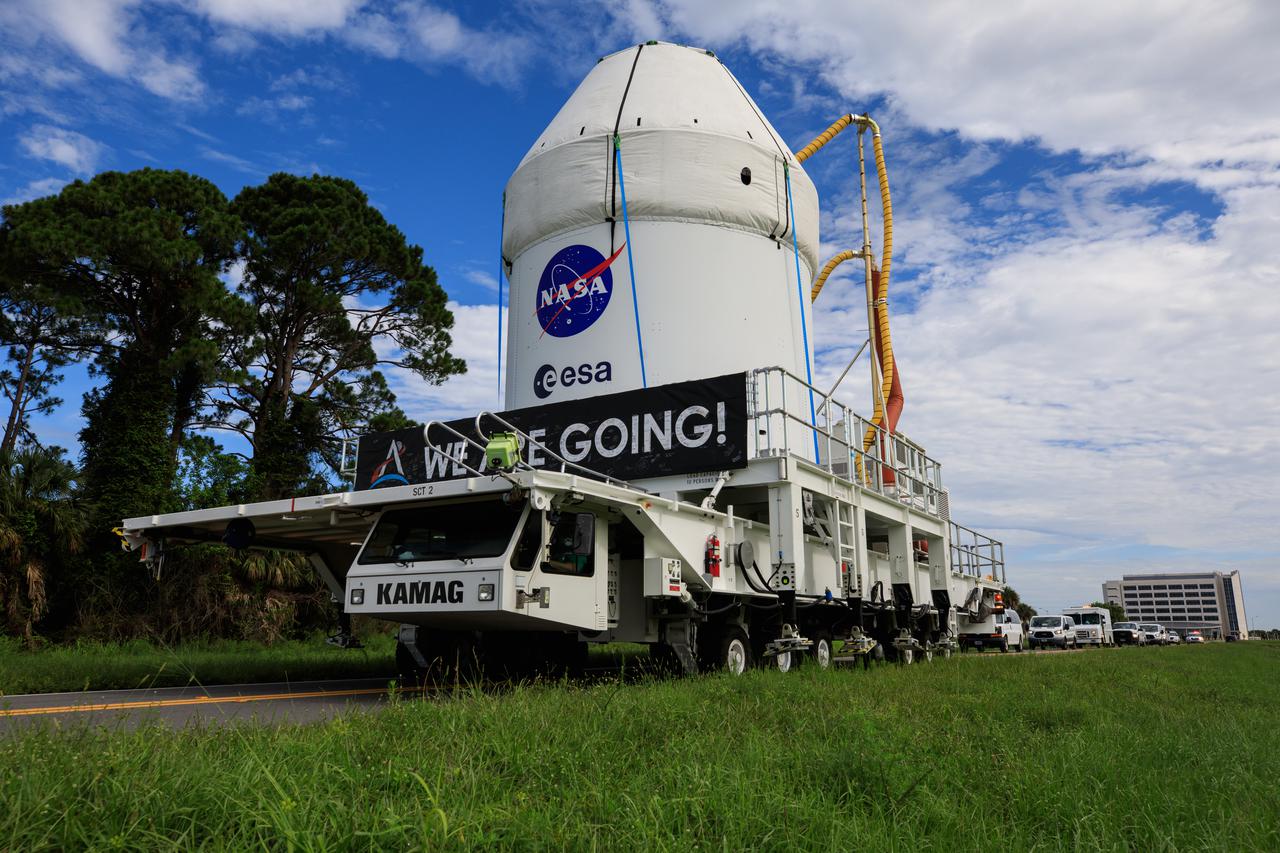
The Orion spacecraft for the Artemis I mission is transported from Kennedy Space Center’s Multi-Payload Processing Facility to the Florida spaceport’s Launch Abort System Facility on July 10, 2021. Teams with Exploration Ground Systems and contractor Jacobs will integrate components of the launch abort system onto the spacecraft. Launching later this year, Artemis I will be a test of the Orion spacecraft and SLS rocket as an integrated system ahead of crewed flights to the Moon.
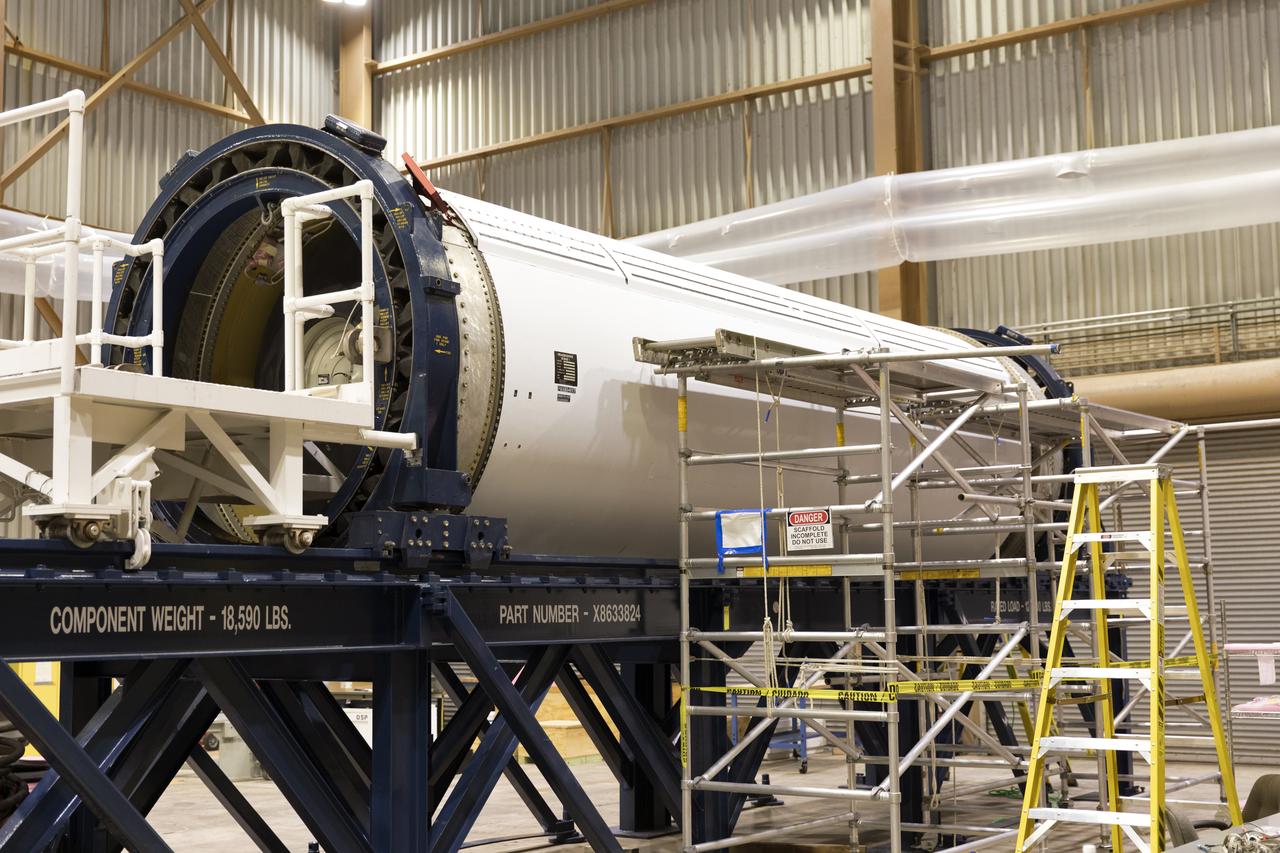
The ground test motor for Orion's Launch Abort System (LAS) is secured on a work stand inside the Rotation, Processing and Surge Facility on July 31, 2018, at NASA's Kennedy Space Center in Florida. It will be inspected and prepared for transport to Space Launch Complex 46 (SLC-46) at Cape Canaveral Air Force Station for mechanical fit testing. This inert motor will not be used for flight, but will be used to certify flight hardware assembly in preparation for a full-stress test of the LAS, called Ascent Abort-2 (AA-2) flight test, scheduled for April 2019. During the test, the booster will launch from SLC 46, carrying a fully functional LAS and a 22,000-pound Orion test vehicle to an altitude of 31,000 feet and traveling at more than 1,000 miles an hour. The test will verify the LAS can steer the crew module and astronauts aboard to safety in the event of an issue with the Space Launch System (SLS) rocket when the spacecraft is under the highest aerodynamic loads it will experience during a rapid climb into space. NASA's Orion and Exploration Ground Systems programs and their contractors from Jacob's and Northrup Grumman in conjunction with the Air Force Space and Missile Center's Launch Operations branch are performing the pathfinding exercises and flight operations for AA-2.
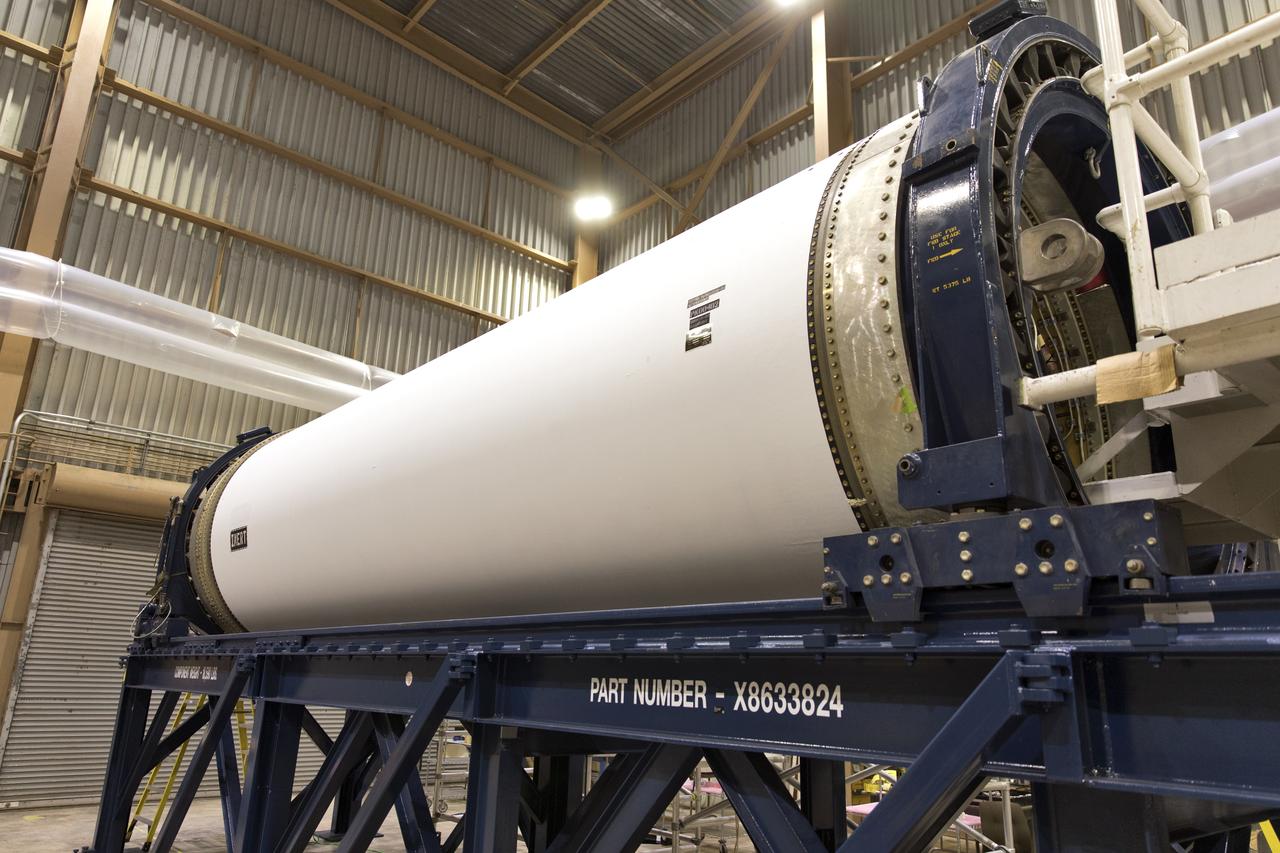
The ground test motor for Orion's Launch Abort System (LAS) is secured on a work stand inside the Rotation, Processing and Surge Facility on July 31, 2018, at NASA's Kennedy Space Center in Florida. It will be inspected and prepared for transport to Space Launch Complex 46 (SLC-46) at Cape Canaveral Air Force Station for mechanical fit testing. This inert motor will not be used for flight, but will be used to certify flight hardware assembly in preparation for a full-stress test of the LAS, called Ascent Abort-2 (AA-2) flight test, scheduled for April 2019. During the test, the booster will launch from SLC 46, carrying a fully functional LAS and a 22,000-pound Orion test vehicle to an altitude of 31,000 feet and traveling at more than 1,000 miles an hour. The test will verify the LAS can steer the crew module and astronauts aboard to safety in the event of an issue with the Space Launch System (SLS) rocket when the spacecraft is under the highest aerodynamic loads it will experience during a rapid climb into space. NASA's Orion and Exploration Ground Systems programs and their contractors from Jacob's and Northrup Grumman in conjunction with the Air Force Space and Missile Center's Launch Operations branch are performing the pathfinding exercises and flight operations for AA-2.
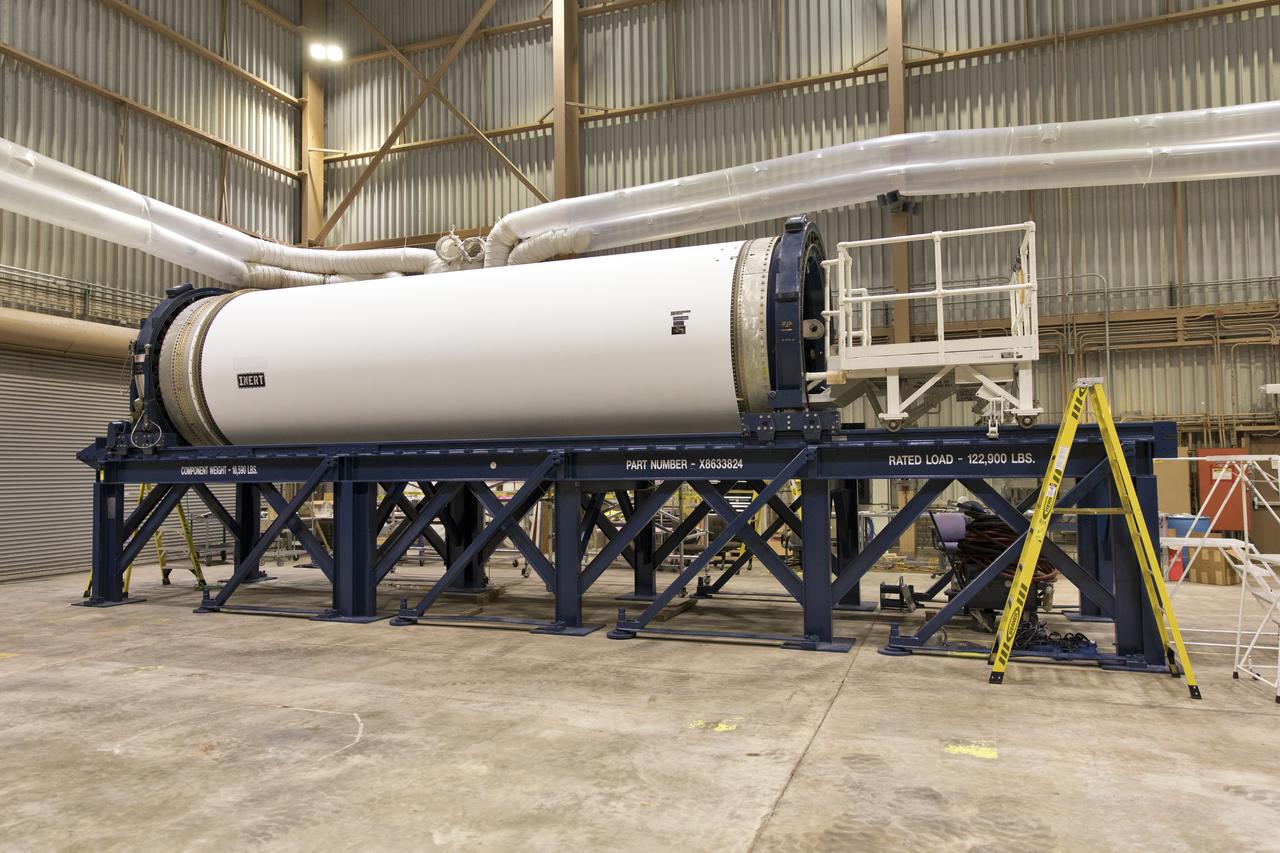
The ground test motor for Orion's Launch Abort System (LAS) is secured on a work stand inside the Rotation, Processing and Surge Facility on July 31, 2018, at NASA's Kennedy Space Center in Florida. It will be inspected and prepared for transport to Space Launch Complex 46 (SLC-46) at Cape Canaveral Air Force Station for mechanical fit testing. This inert motor will not be used for flight, but will be used to certify flight hardware assembly in preparation for a full-stress test of the LAS, called Ascent Abort-2 (AA-2) flight test, scheduled for April 2019. During the test, the booster will launch from SLC 46, carrying a fully functional LAS and a 22,000-pound Orion test vehicle to an altitude of 31,000 feet and traveling at more than 1,000 miles an hour. The test will verify the LAS can steer the crew module and astronauts aboard to safety in the event of an issue with the Space Launch System (SLS) rocket when the spacecraft is under the highest aerodynamic loads it will experience during a rapid climb into space. NASA's Orion and Exploration Ground Systems programs and their contractors from Jacob's and Northrup Grumman in conjunction with the Air Force Space and Missile Center's Launch Operations branch are performing the pathfinding exercises and flight operations for AA-2.

Inside the Multi-Operations Support Building near the Multi-Payload Processing Facility (MPPF) at NASA’s Kennedy Space Center in Florida on Aug. 16, 2019, rows of gloves that are part of Self-Contained Atmospheric Protective Ensemble (SCAPE) suits are in view inside a changing room. SCAPE technicians will practice putting on SCAPE suits for a test simulation of loading propellants into a replicated test tank for Orion. Exploration Ground Systems is preparing for Artemis 1 with a series of hazardous hyper test events at the MPPF. After donning their suits, the technicians will complete a tanking to test the system before Orion arrives for processing. During preparations for launch, these teams will be responsible for loading the Orion vehicle with propellants prior to transportation to the Vehicle Assembly Building, where it will be secured atop the Space Launch System rocket. SCAPE suits are used in operations involving toxic propellants and are supplied with air either through a hardline or through a self-contained environmental control unit.
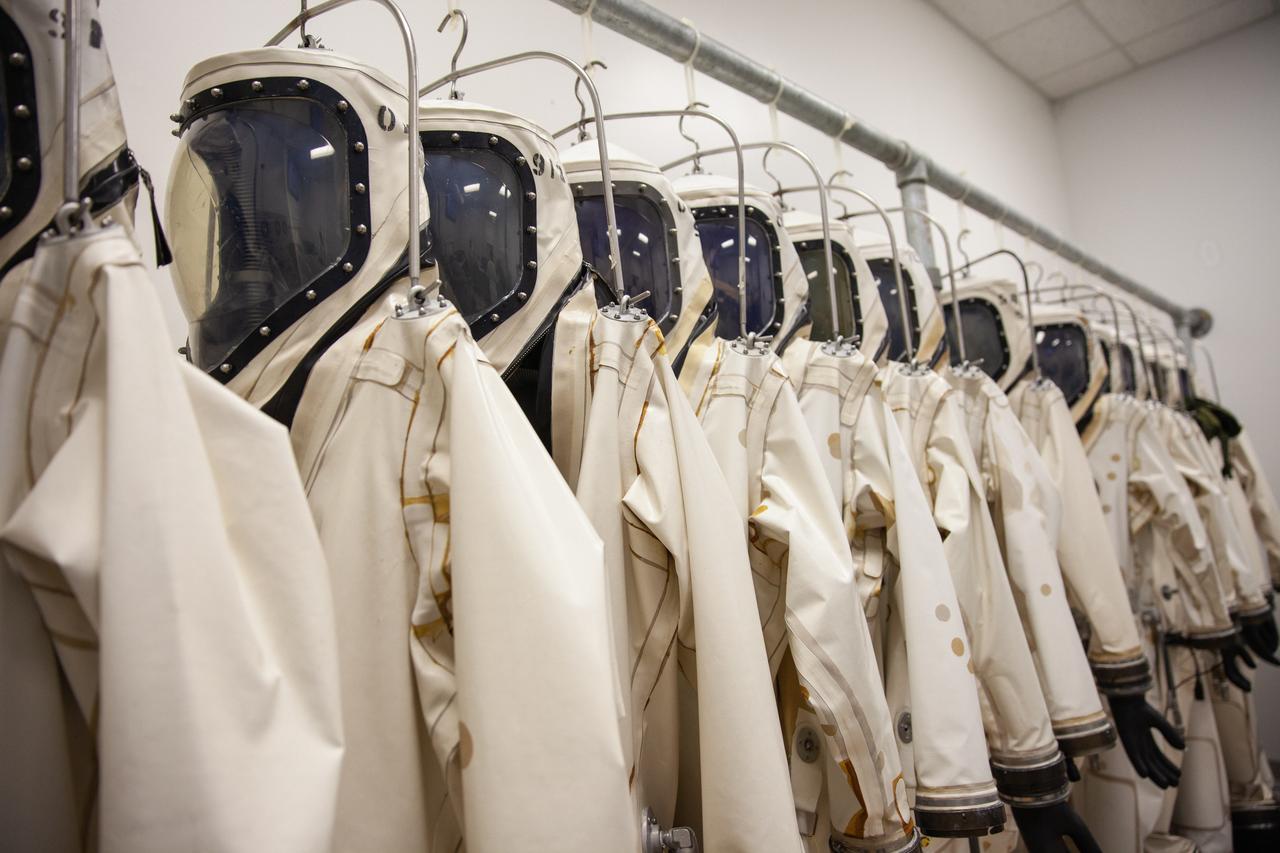
Inside the Multi-Operations Support Building near the Multi-Payload Processing Facility (MPPF) at NASA’s Kennedy Space Center in Florida on Aug. 16, 2019, a row of Self-Contained Atmospheric Protective Ensemble (SCAPE) suits are hanging inside a changing room. SCAPE technicians are practicing putting on the suits for a test simulation of loading propellants into a replicated test tank for Orion. Exploration Ground Systems is preparing for Artemis 1 with a series of hazardous hyper test events at the MPPF. After donning their suits, the technicians will complete a tanking to test the system before Orion arrives for processing. During preparations for launch, these teams will be responsible for loading the Orion vehicle with propellants prior to transportation to the Vehicle Assembly Building, where it will be secured atop the Space Launch System rocket. SCAPE suits are used in operations involving toxic propellants and are supplied with air either through a hardline or through a self-contained environmental control unit.
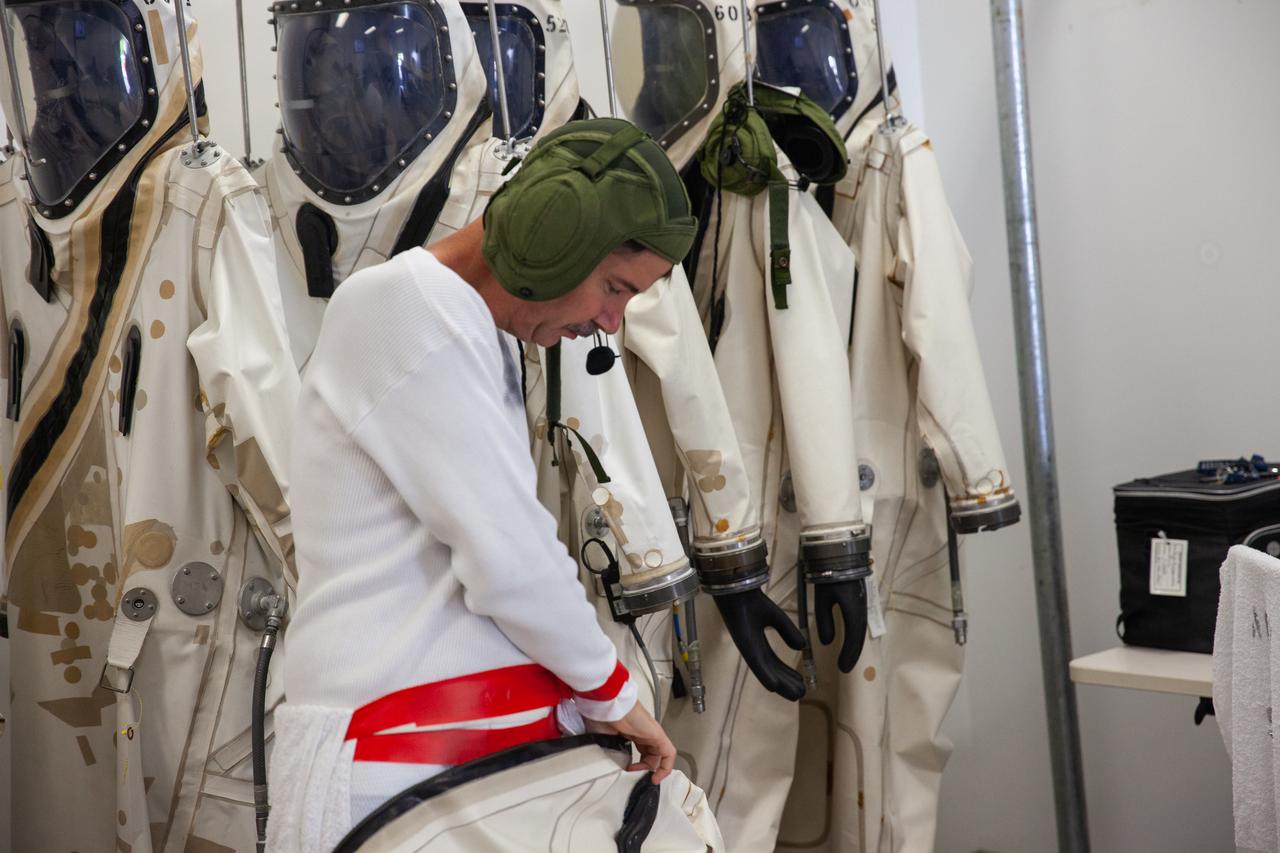
Inside the Multi-Operations Support Building near the Multi-Payload Processing Facility (MPPF) at NASA’s Kennedy Space Center in Florida, a technician prepares to put on a Self-Contained Atmospheric Protective Ensemble (SCAPE) suit inside a changing room on Aug. 16, 2019. SCAPE technicians are practicing putting on the suits for a test simulation of loading propellants into a replicated test tank for Orion. Exploration Ground Systems is preparing for Artemis 1 with a series of hazardous hyper test events at the MPPF. After donning their suits, the technicians will complete a tanking to test the system before Orion arrives for processing. During preparations for launch, these teams will be responsible for loading the Orion vehicle with propellants prior to transportation to the Vehicle Assembly Building, where it will be secured atop the Space Launch System rocket. SCAPE suits are used in operations involving toxic propellants and are supplied with air either through a hardline or through a self-contained environmental control unit.
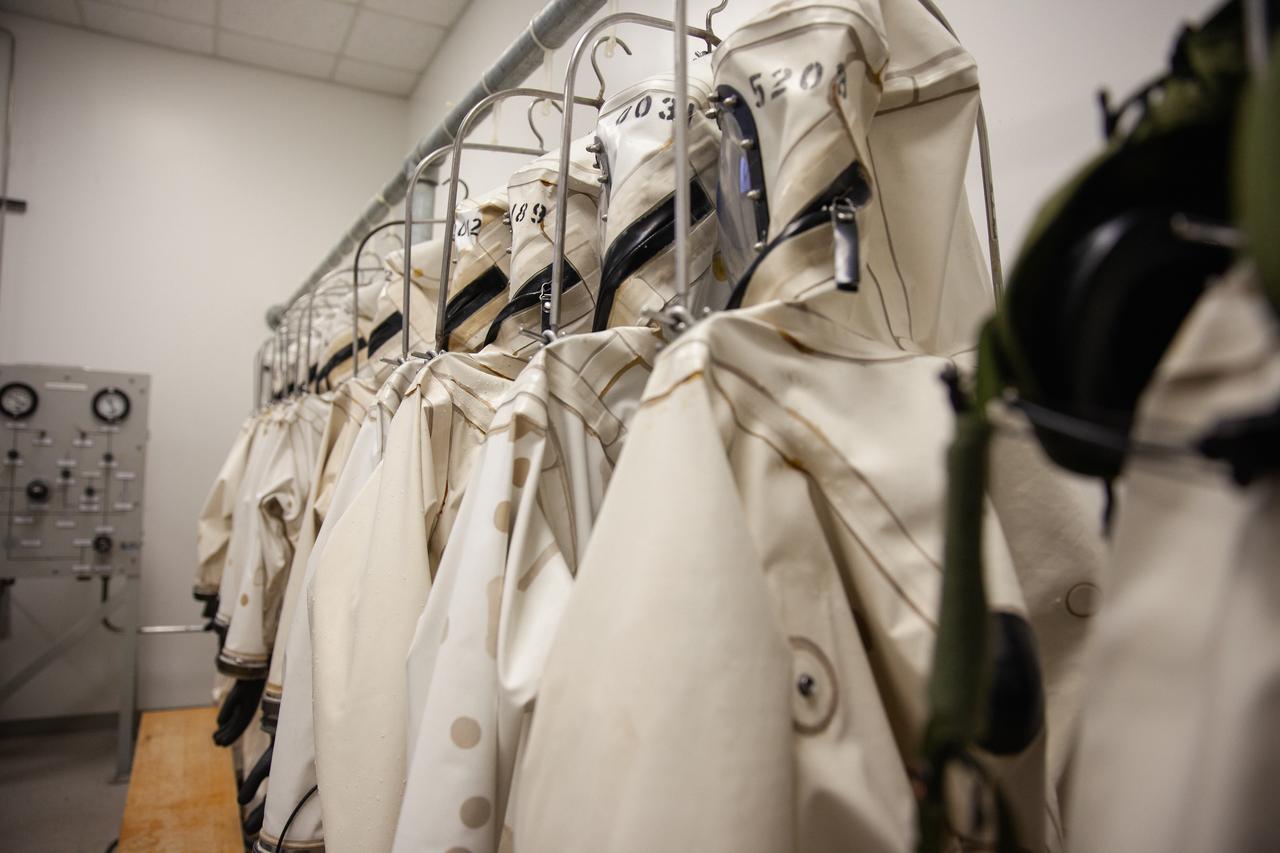
Inside the Multi-Operations Support Building near the Multi-Payload Processing Facility (MPPF) at NASA’s Kennedy Space Center in Florida on Aug. 16, 2019, a row of Self-Contained Atmospheric Protective Ensemble (SCAPE) suits are hanging inside a changing room. SCAPE technicians are practicing putting on their suits for a test simulation of loading propellants into a replicated test tank for Orion. Exploration Ground Systems is preparing for Artemis 1 with a series of hazardous hyper test events at the MPPF. After donning their suits, the technicians will complete a tanking to test the system before Orion arrives for processing. During preparations for launch, these teams will be responsible for loading the Orion vehicle with propellants prior to transportation to the Vehicle Assembly Building, where it will be secured atop the Space Launch System rocket. SCAPE suits are used in operations involving toxic propellants and are supplied with air either through a hardline or through a self-contained environmental control unit.
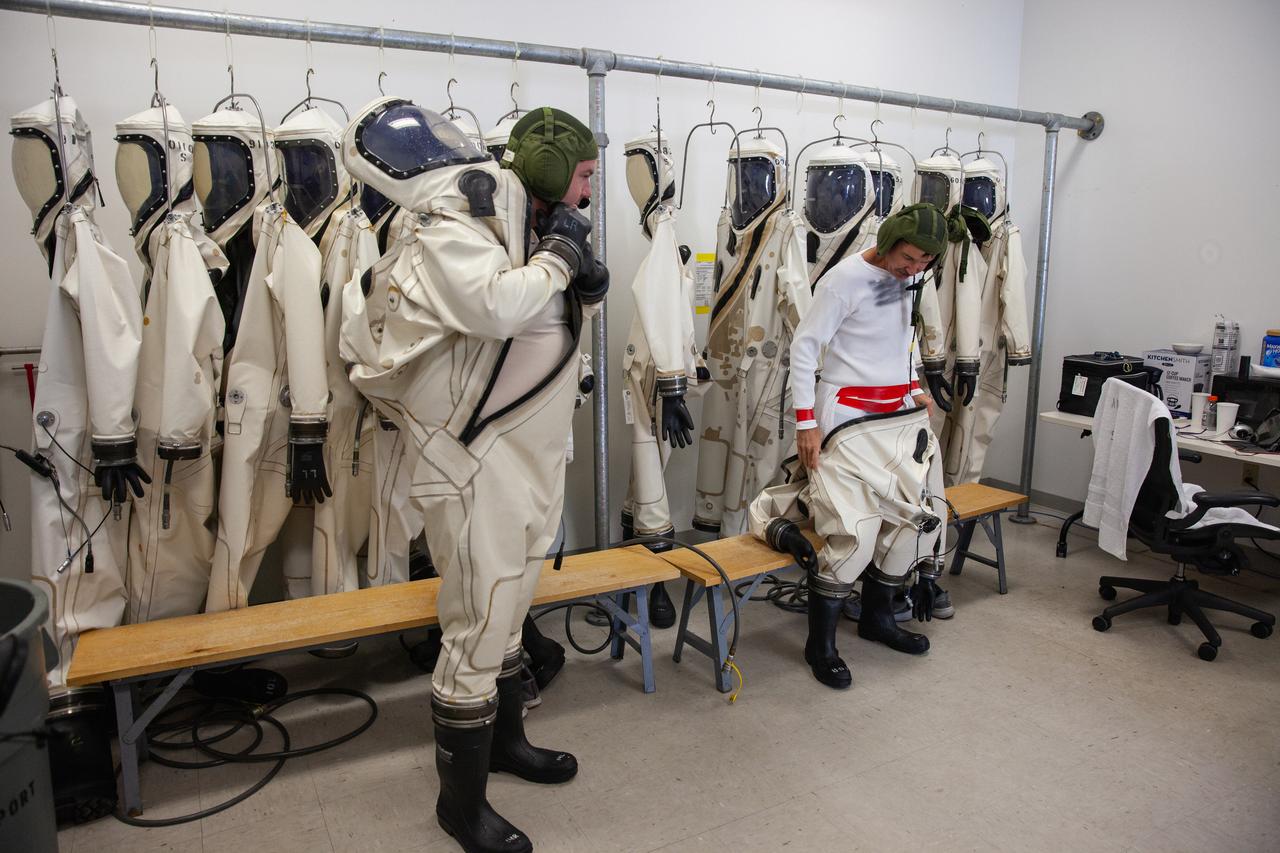
Inside the Multi-Operations Support Building near the Multi-Payload Processing Facility (MPPF) at NASA’s Kennedy Space Center in Florida, technicians put on Self-Contained Atmospheric Protective Ensemble (SCAPE) suits inside a changing room on Aug. 16, 2019. SCAPE technicians are practicing putting on the suits for a test simulation of loading propellants into a replicated test tank for Orion. Exploration Ground Systems is preparing for Artemis 1 with a series of hazardous hyper test events at the MPPF. After donning their suits, the technicians will complete a tanking to test the system before Orion arrives for processing. During preparations for launch, these teams will be responsible for loading the Orion vehicle with propellants prior to transportation to the Vehicle Assembly Building, where it will be secured atop the Space Launch System rocket. SCAPE suits are used in operations involving toxic propellants and are supplied with air either through a hardline or through a self-contained environmental control unit.
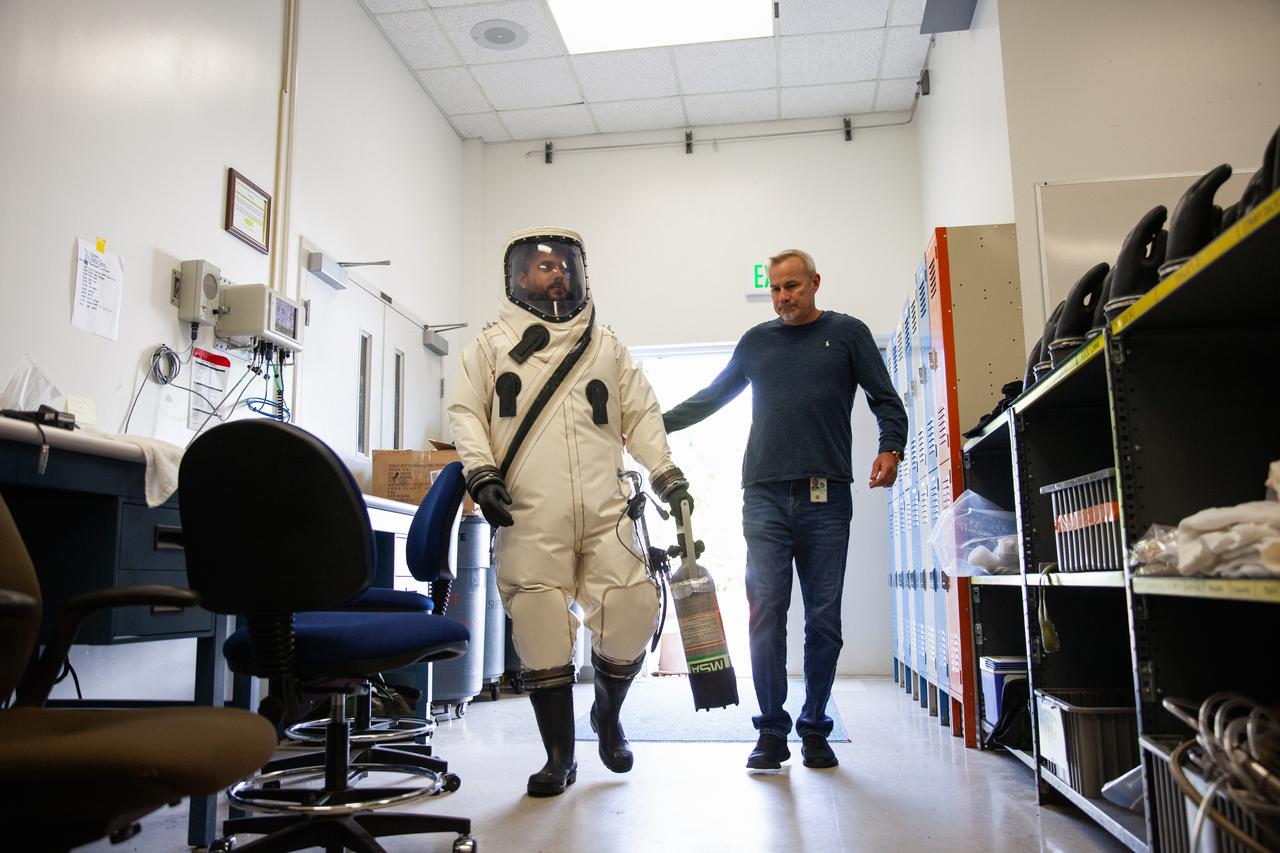
Inside the Multi-Operations Support Building near the Multi-Payload Processing Facility (MPPF) at NASA’s Kennedy Space Center in Florida, a technician is wearing a Self-Contained Atmospheric Protective Ensemble (SCAPE) suit to prepare for a test simulation of loading propellants into a replicated test tank for Orion, on Aug. 16, 2019. Exploration Ground Systems is preparing for Artemis 1 with a series of hazardous hyper test events at the MPPF. After donning their suits, the technicians will complete tanking to test the system before Orion arrives for processing. During preparations for launch, these teams will be responsible for loading the Orion vehicle with propellants prior to transportation to the Vehicle Assembly Building, where it will be secured atop the Space Launch System rocket. SCAPE suits are used in operations involving toxic propellants and are supplied with air either through a hardline or through a self-contained environmental control unit.
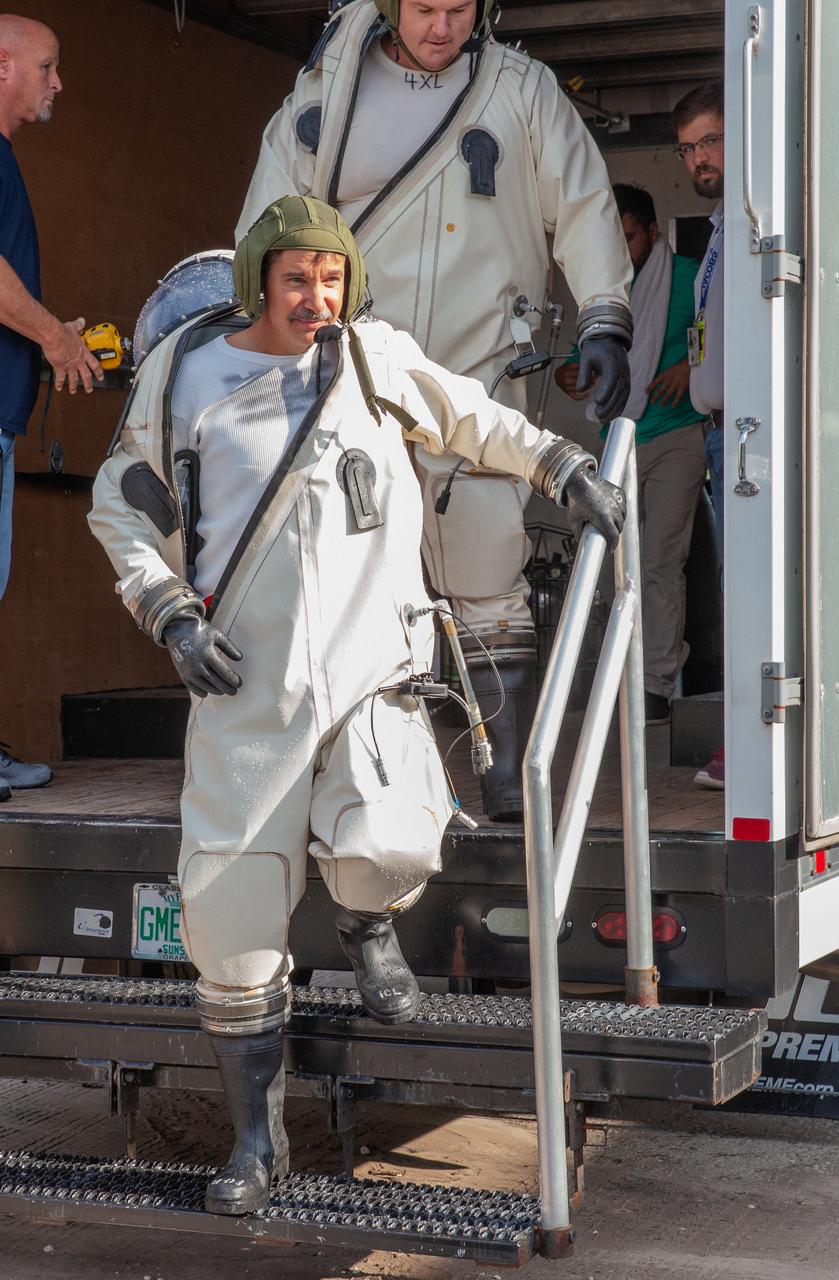
Technicians in Self-Contained Atmospheric Protective Ensemble (SCAPE) suits exit a truck near the Multi-Payload Processing Facility (MPPF) at NASA’s Kennedy Space Center in Florida, for a test simulation of loading propellants into a replicated test tank for Orion on Aug. 16, 2019. Exploration Ground Systems is preparing for Artemis 1 with a series of hazardous hyper test events at the MPPF. The technicians will complete a tanking to test the system before Orion arrives for processing. During preparations for launch, these teams will be responsible for loading the Orion vehicle with propellants prior to transportation to the Vehicle Assembly Building, where it will be secured atop the Space Launch System rocket. SCAPE suits are used in operations involving toxic propellants and are supplied with air either through a hardline or through a self-contained environmental control unit.
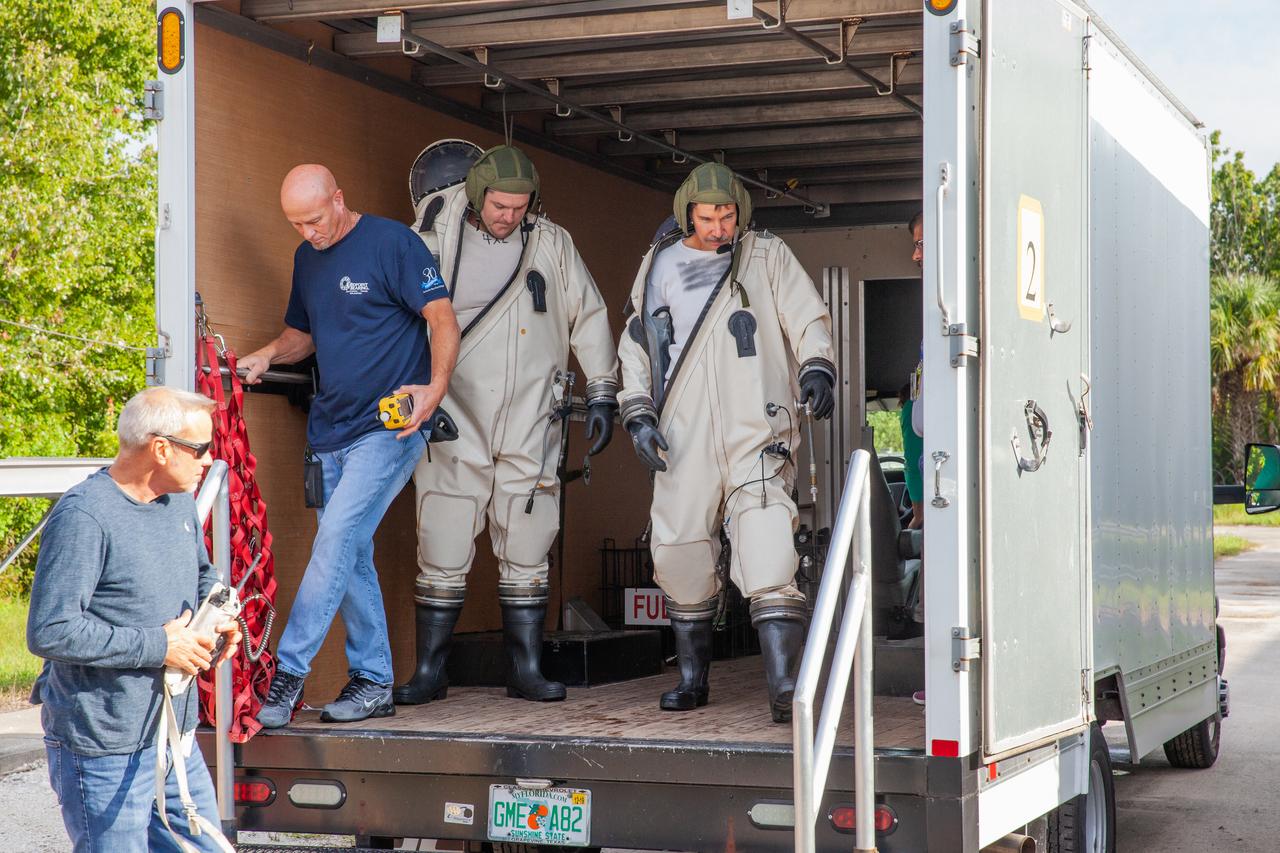
Technicians in Self-Contained Atmospheric Protective Ensemble (SCAPE) suits exit a truck near the Multi-Payload Processing Facility (MPPF) at NASA’s Kennedy Space Center in Florida, for a test simulation of loading propellants into a replicated test tank for Orion on Aug. 16, 2019. Exploration Ground Systems is preparing for Artemis 1 with a series of hazardous hyper test events at the MPPF. The technicians will complete a tanking to test the system before Orion arrives for processing. During preparations for launch, these teams will be responsible for loading the Orion vehicle with propellants prior to transportation to the Vehicle Assembly Building, where it will be secured atop the Space Launch System rocket. SCAPE suits are used in operations involving toxic propellants and are supplied with air either through a hardline or through a self-contained environmental control unit.
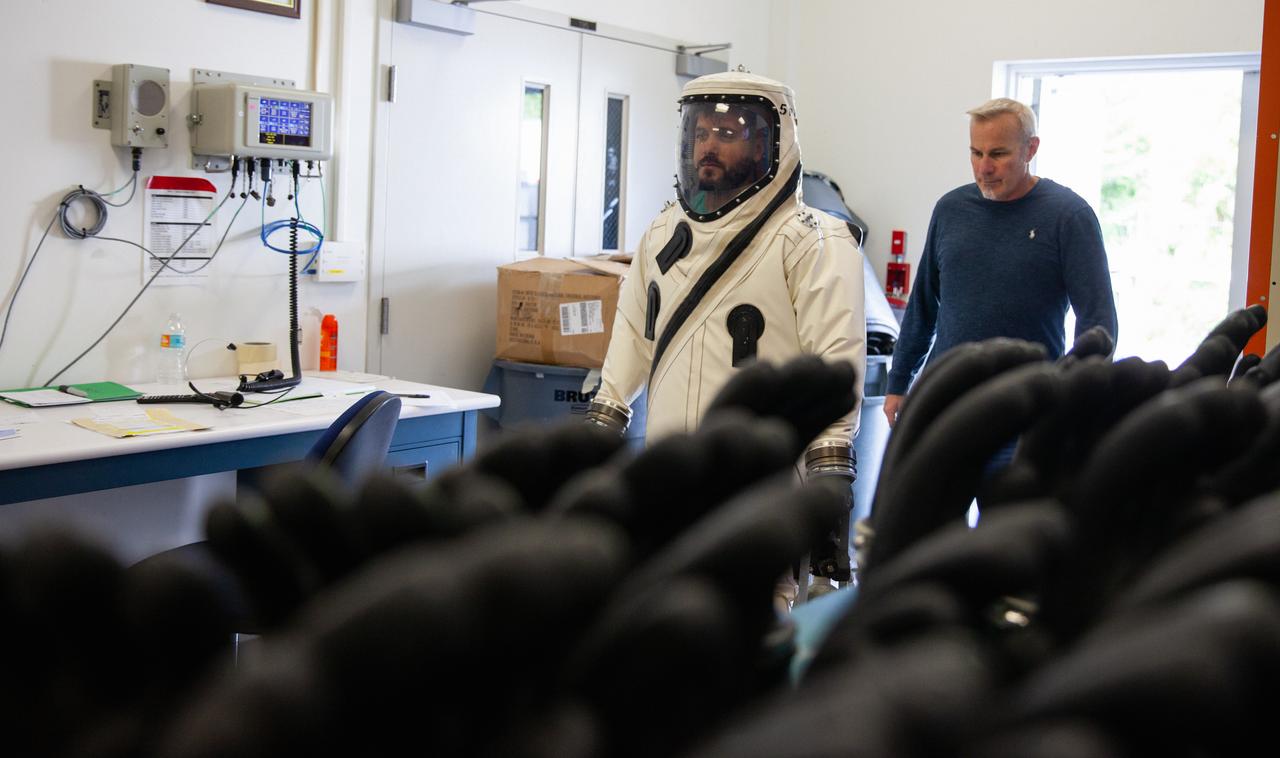
Inside the Multi-Operations Support Building near the Multi-Payload Processing Facility (MPPF) at NASA’s Kennedy Space Center in Florida, a technician is wearing a Self-Contained Atmospheric Protective Ensemble (SCAPE) suit to prepare for a test simulation of loading propellants into a replicated test tank for Orion, on Aug. 16, 2019. Exploration Ground Systems is preparing for Artemis 1 with a series of hazardous hyper test events at the MPPF. After donning their suits, the technicians will complete a tanking to test the system before Orion arrives for processing. During preparations for launch, these teams will be responsible for loading the Orion vehicle with propellants prior to transportation to the Vehicle Assembly Building, where it will be secured atop the Space Launch System rocket. SCAPE suits are used in operations involving toxic propellants and are supplied with air either through a hardline or through a self-contained environmental control unit.
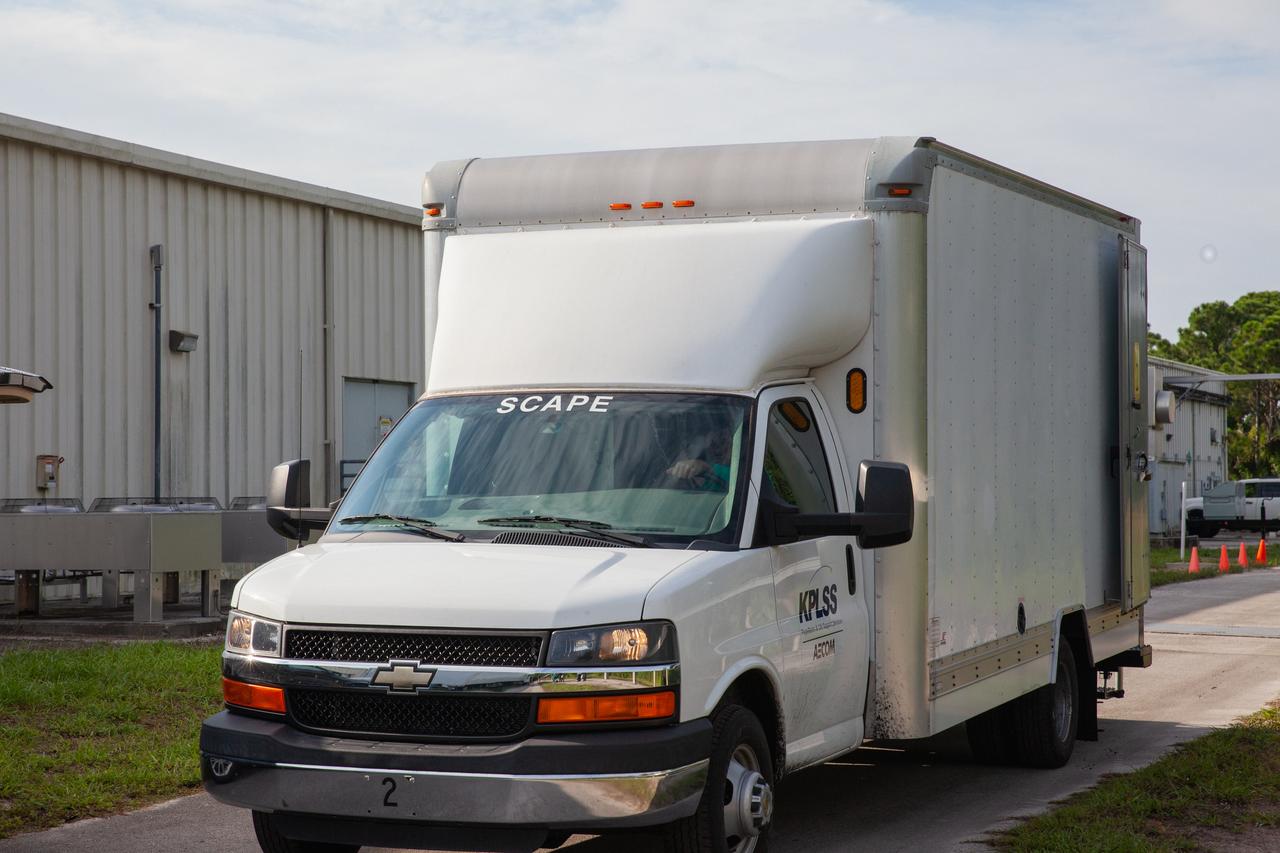
A truck transports technicians wearing Self-Contained Atmospheric Protective Ensemble (SCAPE) suits and operations support personnel to the Multi-Payload Processing Facility (MPPF) at NASA’s Kennedy Space Center in Florida, for a test simulation of loading propellants into a replicated test tank for Orion on Aug. 16, 2019. Exploration Ground Systems is preparing for Artemis 1 with a series of hazardous hyper test events at the MPPF. The technicians will complete a tanking to test the system before Orion arrives for processing. During preparations for launch, these teams will be responsible for loading the Orion vehicle with propellants prior to transportation to the Vehicle Assembly Building, where it will be secured atop the Space Launch System rocket. SCAPE suits are used in operations involving toxic propellants and are supplied with air either through a hardline or through a self-contained environmental control unit.
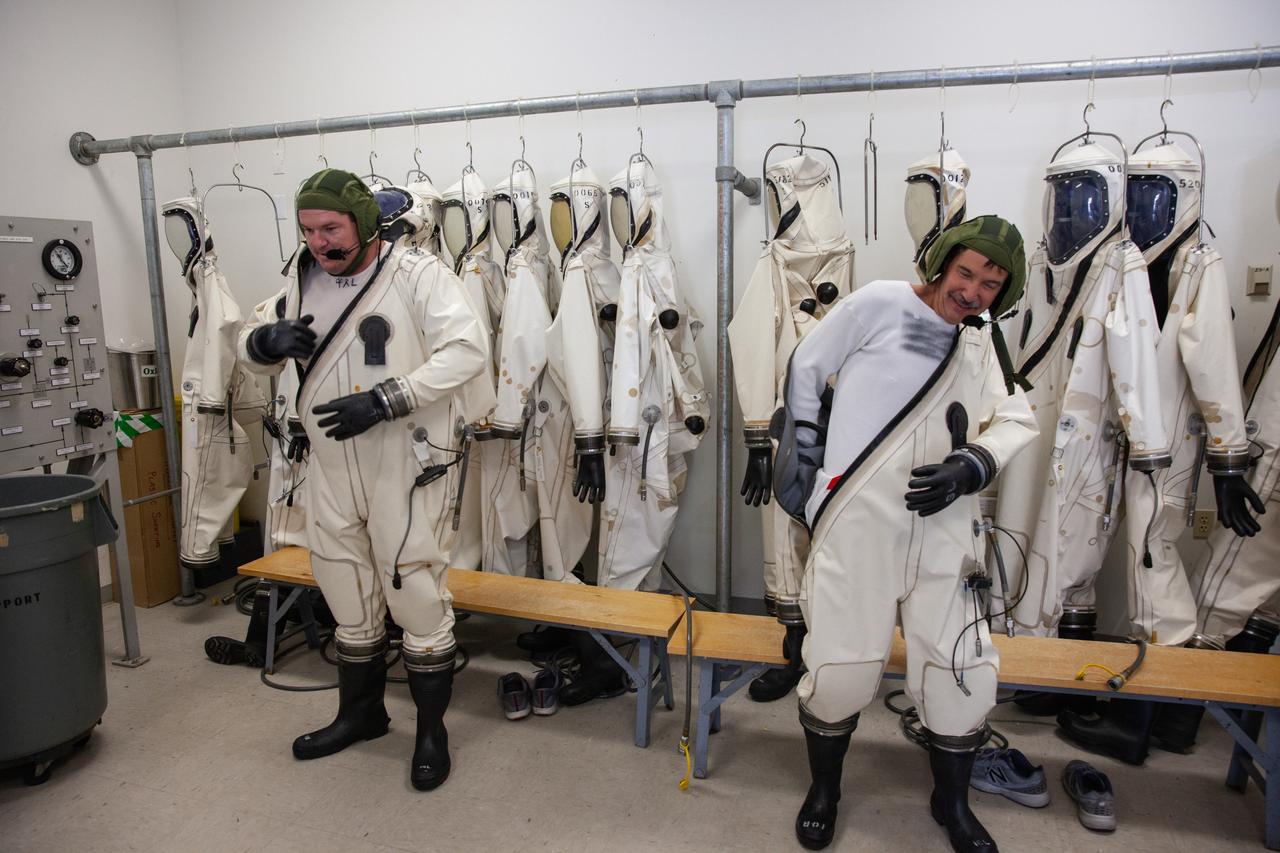
Inside the Multi-Operations Support Building near the Multi-Payload Processing Facility (MPPF) at NASA’s Kennedy Space Center in Florida, technicians put on Self-Contained Atmospheric Protective Ensemble (SCAPE) suits inside a changing room on Aug. 16, 2019. SCAPE technicians are practicing putting on the suits for a test simulation of loading propellants into a replicated test tank for Orion. Exploration Ground Systems is preparing for Artemis 1 with a series of hazardous hyper test events at the MPPF. After donning their suits, the technicians will complete a tanking to test the system before Orion arrives for processing. During preparations for launch, these teams will be responsible for loading the Orion vehicle with propellants prior to transportation to the Vehicle Assembly Building, where it will be secured atop the Space Launch System rocket. SCAPE suits are used in operations involving toxic propellants and are supplied with air either through a hardline or through a self-contained environmental control unit.
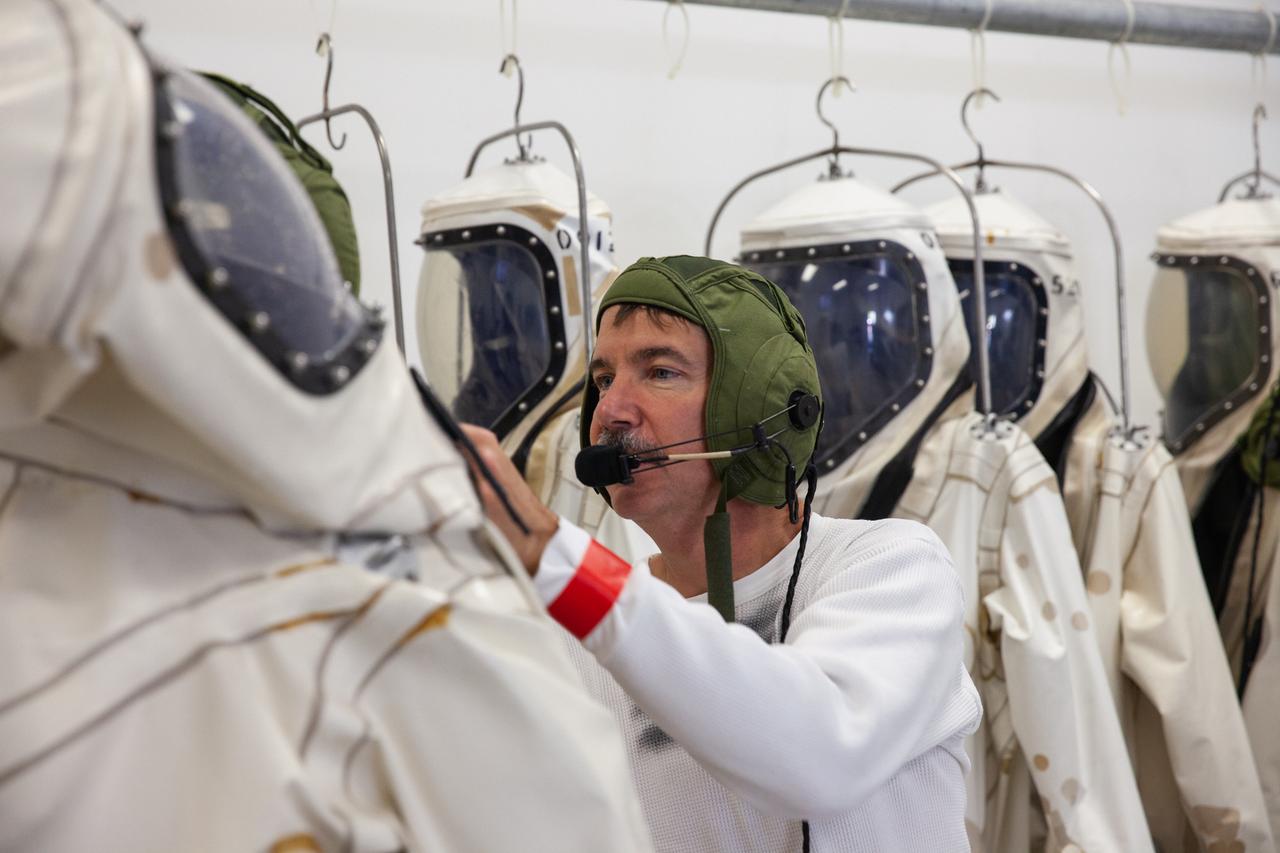
Inside the Multi-Operations Support Building near the Multi-Payload Processing Facility (MPPF) at NASA’s Kennedy Space Center in Florida, a technician prepares to put on a Self-Contained Atmospheric Protective Ensemble (SCAPE) suit inside a changing room on Aug. 16, 2019. SCAPE technicians are practicing putting on their suits for a test simulation of loading propellants into a replicated test tank for Orion. Exploration Ground Systems is preparing for Artemis 1 with a series of hazardous hyper test events at the MPPF. After donning their suits, the technicians will complete a tanking to test the system before Orion arrives for processing. During preparations for launch, these teams will be responsible for loading the Orion vehicle with propellants prior to transportation to the Vehicle Assembly Building, where it will be secured atop the Space Launch System rocket. SCAPE suits are used in operations involving toxic propellants and are supplied with air either through a hardline or through a self-contained environmental control unit.
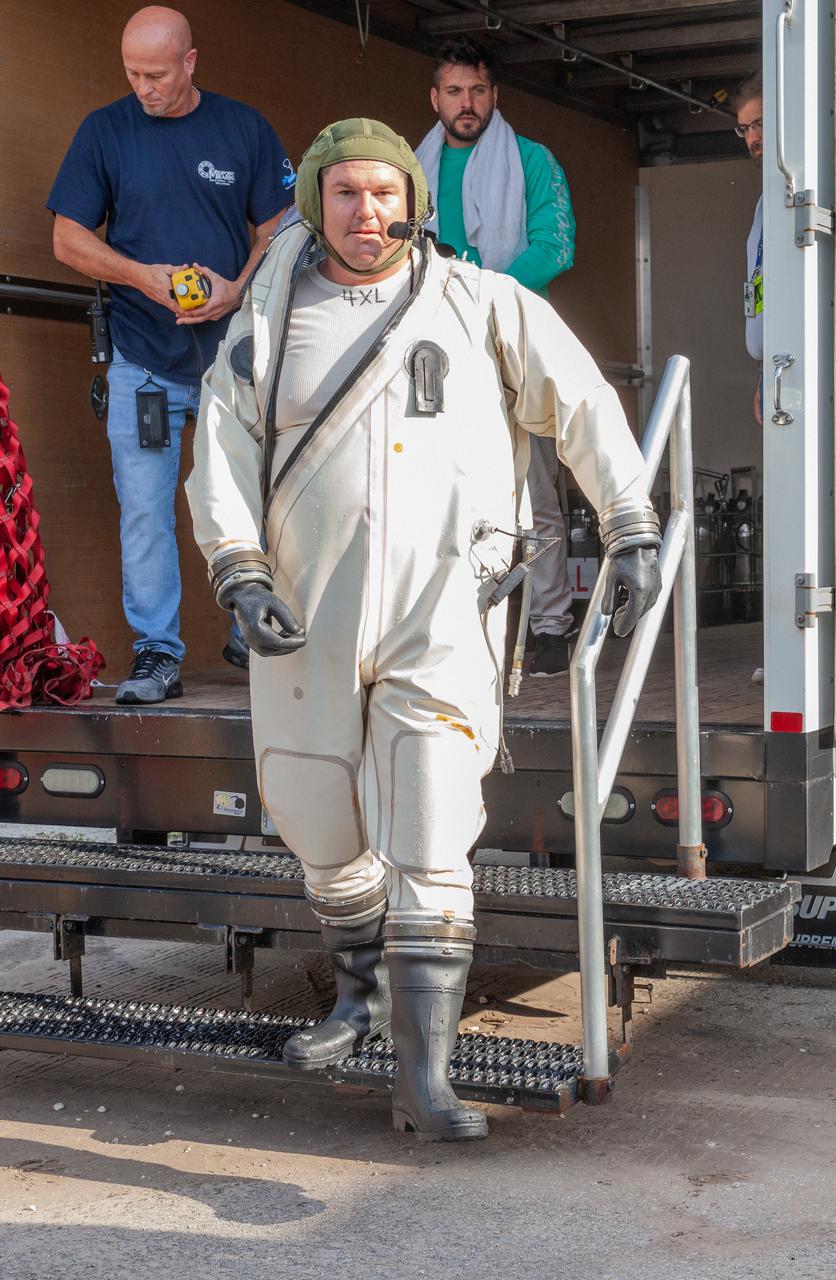
A technician in a Self-Contained Atmospheric Protective Ensemble (SCAPE) suit exits a truck near the Multi-Payload Processing Facility (MPPF) at NASA’s Kennedy Space Center in Florida on Aug. 16, 2019. SCAPE technicians are practicing by putting on the suits for a test simulation of loading propellants into a replicated test tank for Orion. Exploration Ground Systems is preparing for Artemis 1 with a series of hazardous hyper test events at the MPPF. After donning their suits, the technicians will complete a tanking to test the system before Orion arrives for processing. During preparations for launch, these teams will be responsible for loading the Orion vehicle with propellants prior to transportation to the Vehicle Assembly Building, where it will be secured atop the Space Launch System rocket. SCAPE suits are used in operations involving toxic propellants and are supplied with air either through a hardline or through a self-contained environmental control unit.
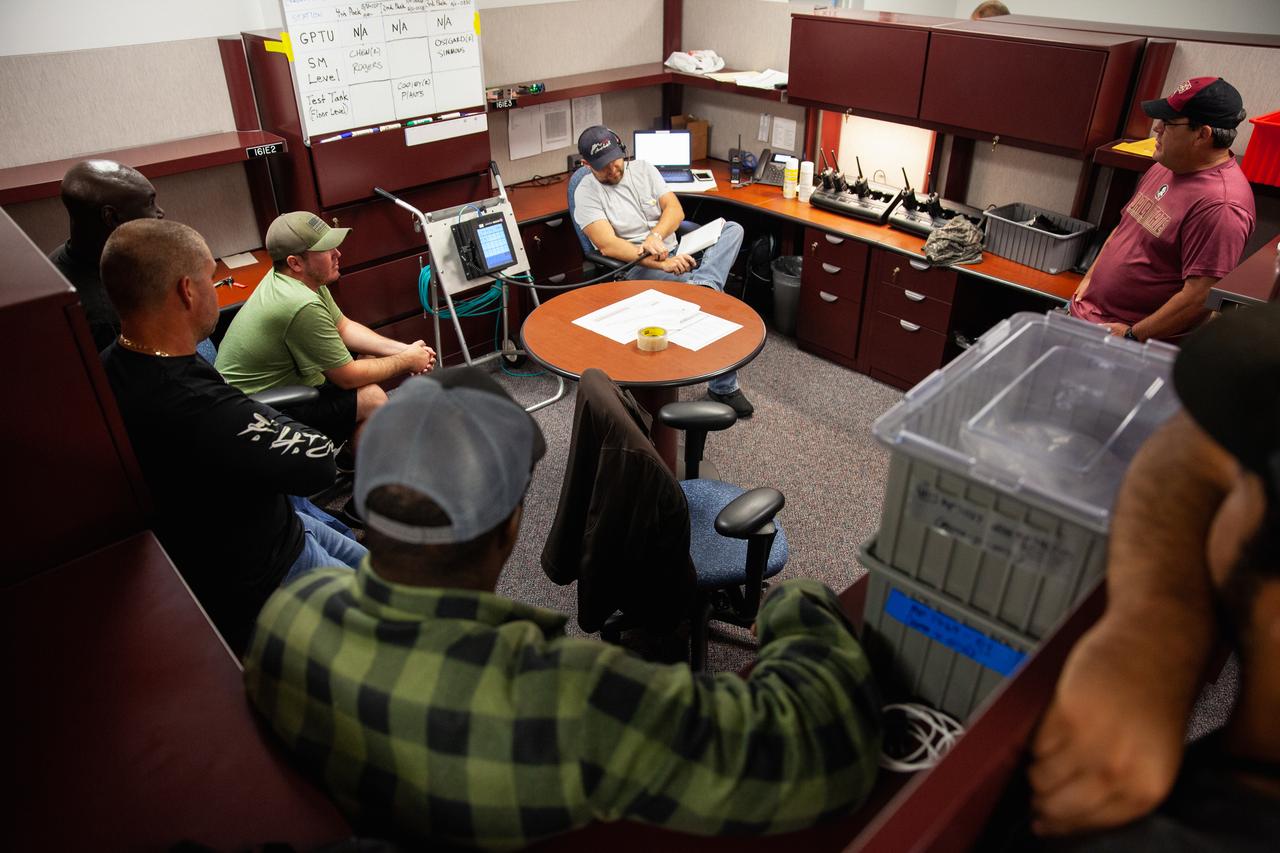
Inside the Multi-Operations Support Building near the Multi-Payload Processing Facility (MPPF) at NASA’s Kennedy Space Center in Florida, technicians and operations personnel review procedures for a test simulation of loading propellants into a replicated test tank for Orion, on Aug. 16, 2019. Exploration Ground Systems is preparing for Artemis 1 with a series of hazardous hyper test events at the MPPF. Technicians will practice putting on Self-Contained Atmospheric Protective Ensemble (SCAPE) suits and then complete tanking to test the system before Orion arrives for processing. During preparations for launch, these teams will be responsible for loading the Orion vehicle with propellants prior to transportation to the Vehicle Assembly Building, where it will be secured atop the Space Launch System rocket. SCAPE suits are used in operations involving toxic propellants and are supplied with air either through a hardline or through a self-contained environmental control unit.
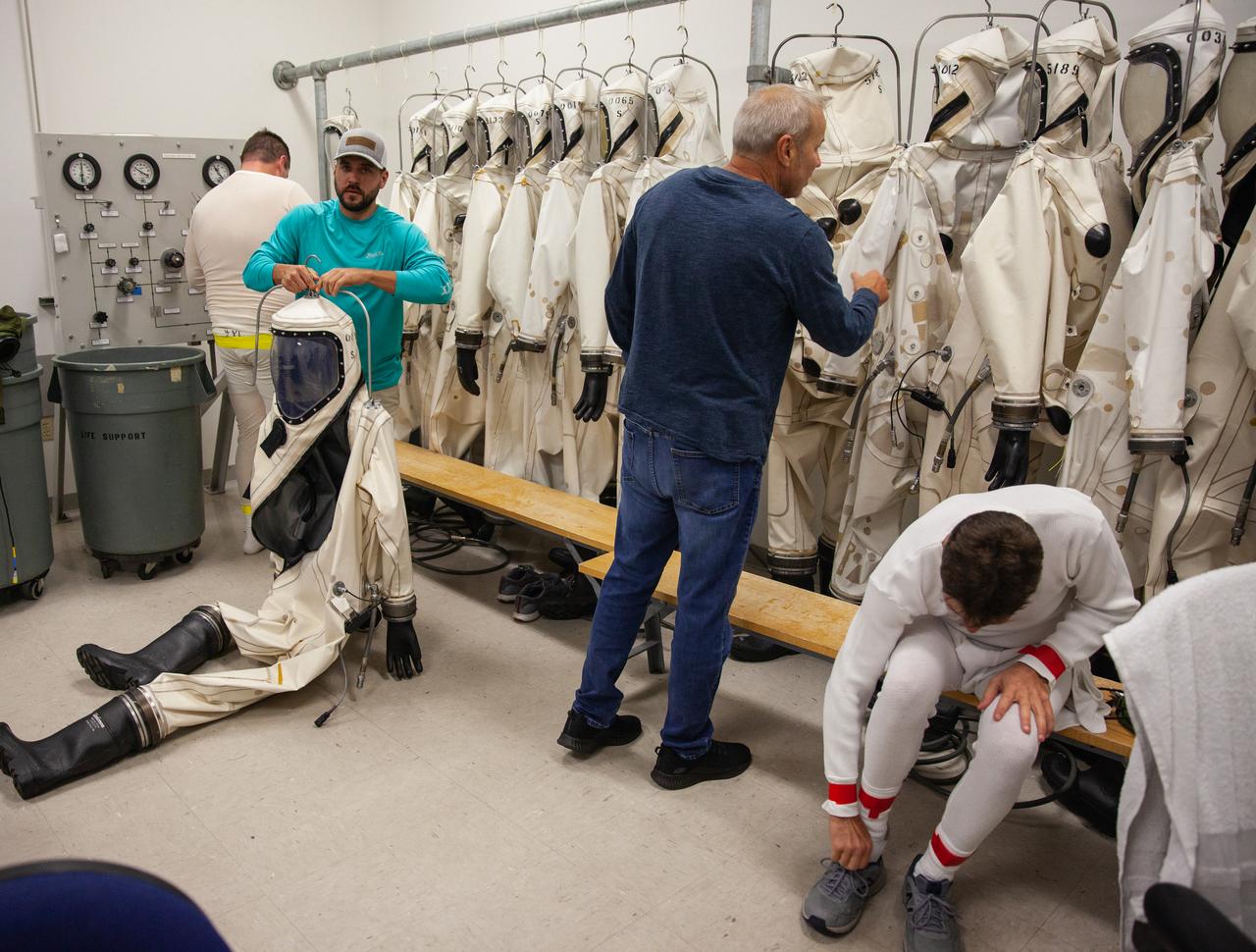
Inside the Multi-Operations Support Building near the Multi-Payload Processing Facility (MPPF) at NASA’s Kennedy Space Center in Florida, technicians are putting on Self-Contained Atmospheric Protective Ensemble (SCAPE) suits inside a changing room on Aug. 16, 2019. SCAPE technicians are practicing by putting on the suits for a test simulation of loading propellants into a replicated test tank for Orion. Exploration Ground Systems is preparing for Artemis 1 with a series of hazardous hyper test events at the MPPF. After donning their suits, the technicians will complete a tanking to test the system before Orion arrives for processing. During preparations for launch, these teams will be responsible for loading the Orion vehicle with propellants prior to transportation to the Vehicle Assembly Building, where it will be secured atop the Space Launch System rocket. SCAPE suits are used in operations involving toxic propellants and are supplied with air either through a hardline or through a self-contained environmental control unit.
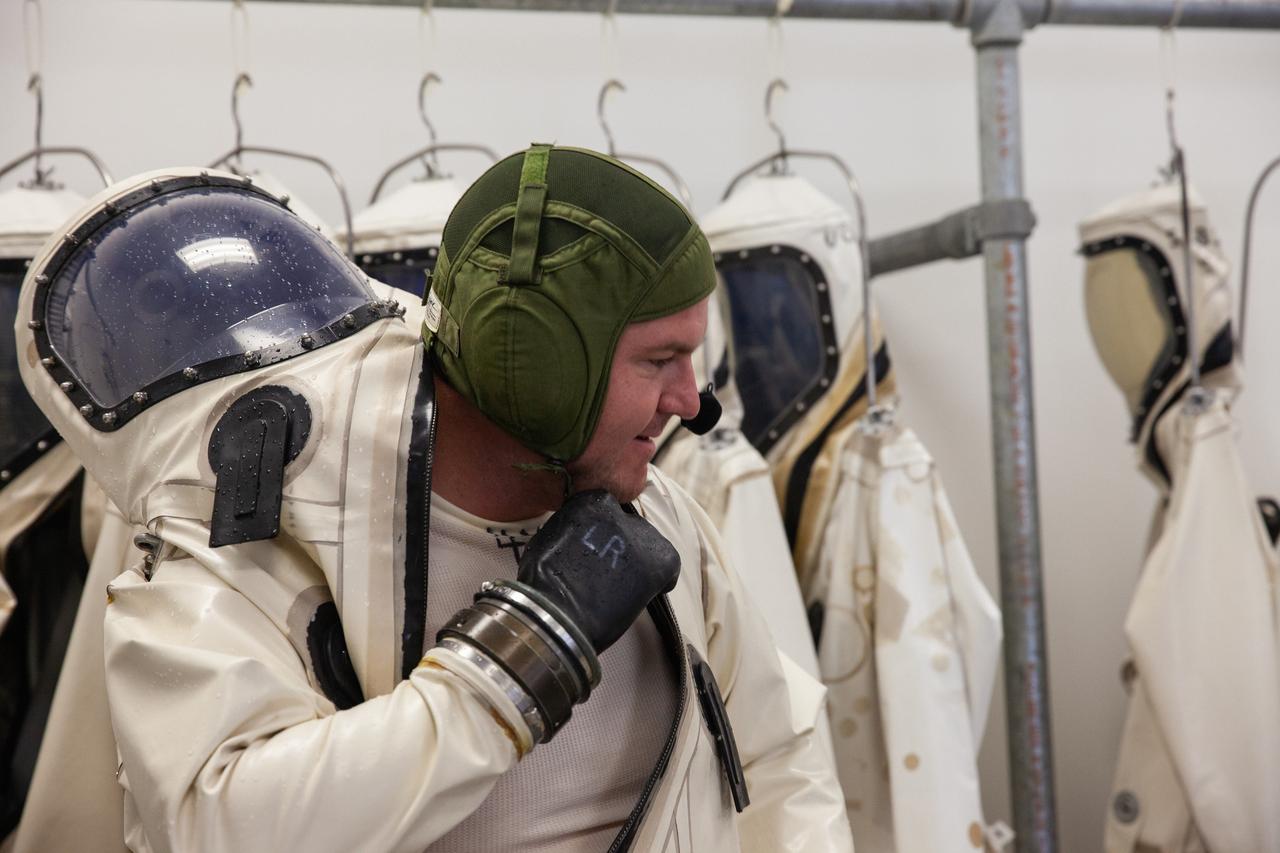
Inside the Multi-Operations Support Building near the Multi-Payload Processing Facility (MPPF) at NASA’s Kennedy Space Center in Florida, a technician puts on a Self-Contained Atmospheric Protective Ensemble (SCAPE) suit inside a changing room on Aug. 16, 2019. SCAPE technicians are practicing putting on the suits for a test simulation of loading propellants into a replicated test tank for Orion. Exploration Ground Systems is preparing for Artemis 1 with a series of hazardous hyper test events at the MPPF. After donning their suits, the technicians will complete a tanking to test the system before Orion arrives for processing. During preparations for launch, these teams will be responsible for loading the Orion vehicle with propellants prior to transportation to the Vehicle Assembly Building, where it will be secured atop the Space Launch System rocket. SCAPE suits are used in operations involving toxic propellants and are supplied with air either through a hardline or through a self-contained environmental control unit.
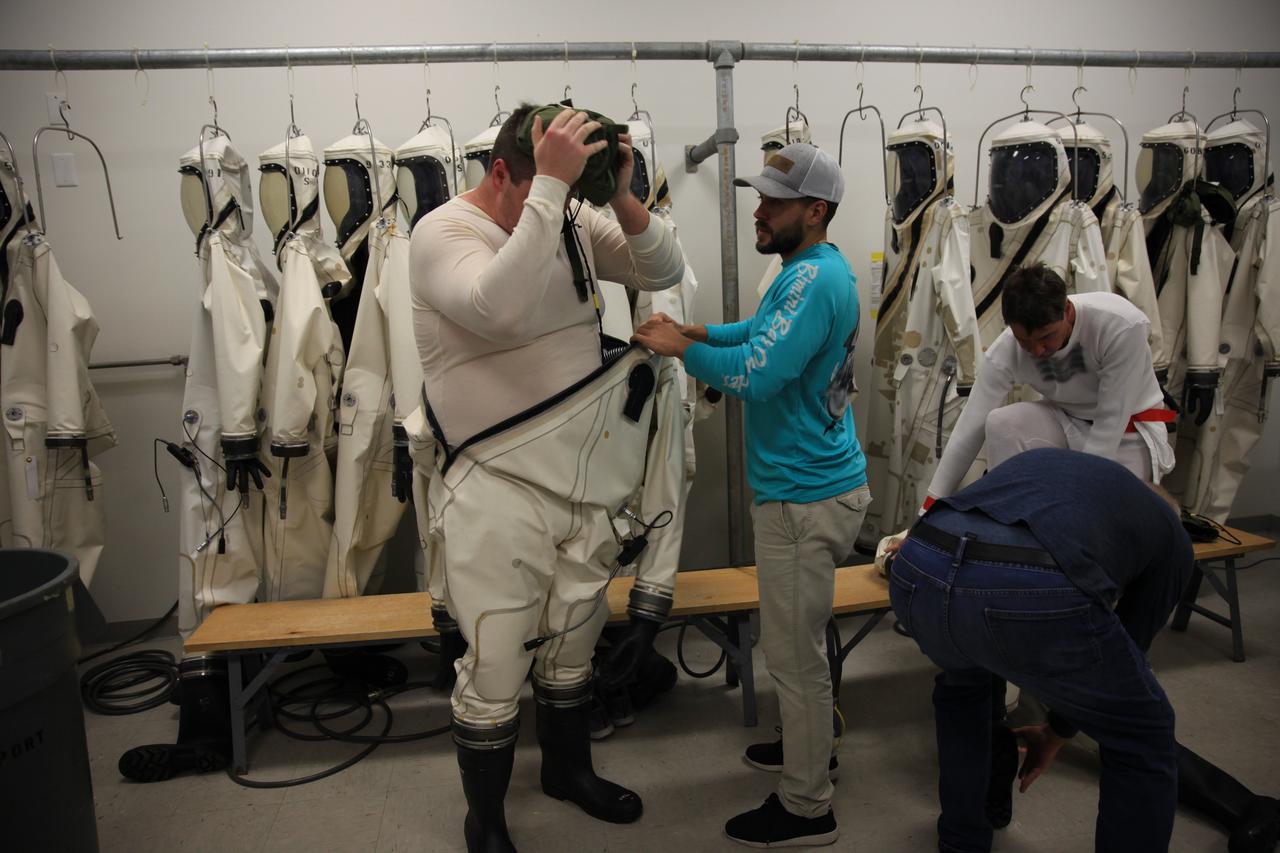
Inside the Multi-Operations Support Building near the Multi-Payload Processing Facility (MPPF) at NASA’s Kennedy Space Center in Florida, technicians put on Self-Contained Atmospheric Protective Ensemble (SCAPE) suits inside a changing room on Aug. 16, 2019. SCAPE technicians are practicing by putting on the suits for a test simulation of loading propellants into a replicated test tank for Orion. Exploration Ground Systems is preparing for Artemis 1 with a series of hazardous hyper test events at the MPPF. After donning their suits, the technicians will complete a tanking to test the system before Orion arrives for processing. During preparations for launch, these teams will be responsible for loading the Orion vehicle with propellants prior to transportation to the Vehicle Assembly Building, where it will be secured atop the Space Launch System rocket. SCAPE suits are used in operations involving toxic propellants and are supplied with air either through a hardline or through a self-contained environmental control unit.
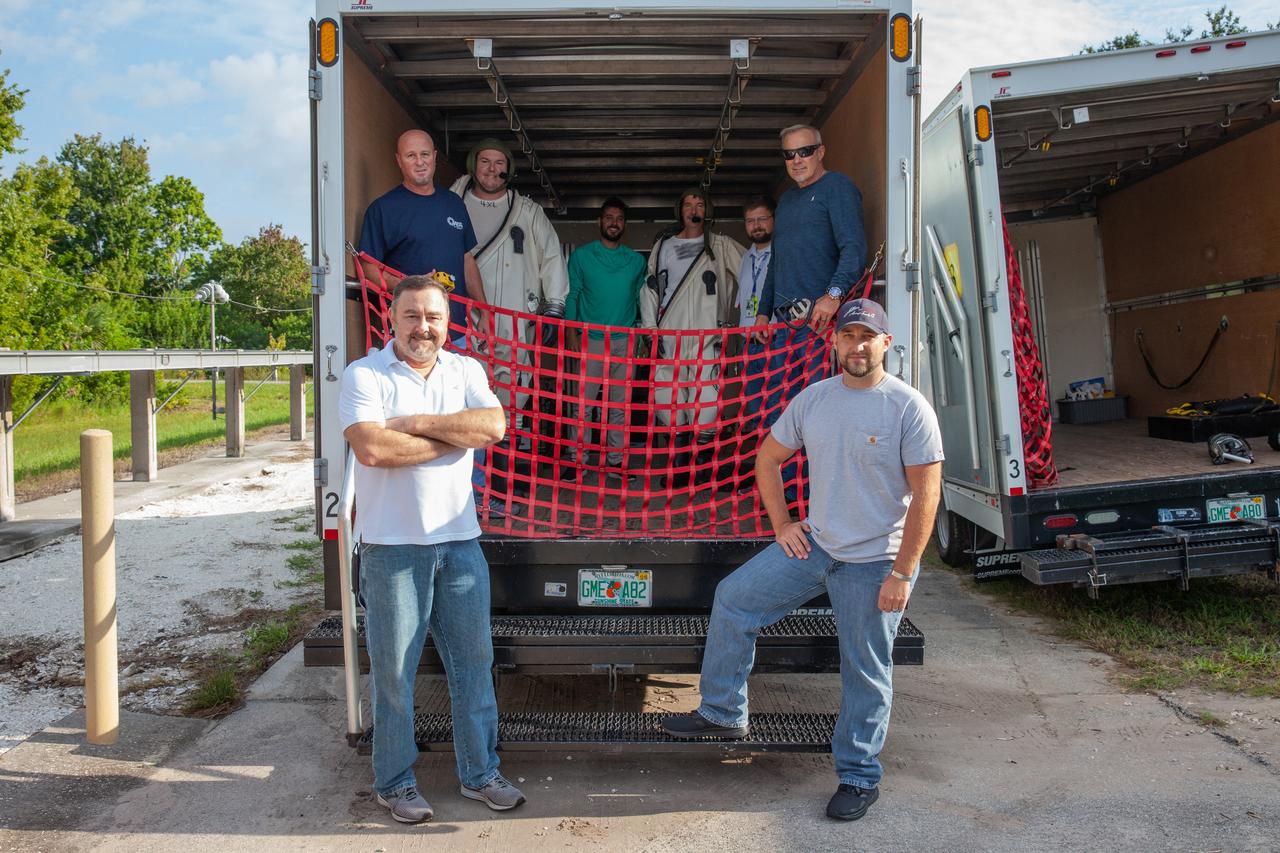
Technicians wearing Self-Contained Atmospheric Protective Ensemble (SCAPE) suits and operations support personnel prepare for a test simulation of loading propellants into a replicated test tank for Orion on Aug. 16, 2019, at NASA’s Kennedy Space Center in Florida. They are in a transport truck at the Multi-Operations Support Building near the Multi-Payload Processing Facility (MPPF). Exploration Ground Systems is preparing for Artemis 1 with a series of hazardous hyper test events at the MPPF. The technicians will complete a tanking to test the system before Orion arrives for processing. During preparations for launch, these teams will be responsible for loading the Orion vehicle with propellants prior to transportation to the Vehicle Assembly Building, where it will be secured atop the Space Launch System rocket. SCAPE suits are used in operations involving toxic propellants and are supplied with air either through a hardline or through a self-contained environmental control unit.
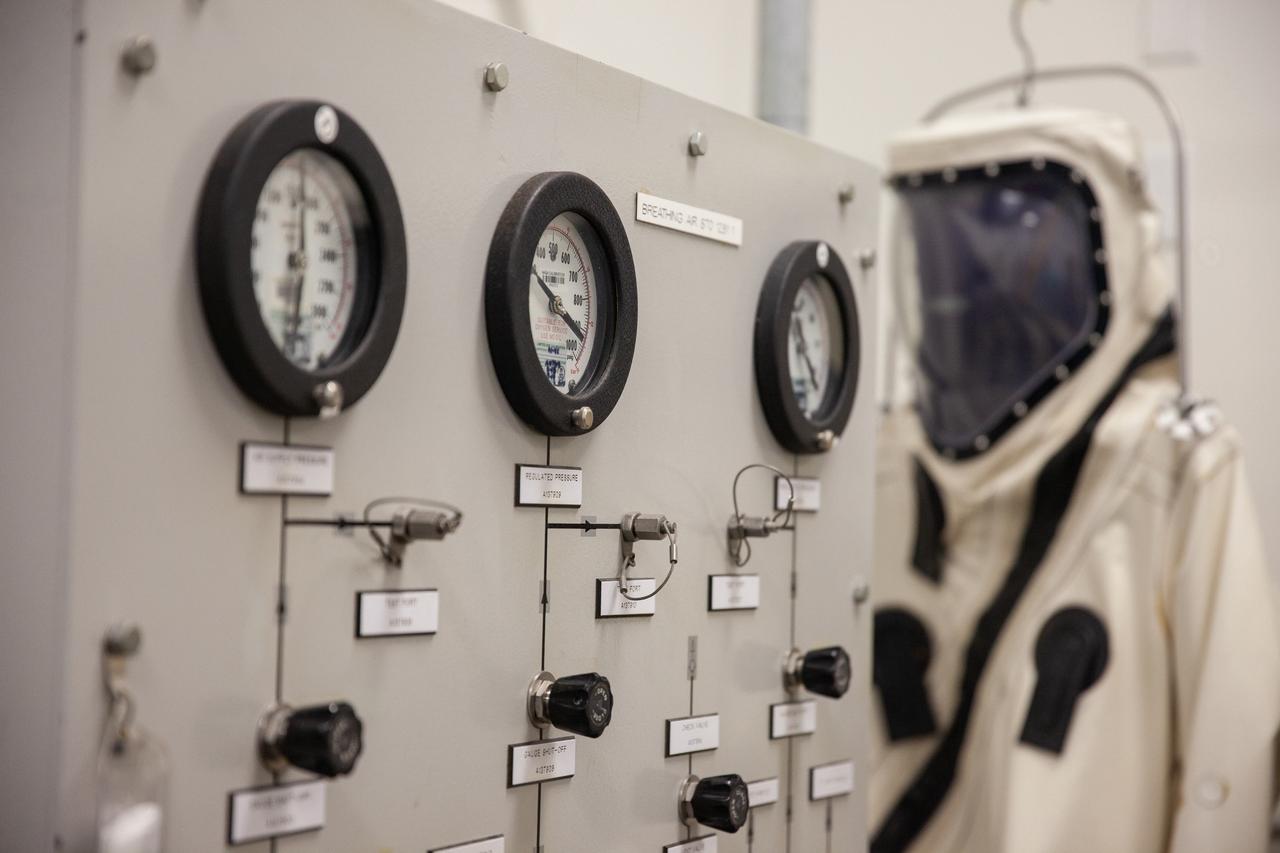
Inside the Multi-Operations Support Building near the Multi-Payload Processing Facility (MPPF) at NASA’s Kennedy Space Center in Florida on Aug. 16, 2019, a Self-Contained Atmospheric Protective Ensemble (SCAPE) suit is in view inside a changing room. SCAPE technicians are practicing putting on SCAPE suits and preparing for a test simulation of loading propellants into a replicated test tank for Orion. Exploration Ground Systems is preparing for Artemis 1 with a series of hazardous hyper test events at the MPPF. After donning their suits, the technicians will complete a tanking to test the system before Orion arrives for processing. During preparations for launch, these teams will be responsible for loading the Orion vehicle with propellants prior to transportation to the Vehicle Assembly Building, where it will be secured atop the Space Launch System rocket. SCAPE suits are used in operations involving toxic propellants and are supplied with air either through a hardline or through a self-contained environmental control unit.
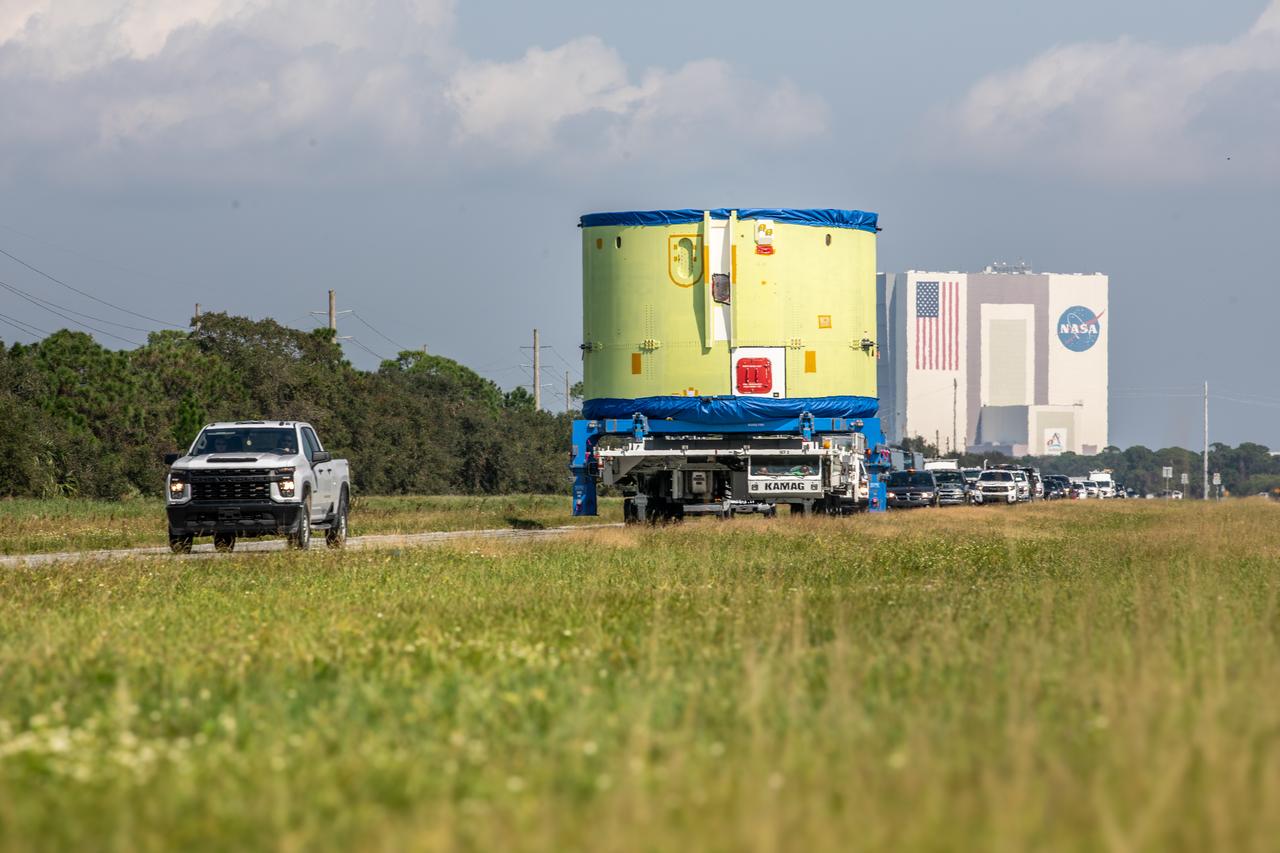
Teams from NASA’s Exploration Ground Systems transport the engine section of the agency’s Artemis IV SLS (Space Launch System) core stage from the Vehicle Assembly Building at NASA’s Kennedy Space Center in Florida to the spaceport’s Space Systems Processing Facility (SSPF) on Tuesday, Oct. 15, 2024. NASA’s Pegasus barge delivered the core stage engine section housing the four RS-25 engines from NASA’s Michoud Assembly Facility in New Orleans, Louisiana to NASA Kennedy on Thursday, Sept. 5, 2024. The engine section is one the most complex and intricate parts of the rocket stage that will help power the Artemis missions to the Moon.
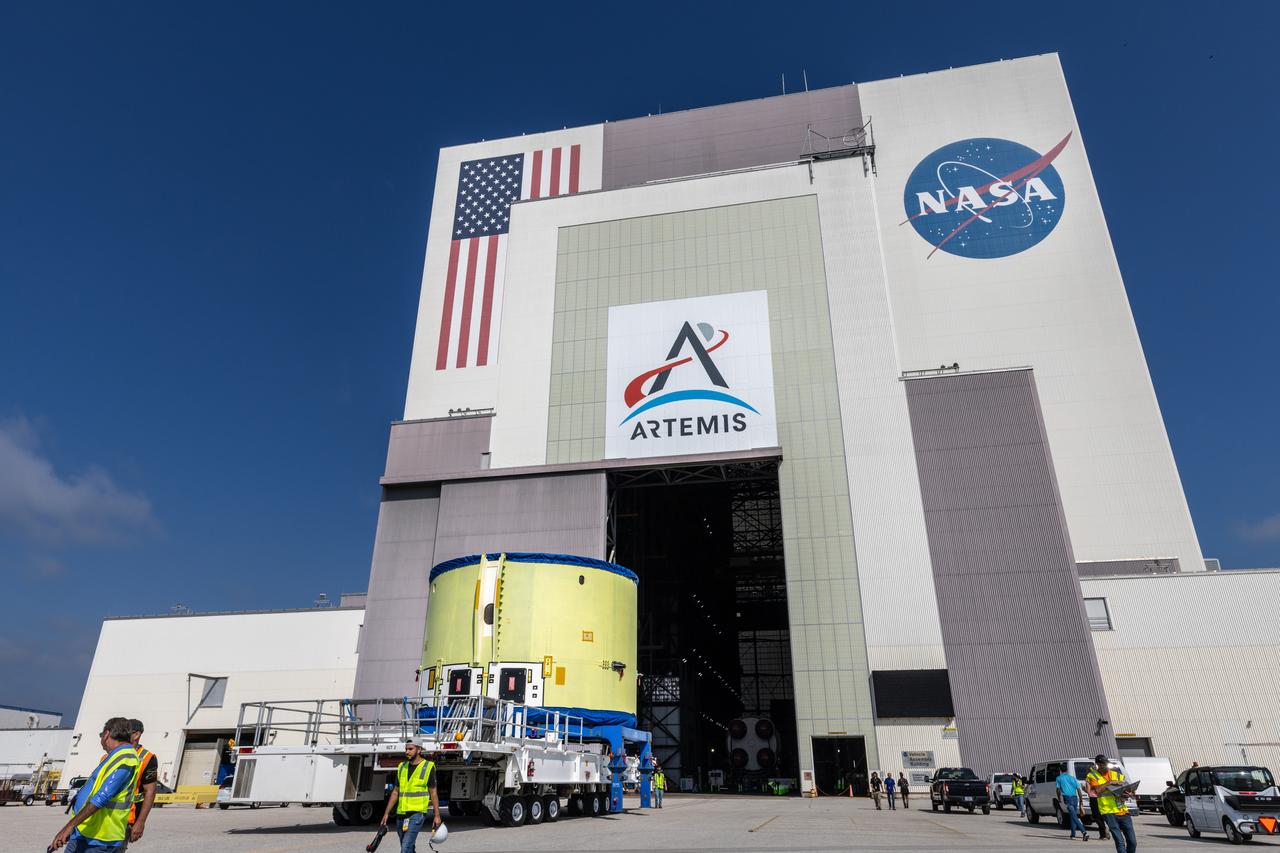
Teams from NASA’s Exploration Ground Systems transport the engine section of the agency’s Artemis IV SLS (Space Launch System) core stage from the Vehicle Assembly Building at NASA’s Kennedy Space Center in Florida to the spaceport’s Space Systems Processing Facility (SSPF) on Tuesday, Oct. 15, 2024. NASA’s Pegasus barge delivered the core stage engine section housing the four RS-25 engines from NASA’s Michoud Assembly Facility in New Orleans, Louisiana to NASA Kennedy on Thursday, Sept. 5, 2024. The engine section is one the most complex and intricate parts of the rocket stage that will help power the Artemis missions to the Moon.
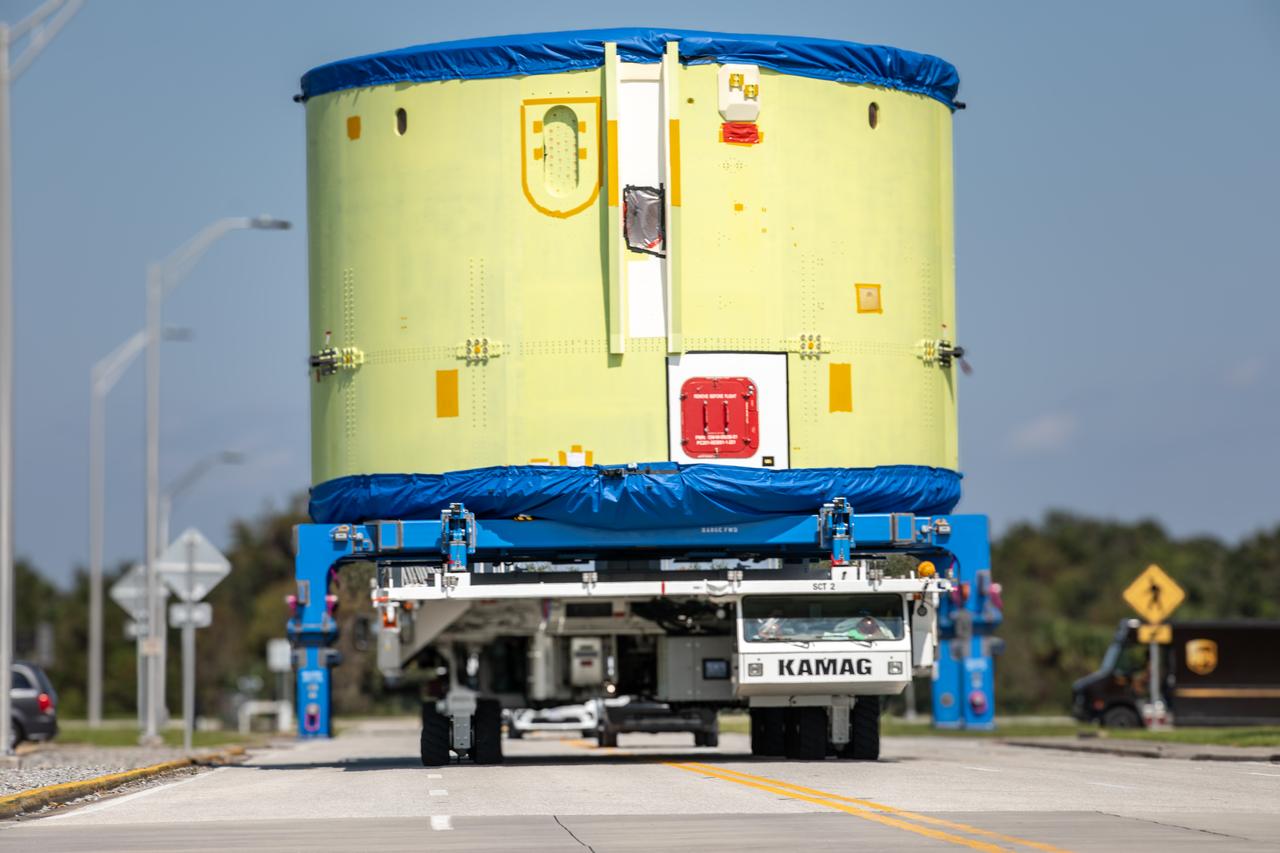
Teams from NASA’s Exploration Ground Systems transport the engine section of the agency’s Artemis IV SLS (Space Launch System) core stage from the Vehicle Assembly Building at NASA’s Kennedy Space Center in Florida to the spaceport’s Space Systems Processing Facility (SSPF) on Tuesday, Oct. 15, 2024. NASA’s Pegasus barge delivered the core stage engine section housing the four RS-25 engines from NASA’s Michoud Assembly Facility in New Orleans, Louisiana to NASA Kennedy on Thursday, Sept. 5, 2024. The engine section is one the most complex and intricate parts of the rocket stage that will help power the Artemis missions to the Moon.
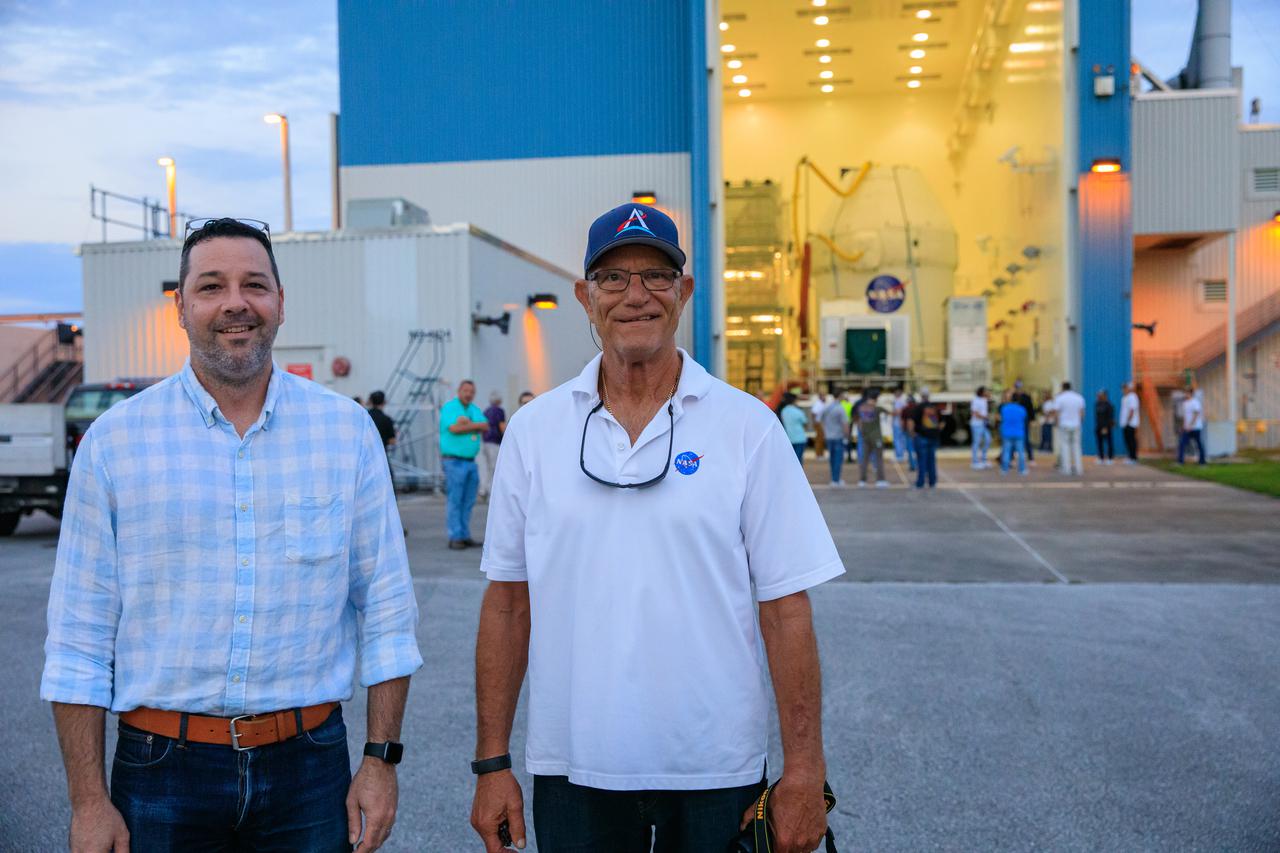
Mike Collins, NASA Operations manager for Spacecraft Offline Operations, left, and Skip Williams, operations manager for the Multi-Payload Processing Facility (MPPF) spacecraft offline element integration team, stand in front of the Orion spacecraft for the Artemis I mission, as the capsule moves out from Kennedy Space Center’s MFFP on July 10, 2021. Orion is being transported to the Florida spaceport’s Launch Abort System Facility, where teams with Exploration Ground Systems and contractor Jacobs will integrate components of the launch abort system onto the spacecraft. Launching later this year, Artemis I will be a test of the Orion spacecraft and SLS rocket as an integrated system ahead of crewed flights to the Moon.
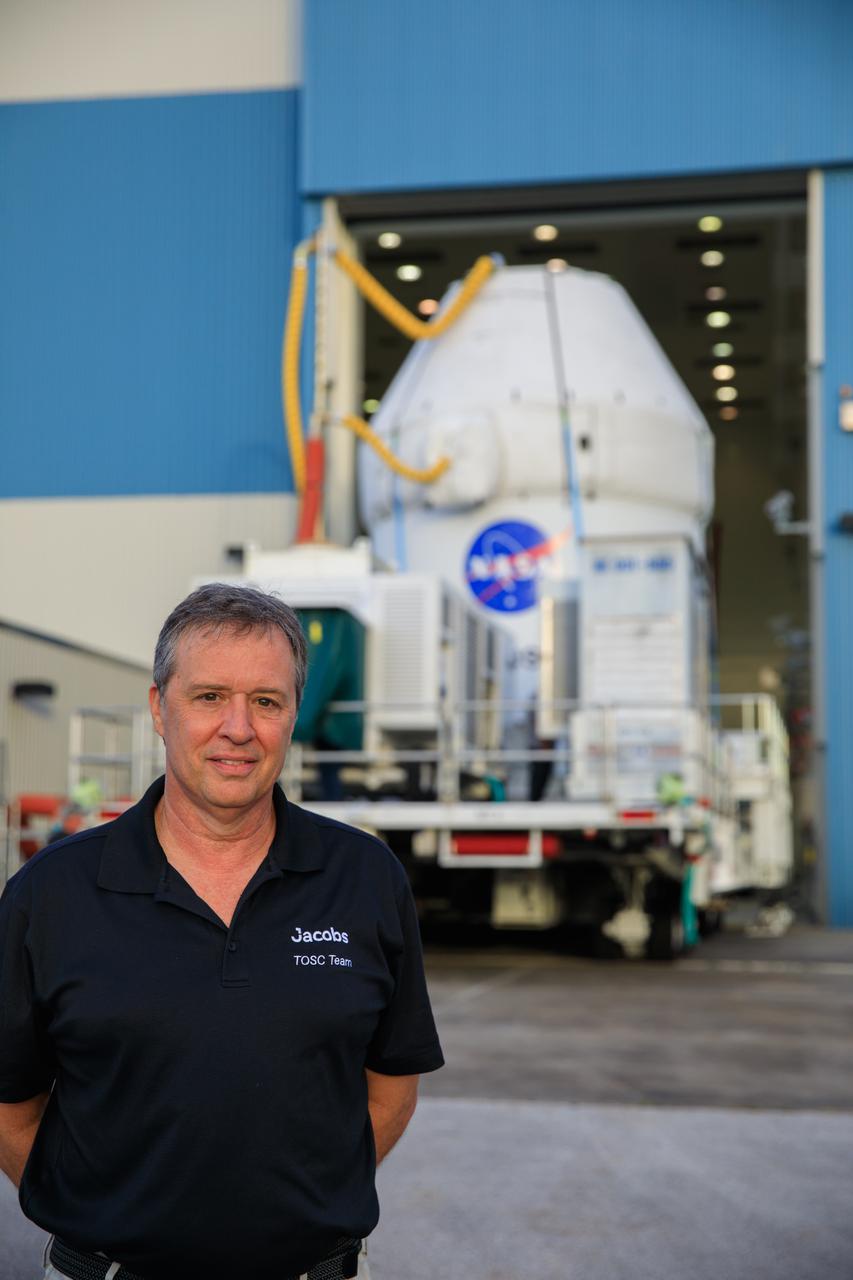
Nick Kindred, Jacobs flow manager, stands in front of the Orion spacecraft for the Artemis I mission, as the capsule moves out from Kennedy Space Center’s Multi-Payload Processing Facility on July 10, 2021. Orion is being transported to the Florida spaceport’s Launch Abort System Facility, where teams with Exploration Ground Systems and contractor Jacobs will integrate components of the launch abort system onto the spacecraft. Launching later this year, Artemis I will be a test of the Orion spacecraft and SLS rocket as an integrated system ahead of crewed flights to the Moon.
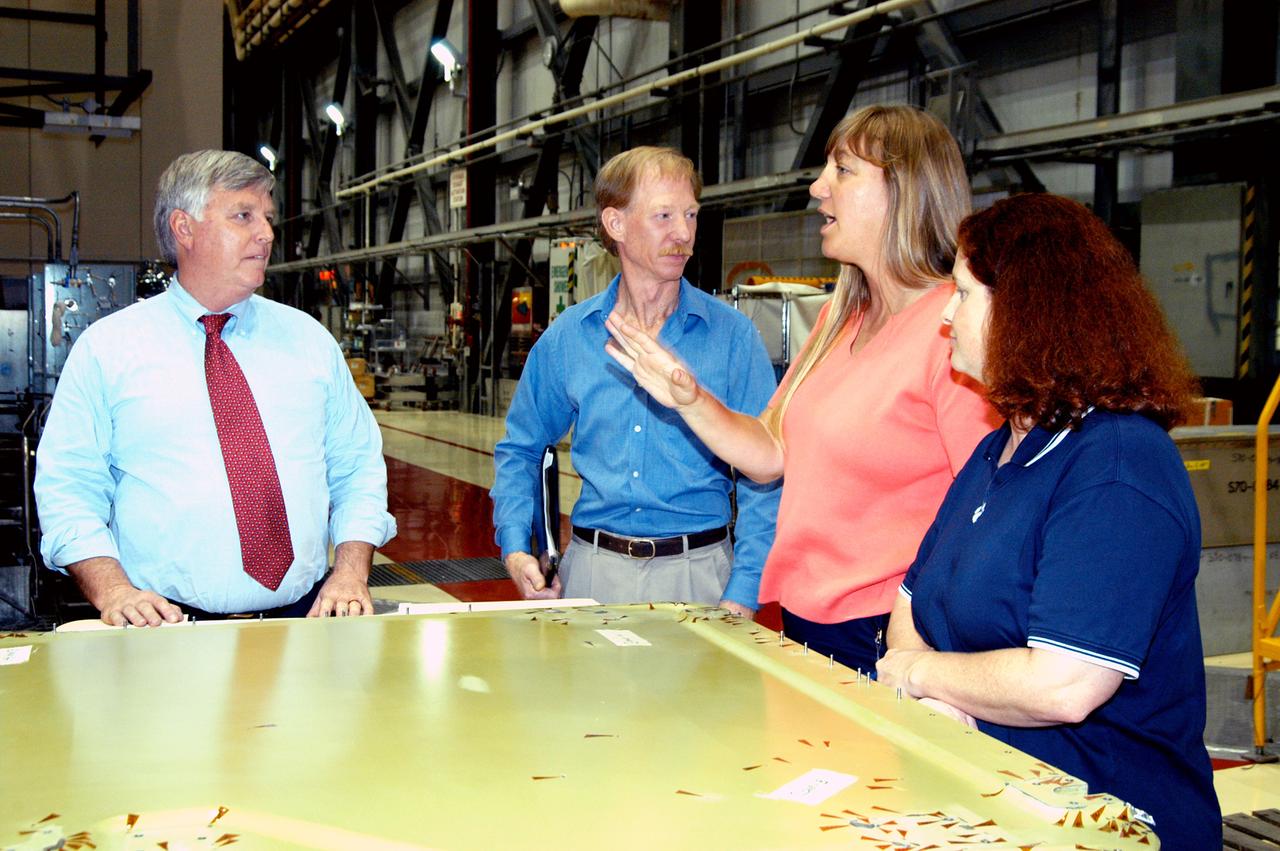
KENNEDY SPACE CENTER, FLA. - On a tour of the Orbiter Processing Facility, Center Director Jim Kennedy (left) listens to Kathy Laufenberg, Orbiter Airframe Engineering ground area manager, with United Space Alliance, about corrosion work being done on the external tank door of orbiter Endeavour. On either side of Laufenberg are Tom Roberts, Airframe Engineering System specialist, also with USA, and Joy Huff, with KSC Space Shuttle Processing. Endeavour is in its Orbiter Major Modification period, which began in December 2003.
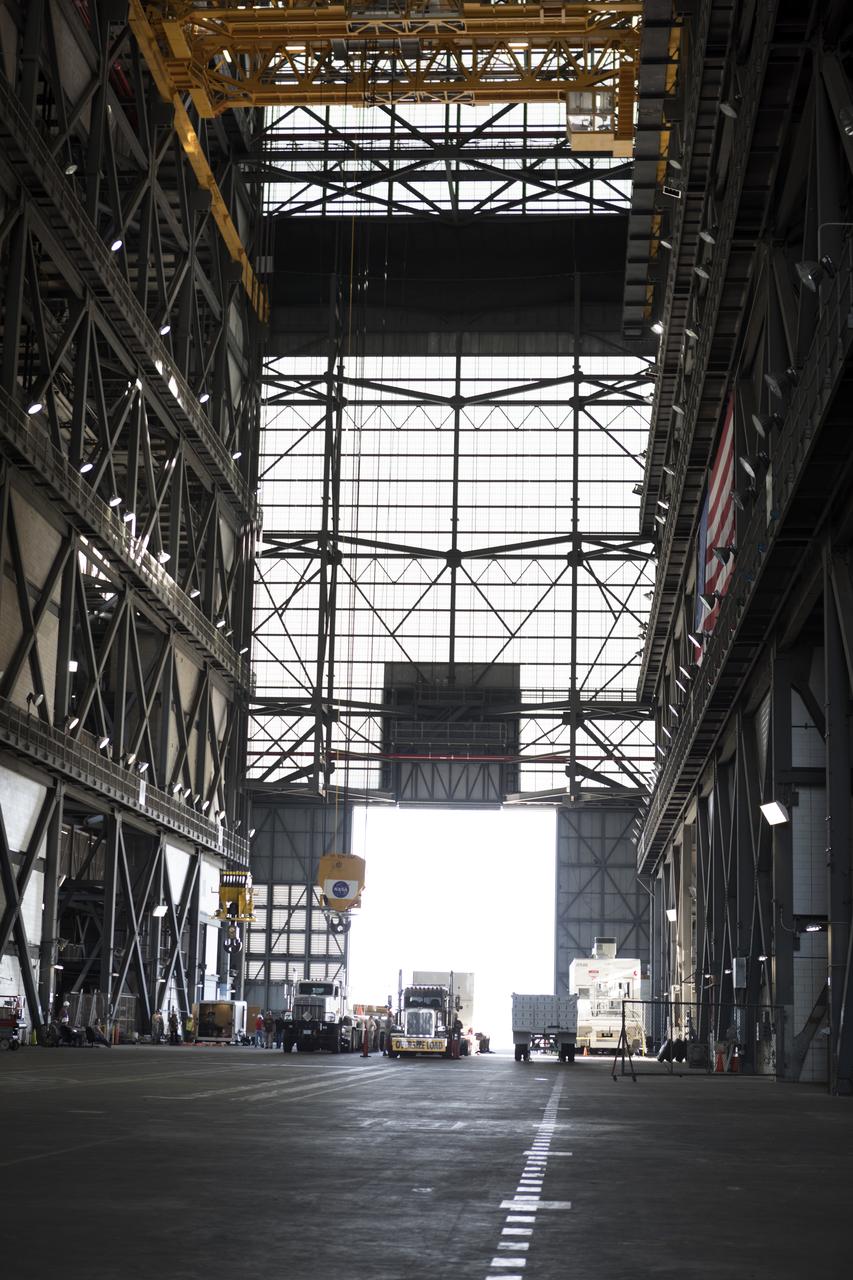
The ground test motor for Orion's Launch Abort System (LAS) arrives by flatbed truck in its shipping container in the transfer aisle of the Vehicle Assembly Building on July 20, 2018, at NASA's Kennedy Space Center in Florida. It will be transferred to the Rotation, Processing and Surge Facility where it will be inspected and prepared for transport to Space Launch Complex 46 (SLC-46) at Cape Canaveral Air Force Station for mechanical fit testing. This inert motor will not be used for flight, but will be used to certify flight hardware assembly in preparation for a full-stress test of the LAS, called Ascent Abort-2 (AA-2) flight test, scheduled for April 2019. During the test, the booster will launch from SLC 46, carrying a fully functional LAS and a 22,000-pound Orion test vehicle to an altitude of 31,000 feet and traveling at more than 1,000 miles an hour. The test will verify the LAS can steer the crew module and astronauts aboard to safety in the event of an issue with the Space Launch System (SLS) rocket when the spacecraft is under the highest aerodynamic loads it will experience during a rapid climb into space. NASA's Orion and Exploration Ground Systems programs and their contractors from Jacob's and Northrup Grumman in conjunction with the Air Force Space and Missile Center's Launch Operations branch are performing the pathfinding exercises and flight operations for AA-2.
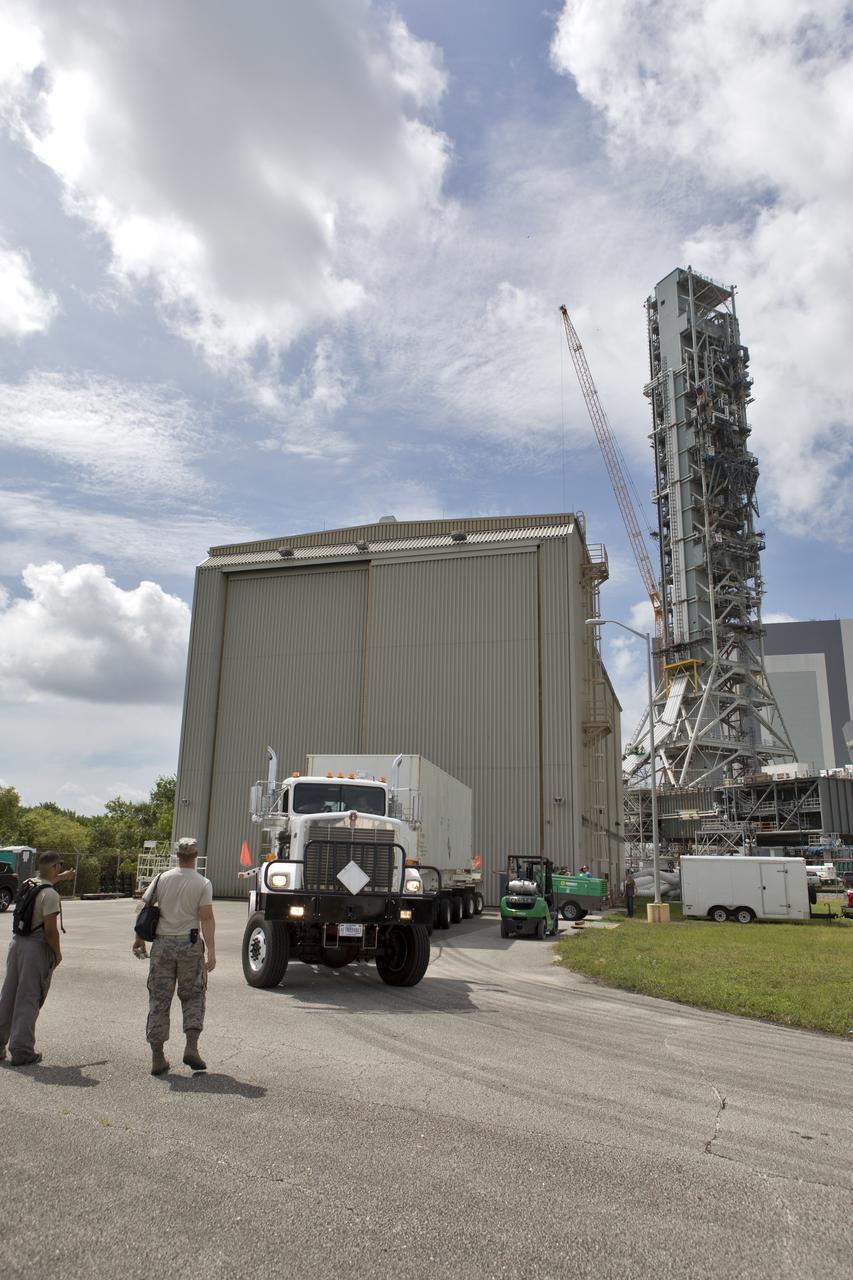
Secured on a flatbed transporter in its shipping container, the ground test motor for Orion's Launch Abort System (LAS) arrives at the Rotation, Processing and Surge Facility (RPSF) on July 20, 2018, at NASA's Kennedy Space Center in Florida. In the RPSF the motor will be inspected and prepared for transport to Space Launch Complex 46 (SLC-46) at Cape Canaveral Air Force Station for mechanical fit testing. This inert motor will not be used for flight, but will be used to certify flight hardware assembly in preparation for a full-stress test of the LAS, called Ascent Abort-2 (AA-2) flight test, scheduled for April 2019. During the test, the booster will launch from SLC 46, carrying a fully functional LAS and a 22,000-pound Orion test vehicle to an altitude of 31,000 feet and traveling at more than 1,000 miles an hour. The test will verify the LAS can steer the crew module and astronauts aboard to safety in the event of an issue with the Space Launch System (SLS) rocket when the spacecraft is under the highest aerodynamic loads it will experience during a rapid climb into space. NASA's Orion and Exploration Ground Systems programs and their contractors from Jacob's and Northrup Grumman in conjunction with the Air Force Space and Missile Center's Launch Operations branch SMC/LEXO, are performing the pathfinding exercises and flight operations for AA-2.
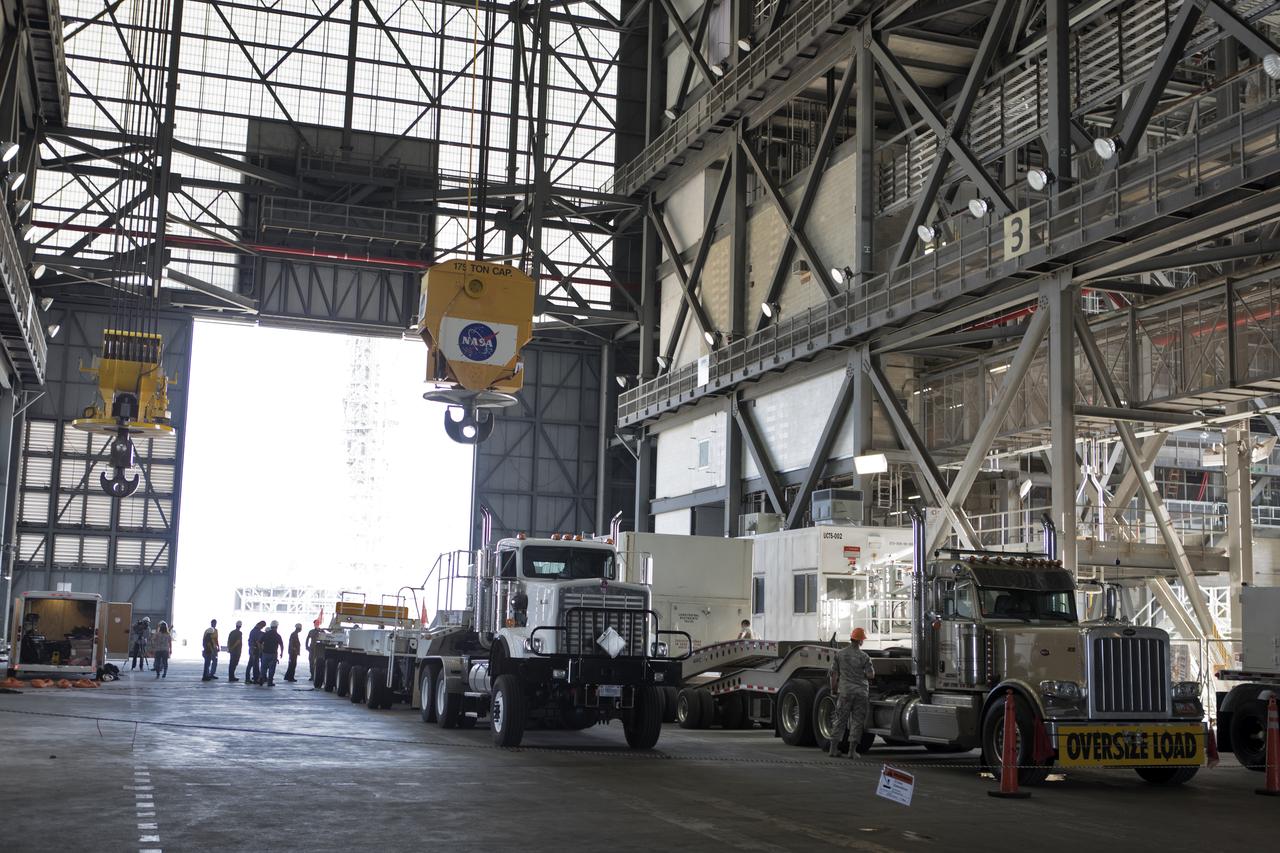
The ground test motor for Orion's Launch Abort System (LAS) arrives by flatbed truck in its shipping container in the transfer aisle of the Vehicle Assembly Building on July 20, 2018, at NASA's Kennedy Space Center in Florida. It will be transferred to the Rotation, Processing and Surge Facility where it will be inspected and prepared for transport to Space Launch Complex 46 (SLC-46) at Cape Canaveral Air Force Station for mechanical fit testing. This inert motor will not be used for flight, but will be used to certify flight hardware assembly in preparation for a full-stress test of the LAS, called Ascent Abort-2 (AA-2) flight test, scheduled for April 2019. During the test, the booster will launch from SLC 46, carrying a fully functional LAS and a 22,000-pound Orion test vehicle to an altitude of 31,000 feet and traveling at more than 1,000 miles an hour. The test will verify the LAS can steer the crew module and astronauts aboard to safety in the event of an issue with the Space Launch System (SLS) rocket when the spacecraft is under the highest aerodynamic loads it will experience during a rapid climb into space. NASA's Orion and Exploration Ground Systems programs and their contractors from Jacob's and Northrup Grumman in conjunction with the Air Force Space and Missile Center's Launch Operations branch SMC/LEXO, are performing the pathfinding exercises and flight operations for AA-2.
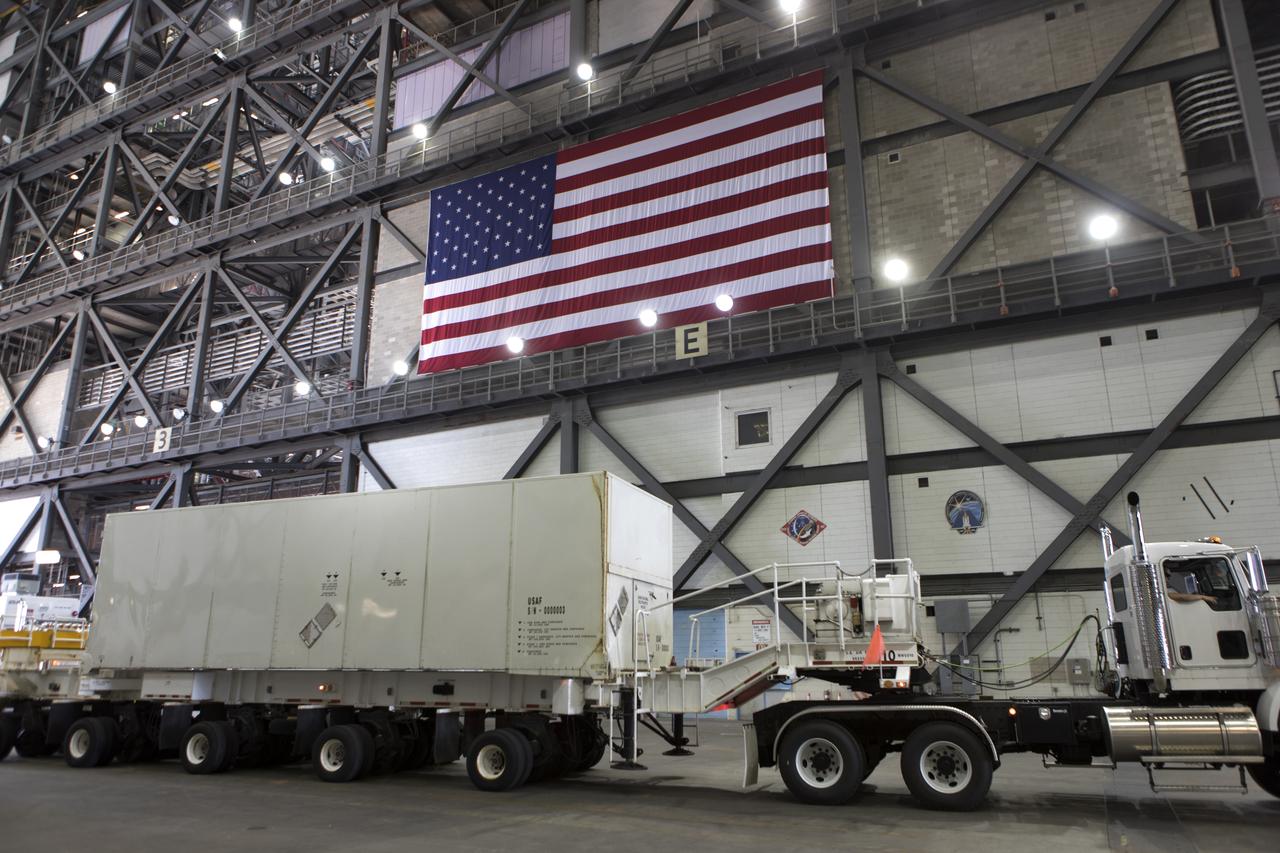
Secured on a flatbed transporter in its shipping container, the ground test motor for Orion's Launch Abort System (LAS) will be moved from the transfer aisle of the Vehicle Assembly Building to the Rotation, Processing and Surge Facility (RPSF) on July 20, 2018, at NASA's Kennedy Space Center in Florida. In the RPSF the motor will be inspected and prepared for transport to Space Launch Complex 46 (SLC-46) at Cape Canaveral Air Force Station for mechanical fit testing. This inert motor will not be used for flight, but will be used to certify flight hardware assembly in preparation for a full-stress test of the LAS, called Ascent Abort-2 (AA-2) flight test, scheduled for April 2019. During the test, the booster will launch from SLC 46, carrying a fully functional LAS and a 22,000-pound Orion test vehicle to an altitude of 31,000 feet and traveling at more than 1,000 miles an hour. The test will verify the LAS can steer the crew module and astronauts aboard to safety in the event of an issue with the Space Launch System (SLS) rocket when the spacecraft is under the highest aerodynamic loads it will experience during a rapid climb into space. NASA's Orion and Exploration Ground Systems programs and their contractors from Jacob's and Northrup Grumman in conjunction with the Air Force Space and Missile Center's Launch Operations branch SMC/LEXO, are performing the pathfinding exercises and flight operations for AA-2.
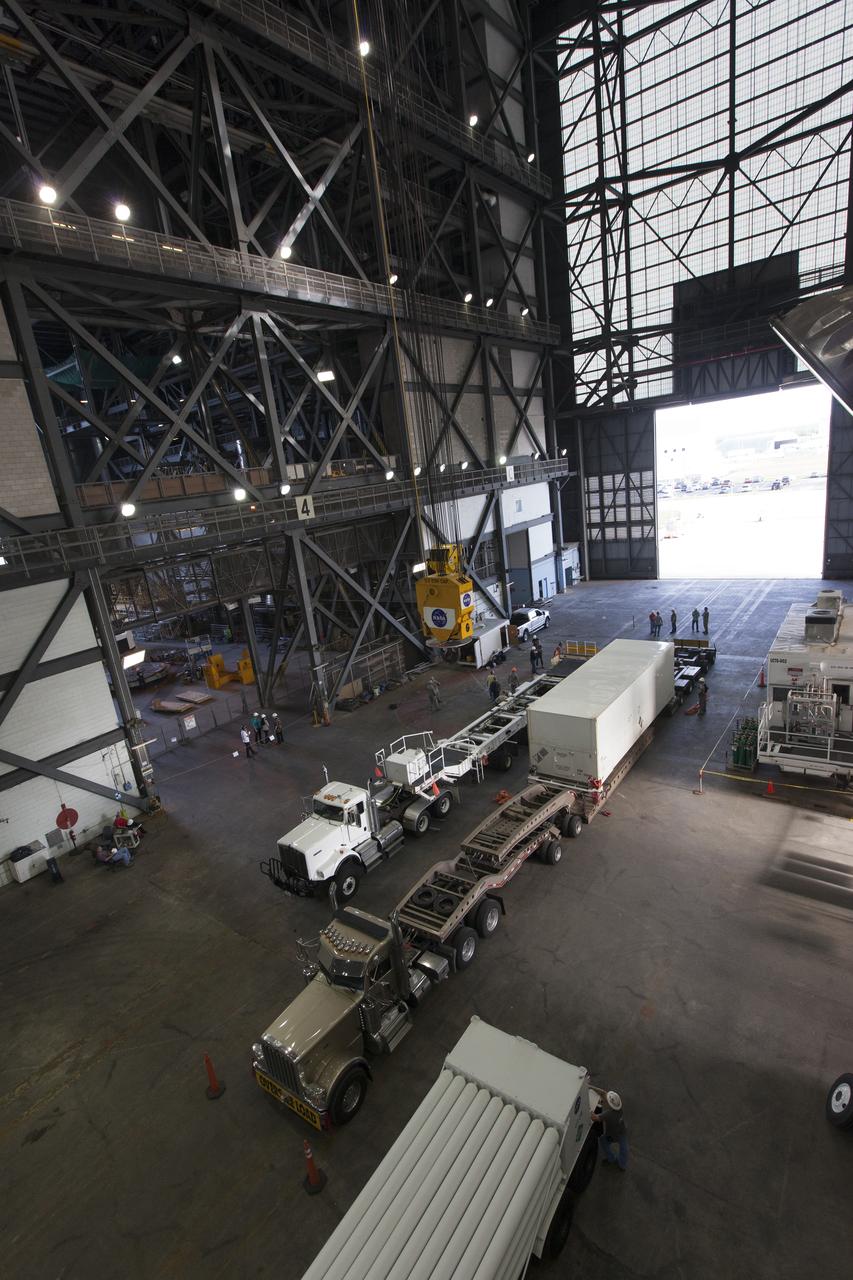
The ground test motor for Orion's Launch Abort System (LAS) arrives by flatbed truck in its shipping container in the transfer aisle of the Vehicle Assembly Building on July 20, 2018, at NASA's Kennedy Space Center in Florida. It will be transferred to the Rotation, Processing and Surge Facility where it will be inspected and prepared for transport to Space Launch Complex 46 (SLC-46) at Cape Canaveral Air Force Station for mechanical fit testing. This inert motor will not be used for flight, but will be used to certify flight hardware assembly in preparation for a full-stress test of the LAS, called Ascent Abort-2 (AA-2) flight test, scheduled for April 2019. During the test, the booster will launch from SLC 46, carrying a fully functional LAS and a 22,000-pound Orion test vehicle to an altitude of 31,000 feet and traveling at more than 1,000 miles an hour. The test will verify the LAS can steer the crew module and astronauts aboard to safety in the event of an issue with the Space Launch System (SLS) rocket when the spacecraft is under the highest aerodynamic loads it will experience during a rapid climb into space. NASA's Orion and Exploration Ground Systems programs and their contractors from Jacob's and Northrup Grumman in conjunction with the Air Force Space and Missile Center's Launch Operations branch SMC/LEXO, are performing the pathfinding exercises and flight operations for AA-2.
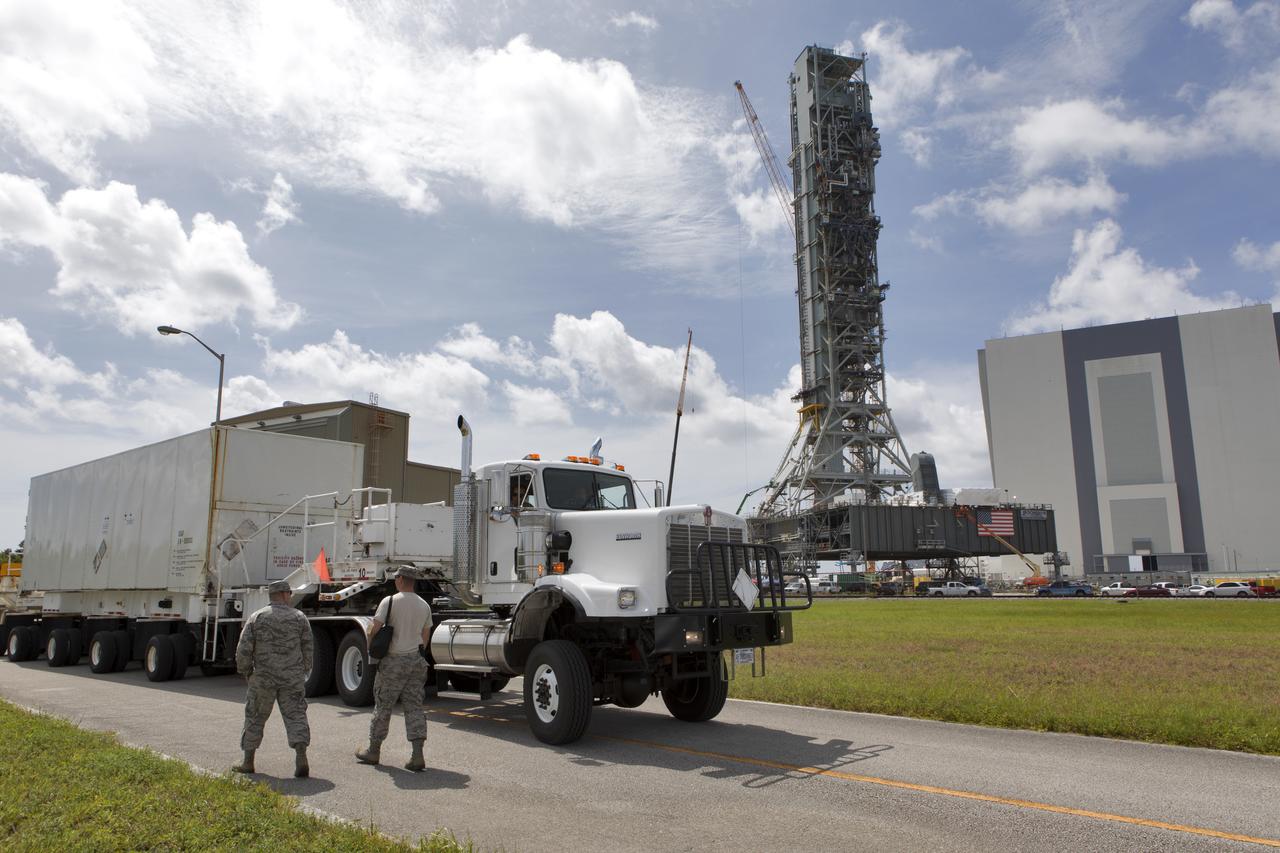
Secured on a flatbed transporter in its shipping container, the ground test motor for Orion's Launch Abort System (LAS) is moved to the Rotation, Processing and Surge Facility (RPSF) on July 20, 2018, at NASA's Kennedy Space Center in Florida. In the RPSF the motor will be inspected and prepared for transport to Space Launch Complex 46 (SLC-46) at Cape Canaveral Air Force Station for mechanical fit testing. This inert motor will not be used for flight, but will be used to certify flight hardware assembly in preparation for a full-stress test of the LAS, called Ascent Abort-2 (AA-2) flight test, scheduled for April 2019. During the test, the booster will launch from SLC 46, carrying a fully functional LAS and a 22,000-pound Orion test vehicle to an altitude of 31,000 feet and traveling at more than 1,000 miles an hour. The test will verify the LAS can steer the crew module and astronauts aboard to safety in the event of an issue with the Space Launch System (SLS) rocket when the spacecraft is under the highest aerodynamic loads it will experience during a rapid climb into space. NASA's Orion and Exploration Ground Systems programs and their contractors from Jacob's and Northrup Grumman in conjunction with the Air Force Space and Missile Center's Launch Operations branch SMC/LEXO, are performing the pathfinding exercises and flight operations for AA-2.
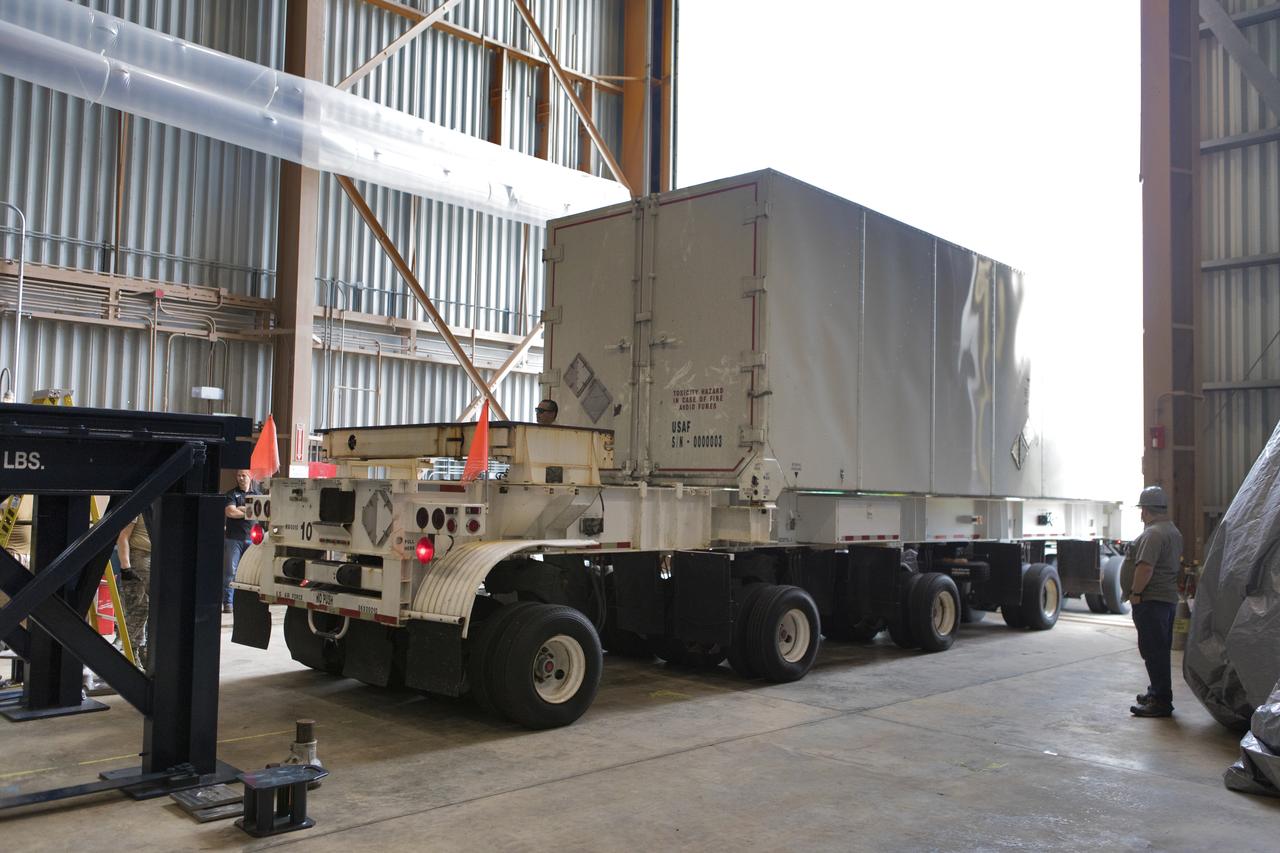
Secured on a flatbed transporter in its shipping container, the ground test motor for Orion's Launch Abort System (LAS) arrives at the Rotation, Processing and Surge Facility (RPSF) on July 20, 2018, at NASA's Kennedy Space Center in Florida. In the RPSF the motor will be inspected and prepared for transport to Space Launch Complex 46 (SLC-46) at Cape Canaveral Air Force Station for mechanical fit testing. This inert motor will not be used for flight, but will be used to certify flight hardware assembly in preparation for a full-stress test of the LAS, called Ascent Abort-2 (AA-2) flight test, scheduled for April 2019. During the test, the booster will launch from SLC 46, carrying a fully functional LAS and a 22,000-pound Orion test vehicle to an altitude of 31,000 feet and traveling at more than 1,000 miles an hour. The test will verify the LAS can steer the crew module and astronauts aboard to safety in the event of an issue with the Space Launch System (SLS) rocket when the spacecraft is under the highest aerodynamic loads it will experience during a rapid climb into space. NASA's Orion and Exploration Ground Systems programs and their contractors from Jacob's and Northrup Grumman in conjunction with the Air Force Space and Missile Center's Launch Operations branch SMC/LEXO, are performing the pathfinding exercises and flight operations for AA-2.
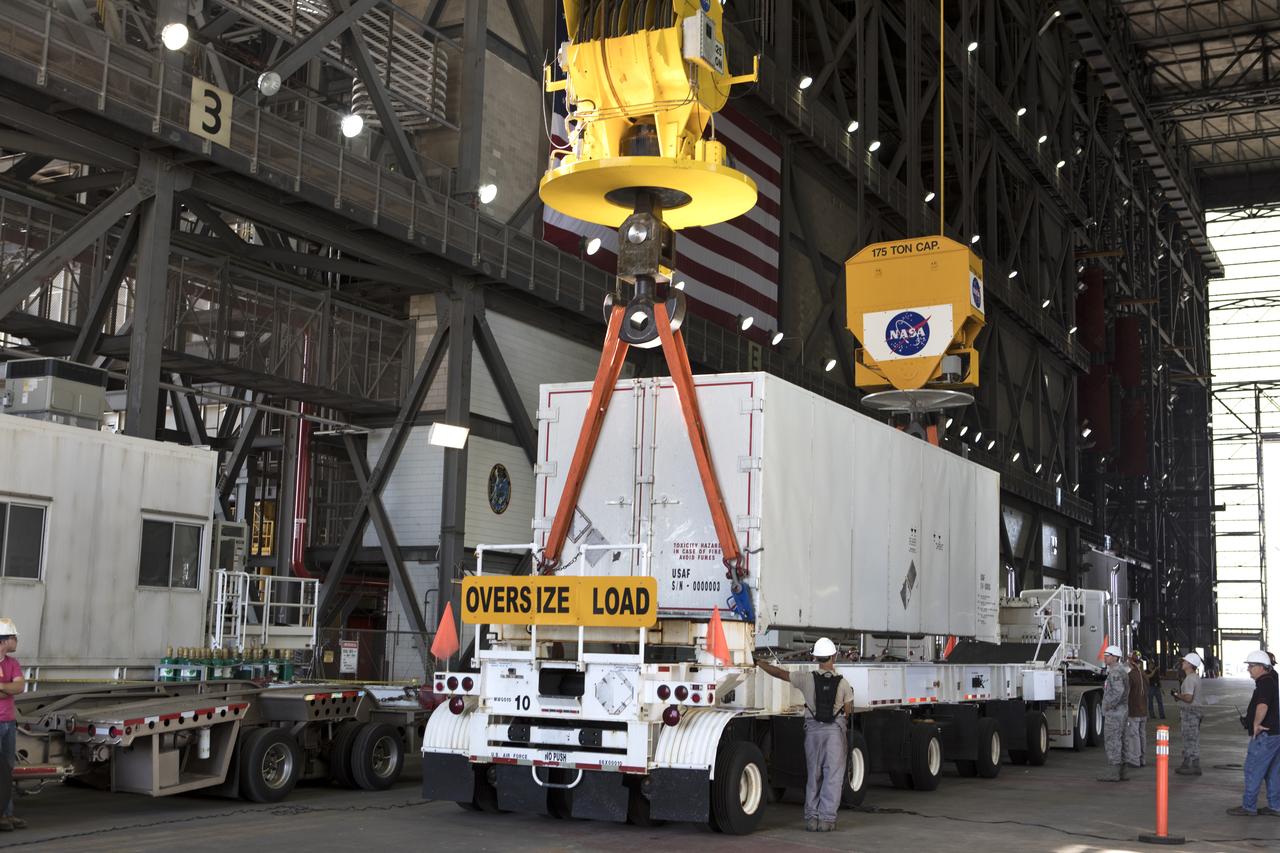
In the transfer aisle inside the Vehicle Assembly Building (VAB) at NASA's Kennedy Space Center in Florida, a crane lowers the shipping container with the ground test motor for Orion's Launch Abort System (LAS) inside onto another transporter on July 20, 2018. The container will be moved to the Rotation, Processing and Surge Facility where it will be inspected and prepared for transport to Space Launch Complex 46 (SLC-46) at Cape Canaveral Air Force Station for mechanical fit testing. This inert motor will not be used for flight, but will be used to certify flight hardware assembly in preparation for a full-stress test of the LAS, called Ascent Abort-2 (AA-2) flight test, scheduled for April 2019. During the test, the booster will launch from SLC 46, carrying a fully functional LAS and a 22,000-pound Orion test vehicle to an altitude of 31,000 feet and traveling at more than 1,000 miles an hour. The test will verify the LAS can steer the crew module and astronauts aboard to safety in the event of an issue with the Space Launch System (SLS) rocket when the spacecraft is under the highest aerodynamic loads it will experience during a rapid climb into space. NASA's Orion and Exploration Ground Systems programs and their contractors from Jacob's and Northrup Grumman in conjunction with the Air Force Space and Missile Center's Launch Operations branch SMC/LEXO, are performing the pathfinding exercises and flight operations for AA-2.
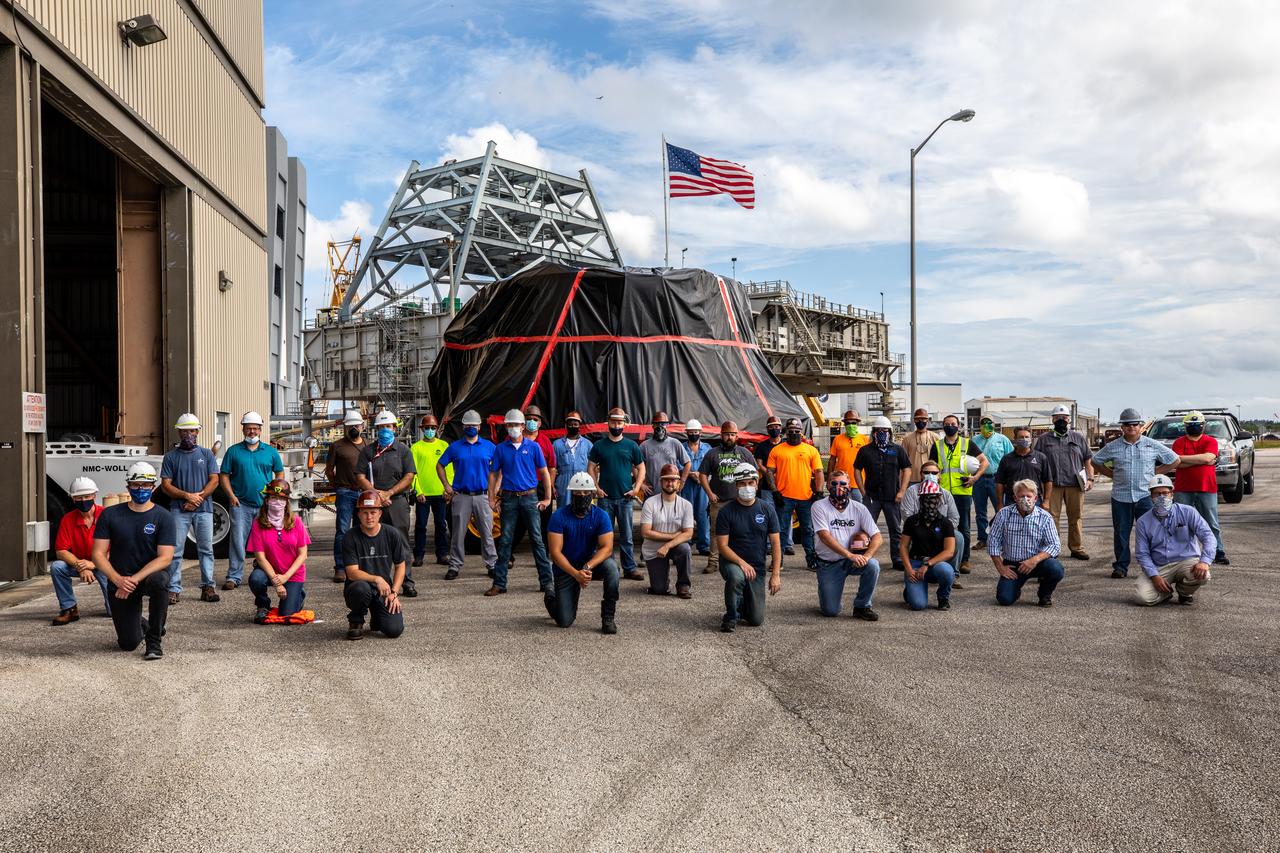
Exploration Ground Systems workers gather in front of the Rotation, Processing and Surge Facility (RPSF) at NASA’s Kennedy Space Center in Florida on June 10, 2020, to mark the arrival of the Artemis I aft skirts for the agency's Space Launch System (SLS) rocket’s twin solid rocket boosters. The aft skirts were moved from the Booster Fabrication Facility. The aft skirts were refurbished by Northrop Grumman. They house the thrust vector control system, which controls 70 percent of the steering during initial ascent of the SLS rocket. The segments will remain in the RPSF until ready for stacking with the forward and aft parts of the boosters on the mobile launcher in High Bay 3 of the Vehicle Assembly Building. Through the Artemis Program, NASA is working to land the first woman and next man on the Moon by 2024.
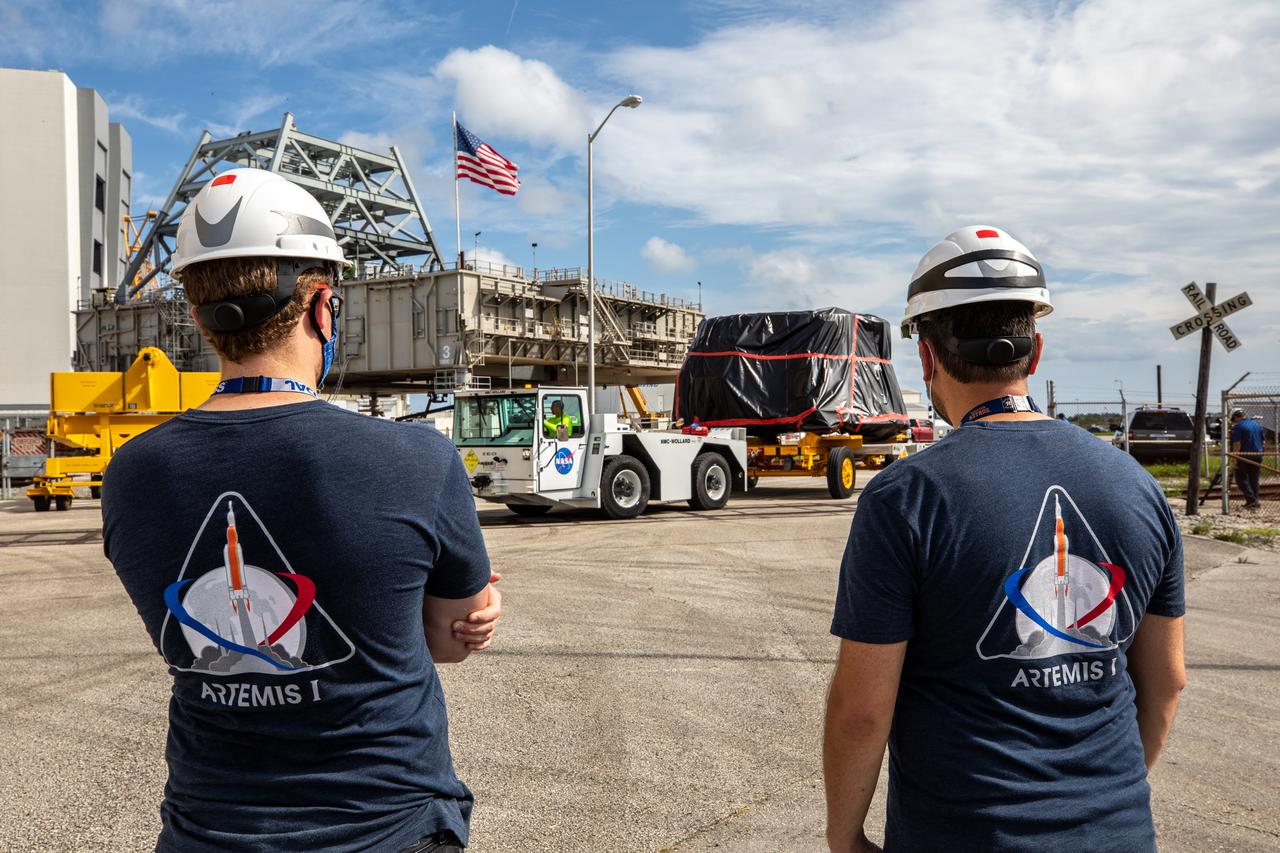
Exploration Ground Systems workers watch as the first of two Artemis I aft skirts for NASA’s Space Launch System (SLS) rocket’s twin solid rocket boosters crosses a railroad track on its way to the Rotation, Processing and Surge Facility (RPSF) at the agency’s Kennedy Space Center in Florida on June 10, 2020. They were transported from the Booster Fabrication Facility. The aft skirts were refurbished by Northrop Grumman. They house the thrust vector control system, which controls 70 percent of the steering during initial ascent of the SLS rocket. The segments will remain in the RPSF until ready for stacking with the forward and aft parts of the boosters on the mobile launcher in High Bay 3 of the Vehicle Assembly Building. Through the Artemis Program, NASA is working to land the first woman and next man on the Moon by 2024.
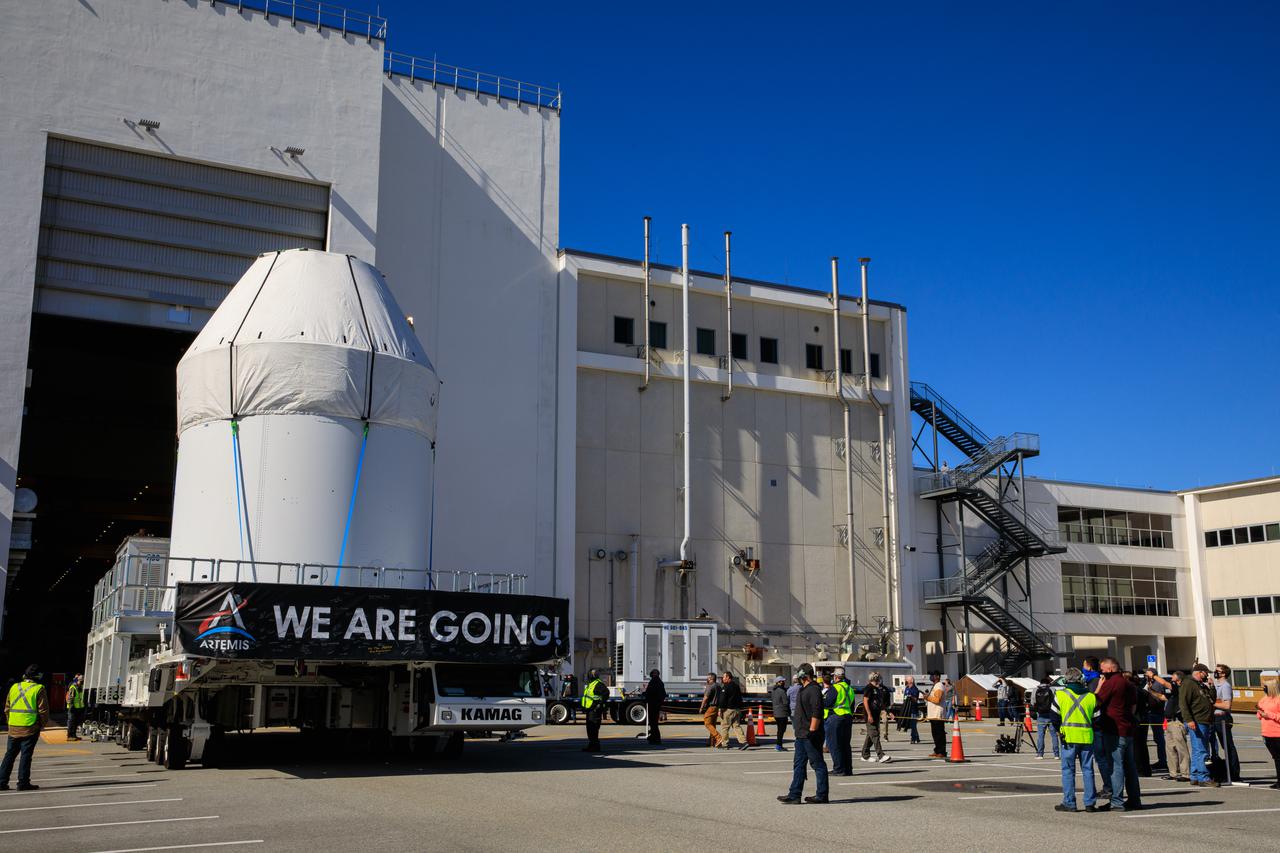
Orion sits atop a transport vehicle as it departs from its home at the Neil Armstrong Operations and Checkout Building at NASA’s Kennedy Space Center in Florida on Jan.16, 2021. Orion will begin its trek to the Multi-Payload Processing Facility. There it will undergo ground processing with the Exploration Ground Systems team taking over ground processing ahead of the Artemis I launch.
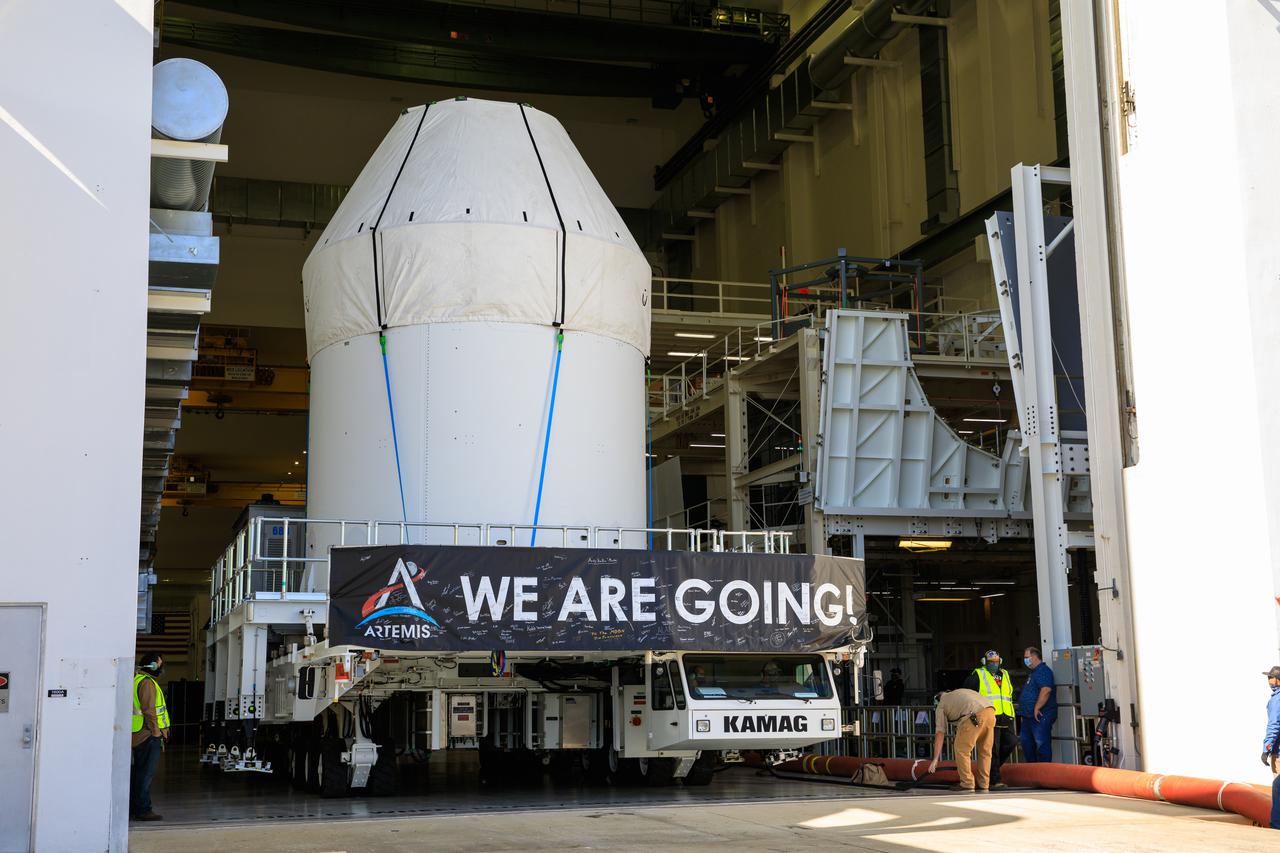
Orion is buttoned up as it sits atop a transport vehicle ready to depart from its home at the Neil Armstrong Operations and Checkout Building at NASA’s Kennedy Space Center in Florida on Jan.16, 2021. Orion will begin its trek to the Multi-Payload Processing Facility. There it will undergo ground processing with the Exploration Ground Systems team taking over ground processing ahead of the Artemis I launch.
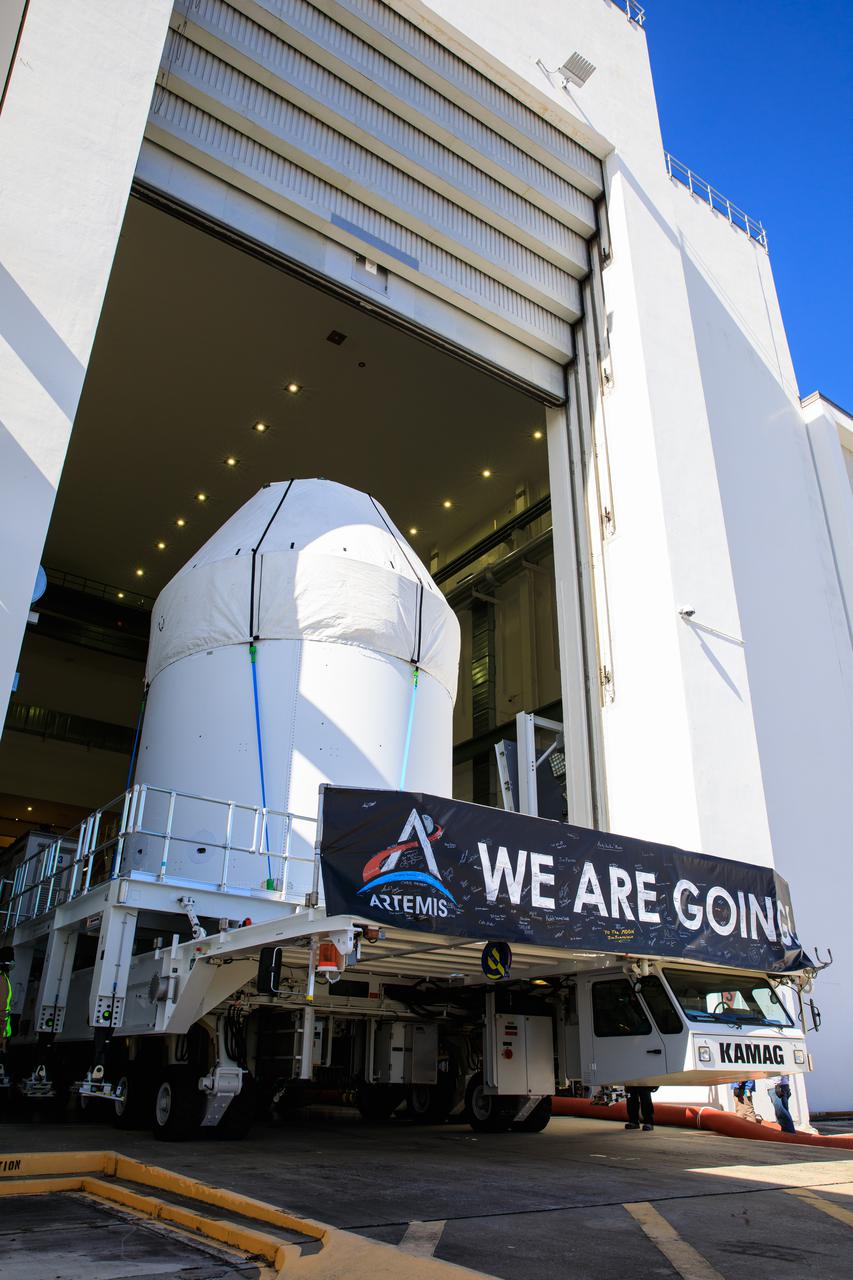
Orion is buttoned up as it sits atop a transport vehicle ready to depart from its home at the Neil Armstrong Operations and Checkout Building at NASA’s Kennedy Space Center in Florida on Jan.16, 2021. Orion will begin its trek to the Multi-Payload Processing Facility. There it will undergo ground processing with the Exploration Ground Systems team taking over ground processing ahead of the Artemis I launch.
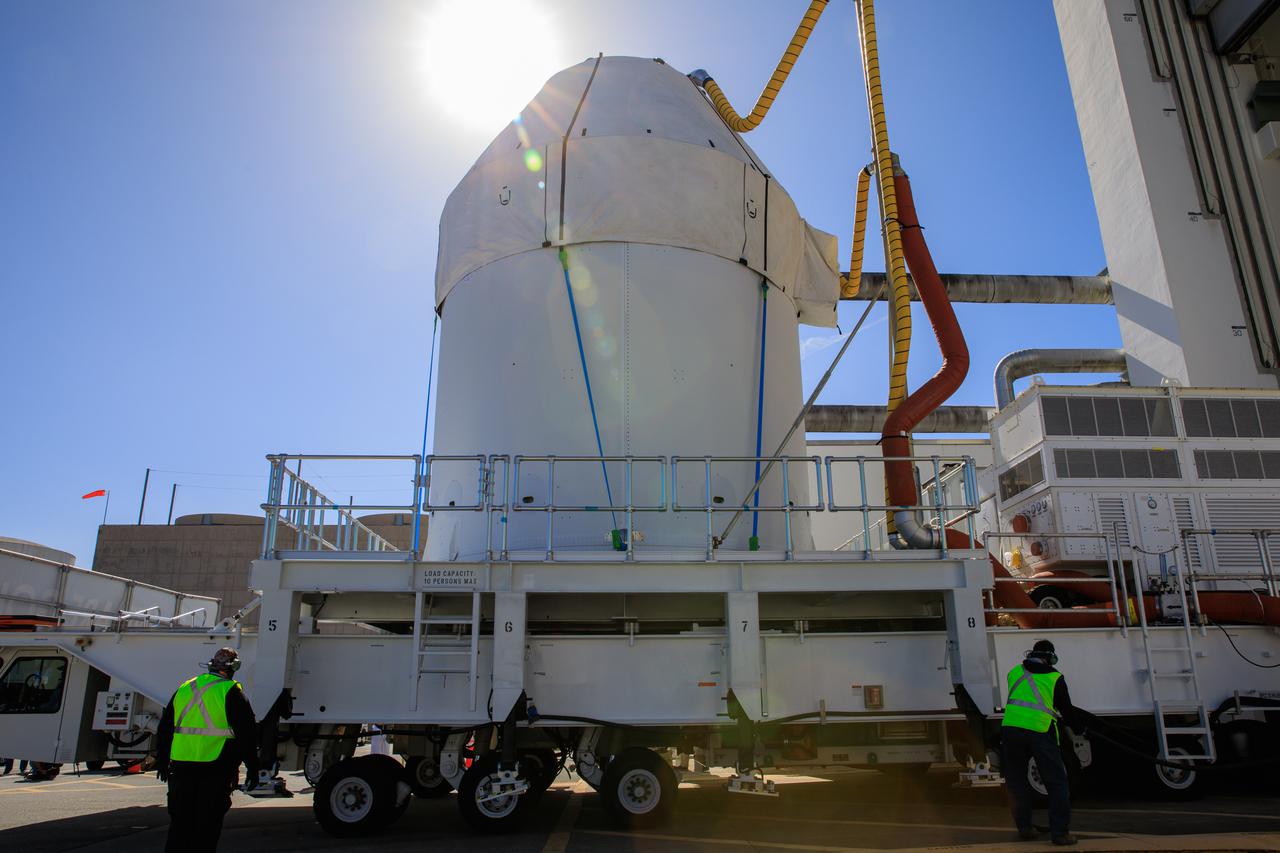
Orion sits atop a transport vehicle as it departs from its home at the Neil Armstrong Operations and Checkout Building at NASA’s Kennedy Space Center in Florida on Jan.16, 2021. Orion will begin its trek to the Multi-Payload Processing Facility. There it will undergo ground processing with the Exploration Ground Systems team taking over ground processing ahead of the Artemis I launch.
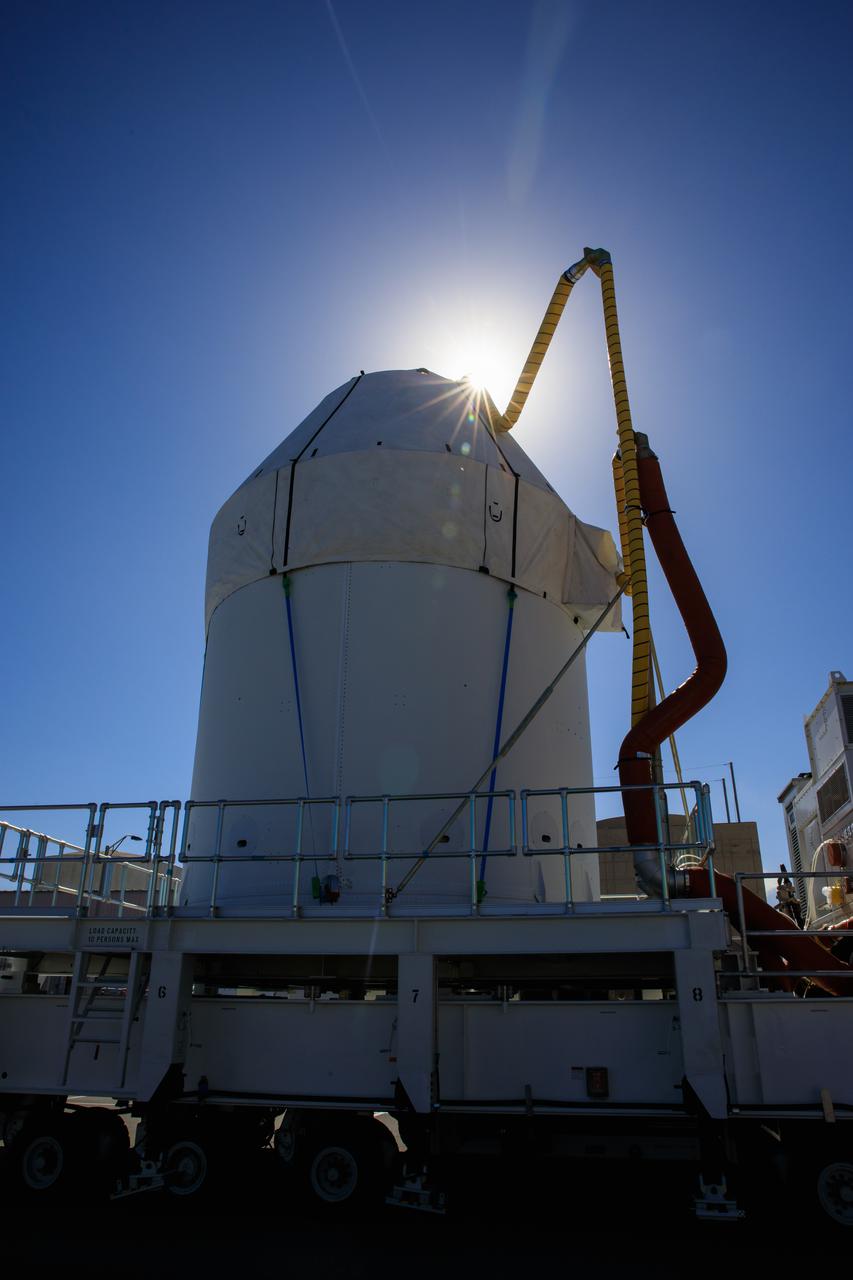
A close-up view of Orion secured atop a transport vehicle as it departs from its home at the Neil Armstrong Operations and Checkout Building at NASA’s Kennedy Space Center in Florida on Jan.16, 2021. Orion’s next stop will be the Multi-Payload Processing Facility where it will undergo ground processing with the Exploration Ground Systems team taking over ground processing ahead of the Artemis I launch.
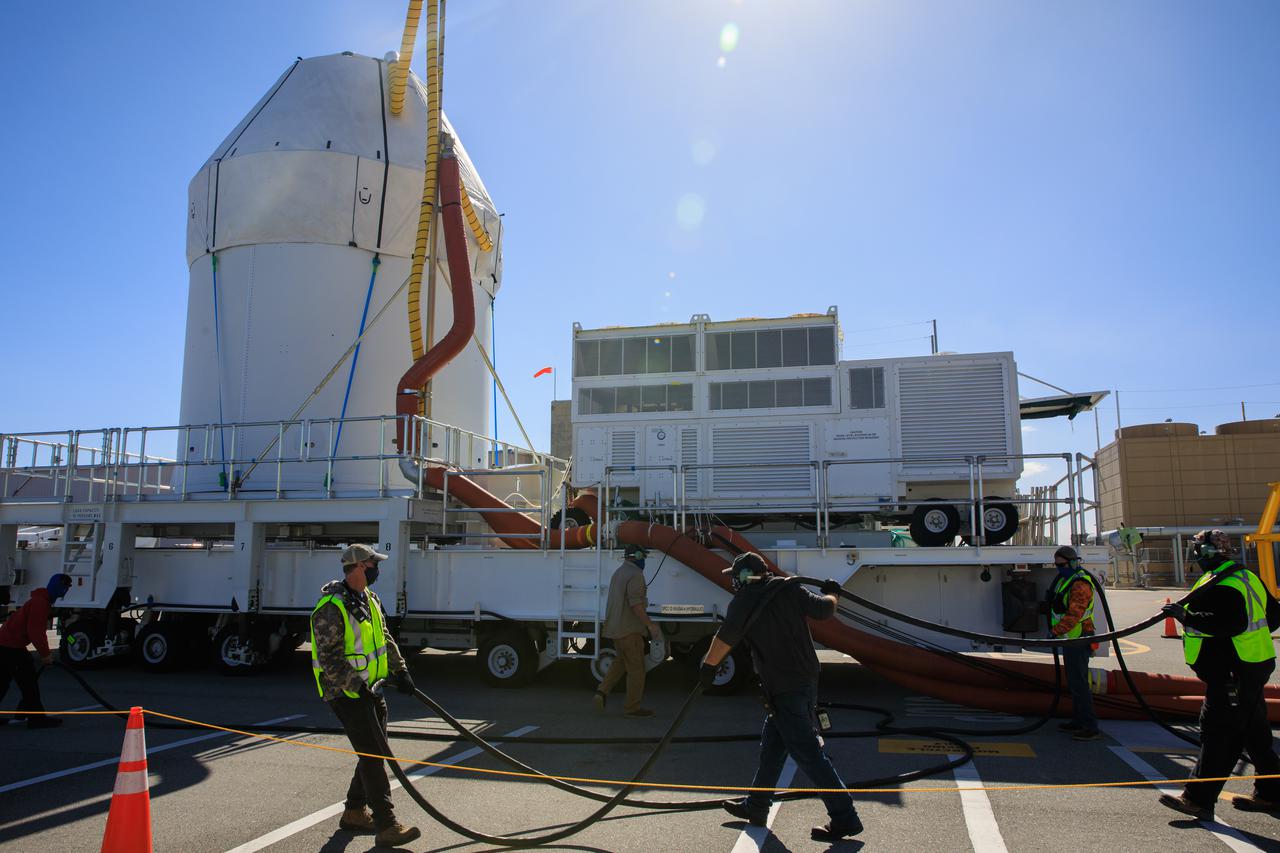
A close-up view of Orion secured atop a transport vehicle as it departs from its home at the Neil Armstrong Operations and Checkout Building at NASA’s Kennedy Space Center in Florida on Jan.16, 2021. Orion’s next stop will be the Multi-Payload Processing Facility where it will undergo ground processing with the Exploration Ground Systems team taking over ground processing ahead of the Artemis I launch.
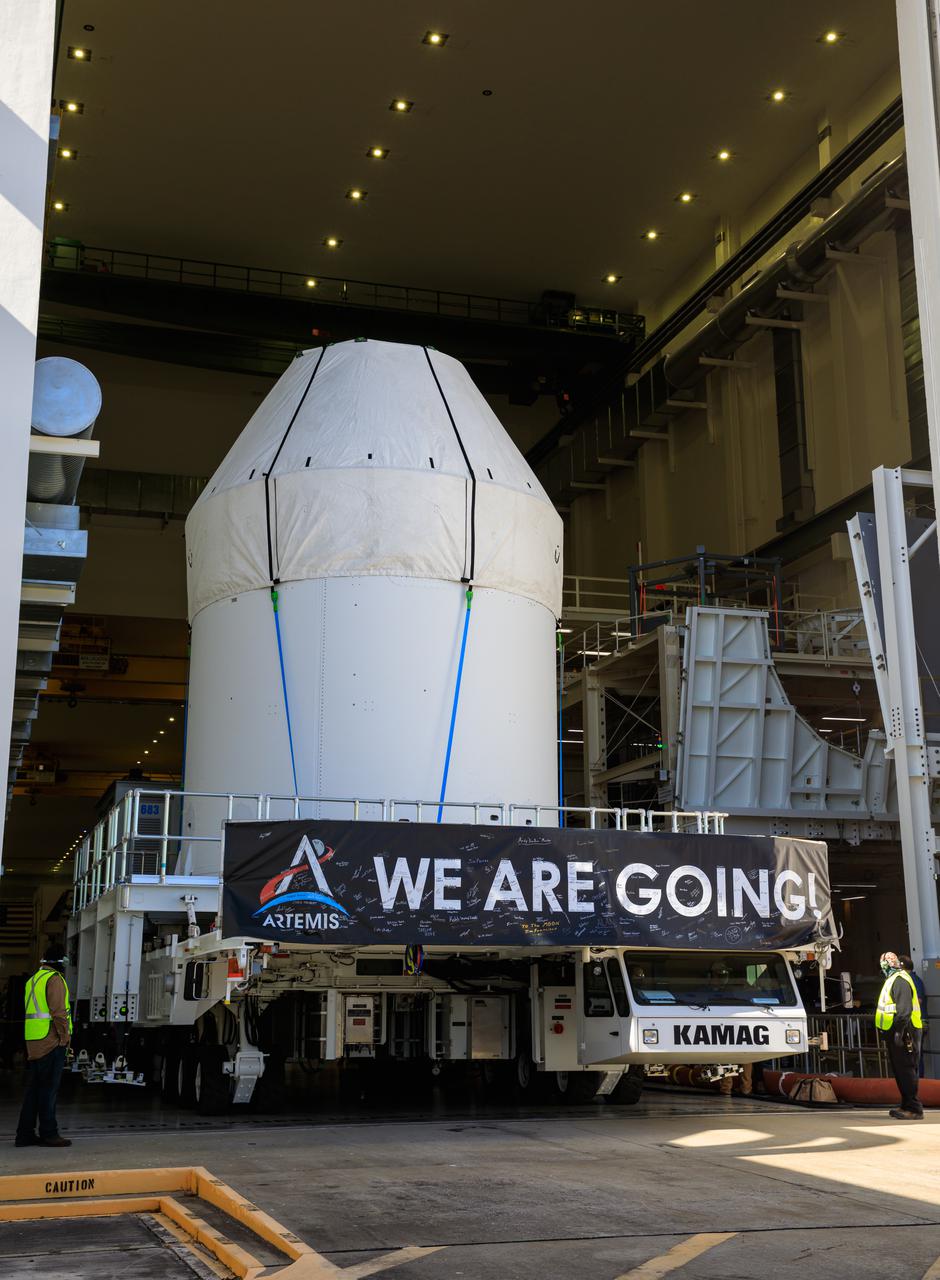
Orion is buttoned up as it sits atop a transport vehicle ready to depart from its home at the Neil Armstrong Operations and Checkout Building at NASA’s Kennedy Space Center in Florida on Jan.16, 2021. Orion will begin its trek to the Multi-Payload Processing Facility. There it will undergo ground processing with the Exploration Ground Systems team taking over ground processing ahead of the Artemis I launch.
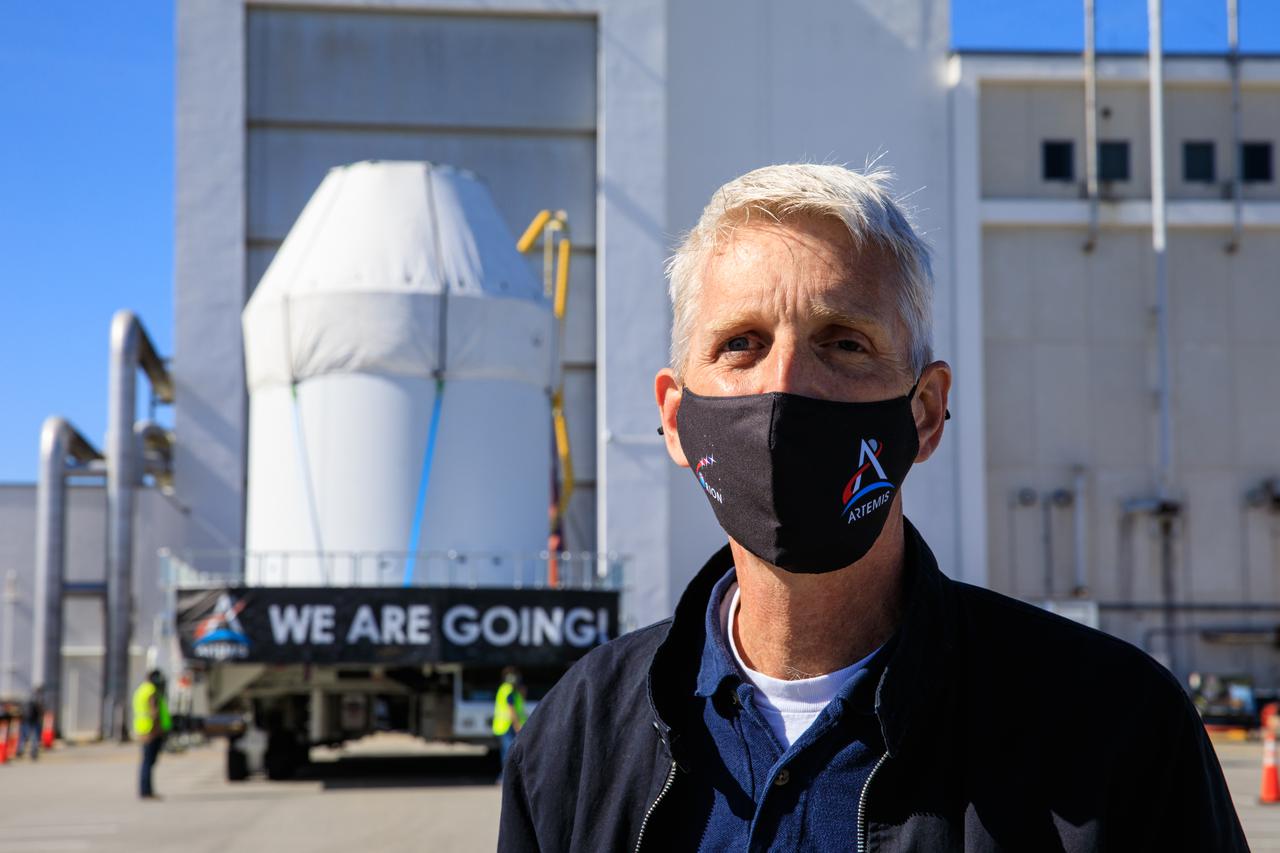
Orion sits atop a transport vehicle as it departs from its home at the Neil Armstrong Operations and Checkout Building at NASA’s Kennedy Space Center in Florida on Jan.16, 2021. In view is Scott Wilson, manager of production operations for NASA’s Orion Program. Orion will begin its trek to the Multi-Payload Processing Facility. There it will undergo ground processing with the Exploration Ground Systems team taking over ground processing ahead of the Artemis I launch.
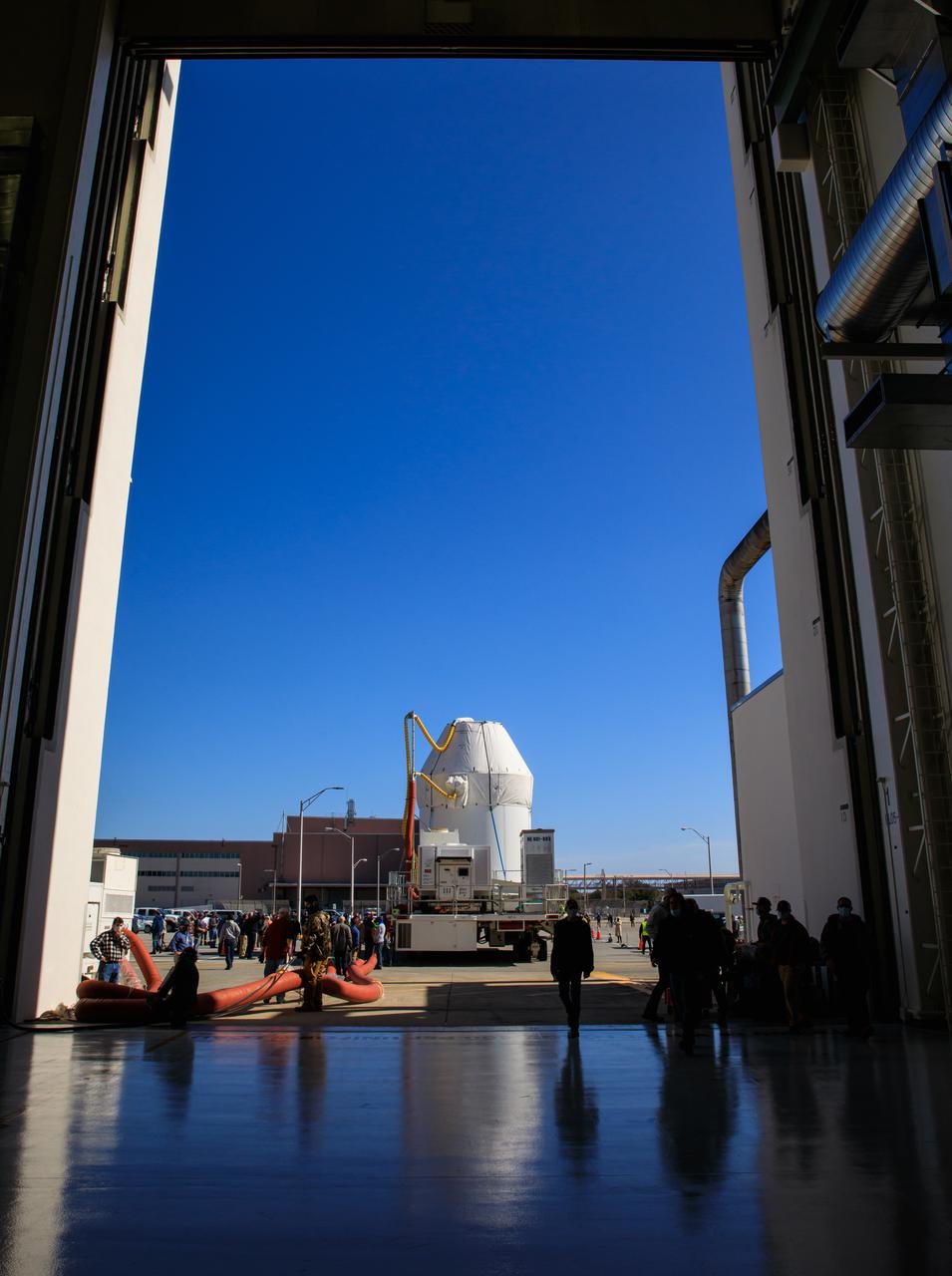
Orion sits atop a transport vehicle as it departs from its home at the Neil Armstrong Operations and Checkout Building at NASA’s Kennedy Space Center in Florida on Jan.16, 2021. Orion will begin its trek to the Multi-Payload Processing Facility. There it will undergo ground processing with the Exploration Ground Systems team taking over ground processing ahead of the Artemis I launch.
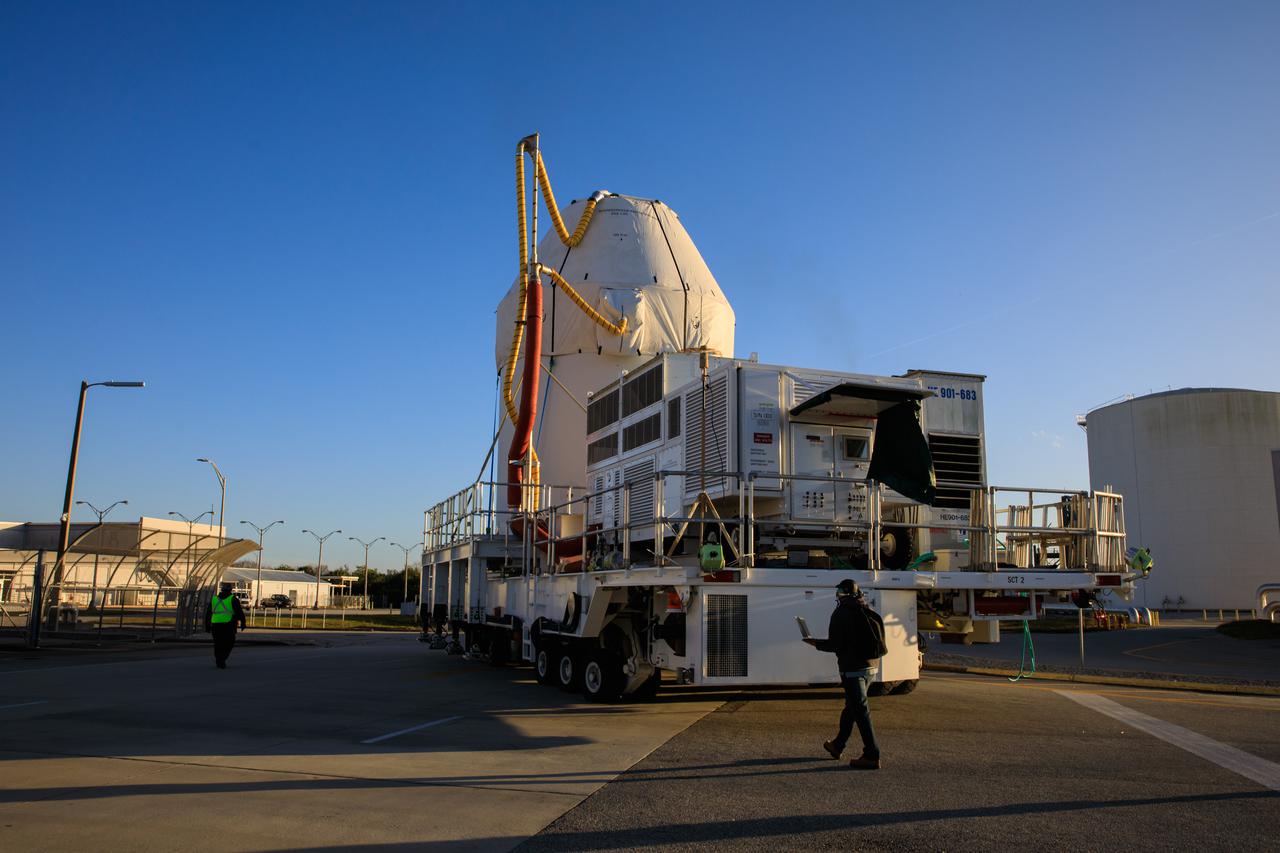
Orion sits atop a transport vehicle as it departs from its home at the Neil Armstrong Operations and Checkout Building at NASA’s Kennedy Space Center in Florida on Jan.16, 2021. Orion’s next stop will be the Multi-Payload Processing Facility where it will undergo ground processing with the Exploration Ground Systems team taking over ground processing ahead of the Artemis I launch.
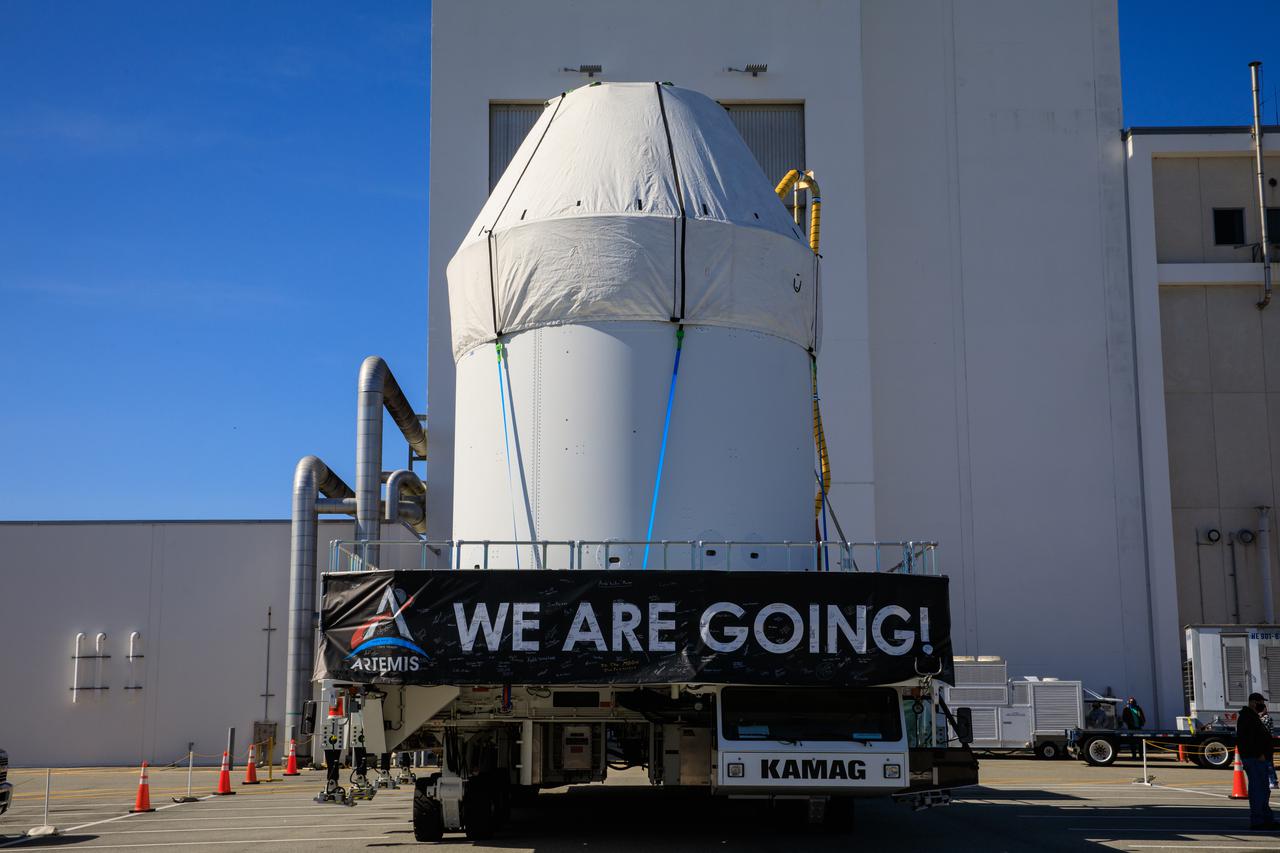
Orion sits atop a transport vehicle as it departs from its home at the Neil Armstrong Operations and Checkout Building at NASA’s Kennedy Space Center in Florida on Jan.16, 2021. Orion will begin its trek to the Multi-Payload Processing Facility. There it will undergo ground processing with the Exploration Ground Systems team taking over ground processing ahead of the Artemis I launch.
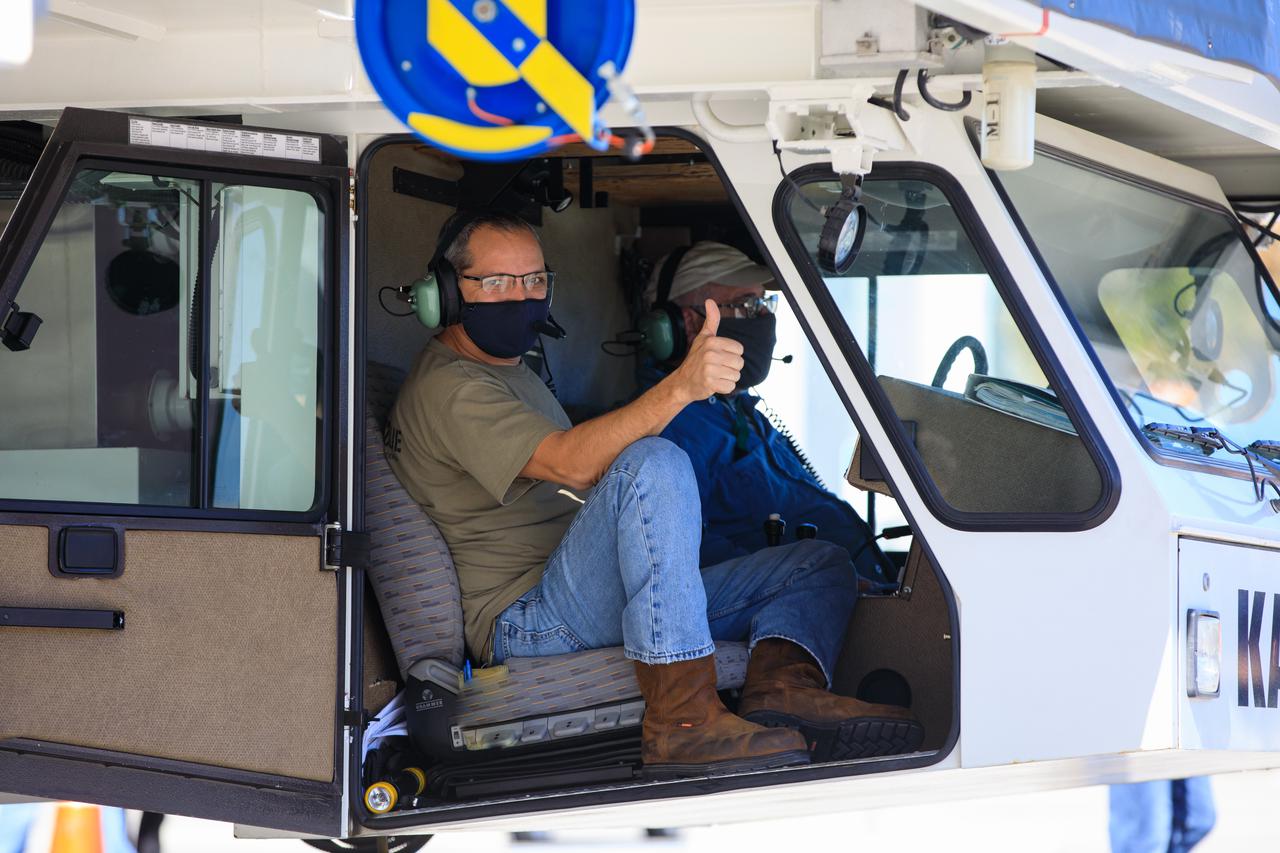
Ryan Kiechle of Jacobs Technology gives a thumbs-up inside the transporter with Orion secured atop as the spacecraft prepares to depart the Neil Armstrong Operations and Checkout Building at NASA’s Kennedy Space Center in Florida on Jan.16, 2021. Orion’s next stop will be the Multi-Payload Processing Facility where it will undergo ground processing with the Exploration Ground Systems team taking over ground processing ahead of the Artemis I launch.
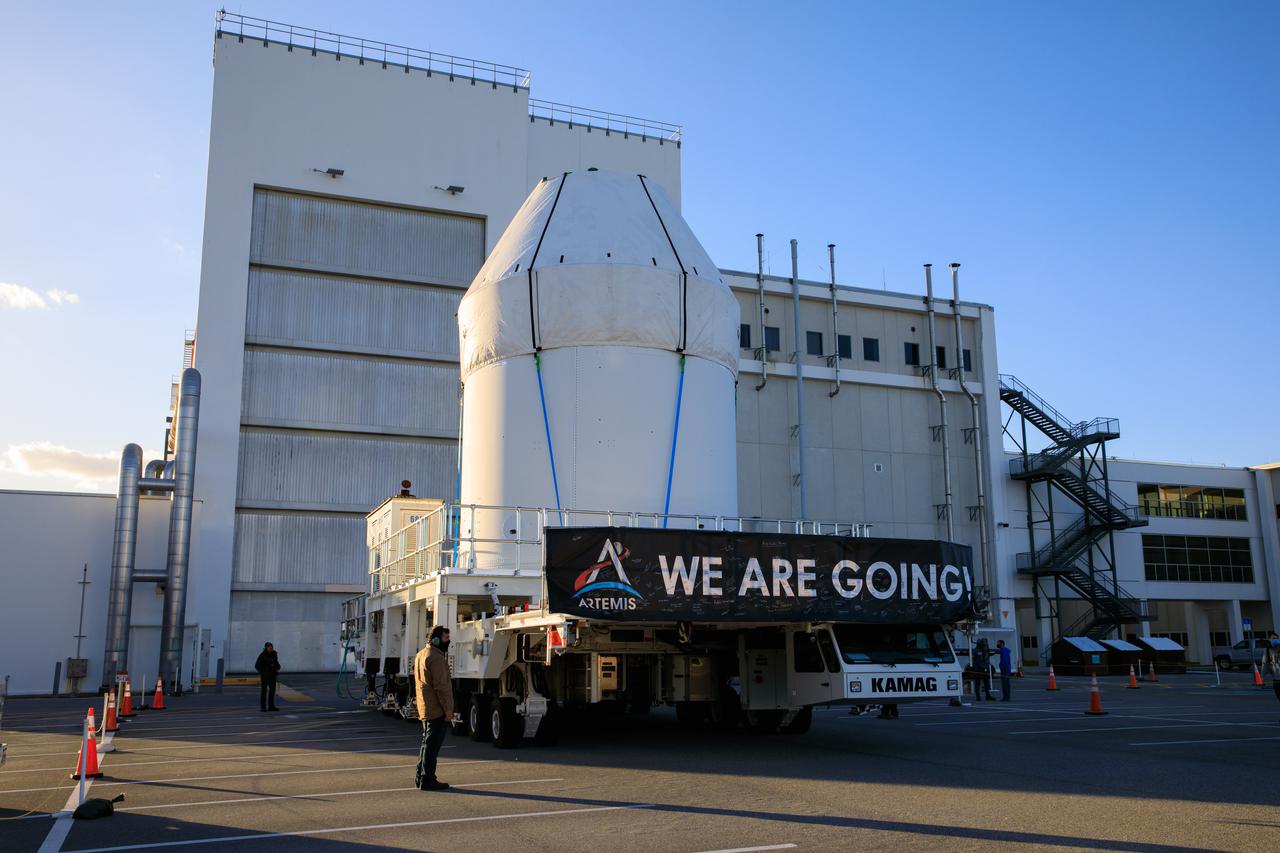
Orion sits atop a transport vehicle as it departs from its home at the Neil Armstrong Operations and Checkout Building at NASA’s Kennedy Space Center in Florida on Jan.16, 2021. Orion’s next stop will be the Multi-Payload Processing Facility where it will undergo ground processing with the Exploration Ground Systems team taking over ground processing ahead of the Artemis I launch.
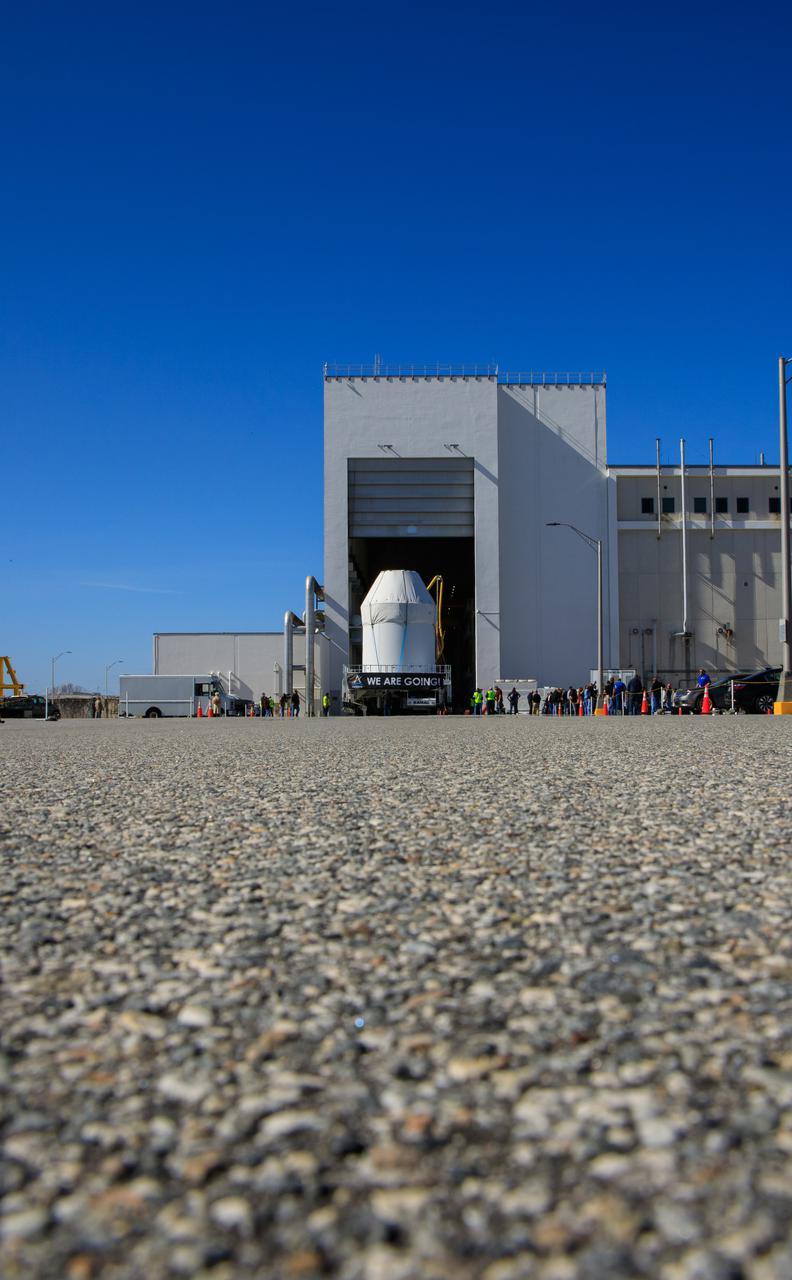
Orion sits atop a transport vehicle as it departs from its home at the Neil Armstrong Operations and Checkout Building at NASA’s Kennedy Space Center in Florida on Jan.16, 2021. Orion’s next stop will be the Multi-Payload Processing Facility where it will undergo ground processing with the Exploration Ground Systems team taking over ground processing ahead of the Artemis I launch.
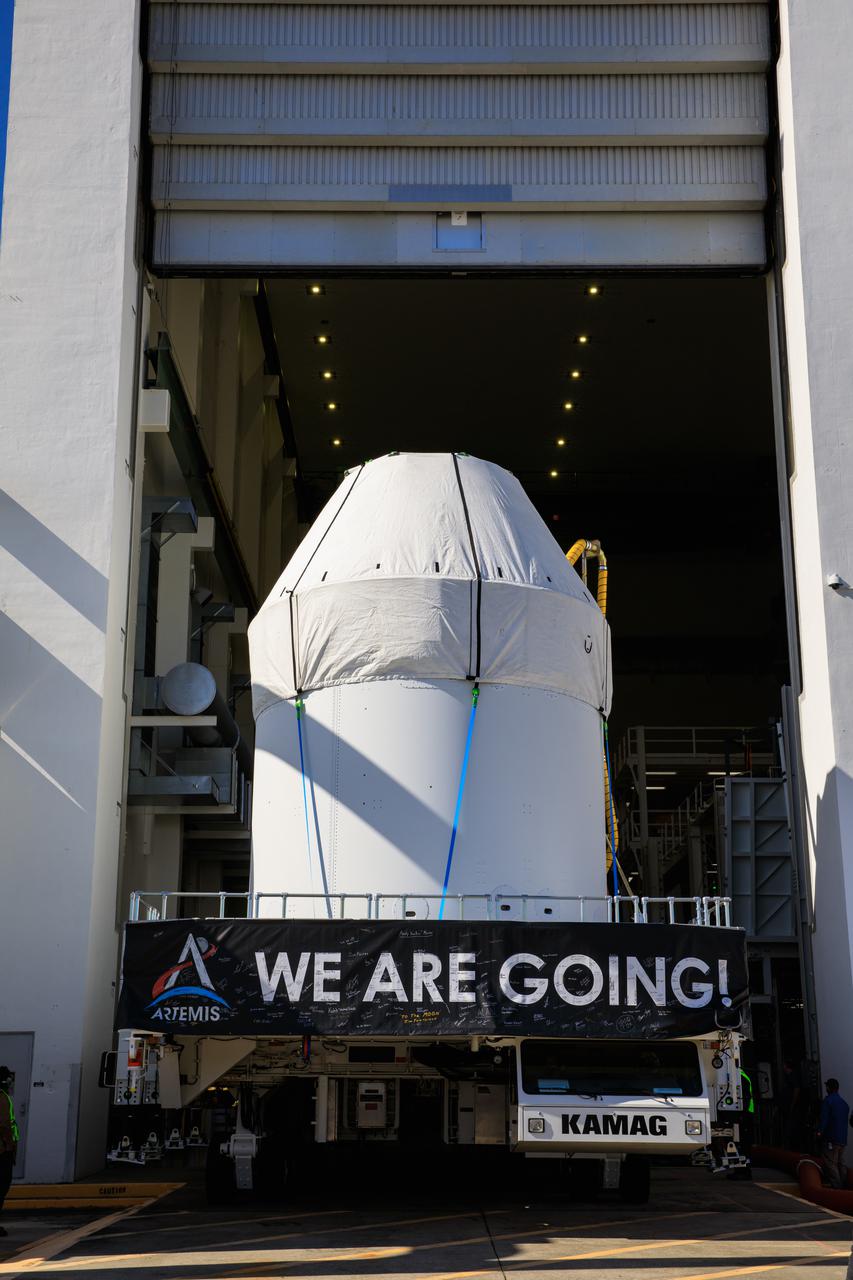
Orion is buttoned up as it sits atop a transport vehicle ready to depart from its home at the Neil Armstrong Operations and Checkout Building at NASA’s Kennedy Space Center in Florida on Jan.16, 2021. Orion will begin its trek to the Multi-Payload Processing Facility. There it will undergo ground processing with the Exploration Ground Systems team taking over ground processing ahead of the Artemis I launch.
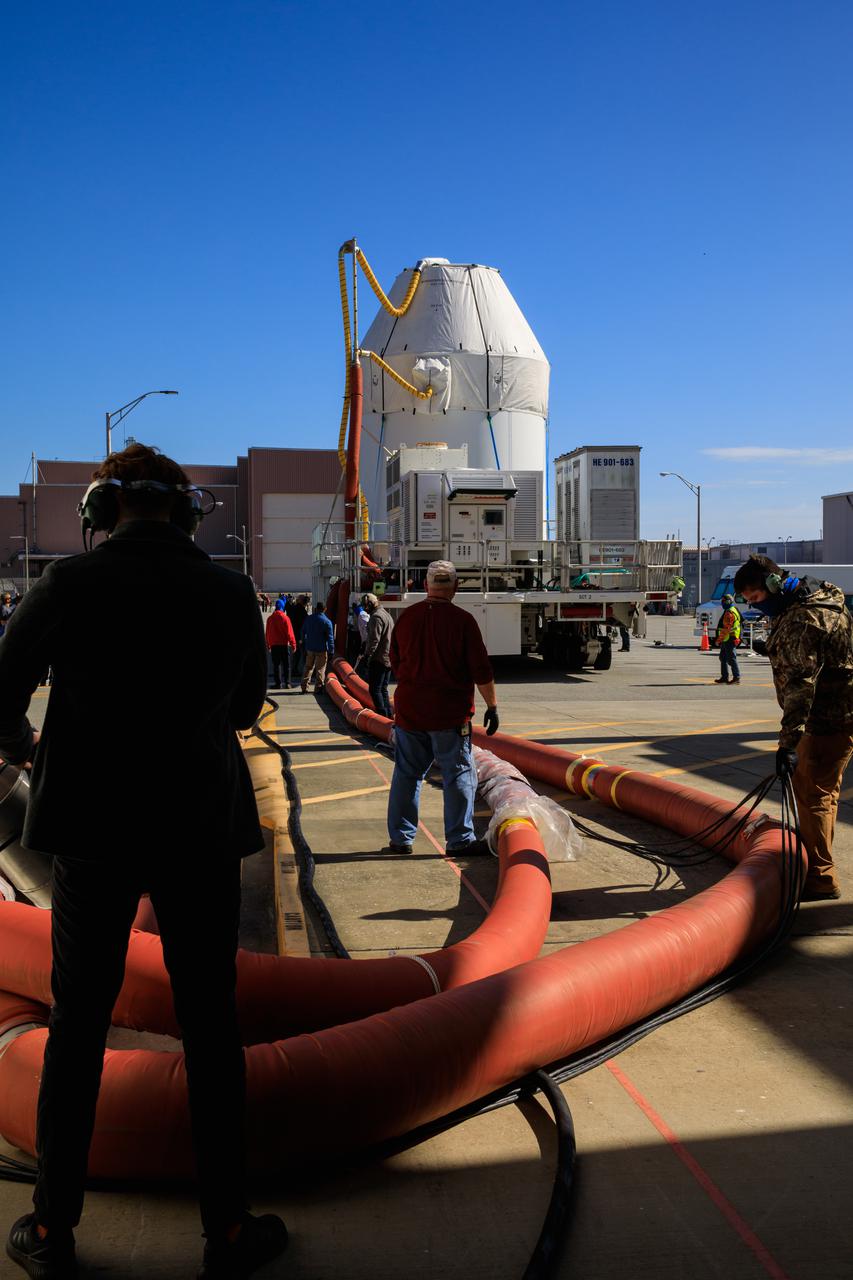
Orion sits atop a transport vehicle as it departs from its home at the Neil Armstrong Operations and Checkout Building at NASA’s Kennedy Space Center in Florida on Jan.16, 2021. Orion will begin its trek to the Multi-Payload Processing Facility. There it will undergo ground processing with the Exploration Ground Systems team taking over ground processing ahead of the Artemis I launch.
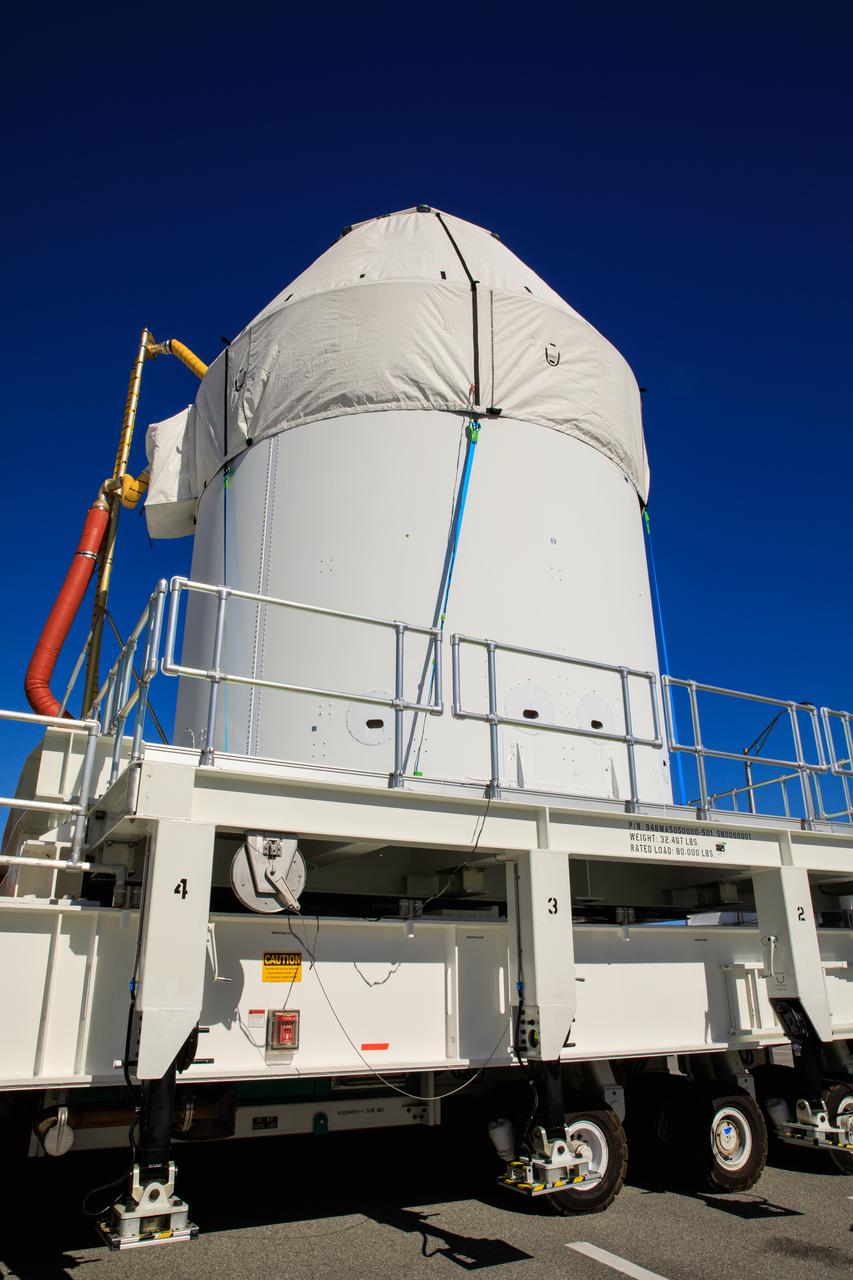
Orion sits atop a transport vehicle as it departs from its home at the Neil Armstrong Operations and Checkout Building at NASA’s Kennedy Space Center in Florida on Jan.16, 2021. Orion will begin its trek to the Multi-Payload Processing Facility. There it will undergo ground processing with the Exploration Ground Systems team taking over ground processing ahead of the Artemis I launch.
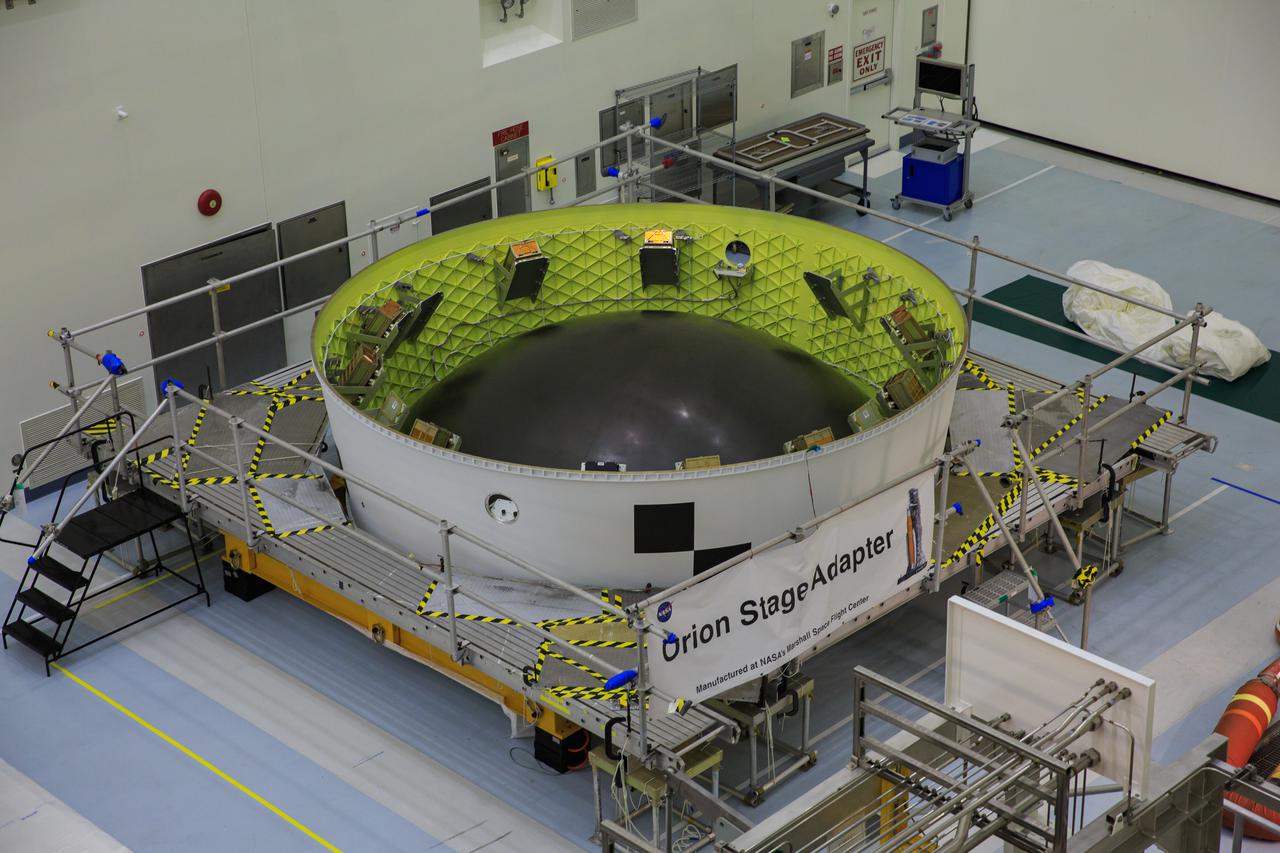
Small satellites, called CubeSats, are shown secured inside NASA’s Orion stage adapter at NASA’s Kennedy Space Center in Florida on Aug. 5, 2021. Technicians from Exploration Ground Systems and Jacobs teams are working with developers of the shoebox-sized secondary payloads as they undergo final processing. The ring-shaped stage adapter will be connected to the Space Launch System’s Interim Cryogenic Propulsion Stage, and the Orion spacecraft will be secured on top. The CubeSats will conduct a variety of science experiments and technology demonstrations that will expand our knowledge of the lunar surface during the Artemis I mission.
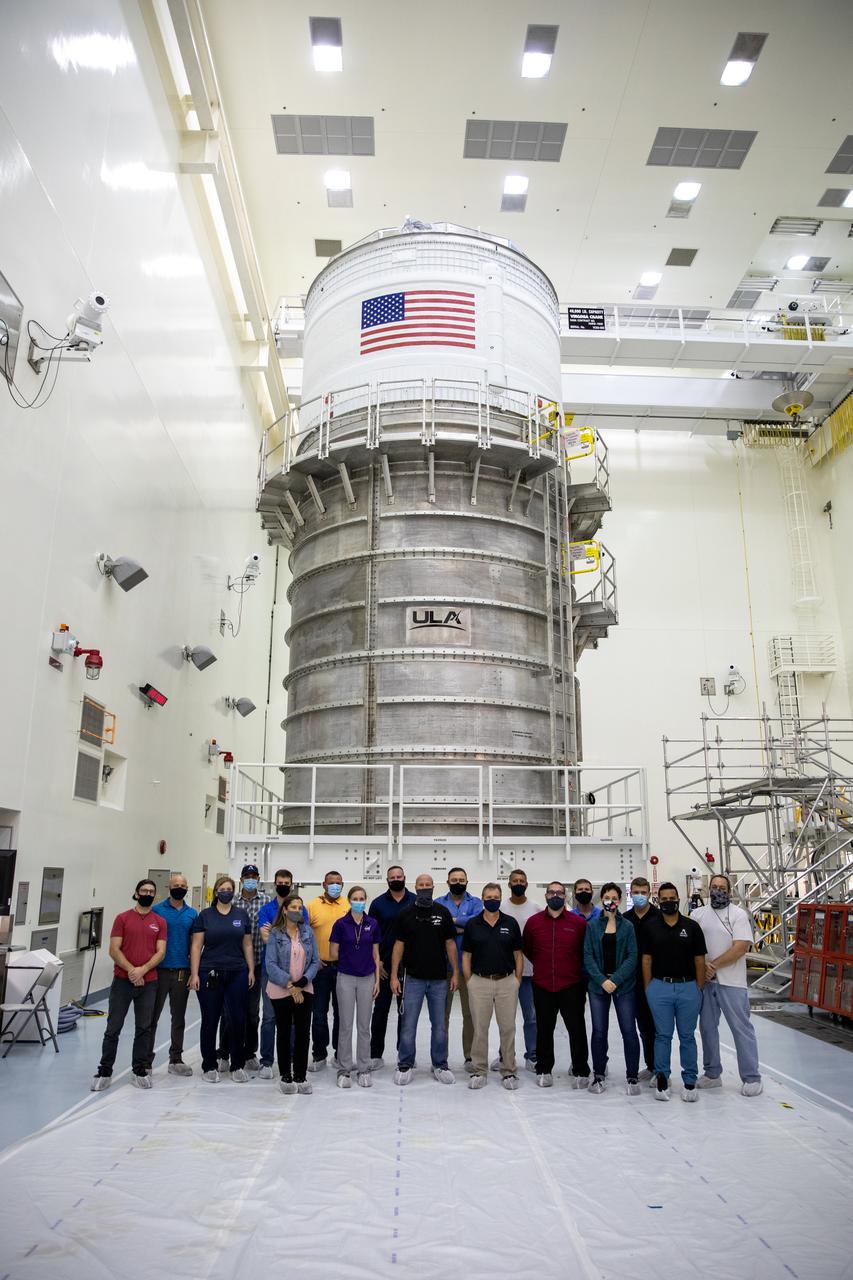
The Space Launch System (SLS) rocket’s interim cryogenic propulsion stage (ICPS) moved into the Multi-Payload Processing Facility February 18, 2021, at NASA’s Kennedy Space Center in Florida for the Artemis I mission. It will undergo fueling and servicing in the facility ahead of launch by teams from NASA’s Exploration Ground Systems and their primary contractor, Jacobs Technology. Artemis I will be an integrated flight test of the SLS rocket and Orion spacecraft ahead of the crewed flights to the Moon. Under the Artemis program, NASA will land the first woman and the next man on the lunar surface and establish a sustainable presence at the Moon to prepare for human missions to Mars.
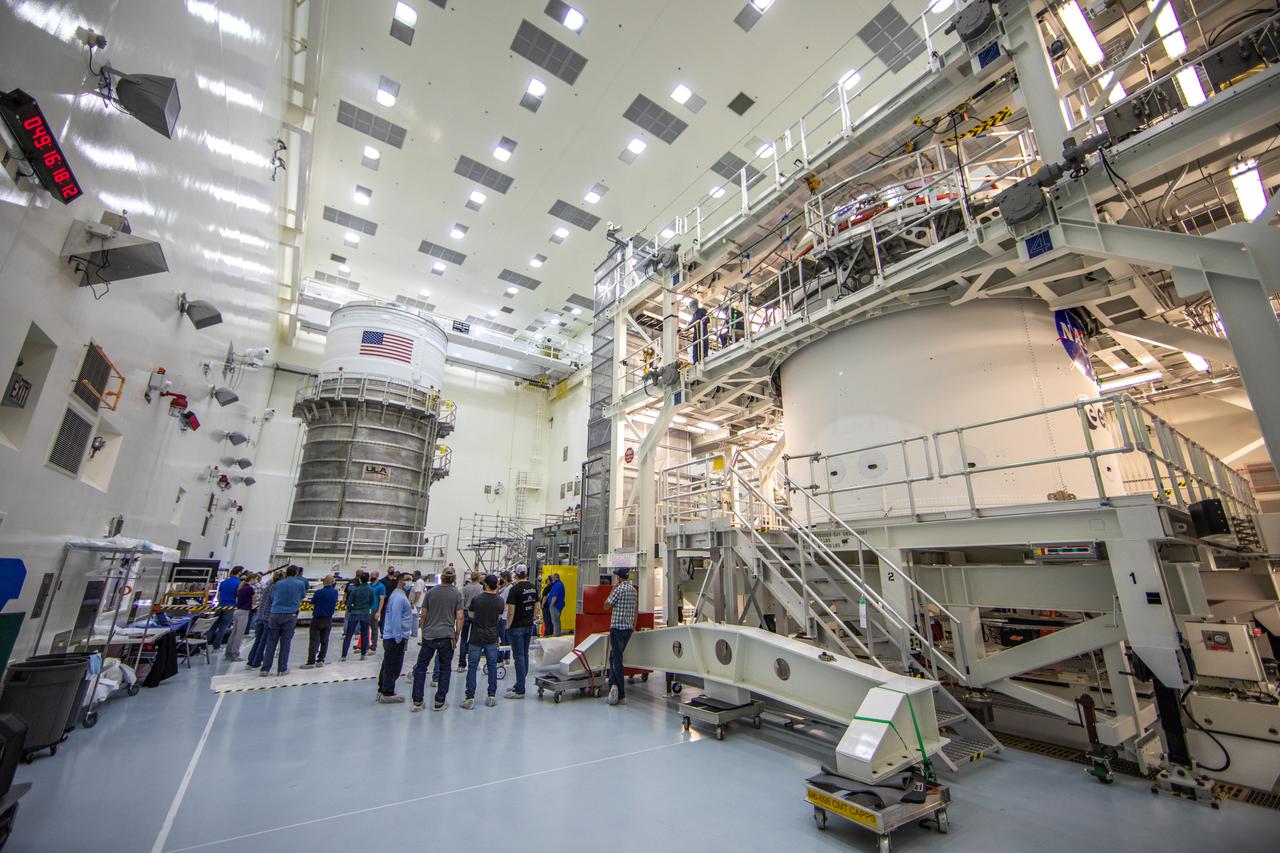
The Space Launch System (SLS) rocket’s interim cryogenic propulsion stage (ICPS) moved into the Multi-Payload Processing Facility February 18, 2021, at NASA’s Kennedy Space Center in Florida for the Artemis I mission. It will undergo fueling and servicing in the facility ahead of launch by teams from NASA’s Exploration Ground Systems and their primary contractor, Jacobs Technology. Artemis I will be an integrated flight test of the SLS rocket and Orion spacecraft ahead of the crewed flights to the Moon. Under the Artemis program, NASA will land the first woman and the next man on the lunar surface and establish a sustainable presence at the Moon to prepare for human missions to Mars.

Small satellites, called CubeSats, are shown secured inside NASA’s Orion stage adapter at NASA’s Kennedy Space Center in Florida on Aug. 5, 2021. Technicians from Exploration Ground Systems and Jacobs teams are working with developers of the shoebox-sized secondary payloads as they undergo final processing. The ring-shaped stage adapter will be connected to the Space Launch System’s Interim Cryogenic Propulsion Stage, and the Orion spacecraft will be secured on top. The CubeSats will conduct a variety of science experiments and technology demonstrations that will expand our knowledge of the lunar surface during the Artemis I mission.
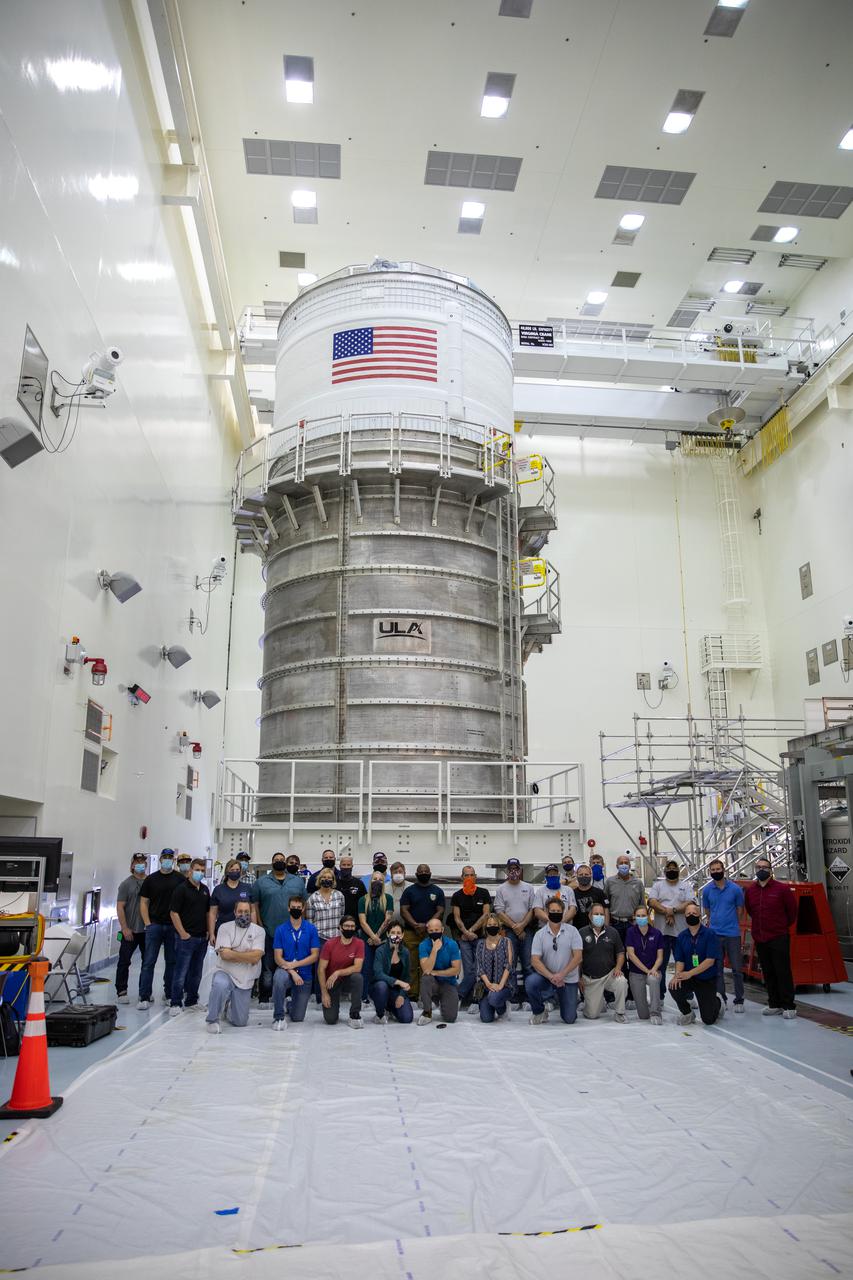
The Space Launch System (SLS) rocket’s interim cryogenic propulsion stage (ICPS) moved into the Multi-Payload Processing Facility February 18, 2021, at NASA’s Kennedy Space Center in Florida for the Artemis I mission. It will undergo fueling and servicing in the facility ahead of launch by teams from NASA’s Exploration Ground Systems and their primary contractor, Jacobs Technology. Artemis I will be an integrated flight test of the SLS rocket and Orion spacecraft ahead of the crewed flights to the Moon. Under the Artemis program, NASA will land the first woman and the next man on the lunar surface and establish a sustainable presence at the Moon to prepare for human missions to Mars.
The Space Launch System (SLS) rocket’s interim cryogenic propulsion stage (ICPS) moved into the Multi-Payload Processing Facility February 18, 2021, at NASA’s Kennedy Space Center in Florida for the Artemis I mission. It will undergo fueling and servicing in the facility ahead of launch by teams from NASA’s Exploration Ground Systems and their primary contractor, Jacobs Technology. Artemis I will be an integrated flight test of the SLS rocket and Orion spacecraft ahead of the crewed flights to the Moon. Under the Artemis program, NASA will land the first woman and the next man on the lunar surface and establish a sustainable presence at the Moon to prepare for human missions to Mars.