The Yet Yawning Gulf

The spring bloom in the Gulf of Alaska was well underway on April 12, 2017, when the Aqua/MODIS and Suomi-NPP/VIIRS data from which the above image was created were collected. Credit: NASA/Goddard/NPP <b><a href="http://www.nasa.gov/audience/formedia/features/MP_Photo_Guidelines.html" rel="nofollow">NASA image use policy.</a></b> <b><a href="http://www.nasa.gov/centers/goddard/home/index.html" rel="nofollow">NASA Goddard Space Flight Center</a></b> enables NASA’s mission through four scientific endeavors: Earth Science, Heliophysics, Solar System Exploration, and Astrophysics. Goddard plays a leading role in NASA’s accomplishments by contributing compelling scientific knowledge to advance the Agency’s mission. <b>Follow us on <a href="http://twitter.com/NASAGoddardPix" rel="nofollow">Twitter</a></b> <b>Like us on <a href="http://www.facebook.com/pages/Greenbelt-MD/NASA-Goddard/395013845897?ref=tsd" rel="nofollow">Facebook</a></b> <b>Find us on <a href="http://instagrid.me/nasagoddard/?vm=grid" rel="nofollow">Instagram</a></b>
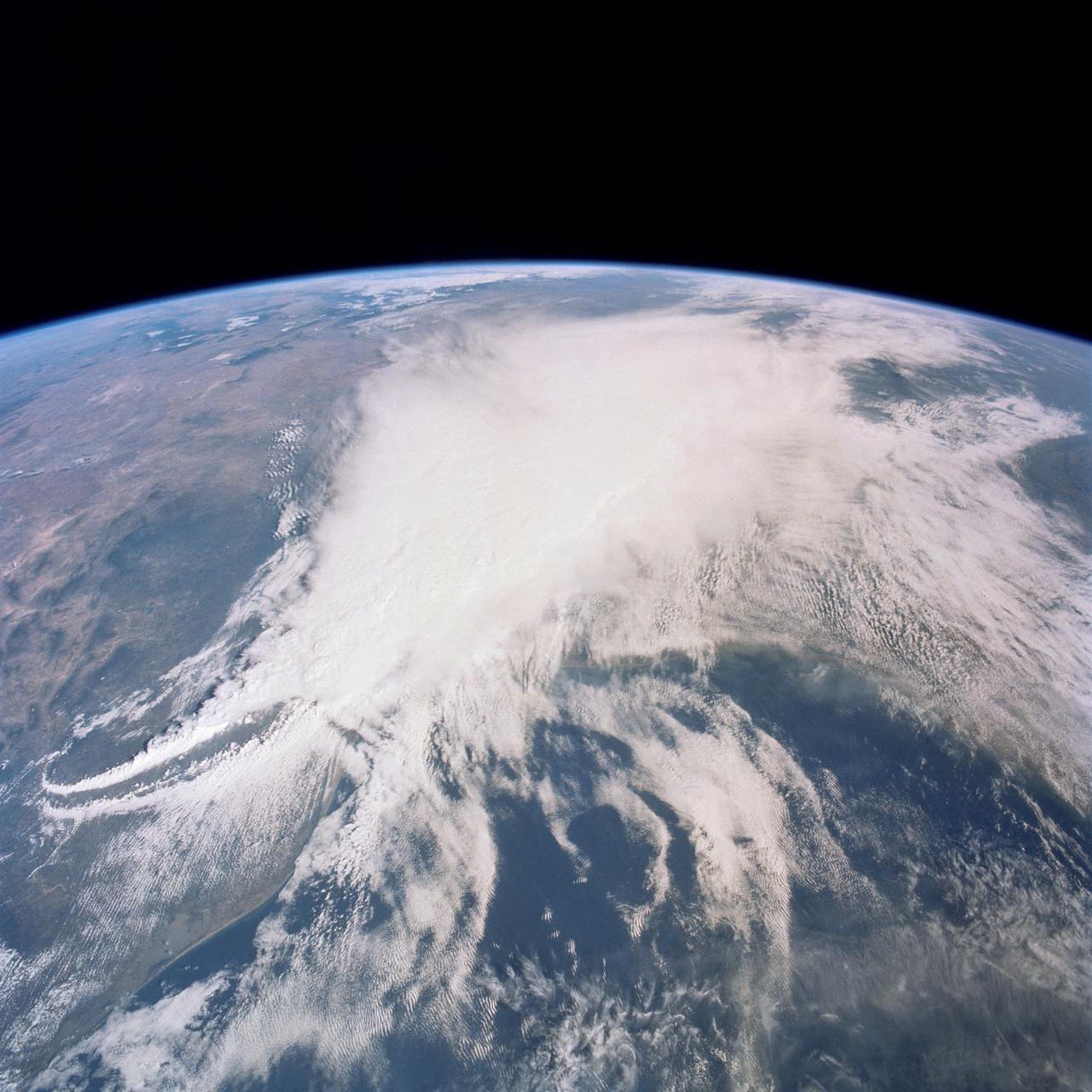
This thunderstorm along the Texas Gulf Coast (29.0N, 95.0W), USA is seen as the trailing edge of a large cloud mass formed along the leading edge of a spring frontal system stretching northwest to southeast across the Texas Gulf Coast. This system brought extensive severe weather and flooding to parts of Texas and surrounding states. Muddy water discharging from coastal streams can be seen in the shallow Gulf of Mexico as far south as Lavaca Bay.
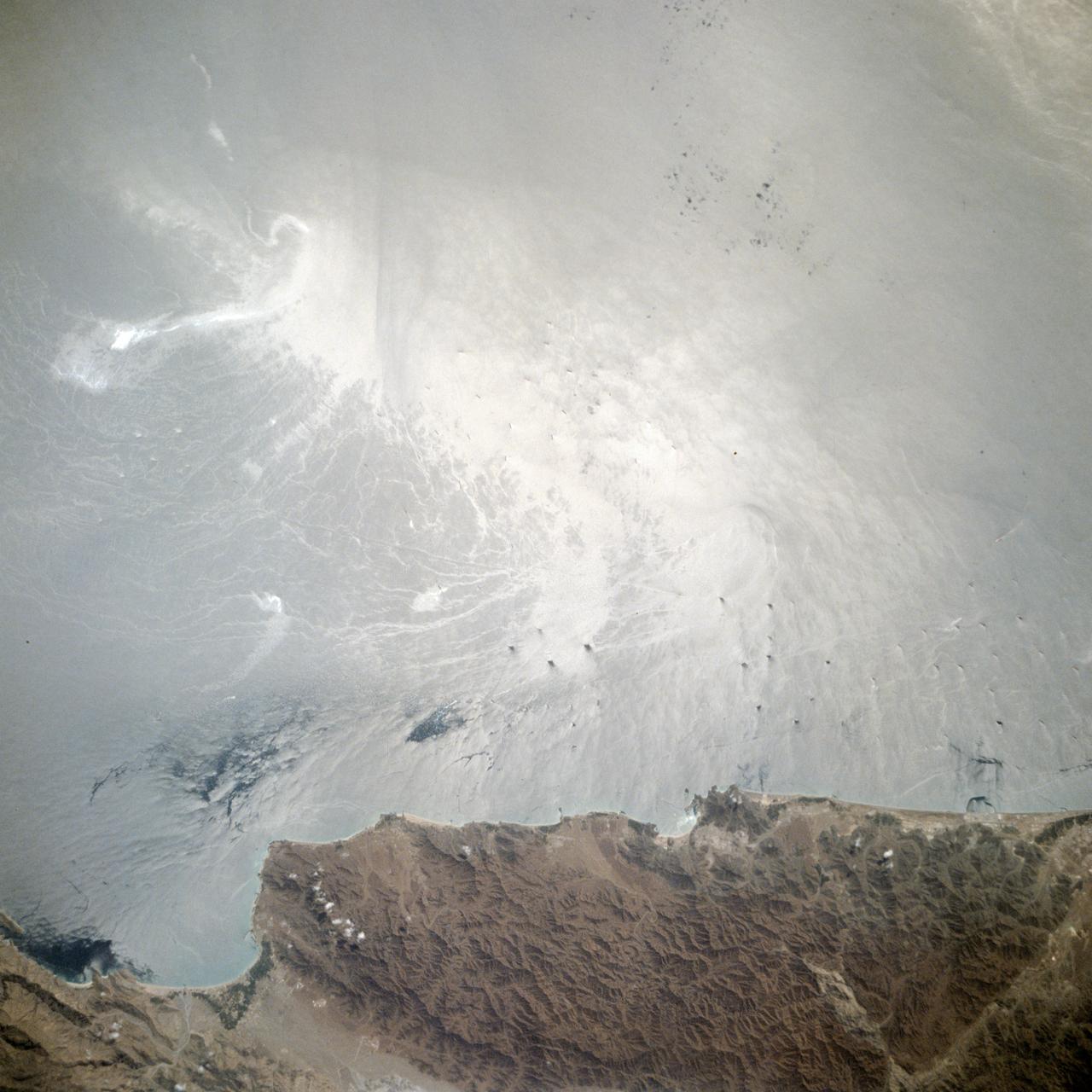
STS006-44-532 (4-9 April 1983) --- This is one of a series of photographs taken through the “ceiling” windows of the Earth-orbiting space shuttle Challenger by members of the STS-6 crew on its five-day mission in space. Many unused oil tankers lie in the roadstead along the coast of U.A.E. between the ports of Khawn Fakkan and Fujayrah. The sunglint on the Gulf of Oman permits the viewer to see the surface features much clearer. Such surface features as gynes, slicks, wakes, and sea state are clearly seen. Photo credit: NASA
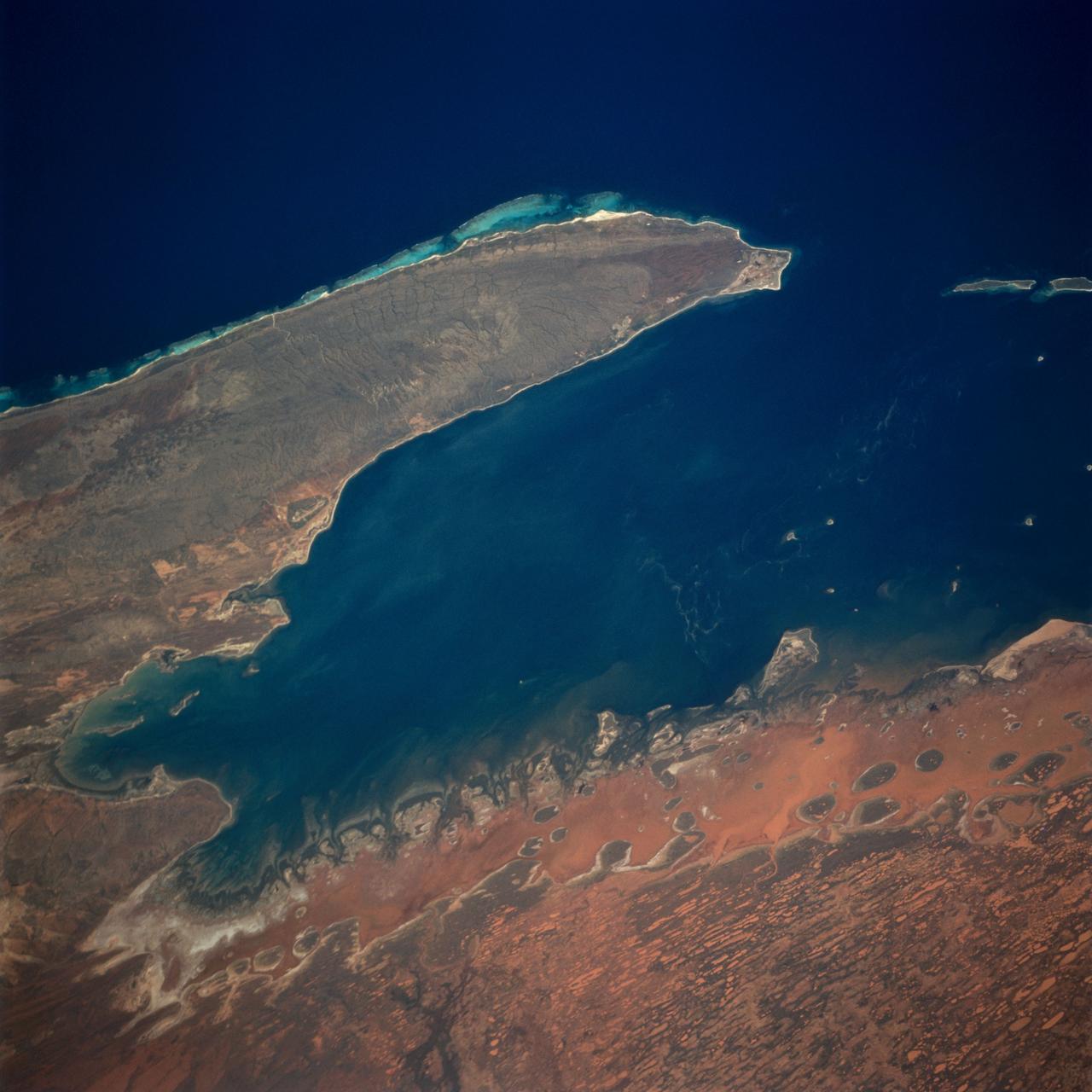
The Exmouth Gulf, western Australia, is bounded on the west by the Cape Ranges; near the base of the peninsula the Learmonth Airfield, site of a solar observatory, can be seen. Spit-accretion ridges formed on ancient beaches extend along the western edge of the peninsula, which today is lined by the Ningaloo Reef. Red mud carried by floodwaters, the result of Hurricane Bobby the previous week, cover flat coastal land along the eastern side of the gulf. The mud is mixing slowly with marine water as it filters through passes between mangrove-covered islands. A filamentous pattern in the gulf probably indicates a plankton bloom. Island paleodunes stretching from south to north cover the landscape.
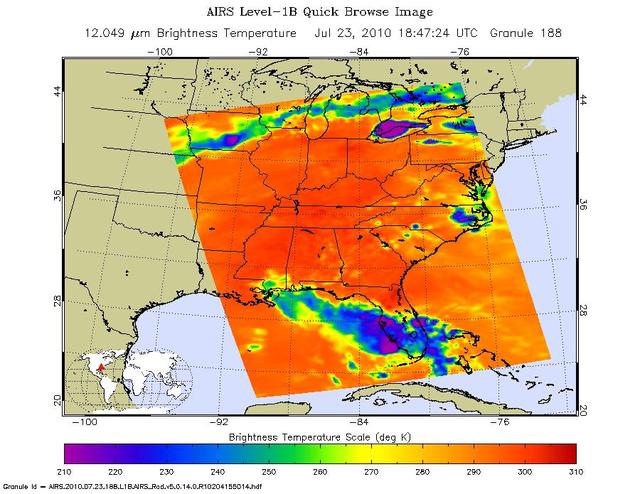
Tropical Storm Bonnie, now a depression, rakes South Florida in this infrared image from NASA Atmospheric Infrared Sounder , en route to a weekend run-in with the Gulf of Mexico and the Gulf oil spill.
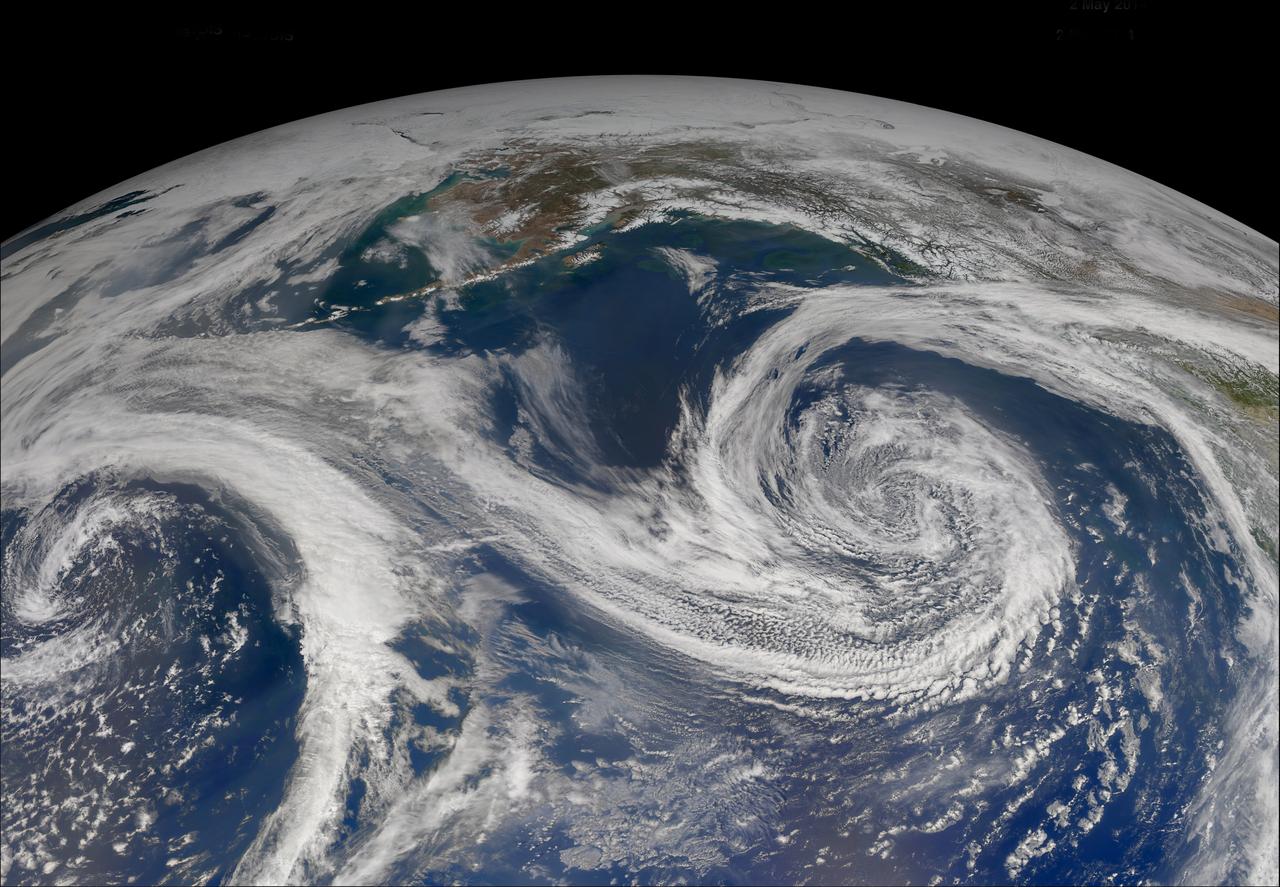
Increasing solar illumination brings increased phytoplankton growth to the Gulf of Alaska every spring, and this year is no exception. The above image was collected on May 2, 2014 several orbits of Aqua-MODIS. High res: <a href="http://oceancolor.gsfc.nasa.gov/FEATURE/IMAGES/A2014122.GulfOfAlaska.half.jpg" rel="nofollow">oceancolor.gsfc.nasa.gov/FEATURE/IMAGES/A2014122.GulfOfAl...</a> Credit: NASA/Goddard/OceanColor/MODIS <b><a href="http://www.nasa.gov/audience/formedia/features/MP_Photo_Guidelines.html" rel="nofollow">NASA image use policy.</a></b> <b><a href="http://www.nasa.gov/centers/goddard/home/index.html" rel="nofollow">NASA Goddard Space Flight Center</a></b> enables NASA’s mission through four scientific endeavors: Earth Science, Heliophysics, Solar System Exploration, and Astrophysics. Goddard plays a leading role in NASA’s accomplishments by contributing compelling scientific knowledge to advance the Agency’s mission. <b>Follow us on <a href="http://twitter.com/NASAGoddardPix" rel="nofollow">Twitter</a></b> <b>Like us on <a href="http://www.facebook.com/pages/Greenbelt-MD/NASA-Goddard/395013845897?ref=tsd" rel="nofollow">Facebook</a></b> <b>Find us on <a href="http://instagram.com/nasagoddard?vm=grid" rel="nofollow">Instagram</a></b>
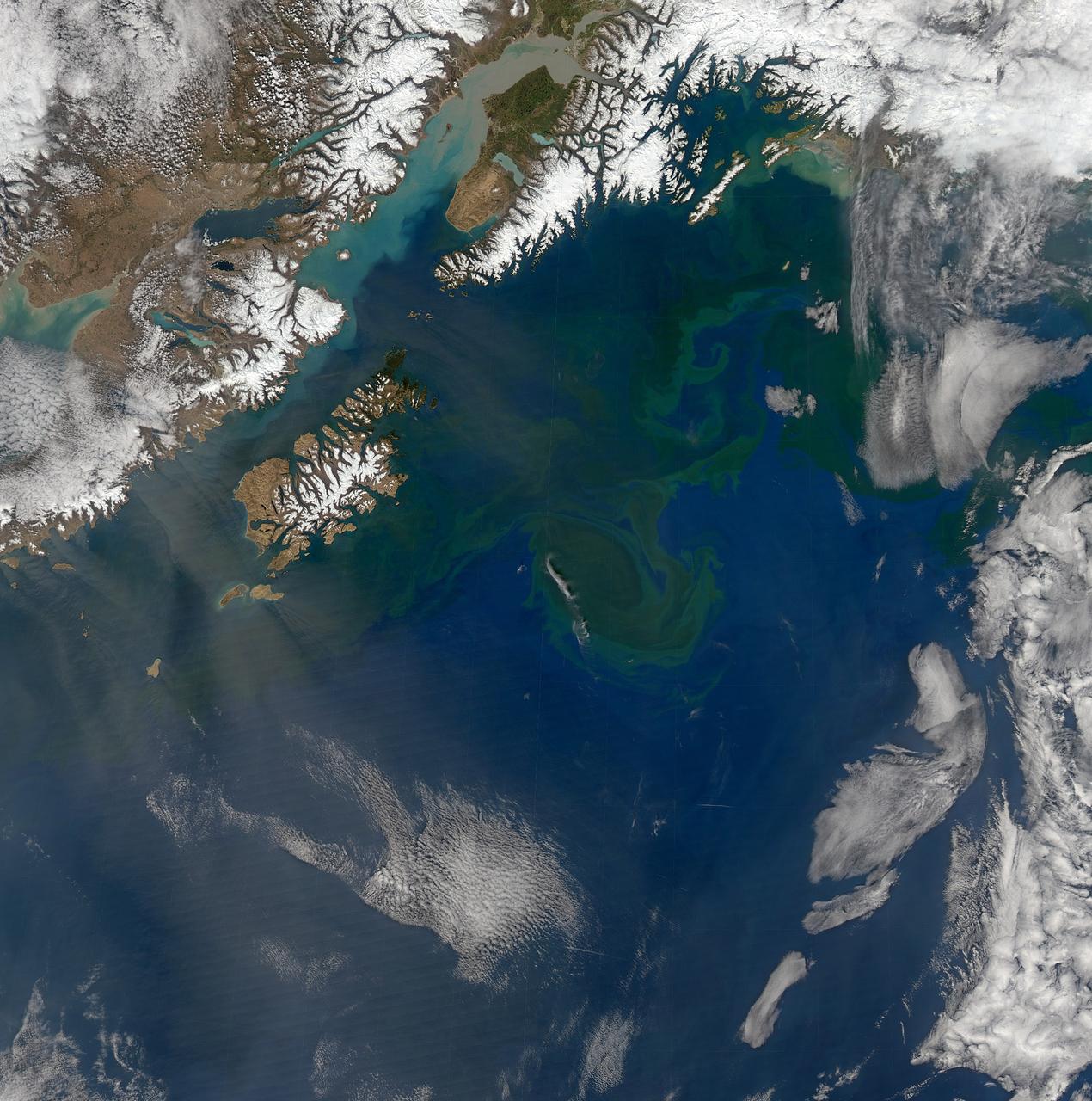
Increasing solar illumination brings increased phytoplankton growth to the Gulf of Alaska every spring, and this year is no exception. This image was collected on May 9, 2014 during a single orbit of Aqua-MODIS. High res: <a href="http://oceancolor.gsfc.nasa.gov/FEATURE/IMAGES/A2014129224500.GulfOfAlaska.half.jpg" rel="nofollow">oceancolor.gsfc.nasa.gov/FEATURE/IMAGES/A2014129224500.Gu...</a> Credit: NASA/Goddard/OceanColor/MODIS <b><a href="http://www.nasa.gov/audience/formedia/features/MP_Photo_Guidelines.html" rel="nofollow">NASA image use policy.</a></b> <b><a href="http://www.nasa.gov/centers/goddard/home/index.html" rel="nofollow">NASA Goddard Space Flight Center</a></b> enables NASA’s mission through four scientific endeavors: Earth Science, Heliophysics, Solar System Exploration, and Astrophysics. Goddard plays a leading role in NASA’s accomplishments by contributing compelling scientific knowledge to advance the Agency’s mission. <b>Follow us on <a href="http://twitter.com/NASAGoddardPix" rel="nofollow">Twitter</a></b> <b>Like us on <a href="http://www.facebook.com/pages/Greenbelt-MD/NASA-Goddard/395013845897?ref=tsd" rel="nofollow">Facebook</a></b> <b>Find us on <a href="http://instagram.com/nasagoddard?vm=grid" rel="nofollow">Instagram</a></b>
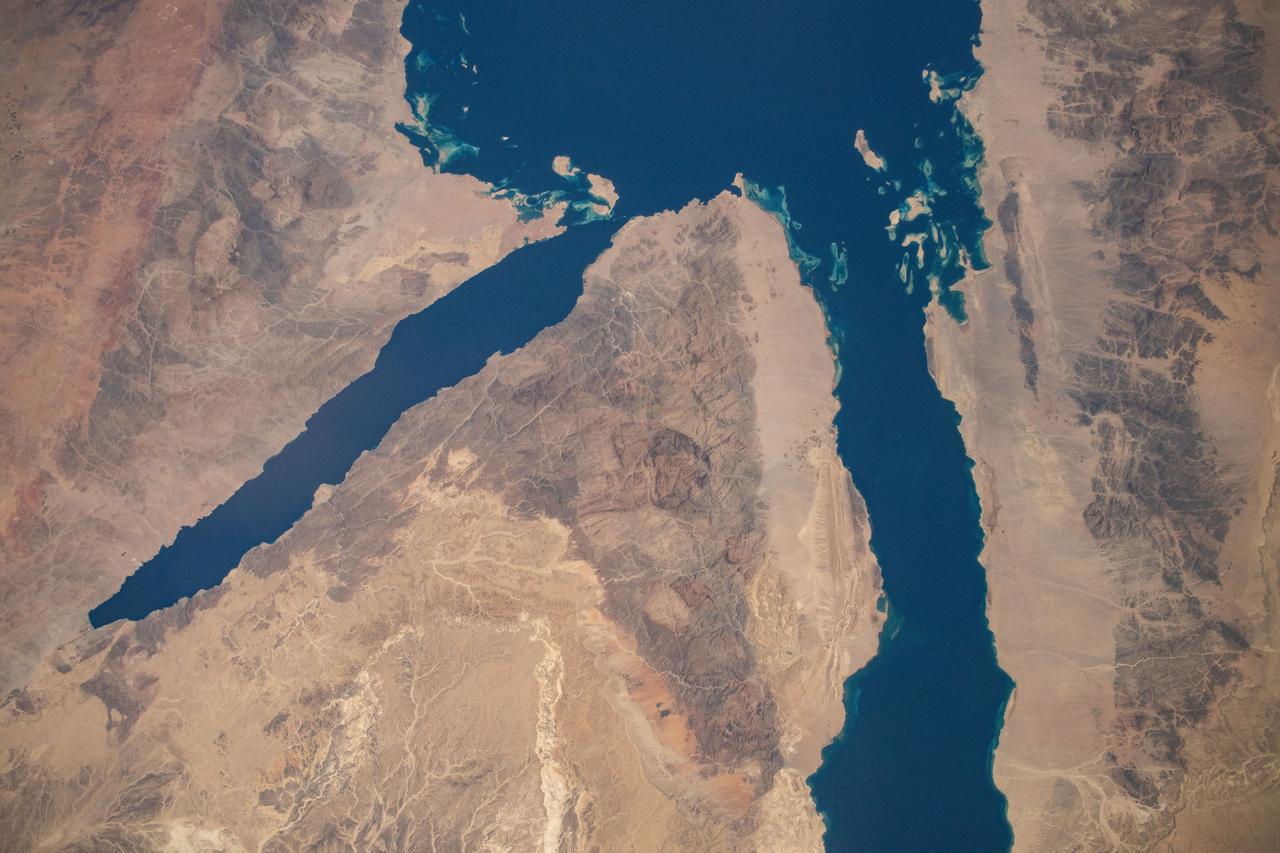
iss071e183804 (June 14, 2024) -- At the northern end of the Red Sea, the Gulf of Aqaba (left) and Gulf of Suez (right) are surrounded by the dry, rugged terrain of Egypt and Saudi Arabia. This photograph was taken as the International Space Station orbited 262 miles above.
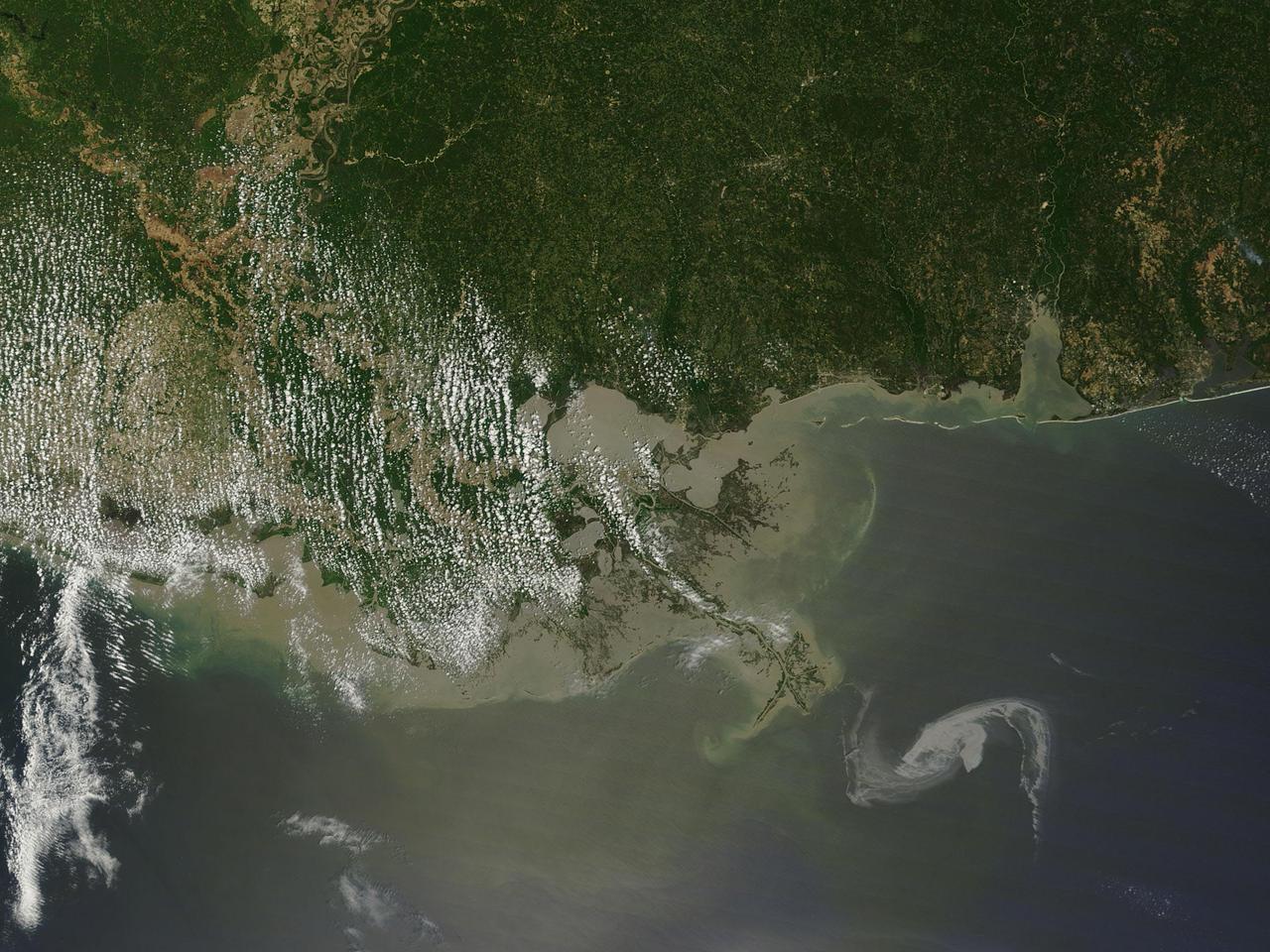
2010/119 - 04/29 at 16 :48 UTC Oil slick in the Gulf of Mexico (Input Direct Broadcast data courtesy Direct Readout Lab, NASA/GSFC) Satellite: Terra NASA/GSFC/Jeff Schmaltz/MODIS Land Rapid Response Team To learn more about MODIS go to: <a href="http://rapidfire.sci.gsfc.nasa.gov/gallery/?latest" rel="nofollow">rapidfire.sci.gsfc.nasa.gov/gallery/?latest</a> <b><a href="http://www.nasa.gov/centers/goddard/home/index.html" rel="nofollow">NASA Goddard Space Flight Center</a></b> is home to the nation's largest organization of combined scientists, engineers and technologists that build spacecraft, instruments and new technology to study the Earth, the sun, our solar system, and the universe.
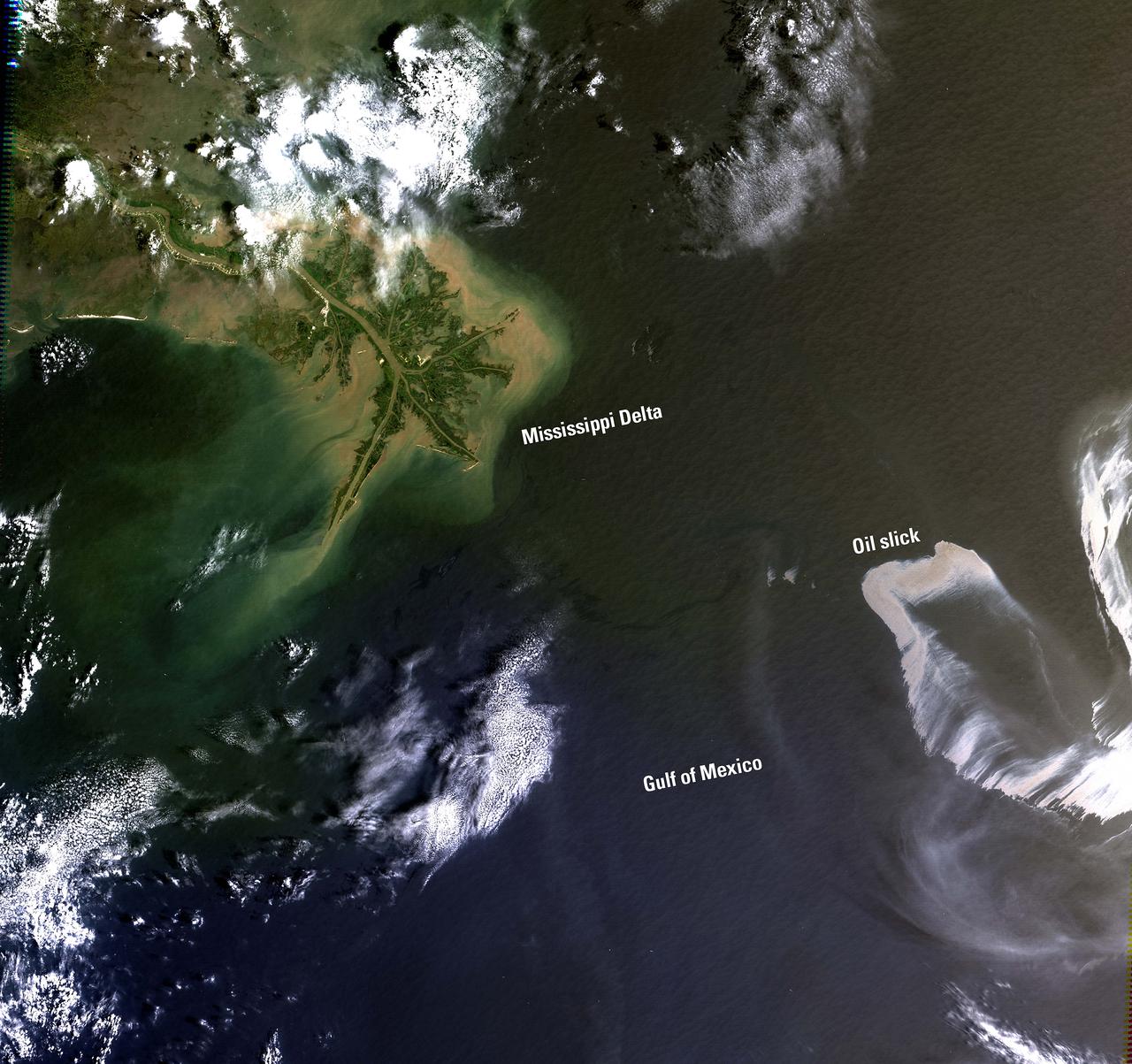
On April 20, 2010, an explosion at an oil well in the Gulf of Mexico resulted in a major oil spill. Since then, emergency response efforts have been underway to contain the growing oil slick before it reaches the southern coast of the United States. Landsat imagery, acquired by the U.S. Geological Survey on May 1 shows the extent of the oil slick. The Landsat data are being used to monitor the extent and movement of the slick. Location: LA, USA Date Taken: May 1 2010 Credit: NASA/GSFC/Landsat <b><a href="http://www.nasa.gov/centers/goddard/home/index.html" rel="nofollow">NASA Goddard Space Flight Center</a></b> enables NASA’s mission through four scientific endeavors: Earth Science, Heliophysics, Solar System Exploration, and Astrophysics. Goddard plays a leading role in NASA’s accomplishments by contributing compelling scientific knowledge to advance the Agency’s mission. <b>Follow us on <a href="http://twitter.com/NASA_GoddardPix" rel="nofollow">Twitter</a></b> <b>Join us on <a href="http://www.facebook.com/pages/Greenbelt-MD/NASA-Goddard/395013845897?ref=tsd" rel="nofollow">Facebook</a></b>
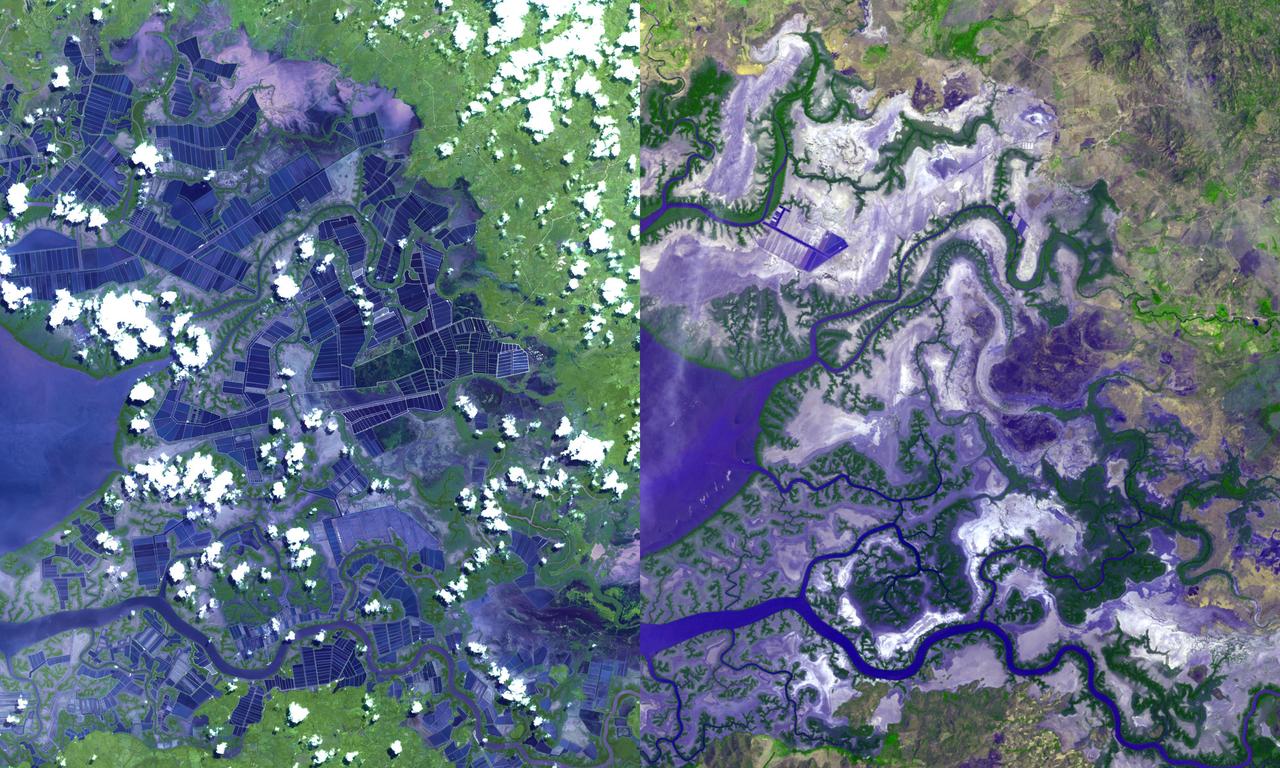
Acquired by NASA Terra spacecraft, this image shows the eastern end of the Gulf of Fonseca, in Honduras, originally the site of extensive wetlands ecosystem, dominated by six species of mangroves.
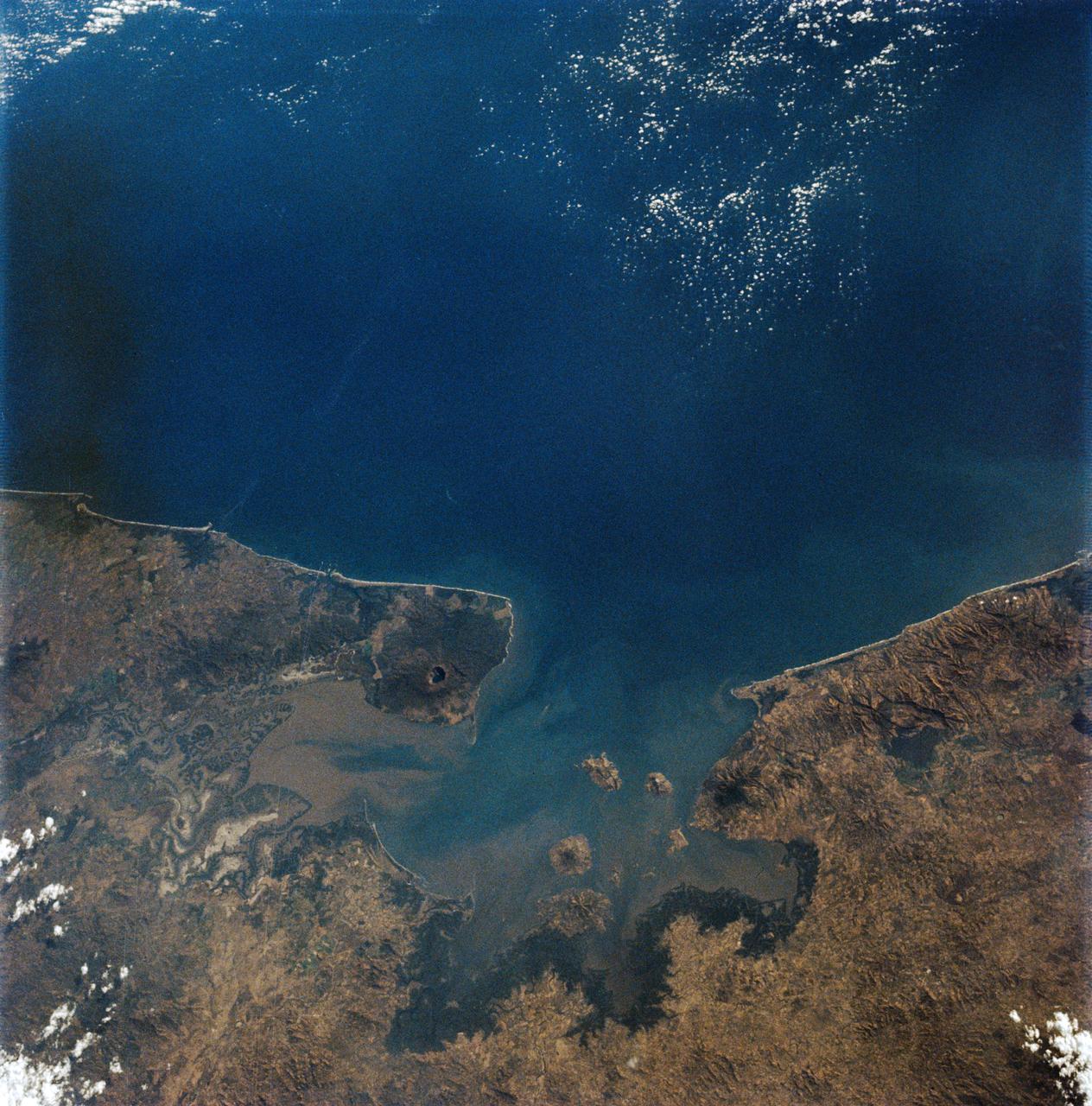
AS09-19-3019 (3-13 March 1969) --- Gulf of Fonseca, on the Pacific coast of Central America, as photographed from the Apollo 9 spacecraft during its Earth-orbital mission. The gulf is shared by the nations of El Salvador, Honduras, and Nicaragua. The prominent volcano on the peninsula in Nicaragua is Volcan Cosiguina.
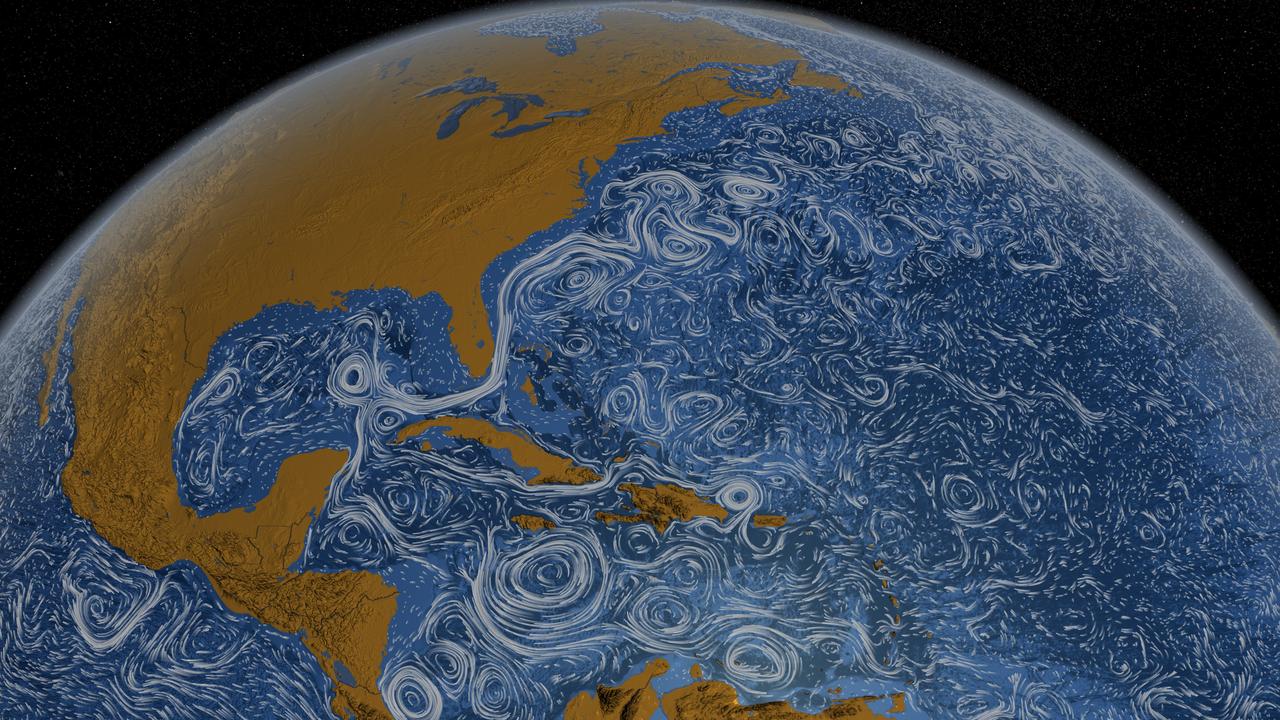
This image shows ocean surface currents around the world during the period from June 2005 through Decmeber 2007. <b>Go here to view a video of this data: <a href="http://www.flickr.com/photos/gsfc/7009056027/">www.flickr.com/photos/gsfc/7009056027/</a></b> NASA/Goddard Space Flight Center Scientific Visualization Studio <b><a href="http://www.nasa.gov/audience/formedia/features/MP_Photo_Guidelines.html" rel="nofollow">NASA image use policy.</a></b> <b><a href="http://www.nasa.gov/centers/goddard/home/index.html" rel="nofollow">NASA Goddard Space Flight Center</a></b> enables NASA’s mission through four scientific endeavors: Earth Science, Heliophysics, Solar System Exploration, and Astrophysics. Goddard plays a leading role in NASA’s accomplishments by contributing compelling scientific knowledge to advance the Agency’s mission. <b>Follow us on <a href="http://twitter.com/NASA_GoddardPix" rel="nofollow">Twitter</a></b> <b>Like us on <a href="http://www.facebook.com/pages/Greenbelt-MD/NASA-Goddard/395013845897?ref=tsd" rel="nofollow">Facebook</a></b> <b>Find us on <a href="http://instagrid.me/nasagoddard/?vm=grid" rel="nofollow">Instagram</a></b>
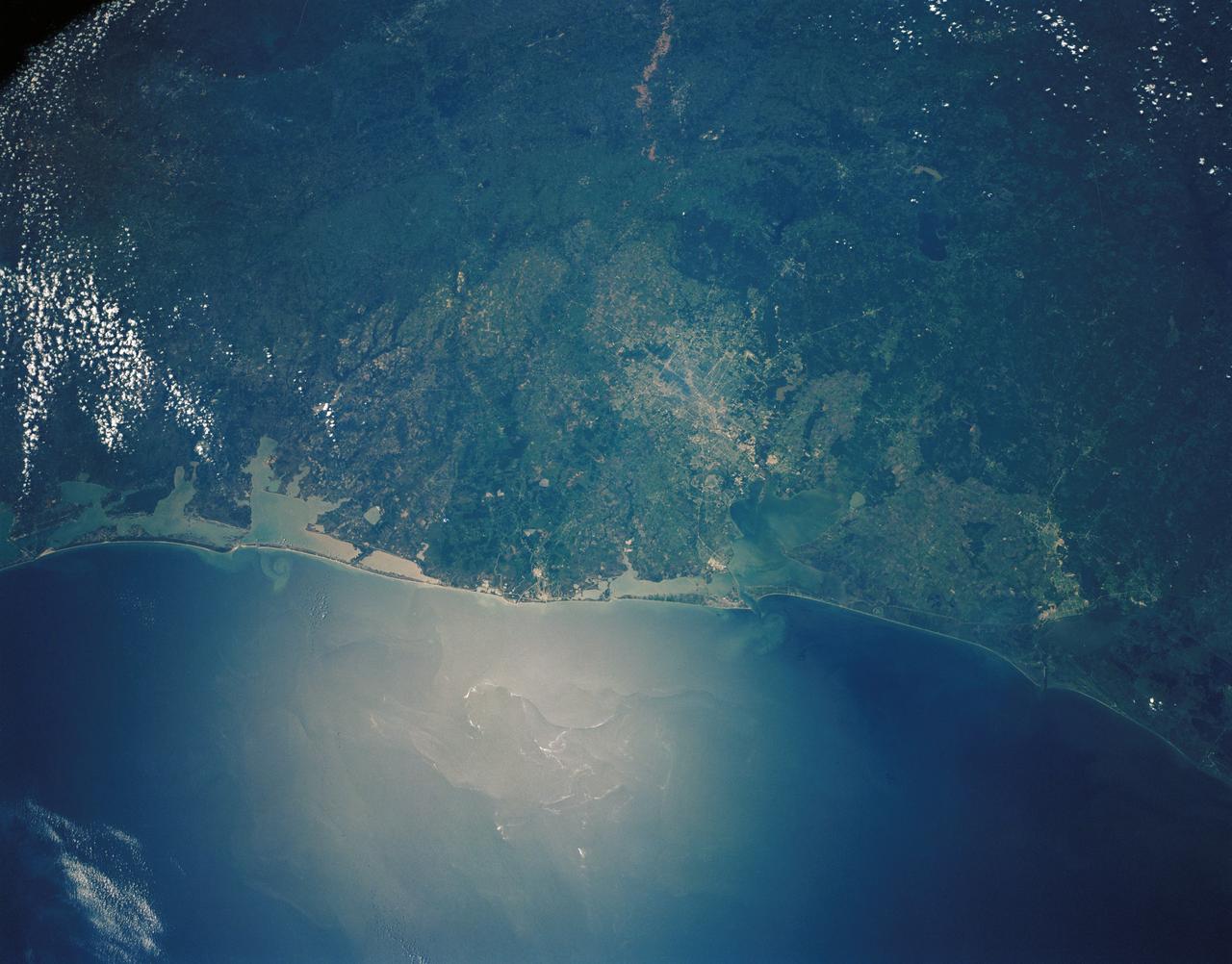
STS030-152-066 (4-8 May 1989) --- The upper Texas and Louisiana Gulf Coast area was clearly represented in this large format frame photographed by the astronaut crew of the Earth-orbiting Space Shuttle Atlantis. The area covered stretches almost 300 miles from Aransas Pass, Texas to Cameron, Louisiana. The sharp detail of both the natural and cultural features noted throughout the scene is especially evident in the Houston area, where highways, major streets, airport runways and even some neighborhood lanes are easily seen. Other major areas seen are Austin, San Antonio and the Golden Triangle. An Aero Linhof camera was used to expose the frame.
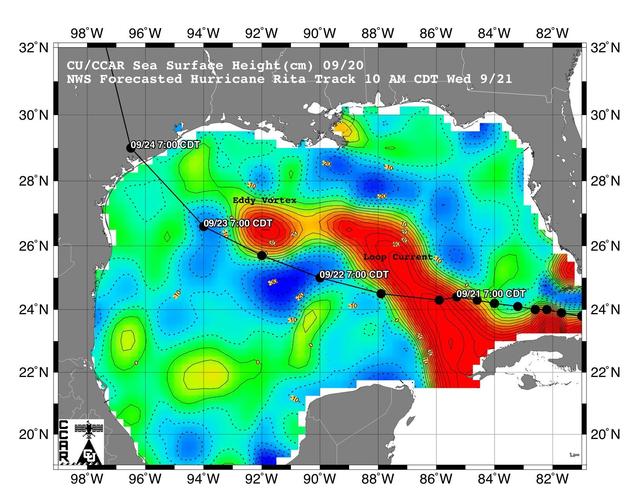
This sea surface height map of the Gulf of Mexico, with the Florida peninsula on the right and the Texas-Mexico Gulf Coast on the left, is based on altimeter data from four satellites including NASA’s Topex/Poseidon and Jason.
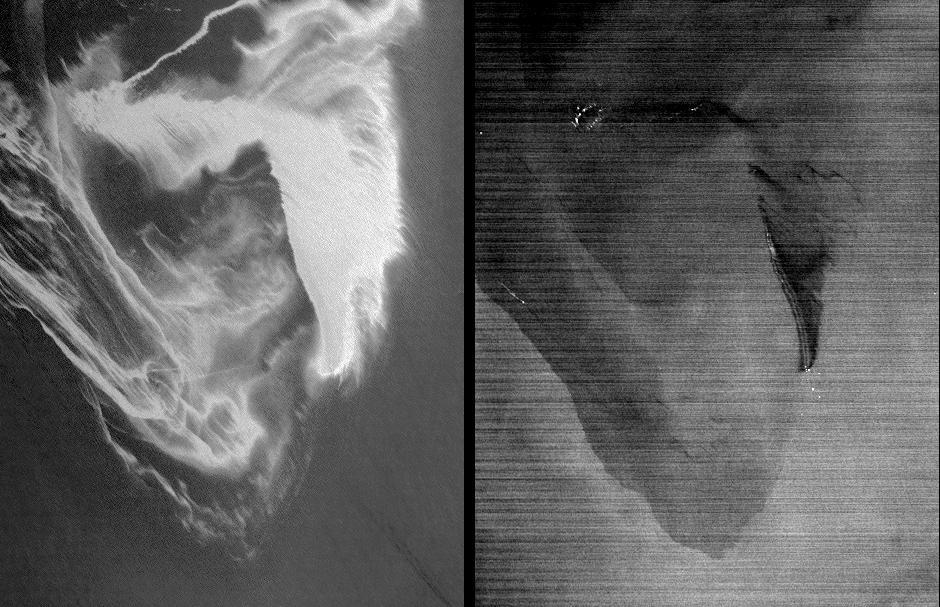
NASA Terra spacecraft captured this image of the growing oil spill in the Gulf of Mexico on May 1, 2010. On April 20, 2010, an explosion destroyed the Deepwater Horizon oil platform operating offshore in the Gulf of Mexico.
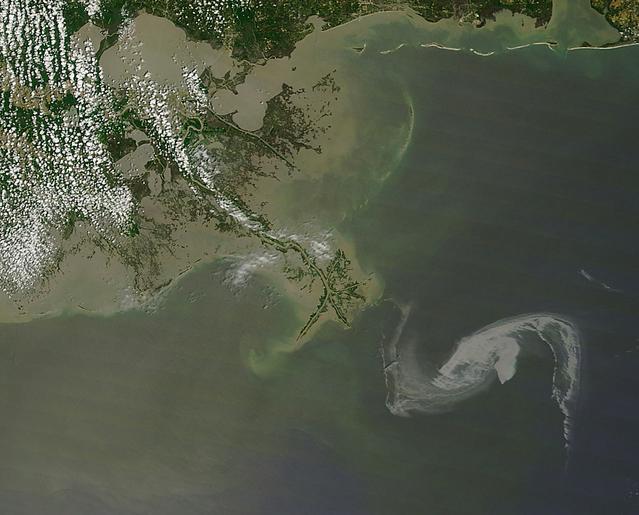
2010/119 - 04/29 at 16 :48 UTC Oil slick in the Gulf of Mexico To see a full view of this image go to: <a href="http://www.flickr.com/photos/gsfc/4563296541/">www.flickr.com/photos/gsfc/4563296541/</a> (Input Direct Broadcast data courtesy Direct Readout Lab, NASA/GSFC) Satellite: Terra NASA/GSFC/Jeff Schmaltz/MODIS Land Rapid Response Team To learn more about MODIS go to: <a href="http://rapidfire.sci.gsfc.nasa.gov/gallery/?latest" rel="nofollow">rapidfire.sci.gsfc.nasa.gov/gallery/?latest</a> <b><a href="http://www.nasa.gov/centers/goddard/home/index.html" rel="nofollow">NASA Goddard Space Flight Center</a></b> is home to the nation's largest organization of combined scientists, engineers and technologists that build spacecraft, instruments and new technology to study the Earth, the sun, our solar system, and the universe.
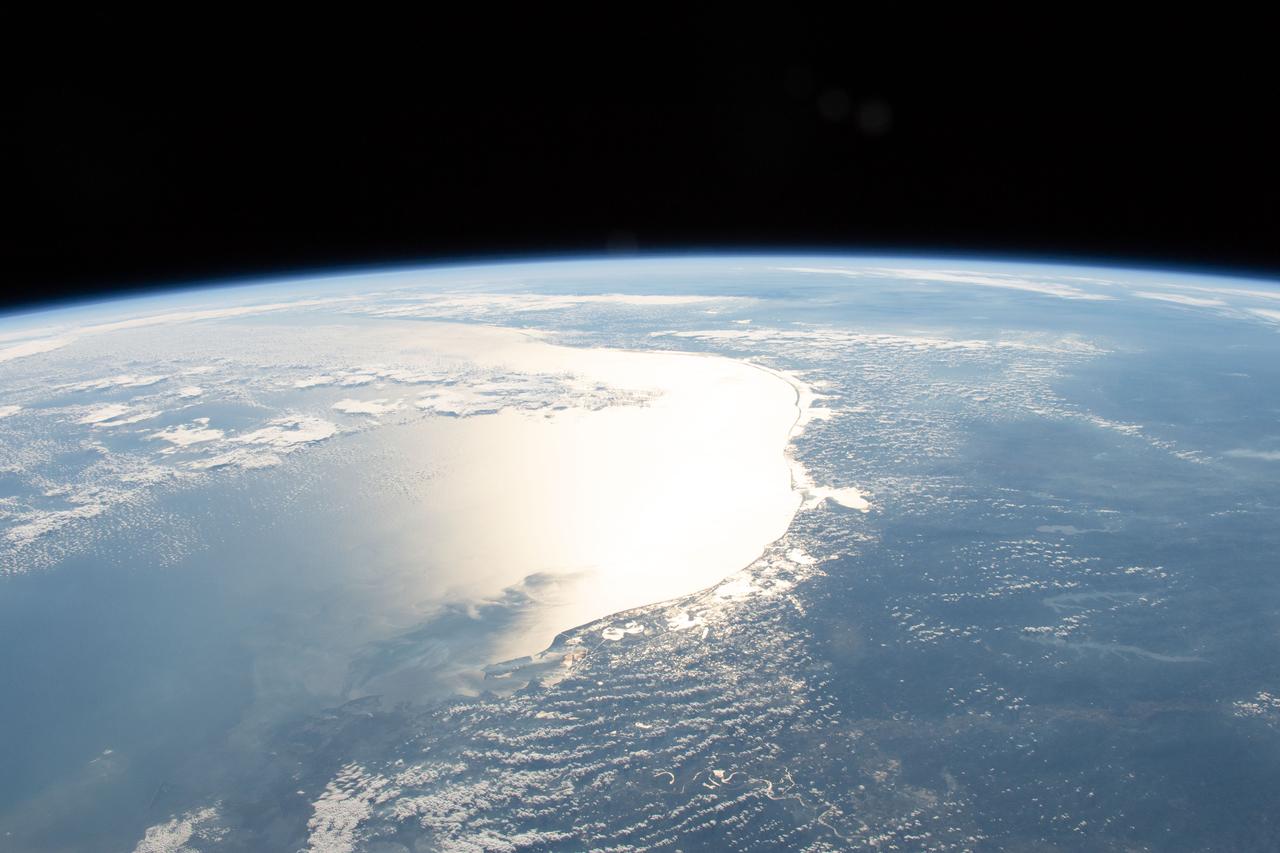
iss058e005915 (Jan. 27, 2019) --- The Sun's glint reflects off the Gulf of Mexico and outlines the coasts of Texas and Louisiana. The International Space Station was orbiting 254 miles above Louisiana when an Expedition 58 crew member photographed the Gulf coast including Matagorda Bay, Galvestion Bay and Sabine Lake.
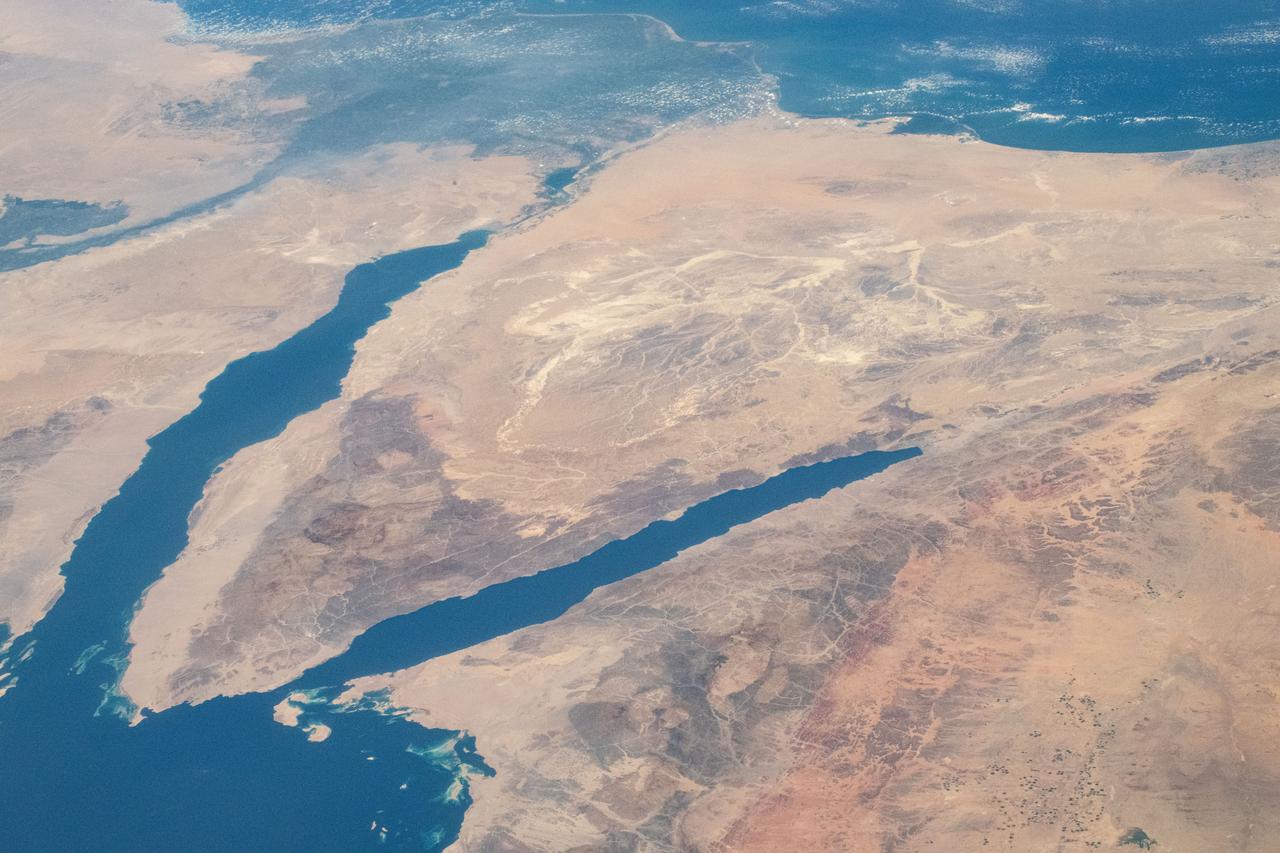
iss071e413541 (Aug. 1, 2024) -- The Gulf of Suez (left) and Gulf of Aqaba (right) flow into the Red Sea as the International Space Station orbited nearly 260 miles above Saudi Arabia.
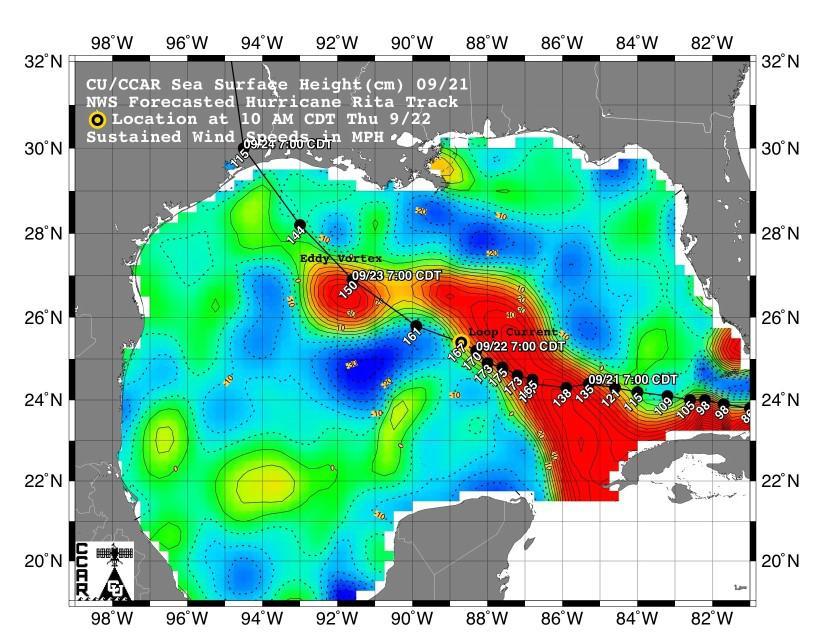
This sea surface height map of the Gulf of Mexico, with the Florida peninsula on the right and the Texas-Mexico Gulf Coast on the left, is based on altimeter data from four satellites including NASA’s Topex/Poseidon and Jason. Red indicates a strong circulation of much warmer waters, which can feed energy to a hurricane. This area stands 35 to 60 centimeters (about 13 to 23 inches) higher than the surrounding waters of the Gulf. The actual track of a hurricane is primarily dependent upon steering winds, which are forecasted through the use of atmospheric models. However, the interaction of the hurricane with the upper ocean is the primary source of energy for the storm. Hurricane intensity is therefore greatly affected by the upper ocean temperature structure and can exhibit explosive growth over warm ocean currents and eddies. Eddies are currents of water that run contrary to the direction of the main current. According to the forecasted track through the Gulf of Mexico, Hurricane Rita will continue crossing the warm waters of a Gulf of Mexico circulation feature called the Loop Current and then pass near a warm-water eddy called the Eddy Vortex, located in the north central Gulf, south of Louisiana. http://photojournal.jpl.nasa.gov/catalog/PIA06427
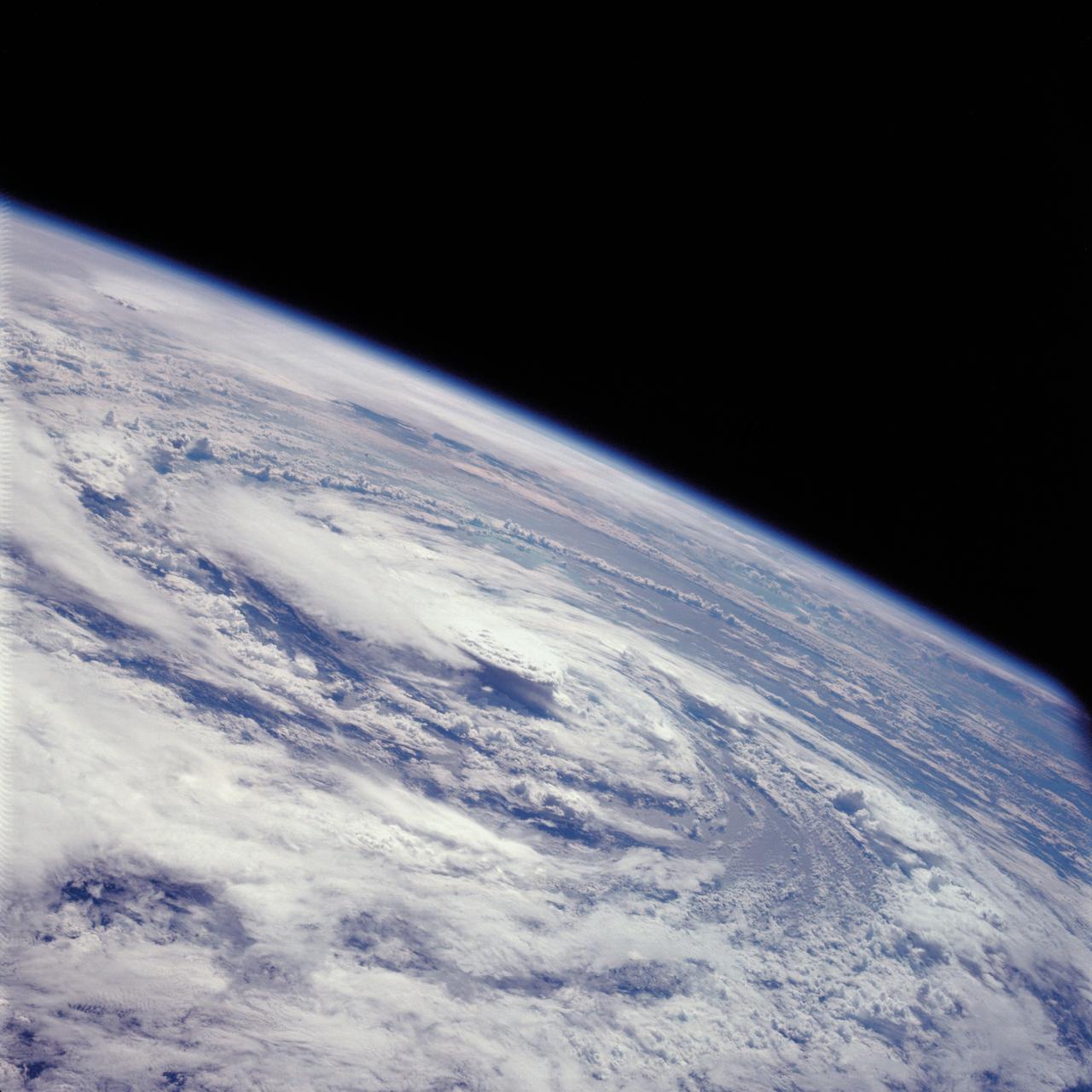
AS07-07-1877 (17 Oct. 1968) --- Hurricane Gladys, Gulf of Mexico, as seen from the Apollo 7 spacecraft during its 91st revolution of the earth. Photographed from an altitude of 99 nautical miles, at ground elapsed time of 144 hours and 27 minutes.
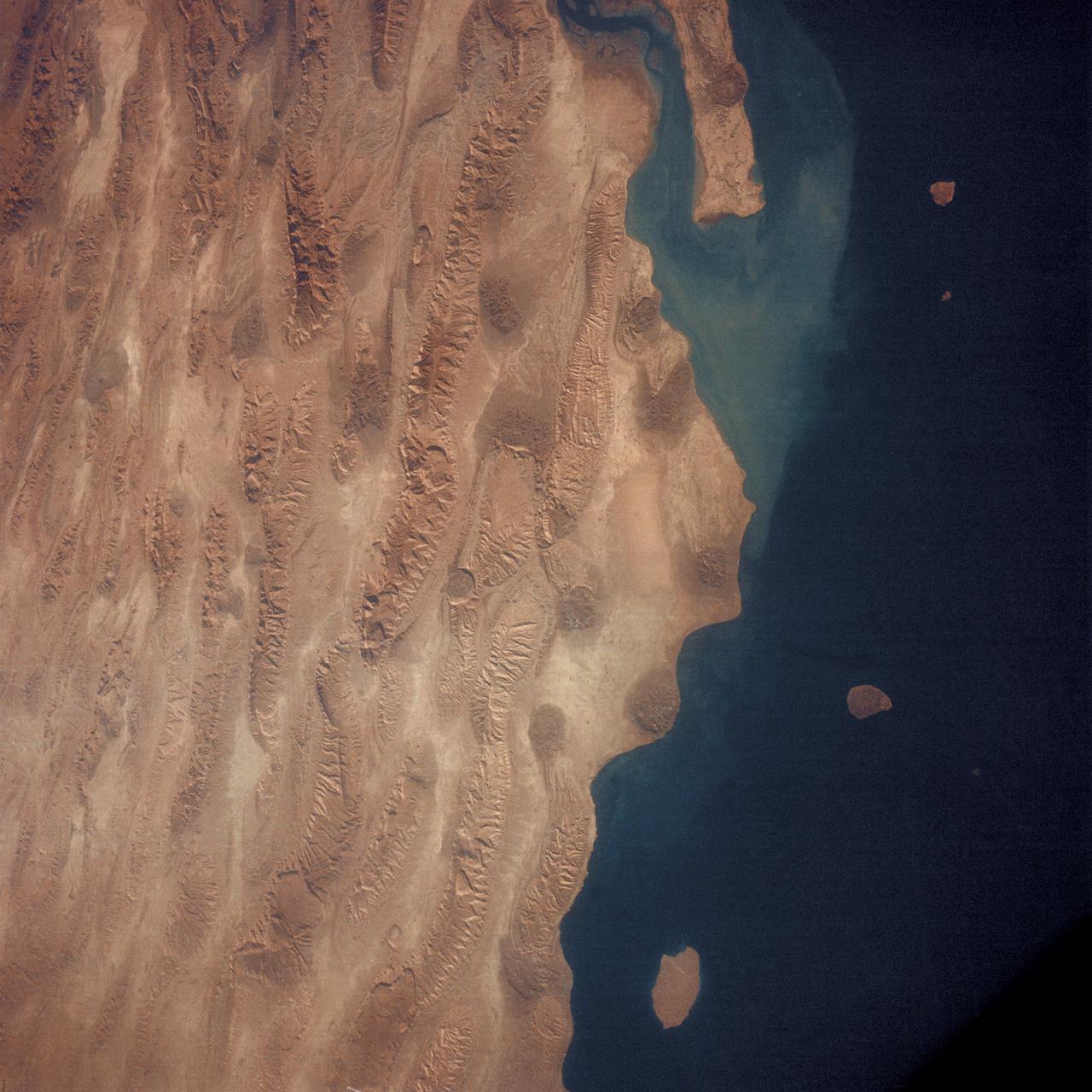
AS7-05-1615 (12 Oct. 1968) --- Persian Gulf coastal area of Iran, Qeshm Island, as seen from the Apollo 7 spacecraft during its 24th revolution of Earth. Photographed from an altitude of approximately 130 nautical miles, at ground elapsed time of 37 hours and 23 minutes.
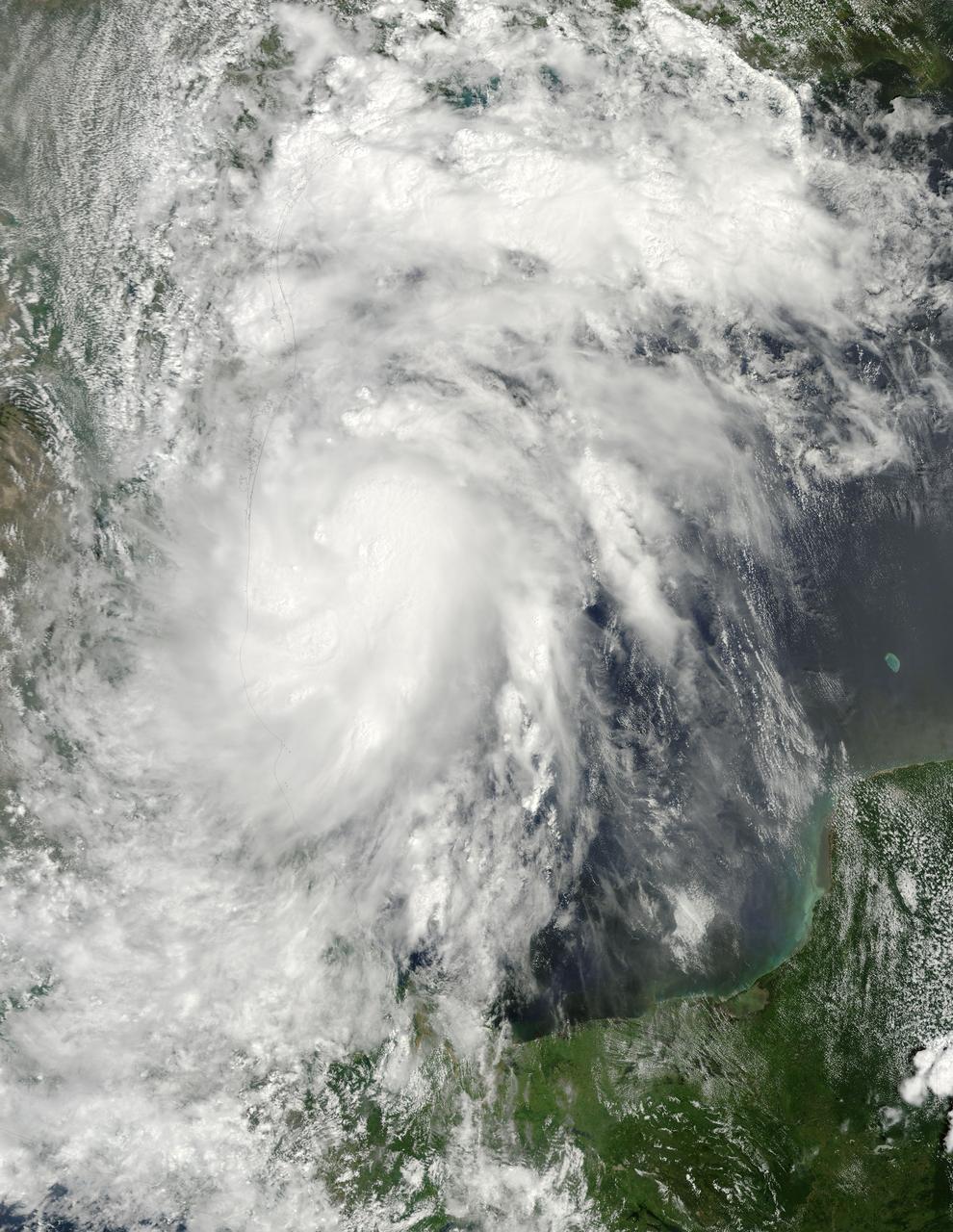
NASA image acquired Sept 6, 2010 at 16 :45 UTC Tropical Storm Hermine (10L) in the Gulf of Mexico Satellite: Terra Credit: NASA/GSFC/Jeff Schmaltz/MODIS Land Rapid Response Team To learn more go to: <a href="http://www.nasa.gov/mission_pages/hurricanes/archives/2010/h2010_Hermine.html" rel="nofollow">www.nasa.gov/mission_pages/hurricanes/archives/2010/h2010...</a> <b><a href="http://www.nasa.gov/centers/goddard/home/index.html" rel="nofollow">NASA Goddard Space Flight Center</a></b> is home to the nation's largest organization of combined scientists, engineers and technologists that build spacecraft, instruments and new technology to study the Earth, the sun, our solar system, and the universe. <b>Follow us on <a href="http://twitter.com/NASA_GoddardPix" rel="nofollow">Twitter</a></b> <b>Join us on <a href="http://www.facebook.com/pages/Greenbelt-MD/NASA-Goddard/395013845897?ref=tsd" rel="nofollow">Facebook</a></b>
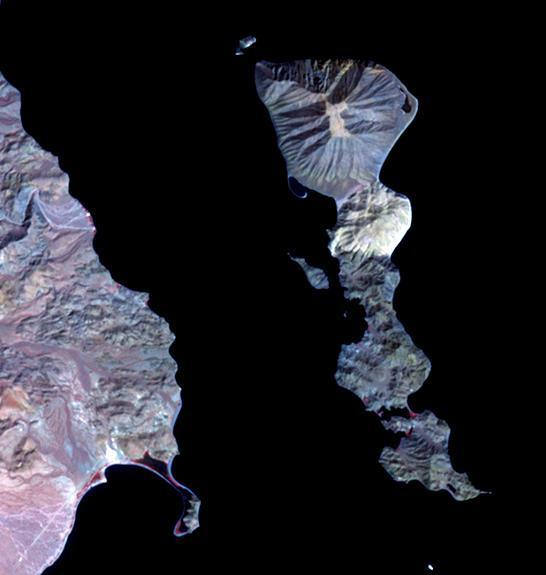
Located in the Gulf of California, Smith Island sits just off the eastern shore of Mexico's Baja Peninsula. The 7 kilometers long island is dominated by Volcan Coronado on the northern end. The uninhabited island is a refuge for a rich marine assemblage, including sea lion colonies. The image was acquired September 23, 2023, covers an area of 8.2 by 9.5 km, and is located at 29.1 degrees north, 113.5 degrees west. https://photojournal.jpl.nasa.gov/catalog/PIA26284
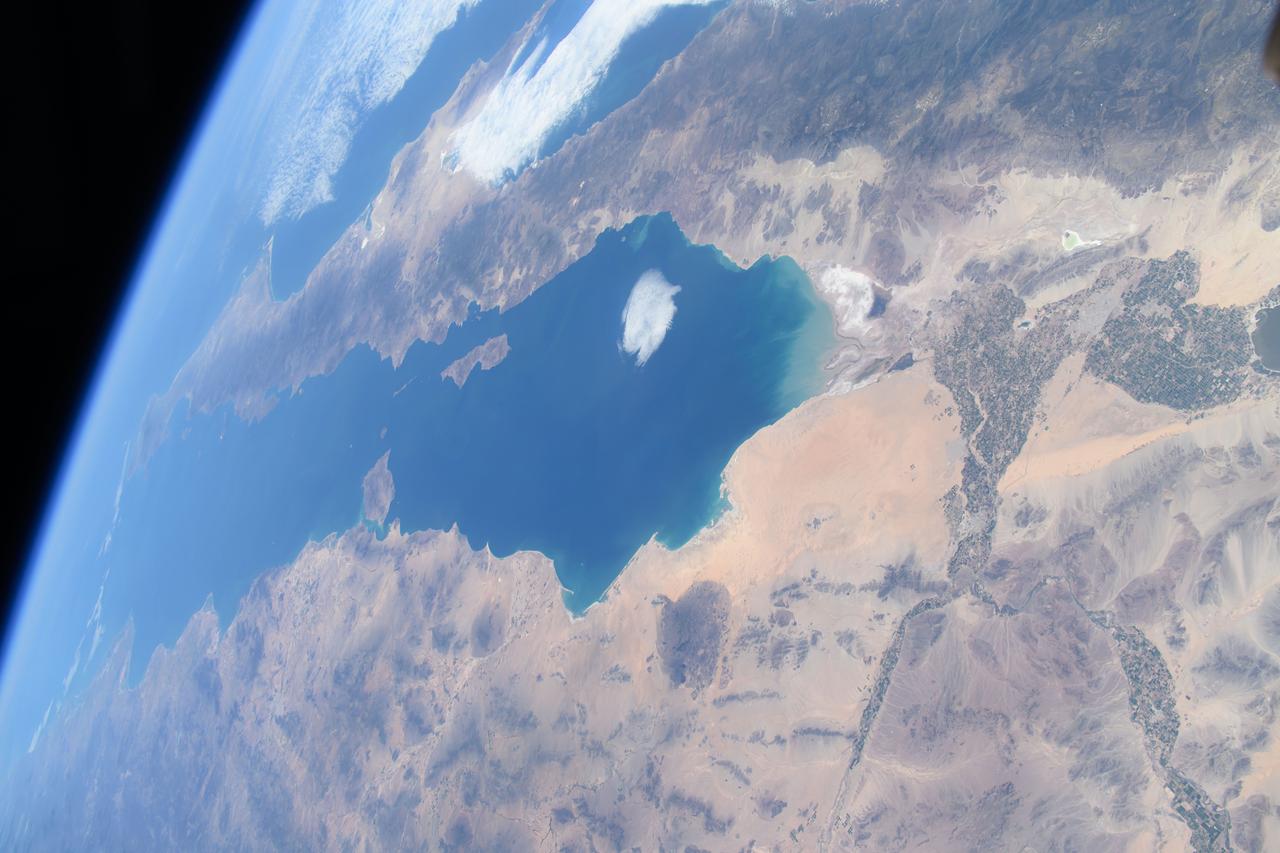
iss071e014306 (April 20, 2024) -- The Gulf of California and Baja California were photographed by NASA astronaut Mike Barratt as the International Space Station orbited nearly 260 miles above.
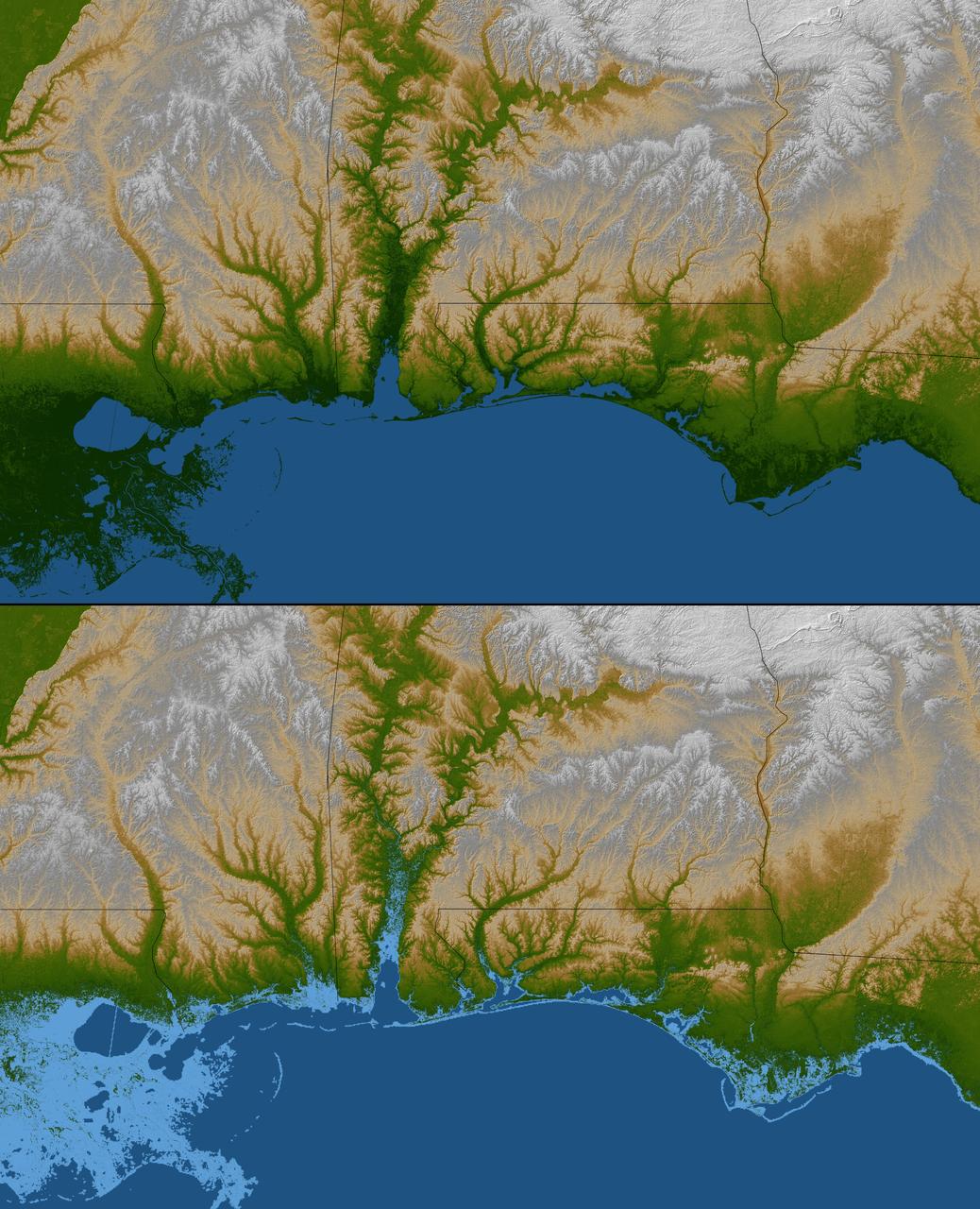
The topography of the Gulf Coast states is well shown in this color-coded shaded relief map generated with data from NASA Shuttle Radar Topography Mission.
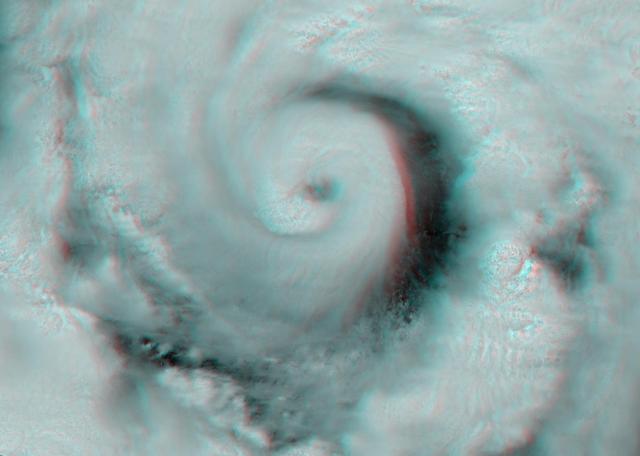
This view of Hurricane Alex in the western Gulf of Mexico was acquired by the Multi-angle Imaging SpectroRadiometer instrument aboard NASA Terra satellite just after noon Central Daylight Time on June 30, 2010. 3D glasses are necessary.
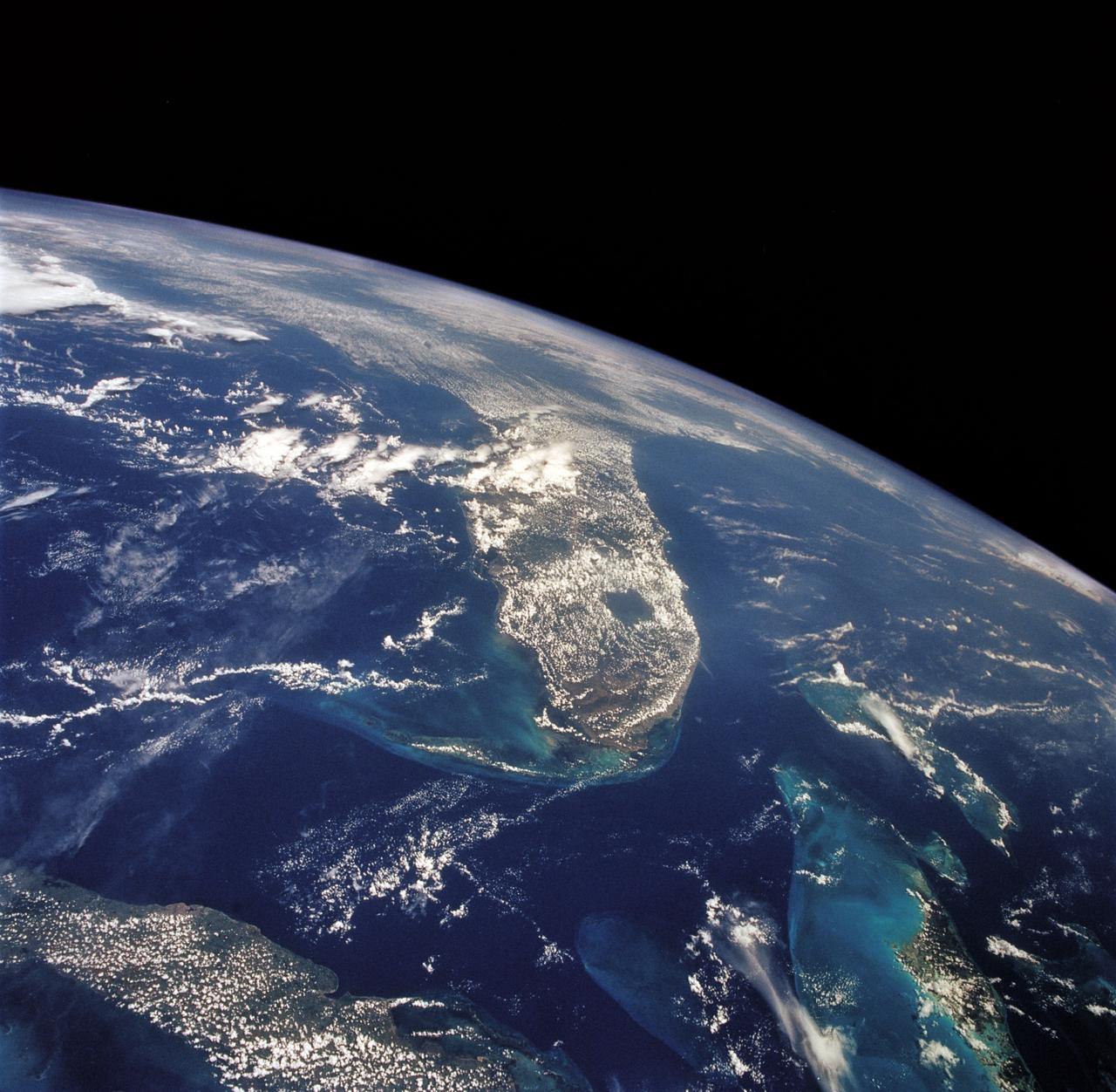
This unique photo offers a view of the Florida peninsula, western Bahamas, north central Cuba and the deep blue waters of the Gulf Stream, that hugs the east coast of Florida (27.0N, 82.0W). In addition to being an excellent photograph for showing the geographical relationships between the variety of landforms in this scene, the typical effect of the land-sea breeze is very much in evidence as few clouds over water, cumulus build up over landmass.
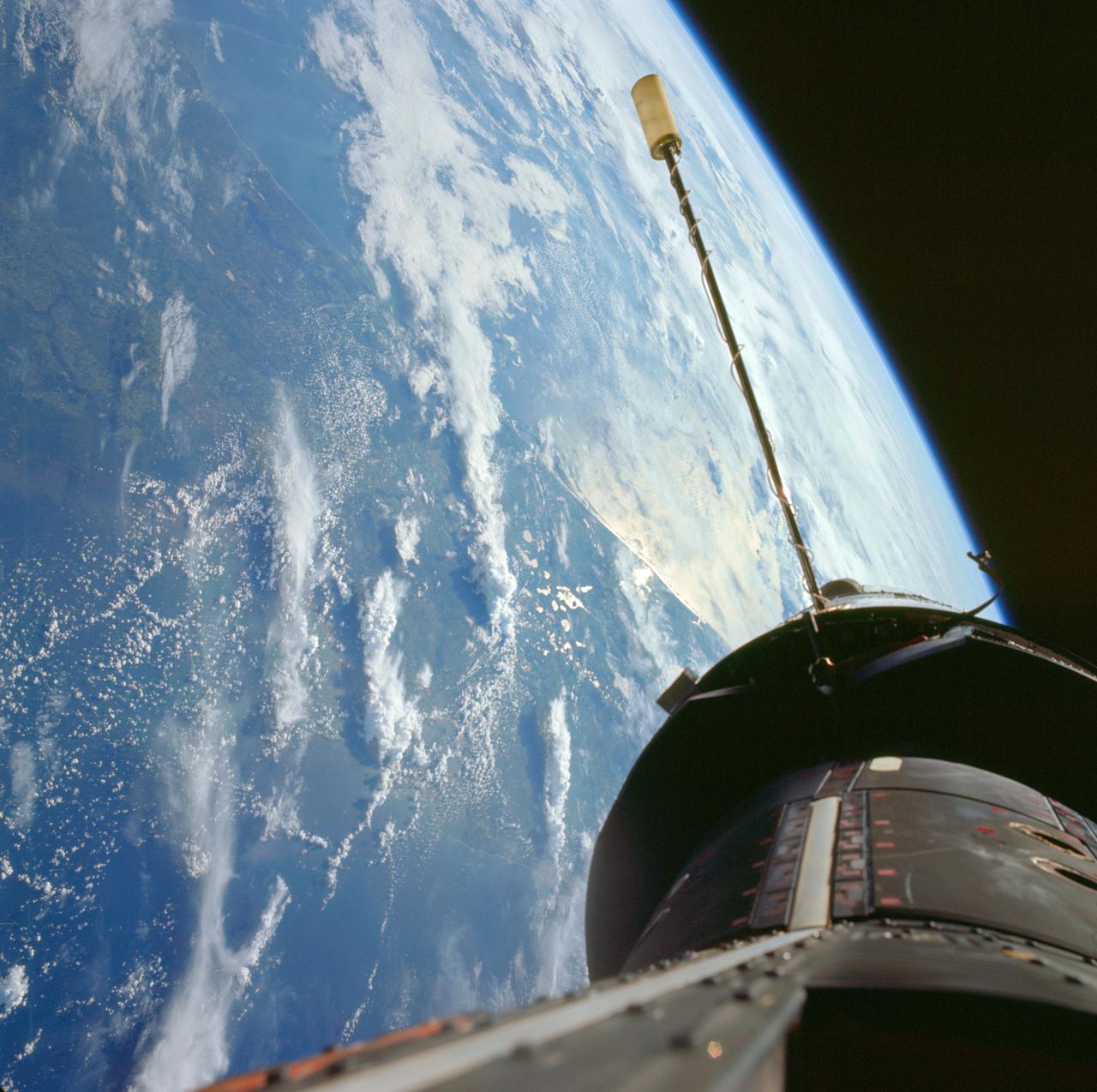
S66-54565 (14 Sept. 1966) --- Central portion of Florida, Gulf of Mexico to Atlantic Ocean, Cape Kennedy is at left center of photo, as seen from the Gemini-11 spacecraft during its 29th revolution of Earth. Photo lacks detail due to low sun angle. Sunglint on lakes is visible. Photo credit: NASA
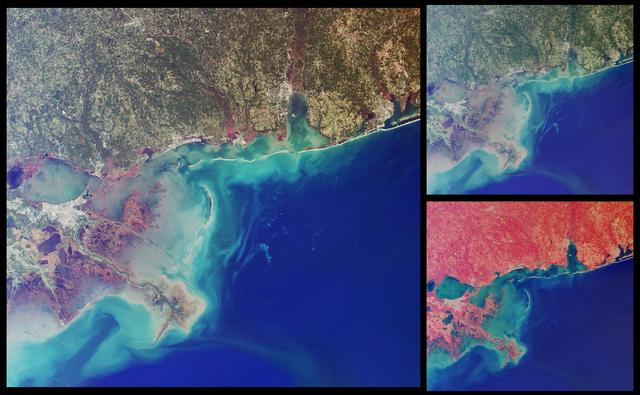
This set of images from NASA Terra satellit highlights coastal areas of four states along the Gulf of Mexico: Louisiana, Mississippi, Alabama and part of the Florida panhandle. The images were acquired on October 15, 2001 Terra orbit 9718.
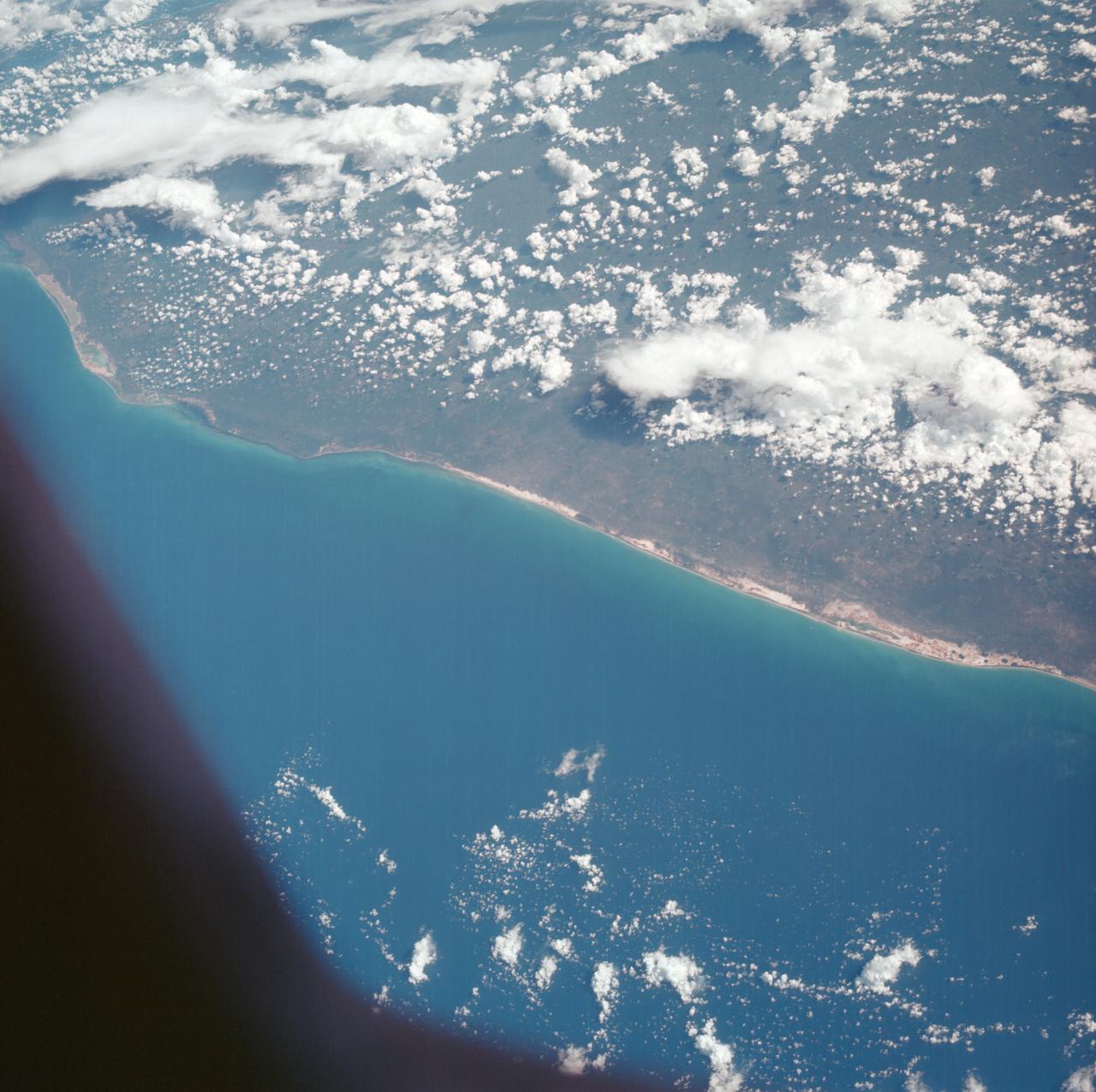
AS07-05-1635 (13 Oct. 1968) --- Gulf of Mexico, coast of Yucatan, Mexico, as seen from the Apollo 7 spacecraft during its 33rd revolution of Earth. Note road leading to city of Merida which is under cloud cover. Photographed from an altitude of 123 nautical miles, at ground elapsed time of 52 hours and 37 minutes.
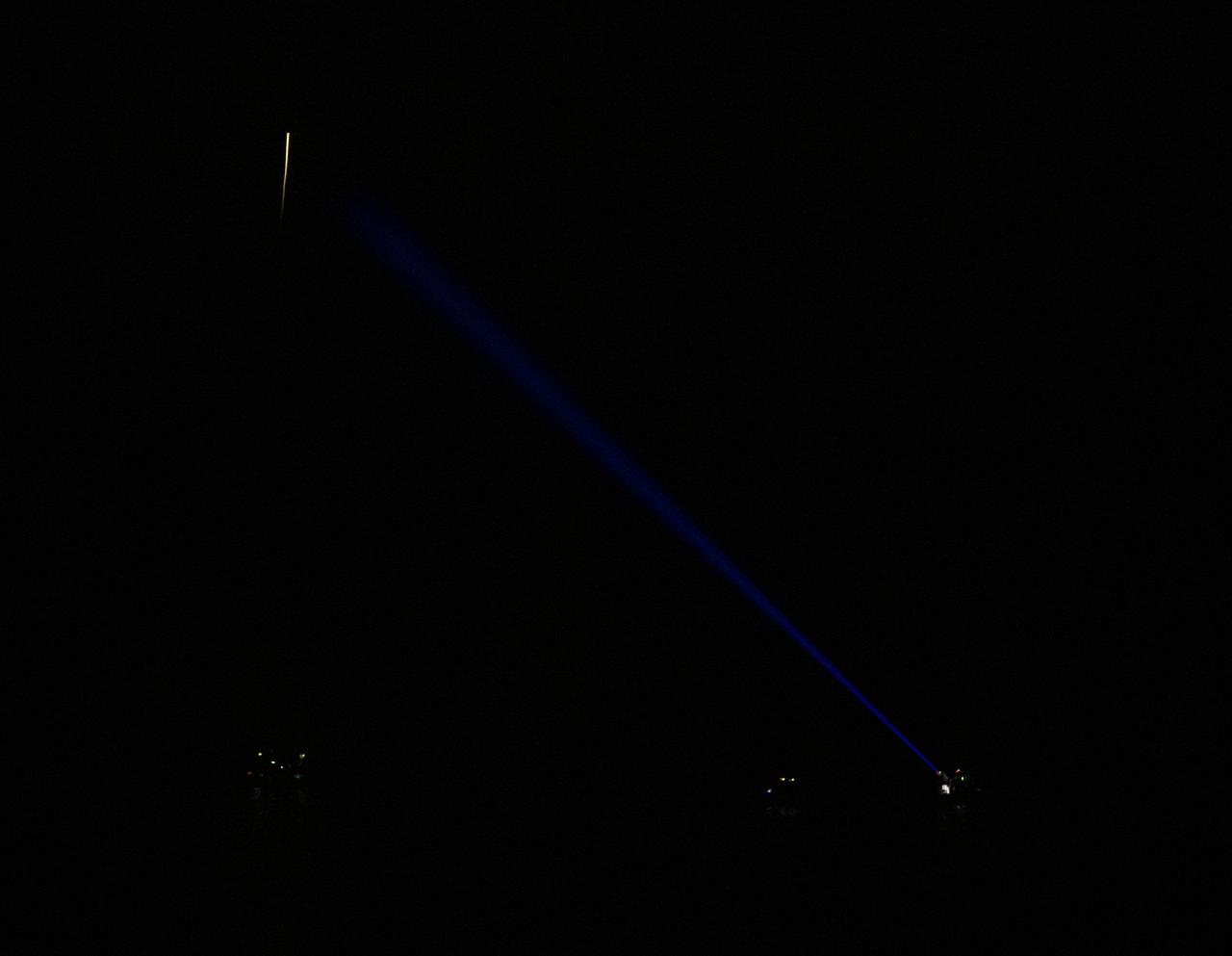
The SpaceX Crew Dragon Endurance spacecraft is seen as it lands with NASA astronauts Raja Chari, Kayla Barron, Tom Marshburn, and ESA (European Space Agency) astronaut Matthias Maurer aboard, in the Gulf of Mexico, off the coast of Tampa, Florida, Friday, May 6, 2022. Maurer, Marshburn, Chari, and Barron are returning after 177 days in space as part of Expeditions 66 and 67 aboard the International Space Station. Photo Credit: (NASA/Aubrey Gemignani)

NASA astronaut Matthew Dominick is helped out of the SpaceX Dragon Endeavour spacecraft onboard the SpaceX recovery ship MEGAN after he, NASA astronauts Michael Barratt, Jeanette Epps, and Roscosmos cosmonaut Alexander Grebenkin landed in the Gulf of Mexico off the coast of Pensacola, Florida, Friday, Oct. 25, 2024. Dominick, Barratt, Epps, Grebenkin are returning after seven-months in space as part of Expedition 70 aboard the International Space Station. Photo Credit: (NASA/Joel Kowsky)

NASA astronaut Jeanette Epps is helped out of the SpaceX Dragon Endeavour spacecraft onboard the SpaceX recovery ship MEGAN after she, NASA astronaut Matthew Dominick, Michael Barratt, and Roscosmos cosmonaut Alexander Grebenkin landed in the Gulf of Mexico off the coast of Pensacola, Florida, Friday, Oct. 25, 2024. Dominick, Barratt, Epps, Grebenkin are returning after seven-months in space as part of Expedition 70 aboard the International Space Station. Photo Credit: (NASA/Joel Kowsky)
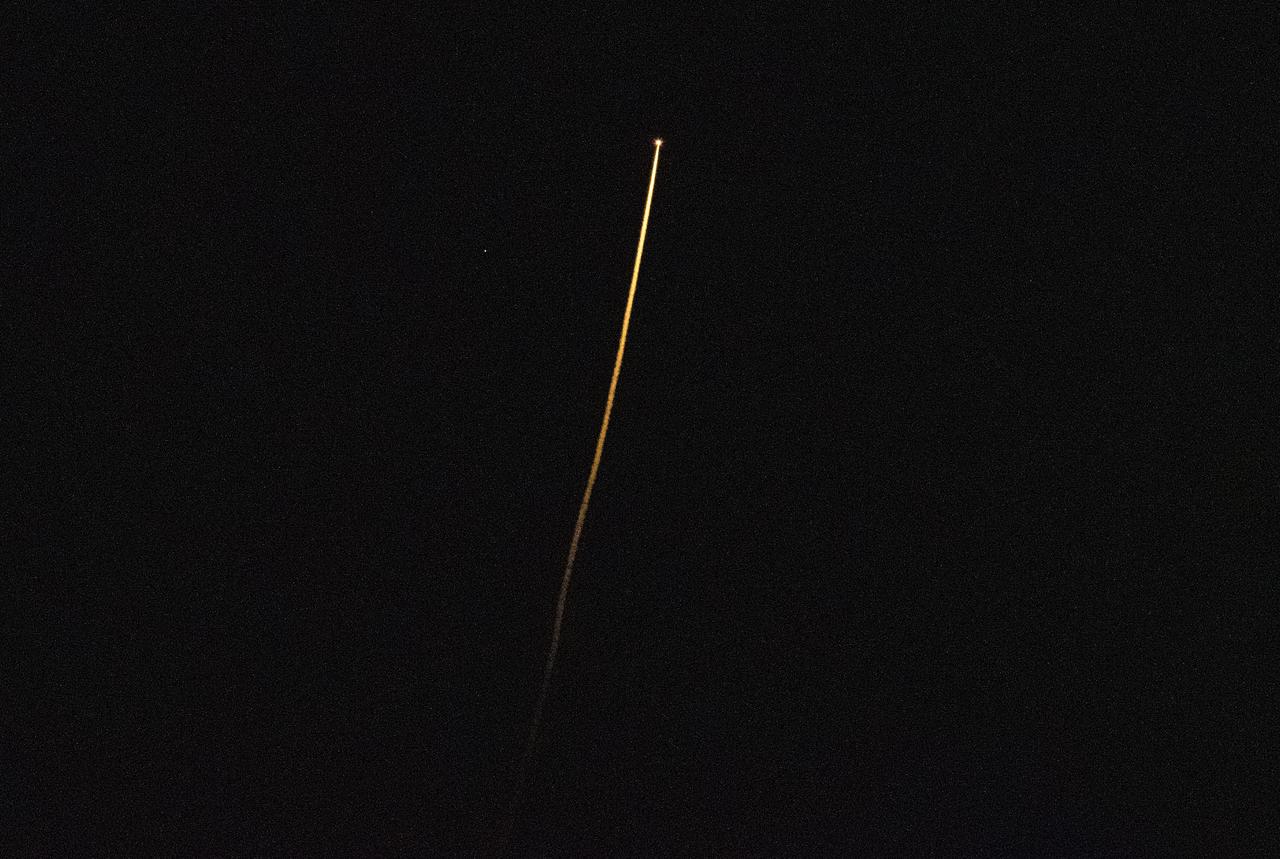
The SpaceX Crew Dragon Endurance spacecraft is seen as it lands with NASA astronauts Raja Chari, Kayla Barron, Tom Marshburn, and ESA (European Space Agency) astronaut Matthias Maurer aboard, in the Gulf of Mexico, off the coast of Tampa, Florida, Friday, May 6, 2022. Maurer, Marshburn, Chari, and Barron are returning after 177 days in space as part of Expeditions 66 and 67 aboard the International Space Station. Photo Credit: (NASA/Aubrey Gemignani)
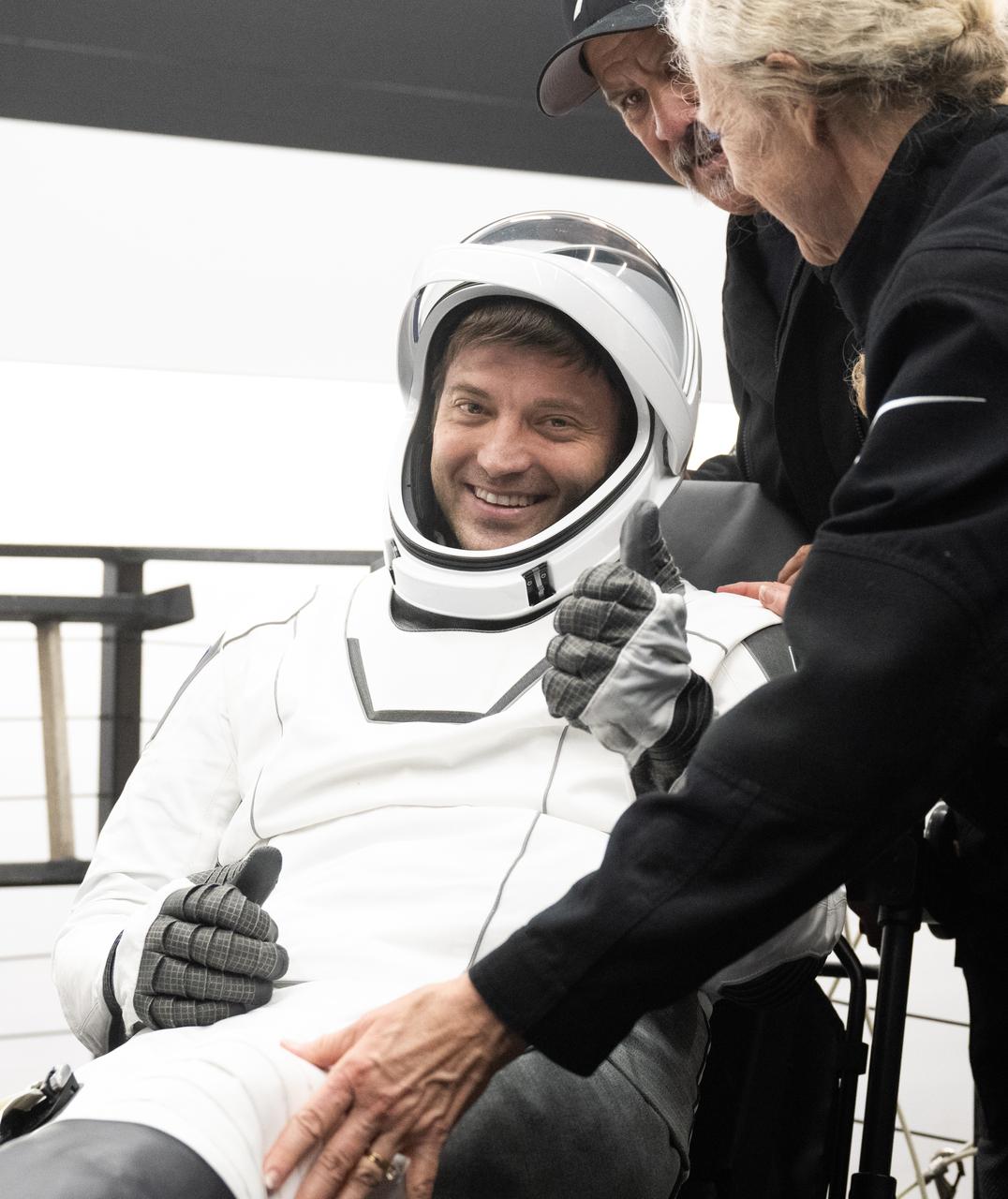
NASA astronaut Matthew Dominick is helped out of the SpaceX Dragon Endeavour spacecraft onboard the SpaceX recovery ship MEGAN after he, NASA astronauts Michael Barratt, Jeanette Epps, and Roscosmos cosmonaut Alexander Grebenkin landed in the Gulf of Mexico off the coast of Pensacola, Florida, Friday, Oct. 25, 2024. Dominick, Barratt, Epps, Grebenkin are returning after seven-months in space as part of Expedition 70 aboard the International Space Station. Photo Credit: (NASA/Joel Kowsky)
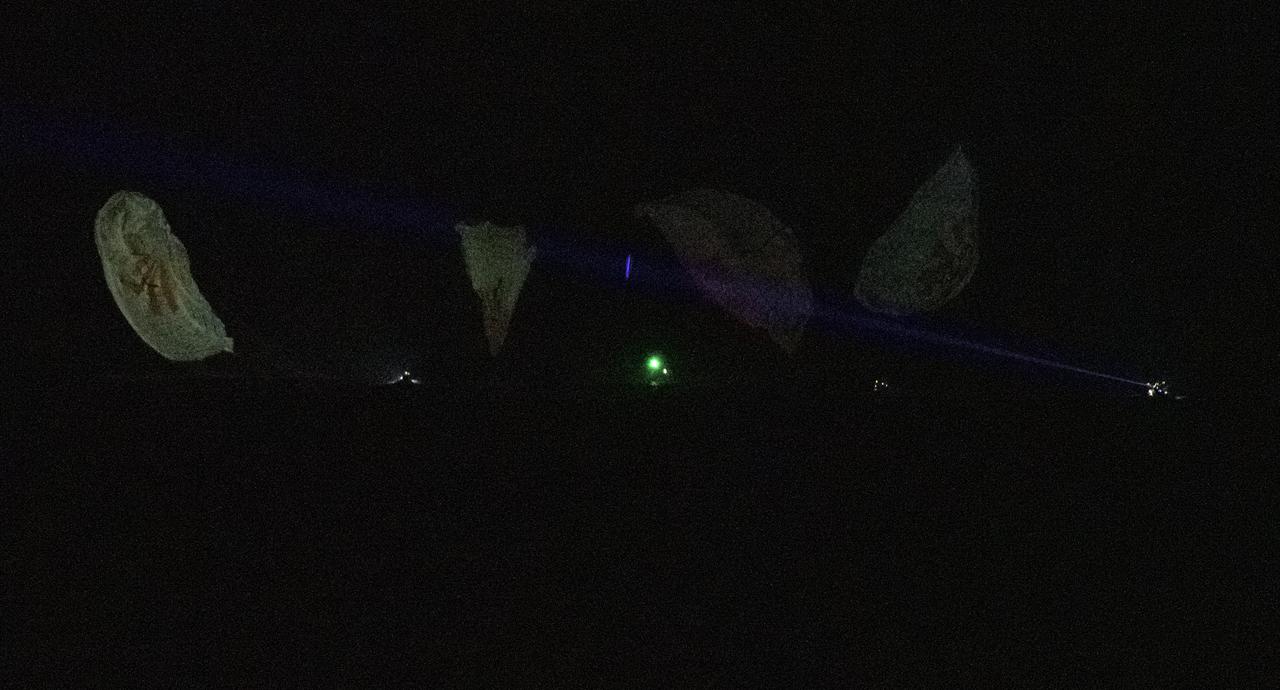
The SpaceX Crew Dragon Endurance spacecraft is seen as it lands with NASA astronauts Raja Chari, Kayla Barron, Tom Marshburn, and ESA (European Space Agency) astronaut Matthias Maurer aboard, in the Gulf of Mexico, off the coast of Tampa, Florida, Friday, May 6, 2022. Maurer, Marshburn, Chari, and Barron are returning after 177 days in space as part of Expeditions 66 and 67 aboard the International Space Station. Photo Credit: (NASA/Aubrey Gemignani)

Roscosmos cosmonaut Alexander Grebenkin is helped out of the SpaceX Dragon Endeavour spacecraft onboard the SpaceX recovery ship MEGAN after he, NASA astronauts Matthew Dominick, Michael Barratt, and Jeanette Epps landed in the Gulf of Mexico off the coast of Pensacola, Florida, Friday, Oct. 25, 2024. Dominick, Barratt, Epps, Grebenkin are returning after seven-months in space as part of Expedition 70 aboard the International Space Station. Photo Credit: (NASA/Joel Kowsky)

NASA astronaut Michael Barratt helped out of the SpaceX Dragon Endeavour spacecraft onboard the SpaceX recovery ship MEGAN after he, NASA astronauts Matthew Dominick, Jeanette Epps, and Roscosmos cosmonaut Alexander Grebenkin landed in the Gulf of Mexico off the coast of Pensacola, Florida, Friday, Oct. 25, 2024. Dominick, Barratt, Epps, Grebenkin are returning after seven-months in space as part of Expedition 70 aboard the International Space Station. Photo Credit: (NASA/Joel Kowsky)
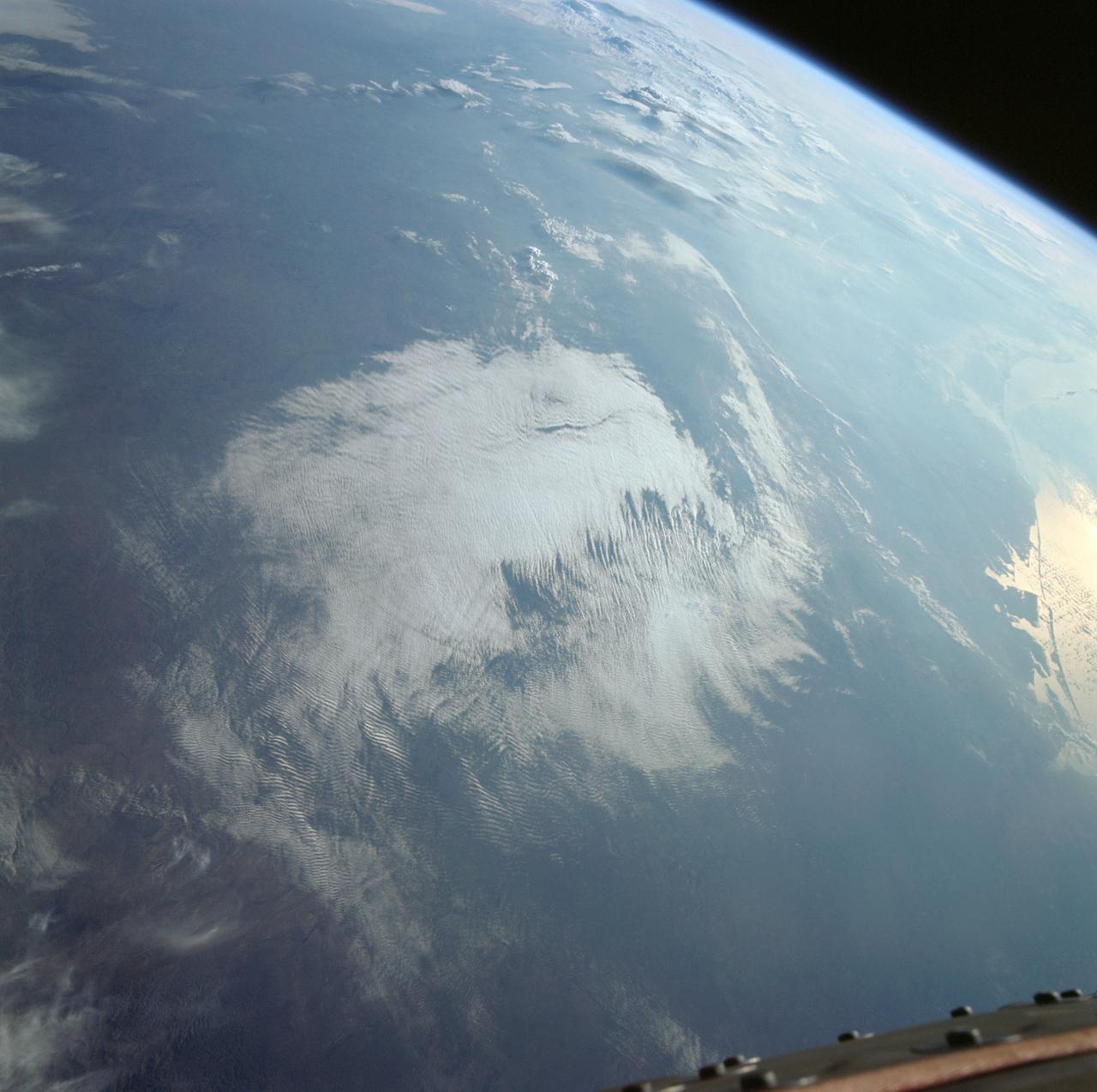
S66-54559 (14 Sept. 1966) --- Gulf Coast from Corpus Christi, Texas, to mouth of Mississippi River, as seen from the Gemini-11 spacecraft during its 29th revolution of Earth. This photo was taken near sunrise. Photo credit: NASA
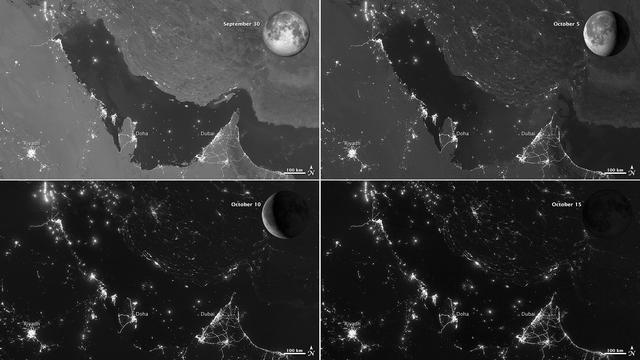
NASA images acquired October 15, 2012 The Visible Infrared Imaging Radiometer Suite (VIIRS) on the Suomi NPP satellite captured these nighttime views of the Persian Gulf region on September 30, October 5, October 10, and October 15, 2012. The images are from the VIIRS “day-night band,” which detects light in a range of wavelengths from green to near-infrared and uses filtering techniques to observe signals such as gas flares, auroras, wildfires, city lights, and reflected moonlight. Each image includes an inset of the Moon in four different phases. September 30 shows the Persian Gulf by the light of the full Moon; October 15 shows the effects of a new Moon. As the amount of moonlight decreases, some land surface features become harder to detect, but the lights from cities and ships become more obvious. Urbanization is most apparent along the northeastern coast of Saudi Arabia, in Qatar, and in the United Arab Emirates (UAE). In Qatar and UAE, major highways can even be discerned by nighttime lights. In eighteenth-century England, a small group of entrepreneurs, inventors and free thinkers—James Watt and Charles Darwin’s grandfathers among them—started a club. They named it the Lunar Society, and the “lunaticks” scheduled their dinner meetings on evenings of the full Moon. The timing wasn’t based on any kind of superstition, it was based on practicality. In the days before electricity, seeing one’s way home after dark was far easier by the light of a full Moon. In the early twenty-first century, electricity has banished the need for such careful scheduling, but the light of the full Moon still makes a difference. NASA Earth Observatory image by Jesse Allen and Robert Simmon, using VIIRS day-night band data from the Suomi National Polar-orbiting Partnership. Suomi NPP is the result of a partnership between NASA, the National Oceanic and Atmospheric Administration, and the Department of Defense. Caption by Michon Scott. Instrument: Suomi NPP - VIIRS Credit: <b><a href="http://www.earthobservatory.nasa.gov/" rel="nofollow"> NASA Earth Observatory</a></b> <b>Click here to view all of the <a href="http://earthobservatory.nasa.gov/Features/NightLights/" rel="nofollow"> Earth at Night 2012 images </a></b> <b>Click here to <a href="http://earthobservatory.nasa.gov/NaturalHazards/view.php?id=79834" rel="nofollow"> read more </a> about this image </b> <b><a href="http://www.nasa.gov/audience/formedia/features/MP_Photo_Guidelines.html" rel="nofollow">NASA image use policy.</a></b> <b><a href="http://www.nasa.gov/centers/goddard/home/index.html" rel="nofollow">NASA Goddard Space Flight Center</a></b> enables NASA’s mission through four scientific endeavors: Earth Science, Heliophysics, Solar System Exploration, and Astrophysics. Goddard plays a leading role in NASA’s accomplishments by contributing compelling scientific knowledge to advance the Agency’s mission. <b>Follow us on <a href="http://twitter.com/NASA_GoddardPix" rel="nofollow">Twitter</a></b> <b>Like us on <a href="http://www.facebook.com/pages/Greenbelt-MD/NASA-Goddard/395013845897?ref=tsd" rel="nofollow">Facebook</a></b> <b>Find us on <a href="http://instagram.com/nasagoddard?vm=grid" rel="nofollow">Instagram</a></b>
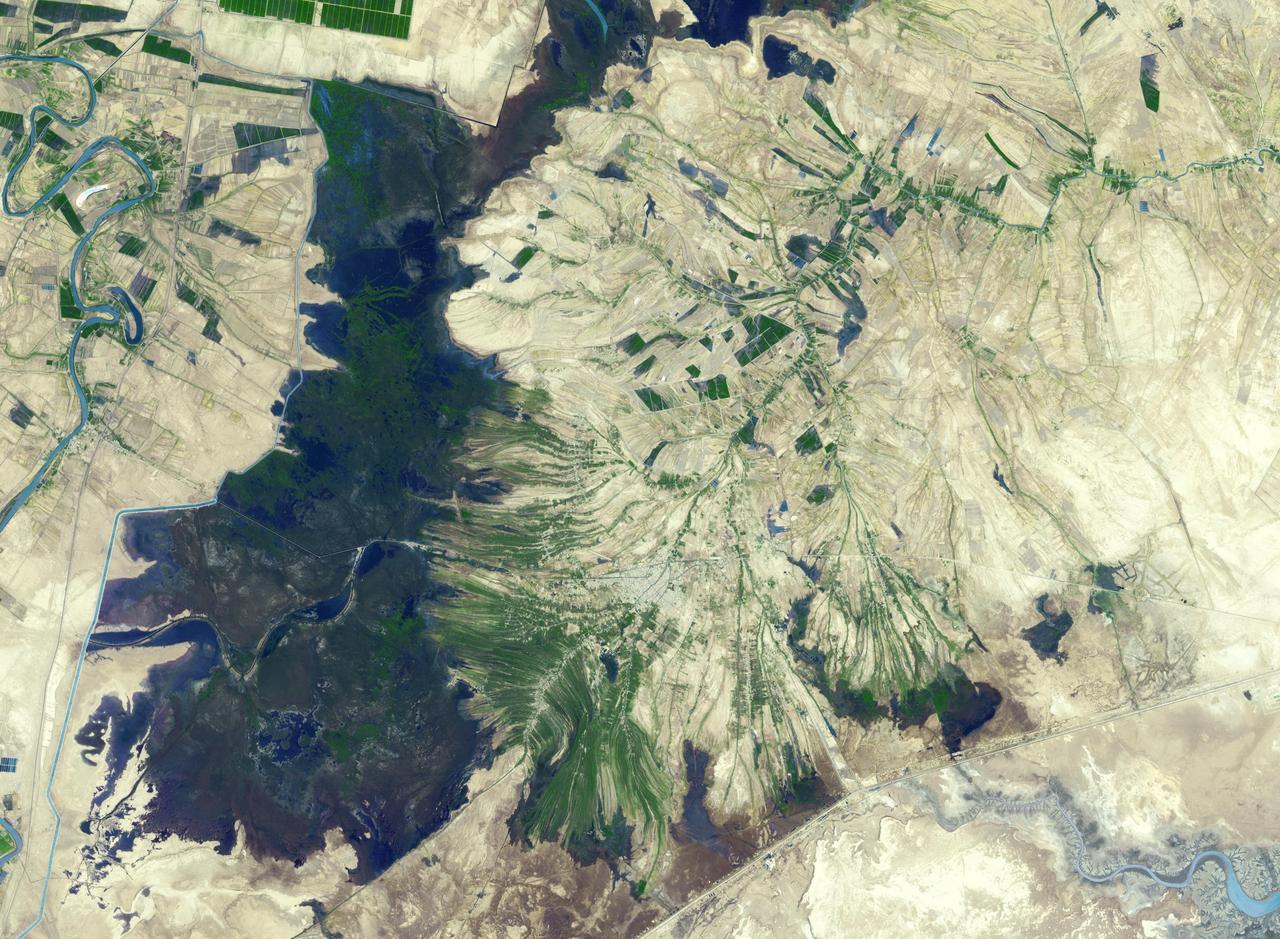
The town of Shadegan, Iran is northeast of where the Tigris and Euphrates Rivers enter the Persian Gulf. It sits near a wetland and upon land that was once part of an inland river delta. The long, linear orchards follow the topography created by the delta. The image was acquired September 3, 2012, covers an area of 40.6 by 55.3 km, and is located at 30.6 degrees north, 48.6 degrees east. http://photojournal.jpl.nasa.gov/catalog/PIA21170
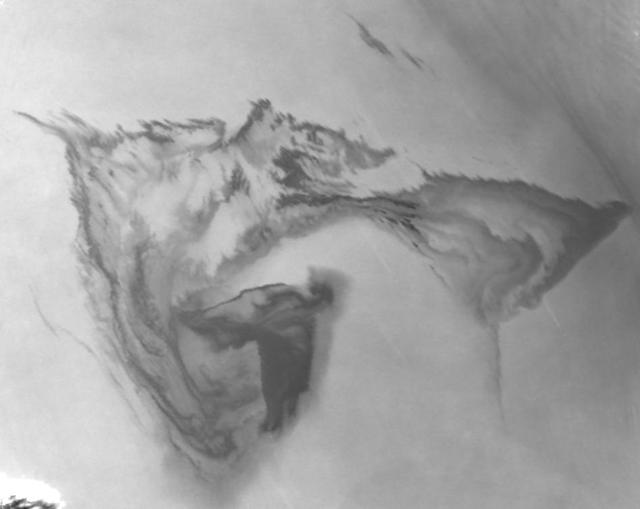
This image from NASA Terra satellite was acquired on May 1, 2010. The red symbol indicates the approximate position of the Deepwater Horizon platform and the source of the oil slick which resulted in a significant oil spill in the Gulf of Mexico.
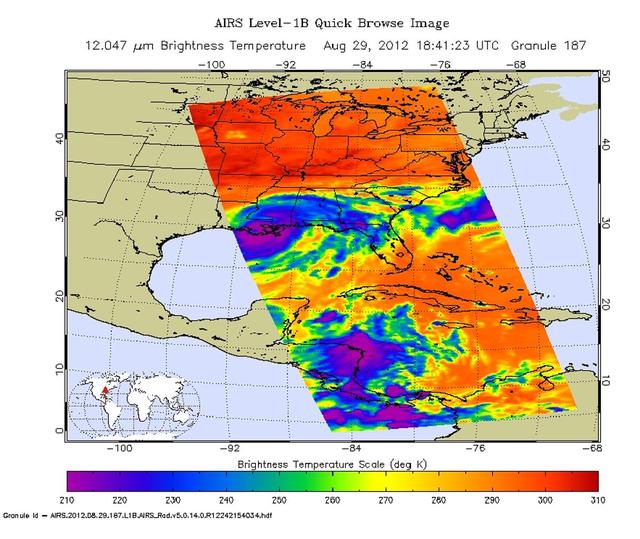
Strong tropical storm Isaac continues to create havoc across the Gulf Coast, from eastern Texas to Florida. This infrared image from NASA Aqua spacecraft, was acquired at 2:41 p.m. CDT on Aug. 29, 2012.
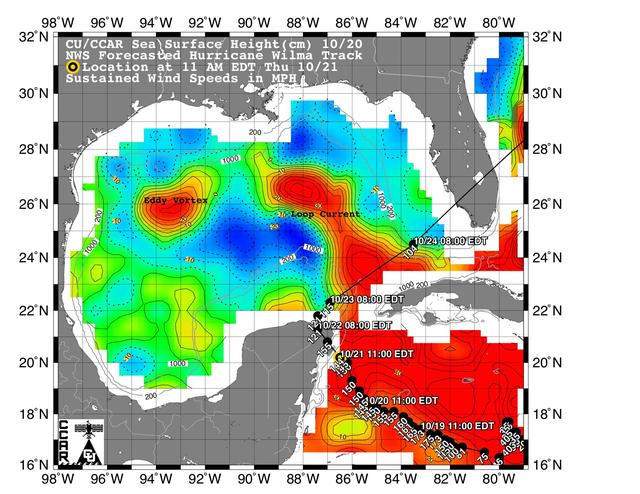
This sea surface height map of the Gulf of Mexico and the northwestern Caribbean Sea, with the Florida peninsula on the upper right, is based on altimeter data from three satellites including NASA Jason-1.
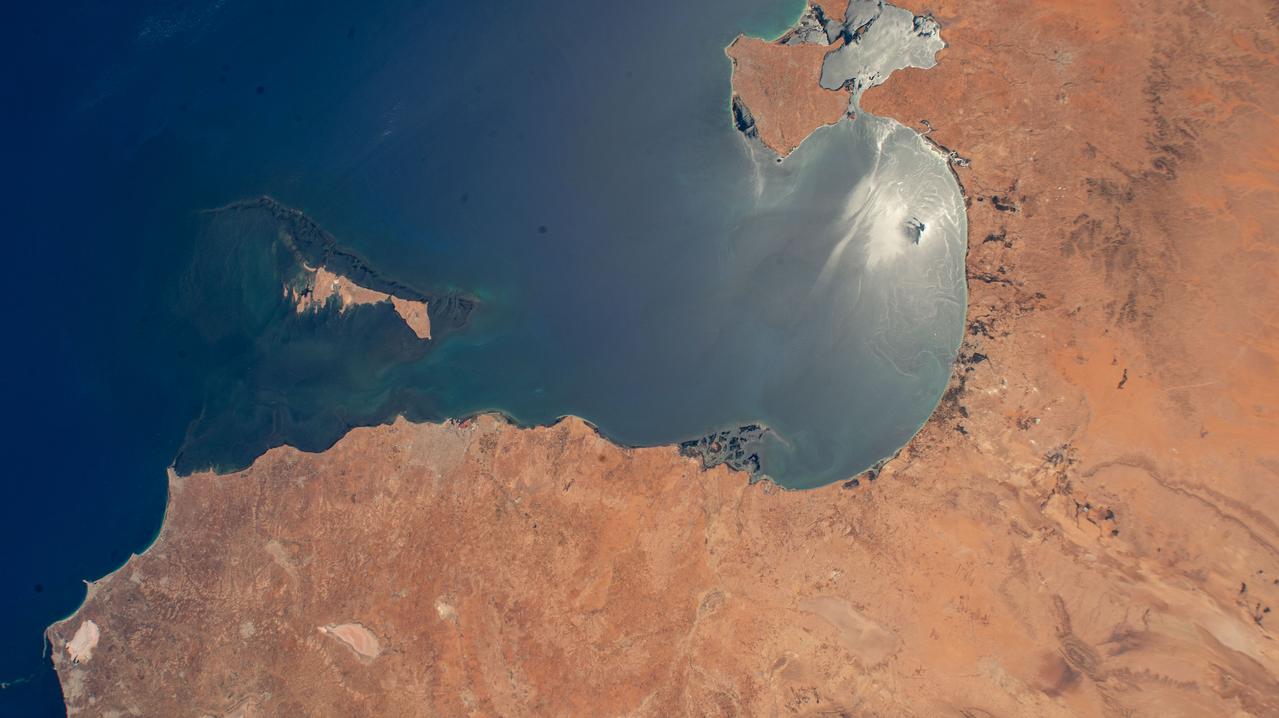
iss071e414023 (Aug. 2, 2024) --- The sun's glint beams off the Gulf of Gabes on the coast of Tunisia with Sharqi Island in the Mediterranean Sea in this photograph taken from the International Space Station as it orbited 262 miles above the African nation.

iss058e012965 (Feb. 12, 2019) --- The frozen terrain of Anticosti Island in the Gulf of St. Lawrence and the coastal areas of Quebec in Canada are pictured as the International Space Station orbited 255 miles above the North American continent.
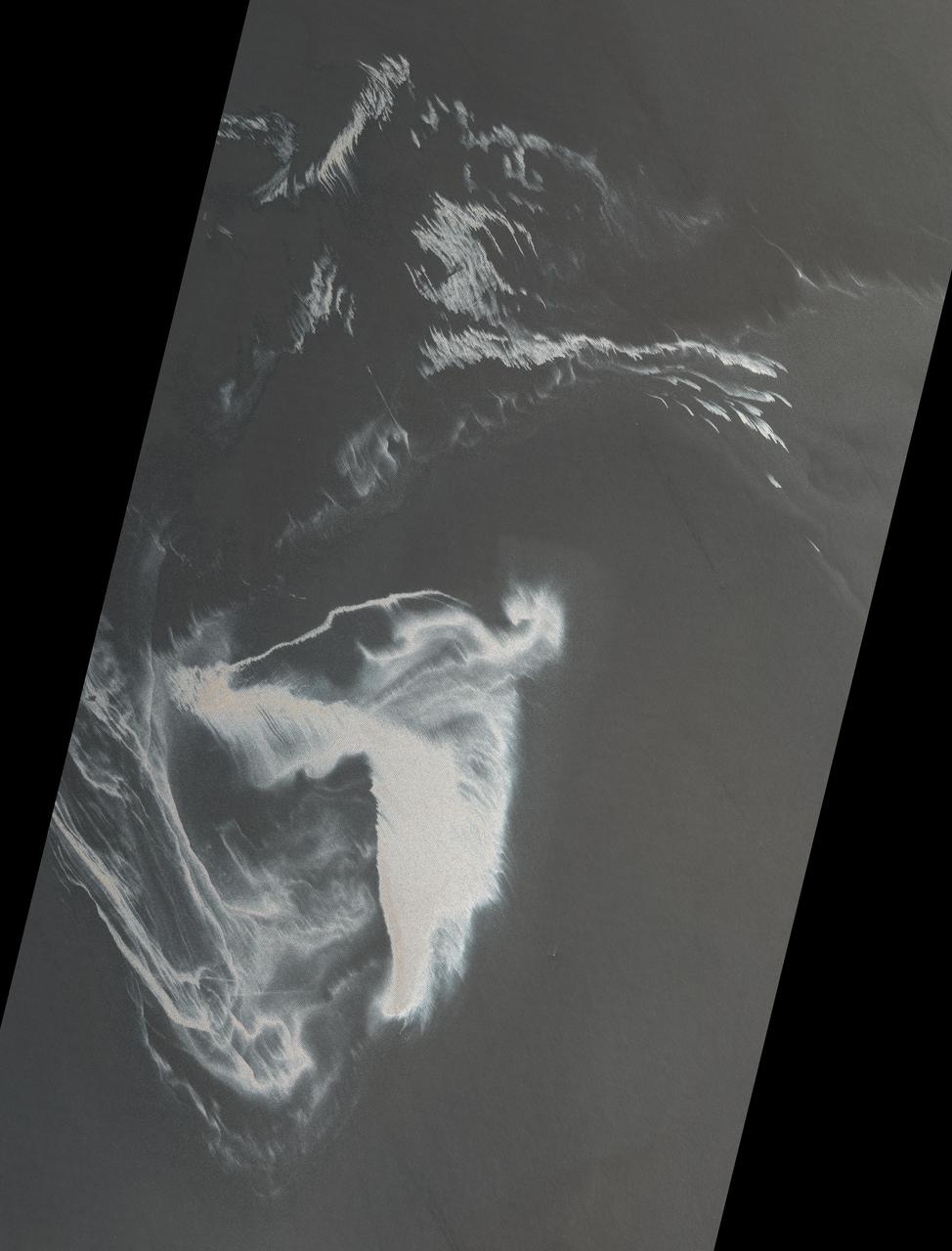
This image, from NASA Terra spacecraft, was acquired May 1, 2010. An explosion destroyed the Deepwater Horizon oil platform operating in the offshore in Gulf of Mexico on April 20, 2010.
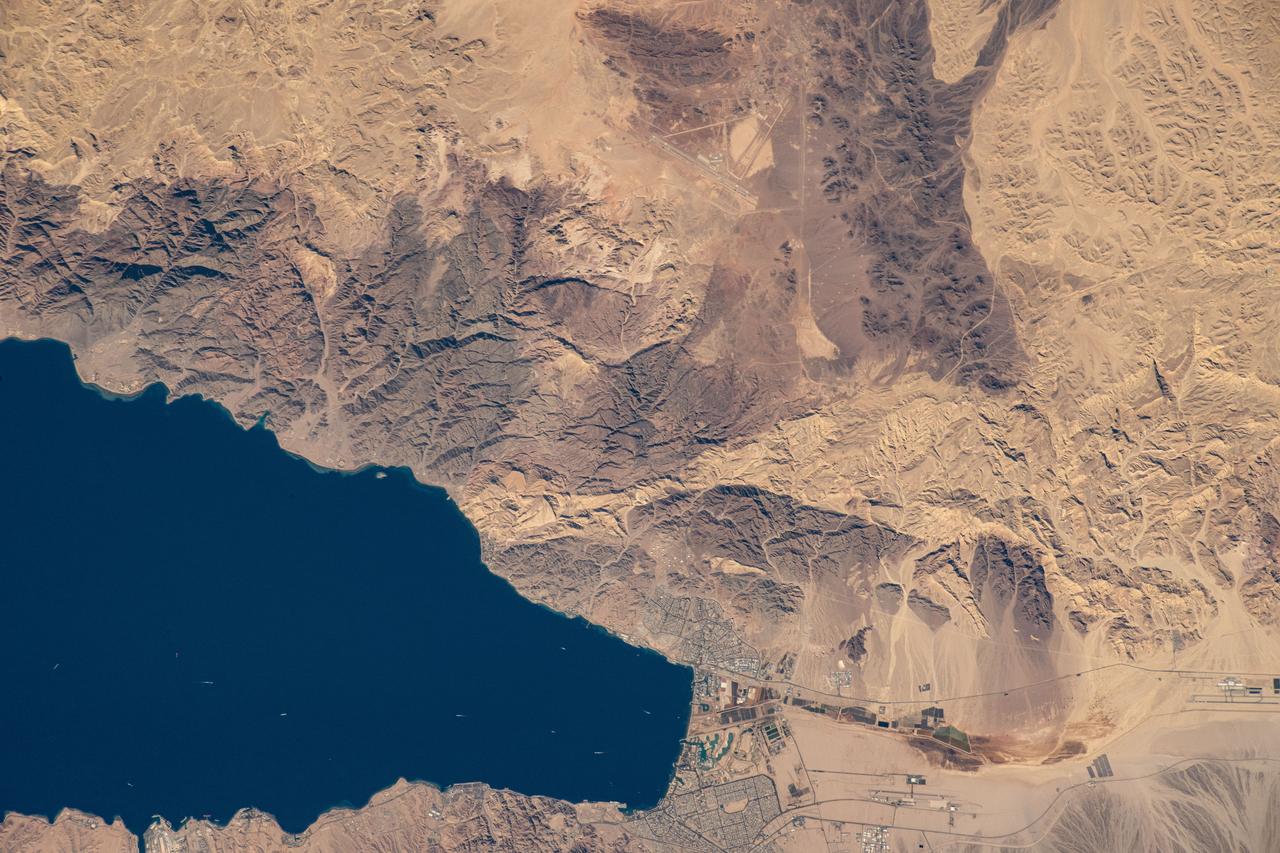
iss072e660964 (Feb. 24, 2025) --- The northernmost tip of the Gulf of Aqaba, which Egypt, Israel, and Jordan border along in this photograph, is pictured from the International Space Station as it orbited 263 miles above the Middle East.
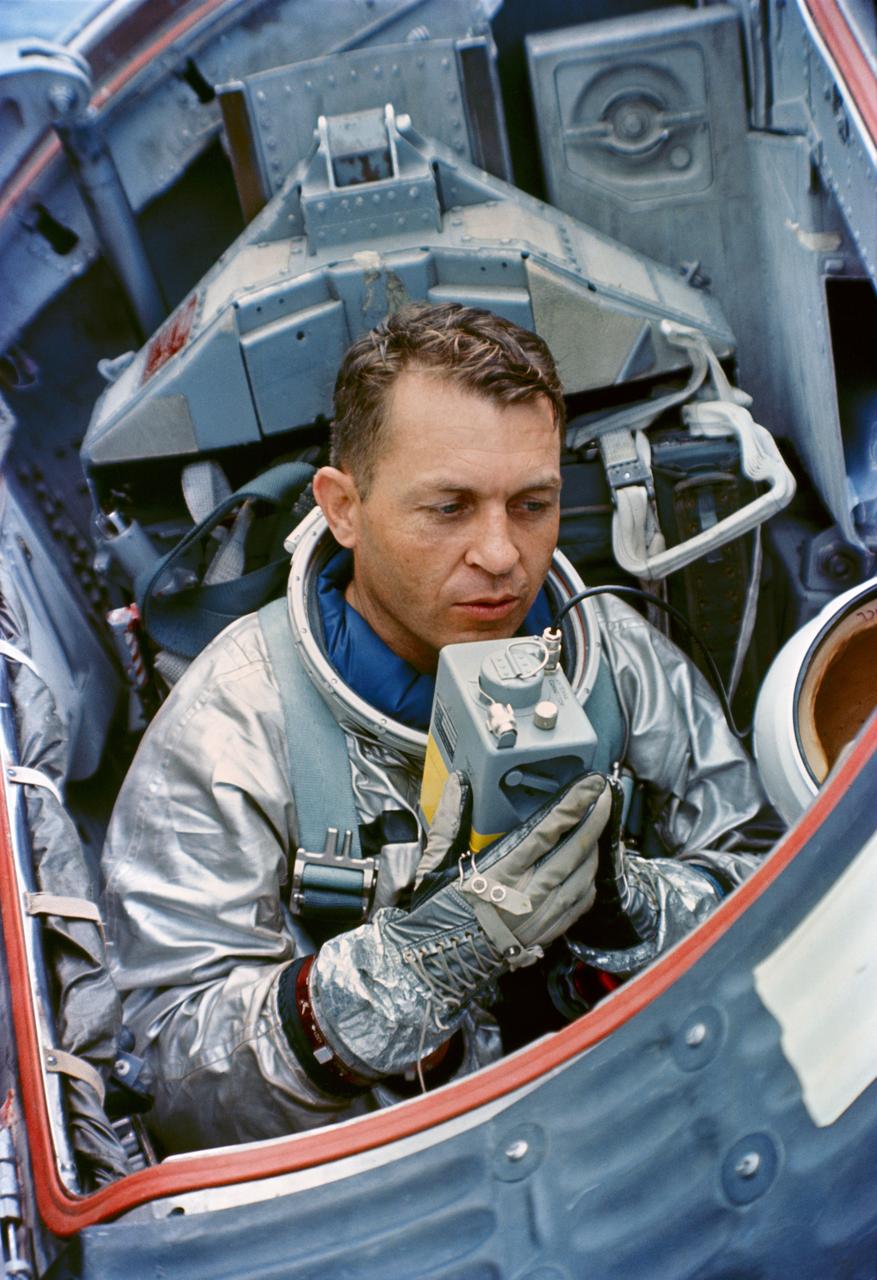
Astronaut Elliot M. See, Jr., inside Gemini Static Article (SA)-5 Spacecraft prior to Water Egress Training in the Gulf of Mexico. Astronaut See is Pilot for the Gemini-5 Backup Crew. GULF OF MEXICO
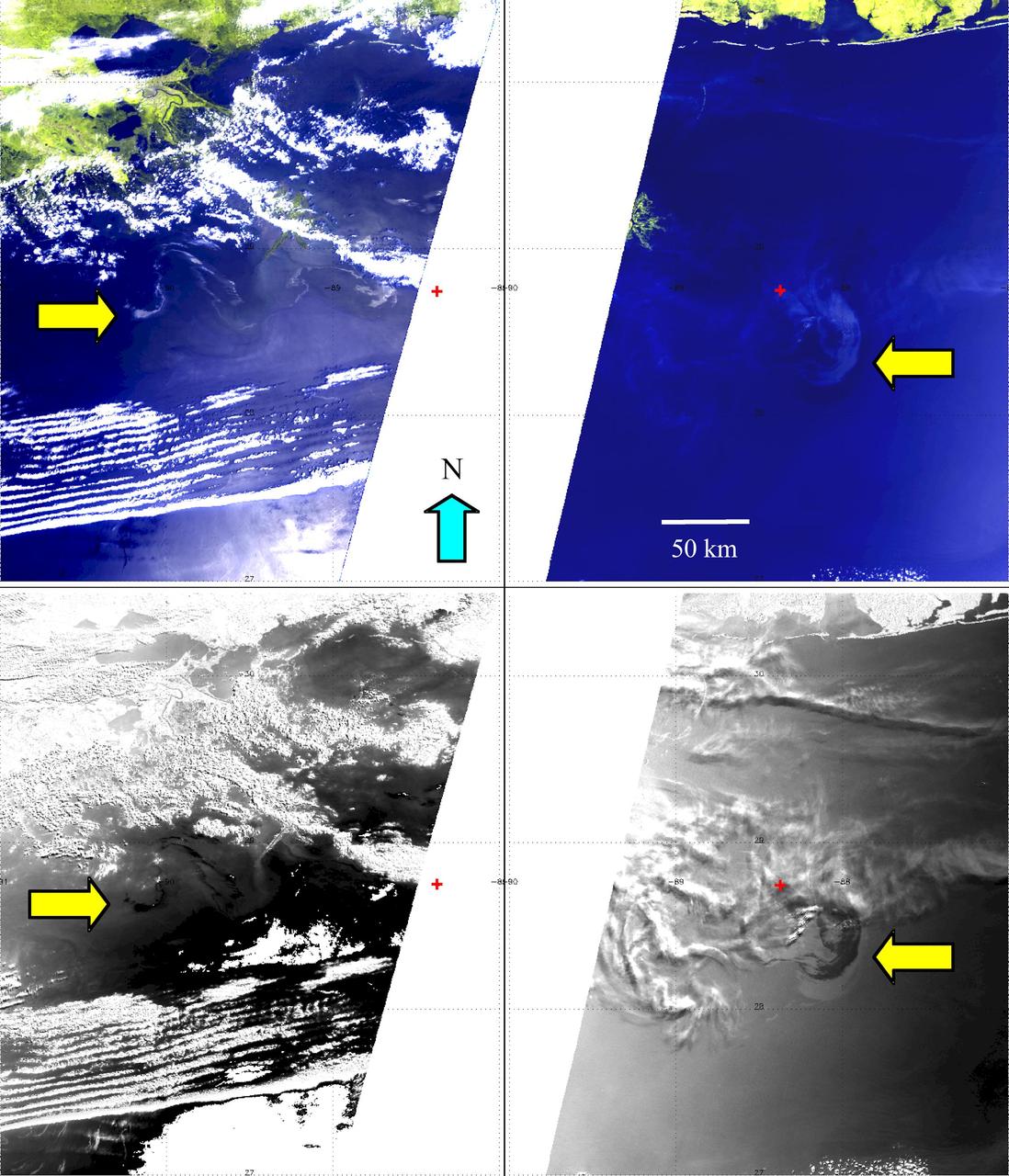
This image captured by NASA Terra spacecraft is an enhanced true color image of the Gulf of Mexico as it passed over the Deepwater Horizon oil slick on May 10, 2010.

Abu Dhabi, the capital of the United Arab Emirates on the Persian Gulf coast, is pictured from the International Space Station as it soared 257 miles above the Middle East.
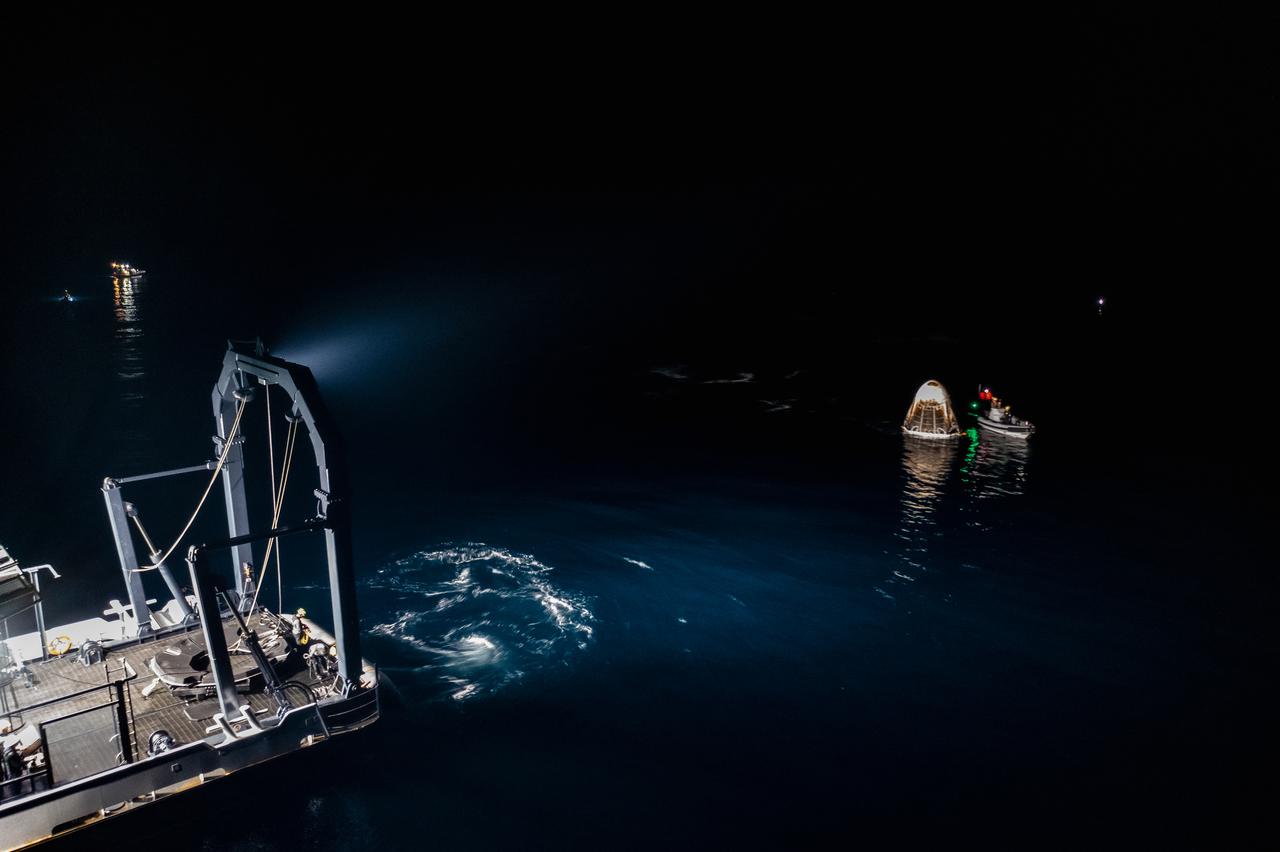
The SpaceX Crew Dragon Resilience splashes down in the Gulf of Mexico off the coast of Panama City, in Florida, at 2:56 a.m. EDT on May 2, 2021. Astronauts Michael Hopkins, Victor Glover, and Shannon Walker of NASA, and Soichi Noguchi of JAXA (Japan Aerospace Exploration Agency) completed Crew-1, the first crew rotation mission to the International Space Station in partnership with NASA as part of the agency’s Commercial Crew Program. At left is SpaceX’s Go Navigator recovery ship. Crew Dragon will be secured and then hoisted onto the main deck of the recovery ship with the astronauts inside.
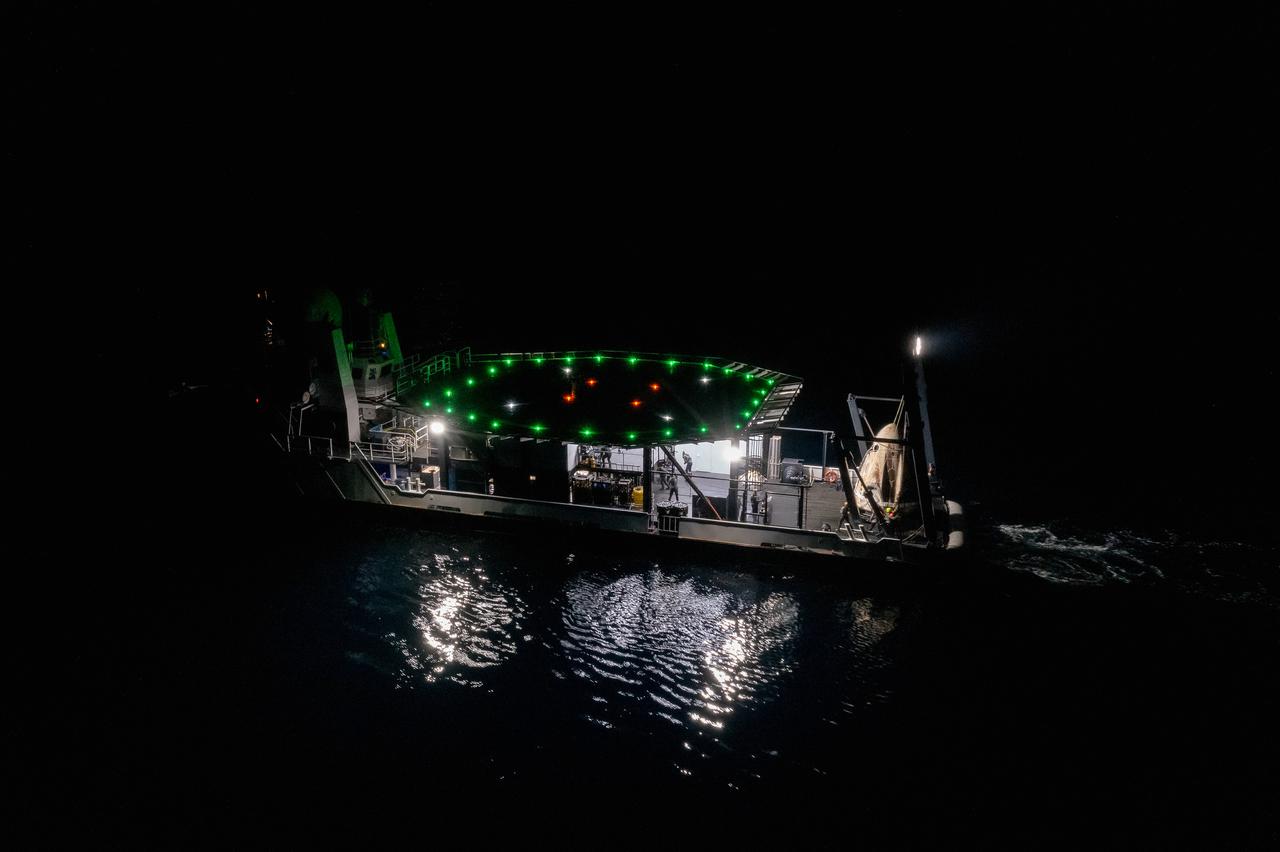
The SpaceX Crew Dragon Resilience splashed down in the Gulf of Mexico off the coast of Panama City, in Florida, at 2:56 a.m. EDT on May 2, 2021. Astronauts Michael Hopkins, Victor Glover, and Shannon Walker of NASA, and Soichi Noguchi of JAXA (Japan Aerospace Exploration Agency) completed Crew-1, the first crew rotation mission to the International Space Station in partnership with NASA as part of the agency’s Commercial Crew Program. Teams on the Go Navigator recovery ship, including two fast boats, work to secure and hoist Crew Dragon onto the main deck of the recovery ship with the astronauts inside.
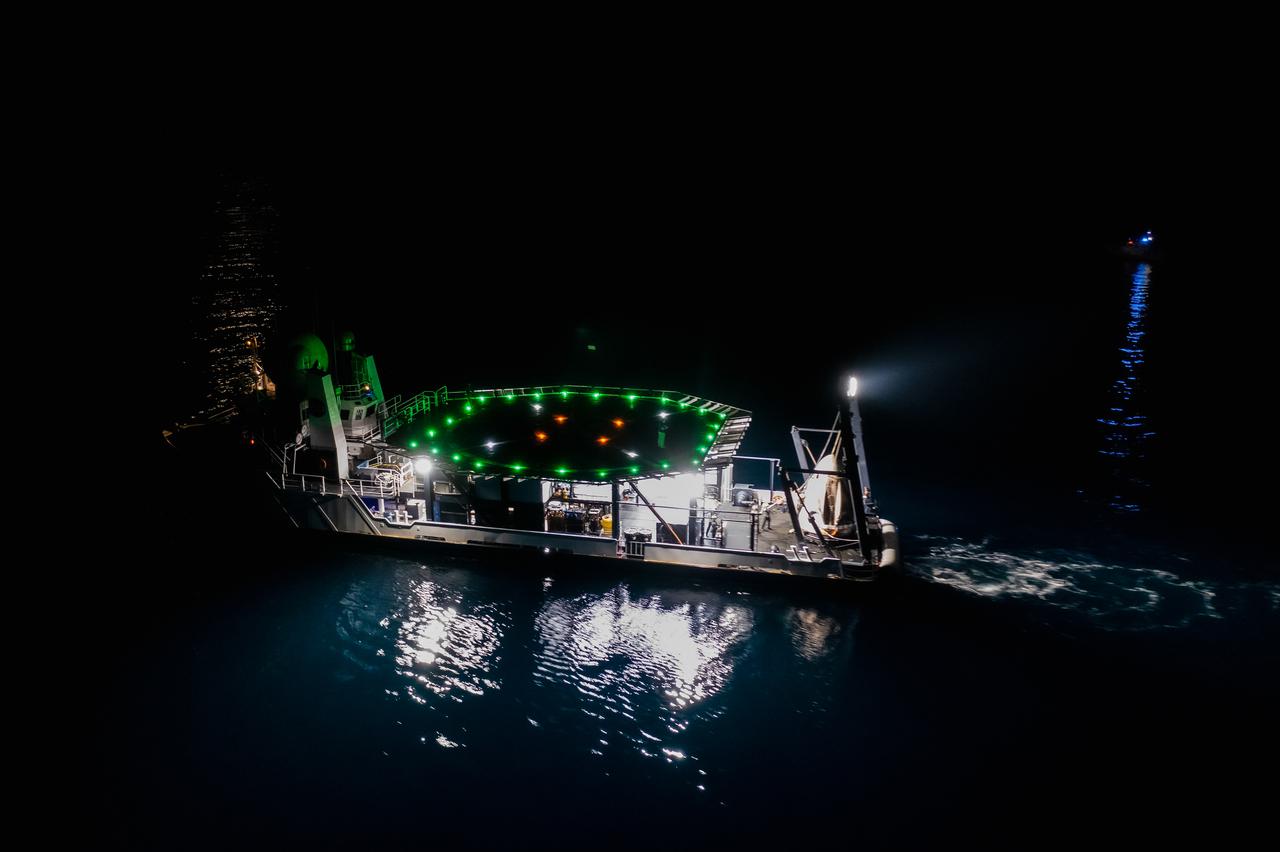
The SpaceX Crew Dragon Resilience splashed down in the Gulf of Mexico off the coast of Panama City, in Florida, at 2:56 a.m. EDT on May 2, 2021. Astronauts Michael Hopkins, Victor Glover, and Shannon Walker of NASA, and Soichi Noguchi of JAXA (Japan Aerospace Exploration Agency) completed Crew-1, the first crew rotation mission to the International Space Station in partnership with NASA as part of the agency’s Commercial Crew Program. Teams on the Go Navigator recovery ship, including two fast boats, work to secure and hoist Crew Dragon onto the main deck of the recovery ship with the astronauts inside.
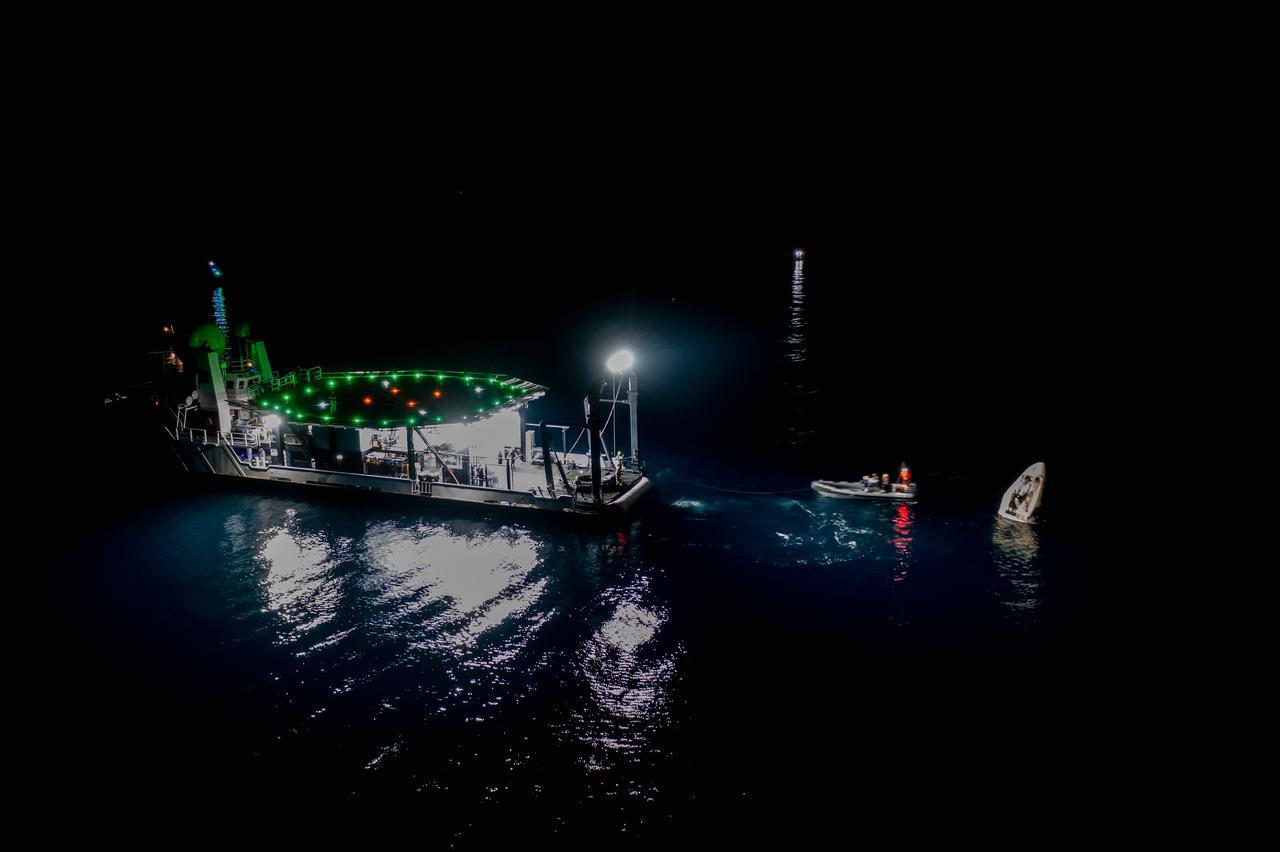
The SpaceX Crew Dragon Resilience splashes down in the Gulf of Mexico off the coast of Panama City, in Florida, at 2:56 a.m. EDT on May 2, 2021. Astronauts Michael Hopkins, Victor Glover, and Shannon Walker of NASA, and Soichi Noguchi of JAXA (Japan Aerospace Exploration Agency) completed Crew-1, the first crew rotation mission to the International Space Station in partnership with NASA as part of the agency’s Commercial Crew Program. At left is SpaceX’s Go Navigator recovery ship. Teams on two fast boats and Go Navigator will secure Crew Dragon to be hoisted onto the main deck of the recovery ship with the astronauts inside.
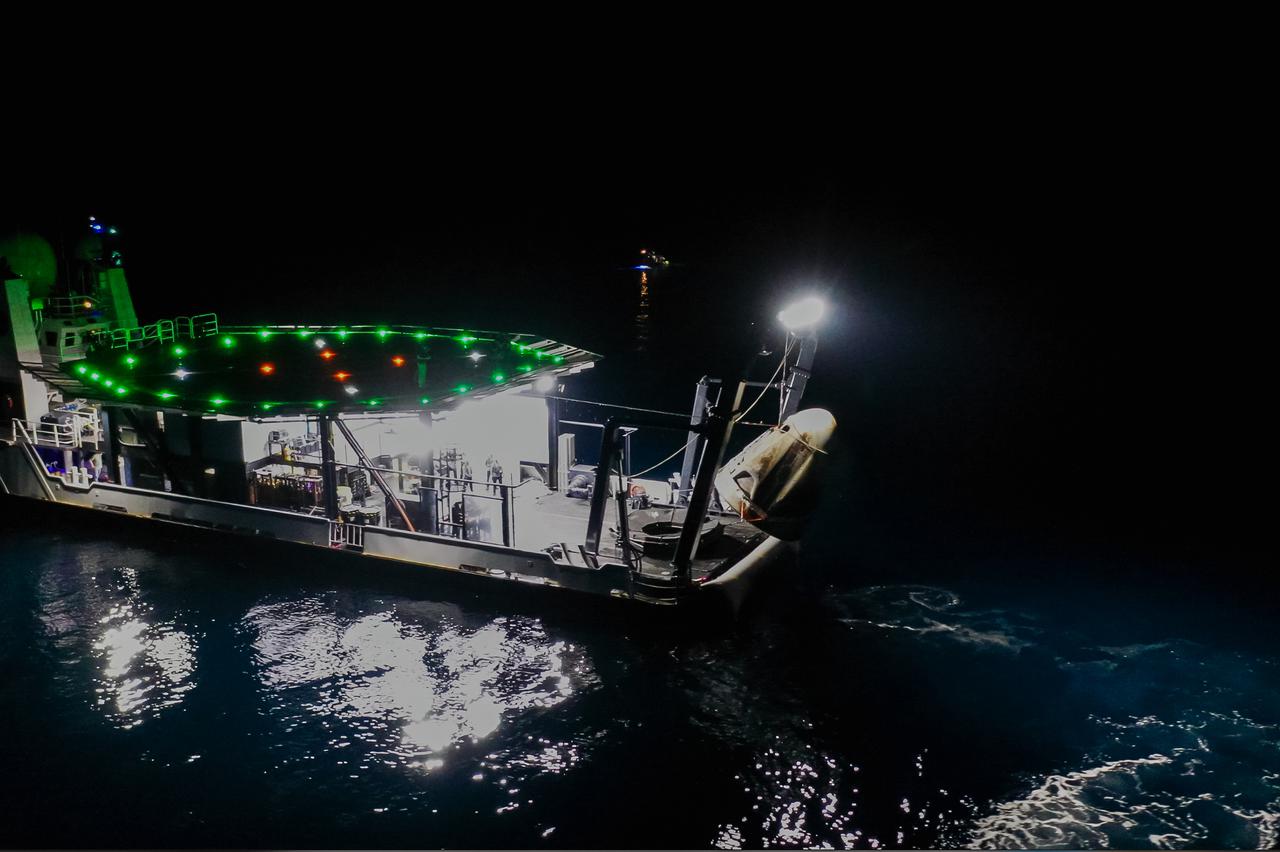
The SpaceX Crew Dragon Resilience splashed down in the Gulf of Mexico off the coast of Panama City, in Florida, at 2:56 a.m. EDT on May 2, 2021. Astronauts Michael Hopkins, Victor Glover, and Shannon Walker of NASA, and Soichi Noguchi of JAXA (Japan Aerospace Exploration Agency) completed Crew-1, the first crew rotation mission to the International Space Station in partnership with NASA as part of the agency’s Commercial Crew Program. Teams on the Go Navigator recovery ship, including two fast boats, work to secure and hoist Crew Dragon onto the main deck of the recovery ship with the astronauts inside.
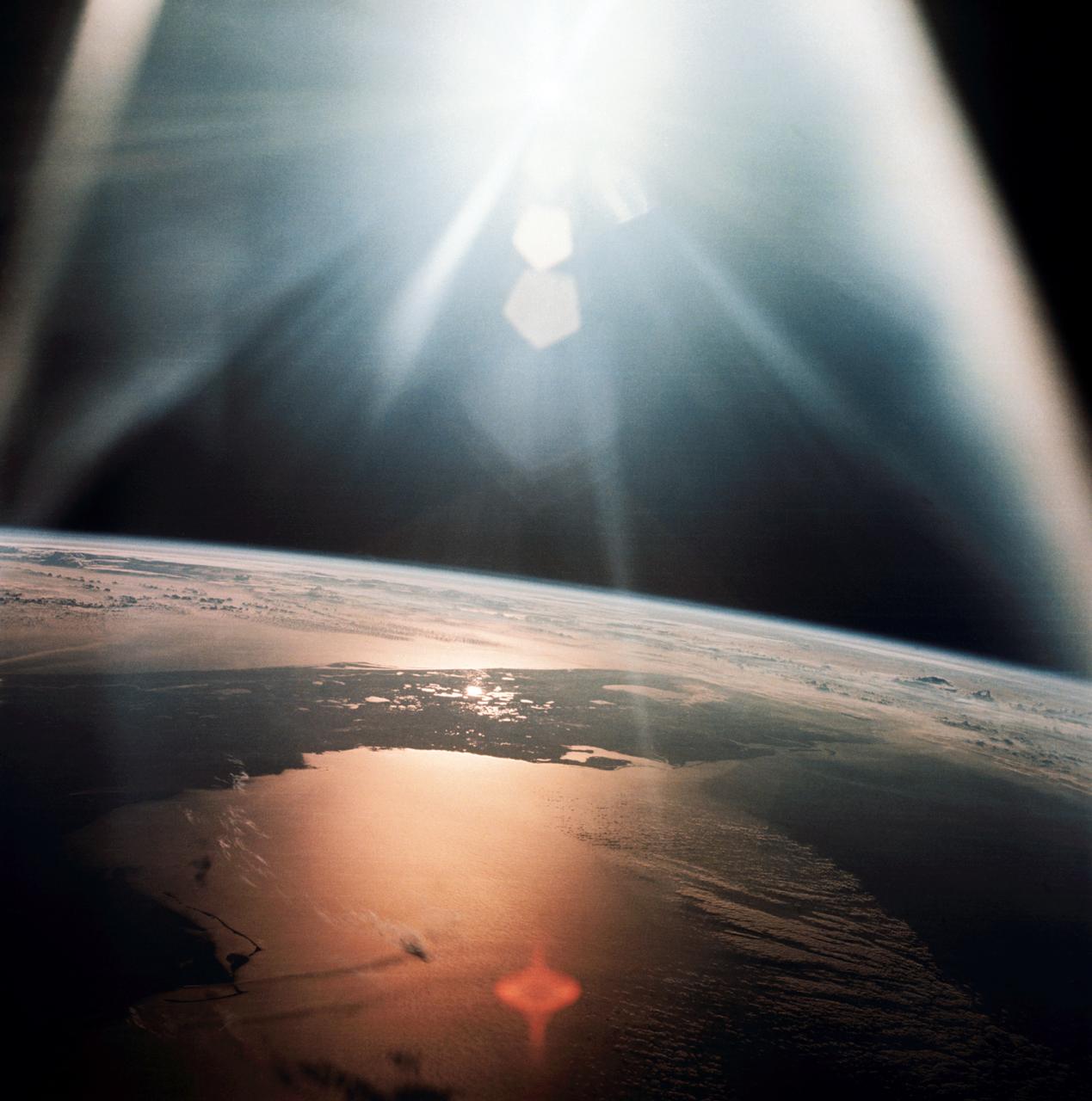
AS07-08-1933 (20 Oct. 1968) --- The morning sun reflects on the Gulf of Mexico and the Atlantic Ocean as seen from the Apollo 7 spacecraft at an altitude of 120 nautical miles above Earth. Most of Florida peninsula appears as a dark silhouette. This photograph was made during the spacecraft's 134th revolution of Earth, some 213 hours and 19 minutes after liftoff.
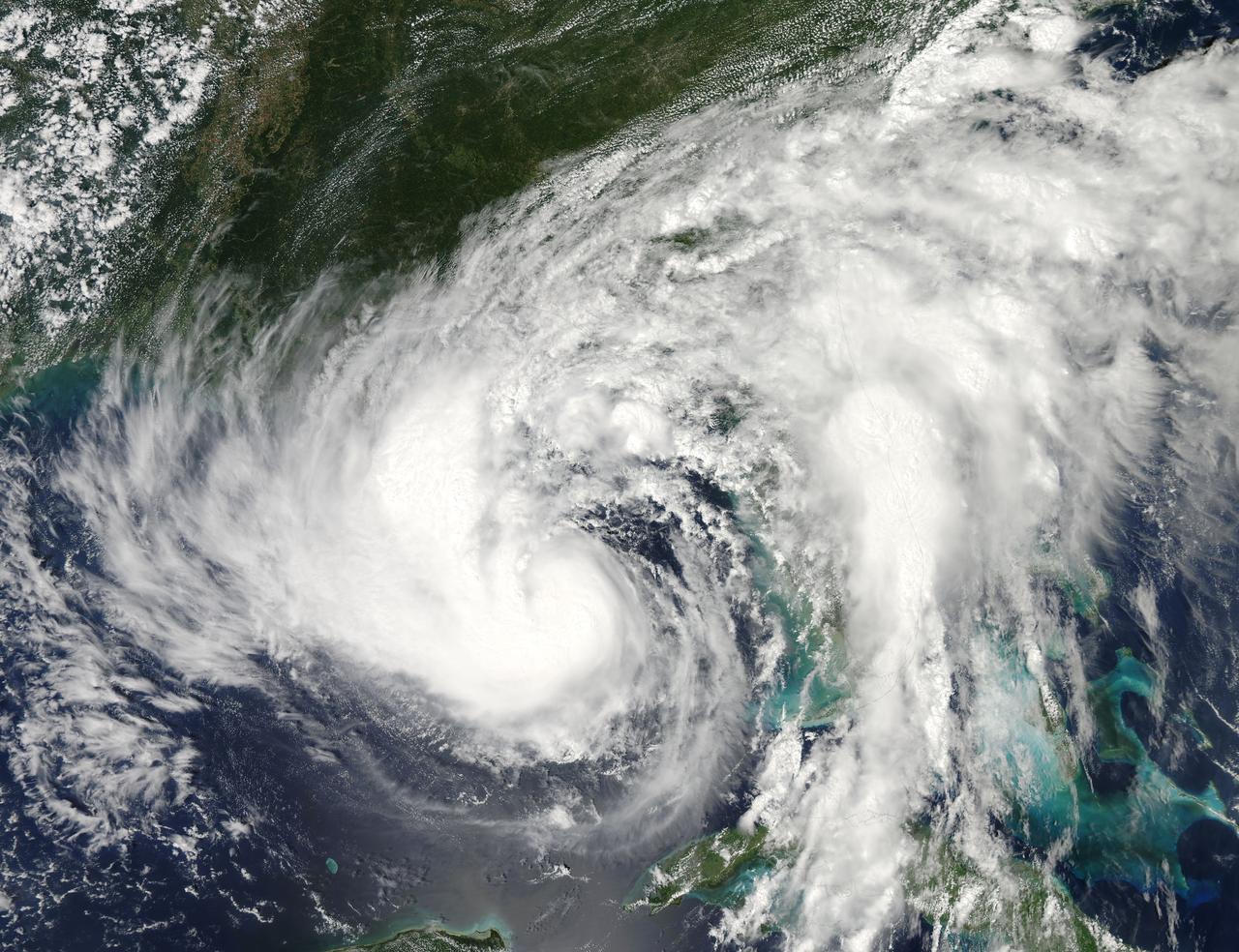
The MODIS instrument on NASA's Aqua satellite captured this visible image of Tropical Storm Isaac on Aug. 27 at 3:00 p.m. EDT is it was moving northwest through the Gulf of Mexico. Issac's large reach is seen by its eastern cloud cover over the entire state of Florida. To read more go to: <a href="http://www.nasa.gov/mission_pages/hurricanes/archives/2012/h2012_Isaac.html" rel="nofollow">www.nasa.gov/mission_pages/hurricanes/archives/2012/h2012...</a> Credit: NASA Goddard MODIS Rapid Response Team <b><a href="http://www.nasa.gov/audience/formedia/features/MP_Photo_Guidelines.html" rel="nofollow">NASA image use policy.</a></b> <b><a href="http://www.nasa.gov/centers/goddard/home/index.html" rel="nofollow">NASA Goddard Space Flight Center</a></b> enables NASA’s mission through four scientific endeavors: Earth Science, Heliophysics, Solar System Exploration, and Astrophysics. Goddard plays a leading role in NASA’s accomplishments by contributing compelling scientific knowledge to advance the Agency’s mission. <b>Follow us on <a href="http://twitter.com/NASA_GoddardPix" rel="nofollow">Twitter</a></b> <b>Like us on <a href="http://www.facebook.com/pages/Greenbelt-MD/NASA-Goddard/395013845897?ref=tsd" rel="nofollow">Facebook</a></b> <b>Find us on <a href="http://instagrid.me/nasagoddard/?vm=grid" rel="nofollow">Instagram</a></b>
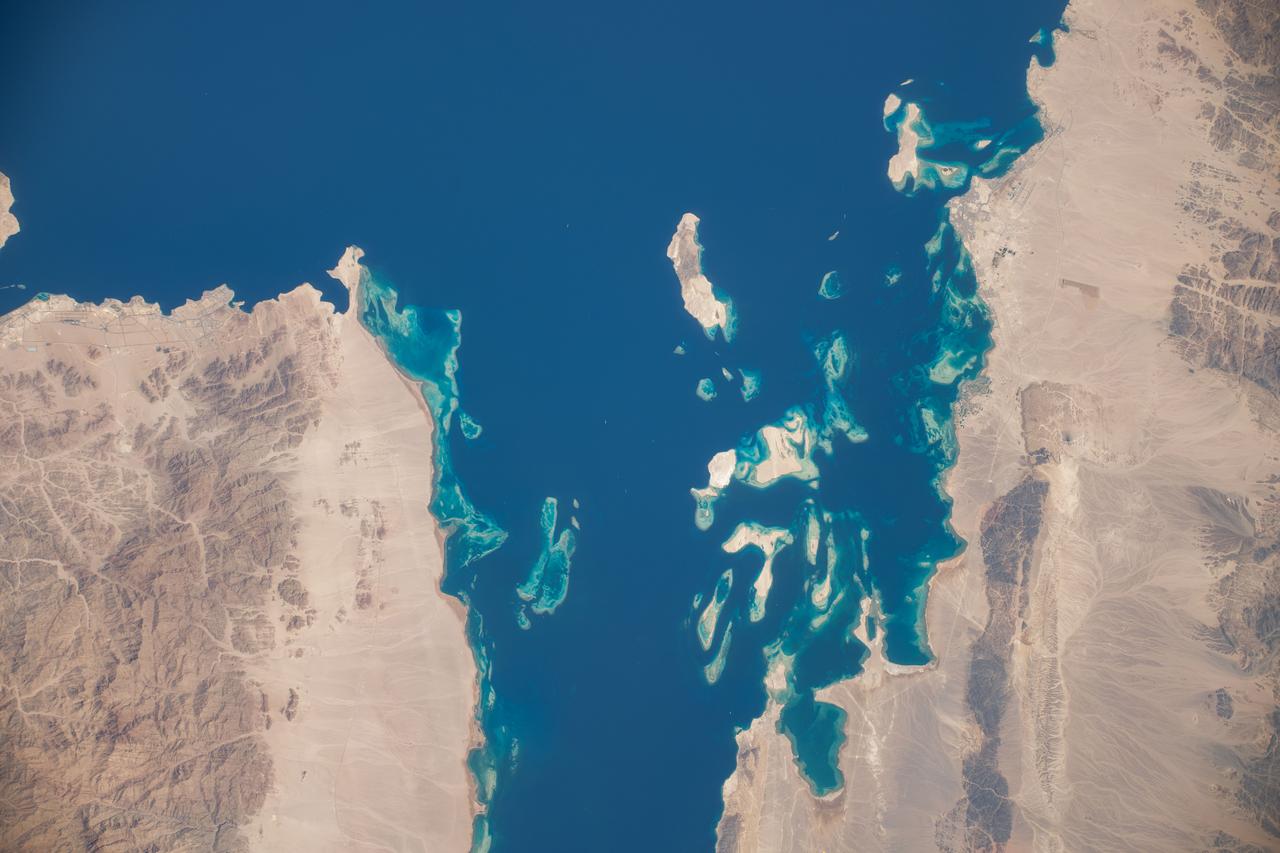
iss071e183808 (June 14, 2024) -- The mouth of the Gulf of Suez feeds into the Red Sea as the International Space Station orbited 262 miles above Egypt.
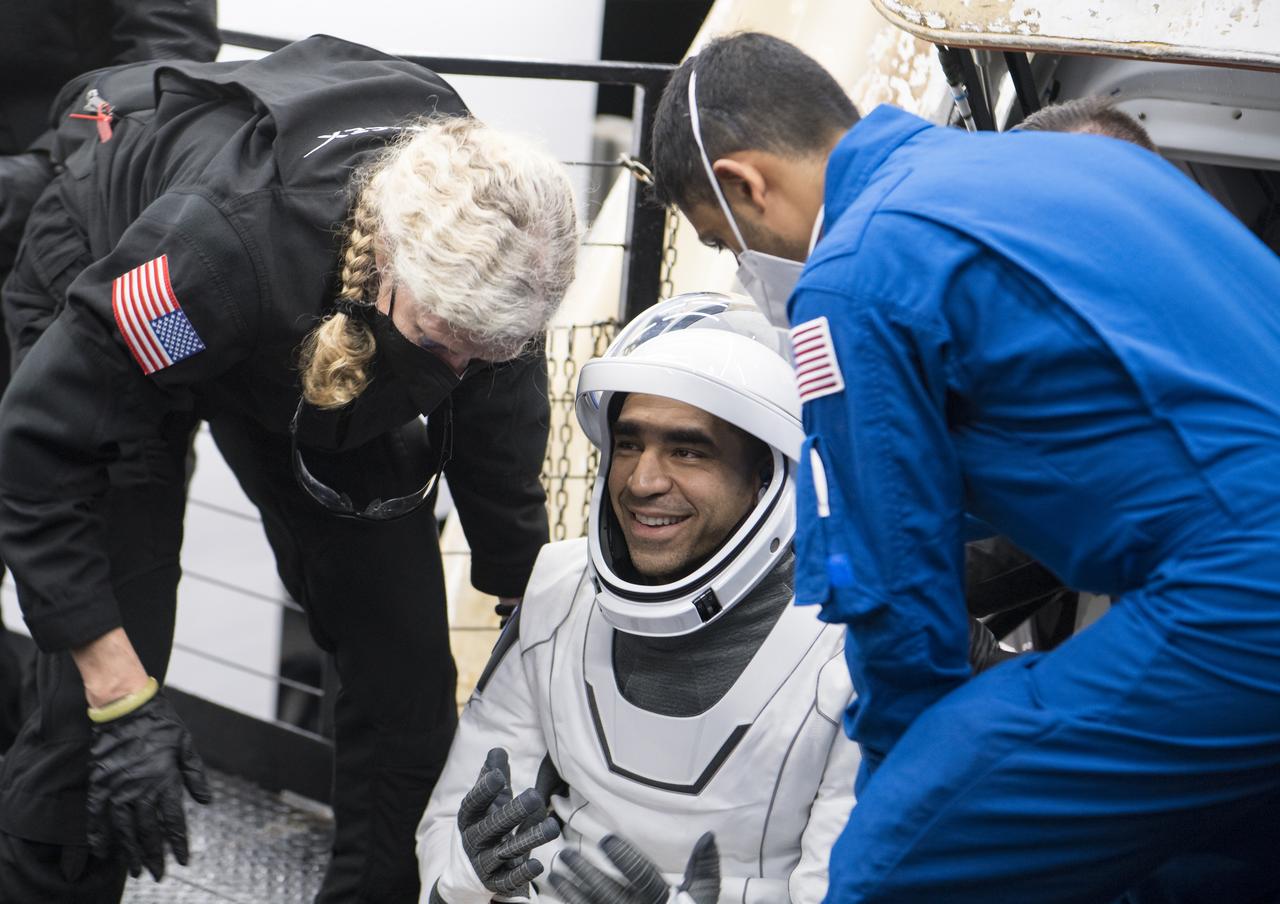
NASA astronaut Raja Chari is helped out of the SpaceX Crew Dragon Endurance spacecraft onboard the SpaceX Shannon recovery ship after he and NASA astronauts Kayla Barron, Tom Marshburn, and ESA (European Space Agency) astronaut Matthias Maurer landed in the Gulf of Mexico off the coast of Tampa, Florida, Friday, May 6, 2022. Maurer, Marshburn, Chari, and Barron are returning after 177 days in space as part of Expeditions 66 and 67 onboard the International Space Station. Photo Credit: (NASA/Aubrey Gemignani)
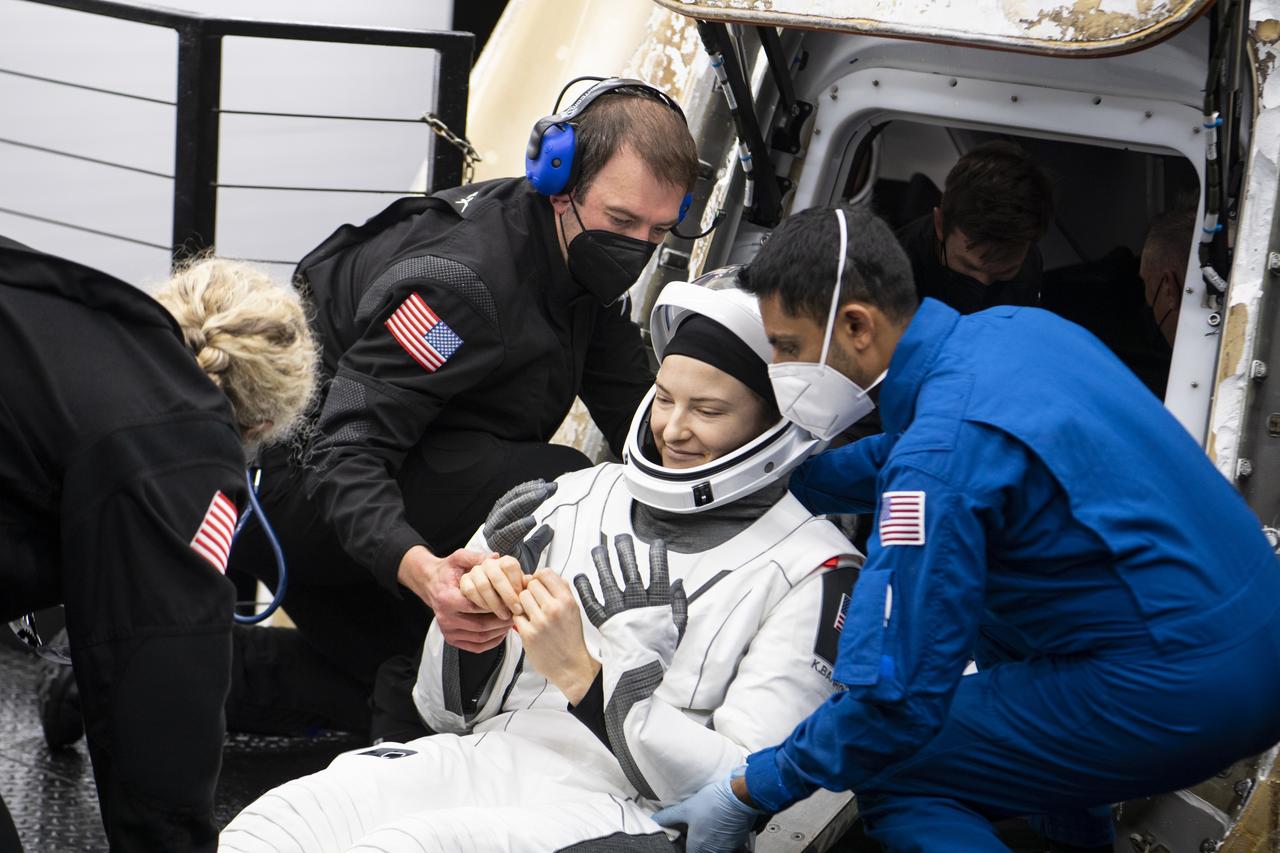
NASA astronaut Kayla Barron is helped out of the SpaceX Crew Dragon Endurance spacecraft onboard the SpaceX Shannon recovery ship after she and NASA astronauts Raja Chari, Tom Marshburn, and ESA (European Space Agency) astronaut Matthias Maurer landed in the Gulf of Mexico off the coast of Tampa, Florida, Friday, May 6, 2022. Maurer, Marshburn, Chari, and Barron are returning after 177 days in space as part of Expeditions 66 and 67 onboard the International Space Station. Photo Credit: (NASA/Aubrey Gemignani)
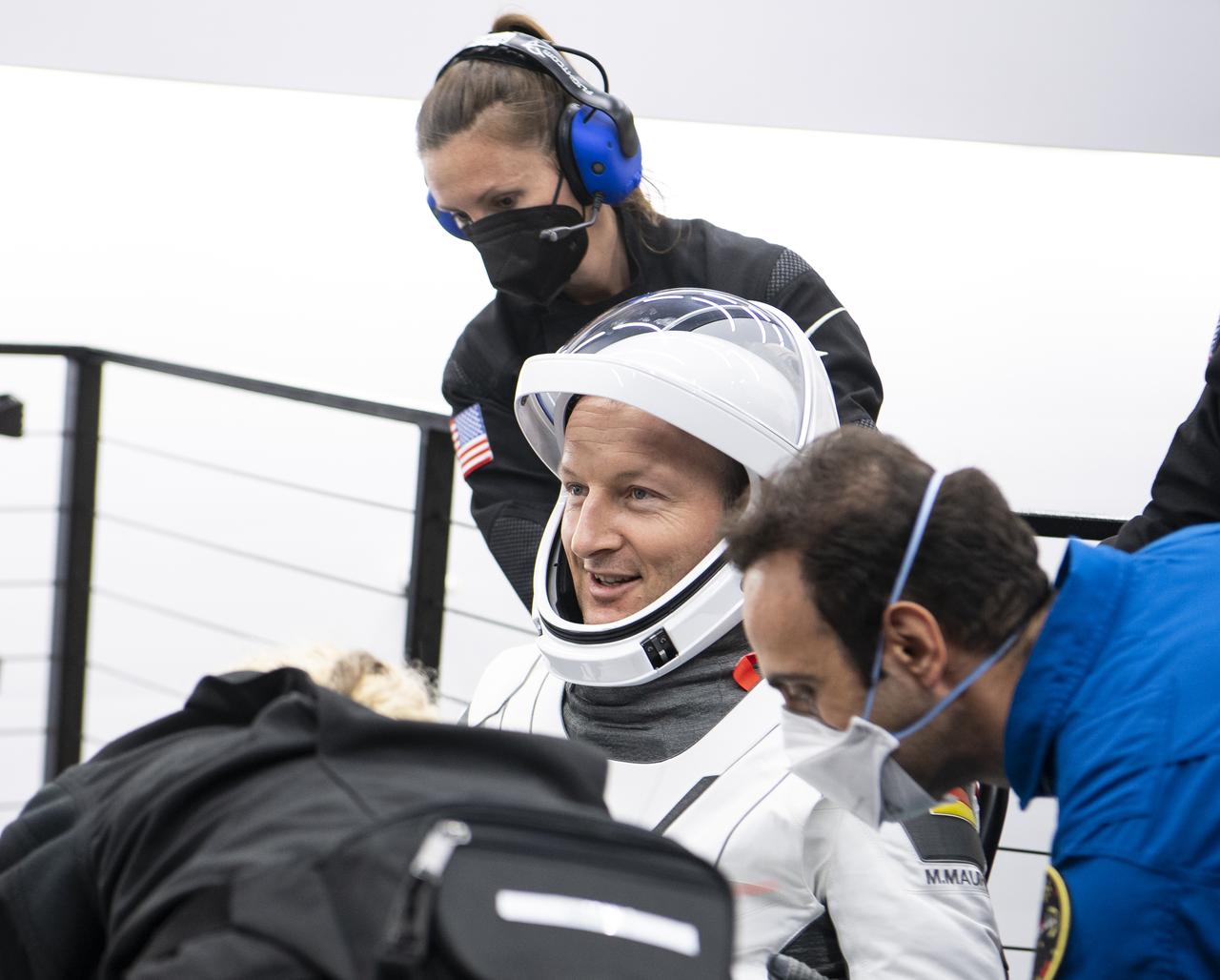
ESA (European Space Agency) astronaut Matthias Maurer is helped out of the SpaceX Crew Dragon Endurance spacecraft onboard the SpaceX Shannon recovery ship after he and NASA astronauts Raja Chari, Kayla Barron, and Tom Marshburn, landed in the Gulf of Mexico off the coast of Tampa, Florida, Friday, May 6, 2022. Maurer, Marshburn, Chari, and Barron are returning after 177 days in space as part of Expeditions 66 and 67 onboard the International Space Station. Photo Credit: (NASA/Aubrey Gemignani)
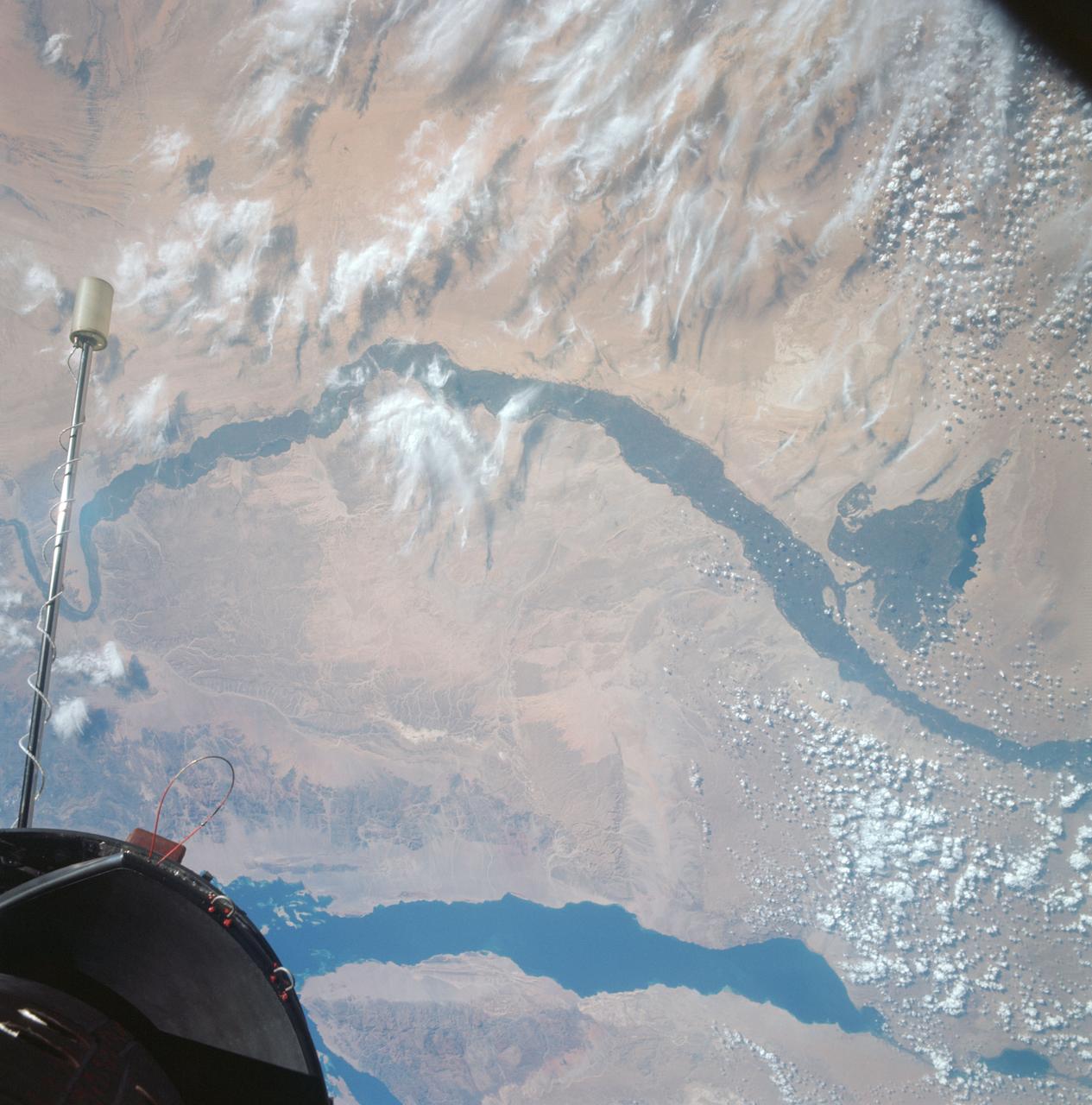
S66-63477 (13 Nov. 1966) --- United Arab Republic (Egypt), the Nile Valley from Luxor to Cairo, El Payium, Gulf of Suez, Sinai as seen from Gemini-12 spacecraft on its 25th revolution of Earth. Photo credit: NASA
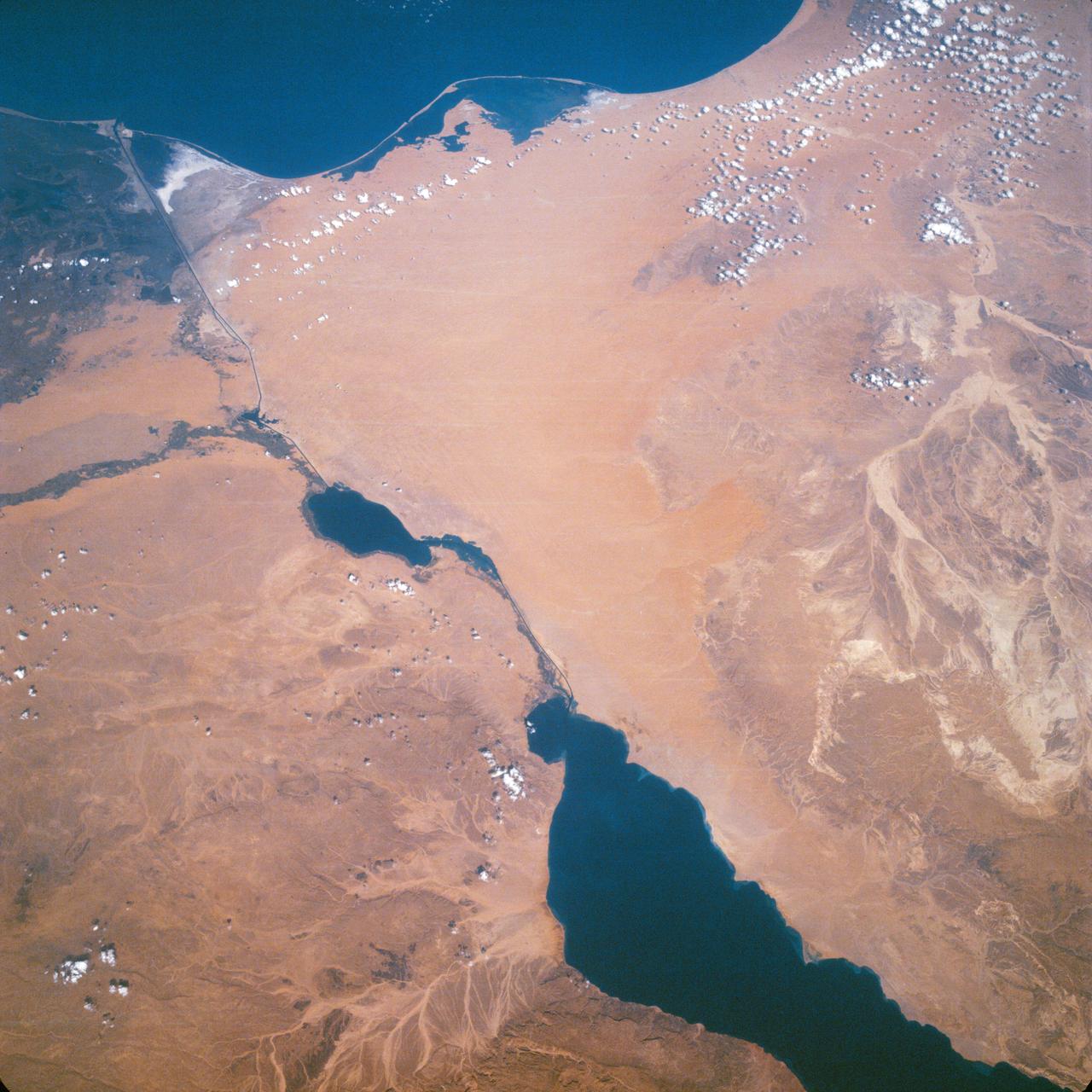
Suez Canal, Gulf of Suez, Sinai Peninsula, United Arab Republic (Egypt), Mediterranean Sea, as seen from the Apollo 7 spacecraft during its 13th revolution of the earth. Photographed from an altitude of 126 nautical miles, at ground elapsed time of 19 hours and 42 minutes.
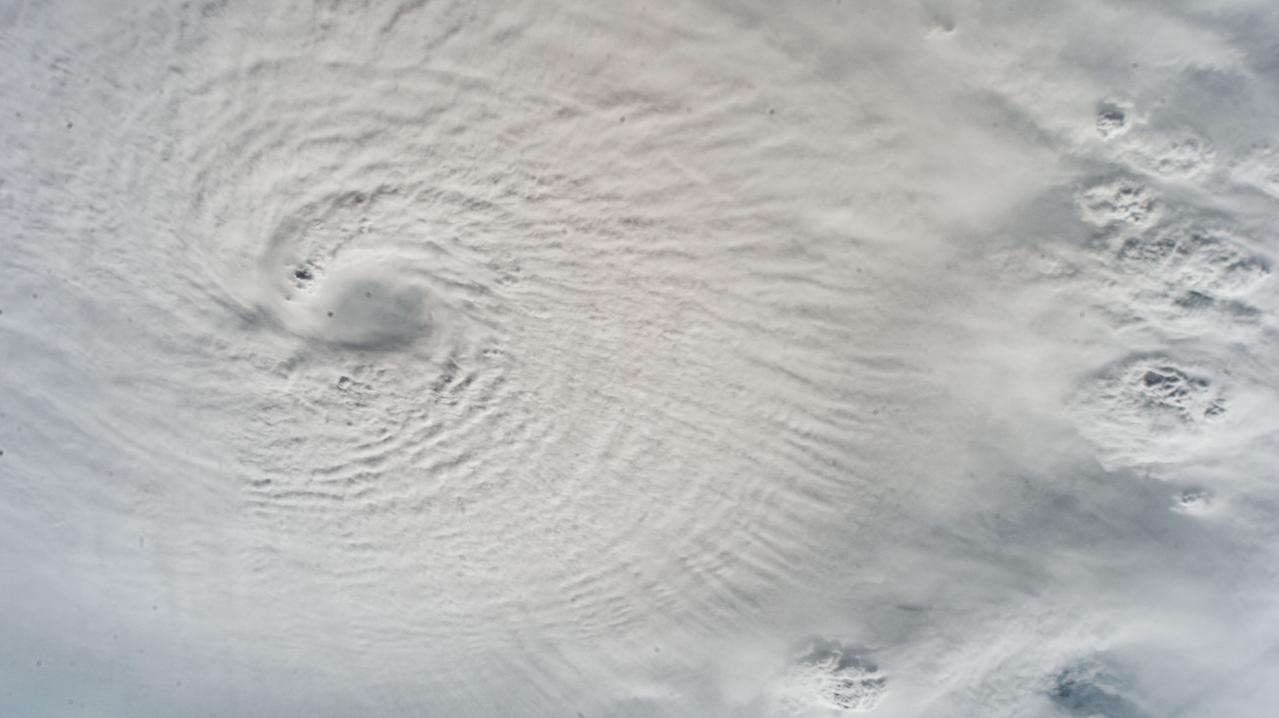
iss072e029017 (Oct. 7, 2024) --- While orbiting 257 miles above the Gulf of Mexico, an external camera on the International Space Station captured this image of Hurricane Milton, a Category 5 storm packing winds of 175 miles an hour at the time of this photograph, and its well-defined eye.
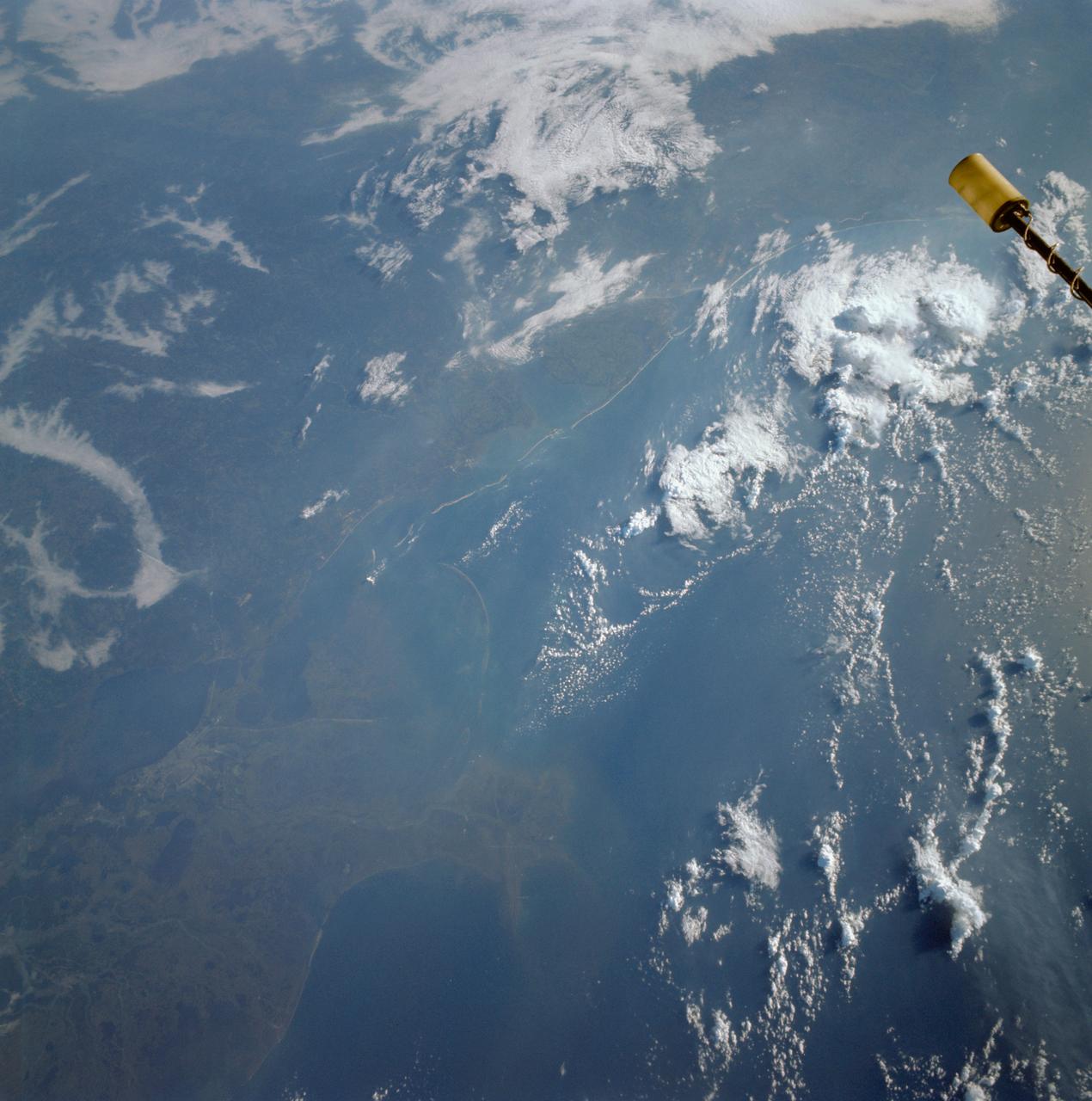
S66-54563 (14 Sept. 1966) --- View of the Gulf Coast area from Atchafalaya Bay to Apalachicola, including the mouth of the Mississippi River, Mobile Bay, New Orleans, Louisiana, and Pensacola, Florida, as seen from the Gemini-11 spacecraft during its 29th revolution of Earth. This photo was taken near sunrise. Photo credit: NASA
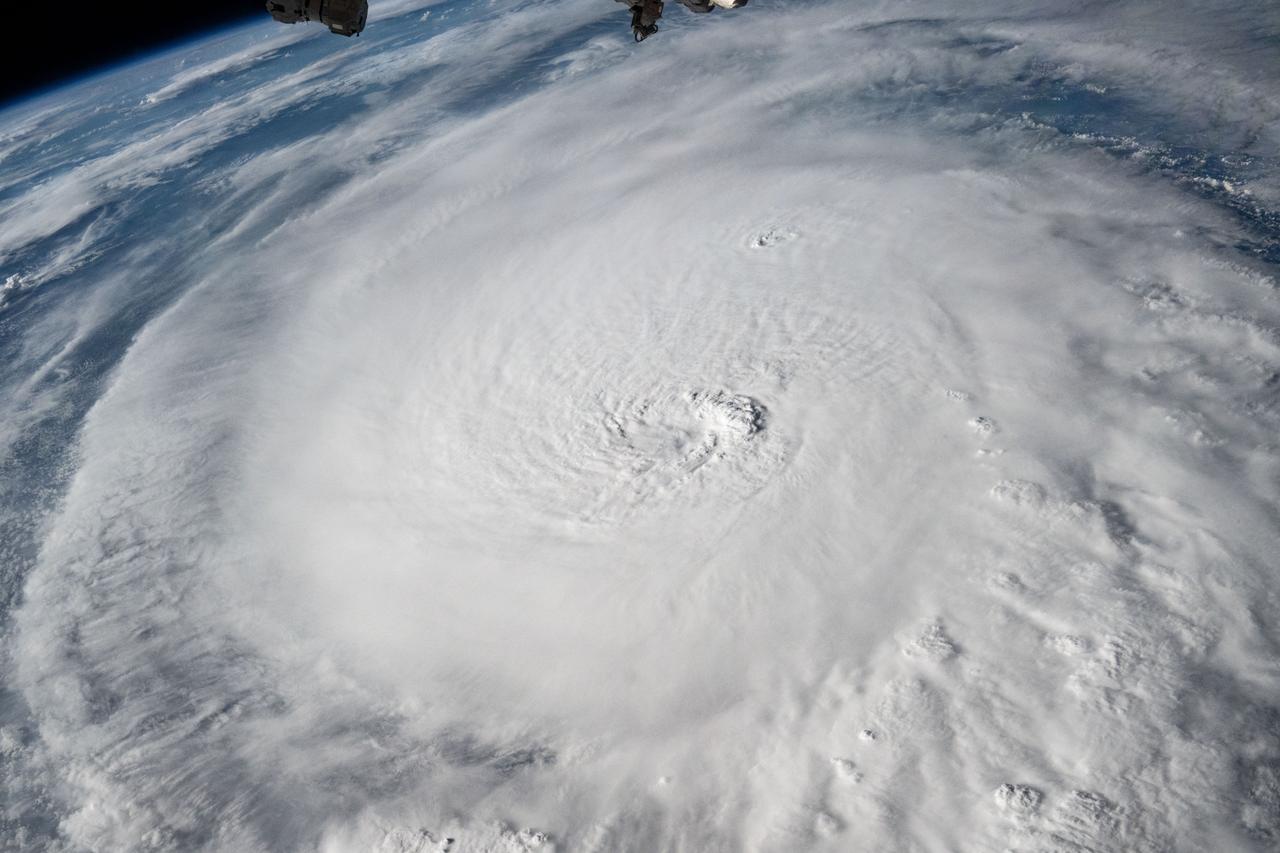
iss072e029135 (Oct. 8, 2024) --- Hurricane Milton, a Category 5 storm at the time of this photograph, is pictured in the Gulf of Mexico off the coast of Yucatan Peninsula from the International Space Station as it orbited 257 miles above.
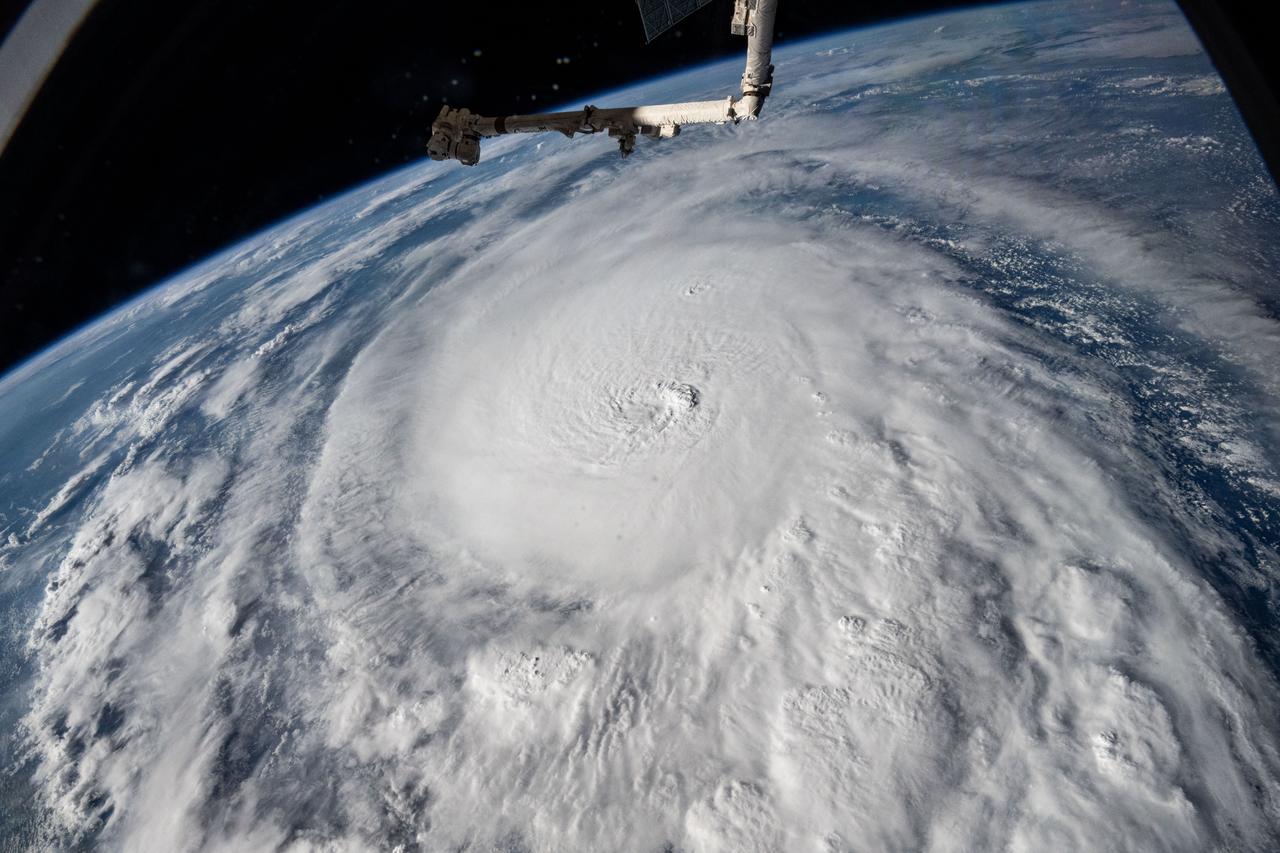
iss072e029127 (Oct. 8, 2024) --- Hurricane Milton, a Category 5 storm at the time of this photograph, is pictured in the Gulf of Mexico off the coast of Yucatan Peninsula from the International Space Station as it orbited 257 miles above.
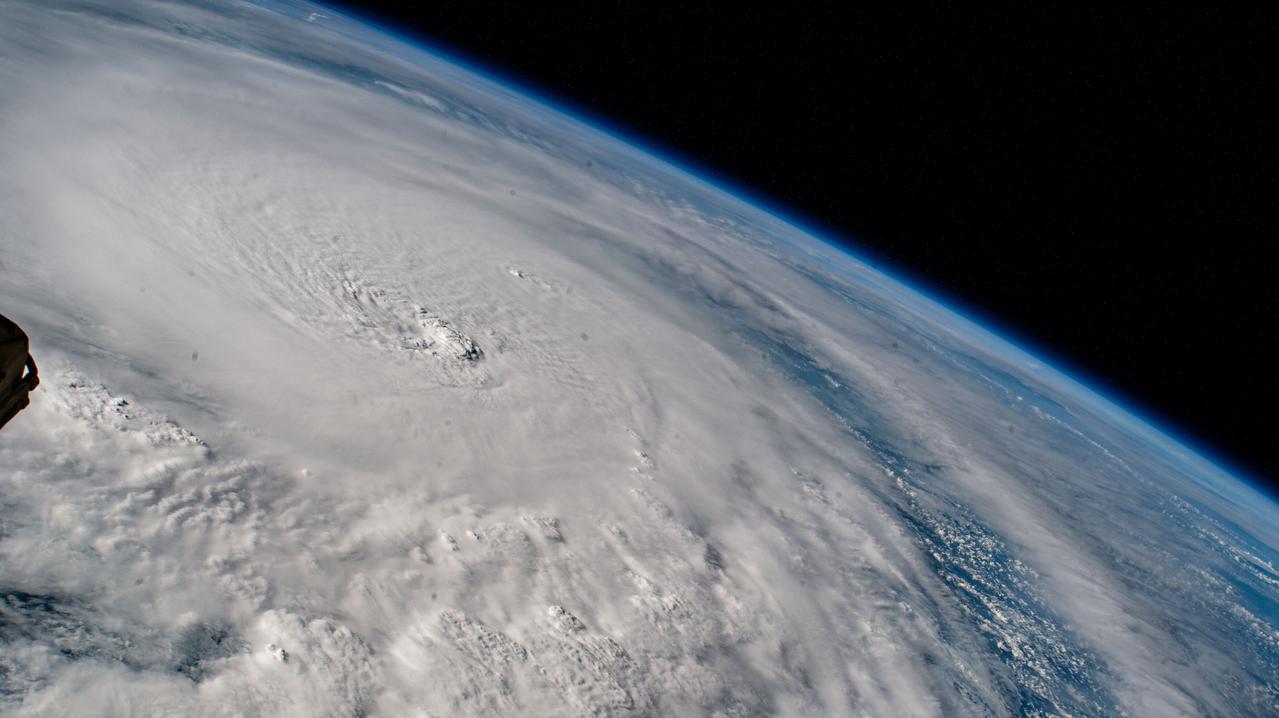
iss072e029488 (Oct. 8, 2024) --- Hurricane Milton, a Category 4 storm at the time of this photograph, is pictured in the Gulf of Mexico off the coast of Yucatan Peninsula from the International Space Station as it orbited 257 miles above.

iss072e029487 (Oct. 8, 2024) --- Hurricane Milton, a Category 4 storm at the time of this photograph, is pictured in the Gulf of Mexico off the coast of Yucatan Peninsula from the International Space Station as it orbited 257 miles above.
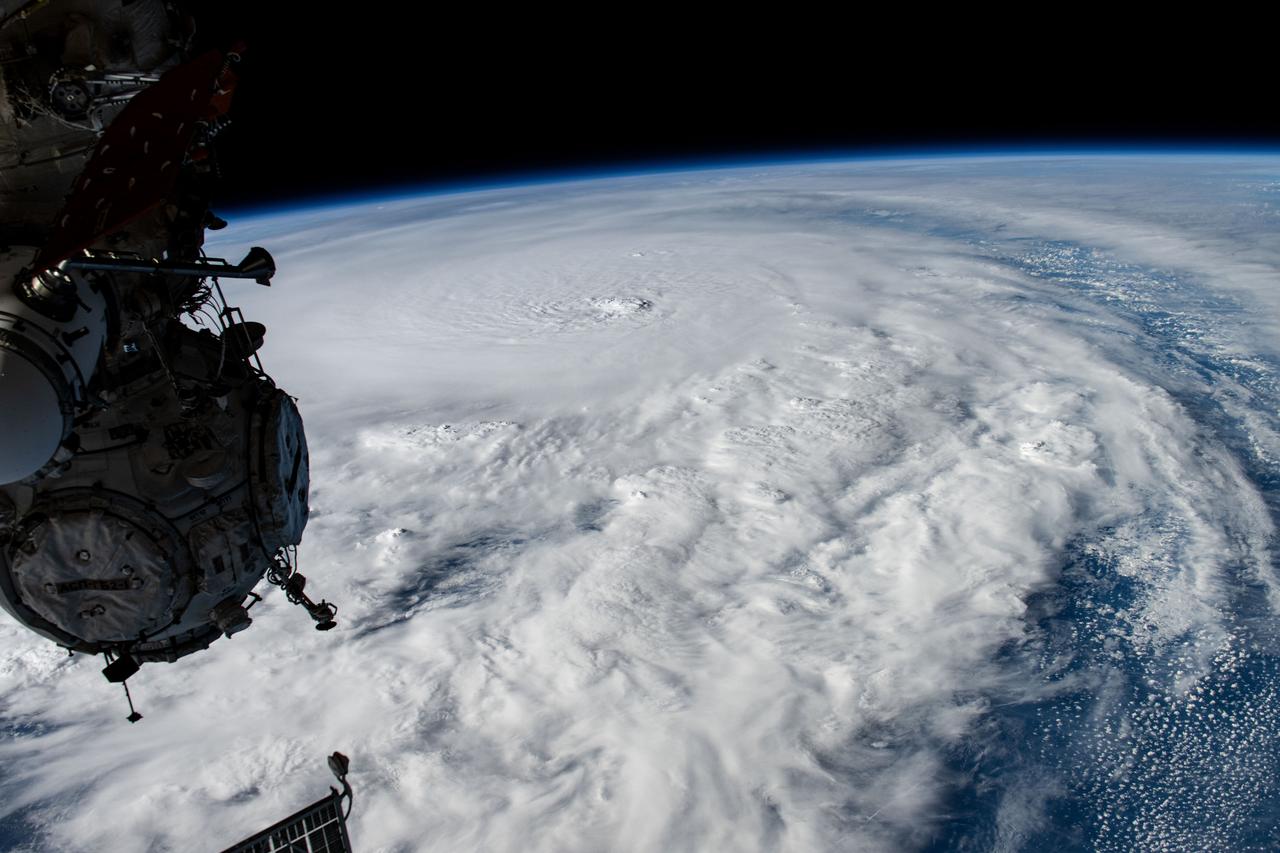
iss072e029445 (Oct. 8, 2024) --- Hurricane Milton, a Category 5 storm at the time of this photograph, is pictured in the Gulf of Mexico off the coast of Yucatan Peninsula from the International Space Station as it orbited 257 miles above.
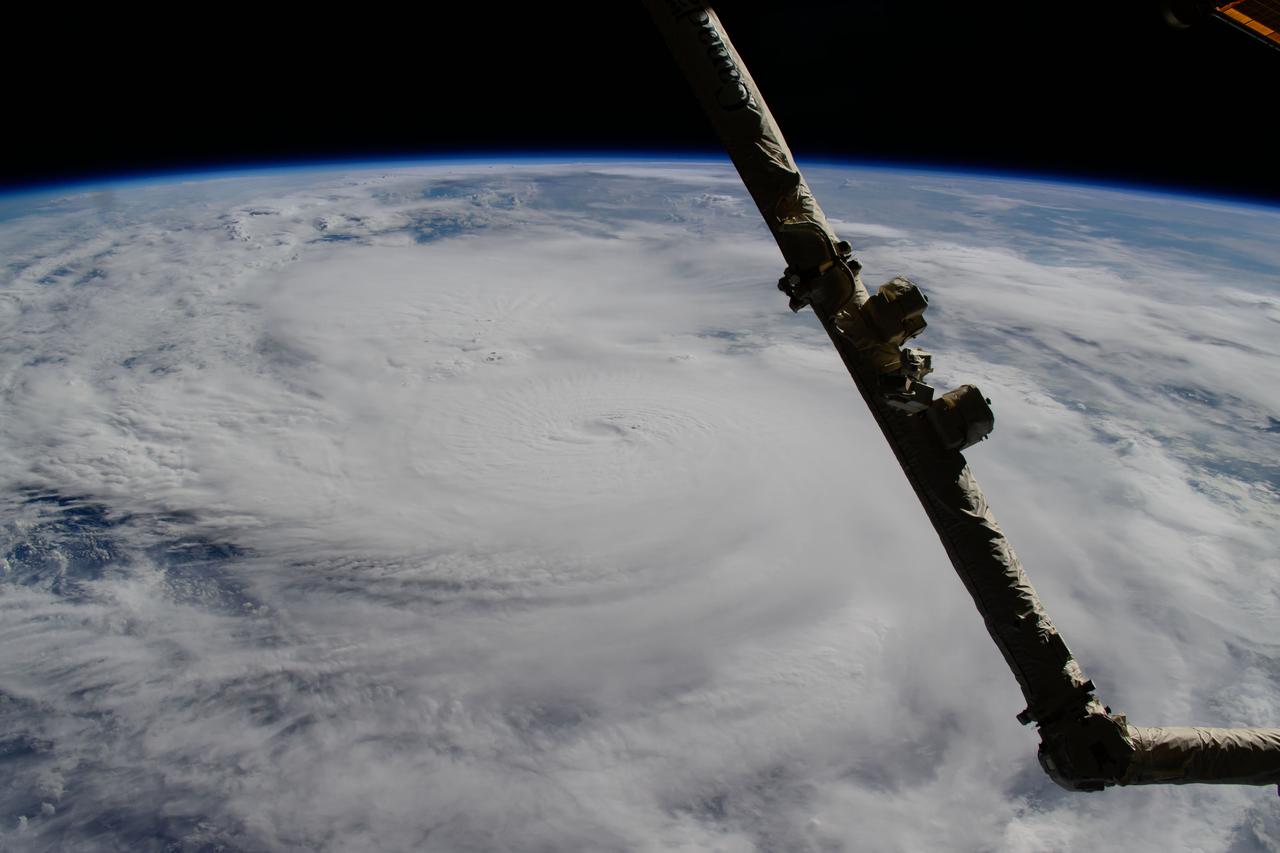
iss072e014652 (Oct. 7, 2024) --- Hurricane Milton, a Category 4 storm at the time of this photograph, is pictured in the Gulf of Mexico off the coast of Yucatan Peninsula from the International Space Station as it orbited 257 miles above.

iss072e029295 (Oct. 8, 2024) --- Hurricane Milton, a Category 5 storm at the time of this photograph, is pictured in the Gulf of Mexico off the coast of Yucatan Peninsula from the International Space Station as it orbited 257 miles above.
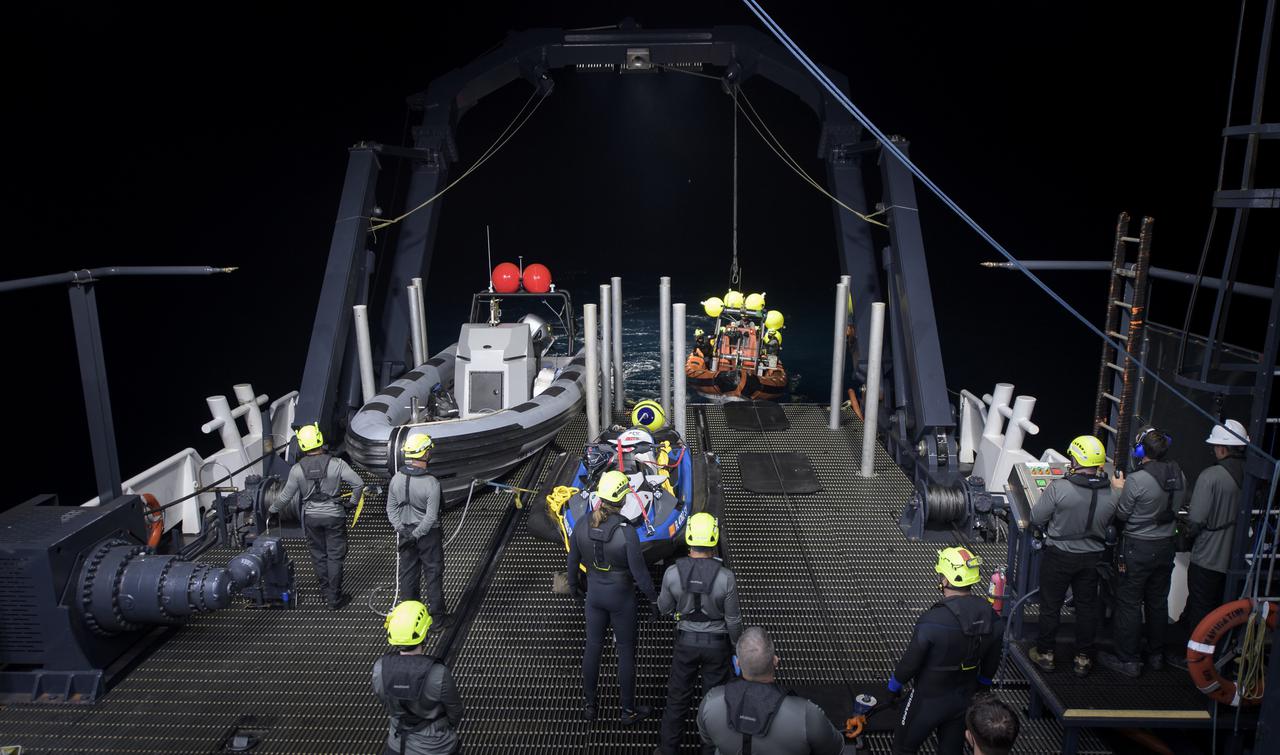
NASA and SpaceX support teams onboard the SpaceX GO Navigator recovery ship prepare for the landing of the SpaceX Crew Dragon Resilience spacecraft with NASA astronauts Mike Hopkins, Shannon Walker, and Victor Glover, and Japan Aerospace Exploration Agency (JAXA) astronaut Soichi Noguchi aboard in the Gulf of Mexico off the coast of Panama City, Florida, Saturday, May 1, 2021. NASA’s SpaceX Crew-1 mission is the first crew rotation flight of the SpaceX Crew Dragon spacecraft and Falcon 9 rocket with astronauts to the International Space Station as part of the agency’s Commercial Crew Program. Photo Credit: (NASA/Bill Ingalls)
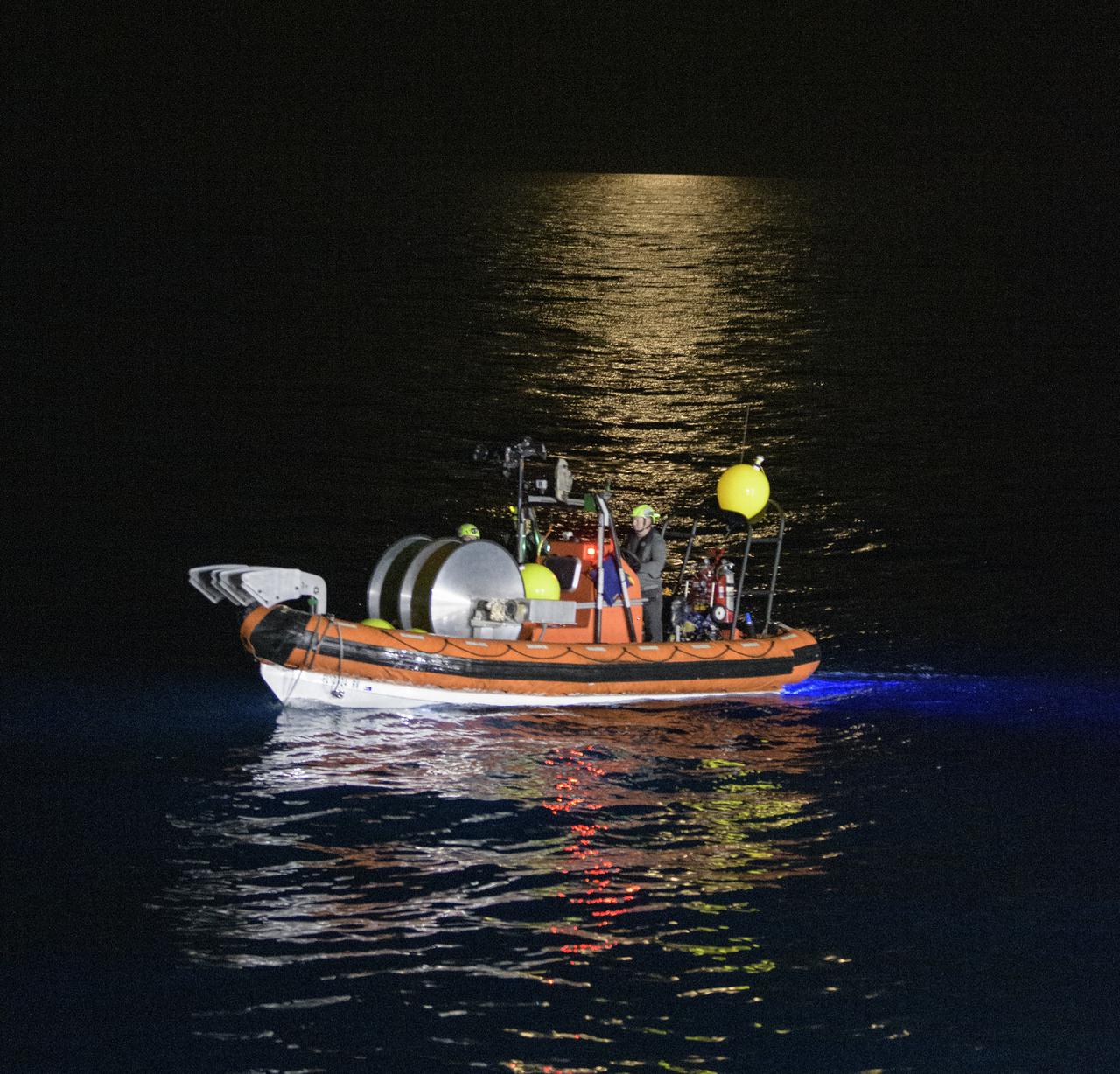
SpaceX support teams deploy in fast boats off the SpaceX GO Navigator recovery ship as they prepare for the landing of the SpaceX Crew Dragon Resilience spacecraft with NASA astronauts Mike Hopkins, Shannon Walker, and Victor Glover, and Japan Aerospace Exploration Agency (JAXA) astronaut Soichi Noguchi aboard in the Gulf of Mexico off the coast of Panama City, Florida, Sunday, May 2, 2021. NASA’s SpaceX Crew-1 mission is the first crew rotation flight of the SpaceX Crew Dragon spacecraft and Falcon 9 rocket with astronauts to the International Space Station as part of the agency’s Commercial Crew Program. Photo Credit: (NASA/Bill Ingalls)
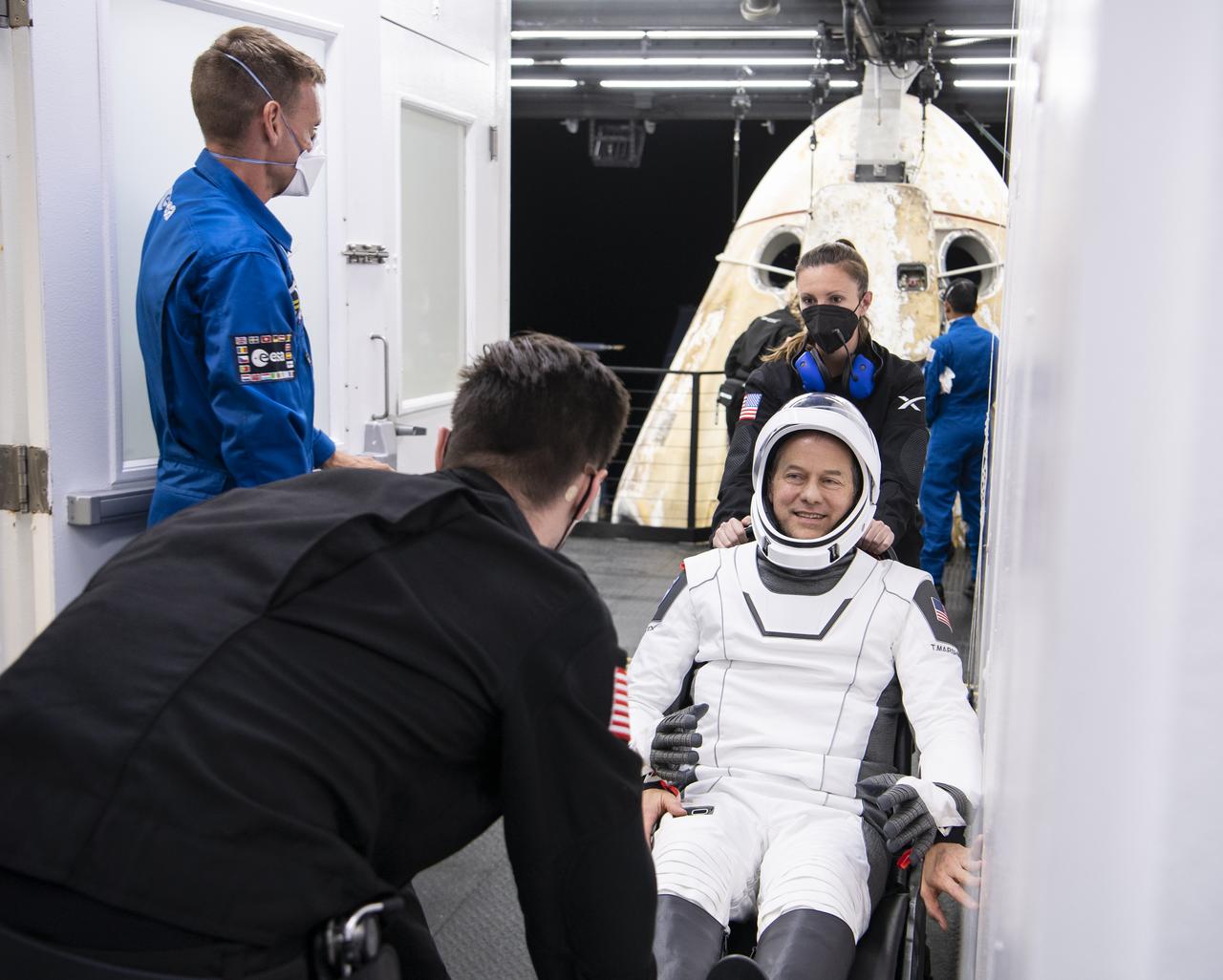
NASA astronaut Tom Marshburn greets friends after being helped out of the SpaceX Crew Dragon Endurance spacecraft onboard the SpaceX Shannon recovery ship after he and NASA astronauts Raja Chari, Kayla Barron, and ESA (European Space Agency) astronaut Matthias Maurer landed in the Gulf of Mexico off the coast of Tampa, Florida, Friday, May 6, 2022. Maurer, Marshburn, Chari, and Barron are returning after 177 days in space as part of Expeditions 66 and 67 onboard the International Space Station. Photo Credit: (NASA/Aubrey Gemignani)
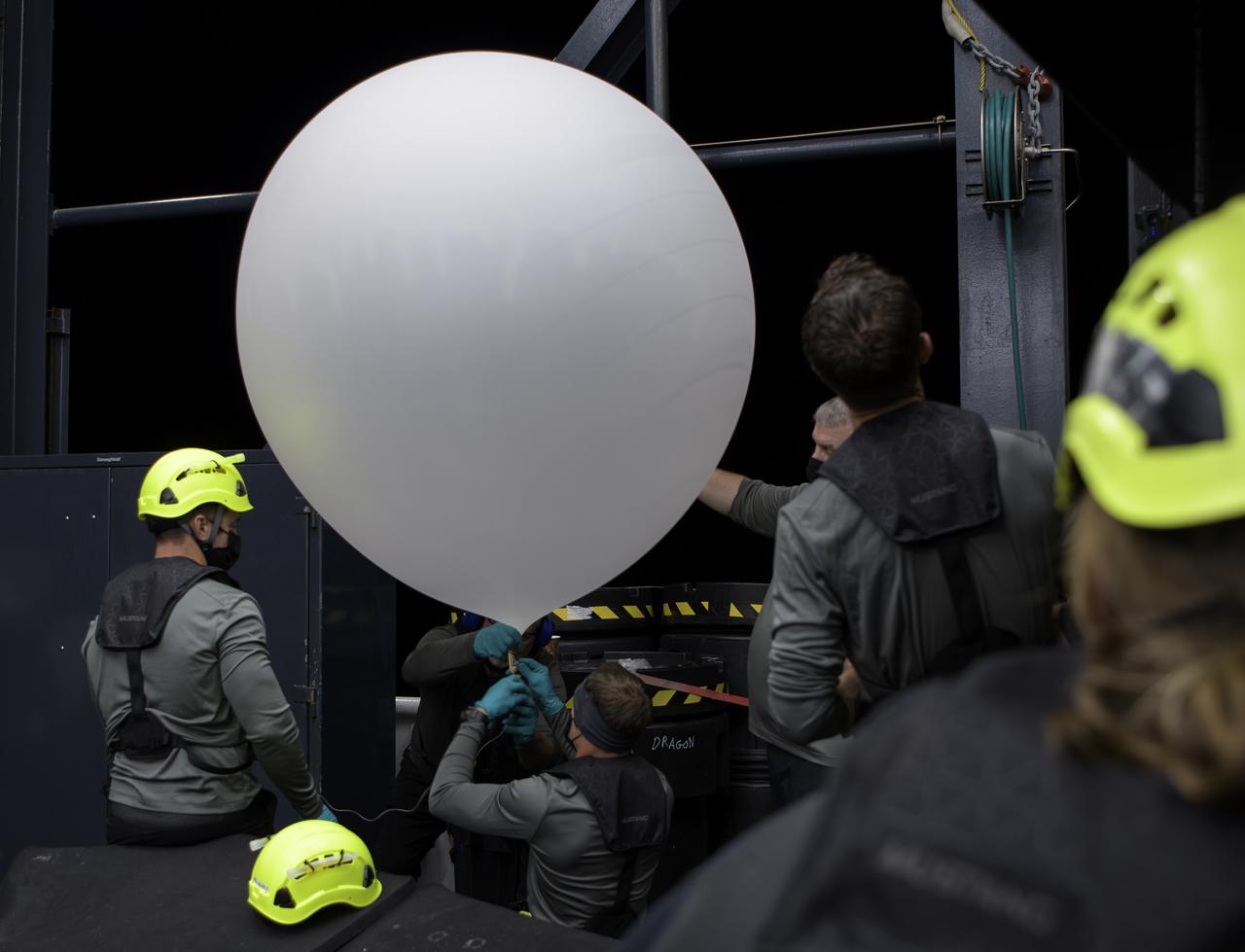
SpaceX support teams onboard the SpaceX GO Navigator recovery ship prepare to launch a weather balloon ahead of the landing of the SpaceX Crew Dragon Resilience spacecraft with NASA astronauts Mike Hopkins, Shannon Walker, and Victor Glover, and Japan Aerospace Exploration Agency (JAXA) astronaut Soichi Noguchi aboard in the Gulf of Mexico off the coast of Panama City, Florida, Saturday, May 1, 2021. NASA’s SpaceX Crew-1 mission is the first crew rotation flight of the SpaceX Crew Dragon spacecraft and Falcon 9 rocket with astronauts to the International Space Station as part of the agency’s Commercial Crew Program. Photo Credit: (NASA/Bill Ingalls)
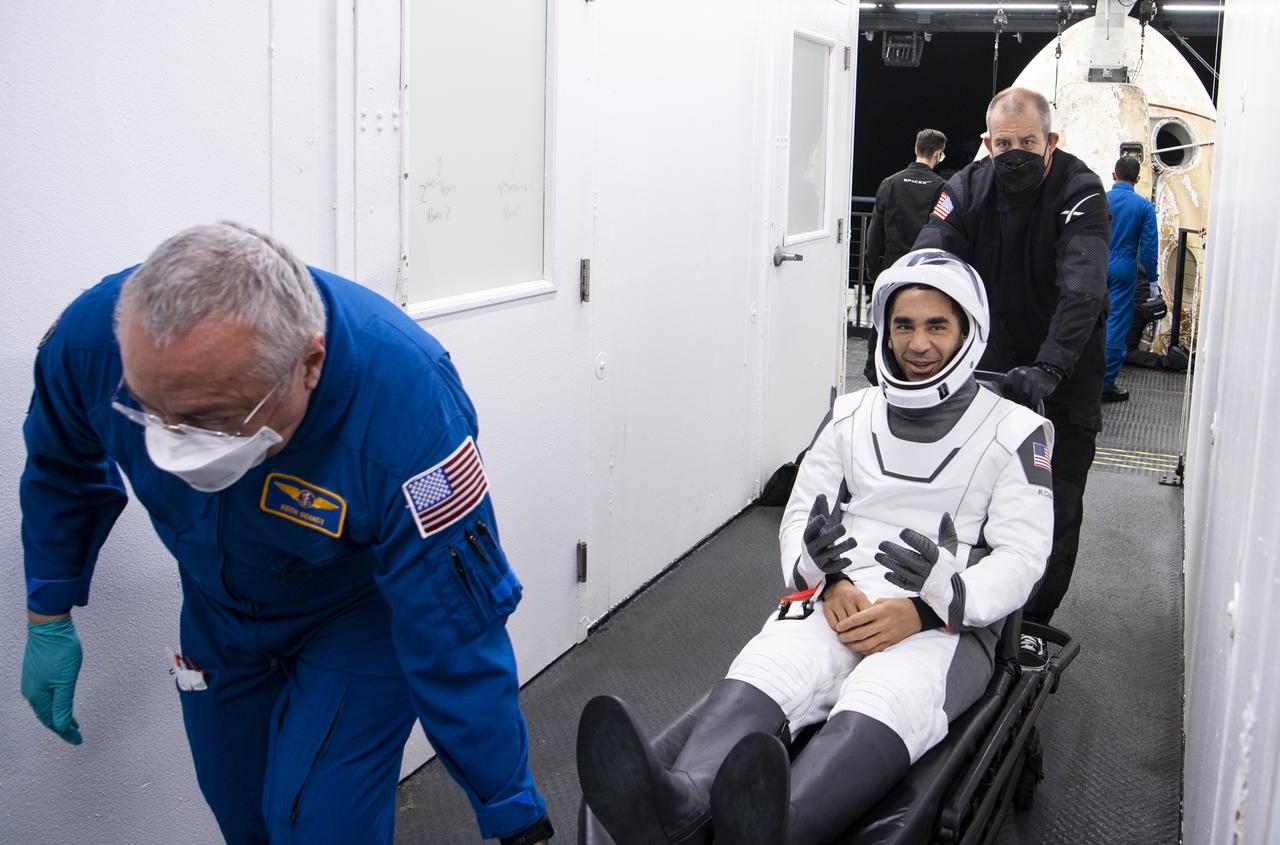
NASA astronaut Raja Chari greets friends after being helped out of the SpaceX Crew Dragon Endurance spacecraft onboard the SpaceX Shannon recovery ship after he and NASA astronauts Kayla Barron, Tom Marshburn, and ESA (European Space Agency) astronaut Matthias Maurer landed in the Gulf of Mexico off the coast of Tampa, Florida, Friday, May 6, 2022. Maurer, Marshburn, Chari, and Barron are returning after 177 days in space as part of Expeditions 66 and 67 onboard the International Space Station. Photo Credit: (NASA/Aubrey Gemignani)
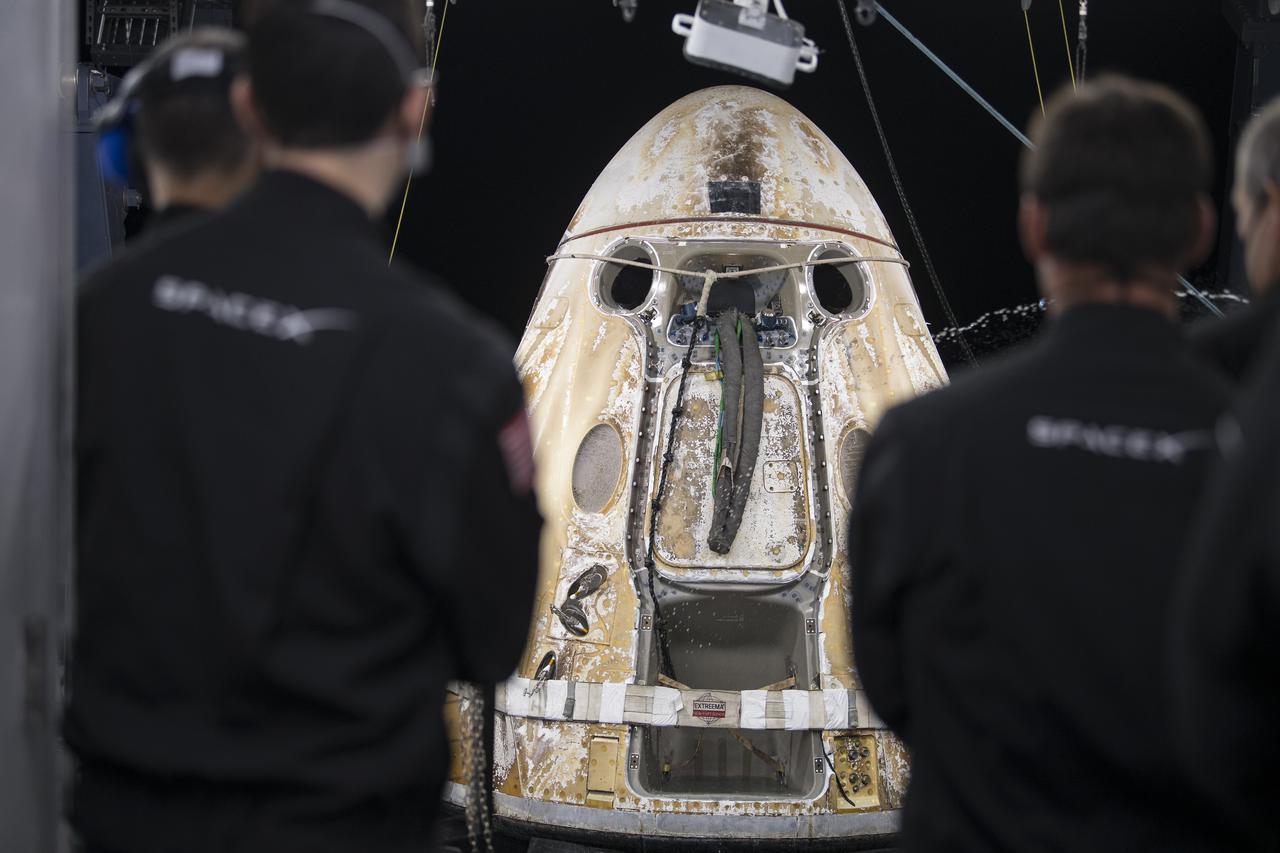
The SpaceX Crew Dragon Endeavour spacecraft is seen as it is lifted onto the SpaceX GO Navigator recovery ship shortly after having landed in the Gulf of Mexico off the coast of Pensacola, Florida with NASA astronauts Shane Kimbrough and Megan McArthur, Japan Aerospace Exploration Agency (JAXA) astronaut Aki Hoshide, and ESA (European Space Agency) astronaut Thomas Pesquet aboard, Monday, Nov. 8, 2021. NASA’s SpaceX Crew-2 mission is the second operational mission of the SpaceX Crew Dragon spacecraft and Falcon 9 rocket to the International Space Station as part of the agency’s Commercial Crew Program. Photo Credit: (NASA/Aubrey Gemignani)
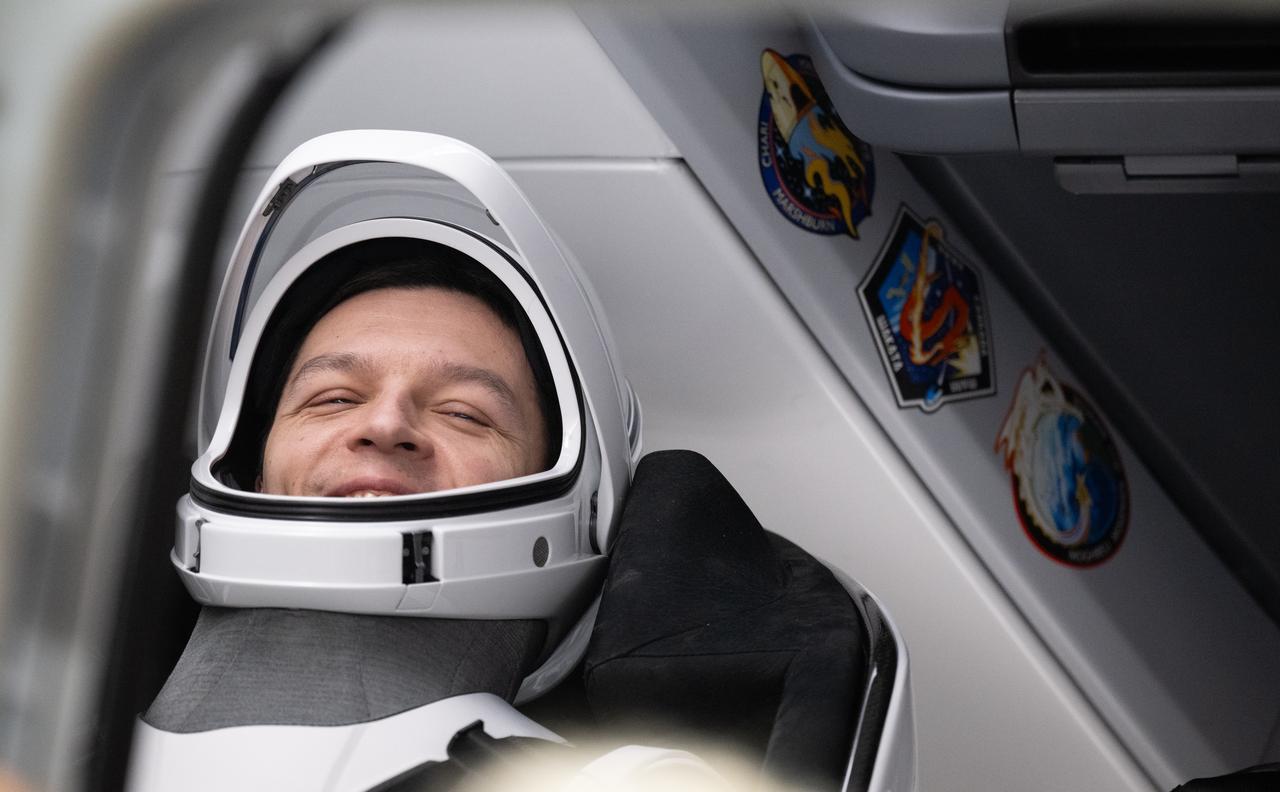
Roscosmos cosmonaut Konstantin Borisov is seen inside the SpaceX Dragon Endurance spacecraft onboard the SpaceX recovery ship MEGAN after he, NASA astronaut Jasmin Moghbeli, ESA (European Space Agency) astronaut Andreas Mogensen, and Japan Aerospace Exploration Agency (JAXA) astronaut Satoshi Furukawa landed in the Gulf of Mexico off the coast of Pensacola, Florida, Tuesday, March 12, 2024. Moghbeli, Mogensen, Furukawa, and Borisov are returning after nearly six-months in space as part of Expedition 70 aboard the International Space Station. Photo Credit: (NASA/Joel Kowsky)
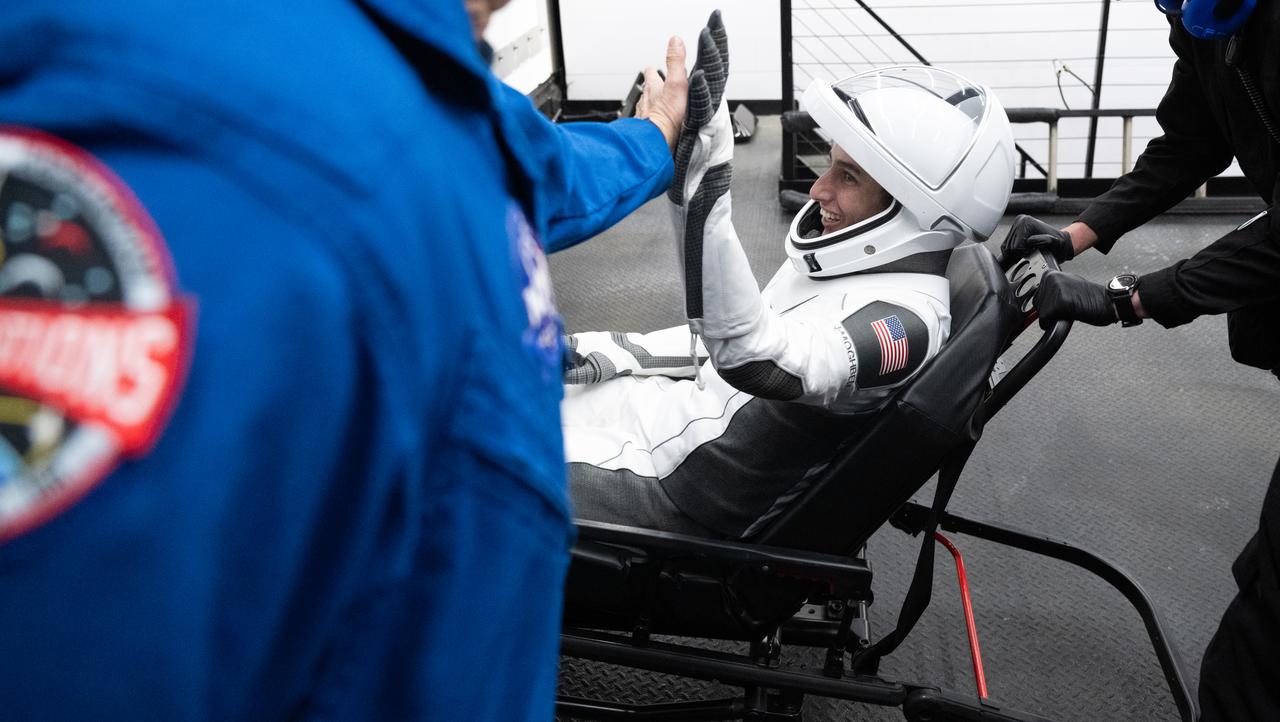
NASA astronaut Jasmin Moghbeli high fives NASA astronaut Eric Boe, Crew Recovery Coordinator, after being helped out of the SpaceX Dragon Endurance spacecraft onboard the SpaceX recovery ship MEGAN after she, ESA (European Space Agency) astronaut Andreas Mogensen, Japan Aerospace Exploration Agency (JAXA) astronaut Satoshi Furukawa, and Roscosmos cosmonaut Konstantin Borisov landed in the Gulf of Mexico off the coast of Pensacola, Florida, Tuesday, March 12, 2024. Moghbeli, Mogensen, Furukawa, and Borisov are returning after nearly six-months in space as part of Expedition 70 aboard the International Space Station. Photo Credit: (NASA/Joel Kowsky)
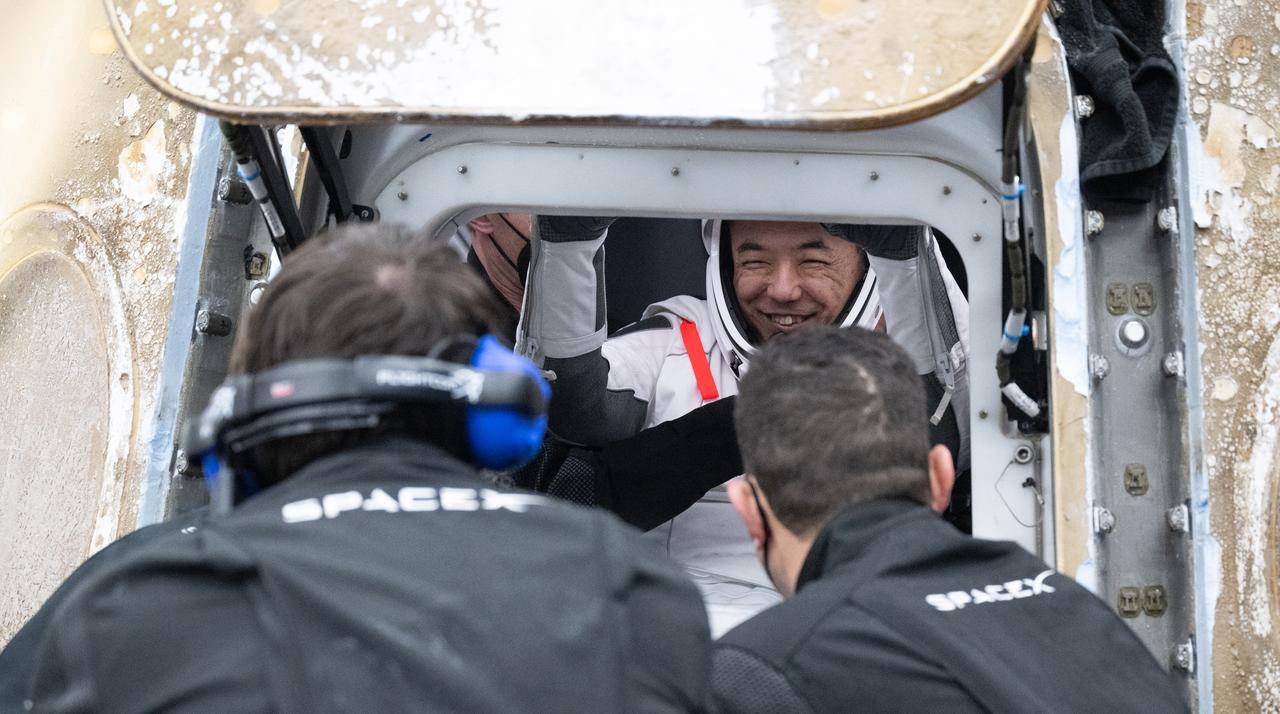
Japan Aerospace Exploration Agency (JAXA) astronaut Satoshi Furukawa is helped out of the SpaceX Dragon Endurance spacecraft onboard the SpaceX recovery ship MEGAN after he, NASA astronaut Jasmin Moghbeli, ESA (European Space Agency) astronaut Andreas Mogensen, and Roscosmos cosmonaut Konstantin Borisov landed in the Gulf of Mexico off the coast of Pensacola, Florida, Tuesday, March 12, 2024. Moghbeli, Mogensen, Furukawa, and Borisov are returning after nearly six-months in space as part of Expedition 70 aboard the International Space Station. Photo Credit: (NASA/Joel Kowsky)

Japan Aerospace Exploration Agency (JAXA) astronaut Satoshi Furukawa is helped out of the SpaceX Dragon Endurance spacecraft onboard the SpaceX recovery ship MEGAN after he, NASA astronaut Jasmin Moghbeli, ESA (European Space Agency) astronaut Andreas Mogensen, and Roscosmos cosmonaut Konstantin Borisov landed in the Gulf of Mexico off the coast of Pensacola, Florida, Tuesday, March 12, 2024. Moghbeli, Mogensen, Furukawa, and Borisov are returning after nearly six-months in space as part of Expedition 70 aboard the International Space Station. Photo Credit: (NASA/Joel Kowsky)
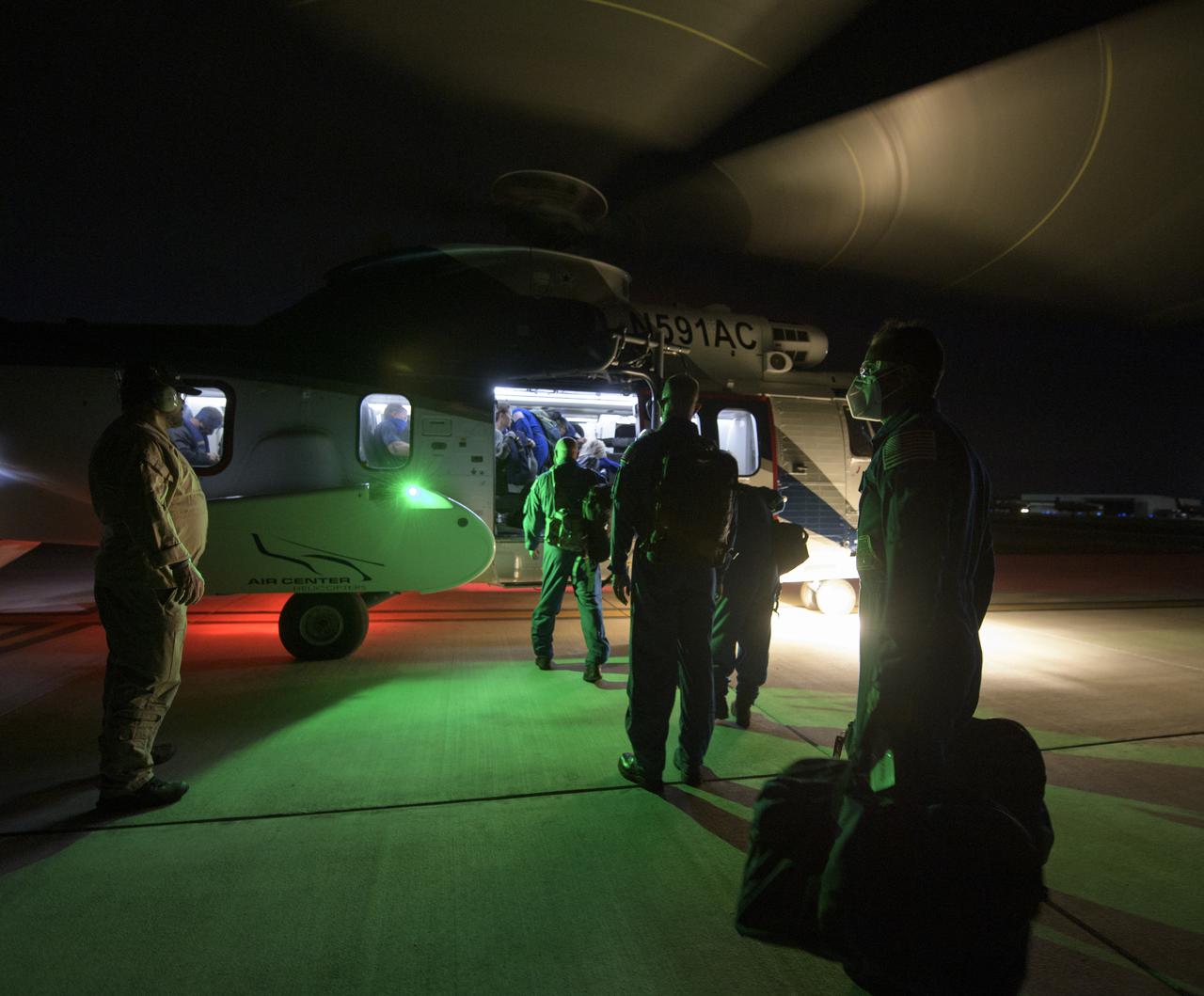
NASA and SpaceX support teams depart from Pensacola, Florida via helicopter to the SpaceX GO Navigator recovery ship to prepare for the landing of the SpaceX Crew Dragon Resilience spacecraft with NASA astronauts Mike Hopkins, Shannon Walker, and Victor Glover, and Japan Aerospace Exploration Agency (JAXA) astronaut Soichi Noguchi aboard in the Gulf of Mexico off the coast of Panama City, Florida, Saturday, May 1, 2021. NASA’s SpaceX Crew-1 mission is the first crew rotation flight of the SpaceX Crew Dragon spacecraft and Falcon 9 rocket with astronauts to the International Space Station as part of the agency’s Commercial Crew Program. Photo Credit: (NASA/Bill Ingalls)
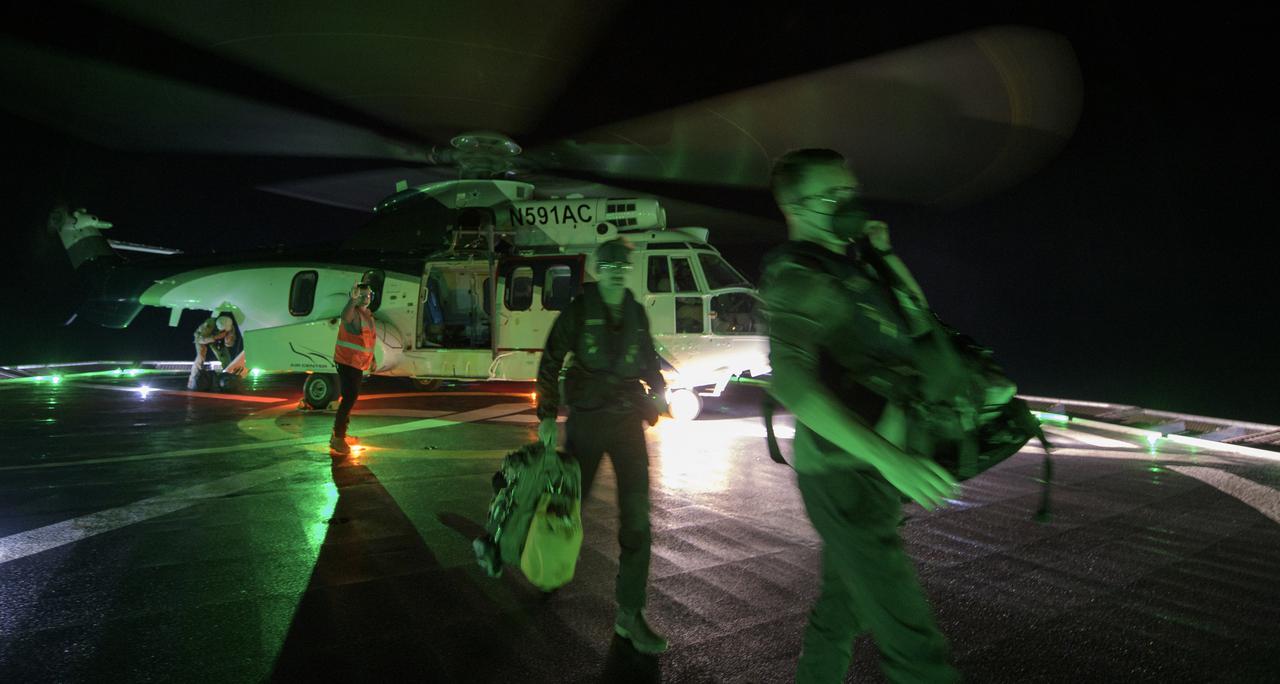
NASA and SpaceX support teams arrive via helicopter to the SpaceX GO Navigator recovery ship in order to prepare for the landing of the SpaceX Crew Dragon Resilience spacecraft with NASA astronauts Mike Hopkins, Shannon Walker, and Victor Glover, and Japan Aerospace Exploration Agency (JAXA) astronaut Soichi Noguchi aboard in the Gulf of Mexico off the coast of Panama City, Florida, Saturday, May 1, 2021. NASA’s SpaceX Crew-1 mission is the first crew rotation flight of the SpaceX Crew Dragon spacecraft and Falcon 9 rocket with astronauts to the International Space Station as part of the agency’s Commercial Crew Program. Photo Credit: (NASA/Bill Ingalls)
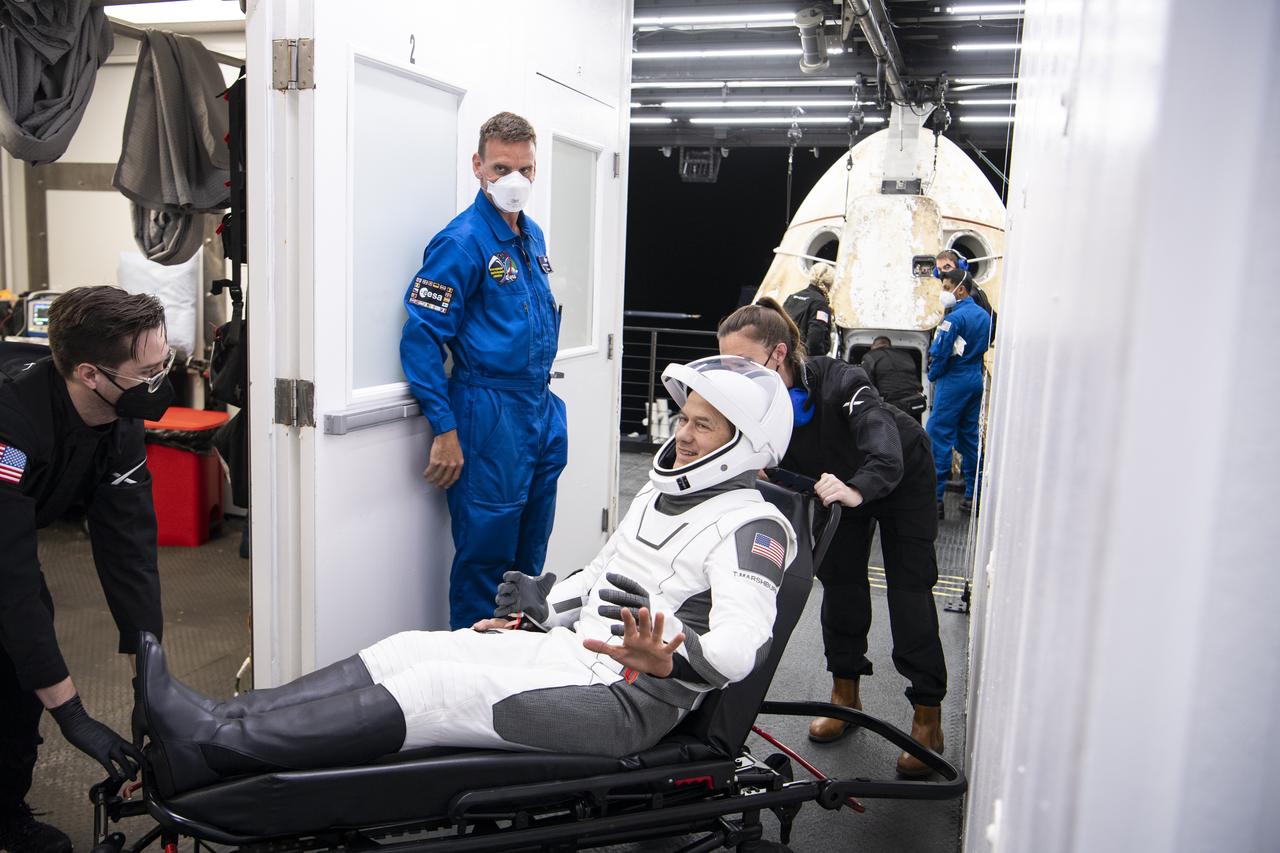
NASA astronaut Tom Marshburn greets friends after being helped out of the SpaceX Crew Dragon Endurance spacecraft onboard the SpaceX Shannon recovery ship after he and NASA astronauts Raja Chari, Kayla Barron, and ESA (European Space Agency) astronaut Matthias Maurer landed in the Gulf of Mexico off the coast of Tampa, Florida, Friday, May 6, 2022. Maurer, Marshburn, Chari, and Barron are returning after 177 days in space as part of Expeditions 66 and 67 onboard the International Space Station. Photo Credit: (NASA/Aubrey Gemignani)
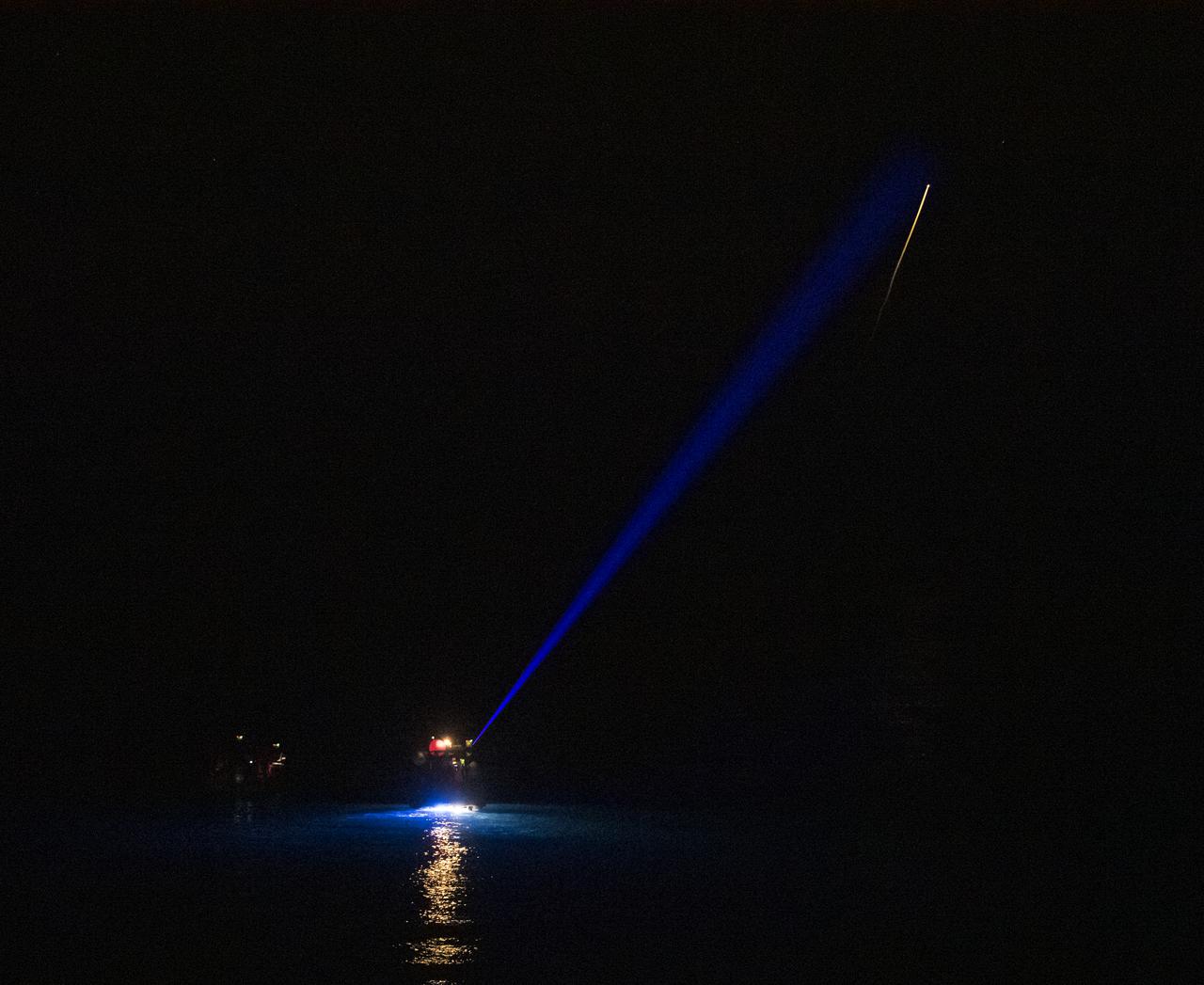
The SpaceX Crew Dragon Endeavour spacecraft is seen as it lands with NASA astronauts Shane Kimbrough and Megan McArthur, Japan Aerospace Exploration Agency (JAXA) astronaut Aki Hoshide, and ESA (European Space Agency) astronaut Thomas Pesquet aboard in the Gulf of Mexico off the coast of Pensacola, Florida, Monday, Nov. 8, 2021. NASA’s SpaceX Crew-2 mission is the second operational mission of the SpaceX Crew Dragon spacecraft and Falcon 9 rocket to the International Space Station as part of the agency’s Commercial Crew Program. Photo Credit: (NASA/Aubrey Gemignani)
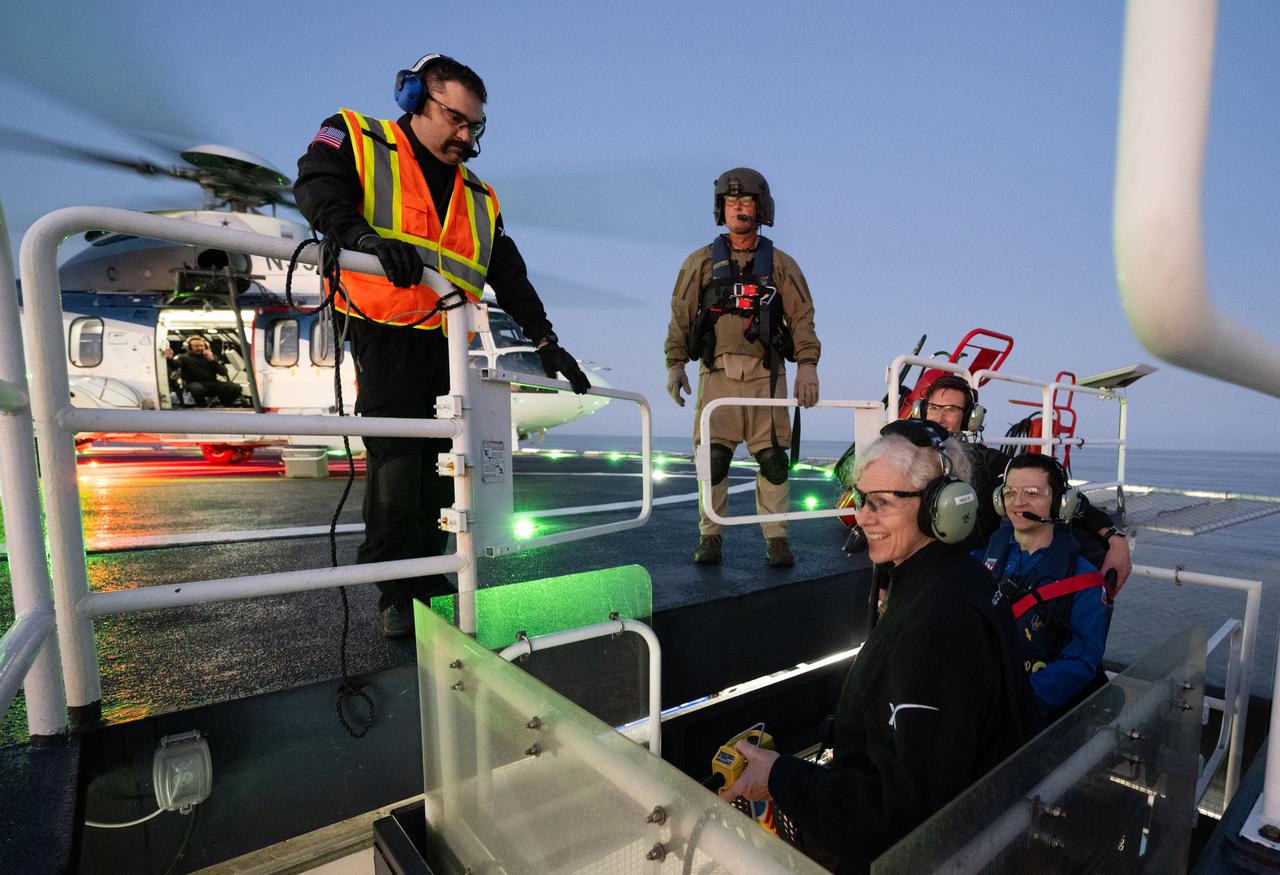
Roscosmos cosmonaut Konstantin Borisov is seen inside an elevator on the SpaceX recovery ship MEGAN that will take him up to a waiting helicopter to fly to Pensacola, Florida along with NASA astronaut Jasmin Moghbeli, ESA (European Space Agency) astronaut Andreas Mogensen, and Japan Aerospace Exploration Agency (JAXA) astronaut Satoshi Furukawa a few hours after they landed in the SpaceX Dragon Endurance spacecraft in the Gulf of Mexico of the coast of Pensacola, Florida, Tuesday, March 12, 2024. Moghbeli, Mogensen, Furukawa, and Borisov are returning after nearly six-months in space as part of Expedition 70 aboard the International Space Station. Photo Credit: (NASA/Joel Kowsky)
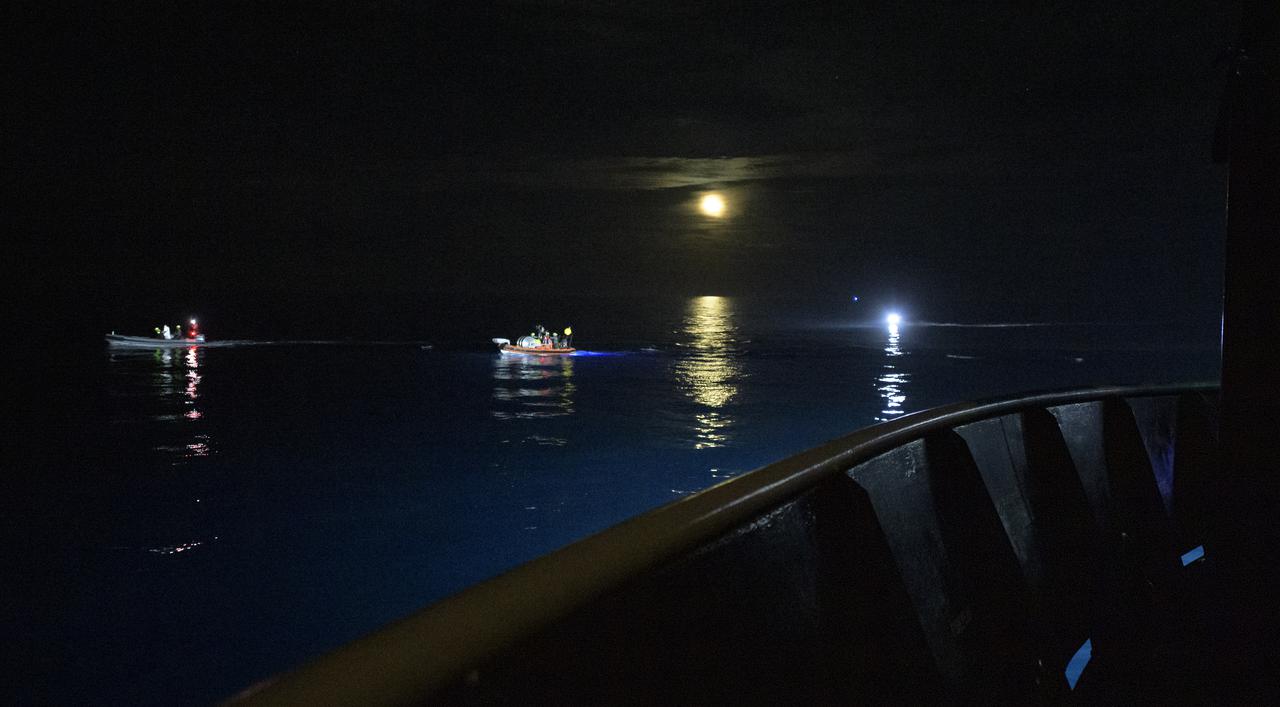
SpaceX support teams deploy in fast boats off the SpaceX GO Navigator recovery ship as they prepare for the landing of the SpaceX Crew Dragon Resilience spacecraft with NASA astronauts Mike Hopkins, Shannon Walker, and Victor Glover, and Japan Aerospace Exploration Agency (JAXA) astronaut Soichi Noguchi aboard in the Gulf of Mexico off the coast of Panama City, Florida, Sunday, May 2, 2021. NASA’s SpaceX Crew-1 mission is the first crew rotation flight of the SpaceX Crew Dragon spacecraft and Falcon 9 rocket with astronauts to the International Space Station as part of the agency’s Commercial Crew Program. Photo Credit: (NASA/Bill Ingalls)
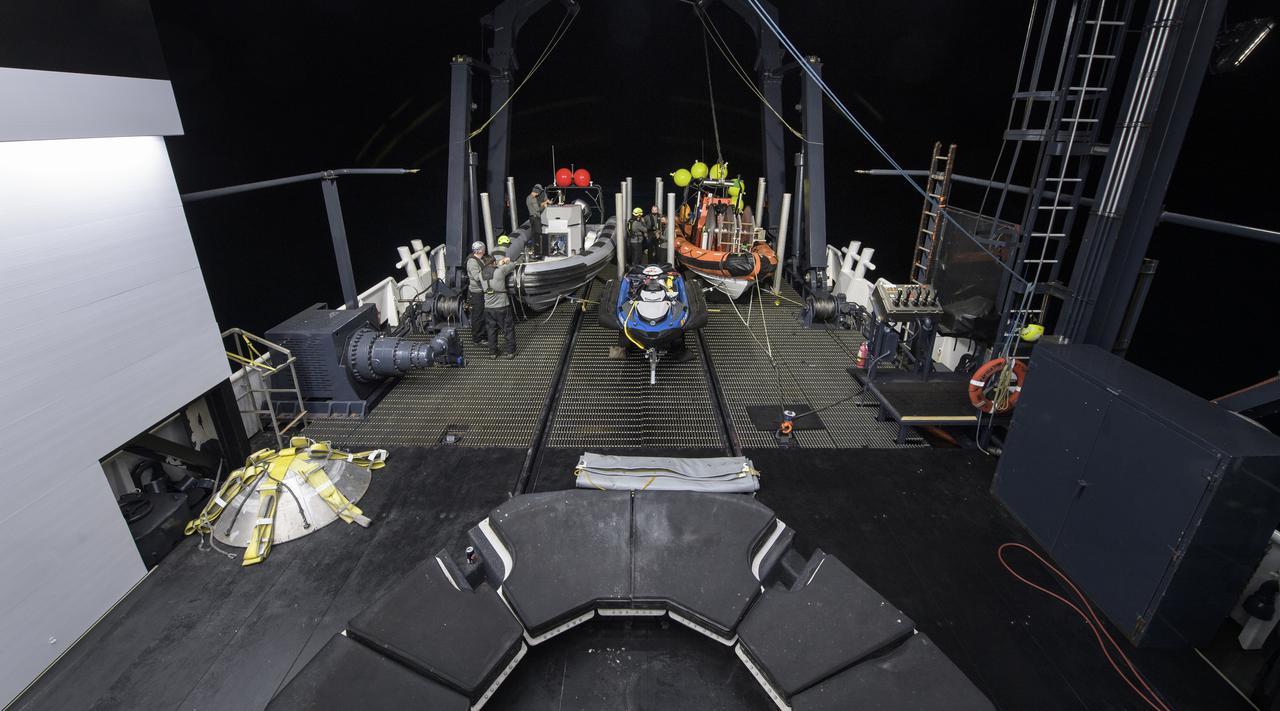
NASA and SpaceX support teams onboard the SpaceX GO Navigator recovery ship prepare for the landing of the SpaceX Crew Dragon Resilience spacecraft with NASA astronauts Mike Hopkins, Shannon Walker, and Victor Glover, and Japan Aerospace Exploration Agency (JAXA) astronaut Soichi Noguchi aboard in the Gulf of Mexico off the coast of Panama City, Florida, Saturday, May 1, 2021. NASA’s SpaceX Crew-1 mission is the first crew rotation flight of the SpaceX Crew Dragon spacecraft and Falcon 9 rocket with astronauts to the International Space Station as part of the agency’s Commercial Crew Program. Photo Credit: (NASA/Bill Ingalls)
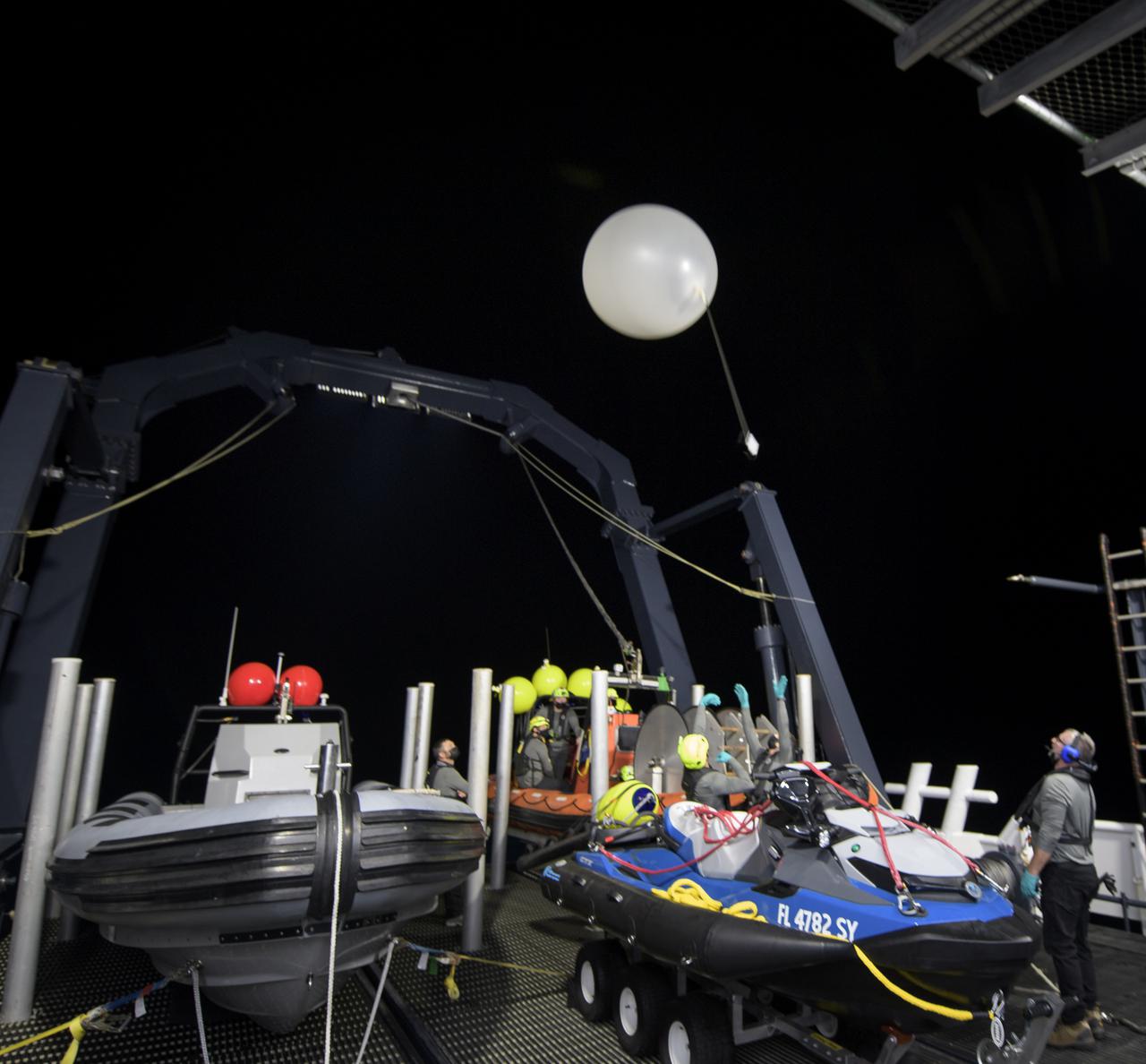
SpaceX support teams onboard the SpaceX GO Navigator recovery launch a weather balloon ahead of the landing of the SpaceX Crew Dragon Resilience spacecraft with NASA astronauts Mike Hopkins, Shannon Walker, and Victor Glover, and Japan Aerospace Exploration Agency (JAXA) astronaut Soichi Noguchi aboard in the Gulf of Mexico off the coast of Panama City, Florida, Saturday, May 1, 2021. NASA’s SpaceX Crew-1 mission is the first crew rotation flight of the SpaceX Crew Dragon spacecraft and Falcon 9 rocket with astronauts to the International Space Station as part of the agency’s Commercial Crew Program. Photo Credit: (NASA/Bill Ingalls)
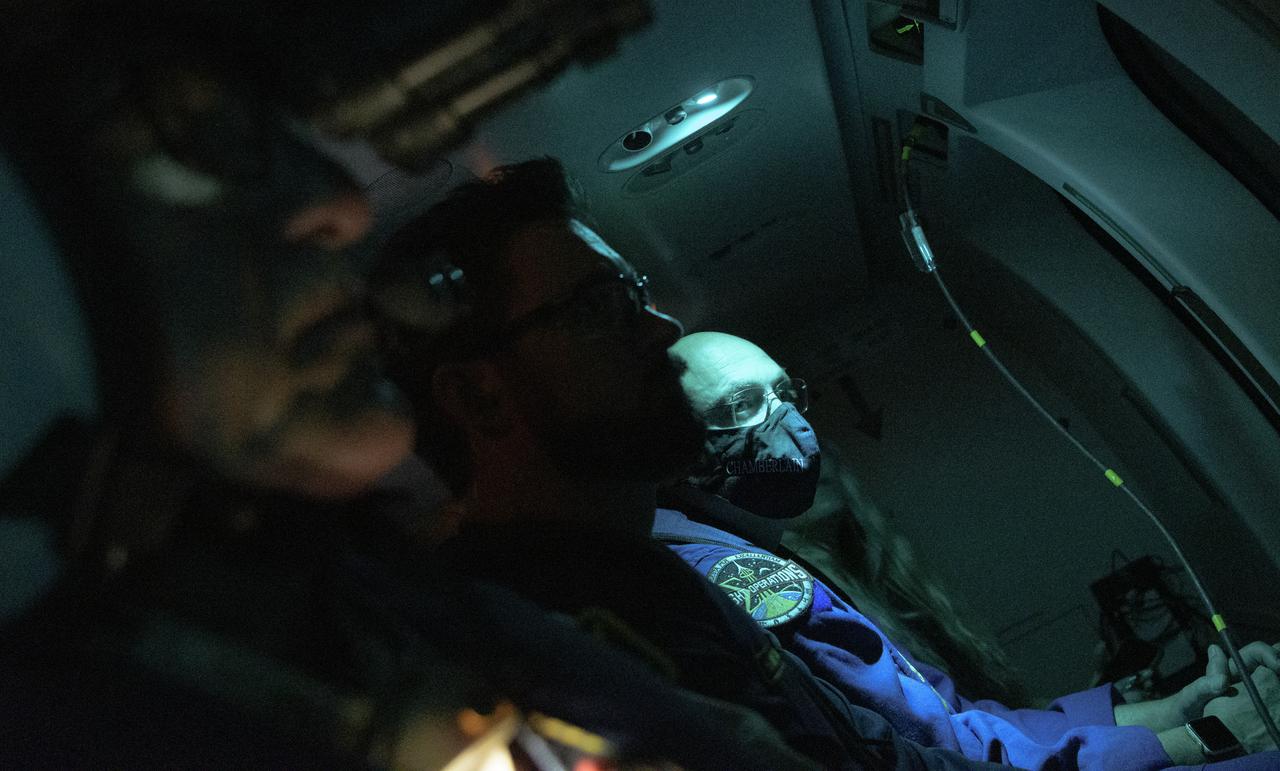
NASA Flight Surgeon Blake Chamberlain and other NASA and SpaceX support teams helicopter out to the SpaceX GO Navigator recovery ship to prepare for the landing of the SpaceX Crew Dragon Resilience spacecraft with NASA astronauts Mike Hopkins, Shannon Walker, and Victor Glover, and Japan Aerospace Exploration Agency (JAXA) astronaut Soichi Noguchi aboard in the Gulf of Mexico off the coast of Panama City, Florida, Saturday, May 1, 2021. NASA’s SpaceX Crew-1 mission is the first crew rotation flight of the SpaceX Crew Dragon spacecraft and Falcon 9 rocket with astronauts to the International Space Station as part of the agency’s Commercial Crew Program. Photo Credit: (NASA/Bill Ingalls)

ESA (European Space Agency) astronaut Andreas Mogensen is helped out of the SpaceX Dragon Endurance spacecraft onboard the SpaceX recovery ship MEGAN after he, NASA astronaut Jasmin Moghbeli, Japan Aerospace Exploration Agency (JAXA) Satoshi Furukawa, and Roscosmos cosmonaut Konstantin Borisov landed in the Gulf of Mexico off the coast of Pensacola, Florida, Tuesday, March 12, 2024. Moghbeli, Mogensen, Furukawa, and Borisov are returning after nearly six-months in space as part of Expedition 70 aboard the International Space Station. Photo Credit: (NASA/Joel Kowsky)

ESA (European Space Agency) astronaut Matthias Maurer gives a thumbs up after being helped out of the SpaceX Crew Dragon Endurance spacecraft onboard the SpaceX Shannon recovery ship after he and NASA astronauts Raja Chari, Kayla Barron, Tom Marshburn, landed in the Gulf of Mexico off the coast of Tampa, Florida, Friday, May 6, 2022. Maurer, Marshburn, Chari, and Barron are returning after 177 days in space as part of Expeditions 66 and 67 onboard the International Space Station. Photo Credit: (NASA/Aubrey Gemignani)
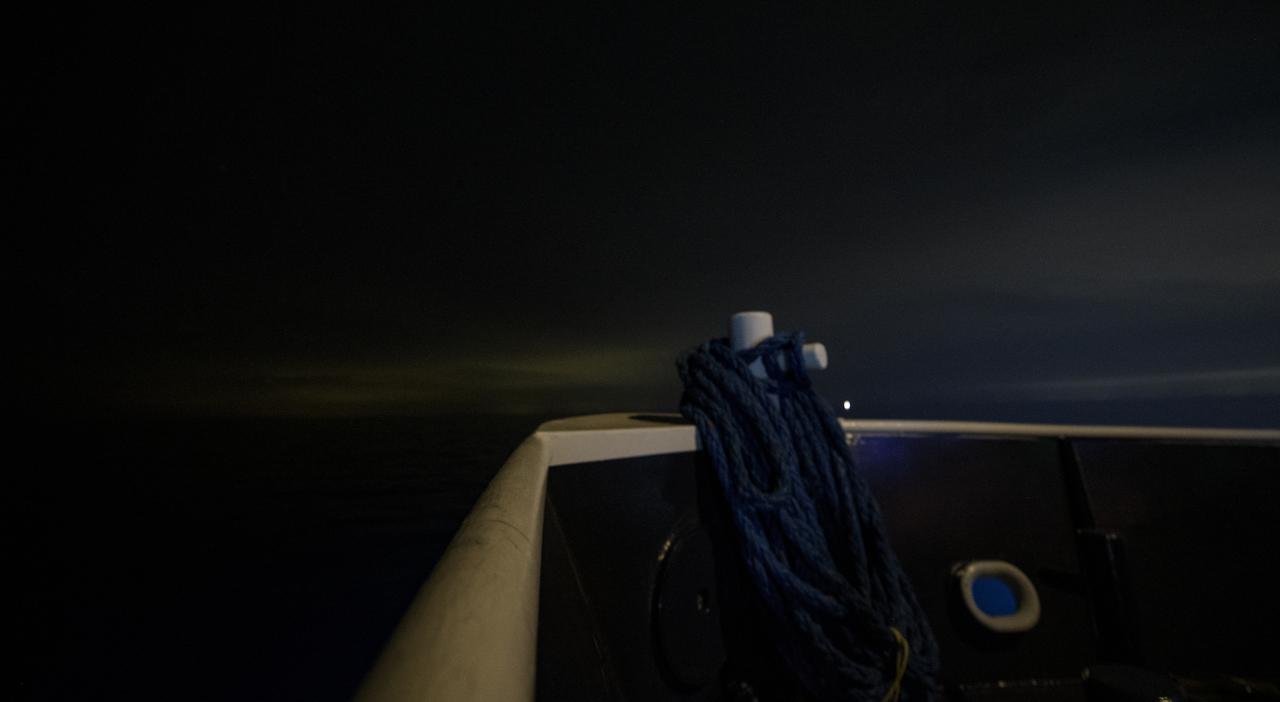
The night sky off the bow of the SpaceX GO Navigator recovery ship is seen in this one second exposure photograph as NASA and SpaceX support teams prepare for the landing of the SpaceX Crew Dragon Resilience spacecraft with NASA astronauts Mike Hopkins, Shannon Walker, and Victor Glover, and Japan Aerospace Exploration Agency (JAXA) astronaut Soichi Noguchi aboard in the Gulf of Mexico off the coast of Panama City, Florida, Saturday, May 1, 2021. NASA’s SpaceX Crew-1 mission is the first crew rotation flight of the SpaceX Crew Dragon spacecraft and Falcon 9 rocket with astronauts to the International Space Station as part of the agency’s Commercial Crew Program. Photo Credit: (NASA/Bill Ingalls)
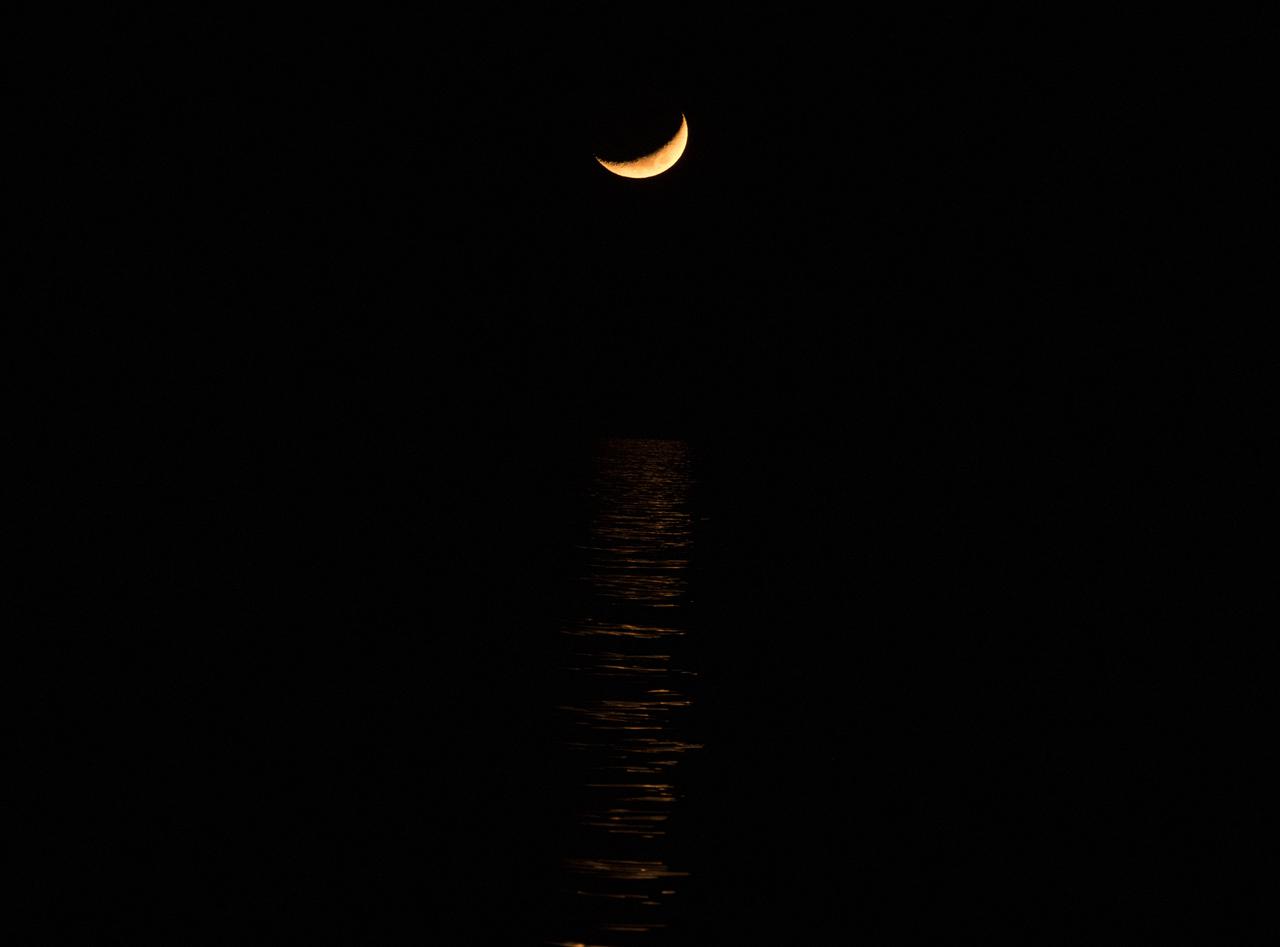
The Moon is seen just before the SpaceX Crew Dragon Endeavour spacecraft lands with NASA astronauts Shane Kimbrough and Megan McArthur, Japan Aerospace Exploration Agency (JAXA) astronaut Aki Hoshide, and ESA (European Space Agency) astronaut Thomas Pesquet aboard in the Gulf of Mexico off the coast of Pensacola, Florida, Monday, Nov. 8, 2021. NASA’s SpaceX Crew-2 mission is the second operational mission of the SpaceX Crew Dragon spacecraft and Falcon 9 rocket to the International Space Station as part of the agency’s Commercial Crew Program. Photo Credit: (NASA/Aubrey Gemignani)
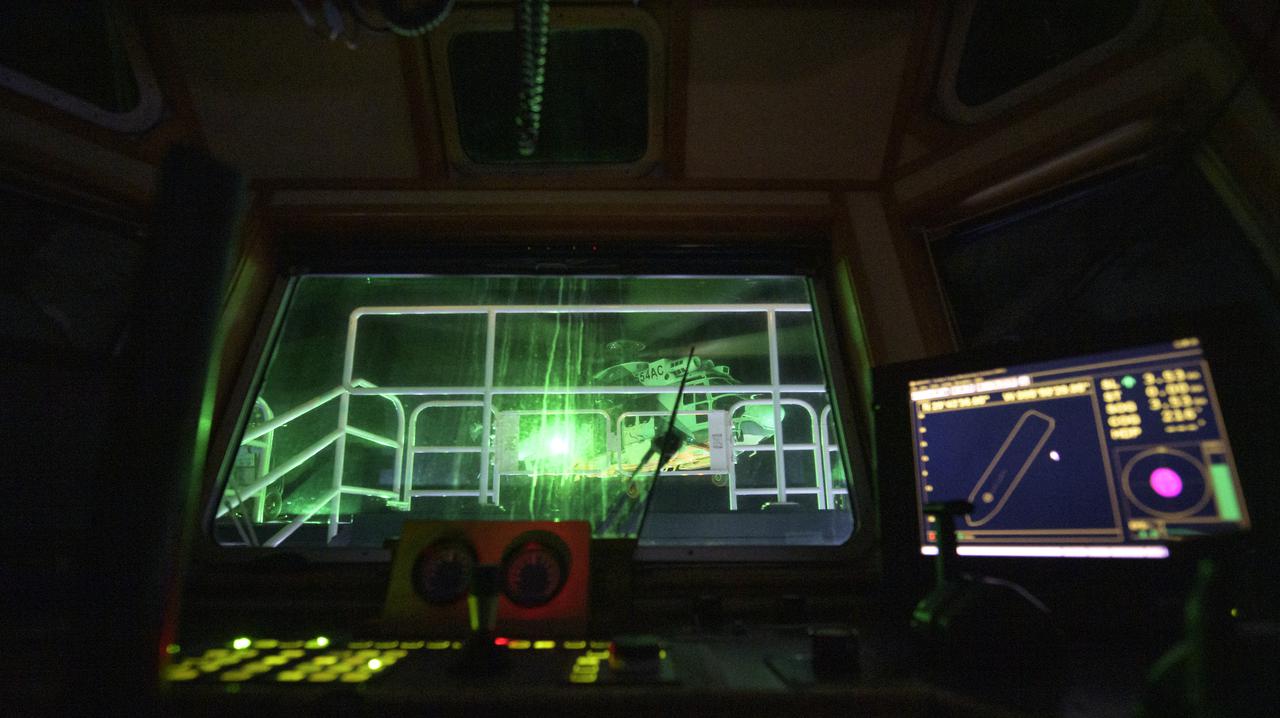
NASA and SpaceX support teams arrive via helicopter to the SpaceX GO Navigator recovery ship in order to prepare for the landing of the SpaceX Crew Dragon Resilience spacecraft with NASA astronauts Mike Hopkins, Shannon Walker, and Victor Glover, and Japan Aerospace Exploration Agency (JAXA) astronaut Soichi Noguchi aboard in the Gulf of Mexico off the coast of Panama City, Florida, Saturday, May 1, 2021. NASA’s SpaceX Crew-1 mission is the first crew rotation flight of the SpaceX Crew Dragon spacecraft and Falcon 9 rocket with astronauts to the International Space Station as part of the agency’s Commercial Crew Program. Photo Credit: (NASA/Bill Ingalls)
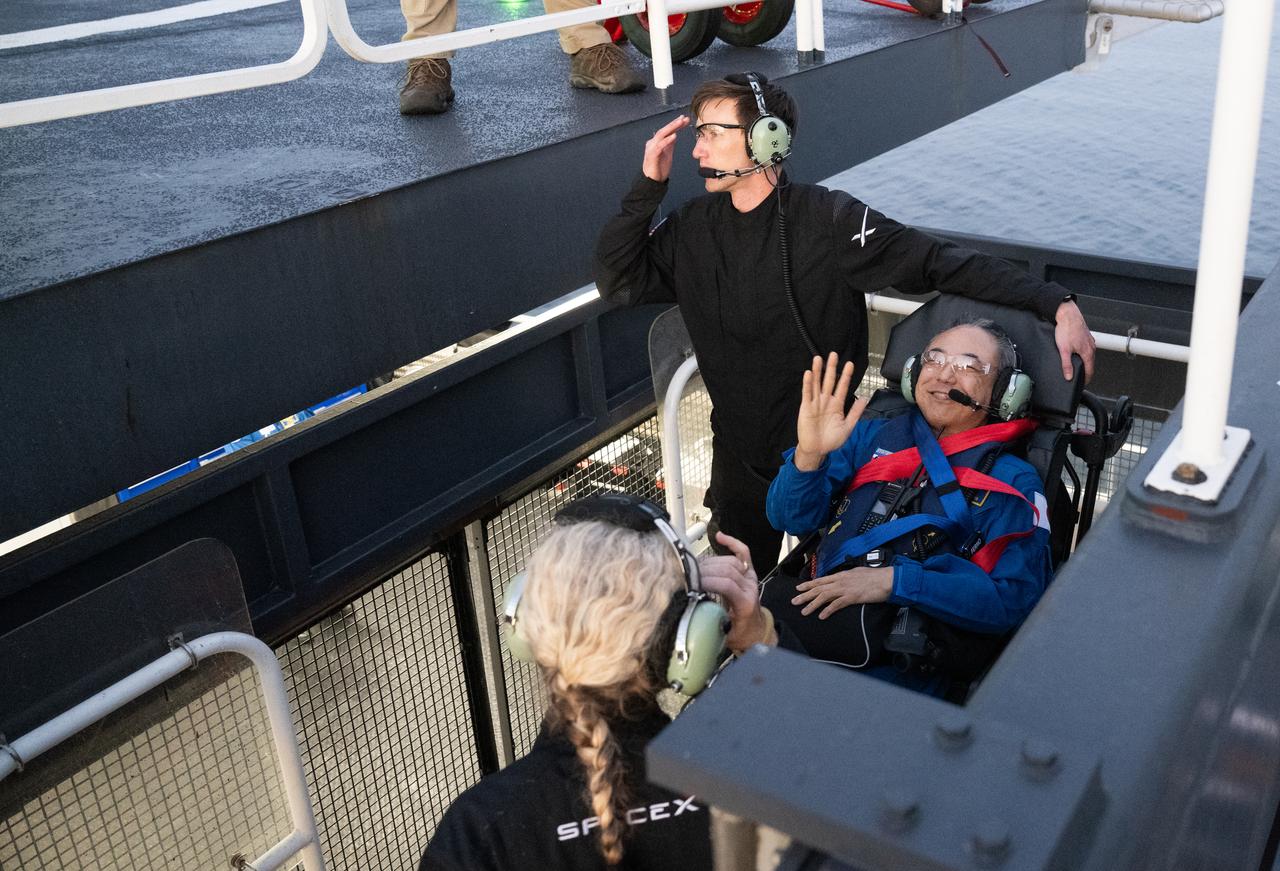
Japan Aerospace Exploration Agency (JAXA) astronaut Satoshi Furukawa is seen inside an elevator on the SpaceX recovery ship MEGAN that will take him up to a waiting helicopter to fly to Pensacola, Florida along with NASA astronaut Jasmin Moghbeli, ESA (European Space Agency) astronaut Andreas Mogensen, and Roscosmos cosmonaut Konstantin Borisov a few hours after they landed in the Gulf of Mexico off the coast of Pensacola, Florida in the SpaceX Dragon Endurance spacecraft, Tuesday, March 12, 2024. Moghbeli, Mogensen, Furukawa, and Borisov are returning after nearly six-months in space as part of Expedition 70 aboard the International Space Station. Photo Credit: (NASA/Joel Kowsky)