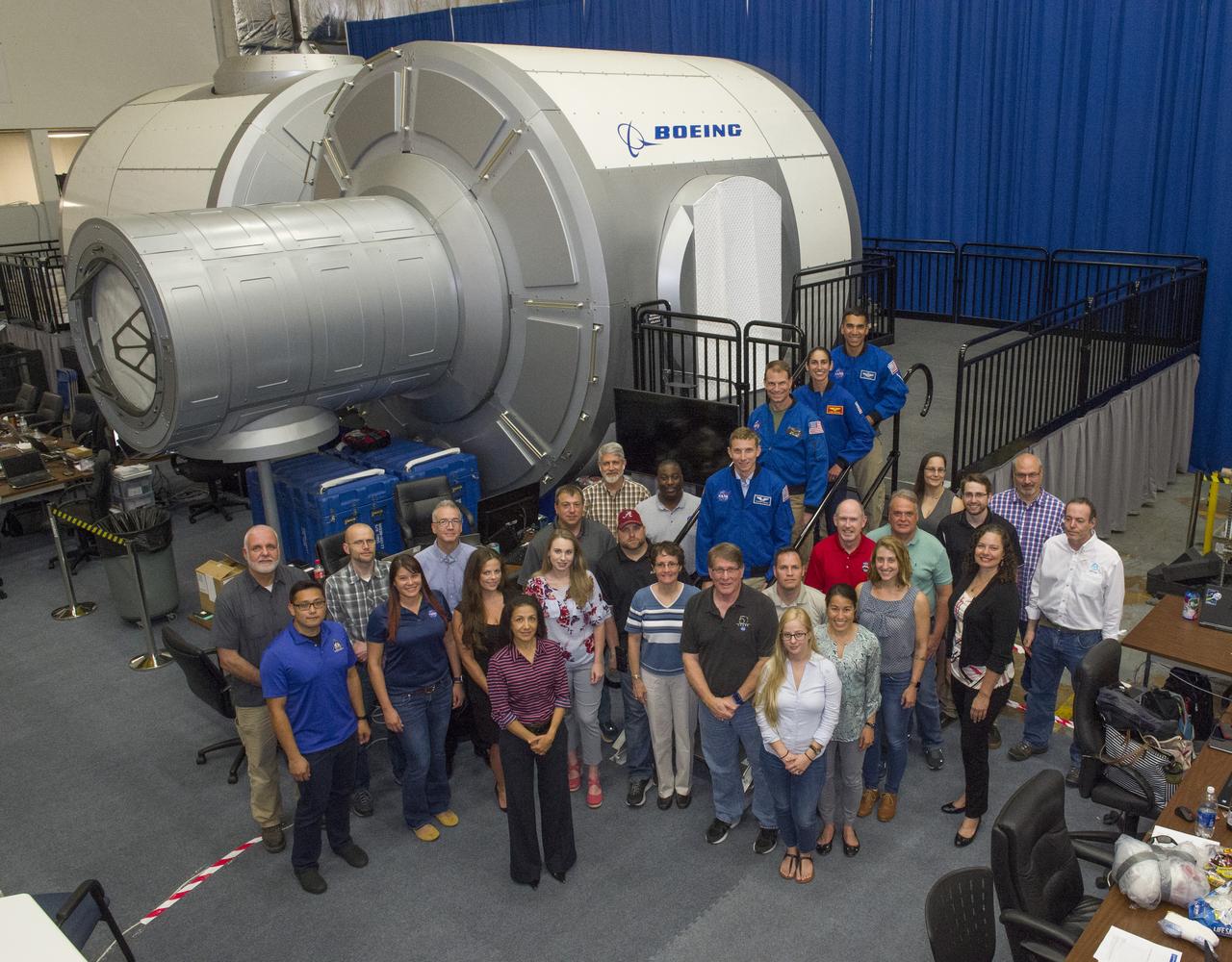
The Boeing Exploration Habitat Demonstrator at Marshall is one of five uniquely designed, deep space habitat prototypes in development through NASA’s Next Space Technologies for Exploration Partnerships, or NextSTEP. NASA and Boeing engineers and trainers pose with four astronauts training on the demonstrator.

NASA astronaut Raja Chari climbs through a hatch of Lockheed Martin’s deep space habitat ground prototype at NASA’s Kennedy Space Center in Florida on March 25, 2019. Chari is one of the astronauts helping engineers refine requirements for the design of an American-made deep space habitat for the Gateway. Astronauts provide important design perspective as they may one day live and work aboard the lunar outpost, which would be located about 250,000 miles from Earth. To date, five habitat prototypes have been developed through NASA’s Next Space Exploration for Technologies Partnerships, or NextSTEP. Lockheed Martin was the first to turn their habitat over to NASA for testing. Ground prototypes developed by Bigelow Aerospace, Boeing, Northrop Grumman and Sierra Nevada Corporation will be tested in the future at various facilities across the country. A sixth company, NanoRacks, plans to develop a prototype as well.
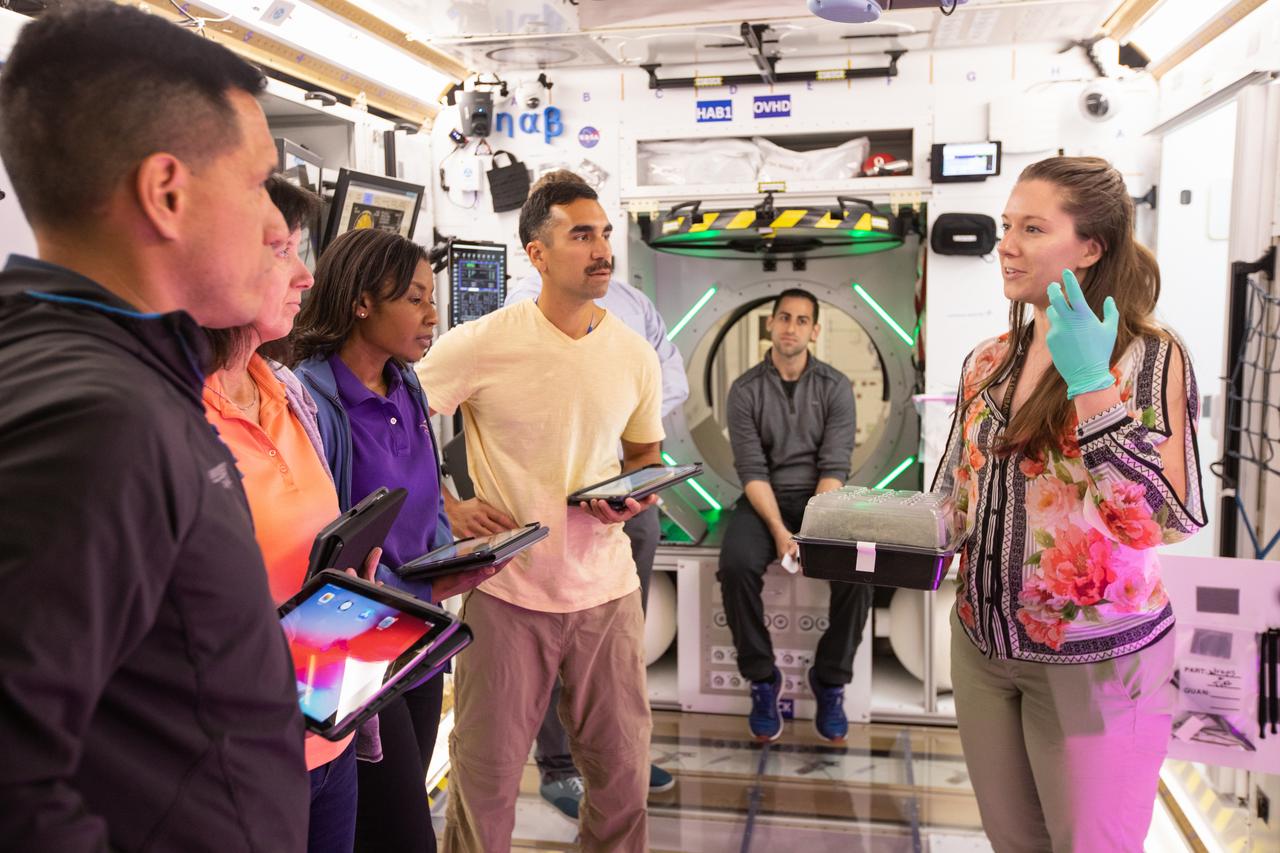
NASA began evaluating five habitat prototypes developed through NASA’s Next Space Exploration for Technologies Partnerships, or NextSTEP, to help engineers refine requirements for the design of an American-made deep space habitat for the Gateway. Lockheed Martin turned over its prototype to NASA, and testing began with crew on March 25, 2019, at Kennedy Space Center in Florida. Pictured inside the habitat prototype on March 26, 2019, from far left are astronauts Frank Rubio, Shannon Walker, Stephanie Wilson and Raja Chari. Astronauts are participating in the evaluations to provide their perspectives as those who may one day live aboard the lunar outpost, which would be located about 250,000 miles from Earth. Ground prototypes developed by Bigelow Aerospace, Boeing, Northrop Grumman, and Sierra Nevada Corporation will be tested in the future at various facilities across the country. A sixth company, NanoRacks, plans to develop a prototype as well.
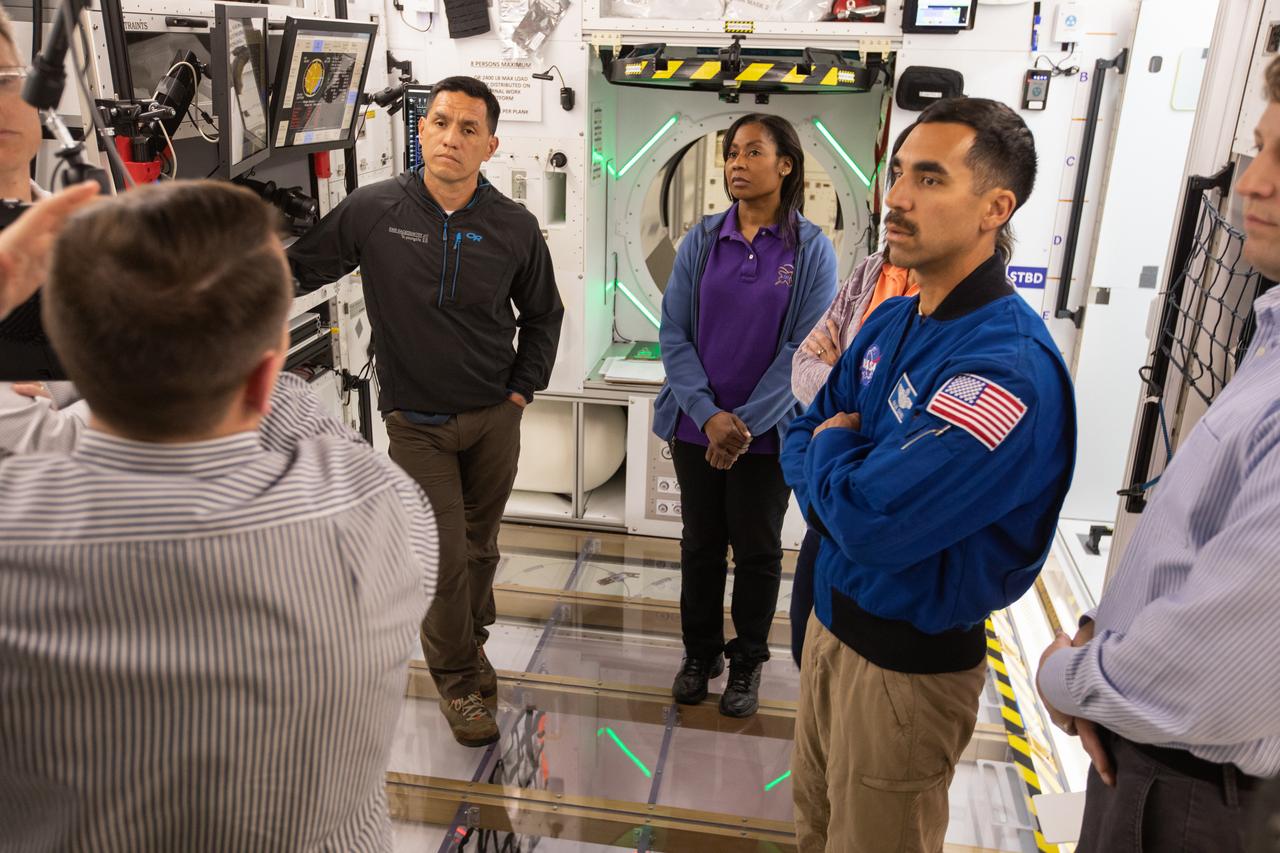
NASA began evaluating five habitat prototypes developed through NASA’s Next Space Exploration for Technologies Partnerships, or NextSTEP, to help engineers refine requirements for the design of an American-made deep space habitat for the Gateway. Lockheed Martin turned over its prototype to NASA, and testing began with crew on March 25, 2019, at Kennedy Space Center in Florida. Pictured inside the habitat prototype on March 26, 2019, from left are astronauts Frank Rubio, Stephanie Wilson and Raja Chari. Partially in view next to Chari is astronaut Shannon Walker. Astronauts are participating in the evaluations to provide their perspectives as those who may one day live aboard the lunar outpost, which would be located about 250,000 miles from Earth. Ground prototypes developed by Bigelow Aerospace, Boeing, Northrop Grumman, and Sierra Nevada Corporation will be tested in the future at various facilities across the country. A sixth company, NanoRacks, plans to develop a prototype as well.
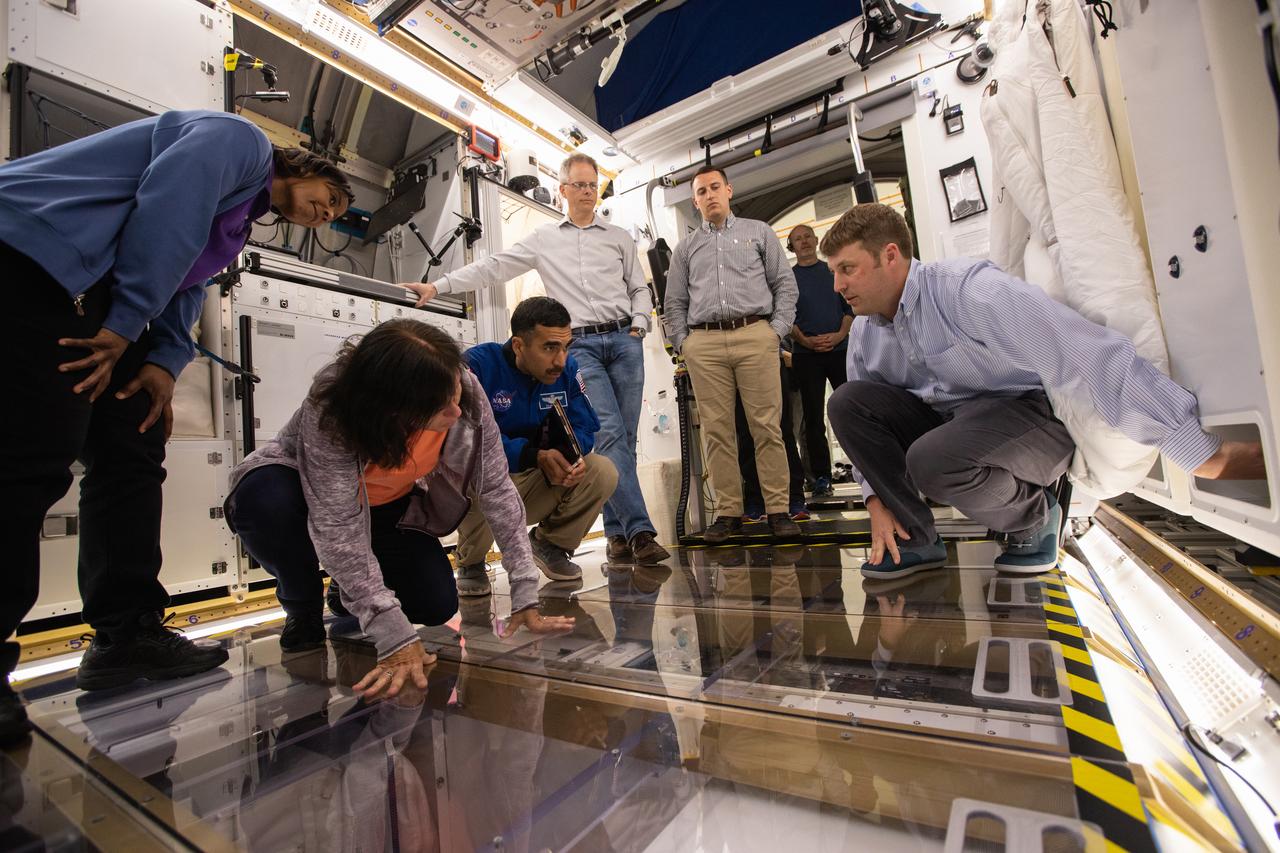
NASA began evaluating five habitat prototypes developed through NASA’s Next Space Exploration for Technologies Partnerships, or NextSTEP, to help engineers refine requirements for the design of an American-made deep space habitat for the Gateway. Lockheed Martin turned over its prototype to NASA, and testing began with crew on March 25, 2019, at Kennedy Space Center in Florida. Pictured inside the habitat prototype on March 26, 2019, from left are astronauts Stephanie Wilson, Shannon Walker and Raja Chari. Astronauts are participating in the evaluations to provide their perspectives as those who may one day live aboard the lunar outpost, which would be located about 250,000 miles from Earth. Ground prototypes developed by Bigelow Aerospace, Boeing, Northrop Grumman, and Sierra Nevada Corporation will be tested in the future at various facilities across the country. A sixth company, NanoRacks, plans to develop a prototype as well.
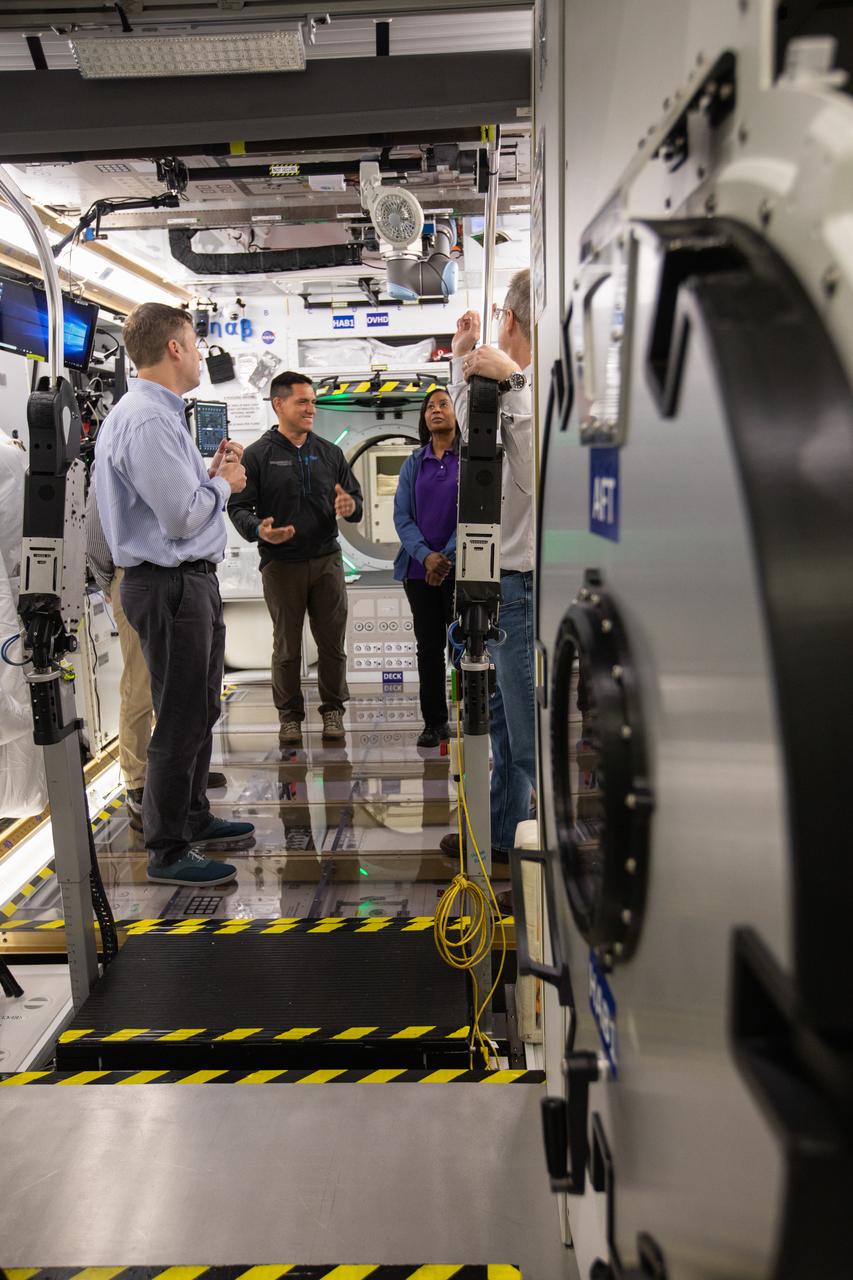
NASA began evaluating five habitat prototypes developed through NASA’s Next Space Exploration for Technologies Partnerships, or NextSTEP, to help engineers refine requirements for the design of an American-made deep space habitat for the Gateway. Lockheed Martin turned over its prototype to NASA, and testing began with crew on March 25, 2019, at Kennedy Space Center in Florida. Pictured inside the habitat prototype on March 26, 2019, second from left is astronaut Frank Rubio. Next to him is astronaut Stephanie Wilson. Astronauts are participating in the evaluations to provide their perspectives as those who may one day live aboard the lunar outpost, which would be located about 250,000 miles from Earth. Ground prototypes developed by Bigelow Aerospace, Boeing, Northrop Grumman, and Sierra Nevada Corporation will be tested in the future at various facilities across the country. A sixth company, NanoRacks, plans to develop a prototype as well.
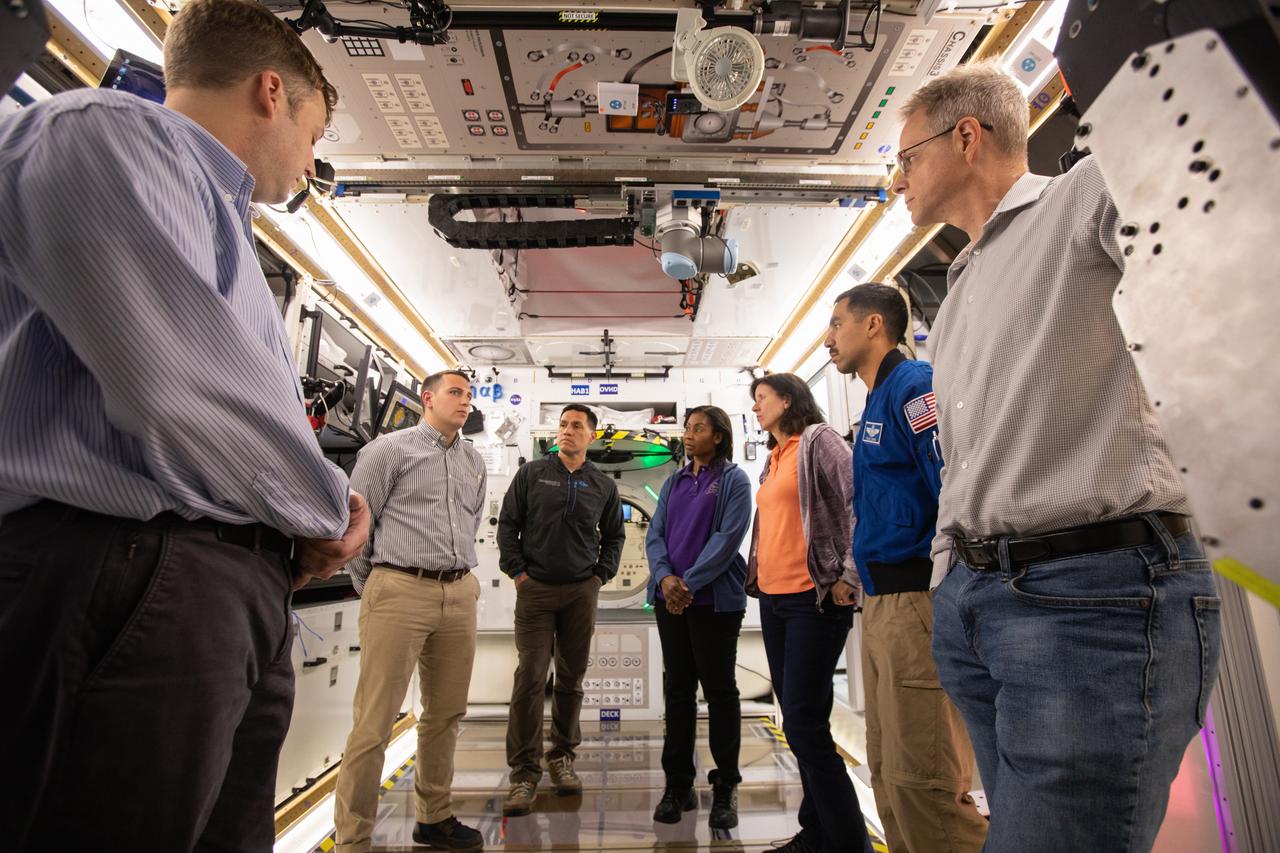
NASA began evaluating five habitat prototypes developed through NASA’s Next Space Exploration for Technologies Partnerships, or NextSTEP, to help engineers refine requirements for the design of an American-made deep space habitat for the Gateway. Lockheed Martin turned over its prototype to NASA, and testing began with crew on March 25, 2019, at Kennedy Space Center in Florida. Pictured inside the habitat prototype on March 26, 2019, beginning third from left are astronauts Frank Rubio, Stephanie Wilson, Shannon Walker and Raja Chari. Astronauts are participating in the evaluations to provide their perspectives as those who may one day live aboard the lunar outpost, which would be located about 250,000 miles from Earth. Ground prototypes developed by Bigelow Aerospace, Boeing, Northrop Grumman, and Sierra Nevada Corporation will be tested in the future at various facilities across the country. A sixth company, NanoRacks, plans to develop a prototype as well.
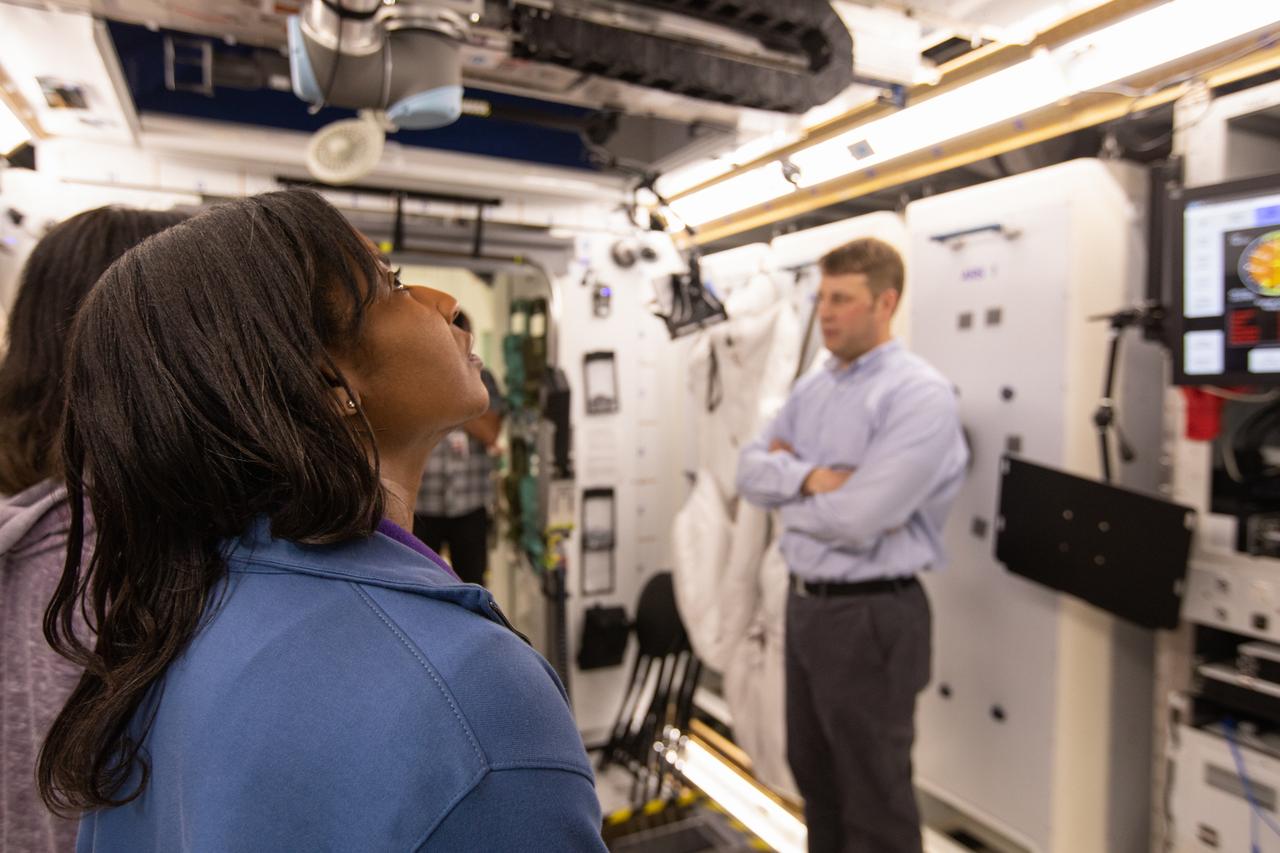
NASA began evaluating five habitat prototypes developed through NASA’s Next Space Exploration for Technologies Partnerships, or NextSTEP, to help engineers refine requirements for the design of an American-made deep space habitat for the Gateway. Lockheed Martin turned over its prototype to NASA, and testing began with crew on March 25, 2019, at Kennedy Space Center in Florida. Pictured inside the habitat prototype on March 26, 2019, at left is astronaut Stephanie Wilson. To her left, partially hidden is astronaut Shannon Walker. Astronauts are participating in the evaluations to provide their perspectives as those who may one day live aboard the lunar outpost, which would be located about 250,000 miles from Earth. Ground prototypes developed by Bigelow Aerospace, Boeing, Northrop Grumman, and Sierra Nevada Corporation will be tested in the future at various facilities across the country. A sixth company, NanoRacks, plans to develop a prototype as well.
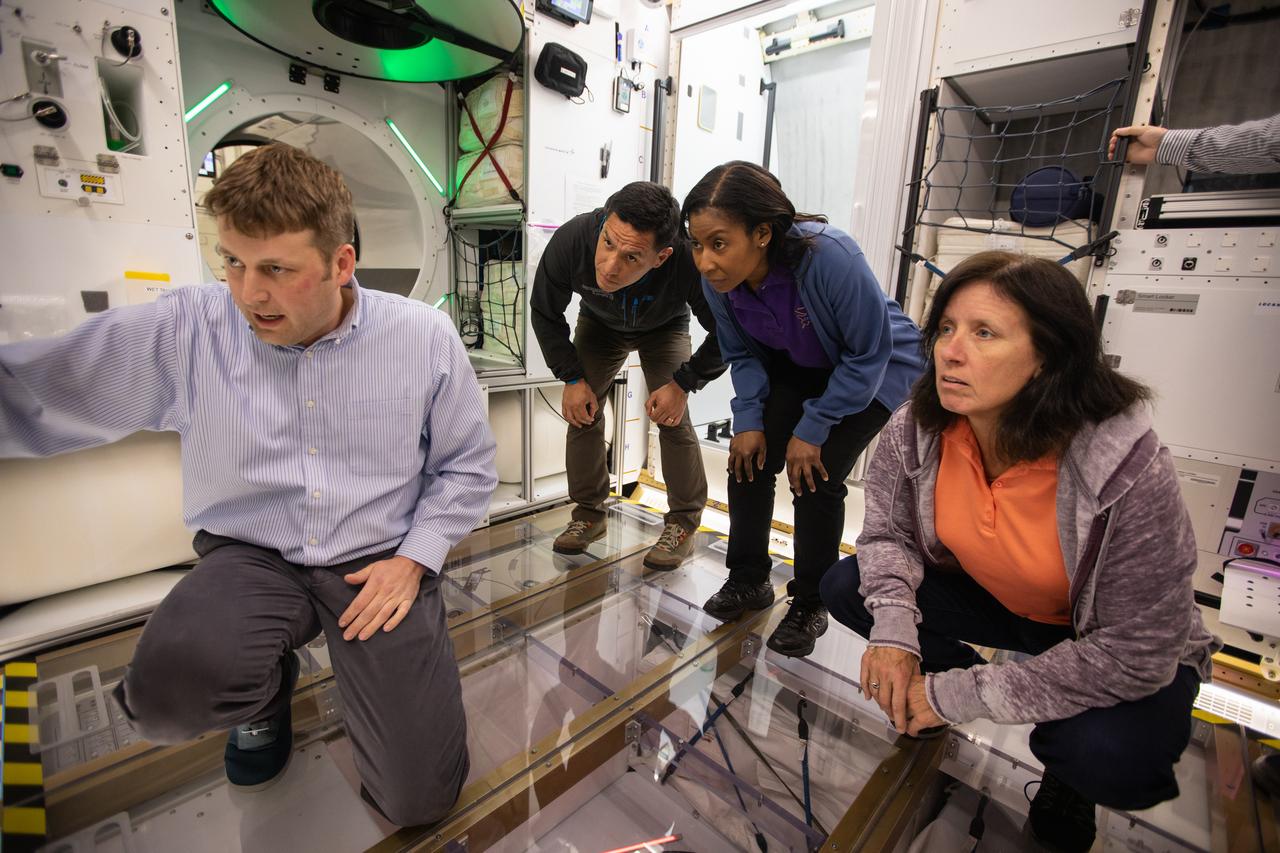
NASA began evaluating five habitat prototypes developed through NASA’s Next Space Exploration for Technologies Partnerships, or NextSTEP, to help engineers refine requirements for the design of an American-made deep space habitat for the Gateway. Lockheed Martin turned over its prototype to NASA, and testing began with crew on March 25, 2019, at Kennedy Space Center in Florida. Pictured inside the habitat prototype on March 26, 2019, in back from left are astronauts Frank Rubio, Stephanie Wilson and Shannon Walker. Astronauts are participating in the evaluations to provide their perspectives as those who may one day live aboard the lunar outpost, which would be located about 250,000 miles from Earth. Ground prototypes developed by Bigelow Aerospace, Boeing, Northrop Grumman, and Sierra Nevada Corporation will be tested in the future at various facilities across the country. A sixth company, NanoRacks, plans to develop a prototype as well.
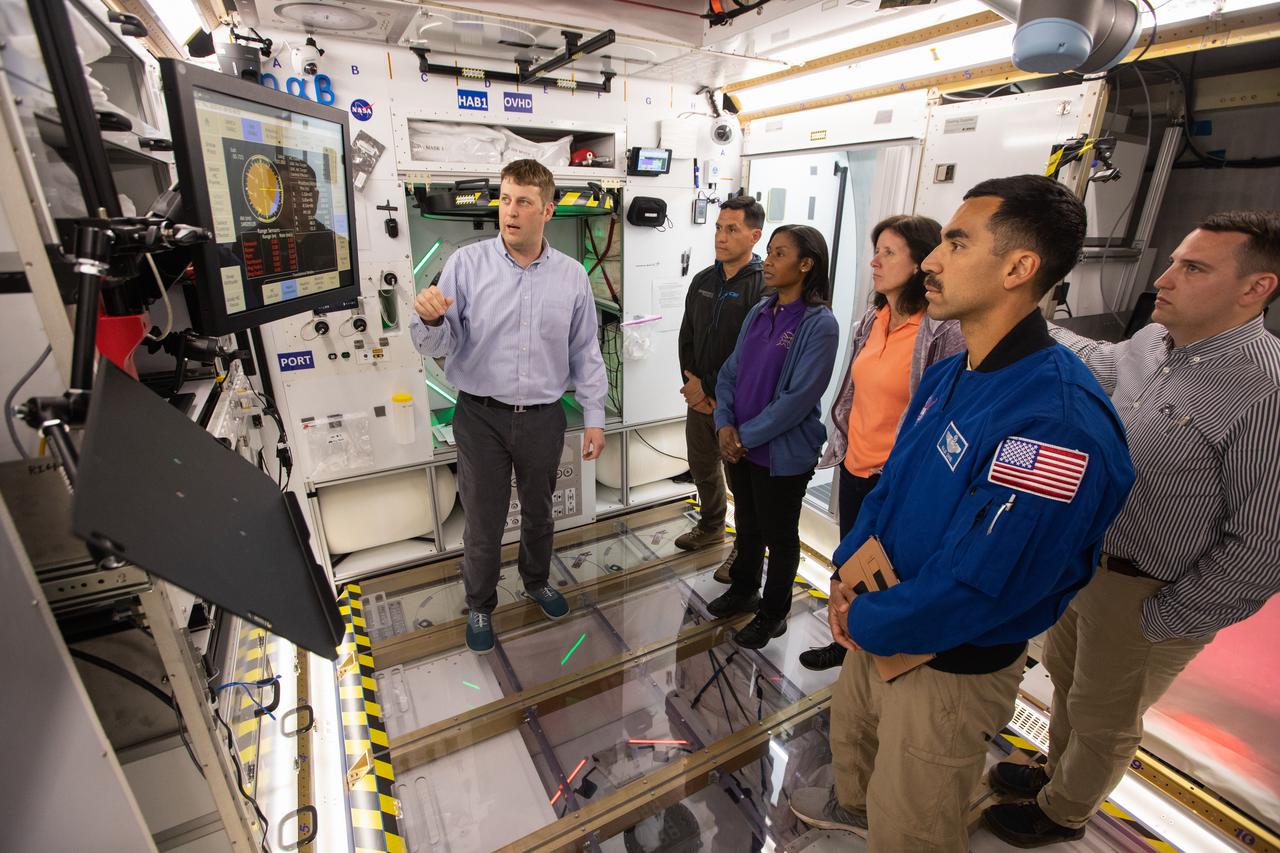
NASA began evaluating five habitat prototypes developed through NASA’s Next Space Exploration for Technologies Partnerships, or NextSTEP, to help engineers refine requirements for the design of an American-made deep space habitat for the Gateway. Lockheed Martin turned over its prototype to NASA, and testing began with crew on March 25, 2019, at Kennedy Space Center in Florida. Pictured inside the habitat prototype on March 26, 2019, beginning second from left are astronauts Frank Rubio, Raja Shari, Stephanie Wilson and Shannon Walker. Astronauts are participating in the evaluations to provide their perspectives as those who may one day live aboard the lunar outpost, which would be located about 250,000 miles from Earth. Ground prototypes developed by Bigelow Aerospace, Boeing, Northrop Grumman, and Sierra Nevada Corporation will be tested in the future at various facilities across the country. A sixth company, NanoRacks, plans to develop a prototype as well.
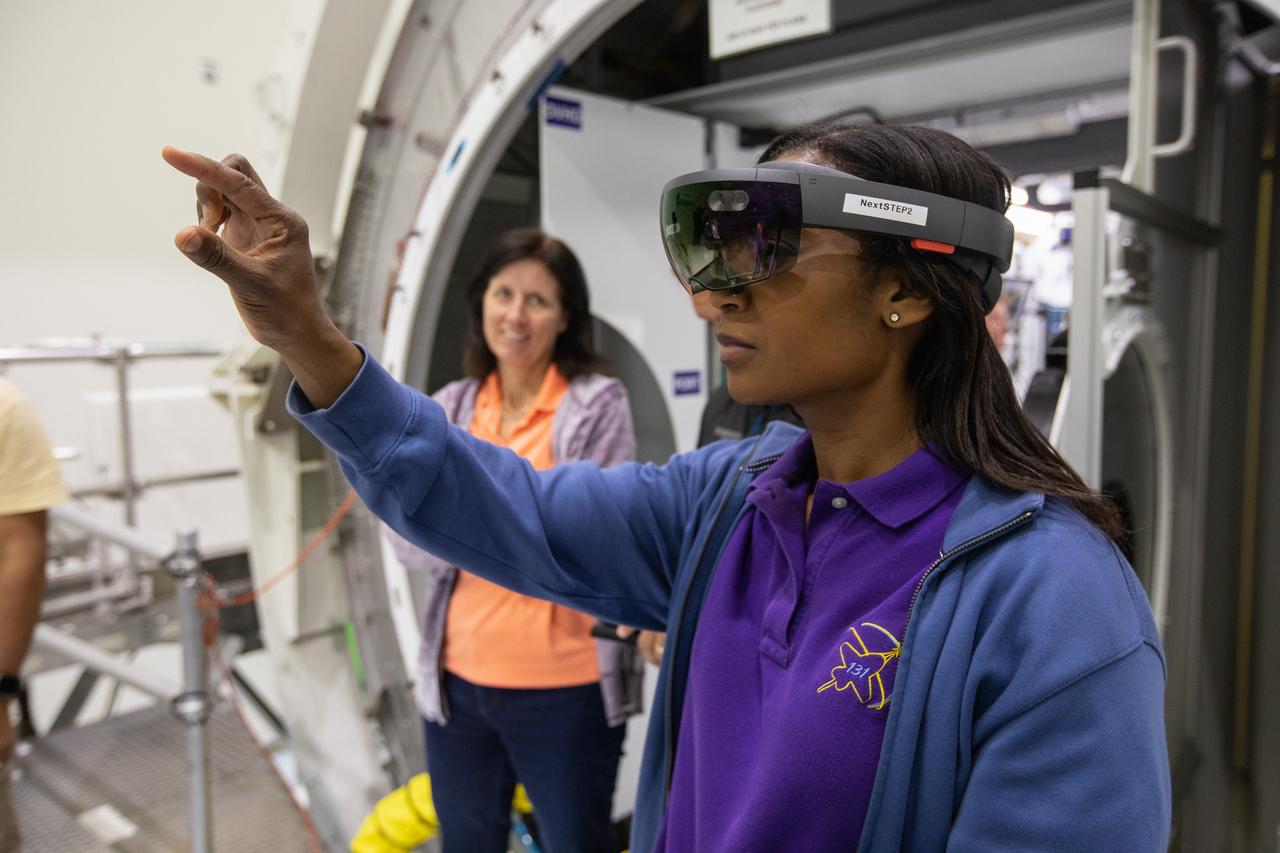
NASA began evaluating five habitat prototypes developed through NASA’s Next Space Exploration for Technologies Partnerships, or NextSTEP, to help engineers refine requirements for the design of an American-made deep space habitat for the Gateway. Lockheed Martin turned over its prototype to NASA, and testing began with crew on March 25, 2019, at Kennedy Space Center in Florida. Pictured inside the Space Station Processing Facility on March 26, 2019, from left are astronauts Shannon Walker and Stephanie Wilson. Astronauts are participating in the evaluations to provide their perspectives as those who may one day live aboard the lunar outpost, which would be located about 250,000 miles from Earth. Ground prototypes developed by Bigelow Aerospace, Boeing, Northrop Grumman, and Sierra Nevada Corporation will be tested in the future at various facilities across the country. A sixth company, NanoRacks, plans to develop a prototype as well.
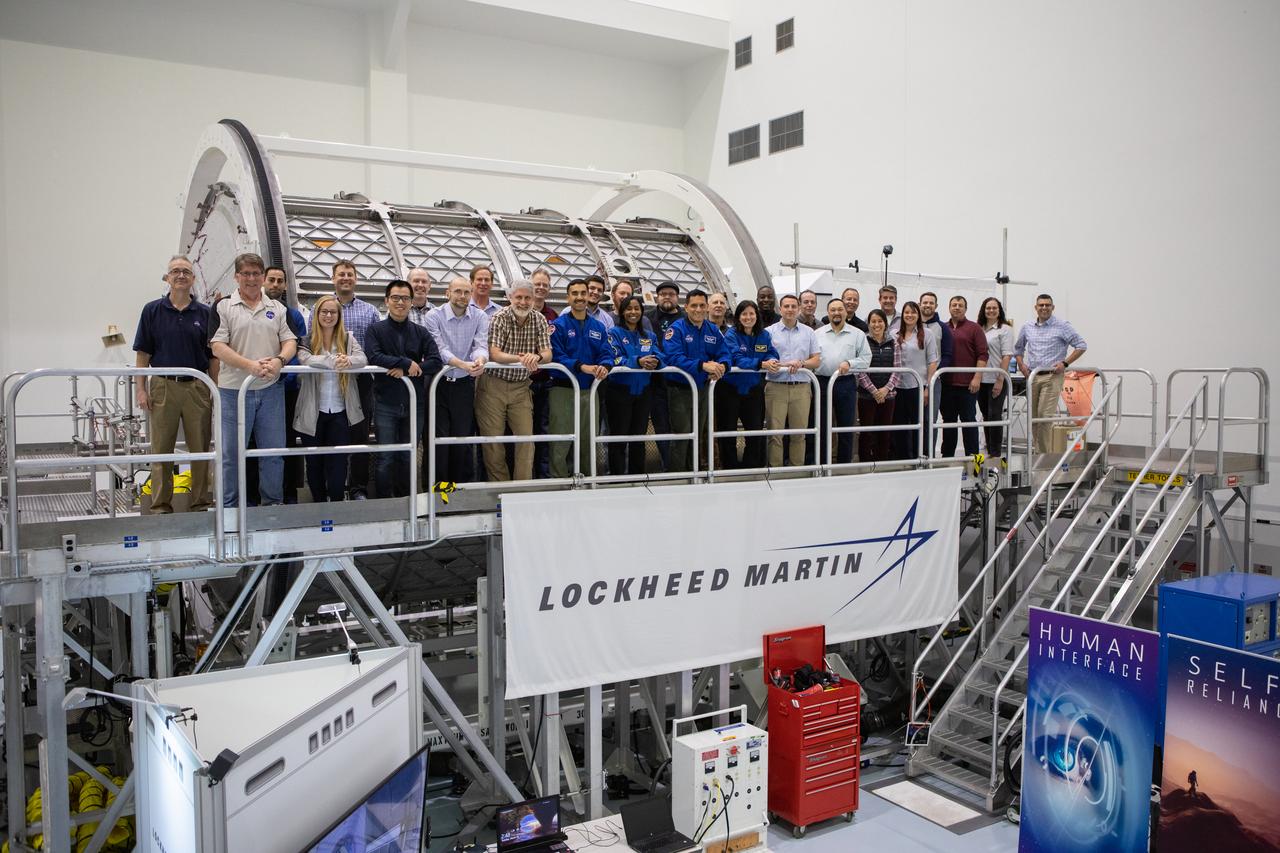
NASA began evaluating five habitat prototypes developed through NASA’s Next Space Exploration for Technologies Partnerships, or NextSTEP, to help engineers refine requirements for the design of an American-made deep space habitat for the Gateway. Lockheed Martin turned over its prototype to NASA, and testing began with crew on March 25, 2019, at Kennedy Space Center in Florida. Astronauts are participating in the evaluations to provide their perspectives as those who may one day live aboard the lunar outpost, which would be located about 250,000 miles from Earth. Ground prototypes developed by Bigelow Aerospace, Boeing, Northrop Grumman, and Sierra Nevada Corporation will be tested in the future at various facilities across the country. A sixth company, NanoRacks, plans to develop a prototype as well.
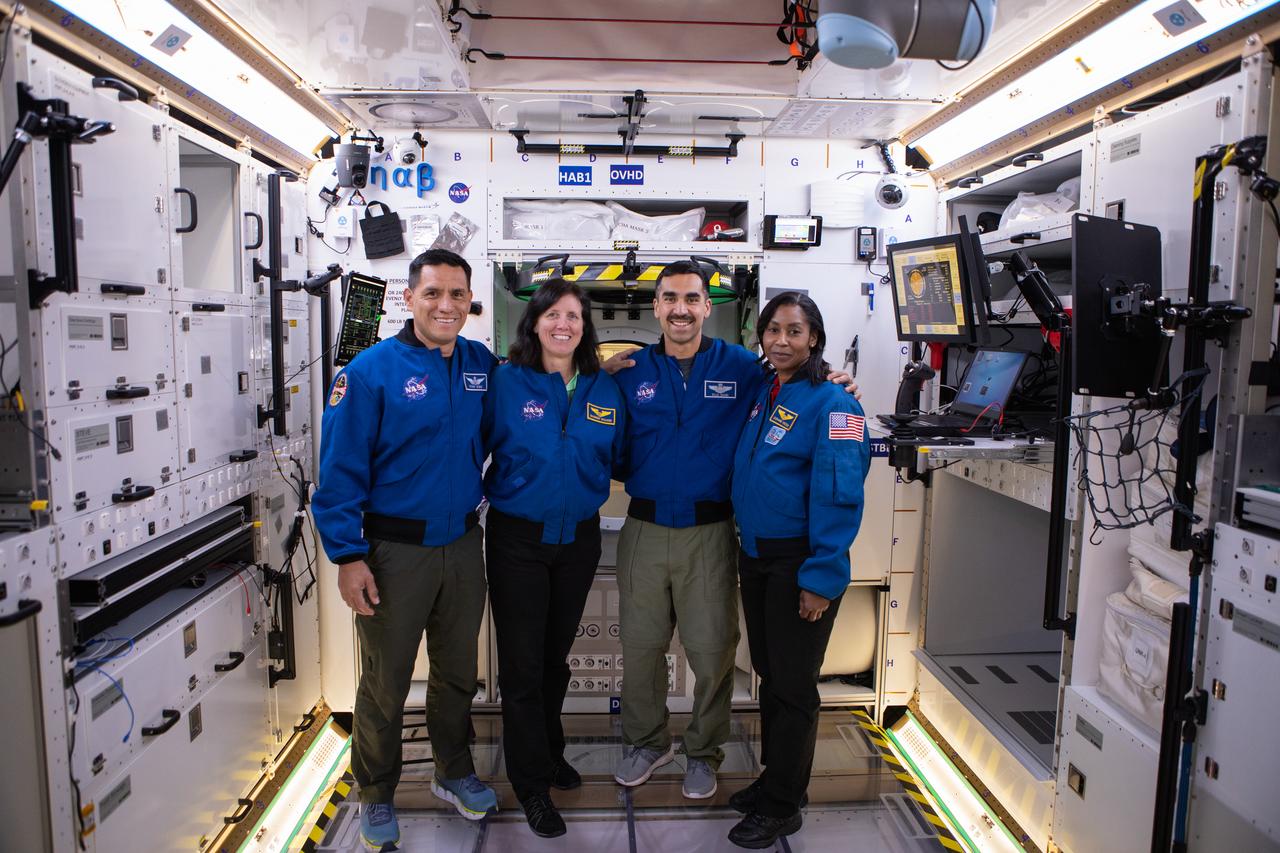
NASA began evaluating five habitat prototypes developed through NASA’s Next Space Exploration for Technologies Partnerships, or NextSTEP, to help engineers refine requirements for the design of an American-made deep space habitat for the Gateway. Lockheed Martin turned over its prototype to NASA, and testing began with crew on March 25, 2019, at Kennedy Space Center in Florida. Pictured, from left are astronauts Frank Rubio, Shannon Walker, Raja Chari and Stephanie Wilson. Astronauts are participating in the evaluations to provide their perspectives as those who may one day live aboard the lunar outpost, which would be located about 250,000 miles from Earth. Ground prototypes developed by Bigelow Aerospace, Boeing, Northrop Grumman, and Sierra Nevada Corporation will be tested in the future at various facilities across the country. A sixth company, NanoRacks, plans to develop a prototype as well.

A test unit, or prototype, of NASA's Advanced Plant Habitat (APH) with its first initial grow test in the Space Station Processing Facility at the agency's Kennedy Space Center in Florida. The taller plants pictured are dwarf wheat and the smaller plants are Arabidopsis. Developed by NASA and ORBITEC of Madison, Wisconsin, the APH is the largest plant chamber built for the agency. It is a fully automated plant growth facility that will be used to conduct bioscience research on the International Space Station. The APH will be delivered to the space station aboard future Commercial Resupply Services missions.
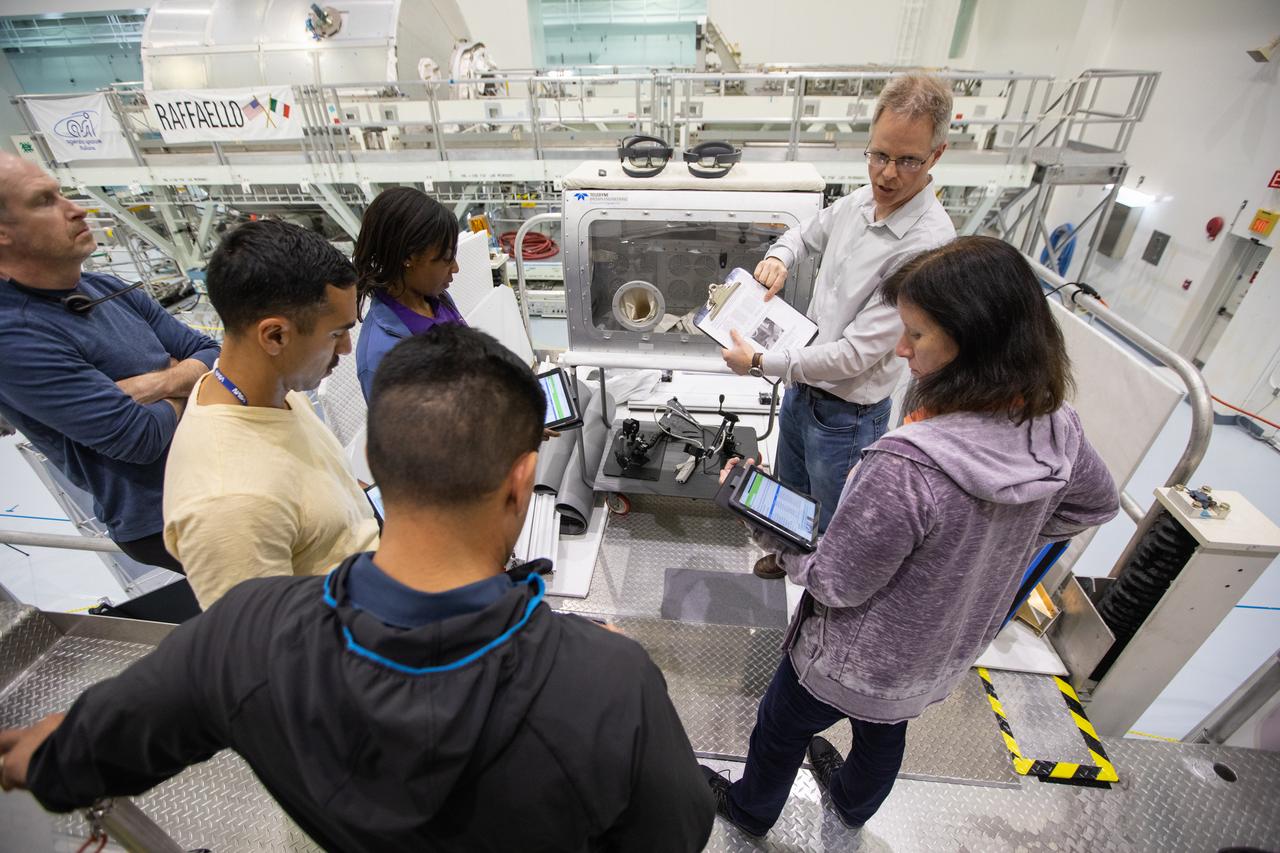
NASA began evaluating five habitat prototypes developed through NASA’s Next Space Exploration for Technologies Partnerships, or NextSTEP, to help engineers refine requirements for the design of an American-made deep space habitat for the Gateway. Lockheed Martin turned over its prototype to NASA, and testing began with crew on March 25, 2019, at Kennedy Space Center in Florida. Pictured inside the Space Station Processing Facility on March 26, 2019, from far left is astronaut Frank Rubio. In front of him, are Raja Chari and Stephanie Wilson. At right is astronaut Shannon Walker. Astronauts are participating in the evaluations to provide their perspectives as those who may one day live aboard the lunar outpost, which would be located about 250,000 miles from Earth. Ground prototypes developed by Bigelow Aerospace, Boeing, Northrop Grumman, and Sierra Nevada Corporation will be tested in the future at various facilities across the country. A sixth company, NanoRacks, plans to develop a prototype as well.
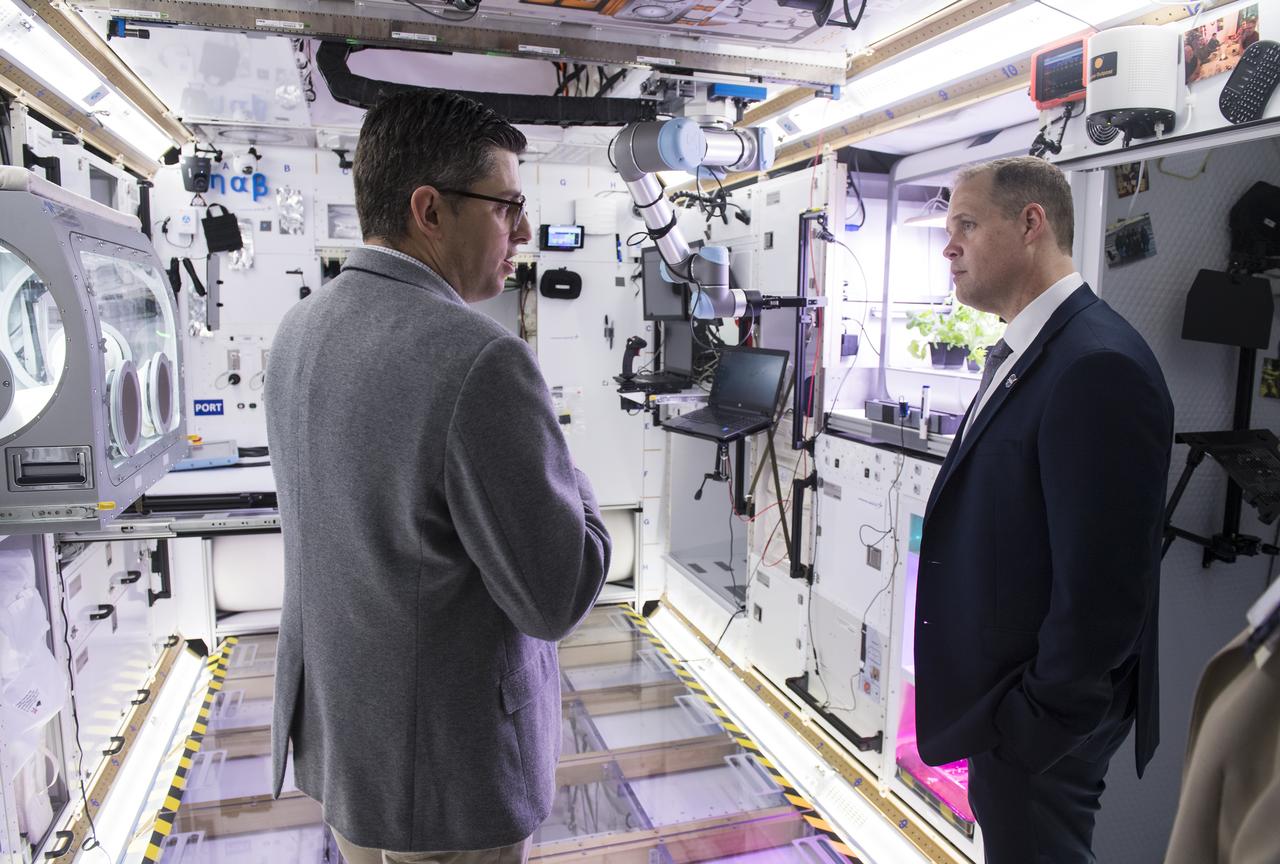
Bill Pratt, Lockheed Martin NextSTEP program manager gives NASA Administrator Jim Bridenstine a tour of the Lockheed Martin Gateway habitat prototype in the Space Station Processing Facility High Bay, after an event to discuss NASA’s progress toward sending astronauts to the Moon and on to Mars, Monday March 11, 2019 at Kennedy Space Center in Florida. For information on NASA's Moon to Mars plans, visit: www.nasa.gov/moontomars Photo credit: (NASA/Aubrey Gemignani)
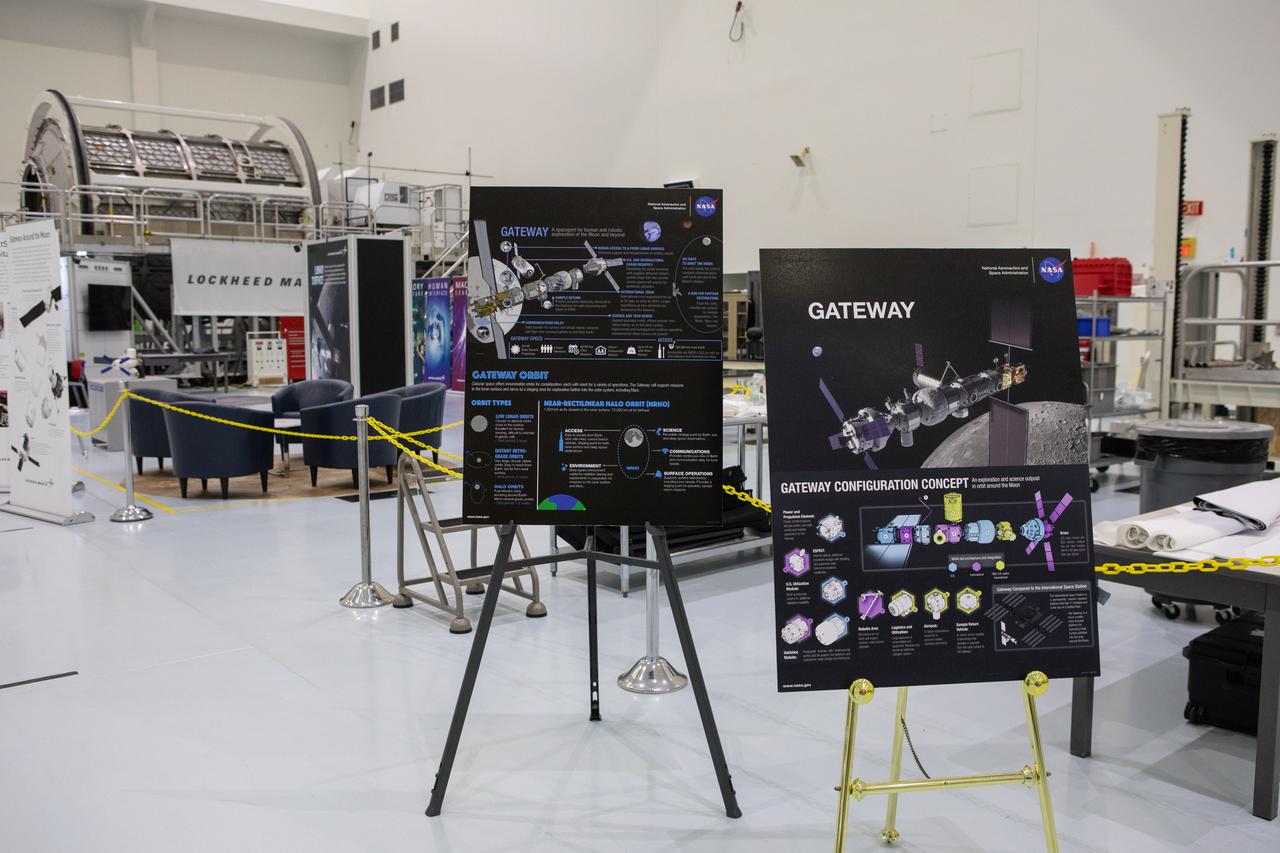
The Lockheed Martin prototype habitat for NASA’s lunar orbital platform, called the Gateway, is in view at far left in the high bay of the Space Station Processing Facility (SSPF) at NASA's Kennedy Space Center in Florida, on May 16, 2019. The center is celebrating the SSPF’s 25th anniversary. The facility was built to process elements for the International Space Station. Now it is providing support for current and future NASA and commercial provider programs, including Commercial Resupply Services, Artemis 1, sending the first woman and next man to the Moon, and deep space destinations including Mars.
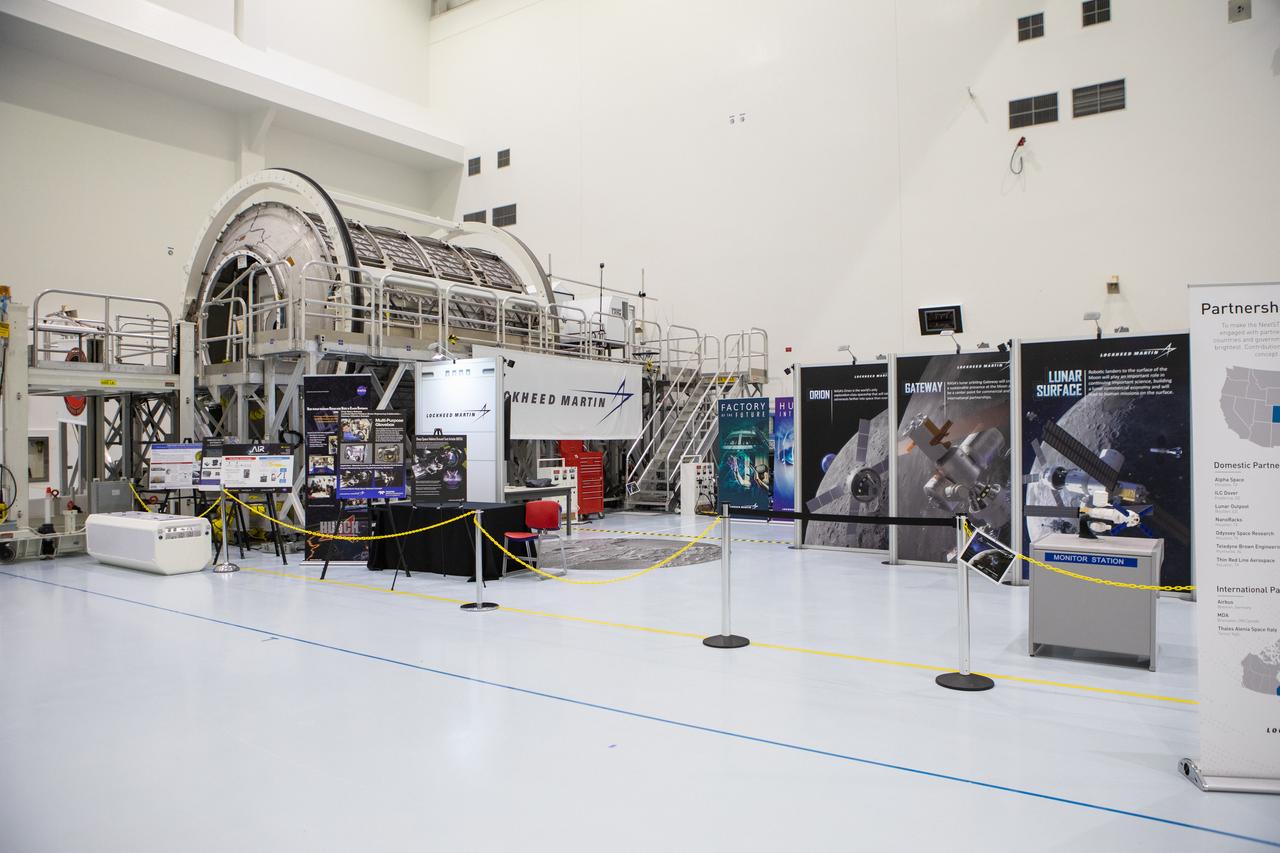
The Lockheed Martin prototype habitat for NASA’s lunar orbital platform, called the Gateway, is in view at left in the high bay of the Space Station Processing Facility (SSPF) at NASA's Kennedy Space Center in Florida, on May 16, 2019. The center is celebrating the SSPF’s 25th anniversary. The facility was built to process elements for the International Space Station. Now it is providing support for current and future NASA and commercial provider programs, including Commercial Resupply Services, Artemis 1, sending the first woman and next man to the Moon, and deep space destinations including Mars.

A test unit, or prototype, of NASA's Advanced Plant Habitat (APH) was delivered to the Space Station Processing Facility at the agency's Kennedy Space Center in Florida. The APH is the largest plant chamber built for the agency. Oscar Monje, a scientist on the Engineering Services Contract, prepares the base of the APH for engineering development tests to see how the science will integrate with the various systems of the plant habitat. The APH will have about 180 sensors and fourt times the light output of Veggie. The APH will be delivered to the International Space Station in March 2017.

A test unit, or prototype, of NASA's Advanced Plant Habitat (APH) was delivered to the Space Station Processing Facility at the agency's Kennedy Space Center in Florida. The APH is the largest plant chamber built for the agency. The base of the APH is being prepared for engineering development tests to see how the science will integrate with the various systems of the plant habitat. It will have 180 sensors and four times the light output of Veggie. The APH will be delivered to the International Space Station in March 2017.

A test unit, or prototype, of NASA's Advanced Plant Habitat (APH) was delivered to the Space Station Processing Facility at the agency's Kennedy Space Center in Florida. The APH is the largest plant chamber built for the agency. The unit is being prepared for engineering development tests to see how the science will integrate with the various systems of the plant habitat. It will have 180 sensors and four times the light output of Veggie. The APH will be delivered to the International Space Station in March 2017.

A test unit, or prototype, of NASA's Advanced Plant Habitat (APH) was delivered to the Space Station Processing Facility at the agency's Kennedy Space Center in Florida. The APH is the largest plant chamber built for the agency. The unit is being prepared for engineering development tests to see how the science will integrate with the various systems of the plant habitat. It will have 180 sensors and four times the light output of Veggie. The APH will be delivered to the International Space Station in March 2017.
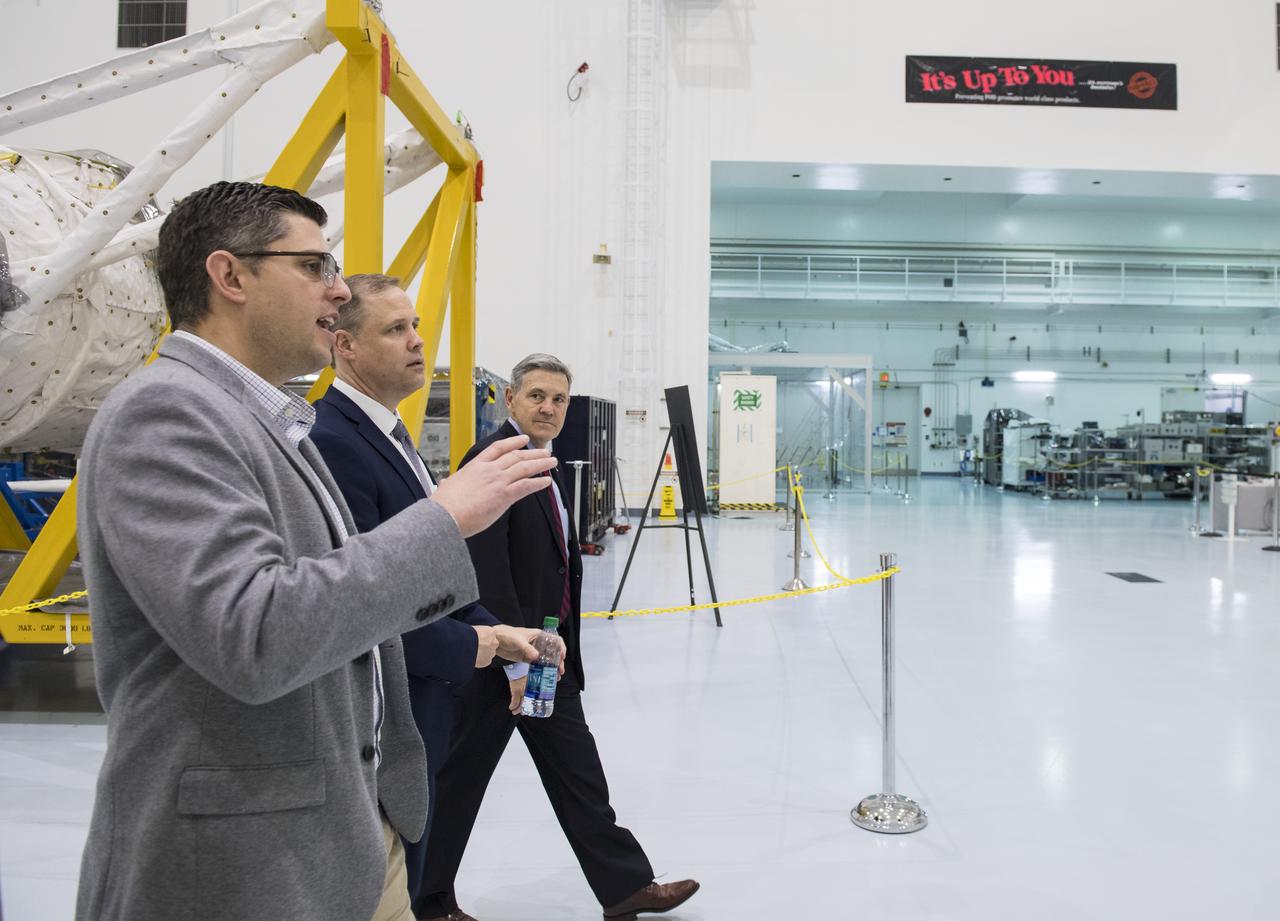
Bill Pratt, Lockheed Martin NextSTEP program manager, left, NASA Administrator Jim Bridenstine, center, and Kennedy Space Center Director, Bob Cabana, right, walk through the Space Station Processing Facility High Bay to the Lockheed Martin Gateway habitat prototype, after an event about NASA’s progress toward sending astronauts to the Moon and on to Mars, Monday March 11, 2019 at Kennedy Space Center in Florida. For information on NASA's Moon to Mars plans, visit: www.nasa.gov/moontomars Photo credit: (NASA/Aubrey Gemignani)

A test unit, or prototype, of NASA's Advanced Plant Habitat (APH) was delivered to the Space Station Processing Facility at the agency's Kennedy Space Center in Florida. Inside a laboratory, Engineering Services Contract engineers set up test parameters on computers. From left, are Glenn Washington, ESC quality engineer; Claton Grosse, ESC mechanical engineer; and Jeff Richards, ESC project scientist. The APH is the largest plant chamber built for the agency. It will have 180 sensors and four times the light output of Veggie. The APH will be delivered to the International Space Station in March 2017.