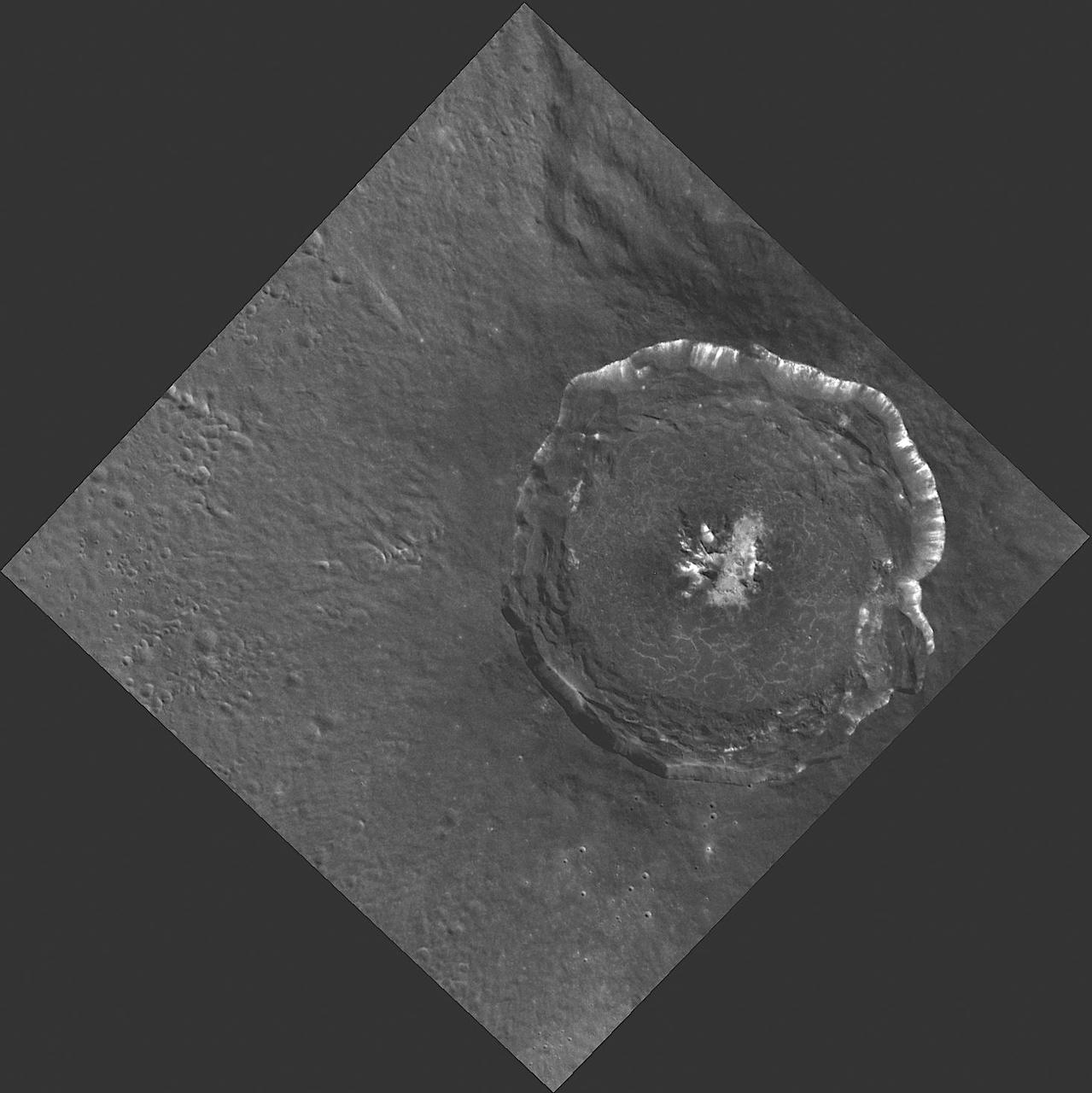
What Happens in Degas Stays in Degas
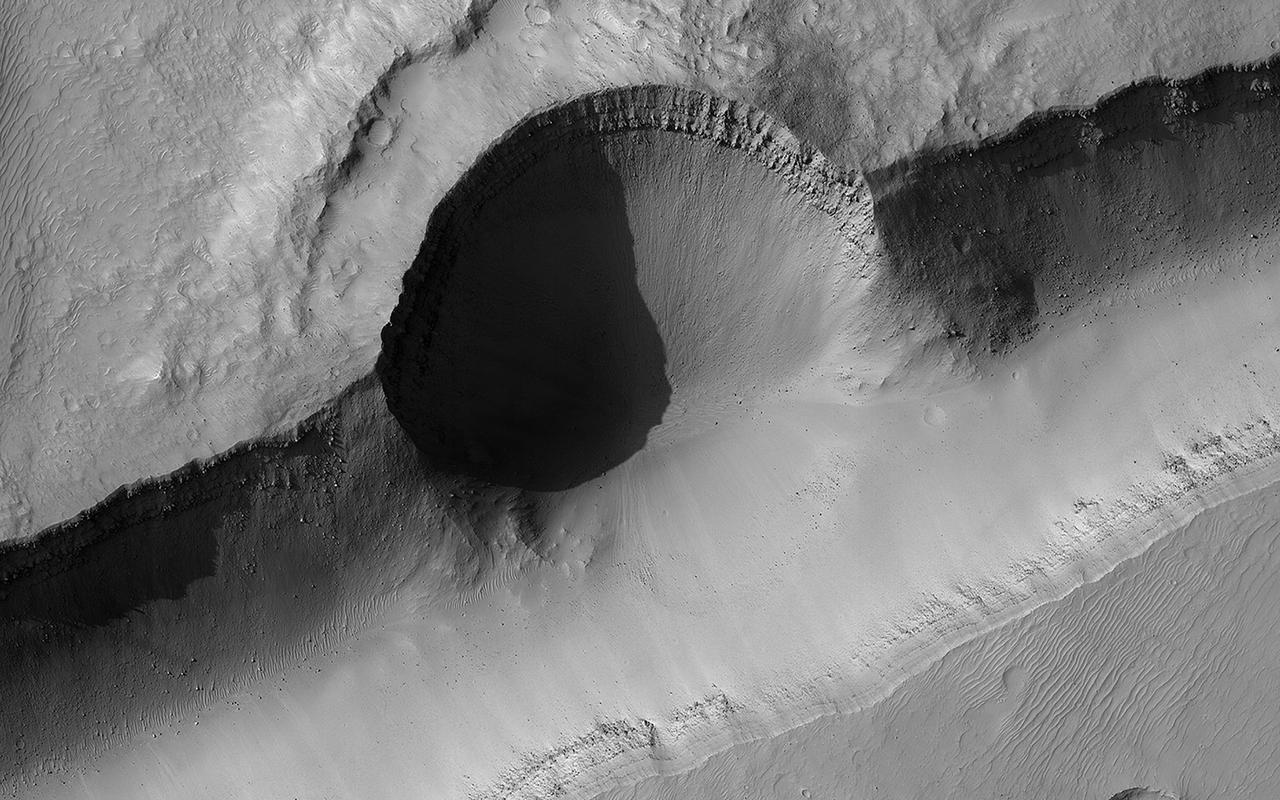
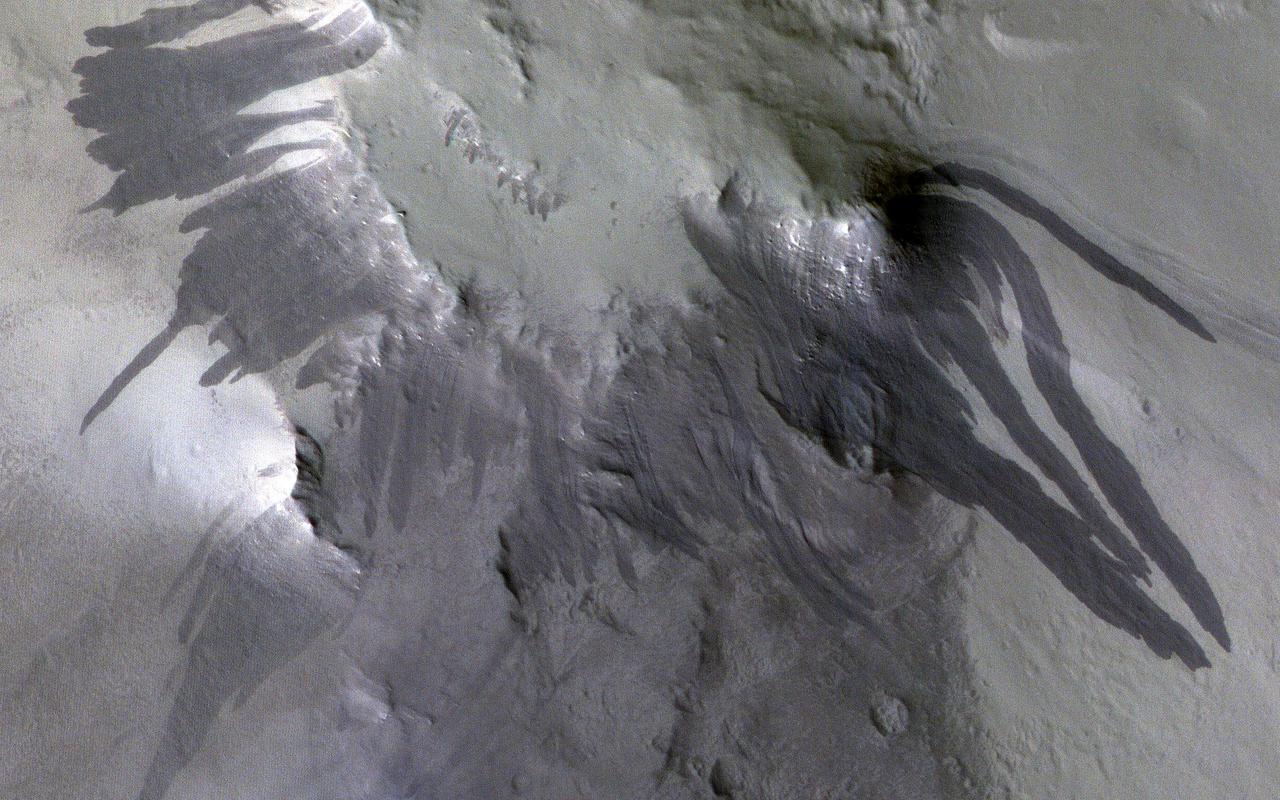
Studying what happened when tells geologists about the history of Mars. A crater that punched through the surface of Mars reveals multiple layers formed previously below the surface. Half of the crater was then destroyed by the opening of the channel. Small craters pepper the ejecta blanket of the larger crater but a few are visible in the channel, another clue to its younger age. The most recent signs of activity are the boulders that have tumbled down the sides of the channel. https://photojournal.jpl.nasa.gov/catalog/PIA25447

Bridenstine walks along with AFRC Center Director David McBride as McBride explains the aeronautical research happening at the center as well as discussing the capabilities used for agency missions.

This test conducted in May 1988 shows what happens during launch if a space shuttle main engine fails. The test was conducted in the 10X10 supersonic wind tunnel at the John H. Glenn Research Center.

This test conducted in May 1988 shows what happens during launch if a space shuttle main engine fails. The test was conducted in the 10X10 supersonic wind tunnel at the John H. Glenn Research Center.
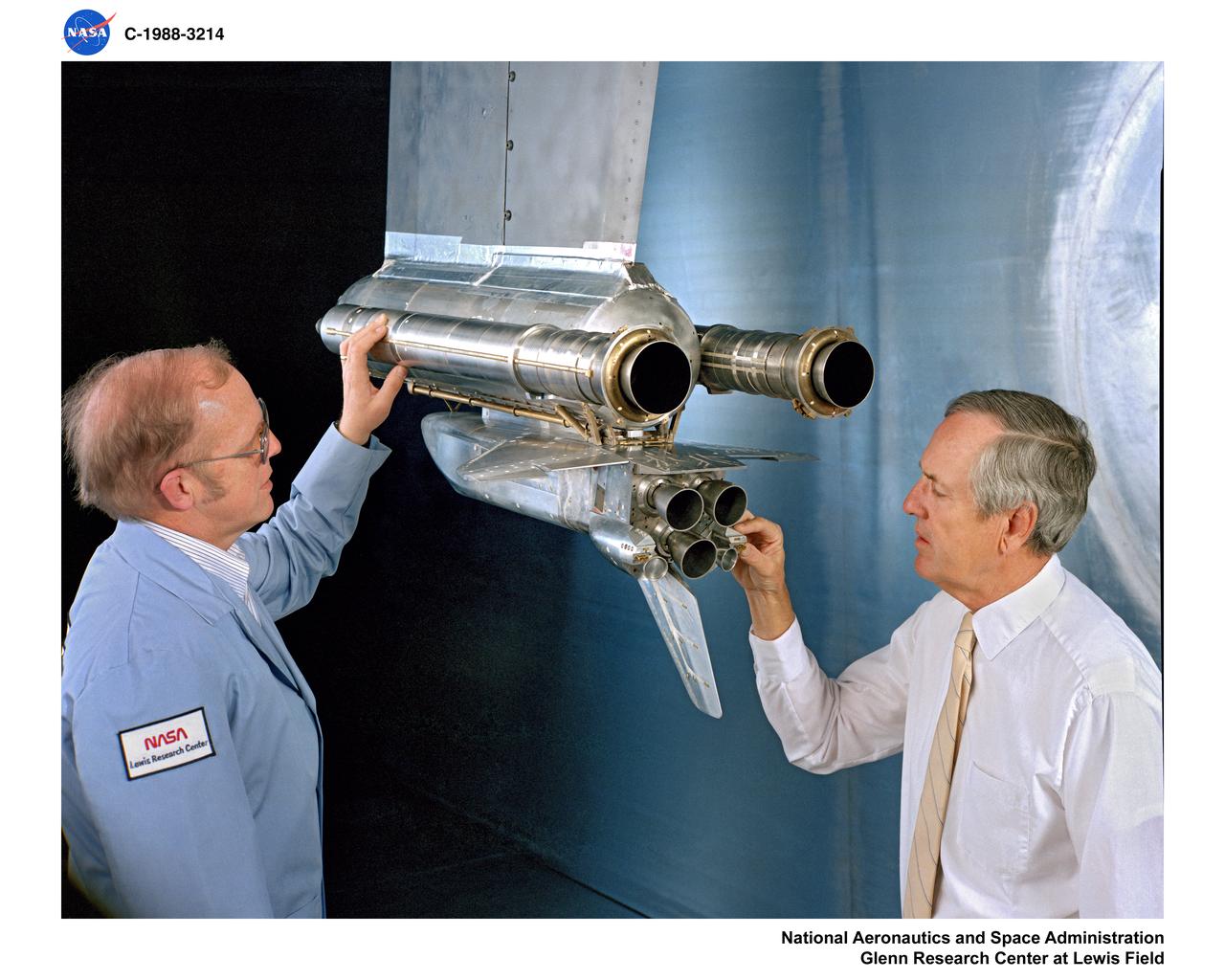
This test conducted in May 1988 shows what happens during launch if a space shuttle main engine fails. The test was conducted in the 10X10 supersonic wind tunnel at the John H. Glenn Research Center.

This image shows a flash produced in a laboratory by a high-velocity bead slamming into dust. Scientists at Ames Research Center say that the collision between Deep Impact impactor and comet Tempel 1 may have produce a similar flash.

A new infrared image from NASA Wide-field Infrared Survey Explorer, or WISE, showcases the Tadpole nebula, and asteroids that just happened to be cruising by.

An artist's concept of a tidal disruption event (TDE) that happens when a star passes fatally close to a supermassive black hole, which reacts by launching a relativistic jet. https://photojournal.jpl.nasa.gov/catalog/PIA22355

This radar image of Titan shows Ganesa Macula, interpreted as a cryovolcano ice volcano, and its surroundings. Cryovolcanism is thought to have been an important process on Titan and may still be happening today

This image from NASA WISE spacecraft shows a blazar, a voracious supermassive black hole inside a galaxy with a jet that happens to be pointed right toward Earth. Active black holes are often found at the hearts of elliptical galaxies.
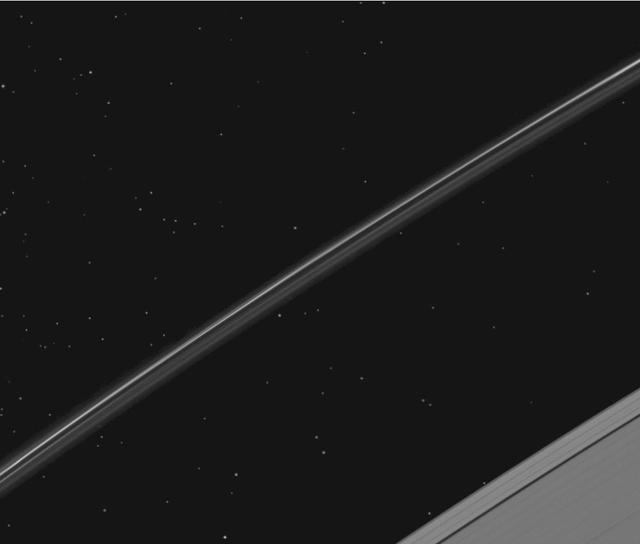
While NASA Cassini spacecraft was pointed to study Saturn F ring, it happened to catch a globular star cluster passing through the camera field of view. Animations are available at the Photojournal.
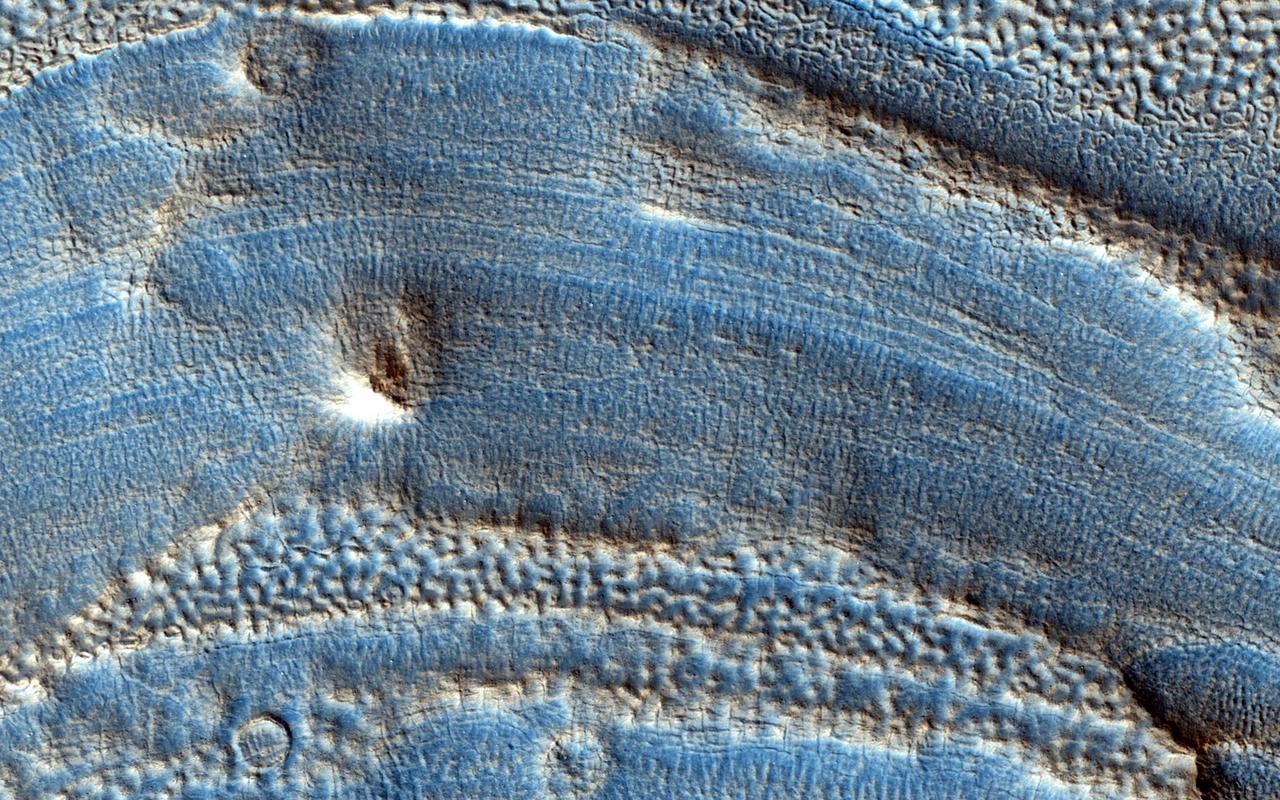
This image captured by NASA Mars Reconnaissance Orbiter spans from wall to wall across the center area of an impact crater. From what we see, a lot has happened to modify the appearance of the crater since it was formed.

This image shows what happened underneath NASA Phoenix Mars Lander Robotic Arm wrist on Sol 3. The pin that goes through the loop is what holds the wrist in place. The rotation of the wrist pops the pin free.
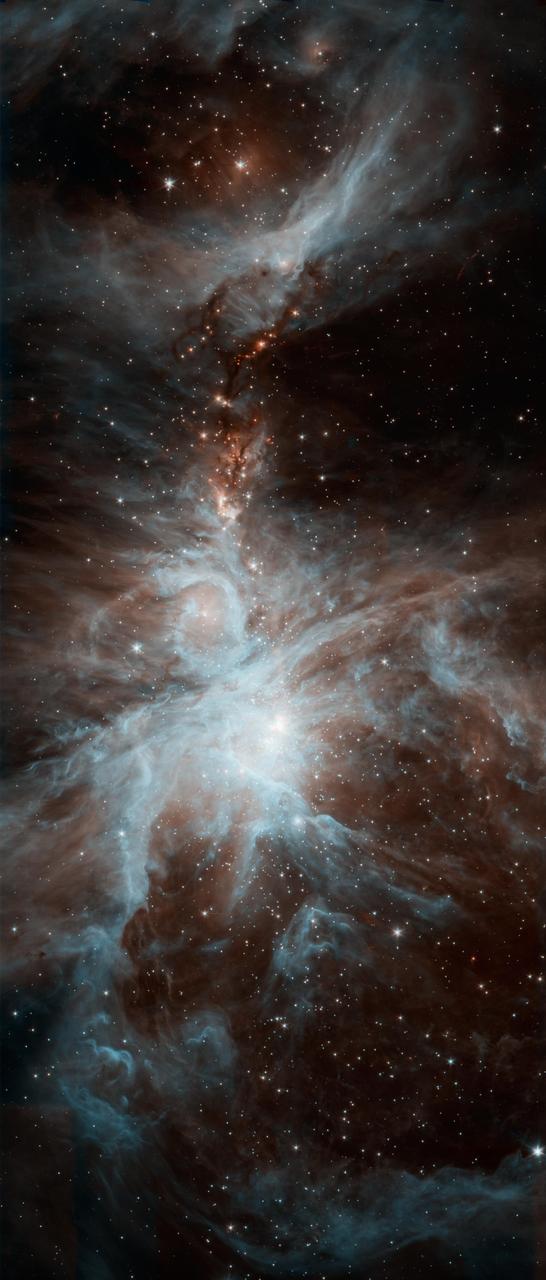
A colony of hot, young stars is stirring up the cosmic scene in this new picture from NASA Spitzer Space Telescope. The image shows the Orion nebula, a happening place where stars are born.
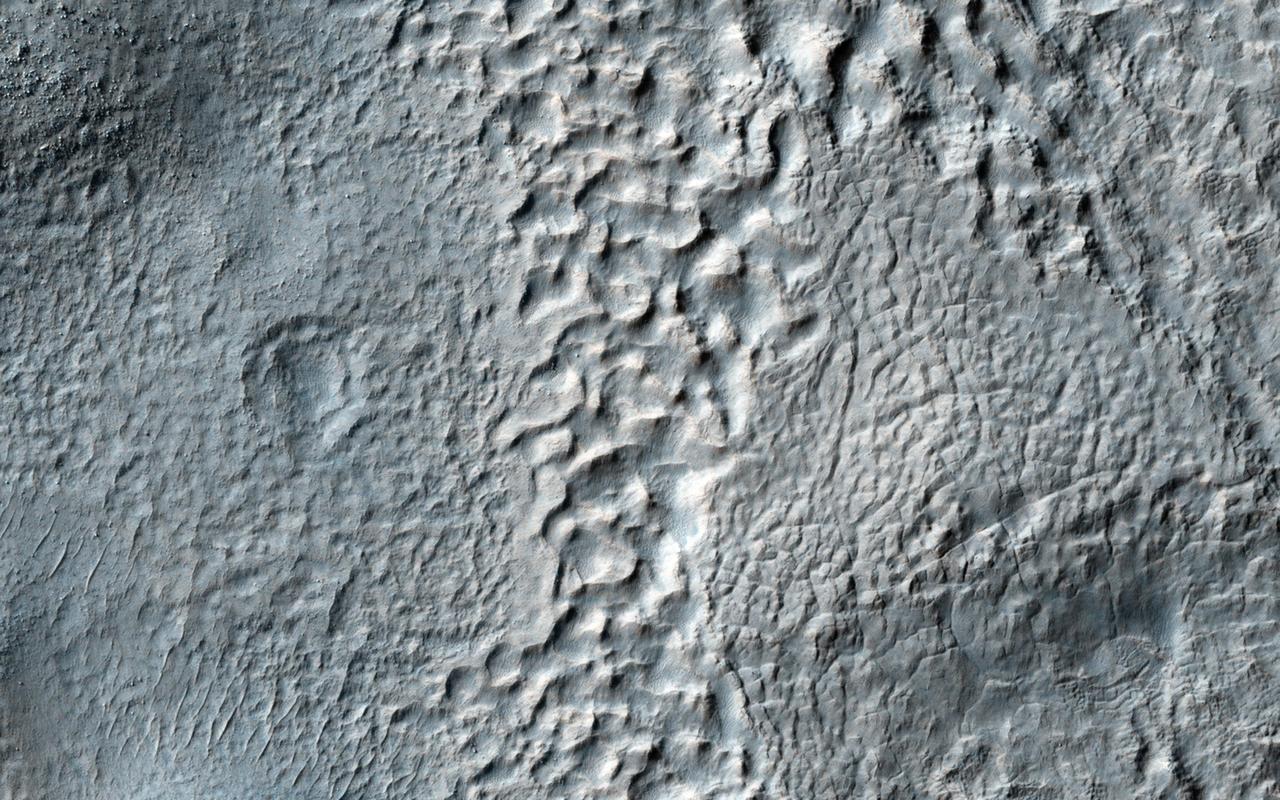
This mantle observed by NASA Mars Reconnaissance Orbiter is thought to be deposited as snow during periods when the angle of the tilt of Mars rotational axis-called obliquity-is much higher, which last happened around 10 million years ago.
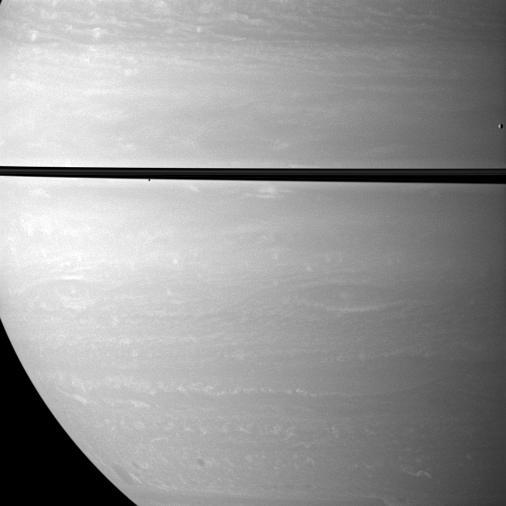
While studying Saturn atmosphere, NASA Cassini spacecraft happens to catch a view of two small, icy satellites. Mimas drifts past on the far right of the image. Janus appears as a black dot just below the rings near the center of the image.
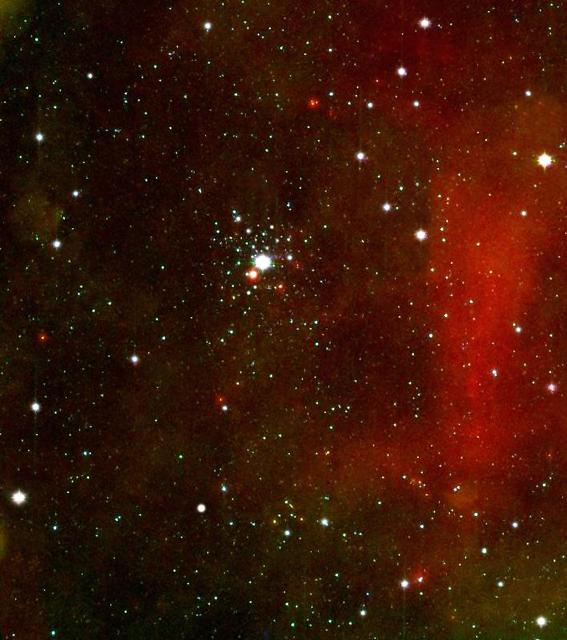
This photograph from NASA Spitzer Space Telescope shows the young star cluster NGC 2362. By studying it, astronomers found that gas giant planet formation happens very rapidly and efficiently, within less than 5 million years.
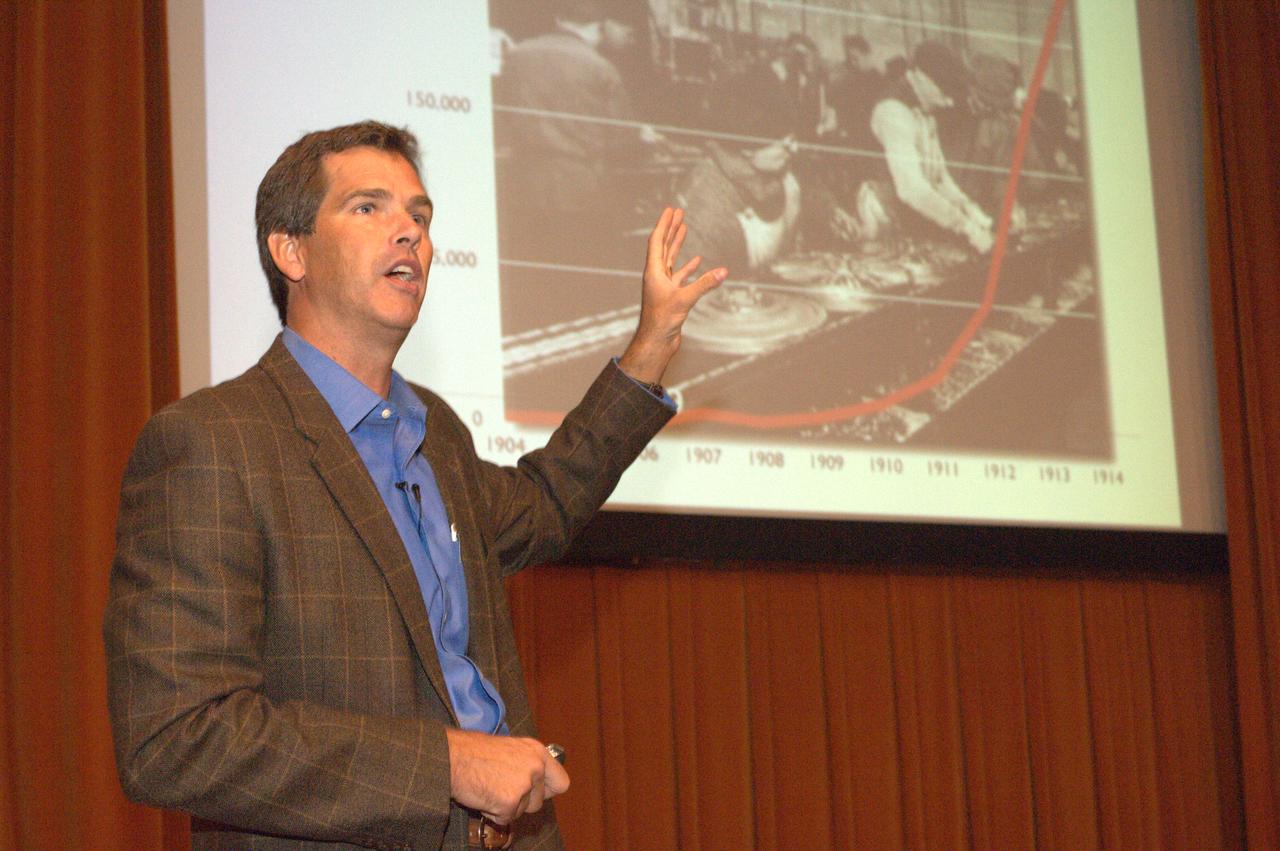
Professor Andrew Hargadon present a Director's Colloquium to NASA Ames on his book entitled 'How Breakthroughs Happen: The Surprising Truth about How Companies Innovate'
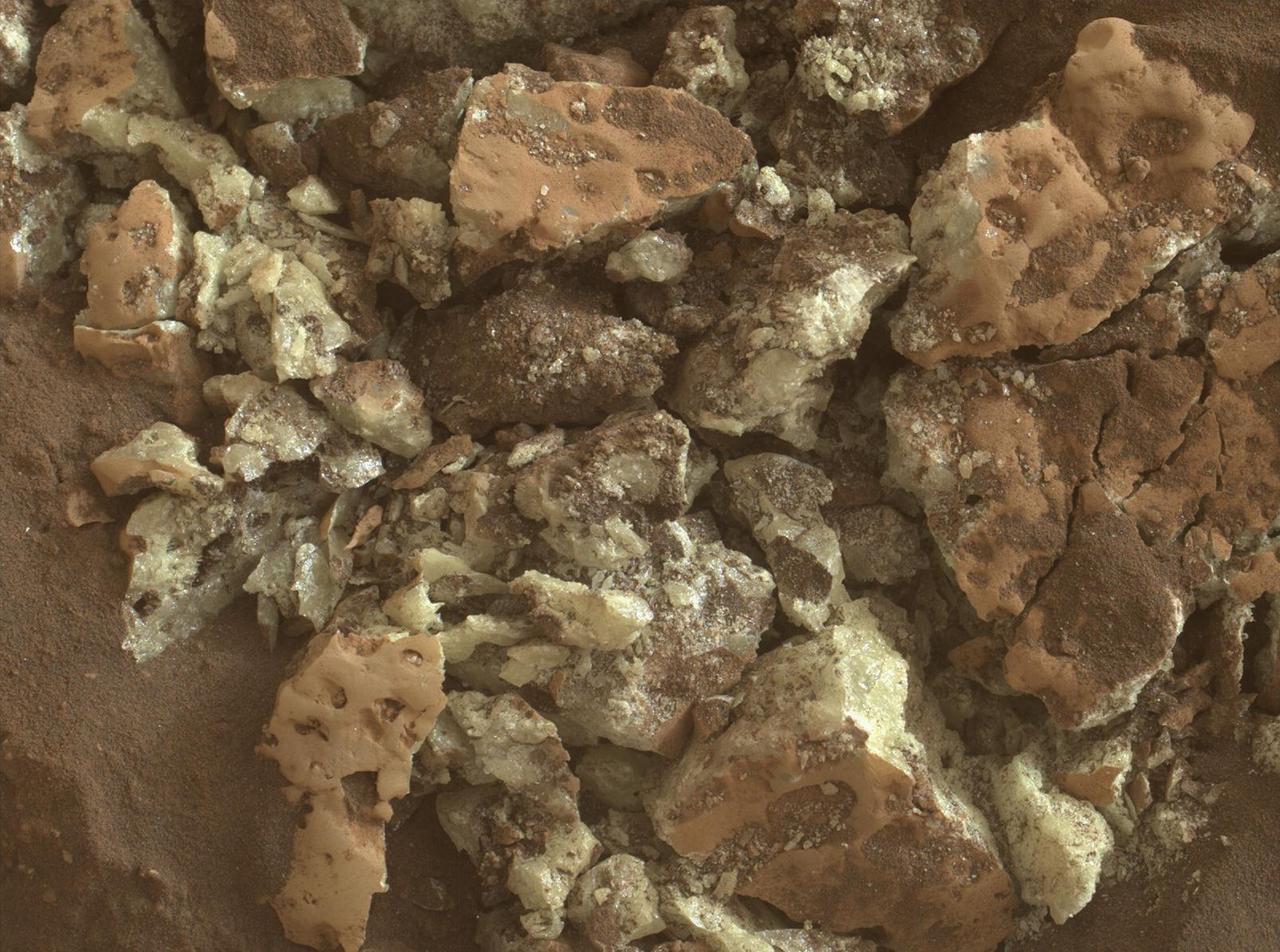
These sulfur crystals were found inside a rock after NASA's Curiosity Mars rover happened to drive over it and crush it on May 30, 2024, the 4,200th Martian day, or sol, of the mission. This image was captured by Curiosity's Mars Hand Lens Imager (MAHLI), a camera on the end of its robotic arm, on June 4, 2024, the 4,205th Martian day, or sol, of the mission. This rock was nicknamed "Convict Lake" after a location in California's Sierra Nevada. Curiosity's Alpha Particle X-Ray Spectrometer (APXS) found that the crystalline material is elemental sulfur. https://photojournal.jpl.nasa.gov/catalog/PIA26307
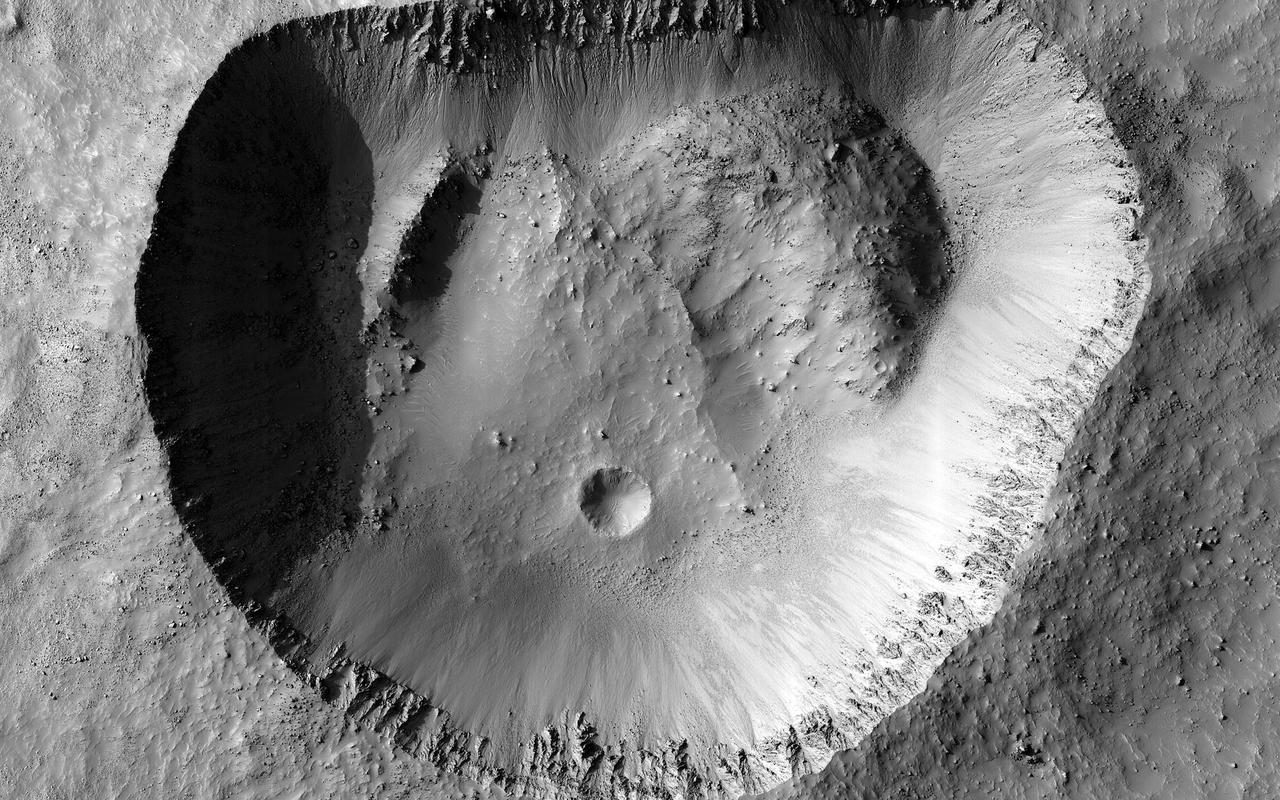
Most craters are round, because a high-velocity impact acts like a powerful explosion that expands in all directions. This crater is an exception because the northern rim is almost perfectly straight. One possibility is that there was a zone of joints or faults in the crust that existed before the impact. When the impact happened, the crater formed along the straight line of these faults. Something similar happened to Meteor Crater in Arizona. Our image doesn't show any faults, but they could be beneath the surface. Perhaps some sort of uneven collapse changed the shape of the crater. There are piles of material on the crater's floor, especially in the northwest and northeast corners. If those piles fell down from the rim, why did it happen there and not in other places? This crater is near the size where larger craters start to show wall slumping and terraces, so this type of collapse could be occurring unevenly. Our image reveals the crisp detail of the crater rim, with individual boulders around the outside and on the inner walls. That indicates that this crater probably isn't very old, so it hasn't been heavily modified. So somehow this odd shape probably happened when it first formed, although we still don't know exactly why. https://photojournal.jpl.nasa.gov/catalog/PIA23953
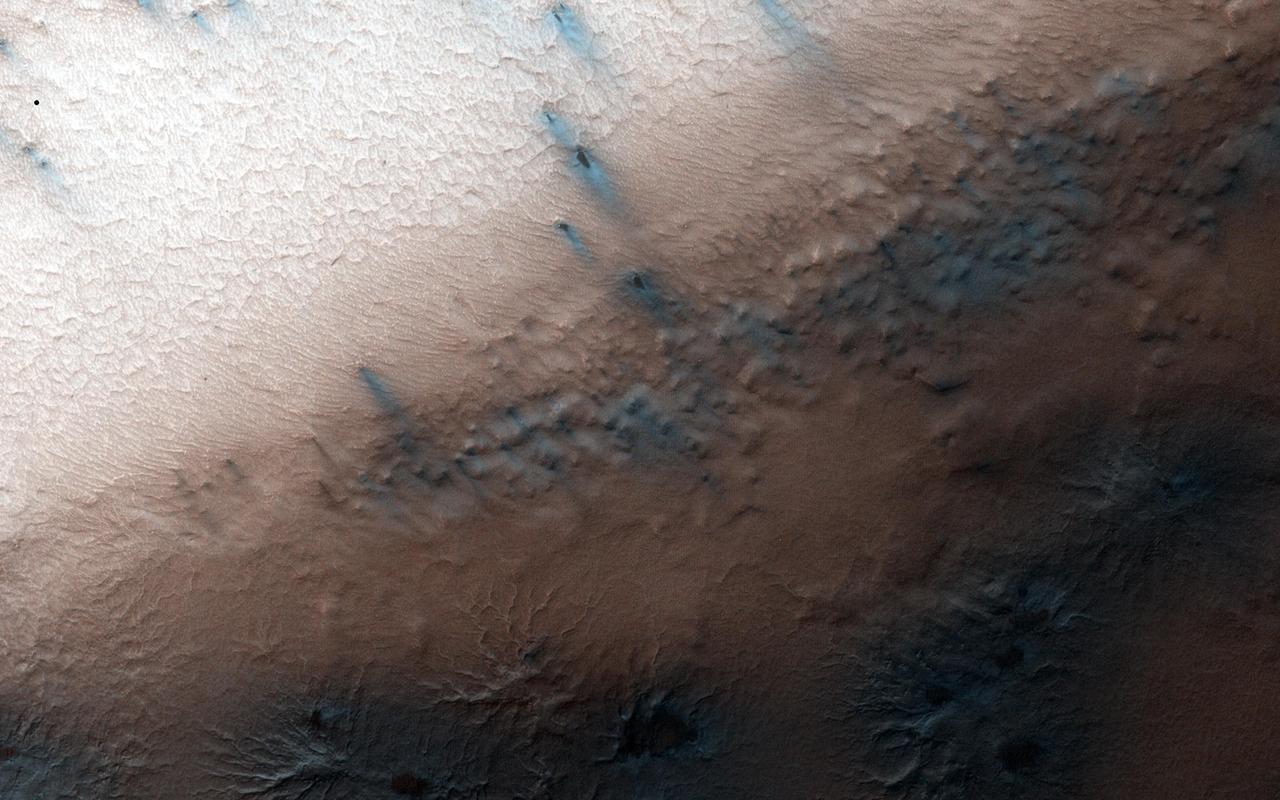
At certain times in spring, fans take on a gray or blue appearance. This is the time in Inca City when this phenomenon happens, as seen in this image acquired by NASA Mars Reconnaissance Orbiter. On the ridge at the top of the image fans have lengthened and now look more gray than the blotches on the araneiforms. At the bottom of the image they are distinctly blue in color. Two theories have been suggested: perhaps fine particles sink into the seasonal layer of ice so they no longer appear dark. Or, maybe the gas that is released from under the ice condenses and falls to the surface as a bright fresh layer of frost. It is quite likely that both of these theories are correct. http://photojournal.jpl.nasa.gov/catalog/PIA18895
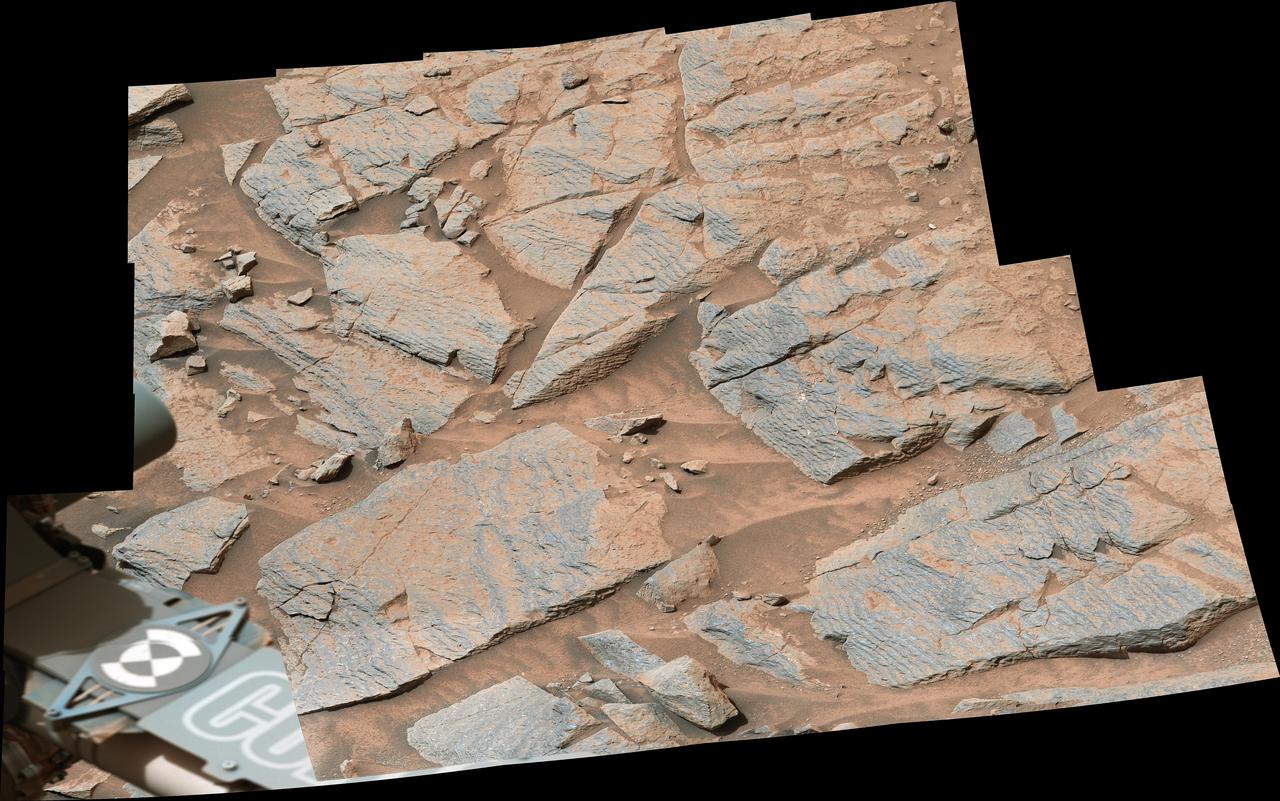
NASA's Curiosity Mars rover captured this image of rhythmic rock layers with a repetitive pattern in their spacing and thickness. The pattern might have been caused by weather or climate cycles occurring while the sediment layers were being deposited, such as dust storms happening at regular intervals in the ancient past. This mosaic is made up of 17 individual images captured in the "Marker Band" area by Curiosity's Mastcam on Nov. 7, 2022, the 3,646th Martian day, or sol, of the mission. The mosaic was captured by Mastcam's 34-millimeter-focal-length camera. https://photojournal.jpl.nasa.gov/catalog/PIA25734
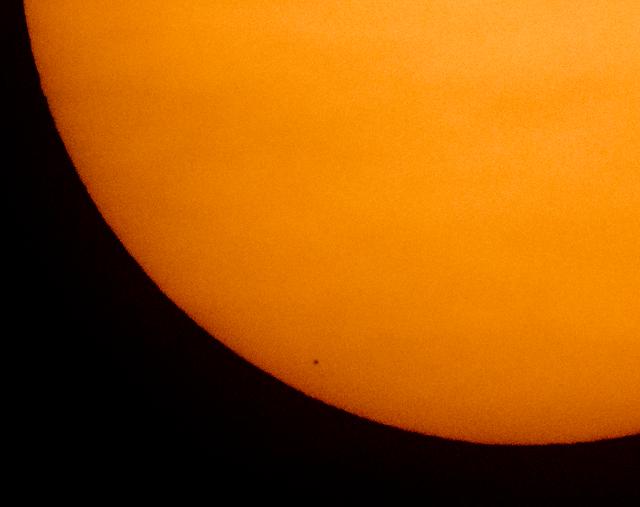
The planet Mercury is seen in silhouette, low center, as it transits across the face of the Sun Monday, Nov. 11, 2019, from Washington. Mercury’s last transit was in 2016. The next won’t happen again until 2032. Photo Credit: (NASA/Bill Ingalls)
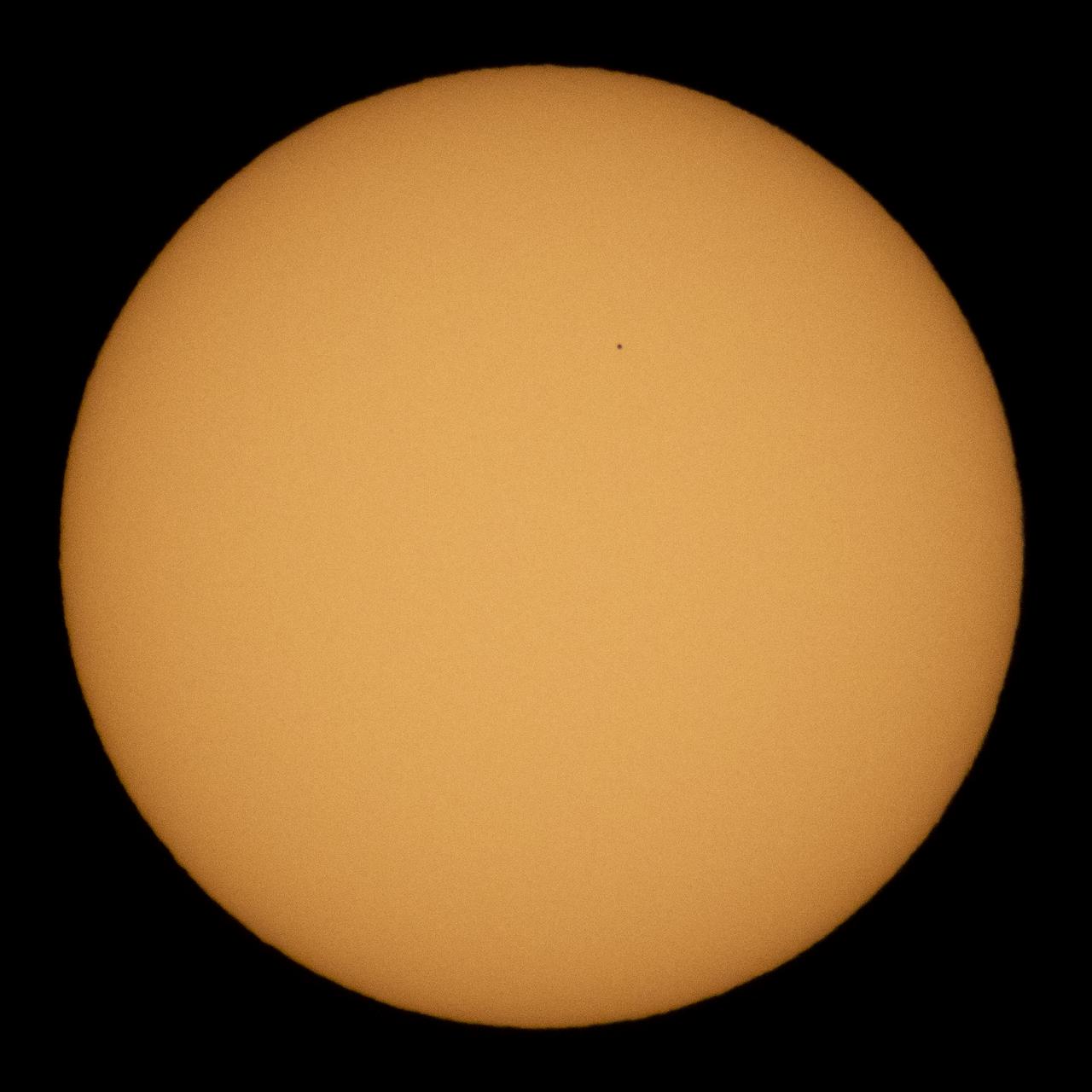
The planet Mercury is seen in silhouette as it transits across the face of the sun, Monday, Nov. 11, 2019 in Salt Lake City, Utah. Mercury’s last transit was in 2016. the next won't happen again until 2032. Photo Credit: (NASA/Joel Kowsky)
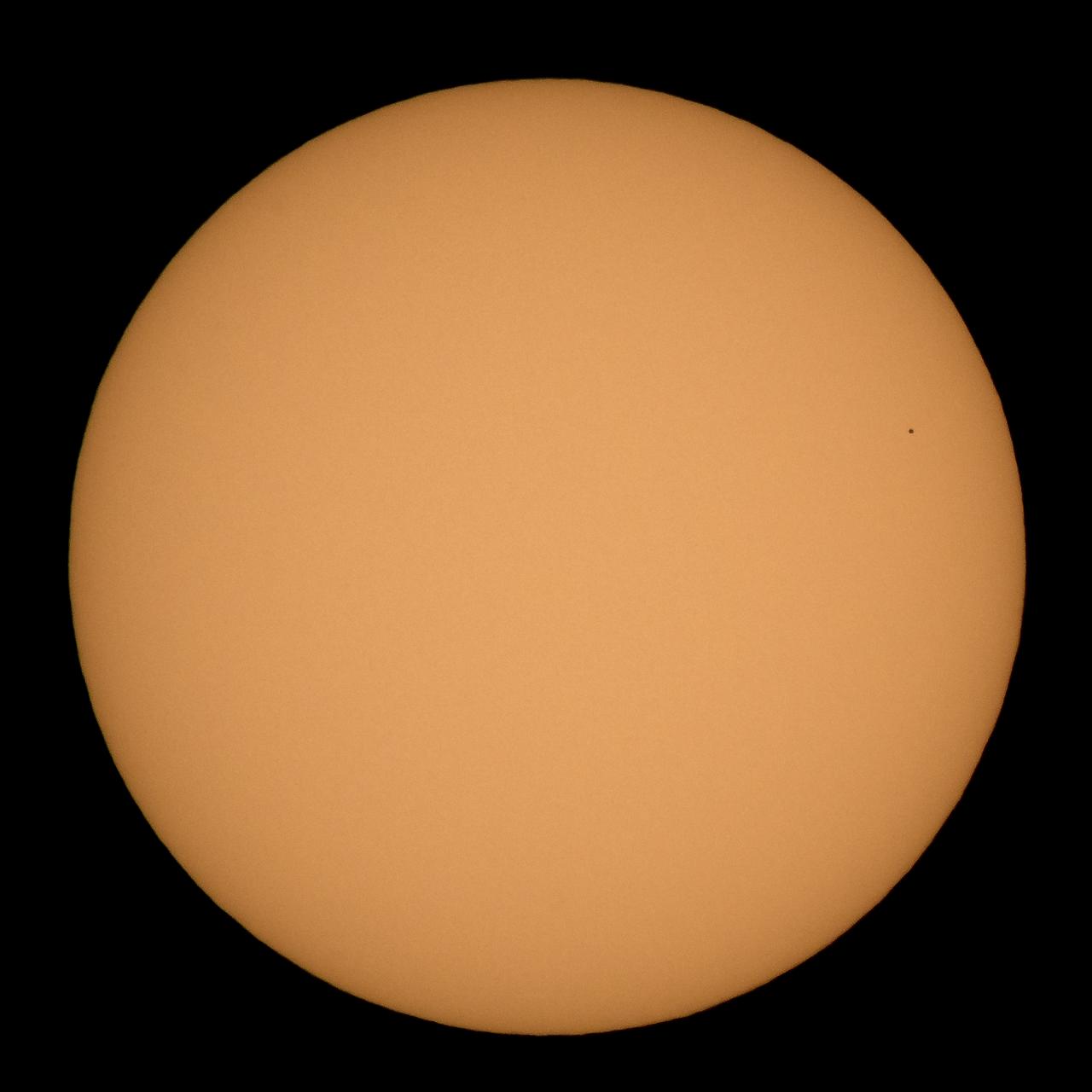
The planet Mercury is seen in silhouette as it nearly completes transiting across the face of the Sun, Monday, Nov. 11, 2019, in Arlington, Virginia. Mercury’s last transit was in 2016. the next won't happen again until 2032. Photo Credit: (NASA/Bill Ingalls)
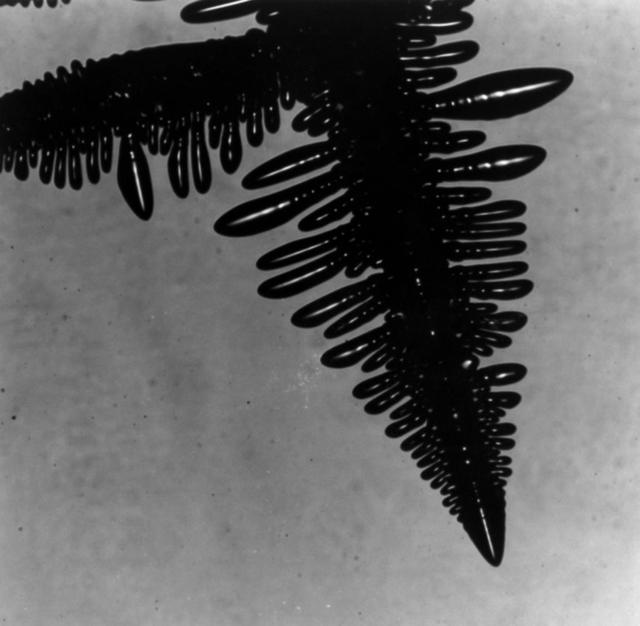
Typical picture of a dendrite: Notice how the branch on the left has no arms coming off the top. This is because of the convective forces (hot liquid rises) that the top of the branch is not solidifying (growing arms) like the bottom, cooler area. The is a gravitational effect. This does not happen in space.
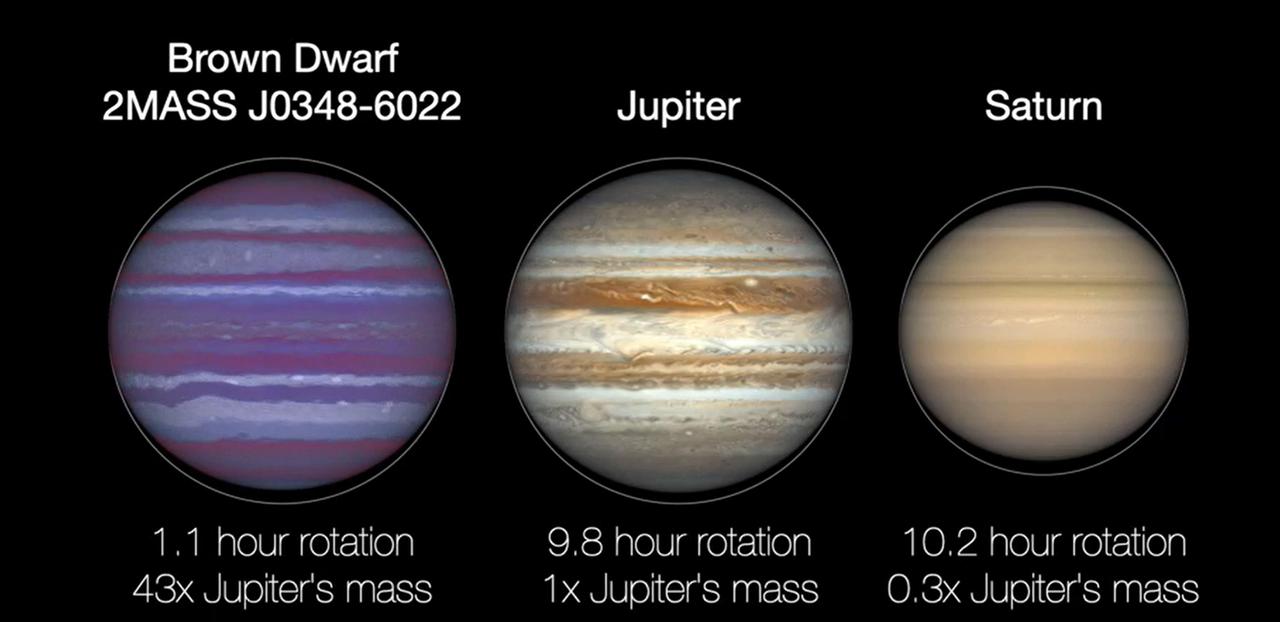
All spinning objects, from carousels to planets, generate centripetal force. If a planet rotates too fast, that force can pull it apart. Before that happens, the planet will experience "flattening," or bulging around its midsection, as seen in this animated illustration of a brown dwarf, Jupiter, and Saturn. Animation available at https://photojournal.jpl.nasa.gov/catalog/PIA24376
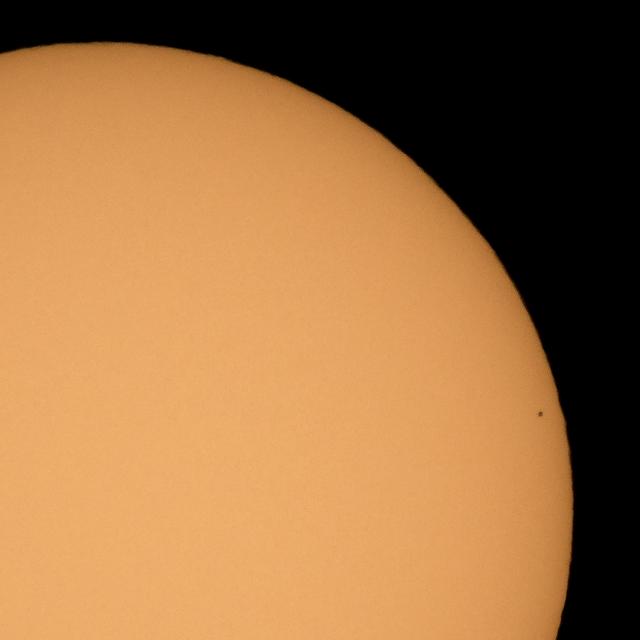
The planet Mercury is seen in silhouette as it nearly completes transiting across the face of the Sun, Monday, Nov. 11, 2019, in Arlington, Virginia. Mercury’s last transit was in 2016. the next won't happen again until 2032. Photo Credit: (NASA/Bill Ingalls)
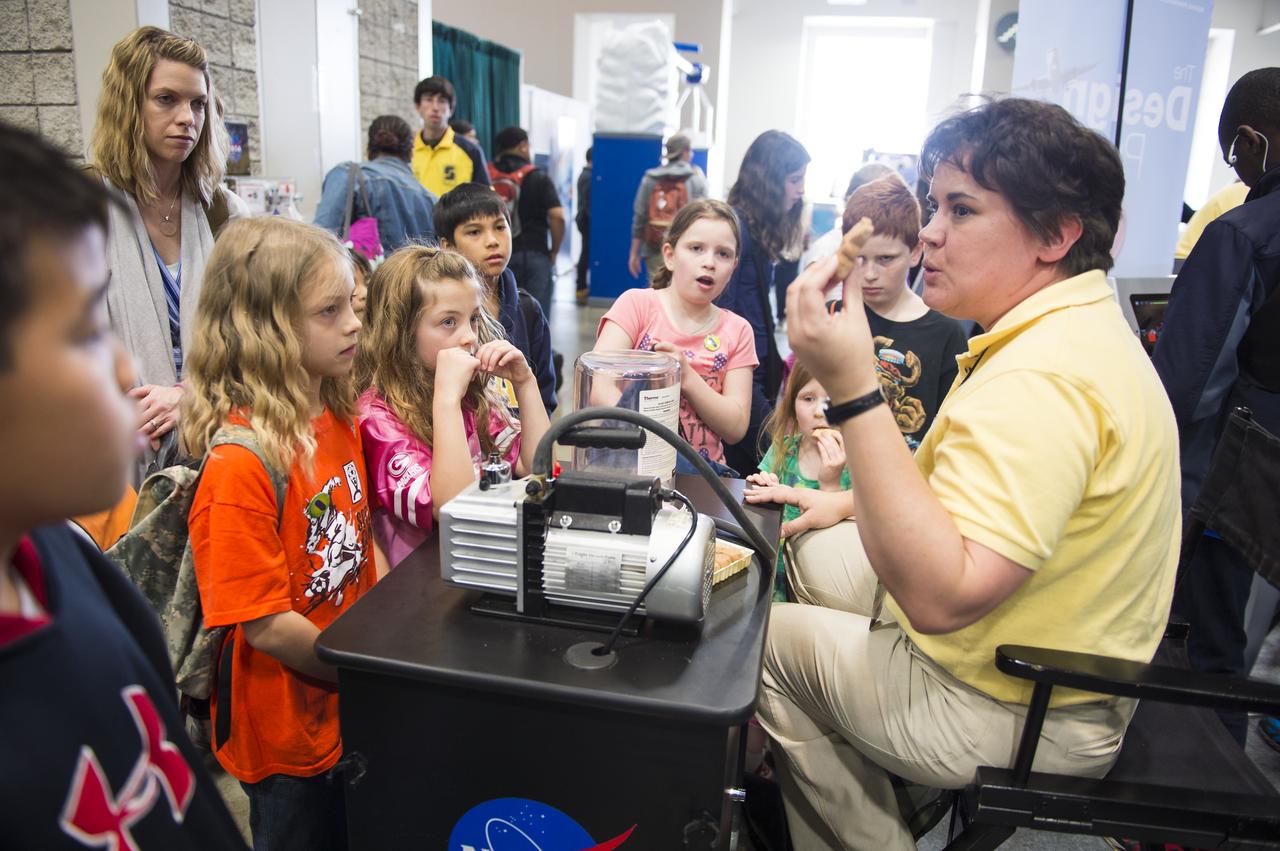
A NASA staff member shows attendees of the USA Science and Engineering Festival what happens to the human body in space without a space suit using a marshmallow bunny. The USA Science and Engineering Festival took place at the Washington Convention Center in Washington, DC on April 26 and 27, 2014. Photo Credit: (NASA/Aubrey Gemignani)
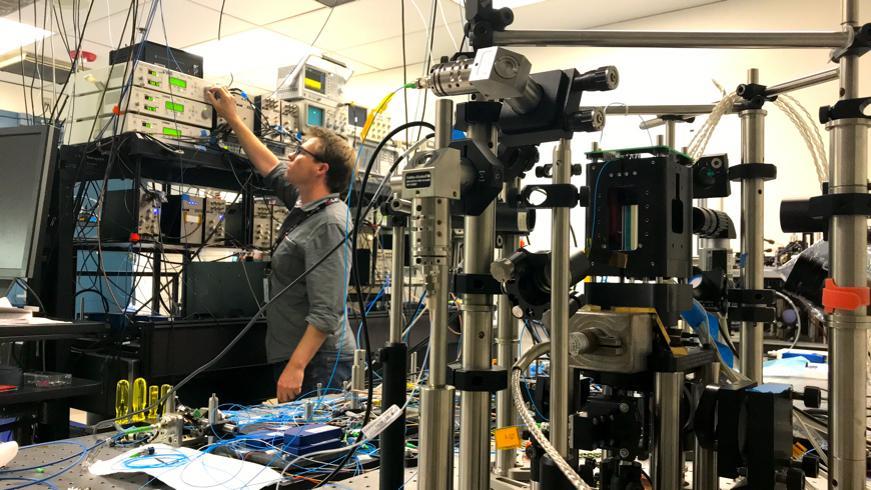
Cold Atom Laboratory (CAL) physicist David Aveline works in the CAL test bed, which is a replica of the CAL facility that stays on Earth. Scientists use the test bed to run tests and understand what is happening inside CAL while it is operating on the International Space Station. https://photojournal.jpl.nasa.gov/catalog/PIA23001
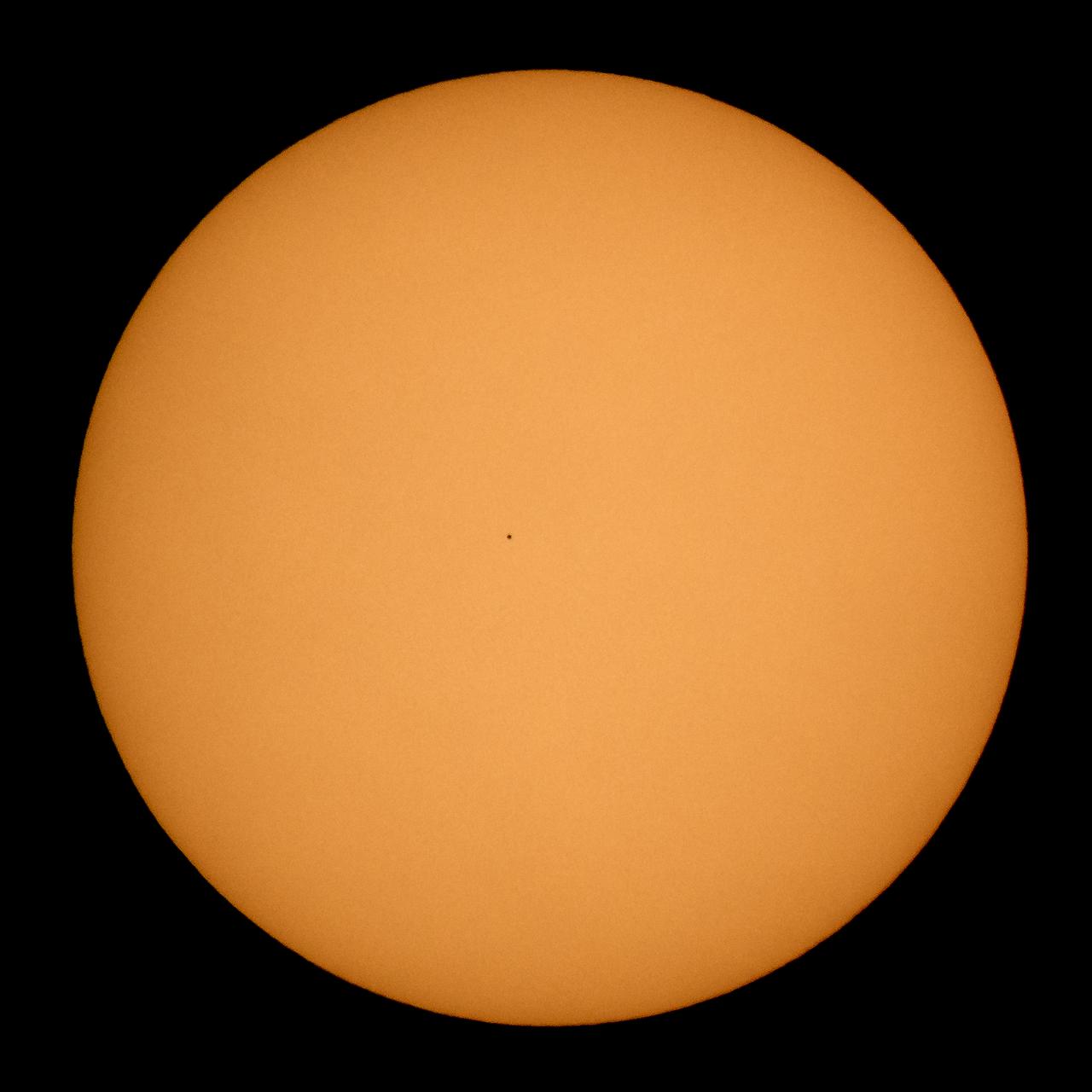
The planet Mercury is seen in silhouette, center, as it transits across the face of the Sun Monday, Nov. 11, 2019, from Washington. Mercury’s last transit was in 2016. The next won’t happen again until 2032. Photo Credit: (NASA/Bill Ingalls)

NASA Stennis Director John Bailey hosts a Java with John session with agency employees Aug. 22. The employee-led discussion happens in a relaxed environment with conversations aimed at fostering a culture where employees are welcome to share what matters most to them at work.
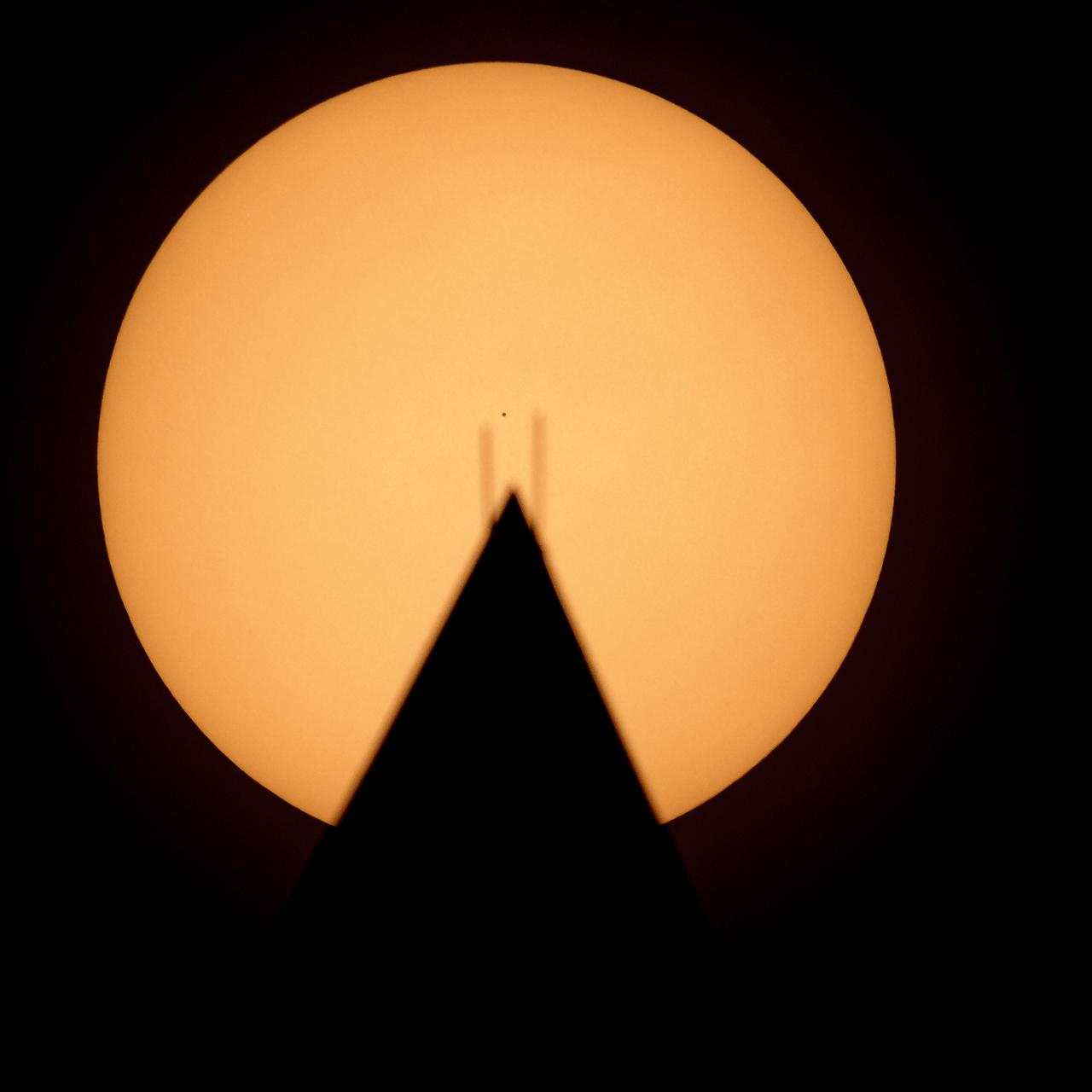
The planet Mercury is seen in silhouette, center, as it transits across the face of the Sun, behind the Washington Monument, Monday, Nov. 11, 2019, in Washington. Mercury’s last transit was in 2016. The next won’t happen again until 2032. Photo Credit: (NASA/Bill Ingalls)
Meteorites hit Mars and create small craters like the one we've imaged here. Usually we spot these new craters in lower-resolution images from the Context Camera because the impact disturbs dust on the surface and creates a dark mark that's much bigger than the crater. This meteorite hit a dusty area and made a crater, but did something a little more special to the surrounding dust. We can see dozens of dark, dust-free, streaks on slopes surrounding the crater. These slope streaks form when dust slumps downhill and happen naturally on a regular basis. In this case though, the impact and explosion that made the crater seems to have set off many of these downhill slumps of dust simultaneously. This could have happened from the explosion's blast wave passing through the air or the shaking of the ground that it caused. https://photojournal.jpl.nasa.gov/catalog/PIA24382

This HiRISE image shows a flat plain with various low, lumpy mounds. Some of them have distinct colors and tones unlike the surrounding plains, suggesting that they are made up of a different type of material. While the origin of these mounds is not certain, one idea that seems to fit best is that they are deposits left after eruptions of wet sediments onto the surface. This can happen when thick deposits of wet sand and mud are shaken, say from a meteorite impact, and the ground briefly loses its strength, allowing dirty water to be expelled from the deposit. On Earth, this process of "liquefaction" can happen during earthquakes. If this hypothesis is correct, it means that these mounds provide samples of a potentially habitable environment that we would otherwise need massive drills to reach. https://photojournal.jpl.nasa.gov/catalog/PIA25087
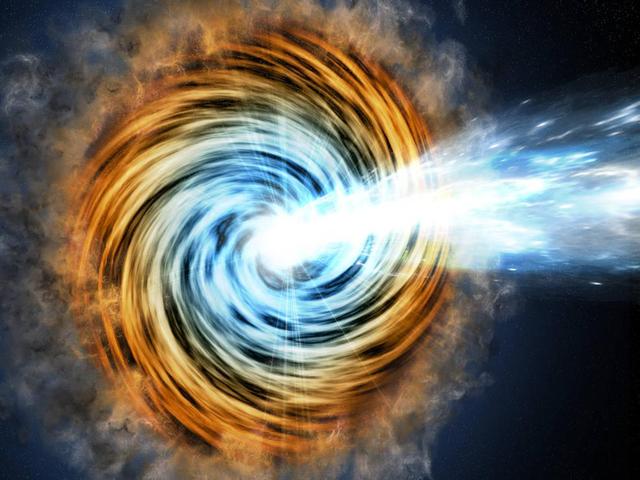
Black-hole-powered galaxies called blazars are the most common sources detected by NASA's Fermi Gamma-ray Space Telescope. As matter falls toward the supermassive black hole at the galaxy's center, some of it is accelerated outward at nearly the speed of light along jets pointed in opposite directions. When one of the jets happens to be aimed in the direction of Earth, as illustrated here, the galaxy appears especially bright and is classified as a blazar. http://photojournal.jpl.nasa.gov/catalog/PIA20912
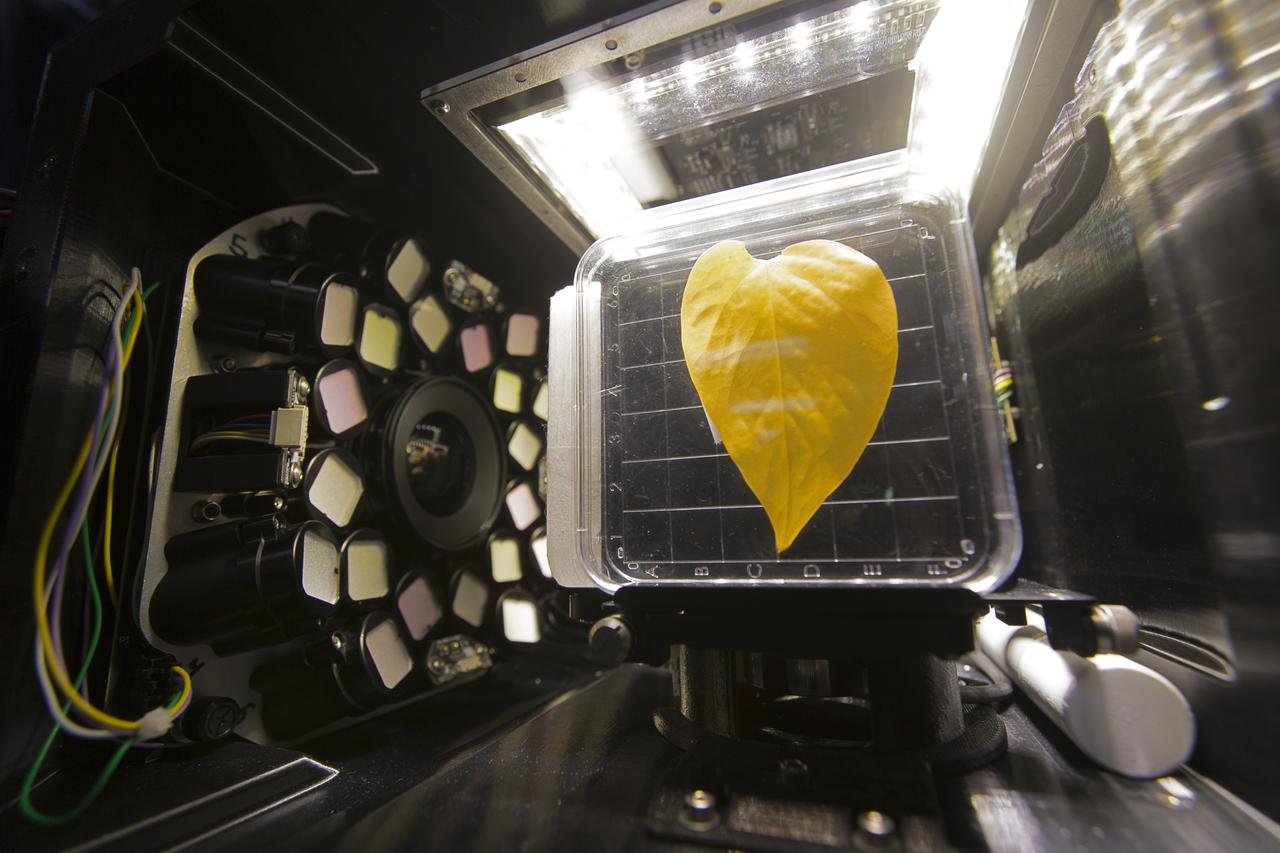
Inside the Spectrum prototype unit, organisms in a Petri plate are exposed to different colors of lighting. The device works by exposing organisms to different colors of fluorescent light while a camera records what's happening with time-lapse photography. Results from the Spectrum project will shed light on which living things are best suited for long-duration flights into deep space.
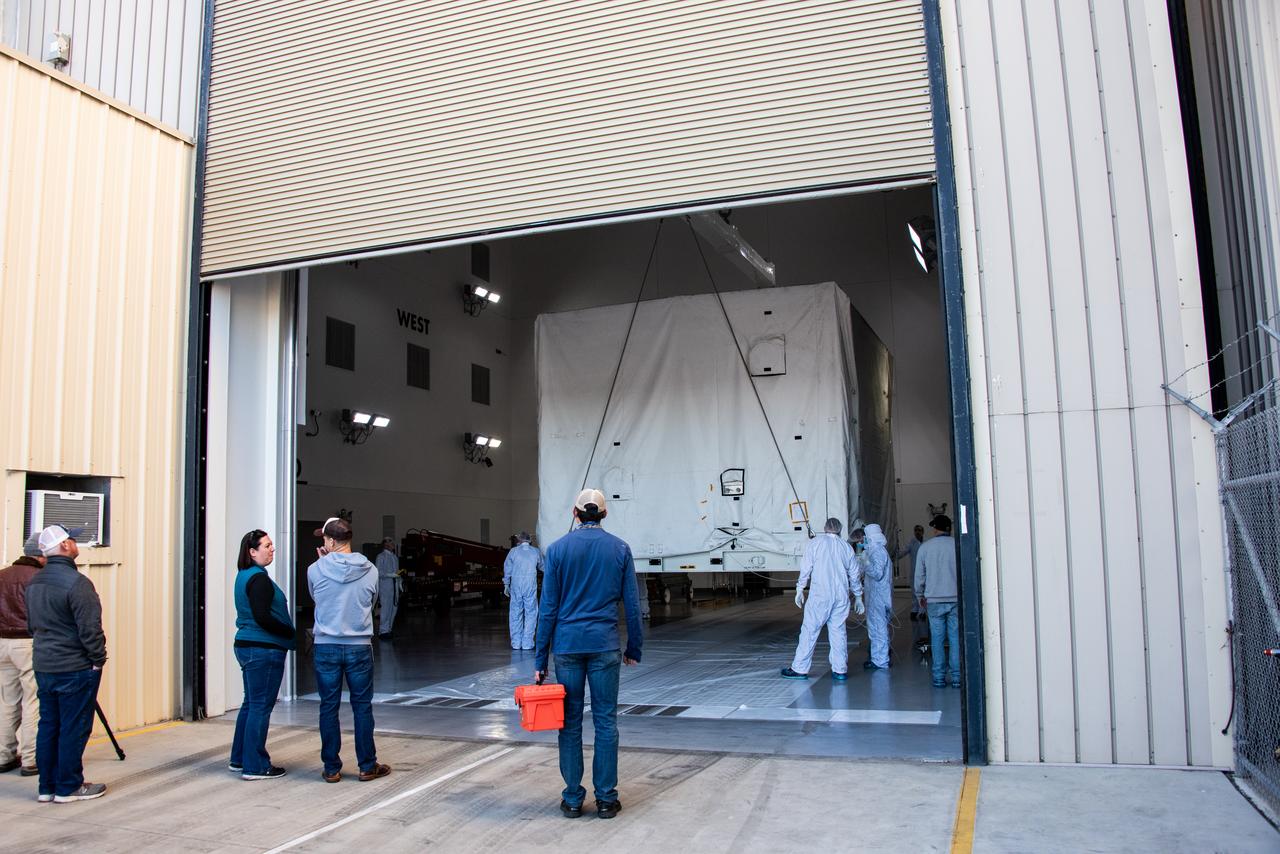
NASA’s SPHEREx (Spectro-Photometer for the History of the Universe, Epoch of Reionization and Ices Explorer), a space telescope, arrives at Vandenberg Space Force Base in California on Tuesday, Jan. 14, 2025. SPHEREx will enter a polar orbit around Earth and create a 3D map of the entire sky, gathering information about millions of galaxies for scientists to study what happened after the big bang, the history of galaxy evolution, and the origins of water in planetary systems in our galaxy. SPHEREx will launch aboard a SpaceX Falcon 9 rocket in late February 2025.
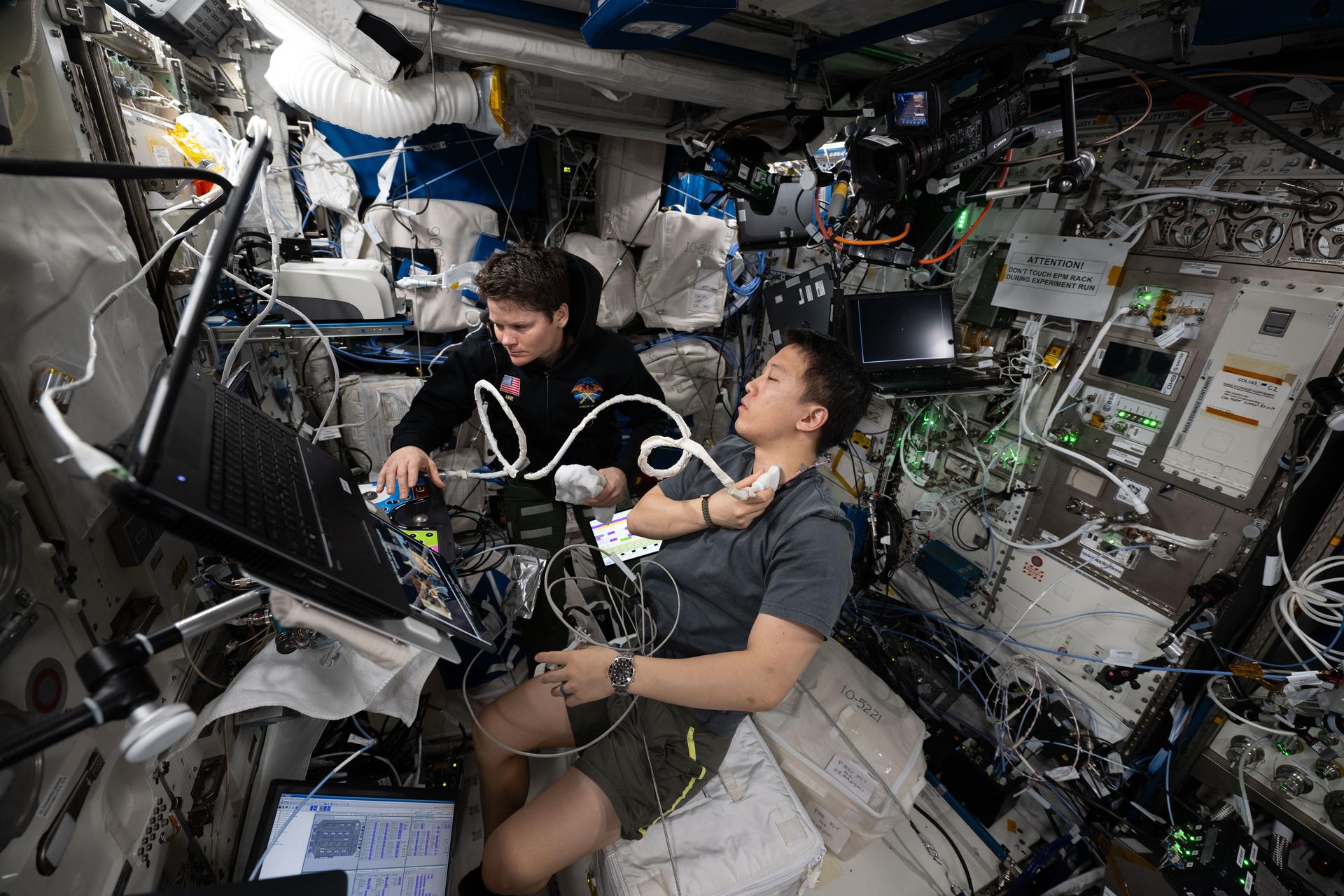
iss073e0076065 (May 19, 2025) --- NASA astronaut Anne McClain helps NASA astronaut Jonny Kim conduct an ultrasound aboard the International Space Station. Ultrasounds allow real-time observation of what is happening inside an astronaut’s body in space, such as changes in arteries and the effects of fluids shifting towards the head. In this photo, the checkup is being conducted as a part of the Thigh Cuff study, research to understand if wearing a tight cuff around the leg can help to mitigate headward fluid shifts. Credit. NASA.
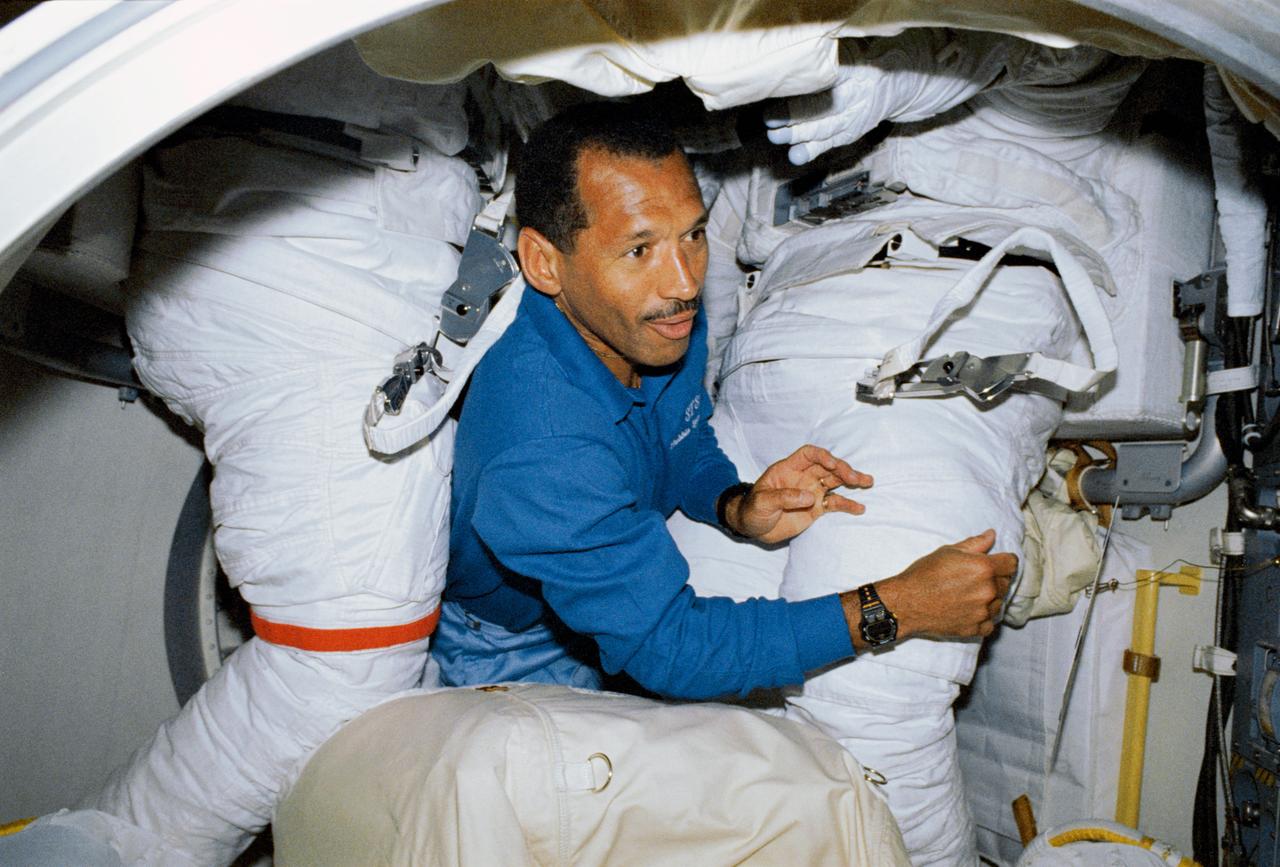
STS031-02-021 (24-29 April 1990) --- STS-31 pilot Charles F. Bolden, is surrounded by extravehicular mobility unit spacesuits in the airlock of the Earth-orbiting space shuttle Discovery. The suits did not get used outside the spacecraft as the mission's spacewalk was cancelled. Bolden's role in the spacewalk, had it happened, would have kept him inside the orbiter, supporting the efforts of two crewmates. Photo credit: NASA

Inside the Spectrum prototype unit, organisms in a Petri plate are exposed to different colors of lighting. The device works by exposing organisms to different colors of fluorescent light while a camera records what's happening with time-lapse photography. Results from the Spectrum project will shed light on which living things are best suited for long-duration flights into deep space.
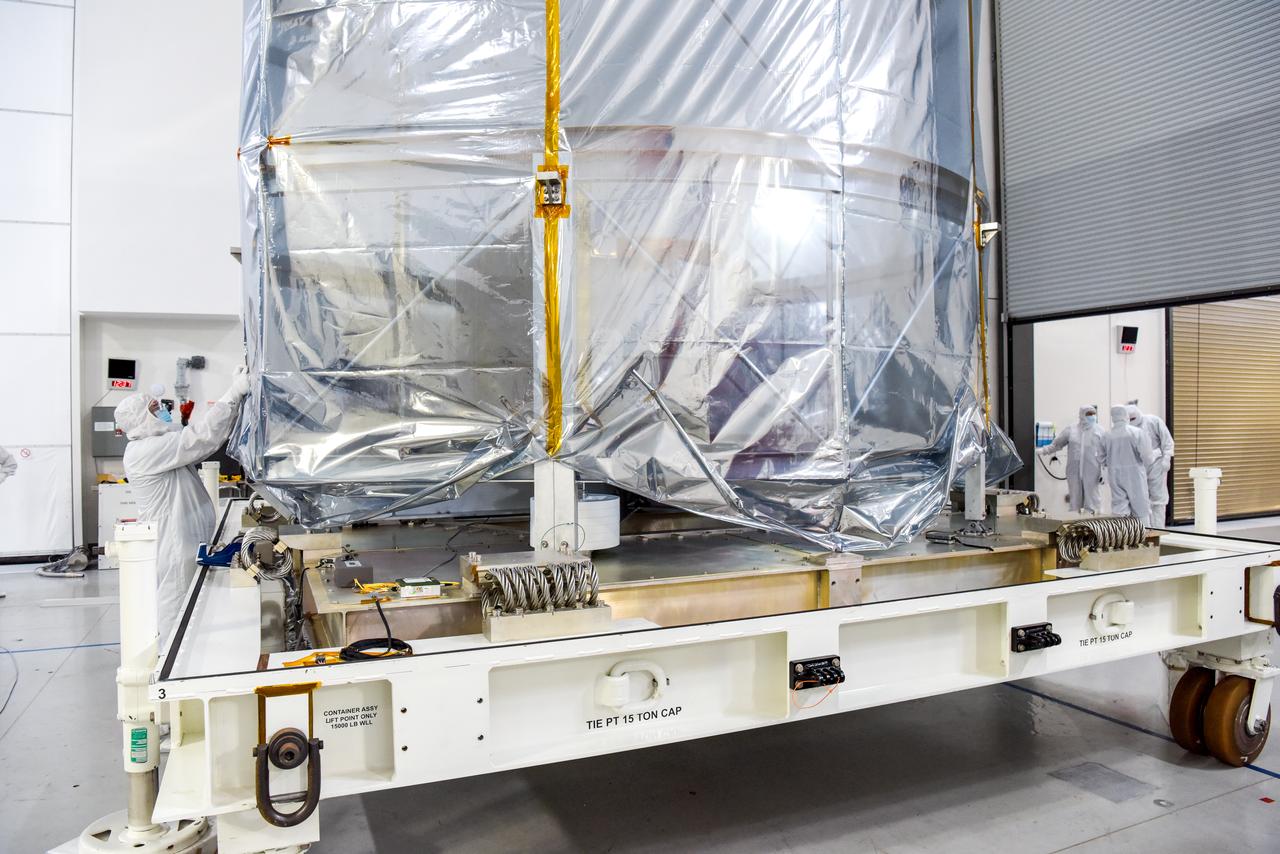
NASA’s SPHEREx (Spectro-Photometer for the History of the Universe, Epoch of Reionization and Ices Explorer) is uncrated for prelaunch processing at Vandenberg Space Force Base in California on Wednesday, Jan. 15, 2025. SPHEREx will enter a polar orbit around Earth and create a 3D map of the entire sky, gathering information about millions of galaxies for scientists to study what happened after the big bang, the history of galaxy evolution, and the origins of water in planetary systems in our galaxy. SPHEREx will launch aboard a SpaceX Falcon 9 rocket in late February 2025.

This ultraviolet image from NASA Galaxy Evolution Explorer is of the planetary nebula NGC 7293 also known as the Helix Nebula. It is the nearest example of what happens to a star, like our own Sun, as it approaches the end of its life when it runs out of fuel, expels gas outward and evolves into a much hotter, smaller and denser white dwarf star. http://photojournal.jpl.nasa.gov/catalog/PIA07902
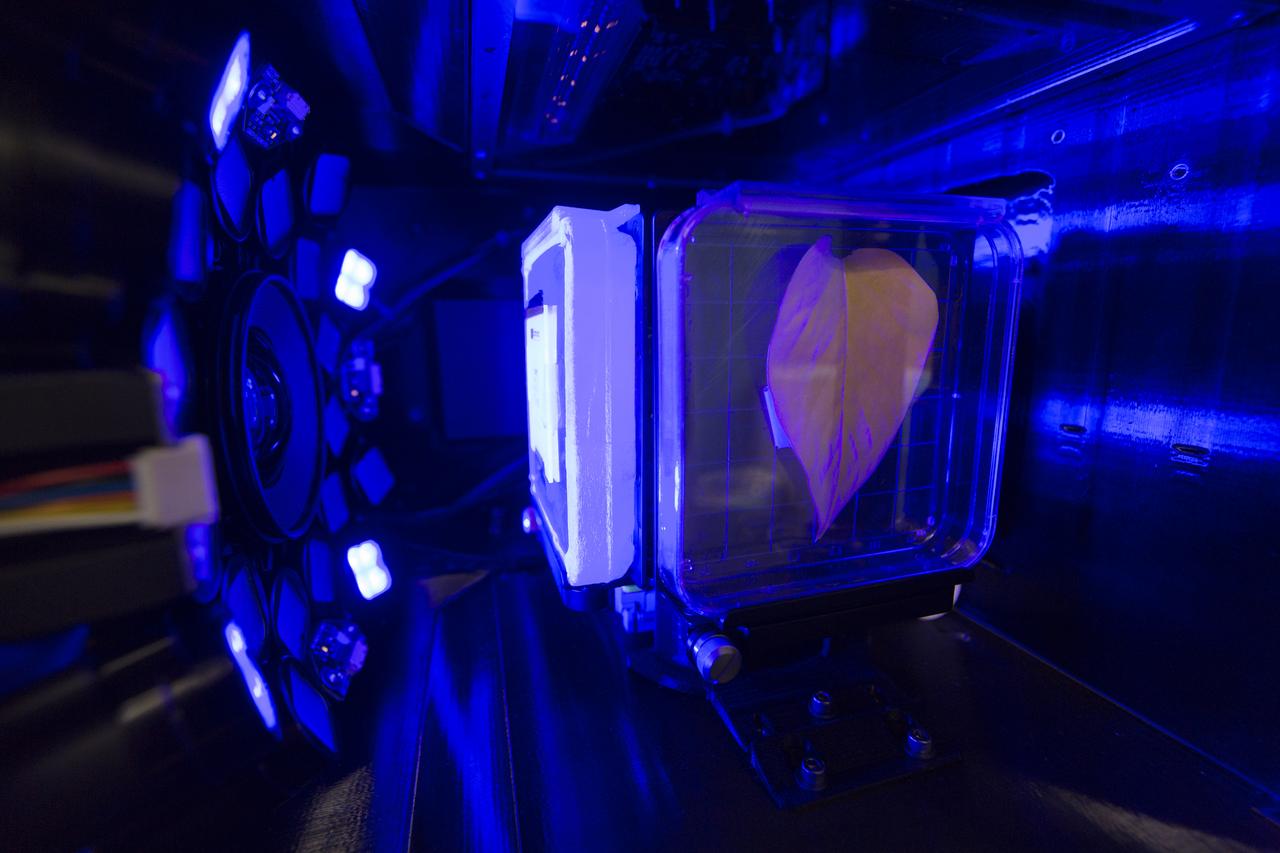
Inside the Spectrum prototype unit, organisms in a Petri plate are exposed to blue excitation lighting. The device works by exposing organisms to different colors of fluorescent light while a camera records what's happening with time-lapse photography. Results from the Spectrum project will shed light on which living things are best suited for long-duration flights into deep space.
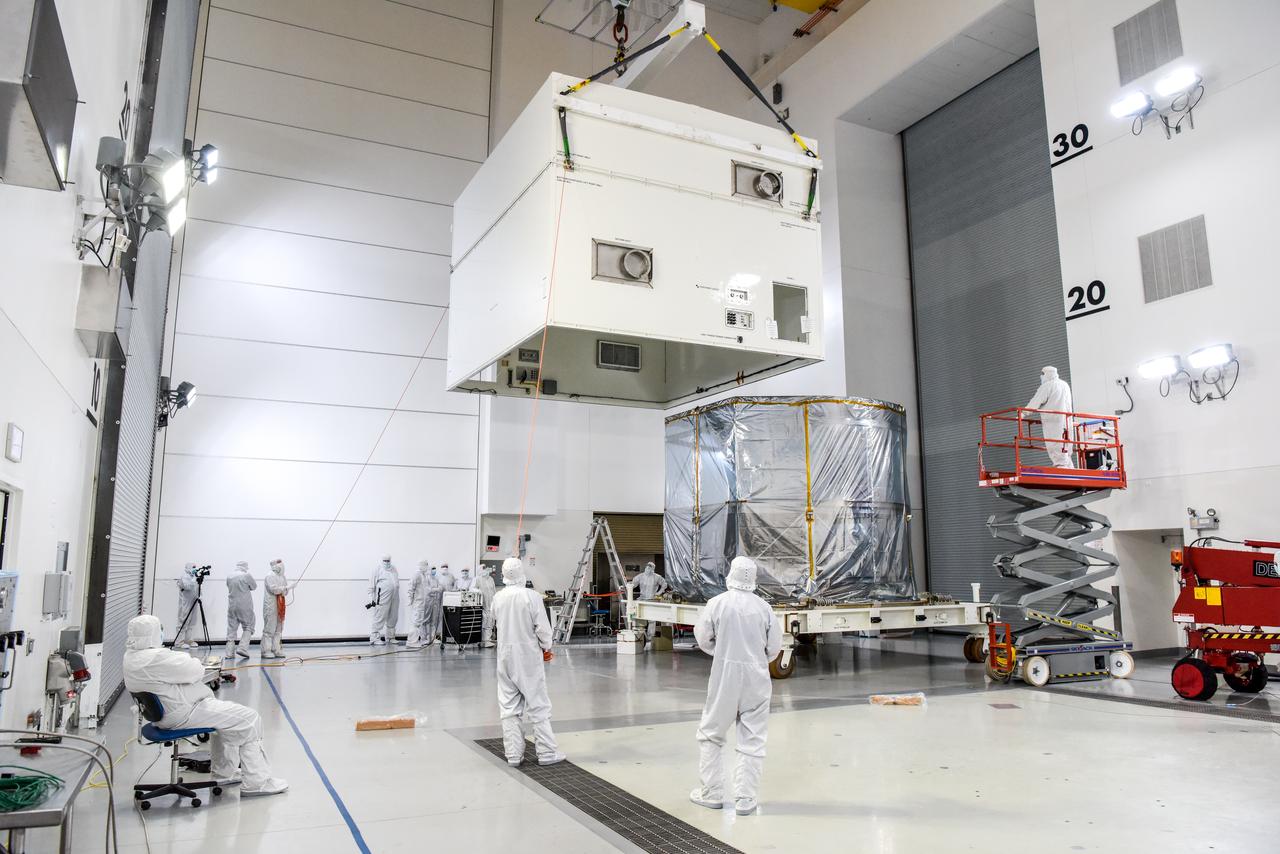
NASA’s SPHEREx (Spectro-Photometer for the History of the Universe, Epoch of Reionization and Ices Explorer) is uncrated for prelaunch processing at Vandenberg Space Force Base in California on Wednesday, Jan. 15, 2025. SPHEREx will enter a polar orbit around Earth and create a 3D map of the entire sky, gathering information about millions of galaxies for scientists to study what happened after the big bang, the history of galaxy evolution, and the origins of water in planetary systems in our galaxy. SPHEREx will launch aboard a SpaceX Falcon 9 rocket in late February 2025.
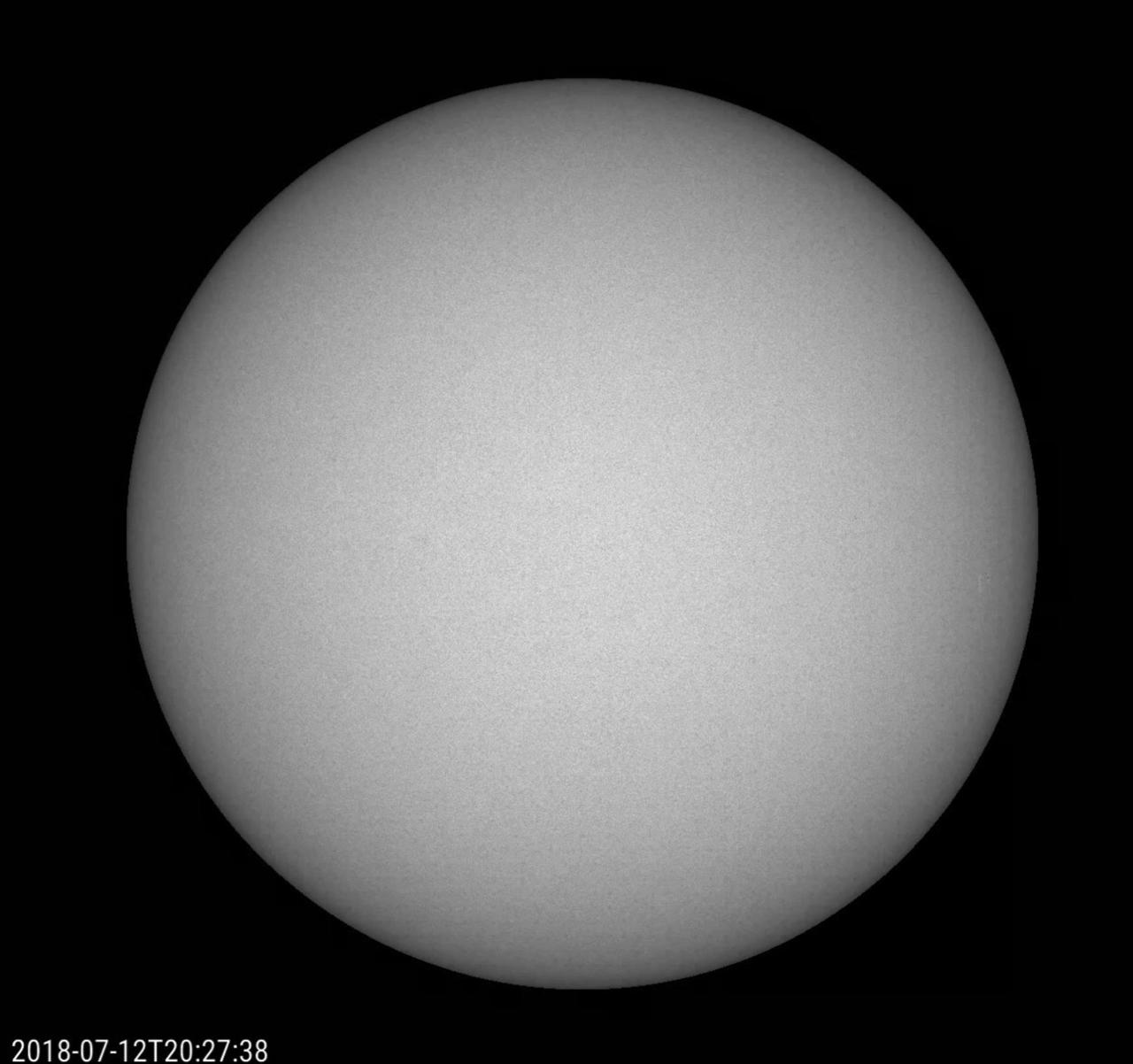
Over a three-week period (July 3-24, 2018), the Sun produced just one small, short-lived sunspot -- but it tells a big story. Up until July 22, the Sun had no sunspots for 23 consecutive days, the first time that has happened in nine years. The Sun is rapidly approaching solar minimum, a period of very low solar activity in its 11-year cycle -- and doing so more rapidly than many scientists predicted. Movies are available at https://photojournal.jpl.nasa.gov/catalog/PIA22646
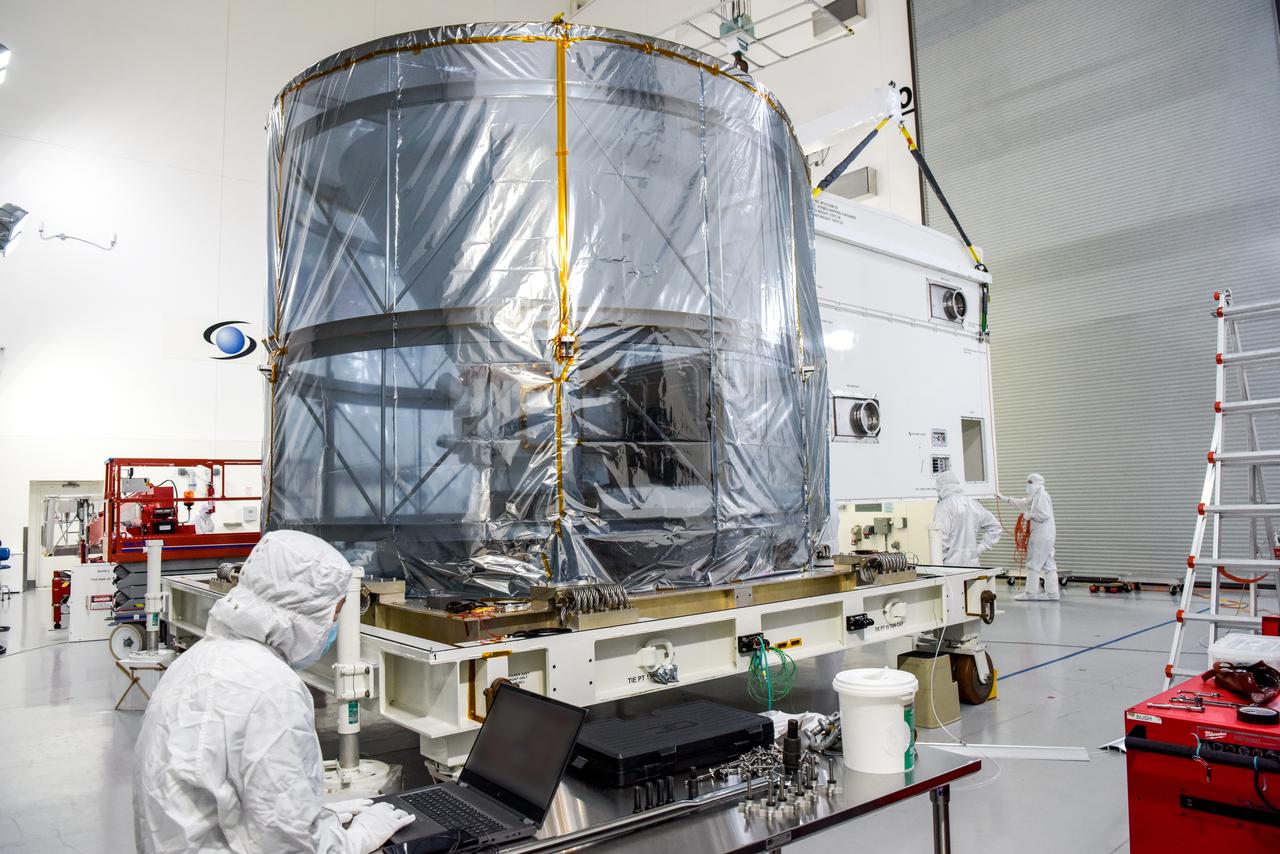
NASA’s SPHEREx (Spectro-Photometer for the History of the Universe, Epoch of Reionization and Ices Explorer) is uncrated for prelaunch processing at Vandenberg Space Force Base in California on Wednesday, Jan. 15, 2025. SPHEREx will enter a polar orbit around Earth and create a 3D map of the entire sky, gathering information about millions of galaxies for scientists to study what happened after the big bang, the history of galaxy evolution, and the origins of water in planetary systems in our galaxy. SPHEREx will launch aboard a SpaceX Falcon 9 rocket in late February 2025.
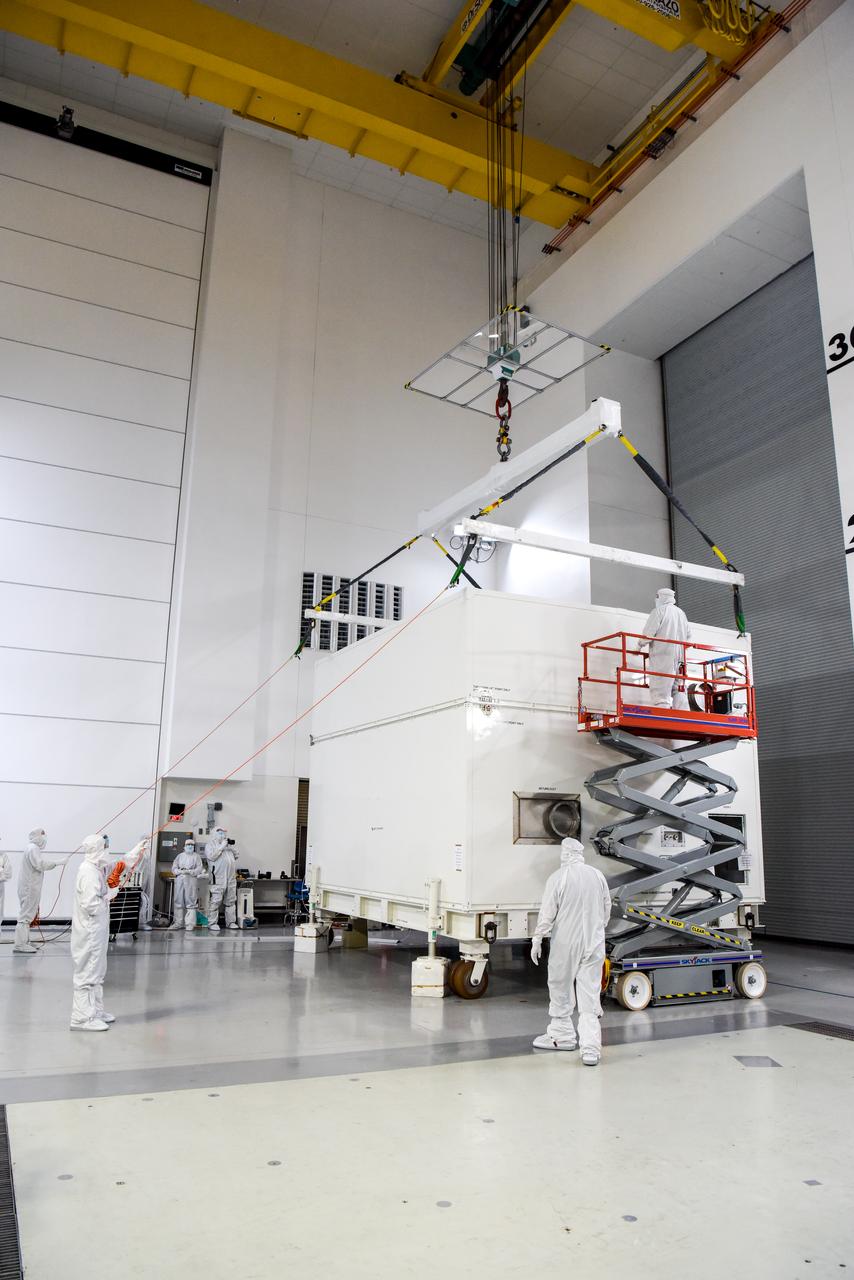
NASA’s SPHEREx (Spectro-Photometer for the History of the Universe, Epoch of Reionization and Ices Explorer) is uncrated for prelaunch processing at Vandenberg Space Force Base in California on Wednesday, Jan. 15, 2025. SPHEREx will enter a polar orbit around Earth and create a 3D map of the entire sky, gathering information about millions of galaxies for scientists to study what happened after the big bang, the history of galaxy evolution, and the origins of water in planetary systems in our galaxy. SPHEREx will launch aboard a SpaceX Falcon 9 rocket in late February 2025.

Dr. Scott Shipley of Ascentech Enterprises makes an adjustment to the Spectrum unit. He is the project engineer for the effort working under the Engineering Services Contract at NASA's Kennedy Space Center. The device is being built for use aboard the International Space Station and is designed to expose different organisms to different color of fluorescent light while a camera records what's happening with time-laps imagery. Results from the Spectrum project will shed light on which living things are best suited for long-duration flights into deep space.
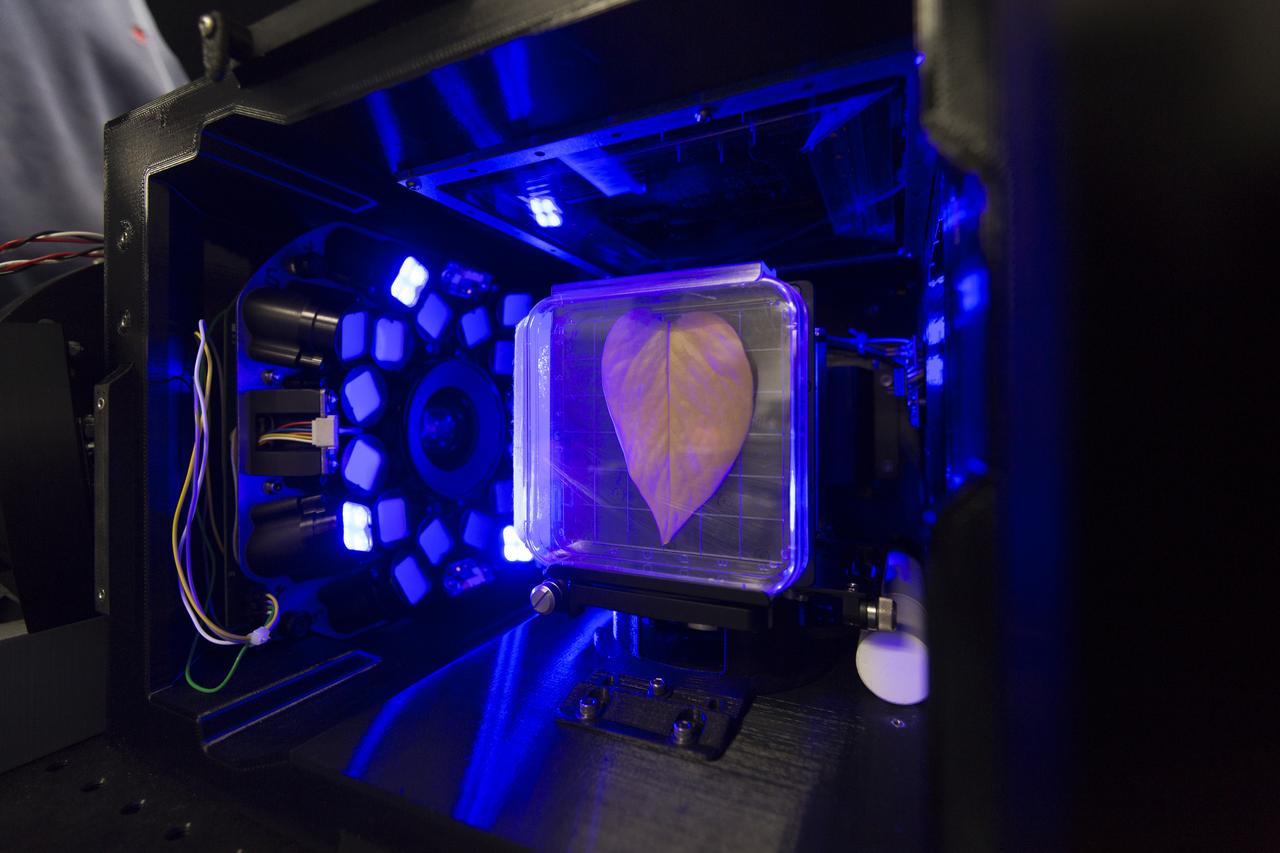
Inside the Spectrum prototype unit, organisms in a Petri plate are exposed to blue excitation lighting. The device works by exposing organisms to different colors of fluorescent light while a camera records what's happening with time-lapse photography. Results from the Spectrum project will shed light on which living things are best suited for long-duration flights into deep space.
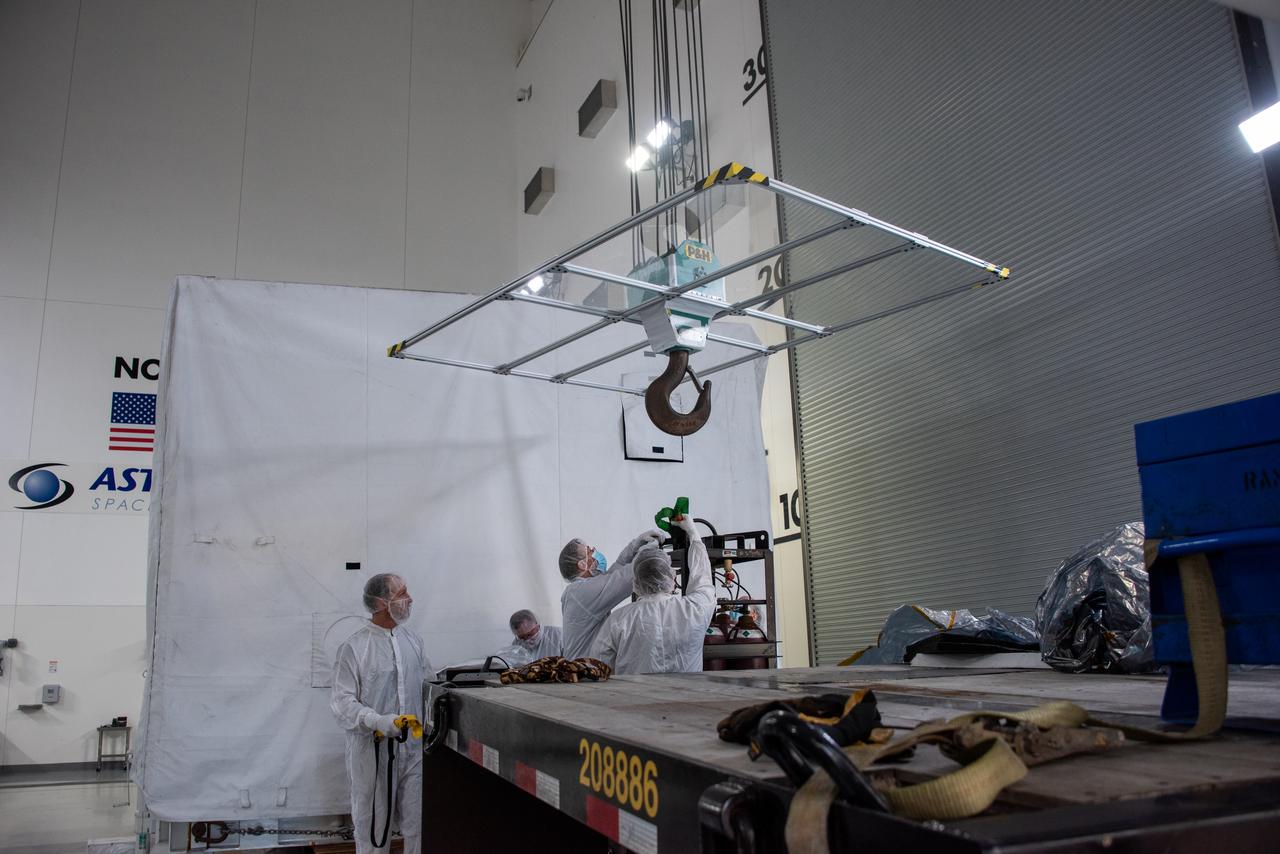
NASA’s SPHEREx (Spectro-Photometer for the History of the Universe, Epoch of Reionization and Ices Explorer), a space telescope, arrives at Vandenberg Space Force Base in California on Tuesday, Jan. 14, 2025. SPHEREx will enter a polar orbit around Earth and create a 3D map of the entire sky, gathering information about millions of galaxies for scientists to study what happened after the big bang, the history of galaxy evolution, and the origins of water in planetary systems in our galaxy. SPHEREx will launch aboard a SpaceX Falcon 9 rocket in late February 2025.
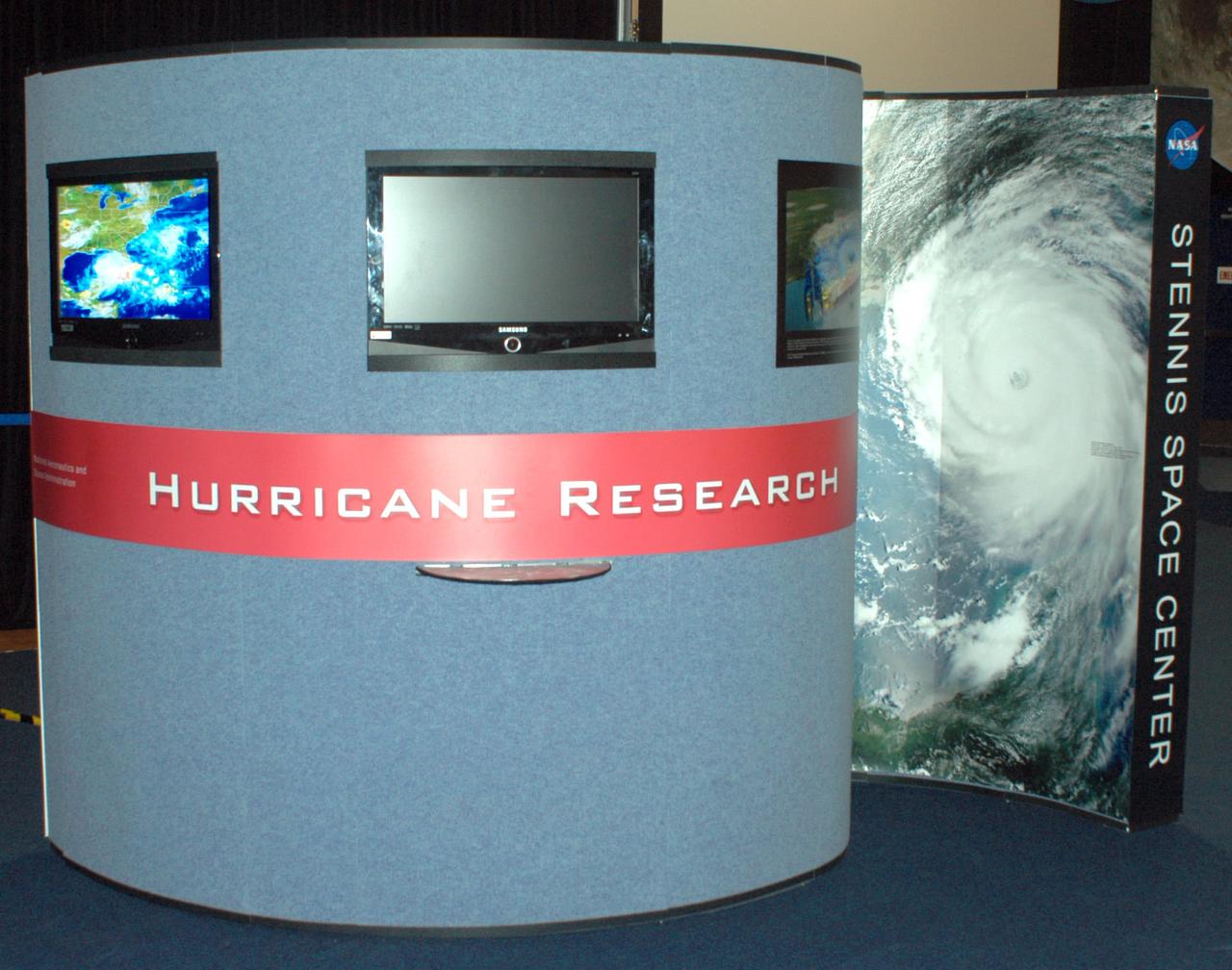
A new exhibit in StenniSphere depicting NASA's role in hurricane prediction and research and SSC's role in helping the region recover from Hurricane Katrina. The cyclone-shaped exhibit focuses on the effects of the Aug. 29, 2005 storm and outlines how NASA is working to improve weather forecasting. Through photos, 3-D models and digital animations, the exhibit tells the story of what happened inside the storm and how NASA's scientific research can increase the accuracy of hurricane tracking and modeling.
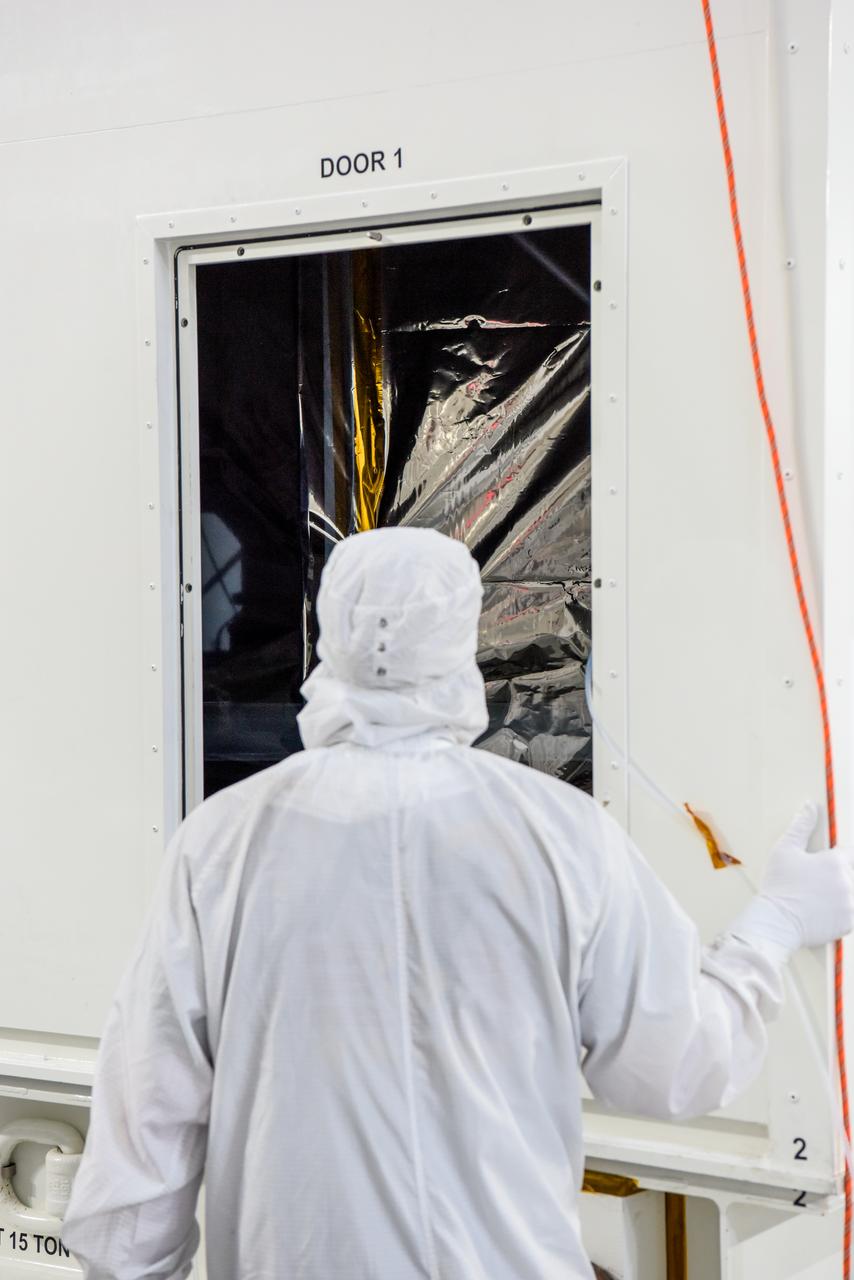
NASA’s SPHEREx (Spectro-Photometer for the History of the Universe, Epoch of Reionization and Ices Explorer) is uncrated for prelaunch processing at Vandenberg Space Force Base in California on Wednesday, Jan. 15, 2025. SPHEREx will enter a polar orbit around Earth and create a 3D map of the entire sky, gathering information about millions of galaxies for scientists to study what happened after the big bang, the history of galaxy evolution, and the origins of water in planetary systems in our galaxy. SPHEREx will launch aboard a SpaceX Falcon 9 rocket in late February 2025.
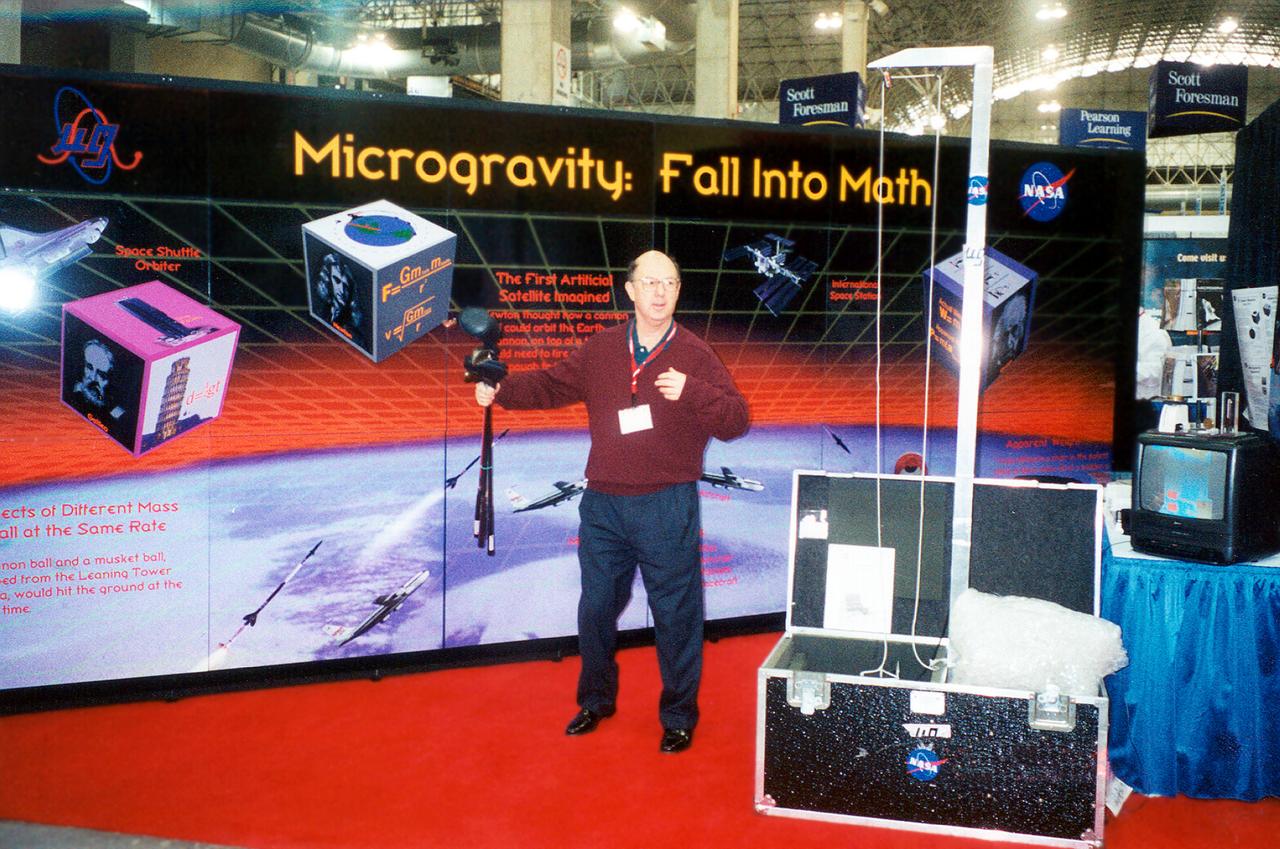
Don Gillies, a materials scientist at NASA/Marshall Space Flight Center (MSFC), demonstrates the classroom-size Microgravity Drop Tower Demonstrator. The apparatus provides 1/6 second of microgravity for small experiments. A video camera helps teachers observe what happens inside the package. This demonstration was at the April 2000 conference of the National Council of Teachers of Mathematics (NCTM) in Chicago. Photo credit: NASA/Marshall Space Flight Center (MSFC)
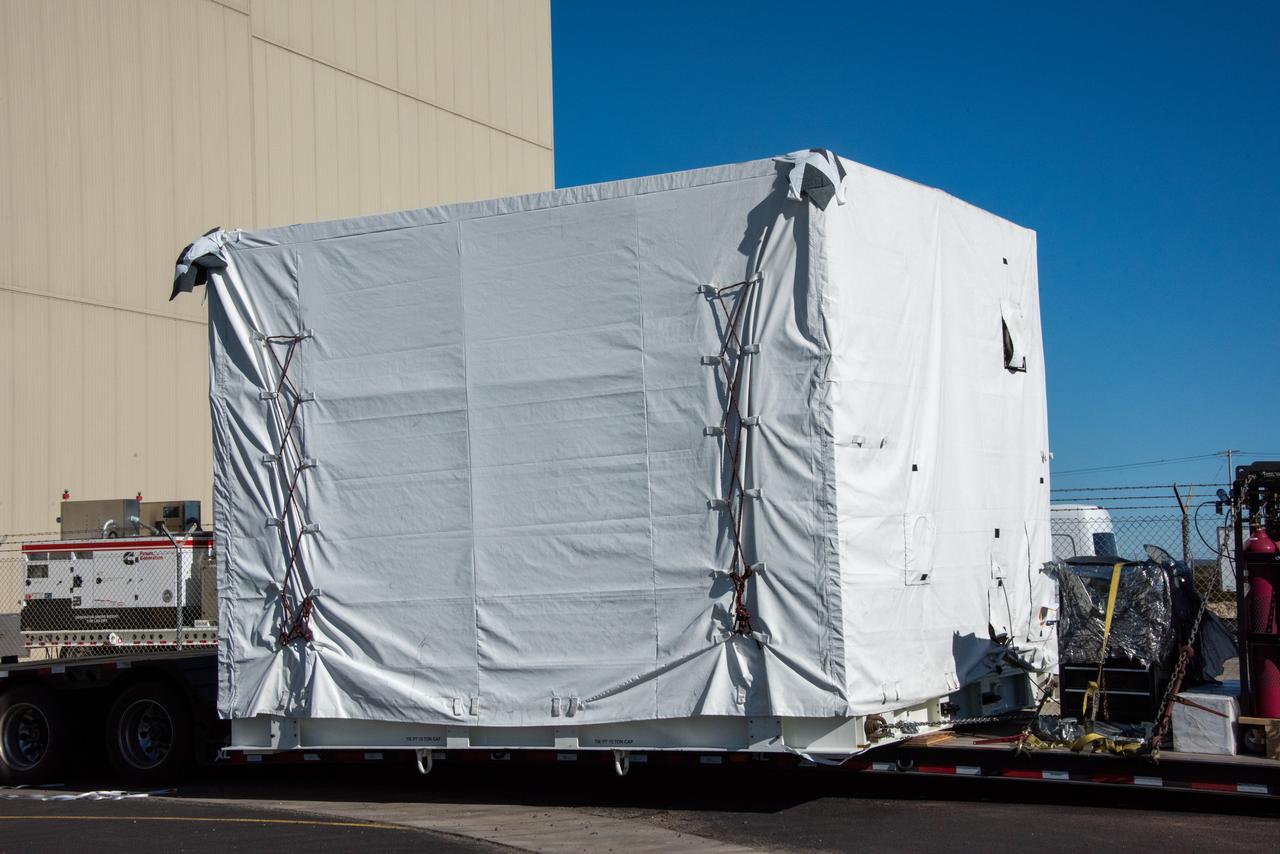
NASA’s SPHEREx (Spectro-Photometer for the History of the Universe, Epoch of Reionization and Ices Explorer), a space telescope, arrives at Vandenberg Space Force Base in California on Tuesday, Jan. 14, 2025. SPHEREx will enter a polar orbit around Earth and create a 3D map of the entire sky, gathering information about millions of galaxies for scientists to study what happened after the big bang, the history of galaxy evolution, and the origins of water in planetary systems in our galaxy. SPHEREx will launch aboard a SpaceX Falcon 9 rocket in late February 2025.

Jimmy Grisham of the Microgravity Program Plarning Integration Office at NASA/Marshall Space Flight Center, demonstrates the classroom-size Microgravity Drop Tower Demonstrator. The apparatus provides 1/6 second of microgravity for small experiments. A video camera helps teachers observe what happens inside the package. This demonstration was at the April 2000 conference of the National Council of Teachers of Mathematics (NCTM) in Chicago. Photo credit: NASA/Marshall Space Flight Center (MSFC)

Employees at NASA's John C. Stennis Space Center visit exhibits of volunteer organizations during their observance of Martin Luther King Jr. Day with a Day of Service on Jan. 12. During the day, Mississippi and Louisiana organizations visited the center to encourage employees to register and serve as volunteers for various community activities. The day's focus was emphasized again and again - great things can happen when individuals work together toward a common goal.
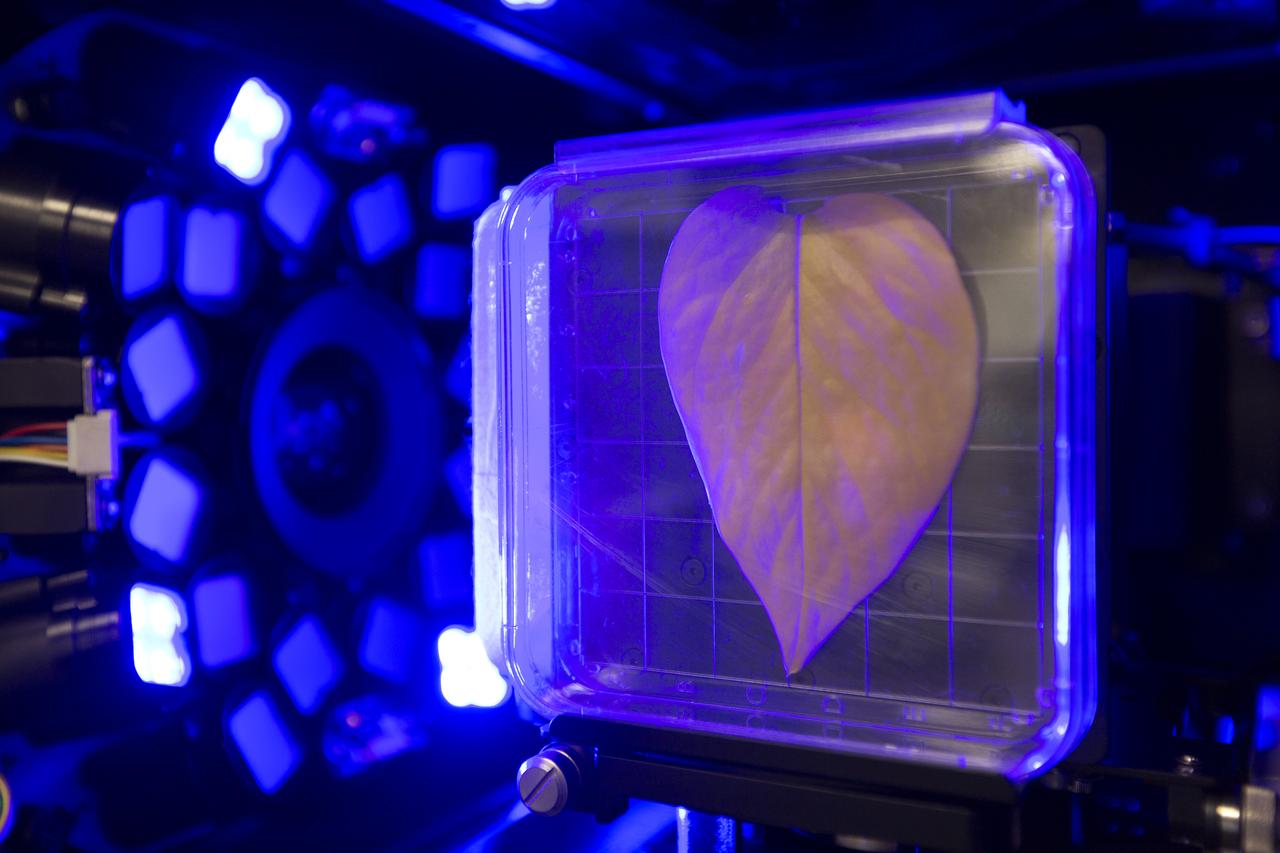
Inside the Spectrum prototype unit, organisms in a Petri plate are exposed to blue excitation lighting. The device works by exposing organisms to different colors of fluorescent light while a camera records what's happening with time-lapse photography. Results from the Spectrum project will shed light on which living things are best suited for long-duration flights into deep space.
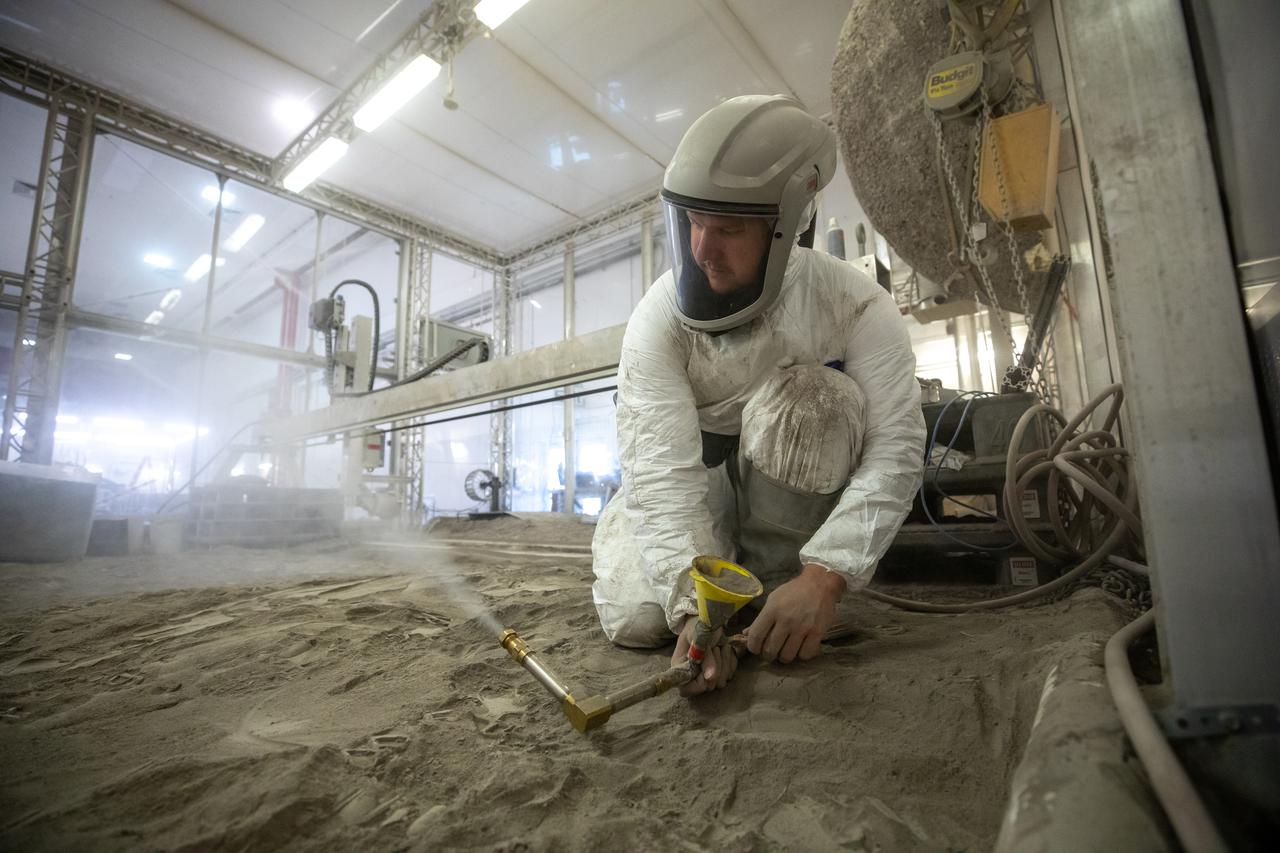
Austin Langton, a researcher at NASA's Kennedy Space Center in Florida, creates a fine spray of the regolith simulant BP-1, to perform testing with a Millimeter Wave Doppler Radar at the Granular Mechanics and Regolith Operations Lab on July 16, 2021. The testing occurred inside the "Big Bin," an enclosure at Swamp Works that holds 120 tons of regolith simulant. The testing at the Florida spaceport is part of a project to predict plume surface interaction effects on the Moon, with testing happening at Kennedy, and NASA's Marshal Space Flight Center and Glenn Research Center.

NASA’s SPHEREx (Spectro-Photometer for the History of the Universe, Epoch of Reionization and Ices Explorer), a space telescope, arrives at Vandenberg Space Force Base in California on Tuesday, Jan. 14, 2025. SPHEREx will enter a polar orbit around Earth and create a 3D map of the entire sky, gathering information about millions of galaxies for scientists to study what happened after the big bang, the history of galaxy evolution, and the origins of water in planetary systems in our galaxy. SPHEREx will launch aboard a SpaceX Falcon 9 rocket in late February 2025.
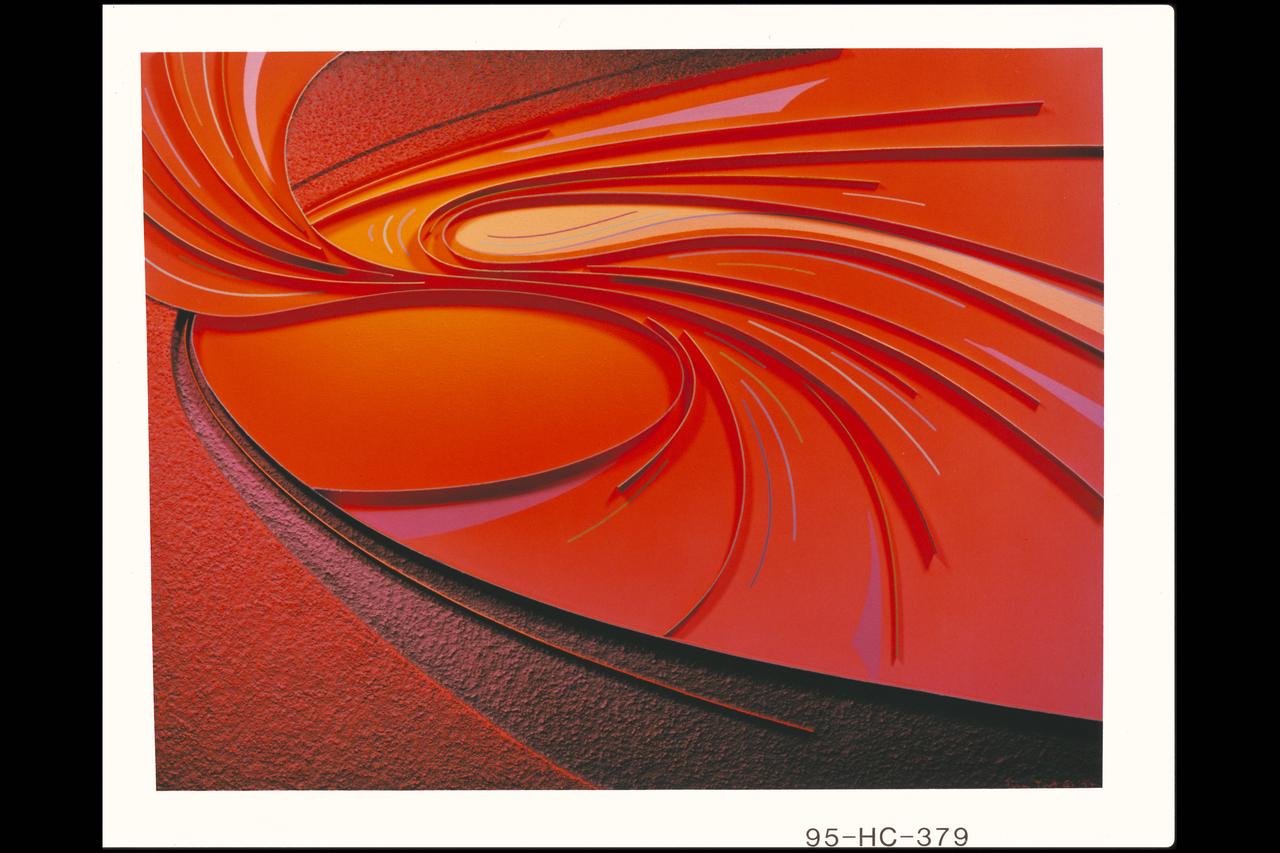
'Fluid Dynamics,' mixed media by Tina York depicts fluid dynamics studies at the Ames Research Center. The purpose of such studies is to learn more about what happens to an object when it encounters the friction of atmospheric resistence (such as a plane encountering resistance as it speeds through the air). used in Ames 60 year history by Glenn Bugos NASA SP-4314
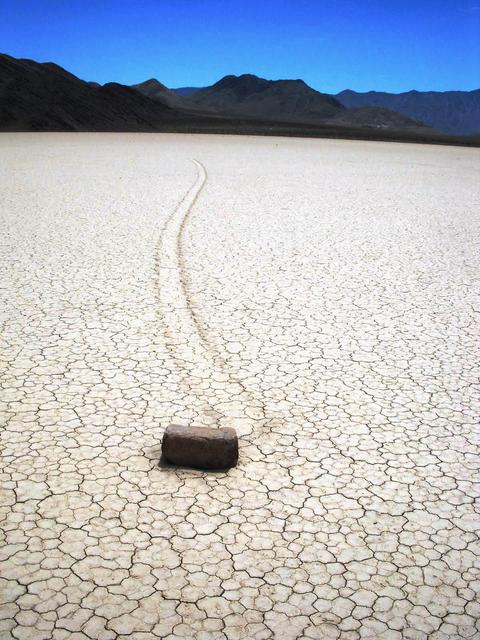
The rocks are famous because they move, leaving tell-tale trails in the clay, like this one. This happens at several playa in California and Nevada. There's no record of anybody seeing one of the rocks move, and scientists aren't quite sure how it happens. But they know that it's not the work of animals, gravity, or earthquakes. Photo credit: NASA/GSFC/Cynthia Cheung To read a feature story on the Racetrack Playa go to: <a href="http://www.nasa.gov/topics/earth/features/roving-rocks.html" rel="nofollow">www.nasa.gov/topics/earth/features/roving-rocks.html</a> <b><a href="http://www.nasa.gov/centers/goddard/home/index.html" rel="nofollow">NASA Goddard Space Flight Center</a></b> is home to the nation's largest organization of combined scientists, engineers and technologists that build spacecraft, instruments and new technology to study the Earth, the sun, our solar system, and the universe. <b>Follow us on <a href="http://twitter.com/NASA_GoddardPix" rel="nofollow">Twitter</a></b> <b>Join us on <a href="http://www.facebook.com/pages/Greenbelt-MD/NASA-Goddard/395013845897?ref=tsd" rel="nofollow">Facebook</a><b></b></b>
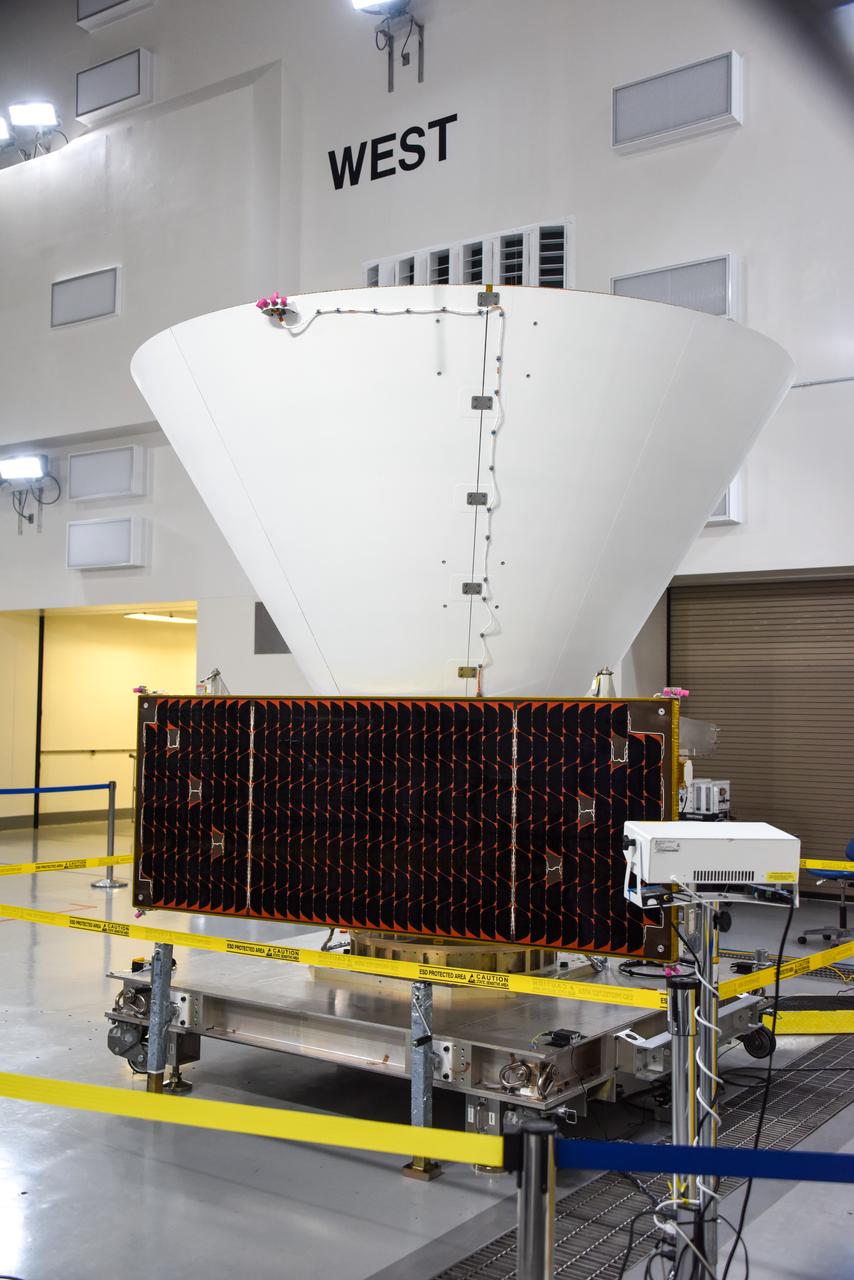
NASA’s SPHEREx (Spectro-Photometer for the History of the Universe, Epoch of Reionization and Ices Explorer), a space telescope, is situated on a work stand ahead of prelaunch operations at the Astrotech Processing Facility at Vandenberg Space Force Base in California on Friday, Jan. 17, 2025. SPHEREx will enter a polar orbit around Earth and create a 3D map of the entire sky, gathering information about millions of galaxies for scientists to study what happened after the big bang, the history of galaxy evolution, and the origins of water in planetary systems in our galaxy. SPHEREx will launch aboard a SpaceX Falcon 9 rocket in late February 2025.
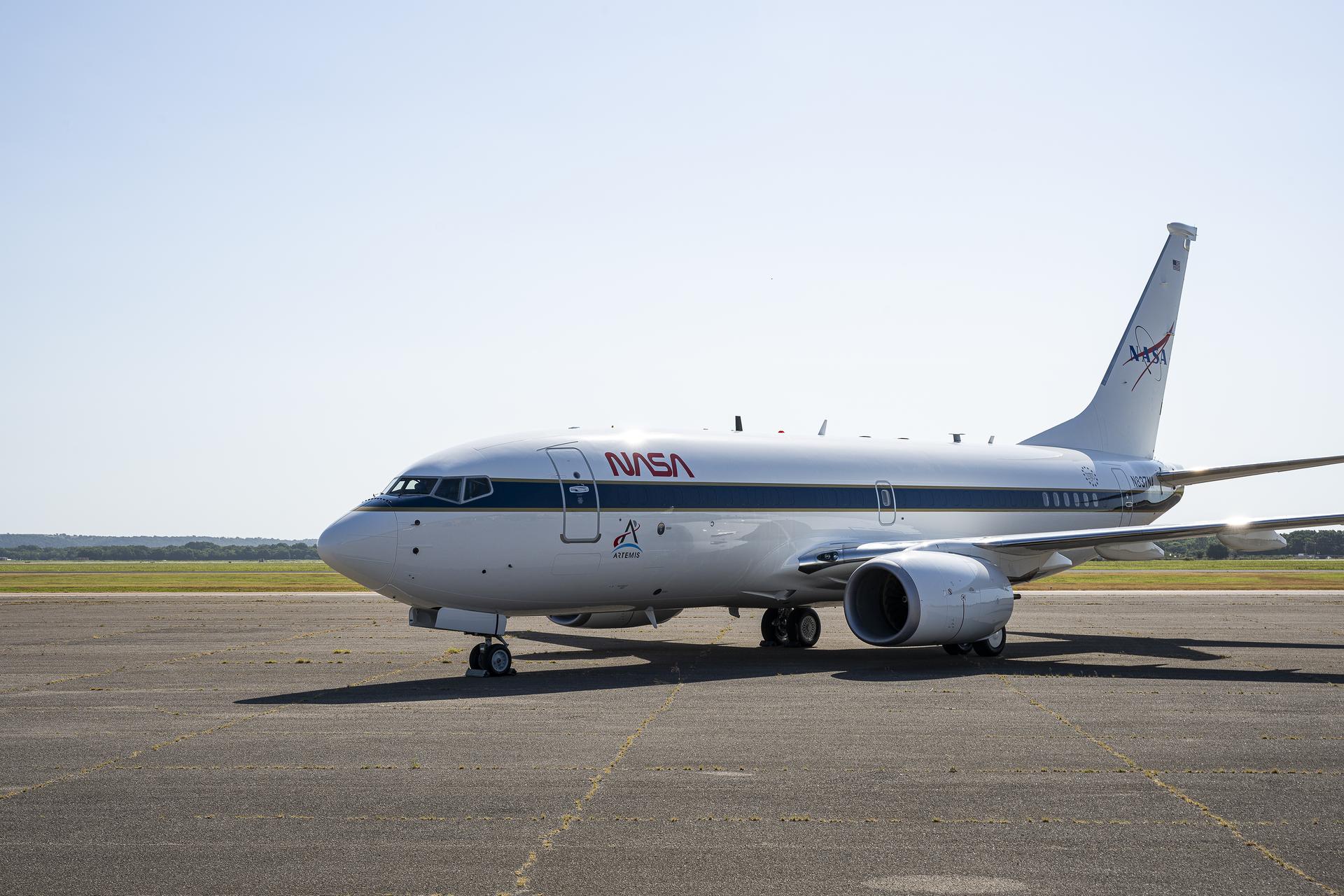
A newly painted NASA 737 aircraft sits on a ramp in Oklahoma on Thursday, Aug. 13, 2026. After modifications, this aircraft will perform lunar-gravity parabolic flights to validate astronaut lunar suits and associated crew systems required to support Artemis mission objectives. Flight testing will happen at NASA’s Johnson Space Center in Houston for reduced-gravity operations, with oversight by NASA’s Armstrong Flight Research Center in Edwards, California. In addition, the aircraft will serve as a key asset for systems‑integration research for flight testing autonomy, sensors, and other digital systems.
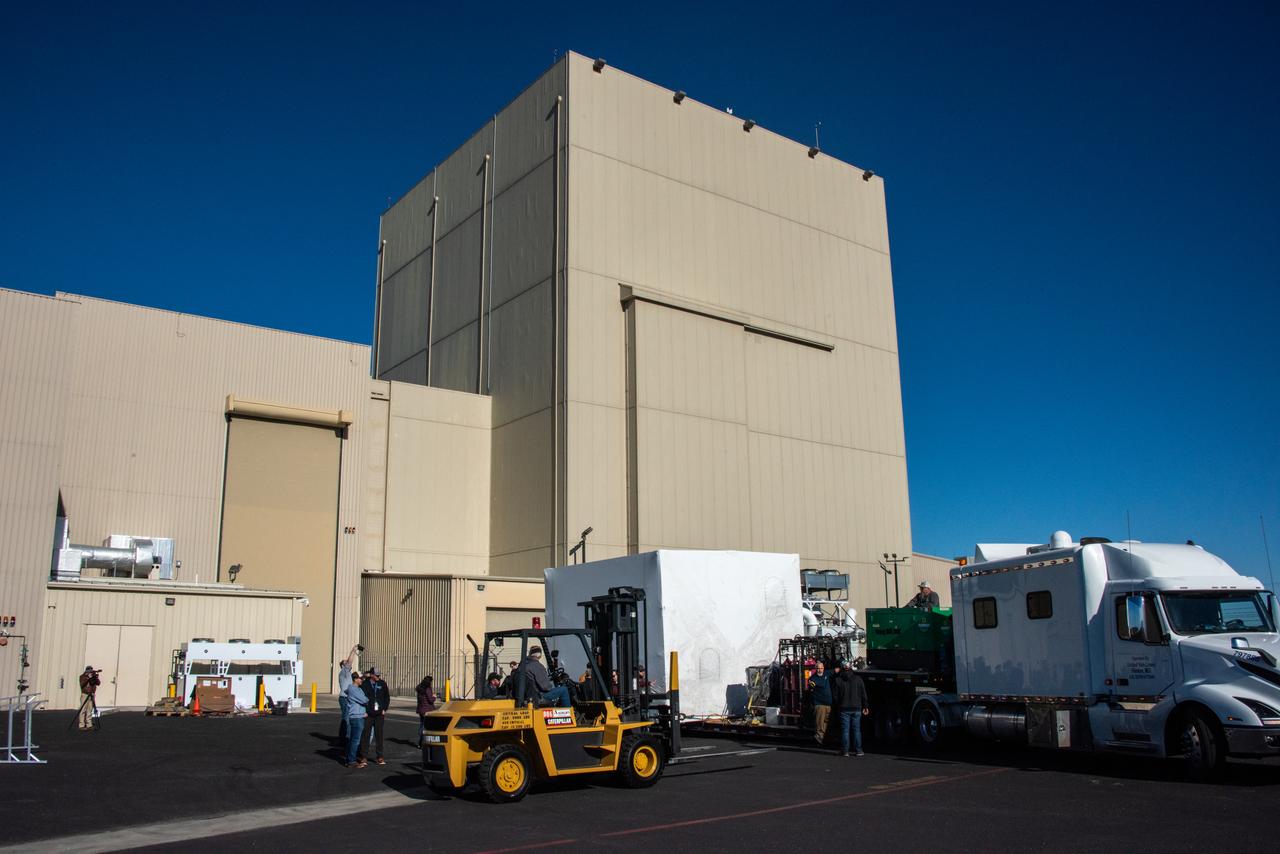
A transport truck carrying NASA’s SPHEREx (Spectro-Photometer for the History of the Universe, Epoch of Reionization and Ices Explorer), a space telescope, arrives at Vandenberg Space Force Base in California on Tuesday, Jan. 14, 2025. SPHEREx will enter a polar orbit around Earth and create a 3D map of the entire sky, gathering information about millions of galaxies for scientists to study what happened after the big bang, the history of galaxy evolution, and the origins of water in planetary systems in our galaxy. SPHEREx will launch aboard a SpaceX Falcon 9 rocket in late February 2025.
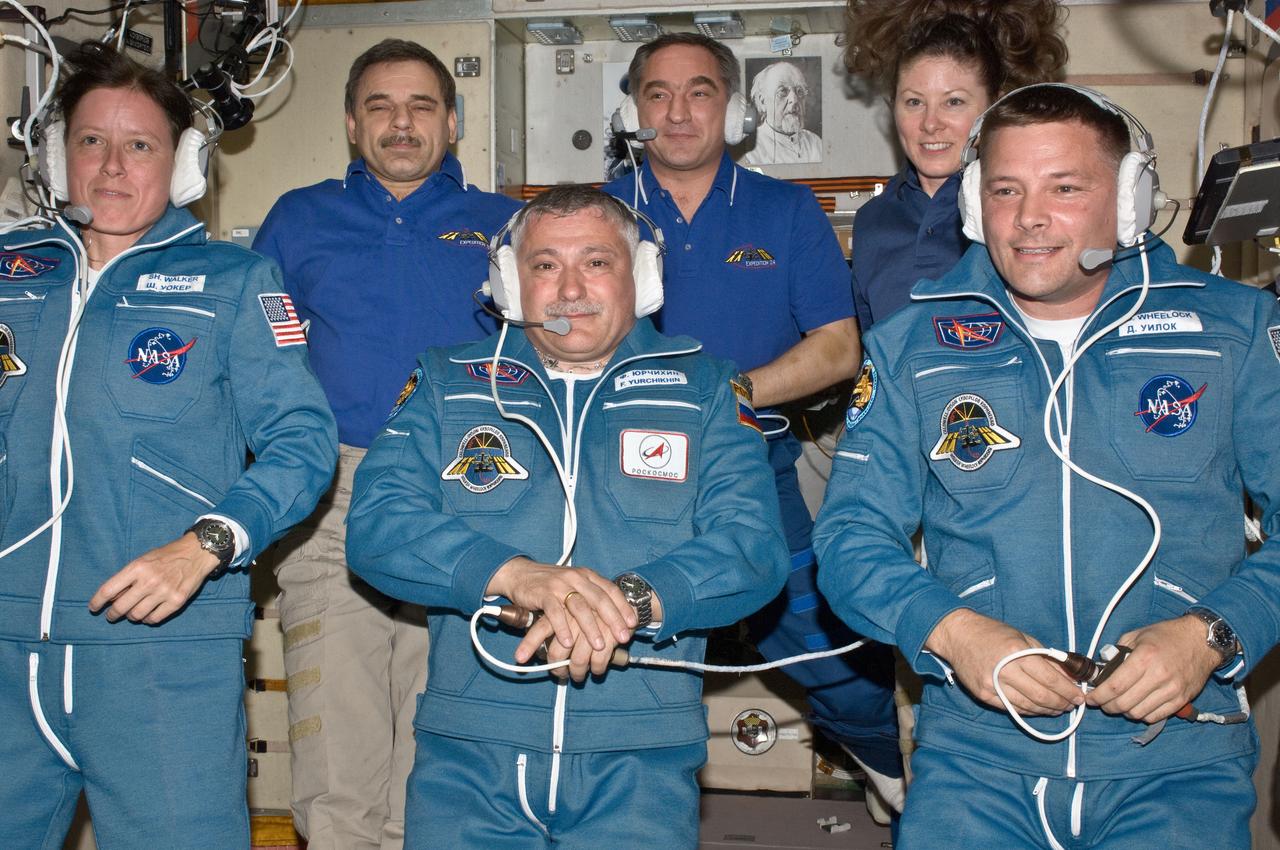
ISS024-E-006213 (17 June 2010) --- Expedition 24 crew members pose for a photo in the Zvezda Service Module of the International Space Station. Pictured on the front row are Russian cosmonaut Fyodor Yurchikhin (center); along with NASA astronauts Shannon Walker and Doug Wheelock, all flight engineers. Pictured on the back row are Russian cosmonaut Alexander Skvortsov (center), commander; along with NASA astronaut Tracy Caldwell Dyson and Russian cosmonaut Mikhail Kornienko, both flight engineers. The event happened shortly after Wheelock, Walker and Yurchikhin arrived in the Soyuz TMA-19 spacecraft.
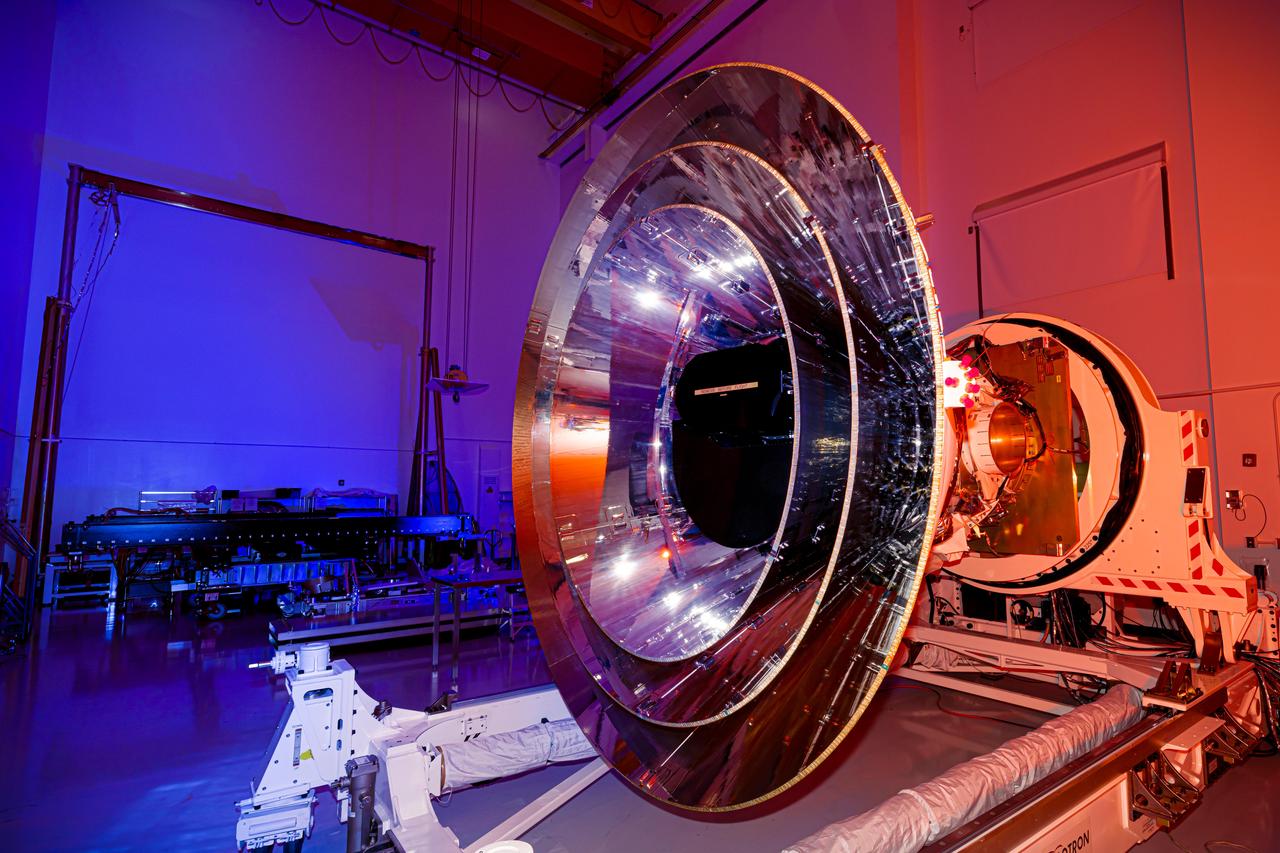
NASA's SPHEREx observatory undergoes integration and testing at BAE Systems in Boulder, Colorado, in April 2024. Short for Spectro-Photometer for the History of the Universe, Epoch of Reionization and Ices Explorer, SPHEREx will create a map of the cosmos like no other. Using a technique called spectroscopy to image the entire sky in 102 wavelengths of infrared light, SPHEREx will gather information about the composition of and distance to millions of galaxies and stars. With this map, scientists will study what happened in the first fraction of a second after the big bang, how galaxies formed and evolved, and the origins of water in planetary systems in our galaxy. https://photojournal.jpl.nasa.gov/catalog/PIA26538
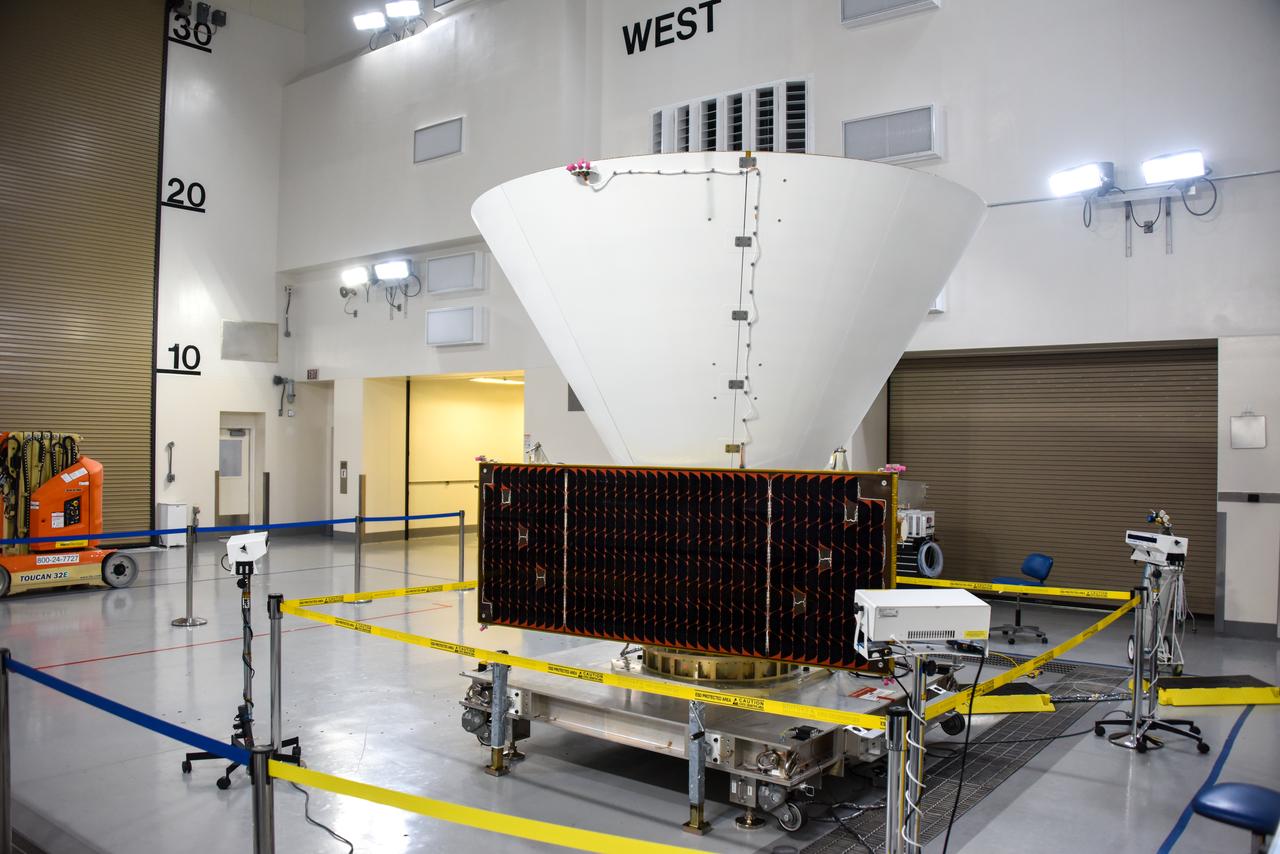
NASA’s SPHEREx (Spectro-Photometer for the History of the Universe, Epoch of Reionization and Ices Explorer), a space telescope, is situated on a work stand ahead of prelaunch operations at the Astrotech Processing Facility at Vandenberg Space Force Base in California on Friday, Jan. 17, 2025. SPHEREx will enter a polar orbit around Earth and create a 3D map of the entire sky, gathering information about millions of galaxies for scientists to study what happened after the big bang, the history of galaxy evolution, and the origins of water in planetary systems in our galaxy. SPHEREx will launch aboard a SpaceX Falcon 9 rocket in late February 2025.
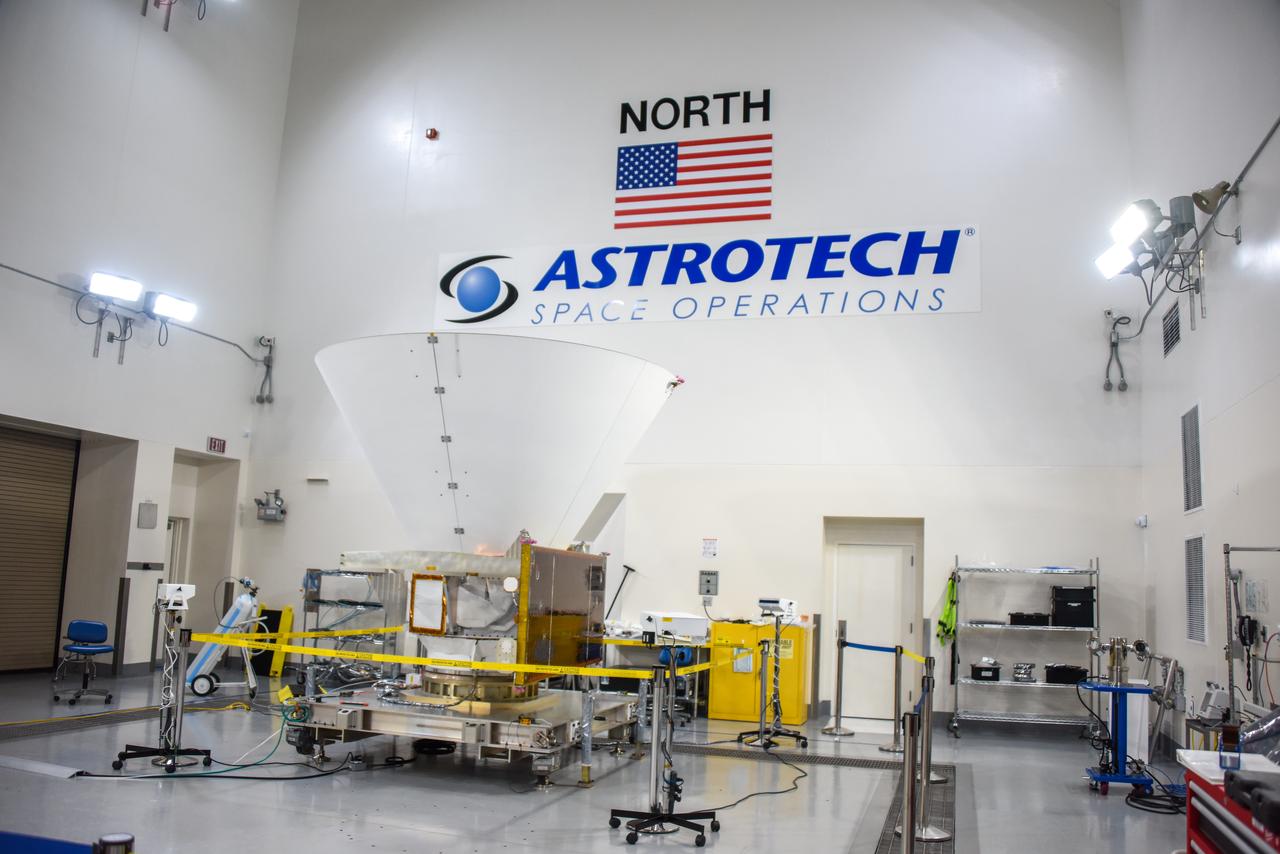
NASA’s SPHEREx (Spectro-Photometer for the History of the Universe, Epoch of Reionization and Ices Explorer), a space telescope, is situated on a work stand ahead of prelaunch operations at the Astrotech Processing Facility at Vandenberg Space Force Base in California on Friday, Jan. 17, 2025. SPHEREx will enter a polar orbit around Earth and create a 3D map of the entire sky, gathering information about millions of galaxies for scientists to study what happened after the big bang, the history of galaxy evolution, and the origins of water in planetary systems in our galaxy. SPHEREx will launch aboard a SpaceX Falcon 9 rocket in late February 2025.
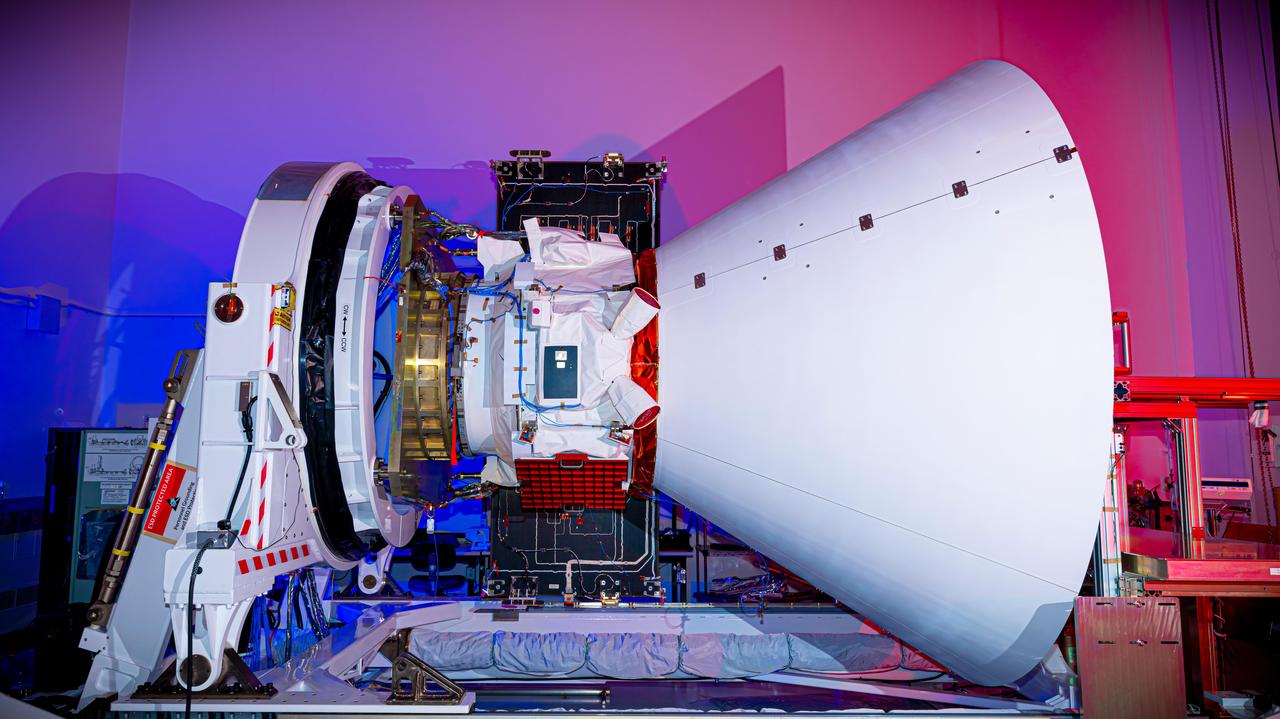
The SPHEREx observatory sits in a clean room after environmental testing at BAE Systems in Boulder, Colorado, in late 2024. Short for Spectro-Photometer for the History of the Universe, Epoch of Reionization and Ices Explorer, SPHEREx will create a map of the cosmos like no other. Using a technique called spectroscopy to image the entire sky in 102 wavelengths of infrared light, SPHEREx will gather information about the composition of and distance to millions of galaxies and stars. With this map, scientists will study what happened in the first fraction of a second after the big bang, how galaxies formed and evolved, and the origins of water in planetary systems in our galaxy. https://photojournal.jpl.nasa.gov/catalog/PIA26537
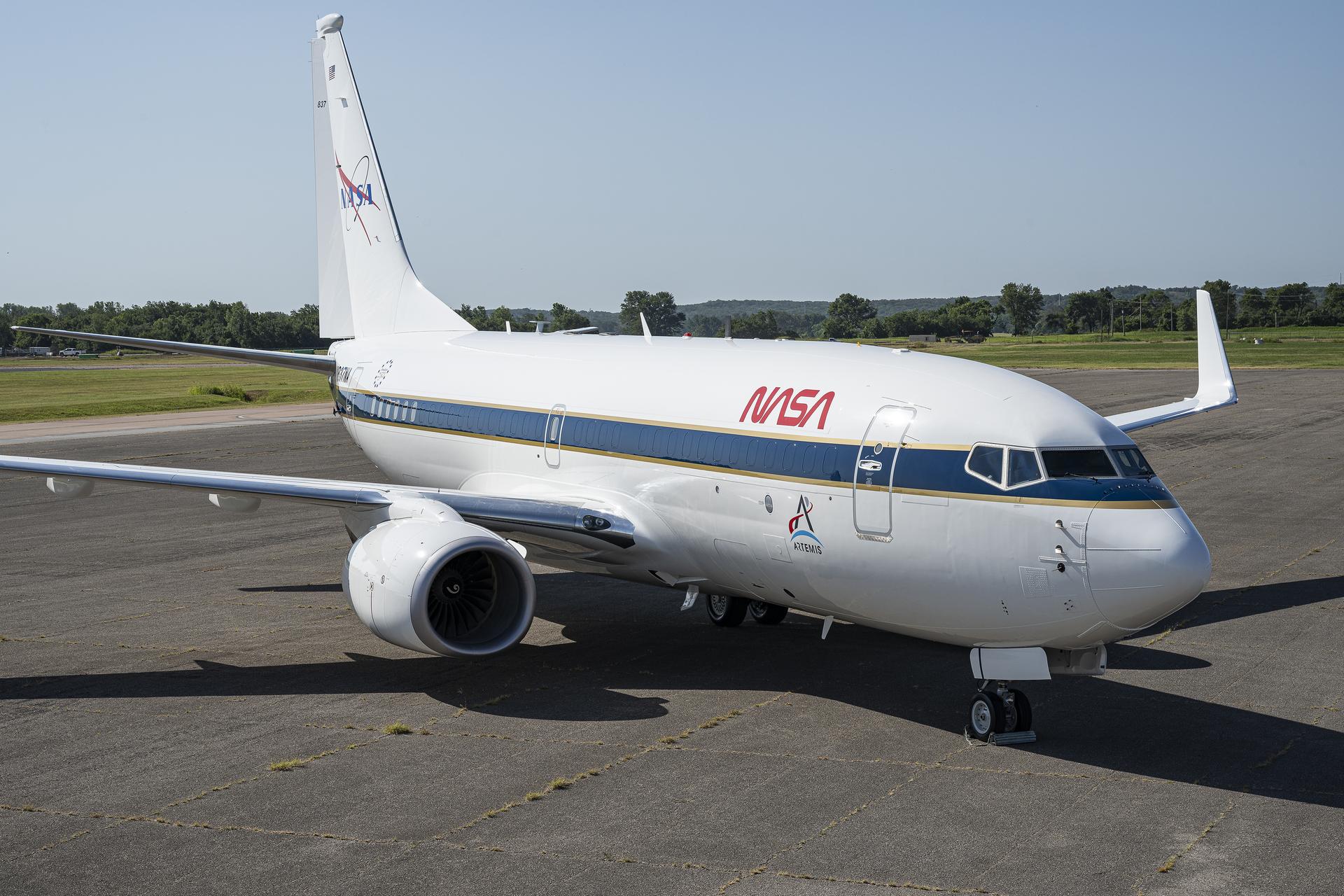
A newly painted NASA 737 aircraft sits on a ramp in Oklahoma on Thursday, Aug. 13, 2026. After modifications, this aircraft will perform lunar-gravity parabolic flights to validate astronaut lunar suits and associated crew systems required to support Artemis mission objectives. Flight testing will happen at NASA’s Johnson Space Center in Houston for reduced-gravity operations, with oversight by NASA’s Armstrong Flight Research Center in Edwards, California. In addition, the aircraft will serve as a key asset for systems‑integration research for flight testing autonomy, sensors, and other digital systems.
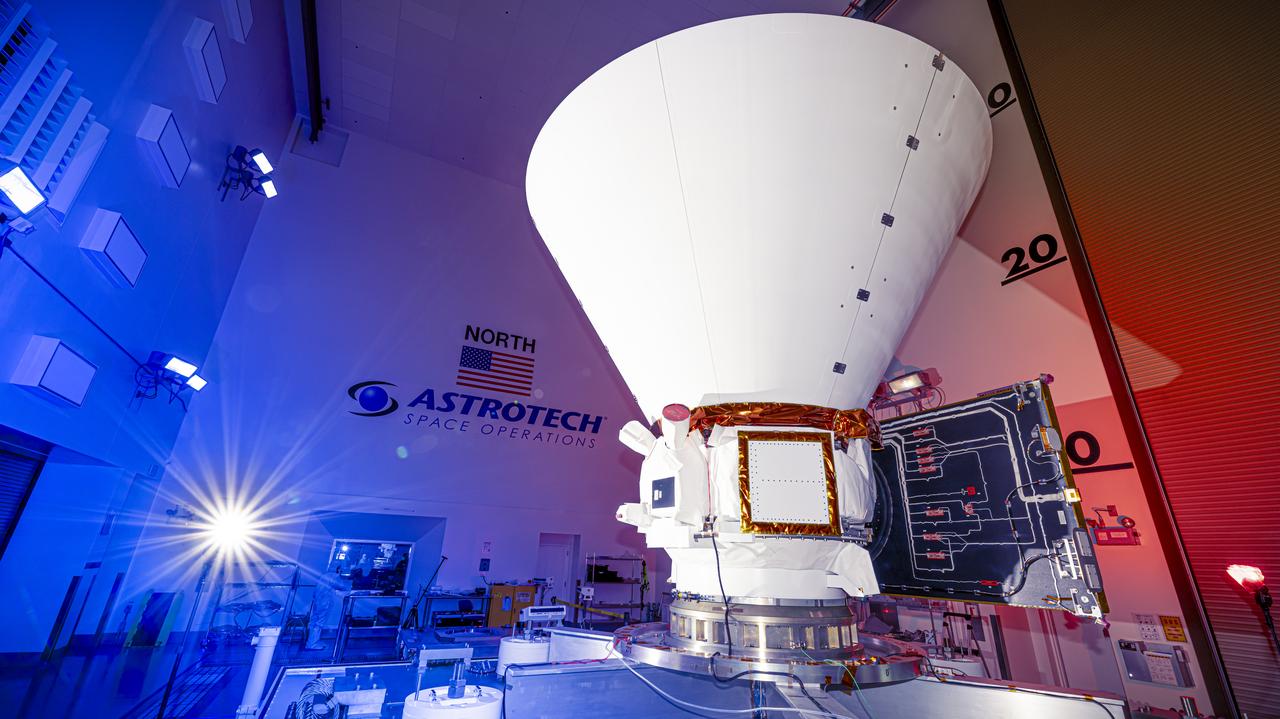
NASA’s SPHEREx (Spectro-Photometer for the History of the Universe, Epoch of Reionization and Ices Explorer), a space telescope, is situated on a work stand ahead of prelaunch operations at the Astrotech Processing Facility at Vandenberg Space Force Base in California on Thursday, Jan. 16, 2025. SPHEREx will enter a polar orbit around Earth and create a 3D map of the entire sky, gathering information about millions of galaxies for scientists to study what happened after the big bang, the history of galaxy evolution, and the origins of water in planetary systems in our galaxy. SPHEREx will launch aboard a SpaceX Falcon 9 rocket in late February 2025.
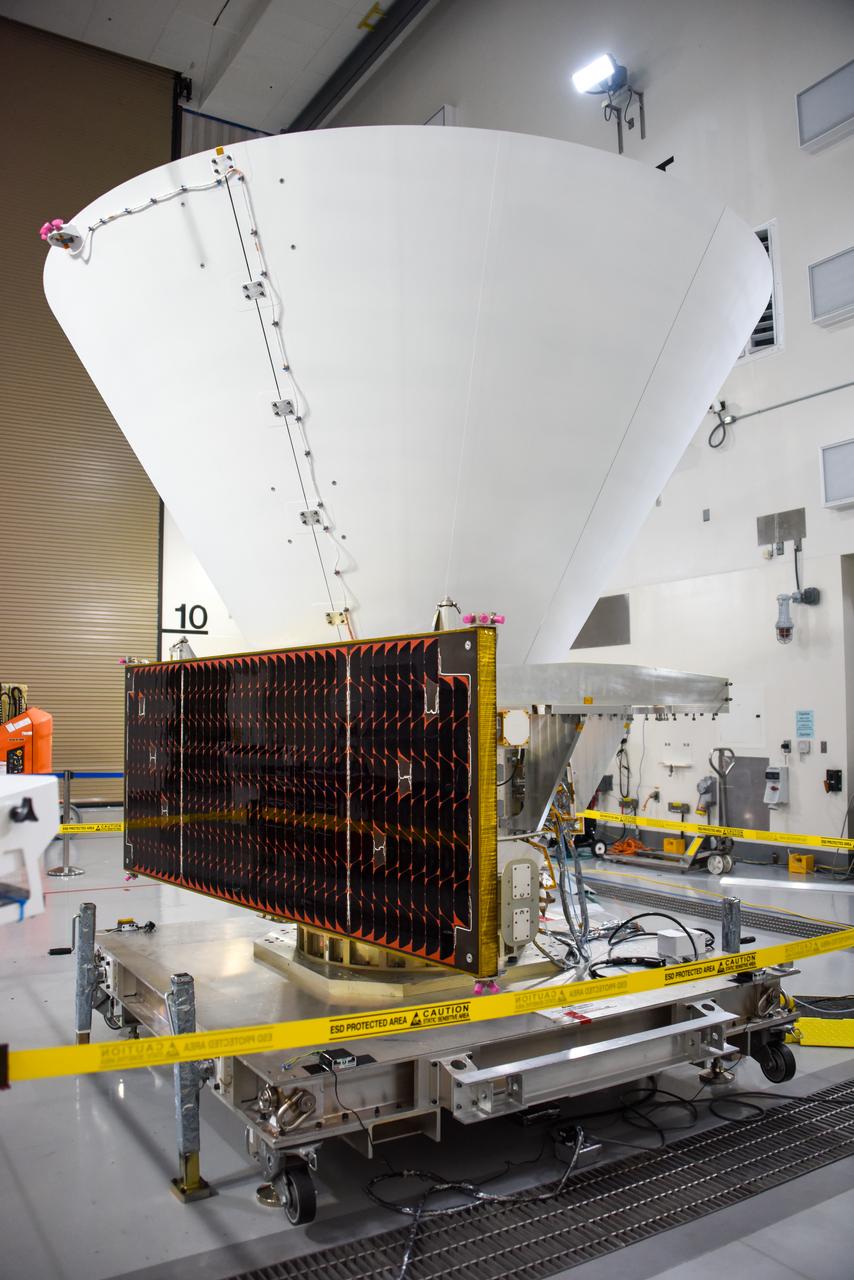
NASA’s SPHEREx (Spectro-Photometer for the History of the Universe, Epoch of Reionization and Ices Explorer), a space telescope, is situated on a work stand ahead of prelaunch operations at the Astrotech Processing Facility at Vandenberg Space Force Base in California on Friday, Jan. 17, 2025. SPHEREx will enter a polar orbit around Earth and create a 3D map of the entire sky, gathering information about millions of galaxies for scientists to study what happened after the big bang, the history of galaxy evolution, and the origins of water in planetary systems in our galaxy. SPHEREx will launch aboard a SpaceX Falcon 9 rocket in late February 2025.
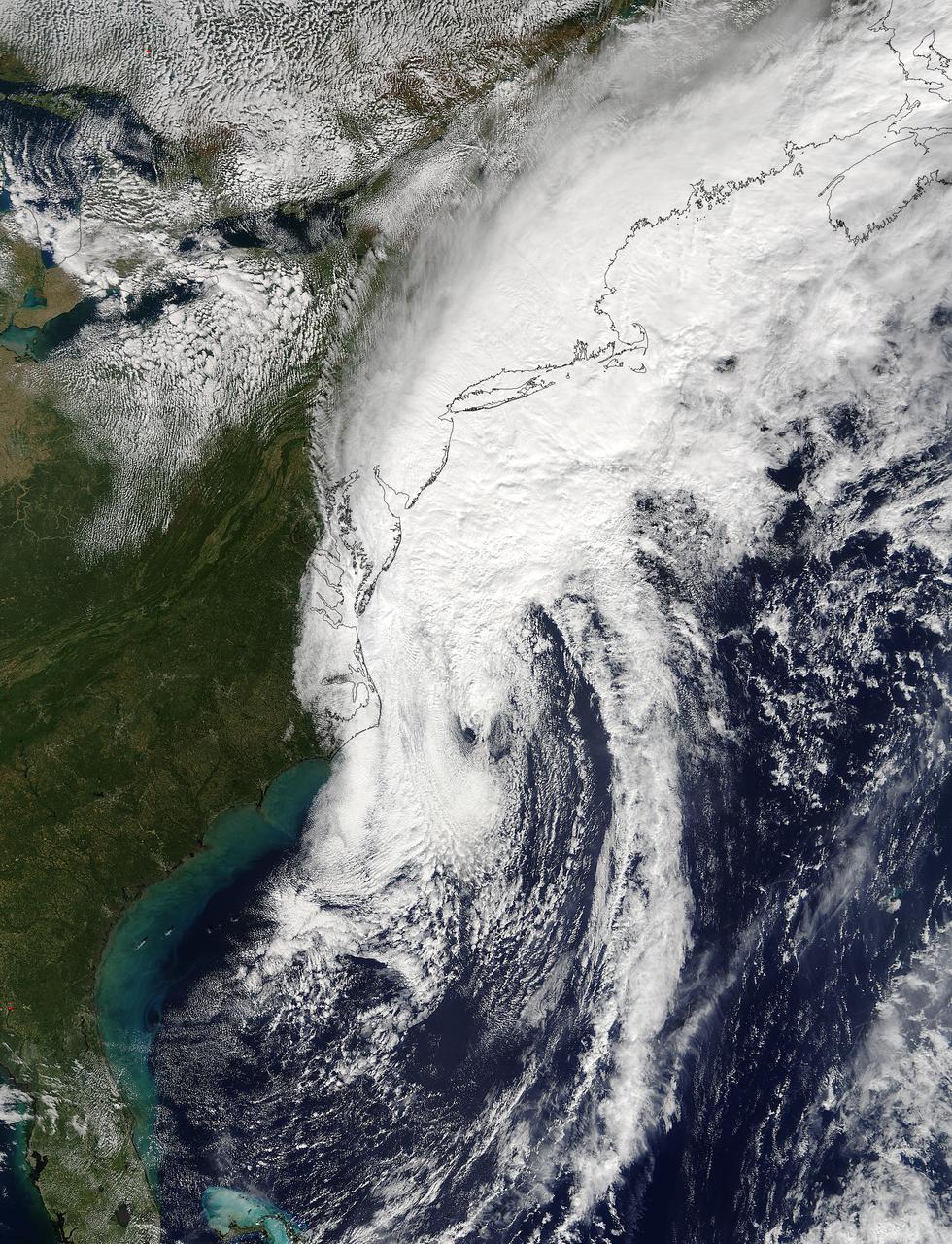
NASA Gets a Last Look at Post-Tropical Cyclone Matthew Before It was Swallowed Up Post-Tropical Cyclone Matthew was swallowed up or absorbed by a cold front on Oct. 10, but NASA's Terra satellite captured a last look at the storm before that happened. On Sunday, Oct. 9, 2016 at 11:45 a.m. EDT (1545 UTC) NASA's Terra satellite captured a last look at Post-Tropical Cyclone Matthew as it was being absorbed by a cold front along the U.S. Eastern Seaboard. Read more: <a href="http://go.nasa.gov/2dfhQg9" rel="nofollow">go.nasa.gov/2dfhQg9</a> Credits: NASA Goddard MODIS Rapid Response Team
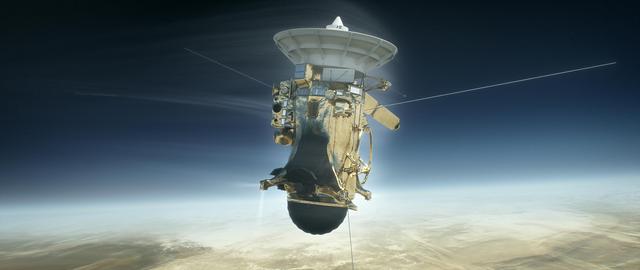
As depicted in this illustration, Cassini will plunge into Saturn's atmosphere on Sept. 15, 2017. Using its attitude control thrusters, the spacecraft will work to keep its antenna pointed at Earth while it sends its final data, including the composition of Saturn's upper atmosphere. The atmospheric torque will quickly become stronger than what the thrusters can compensate for, and after that point, Cassini will begin to tumble. When this happens, its radio connection to Earth will be severed, ending the mission. Following loss of signal, the spacecraft will burn up like a meteor in Saturn's upper atmosphere. https://photojournal.jpl.nasa.gov/catalog/PIA21440
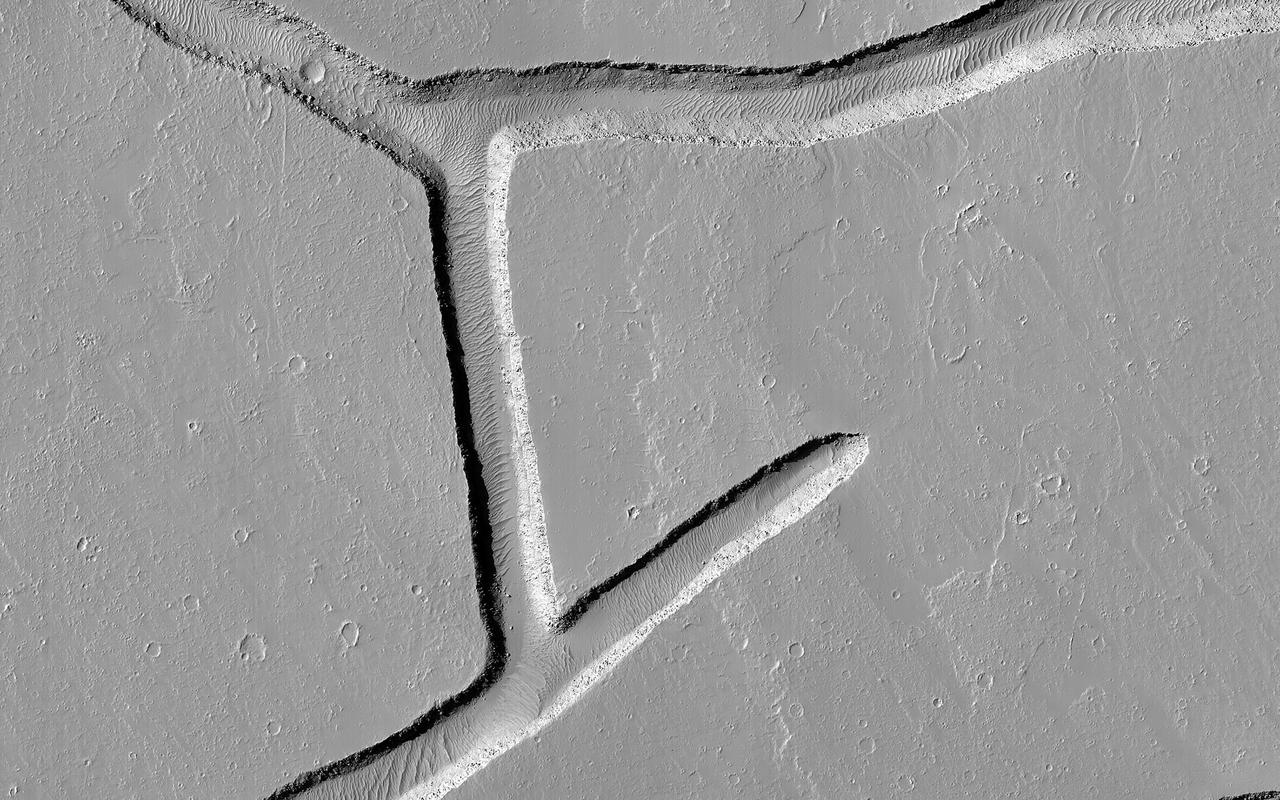
These intersecting troughs, or fractures, cut across geologically young volcanic terrain in the Tharsis volcanic province. In many locations near where this image was taken, material has erupted from similar features. However, it does not appear that material erupted from these particular fractures. Instead, they appear to crosscut material that flowed across the surface, indicating that the fractures are younger than the flows. The widths of the troughs at their rims are about 200 to 250 meters across. This image is an example of how the surface can provide information about the processes happening in Mars' interior. https://photojournal.jpl.nasa.gov/catalog/PIA24863

NASA's SPHEREx observatory is oriented in a horizontal position, revealing all three layers of photon shields as well as the telescope. This photo was taken at BAE Systems in Boulder, Colorado, in April 2024. Short for Spectro-Photometer for the History of the Universe, Epoch of Reionization and Ices Explorer, SPHEREx will create a map of the cosmos like no other. Using a technique called spectroscopy to image the entire sky in 102 wavelengths of infrared light, SPHEREx will gather information about the composition of and distance to millions of galaxies and stars. With this map, scientists will study what happened in the first fraction of a second after the big bang, how galaxies formed and evolved, and the origins of water in planetary systems in our galaxy. https://photojournal.jpl.nasa.gov/catalog/PIA26542
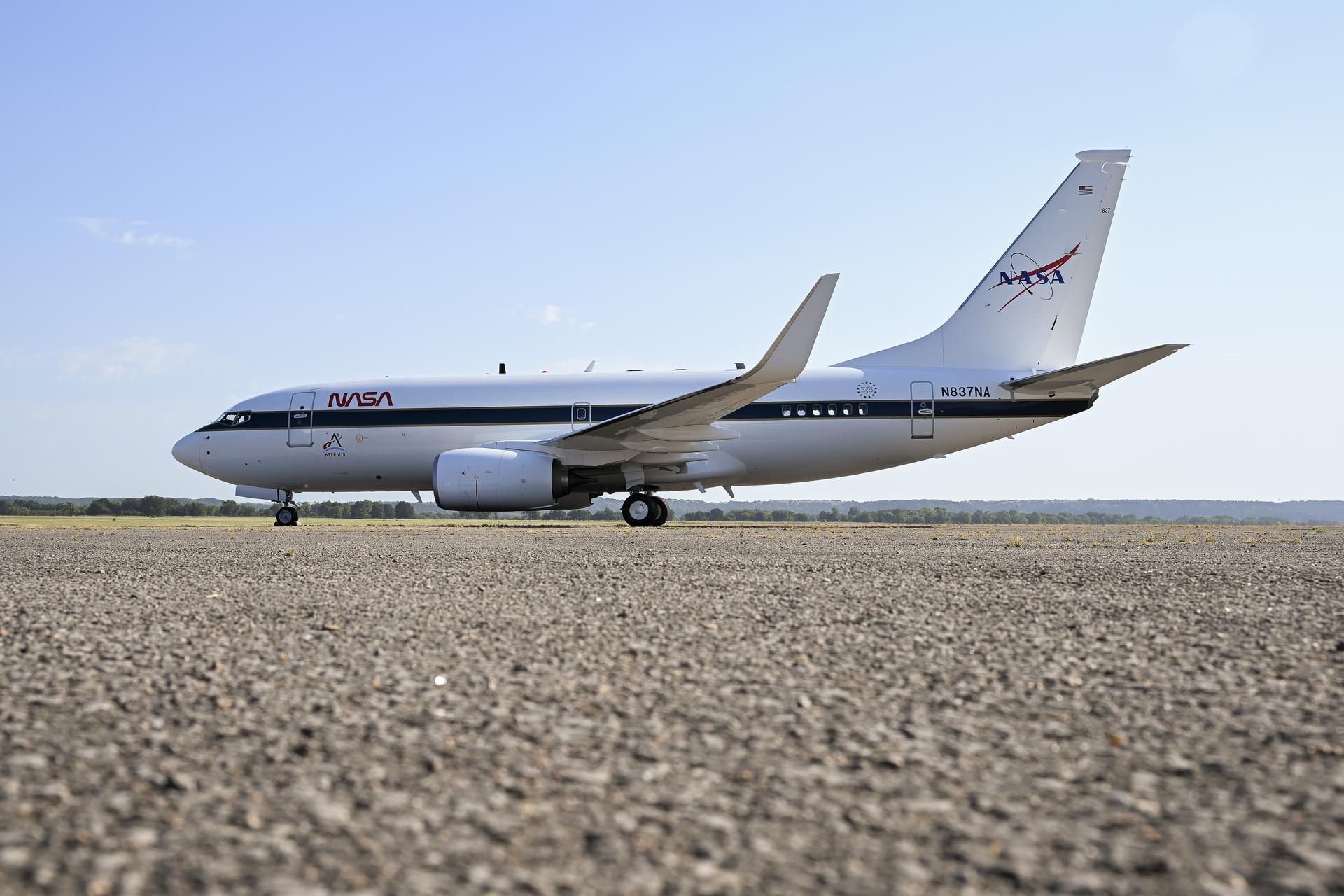
A newly painted NASA 737 aircraft sits on a ramp in Oklahoma on Thursday, Aug. 13, 2026. After modifications, this aircraft will perform lunar-gravity parabolic flights to validate astronaut lunar suits and associated crew systems required to support Artemis mission objectives. Flight testing will happen at NASA’s Johnson Space Center in Houston for reduced-gravity operations, with oversight by NASA’s Armstrong Flight Research Center in Edwards, California. In addition, the aircraft will serve as a key asset for systems‑integration research for flight testing autonomy, sensors, and other digital systems.
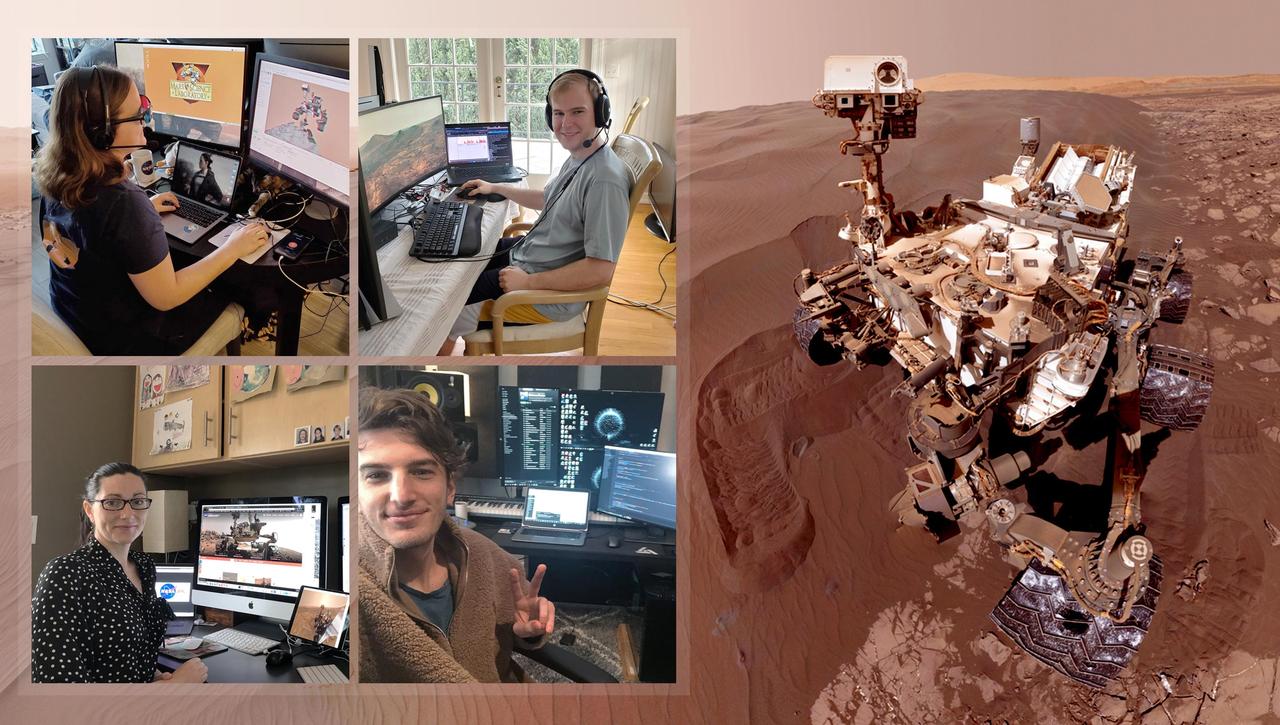
Members of NASA's Curiosity Mars rover mission team took pictures of themselves from their home offices on March 20, 2020, the first day the entire mission team worked remotely. Rover planning usually happens at NASA's Jet Propulsion Laboratory in Southern California. Clockwise from upper left: Rover planner Keri Bean, wearing red-blue 3D glasses; rover planner Camden Miller; tactical uplink lead Jack Quade; and Science Operations Team Chief Carrie Bridge. https://photojournal.jpl.nasa.gov/catalog/PIA23773
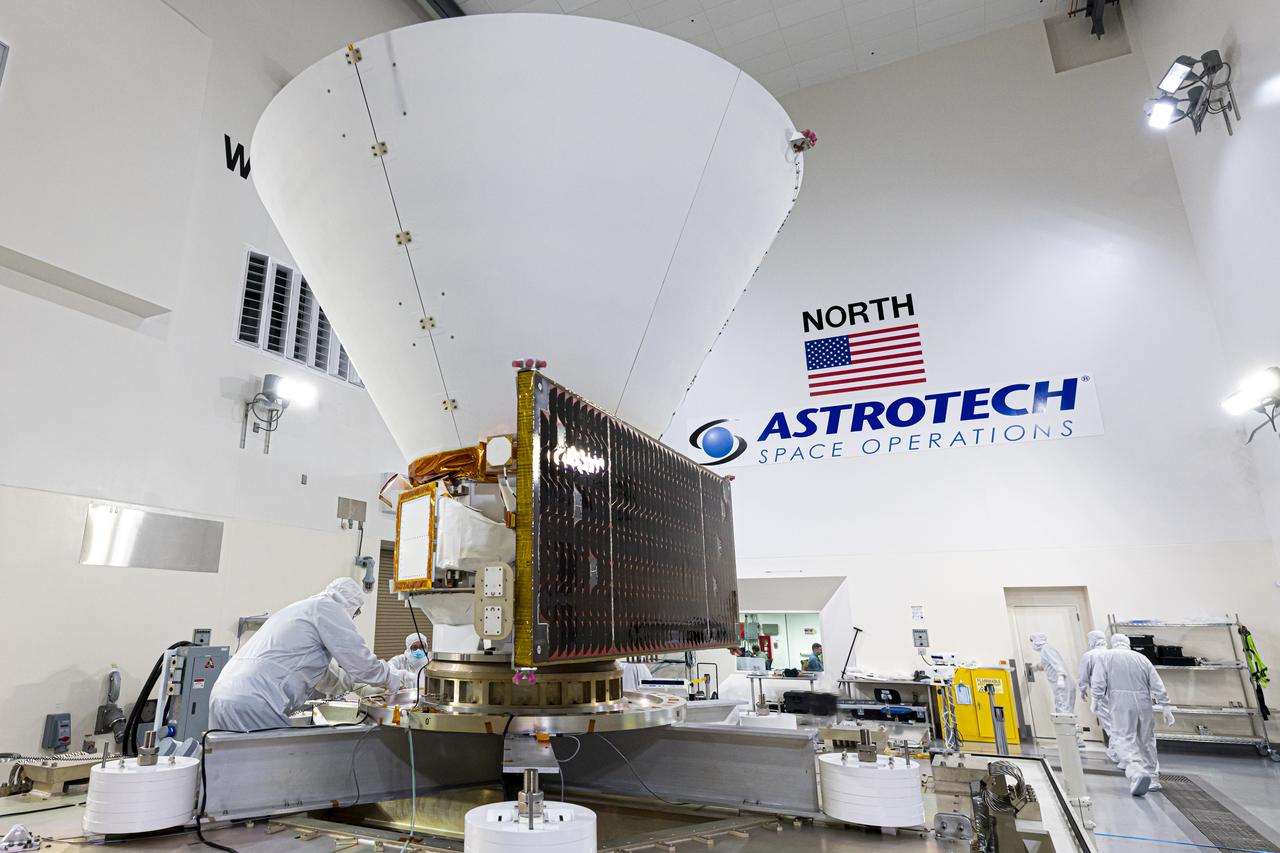
NASA’s SPHEREx (Spectro-Photometer for the History of the Universe, Epoch of Reionization and Ices Explorer), a space telescope, is situated on a work stand ahead of prelaunch operations at the Astrotech Processing Facility at Vandenberg Space Force Base in California on Thursday, Jan. 16, 2025. SPHEREx will enter a polar orbit around Earth and create a 3D map of the entire sky, gathering information about millions of galaxies for scientists to study what happened after the big bang, the history of galaxy evolution, and the origins of water in planetary systems in our galaxy. SPHEREx will launch aboard a SpaceX Falcon 9 rocket in late February 2025.
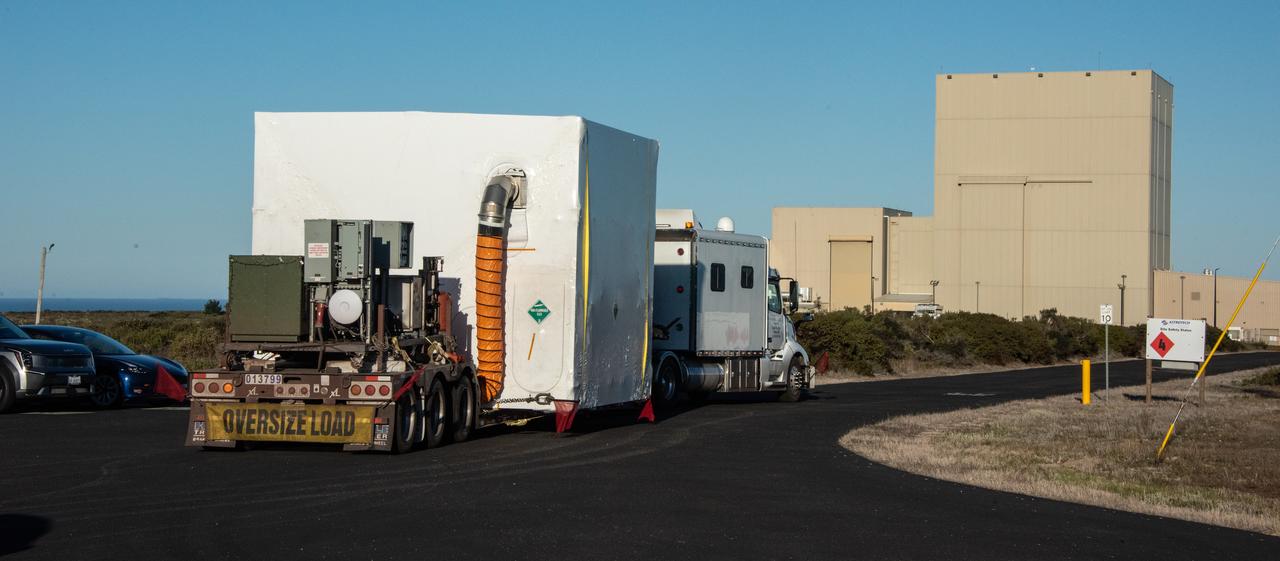
A transport truck carrying NASA’s SPHEREx (Spectro-Photometer for the History of the Universe, Epoch of Reionization and Ices Explorer), a space telescope, arrives at Vandenberg Space Force Base in California on Tuesday, Jan. 14, 2025. SPHEREx will enter a polar orbit around Earth and create a 3D map of the entire sky, gathering information about millions of galaxies for scientists to study what happened after the big bang, the history of galaxy evolution, and the origins of water in planetary systems in our galaxy. SPHEREx will launch aboard a SpaceX Falcon 9 rocket in late February 2025.
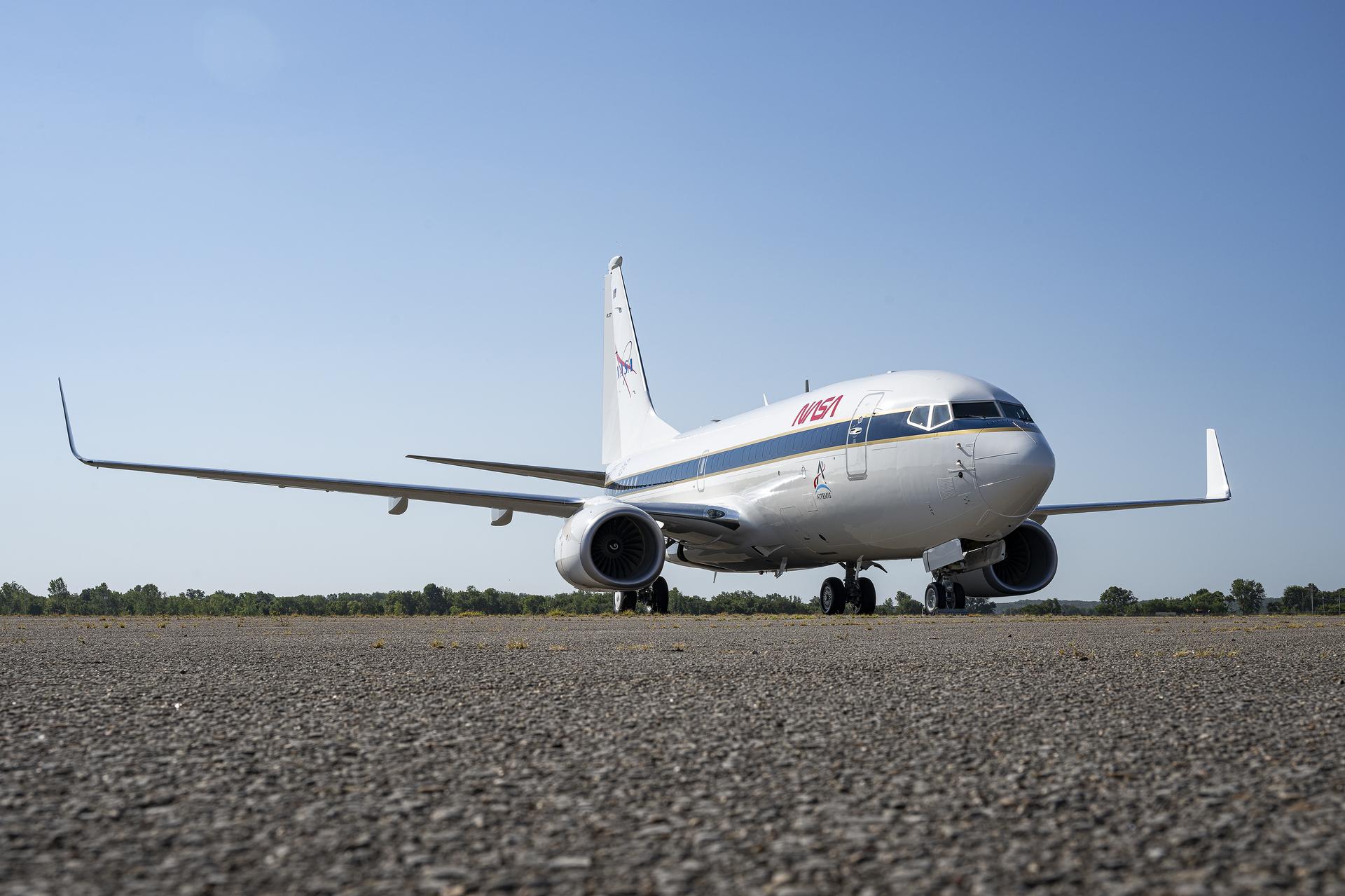
A newly painted NASA 737 aircraft sits on a ramp in Oklahoma on Thursday, Aug. 13, 2026. After modifications, this aircraft will perform lunar-gravity parabolic flights to validate astronaut lunar suits and associated crew systems required to support Artemis mission objectives. Flight testing will happen at NASA’s Johnson Space Center in Houston for reduced-gravity operations, with oversight by NASA’s Armstrong Flight Research Center in Edwards, California. In addition, the aircraft will serve as a key asset for systems‑integration research for flight testing autonomy, sensors, and other digital systems.
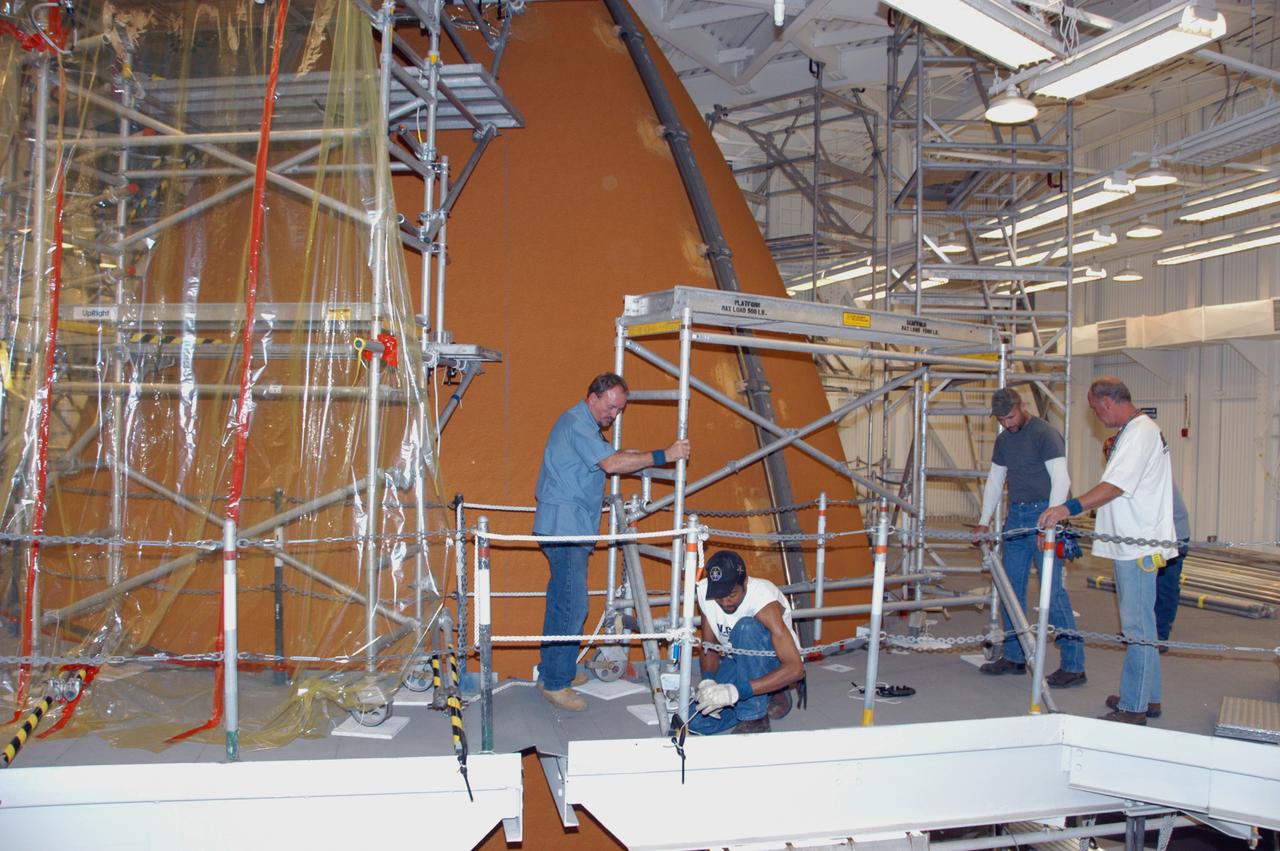
On an upper level of high bay 1 of the Vehicle Assembly Building, technicians secure protective material around Atlantis' external tank. The preparations are for future repair work of the hail damage that happened Feb. 27. A severe thunderstorm with golf ball-sized hail caused visible divots in the giant tank's foam insulation and minor surface damage to about 26 heat shield tiles on the shuttle's left wing. Further evaluation of the tank is necessary to get an accurate accounting of foam damage and determine the type of repair required and the time needed for that work. A new target launch date has not been determined, but teams will focus on preparing Atlantis for liftoff in late April on mission STS-117.
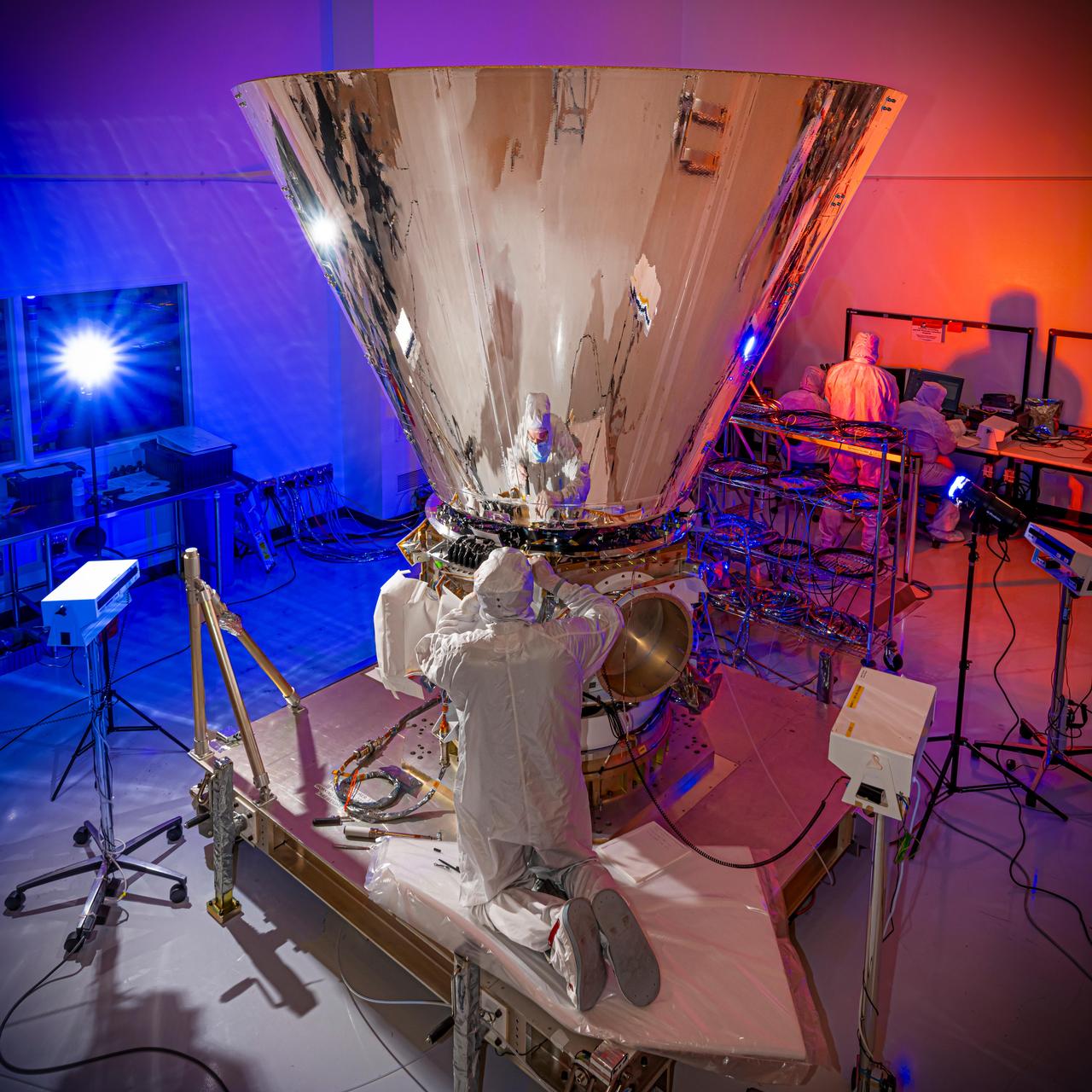
Final assembly of NASA's SPHEREx spacecraft is shown at BAE Systems in Boulder, Colorado, in March 2024. Short for Spectro-Photometer for the History of the Universe, Epoch of Reionization and Ices Explorer, SPHEREx will create a map of the cosmos like no other. Using a technique called spectroscopy to image the entire sky in 102 wavelengths of infrared light, SPHEREx will gather information about the composition of and distance to millions of galaxies and stars. With this map, scientists will study what happened in the first fraction of a second after the big bang, how galaxies formed and evolved, and the origins of water in planetary systems in our galaxy. https://photojournal.jpl.nasa.gov/catalog/PIA26543
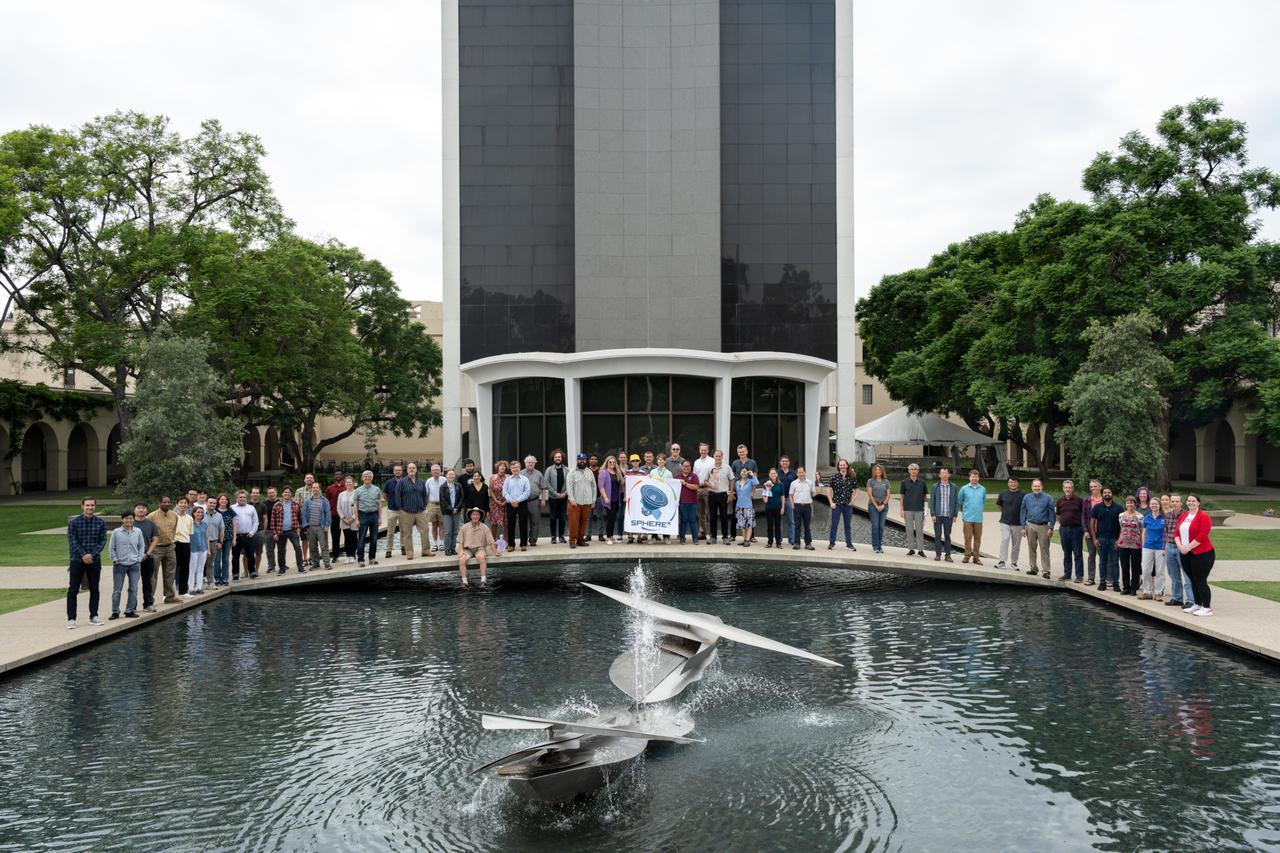
Members of the SPHEREx mission team pose for a photo on the campus of Caltech in Pasadena, California, in October 2023. Short for Spectro-Photometer for the History of the Universe, Epoch of Reionization and Ices Explorer, SPHEREx will create a map of the cosmos like no other. Using a technique called spectroscopy to image the entire sky in 102 wavelengths of infrared light, SPHEREx will gather information about the composition of and distance to millions of galaxies and stars. With this map, scientists will study what happened in the first fraction of a second after the big bang, how galaxies formed and evolved, and the origins of water in planetary systems in our galaxy. https://photojournal.jpl.nasa.gov/catalog/PIA26534
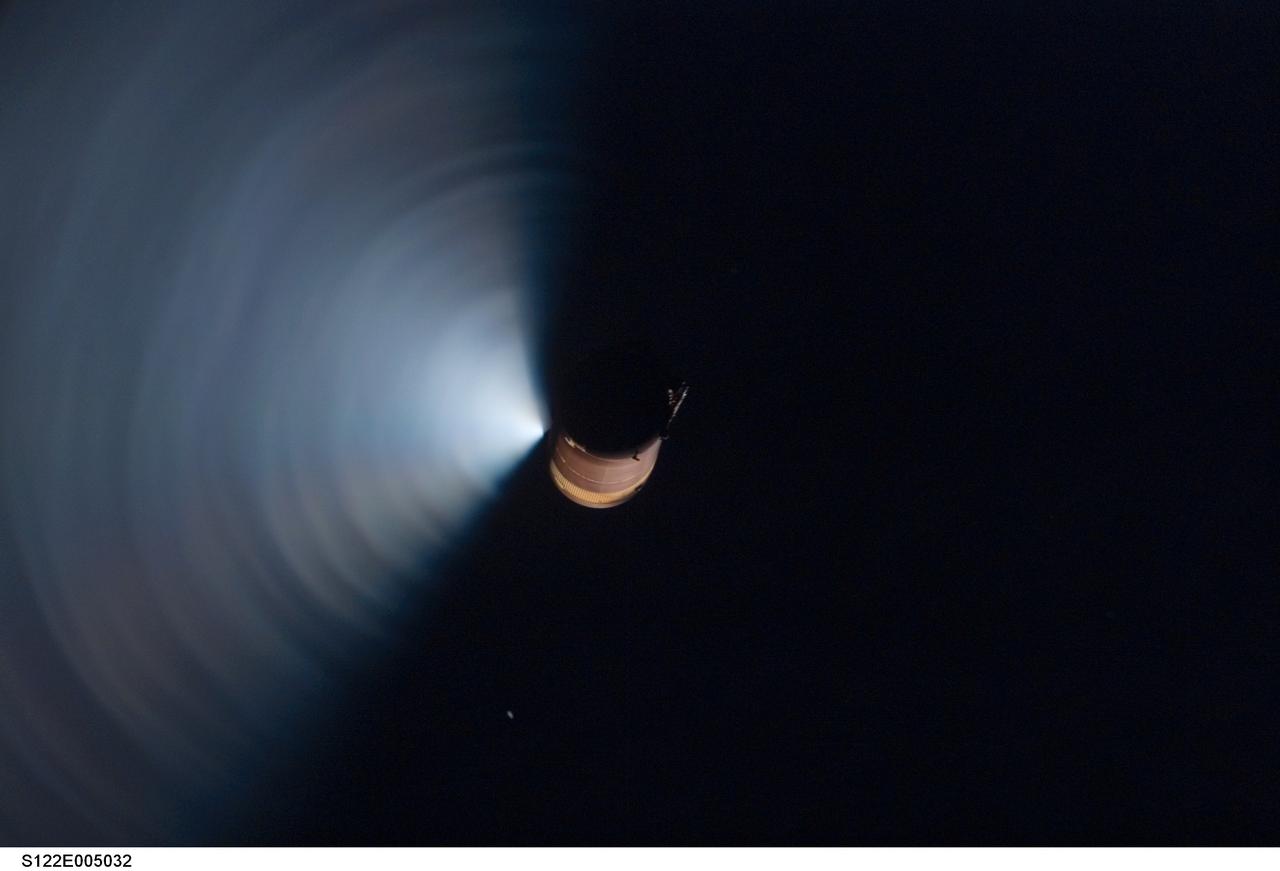
S122-E-005032 (7 Feb. 2008) --- Backdropped against the blackness of space, the STS-122 external fuel tank (ET) begins its relative separation from the Space Shuttle Atlantis. An STS-122 crewmember recorded the scene with a digital still camera. The fan-shaped bright area is the result of ET venting after orbiter separation. What happens in this nominal occurence is that the residual cryogenics in the tank heat up to some extent and the pressure increases, popping the relief valve. The residual LOX and LH2 spray out of the tank and are quite noticeable with the light reflection.

NASA’s SPHEREx (Spectro-Photometer for the History of the Universe, Epoch of Reionization and Ices Explorer), a space telescope, is situated on a work stand ahead of prelaunch operations at the Astrotech Processing Facility at Vandenberg Space Force Base in California on Friday, Jan. 17, 2025. SPHEREx will enter a polar orbit around Earth and create a 3D map of the entire sky, gathering information about millions of galaxies for scientists to study what happened after the big bang, the history of galaxy evolution, and the origins of water in planetary systems in our galaxy. SPHEREx will launch aboard a SpaceX Falcon 9 rocket in late February 2025.
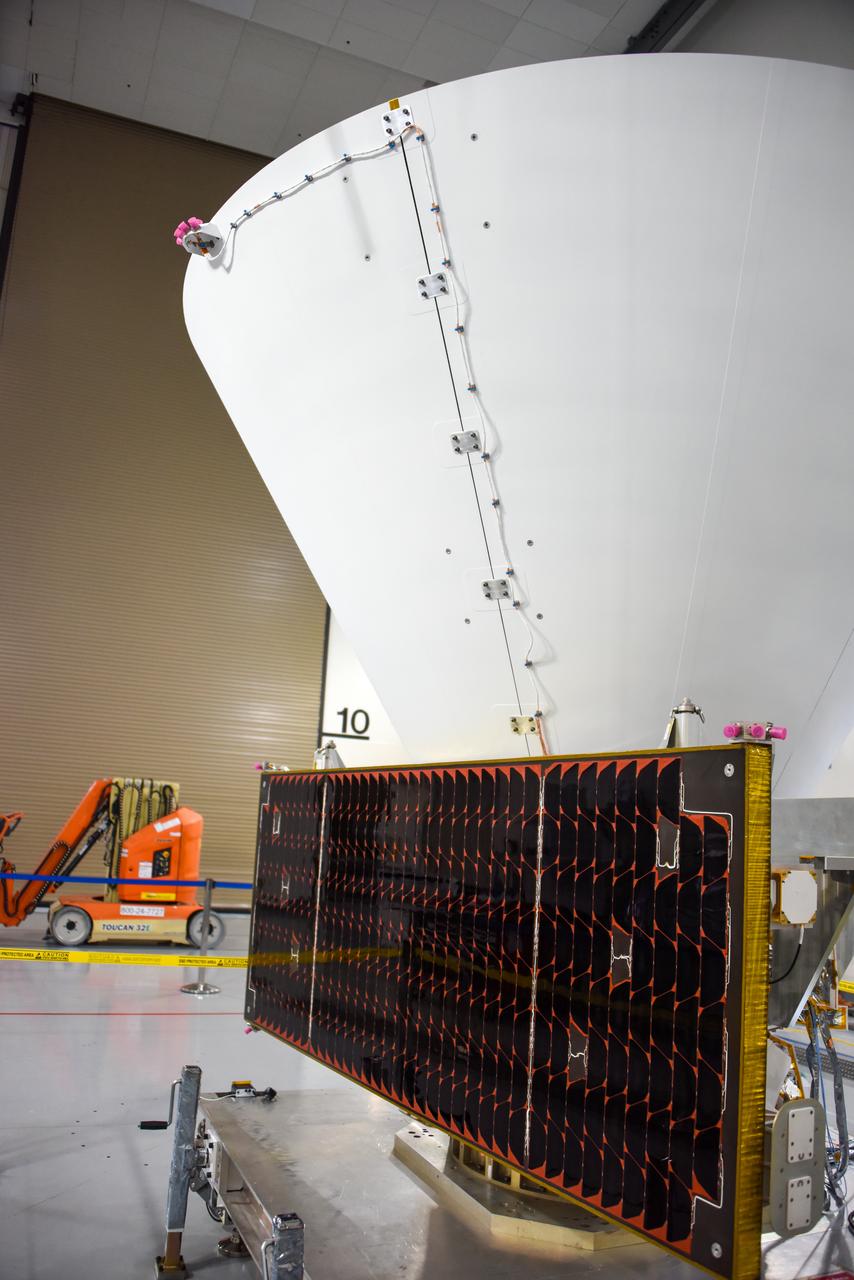
NASA’s SPHEREx (Spectro-Photometer for the History of the Universe, Epoch of Reionization and Ices Explorer), a space telescope, is situated on a work stand ahead of prelaunch operations at the Astrotech Processing Facility at Vandenberg Space Force Base in California on Friday, Jan. 17, 2025. SPHEREx will enter a polar orbit around Earth and create a 3D map of the entire sky, gathering information about millions of galaxies for scientists to study what happened after the big bang, the history of galaxy evolution, and the origins of water in planetary systems in our galaxy. SPHEREx will launch aboard a SpaceX Falcon 9 rocket in late February 2025.
![This scene is a jumbled mess. There are blocks and smears of many different rocks types that appear to have been dumped into a pile. That's probably about what happened, as ejecta from the Isidis impact basin to the east. This pile of old rocks is an island surrounded by younger lava flows from Syrtis Major. The map is projected here at a scale of 25 centimeters (9.8 inches) per pixel. [The original image scale is 27.4 centimeters (10.8 inches) per pixel (with 1 x 1 binning); objects on the order of 82 centimeters (32.2 inches) across are resolved.] North is up. http://photojournal.jpl.nasa.gov/catalog/PIA21553](https://images-assets.nasa.gov/image/PIA21553/PIA21553~medium.jpg)
This scene is a jumbled mess. There are blocks and smears of many different rocks types that appear to have been dumped into a pile. That's probably about what happened, as ejecta from the Isidis impact basin to the east. This pile of old rocks is an island surrounded by younger lava flows from Syrtis Major. The map is projected here at a scale of 25 centimeters (9.8 inches) per pixel. [The original image scale is 27.4 centimeters (10.8 inches) per pixel (with 1 x 1 binning); objects on the order of 82 centimeters (32.2 inches) across are resolved.] North is up. http://photojournal.jpl.nasa.gov/catalog/PIA21553
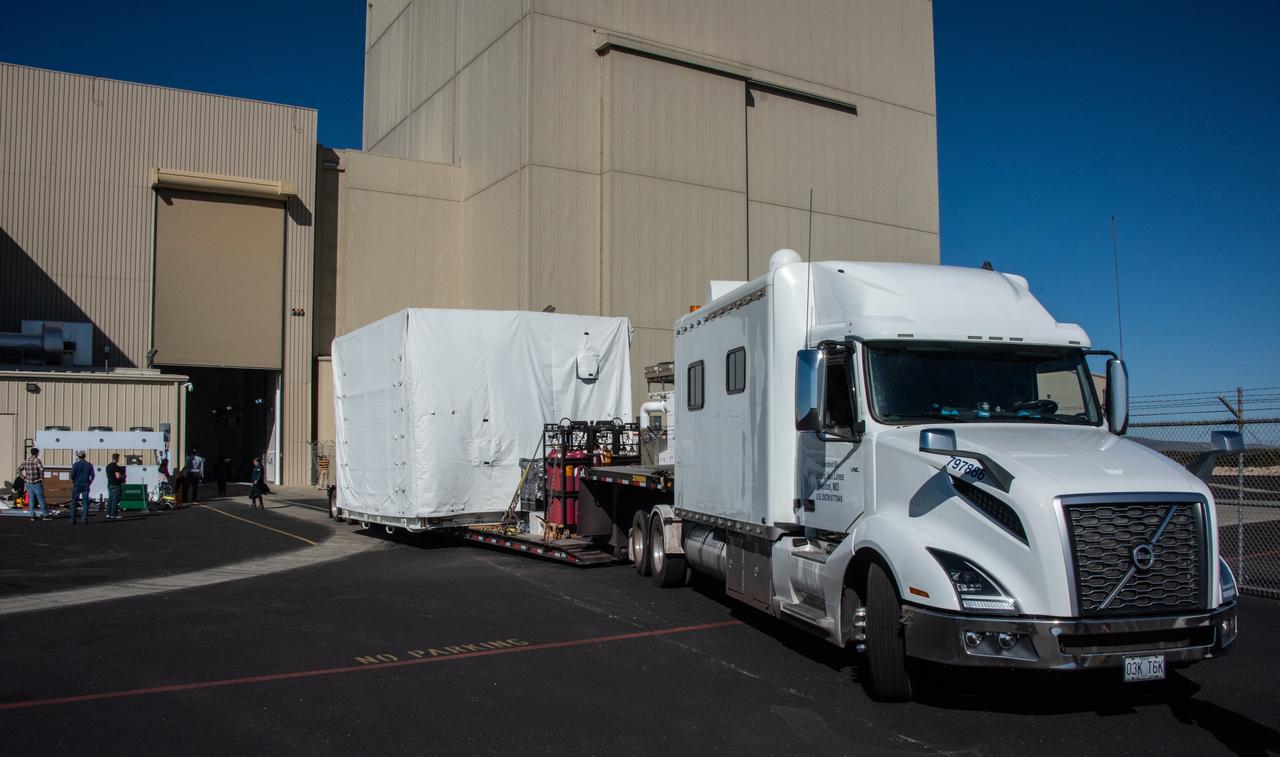
A transport truck carrying NASA’s SPHEREx (Spectro-Photometer for the History of the Universe, Epoch of Reionization and Ices Explorer), a space telescope, arrives at Vandenberg Space Force Base in California on Tuesday, Jan. 14, 2025. SPHEREx will enter a polar orbit around Earth and create a 3D map of the entire sky, gathering information about millions of galaxies for scientists to study what happened after the big bang, the history of galaxy evolution, and the origins of water in planetary systems in our galaxy. SPHEREx will launch aboard a SpaceX Falcon 9 rocket in late February 2025.

NASA’s SPHEREx (Spectro-Photometer for the History of the Universe, Epoch of Reionization and Ices Explorer), a space telescope, is situated on a work stand ahead of prelaunch operations at the Astrotech Processing Facility at Vandenberg Space Force Base in California on Friday, Jan. 17, 2025. SPHEREx will enter a polar orbit around Earth and create a 3D map of the entire sky, gathering information about millions of galaxies for scientists to study what happened after the big bang, the history of galaxy evolution, and the origins of water in planetary systems in our galaxy. SPHEREx will launch aboard a SpaceX Falcon 9 rocket in late February 2025.
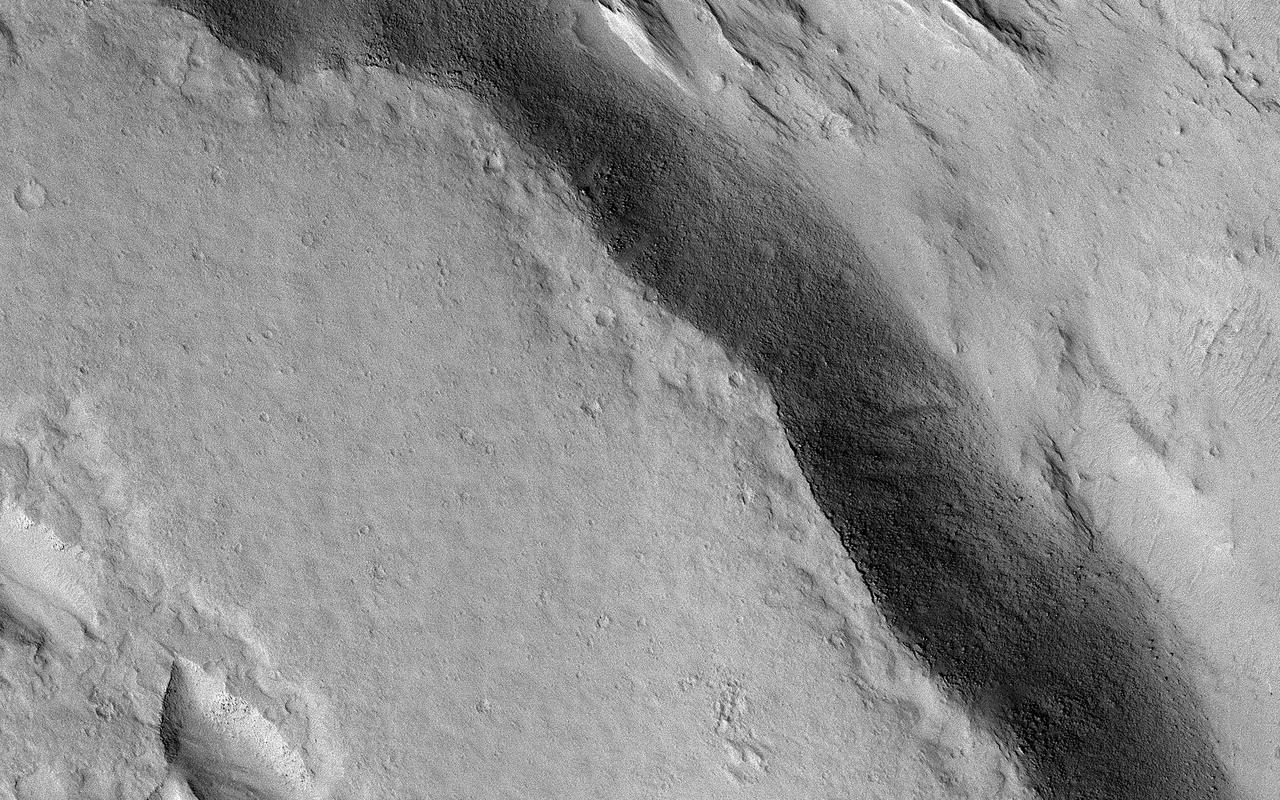
This image demonstrates the curious phenomenon called "topographic inversion." The southern half of the picture is covered by a well-preserved lava flow. The flow stops just at the brink of descending a steep slope. Lava isn't afraid of falling, so what happened here? It is likely that the terrain to the north was once higher, and stopped the lava from flowing any further. Once the lava cooled, it protected the ground beneath it, while the softer rocks to the north continued to erode, "inverting" the topography so that what was once low-lying ground is now the top of a mesa. https://photojournal.jpl.nasa.gov/catalog/PIA23230
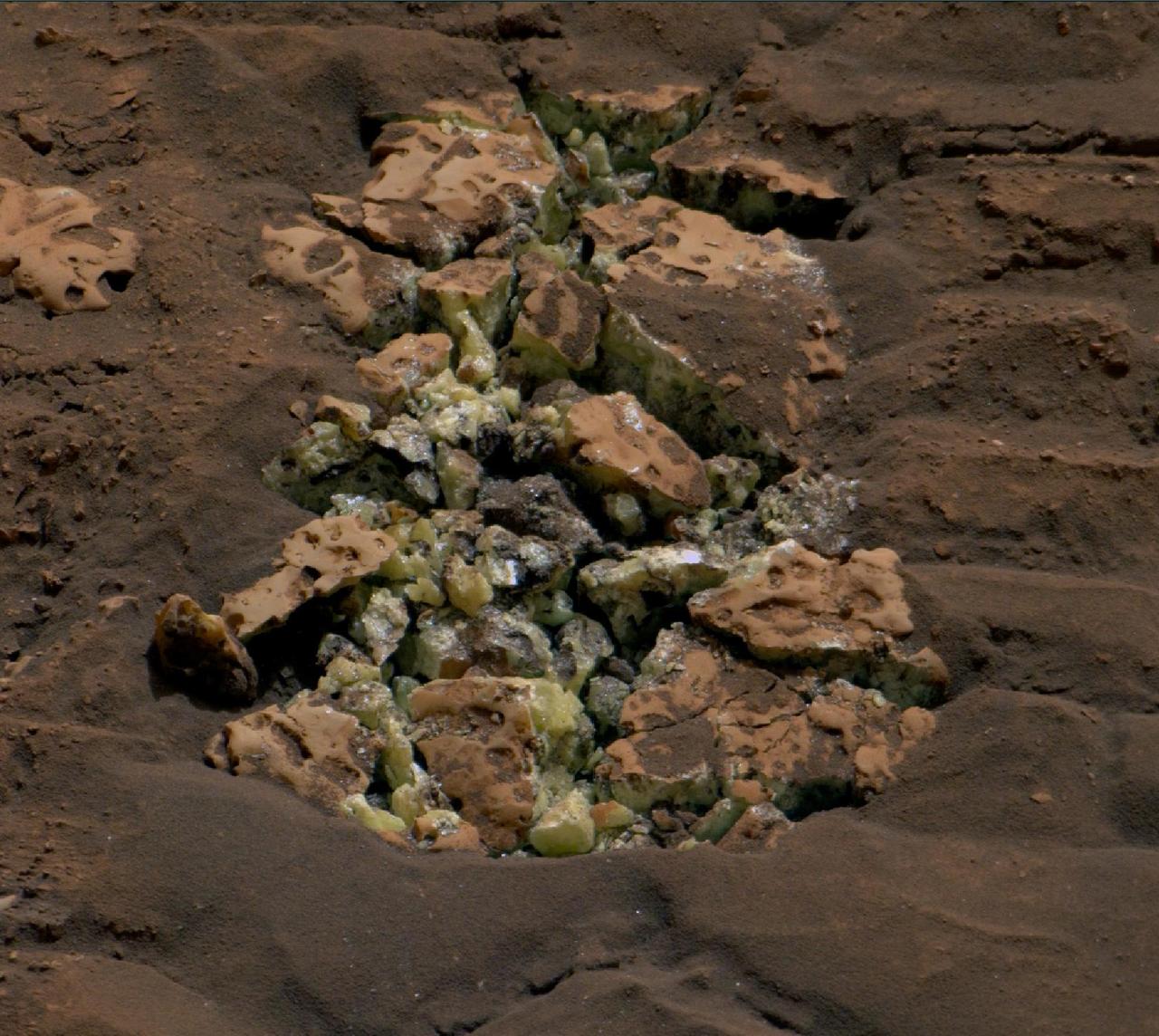
NASA's Curiosity Mars rover viewed these yellow crystals of elemental sulfur using its Mast Camera, or Mastcam, on June 7, 2024, the 4,208th Martian day, or sol, of the mission. The discovery marks the first time this mineral has ever been found in a pure form on Mars. Nicknamed "Convict Lake" after a location in California's Sierra Nevada, this collection of fragments is about 5 inches (13 centimeters) across from left to right. The color has been adjusted to match lighting conditions as the human eye would see them on Earth. These crystals were found after Curiosity happened to drive over and crush the rock several days before, on May 30. The rover later used an instrument on the end of its robotic arm, called the Alpha Particle X-ray Spectrometer, to determine the composition of the rock. Scientists have seen many kinds of sulfur on Mars; the region Curiosity found this rock is, in fact, known for being rich in sulfates – a kind of sulfur-based salt that was left behind as water dried up on this part of the Red Planet billions of years ago. It isn't clear what relationship, if any, the elemental sulfur has to other sulfur-based minerals in the area. Elemental sulfur consists only of pure sulfur atoms, unlike the sulfur bound to oxygen in sulfate. It's an odorless mineral that on Earth is created by a variety of different geological processes, including volcanic and hydrothermal activity. Curiosity's team doesn't yet know which processes would have formed the elemental sulfur found by the rover, but they're searching for clues in the rocks and surrounding area. https://photojournal.jpl.nasa.gov/catalog/PIA26309

CAPE CANAVERAL, Fla. -- Technicians outfit space shuttle Discovery's external fuel tank with approximately 89 strain gauges, thermocouples and wiring in preparation for a tanking test no earlier than Dec. 17 on Launch Pad 39A at NASA's Kennedy Space Center in Florida. During the test, engineers will monitor what happens to 21-foot long, U-shaped aluminum brackets, called stringers, located at the external tank's intertank area, as well as the newly replaced ground umbilical carrier plate (GUCP), during the loading of cryogenic propellants. Discovery's first launch attempt for STS-133 was scrubbed in early November due to a hydrogen gas leak at GUCP. The next launch opportunity is no earlier than Feb. 3, 2011. For more information on STS-133, visit www.nasa.gov/mission_pages/shuttle/shuttlemissions/sts133/. Photo credit: NASA/Jim Grossmann

CAPE CANAVERAL, Fla. -- Technicians prepare space shuttle Discovery's external fuel tank for a tanking test no earlier than Dec. 15 on Launch Pad 39A at NASA's Kennedy Space Center in Florida. During the test, engineers will monitor what happens to 21-foot long, U-shaped aluminum brackets, called stringers, located at the intertank, as well as the newly replaced ground umbilical carrier plate (GUCP), during the loading of cryogenic propellants. Teams already have installed environmental enclosures on the tank, removed foam and prepared the tank's skin for approximately 89 strain gauges and thermocouples. Discovery's first launch attempt for STS-133 was scrubbed in early November due to a hydrogen gas leak at GUCP. The next launch opportunity is no earlier than Feb. 3, 2011. For more information on STS-133, visit www.nasa.gov/mission_pages/shuttle/shuttlemissions/sts133/. Photo credit: NASA/Frank Michaux
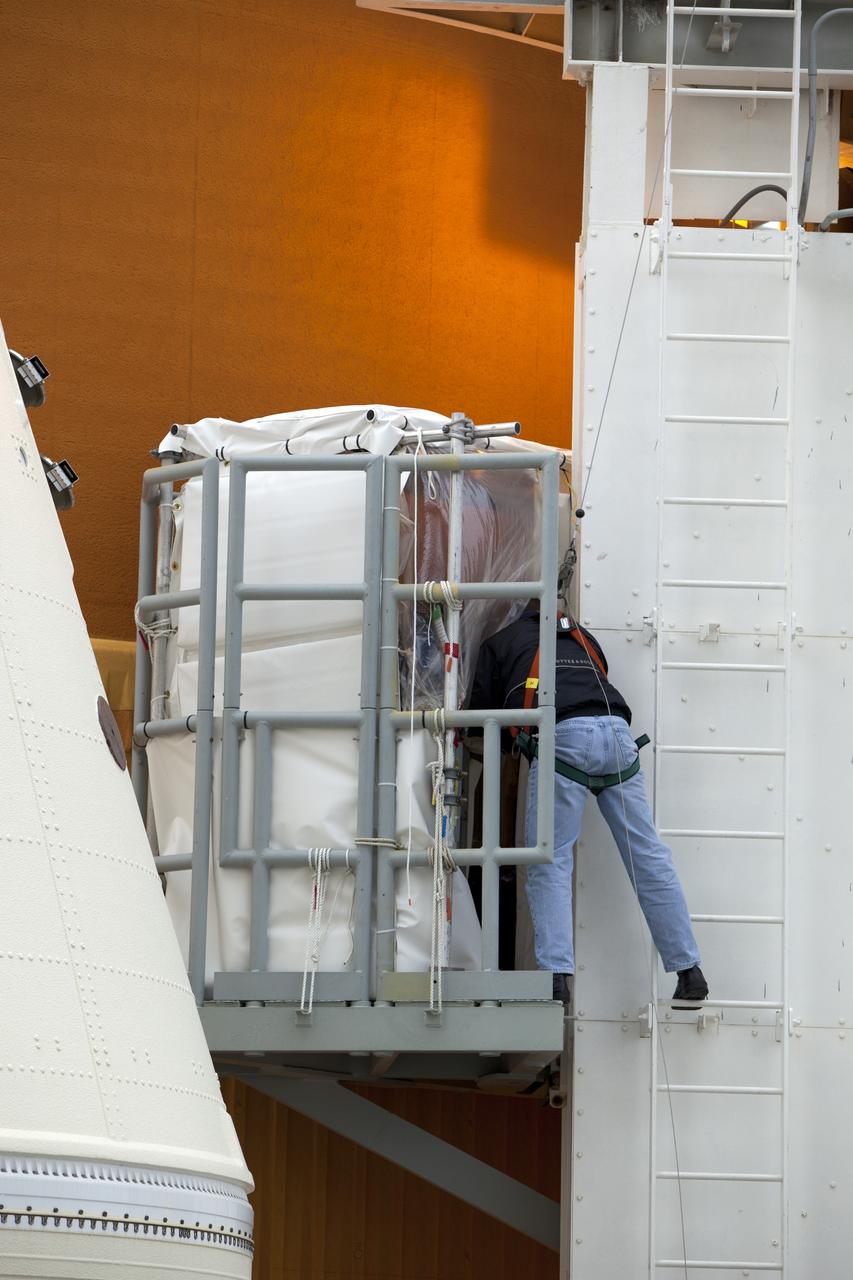
CAPE CANAVERAL, Fla. -- Technicians prepare space shuttle Discovery's external fuel tank for a tanking test no earlier than Dec. 15 on Launch Pad 39A at NASA's Kennedy Space Center in Florida. During the test, engineers will monitor what happens to 21-foot long, U-shaped aluminum brackets, called stringers, located at the intertank, as well as the newly replaced ground umbilical carrier plate (GUCP), during the loading of cryogenic propellants. Teams already have installed environmental enclosures on the tank, removed foam and prepared the tank's skin for approximately 89 strain gauges and thermocouples. Discovery's first launch attempt for STS-133 was scrubbed in early November due to a hydrogen gas leak at GUCP. The next launch opportunity is no earlier than Feb. 3, 2011. For more information on STS-133, visit www.nasa.gov/mission_pages/shuttle/shuttlemissions/sts133/. Photo credit: NASA/Ben Smegelsky

CAPE CANAVERAL, Fla. -- Space shuttle Discovery's external fuel tank is outfitted with approximately 89 strain gauges, thermocouples and wiring in preparation for a tanking test no earlier than Dec. 17 on Launch Pad 39A at NASA's Kennedy Space Center in Florida. During the test, engineers will monitor what happens to 21-foot long, U-shaped aluminum brackets, called stringers, located at the external tank's intertank area, as well as the newly replaced ground umbilical carrier plate (GUCP), during the loading of cryogenic propellants. Discovery's first launch attempt for STS-133 was scrubbed in early November due to a hydrogen gas leak at GUCP. The next launch opportunity is no earlier than Feb. 3, 2011. For more information on STS-133, visit www.nasa.gov/mission_pages/shuttle/shuttlemissions/sts133/. Photo credit: NASA/Jim Grossmann
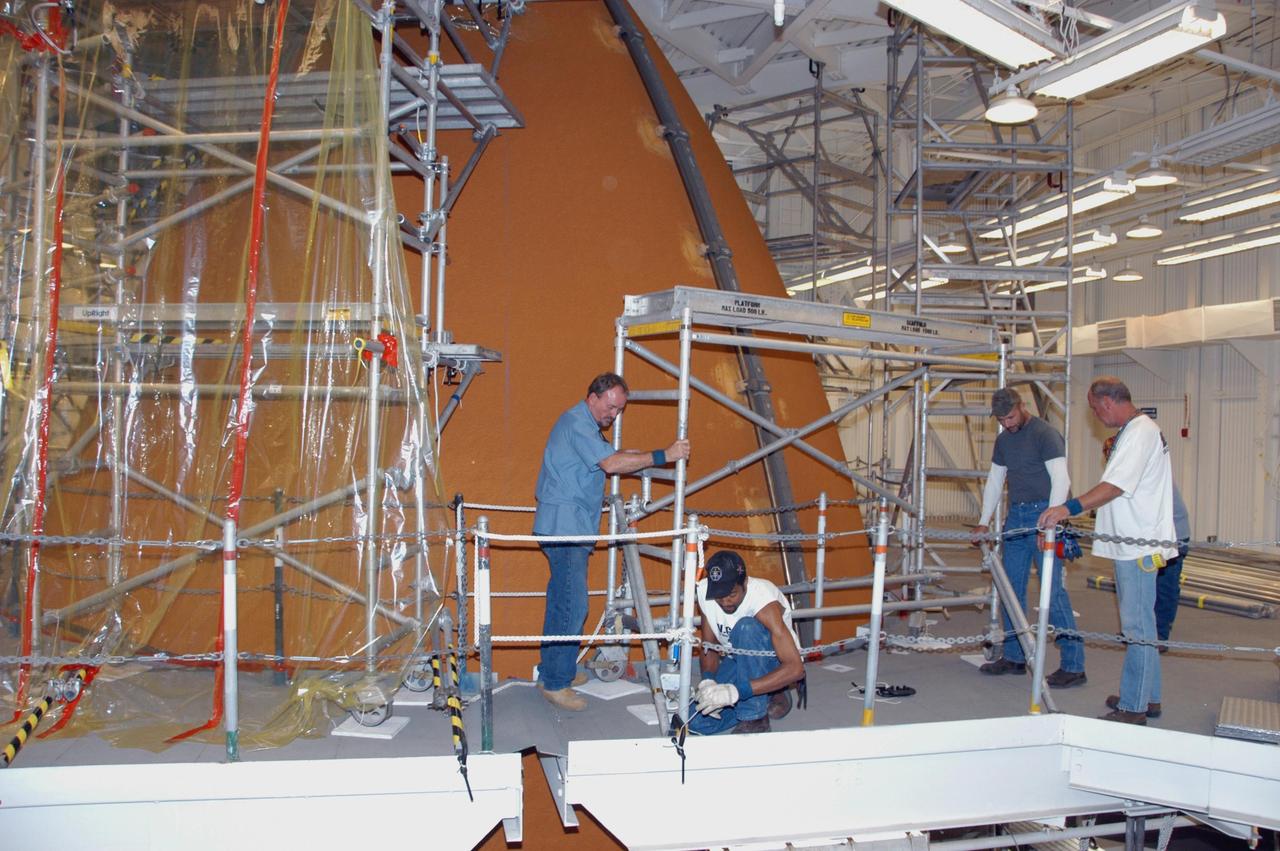
KENNEDY SPACE CENTER, FLA. -- On an upper level of high bay 1 of the Vehicle Assembly Building, technicians secure protective material around Atlantis' external tank. The preparations are for future repair work of the hail damage that happened Feb. 27. A severe thunderstorm with golf ball-sized hail caused visible divots in the giant tank's foam insulation and minor surface damage to about 26 heat shield tiles on the shuttle's left wing. Further evaluation of the tank is necessary to get an accurate accounting of foam damage and determine the type of repair required and the time needed for that work. A new target launch date has not been determined, but teams will focus on preparing Atlantis for liftoff in late April on mission STS-117. Photo credit: NASA/George Shelton
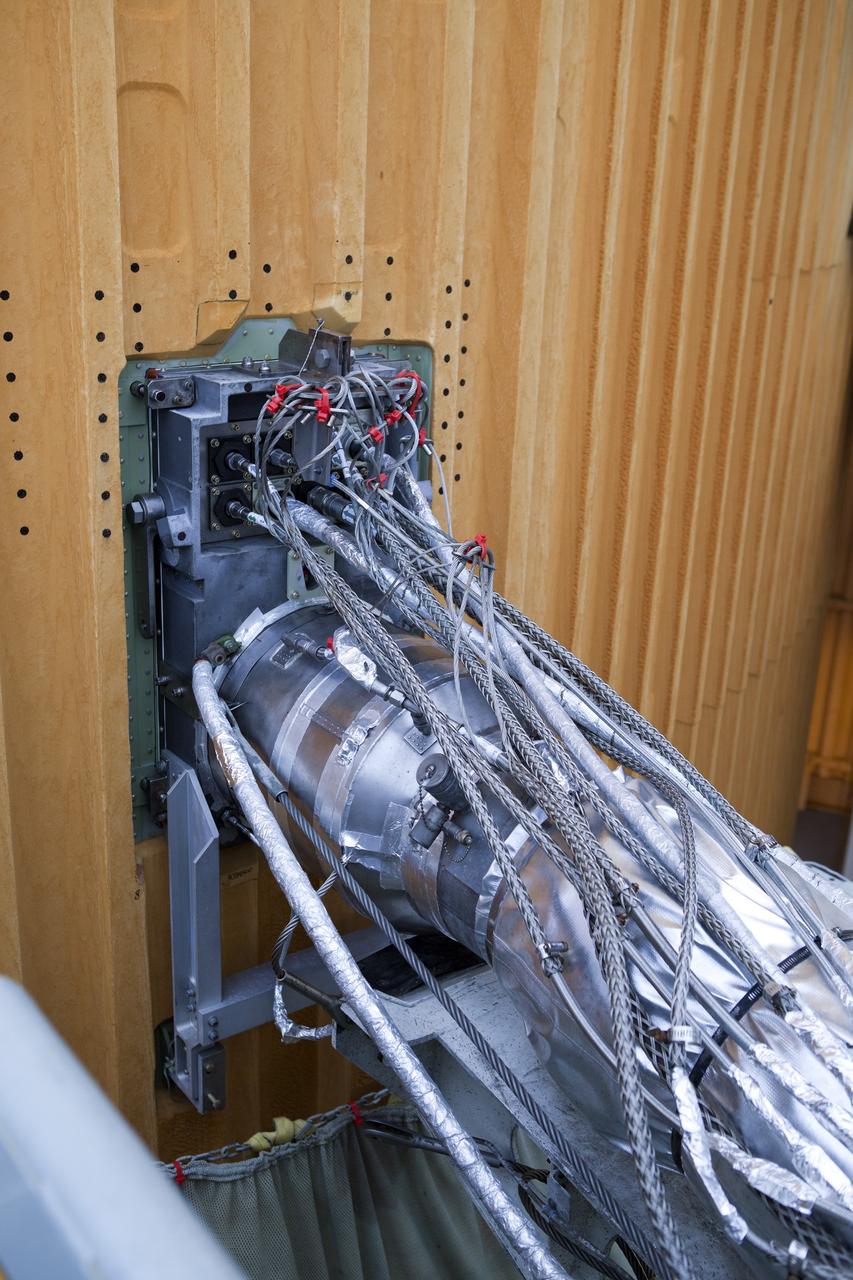
CAPE CANAVERAL, Fla. -- Space shuttle Discovery's external fuel tank is being prepared for a tanking test no earlier than Dec. 15 on Launch Pad 39A at NASA's Kennedy Space Center in Florida. During the test, engineers will monitor what happens to the newly replaced ground umbilical carrier plate (GUCP) and the intertank's stringers, which are 21-foot long, U-shaped aluminum brackets, during loading of cryogenic propellants. Discovery's first launch attempt for STS-133 was scrubbed in early November due to a hydrogen gas leak at GUCP. The next launch opportunity is no earlier than Feb. 3, 2011. For more information on STS-133, visit www.nasa.gov/mission_pages/shuttle/shuttlemissions/sts133/. Photo credit: NASA/Ben Smegelsky