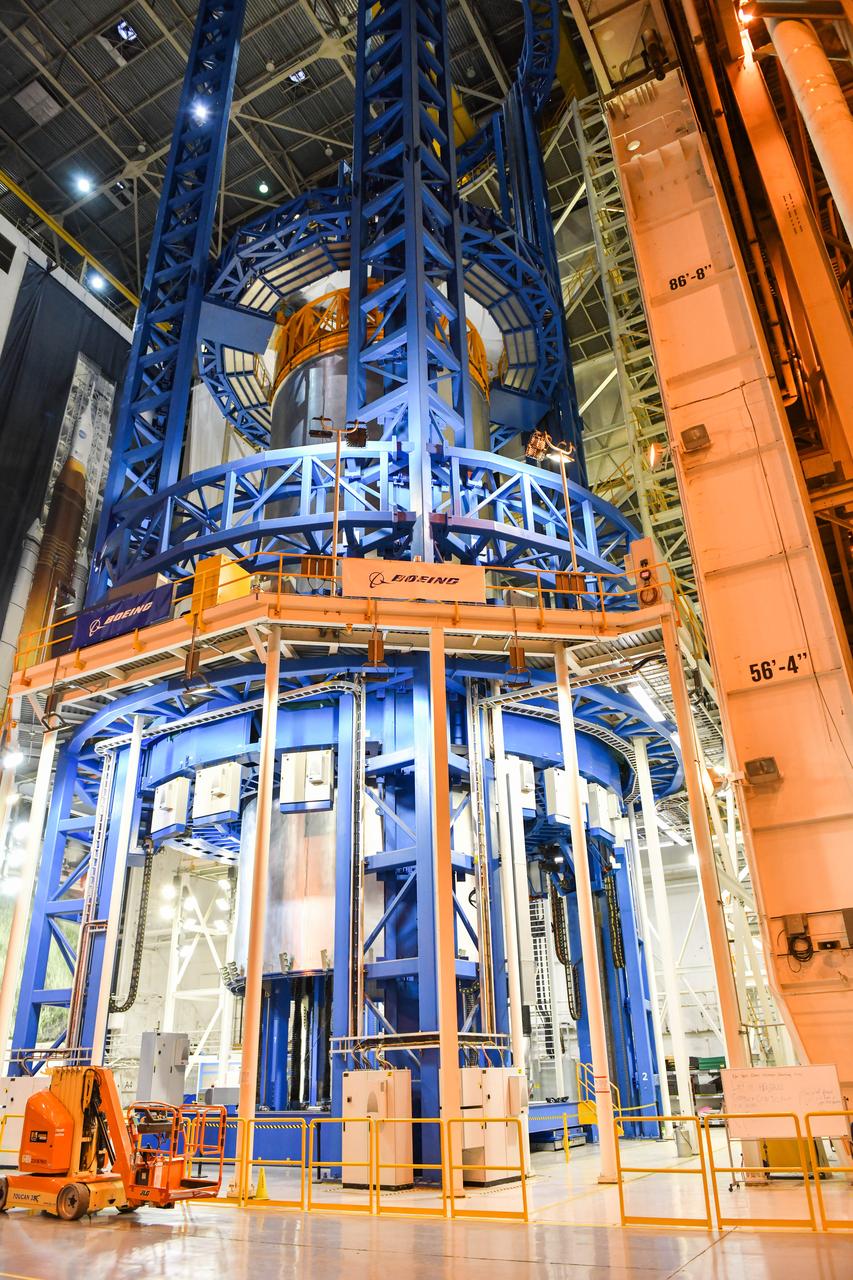
CS2 Hardware Update
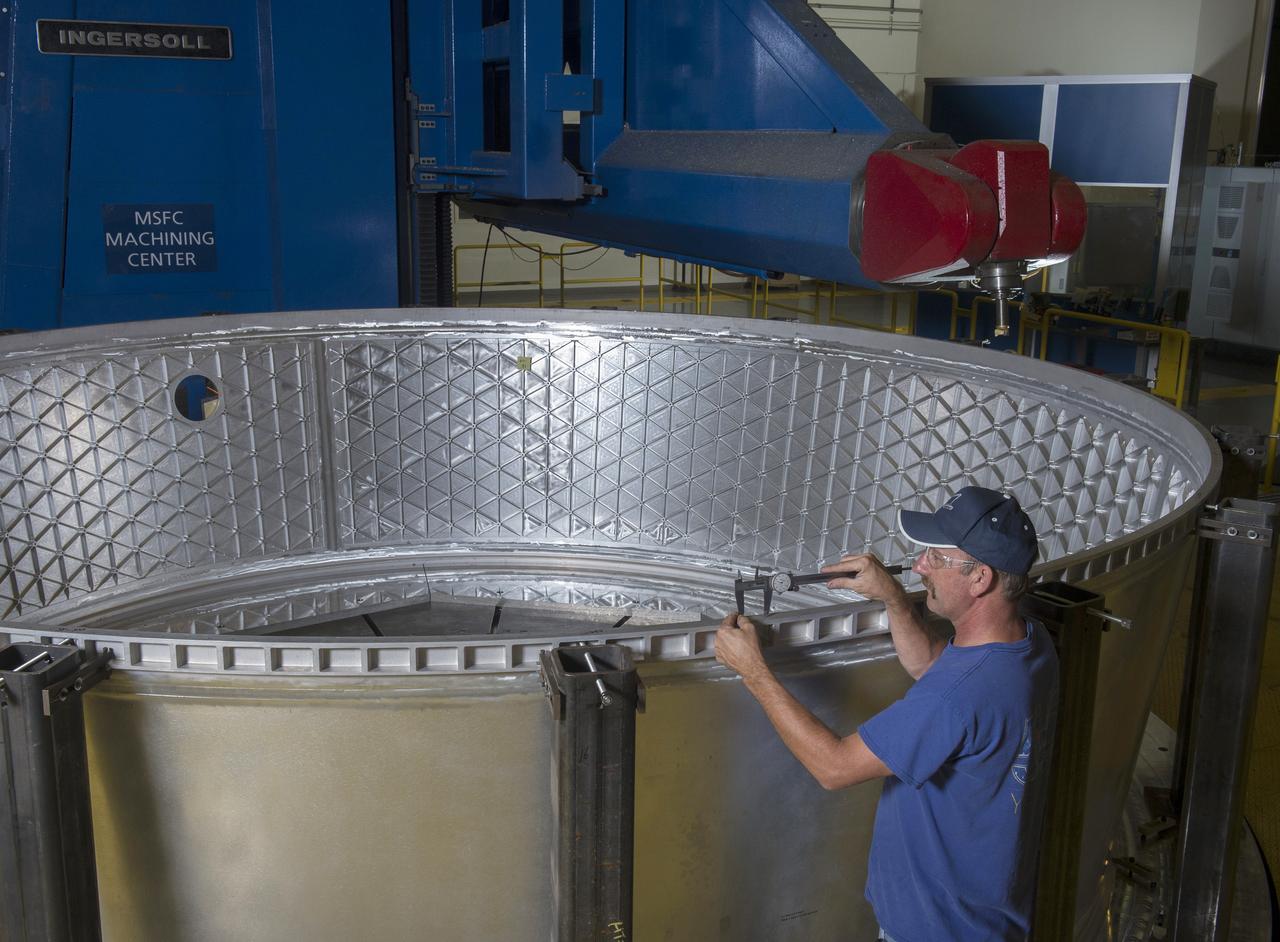
DAVID OSBORNE, MACHINIST WITH AERIE AEROSPACE LLC, MEASURES HOLE SPREAD PRIOR TO START OF PRECISION MACHINING OF MSA FLIGHT HARDWARE.
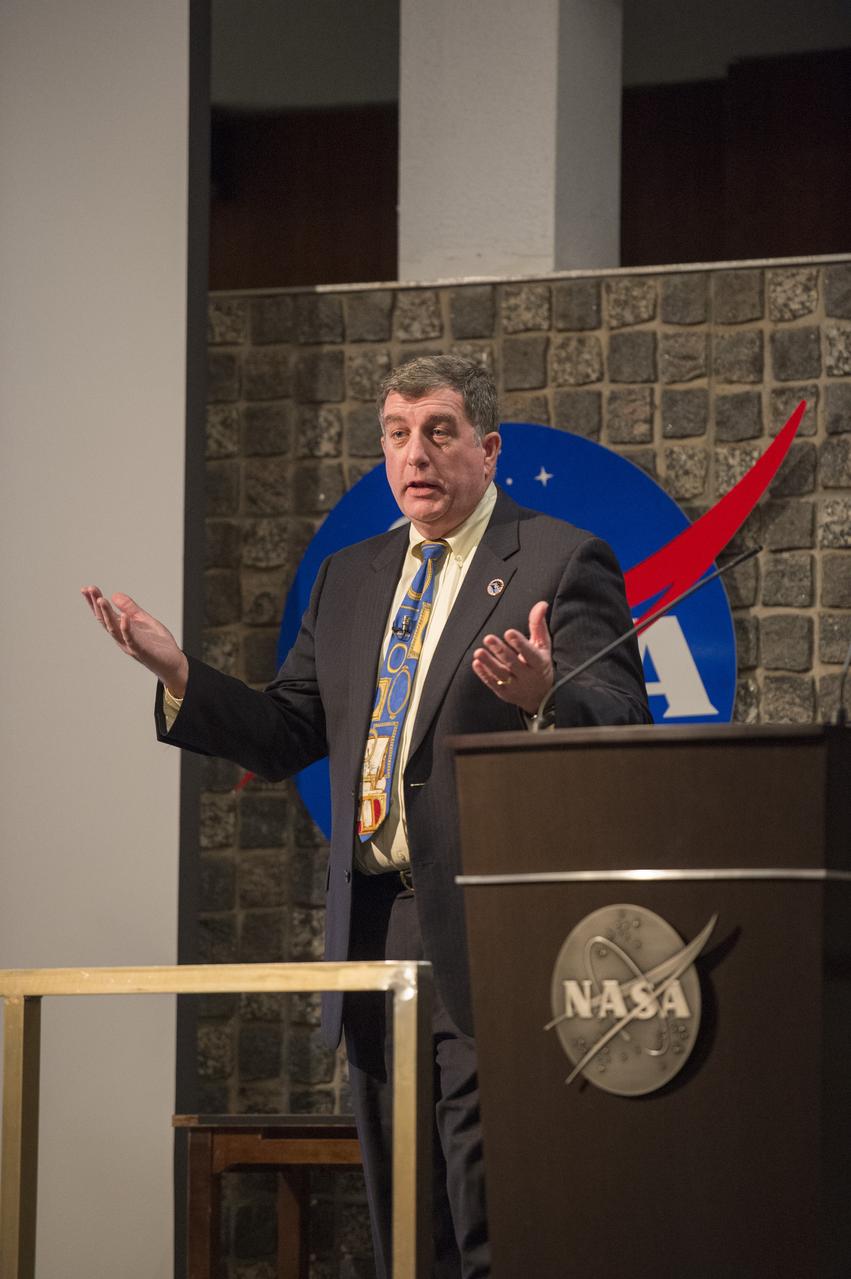
International Space Station program manager Kirk Shireman addresses station hardware and science teams at NASA's Marshall Space Flight Center.
Spirit Hardware Up Close on Mars
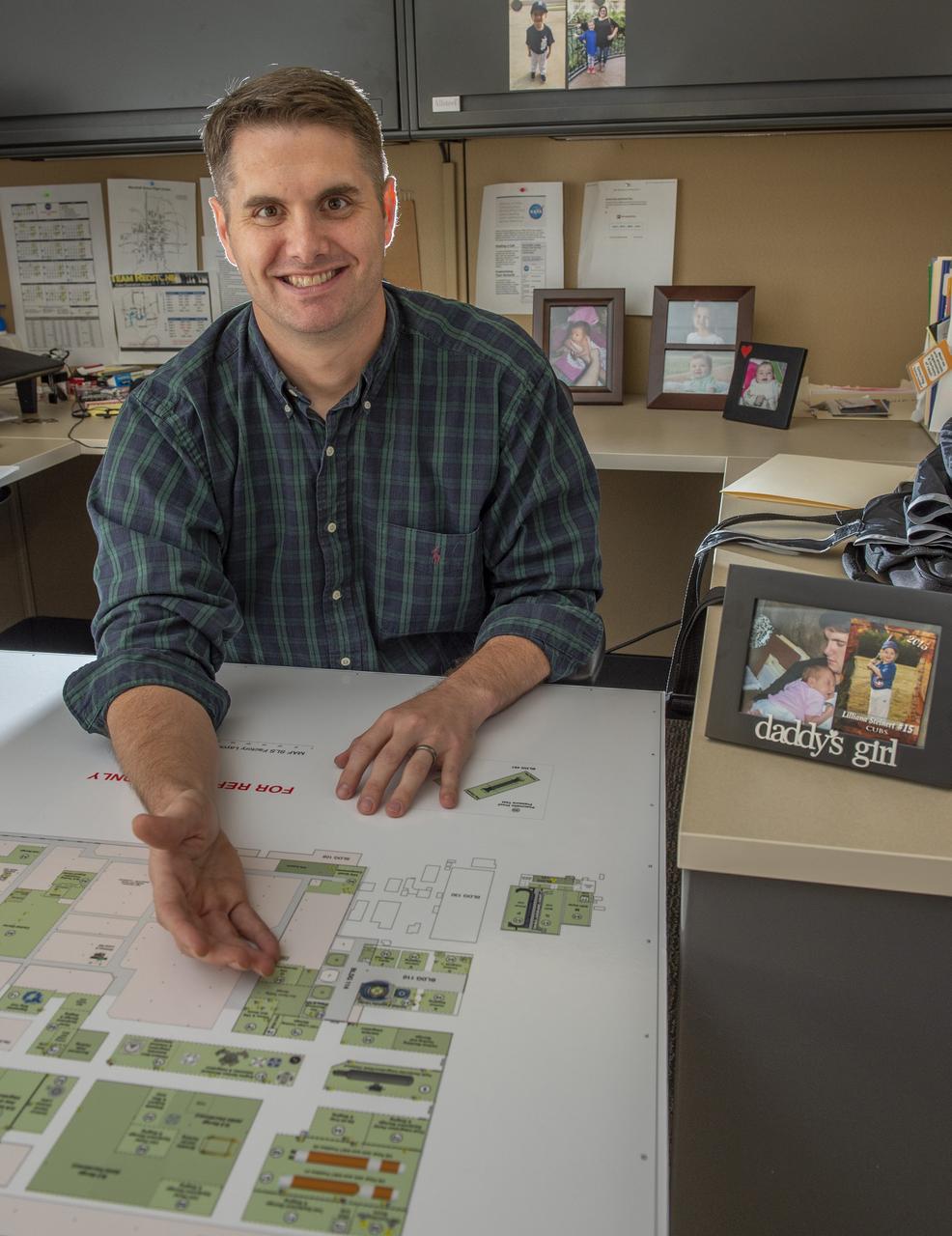
Brian Steinert, Deputy Element Discipline Lead Engineer, highlights production floor work areas at Michoud Assembly Facility where Stages hardware is being integrated and assembled.
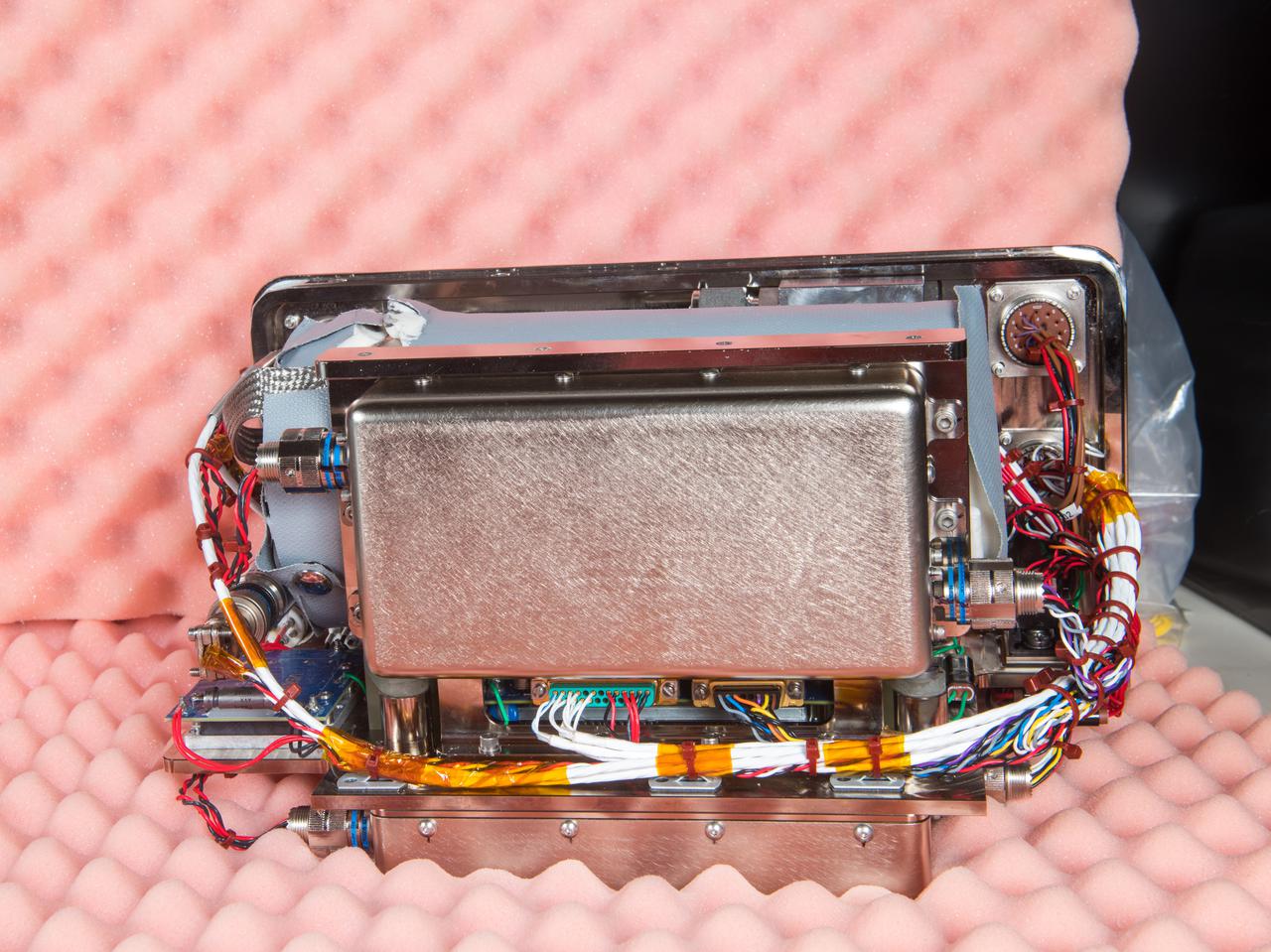
Flow Boiling and Condensation Experiment (FBCE) hardware
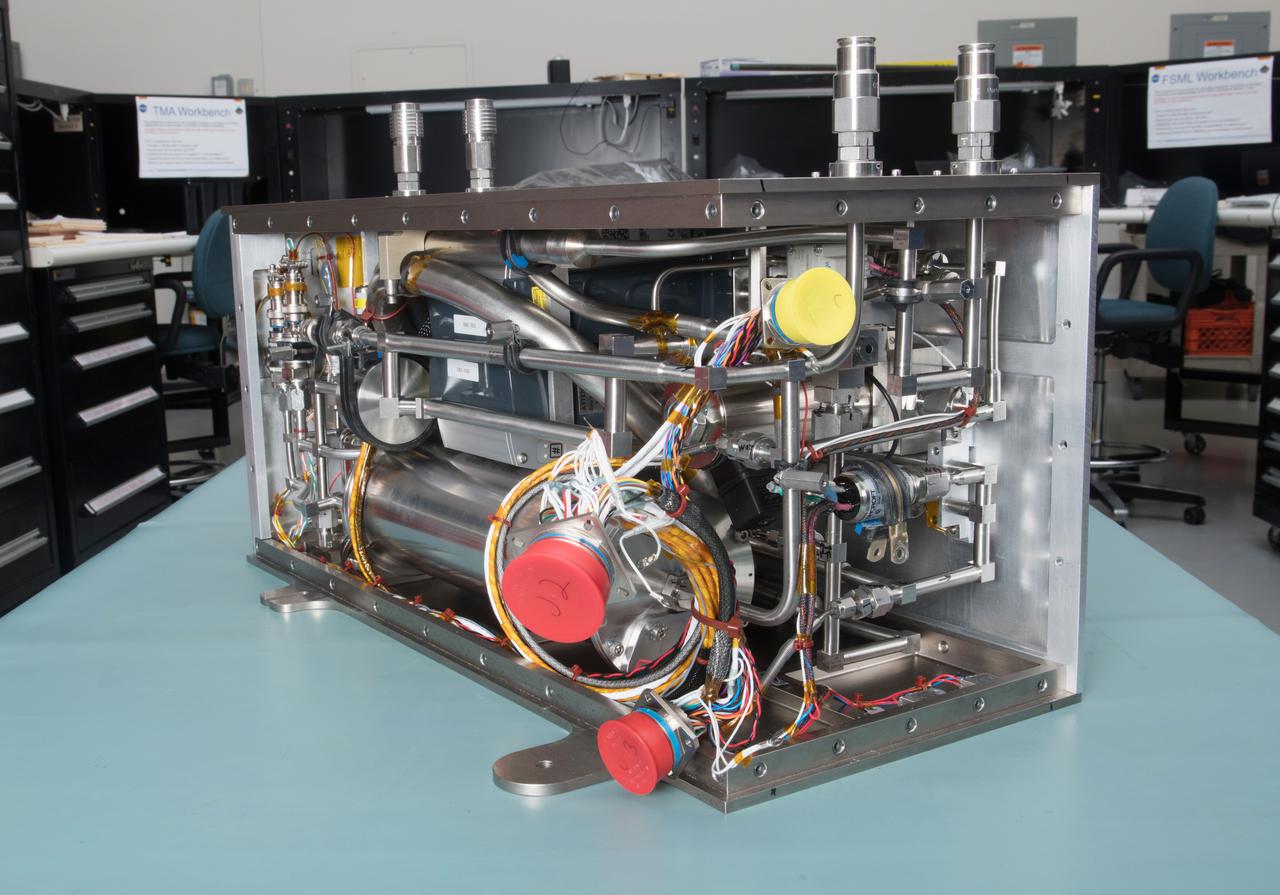
Flow Boiling and Condensation Experiment (FBCE) hardware
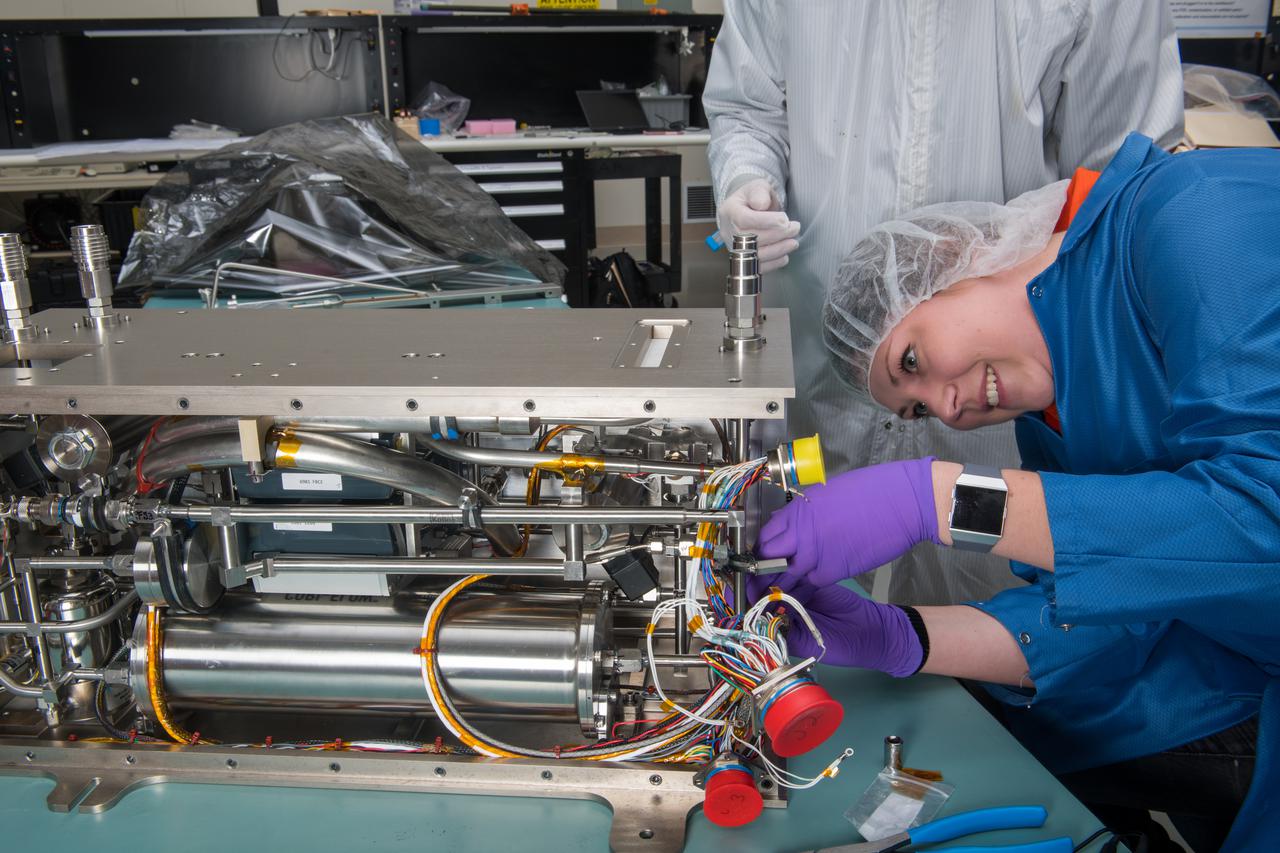
Flow Boiling and Condensation Experiment (FBCE) hardware. Project personnel perform engineering checks on the Fluid Module 1 prior to final hardware assembly.
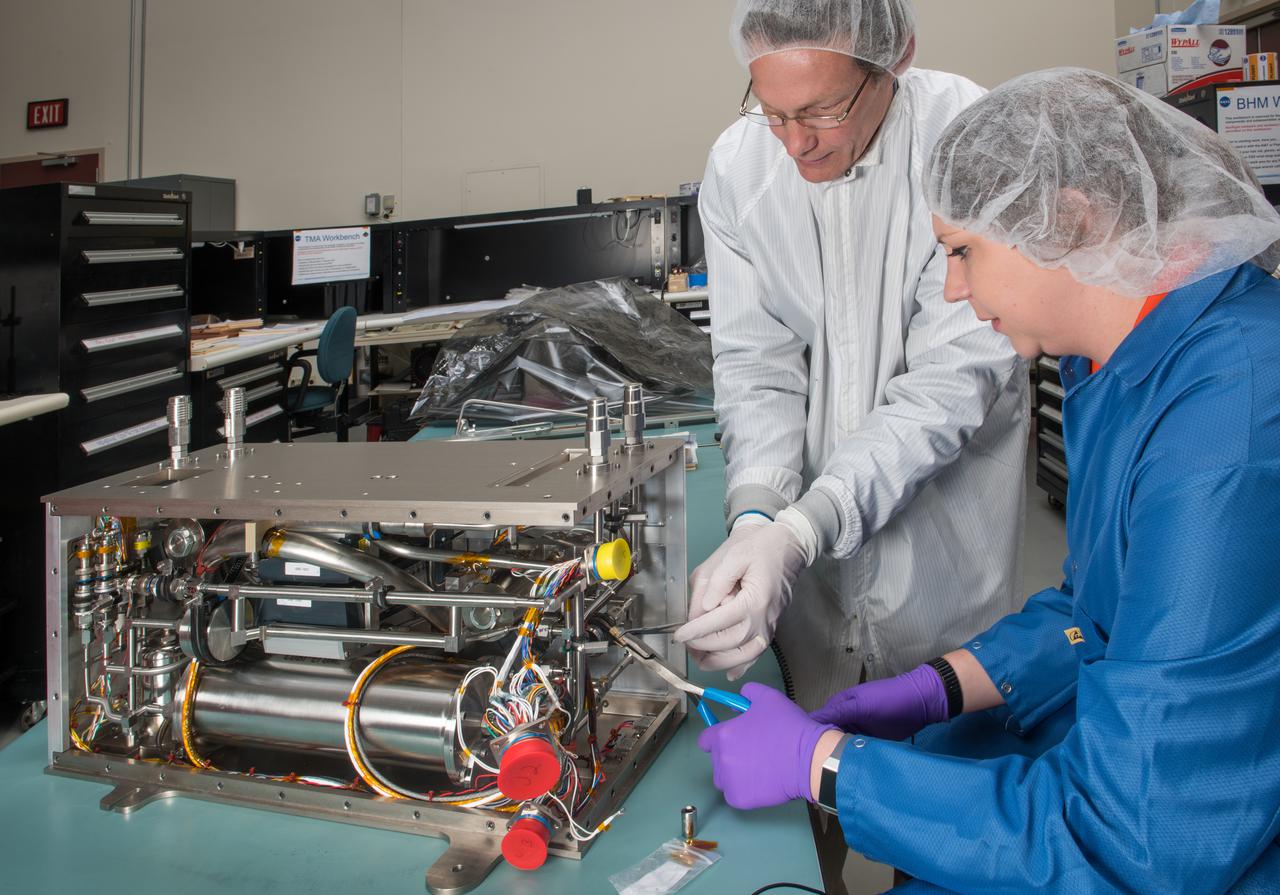
Flow Boiling and Condensation Experiment (FBCE) hardware. Project personnel perform engineering checks on the Fluid Module 1 prior to final hardware assembly.
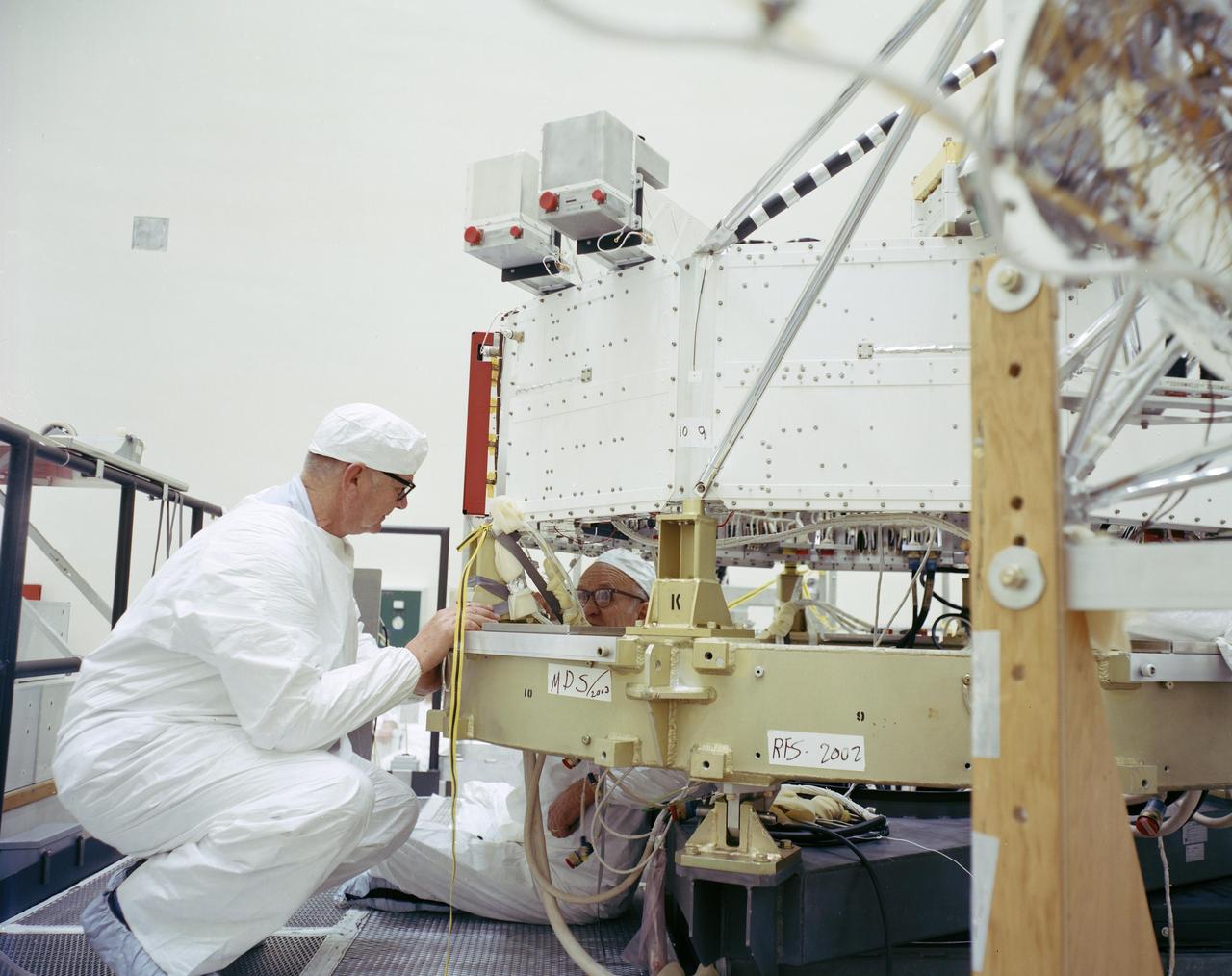
This archival photo shows engineers at NASA's Jet Propulsion Laboratory working on the 10-sided central structure, or "bus," of the Voyager 2 spacecraft on February 24,1977. https://photojournal.jpl.nasa.gov/catalog/PIA21478
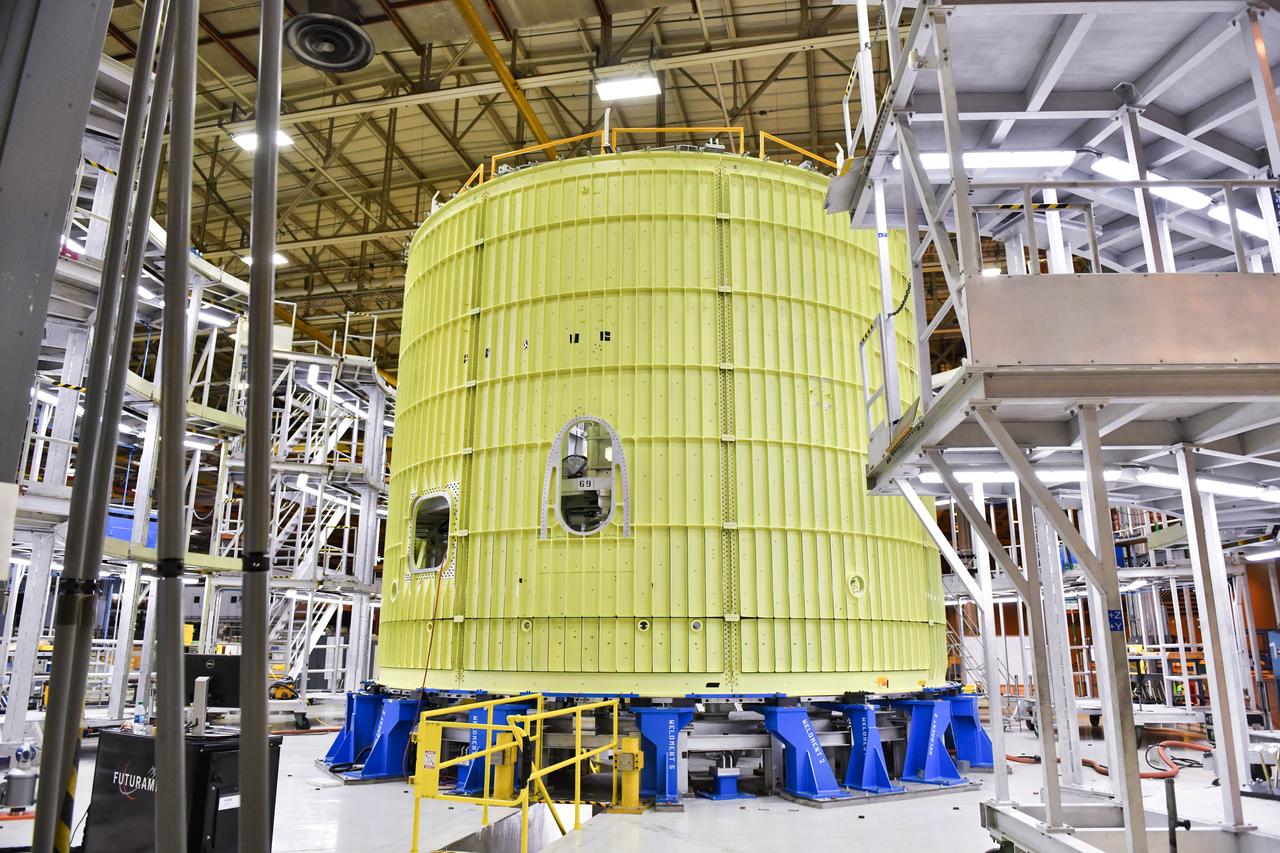
Space Launch System Corestage-2 (Artemis-2) Intertank is undergoing mechanical assembly at NASA's Michoud Assembly Facility.
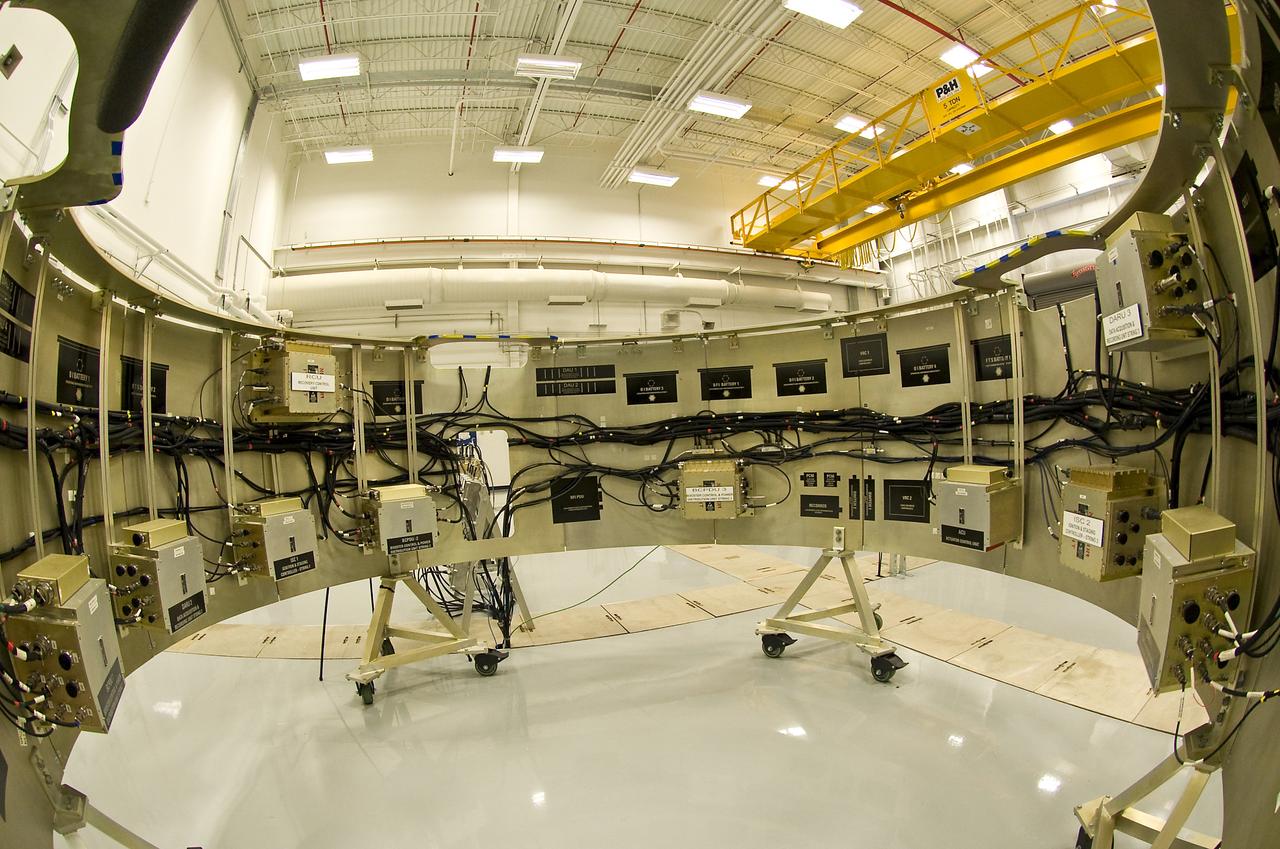
FIRST STAGE AVIONICS HARDWARE IN THE LOOP FACILITY
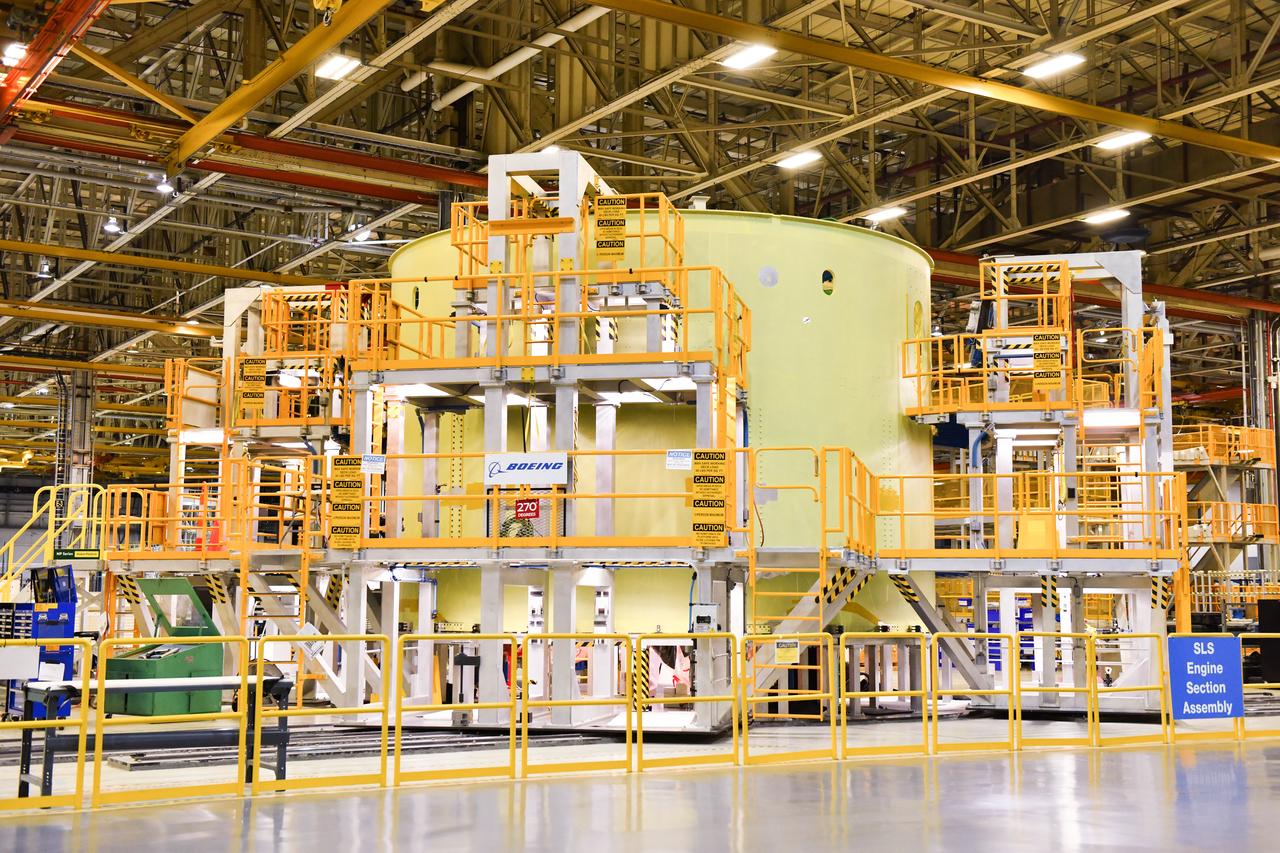
Space Launch System Corestage-2 Engine Section is in progress at NASA's Michoud Assembly Facility.
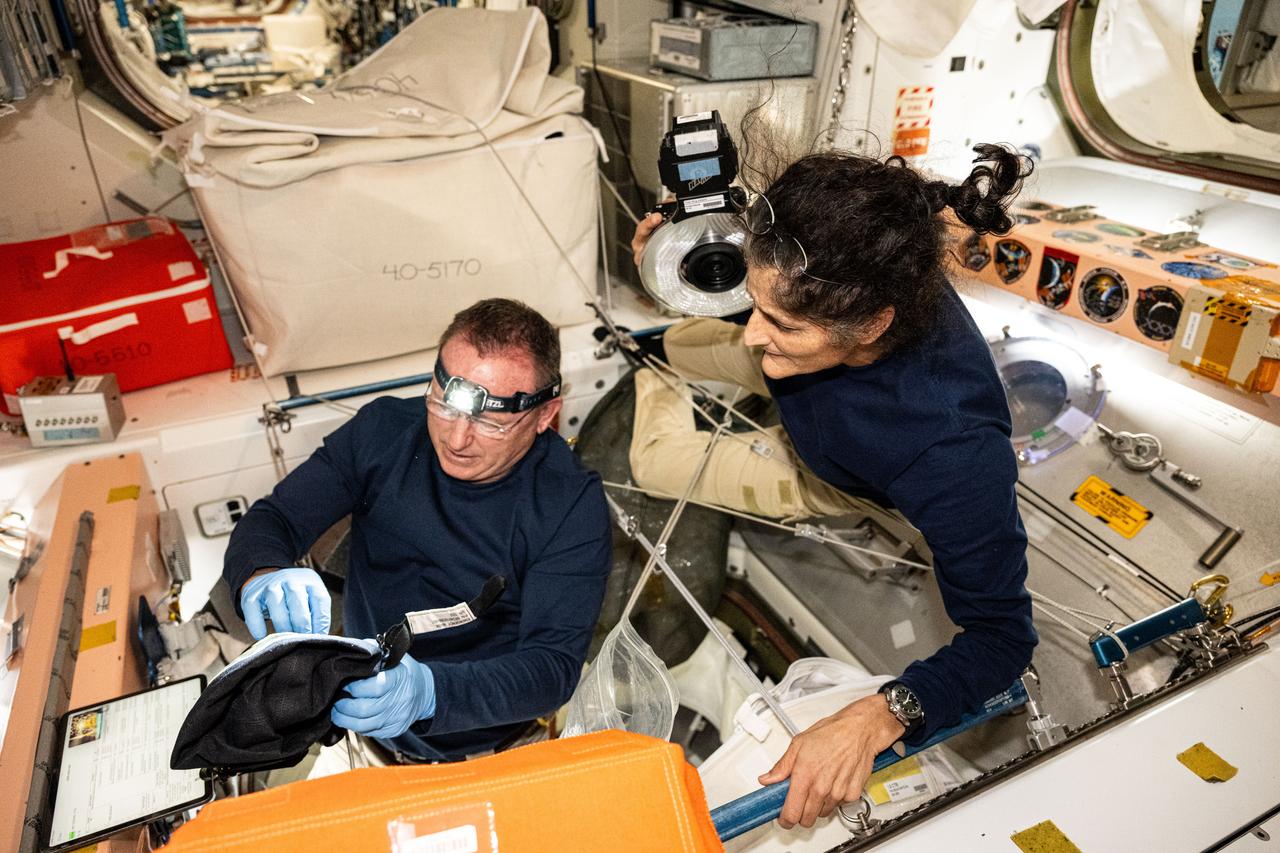
iss071e513842 (Aug. 9, 2024) --- NASA astronauts Butch Wilmore and Suni Williams, Boeing's Crew Flight Test Commander and Pilot respectively, inspect safety hardware aboard the International Space Station.
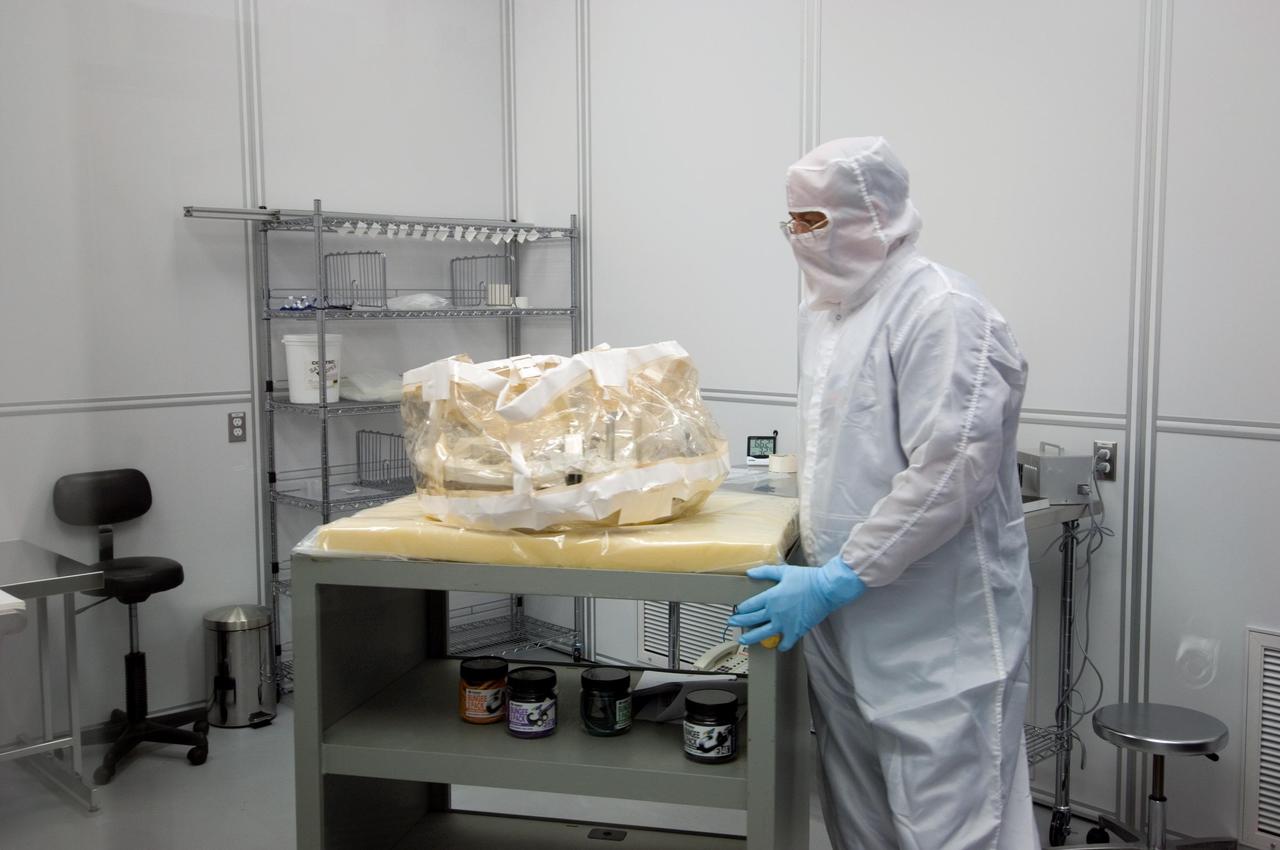
Inside Space Exposed Hardware Lab a member of the JSC Curation Team with NASA Stardust canister in lab.
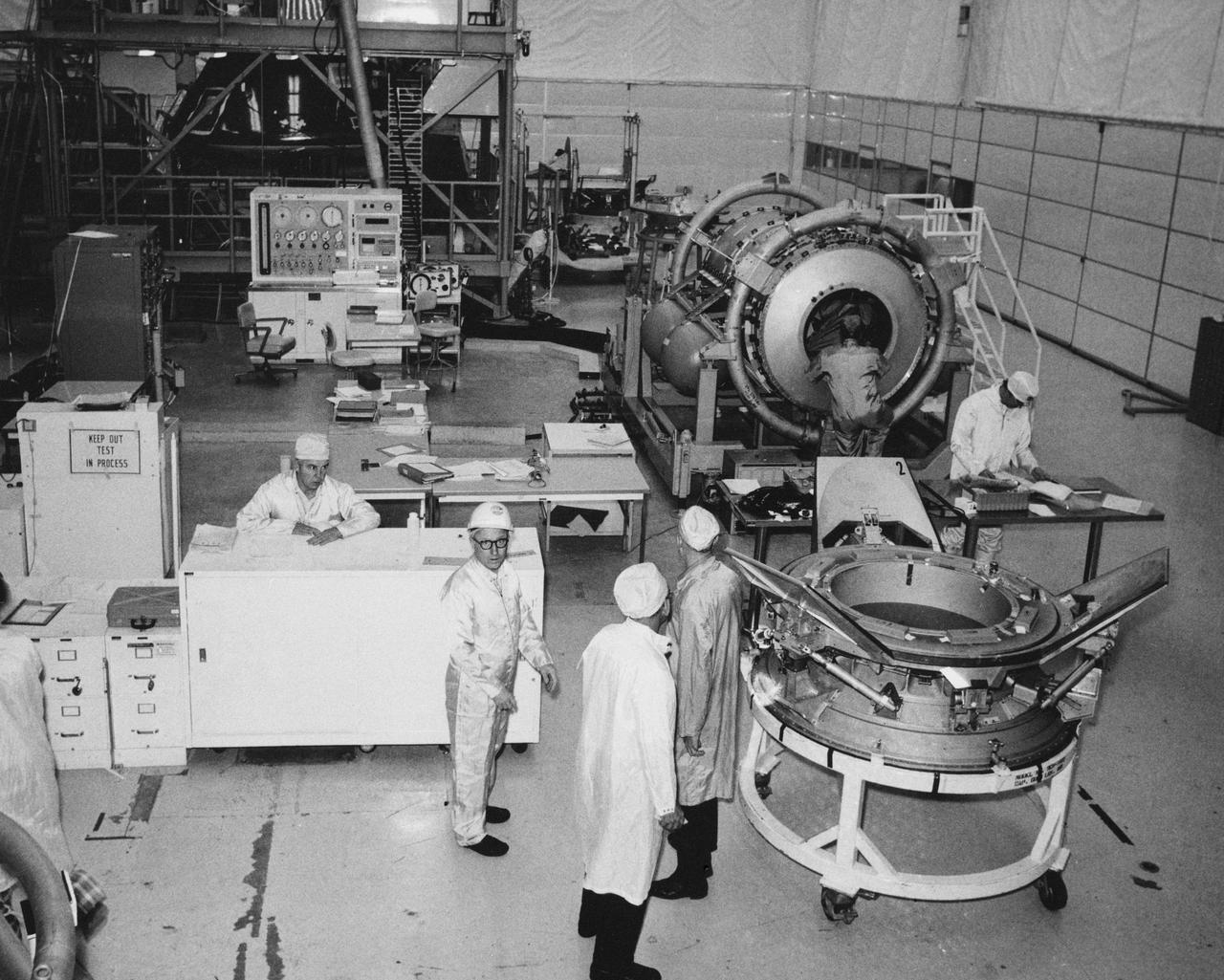
S74-28295 (September 1974) --- American-built hardware for the joint U.S.-USSR Apollo-Soyuz Test Project mission undergoes pre-delivery preparations in the giant clean room at Rockwell International Corporation?s Space Division at Downey, California. The U.S. portion of the ASTP docking system is in the right foreground. In the right background is the cylindrical-shaped docking module, which is designed to link the Apollo and Soyuz spacecraft when they dock in Earth orbit next summer. In the left background is the Apollo Command Module which they will carry the three American astronauts into Earth orbit. Photo credit: NASA
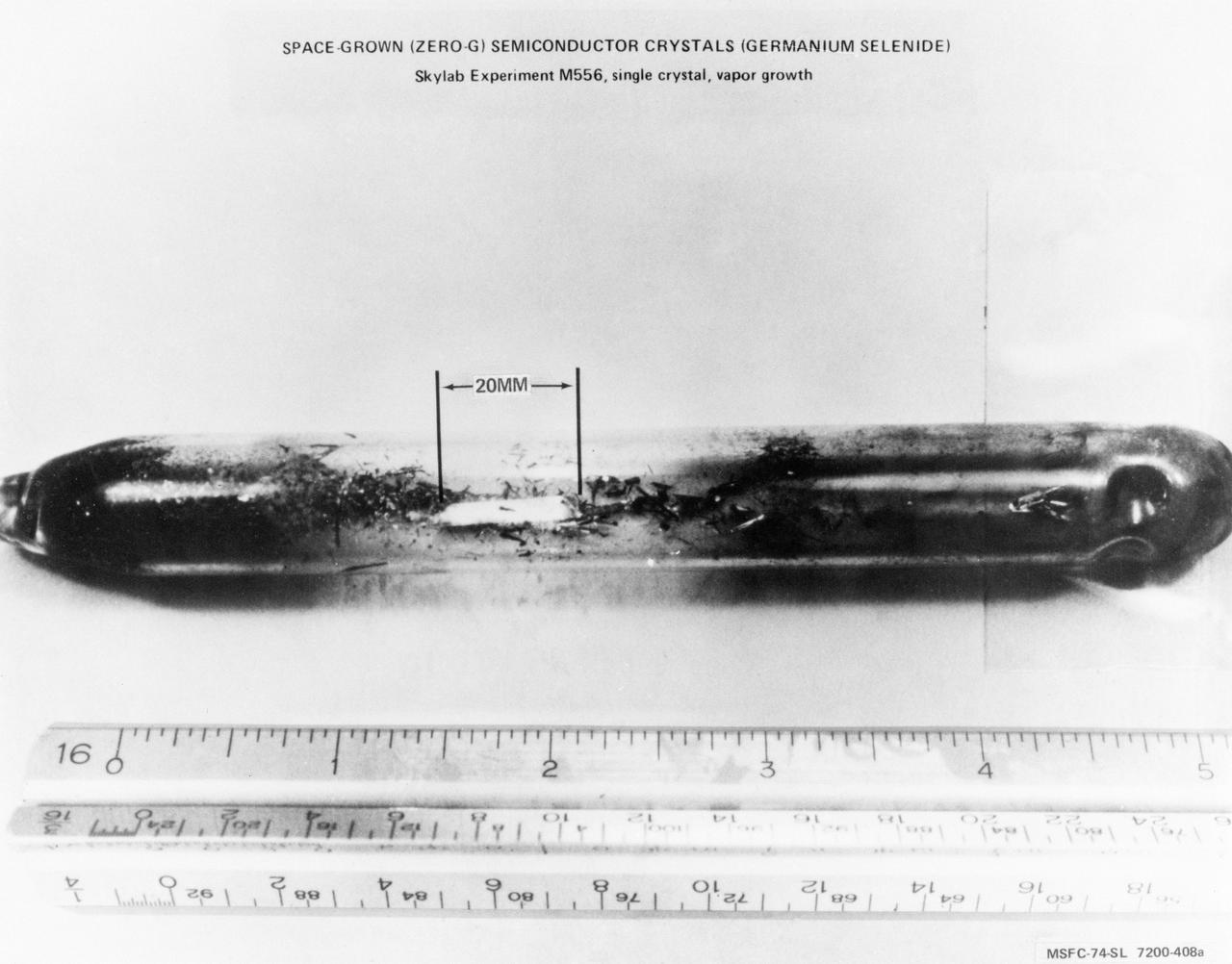
S74-19677 (April 1974) --- This crystal of Germanium Selenide (GeSe) was grown under weightless conditions in an electric furnace aboard the Skylab space station. Experiment M556, Vapor Growth of IV-VI Compounds, was conducted as a comparative test of GeSe crystals grown on Earth and those grown in a weightless environment. Skylab postflight results indicate that crystals grown in a zero-gravity situation demonstrate greater growth and better composite structure than those grown in ground-bases laboratories. The GeSe crystal shown here is 20 millimeters long, the largest crystal ever grown on Earth or in space. Principal Investigator for Experiment M556 is Dr. Harry Wiedemaier, Rensselaer Polytechnic Institute, Troy, New York. (See NASA photograph S74-19676 for an example of an Earth-grown Germanium Selenide crystal.) Photo credit: NASA
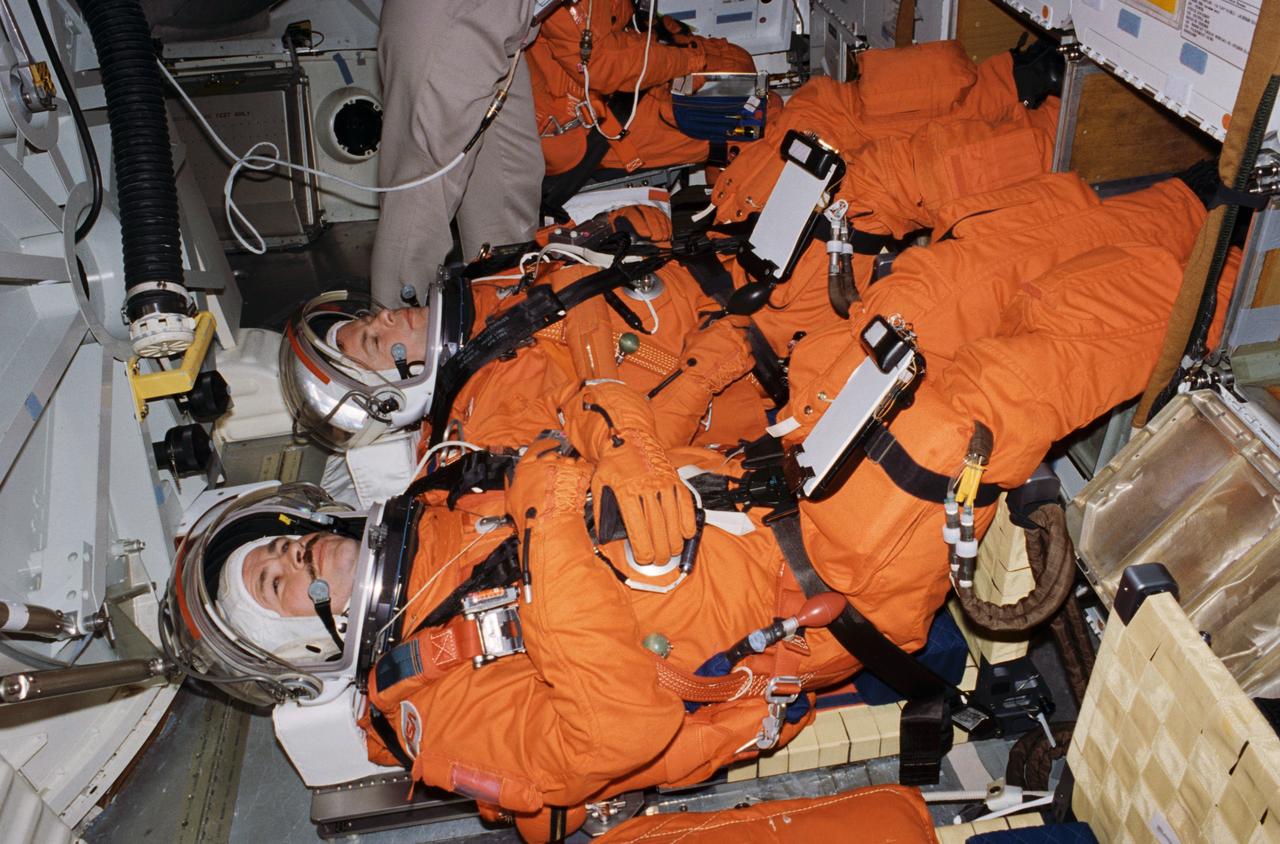
S94-47071 (Nov. 1994) --- In a Shuttle mockup trainer at the Johnson Space Center (JSC), two Russian cosmonauts assigned to Russia's Mir 19 mission check out hardware like that to be flown onboard NASA's Space Shuttle Atlantis, the spacecraft that will take the pair to their orbital destination. Anatoly Y. Solovyev, mission commander; and Nikolai M. Budarin (nearest camera), flight engineer, practice using the Recumbent Seating System (RSS). RSS has been manifest to be carried on the Space Shuttle Atlantis for the STS-71 mission. When Atlantis docks with the Mir space station in 1995, a NASA astronaut and two other Russian cosmonauts, who will have been onboard Mir for a long duration stay, will join the STS-71 crew for the return to Earth. Solovyev and Budarin will remain aboard Mir, to return to Earth later in one of Russia's Soyuz spacecraft.

Orion EM-1 hardware
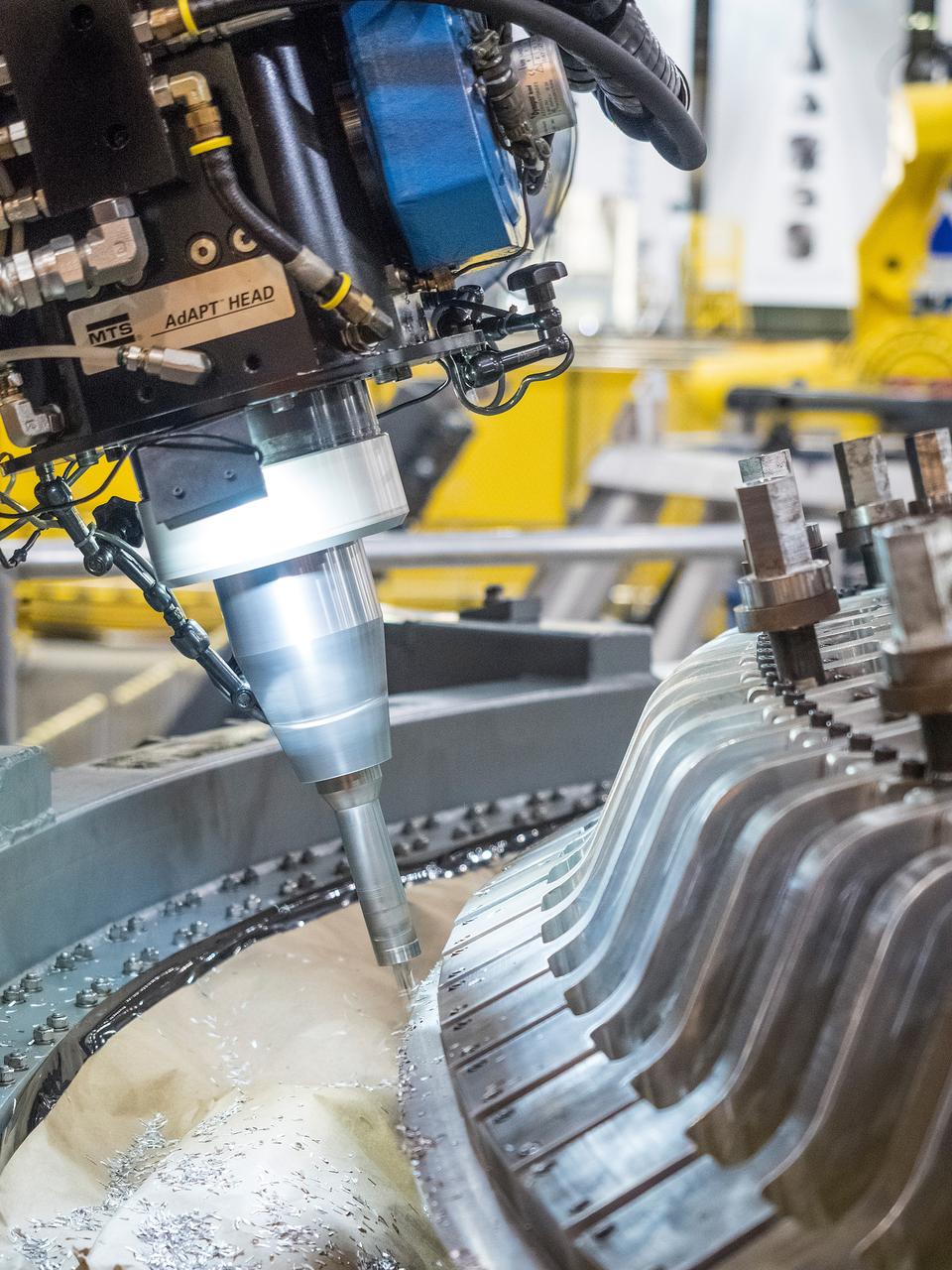
Orion EM-1 hardware

Orion EM-1 hardware
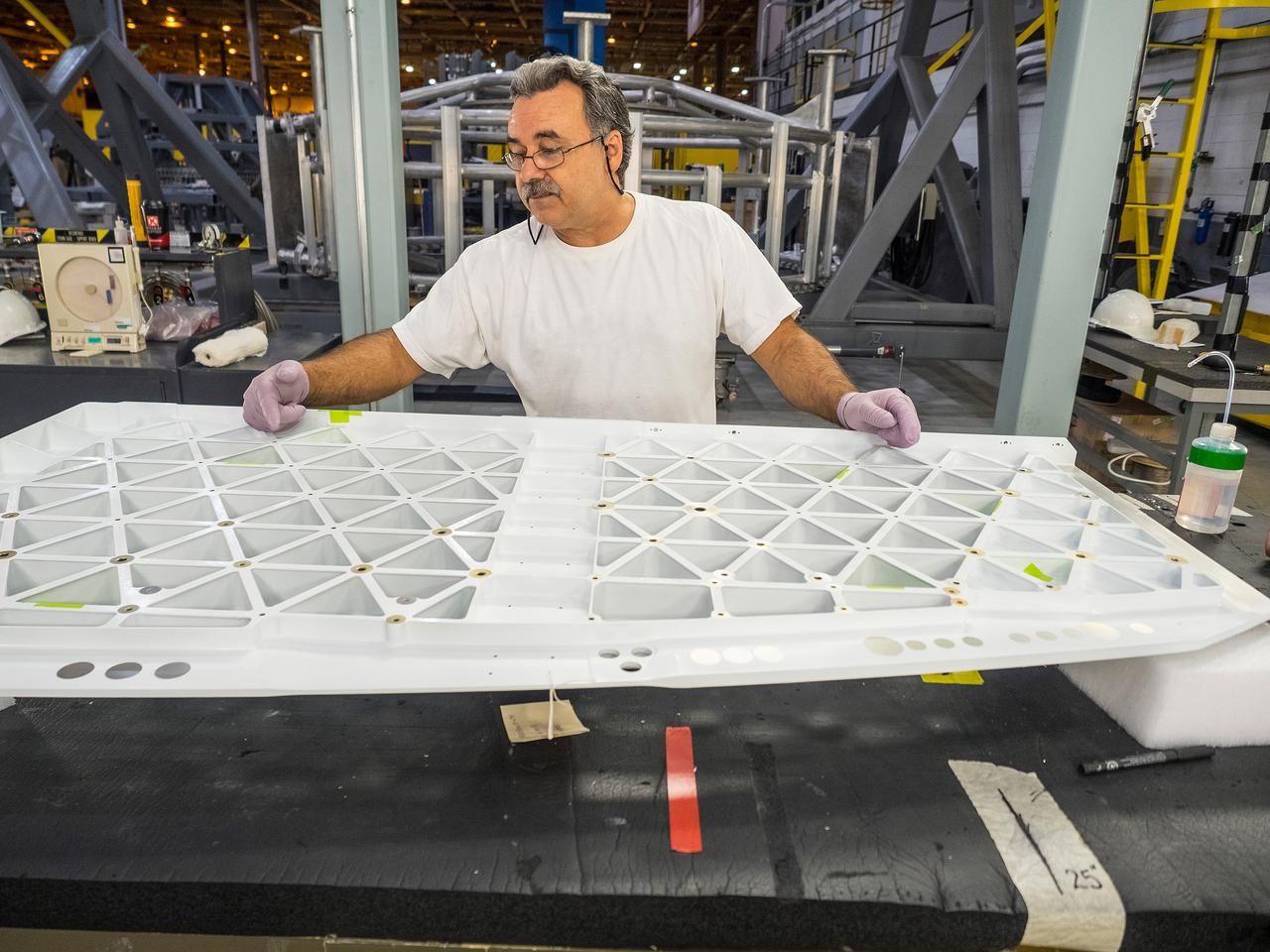
Orion EM-1 hardware
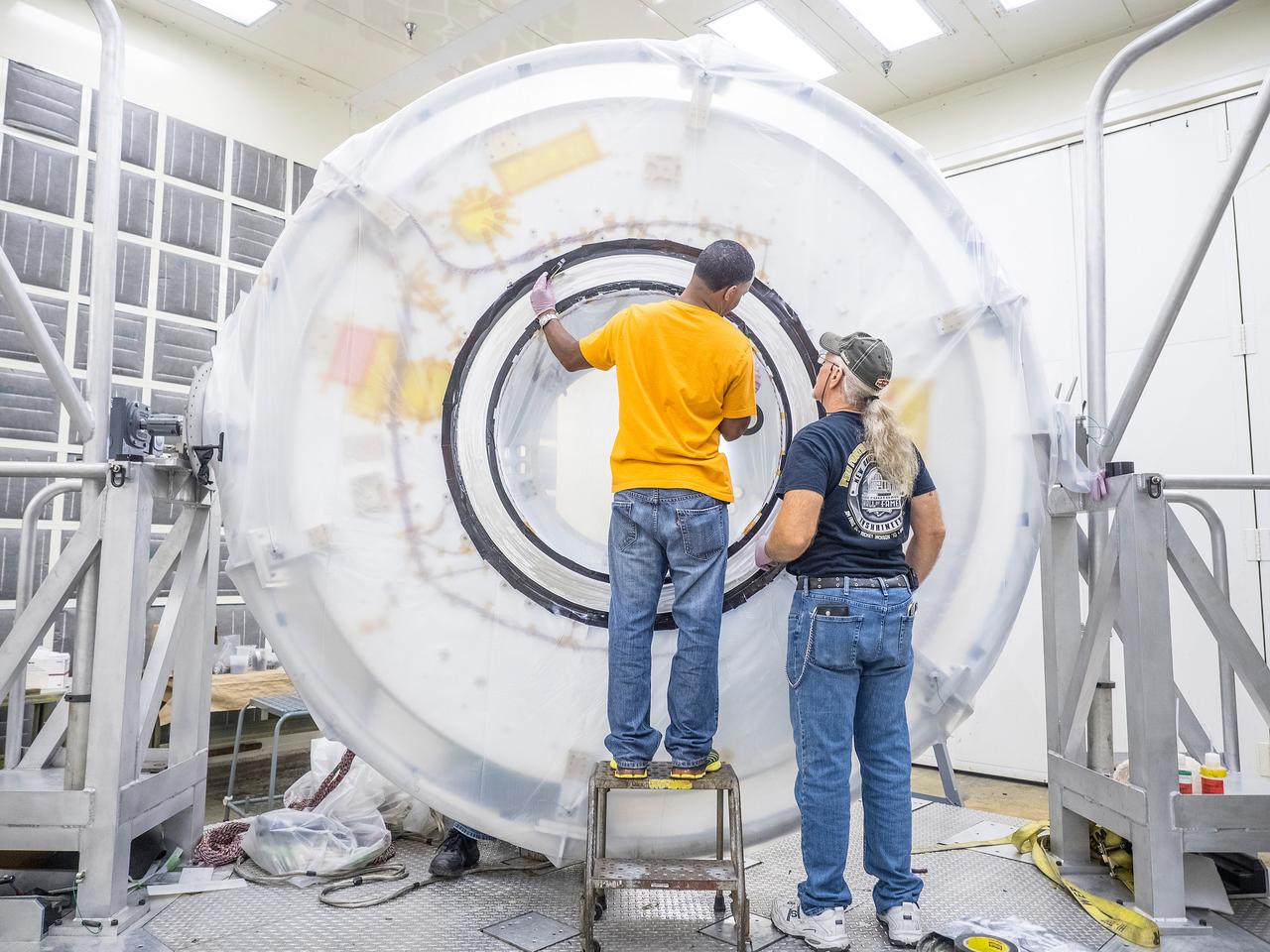
Orion EM-1 hardware
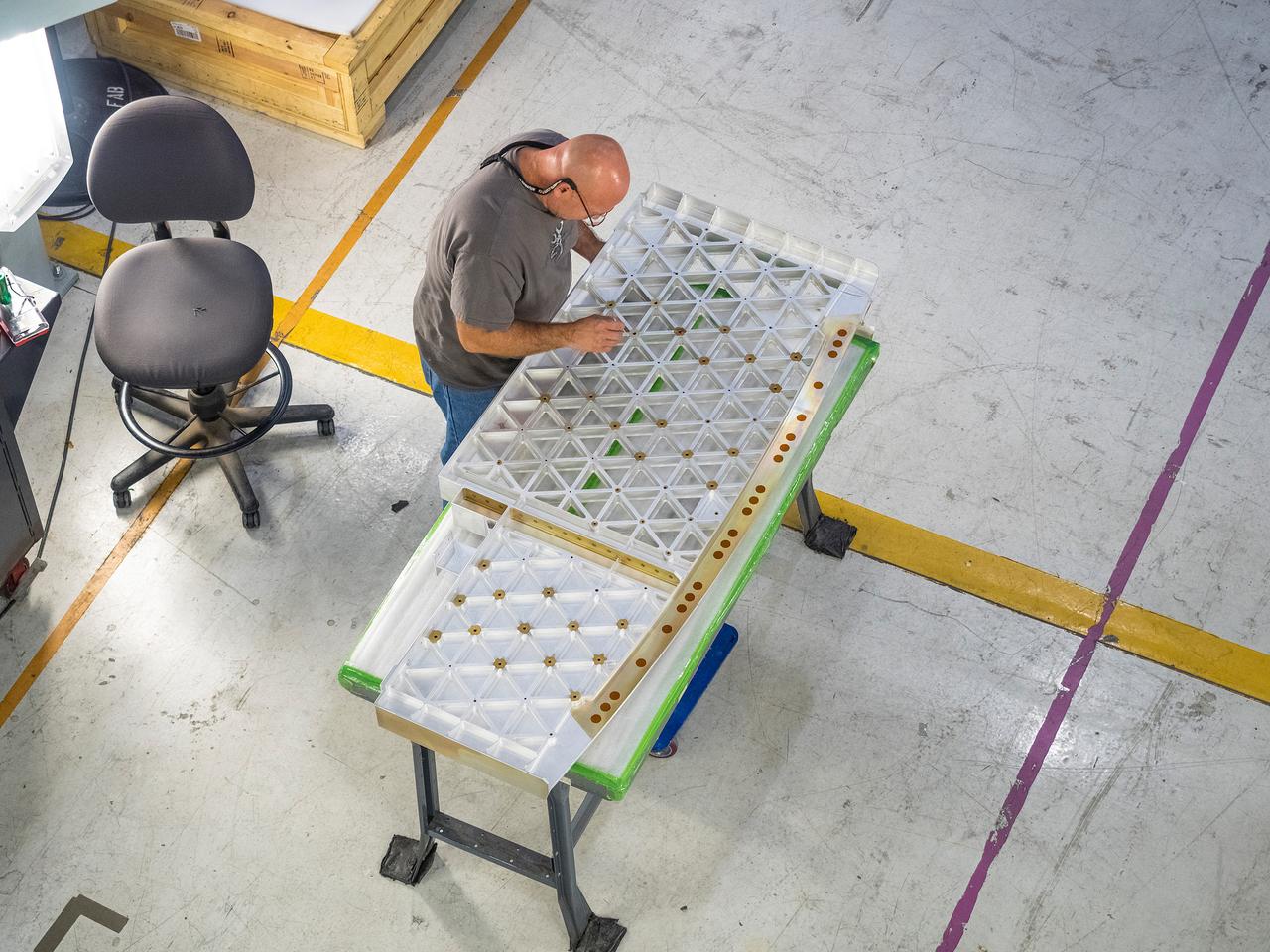
Orion EM-1 hardware

Orion EM-1 hardware
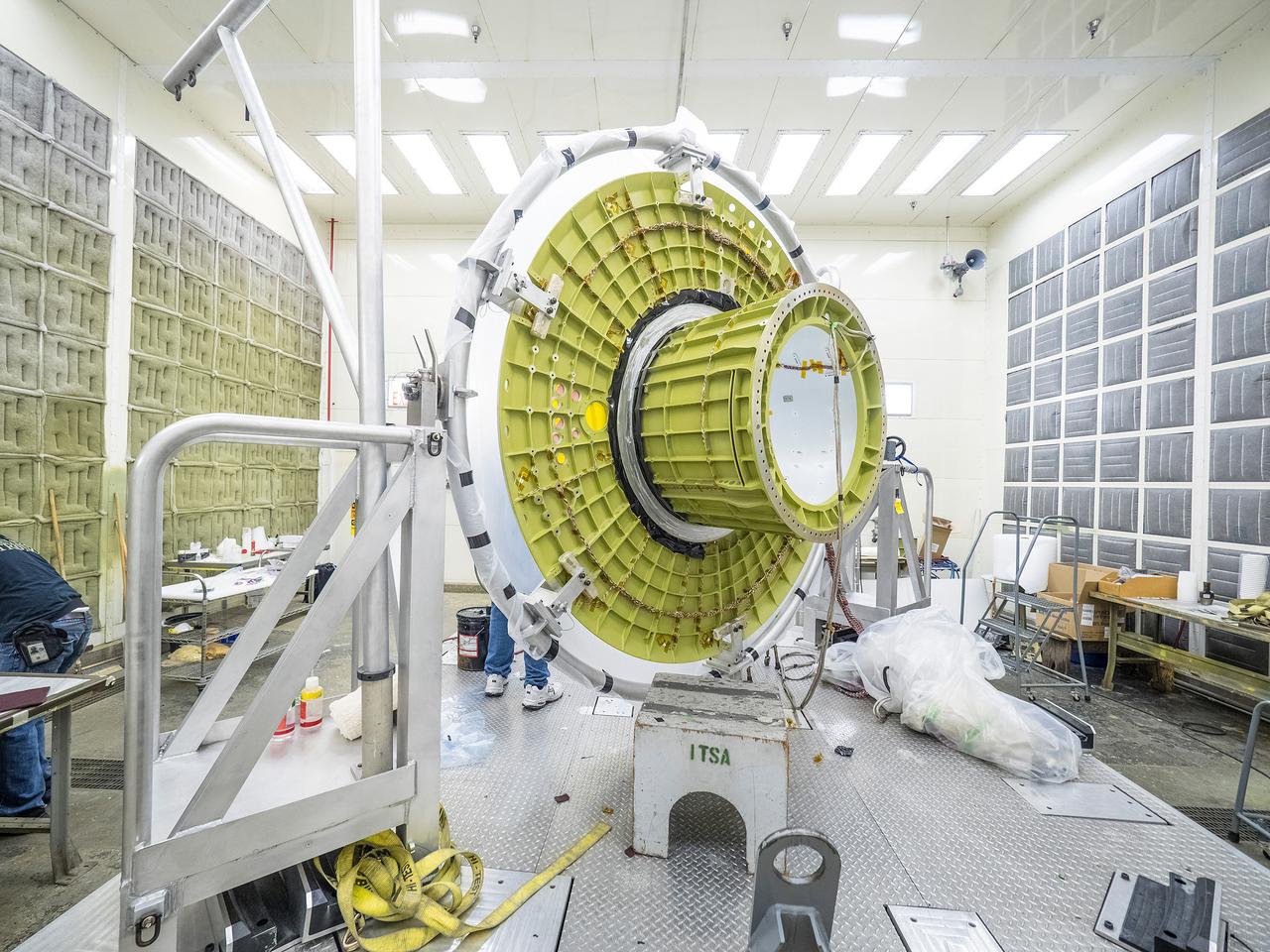
Orion EM-1 hardware
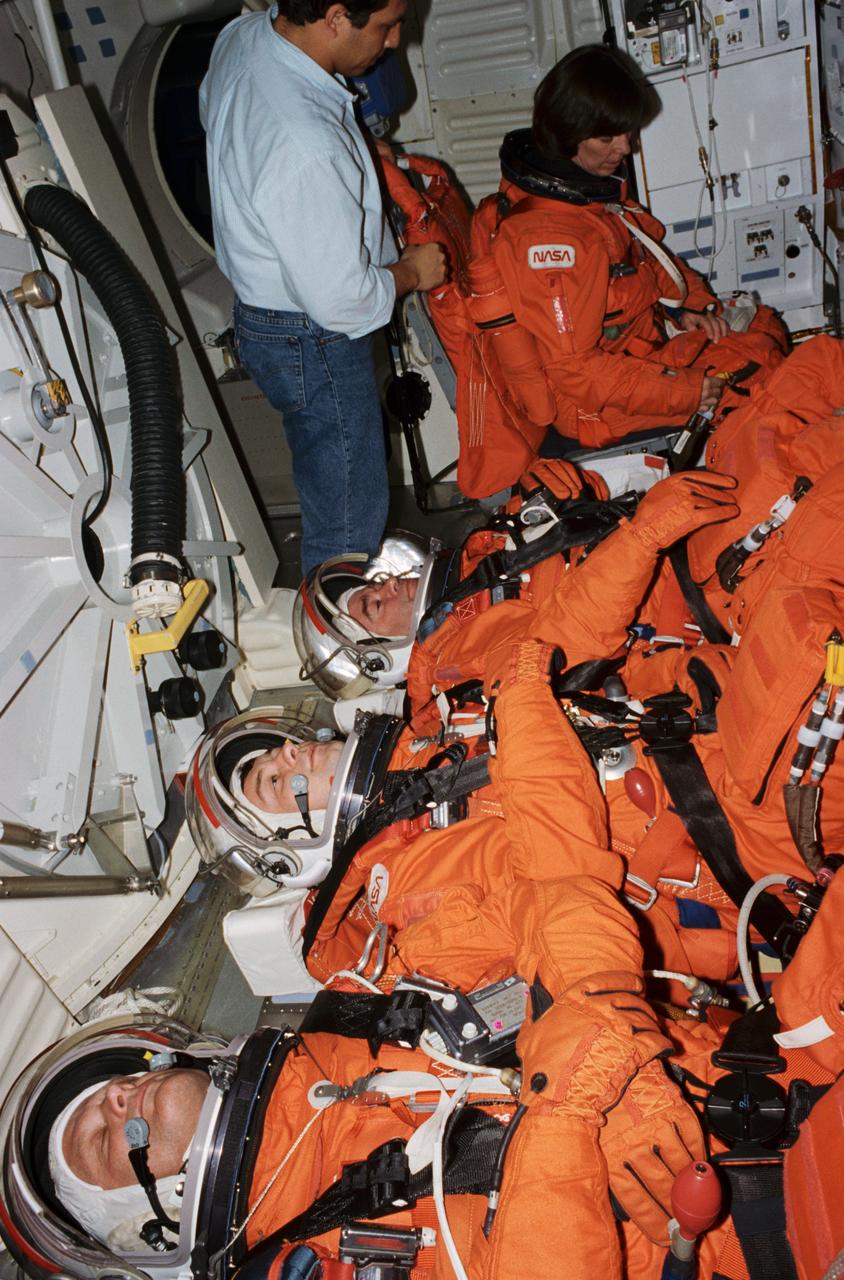
S94-47075 (Nov. 1994) --- In a Shuttle mockup trainer at the Johnson Space Center (JSC), a NASA astronaut and two Russian cosmonauts assigned to Russia's Mir 18 mission check out hardware like that to be flown onboard NASA's Space Shuttle Atlantis, the spacecraft that will retrieve the three from their orbital home for three months. Astronaut Norman E. Thagard (left), cosmonaut Vladimir N. Dezhurov, mission commander; and Gennadiy M. Strekalov, flight engineer; practice using the Recumbent Seating System (RSS). Astronaut Bonnie J. Dunbar, Thagard's backup on Mir 18 and mission specialist for STS-71, sits in a conventional middeck launch and entry station in the background. RSS has been manifest to be carried on the Space Shuttle Atlantis for the STS-71 mission. When the Space Shuttle Atlantis docks with Russia's Mir Space Station in 1995, Thagard and the two Russian cosmonauts, who will have been onboard Mir for a long duration stay, will join the STS-71 crew for the return to Earth.
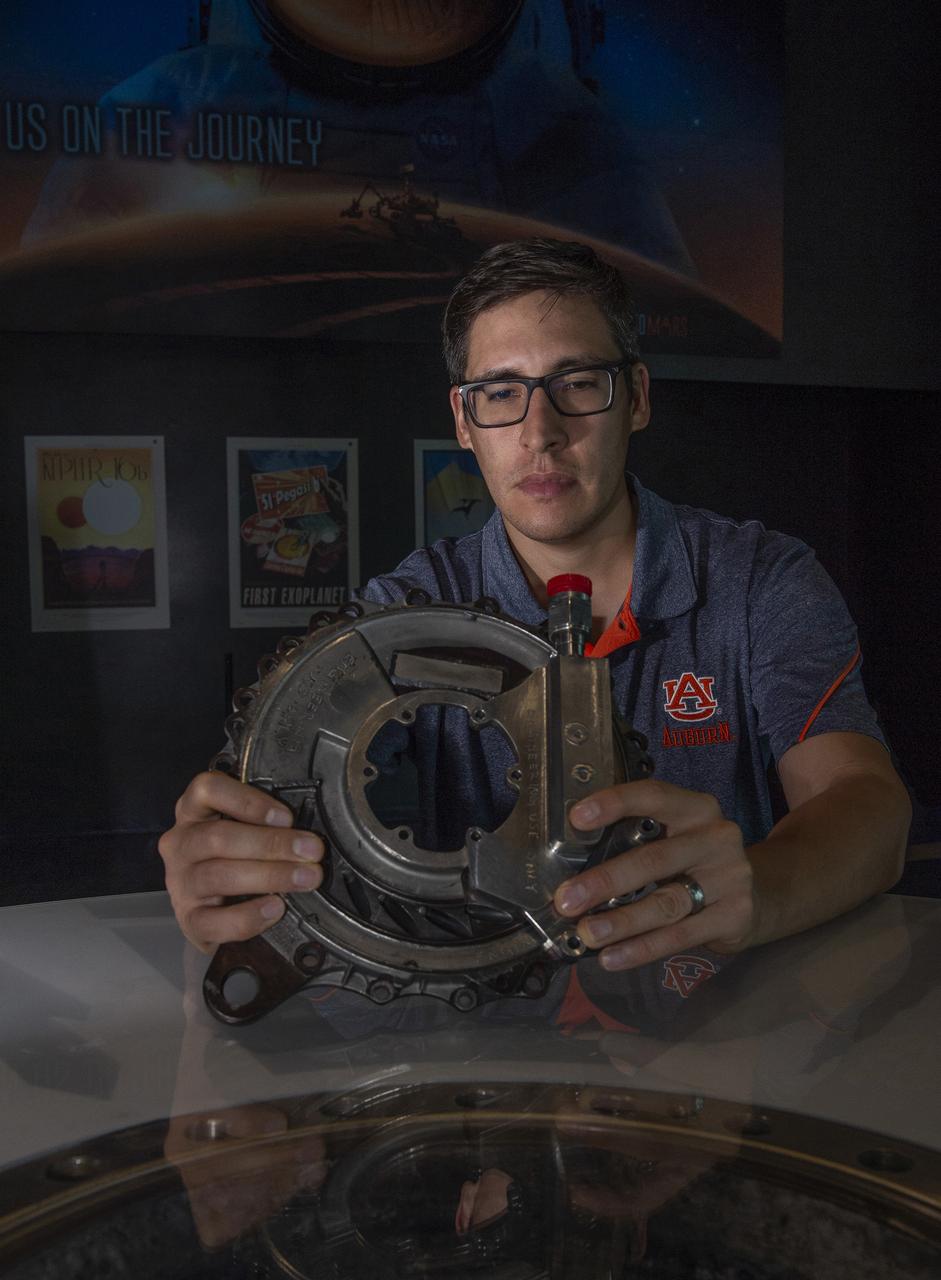
Leonardo Barreda inspects SLS Core Stage Thruster Vector Control Hardware.

SSME Hardware Simulation Laboratory at Marshall Space Flight Center is the facility that verifies the software which controls SSME prior to each Space Shuttle flight
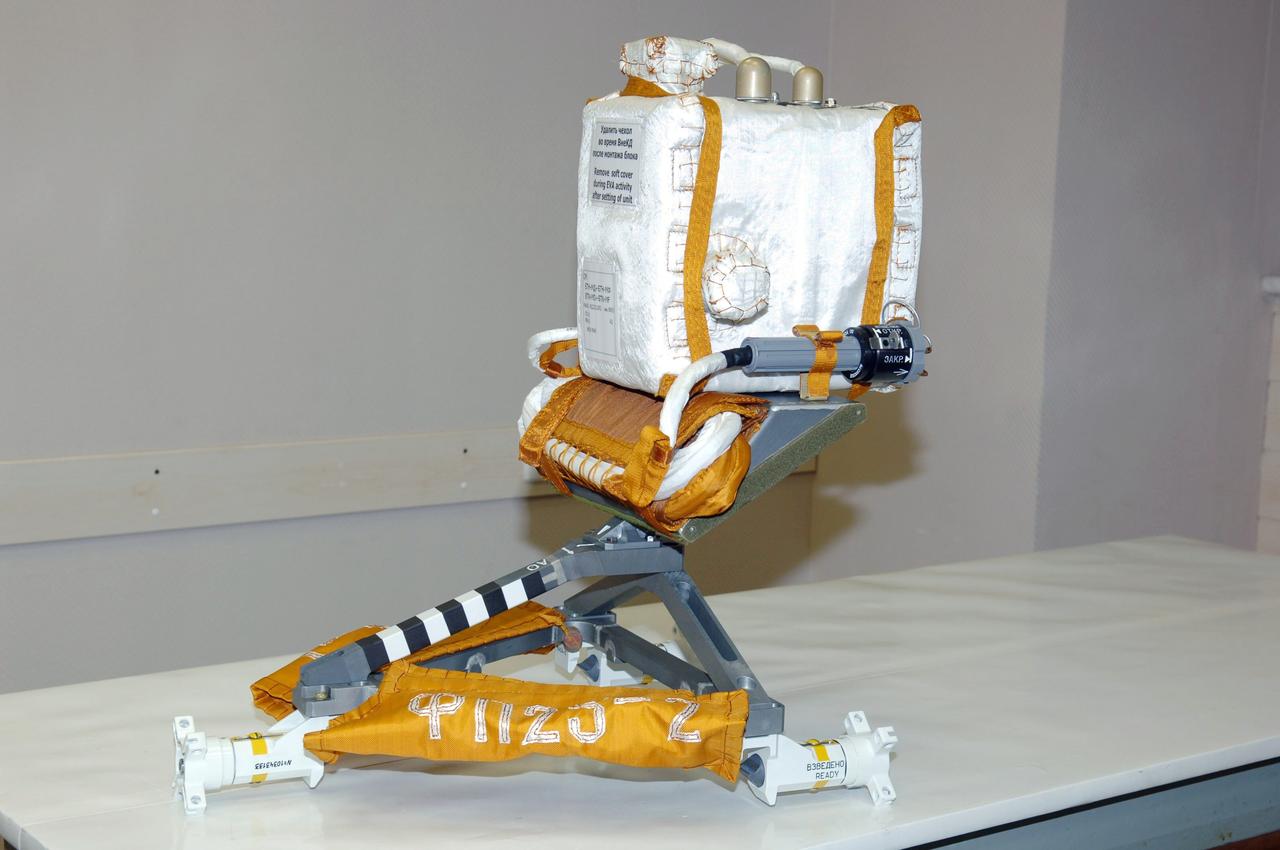
jsc2006e51966 (12/1/2006) --- A preflight view of BTN-M1 hardware without a cover for the BTN-Neutron experiment to be delivered to the ISS during the 23P flight.

This is a photograph of Dr. von Braun in front of a Saturn rocket hardware transporter. He appears to be addressing a group. Behind him are workers and other NASA officials. There is no date on the photograph. It may have been taken in the late 1960s.
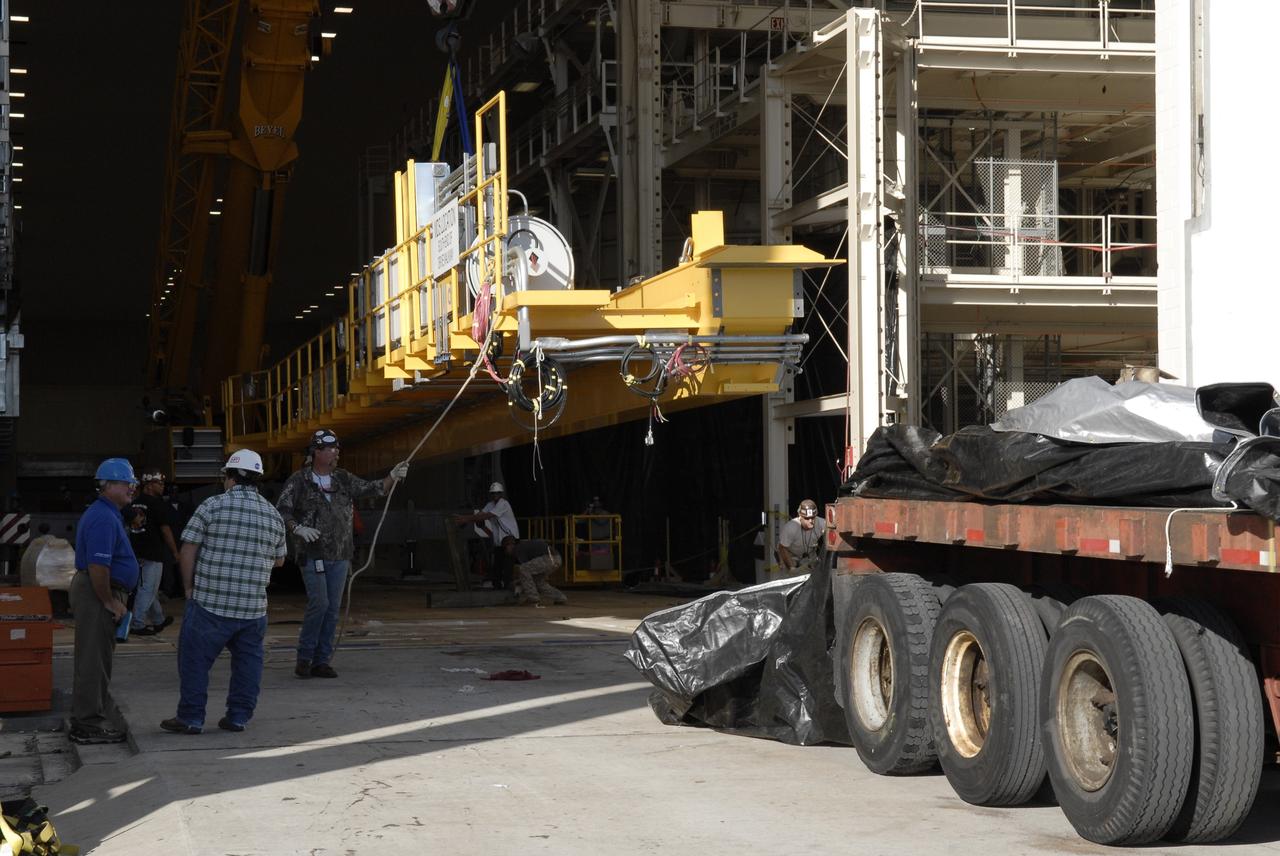
CAPE CANAVERAL, Fla. – Segments of a crane are being offloaded at the Operations and Checkout Building at NASA's Kennedy Space Center in Florida. The new O&C low-bay crane is a 25-ton overhead bridge crane built for Lockheed Martin and Space Florida by American Crane and Equipment Corporation in Douglasville, Pa. The crane has a bridge span of 78’-2” and a hook height of 48’-10”. The crane will be used for lifting and moving flight hardware, fixtures and equipment in support of the Orion spacecraft manufacturing. Part of NASA's Constellation Program, the Orion spacecraft will return humans to the moon and prepare for future voyages to Mars and other destinations in our solar system. Photo credit: NASA/Kim Shiflett
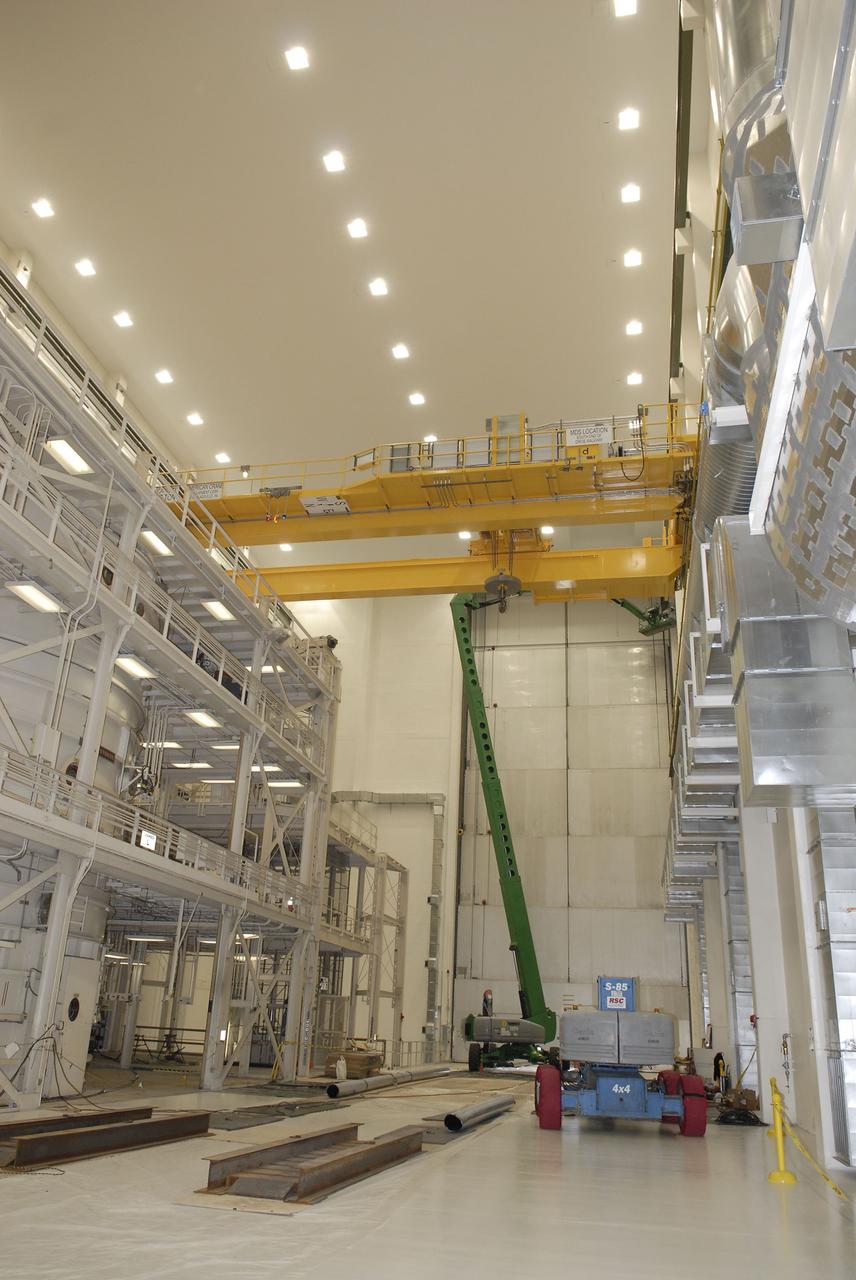
CAPE CANAVERAL, Fla. – Segments of a new crane are tested inside the Operations and Checkout Building at NASA's Kennedy Space Center in Florida. The new O&C low-bay crane is a 25-ton overhead bridge crane built for Lockheed Martin and Space Florida by American Crane and Equipment Corporation in Douglasville, Pa. The crane has a bridge span of 78’-2” and a hook height of 48’-10”. The crane will be used for lifting and moving flight hardware, fixtures and equipment in support of the Orion spacecraft manufacturing. Part of NASA's Constellation Program, the Orion spacecraft will return humans to the moon and prepare for future voyages to Mars and other destinations in our solar system. Photo credit: NASA/Kim Shiflett
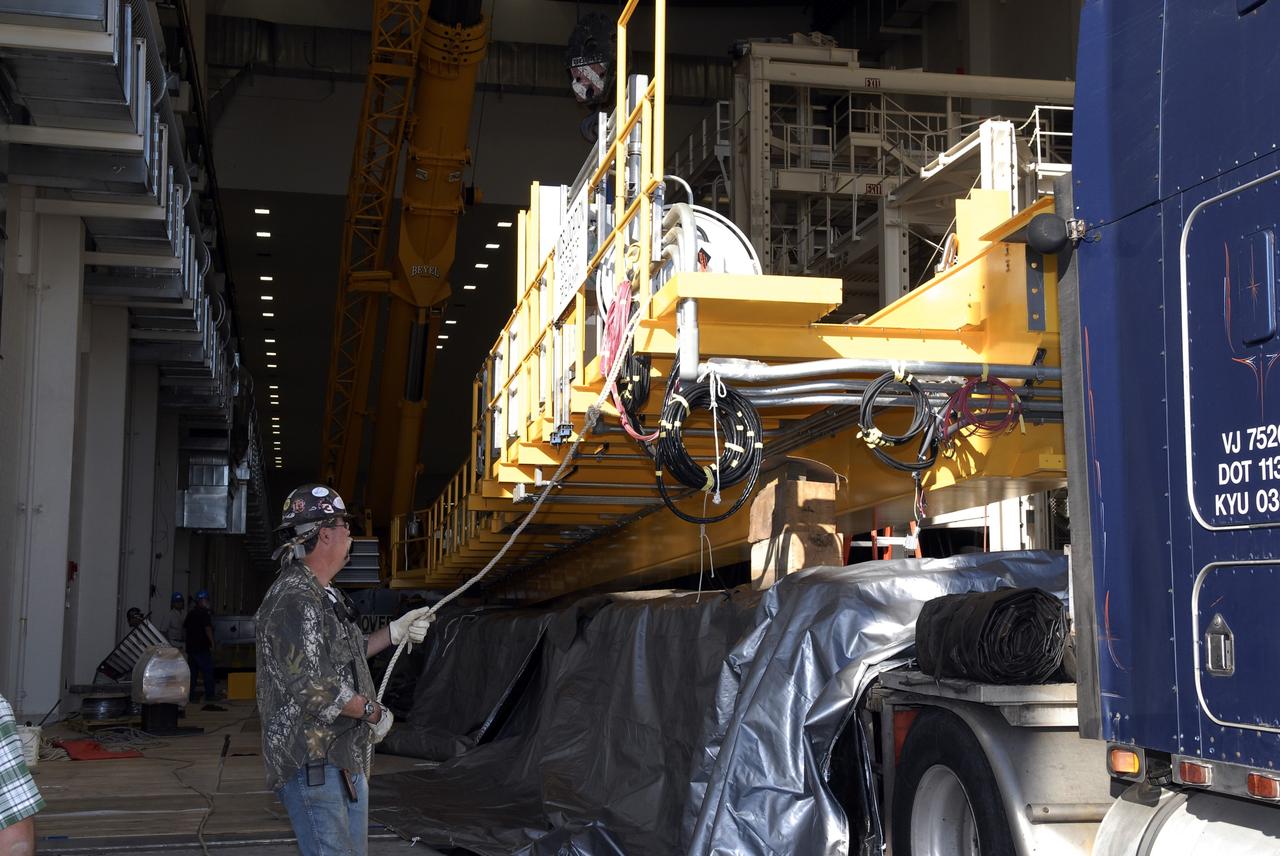
CAPE CANAVERAL, Fla. – Segments of a crane arrive at the Operations and Checkout Building at NASA's Kennedy Space Center in Florida. The new O&C low-bay crane is a 25-ton overhead bridge crane built for Lockheed Martin and Space Florida by American Crane and Equipment Corporation in Douglasville, Pa. The crane has a bridge span of 78’-2” and a hook height of 48’-10”. The crane will be used for lifting and moving flight hardware, fixtures and equipment in support of the Orion spacecraft manufacturing. Part of NASA's Constellation Program, the Orion spacecraft will return humans to the moon and prepare for future voyages to Mars and other destinations in our solar system. Photo credit: NASA/Kim Shiflett
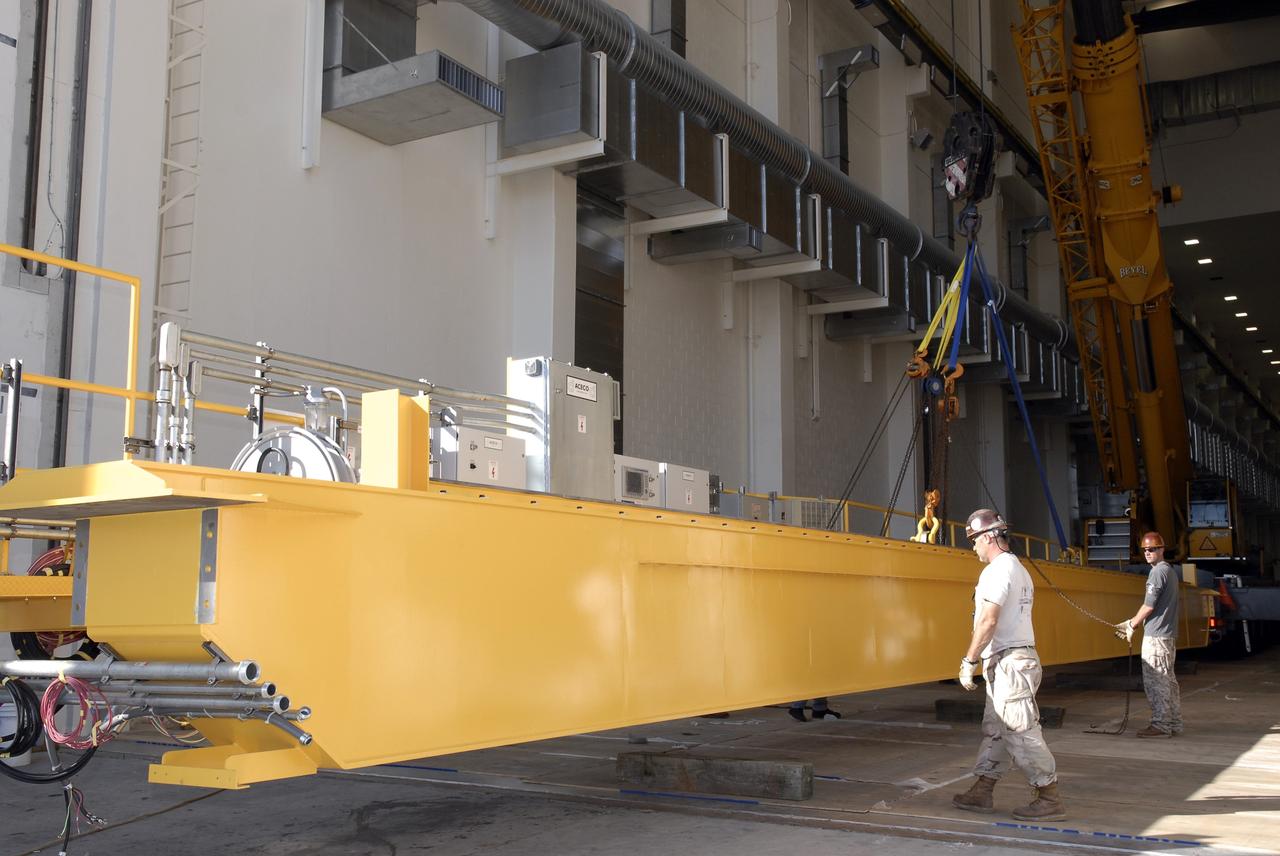
CAPE CANAVERAL, Fla. – Segments of a crane are lowered onto the floor of the Operations and Checkout Building at NASA's Kennedy Space Center in Florida. The new O&C low-bay crane is a 25-ton overhead bridge crane built for Lockheed Martin and Space Florida by American Crane and Equipment Corporation in Douglasville, Pa. The crane has a bridge span of 78’-2” and a hook height of 48’-10”. The crane will be used for lifting and moving flight hardware, fixtures and equipment in support of the Orion spacecraft manufacturing. Part of NASA's Constellation Program, the Orion spacecraft will return humans to the moon and prepare for future voyages to Mars and other destinations in our solar system. Photo credit: NASA/Kim Shiflett
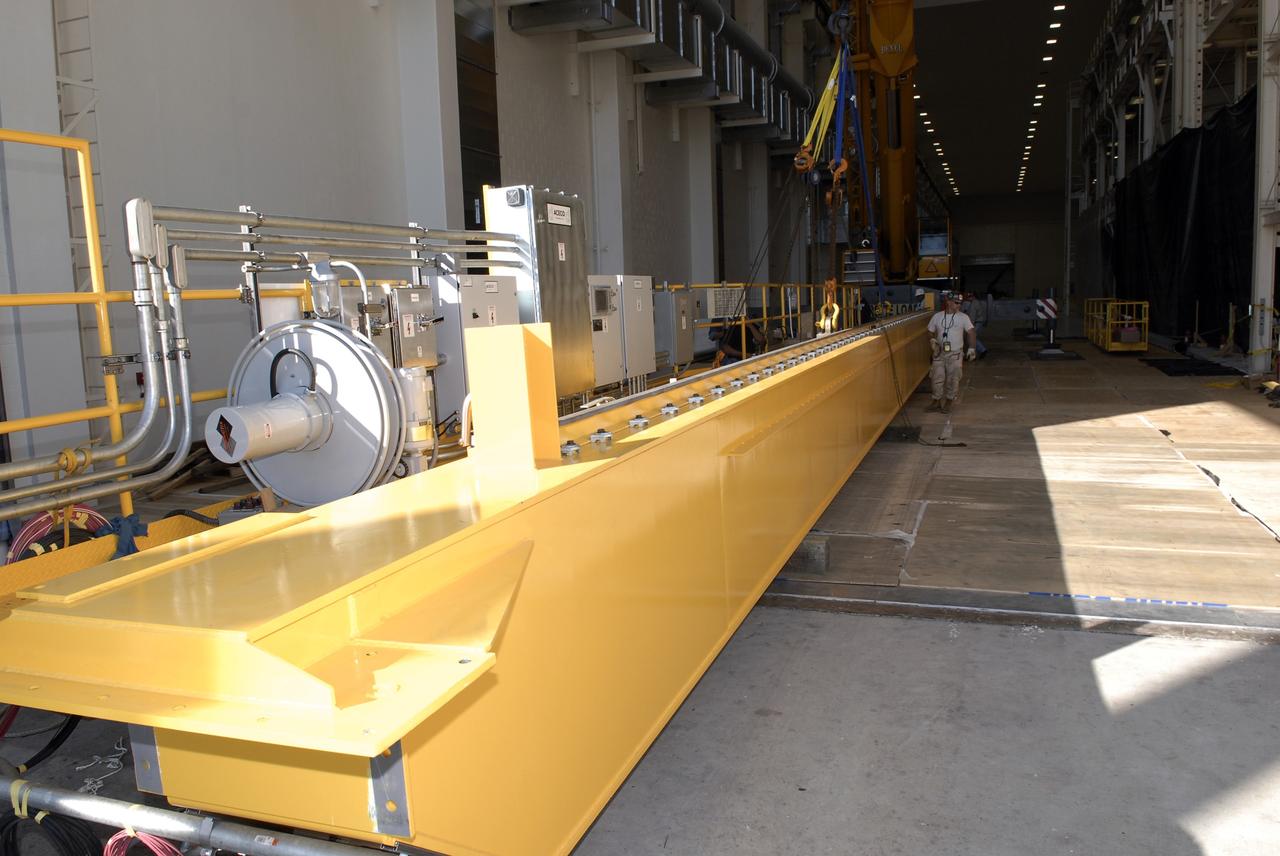
CAPE CANAVERAL, Fla. – Segments of a crane are moved into the Operations and Checkout Building at NASA's Kennedy Space Center in Florida. The new O&C low-bay crane is a 25-ton overhead bridge crane built for Lockheed Martin and Space Florida by American Crane and Equipment Corporation in Douglasville, Pa. The crane has a bridge span of 78’-2” and a hook height of 48’-10”. The crane will be used for lifting and moving flight hardware, fixtures and equipment in support of the Orion spacecraft manufacturing. Part of NASA's Constellation Program, the Orion spacecraft will return humans to the moon and prepare for future voyages to Mars and other destinations in our solar system. Photo credit: NASA/Kim Shiflett
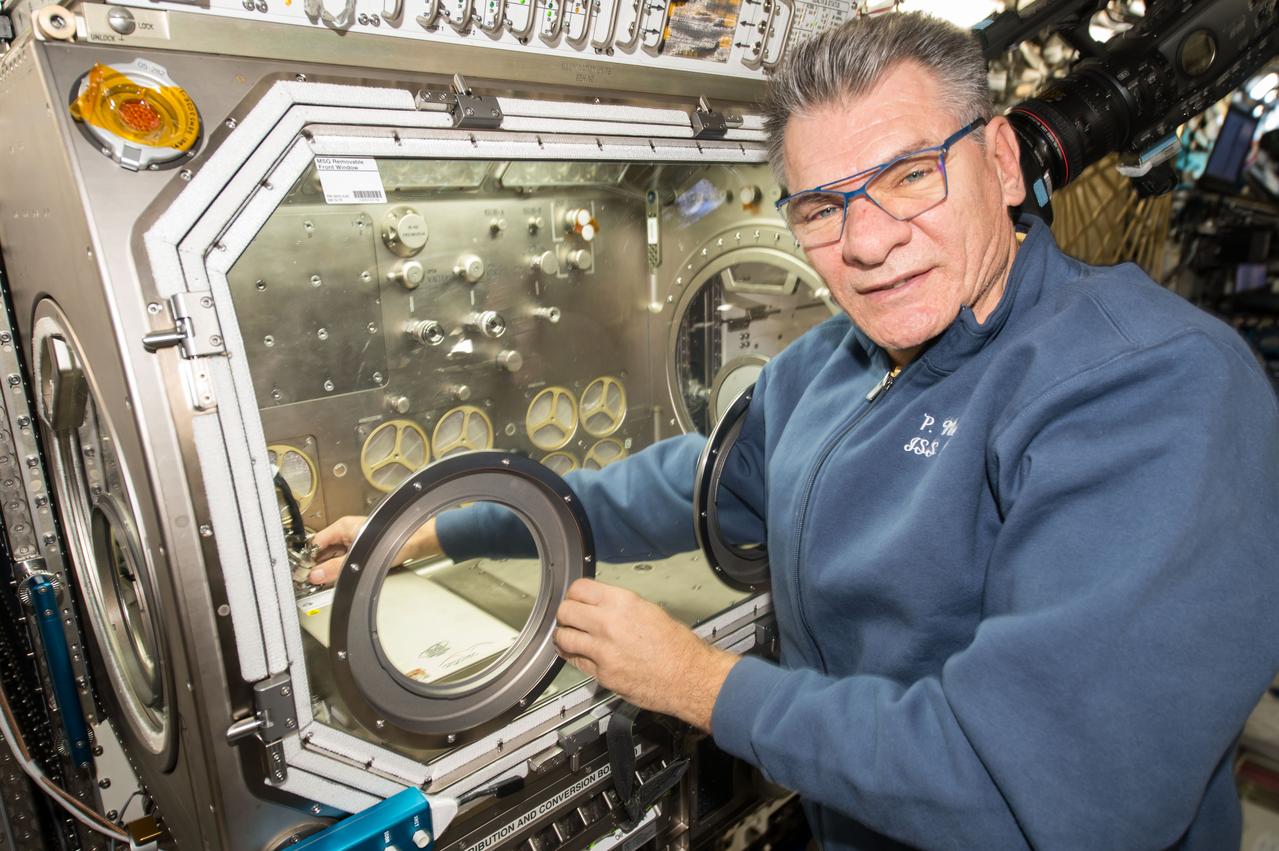
iss053e020149 (Sept. 14, 2017) --- Flight Engineer Paolo Nespoli sets up thermal exchange hardware inside the Microgravity Science Glovebox located in the U.S. Destiny laboratory module.
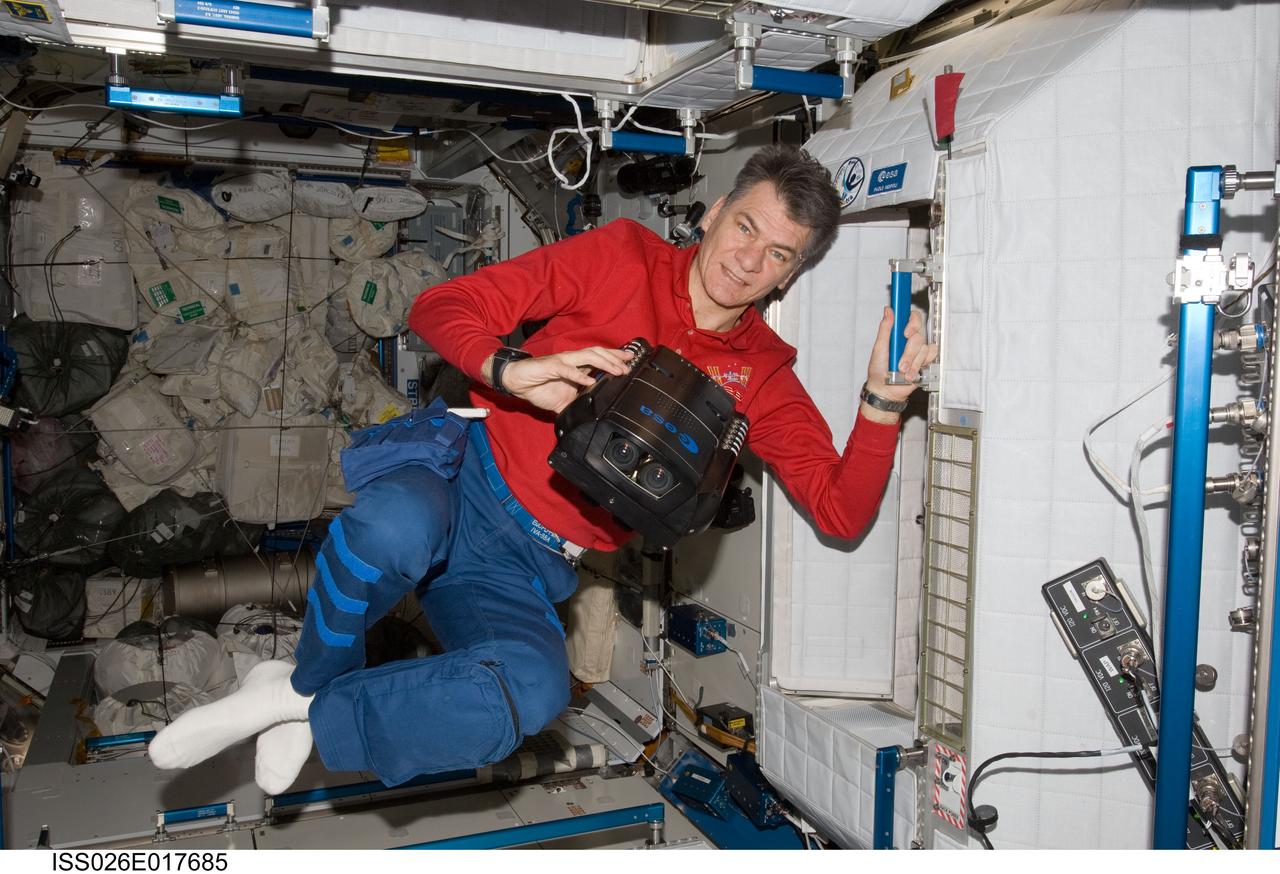
ISS026-E-017685 (8 Jan. 2011) --- European Space Agency astronaut Paolo Nespoli, Expedition 26 flight engineer, works with European Recording Binocular (ERB2) hardware in the Harmony node of the International Space Station.
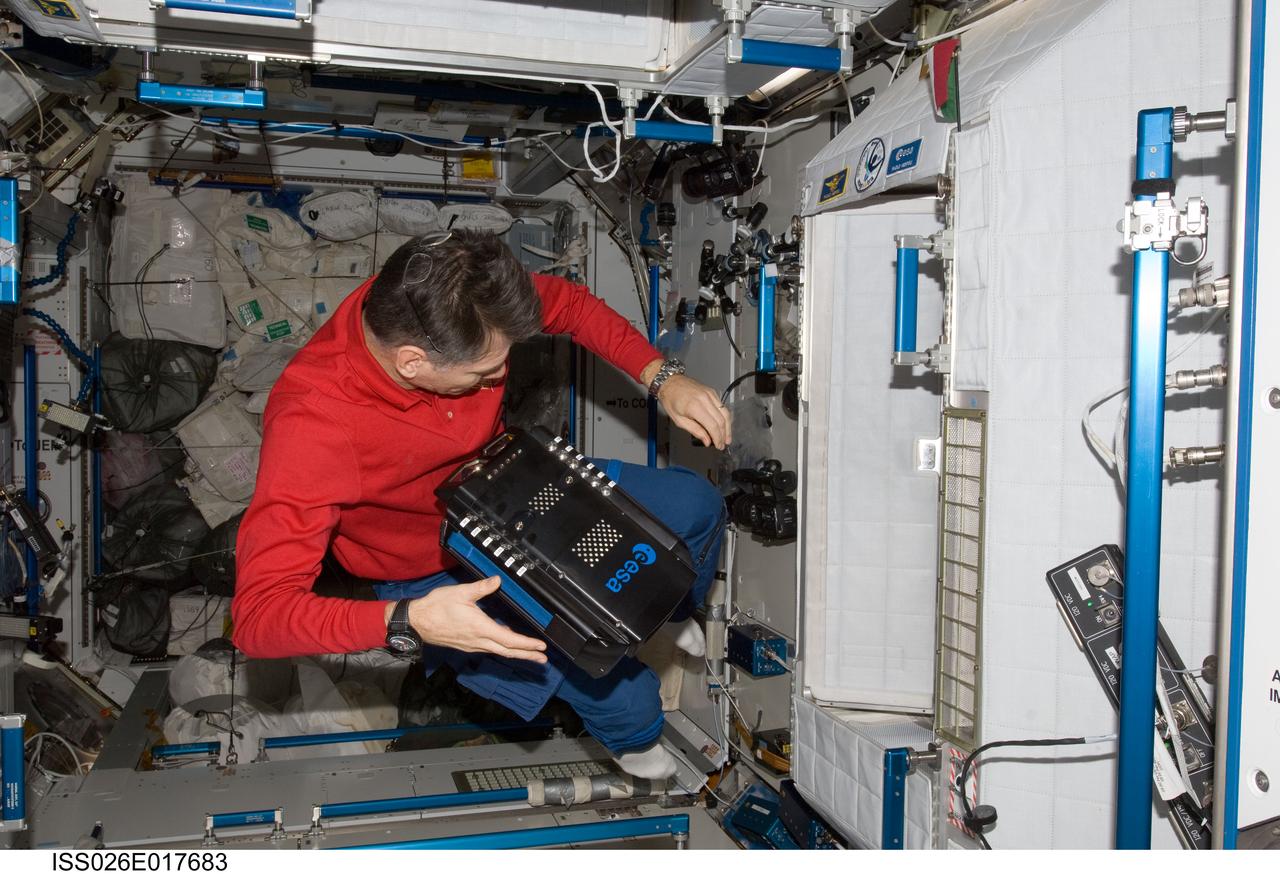
ISS026-E-017683 (8 Jan. 2011) --- European Space Agency astronaut Paolo Nespoli, Expedition 26 flight engineer, works with European Recording Binocular (ERB2) hardware in the Harmony node of the International Space Station.
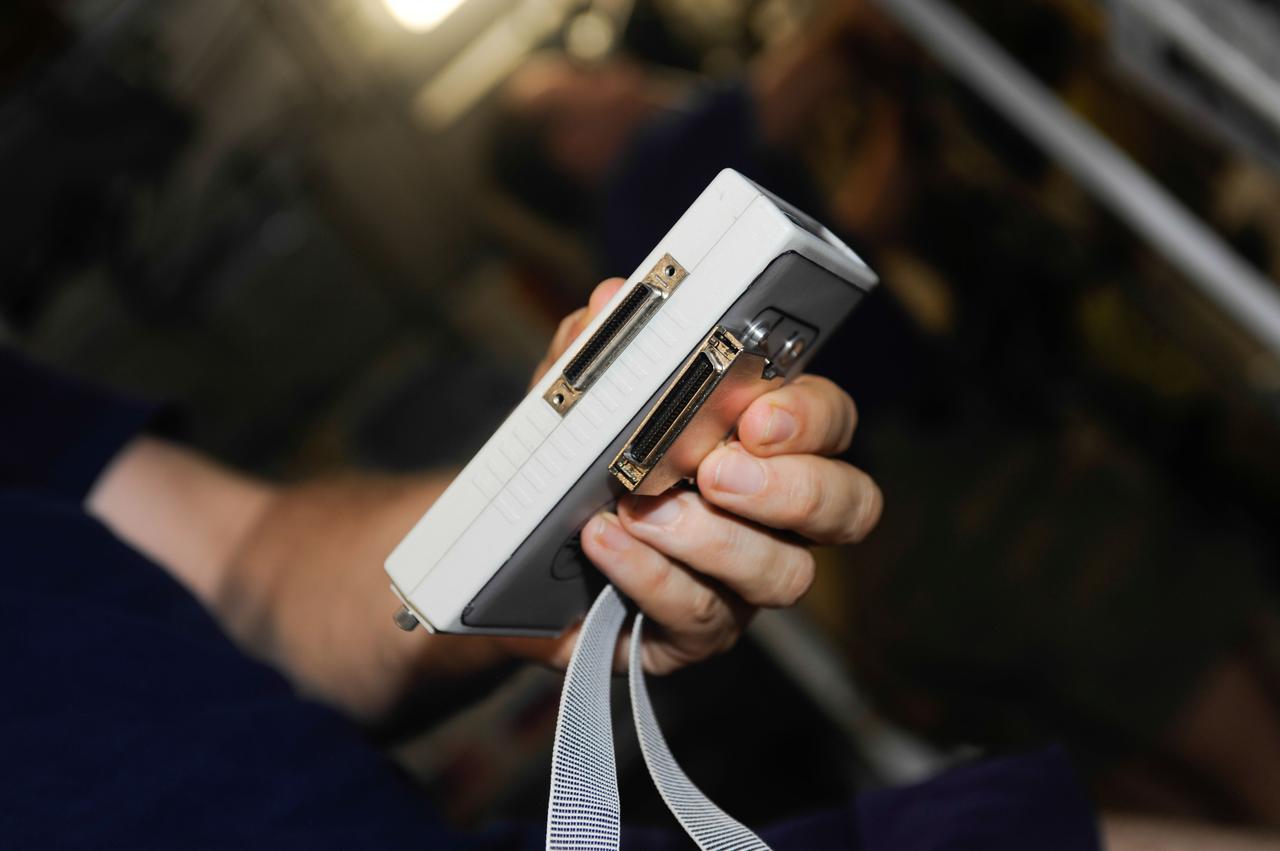
iss038e003689 (11/19/2013) --- A close-up view of the Motocard hardware. The Mechanisms of Sensory-Motor Coordination in Weightlessness (Motocard) investigation is carried out on the treadmill and involves locomotion in various modes of running and walking during various modes of operation of the treadmill. During the test, electromyography of the thigh and calf muscles, support structure response, heart rate, and treadmill load parameters (actual speed, time elapsed, distance, integrated indicators for support structure response) are recorded.
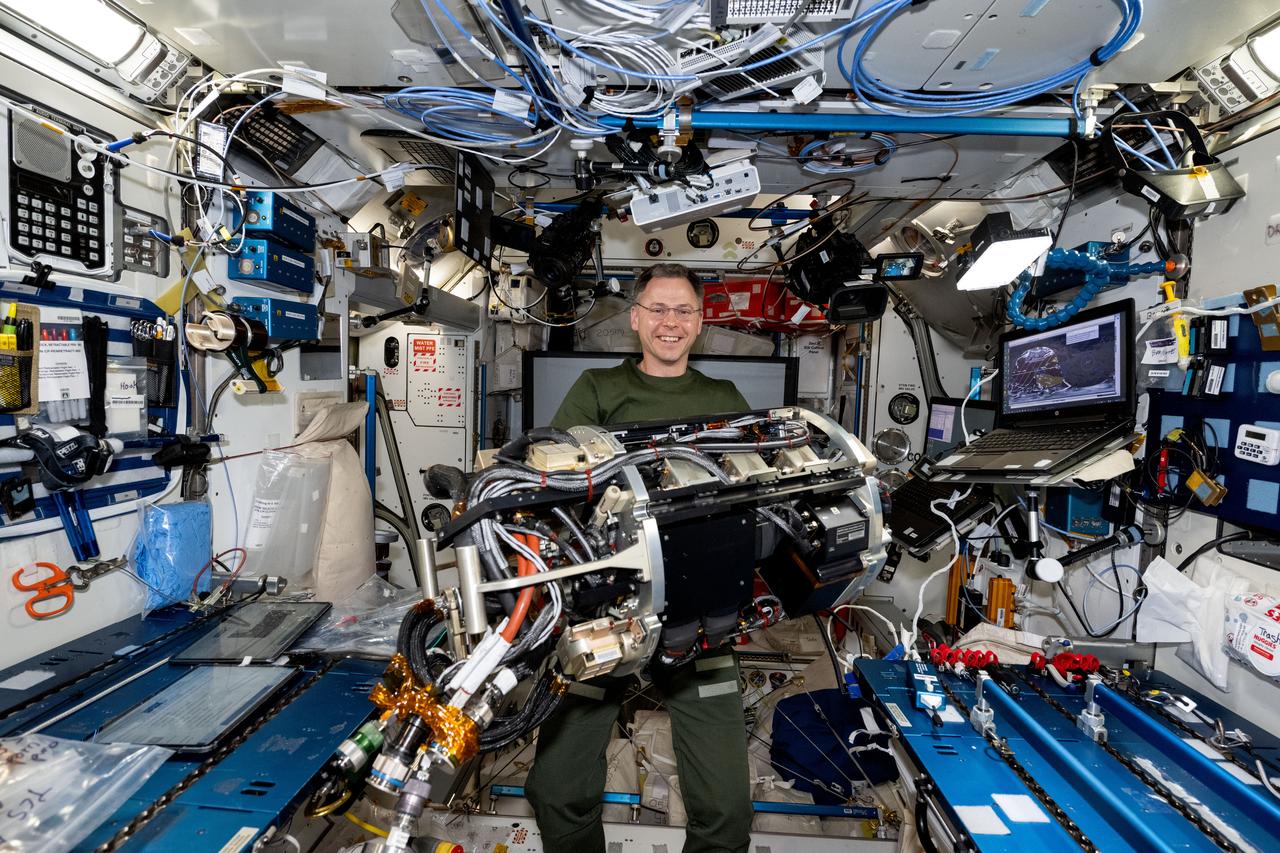
iss072e519705 (Jan. 23, 2025) --- NASA astronaut and Expedition 72 Flight Engineer Nick Hague handles research hardware that is part of the Combustion Integrated Rack that enables safe fuel and flame research aboard the International Space Station.
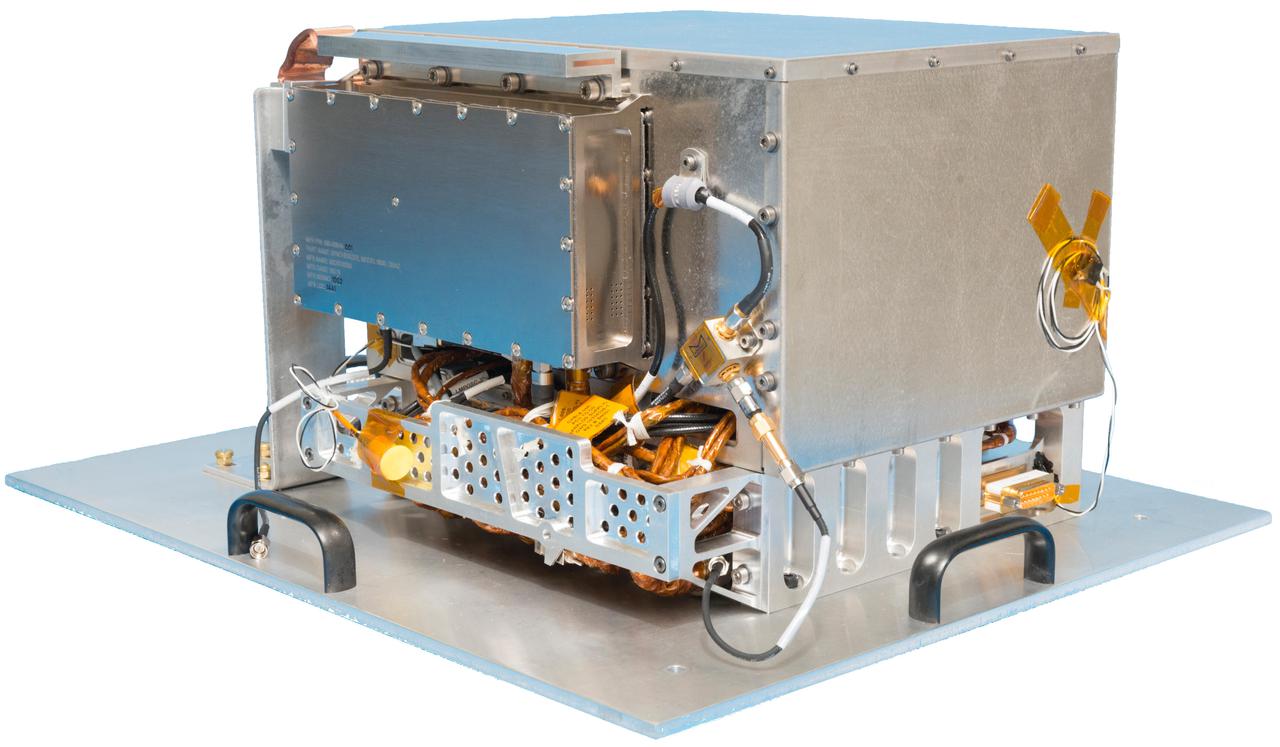
NASA's Deep Space Atomic Clock could revolutionize deep space navigation. One key requirement for the technology demonstration was a compact design. The complete hardware package is shown here and is only about 10 inches (25 centimeters) on each side. https://photojournal.jpl.nasa.gov/catalog/PIA24573
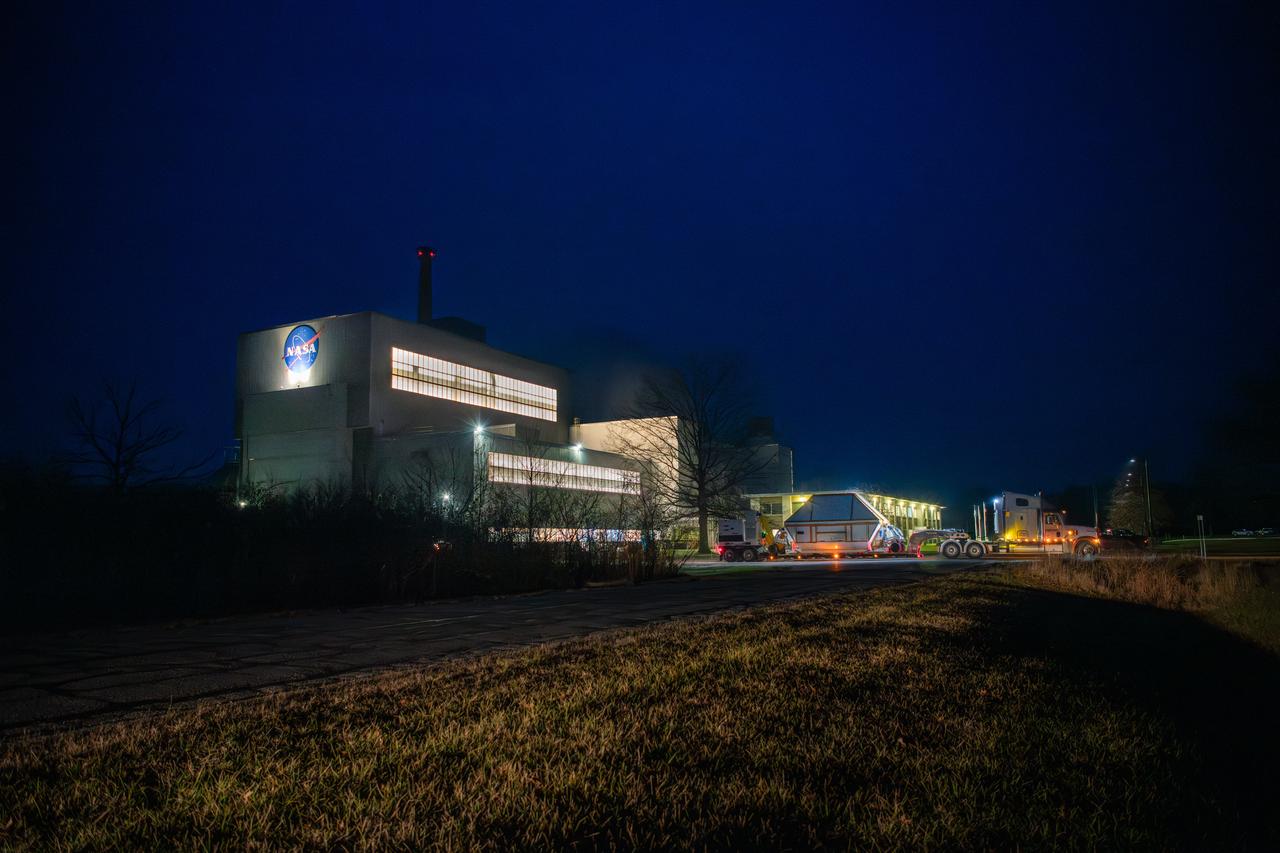
Orion ETA Hardware, Launch Abort System and Crew Module Documentation Photographs - Crew Module Arrival

iss042e006636 (11/18/2014) ---Aboard the International Space Station: this image is a Close-up view of hardware for a chemistry experiment and was taken in the Rassvet Mini-Research Module.
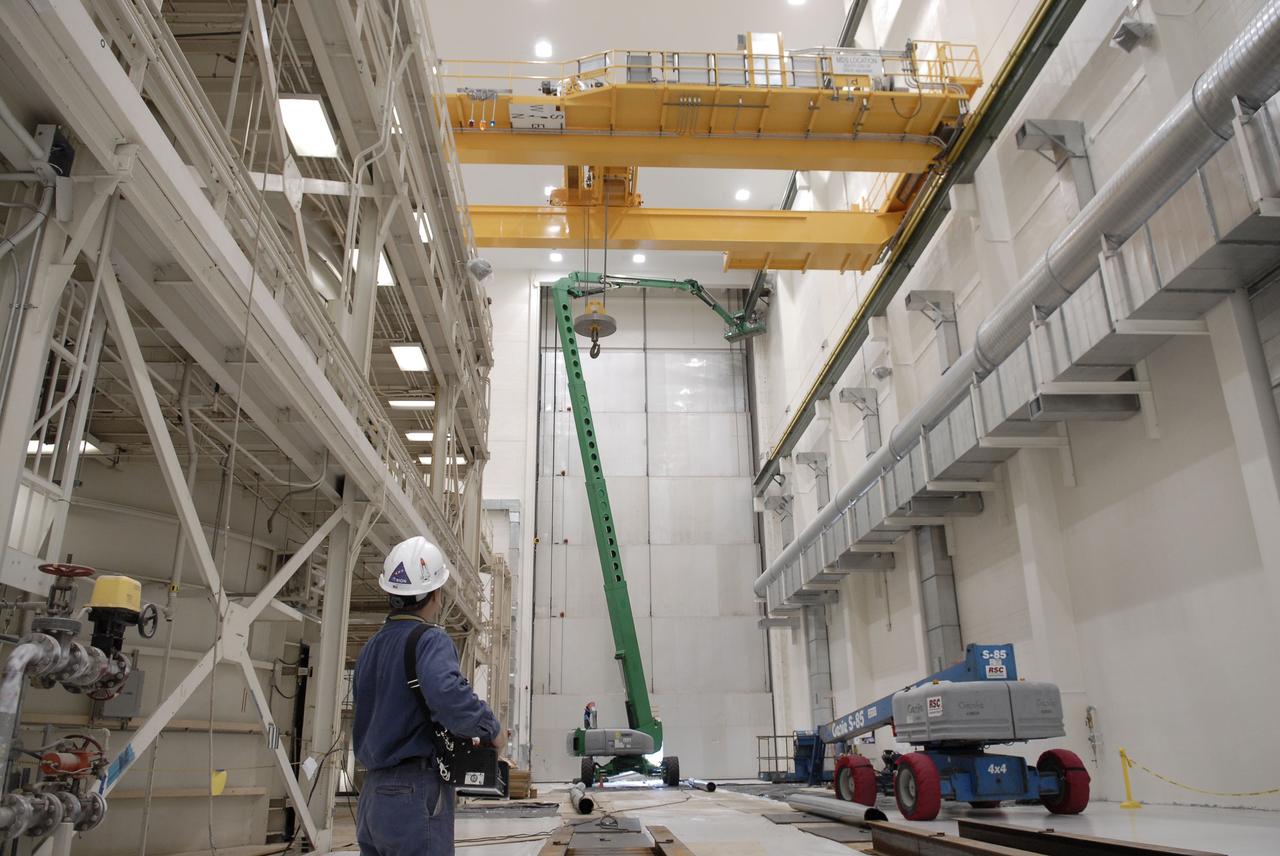
CAPE CANAVERAL, Fla. – Motion of the segments of a new crane is tested inside the Operations and Checkout Building at NASA's Kennedy Space Center in Florida. The new O&C low-bay crane is a 25-ton overhead bridge crane built for Lockheed Martin and Space Florida by American Crane and Equipment Corporation in Douglasville, Pa. The crane has a bridge span of 78’-2” and a hook height of 48’-10”. The crane will be used for lifting and moving flight hardware, fixtures and equipment in support of the Orion spacecraft manufacturing. Part of NASA's Constellation Program, the Orion spacecraft will return humans to the moon and prepare for future voyages to Mars and other destinations in our solar system. Photo credit: NASA/Kim Shiflett
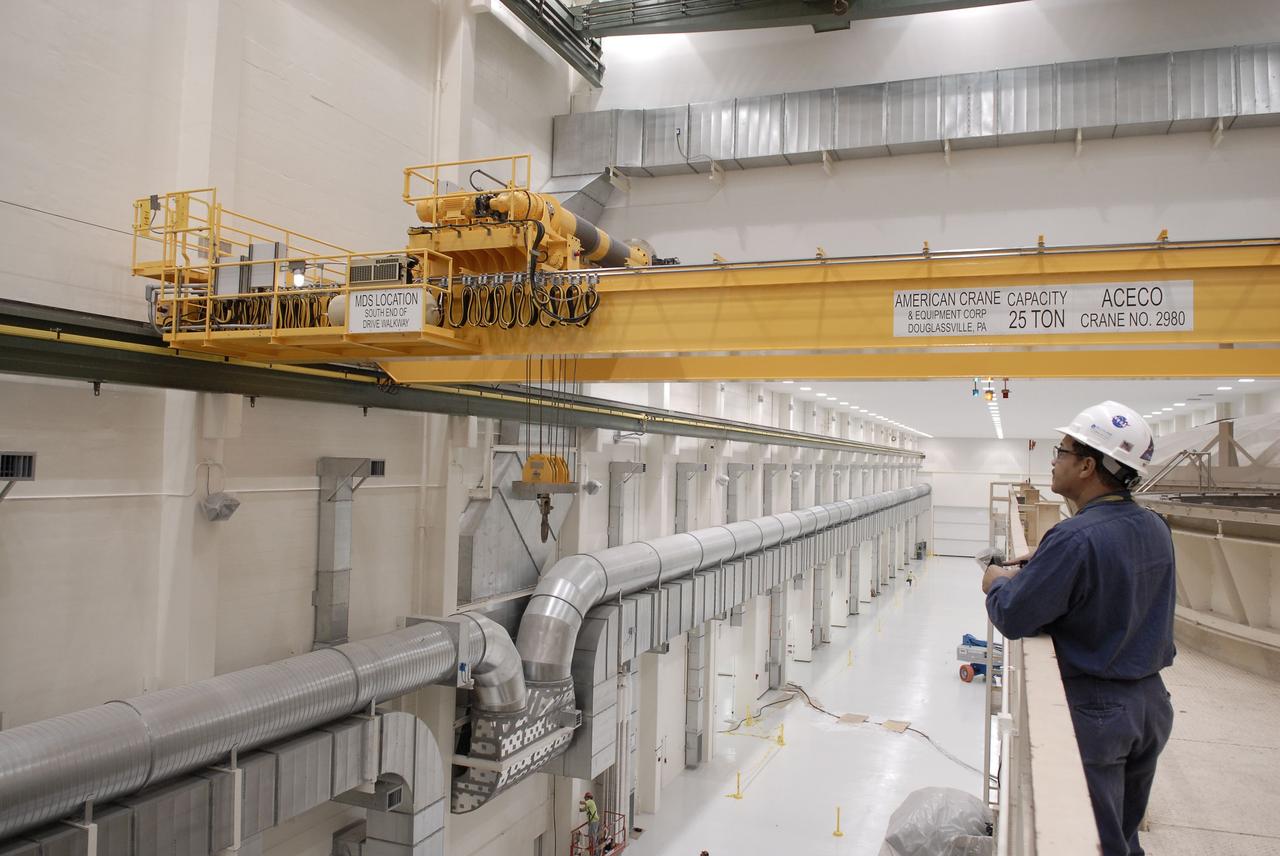
CAPE CANAVERAL, Fla. – Motion of the segments of a new crane is tested inside the Operations and Checkout Building at NASA's Kennedy Space Center in Florida. The new O&C low-bay crane is a 25-ton overhead bridge crane built for Lockheed Martin and Space Florida by American Crane and Equipment Corporation in Douglasville, Pa. The crane has a bridge span of 78’-2” and a hook height of 48’-10”. The crane will be used for lifting and moving flight hardware, fixtures and equipment in support of the Orion spacecraft manufacturing. Part of NASA's Constellation Program, the Orion spacecraft will return humans to the moon and prepare for future voyages to Mars and other destinations in our solar system. Photo credit: NASA/Kim Shiflett
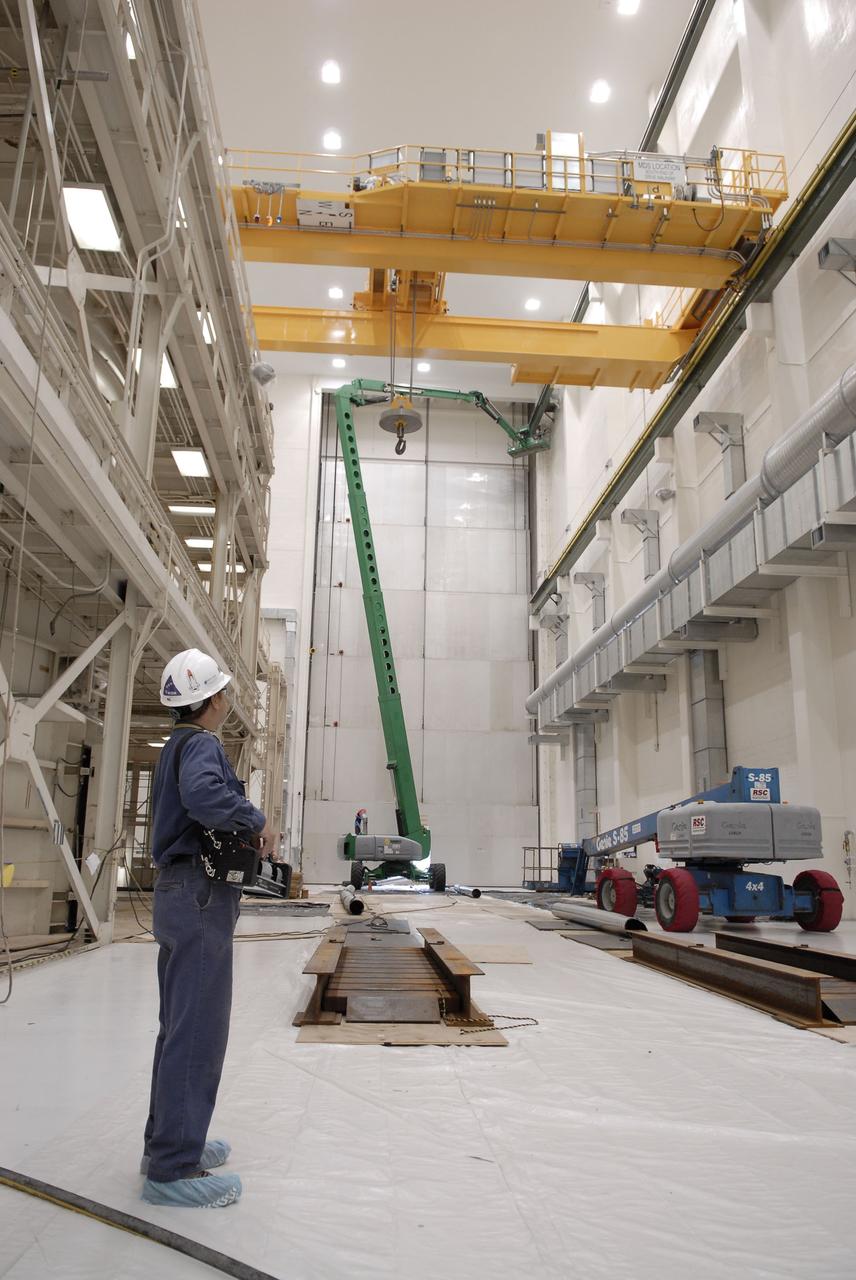
CAPE CANAVERAL, Fla. – Movement of the hook from a new crane are is tested inside the Operations and Checkout Building at NASA's Kennedy Space Center in Florida. The new O&C low-bay crane is a 25-ton overhead bridge crane built for Lockheed Martin and Space Florida by American Crane and Equipment Corporation in Douglasville, Pa. The crane has a bridge span of 78’-2” and a hook height of 48’-10”. The crane will be used for lifting and moving flight hardware, fixtures and equipment in support of the Orion spacecraft manufacturing. Part of NASA's Constellation Program, the Orion spacecraft will return humans to the moon and prepare for future voyages to Mars and other destinations in our solar system. Photo credit: NASA/Kim Shiflett
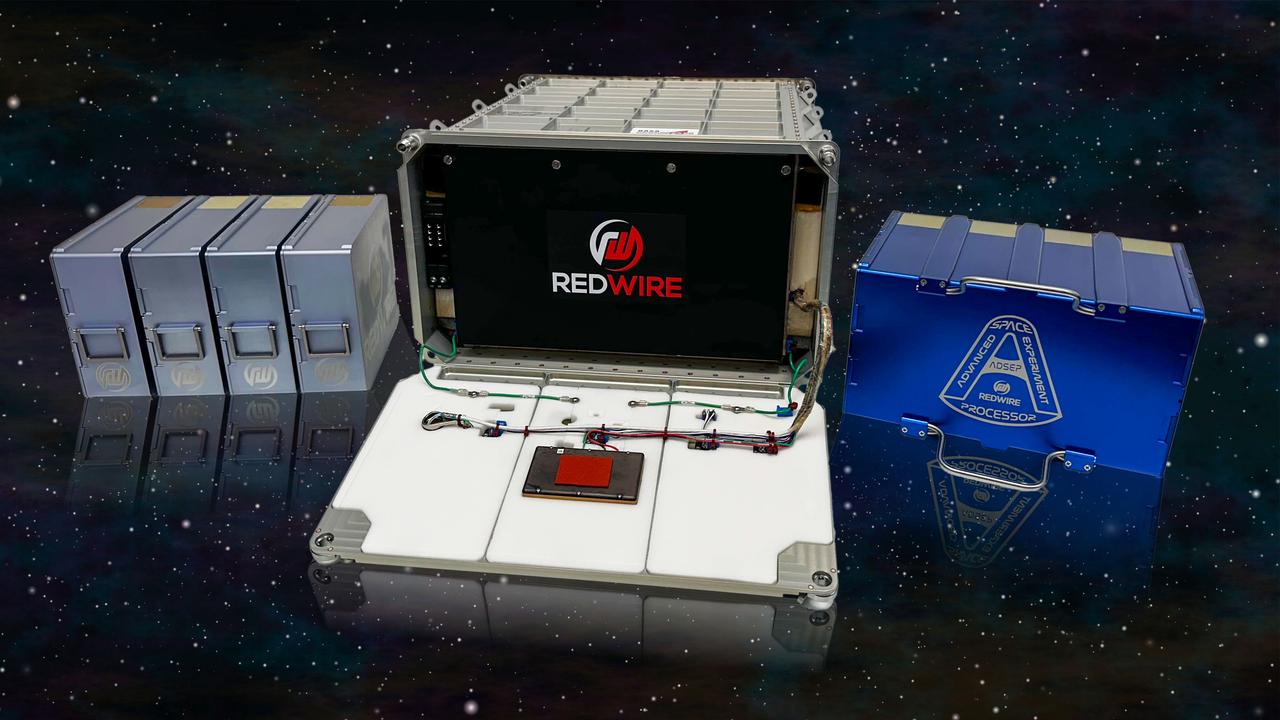
jsc2025e036384 (4/4/2025) --- A lineup of Redwire hardware. Left: Redwire’s in-space pharmaceutical manufacturing system (PIL-BOX) system are chambers that allow crystal growth in small batches. Middle: The Redwire Advanced Space Experiment Processor (ADSEP) in a close configuration onto which either the PIL-BOX or ICC can be installed. Right: The Redwire Industrial Crystallization Cassette (ICC), a facility capable of larger quantities of crystal growth than the PIL-BOX. The ADSEP Industrial Crystallization Cassette Technology Demonstration (ADSEP-ICC) investigation validates the ICC’s capability to grow large quantities of crystals in its high-volume crystal growth chambers aboard the International Space Station. Image courtesy of Redwire.
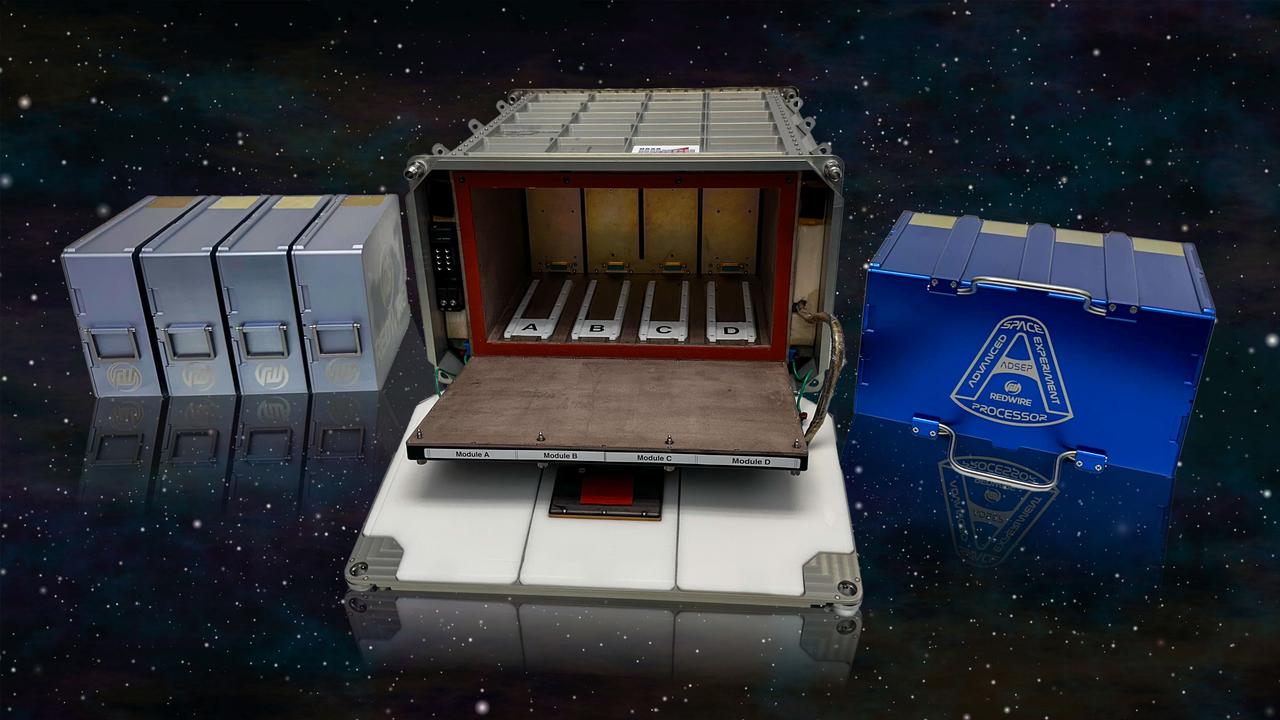
jsc2025e036385 (4/4/2025) --- A lineup of Redwire hardware. Left: Redwire’s in-space pharmaceutical manufacturing system (PIL-BOX) system are chambers that allow crystal growth in small batches. Middle: The Redwire Advanced Space Experiment Processor (ADSEP) in an open configuration onto which either the PIL-BOX or ICC can be installed. Right: The Redwire Industrial Crystallization Cassette (ICC), a facility capable of larger quantities of crystal growth than the PIL-BOX. The ADSEP Industrial Crystallization Cassette Technology Demonstration (ADSEP-ICC) investigation validates the ICC’s capability to grow large quantities of crystals in its high-volume crystal growth chambers aboard the International Space Station. Image courtesy of Redwire.
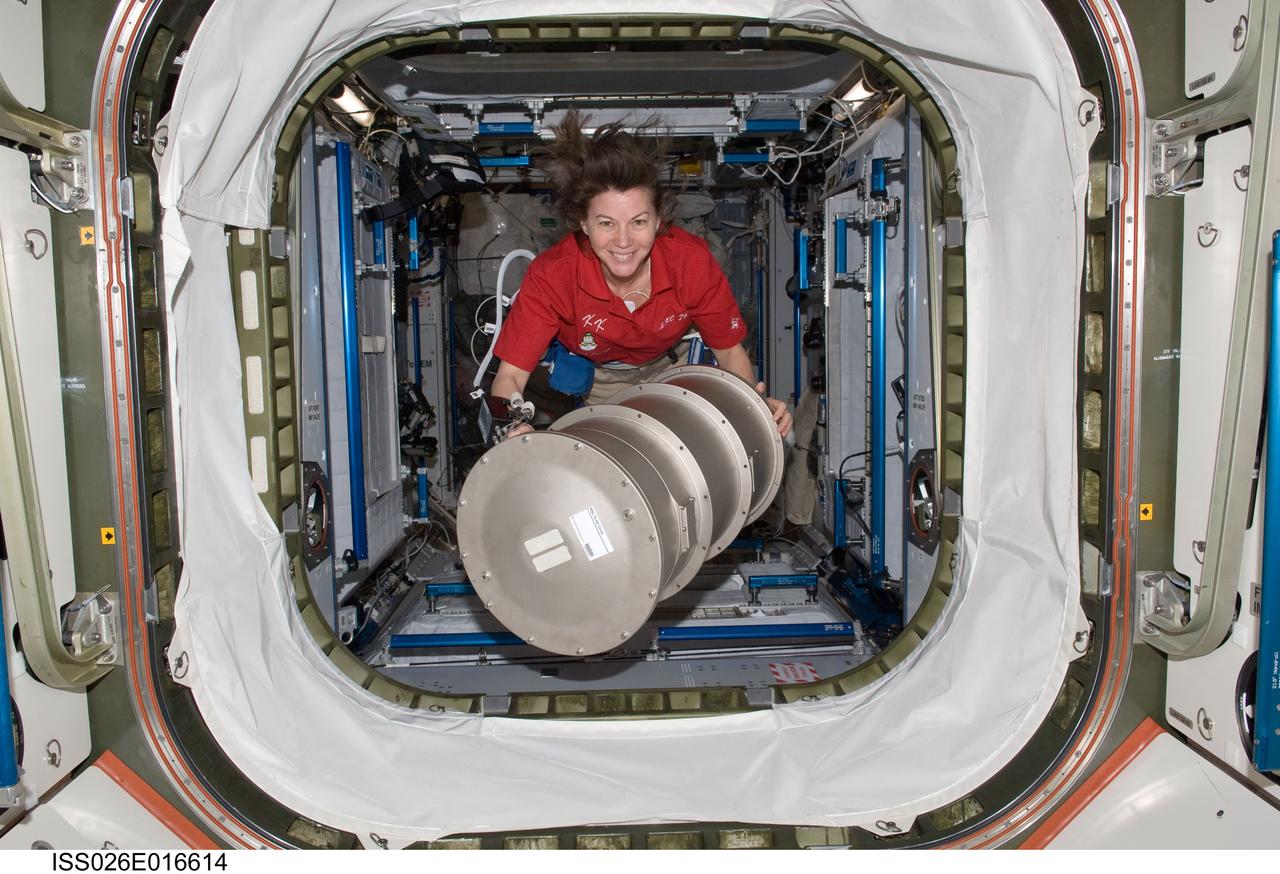
ISS026-E-016614 (7 Jan. 2011) --- NASA astronaut Catherine (Cady) Coleman, Expedition 26 flight engineer, moves Material Science Laboratory (MSL) hardware from the Harmony node to the Destiny laboratory of the International Space Station.
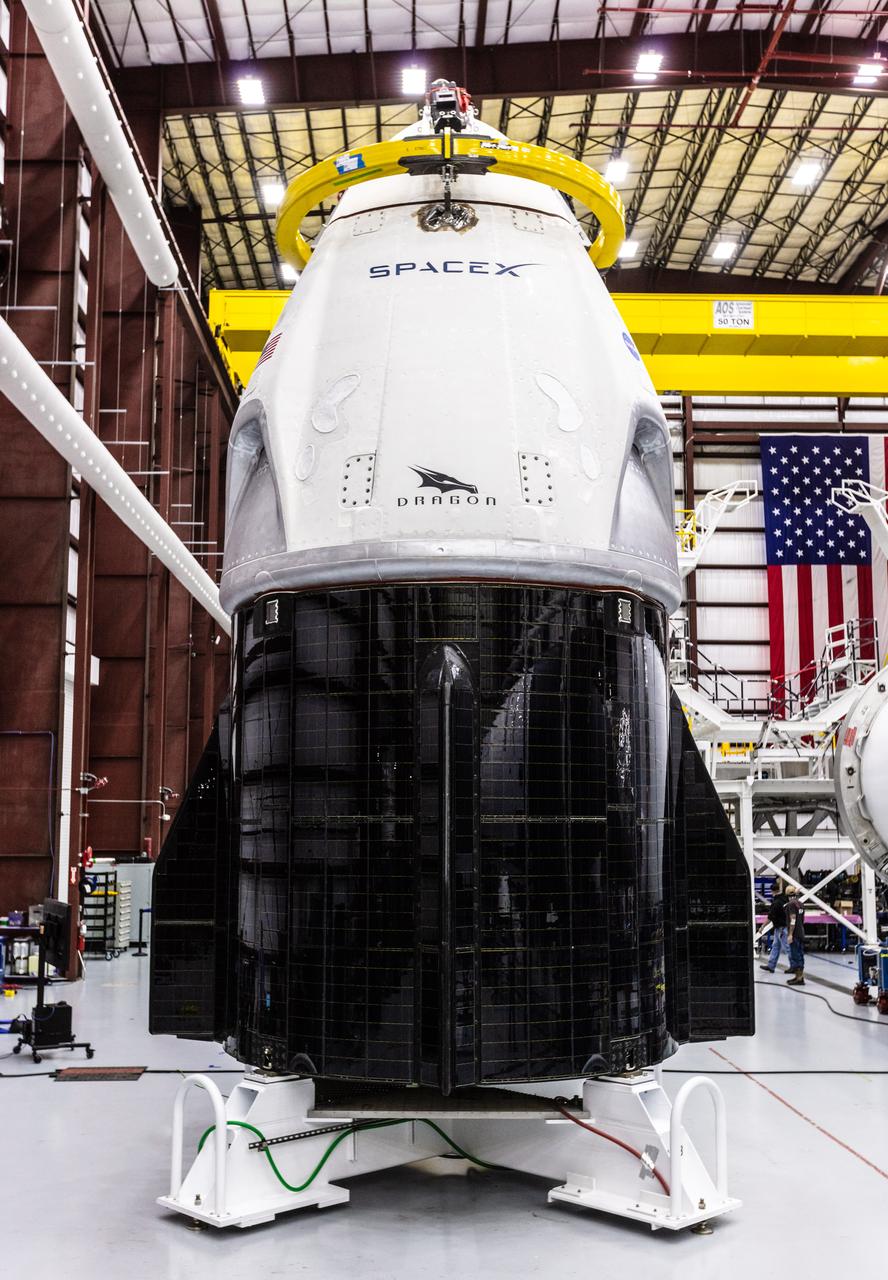
SpaceX's Crew Dragon spacecraft and Falcon 9 rocket are positioned inside the company's hangar at Launch Complex 39A at NASA's Kennedy Space Center in Florida, on Dec. 18, 2018, ahead of the Demo-1 uncrewed flight test targeted for January 17, 2019. The Demo-1 flight test is the precursor to the company's Demo-2 flight test, which will fly two NASA astronauts to the International Space Station as part of NASA's Commercial Crew Program. Demo-2 is targeted for June 2019.

SpaceX's Crew Dragon spacecraft and Falcon 9 rocket are positioned inside the company's hangar at Launch Complex 39A at NASA's Kennedy Space Center in Florida, on Dec. 18, 2018, ahead of the Demo-1 uncrewed flight test targeted for January 17, 2019. The Demo-1 flight test is the precursor to the company's Demo-2 flight test, which will fly two NASA astronauts to the International Space Station as part of NASA's Commercial Crew Program. Demo-2 is targeted for June 2019.
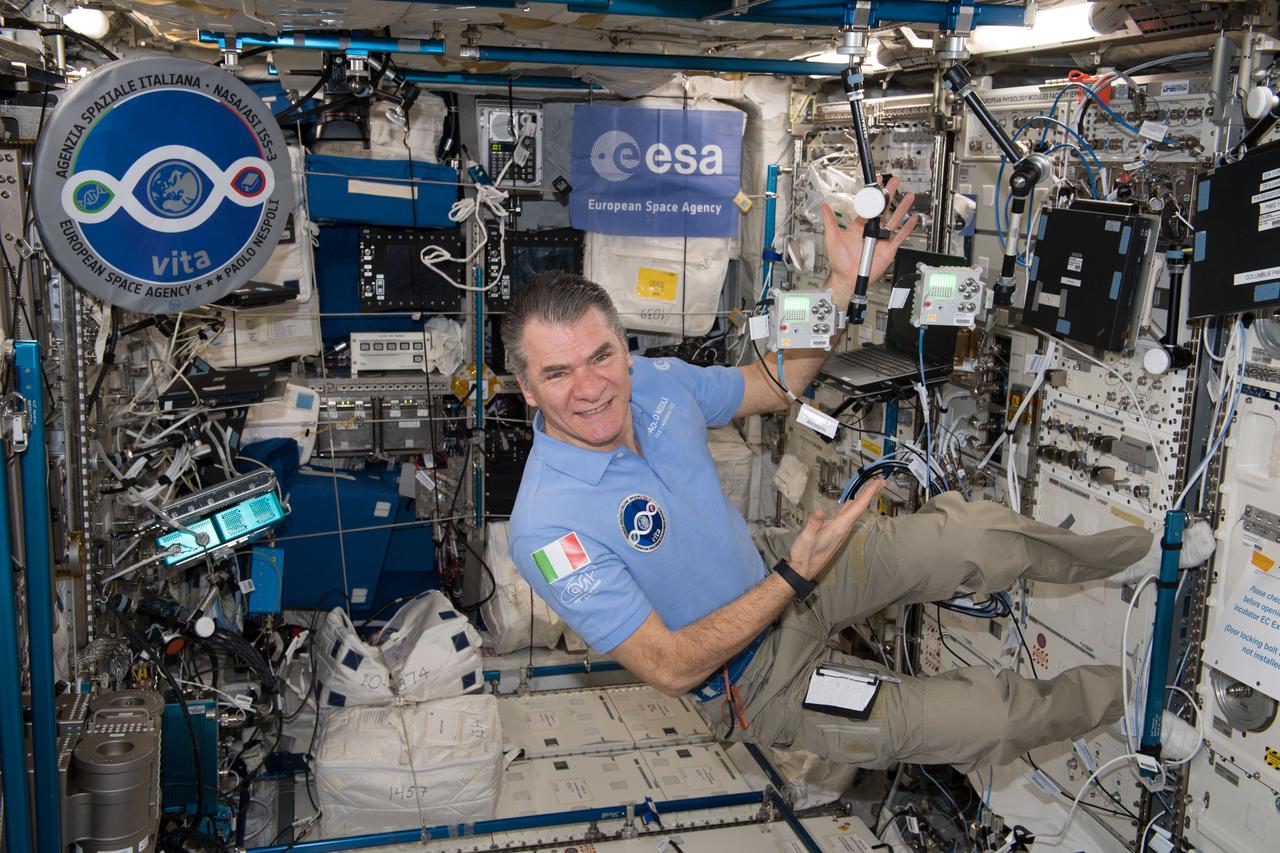
iss053e323106 (12/10/2017) --- European Space Agency (ESA) astronaut Paolo Nespoli in the Columbus module with AstroPi hardware. AstroPi uses two augmented Raspberry Pi computers equipped with the mighty Sense HAT (Hardware Attached on Top) that measures the environment inside the space station, detect how the station moves through space, and pick up the Earth’s magnetic field. Each AstroPi is also equipped with different kinds of cameras: one has an infrared camera, and the other has a standard visible spectrum camera. The activities related to this project are intended to encourage and strengthen the teaching of computing and coding curriculums, and through this stimulate the curiosity of students and motivate them towards further study of STEM (Science, Technology, Engineering and Mathematics) subjects.

The newly painted Orion heatshield for NASA’s Artemis II mission is secured on a stand inside the high bay of the Neil A. Armstrong Operations and Checkout Building at NASA’s Kennedy Space Center in Florida on Jan. 20, 2022. Lockheed Martin technicians are preparing the heat shield for installation on the Artemis II Orion crew module. Launching atop the Space Launch System, Artemis II will be the first mission to confirm all of the Orion spacecraft’s systems operate as designed in the actual environment of deep space with astronauts aboard.
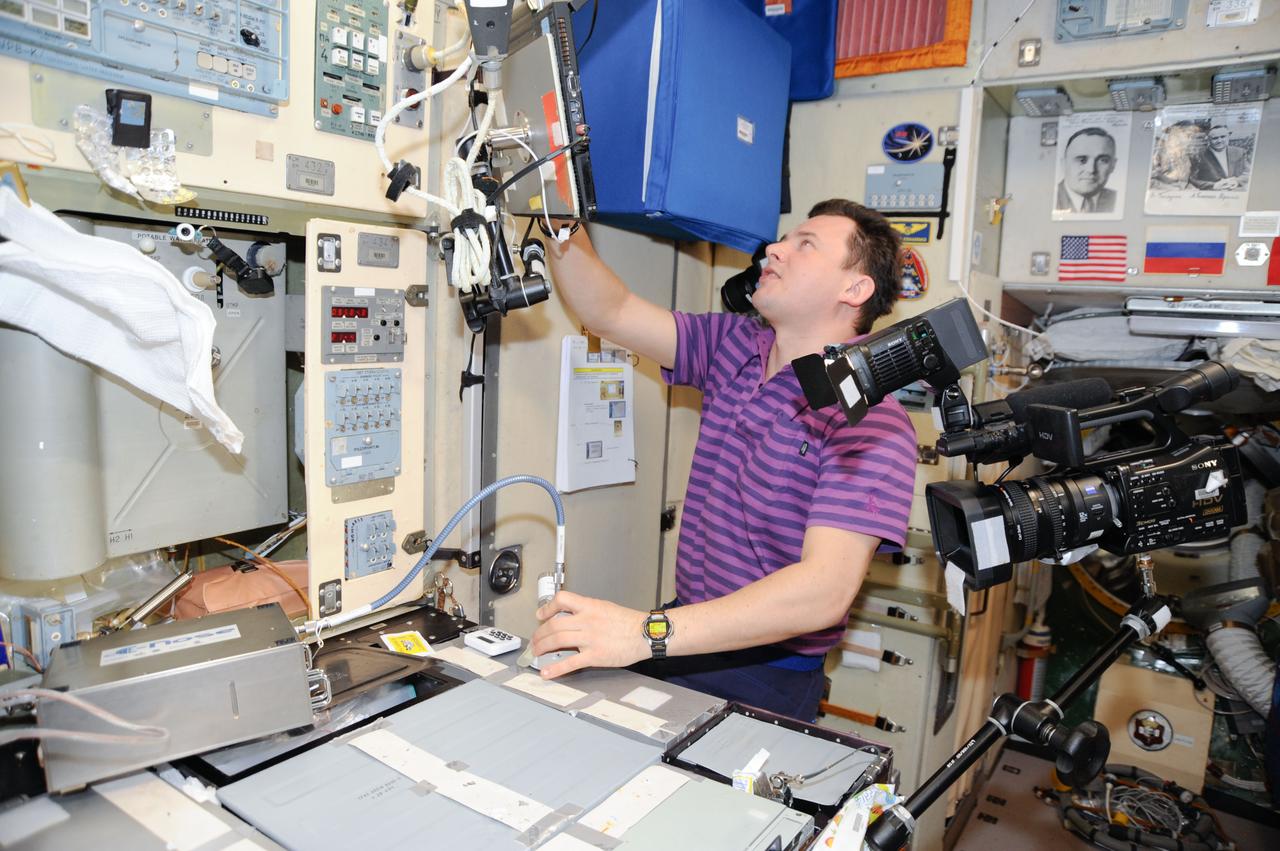
ISS034-E-051551 (21 Feb. 2013) --- Cosmonaut Roman Romanenko, Expedition 34 flight engineer, works with the Electronic Nose hardware in the Zvezda service module aboard the International Space Station in Earth orbit. This hardware is used to measure contamination in the environment should there be hard to detect chemical leaks or spills.
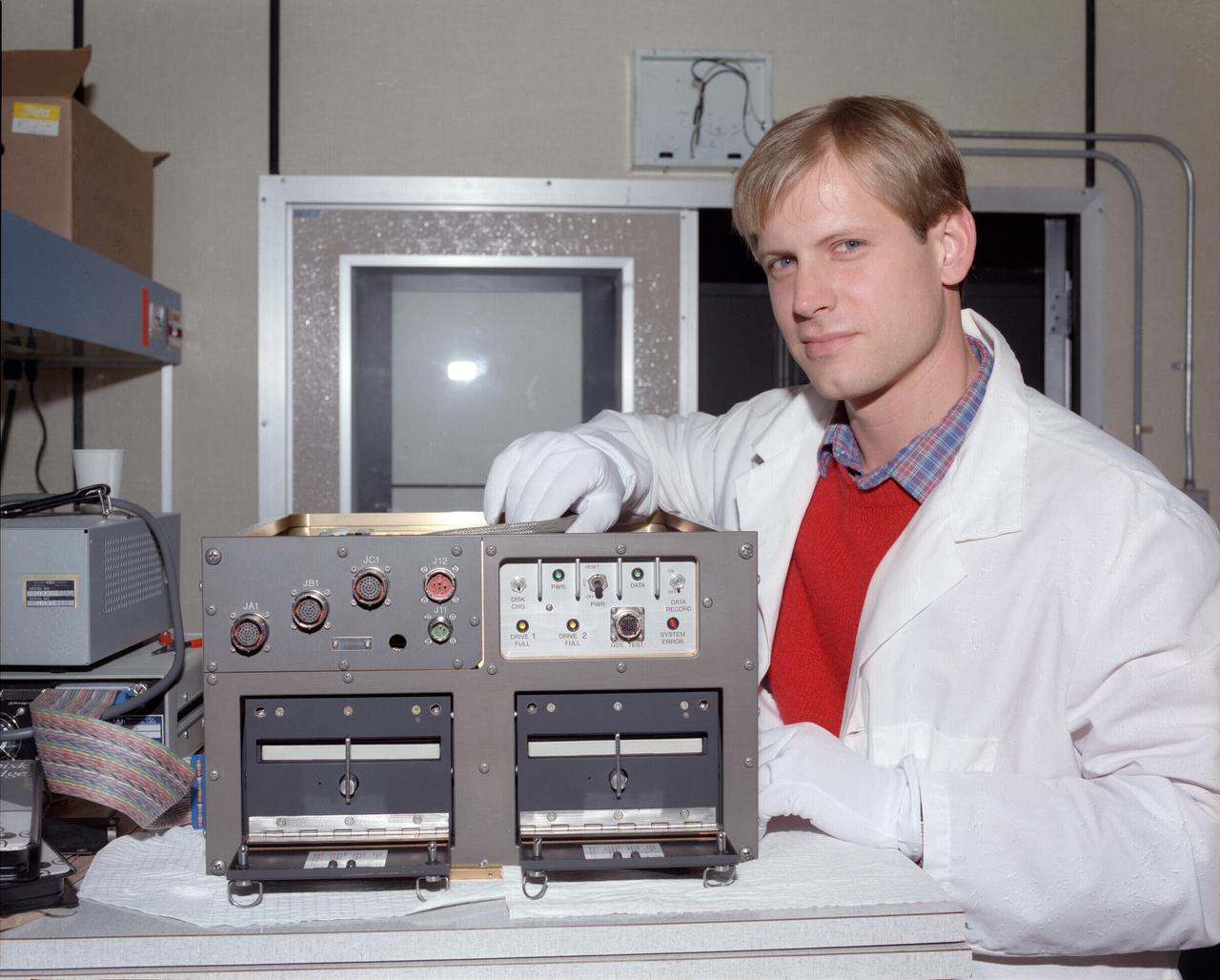
Space Acceleration Measurement System, SAMS Flight Hardware, Unit A
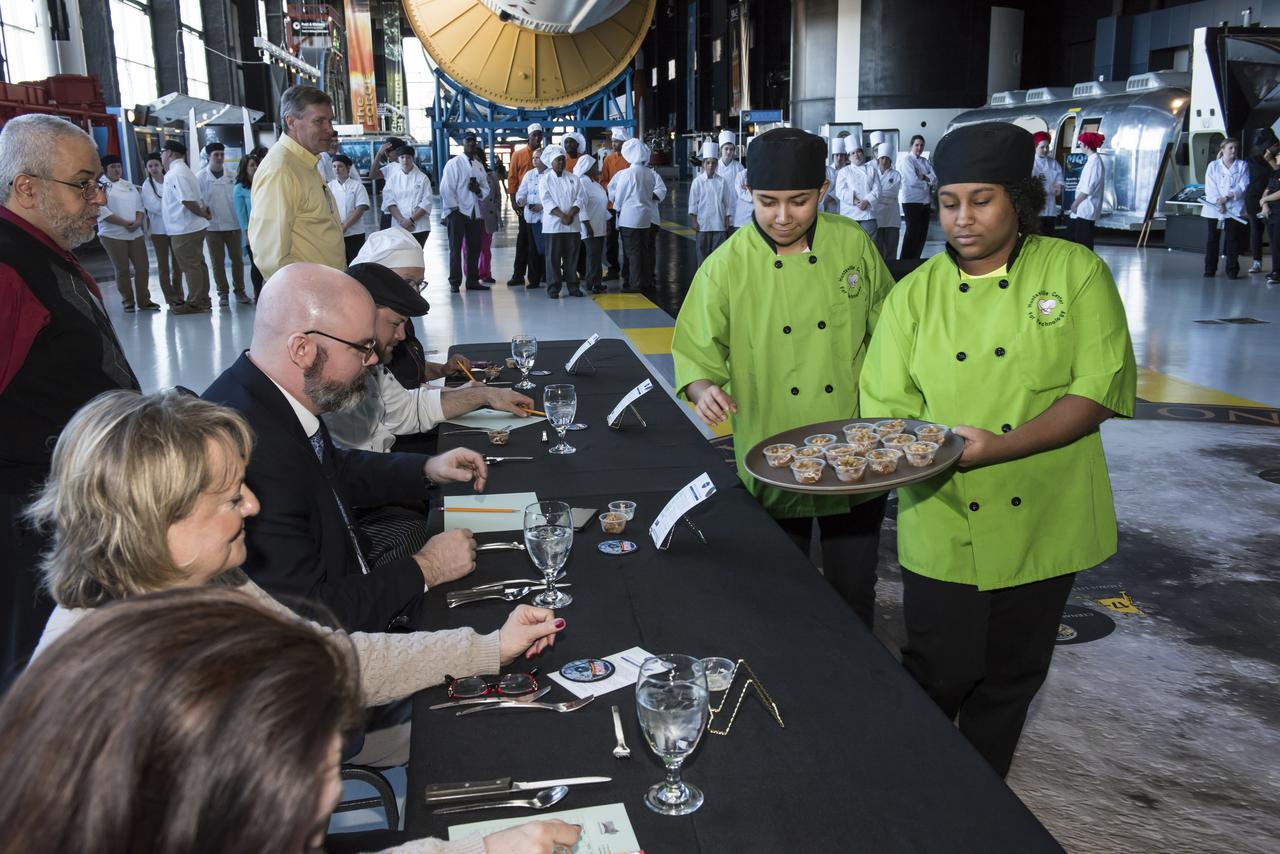
2017 "HIGH SCHOOL STUDENTS UNITED WITH NASA TO CREATE HARDWARE" (HUNCH) STUDENT CULINARY COMPETITION AT THE U.S. SPACE AND ROCKET CENTER. THE STUDENTS DEVELOPED RECIPES FOR DESSERT TREATS FOR ASTRONAUTS IN SPACE
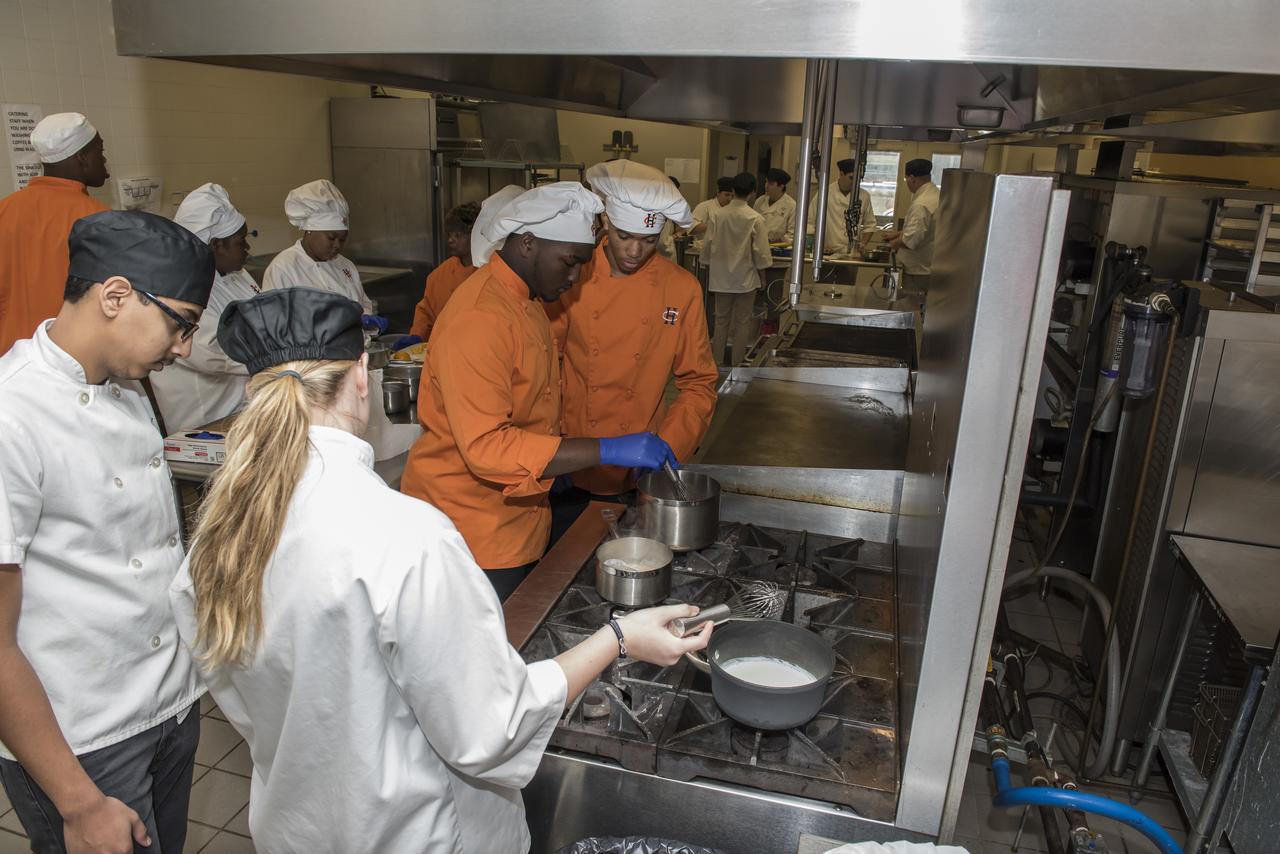
2017 "HIGH SCHOOL STUDENTS UNITED WITH NASA TO CREATE HARDWARE" (HUNCH) STUDENT CULINARY COMPETITION AT THE U.S. SPACE AND ROCKET CENTER. THE STUDENTS DEVELOPED RECIPES FOR DESSERT TREATS FOR ASTRONAUTS IN SPACE
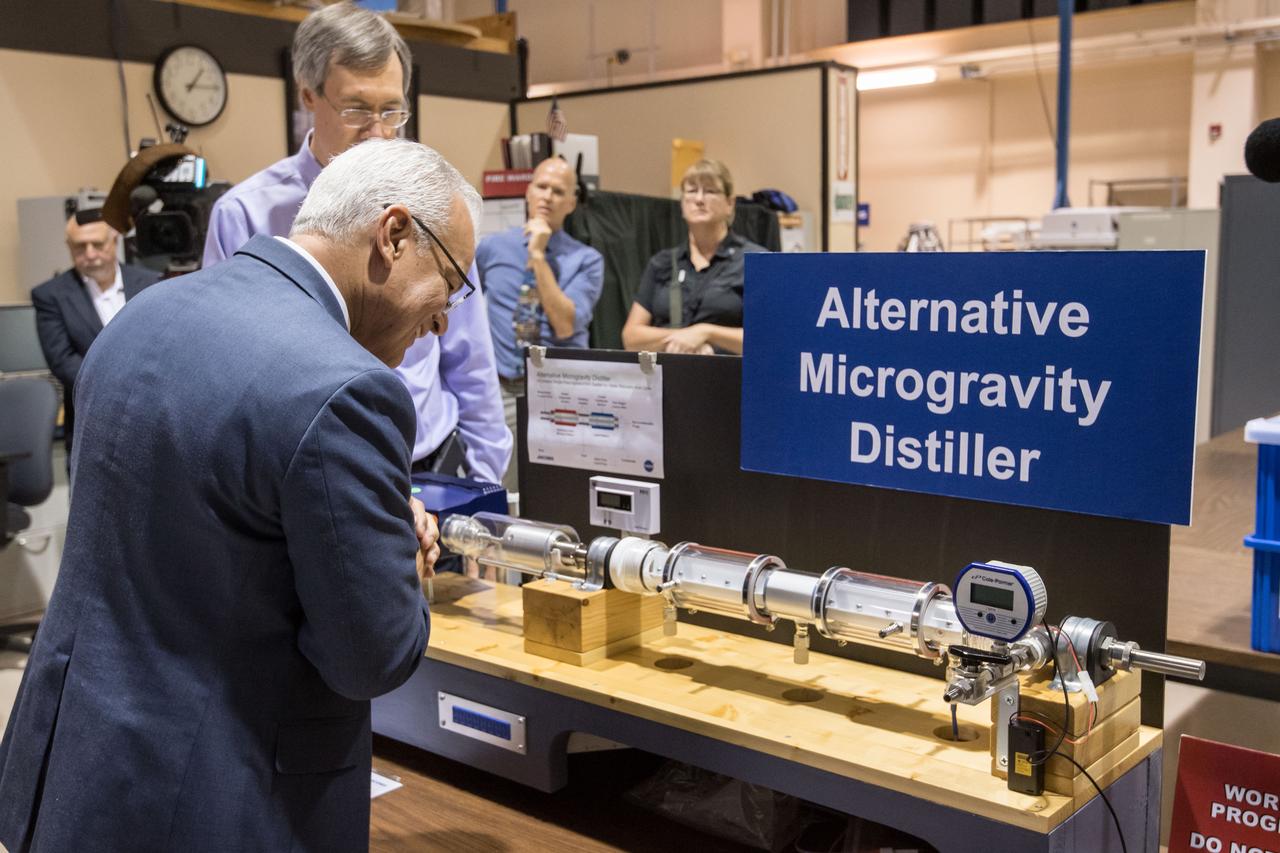
NASA Chief Technologist Douglas Terrier inspects Jacobs’ mockup of the on-orbit Alpha Magnetic Spectrometer hardware. Astronauts use the mockup hardware to train on the ground to prepare to perform operations on the International Space Station. Jacobs provides advanced technologies used aboard the International Space Station and for deep space exploration. Date: 08-10-2017 Location: B1 & Jacobs Engineering Subject: NASA Acting Chief Technology Officer Douglas Terrier Tours JSC and Jacobs Photographer: David DeHoyos
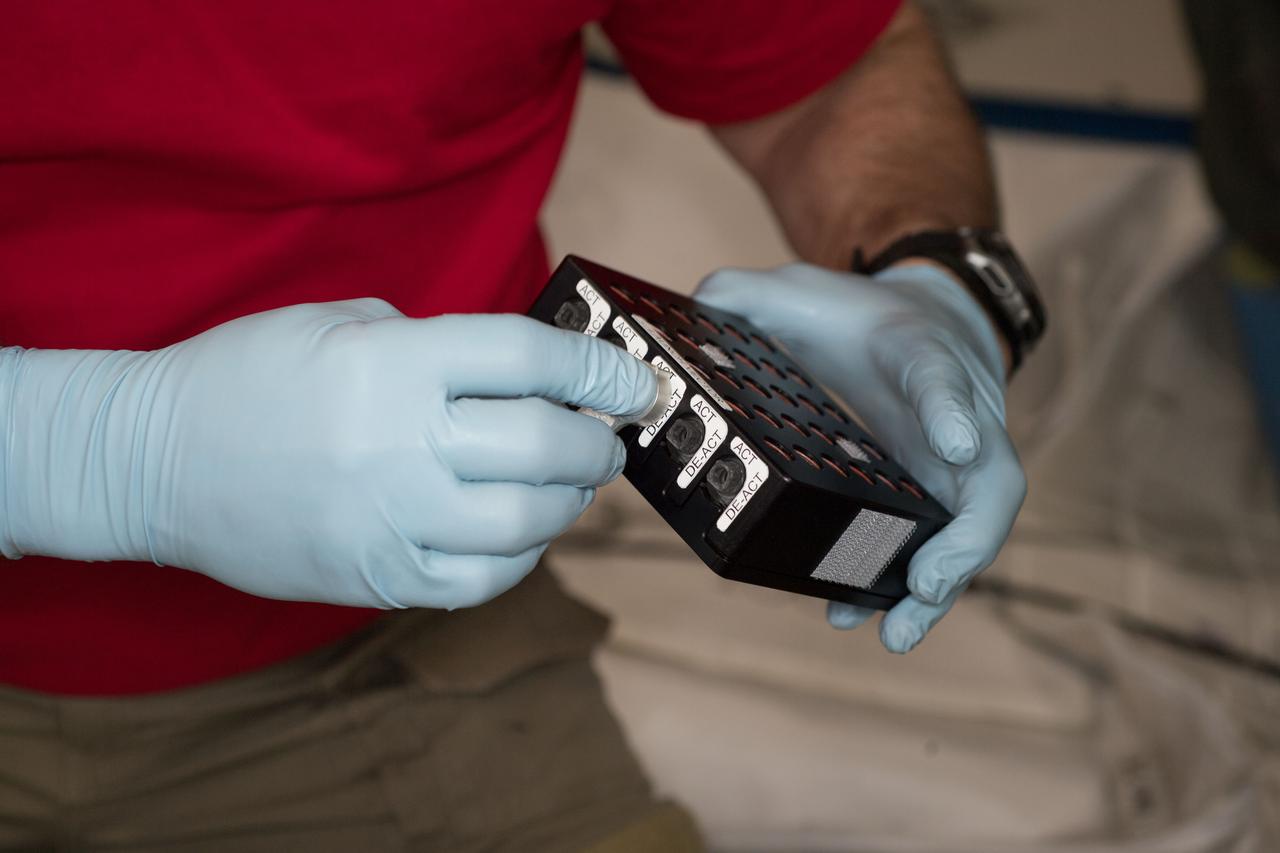
iss055e010753 (4/5/2018) --- Photographic documentation of CASIS Protein Crystal Growth (PCG) -11 hardware during CS-DCB-Unpack2 activity aboard the International Space Station (ISS). Neutron Crystallographic Studies of Human Acetylcholinesterase for the Design of Accelerated Reactivators (CASIS PCG 11) produces acetylcholinesterase crystals, a neurotransmitter enzyme. Crystals grown in microgravity are larger, of higher-quality and can be used for a technique called macromolecular neutron crystallography (MNC) to locate hydrogen atoms in the crystal’s structure.
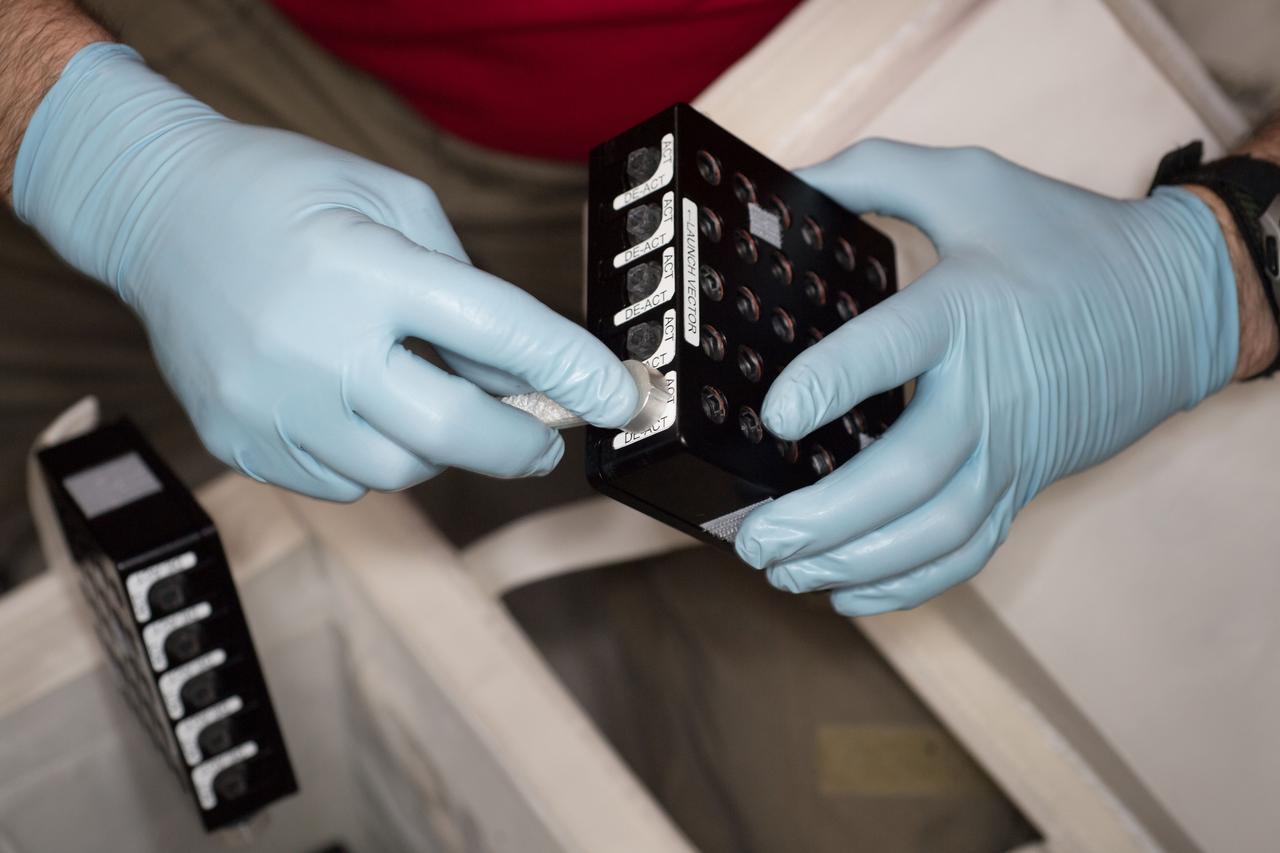
iss055e010761 (4/5/2018) --- Photographic documentation of CASIS Protein Crystal Growth (PCG) -11 hardware during CS-DCB-Unpack2 activity aboard the International Space Station (ISS). Neutron Crystallographic Studies of Human Acetylcholinesterase for the Design of Accelerated Reactivators (CASIS PCG 11) produces acetylcholinesterase crystals, a neurotransmitter enzyme. Crystals grown in microgravity are larger, of higher-quality and can be used for a technique called macromolecular neutron crystallography (MNC) to locate hydrogen atoms in the crystal’s structure.
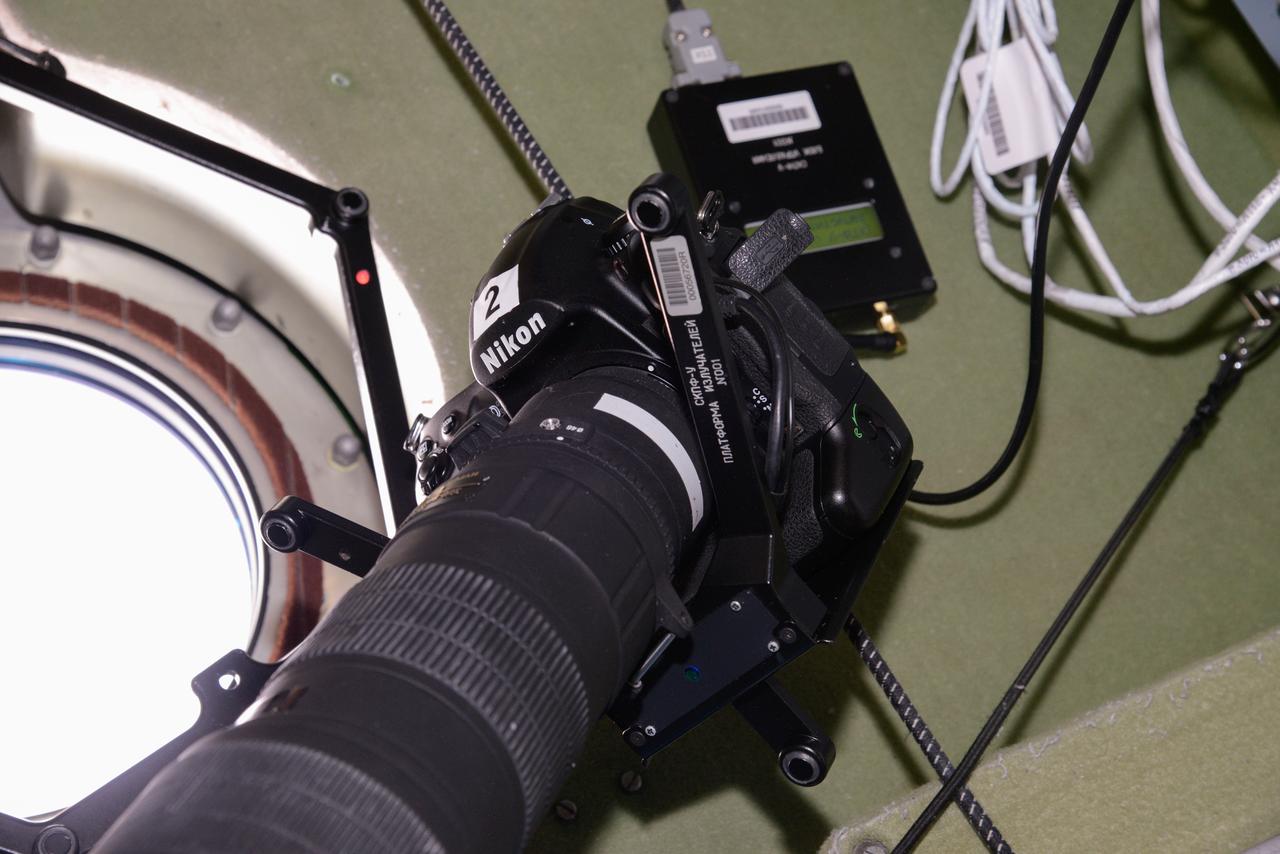
iss048e014045 (6/27/2016) --- Photo documentation of a still camera and Photo Image Coordinate Reference System (СКПФ-У) hardware in use during a Vizir experiment session in the Zvezda Service Module (SM). The Experimental Testing of a System of Photo Imagery Coordinate Referencing Using Ultrasound Sensors (Vizir) tests the technology of automated coordinate referencing of images of the Earth’s surface, and space, taken by crewmembers using “free-floating” photography equipment in weightlessness.
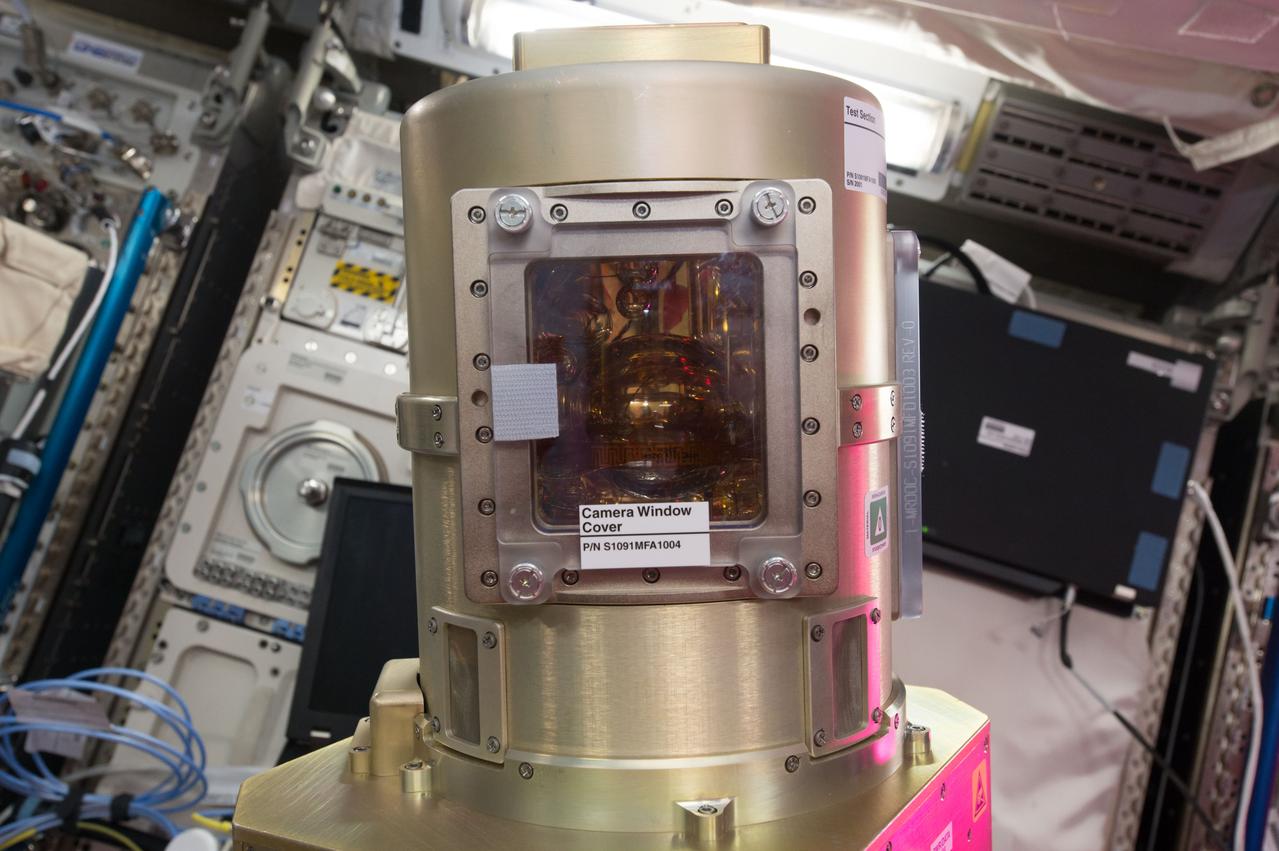
iss051e028301 (4/25/2017) --- A view of the Zero Boil-Off Tank (ZBOT) experiment Vacuum Jacket Camera Window Cover hardware. Zero Boil-Off Tank (ZBOT) uses an experimental fluid to test active heat removal and forced jet mixing as alternative means for controlling tank pressure for volatile fluids. Results from the investigation improve models used to design tanks for long-term cryogenic liquid storage, which are essential in biotechnology, medicine, industrial, and many other applications on Earth.
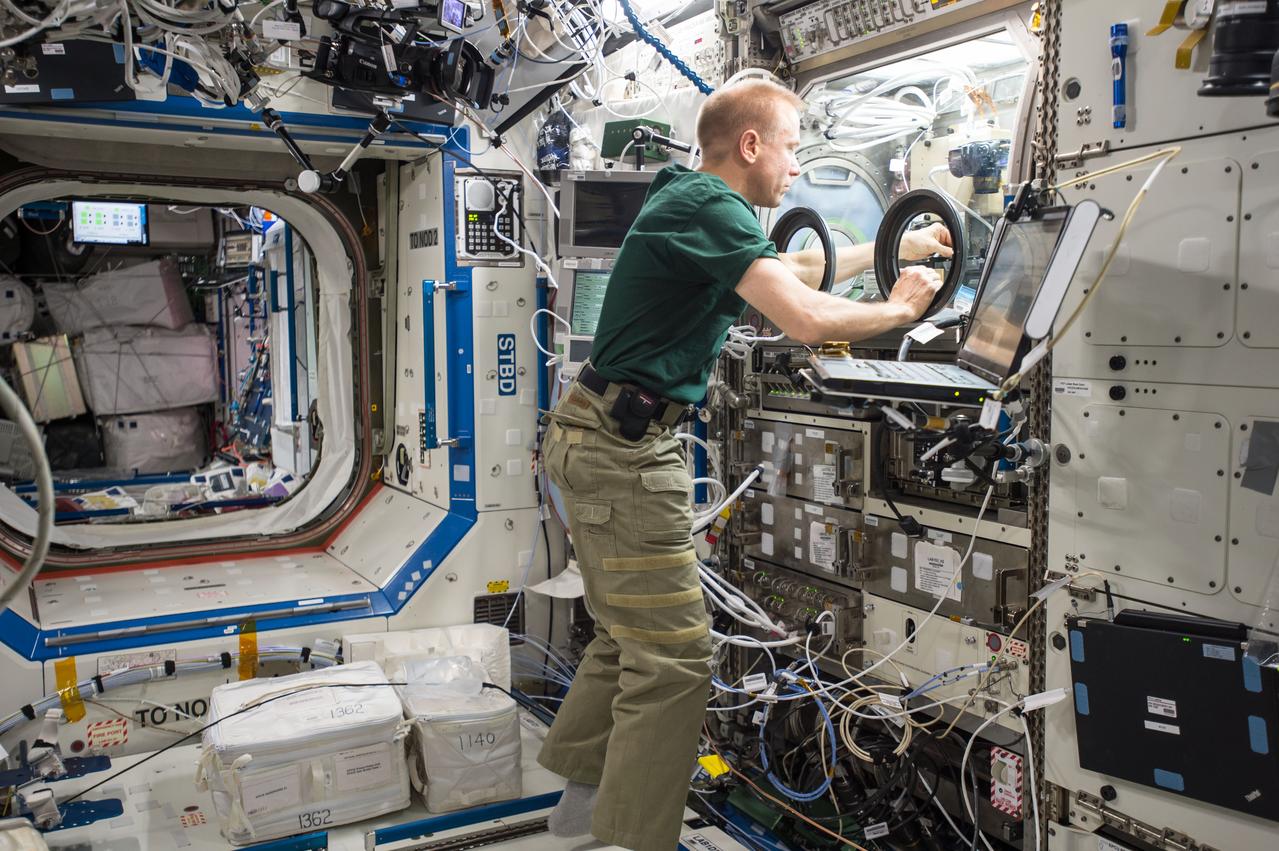
ISS046e025945 (01/27/2016) --- NASA astronaut Tim Kopra sets up hardware for the Burning and Suppression of Solids – Milliken, or BASS-M, experiment. The BASS-M investigation tests flame-retardant cotton fabrics to determine how well they resist burning in microgravity. Results benefit research on flame-retardant textiles that can be used on Earth and in space
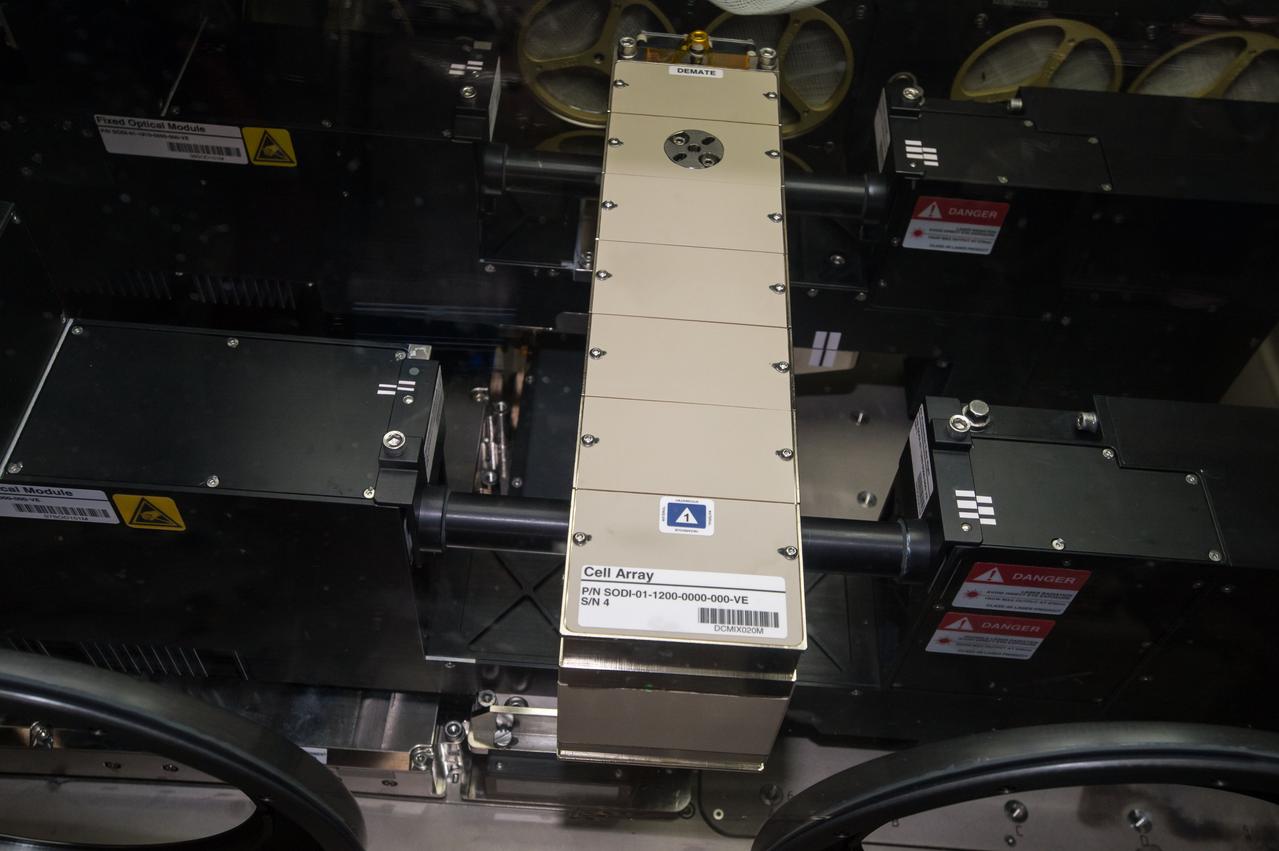
iss049e002308 (9/13/2016) --- A view taken during Selectable Optics Diagnostic Instrument (SODI) DSC Hardware Setup the MSG Work Volume. The Selectable Optical Diagnostics Instrument - Diffusion and Soret Coefficient (SODI-DSC) experiment will study diffusion in six different liquids over time in the absence of convection induced by the gravity field. The SODI-DSC investigation will provide information to scientist which can be used to more efficiently extract oil resources.
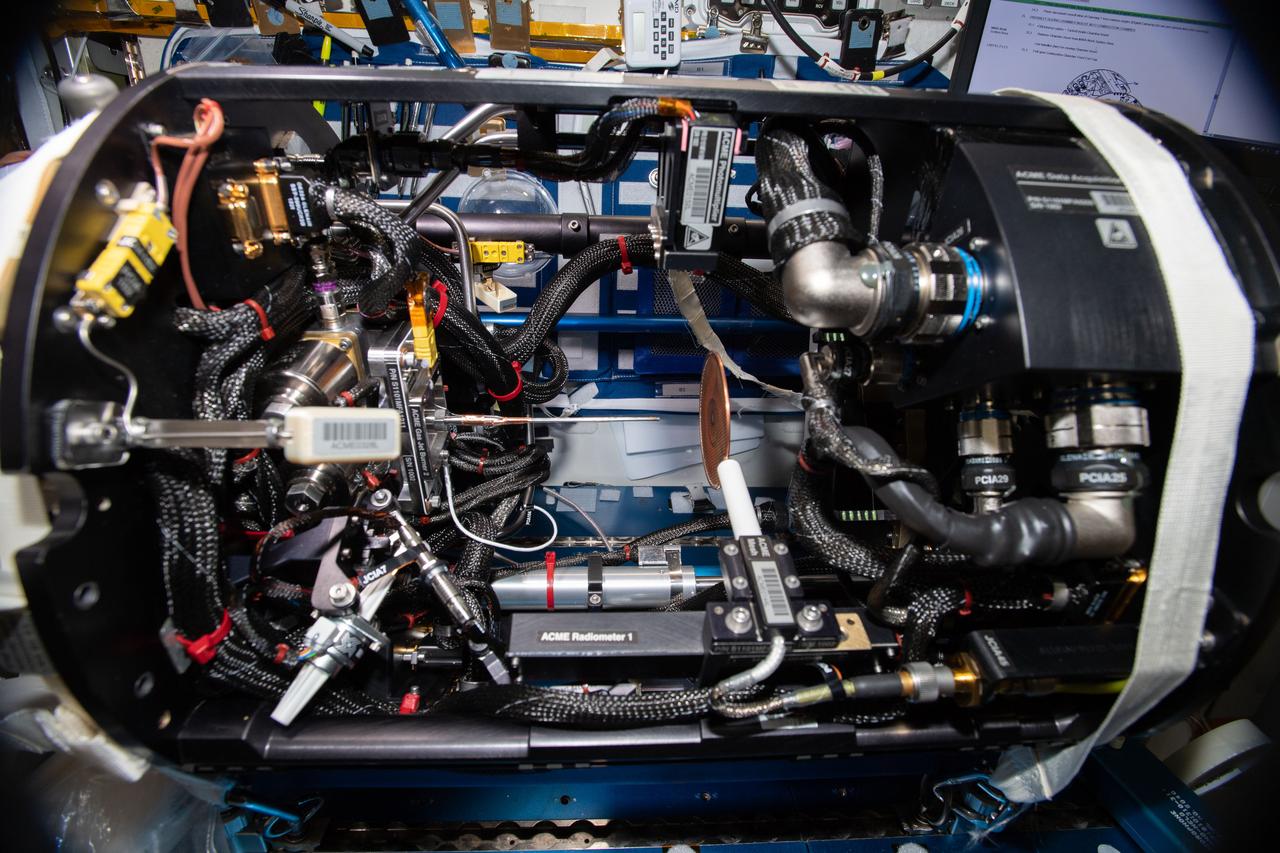
iss057e055269 (10/22/2018) --- Photo documentation of the Combustion Integrated Rack (CIR) Combustion Chamber, with Advanced Combustion via Microgravity Experiments (ACME) Mesh installed, during operations (OPS) to reconfigure CIR ACME hardware for the Electric-Field Effects on Laminar Diffusion Flames (E-FIELD Flames) experiment aboard the International Space Station (ISS).
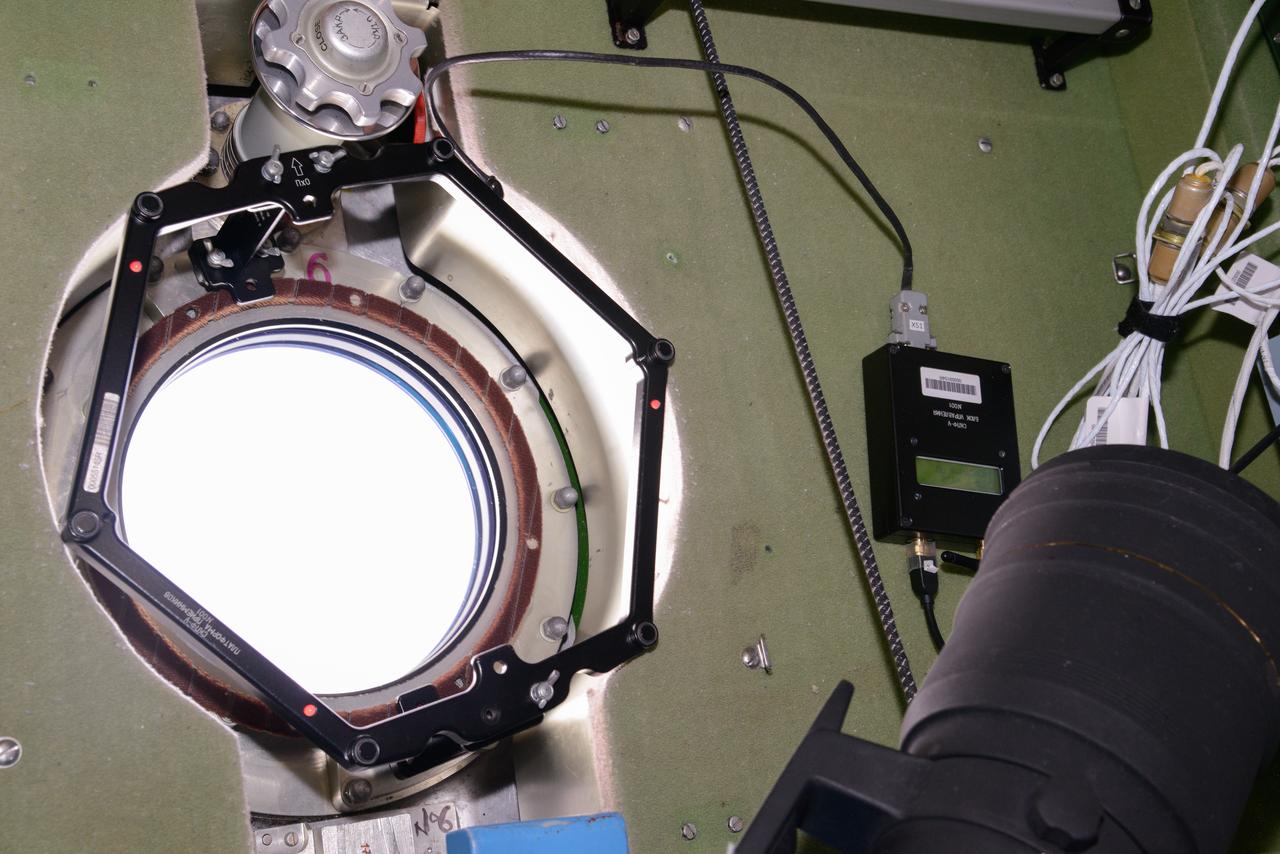
iss048e014043 (6/27/2016) --- Photo documentation of Photo Image Coordinate Reference System (СКПФ-У) hardware in use during a Vizir experiment session in the Zvezda Service Module (SM). The Experimental Testing of a System of Photo Imagery Coordinate Referencing Using Ultrasound Sensors (Vizir) tests the technology of automated coordinate referencing of images of the Earth’s surface, and space, taken by crewmembers using “free-floating” photography equipment in weightlessness.
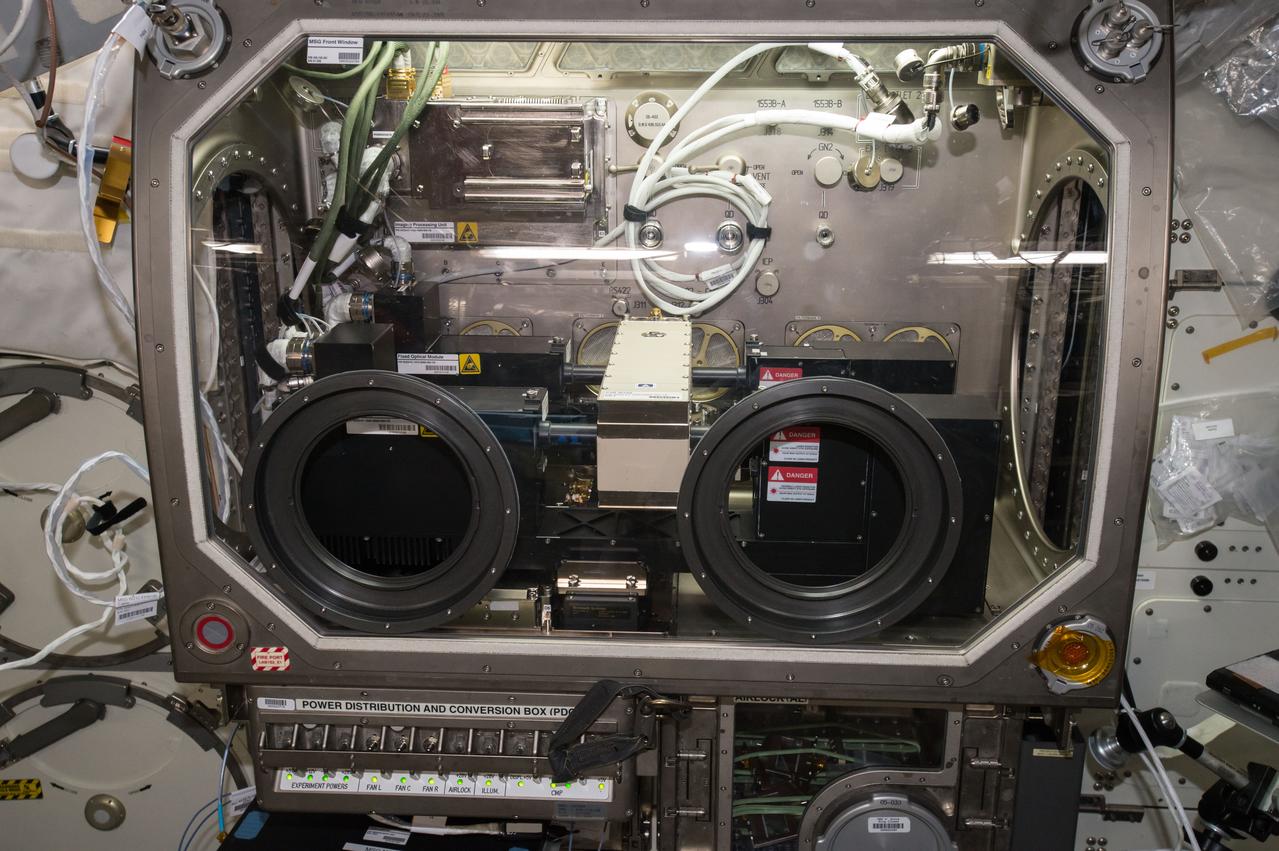
iss049e002305 (9/13/2016) --- A view taken during Selectable Optics Diagnostic Instrument (SODI) DSC Hardware Setup the MSG Work Volume. The Selectable Optical Diagnostics Instrument - Diffusion and Soret Coefficient (SODI-DSC) experiment will study diffusion in six different liquids over time in the absence of convection induced by the gravity field. The SODI-DSC investigation will provide information to scientist which can be used to more efficiently extract oil resources.
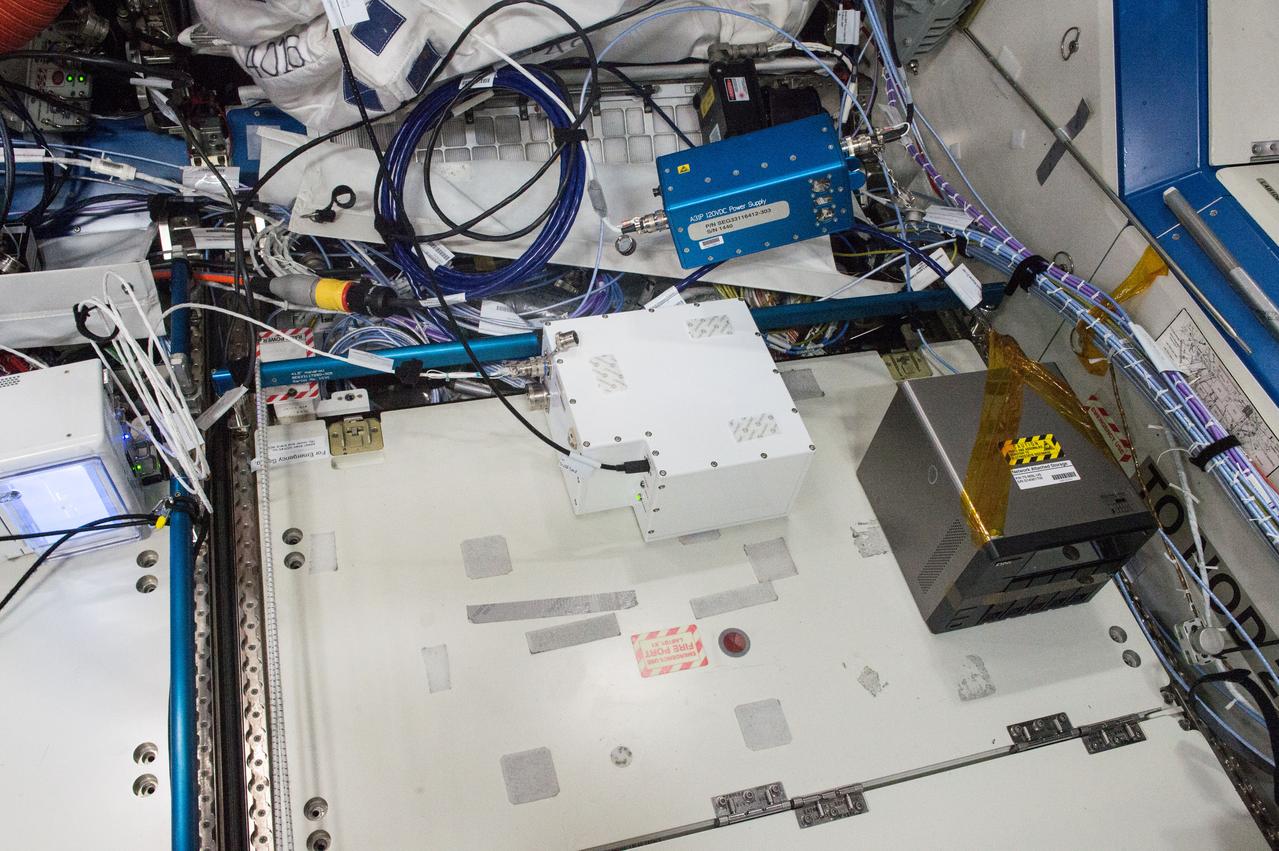
iss050e013233 (12/2/2016) --- A view during the Fast Neutron Spectrometer (FNS) Hardware Setup, in the U.S. Laboratory. The Fast Neutron Spectrometer (FNS) investigation studies a new neutron measurement technique that is better suited for the mixed radiation fields found in deep space. Future manned and exploration missions benefit from clearer, more error-free measurement of the neutron flux present in an environment with multiple types of radiation.
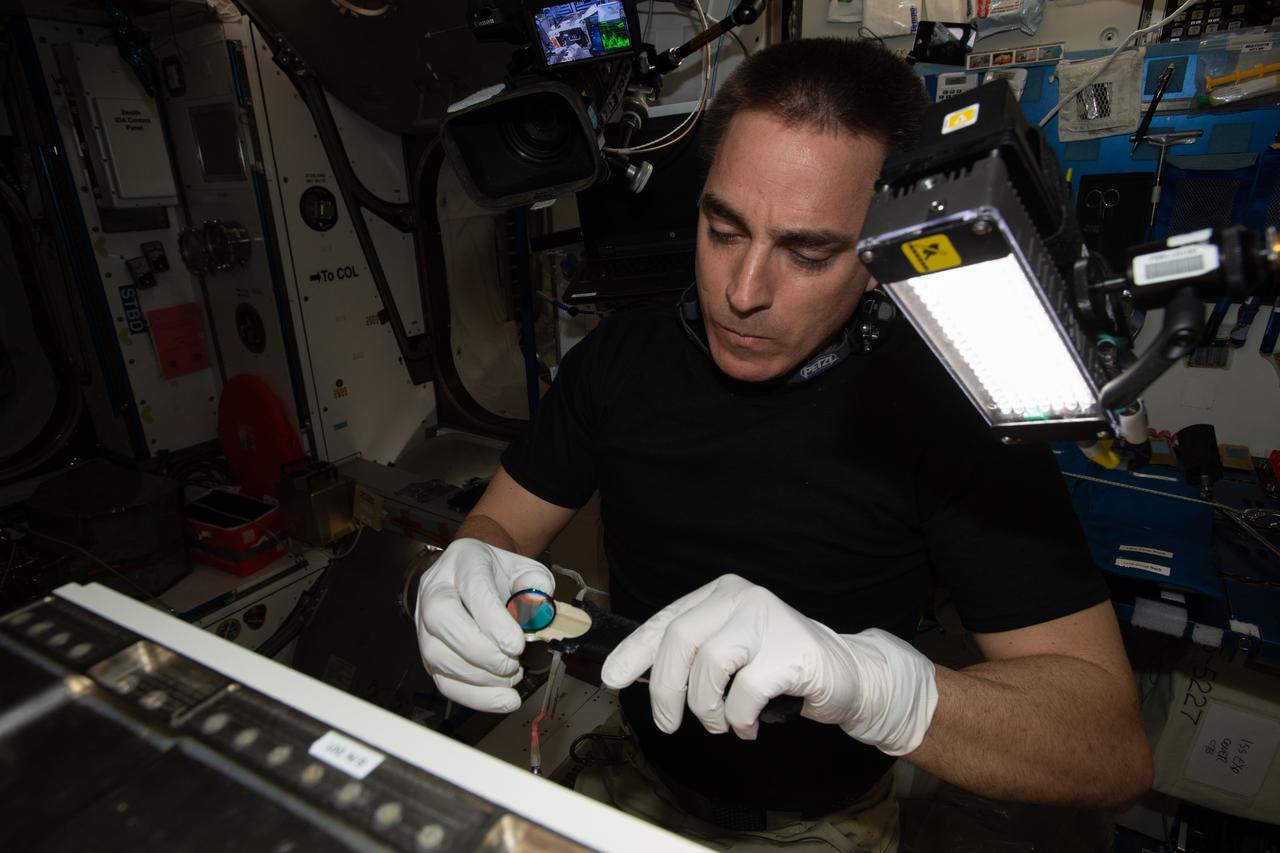
iss063e026156 (6/11/2020) --- A view of NASA Astronaut Chris Cassidy during the Spectrum Experiment hardware setup aboard the International Space Station (ISS). Spectrum takes fluorescent images of biological specimens contained within a controlled environment. A high resolution, monochrome camera captures images of fluoresced proteins of plants within Petri plates.
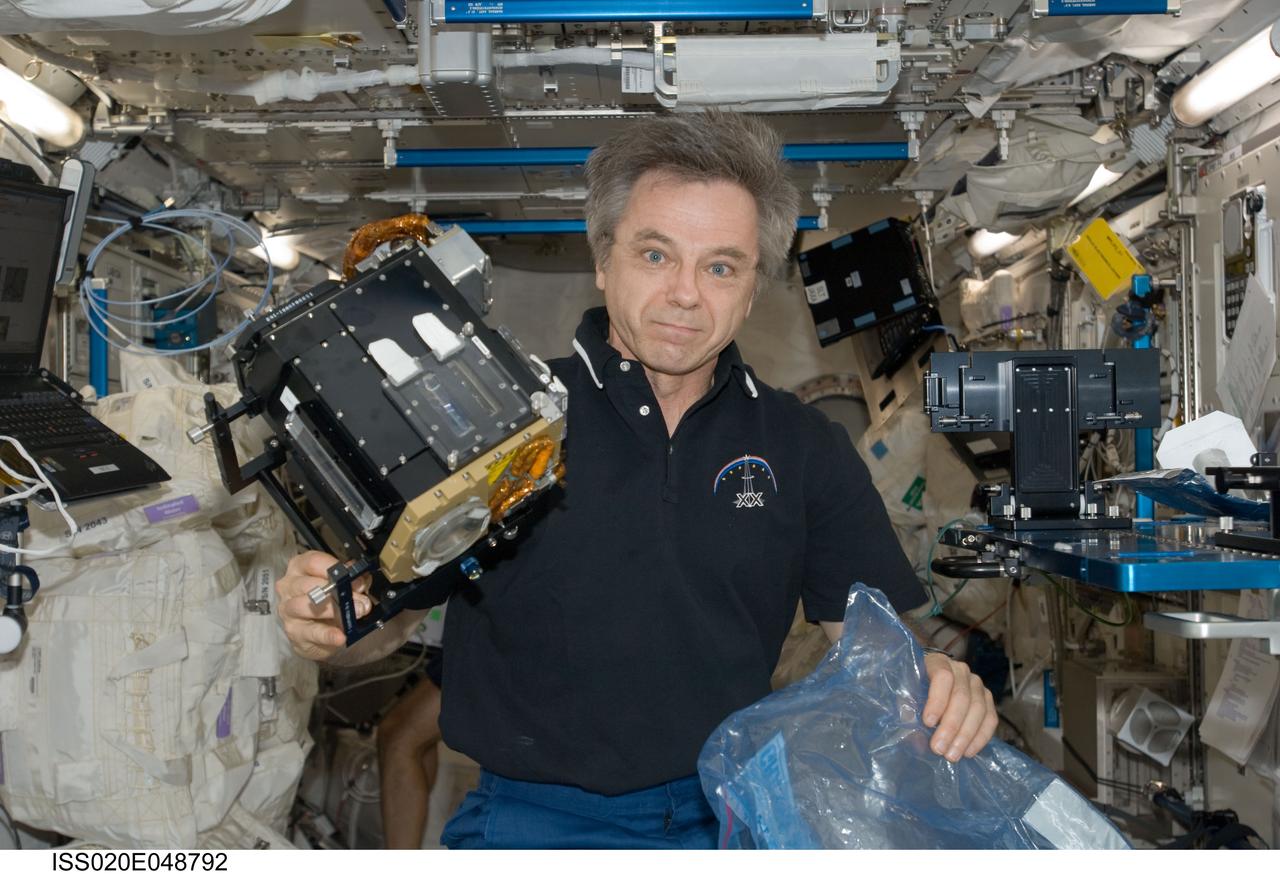
ISS020-E-048792 (7 Oct. 2009) --- Canadian Space Agency astronaut Robert Thirsk, Expedition 20/21 flight engineer, holds Fluid Physics Experiment Facility/Marangoni Surface (FPEF MS) Core hardware in the Kibo laboratory of the International Space Station.
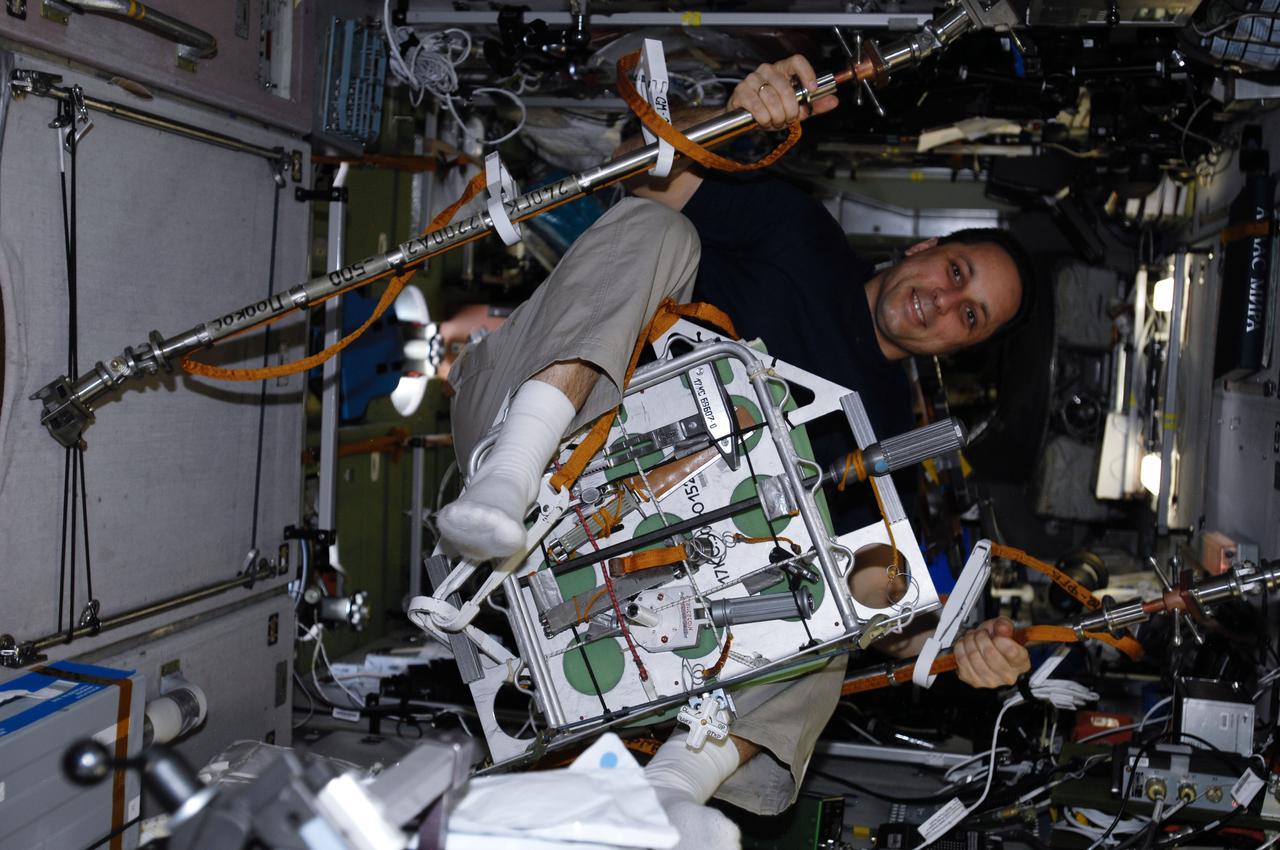
ISS030-E-061157 (3 Feb. 2012) --- Russian cosmonaut Anton Shkaplerov, Expedition 30 flight engineer, works with extravehicular activity (EVA) hardware in the Zvezda Service Module of the International Space Station in preparation for an EVA scheduled for Feb. 16, 2012.
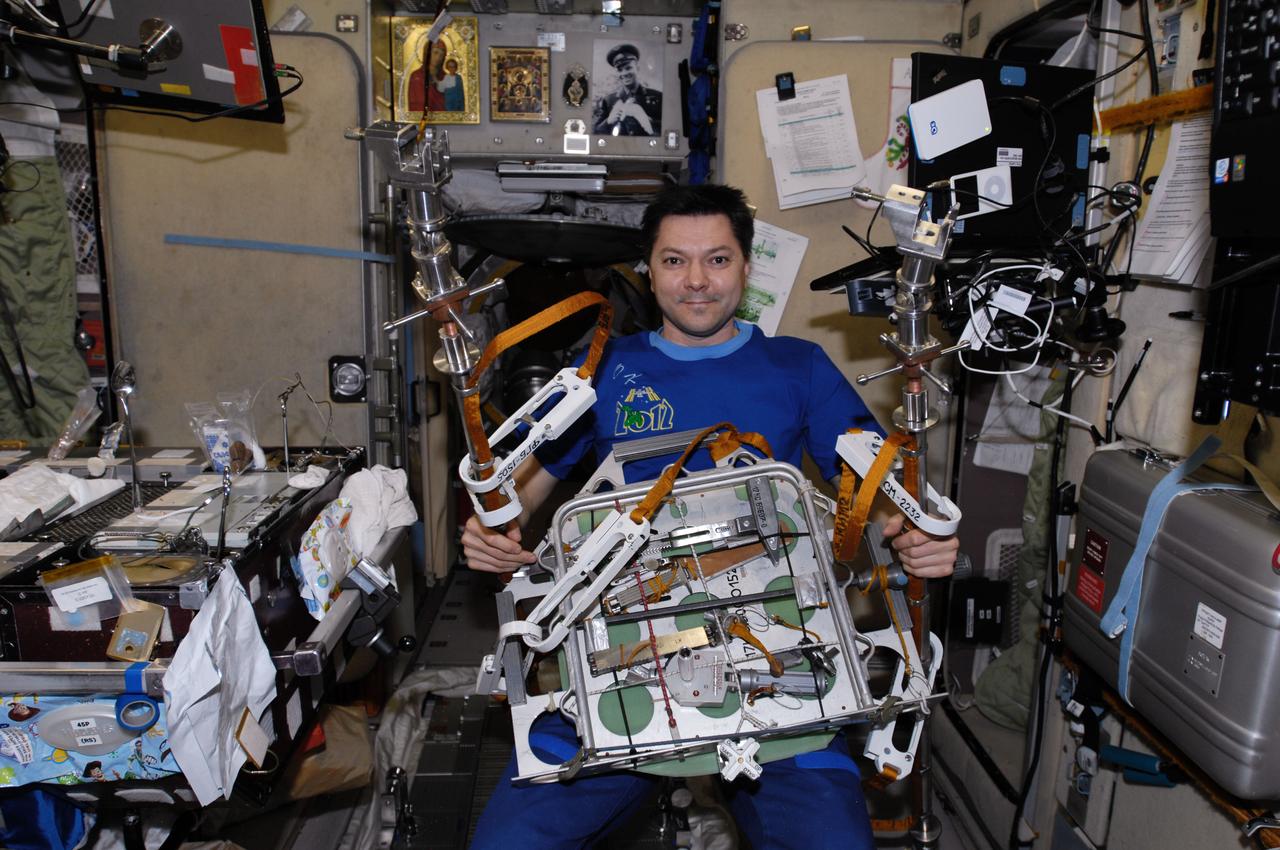
ISS030-E-061158 (3 Feb. 2012) --- Russian cosmonaut Oleg Kononenko, Expedition 30 flight engineer, works with extravehicular activity (EVA) hardware in the Zvezda Service Module of the International Space Station in preparation for an EVA scheduled for Feb. 16, 2012.
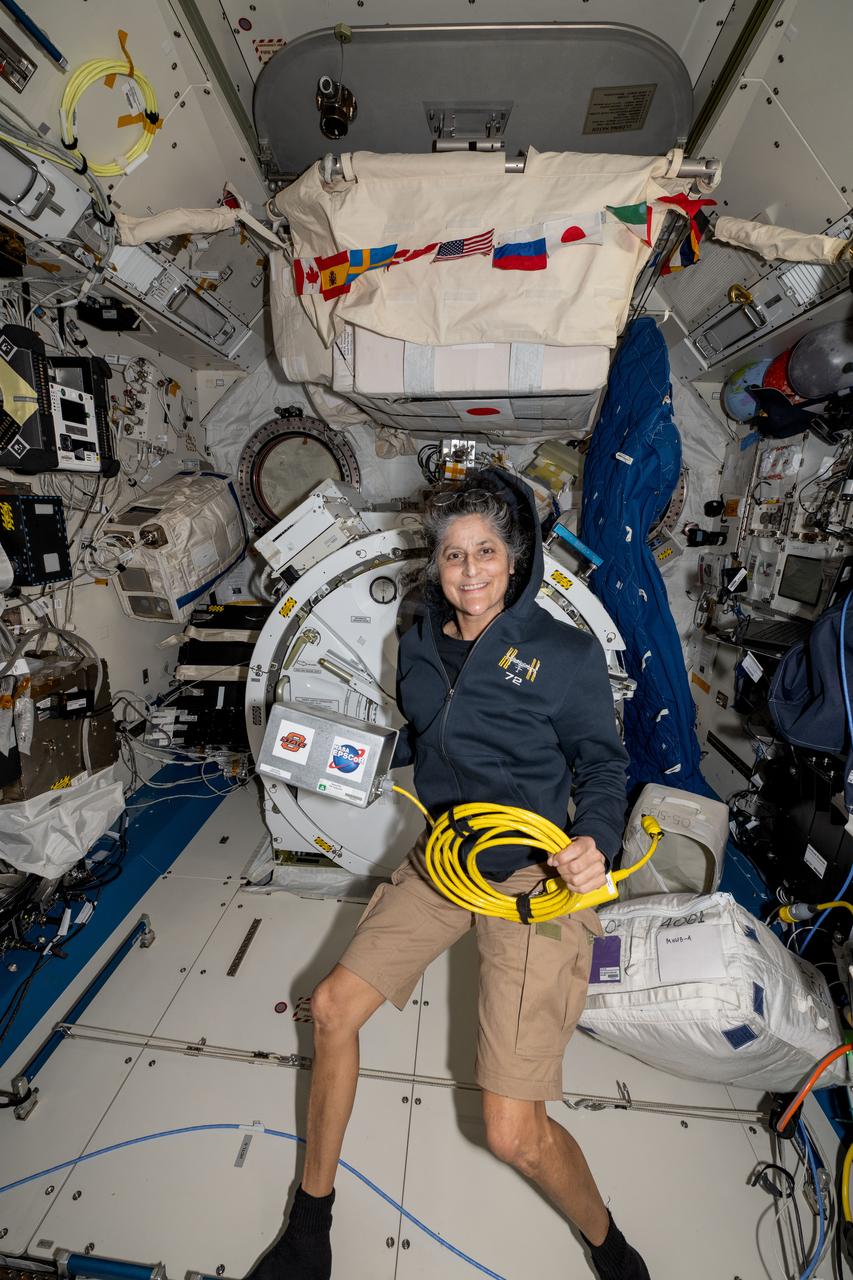
iss072e143491 (Nov. 1, 2024) --- NASA astronaut and Expedition 72 Commander Suni Williams displays the Space Tissue Equivalent Dosimeter (SpaceTED) hardware inside the International Space Station's Kibo laboratory module. SpaceTED is a technology demonstration that can measure radiation dosages and characterize the radiaton environment in microgravity to protect crew members and spacecraft hardware.
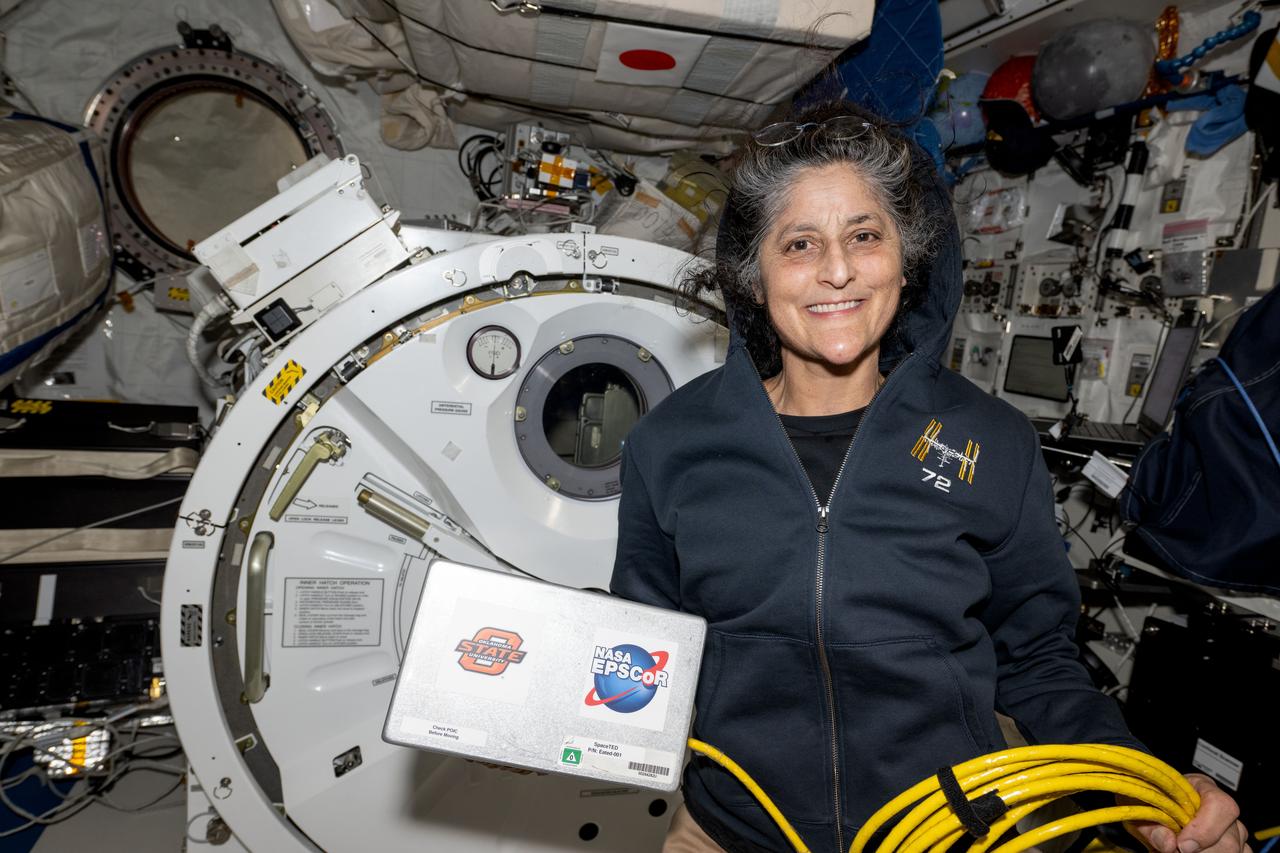
iss072e143492 (Nov. 1, 2024) --- NASA astronaut and Expedition 72 Commander Suni Williams displays the Space Tissue Equivalent Dosimeter (SpaceTED) hardware inside the International Space Station's Kibo laboratory module. SpaceTED is a technology demonstration that can measure radiation dosages and characterize the radiaton environment in microgravity to protect crew members and spacecraft hardware.
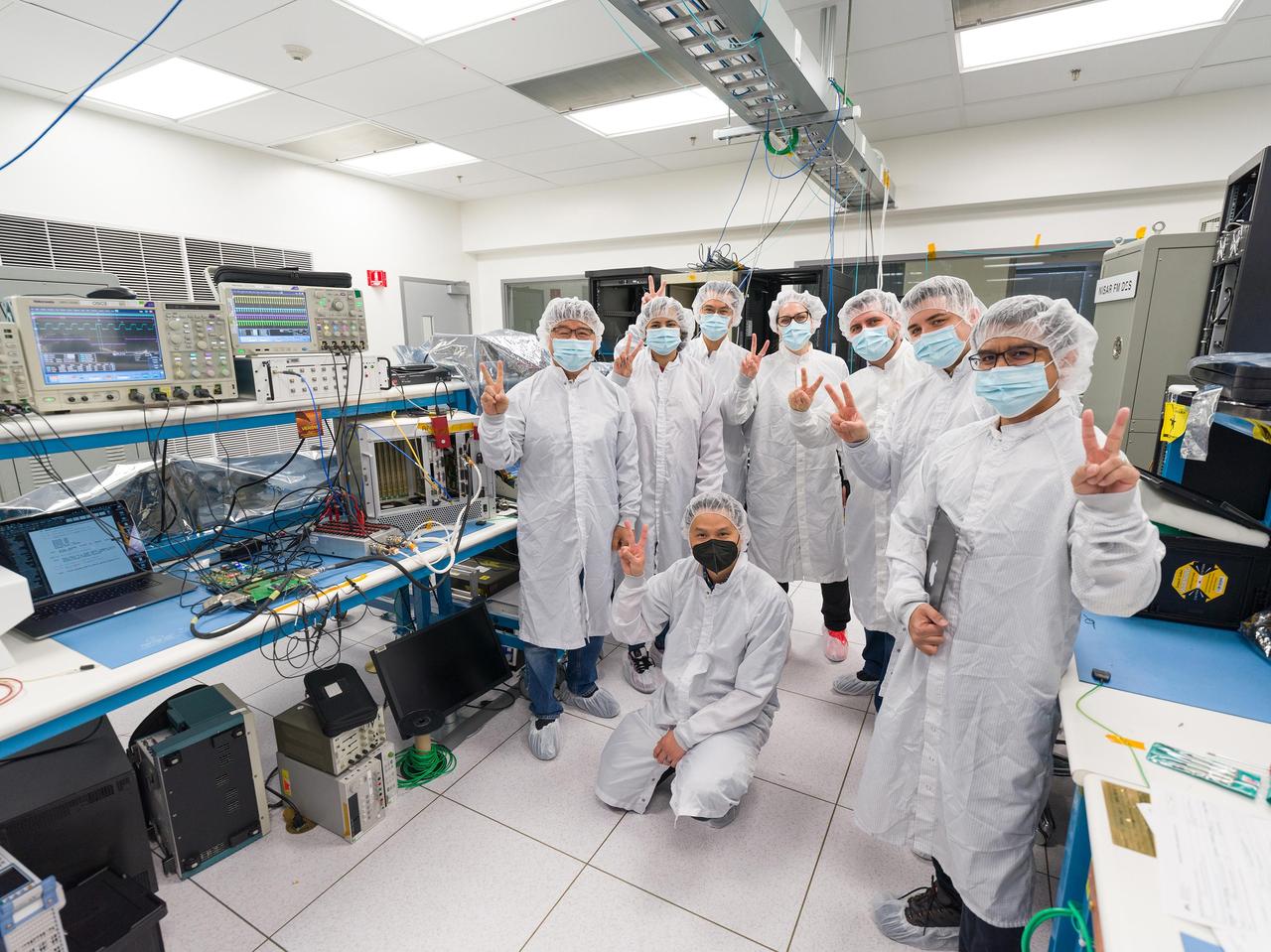
Seen here are members of the international team that participated in recent tests on prototype hardware for the Venus Interferometric Synthetic Aperture Radar (VISAR) at NASA's Jet Propulsion Laboratory in Southern California. VISAR is being developed at JPL for NASA's Venus Emissivity Radio Science, InSAR, Topography & Spectroscopy (VERITAS) mission that will launch within a decade to explore Earth's twin. In March 2023, the hardware underwent early interface tests in a JPL clean room, representing the first in a series to be run by JPL and Thales Alenia Space Italy (TASI), an international partner of the VERITAS mission that is contributing hardware to the instrument. Dressed in gowns to minimize the risk of contamination with sensitive electronics, the JPL VISAR digital team and TASI engineers pose for a photograph next to the laboratory benches where the tests took place. Figure A shows the same personnel without gowns for a team photo. From left to right: Marvin Cruz (JPL), Chester Lim (JPL), Tim Noh (JPL), Hana Haideri (JPL), Luca Di Marco Napini (TASI), Ernie Chuang (JPL), Dragana Perkovic-Martin (JPL), and Gabriel Mihu (TASI). JPL's Michael Burke, Anusha Yarlagadda, Duane Clark, and TASI's Antonio Delfino also participated in the tests but are not pictured. When VERITAS arrives in orbit, it will use VISAR to create detailed 3D global maps of Venus. The spacecraft will also carry a near-infrared spectrometer to figure out what the surface is made of. Together, the instruments will offer clues about the planet's past and present geologic processes, help reveal how the paths of Venus and Earth diverged, and how Venus lost its potential as a habitable world. VERITAS is managed by JPL. VERITAS and NASA's Deep Atmosphere Venus Investigation of Noble gases, Chemistry, and Imaging (DAVINCI) mission were selected in 2021 under NASA's Discovery Program as the agency's next missions to Venus. The Discovery Program is managed by the Planetary Missions Program Office at NASA's Marshall Space Flight Center in Huntsville, Alabama, for the Planetary Science Division of NASA's Science Mission Directorate in Washington. https://photojournal.jpl.nasa.gov/catalog/PIA25833
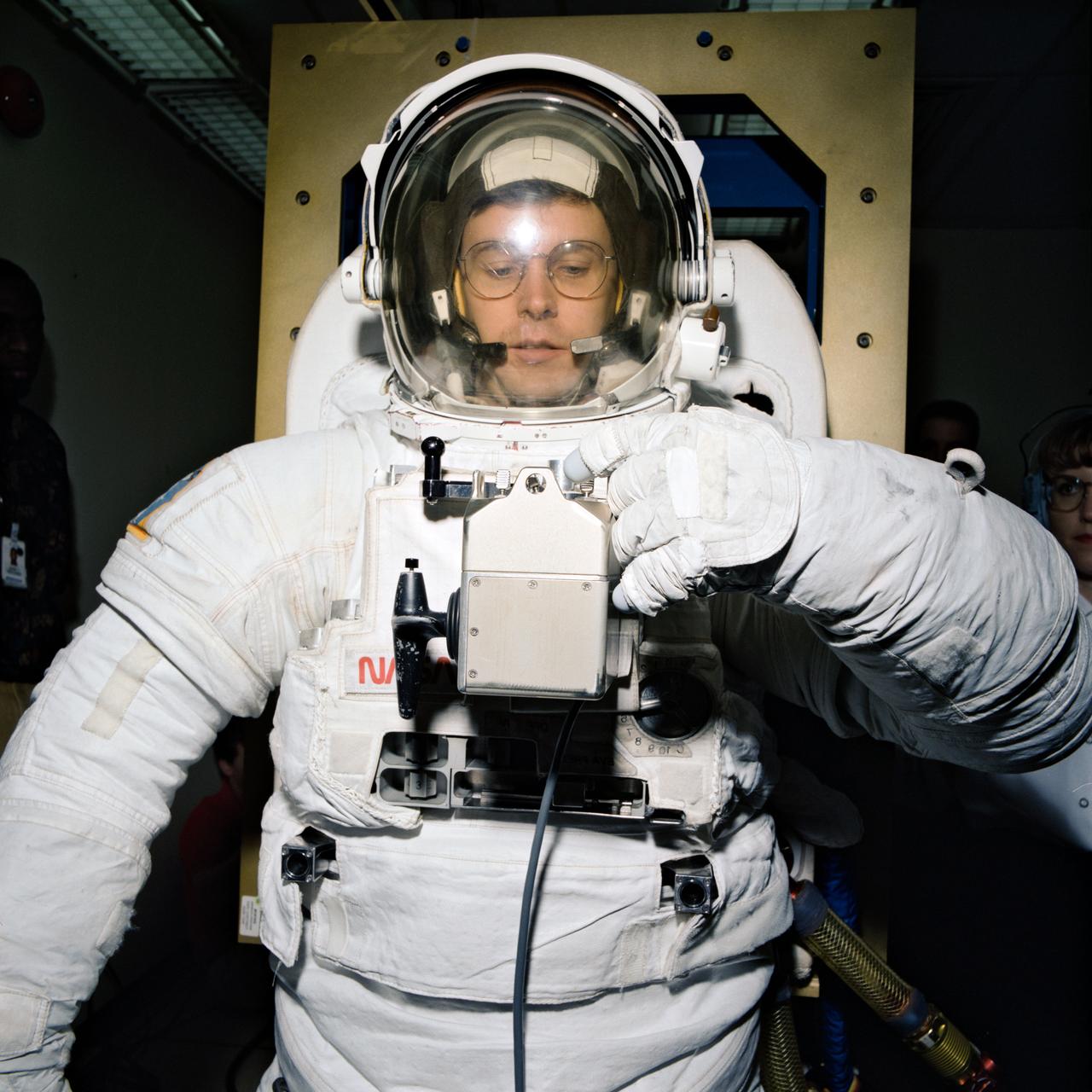
S93-26920 (8 Sept. 1994) --- Scott Bleisath, an extravehicular activity (EVA) engineer, demonstrates the hand control module for the Simplified Aid for EVA Rescue (SAFER) system making its first flight on the scheduled September STS-64 mission. Astronauts Mark C. Lee and Carl J. Meade are the spacewalkers assigned to test the system in space. Photo credit: NASA or National Aeronautics and Space Administration
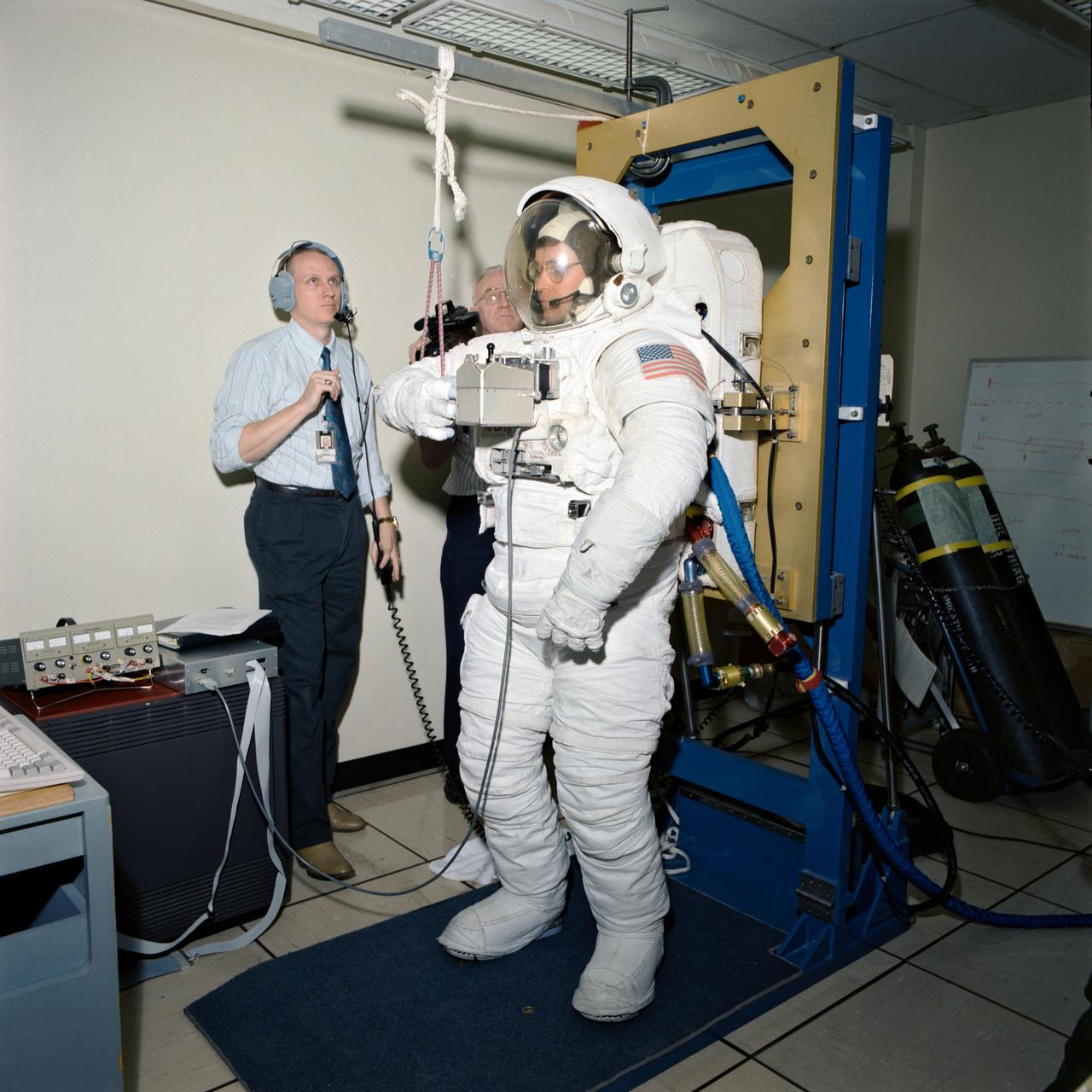
S93-26918 (8 Sept. 1994) --- Scott Bleisath, an extravehicular activity (EVA) engineer, demonstrates the hand control module for the Simplified Aid for EVA Rescue (SAFER) system making its first flight on the scheduled September STS-64 mission. Astronauts Mark C. Lee and Carl J. Meade are the spacewalkers assigned to test the system in space. Unidentified technicians and engineers look on. Photo credit: NASA or National Aeronautics and Space Administration

jsc2022e072973 (9/22/2022) --- A preflight view of the Veg-05 ‘Red Robin’ dwarf tomato growing in Veggie hardware at the Kennedy Space Center. Image courtesy of NASA, ground study

ISS041-E-000184 (11 Sept. 2014) --- European Space Agency astronaut Alexander Gerst, Expedition 41 flight engineer, works with Electromagnetic Levitation (EML) hardware in the Columbus laboratory of the International Space Station.

iss069e011140 (May 18, 2023) --- NASA astronaut and Expedition 69 Flight Engineer Stephen Bowen works on life support hardware inside the International Space Station's Destiny laboratory module.
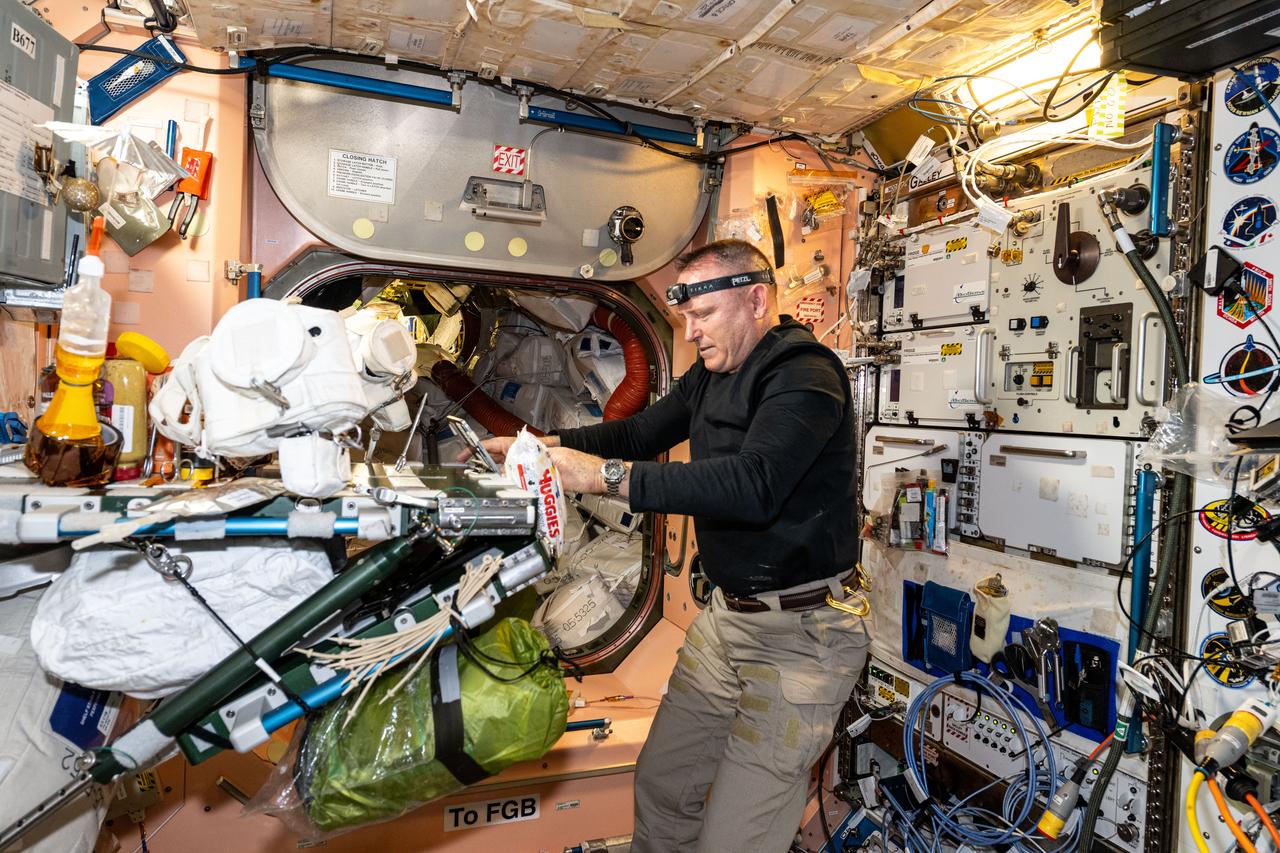
iss072e472714 (Jan. 14, 2025) --- NASA astronaut and Expedition 72 Flight Engineer Butch Wilmore configures spacewalking hardware aboard the International Space Station's Unity module.
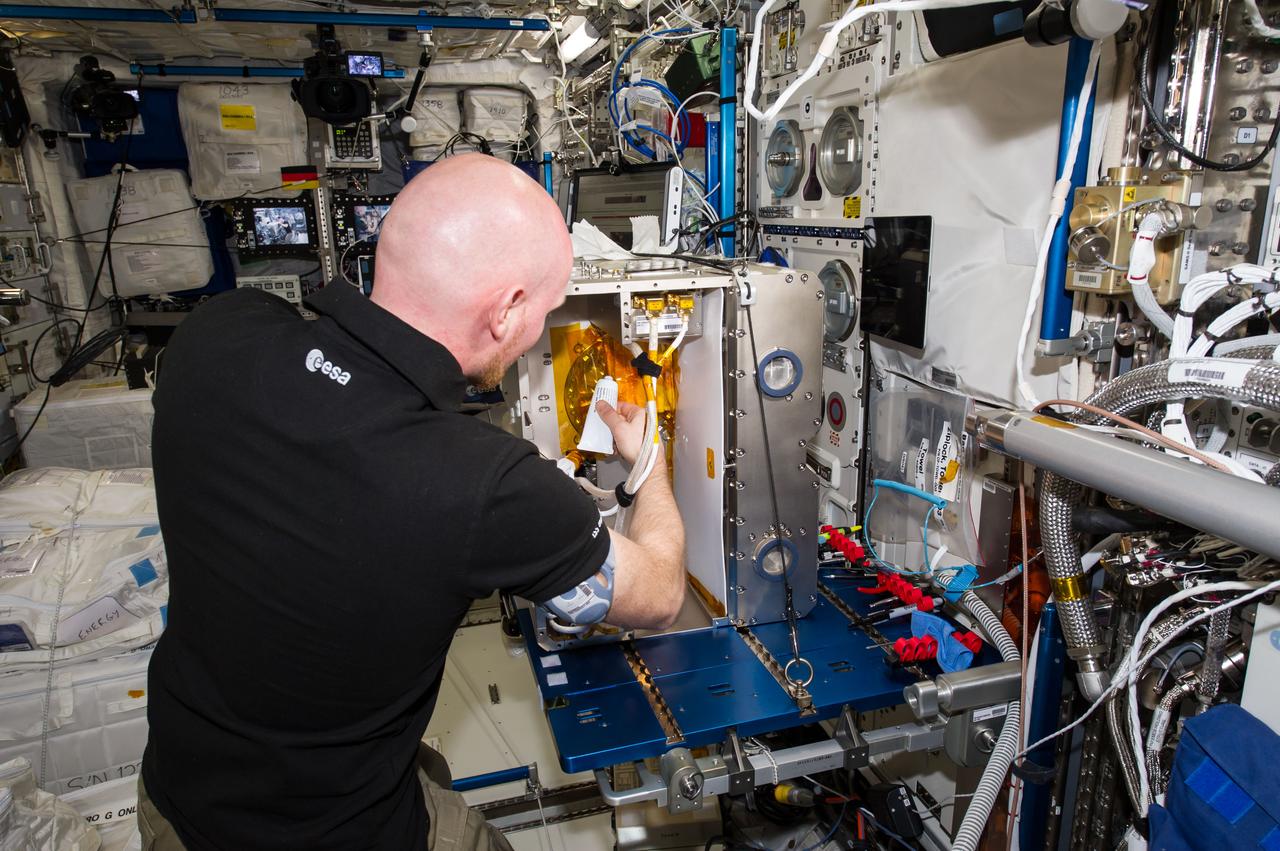
ISS041-E-000173 (11 Sept. 2014) --- European Space Agency astronaut Alexander Gerst, Expedition 41 flight engineer, works with Electromagnetic Levitation (EML) hardware in the Columbus laboratory of the International Space Station.
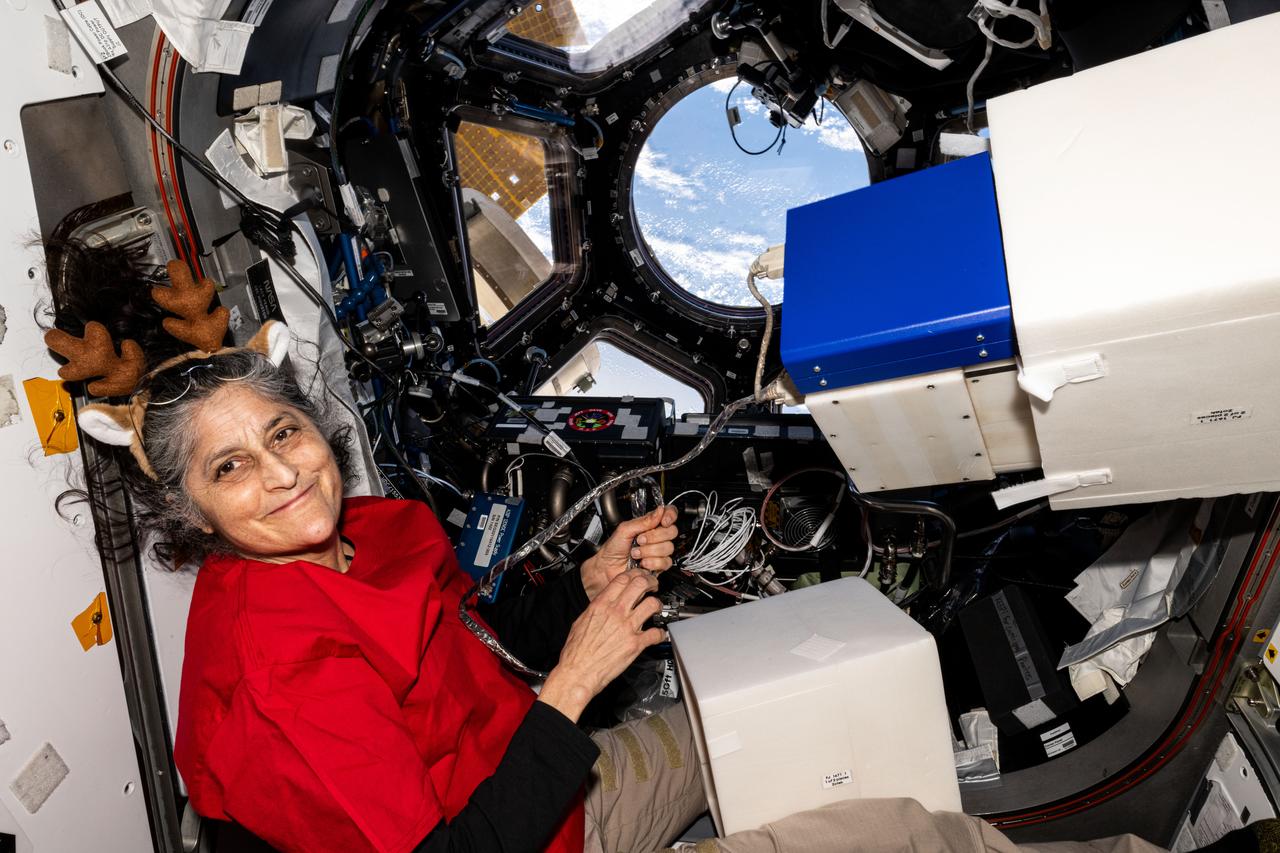
iss072e403402 (Dec. 24, 2024) --- NASA astronaut and Expedition 72 Commander Suni Williams assembles research hardware inside the International Space Station's cupola while orbiting 261 miles above the Pacific Ocean west of Nicaragua.
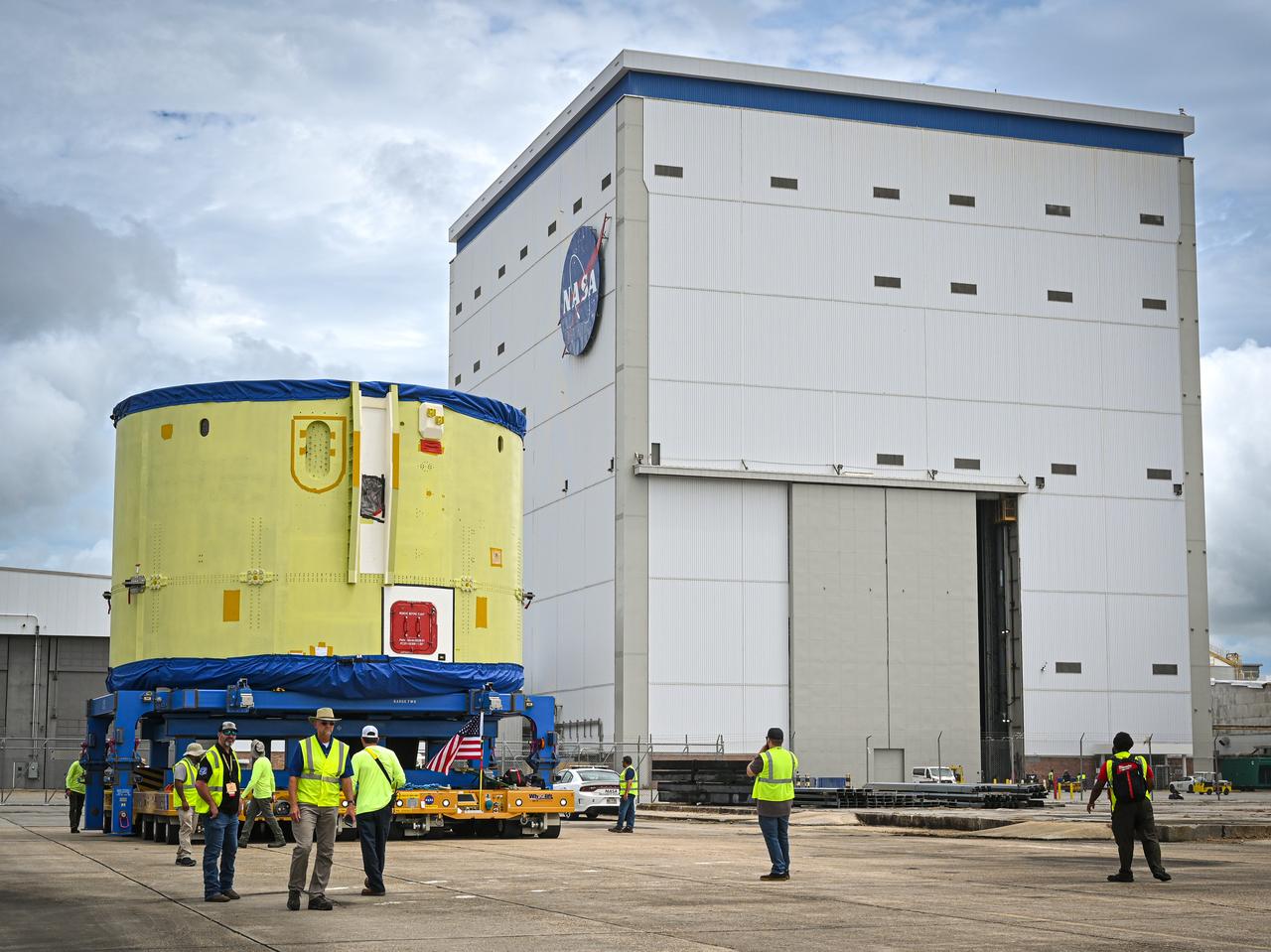
These photos show teams at NASA’s Michoud Assembly Facility in New Orleans preparing, moving, and loading the engine section of a future SLS (Space Launch System) rocket to NASA’s Pegasus barge Aug. 28. The hardware will form the bottom-most section of the SLS core stage that will power NASA’s Artemis IV mission, which will be the first mission to the Gateway space station in lunar orbit under the Artemis campaign. The barge will transport the spaceflight hardware to NASA’s Kennedy Space Center in Florida via the agency’s Pegasus barge. Once in Florida, the engine section will undergo final outfitting inside Kennedy’s Space Station Processing Facility.
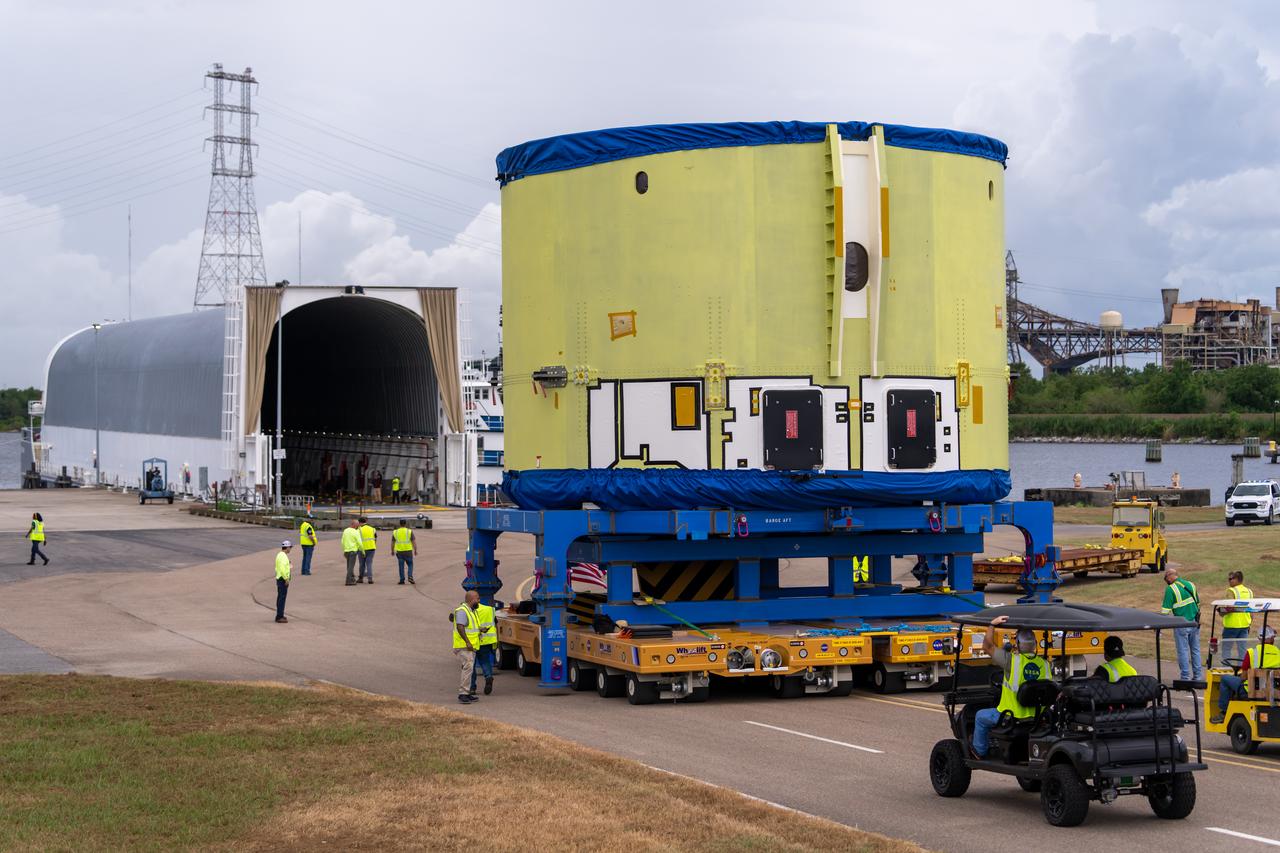
These photos and videos show teams at NASA’s Michoud Assembly Facility in New Orleans preparing, moving, and loading the engine section of a future SLS (Space Launch System) rocket to NASA’s Pegasus barge Aug. 28. The hardware will form the bottom-most section of the SLS core stage that will power NASA’s Artemis IV mission, which will be the first mission to the Gateway space station in lunar orbit under the Artemis campaign. The barge will transport the spaceflight hardware to NASA’s Kennedy Space Center in Florida via the agency’s Pegasus barge. Once in Florida, the engine section will undergo final outfitting inside Kennedy’s Space Station Processing Facility.
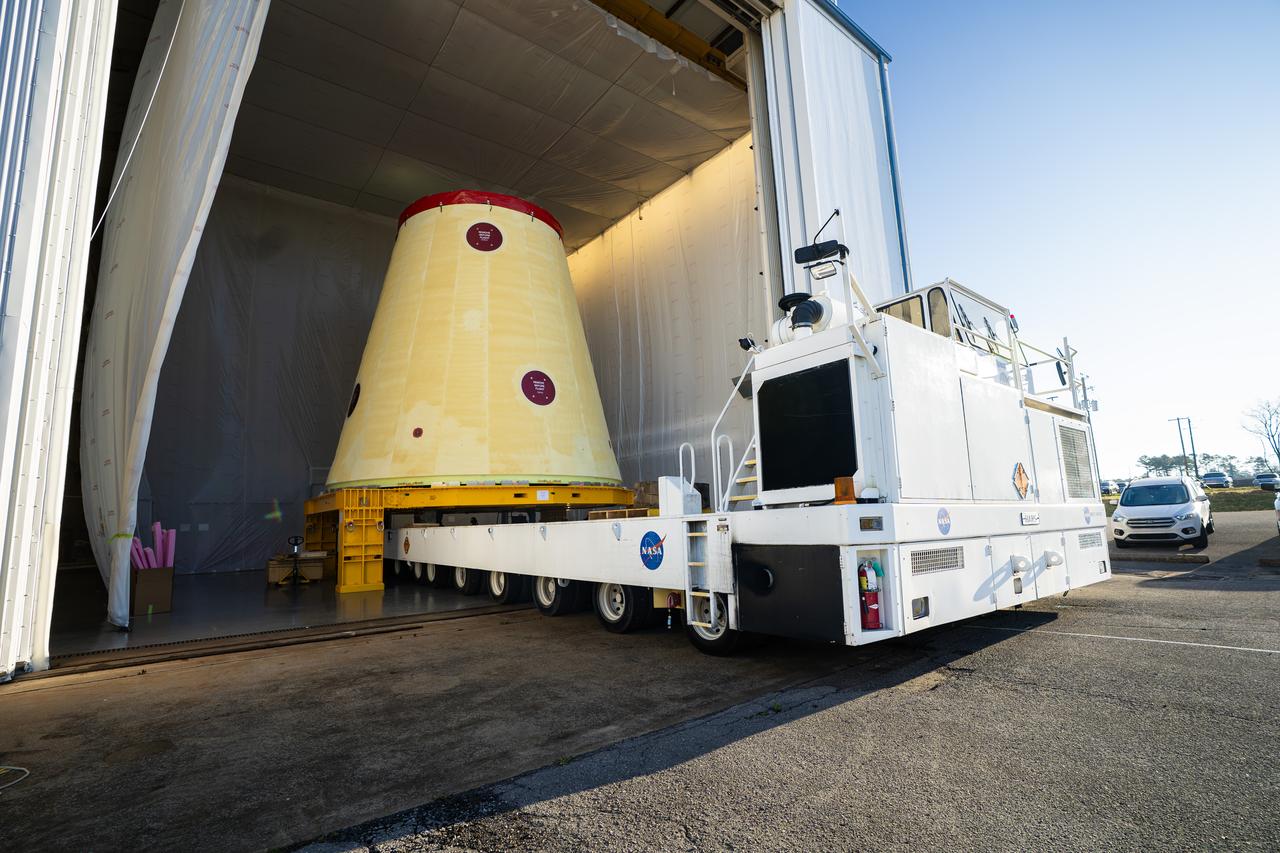
These images and videos show technicians at NASA’s Marshall Space Flight Center in Huntsville, Alabama, March 17, 2025, moving the completed launch vehicle stage adapter for Artemis III from Building 4649 to Building 4708 where it will remain until it is time to ship the hardware to NASA’s Kennedy Space Center in Florida. The cone-shaped hardware connects the SLS (Space Launch System) rocket to the upper stage, the interim cryogenic propulsion stage, and protects the rocket’s flight computers, avionics, and electrical devices during launch and ascent during the Artemis missions.
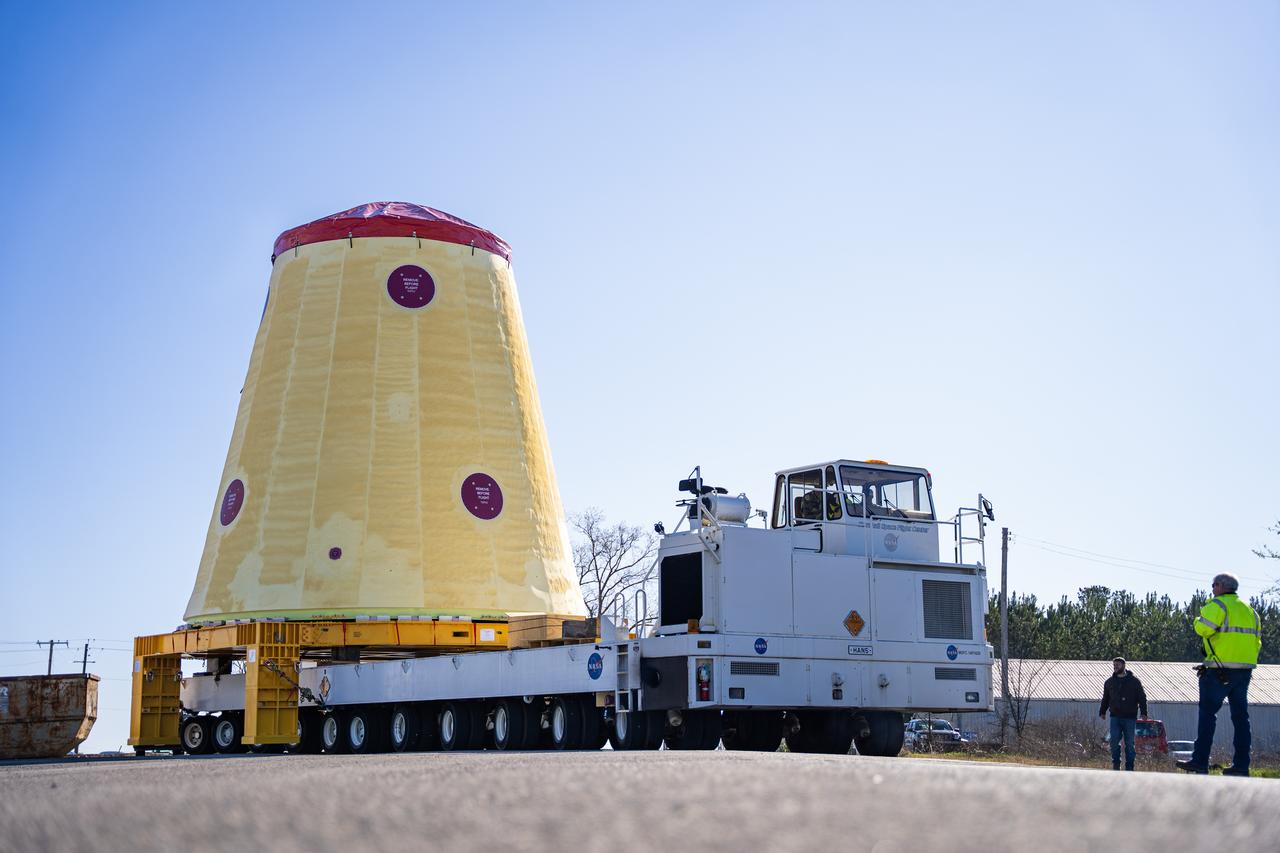
These images and videos show technicians at NASA’s Marshall Space Flight Center in Huntsville, Alabama, March 17, 2025, moving the completed launch vehicle stage adapter for Artemis III from Building 4649 to Building 4708 where it will remain until it is time to ship the hardware to NASA’s Kennedy Space Center in Florida. The cone-shaped hardware connects the SLS (Space Launch System) rocket to the upper stage, the interim cryogenic propulsion stage, and protects the rocket’s flight computers, avionics, and electrical devices during launch and ascent during the Artemis missions.
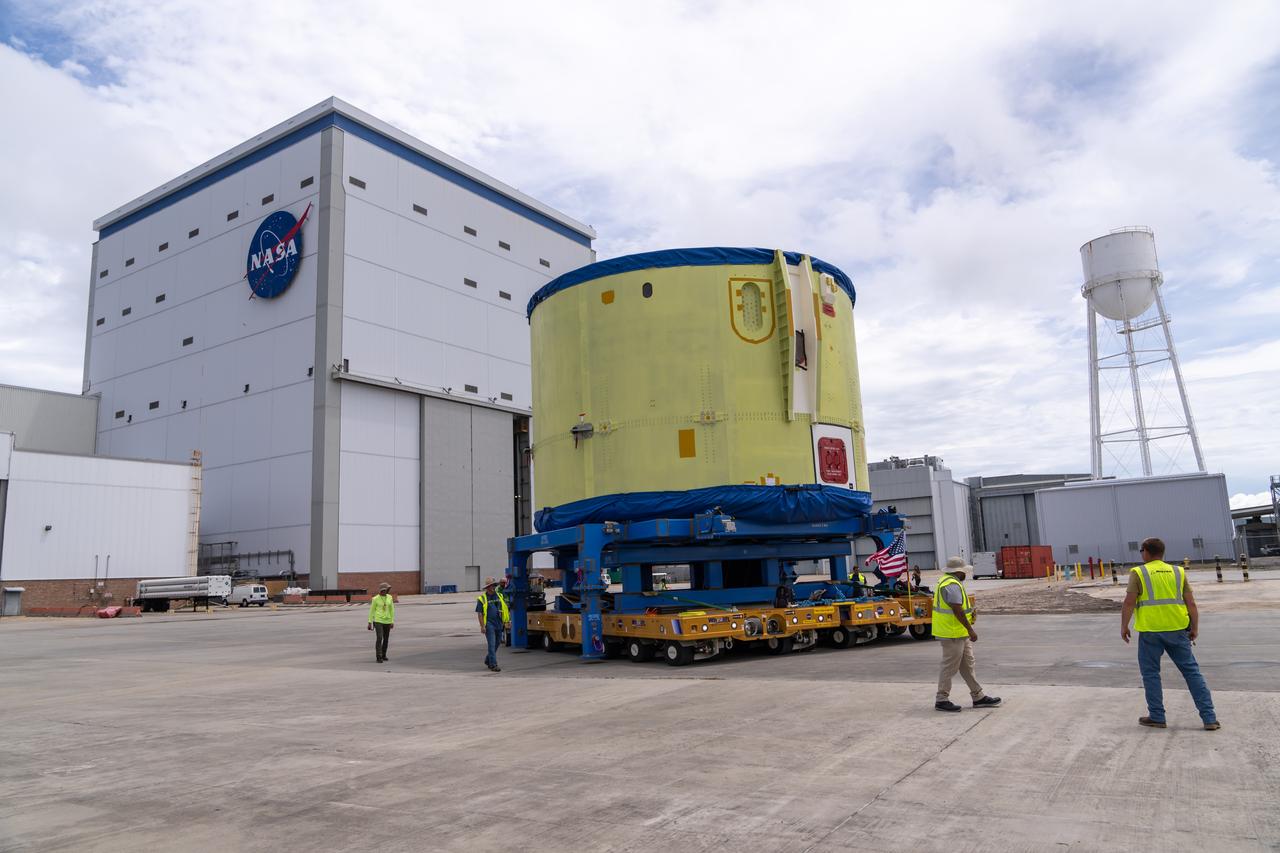
These photos and videos show teams at NASA’s Michoud Assembly Facility in New Orleans preparing, moving, and loading the engine section of a future SLS (Space Launch System) rocket to NASA’s Pegasus barge Aug. 28. The hardware will form the bottom-most section of the SLS core stage that will power NASA’s Artemis IV mission, which will be the first mission to the Gateway space station in lunar orbit under the Artemis campaign. The barge will transport the spaceflight hardware to NASA’s Kennedy Space Center in Florida via the agency’s Pegasus barge. Once in Florida, the engine section will undergo final outfitting inside Kennedy’s Space Station Processing Facility.
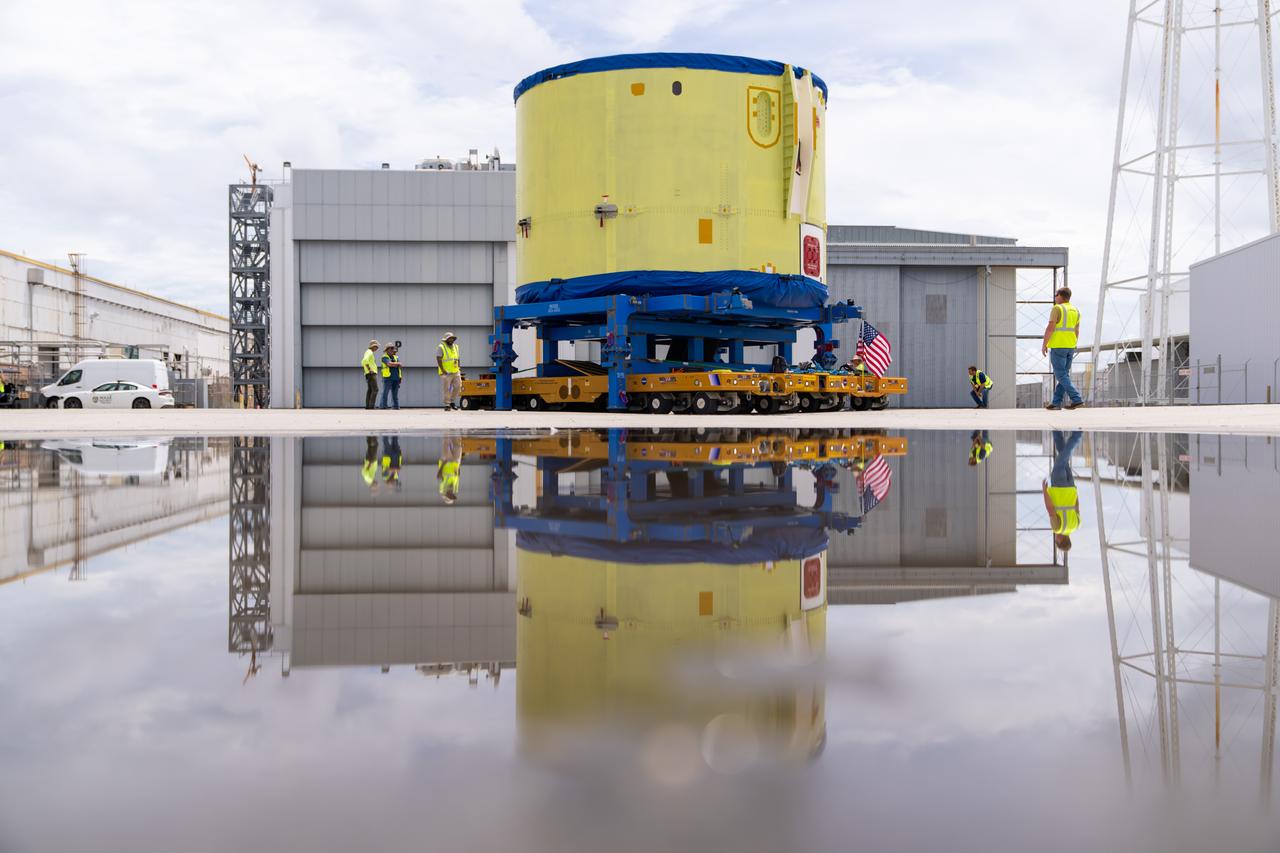
These photos and videos show teams at NASA’s Michoud Assembly Facility in New Orleans preparing, moving, and loading the engine section of a future SLS (Space Launch System) rocket to NASA’s Pegasus barge Aug. 28. The hardware will form the bottom-most section of the SLS core stage that will power NASA’s Artemis IV mission, which will be the first mission to the Gateway space station in lunar orbit under the Artemis campaign. The barge will transport the spaceflight hardware to NASA’s Kennedy Space Center in Florida via the agency’s Pegasus barge. Once in Florida, the engine section will undergo final outfitting inside Kennedy’s Space Station Processing Facility.
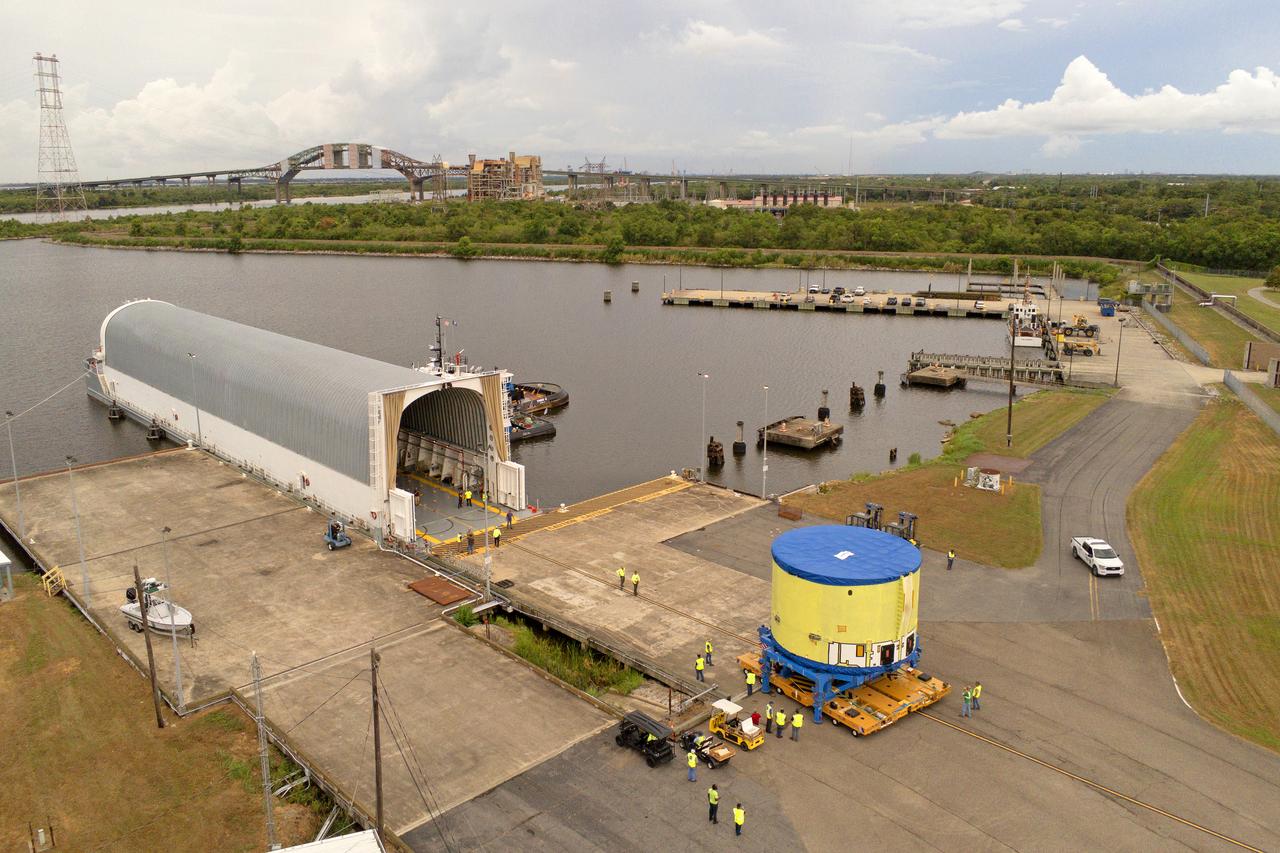
These photos and videos show teams at NASA’s Michoud Assembly Facility in New Orleans preparing, moving, and loading the engine section of a future SLS (Space Launch System) rocket to NASA’s Pegasus barge Aug. 28. The hardware will form the bottom-most section of the SLS core stage that will power NASA’s Artemis IV mission, which will be the first mission to the Gateway space station in lunar orbit under the Artemis campaign. The barge will transport the spaceflight hardware to NASA’s Kennedy Space Center in Florida via the agency’s Pegasus barge. Once in Florida, the engine section will undergo final outfitting inside Kennedy’s Space Station Processing Facility.
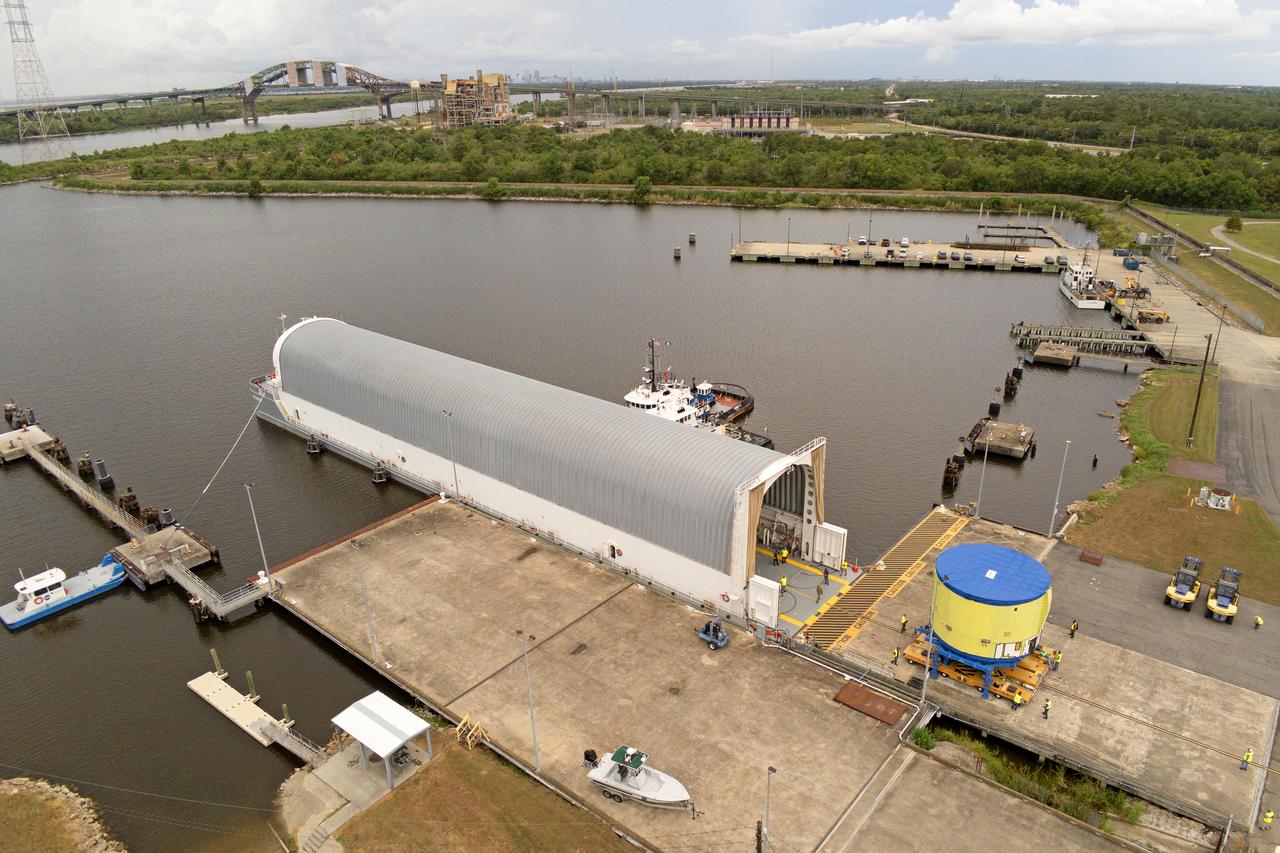
These photos and videos show teams at NASA’s Michoud Assembly Facility in New Orleans preparing, moving, and loading the engine section of a future SLS (Space Launch System) rocket to NASA’s Pegasus barge Aug. 28. The hardware will form the bottom-most section of the SLS core stage that will power NASA’s Artemis IV mission, which will be the first mission to the Gateway space station in lunar orbit under the Artemis campaign. The barge will transport the spaceflight hardware to NASA’s Kennedy Space Center in Florida via the agency’s Pegasus barge. Once in Florida, the engine section will undergo final outfitting inside Kennedy’s Space Station Processing Facility.
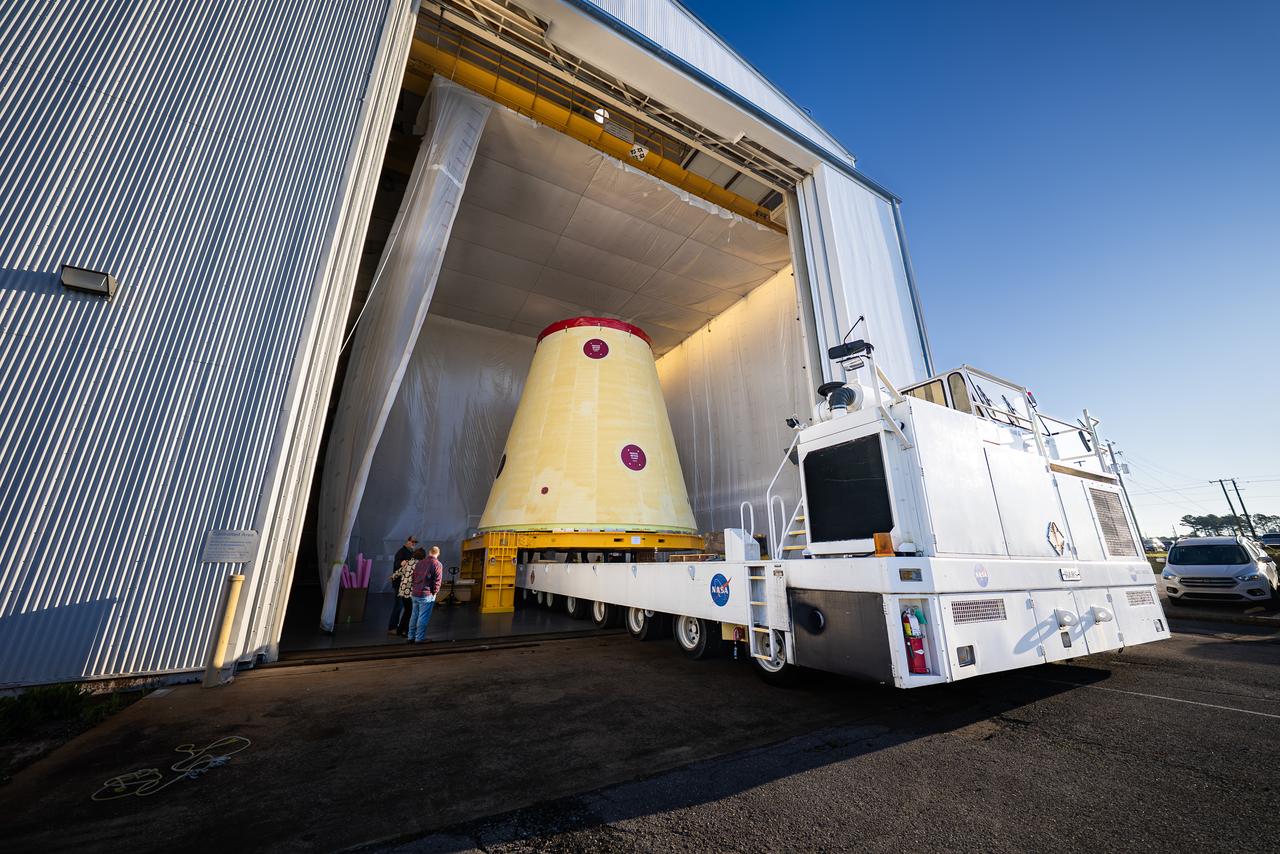
These images and videos show technicians at NASA’s Marshall Space Flight Center in Huntsville, Alabama, March 17, 2025, moving the completed launch vehicle stage adapter for Artemis III from Building 4649 to Building 4708 where it will remain until it is time to ship the hardware to NASA’s Kennedy Space Center in Florida. The cone-shaped hardware connects the SLS (Space Launch System) rocket to the upper stage, the interim cryogenic propulsion stage, and protects the rocket’s flight computers, avionics, and electrical devices during launch and ascent during the Artemis missions.
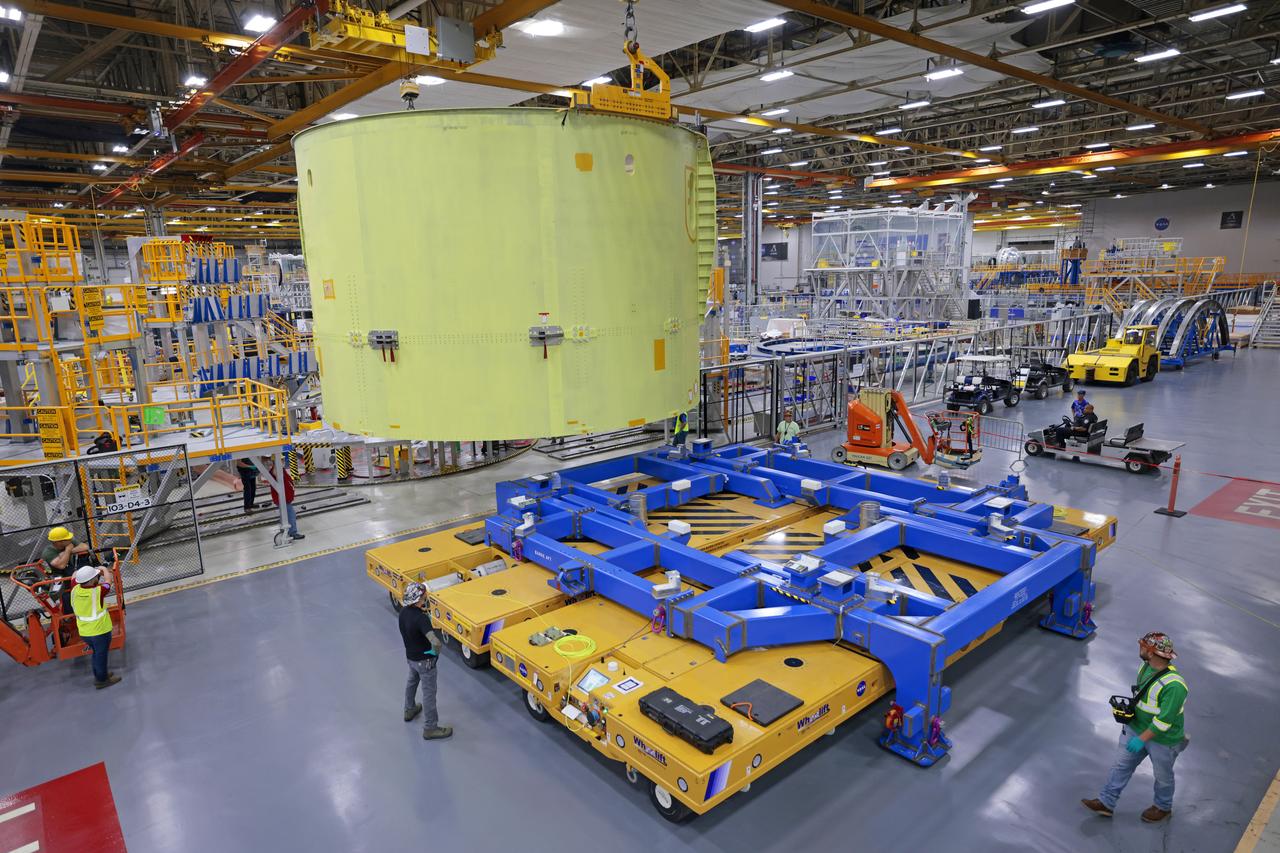
These photos show teams at NASA’s Michoud Assembly Facility in New Orleans preparing, moving, and loading the engine section of a future SLS (Space Launch System) rocket to NASA’s Pegasus barge Aug. 28. The hardware will form the bottom-most section of the SLS core stage that will power NASA’s Artemis IV mission, which will be the first mission to the Gateway space station in lunar orbit under the Artemis campaign. The barge will transport the spaceflight hardware to NASA’s Kennedy Space Center in Florida via the agency’s Pegasus barge. Once in Florida, the engine section will undergo final outfitting inside Kennedy’s Space Station Processing Facility. Image credit: NASA/Michael DeMocker
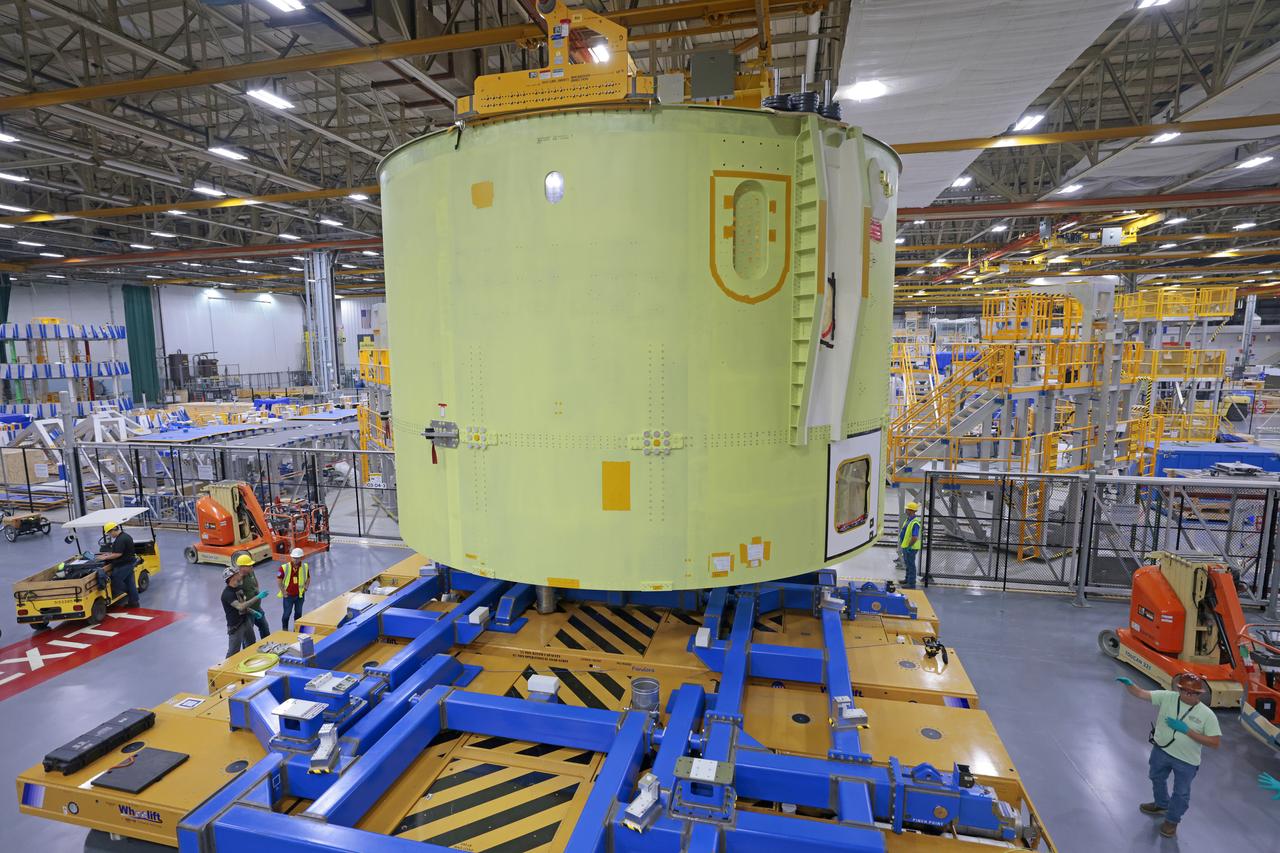
These photos show teams at NASA’s Michoud Assembly Facility in New Orleans preparing, moving, and loading the engine section of a future SLS (Space Launch System) rocket to NASA’s Pegasus barge Aug. 28. The hardware will form the bottom-most section of the SLS core stage that will power NASA’s Artemis IV mission, which will be the first mission to the Gateway space station in lunar orbit under the Artemis campaign. The barge will transport the spaceflight hardware to NASA’s Kennedy Space Center in Florida via the agency’s Pegasus barge. Once in Florida, the engine section will undergo final outfitting inside Kennedy’s Space Station Processing Facility. Image credit: NASA/Michael DeMocker
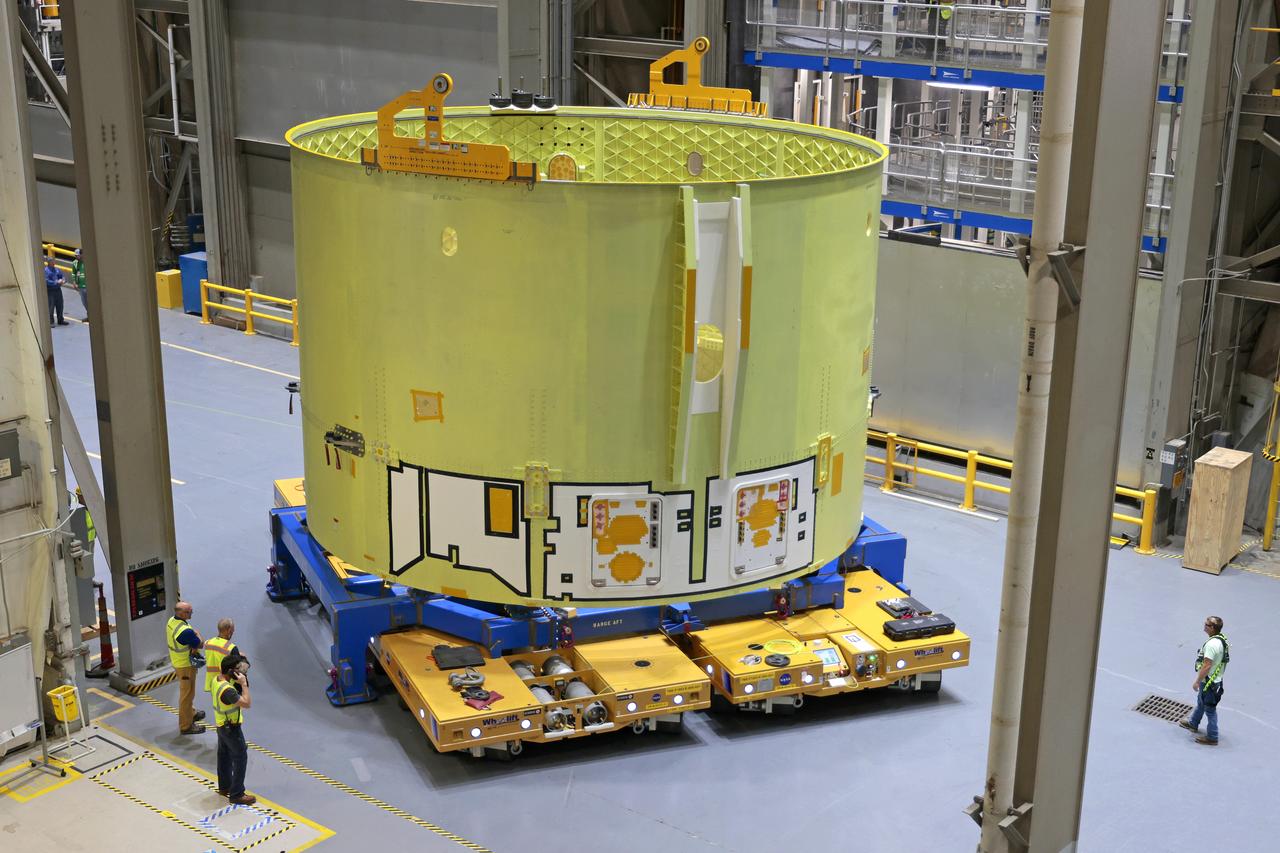
These photos show teams at NASA’s Michoud Assembly Facility in New Orleans preparing, moving, and loading the engine section of a future SLS (Space Launch System) rocket to NASA’s Pegasus barge Aug. 28. The hardware will form the bottom-most section of the SLS core stage that will power NASA’s Artemis IV mission, which will be the first mission to the Gateway space station in lunar orbit under the Artemis campaign. The barge will transport the spaceflight hardware to NASA’s Kennedy Space Center in Florida via the agency’s Pegasus barge. Once in Florida, the engine section will undergo final outfitting inside Kennedy’s Space Station Processing Facility. Image credit: NASA/Michael DeMocker
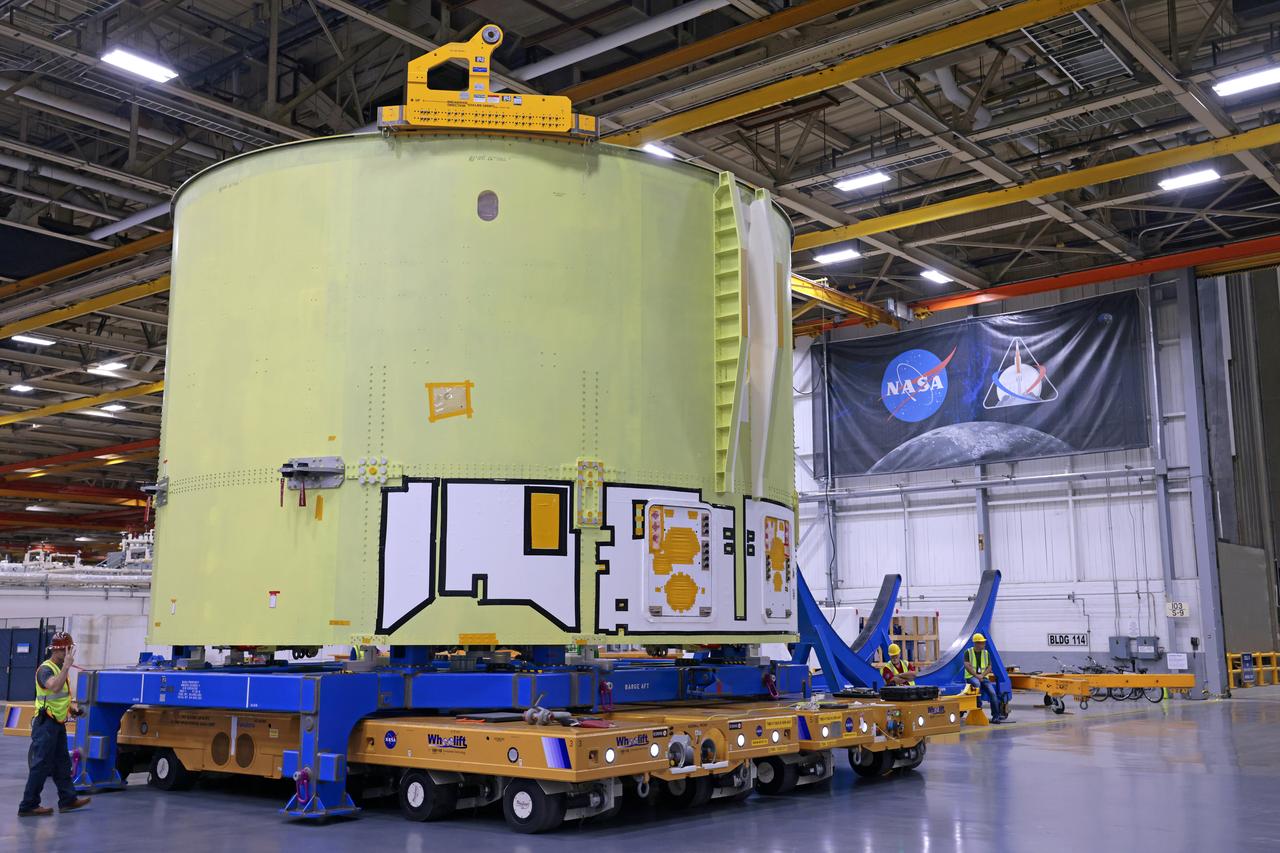
These photos show teams at NASA’s Michoud Assembly Facility in New Orleans preparing, moving, and loading the engine section of a future SLS (Space Launch System) rocket to NASA’s Pegasus barge Aug. 28. The hardware will form the bottom-most section of the SLS core stage that will power NASA’s Artemis IV mission, which will be the first mission to the Gateway space station in lunar orbit under the Artemis campaign. The barge will transport the spaceflight hardware to NASA’s Kennedy Space Center in Florida via the agency’s Pegasus barge. Once in Florida, the engine section will undergo final outfitting inside Kennedy’s Space Station Processing Facility. Image credit: NASA/Michael DeMocker
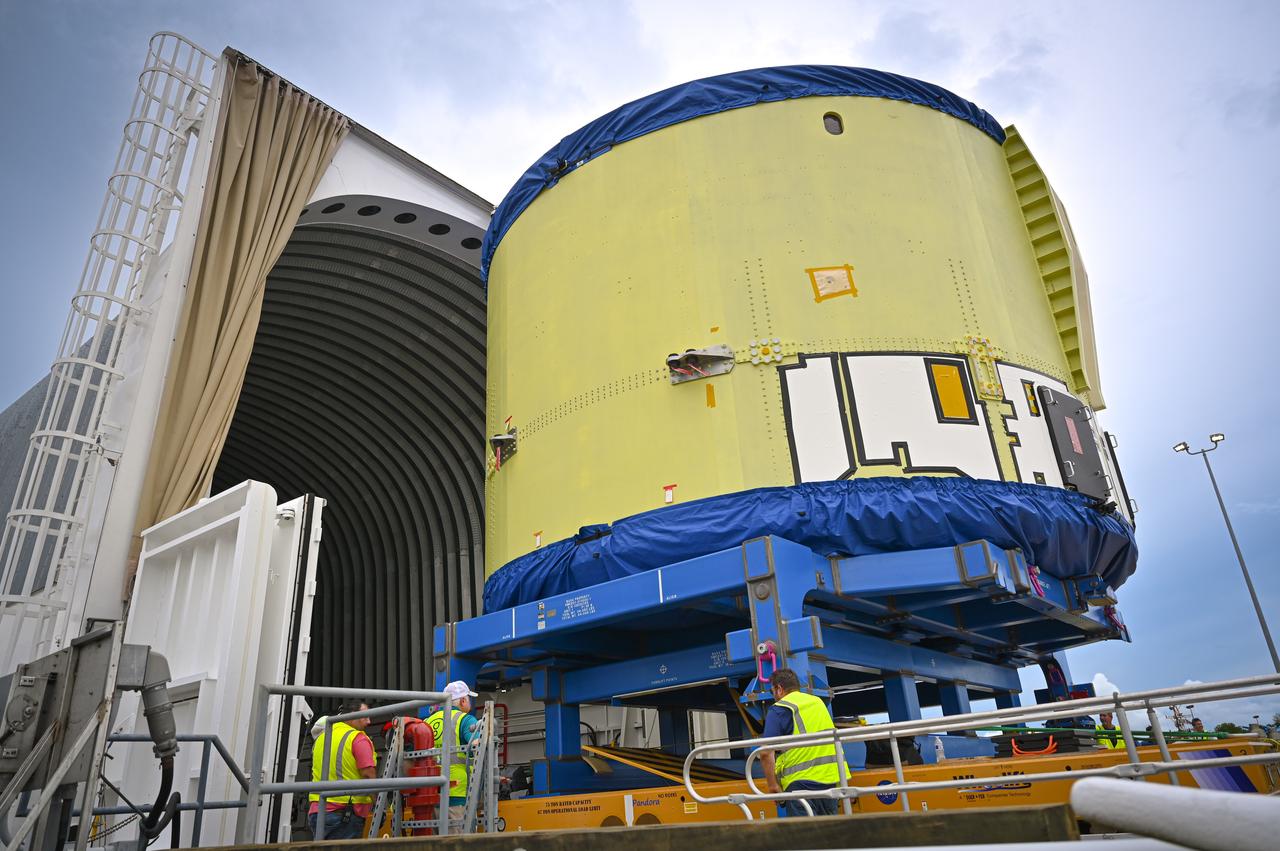
These photos and videos show teams at NASA’s Michoud Assembly Facility in New Orleans preparing, moving, and loading the engine section of a future SLS (Space Launch System) rocket to NASA’s Pegasus barge Aug. 28. The hardware will form the bottom-most section of the SLS core stage that will power NASA’s Artemis IV mission, which will be the first mission to the Gateway space station in lunar orbit under the Artemis campaign. The barge will transport the spaceflight hardware to NASA’s Kennedy Space Center in Florida via the agency’s Pegasus barge. Once in Florida, the engine section will undergo final outfitting inside Kennedy’s Space Station Processing Facility.
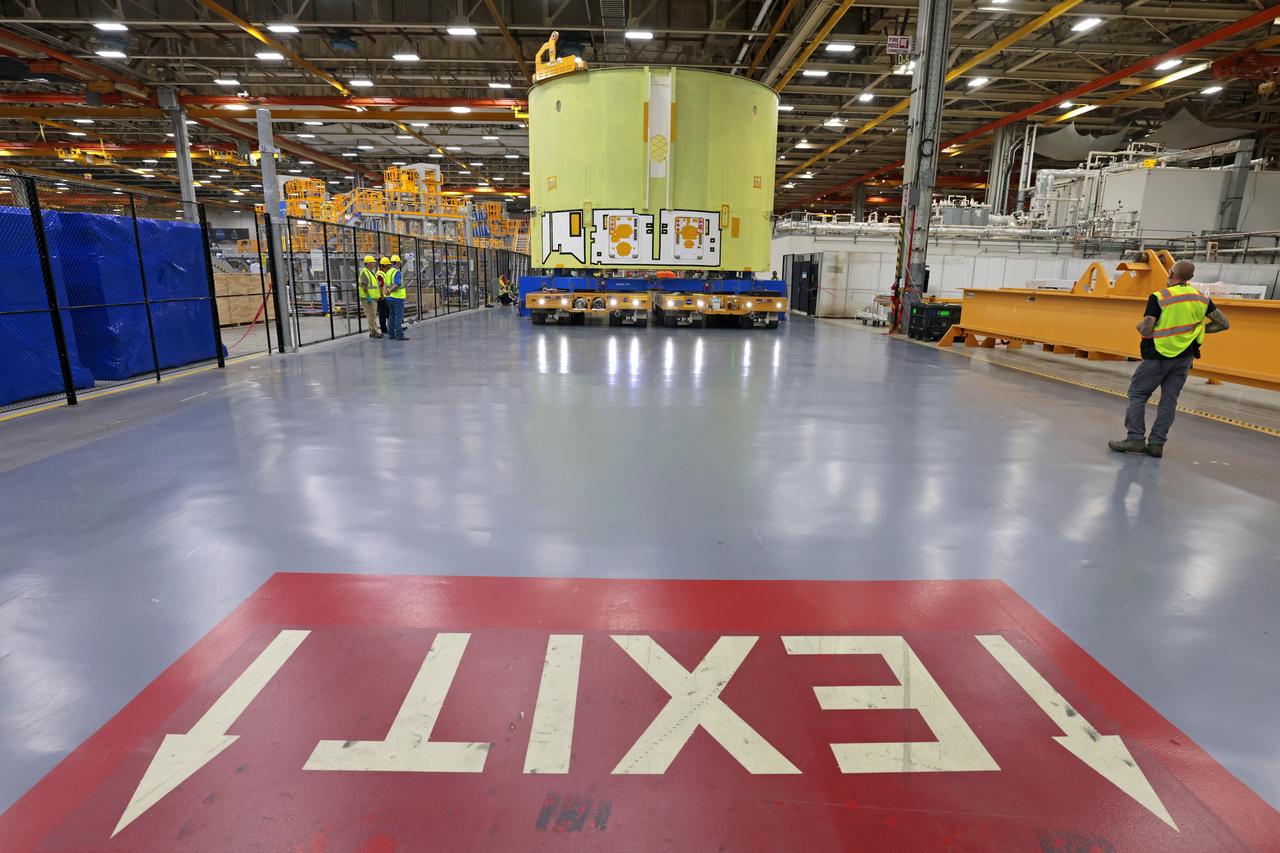
These photos show teams at NASA’s Michoud Assembly Facility in New Orleans preparing, moving, and loading the engine section of a future SLS (Space Launch System) rocket to NASA’s Pegasus barge Aug. 28. The hardware will form the bottom-most section of the SLS core stage that will power NASA’s Artemis IV mission, which will be the first mission to the Gateway space station in lunar orbit under the Artemis campaign. The barge will transport the spaceflight hardware to NASA’s Kennedy Space Center in Florida via the agency’s Pegasus barge. Once in Florida, the engine section will undergo final outfitting inside Kennedy’s Space Station Processing Facility. Image credit: NASA/Michael DeMocker
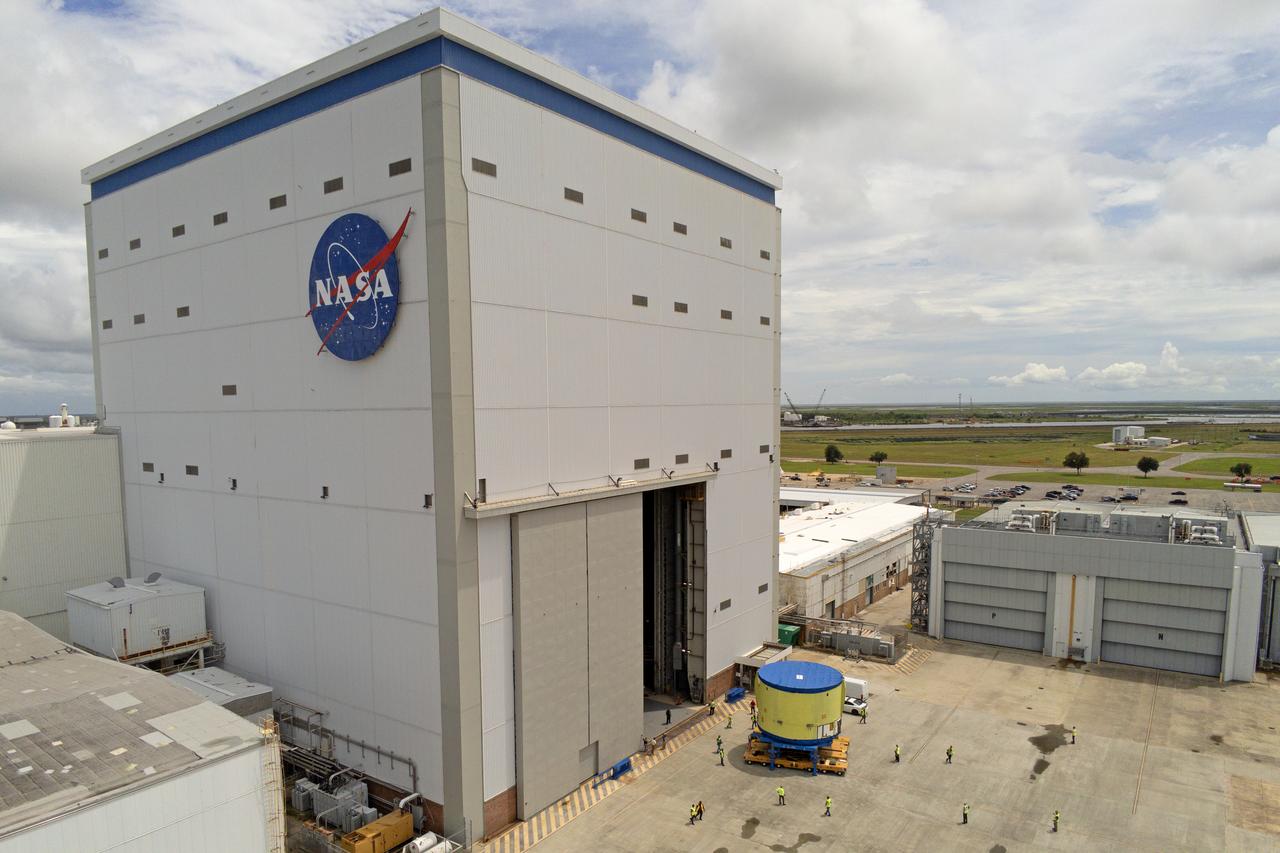
These photos and videos show teams at NASA’s Michoud Assembly Facility in New Orleans preparing, moving, and loading the engine section of a future SLS (Space Launch System) rocket to NASA’s Pegasus barge Aug. 28. The hardware will form the bottom-most section of the SLS core stage that will power NASA’s Artemis IV mission, which will be the first mission to the Gateway space station in lunar orbit under the Artemis campaign. The barge will transport the spaceflight hardware to NASA’s Kennedy Space Center in Florida via the agency’s Pegasus barge. Once in Florida, the engine section will undergo final outfitting inside Kennedy’s Space Station Processing Facility.