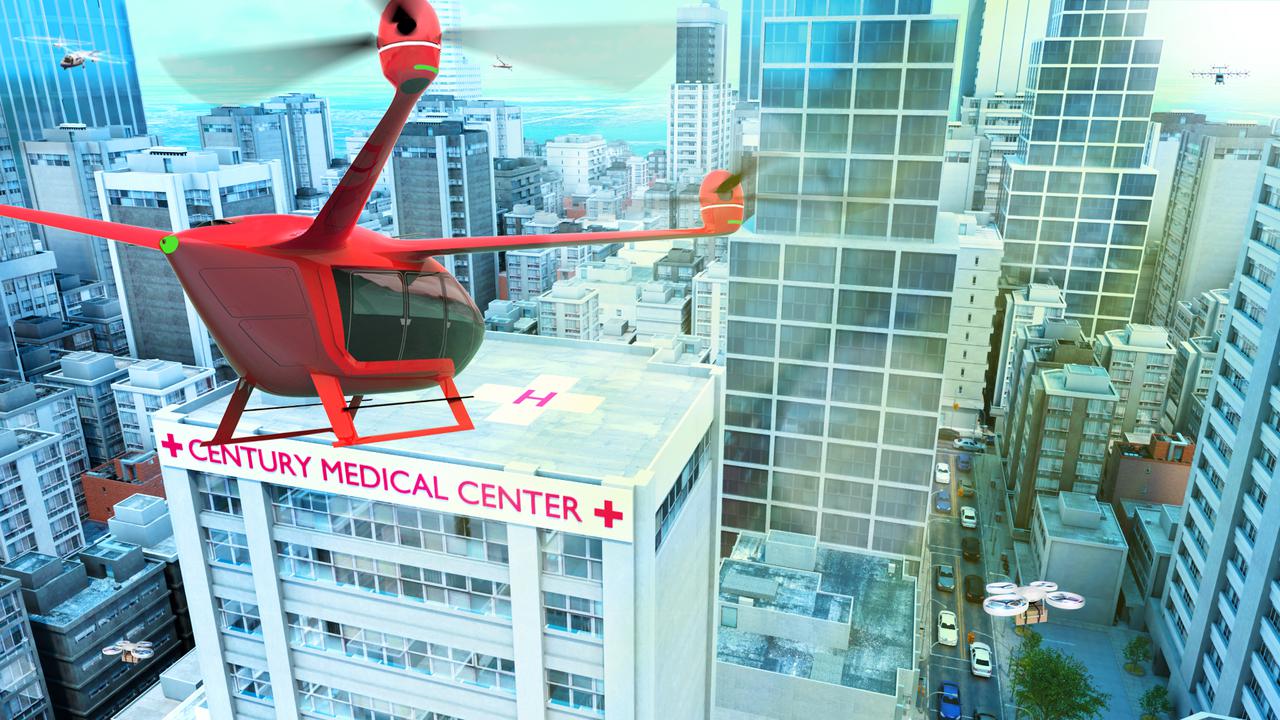
Several projects supporting NASA's Advanced Air Mobility or AAM mission are working on different research initiatives to help make AAM a reality. AAM could be used in healthcare operations in the form of air taxi ambulances or medical supply delivery in the future. This concept graphic shows how a future AAM vehicle could aid in healthcare by carrying passengers to a hospital.
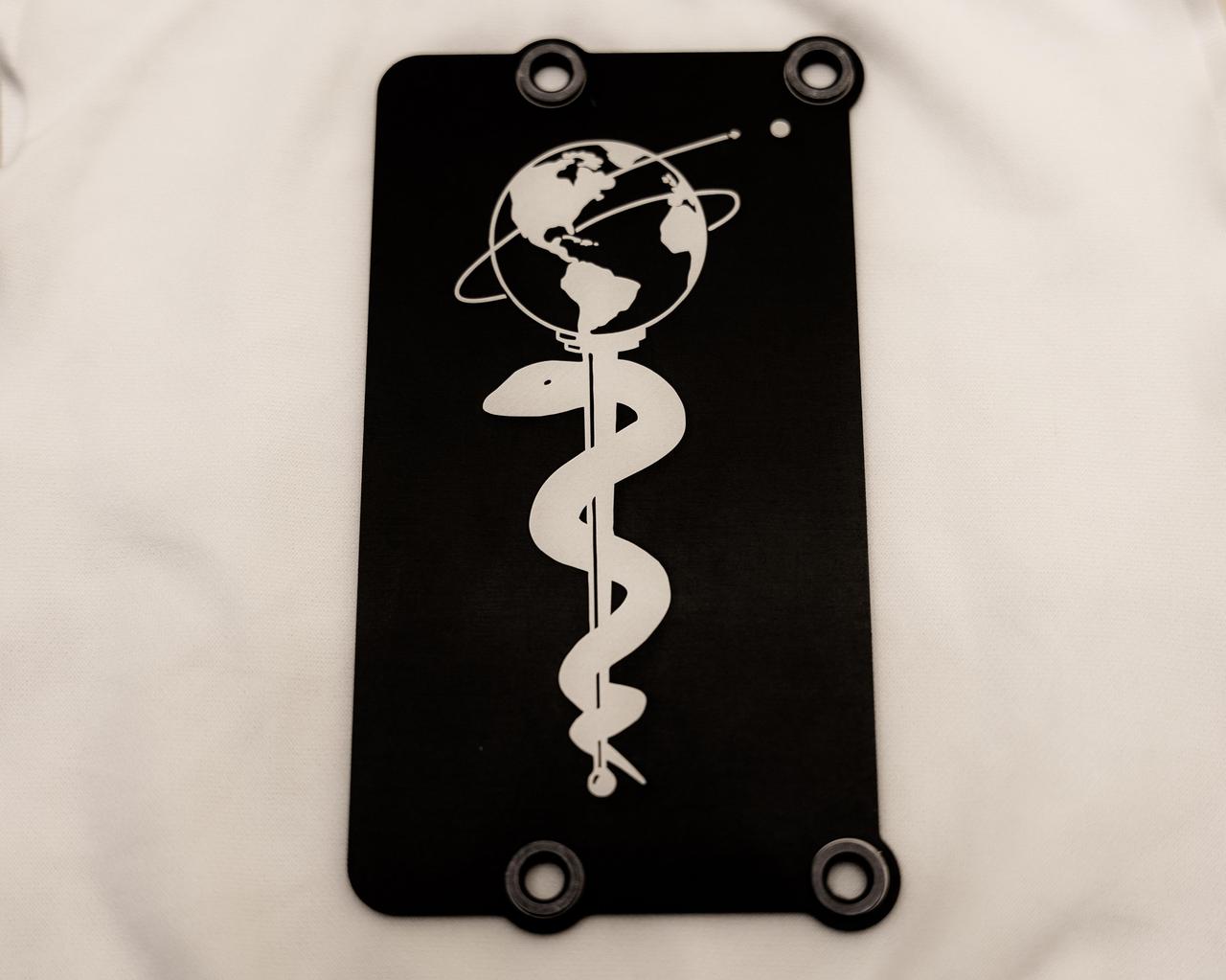
Members of NASA's Mars 2020 Perseverance rover mission installed a plate on the left side of the rover chassis, commemorating the impact of the COVID-19 pandemic and paying tribute to the perseverance of healthcare workers around the world. Made of aluminum, the 3-by-5-inch (8-by-13-centimeter) plaque was attached to the rover in May 2020 during final assembly at Kennedy Space Center in Florida. https://photojournal.jpl.nasa.gov/catalog/PIA23921
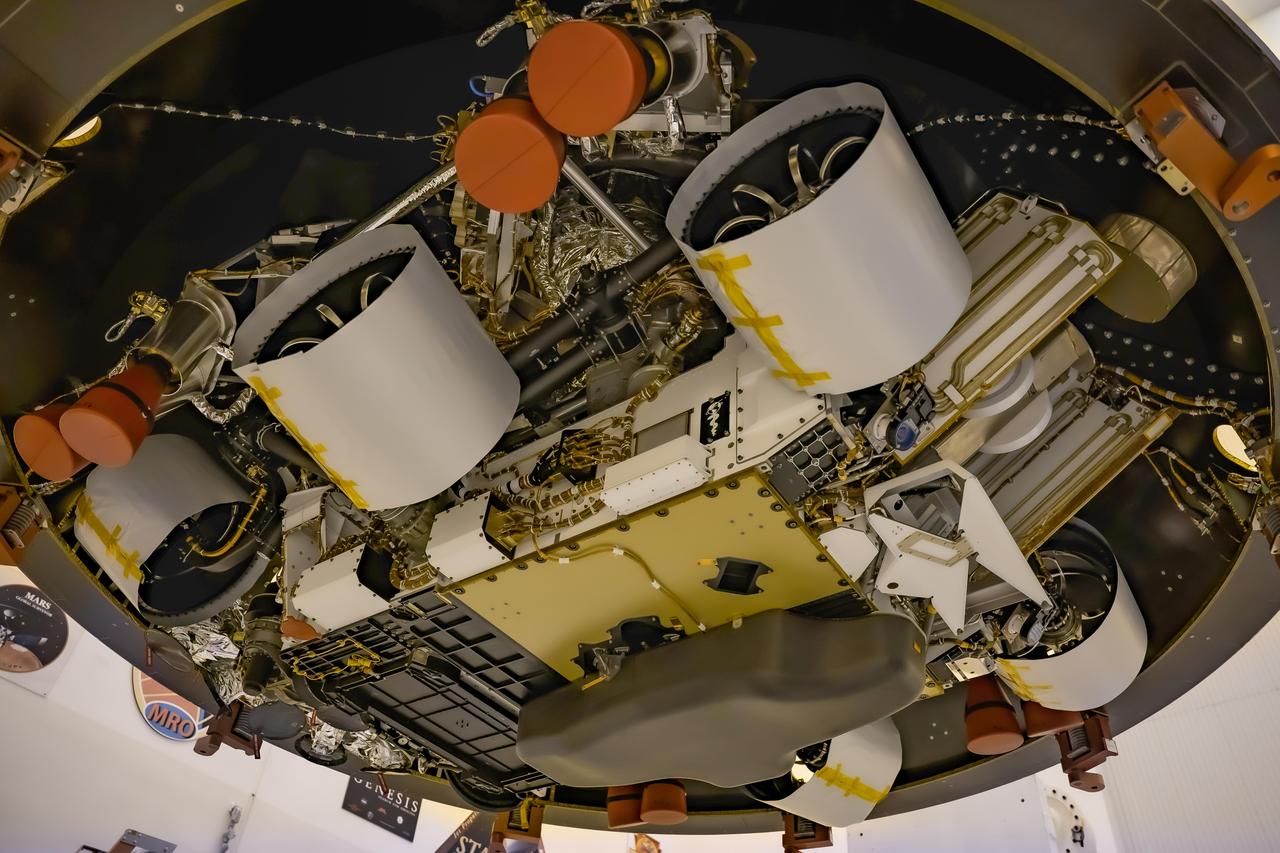
Seen from below, NASA's Mars 2020 Perseverance rover is in position in the aeroshell that will protect the rover on its way to the Red Planet. To the right of the middle wheel is the plaque that commemorates the impact of the COVID-19 pandemic and pays tribute to the perseverance of healthcare workers around the world. Featuring a snake-entwined rod to symbolize healing and medicine, the plaque was attached to the rover in May 2020 at Kennedy Space Center in Florida. https://photojournal.jpl.nasa.gov/catalog/PIA23924
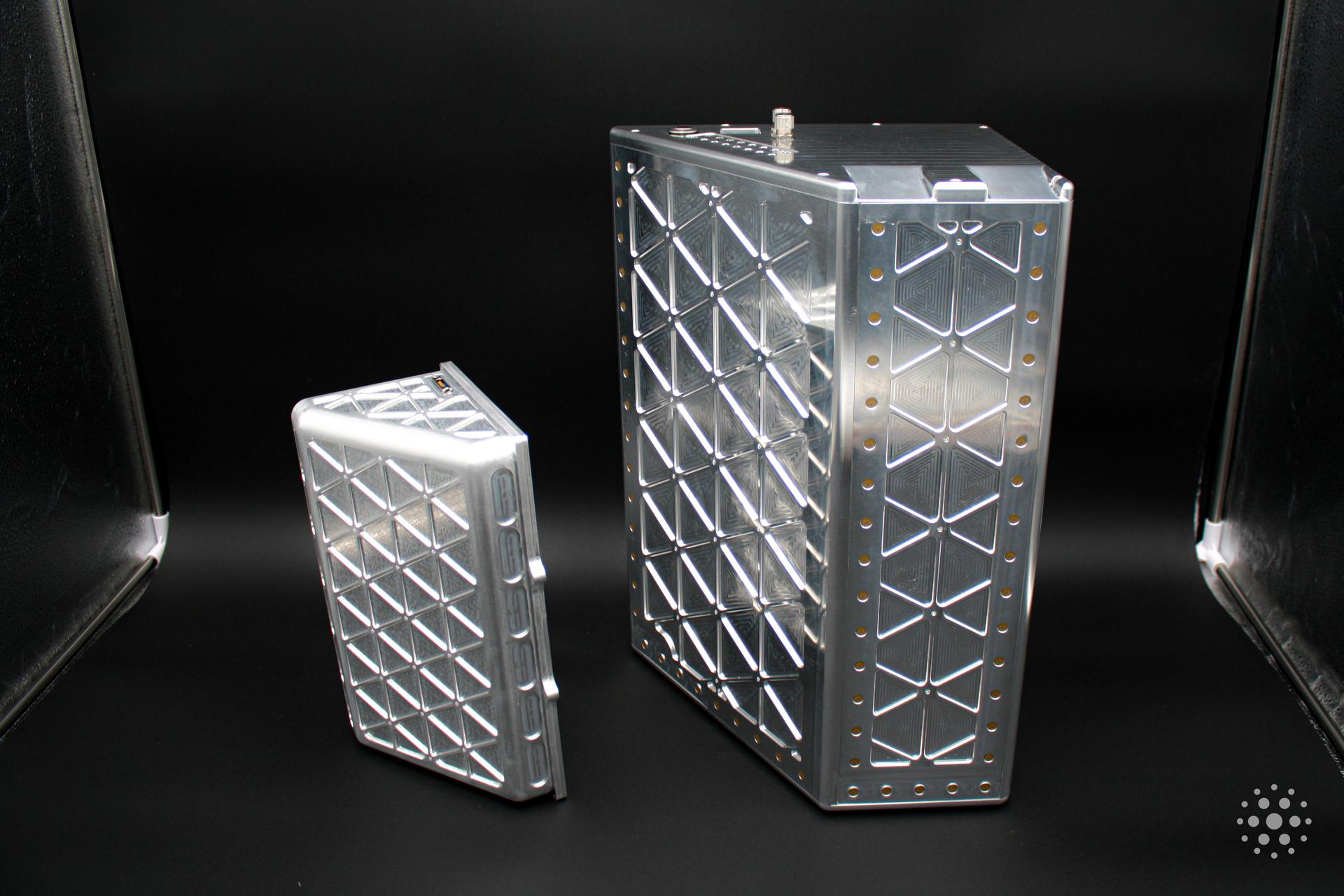
This is the hardware that will contain the AVATAR chips during the Artemis II flight. The AVATAR (A Virtual Astronaut Tissue Analog Response) investigation will use organ-on-a-chip devices, or organ chips, to study a effects of increased radiation and microgravity on human health. Artemis II AVATAR is a small experiment flying aboard Artemis II that could lead to big impacts in healthcare, both for astronauts in space and citizens on Earth. For more information on AVATAR: go.nasa.gov/4m5dGH9
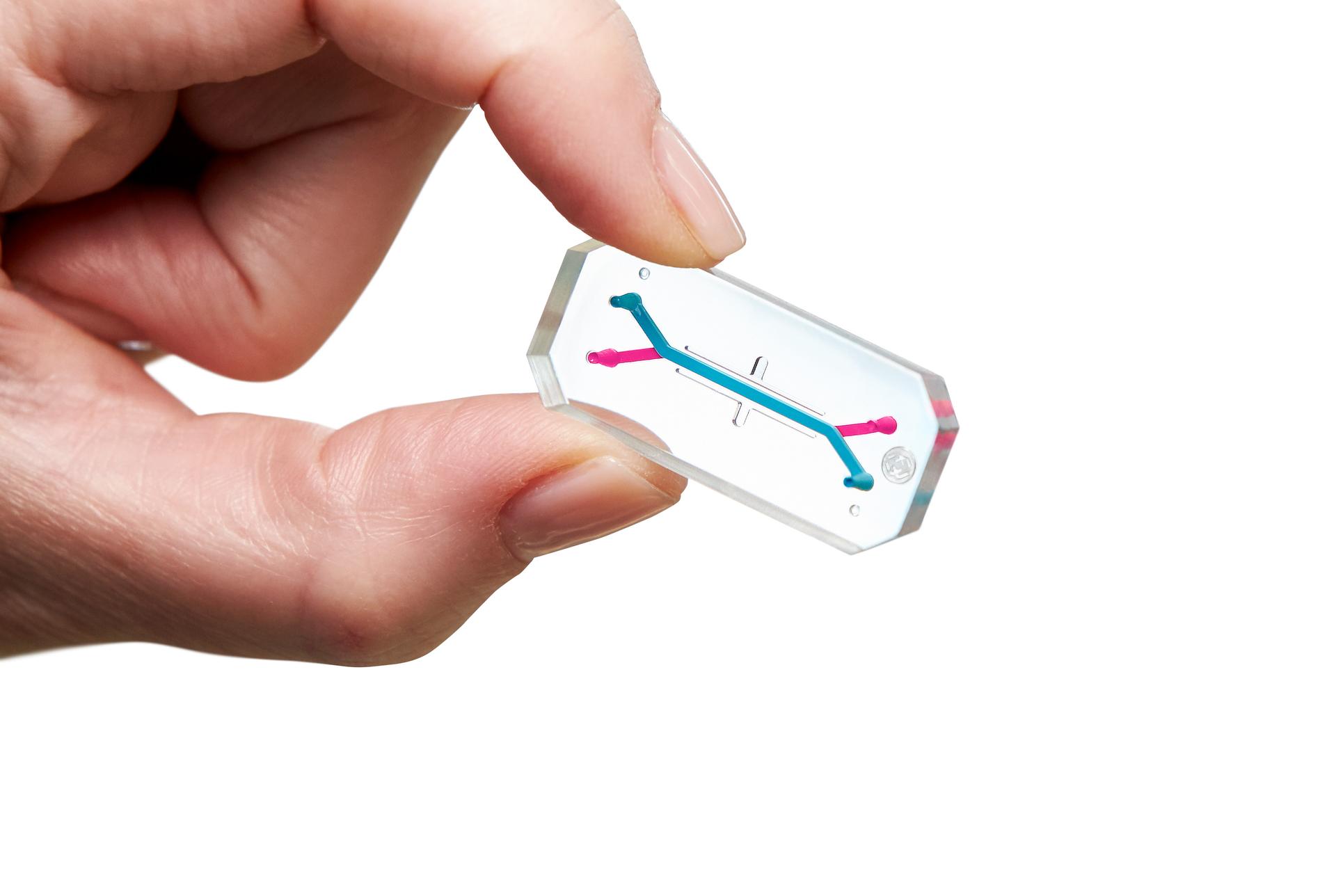
The AVATAR (A Virtual Astronaut Tissue Analog Response) investigation will use organ-on-a-chip devices, or organ chips, to study a effects of increased radiation and microgravity on human health. Artemis II AVATAR is a small experiment flying aboard Artemis II that could lead to big impacts in healthcare, both for astronauts in space and citizens on Earth. For more information on AVATAR: go.nasa.gov/4m5dGH9
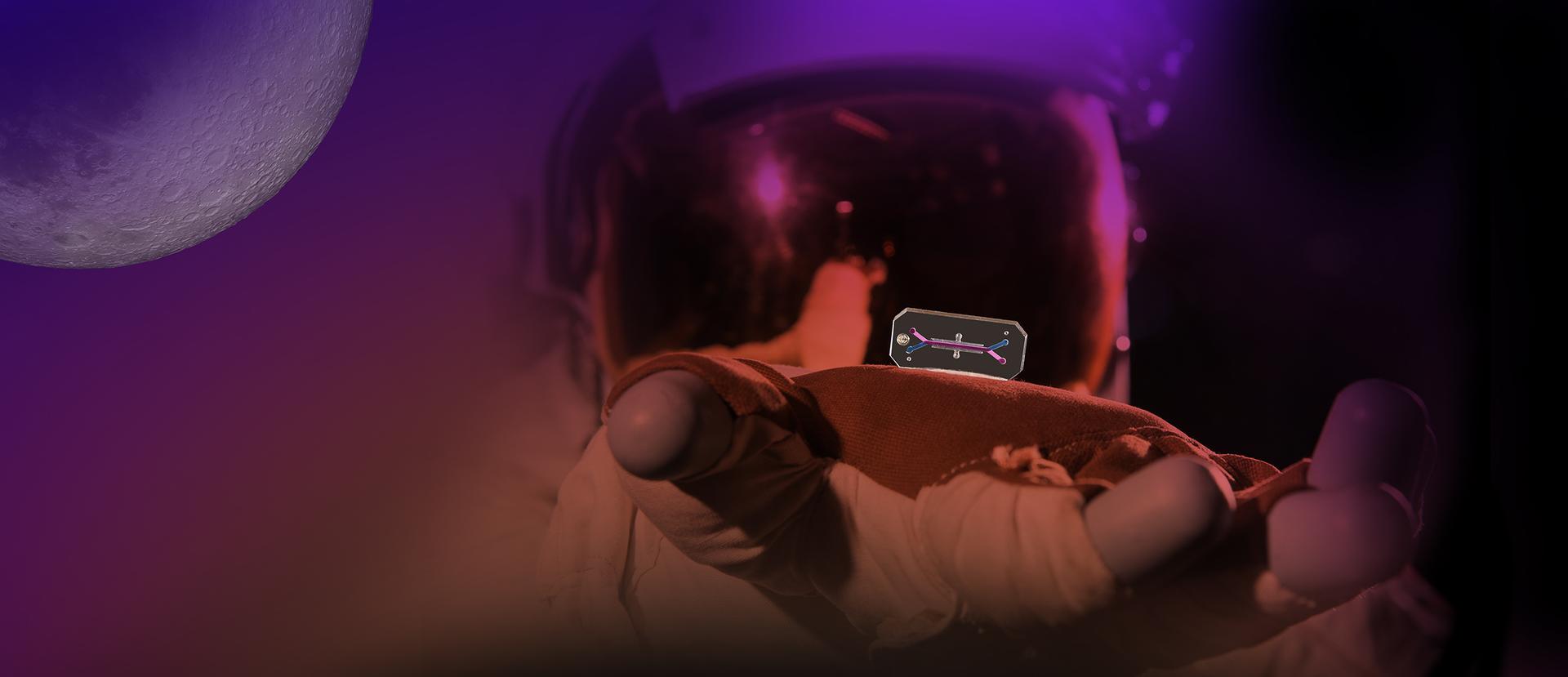
The AVATAR (A Virtual Astronaut Tissue Analog Response) investigation will use organ-on-a-chip devices, or organ chips, to study a effects of increased radiation and microgravity on human health. Artemis II AVATAR is a small experiment flying aboard Artemis II that could lead to big impacts in healthcare, both for astronauts in space and citizens on Earth. For more information on AVATAR: go.nasa.gov/4m5dGH9
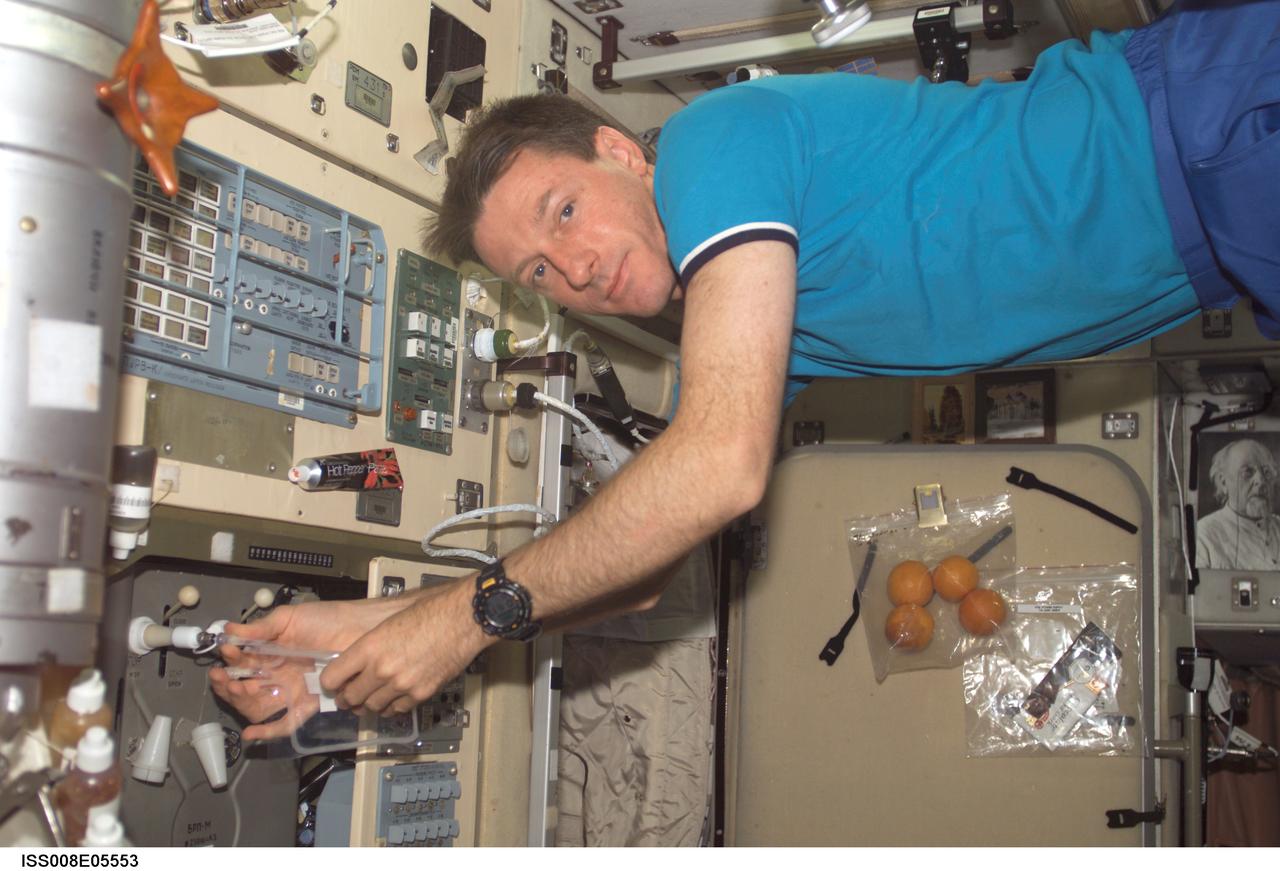
ISS008-E-05553 (7 November 2003) --- Astronaut C. Michael Foale, Expedition 8 mission commander and NASA ISS science officer, floats in front of the galley in the Zvezda Service Module on the International Space Station (ISS) as he fills a Crew Healthcare System (CheCSS) Water Microbiology (WMK) in-flight analysis bag from the potable warter dispenser.
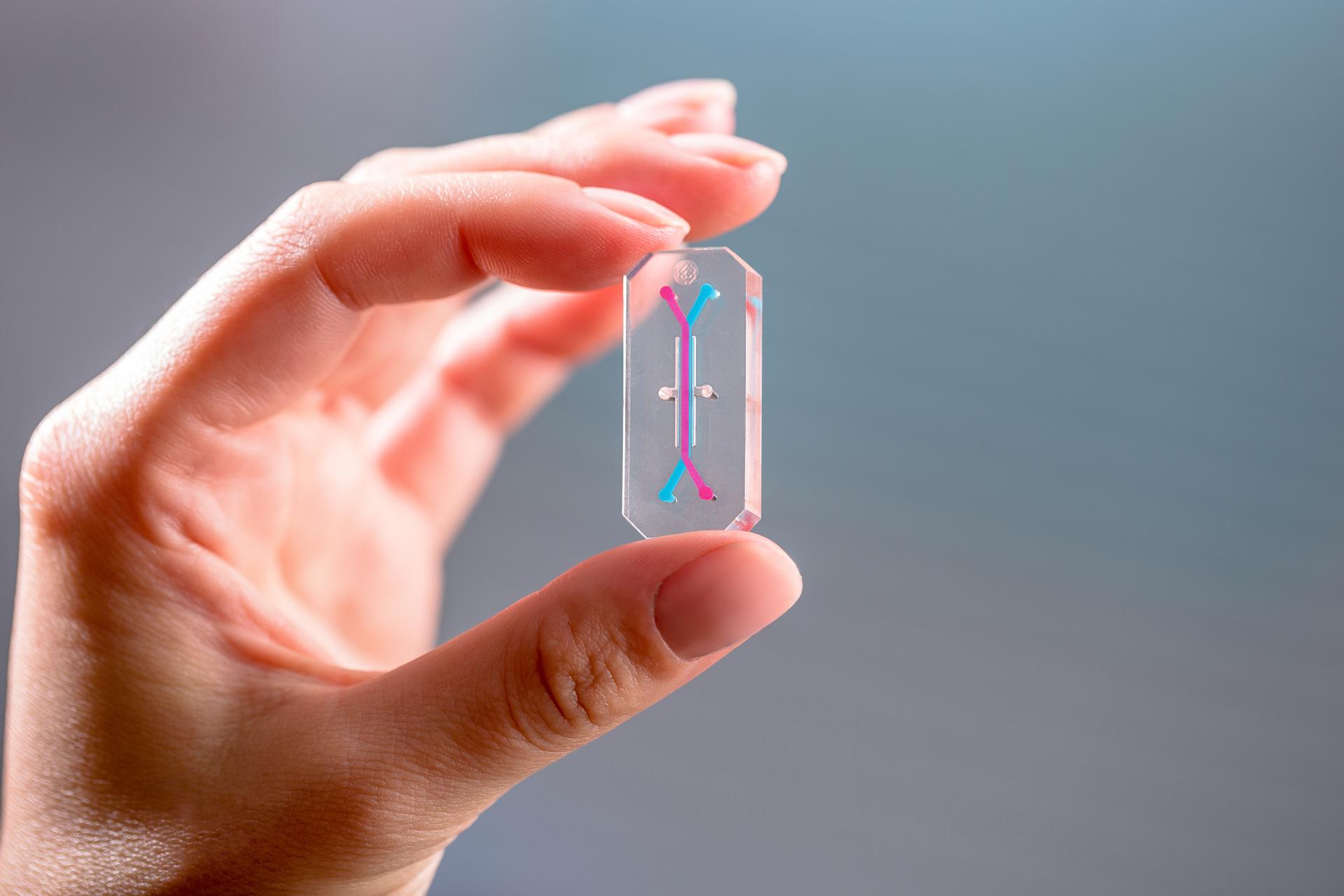
The AVATAR (A Virtual Astronaut Tissue Analog Response) investigation will use organ-on-a-chip devices, or organ chips, to study a effects of increased radiation and microgravity on human health. Artemis II AVATAR is a small experiment flying aboard Artemis II that could lead to big impacts in healthcare, both for astronauts in space and citizens on Earth. For more information on AVATAR: go.nasa.gov/4m5dGH9
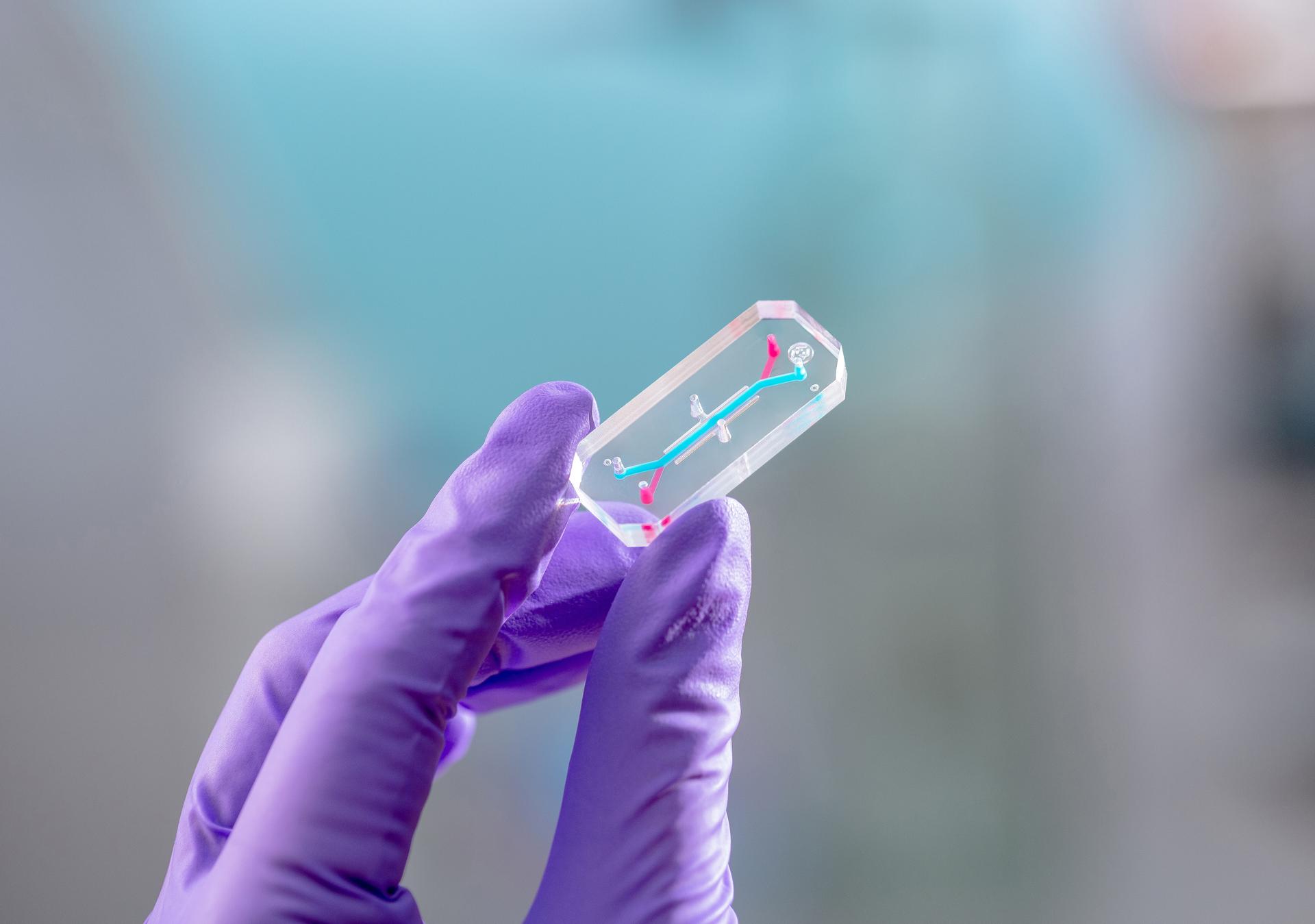
The AVATAR (A Virtual Astronaut Tissue Analog Response) investigation will use organ-on-a-chip devices, or organ chips, to study a effects of increased radiation and microgravity on human health. Artemis II AVATAR is a small experiment flying aboard Artemis II that could lead to big impacts in healthcare, both for astronauts in space and citizens on Earth. For more information on AVATAR: go.nasa.gov/4m5dGH9
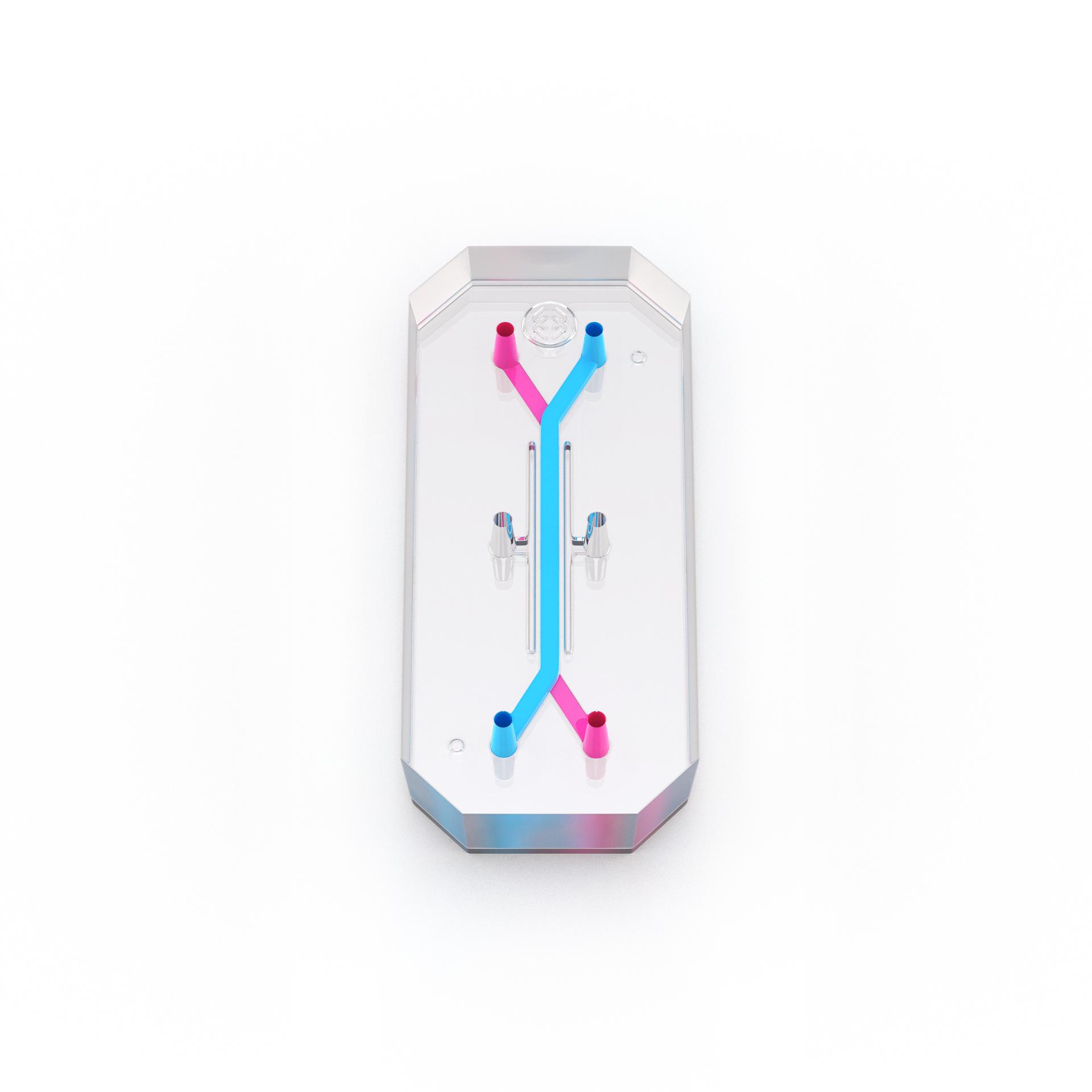
The AVATAR (A Virtual Astronaut Tissue Analog Response) investigation will use organ-on-a-chip devices, or organ chips, to study a effects of increased radiation and microgravity on human health. Artemis II AVATAR is a small experiment flying aboard Artemis II that could lead to big impacts in healthcare, both for astronauts in space and citizens on Earth. For more information on AVATAR: go.nasa.gov/4m5dGH9
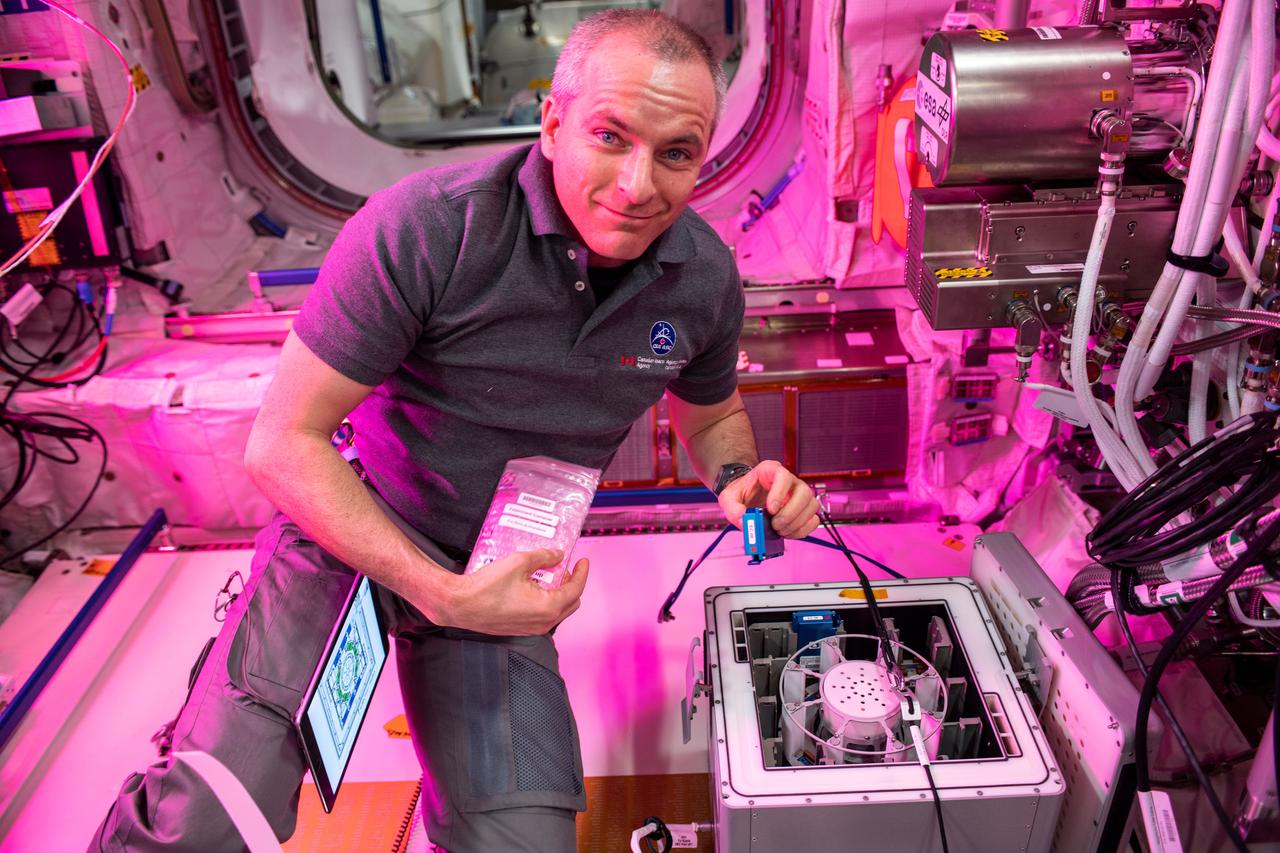
iss059e059049 (5/7/2019) --- Canadian Space Agency (CSA) astronaut David Saint-Jacques is photographed during the installation of the Nano Antioxidants Experiment Containers in Kubik 5 aboard the International Space Station (ISS). The aim of the Nano Antioxidants investigation is to research innovative approaches for cellular stimulation to counteract the negative effects of long-term microgravity on the musculoskeletal system. There are numerous possible applications of this research project in other crucial social domains, such as healthcare of the elderly and of people with muscle atrophy disorders, through the implementation of new therapeutic strategies in the treatment of diseases involving oxidative stress as causing factor.
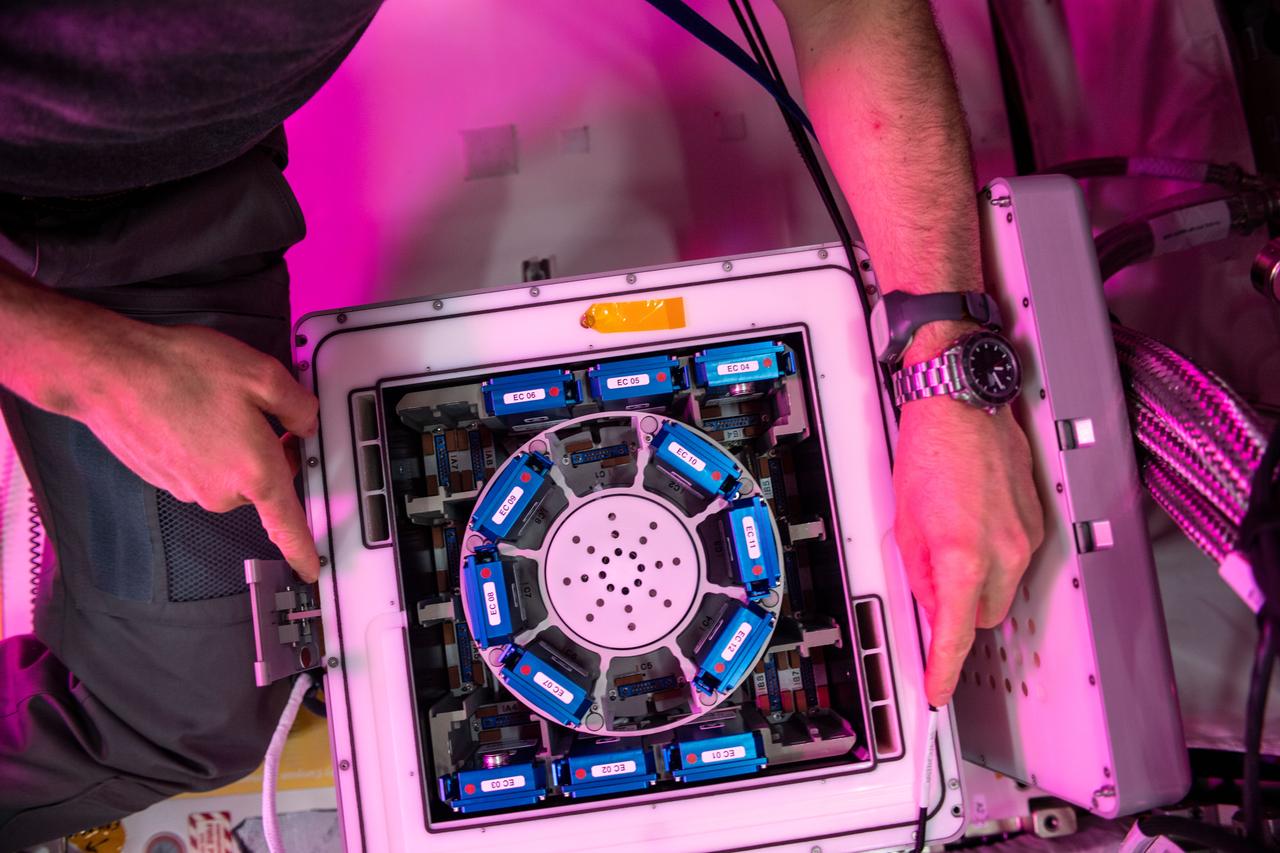
iss059e059071 (5/7/2019) --- Photo documentation of the 12 Nano Antioxidants Experiment Containers in Kubik 5 marking the start of the experiment run in the Columbus module aboard the International Space Station (ISS). The aim of the Nano Antioxidants investigation is to research innovative approaches for cellular stimulation to counteract the negative effects of long-term microgravity on the musculoskeletal system. There are numerous possible applications of this research project in other crucial social domains, such as healthcare of the elderly and of people with muscle atrophy disorders, through the implementation of new therapeutic strategies in the treatment of diseases involving oxidative stress as causing factor.
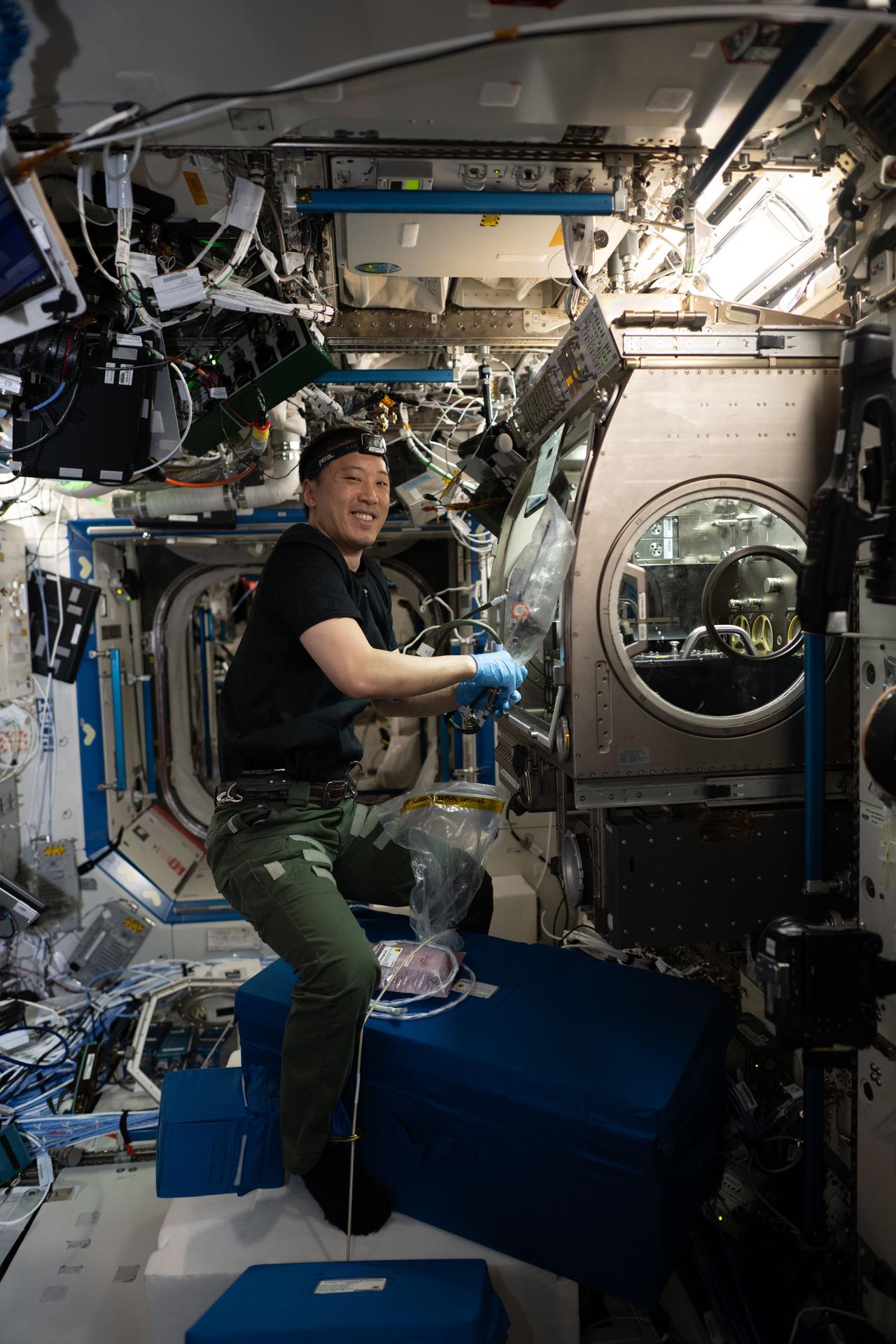
iss073e0886402 (Oct. 17) --- NASA astronaut and Expedition 73 Flight Engineer Jonny Kim works inside the Microgravity Science Glovebox (MSG) aboard the International Space Station’s Destiny laboratory module. Kim is seen stowing research hardware used in the Colloidal Solids physics experiment, which investigates how tiny particles—colloids—and proteins suspended in water behave in microgravity. The results may inform plant growth techniques, 3D printing technologies, and pharmaceutical manufacturing in space. On Earth, the findings could benefit the food, personal care, and healthcare industries.
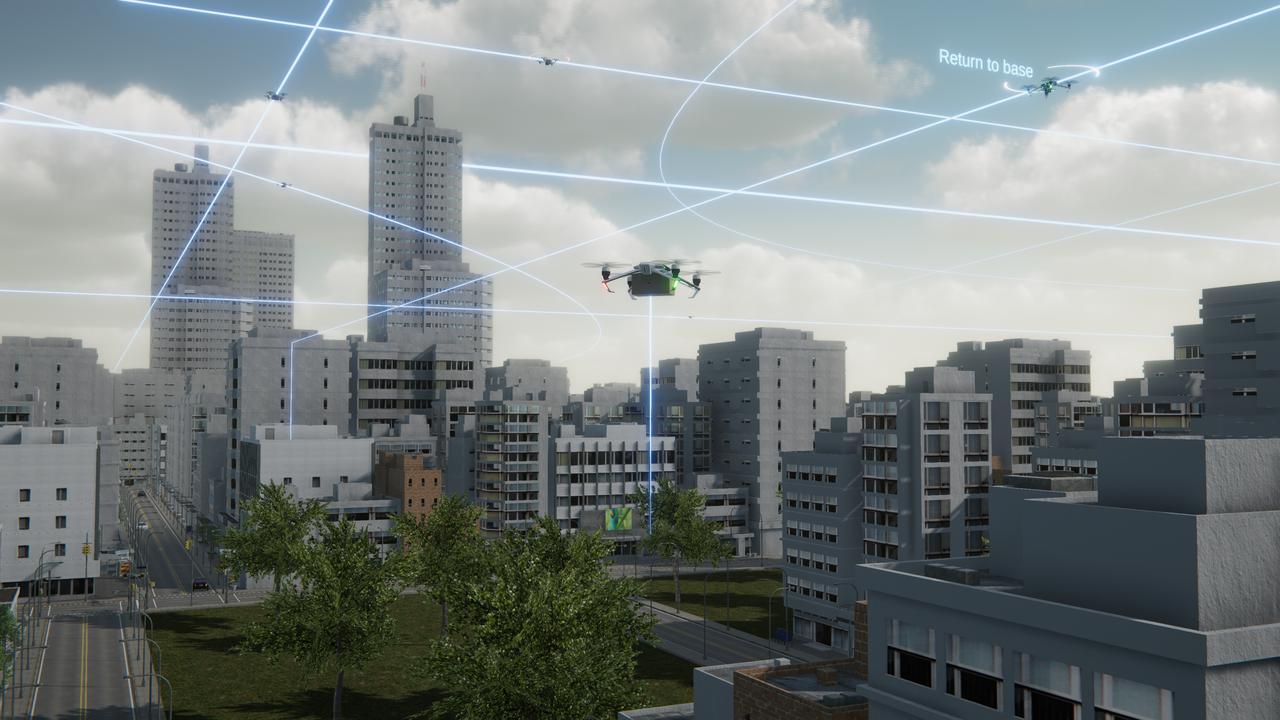
Several projects supporting NASA's Advanced Air Mobility or AAM mission are working on different elements to help make AAM a reality and one of these research areas is automation. This concept graphic shows how elements of automation could be integrated into a future airspace. Technology like this could enable vehicles to operate without a pilot, or if a pilot is in the loop, increase the safety.
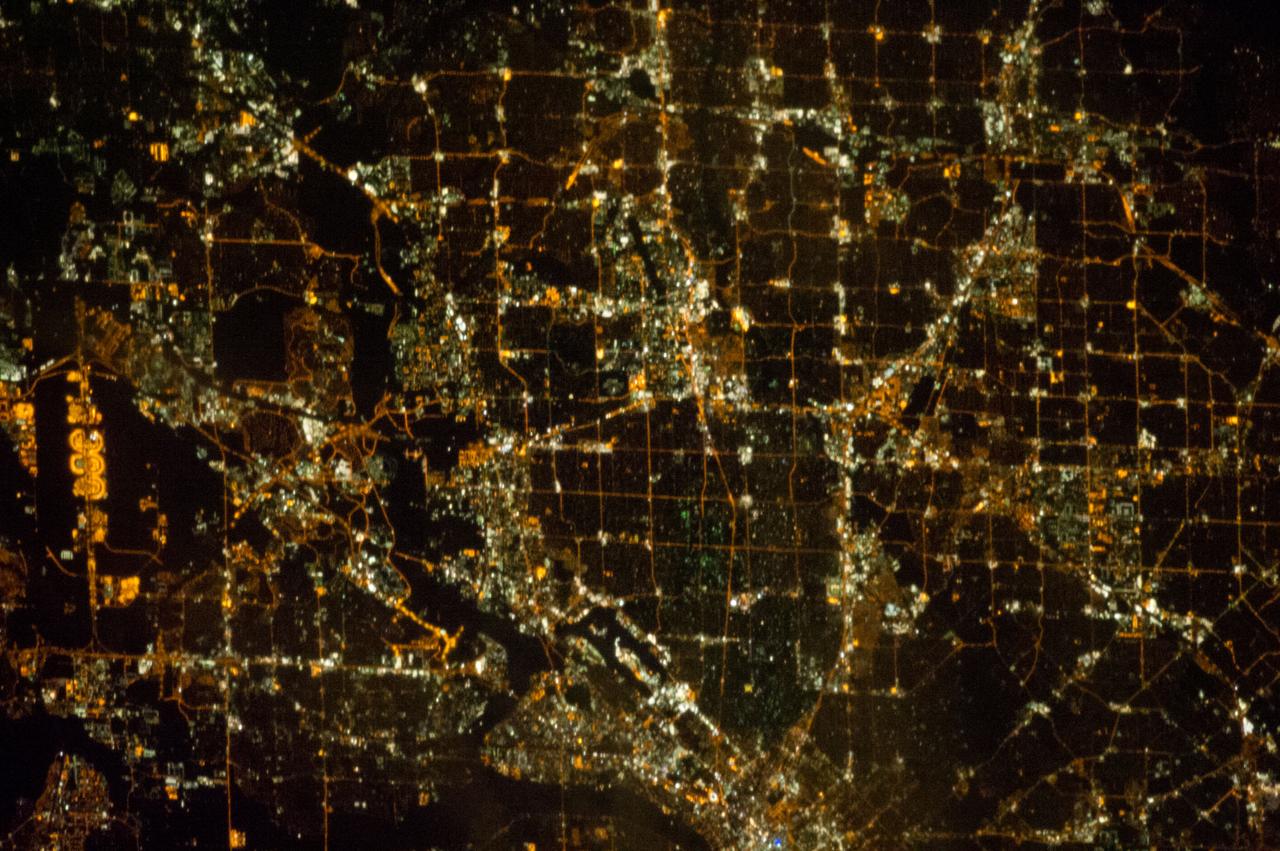
ISS033-E-021663 (15 Nov. 2012) --- A nighttime view of the Dallas, Texas metropolitan area is featured in this image photographed by an Expedition 33 crew member on the International Space Station. Most metropolitan areas of the western United States are configured over large areas with a regular street grid pattern that is highly recognizable from space, particularly at night. The northern Dallas metropolitan area exhibits this pattern. The north-south and east-west grid pattern of major surface streets is highlighted by orange street lighting, lending a fishnet-like appearance to the urban area. Within this framework, smaller residential and commercial buildings and streets give green-gray stipple patterns to some blocks. The airplane terminals of Dallas-Fort Worth International Airport are lit with golden-yellow lights, and surrounded by relatively dark runways and fields at left. Likewise, the runways of Dallas Love Field at lower center are recognizable by their darkness. Other dark areas within the metro region are open space, parks, and water bodies. Dallas is part of the larger Dallas-Fort Worth-Arlington Metropolitan Statistical Area (population 6,526,548 in 2011) as recognized by the U.S. Census Bureau; to most Texans, it is simply ?DFW? or ?the Metroplex.? Several of the larger urban areas within DFW are visible in this image; Dallas, Garland and Richardson all have populations above 100,000 according to the North Central Texas Council of Governments. While historically the economy of Dallas was based in the oil and cotton industries, today commerce, technology, healthcare, and transportation are the major economic drivers.
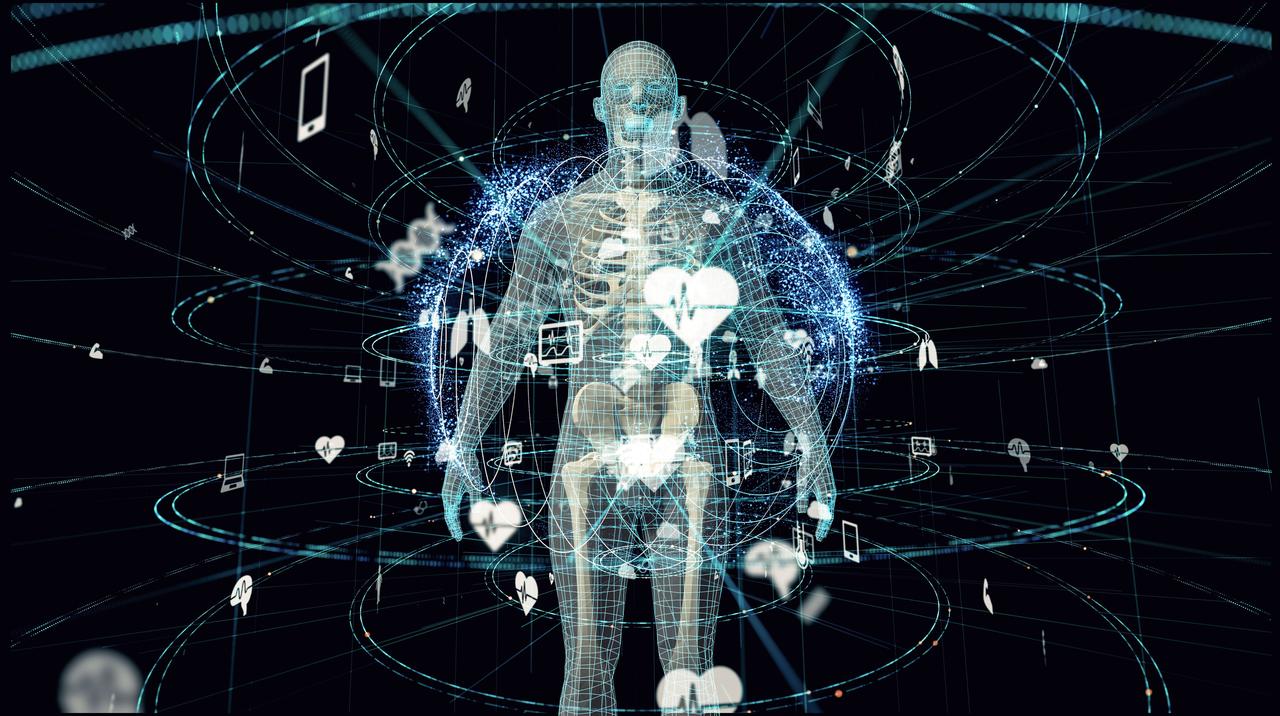
jsc2022e062020 (6/30/2022) --- Space Health will create a digital twin of the astronaut from the data collected by the Bio-Monitor and demonstrate how this could be used for autonomous health monitoring on future space missions. (Image courtesy of CSA)