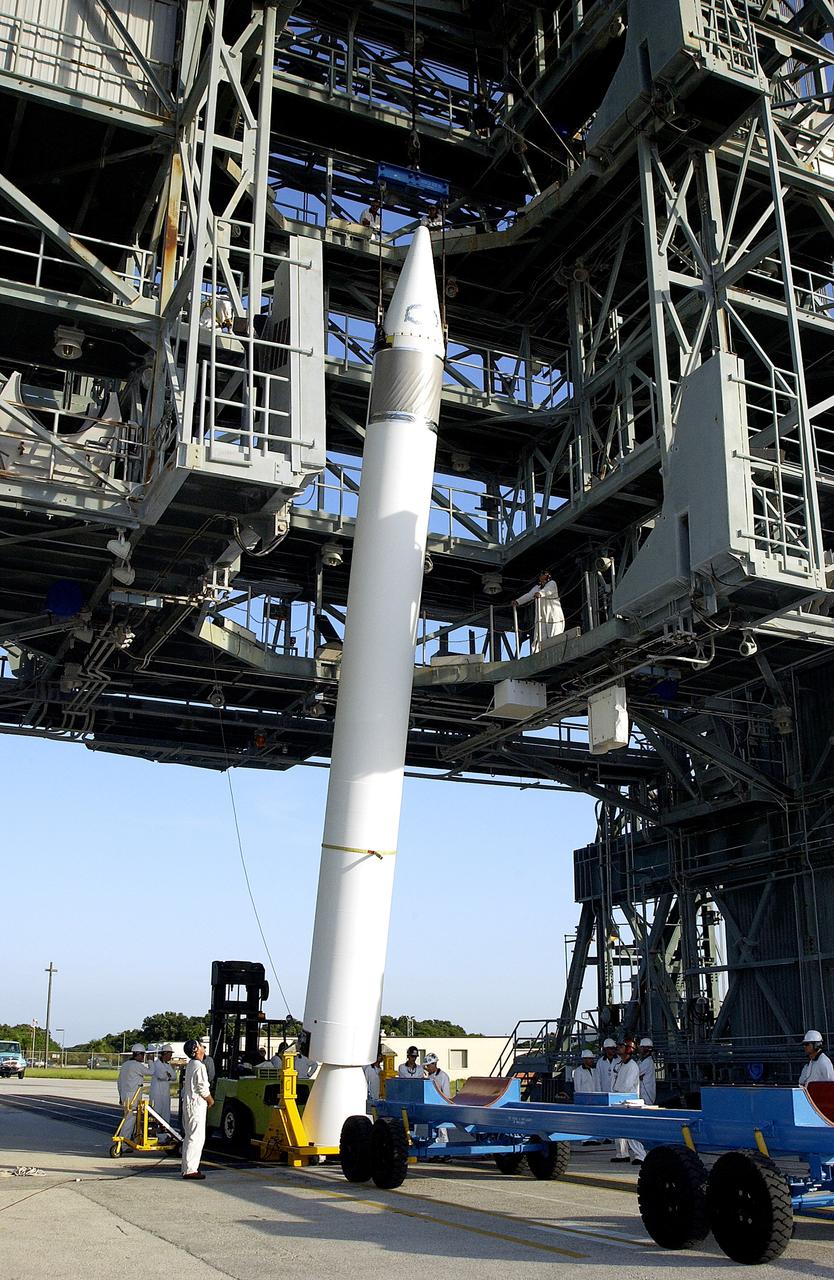
KENNEDY SPACE CENTER, FLA. - A solid rocket booster (SRB) is lifted to vertical on Launch Complex 17-B, Cape Canaveral Air Force Station. The SRB will be attached to the Delta II Heavy rocket that will launch the Space Infrared Telescope Facility (SIRTF). The Delta II Heavy features nine 46-inch-diameter, stretched SRBs. Consisting of three cryogenically cooled science instruments and an 0.85-meter telescope, SIRTF is one of NASA's largest infrared telescopes to be launched. SIRTF will obtain images and spectra by detecting the infrared energy, or heat, radiated by objects in space. Most of this infrared radiation is blocked by the Earth's atmosphere and cannot be observed from the ground.
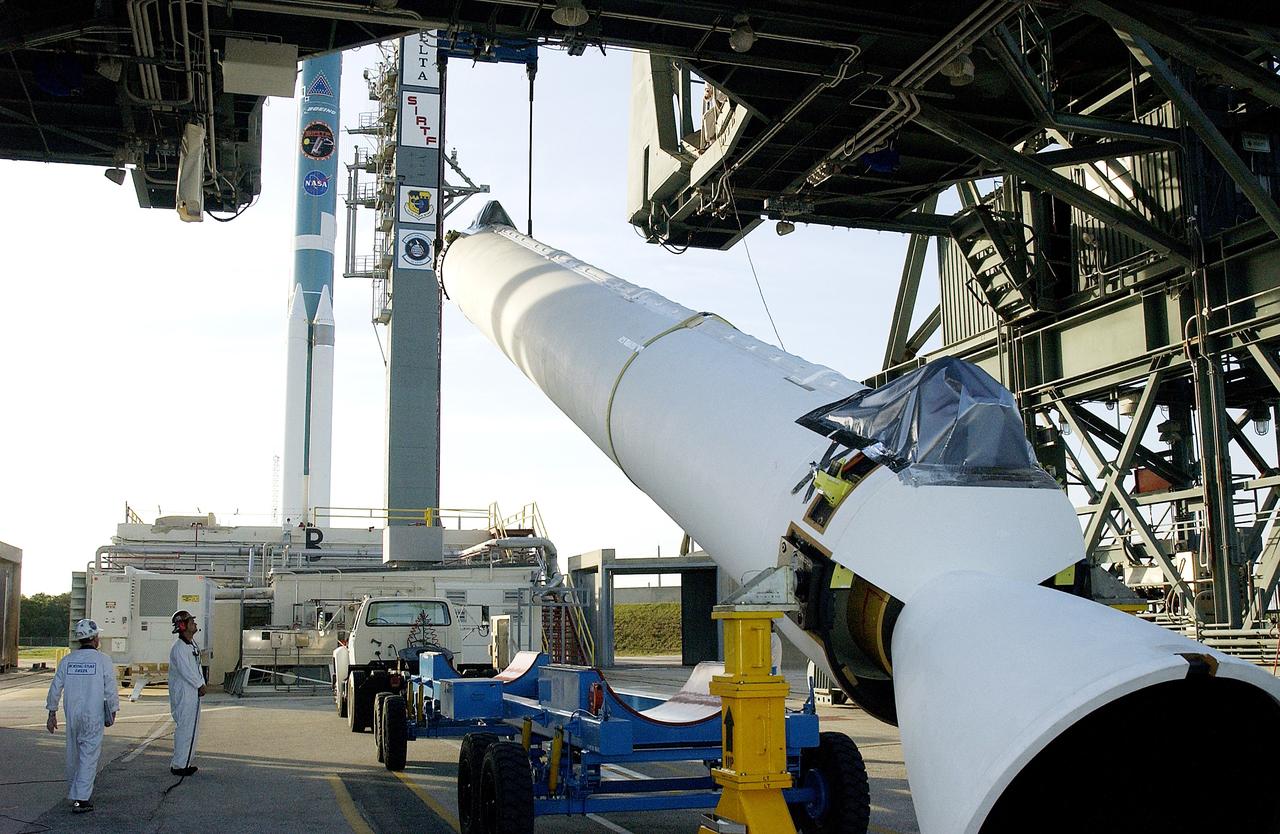
KENNEDY SPACE CENTER, FLA. - A solid rocket booster (SRB) for the Delta II Heavy rocket that will launch the Space Infrared Telescope Facility (SIRTF) is lifted off its transporter on Launch Complex 17-B, Cape Canaveral Air Force Station. The SRB will be added to the launch vehicle in the background. The Delta II Heavy features nine 46-inch-diameter, stretched SRBs. SIRTF, consisting of three cryogenically cooled science instruments and an 0.85-meter telescope, is one of NASA's largest infrared telescopes to be launched. SIRTF will obtain images and spectra by detecting the infrared energy, or heat, radiated by objects in space. Most of this infrared radiation is blocked by the Earth's atmosphere and cannot be observed from the ground.
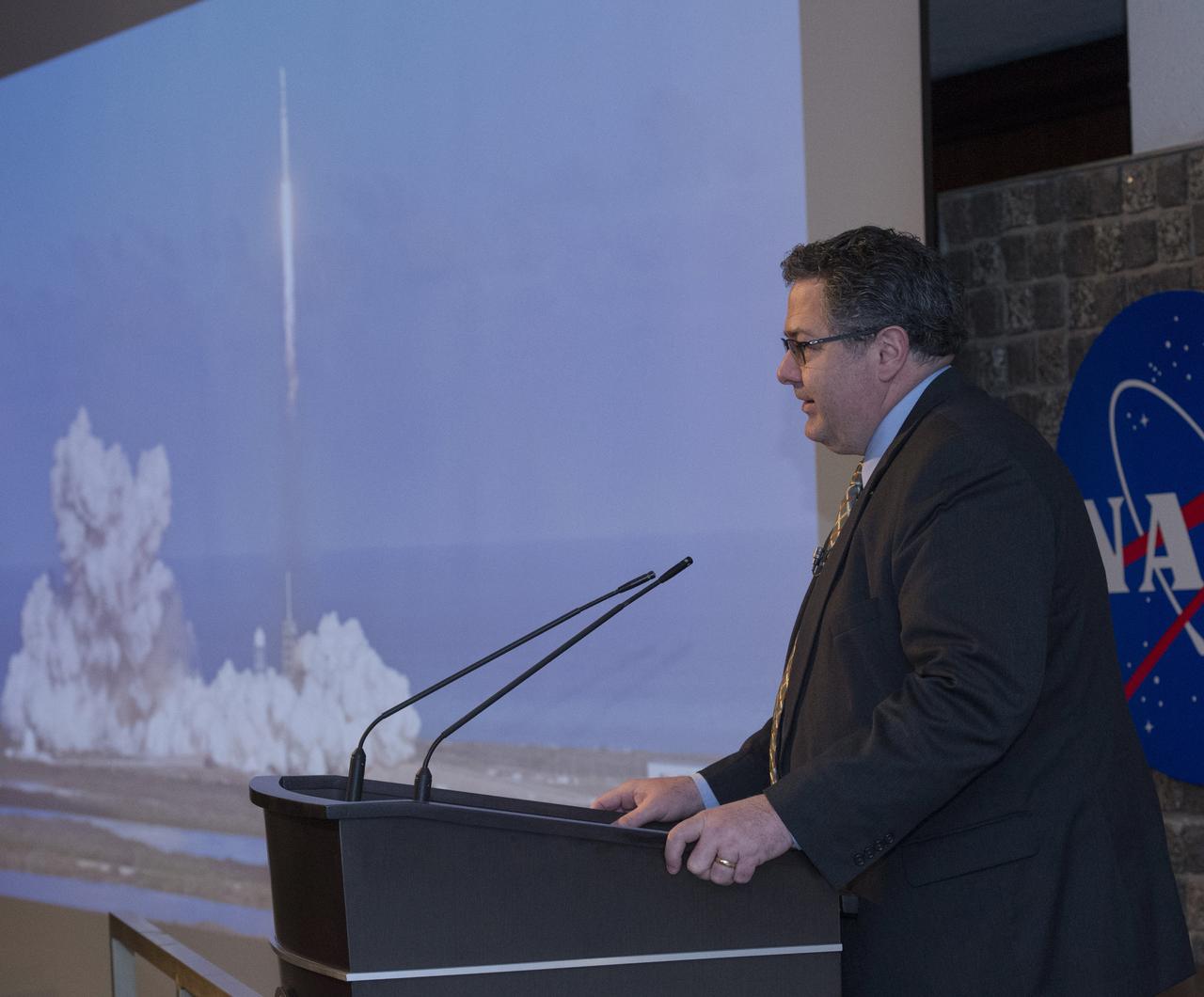
MSFC Director Todd May comments on recent successful launch of the SpaceX Falcon Heavy Lift Rocket during All Hands Meeting
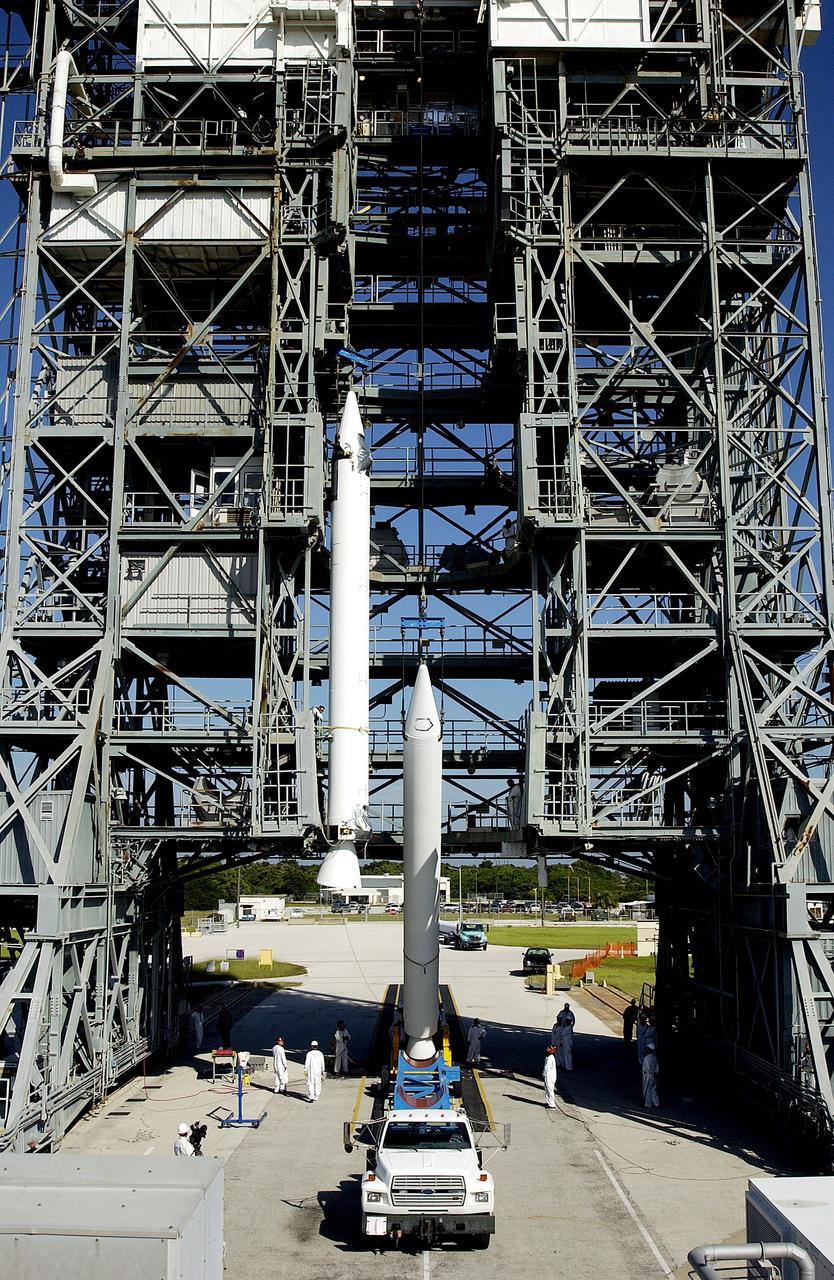
KENNEDY SPACE CENTER, FLA. - Another solid rocket booster (SRB) is lifted to vertical on Launch Complex 17-B, Cape Canaveral Air Force Station, to join the one already in place in the mobile service tower. The SRBs will be attached to the Delta II Heavy rocket that will launch the Space Infrared Telescope Facility (SIRTF). The Delta II Heavy features nine 46-inch-diameter, stretched SRBs. SIRTF, consisting of three cryogenically cooled science instruments and an 0.85-meter telescope, is one of NASA's largest infrared telescopes to be launched. SIRTF will obtain images and spectra by detecting the infrared energy, or heat, radiated by objects in space. Most of this infrared radiation is blocked by the Earth's atmosphere and cannot be observed from the ground.
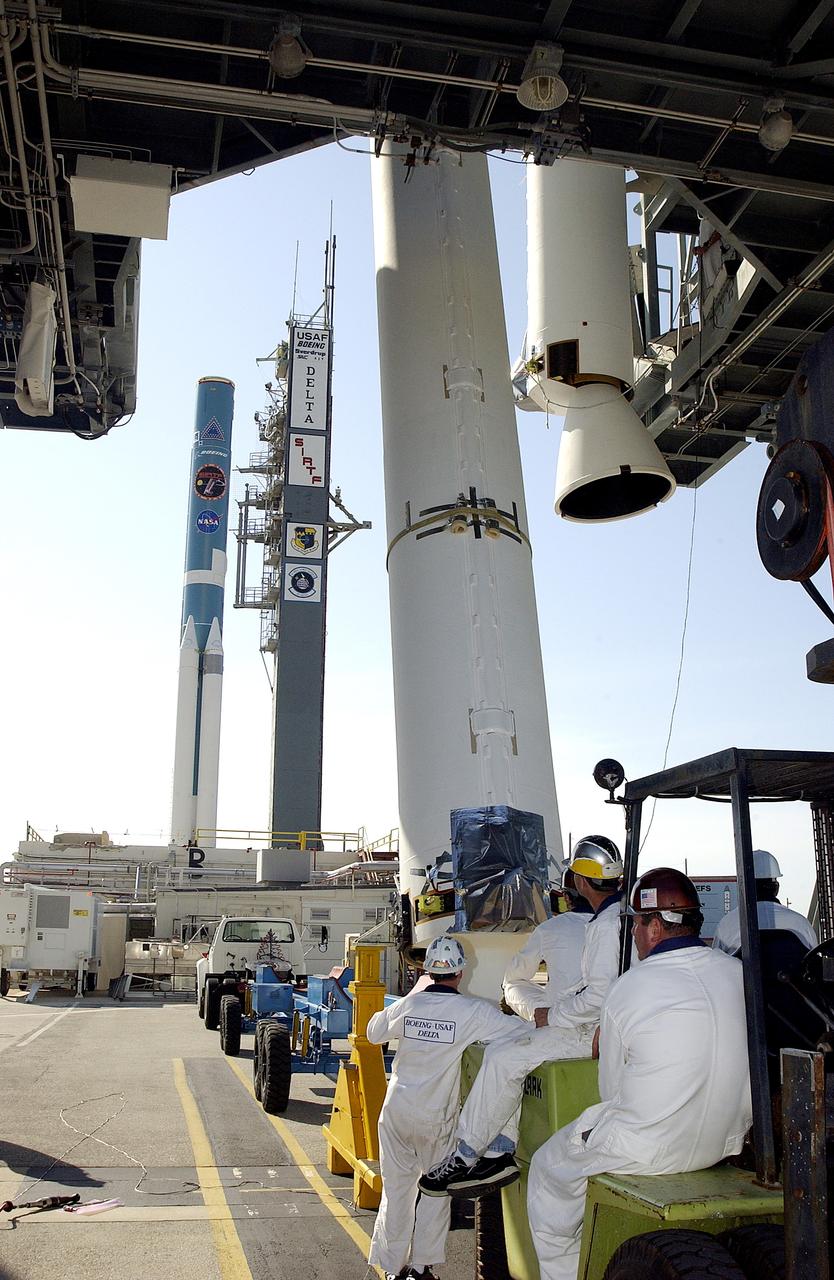
KENNEDY SPACE CENTER, FLA. - Another solid rocket booster (SRB) is lifted to vertical on Launch Complex 17-B, Cape Canaveral Air Force Station, to join the one already in place in the mobile service tower. The SRBs will be attached to the Delta II Heavy rocket in the background that will launch the Space Infrared Telescope Facility (SIRTF). The Delta II Heavy features nine 46-inch-diameter, stretched SRBs. SIRTF, consisting of three cryogenically cooled science instruments and an 0.85-meter telescope, is one of NASA's largest infrared telescopes to be launched. SIRTF will obtain images and spectra by detecting the infrared energy, or heat, radiated by objects in space. Most of this infrared radiation is blocked by the Earth's atmosphere and cannot be observed from the ground.
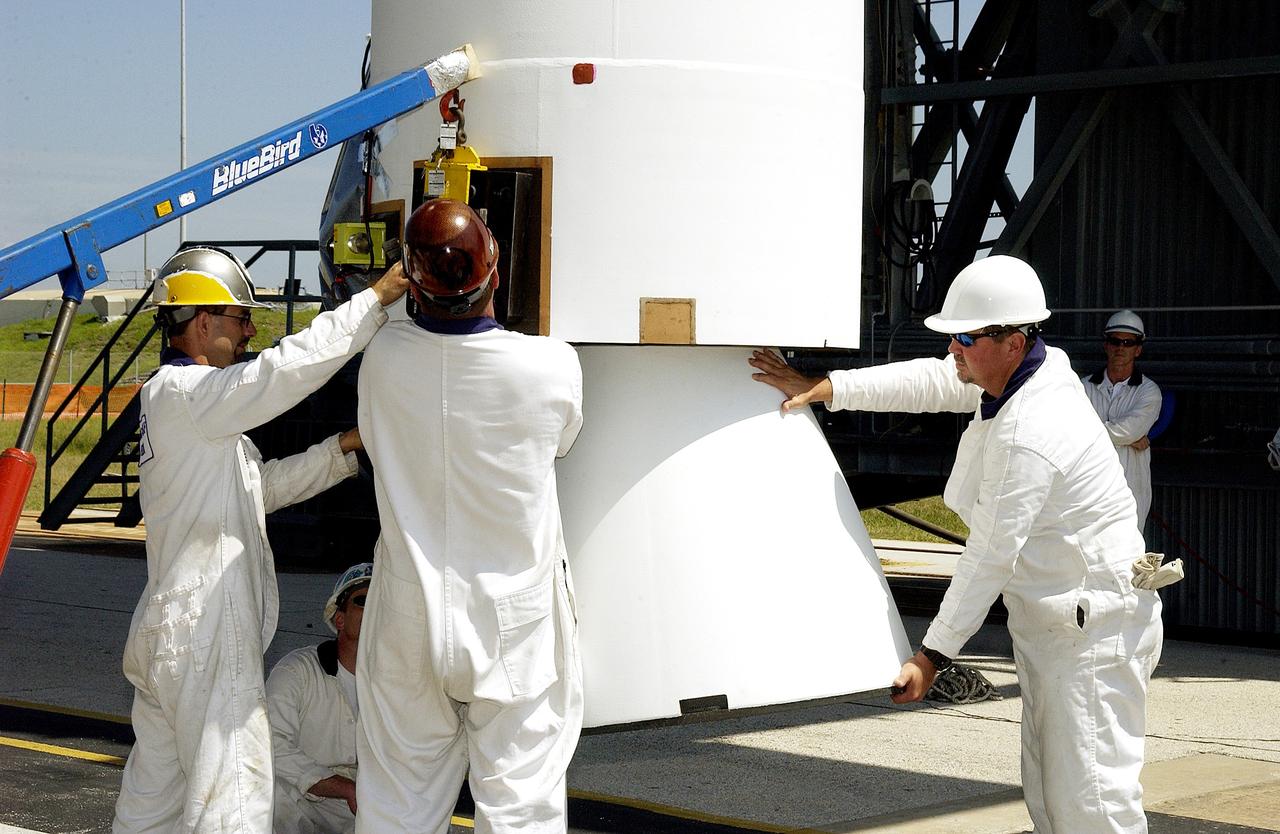
KENNEDY SPACE CENTER, FLA. - Workers on Launch Complex 17-B, Cape Canaveral Air Force Station, help steady a solid rocket booster (SRB) being lifted into the mobile service tower. It is one of nine 46-inch-diameter, stretched SRBs that are being attached to the Delta II Heavy rocket that will launch the Space Infrared Telescope Facility (SIRTF). Consisting of three cryogenically cooled science instruments and an 0.85-meter telescope, SIRTF is one of NASA's largest infrared telescopes to be launched. SIRTF will obtain images and spectra by detecting the infrared energy, or heat, radiated by objects in space. Most of this infrared radiation is blocked by the Earth's atmosphere and cannot be observed from the ground.
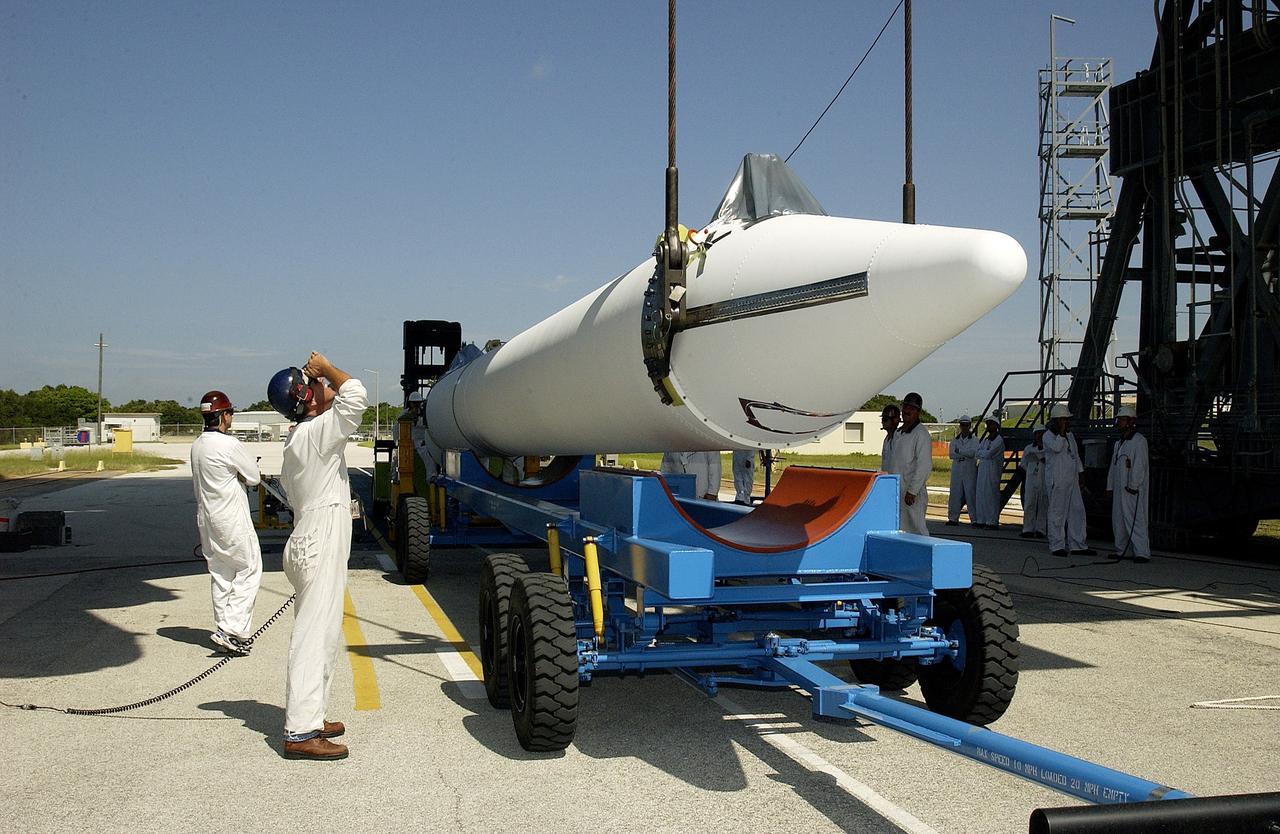
KENNEDY SPACE CENTER, FLA. - On Launch Complex 17-B, Cape Canaveral Air Force Station, another solid rocket booster (SRB) is being raised from its transporter to lift it to vertical. It is one of nine 46-inch-diameter, stretched SRBs that are being attached to the Delta II Heavy rocket that will launch the Space Infrared Telescope Facility (SIRTF). Consisting of three cryogenically cooled science instruments and an 0.85-meter telescope, SIRTF is one of NASA's largest infrared telescopes to be launched. SIRTF will obtain images and spectra by detecting the infrared energy, or heat, radiated by objects in space. Most of this infrared radiation is blocked by the Earth's atmosphere and cannot be observed from the ground.
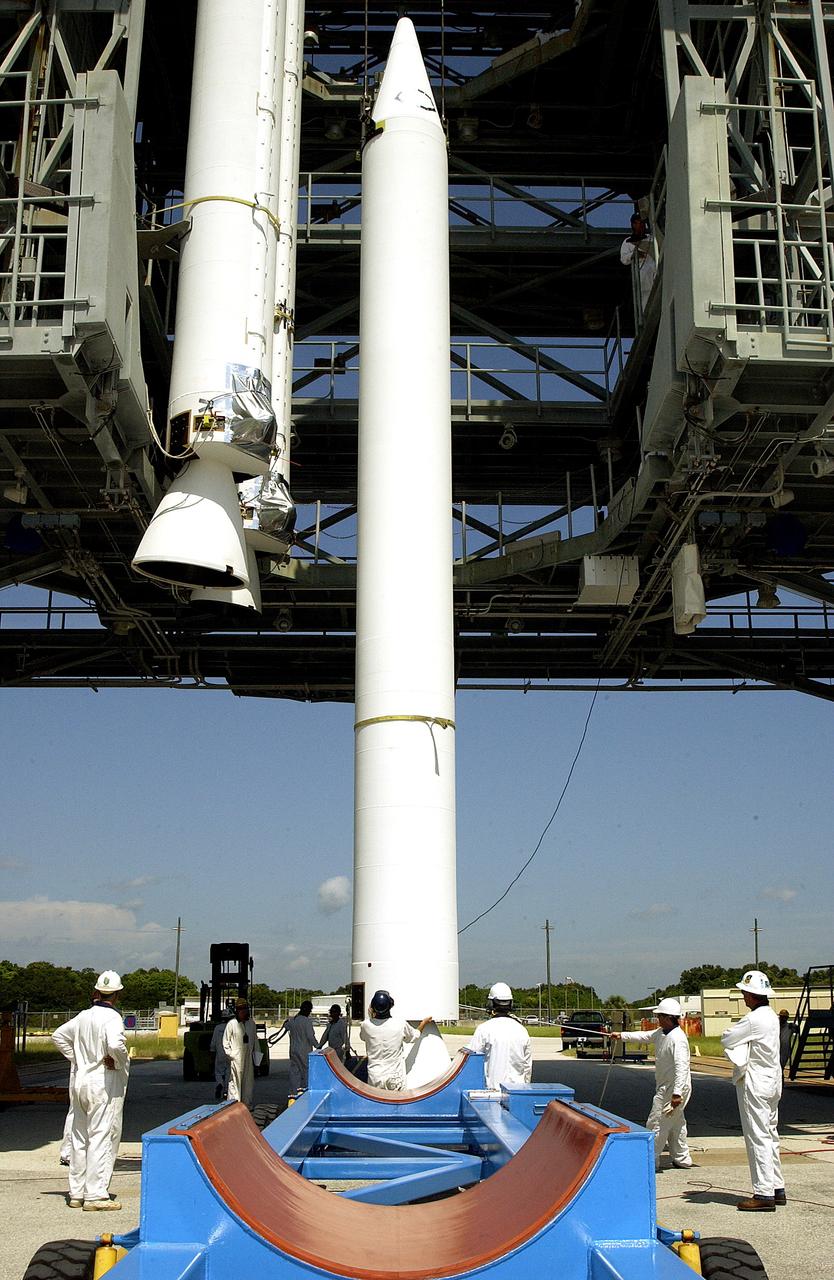
KENNEDY SPACE CENTER, FLA. - On Launch Complex 17-B, Cape Canaveral Air Force Station, a solid rocket booster (SRB) is lifted into the mobile service tower, joining two others. They are three of nine 46-inch-diameter, stretched SRBs that are being attached to the Delta II Heavy rocket that will launch the Space Infrared Telescope Facility (SIRTF). Consisting of three cryogenically cooled science instruments and an 0.85-meter telescope, SIRTF is one of NASA's largest infrared telescopes to be launched. SIRTF will obtain images and spectra by detecting the infrared energy, or heat, radiated by objects in space. Most of this infrared radiation is blocked by the Earth's atmosphere and cannot be observed from the ground.
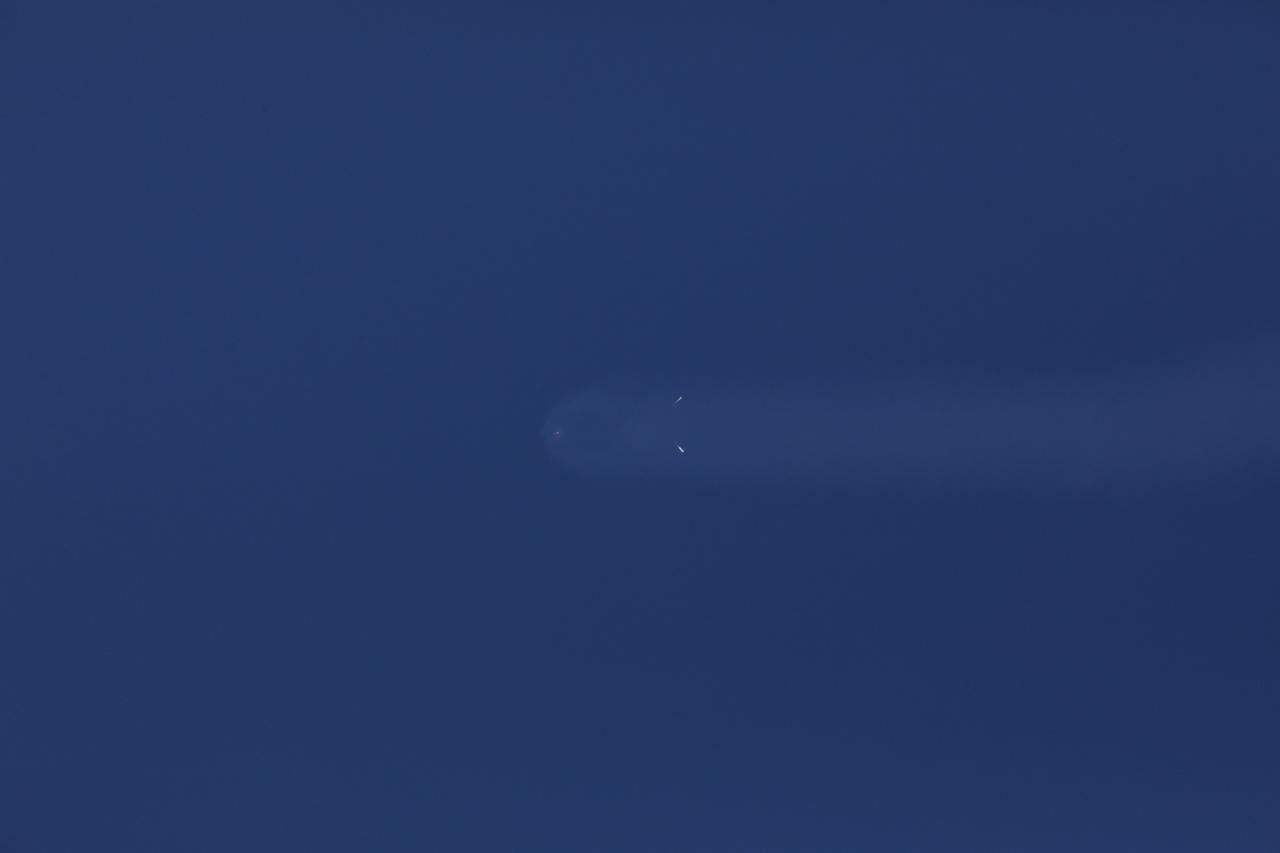
The SpaceX Falcon Heavy rocket’s two side cores separate from the center core as the vehicle performs its demonstration flight. The rocket lifted off at 3:45 p.m. EST from Launch Complex 39A at NASA's Kennedy Space Center in Florida. This is a significant milestone for the world's premier multi-user spaceport. In 2014, NASA signed a property agreement with SpaceX for the use and operation of the center's pad 39A, where the company has launched Falcon 9 rockets and prepared for the first Falcon Heavy. NASA also has Space Act Agreements in place with partners, such as SpaceX, to provide services needed to process and launch rockets and spacecraft.
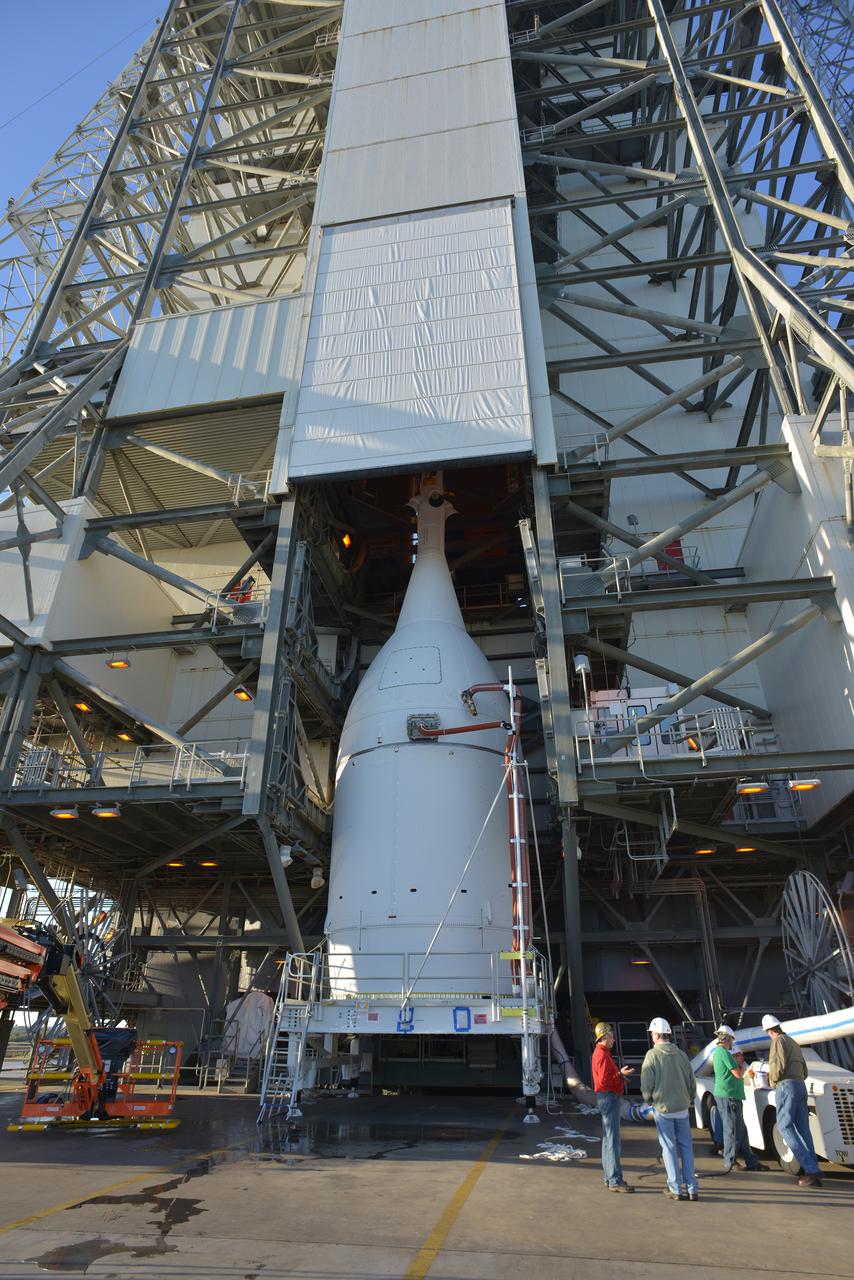
At Cape Canaveral Air Force Station's Launch Complex 37, United Launch Alliance engineers and technicians prepare to lift the agency's Orion spacecraft for mounting atop its Delta IV Heavy rocket. Orion is the exploration spacecraft designed to carry astronauts to destinations not yet explored by humans, including an asteroid and Mars. It will have emergency abort capability, sustain the crew during space travel and provide safe re-entry from deep space return velocities. The first unpiloted flight test of Orion is scheduled to launch Dec. 4, 2014 atop a United Launch Alliance Delta IV Heavy rocket, and in 2018 on NASA’s Space Launch System rocket.
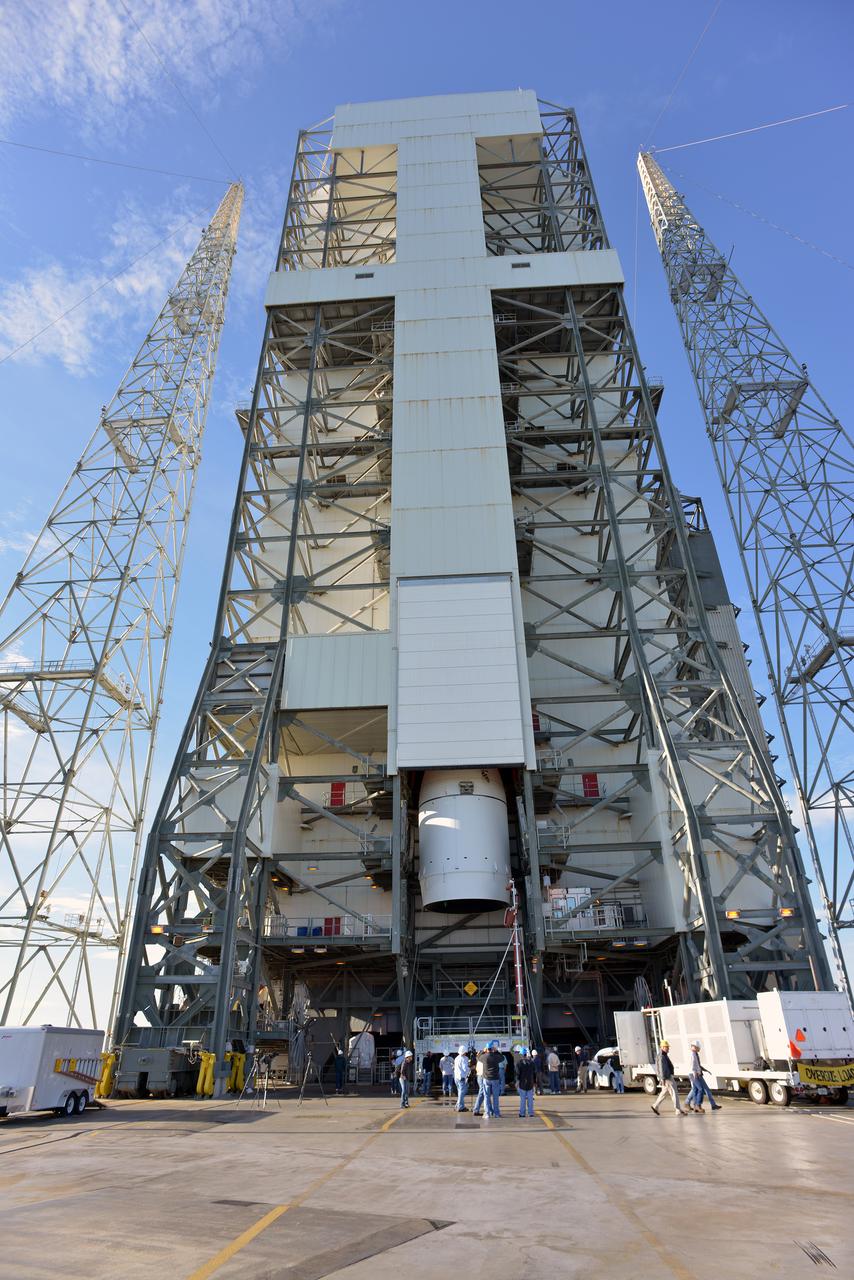
At Cape Canaveral Air Force Station's Launch Complex 37, United Launch Alliance engineers and technicians begin lifting the agency's Orion spacecraft for mounting atop its Delta IV Heavy rocket. Orion is the exploration spacecraft designed to carry astronauts to destinations not yet explored by humans, including an asteroid and Mars. It will have emergency abort capability, sustain the crew during space travel and provide safe re-entry from deep space return velocities. The first unpiloted flight test of Orion is scheduled to launch Dec. 4, 2014 atop a United Launch Alliance Delta IV Heavy rocket, and in 2018 on NASA’s Space Launch System rocket.
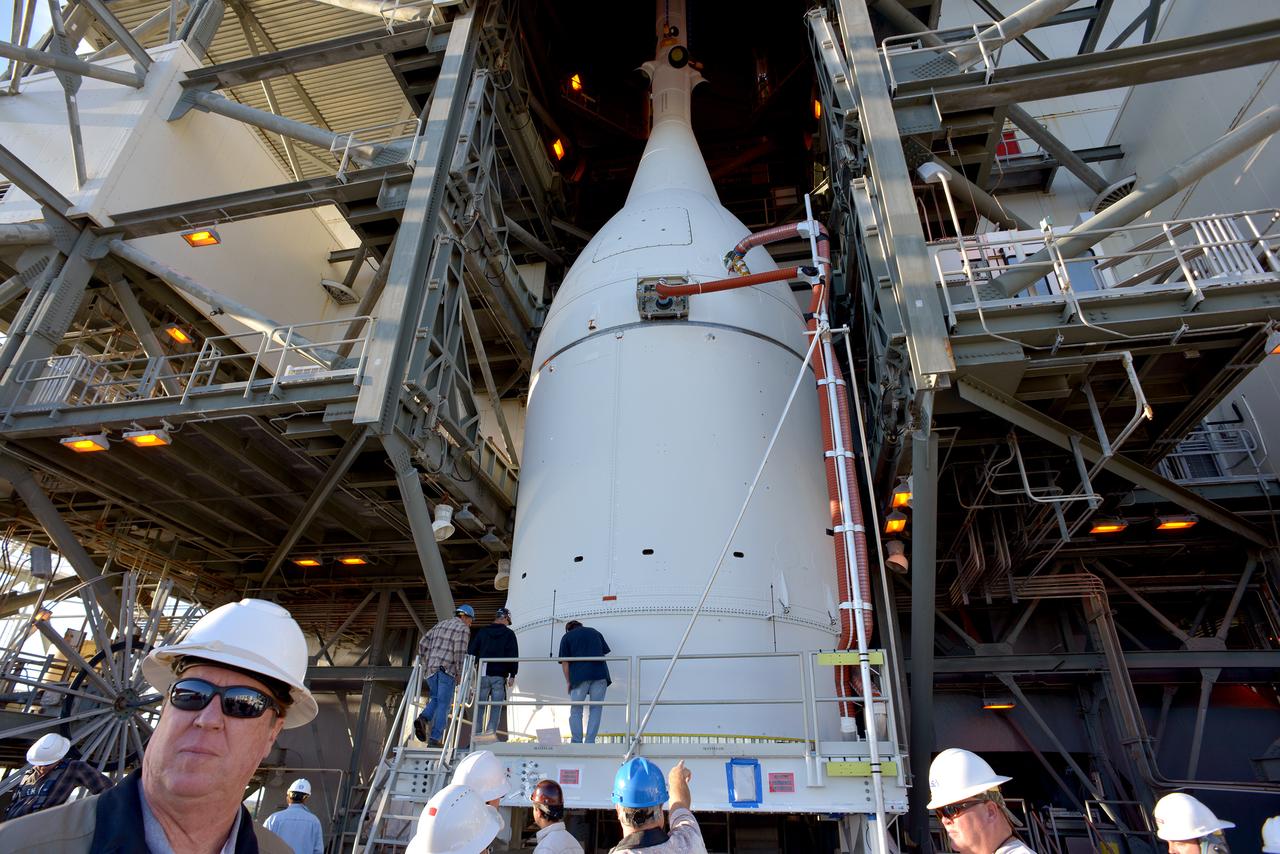
At Cape Canaveral Air Force Station's Launch Complex 37, United Launch Alliance engineers and technicians prepare to lift the agency's Orion spacecraft for mounting atop its Delta IV Heavy rocket. Orion is the exploration spacecraft designed to carry astronauts to destinations not yet explored by humans, including an asteroid and Mars. It will have emergency abort capability, sustain the crew during space travel and provide safe re-entry from deep space return velocities. The first unpiloted flight test of Orion is scheduled to launch Dec. 4, 2014 atop a United Launch Alliance Delta IV Heavy rocket, and in 2018 on NASA’s Space Launch System rocket.

At Cape Canaveral Air Force Station's Launch Complex 37, United Launch Alliance engineers and technicians prepare to lift the agency's Orion spacecraft for mounting atop its Delta IV Heavy rocket. Orion is the exploration spacecraft designed to carry astronauts to destinations not yet explored by humans, including an asteroid and Mars. It will have emergency abort capability, sustain the crew during space travel and provide safe re-entry from deep space return velocities. The first unpiloted flight test of Orion is scheduled to launch Dec. 4, 2014 atop a United Launch Alliance Delta IV Heavy rocket, and in 2018 on NASA’s Space Launch System rocket.
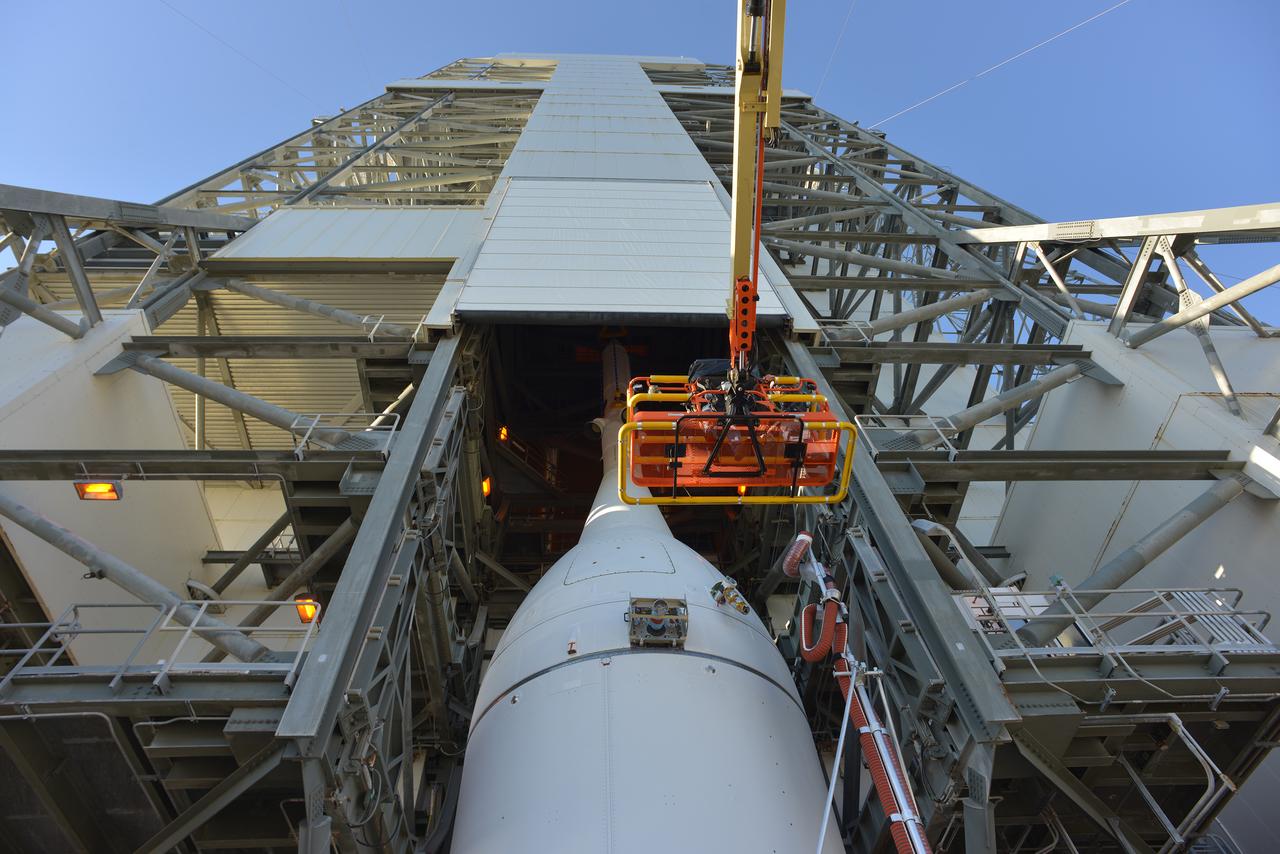
At Cape Canaveral Air Force Station's Launch Complex 37, United Launch Alliance engineers and technicians prepare to lift the agency's Orion spacecraft for mounting atop its Delta IV Heavy rocket. Orion is the exploration spacecraft designed to carry astronauts to destinations not yet explored by humans, including an asteroid and Mars. It will have emergency abort capability, sustain the crew during space travel and provide safe re-entry from deep space return velocities. The first unpiloted flight test of Orion is scheduled to launch Dec. 4, 2014 atop a United Launch Alliance Delta IV Heavy rocket, and in 2018 on NASA’s Space Launch System rocket.
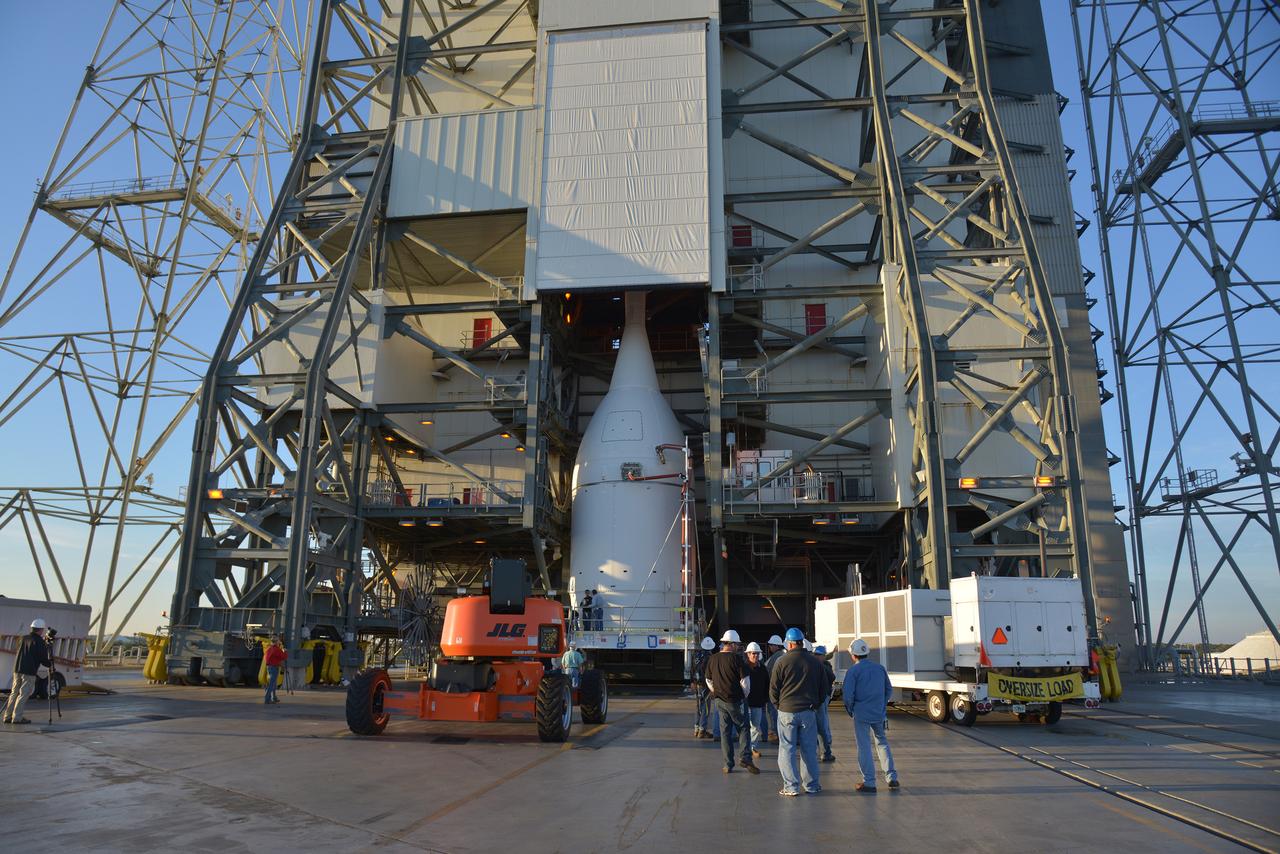
At Cape Canaveral Air Force Station's Launch Complex 37, United Launch Alliance engineers and technicians prepare to lift the agency's Orion spacecraft for mounting atop its Delta IV Heavy rocket. Orion is the exploration spacecraft designed to carry astronauts to destinations not yet explored by humans, including an asteroid and Mars. It will have emergency abort capability, sustain the crew during space travel and provide safe re-entry from deep space return velocities. The first unpiloted flight test of Orion is scheduled to launch Dec. 4, 2014 atop a United Launch Alliance Delta IV Heavy rocket, and in 2018 on NASA’s Space Launch System rocket.
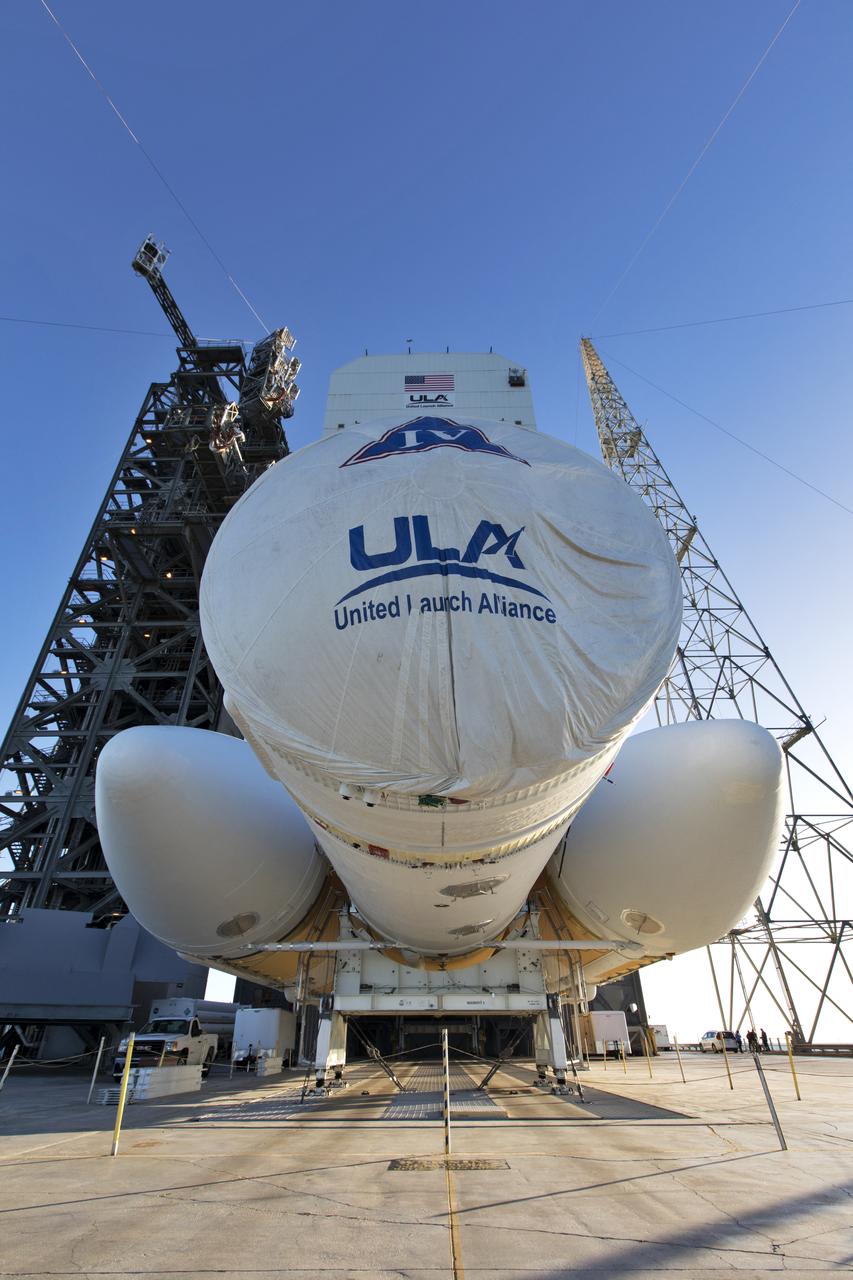
The first stage of a United Launch Alliance Delta IV Heavy rocket is prepared to be lifted vertical at the Vertical Integration Facility near Space Launch Complex 37 at Cape Canaveral Air Force Station in Florida. The Delta IV Heavy will launch NASA's upcoming Parker Solar Probe mission in July 2018. The mission will perform the closest-ever observations of a star when it travels through the Sun's atmosphere, called the corona. The probe will rely on measurements and imaging to revolutionize our understanding of the corona and the Sun-Earth connection.

The first stage of a United Launch Alliance Delta IV Heavy rocket is prepared to be lifted vertical at the Vertical Integration Facility near Space Launch Complex 37 at Cape Canaveral Air Force Station in Florida. The Delta IV Heavy will launch NASA's upcoming Parker Solar Probe mission in July 2018. The mission will perform the closest-ever observations of a star when it travels through the Sun's atmosphere, called the corona. The probe will rely on measurements and imaging to revolutionize our understanding of the corona and the Sun-Earth connection.
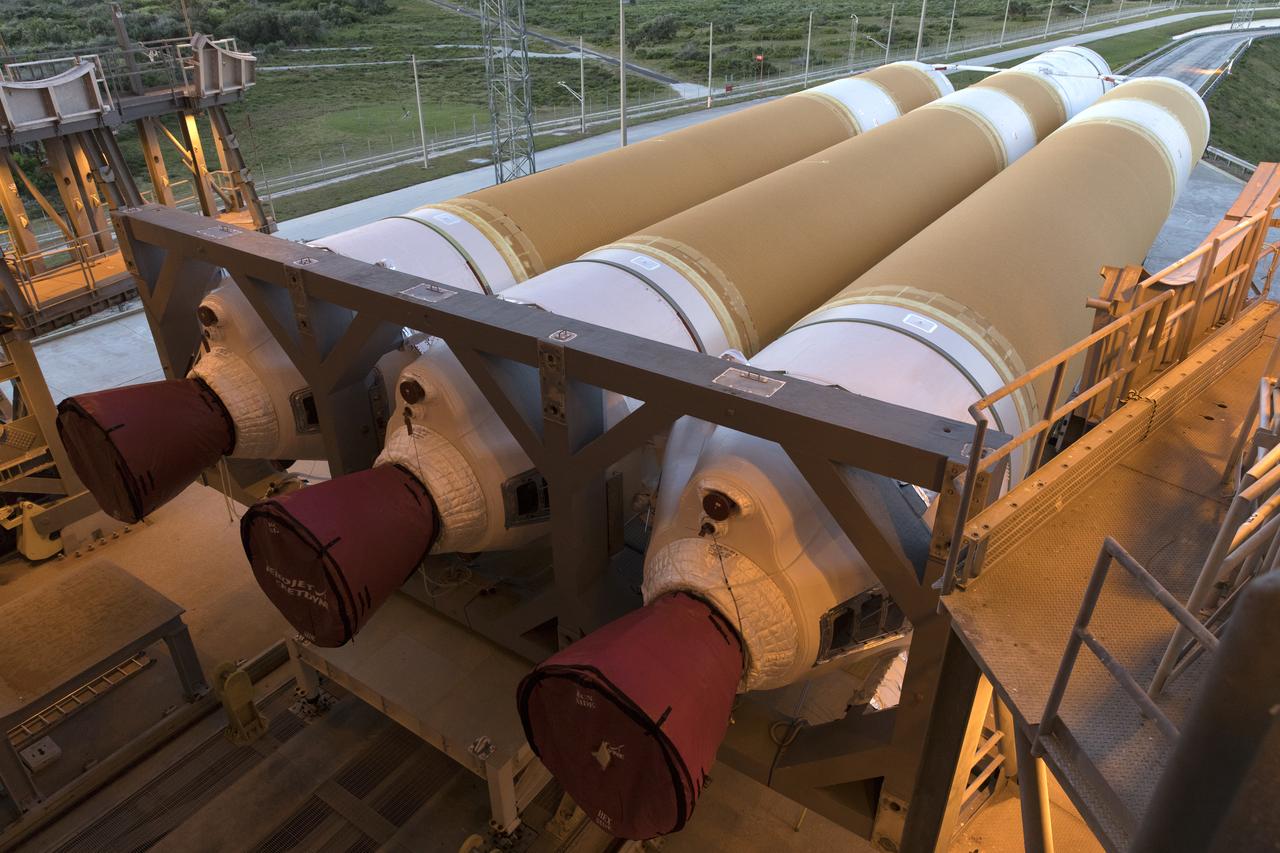
The first stage of a United Launch Alliance Delta IV Heavy rocket is prepared to be lifted vertical at the Vertical Integration Facility near Space Launch Complex 37 at Cape Canaveral Air Force Station in Florida. The Delta IV Heavy will launch NASA's upcoming Parker Solar Probe mission in July 2018. The mission will perform the closest-ever observations of a star when it travels through the Sun's atmosphere, called the corona. The probe will rely on measurements and imaging to revolutionize our understanding of the corona and the Sun-Earth connection.
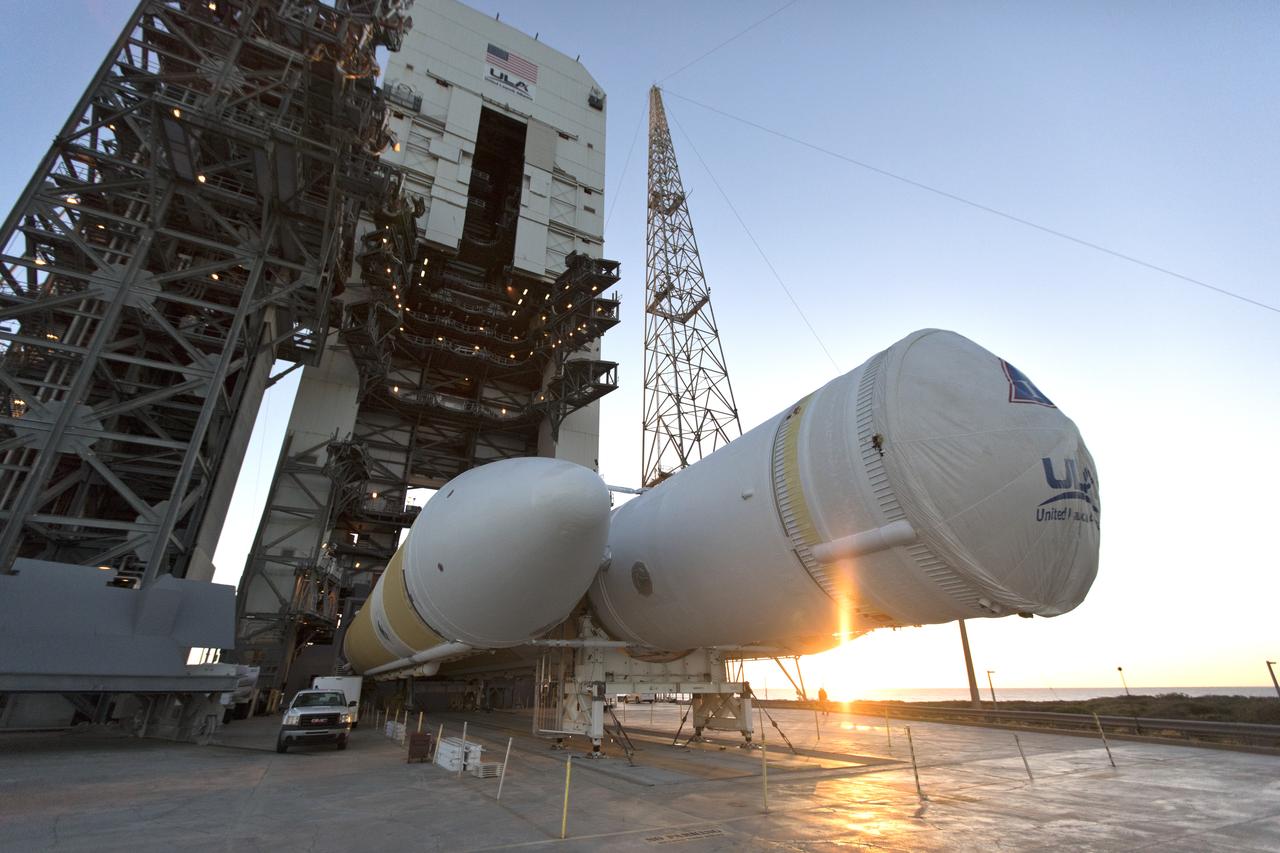
The first stage of a United Launch Alliance Delta IV Heavy rocket is prepared to be lifted vertical at the Vertical Integration Facility near Space Launch Complex 37 at Cape Canaveral Air Force Station in Florida. The Delta IV Heavy will launch NASA's upcoming Parker Solar Probe mission in July 2018. The mission will perform the closest-ever observations of a star when it travels through the Sun's atmosphere, called the corona. The probe will rely on measurements and imaging to revolutionize our understanding of the corona and the Sun-Earth connection.

Engineers and technicians at Space Launch Complex 37 move Orion into place in the service structure so the spacecraft can be lifted and joined to the top of the Delta IV Heavy rocket on Nov. 12, 2014. Part of Batch image transfer from Flickr.

Engineers and technicians at Space Launch Complex 37 move Orion into place in the service structure so the spacecraft can be lifted and joined to the top of the Delta IV Heavy rocket on Nov. 12, 2014. Part of Batch image transfer from Flickr.
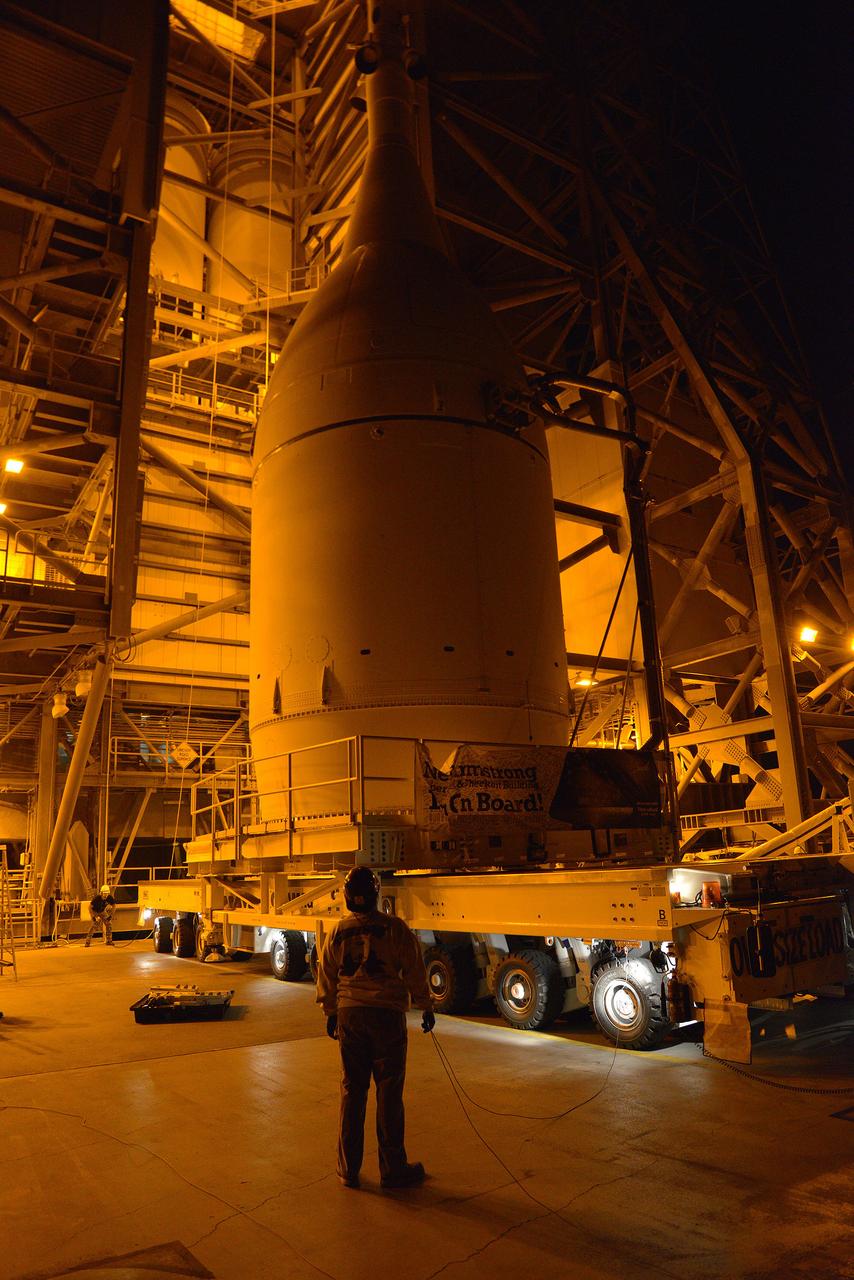
Engineers and technicians at Space Launch Complex 37 move Orion into place in the service structure so the spacecraft can be lifted and joined to the top of the Delta IV Heavy rocket on Nov. 12, 2014. Part of Batch image transfer from Flickr.
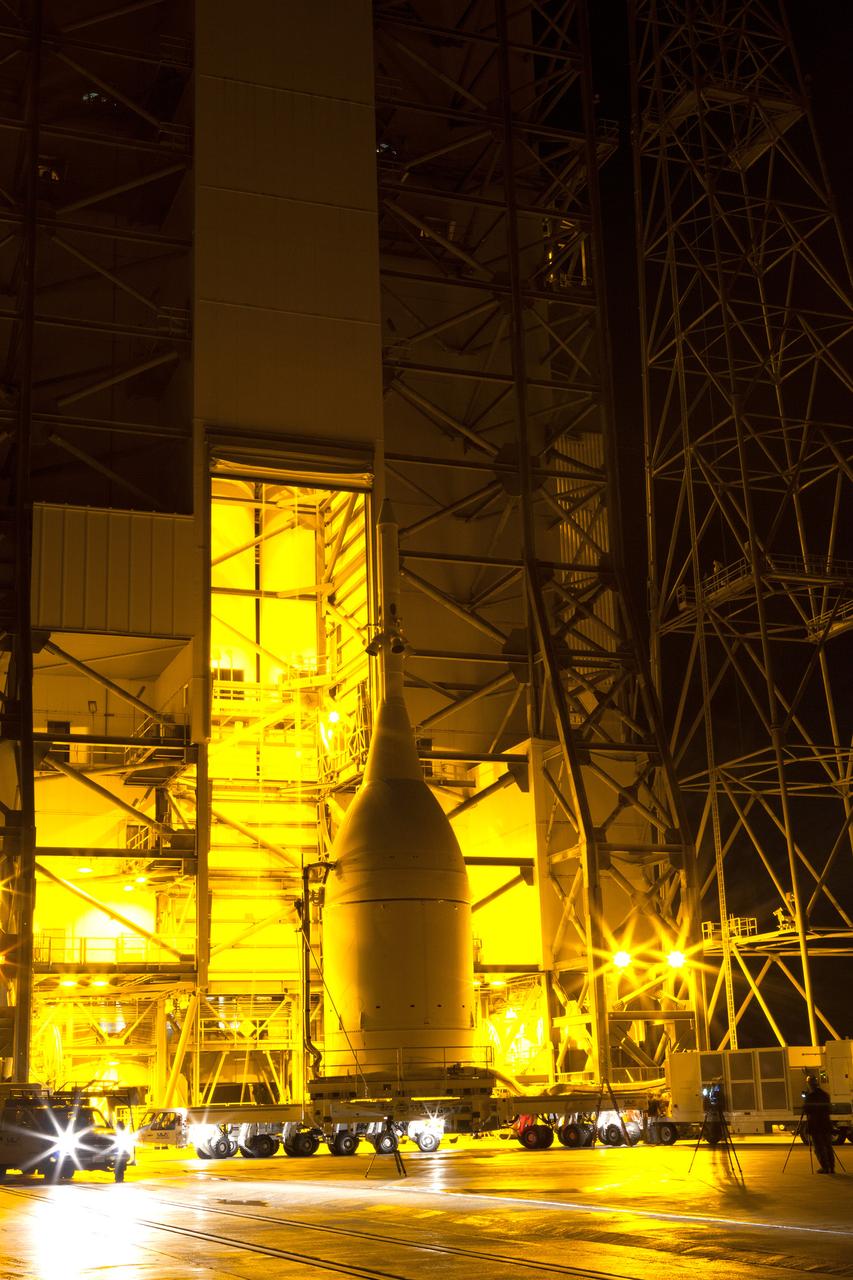
The Orion spacecraft and its transporter stand at the base of the service structure at Space Launch Complex 37 on Nov. 12, 2014. A crane inside the structure will lift Orion off its transporter to hoist it into place atop the Delta IV Heavy rocket that is already assembled at the pad. Part of Batch image transfer from Flickr.
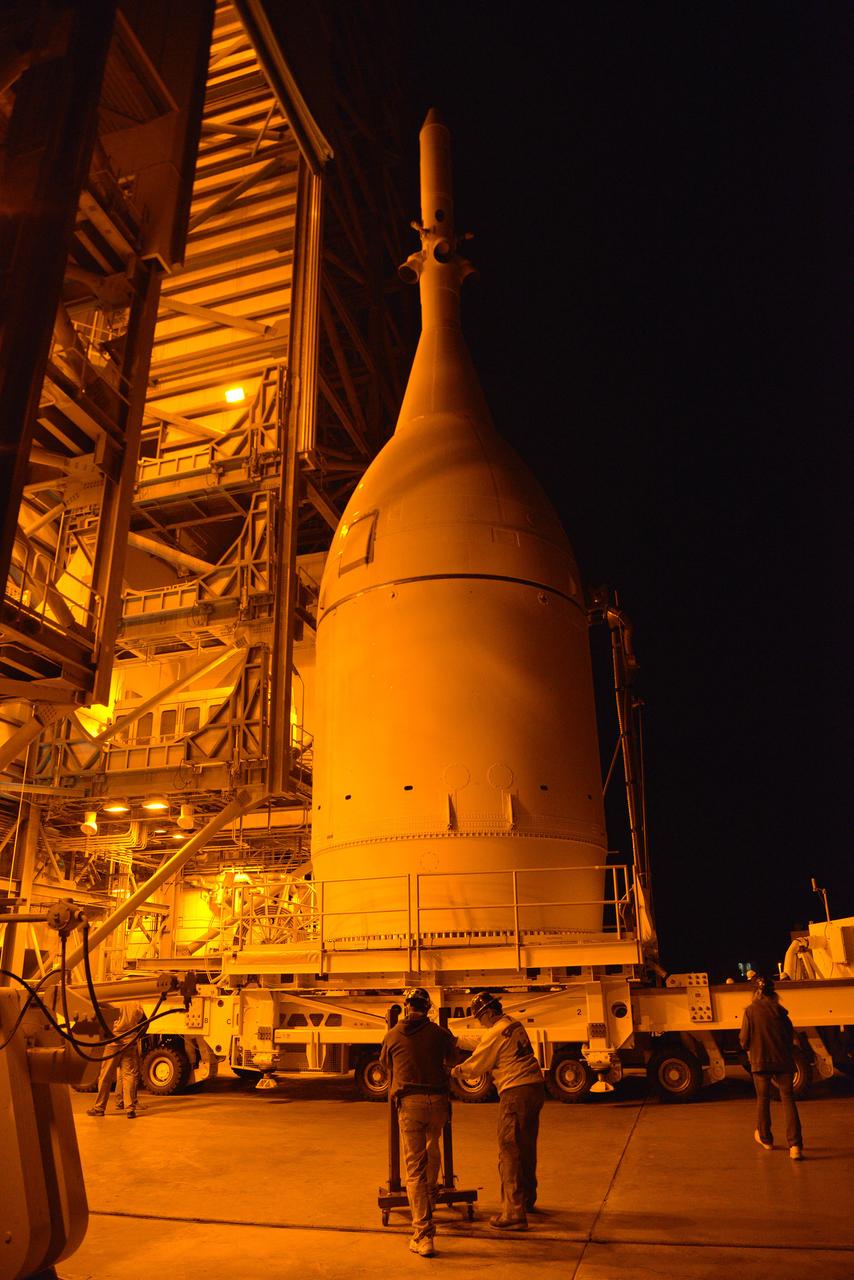
Engineers and technicians at Space Launch Complex 37 move Orion into place in the service structure so the spacecraft can be lifted and joined to the top of the Delta IV Heavy rocket on Nov. 12, 2014. Part of Batch image transfer from Flickr.
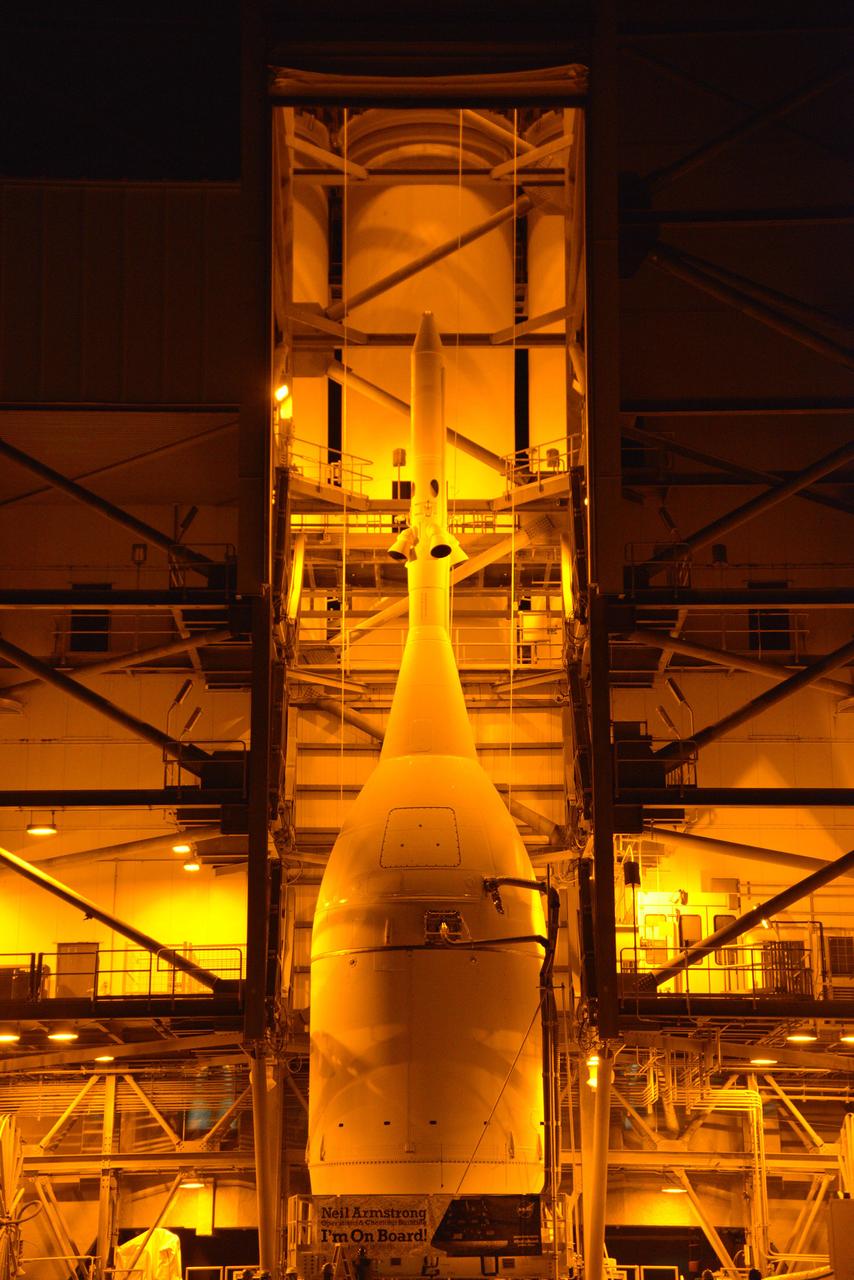
Engineers and technicians at Space Launch Complex 37 move Orion into place in the service structure so the spacecraft can be lifted and joined to the top of the Delta IV Heavy rocket on Nov. 12, 2014. Part of Batch image transfer from Flickr.
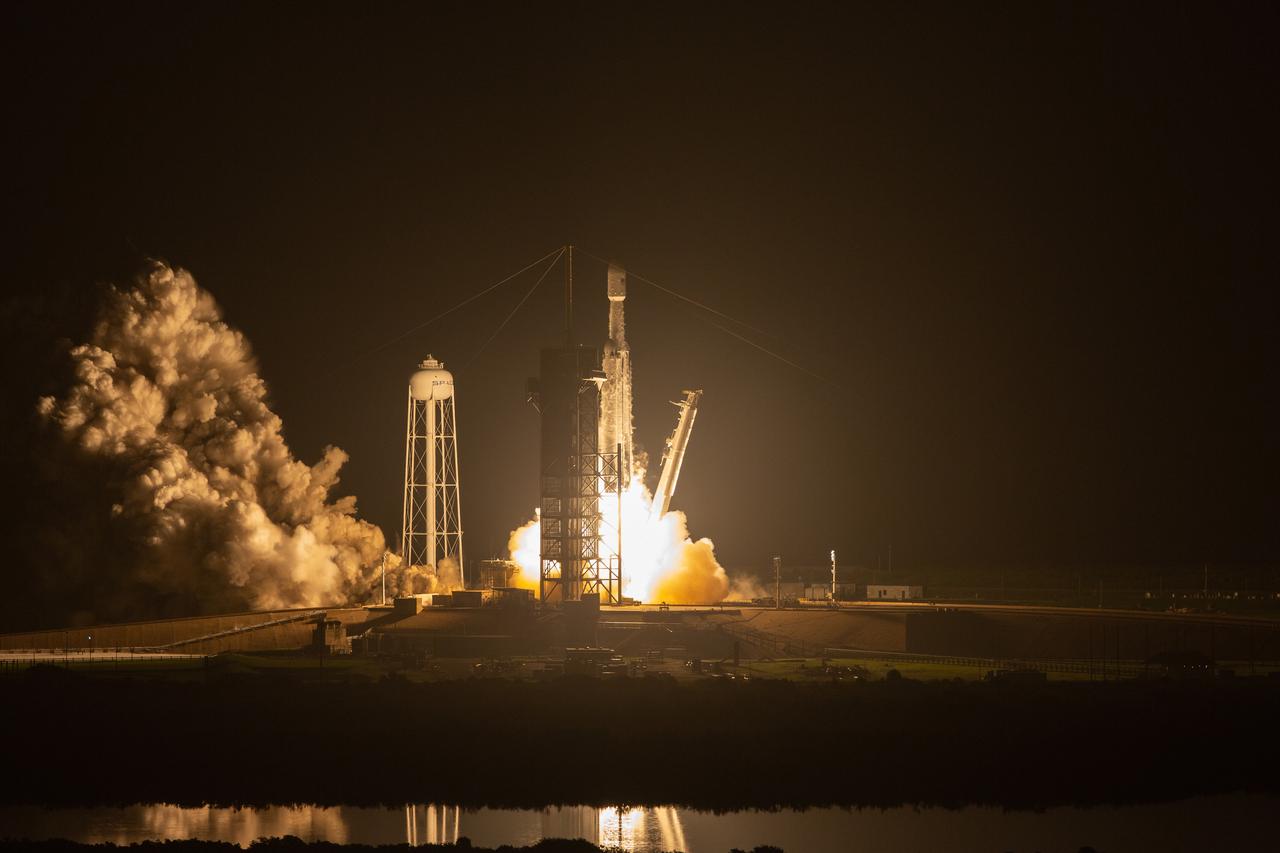
A SpaceX Falcon Heavy rocket lifts off from Launch Complex 39A at 2:30 a.m. EDT on June 25, 2019, at NASA’s Kennedy Space Center in Florida. The Falcon Heavy rocket carries two dozen satellites to space for the U.S. Department of Defense, including four NASA payloads that are part of the Space Test Program (STP-2) mission, managed by the U.S. Air Force Space and Missile Systems Center. The four NASA payloads include two technology demonstrations to improve how spacecraft propel and navigate, as well as two NASA science missions to help us better understand the nature of space and how it impacts technology on spacecraft and the ground.
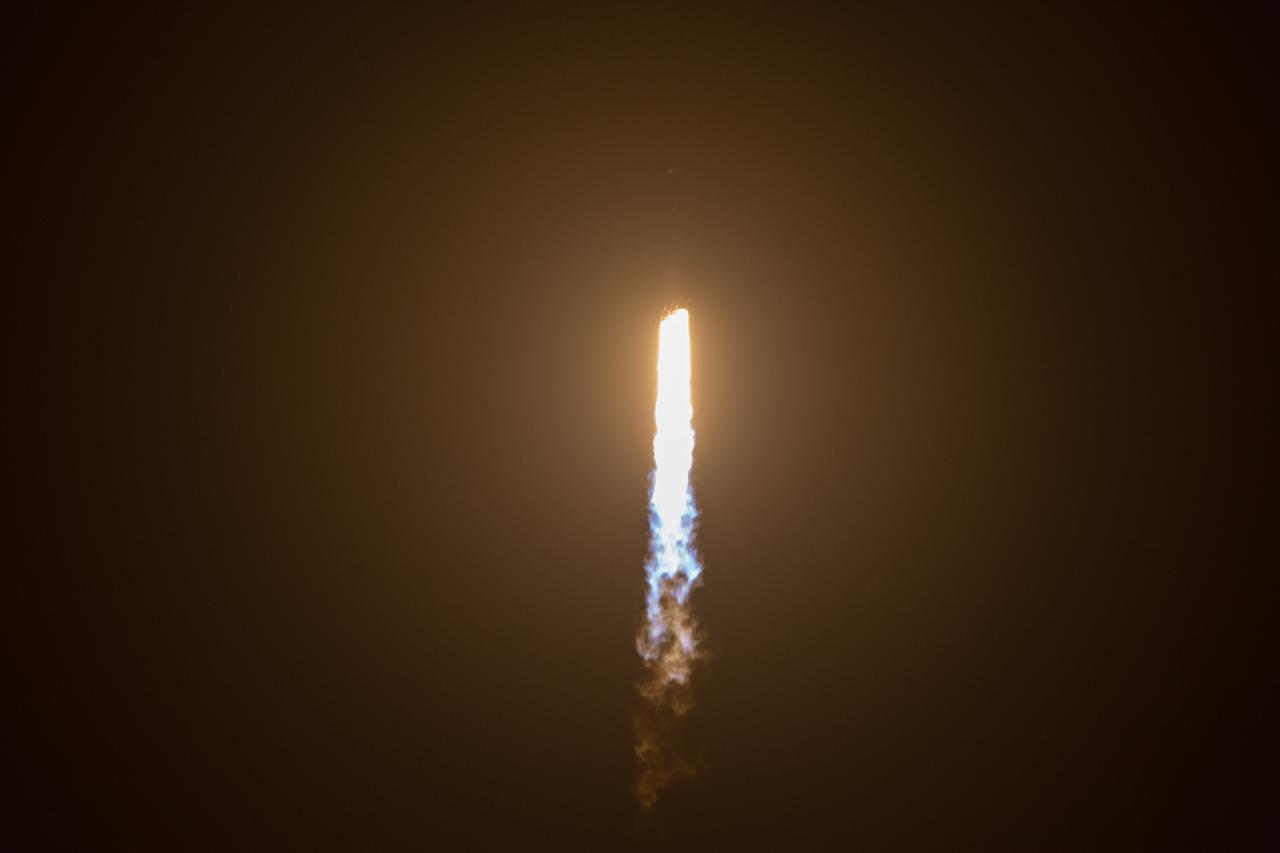
A SpaceX Falcon Heavy rocket roars upward after lifting off from Launch Complex 39A at 2:30 a.m. EDT on June 25, 2019, at NASA’s Kennedy Space Center in Florida. The Falcon Heavy rocket carries two dozen satellites to space for the U.S. Department of Defense, including four NASA payloads that are part of the Space Test Program (STP-2) mission, managed by the U.S. Air Force Space and Missile Systems Center. The four NASA payloads include two technology demonstrations to improve how spacecraft propel and navigate, as well as two NASA science missions to help us better understand the nature of space and how it impacts technology on spacecraft and the ground.
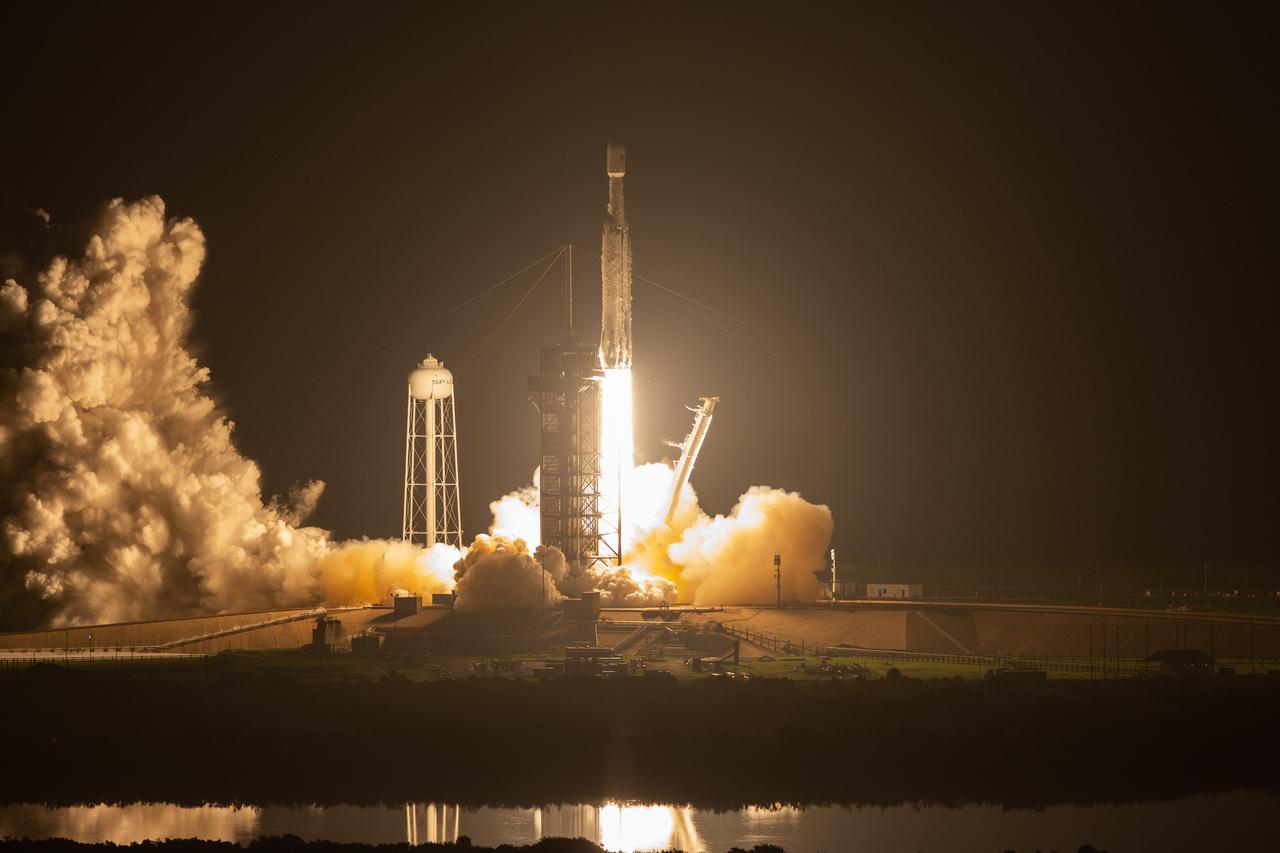
A SpaceX Falcon Heavy rocket lifts off from Launch Complex 39A at 2:30 a.m. EDT on June 25, 2019, at NASA’s Kennedy Space Center in Florida. The Falcon Heavy rocket carries two dozen satellites to space for the U.S. Department of Defense, including four NASA payloads that are part of the Space Test Program (STP-2) mission, managed by the U.S. Air Force Space and Missile Systems Center. The four NASA payloads include two technology demonstrations to improve how spacecraft propel and navigate, as well as two NASA science missions to help us better understand the nature of space and how it impacts technology on spacecraft and the ground.
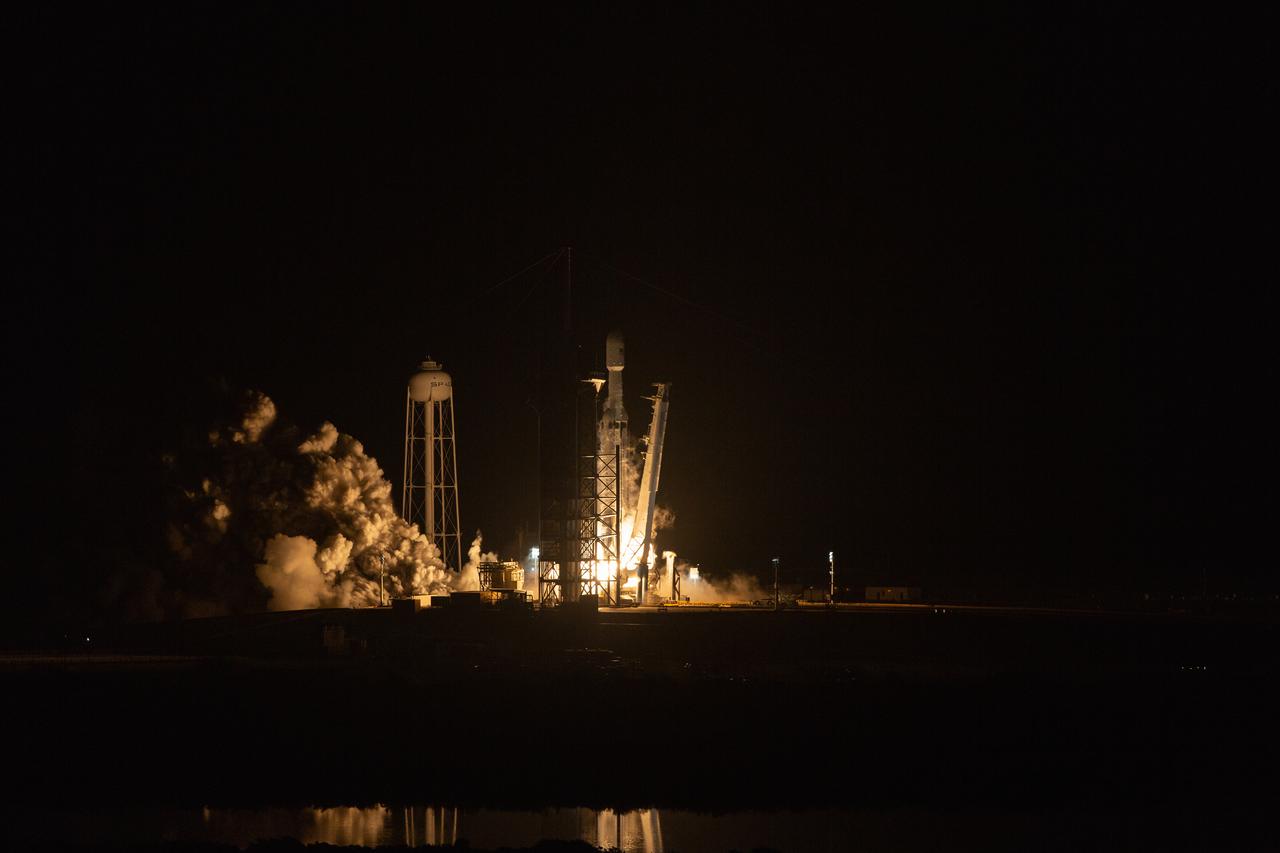
A SpaceX Falcon Heavy rocket lifts off from Launch Complex 39A at 2:30 a.m. EDT on June 25, 2019, at NASA’s Kennedy Space Center in Florida. The Falcon Heavy rocket carries two dozen satellites to space for the U.S. Department of Defense, including four NASA payloads that are part of the Space Test Program (STP-2) mission, managed by the U.S. Air Force Space and Missile Systems Center. The four NASA payloads include two technology demonstrations to improve how spacecraft propel and navigate, as well as two NASA science missions to help us better understand the nature of space and how it impacts technology on spacecraft and the ground.
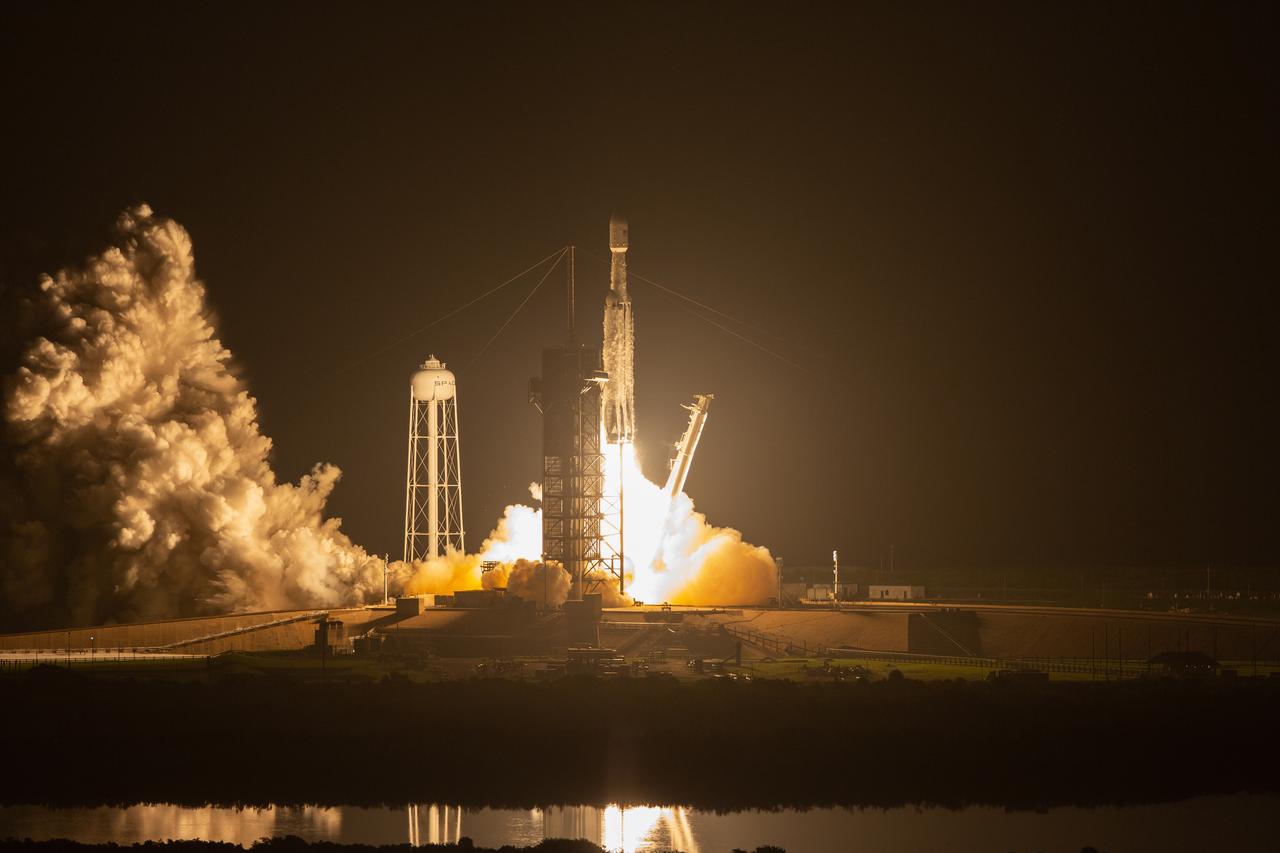
A SpaceX Falcon Heavy rocket lifts off from Launch Complex 39A at 2:30 a.m. EDT on June 25, 2019, at NASA’s Kennedy Space Center in Florida. The Falcon Heavy rocket carries two dozen satellites to space for the U.S. Department of Defense, including four NASA payloads that are part of the Space Test Program (STP-2) mission, managed by the U.S. Air Force Space and Missile Systems Center. The four NASA payloads include two technology demonstrations to improve how spacecraft propel and navigate, as well as two NASA science missions to help us better understand the nature of space and how it impacts technology on spacecraft and the ground.
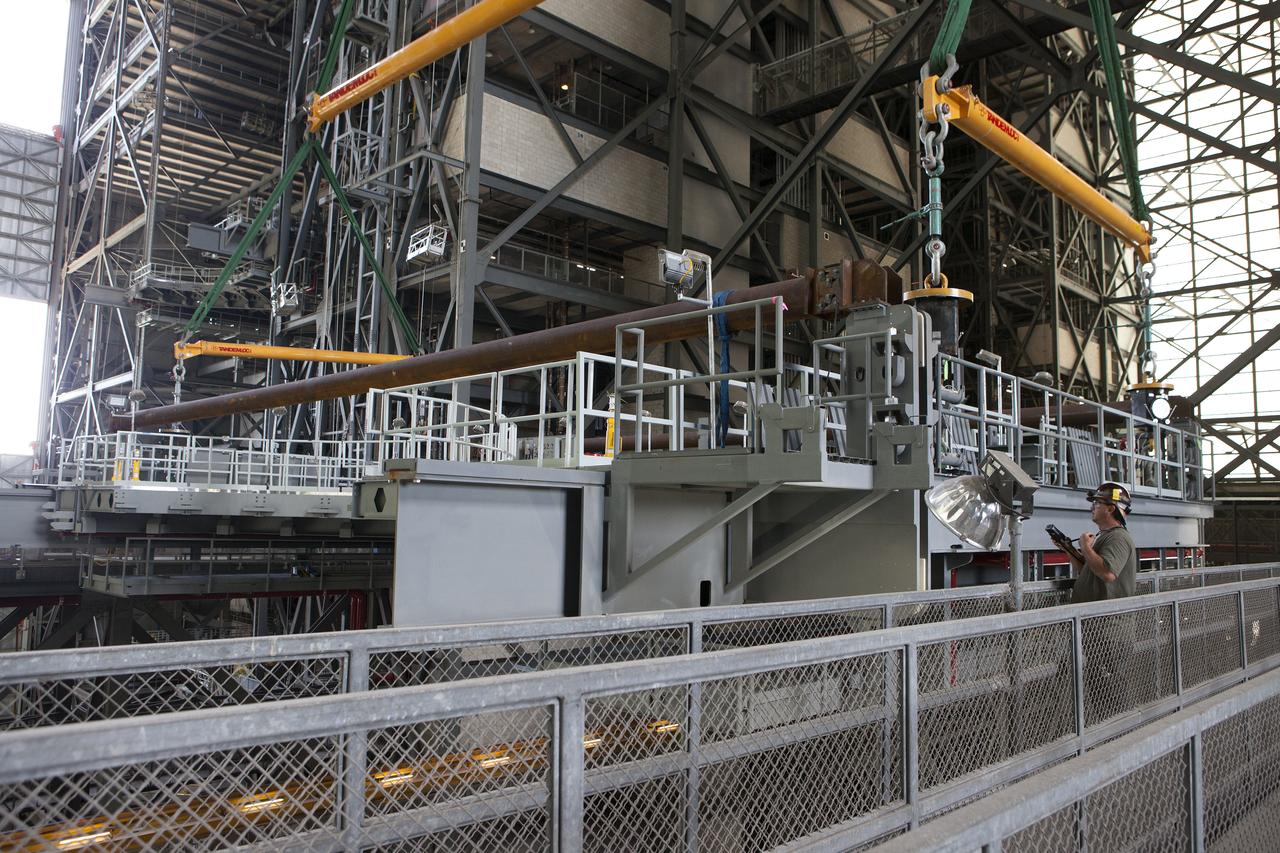
A construction worker monitors the progress, as a heavy-lift crane lifts the first half of the D-level work platforms, D south, for NASA’s Space Launch System (SLS) rocket, up from the transfer aisle floor in the Vehicle Assembly Building (VAB) at NASA’s Kennedy Space Center in Florida. The D platform will be installed on the south side of High Bay 3. The D platforms are the seventh of 10 levels of work platforms that will surround and provide access to the SLS rocket and Orion spacecraft for Exploration Mission 1. The Ground Systems Development and Operations Program is overseeing upgrades and modifications to VAB High Bay 3, including installation of the new work platforms, to prepare for NASA’s journey to Mars.
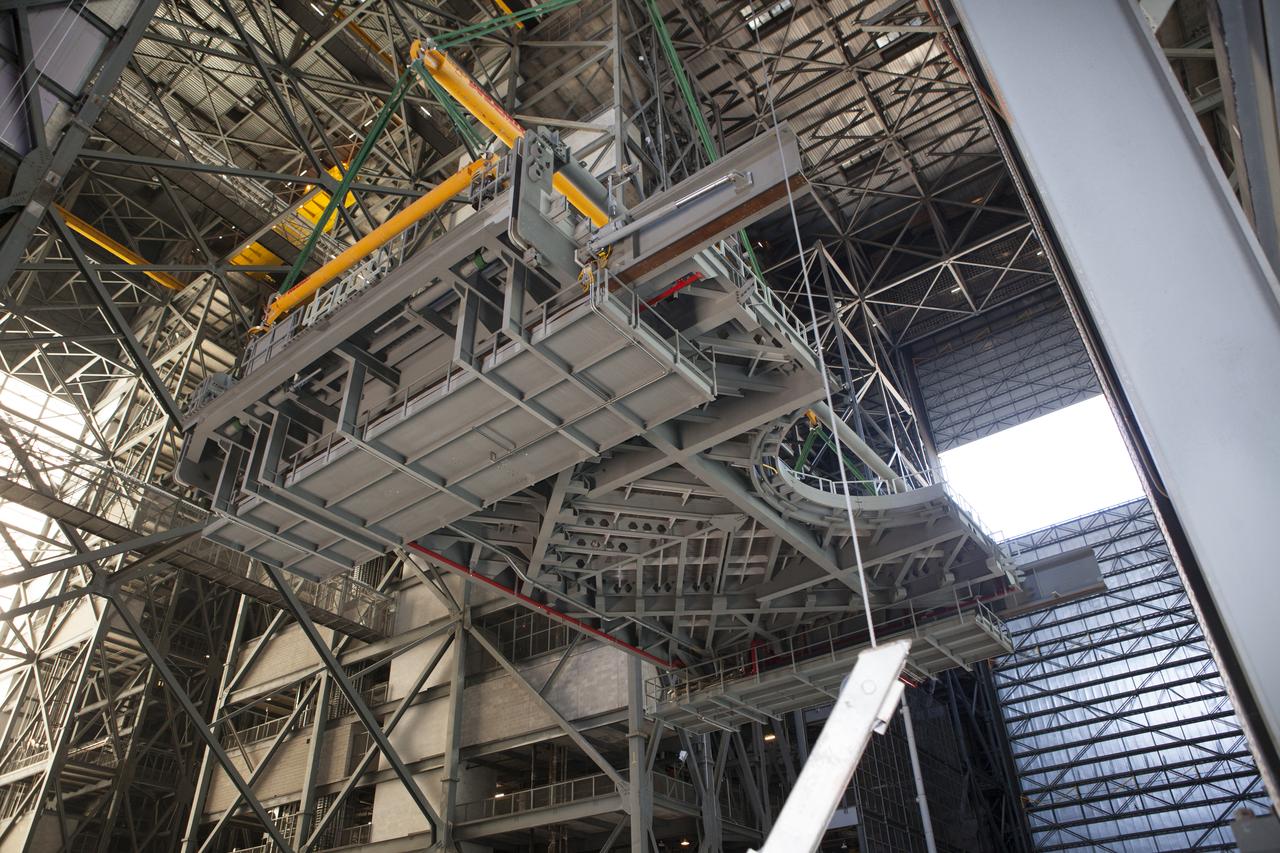
A heavy-lift crane lifts the first half of the B-level work platforms, B south, for NASA’s Space Launch System (SLS) rocket, high up from the transfer aisle floor of the Vehicle Assembly Building (VAB) at NASA’s Kennedy Space Center in Florida. The B platform will be installed on the south side of High Bay 3. The B platforms are the ninth of 10 levels of work platforms that will surround and provide access to the SLS rocket and Orion spacecraft for Exploration Mission 1. The Ground Systems Development and Operations Program is overseeing upgrades and modifications to VAB High Bay 3, including installation of the new work platforms, to prepare for NASA’s Journey to Mars.
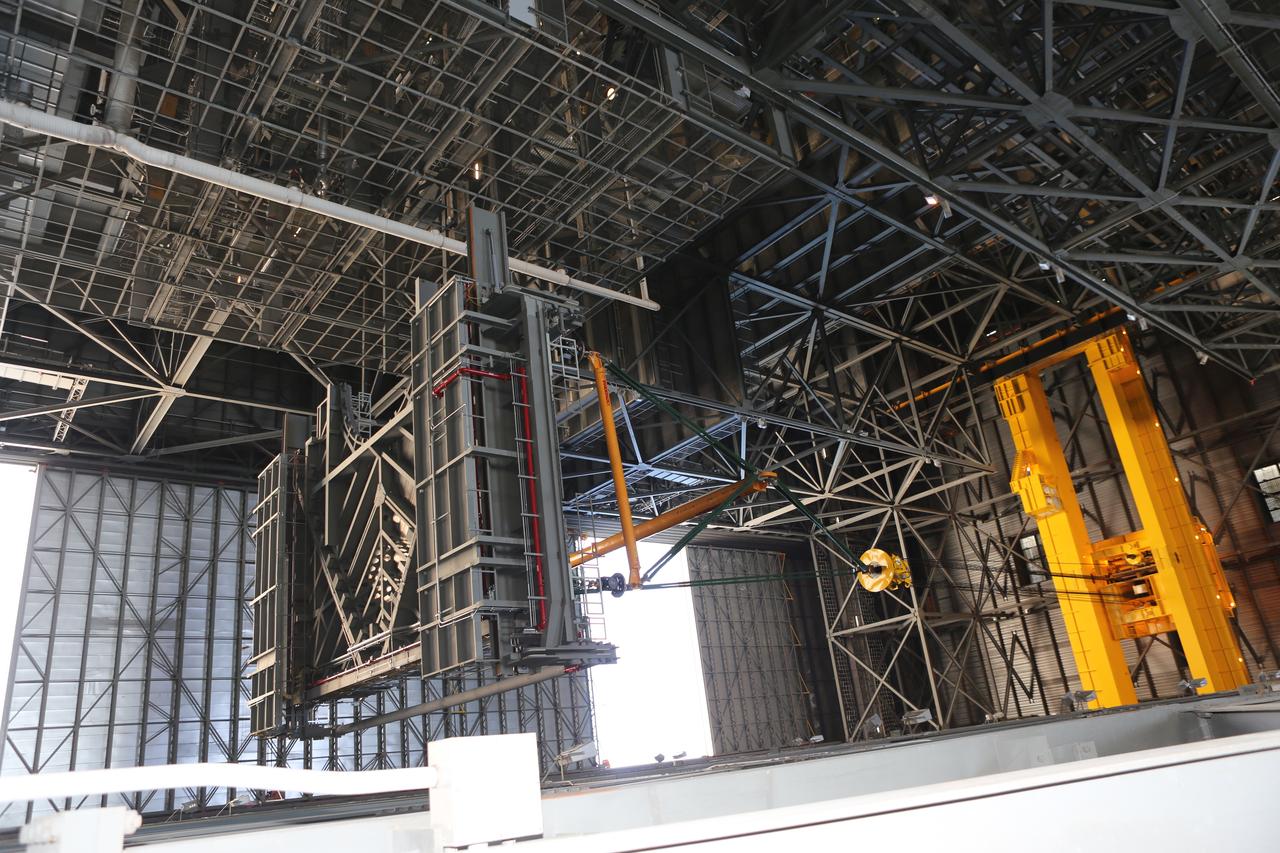
A heavy-lift crane lifts the second half of the C-level work platforms, C north, for NASA’s Space Launch System (SLS) rocket, high up from the transfer aisle floor of the Vehicle Assembly Building (VAB) at NASA’s Kennedy Space Center in Florida. The C platform will be moved into High Bay 3 for installation on the north wall. The C platforms are the eighth of 10 levels of work platforms that will surround and provide access to the SLS rocket and Orion spacecraft for Exploration Mission 1. The Ground Systems Development and Operations Program is overseeing upgrades and modifications to VAB High Bay 3, including installation of the new work platforms, to prepare for NASA’s Journey to Mars.
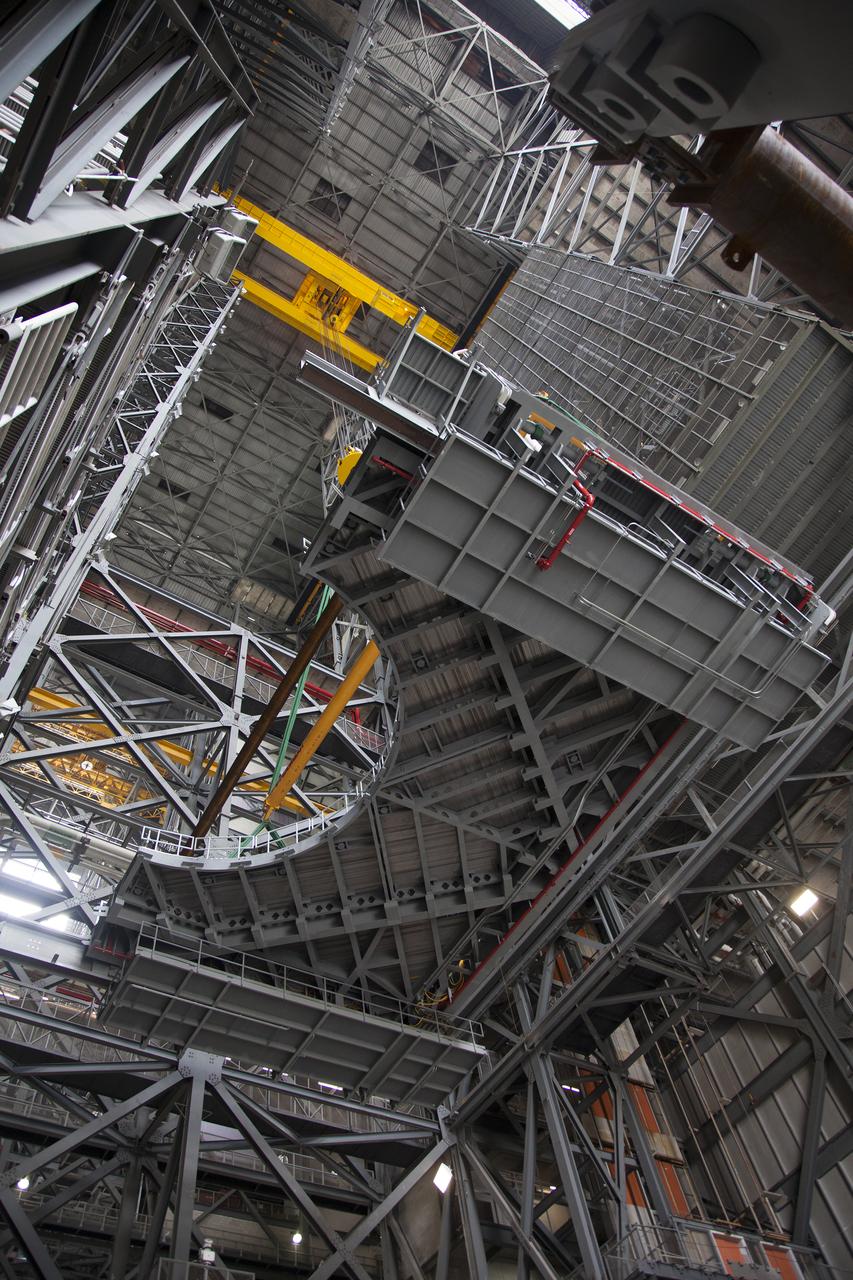
A heavy-lift crane lifts the first half of the E-level work platforms, E south, for NASA’s Space Launch System (SLS) rocket, up from the floor of the Vehicle Assembly Building (VAB) at NASA’s Kennedy Space Center in Florida. The E platform will be installed on the south side of High Bay 3, about 246 feet above the floor. The E platforms are the sixth of 10 levels of work platforms that will surround and provide access to the SLS rocket and Orion spacecraft for Exploration Mission 1. The Ground Systems Development and Operations Program is overseeing upgrades and modifications to VAB High Bay 3, including installation of the new work platforms, to prepare for NASA’s journey to Mars.
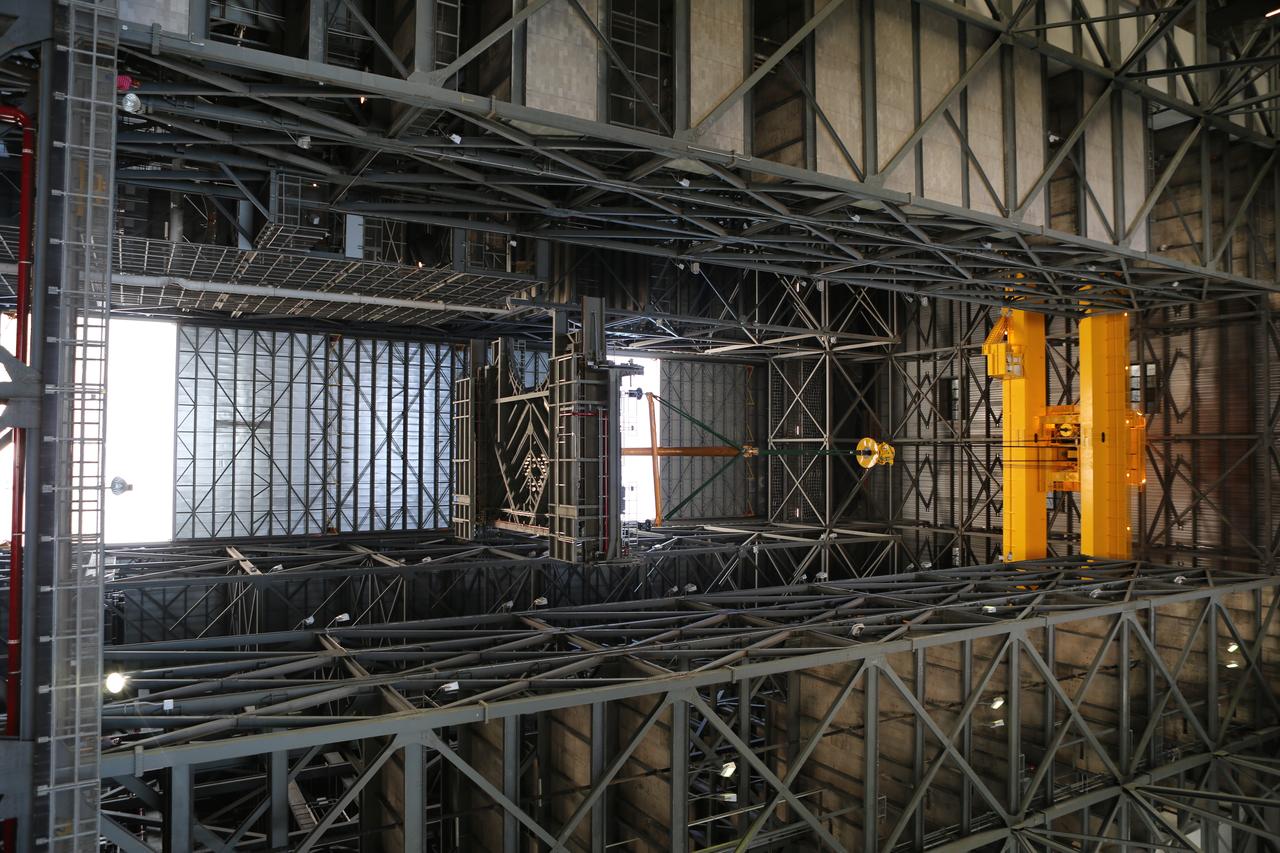
A heavy-lift crane lifts the second half of the C-level work platforms, C north, for NASA’s Space Launch System (SLS) rocket, high up from the transfer aisle of the Vehicle Assembly Building (VAB) at NASA's Kennedy Space Center in Florida. The C platform will be moved into High Bay 3 for installation on the north side of High Bay 3. The C platforms are the eighth of 10 levels of work platforms that will surround and provide access to the SLS rocket and Orion spacecraft for Exploration Mission 1. The Ground Systems Development and Operations Program is overseeing upgrades and modifications to VAB High Bay 3, including installation of the new work platforms, to prepare for NASA’s Journey to Mars.
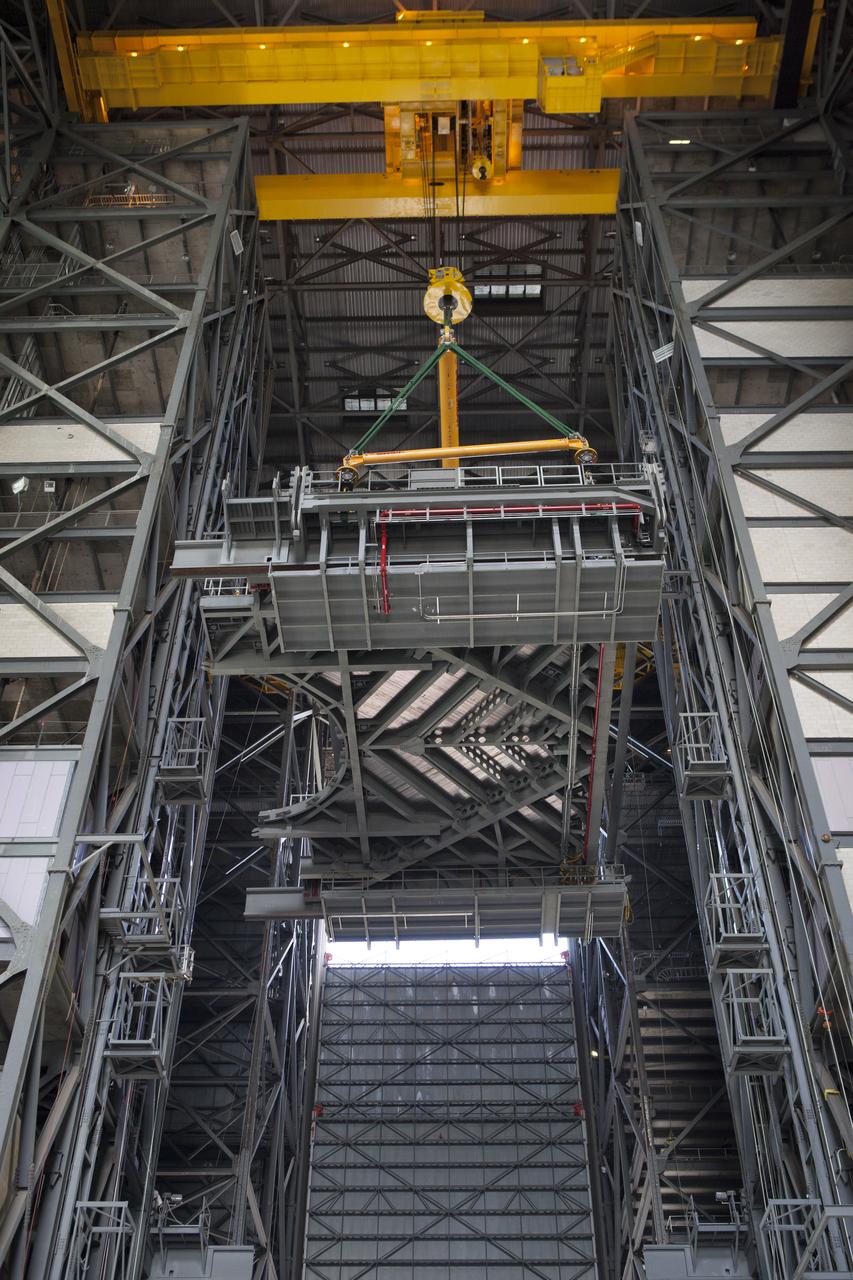
A heavy-lift crane lifts the first half of the C-level work platforms, C south, for NASA’s Space Launch System (SLS) rocket, high up from the transfer aisle floor of the Vehicle Assembly Building (VAB) at NASA’s Kennedy Space Center in Florida. The C platform will be moved into High Bay 3 for installation on the south wall. The C platforms are the eighth of 10 levels of work platforms that will surround and provide access to the SLS rocket and Orion spacecraft for Exploration Mission 1. The Ground Systems Development and Operations Program is overseeing upgrades and modifications to VAB High Bay 3, including installation of the new work platforms, to prepare for NASA’s Journey to Mars.
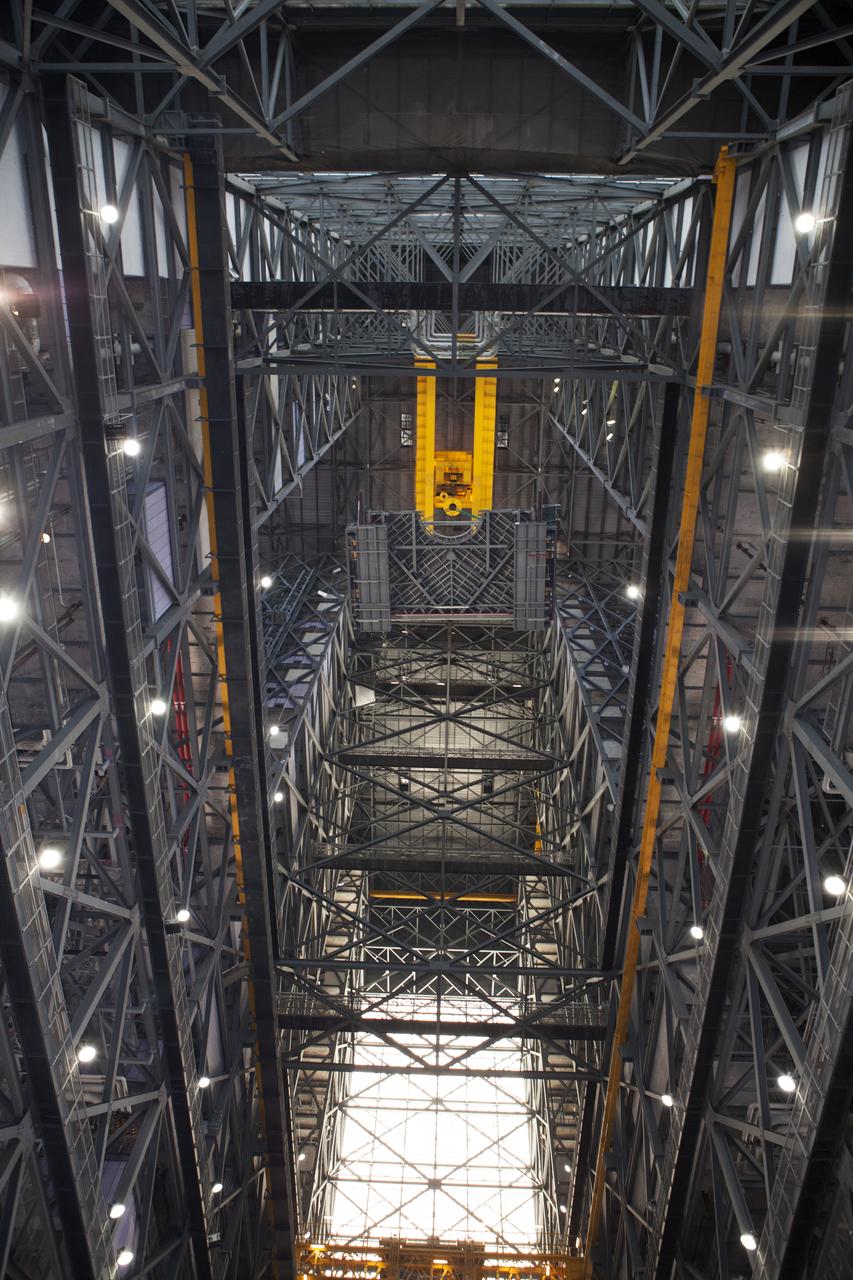
A heavy-lift crane lifts the first half of the B-level work platforms, B south, for NASA’s Space Launch System (SLS) rocket, high up from the transfer aisle floor of the Vehicle Assembly Building (VAB) at NASA’s Kennedy Space Center in Florida. The B platform will be installed on the south side of High Bay 3. The B platforms are the ninth of 10 levels of work platforms that will surround and provide access to the SLS rocket and Orion spacecraft for Exploration Mission 1. The Ground Systems Development and Operations Program is overseeing upgrades and modifications to VAB High Bay 3, including installation of the new work platforms, to prepare for NASA’s Journey to Mars.
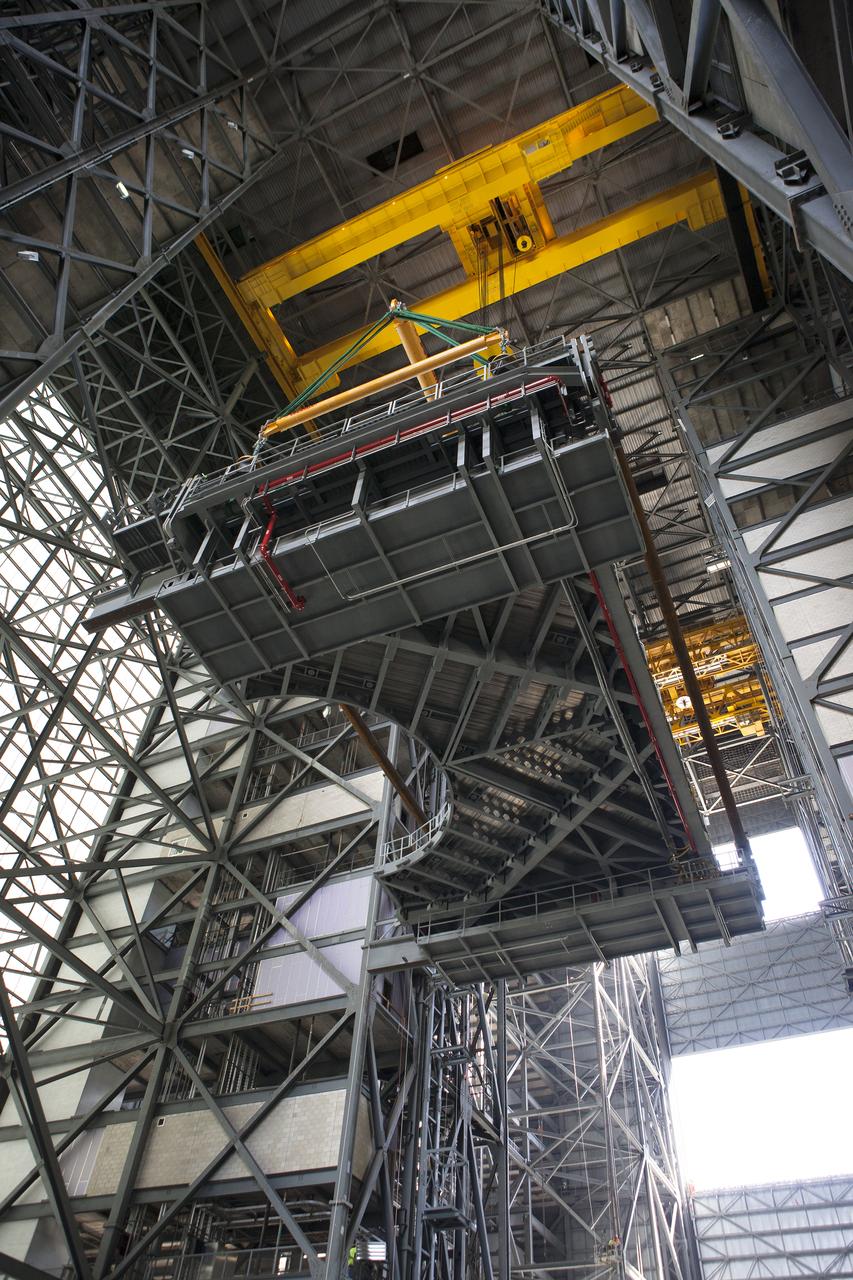
A heavy-lift crane lifts the first half of the D-level work platforms, D south, for NASA’s Space Launch System (SLS) rocket, high above the floor of the transfer aisle in the Vehicle Assembly Building (VAB) at NASA’s Kennedy Space Center in Florida. The D platform will be lowered into High Bay 3 for installation on the south side of the high bay. The D platforms are the seventh of 10 levels of work platforms that will surround and provide access to the SLS rocket and Orion spacecraft for Exploration Mission 1. The Ground Systems Development and Operations Program is overseeing upgrades and modifications to VAB High Bay 3, including installation of the new work platforms, to prepare for NASA’s journey to Mars.
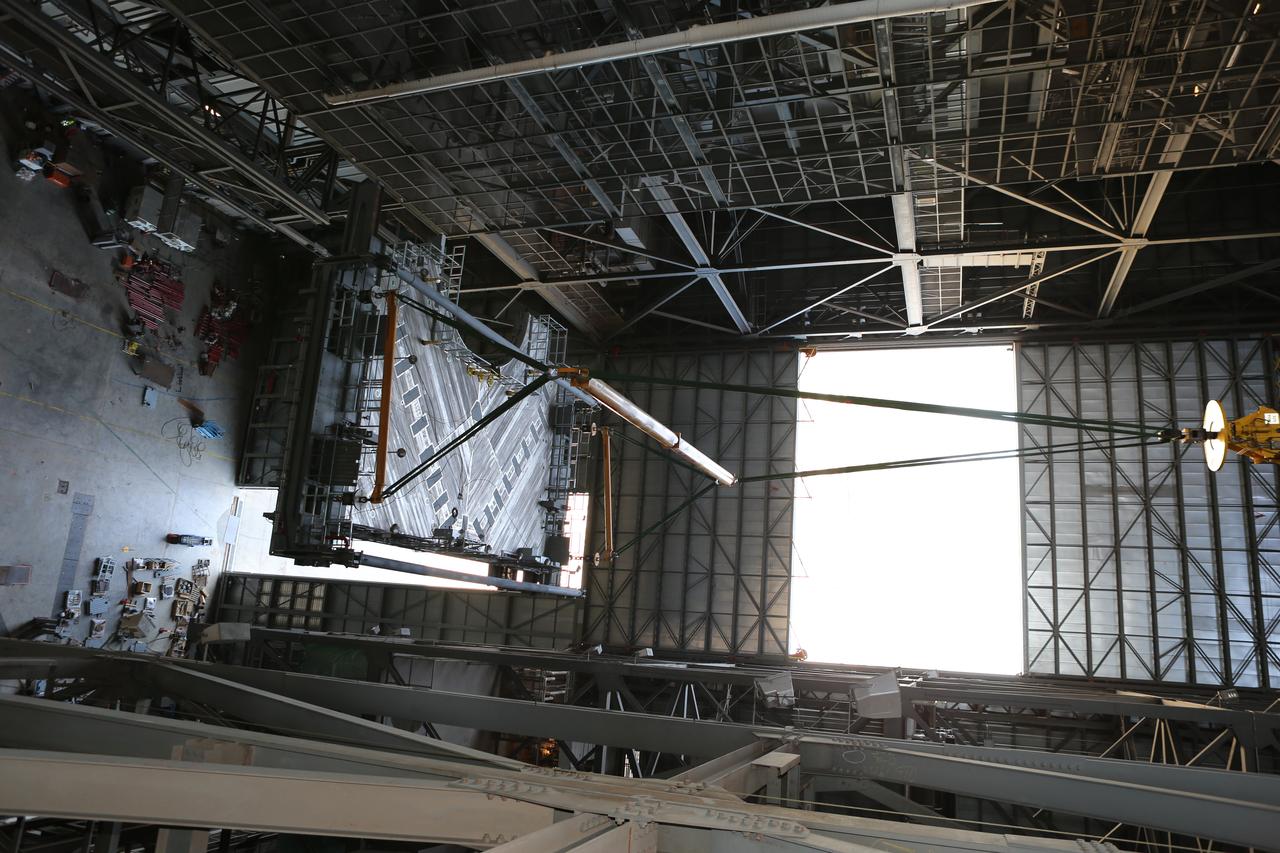
A heavy-lift crane lifts the second half of the C-level work platforms, C north, for NASA’s Space Launch System (SLS) rocket, up from the transfer aisle floor of the Vehicle Assembly Building (VAB) at NASA’s Kennedy Space Center in Florida. The C platform will be installed on the north side of High Bay 3. The C platforms are the eighth of 10 levels of work platforms that will surround and provide access to the SLS rocket and Orion spacecraft for Exploration Mission 1. The Ground Systems Development and Operations Program is overseeing upgrades and modifications to VAB High Bay 3, including installation of the new work platforms, to prepare for NASA’s Journey to Mars.
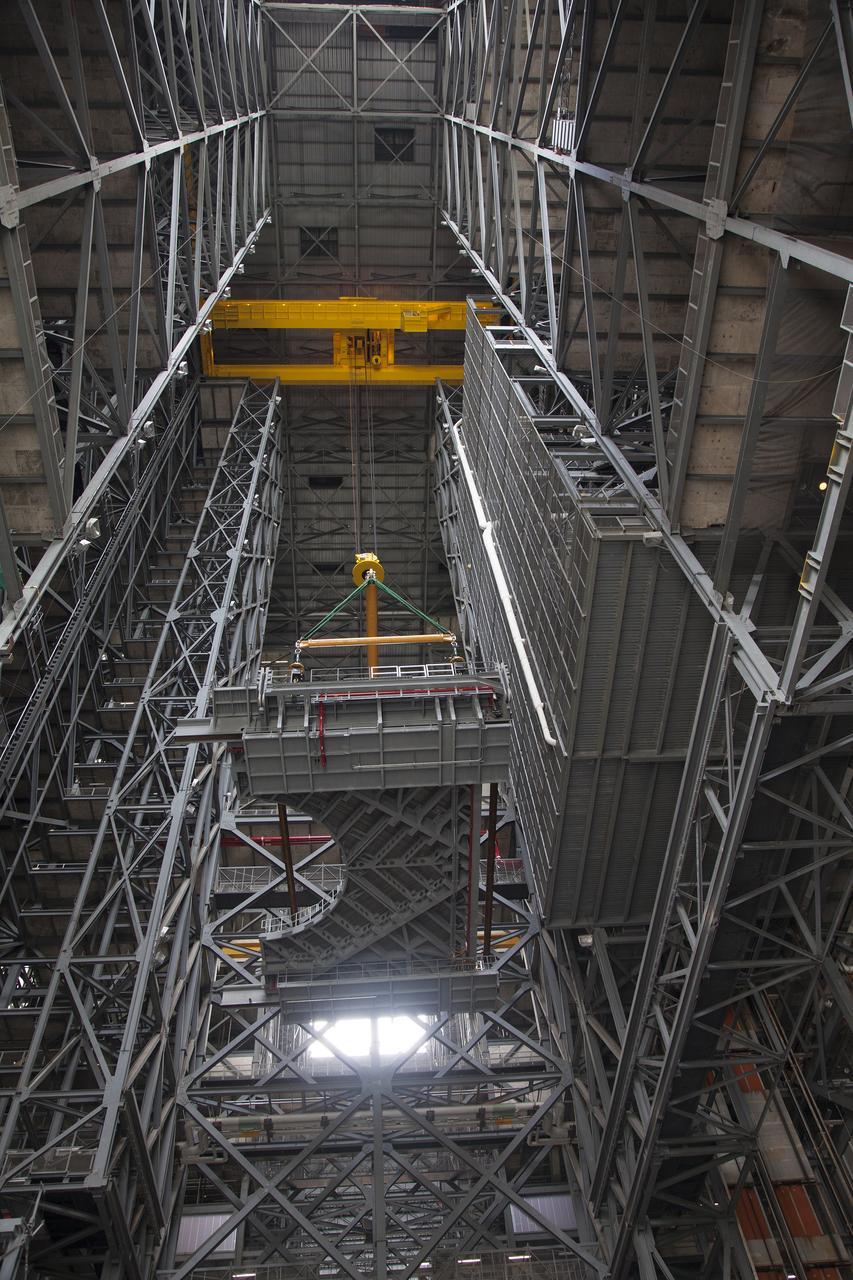
A heavy-lift crane lifts the first half of the E-level work platforms, E south, for NASA’s Space Launch System (SLS) rocket, high above the floor of the transfer aisle in the Vehicle Assembly Building (VAB) at NASA’s Kennedy Space Center in Florida. The E platform will be installed on the south side of High Bay 3, about 246 feet above the floor. The E platforms are the sixth of 10 levels of work platforms that will surround and provide access to the SLS rocket and Orion spacecraft for Exploration Mission 1. The Ground Systems Development and Operations Program is overseeing upgrades and modifications to VAB High Bay 3, including installation of the new work platforms, to prepare for NASA’s journey to Mars.
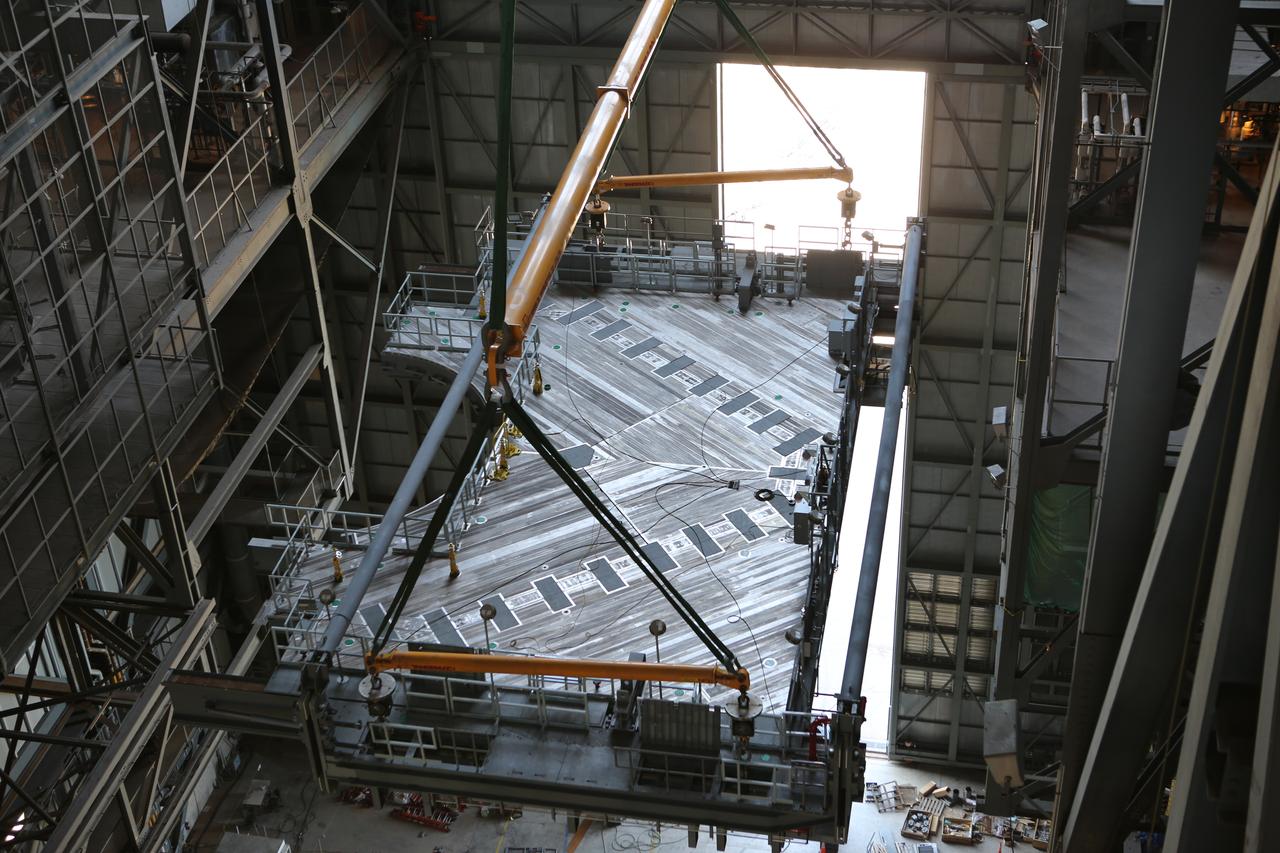
A heavy-lift crane lifts the second half of the C-level work platforms, C north, for NASA’s Space Launch System (SLS) rocket, high up from the transfer aisle floor of the Vehicle Assembly Building (VAB) at NASA’s Kennedy Space Center in Florida. The C platform will be installed on the north side of High Bay 3. The C platforms are the eighth of 10 levels of work platforms that will surround and provide access to the SLS rocket and Orion spacecraft for Exploration Mission 1. The Ground Systems Development and Operations Program is overseeing upgrades and modifications to VAB High Bay 3, including installation of the new work platforms, to prepare for NASA’s Journey to Mars.
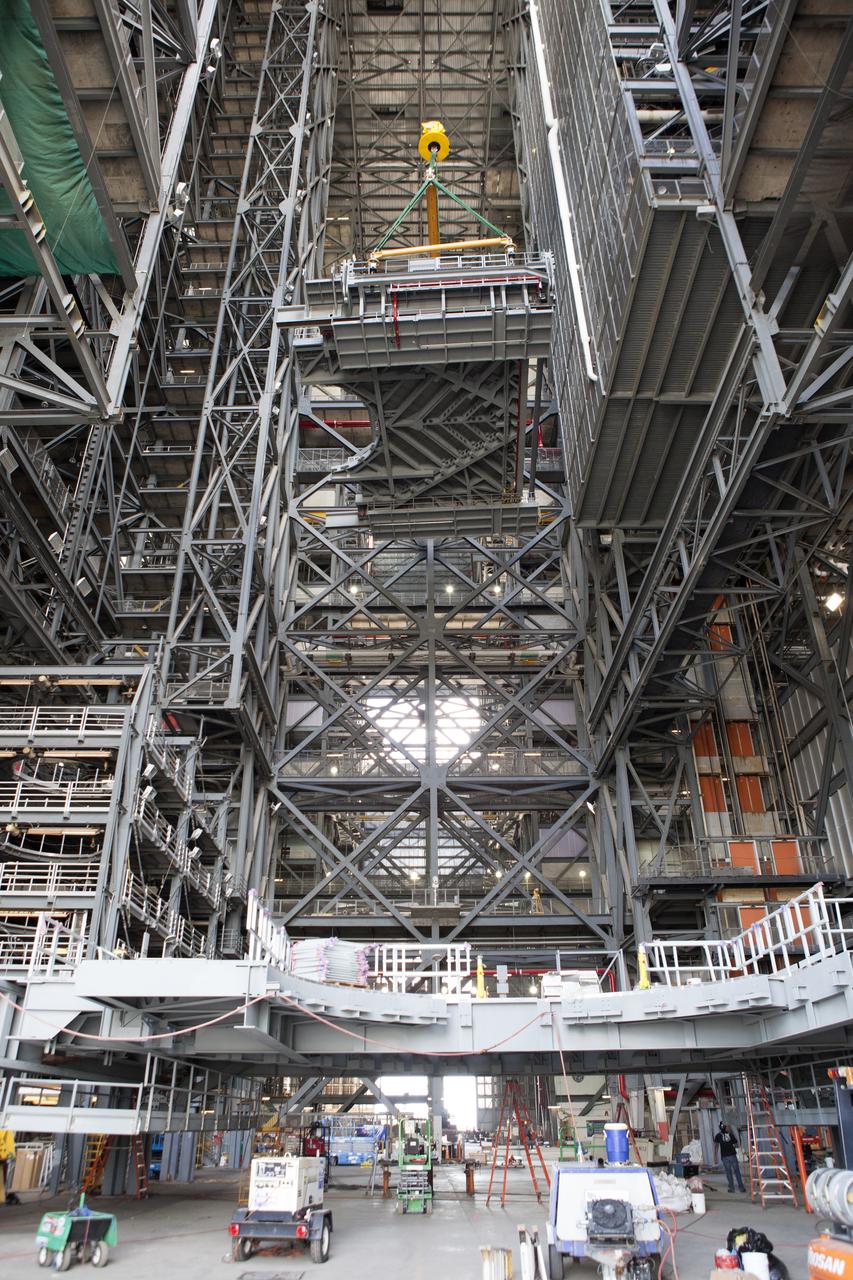
A heavy-lift crane lifts the first half of the C-level work platforms, C south, for NASA’s Space Launch System (SLS) rocket, high up from the transfer aisle floor of the Vehicle Assembly Building (VAB) at NASA’s Kennedy Space Center in Florida. The C platform will be installed on the south side of High Bay 3. The C platforms are the eighth of 10 levels of work platforms that will surround and provide access to the SLS rocket and Orion spacecraft for Exploration Mission 1. The Ground Systems Development and Operations Program is overseeing upgrades and modifications to VAB High Bay 3, including installation of the new work platforms, to prepare for NASA’s Journey to Mars.
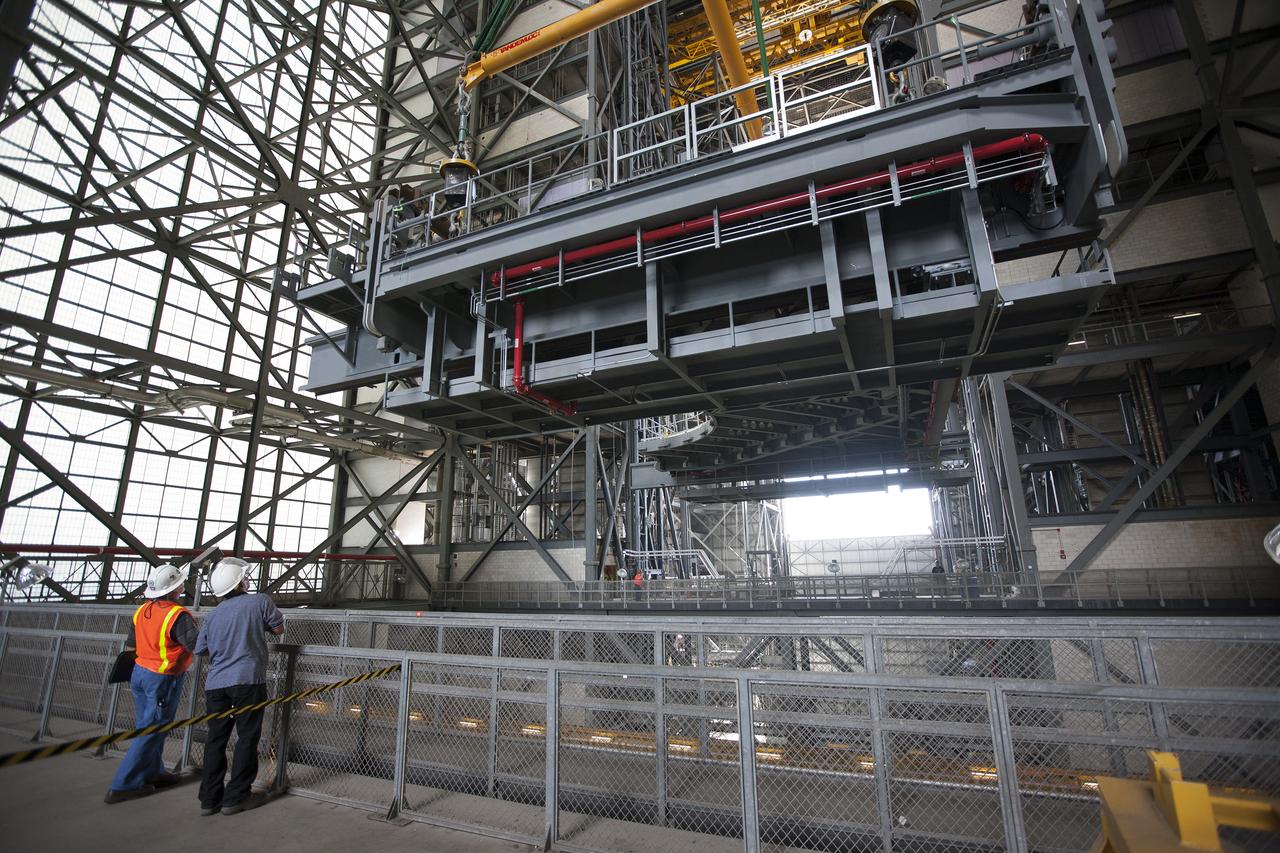
A heavy-lift crane lifts the first half of the D-level work platforms, D south, for NASA’s Space Launch System (SLS) rocket, up from the transfer aisle floor of the Vehicle Assembly Building (VAB) at NASA’s Kennedy Space Center in Florida. The D platform will be installed on the south side of High Bay 3. The D platforms are the seventh of 10 levels of work platforms that will surround and provide access to the SLS rocket and Orion spacecraft for Exploration Mission 1. The Ground Systems Development and Operations Program is overseeing upgrades and modifications to VAB High Bay 3, including installation of the new work platforms, to prepare for NASA’s journey to Mars.
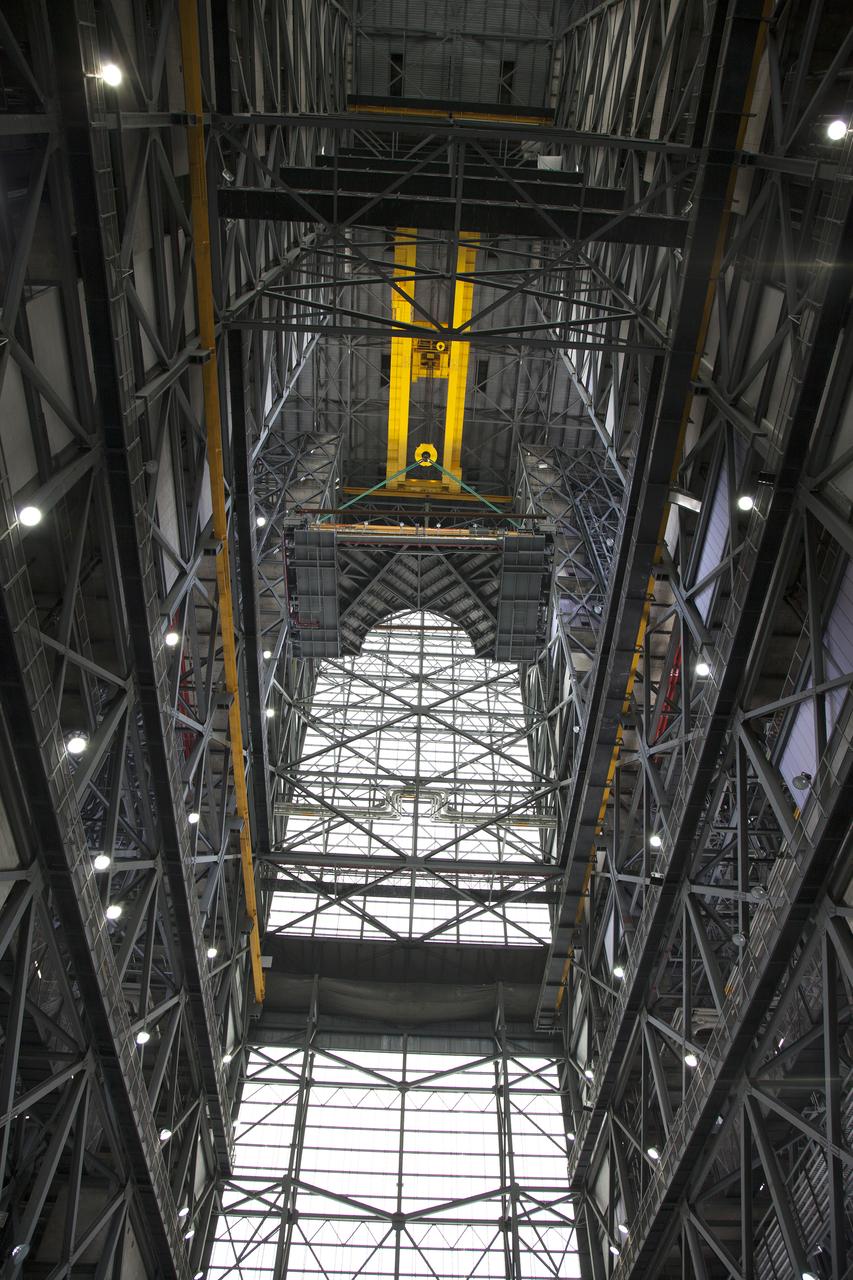
A heavy-lift crane lifts the first half of the E-level work platforms, E south, for NASA’s Space Launch System (SLS) rocket, high above the floor of the transfer aisle in the Vehicle Assembly Building (VAB) at NASA’s Kennedy Space Center in Florida. The E platform will be installed on the south side of High Bay 3, about 246 feet above the floor. The E platforms are the sixth of 10 levels of work platforms that will surround and provide access to the SLS rocket and Orion spacecraft for Exploration Mission 1. The Ground Systems Development and Operations Program is overseeing upgrades and modifications to VAB High Bay 3, including installation of the new work platforms, to prepare for NASA’s journey to Mars.
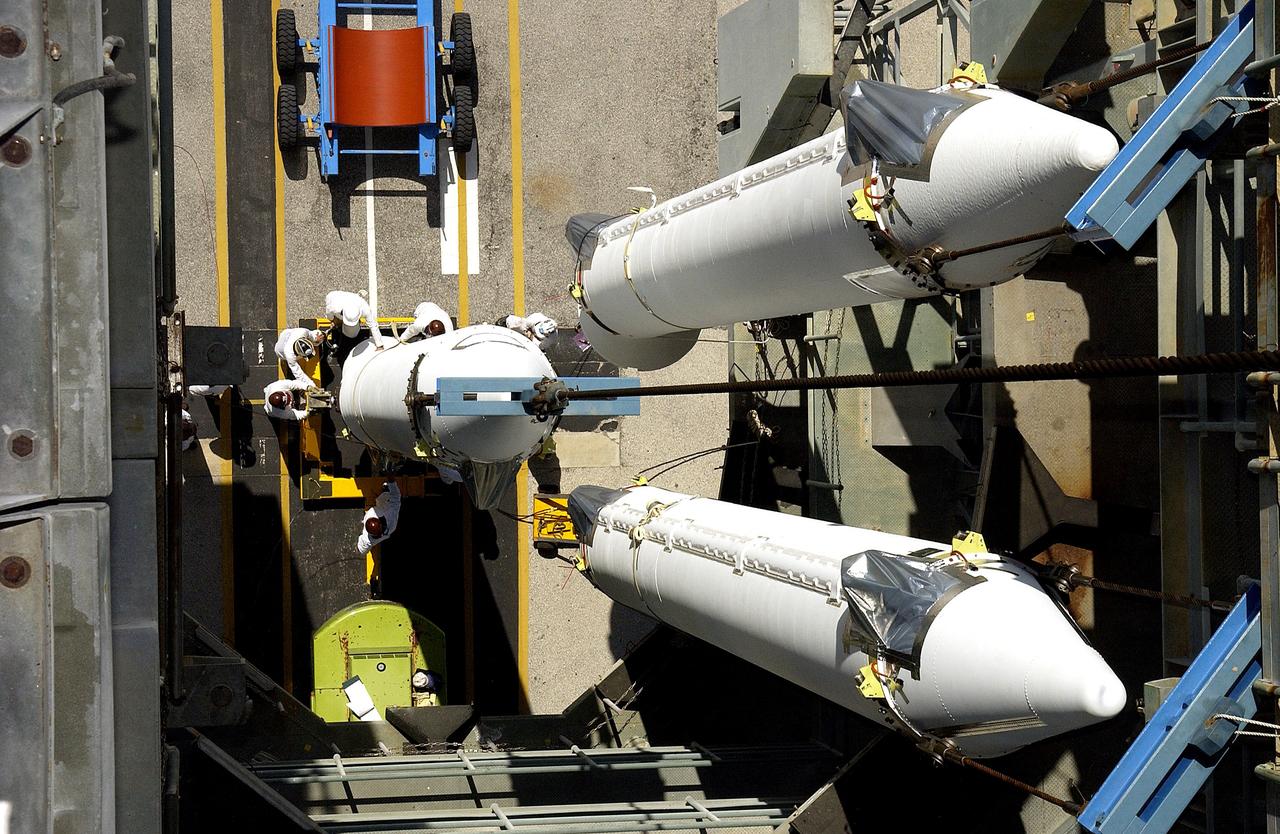
KENNEDY SPACE CENTER, FLA. - This view from the mobile service tower on Launch Complex 17-B, Cape Canaveral Air Force Station, shows two solid rocket boosters (SRBs) already suspended in the tower while another is being lifted. They are three of nine 46-inch-diameter, stretched SRBs that are being attached to the Delta II Heavy rocket that will launch the Space Infrared Telescope Facility (SIRTF). Consisting of three cryogenically cooled science instruments and an 0.85-meter telescope, SIRTF is one of NASA's largest infrared telescopes to be launched. SIRTF will obtain images and spectra by detecting the infrared energy, or heat, radiated by objects in space. Most of this infrared radiation is blocked by the Earth's atmosphere and cannot be observed from the ground.
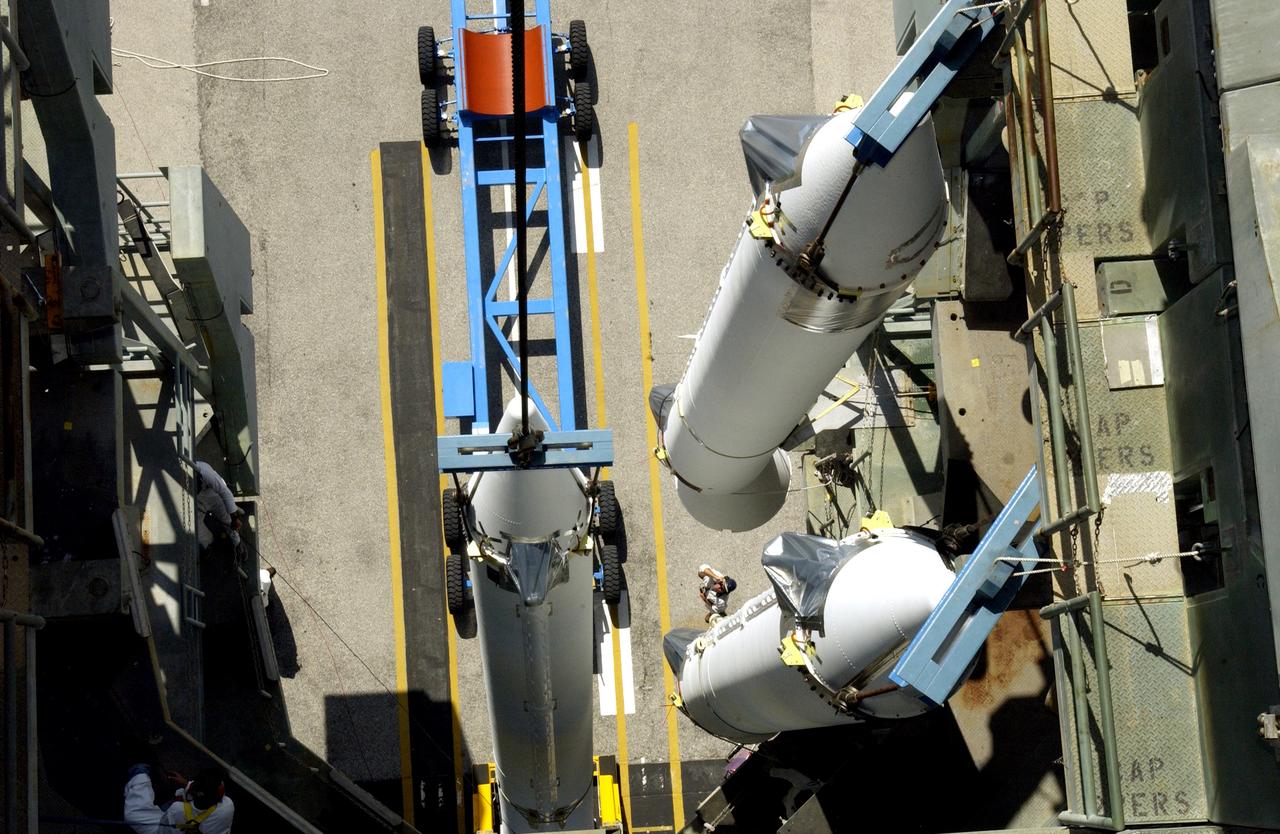
KENNEDY SPACE CENTER, FLA. - This view from the mobile service tower on Launch Complex 17-B, Cape Canaveral Air Force Station, shows two solid rocket boosters (SRBs) already suspended in the tower while another is being lifted. They are three of nine 46-inch-diameter, stretched SRBs that are being attached to the Delta II Heavy rocket that will launch the Space Infrared Telescope Facility (SIRTF). Consisting of three cryogenically cooled science instruments and an 0.85-meter telescope, SIRTF is one of NASA's largest infrared telescopes to be launched. SIRTF will obtain images and spectra by detecting the infrared energy, or heat, radiated by objects in space. Most of this infrared radiation is blocked by the Earth's atmosphere and cannot be observed from the ground.
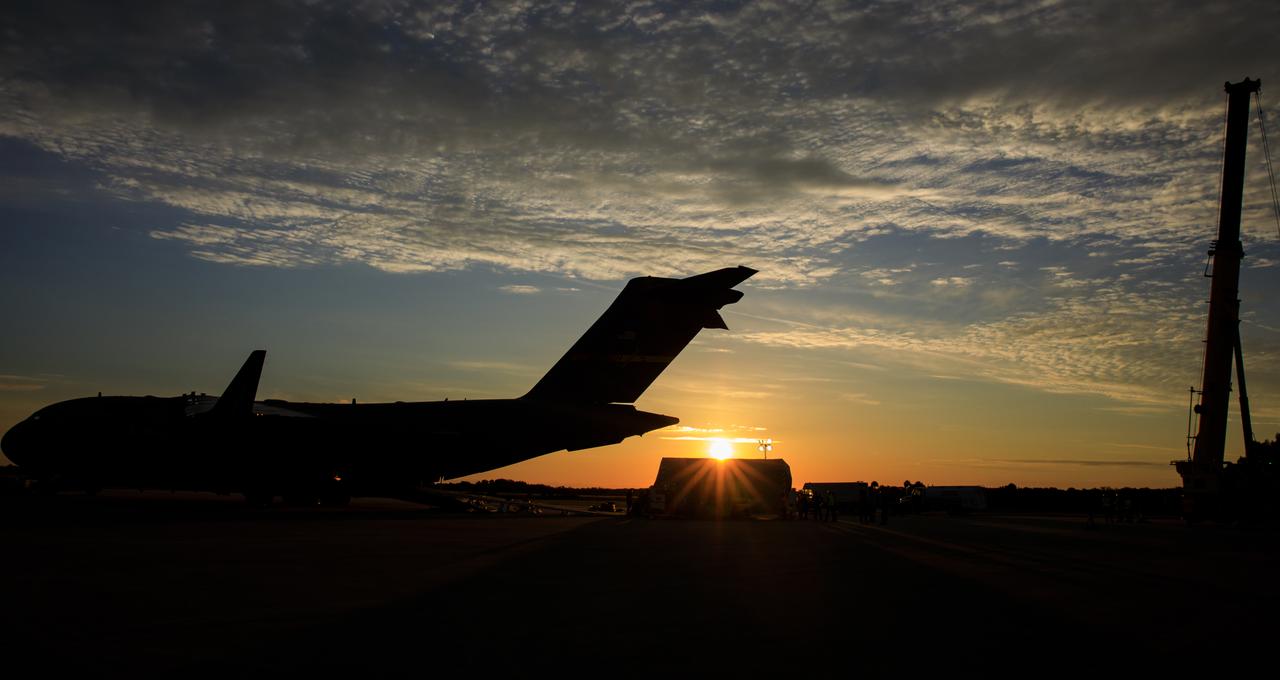
Teams offload NASA’s largest planetary mission spacecraft, Europa Clipper, from a United States Air Force C-17 Globemaster III transport aircraft onto the flatbed of a heavy-lift truck at the Launch and Landing Facility at NASA’s Kennedy Space Center in Florida on Thursday, May 23, 2024. Crews transported Europa Clipper to the Payload Hazardous Servicing Facility at Kennedy to prepare it for launch aboard a SpaceX Falcon Heavy rocket later this year from Launch Complex 39A at the Florida spaceport. Europa Clipper will help determine if conditions exist below the surface Jupiter’s fourth largest moon, Europa, that could support life.
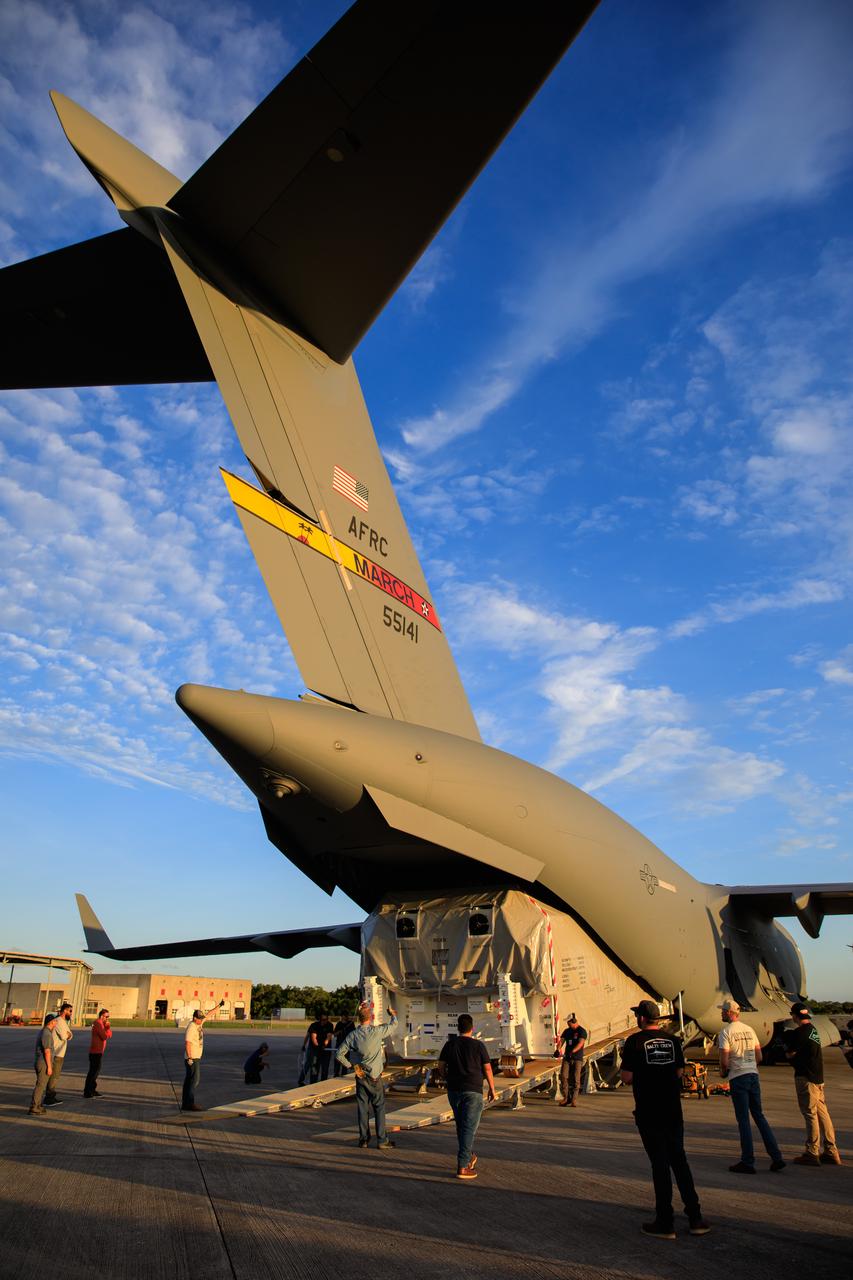
Teams offload NASA’s largest planetary mission spacecraft, Europa Clipper, from a United States Air Force C-17 Globemaster III transport aircraft onto the flatbed of a heavy-lift truck at the Launch and Landing Facility at NASA’s Kennedy Space Center in Florida on Thursday, May 23, 2024. Crews transported Europa Clipper to the Payload Hazardous Servicing Facility at Kennedy to prepare it for launch aboard a SpaceX Falcon Heavy rocket later this year from Launch Complex 39A at the Florida spaceport. Europa Clipper will help determine if conditions exist below the surface Jupiter’s fourth largest moon, Europa, that could support life.
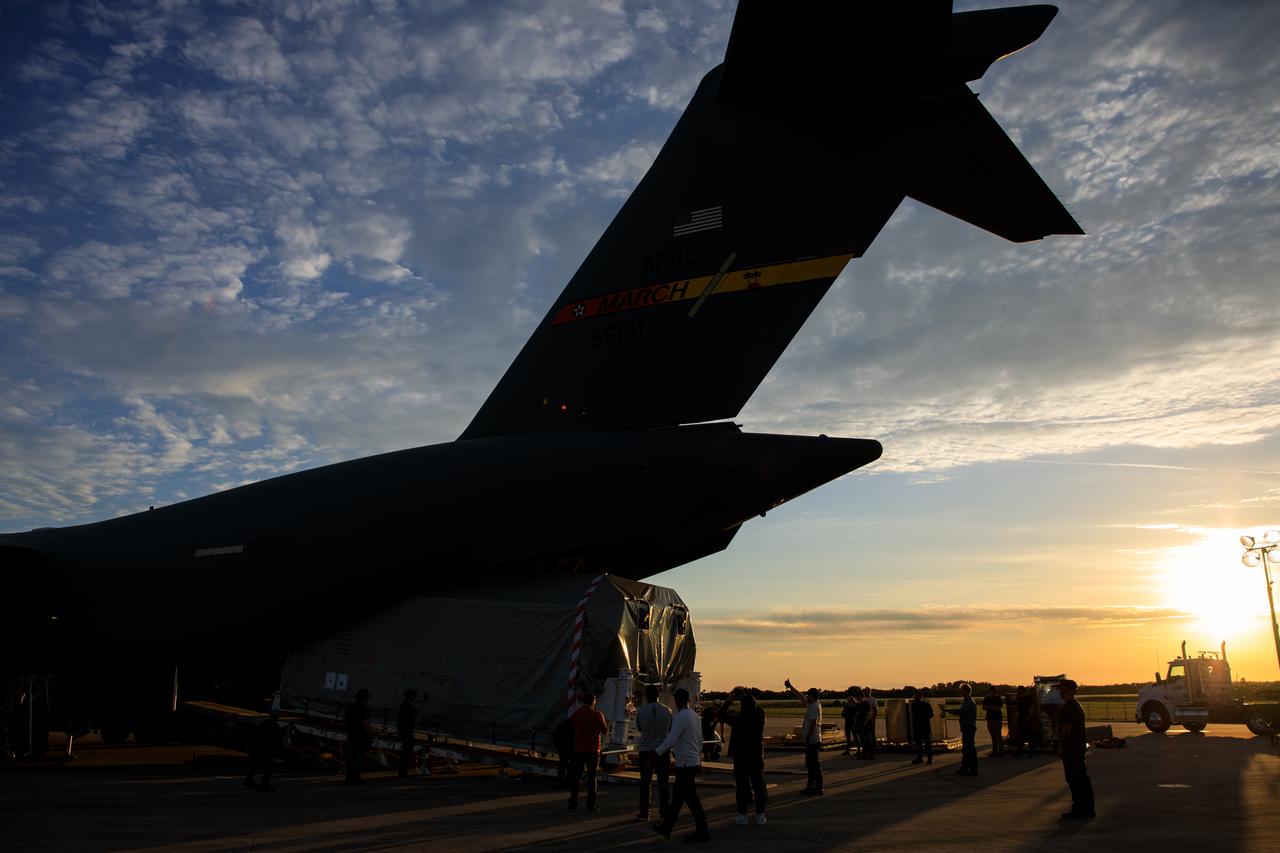
Teams offload NASA’s largest planetary mission spacecraft, Europa Clipper, from a United States Air Force C-17 Globemaster III transport aircraft onto the flatbed of a heavy-lift truck at the Launch and Landing Facility at NASA’s Kennedy Space Center in Florida on Thursday, May 23, 2024. Crews transported Europa Clipper to the Payload Hazardous Servicing Facility at Kennedy to prepare it for launch aboard a SpaceX Falcon Heavy rocket later this year from Launch Complex 39A at the Florida spaceport. Europa Clipper will help determine if conditions exist below the surface Jupiter’s fourth largest moon, Europa, that could support life.
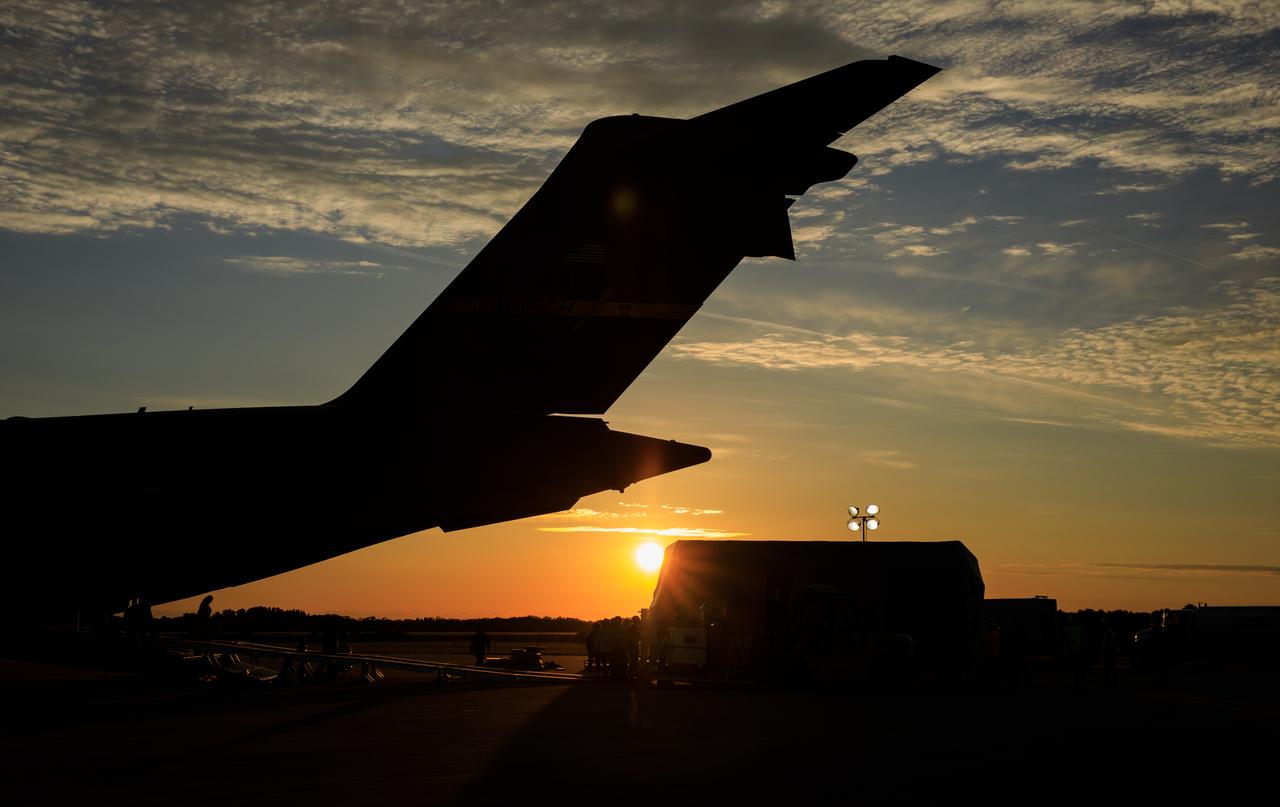
Teams offload NASA’s largest planetary mission spacecraft, Europa Clipper, from a United States Air Force C-17 Globemaster III transport aircraft onto the flatbed of a heavy-lift truck at the Launch and Landing Facility at NASA’s Kennedy Space Center in Florida on Thursday, May 23, 2024. Crews transported Europa Clipper to the Payload Hazardous Servicing Facility at Kennedy to prepare it for launch aboard a SpaceX Falcon Heavy rocket later this year from Launch Complex 39A at the Florida spaceport. Europa Clipper will help determine if conditions exist below the surface Jupiter’s fourth largest moon, Europa, that could support life.
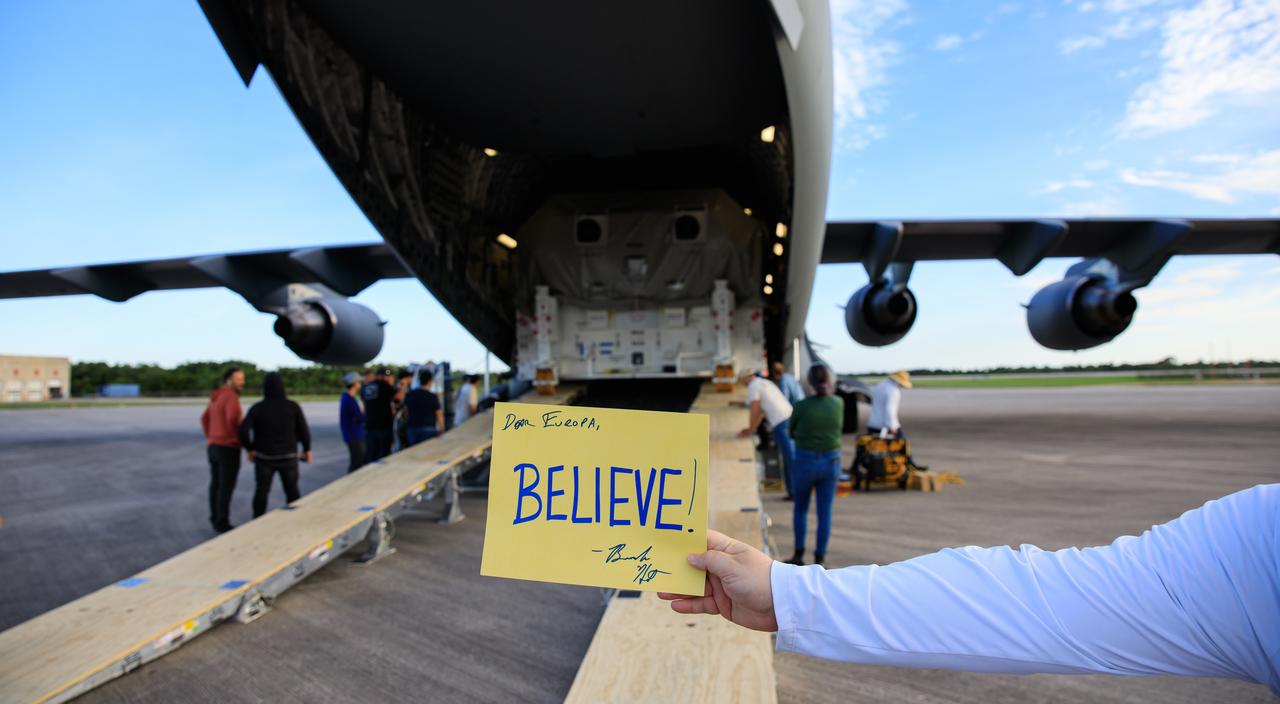
Teams offload NASA’s largest planetary mission spacecraft, Europa Clipper, from a United States Air Force C-17 Globemaster III transport aircraft onto the flatbed of a heavy-lift truck at the Launch and Landing Facility at NASA’s Kennedy Space Center in Florida on Thursday, May 23, 2024. Crews transported Europa Clipper to the Payload Hazardous Servicing Facility at Kennedy to prepare it for launch aboard a SpaceX Falcon Heavy rocket later this year from Launch Complex 39A at the Florida spaceport. Europa Clipper will help determine if conditions exist below the surface Jupiter’s fourth largest moon, Europa, that could support life.
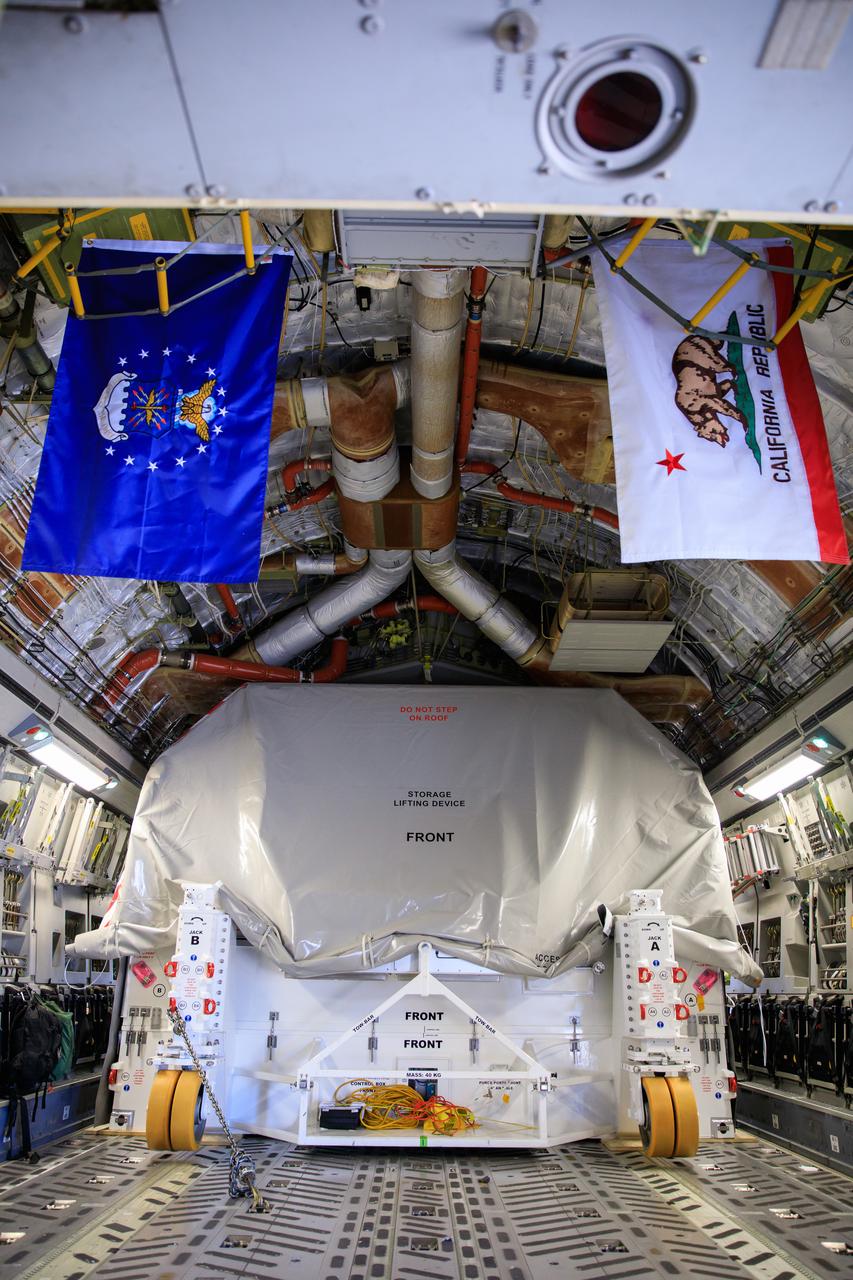
Teams offload NASA’s largest planetary mission spacecraft, Europa Clipper, from a United States Air Force C-17 Globemaster III transport aircraft onto the flatbed of a heavy-lift truck at the Launch and Landing Facility at NASA’s Kennedy Space Center in Florida on Thursday, May 23, 2024. Crews transported Europa Clipper to the Payload Hazardous Servicing Facility at Kennedy to prepare it for launch aboard a SpaceX Falcon Heavy rocket later this year from Launch Complex 39A at the Florida spaceport. Europa Clipper will help determine if conditions exist below the surface Jupiter’s fourth largest moon, Europa, that could support life.
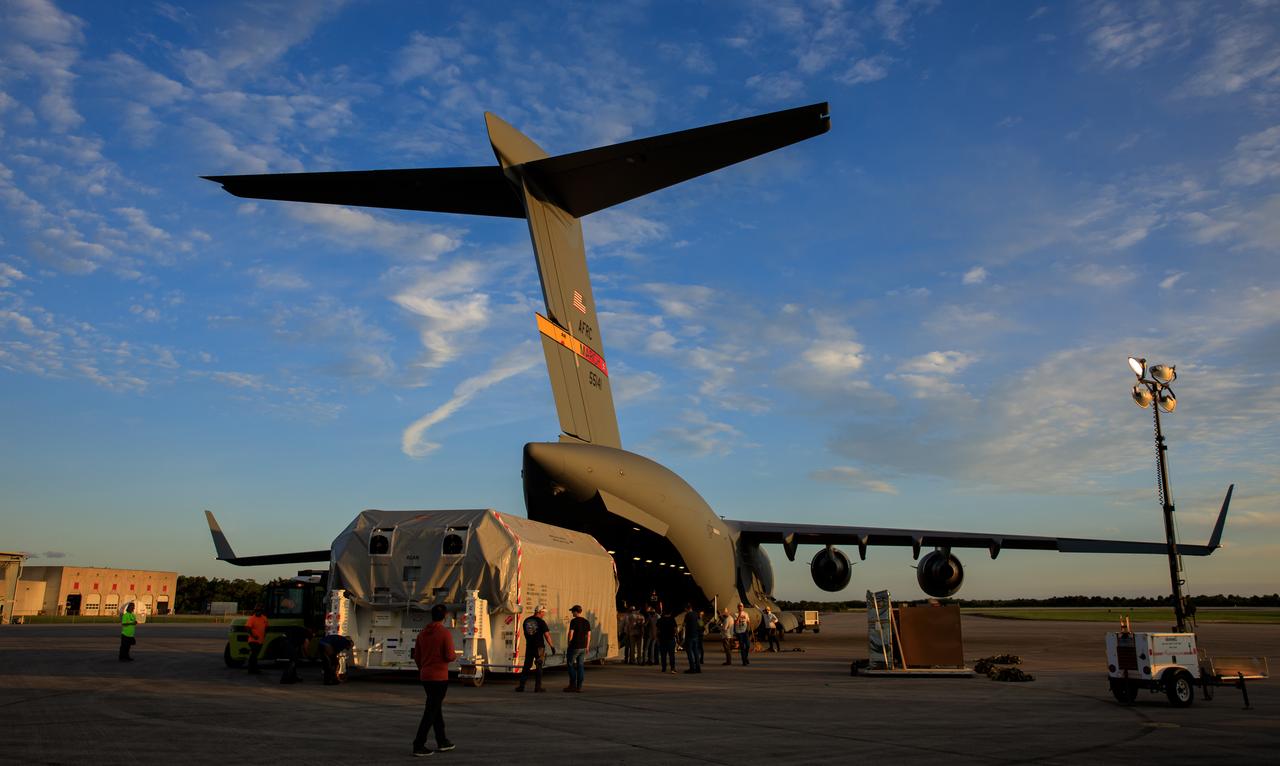
Teams offload NASA’s largest planetary mission spacecraft, Europa Clipper, from a United States Air Force C-17 Globemaster III transport aircraft onto the flatbed of a heavy-lift truck at the Launch and Landing Facility at NASA’s Kennedy Space Center in Florida on Thursday, May 23, 2024. Crews transported Europa Clipper to the Payload Hazardous Servicing Facility at Kennedy to prepare it for launch aboard a SpaceX Falcon Heavy rocket later this year from Launch Complex 39A at the Florida spaceport. Europa Clipper will help determine if conditions exist below the surface Jupiter’s fourth largest moon, Europa, that could support life.
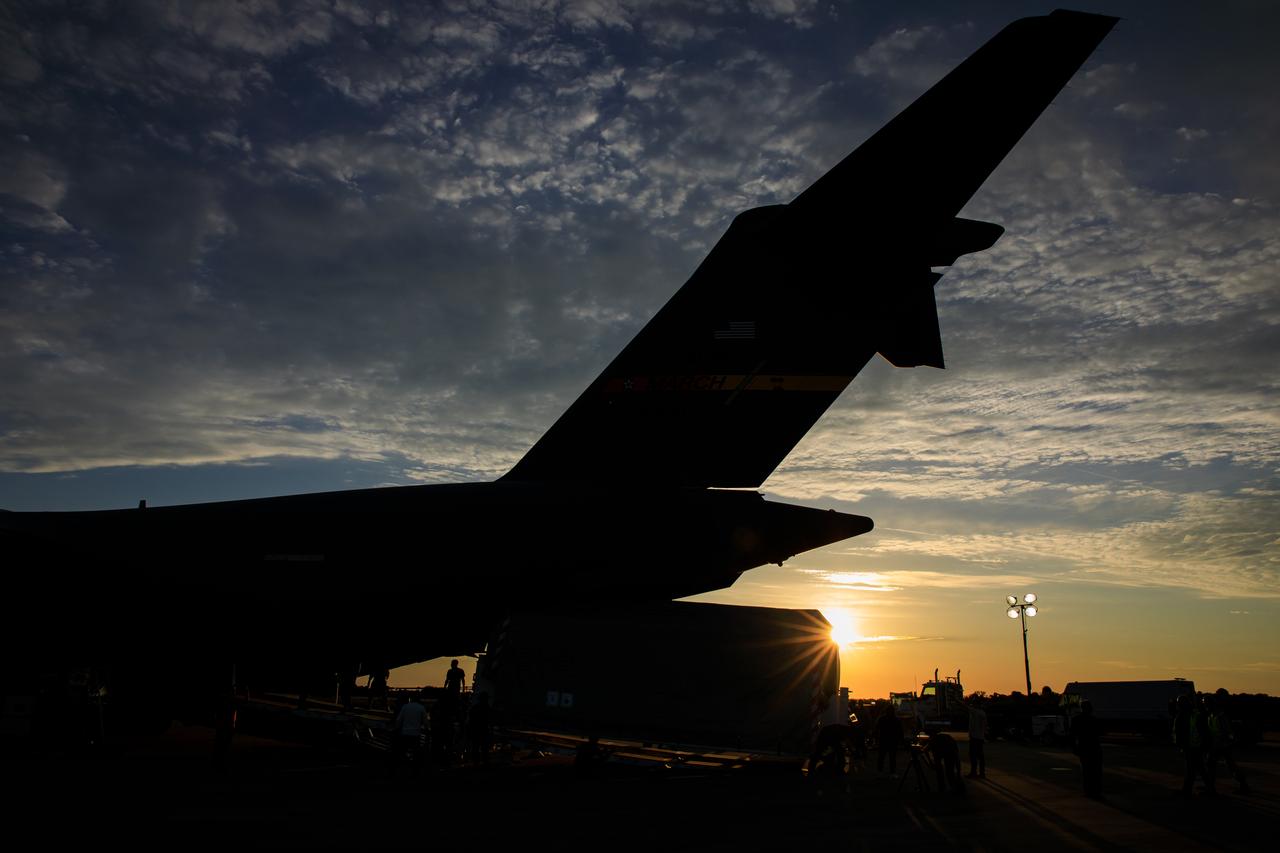
Teams offload NASA’s largest planetary mission spacecraft, Europa Clipper, from a United States Air Force C-17 Globemaster III transport aircraft onto the flatbed of a heavy-lift truck at the Launch and Landing Facility at NASA’s Kennedy Space Center in Florida on Thursday, May 23, 2024. Crews transported Europa Clipper to the Payload Hazardous Servicing Facility at Kennedy to prepare it for launch aboard a SpaceX Falcon Heavy rocket later this year from Launch Complex 39A at the Florida spaceport. Europa Clipper will help determine if conditions exist below the surface Jupiter’s fourth largest moon, Europa, that could support life.
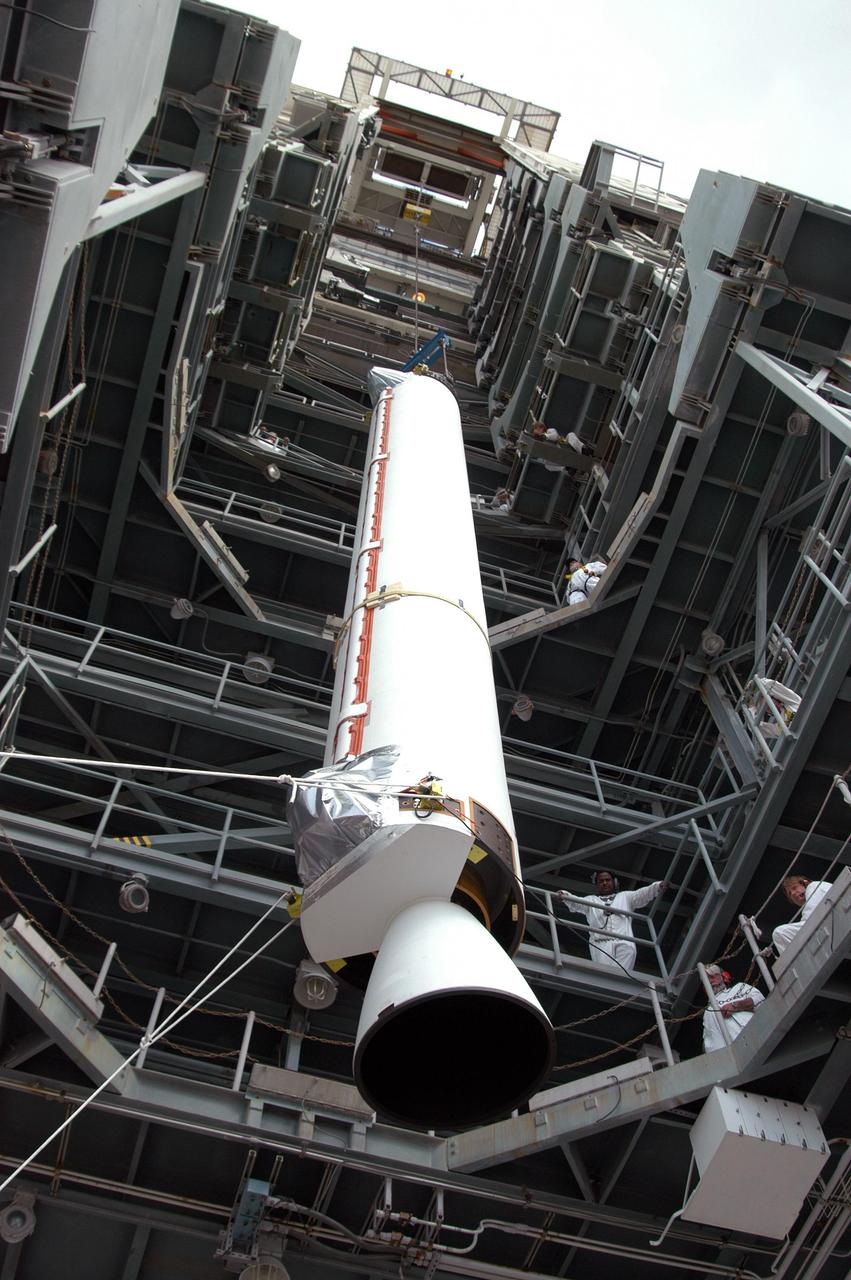
KENNEDY SPACE CENTER, FLA. - The first Solid Rocket Booster (SRB) for the MESSENGER spacecraft launch is lifted up the mobile service tower at Pad 17-B, Cape Canaveral Air Force Station. The SRB will be mated to the Boeing Delta II Heavy rocket for the Aug. 2 launch to the planet Mercury. The spacecraft is expected to reach orbit around Mercury in March 2011. MESSENGER was built for NASA by the Johns Hopkins University Applied Physics Laboratory in Laurel, Md.
KENNEDY SPACE CENTER, FLA. - The final Solid Rocket Boosters (SRBs) arrive at Pad 17-B, Cape Canaveral Air Force Station, for mating with the Boeing Delta II Heavy rocket that will launch the MESSENGER (Mercury Surface, Space Environment, Geochemistry and Ranging) spacecraft. Scheduled to lift off Aug. 2, bound for Mercury, the spacecraft is expected to reach orbit around Mercury in March 2011. MESSENGER was built for NASA by the Johns Hopkins University Applied Physics Laboratory in Laurel, Md.
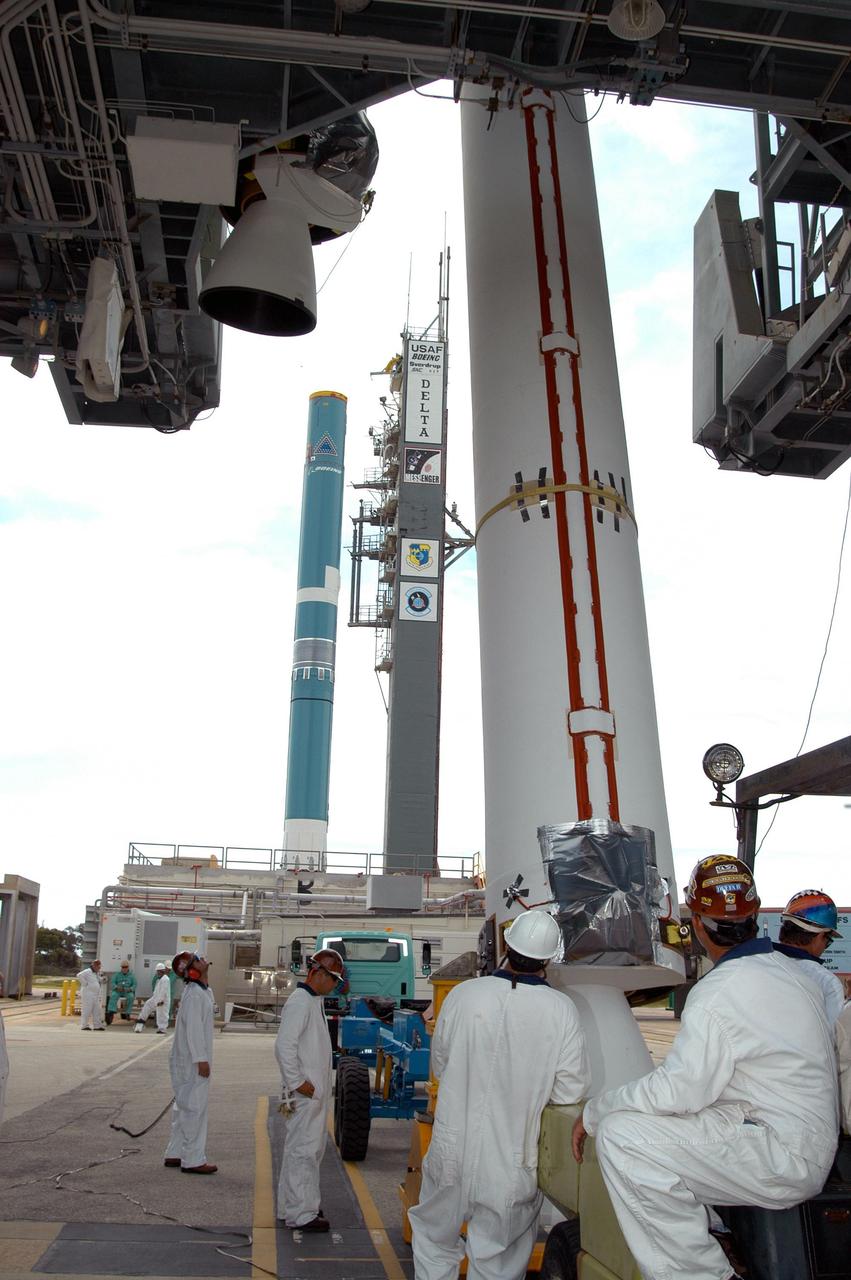
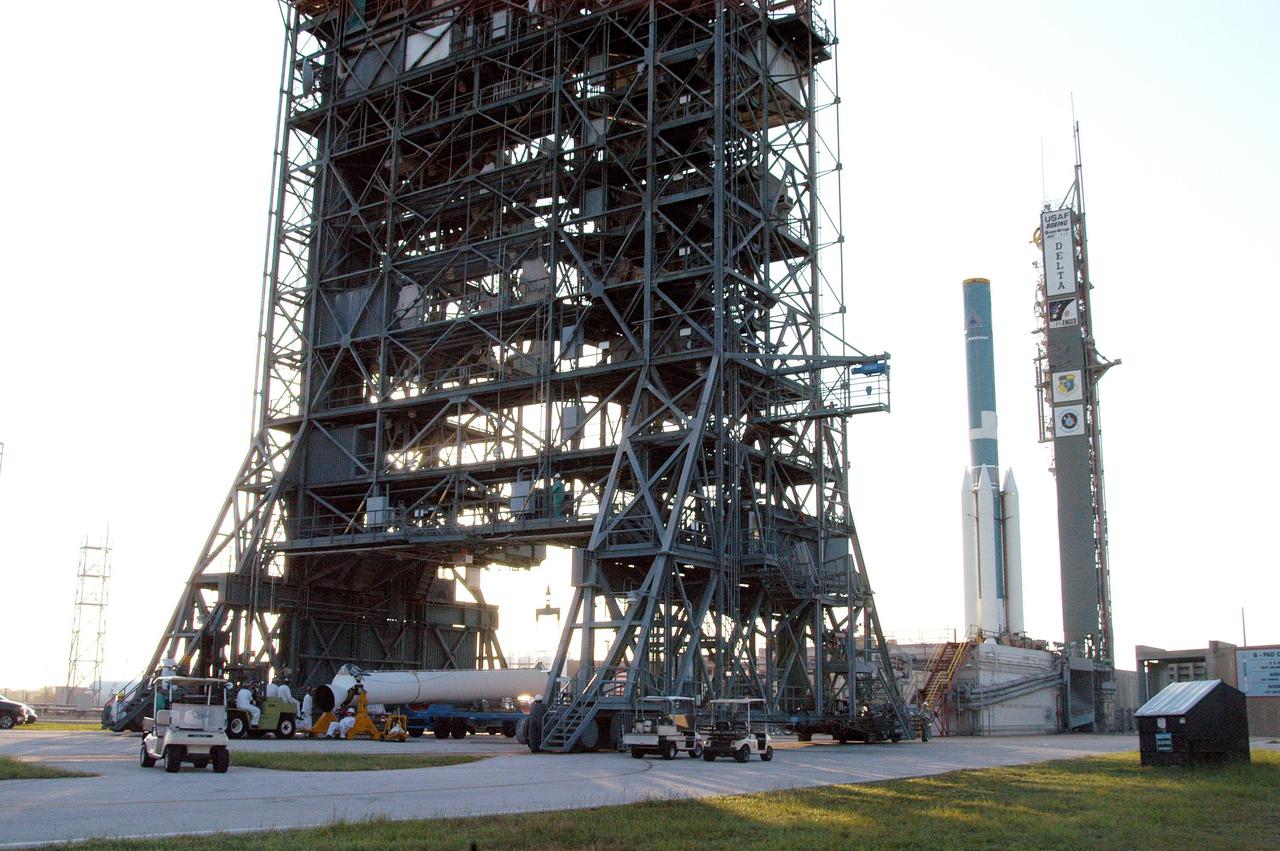
KENNEDY SPACE CENTER, FLA. - A second Solid Rocket Booster (SRB) for the MESSENGER spacecraft launch is raised from its transporter at Pad 17-B, Cape Canaveral Air Force Station, before being lifted up the mobile service tower. The SRB will be mated to the Boeing Delta II Heavy rocket, seen in the background, for the Aug. 2 launch to the planet Mercury. The spacecraft is expected to reach orbit around Mercury in March 2011. MESSENGER was built for NASA by the Johns Hopkins University Applied Physics Laboratory in Laurel, Md.
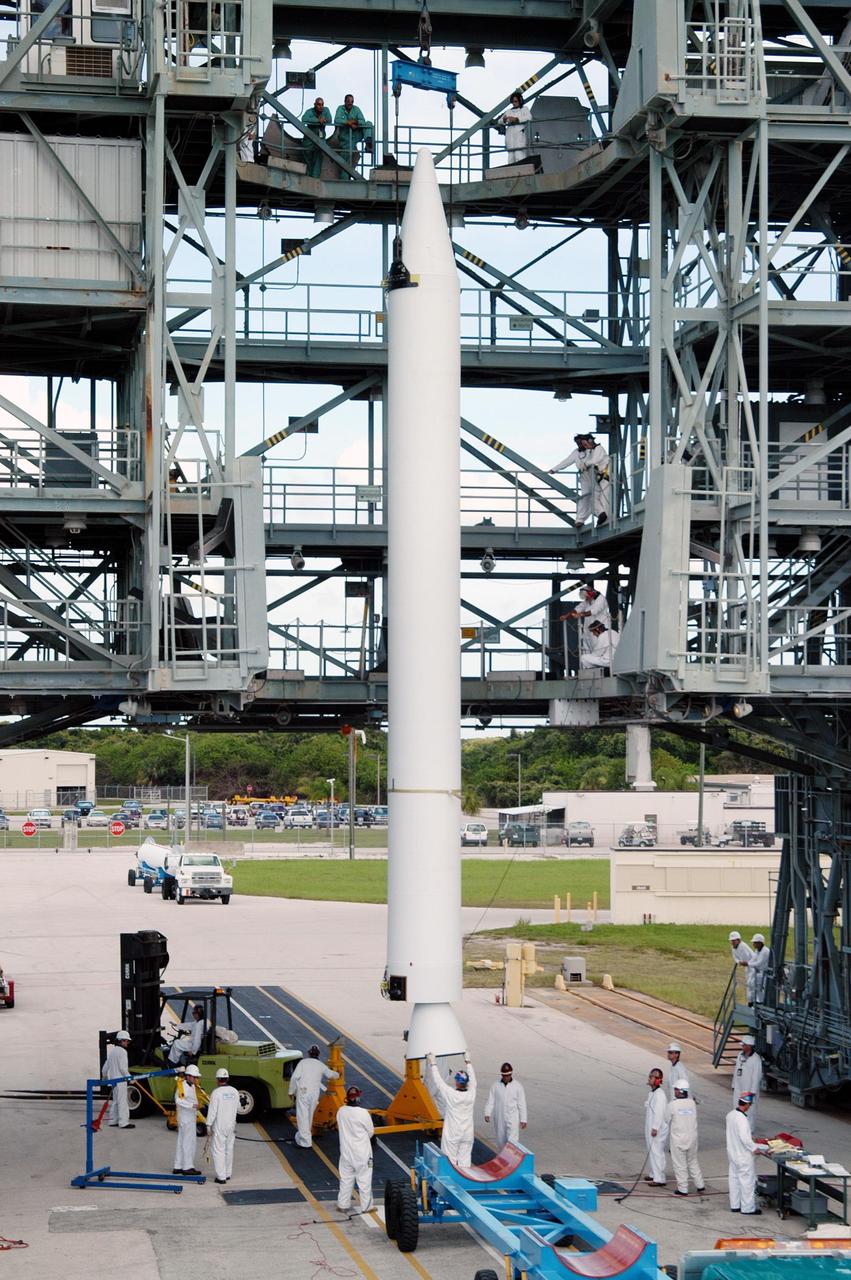
KENNEDY SPACE CENTER, FLA. - At Pad 17-B, Cape Canaveral Air Force Station, the first Solid Rocket Booster (SRB) for the MESSENGER spacecraft launch is held in a vertical position for lifting up the mobile service tower. The SRB will be mated to the Boeing Delta II Heavy rocket for the Aug. 2 launch of MESSENGER to the planet Mercury. The spacecraft is expected to reach orbit around Mercury in March 2011. MESSENGER was built for NASA by the Johns Hopkins University Applied Physics Laboratory in Laurel, Md.
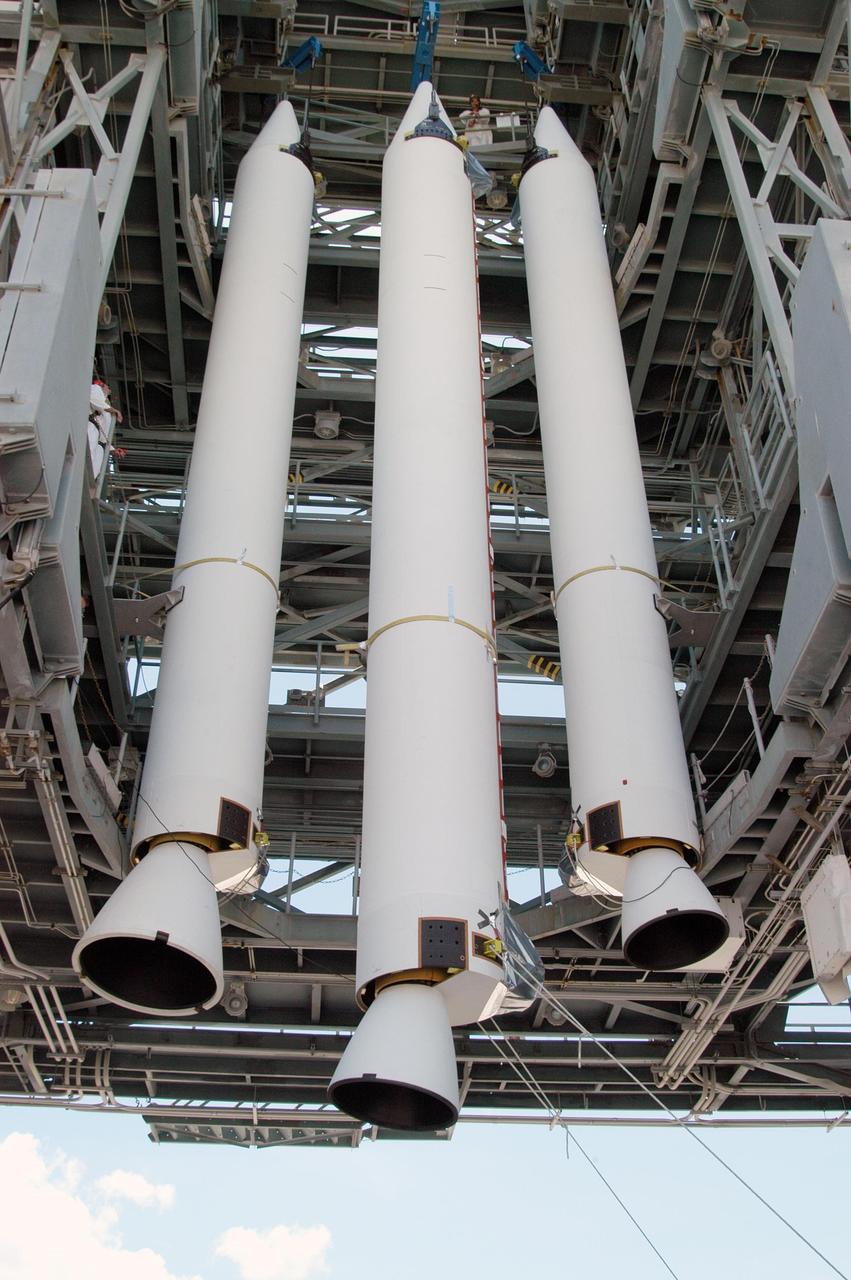
KENNEDY SPACE CENTER, FLA. - On Pad 17-B, Cape Canaveral Air Force Station, a third Solid Rocket Booster (SRB) is lifted up the mobile service tower to join the other SRBs there. They will later be mated to the Boeing Delta II Heavy rocket for the Aug. 2 launch of the MESSENGER spacecraft to the planet Mercury. The spacecraft is expected to reach orbit around Mercury in March 2011. MESSENGER was built for NASA by the Johns Hopkins University Applied Physics Laboratory in Laurel, Md.
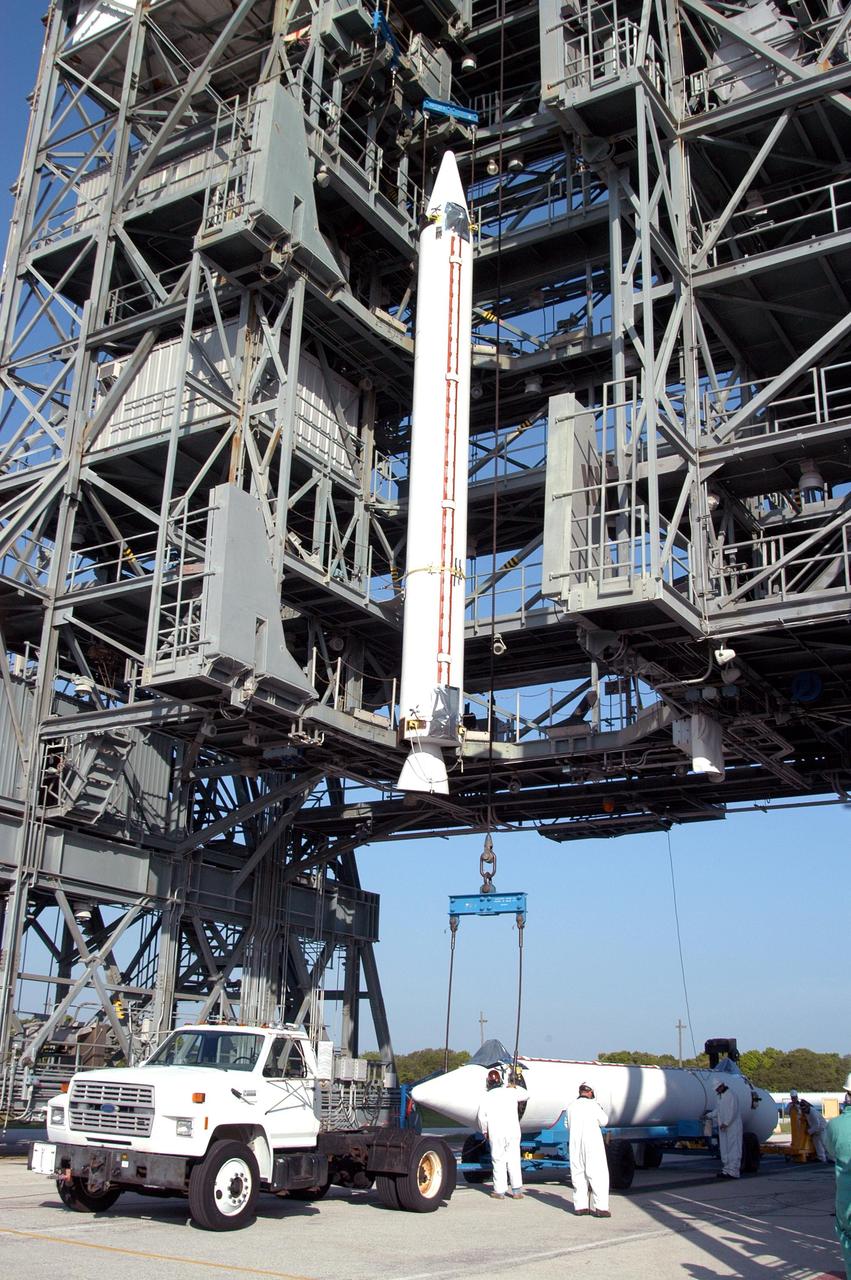
KENNEDY SPACE CENTER, FLA. - The final Solid Rocket Boosters (SRBs) arrive at Pad 17-B, Cape Canaveral Air Force Station, for mating with the Boeing Delta II Heavy rocket that will launch the MESSENGER (Mercury Surface, Space Environment, Geochemistry and Ranging) spacecraft. Scheduled to lift off Aug. 2, bound for Mercury, the spacecraft is expected to reach orbit around Mercury in March 2011. MESSENGER was built for NASA by the Johns Hopkins University Applied Physics Laboratory in Laurel, Md.
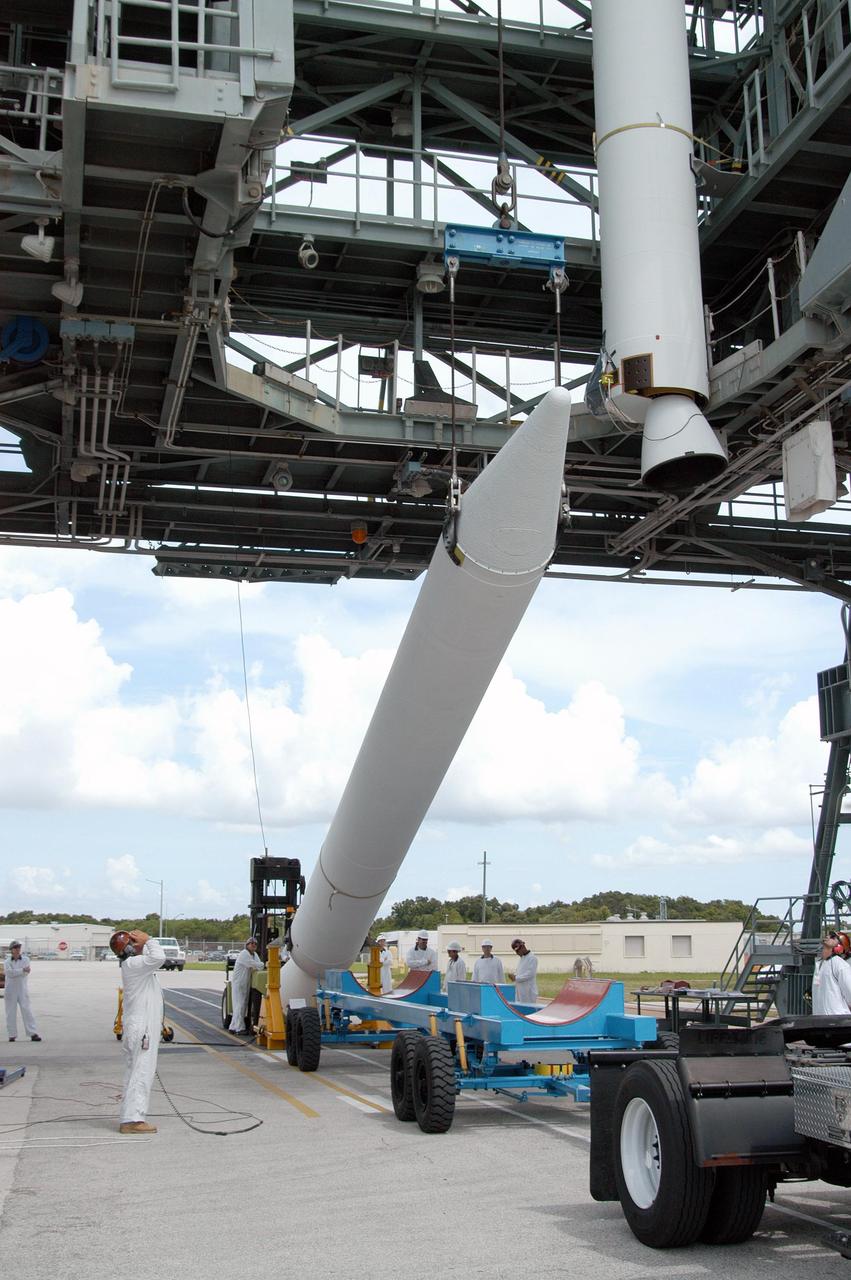
KENNEDY SPACE CENTER, FLA. - A second Solid Rocket Booster (SRB) for the MESSENGER spacecraft launch is raised from its transporter to lift up the mobile service tower at Pad 17-B, Cape Canaveral Air Force Station. The first SRB is seen at right. The SRBs will be mated to the Boeing Delta II Heavy rocket for the Aug. 2 launch to the planet Mercury. The spacecraft is expected to reach orbit around Mercury in March 2011. MESSENGER was built for NASA by the Johns Hopkins University Applied Physics Laboratory in Laurel, Md.
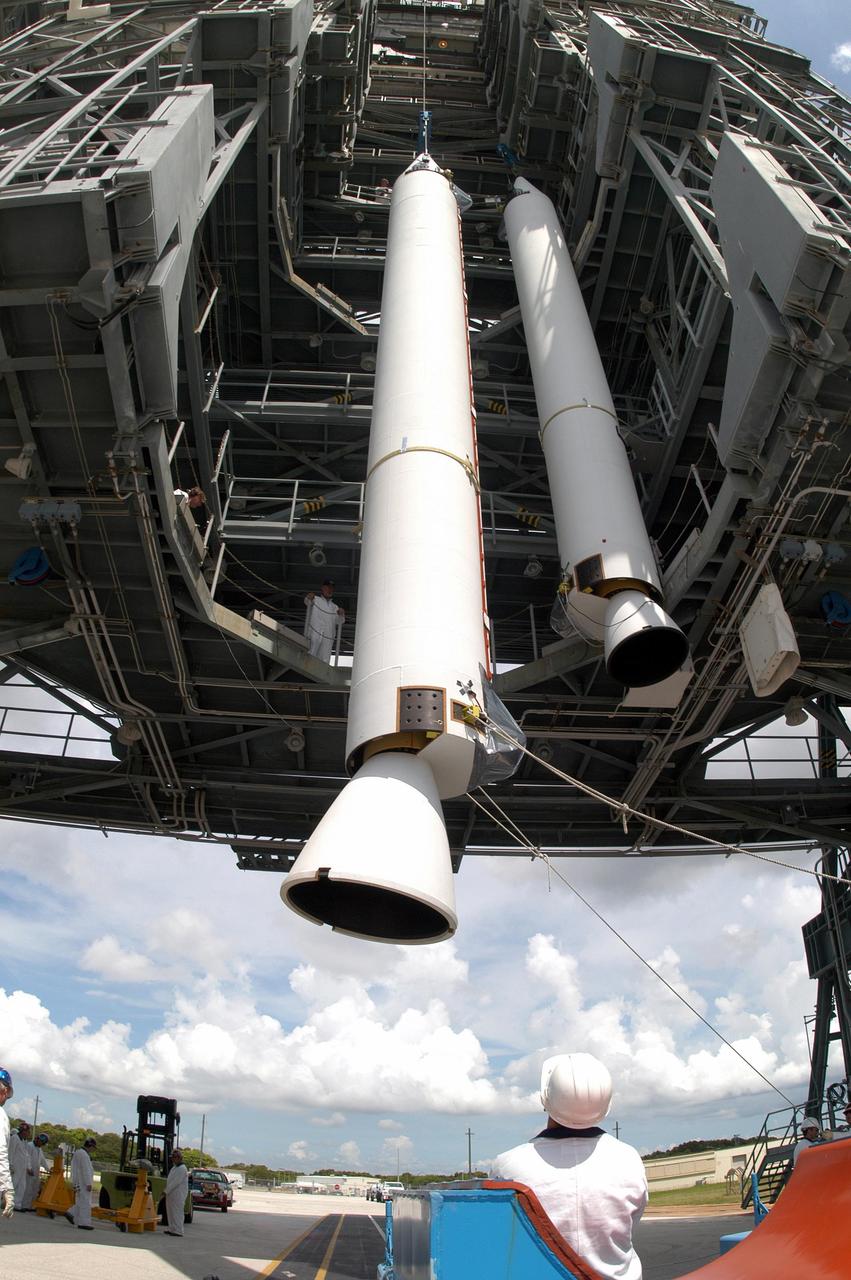
KENNEDY SPACE CENTER, FLA. - On Pad 17-B, Cape Canaveral Air Force Station, a second Solid Rocket Booster (SRB) is lifted up the mobile service tower. The SRB and eight others will be mated to the Boeing Delta II Heavy rocket for the Aug. 2 launch of the MESSENGER spacecraft to the planet Mercury. The spacecraft is expected to reach orbit around Mercury in March 2011. MESSENGER was built for NASA by the Johns Hopkins University Applied Physics Laboratory in Laurel, Md.

KENNEDY SPACE CENTER, FLA. - On Pad 17-B, Cape Canaveral Air Force Station, a third Solid Rocket Booster (SRB) is raised from its transporter under the mobile service tower. It will be lifted up the tower to join the other SRBs there and later mated to the Boeing Delta II Heavy rocket for the Aug. 2 launch of the MESSENGER spacecraft to the planet Mercury. The spacecraft is expected to reach orbit around Mercury in March 2011. MESSENGER was built for NASA by the Johns Hopkins University Applied Physics Laboratory in Laurel, Md.

KENNEDY SPACE CENTER, FLA. - A Solid Rocket Booster (SRB) arrives at Pad 17-B, Cape Canaveral Air Force Station. It is the first SRB that will be mated to the Boeing Delta II Heavy rocket for the MESSENGER spacecraft launch. Scheduled to lift off Aug. 2, bound for Mercury, the spacecraft is expected to reach orbit around Mercury in March 2011. MESSENGER was built for NASA by the Johns Hopkins University Applied Physics Laboratory in Laurel, Md.
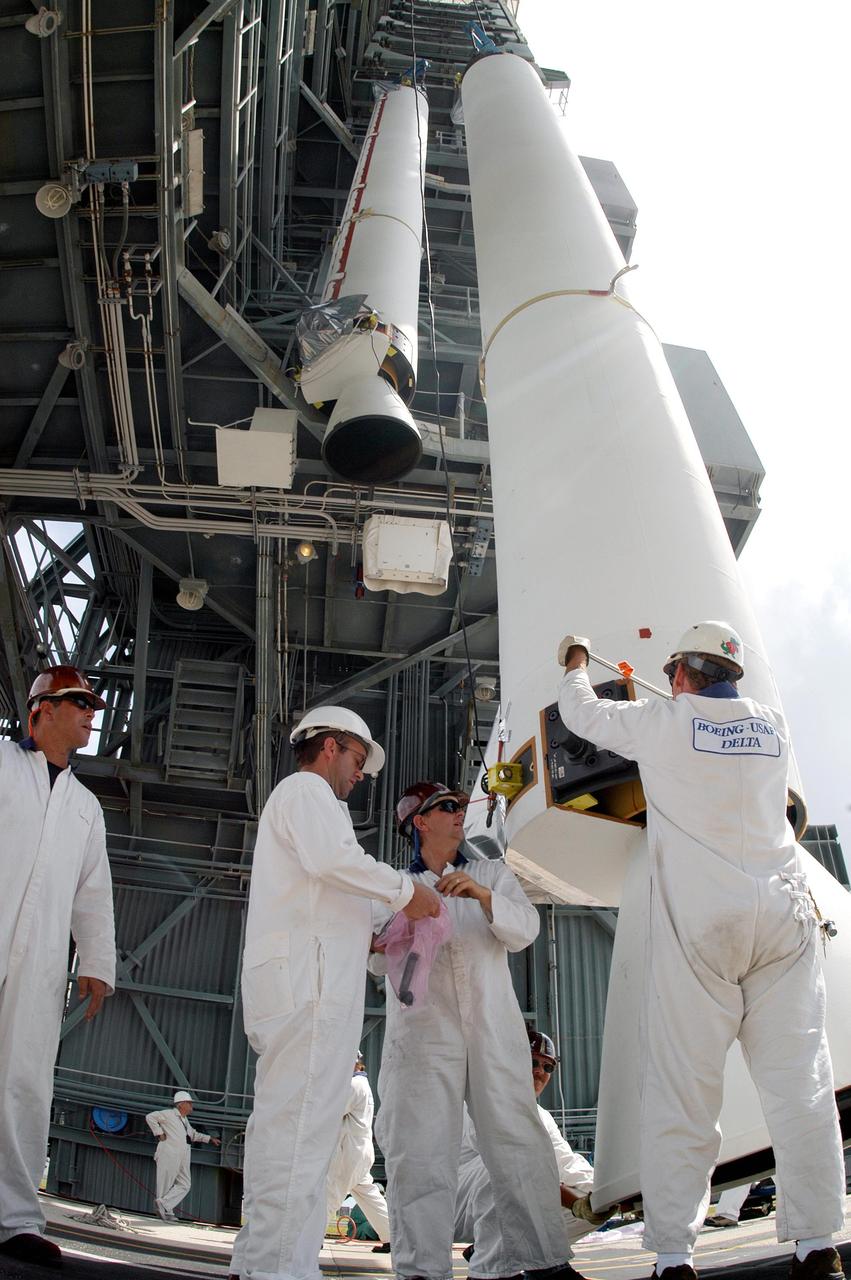
KENNEDY SPACE CENTER, FLA. - On Pad 17-B, Cape Canaveral Air Force Station, workers check the Solid Rocket Booster (SRB) waiting to be lifted up the mobile service tower. The SRB and eight others will be mated to the Boeing Delta II Heavy rocket for the Aug. 2 launch of the MESSENGER spacecraft to the planet Mercury. The spacecraft is expected to reach orbit around Mercury in March 2011. MESSENGER was built for NASA by the Johns Hopkins University Applied Physics Laboratory in Laurel, Md.
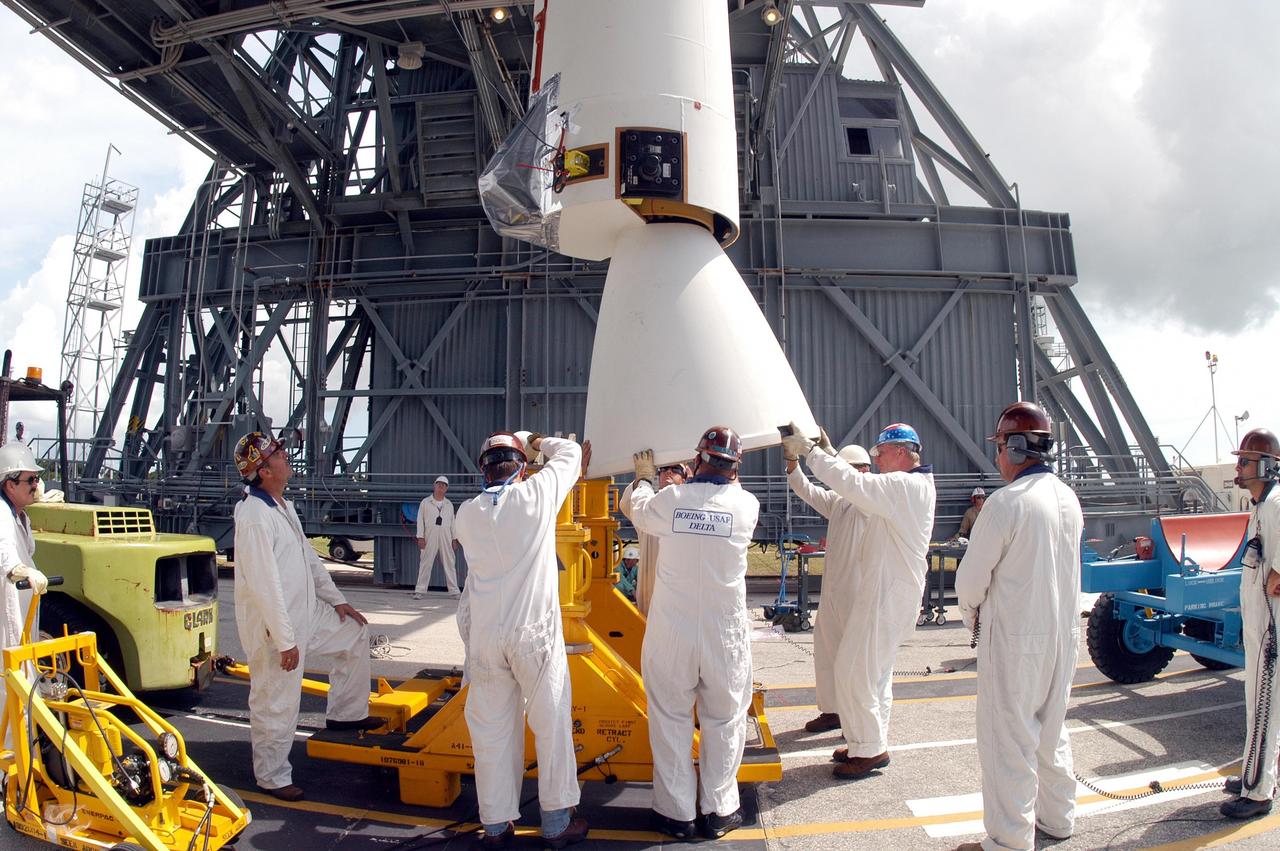
KENNEDY SPACE CENTER, FLA. - On Pad 17-B, Cape Canaveral Air Force Station, workers steady the Solid Rocket Booster (SRB) waiting to be lifted up the mobile service tower. The SRB and eight others will be mated to the Boeing Delta II Heavy rocket for the Aug. 2 launch of the MESSENGER spacecraft to the planet Mercury. The spacecraft is expected to reach orbit around Mercury in March 2011. MESSENGER was built for NASA by the Johns Hopkins University Applied Physics Laboratory in Laurel, Md.
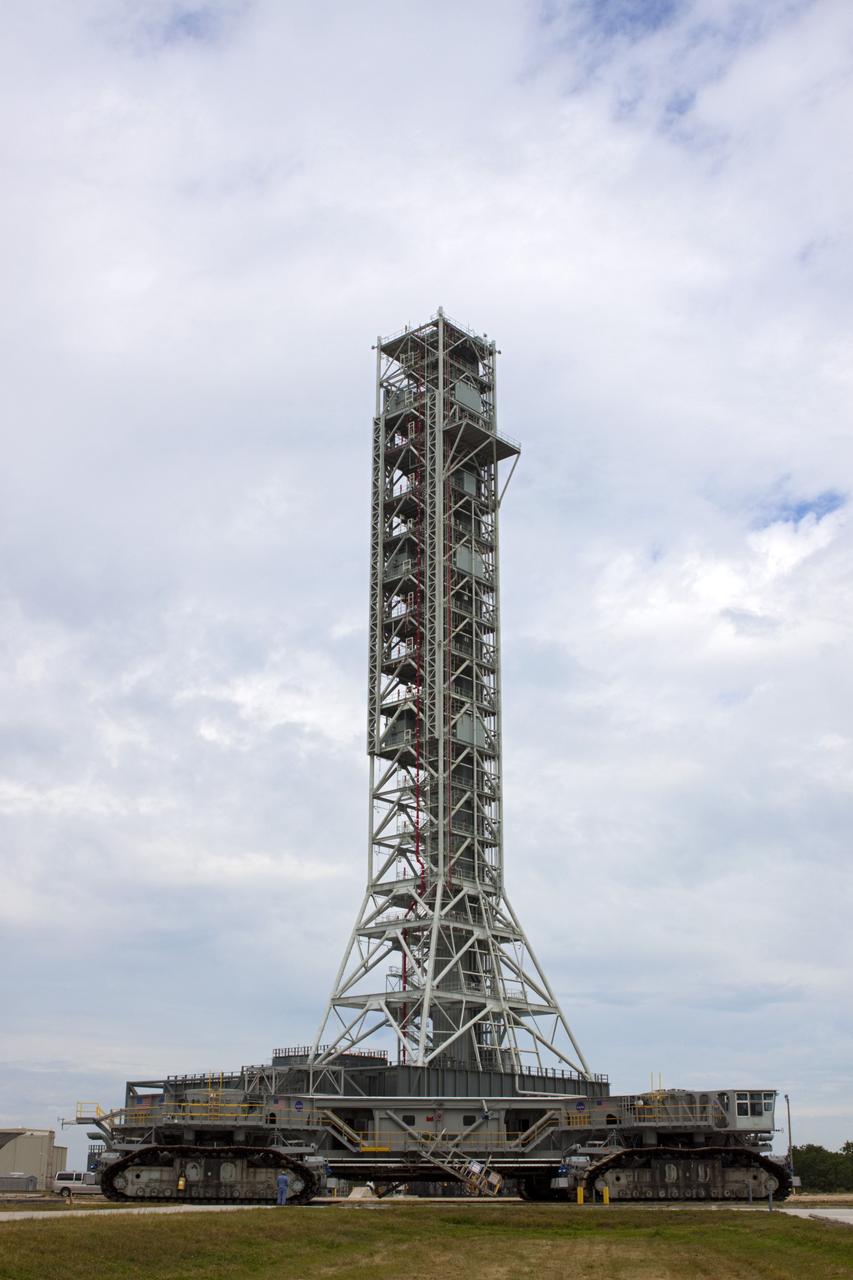
CAPE CANAVERAL, Fla. -- At NASA's Kennedy Space Center in Florida, crawler-transporter No. 2 has been undergoing modifications in high bay 2 of the Vehicle Assembly Building. It has been undergoing a test drive checking out modifications to ensure its ability to carry the space agency's Space Launch System heavy-lift rocket to the launch pad. In the background is the mobile launcher being prepared to support launch vehicles such as space agency's the Space Launch System heavy-lift rocket and Orion spacecraft. NASA's Ground Systems Development and Operations Program is leading the 20-year life-extension project for the crawler. A pair of behemoth machines called crawler-transporters has carried the load of taking rockets and spacecraft to the launch pad for more than 40 years at NASA’s Kennedy Space Center in Florida. Each the size of a baseball infield and powered by locomotive and large electrical power generator engines, the crawler-transporters will stand ready to keep up the work for the next generation of launch vehicles projects to lift astronauts into space. For more information, visit http://www.nasa.gov/exploration/systems/ground/index.html Photo credit: NASA/Jim Grossmann
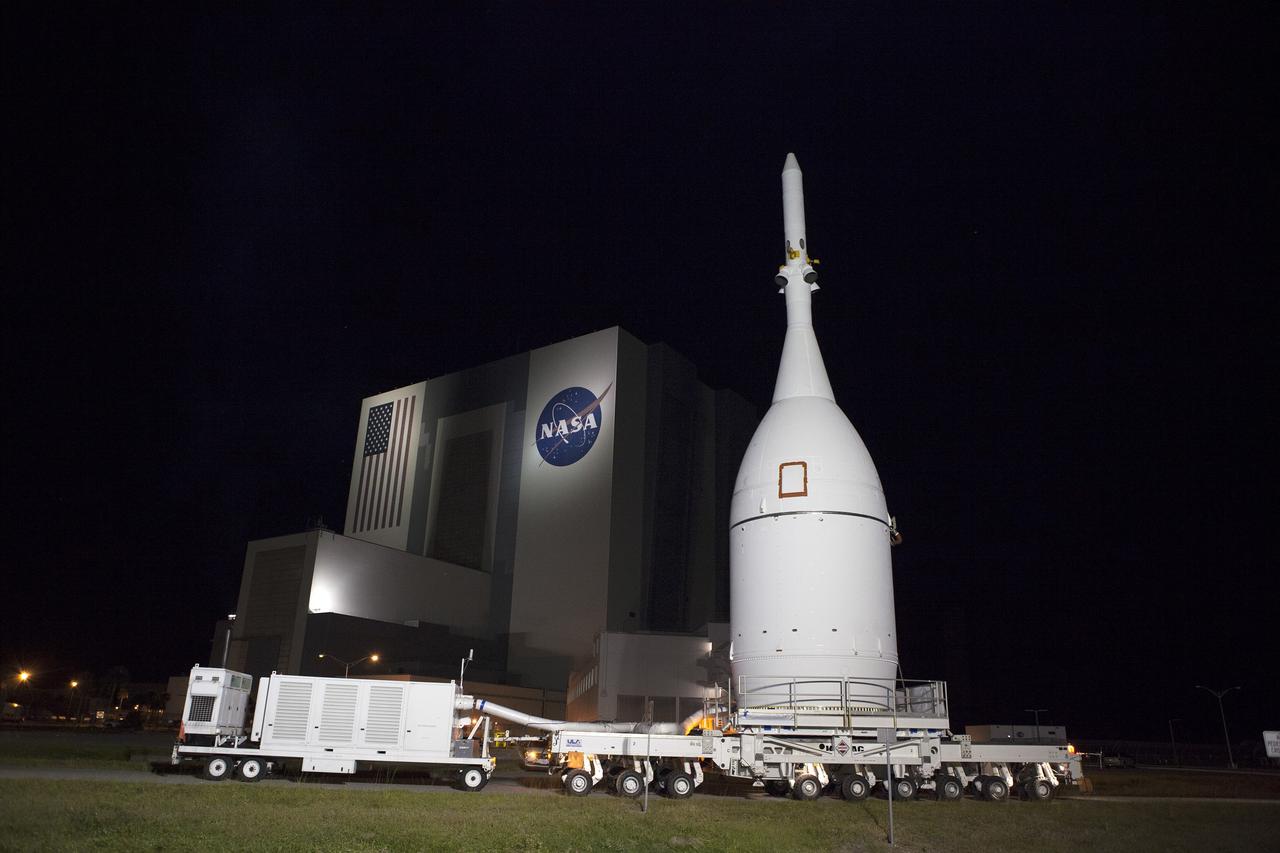
CAPE CANAVERAL, Fla. – At NASA's Kennedy Space Center in Florida, the agency's Orion spacecraft passes the spaceport's iconic Vehicle Assembly Building as it is transported to Launch Complex 37 at Cape Canaveral Air Force Station. After arrival at the launch pad, United Launch Alliance engineers and technicians will lift Orion and mount it atop its Delta IV Heavy rocket. Orion is the exploration spacecraft designed to carry astronauts to destinations not yet explored by humans, including an asteroid and Mars. It will have emergency abort capability, sustain the crew during space travel and provide safe re-entry from deep space return velocities. The first unpiloted flight test of Orion is scheduled to launch Dec. 4, 2014 atop a United Launch Alliance Delta IV Heavy rocket, and in 2018 on NASA’s Space Launch System rocket. For more information, visit www.nasa.gov/orion Photo credit: NASA/Frankie Martin
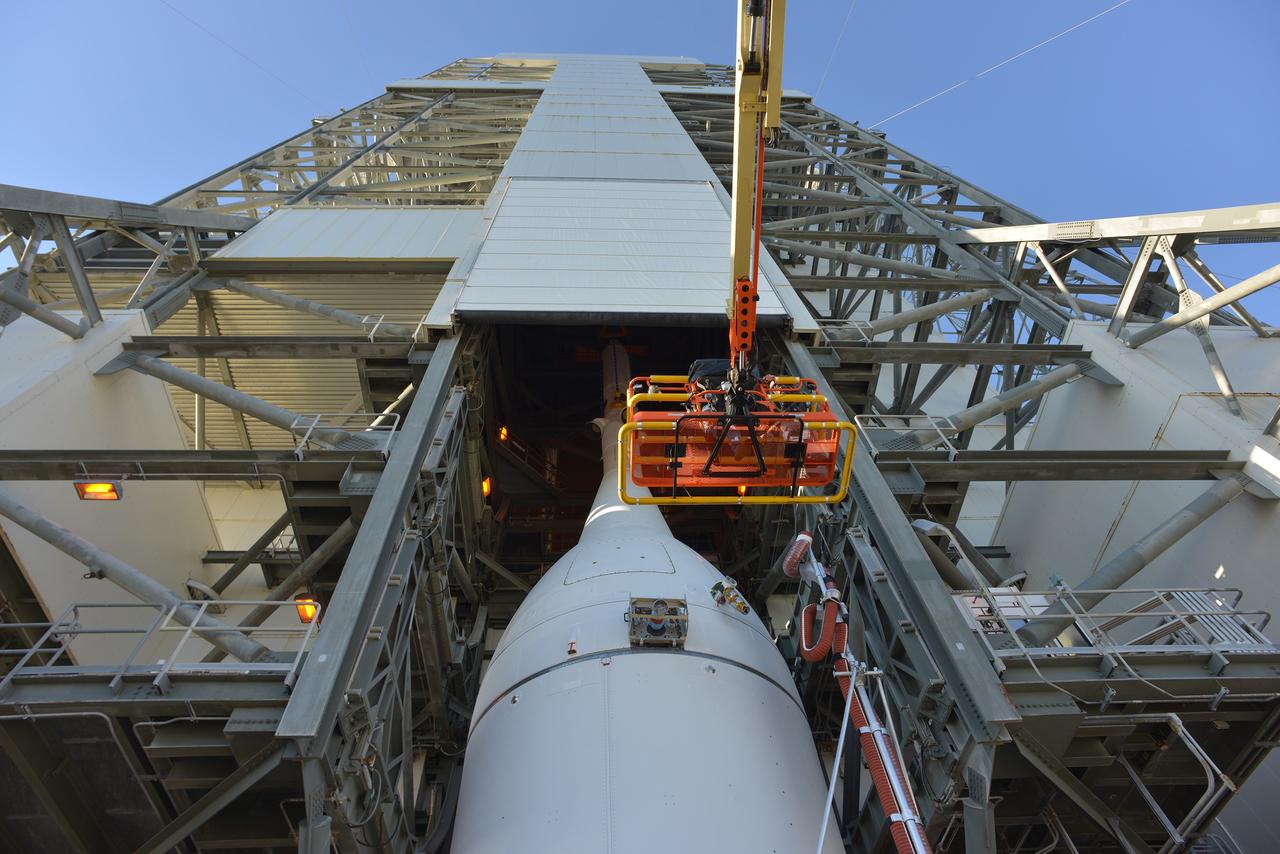
CAPE CANAVERAL, Fla. – At Cape Canaveral Air Force Station's Launch Complex 37, United Launch Alliance engineers and technicians prepare to lift the agency's Orion spacecraft for mounting atop its Delta IV Heavy rocket. Orion is the exploration spacecraft designed to carry astronauts to destinations not yet explored by humans, including an asteroid and Mars. It will have emergency abort capability, sustain the crew during space travel and provide safe re-entry from deep space return velocities. The first unpiloted flight test of Orion is scheduled to launch Dec. 4, 2014 atop a United Launch Alliance Delta IV Heavy rocket, and in 2018 on NASA’s Space Launch System rocket. For more information, visit www.nasa.gov/orion Photo credit: NASA/Radislav Sinyak
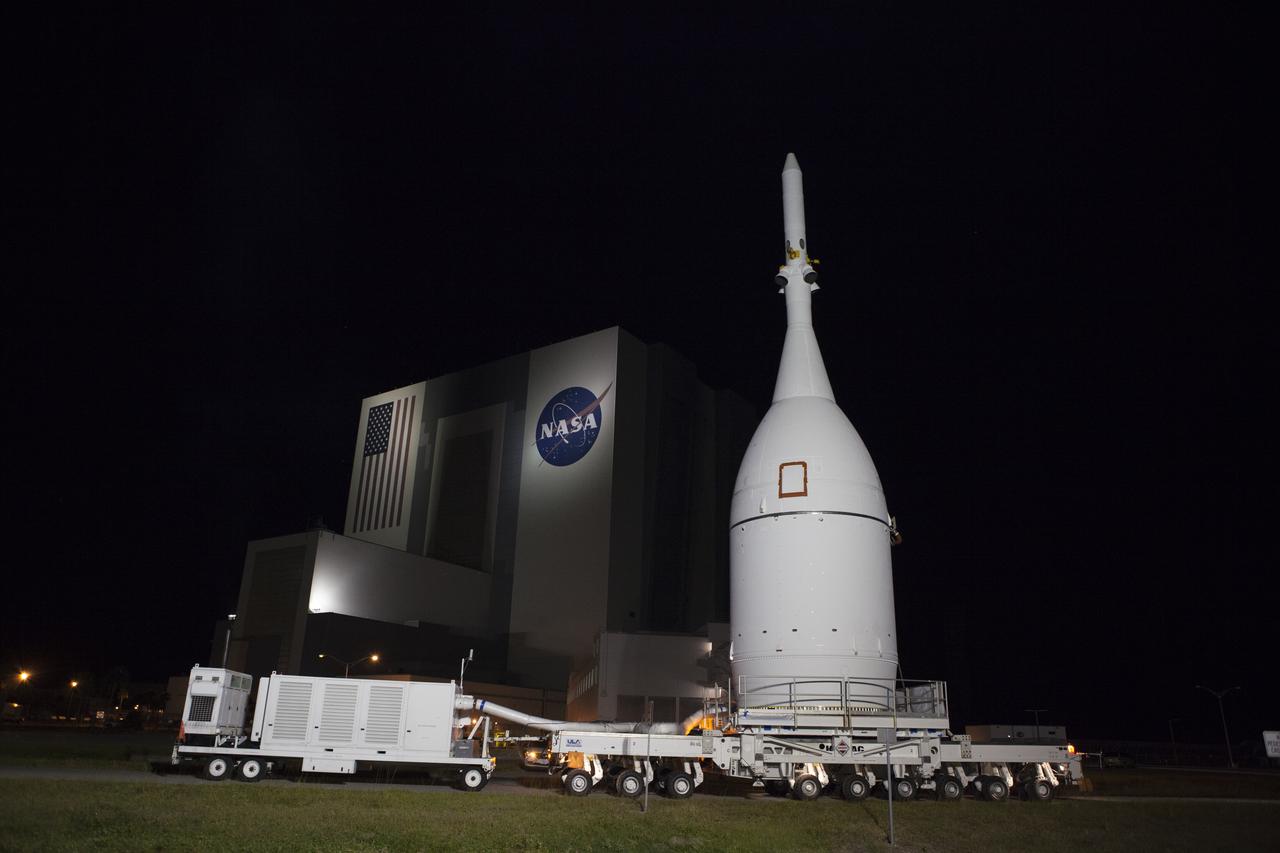
At NASA's Kennedy Space Center in Florida, the agency's Orion spacecraft passes the spaceport's iconic Vehicle Assembly Building as it is transported to Launch Complex 37 at Cape Canaveral Air Force Station. After arrival at the launch pad, United Launch Alliance engineers and technicians will lift Orion and mount it atop its Delta IV Heavy rocket. Orion is the exploration spacecraft designed to carry astronauts to destinations not yet explored by humans, including an asteroid and Mars. It will have emergency abort capability, sustain the crew during space travel and provide safe re-entry from deep space return velocities. The first unpiloted flight test of Orion is scheduled to launch Dec. 4, 2014 atop a United Launch Alliance Delta IV Heavy rocket, and in 2018 on NASA’s Space Launch System rocket.
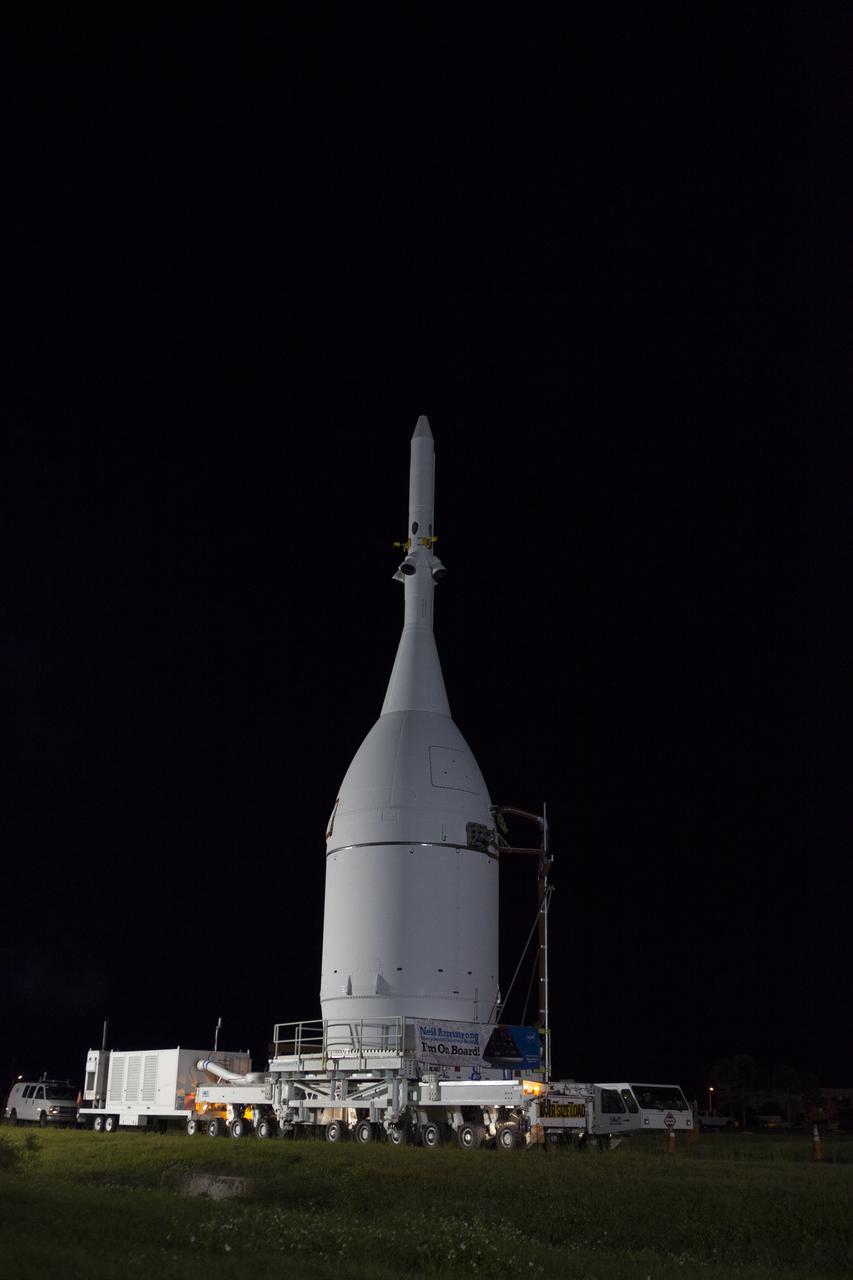
At NASA's Kennedy Space Center in Florida, the agency's Orion is transported to Launch Complex 37 at Cape Canaveral Air Force Station. After arrival at the launch pad, United Launch Alliance engineers and technicians will lift Orion and mount it atop its Delta IV Heavy rocket. Orion is the exploration spacecraft designed to carry astronauts to destinations not yet explored by humans, including an asteroid and Mars. It will have emergency abort capability, sustain the crew during space travel and provide safe re-entry from deep space return velocities. The first unpiloted flight test of Orion is scheduled to launch Dec. 4, 2014 atop a United Launch Alliance Delta IV Heavy rocket, and in 2018 on NASA’s Space Launch System rocket.
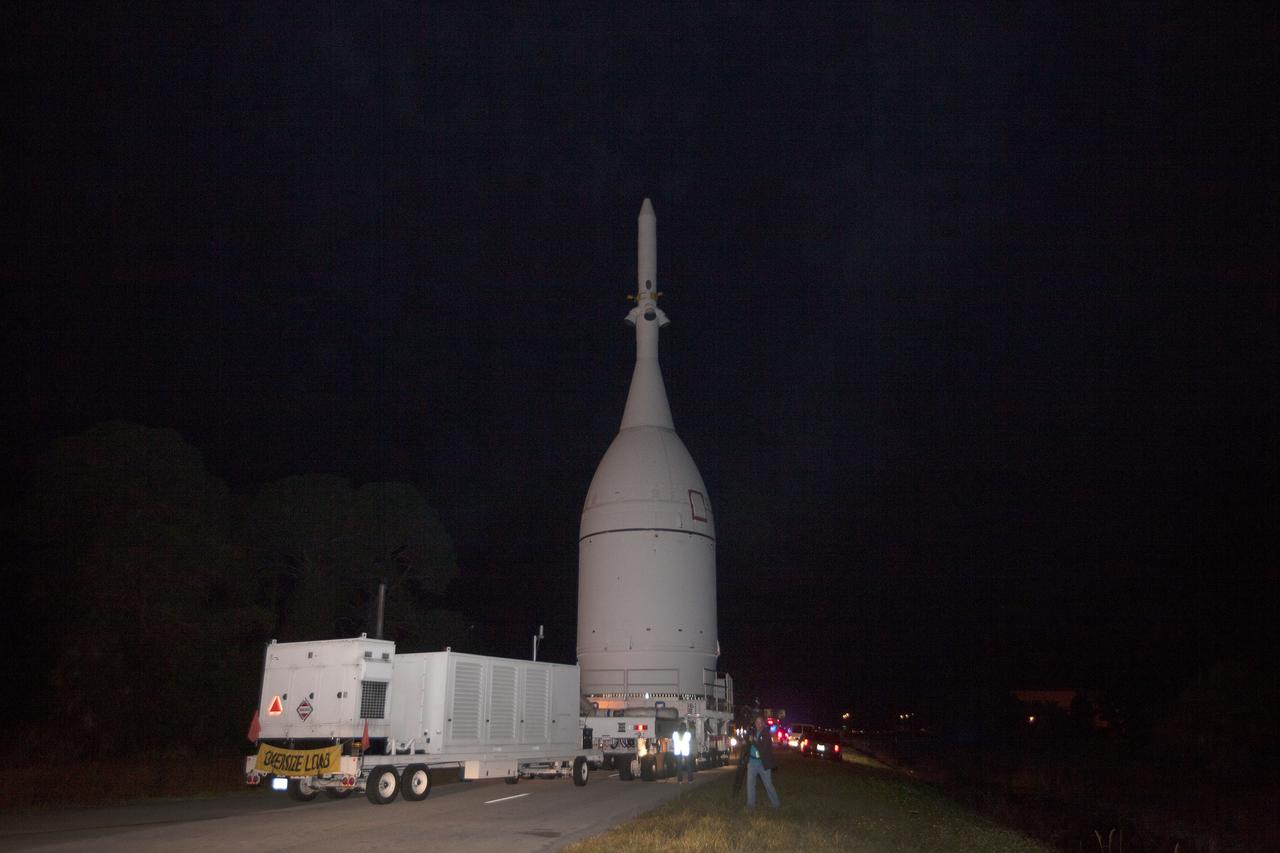
CAPE CANAVERAL, Fla. – At NASA's Kennedy Space Center in Florida, the agency's completed Orion spacecraft begins its trip from the Launch Abort System Facility to Launch Complex 37 at Cape Canaveral Air Force Station. After arrival at the launch pad, United Launch Alliance engineers and technicians will lift Orion and mount it atop its Delta IV Heavy rocket. Orion is the exploration spacecraft designed to carry astronauts to destinations not yet explored by humans, including an asteroid and Mars. It will have emergency abort capability, sustain the crew during space travel and provide safe re-entry from deep space return velocities. The first unpiloted flight test of Orion is scheduled to launch Dec. 4, 2014 atop a United Launch Alliance Delta IV Heavy rocket, and in 2018 on NASA’s Space Launch System rocket. For more information, visit www.nasa.gov/orion Photo credit: NASA/Kim Shiflett
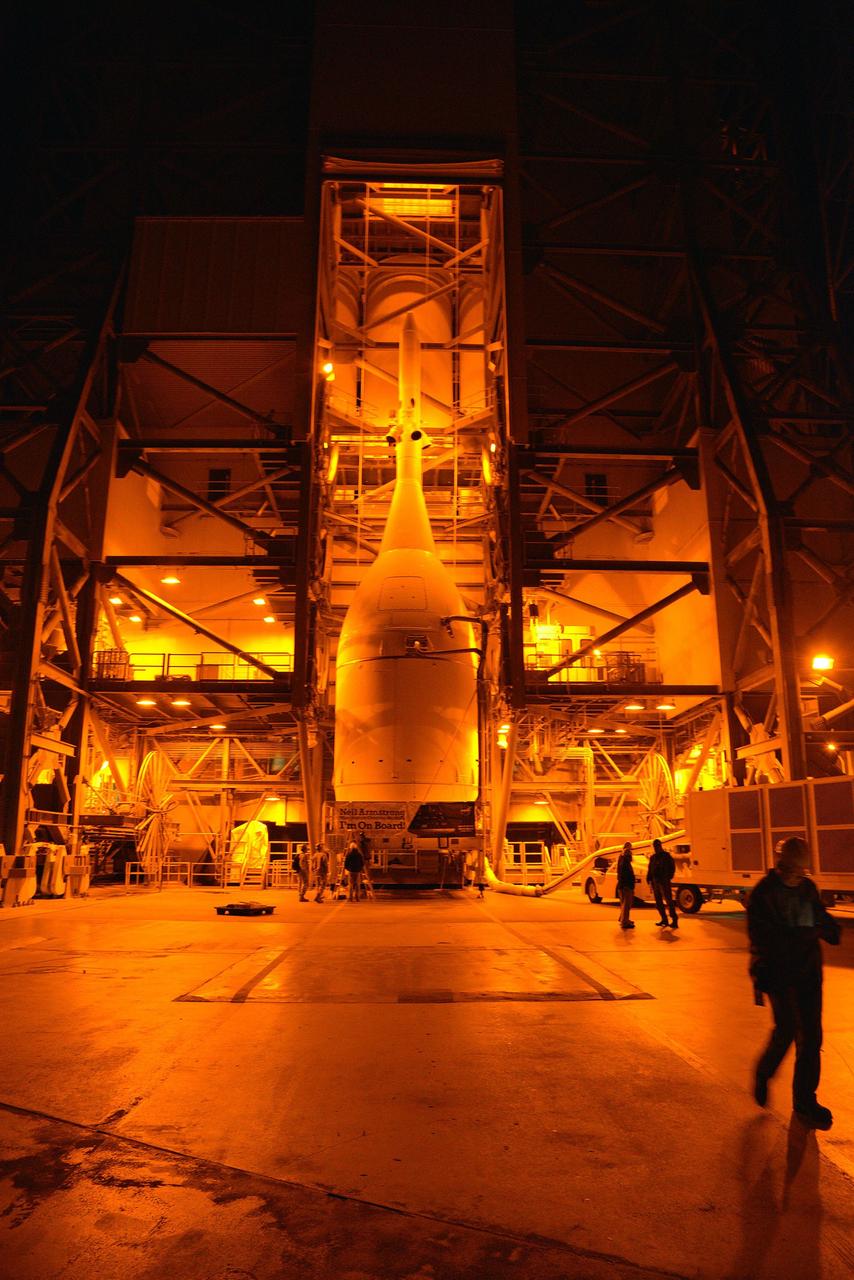
CAPE CANAVERAL, Fla. – At Cape Canaveral Air Force Station's Launch Complex 37, United Launch Alliance engineers and technicians prepare to lift the agency's Orion spacecraft for mounting atop its Delta IV Heavy rocket. Orion is the exploration spacecraft designed to carry astronauts to destinations not yet explored by humans, including an asteroid and Mars. It will have emergency abort capability, sustain the crew during space travel and provide safe re-entry from deep space return velocities. The first unpiloted flight test of Orion is scheduled to launch Dec. 4, 2014 atop a United Launch Alliance Delta IV Heavy rocket, and in 2018 on NASA’s Space Launch System rocket. For more information, visit www.nasa.gov/orion Photo credit: NASA/Radislav Sinyak
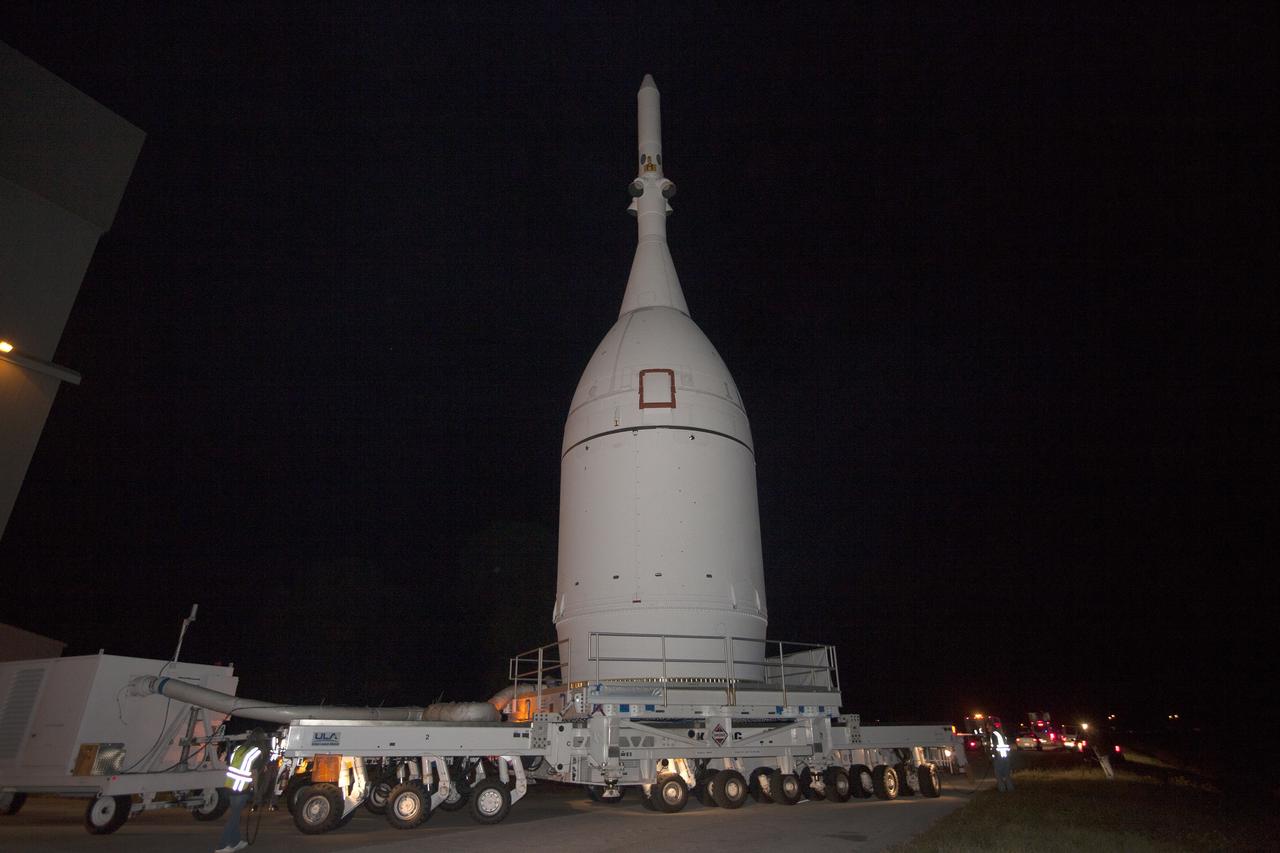
CAPE CANAVERAL, Fla. – At NASA's Kennedy Space Center in Florida, the agency's completed Orion spacecraft begins its trip from the Launch Abort System Facility to Launch Complex 37 at Cape Canaveral Air Force Station. After arrival at the launch pad, United Launch Alliance engineers and technicians will lift Orion and mount it atop its Delta IV Heavy rocket. Orion is the exploration spacecraft designed to carry astronauts to destinations not yet explored by humans, including an asteroid and Mars. It will have emergency abort capability, sustain the crew during space travel and provide safe re-entry from deep space return velocities. The first unpiloted flight test of Orion is scheduled to launch Dec. 4, 2014 atop a United Launch Alliance Delta IV Heavy rocket, and in 2018 on NASA’s Space Launch System rocket. For more information, visit www.nasa.gov/orion Photo credit: NASA/Kim Shiflett
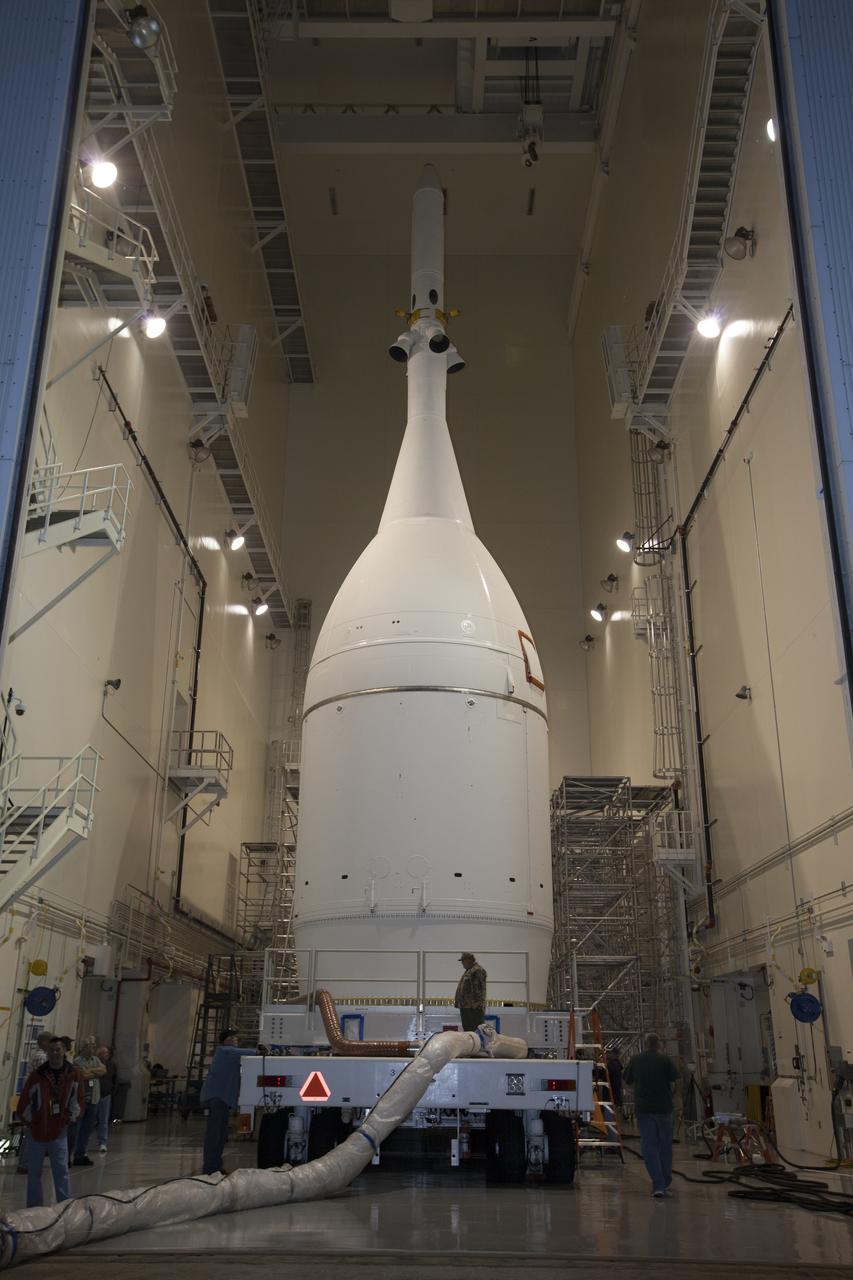
At NASA's Kennedy Space Center in Florida, the agency's completed Orion spacecraft begins its trip from the Launch Abort System Facility to Launch Complex 37 at Cape Canaveral Air Force Station. After arrival at the launch pad, United Launch Alliance engineers and technicians will lift Orion and mount it atop its Delta IV Heavy rocket. Orion is the exploration spacecraft designed to carry astronauts to destinations not yet explored by humans, including an asteroid and Mars. It will have emergency abort capability, sustain the crew during space travel and provide safe re-entry from deep space return velocities. The first unpiloted flight test of Orion is scheduled to launch Dec. 4, 2014 atop a United Launch Alliance Delta IV Heavy rocket, and in 2018 on NASA’s Space Launch System rocket.
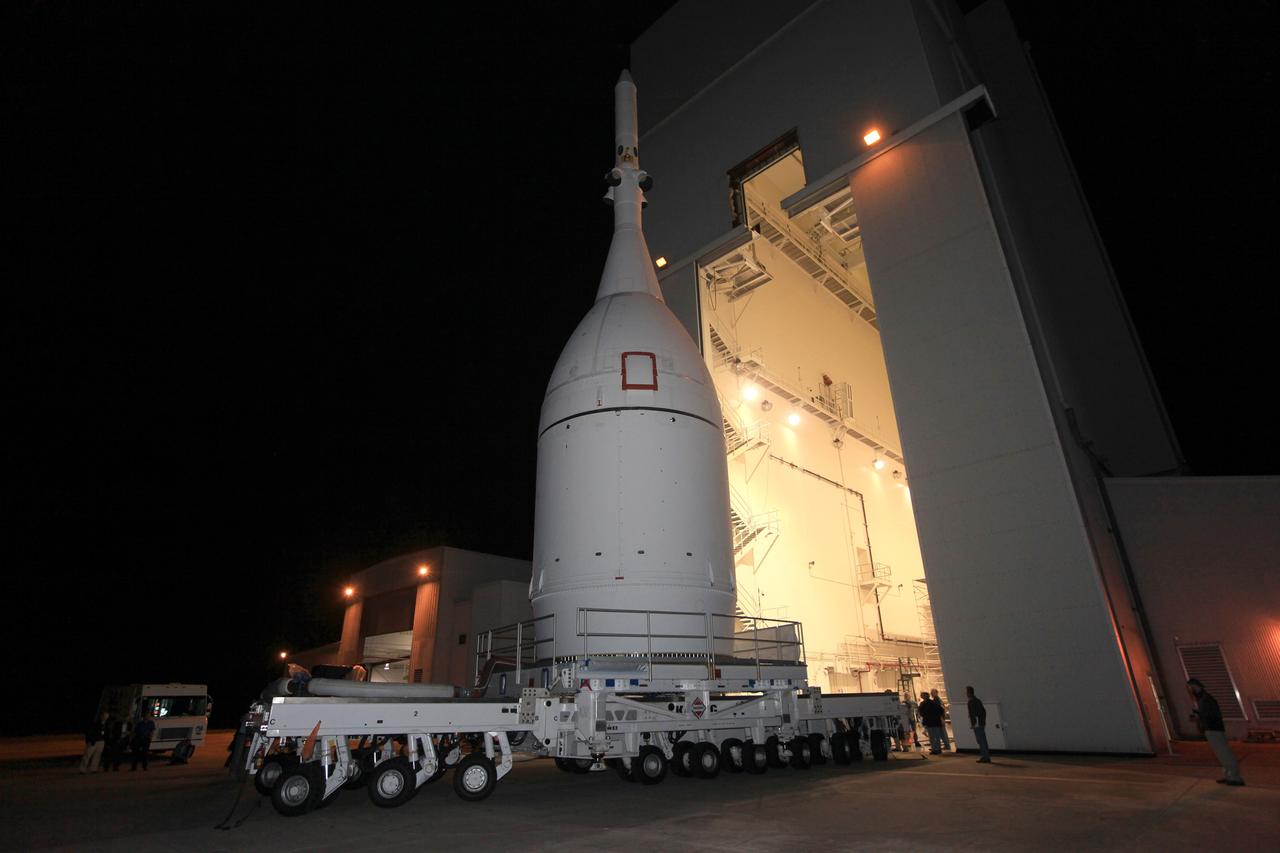
CAPE CANAVERAL, Fla. – At NASA's Kennedy Space Center in Florida, the agency's completed Orion spacecraft begins its trip from the Launch Abort System Facility to Launch Complex 37 at Cape Canaveral Air Force Station. After arrival at the launch pad, United Launch Alliance engineers and technicians will lift Orion and mount it atop its Delta IV Heavy rocket. Orion is the exploration spacecraft designed to carry astronauts to destinations not yet explored by humans, including an asteroid and Mars. It will have emergency abort capability, sustain the crew during space travel and provide safe re-entry from deep space return velocities. The first unpiloted flight test of Orion is scheduled to launch Dec. 4, 2014 atop a United Launch Alliance Delta IV Heavy rocket, and in 2018 on NASA’s Space Launch System rocket. For more information, visit www.nasa.gov/orion Photo credit: NASA/Kim Shiflett
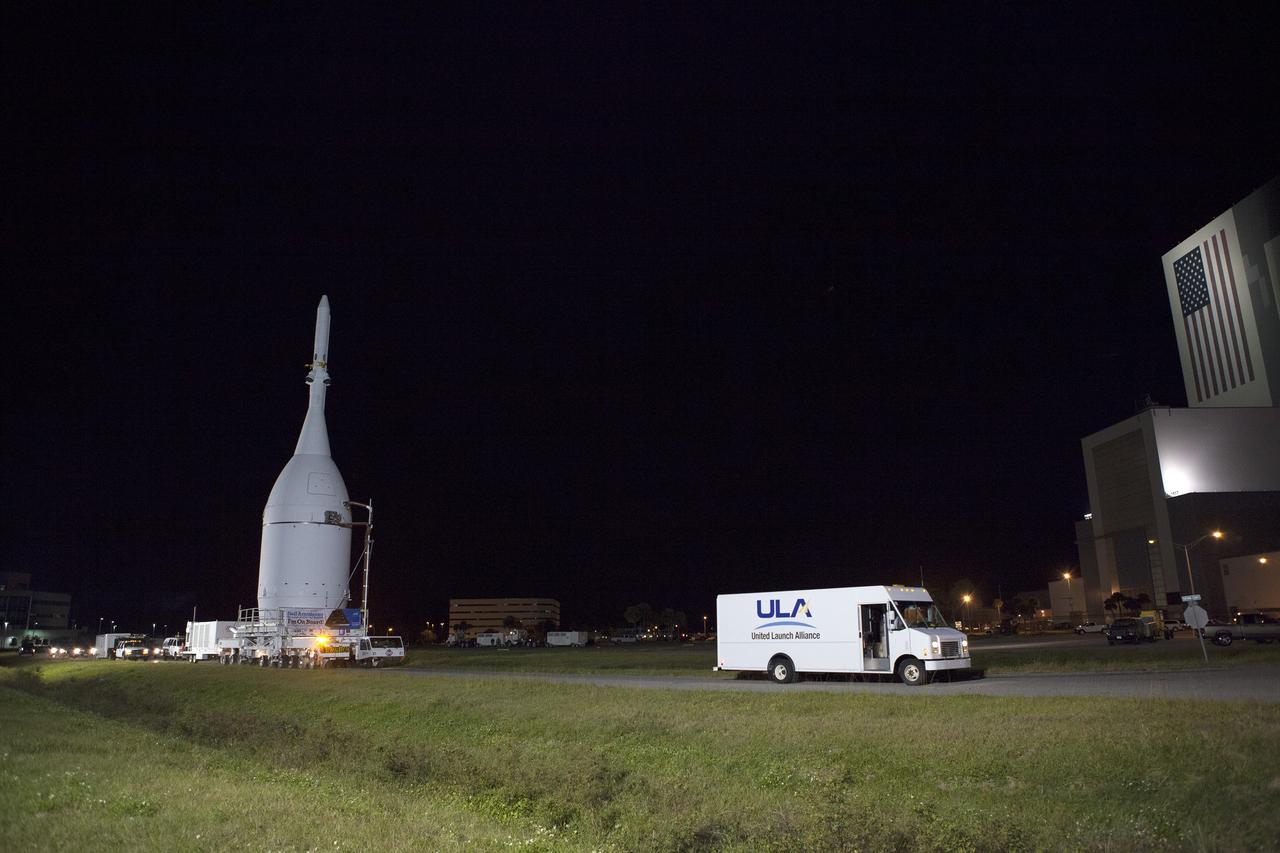
CAPE CANAVERAL, Fla. – At NASA's Kennedy Space Center in Florida, the agency's Orion is transported to Launch Complex 37 at Cape Canaveral Air Force Station. After arrival at the launch pad, United Launch Alliance engineers and technicians will lift Orion and mount it atop its Delta IV Heavy rocket. Orion is the exploration spacecraft designed to carry astronauts to destinations not yet explored by humans, including an asteroid and Mars. It will have emergency abort capability, sustain the crew during space travel and provide safe re-entry from deep space return velocities. The first unpiloted flight test of Orion is scheduled to launch Dec. 4, 2014 atop a United Launch Alliance Delta IV Heavy rocket, and in 2018 on NASA’s Space Launch System rocket. For more information, visit www.nasa.gov/orion Photo credit: NASA/Frankie Martin
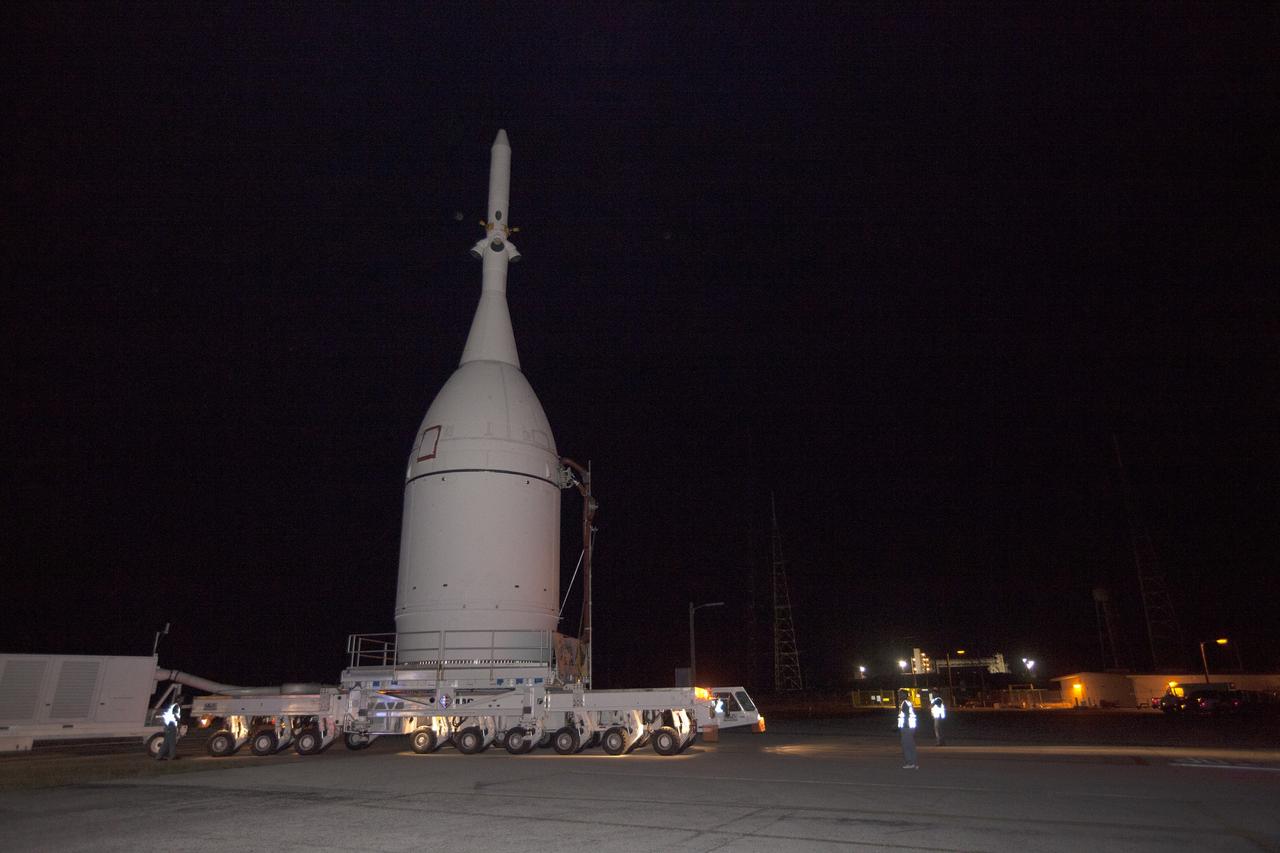
CAPE CANAVERAL, Fla. – At NASA's Kennedy Space Center in Florida, the agency's Orion spacecraft passes the spaceport's Launch Complex 39B as it is transported to Launch Complex 37 at Cape Canaveral Air Force Station. After arrival at the launch pad, United Launch Alliance engineers and technicians will lift Orion and mount it atop its Delta IV Heavy rocket. Orion is the exploration spacecraft designed to carry astronauts to destinations not yet explored by humans, including an asteroid and Mars. It will have emergency abort capability, sustain the crew during space travel and provide safe re-entry from deep space return velocities. The first unpiloted flight test of Orion is scheduled to launch Dec. 4, 2014 atop a United Launch Alliance Delta IV Heavy rocket, and in 2018 on NASA’s Space Launch System rocket. For more information, visit www.nasa.gov/orion Photo credit: NASA/Kim Shiflett
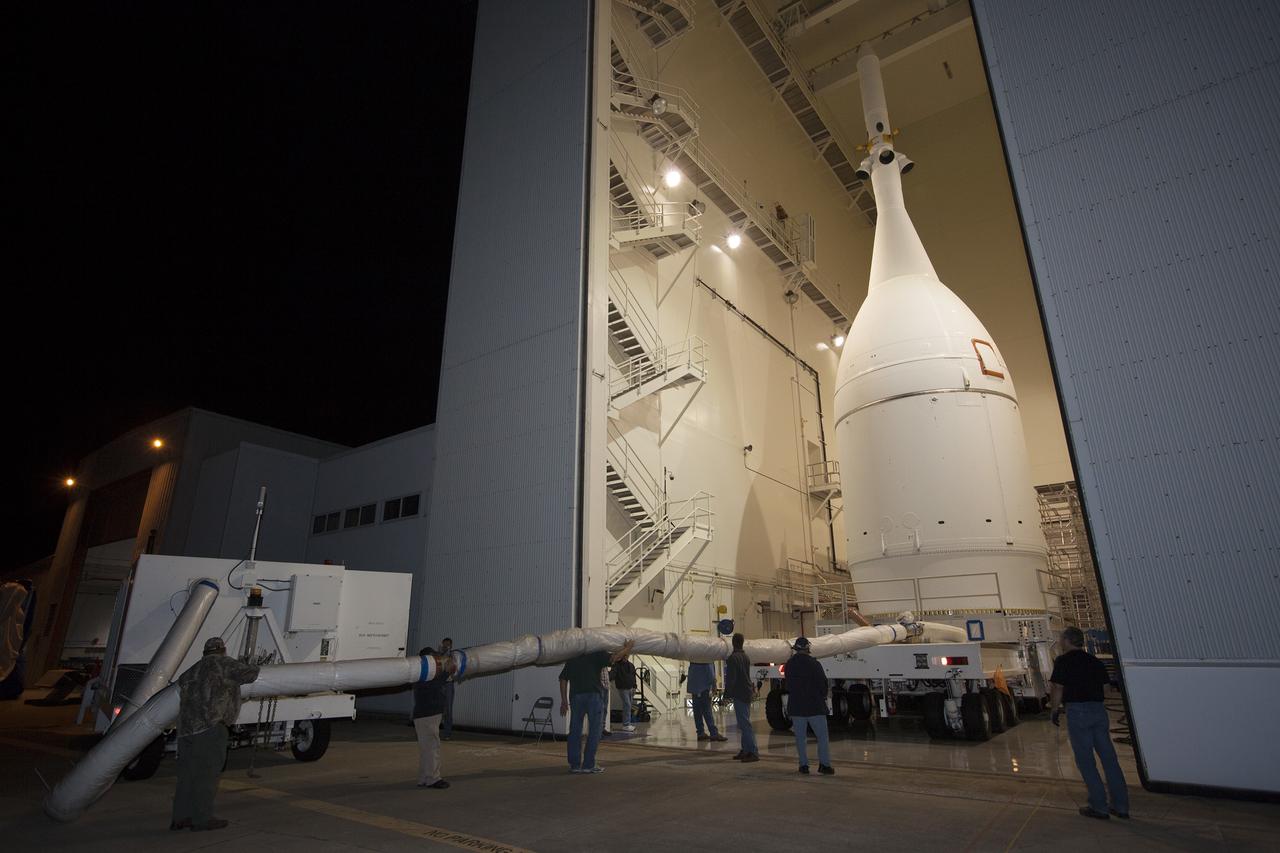
CAPE CANAVERAL, Fla. – At NASA's Kennedy Space Center in Florida, the agency's completed Orion spacecraft begins its trip from the Launch Abort System Facility to Launch Complex 37 at Cape Canaveral Air Force Station. After arrival at the launch pad, United Launch Alliance engineers and technicians will lift Orion and mount it atop its Delta IV Heavy rocket. Orion is the exploration spacecraft designed to carry astronauts to destinations not yet explored by humans, including an asteroid and Mars. It will have emergency abort capability, sustain the crew during space travel and provide safe re-entry from deep space return velocities. The first unpiloted flight test of Orion is scheduled to launch Dec. 4, 2014 atop a United Launch Alliance Delta IV Heavy rocket, and in 2018 on NASA’s Space Launch System rocket. For more information, visit www.nasa.gov/orion Photo credit: NASA/Kim Shiflett
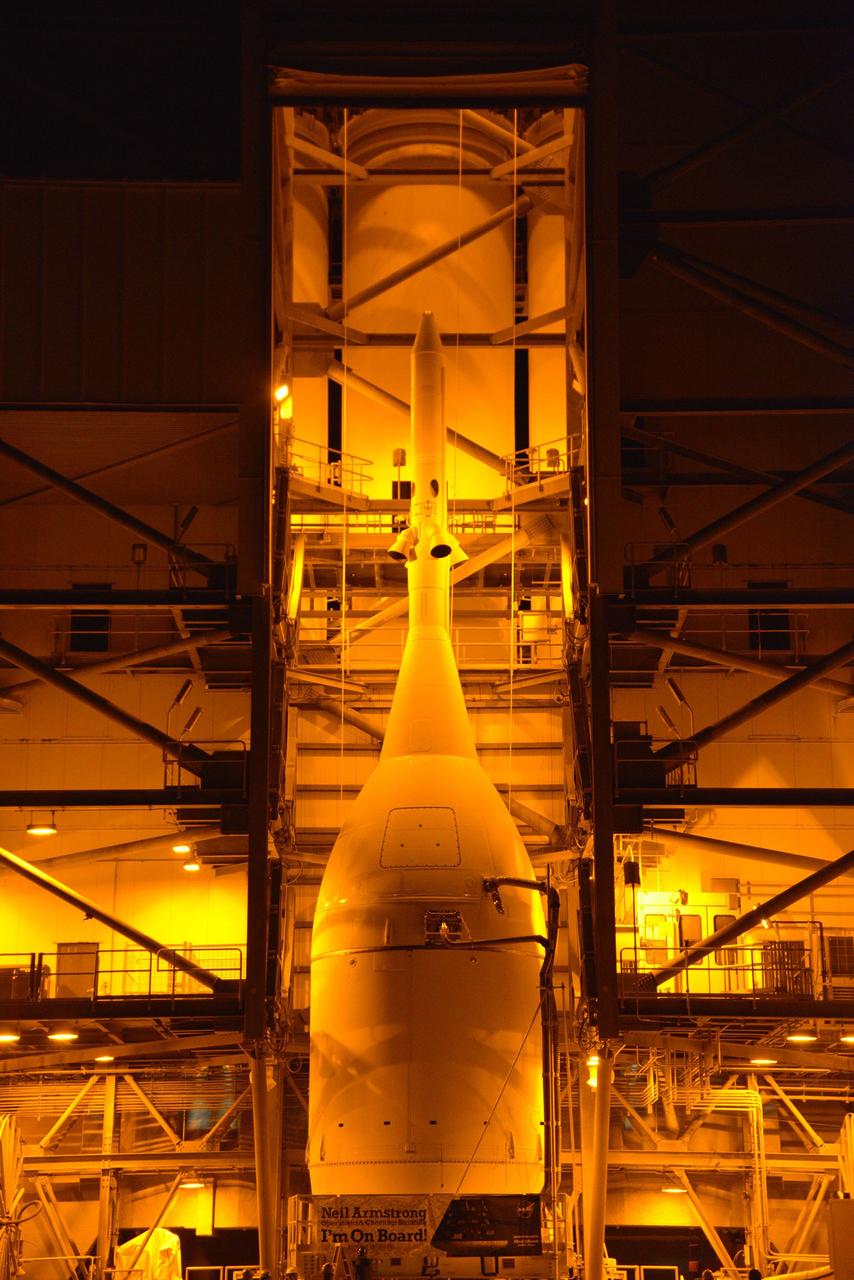
CAPE CANAVERAL, Fla. – At Cape Canaveral Air Force Station's Launch Complex 37, United Launch Alliance engineers and technicians prepare to lift the agency's Orion spacecraft for mounting atop its Delta IV Heavy rocket. Orion is the exploration spacecraft designed to carry astronauts to destinations not yet explored by humans, including an asteroid and Mars. It will have emergency abort capability, sustain the crew during space travel and provide safe re-entry from deep space return velocities. The first unpiloted flight test of Orion is scheduled to launch Dec. 4, 2014 atop a United Launch Alliance Delta IV Heavy rocket, and in 2018 on NASA’s Space Launch System rocket. For more information, visit www.nasa.gov/orion Photo credit: NASA/Radislav Sinyak
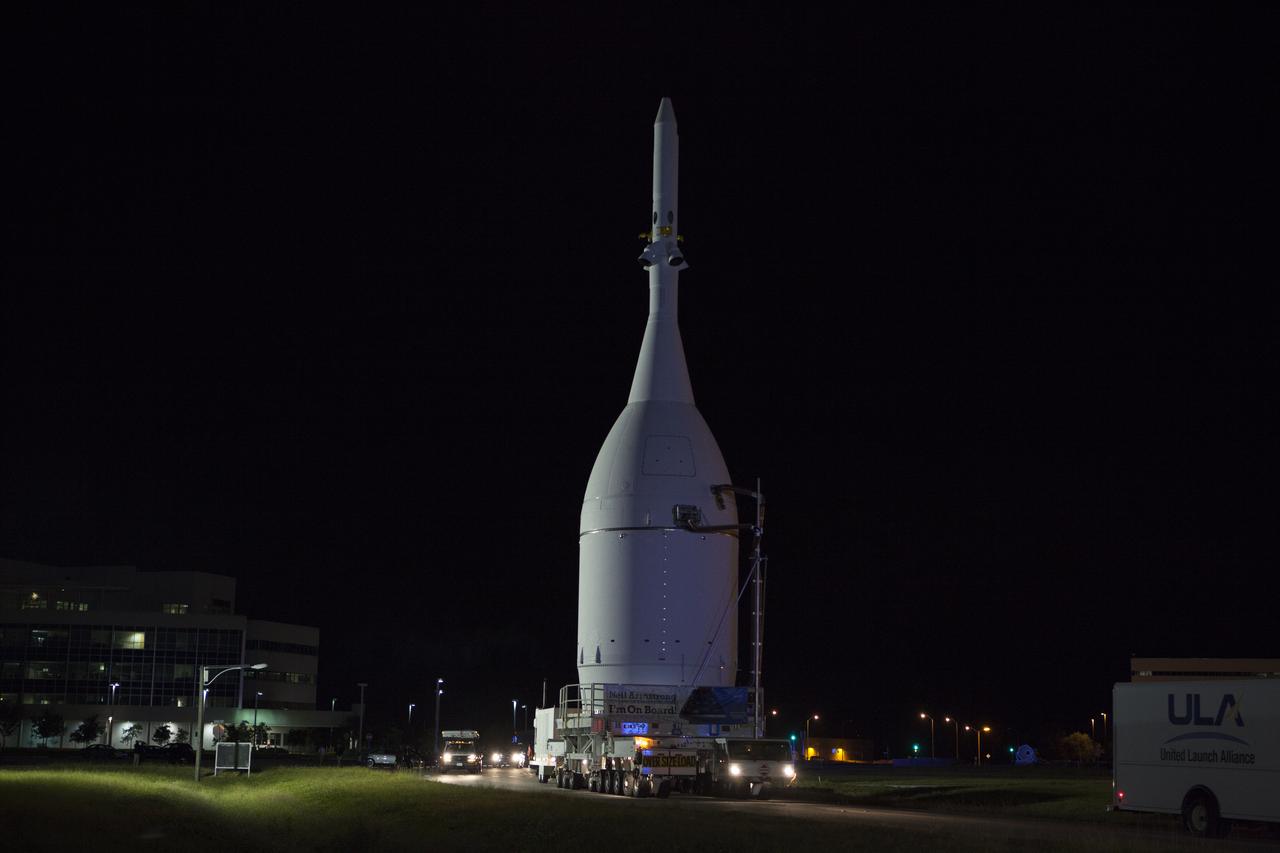
At NASA's Kennedy Space Center in Florida, the agency's Orion is transported to Launch Complex 37 at Cape Canaveral Air Force Station. After arrival at the launch pad, United Launch Alliance engineers and technicians will lift Orion and mount it atop its Delta IV Heavy rocket. Orion is the exploration spacecraft designed to carry astronauts to destinations not yet explored by humans, including an asteroid and Mars. It will have emergency abort capability, sustain the crew during space travel and provide safe re-entry from deep space return velocities. The first unpiloted flight test of Orion is scheduled to launch Dec. 4, 2014 atop a United Launch Alliance Delta IV Heavy rocket, and in 2018 on NASA’s Space Launch System rocket.
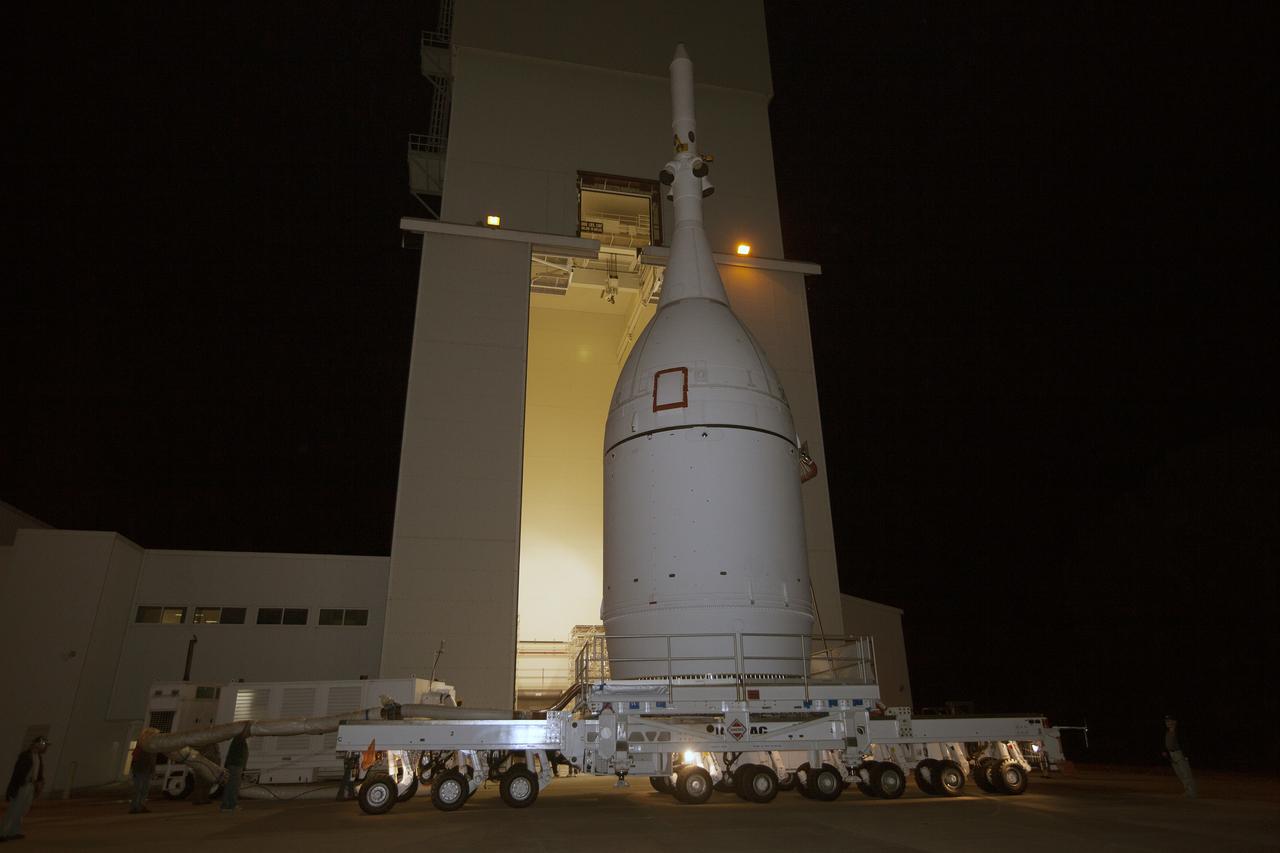
CAPE CANAVERAL, Fla. – At NASA's Kennedy Space Center in Florida, the agency's completed Orion spacecraft begins its trip from the Launch Abort System Facility to Launch Complex 37 at Cape Canaveral Air Force Station. After arrival at the launch pad, United Launch Alliance engineers and technicians will lift Orion and mount it atop its Delta IV Heavy rocket. Orion is the exploration spacecraft designed to carry astronauts to destinations not yet explored by humans, including an asteroid and Mars. It will have emergency abort capability, sustain the crew during space travel and provide safe re-entry from deep space return velocities. The first unpiloted flight test of Orion is scheduled to launch Dec. 4, 2014 atop a United Launch Alliance Delta IV Heavy rocket, and in 2018 on NASA’s Space Launch System rocket. For more information, visit www.nasa.gov/orion Photo credit: NASA/Kim Shiflett
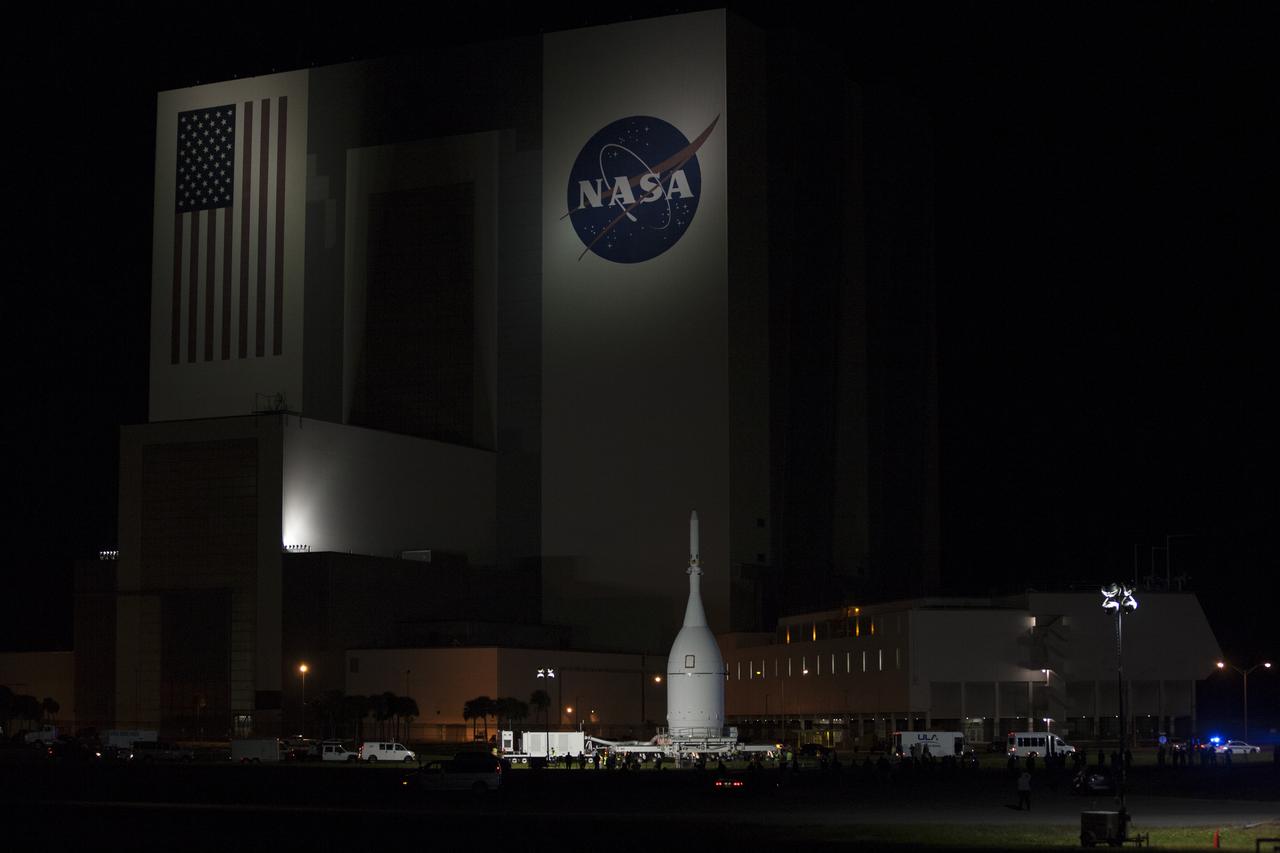
At NASA's Kennedy Space Center in Florida, the agency's Orion spacecraft passes the spaceport's iconic Vehicle Assembly Building as it is transported to Launch Complex 37 at Cape Canaveral Air Force Station. After arrival at the launch pad, United Launch Alliance engineers and technicians will lift Orion and mount it atop its Delta IV Heavy rocket. Orion is the exploration spacecraft designed to carry astronauts to destinations not yet explored by humans, including an asteroid and Mars. It will have emergency abort capability, sustain the crew during space travel and provide safe re-entry from deep space return velocities. The first unpiloted flight test of Orion is scheduled to launch Dec. 4, 2014 atop a United Launch Alliance Delta IV Heavy rocket, and in 2018 on NASA’s Space Launch System rocket.
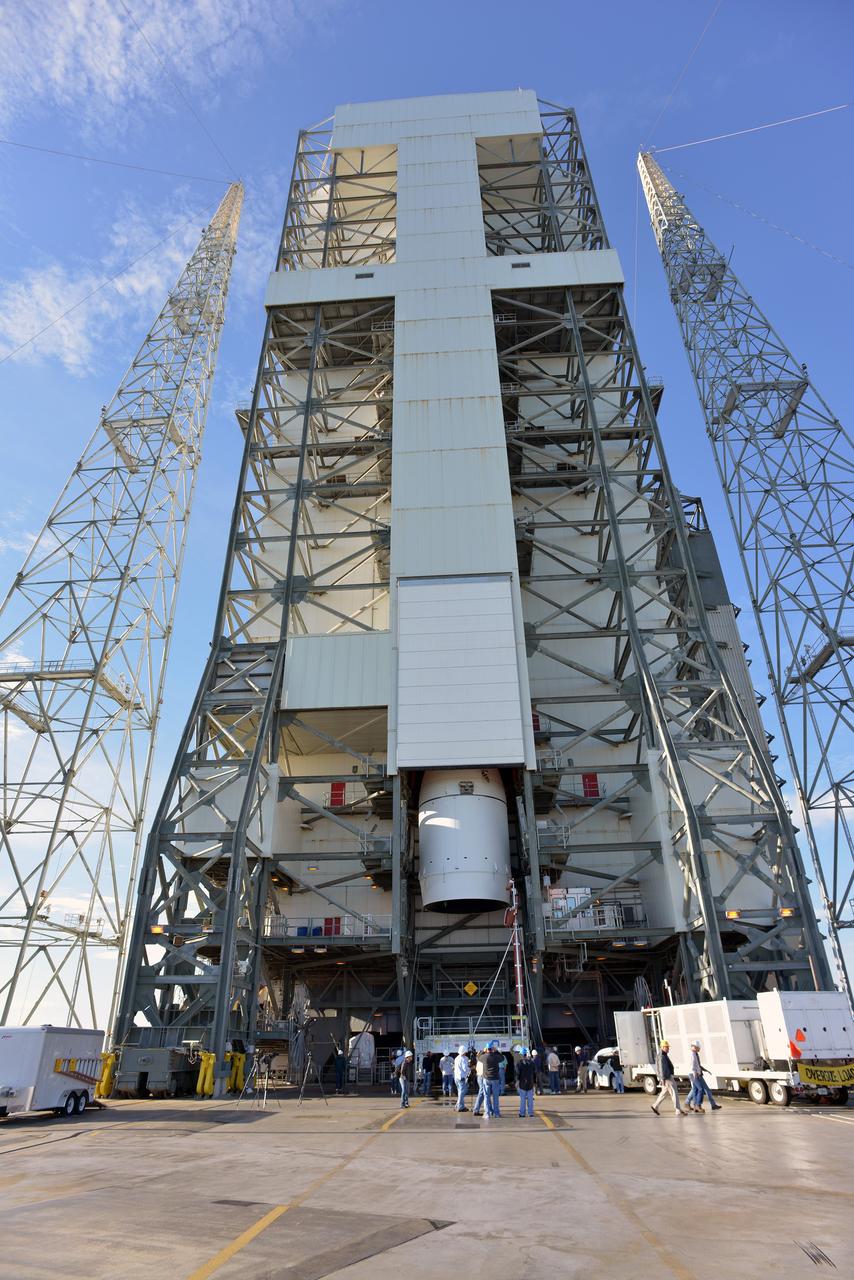
CAPE CANAVERAL, Fla. – At Cape Canaveral Air Force Station's Launch Complex 37, United Launch Alliance engineers and technicians begin lifting the agency's Orion spacecraft for mounting atop its Delta IV Heavy rocket. Orion is the exploration spacecraft designed to carry astronauts to destinations not yet explored by humans, including an asteroid and Mars. It will have emergency abort capability, sustain the crew during space travel and provide safe re-entry from deep space return velocities. The first unpiloted flight test of Orion is scheduled to launch Dec. 4, 2014 atop a United Launch Alliance Delta IV Heavy rocket, and in 2018 on NASA’s Space Launch System rocket. For more information, visit www.nasa.gov/orion Photo credit: NASA/Radislav Sinyak
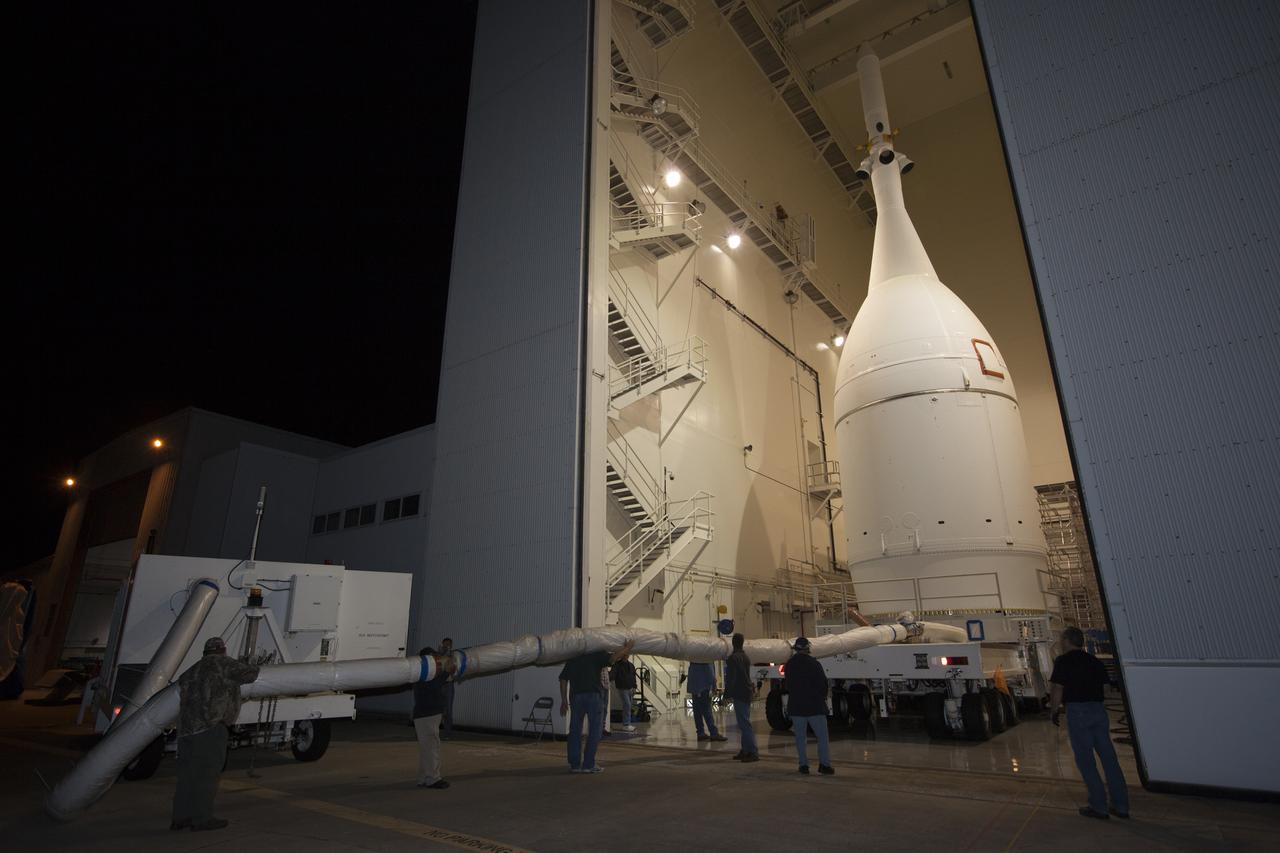
At NASA's Kennedy Space Center in Florida, the agency's completed Orion spacecraft begins its trip from the Launch Abort System Facility to Launch Complex 37 at Cape Canaveral Air Force Station. After arrival at the launch pad, United Launch Alliance engineers and technicians will lift Orion and mount it atop its Delta IV Heavy rocket. Orion is the exploration spacecraft designed to carry astronauts to destinations not yet explored by humans, including an asteroid and Mars. It will have emergency abort capability, sustain the crew during space travel and provide safe re-entry from deep space return velocities. The first unpiloted flight test of Orion is scheduled to launch Dec. 4, 2014 atop a United Launch Alliance Delta IV Heavy rocket, and in 2018 on NASA’s Space Launch System rocket.

CAPE CANAVERAL, Fla. – At NASA's Kennedy Space Center in Florida, the agency's Orion spacecraft passes the spaceport's iconic Vehicle Assembly Building as it is transported to Launch Complex 37 at Cape Canaveral Air Force Station. After arrival at the launch pad, United Launch Alliance engineers and technicians will lift Orion and mount it atop its Delta IV Heavy rocket. Orion is the exploration spacecraft designed to carry astronauts to destinations not yet explored by humans, including an asteroid and Mars. It will have emergency abort capability, sustain the crew during space travel and provide safe re-entry from deep space return velocities. The first unpiloted flight test of Orion is scheduled to launch Dec. 4, 2014 atop a United Launch Alliance Delta IV Heavy rocket, and in 2018 on NASA’s Space Launch System rocket. For more information, visit www.nasa.gov/orion Photo credit: NASA/Frankie Martin
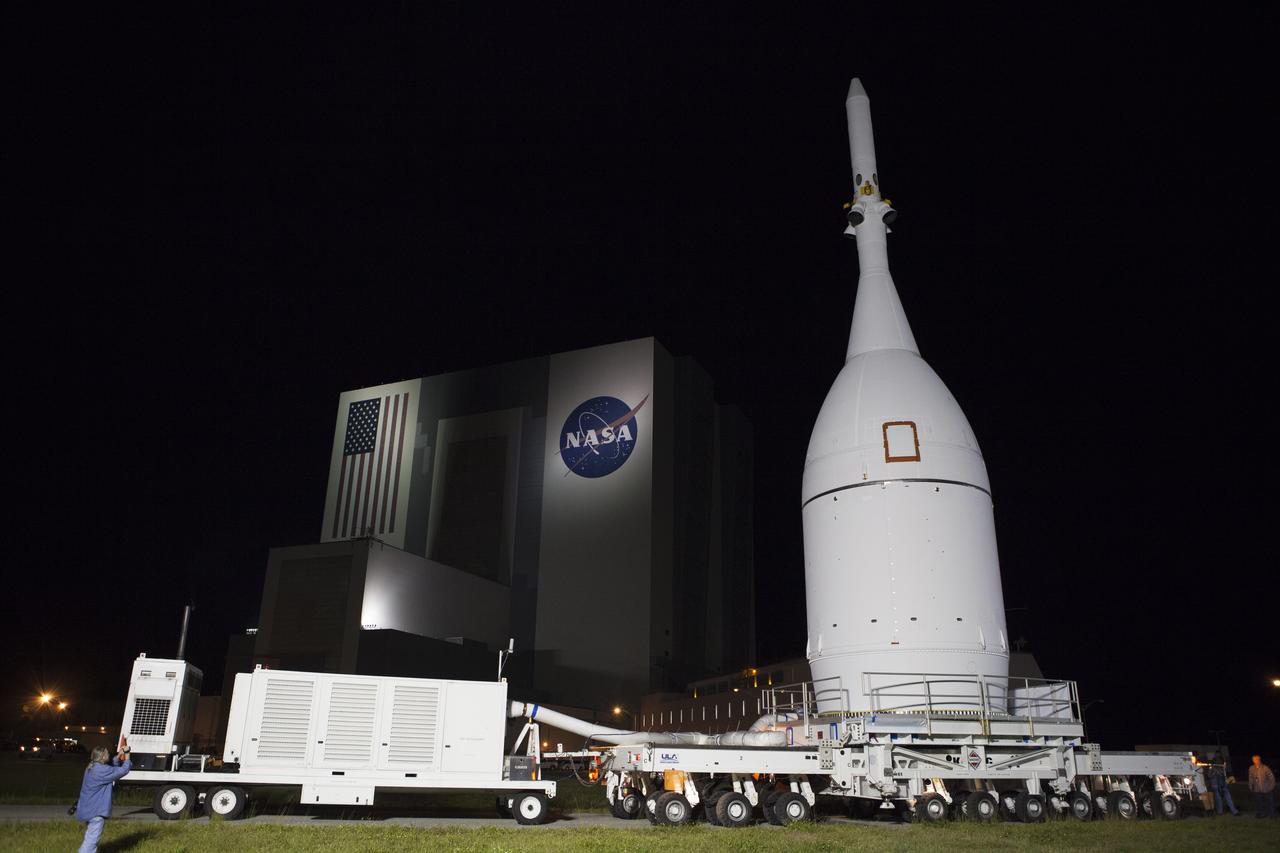
At NASA's Kennedy Space Center in Florida, the agency's Orion spacecraft passes the spaceport's iconic Vehicle Assembly Building as it is transported to Launch Complex 37 at Cape Canaveral Air Force Station. After arrival at the launch pad, United Launch Alliance engineers and technicians will lift Orion and mount it atop its Delta IV Heavy rocket. Orion is the exploration spacecraft designed to carry astronauts to destinations not yet explored by humans, including an asteroid and Mars. It will have emergency abort capability, sustain the crew during space travel and provide safe re-entry from deep space return velocities. The first unpiloted flight test of Orion is scheduled to launch Dec. 4, 2014 atop a United Launch Alliance Delta IV Heavy rocket, and in 2018 on NASA’s Space Launch System rocket.
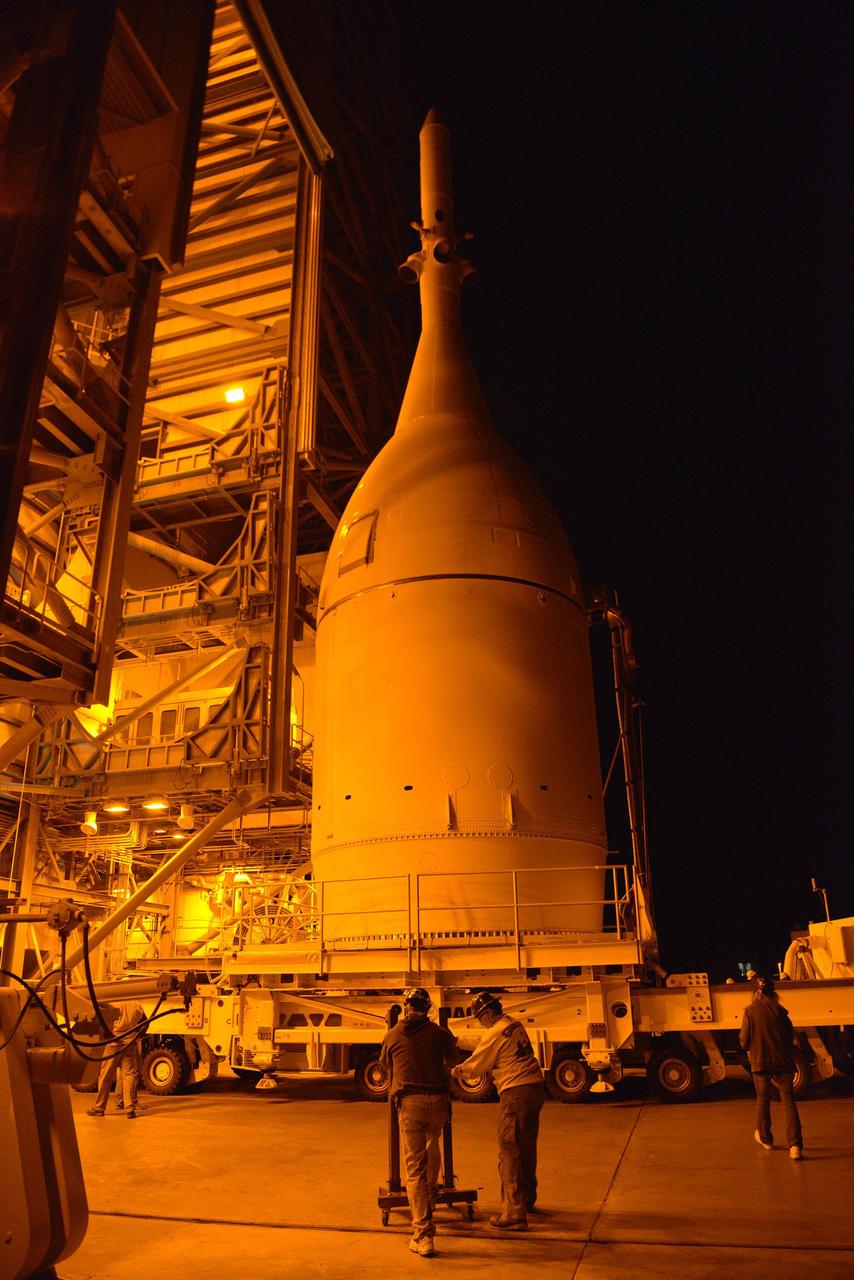
CAPE CANAVERAL, Fla. – At Cape Canaveral Air Force Station's Launch Complex 37, United Launch Alliance engineers and technicians prepare to lift the agency's Orion spacecraft for mounting atop its Delta IV Heavy rocket. Orion is the exploration spacecraft designed to carry astronauts to destinations not yet explored by humans, including an asteroid and Mars. It will have emergency abort capability, sustain the crew during space travel and provide safe re-entry from deep space return velocities. The first unpiloted flight test of Orion is scheduled to launch Dec. 4, 2014 atop a United Launch Alliance Delta IV Heavy rocket, and in 2018 on NASA’s Space Launch System rocket. For more information, visit www.nasa.gov/orion Photo credit: NASA/Radislav Sinyak

CAPE CANAVERAL, Fla. – At Cape Canaveral Air Force Station's Launch Complex 37, United Launch Alliance engineers and technicians prepare to lift the agency's Orion spacecraft for mounting atop its Delta IV Heavy rocket. Orion is the exploration spacecraft designed to carry astronauts to destinations not yet explored by humans, including an asteroid and Mars. It will have emergency abort capability, sustain the crew during space travel and provide safe re-entry from deep space return velocities. The first unpiloted flight test of Orion is scheduled to launch Dec. 4, 2014 atop a United Launch Alliance Delta IV Heavy rocket, and in 2018 on NASA’s Space Launch System rocket. For more information, visit www.nasa.gov/orion Photo credit: NASA/Radislav Sinyak
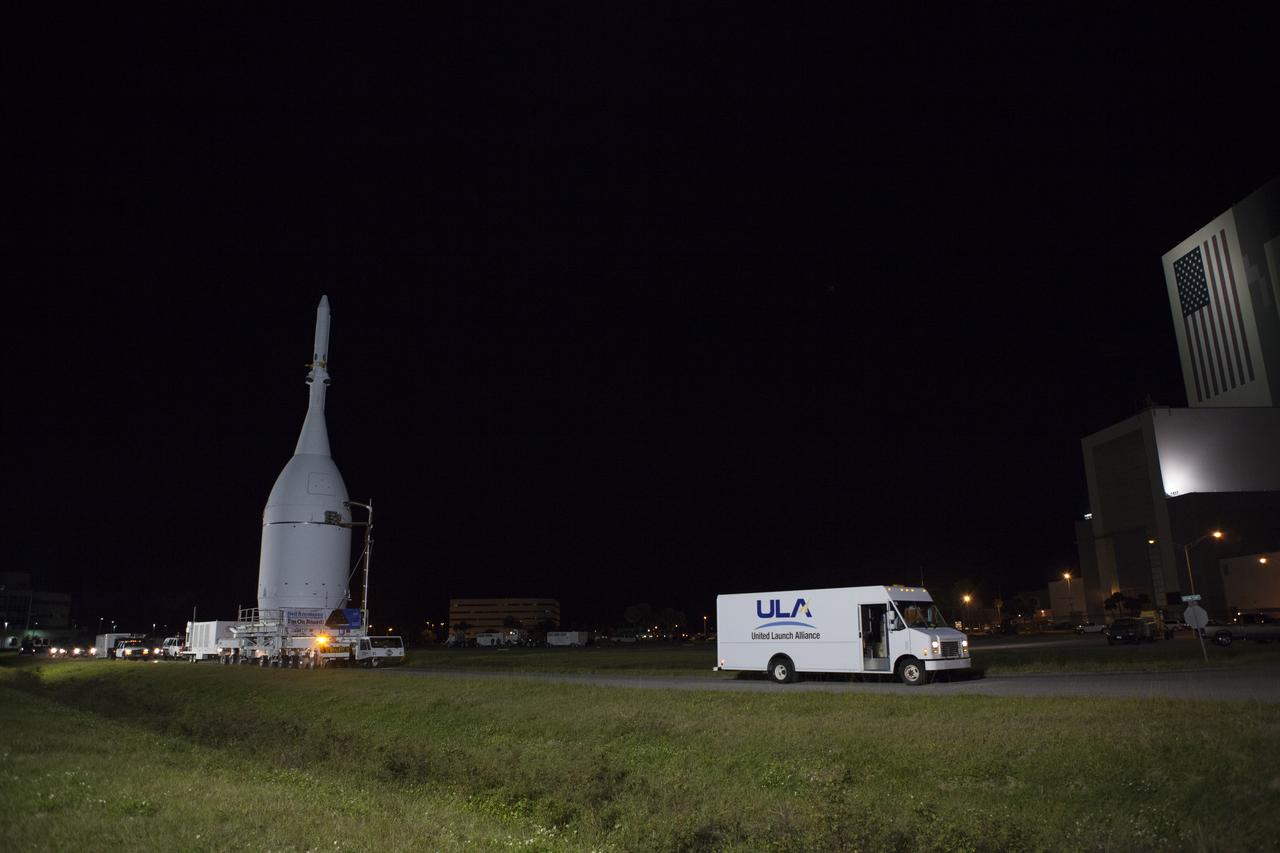
At NASA's Kennedy Space Center in Florida, the agency's Orion is transported to Launch Complex 37 at Cape Canaveral Air Force Station. After arrival at the launch pad, United Launch Alliance engineers and technicians will lift Orion and mount it atop its Delta IV Heavy rocket. Orion is the exploration spacecraft designed to carry astronauts to destinations not yet explored by humans, including an asteroid and Mars. It will have emergency abort capability, sustain the crew during space travel and provide safe re-entry from deep space return velocities. The first unpiloted flight test of Orion is scheduled to launch Dec. 4, 2014 atop a United Launch Alliance Delta IV Heavy rocket, and in 2018 on NASA’s Space Launch System rocket.
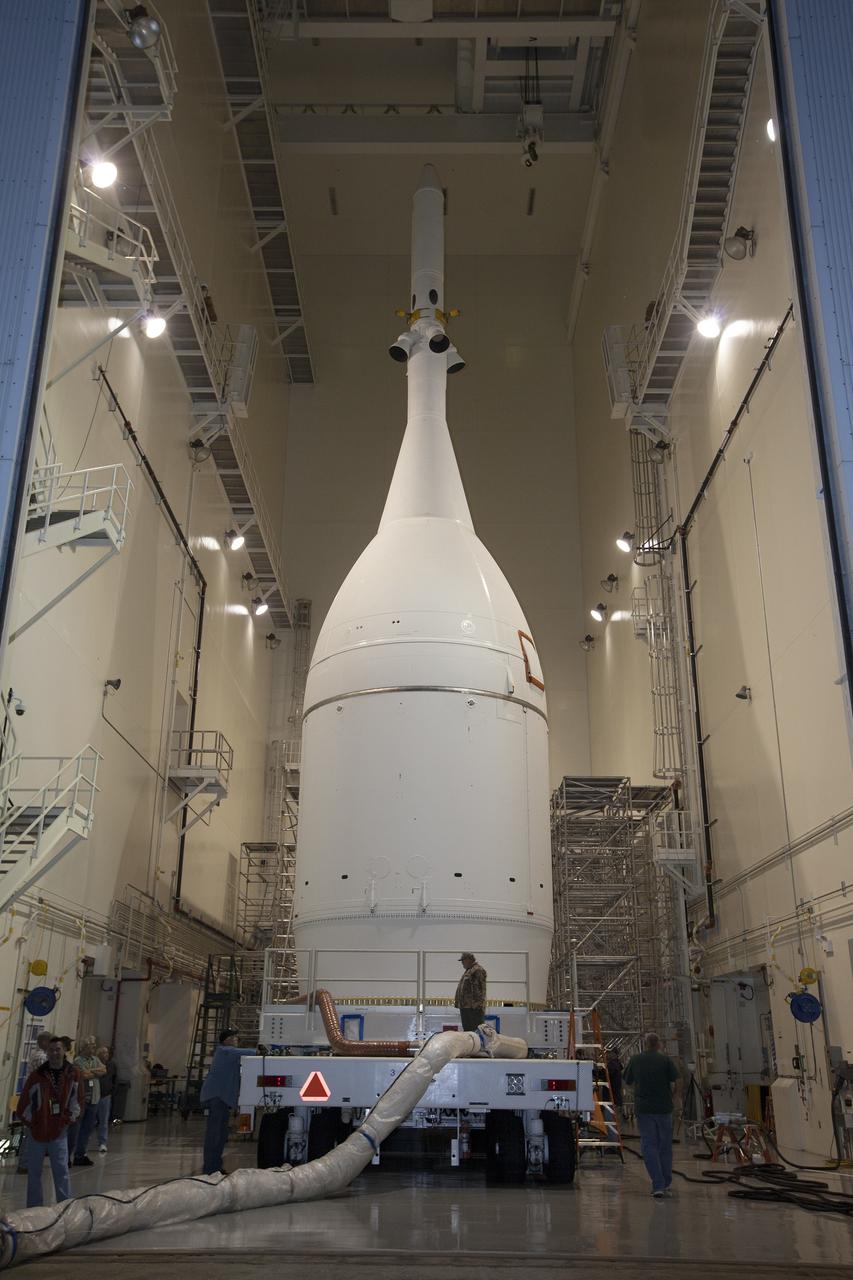
CAPE CANAVERAL, Fla. – At NASA's Kennedy Space Center in Florida, the agency's completed Orion spacecraft begins its trip from the Launch Abort System Facility to Launch Complex 37 at Cape Canaveral Air Force Station. After arrival at the launch pad, United Launch Alliance engineers and technicians will lift Orion and mount it atop its Delta IV Heavy rocket. Orion is the exploration spacecraft designed to carry astronauts to destinations not yet explored by humans, including an asteroid and Mars. It will have emergency abort capability, sustain the crew during space travel and provide safe re-entry from deep space return velocities. The first unpiloted flight test of Orion is scheduled to launch Dec. 4, 2014 atop a United Launch Alliance Delta IV Heavy rocket, and in 2018 on NASA’s Space Launch System rocket. For more information, visit www.nasa.gov/orion Photo credit: NASA/Kim Shiflett
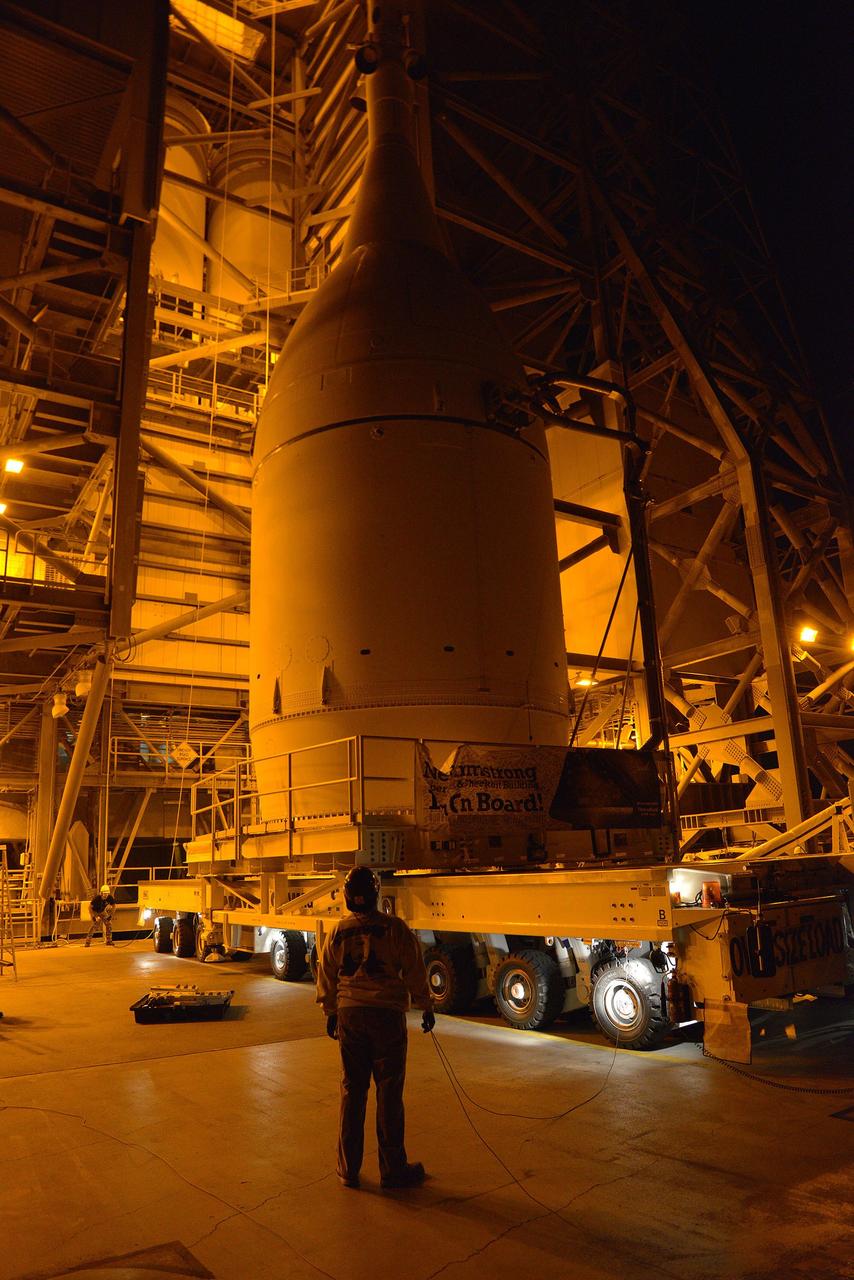
CAPE CANAVERAL, Fla. – At Cape Canaveral Air Force Station's Launch Complex 37, United Launch Alliance engineers and technicians prepare to lift the agency's Orion spacecraft for mounting atop its Delta IV Heavy rocket. Orion is the exploration spacecraft designed to carry astronauts to destinations not yet explored by humans, including an asteroid and Mars. It will have emergency abort capability, sustain the crew during space travel and provide safe re-entry from deep space return velocities. The first unpiloted flight test of Orion is scheduled to launch Dec. 4, 2014 atop a United Launch Alliance Delta IV Heavy rocket, and in 2018 on NASA’s Space Launch System rocket. For more information, visit www.nasa.gov/orion Photo credit: NASA/Radislav Sinyak
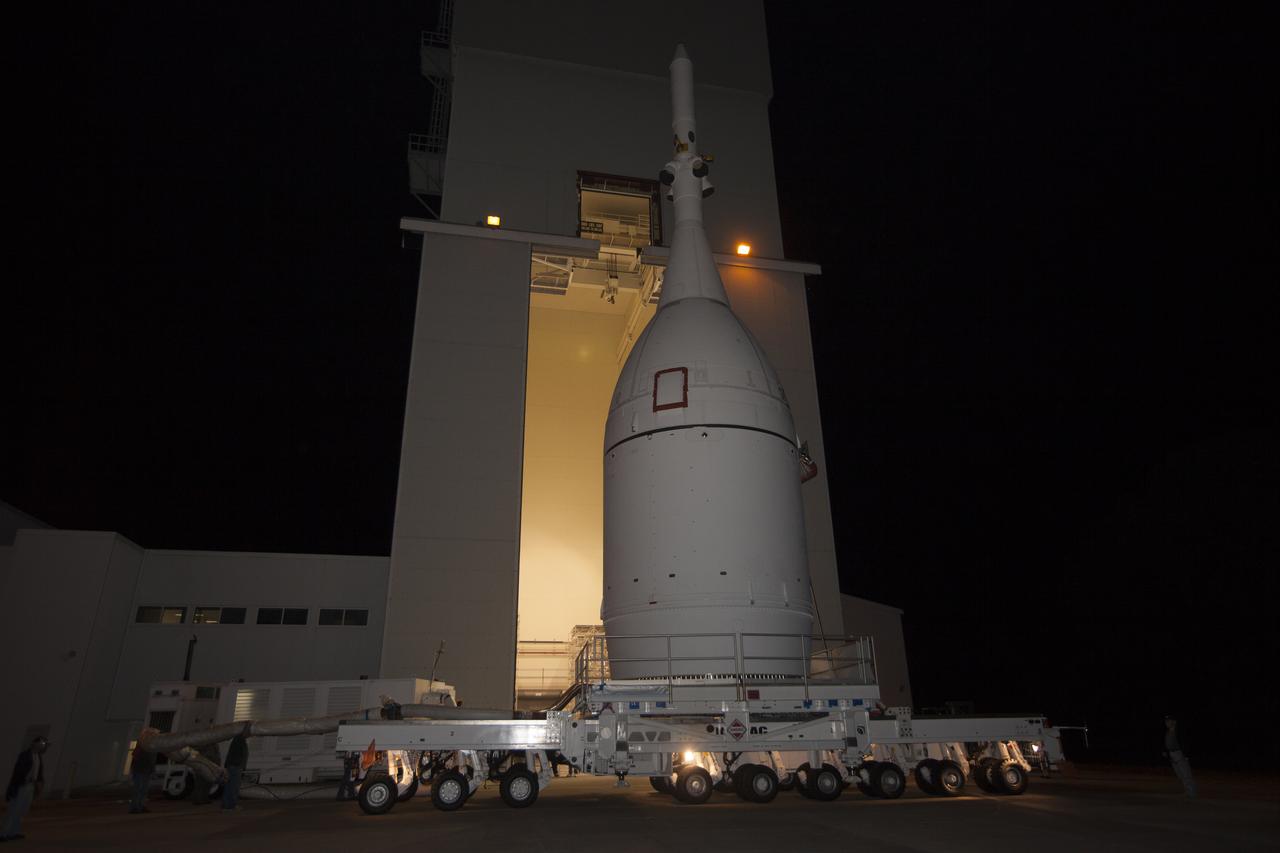
At NASA's Kennedy Space Center in Florida, the agency's completed Orion spacecraft begins its trip from the Launch Abort System Facility to Launch Complex 37 at Cape Canaveral Air Force Station. After arrival at the launch pad, United Launch Alliance engineers and technicians will lift Orion and mount it atop its Delta IV Heavy rocket. Orion is the exploration spacecraft designed to carry astronauts to destinations not yet explored by humans, including an asteroid and Mars. It will have emergency abort capability, sustain the crew during space travel and provide safe re-entry from deep space return velocities. The first unpiloted flight test of Orion is scheduled to launch Dec. 4, 2014 atop a United Launch Alliance Delta IV Heavy rocket, and in 2018 on NASA’s Space Launch System rocket.
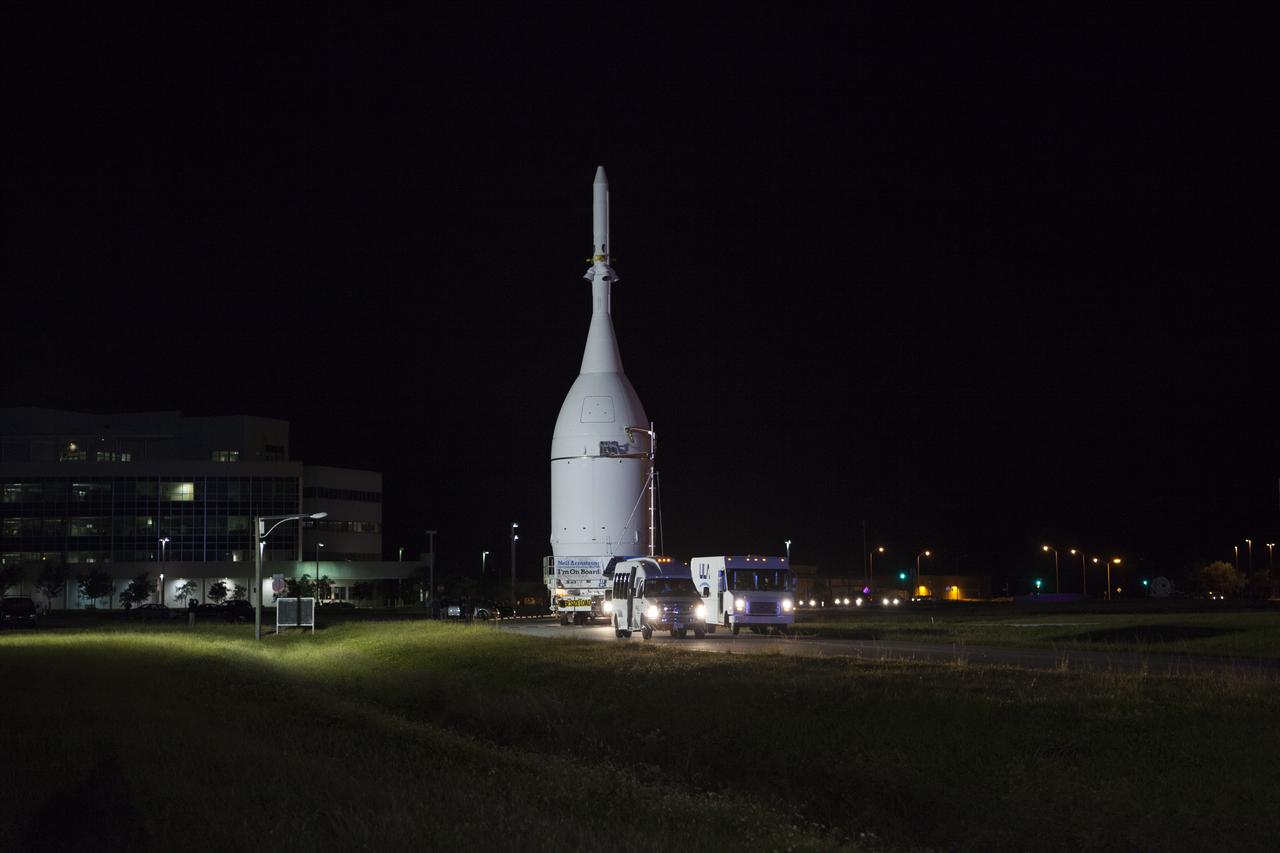
At NASA's Kennedy Space Center in Florida, the agency's Orion is transported to Launch Complex 37 at Cape Canaveral Air Force Station. After arrival at the launch pad, United Launch Alliance engineers and technicians will lift Orion and mount it atop its Delta IV Heavy rocket. Orion is the exploration spacecraft designed to carry astronauts to destinations not yet explored by humans, including an asteroid and Mars. It will have emergency abort capability, sustain the crew during space travel and provide safe re-entry from deep space return velocities. The first unpiloted flight test of Orion is scheduled to launch Dec. 4, 2014 atop a United Launch Alliance Delta IV Heavy rocket, and in 2018 on NASA’s Space Launch System rocket.
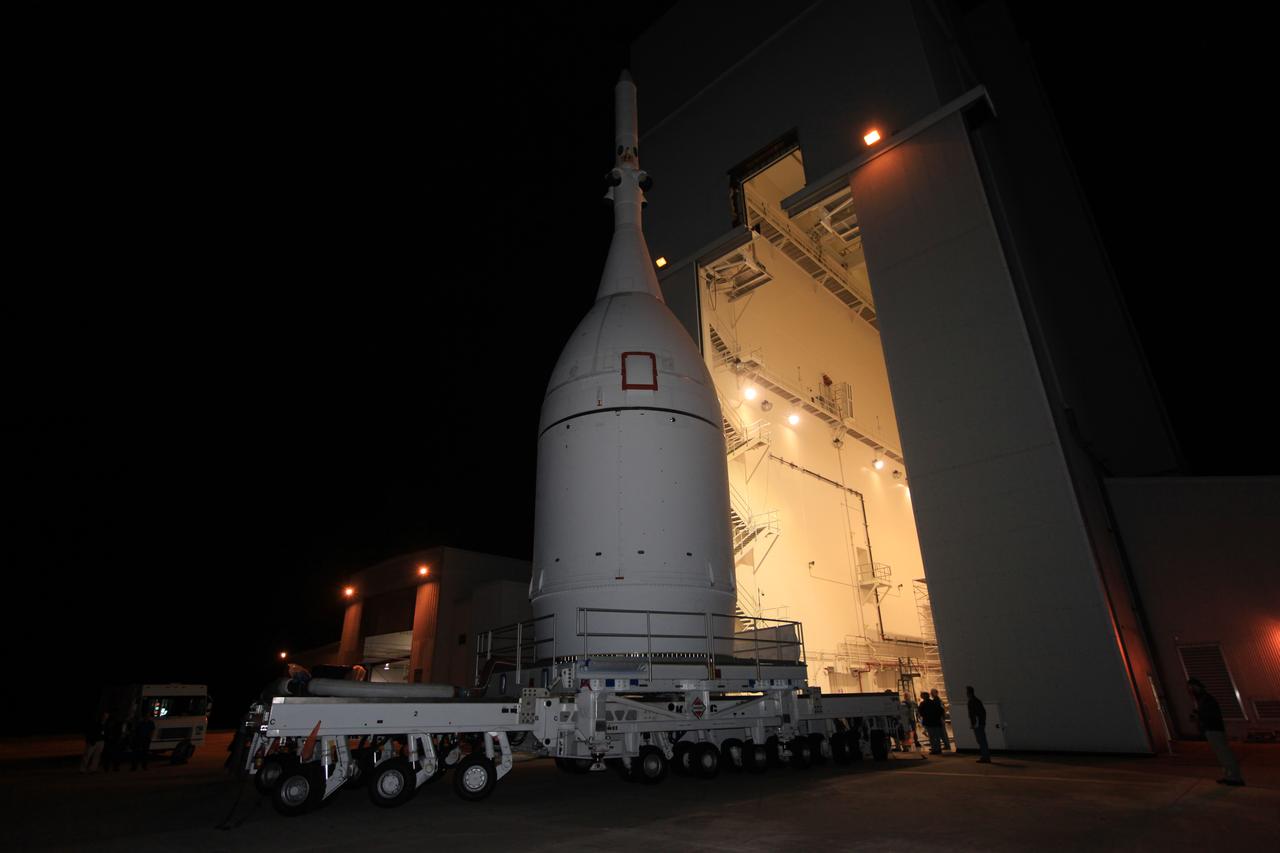
At NASA's Kennedy Space Center in Florida, the agency's completed Orion spacecraft begins its trip from the Launch Abort System Facility to Launch Complex 37 at Cape Canaveral Air Force Station. After arrival at the launch pad, United Launch Alliance engineers and technicians will lift Orion and mount it atop its Delta IV Heavy rocket. Orion is the exploration spacecraft designed to carry astronauts to destinations not yet explored by humans, including an asteroid and Mars. It will have emergency abort capability, sustain the crew during space travel and provide safe re-entry from deep space return velocities. The first unpiloted flight test of Orion is scheduled to launch Dec. 4, 2014 atop a United Launch Alliance Delta IV Heavy rocket, and in 2018 on NASA’s Space Launch System rocket.
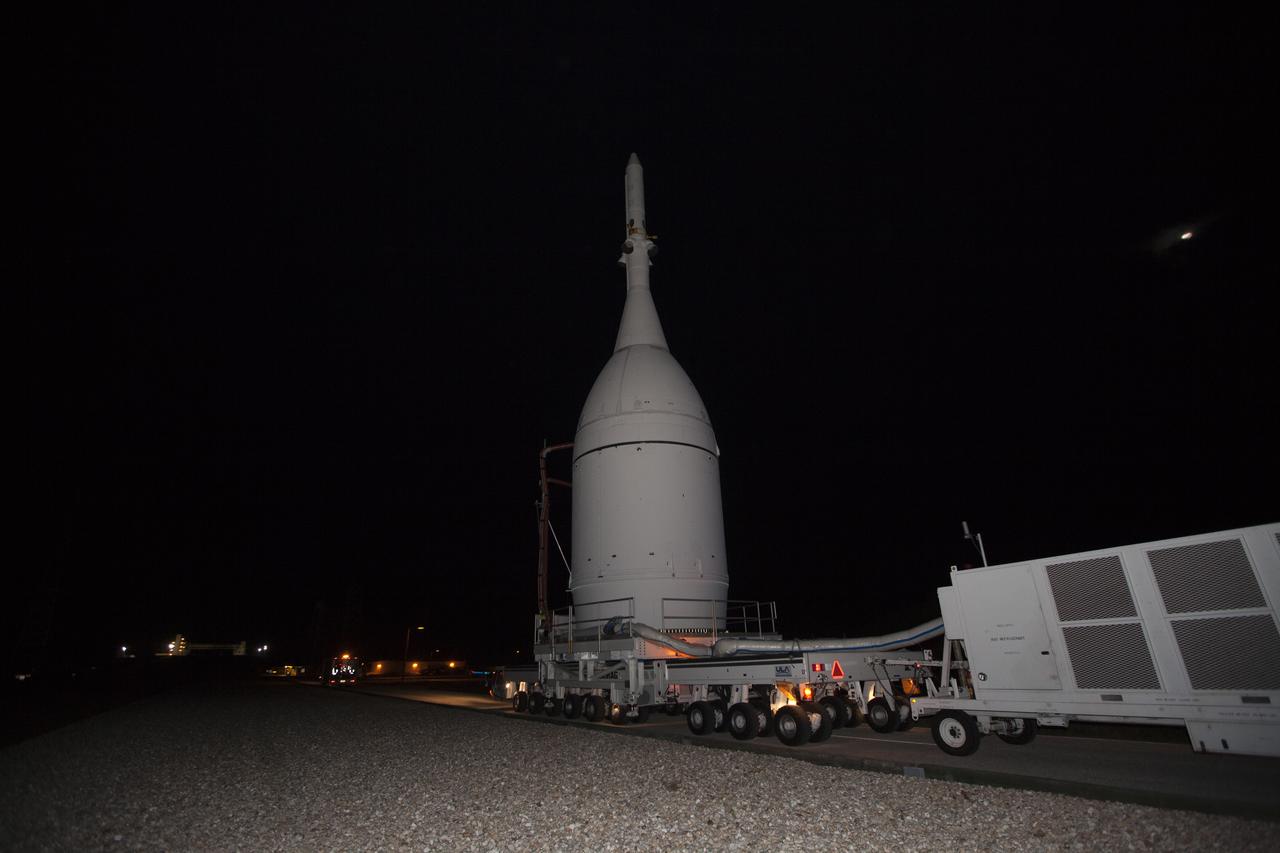
At NASA's Kennedy Space Center in Florida, the agency's Orion spacecraft approaches the spaceport's Launch Complex 39B as it is transported to Launch Complex 37 at Cape Canaveral Air Force Station. After arrival at the launch pad, United Launch Alliance engineers and technicians will lift Orion and mount it atop its Delta IV Heavy rocket. Orion is the exploration spacecraft designed to carry astronauts to destinations not yet explored by humans, including an asteroid and Mars. It will have emergency abort capability, sustain the crew during space travel and provide safe re-entry from deep space return velocities. The first unpiloted flight test of Orion is scheduled to launch Dec. 4, 2014 atop a United Launch Alliance Delta IV Heavy rocket, and in 2018 on NASA’s Space Launch System rocket.
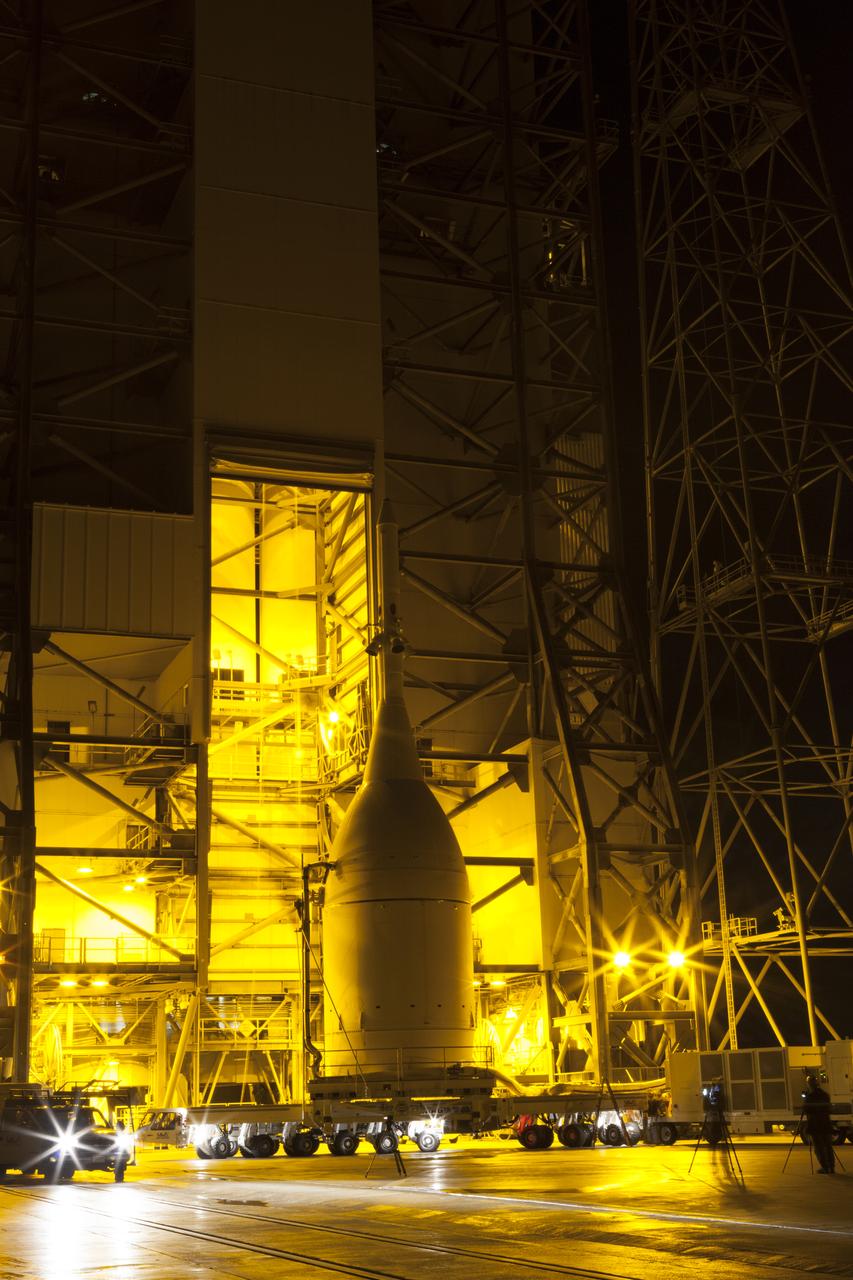
The Orion spacecraft and its transporter stand at the base of the service structure at Space Launch Complex 37. A crane inside the structure will lift Orion off its transporter to hoist it into place atop the Delta IV Heavy rocket that is already assembled at the pad. Orion is the exploration spacecraft designed to carry astronauts to destinations not yet explored by humans, including an asteroid and Mars. It will have emergency abort capability, sustain the crew during space travel and provide safe re-entry from deep space return velocities. The first unpiloted flight test of Orion is scheduled to launch Dec. 4, 2014, atop a United Launch Alliance Delta IV Heavy rocket, and in 2018 on NASA’s Space Launch System rocket.
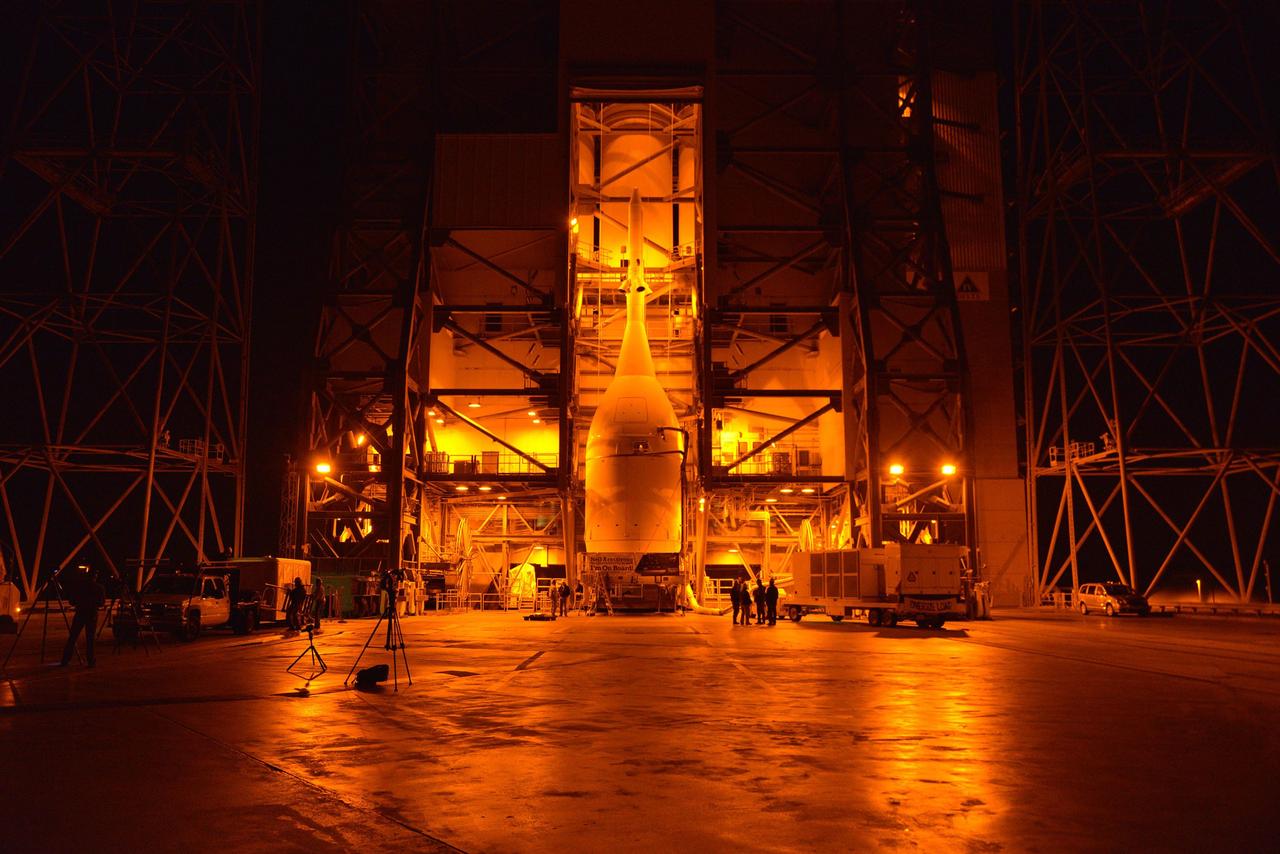
CAPE CANAVERAL, Fla. – At Cape Canaveral Air Force Station's Launch Complex 37, United Launch Alliance engineers and technicians prepare to lift the agency's Orion spacecraft for mounting atop its Delta IV Heavy rocket. Orion is the exploration spacecraft designed to carry astronauts to destinations not yet explored by humans, including an asteroid and Mars. It will have emergency abort capability, sustain the crew during space travel and provide safe re-entry from deep space return velocities. The first unpiloted flight test of Orion is scheduled to launch Dec. 4, 2014 atop a United Launch Alliance Delta IV Heavy rocket, and in 2018 on NASA’s Space Launch System rocket. For more information, visit www.nasa.gov/orion Photo credit: NASA/Radislav Sinyak
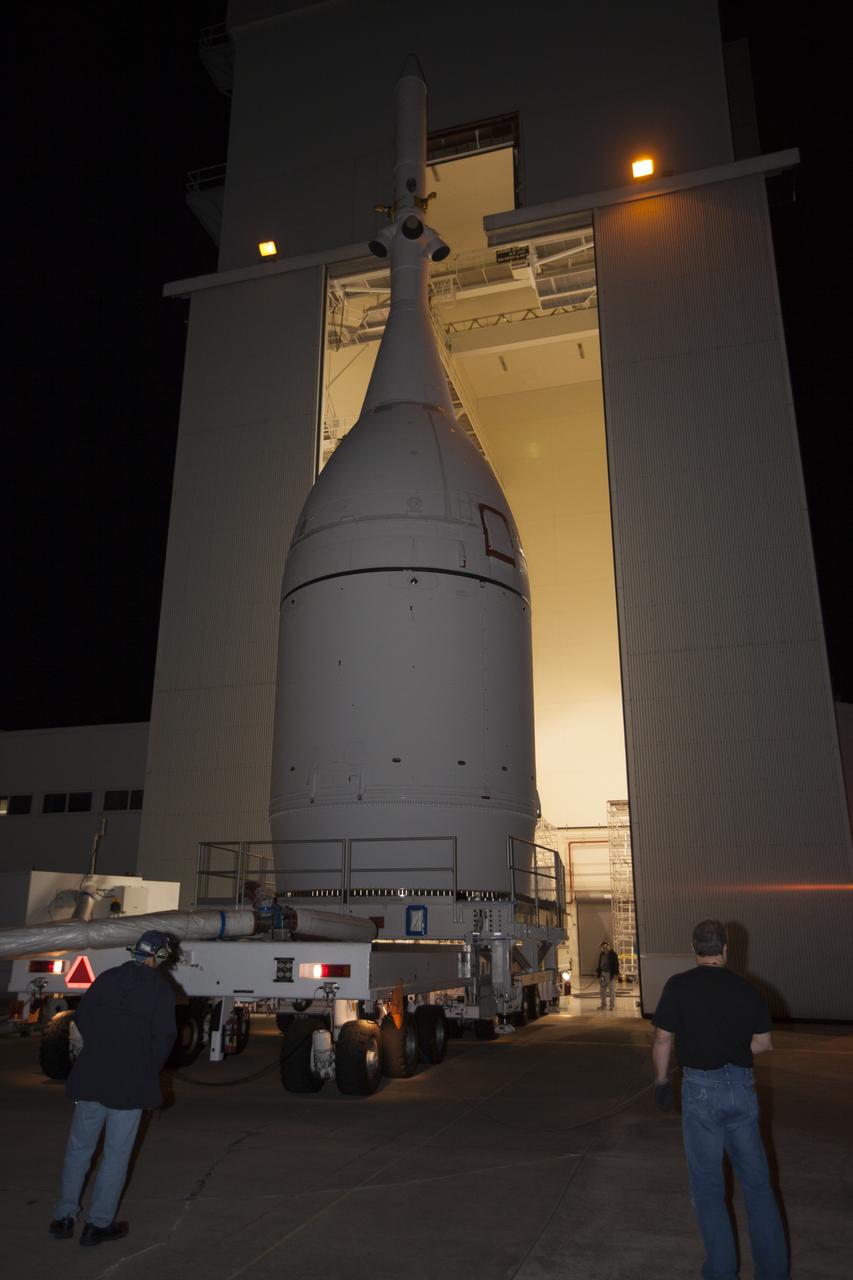
At NASA's Kennedy Space Center in Florida, the agency's completed Orion spacecraft begins its trip from the Launch Abort System Facility to Launch Complex 37 at Cape Canaveral Air Force Station. After arrival at the launch pad, United Launch Alliance engineers and technicians will lift Orion and mount it atop its Delta IV Heavy rocket. Orion is the exploration spacecraft designed to carry astronauts to destinations not yet explored by humans, including an asteroid and Mars. It will have emergency abort capability, sustain the crew during space travel and provide safe re-entry from deep space return velocities. The first unpiloted flight test of Orion is scheduled to launch Dec. 4, 2014 atop a United Launch Alliance Delta IV Heavy rocket, and in 2018 on NASA’s Space Launch System rocket.
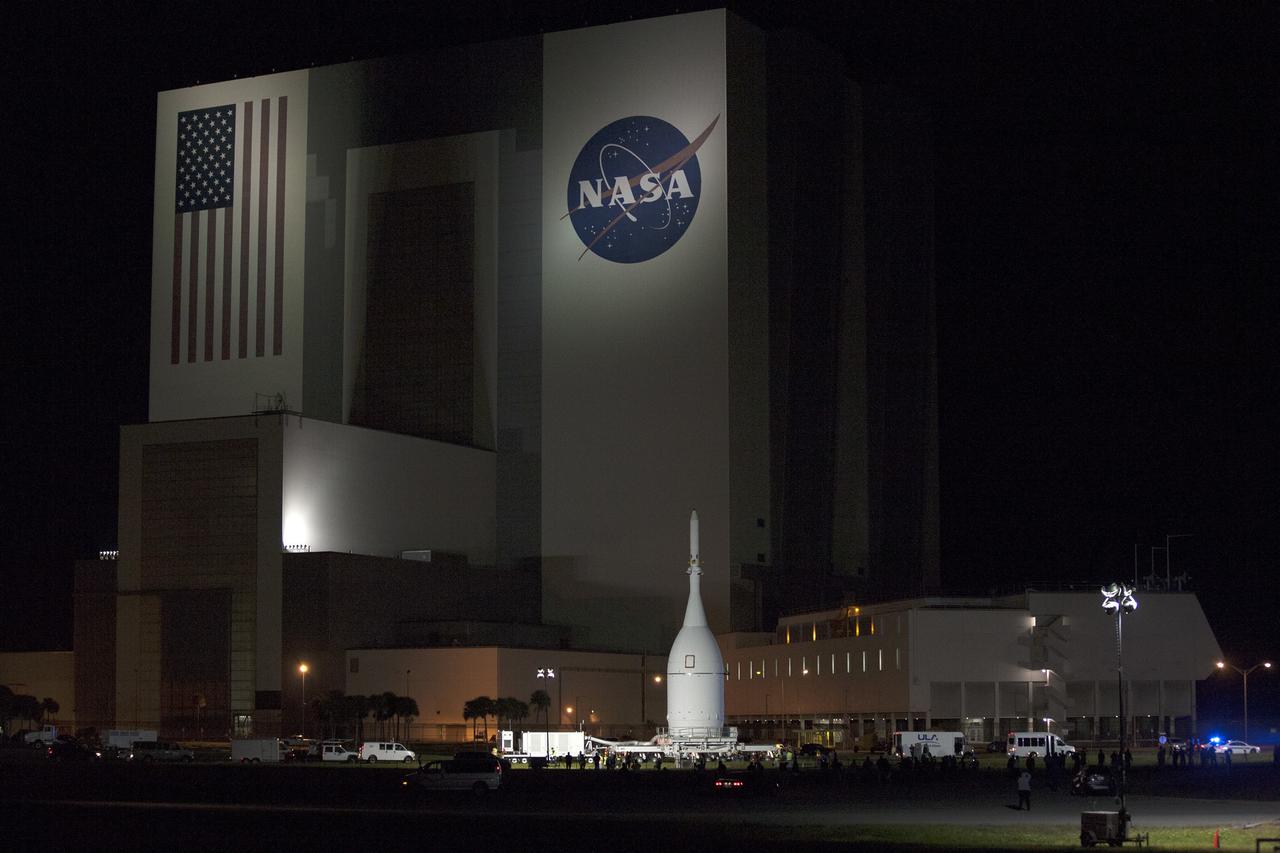
CAPE CANAVERAL, Fla. – At NASA's Kennedy Space Center in Florida, the agency's Orion spacecraft passes the spaceport's iconic Vehicle Assembly Building as it is transported to Launch Complex 37 at Cape Canaveral Air Force Station. After arrival at the launch pad, United Launch Alliance engineers and technicians will lift Orion and mount it atop its Delta IV Heavy rocket. Orion is the exploration spacecraft designed to carry astronauts to destinations not yet explored by humans, including an asteroid and Mars. It will have emergency abort capability, sustain the crew during space travel and provide safe re-entry from deep space return velocities. The first unpiloted flight test of Orion is scheduled to launch Dec. 4, 2014 atop a United Launch Alliance Delta IV Heavy rocket, and in 2018 on NASA’s Space Launch System rocket. For more information, visit www.nasa.gov/orion Photo credit: NASA/Kim Shiflett