
This diagram illustrates how hypothetical helium atmospheres might form. These would be on planets about the mass of Neptune, or smaller, which orbit tightly to their stars, whipping around in just days. They are thought to have cores of water or rock, surrounded by thick atmospheres of gas. Radiation from their nearby stars would boil off hydrogen and helium, but because hydrogen is lighter, more hydrogen would escape. It's also possible that planetary bodies, such as asteroids, could impact the planet, sending hydrogen out into space. Over time, the atmospheres would become enriched in helium. With less hydrogen in the planets' atmospheres, the concentration of methane and water would go down. Both water and methane consist in part of hydrogen. Eventually, billions of years later (a "Gyr" equals one billion years), the abundances of the water and methane would be greatly reduced. Since hydrogen would not be abundant, the carbon would be forced to pair with oxygen, forming carbon monoxide. NASA's Spitzer Space Telescope observed a proposed helium planet, GJ 436b, with these traits: it lacks methane, and appears to contain carbon monoxide. Future observations are needed to detect helium itself in the atmospheres of these planets, and confirm this theory. http://photojournal.jpl.nasa.gov/catalog/PIA19345

Planets having atmospheres rich in helium may be common in our galaxy, according to a new theory based on data from NASA's Spitzer Space Telescope. These planets would be around the mass of Neptune, or lighter, and would orbit close to their stars, basking in their searing heat. According to the new theory, radiation from the stars would boil off hydrogen in the planets' atmospheres. Both hydrogen and helium are common ingredients of gas planets like these. Hydrogen is lighter than helium and thus more likely to escape. After billions of years of losing hydrogen, the planet's atmosphere would become enriched with helium. Scientists predict the planets would appear covered in white or gray clouds. This is in contrast to our own Neptune, which is blue due to the presence of methane. Methane absorbs the color red, leaving blue. Neptune is far from our sun and hasn't lost its hydrogen. The hydrogen bonds with carbon to form methane. This artist's concept depicts a proposed helium-atmosphere planet called GJ 436b, which was found by Spitzer to lack in methane -- a first clue about its lack of hydrogen. The planet orbits every 2.6 days around its star, which is cooler than our sun and thus appears more yellow-orange in color. http://photojournal.jpl.nasa.gov/catalog/PIA19344
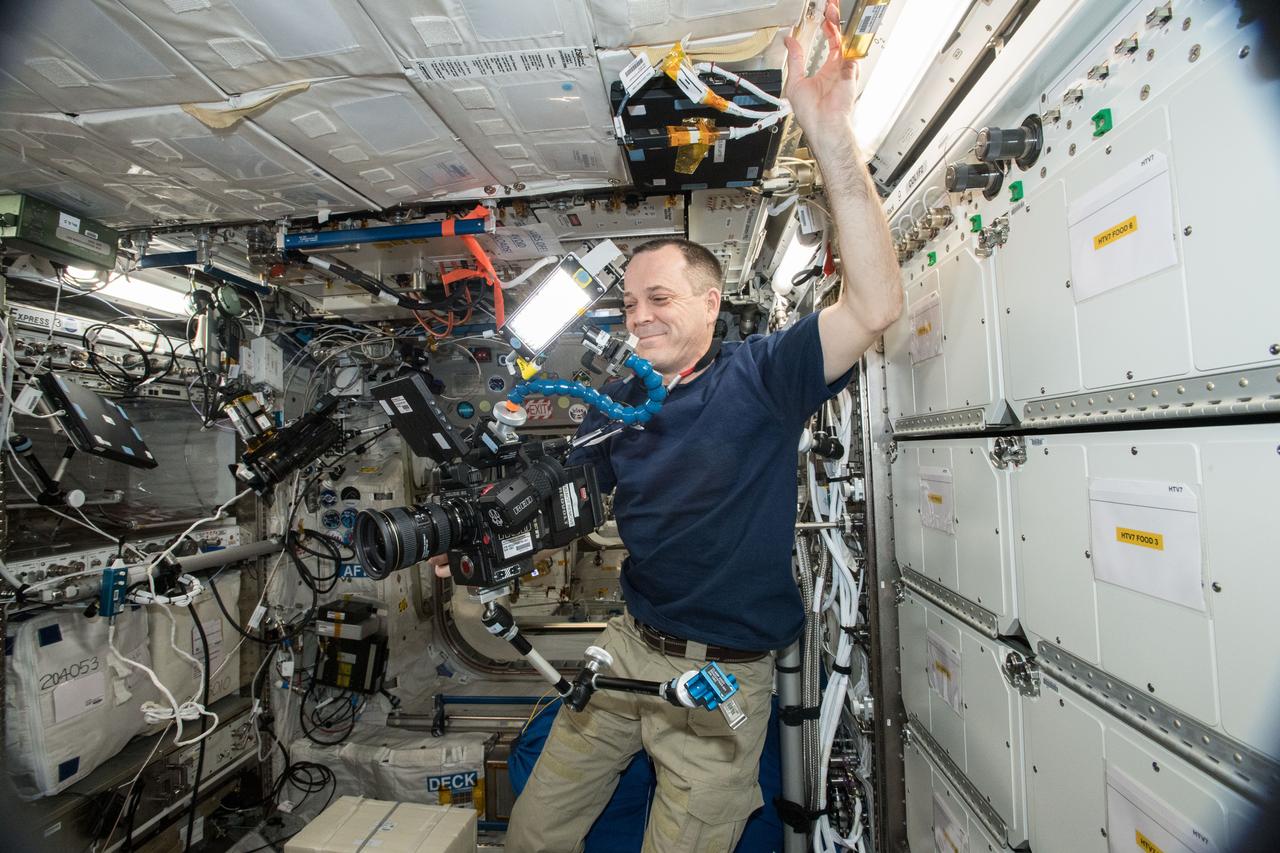
iss056e200804 (10/3/2018) --- NASA astronaut Ricky Arnold using the RED Helium Camera. The RED HELIUM 8K camera is a high-resolution cinema camera capable of 8K resolution.
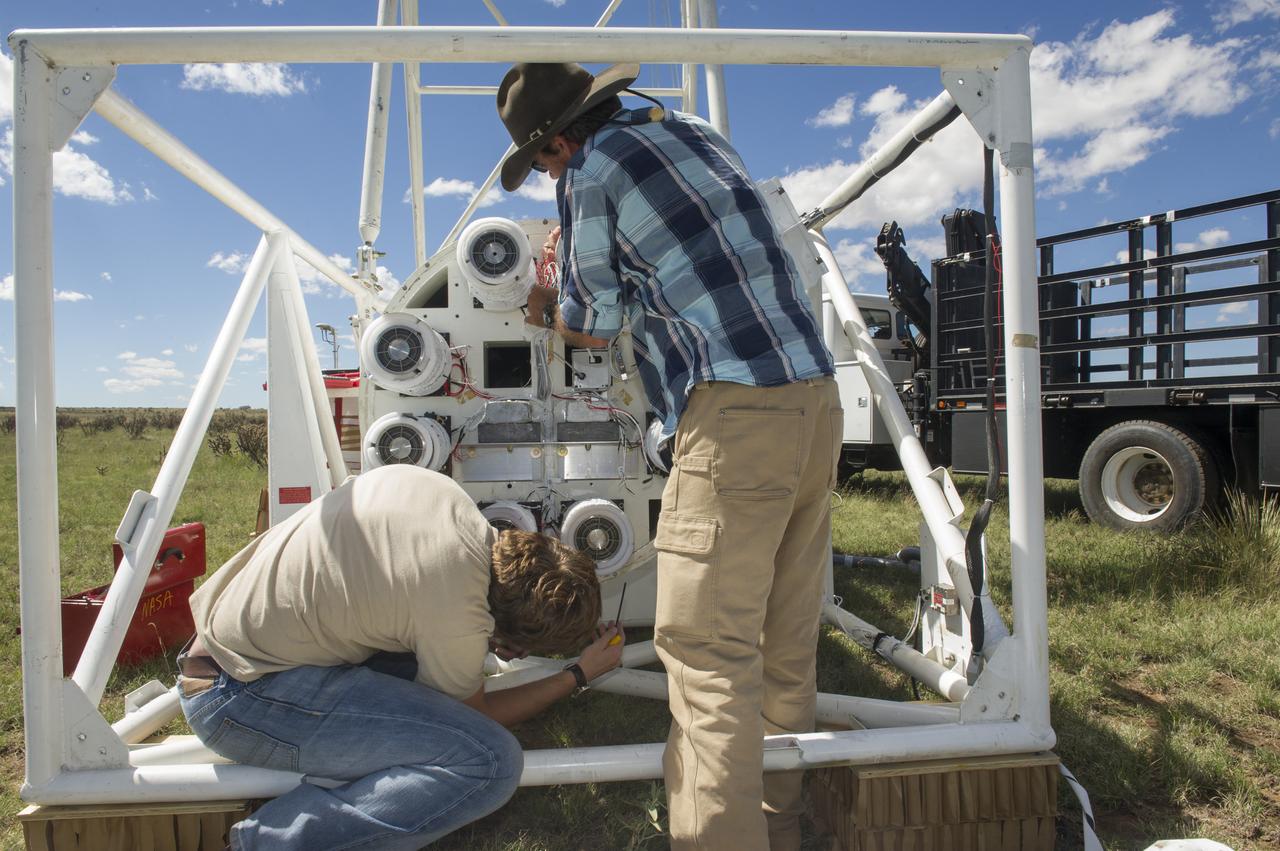
HEROES PAYLOAD AWAITS LAUNCH AS HELIUM BALLOON INFLATES IN BACKGROUND, FORT SUMNER, NEW MEXICO, SEPTEMBER 21, 2013
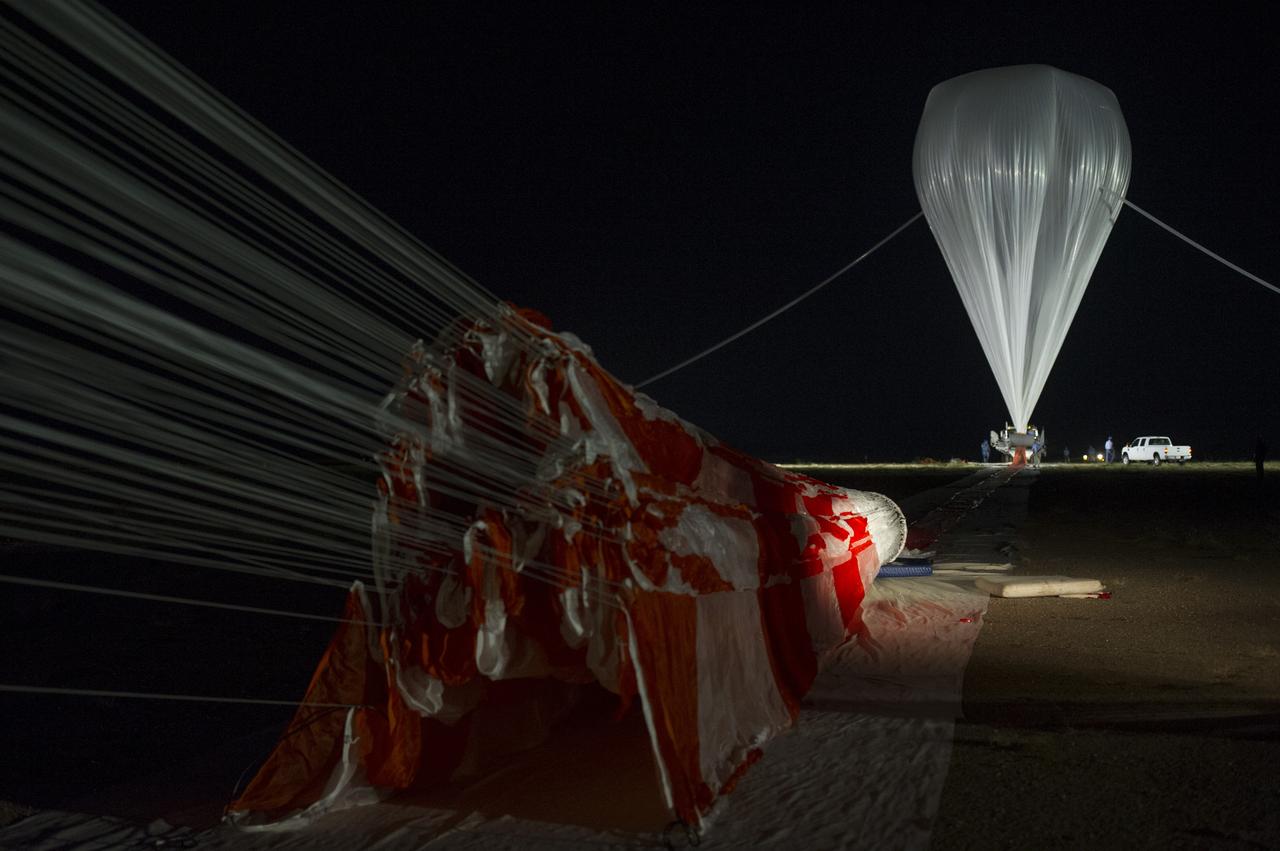
HEROES PAYLOAD AWAITS LAUNCH AS HELIUM BALLOON INFLATES IN BACKGROUND, FORT SUMNER, NEW MEXICO, SEPTEMBER 21, 2013

HEROES PAYLOAD AWAITS LAUNCH AS HELIUM BALLOON INFLATES IN BACKGROUND, FORT SUMNER, NEW MEXICO, SEPTEMBER 21, 2013
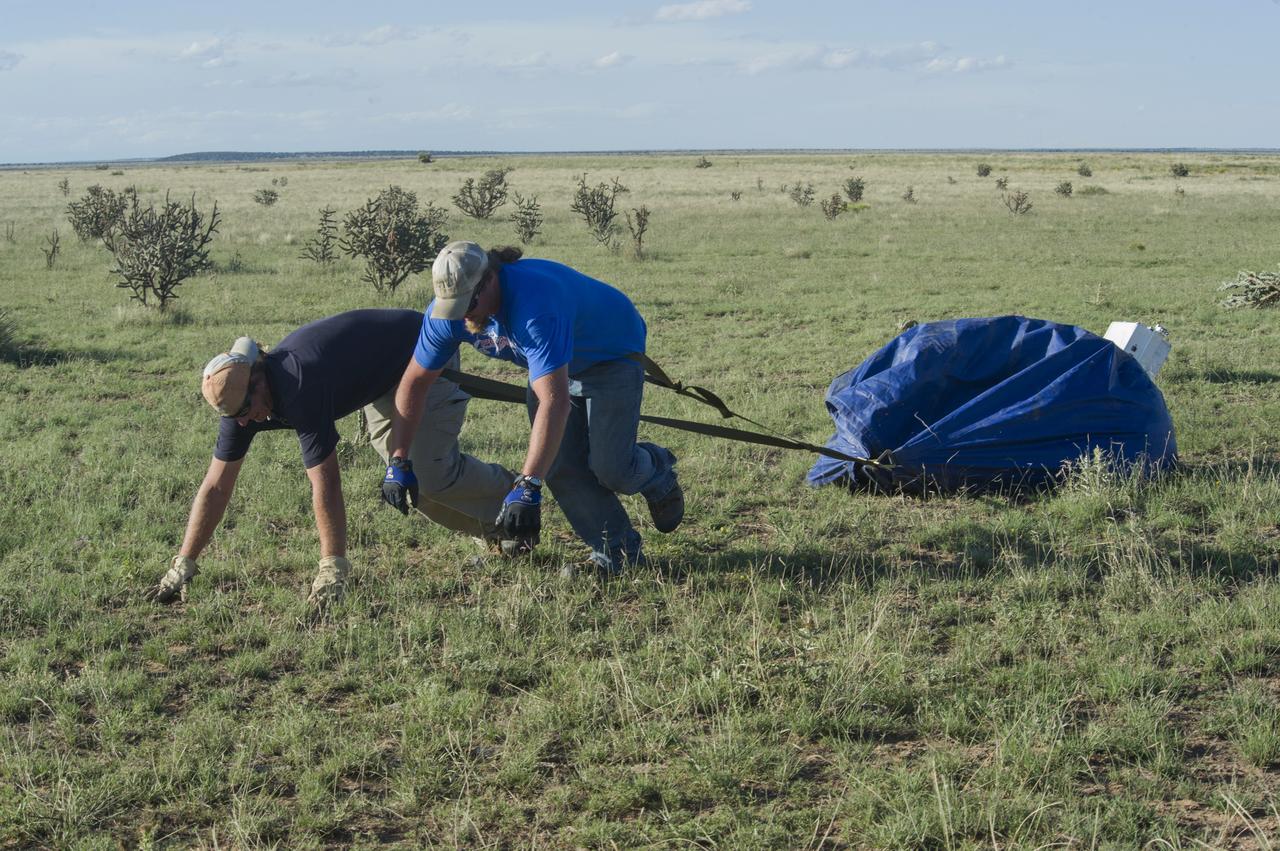
HEROES PAYLOAD AWAITS LAUNCH AS HELIUM BALLOON INFLATES IN BACKGROUND, FORT SUMNER, NEW MEXICO, SEPTEMBER 21, 2013
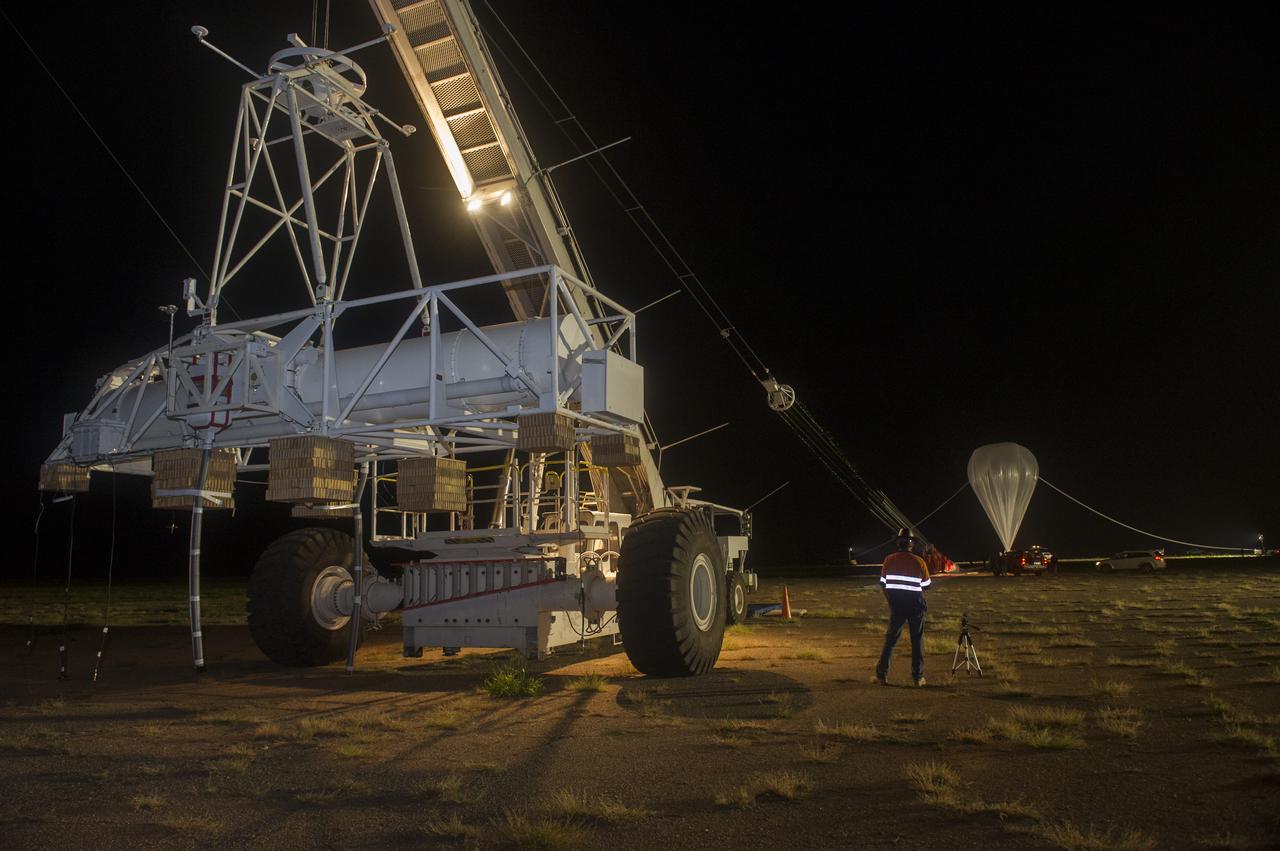
HEROES PAYLOAD AWAITS LAUNCH AS HELIUM BALLOON INFLATES IN BACKGROUND, FORT SUMNER, NEW MEXICO, SEPTEMBER 21, 2013
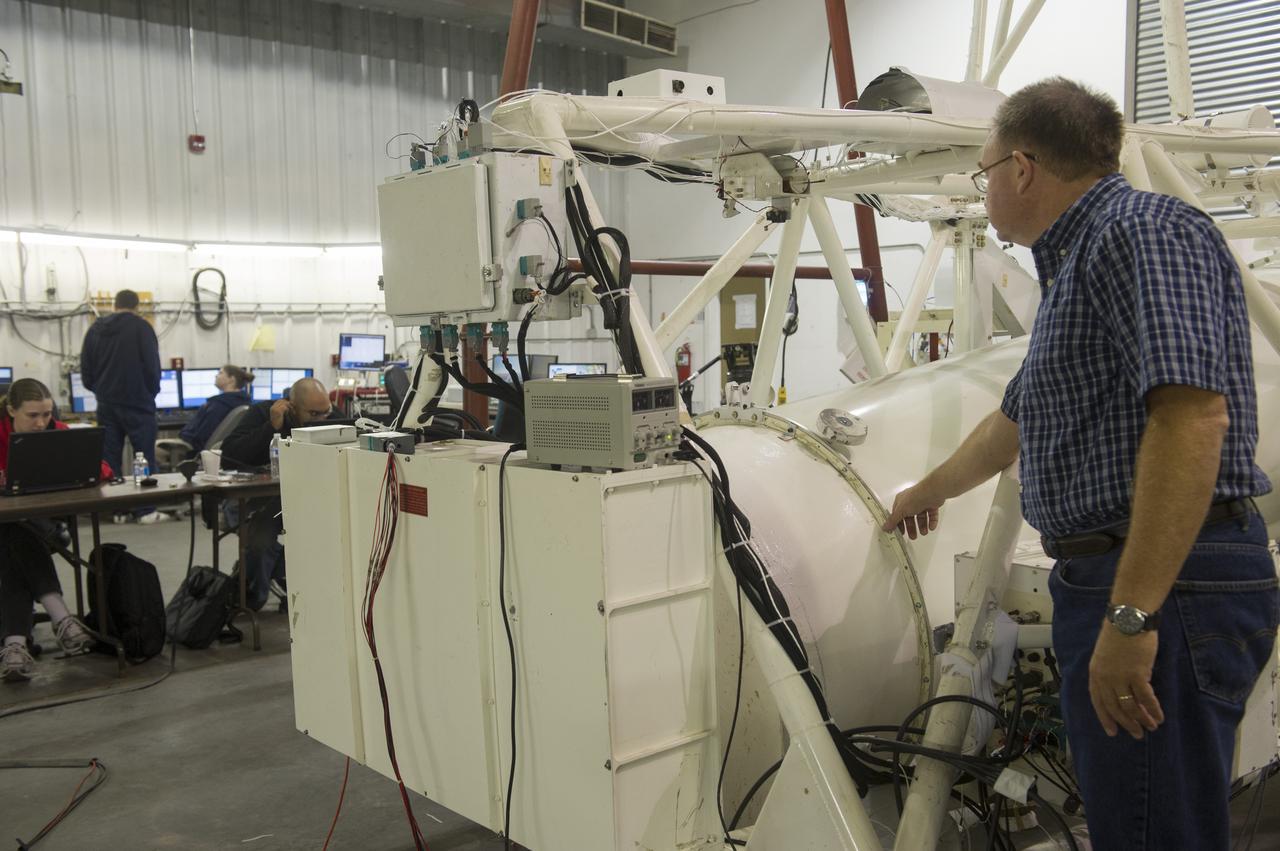
HEROES PAYLOAD AWAITS LAUNCH AS HELIUM BALLOON INFLATES IN BACKGROUND, FORT SUMNER, NEW MEXICO, SEPTEMBER 21, 2013
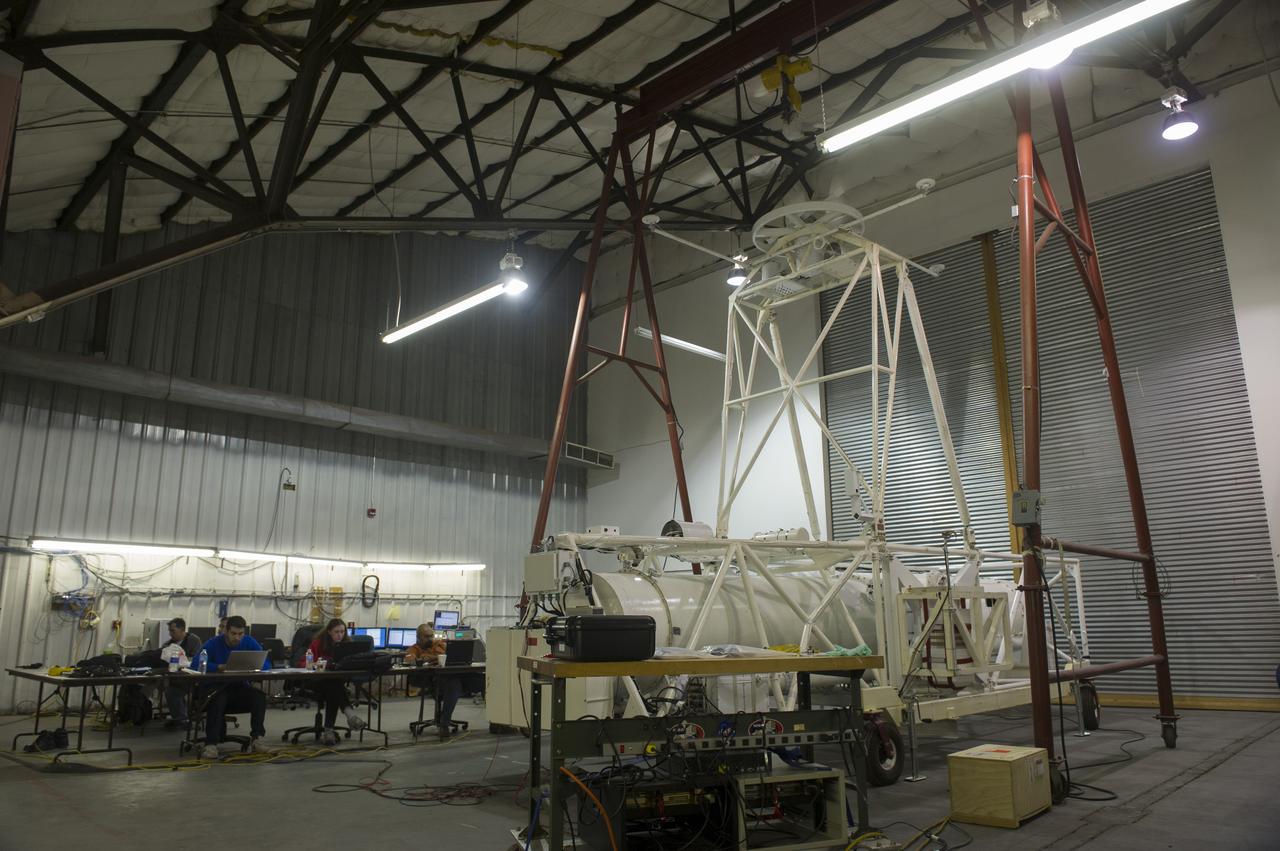
HEROES PAYLOAD AWAITS LAUNCH AS HELIUM BALLOON INFLATES IN BACKGROUND, FORT SUMNER, NEW MEXICO, SEPTEMBER 21, 2013
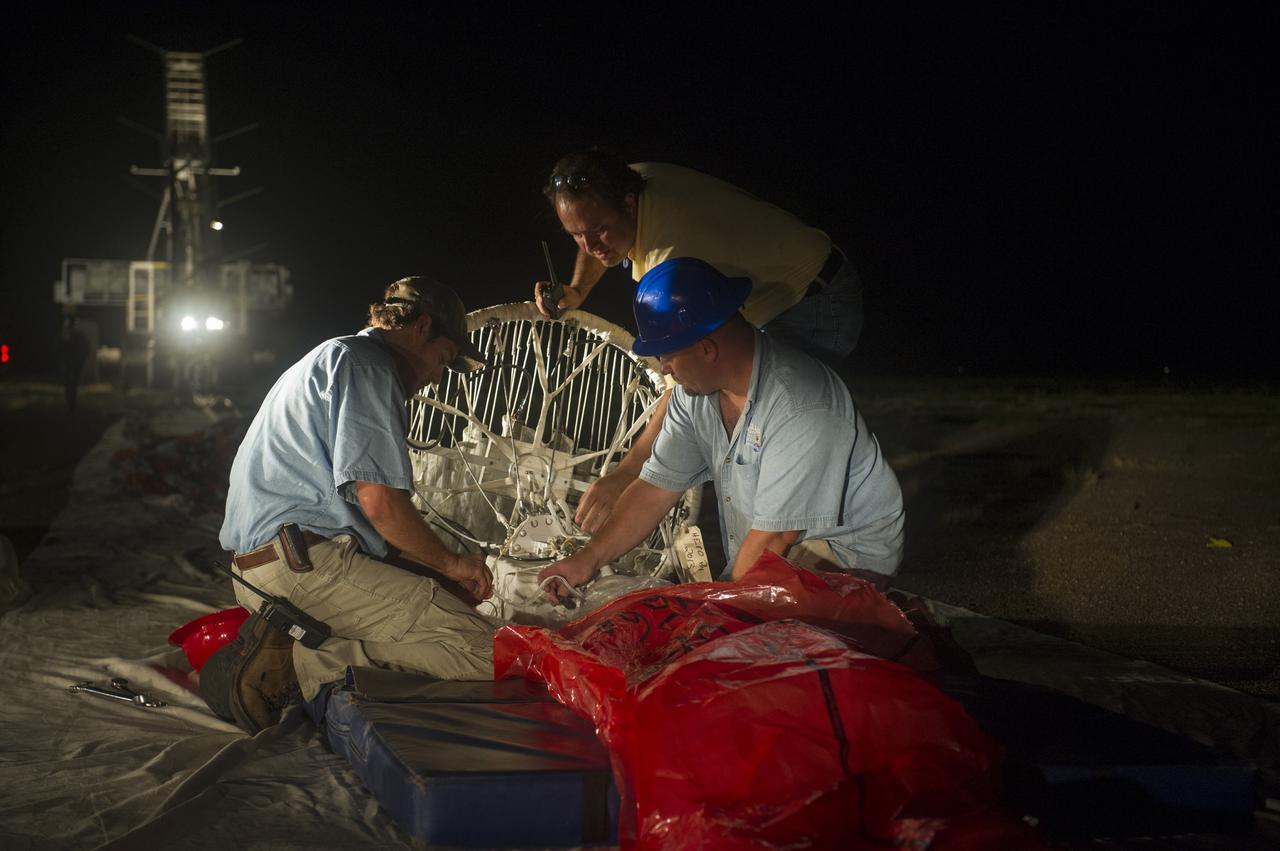
HEROES PAYLOAD AWAITS LAUNCH AS HELIUM BALLOON INFLATES IN BACKGROUND, FORT SUMNER, NEW MEXICO, SEPTEMBER 21, 2013
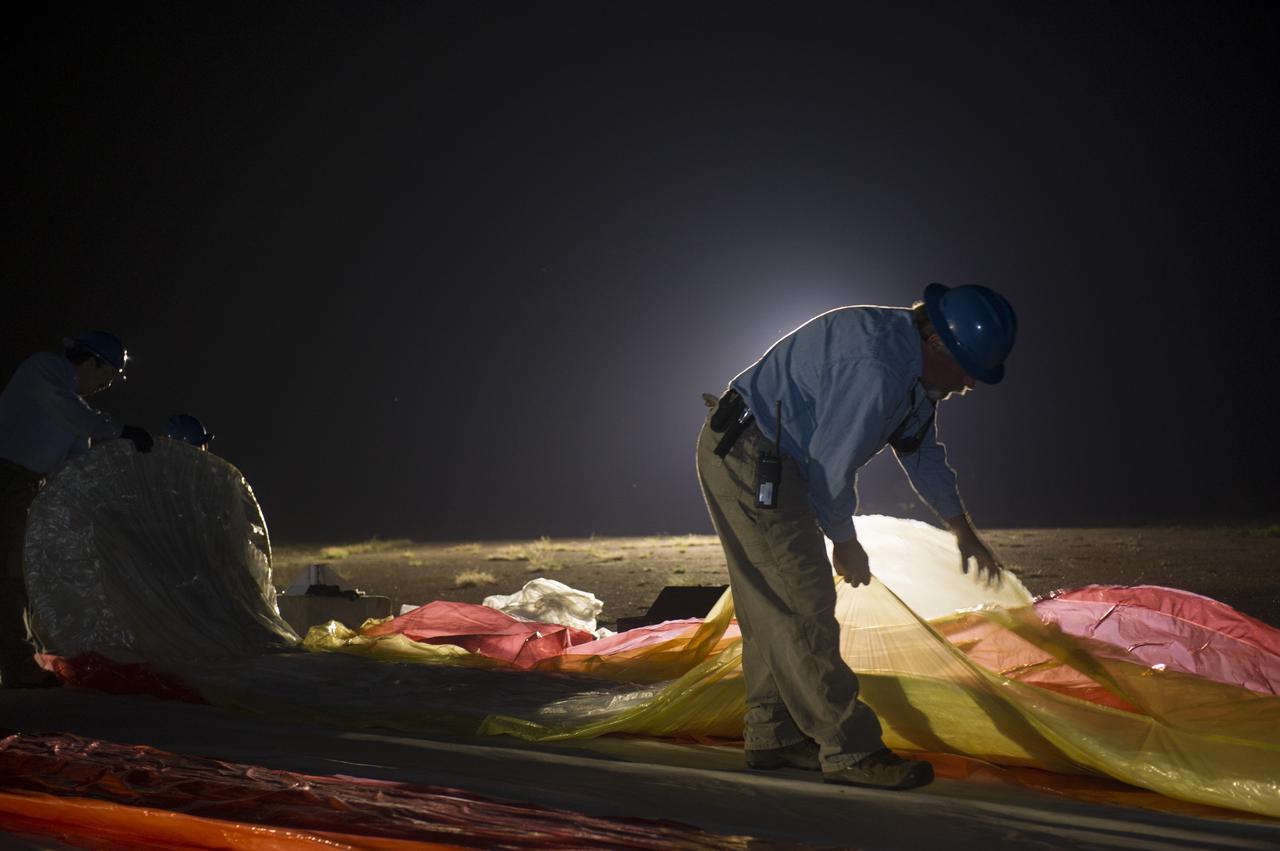
HEROES PAYLOAD AWAITS LAUNCH AS HELIUM BALLOON INFLATES IN BACKGROUND, FORT SUMNER, NEW MEXICO, SEPTEMBER 21, 2013
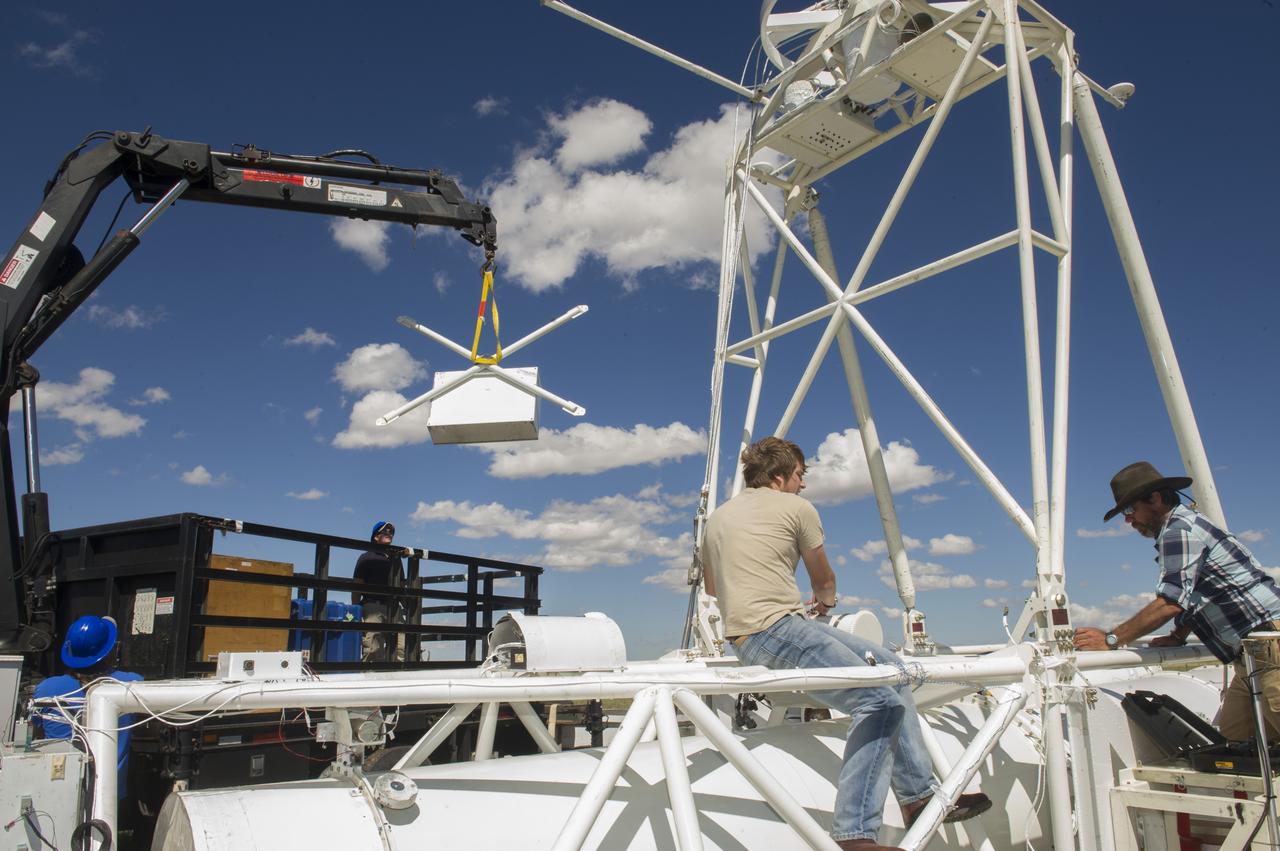
HEROES PAYLOAD AWAITS LAUNCH AS HELIUM BALLOON INFLATES IN BACKGROUND, FORT SUMNER, NEW MEXICO, SEPTEMBER 21, 2013
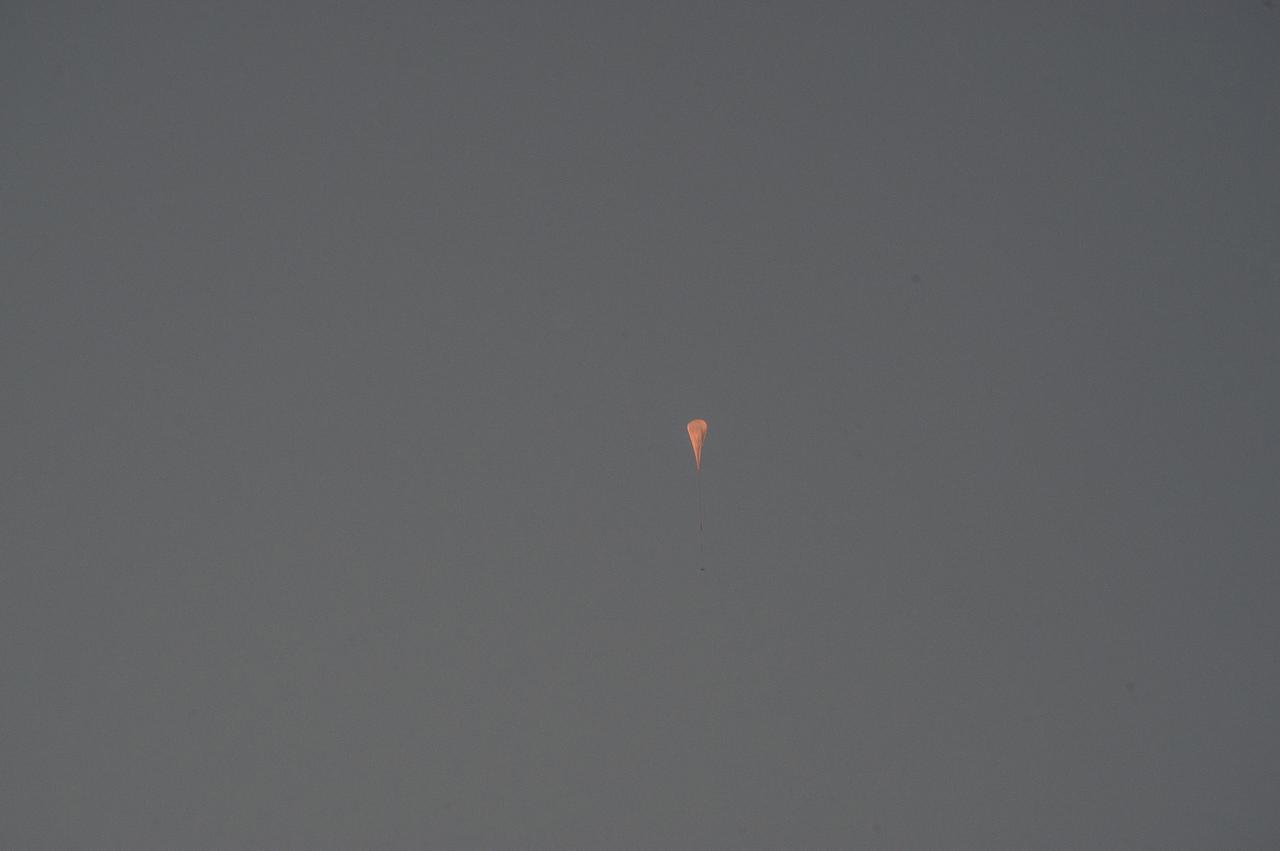
HEROES PAYLOAD AWAITS LAUNCH AS HELIUM BALLOON INFLATES IN BACKGROUND, FORT SUMNER, NEW MEXICO, SEPTEMBER 21, 2013
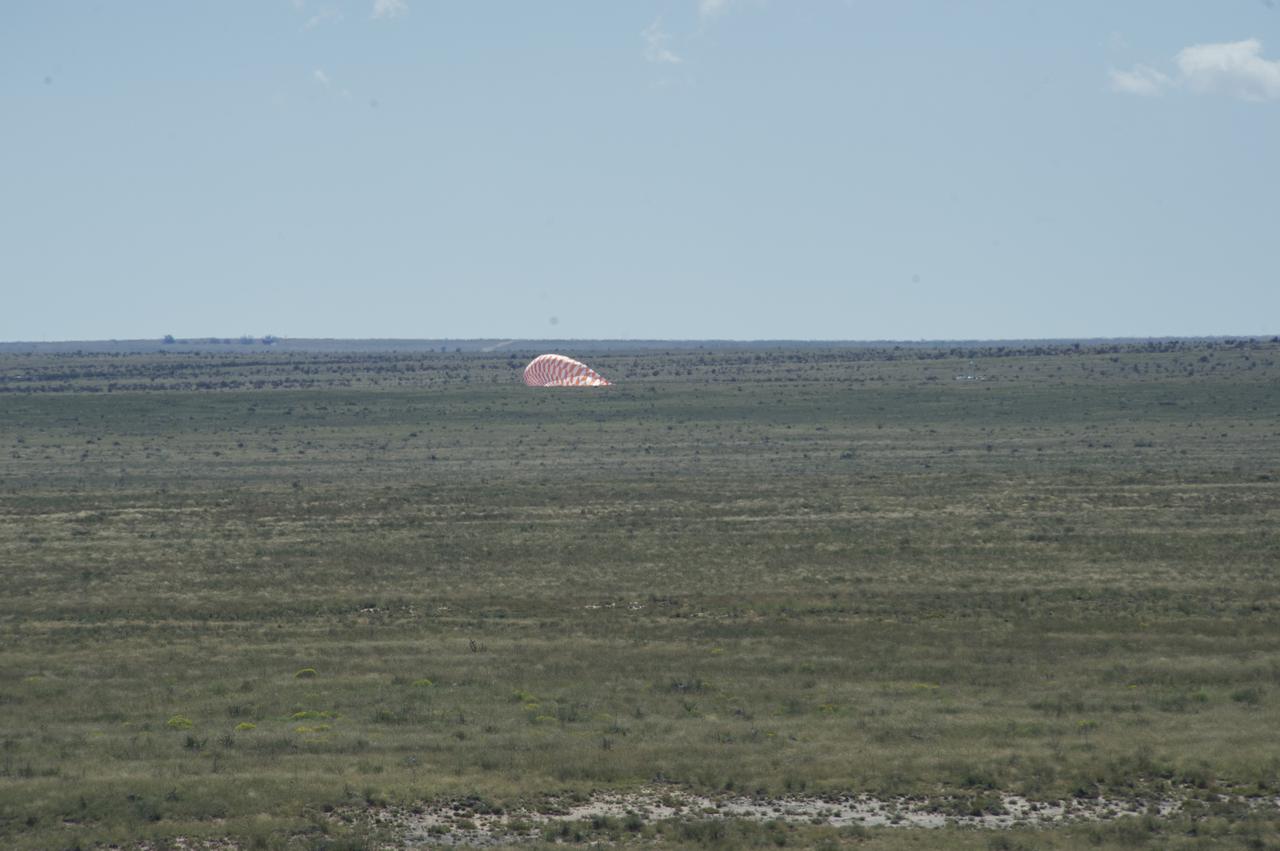
HEROES PAYLOAD AWAITS LAUNCH AS HELIUM BALLOON INFLATES IN BACKGROUND, FORT SUMNER, NEW MEXICO, SEPTEMBER 21, 2013
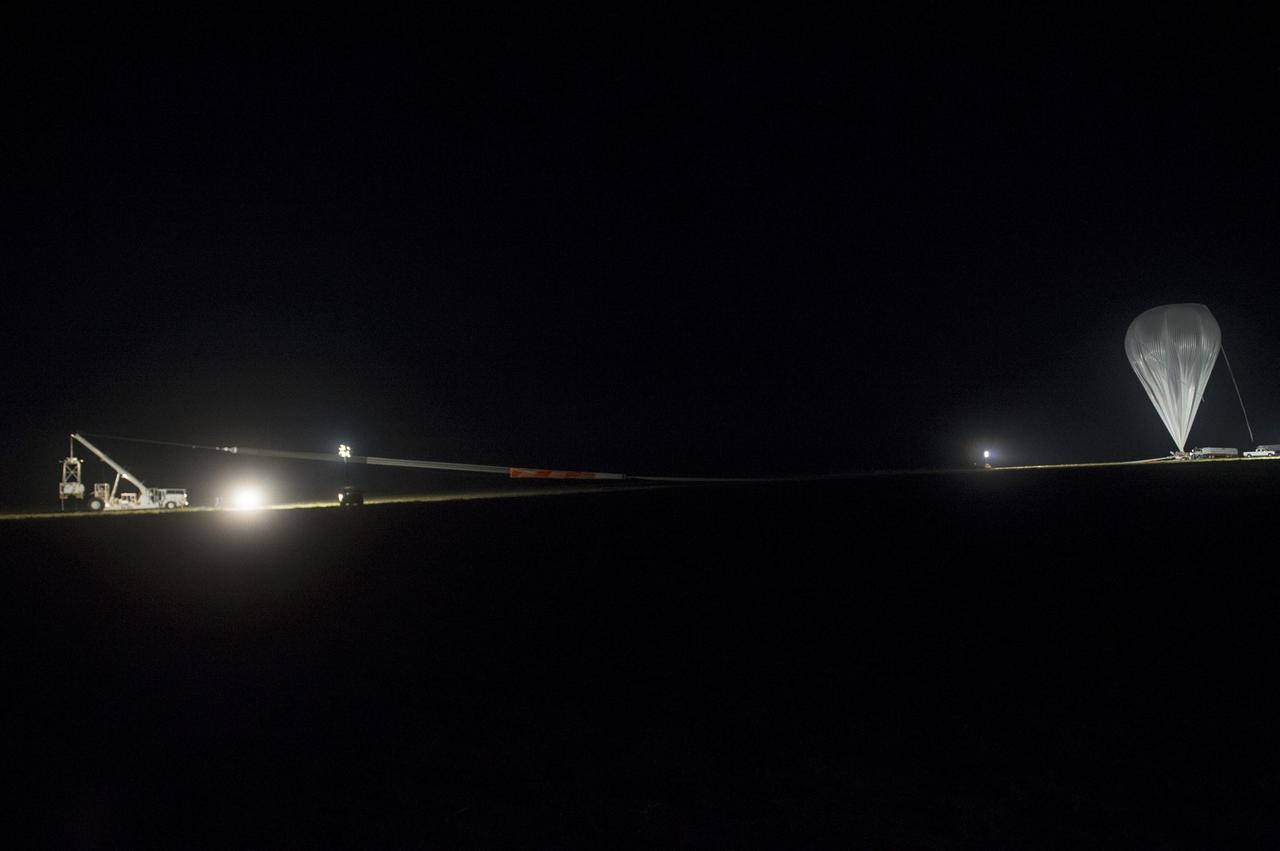
HEROES PAYLOAD AWAITS LAUNCH AS HELIUM BALLOON INFLATES IN BACKGROUND, FORT SUMNER, NEW MEXICO, SEPTEMBER 21, 2013
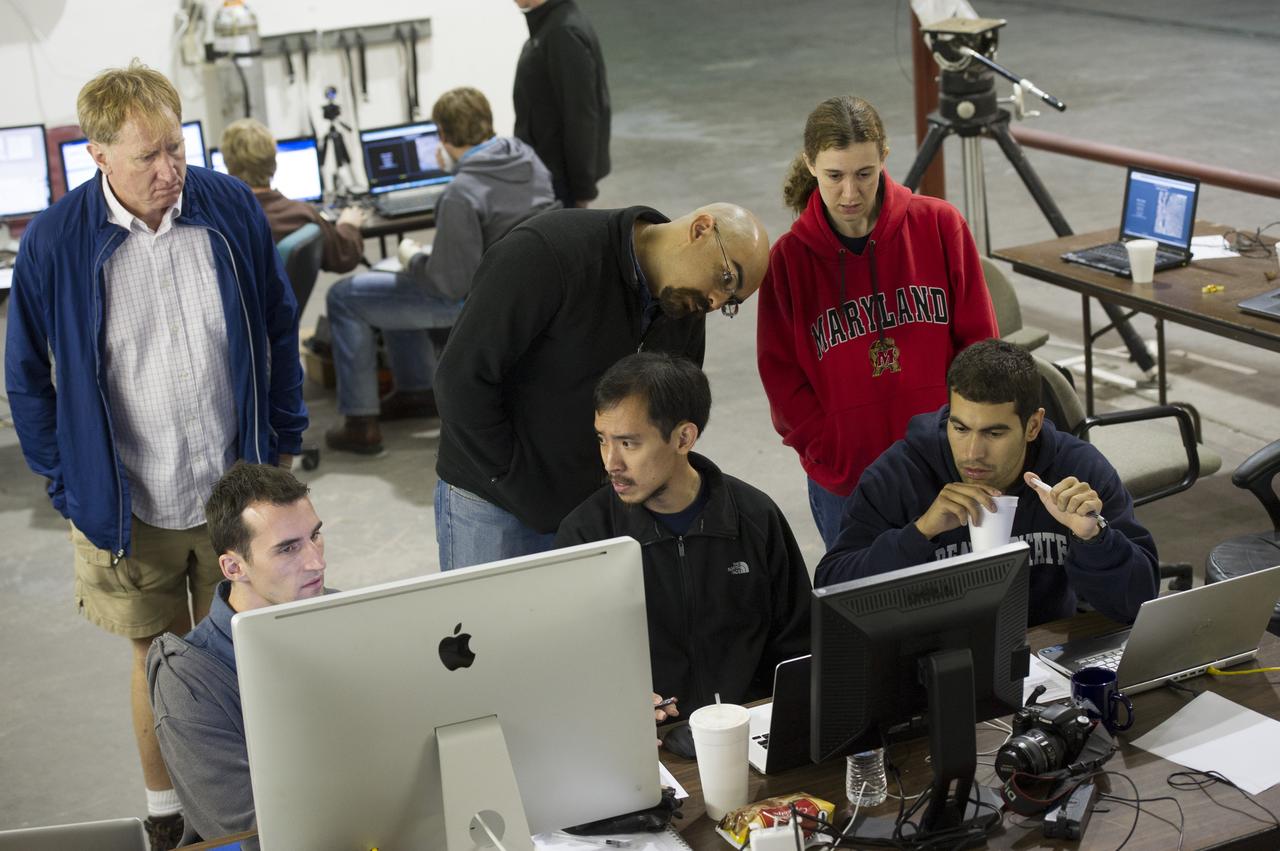
HEROES PAYLOAD AWAITS LAUNCH AS HELIUM BALLOON INFLATES IN BACKGROUND, FORT SUMNER, NEW MEXICO, SEPTEMBER 21, 2013
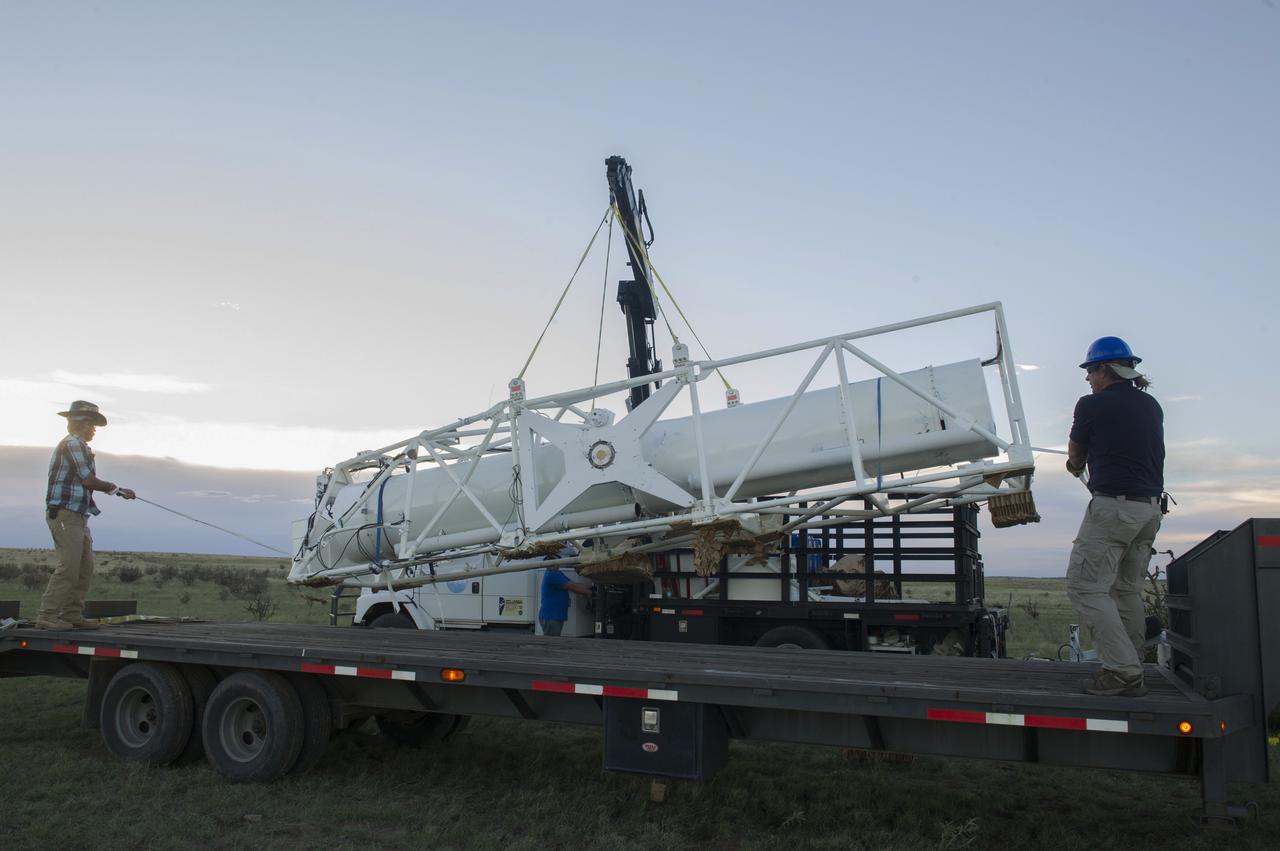
HEROES PAYLOAD AWAITS LAUNCH AS HELIUM BALLOON INFLATES IN BACKGROUND, FORT SUMNER, NEW MEXICO, SEPTEMBER 21, 2013
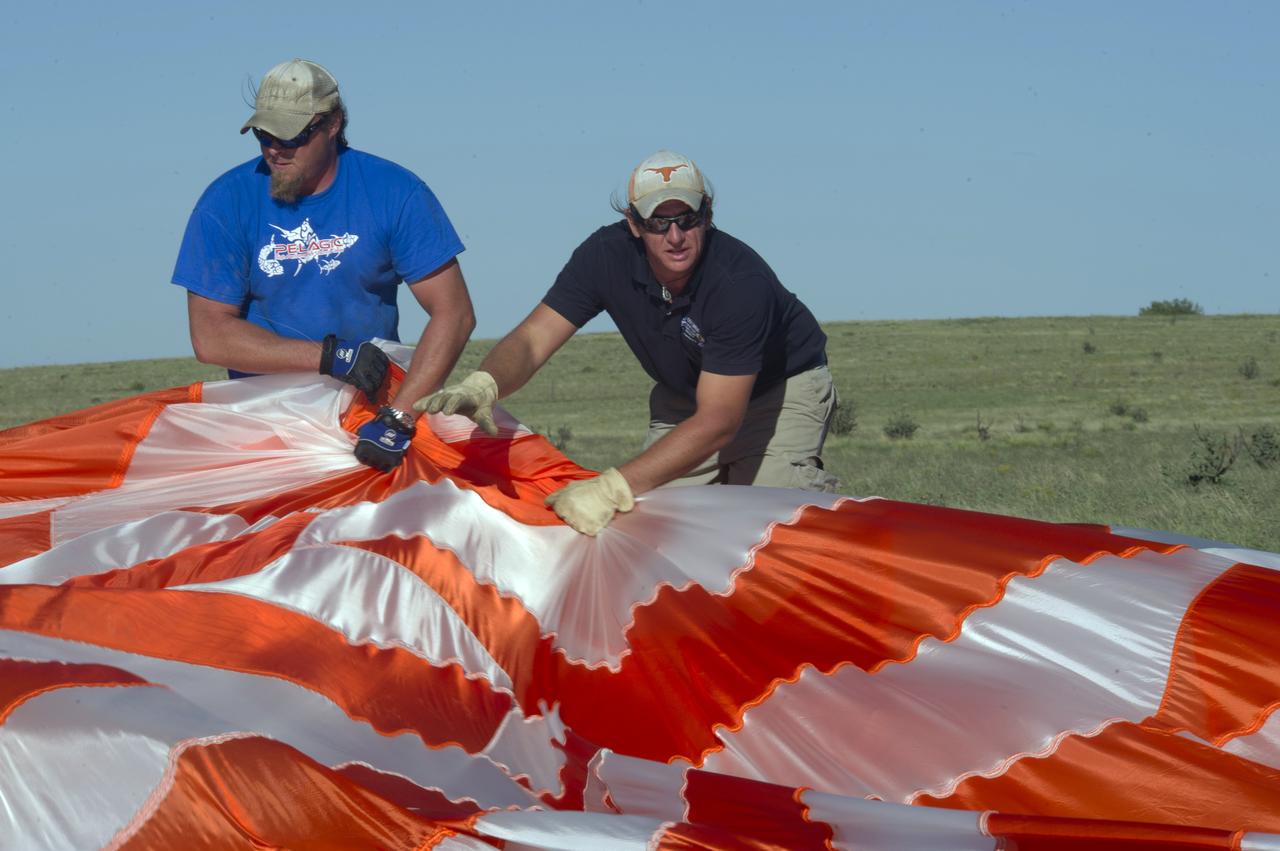
HEROES PAYLOAD AWAITS LAUNCH AS HELIUM BALLOON INFLATES IN BACKGROUND, FORT SUMNER, NEW MEXICO, SEPTEMBER 21, 2013
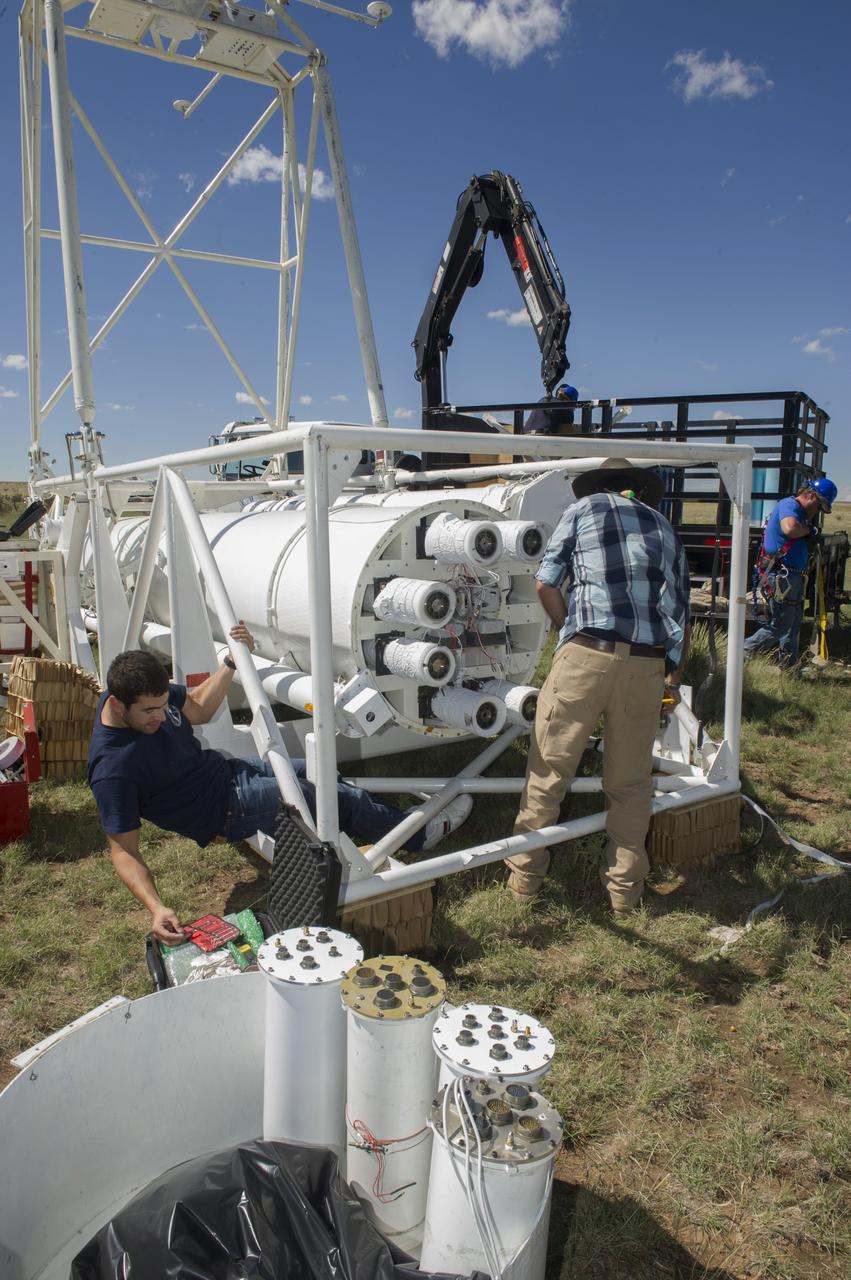
HEROES PAYLOAD AWAITS LAUNCH AS HELIUM BALLOON INFLATES IN BACKGROUND, FORT SUMNER, NEW MEXICO, SEPTEMBER 21, 2013
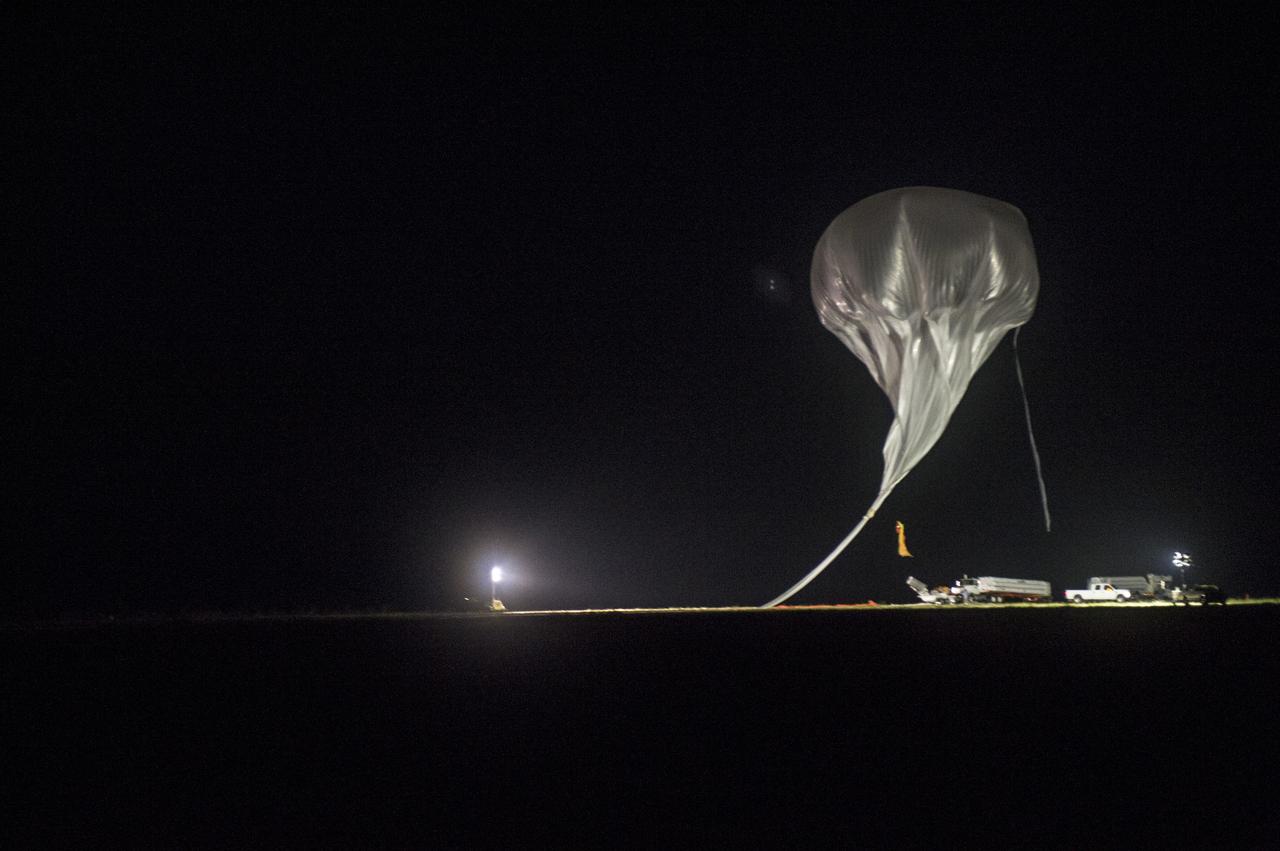
HEROES PAYLOAD AWAITS LAUNCH AS HELIUM BALLOON INFLATES IN BACKGROUND, FORT SUMNER, NEW MEXICO, SEPTEMBER 21, 2013
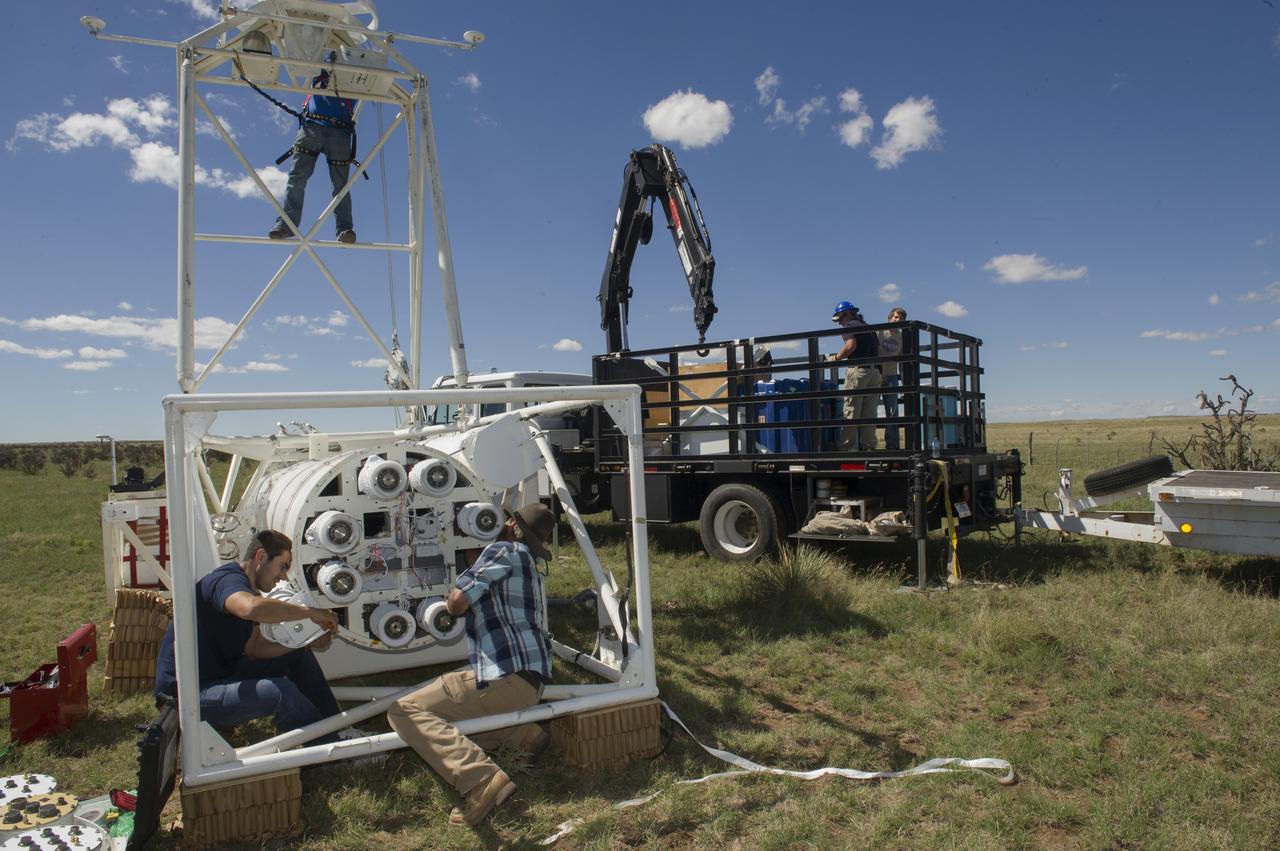
HEROES PAYLOAD AWAITS LAUNCH AS HELIUM BALLOON INFLATES IN BACKGROUND, FORT SUMNER, NEW MEXICO, SEPTEMBER 21, 2013
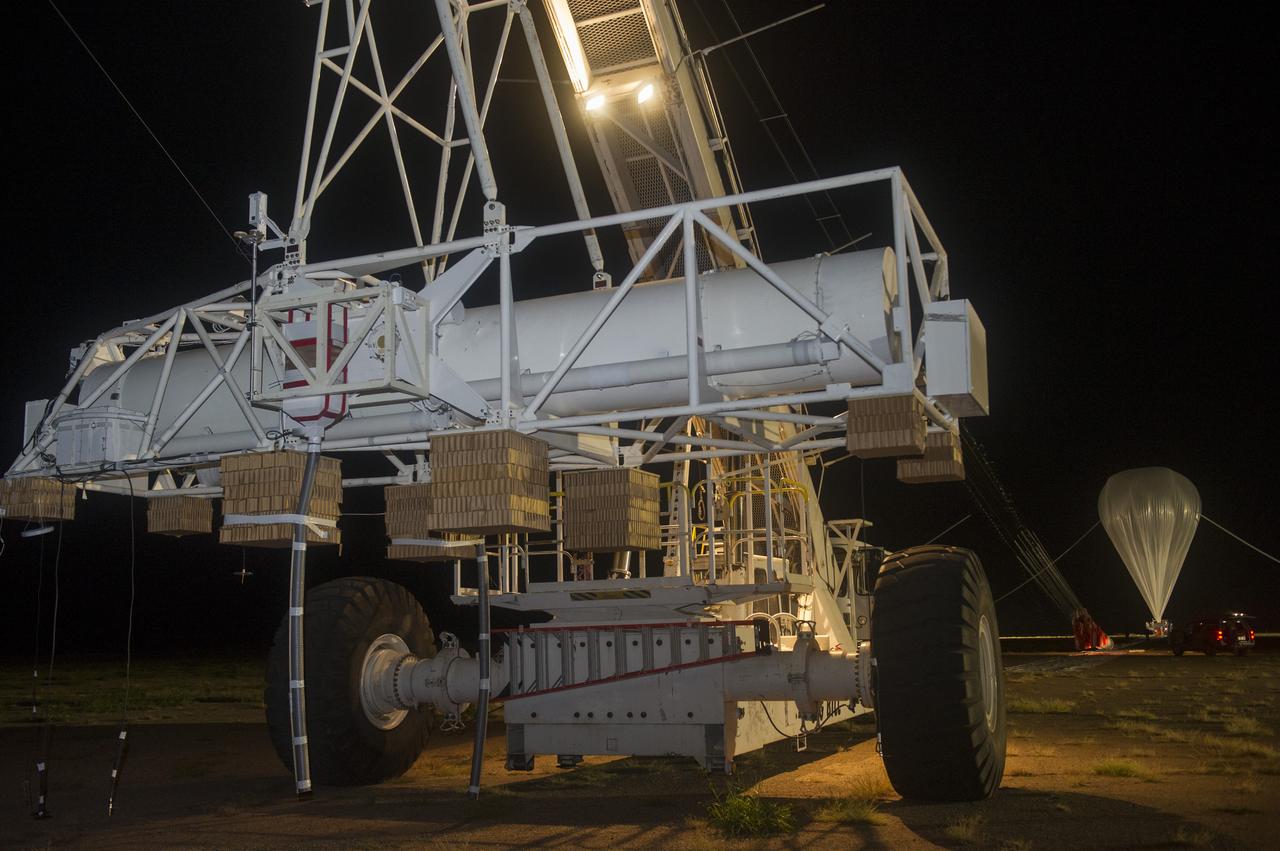
HEROES PAYLOAD AWAITS LAUNCH AS HELIUM BALLOON INFLATES IN BACKGROUND, FORT SUMNER, NEW MEXICO, SEPTEMBER 21, 2013
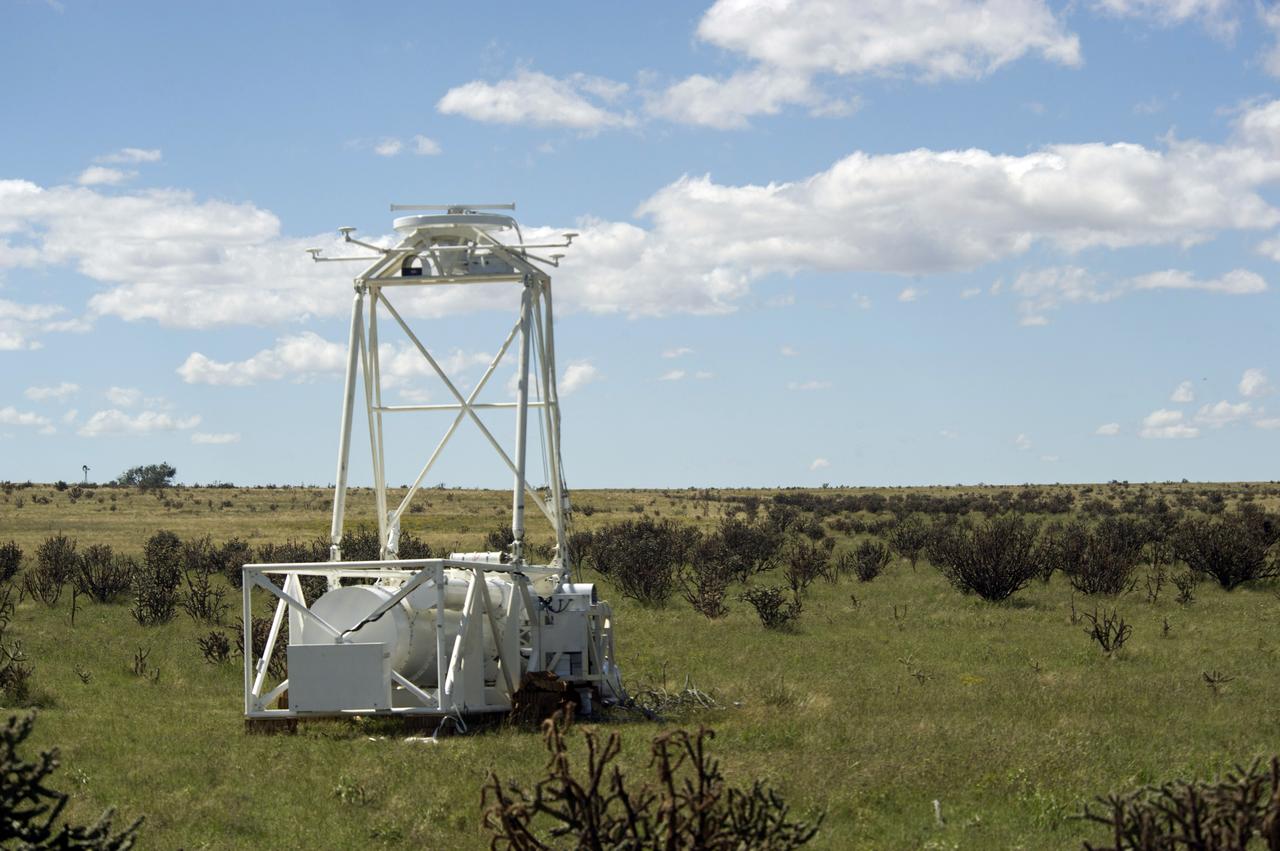
HEROES PAYLOAD AWAITS LAUNCH AS HELIUM BALLOON INFLATES IN BACKGROUND, FORT SUMNER, NEW MEXICO, SEPTEMBER 21, 2013

HEROES PAYLOAD AWAITS LAUNCH AS HELIUM BALLOON INFLATES IN BACKGROUND, FORT SUMNER, NEW MEXICO, SEPTEMBER 21, 2013
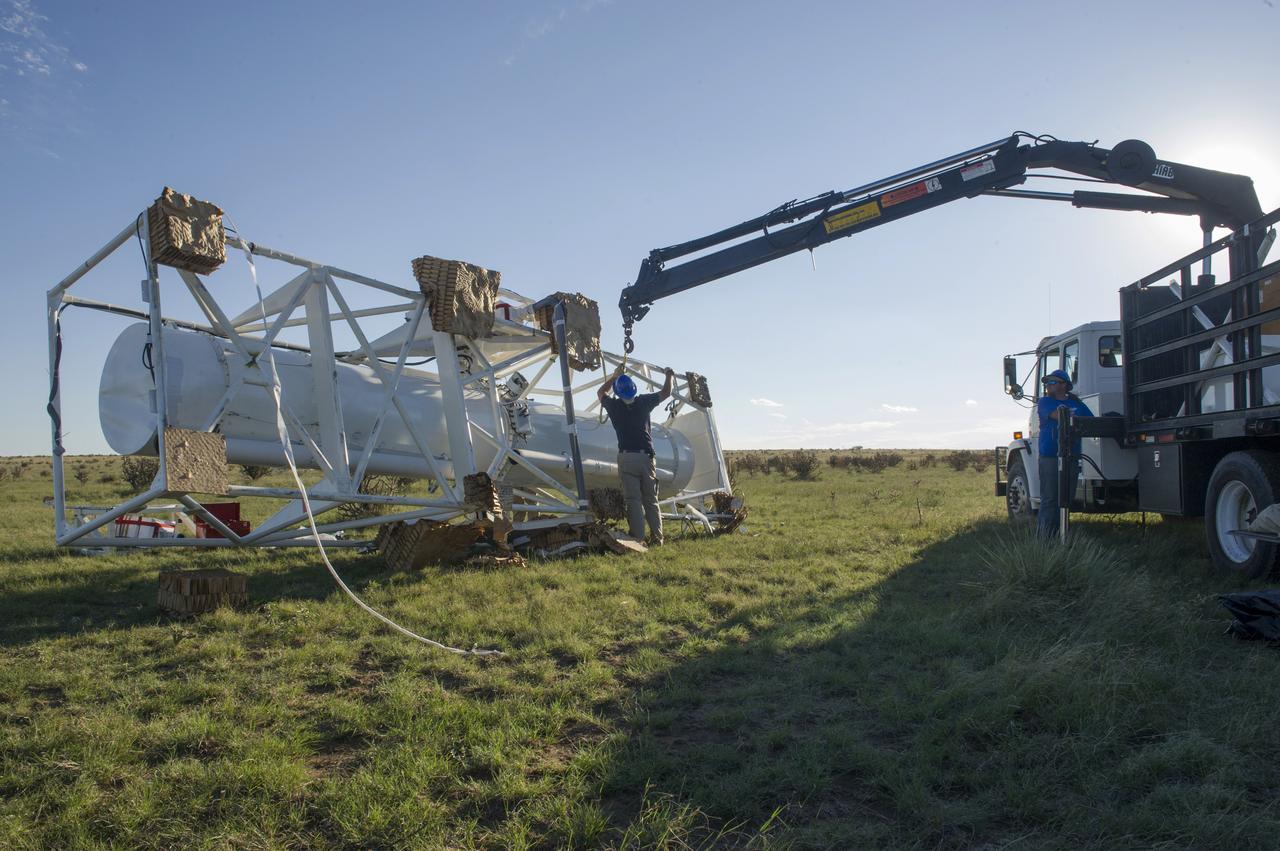
HEROES PAYLOAD AWAITS LAUNCH AS HELIUM BALLOON INFLATES IN BACKGROUND, FORT SUMNER, NEW MEXICO, SEPTEMBER 21, 2013

HEROES PAYLOAD AWAITS LAUNCH AS HELIUM BALLOON INFLATES IN BACKGROUND, FORT SUMNER, NEW MEXICO, SEPTEMBER 21, 2013
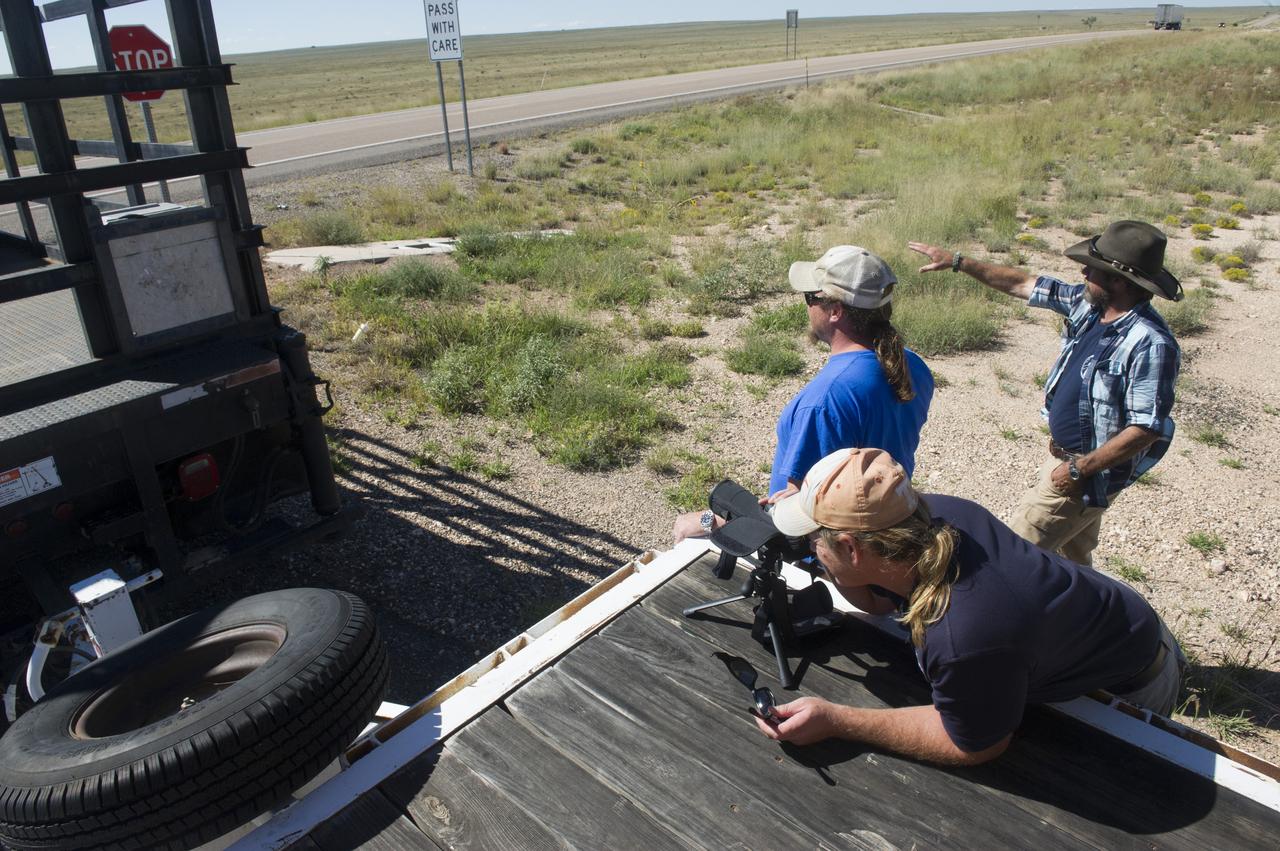
HEROES PAYLOAD AWAITS LAUNCH AS HELIUM BALLOON INFLATES IN BACKGROUND, FORT SUMNER, NEW MEXICO, SEPTEMBER 21, 2013
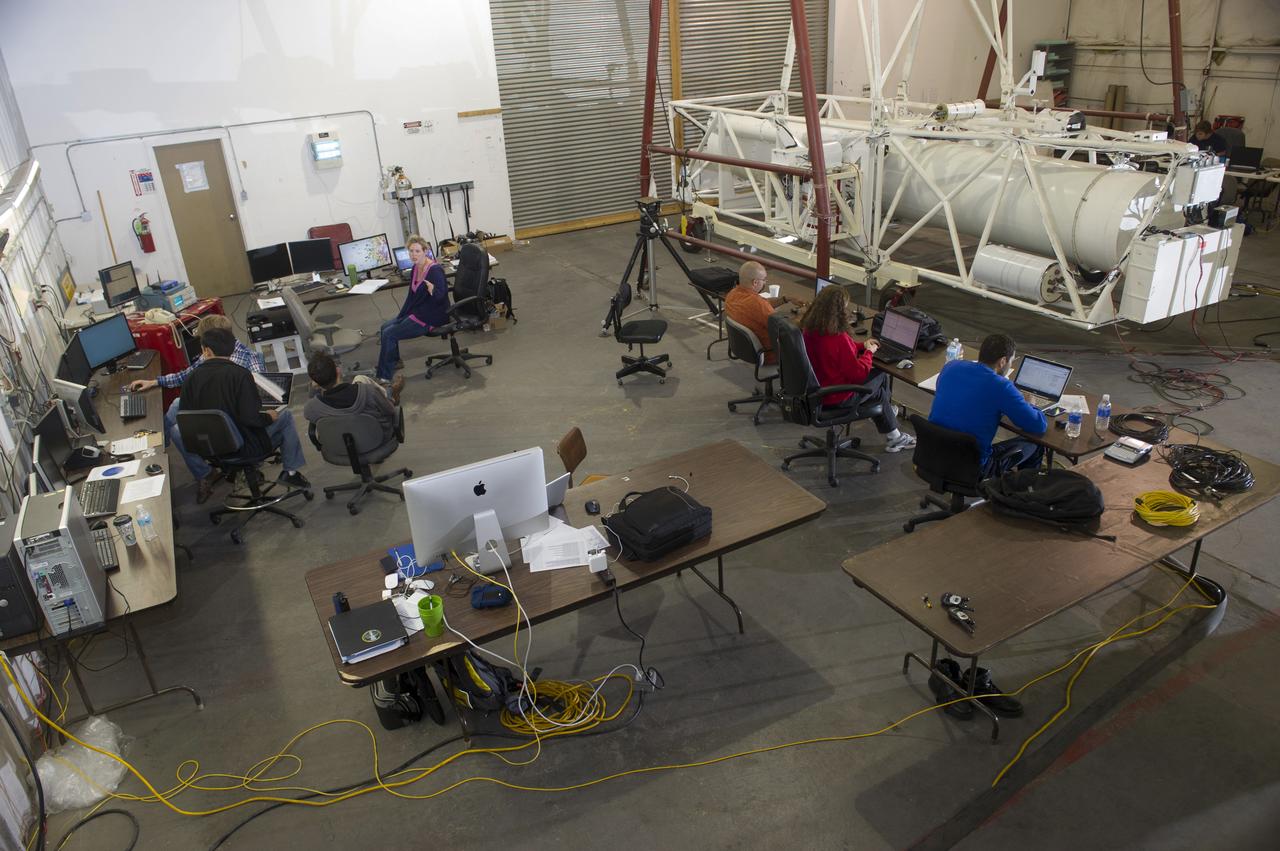
HEROES PAYLOAD AWAITS LAUNCH AS HELIUM BALLOON INFLATES IN BACKGROUND, FORT SUMNER, NEW MEXICO, SEPTEMBER 21, 2013
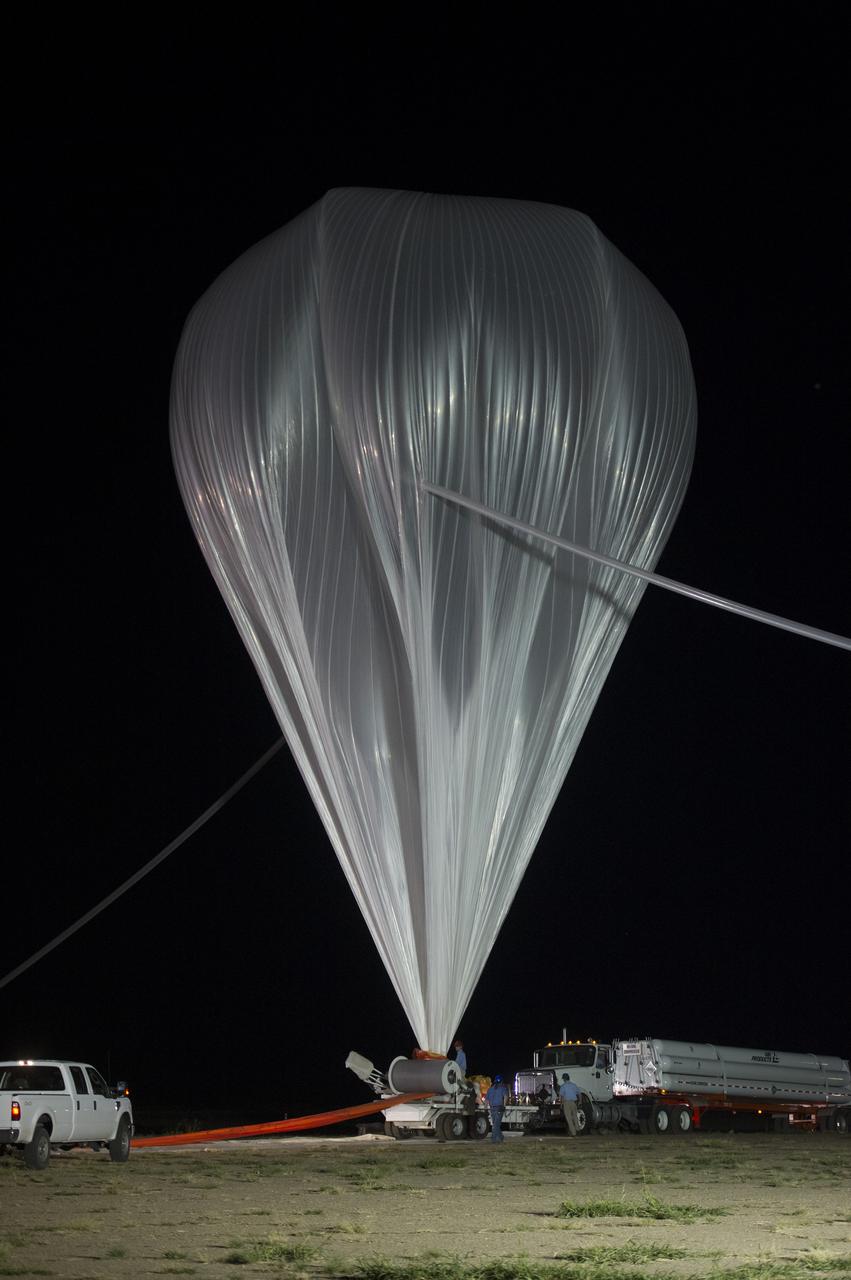
HEROES PAYLOAD AWAITS LAUNCH AS HELIUM BALLOON INFLATES IN BACKGROUND, FORT SUMNER, NEW MEXICO, SEPTEMBER 21, 2013
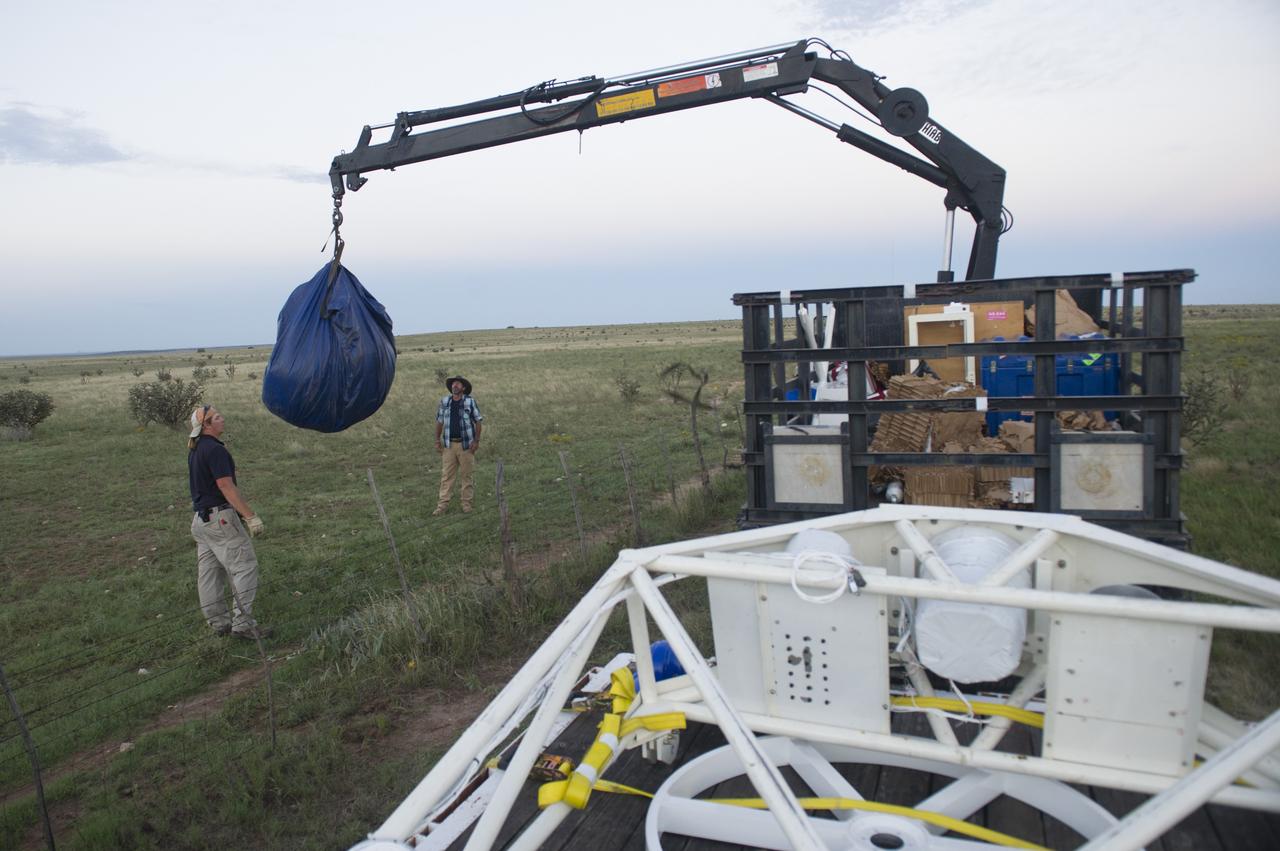
HEROES PAYLOAD AWAITS LAUNCH AS HELIUM BALLOON INFLATES IN BACKGROUND, FORT SUMNER, NEW MEXICO, SEPTEMBER 21, 2013
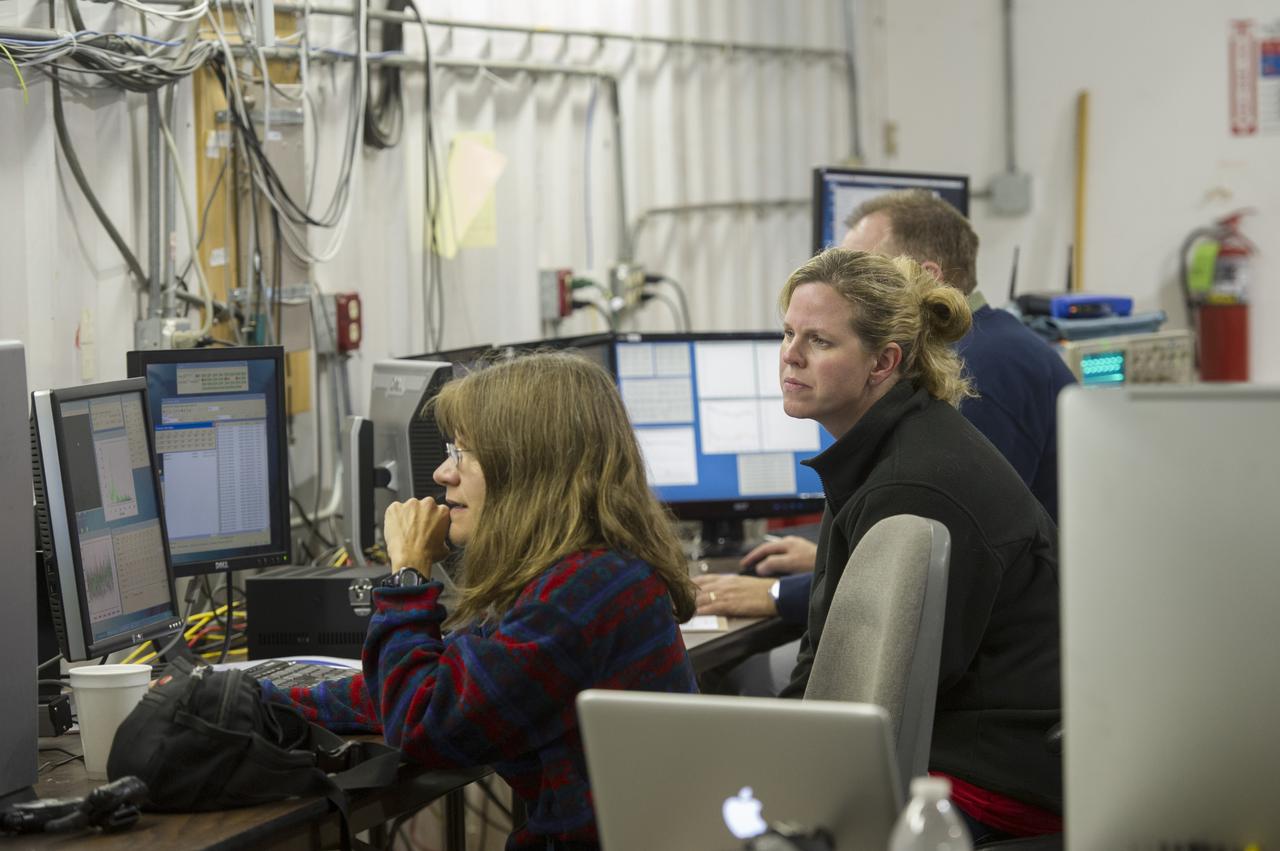
HEROES PAYLOAD AWAITS LAUNCH AS HELIUM BALLOON INFLATES IN BACKGROUND, FORT SUMNER, NEW MEXICO, SEPTEMBER 21, 2013
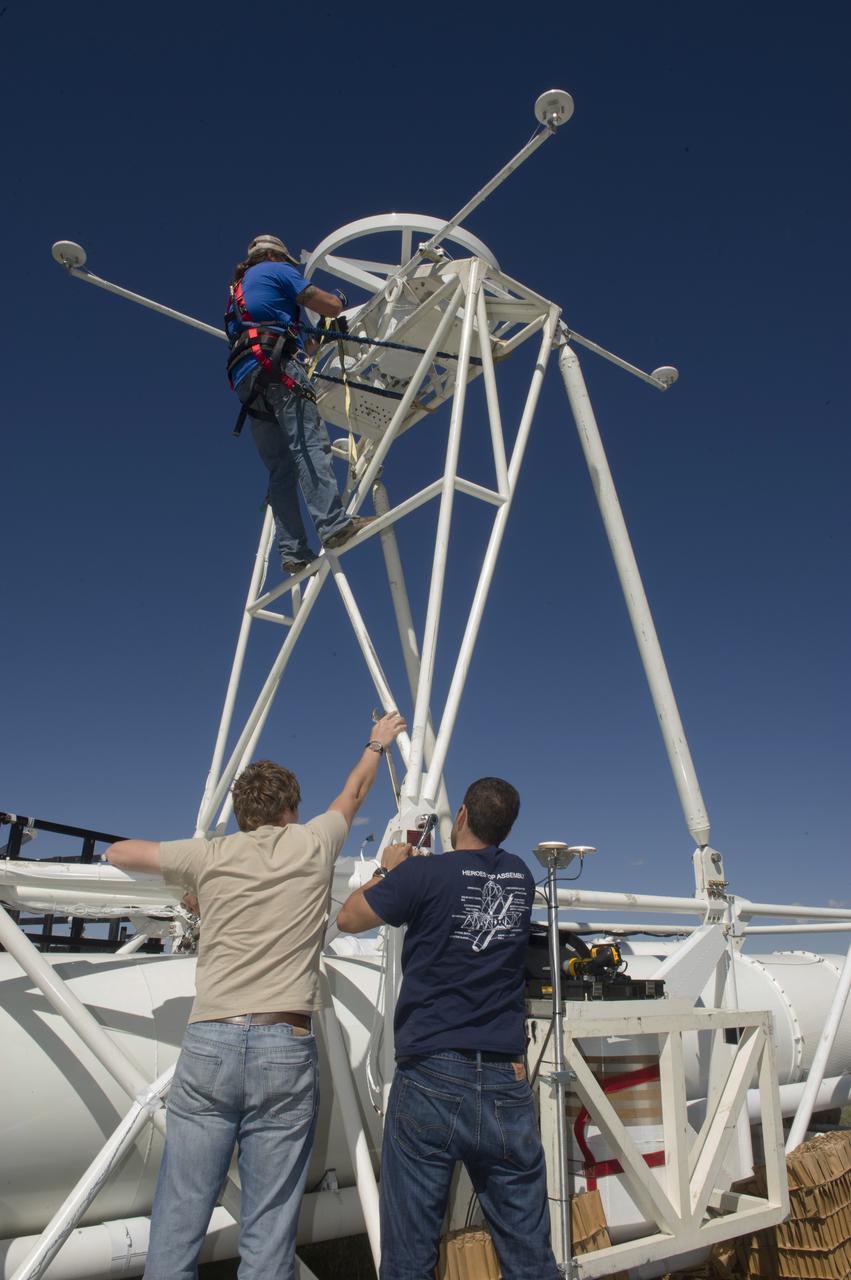
HEROES PAYLOAD AWAITS LAUNCH AS HELIUM BALLOON INFLATES IN BACKGROUND, FORT SUMNER, NEW MEXICO, SEPTEMBER 21, 2013
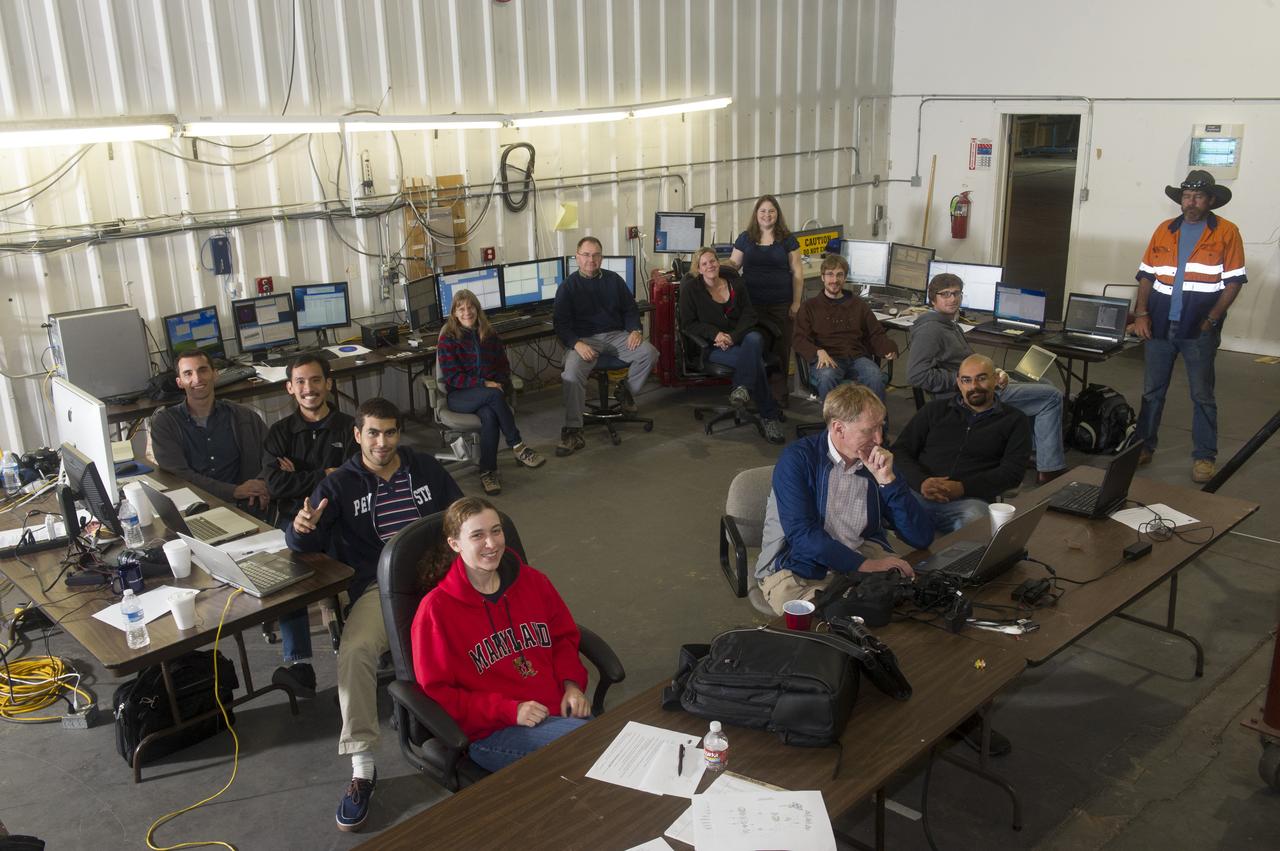
HEROES PAYLOAD AWAITS LAUNCH AS HELIUM BALLOON INFLATES IN BACKGROUND, FORT SUMNER, NEW MEXICO, SEPTEMBER 21, 2013
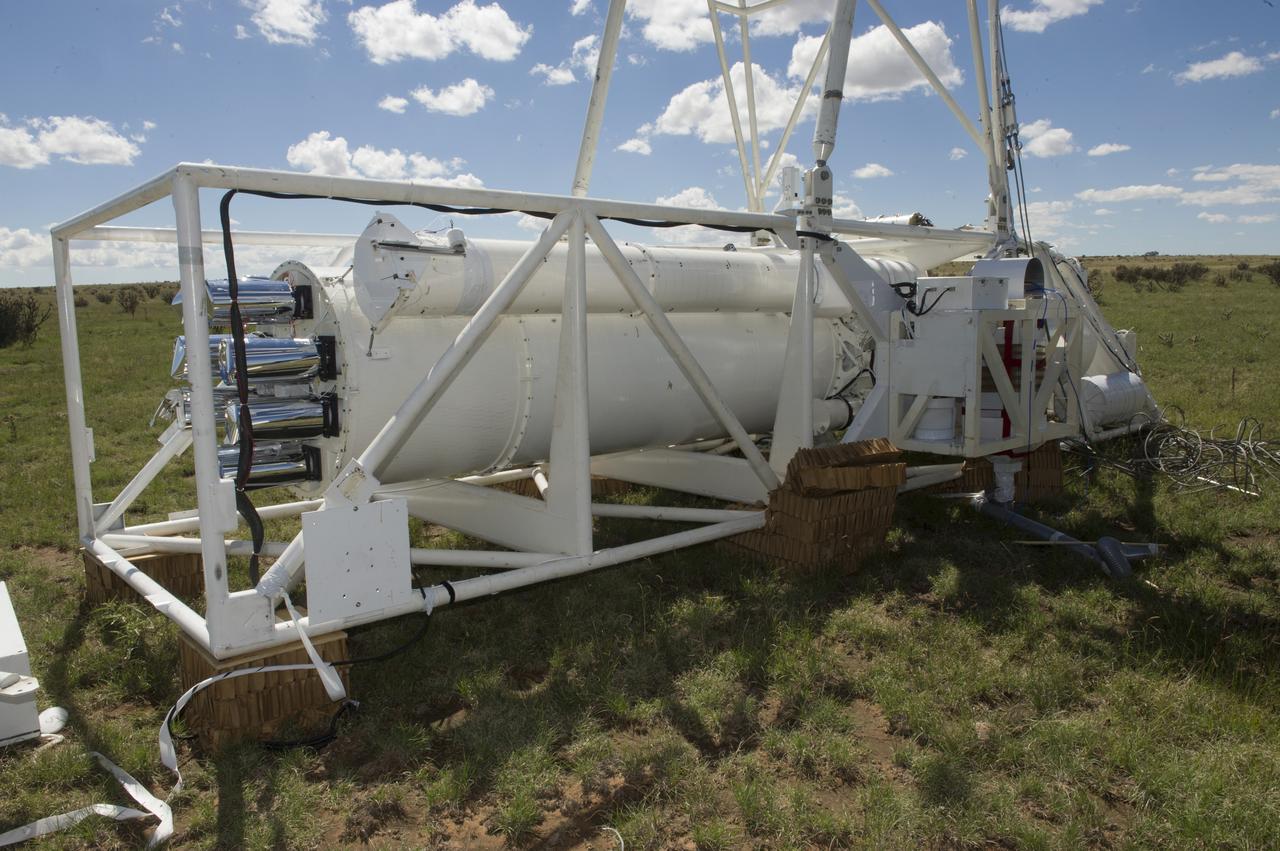
HEROES PAYLOAD AWAITS LAUNCH AS HELIUM BALLOON INFLATES IN BACKGROUND, FORT SUMNER, NEW MEXICO, SEPTEMBER 21, 2013
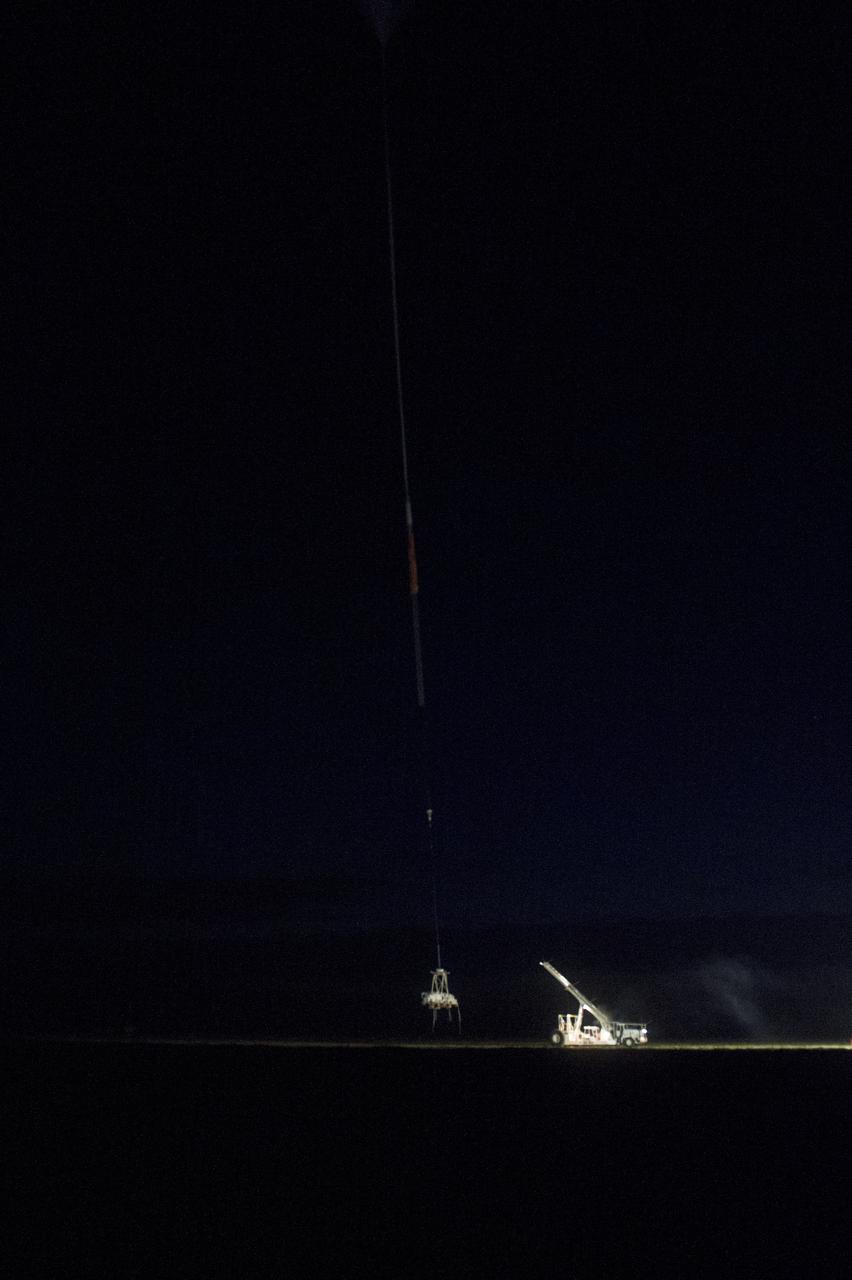
HEROES PAYLOAD AWAITS LAUNCH AS HELIUM BALLOON INFLATES IN BACKGROUND, FORT SUMNER, NEW MEXICO, SEPTEMBER 21, 2013
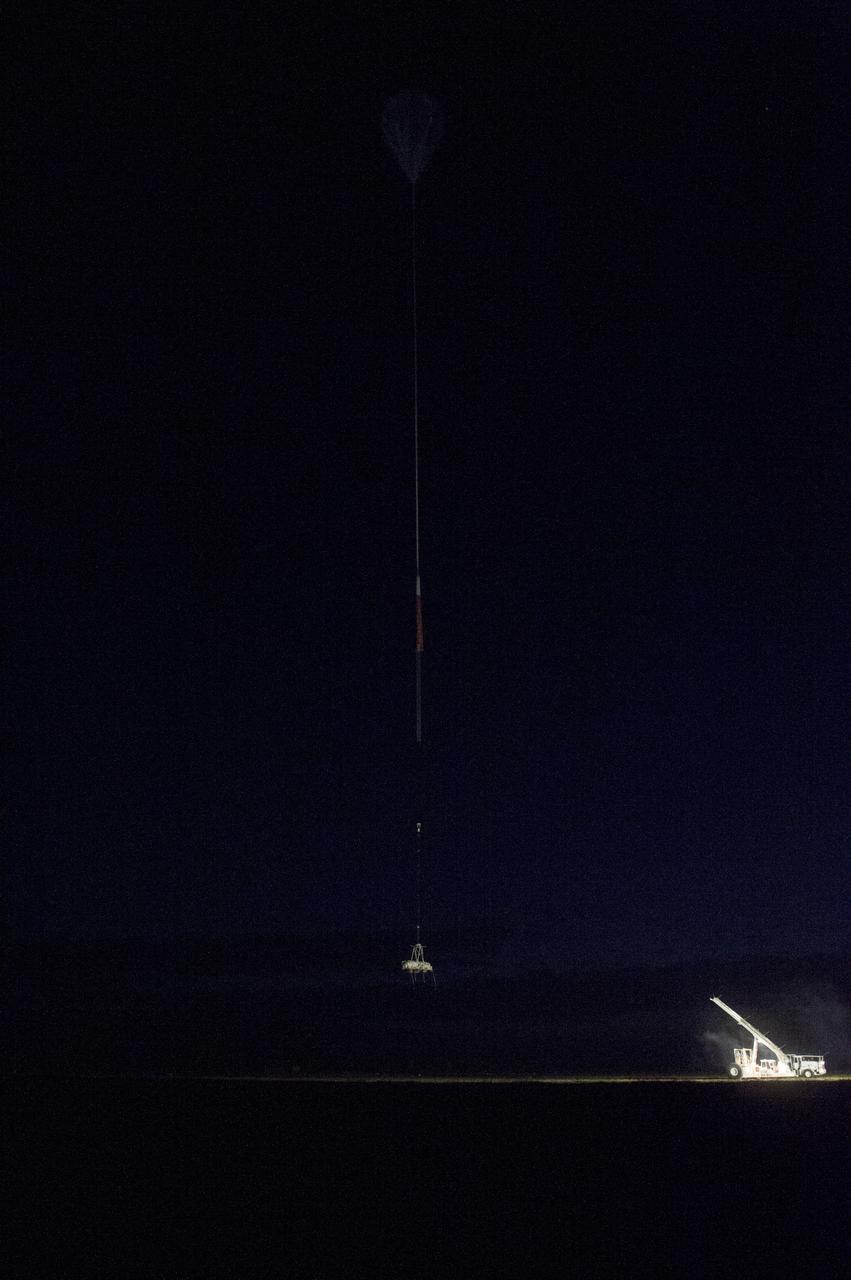
HEROES PAYLOAD AWAITS LAUNCH AS HELIUM BALLOON INFLATES IN BACKGROUND, FORT SUMNER, NEW MEXICO, SEPTEMBER 21, 2013
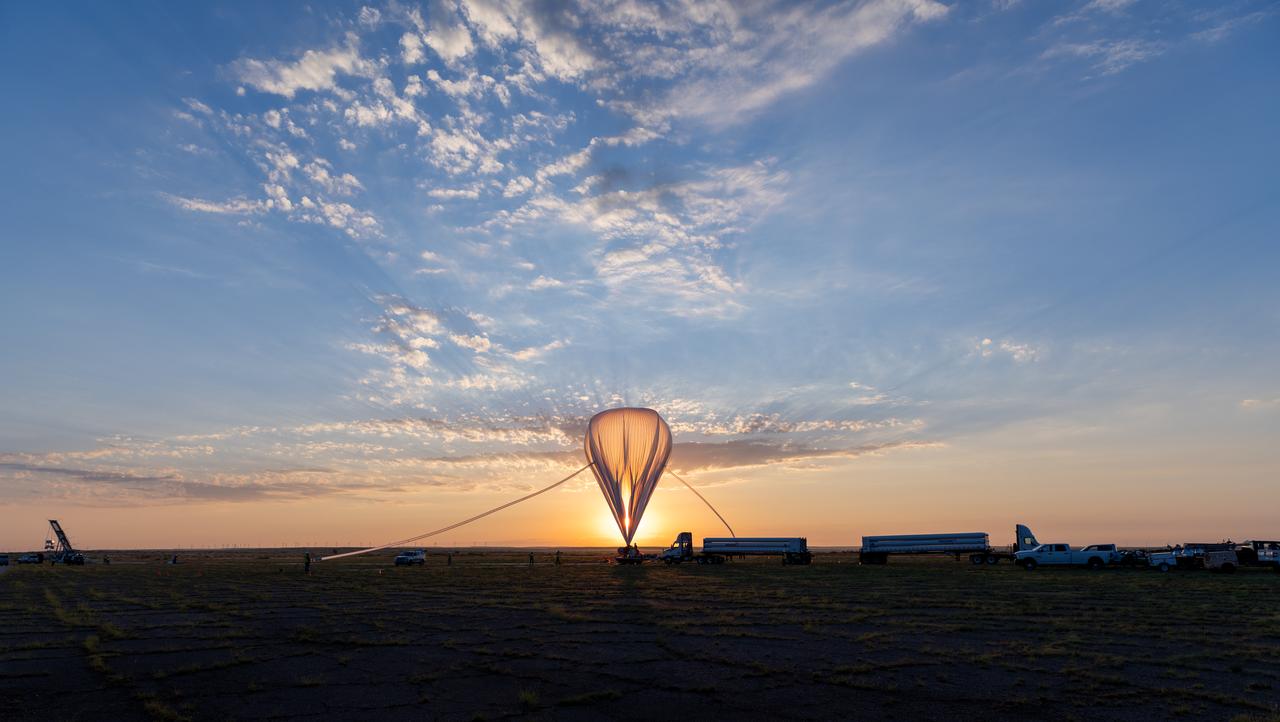
The Scientific balloon eclipses the sun as it fills with helium, and the High Altitude Student Platform awaits launch. On August 28, 2024, the student-run mission launched from a 4-million-cubic-foot balloon for its second flight.

Filling a 4 million cubic foot balloon with Helium for the High Altitude Student Platform 2.0 Mission (HASP).
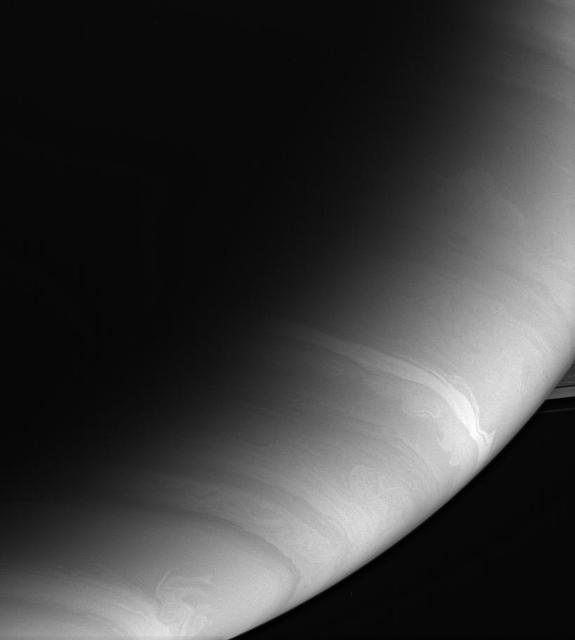
The clouds of Saturn swirl, billow and merge. These bands are layered into stratified cloud decks consisting of droplets of ammonia, ammonium hydrosulfide and water set aloft in a sea of hydrogen and helium

It takes around an hour to fill a 39-million-cubic-foot scientific balloon with helium. The EXCITE telescope is poised for launch as the day breaks on August 31st, 2024.
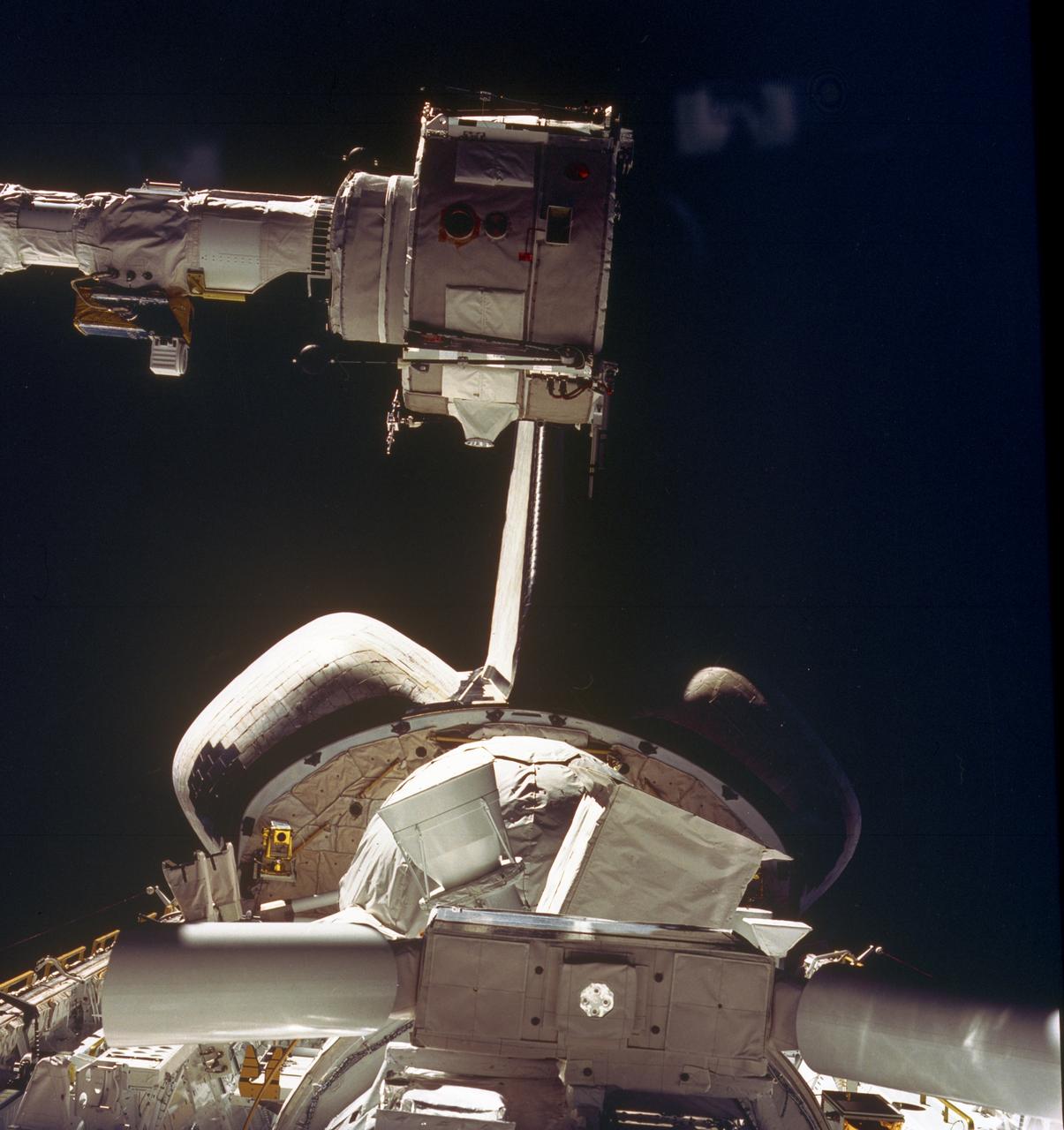
This STS-51F mission onboard Photograph shows some of the Spacelab-2 instruments in the cargo bay of the Orbiter Challenger. The Plasma Diagnostics Package (PDP). shown at the end of the Remote Manipulator System (RMS), used instruments on a subsatellite to study natural plasma processes, orbiter-induced plasma processes, and beam plasma physics. Fourteen instruments were mounted on the PDP for measurements of various plasma characteristics. The X-ray Telescope (XRT), is at the front. The goal of this investigation was to image and examine the X-ray emissions from clusters of galaxies in order to study the mechanisms that cause high-temperature emissions and to determine the weight of galactic clusters. The Small Helium-Cooled Infrared Telescope (IRT) is at the right behind the XRT. The objective of this investigation was to measure and map diffused and discrete infrared astronomical sources while evaluating the Space Shuttle as a platform for infrared astronomy. At the same time, a new large superfluid helium dewar system for cooling the telescope was evaluated. The egg-shaped Cosmic Ray Nuclei experiment (CRNE) is shown at the rear. This investigation was to study the composition of high-energy cosmic rays by using a large instrument exposed to space for a considerable period of time. Spacelab-2 (STS-51F, 19th Shuttle mission) was launched aboard the Space Shuttle Orbiter Challenger on July 29, 1985.

A model of the interior of Jupiter is compared with that of Earth, to scale. Jupiter is mostly hydrogen, with some helium and a dusting of heavier elements. The gas giant's outer envelope is in the form of molecular hydrogen and, beneath that, the hydrogen transitions to metallic hydrogen. Most models include a layer of metallic hydrogen stabilized by exsolution of helium (aka "helium rain") at the top of the metallic hydrogen region. https://photojournal.jpl.nasa.gov/catalog/PIA25062
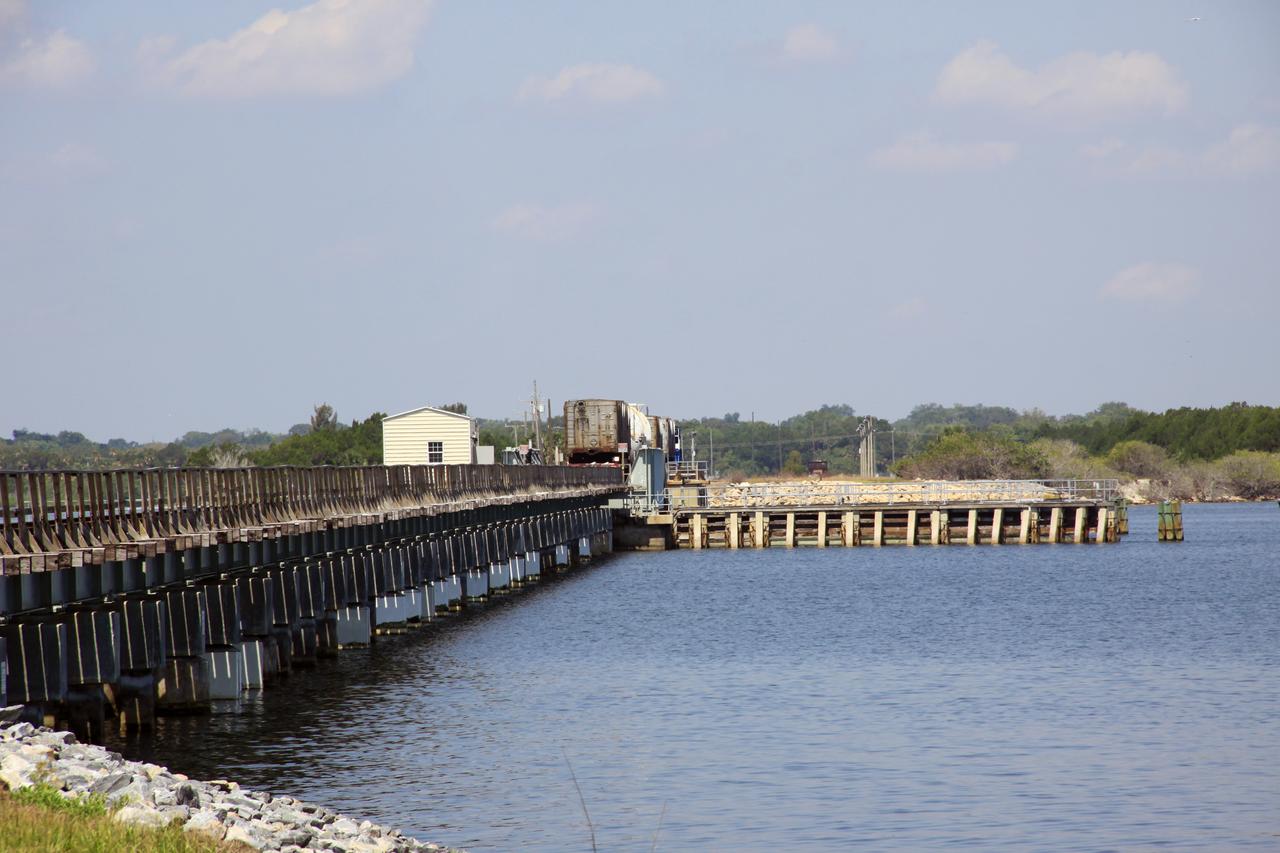
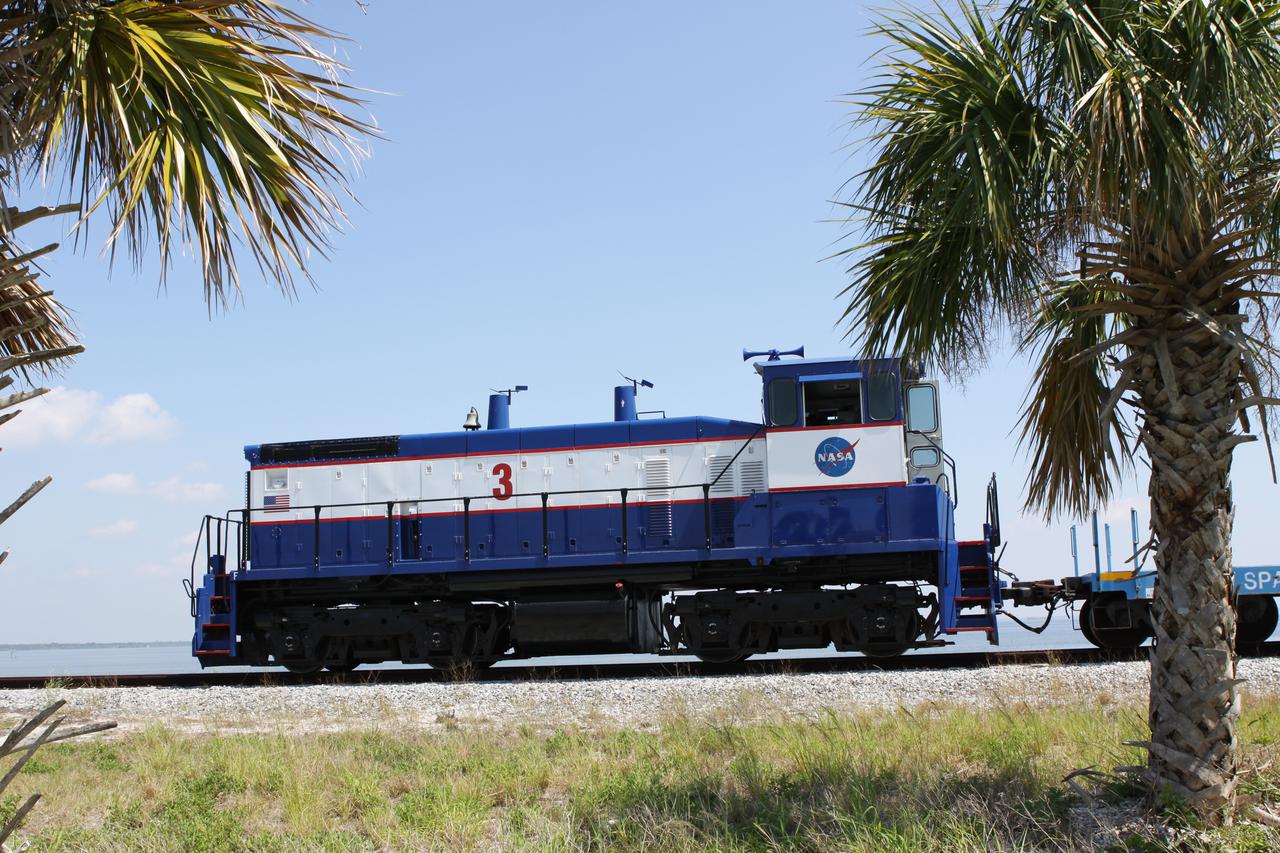
Train Leaves with Helium Tanks for Space X in Texas
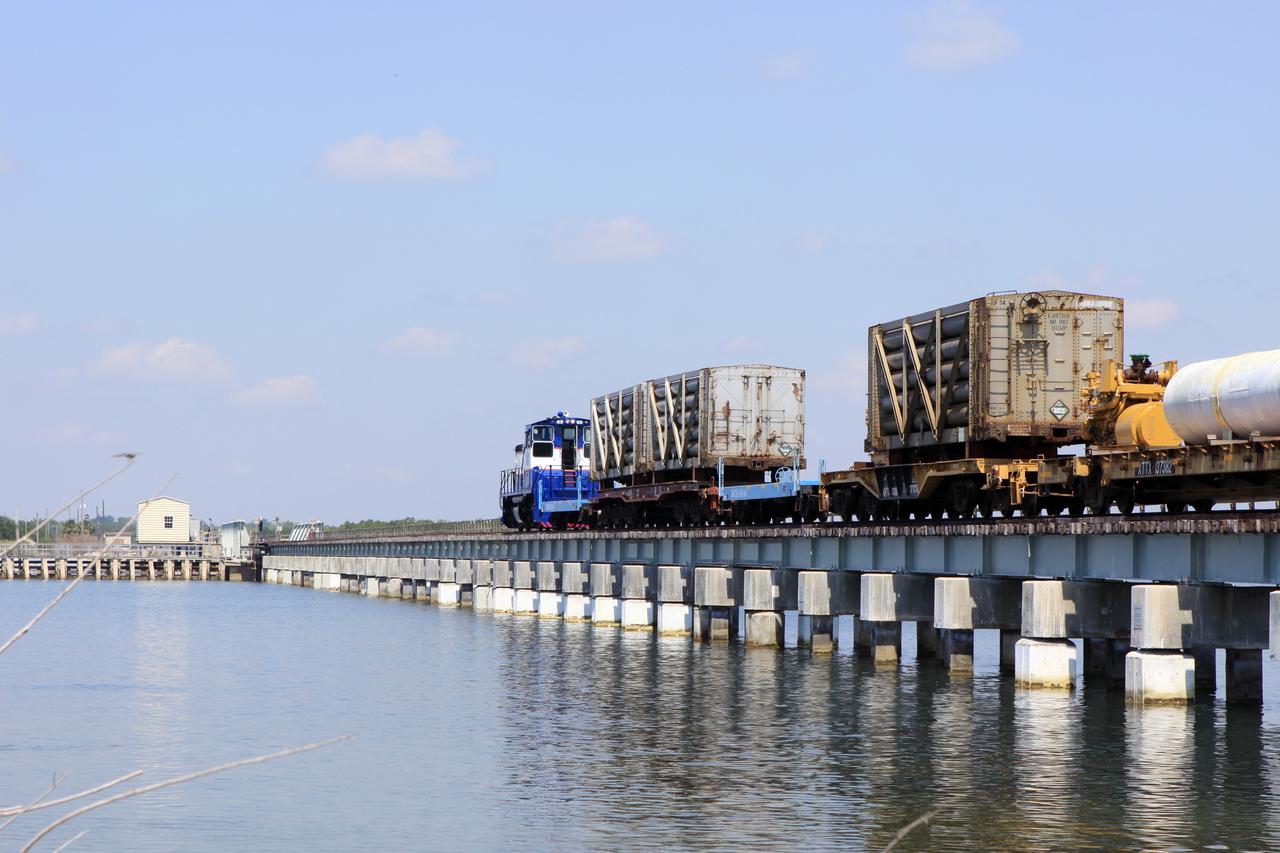
Train Leaves with Helium Tanks for Space X in Texas
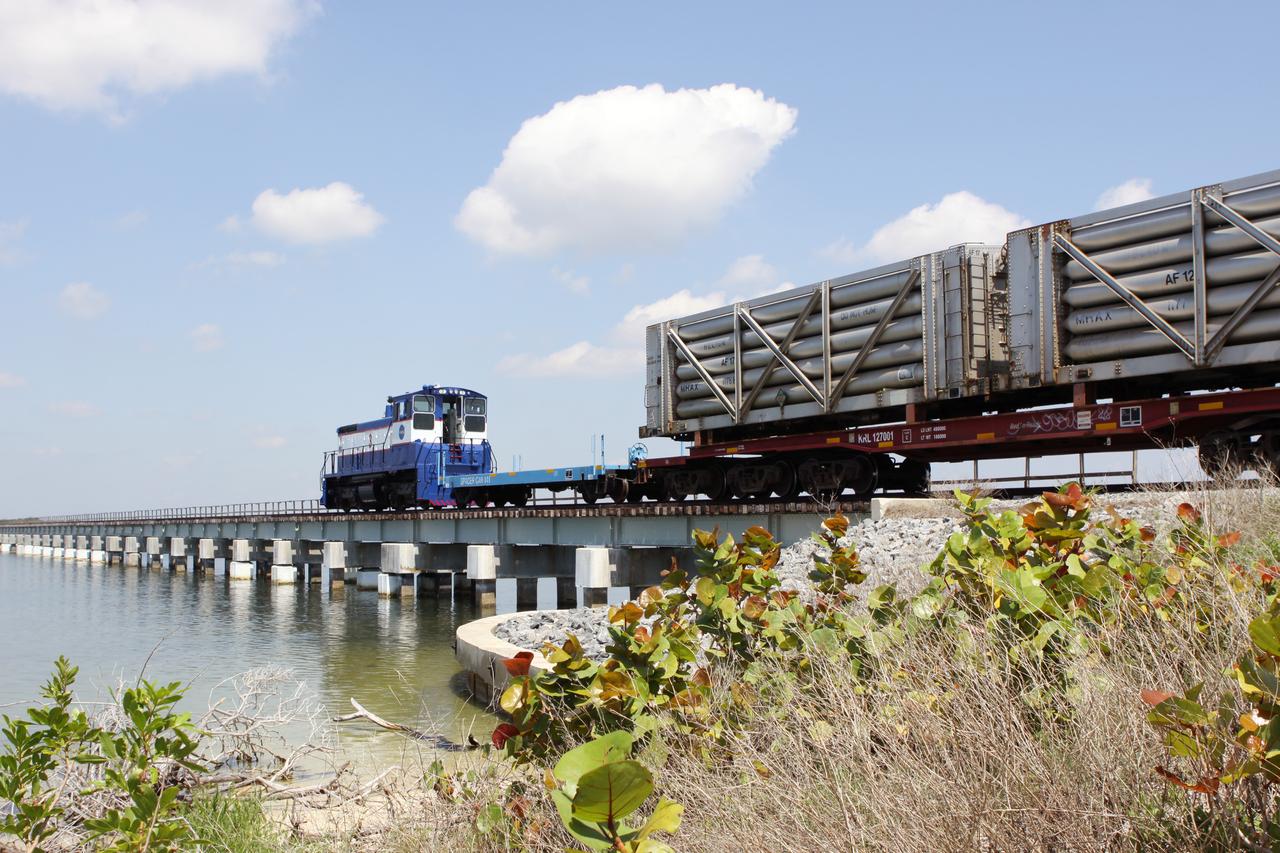
Train Leaves with Helium Tanks for Space X in Texas
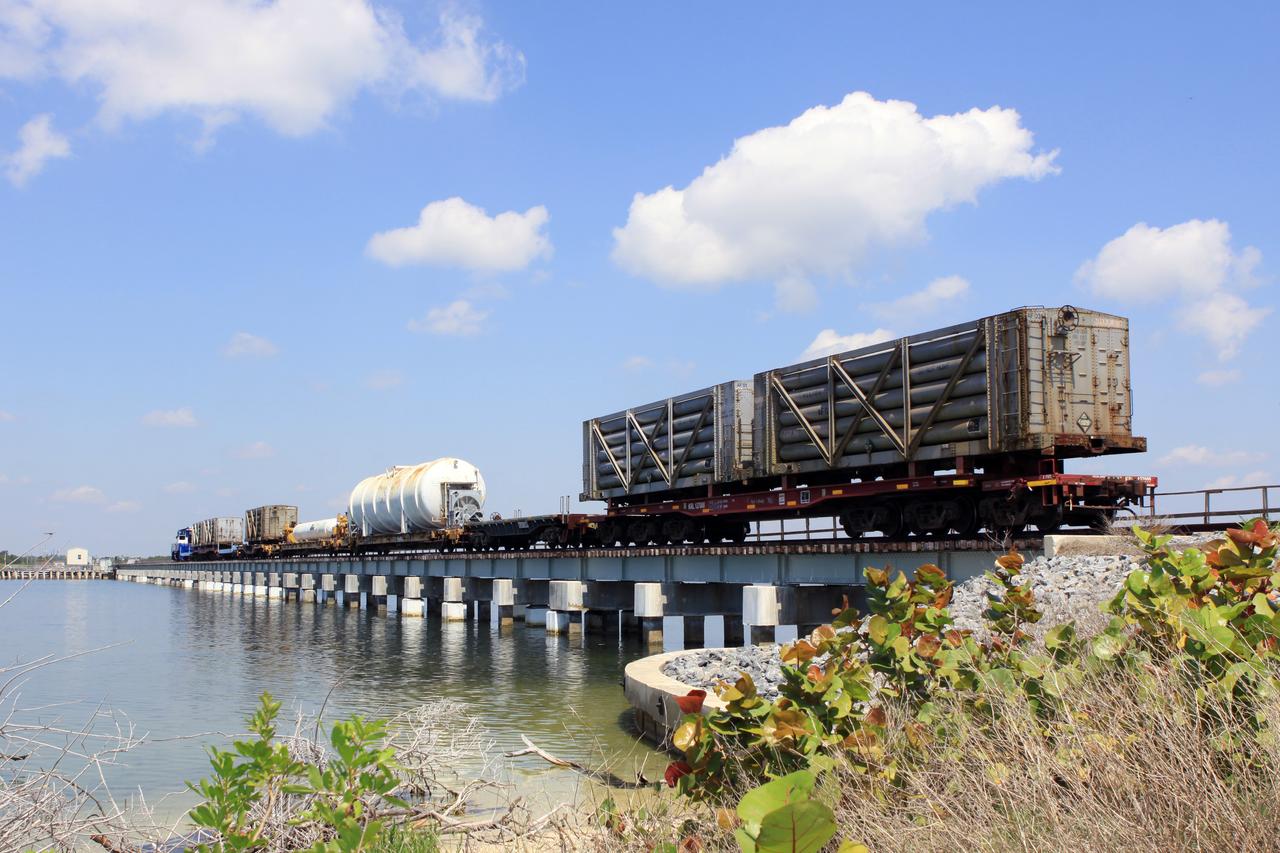
Train Leaves with Helium Tanks for Space X in Texas
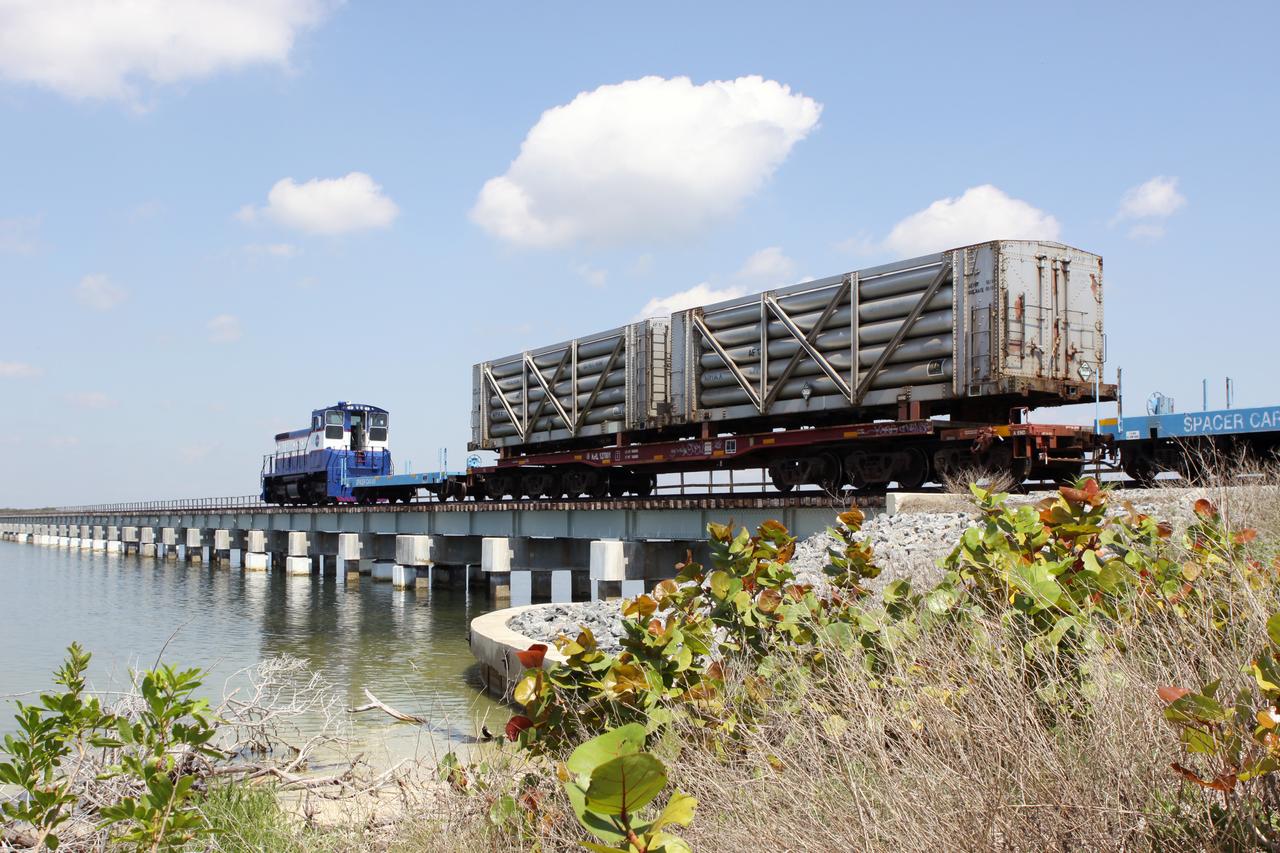
Train Leaves with Helium Tanks for Space X in Texas
Train Leaves with Helium Tanks for Space X in Texas
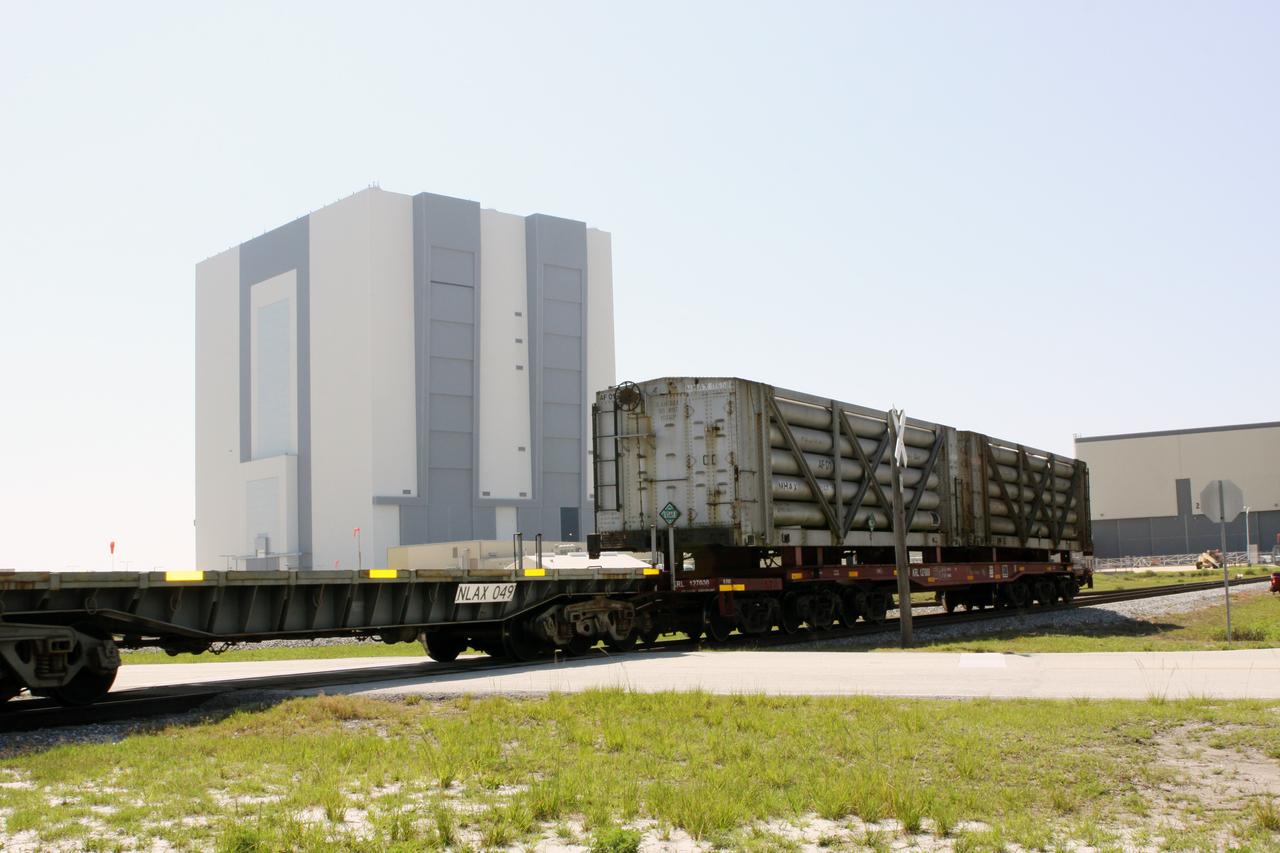
Train Leaves with Helium Tanks for Space X in Texas
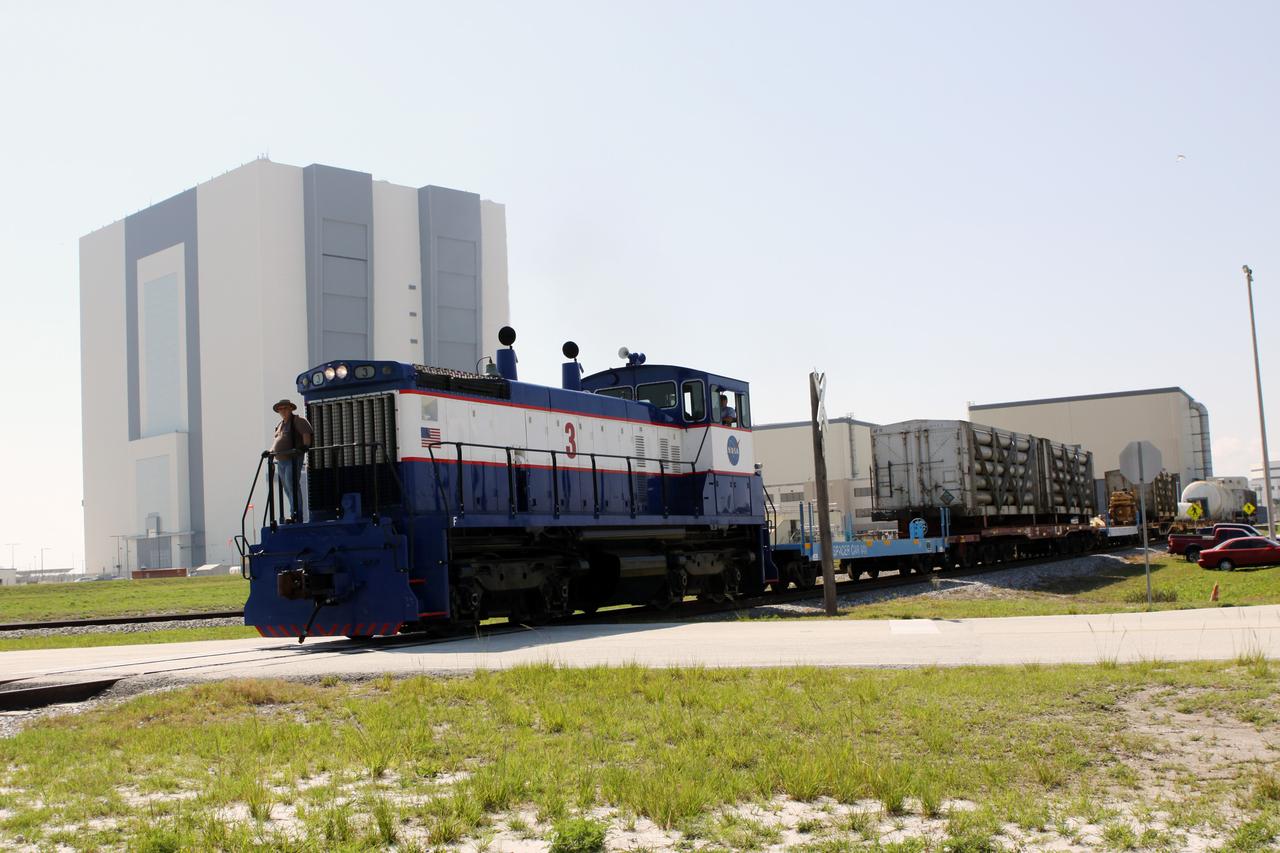
Train Leaves with Helium Tanks for Space X in Texas
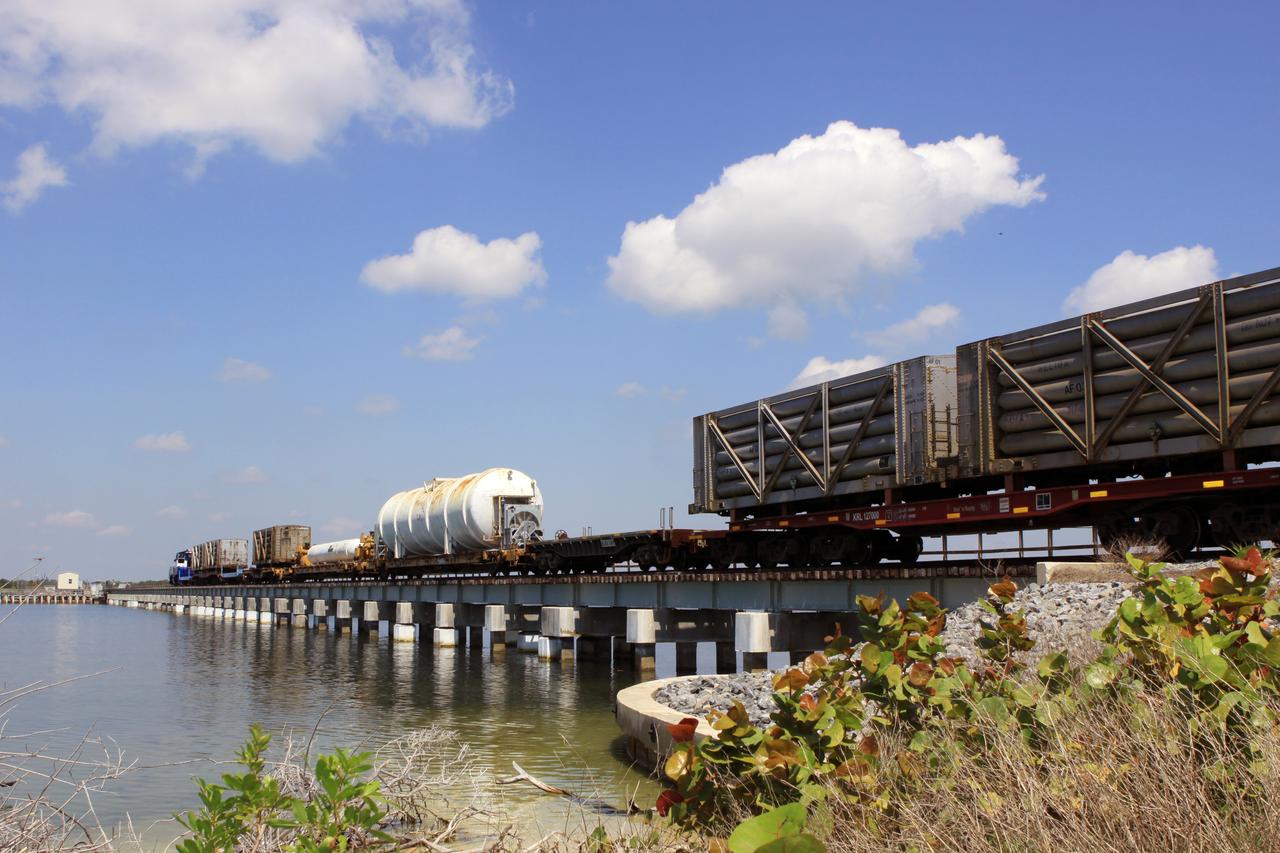
Train Leaves with Helium Tanks for Space X in Texas

Train Leaves with Helium Tanks for Space X in Texas
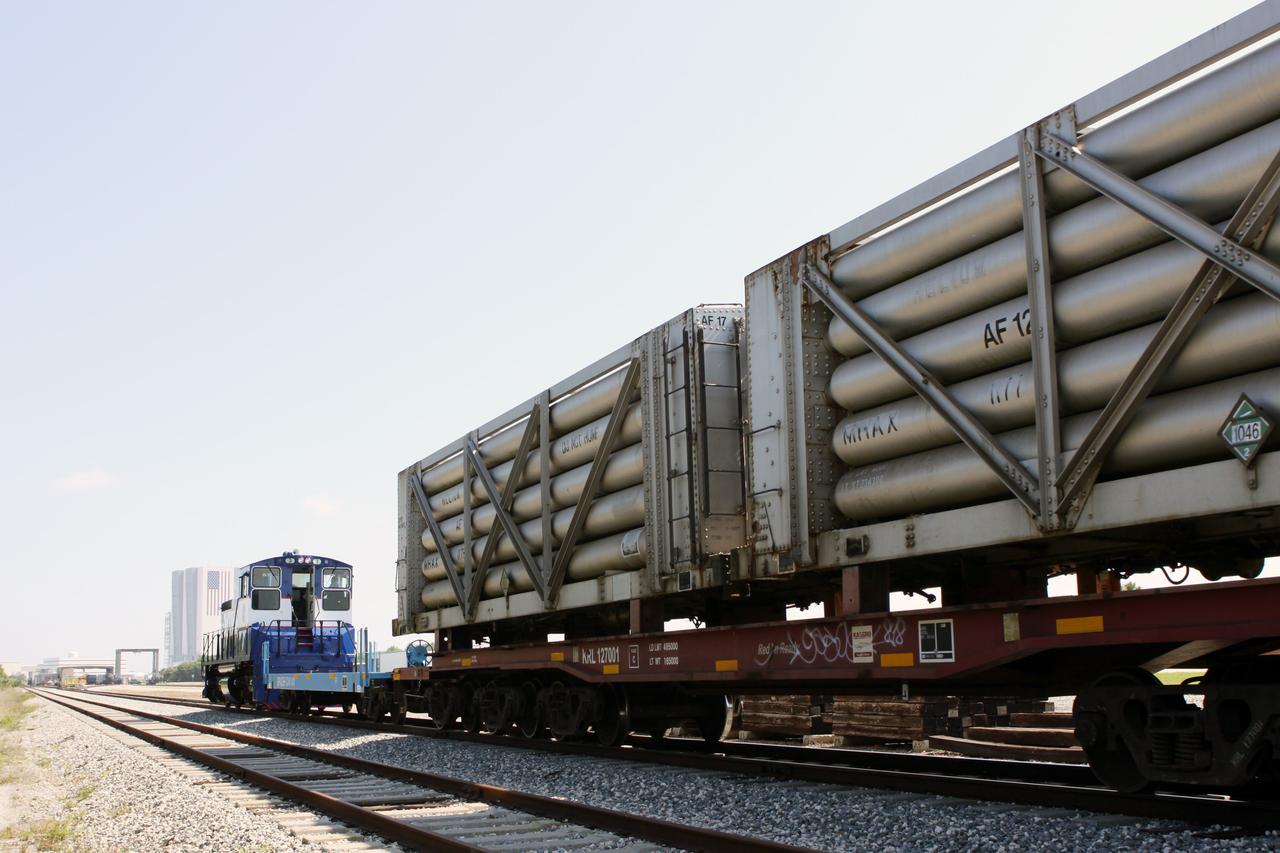
Train Leaves with Helium Tanks for Space X in Texas

Train Leaves with Helium Tanks for Space X in Texas

Train Leaves with Helium Tanks for Space X in Texas
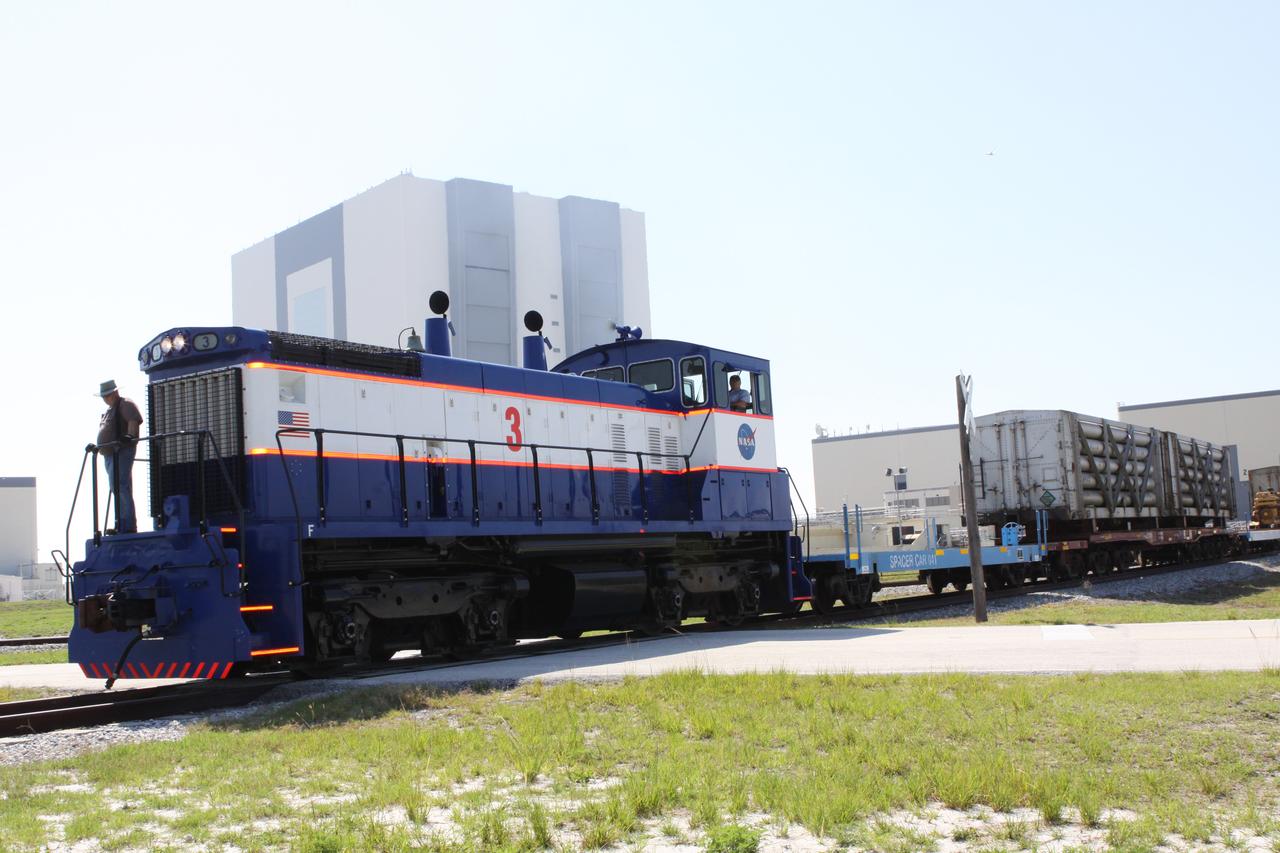
Train Leaves with Helium Tanks for Space X in Texas
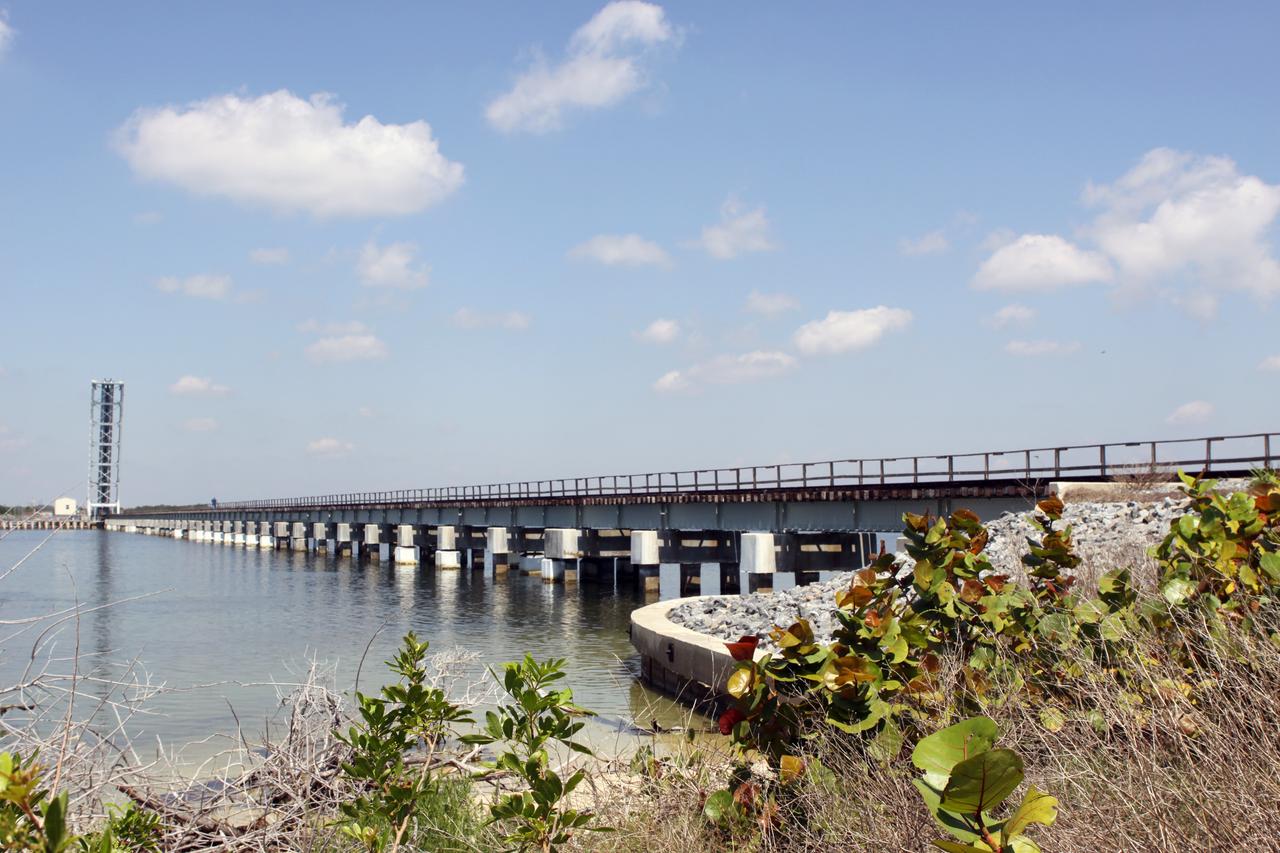
Train Leaves with Helium Tanks for Space X in Texas
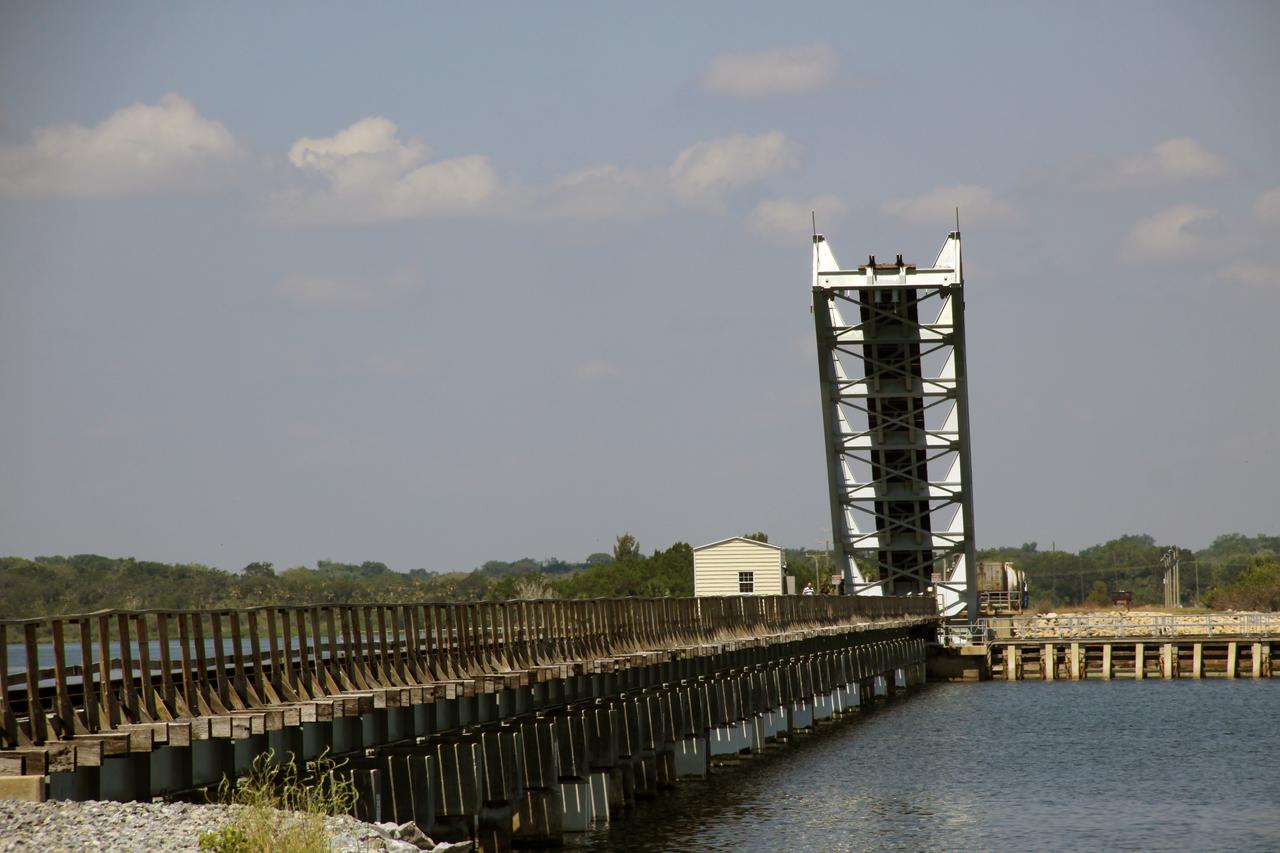
Train Leaves with Helium Tanks for Space X in Texas
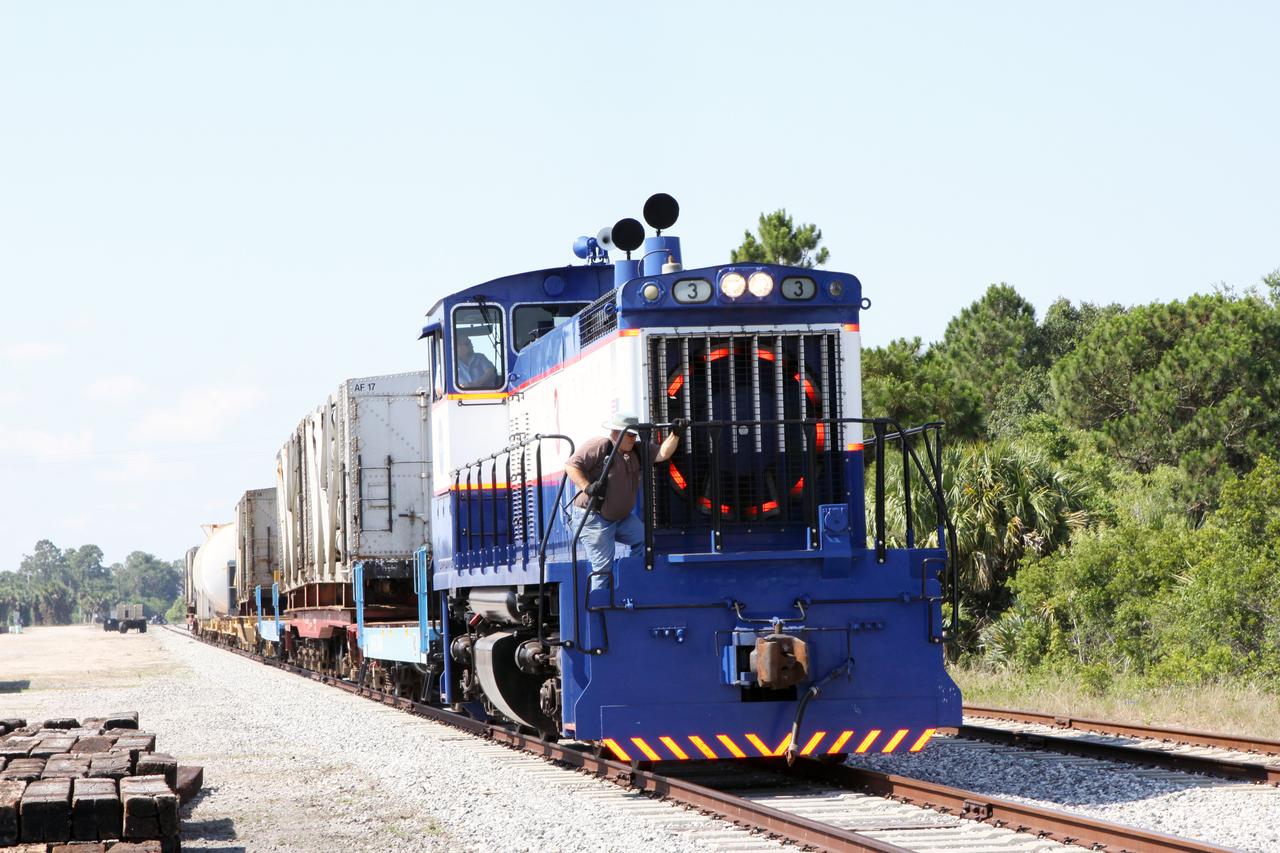
Train Leaves with Helium Tanks for Space X in Texas
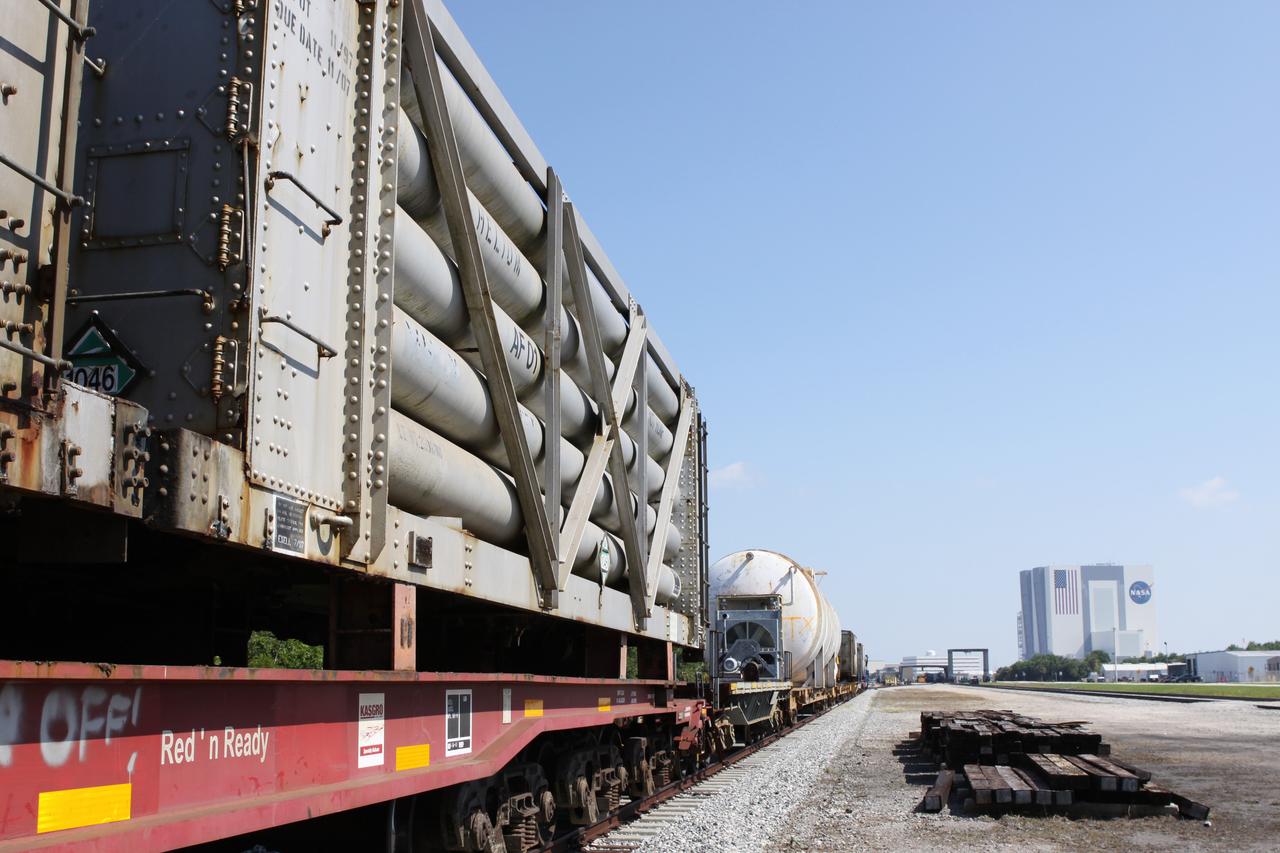
Train Leaves with Helium Tanks for Space X in Texas

Helium Tanks & Generators Loaded onto Train for SpaceX Launch in California
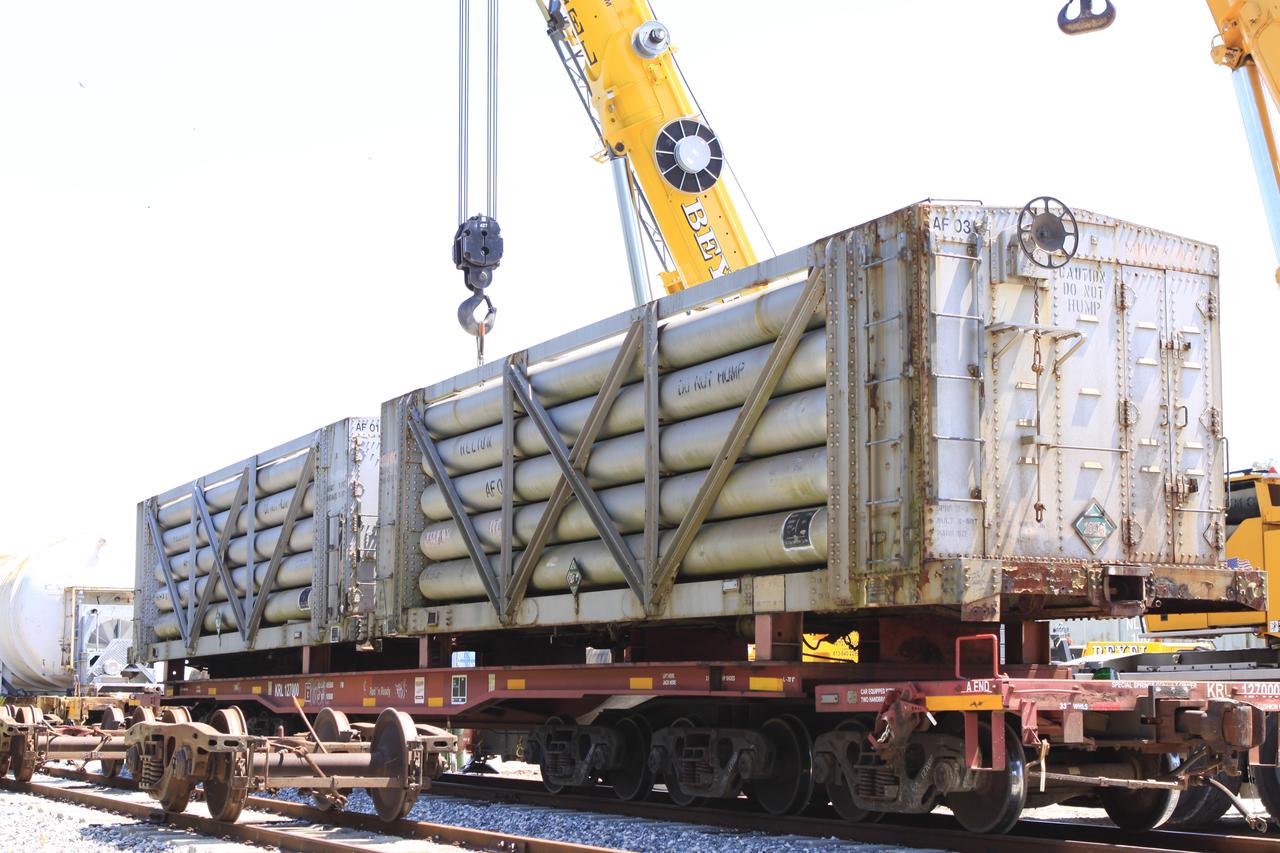
Helium Tanks & Generators Loaded onto Train for SpaceX Launch in California
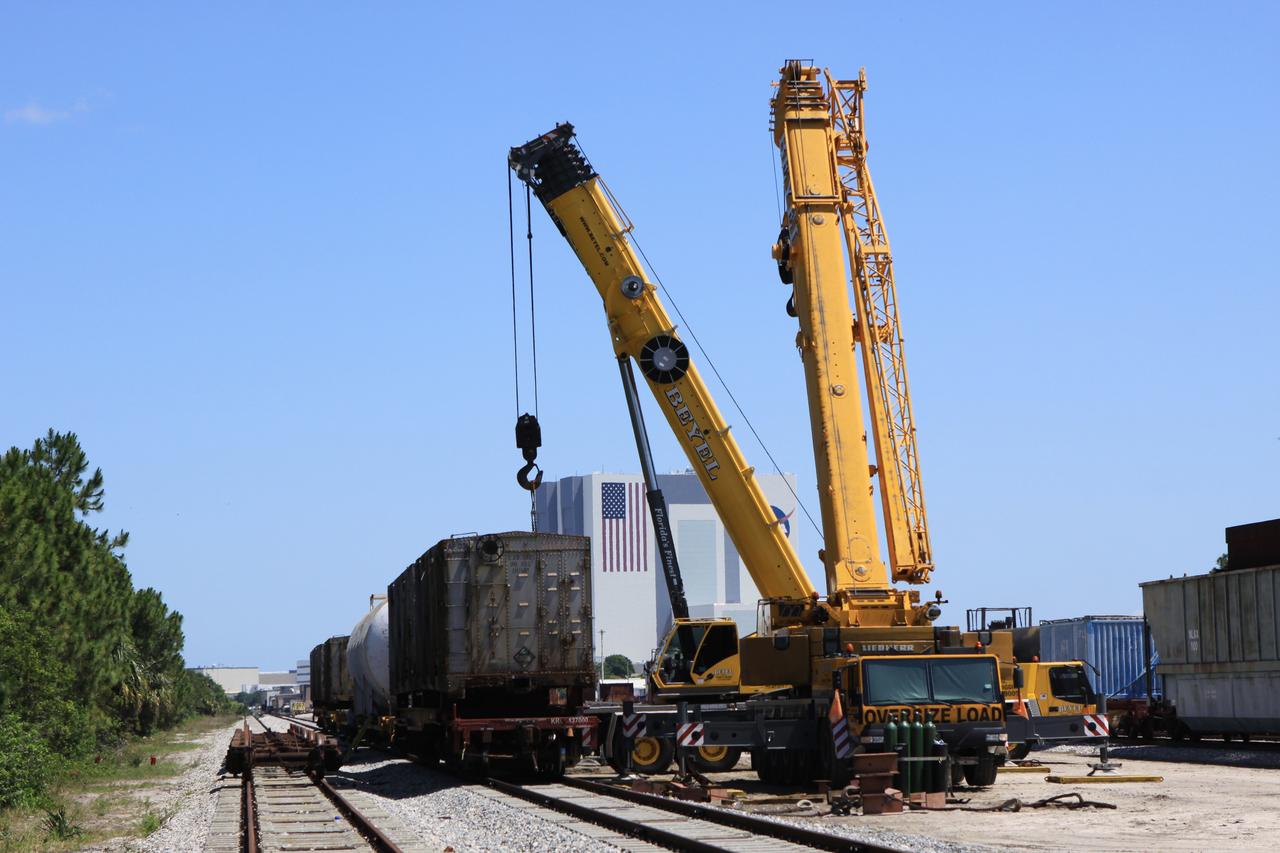
Helium Tanks & Generators Loaded onto Train for SpaceX Launch in California
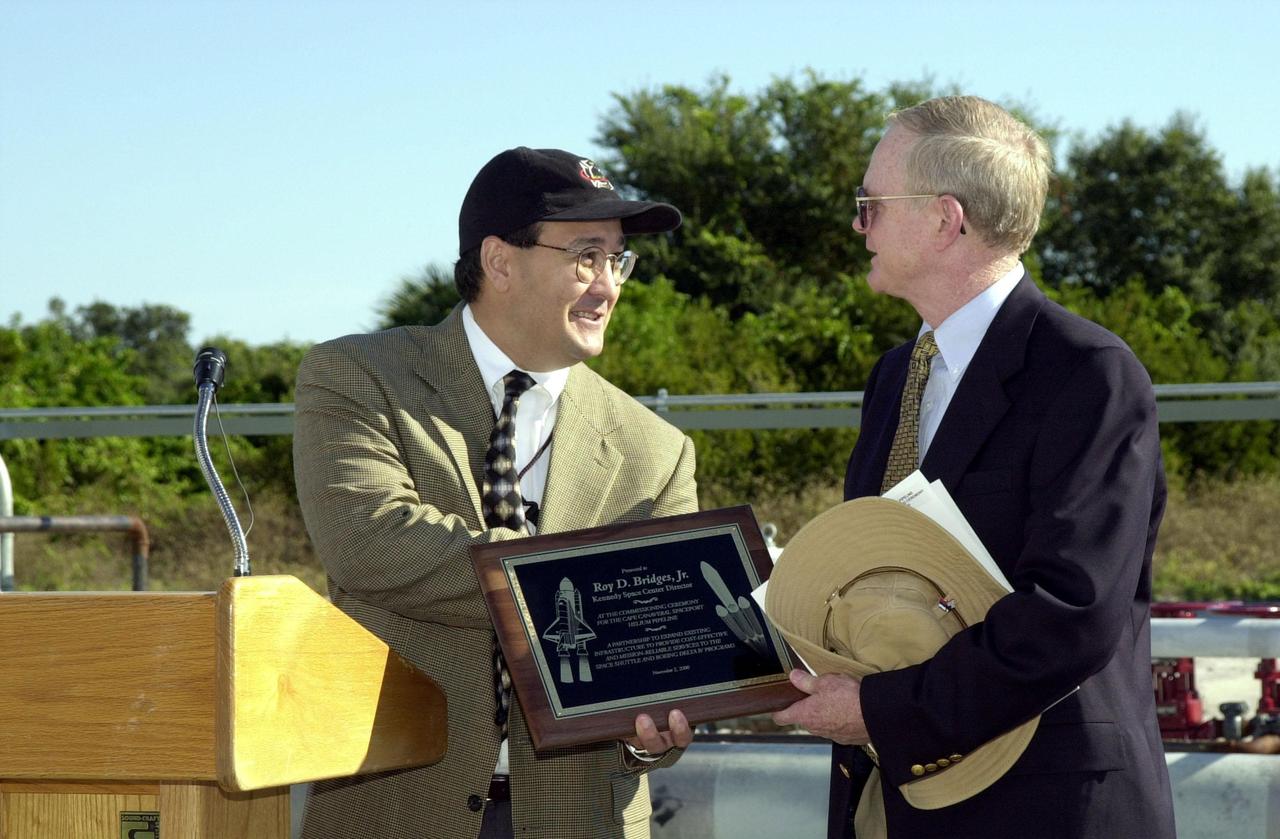
At the commissioning of a new high-pressure helium pipeline at Kennedy Space Center, Ramon Lugo, acting executive director, JPMO , presents a plaque to Center Director Roy Bridges. The pipeline will service launch needs at the new Delta IV Complex 37 at Cape Canaveral Air Force Station. Others at the ceremony were Jerry Jorgensen, pipeline project manager, Space Gateway Support (SGS); Col. Samuel Dick, representative of the 45th Space Wing; David Herst, director, Delta IV Launch Sites; Pierre Dufour, president and CEO, Air Liquide America Corporation; and Michael Butchko, president, SGS. The nine-mile-long buried pipeline will also serve as a backup helium resource for Shuttle launches. Nearly one launch’s worth of helium will be available in the pipeline to support a Shuttle pad in an emergency. The line originates at the Helium Facility on KSC and terminates in a meter station at the perimeter of the Delta IV launch pad
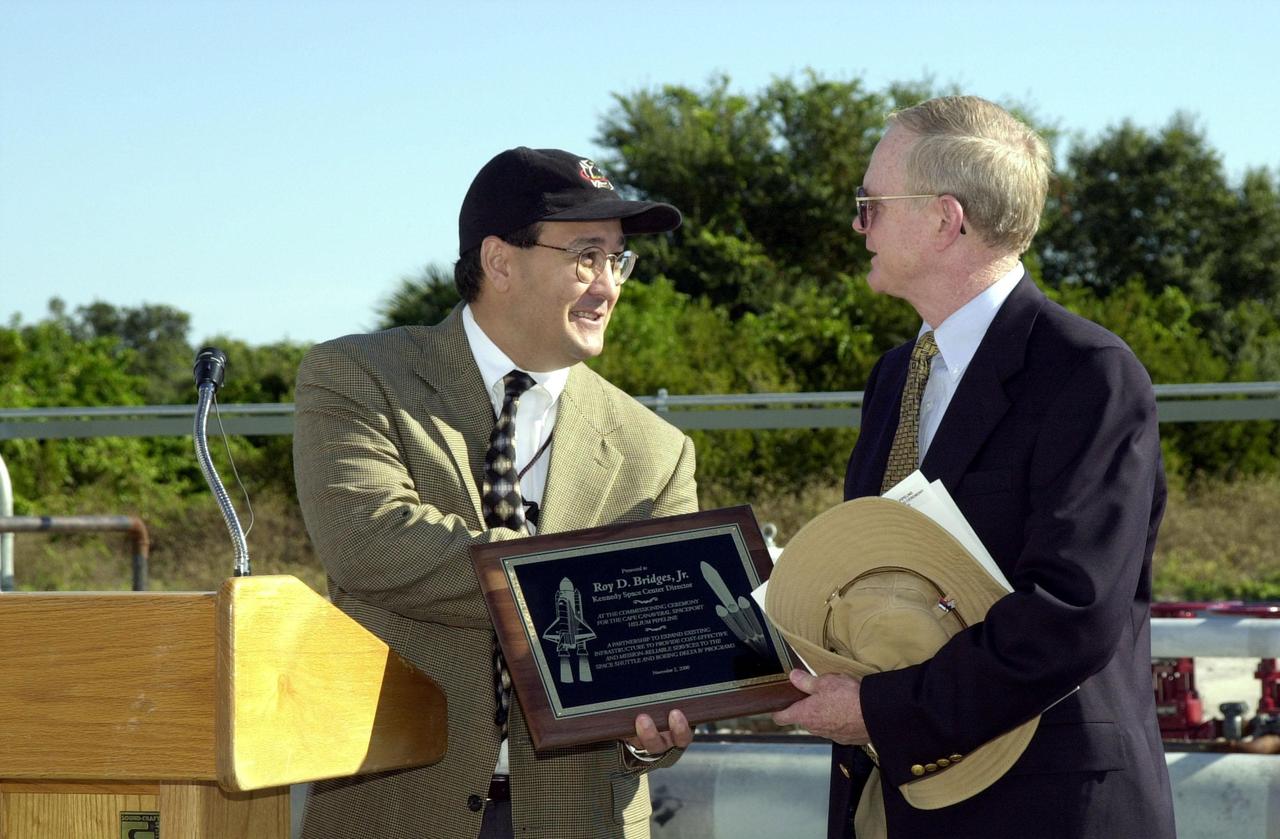
At the commissioning of a new high-pressure helium pipeline at Kennedy Space Center, Ramon Lugo, acting executive director, JPMO , presents a plaque to Center Director Roy Bridges. The pipeline will service launch needs at the new Delta IV Complex 37 at Cape Canaveral Air Force Station. Others at the ceremony were Jerry Jorgensen, pipeline project manager, Space Gateway Support (SGS); Col. Samuel Dick, representative of the 45th Space Wing; David Herst, director, Delta IV Launch Sites; Pierre Dufour, president and CEO, Air Liquide America Corporation; and Michael Butchko, president, SGS. The nine-mile-long buried pipeline will also serve as a backup helium resource for Shuttle launches. Nearly one launch’s worth of helium will be available in the pipeline to support a Shuttle pad in an emergency. The line originates at the Helium Facility on KSC and terminates in a meter station at the perimeter of the Delta IV launch pad
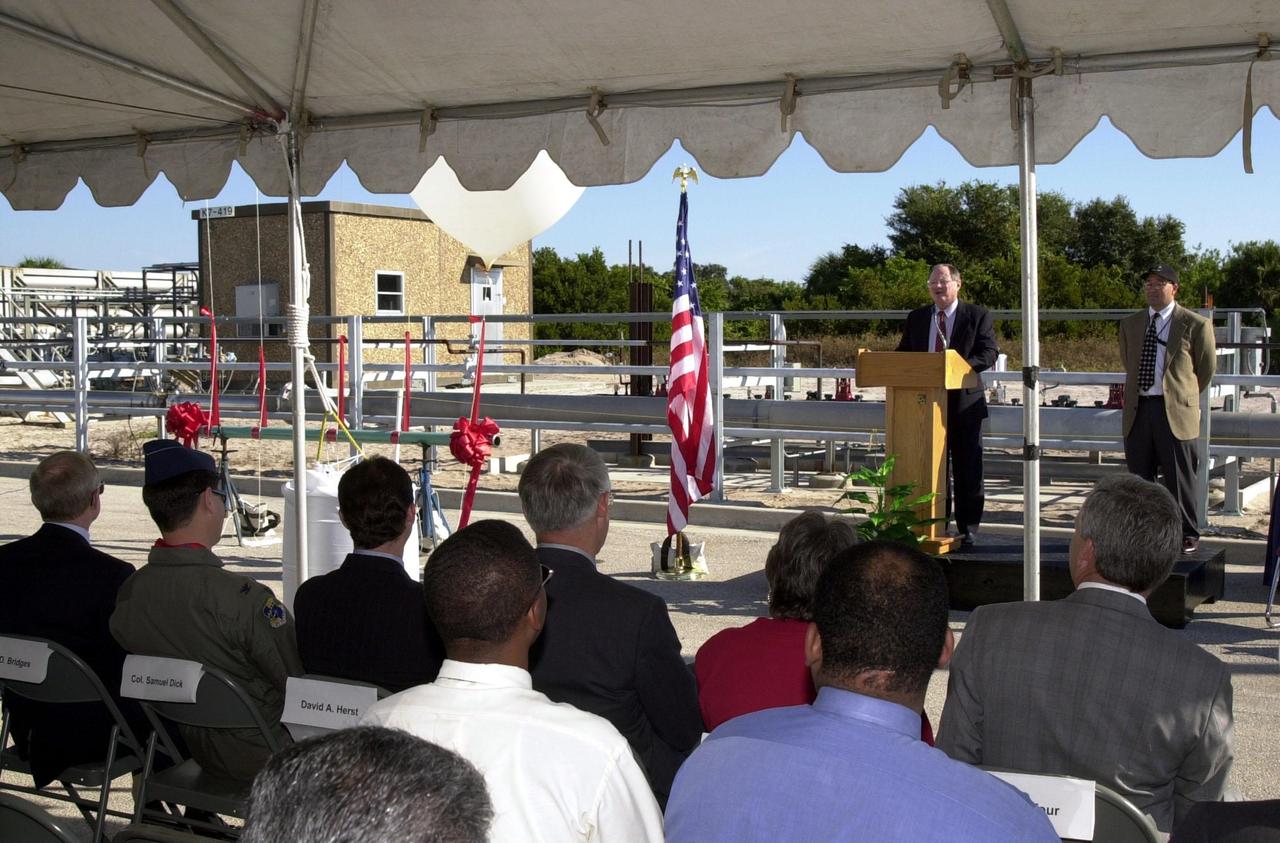
Jerry Jorgensen welcomes the audience to the commissioning of a new high-pressure helium pipeline at Kennedy Space Center. Jorgensen, with Space Gateway Support (SGS), is the pipeline project manager. To the right is Ramon Lugo, acting executive director, JPMO. Others at the ceremony were Center Director Roy Bridges; Col. Samuel Dick, representative of the 45th Space Wing; David Herst, director, Delta IV Launch Sites; Pierre Dufour, president and CEO, Air Liquide America Corporation; and Michael Butchko, president, SGS. The pipeline will service launch needs at the new Delta IV Complex 37 at Cape Canaveral Air Force Station. The nine-mile-long buried pipeline will also serve as a backup helium resource for Shuttle launches. Nearly one launch’s worth of helium will be available in the pipeline to support a Shuttle pad in an emergency. The line originates at the Helium Facility on KSC and terminates in a meter station at the perimeter of the Delta IV launch pad
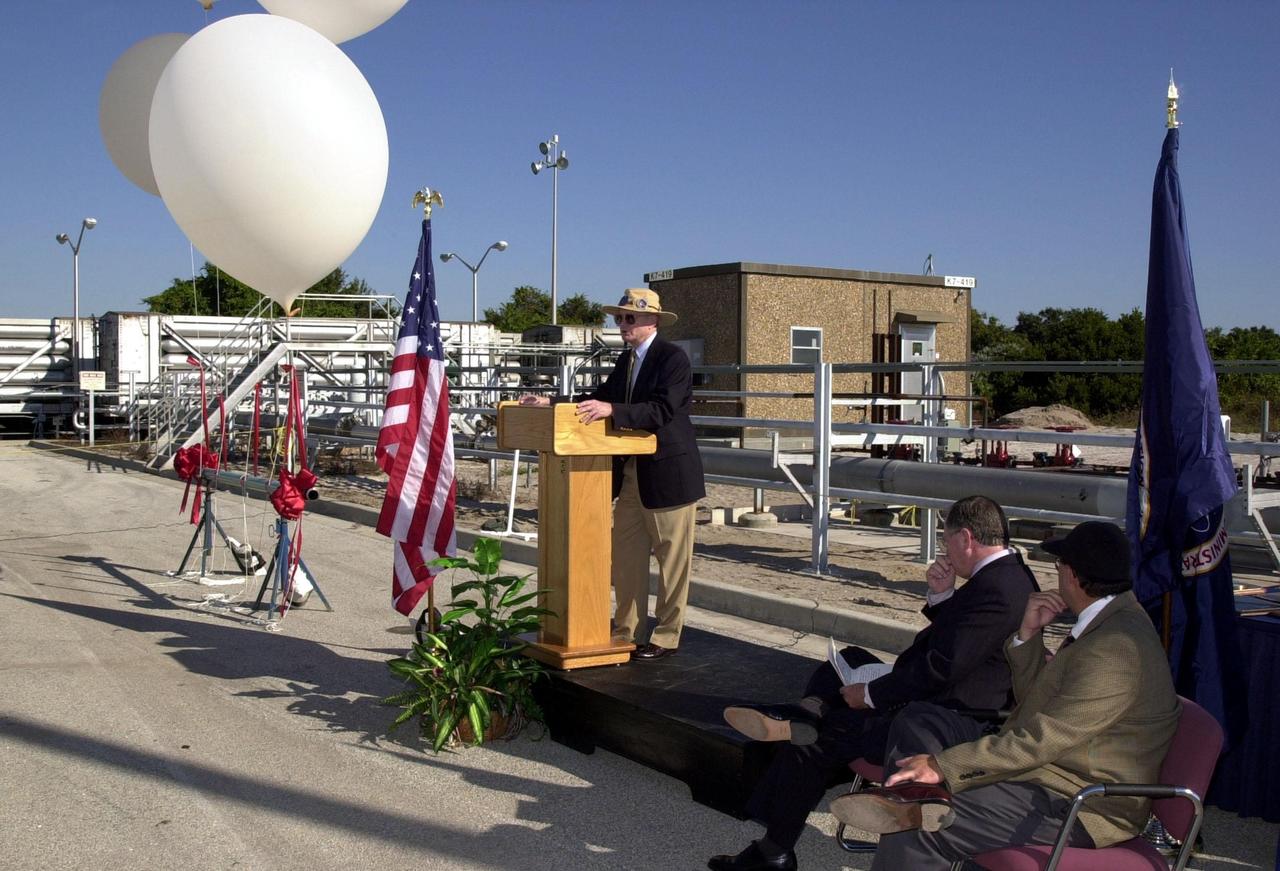
Center Director Roy Bridges addresses the audience at the commissioning of a new high-pressure helium pipeline at Kennedy Space Center that will service launch needs at the new Delta IV Complex 37 at Cape Canaveral Air Force Station. The nine-mile-long buried pipeline will also serve as a backup helium resource for Shuttle launches. Nearly one launch’s worth of helium will be available in the pipeline to support a Shuttle pad in an emergency. The line originates at the Helium Facility on KSC and terminates in a meter station at the perimeter of the Delta IV launch pad. Others at the ceremony were Jerry Jorgensen, pipeline project manager, Space Gateway Support (SGS); Col. Samuel Dick, representative of the 45th Space Wing; Ramon Lugo, acting executive director, JPMO; David Herst, director, Delta IV Launch Sites; Pierre Dufour, president and CEO, Air Liquide America Corporation; and Michael Butchko, president, SGS
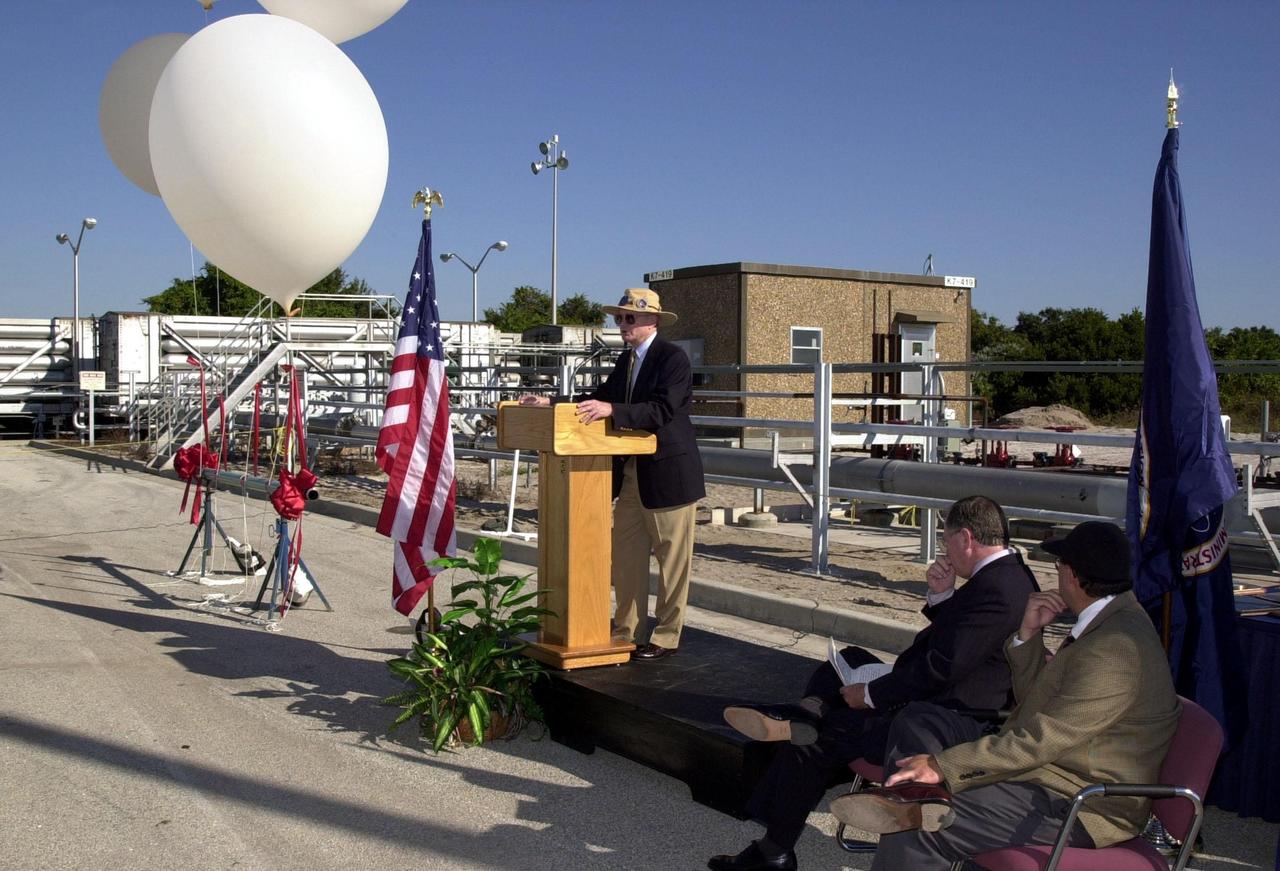
Center Director Roy Bridges addresses the audience at the commissioning of a new high-pressure helium pipeline at Kennedy Space Center that will service launch needs at the new Delta IV Complex 37 at Cape Canaveral Air Force Station. The nine-mile-long buried pipeline will also serve as a backup helium resource for Shuttle launches. Nearly one launch’s worth of helium will be available in the pipeline to support a Shuttle pad in an emergency. The line originates at the Helium Facility on KSC and terminates in a meter station at the perimeter of the Delta IV launch pad. Others at the ceremony were Jerry Jorgensen, pipeline project manager, Space Gateway Support (SGS); Col. Samuel Dick, representative of the 45th Space Wing; Ramon Lugo, acting executive director, JPMO; David Herst, director, Delta IV Launch Sites; Pierre Dufour, president and CEO, Air Liquide America Corporation; and Michael Butchko, president, SGS

At the commissioning of a new high-pressure helium pipeline at Kennedy Space Center, participants watch as helium-filled balloons take to the sky after their lines were cut. From left, they are Center Director Roy Bridges; Michael Butchko, president, SGS; Pierre Dufour, president and CEO, Air Liquide America Corporation; David Herst, director, Delta IV Launch Sites; Pamela Gillespie, executive administrator, office of Congressman Dave Weldon; and Col. Samuel Dick, representative of the 45th Space Wing. The nine-mile-long buried pipeline will service launch needs at the new Delta IV Complex 37 at Cape Canaveral Air Force Station. It will also serve as a backup helium resource for Shuttle launches. Nearly one launch’s worth of helium will be available in the pipeline to support a Shuttle pad in an emergency. The line originates at the Helium Facility on KSC and terminates in a meter station at the perimeter of the Delta IV launch pad. Others at the ceremony were Jerry Jorgensen, pipeline project manager, Space Gateway Support (SGS), and Ramon Lugo, acting executive director, JPMO

At the commissioning of a new high-pressure helium pipeline at Kennedy Space Center, participants cut the lines to helium-filled balloons. From left, they are Center Director Roy Bridges; Michael Butchko, president, SGS; Pierre Dufour, president and CEO, Air Liquide America Corporation; David Herst, director, Delta IV Launch Sites; Pamela Gillespie, executive administrator, office of Congressman Dave Weldon; and Col. Samuel Dick, representative of the 45th Space Wing. The nine-mile-long buried pipeline will service launch needs at the new Delta IV Complex 37 at Cape Canaveral Air Force Station. It will also serve as a backup helium resource for Shuttle launches. Nearly one launch’s worth of helium will be available in the pipeline to support a Shuttle pad in an emergency. The line originates at the Helium Facility on KSC and terminates in a meter station at the perimeter of the Delta IV launch pad. Others at the ceremony were Jerry Jorgensen, pipeline project manager, Space Gateway Support (SGS), and Ramon Lugo, acting executive director, JPMO

At the commissioning of a new high-pressure helium pipeline at Kennedy Space Center, participants watch as helium-filled balloons take to the sky after their lines were cut. From left, they are Center Director Roy Bridges; Michael Butchko, president, SGS; Pierre Dufour, president and CEO, Air Liquide America Corporation; David Herst, director, Delta IV Launch Sites; Pamela Gillespie, executive administrator, office of Congressman Dave Weldon; and Col. Samuel Dick, representative of the 45th Space Wing. The nine-mile-long buried pipeline will service launch needs at the new Delta IV Complex 37 at Cape Canaveral Air Force Station. It will also serve as a backup helium resource for Shuttle launches. Nearly one launch’s worth of helium will be available in the pipeline to support a Shuttle pad in an emergency. The line originates at the Helium Facility on KSC and terminates in a meter station at the perimeter of the Delta IV launch pad. Others at the ceremony were Jerry Jorgensen, pipeline project manager, Space Gateway Support (SGS), and Ramon Lugo, acting executive director, JPMO
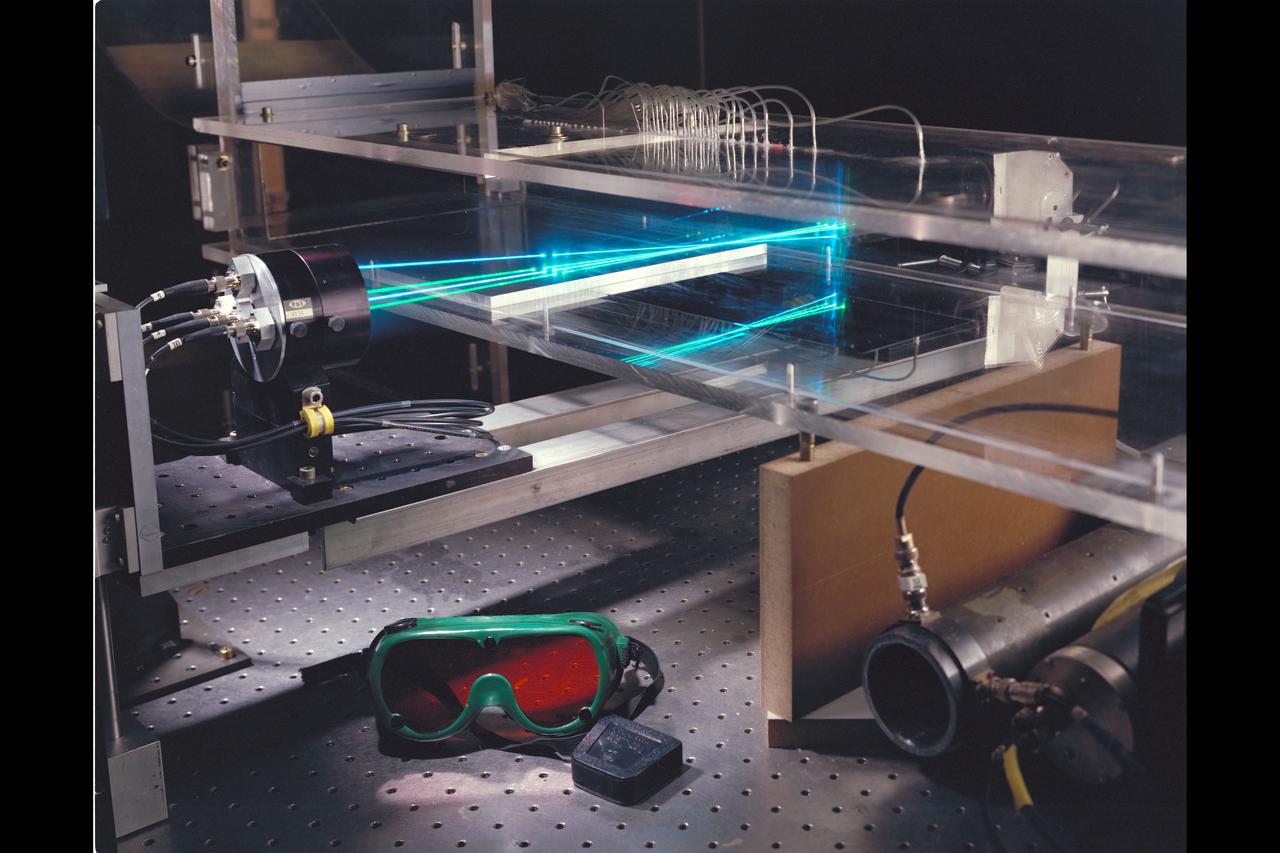
N-231 Low Speed Wind Tunnel Laser Doppler Velocemeter and Helium Neon Laser
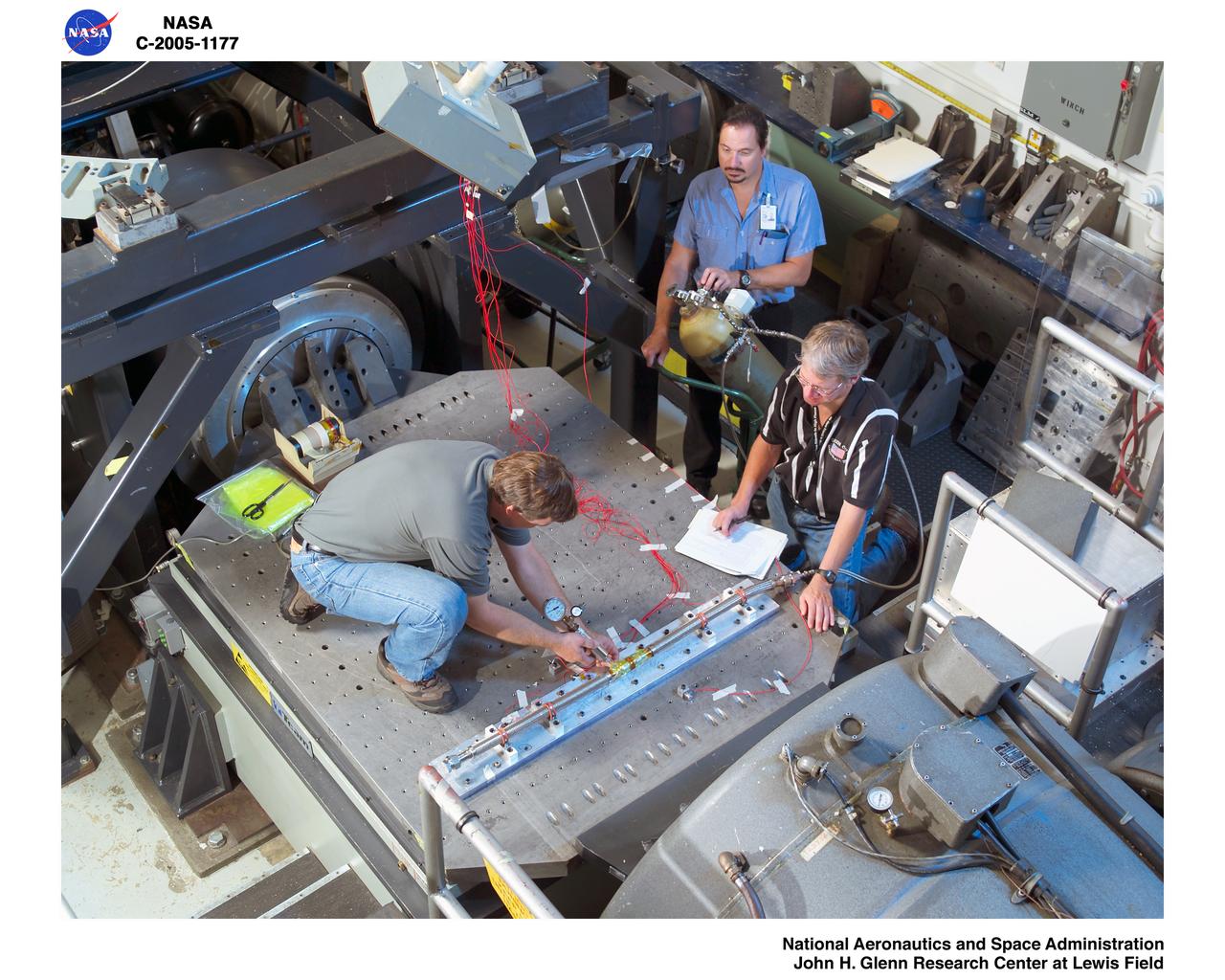
NASA Engineering and Safety Center (NESC) AN Fitting Mimic Test - Helium Leak Testing
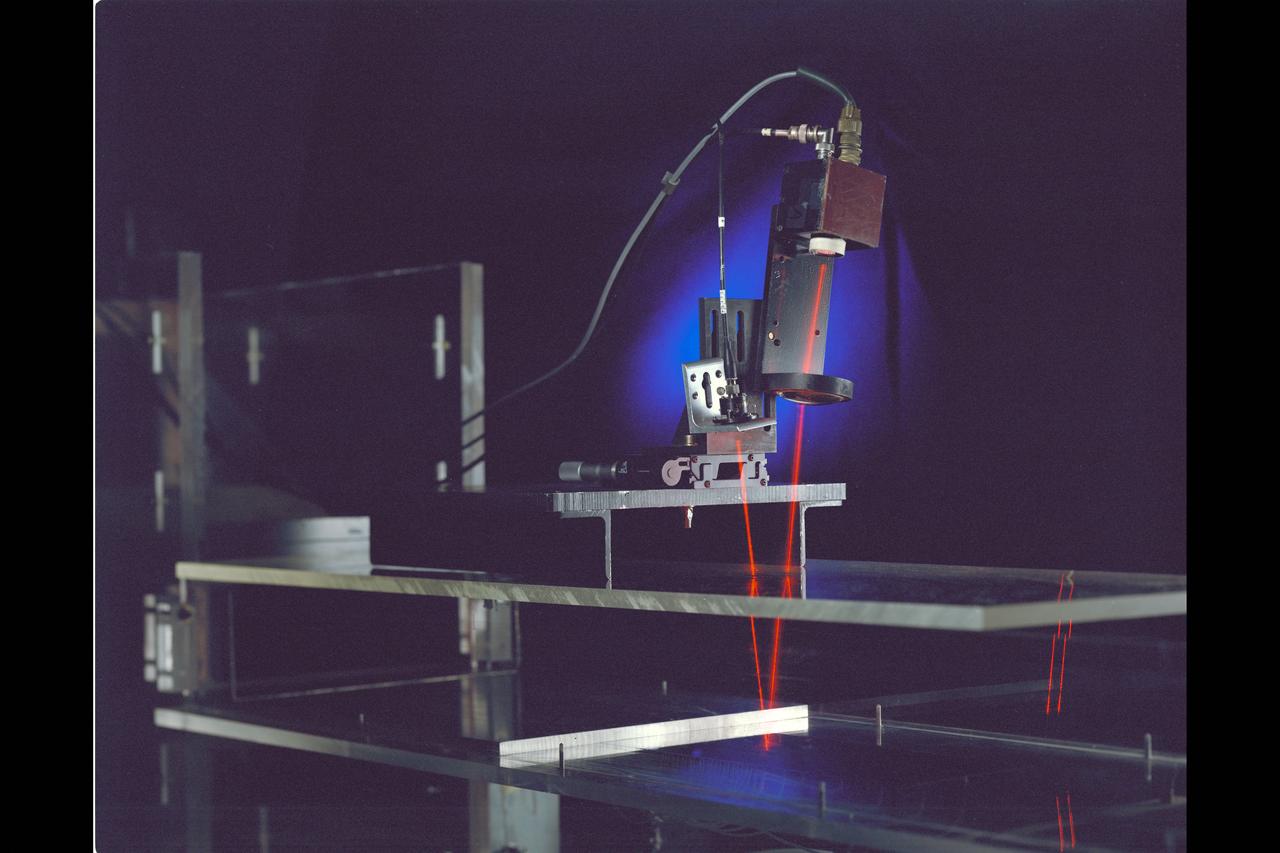
N-231 Low Speed Wind Tunnel Laser Doppler Velocemeter and Helium Neon Laser
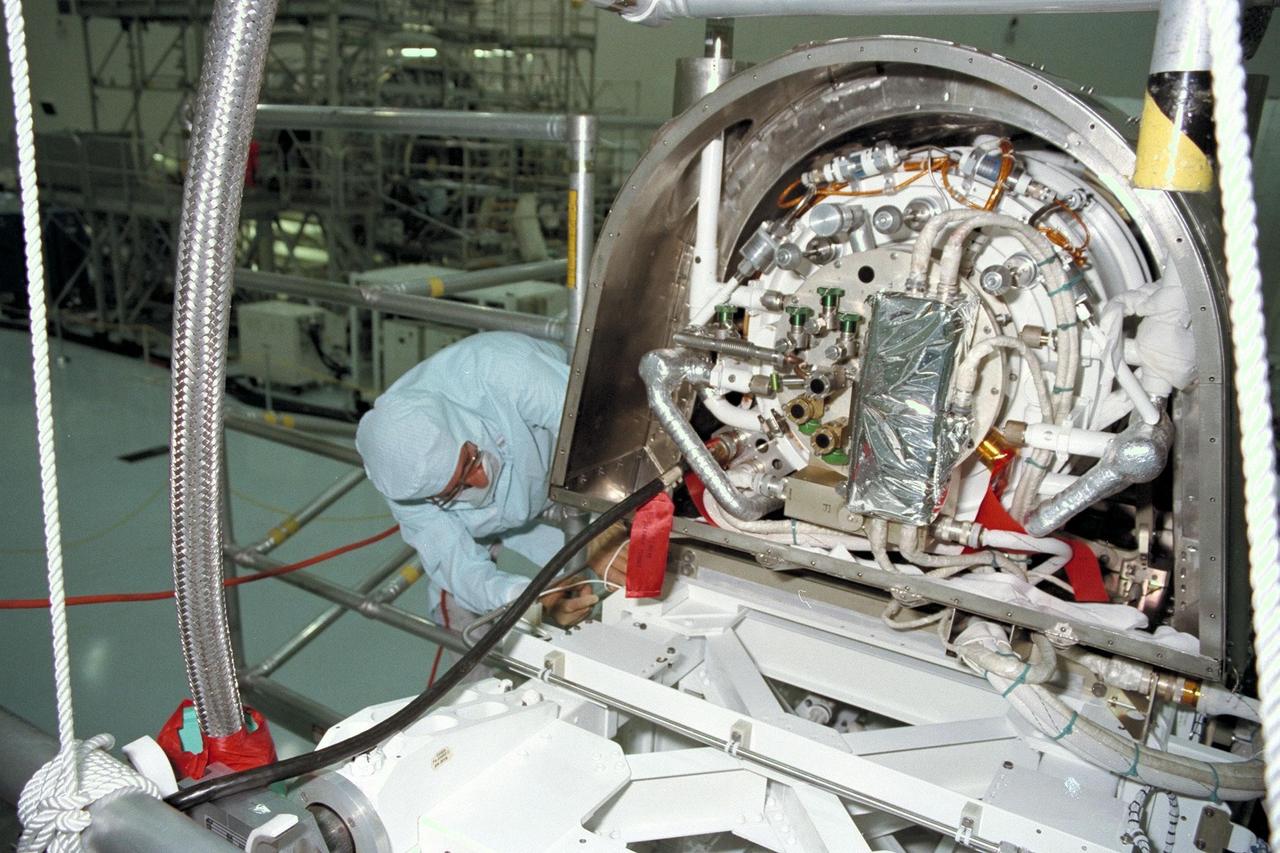
United States Microgravity Payload-4 (USMP-4) experiments are prepared to be flown on Space Shuttle mission STS-87 in the Space Station Processing Facility at Kennedy Space Center (KSC). Here, a technician is monitoring the Confined Helium Experiment, or CHeX, that will use microgravity to study one of the basic influences on the behavior and properties of materials by using liquid helium confined between silicon disks. CHeX and several other experiments are scheduled for launch aboard STS-87 on Nov. 19 from KSC
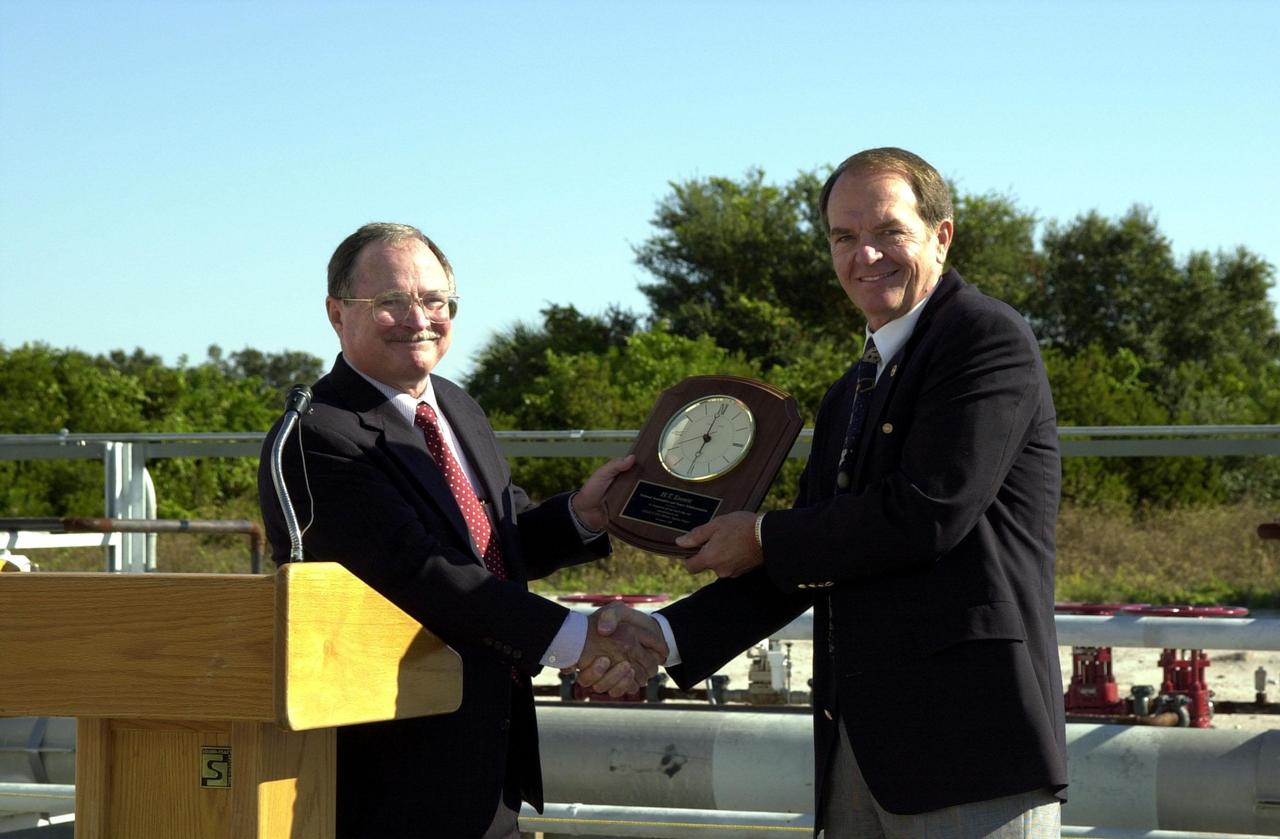
Jerry Jorgensen, pipeline project manager, Space Gateway Support (SGS) presents an award of appreciation to H.T. Everett, KSC Propellants manager, at the commissioning of a new high-pressure helium pipeline at Kennedy Space Center. The pipeline will service launch needs at the new Delta IV Complex 37 at Cape Canaveral Air Force Station. The nine-mile-long buried pipeline will also serve as a backup helium resource for Shuttle launches. Nearly one launch’s worth of helium will be available in the pipeline to support a Shuttle pad in an emergency. The line originates at the Helium Facility on KSC and terminates in a meter station at the perimeter of the Delta IV launch pad. Others at the ceremony were Center Director Roy Bridges;); Col. Samuel Dick, representative of the 45th Space Wing; Ramon Lugo, acting executive director, JPMO; David Herst, director, Delta IV Launch Sites; Pierre Dufour, president and CEO, Air Liquide America Corporation; and Michael Butchko, president, SGS
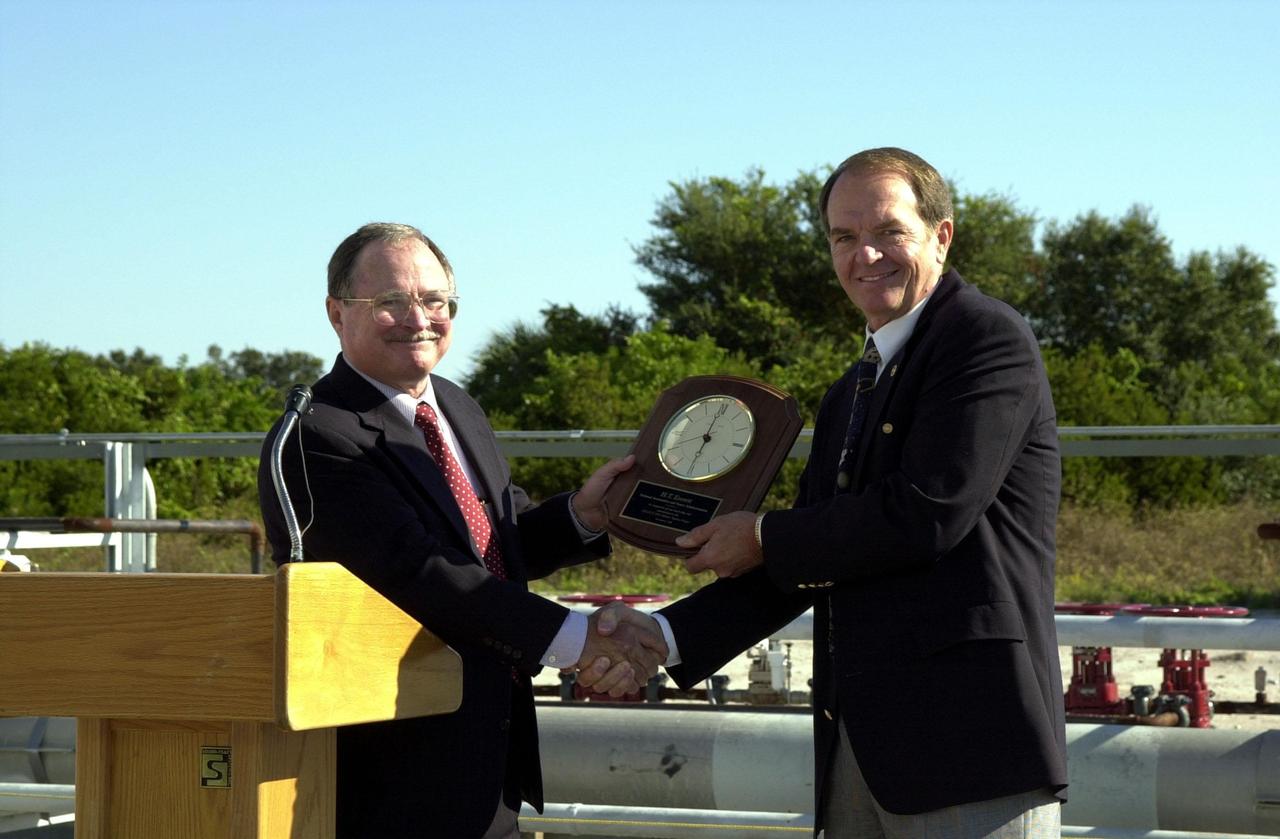
Jerry Jorgensen, pipeline project manager, Space Gateway Support (SGS) presents an award of appreciation to H.T. Everett, KSC Propellants manager, at the commissioning of a new high-pressure helium pipeline at Kennedy Space Center. The pipeline will service launch needs at the new Delta IV Complex 37 at Cape Canaveral Air Force Station. The nine-mile-long buried pipeline will also serve as a backup helium resource for Shuttle launches. Nearly one launch’s worth of helium will be available in the pipeline to support a Shuttle pad in an emergency. The line originates at the Helium Facility on KSC and terminates in a meter station at the perimeter of the Delta IV launch pad. Others at the ceremony were Center Director Roy Bridges;); Col. Samuel Dick, representative of the 45th Space Wing; Ramon Lugo, acting executive director, JPMO; David Herst, director, Delta IV Launch Sites; Pierre Dufour, president and CEO, Air Liquide America Corporation; and Michael Butchko, president, SGS
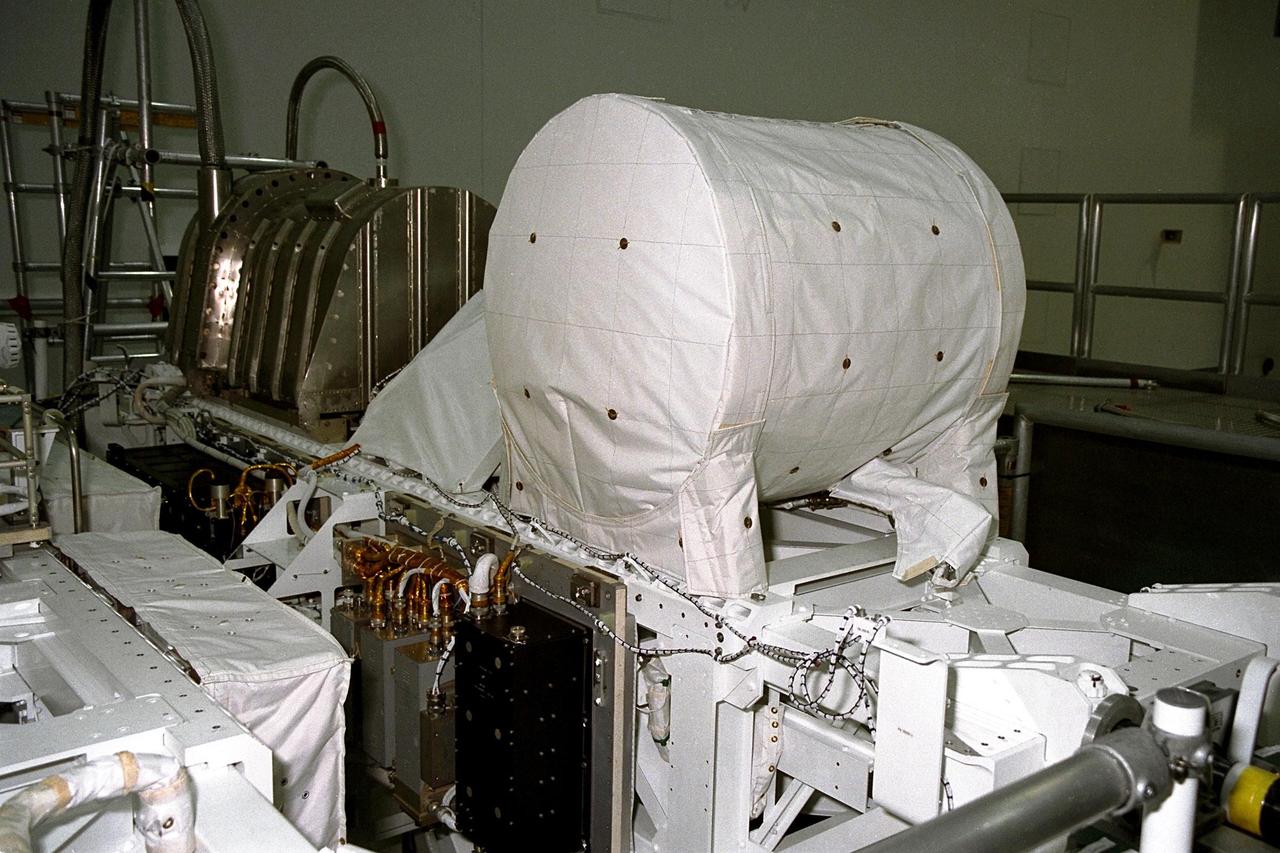
United States Microgravity Payload-4 (USMP-4) experiments are prepared to be flown on Space Shuttle mission STS-87 in the Space Station Processing Facility at Kennedy Space Center (KSC). Seen in the foreground at right is the Isothermal Dendritic Growth Experiment (IDGE), which will be used to study the dendritic solidification of molten materials in the microgravity environment. The metallic breadbox-like structure behind the IDGE is the Confined Helium Experiment (CHeX) that will study one of the basic influences on the behavior and properties of materials by using liquid helium confined between solid surface, and microgravity. These experiments are scheduled for launch aboard STS-87 on Nov. 19 from KSC
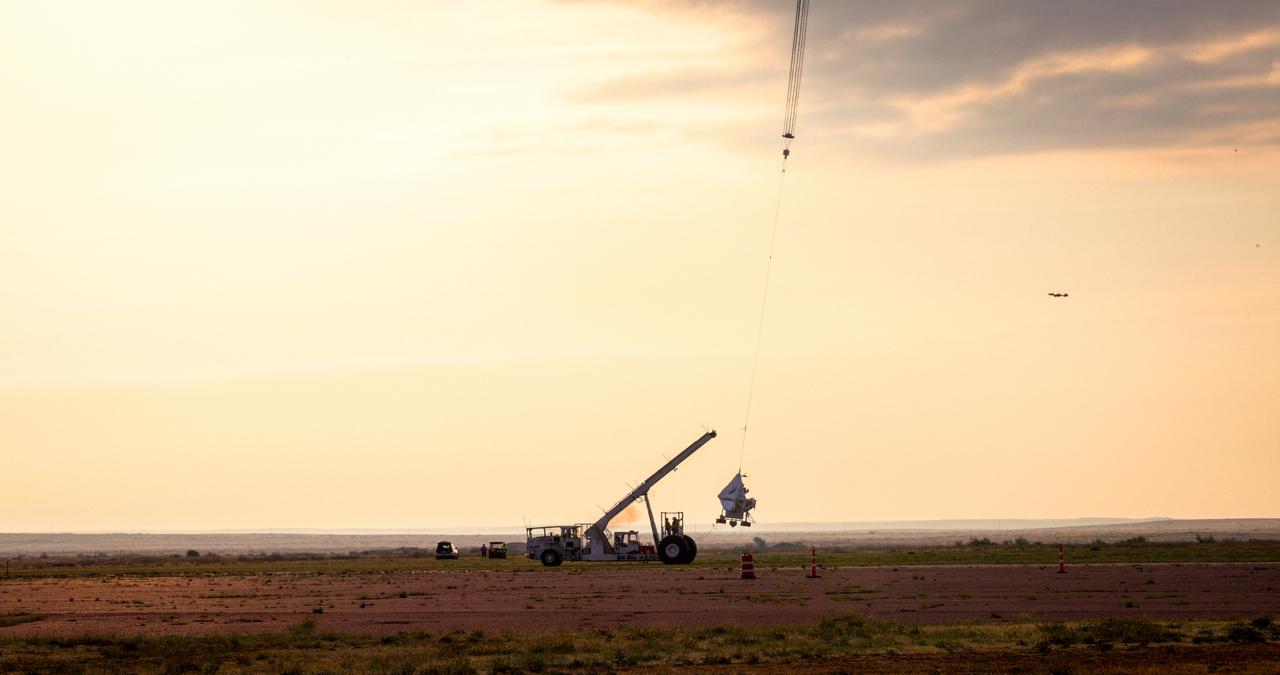
This is EXCITE’s moment of release. On August 31, 2024, the EXCITE (EXoplanet Climate Infrared TElescope) team conducted a test flight of their telescope from NASA’s Columbia Scientific Balloon Facility in Fort Sumner, New Mexico. This photo was taken moments after the telescope was released from the tractor vehicle (called Big Bill). Unseen above is the helium-filled scientific balloon that carried the telescope to the edge of space.

NASA's Thomas Zurbuchen, AA for science mission directorate explains to Lesa Roe, acting deputy administrator, how the spectrograph showing different colors correlate to different elements, such as helium, in the Sun's atmosphere. Photo Credit: (NASA/Carla Thomas)
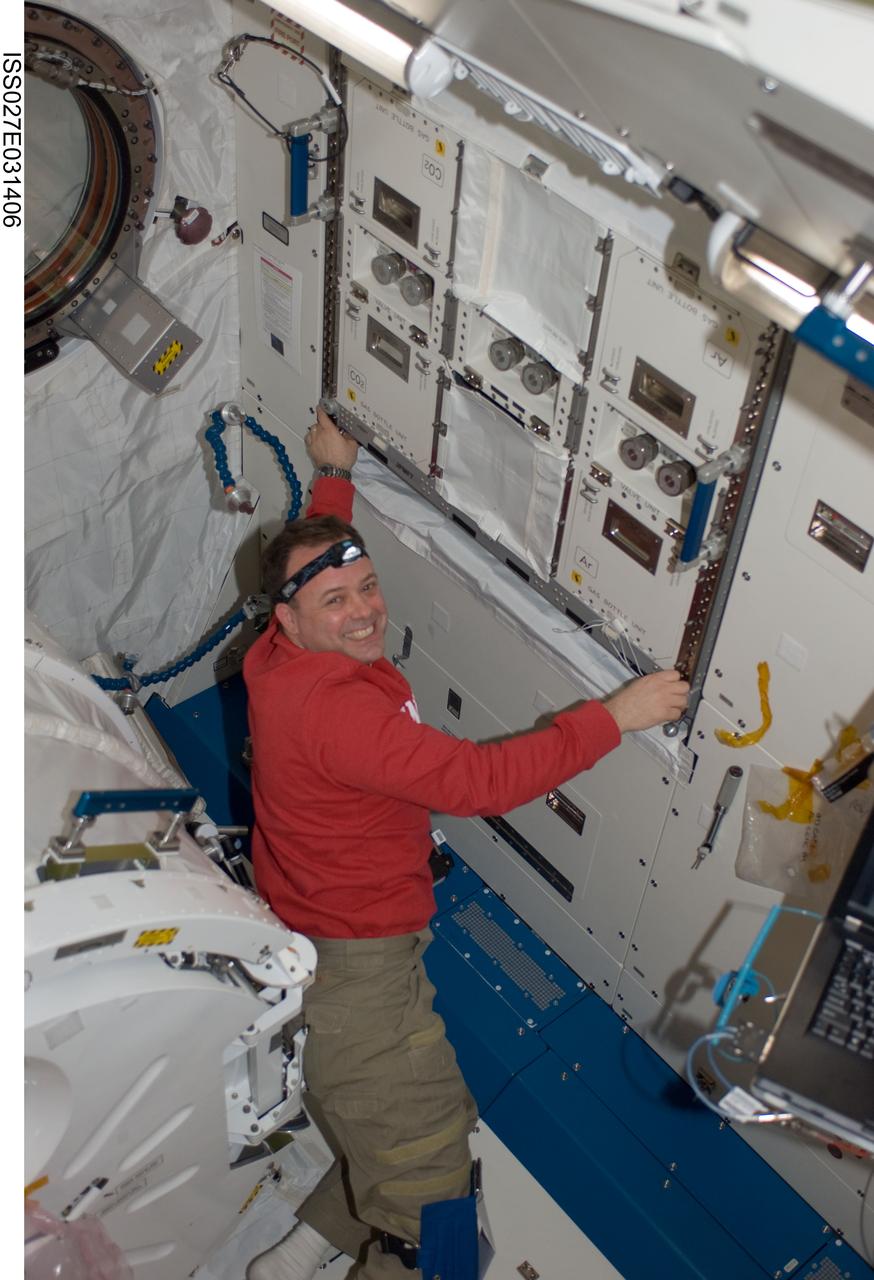
ISS027-E-031406 (16 May 2011) --- NASA astronaut Ron Garan, Expedition 27 flight engineer, installs a helium valve unit at the Common Gas Supply Equipment (CGSE) rack in the Kibo laboratory of the International Space Station.

NASA's Thomas Zurbuchen, AA for science mission directorate explains to Lesa Roe, acting deputy administrator, how the spectrograph showing different colors correlate to different elements, such as helium, in the Sun's atmosphere. Photo Credit: (NASA/Carla Thomas)

NASA's Thomas Zurbuchen, AA for science mission directorate explains to Lesa Roe, acting deputy administrator, how the spectrograph showing different colors correlate to different elements, such as helium, in the Sun's atmosphere. Photo Credit: (NASA/Carla Thomas)
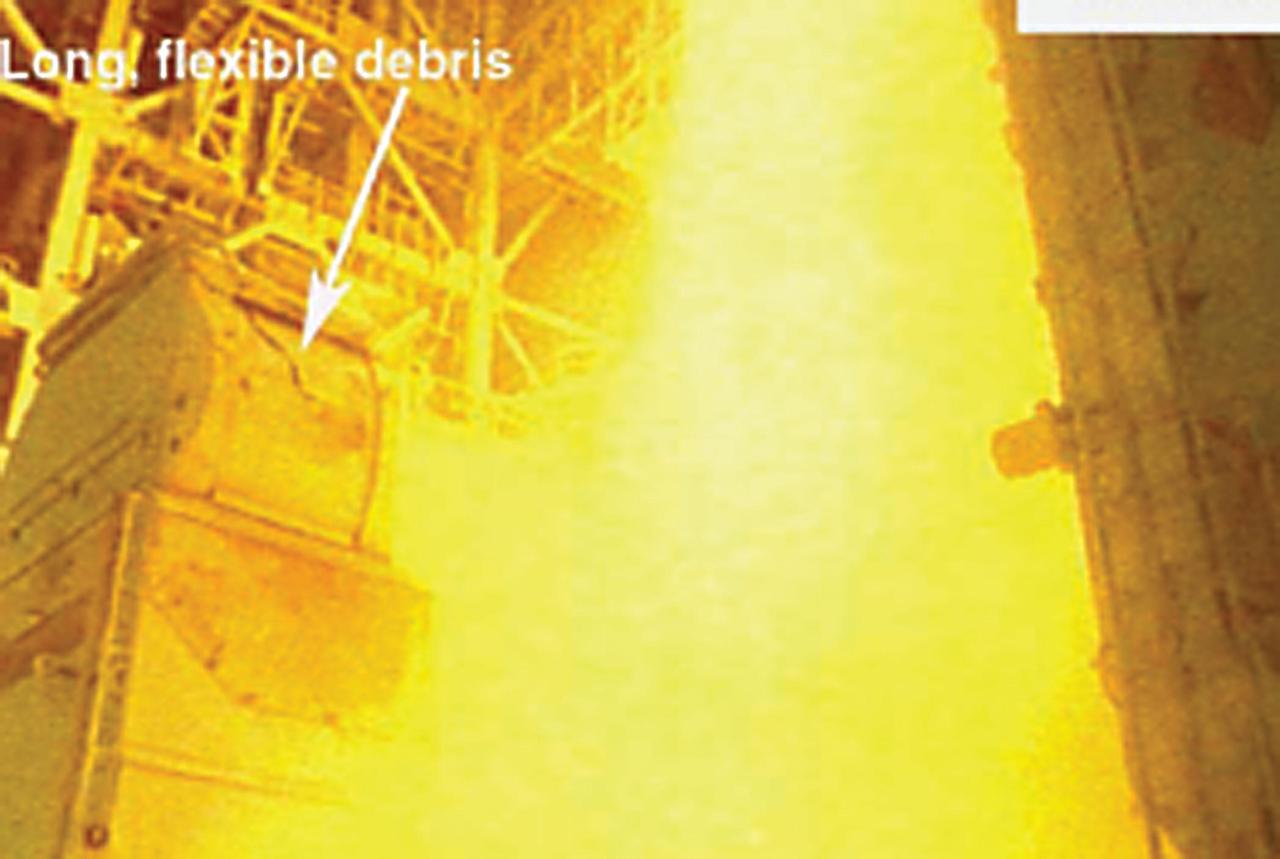
KENNEDY SPACE CENTER, FLA. - At the launch of Space Shuttle Columbia on mission STS-107, long, flexible debris comes out of the liquid helium 2 Tail Service Mast after the door closes. Columbia and crew were lost in a tragic accident over Texas as they made their approach to landing at KSC.
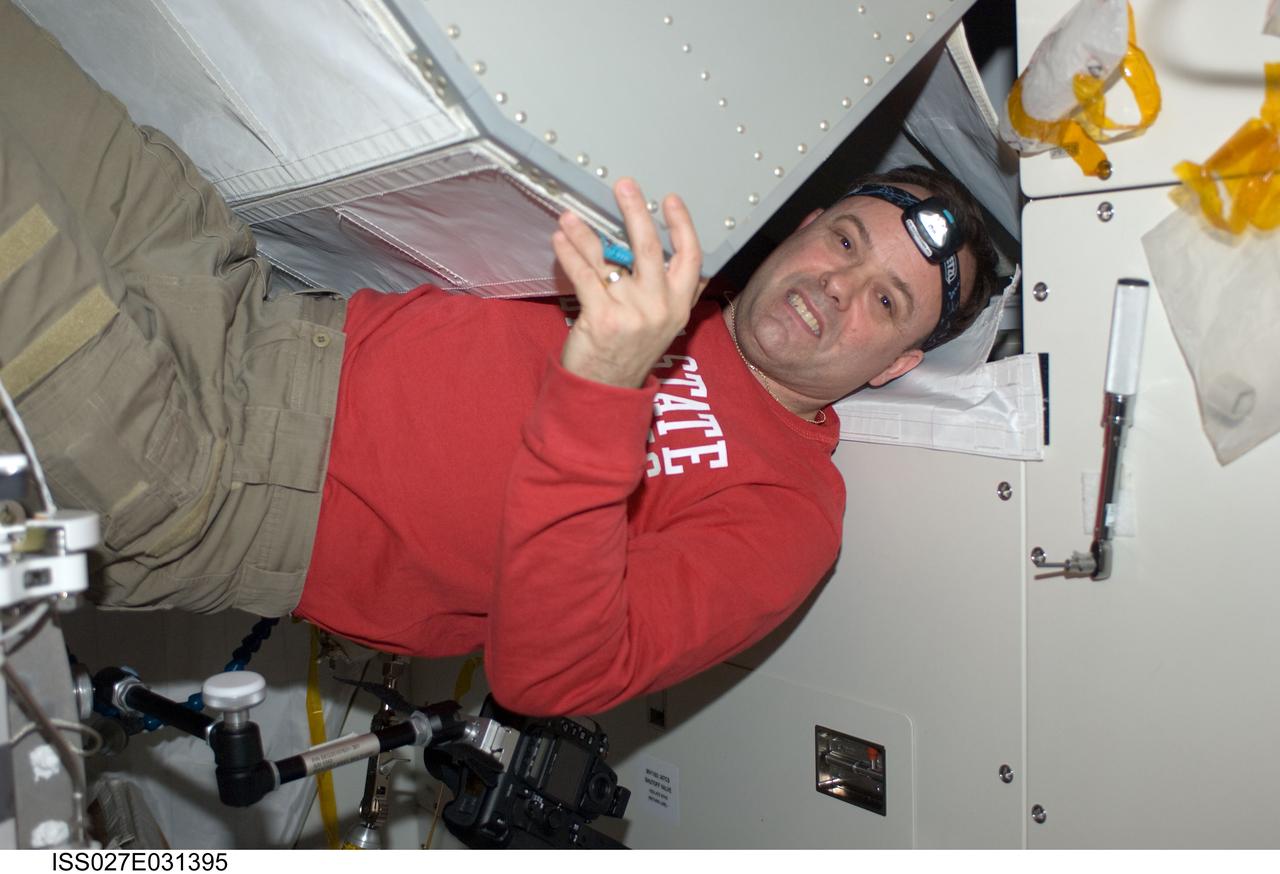
ISS027-E-031395 (16 May 2011) --- NASA astronaut Ron Garan, Expedition 27 flight engineer, installs a helium valve unit at the Common Gas Supply Equipment (CGSE) rack in the Kibo laboratory of the International Space Station.
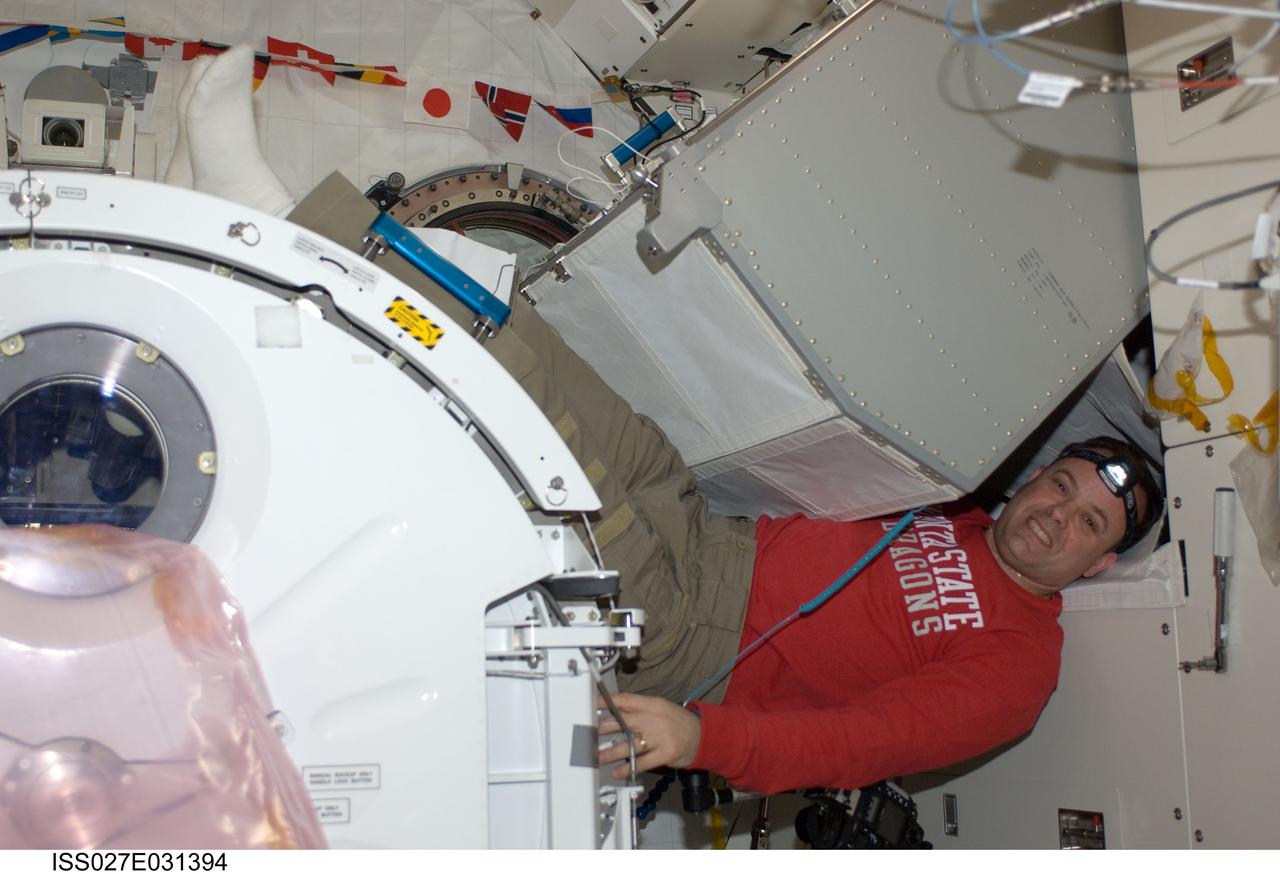
ISS027-E-031394 (16 May 2011) --- NASA astronaut Ron Garan, Expedition 27 flight engineer, installs a helium valve unit at the Common Gas Supply Equipment (CGSE) rack in the Kibo laboratory of the International Space Station.
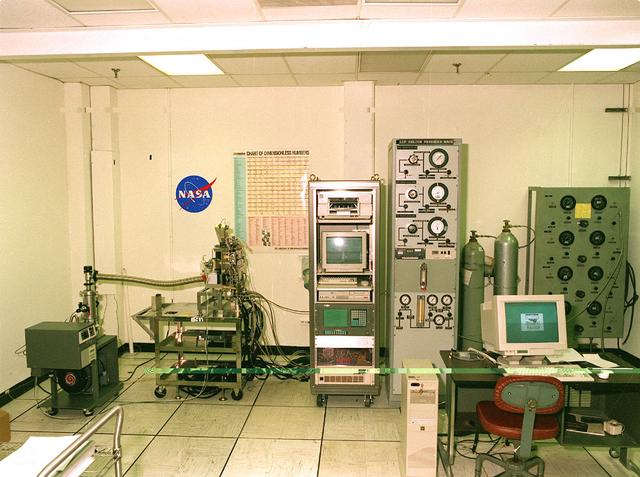
Large Isothermal Furnace (LIF) was flown on a mission in cooperation with the National Space Development Agency (NASDA) of Japan. LIF is a vacuum-heating furnace designed to heat large samples uniformly. The furnace consists of a sample container and heating element surrounded by a vacuum chamber. A crewmemeber will insert a sample cartridge into the furnace. The furnace will be activated and operations will be controlled automatically by a computer in response to an experiment number entered on the control panel. At the end of operations, helium will be discharged into the furnace, allowing cooling to start. Cooling will occur through the use of a water jacket while rapid cooling of samples can be accomplished through a controlled flow of helium. Data from experiments will help scientists better understand this important process which is vital to the production of high-quality semiconductor crystals.
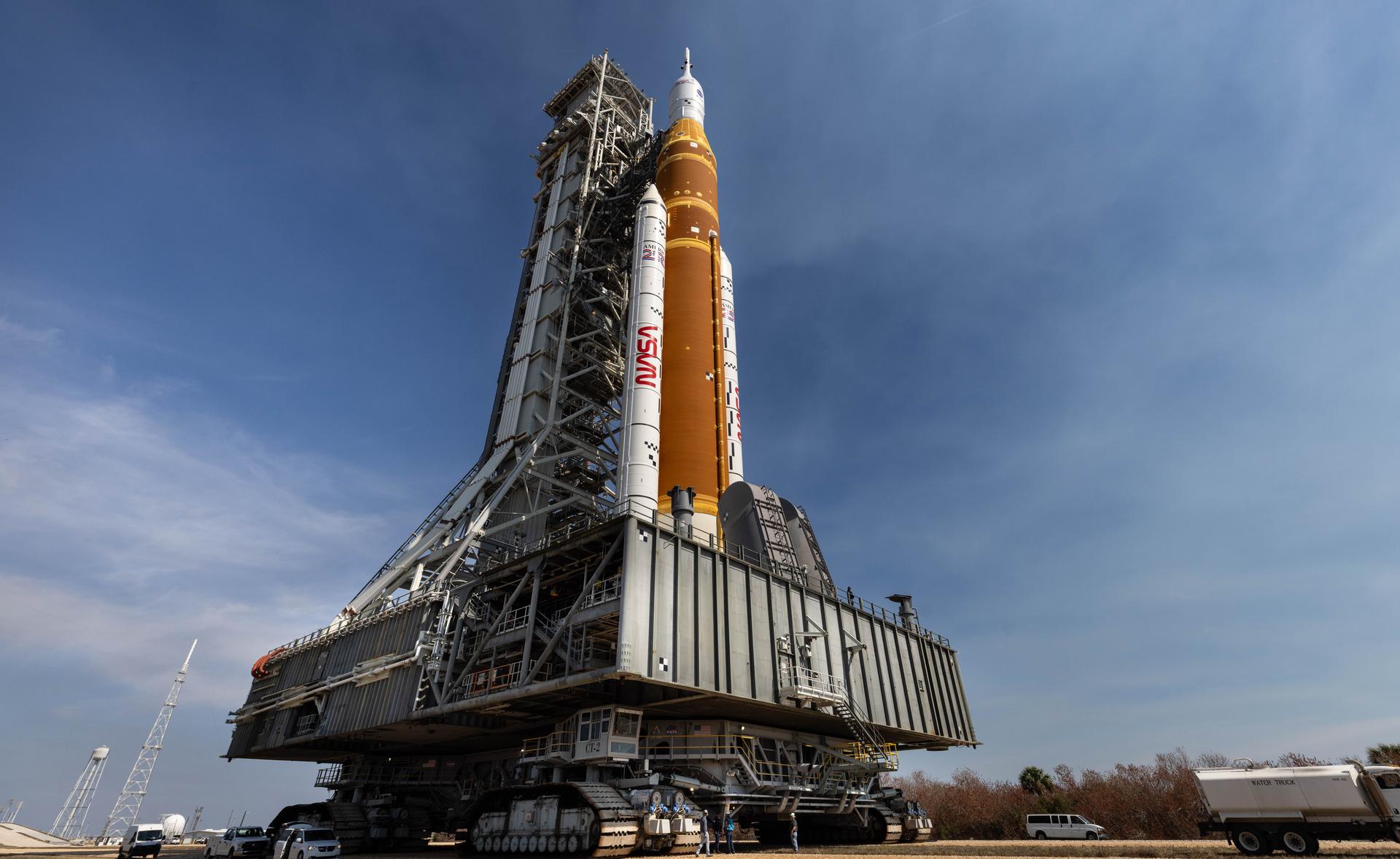
NASA’s crawler-transporter 2, carrying NASA’s Artemis II SLS (Space Launch System) rocket with the Orion spacecraft secured to mobile launcher 1, rolls back Wednesday, Feb. 25, 2026, to the Vehicle Assembly Building at NASA’s Kennedy Space Center in Florida to troubleshoot the flow of helium to the rocket’s upper stage, the interim cryogenic propulsion stage. Once complete, the SLS rocket will roll back to Launch Complex 39B to prepare to launch four astronauts around the Moon and back for the Artemis II test flight.
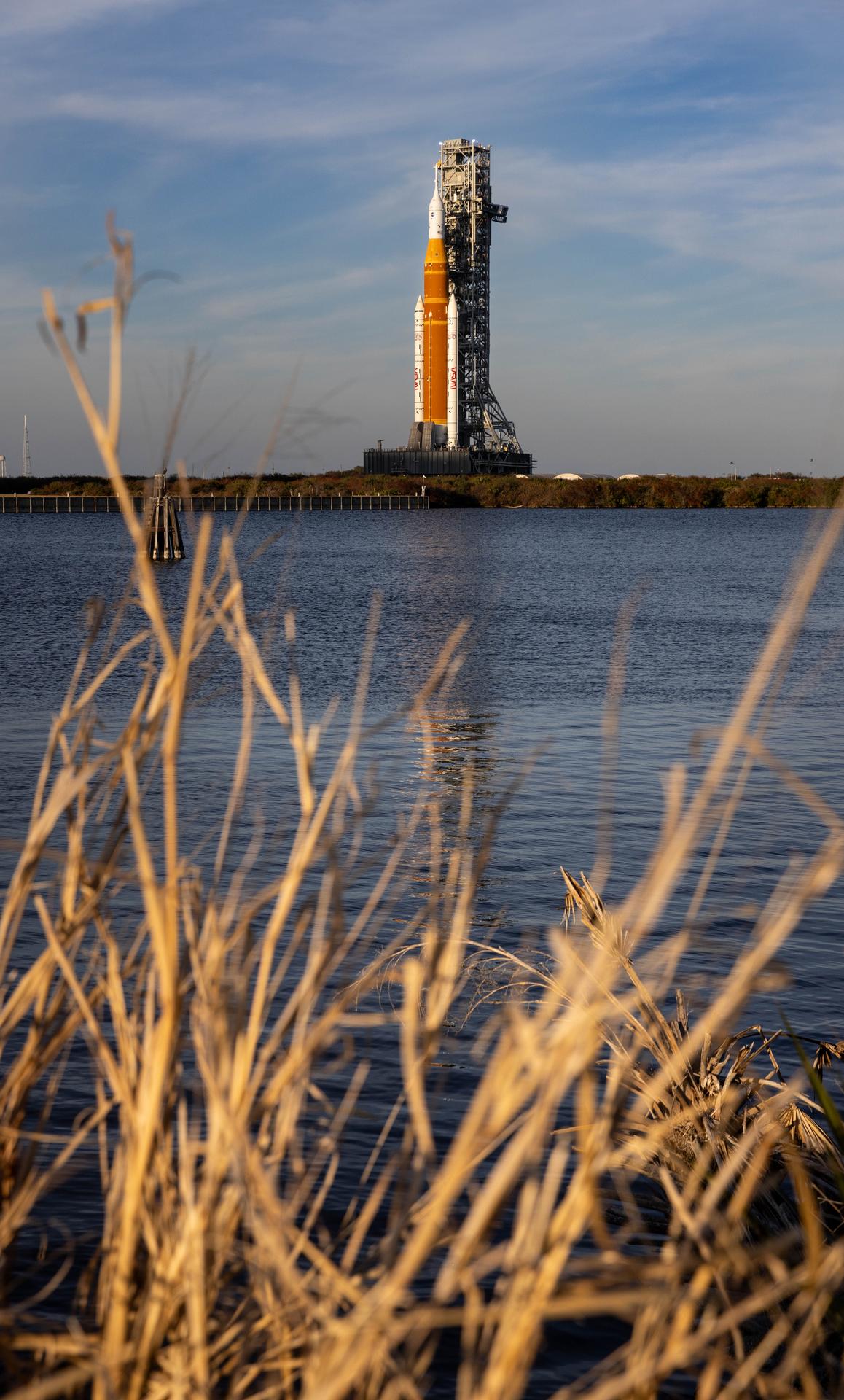
NASA’s crawler-transporter 2, carrying NASA’s Artemis II SLS (Space Launch System) rocket with the Orion spacecraft secured to mobile launcher 1, rolls back Wednesday, Feb. 25, 2026, to the Vehicle Assembly Building at NASA’s Kennedy Space Center in Florida to troubleshoot the flow of helium to the rocket’s upper stage, the interim cryogenic propulsion stage. Once complete, the SLS rocket will roll back to Launch Complex 39B to prepare to launch four astronauts around the Moon and back for the Artemis II test flight.
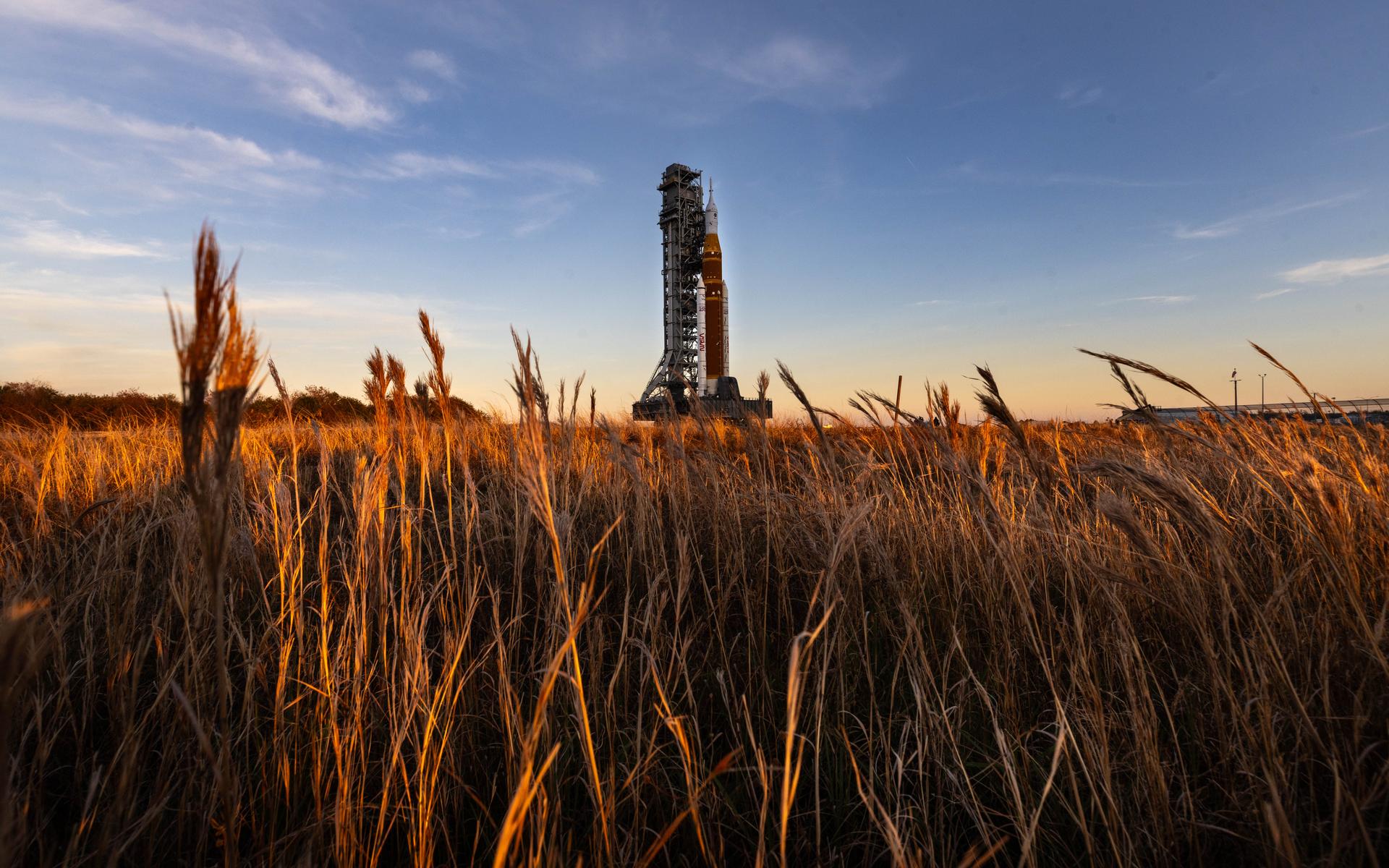
NASA’s crawler-transporter 2, carrying NASA’s Artemis II SLS (Space Launch System) rocket with the Orion spacecraft secured to mobile launcher 1, rolls back Wednesday, Feb. 25, 2026, to the Vehicle Assembly Building at NASA’s Kennedy Space Center in Florida to troubleshoot the flow of helium to the rocket’s upper stage, the interim cryogenic propulsion stage. Once complete, the SLS rocket will roll back to Launch Complex 39B to prepare to launch four astronauts around the Moon and back for the Artemis II test flight.
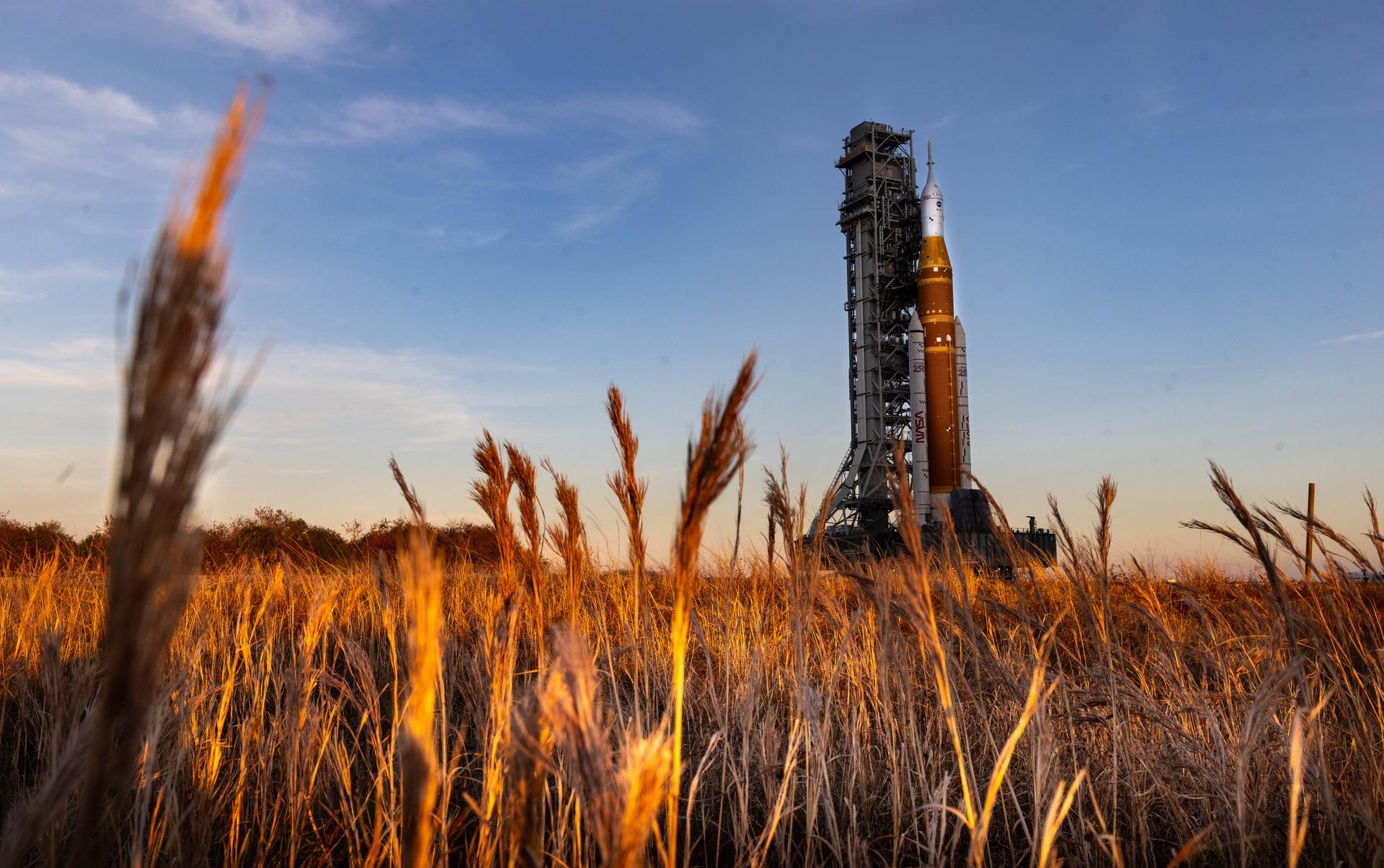
NASA’s crawler-transporter 2, carrying NASA’s Artemis II SLS (Space Launch System) rocket with the Orion spacecraft secured to mobile launcher 1, rolls back Wednesday, Feb. 25, 2026, to the Vehicle Assembly Building at NASA’s Kennedy Space Center in Florida to troubleshoot the flow of helium to the rocket’s upper stage, the interim cryogenic propulsion stage. Once complete, the SLS rocket will roll back to Launch Complex 39B to prepare to launch four astronauts around the Moon and back for the Artemis II test flight.
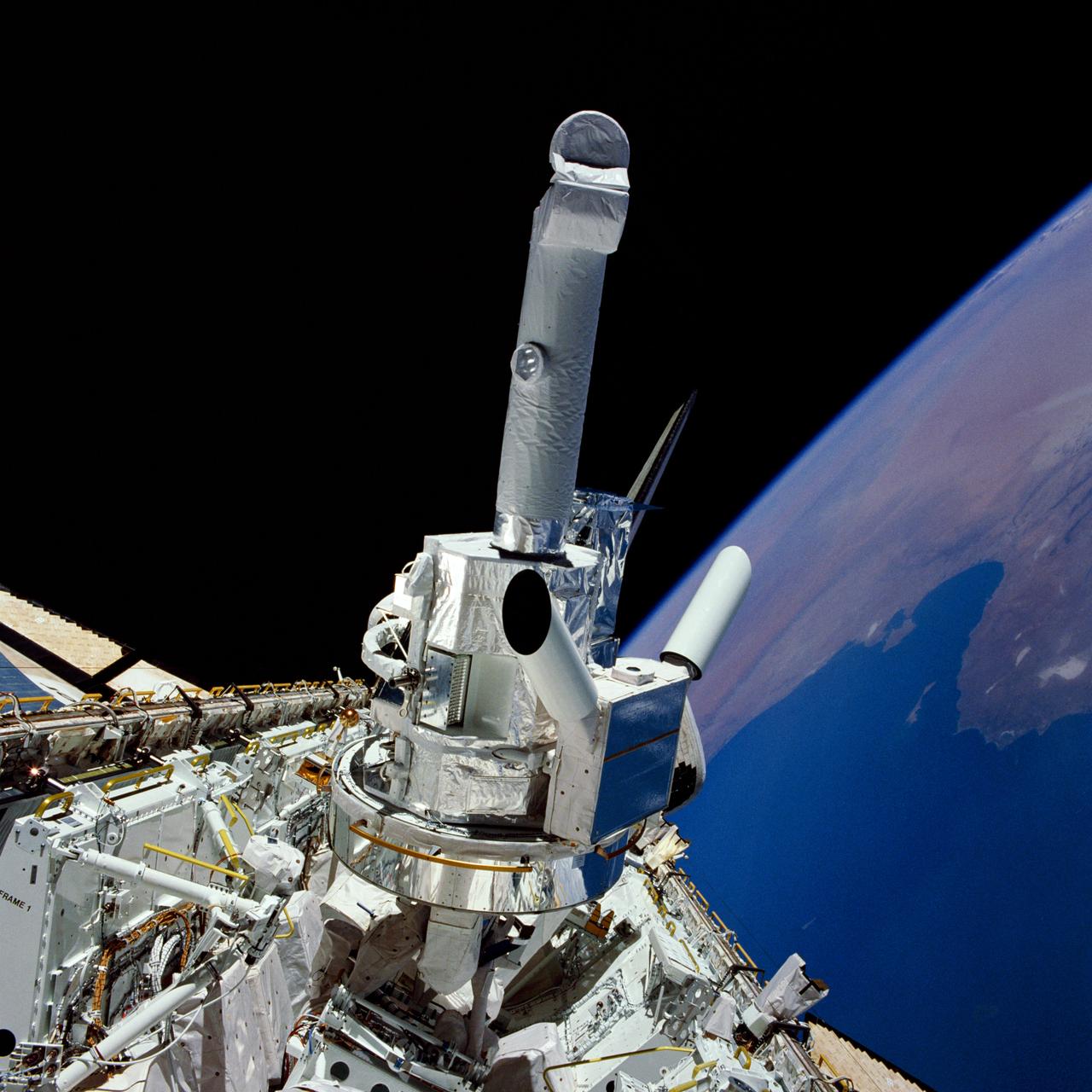
51F-33-005 (29 July - 6 August 1985) --- Experiments and the instrument pointing system (IPS) for Spacelab 2 are backdropped against the Libya/Tunisia Mediterranean coast and black space in this 70mm view photographed through the aft flight deck windows of the Space Shuttle Challenger. Also partially visible among the cluster of Spacelab 2 hardware are the solar optical universal polarimeter (SOUP) experiment and the coronal helium abundance experiment (CHASE).
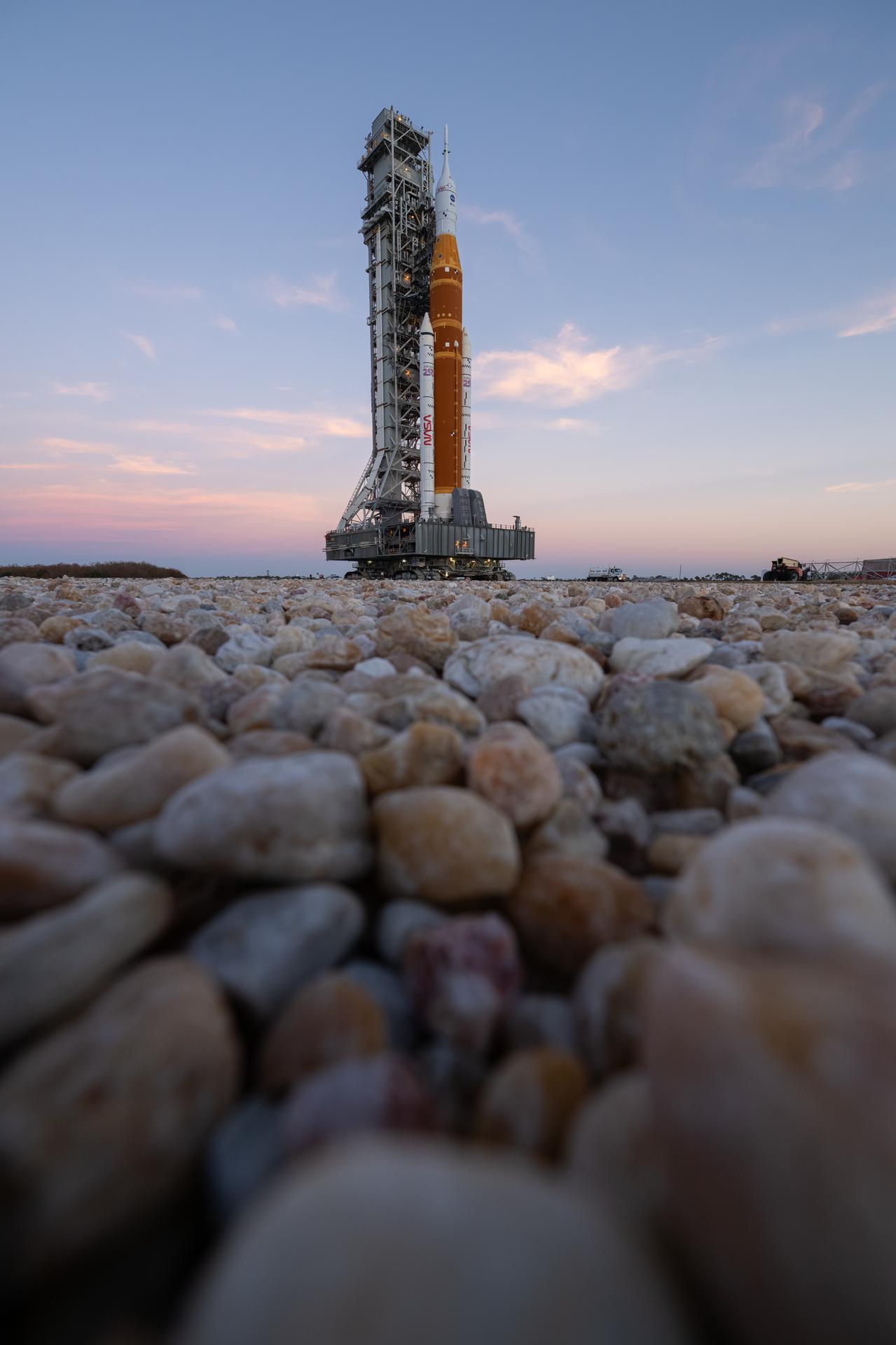
NASA’s Artemis II SLS (Space Launch System) rocket and Orion spacecraft roll back to the Vehicle Assembly Building, Wednesday, Feb. 25, 2026, at NASA’s Kennedy Space Center in Florida. Teams will troubleshoot a helium flow issue experienced on the rocket’s interim cryogenic propulsion stage before rolling the rocket and spacecraft back to Launch Complex 39B for the Artemis II mission around the Moon. Photo Credit: (NASA/John Kraus)
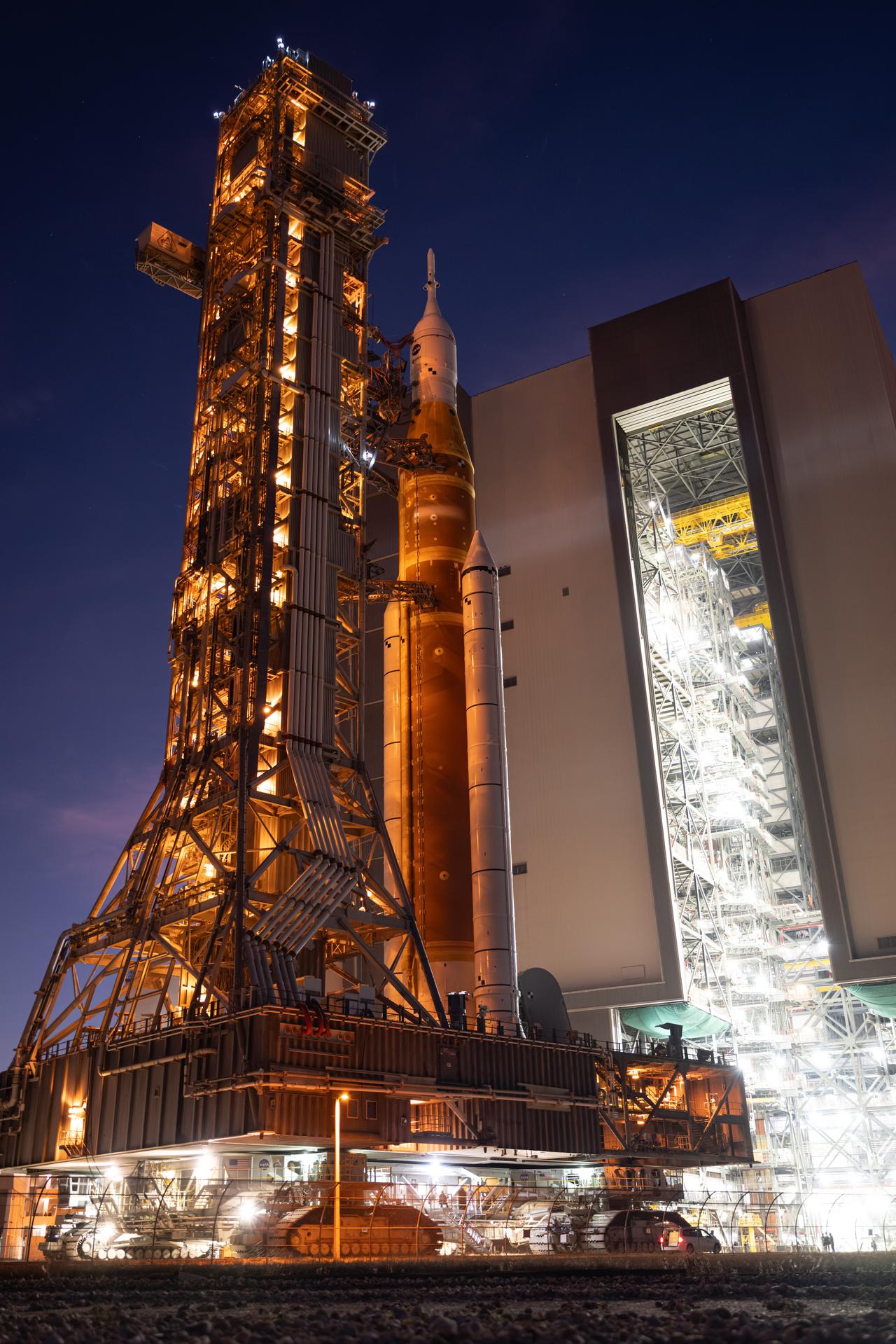
NASA’s Artemis II SLS (Space Launch System) rocket and Orion spacecraft roll back to the Vehicle Assembly Building, Wednesday, Feb. 25, 2026, at NASA’s Kennedy Space Center in Florida. Teams will troubleshoot a helium flow issue experienced on the rocket’s interim cryogenic propulsion stage before rolling the rocket and spacecraft back to Launch Complex 39B for the Artemis II mission around the Moon. Photo Credit: (NASA/John Kraus)
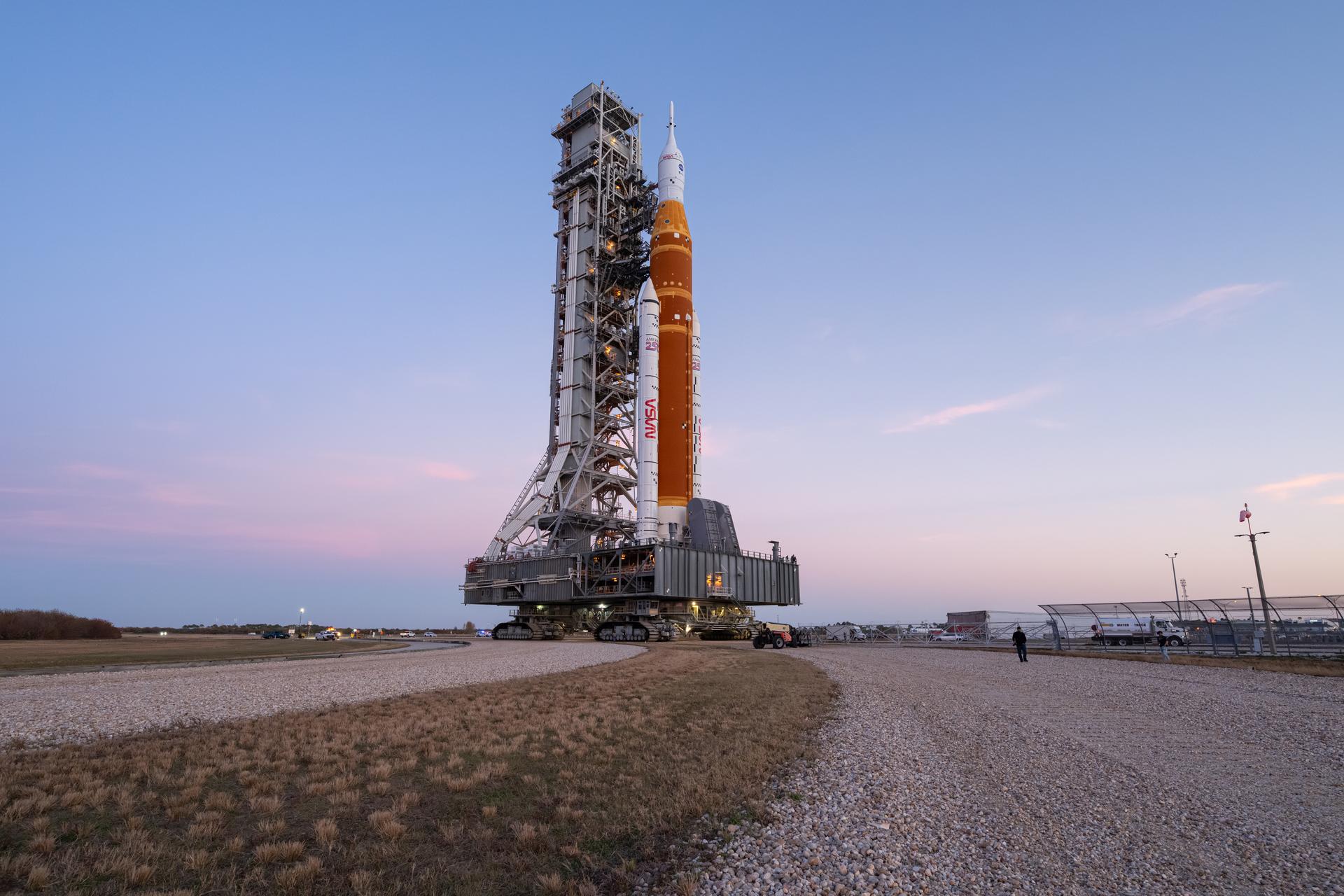
NASA’s Artemis II SLS (Space Launch System) rocket and Orion spacecraft roll back to the Vehicle Assembly Building, Wednesday, Feb. 25, 2026, at NASA’s Kennedy Space Center in Florida. Teams will troubleshoot a helium flow issue experienced on the rocket’s interim cryogenic propulsion stage before rolling the rocket and spacecraft back to Launch Complex 39B for the Artemis II mission around the Moon. Photo Credit: (NASA/John Kraus)
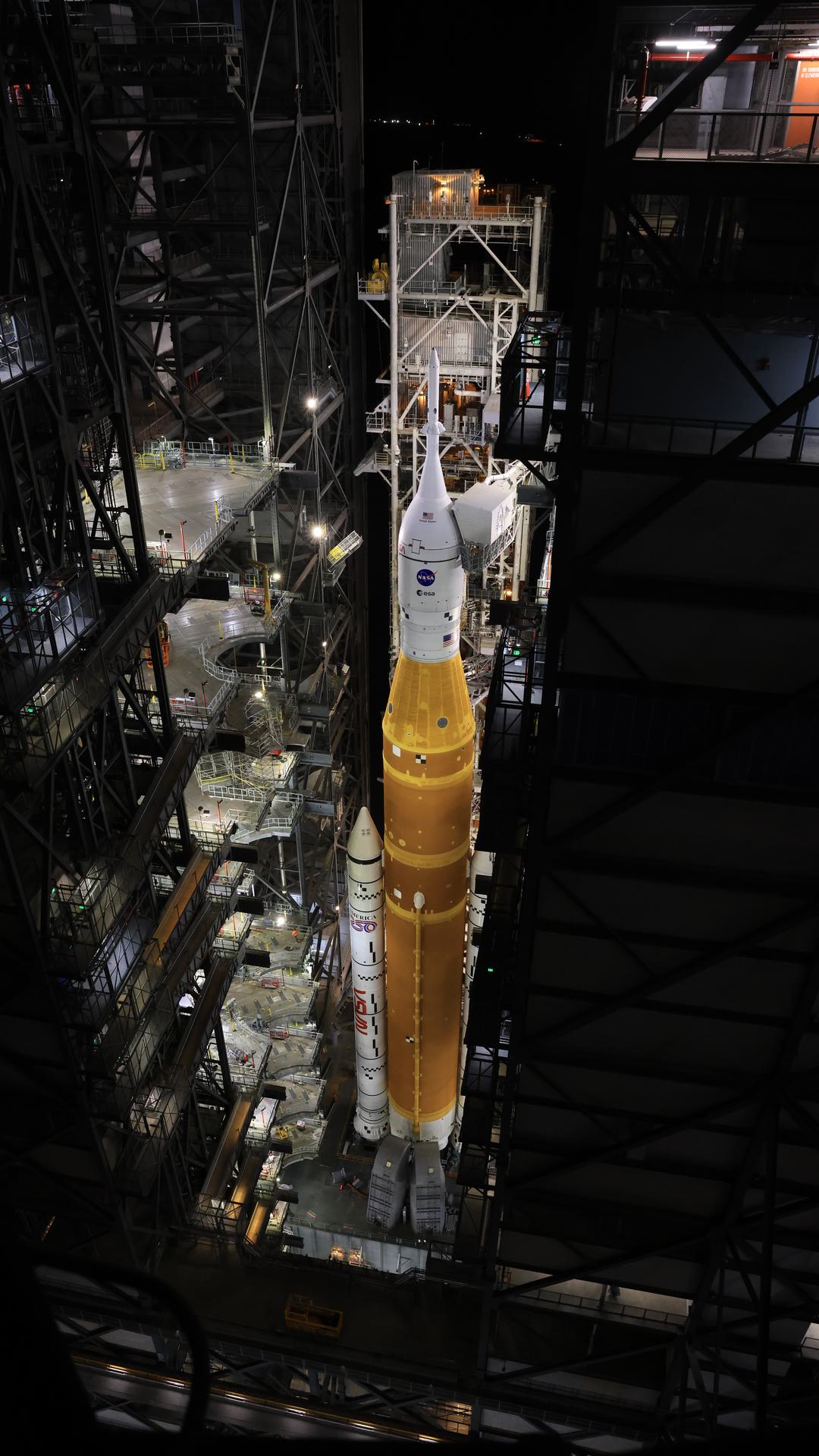
NASA’s crawler-transporter 2, carrying NASA’s Artemis II SLS (Space Launch System) rocket with the Orion spacecraft, arrives Wednesday, Feb. 25, 2026, inside the Vehicle Assembly Building at NASA’s Kennedy Space Center in Florida to troubleshoot the flow of helium to the rocket’s upper stage, the interim cryogenic propulsion stage. Once complete, the SLS rocket will roll back to Launch Complex 39B to prepare to launch four astronauts around the Moon and back for the Artemis II test flight.
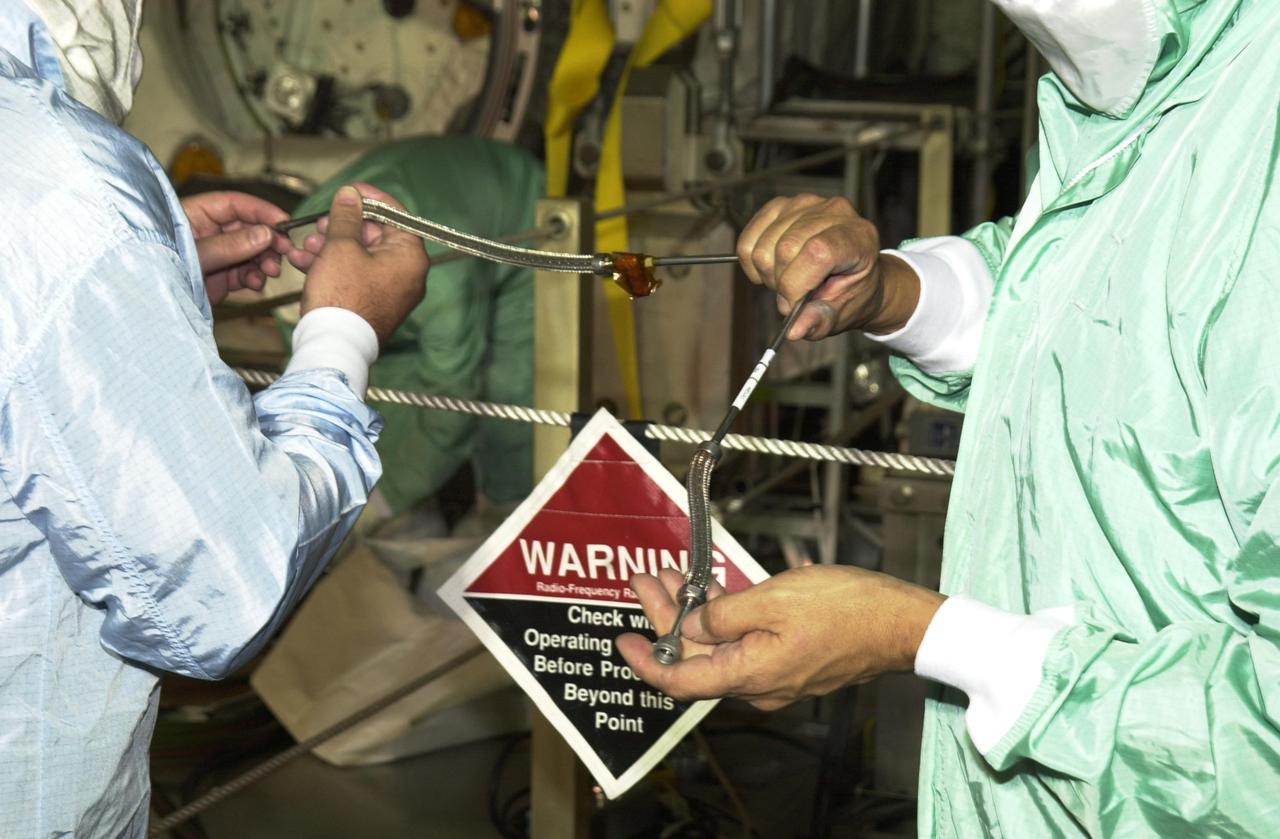
KENNEDY SPACE CENTER, FLA. -- Workers on Launch Pad 39A inspect an oxygen flex hose fitting. Through manual inspection and using helium detectors, the flex hose was identified as the source of an oxygen leak in Endeavour's mid-body. Visual inspection found a deformity in the flex line braid where it connects to rigid tubing. The entire flex hose assembly and bulkhead fitting were removed early today, and work is under way to complete the installation of a replacement.
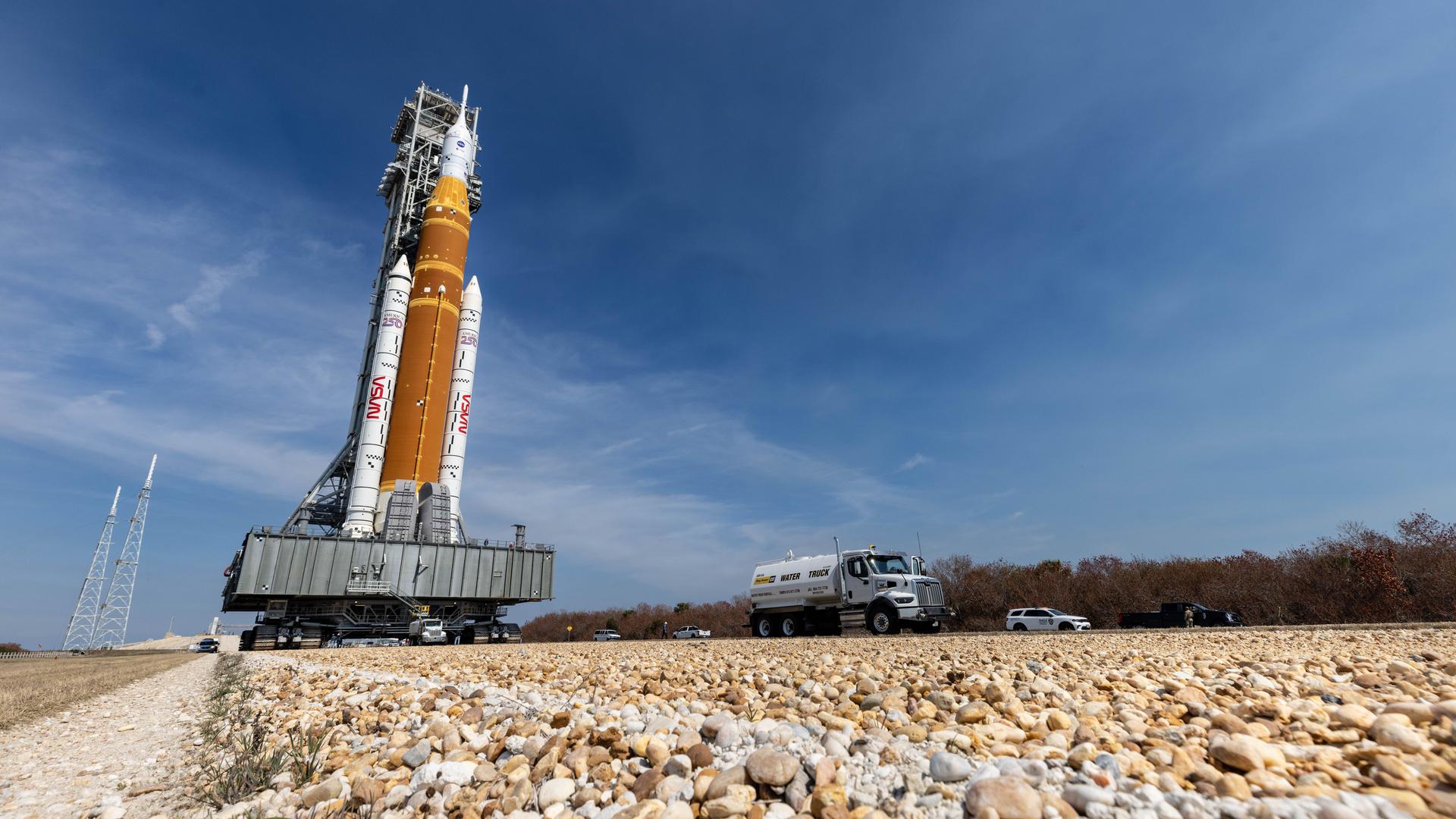
NASA’s crawler-transporter 2, carrying NASA’s Artemis II SLS (Space Launch System) rocket with the Orion spacecraft secured to mobile launcher 1, rolls back Wednesday, Feb. 25, 2026, to the Vehicle Assembly Building at NASA’s Kennedy Space Center in Florida to troubleshoot the flow of helium to the rocket’s upper stage, the interim cryogenic propulsion stage. Once complete, the SLS rocket will roll back to Launch Complex 39B to prepare to launch four astronauts around the Moon and back for the Artemis II test flight.
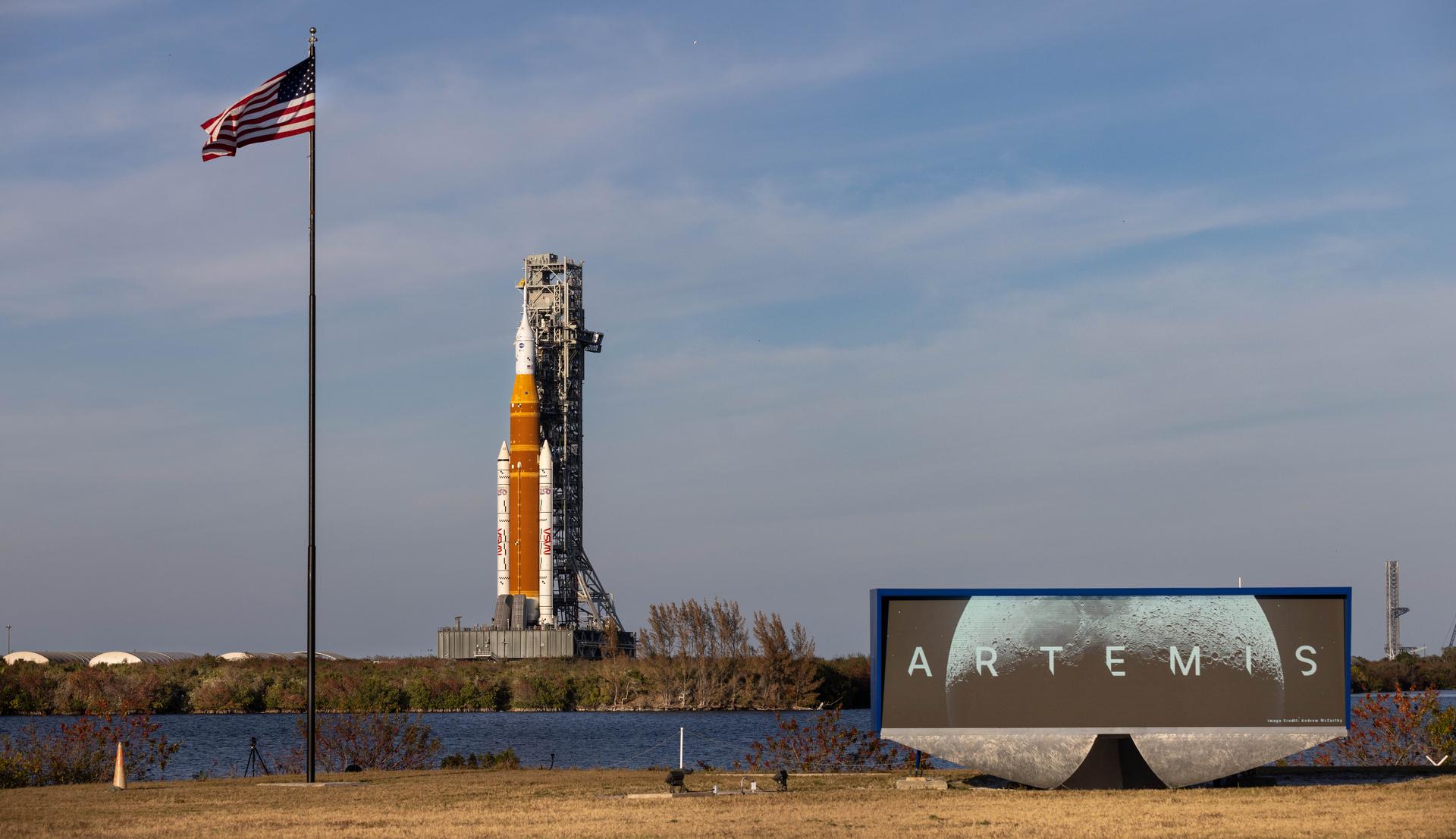
NASA’s crawler-transporter 2, carrying NASA’s Artemis II SLS (Space Launch System) rocket with the Orion spacecraft secured to mobile launcher 1, rolls back Wednesday, Feb. 25, 2026, to the Vehicle Assembly Building at NASA’s Kennedy Space Center in Florida to troubleshoot the flow of helium to the rocket’s upper stage, the interim cryogenic propulsion stage. Once complete, the SLS rocket will roll back to Launch Complex 39B to prepare to launch four astronauts around the Moon and back for the Artemis II test flight.