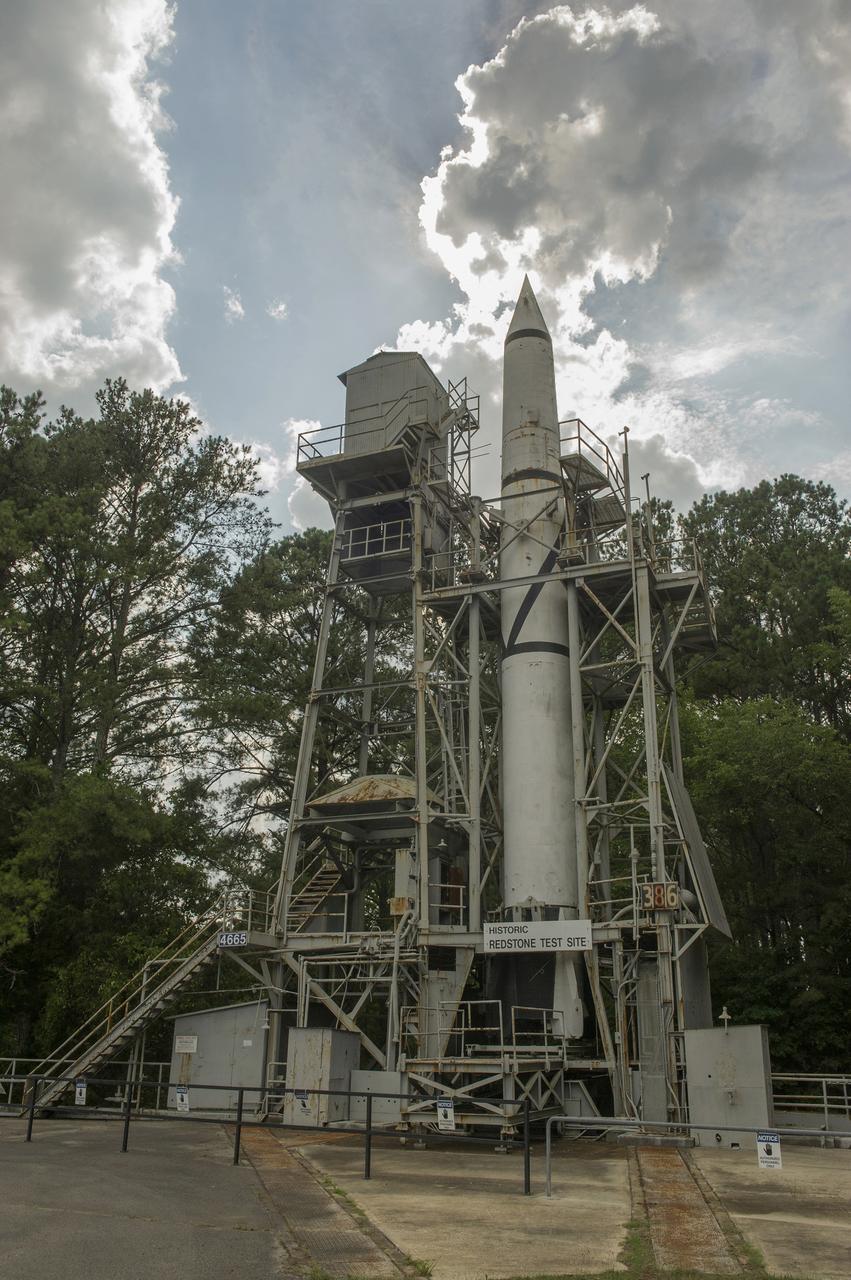
HISTORIC REDSTONE TEST SITE-TEST STAND 4665
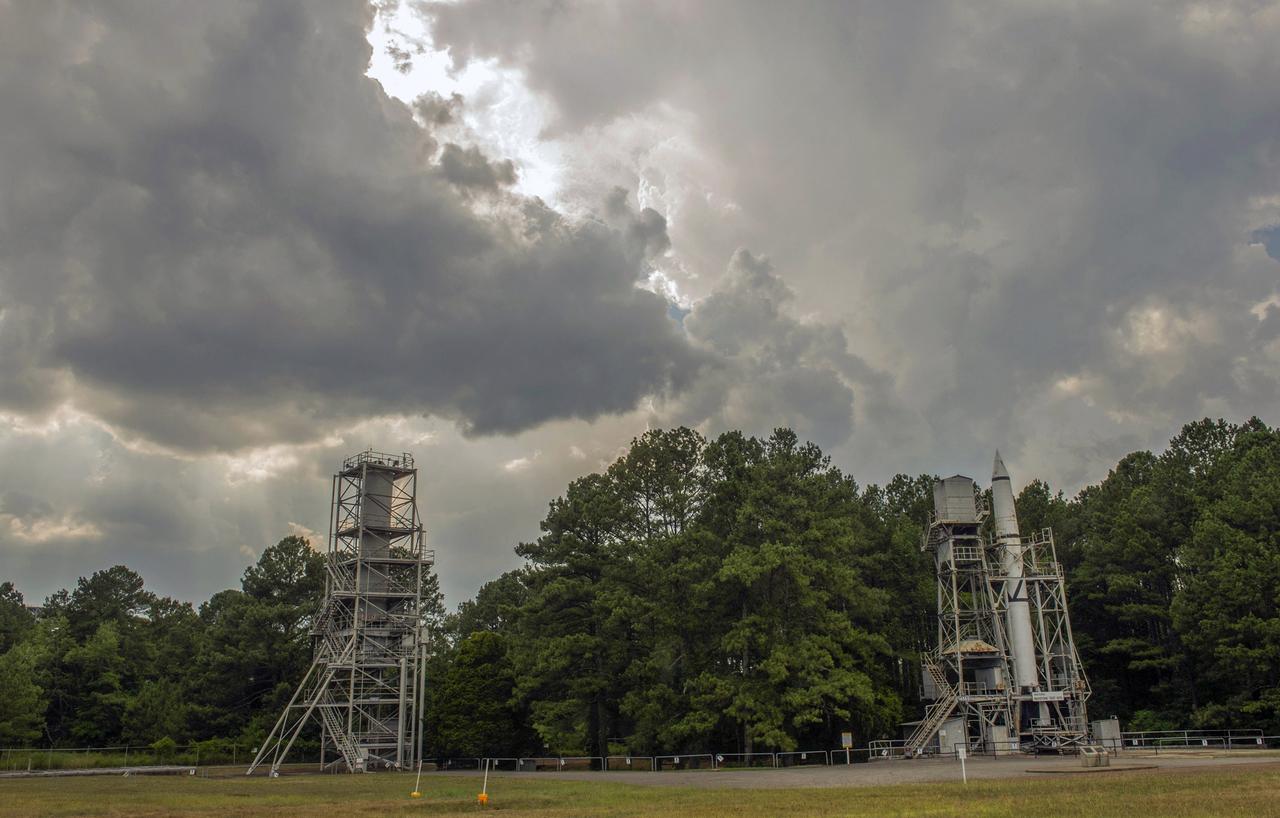
HISTORIC REDSTONE TEST SITE-TEST STAND 4665 (R), AND TEST STAND 4665A (L)
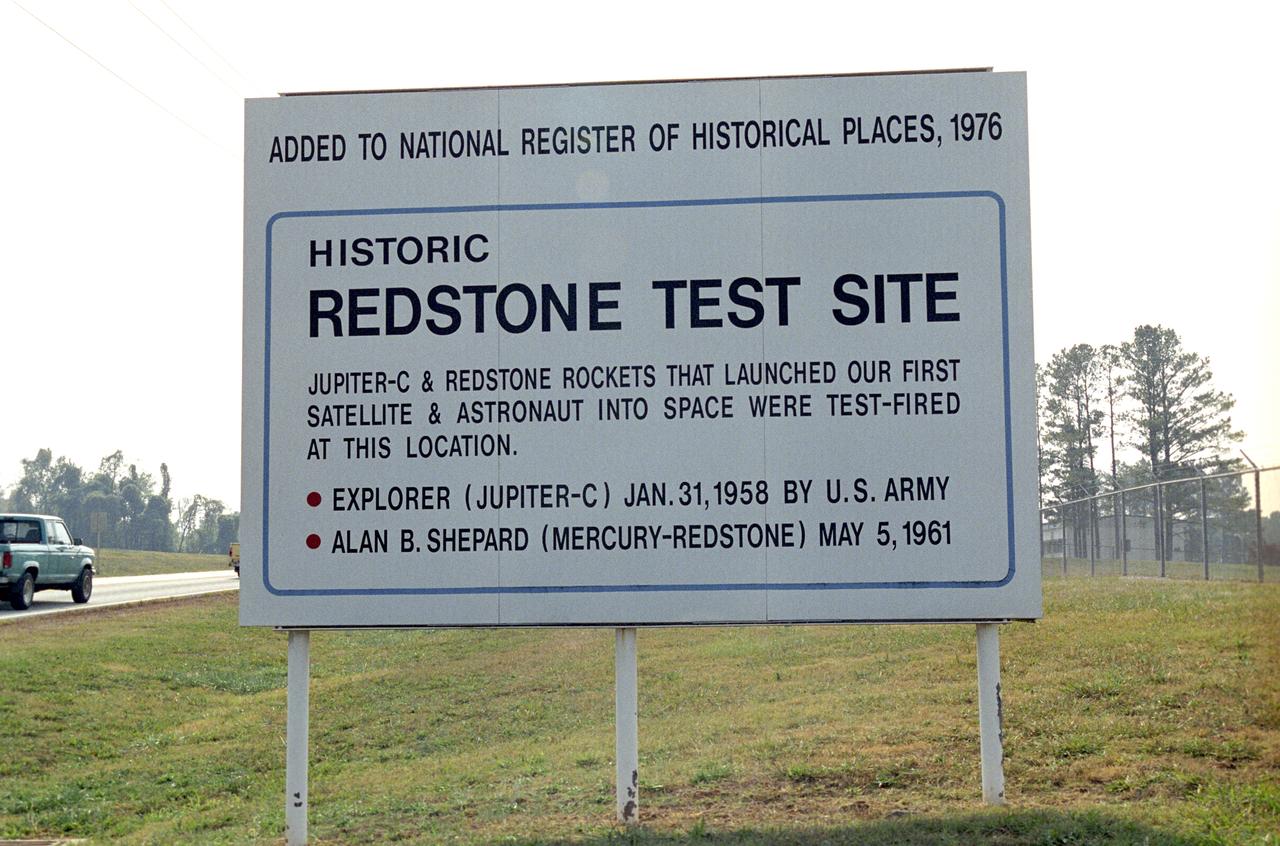
This sign, displayed on the grounds of Marshall Space Flight Center in Huntsville, Alabama, commemorates the designation of the Redstone Test Site as a National Historic Landmark. The site was inducted into the National Register of Historical Places in 1976.
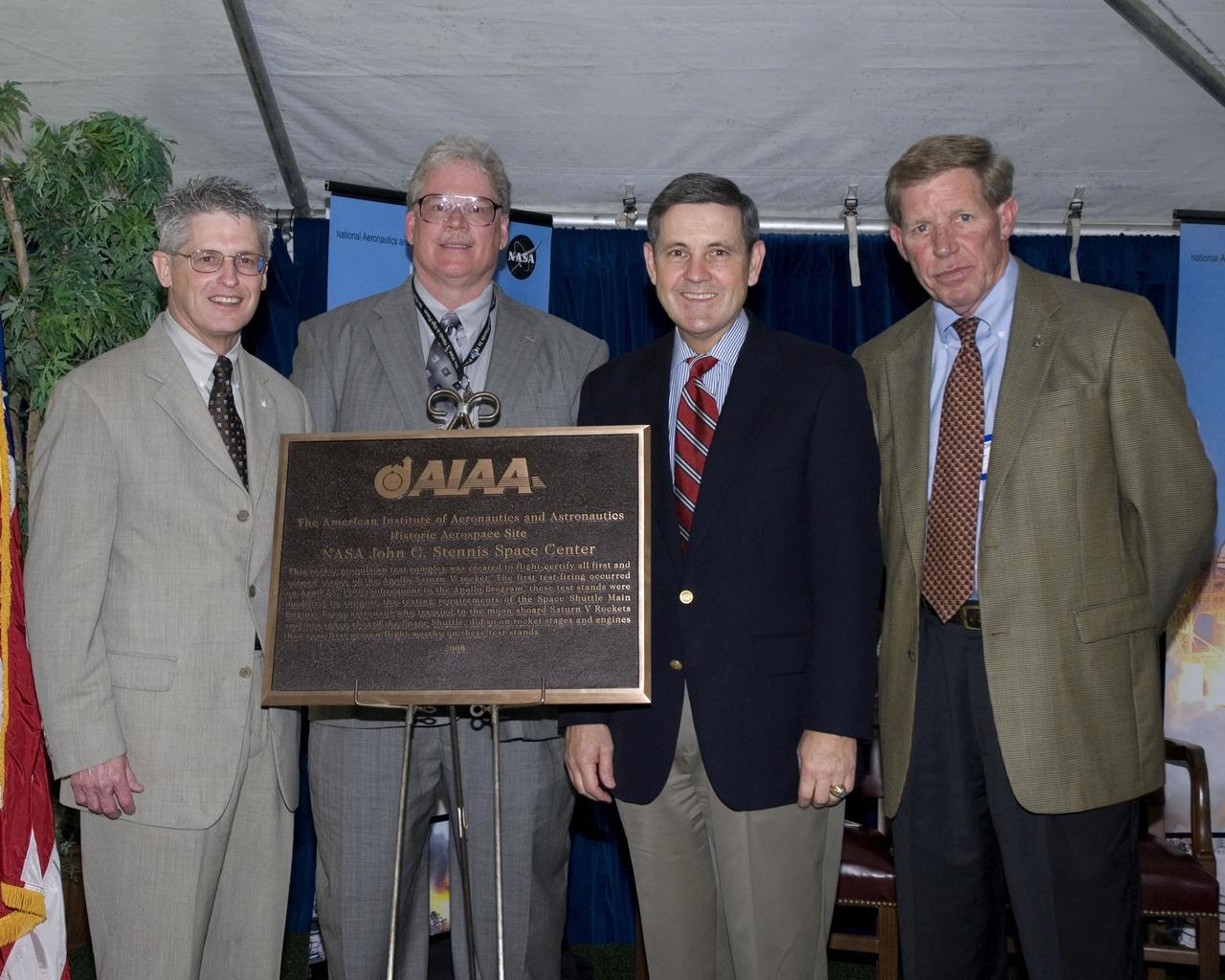
Picured (left to right) American Institute of Aeronautics and Astronautics (AIAA) representative David Throckmorton presents a plaque designating NASA's John C. Stennis Space Center as a historical aerospace site during an April 10 ceremony. Joining Throckmorton for the presentation were AIAA Greater New Orleans Chapter Chair Mark Hughes, Stennis Space Center Director Bob Cabana and Pratt & Whitney Rocketdyne Vice President John Plowden.
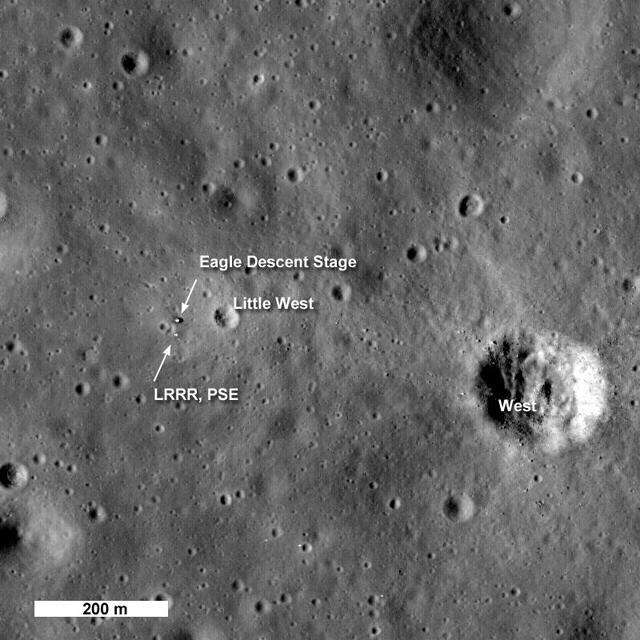
One month after its first image of the Apollo 11 landing site was acquired, NASA Lunar Reconnaissance Orbiter passed over the site again providing a new view of the historic site.
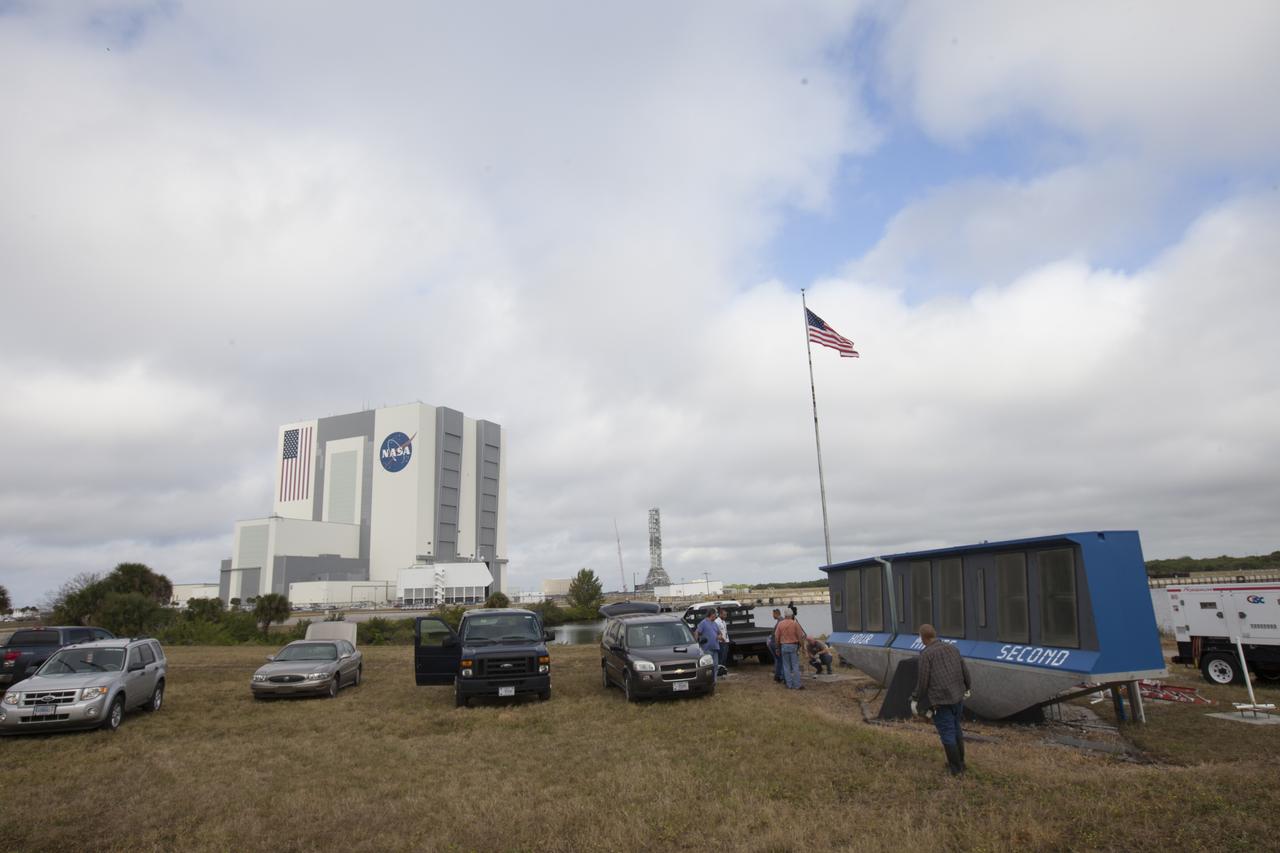
At NASA's Kennedy Space Center in Florida, the historic countdown clock at the spaceport's Press Site is disassembled for removal. Kennedy has requested to acquire the countdown clock from the agency’s Artifact Working Group at NASA Headquarters for likely display at the Kennedy Space Center Visitor Complex. A new modern multimedia display soon will be installed, similar to the screens seen at sporting venues, is in the works. The new screen will be nearly 26 feet wide by 7 feet high. The old timepiece was designed by Kennedy engineers and built by Kennedy technicians in 1969. Not including the triangular concrete and aluminum base, the famous landmark is nearly six feet high, 26 feet wide and 3 feet deep. The new display will be similar in size, with the screen being nearly 26 feet wide by seven feet high.
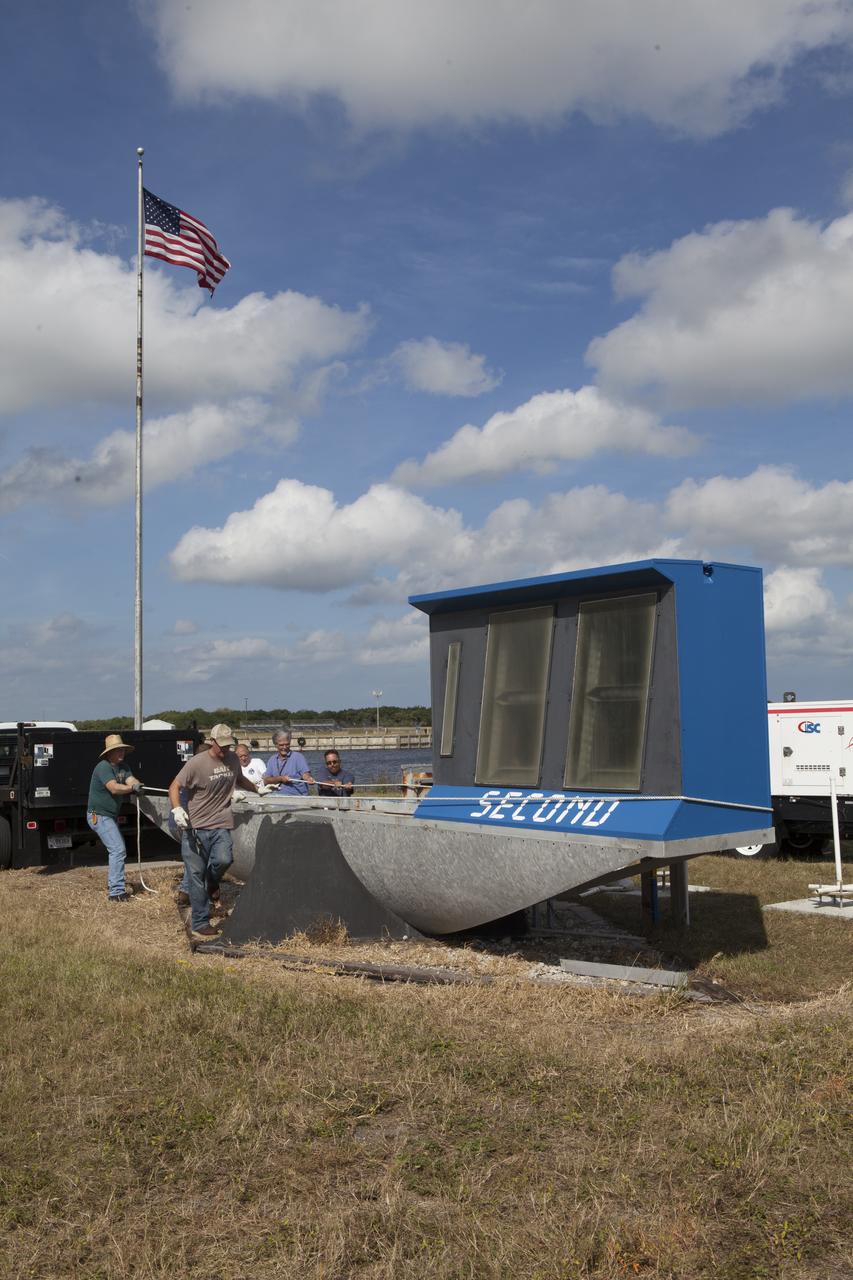
At NASA's Kennedy Space Center in Florida, the historic countdown clock at the spaceport's Press Site is disassembled for removal. Kennedy has requested to acquire the countdown clock from the agency’s Artifact Working Group at NASA Headquarters for likely display at the Kennedy Space Center Visitor Complex. A new modern multimedia display soon will be installed, similar to the screens seen at sporting venues, is in the works. The new screen will be nearly 26 feet wide by 7 feet high. The old timepiece was designed by Kennedy engineers and built by Kennedy technicians in 1969. Not including the triangular concrete and aluminum base, the famous landmark is nearly six feet high, 26 feet wide and 3 feet deep. The new display will be similar in size, with the screen being nearly 26 feet wide by seven feet high.
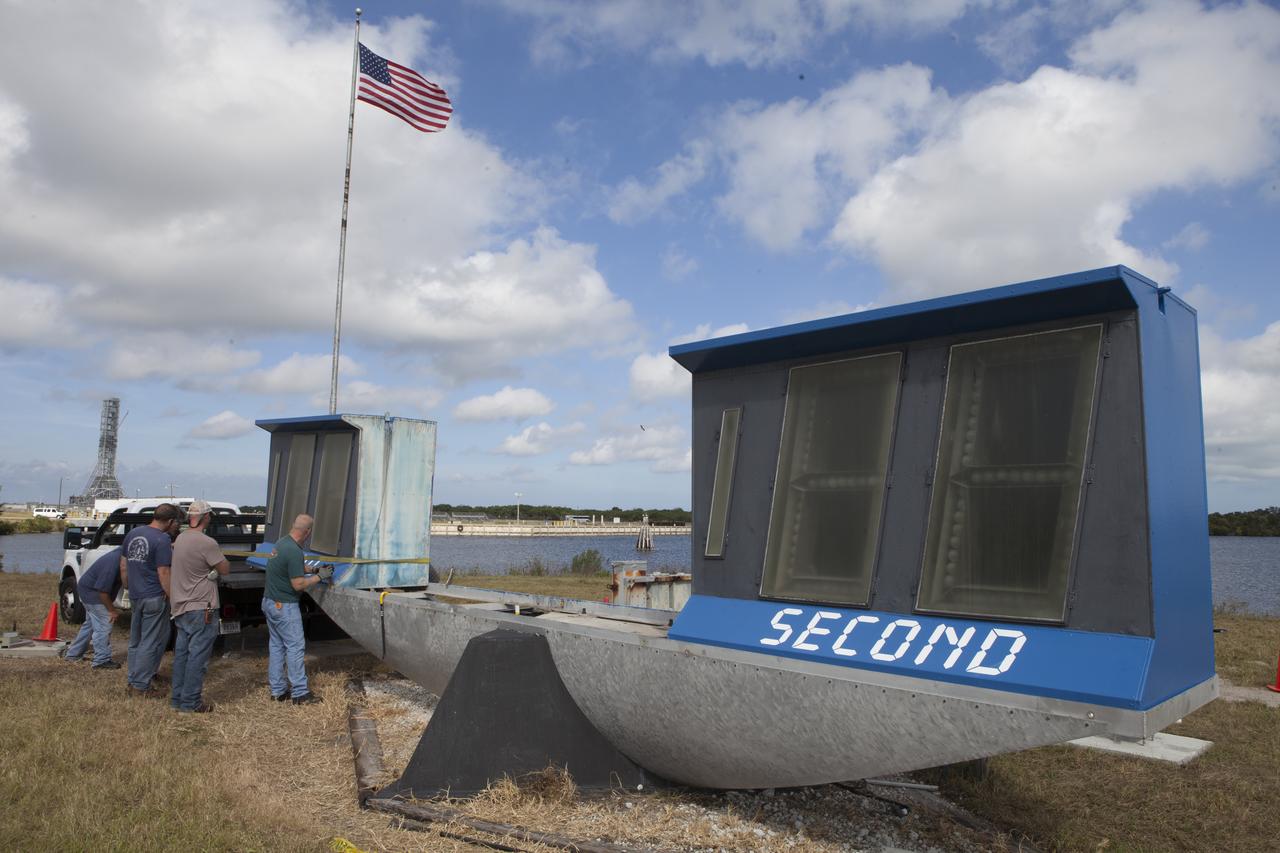
At NASA's Kennedy Space Center in Florida, the historic countdown clock at the spaceport's Press Site is disassembled for removal. Kennedy has requested to acquire the countdown clock from the agency’s Artifact Working Group at NASA Headquarters for likely display at the Kennedy Space Center Visitor Complex. A new modern multimedia display soon will be installed, similar to the screens seen at sporting venues, is in the works. The new screen will be nearly 26 feet wide by 7 feet high. The old timepiece was designed by Kennedy engineers and built by Kennedy technicians in 1969. Not including the triangular concrete and aluminum base, the famous landmark is nearly six feet high, 26 feet wide and 3 feet deep. The new display will be similar in size, with the screen being nearly 26 feet wide by seven feet high.
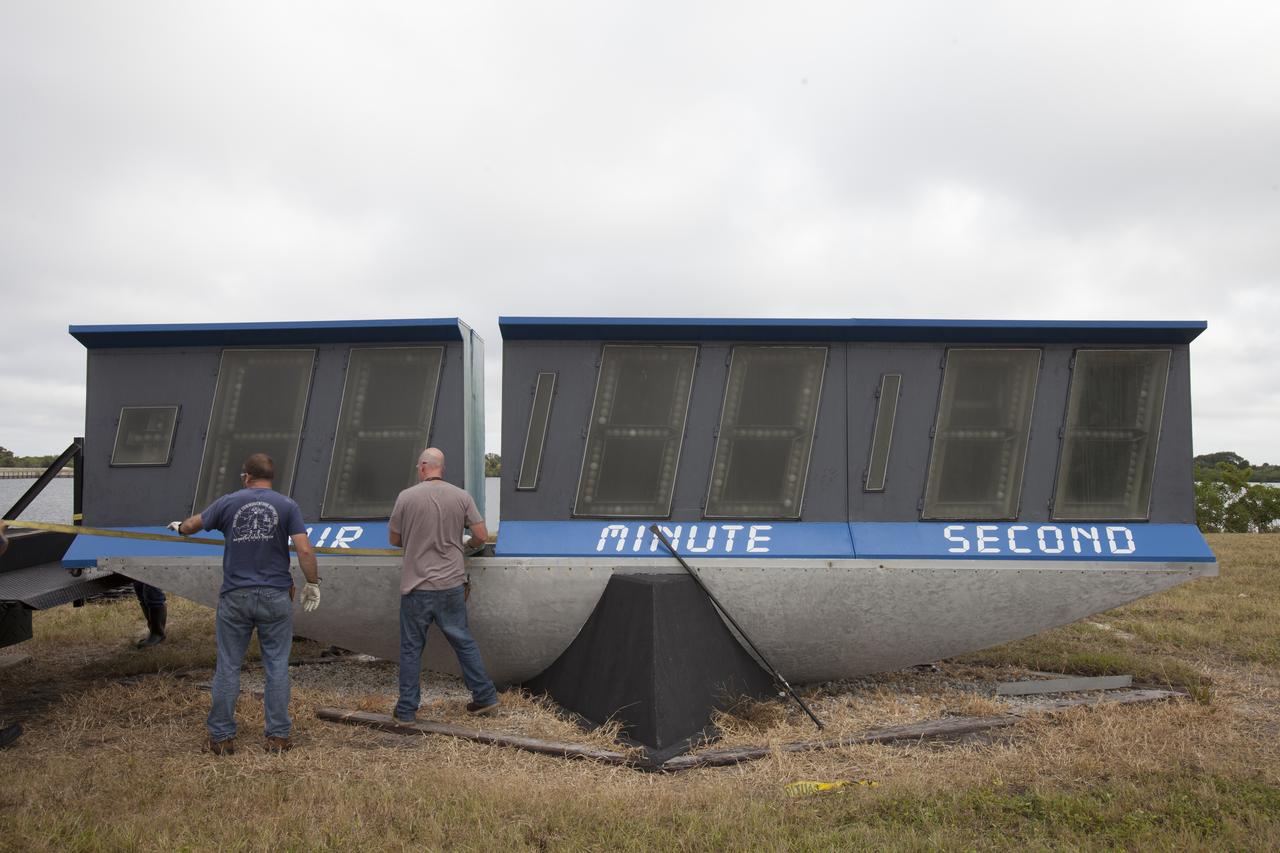
At NASA's Kennedy Space Center in Florida, the historic countdown clock at the spaceport's Press Site is disassembled for removal. Kennedy has requested to acquire the countdown clock from the agency’s Artifact Working Group at NASA Headquarters for likely display at the Kennedy Space Center Visitor Complex. A new modern multimedia display soon will be installed, similar to the screens seen at sporting venues, is in the works. The new screen will be nearly 26 feet wide by 7 feet high. The old timepiece was designed by Kennedy engineers and built by Kennedy technicians in 1969. Not including the triangular concrete and aluminum base, the famous landmark is nearly six feet high, 26 feet wide and 3 feet deep. The new display will be similar in size, with the screen being nearly 26 feet wide by seven feet high.
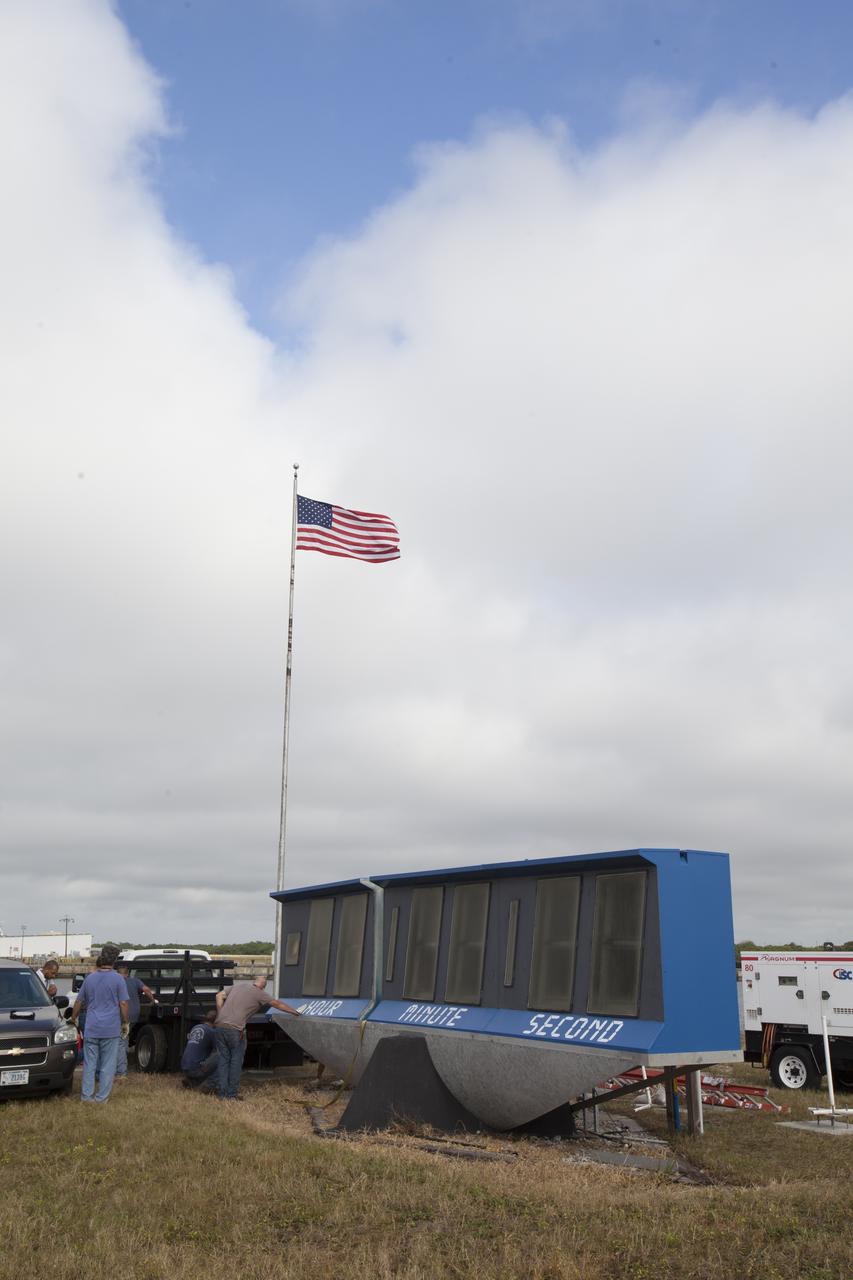
At NASA's Kennedy Space Center in Florida, the historic countdown clock at the spaceport's Press Site is disassembled for removal. Kennedy has requested to acquire the countdown clock from the agency’s Artifact Working Group at NASA Headquarters for likely display at the Kennedy Space Center Visitor Complex. A new modern multimedia display soon will be installed, similar to the screens seen at sporting venues, is in the works. The new screen will be nearly 26 feet wide by 7 feet high. The old timepiece was designed by Kennedy engineers and built by Kennedy technicians in 1969. Not including the triangular concrete and aluminum base, the famous landmark is nearly six feet high, 26 feet wide and 3 feet deep. The new display will be similar in size, with the screen being nearly 26 feet wide by seven feet high.
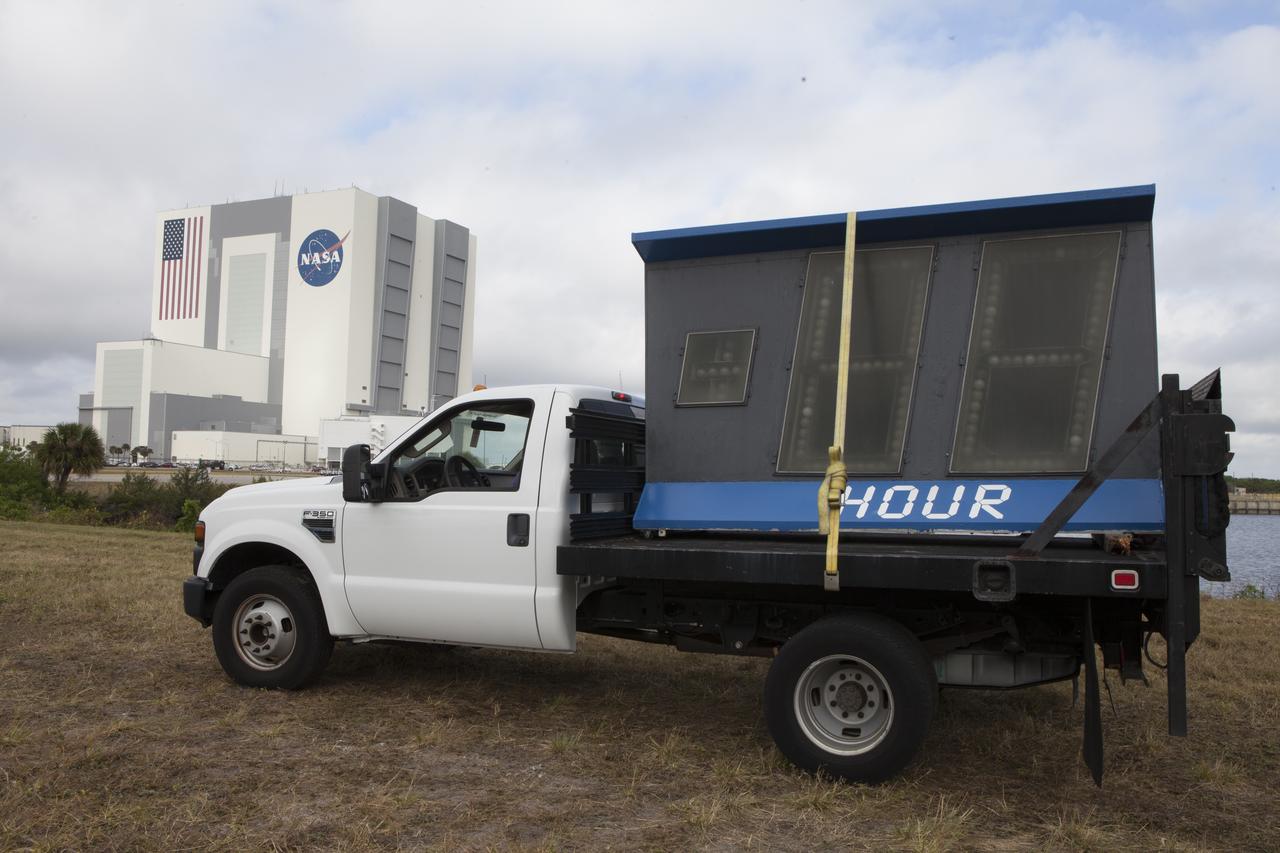
At NASA's Kennedy Space Center in Florida, the historic countdown clock at the spaceport's Press Site is disassembled for removal. Kennedy has requested to acquire the countdown clock from the agency’s Artifact Working Group at NASA Headquarters for likely display at the Kennedy Space Center Visitor Complex. A new modern multimedia display soon will be installed, similar to the screens seen at sporting venues, is in the works. The new screen will be nearly 26 feet wide by 7 feet high. The old timepiece was designed by Kennedy engineers and built by Kennedy technicians in 1969. Not including the triangular concrete and aluminum base, the famous landmark is nearly six feet high, 26 feet wide and 3 feet deep. The new display will be similar in size, with the screen being nearly 26 feet wide by seven feet high.
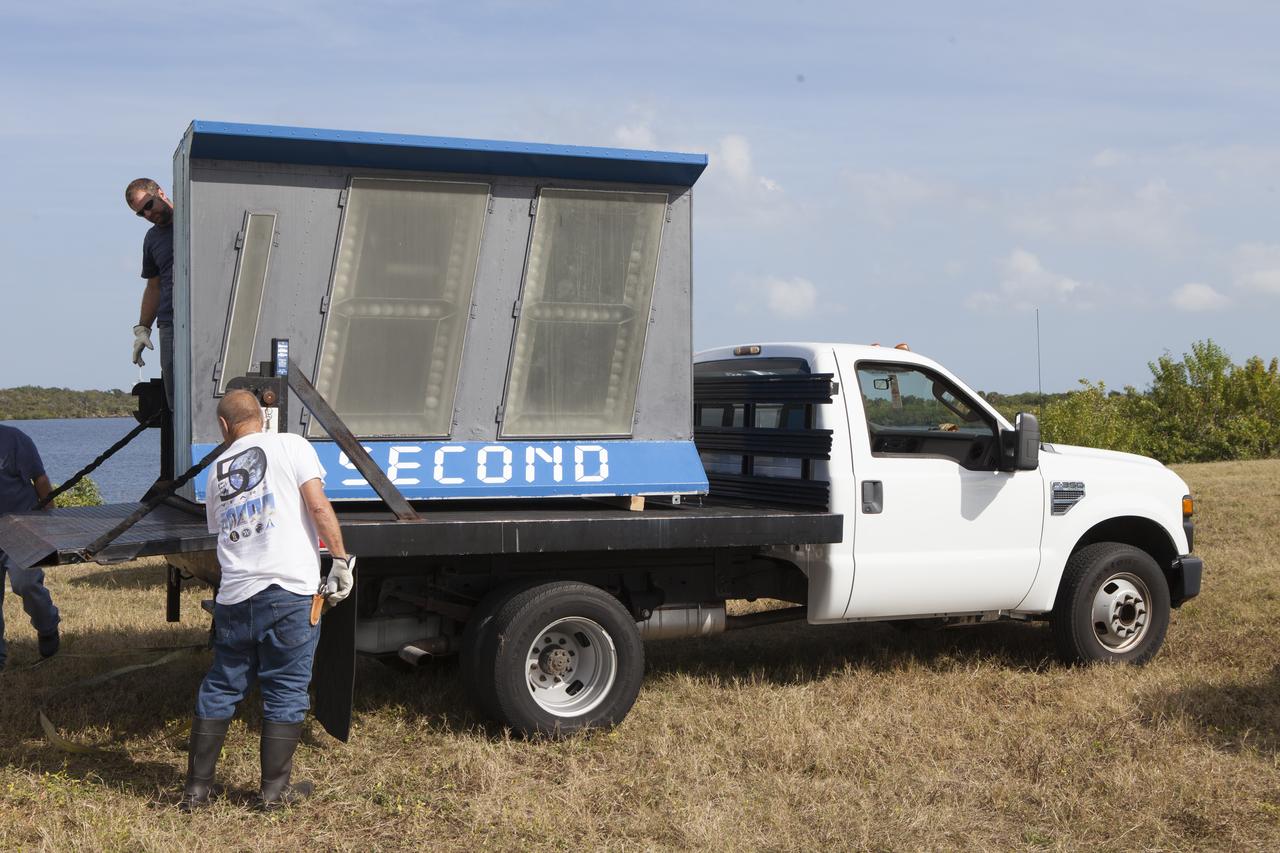
At NASA's Kennedy Space Center in Florida, the historic countdown clock at the spaceport's Press Site is disassembled for removal. Kennedy has requested to acquire the countdown clock from the agency’s Artifact Working Group at NASA Headquarters for likely display at the Kennedy Space Center Visitor Complex. A new modern multimedia display soon will be installed, similar to the screens seen at sporting venues, is in the works. The new screen will be nearly 26 feet wide by 7 feet high. The old timepiece was designed by Kennedy engineers and built by Kennedy technicians in 1969. Not including the triangular concrete and aluminum base, the famous landmark is nearly six feet high, 26 feet wide and 3 feet deep. The new display will be similar in size, with the screen being nearly 26 feet wide by seven feet high.
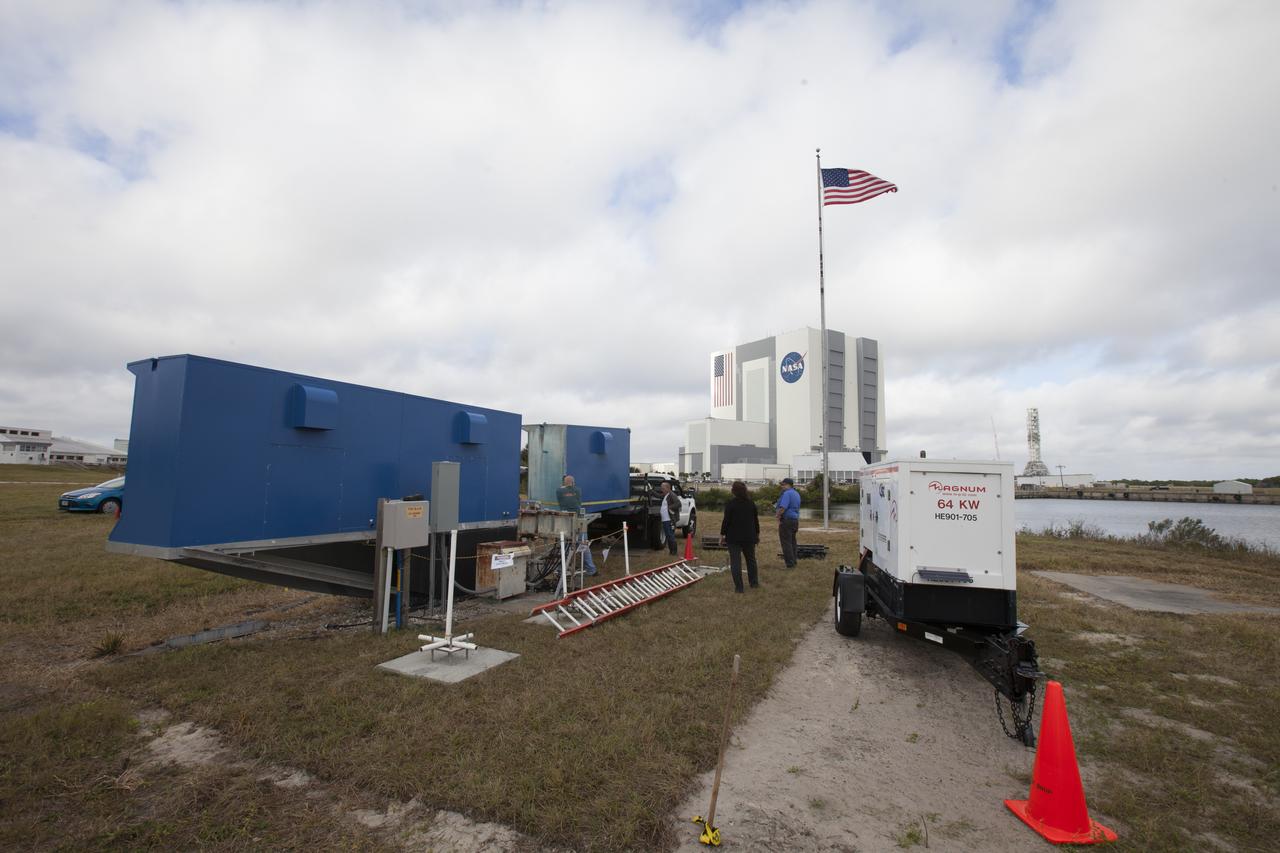
At NASA's Kennedy Space Center in Florida, the historic countdown clock at the spaceport's Press Site is disassembled for removal. Kennedy has requested to acquire the countdown clock from the agency’s Artifact Working Group at NASA Headquarters for likely display at the Kennedy Space Center Visitor Complex. A new modern multimedia display soon will be installed, similar to the screens seen at sporting venues, is in the works. The new screen will be nearly 26 feet wide by 7 feet high. The old timepiece was designed by Kennedy engineers and built by Kennedy technicians in 1969. Not including the triangular concrete and aluminum base, the famous landmark is nearly six feet high, 26 feet wide and 3 feet deep. The new display will be similar in size, with the screen being nearly 26 feet wide by seven feet high.
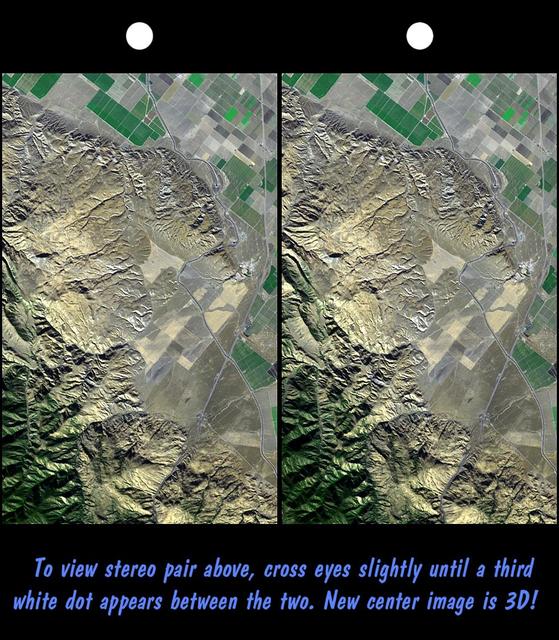
Wheeler Ridge and vicinity, California, is a site of major tectonic activity, both historically and over recent geologic time.
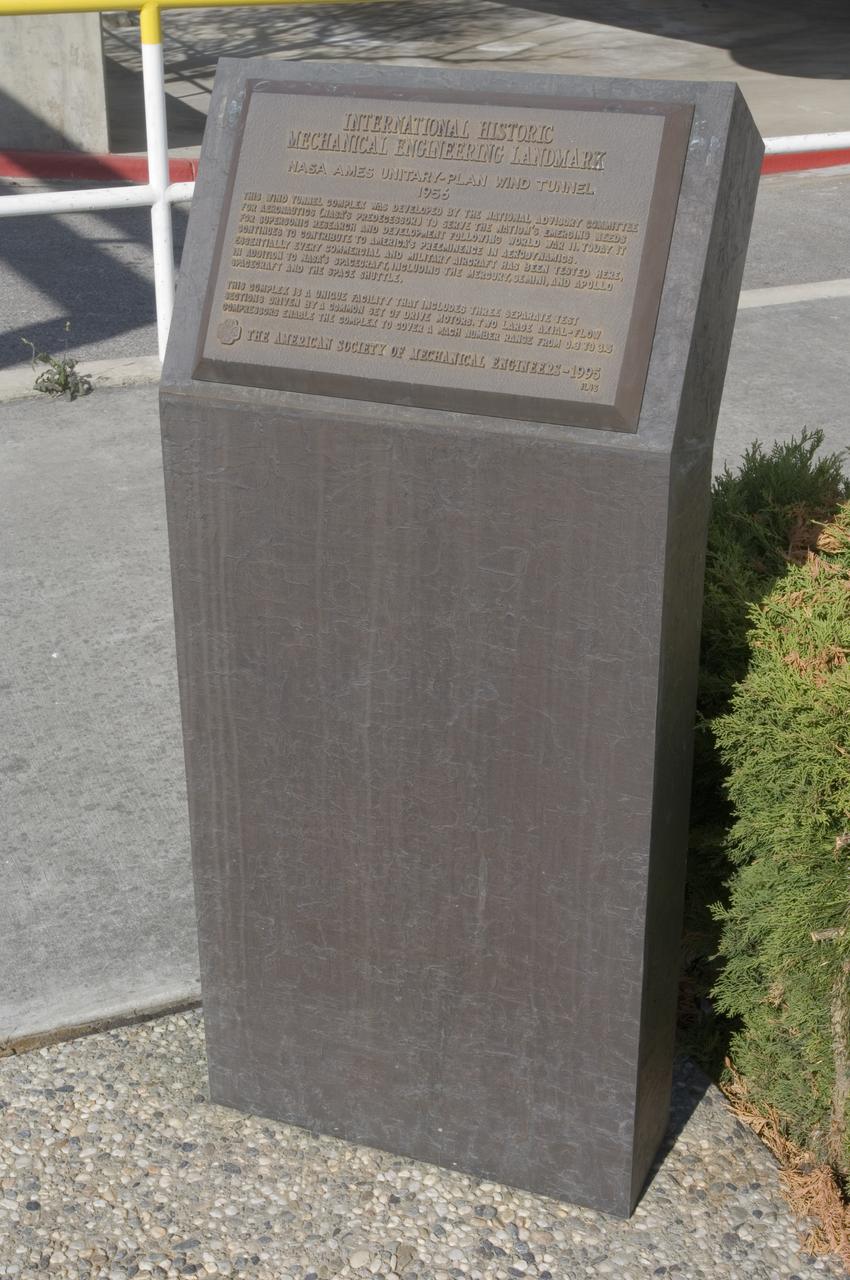
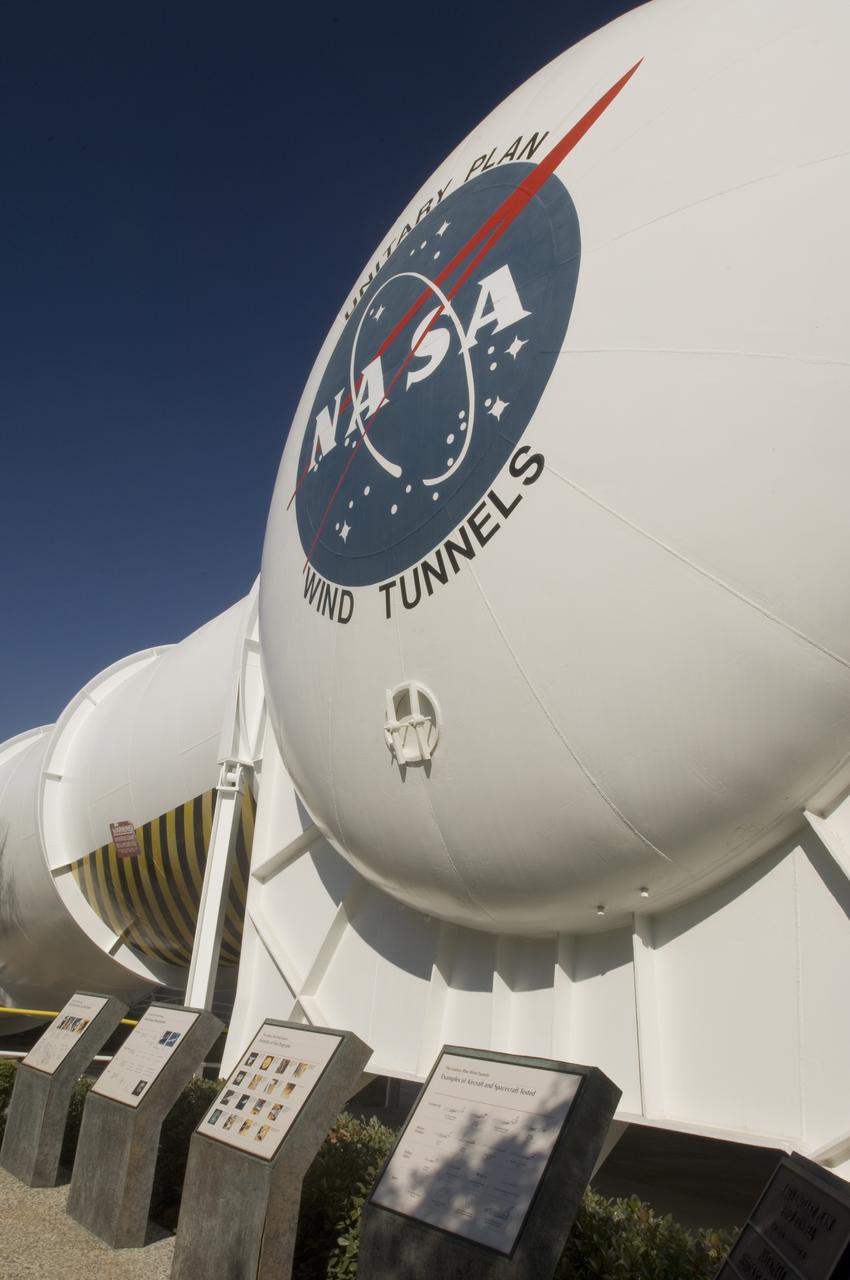
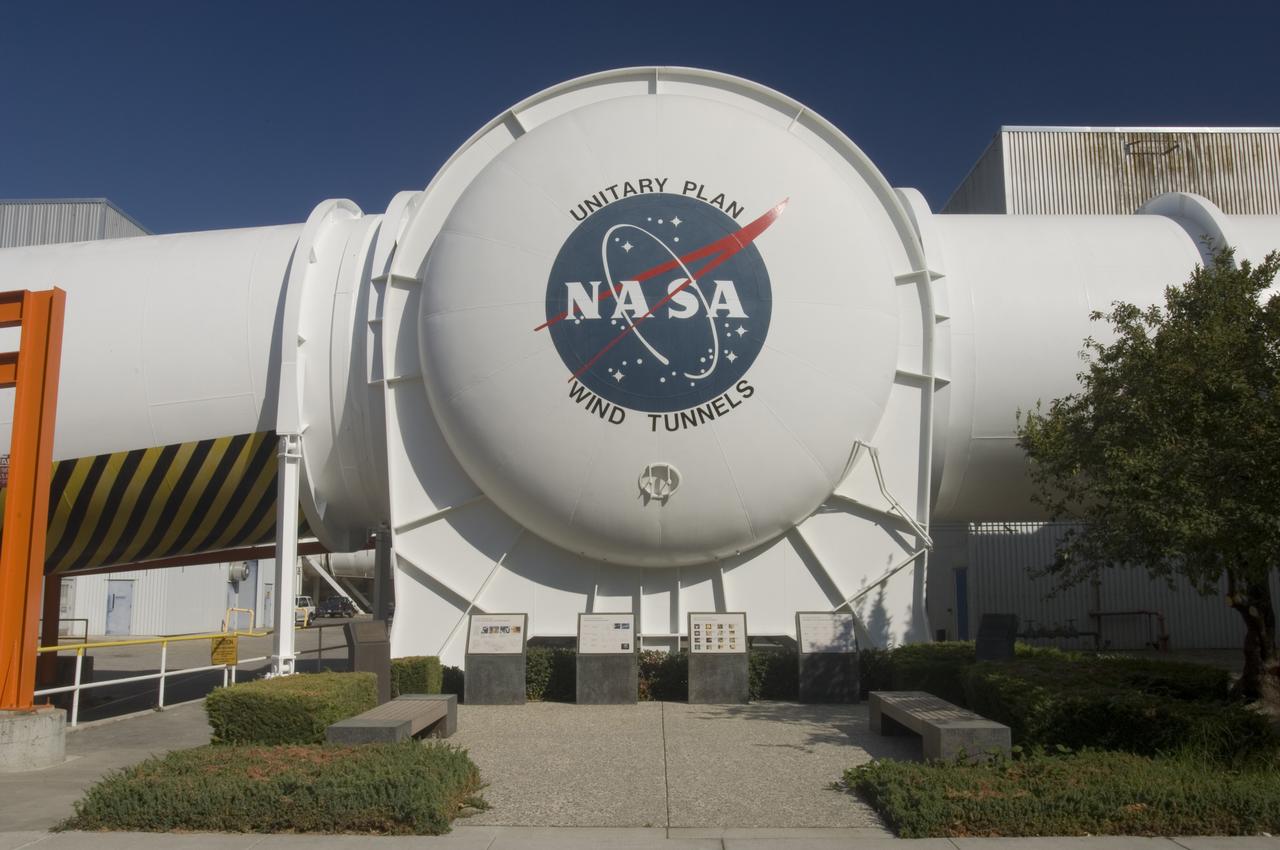
Ames and Moffett Field (MFA) historical sites and memorials Unitary Plan Wind Tunned plaza; display and historical site plaques with the NASA logo on the Wind Tunnel valve as a backdrop. shown is the Unitary International Historic Mechanical Engineering Landmark Dedication plaque (American Society of Mechanical Engineers) May 5, 1995
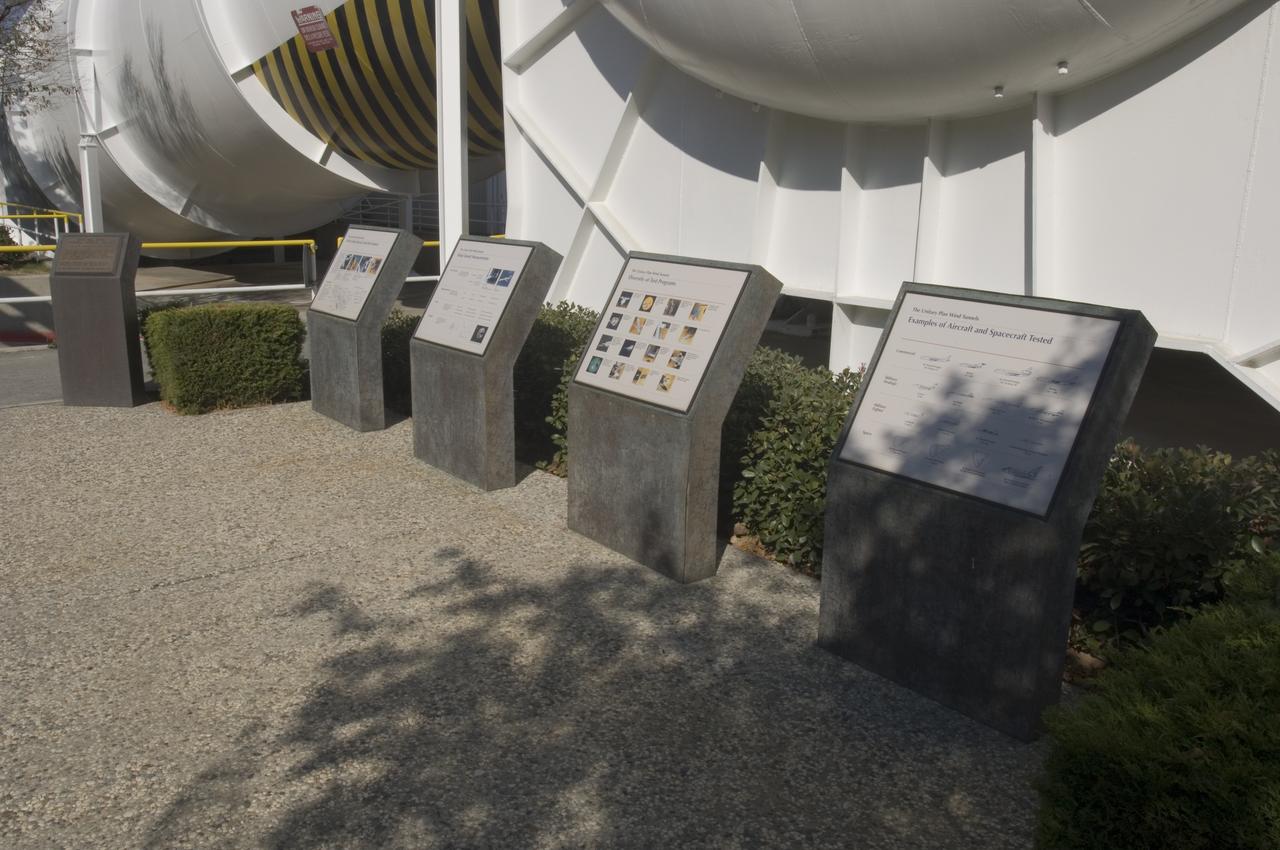
Ames and Moffett Field (MFA) historical sites and memorials Unitary Plan Wind Tunned plaza; display and historical site plaques with the NASA logo on the Wind Tunnel valve as a backdrop.
Ames and Moffett Field (MFA) historical sites and memorials Unitary Plan Wind Tunned plaza; display and historical site plaques with the NASA logo on the Wind Tunnel valve as a backdrop.
Ames and Moffett Field (MFA) historical sites and memorials Unitary Plan Wind Tunned plaza; display and historical site plaques with the NASA logo on the Wind Tunnel valve as a backdrop.
Ames and Moffett Field (MFA) historical sites and memorials Unitary Plan Wind Tunned plaza; display and historical site plaques with the NASA logo on the Wind Tunnel valve as a backdrop.

Ames and Moffett Field (MFA) historical sites and memorials Unitary Plan Wind Tunned plaza; display and historical site plaques with the NASA logo on the Wind Tunnel valve as a backdrop.
Ames and Moffett Field (MFA) historical sites and memorials Unitary Plan Wind Tunned plaza; display and historical site plaques with the NASA logo on the Wind Tunnel valve as a backdrop.
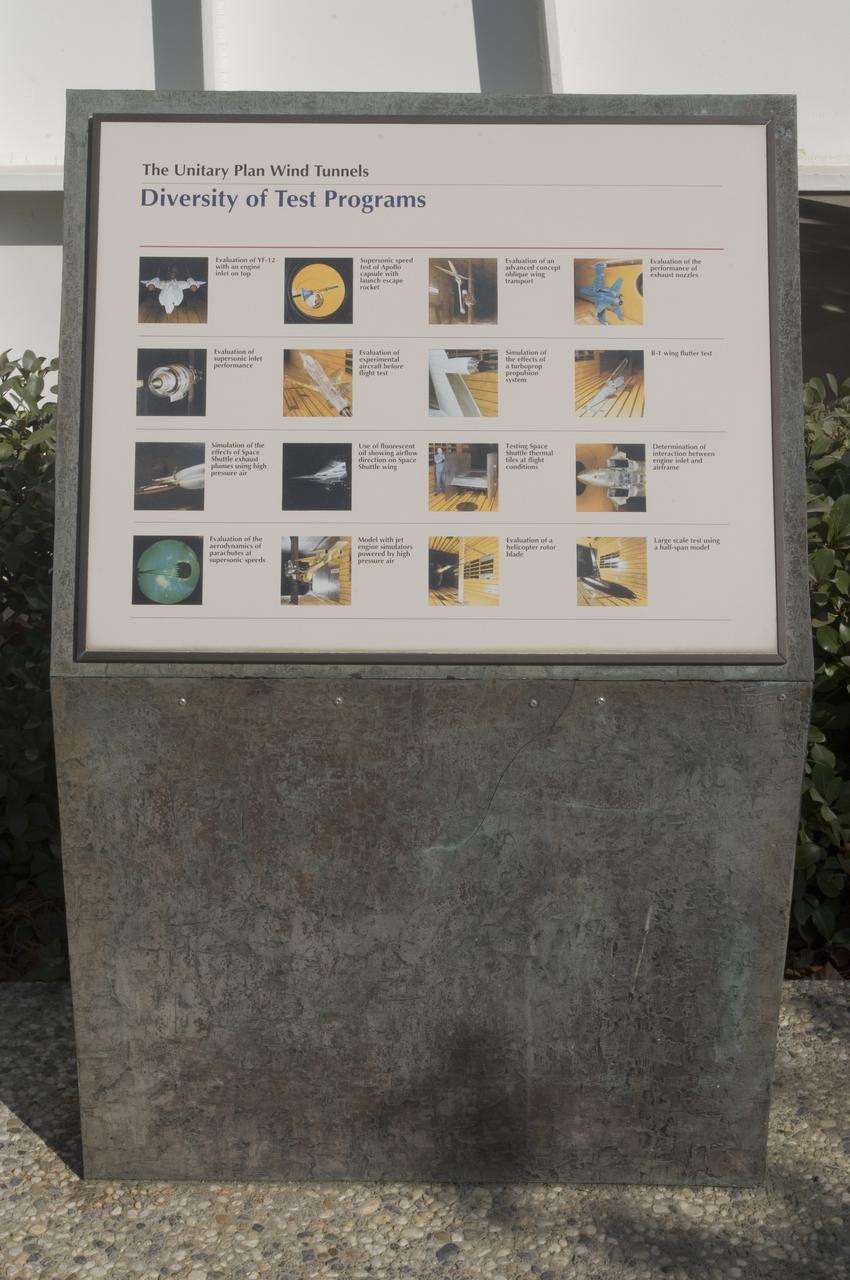
Ames and Moffett Field (MFA) historical sites and memorials Unitary Plan Wind Tunned plaza; display and historical site plaques with the NASA logo on the Wind Tunnel valve as a backdrop.
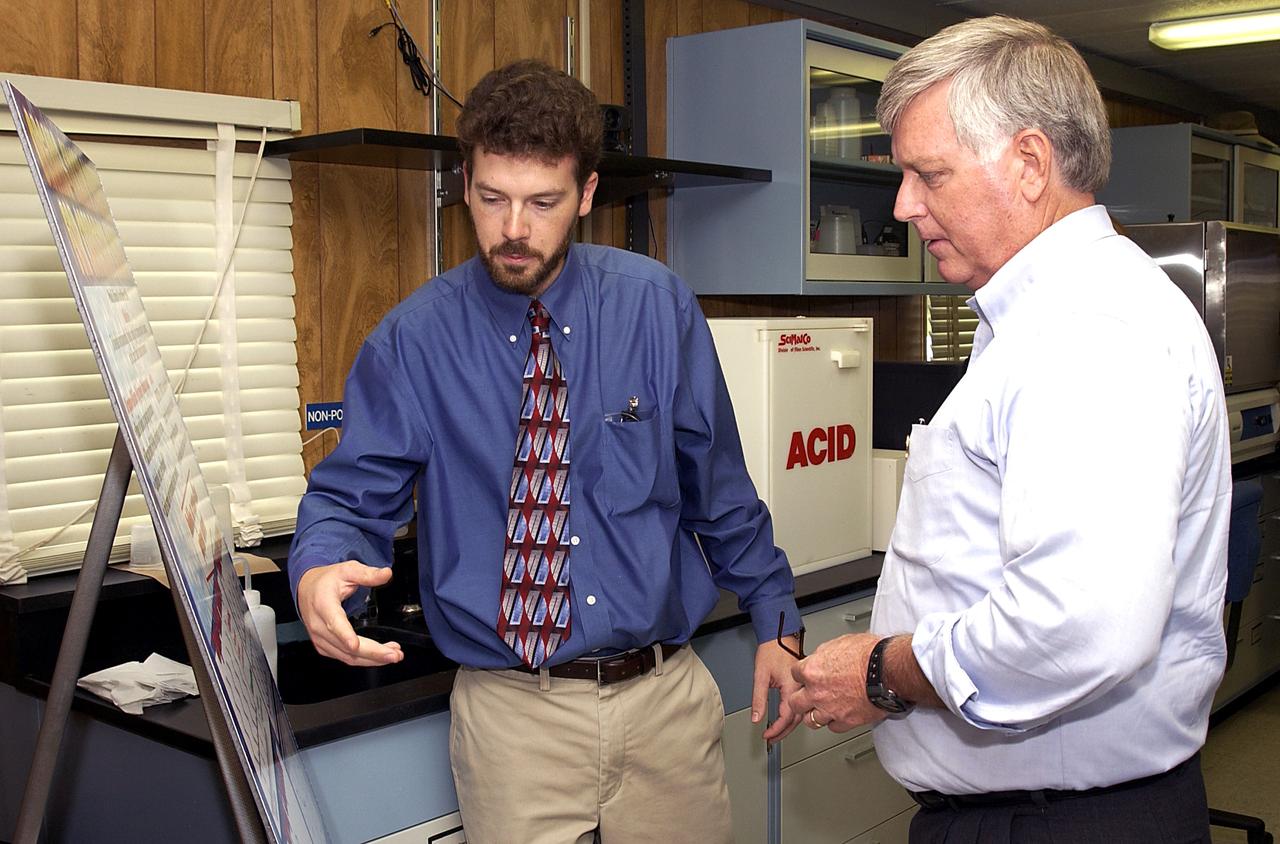
KENNEDY SPACE CENTER, FLA. - Dr. Paul Hintze (left) explains to Center Director Jim Kennedy a project he is working at the KSC Beach Corrosion Test Site. Hitze is doing post-graduate work for the National Research Council. The test facility site was established in the 1960s and has provided more than 30 years of historical information on the long-term performance of many materials in use at KSC and other locations around the world. Located 100 feet from the Atlantic Ocean approximately 1 mile south of the Space Shuttle launch sites, the test facility includes an atmospheric exposure site, a flowing seawater exposure site, and an on-site electrochemistry laboratory and monitoring station. The beach laboratory is used to conduct real-time corrosion experiments and provides for the remote monitoring of surrounding weather conditions. The newly added flowing seawater immersion facility provides for the immersion testing of materials and devices under controlled conditions.
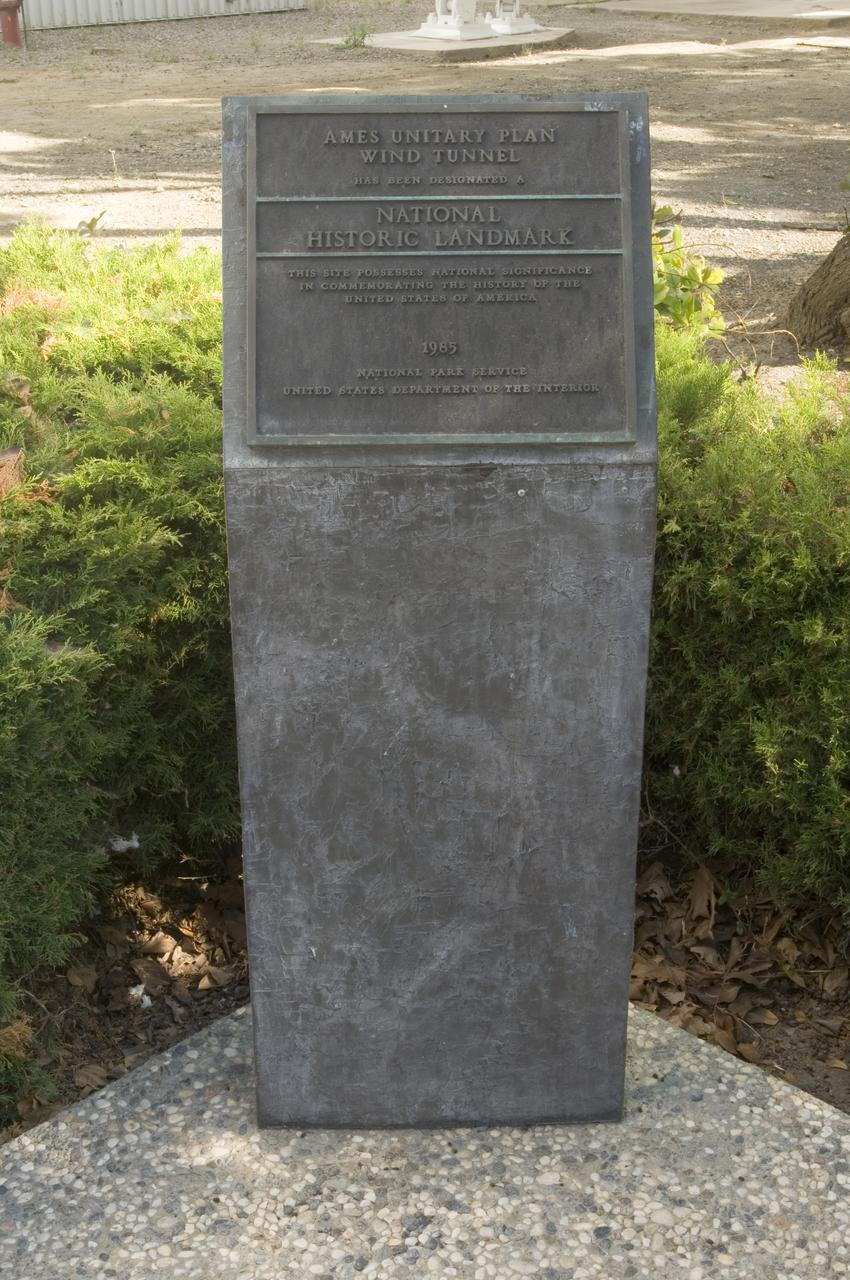
Ames and Moffett Field (MFA) historical sites and memorials Unitary Plan Wind Tunned plaza; display and historical site plaques with the NASA logo on the Wind Tunnel valve as a backdrop. Plaque depicts that Ames Unitary Plan Wind Tunnel has been designated a National Historic Landmark by the National Park Service, United States Department of the Interior 1985 The plaque reads; This site possesses national significance in commemorating the history of the United States of America. That ceremony took place on September 12, 1990
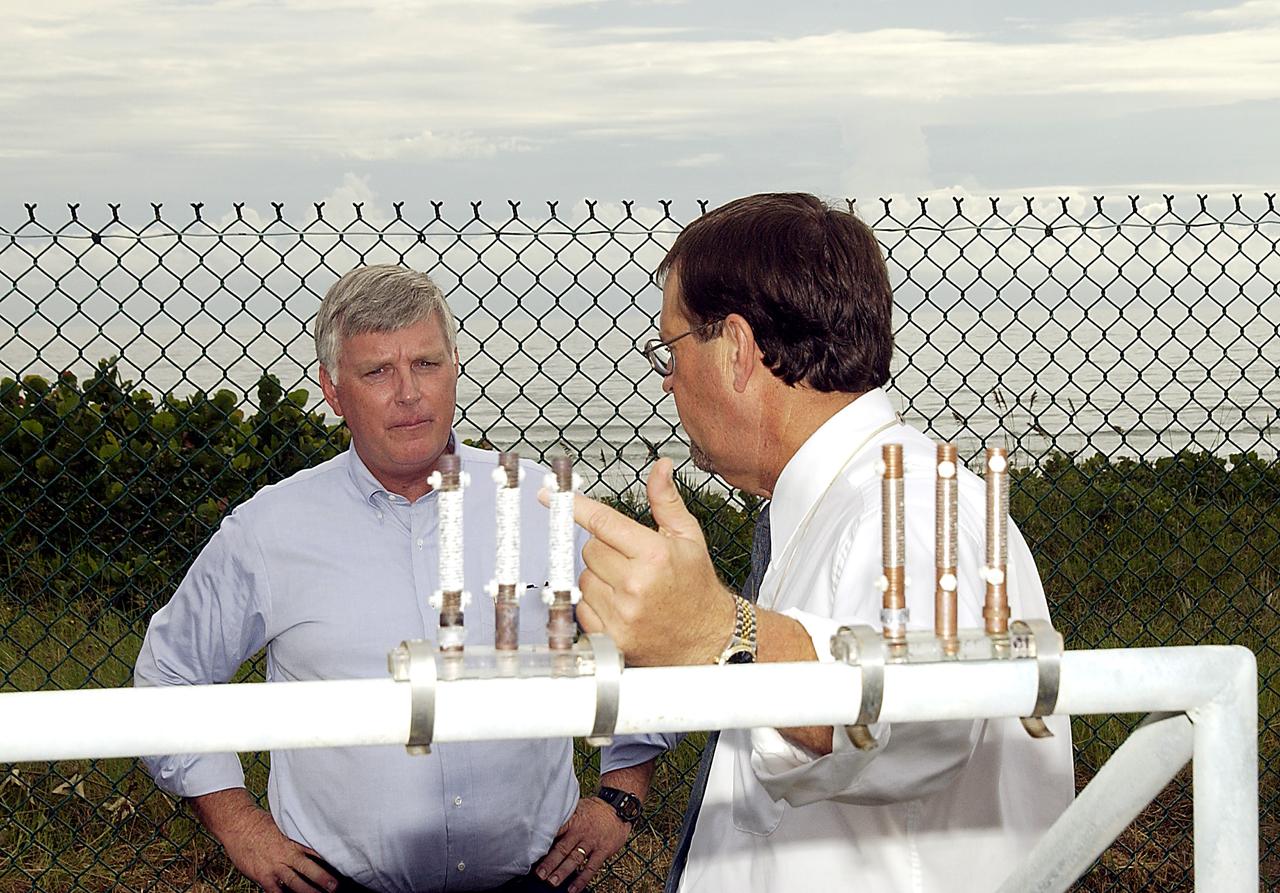
KENNEDY SPACE CENTER, FLA. - Louis MacDowell (right), Testbed manager, explains to Center Director Jim Kennedy the use of astmospheric calibration specimens. Placed at various locations, they can rank the corrosivity of the given environment. The KSC Beach Corrosion Test Site was established in the 1960s and has provided more than 30 years of historical information on the long-term performance of many materials in use at KSC and other locations around the world. Located 100 feet from the Atlantic Ocean approximately 1 mile south of the Space Shuttle launch sites, the test facility includes an atmospheric exposure site, a flowing seawater exposure site, and an on-site electrochemistry laboratory and monitoring station. The beach laboratory is used to conduct real-time corrosion experiments and provides for the remote monitoring of surrounding weather conditions. The newly added flowing seawater immersion facility provides for the immersion testing of materials and devices under controlled conditions.
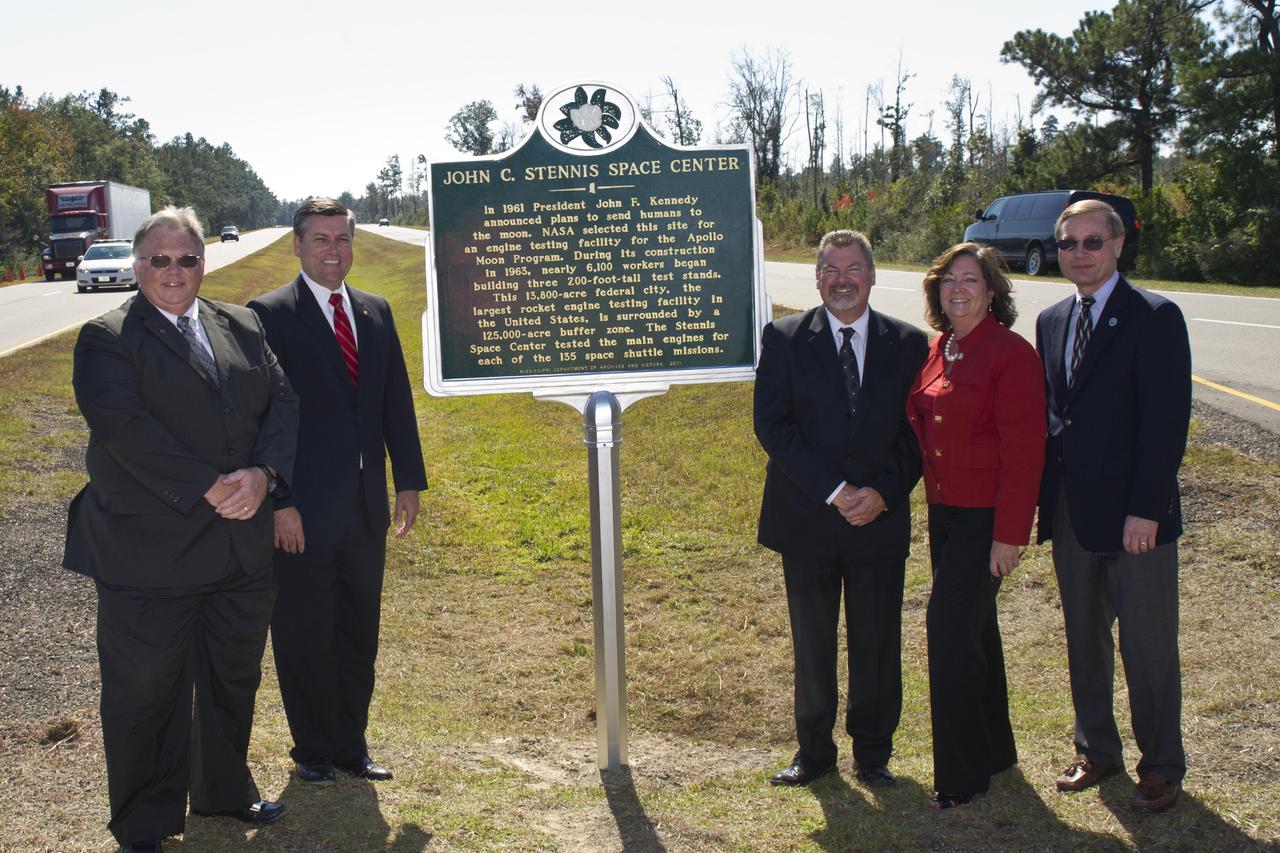
Stennis Space Center Director Patrick Scheuermann (second from left) stands at the historical marker erected by the state of Mississippi in honor of the 50th anniversary of the NASA facility. Joining Scheuermann are: (l to r) Ron Magee, Al Watkins, Tish Williams and Ken P'Pool.
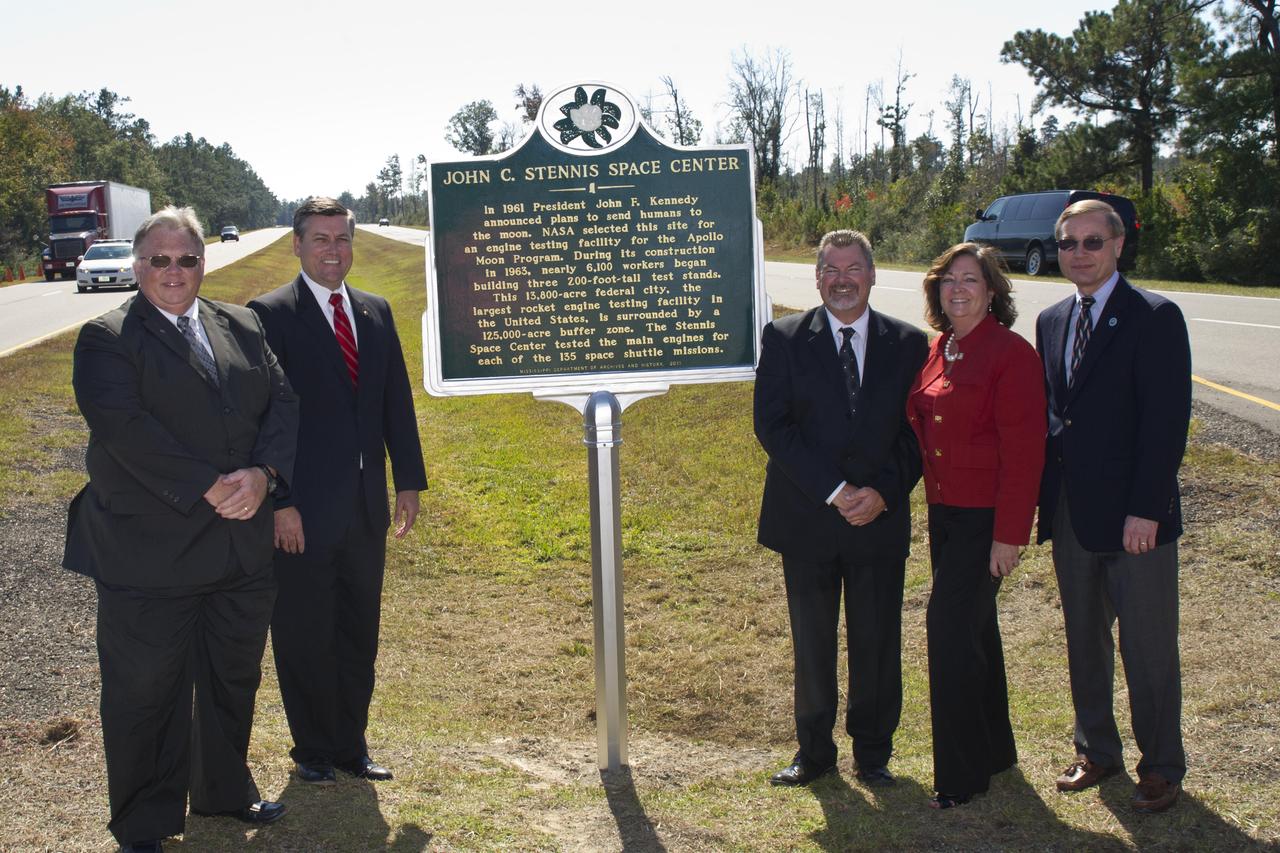
Stennis Space Center Director Patrick Scheuermann (second from left) stands at the historical marker erected by the state of Mississippi in honor of the 50th anniversary of the NASA facility. Joining Scheuermann are: (l to r) Ron Magee, Al Watkins, Tish Williams and Ken P'Pool.
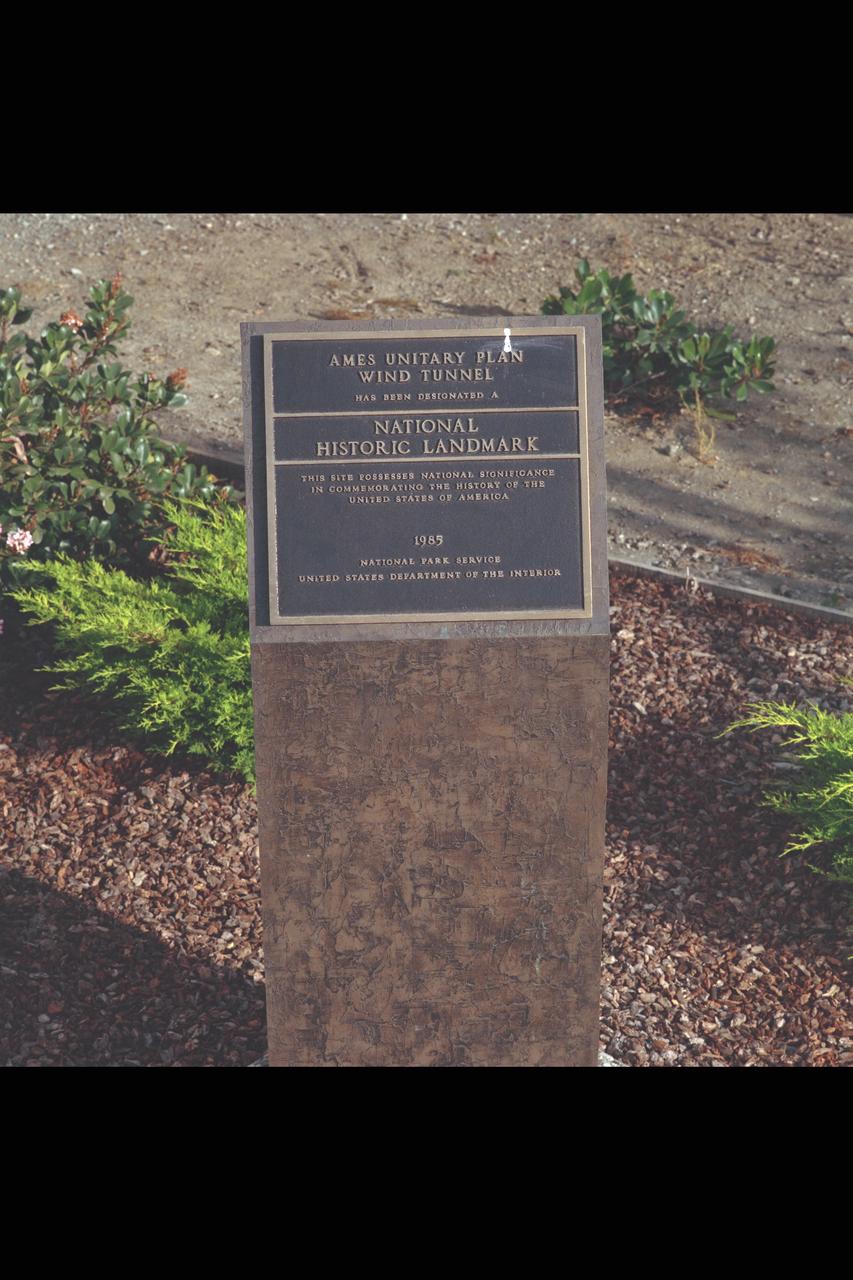
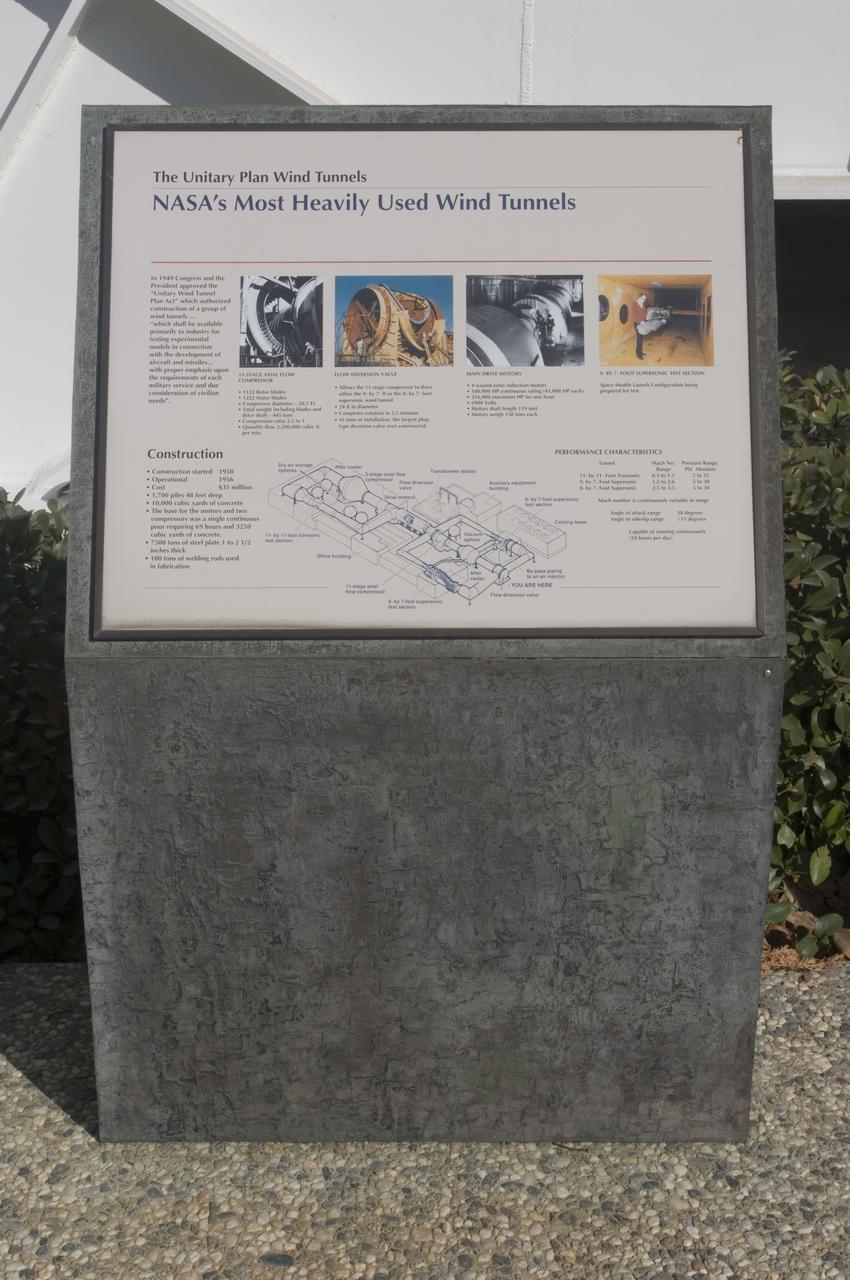
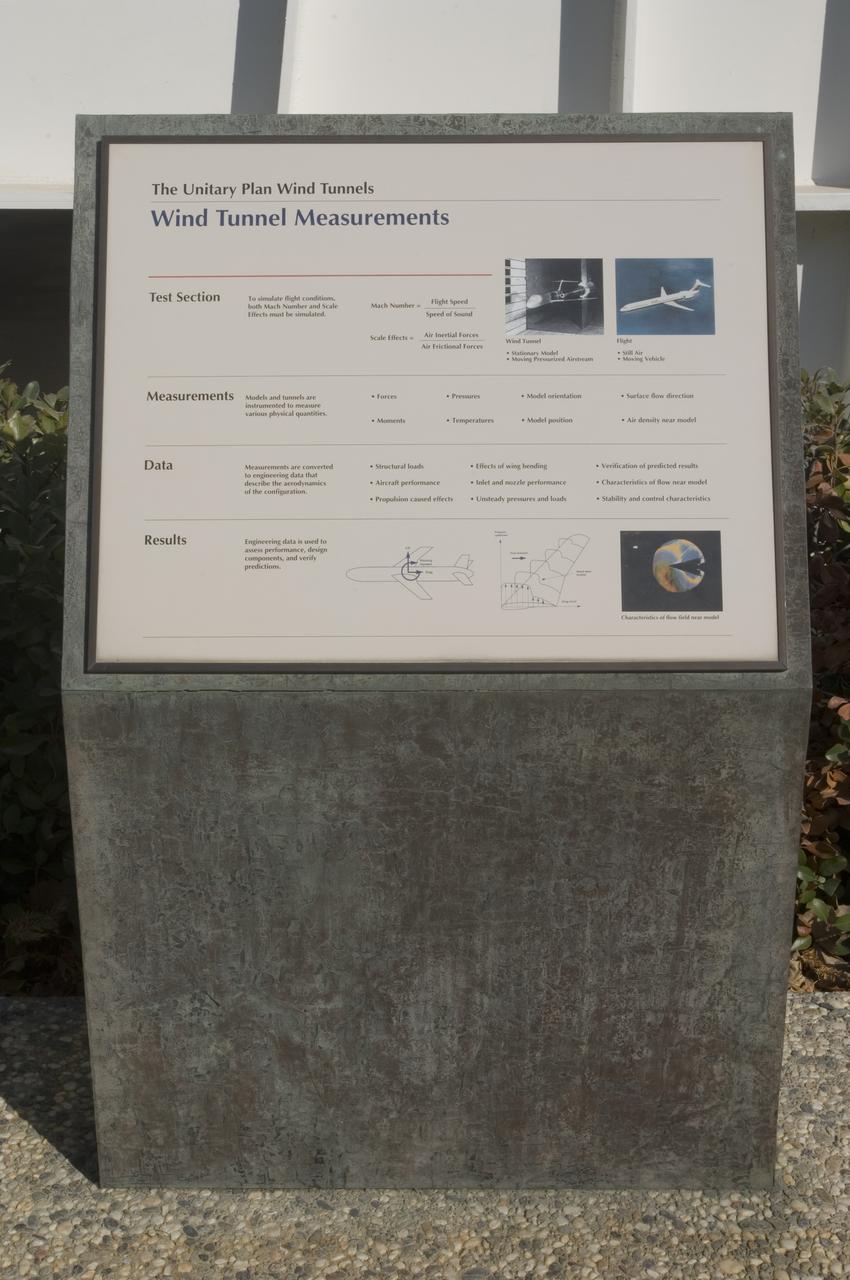
Unitary wind tunnels historical land mark site plaque (types of Aricraft Tested) (NASA Seal on tunnel)
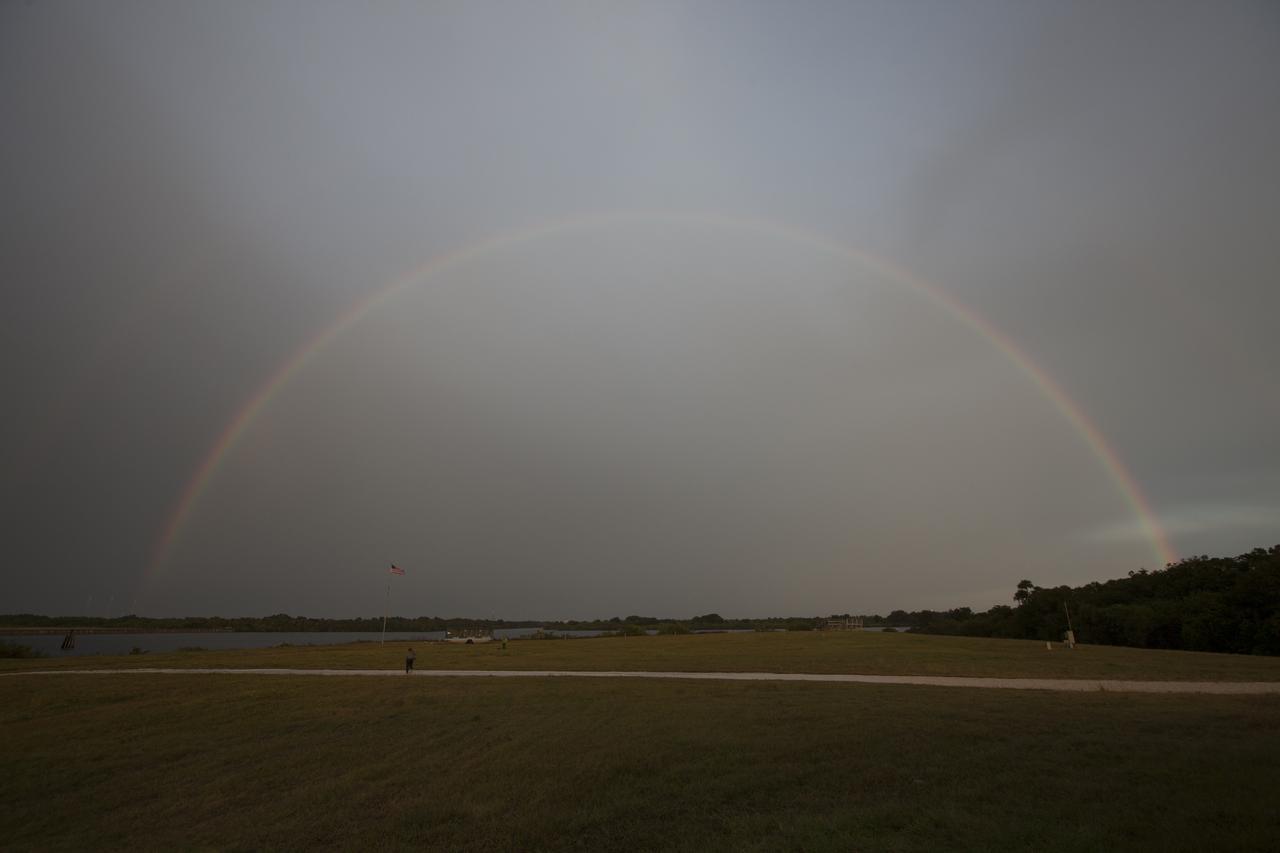
As rain showers dissipate, a rainbow appeared over the Kennedy Space Center's Press Site and turn basin. In the background is the historic countdown clock.
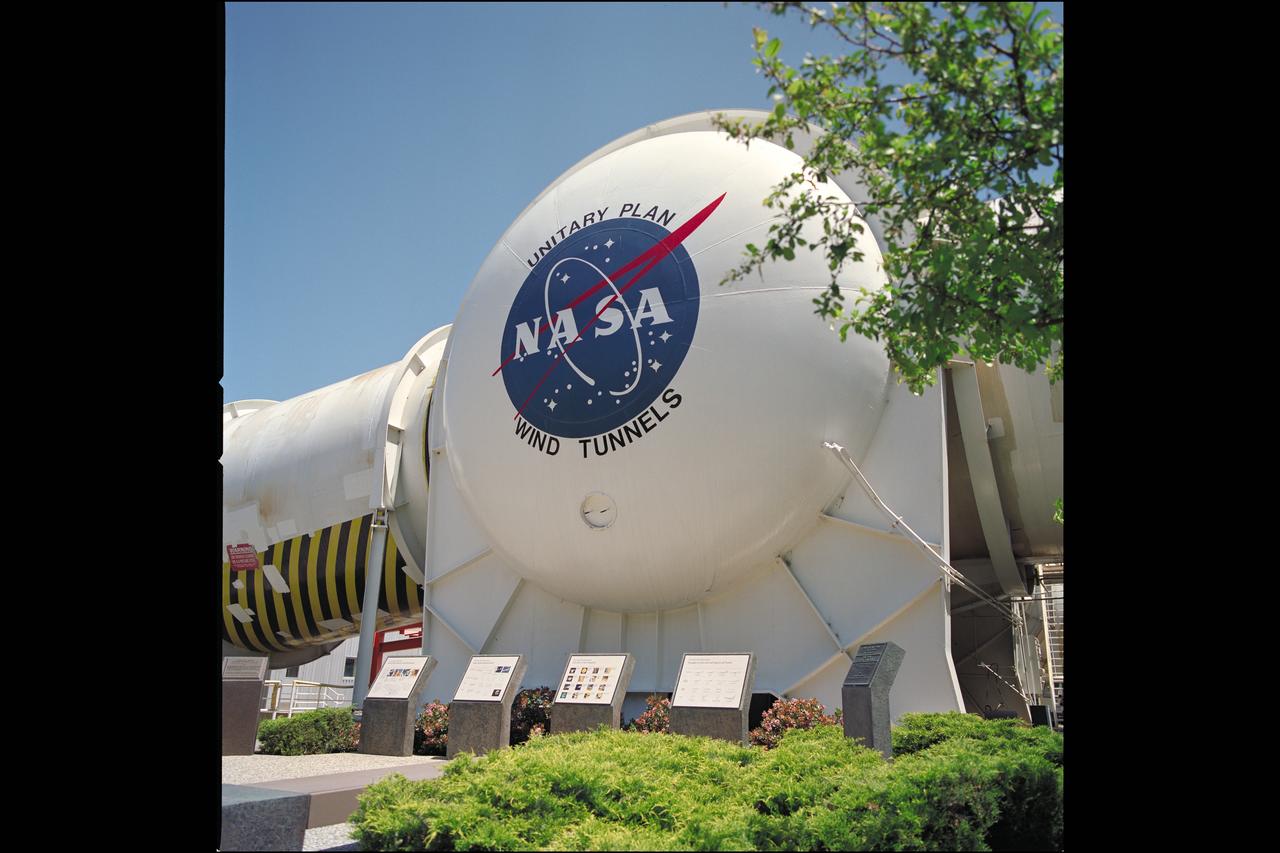
N-227 Unitary Plan Wind Tunnel with NASA 'Meatball' insignia over looking the National Historical Landmark sites' commemorative plaques
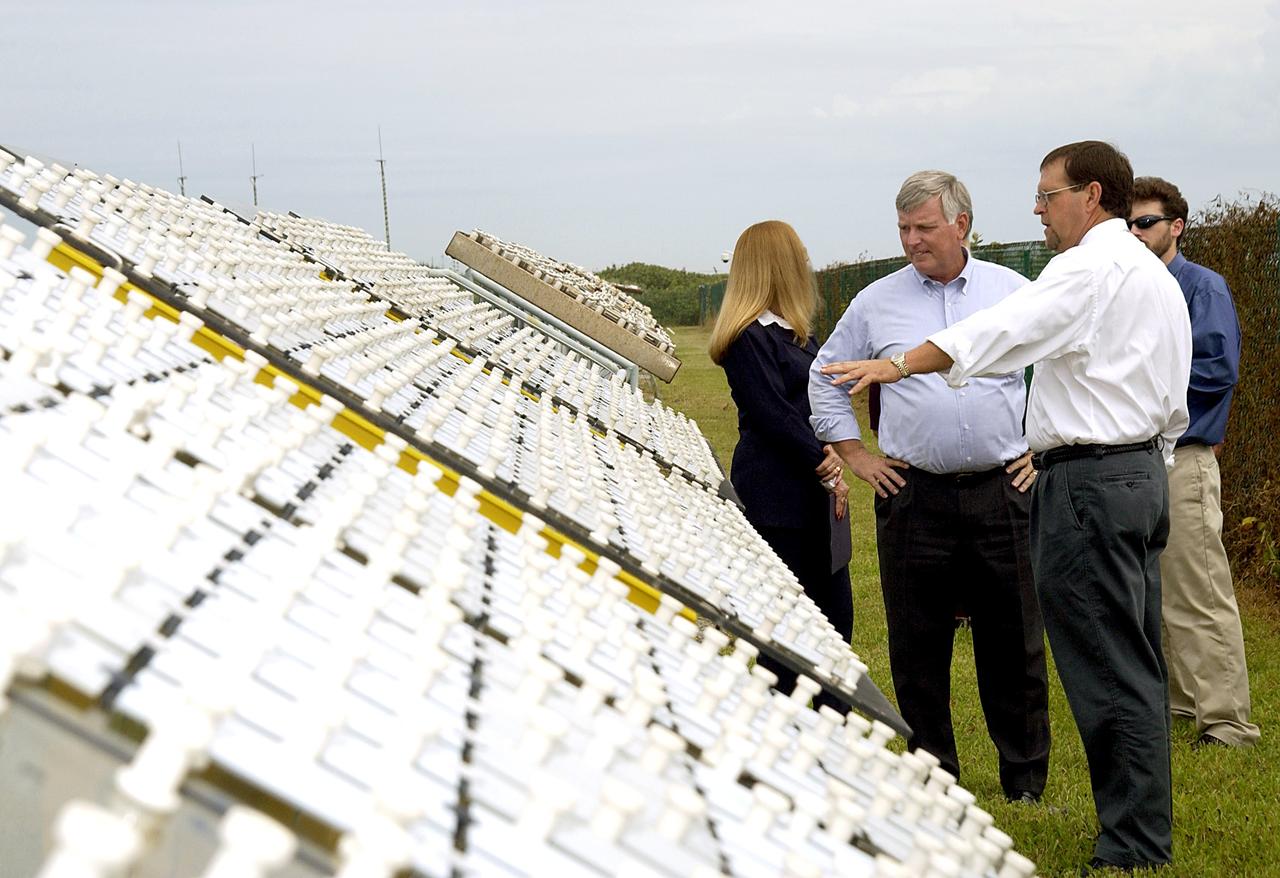
KENNEDY SPACE CENTER, FLA. - On a tour of the KSC Beach Corrosion Test Site, Testbed Manager Louis MacDowell (foreground) explains to Center Director Jim Kennedy (third from right) about a study being undertaken for the U.S. Navy: nonchrome primers for aircraft. At left is Lead Scientist Dr. Luz Marina Calle and behind MacDowell is Dr. Paul Hintze, who is working on a graduate project for the National Research Council. The KSC Beach Corrosion Test Site was established in the 1960s and has provided more than 30 years of historical information on the long-term performance of many materials in use at KSC and other locations around the world. Located 100 feet from the Atlantic Ocean approximately 1 mile south of the Space Shuttle launch sites, the test facility includes an atmospheric exposure site, a flowing seawater exposure site, and an on-site electrochemistry laboratory and monitoring station. The beach laboratory is used to conduct real-time corrosion experiments and provides for the remote monitoring of surrounding weather conditions. The newly added flowing seawater immersion facility provides for the immersion testing of materials and devices under controlled conditions.
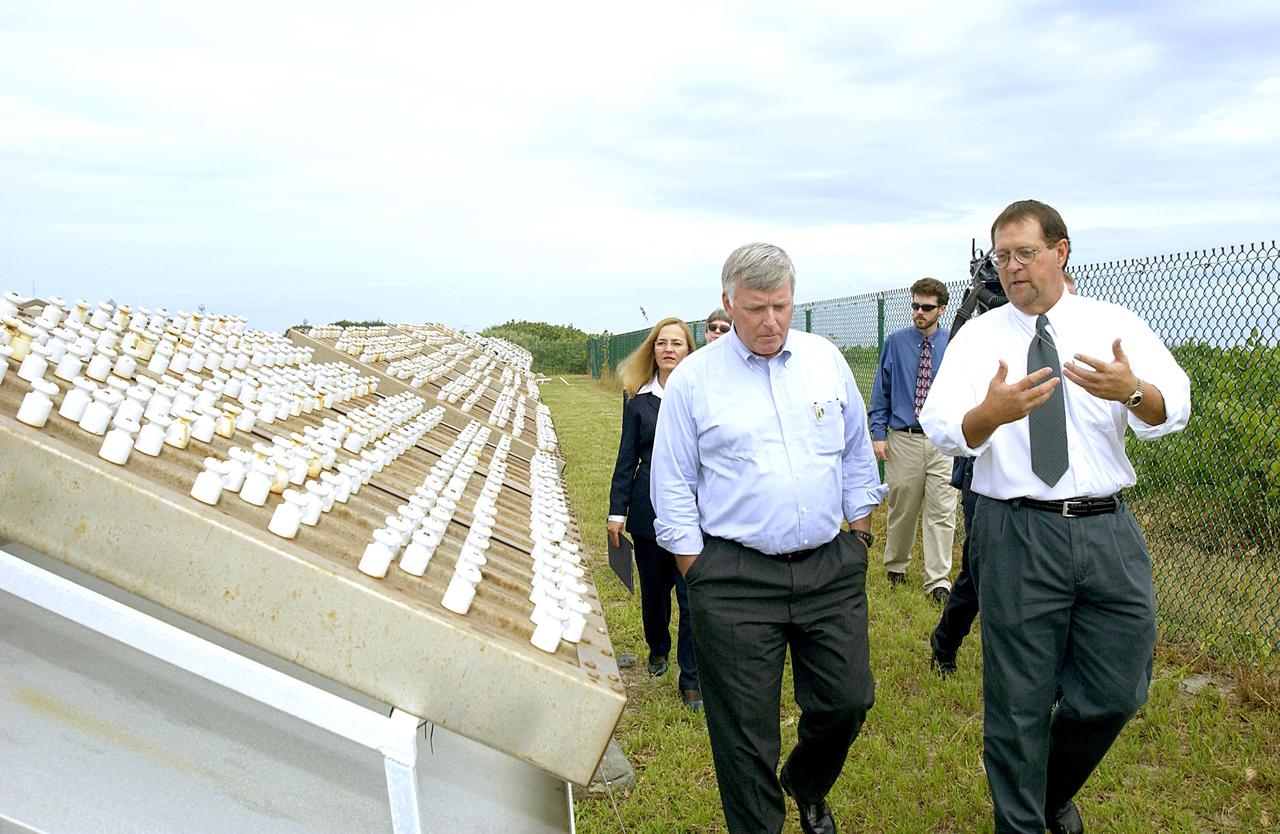
KENNEDY SPACE CENTER, FLA. - On a tour of the KSC Beach Corrosion Test Site, Louis MacDowell (right), Testbed manager, explains to Center Director Jim Kennedy a project being undertaken for the U.S. Navy. At left are nonchrome primers for aircraft being studied. Behind Kennedy is Lead Scientist Dr. Luz Marina Calle. Behind MacDowell is Dr. Paul Hintze, who is working on a graduate project for the National Research Council. The KSC Beach Corrosion Test Site was established in the 1960s and has provided more than 30 years of historical information on the long-term performance of many materials in use at KSC and other locations around the world. Located 100 feet from the Atlantic Ocean approximately 1 mile south of the Space Shuttle launch sites, the test facility includes an atmospheric exposure site, a flowing seawater exposure site, and an on-site electrochemistry laboratory and monitoring station. The beach laboratory is used to conduct real-time corrosion experiments and provides for the remote monitoring of surrounding weather conditions. The newly added flowing seawater immersion facility provides for the immersion testing of materials and devices under controlled conditions.
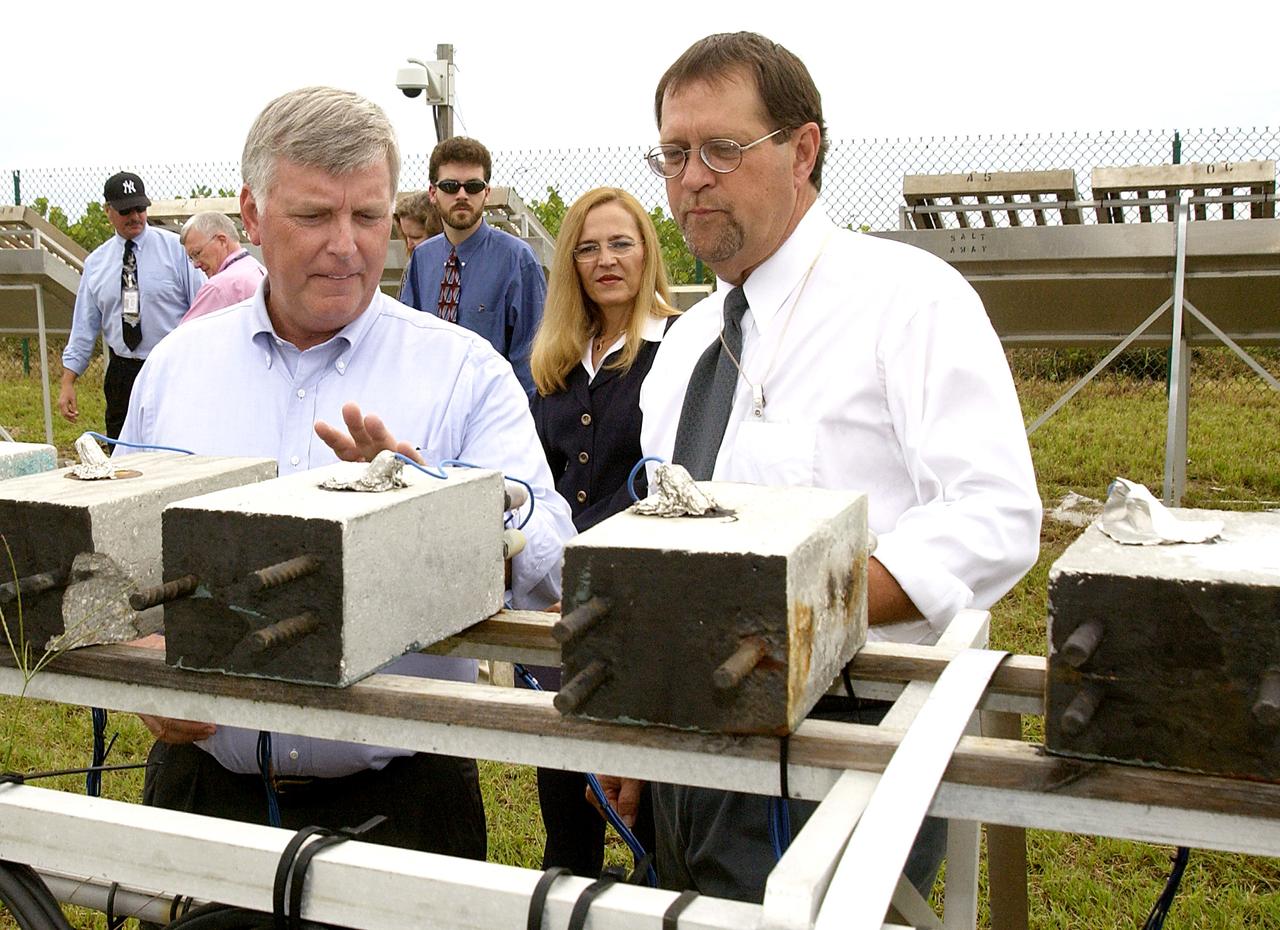
KENNEDY SPACE CENTER, FLA. - On a tour of the KSC Beach Corrosion Test Site, Testbed Manager Louis MacDowell (right) explains to Center Director Jim Kennedy about the test blocks being used to test a newly developed coating to protect steel inside concrete. Between MacDowell and Kennedy are Dr. Paul Hintze and Lead Scientist Dr. Luz Marina Calle. The KSC Beach Corrosion Test Site was established in the 1960s and has provided more than 30 years of historical information on the long-term performance of many materials in use at KSC and other locations around the world. Located 100 feet from the Atlantic Ocean approximately 1 mile south of the Space Shuttle launch sites, the test facility includes an atmospheric exposure site, a flowing seawater exposure site, and an on-site electrochemistry laboratory and monitoring station. The beach laboratory is used to conduct real-time corrosion experiments and provides for the remote monitoring of surrounding weather conditions. The newly added flowing seawater immersion facility provides for the immersion testing of materials and devices under controlled conditions.
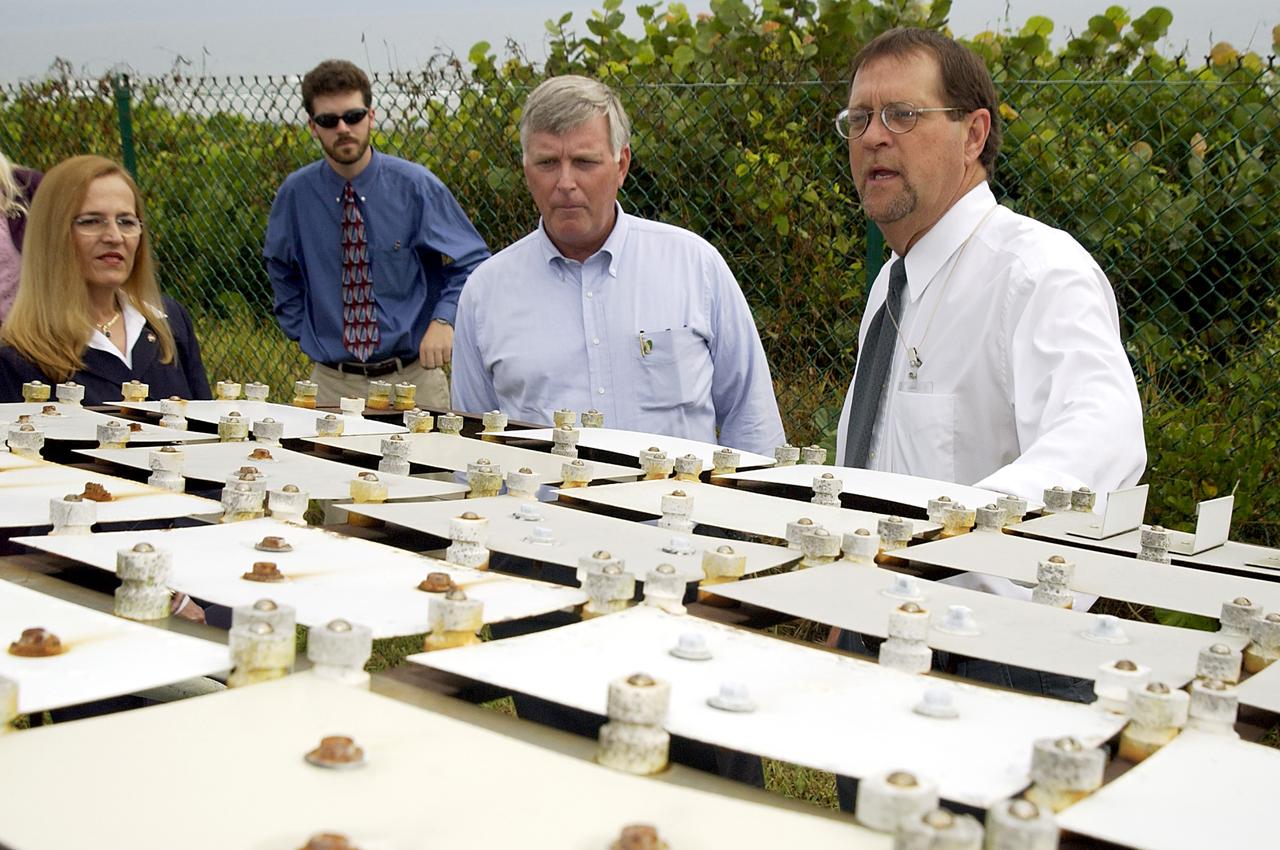
KENNEDY SPACE CENTER, FLA. - On a tour of the KSC Beach Corrosion Test Site, Center Director Jim Kennedy (second from right) learns from Testbed Manager Louis MacDowell (right) about a project being undertaken for the U.S. Navy. Being studied are nonchrome primers for aircraft. At left are Lead Scientist Dr. Luz Marina Calle and Dr. Paul Hintze, who is working on a graduate project for the National Research Council. The KSC Beach Corrosion Test Site was established in the 1960s and has provided more than 30 years of historical information on the long-term performance of many materials in use at KSC and other locations around the world. Located 100 feet from the Atlantic Ocean approximately 1 mile south of the Space Shuttle launch sites, the test facility includes an atmospheric exposure site, a flowing seawater exposure site, and an on-site electrochemistry laboratory and monitoring station. The beach laboratory is used to conduct real-time corrosion experiments and provides for the remote monitoring of surrounding weather conditions. The newly added flowing seawater immersion facility provides for the immersion testing of materials and devices under controlled conditions.
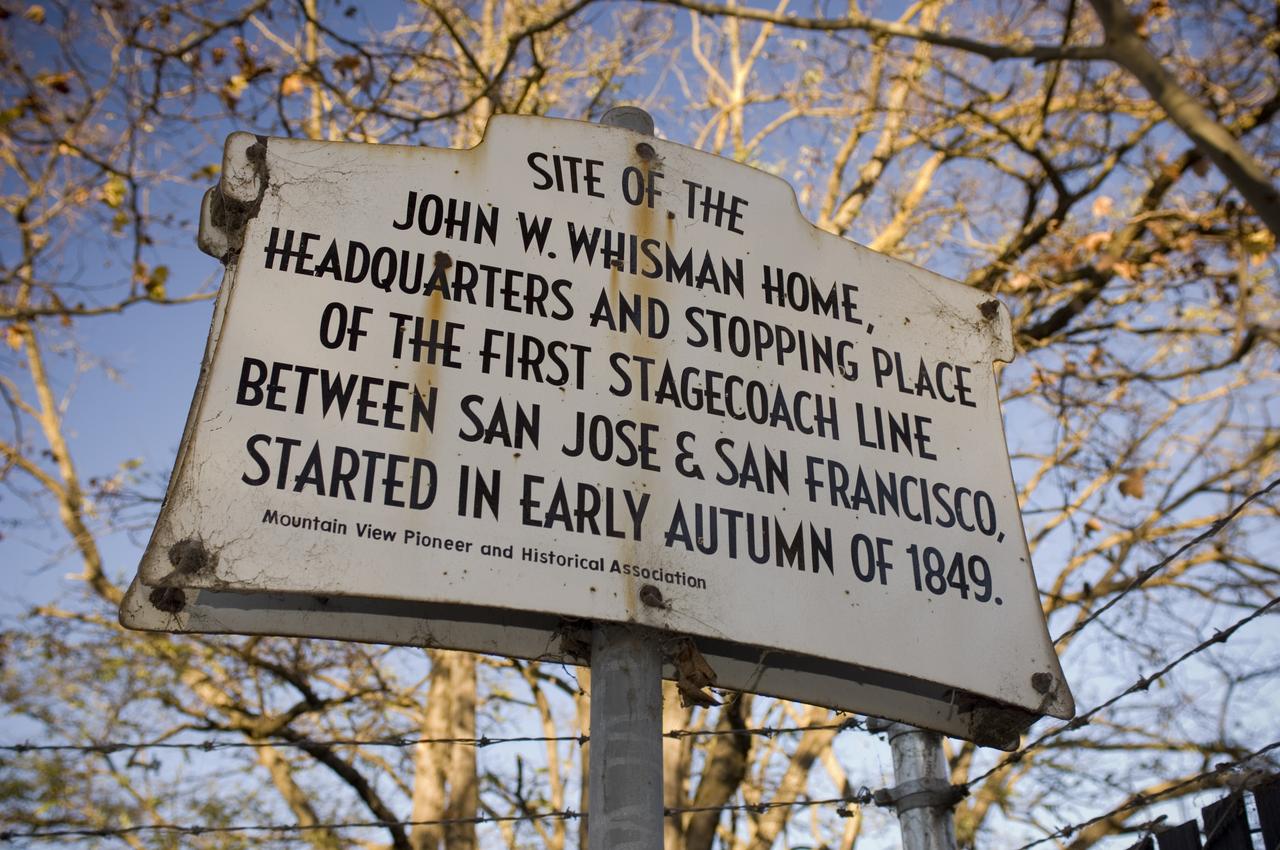
Ames and Moffett Field (MFA) historical sites and memorials Site of the John W. Whisman Home. Headquarters and stopping place of the first stagecoach line between San Jose and San Francisco. Started in early autumn of 1849. Located at R.T.Jones Road and the Ames Child Care Center fence boundary.
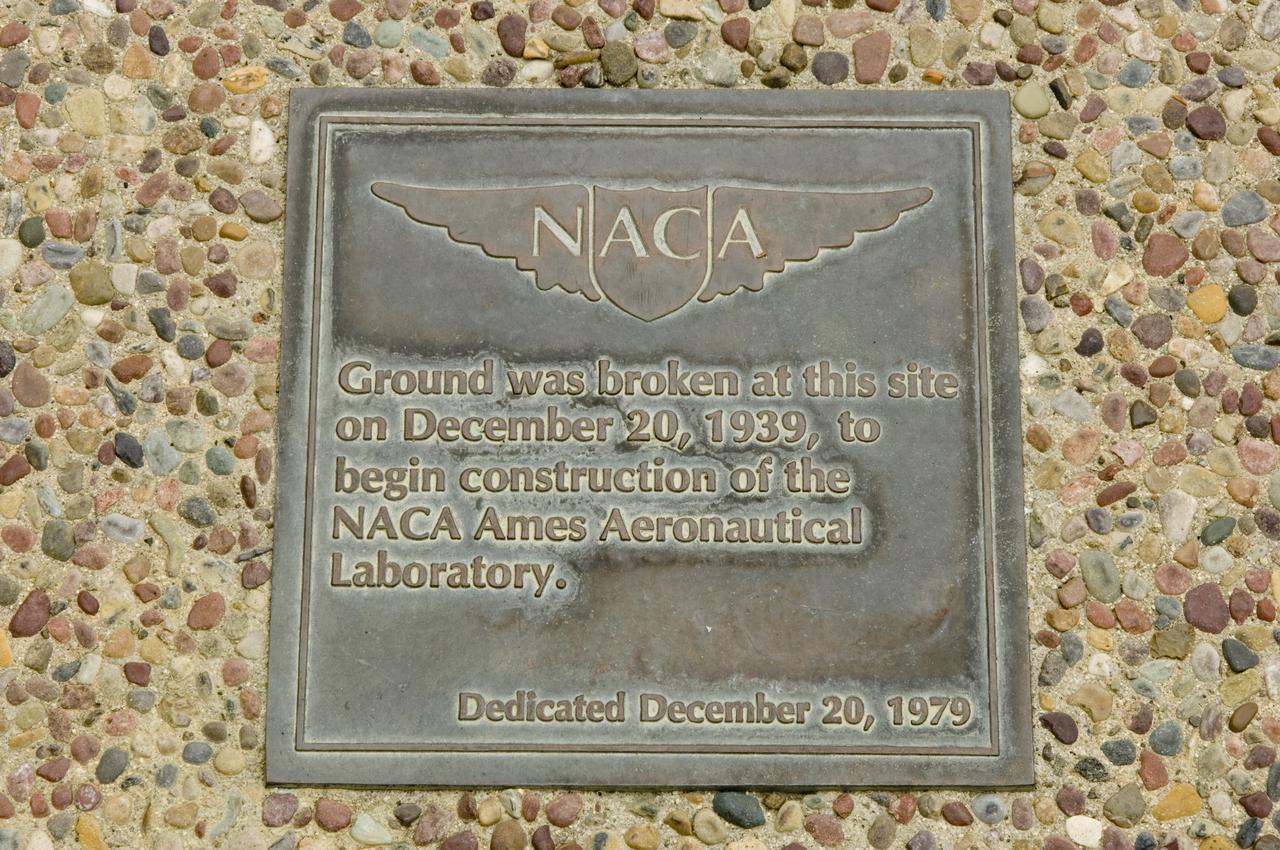
Ames and Moffett Field (MFA) historical sites and memorials Time capsule and cube display ot courner of DeFrance and King Road (50th year anniversary placement), with detail on brass plaque in walkway (40th year anniversary placement)
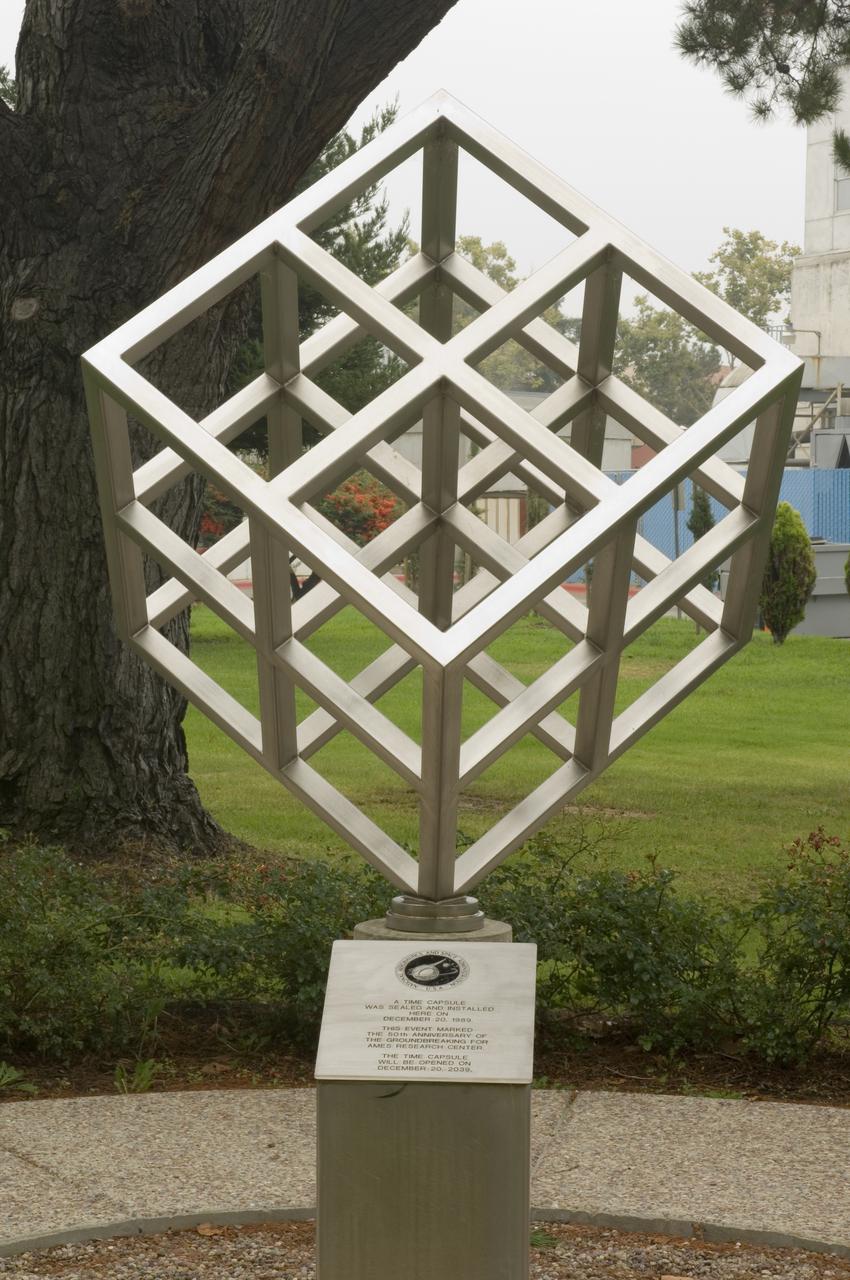
Ames and Moffett Field (MFA) historical sites and memorials Time capsule and cube display ot courner of DeFrance and King Road (50th year anniversary placement), with detail on brass plaque in walkway (40th year anniversary placement)
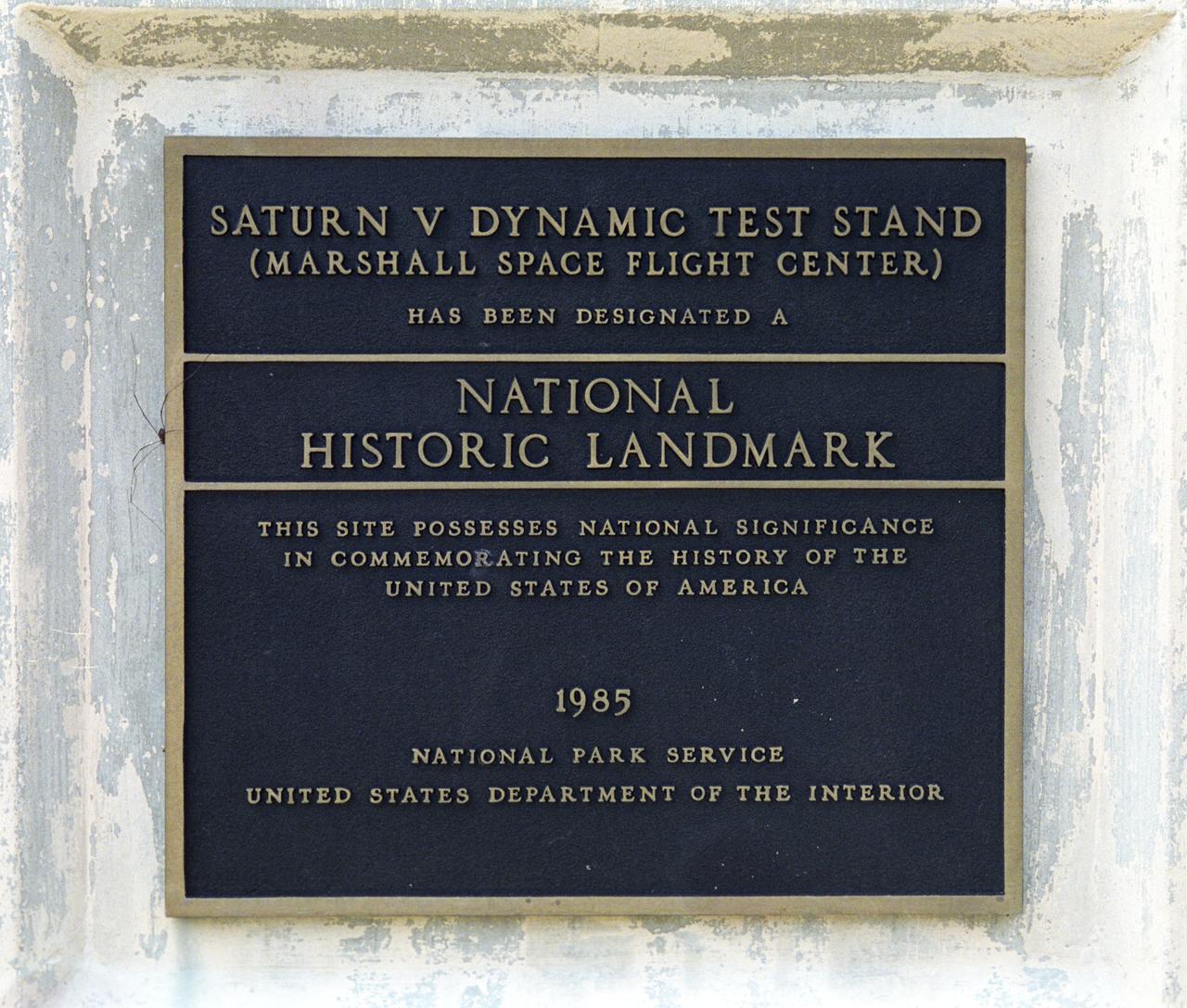
This plaque, displayed on the grounds of Marshall Space Flight Center in Huntsville, Alabama, commemorates the Saturn V Dynamic Test Stand as a National Historic Landmark. The site was designated as such in 1985 by the National Park Service of the United States Department of the Interior.
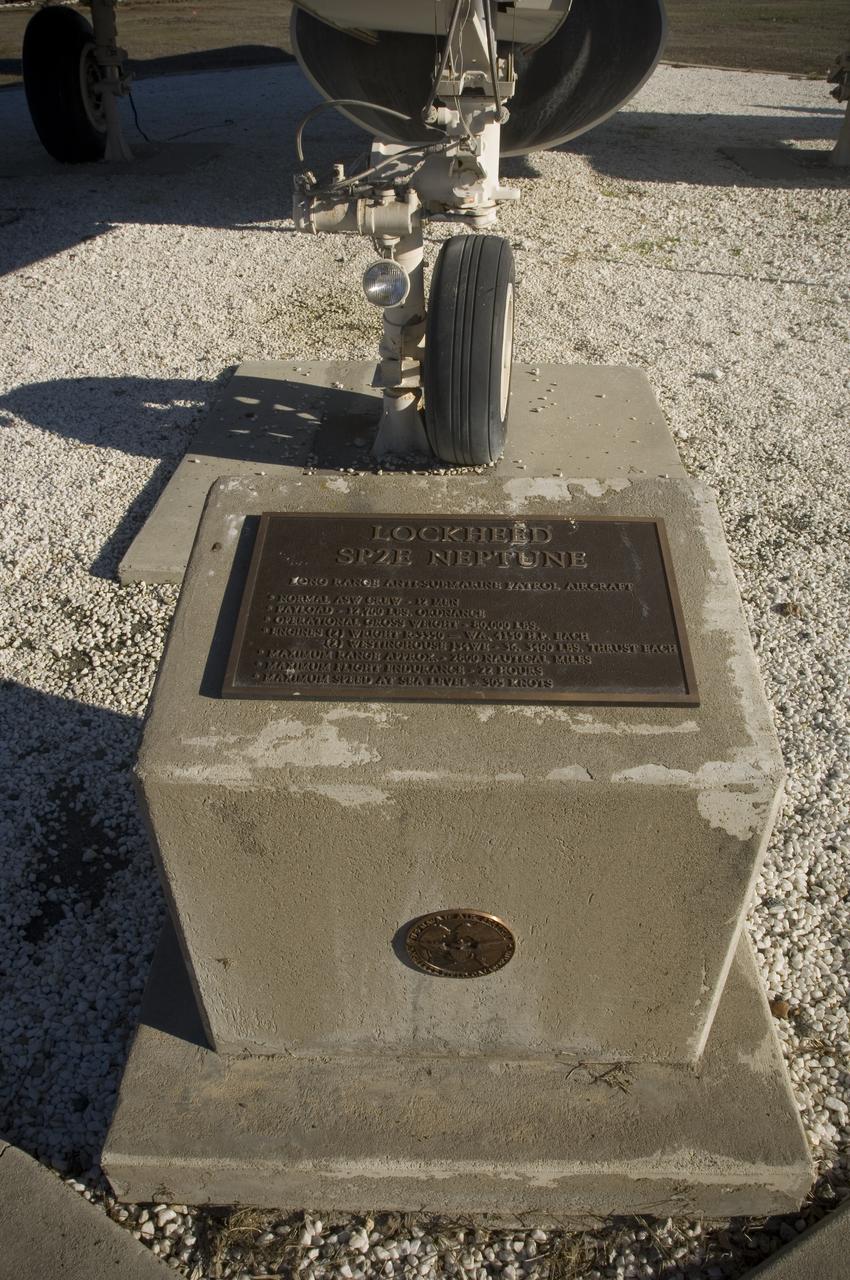
Ames and Moffett Field (MFA) historical sites and memorials Navy Lockheed SP-2E Neptune Long Range Antisubmarine Partol Aircraft on display in front of MFA Bldg 158 Flgiht Ops (tower) with monuments
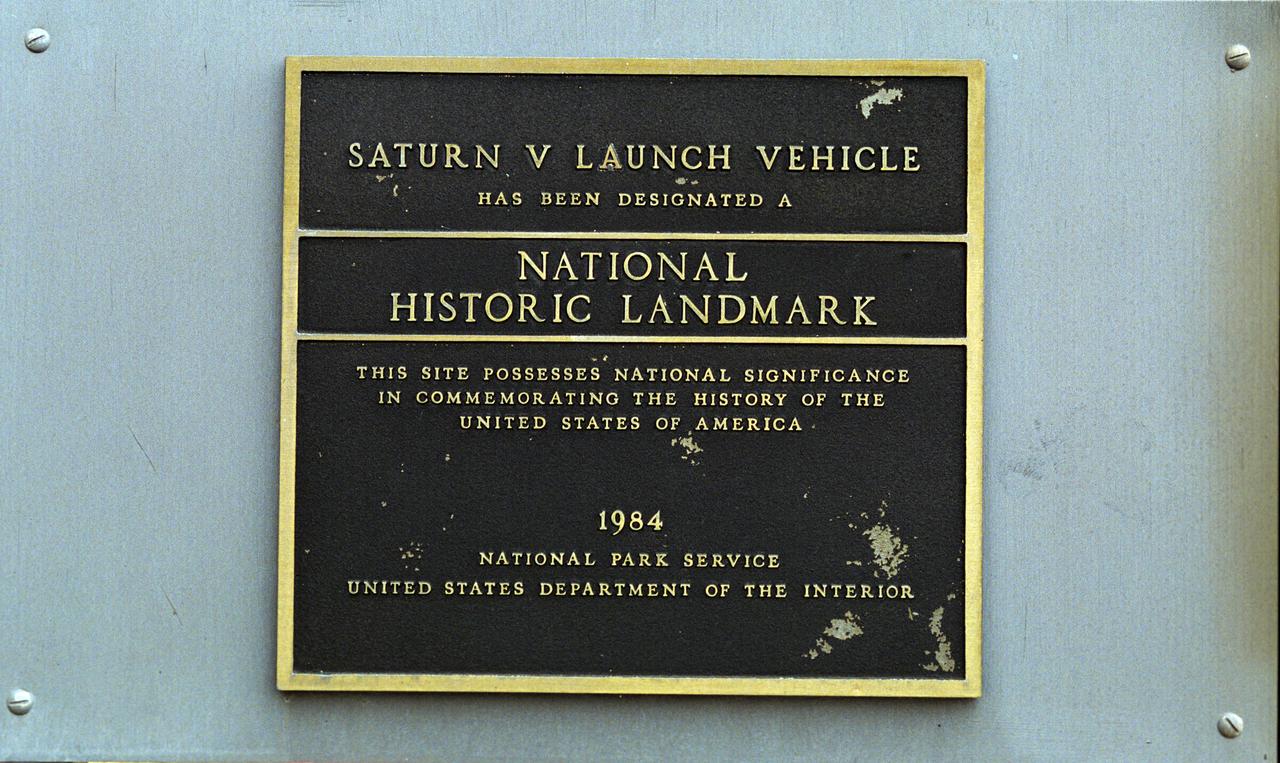
This plaque, displayed on the grounds of Marshall Space Flight Center in Huntsville, Alabama, commemorates the Saturn V Launch Vehicle as a National Historic Landmark. The site was designated as such in 1984 by the National Park Service of the United States Department of the Interior.

Ames and Moffett Field (MFA) historical sites and memorials Navy Lockheed P-3 Orion Long Range Antisubmarine Partol Aircraft on display in front of MFA Bldg 158 Flgiht Ops (tower) with monuments
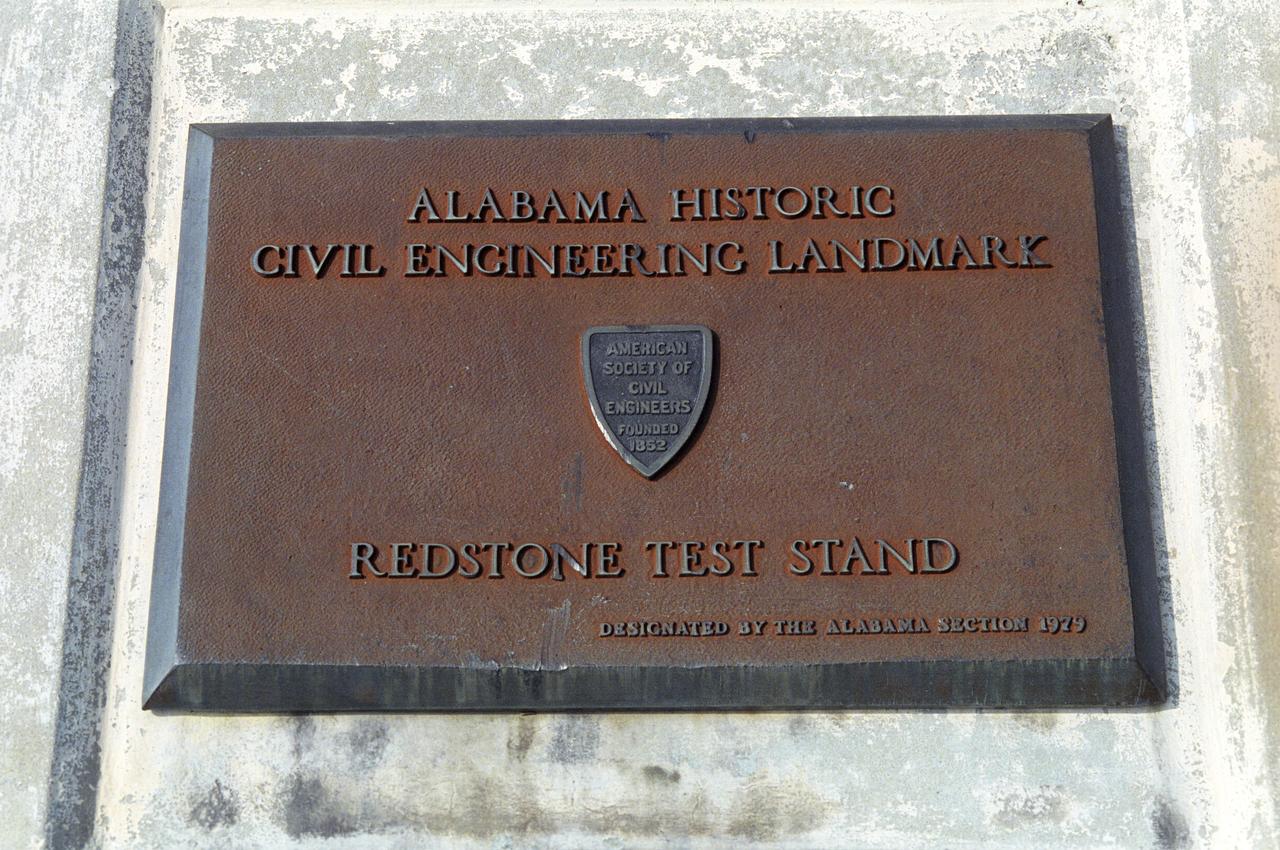
This plaque, displayed on the grounds of Marshall Space Flight Center in Huntsville, Alabama, commemorates the Redstone Test Stand as an Alabama Historic Civil Engineering Landmark. The site was desinated as such in 1979.
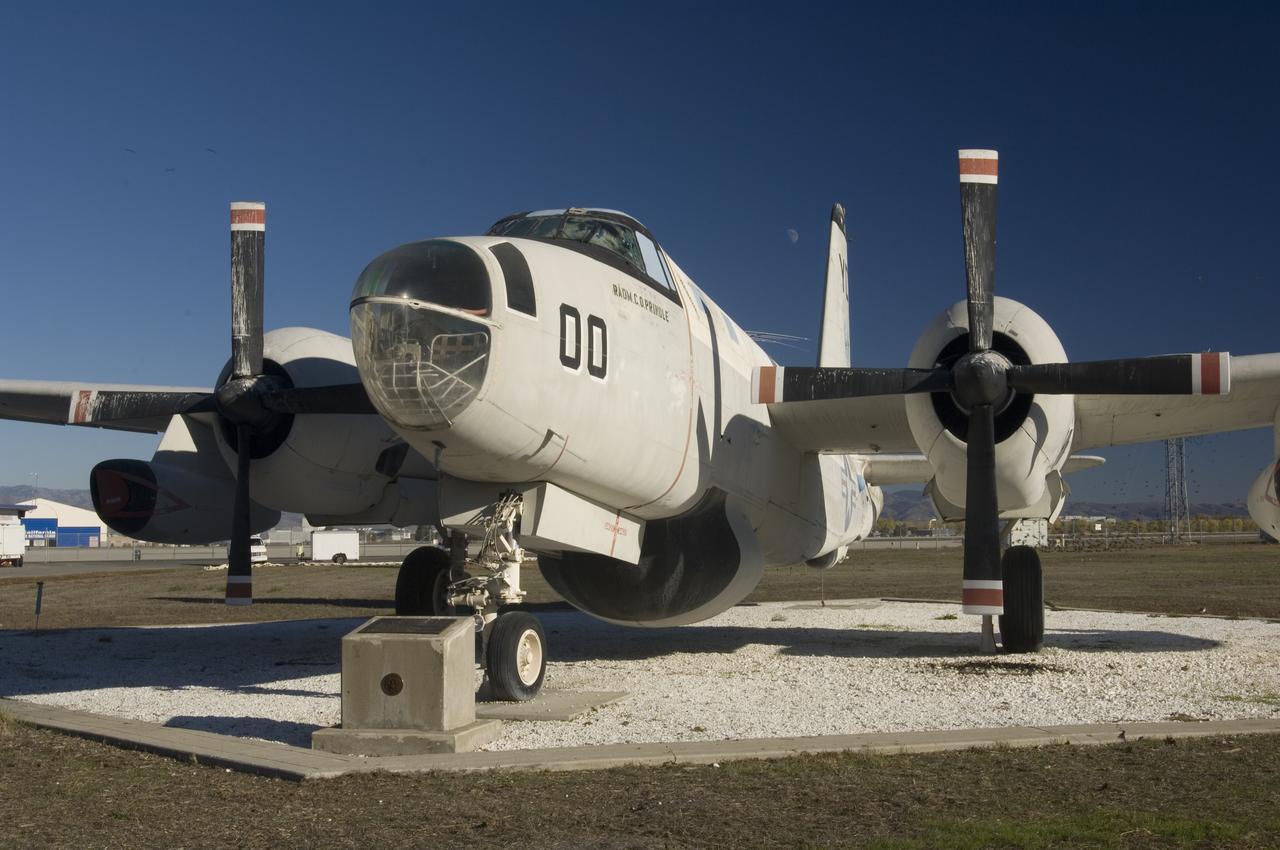
Ames and Moffett Field (MFA) historical sites and memorials Navy Lockheed SP-2E Neptune Long Range Antisubmarine Partol Aircraft on display in front of MFA Bldg 158 Flgiht Ops (tower) with monuments
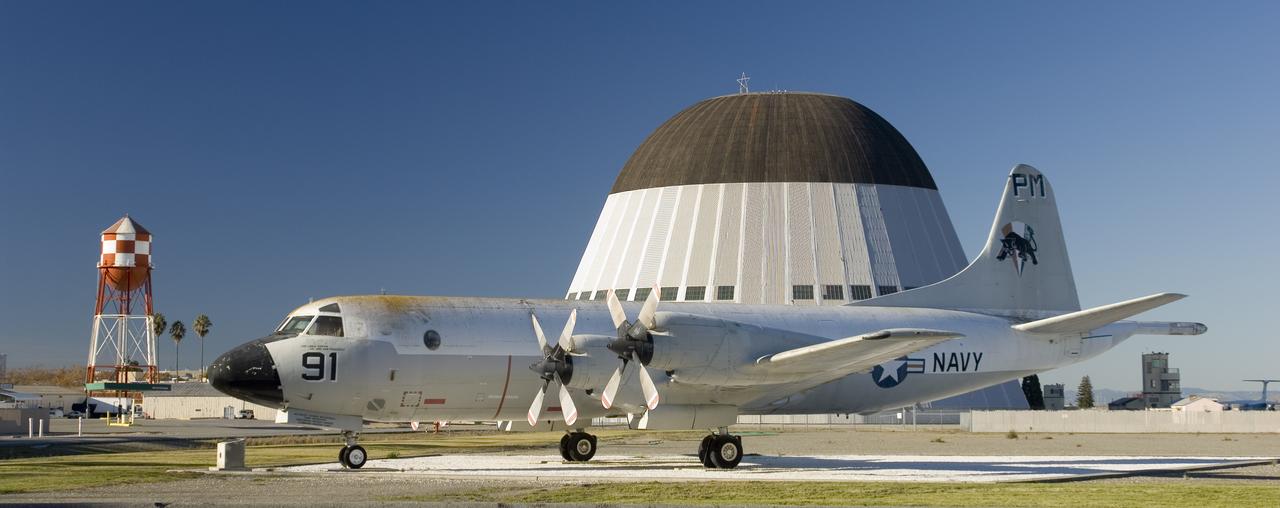
Ames and Moffett Field (MFA) historical sites and memorials Navy Lockheed P-3 Orion Long Range Antisubmarine Partol Aircraft on display in front of MFA Bldg 158 Flgiht Ops (tower) with monuments
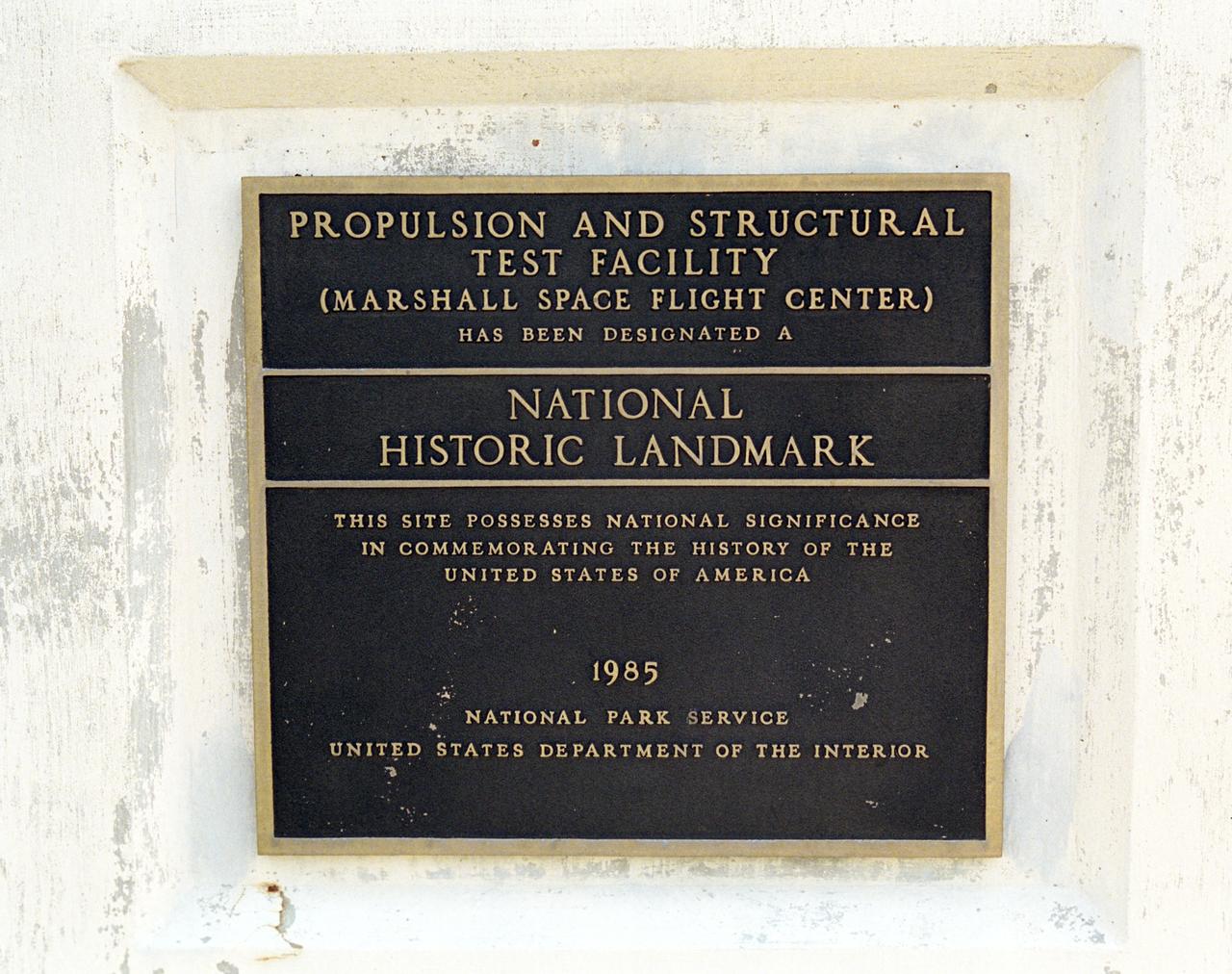
This plaque, displayed on the grounds of Marshall Space Flight Center in Huntsville, Alabama, commemorates the designation of the Propulsion and Structural Test Facility as a National Historic Landmark by the National Park Service of the United States Interior. The site was designated as a landmark in 1985.
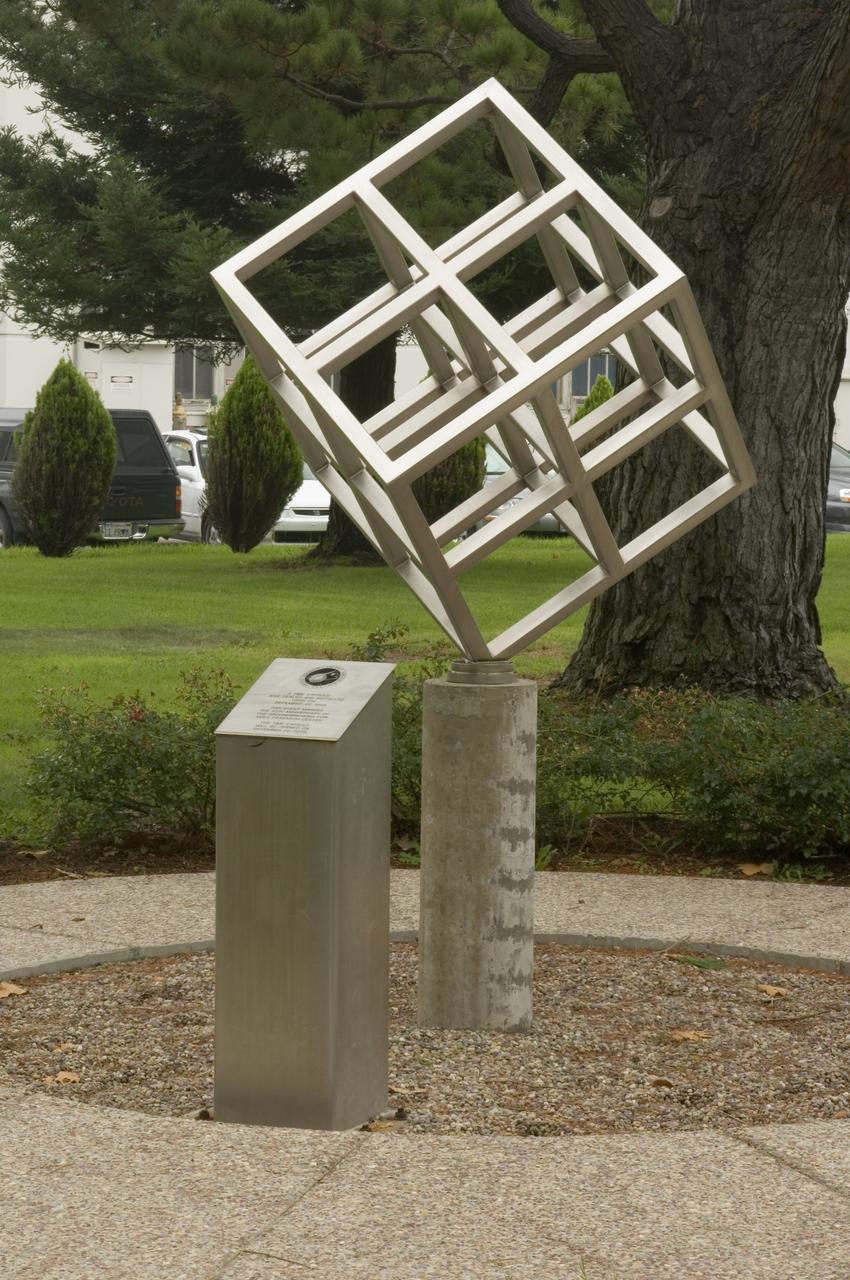
Ames and Moffett Field (MFA) historical sites and memorials Time capsule and cube display ot courner of DeFrance and King Road (50th year anniversary placement), with detail on brass plaque in walkway
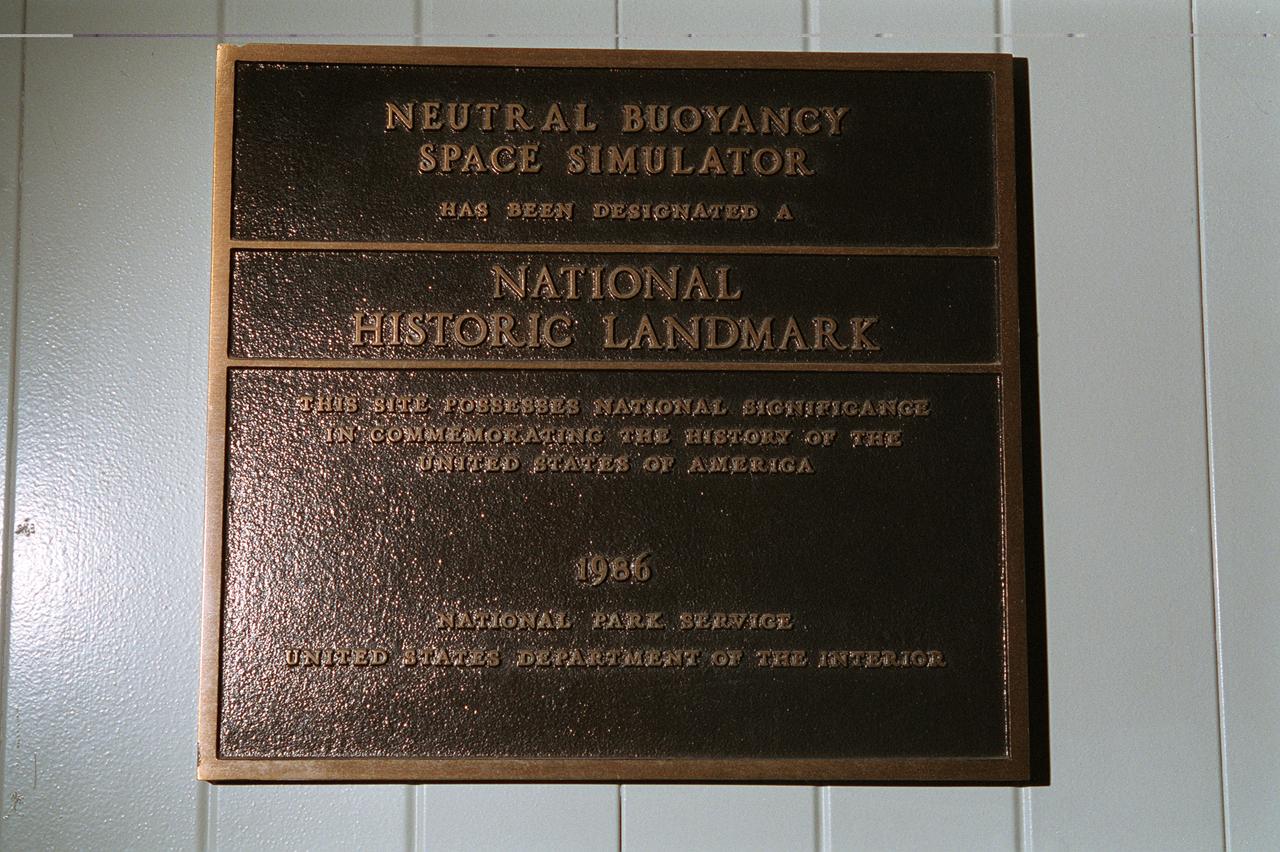
This plaque, displayed on the grounds of Marshall Space Flight Center in Huntsville, Alabama commemorates the Neutral Buoyancy Space Simulator as a National Historic Landmark. The site was designated as such in 1986 by the National Park Service of the United States Department of the Interior.
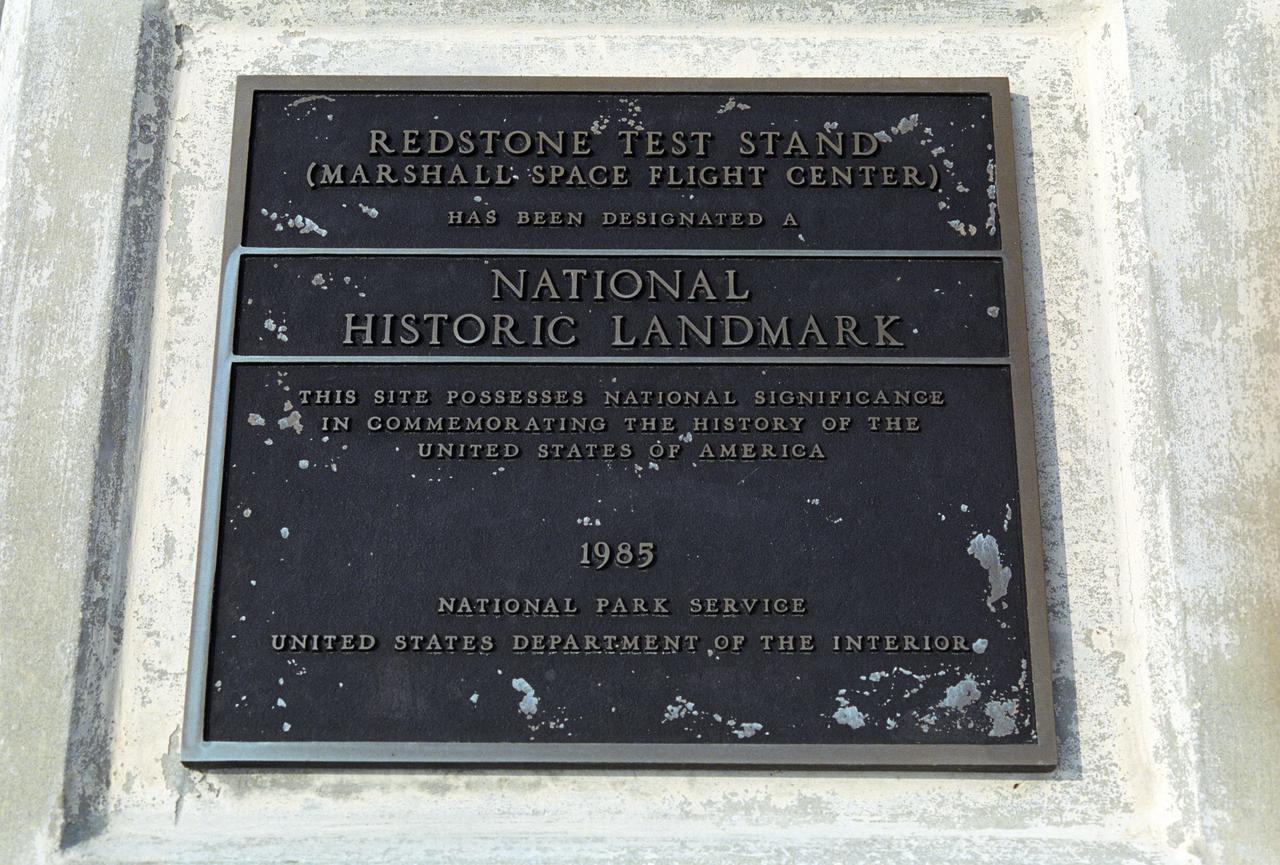
This plaque, displayed on the grounds of Marshall Space Flight Center in Huntsville, Alabama, commemorates the Redstone Test Stand as a National Historic Landmark. The site was designated as such in 1985 by the National Park Service of the United States Department of the Interior.

Ames and Moffett Field (MFA) historical sites and memorials Navy Lockheed P-3 Orion Long Range Antisubmarine Partol Aircraft on display in front of MFA Bldg 158 Flgiht Ops (tower) with monuments
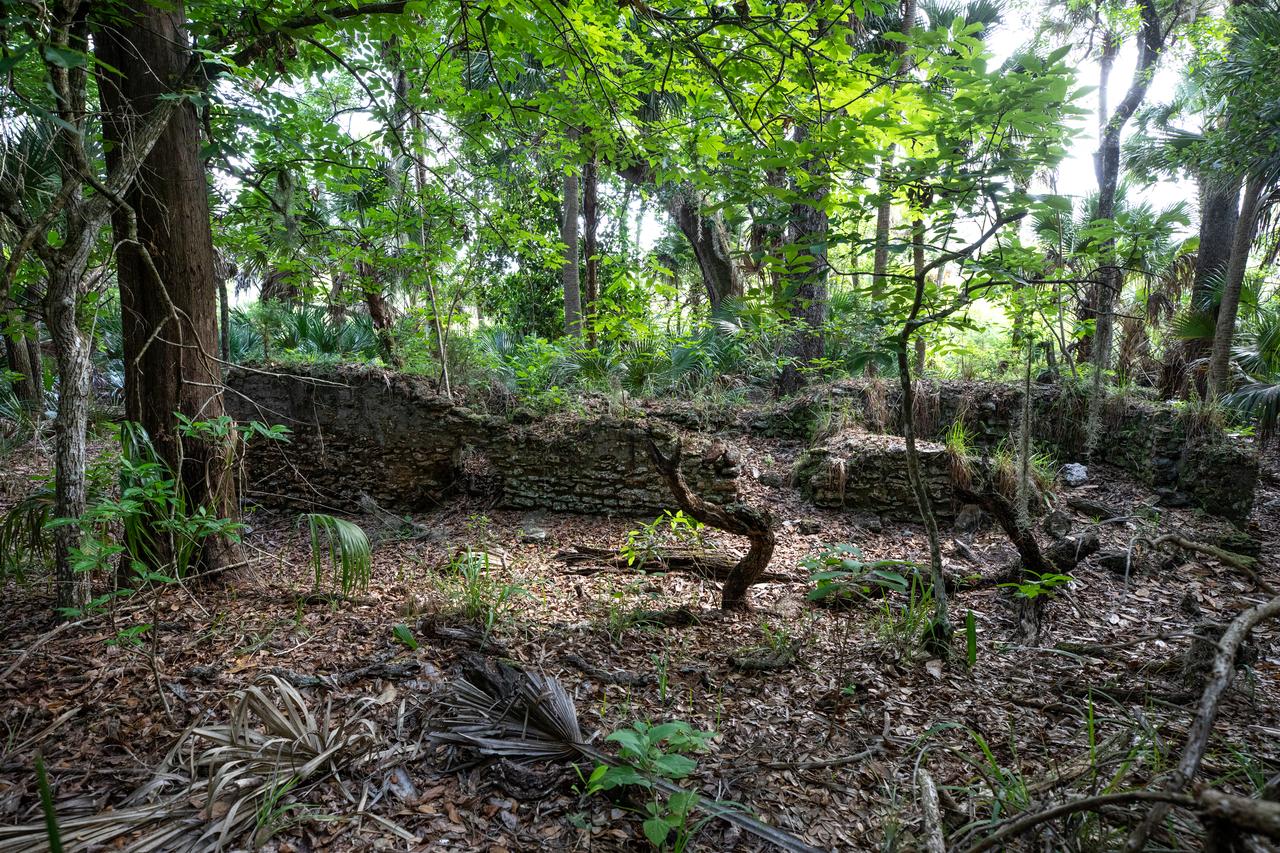
Archeological ruins of the Elliot Plantation sugar mill are revealed through the oak hammock at NASA’s Kennedy Space Center in Florida on May 26, 2022. The plantation’s enslaved community built the sugar mill structure, or sugar train, where sugar cane juice would be boiled during processing in graduated copper kettles until the liquid reduced into a thick syrup. The ruins of Elliot Plantation date from the 1760s and represent the largest, earliest, and southernmost British period sugar plantation in the U.S., as well as one of the most intact and best examples of a completely preserved enslaved landscape. The archeological site is managed through interagency cooperation between the National Park Service, the U.S. Fish and Wildlife Service, and NASA.
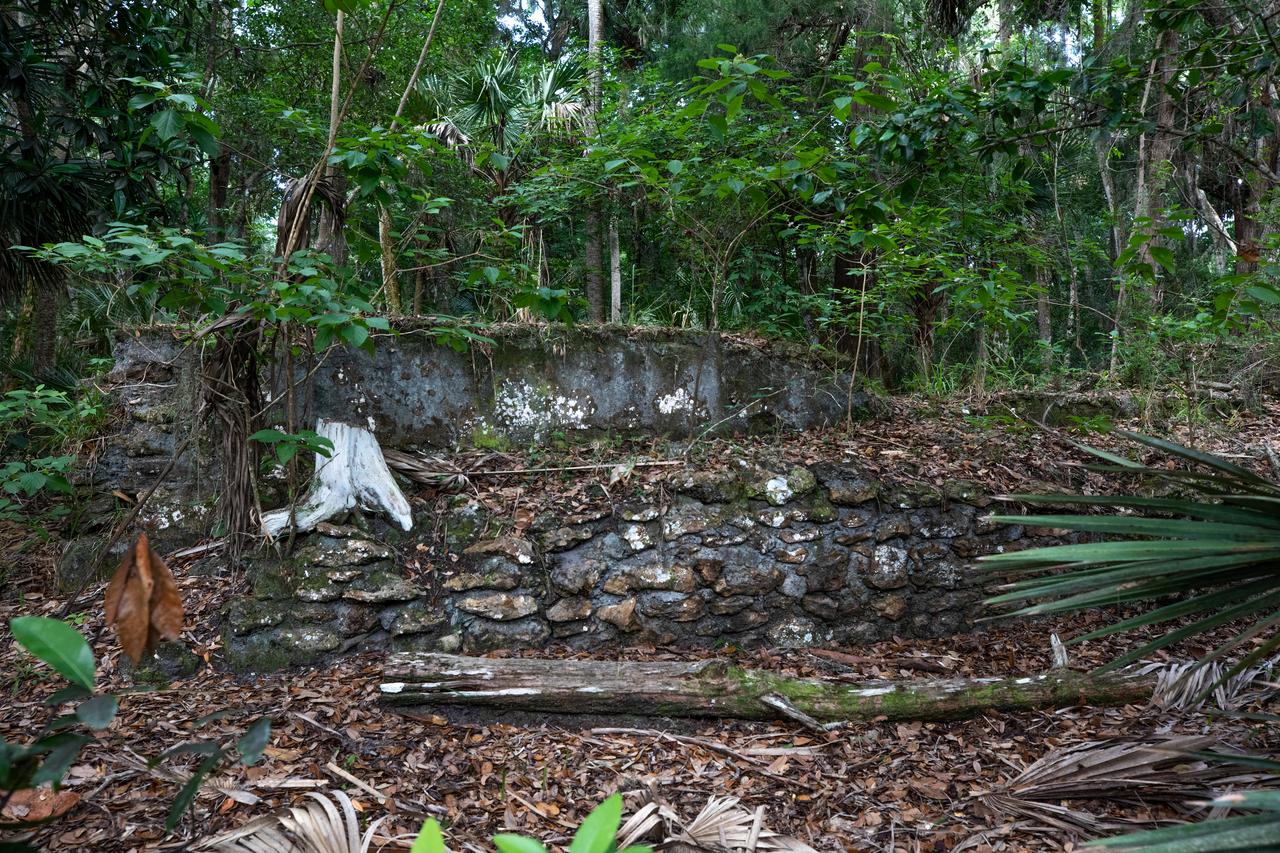
Archeological ruins of the Elliot Plantation sugar mill are revealed through the oak hammock at NASA’s Kennedy Space Center in Florida on May 26, 2022. The plantation’s enslaved community built the sugar mill structure, or sugar train, where sugar cane juice would be boiled during processing in graduated copper kettles until the liquid reduced into a thick syrup. The ruins of Elliot Plantation date from the 1760s and represent the largest, earliest, and southernmost British period sugar plantation in the U.S., as well as one of the most intact and best examples of a completely preserved enslaved landscape. The archeological site is managed through interagency cooperation between the National Park Service, the U.S. Fish and Wildlife Service, and NASA.
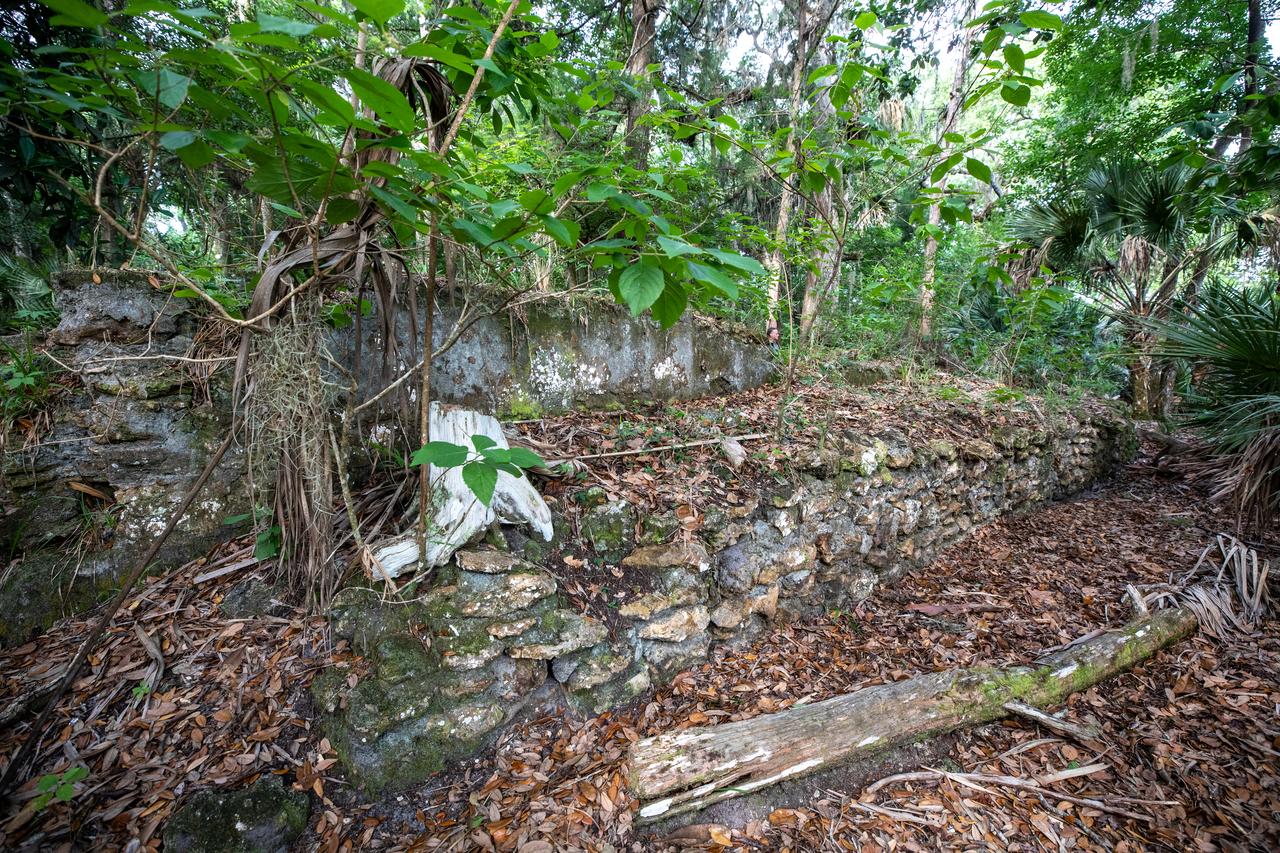
Archeological ruins of the Elliot Plantation sugar mill are revealed through the oak hammock at NASA’s Kennedy Space Center in Florida on May 26, 2022. The plantation’s enslaved community built the sugar mill structure, or sugar train, where sugar cane juice would be boiled during processing in graduated copper kettles until the liquid reduced into a thick syrup. The ruins of Elliot Plantation date from the 1760s and represent the largest, earliest, and southernmost British period sugar plantation in the U.S., as well as one of the most intact and best examples of a completely preserved enslaved landscape. The archeological site is managed through interagency cooperation between the National Park Service, the U.S. Fish and Wildlife Service, and NASA.
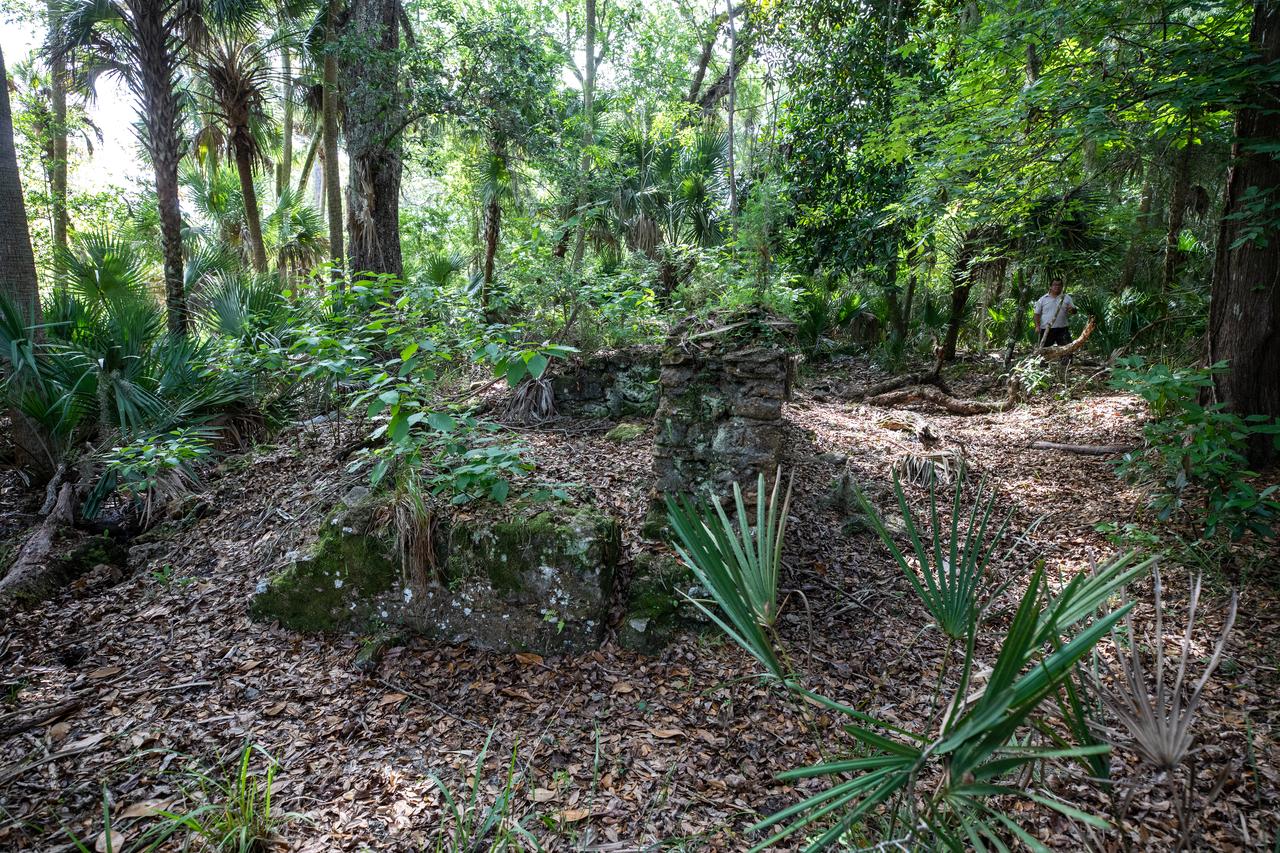
Archeological ruins of the Elliot Plantation sugar mill are revealed through the oak hammock at NASA’s Kennedy Space Center in Florida on May 26, 2022. The plantation’s enslaved community built the sugar mill structure, or sugar train, where sugar cane juice would be boiled during processing in graduated copper kettles until the liquid reduced into a thick syrup. The ruins of Elliot Plantation date from the 1760s and represent the largest, earliest, and southernmost British period sugar plantation in the U.S., as well as one of the most intact and best examples of a completely preserved enslaved landscape. The archeological site is managed through interagency cooperation between the National Park Service, the U.S. Fish and Wildlife Service, and NASA.
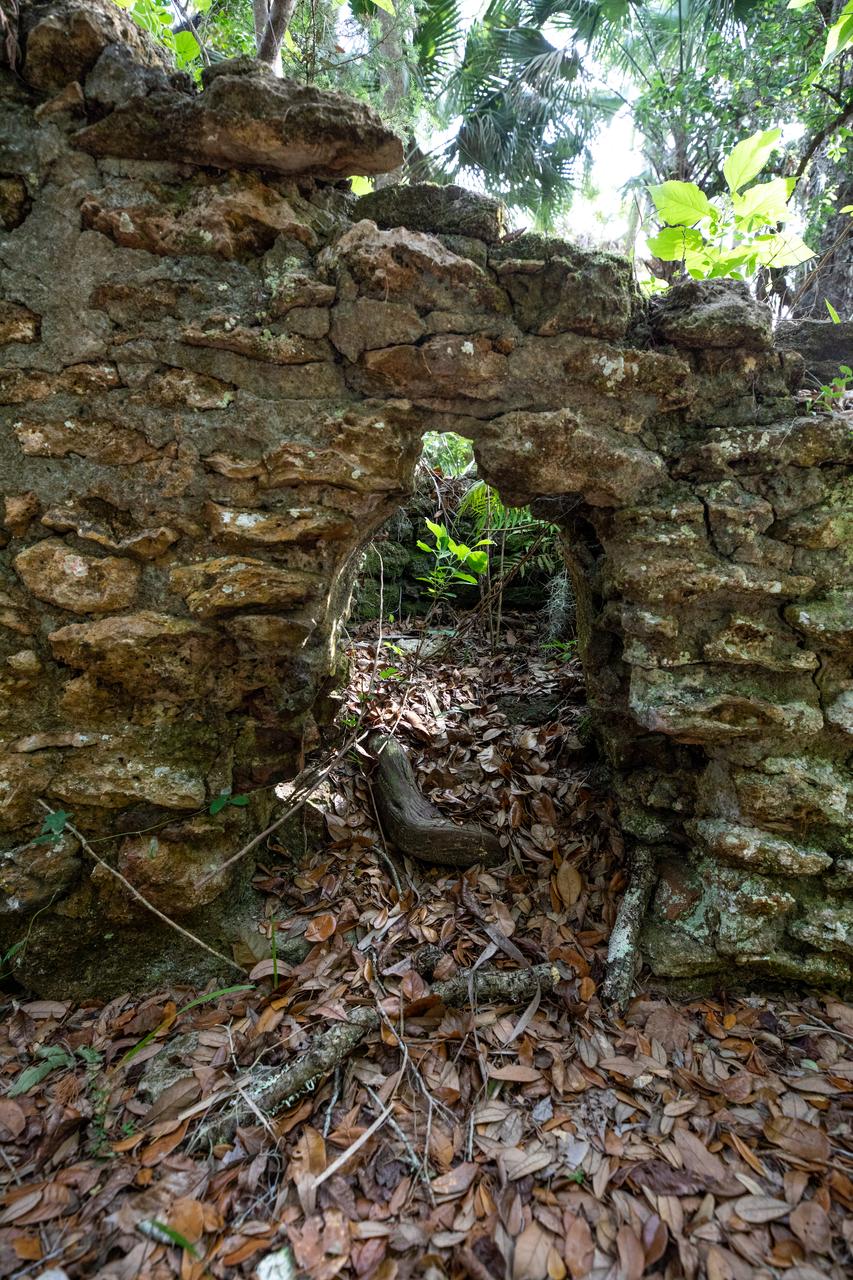
Archeological ruins of the Elliot Plantation sugar mill are revealed through the oak hammock at NASA’s Kennedy Space Center in Florida on May 26, 2022. The plantation’s enslaved community built the sugar mill structure, or sugar train, where sugar cane juice would be boiled during processing in graduated copper kettles until the liquid reduced into a thick syrup. The ruins of Elliot Plantation date from the 1760s and represent the largest, earliest, and southernmost British period sugar plantation in the U.S., as well as one of the most intact and best examples of a completely preserved enslaved landscape. The archeological site is managed through interagency cooperation between the National Park Service, the U.S. Fish and Wildlife Service, and NASA.
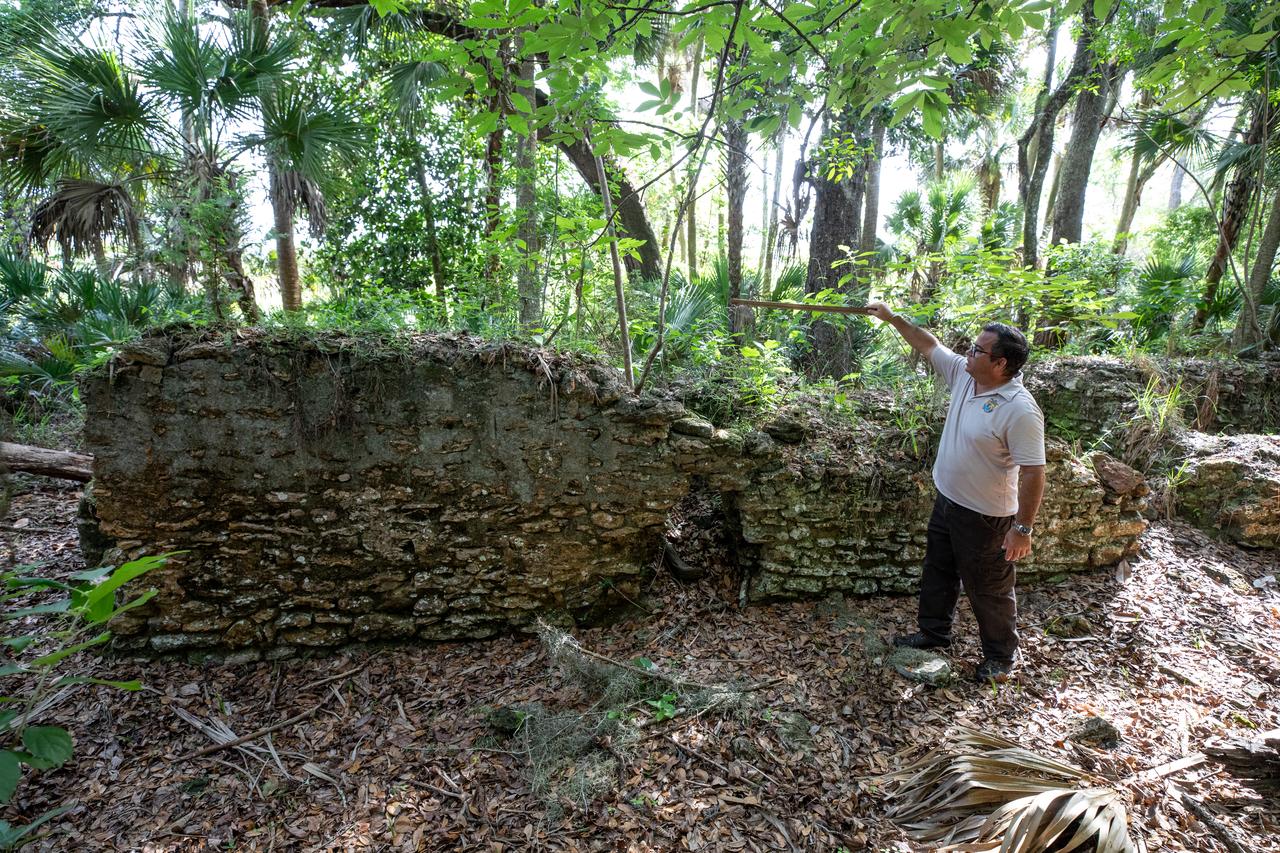
Near the archeological ruins of the Elliot Plantation sugar mill at NASA’s Kennedy Space Center in Florida, Michael Legare, of the U.S. Fish and Wildlife Service, recreates the original wall height of the structure on May 26, 2022. The plantation’s enslaved community built the sugar mill structure, or sugar train, where sugar cane juice would be boiled during processing in graduated copper kettles until the liquid reduced into a thick syrup. The ruins of Elliot Plantation date from the 1760s and represent the largest, earliest, and southernmost British period sugar plantation in the U.S., as well as one of the most intact and best examples of a completely preserved enslaved landscape. The archeological site is managed through interagency cooperation between the National Park Service, the U.S. Fish and Wildlife Service, and NASA.
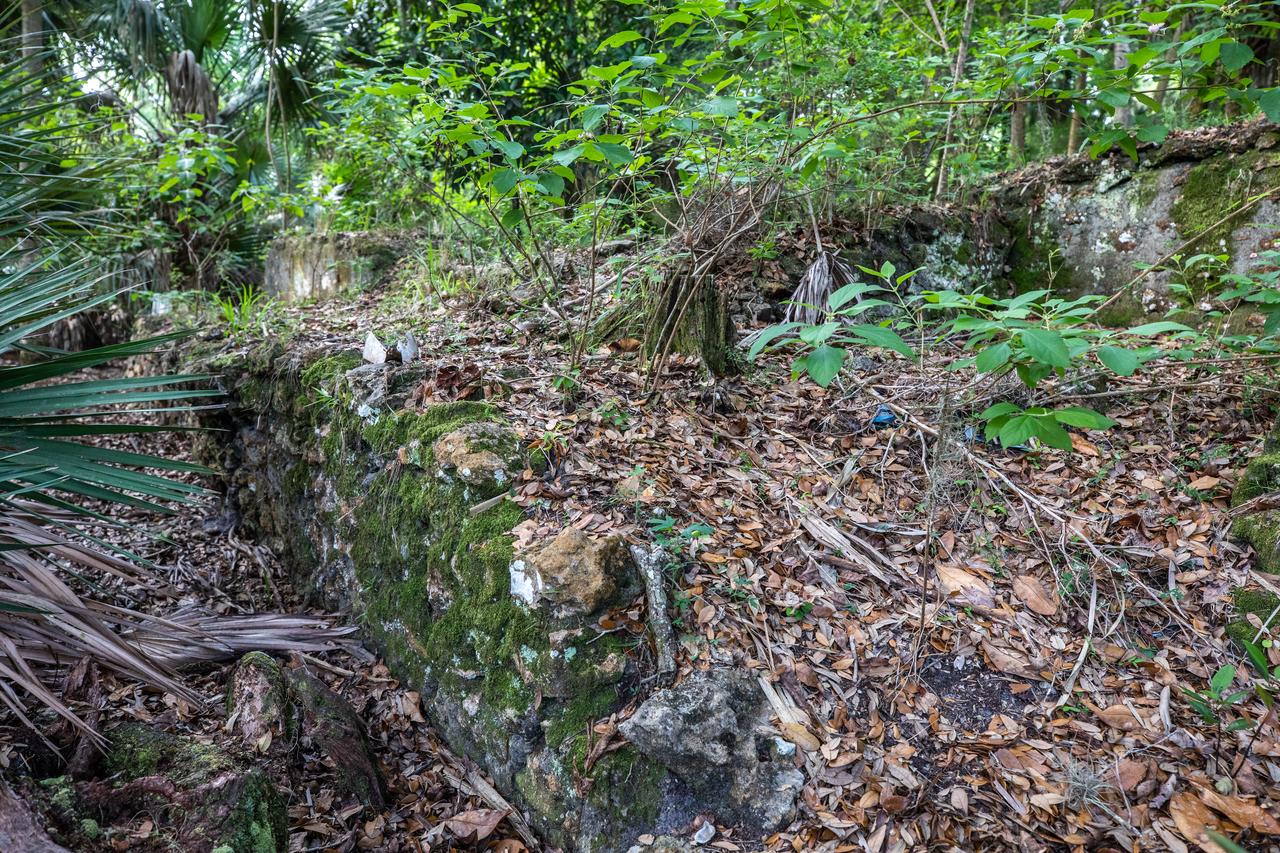
Archeological ruins of the Elliot Plantation sugar mill are revealed through the oak hammock at NASA’s Kennedy Space Center in Florida on May 26, 2022. The plantation’s enslaved community built the sugar mill structure, or sugar train, where sugar cane juice would be boiled during processing in graduated copper kettles until the liquid reduced into a thick syrup. The ruins of Elliot Plantation date from the 1760s and represent the largest, earliest, and southernmost British period sugar plantation in the U.S., as well as one of the most intact and best examples of a completely preserved enslaved landscape. The archeological site is managed through interagency cooperation between the National Park Service, the U.S. Fish and Wildlife Service, and NASA.
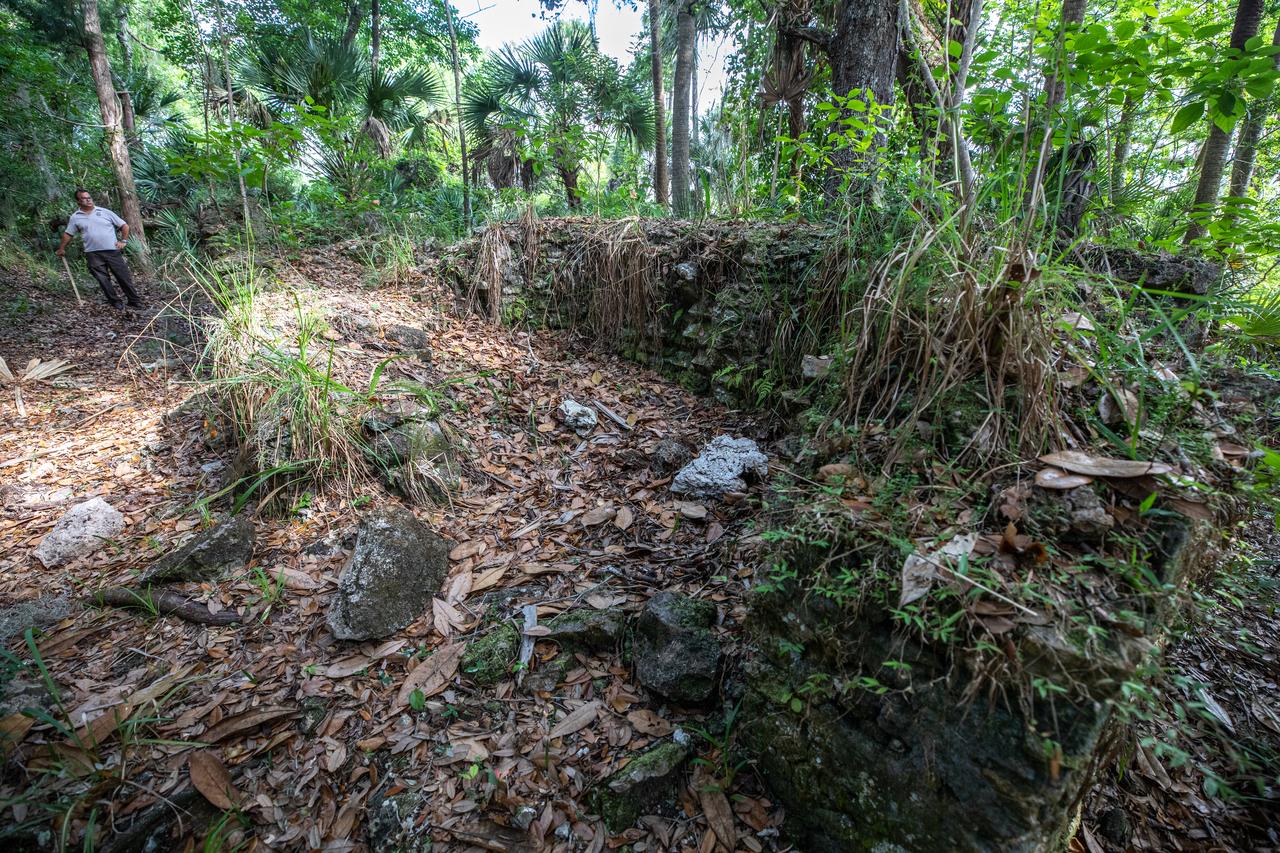
Michael Legare, of the U.S. Fish and Wildlife Service, stands near the archeological ruins of the Elliot Plantation sugar mill at NASA’s Kennedy Space Center in Florida on May 26, 2022. The plantation’s enslaved community built the sugar mill structure, or sugar train, where sugar cane juice would be boiled during processing in graduated copper kettles until the liquid reduced into a thick syrup. The ruins of Elliot Plantation date from the 1760s and represent the largest, earliest, and southernmost British period sugar plantation in the U.S., as well as one of the most intact and best examples of a completely preserved enslaved landscape. The archeological site is managed through interagency cooperation between the National Park Service, the U.S. Fish and Wildlife Service, and NASA.
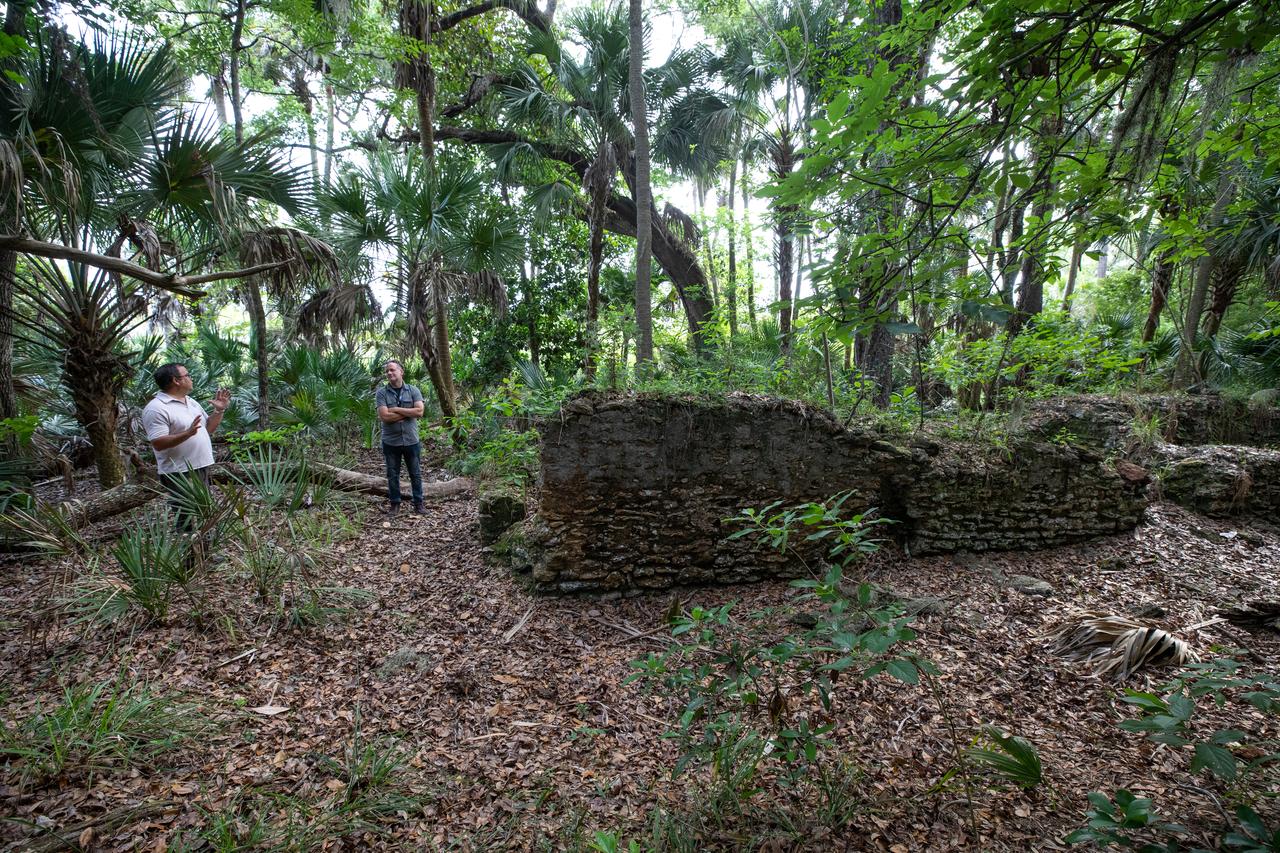
Members of U.S. Fish and Wildlife Service and NASA Communications visit the archeological ruins of the Elliot Plantation sugar mill at NASA’s Kennedy Space Center in Florida on May 26, 2022. The plantation’s enslaved community built the sugar mill structure, or sugar train, where sugar cane juice would be boiled during processing in graduated copper kettles until the liquid reduced into a thick syrup. The ruins of Elliot Plantation date from the 1760s and represent the largest, earliest, and southernmost British period sugar plantation in the U.S., as well as one of the most intact and best examples of a completely preserved enslaved landscape. The archeological site is managed through interagency cooperation between the National Park Service, the U.S. Fish and Wildlife Service, and NASA.
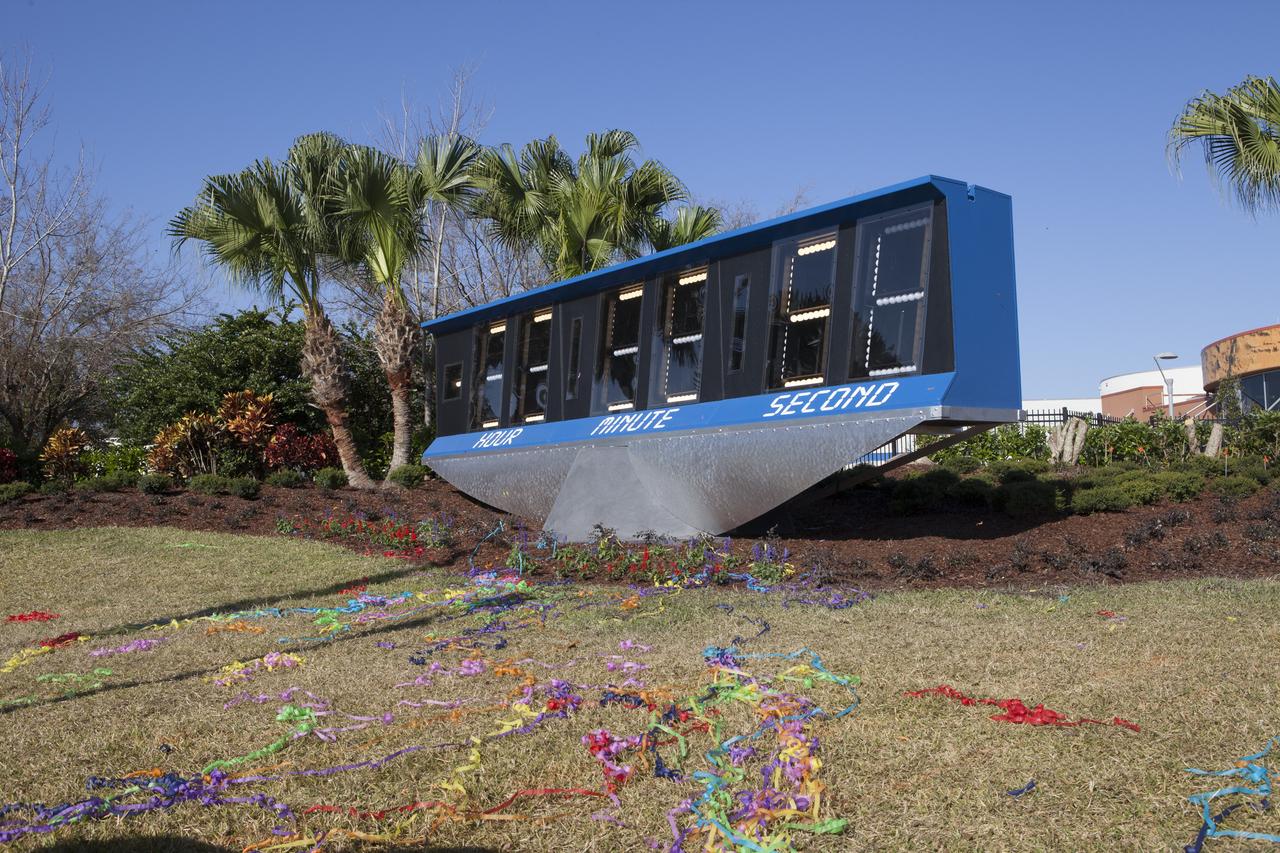
Confetti is launched as the spaceport's historic countdown clock is dedicated as the newest display at the Kennedy Space Center Visitor Complex. Now located at the entrance to the visitor complex, the spaceport's historic countdown clock was used starting with the launch of Apollo 12 on Nov. 14, 1969. Originally set up at the space center's Press Site, the clock operated through the final space shuttle mission, STS-135, launched on July 8, 2011. The old countdown clock was replaced in 2014 with a modern light emitting diode, or LED, display.
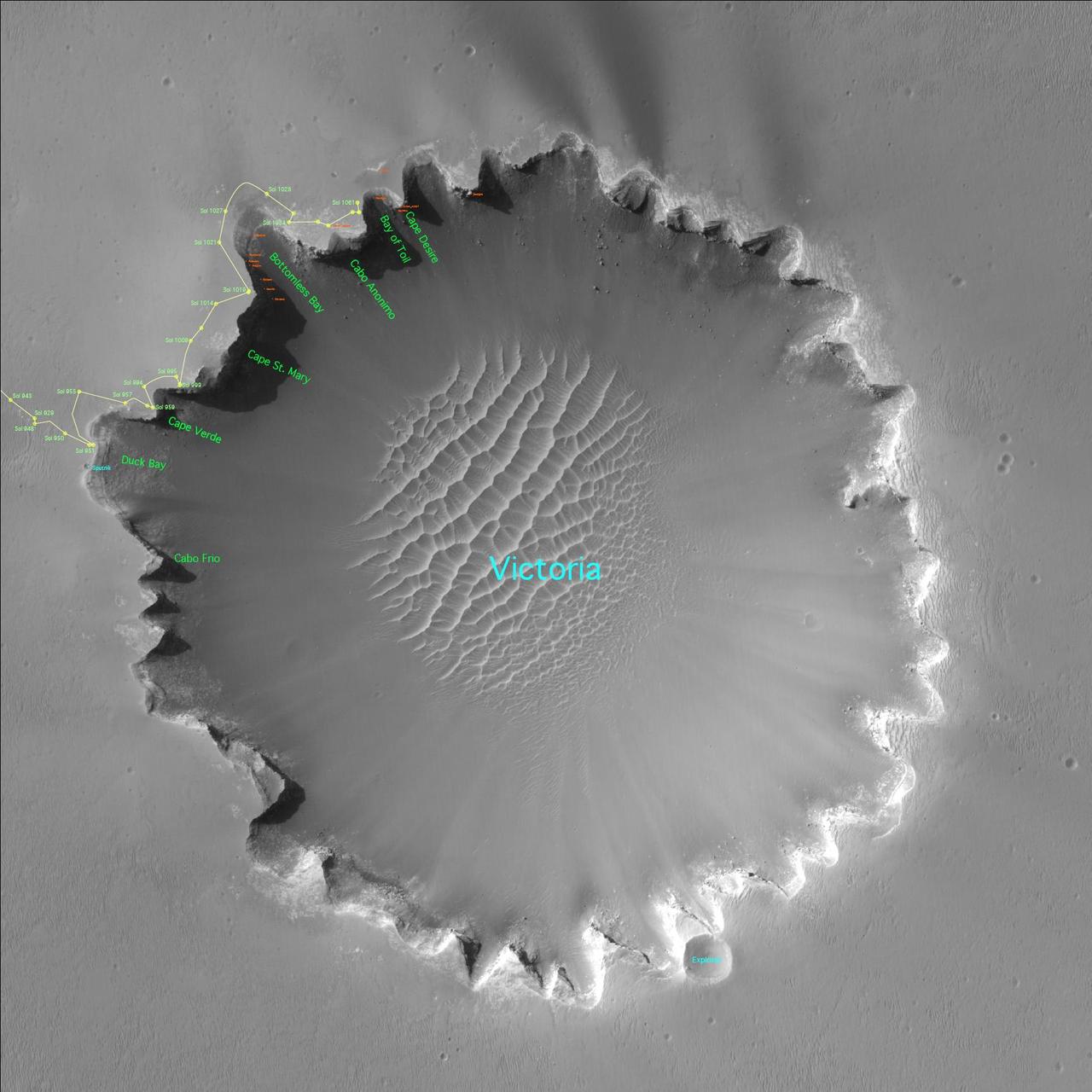
Three years after embarking on a historic exploration of the red planet and six miles away from its landing site, NASA's Mars Exploration Rover Opportunity is traversing "Victoria Crater" ridge by ridge, peering at layered cliffs in the interior. To identify various alcoves and cliffs along the way, science team members are using names of places visited by the 16th-century Earth explorer Ferdinand Magellan and his crew aboard the ship Victoria, who proved the Earth is round. (All names are unofficial unless approved by the International Astronomical Union.) This orbital view of "Victoria Crater" was taken by NASA's Mars Reconnaissance Orbiter. http://photojournal.jpl.nasa.gov/catalog/PIA09116
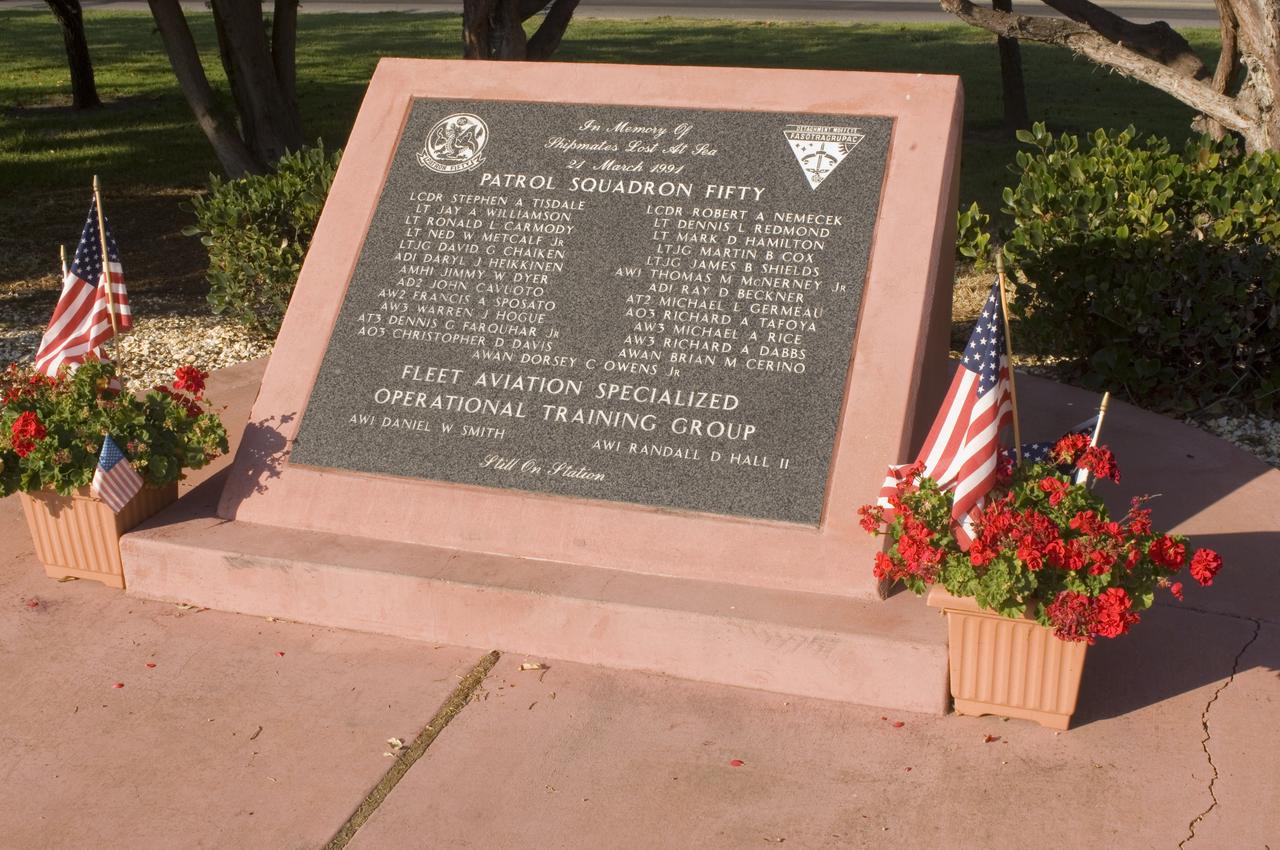
Ames and Moffett Field (MFA) historical sites and memorials Navy Patrol Squadron 50 Memorial Plaque and surrounding (located between Moffett Post office and Bldg 3 along McCord Avnue. In memory of the shipmentes lost at sea 21 March 1991.... Still on Station
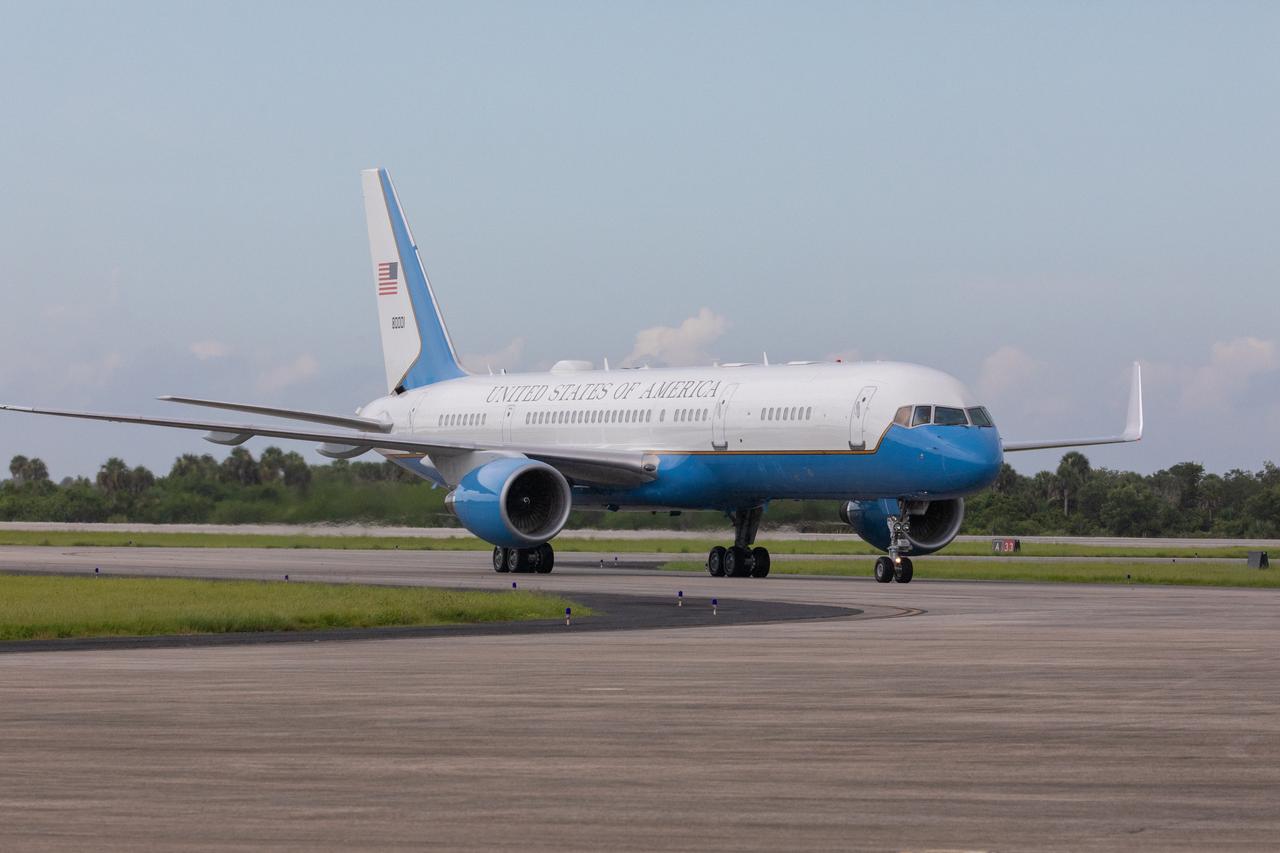
Vice President Pence arrives at Kennedy Space Center on July 20, 2019 in celebration of the Apollo 11 50th Anniversary. While at Kennedy, he recognized the historic mission, by visiting the mission’s launch site, pad 39a, and addressed NASA’s future plans to travel to the Moon and on to Mars.
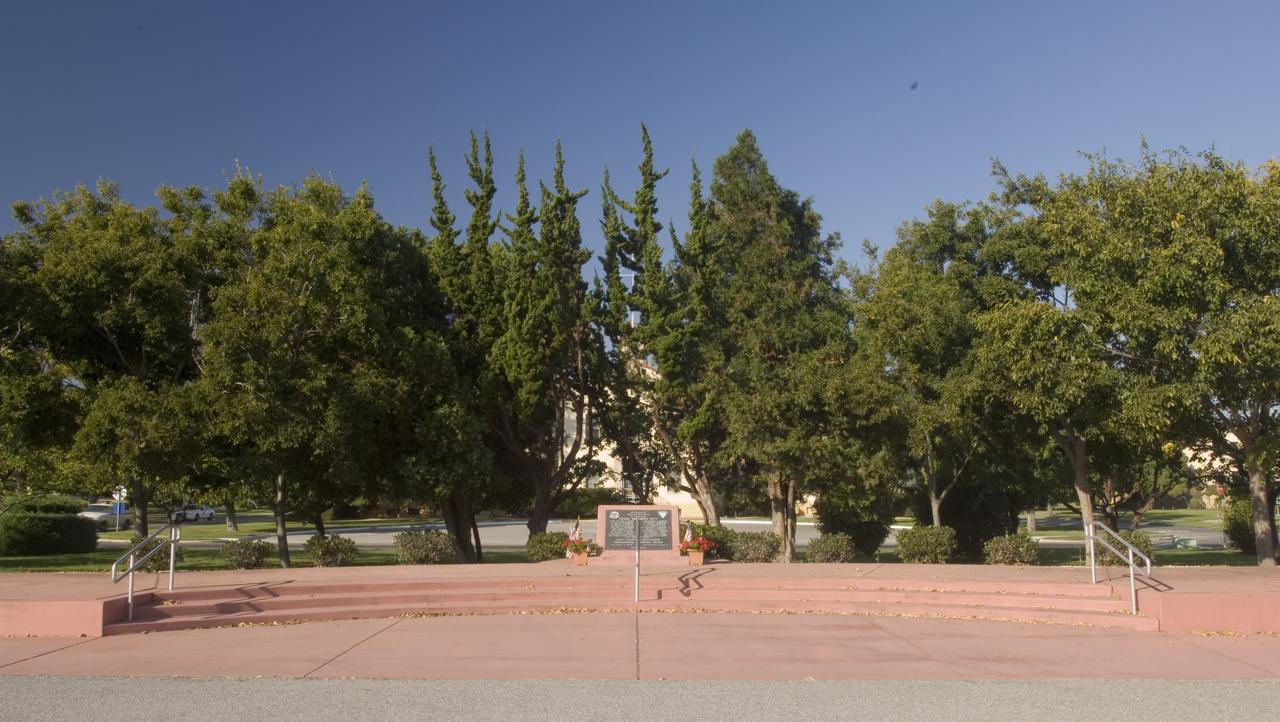
Ames and Moffett Field (MFA) historical sites and memorials Navy Patrol Squadron 50 Memorial Plaque and surrounding (located between Moffett Post office and Bldg 3 along McCord Avnue. In memory of the shipmentes lost at sea 21 March 1991.... Still on Station
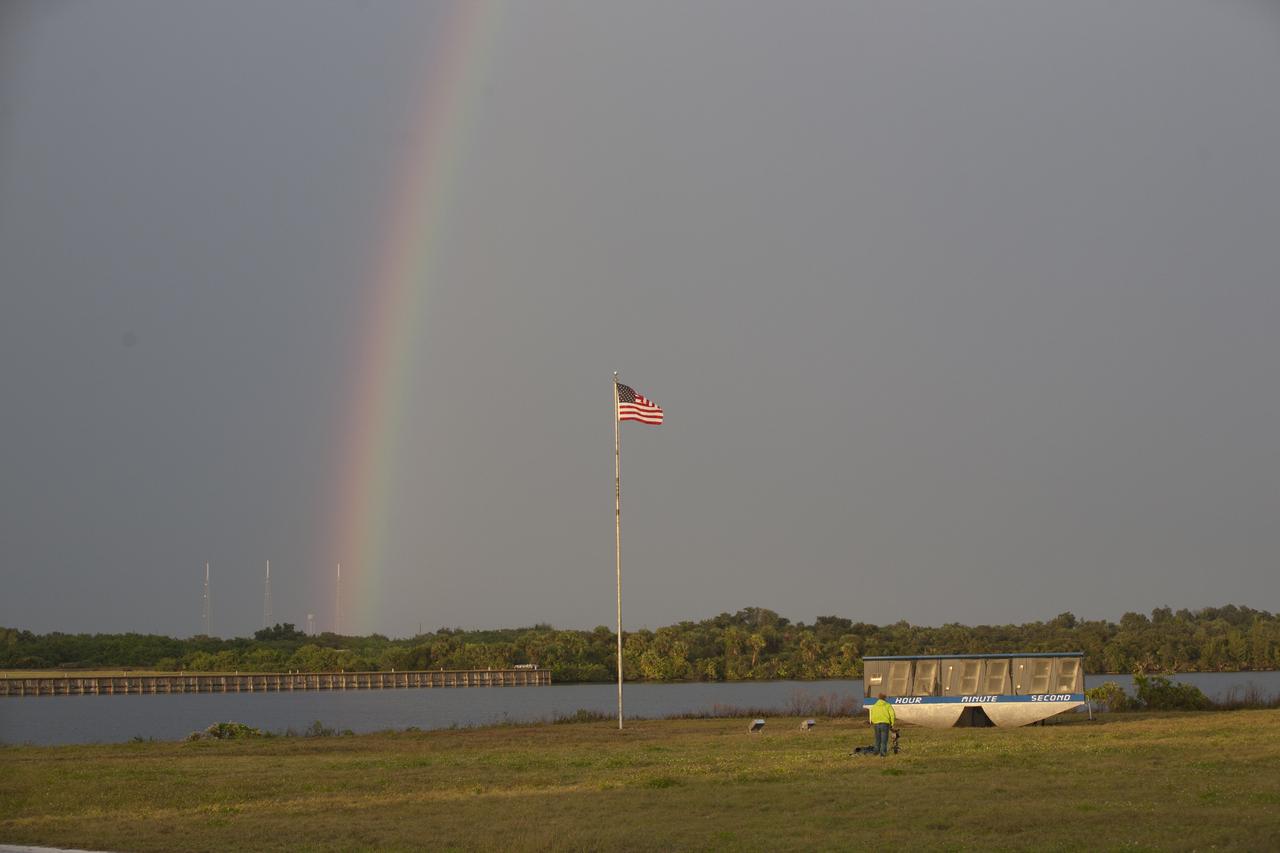
As rain showers dissipate, a rainbow appeared over the Kennedy Space Center's Press Site and turn basin. In the foreground is the historic countdown clock. In the background, is Launch Pad 39B where agency's Space Launch System will launch astronauts aboard the Orion spacecraft to deep-space destinations such as an asteroid and Mars.
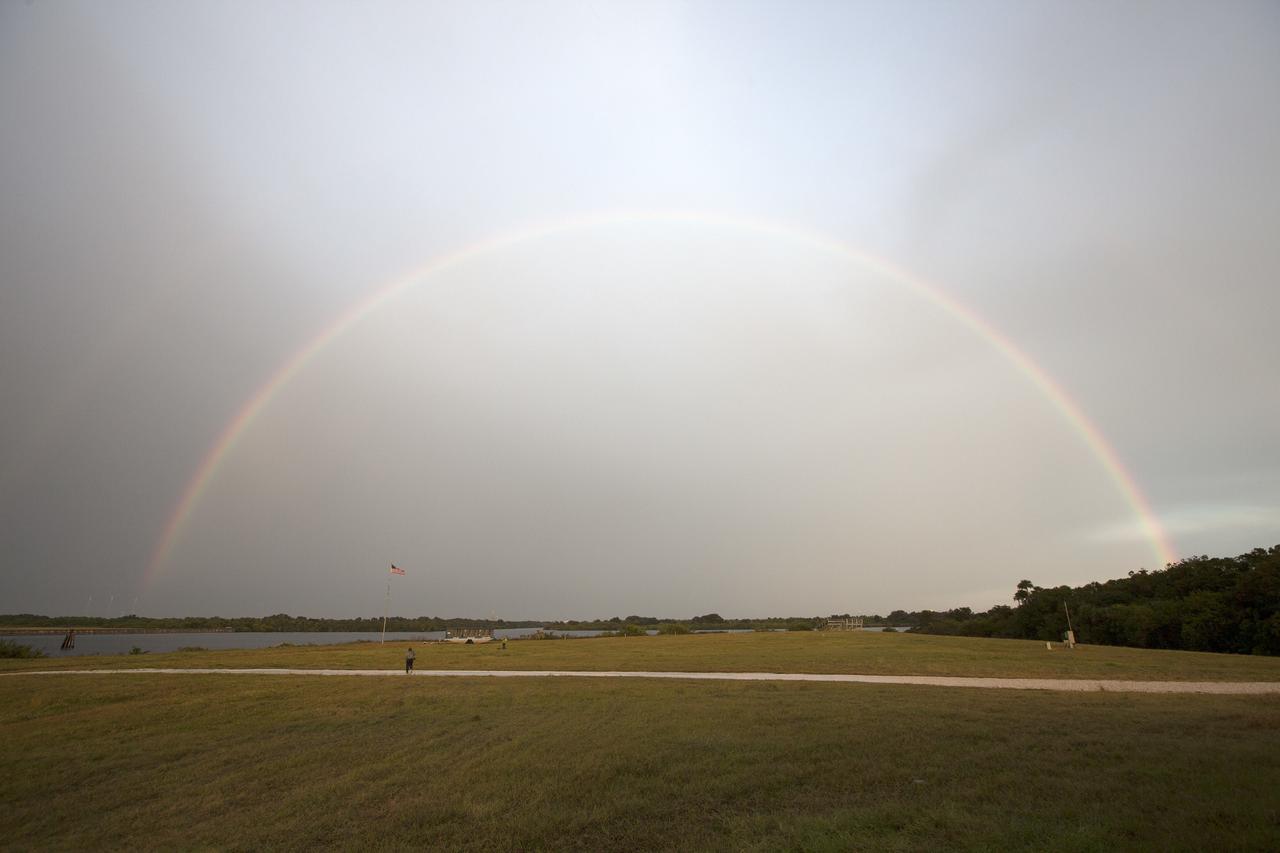
CAPE CANAVERAL, Fla. – As rain showers dissipate, a rainbow appeared over the Kennedy Space Center's Press Site and turn basin. In the background is the historic countdown clock. For more information, visit http://www.nasa.gov/kennedy Photo credit: NASA/Kim Shiflett
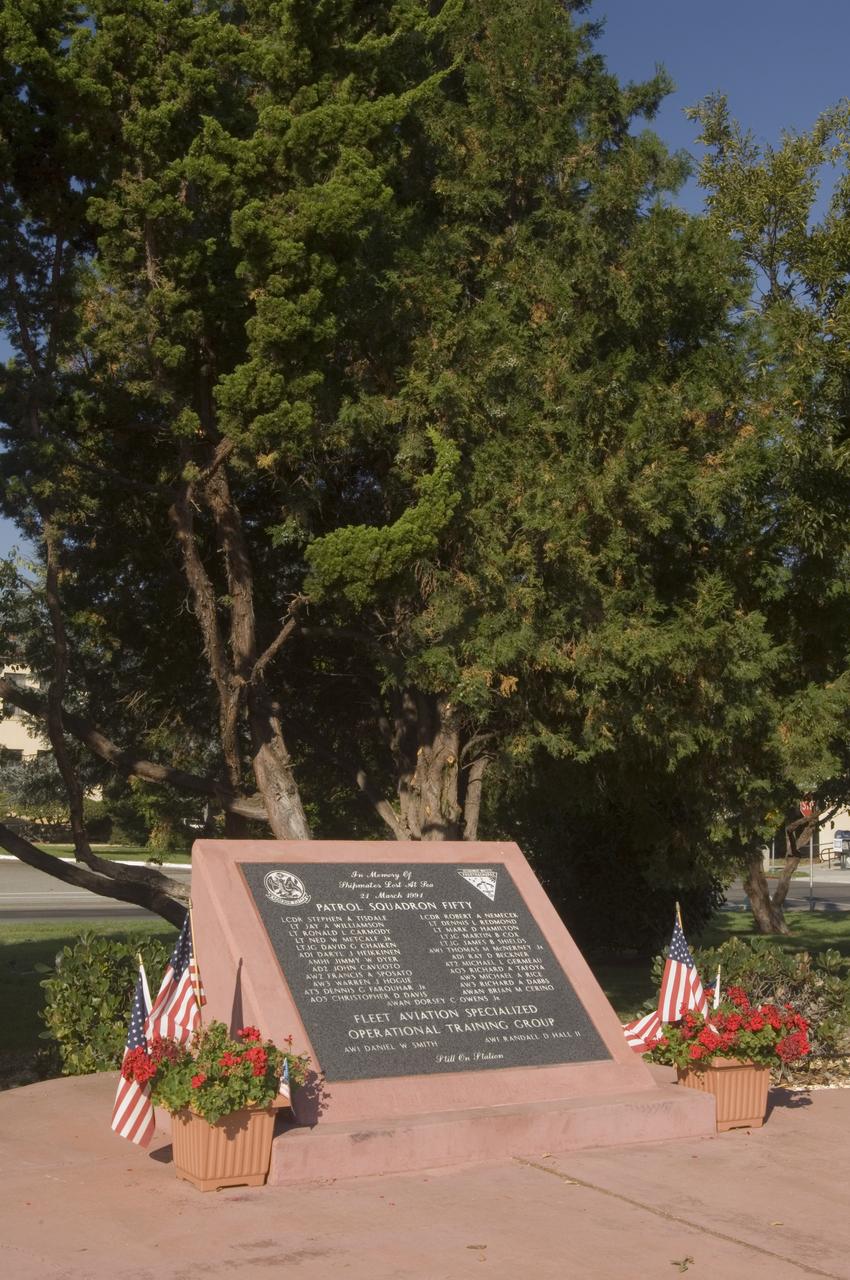
Ames and Moffett Field (MFA) historical sites and memorials Navy Patrol Squadron 50 Memorial Plaque and surrounding (located between Moffett Post office and Bldg 3 along McCord Avnue. In memory of the shipmentes lost at sea 21 March 1991.... Still on Station
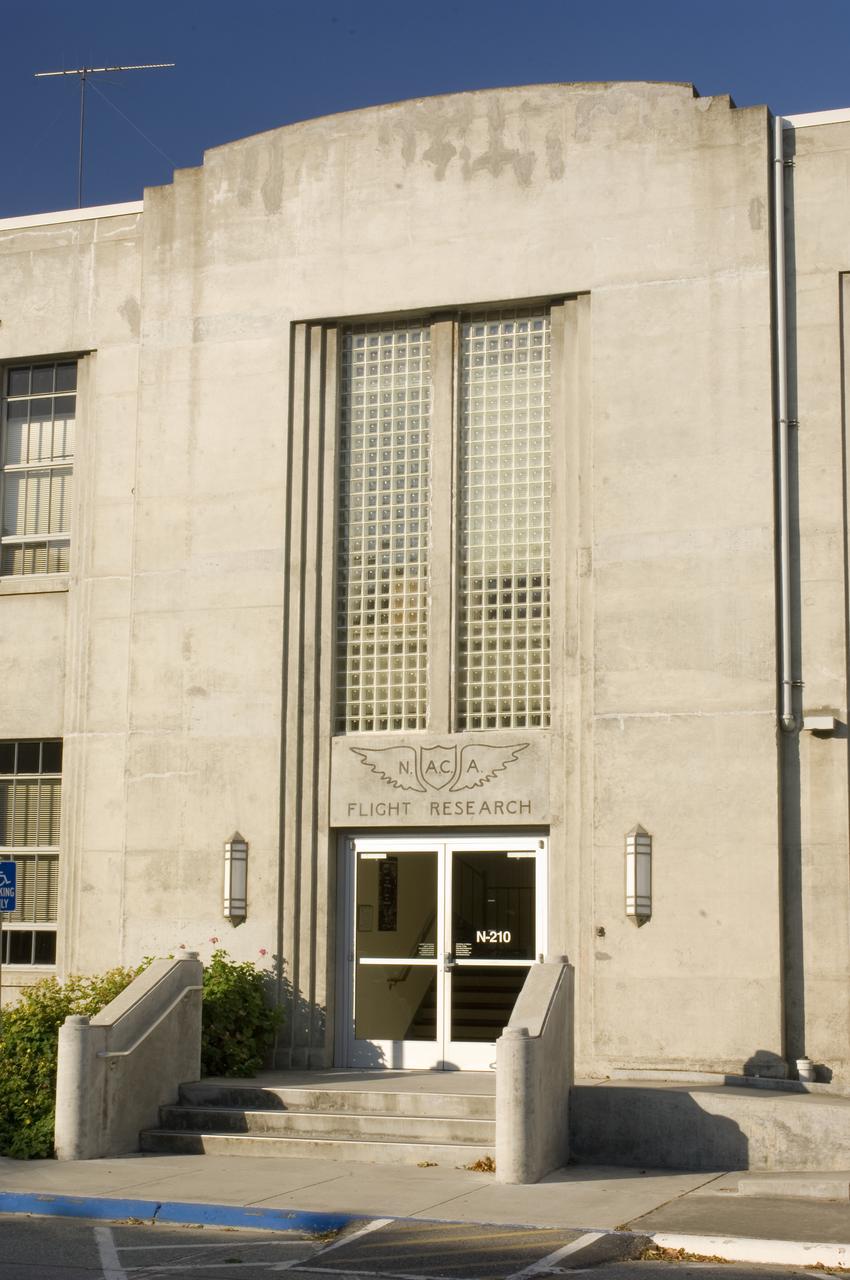
Ames and Moffett Field (MFA) historical sites and memorials Entry of building N-210 Ames Flight System Research Laboratory architectural detail. Eastside showing NACA brass inset wing over front doors, light fixtures flanking the doors and glass brick window wall above the doors
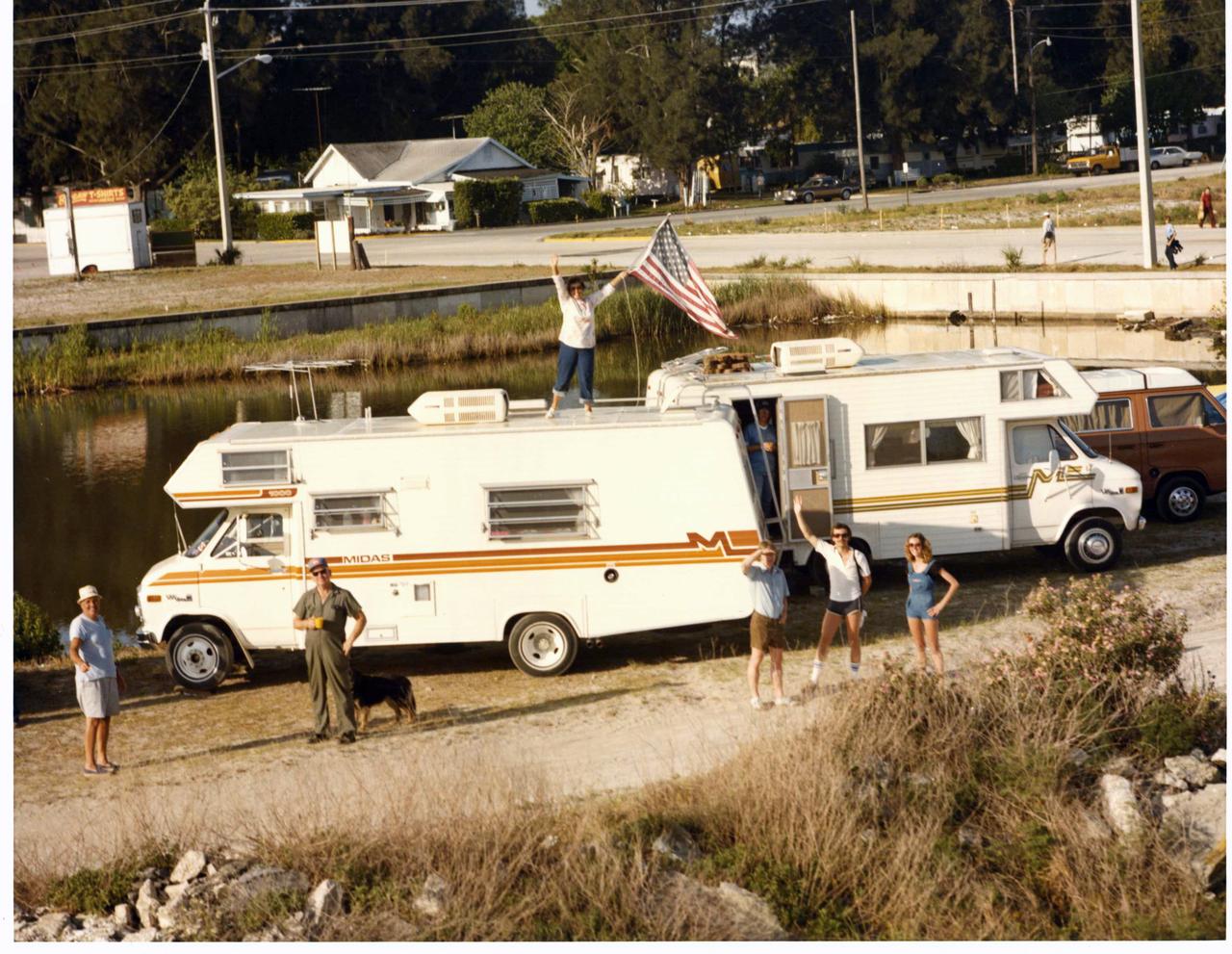
Go Columbia! Go America! Enthused by the sight of the space shuttle launch, one of the thousands of observers in Brevard County waves an American flag as Columbia heads skyward. Many people waited all night at viewing sites to assure that they would witness the historic first launch of the space shuttle.
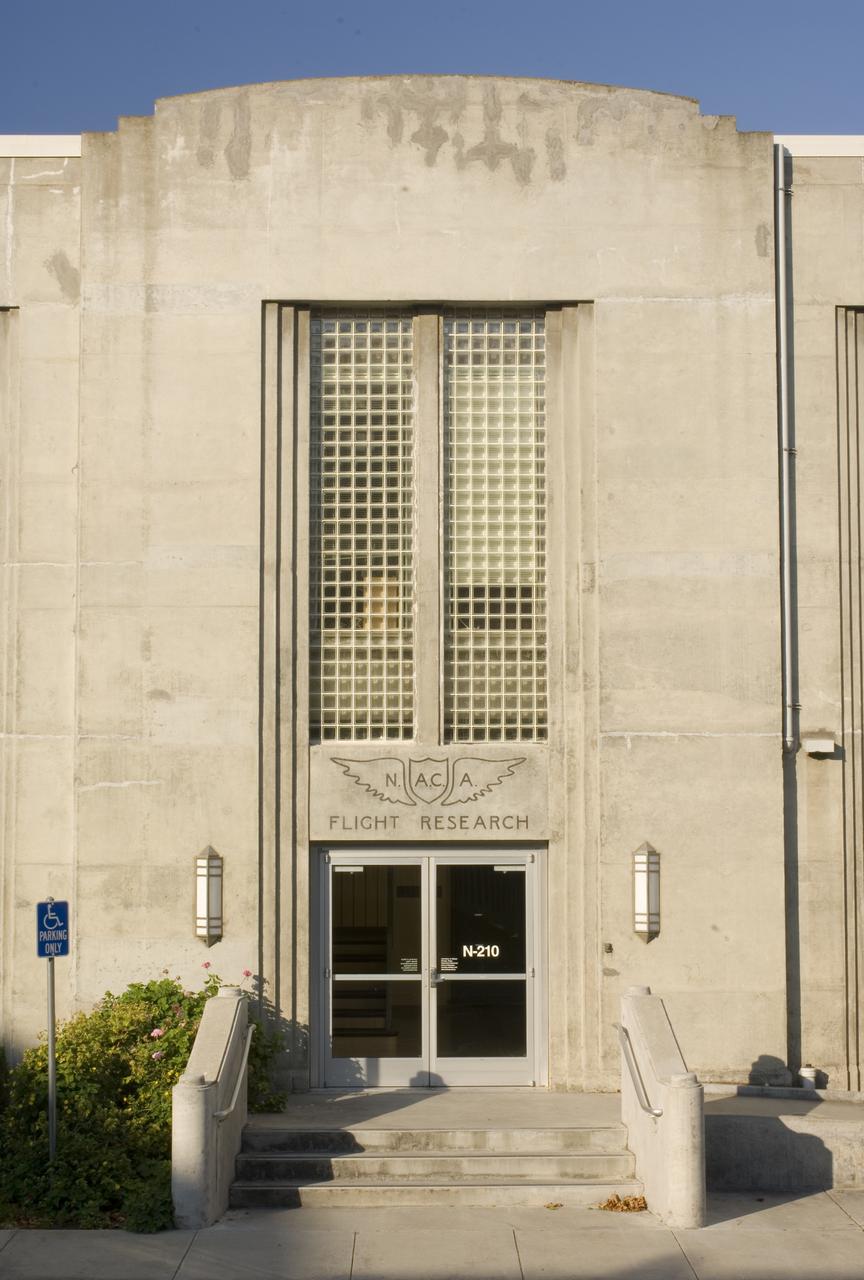
Ames and Moffett Field (MFA) historical sites and memorials Entry of building N-210 Ames Flight System Research Laboratory architectural detail. Eastside showing NACA brass inset wing over front doors, light fixtures flanking the doors and glass brick window wall above the doors
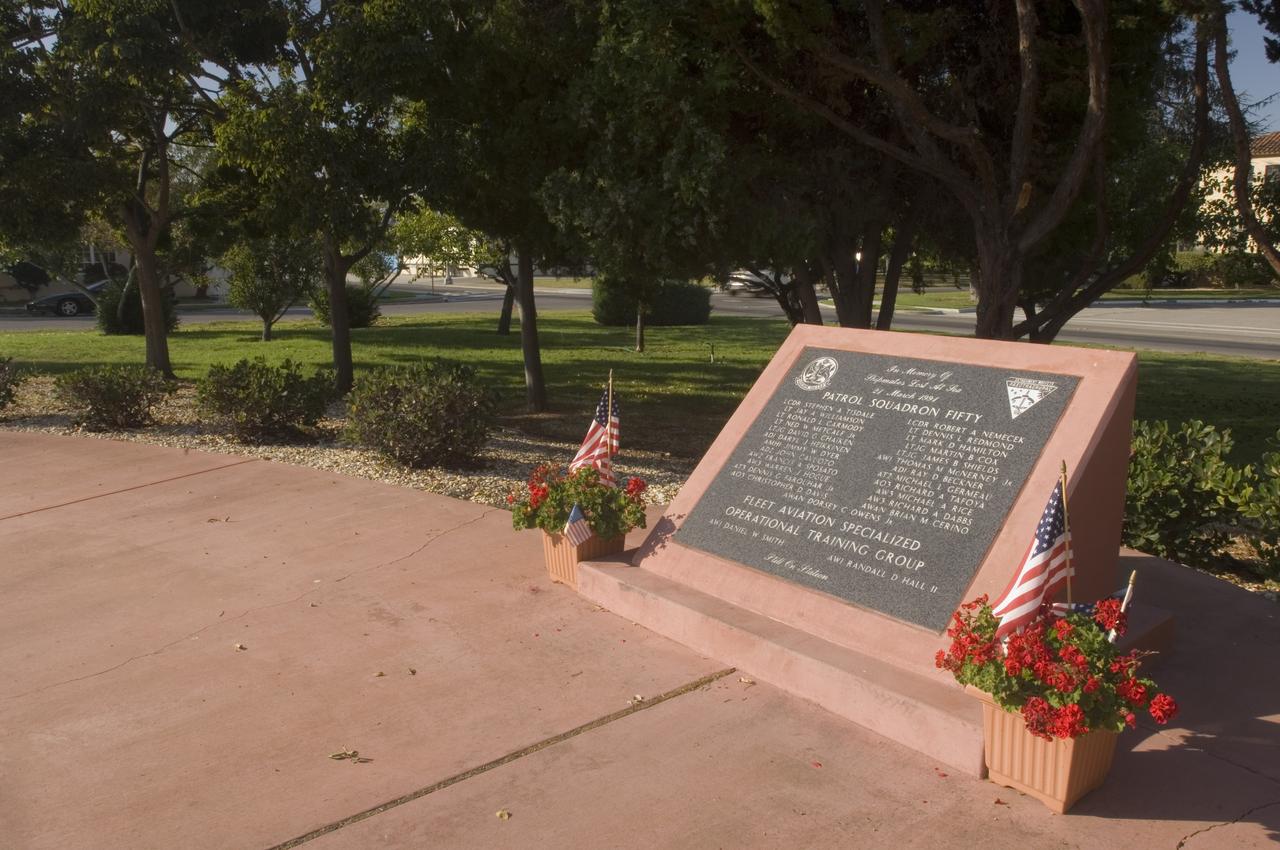
Ames and Moffett Field (MFA) historical sites and memorials Navy Patrol Squadron 50 Memorial Plaque and surrounding (located between Moffett Post office and Bldg 3 along McCord Avnue. In memory of the shipmentes lost at sea 21 March 1991.... Still on Station
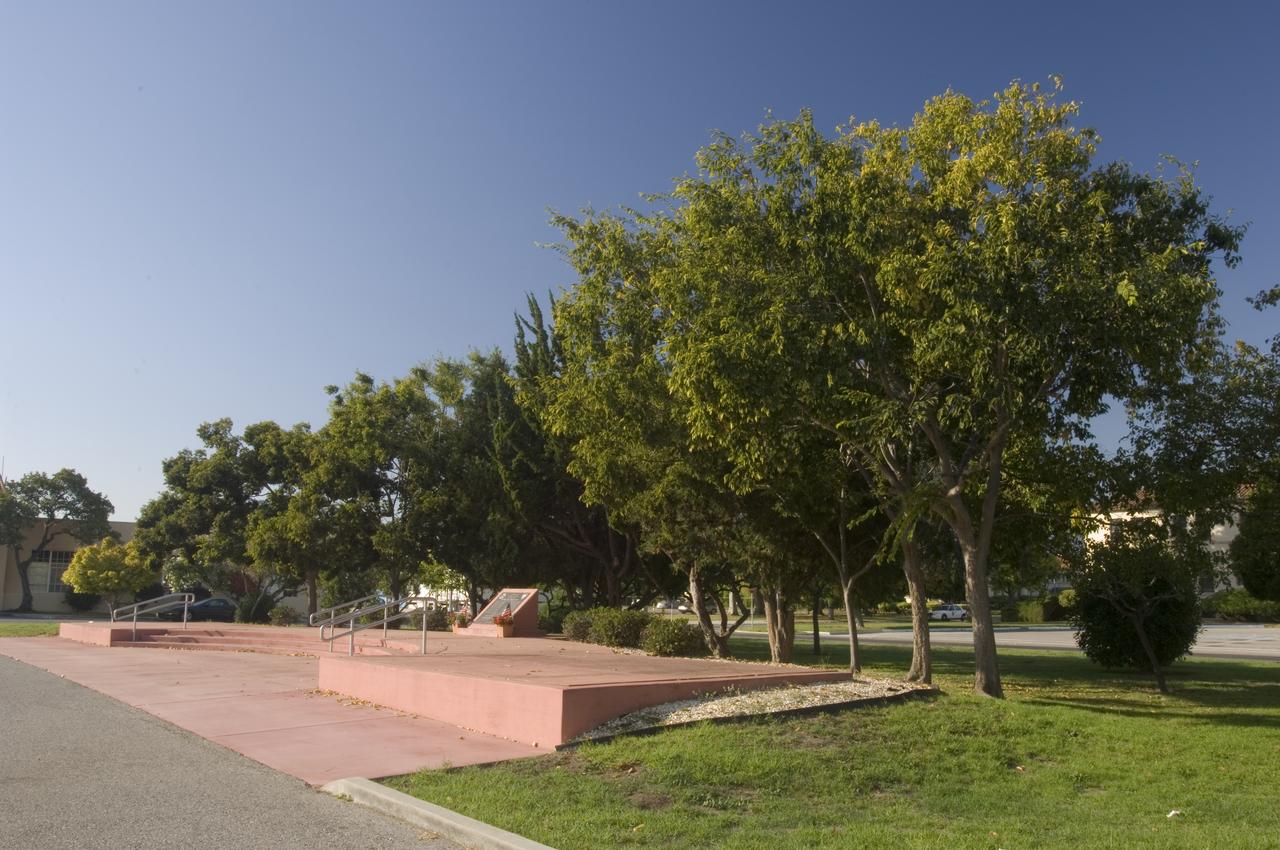
Ames and Moffett Field (MFA) historical sites and memorials Navy Patrol Squadron 50 Memorial Plaque and surrounding (located between Moffett Post office and Bldg 3 along McCord Avnue. In memory of the shipmentes lost at sea 21 March 1991.... Still on Station
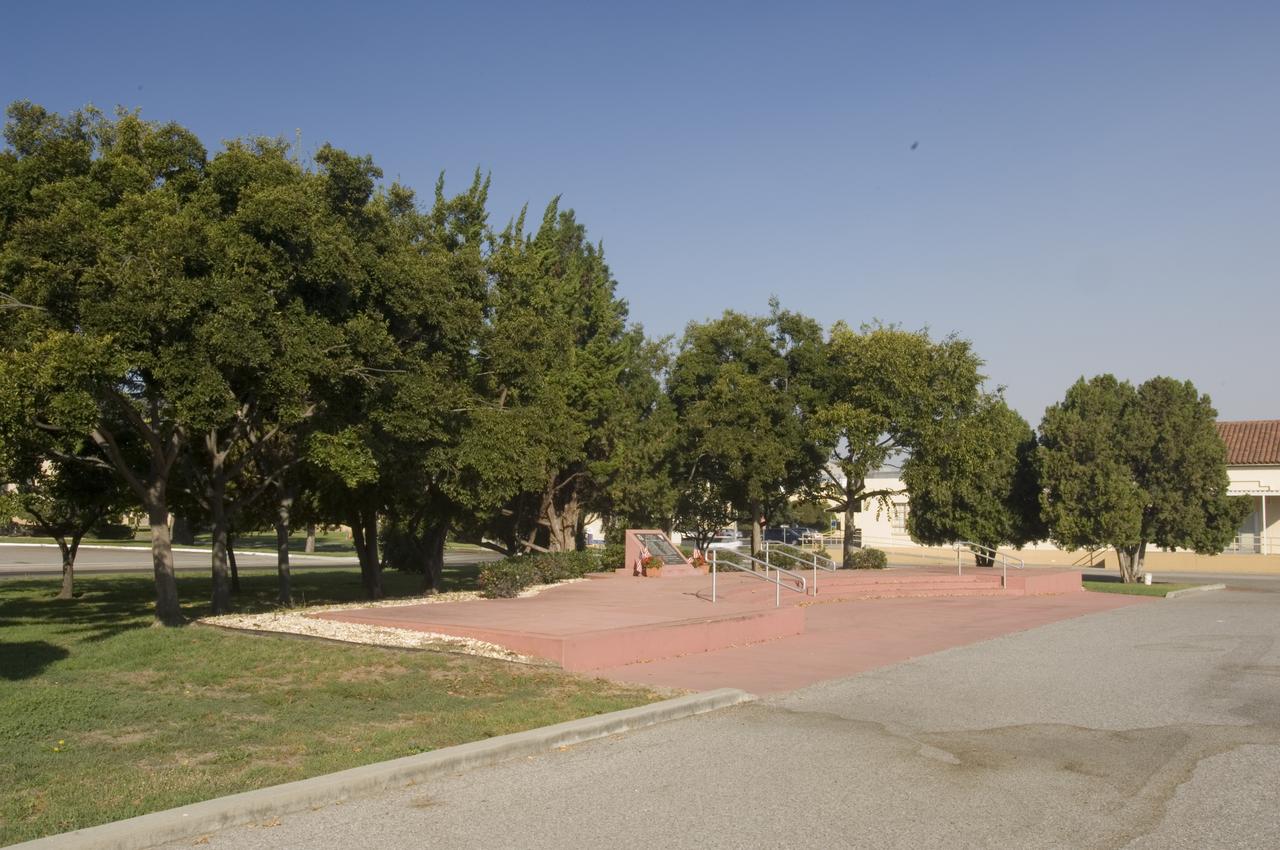
Ames and Moffett Field (MFA) historical sites and memorials Navy Patrol Squadron 50 Memorial Plaque and surrounding (located between Moffett Post office and Bldg 3 along McCord Avnue. In memory of the shipmentes lost at sea 21 March 1991.... Still on Station
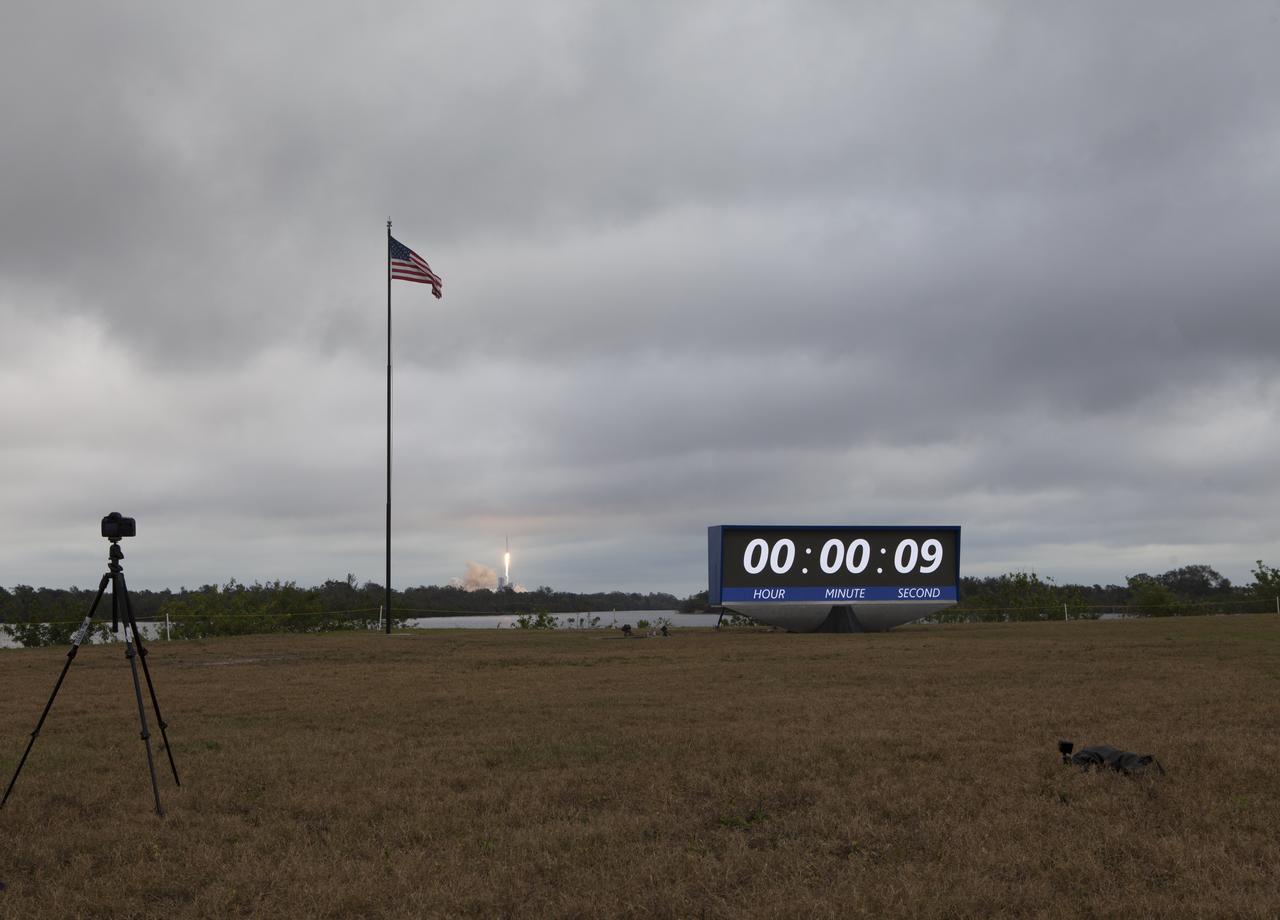
With the countdown clock at the NASA Kenney Space Center Press Site in the foreground, a SpaceX Falcon 9 rocket lifts off from Launch Complex 39A at the Florida spaceport. It was the company's 10th commercial resupply services mission to the International Space Station. Liftoff was at 9:39 a.m. EST from the historic launch site now operated by SpaceX under a property agreement with NASA. The Dragon spacecraft will deliver about 5,500 pounds of supplies, such as the Stratospheric Aerosol and Gas Experiment (SAGE) III instrument to further study ozone in the atmosphere.
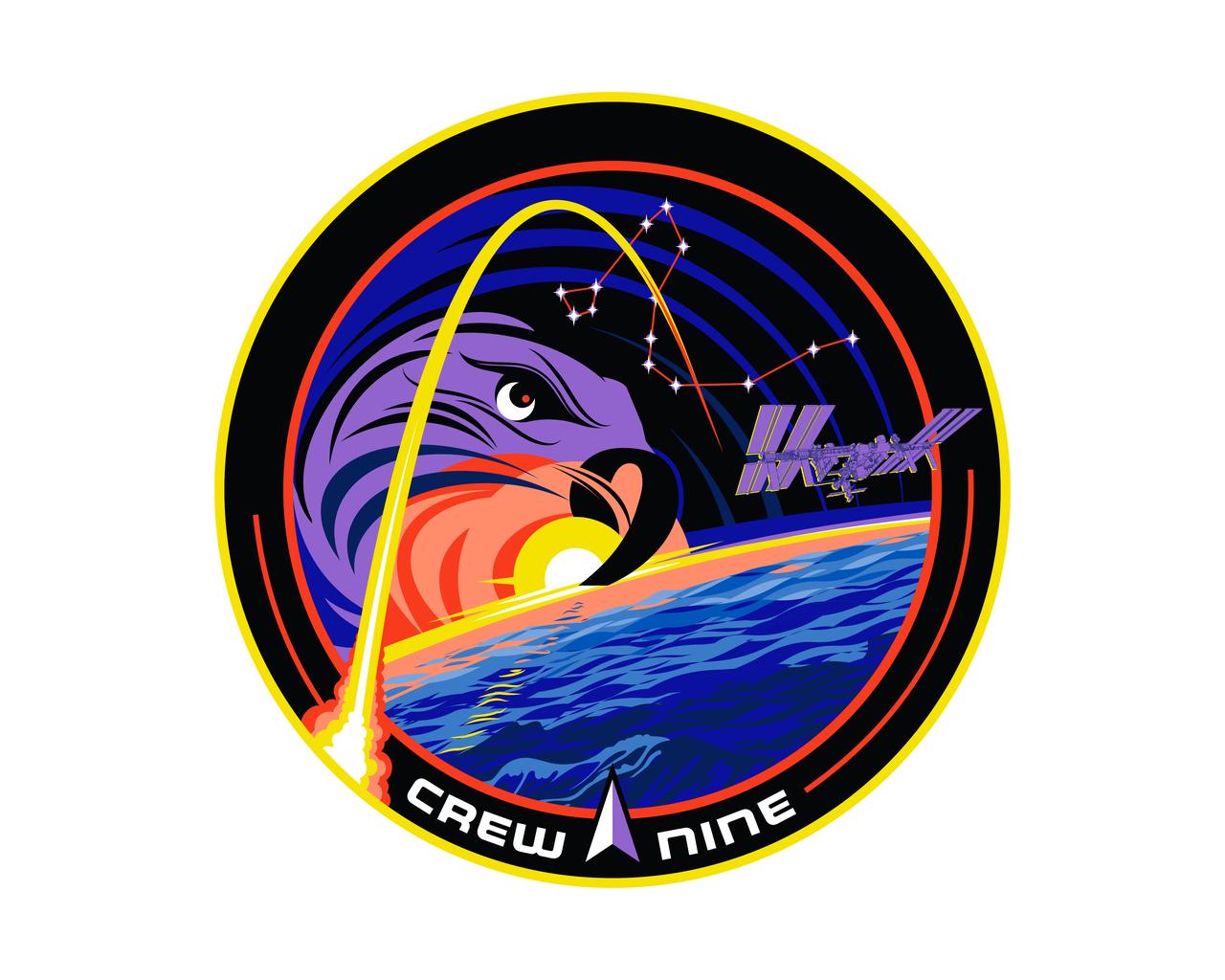
jsc2024e011322 (Jan. 28, 2024) --- The Crew-9 mission patch depicts the trail of a rocket launching en route to the International Space Station, which will be home for a long-duration expedition dedicated to service, science, and collaboration. Coastal waves are inspired by the historic Florida launch site, and on a larger scale represent our blue planet, the global ocean connecting all continents. A falcon, with the number nine as its beak and a crescent moon as its eye, is a nod to the Falcon 9 rocket, while the constellation Draco honors the Dragon spacecraft that will take Crew-9 to their destination. The Delta symbol, first used in 1961, evokes historic ties to the earliest days of space endeavors. Human exploration of space is built on international collaboration and depends on the support of multitudes across the globe whose efforts honor that heritage.
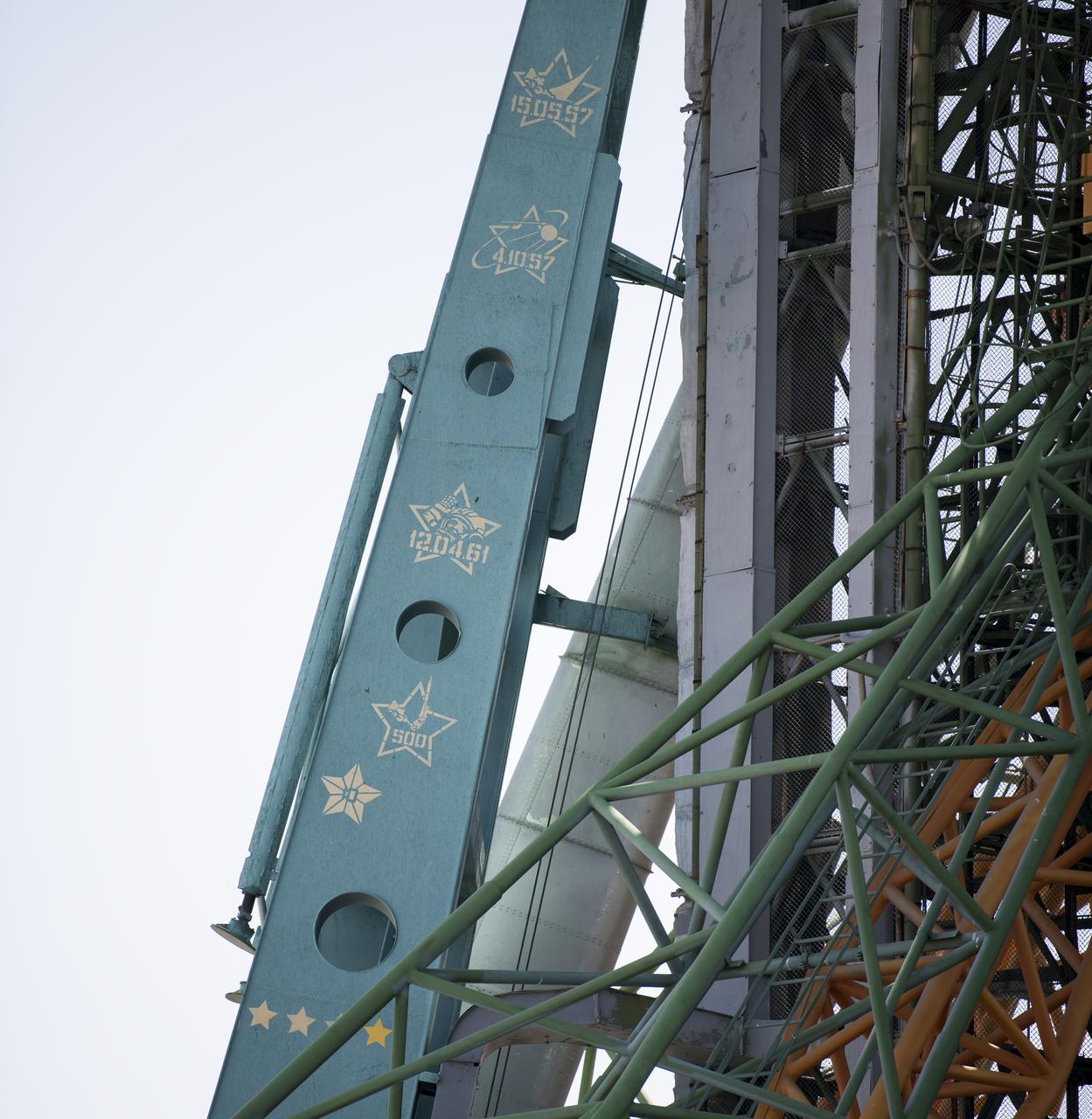
Painted markings on the service structure of Site 1 at the Baikonur Cosmodrome seen on Friday, July 19, 2019, show the milestones accomplised by launches from the historic pad. The markings commemorate the first launch from the pad on May 15, 1957, the launch of Sputnik 1 on October 4, 1957, the launch of the first human to orbit Earth, Yuri Gagarin, on April 12, 1961, and the fact that the pad has been the site of over 500 launches of various rockets since its construction. Expedition 60 Soyuz Commander Alexander Skvortsov of Roscosmos, flight engineer Andrew Morgan of NASA, and flight engineer Luca Parmitano of ESA (European Space Agency) launched from the historic pad to begin their mission to the International Space Station at 12:28 p.m. Eastern time (9:28 p.m. Baikonur time) on July 20th. Photo Credit: (NASA/Joel Kowsky)
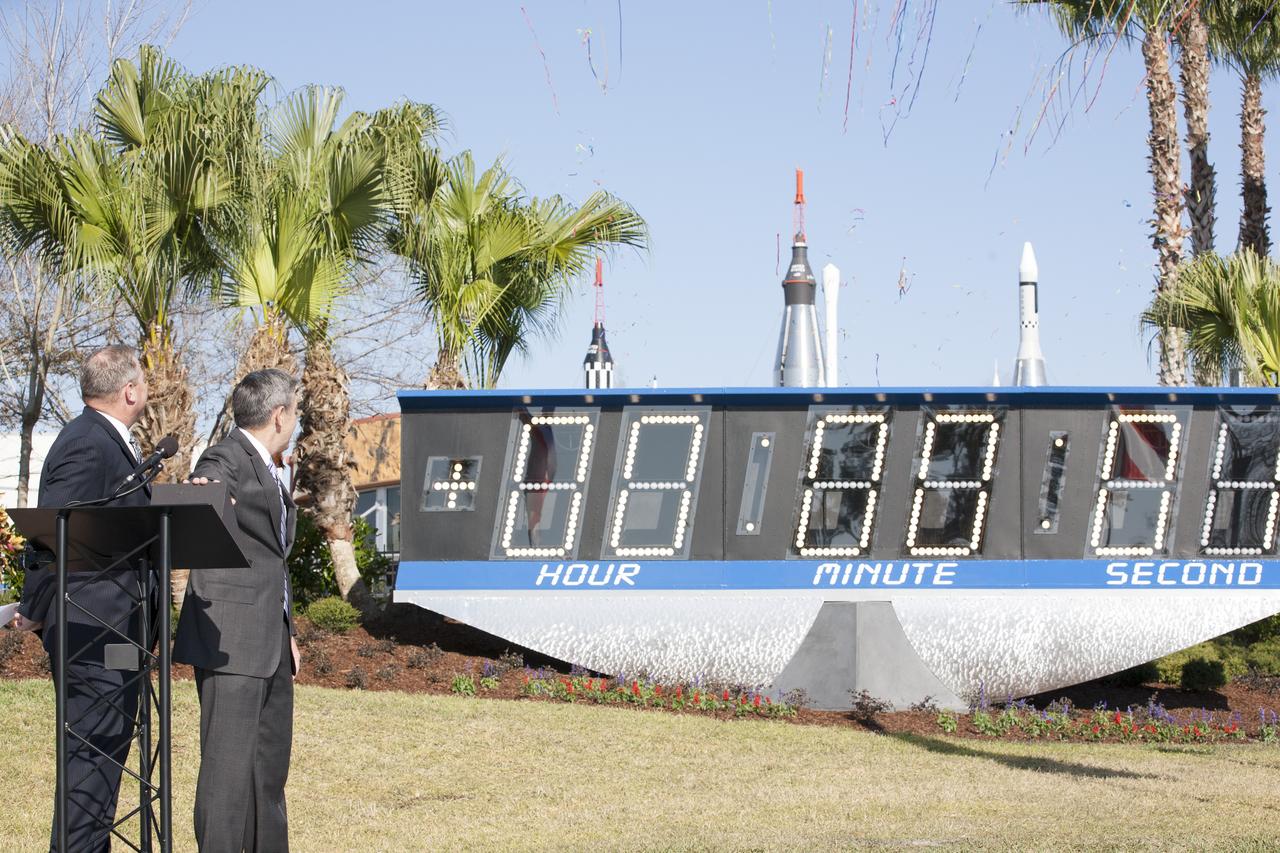
Therrin Protze, chief operating officer of the Kennedy Space Center Visitor Complex, left, and center director Bob Cabana watch as confetti was launched as the spaceport's historic countdown clock is dedicated as the newest display at the entrance to Kennedy's visitor complex. The spaceport's historic countdown clock was used beginning with the launch of Apollo 12 on Nov. 14, 1969. Originally set up at the space center's Press Site, the clock was used through the final space shuttle mission, STS-135, launched on July 8, 2011. The old countdown clock was replaced in 2014 with a modern light emitting diode, or LED, display.
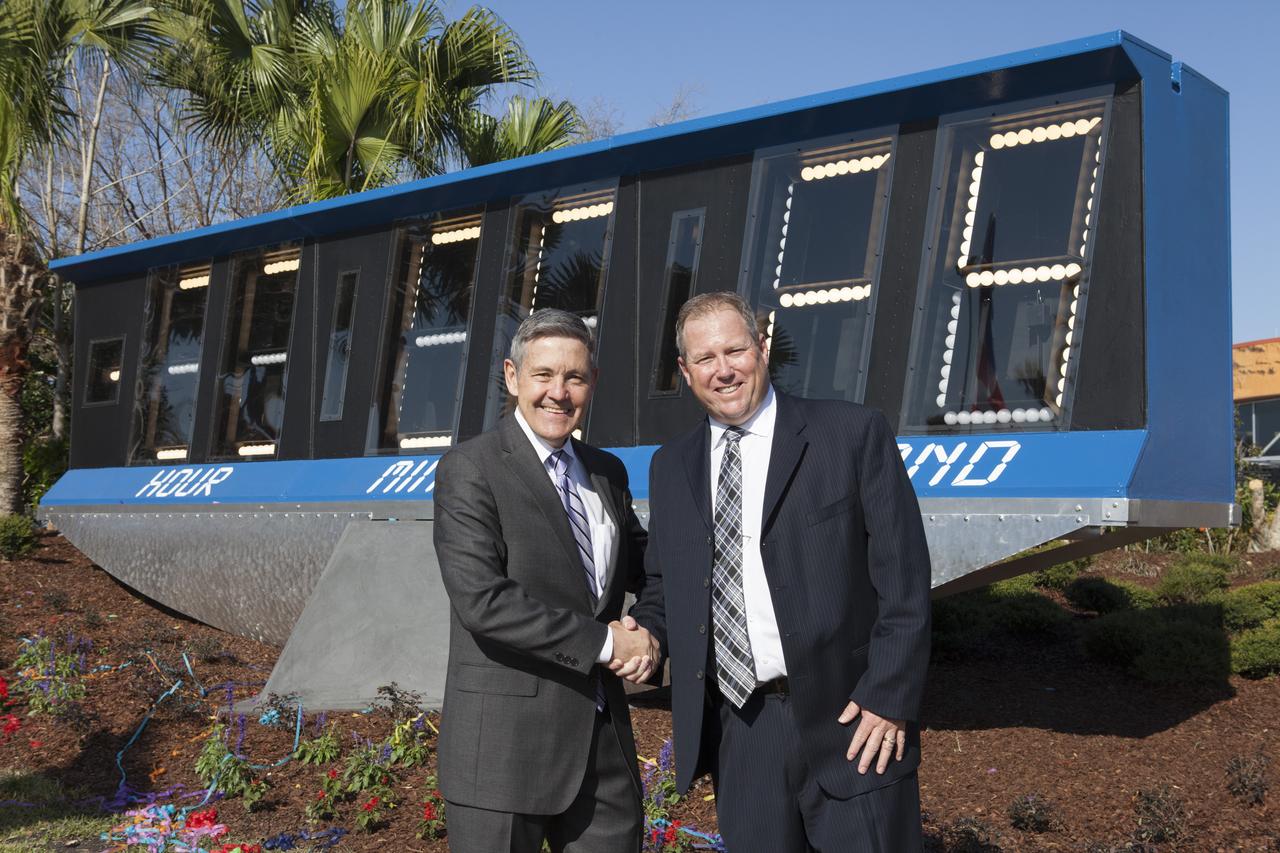
Kennedy Space Center Director Bob Cabana, left, and Therrin Protze, chief operating officer of Kennedy's Visitor Complex, celebrate the dedication of the spaceport's historic countdown clock as the newest display at the center's visitor complex. Now located at the entrance to the visitor complex, the spaceport's historic countdown clock was used starting with the launch of Apollo 12 on Nov. 14, 1969. Originally set up at the space center's Press Site, the clock operated through the final space shuttle mission, STS-135, launched on July 8, 2011. The old countdown clock was replaced in 2014 with a modern light emitting diode, or LED, display.
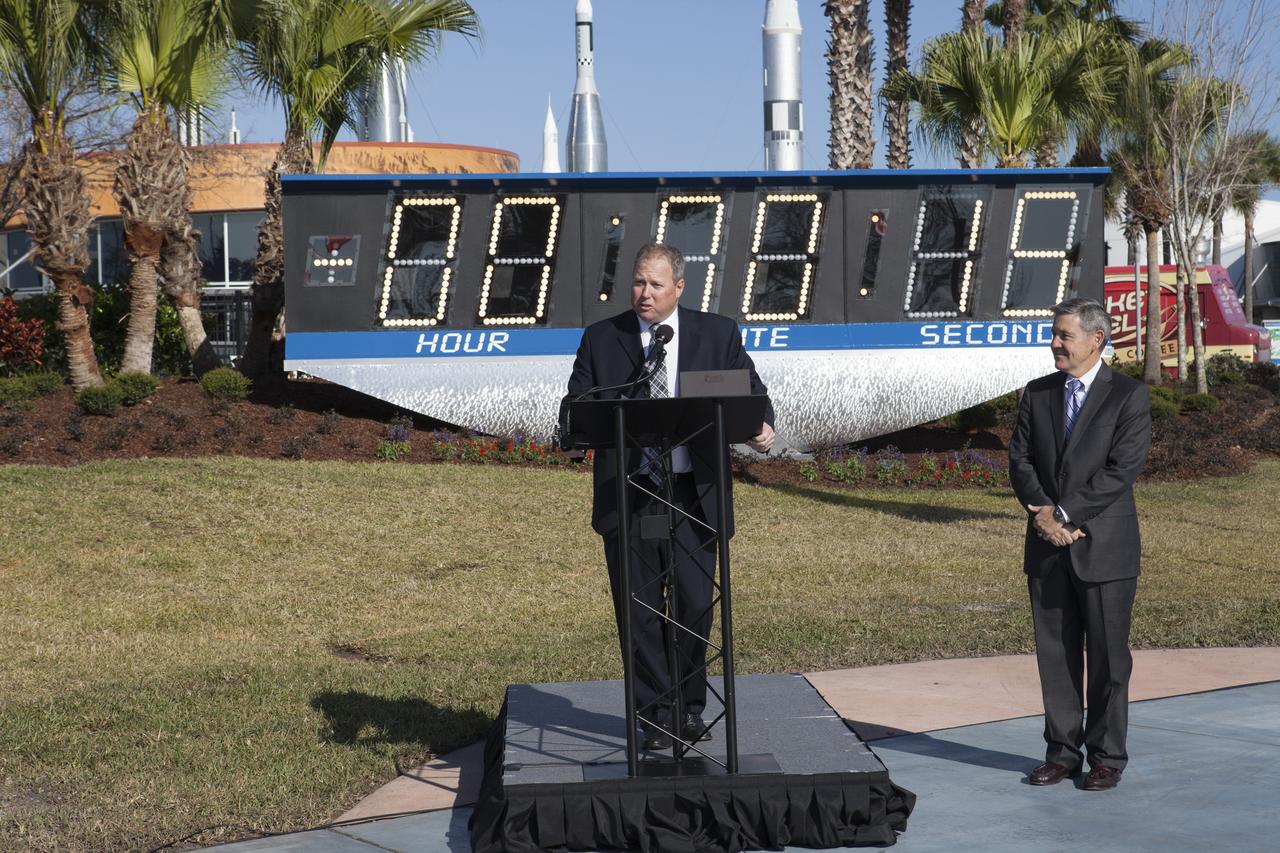
Therrin Protze, chief operating officer of the Kennedy Space Center Visitor Complex, speaks at the dedication of the center's historic countdown clock. To the right is space center director Bob Cabana. Now located at the entrance to the visitor complex, the spaceport's historic countdown clock was used starting with the launch of Apollo 12 on Nov. 14, 1969. Originally set up at the space center's Press Site, the clock was used through the final space shuttle mission, STS-135, launched on July 8, 2011. The old countdown clock was replaced in 2014 with a modern light emitting diode, or LED, display.
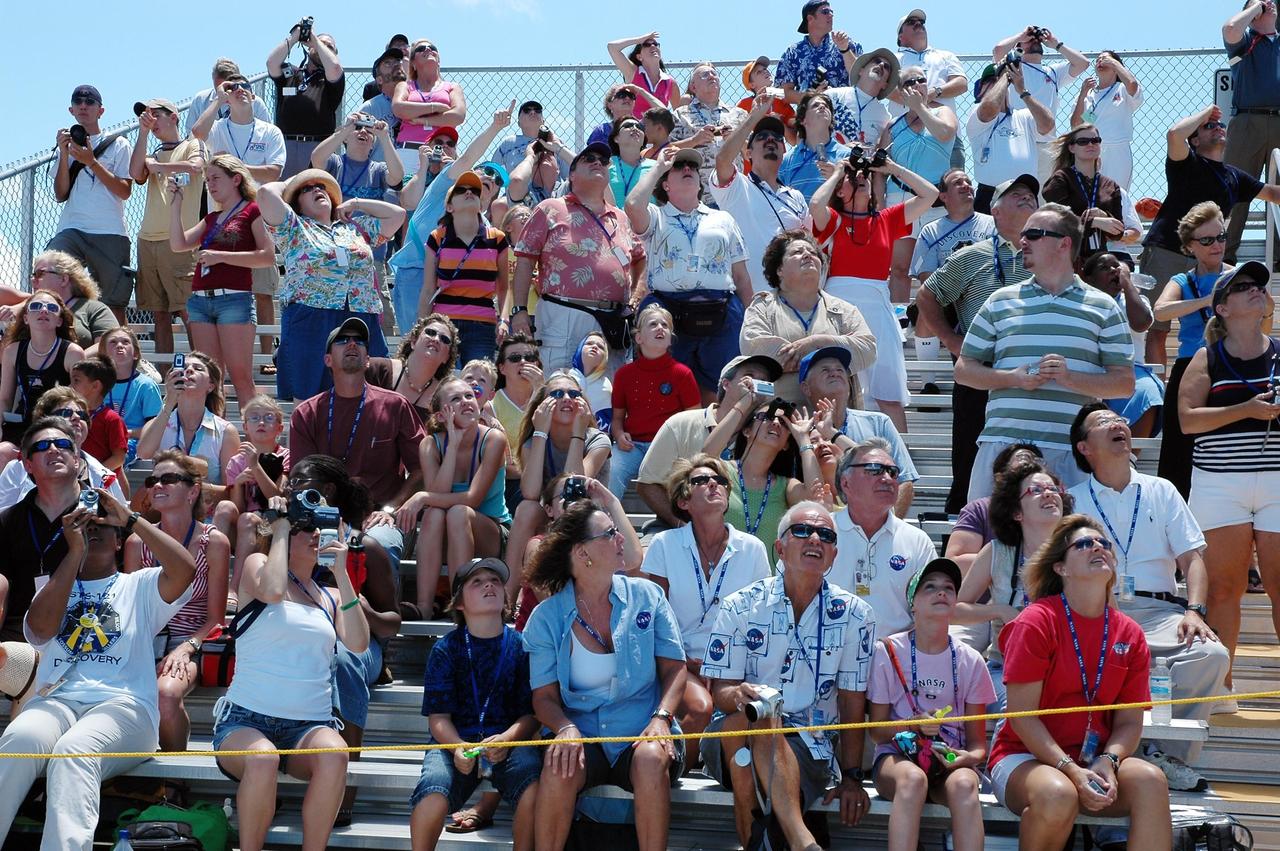
KENNEDY SPACE CENTER, FLA. - Visitors at the Kennedy Space Center's Banana River viewing site stay focused on the historic ride of Space Shuttle Discovery on mission STS-121 as it rockets into the blue sky for an historic launch -- the first ever on Independence Day. Liftoff was on-time at 2:38 p.m. EDT. During the 12-day mission, the STS-121 crew of seven will test new equipment and procedures to improve shuttle safety, as well as deliver supplies and make repairs to the International Space Station. Landing is scheduled for July 16 or 17 at Kennedy's Shuttle Landing Facility. Photo credit: NASA/Louie Roguevert
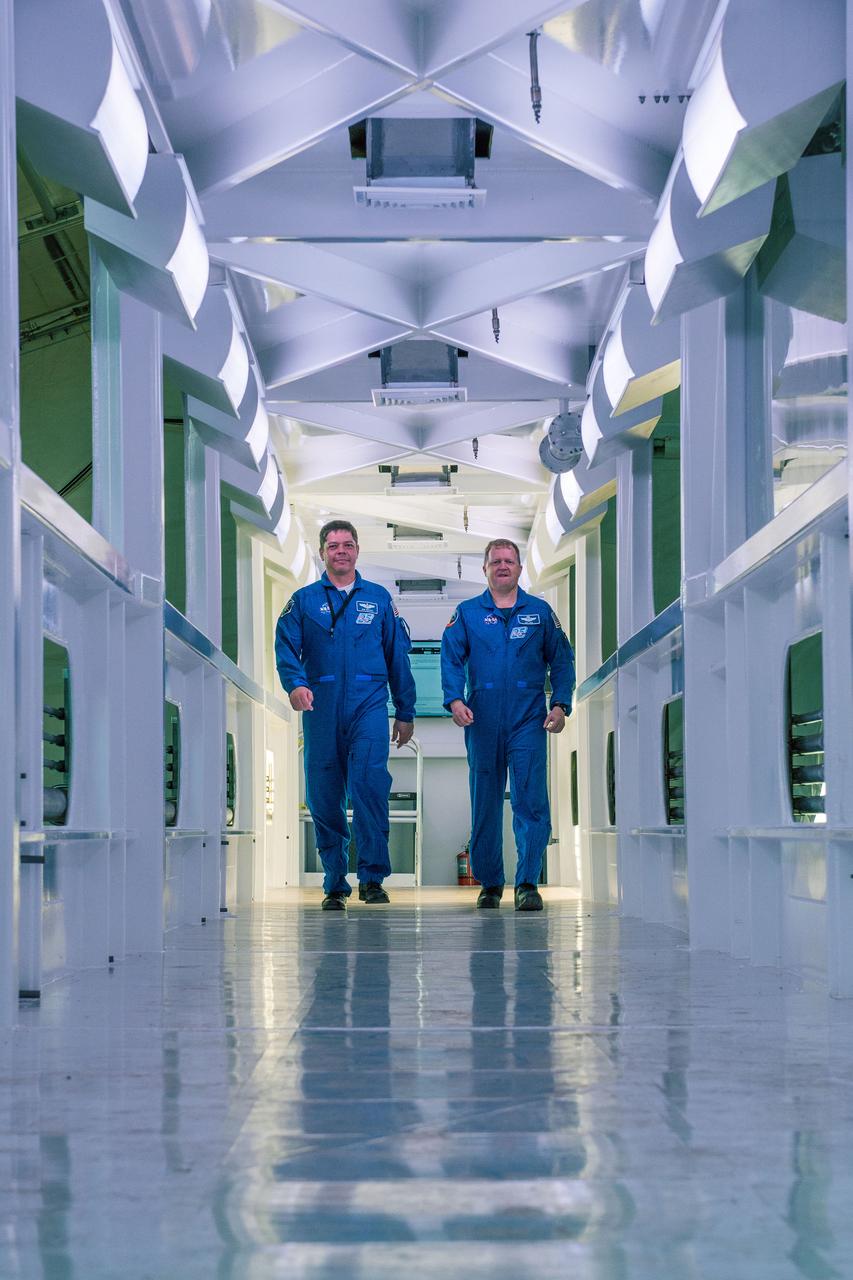
Astronauts Bob Behnken, left, and Eric Boe walk down the Crew Access Arm being built by SpaceX for Launch Complex 39A at NASA’s Kennedy Space Center in Florida. The access arm will be installed on the launch pad, providing a bridge between the launch tower it’s the Fixed Service Structure, as noted below, and SpaceX’s Dragon 2 spacecraft for astronauts flying to the International Space Station on the company’s Falcon 9 rocket as part of NASA’s Commercial Crew Program. The access arm is being readied for installation in early 2018. It will be installed 70 feet higher than the former space shuttle access arm on the launch pad’s Fixed Service Structure. SpaceX continues to modify the historic launch site from its former space shuttle days, removing more than 500,000 pounds of steel from the pad structure, including the Rotating Service Structure that was once used for accessing the payload bay of the shuttle. SpaceX also is using the modernized site to launch commercial payloads, as well as cargo resupply missions to and from the International Space Station for NASA. The first SpaceX launch from the historic Apollo and space shuttle site was this past February. NASA’s Commercial Crew Program is working with private companies, Boeing and SpaceX, with a goal of once again flying people to and from the International Space Station, launching from the United States.
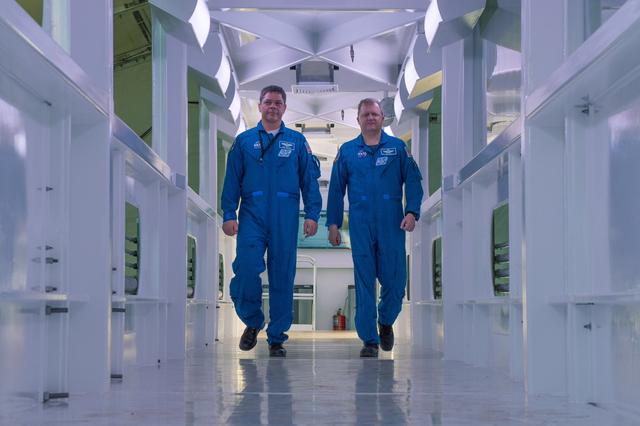
Astronauts Bob Behnken, left, and Eric Boe walk down the Crew Access Arm being built by SpaceX for Launch Complex 39A at NASA’s Kennedy Space Center in Florida. The access arm will be installed on the launch pad, providing a bridge between the launch tower it’s the Fixed Service Structure, as noted below, and SpaceX’s Dragon 2 spacecraft for astronauts flying to the International Space Station on the company’s Falcon 9 rocket as part of NASA’s Commercial Crew Program. The access arm is being readied for installation in early 2018. It will be installed 70 feet higher than the former space shuttle access arm on the launch pad’s Fixed Service Structure. SpaceX continues to modify the historic launch site from its former space shuttle days, removing more than 500,000 pounds of steel from the pad structure, including the Rotating Service Structure that was once used for accessing the payload bay of the shuttle. SpaceX also is using the modernized site to launch commercial payloads, as well as cargo resupply missions to and from the International Space Station for NASA. The first SpaceX launch from the historic Apollo and space shuttle site was this past February. NASA’s Commercial Crew Program is working with private companies, Boeing and SpaceX, with a goal of once again flying people to and from the International Space Station, launching from the United States.
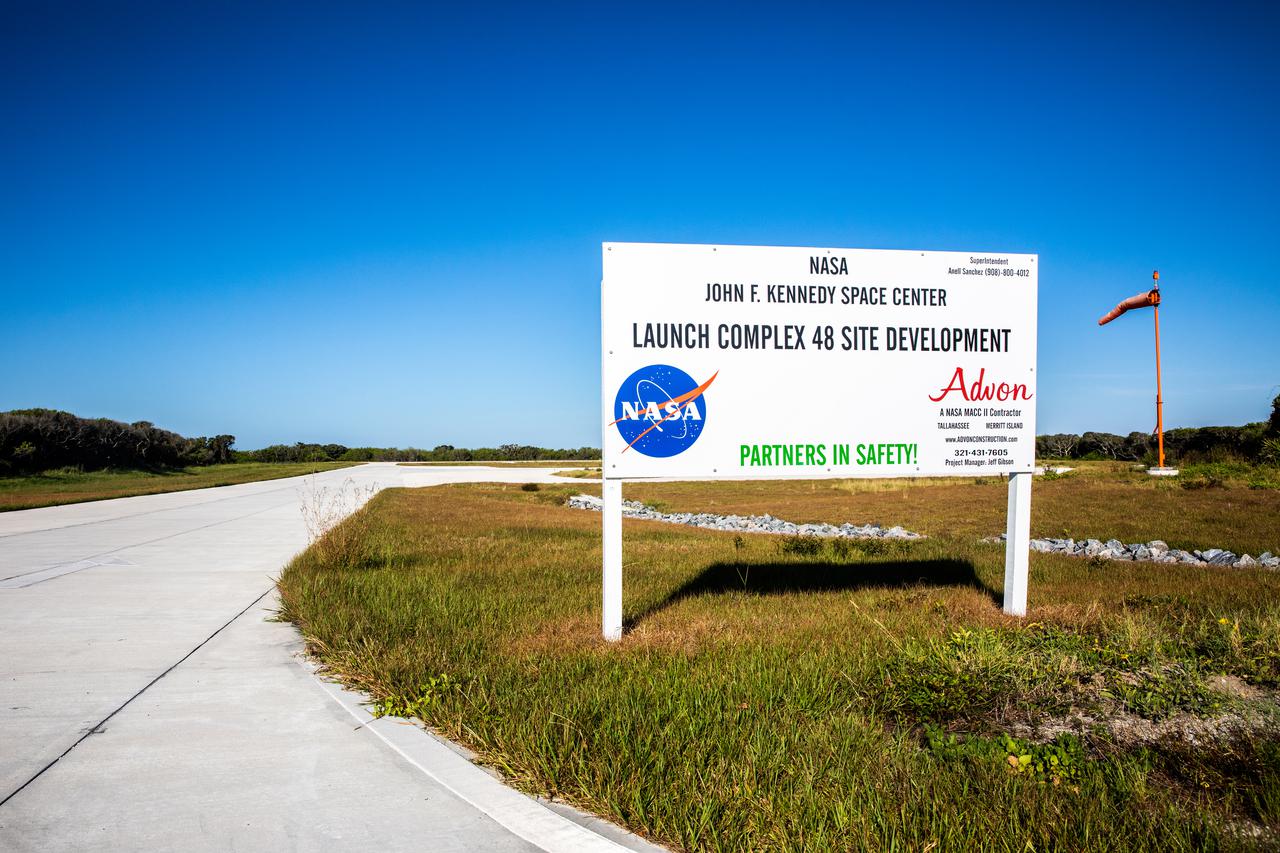
Pictured here is the site of Launch Complex 48 at NASA’s Kennedy Space Center in Florida, on June 1, 2021. The spaceport’s newest launch site is designed specifically for small-class commercial vehicles and the small satellite industry. Located about a mile south of Kennedy’s historic Launch Complex 39A on Cape Road, and completed in August 2020, the 10-acre complex provides a dedicated space for vehicles generating 500,000 pounds of thrust or less. The “clean pad” design and basic infrastructure of Launch Complex 48 offers greater flexibility for small-class vehicle with rockets possessing varying needs.
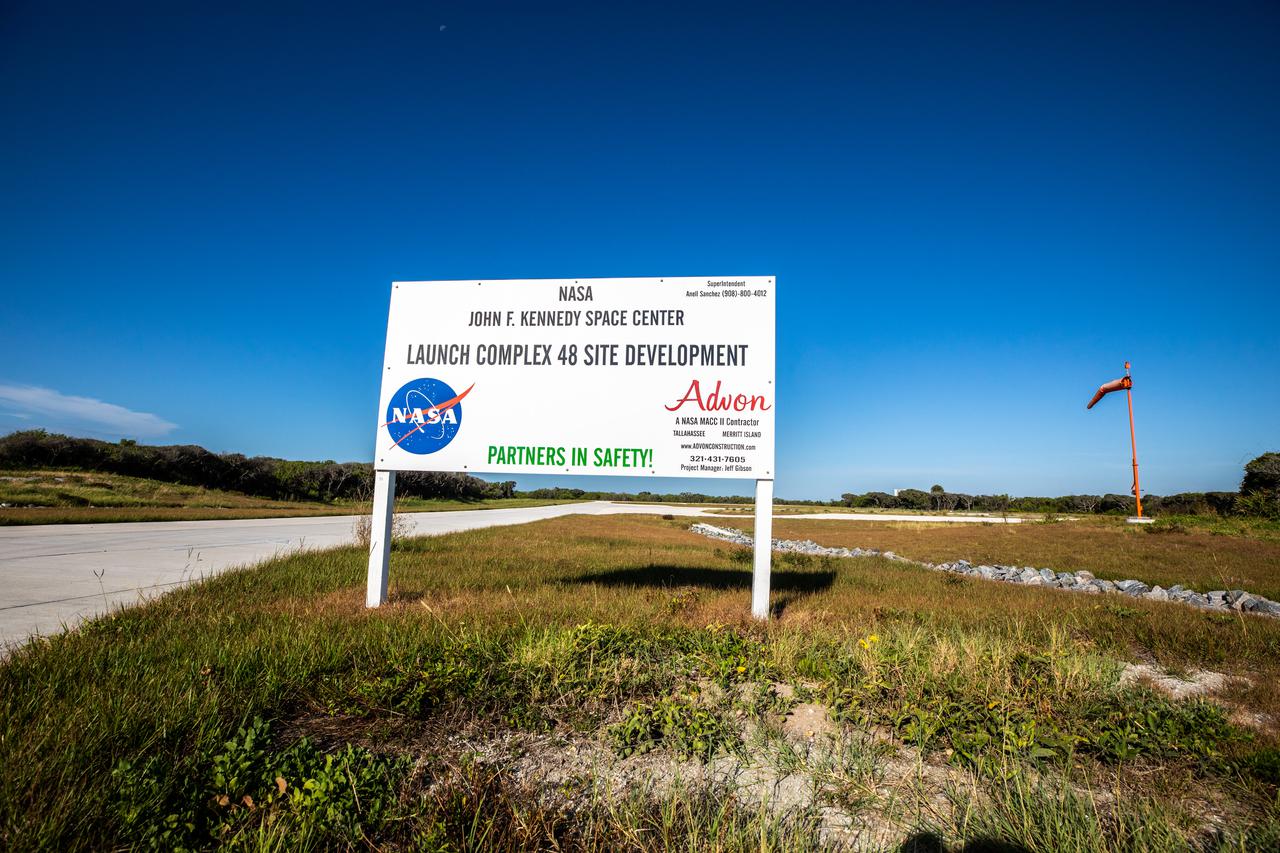
Pictured here is the site of Launch Complex 48 at NASA’s Kennedy Space Center in Florida, on June 1, 2021. The spaceport’s newest launch site is designed specifically for small-class commercial vehicles and the small satellite industry. Located about a mile south of Kennedy’s historic Launch Complex 39A on Cape Road, and completed in August 2020, the 10-acre complex provides a dedicated space for vehicles generating 500,000 pounds of thrust or less. The “clean pad” design and basic infrastructure of Launch Complex 48 offers greater flexibility for small-class vehicle with rockets possessing varying needs.
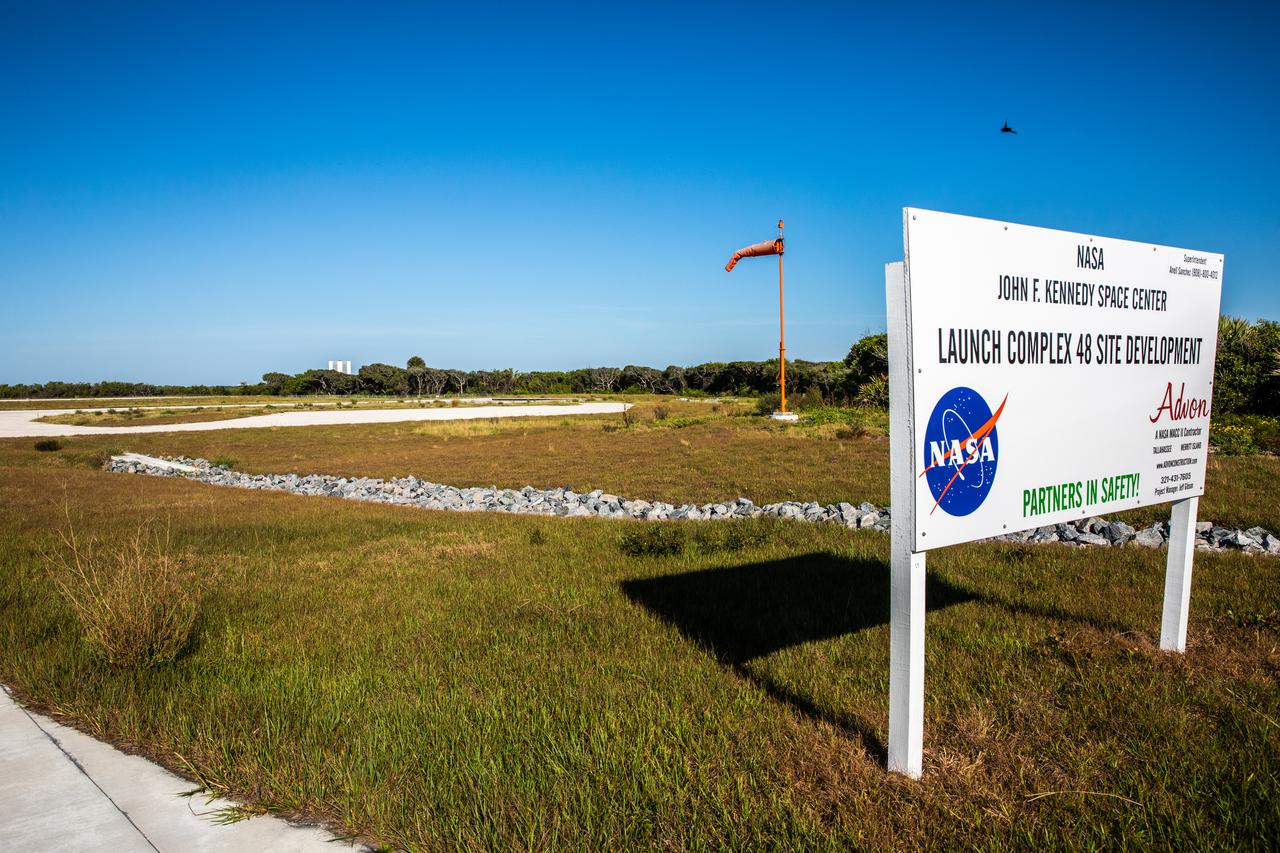
Pictured here is the site of Launch Complex 48 at NASA’s Kennedy Space Center in Florida, on June 1, 2021. The spaceport’s newest launch site is designed specifically for small-class commercial vehicles and the small satellite industry. Located about a mile south of Kennedy’s historic Launch Complex 39A on Cape Road, and completed in August 2020, the 10-acre complex provides a dedicated space for vehicles generating 500,000 pounds of thrust or less. The “clean pad” design and basic infrastructure of Launch Complex 48 offers greater flexibility for small-class vehicle with rockets possessing varying needs.
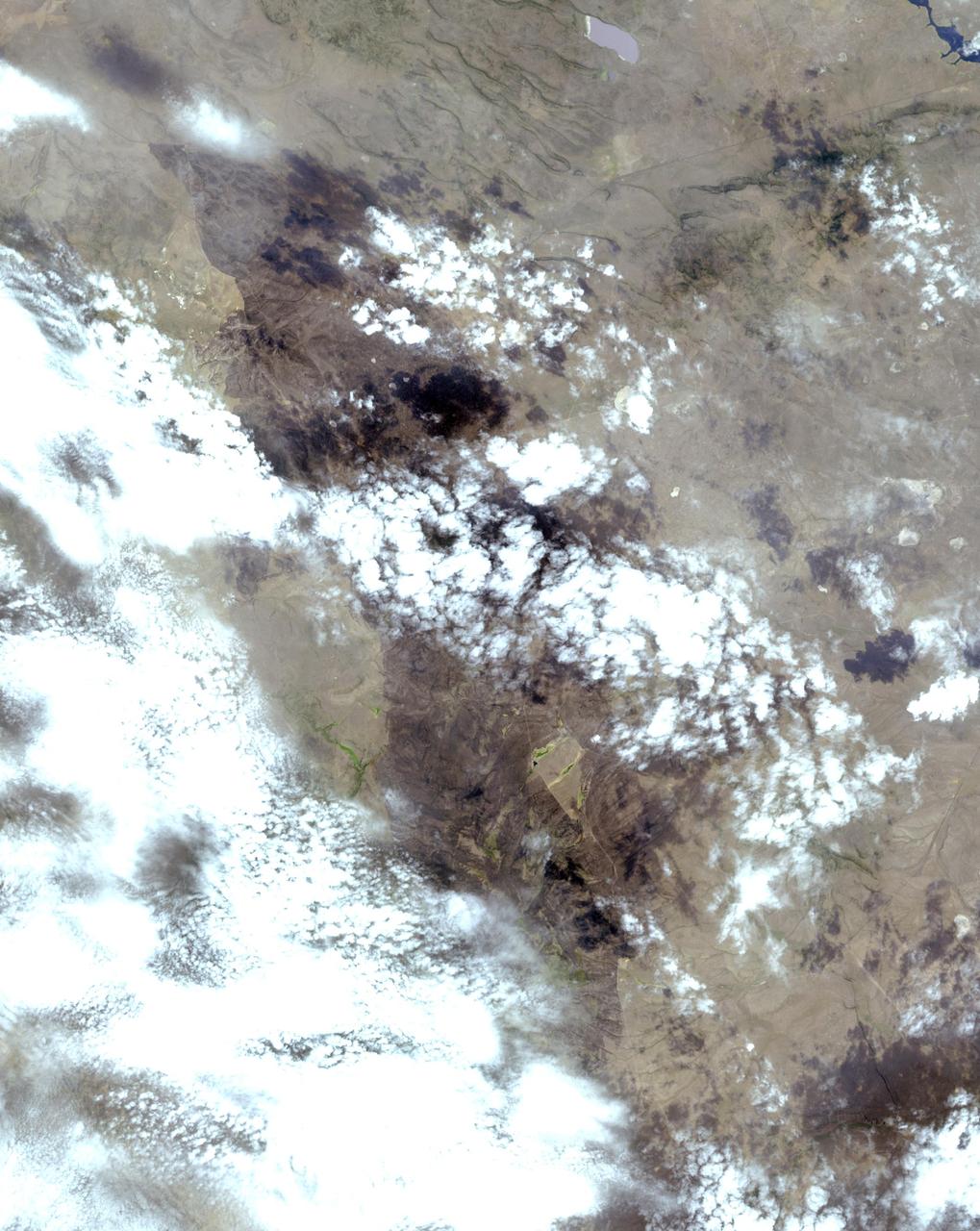
In early August 2017, the Cinder Butte fire burned 9 miles (15 kilometers) outside of the town of Riley, Oregon, and consumed more than 82 square miles (53,000 acres) of forest and brushland. The fire threatened tribal archaeological sites with strong significance to the Burns Paiute and Klamath tribes. Firefighters were able to contain the fire before it could damage the historic sites. On the image, the burned area is gray-brown, and cloud shadows are dark gray-to-black. The image was acquired Aug. 23, 2017, covers an area of 20 by 25 miles (31.5 by 39.9 kilometers), and is located at 43.5 degrees north, 119.9 degrees west. https://photojournal.jpl.nasa.gov/catalog/PIA21879
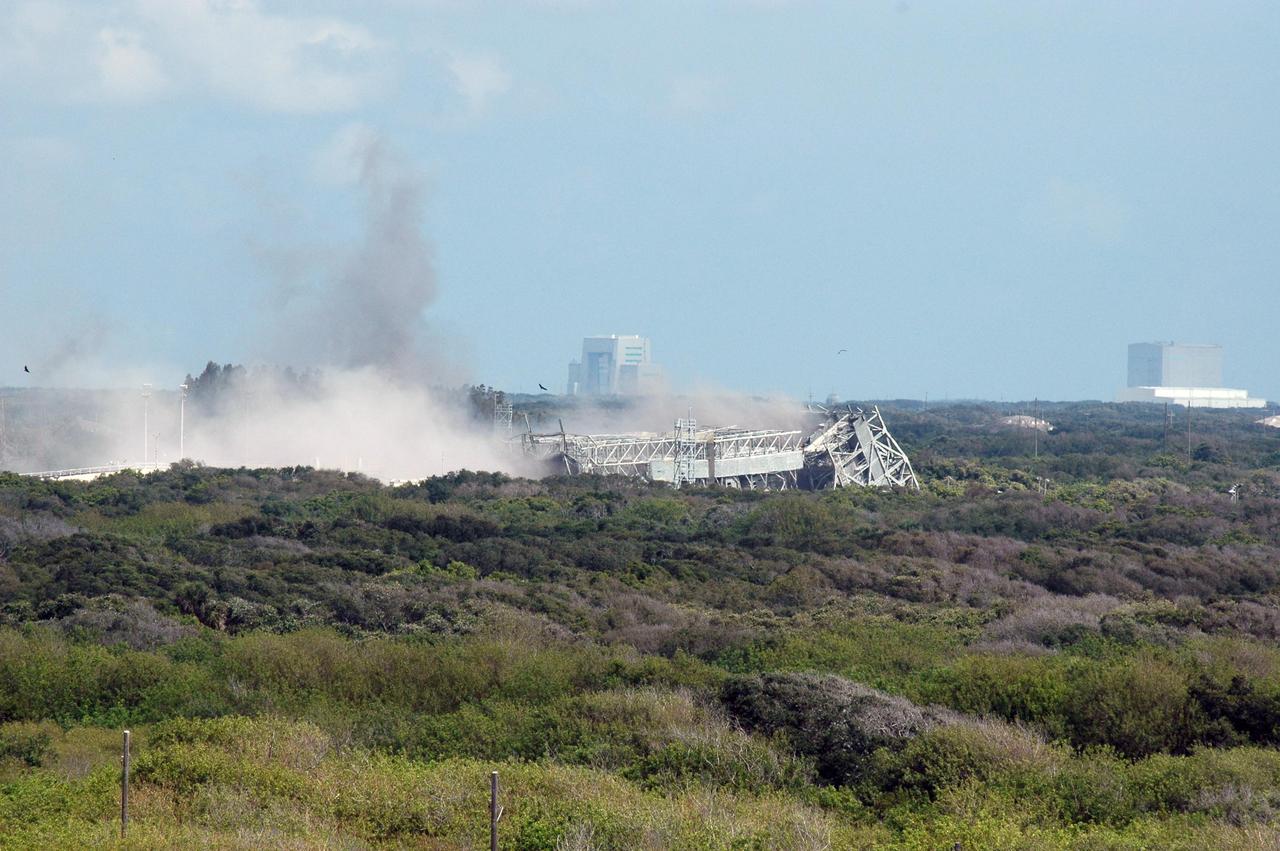
KENNEDY SPACE CENTER, FLA. -- Smoke and dust rising from the ground of Space Launch Complex 36 on Cape Canaveral Air Force Station signifies the destruction of the 209-foot-tall mobile service tower on Pad 39-A. The tower is one of two that were identified for demolition. The old towers are being toppled as part of the ongoing project to demolish the historic site to prevent corrosion from becoming a safety concern. A majority of the steel will be recycled and the rest will be taken to the landfill at CCAFS. Complex 36 was the birthplace of NASA's planetary launch program. It was built for the Atlas/Centaur development program and was operated under NASA's sponsorship until the late 1980s. Complex 36 hosted many historic missions over the years including Surveyor that landed on the moon and Mariner that orbited Mars and included one to Mercury. Two of the most historic launches were the Pioneer 10 and 11 space probes that were launched to Jupiter and are now outside of the solar system in interstellar space. Also, the historic Pioneer Venus spacecraft included an orbiter and a set of probes that were dispatched to the surface. While Launch Complex 36 is gone, the Atlas/Centaur rocket continues to be launched as the Atlas V from Complex 41. Photo credit: NASA/Charisse Nahser
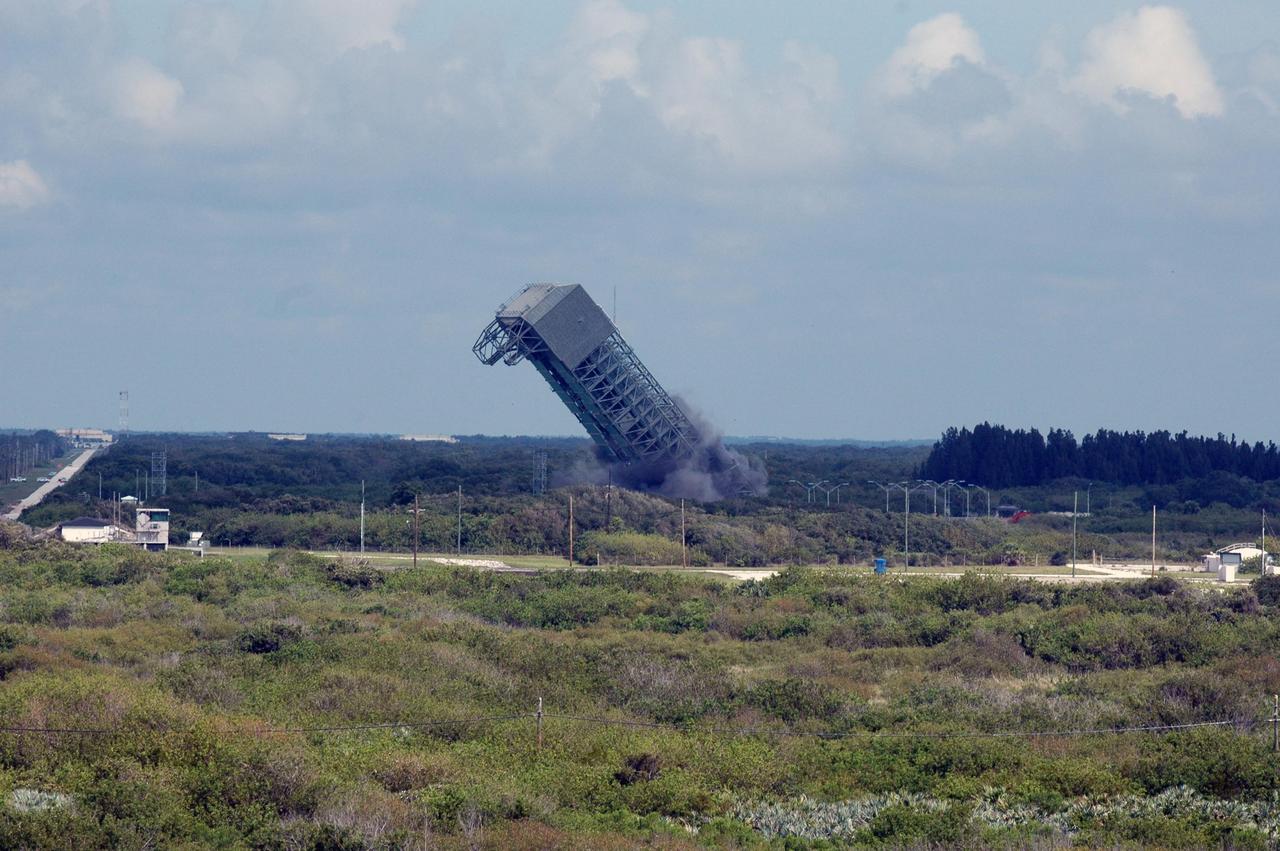
KENNEDY SPACE CENTER, FLA. -- At Space Launch Complex 36 on Cape Canaveral Air Force Station, the 209-foot-tall mobile service tower on Pad 36-B crashes to the ground. It is one of two that were identified for demolition. The old towers are being toppled as part of the ongoing project to demolish the historic site to prevent corrosion from becoming a safety concern. A majority of the steel will be recycled and the rest will be taken to the landfill at CCAFS. Complex 36 was the birthplace of NASA's planetary launch program. It was built for the Atlas/Centaur development program and was operated under NASA's sponsorship until the late 1980s. Complex 36 hosted many historic missions over the years including Surveyor that landed on the moon and Mariner that orbited Mars and included one to Mercury. Two of the most historic launches were the Pioneer 10 and 11 space probes that were launched to Jupiter and are now outside of the solar system in interstellar space. Also, the historic Pioneer Venus spacecraft included an orbiter and a set of probes that were dispatched to the surface. While Launch Complex 36 is gone, the Atlas/Centaur rocket continues to be launched as the Atlas V from Complex 41. Photo credit: NASA/Charisse Nahser
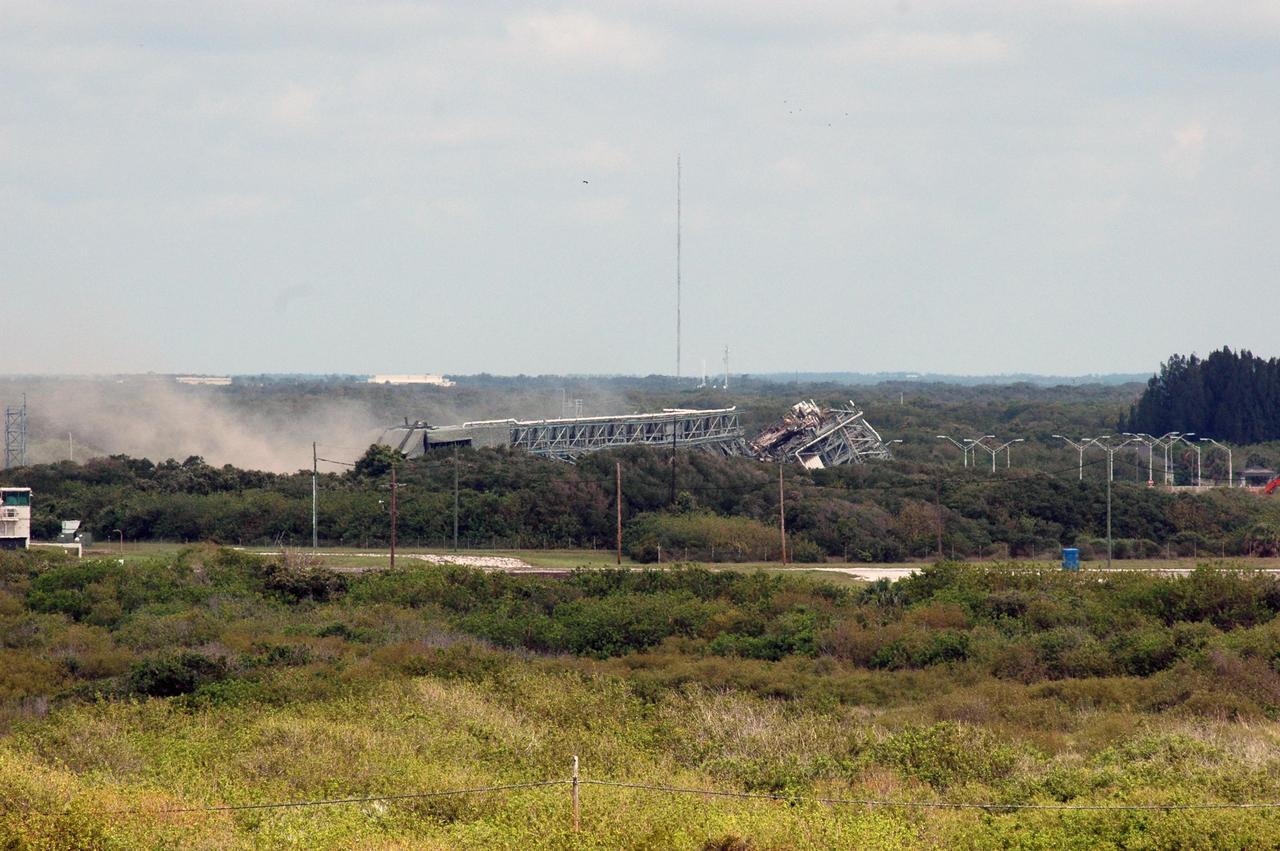
KENNEDY SPACE CENTER, FLA. -- After the dust settles at Space Launch Complex 36 on Cape Canaveral Air Force Station, the ruins of the 209-foot-tall mobile service tower on Pad 39-B are visible. The tower is one of two that were identified for demolition. The old towers are being toppled as part of the ongoing project to demolish the historic site to prevent corrosion from becoming a safety concern. A majority of the steel will be recycled and the rest will be taken to the landfill at CCAFS. Complex 36 was the birthplace of NASA's planetary launch program. It was built for the Atlas/Centaur development program and was operated under NASA's sponsorship until the late 1980s. Complex 36 hosted many historic missions over the years including Surveyor that landed on the moon and Mariner that orbited Mars and included one to Mercury. Two of the most historic launches were the Pioneer 10 and 11 space probes that were launched to Jupiter and are now outside of the solar system in interstellar space. Also, the historic Pioneer Venus spacecraft included an orbiter and a set of probes that were dispatched to the surface. While Launch Complex 36 is gone, the Atlas/Centaur rocket continues to be launched as the Atlas V from Complex 41. Photo credit: NASA/Charisse Nahser
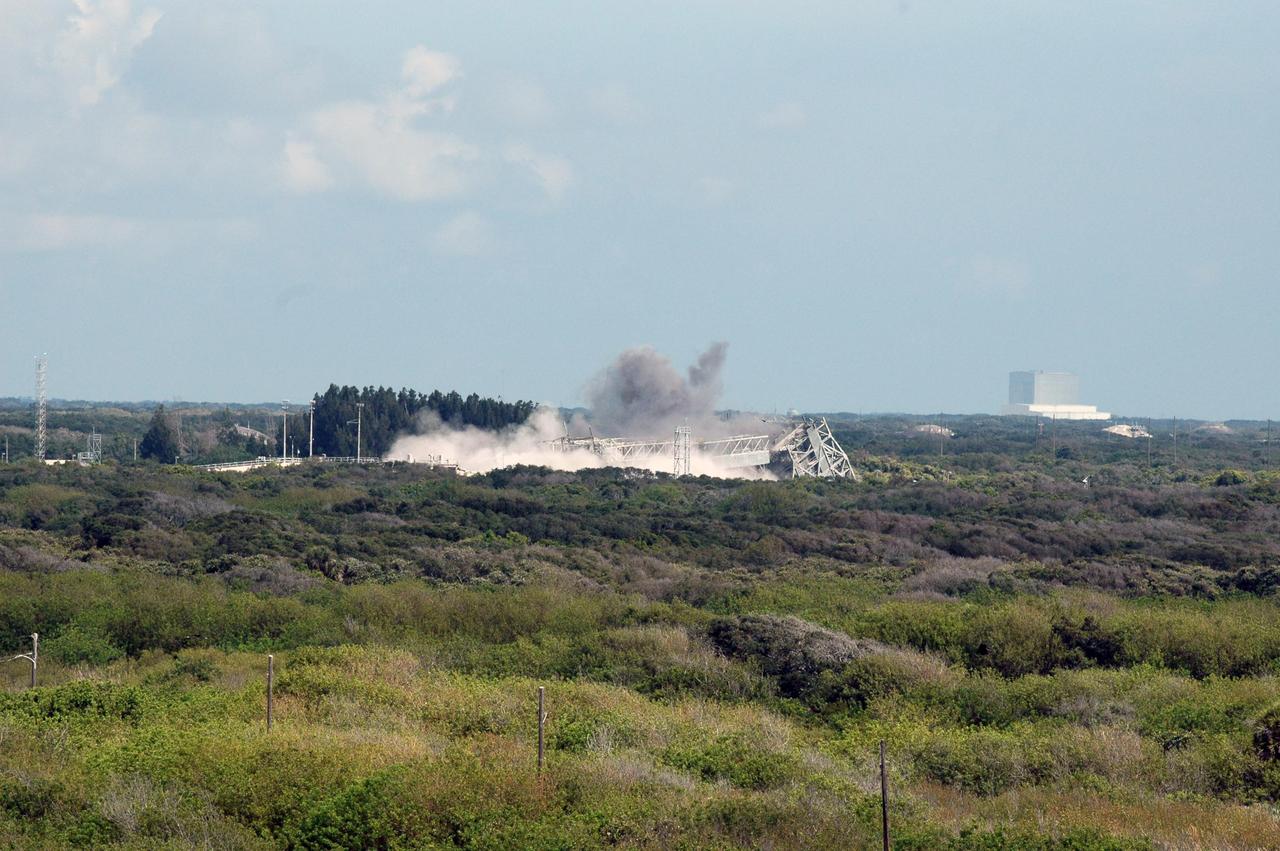
KENNEDY SPACE CENTER, FLA. -- Smoke and dust rising from the ground of Space Launch Complex 36 on Cape Canaveral Air Force Station signifies the destruction of the 209-foot-tall mobile service tower on Pad 39-A. The tower is one of two that were identified for demolition. The old towers are being toppled as part of the ongoing project to demolish the historic site to prevent corrosion from becoming a safety concern. A majority of the steel will be recycled and the rest will be taken to the landfill at CCAFS. Complex 36 was the birthplace of NASA's planetary launch program. It was built for the Atlas/Centaur development program and was operated under NASA's sponsorship until the late 1980s. Complex 36 hosted many historic missions over the years including Surveyor that landed on the moon and Mariner that orbited Mars and included one to Mercury. Two of the most historic launches were the Pioneer 10 and 11 space probes that were launched to Jupiter and are now outside of the solar system in interstellar space. Also, the historic Pioneer Venus spacecraft included an orbiter and a set of probes that were dispatched to the surface. While Launch Complex 36 is gone, the Atlas/Centaur rocket continues to be launched as the Atlas V from Complex 41. Photo credit: NASA/Charisse Nahser
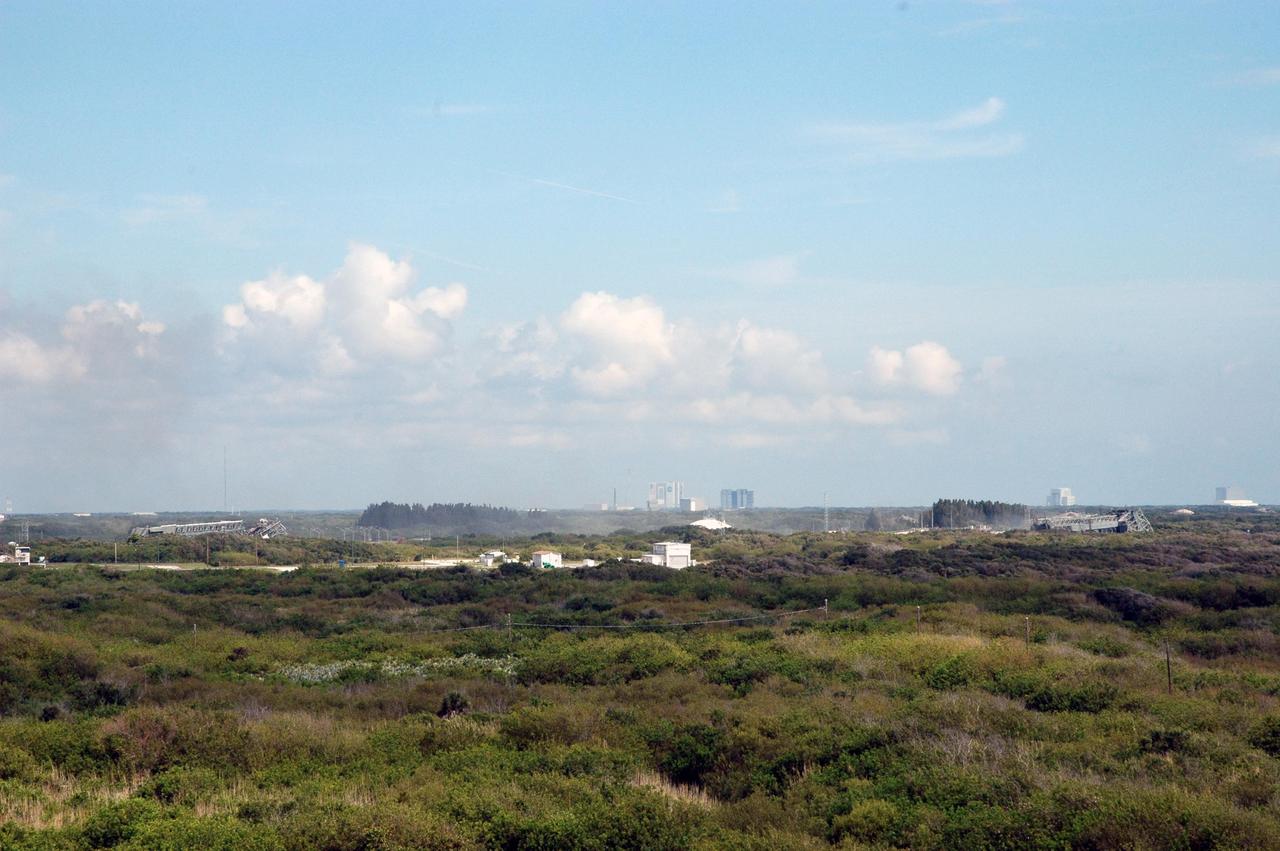
KENNEDY SPACE CENTER, FLA. -- This panoramic view of Space Launch Complex 36 on Cape Canaveral Air Force Station shows the two mobile service towers on the ground after their demolition. The old towers are being toppled as part of the ongoing project to demolish the historic site to prevent corrosion from becoming a safety concern. A majority of the steel will be recycled and the rest will be taken to the landfill at CCAFS. Complex 36 was the birthplace of NASA's planetary launch program. It was built for the Atlas/Centaur development program and was operated under NASA's sponsorship until the late 1980s. Complex 36 hosted many historic missions over the years including Surveyor that landed on the moon and Mariner that orbited Mars and included one to Mercury. Two of the most historic launches were the Pioneer 10 and 11 space probes that were launched to Jupiter and are now outside of the solar system in interstellar space. Also, the historic Pioneer Venus spacecraft included an orbiter and a set of probes that were dispatched to the surface. While Launch Complex 36 is gone, the Atlas/Centaur rocket continues to be launched as the Atlas V from Complex 41. Photo credit: NASA/Charisse Nahser
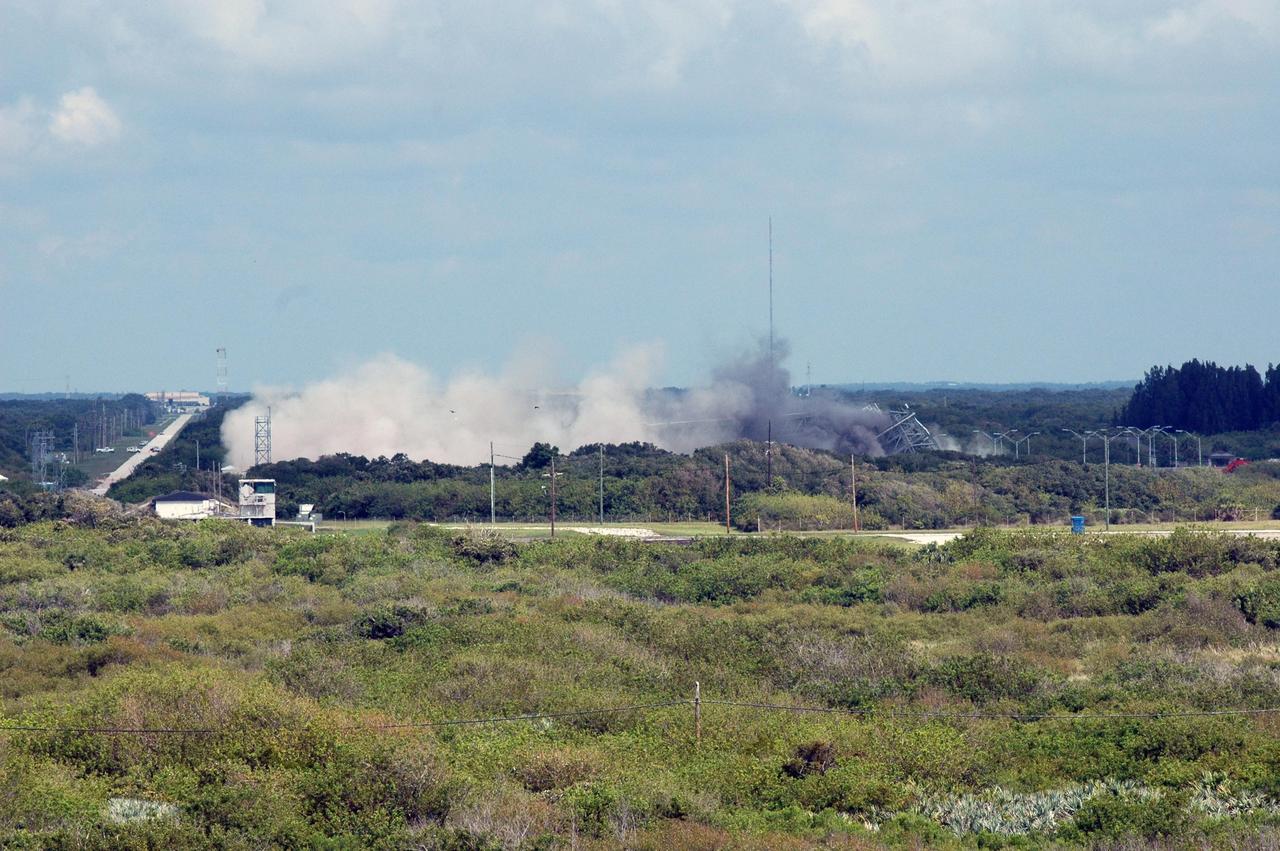
KENNEDY SPACE CENTER, FLA. -- The destruction of the 209-foot-tall mobile service tower on Pad 39-B at Space Launch Complex 36 on Cape Canaveral Air Force Station kicks up a wall of dust. The tower is one of two that were identified for demolition. The old towers are being toppled as part of the ongoing project to demolish the historic site to prevent corrosion from becoming a safety concern. A majority of the steel will be recycled and the rest will be taken to the landfill at CCAFS. Complex 36 was the birthplace of NASA's planetary launch program. It was built for the Atlas/Centaur development program and was operated under NASA's sponsorship until the late 1980s. Complex 36 hosted many historic missions over the years including Surveyor that landed on the moon and Mariner that orbited Mars and included one to Mercury. Two of the most historic launches were the Pioneer 10 and 11 space probes that were launched to Jupiter and are now outside of the solar system in interstellar space. Also, the historic Pioneer Venus spacecraft included an orbiter and a set of probes that were dispatched to the surface. While Launch Complex 36 is gone, the Atlas/Centaur rocket continues to be launched as the Atlas V from Complex 41. Photo credit: NASA/Charisse Nahser
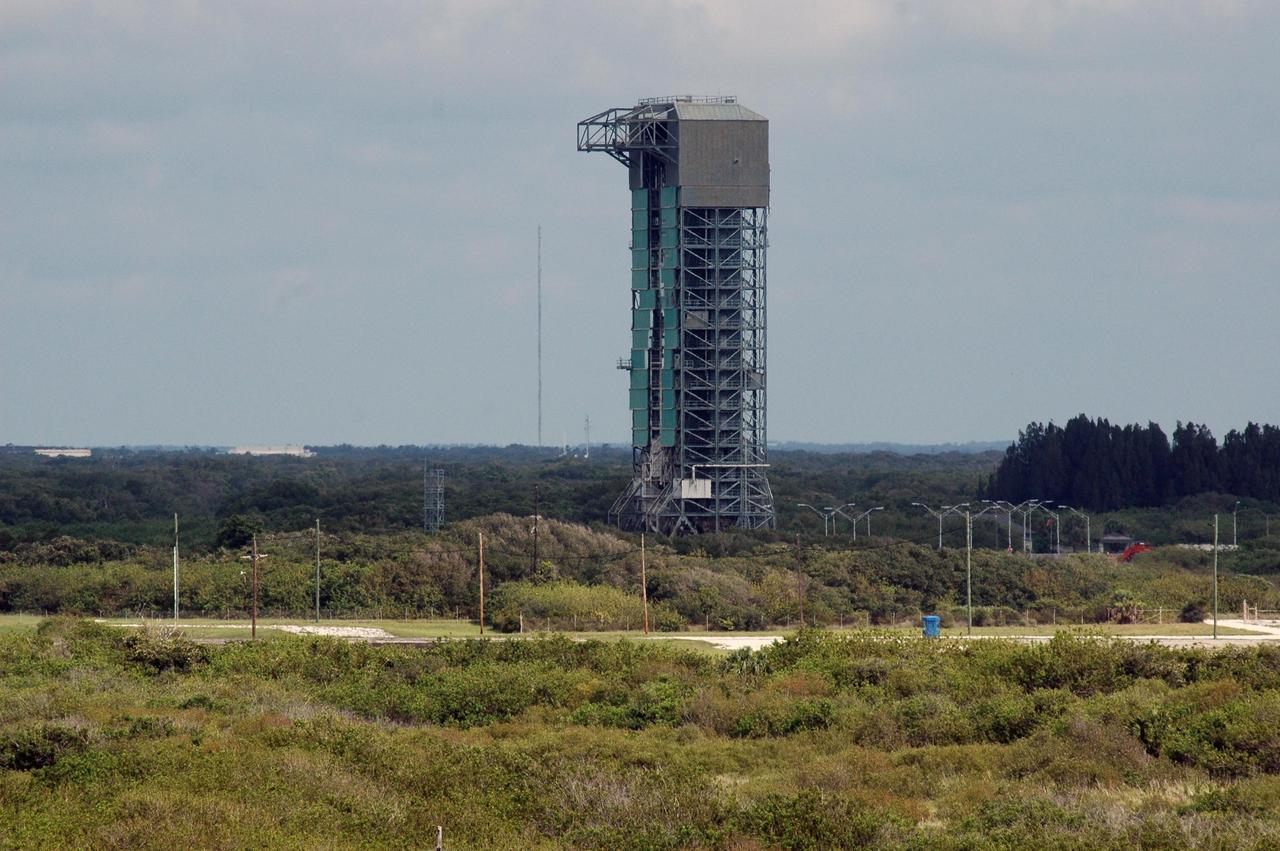
KENNEDY SPACE CENTER, FLA. -- At Space Launch Complex 36 on Cape Canaveral Air Force Station, the 209-foot-tall mobile service tower on Pad 36-B has been identified for demolition. The old towers are being toppled as part of the ongoing project to demolish the historic site to prevent corrosion from becoming a safety concern. A majority of the steel will be recycled and the rest will be taken to the landfill at CCAFS. Complex 36 was the birthplace of NASA's planetary launch program. It was built for the Atlas/Centaur development program and was operated under NASA's sponsorship until the late 1980s. Complex 36 hosted many historic missions over the years including Surveyor that landed on the moon and Mariner that orbited Mars and included one to Mercury. Two of the most historic launches were the Pioneer 10 and 11 space probes that were launched to Jupiter and are now outside of the solar system in interstellar space. Also, the historic Pioneer Venus spacecraft included an orbiter and a set of probes that were dispatched to the surface. While Launch Complex 36 is gone, the Atlas/Centaur rocket continues to be launched as the Atlas V from Complex 41. Photo credit: NASA/Charisse Nahser
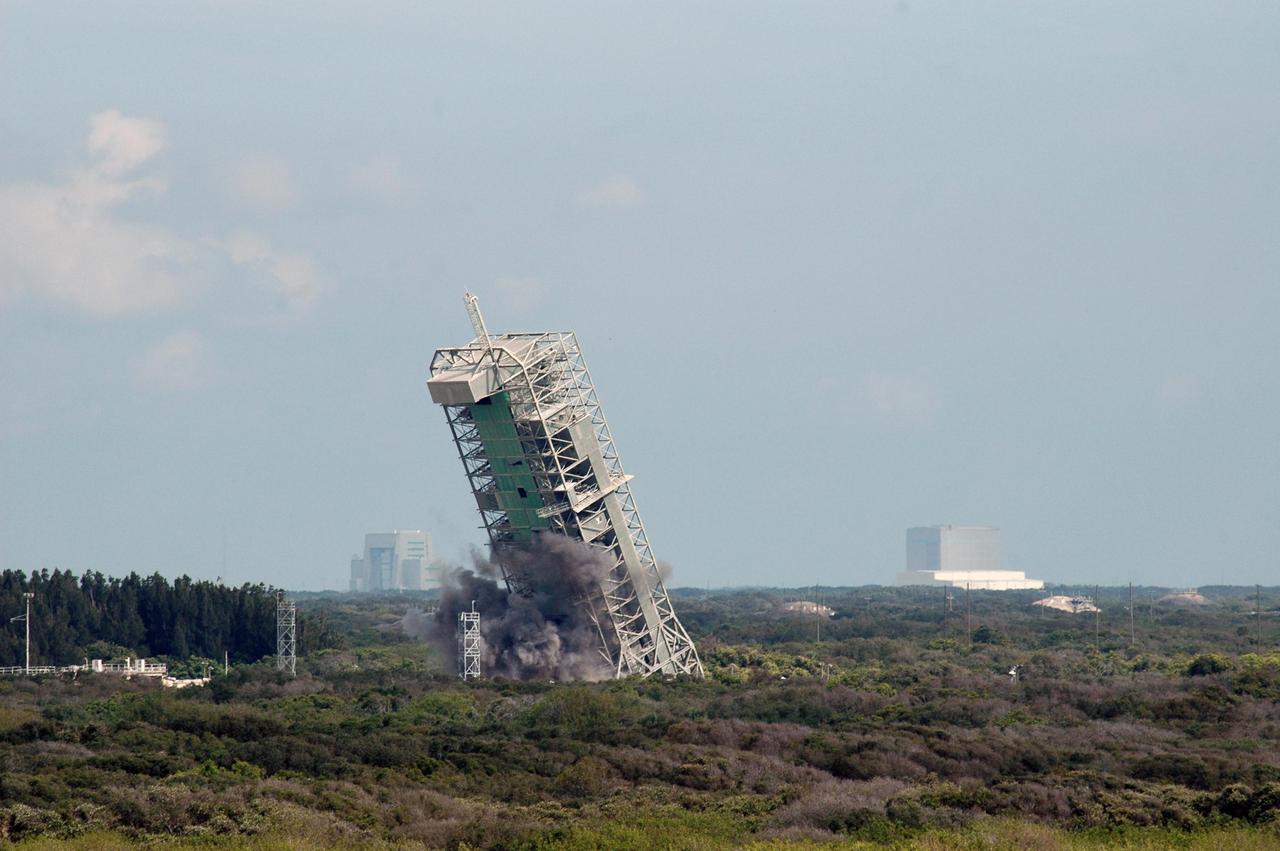
KENNEDY SPACE CENTER, FLA. -- The 209-foot-tall mobile service tower on Pad 39-A of Space Launch Complex 36 on Cape Canaveral Air Force Station careens to the left after 122 pounds of explosives eliminated the base. The tower is one of two that were identified for demolition. The old towers are being toppled as part of the ongoing project to demolish the historic site to prevent corrosion from becoming a safety concern. A majority of the steel will be recycled and the rest will be taken to the landfill at CCAFS. Complex 36 was the birthplace of NASA's planetary launch program. It was built for the Atlas/Centaur development program and was operated under NASA's sponsorship until the late 1980s. Complex 36 hosted many historic missions over the years including Surveyor that landed on the moon and Mariner that orbited Mars and included one to Mercury. Two of the most historic launches were the Pioneer 10 and 11 space probes that were launched to Jupiter and are now outside of the solar system in interstellar space. Also, the historic Pioneer Venus spacecraft included an orbiter and a set of probes that were dispatched to the surface. While Launch Complex 36 is gone, the Atlas/Centaur rocket continues to be launched as the Atlas V from Complex 41. Photo credit: NASA/Charisse Nahser
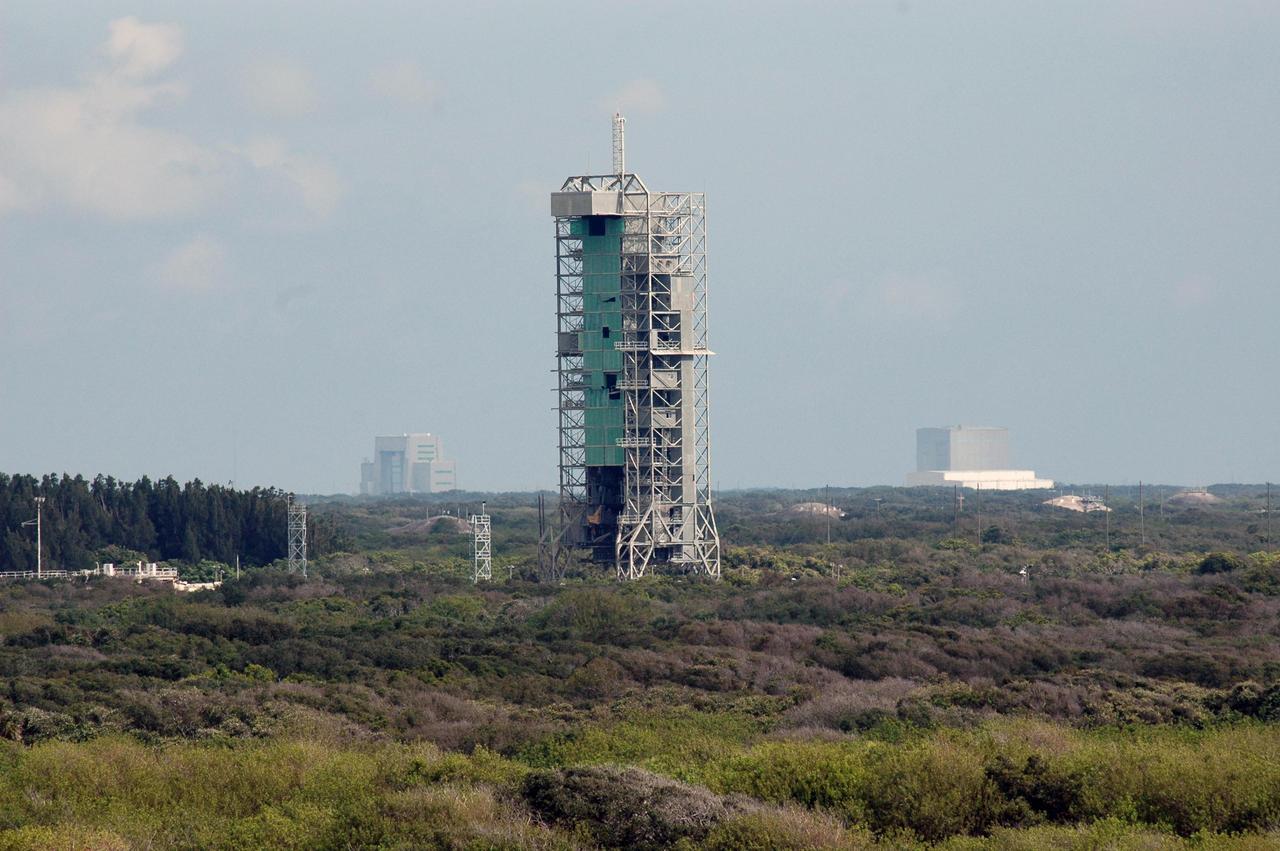
KENNEDY SPACE CENTER, FLA. -- Within sight of the KSC Vehicle Assembly Building (at left on the horizon), the 209-foot-tall mobile service tower on Pad 39-A of Space Launch Complex 36 on Cape Canaveral Air Force Station waits for its demise. The tower is one of two that were identified for demolition. The old towers are being toppled as part of the ongoing project to demolish the historic site to prevent corrosion from becoming a safety concern. A majority of the steel will be recycled and the rest will be taken to the landfill at CCAFS. Complex 36 was the birthplace of NASA's planetary launch program. It was built for the Atlas/Centaur development program and was operated under NASA's sponsorship until the late 1980s. Complex 36 hosted many historic missions over the years including Surveyor that landed on the moon and Mariner that orbited Mars and included one to Mercury. Two of the most historic launches were the Pioneer 10 and 11 space probes that were launched to Jupiter and are now outside of the solar system in interstellar space. Also, the historic Pioneer Venus spacecraft included an orbiter and a set of probes that were dispatched to the surface. While Launch Complex 36 is gone, the Atlas/Centaur rocket continues to be launched as the Atlas V from Complex 41. Photo credit: NASA/Charisse Nahser

CAPE CANAVERAL, Fla. -- A crawler-transporter creeps toward Mobile Launcher Platform-2, or MLP-2, on the hardstand at Launch Pad 39A at NASA's Kennedy Space Center in Florida. Operations are underway to move the MLP to a nearby park site in Launch Complex 39. The historic launch pad was the site from which numerous Apollo and space shuttle missions began and is beginning a new mission as a commercial launch site. NASA signed a property agreement with Space Exploration Technologies Corp., or SpaceX, of Hawthorne, California, on April 14 for use and occupancy of the seaside complex along Florida's central east coast. It will serve as a platform for SpaceX to support their commercial launch activities. For more information on Launch Pad 39A, visit http://www.nasa.gov/centers/kennedy/pdf/167416main_LC39-08.pdf. For learn more about the crawler-transporter, visit http://www.nasa.gov/centers/kennedy/pdf/167402main_crawlertransporters07.pdf. Photo credit: NASA/Kim Shiflett
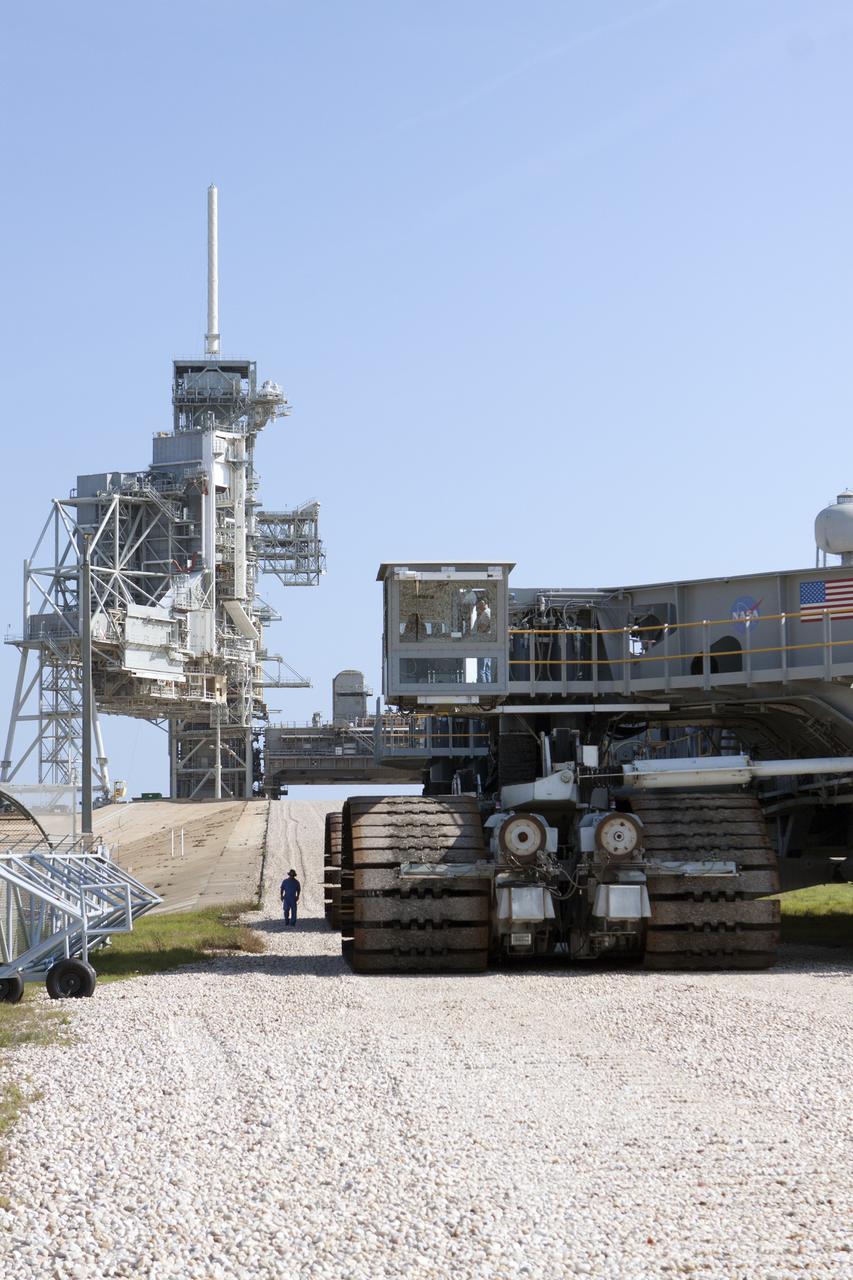
CAPE CANAVERAL, Fla. -- A crawler-transporter begins its climb to the hardstand at Launch Pad 39A at NASA's Kennedy Space Center in Florida. Operations are underway to move Mobile Launcher Platform-2, or MLP-2, from the pad to a nearby park site in Launch Complex 39. The historic launch pad was the site from which numerous Apollo and space shuttle missions began and is beginning a new mission as a commercial launch site. NASA signed a property agreement with Space Exploration Technologies Corp., or SpaceX, of Hawthorne, California, on April 14 for use and occupancy of the seaside complex along Florida's central east coast. It will serve as a platform for SpaceX to support their commercial launch activities. For more information on Launch Pad 39A, visit http://www.nasa.gov/centers/kennedy/pdf/167416main_LC39-08.pdf. For learn more about the crawler-transporter, visit http://www.nasa.gov/centers/kennedy/pdf/167402main_crawlertransporters07.pdf. Photo credit: NASA/Kim Shiflett
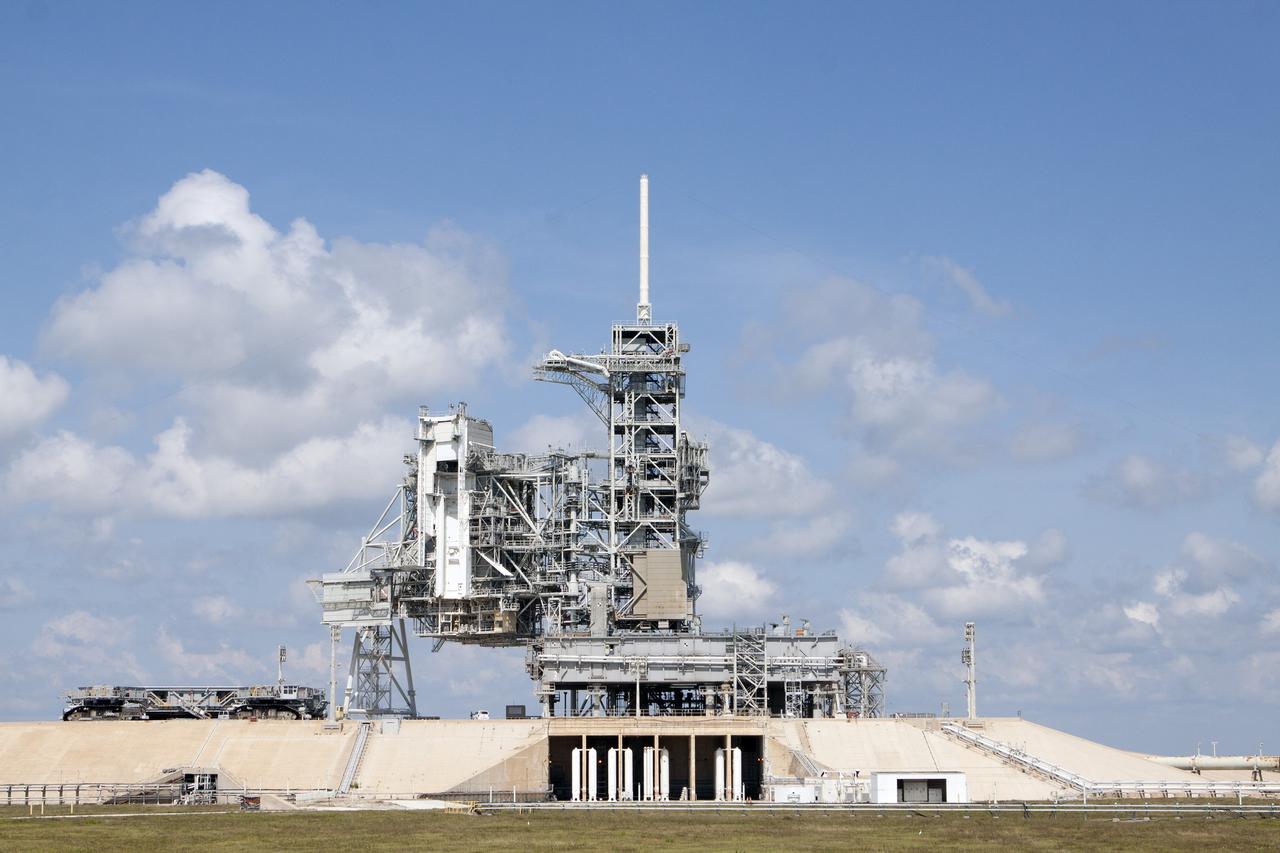
CAPE CANAVERAL, Fla. -- A crawler-transporter nears the Mobile Launcher Platform-2, or MLP-2, positioned over the flame trench at Launch Pad 39A at NASA's Kennedy Space Center in Florida. Operations are underway to move the MLP to a nearby park site in Launch Complex 39. The historic launch pad was the site from which numerous Apollo and space shuttle missions began and is beginning a new mission as a commercial launch site. NASA signed a property agreement with Space Exploration Technologies Corp., or SpaceX, of Hawthorne, California, on April 14 for use and occupancy of the seaside complex along Florida's central east coast. It will serve as a platform for SpaceX to support their commercial launch activities. For more information on Launch Pad 39A, visit http://www.nasa.gov/centers/kennedy/pdf/167416main_LC39-08.pdf. For learn more about the crawler-transporter, visit http://www.nasa.gov/centers/kennedy/pdf/167402main_crawlertransporters07.pdf. Photo credit: NASA/Kim Shiflett
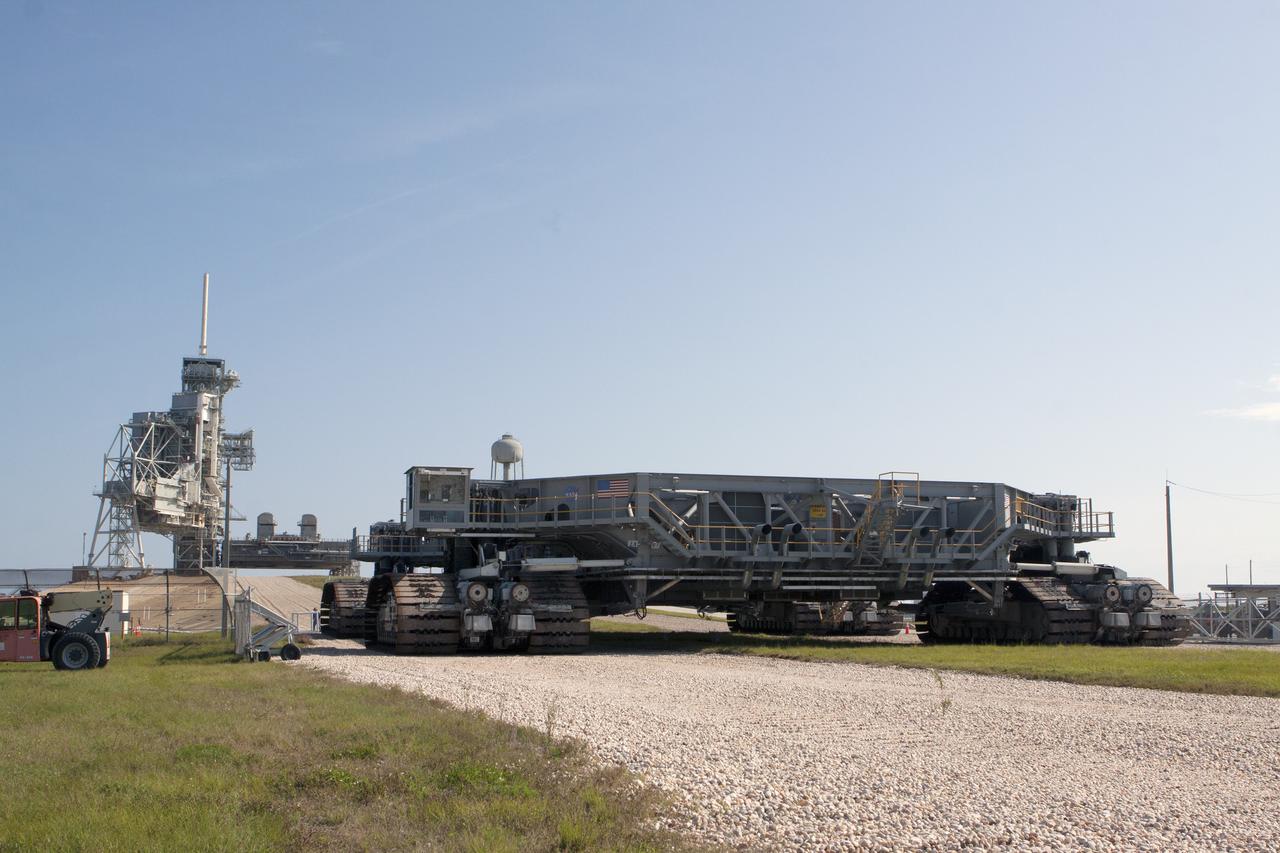
CAPE CANAVERAL, Fla. -- A crawler-transporter rolls toward Launch Pad 39A at NASA's Kennedy Space Center in Florida. Operations are underway to move Mobile Launcher Platform-2, or MLP-2, from the pad to a nearby park site in Launch Complex 39. The historic launch pad was the site from which numerous Apollo and space shuttle missions began and is beginning a new mission as a commercial launch site. NASA signed a property agreement with Space Exploration Technologies Corp., or SpaceX, of Hawthorne, California, on April 14 for use and occupancy of the seaside complex along Florida's central east coast. It will serve as a platform for SpaceX to support their commercial launch activities. For more information on Launch Pad 39A, visit http://www.nasa.gov/centers/kennedy/pdf/167416main_LC39-08.pdf. For learn more about the crawler-transporter, visit http://www.nasa.gov/centers/kennedy/pdf/167402main_crawlertransporters07.pdf. Photo credit: NASA/Kim Shiflett

CAPE CANAVERAL, Fla. -- A crawler-transporter carries Mobile Launcher Platform-2, or MLP-2, away from Launch Pad 39A at NASA's Kennedy Space Center in Florida. The MLP is being moved to a nearby park site in Launch Complex 39. The historic launch pad was the site from which numerous Apollo and space shuttle missions began and is beginning a new mission as a commercial launch site. NASA signed a property agreement with Space Exploration Technologies Corp., or SpaceX, of Hawthorne, California, on April 14 for use and occupancy of the seaside complex along Florida's central east coast. It will serve as a platform for SpaceX to support their commercial launch activities. For more information on Launch Pad 39A, visit http://www.nasa.gov/centers/kennedy/pdf/167416main_LC39-08.pdf. For learn more about the crawler-transporter, visit http://www.nasa.gov/centers/kennedy/pdf/167402main_crawlertransporters07.pdf. Photo credit: NASA/Kim Shiflett
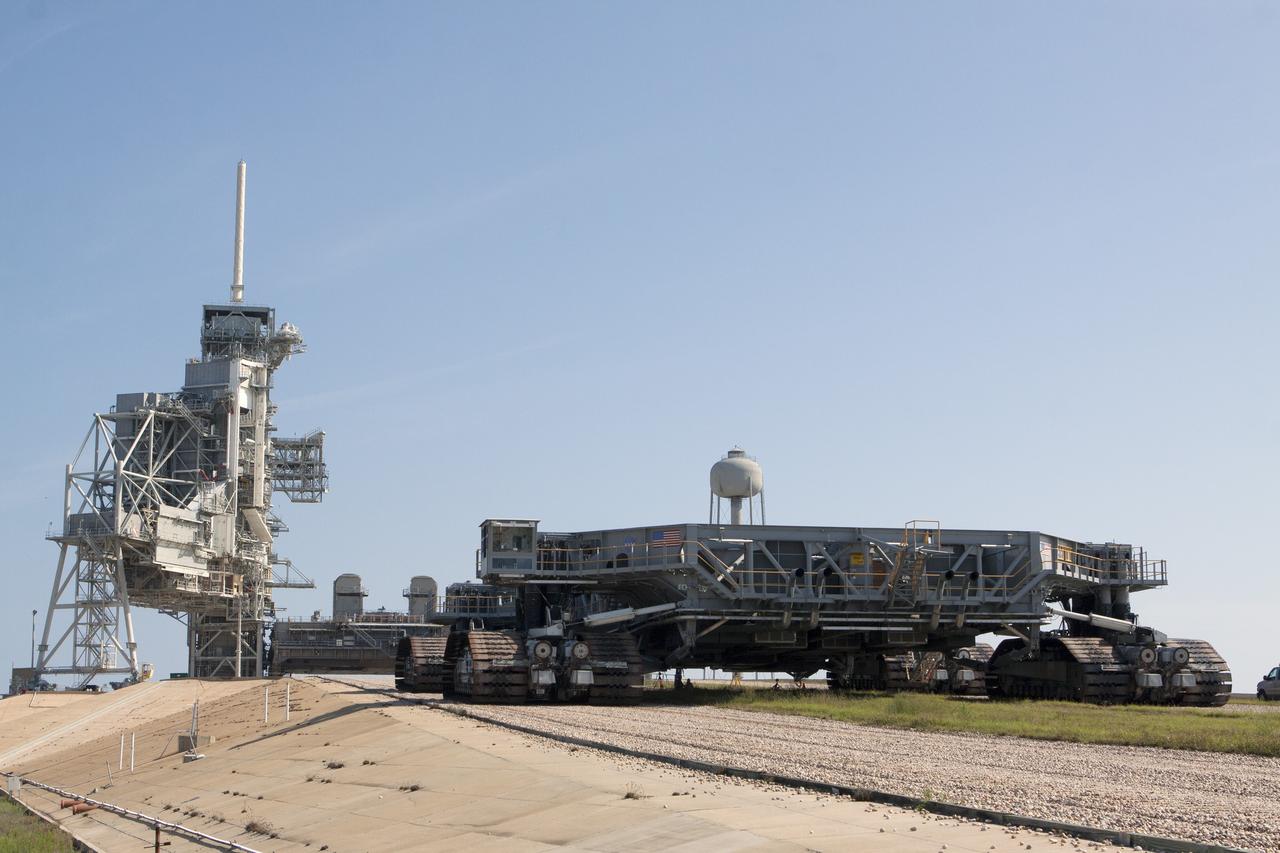
CAPE CANAVERAL, Fla. -- A crawler-transporter begins its climb toward Mobile Launcher Platform-2, or MLP-2, on the hardstand at Launch Pad 39A at NASA's Kennedy Space Center in Florida. Operations are underway to move the MLP to a nearby park site in Launch Complex 39. The historic launch pad was the site from which numerous Apollo and space shuttle missions began and is beginning a new mission as a commercial launch site. NASA signed a property agreement with Space Exploration Technologies Corp., or SpaceX, of Hawthorne, California, on April 14 for use and occupancy of the seaside complex along Florida's central east coast. It will serve as a platform for SpaceX to support their commercial launch activities. For more information on Launch Pad 39A, visit http://www.nasa.gov/centers/kennedy/pdf/167416main_LC39-08.pdf. For learn more about the crawler-transporter, visit http://www.nasa.gov/centers/kennedy/pdf/167402main_crawlertransporters07.pdf. Photo credit: NASA/Kim Shiflett