Home
At Home in the Crater
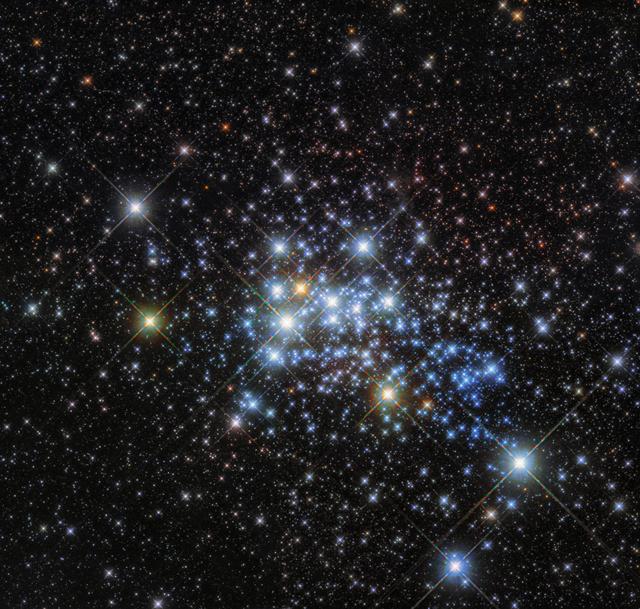
This beautiful Hubble image reveals a young super star cluster known as Westerlund 1, only 15,000 light-years away in our Milky Way neighborhood, yet home to one of the largest stars ever discovered. Stars are classified according to their spectral type, surface temperature, and luminosity. While studying and classifying the cluster’s constituent stars, astronomers discovered that Westerlund 1 is home to an enormous star. Originally named Westerlund 1-26, this monster star is a red supergiant (although sometimes classified as a hypergiant) with a radius over 1,500 times that of our sun. If Westerlund 1-26 were placed where our sun is in our solar system, it would extend out beyond the orbit of Jupiter. Most of Westerlund 1’s stars are thought to have formed in the same burst of activity, meaning that they have similar ages and compositions. The cluster is relatively young in astronomical terms —at around three million years old it is a baby compared to our own sun, which is some 4.6 billion years old. Credit: ESA/Hubble & NASA
Spirit Hits a Home Run
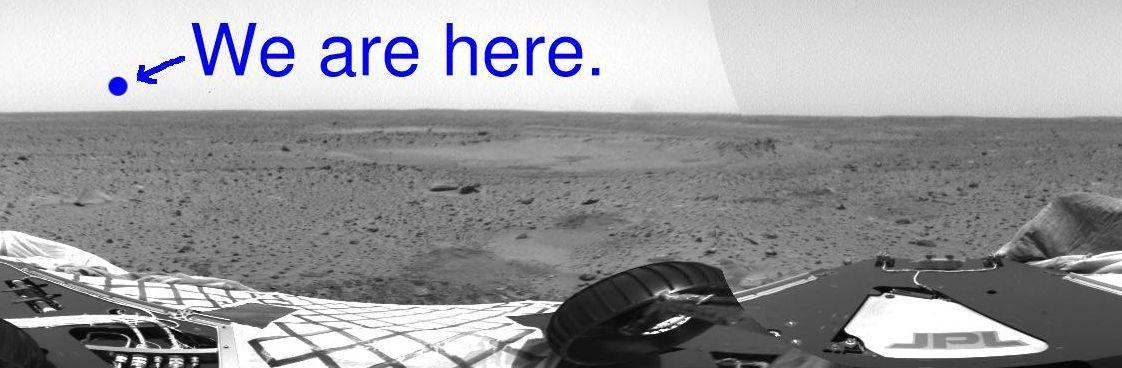
Location of Spirit Home
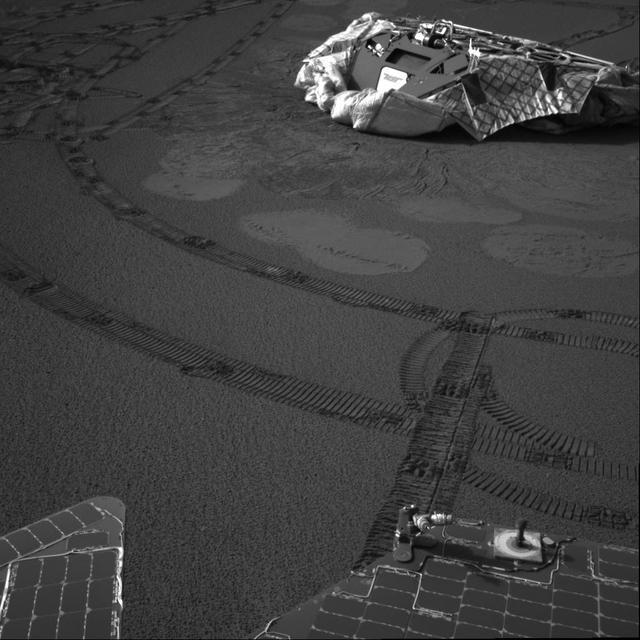
Home and Back Again
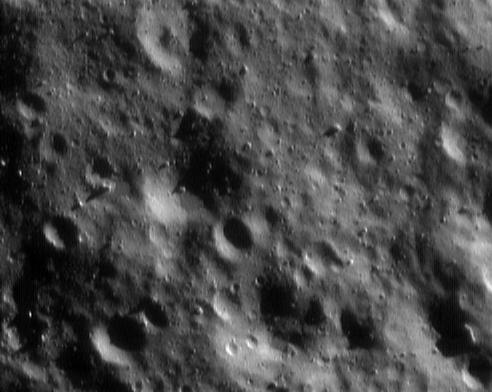
The Home Stretch Begins
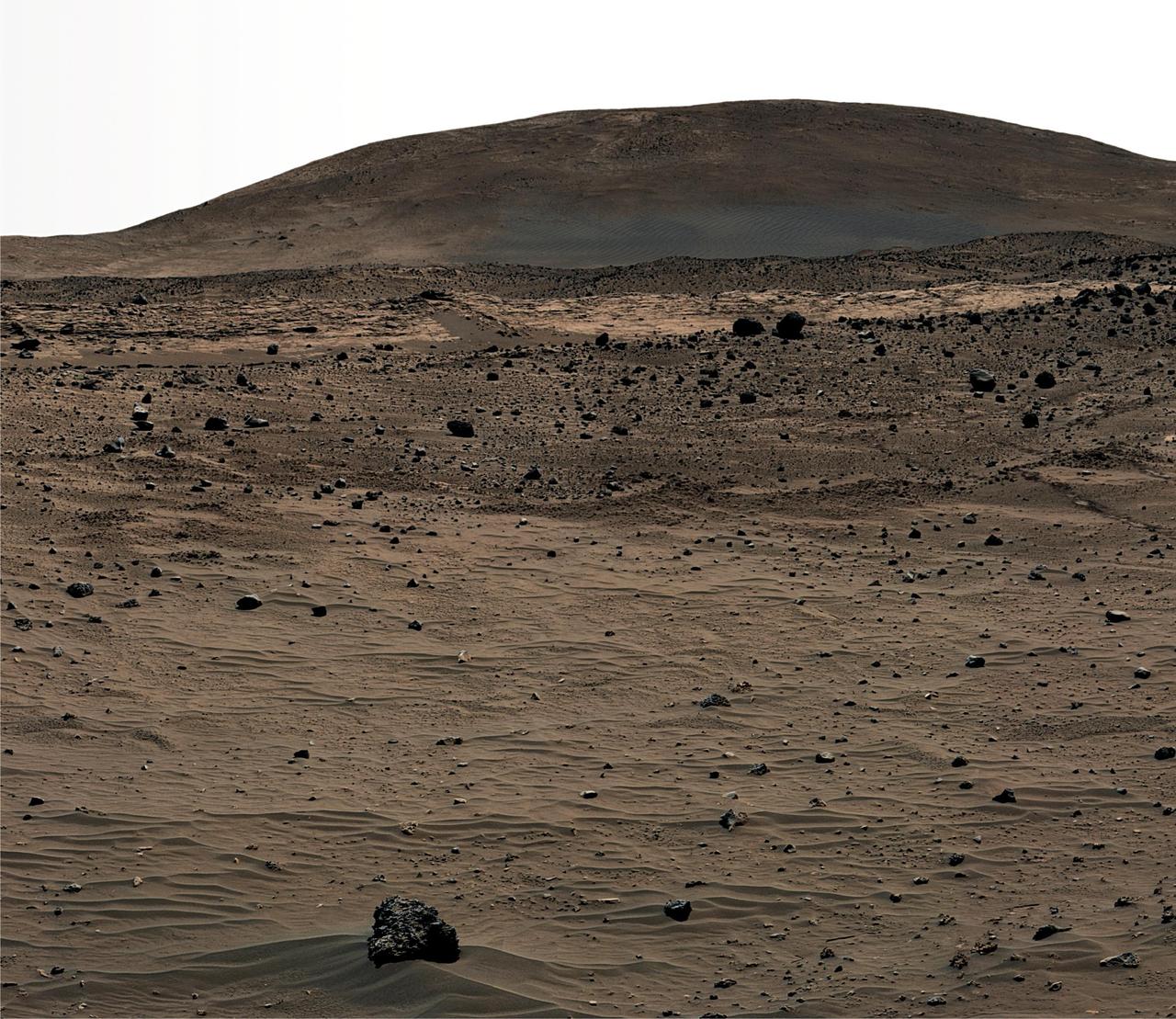
Spirit Winter Home
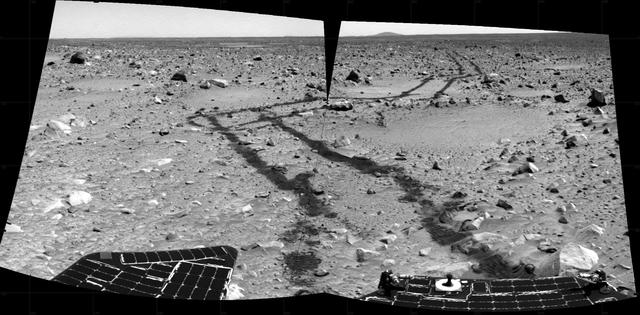
A Long Way From Home
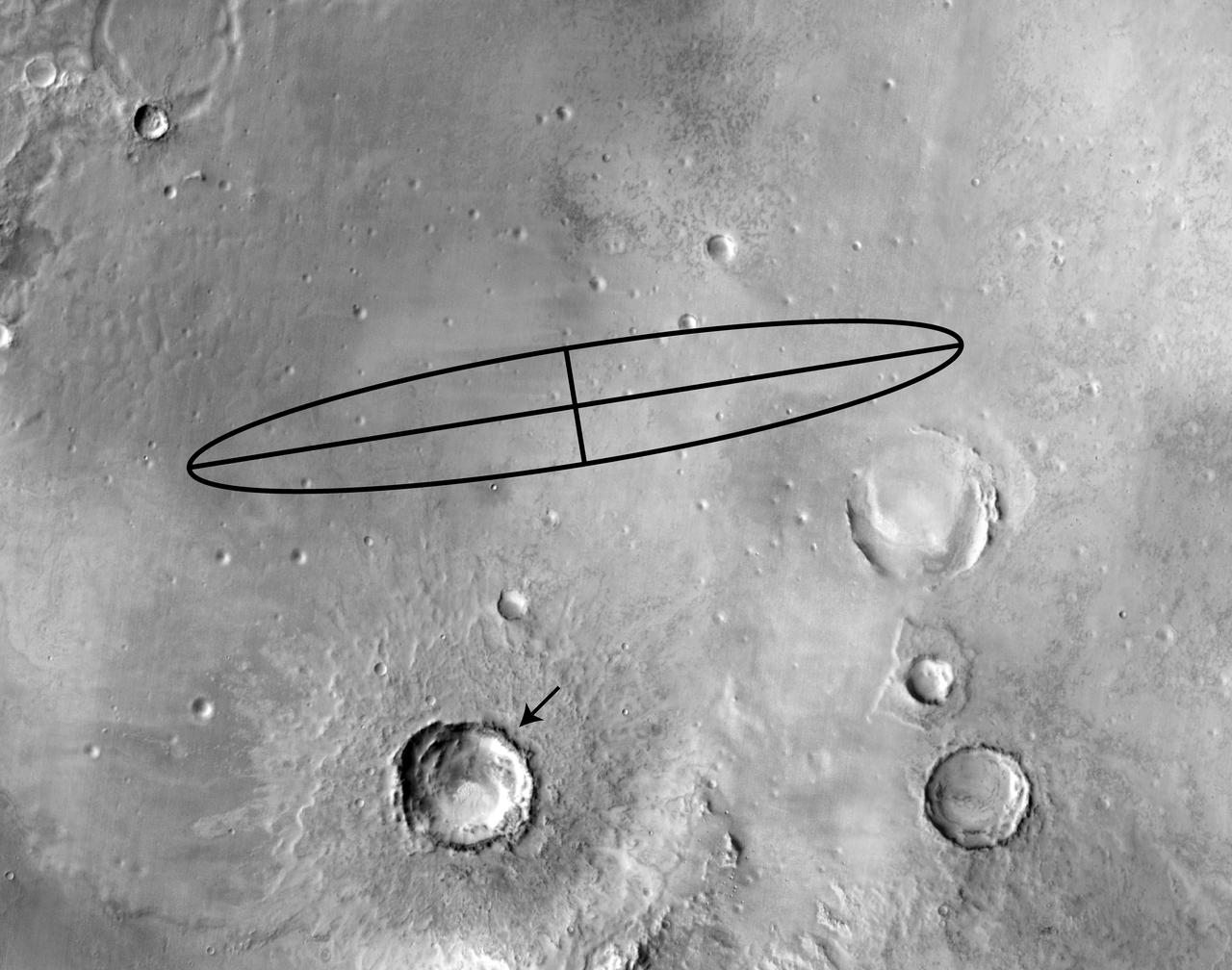
Flung Far from Home
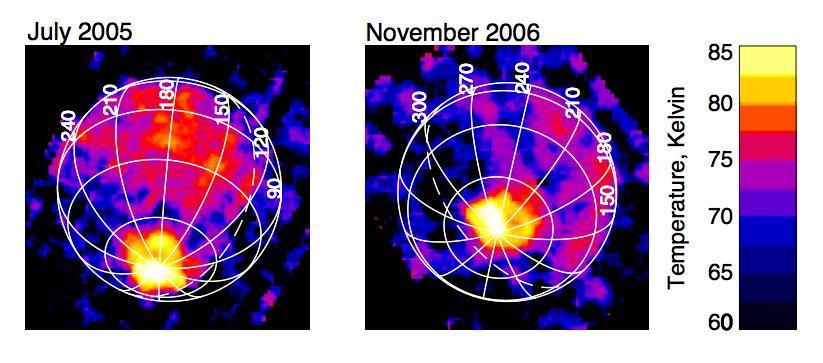
Enceladus Keeps the Home Fires Burning
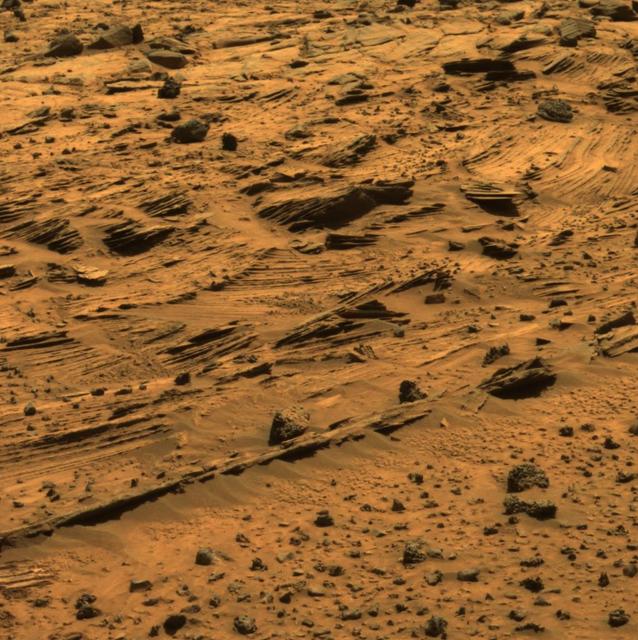
Spirit Says Goodbye to Home Plate
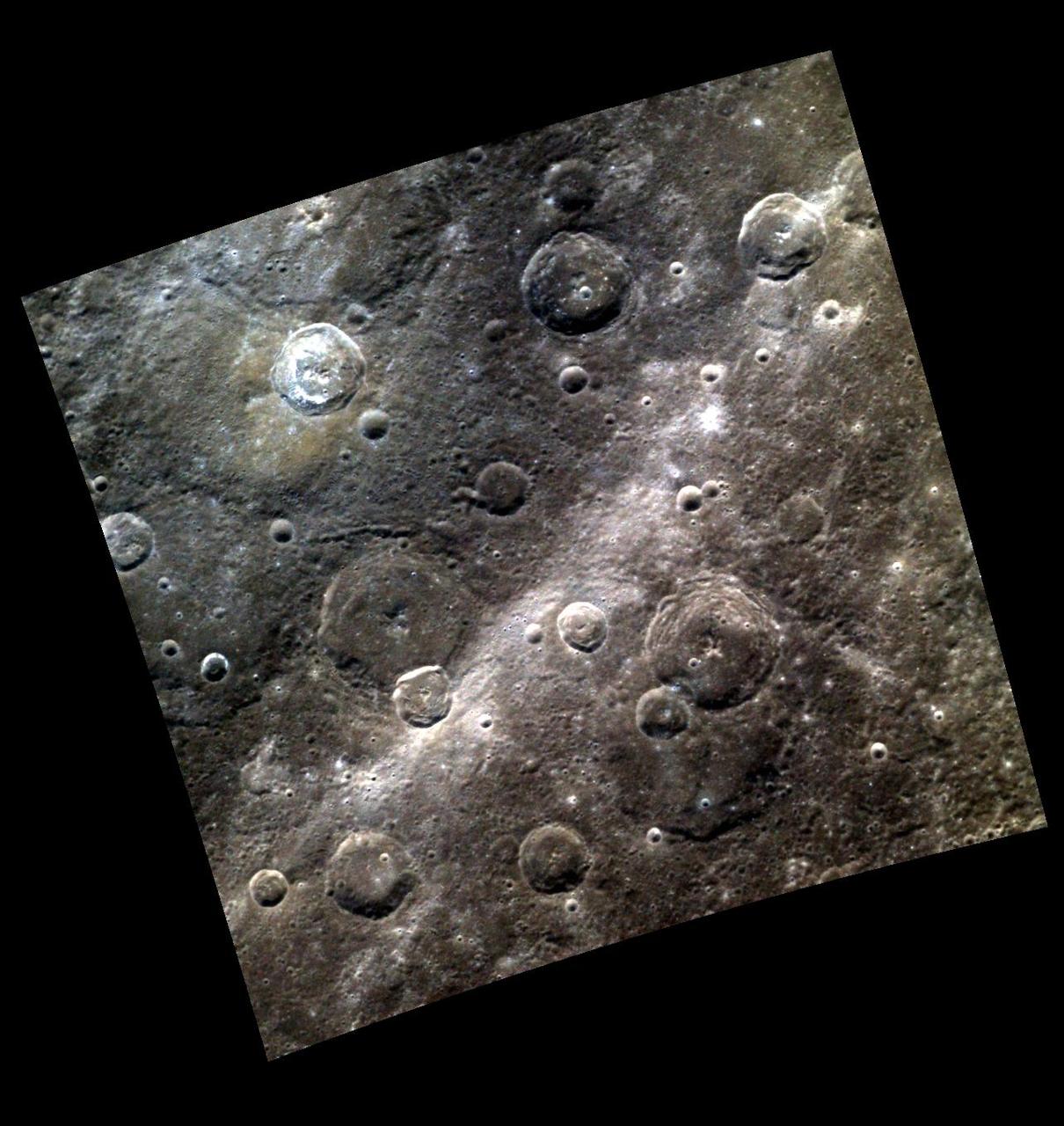
Rays a Long Way from Home

Harvey Allen, Chief of the High-Speed Research Division at NASA Ames Research Center, in his home.
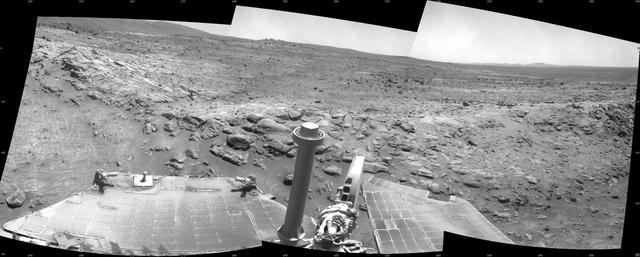
Spirit Beside Home Plate, Sol 1809
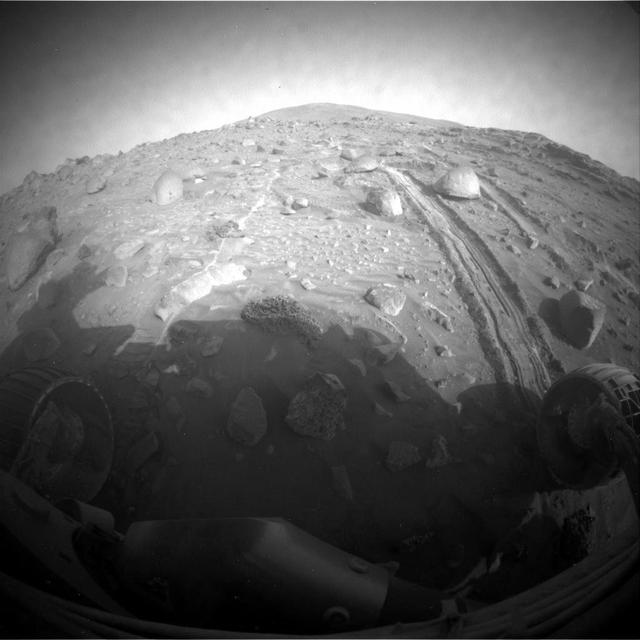
Spirit Begins Drive Around Home Plate

Spirit View Beside Home Plate on Sol 1823
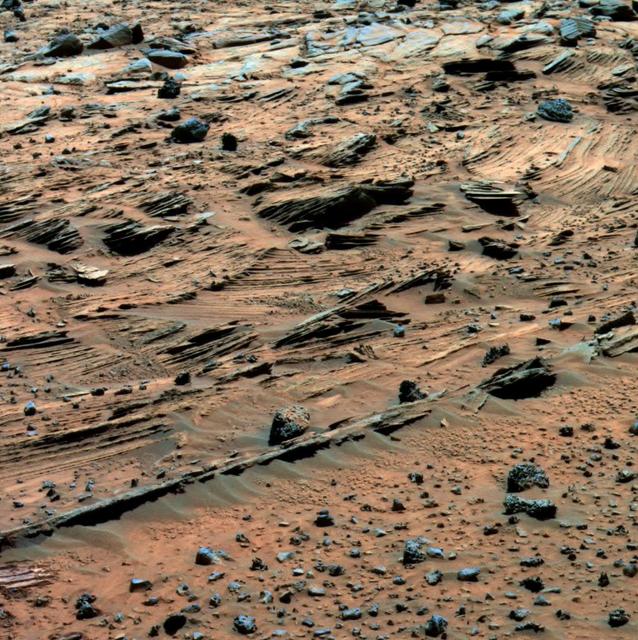
Spirit Says Goodbye to Home Plate False Color
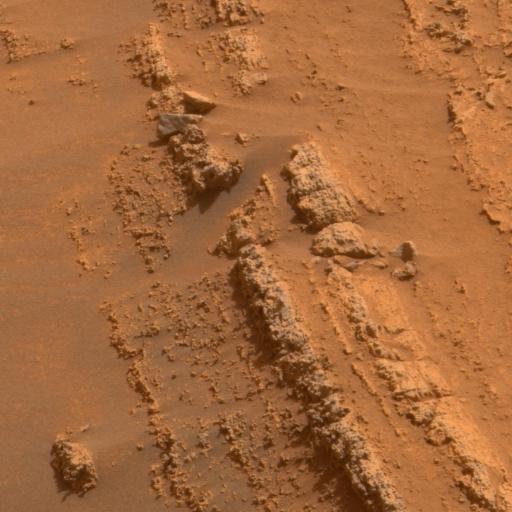
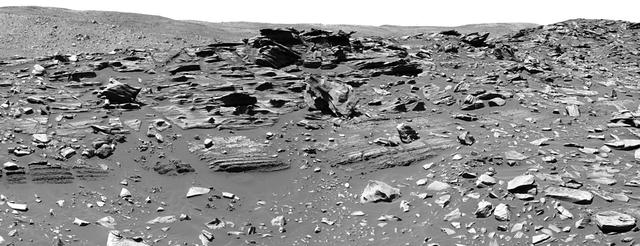
This image shows coarse-grained layers from around the edge of a low plateau called Home Plate inside Mars Gusev Crater
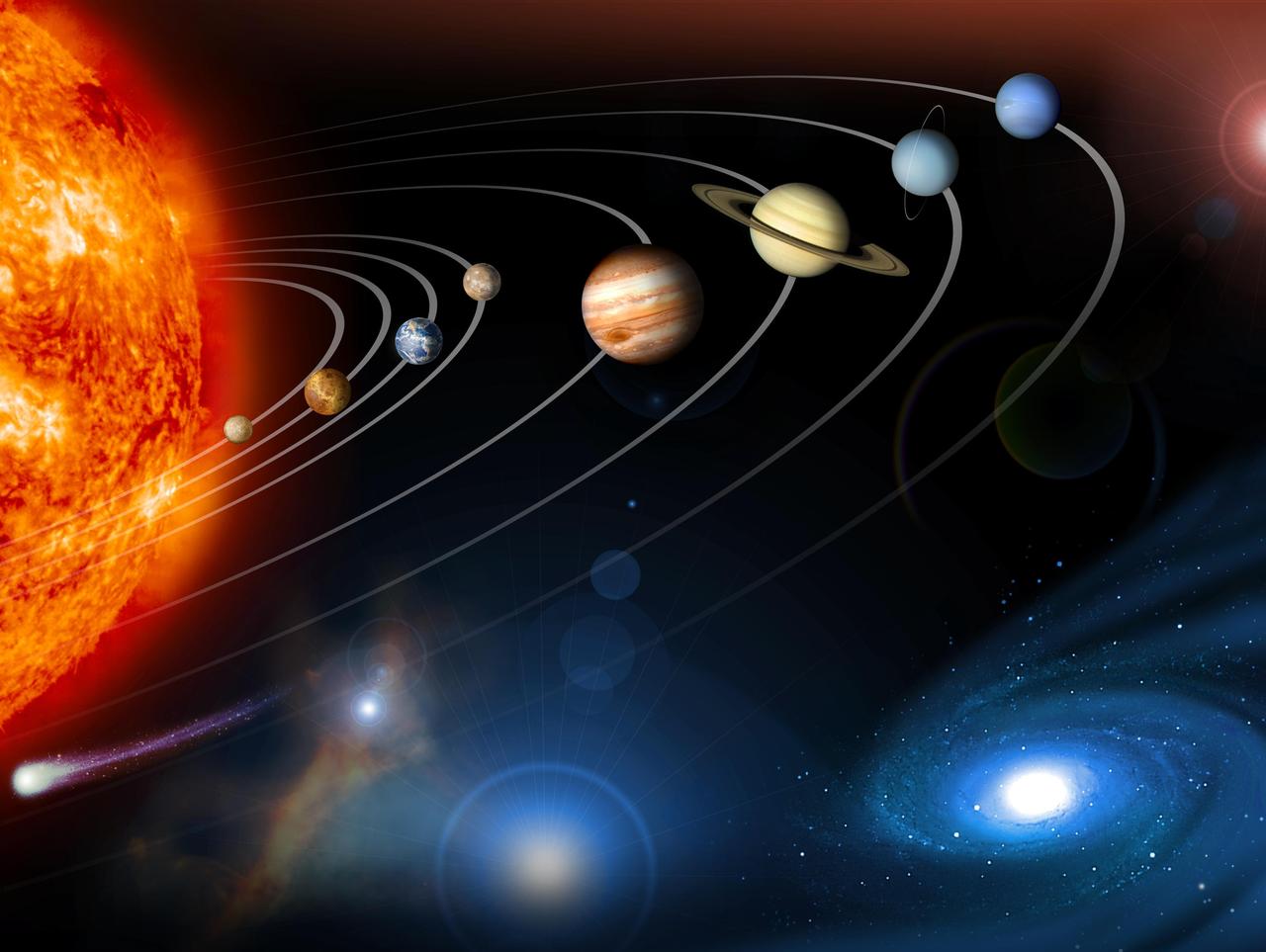
This image is an unannotated version of NASA Photojournal Home Page graphic released in October 2007.

NASA image release February 8, 2012 Looking like a hoard of gems fit for an emperor's collection, this deep sky object called NGC 6752 is in fact far more worthy of admiration. It is a globular cluster, and at over 10 billion years old is one the most ancient collections of stars known. It has been blazing for well over twice as long as our solar system has existed. NGC 6752 contains a high number of "blue straggler'' stars, some of which are visible in this image. These stars display characteristics of stars younger than their neighbors, despite models suggesting that most of the stars within globular clusters should have formed at approximately the same time. Their origin is therefore something of a mystery. Studies of NGC 6752 may shed light on this situation. It appears that a very high number -- up to 38 percent -- of the stars within its core region are binary systems. Collisions between stars in this turbulent area could produce the blue stragglers that are so prevalent. Lying 13,000 light-years distant, NGC 6752 is far beyond our reach, yet the clarity of Hubble's images brings it tantalizingly close. Credit: ESA/Hubble & NASA <b><a href="http://www.nasa.gov/audience/formedia/features/MP_Photo_Guidelines.html" rel="nofollow">NASA image use policy.</a></b> <b><a href="http://www.nasa.gov/centers/goddard/home/index.html" rel="nofollow">NASA Goddard Space Flight Center</a></b> enables NASA’s mission through four scientific endeavors: Earth Science, Heliophysics, Solar System Exploration, and Astrophysics. Goddard plays a leading role in NASA’s accomplishments by contributing compelling scientific knowledge to advance the Agency’s mission. <b>Follow us on <a href="http://twitter.com/NASA_GoddardPix" rel="nofollow">Twitter</a></b> <b>Like us on <a href="http://www.facebook.com/pages/Greenbelt-MD/NASA-Goddard/395013845897?ref=tsd" rel="nofollow">Facebook</a></b> <b>Find us on <a href="http://instagrid.me/nasagoddard/?vm=grid" rel="nofollow">Instagram</a></b>
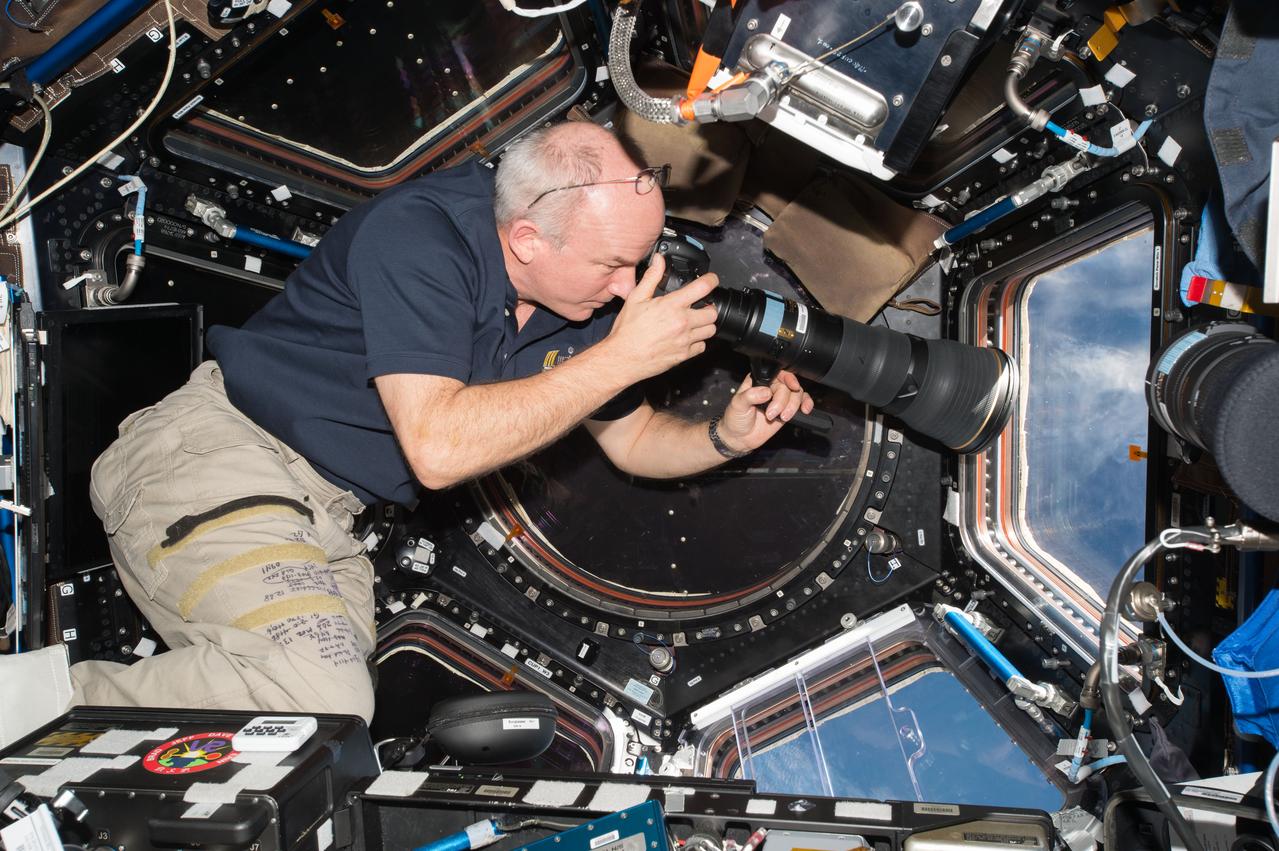
iss047e142181 (6/6/2020) --- NASA astronaut Jeff Williams taking photographs of the earth for the At Home in Space investigation. This photo was taken in the Cupola to capture the International Space Station (ISS) culture, which includes anything that makes the ISS your home.
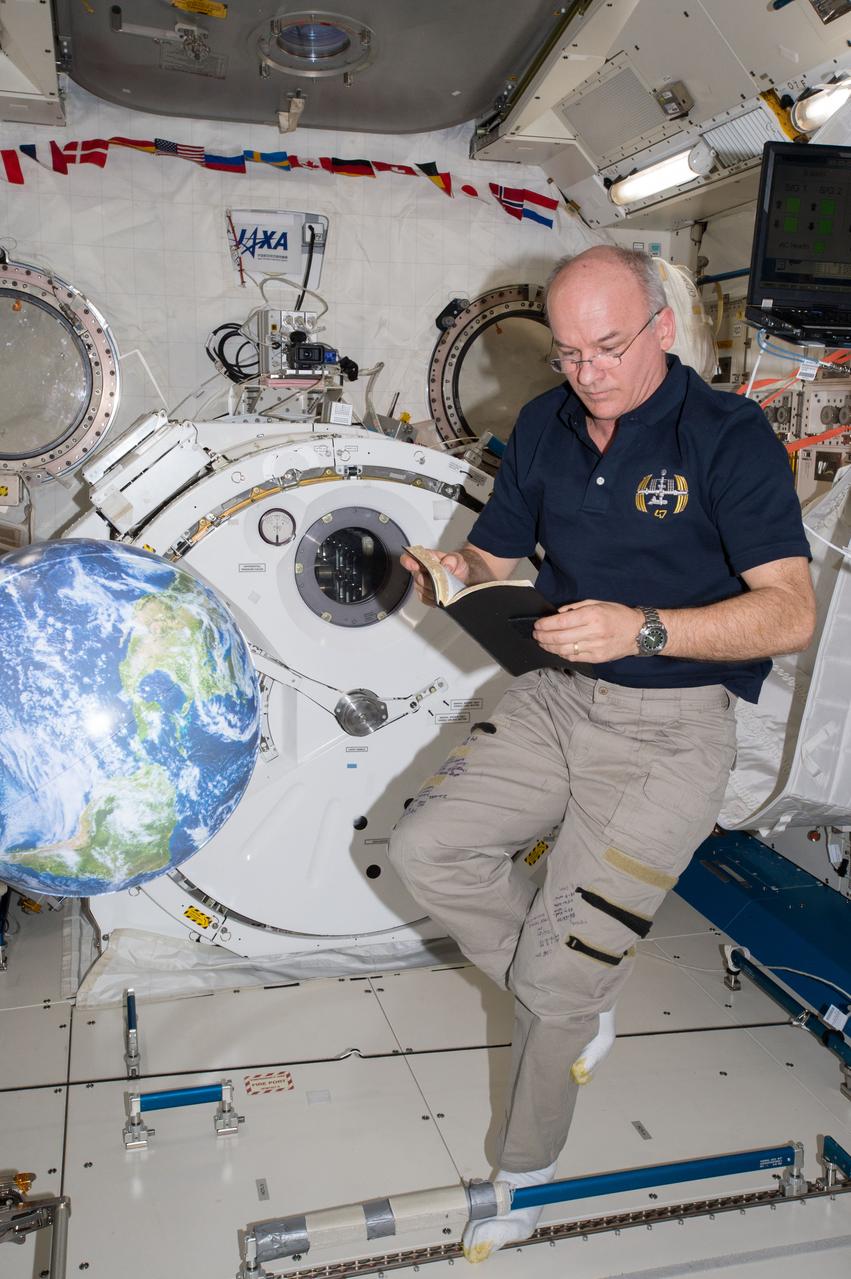
iss047e142189 (6/6/2016) --- NASA astronaut Jeff Williams reading a book in the Japanese Experiment Module (JEM) Pressurized Module (JPM) aboard the International Space Station (ISS) during At Home in Space. This photo was taken to capture the International Space Station (ISS) culture, which includes anything that makes the ISS your home.
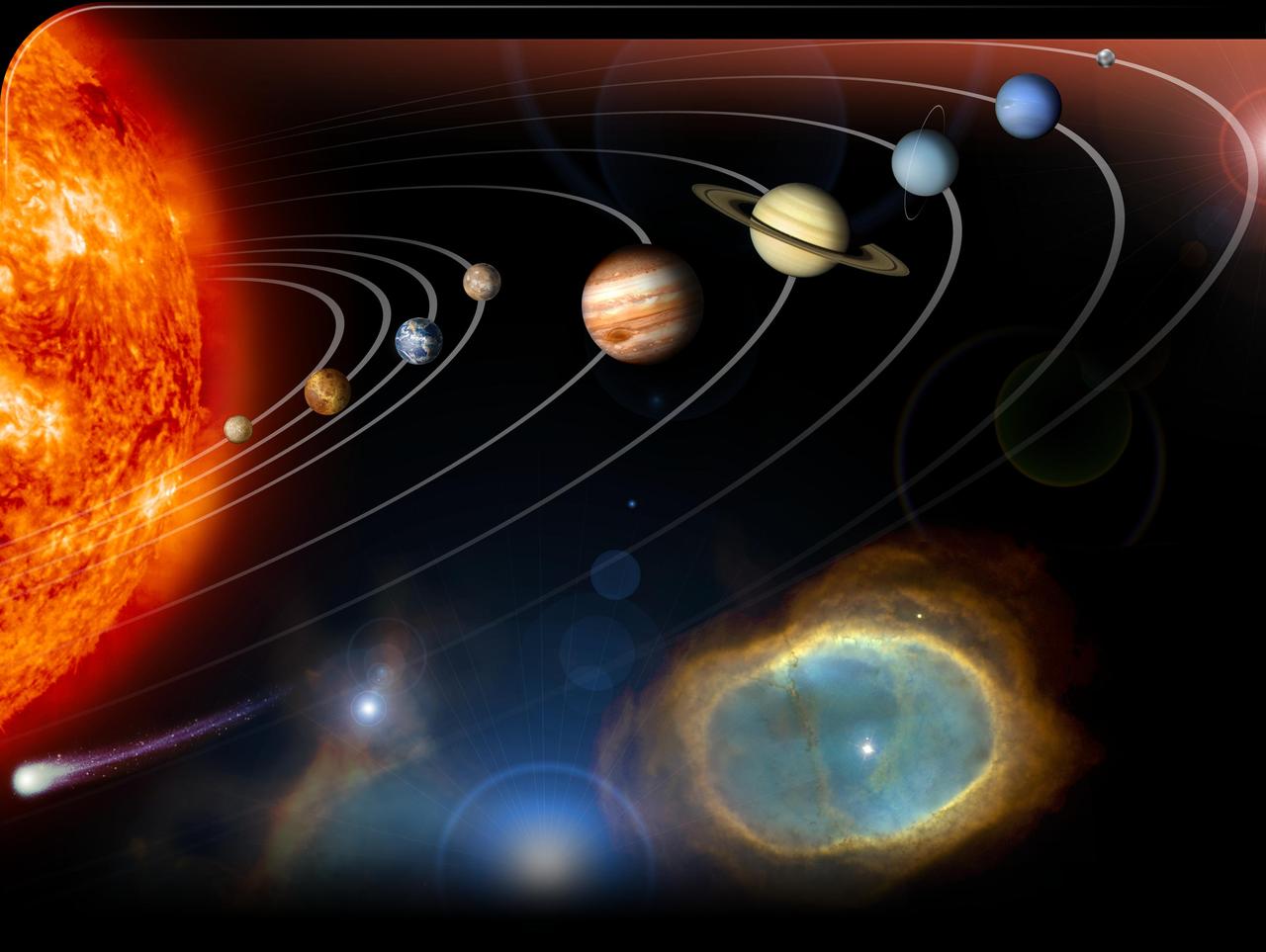
This image is an unannotated version of NASA Planetary Photojournal Home Page graphic. This digital collage contains a highly stylized rendition of our solar system and points beyond.
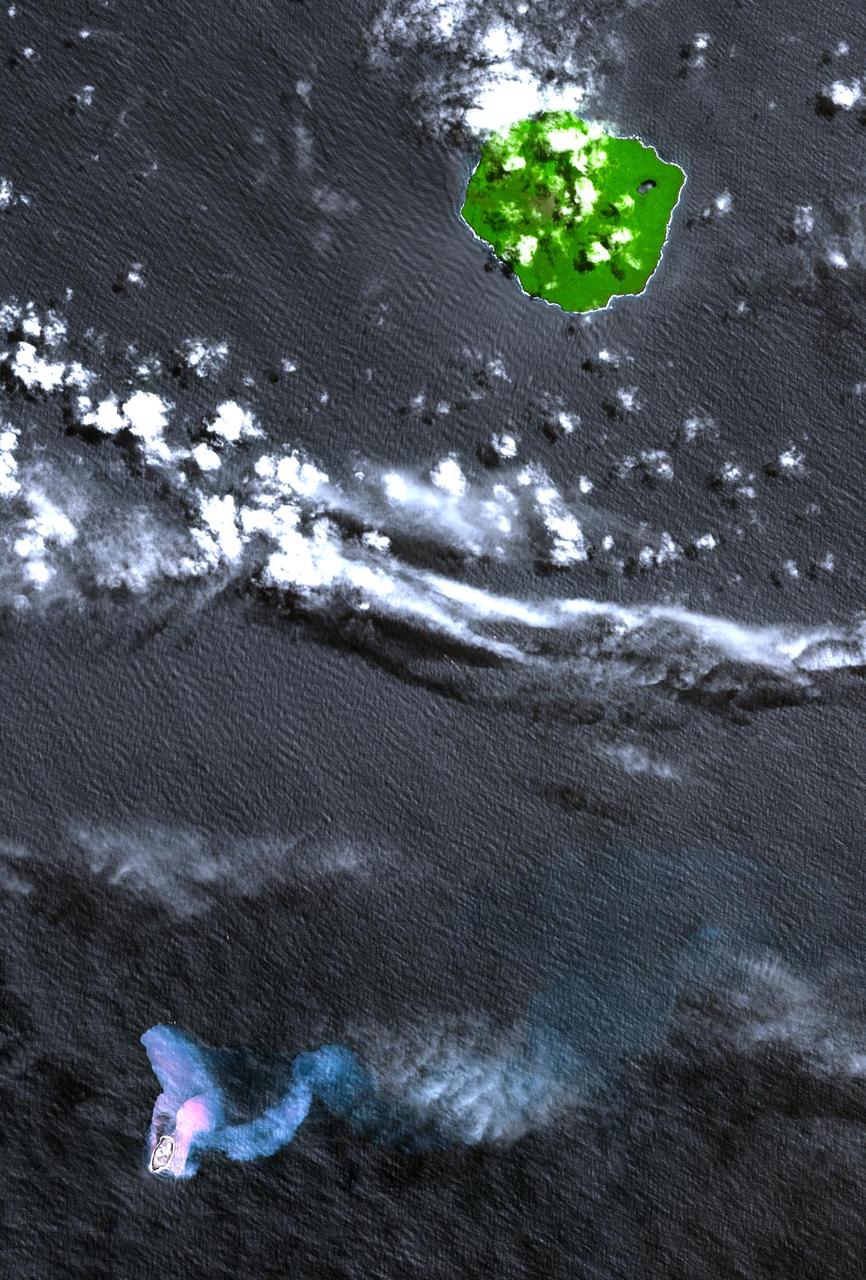
In the South Pacific, south of Late Island along the Tofua volcanic arc in Tonga, a new volcanic island Home Reef is being re-born. This image was acquired October 10, 2006 by NASA Terra spacecraft.
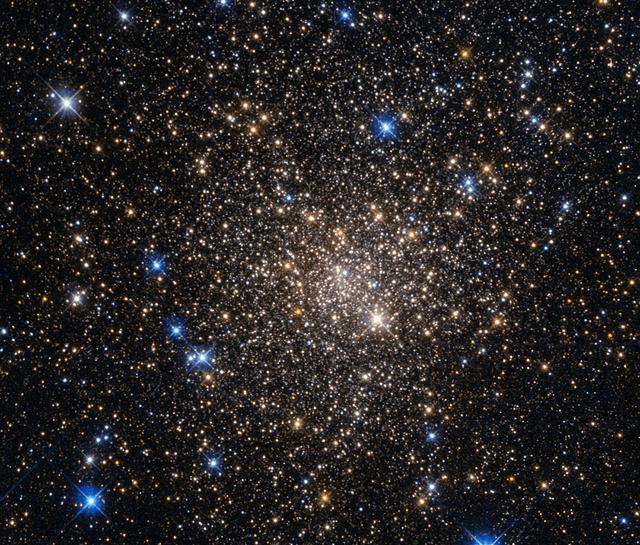
This image, taken with the Wide Field Planetary Camera 2 on board the NASA/ESA Hubble Space Telescope, shows the globular cluster Terzan 1. Lying around 20,000 light-years from us in the constellation of Scorpius (The Scorpion), it is one of about 150 globular clusters belonging to our galaxy, the Milky Way. Typical globular clusters are collections of around a hundred thousand stars, held together by their mutual gravitational attraction in a spherical shape a few hundred light-years across. It is thought that every galaxy has a population of globular clusters. Some, like the Milky Way, have a few hundred, while giant elliptical galaxies can have several thousand. They contain some of the oldest stars in a galaxy, hence the reddish colors of the stars in this image — the bright blue ones are foreground stars, not part of the cluster. The ages of the stars in the globular cluster tell us that they were formed during the early stages of galaxy formation! Studying them can also help us to understand how galaxies formed. Terzan 1, like many globular clusters, is a source of X-rays. It is likely that these X-rays come from binary star systems that contain a dense neutron star and a normal star. The neutron star drags material from the companion star, causing a burst of X-ray emission. The system then enters a quiescent phase in which the neutron star cools, giving off X-ray emission with different characteristics, before enough material from the companion builds up to trigger another outburst. Image credit: NASA & ESA, Acknowledgement: Judy Schmidt <b><a href="http://www.nasa.gov/audience/formedia/features/MP_Photo_Guidelines.html" rel="nofollow">NASA image use policy.</a></b> <b><a href="http://www.nasa.gov/centers/goddard/home/index.html" rel="nofollow">NASA Goddard Space Flight Center</a></b> enables NASA’s mission through four scientific endeavors: Earth Science, Heliophysics, Solar System Exploration, and Astrophysics. Goddard plays a leading role in NASA’s accomplishments by contributing compelling scientific knowledge to advance the Agency’s mission. <b>Follow us on <a href="http://twitter.com/NASAGoddardPix" rel="nofollow">Twitter</a></b> <b>Like us on <a href="http://www.facebook.com/pages/Greenbelt-MD/NASA-Goddard/395013845897?ref=tsd" rel="nofollow">Facebook</a></b> <b>Find us on <a href="http://instagrid.me/nasagoddard/?vm=grid" rel="nofollow">Instagram</a></b>
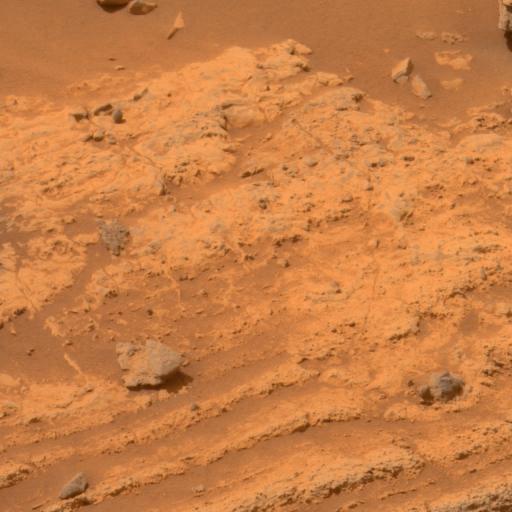
This view of layers around the edge of a low plateau called Home Plate inside Mars Gusev Crater includes a feature that may be what geologists call a bomb sag and interpret as evidence of an explosive event, such as a volcanic eruption
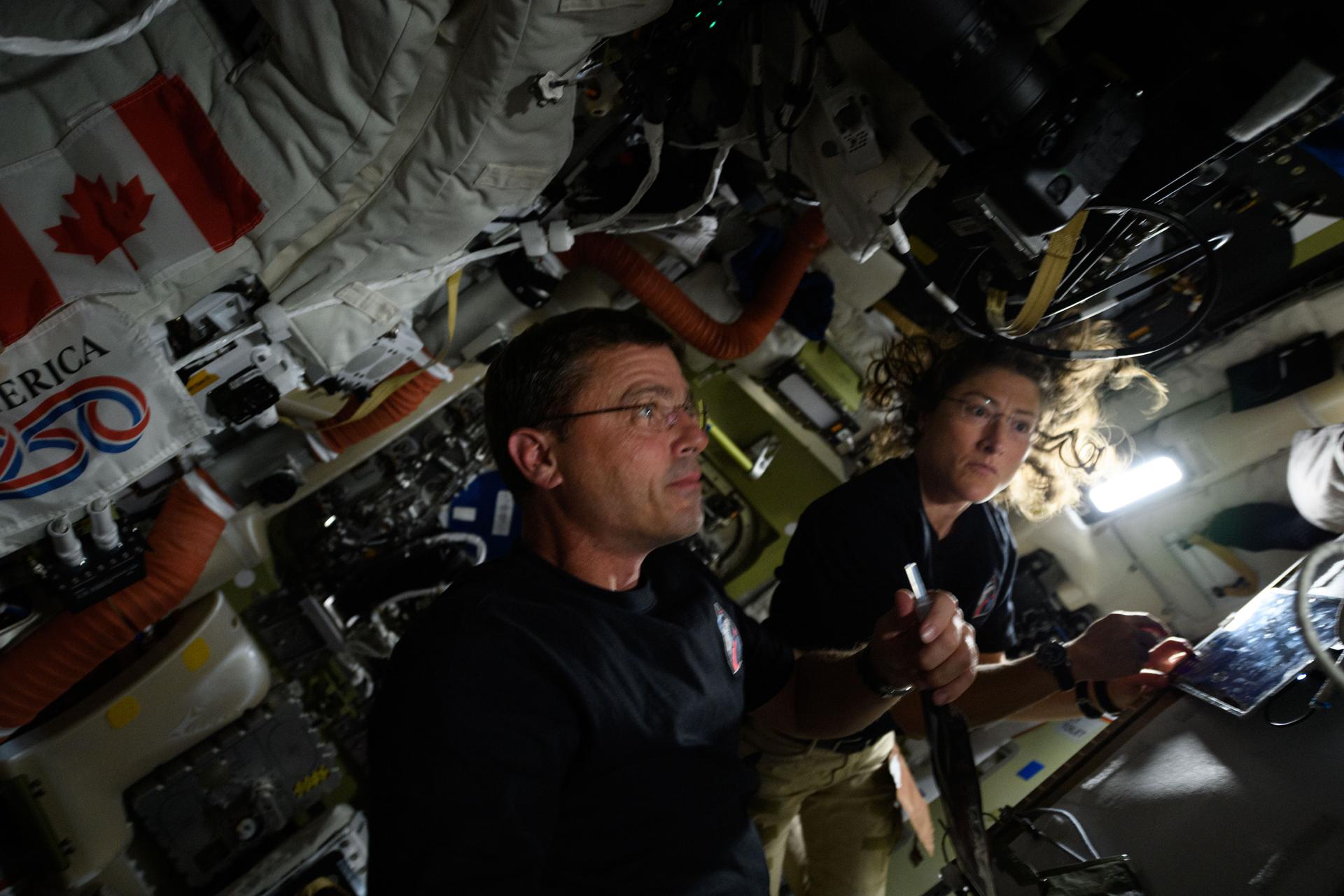
art002e026139 (April 7, 2026) - NASA astronauts Reid Wiseman and Christina Koch are captured in a blurry snap on the seventh day of the Artemis II mission. On this day, the crew officially began their journey home after flying around the Moon one day prior. In this photo, Reid Wiseman holds a drink bag equipped with a straw for easy use in microgravity. Credit: NASA
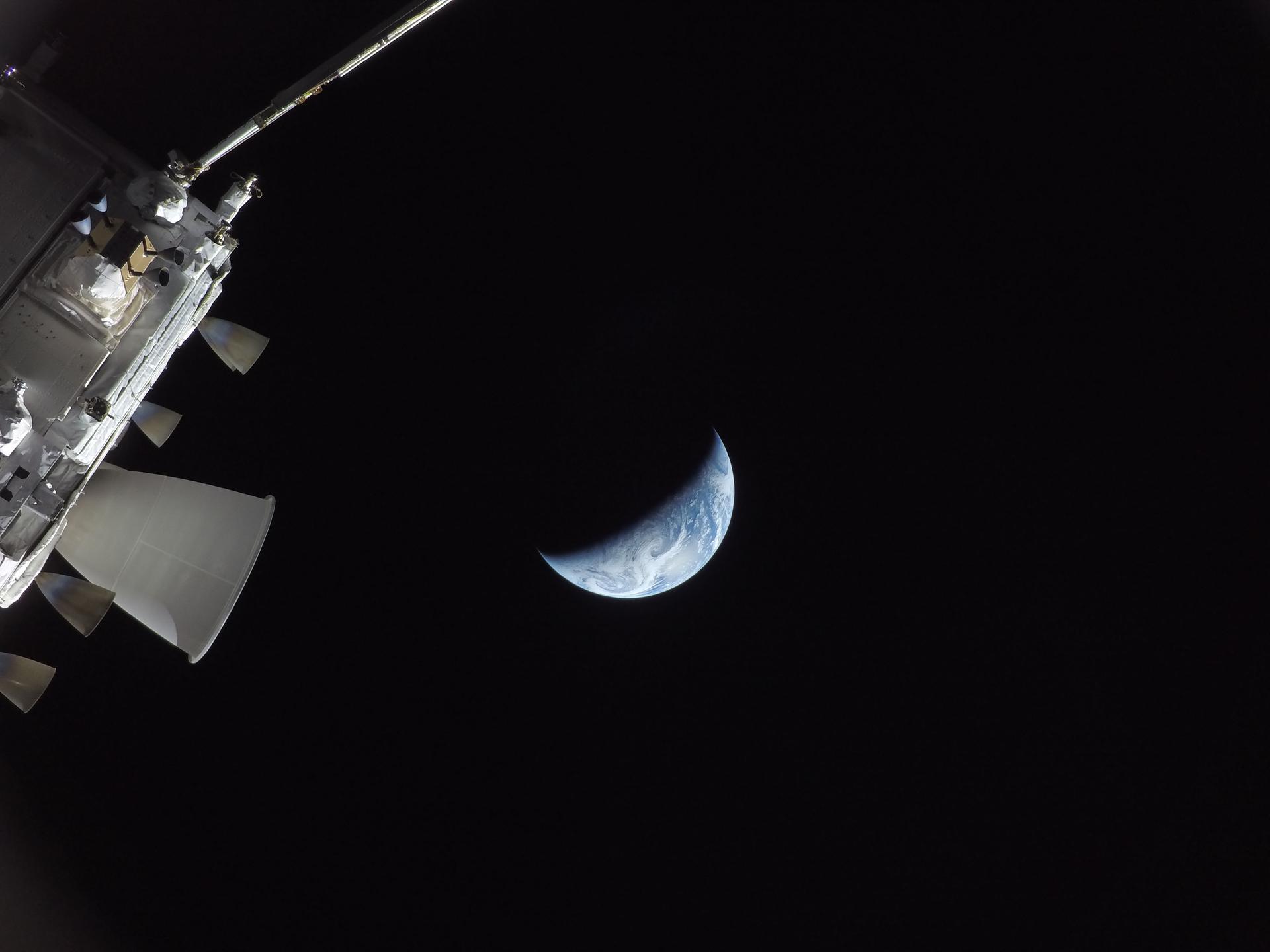
art002e031476 (April 10, 2026) - During the Artemis II crew’s journey back home to Earth, NASA’s Orion spacecraft appears alongside a sliver of Earth, both illuminated against the blackness of space. Pictured from one of the cameras mounted on Orion’s solar array wings, this image shows the orbital maneuvering system engine, five of eight auxiliary thrusters, and a pod of four reaction control system thrusters on the spacecraft’s service module. Credit: NASA

This image, taken with the Wide Field Planetary Camera 2 on board the NASA/ESA Hubble Space Telescope, shows the globular cluster Terzan 1. Lying around 20 000 light-years from us in the constellation of Scorpius (The Scorpion), it is one of about 150 globular clusters belonging to our galaxy, the Milky Way. Typical globular clusters are collections of around a hundred thousand stars, held together by their mutual gravitational attraction in a spherical shape a few hundred light-years across. It is thought that every galaxy has a population of globular clusters. Some, like the Milky Way, have a few hundred, while giant elliptical galaxies can have several thousand. They contain some of the oldest stars in a galaxy, hence the reddish colours of the stars in this image — the bright blue ones are foreground stars, not part of the cluster. The ages of the stars in the globular cluster tell us that they were formed during the early stages of galaxy formation! Studying them can also help us to understand how galaxies formed. Terzan 1, like many globular clusters, is a source of X-rays. It is likely that these X-rays come from binary star systems that contain a dense neutron star and a normal star. The neutron star drags material from the companion star, causing a burst of X-ray emission. The system then enters a quiescent phase in which the neutron star cools, giving off X-ray emission with different characteristics, before enough material from the companion builds up to trigger another outburst.

Landsat satellites collect data along a wide ground track that spans 185 kilometers (115 miles) but with a spatial resolution that allows them to see the human signature on the landscape. Each Landsat pixel covers a 30 by 30 meter area (98 by 98 feet), about the size of a baseball diamond. This visualization shows the Landsat path over Minneapolis, the site of the 2014 Major League Baseball All-Star game, and then zooms in to reveal the individual pixels. The green of the field and the white of the stadium are visible, before fading to an aerial photograph taken March 2010. See close up of stadium here: <a href="https://www.flickr.com/photos/gsfc/14662019381/in/photostream/">www.flickr.com/photos/gsfc/14662019381/in/photostream/</a> Credit: NASA/Goddard/Landsat <b><a href="http://www.nasa.gov/audience/formedia/features/MP_Photo_Guidelines.html" rel="nofollow">NASA image use policy.</a></b> <b><a href="http://www.nasa.gov/centers/goddard/home/index.html" rel="nofollow">NASA Goddard Space Flight Center</a></b> enables NASA’s mission through four scientific endeavors: Earth Science, Heliophysics, Solar System Exploration, and Astrophysics. Goddard plays a leading role in NASA’s accomplishments by contributing compelling scientific knowledge to advance the Agency’s mission. <b>Follow us on <a href="http://twitter.com/NASAGoddardPix" rel="nofollow">Twitter</a></b> <b>Like us on <a href="http://www.facebook.com/pages/Greenbelt-MD/NASA-Goddard/395013845897?ref=tsd" rel="nofollow">Facebook</a></b> <b>Find us on <a href="http://instagram.com/nasagoddard?vm=grid" rel="nofollow">Instagram</a></b>

With this view, Cassini captured one of its last looks at Saturn and its main rings from a distance. The Saturn system has been Cassini's home for 13 years, but that journey is nearing its end. Cassini has been orbiting Saturn for nearly a half of a Saturnian year but that journey is nearing its end. This extended stay has permitted observations of the long-term variability of the planet, moons, rings, and magnetosphere, observations not possible from short, fly-by style missions. When the spacecraft arrived at Saturn in 2004, the planet's northern hemisphere, seen here at top, was in darkness, just beginning to emerge from winter. Now at journey's end, the entire north pole is bathed in the continuous sunlight of summer. Images taken on Oct. 28, 2016 with the wide angle camera using red, green and blue spectral filters were combined to create this color view. This view looks toward the sunlit side of the rings from about 25 degrees above the ringplane. The view was acquired at a distance of approximately 870,000 miles (1.4 million kilometers) from Saturn. Image scale is 50 miles (80 kilometers) per pixel. https://photojournal.jpl.nasa.gov/catalog/PIA21345
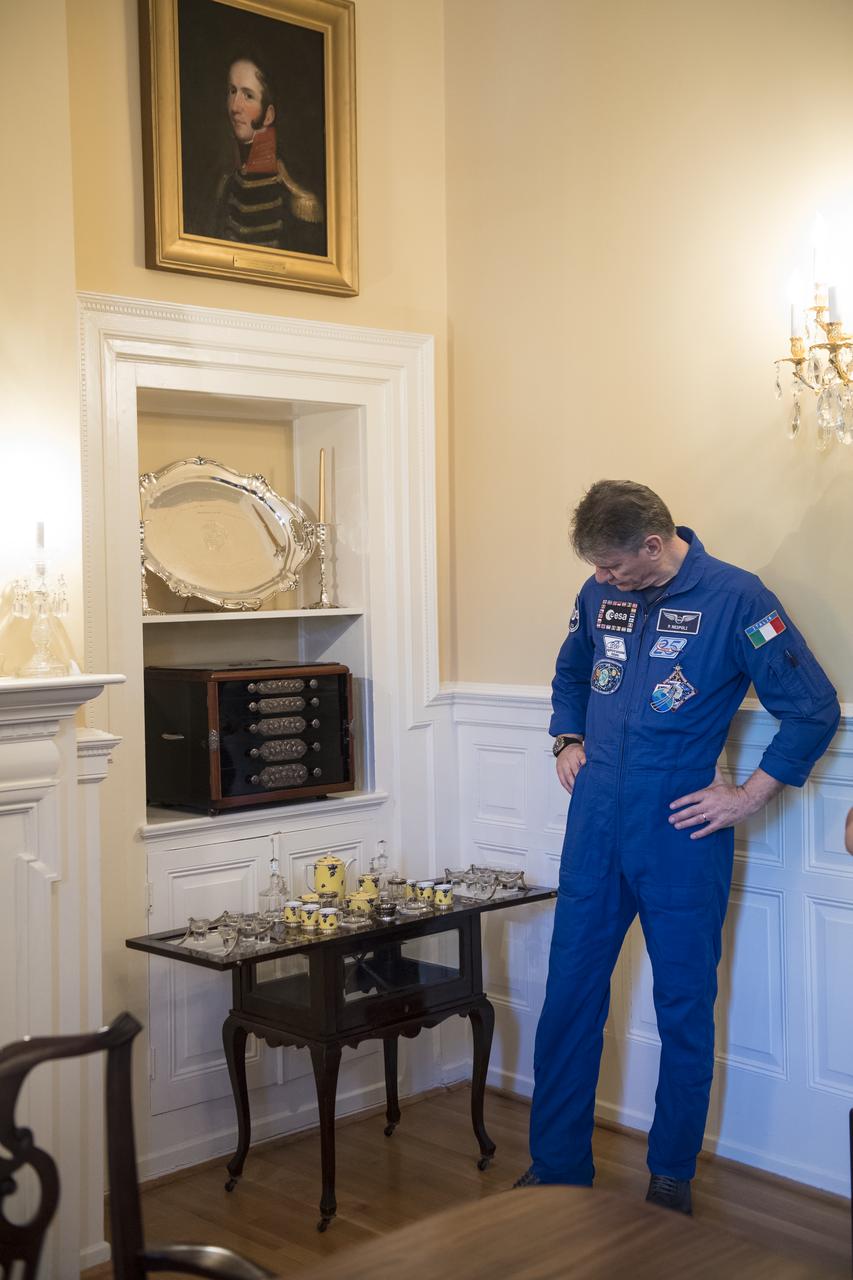
ESA astronaut Paolo Nespoli tours the Home of the Commandants of the Marine Corps, Monday, May 7, 2018 in Washington. Photo Credit: (NASA/Aubrey Gemignani)
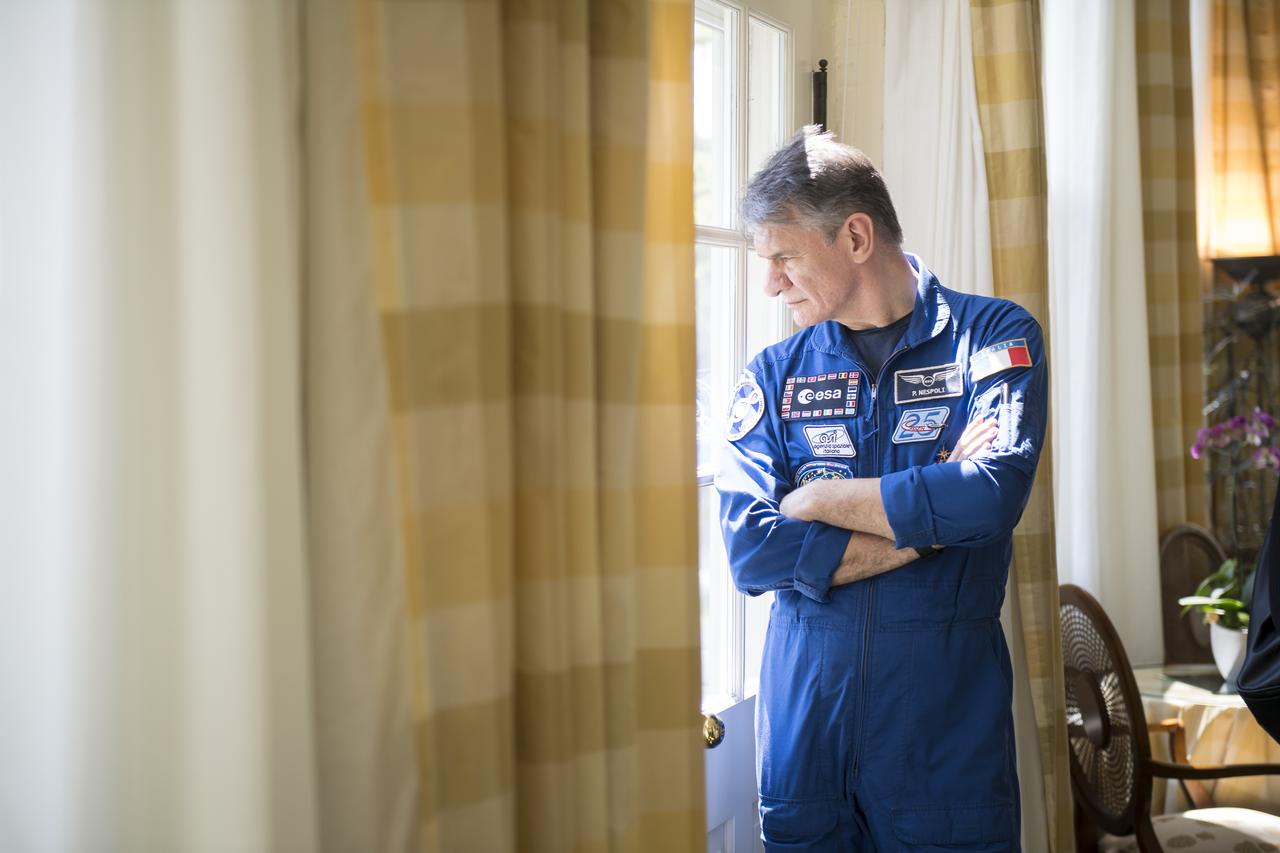
ESA astronaut Paolo Nespoli tours the Home of the Commandants of the Marine Corps, Monday, May 7, 2018 in Washington. Photo Credit: (NASA/Aubrey Gemignani)
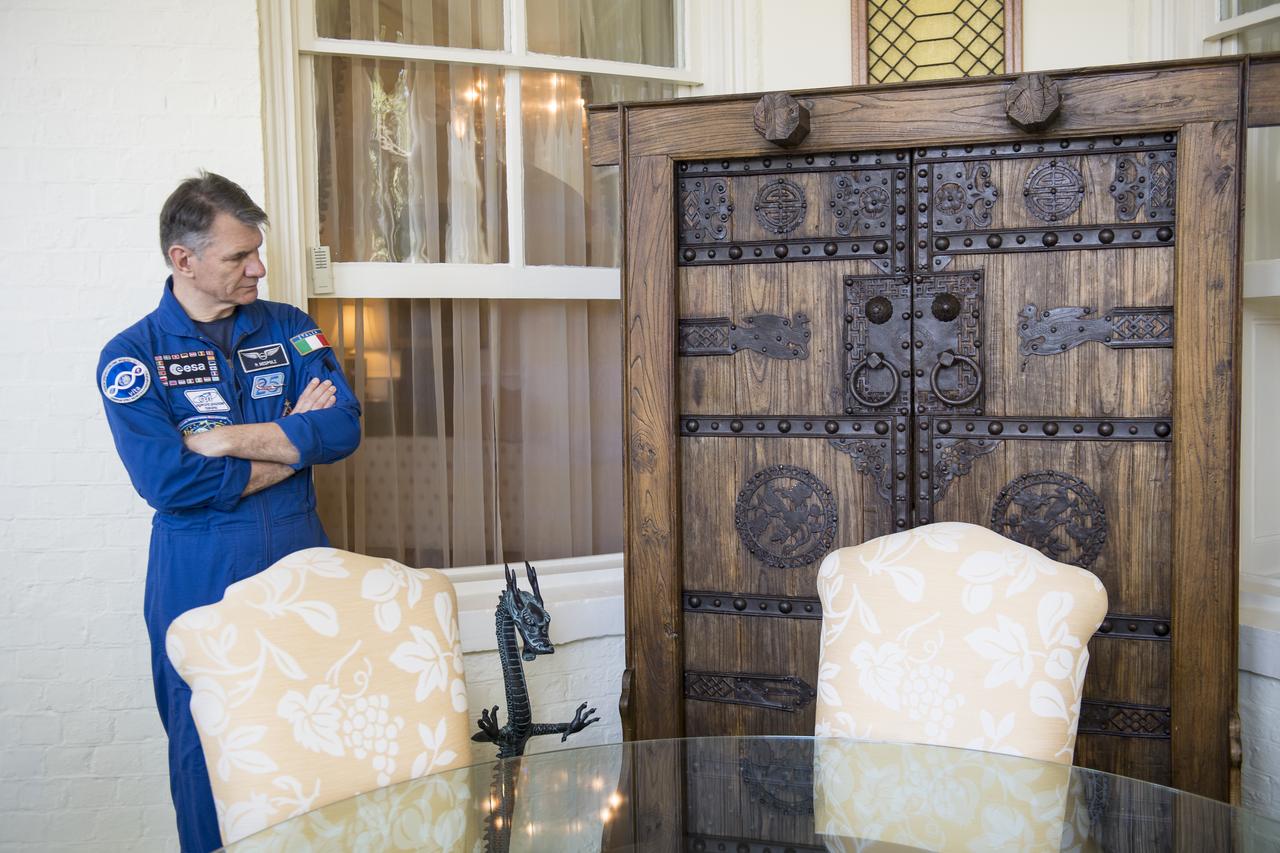
ESA astronaut Paolo Nespoli tours the Home of the Commandants of the Marine Corps, Monday, May 7, 2018 in Washington. Photo Credit: (NASA/Aubrey Gemignani)

Work continues at Building 4826, the future home of the X-59 Quiet SuperSonic Technology aircraft, at NASA's Armstrong Flight Research Center in Edwards, California.

NASA astronaut Randy Bresnik, right, and his wife Rebecca tour the Home of the Commandants of the Marine Corps, Monday, May 7, 2018 in Washington. Photo Credit: (NASA/Aubrey Gemignani)
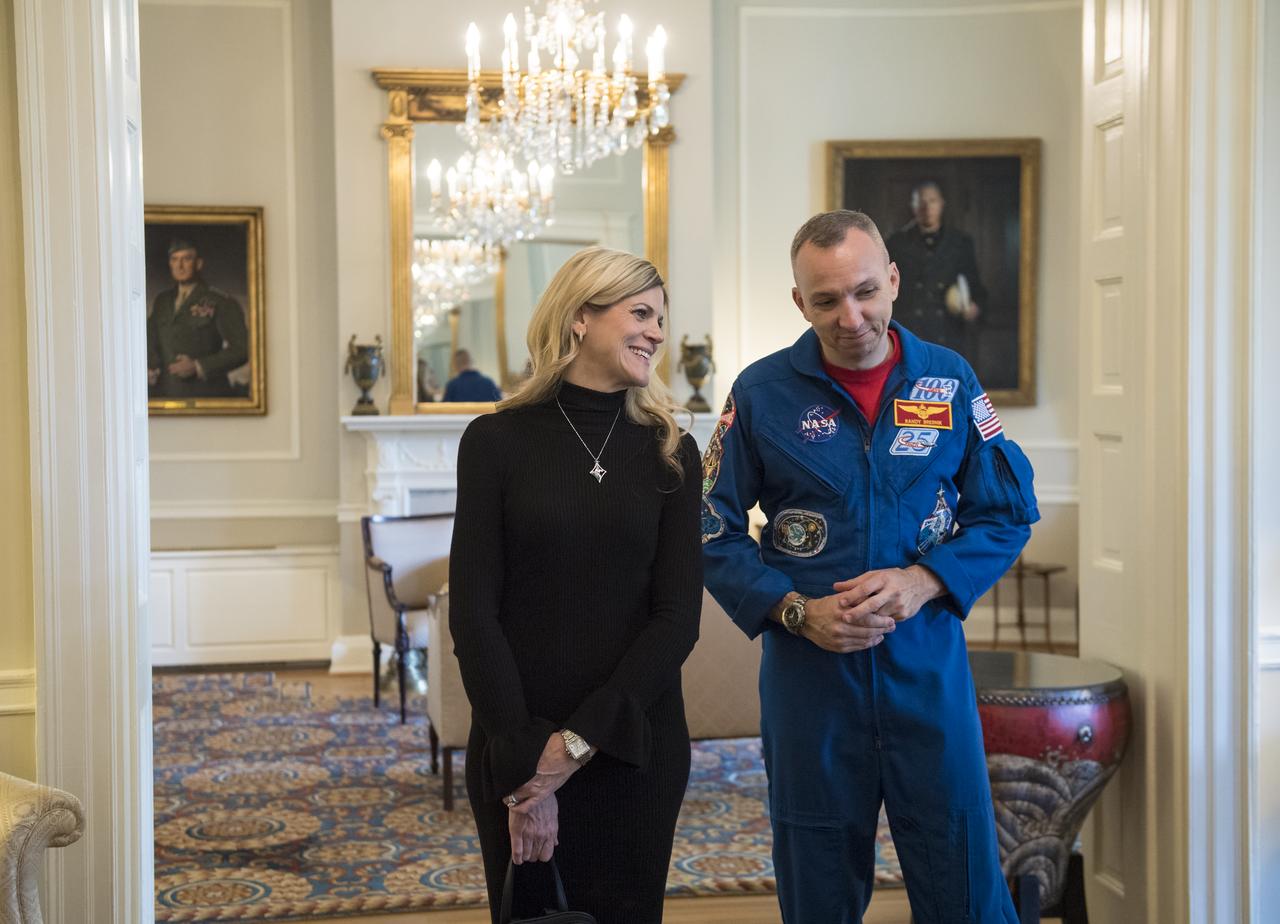
NASA astronaut Randy Bresnik and wife Rebecca tour the Home of the Commandants of the Marine Corps, Monday, May 7, 2018 in Washington. Photo Credit: (NASA/Aubrey Gemignani)
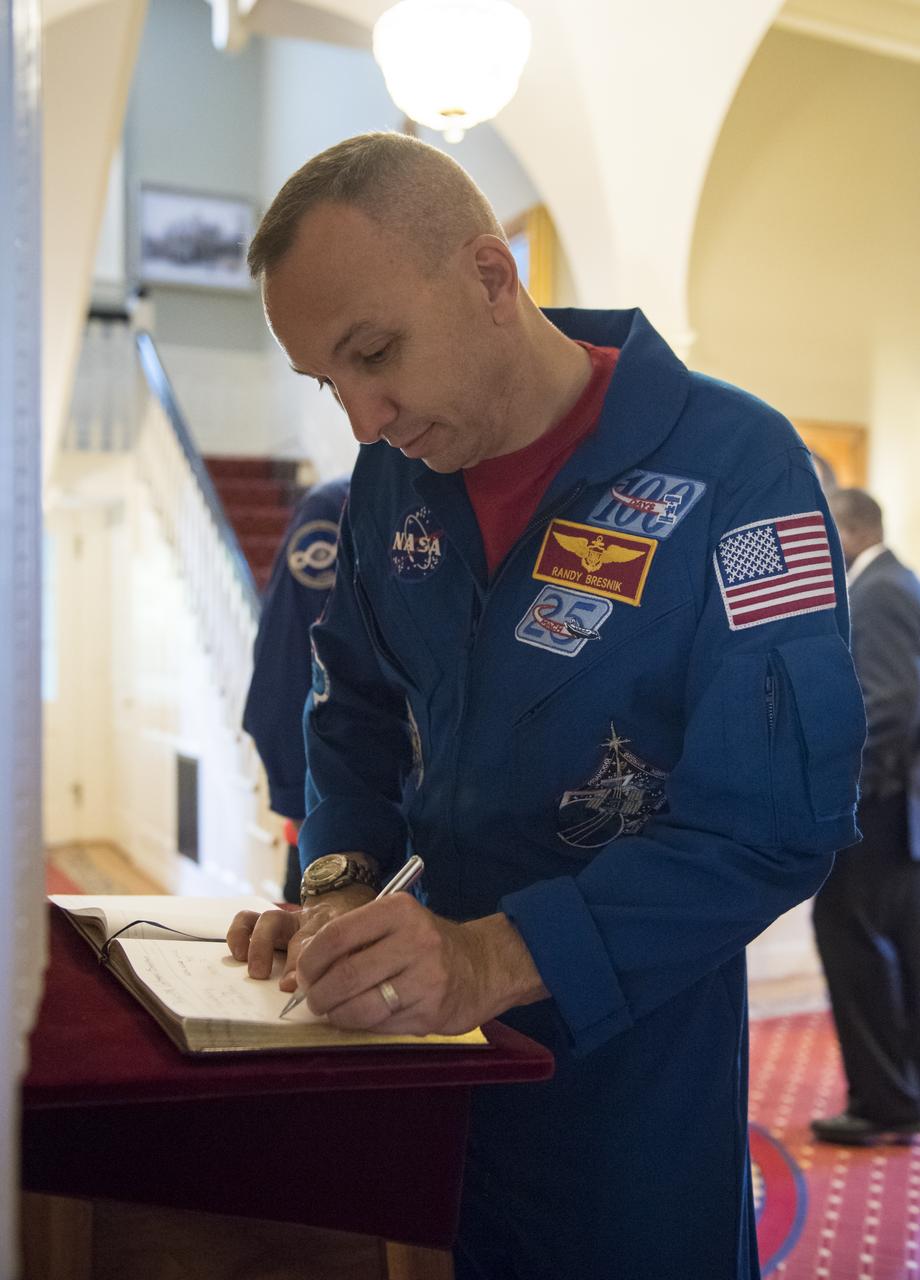
NASA astronaut Randy Bresnik signs the guest book before touring the Home of the Commandants of the Marine Corps, Monday, May 7, 2018 in Washington. Photo Credit: (NASA/Aubrey Gemignani)
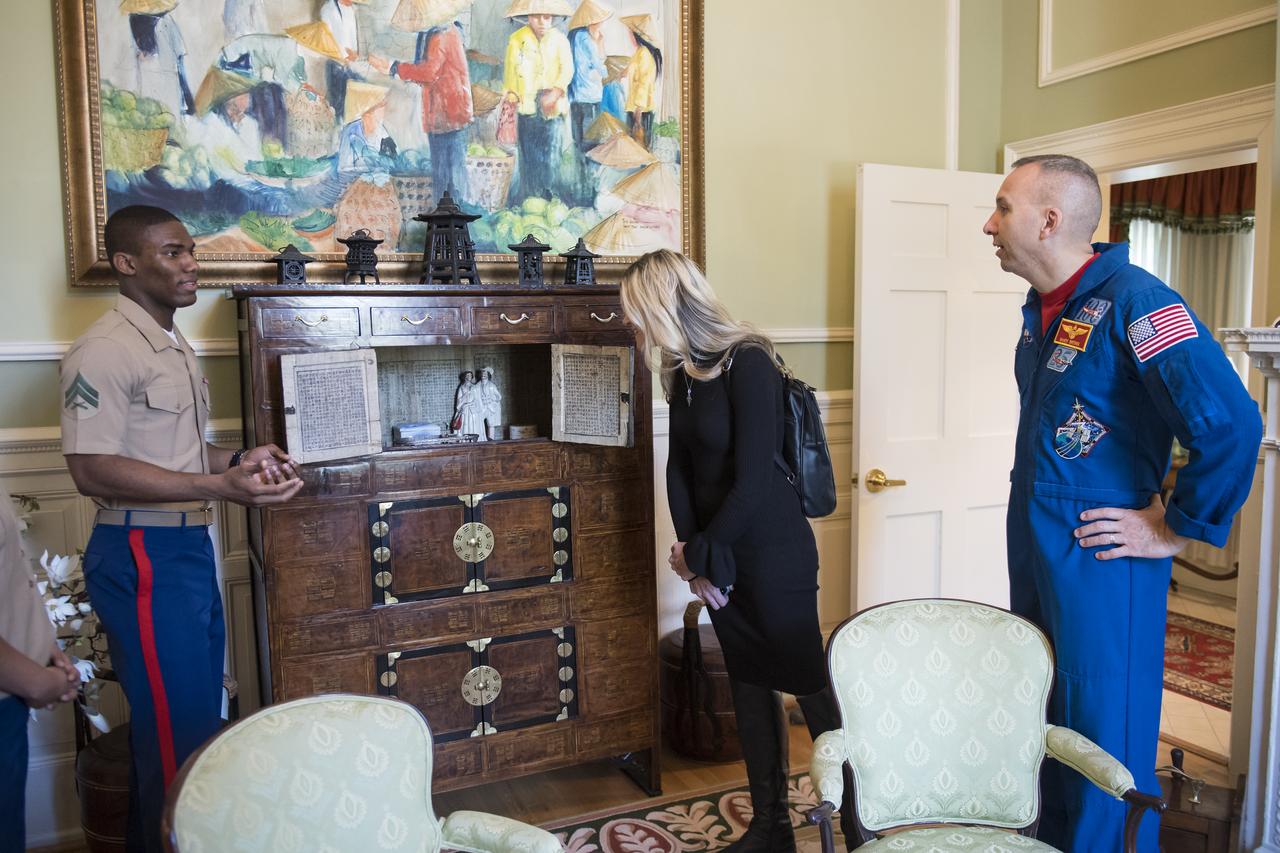
NASA astronaut Randy Bresnik, right, and his wife Rebecca tour the Home of the Commandants of the Marine Corps, Monday, May 7, 2018 in Washington. Photo Credit: (NASA/Aubrey Gemignani)

NASA astronaut Randy Bresnik thanks Marines for the tour of the Home of the Commandants of the Marine Corps, Monday, May 7, 2018 in Washington. Photo Credit: (NASA/Aubrey Gemignani)
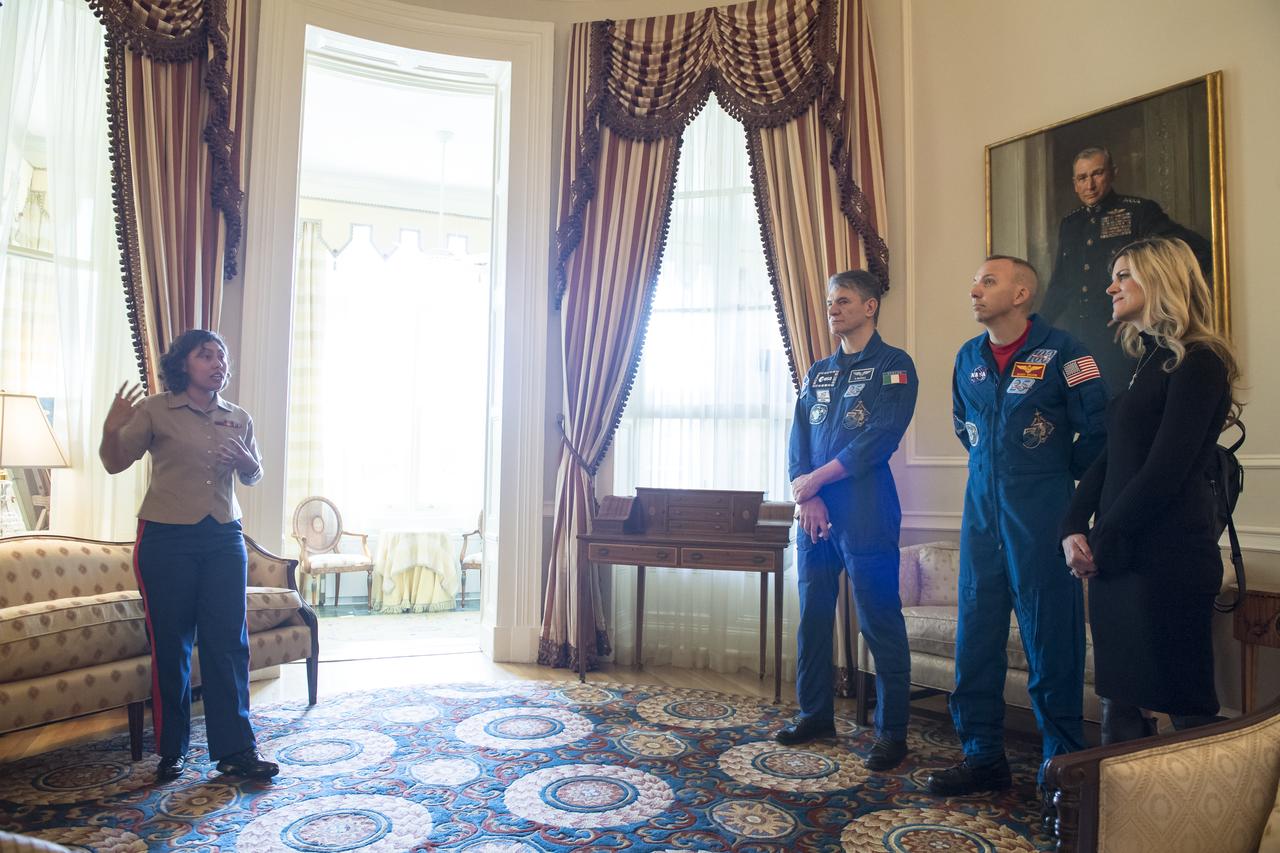
NASA astronaut Randy Bresnik, center, wife Rebecca, right, and ESA astronaut Paolo Nespoli tour the Home of the Commandants of the Marine Corps, Monday, May 7, 2018 in Washington. Photo Credit: (NASA/Aubrey Gemignani)
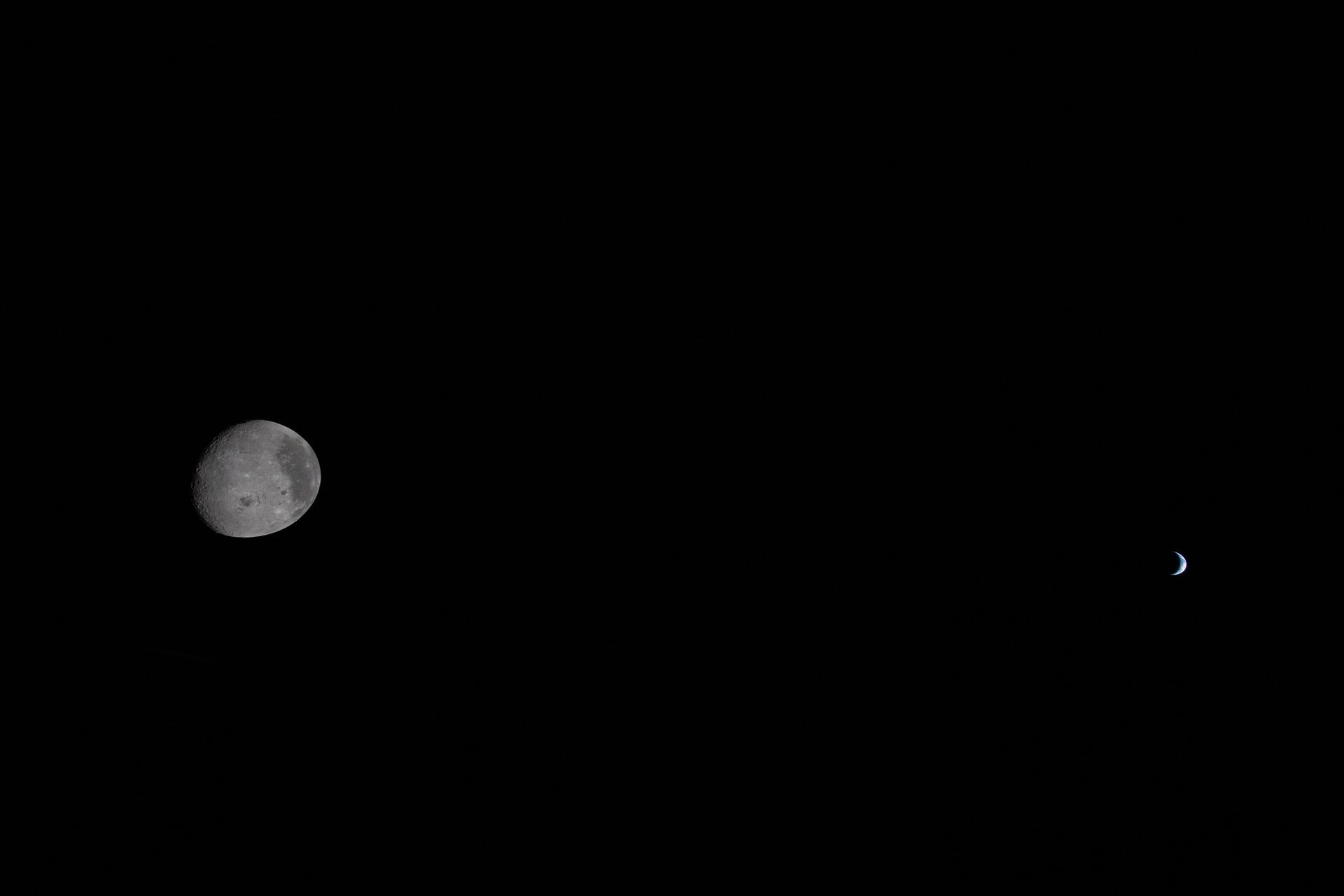
art002e014211 (April 6, 2026) - Seen side-by-side from deep space, the Moon and Earth share the frame—yet Earth appears as a small, delicate crescent against the blackness beyond. At this stage, Orion is approaching the Moon’s farside, placing the image earlier in the flyby, before closest approach during Artemis II. Though both worlds are visible, the scale and distance between them become immediately clear, offering a powerful perspective of how far the crew has traveled from home. Even in its reduced size, Earth’s soft glow stands out, a reminder of the only world we’ve ever known. Credit: NASA
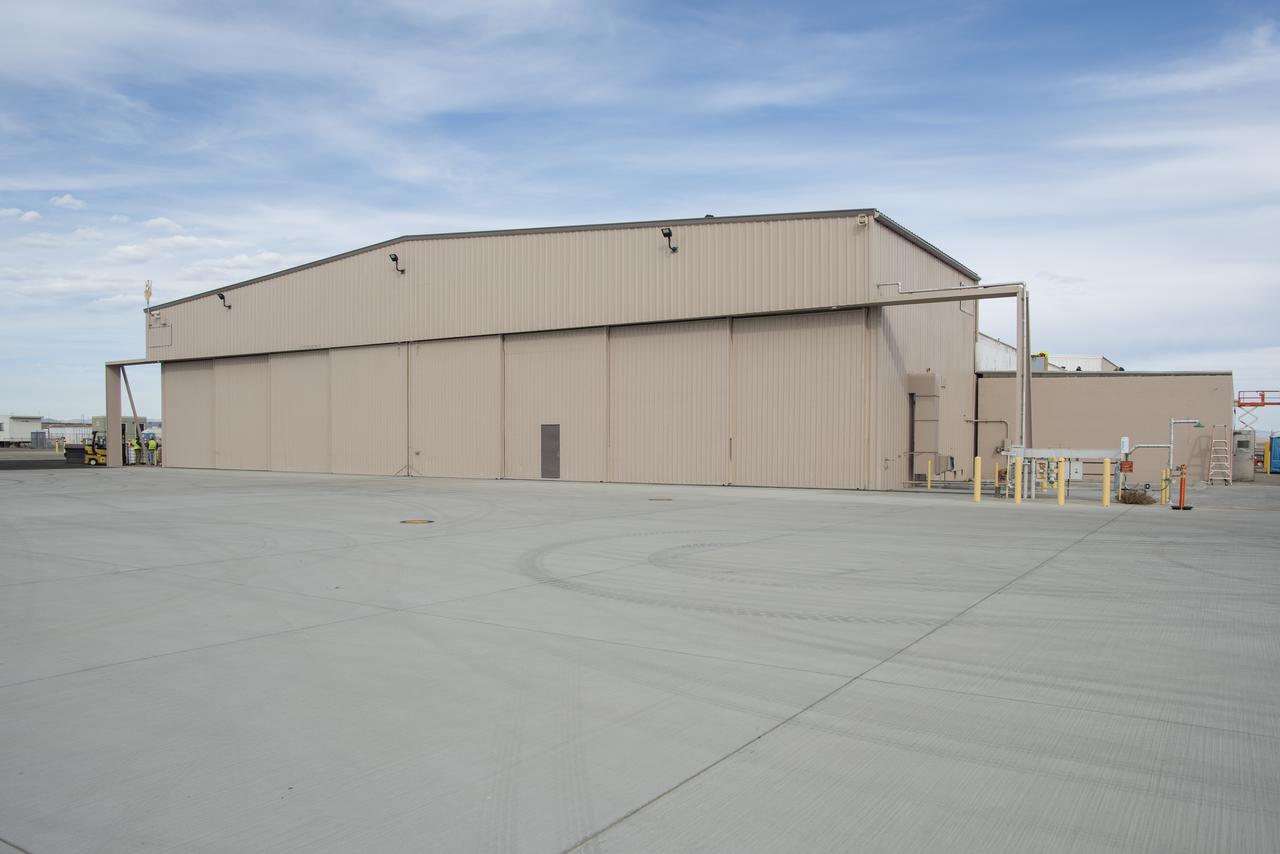
This is how Building 4826, the future home of the X-59 Quiet SuperSonic Technology aircraft, at NASA's Armstrong Flight Research Center in Edwards, California, looks as the building's renovations continue.
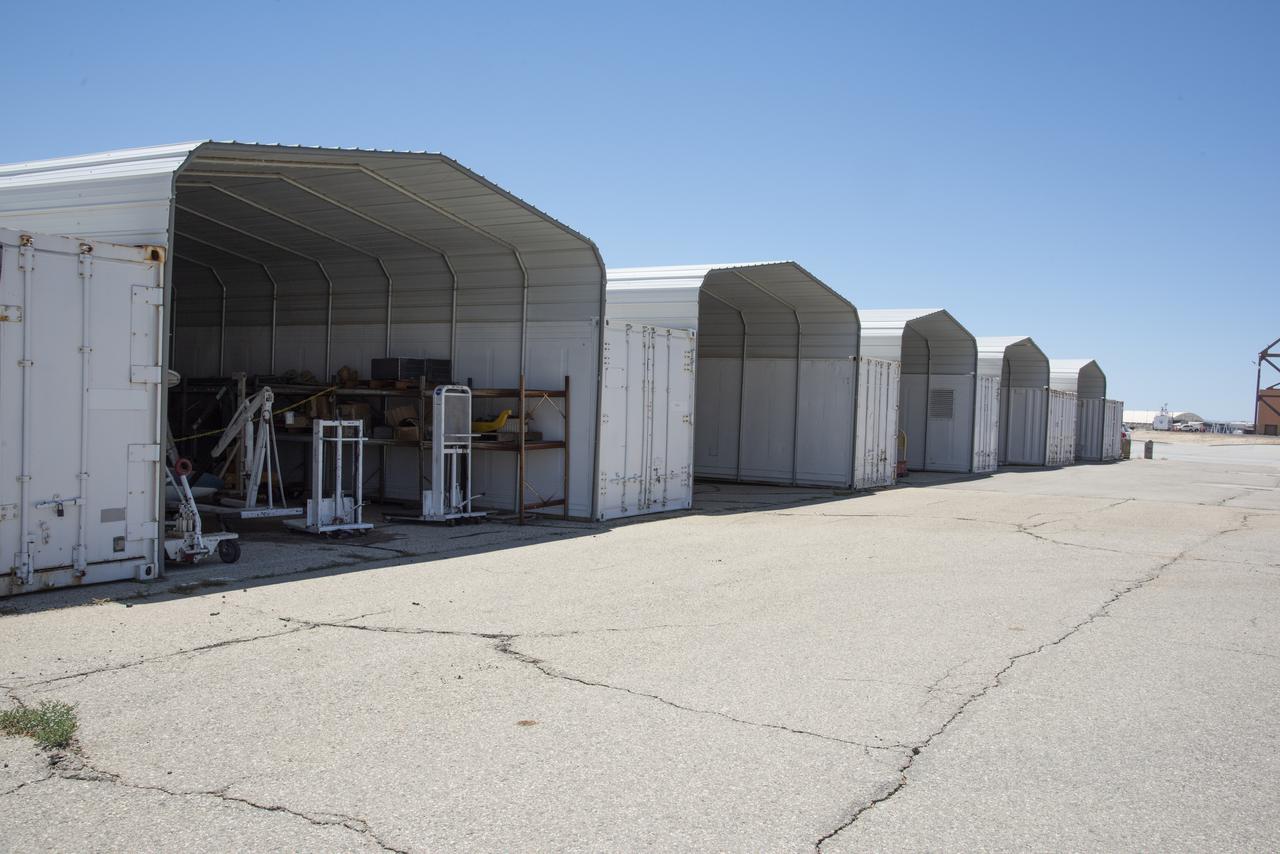
This 8,800-square-foot canopy area was demolished during the refurbishment of the east side of Building 4826, the future home of the X-59 Quiet SuperSonic Technology aircraft, at NASA's Armstrong Flight Research Center in Edwards, California.

On the east side of Building 4826, the future home of the X-59 Quiet SuperSonic Technology aircraft, a conference room, offices, restrooms and a communications room are under construction at NASA's Armstrong Flight Research Center in Edwards, California.
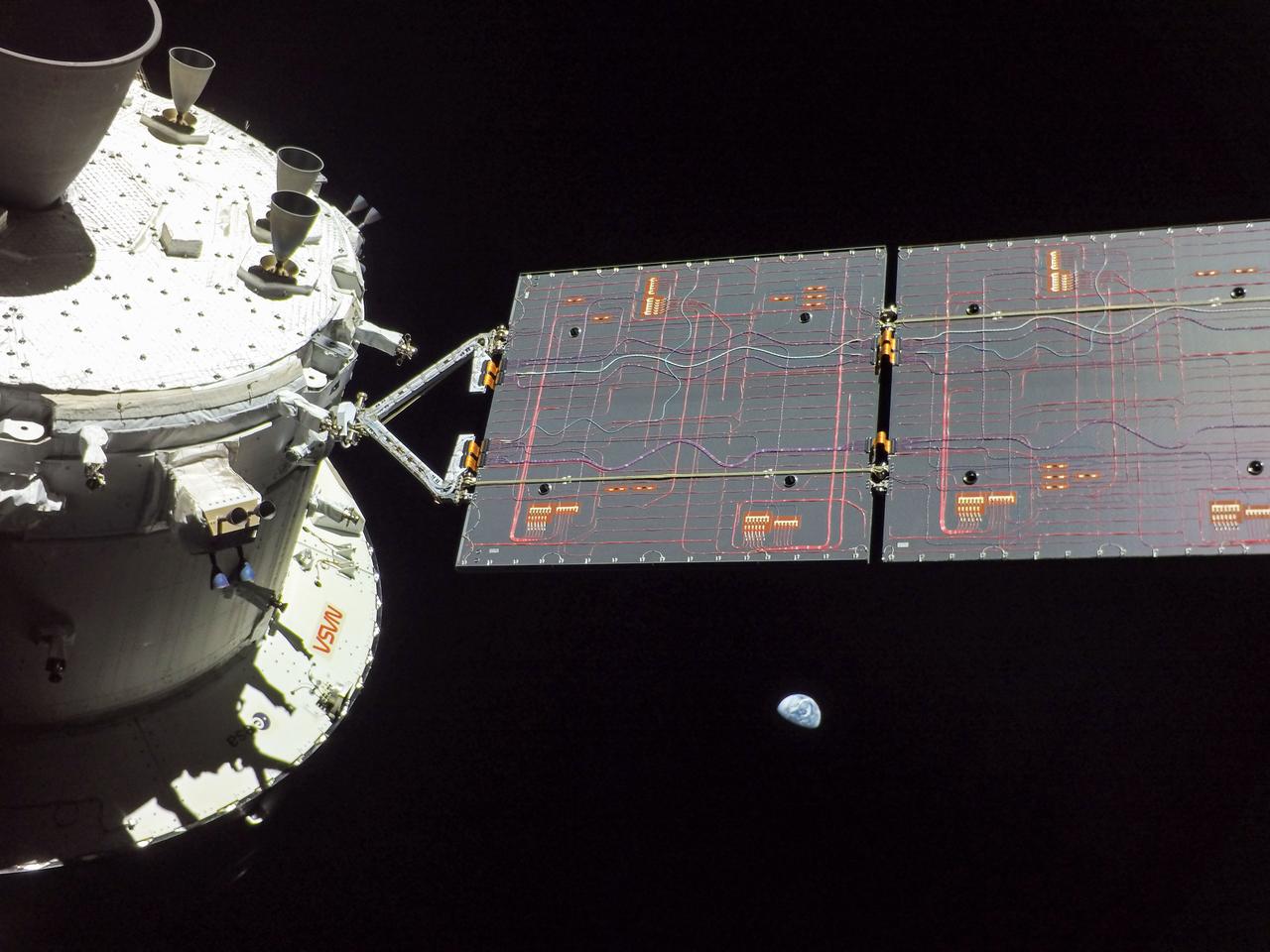
art001e001715 (Nov. 29, 2022) A camera on the tip of one of the Orion’s four solar arrays captured Earth when the spacecraft was 264,000 miles from our home planet on the Artemis I mission.
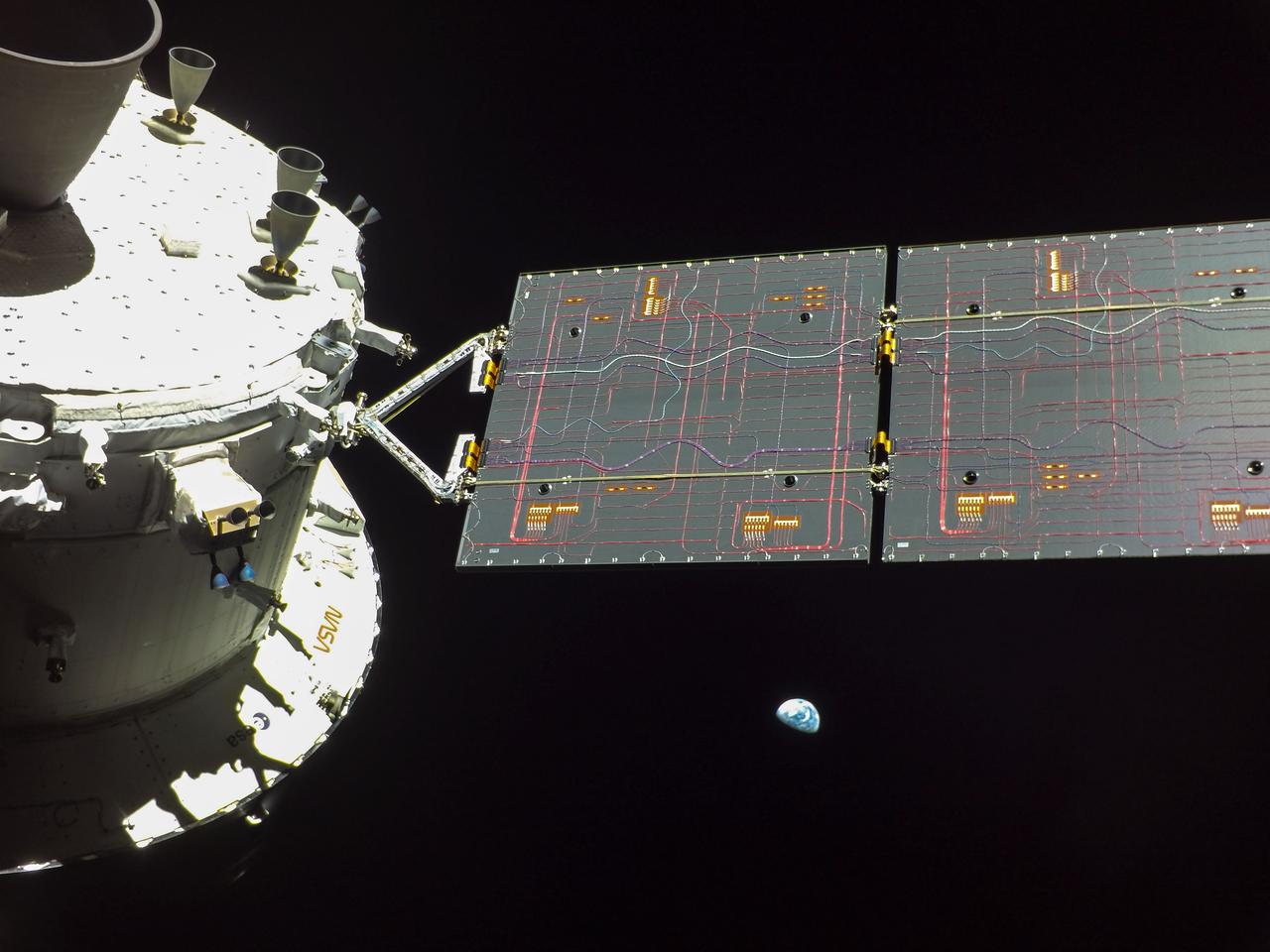
art001e001716 (Nov. 29, 2022) A camera on the tip of one of the Orion’s four solar arrays captured Earth when the spacecraft was 264,000 miles from our home planet on the Artemis I mission.
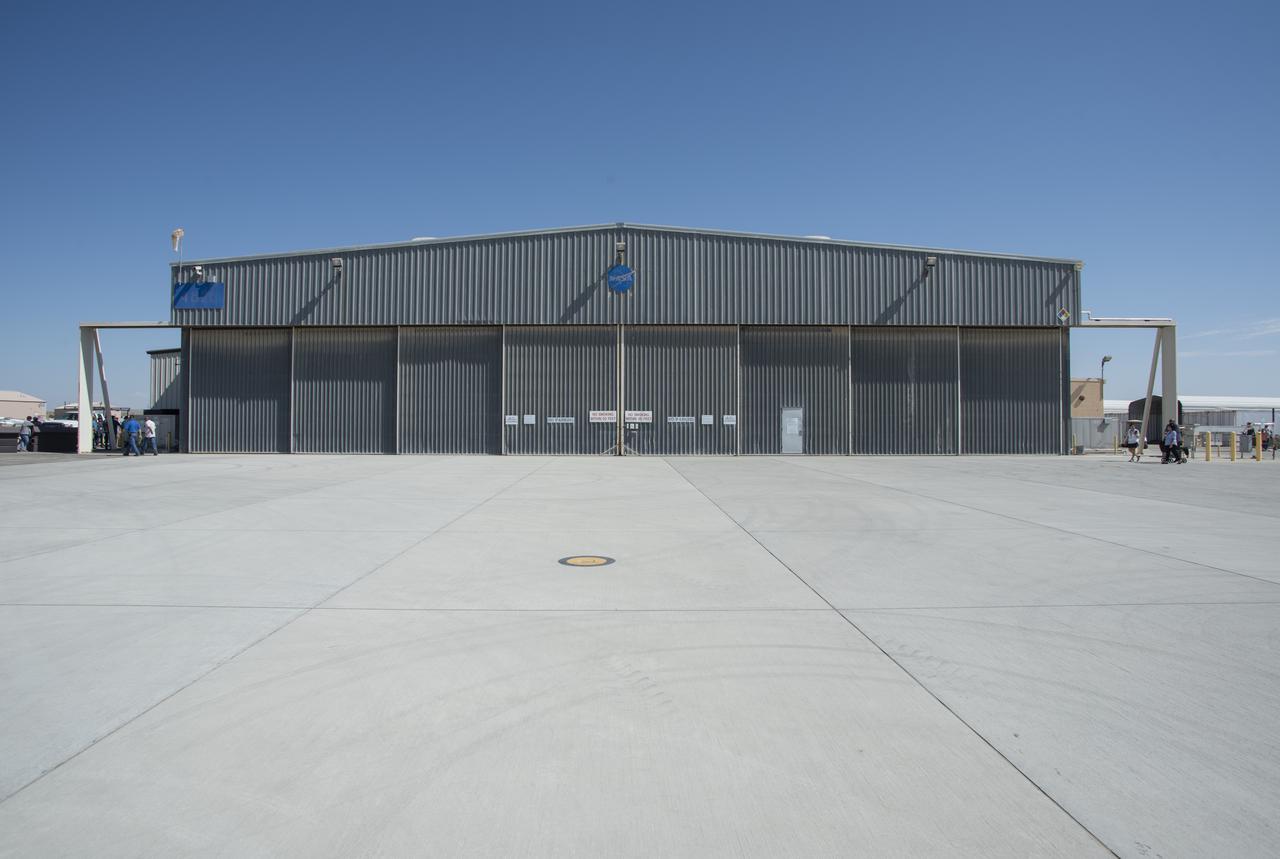
This is how Building 4826, the future home of the X-59 Quiet SuperSonic Technology aircraft, at NASA's Armstrong Flight Research Center in Edwards, California, looked prior to the building's renovations.
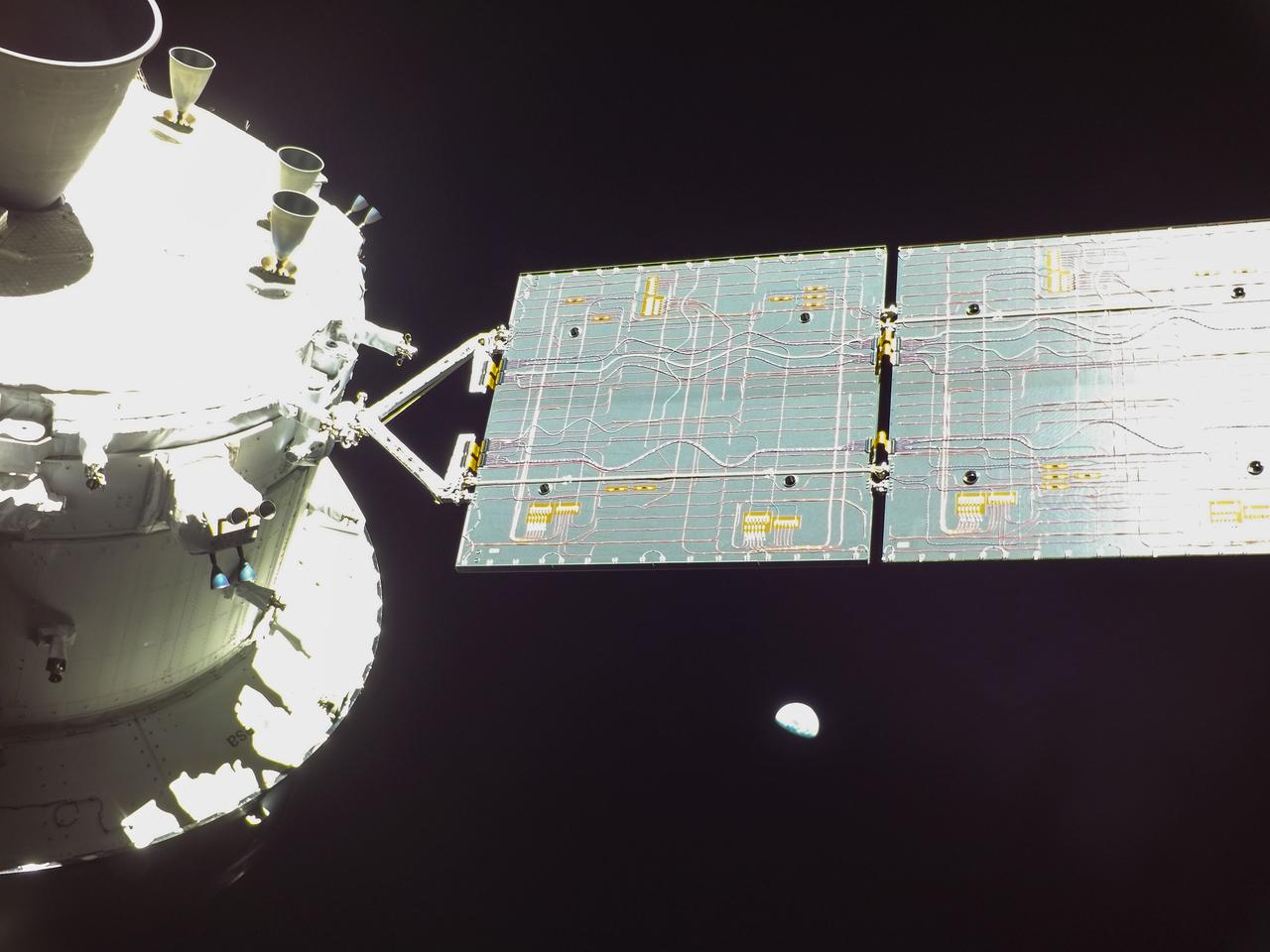
art001e001717 (Nov. 29, 2022) A camera on the tip of one of the Orion’s four solar arrays captured Earth when the spacecraft was 264,000 miles from our home planet on the Artemis I mission.

CAPE CANAVERAL, Fla. -- A full scale external tank and twin solid rocket booster replicas will stand at the Atlantis exhibit entrance at the Kennedy Space Center Visitor Complex, preparing to launch guests deep into the 30-year history of the Space Shuttle Program. A groundbreaking ceremony for the future home of Atlantis was held Jan. 18. For more information on this and other exhibits at the visitor complex, go to http://www.kennedyspacecenter.com. Artist rendering courtesy of PGAV Destinations for Delaware North Parks & Resorts

ESA astronaut Paolo Nespoli sits on a couch where Archibald Henderson, the 5th Commandant of the Marine Corps passed away in 1859, during a tour of the Home of the Commandants, Monday, May 7, 2018 in Washington. Photo Credit: (NASA/Aubrey Gemignani)
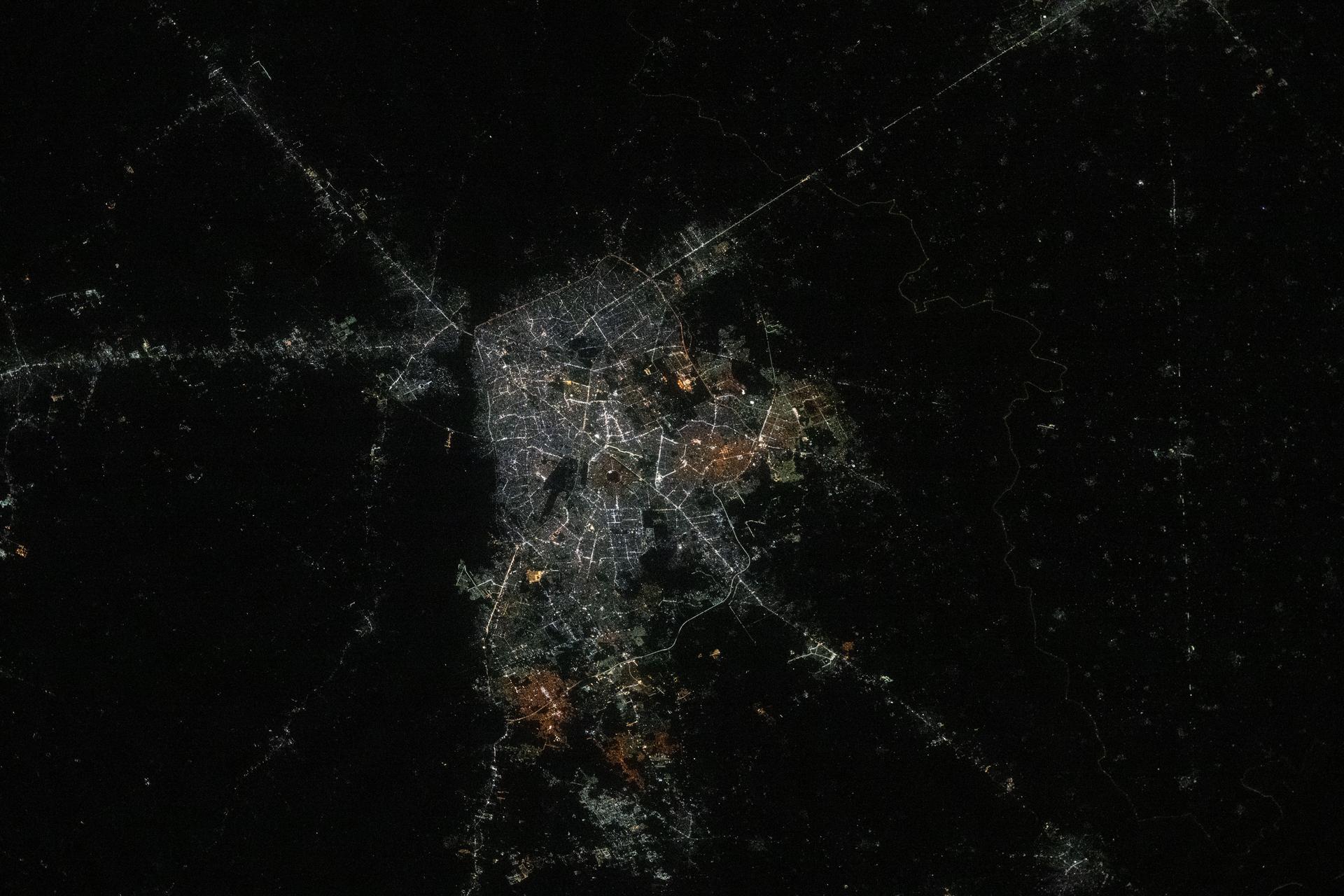
iss073e0763605 (Sept. 21, 2025) --- Lahore, Pakistan, home to approximately 14.8 million people and the country’s second-most populous metropolitan area after Karachi, is pictured from the International Space Station as it orbited 261 miles above Earth at approximately 10:23 p.m. local time.
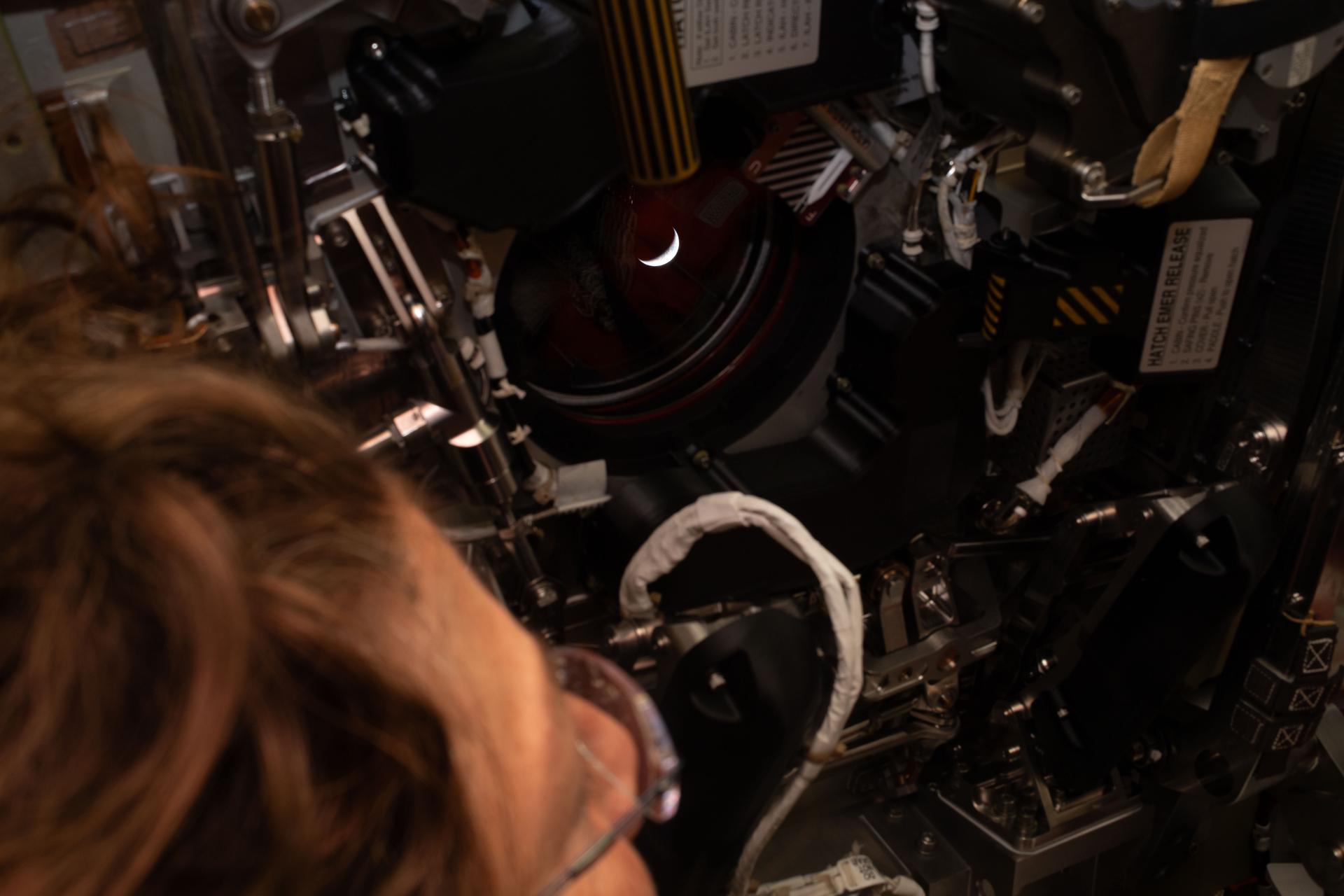
art002e009274 (April 6, 2026) - Artemis II mission specialist and NASA astronaut Christina Koch looks out one of the Orion spacecraft's windows back at Earth ahead of the crew's lunar flyby on April 6, 2026.
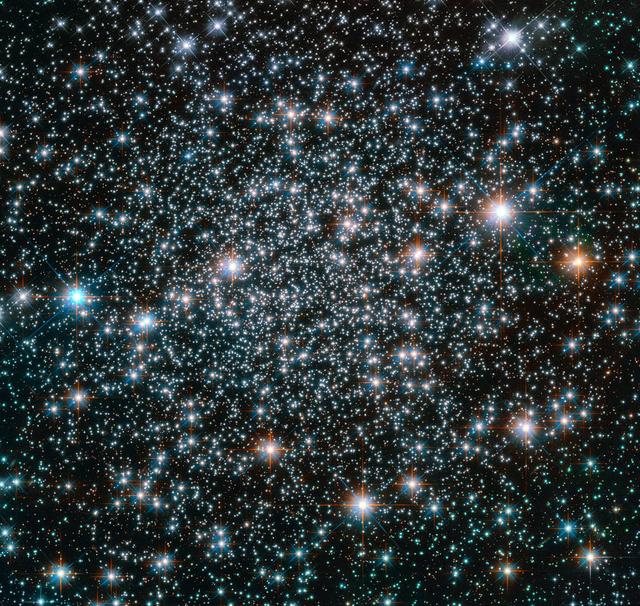
This 10.5-billion-year-old globular cluster, NGC 6496, is home to heavy-metal stars of a celestial kind! The stars comprising this spectacular spherical cluster are enriched with much higher proportions of metals — elements heavier than hydrogen and helium, are in astronomy curiously known as metals — than stars found in similar clusters. A handful of these high-metallicity stars are also variable stars, meaning that their brightness fluctuates over time. NGC 6496 hosts a selection of long-period variables — giant pulsating stars whose brightness can take up to, and even over, a thousand days to change — and short-period eclipsing binaries, which dim when eclipsed by a stellar companion. The nature of the variability of these stars can reveal important information about their mass, radius, luminosity, temperature, composition, and evolution, providing astronomers with measurements that would be difficult or even impossible to obtain through other methods. NGC 6496 was discovered in 1826 by Scottish astronomer James Dunlop. The cluster resides at about 35 000 light-years away in the southern constellation of Scorpius (The Scorpion).

The future home of the X-59 Quiet SuperSonic Technology aircraft is taking shape at NASA's Armstrong Flight Research Center in Edwards, California. Some of the staff working on the project include from left to right Hector Mendoza, CJW/MZT Joint Venture site superintendent, Tim Nazer, CJW/MZT quality control manager, Collin Morris, CJW/MZT project manager and Bryan Watters, NASA civil/structural engineer and project manager.
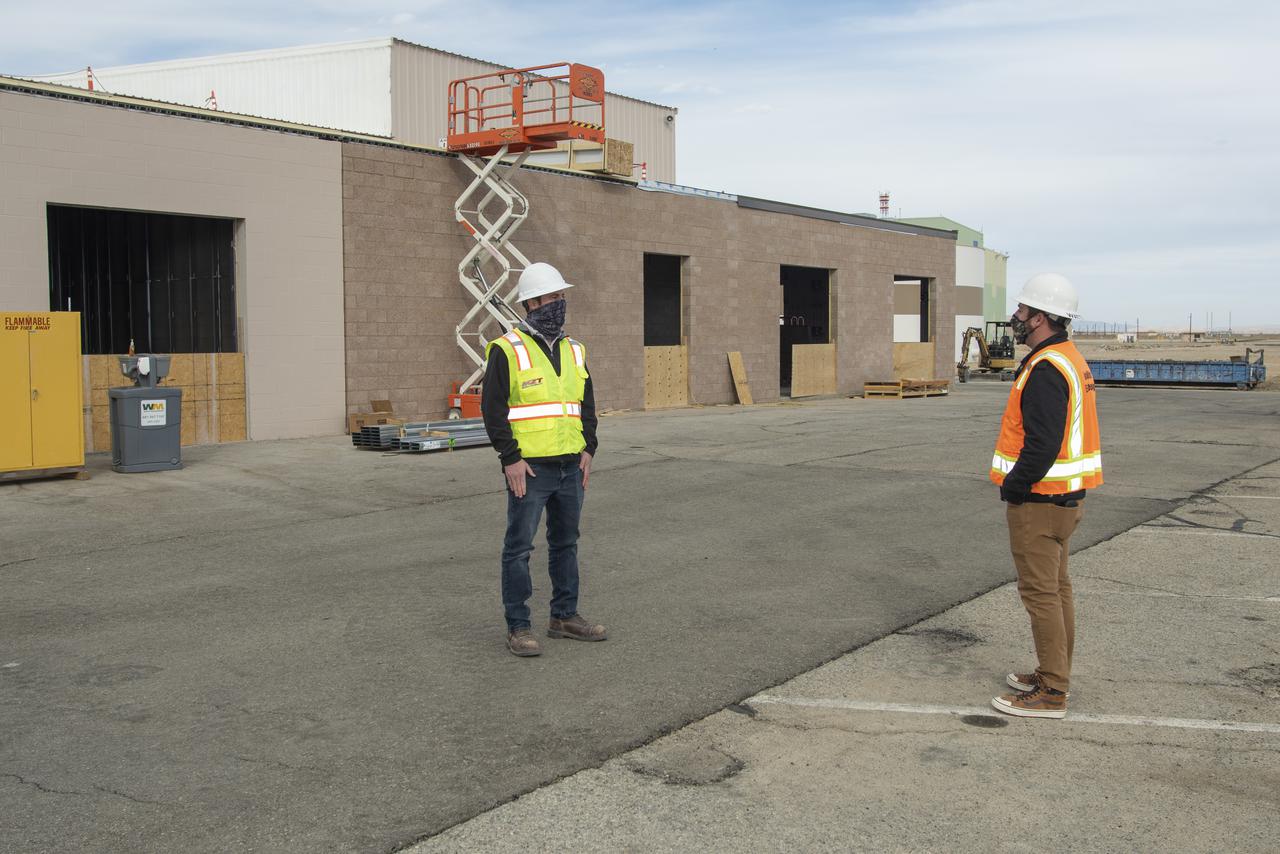
Collin Morris, CJW/MZT project manager and Bryan Watters, NASA civil/structural engineer and project manager, discuss work on the east side of Building 4826. Building 4826 is the future home of the X-59 Quiet SuperSonic Technology aircraft, where a conference room, offices, restrooms and a communications room will be added at NASA's Armstrong Flight Research Center in Edwards, California.

iss073e0420079 (July 3, 2025) --- Hangzhou, China—home to approximately 13 million people and the southern end of the Grand Canal, the longest artificial river in the world—glows in this nighttime view from the International Space Station. The canal stretches over 1,200 miles from its starting point in Beijing. This photograph was taken at approximately 9:55 p.m. local time while the station was orbiting 259 miles above Earth.
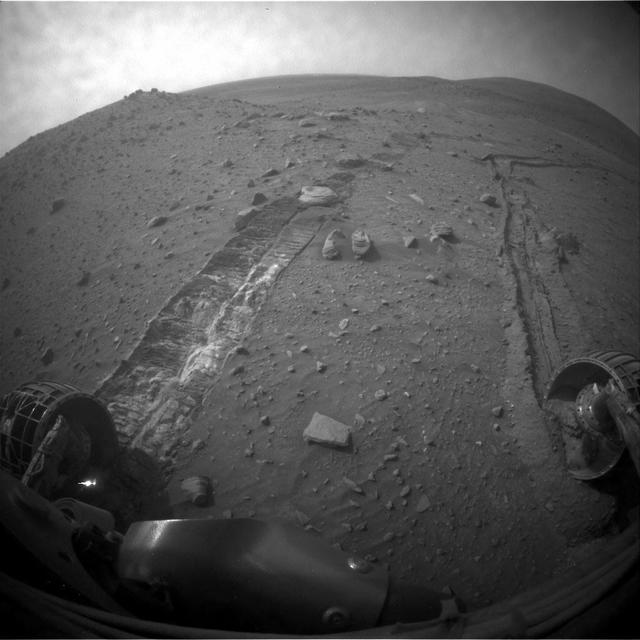
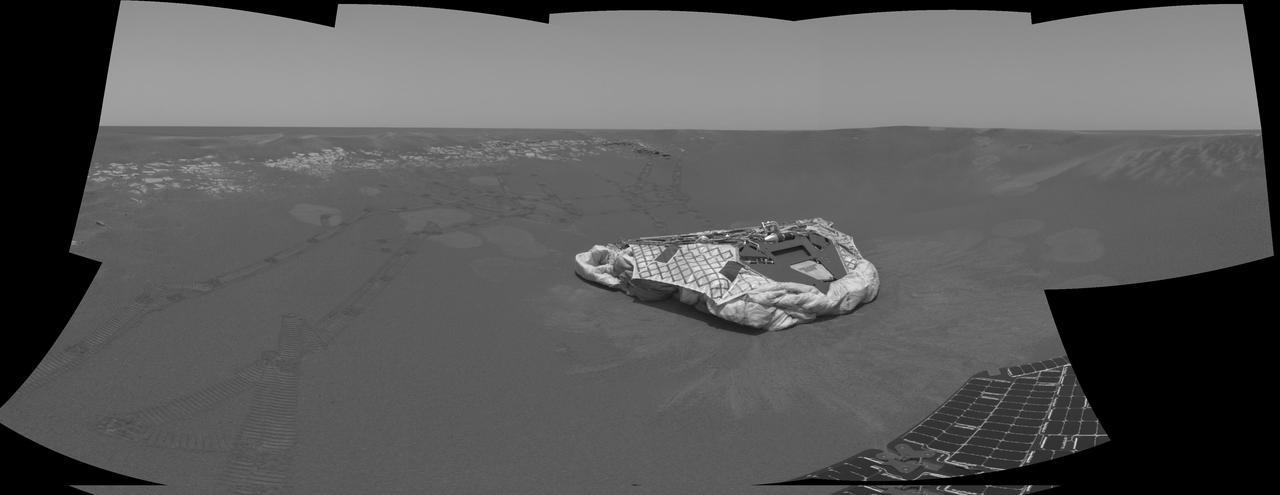
NASA's Mars Exploration Rover Spirit drove 6.98 meters (22.9 feet) southeastward on the 1,871st Martian day, or sol, of the rover's mission on Mars (April 8, 2009). As usual since losing the use of its right-front wheel in 2006, Spirit drove backward, dragging the immobile wheel. The rover used its front hazard-avoidance camera after the drive to capture this view looking back at the ground covered. For scale, the distance between the parallel wheel tracks is about 1 meter (40 inches). The drive added to progress in trekking counterclockwise around a low plateau called "Home Plate." Spirit is driving through a valley on the west side of the plateau. Home Plate is not within this image. The hill on the horizon in the upper right is Husband Hill, the summit of which is about 750 meters (nearly half a mile) to the north of Spirit's position. Following this drive, Spirit experienced difficulties that prevented driving during the subsequent week. http://photojournal.jpl.nasa.gov/catalog/PIA11990
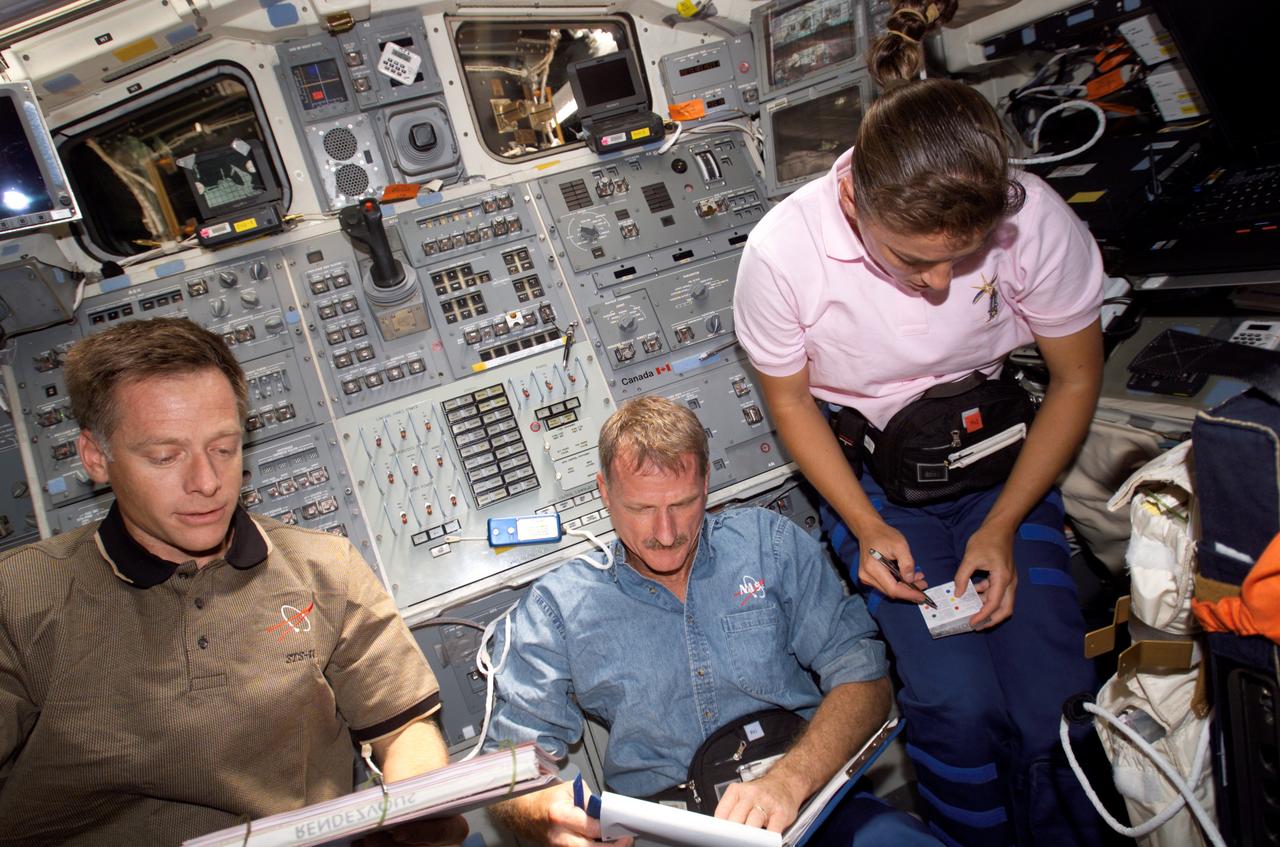
ISS013-E-82298 (17 Sept. 2006) --- Astronauts Christopher J. Ferguson (left), STS-115 pilot; Joseph R. Tanner and Heidemarie M. Stefanyshyn-Piper, both mission specialists, make preparations for their return home on the aft flight deck of the Space Shuttle Atlantis.

PEAK Home School Network Team 1832 'Techno Warriors' of Brandon sport the Champions Award they won during the Dec. 8 FIRST (For Inspiration and Recognition of Science and Technology) LEGO League 2007 Mississippi Championship Tournament.
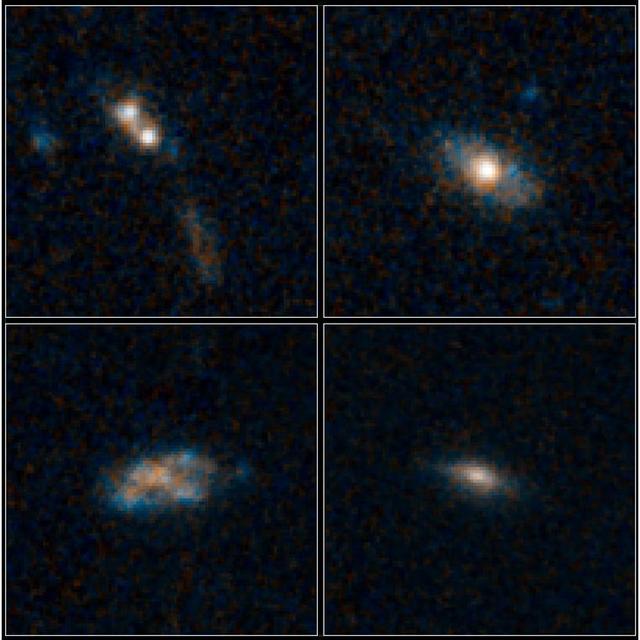
The galaxies pictured here have so much dust surrounding them that the brilliant light from their quasars cannot be seen in these images from NASA Hubble Space Telescope.
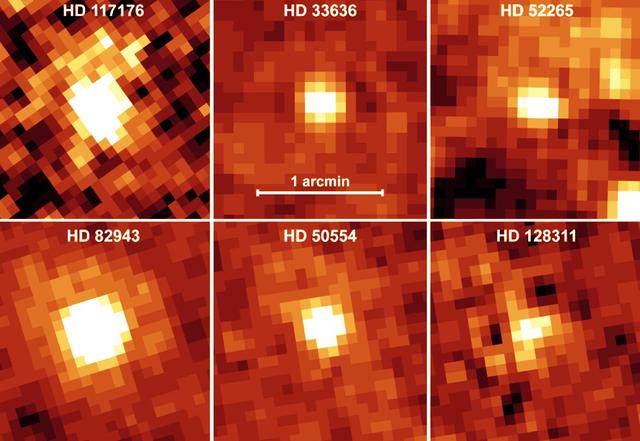
NASA's Spitzer Space Telescope recently captured these infrared images of six older stars with known planets. The yellow, fuzzy blobs are stars circled by disks of dust, or "debris disks," like the one that surrounds our own Sun. Though astronomers had predicted that stars with planets would harbor debris disks, they could not detect such disks until now. Spitzer was able to sense these dusty disks via their warm infrared glows. Specifically, the presence of the disks was inferred from an excess amount of infrared emission relative to what is emitted from the parent star alone. The stars themselves are similar in age and temperature to our Sun. In astronomical terms, they are stellar main sequence stars, with spectral types of F, G, or K. These planet-bearing stars have a median age of four billion years. For reference, our Sun is classified as a G star, with an age of approximately five billion years. The disks surrounding these planetary systems are comprised of cool material, with temperatures less than 100 Kelvin (-173 degrees Celsius). They are10 times farther away from their parent stars than Earth is from the Sun, and are thought to be analogues of the comet-filled Kuiper Belt in our solar system. The contrast scale is the same for each image. The images are approximately 2 arcminutes on each side. North is oriented upward and east is to the left. The pictures were taken with the 70-micron filter of Spitzer's multiband imaging photometer. The telescope resolution at 70 microns is 17 arcseconds and there is no evidence for any emission extended beyond the telescope resolution. http://photojournal.jpl.nasa.gov/catalog/PIA07098
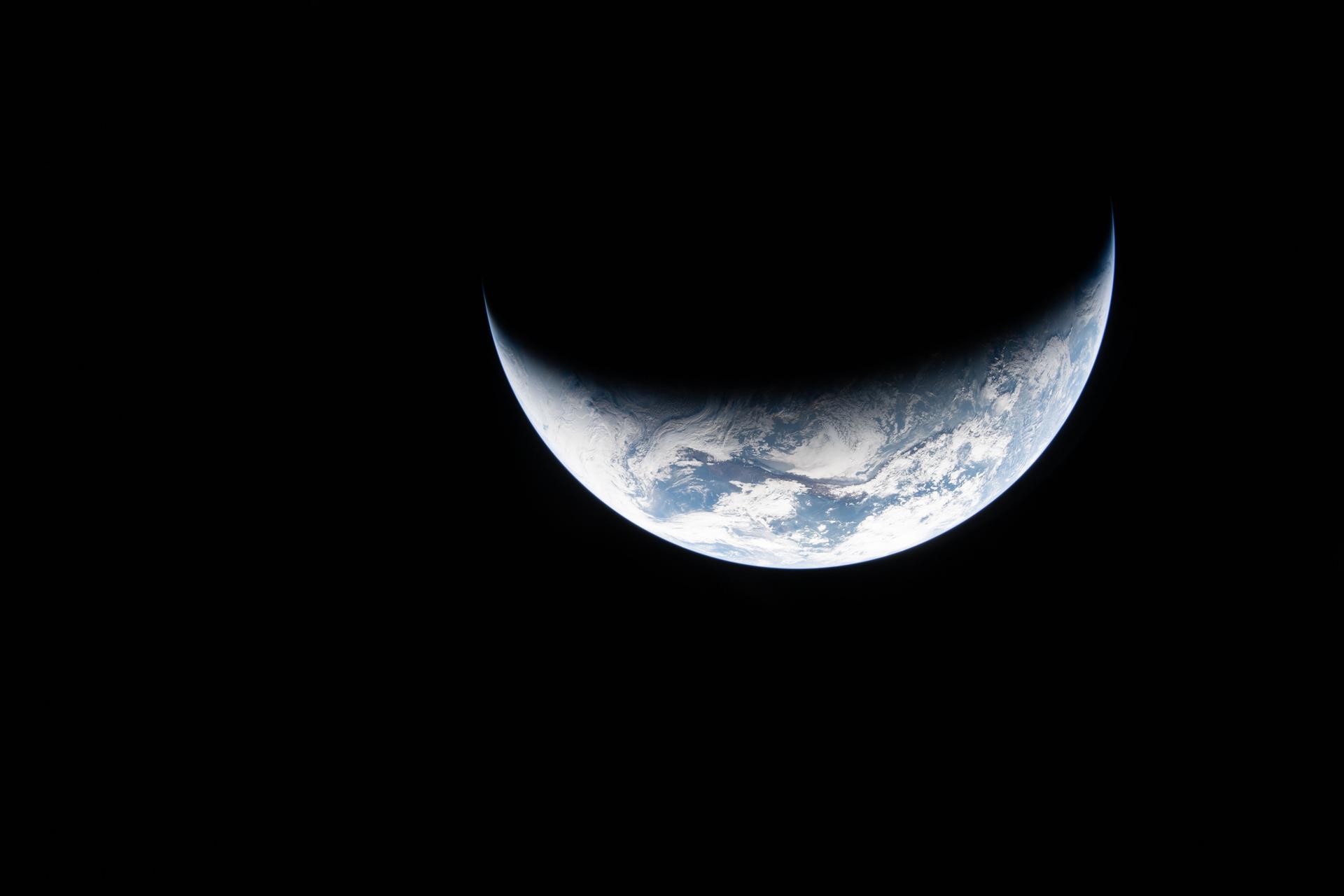
art002e023072 (April 2, 2026) - A sliver of Earth is illuminated against the blackness of space in this photo taken by an Artemis II crew member through an Orion spacecraft window on the second day of the mission. Credit: NASA
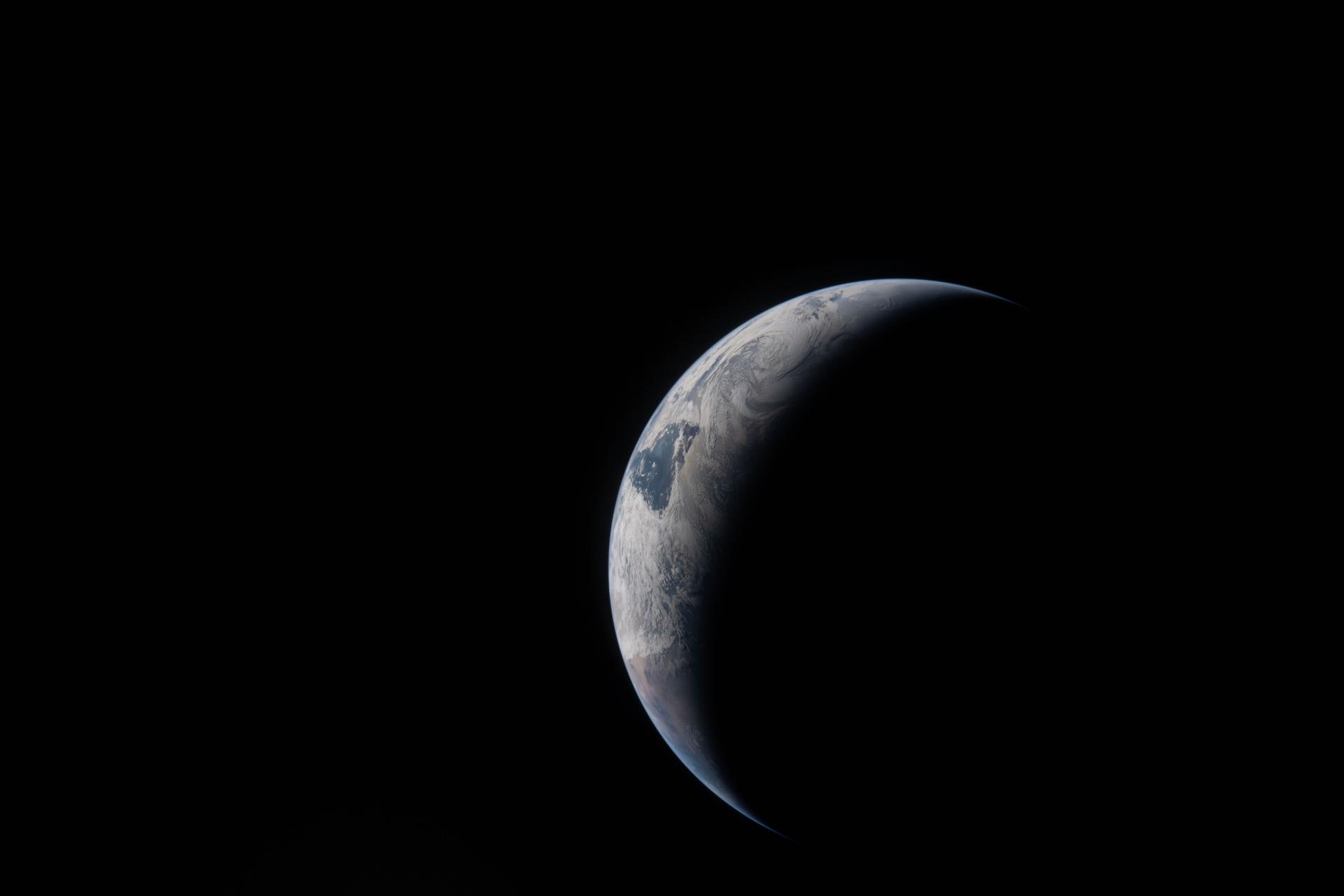
art002e024014 (April 4, 2026) - A thin arc glowing in the darkness of space. Sunlight traces the curves of the ocean and clouds, while the rest of the planet fades into shadow. Credit: NASA

art002e020922 (April 6, 2026) – As the Artemis II crew came close to passing behind the Moon and experiencing a planned loss of signal, they captured this image of a crescent Earth. Seen from afar, it almost looks like a circular arc – except when backlit, as in other images captured by the Artemis II crew. Earth is in a crescent phase, with sunlight coming from the right. The dark portion of Earth is experiencing nighttime. Credit: NASA
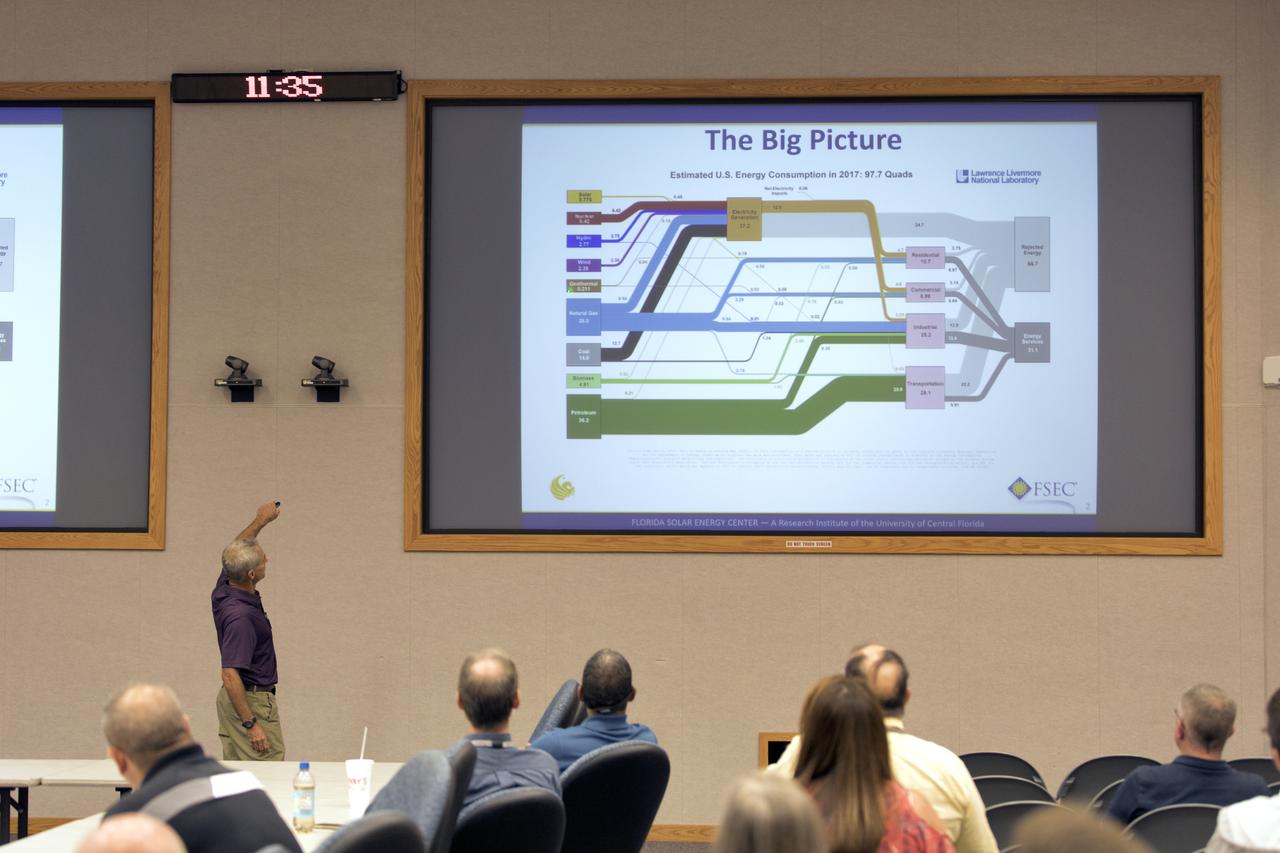
Guest speaker John Sherwin shares a presentation featuring residential solar and home energy-saving methods during a “lunch and learn” held Tuesday, Oct. 23, 2018, for employees at NASA’s Kennedy Space Center in Florida. Sherwin is the director of the Photovoltaic System Certification and Testing Program at the Florida Solar Energy Center in Cocoa. The event was one of two held during October in conjunction with Energy Awareness Month, which aims to recognize the importance of energy management for our national prosperity, security and environmental sustainability.
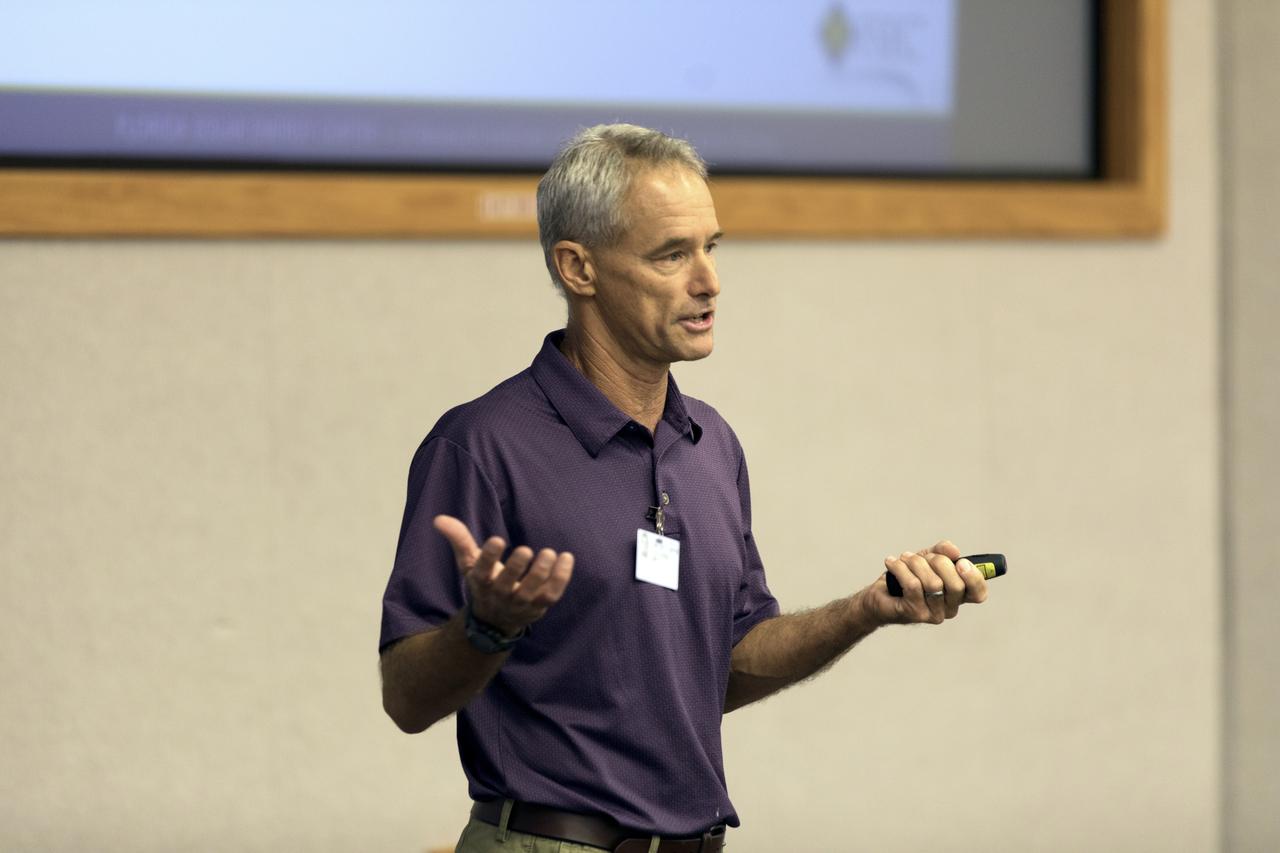
Guest speaker John Sherwin explains residential solar and home energy-saving methods during a “lunch and learn” held Tuesday, Oct. 23, 2018, for employees at NASA’s Kennedy Space Center in Florida. Sherwin is the director of the Photovoltaic System Certification and Testing Program at the Florida Solar Energy Center in Cocoa. The event was one of two held during October in conjunction with Energy Awareness Month, which aims to recognize the importance of energy management for our national prosperity, security and environmental sustainability.

iss073e0763646 (Sept. 21, 2025) --- India’s National Capital Territory of Delhi, home to approximately 34.67 million people, is the second-largest metropolitan area in the world after Tokyo. This nighttime view from the International Space Station, taken at approximately 10:54 p.m. local time, shows the city split by the Yamuna River. The bright rectangular area near the right center marks Indira Gandhi International Airport, one of the busiest aviation hubs in South Asia.
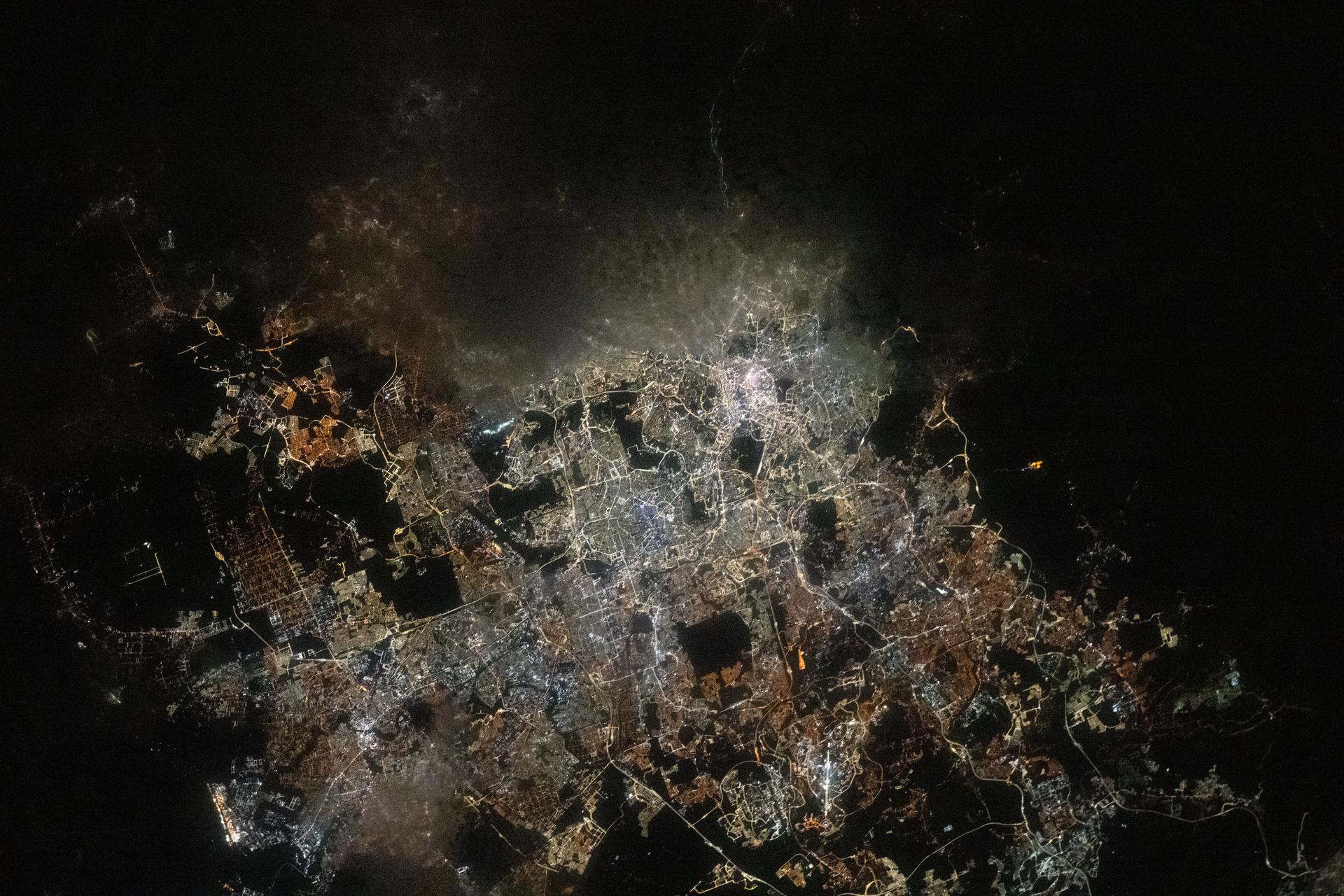
iss073e0763824 (Sept. 21, 2025) --- The Greater Kuala Lumpur area of Malaysia, home to approximately 9.1 million people, is pictured from the International Space Station as it orbited 260 miles above Earth at approximately 3:33 a.m. local time. Dark patches scattered throughout the urban landscape mark nature preserves and parks, many of which feature dams, waterfalls, and hiking trails.

S73-28818 (24 June 1973) --- Scientist-astronaut Joseph P. Kerwin, science pilot for the Skylab 2 mission, speaks to a crowd at Ellington Air Force Base during welcome home ceremonies for the crew. Astronaut Paul J. Weitz, pilot, is at center; and astronaut Charles Conrad Jr., crew commander, is at right. The wives, standing by their husbands, are (left to right) Shirley Kerwin, Suzanne Weitz and Jane Conrad. Photo credit: NASA
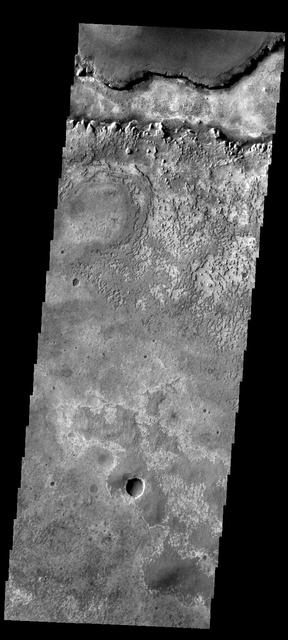
This image shows part of the Meridiani region of Mars, home of the Opportunity Rover. Image information: VIS instrument. Latitude 1.9N, Longitude 358.4E. 36 meter/pixel resolution. http://photojournal.jpl.nasa.gov/catalog/PIA01790

NASA's SOFIA infrared observatory 747SP is shadowed by a NASA F/A-18 during a flyby at its new home, the Dryden Aircraft Operations Facility in Palmdale, Calif.
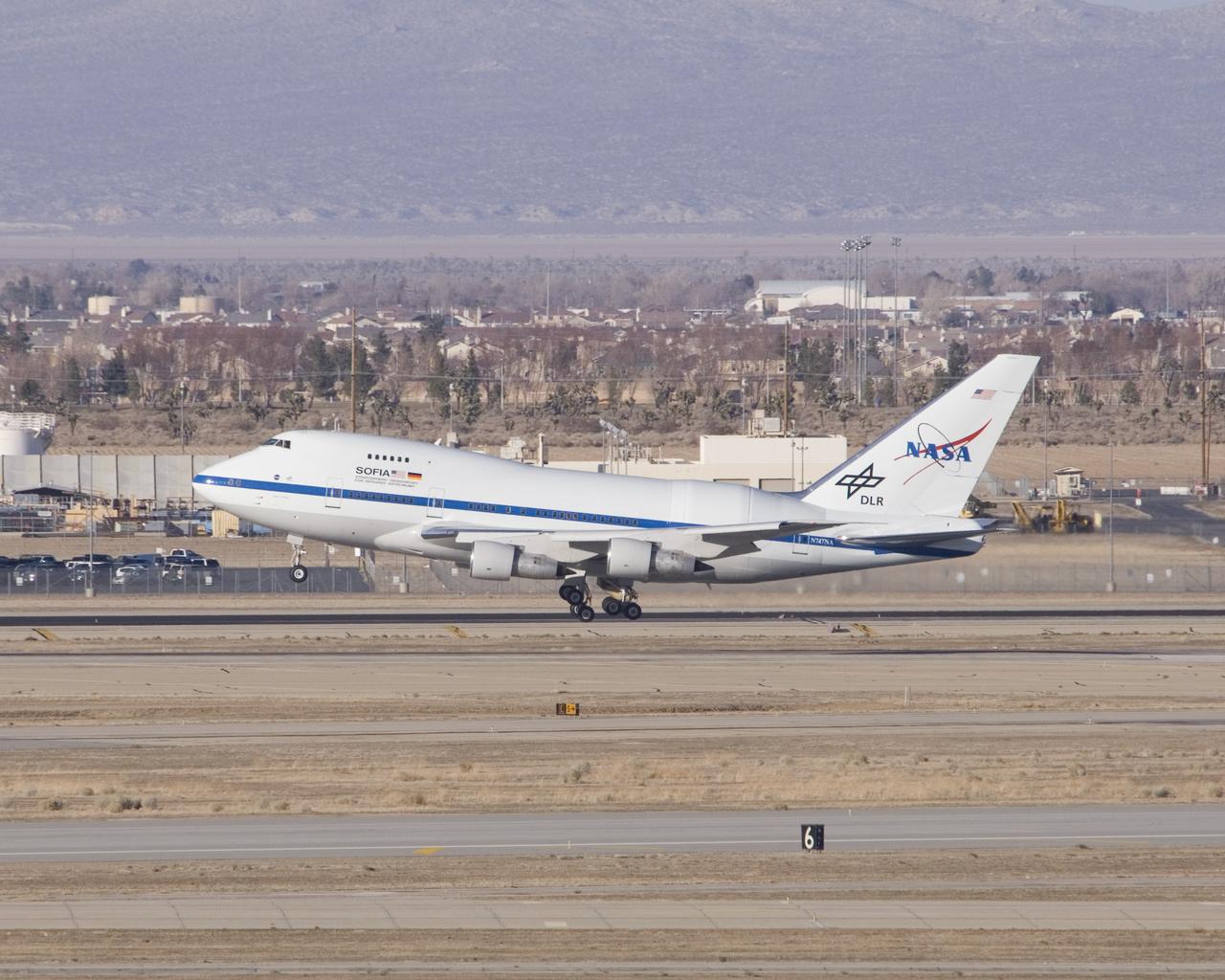
NASA's SOFIA infrared observatory touches down at Air Force Plant 42 in Palmdale, Calif., as it arrives at its new home, the Dryden Aircraft Operations Facility.
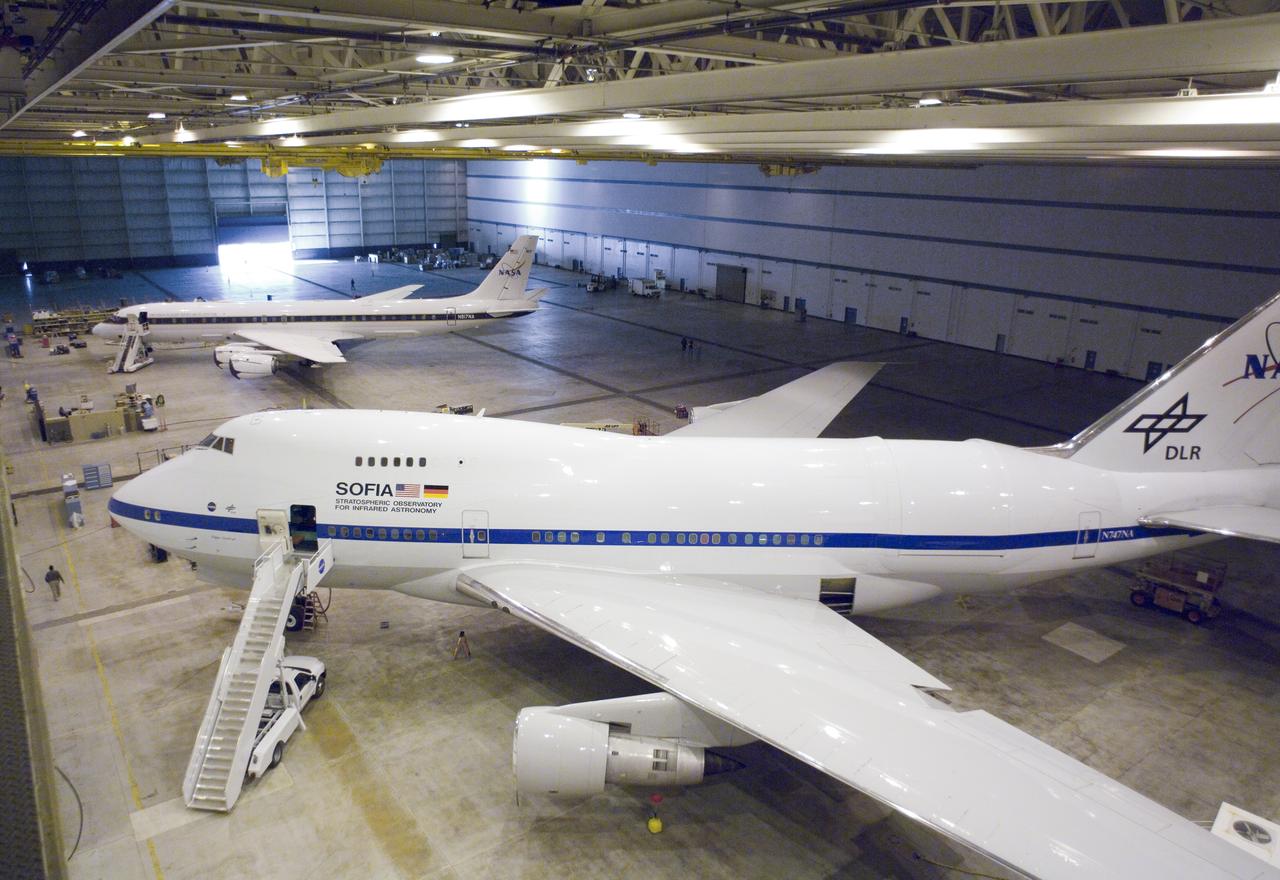
The Dryden Aircraft Operations Facility in Palmdale, Calif., is now home to two large science aircraft, NASA's SOFIA observatory and a DC-8 science laboratory.
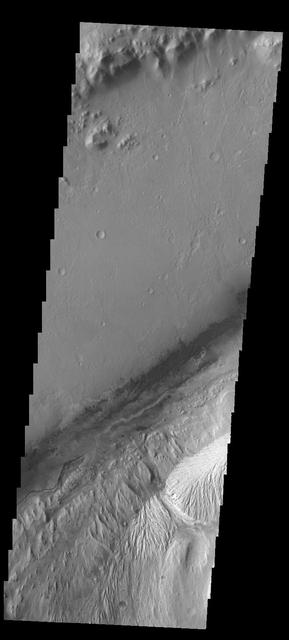
This image captured by NASA 2001 Mars Odyssey spacecraft of Gale Crater shows the region of the crater that is home to the Curiosity Rover.
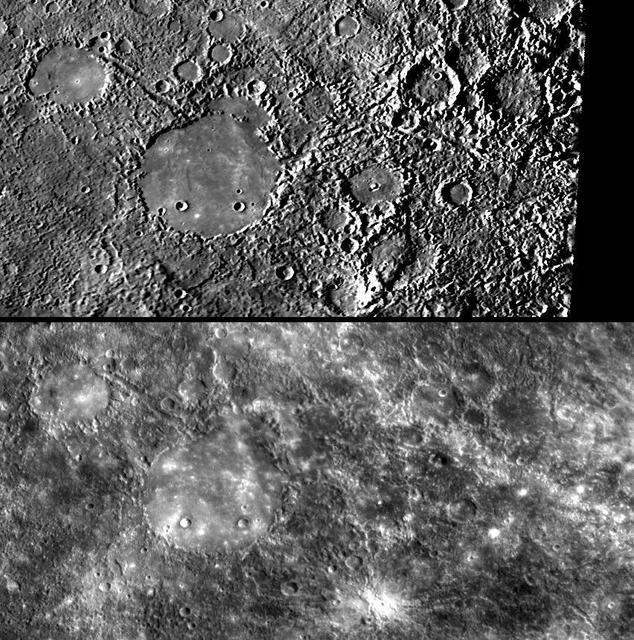
The area on the opposite side of Mercury from the large Caloris impact basin is home to uncommonly bumpy and grooved terrain.
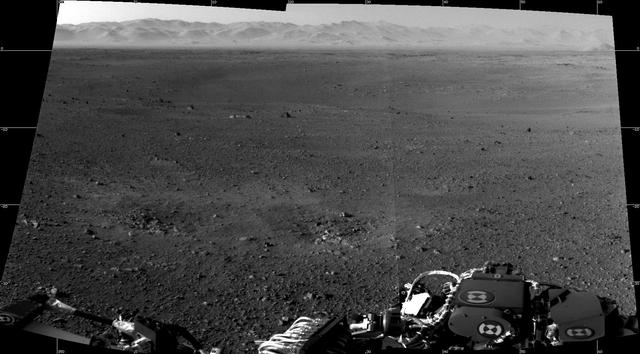
These are the first two full-resolution images of the Martian surface from the Navigation cameras on NASA Curiosity rover, which are located on the rover head or mast. The rim of Gale Crater can be seen in the distance beyond the pebbly ground.
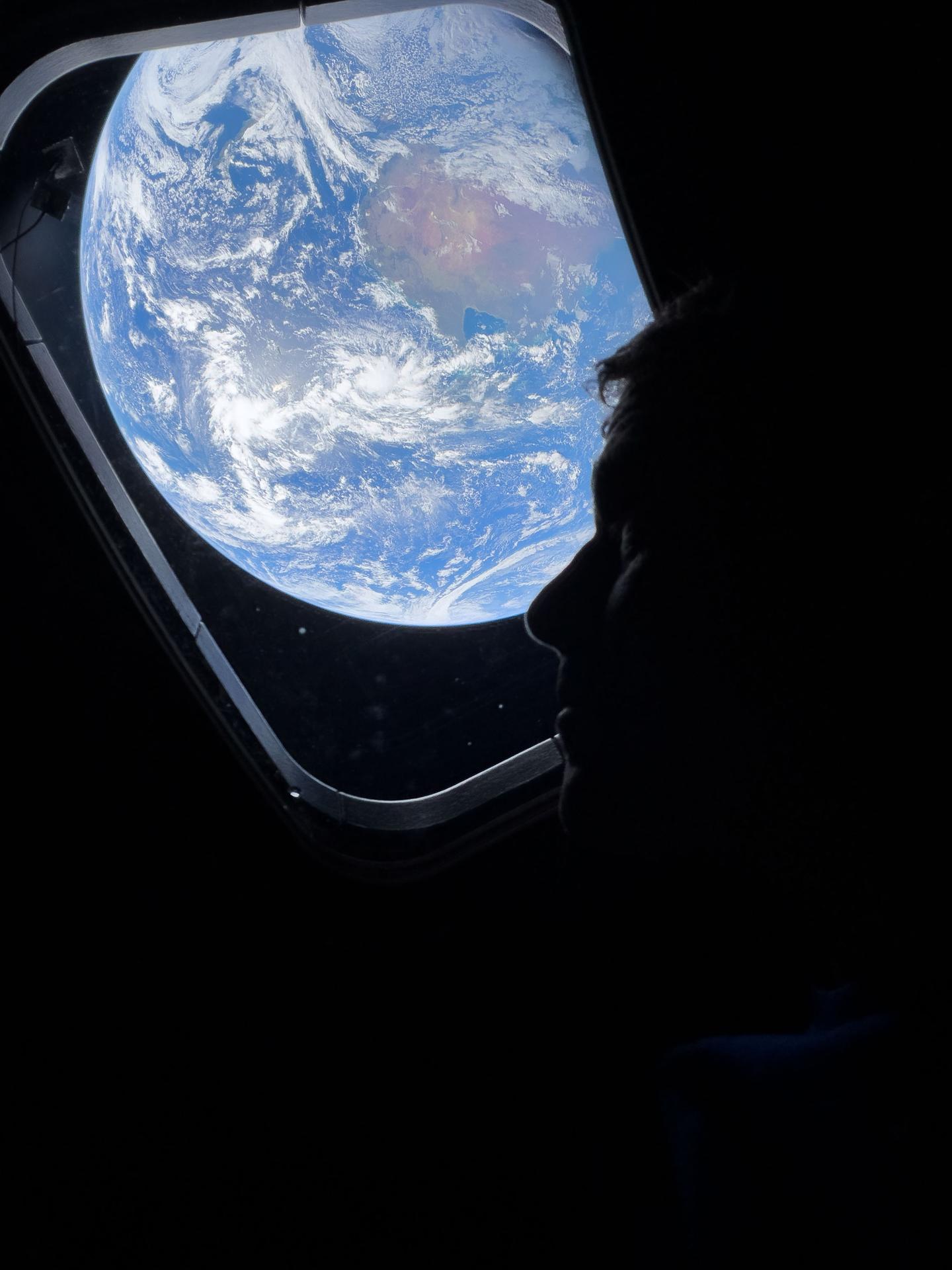
art002e009007 (April 4, 2026) - NASA astronaut and Artemis II Commander Reid Wiseman peers out of one of the Orion spacecraft's main cabin windows, looking back at Earth, as the crew travels towards the Moon.
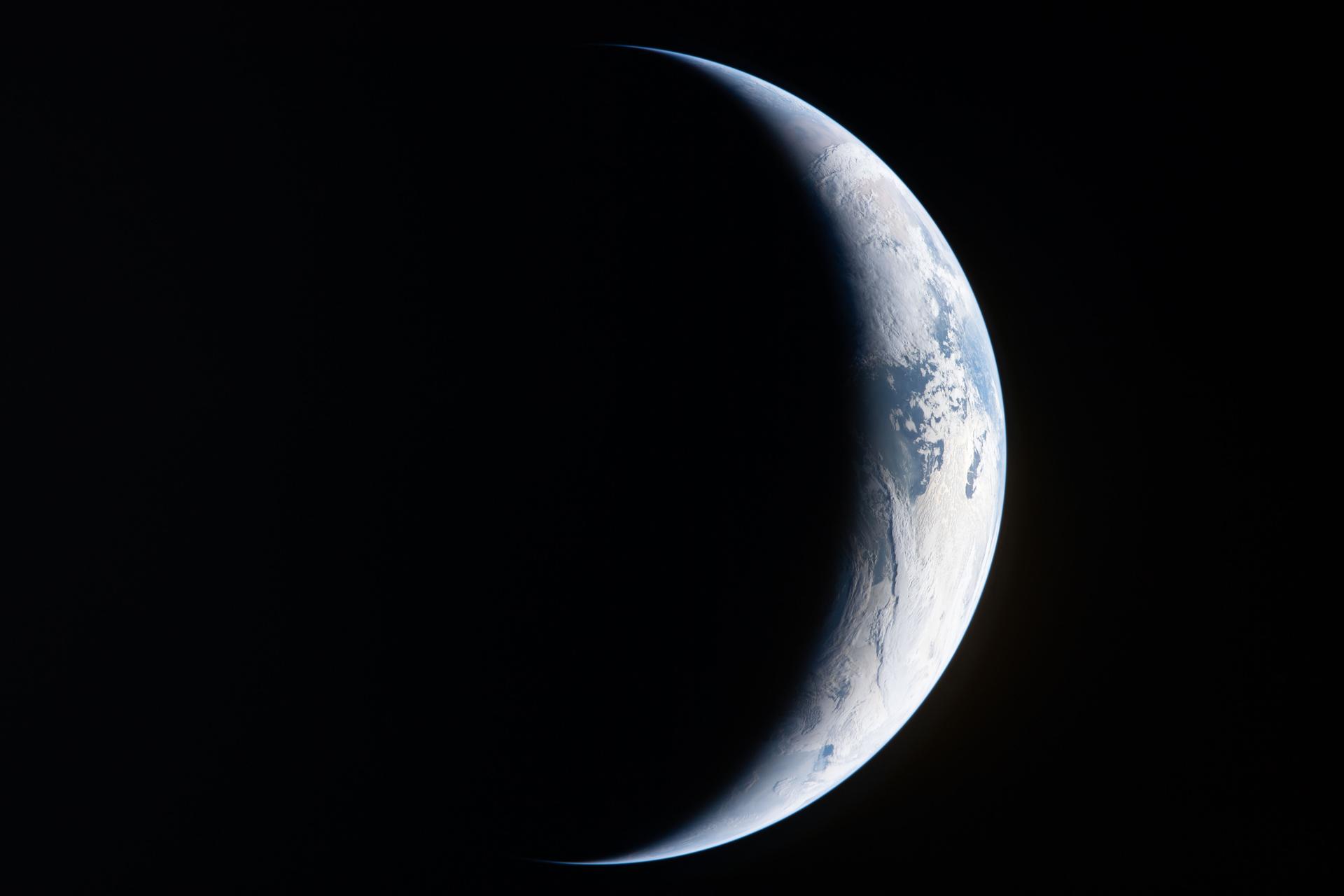
art002e004462 (April 4, 2026) - A sliver of Earth is illuminated against the blackness of space in this photo taken by an Artemis II crew member through an Orion spacecraft window. Credit: NASA
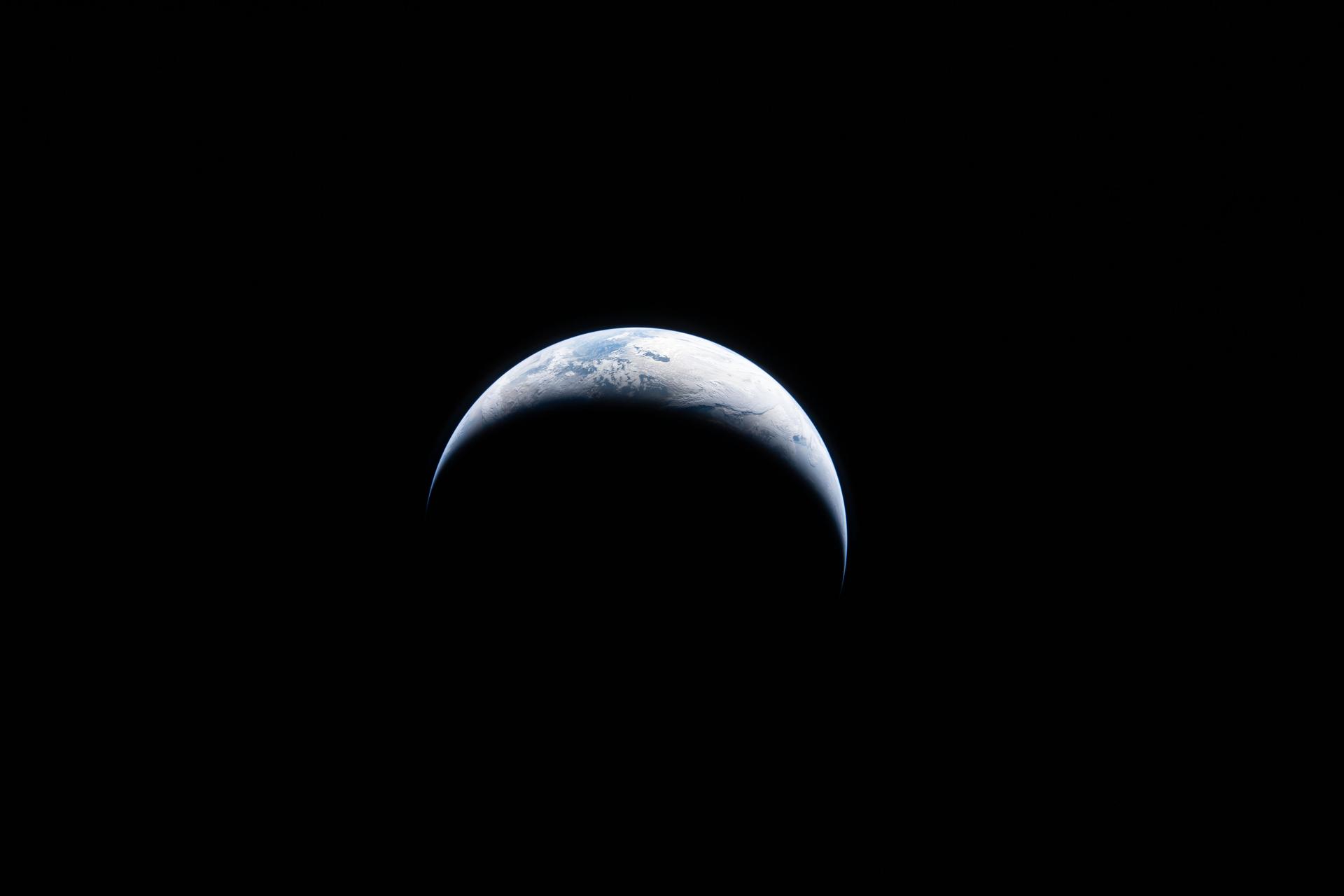
art002e004450 (April 4, 2026) - Earth is illuminated against the blackness of space in this photo taken by an Artemis II crew member through an Orion spacecraft window. Credit: NASA

JSC2004-E-21242 (30 April 2004) --- Astronaut C. Michael Foale, Expedition 8 commander and NASA ISS science officer, gives thumbs up after he and his crewmates, cosmonaut Alexander Y. Kaleri, Soyuz flight engineer representing Russia?s Federal Space Agency, and European Space Agency (ESA) astronaut Andre Kuipers of the Netherlands, successfully landed in north central Kazakhstan on April 30, 2004, in their Soyuz TMA-3 capsule. Foale and Kaleri completed 195 days in space aboard the International Space Station (ISS), while Kuipers returned after an 11-day research mission as part of a commercial agreement between ESA and Russia?s Federal Space Agency. Photo credit: NASA/Bill Ingalls
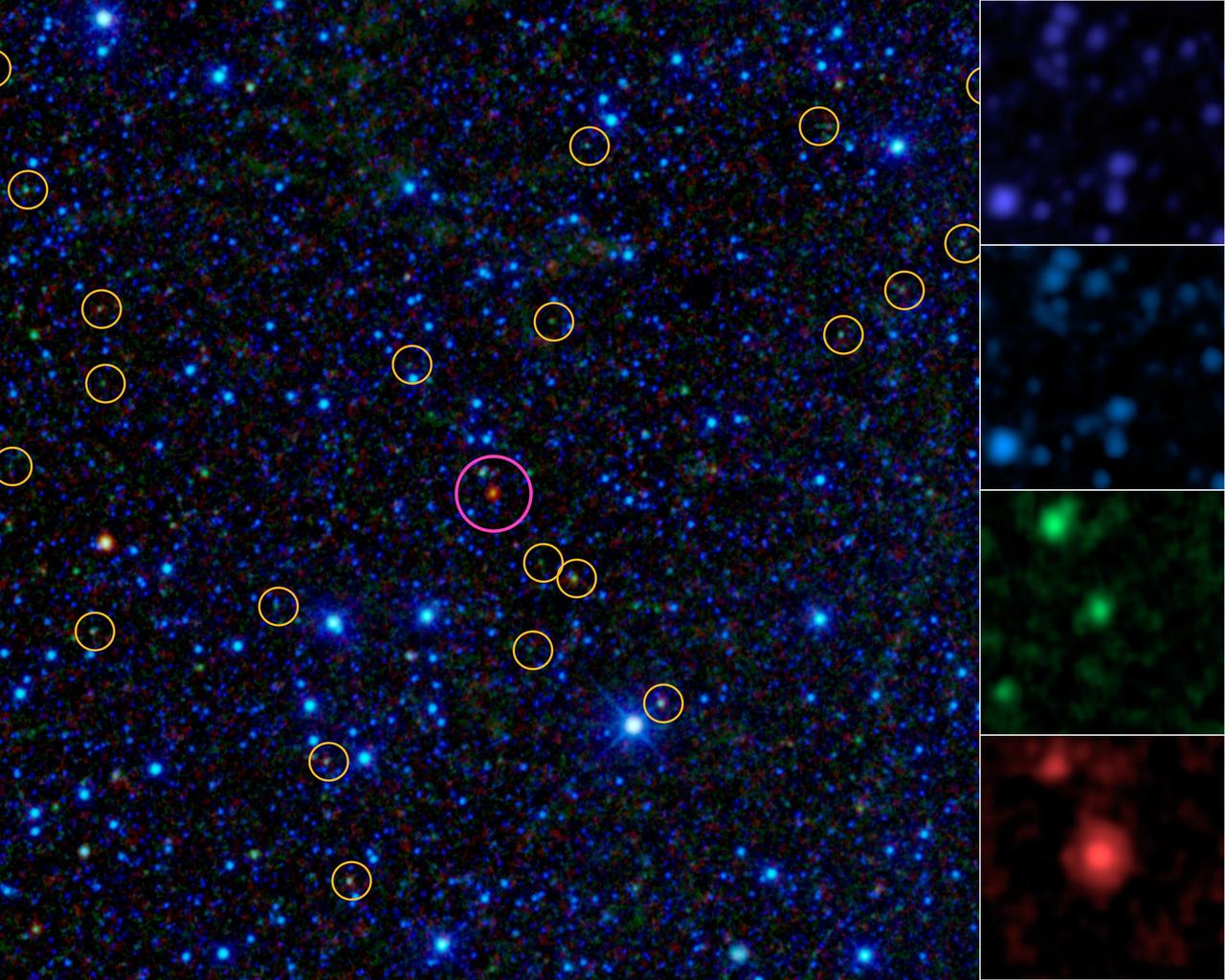
This image is a portion of the all-sky survey from NASA WISE. It highlights the first of about 1,000 hot DOGs found by the mission magenta circle. Hot DOGs are hot dust-obscured galaxies and are among the most powerful galaxies known.
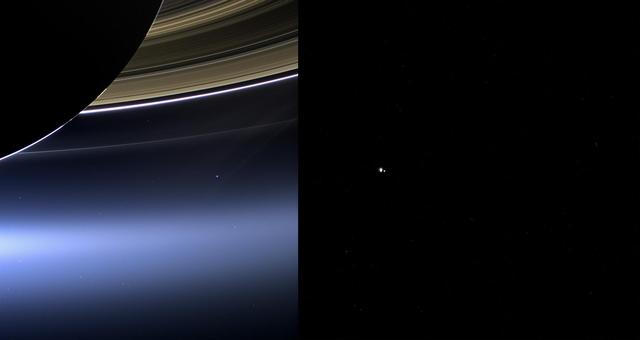
These images show views of Earth and the moon from NASA Cassini left and MESSENGER spacecraft right from July 19, 2013.

JSC2004-E-21252 (30 April 2004) --- Astronaut C. Michael Foale, Expedition 8 commander and NASA ISS science officer, is carried in a chair from the Soyuz landing site to an inflatable medical tent after he and his crewmates, cosmonaut Alexander Y. Kaleri (out of frame), Soyuz flight engineer representing Russia’s Federal Space Agency, and European Space Agency (ESA) astronaut Andre Kuipers (out of frame) of the Netherlands, successfully landed in north central Kazakhstan on April 30, 2004, in their Soyuz TMA-3 capsule. Foale and Kaleri completed 195 days in space aboard the International Space Station (ISS), while Kuipers returned after an 11-day research mission as part of a commercial agreement between ESA and Russia’s Federal Space Agency. Photo Credit: NASA/Bill Ingalls
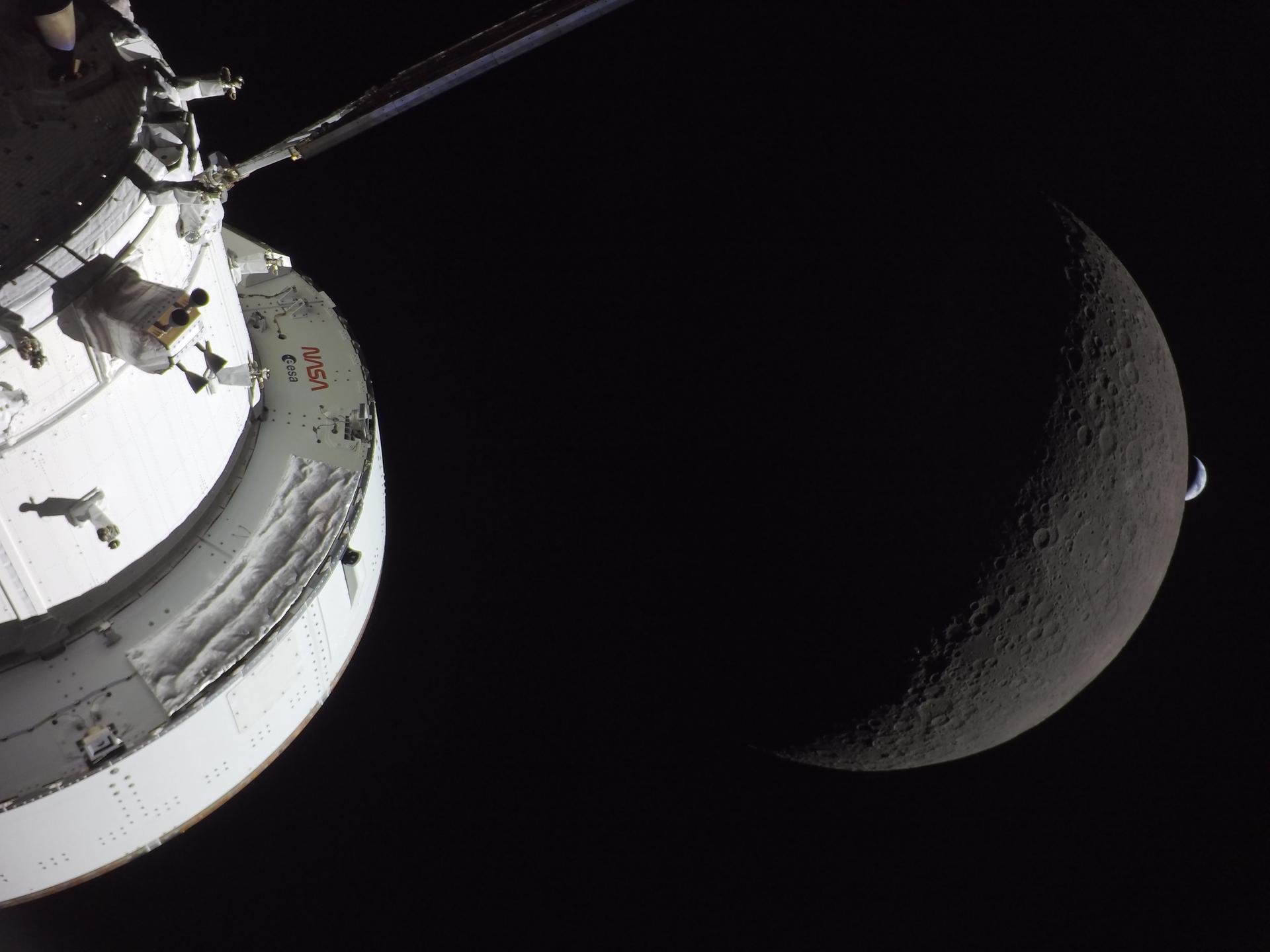
art002e009567 (April 6, 2026) - NASA’s Orion spacecraft captures the Moon and the Earth in one frame during the Artemis II crew’s deep space journey at 6:42 p.m. ET on the sixth day of the mission. The right side of NASA’s Orion spacecraft is seen lit up by the Sun. A waxing crescent Moon is visible behind it. And then, a crescent Earth, tiny compared to the Moon, is about to set below the Moon’s horizon on the right. Credit: NASA
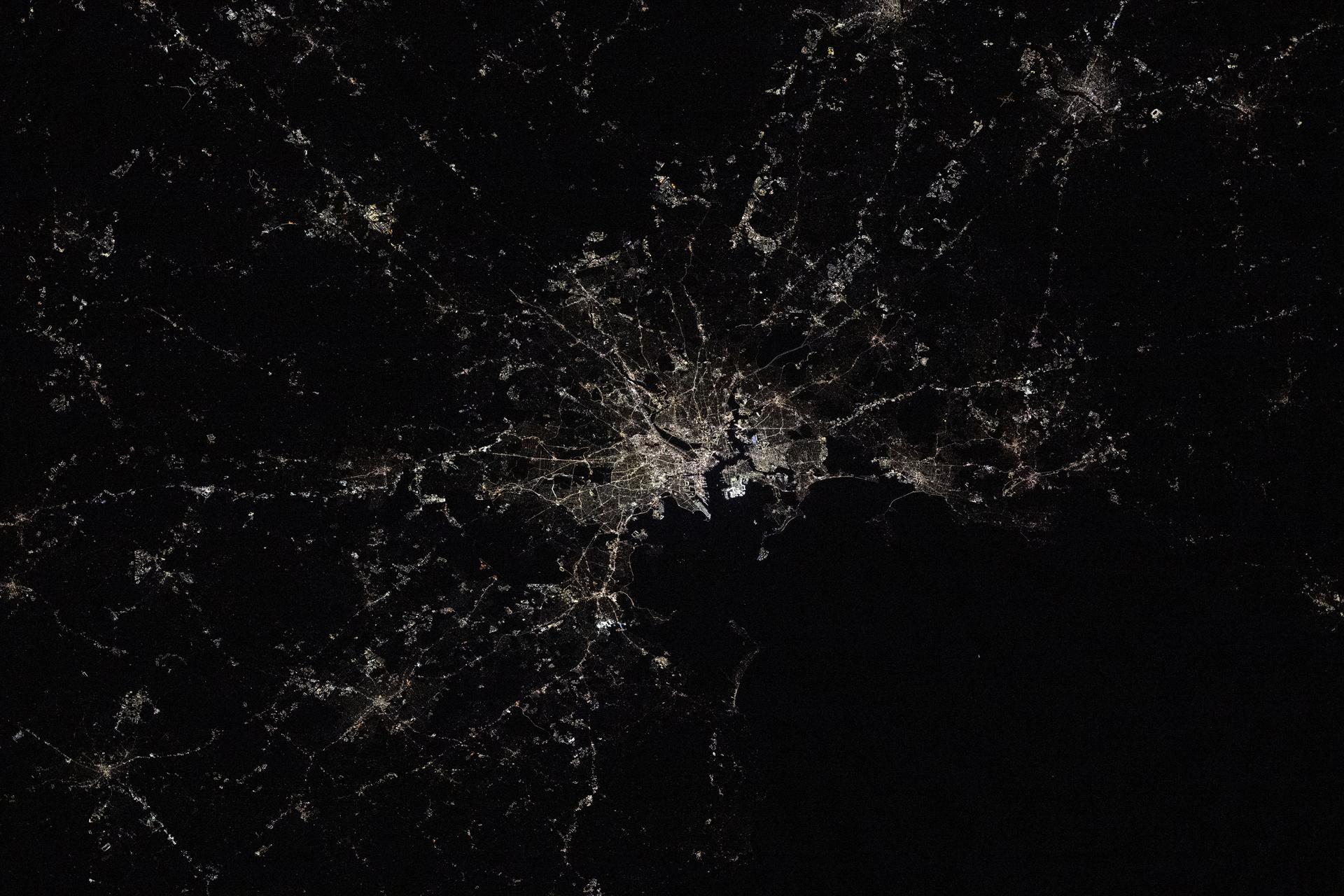
iss073e0982172 (Oct. 25, 2025) --- Boston, Massachusetts—home to America's first public park, public school, and subway system—is pictured at approximately 2:24 a.m. local time from the International Space Station as it orbited 263 miles above the northeastern United States. Located on Boston Harbor, Boston Logan International Airport (center) opened in 1923 and handled 43.5 million passengers and 568 million pounds of cargo in 2024.
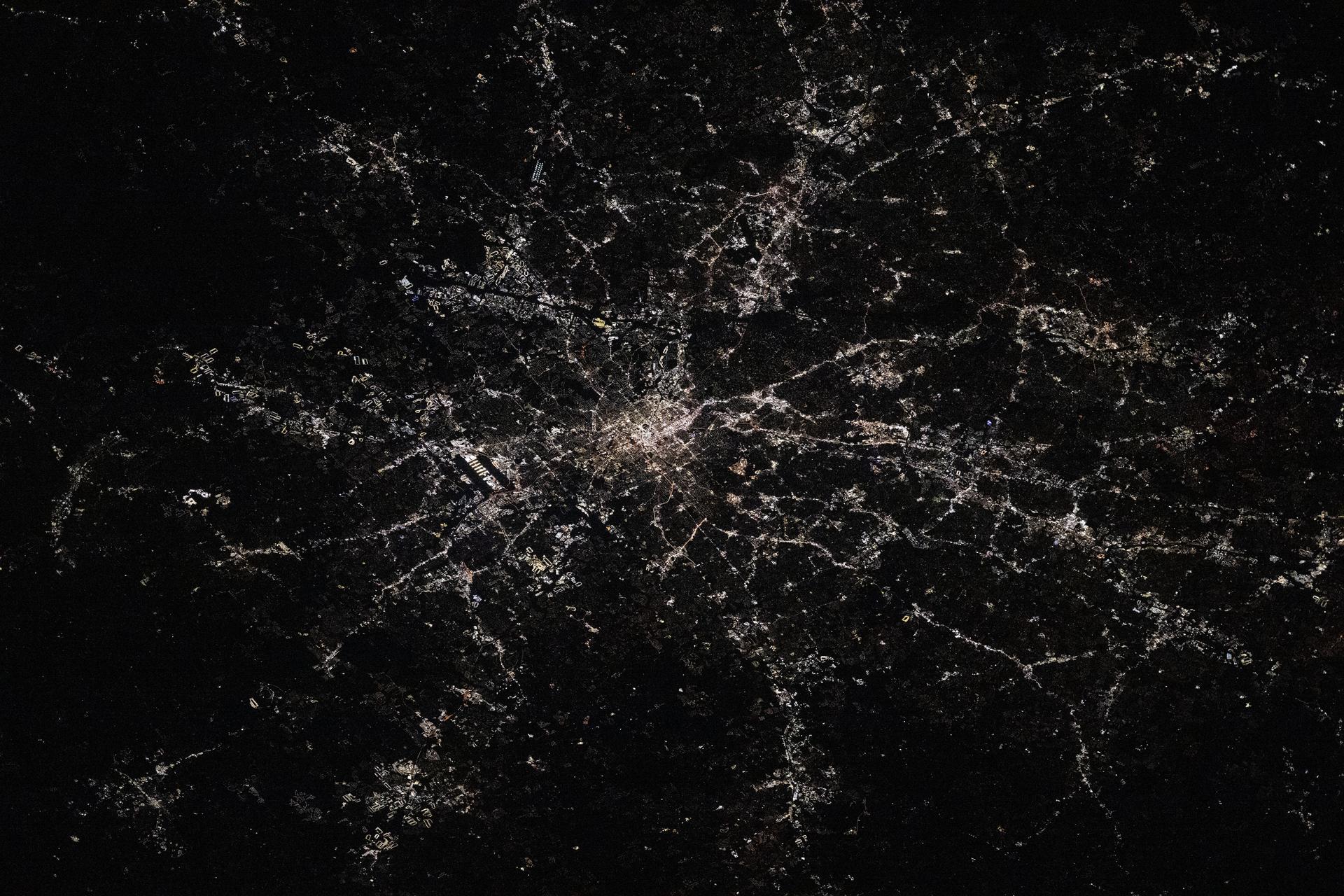
iss073e0982081 (Oct. 25, 2025) --- Atlanta, Georgia—home to the world's busiest airport, Hartsfield-Jackson Atlanta International Airport (center left), which handles over 107 million passengers annually—is pictured at approximately 2:20 a.m. local time from the International Space Station as it orbited 261 miles above North America. Atlanta is also nicknamed the "City in a Forest," with approximately 48% of its area covered in trees.
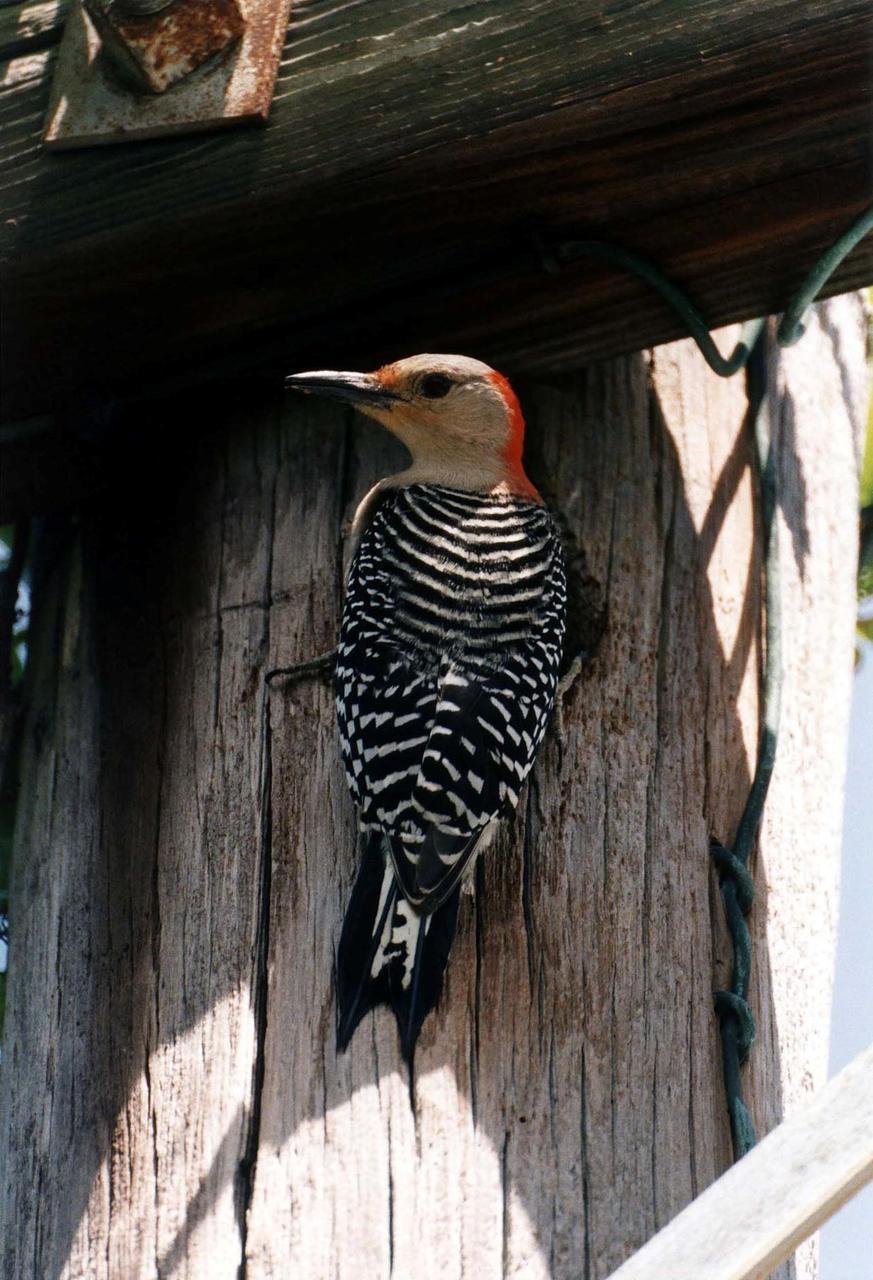
KENNEDY SPACE CENTER, FLA. - A female Red-bellied Woodpecker clings to a utility pole where it has made a home on Merritt Island Wildlife Refuge. The most common type of woodpecker in the South, the "Zebraback" nests in the cavities of trees and consumes large quantities of wood-boring beetles, as well as other insect pests. More than 280 species of birds make their homes on the 140,000-acre refuge, which lies within the boundaries of Kennedy Space Center.

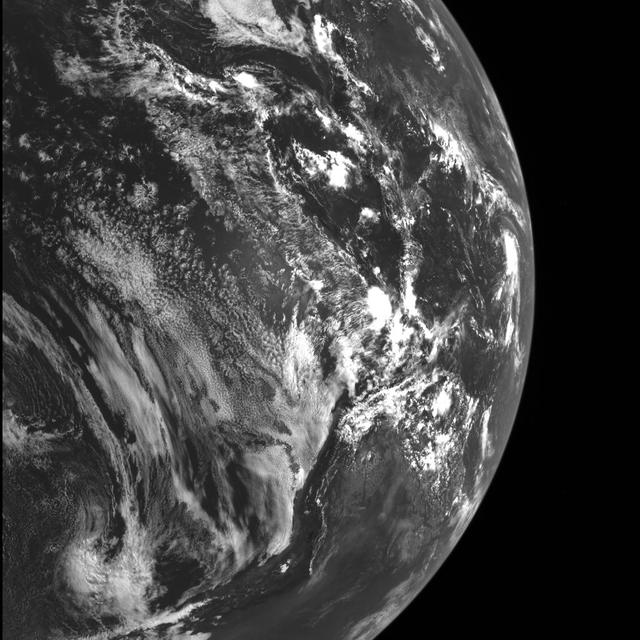
NASA Mercury-bound MESSENGER spacecraft captured several stunning images of Earth during a gravity assist swingby of its home planet on Aug. 2, 2005.

This photo composite shows an aerial view of FedEx Field in Landover, Md., home of the Washington Redskins, superimposed on Mars Victoria Crater to give a sense of the crater scale.

This image from NASA 2001 Mars Odyssey spacecraft shows a small portion of Maadim Vallis. This channel intersects Gusev Crater, home of the Spirit Rover.
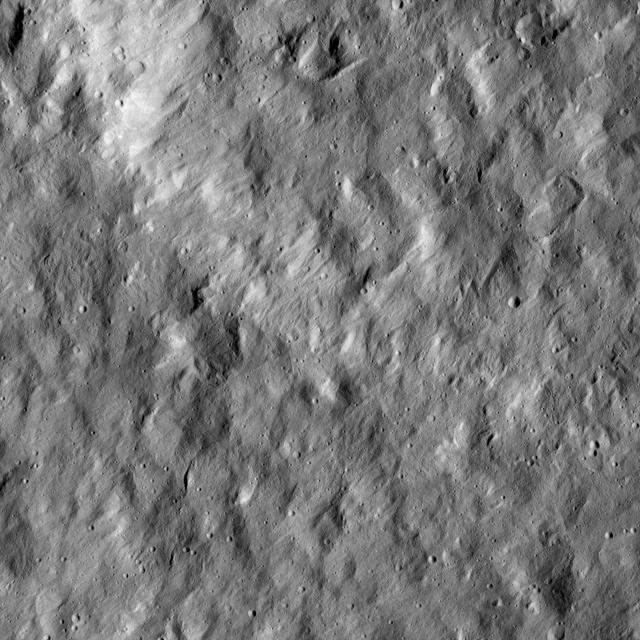
This view from NASA Dawn spacecraft shows a scene from the northern hemisphere of Ceres, north of Occator Crater, which is home of the brightest area on the dwarf planet.
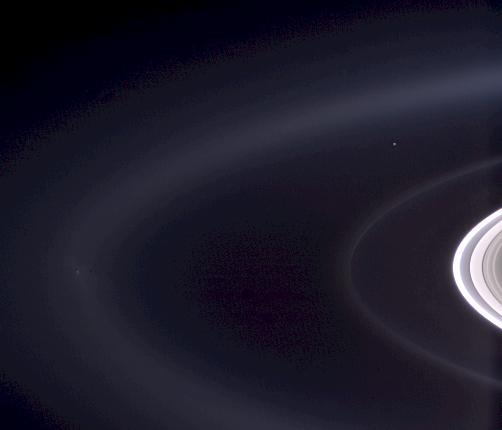
Cassini casts powerful eyes on our home planet, and captures Earth, a pale blue orb -- and a faint suggestion of our moon -- among the glories of the Saturn system.
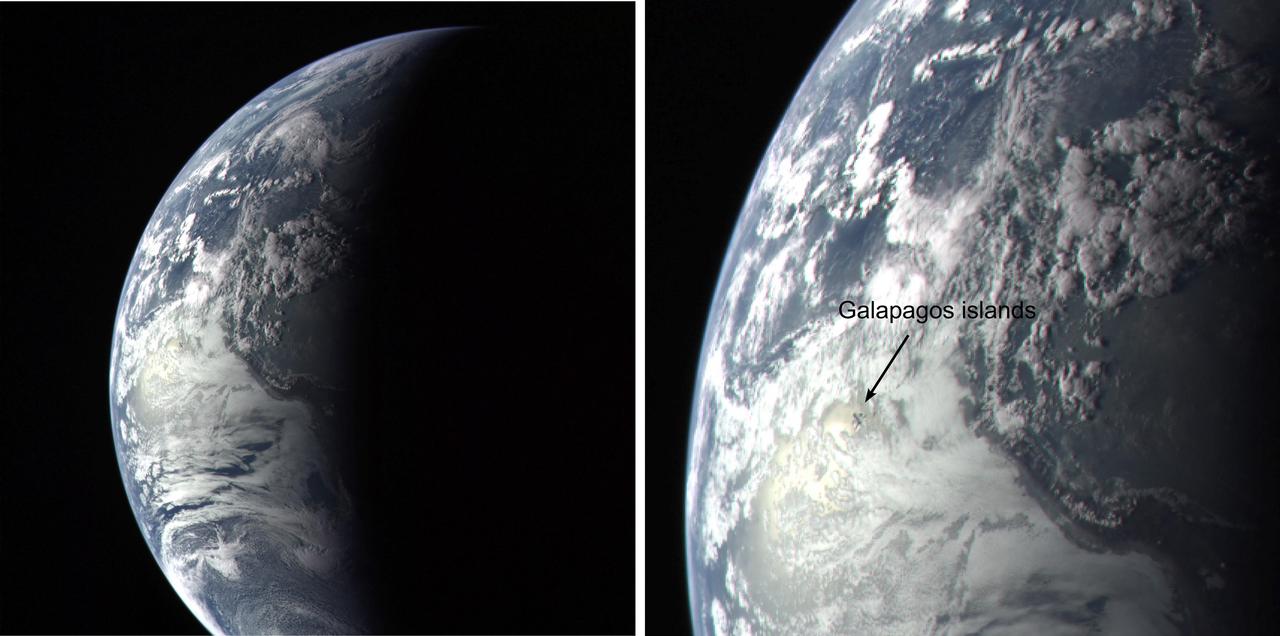
NASA Mercury-bound MESSENGER spacecraft captured several stunning images of Earth during a gravity assist swingby of its home planet on Aug. 2, 2005.
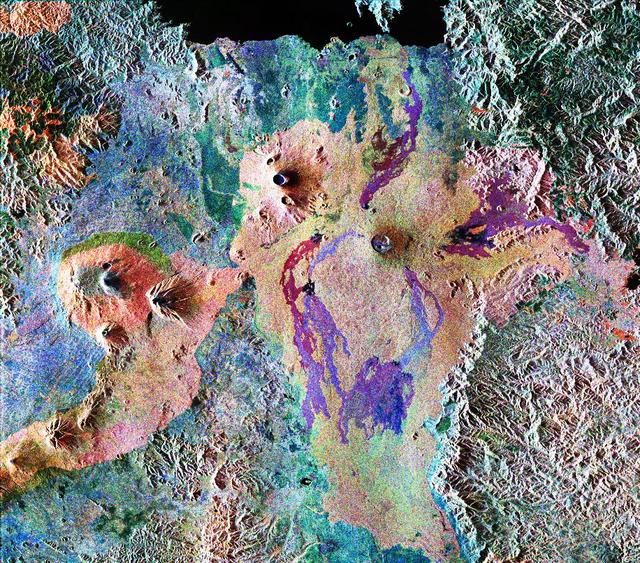
This is a false-color composite of Central Africa, showing the Virunga volcano chain along the borders of Rwanda, Zaire and Uganda. This area is home to the endangered mountain gorillas.
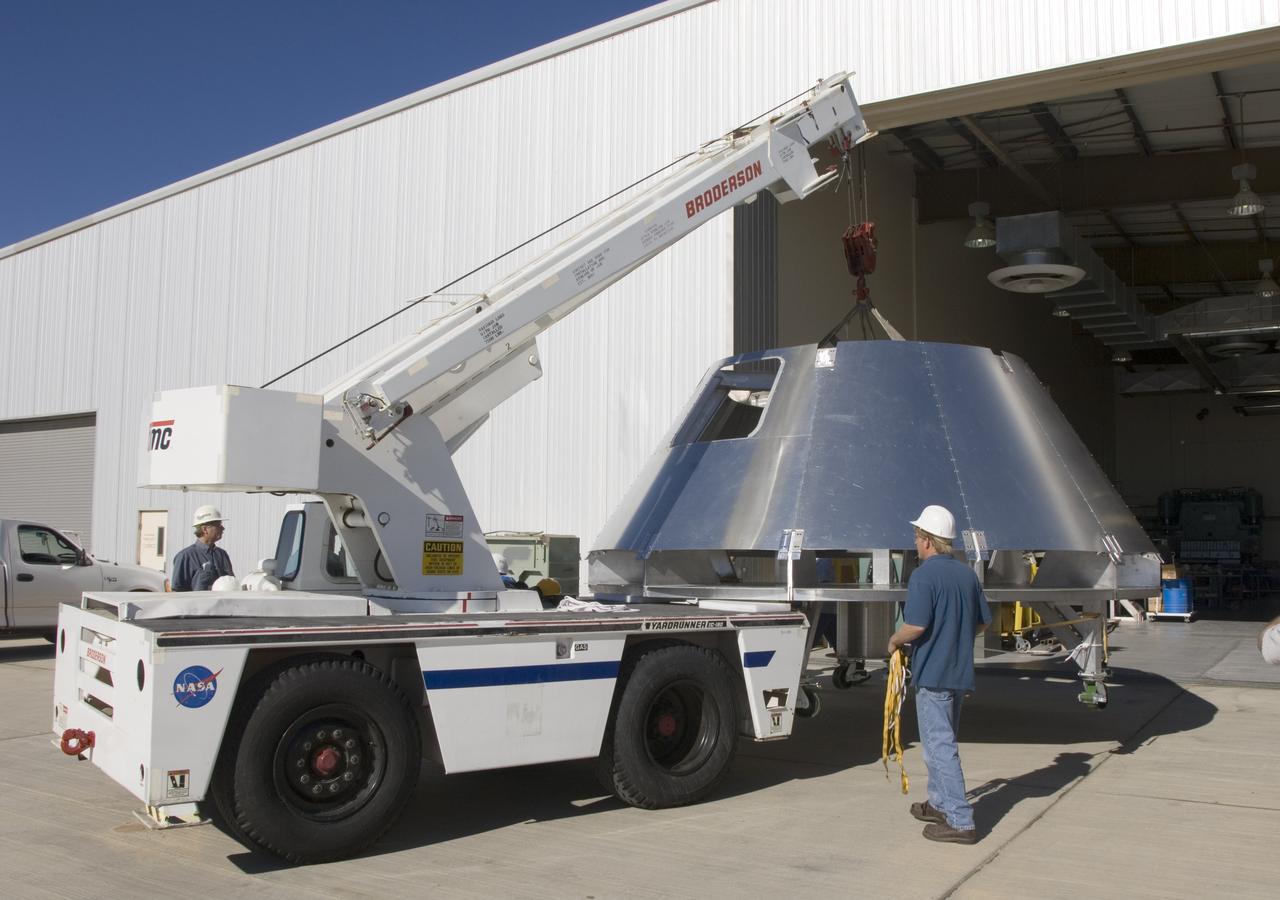
A mockup Orion crew module built by NASA Dryden Flight Research Center's Fabrication Branch gets a lift from its construction site to its new home in Dryden's Shuttle hangar.
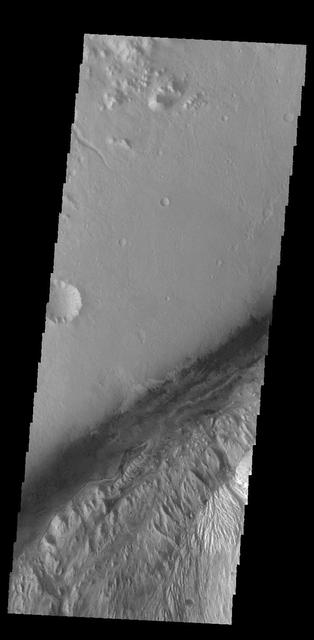
This image captured by NASA 2001 Mars Odyssey spacecraft shows part of Gale Crater, the home of the Curiosity Rover. Orbit Number: 59044 Latitude: -4.48044 Longitude: 137.355 Instrument: VIS Captured: 2015-04-06 09:17 http://photojournal.jpl.nasa.gov/catalog/PIA19474
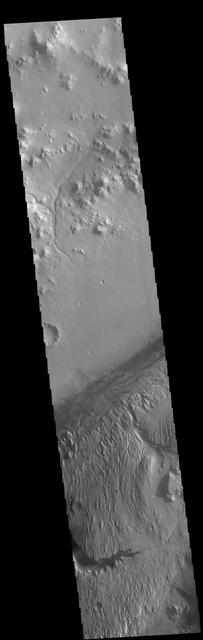
This VIS image shows part of Gale Crater. Gale Crater is the home of the Curiosity Rover. Orbit Number: 71399 Latitude: -4.54006 Longitude: 137.334 Instrument: VIS Captured: 2018-01-18 03:26 https://photojournal.jpl.nasa.gov/catalog/PIA22392
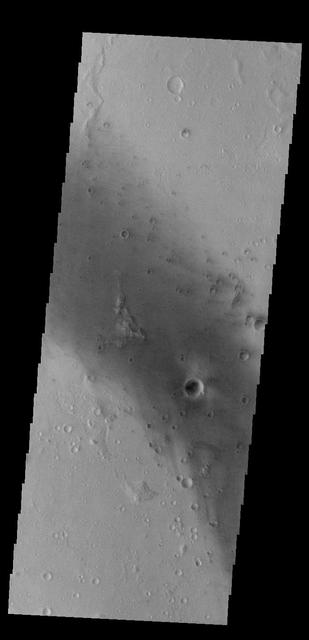
Today's VIS image shows part of the floor of Gusev Crater, home of the MER Spirit Rover. Orbit Number: 59729 Latitude: -14.6326 Longitude: 175.584 Instrument: VIS Captured: 2015-06-01 19:05 http://photojournal.jpl.nasa.gov/catalog/PIA19759