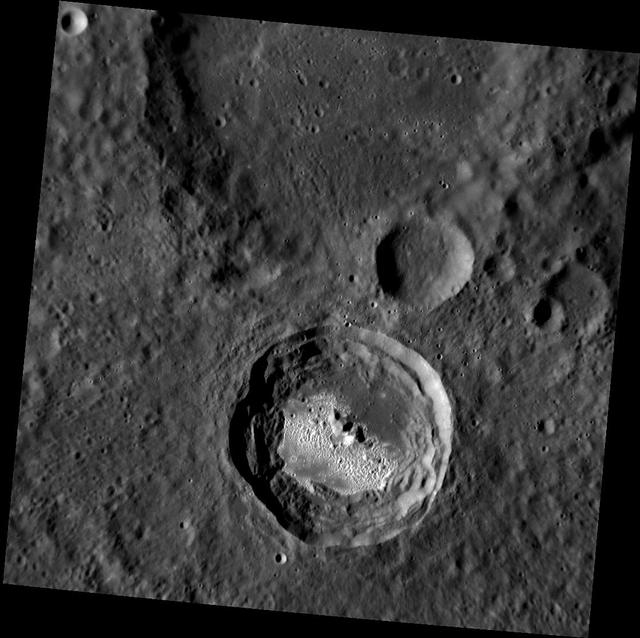
Hopper Hosts Hollows
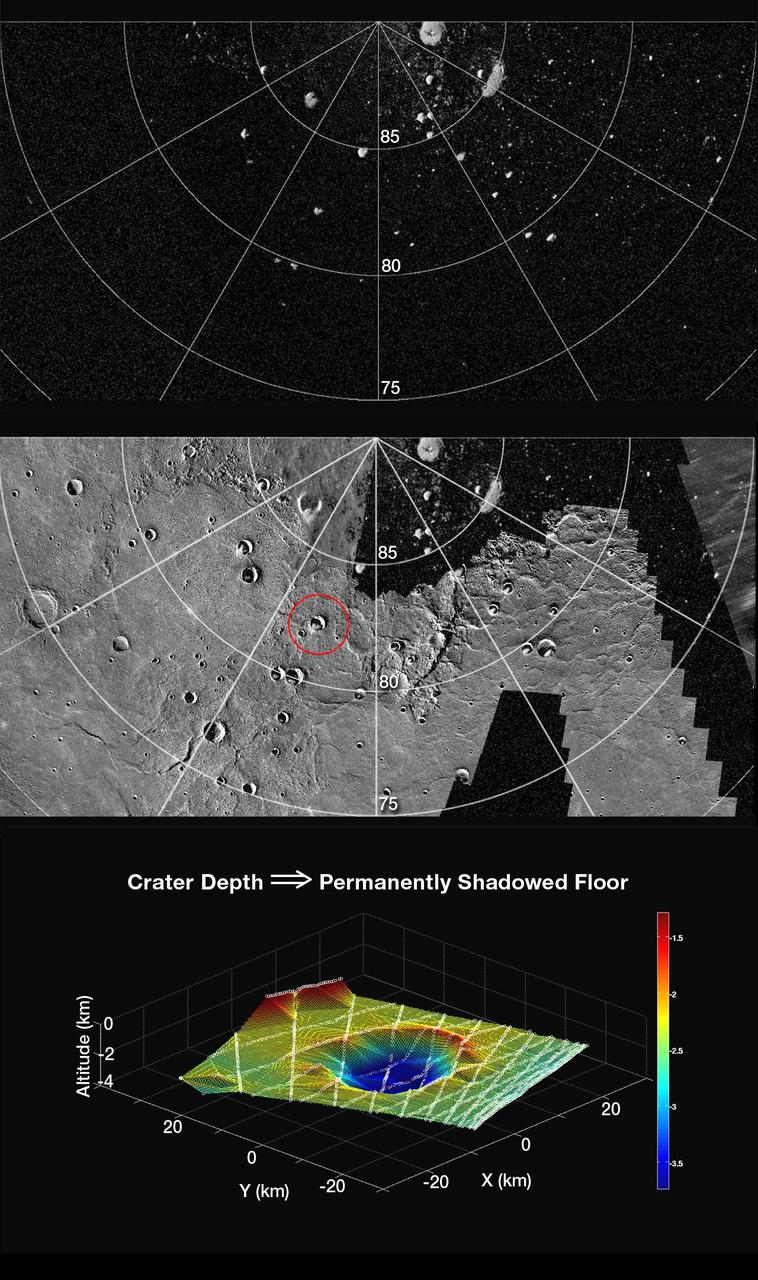
A Look at Craters Hosting Polar Deposits
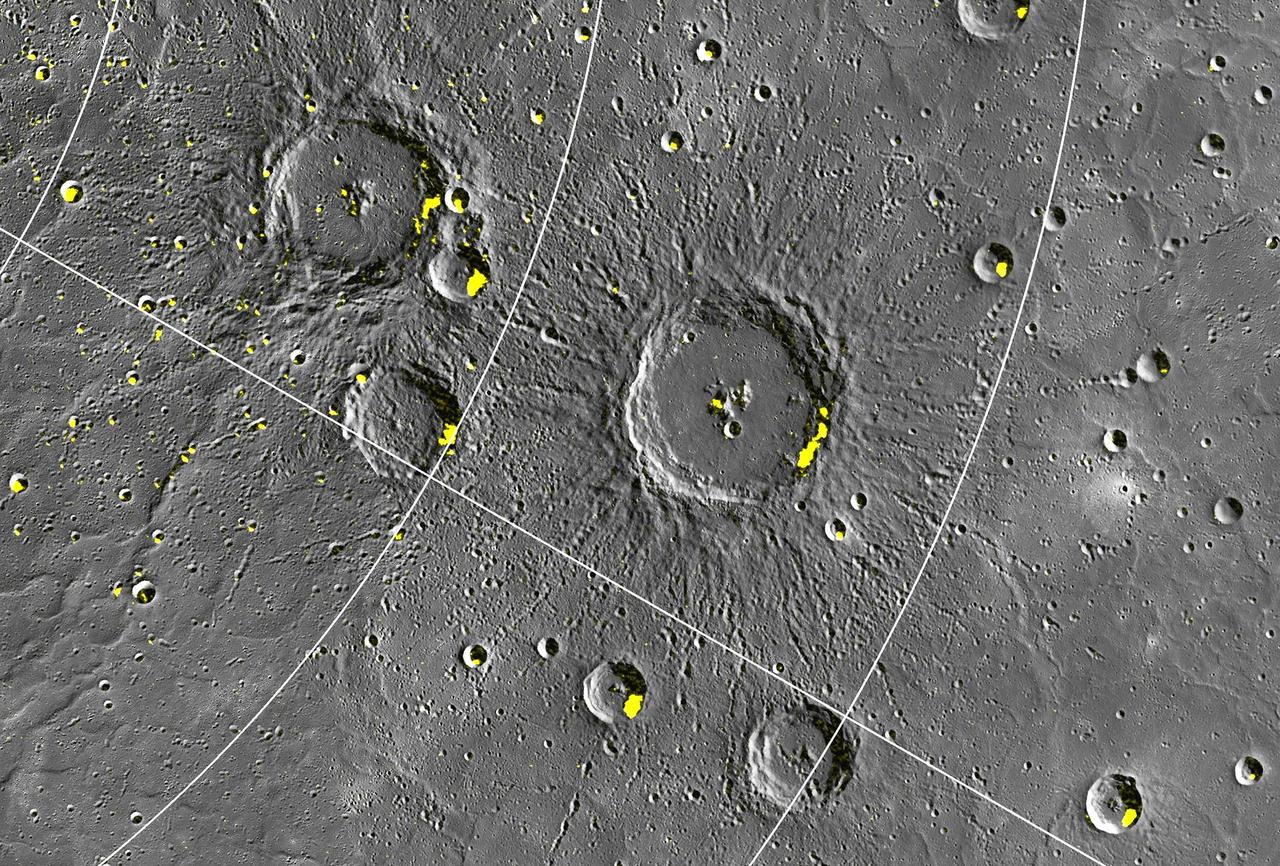
Close-up of Craters Hosting Radar-bright Deposits
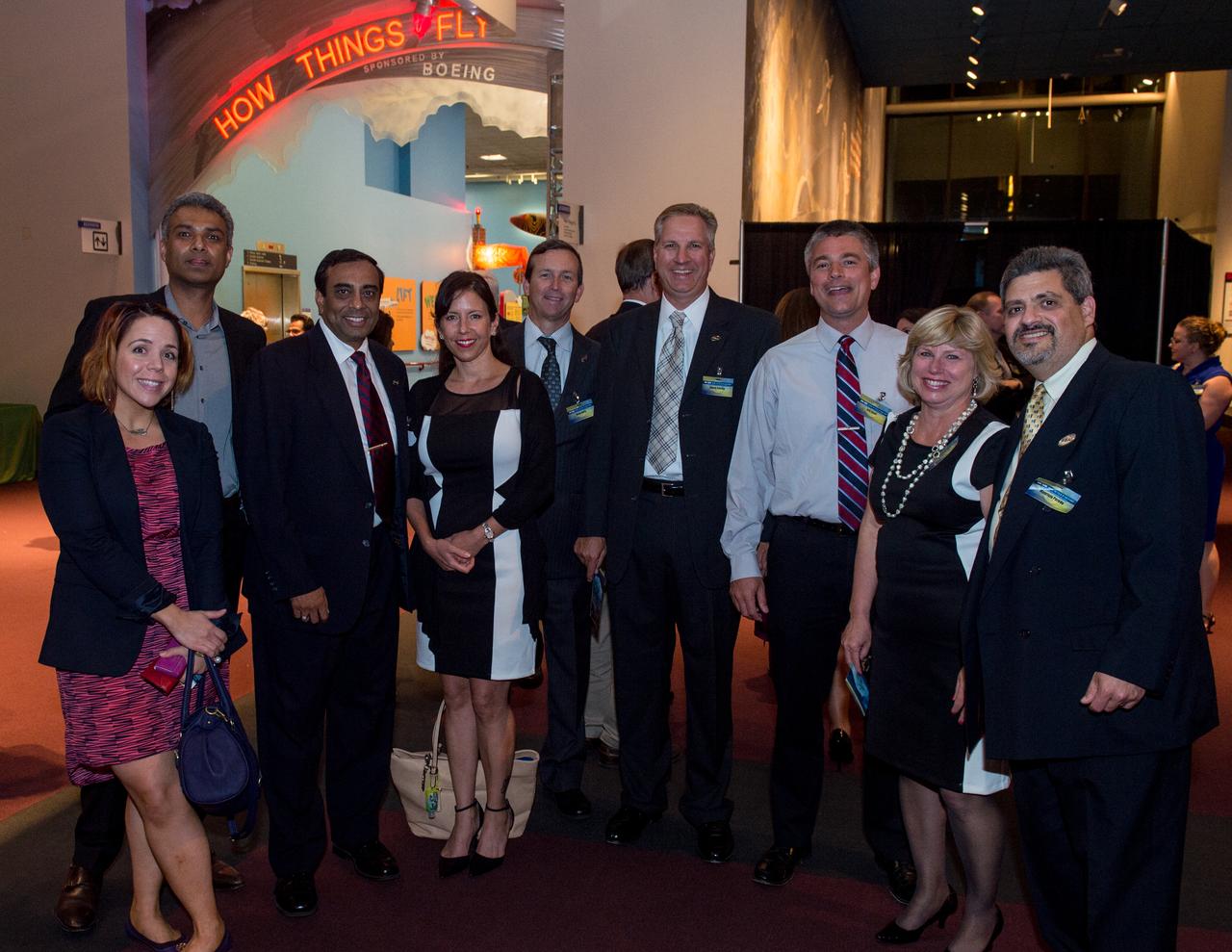
Vital Signs: Taking the Pulse of Our Planet - Annual NASA reception and lecture hosted by the National Air and Space Museum and Sponsored by the Maryland Space Business Roundtable
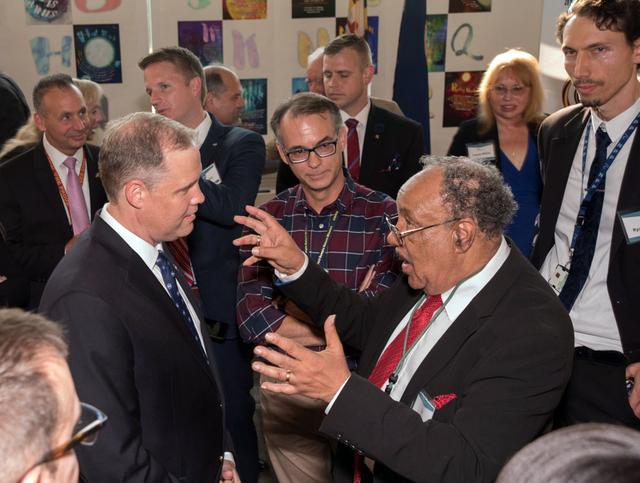
Evening Reception at Goddard Space Flight Center, hosted by, Maryland Space Business Roundtable
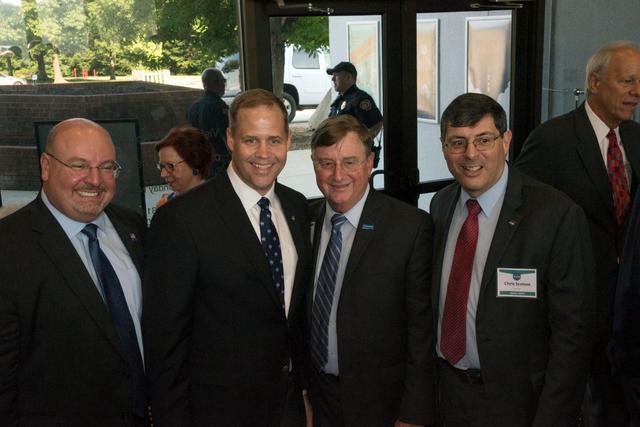
Evening Reception at Goddard Space Flight Center, hosted by, Maryland Space Business Roundtable
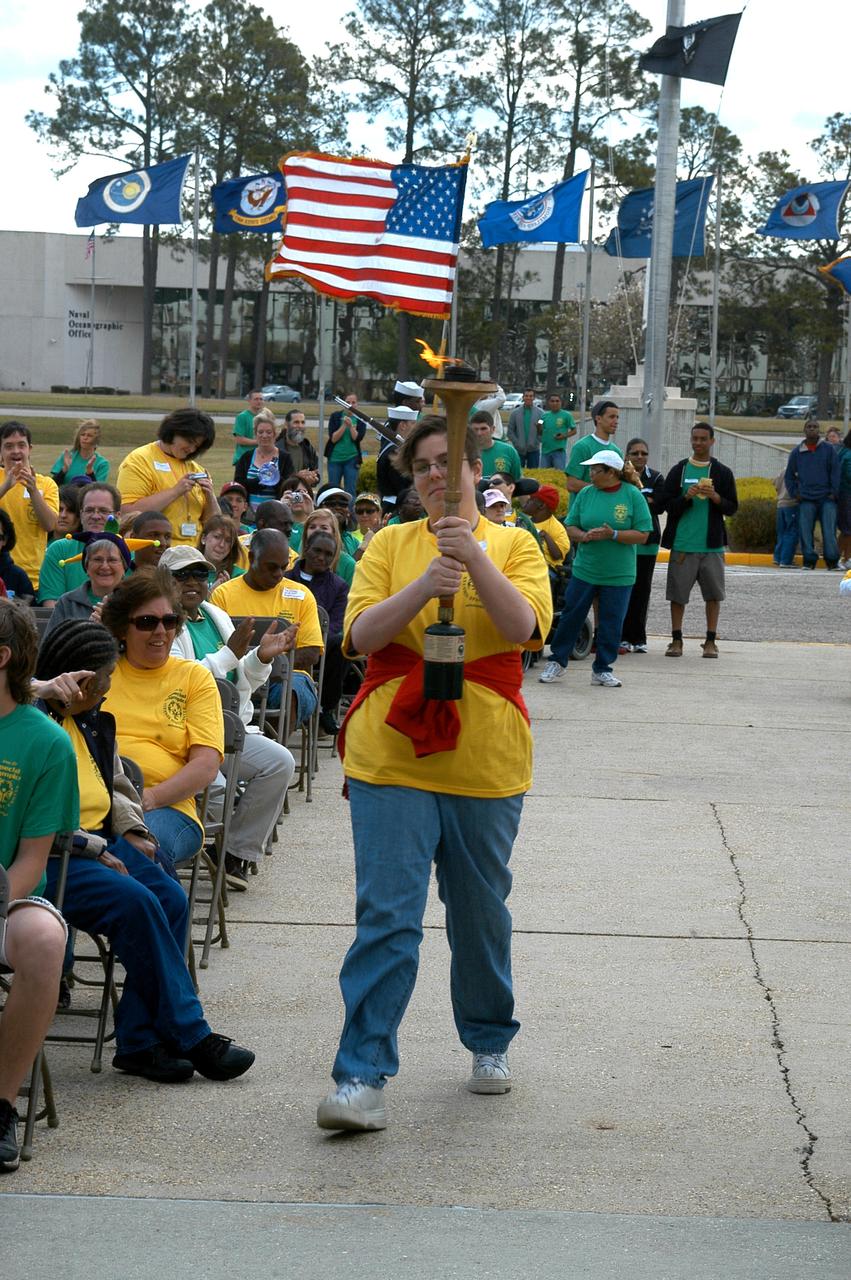
Sarah Johnson, 28, of Gulfport, carries in the Olympic torch to signal the start of the 2010 Area III Special Olympic games at NASA's John C. Stennis Space Center on March 27. Stennis volunteers hosted special needs athletes from across the area for the event. Stennis is an annual host of the games.
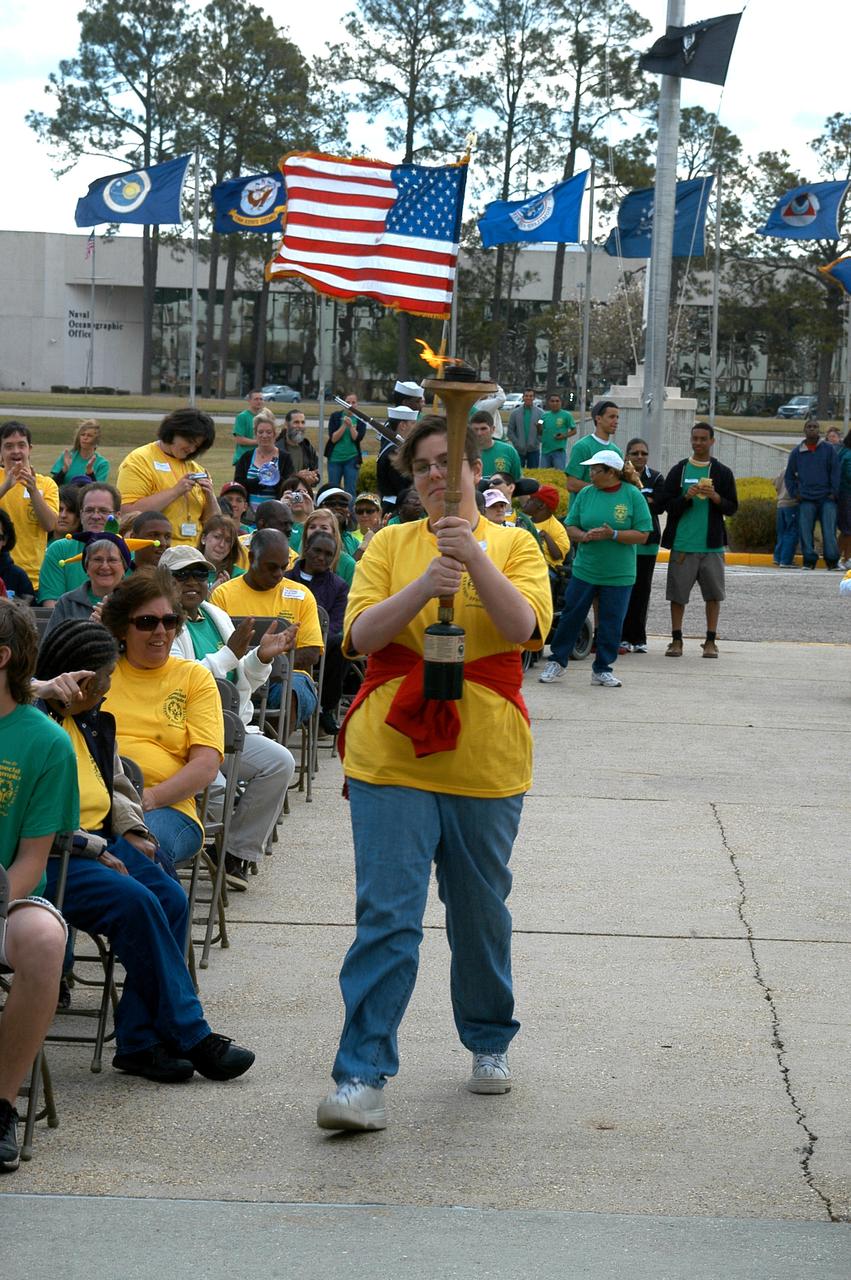
Sarah Johnson, 28, of Gulfport, carries in the Olympic torch to signal the start of the 2010 Area III Special Olympic games at NASA's John C. Stennis Space Center on March 27. Stennis volunteers hosted special needs athletes from across the area for the event. Stennis is an annual host of the games.
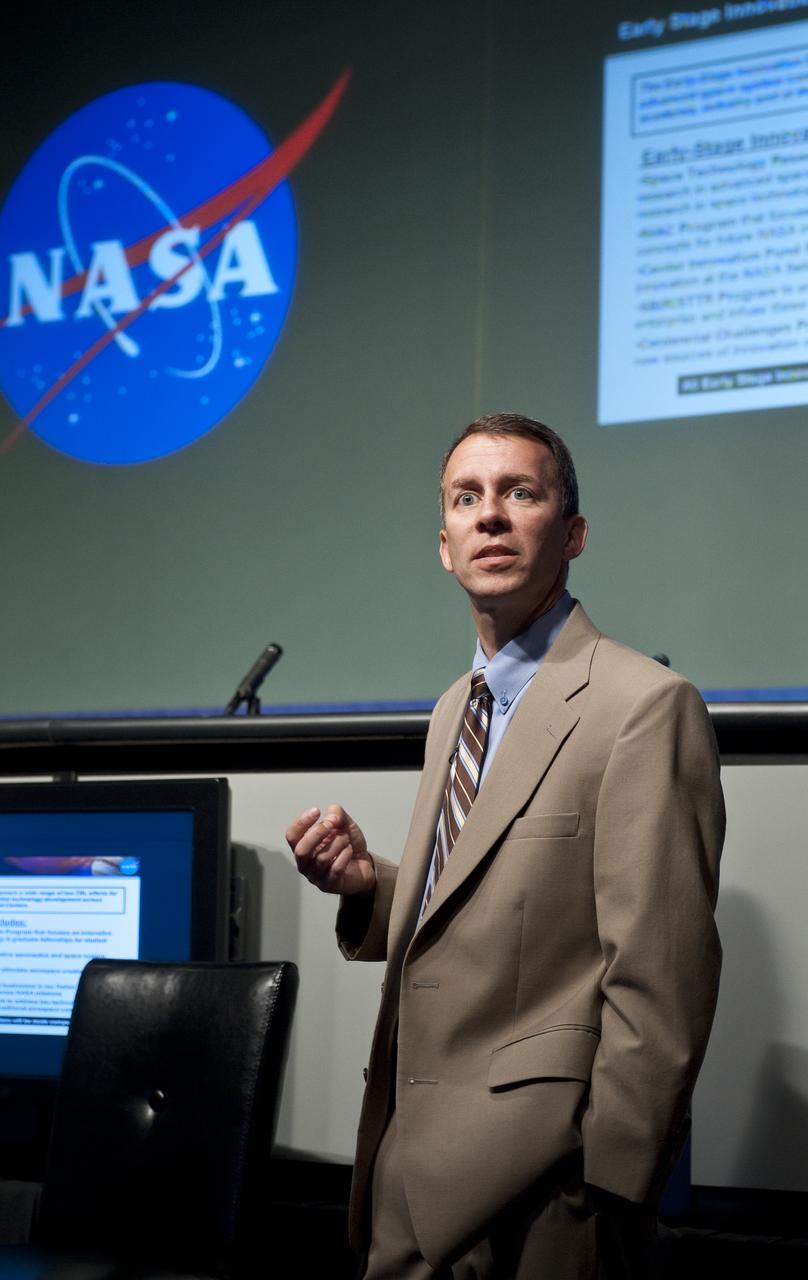
NASA's Chief Technologists, Bobby Braun, hosts a Town Hall meeting to discuss agency-wide technology policy and programs at NASA Headquarters on Tuesday, May 25, 2010, in Washington. Photo Credit: (NASA/Carla Cioffi)
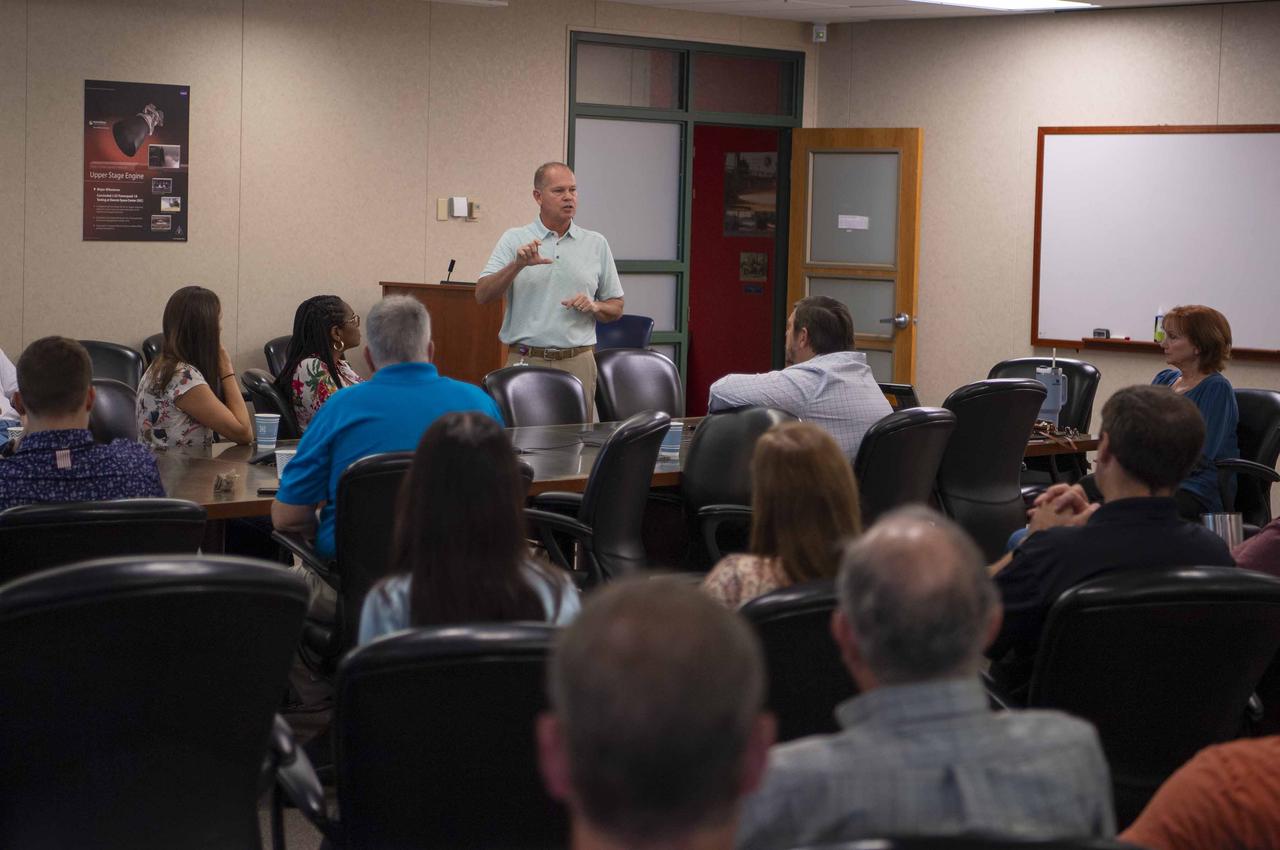
NASA Stennis Director John Bailey hosts a Java with John session with agency employees Aug. 22. The employee-led discussion happens in a relaxed environment with conversations aimed at fostering a culture where employees are welcome to share what matters most to them at work.
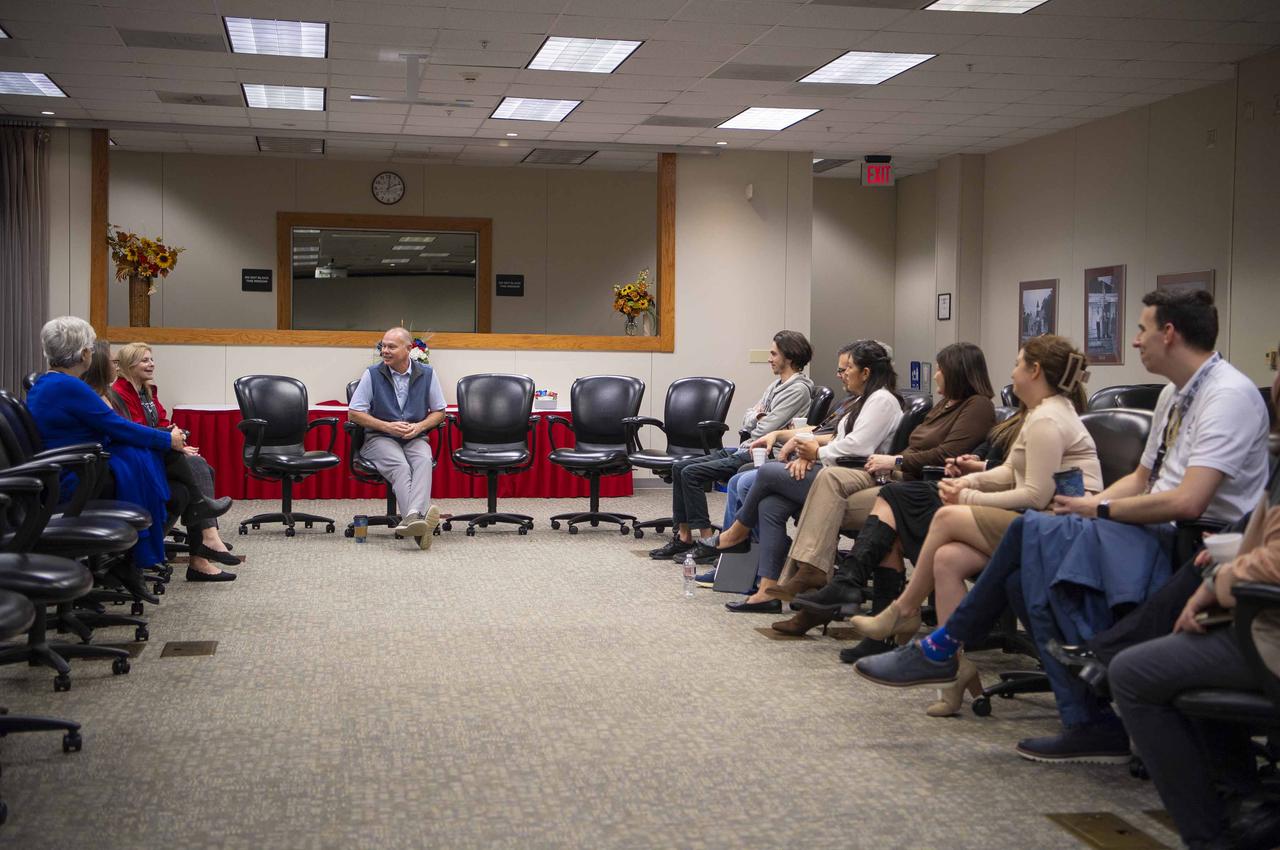
NASA Stennis Director John Bailey hosts a Java with John session on Dec. 10 with employees representing the Office of the Chief Financial Officer, Office of STEM Engagement, Office of Diversity and Equal Opportunity, Office of the Chief Human Capital Officer, and the center’s Autonomous Systems Laboratory team. Java with John is an employee-led discussion in a casual environment aimed at fostering a culture in which employees are welcome to share what matters most to them at work.
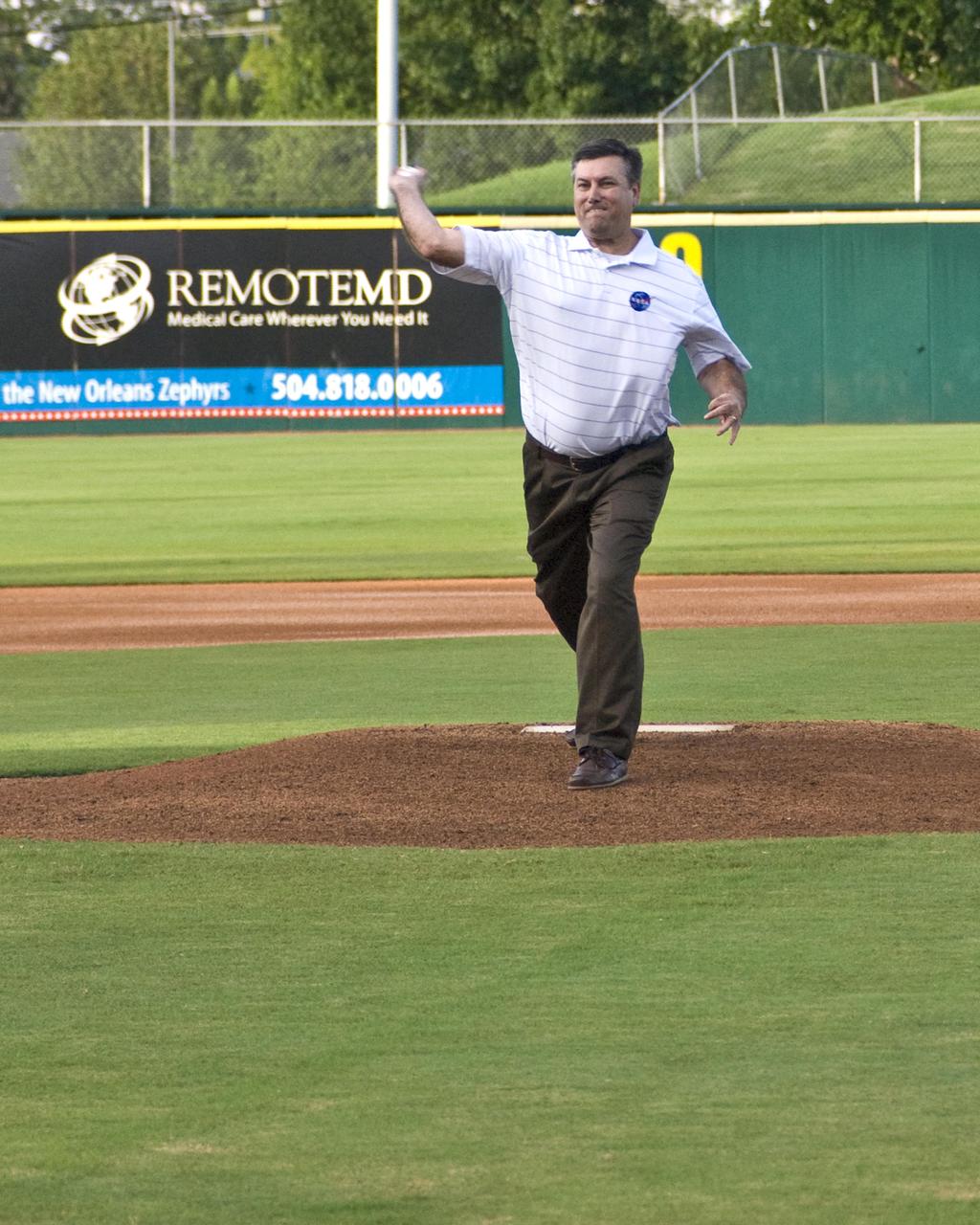
NASA's John C. Stennis Space Center Director Patrick Scheuermann throws the first pitch of the game Aug. 20 at New Orleans Zephyr Field. Stennis employees traveled to New Orleans to host NASA Night at Zephyr Field. Stennis personnel provided a variety of activities and materials for persons attending a game between the New Orleans Zephyrs and the Las Vegas 51s.
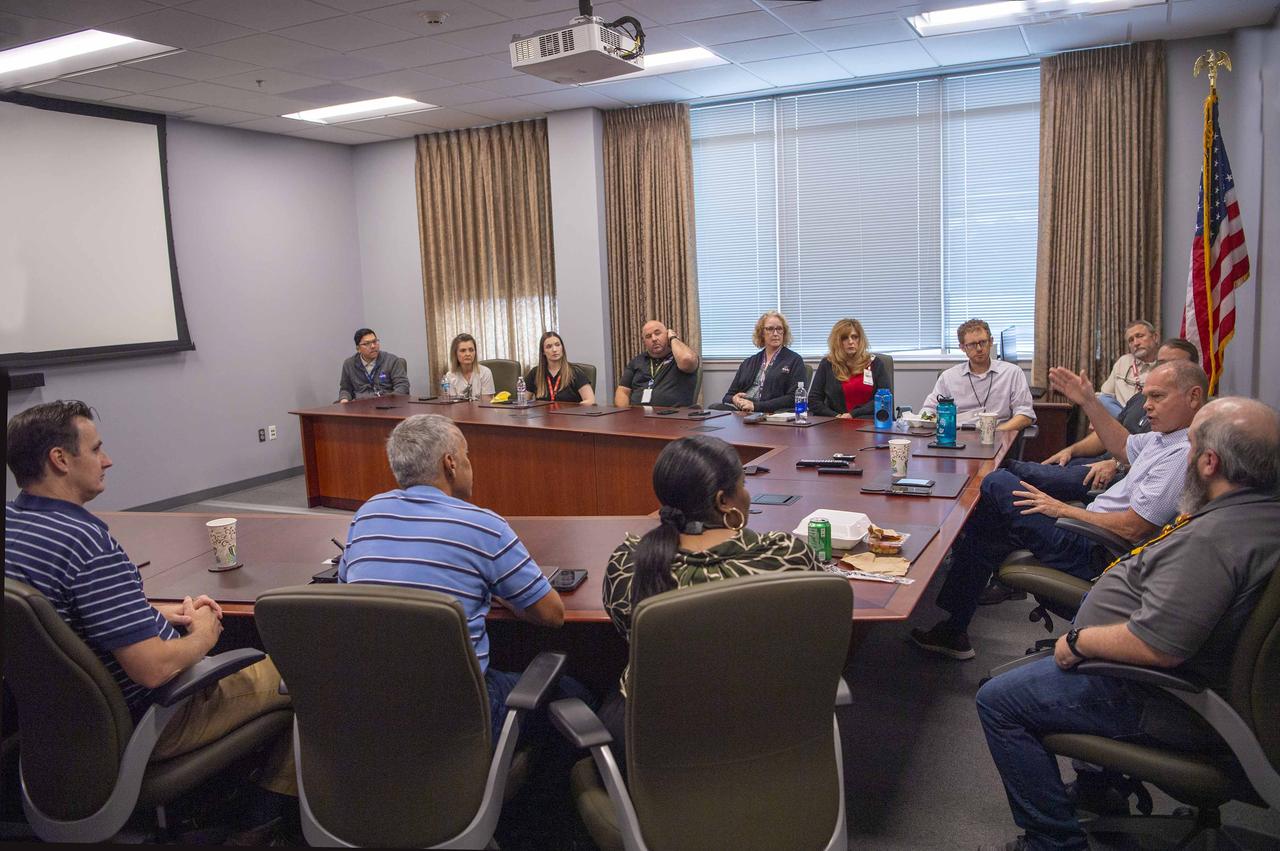
NASA Stennis Director John Bailey hosted the latest Java with John session on Nov. 19 with employees from the NASA Stennis Safety and Mission Assurance Directorate, Rocket Propulsion Test Program Office, and Office of the Chief Information Officer. Java with John is an employee-led discussion in a casual environment aimed at fostering a culture in which employees are welcome to share what matters most to them at work.
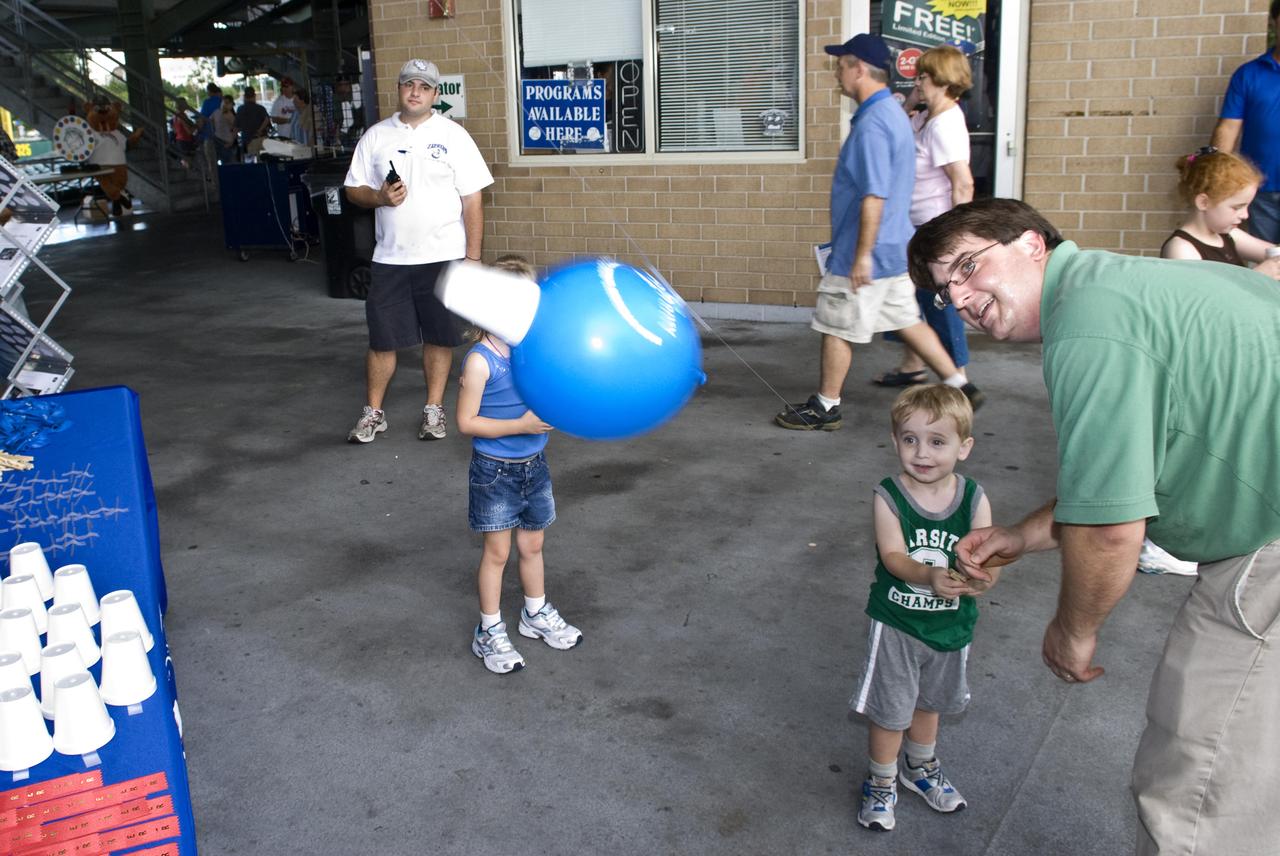
Stennis employee Chris Smith helps a young child 'launch' a balloon rocket. Employees from NASA's John C. Stennis Space Center traveled to New Orleans on Aug. 20 to host NASA Night at Zephyr Field. Stennis personnel provided a variety of activities and materials for persons attending a game between the New Orleans Zephyrs and the Las Vegas 51s.
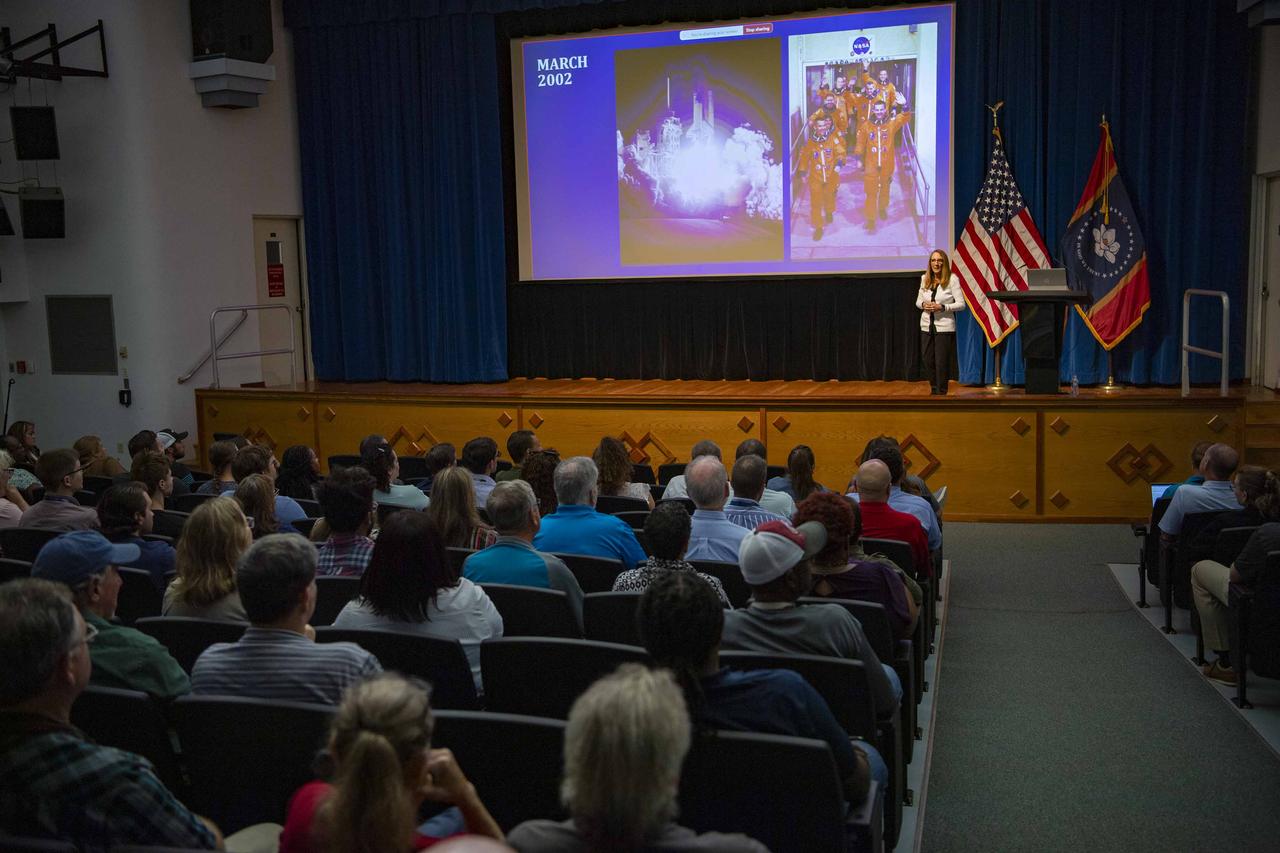
NASA’s Stennis Space Center hosts the annual Safety and Health Day event on Sept. 26. The yearly event, organized by the NASA Stennis Safety and Mission Assurance Directorate, is a reminder to the NASA Stennis workforce about the importance of a safe work environment. The event concluded with employees visiting various safety and health exhibits in the Roy S. Estess Building, which also provided an opportunity to receive health screenings.
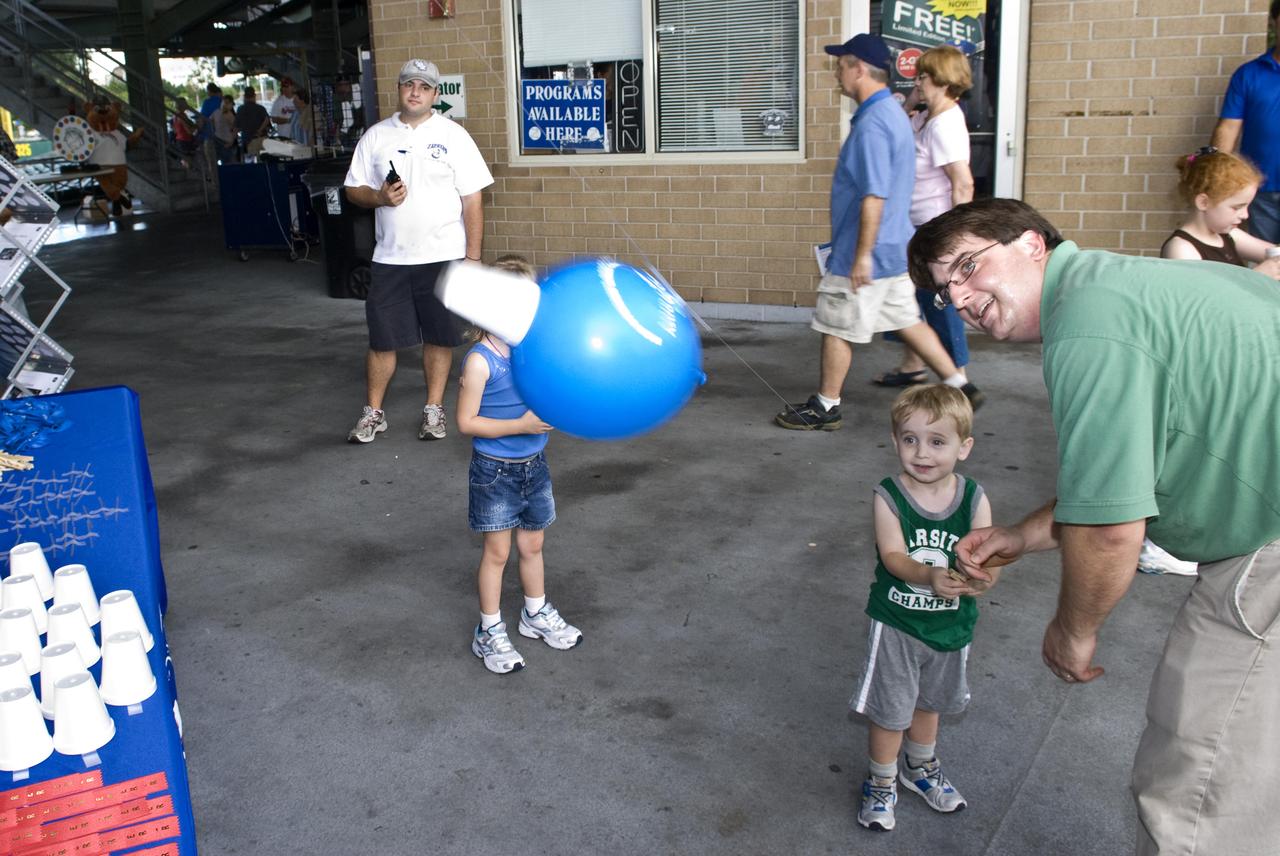
Stennis employee Chris Smith helps a young child 'launch' a balloon rocket. Employees from NASA's John C. Stennis Space Center traveled to New Orleans on Aug. 20 to host NASA Night at Zephyr Field. Stennis personnel provided a variety of activities and materials for persons attending a game between the New Orleans Zephyrs and the Las Vegas 51s.

An illustration of Kepler-1649c orbiting around its host red dwarf star. This newly discovered exoplanet is in its star’s habitable zone and is the closest to Earth in size and temperature found yet in Kepler's data. Credits: NASA/Ames Research Center/Daniel Rutter
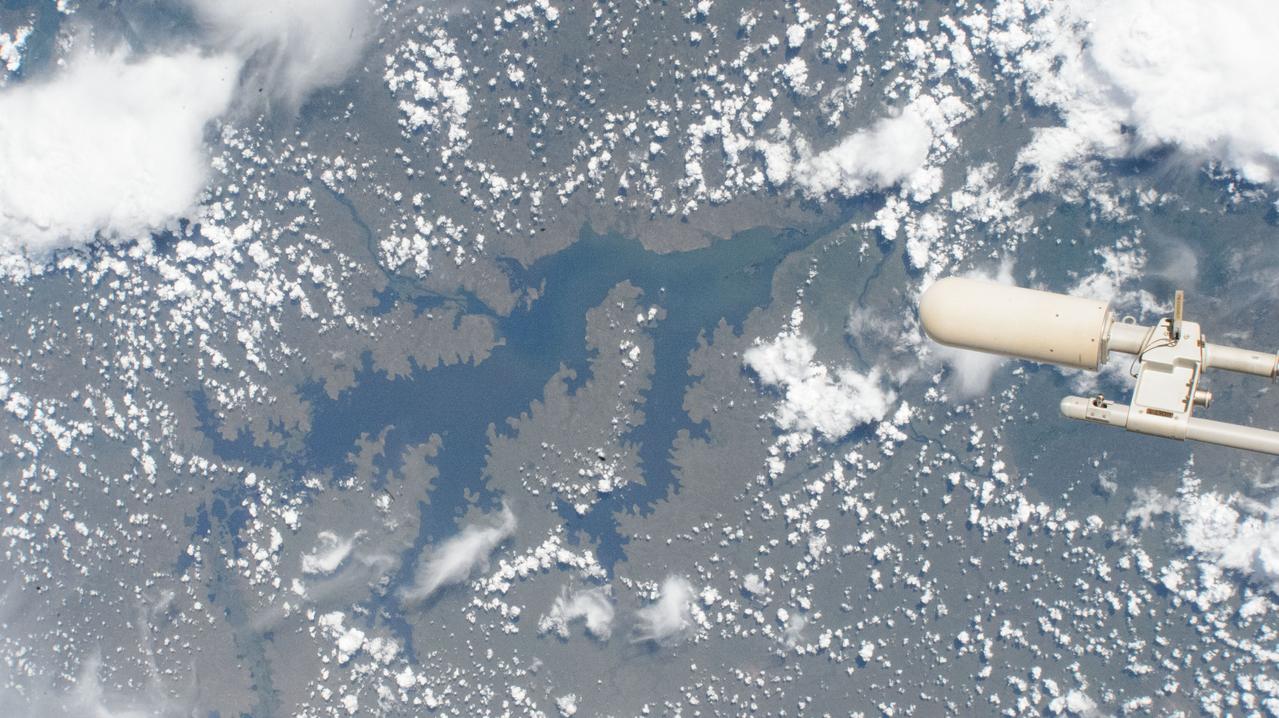
iss072e073616 (Oct. 19, 2024) --- Uganda's Lake Kyoga, hosting crocodiles, and numerous fish and plant species, extends into Lake Kwania, Lake Kojweri, and other lakes in this photograph from the International Space Station as it orbited 259 miles above the African nation.
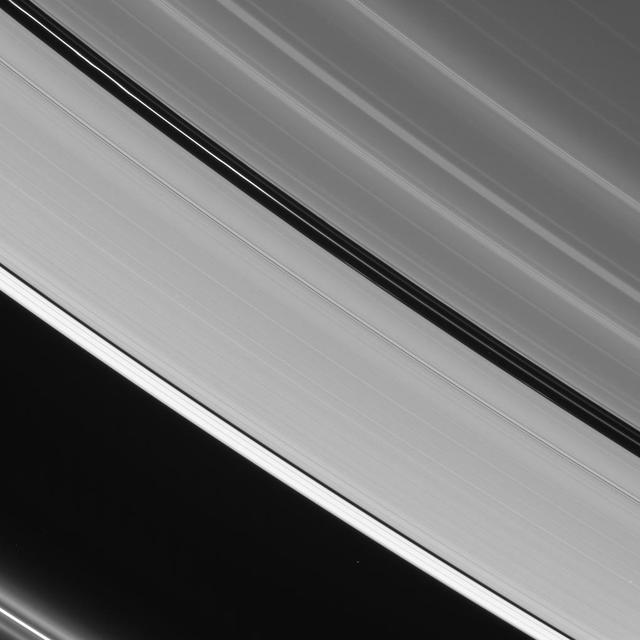
The two prominent dark gaps in Saturn A ring contain small embedded moons and a host of other intriguing features
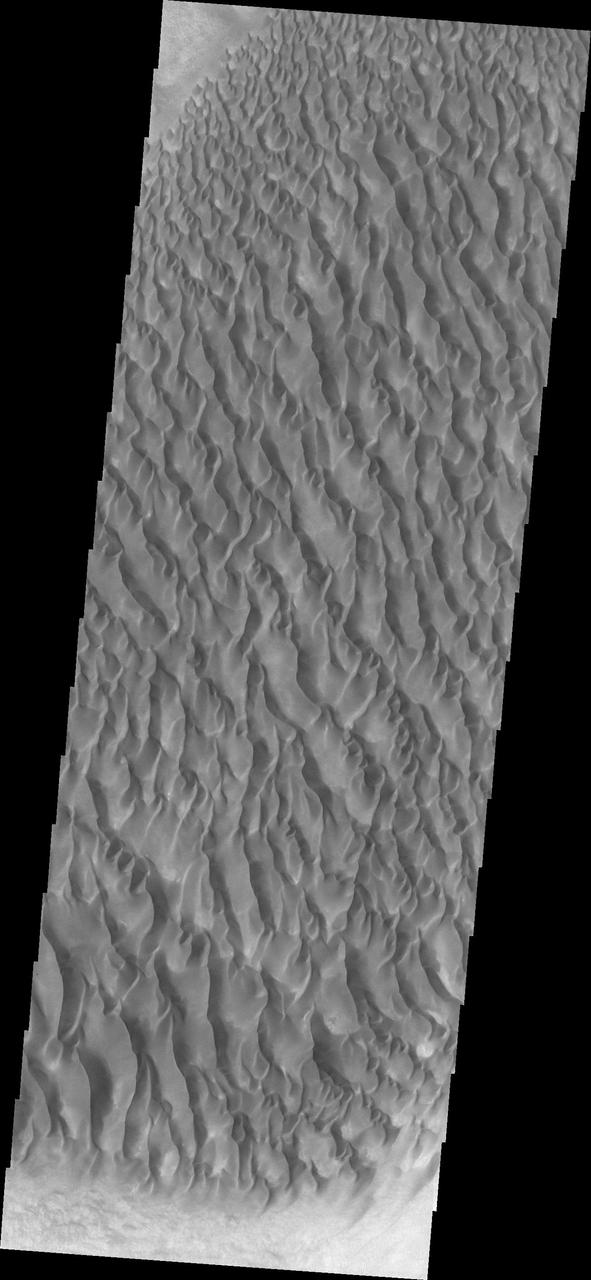
The floor of Proctor Crater is host to this sand sheet and its surface dune forms in this image captured by NASA Mars Odyssey.
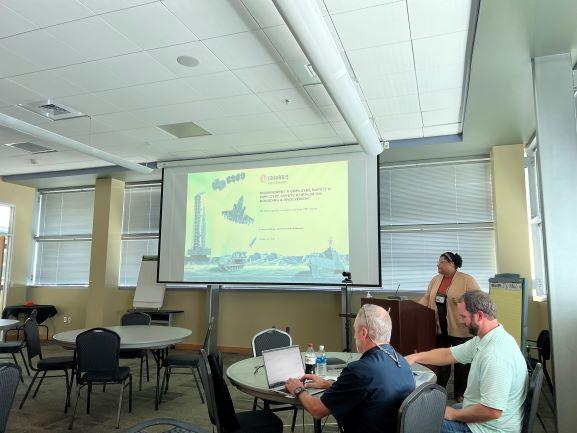
Lasonya Pulliam, representing L3Harris, speaks during the Mississippi/Louisiana Gulf Coast Voluntary Protection Program (VPP) Local Area Council Meeting on Oct. 29, hosted by NASA’s Stennis Space Center at INFINITY Science Center. The regional meeting focused on how workplace safety team members can achieve and maintain consistent and effective safety and health programs for their current and potential OSHA VPP worksites across south Mississippi and Louisiana.
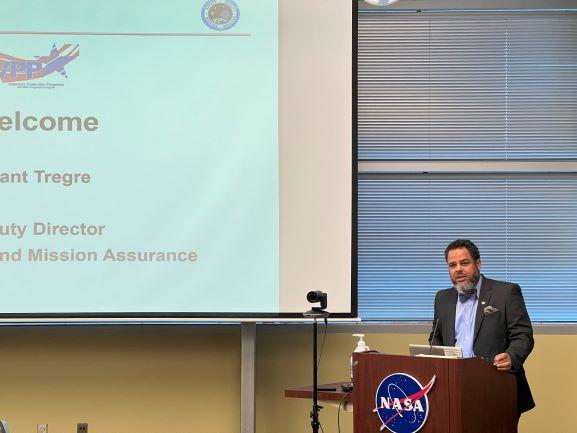
Grant Tregre, deputy director of the NASA Stennis Safety and Mission Assurance Directorate, welcomes members of the Mississippi/Louisiana Gulf Coast Voluntary Protection Program (VPP) Local Area Council Meeting to their annual meeting on Oct. 29, hosted by NASA’s Stennis Space Center at INFINITY Science Center. The regional meeting focused on how workplace safety team members can achieve and maintain consistent and effective safety and health programs for their current and potential OSHA VPP worksites across south Mississippi and Louisiana.
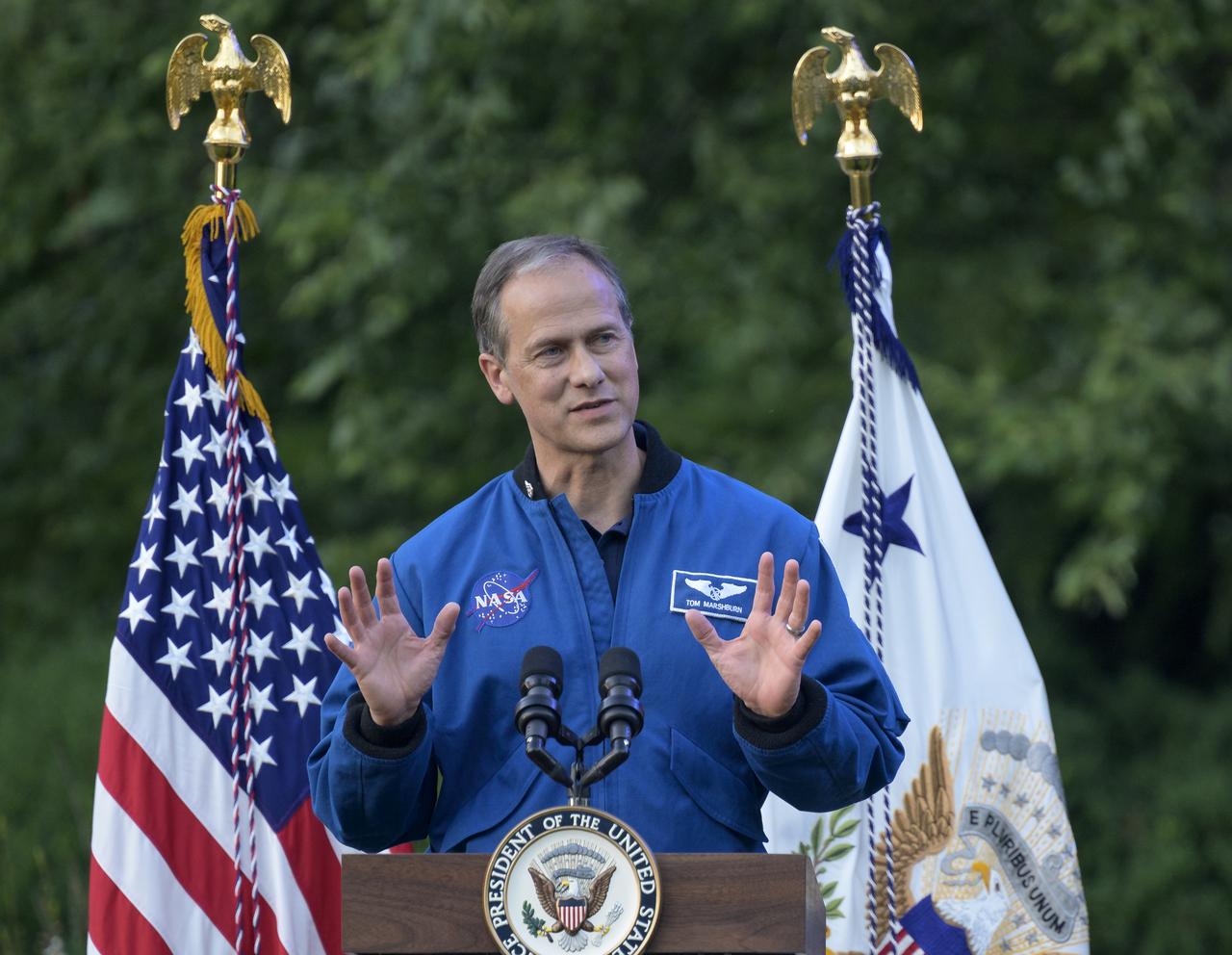
NASA astronaut Tom Marshburn gives remarks prior to the screening of the movie Lightyear on the grounds of the Vice President's residence at the Naval Observatory, Friday, June 17, 2022, in Washington. Vice President Kamala Harris and Second Gentleman Doug Emhoff hosted an evening of NASA STEM activities at the Naval Observatory for military families and local STEM students and their families, including a special screening of Disney Pixar’s Lightyear. Photo Credit: (NASA/Bill Ingalls)
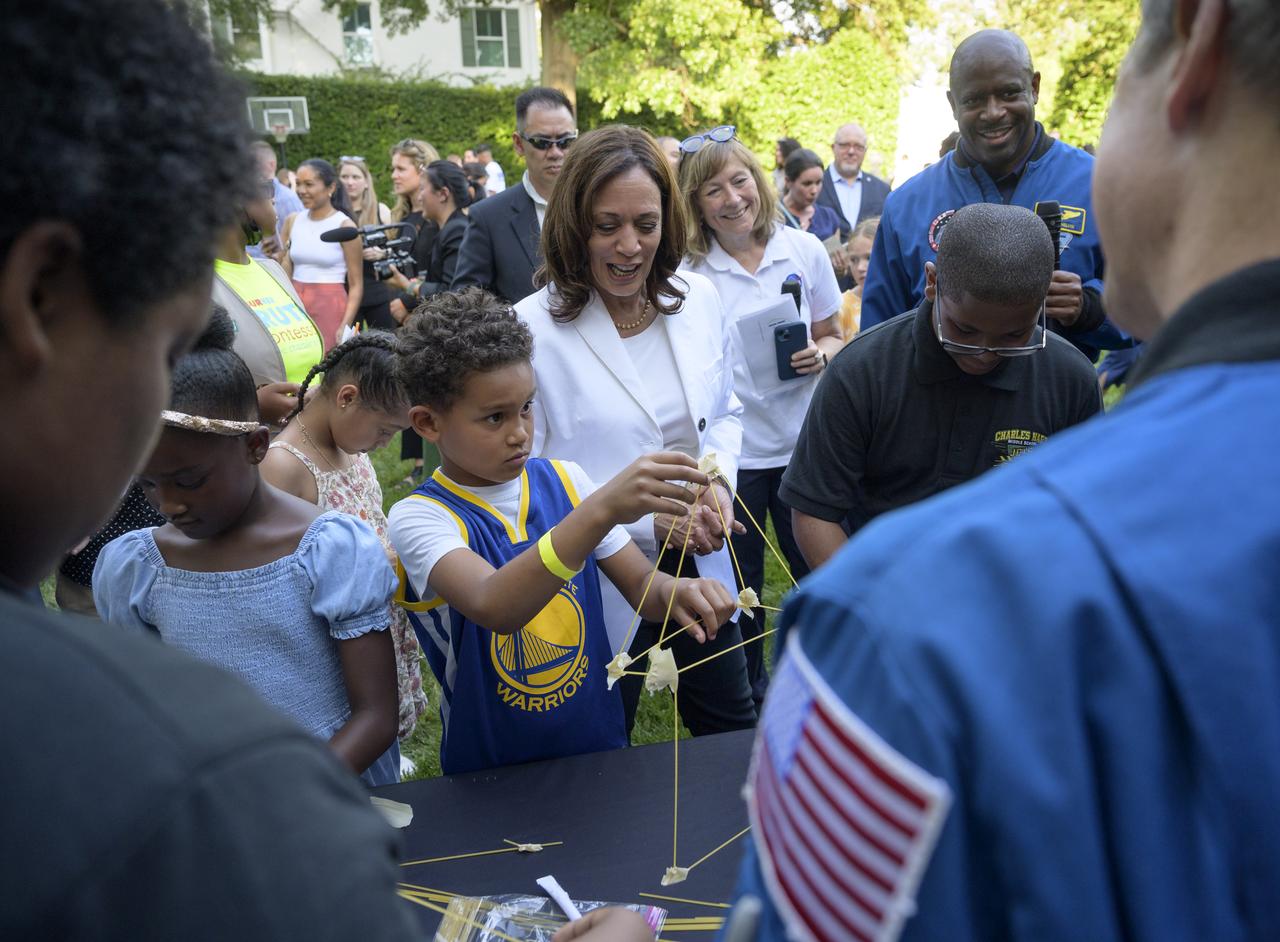
Vice President Kamala Harris interacts with children during hands-on STEM activities on the grounds of the Vice President's residence at the Naval Observatory, Friday, June 17, 2022, in Washington. The Vice President and Second Gentleman hosted an evening of NASA STEM activities at the Naval Observatory for military families and local STEM students and their families, including a special screening of Disney Pixar’s Lightyear. Photo Credit: (NASA/Bill Ingalls)
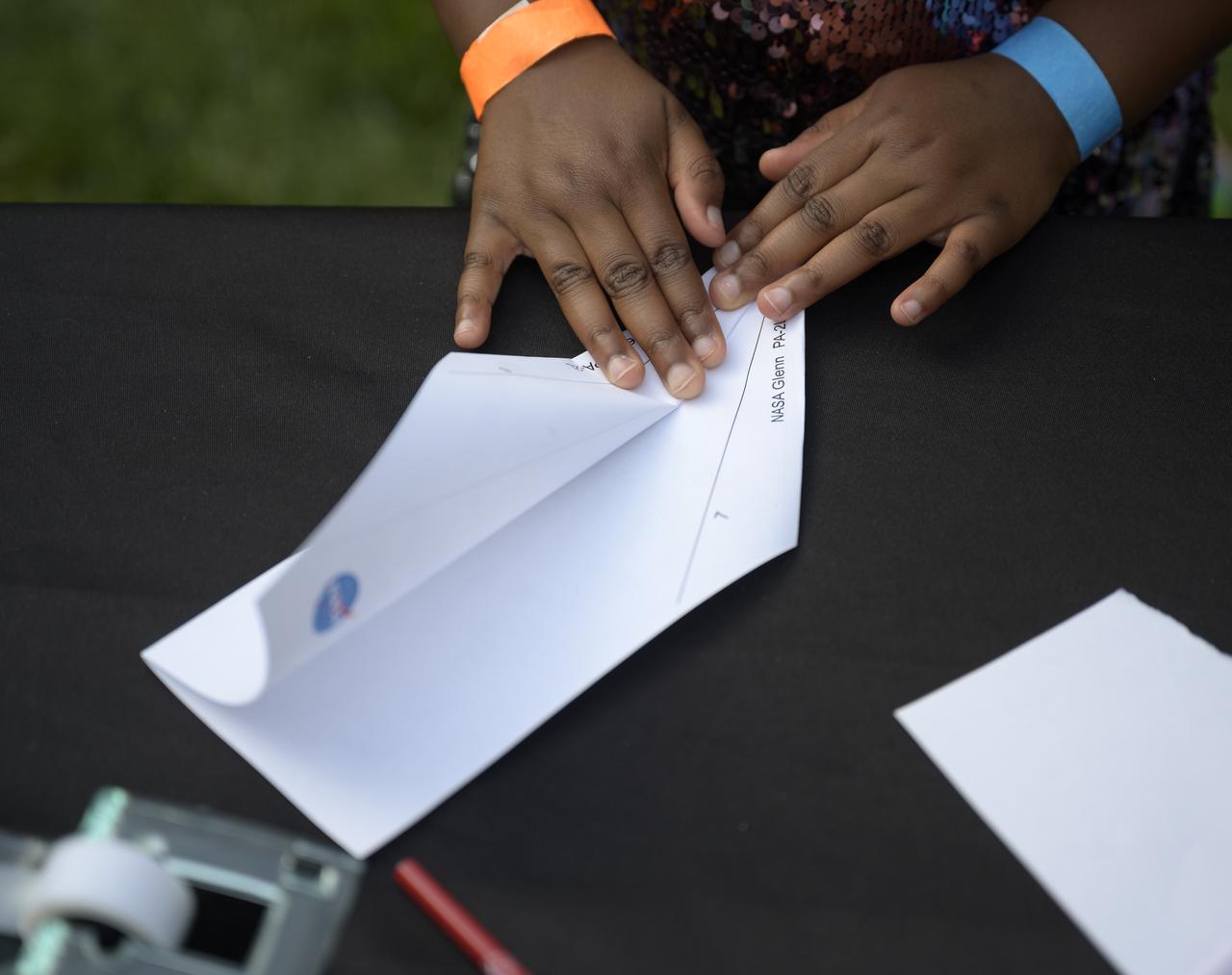
Students work an airplane building hands-on STEM activity on the grounds of the Vice President's residence at the Naval Observatory, Friday, June 17, 2022, in Washington. The Vice President and Second Gentleman hosted an evening of NASA STEM activities at the Naval Observatory for military families and local STEM students and their families, including a special screening of Disney Pixar’s Lightyear. Photo Credit: (NASA/Bill Ingalls)
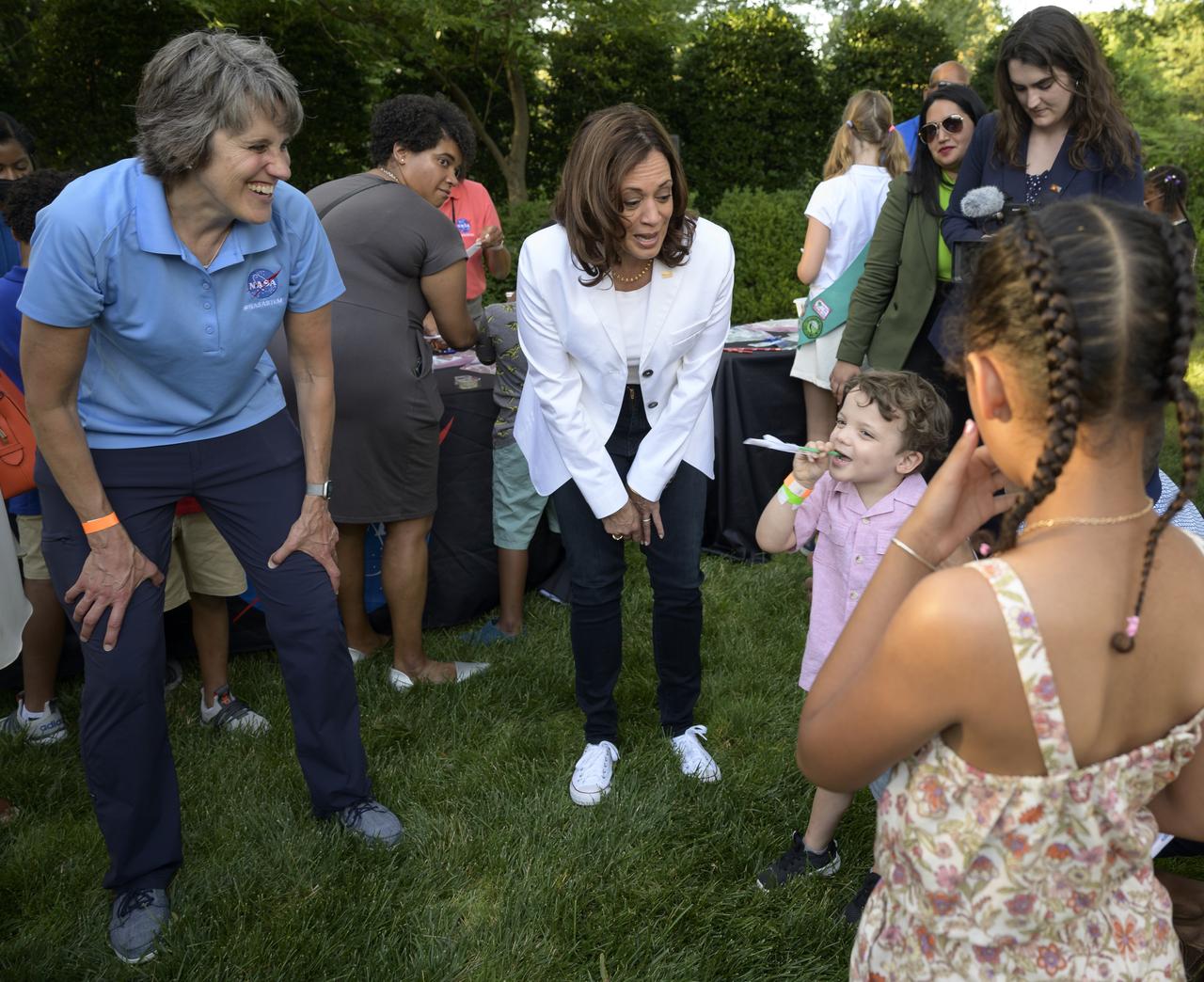
Vice President Kamala Harris interacts with children during hands-on STEM activities on the grounds of the Vice President's residence at the Naval Observatory, Friday, June 17, 2022, in Washington. The Vice President and Second Gentleman hosted an evening of NASA STEM activities at the Naval Observatory for military families and local STEM students and their families, including a special screening of Disney Pixar’s Lightyear. Photo Credit: (NASA/Bill Ingalls)
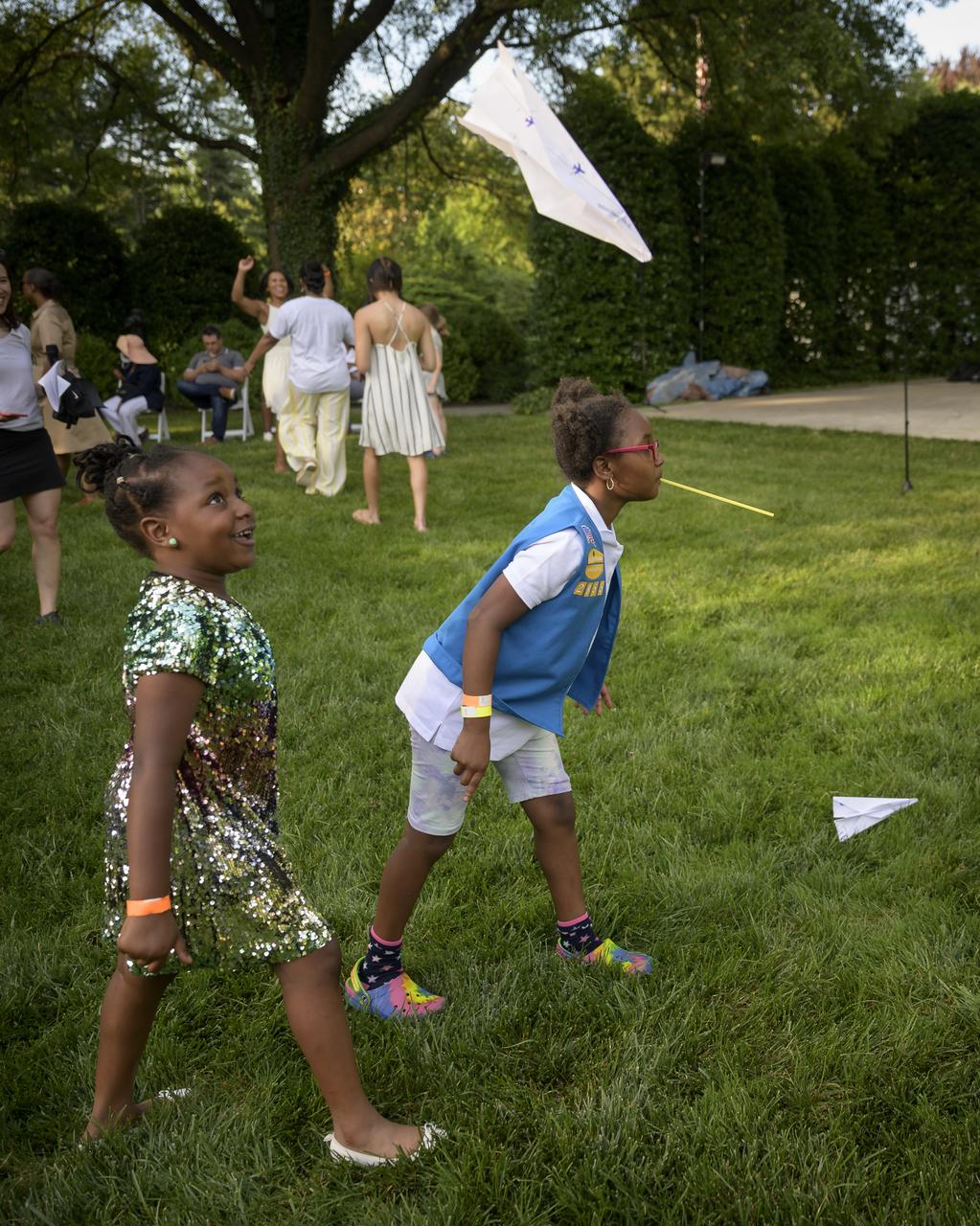
Students test their paper airplanes and straw rockets during a hands-on STEM activity on the grounds of the Vice President's residence at the Naval Observatory, Friday, June 17, 2022, in Washington. The Vice President and Second Gentleman hosted an evening of NASA STEM activities at the Naval Observatory for military families and local STEM students and their families, including a special screening of Disney Pixar’s Lightyear. Photo Credit: (NASA/Bill Ingalls)
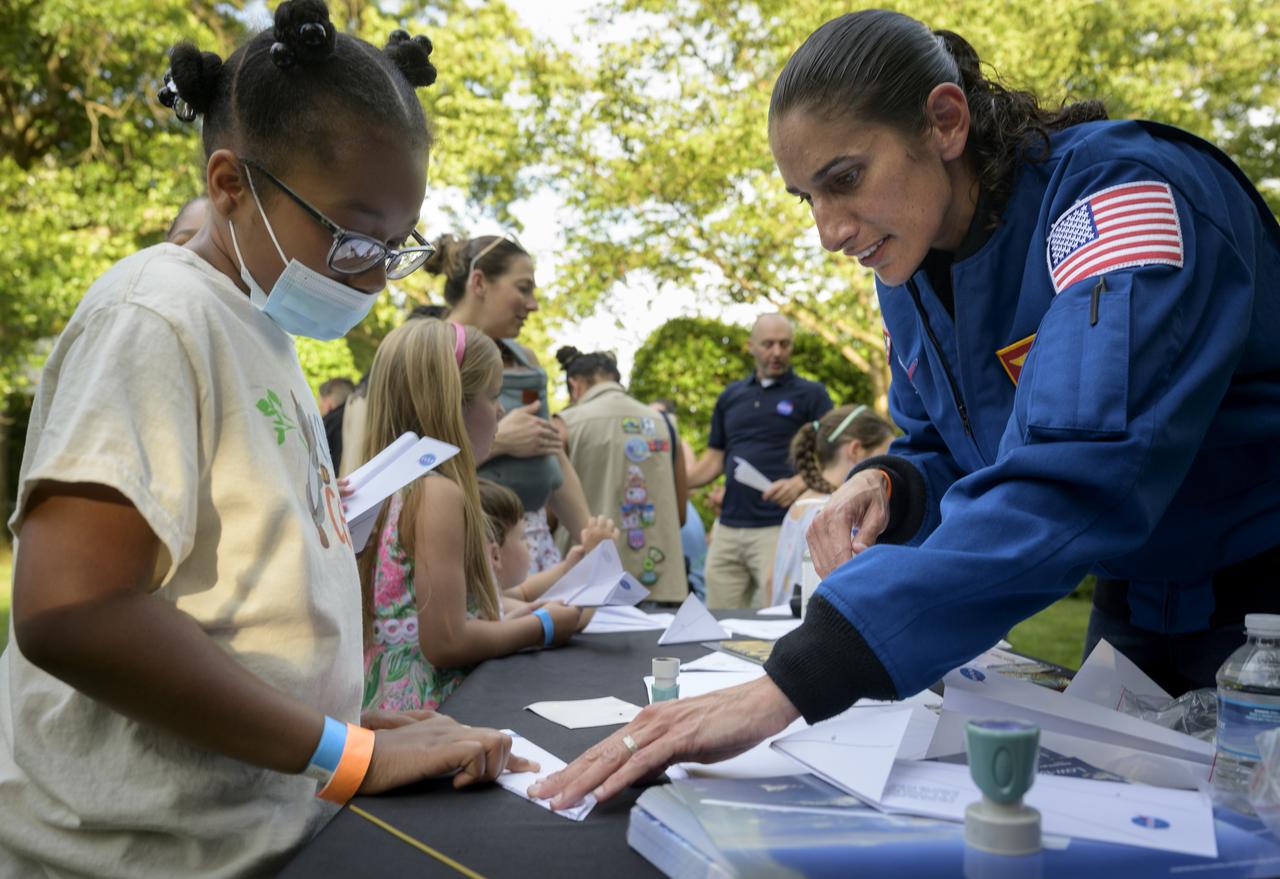
NASA astronaut Jasmin Moghbeli works with students during a hands-on STEM activity on the grounds of the Vice President's residence at the Naval Observatory, Friday, June 17, 2022, in Washington. The Vice President and Second Gentleman hosted an evening of NASA STEM activities at the Naval Observatory for military families and local STEM students and their families, including a special screening of Disney Pixar’s Lightyear. Photo Credit: (NASA/Bill Ingalls)
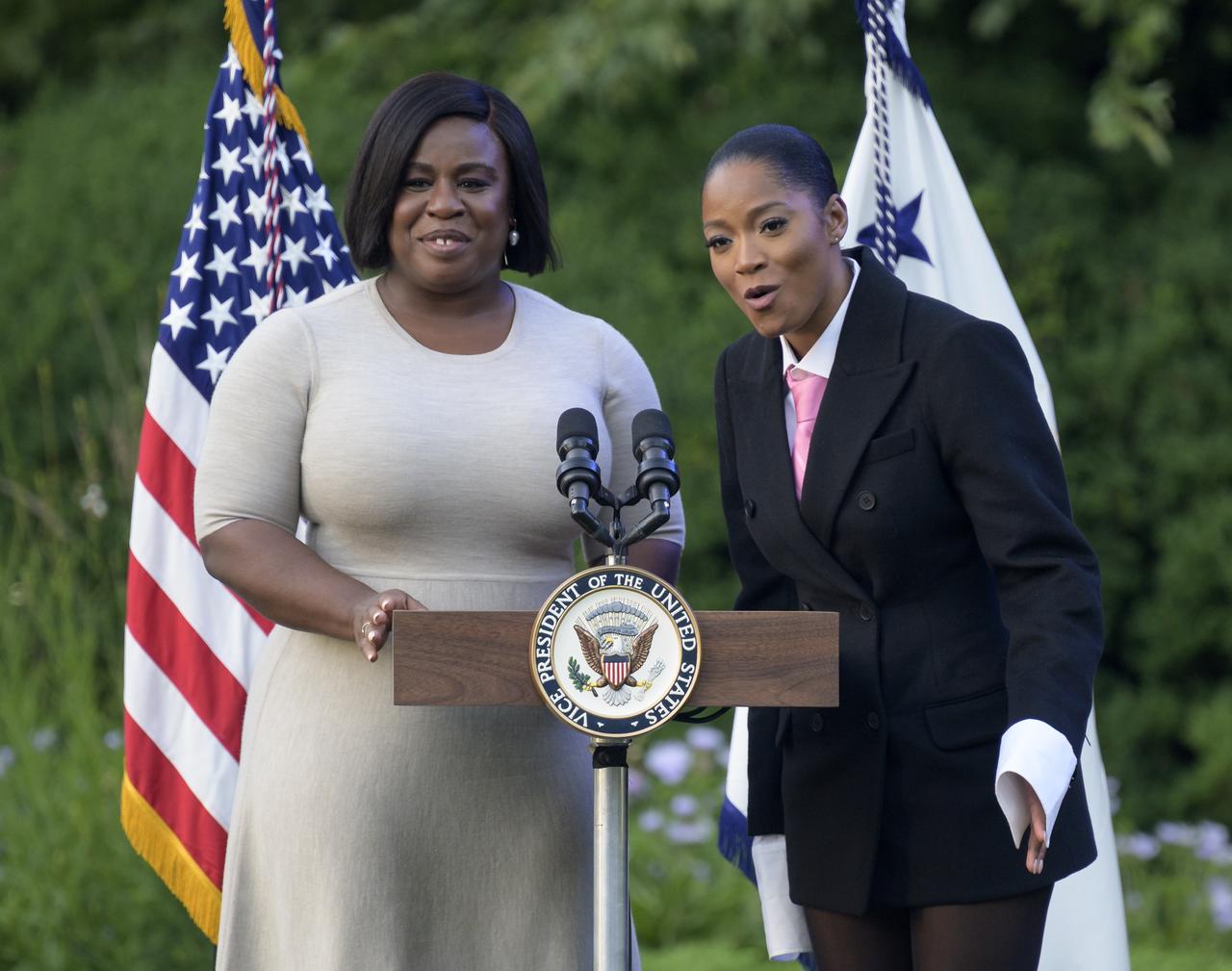
American actresses Uzo Aduba, left, and Keke Palmer give remarks prior to the screening of the movie Lightyear on the grounds of the Vice President's residence at the Naval Observatory, Friday, June 17, 2022, in Washington. Vice President Kamala Harris and Second Gentleman Doug Emhoff hosted an evening of NASA STEM activities at the Naval Observatory for military families and local STEM students and their families, including a special screening of Disney Pixar’s Lightyear. Photo Credit: (NASA/Bill Ingalls)
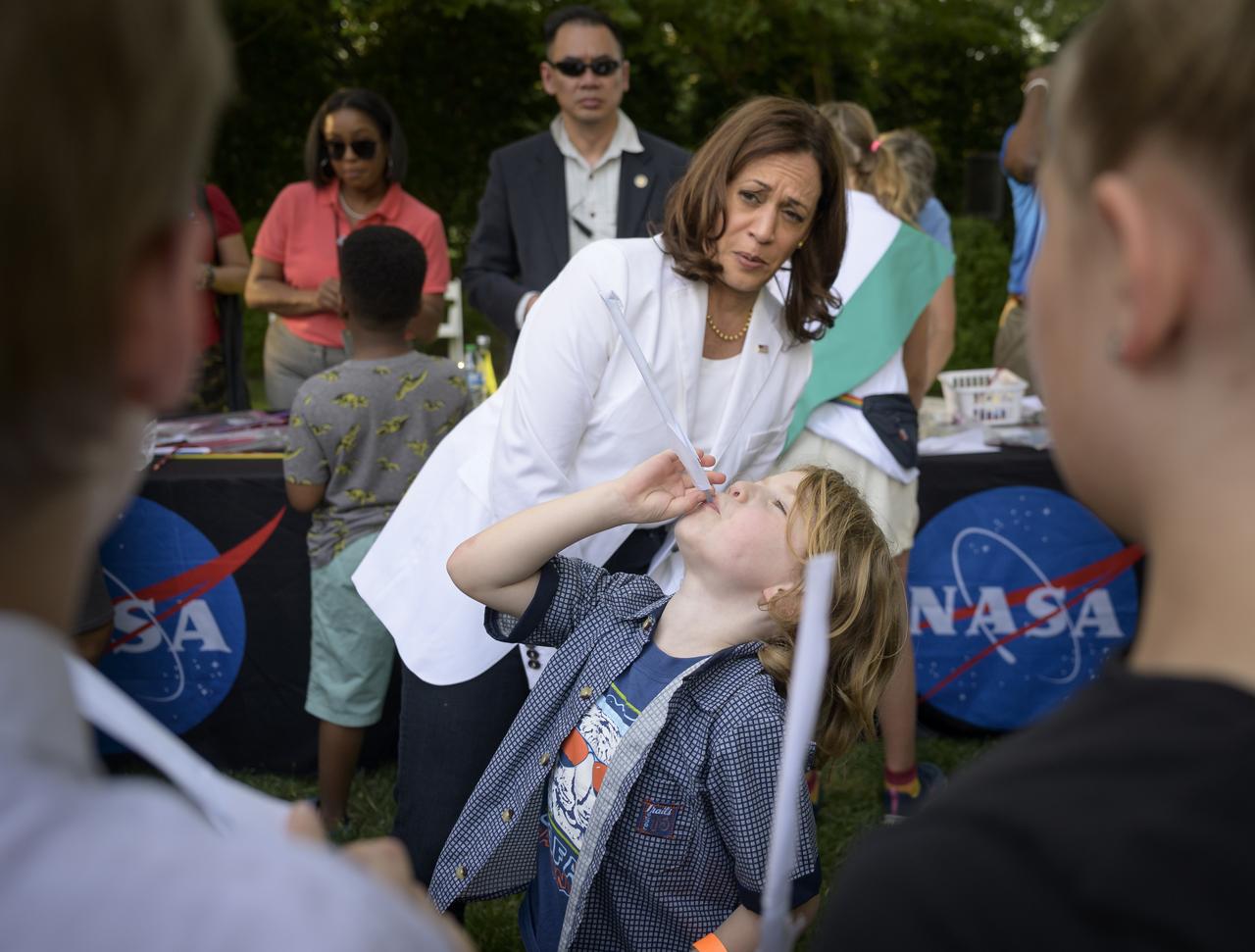
Vice President Kamala Harris interacts with children during hands-on STEM activities on the grounds of the Vice President's residence at the Naval Observatory, Friday, June 17, 2022, in Washington. The Vice President and Second Gentleman hosted an evening of NASA STEM activities at the Naval Observatory for military families and local STEM students and their families, including a special screening of Disney Pixar’s Lightyear. Photo Credit: (NASA/Bill Ingalls)
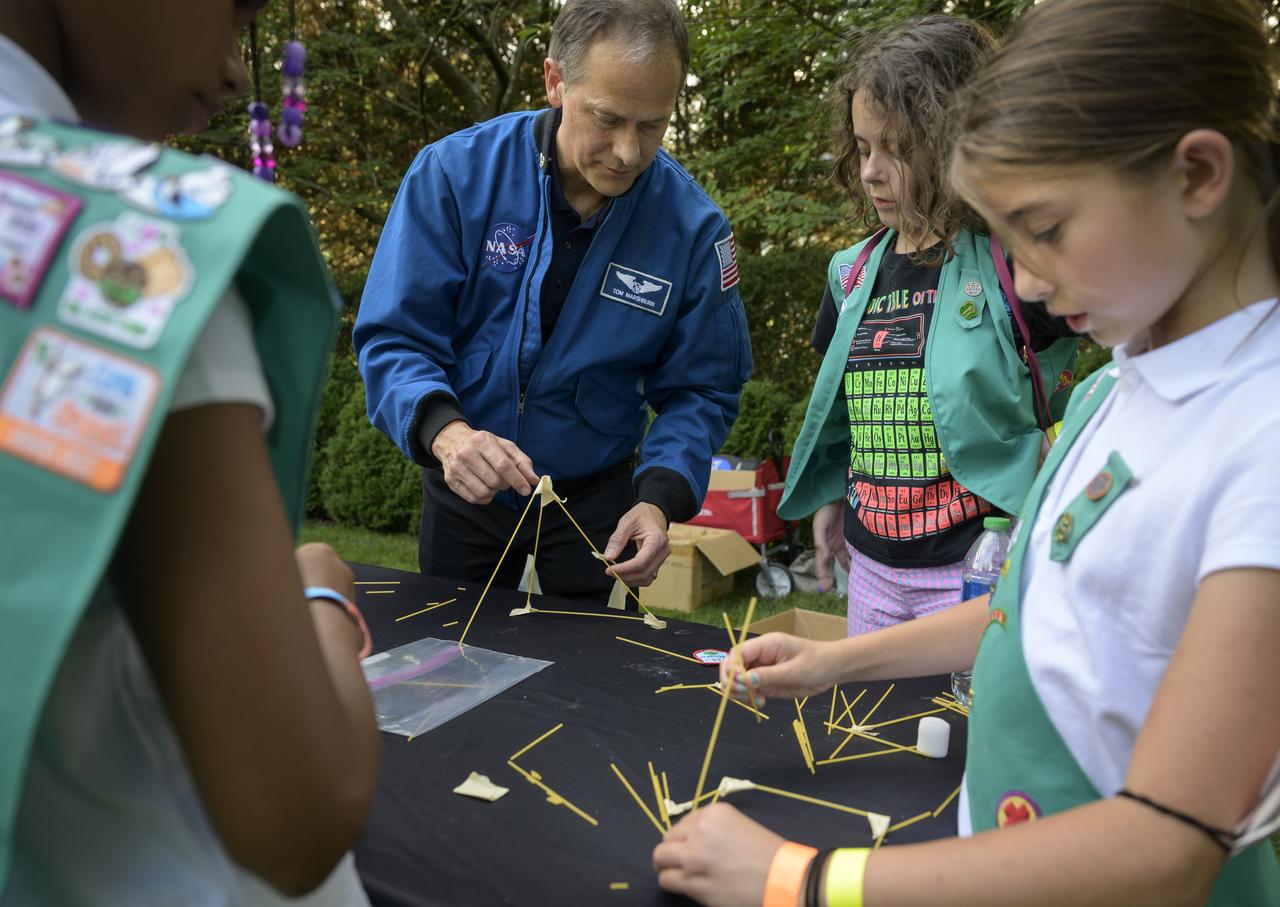
NASA astronaut Tom Marshburn works with students during a hands-on STEM activity on the grounds of the Vice President's residence at the Naval Observatory, Friday, June 17, 2022, in Washington. The Vice President and Second Gentleman hosted an evening of NASA STEM activities at the Naval Observatory for military families and local STEM students and their families, including a special screening of Disney Pixar’s Lightyear. Photo Credit: (NASA/Bill Ingalls)
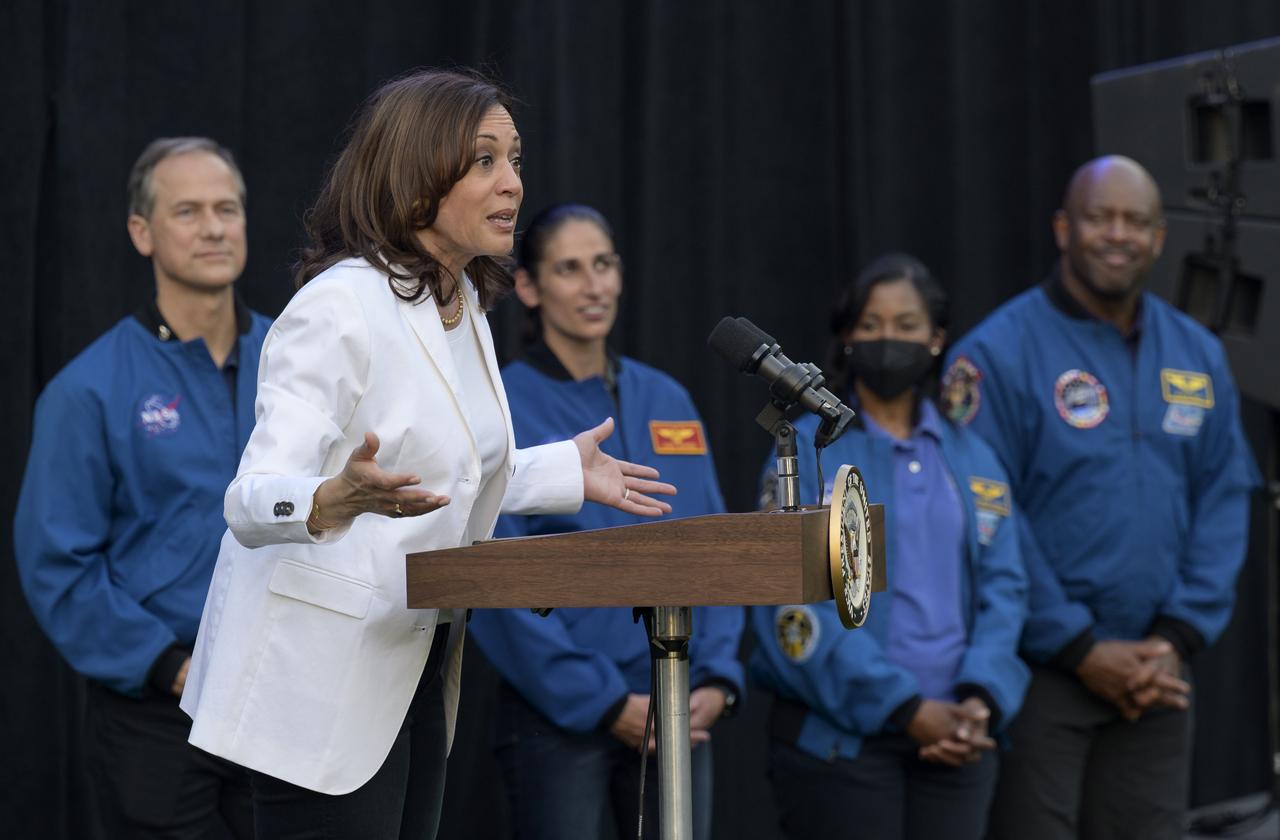
Vice President Kamala Harris gives remarks as NASA astronauts Tom Marshburn, Jasmin Moghbeli, Stephanie Wilson, and Former NASA astronaut Leland Melvin, right, look on prior to the screening of the movie Lightyear on the grounds of the Vice President's residence at the Naval Observatory, Friday, June 17, 2022, in Washington. The Vice President and Second Gentleman hosted an evening of NASA STEM activities at the Naval Observatory for military families and local STEM students and their families, including a special screening of Disney Pixar’s Lightyear. Photo Credit: (NASA/Bill Ingalls)
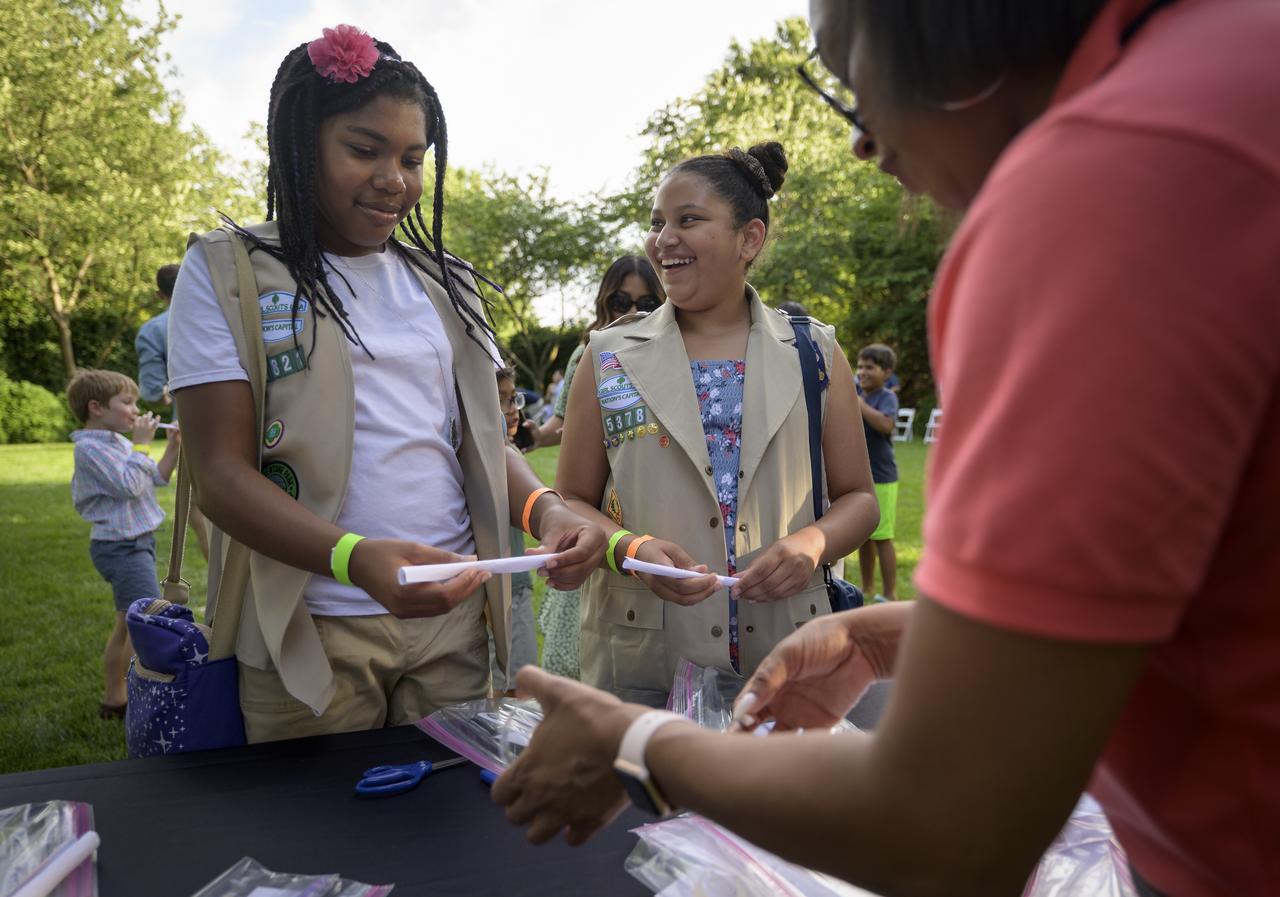
Students work a straw rocket hands-on STEM activity on the grounds of the Vice President's residence at the Naval Observatory, Friday, June 17, 2022, in Washington. The Vice President and Second Gentleman hosted an evening of NASA STEM activities at the Naval Observatory for military families and local STEM students and their families, including a special screening of Disney Pixar’s Lightyear. Photo Credit: (NASA/Bill Ingalls)
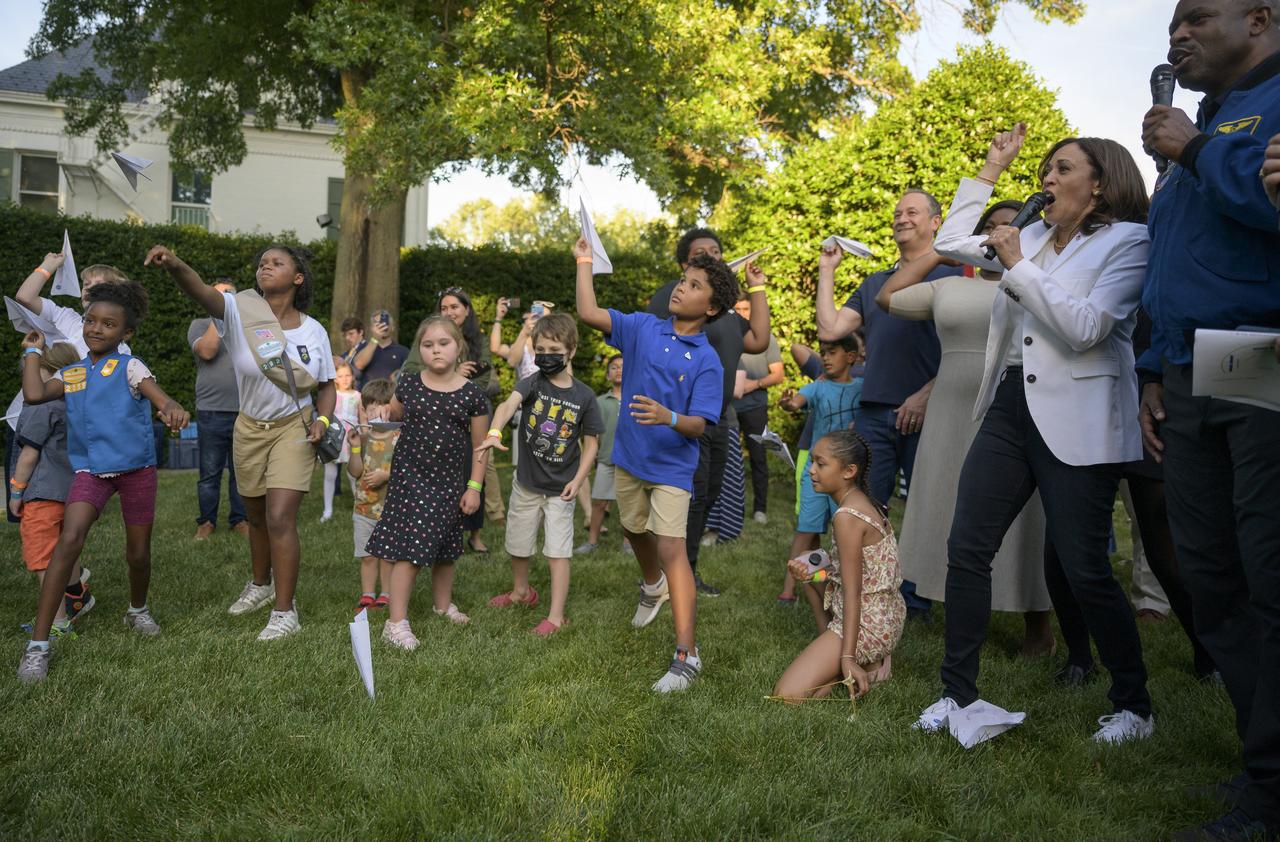
Vice President Kamala Harris counts down for children to throw their paper planes during hands-on STEM activities on the grounds of the Vice President's residence at the Naval Observatory, Friday, June 17, 2022, in Washington. The Vice President and Second Gentleman hosted an evening of NASA STEM activities at the Naval Observatory for military families and local STEM students and their families, including a special screening of Disney Pixar’s Lightyear. Photo Credit: (NASA/Bill Ingalls)
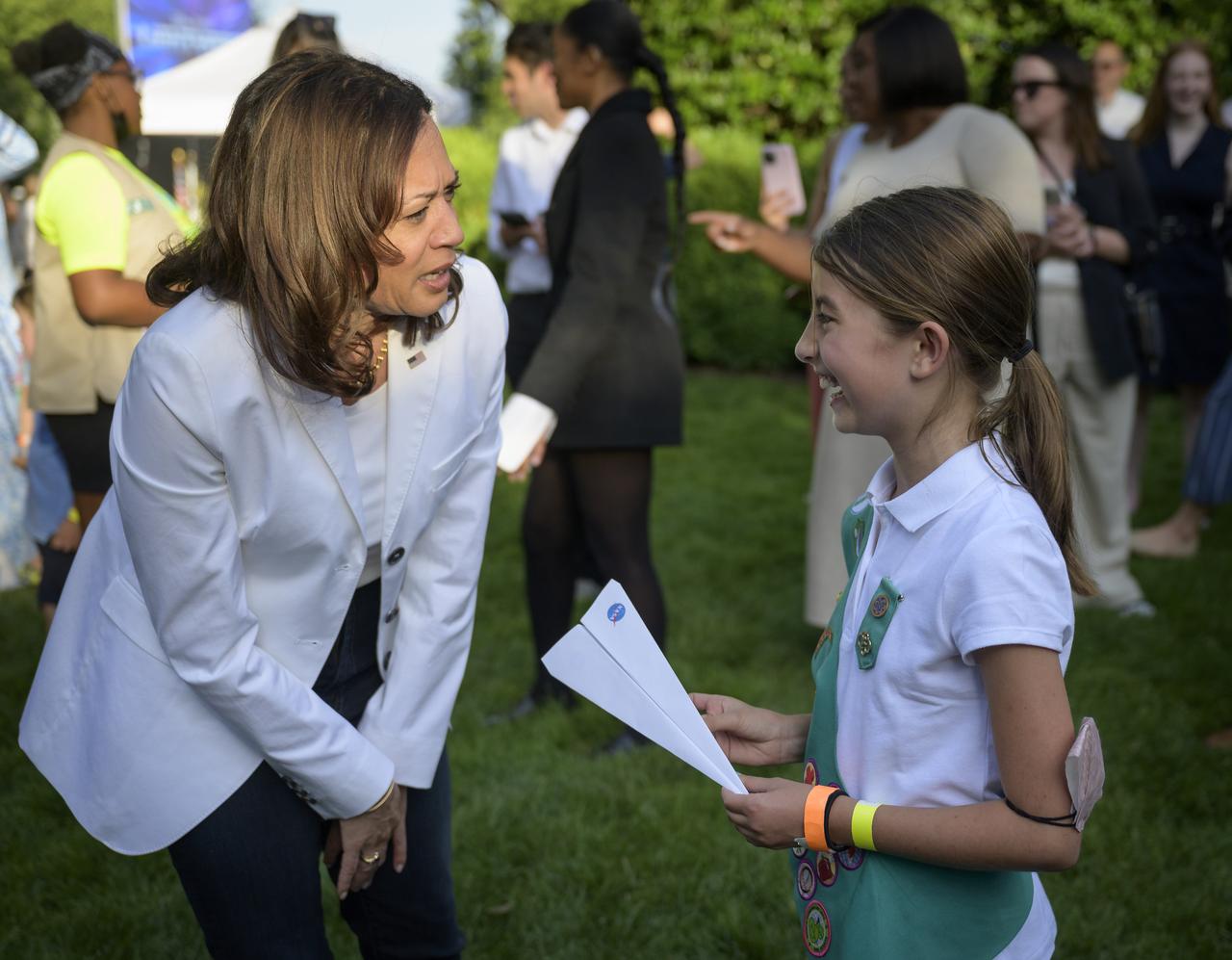
Vice President Kamala Harris talks with children as they participate in hands-on STEM activities on the grounds of the Vice President's residence at the Naval Observatory, Friday, June 17, 2022, in Washington. The Vice President and Second Gentleman hosted an evening of NASA STEM activities at the Naval Observatory for military families and local STEM students and their families, including a special screening of Disney Pixar’s Lightyear. Photo Credit: (NASA/Bill Ingalls)
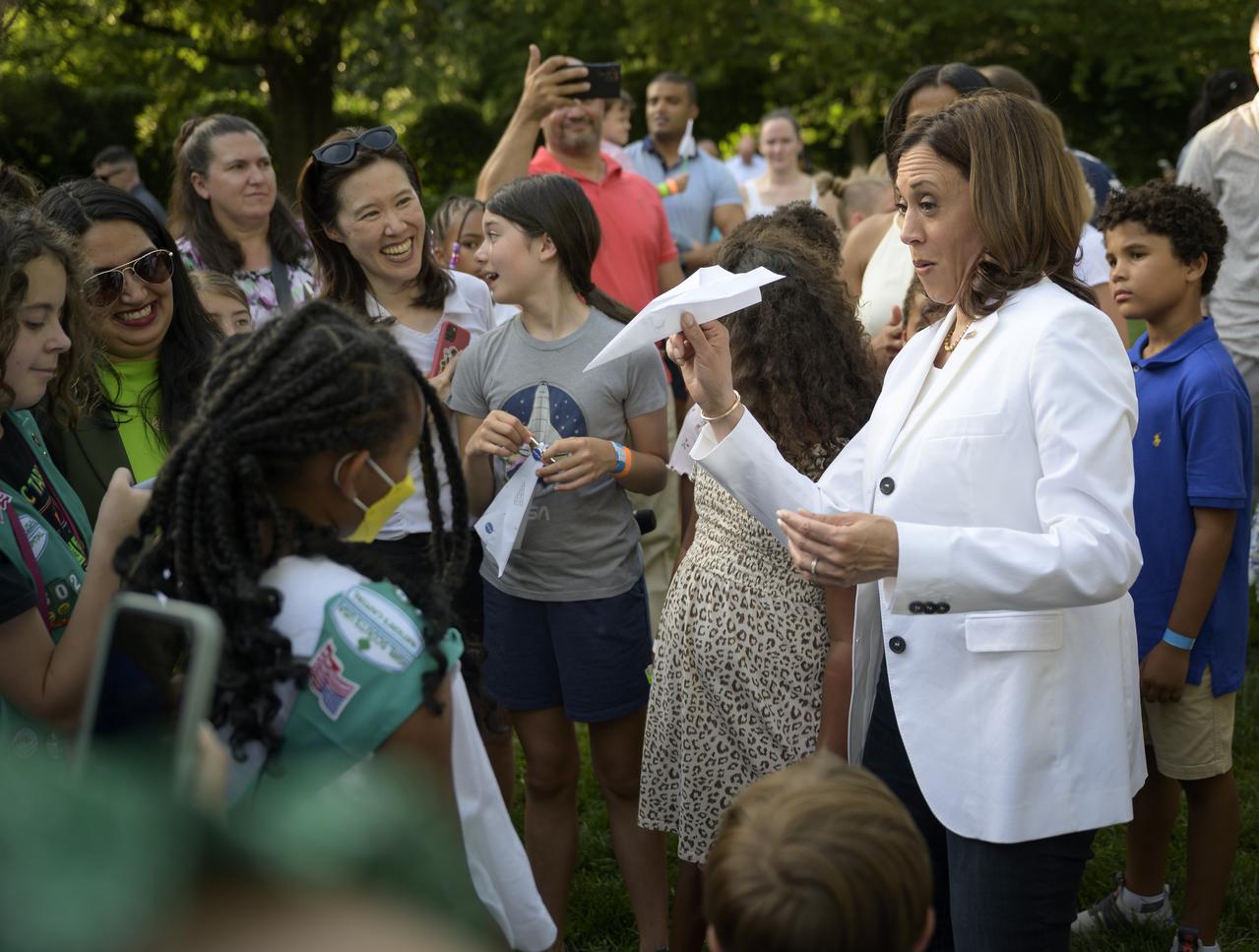
Vice President Kamala Harris interacts with children during hands-on STEM activities on the grounds of the Vice President's residence at the Naval Observatory, Friday, June 17, 2022, in Washington. The Vice President and Second Gentleman hosted an evening of NASA STEM activities at the Naval Observatory for military families and local STEM students and their families, including a special screening of Disney Pixar’s Lightyear. Photo Credit: (NASA/Bill Ingalls)
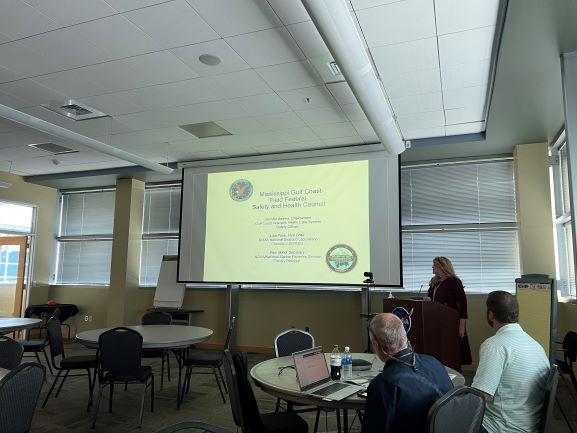
Jennifer Adams, representing the Gulf Coast Veterans Health Care System, speaks during the Mississippi/Louisiana Gulf Coast Voluntary Protection Program (VPP) Local Area Council Meeting on Oct. 29, hosted by NASA’s Stennis Space Center at INFINITY Science Center. The regional meeting focused on how workplace safety team members can achieve and maintain consistent and effective safety and health programs for their current and potential OSHA VPP worksites across south Mississippi and Louisiana.
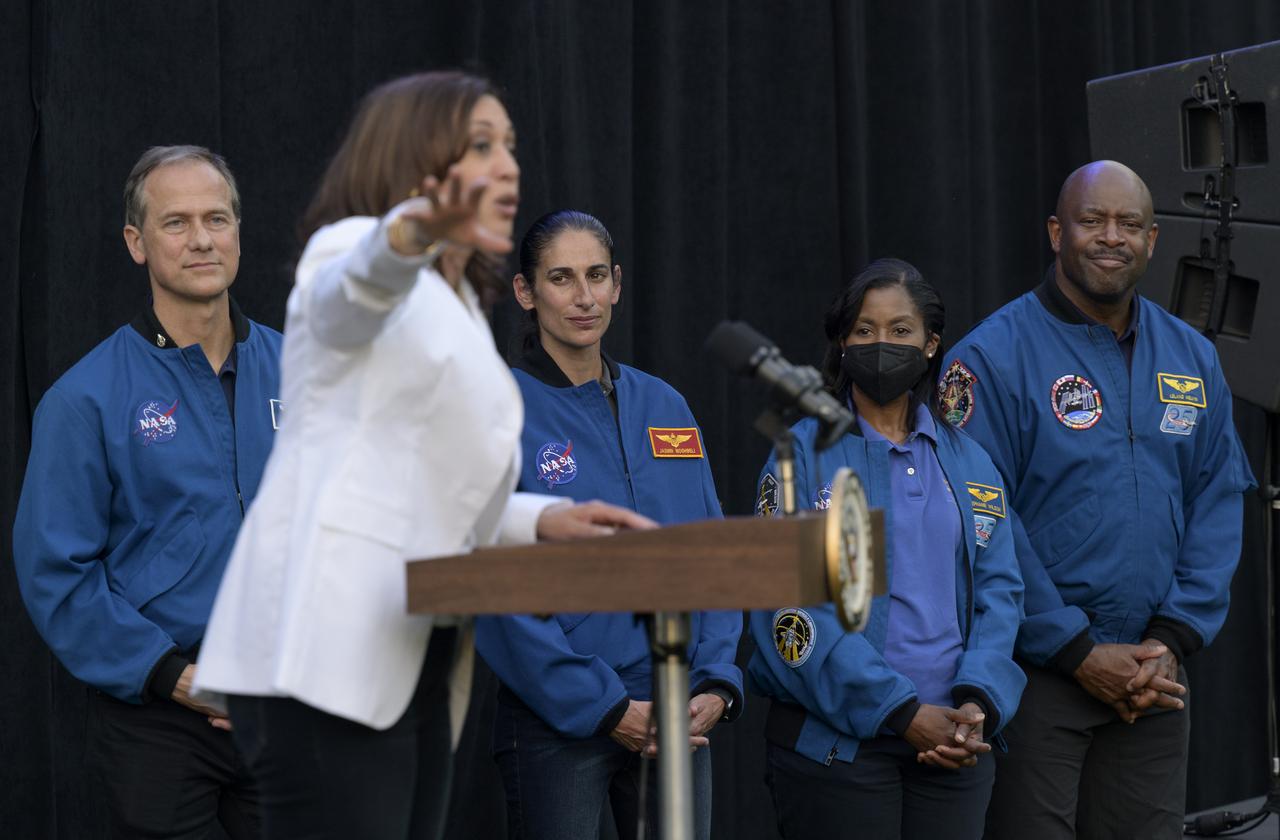
Vice President Kamala Harris gives remarks as NASA astronauts Tom Marshburn, Jasmin Moghbeli, Stephanie Wilson, and Former NASA astronaut Leland Melvin, right, look on prior to the screening of the movie Lightyear on the grounds of the Vice President's residence at the Naval Observatory, Friday, June 17, 2022, in Washington. The Vice President and Second Gentleman hosted an evening of NASA STEM activities at the Naval Observatory for military families and local STEM students and their families, including a special screening of Disney Pixar’s Lightyear. Photo Credit: (NASA/Bill Ingalls)
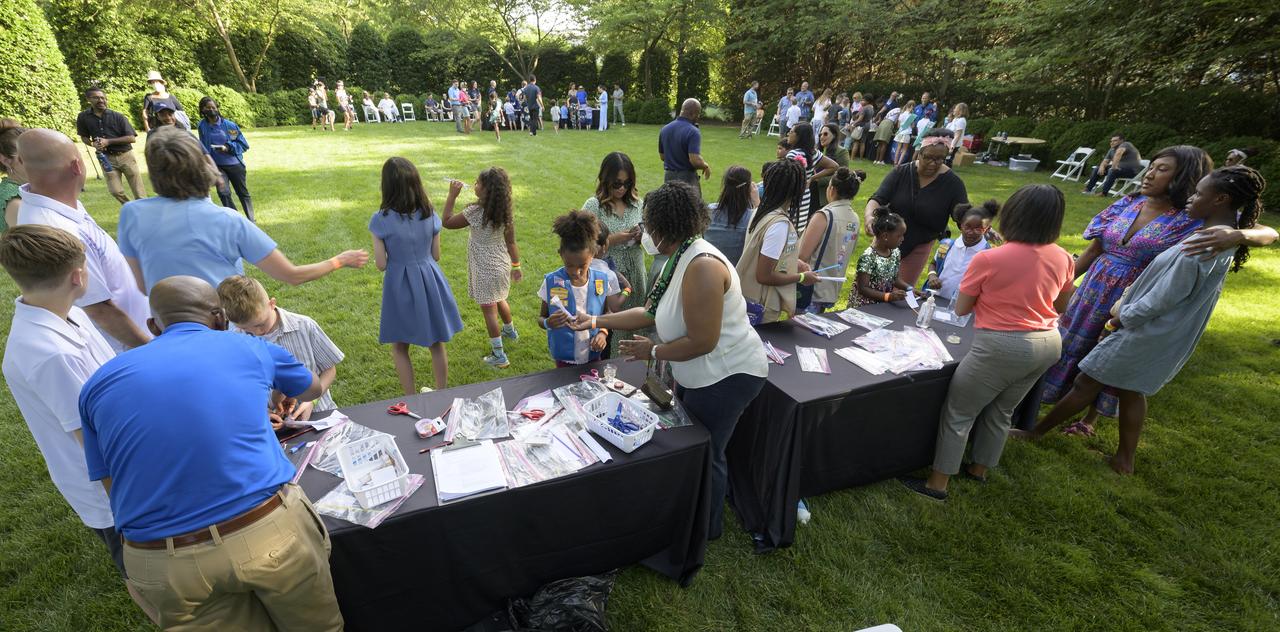
NASA astronauts and volunteers work hands-on STEM activities with students from 4th-8th grade on the grounds of the Vice President's residence at the Naval Observatory, Friday, June 17, 2022, in Washington. The Vice President and Second Gentleman hosted an evening of NASA STEM activities at the Naval Observatory for military families and local STEM students and their families, including a special screening of Disney Pixar’s Lightyear. Photo Credit: (NASA/Bill Ingalls)
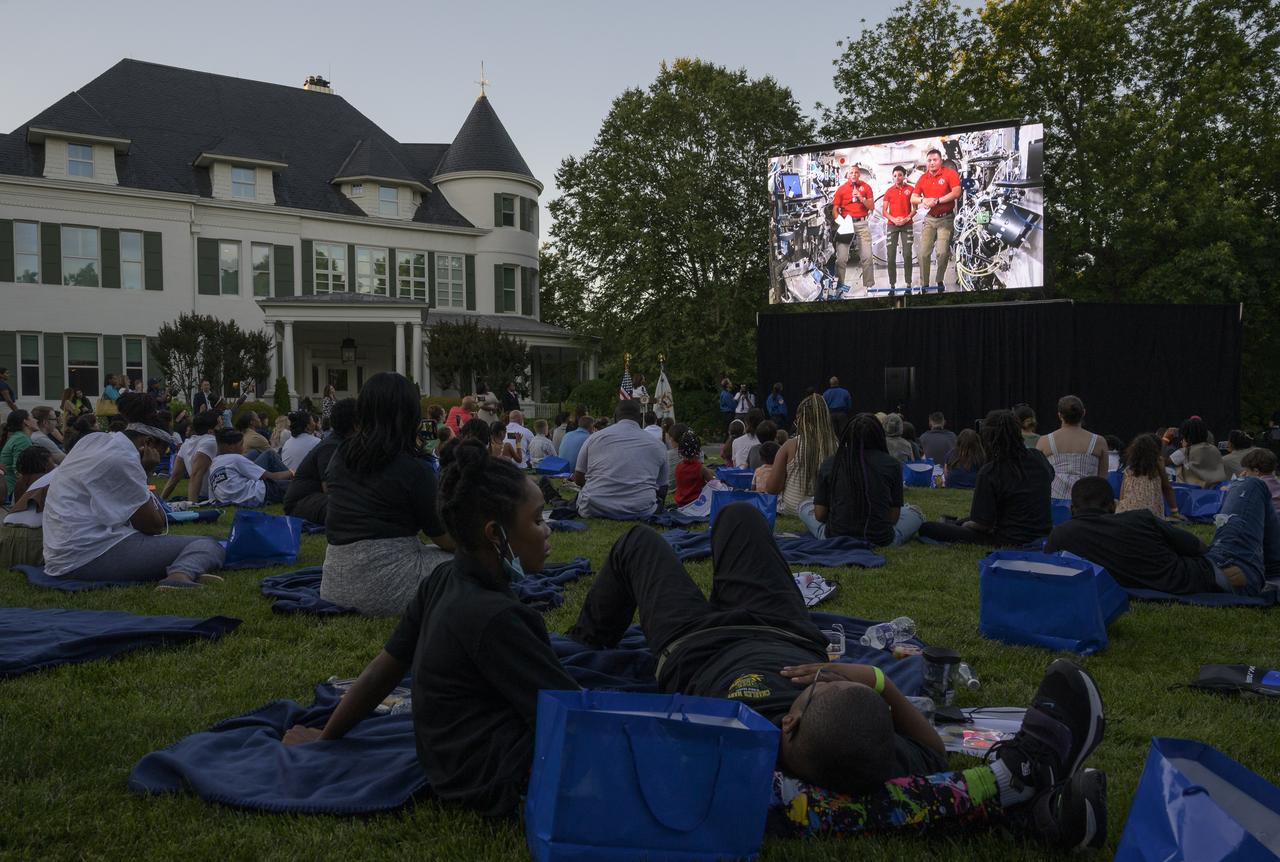
NASA astronauts Bob Hines, left, Jessica Watkins, and Kjell Lindgren, give remarks from the International Space Station prior to the screening of the movie Lightyear on the grounds of the Vice President's residence at the Naval Observatory, Friday, June 17, 2022, in Washington. The Vice President and Second Gentleman hosted an evening of NASA STEM activities at the Naval Observatory for military families and local STEM students and their families, including a special screening of Disney Pixar’s Lightyear. Photo Credit: (NASA/Bill Ingalls)
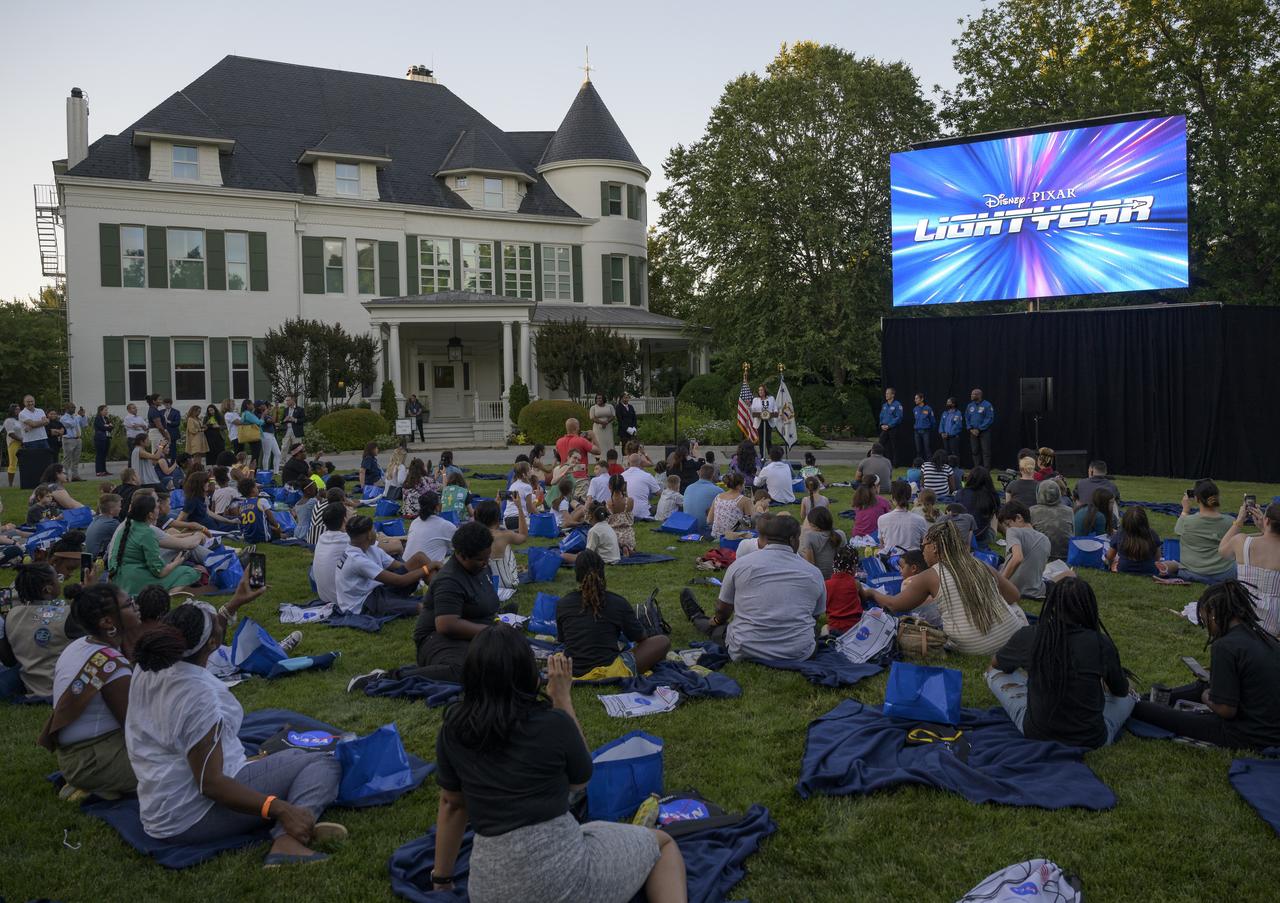
Vice President Kamala Harris gives remarks prior to the screening of the movie Lightyear on the grounds of the Vice President's residence at the Naval Observatory, Friday, June 17, 2022, in Washington. The Vice President and Second Gentleman hosted an evening of NASA STEM activities at the Naval Observatory for military families and local STEM students and their families, including a special screening of Disney Pixar’s Lightyear. Photo Credit: (NASA/Bill Ingalls)
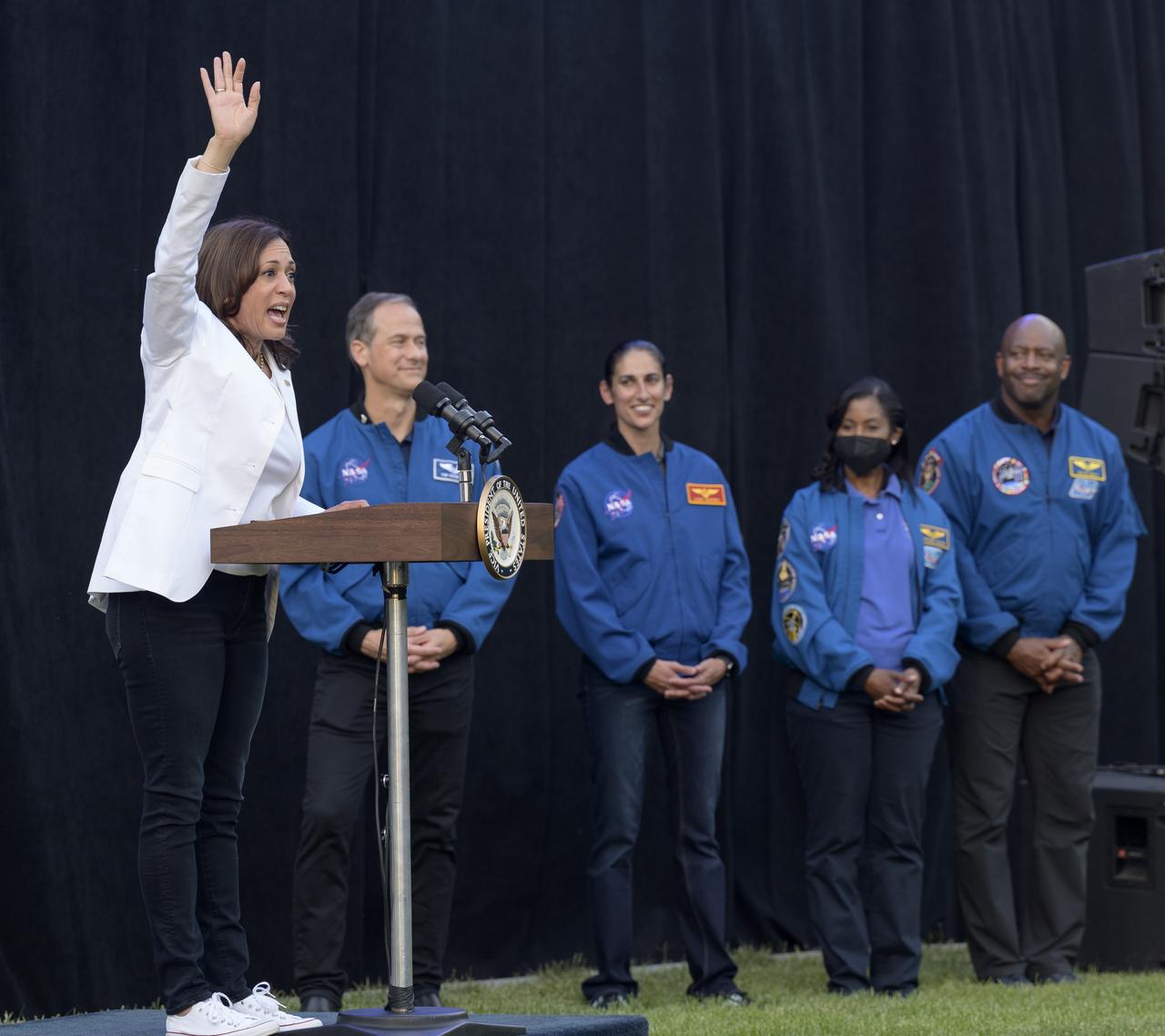
Vice President Kamala Harris gives remarks as NASA astronauts Tom Marshburn, Jasmin Moghbeli, Stephanie Wilson, and Former NASA astronaut Leland Melvin, right, look on prior to the screening of the movie Lightyear on the grounds of the Vice President's residence at the Naval Observatory, Friday, June 17, 2022, in Washington. The Vice President and Second Gentleman hosted an evening of NASA STEM activities at the Naval Observatory for military families and local STEM students and their families, including a special screening of Disney Pixar’s Lightyear. Photo Credit: (NASA/Bill Ingalls)
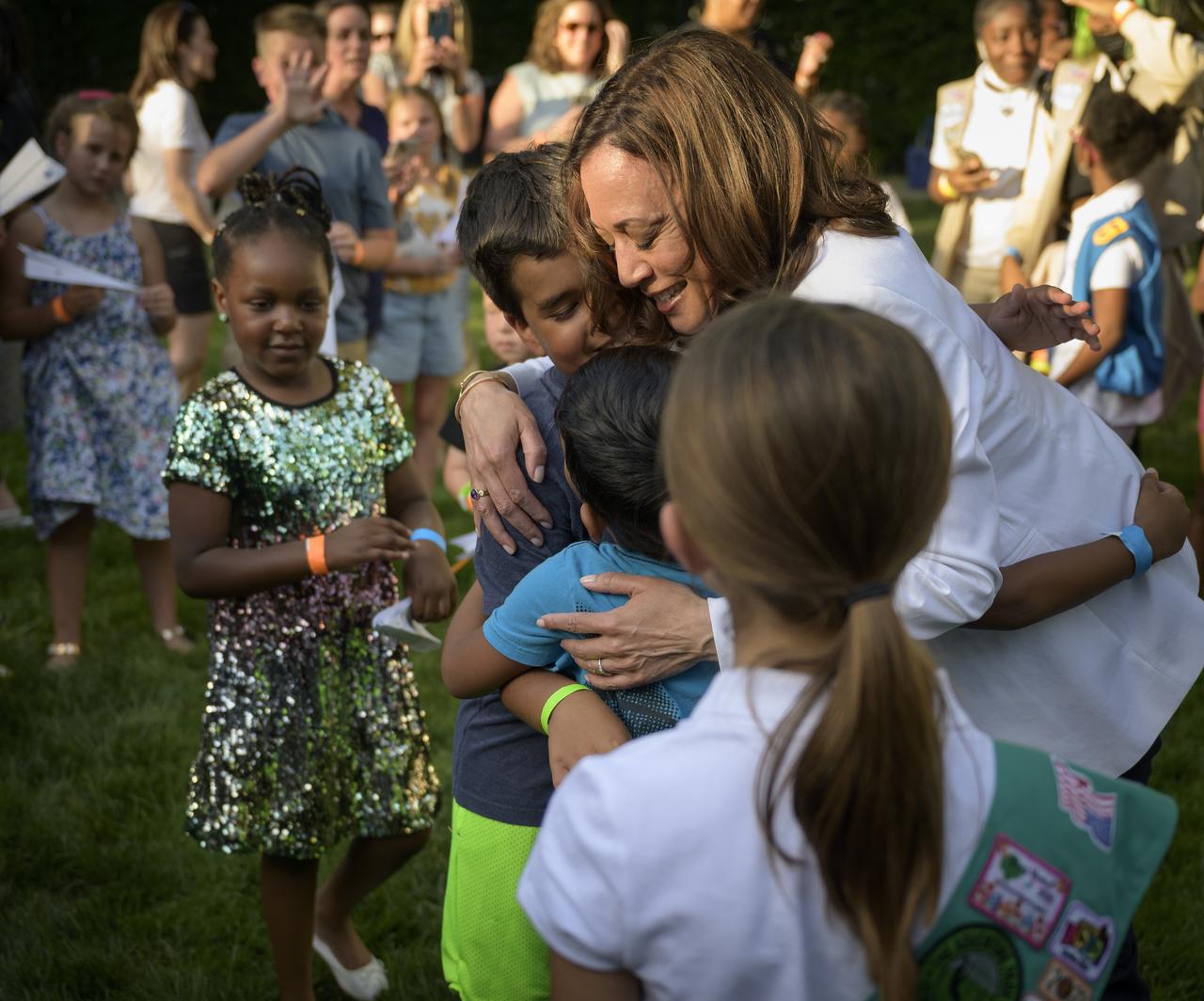
Vice President Kamala Harris hugs children that participated in hands-on STEM activities on the grounds of the Vice President's residence at the Naval Observatory, Friday, June 17, 2022, in Washington. The Vice President and Second Gentleman hosted an evening of NASA STEM activities at the Naval Observatory for military families and local STEM students and their families, including a special screening of Disney Pixar’s Lightyear. Photo Credit: (NASA/Bill Ingalls)
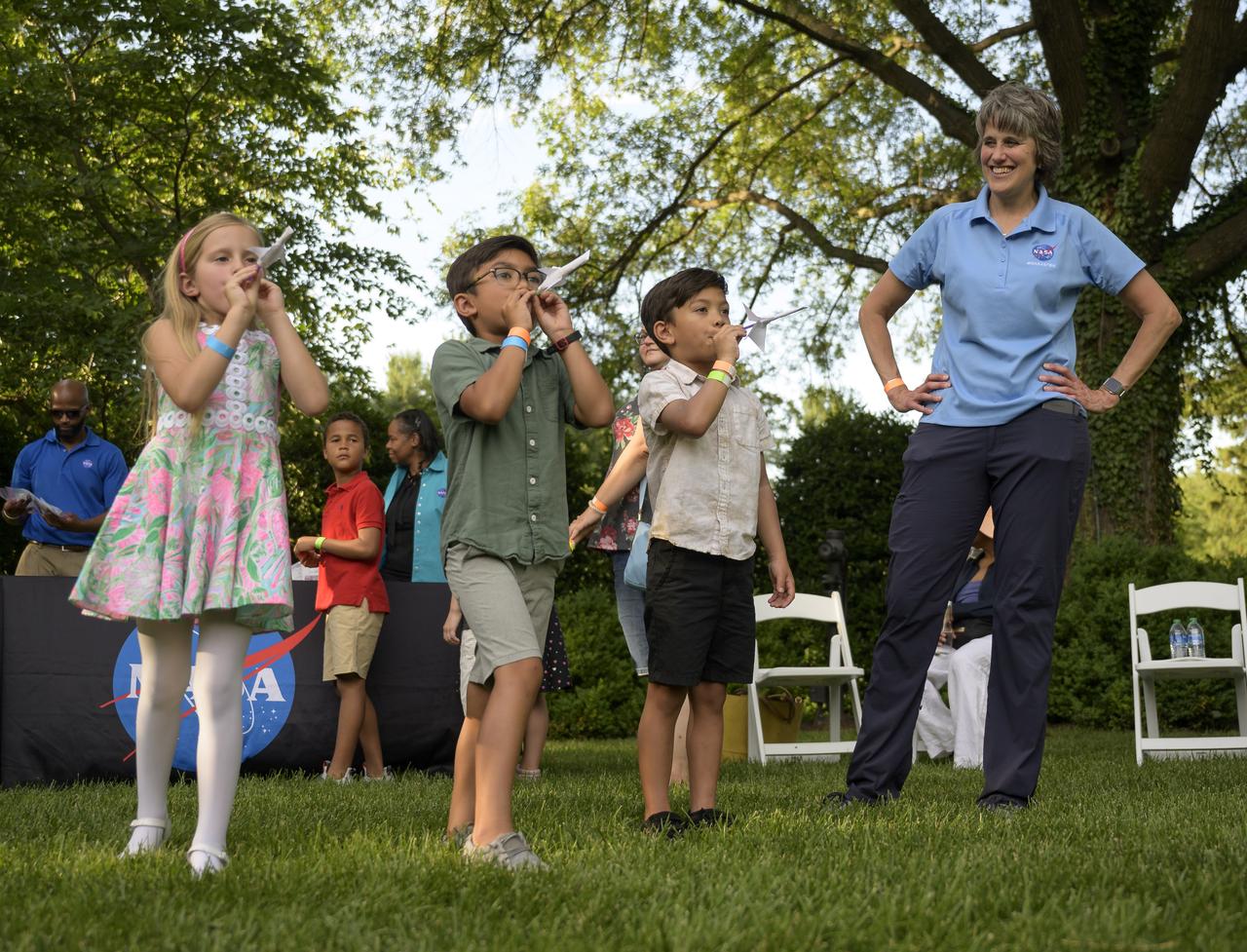
Cindy Hasselbring, NASA K-12 Education Advisor at NASA’s Office of STEM Engagement, works hands-on STEM activities with students from 4th-8th grade on the grounds of the Vice President's residence at the Naval Observatory, Friday, June 17, 2022, in Washington. The Vice President and Second Gentleman hosted an evening of NASA STEM activities at the Naval Observatory for military families and local STEM students and their families, including a special screening of Disney Pixar’s Lightyear. Photo Credit: (NASA/Bill Ingalls)
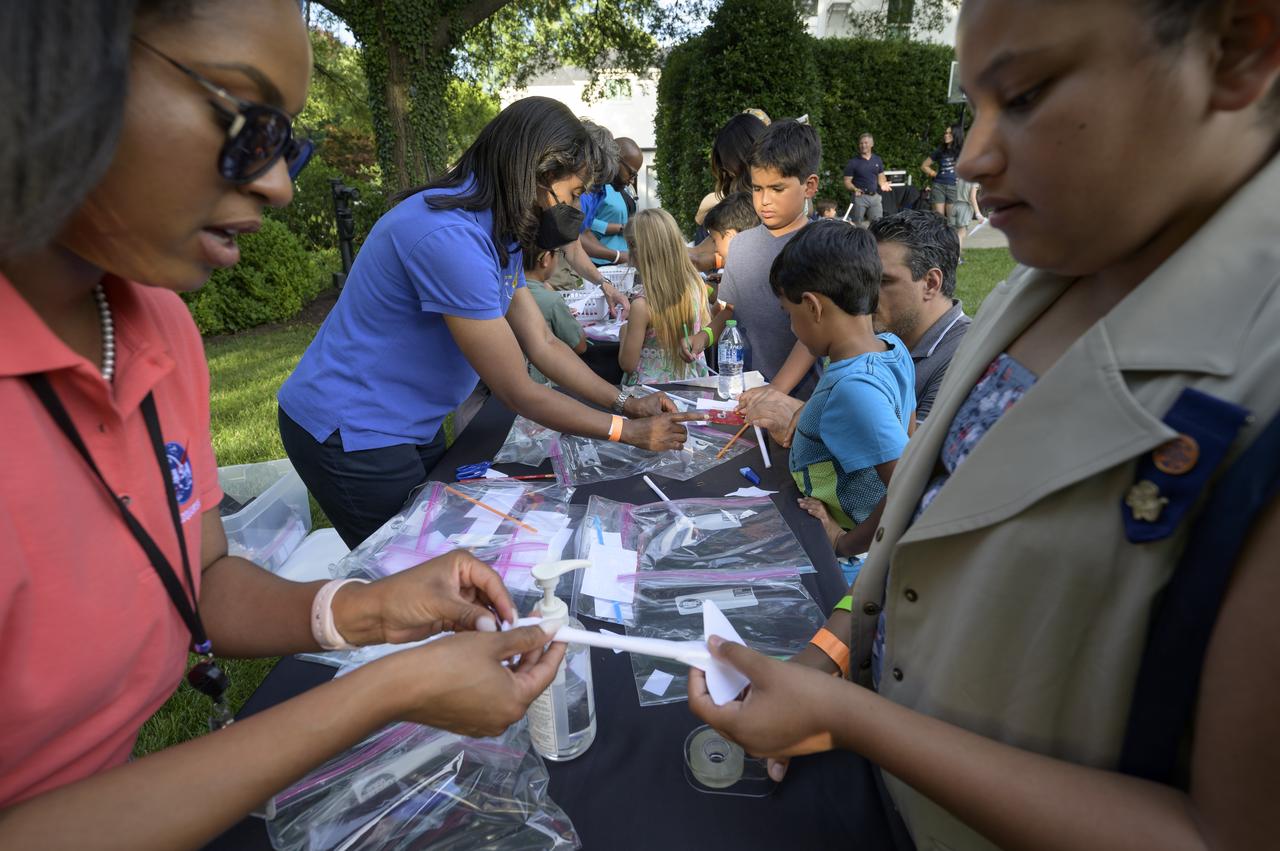
NASA astronaut Stephanie Wilson, 2nd from left, works with students during a hands-on STEM activity on the grounds of the Vice President's residence at the Naval Observatory, Friday, June 17, 2022, in Washington. The Vice President and Second Gentleman hosted an evening of NASA STEM activities at the Naval Observatory for military families and local STEM students and their families, including a special screening of Disney Pixar’s Lightyear. Photo Credit: (NASA/Bill Ingalls)
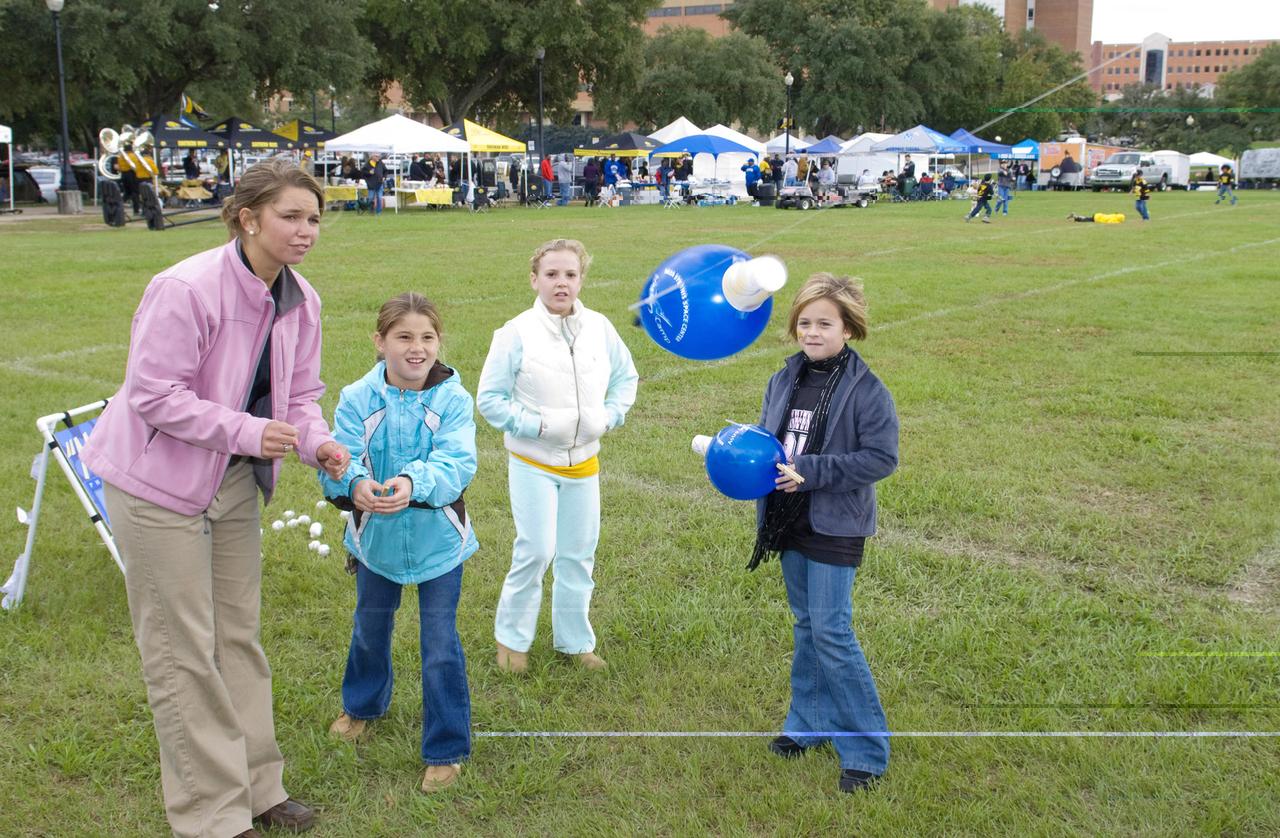
Fallon Nettles (left), an Astro Camp counselor at NASA's John C. Stennis Space Center, assists a young fan attending the University of Southern Mississippi football game in Hattiesburg, Miss., on Oct. 17 in launching a balloon 'rocket.' Prior to the game, Stennis Space Center hosted hands-on activities and exhibits for families as part of its first-ever Space Day at USM. The activities were versions of those featured in the daylong and weeklong Astro Camp sessions sponsored by Stennis throughout each year. Stennis Space Center is located in nearby Hancock County and is the nation's premier rocket engine testing facility. The USM activities were part of Stennis' ongoing effort to educate people about the NASA mission and to introduce children and young people to space and space exploration.
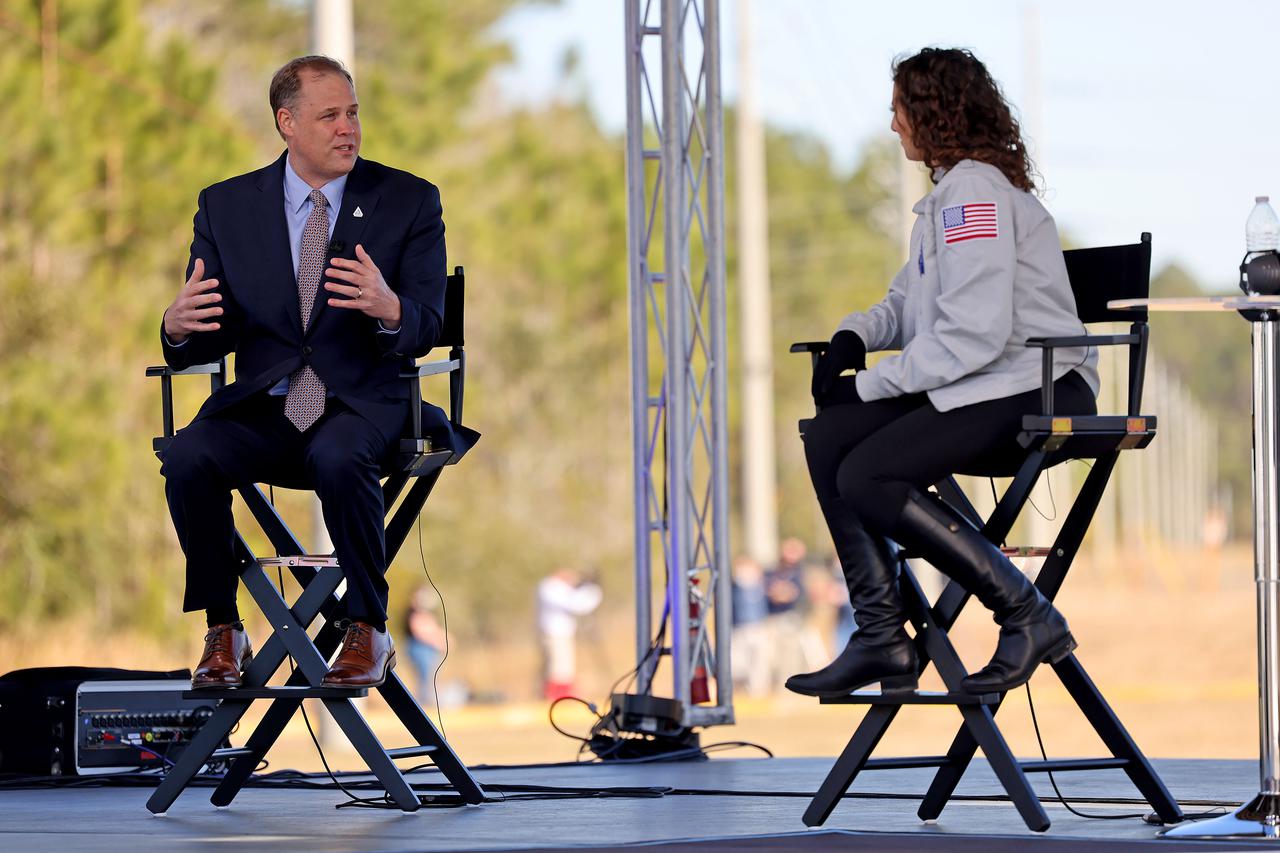
Outgoing NASA Administrator Jim Bridenstine (left) talks with host Leigh D’Angelo during NASA TV live coverage from Stennis Space Center near Bay St. Louis, Mississippi, on Jan. 16, 2021. D’Angelo, from NASA’s Michoud Assembly Facility in nearby New Orleans, hosted the NASA TV coverage prior to the hot fire test of the core stage for the agency’s Space Launch System rocket. The hot fire test of the stage’s four RS-25 engines generated a combined 1.6 million pounds of thrust, just as will occur during an actual launch. The hot fire is the final test of the Green Run test series, a comprehensive assessment of the SLS core stage prior to launching the Artemis I mission to the Moon.
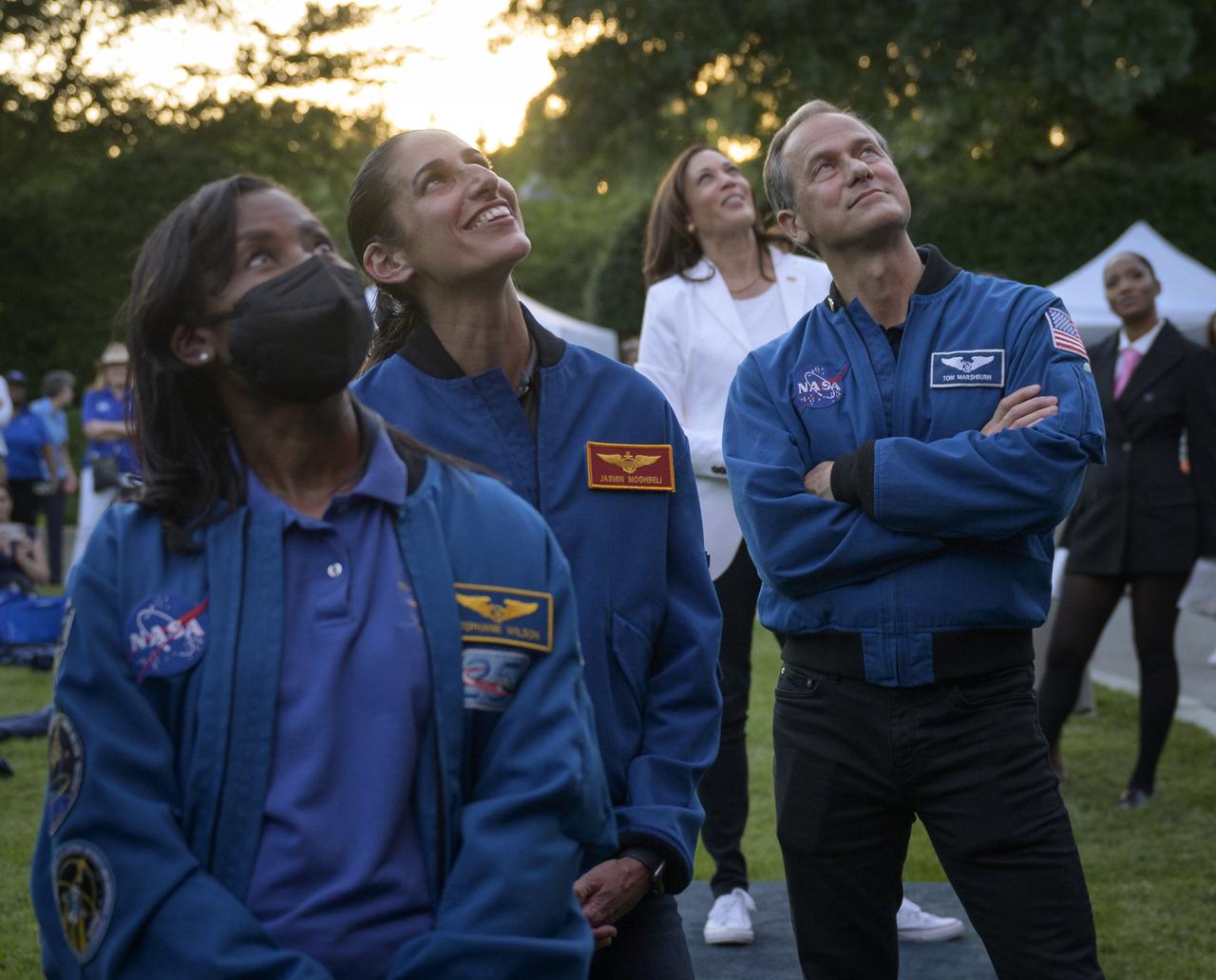
NASA astronauts Stephanie Wilson, left, Jasmin Moghbeli, and Tom Marshburn, along with Vice President Kamala Harris watch a video screen as NASA astronauts onboard the International Space Station give remarks prior to the screening of the movie Lightyear on the grounds of the Vice President's residence at the Naval Observatory, Friday, June 17, 2022, in Washington. The Vice President and Second Gentleman hosted an evening of NASA STEM activities at the Naval Observatory for military families and local STEM students and their families, including a special screening of Disney Pixar’s Lightyear. Photo Credit: (NASA/Bill Ingalls)

This plot tells astronomers that a fifth planet is in orbit around the star 55 Cancri, making the star the record-holder for hosting the most known exoplanets.
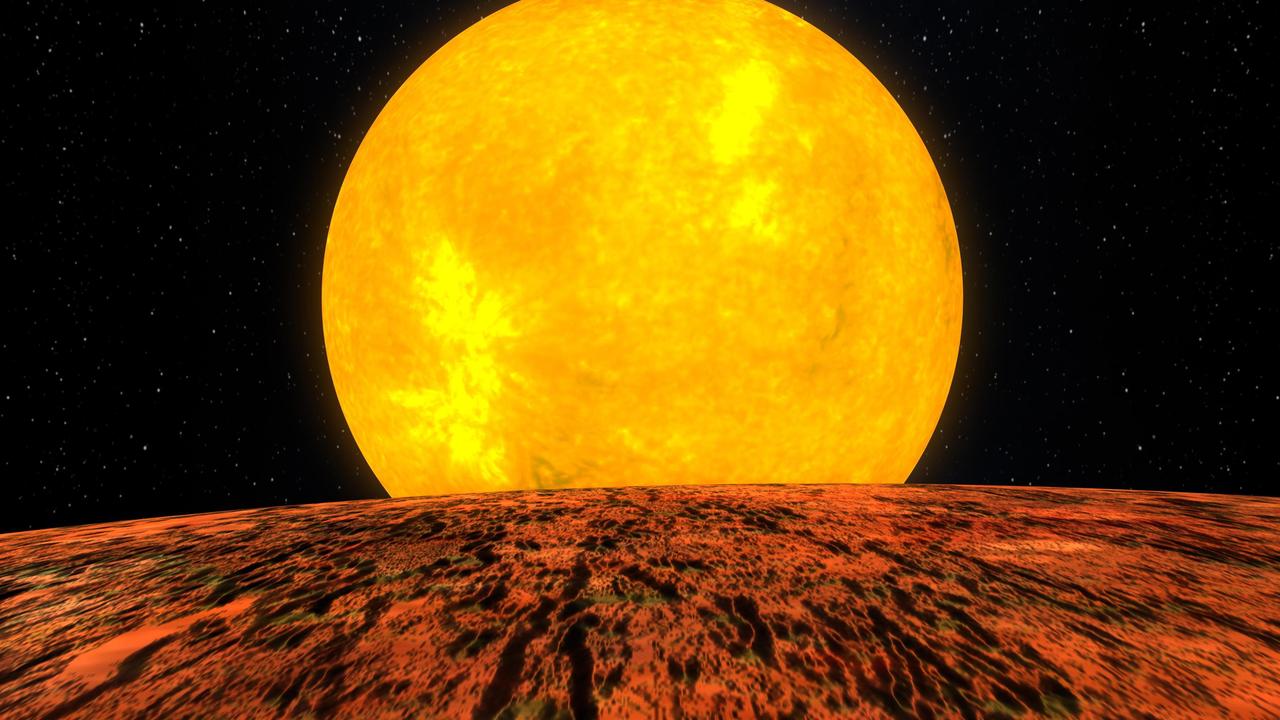
Artist concept of the first rocky world discovered by NASA Kepler mission. The planet, called Kepler 10-b, is shown in front of its host star.

The 2002 Winter Olympics are hosted by Salt Lake City at several venues within the city, in nearby cities, and within the adjacent Wasatch Mountains.
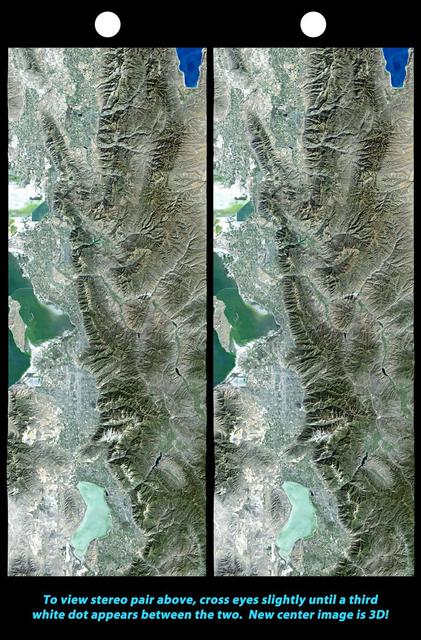
The 2002 Winter Olympics are hosted by Salt Lake City at several venues within the city, in nearby cities, and within the adjacent Wasatch Mountains.

This image shows brown dwarf HIP 79124 B, located 23 times as far from its host star as Earth is from the sun. The vortex coronagraph, an instrument at the W.M. Keck Observatory, was used to suppress light from the much brighter host star, allowing its dim companion to be imaged for the first time. http://photojournal.jpl.nasa.gov/catalog/PIA21417
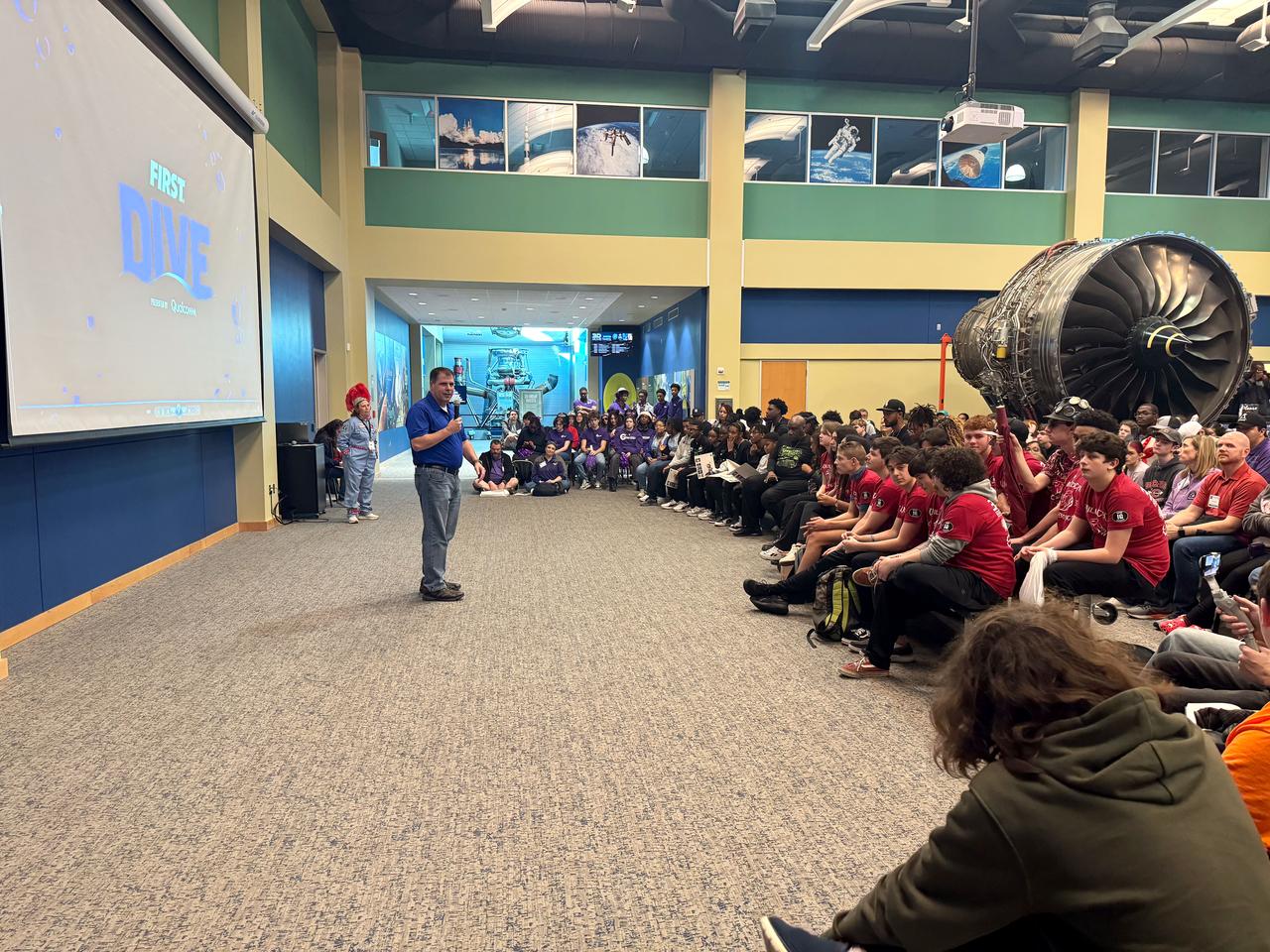
The NASA ASTRO CAMP® Community Partners (ACCP) program hosted a FIRST® Robotics Competition 2025 season kickoff event Jan. 4 at INFINITY Science Center, the official visitor center of NASA’s Stennis Space Center. NASA representatives welcomed competition teams as the event revealed the challenge for the new season. Teams will use engineering skills during the REEFSCAPE℠ challenge to strengthen one of the ocean’s most diverse habitats to build a better world. The third annual FIRST (For the Inspiration and Recognition of Science and Technology) Robotics Magnolia Regional, a NASA-sponsored event, is scheduled for March 13-15 in Laurel, Mississippi, at the South Mississippi Fairgrounds. The regional competition will serve as a championship-qualifying event for teams to compete in Houston in the world championship event in April. FIRST Robotics is described as the ultimate sport of the mind as teams concentrate and share in the excitement of success.
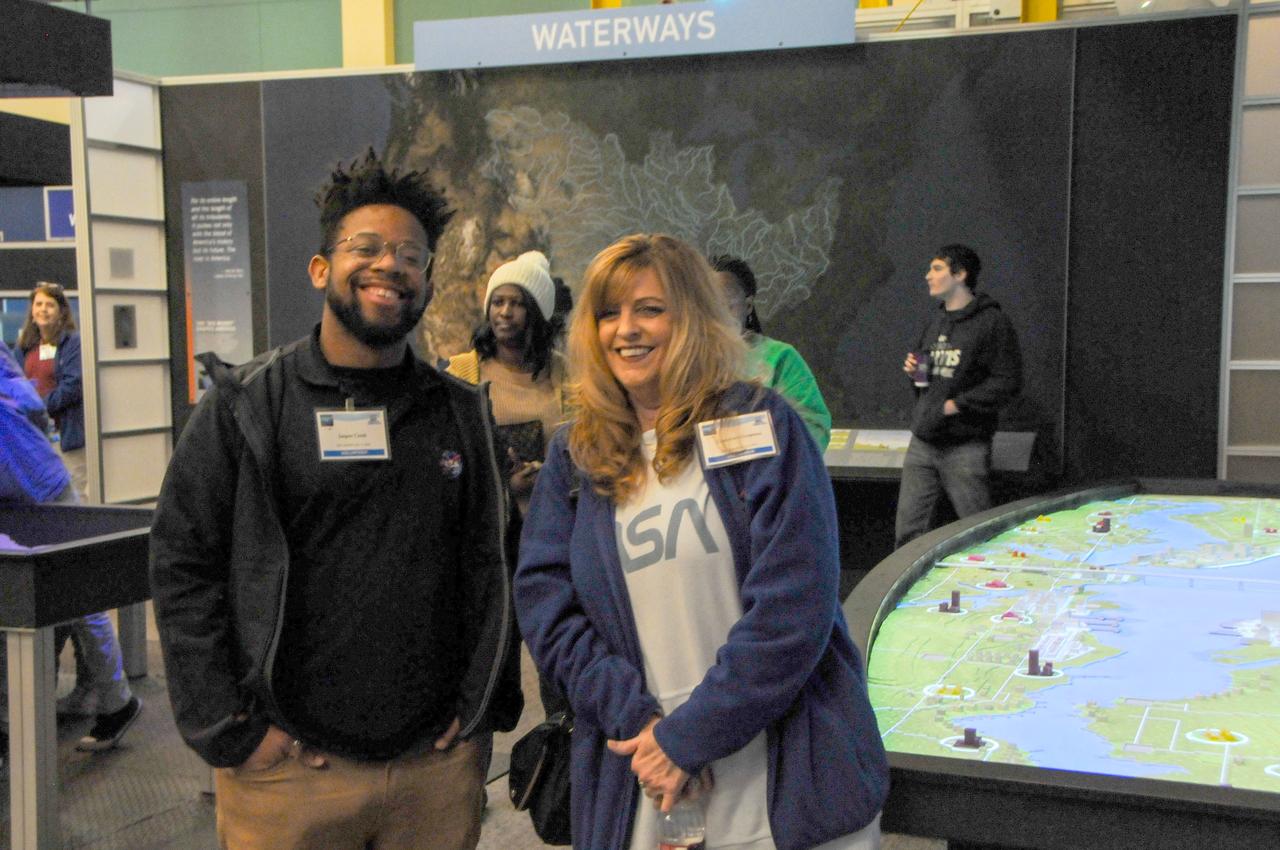
The NASA ASTRO CAMP® Community Partners (ACCP) program hosted a FIRST® Robotics Competition 2025 season kickoff event Jan. 4 at INFINITY Science Center, the official visitor center of NASA’s Stennis Space Center. NASA representatives welcomed competition teams as the event revealed the challenge for the new season. Teams will use engineering skills during the REEFSCAPE℠ challenge to strengthen one of the ocean’s most diverse habitats to build a better world. The third annual FIRST (For the Inspiration and Recognition of Science and Technology) Robotics Magnolia Regional, a NASA-sponsored event, is scheduled for March 13-15 in Laurel, Mississippi, at the South Mississippi Fairgrounds. The regional competition will serve as a championship-qualifying event for teams to compete in Houston in the world championship event in April. FIRST Robotics is described as the ultimate sport of the mind as teams concentrate and share in the excitement of success.
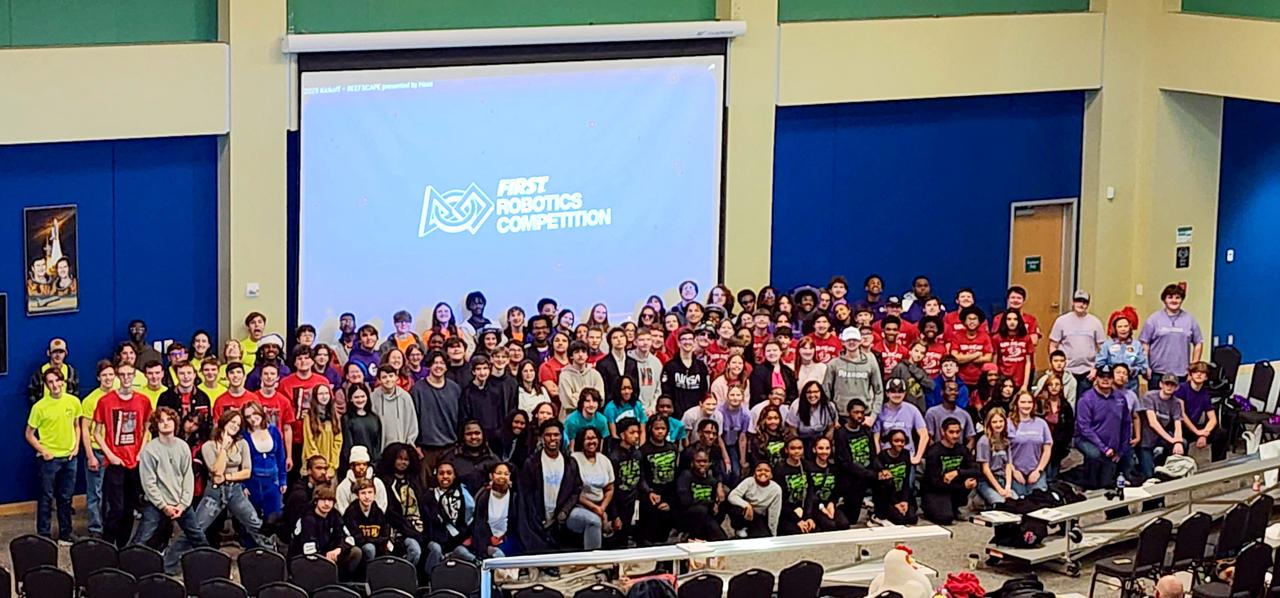
The NASA ASTRO CAMP® Community Partners (ACCP) program hosted a FIRST® Robotics Competition 2025 season kickoff event Jan. 4 at INFINITY Science Center, the official visitor center of NASA’s Stennis Space Center. NASA representatives welcomed competition teams as the event revealed the challenge for the new season. Teams will use engineering skills during the REEFSCAPE℠ challenge to strengthen one of the ocean’s most diverse habitats to build a better world. The third annual FIRST (For the Inspiration and Recognition of Science and Technology) Robotics Magnolia Regional, a NASA-sponsored event, is scheduled for March 13-15 in Laurel, Mississippi, at the South Mississippi Fairgrounds. The regional competition will serve as a championship-qualifying event for teams to compete in Houston in the world championship event in April. FIRST Robotics is described as the ultimate sport of the mind as teams concentrate and share in the excitement of success.
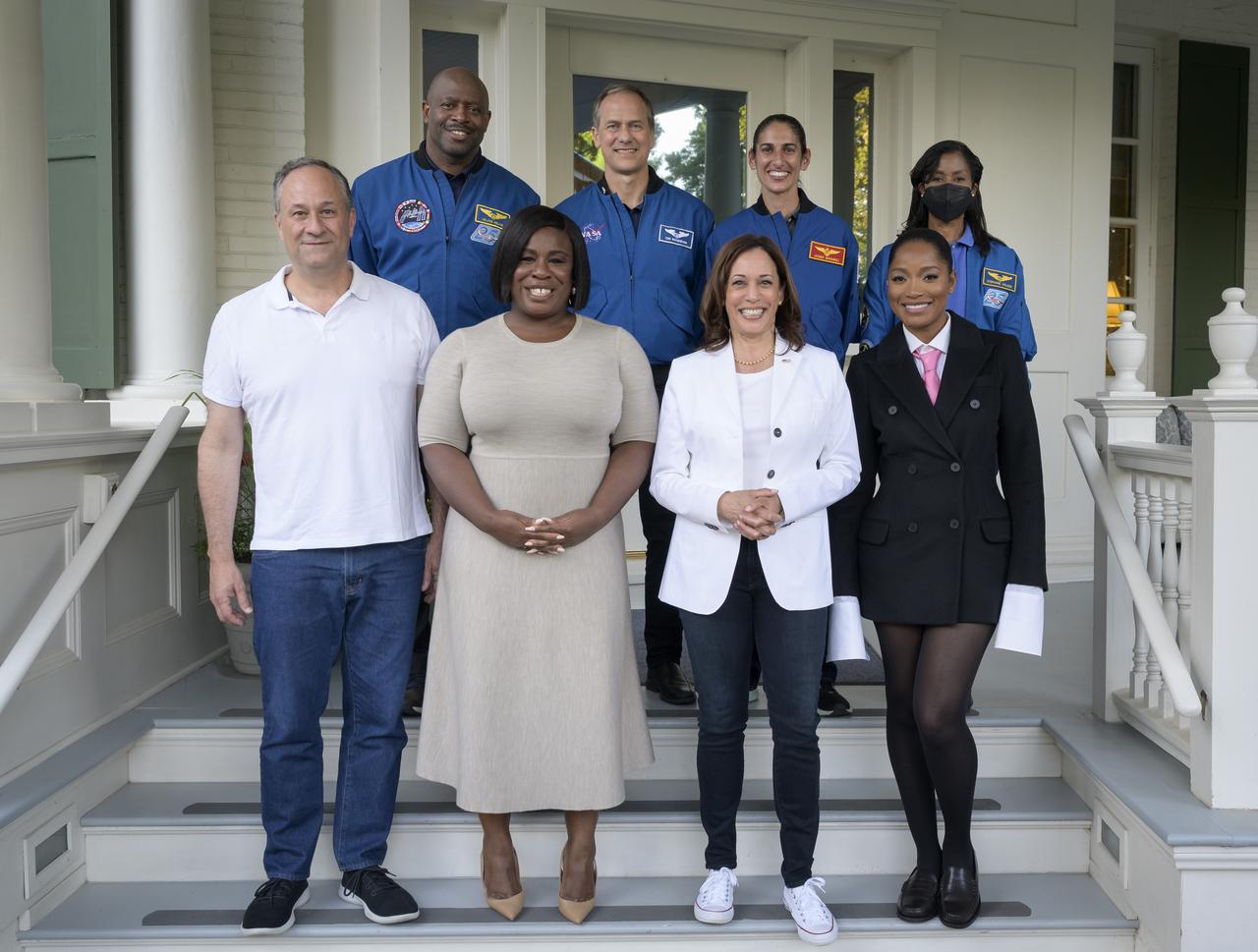
Vice President Kamala Harris and Second Gentleman Doug Emhoff pose for a group photo with Former NASA astronaut Leland Melvin, back left, NASA astronauts Tom Marshburn, Jasmin Moghbeli, and Stephanie Wilson, back right, along with American actress Uzo Aduba, and American actress Keke Palmer, bottom right, after they met with students from 4th-8th grade to work hands-on STEM activities on the grounds of the Vice President's residence at the Naval Observatory, Friday, June 17, 2022, in Washington. The Vice President and Second Gentleman hosted an evening of NASA STEM activities at the Naval Observatory for military families and local STEM students and their families, including a special screening of Disney Pixar’s Lightyear. Photo Credit: (NASA/Bill Ingalls)
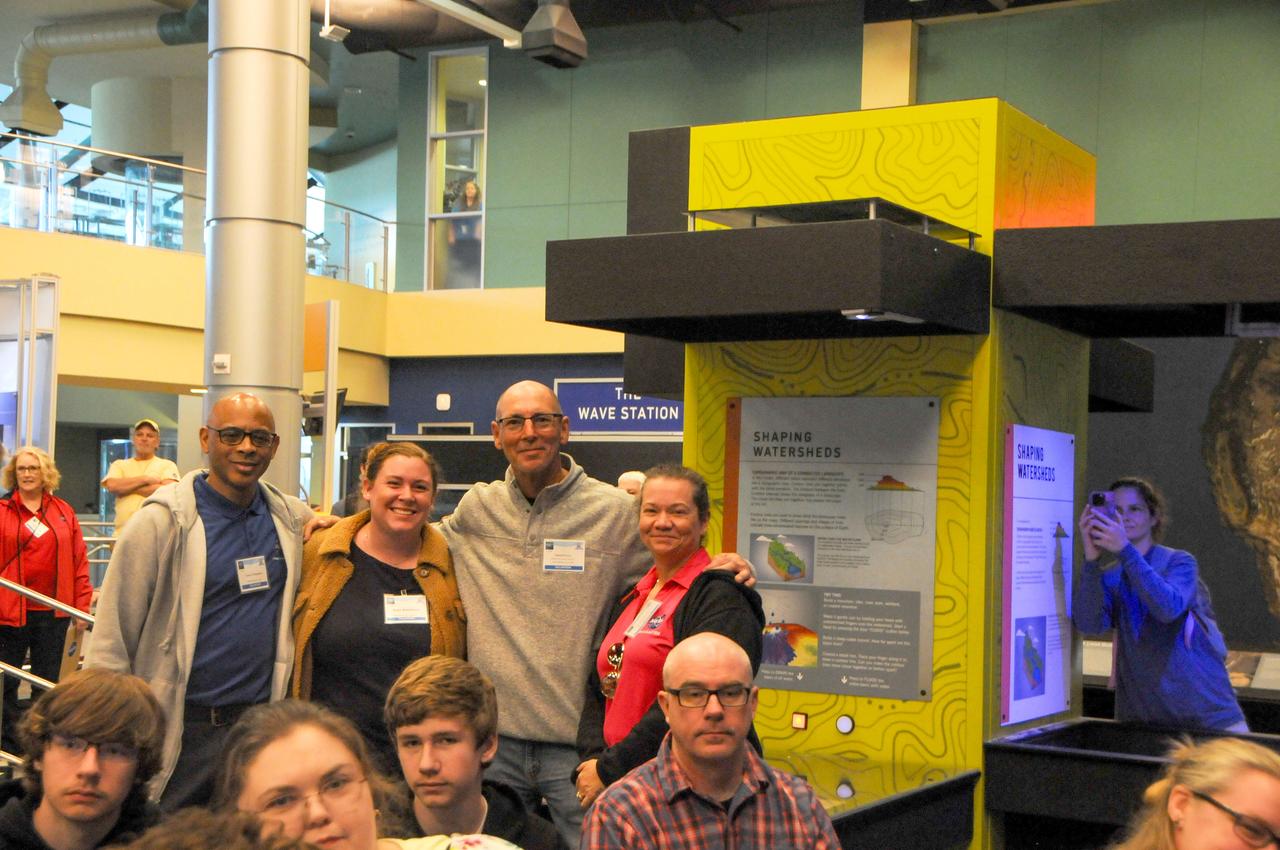
The NASA ASTRO CAMP® Community Partners (ACCP) program hosted a FIRST® Robotics Competition 2025 season kickoff event Jan. 4 at INFINITY Science Center, the official visitor center of NASA’s Stennis Space Center. NASA representatives welcomed competition teams as the event revealed the challenge for the new season. Teams will use engineering skills during the REEFSCAPE℠ challenge to strengthen one of the ocean’s most diverse habitats to build a better world. The third annual FIRST (For the Inspiration and Recognition of Science and Technology) Robotics Magnolia Regional, a NASA-sponsored event, is scheduled for March 13-15 in Laurel, Mississippi, at the South Mississippi Fairgrounds. The regional competition will serve as a championship-qualifying event for teams to compete in Houston in the world championship event in April. FIRST Robotics is described as the ultimate sport of the mind as teams concentrate and share in the excitement of success.

This artist's concept shows exoplanet Kepler-1649c orbiting around its host red dwarf star. This exoplanet is in its star's habitable zone (the distance where liquid water could exist on the planet's surface) and is the closest to Earth in size and temperature found yet in Kepler's data. https://photojournal.jpl.nasa.gov/catalog/PIA23689
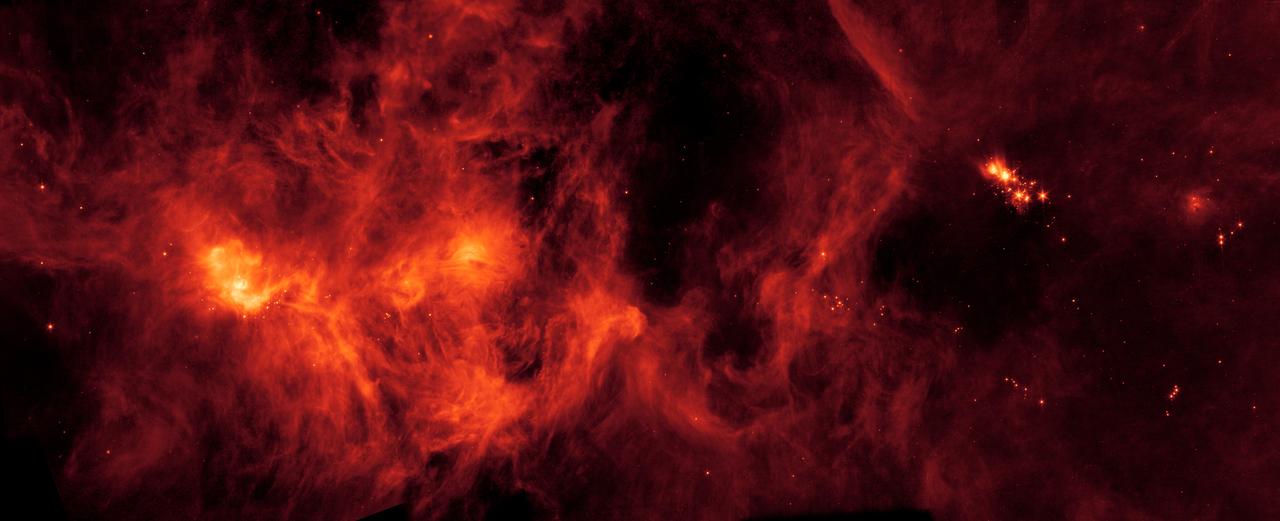
A collection of gas and dust over 500 light-years across, the Perseus Molecular Cloud hosts an abundance of young stars. It was imaged here by the NASA's Spitzer Space Telescope. https://photojournal.jpl.nasa.gov/catalog/PIA23405

When a planet such as K2-33b passes in front of its host star, it blocks some of the star's light. Observing this periodic dimming, called a transit, from continual monitoring of a star's brightness, allows astronomers to detect planets outside our solar system with a high degree of certainty. This Neptune-sized planet orbits a star that is between 5 and 10 million years old. In addition to the planet, the star hosts a disk of planetary debris, seen as a bright ring encircling the star. An animation is available at: http://photojournal.jpl.nasa.gov/catalog/PIA20692
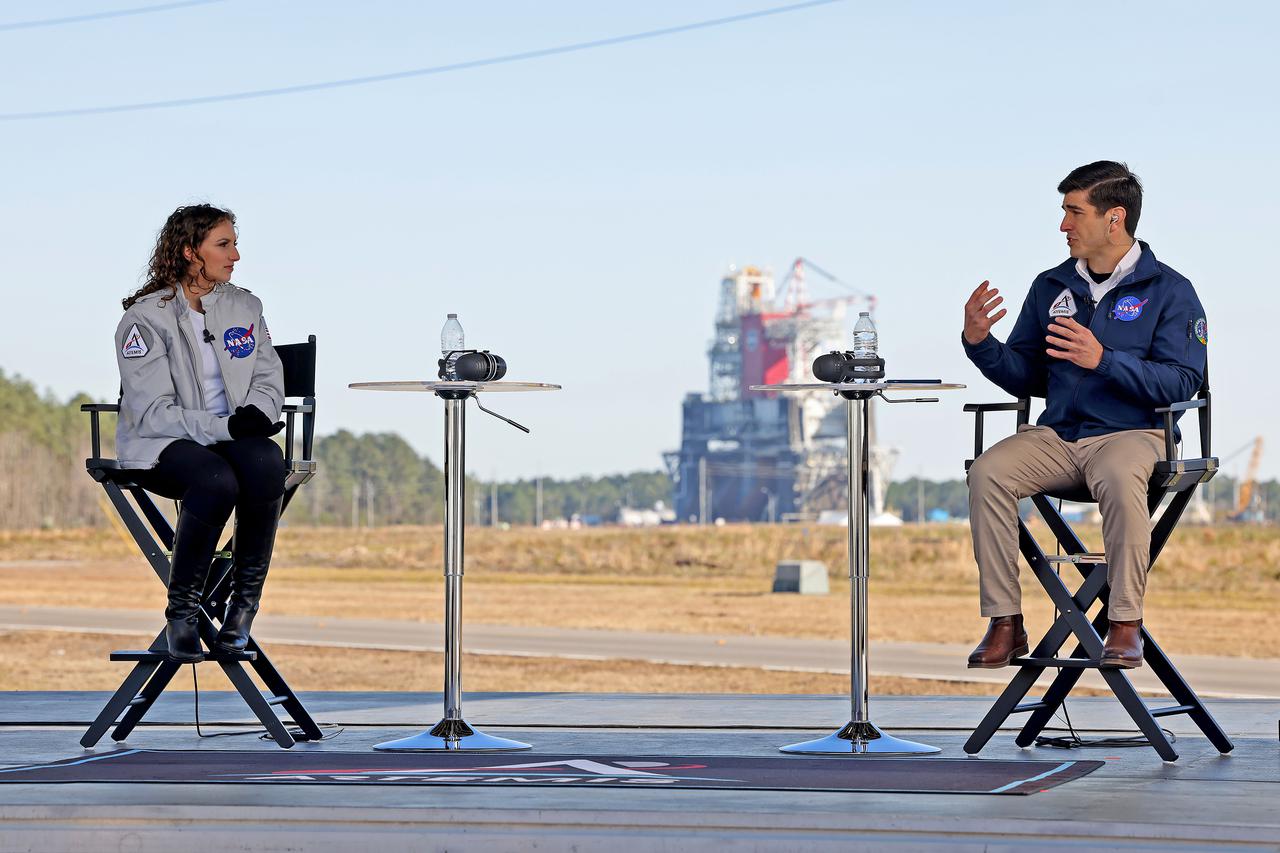
Host Leigh D’Angelo (left) talks with NASA Space Launch System core stage engineer Alex Cagnola from Michoud Assembly Facility in New Orleans, during NASA TV live coverage from Stennis Space Center near Bay St. Louis, Mississippi, on Jan. 16, 2021. D’Angelo, also from Michoud Assembly Facility, hosted the NASA TV coverage prior to the hot fire test of the core stage for the agency’s Space Launch System rocket. The hot fire test of the stage’s four RS-25 engines generated a combined 1.6 million pounds of thrust, just as will occur during an actual launch. The hot fire is the final test of the Green Run test series, a comprehensive assessment of the SLS core stage prior to launching the Artemis I mission to the Moon.
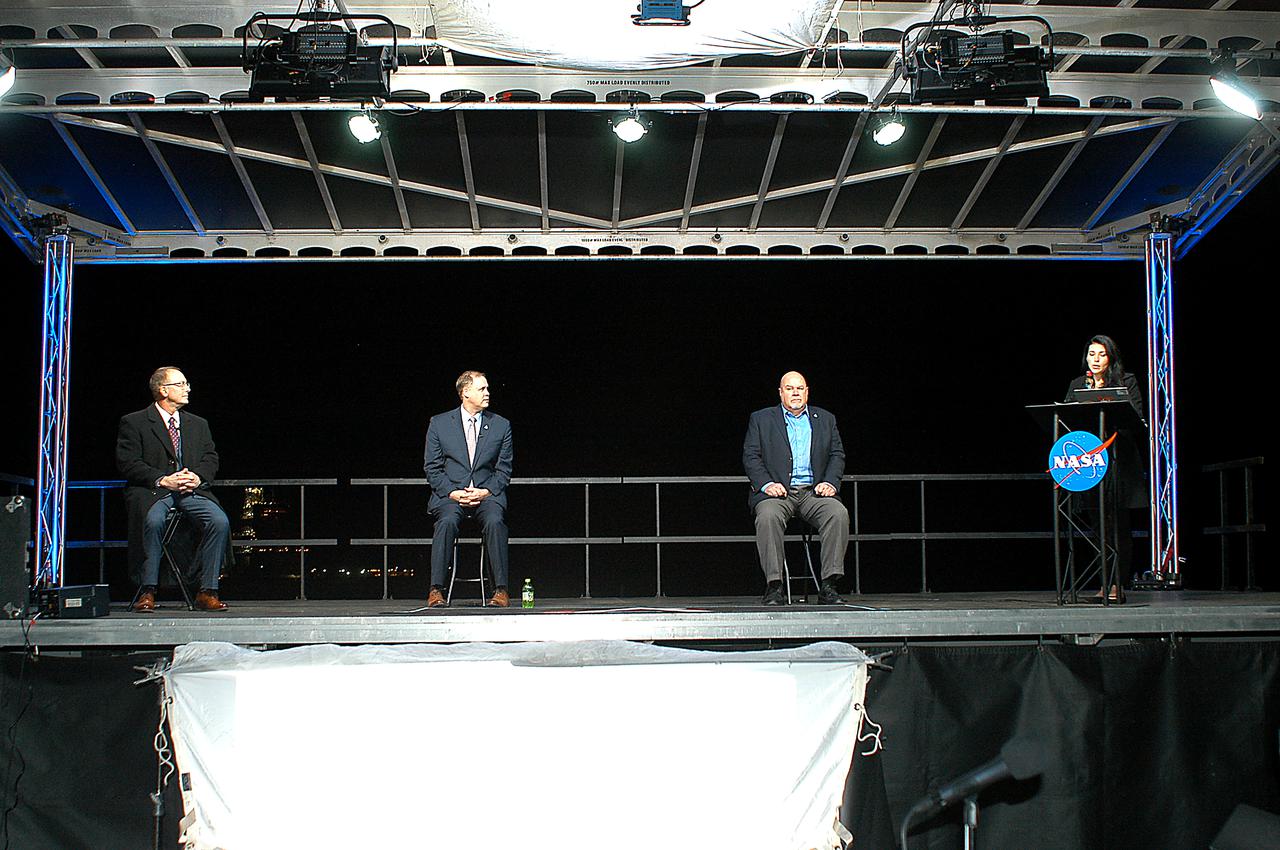
Outgoing NASA Associate Administrator for Communications Bettina Inclan (far right) hosts a press conference following the Green Run hot fire test of the core stage for NASA’s Space Launch System (SLS) rocket on Saturday, January 16, 2021. Seated press conference participants included outgoing NASA Administrator Jim Bridenstine (center), Stennis Space Center Director Rick Gilbrech (left) and SLS Program Manager John Honeycutt from Marshall Space Flight Center. NASA conducted a hot fire test of the core stage’s four RS-25 engines on the B-2 Test Stand at Stennis Space Center near Bay St. Louis, Mississippi. Scheduled for as long as eight minutes, the engines fired for a little more than one minute to generate a combined 1.6 million pounds of thrust, just as will occur during an actual launch. The hot fire is the final test of the Green Run test series, a comprehensive assessment of the SLS core stage prior to launching the Artemis I mission to the Moon.
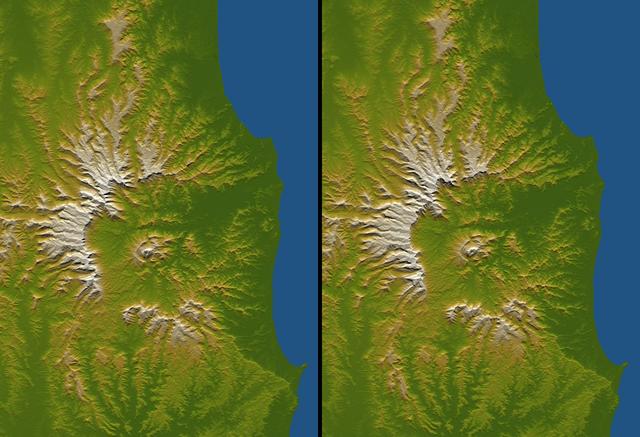
Australia is the only continent without any current volcanic activity, but it hosts one of the world largest extinct volcanoes, the Tweed Volcano. Rock dating methods indicate that eruptions here lasted about three million years.

Just as on Earth, volcanism and tectonism are found together on Mars. In this image from NASA 2001 Mars Odyssey spacecraft the ridges and fractures of Claritas Fossae are affecting or perhaps hosting the volcanic flows of Solis Planum.
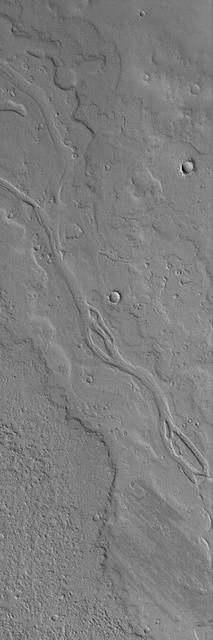
This MOC image shows a portion of a dust-covered plain northwest of Jovis Tholus which is host to several overlapping, ancient lava flows and a channel containing streamlined features indicative of fluid flow

This observation from NASA Mars Reconnaissance Orbiter shows a small portion of Mawrth Vallis, one of the many outflow channels feeding north into the Chryse Basin. This ancient valley once hosted flowing water.

This artist concept shows the smallest star known to host a planet. The planet, called VB 10b, was discovered using astrometry, a method in which the wobble induced by a planet on its star is measured precisely on the sky.

This artist concept illustrates the frenzied activity at the core of our Milky Way galaxy. The galactic center hosts a supermassive black hole in the region known as Sagittarius A*, or Sgr A*, with a mass of about four million times that of our sun.

The remarkable terrain at the center of Mars 0 degrees latitude and longitude, as seen in this NASA Mars Odyssey image, is called Meridiani Planum. It hosts a rare occurrence of gray crystalline hematite.
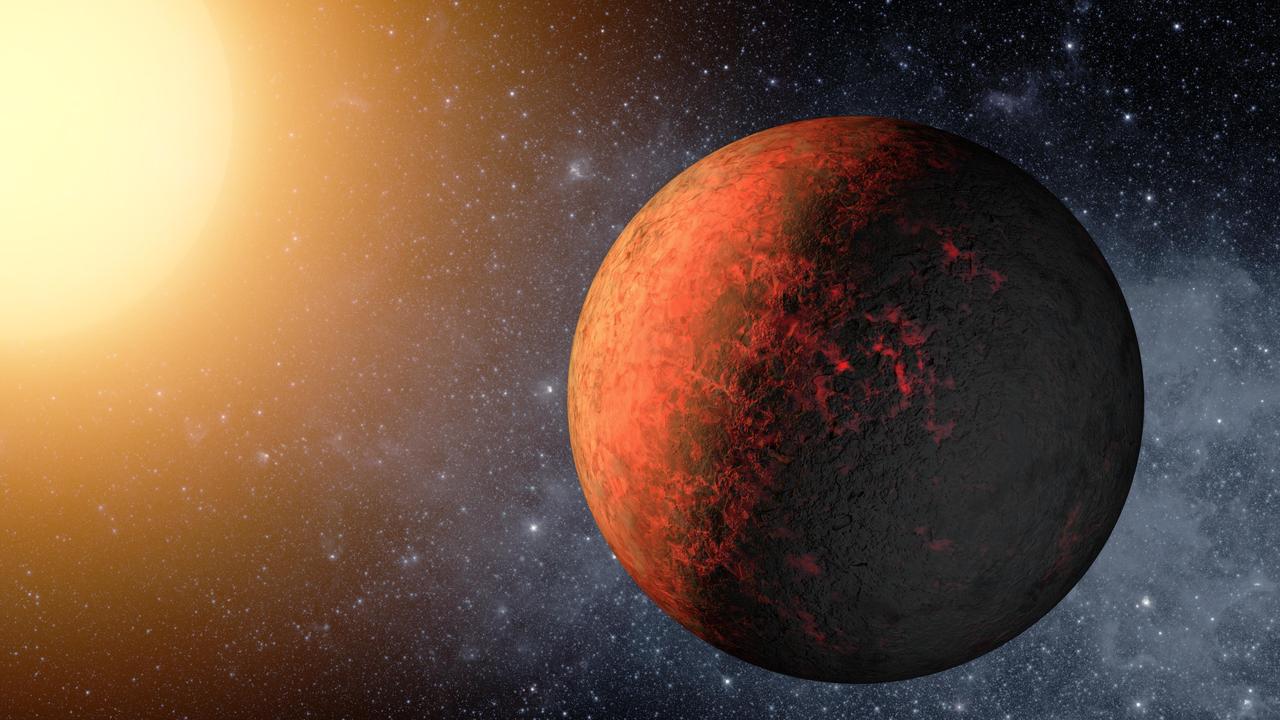
Kepler-20e is the first planet smaller than the Earth discovered to orbit a star other than the sun. A year on Kepler-20e only lasts 6 days, as it is much closer to its host star than the Earth is to the sun.
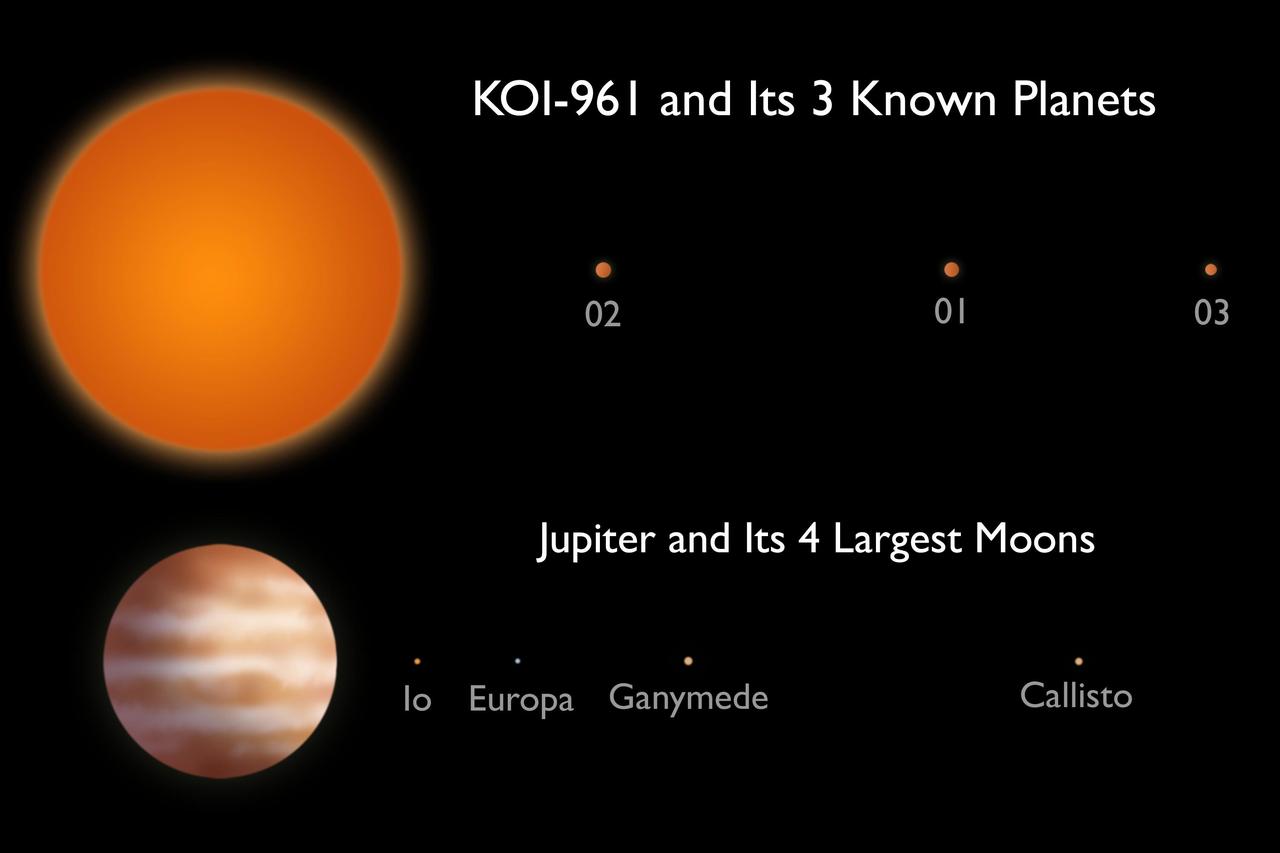
This artist conception compares the KOI-961 planetary system to Jupiter and the largest four of its many moons. The KOI-961 planetary system hosts the three smallest planets known to orbit a star beyond our sun.
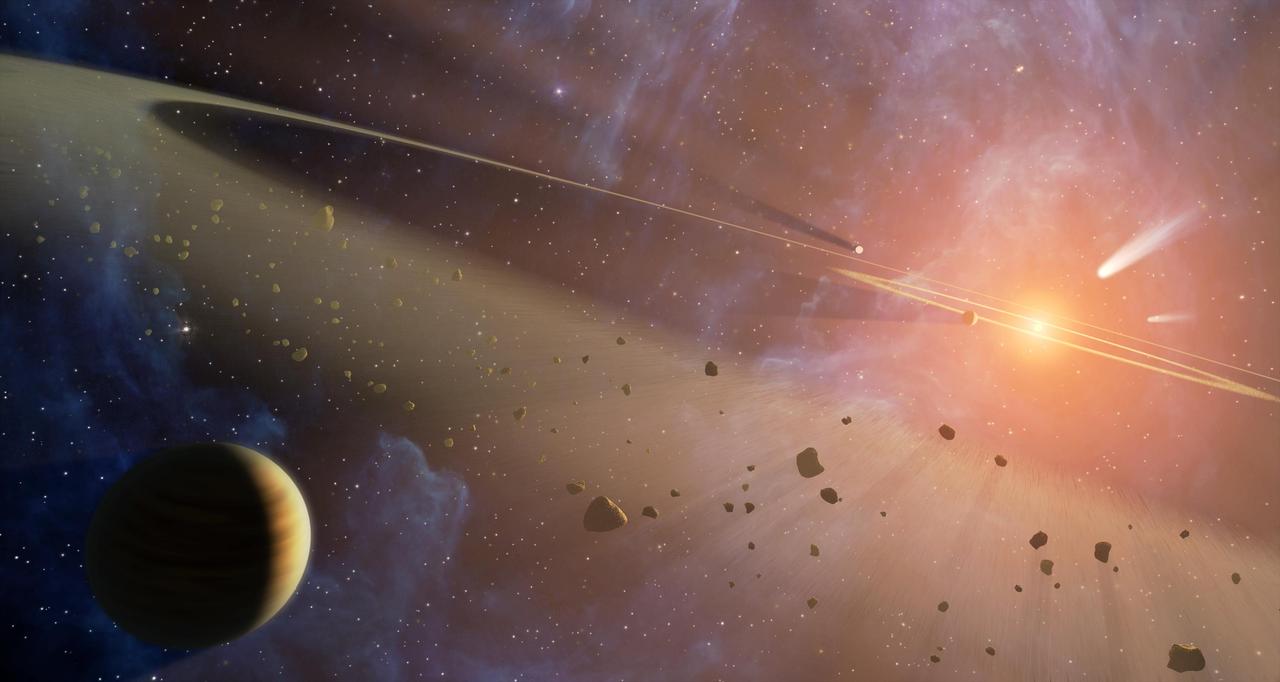
This artist conception shows the closest known planetary system to our own, called Epsilon Eridani. Observations from NASA Spitzer Space Telescope show that the system hosts two asteroid belts.
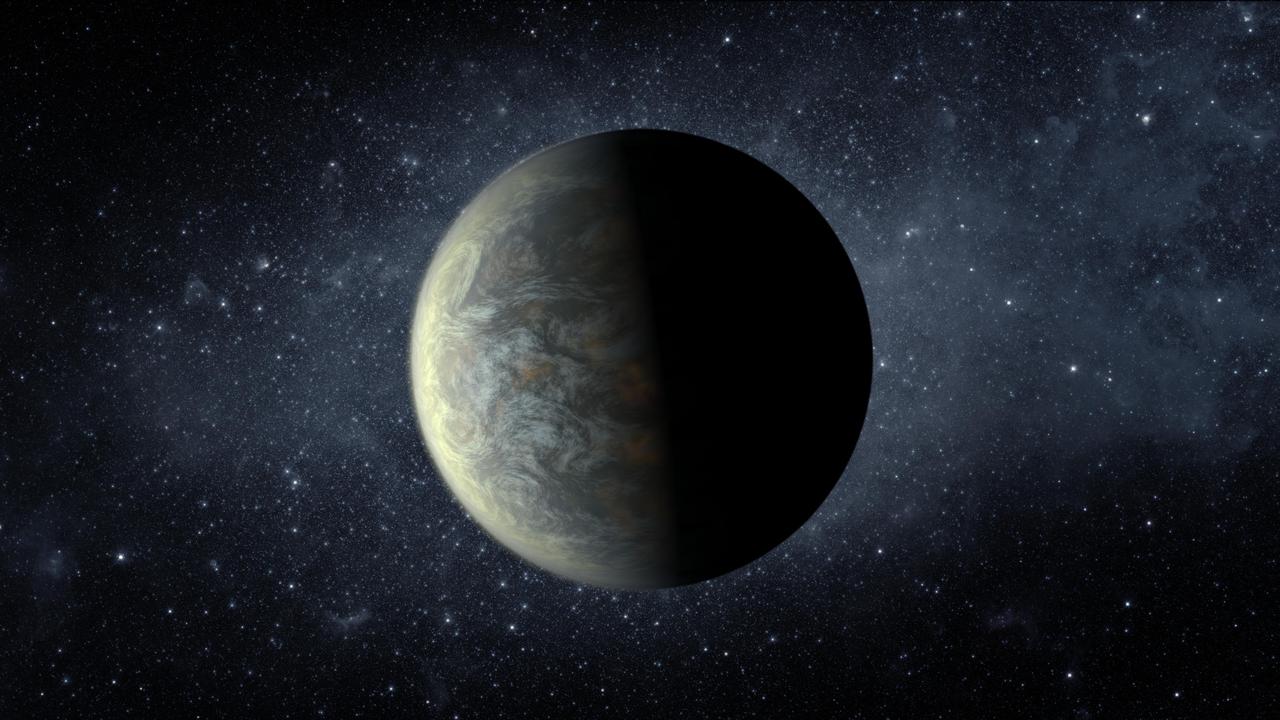
Kepler-20f is the closest object to the Earth in terms of size ever discovered. With an orbital period of 20 days and a surface temperature of 800 degrees Fahrenheit 430 degrees Celsius, it is too hot to host life, as we know it.
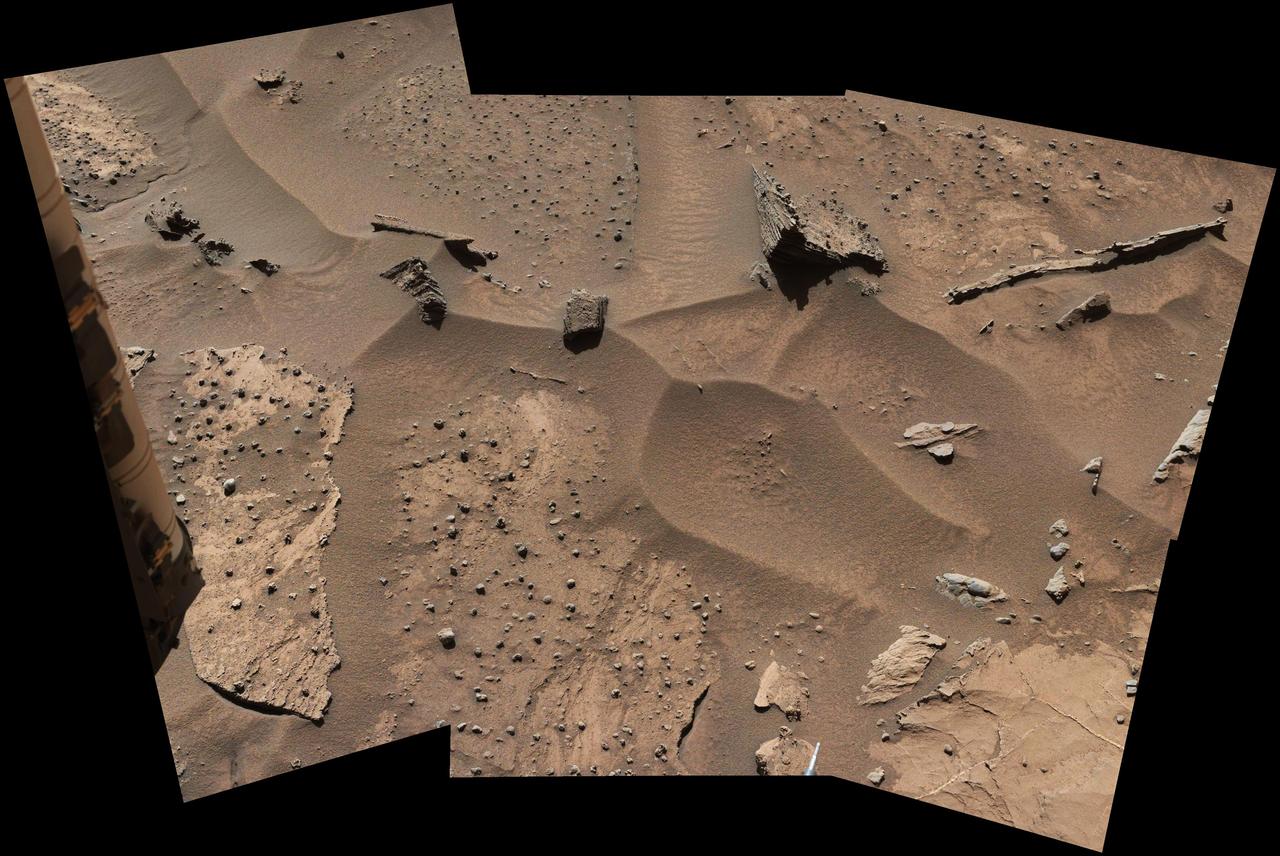
Patches of Martian sandstone visible in this view from NASA Curiosity Mars rover have a knobbly texture due to nodules apparently more resistant to erosion than the host rock in which some are still embedded.
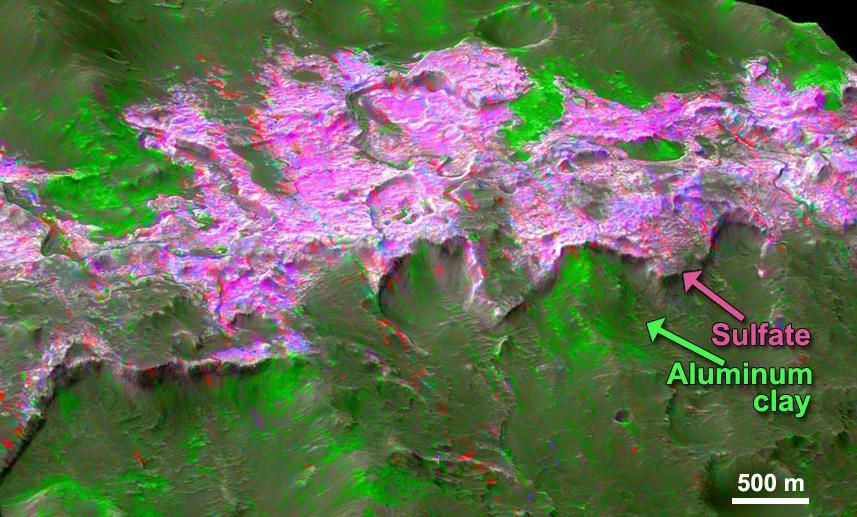
Sulfates are found overlying clay minerals in sediments within Columbus Crater, a depression that likely hosted a lake in the past in this image based on information from NASA Mars Reconnaissance Orbiter.
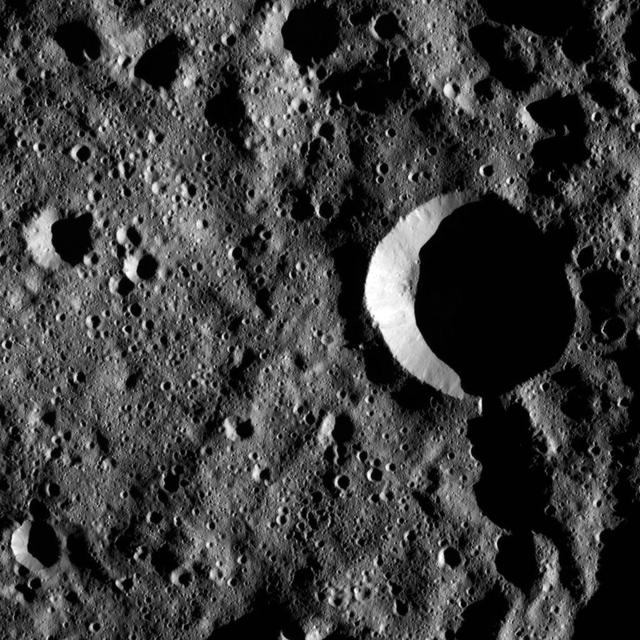
Zadeni Crater, at 80 miles 128 kilometers wide, is a prominent impact feature in the southern hemisphere of Ceres. This image from NASA Dawn spacecraft shows terrain in Zadeni interior, which hosts numerous smaller craters.
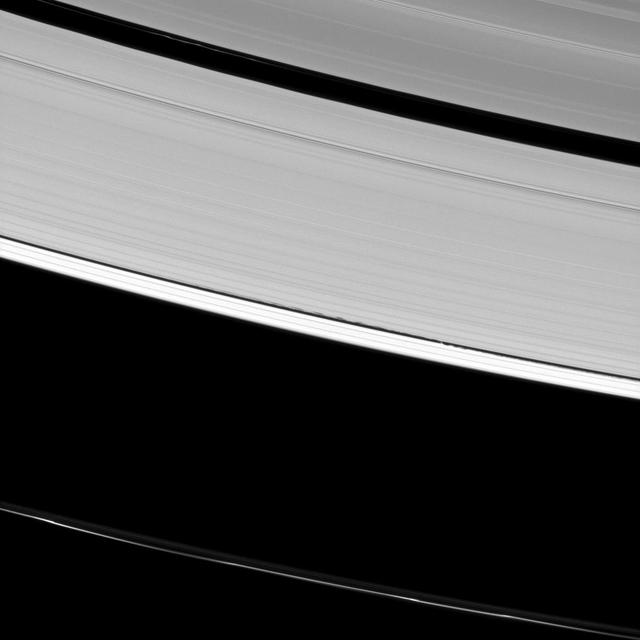
Saturn A ring is decorated with several kinds of waves. NASA Cassini spacecraft has captured a host of density waves, a bending wave, and the edge waves on the edge of the Keeler gap caused by the small moon Daphnis.
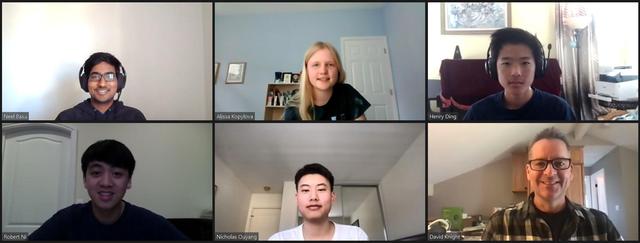
For the fourth consecutive year, Irvine's University High School won the Southern California regional round of the National Science Bowl, hosted by JPL. The team, including coach David Knight (lower right), paused for a group shot after their victory on March 20, 2021. https://photojournal.jpl.nasa.gov/catalog/PIA23730

Steve Culivan, aerospace education specialist at Stennis Space Center, conducts a professional development workshop for fourth- through ninth-grade educators. During the Nov. 4 'Learning with the Stars' workshop, educators spent time learning about different aspects of the universe and enjoying a presentation of Stennis' portable planetarium.
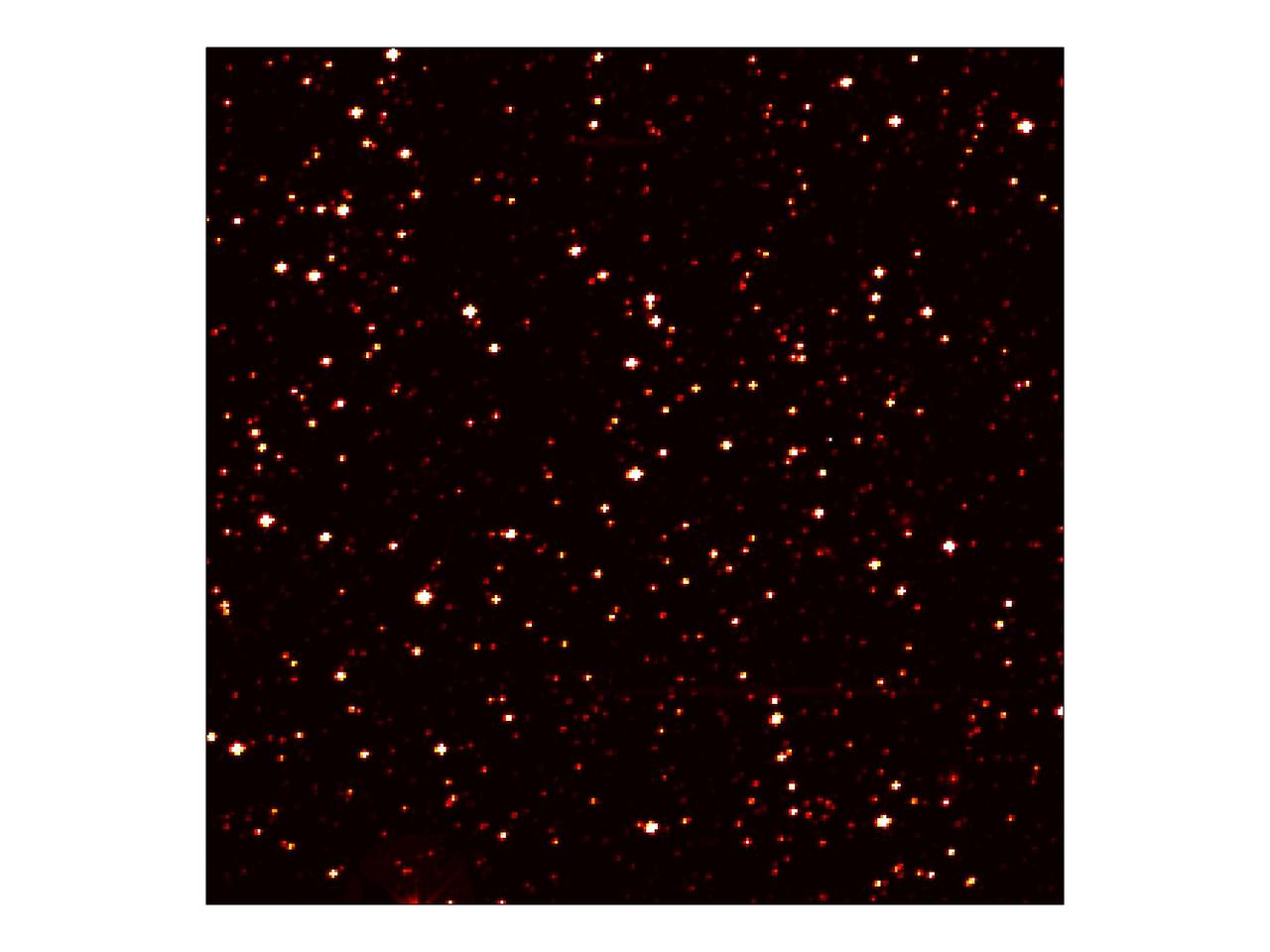
This image zooms into a small portion of NASA Kepler full field of view -- an expansive, 100-square-degree patch of sky in our Milky Way galaxy. At the center of the field is a star with a known "hot Jupiter" planet, named "TrES-2," zipping closely around it every 2.5 days. Kepler will observe TrES-2 and other known planets as a test to demonstrate that it is working properly, and to obtain new information about those planets. The area pictured is one-thousandth of Kepler's full field of view, and shows hundreds of stars at the very edge of the constellation Cygnus. The image has been color-coded so that brighter stars appear white, and fainter stars, red. It is a 60-second exposure, taken on April 8, 2009, one day after the spacecraft's dust cover was jettisoned. Kepler was designed to hunt for planets like Earth. The mission will spend the next three-and-a-half years staring at the same stars, looking for periodic dips in brightness. Such dips occur when planets cross in front of their stars from our point of view in the galaxy, partially blocking the starlight. To achieve the level of precision needed to spot planets as small as Earth, Kepler's images are intentionally blurred slightly. This minimizes the number of saturated stars. Saturation, or "blooming," occurs when the brightest stars overload the individual pixels in the detectors, causing the signal to spill out into nearby pixels. http://photojournal.jpl.nasa.gov/catalog/PIA11985
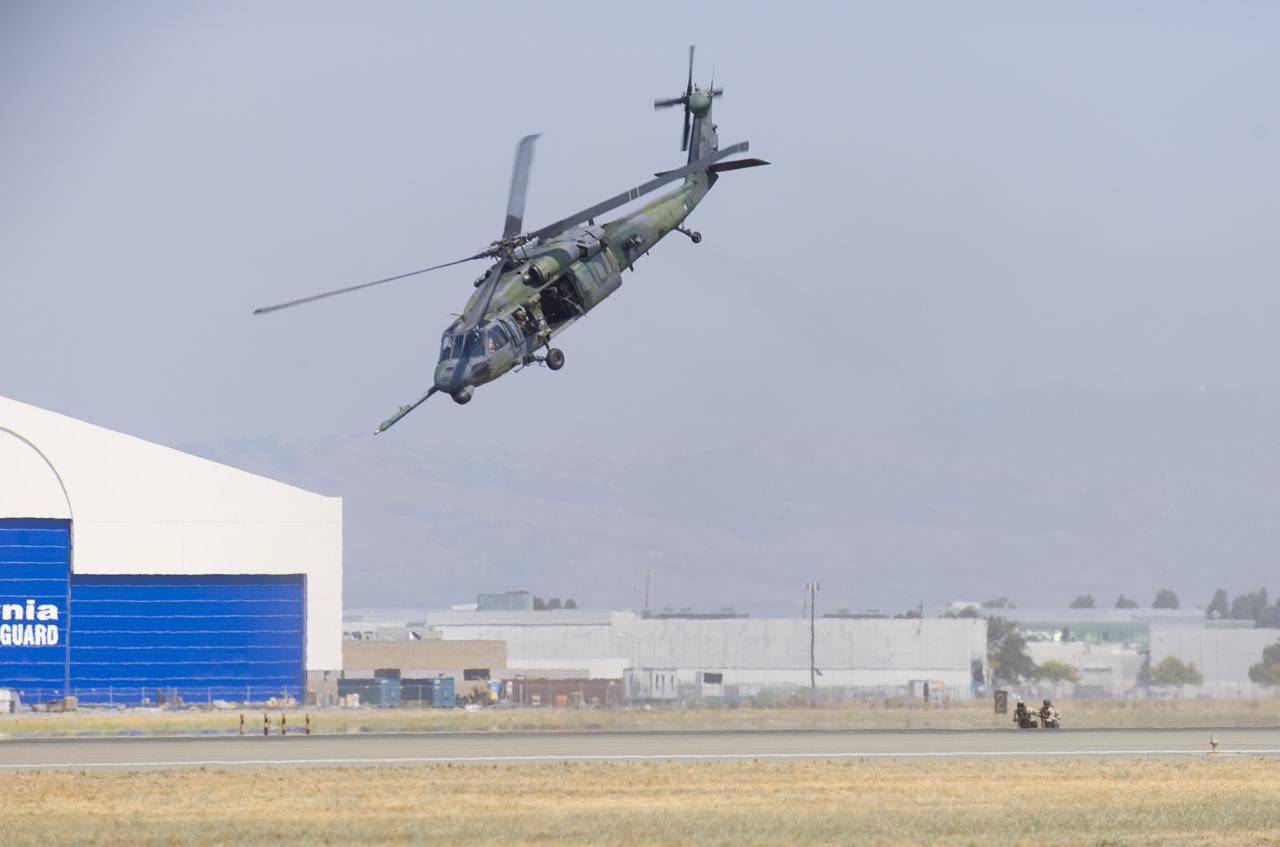
airshow hosted by MFA
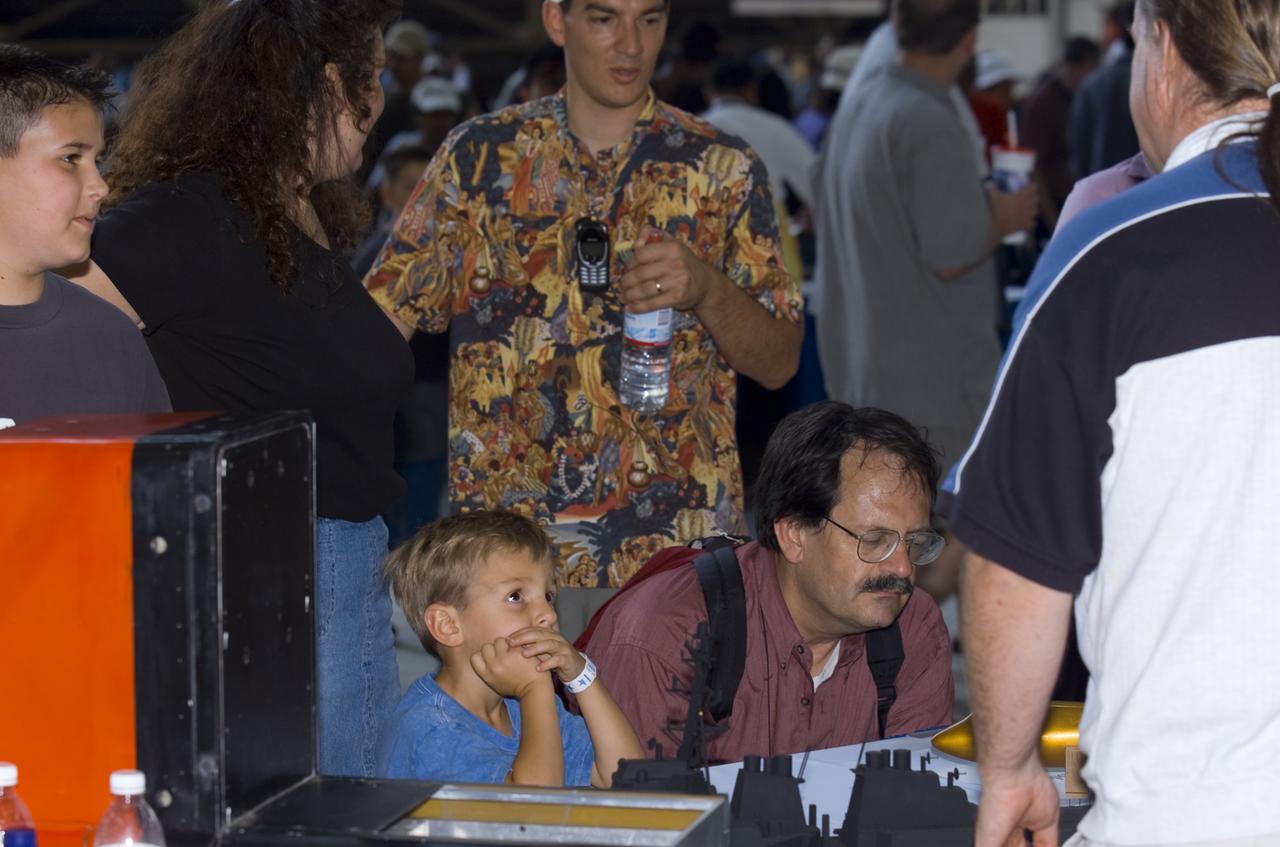
airshow hosted by MFA
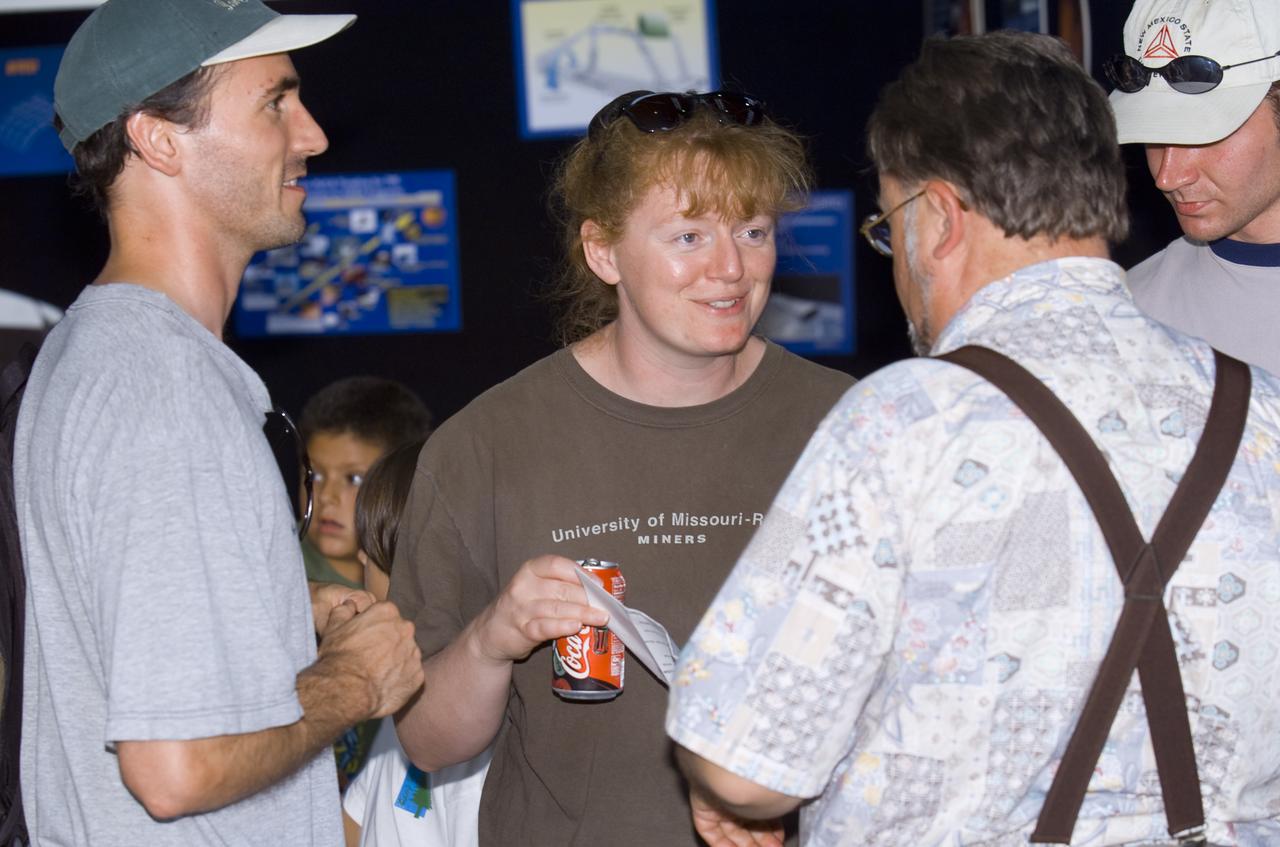
airshow hosted by MFA
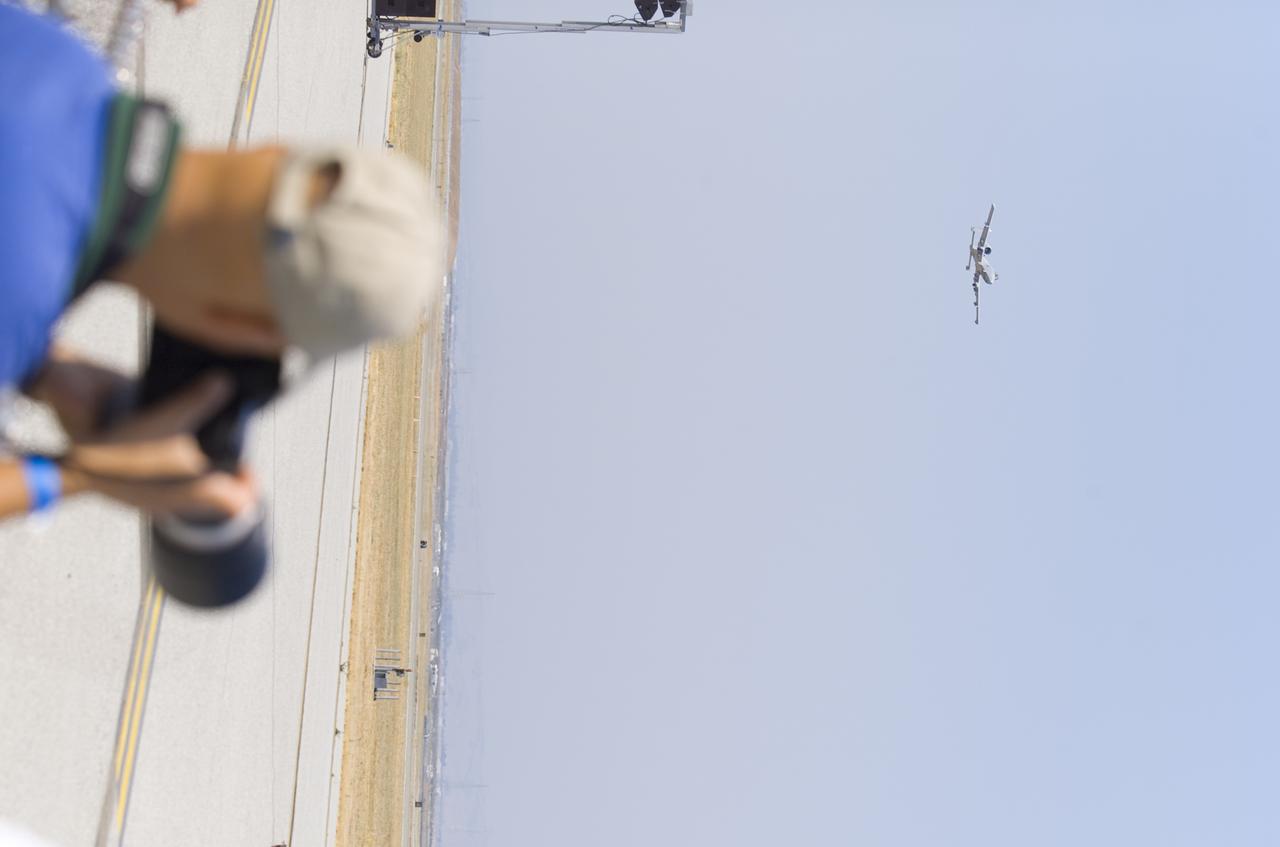
airshow hosted by MFA
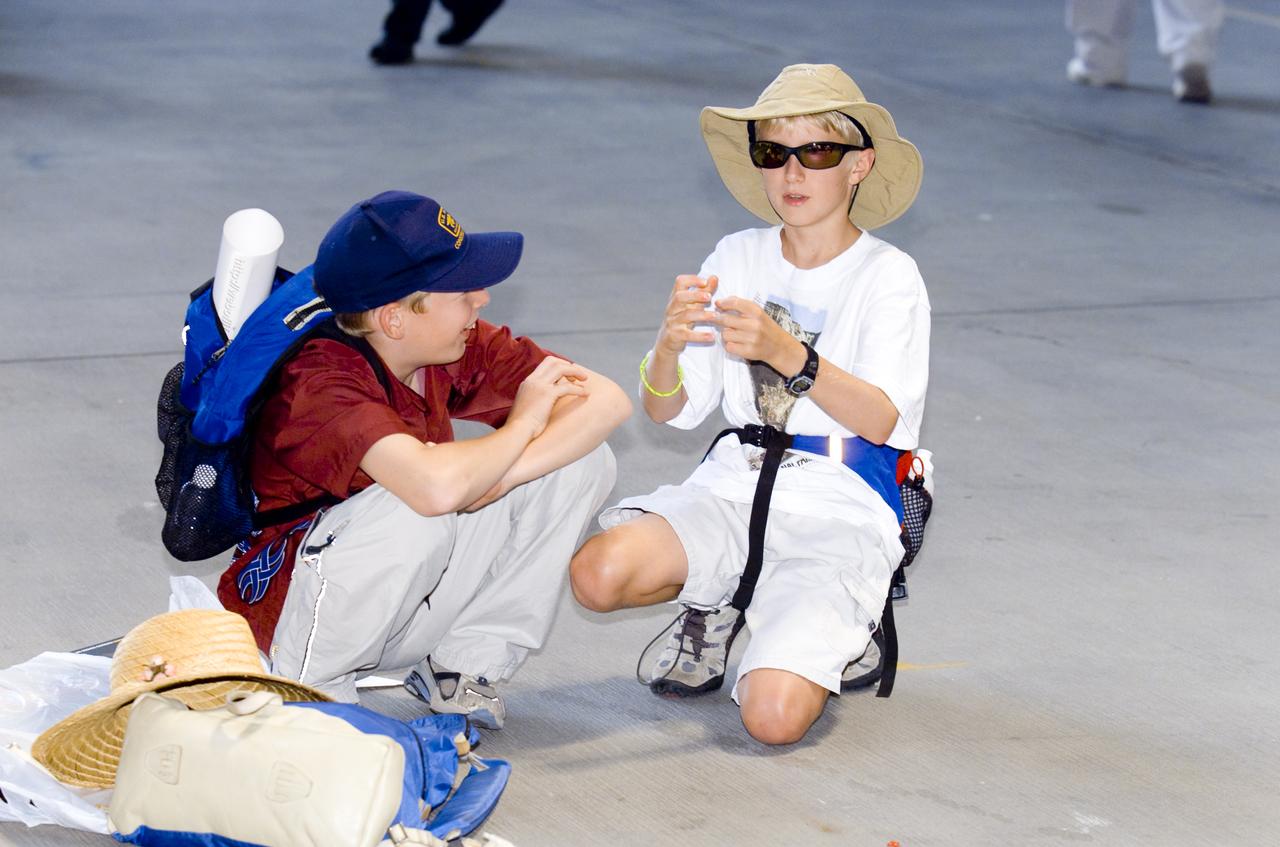
airshow hosted by MFA
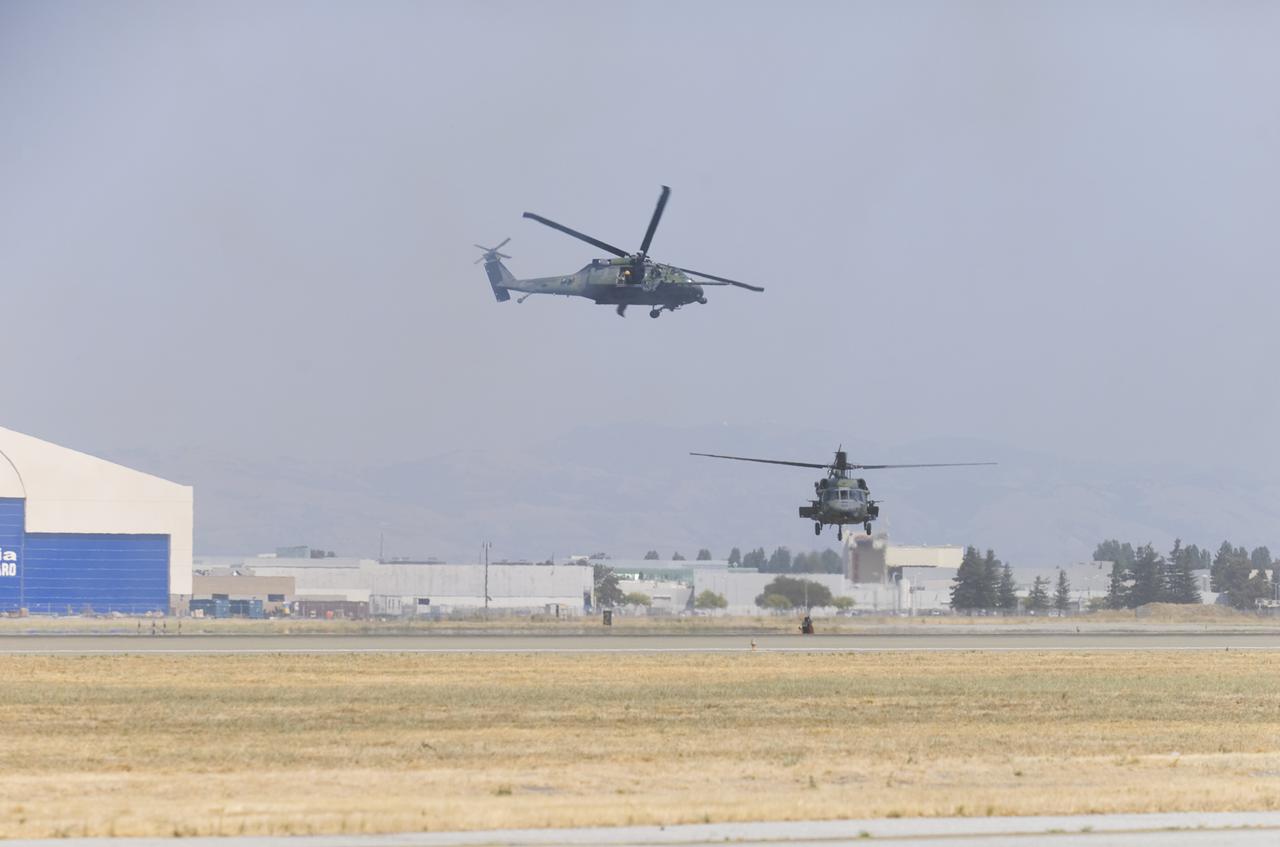
airshow hosted by MFA
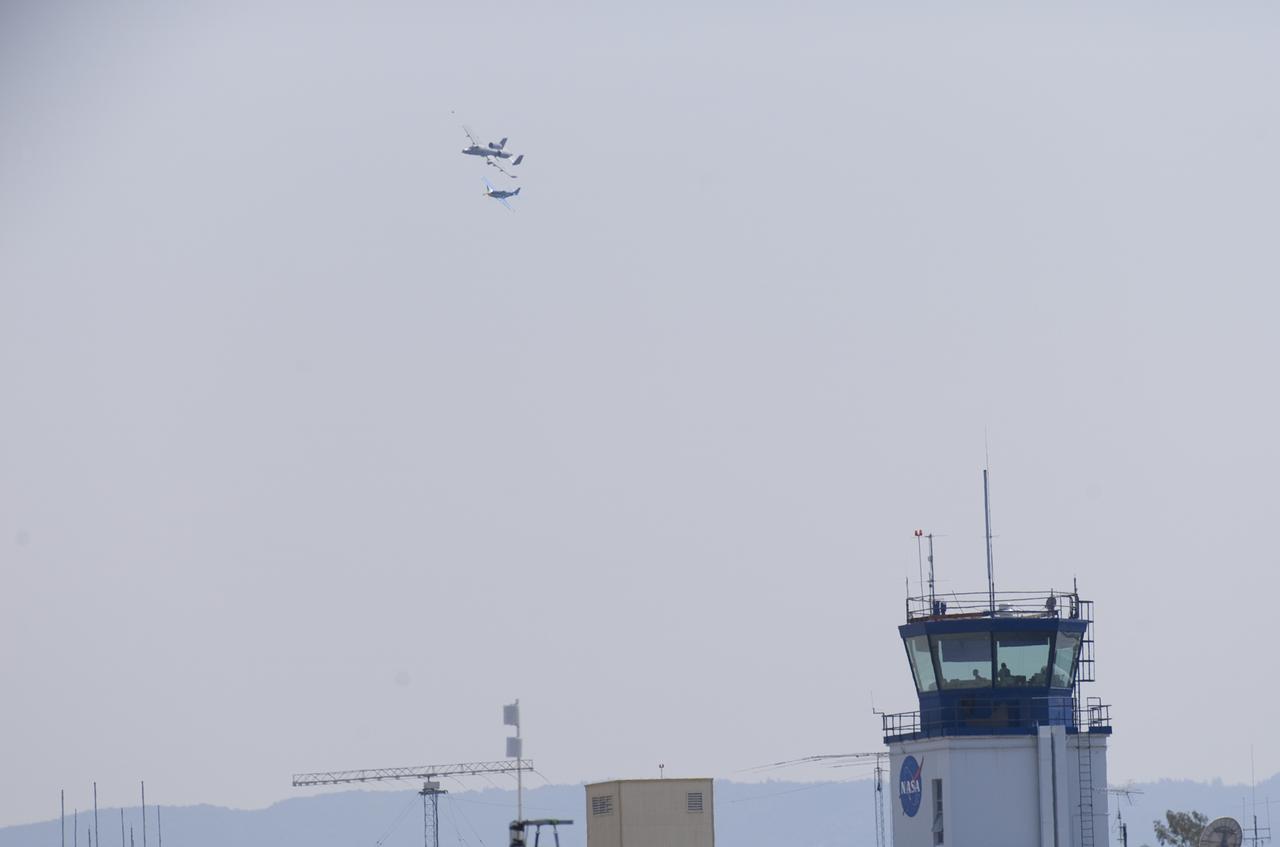
airshow hosted by MFA
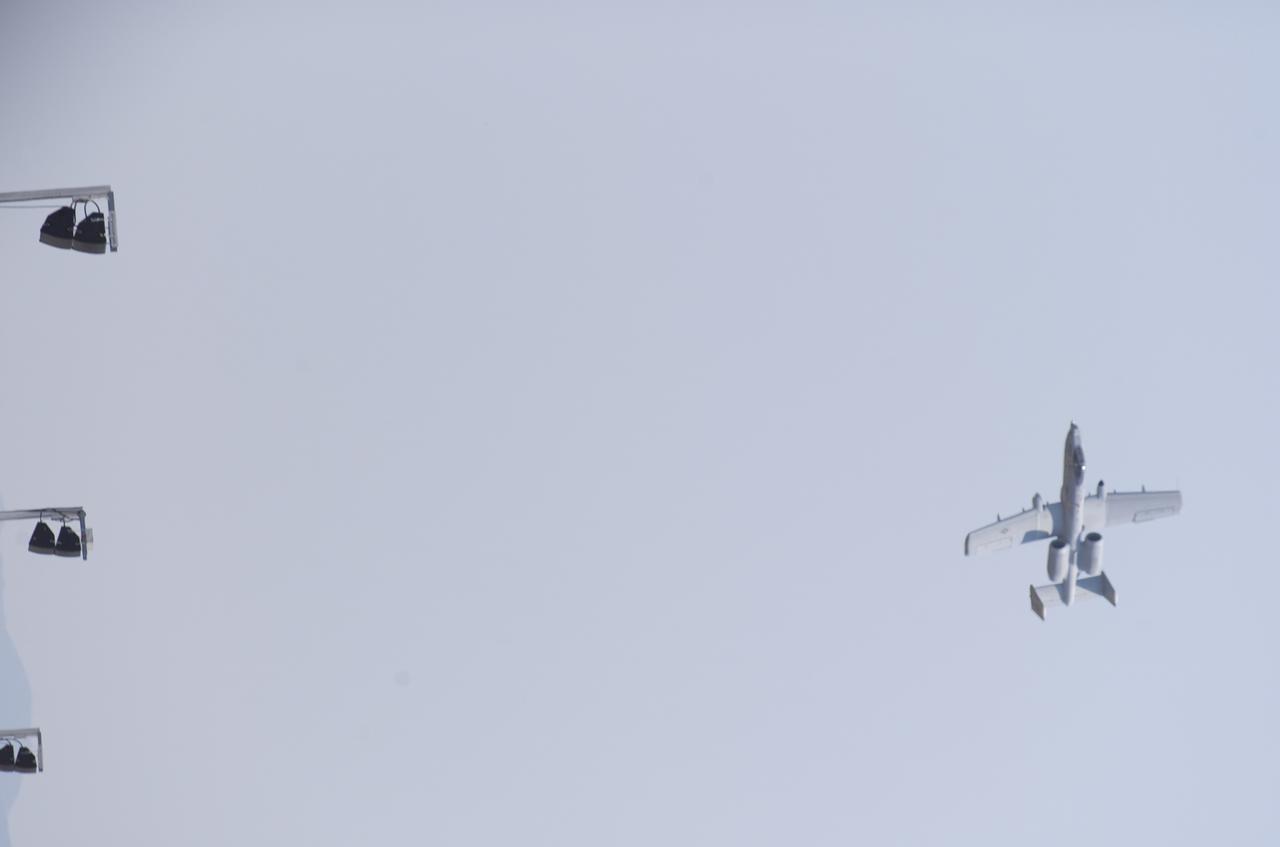
airshow hosted by MFA
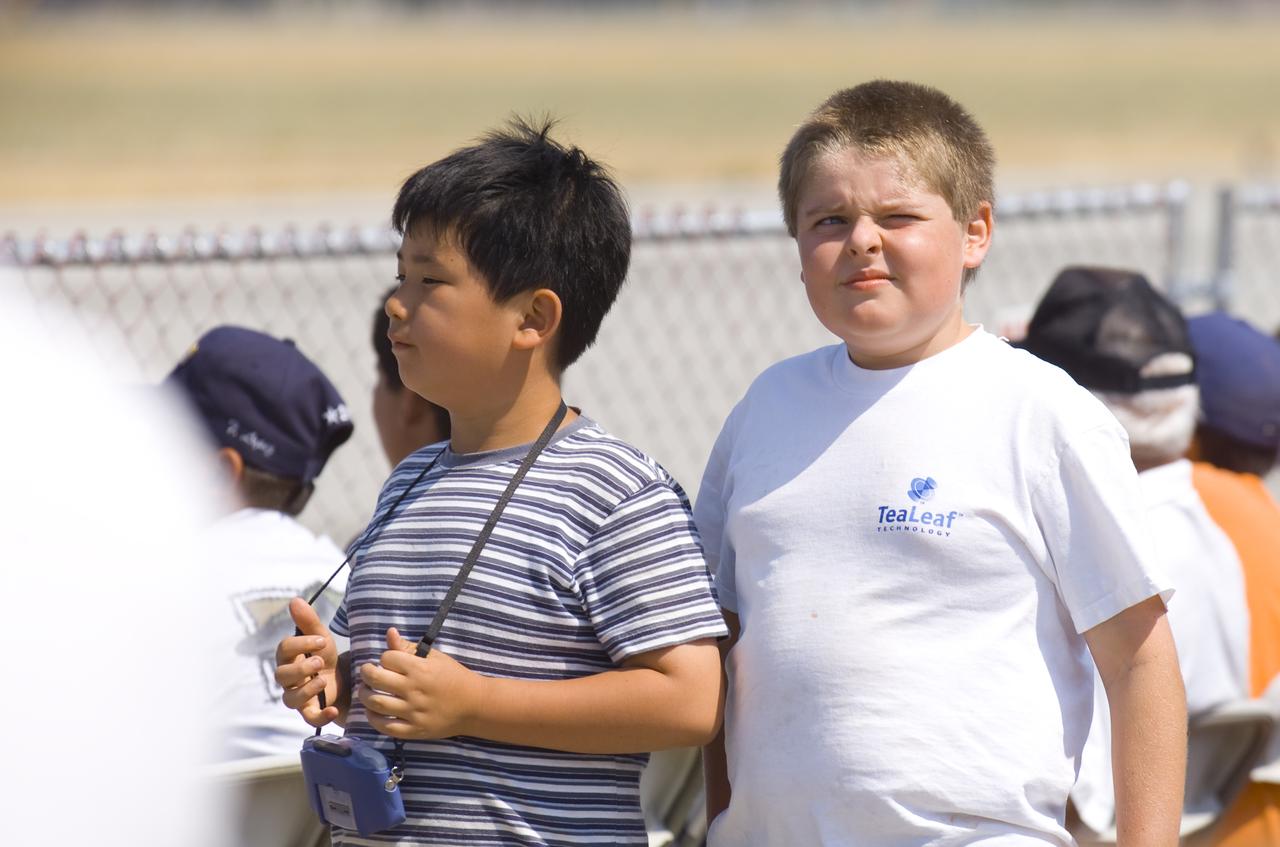
airshow hosted by MFA

airshow hosted by MFA
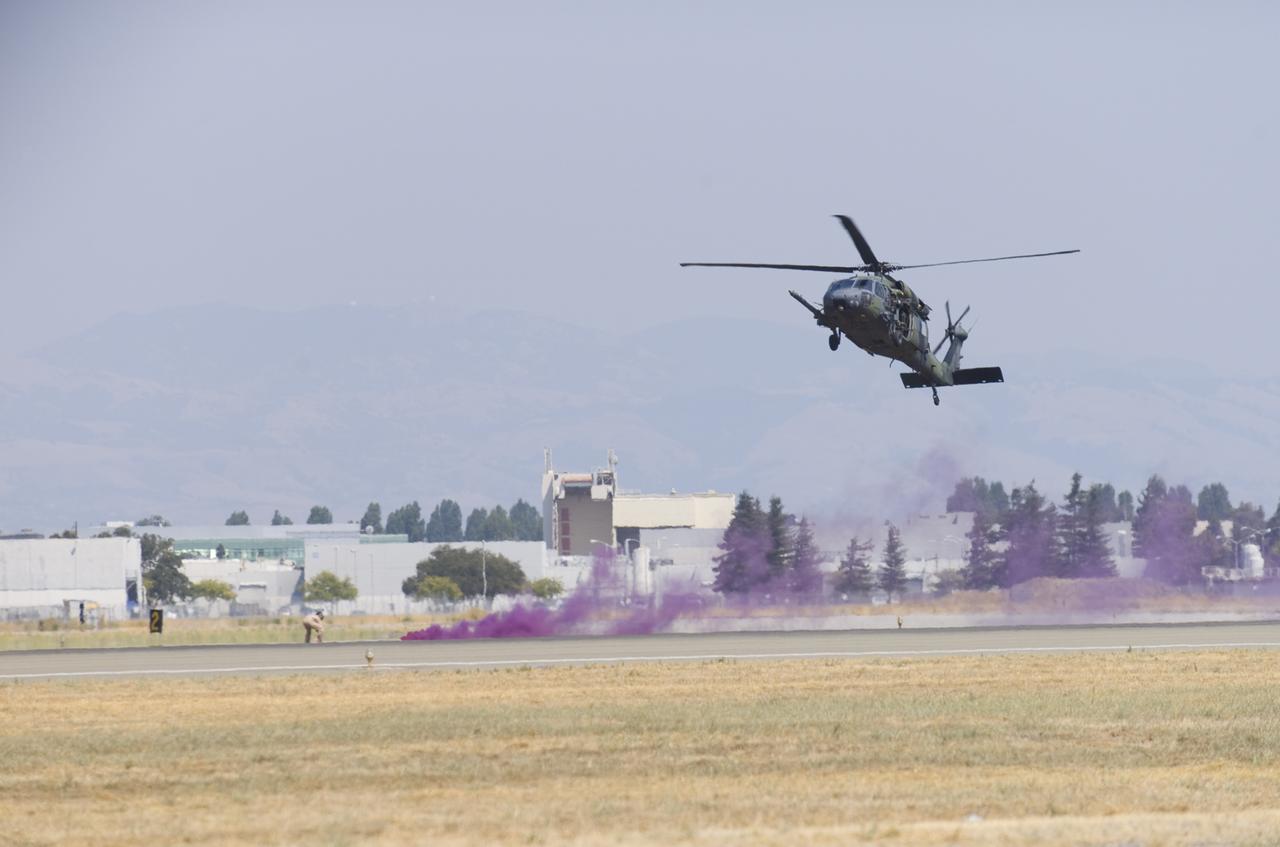
airshow hosted by MFA
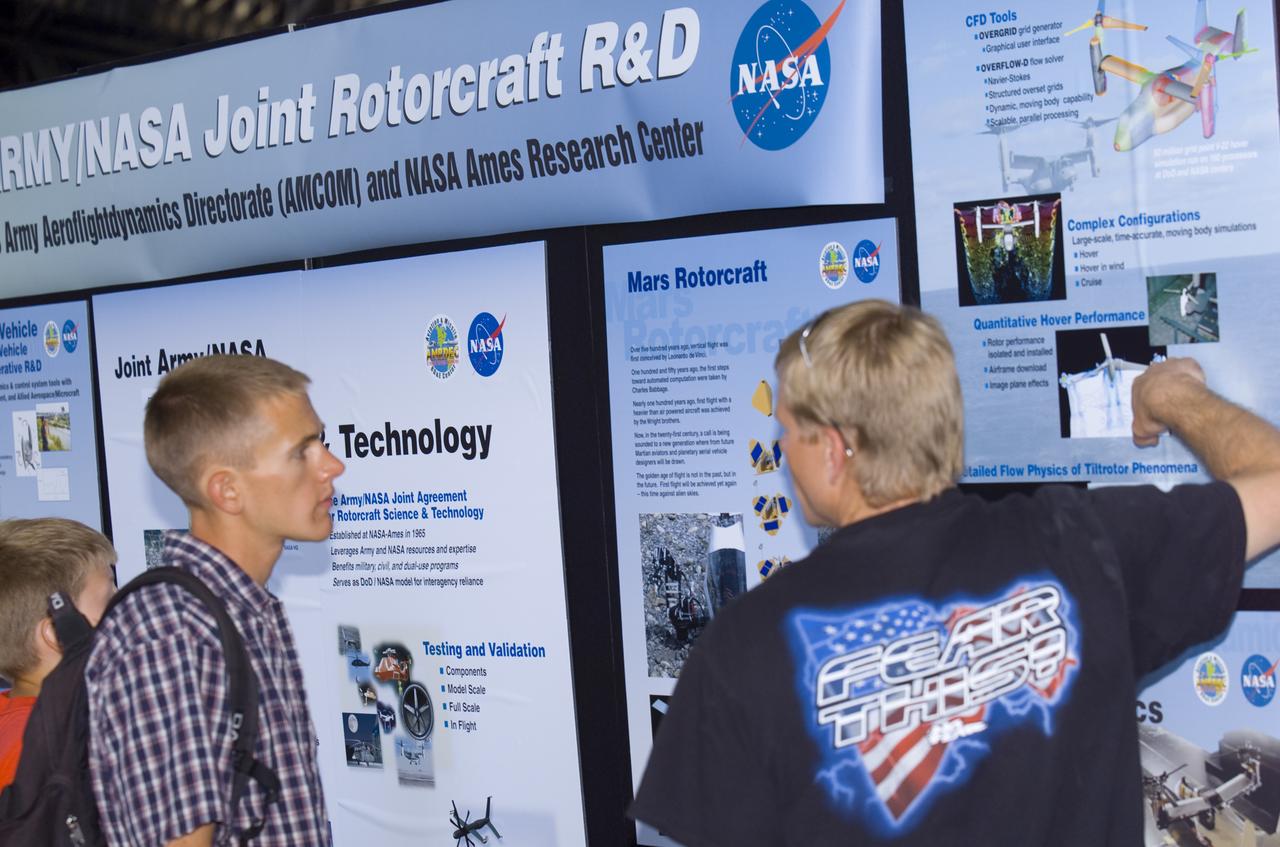
airshow hosted by MFA
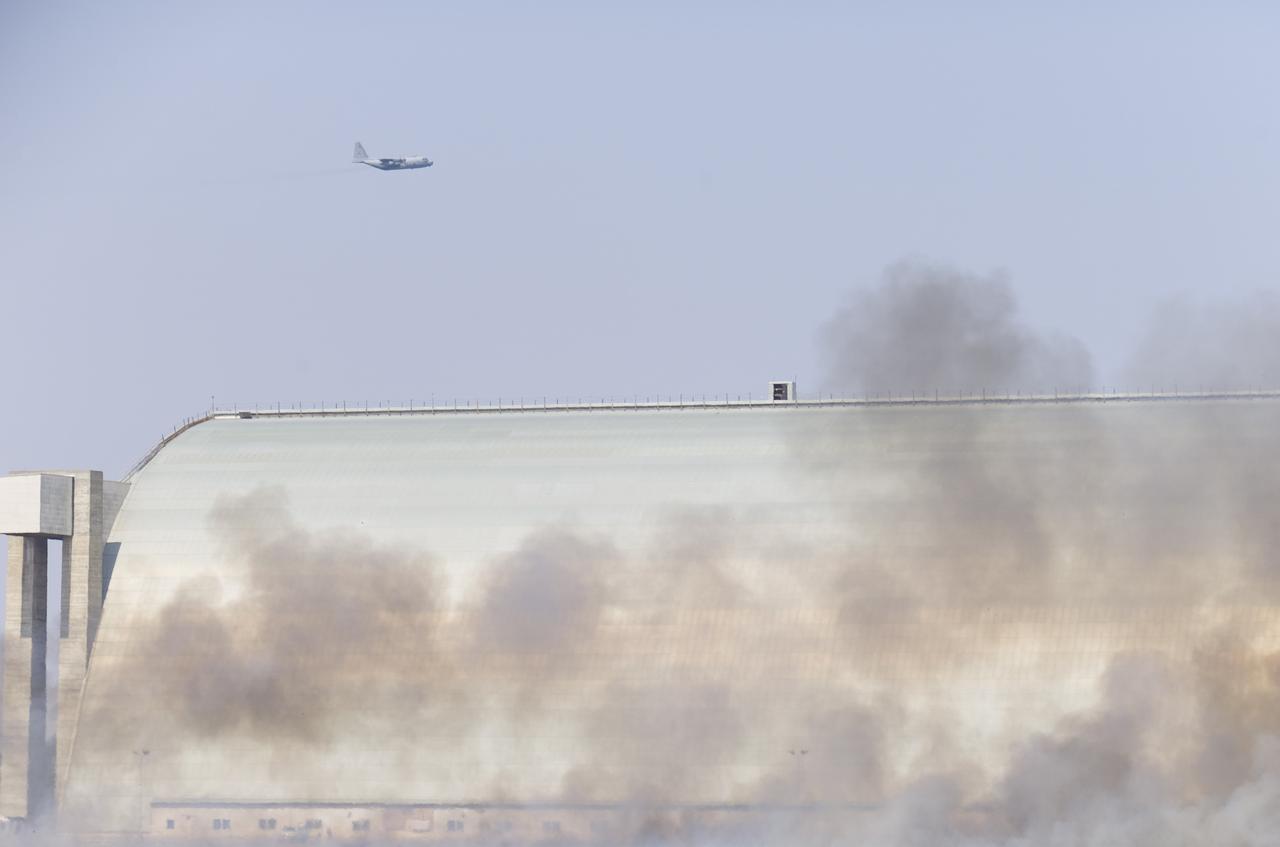
airshow hosted by MFA
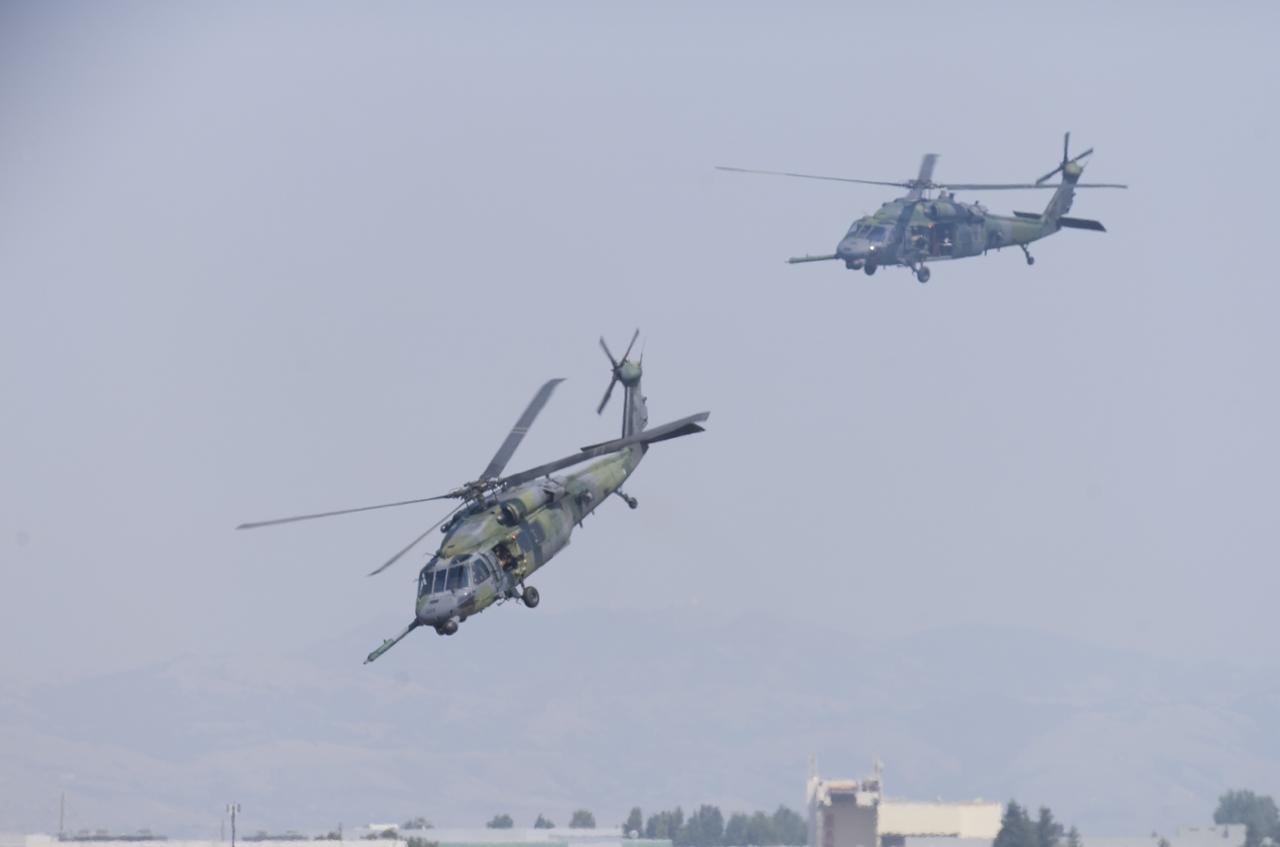
airshow hosted by MFA
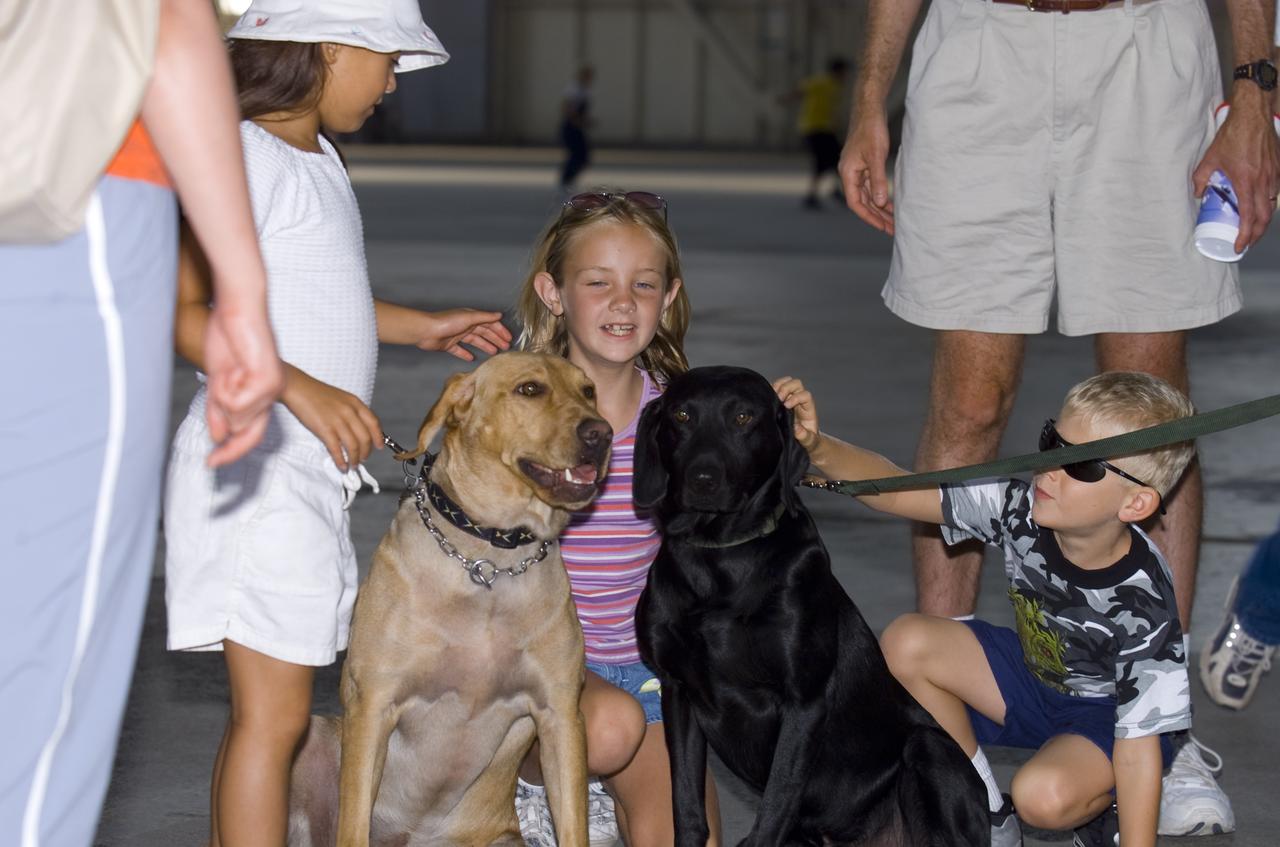
airshow hosted by MFA
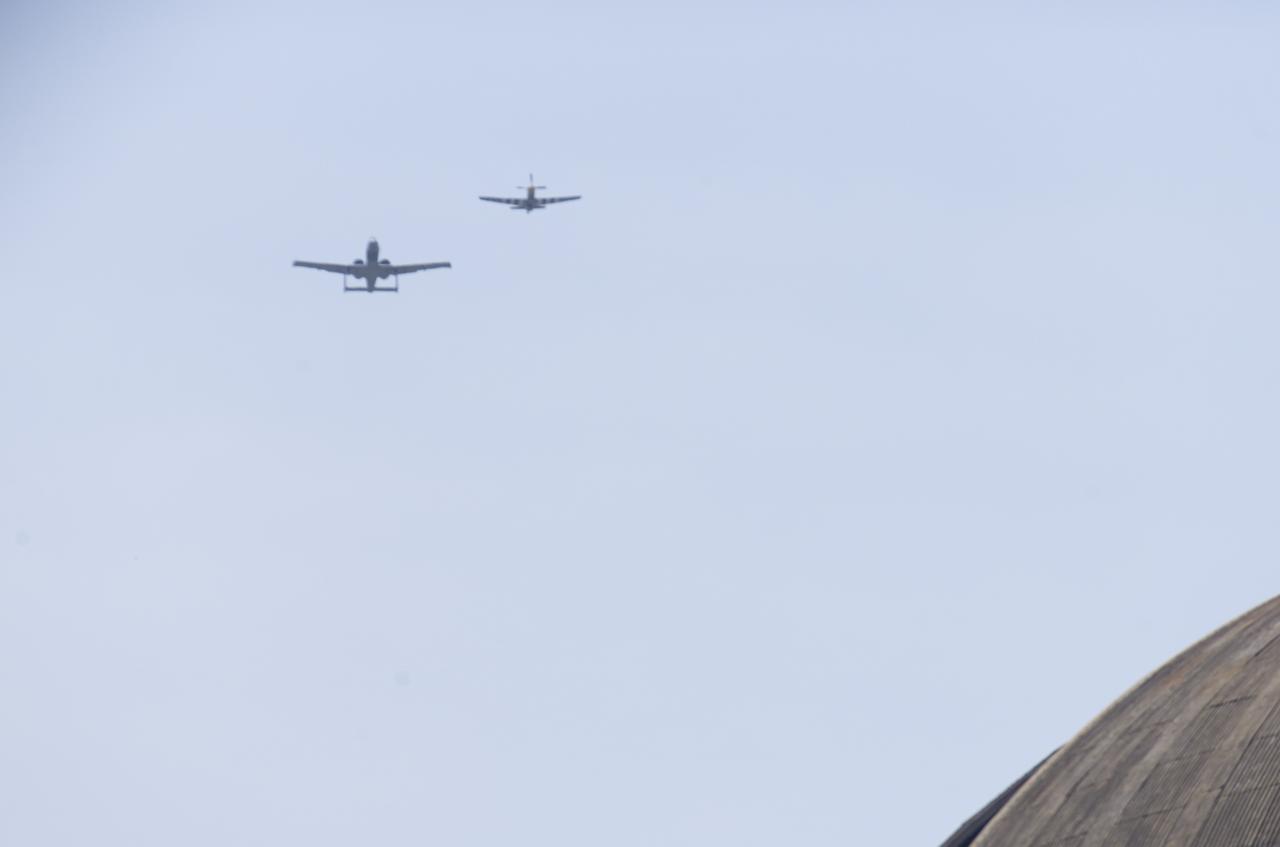
airshow hosted by MFA
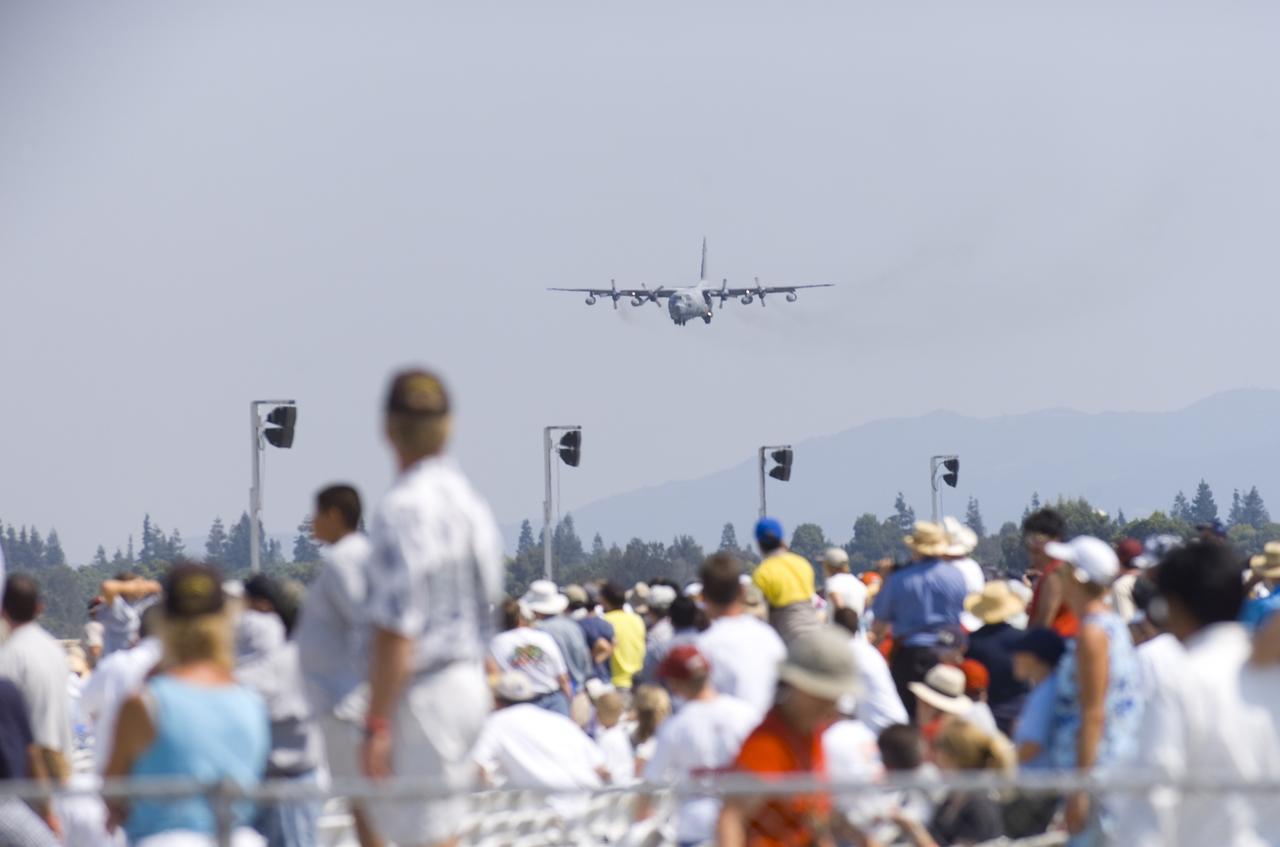
airshow hosted by MFA
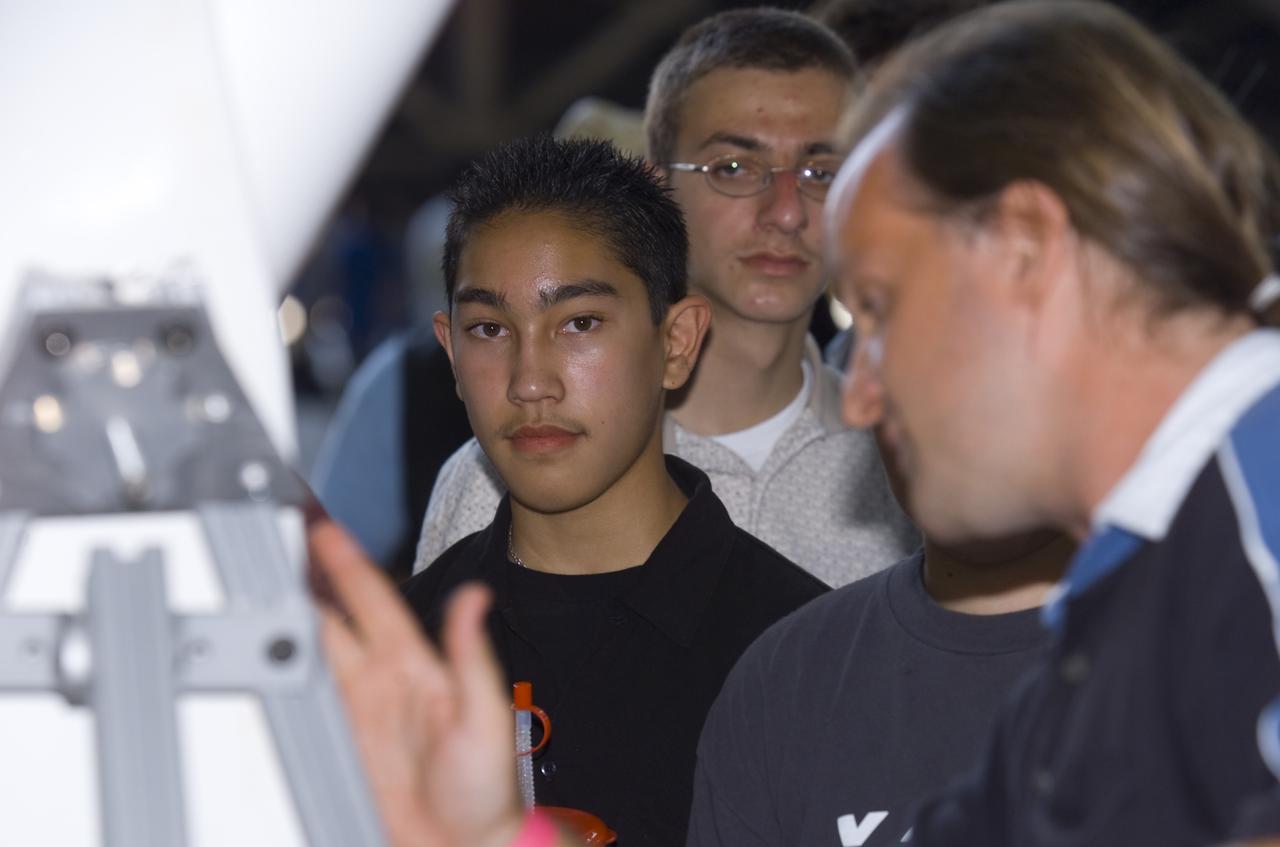
airshow hosted by MFA
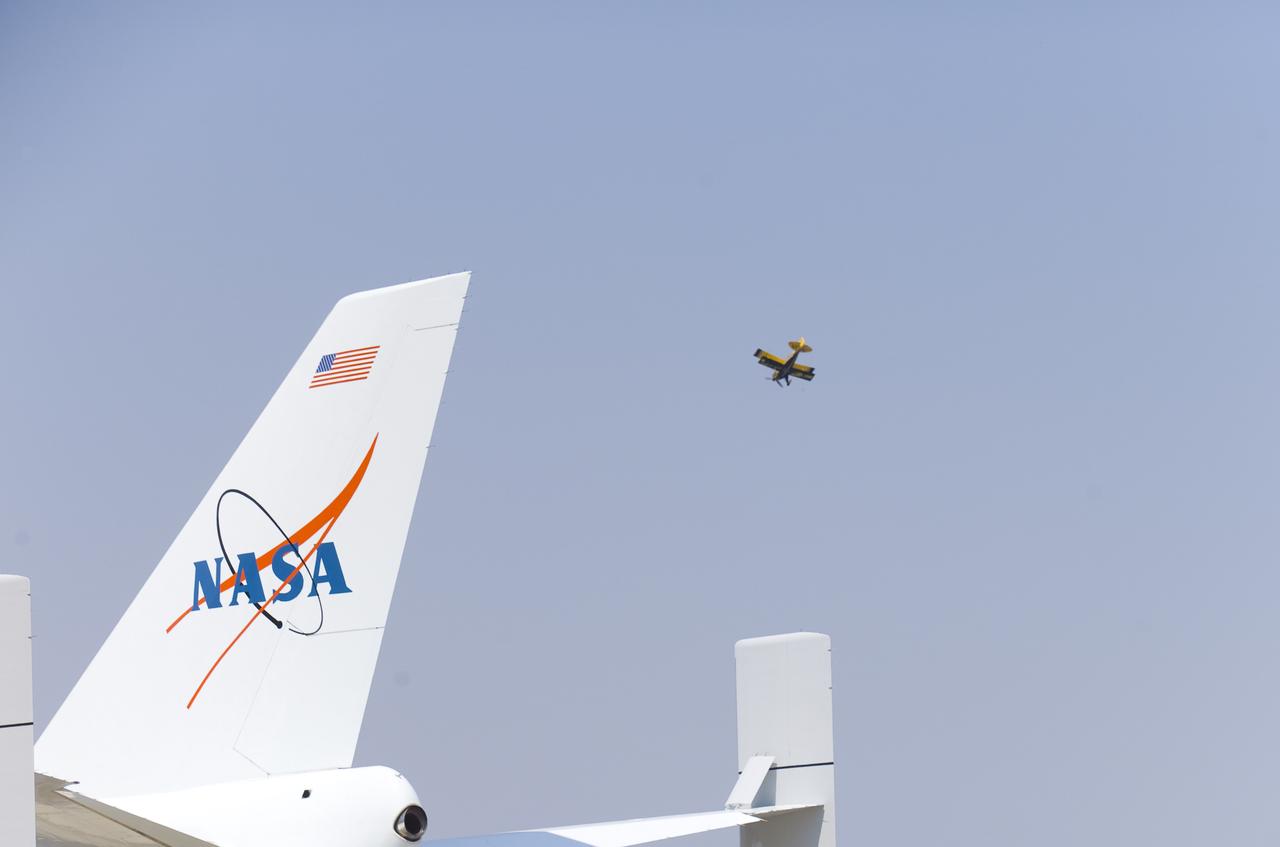
airshow hosted by MFA