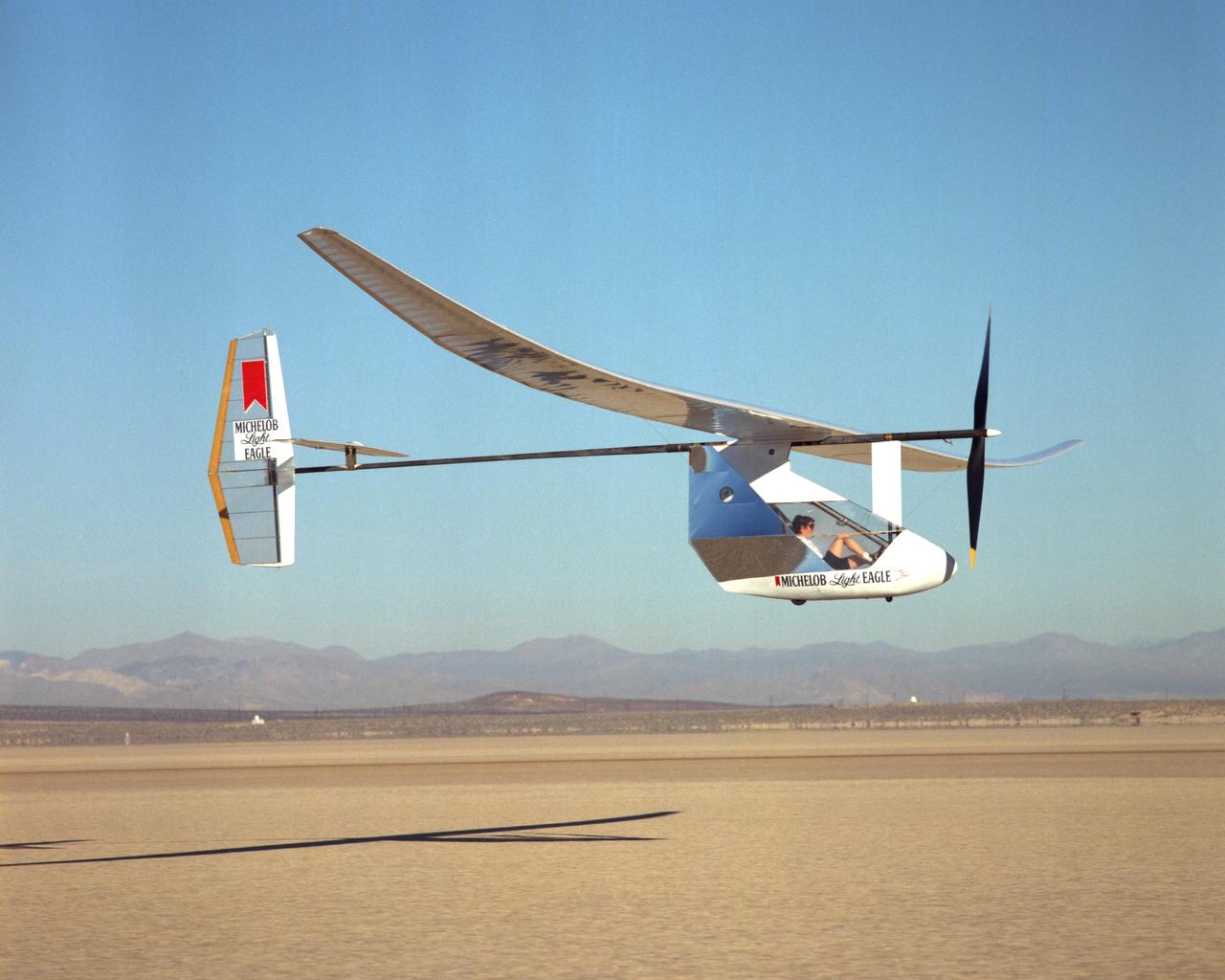
Daedalus Project's Light Eagle - Human powered aircraft
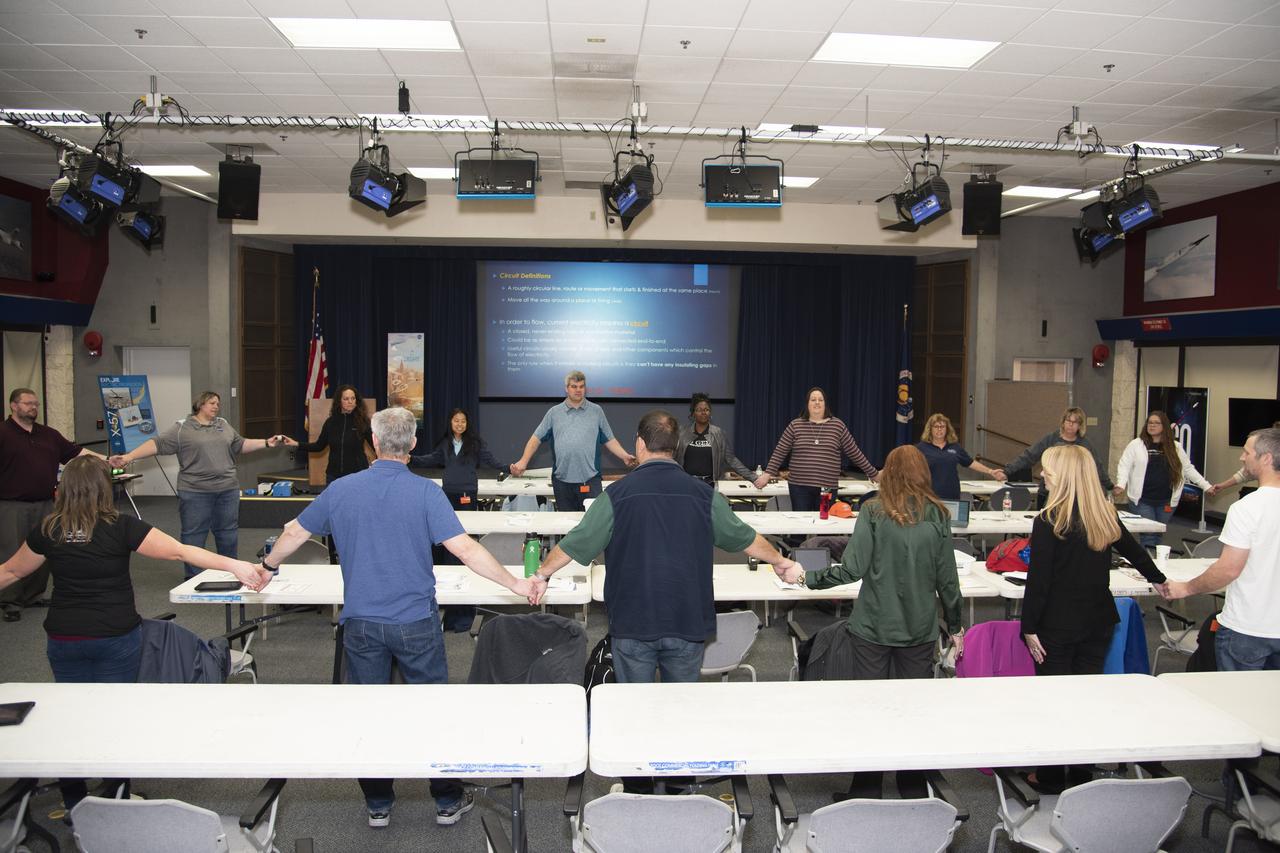
Barbara Buckner, NASA Armstrong's educator professional development specialist, leads a group exercise to form a human circuit to power an electric ball.
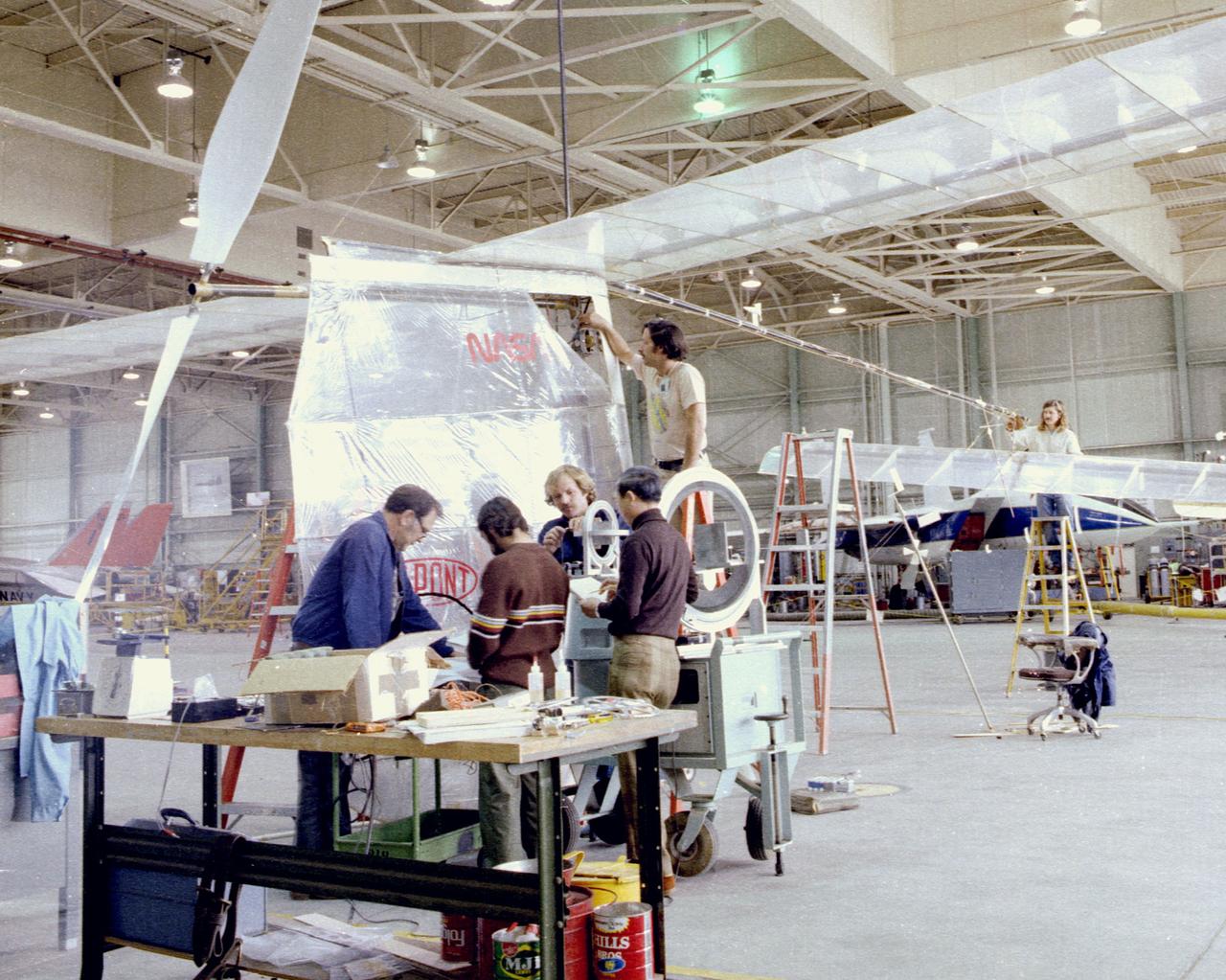
Assembling the Gossamer Albatross II in hangar
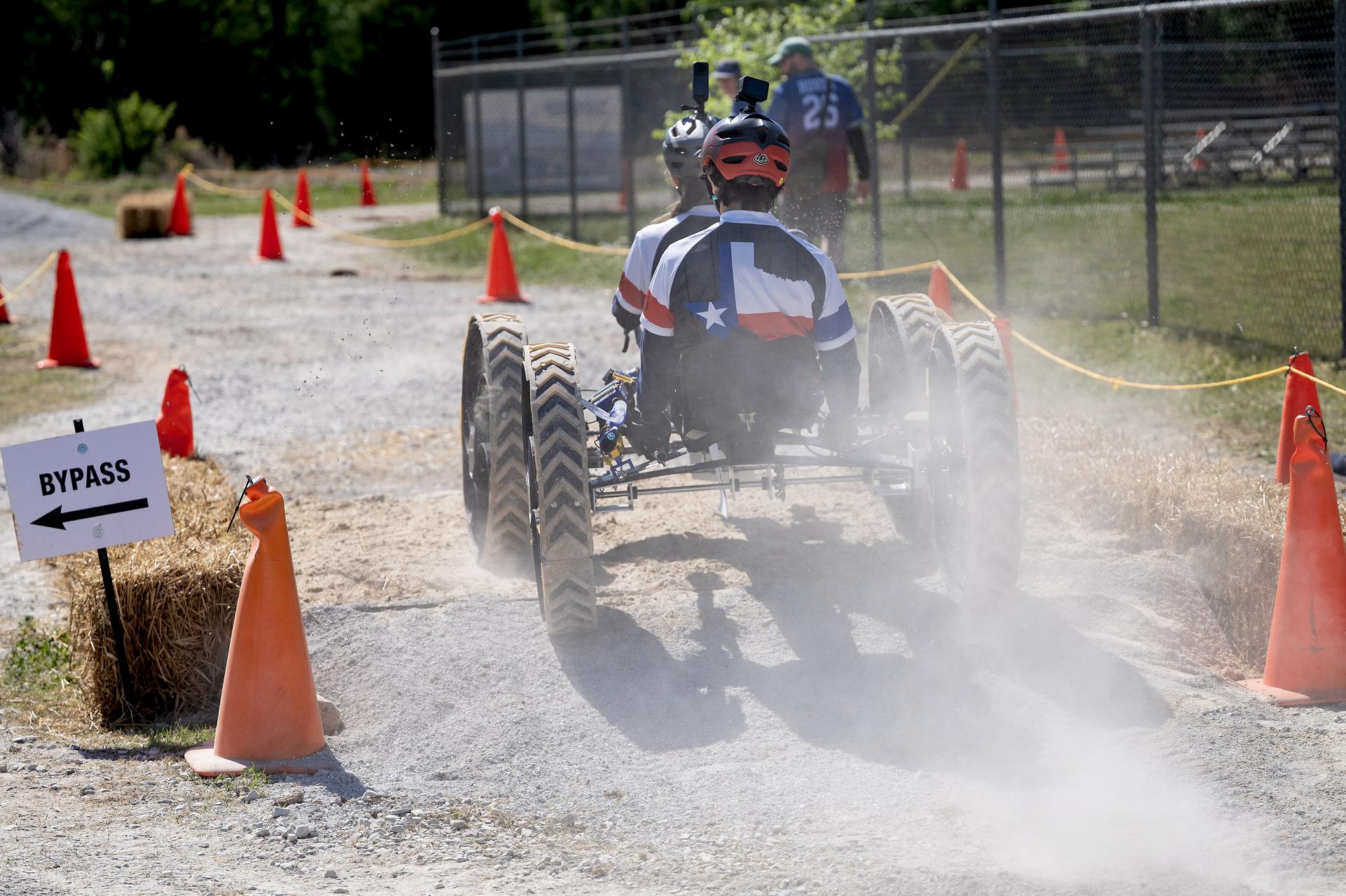
More than 600 students with 44 teams from around the world participated in the 32nd year of NASA’s Human Exploration Rover Challenge (HERC) on April 10 and April 11 near NASA’s Marshall Space Flight Center in Huntsville, Alabama. Participating teams represented 28 colleges and universities, 13 high schools, and one middle school from 18 states, Puerto Rico, and four Artemis Accord countries. Teams were awarded points based on navigating a half-mile obstacle course with either a human-powered or remote-controlled rover, conducting mission-specific task challenges, and completing multiple safety and design reviews with NASA engineers.
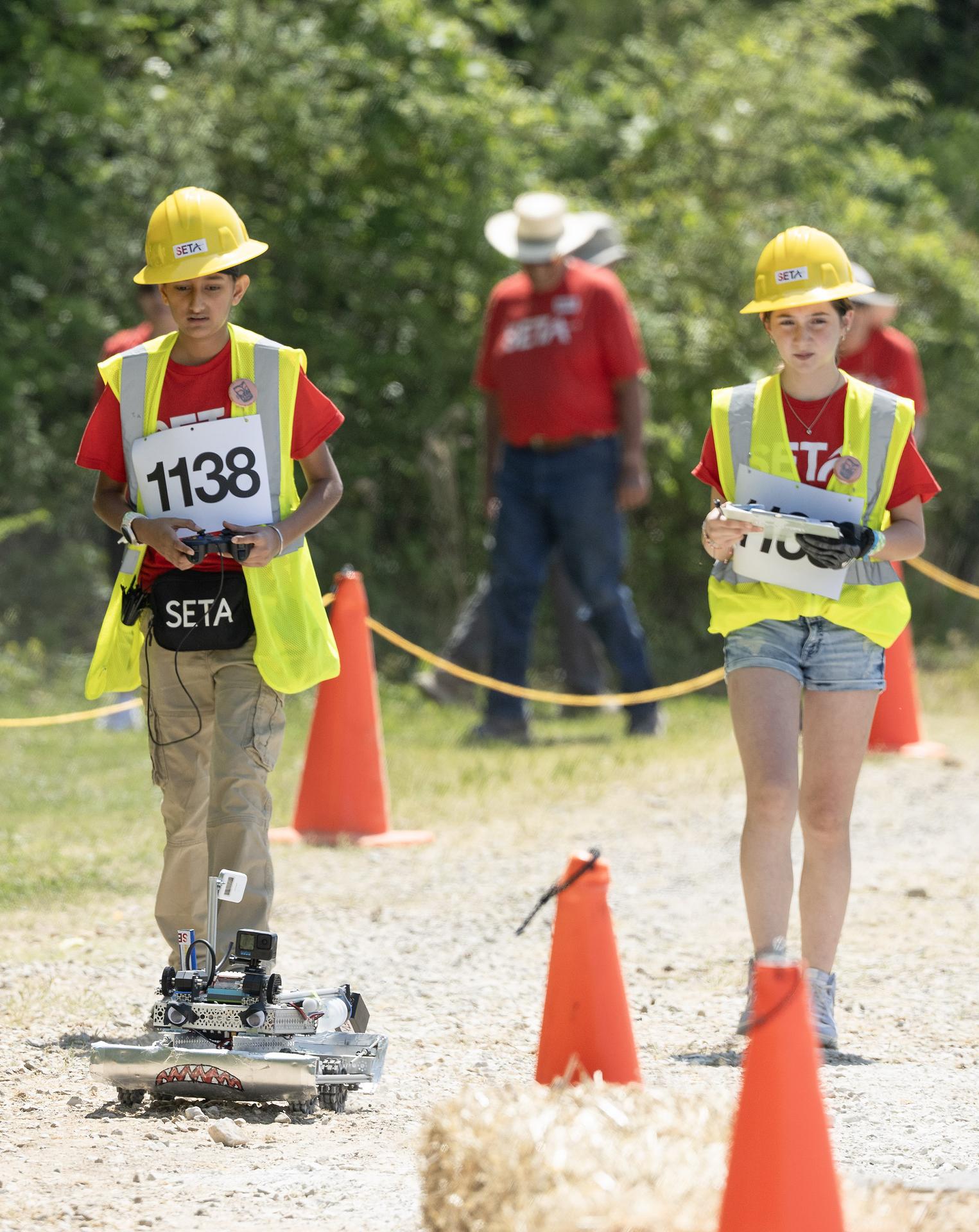
More than 600 students with 44 teams from around the world participated in the 32nd year of NASA’s Human Exploration Rover Challenge (HERC) on April 10 and April 11 near NASA’s Marshall Space Flight Center in Huntsville, Alabama. Participating teams represented 28 colleges and universities, 13 high schools, and one middle school from 18 states, Puerto Rico, and four Artemis Accord countries. Teams were awarded points based on navigating a half-mile obstacle course with either a human-powered or remote-controlled rover, conducting mission-specific task challenges, and completing multiple safety and design reviews with NASA engineers.

More than 600 students with 44 teams from around the world participated in the 32nd year of NASA’s Human Exploration Rover Challenge (HERC) on April 10 and April 11 near NASA’s Marshall Space Flight Center in Huntsville, Alabama. Participating teams represented 28 colleges and universities, 13 high schools, and one middle school from 18 states, Puerto Rico, and four Artemis Accord countries. Teams were awarded points based on navigating a half-mile obstacle course with either a human-powered or remote-controlled rover, conducting mission-specific task challenges, and completing multiple safety and design reviews with NASA engineers.
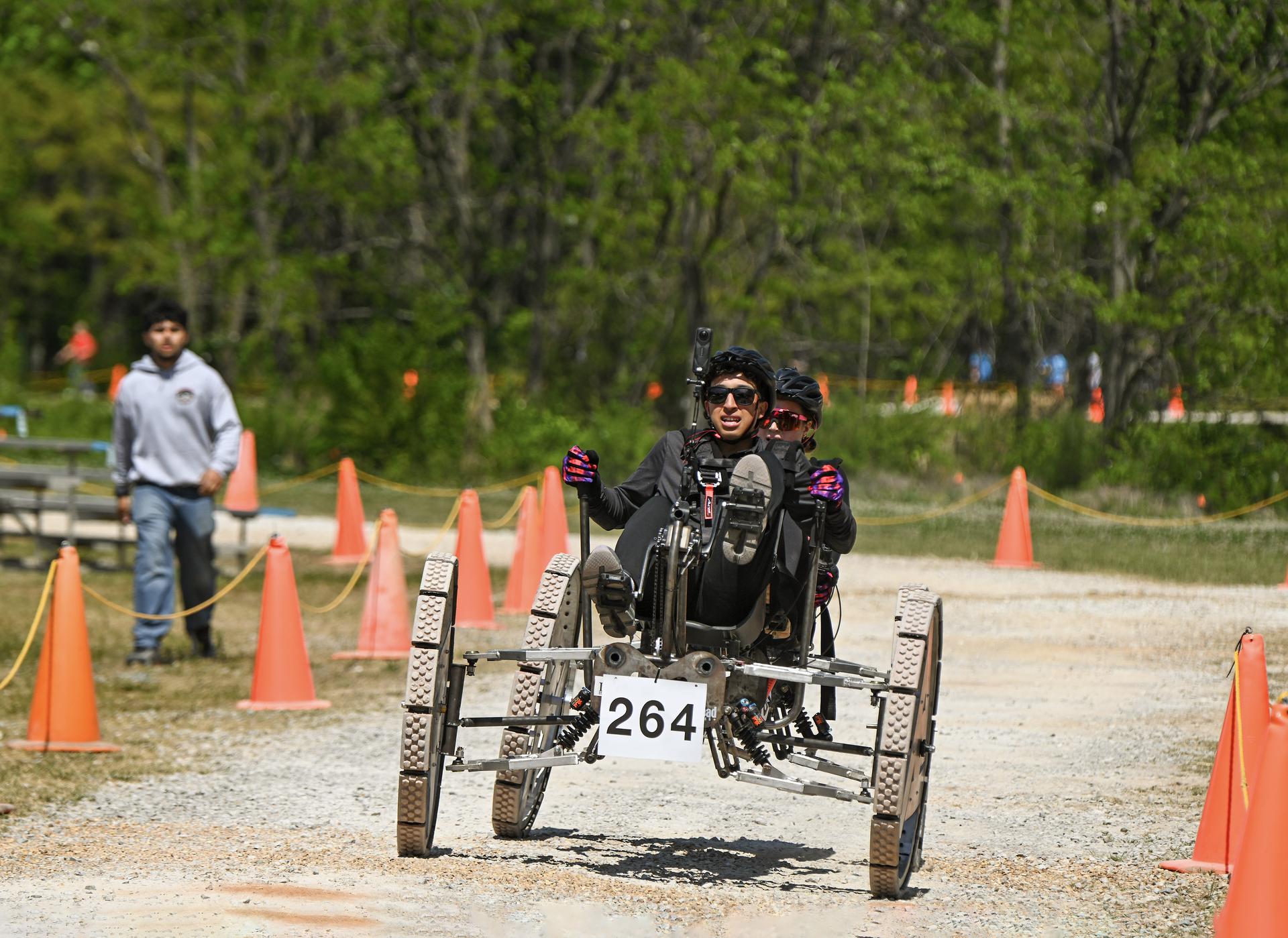
More than 600 students with 44 teams from around the world participated in the 32nd year of NASA’s Human Exploration Rover Challenge (HERC) on April 10 and April 11 near NASA’s Marshall Space Flight Center in Huntsville, Alabama. Participating teams represented 28 colleges and universities, 13 high schools, and one middle school from 18 states, Puerto Rico, and four Artemis Accord countries. Teams were awarded points based on navigating a half-mile obstacle course with either a human-powered or remote-controlled rover, conducting mission-specific task challenges, and completing multiple safety and design reviews with NASA engineers.
/USSRC_MeganHolbrook (191)~large.jpg)
More than 600 students with 44 teams from around the world participated in the 32nd year of NASA’s Human Exploration Rover Challenge (HERC) on April 10 and April 11 near NASA’s Marshall Space Flight Center in Huntsville, Alabama. Participating teams represented 28 colleges and universities, 13 high schools, and one middle school from 18 states, Puerto Rico, and four Artemis Accord countries. Teams were awarded points based on navigating a half-mile obstacle course with either a human-powered or remote-controlled rover, conducting mission-specific task challenges, and completing multiple safety and design reviews with NASA engineers.
/USSRC_MeganHolbrook (344)~large.jpg)
More than 600 students with 44 teams from around the world participated in the 32nd year of NASA’s Human Exploration Rover Challenge (HERC) on April 10 and April 11 near NASA’s Marshall Space Flight Center in Huntsville, Alabama. Participating teams represented 28 colleges and universities, 13 high schools, and one middle school from 18 states, Puerto Rico, and four Artemis Accord countries. Teams were awarded points based on navigating a half-mile obstacle course with either a human-powered or remote-controlled rover, conducting mission-specific task challenges, and completing multiple safety and design reviews with NASA engineers.
/USSRC_MeganHolbrook (98)~large.jpg)
More than 600 students with 44 teams from around the world participated in the 32nd year of NASA’s Human Exploration Rover Challenge (HERC) on April 10 and April 11 near NASA’s Marshall Space Flight Center in Huntsville, Alabama. Participating teams represented 28 colleges and universities, 13 high schools, and one middle school from 18 states, Puerto Rico, and four Artemis Accord countries. Teams were awarded points based on navigating a half-mile obstacle course with either a human-powered or remote-controlled rover, conducting mission-specific task challenges, and completing multiple safety and design reviews with NASA engineers.
/USSRC_DavidSercel (195)~large.jpg)
More than 600 students with 44 teams from around the world participated in the 32nd year of NASA’s Human Exploration Rover Challenge (HERC) on April 10 and April 11 near NASA’s Marshall Space Flight Center in Huntsville, Alabama. Participating teams represented 28 colleges and universities, 13 high schools, and one middle school from 18 states, Puerto Rico, and four Artemis Accord countries. Teams were awarded points based on navigating a half-mile obstacle course with either a human-powered or remote-controlled rover, conducting mission-specific task challenges, and completing multiple safety and design reviews with NASA engineers.
/USSRC_DavidSercel (616)~large.jpg)
More than 600 students with 44 teams from around the world participated in the 32nd year of NASA’s Human Exploration Rover Challenge (HERC) on April 10 and April 11 near NASA’s Marshall Space Flight Center in Huntsville, Alabama. Participating teams represented 28 colleges and universities, 13 high schools, and one middle school from 18 states, Puerto Rico, and four Artemis Accord countries. Teams were awarded points based on navigating a half-mile obstacle course with either a human-powered or remote-controlled rover, conducting mission-specific task challenges, and completing multiple safety and design reviews with NASA engineers.
/USSRC_TravisHogan (195)~large.jpg)
More than 600 students with 44 teams from around the world participated in the 32nd year of NASA’s Human Exploration Rover Challenge (HERC) on April 10 and April 11 near NASA’s Marshall Space Flight Center in Huntsville, Alabama. Participating teams represented 28 colleges and universities, 13 high schools, and one middle school from 18 states, Puerto Rico, and four Artemis Accord countries. Teams were awarded points based on navigating a half-mile obstacle course with either a human-powered or remote-controlled rover, conducting mission-specific task challenges, and completing multiple safety and design reviews with NASA engineers.
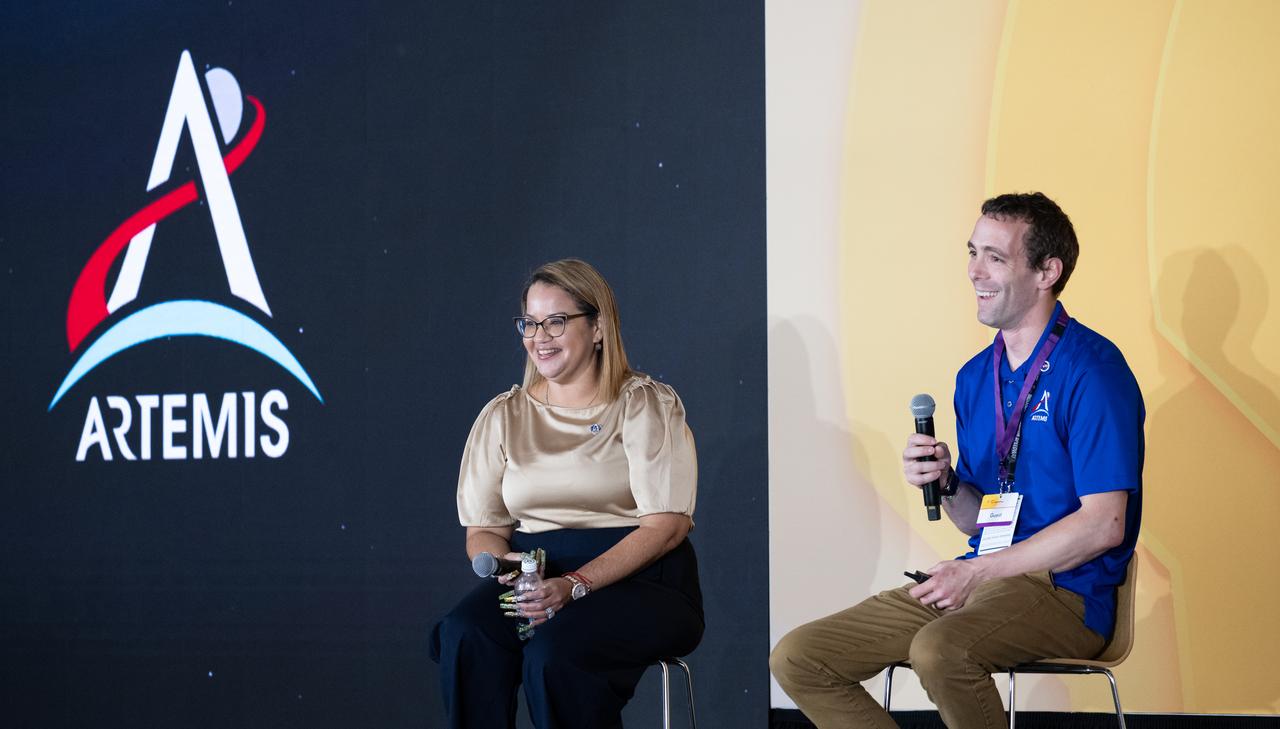
Dr. Dionne Hernandez-Lugo, Power and Propulsion Element Contracting Officer Representative in the Gateway & Power and Propulsion Element Office of NASA's Exploration Systems Development Mission Directorate, left, and Logan Kennedy, surface lead for Human Landing System Programs in NASA's Exploration Systems Development Mission Directorate, right, speaks to students about power production and energy for the Artemis Program at the Shell Eco-marathon Americas, Saturday, April 6, 2024, at the Indianapolis Motor Speedway in Indianapolis, Ind. Photo Credit: (NASA/Joel Kowsky)
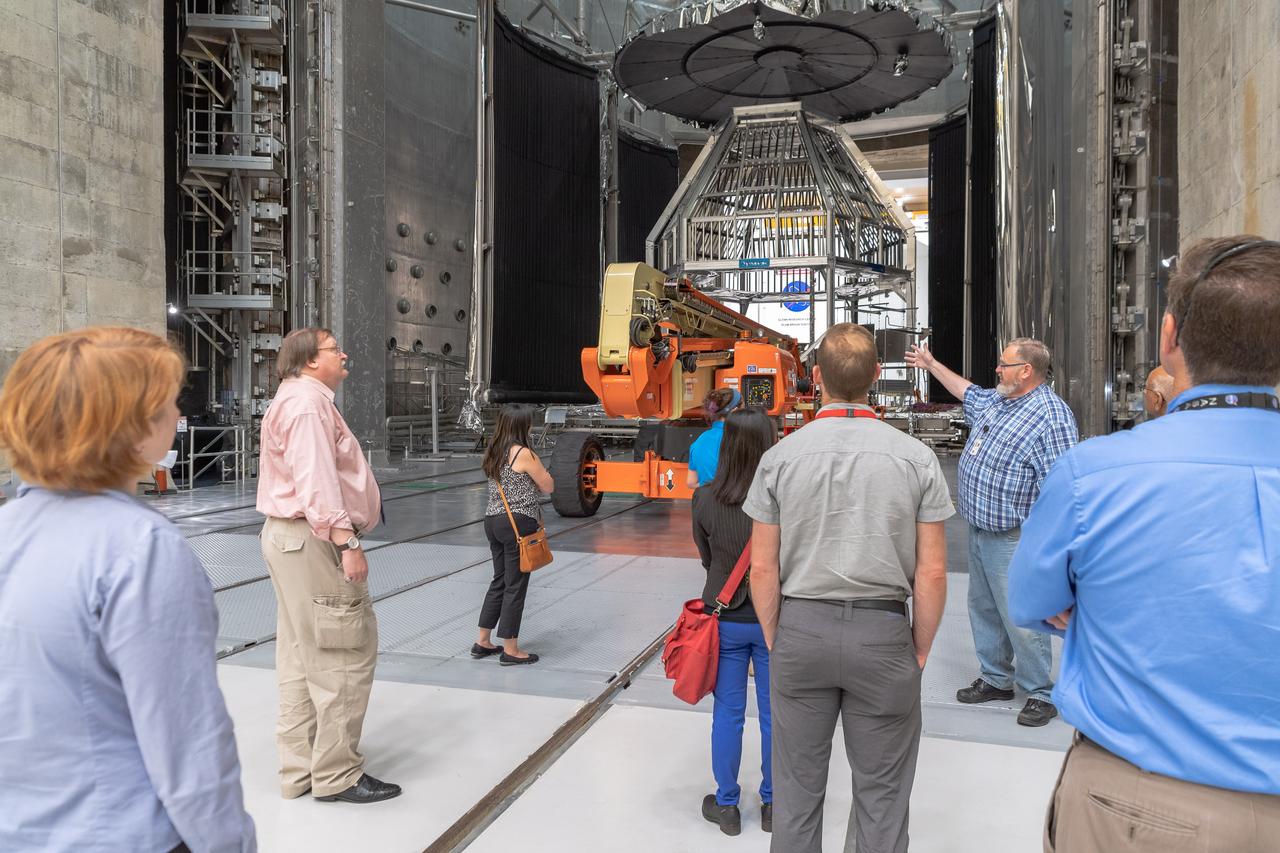
The inaugural Glenn Symposium focused on advancements in aerospace technology including power and propulsion, autonomy and communications, low boom supersonics, hypersonics, and more. Discussion also encompassed humans returning to the moon, including challenges associated with the 2024 mission.
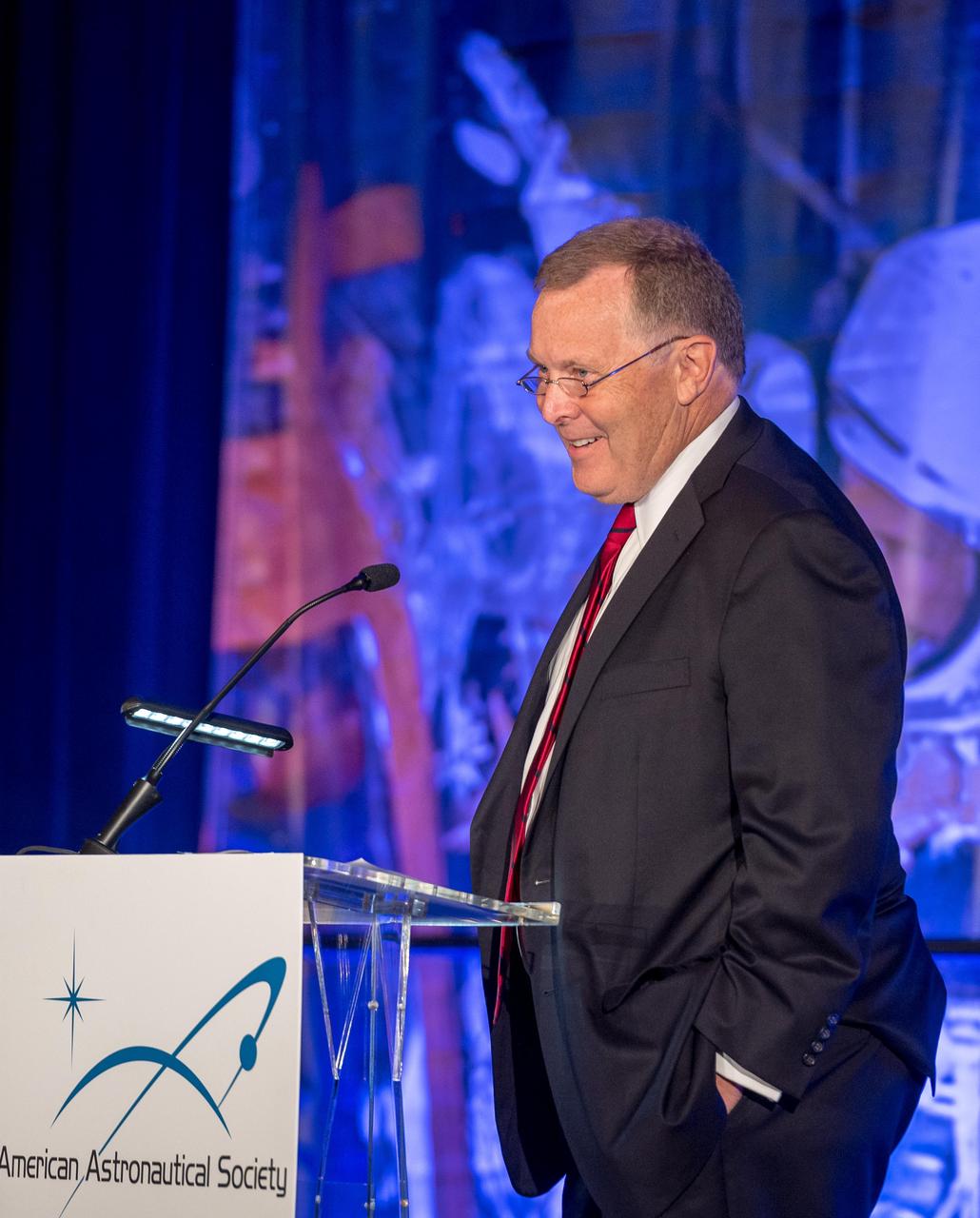
The inaugural Glenn Symposium focused on advancements in aerospace technology including power and propulsion, autonomy and communications, low boom supersonics, hypersonics, and more. Discussion also encompassed humans returning to the moon, including challenges associated with the 2024 mission.

The inaugural Glenn Symposium focused on advancements in aerospace technology including power and propulsion, autonomy and communications, low boom supersonics, hypersonics, and more. Discussion also encompassed humans returning to the moon, including challenges associated with the 2024 mission.
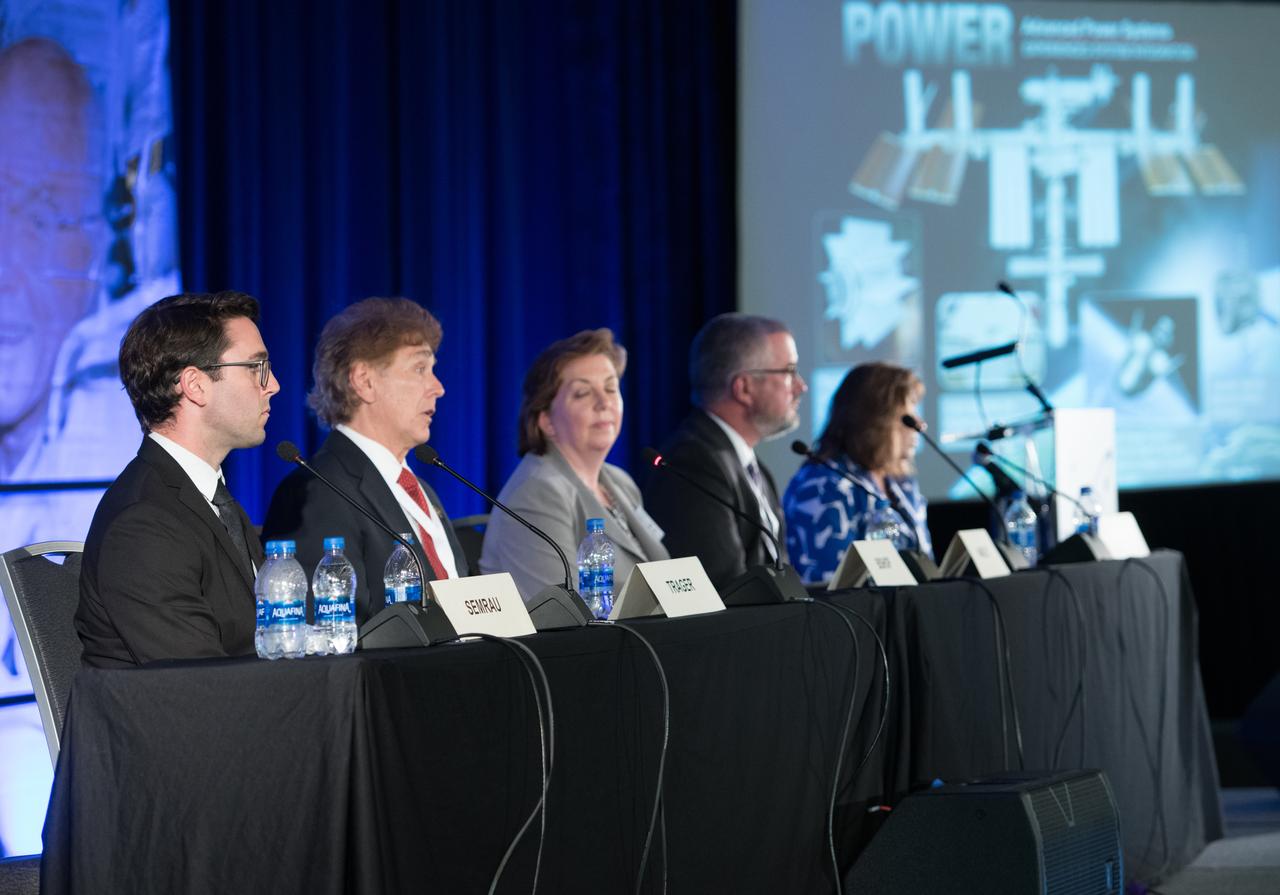
The inaugural Glenn Symposium focused on advancements in aerospace technology including power and propulsion, autonomy and communications, low boom supersonics, hypersonics, and more. Discussion also encompassed humans returning to the moon, including challenges associated with the 2024 mission.
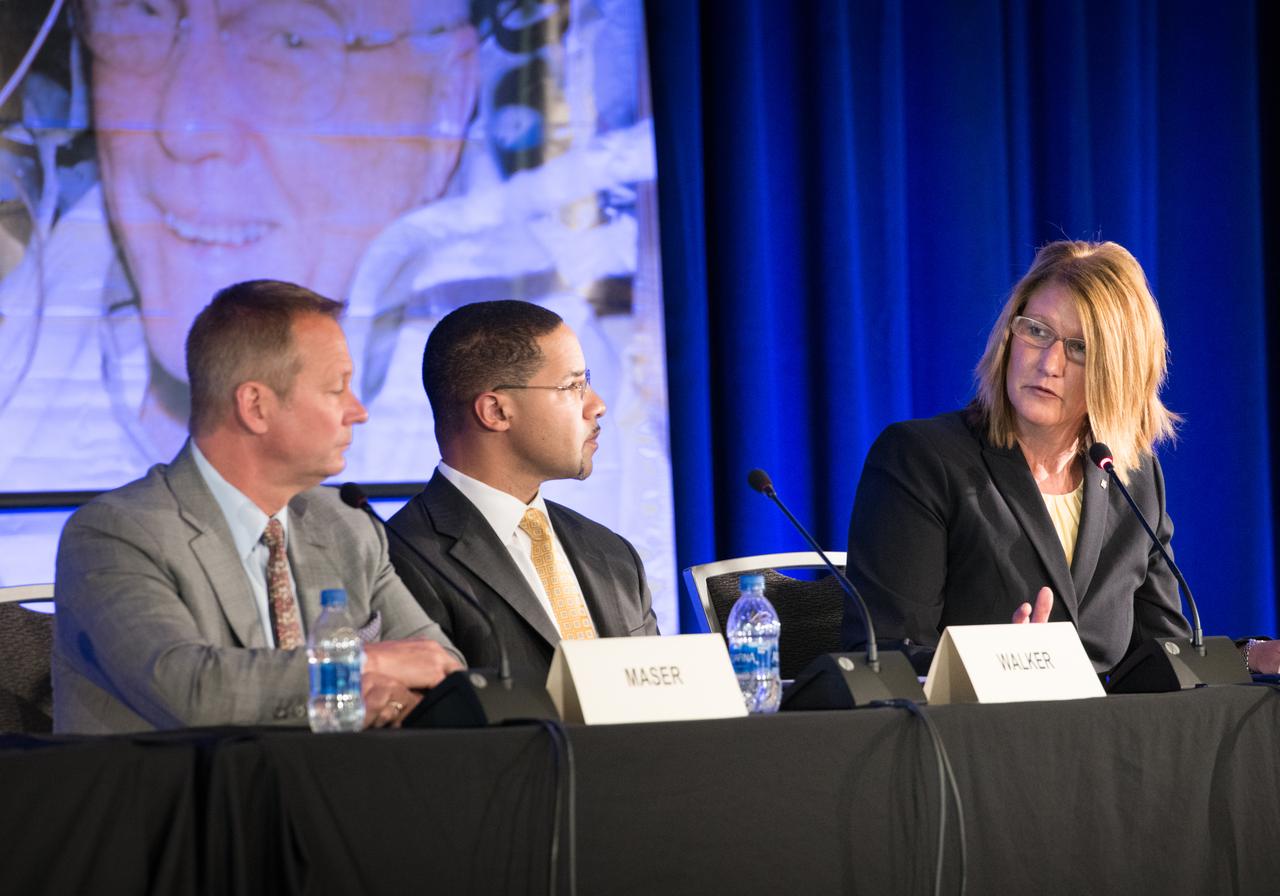
The inaugural Glenn Symposium focused on advancements in aerospace technology including power and propulsion, autonomy and communications, low boom supersonics, hypersonics, and more. Discussion also encompassed humans returning to the moon, including challenges associated with the 2024 mission.
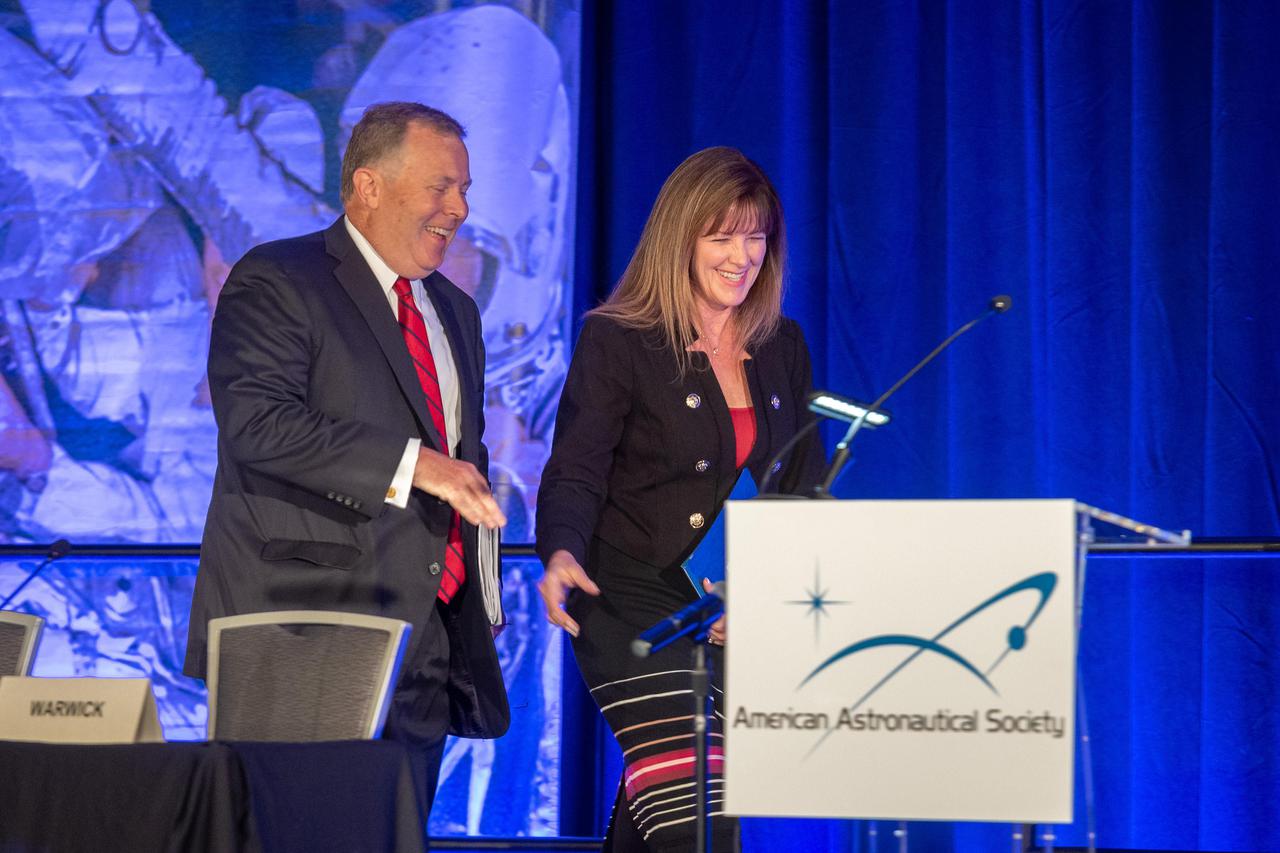
The inaugural Glenn Symposium focused on advancements in aerospace technology including power and propulsion, autonomy and communications, low boom supersonics, hypersonics, and more. Discussion also encompassed humans returning to the moon, including challenges associated with the 2024 mission.

The inaugural Glenn Symposium focused on advancements in aerospace technology including power and propulsion, autonomy and communications, low boom supersonics, hypersonics, and more. Discussion also encompassed humans returning to the moon, including challenges associated with the 2024 mission.

The inaugural Glenn Symposium focused on advancements in aerospace technology including power and propulsion, autonomy and communications, low boom supersonics, hypersonics, and more. Discussion also encompassed humans returning to the moon, including challenges associated with the 2024 mission.
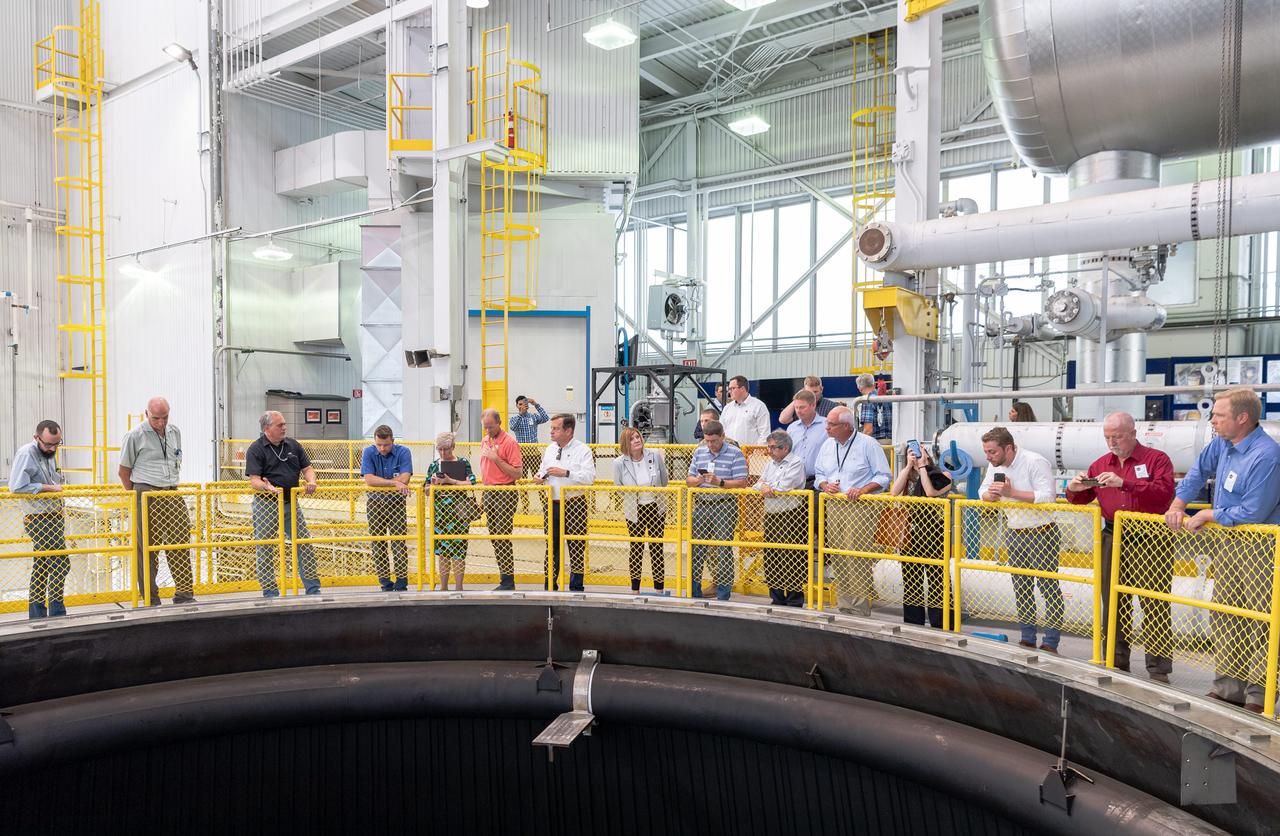
The inaugural Glenn Symposium focused on advancements in aerospace technology including power and propulsion, autonomy and communications, low boom supersonics, hypersonics, and more. Discussion also encompassed humans returning to the moon, including challenges associated with the 2024 mission.
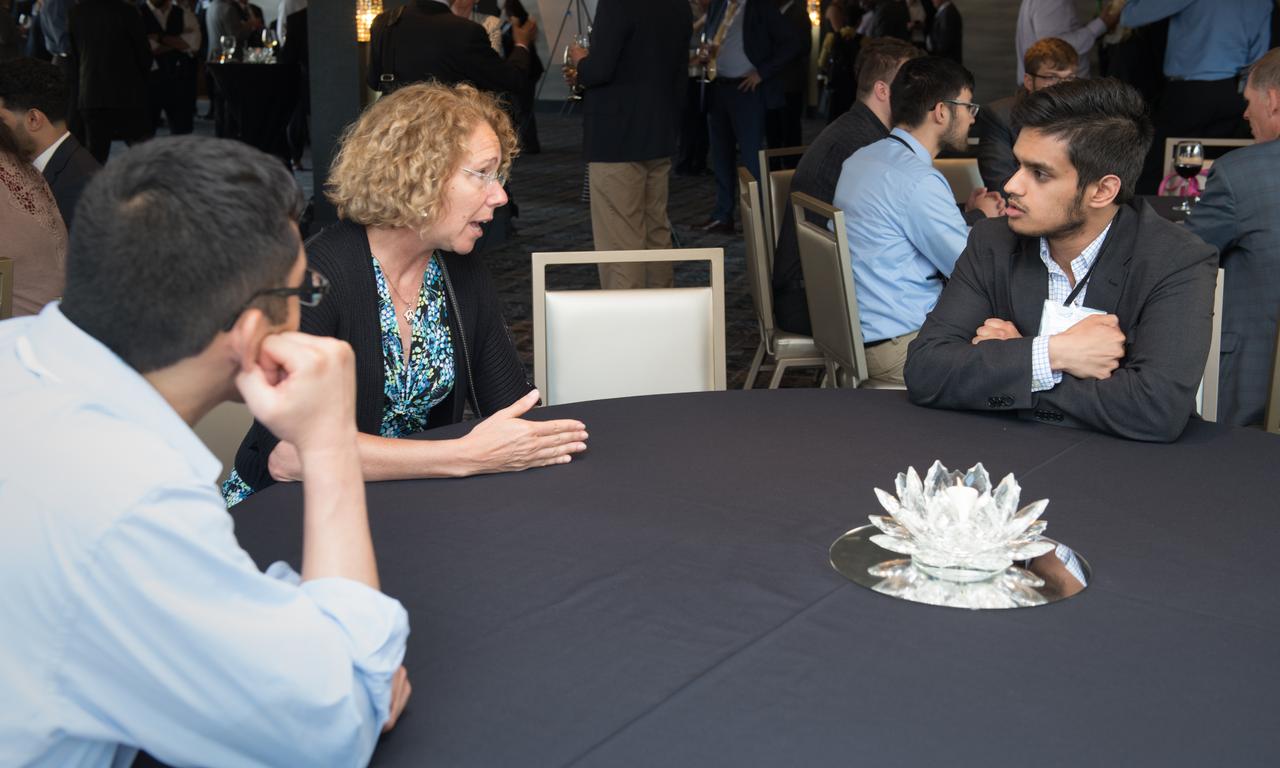
The inaugural Glenn Symposium focused on advancements in aerospace technology including power and propulsion, autonomy and communications, low boom supersonics, hypersonics, and more. Discussion also encompassed humans returning to the moon, including challenges associated with the 2024 mission.
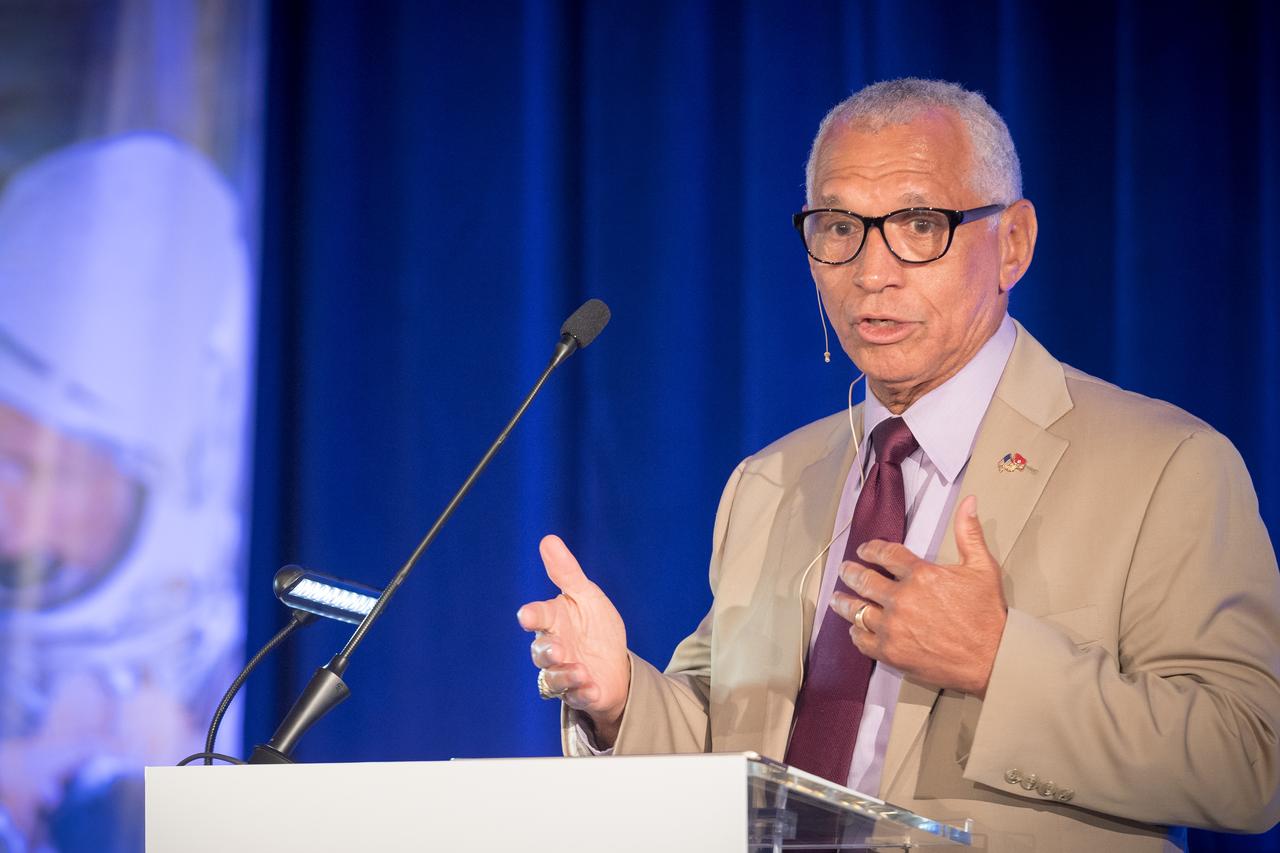
The inaugural Glenn Symposium focused on advancements in aerospace technology including power and propulsion, autonomy and communications, low boom supersonics, hypersonics, and more. Discussion also encompassed humans returning to the moon, including challenges associated with the 2024 mission.
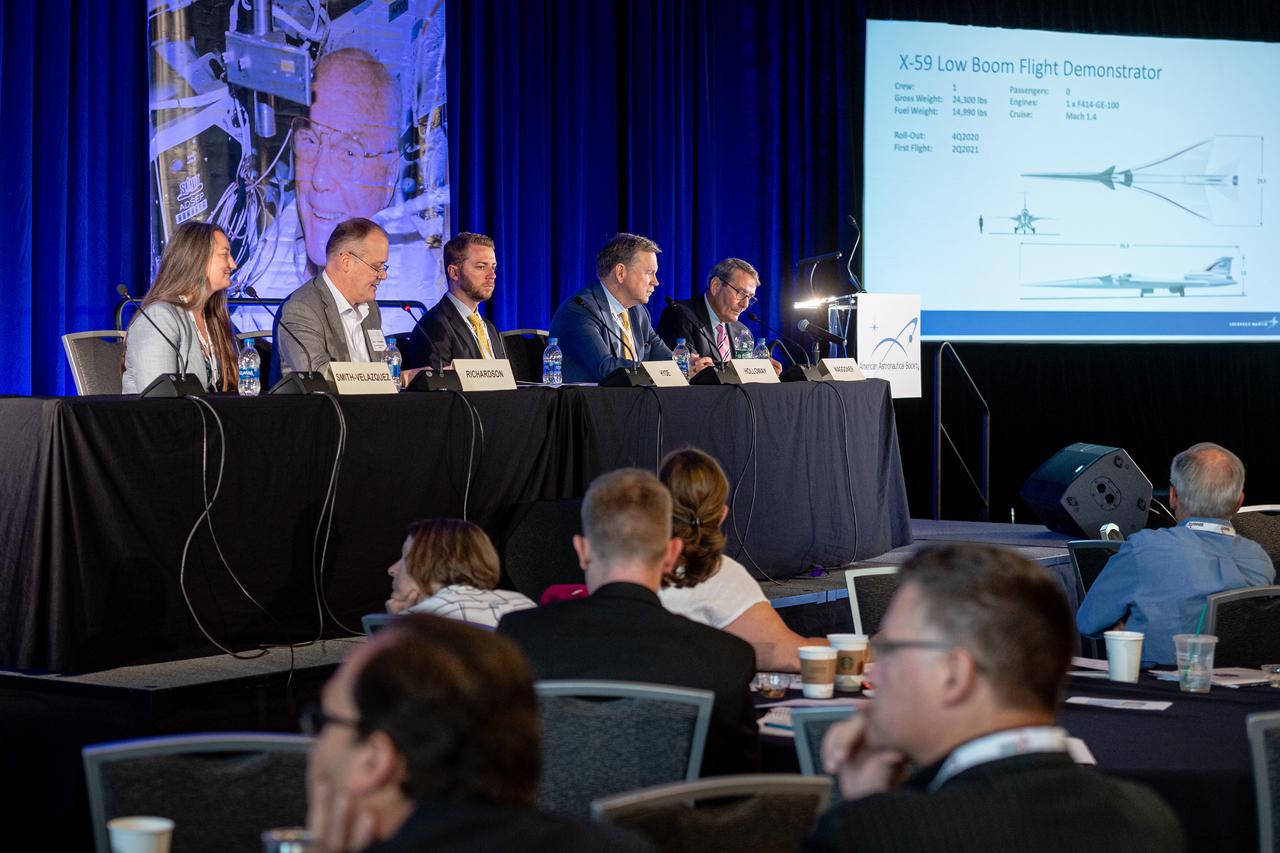
The inaugural Glenn Symposium focused on advancements in aerospace technology including power and propulsion, autonomy and communications, low boom supersonics, hypersonics, and more. Discussion also encompassed humans returning to the moon, including challenges associated with the 2024 mission.
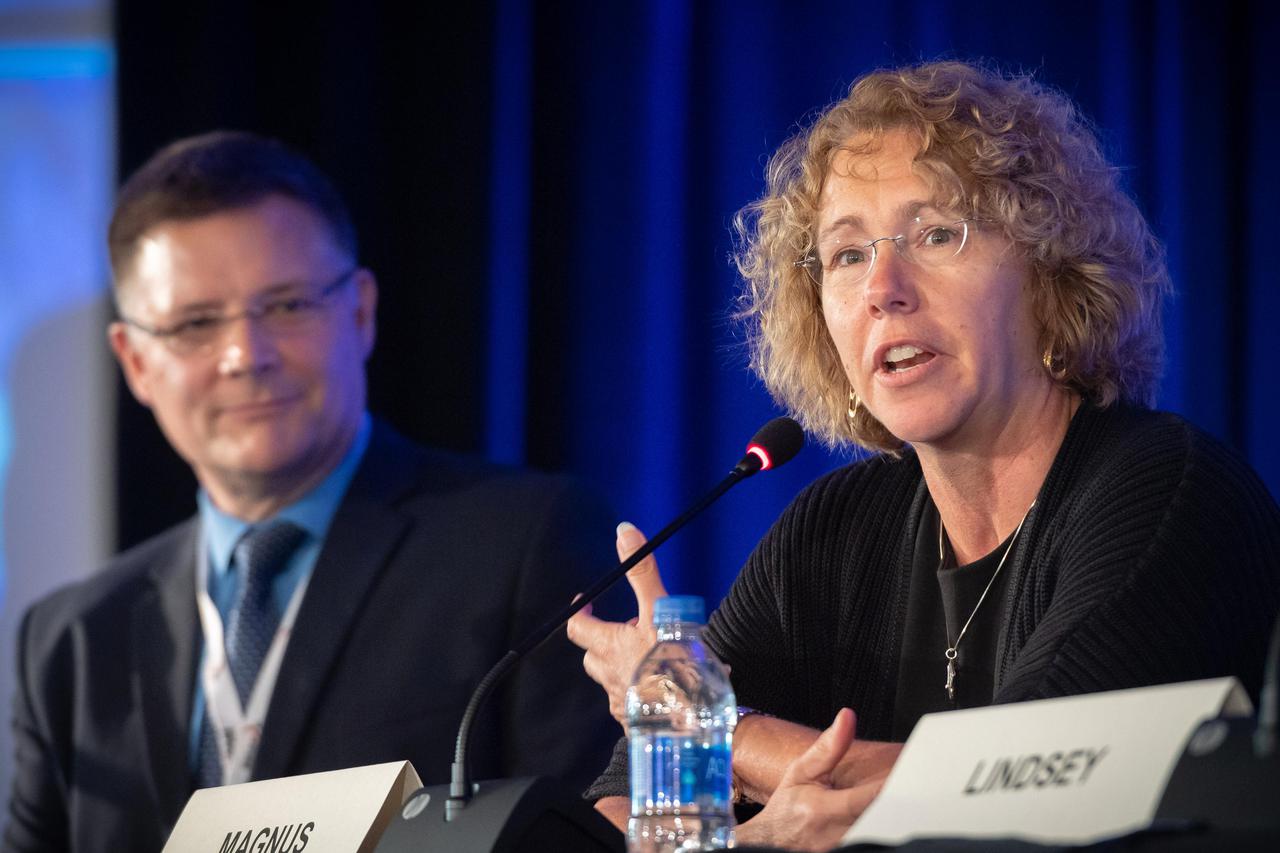
The inaugural Glenn Symposium focused on advancements in aerospace technology including power and propulsion, autonomy and communications, low boom supersonics, hypersonics, and more. Discussion also encompassed humans returning to the moon, including challenges associated with the 2024 mission.

The inaugural Glenn Symposium focused on advancements in aerospace technology including power and propulsion, autonomy and communications, low boom supersonics, hypersonics, and more. Discussion also encompassed humans returning to the moon, including challenges associated with the 2024 mission.
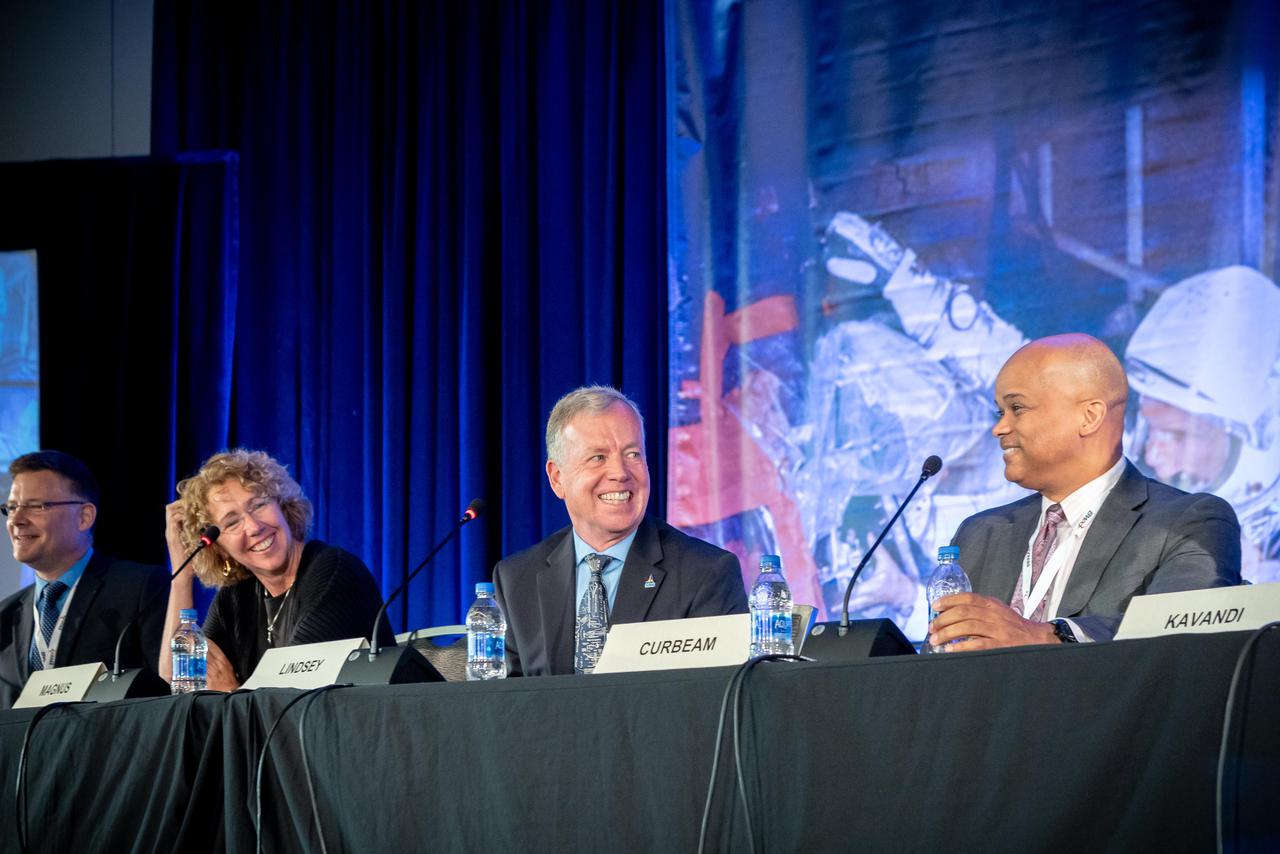
The inaugural Glenn Symposium focused on advancements in aerospace technology including power and propulsion, autonomy and communications, low boom supersonics, hypersonics, and more. Discussion also encompassed humans returning to the moon, including challenges associated with the 2024 mission.
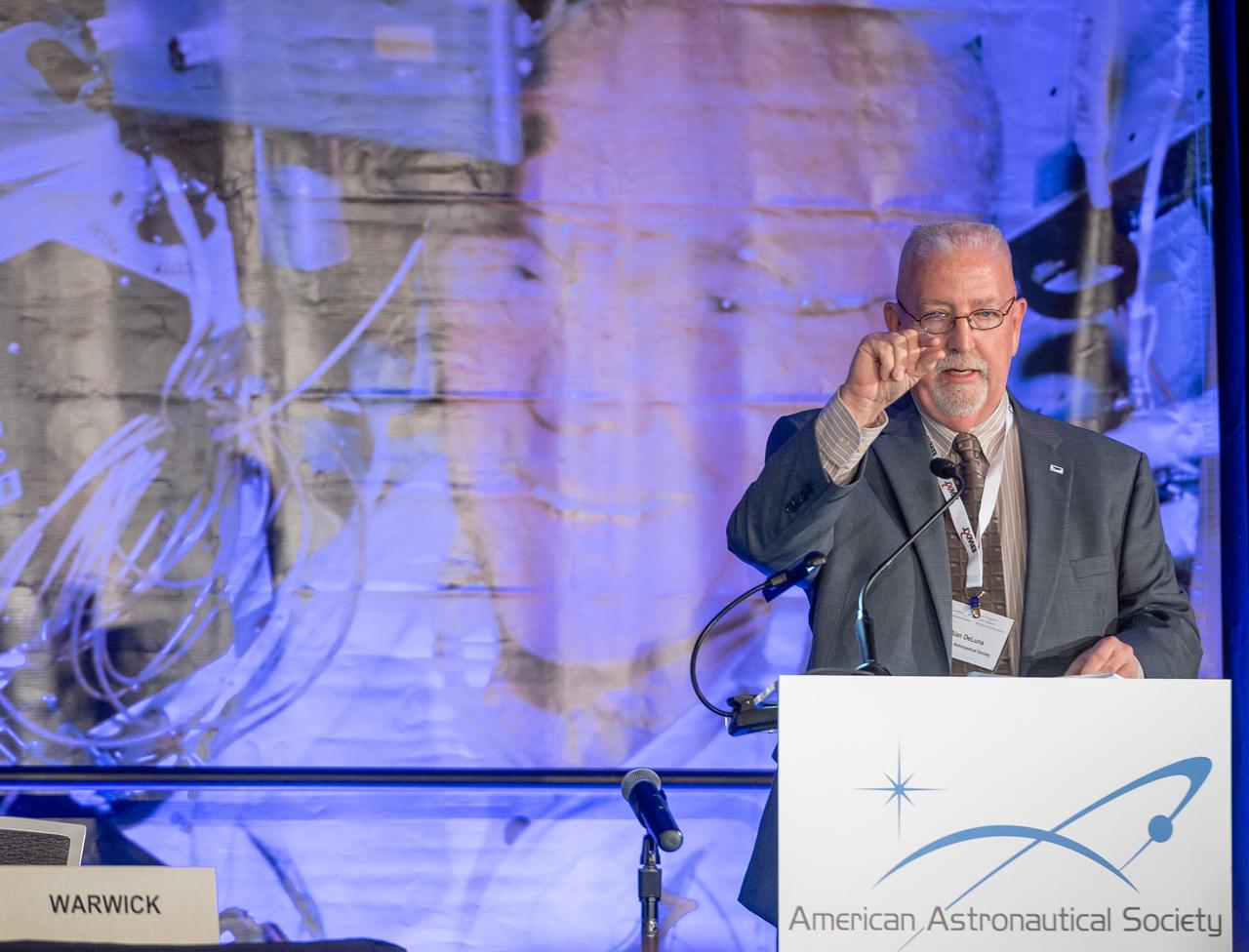
The inaugural Glenn Symposium focused on advancements in aerospace technology including power and propulsion, autonomy and communications, low boom supersonics, hypersonics, and more. Discussion also encompassed humans returning to the moon, including challenges associated with the 2024 mission.
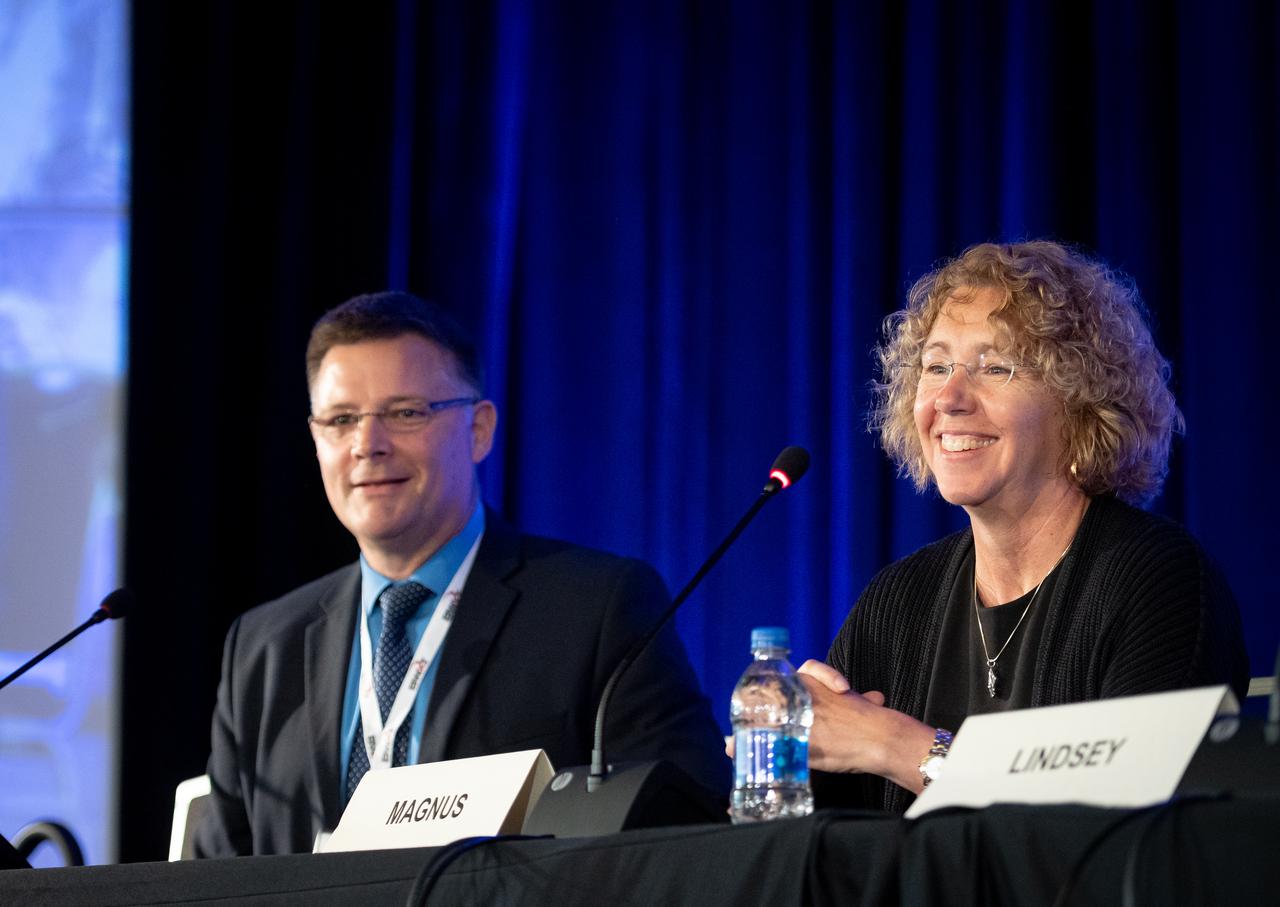
The inaugural Glenn Symposium focused on advancements in aerospace technology including power and propulsion, autonomy and communications, low boom supersonics, hypersonics, and more. Discussion also encompassed humans returning to the moon, including challenges associated with the 2024 mission.
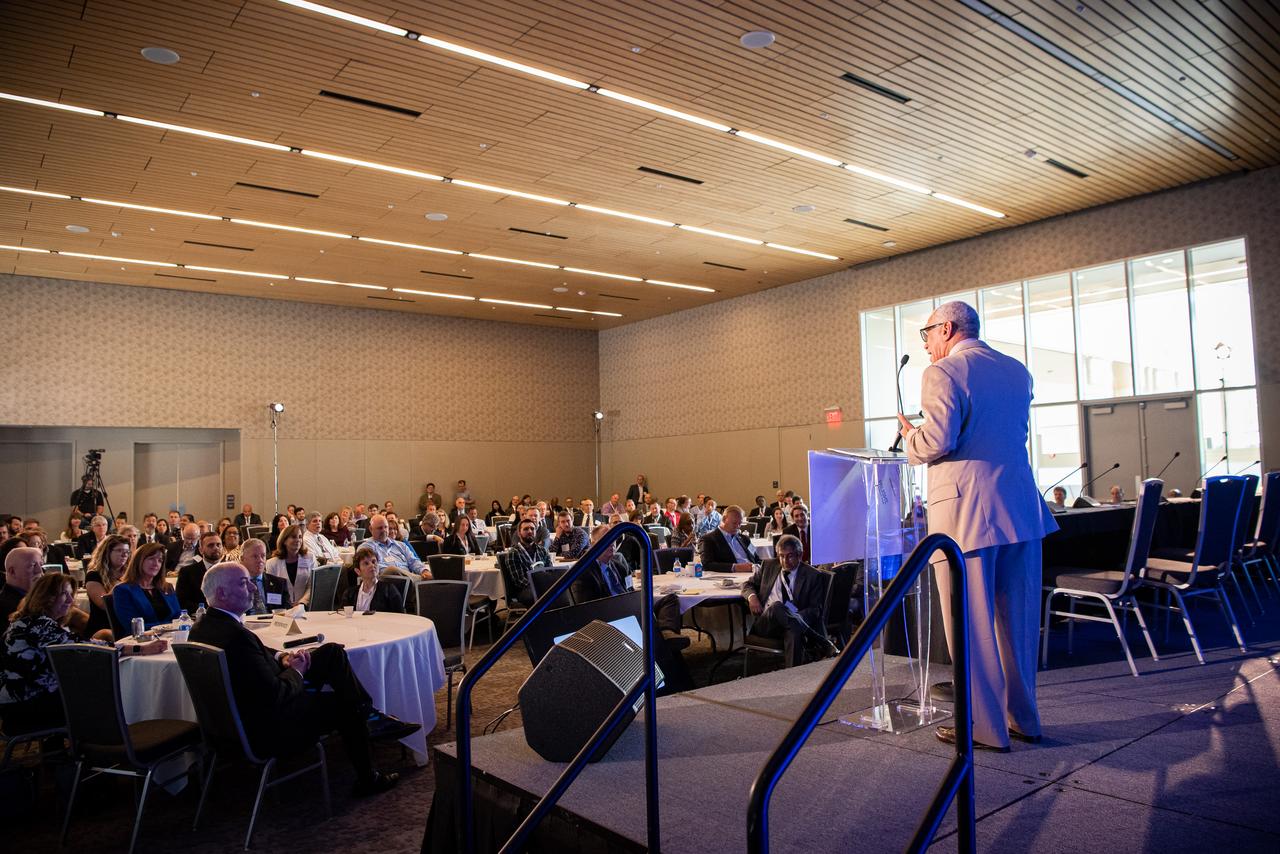
The inaugural Glenn Symposium focused on advancements in aerospace technology including power and propulsion, autonomy and communications, low boom supersonics, hypersonics, and more. Discussion also encompassed humans returning to the moon, including challenges associated with the 2024 mission.

The inaugural Glenn Symposium focused on advancements in aerospace technology including power and propulsion, autonomy and communications, low boom supersonics, hypersonics, and more. Discussion also encompassed humans returning to the moon, including challenges associated with the 2024 mission.
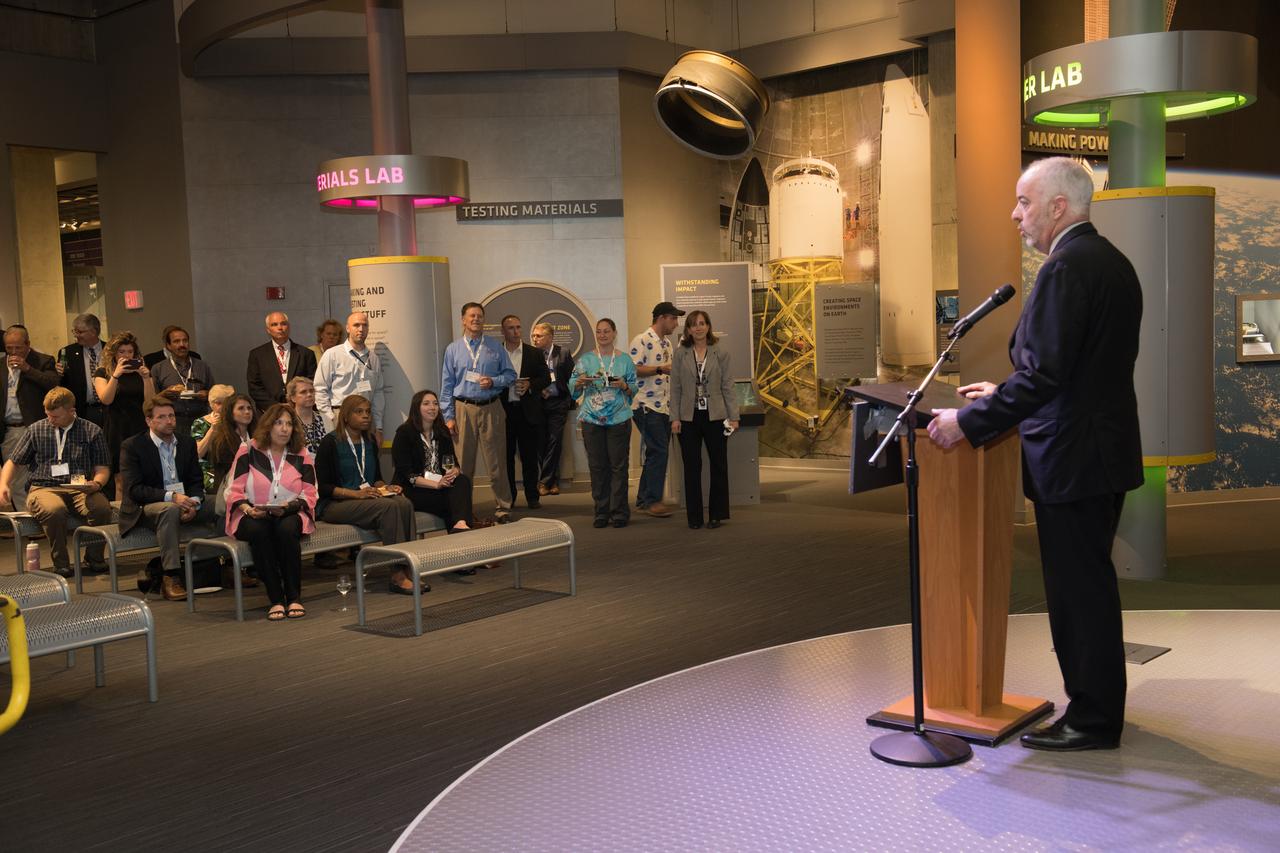
The inaugural Glenn Symposium focused on advancements in aerospace technology including power and propulsion, autonomy and communications, low boom supersonics, hypersonics, and more. Discussion also encompassed humans returning to the moon, including challenges associated with the 2024 mission.
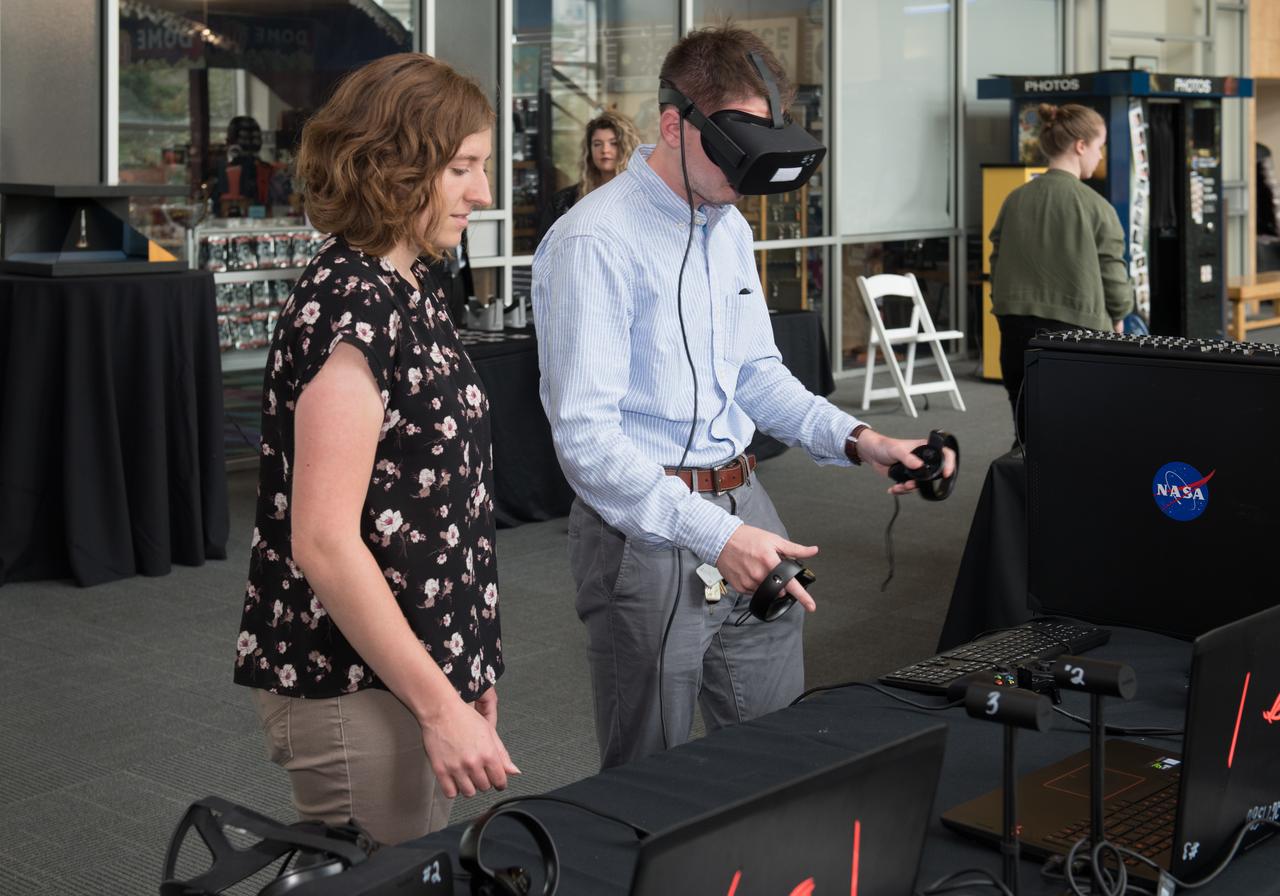
The inaugural Glenn Symposium focused on advancements in aerospace technology including power and propulsion, autonomy and communications, low boom supersonics, hypersonics, and more. Discussion also encompassed humans returning to the moon, including challenges associated with the 2024 mission.
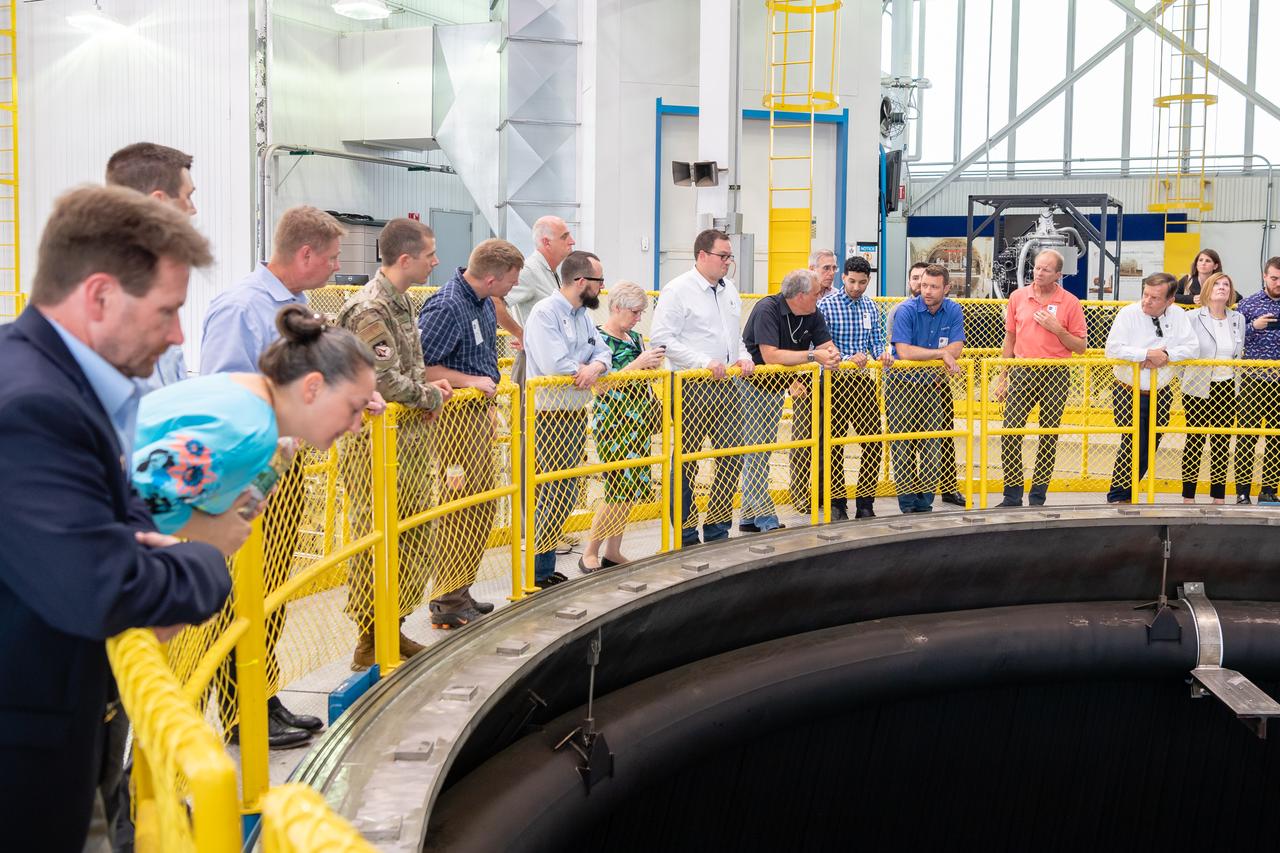
The inaugural Glenn Symposium focused on advancements in aerospace technology including power and propulsion, autonomy and communications, low boom supersonics, hypersonics, and more. Discussion also encompassed humans returning to the moon, including challenges associated with the 2024 mission.
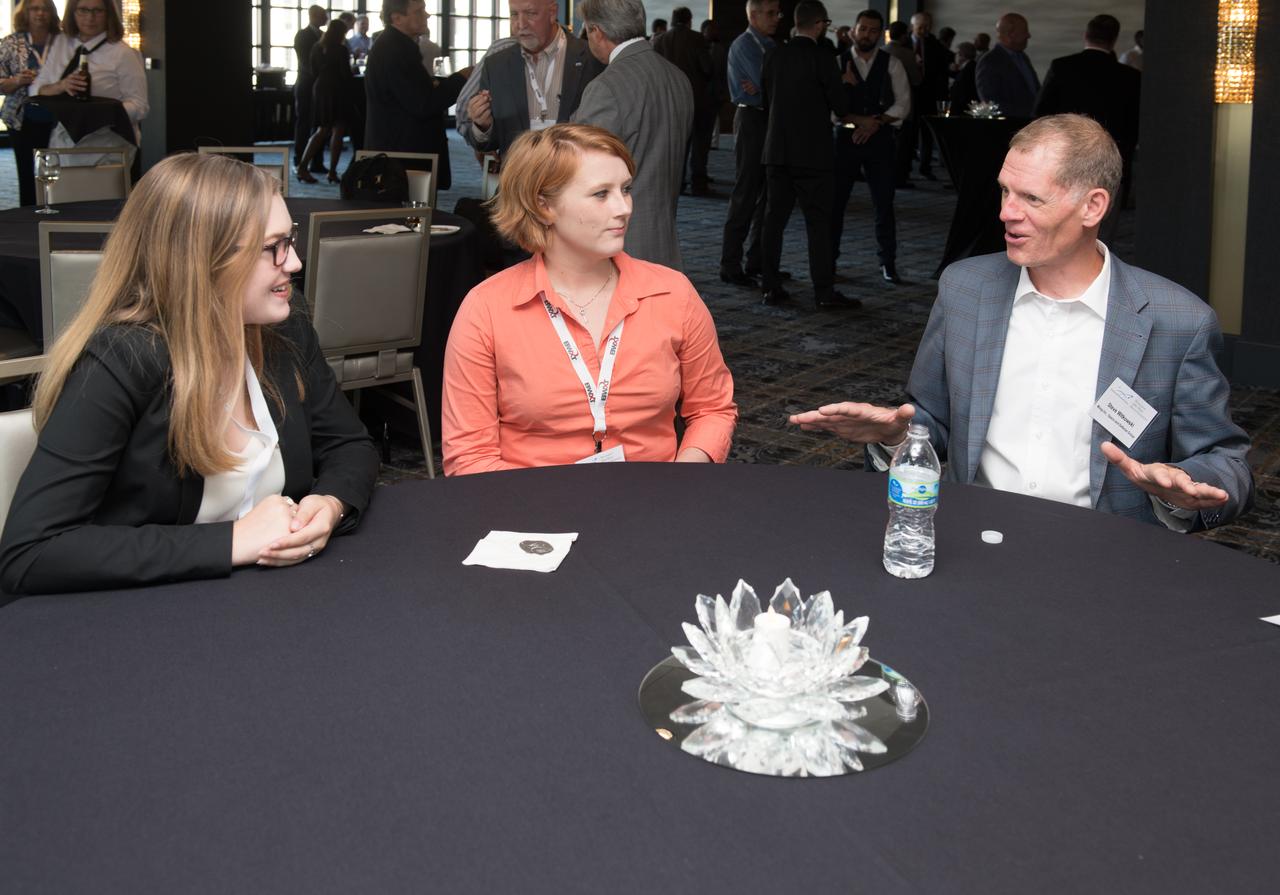
The inaugural Glenn Symposium focused on advancements in aerospace technology including power and propulsion, autonomy and communications, low boom supersonics, hypersonics, and more. Discussion also encompassed humans returning to the moon, including challenges associated with the 2024 mission.
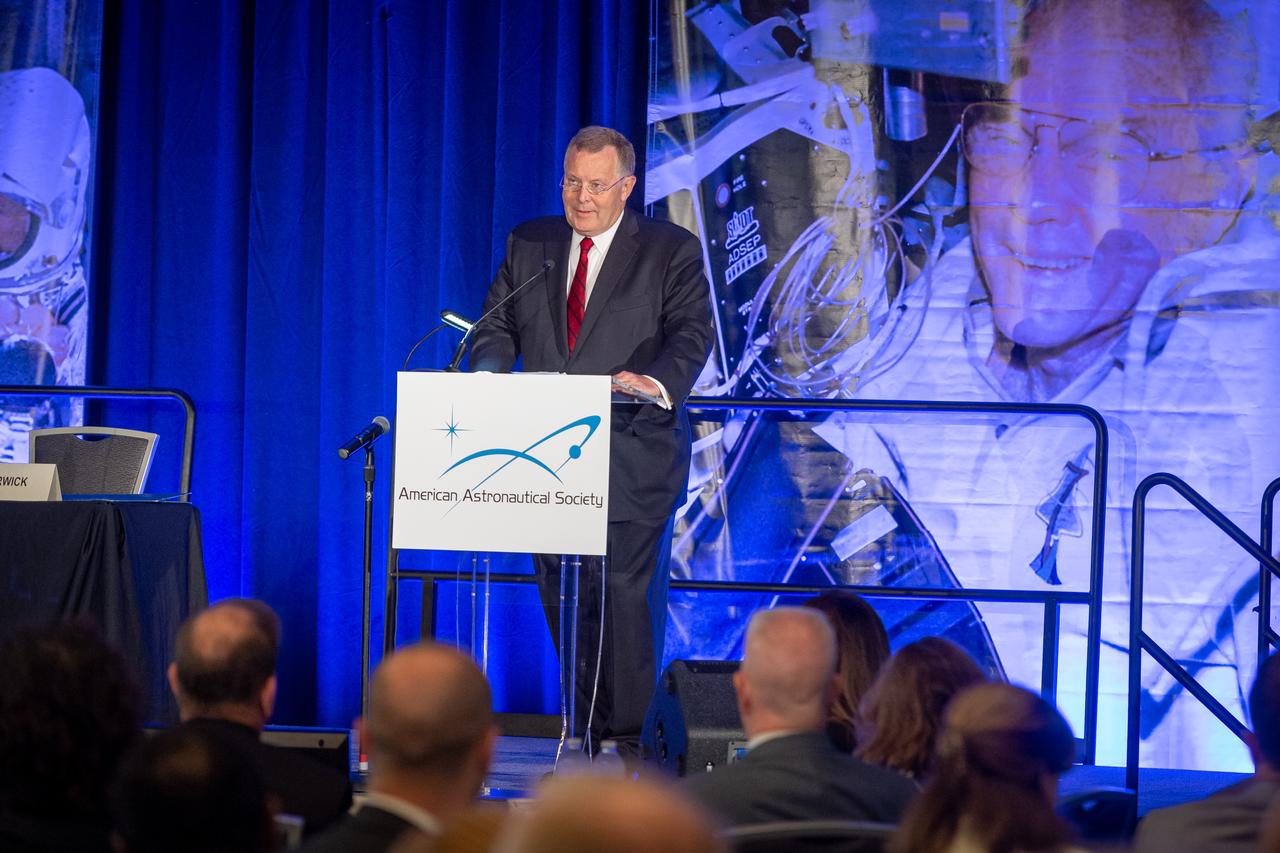
The inaugural Glenn Symposium focused on advancements in aerospace technology including power and propulsion, autonomy and communications, low boom supersonics, hypersonics, and more. Discussion also encompassed humans returning to the moon, including challenges associated with the 2024 mission.
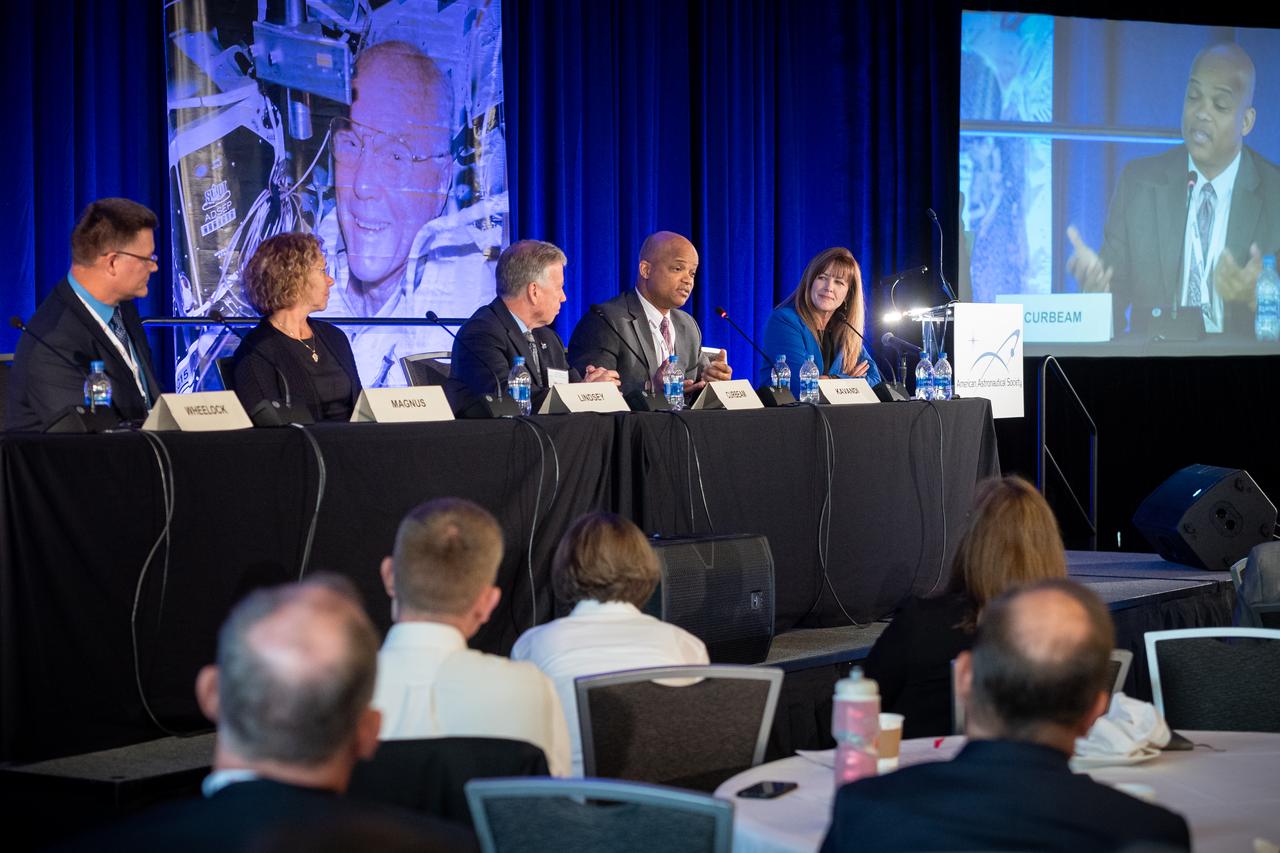
The inaugural Glenn Symposium focused on advancements in aerospace technology including power and propulsion, autonomy and communications, low boom supersonics, hypersonics, and more. Discussion also encompassed humans returning to the moon, including challenges associated with the 2024 mission.
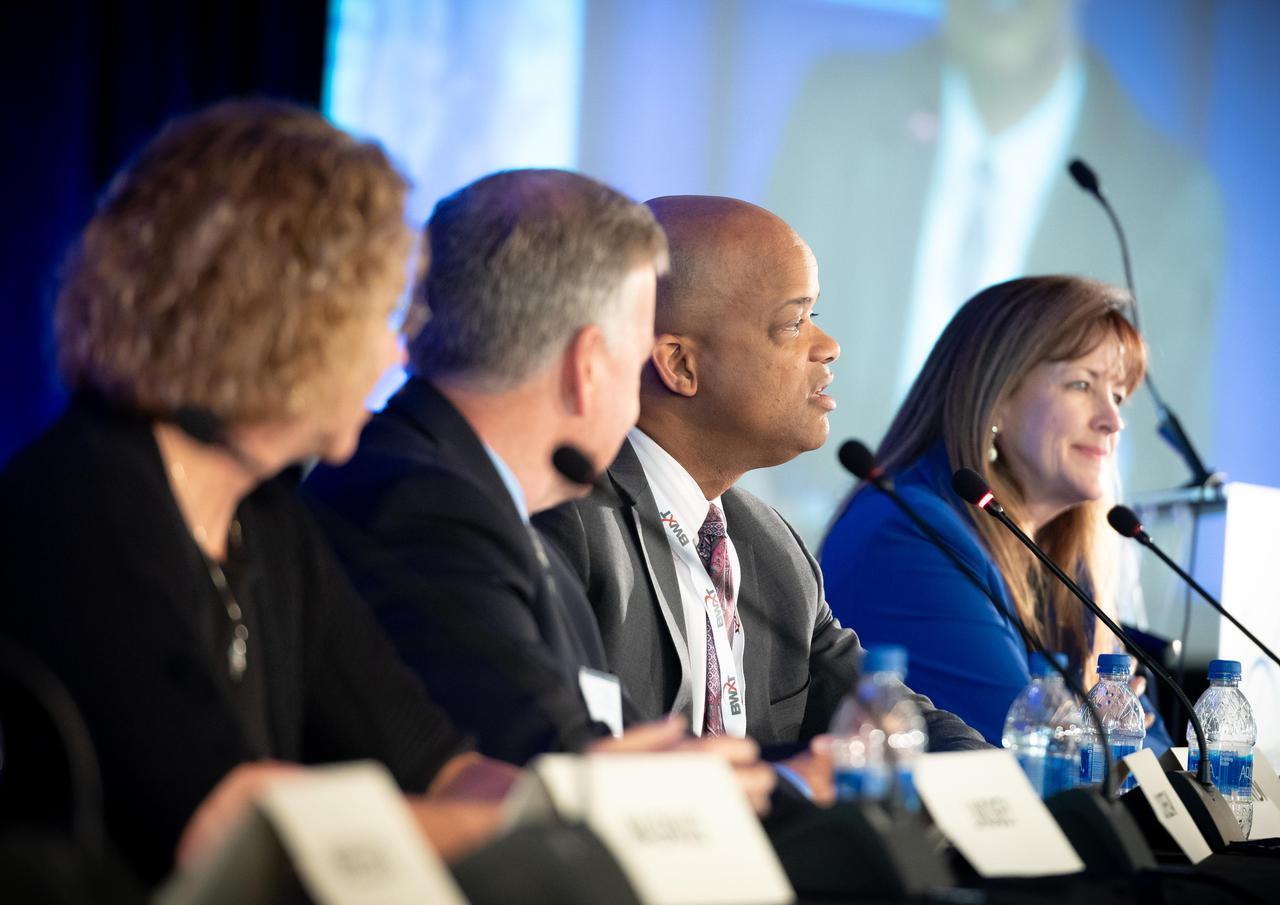
The inaugural Glenn Symposium focused on advancements in aerospace technology including power and propulsion, autonomy and communications, low boom supersonics, hypersonics, and more. Discussion also encompassed humans returning to the moon, including challenges associated with the 2024 mission.
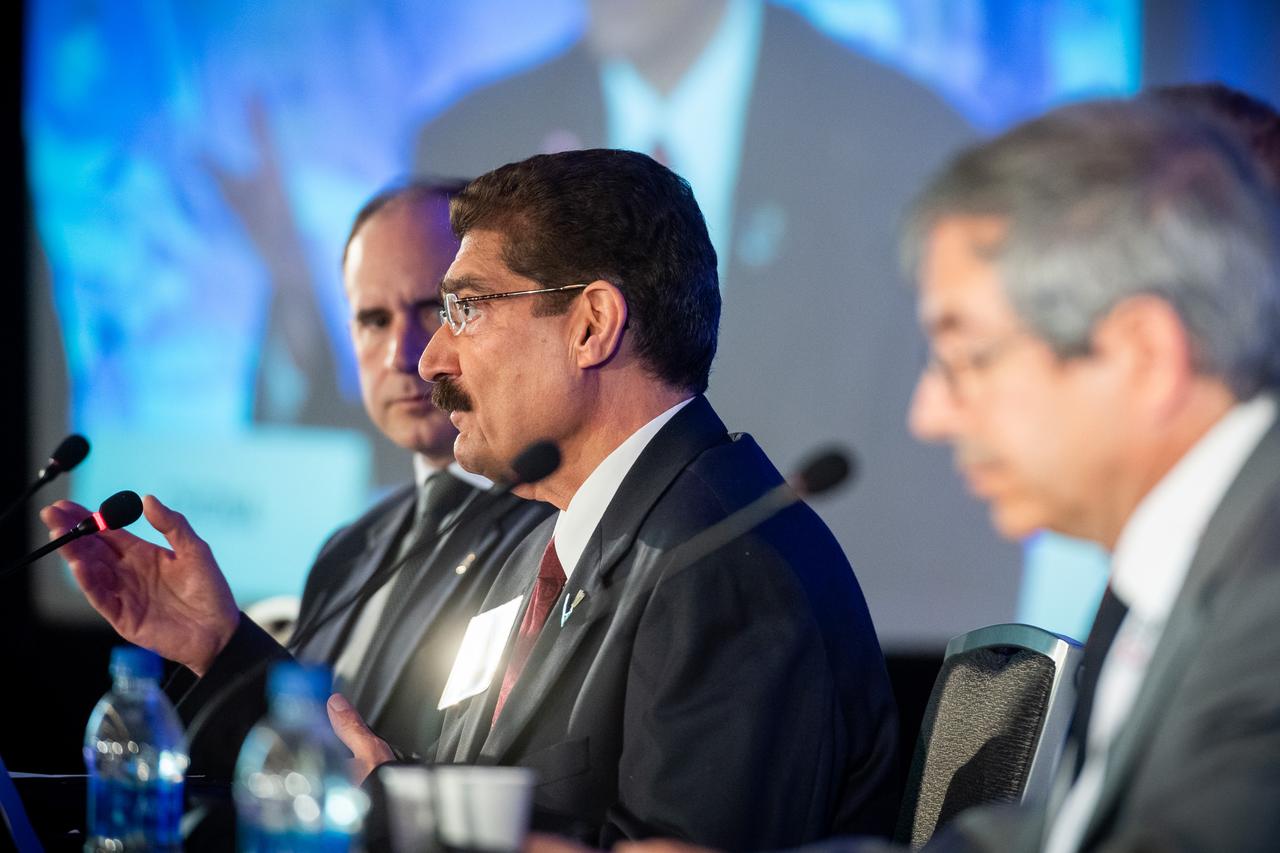
The inaugural Glenn Symposium focused on advancements in aerospace technology including power and propulsion, autonomy and communications, low boom supersonics, hypersonics, and more. Discussion also encompassed humans returning to the moon, including challenges associated with the 2024 mission.
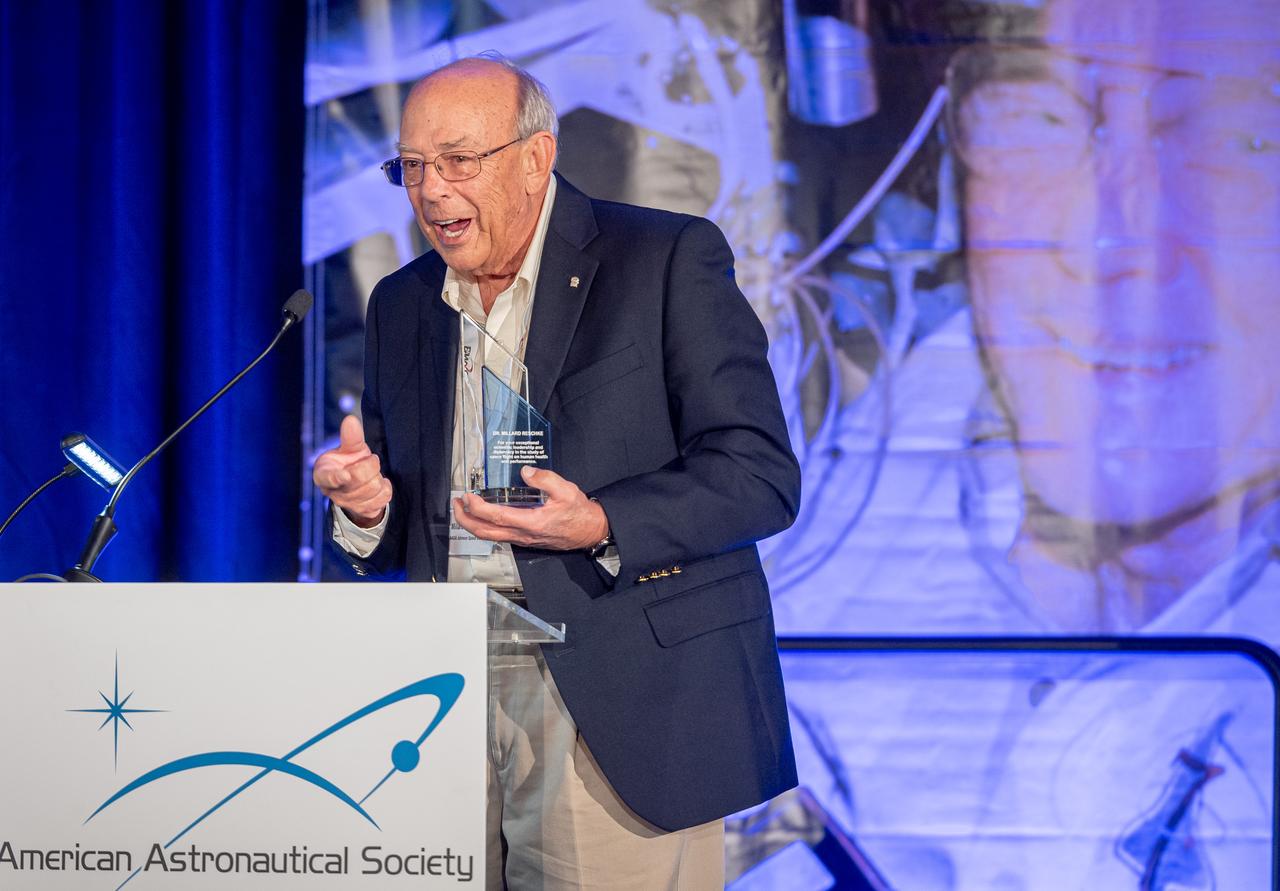
The inaugural Glenn Symposium focused on advancements in aerospace technology including power and propulsion, autonomy and communications, low boom supersonics, hypersonics, and more. Discussion also encompassed humans returning to the moon, including challenges associated with the 2024 mission.

The inaugural Glenn Symposium focused on advancements in aerospace technology including power and propulsion, autonomy and communications, low boom supersonics, hypersonics, and more. Discussion also encompassed humans returning to the moon, including challenges associated with the 2024 mission.
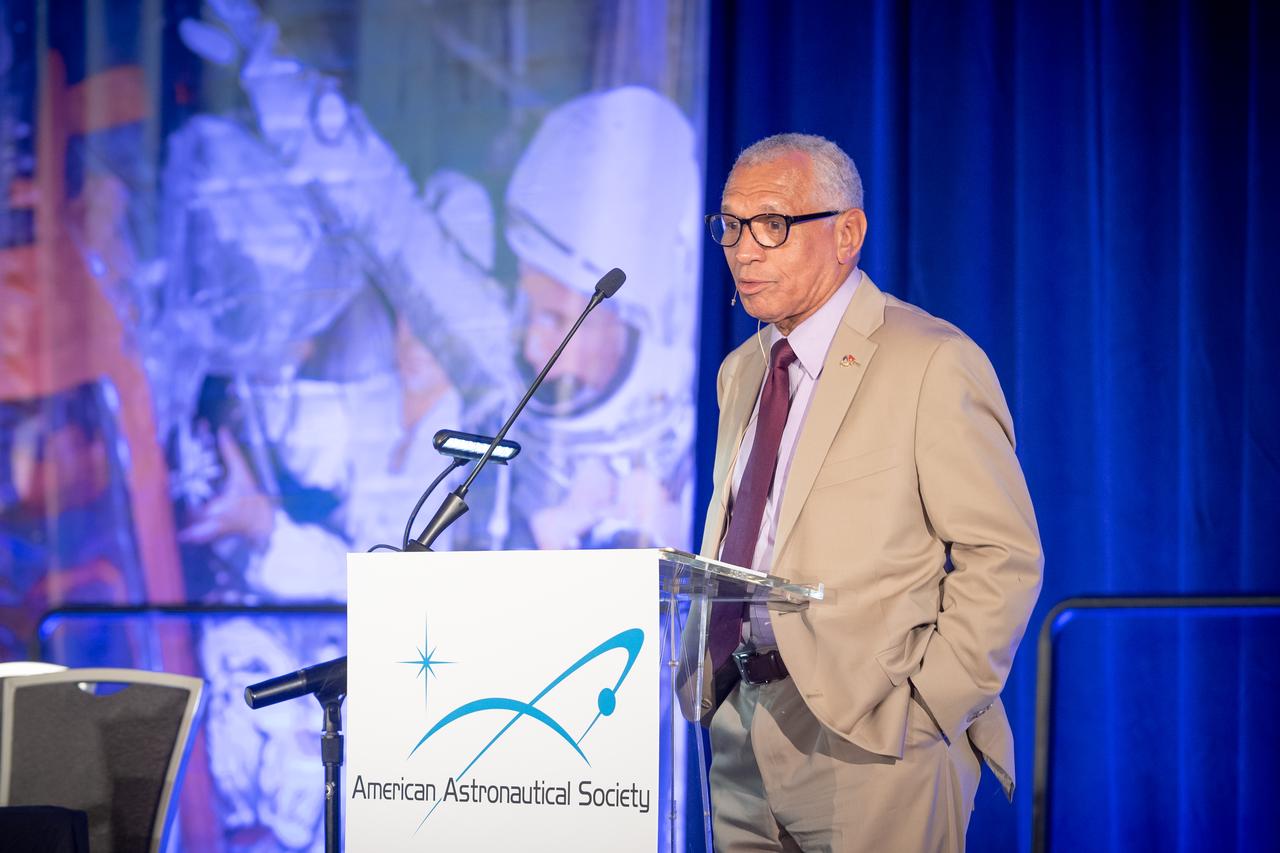
The inaugural Glenn Symposium focused on advancements in aerospace technology including power and propulsion, autonomy and communications, low boom supersonics, hypersonics, and more. Discussion also encompassed humans returning to the moon, including challenges associated with the 2024 mission.
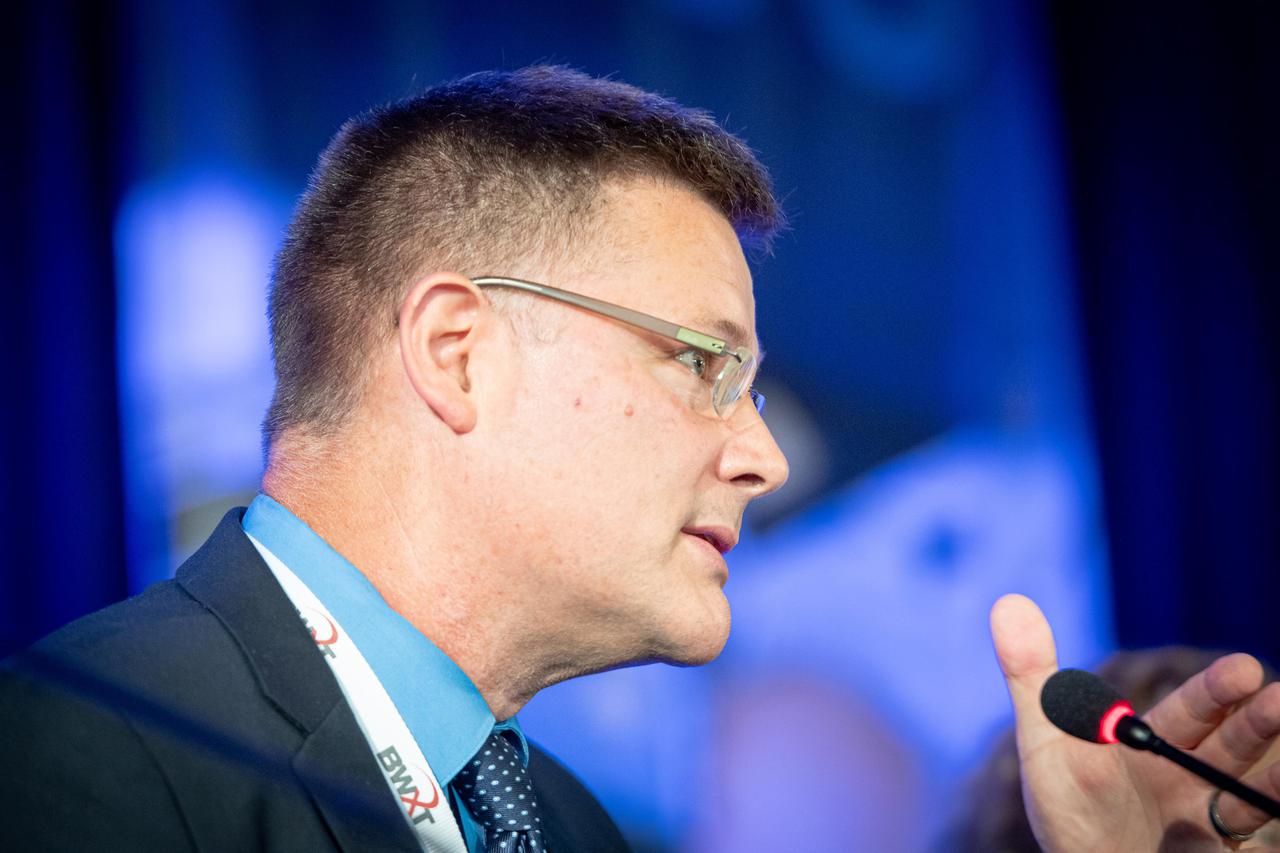
The inaugural Glenn Symposium focused on advancements in aerospace technology including power and propulsion, autonomy and communications, low boom supersonics, hypersonics, and more. Discussion also encompassed humans returning to the moon, including challenges associated with the 2024 mission.
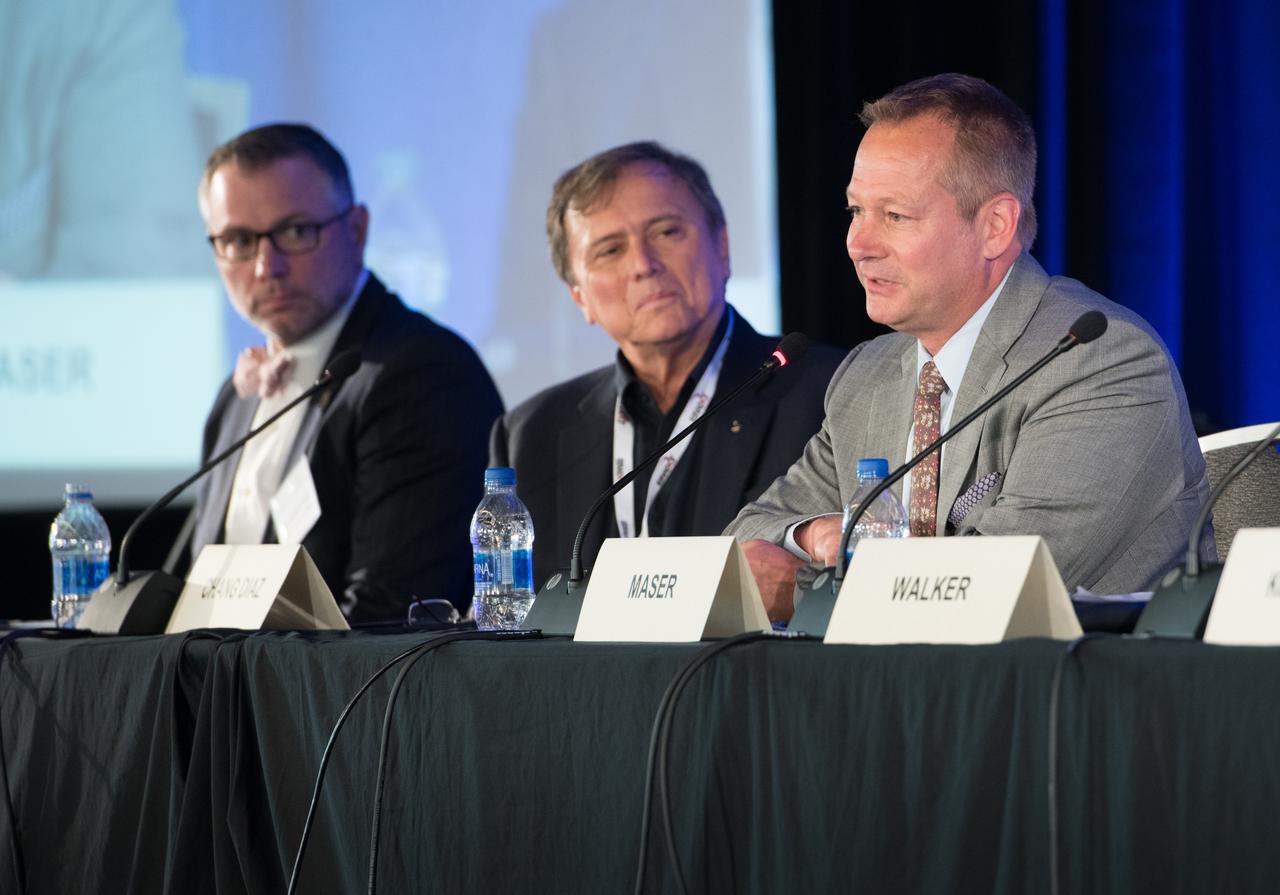
The inaugural Glenn Symposium focused on advancements in aerospace technology including power and propulsion, autonomy and communications, low boom supersonics, hypersonics, and more. Discussion also encompassed humans returning to the moon, including challenges associated with the 2024 mission.
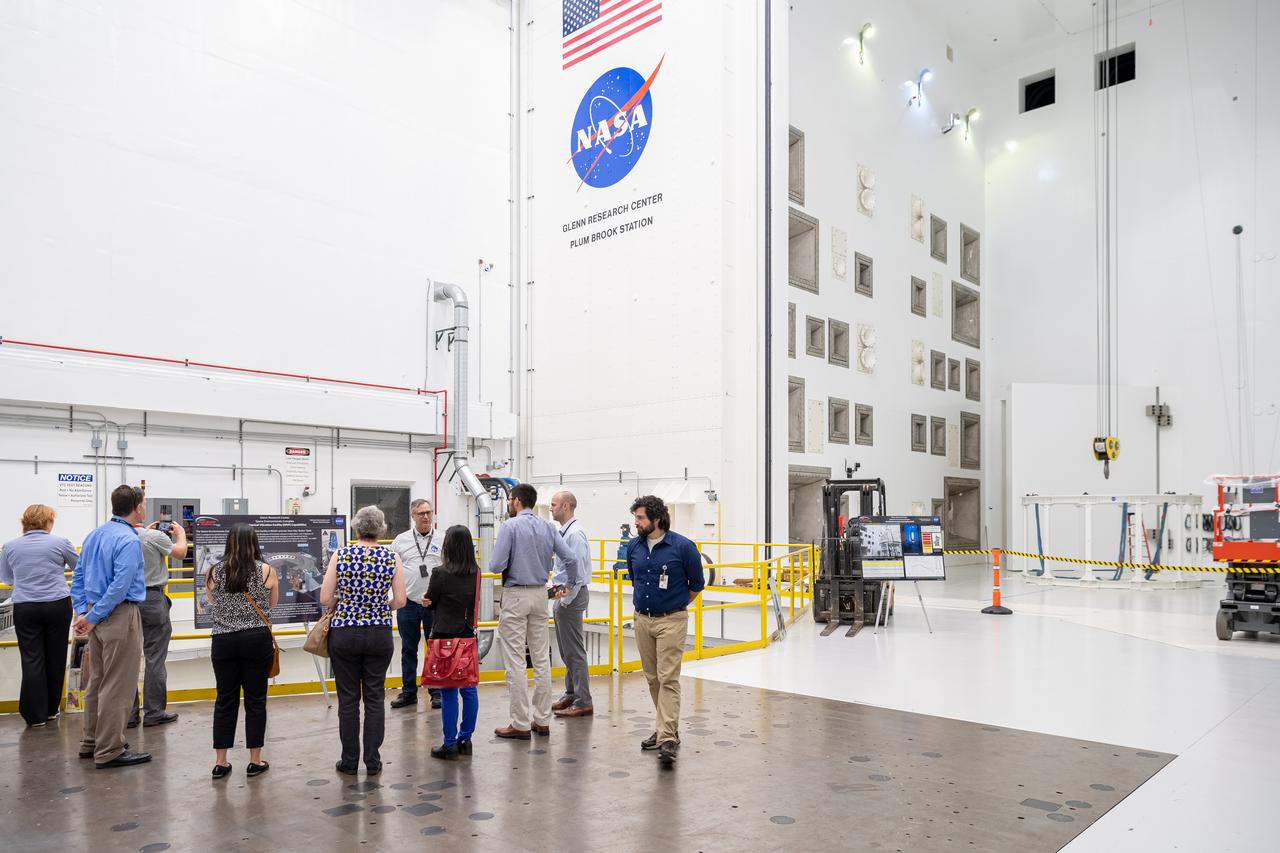
The inaugural Glenn Symposium focused on advancements in aerospace technology including power and propulsion, autonomy and communications, low boom supersonics, hypersonics, and more. Discussion also encompassed humans returning to the moon, including challenges associated with the 2024 mission.
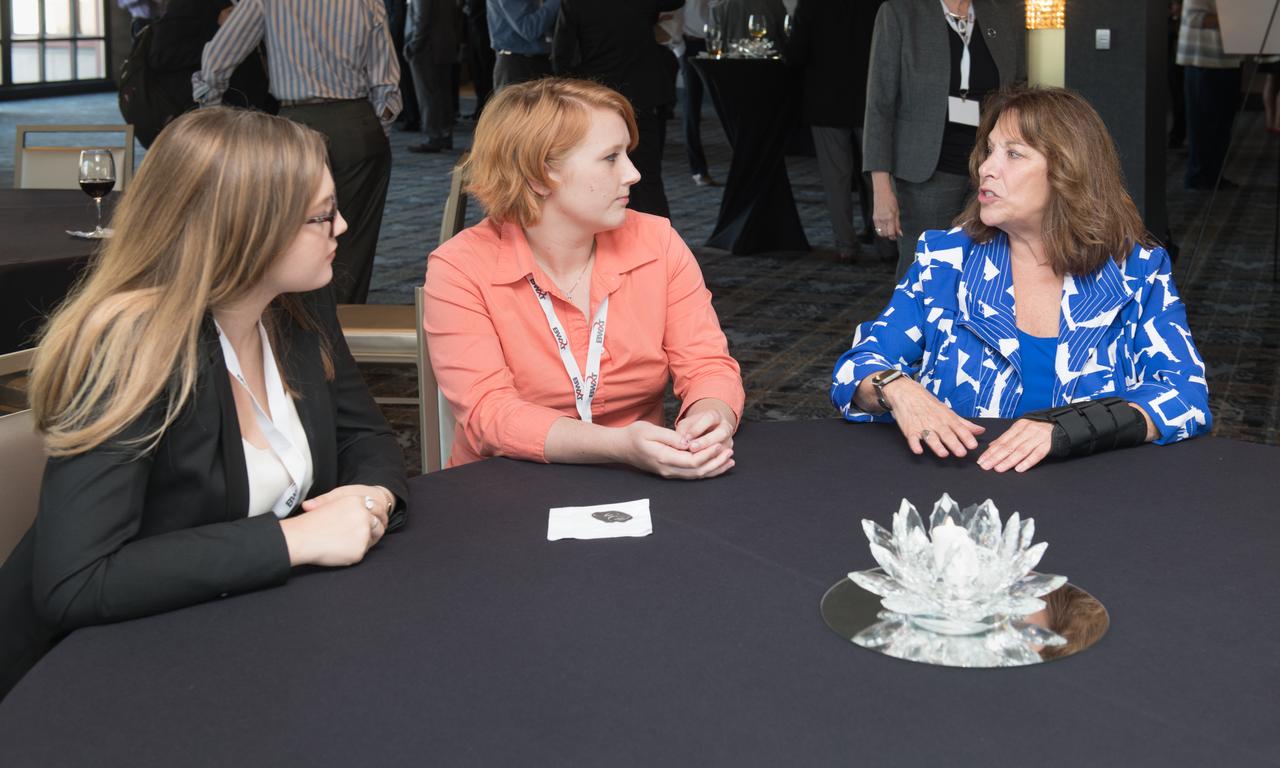
The inaugural Glenn Symposium focused on advancements in aerospace technology including power and propulsion, autonomy and communications, low boom supersonics, hypersonics, and more. Discussion also encompassed humans returning to the moon, including challenges associated with the 2024 mission.
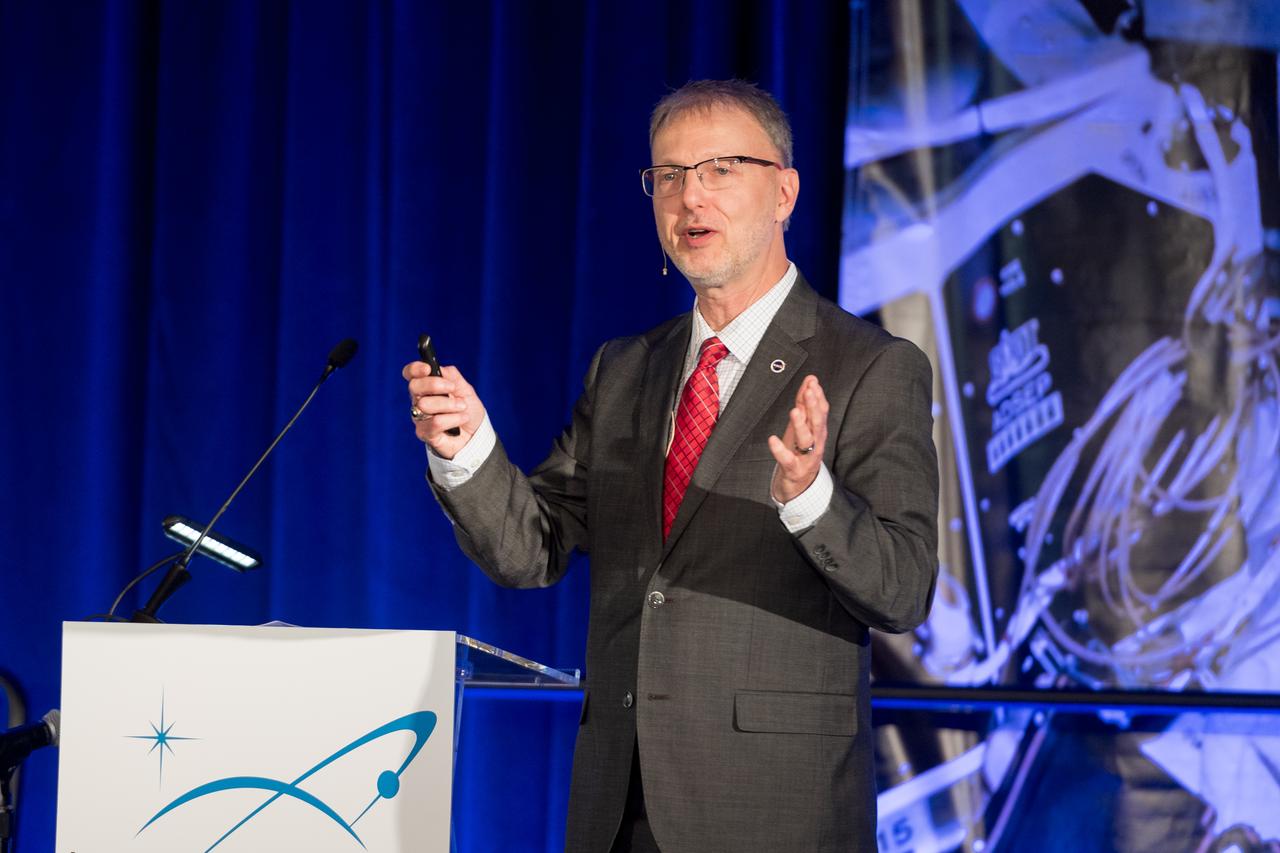
The inaugural Glenn Symposium focused on advancements in aerospace technology including power and propulsion, autonomy and communications, low boom supersonics, hypersonics, and more. Discussion also encompassed humans returning to the moon, including challenges associated with the 2024 mission.
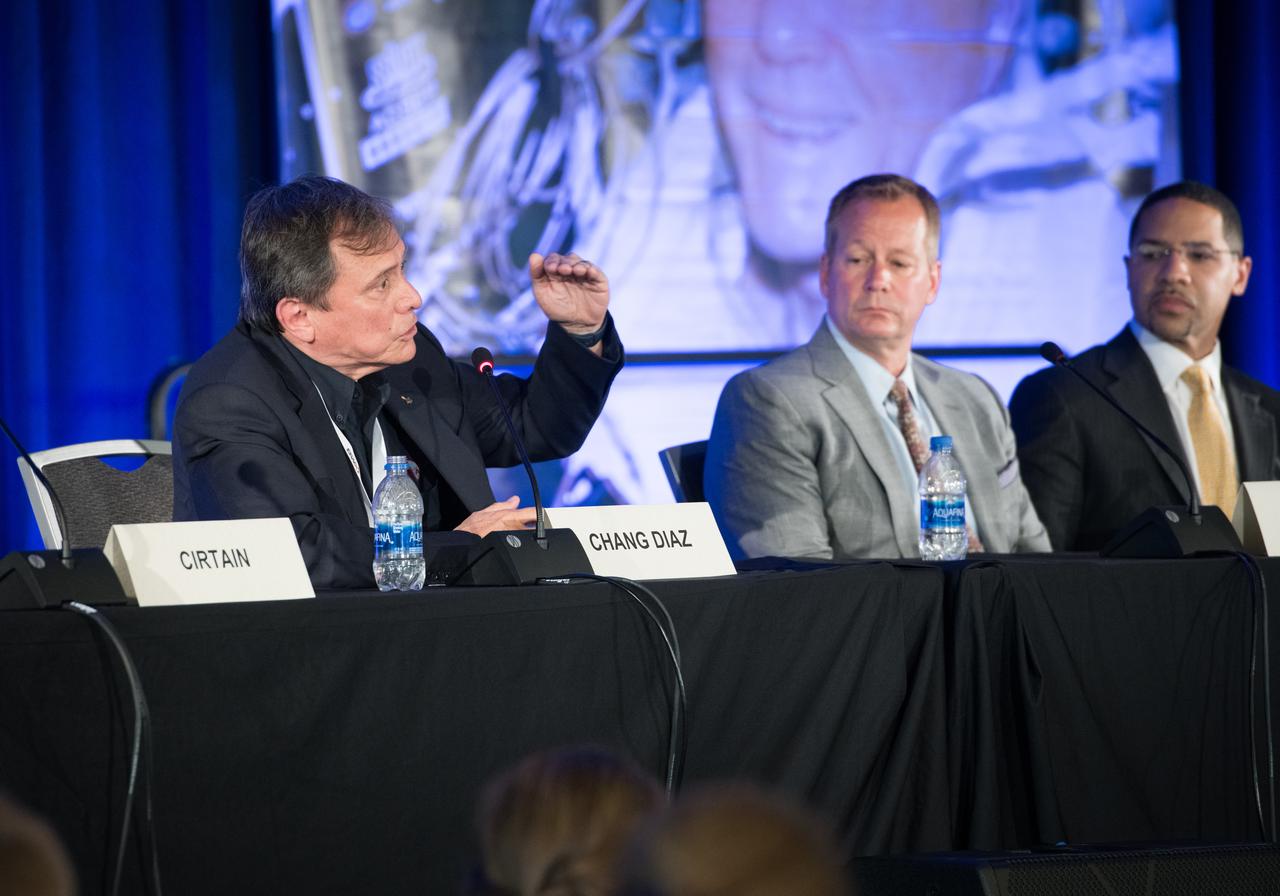
The inaugural Glenn Symposium focused on advancements in aerospace technology including power and propulsion, autonomy and communications, low boom supersonics, hypersonics, and more. Discussion also encompassed humans returning to the moon, including challenges associated with the 2024 mission.
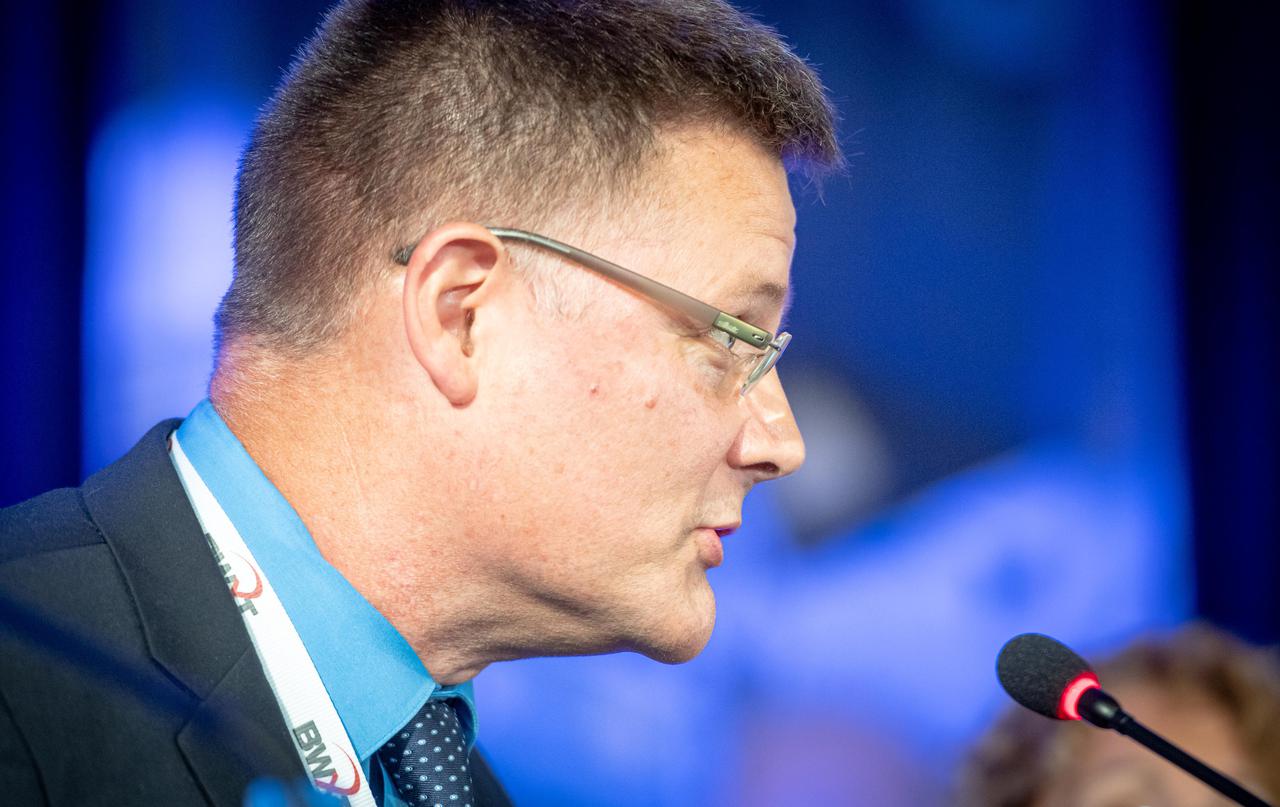
The inaugural Glenn Symposium focused on advancements in aerospace technology including power and propulsion, autonomy and communications, low boom supersonics, hypersonics, and more. Discussion also encompassed humans returning to the moon, including challenges associated with the 2024 mission.
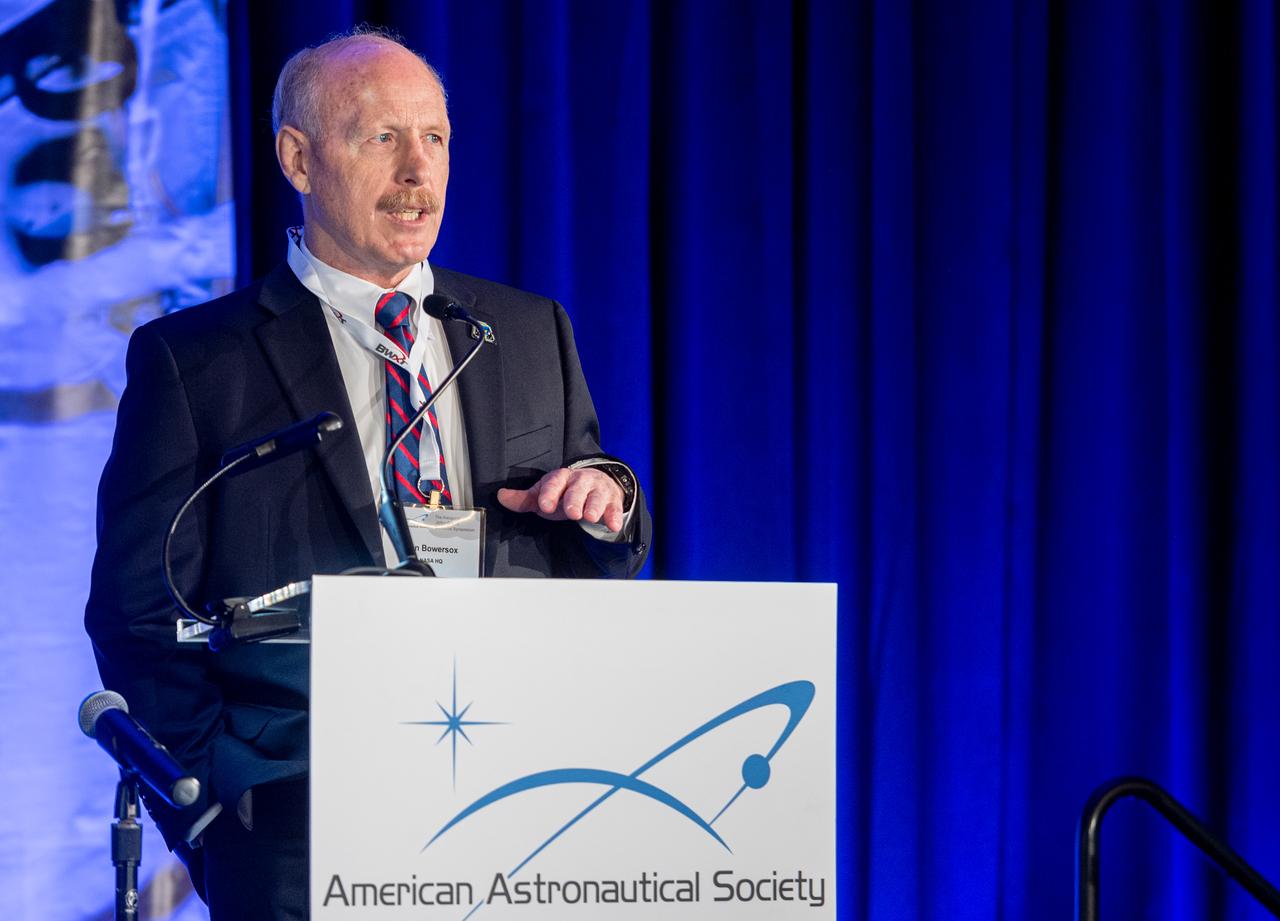
The inaugural Glenn Symposium focused on advancements in aerospace technology including power and propulsion, autonomy and communications, low boom supersonics, hypersonics, and more. Discussion also encompassed humans returning to the moon, including challenges associated with the 2024 mission.

The inaugural Glenn Symposium focused on advancements in aerospace technology including power and propulsion, autonomy and communications, low boom supersonics, hypersonics, and more. Discussion also encompassed humans returning to the moon, including challenges associated with the 2024 mission.
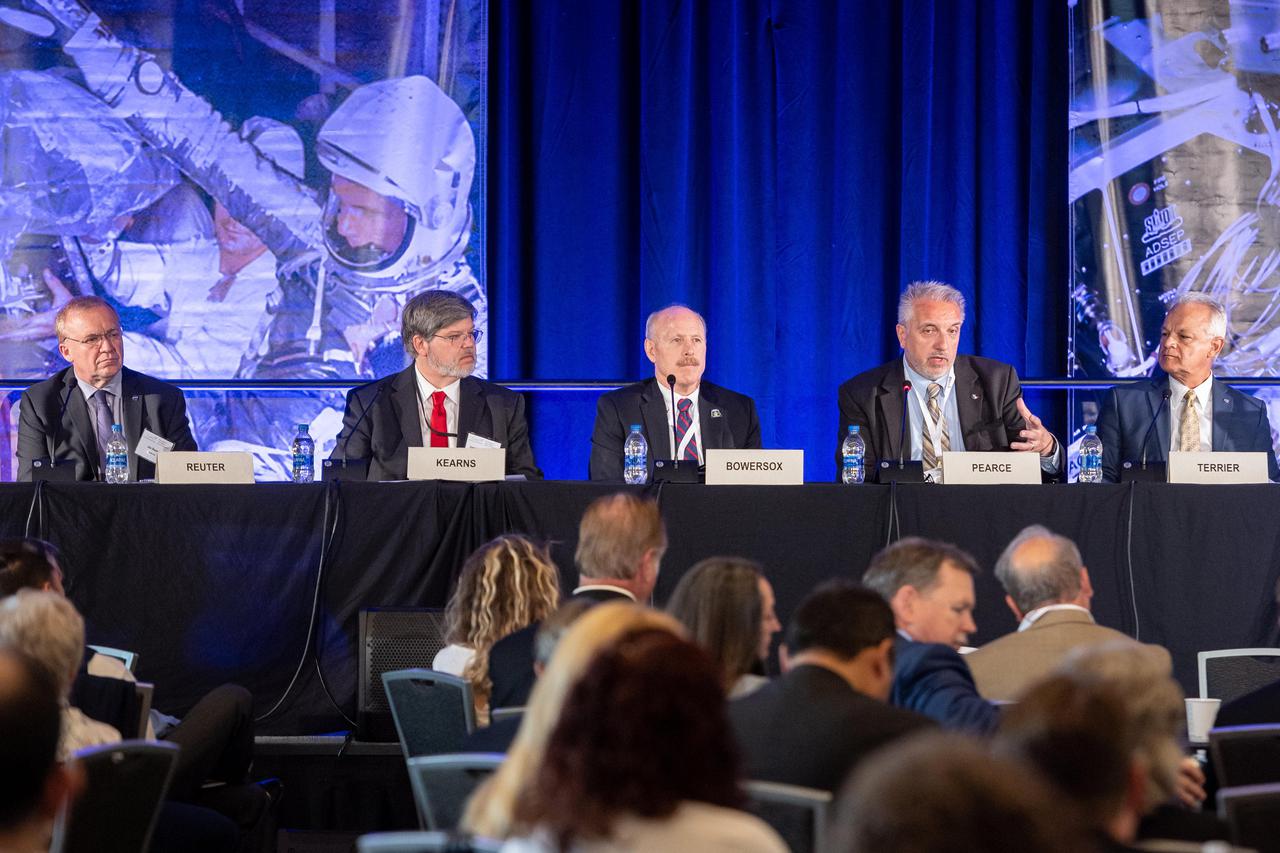
The inaugural Glenn Symposium focused on advancements in aerospace technology including power and propulsion, autonomy and communications, low boom supersonics, hypersonics, and more. Discussion also encompassed humans returning to the moon, including challenges associated with the 2024 mission.
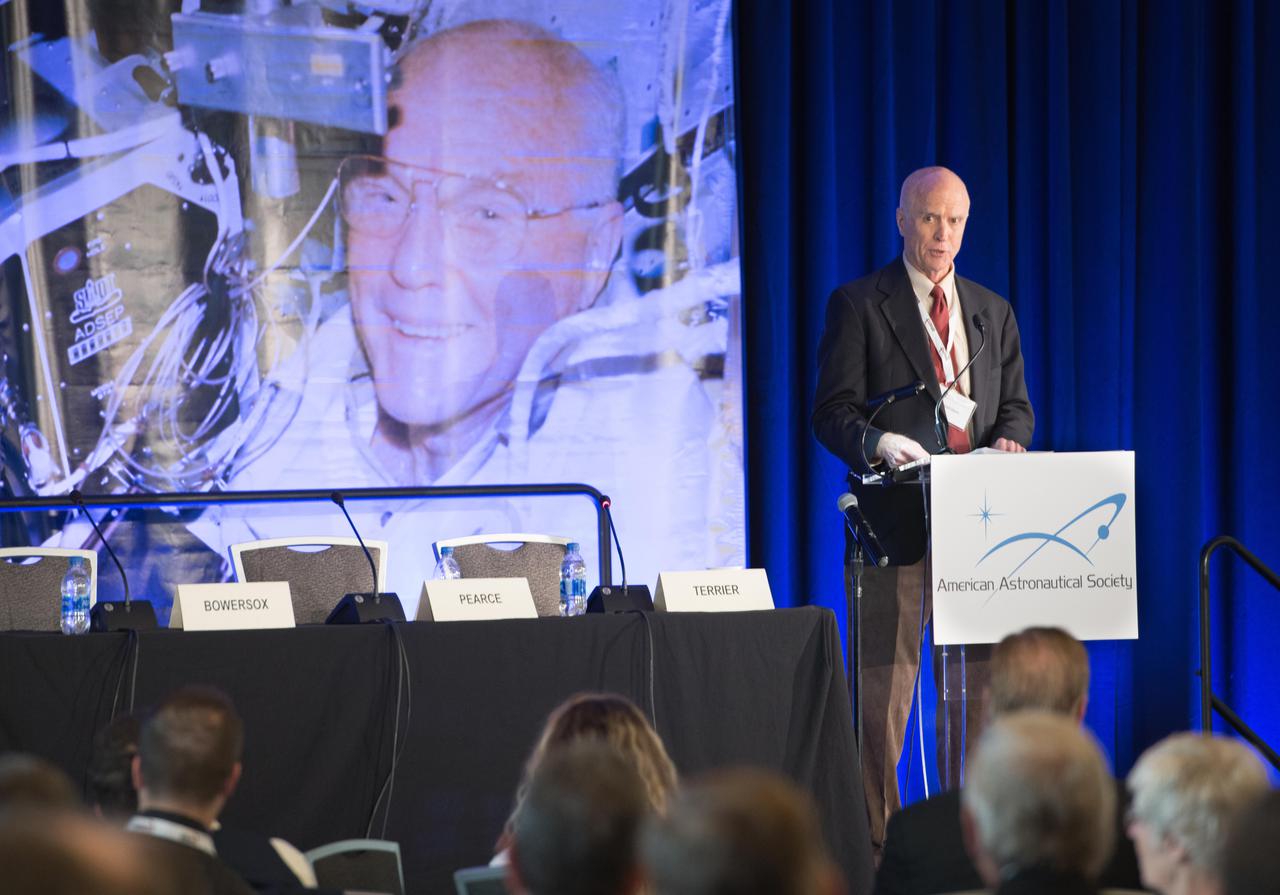
The inaugural Glenn Symposium focused on advancements in aerospace technology including power and propulsion, autonomy and communications, low boom supersonics, hypersonics, and more. Discussion also encompassed humans returning to the moon, including challenges associated with the 2024 mission.
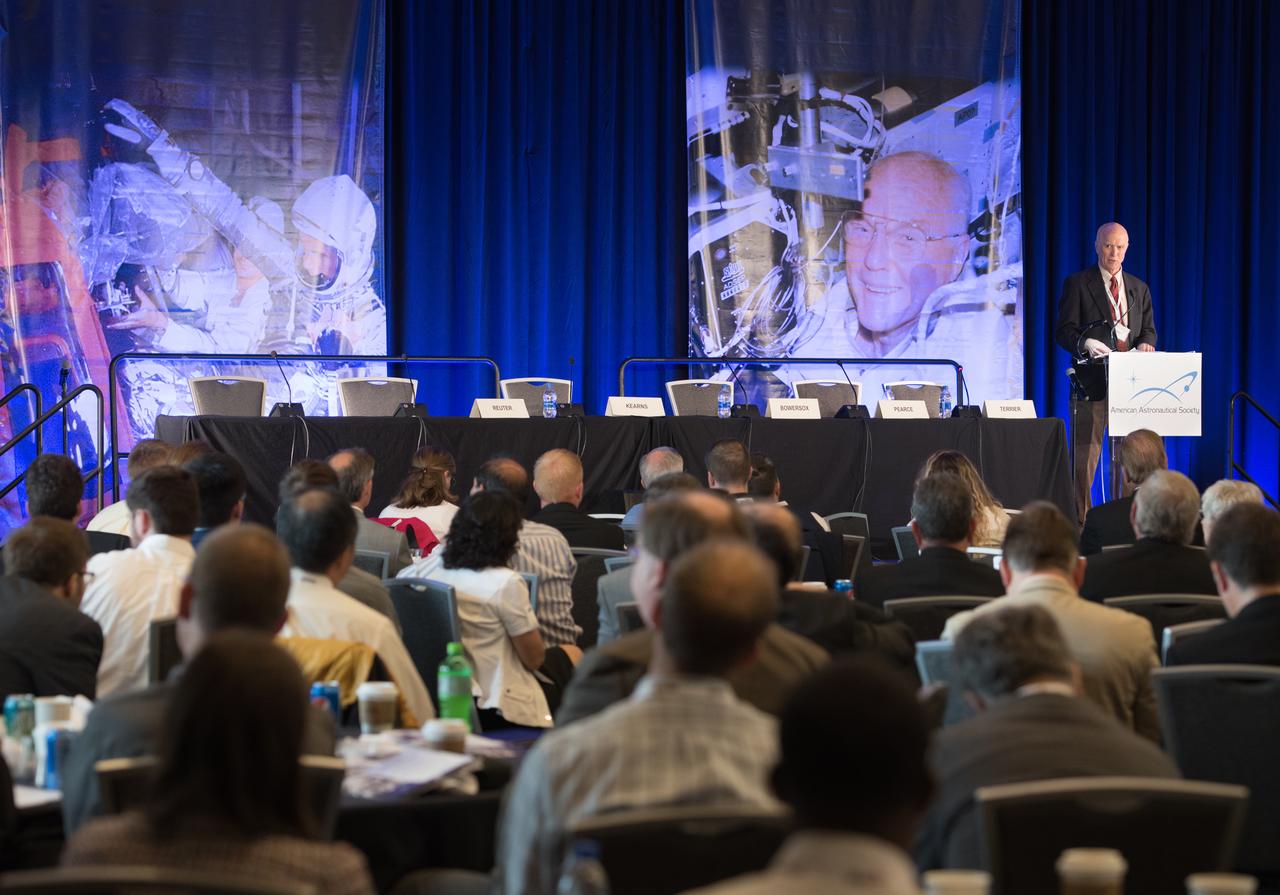
The inaugural Glenn Symposium focused on advancements in aerospace technology including power and propulsion, autonomy and communications, low boom supersonics, hypersonics, and more. Discussion also encompassed humans returning to the moon, including challenges associated with the 2024 mission.
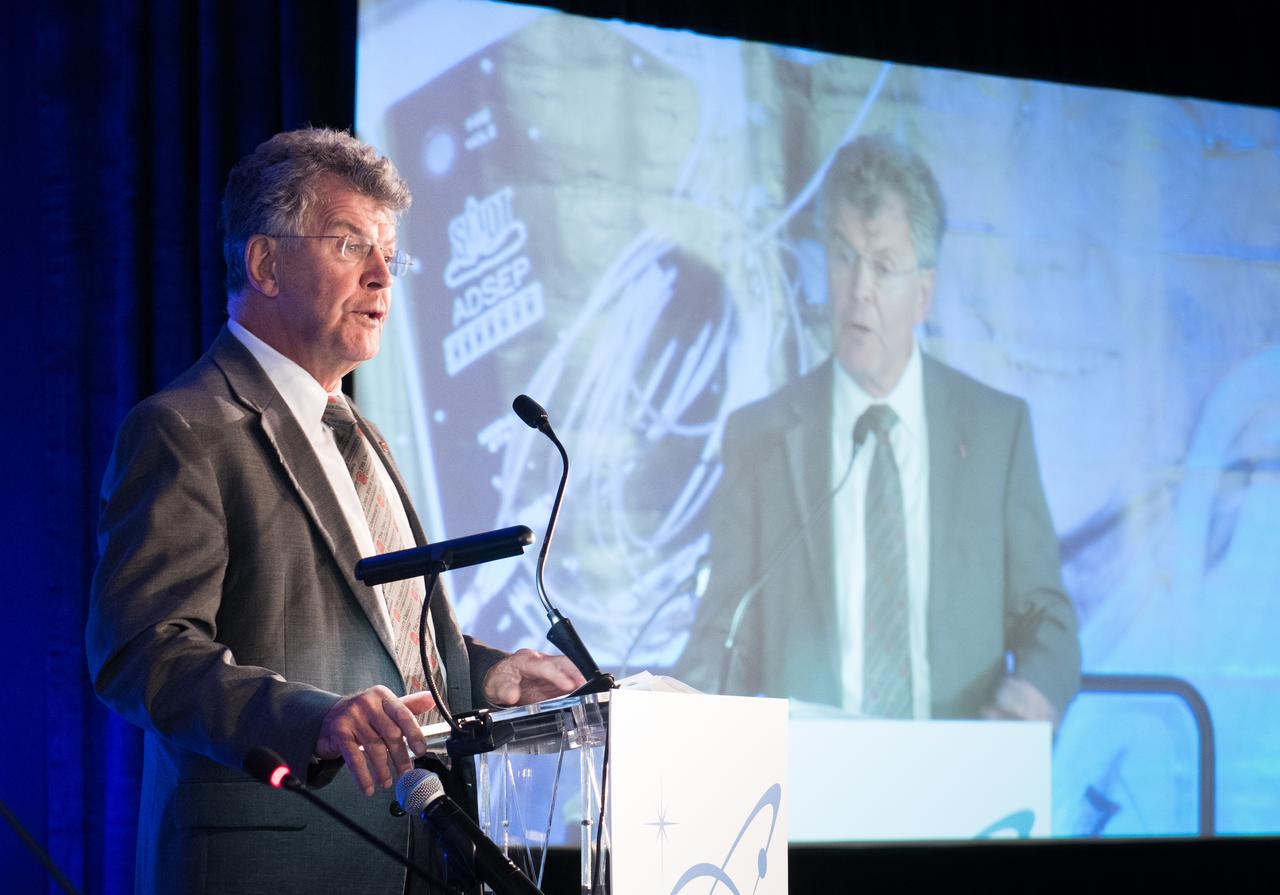
The inaugural Glenn Symposium focused on advancements in aerospace technology including power and propulsion, autonomy and communications, low boom supersonics, hypersonics, and more. Discussion also encompassed humans returning to the moon, including challenges associated with the 2024 mission.
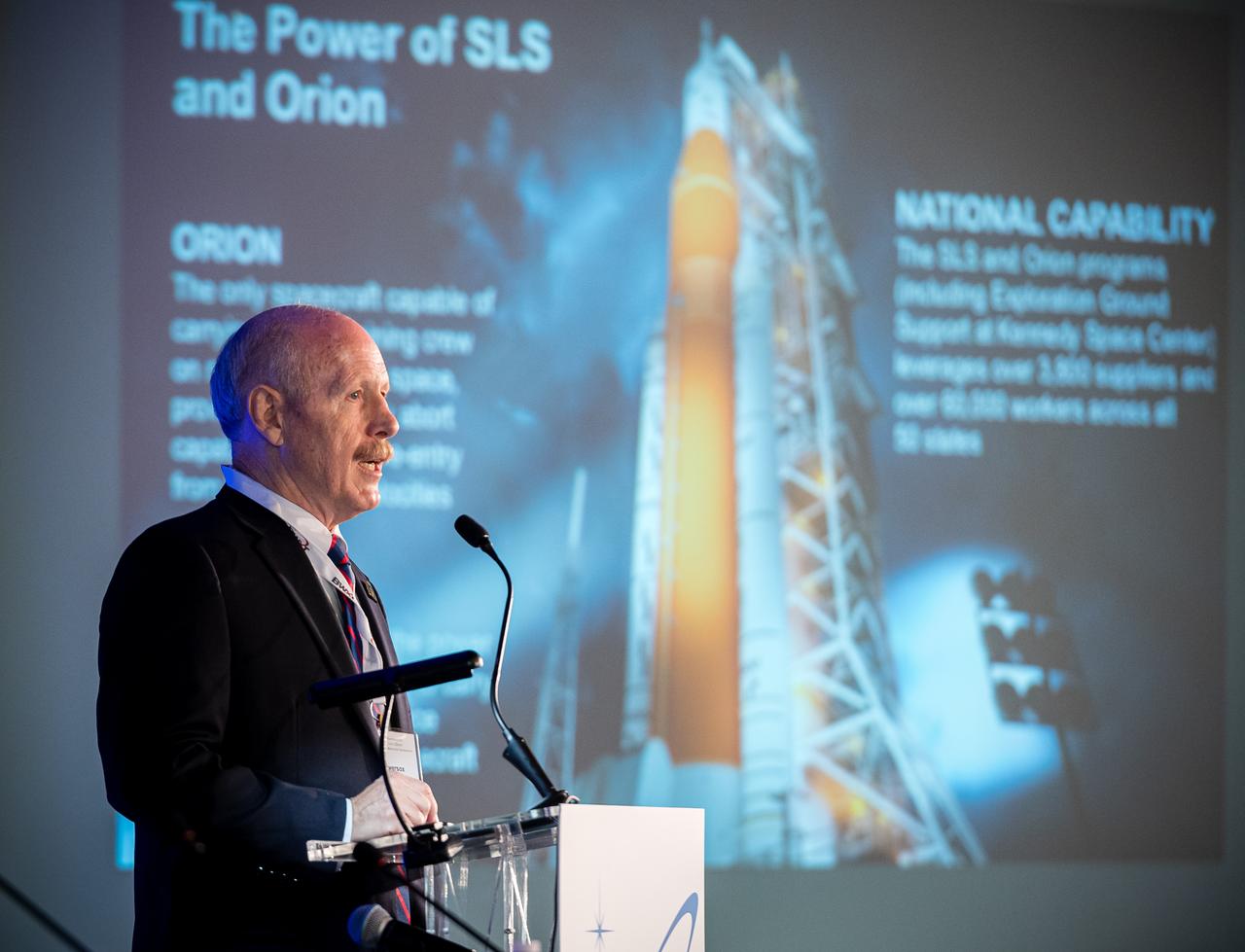
The inaugural Glenn Symposium focused on advancements in aerospace technology including power and propulsion, autonomy and communications, low boom supersonics, hypersonics, and more. Discussion also encompassed humans returning to the moon, including challenges associated with the 2024 mission.
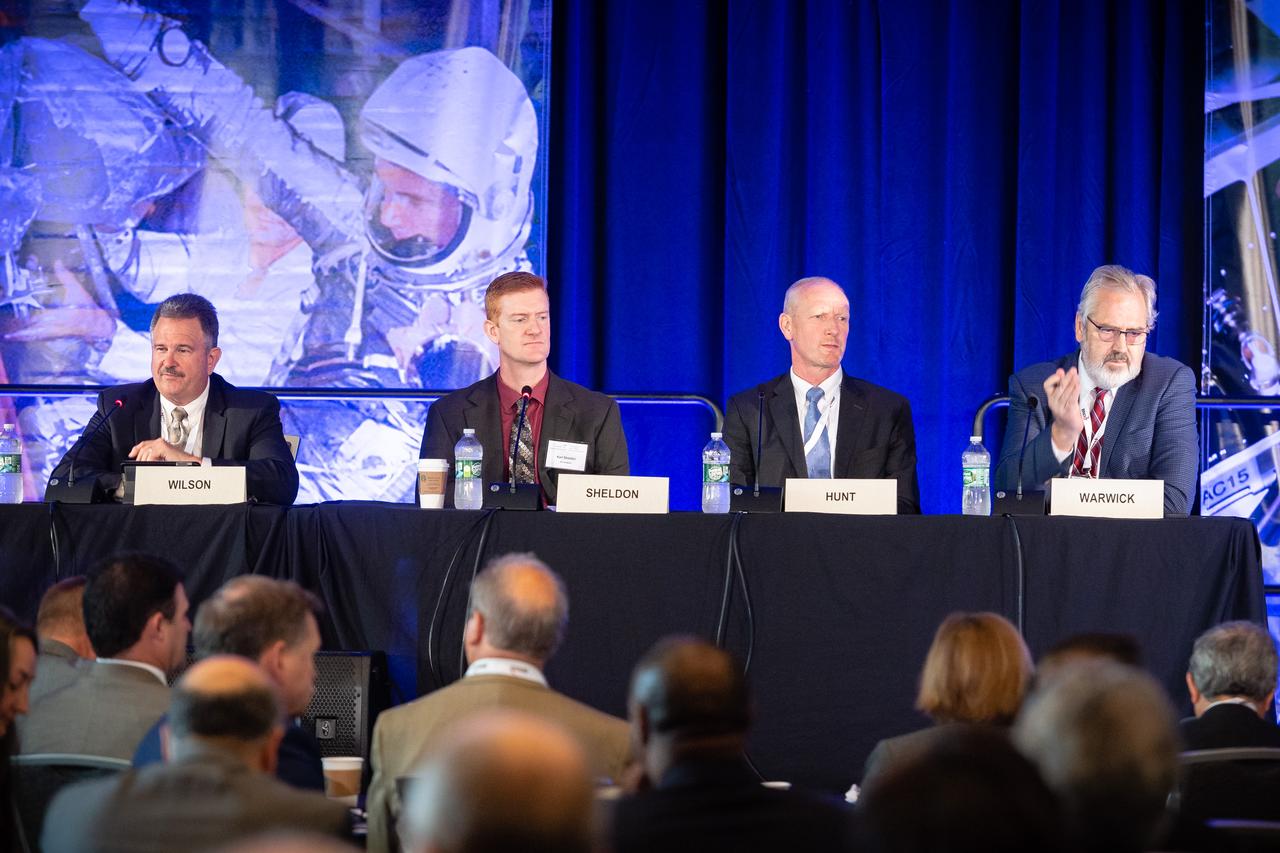
The inaugural Glenn Symposium focused on advancements in aerospace technology including power and propulsion, autonomy and communications, low boom supersonics, hypersonics, and more. Discussion also encompassed humans returning to the moon, including challenges associated with the 2024 mission.
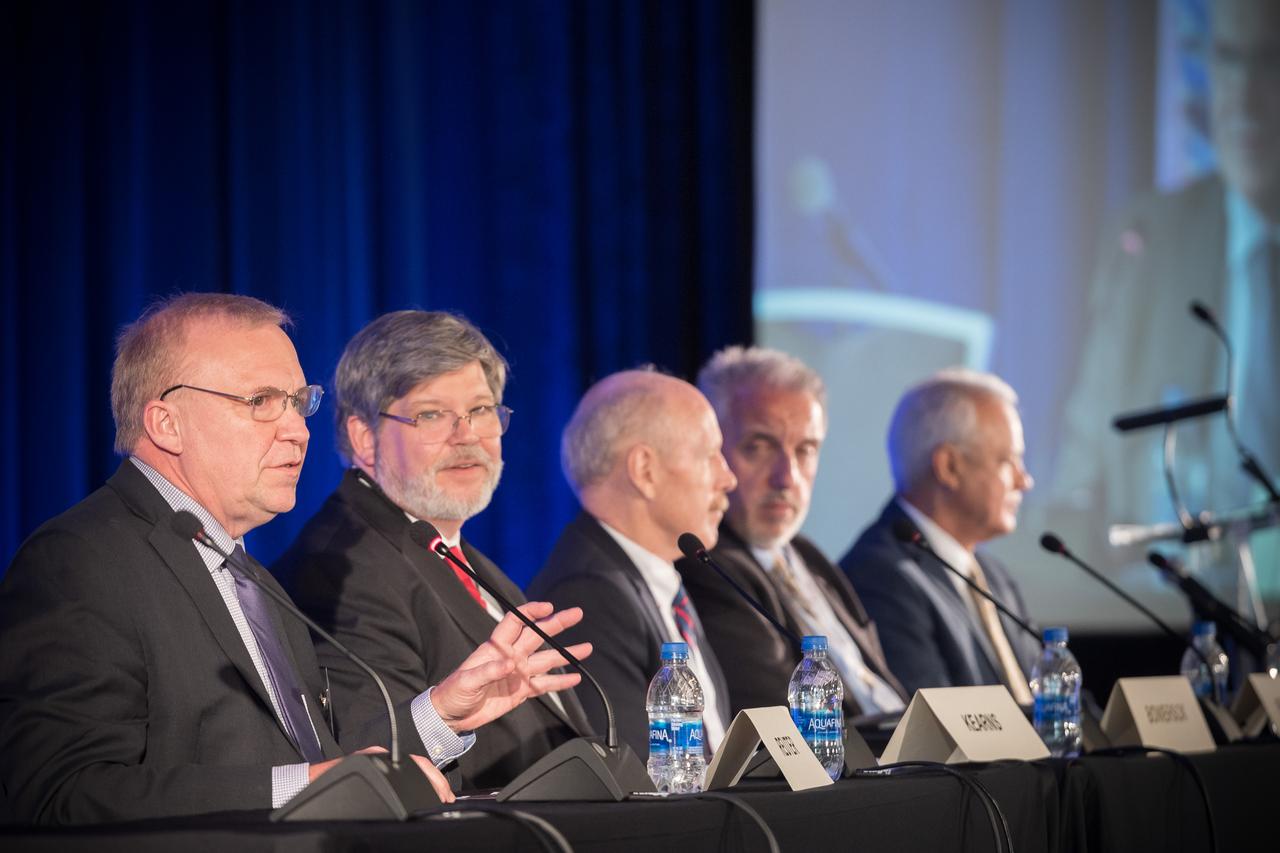
The inaugural Glenn Symposium focused on advancements in aerospace technology including power and propulsion, autonomy and communications, low boom supersonics, hypersonics, and more. Discussion also encompassed humans returning to the moon, including challenges associated with the 2024 mission.

The inaugural Glenn Symposium focused on advancements in aerospace technology including power and propulsion, autonomy and communications, low boom supersonics, hypersonics, and more. Discussion also encompassed humans returning to the moon, including challenges associated with the 2024 mission.
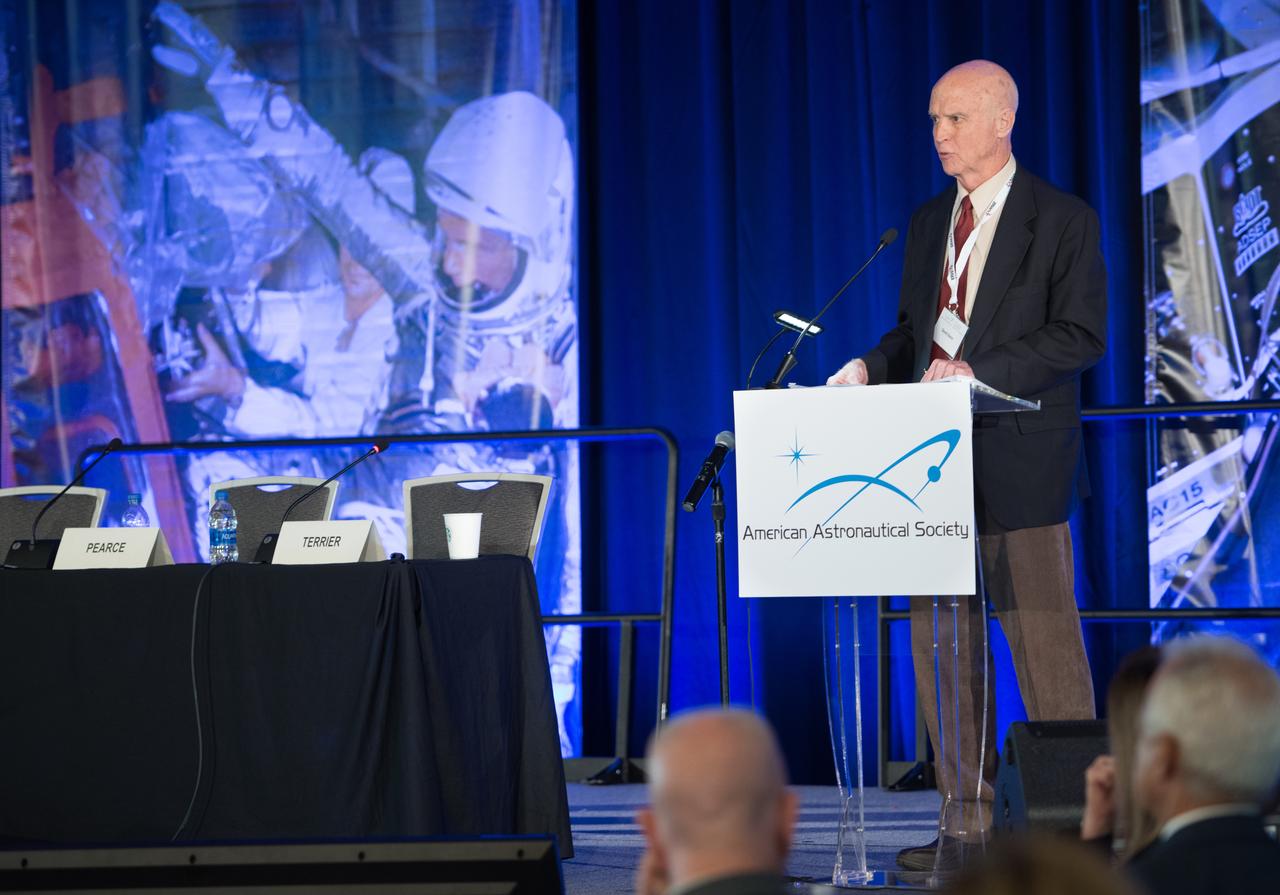
The inaugural Glenn Symposium focused on advancements in aerospace technology including power and propulsion, autonomy and communications, low boom supersonics, hypersonics, and more. Discussion also encompassed humans returning to the moon, including challenges associated with the 2024 mission.
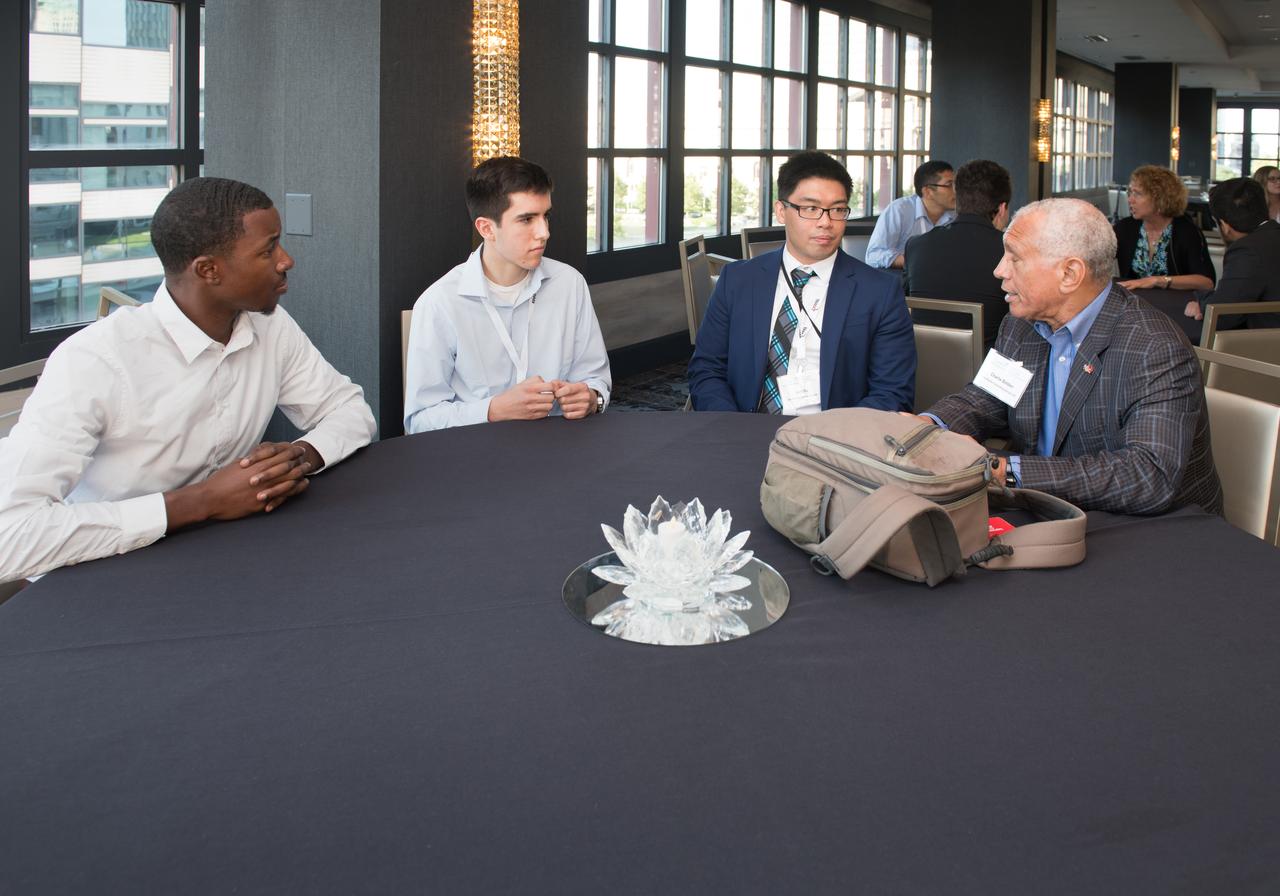
The inaugural Glenn Symposium focused on advancements in aerospace technology including power and propulsion, autonomy and communications, low boom supersonics, hypersonics, and more. Discussion also encompassed humans returning to the moon, including challenges associated with the 2024 mission.
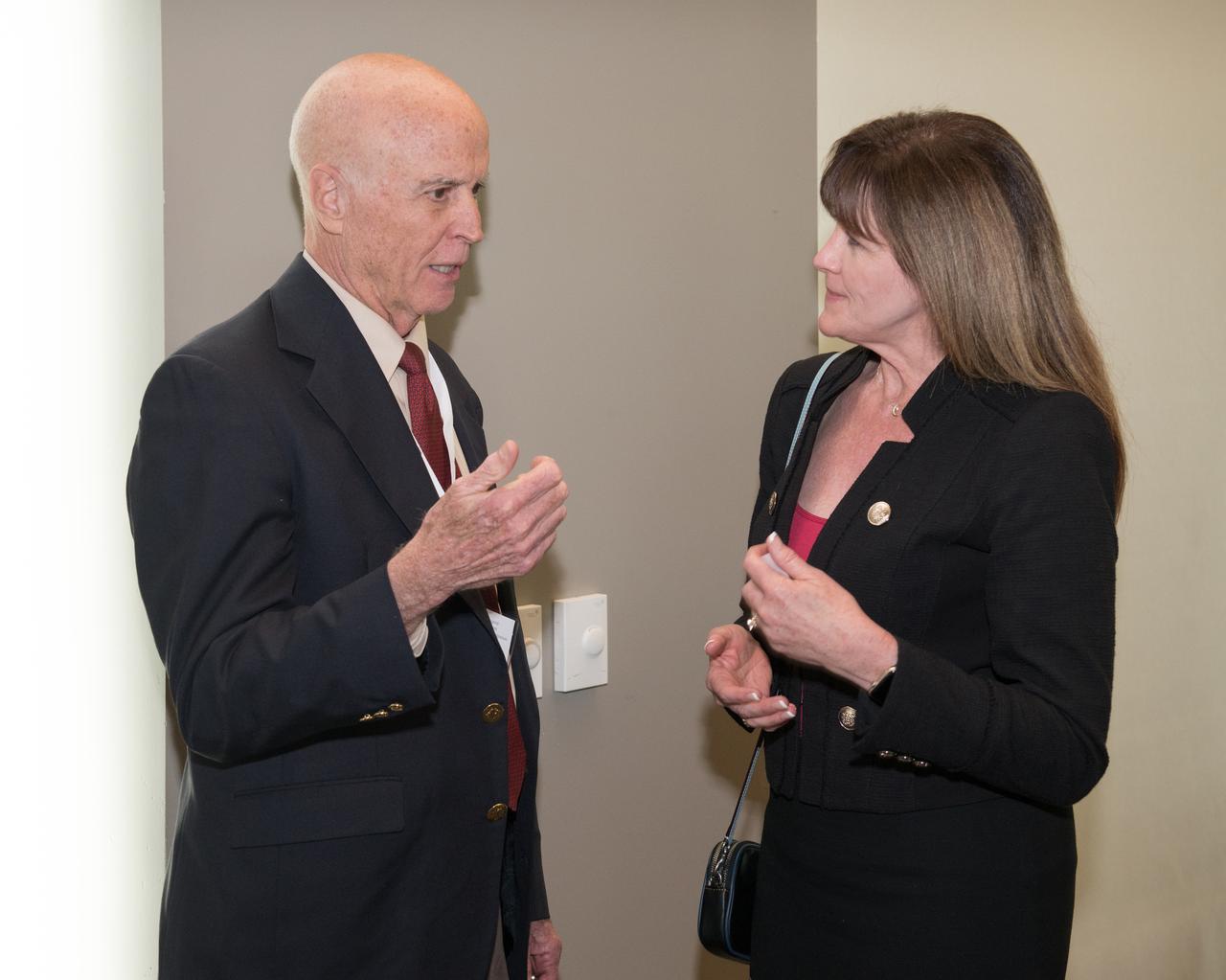
The inaugural Glenn Symposium focused on advancements in aerospace technology including power and propulsion, autonomy and communications, low boom supersonics, hypersonics, and more. Discussion also encompassed humans returning to the moon, including challenges associated with the 2024 mission.

The inaugural Glenn Symposium focused on advancements in aerospace technology including power and propulsion, autonomy and communications, low boom supersonics, hypersonics, and more. Discussion also encompassed humans returning to the moon, including challenges associated with the 2024 mission.
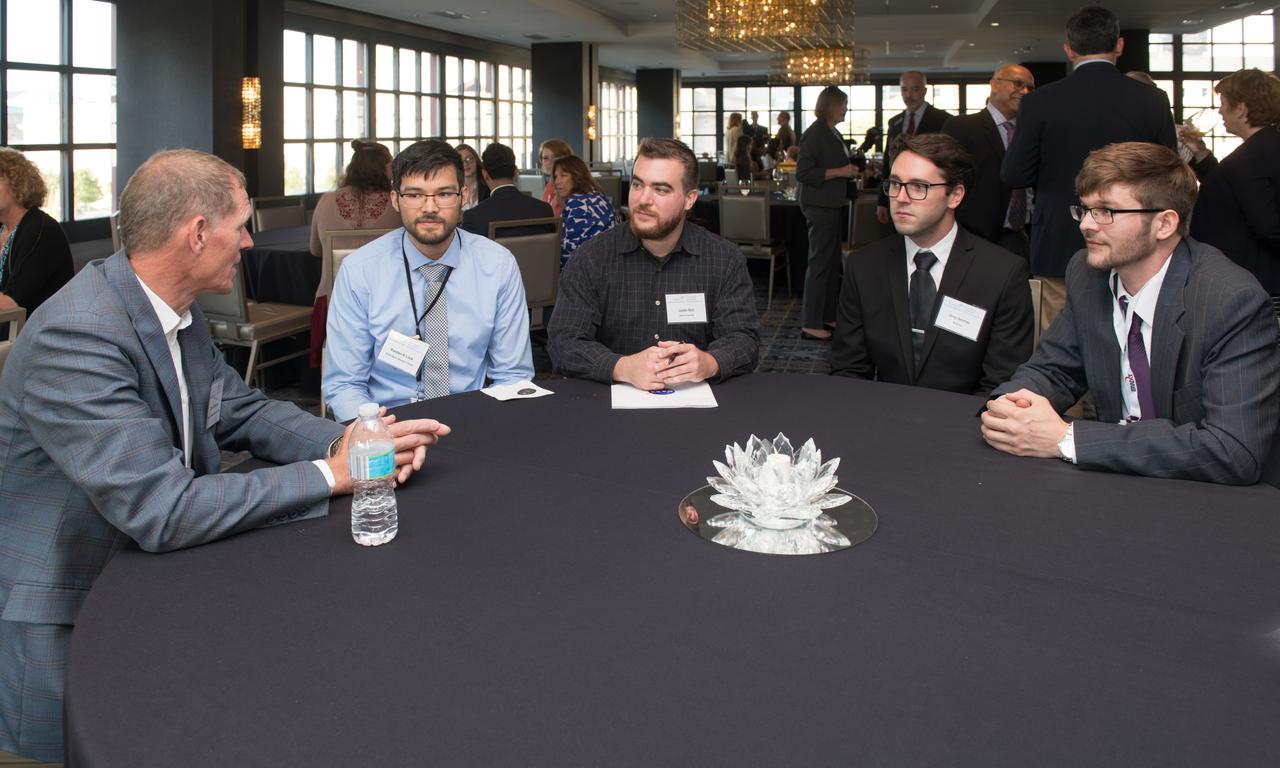
The inaugural Glenn Symposium focused on advancements in aerospace technology including power and propulsion, autonomy and communications, low boom supersonics, hypersonics, and more. Discussion also encompassed humans returning to the moon, including challenges associated with the 2024 mission.
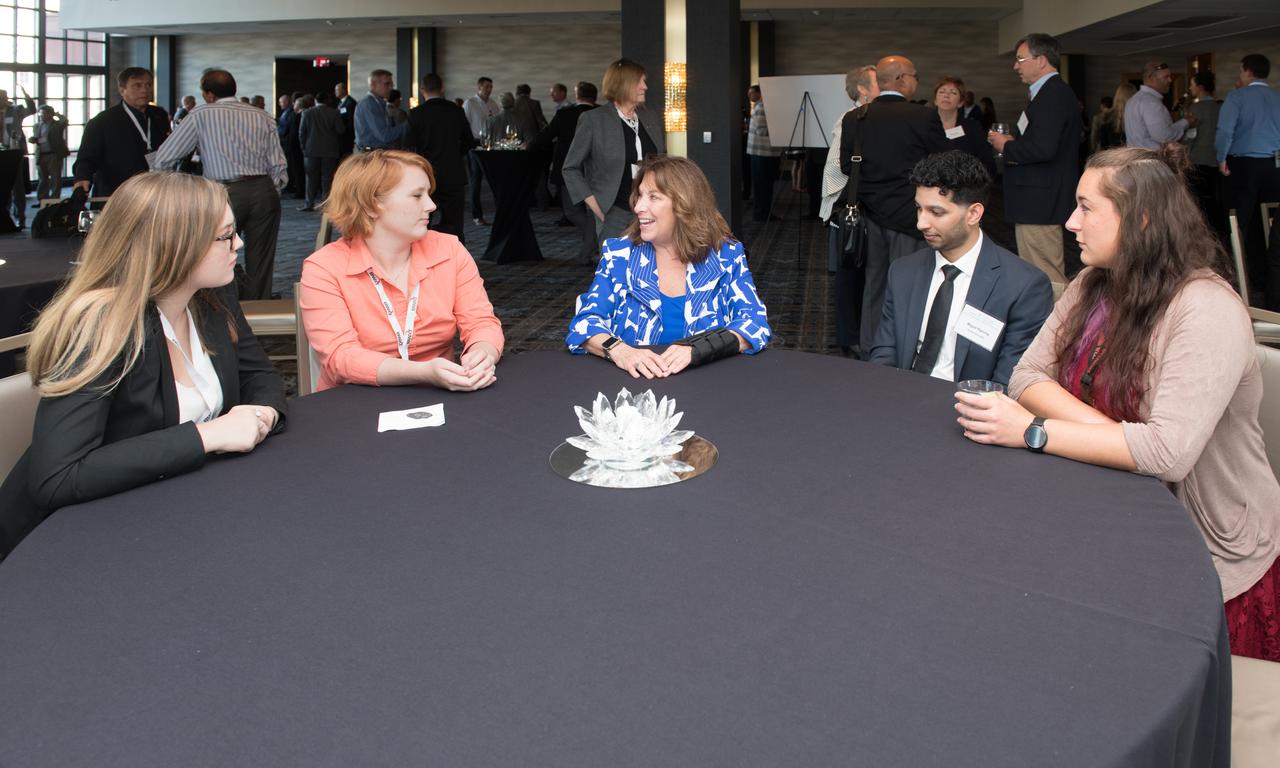
The inaugural Glenn Symposium focused on advancements in aerospace technology including power and propulsion, autonomy and communications, low boom supersonics, hypersonics, and more. Discussion also encompassed humans returning to the moon, including challenges associated with the 2024 mission.
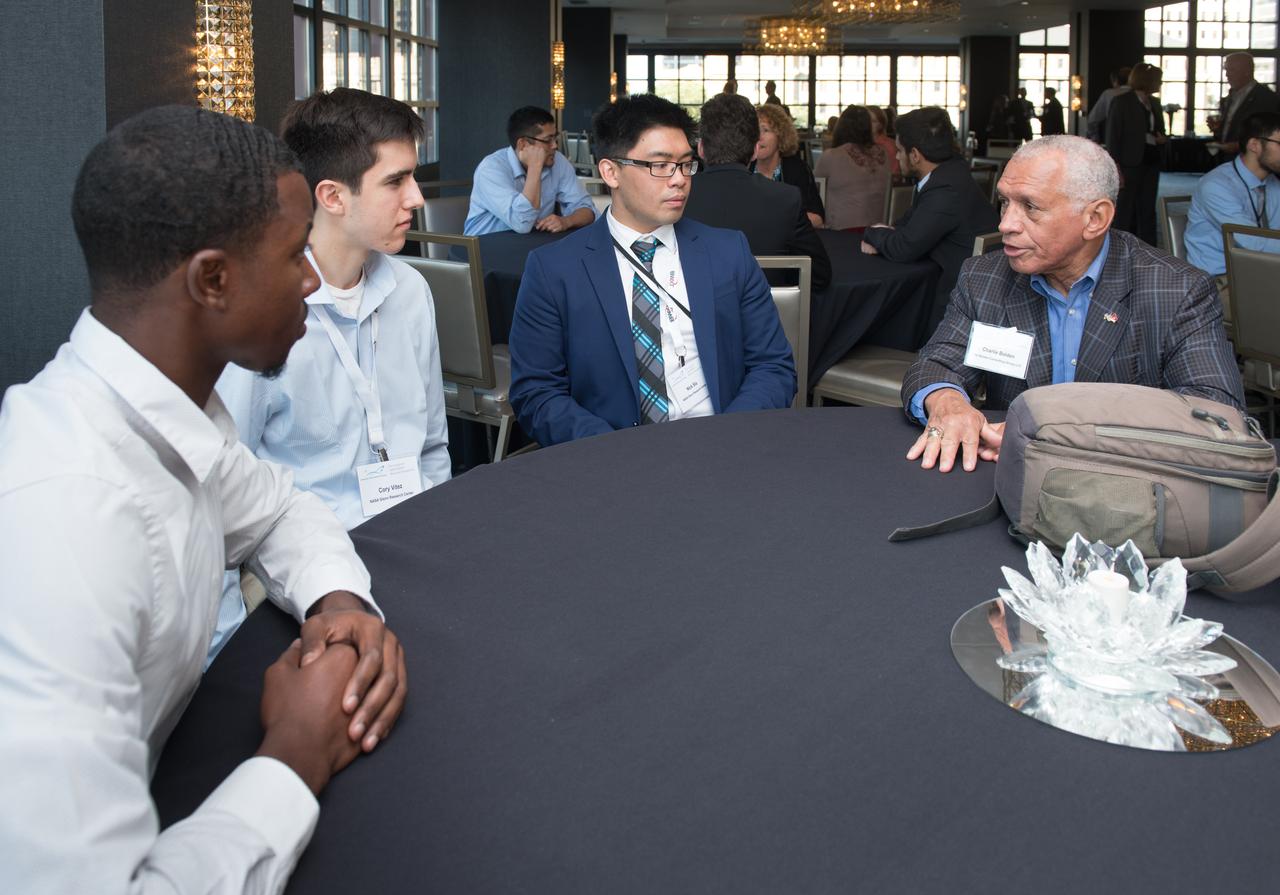
The inaugural Glenn Symposium focused on advancements in aerospace technology including power and propulsion, autonomy and communications, low boom supersonics, hypersonics, and more. Discussion also encompassed humans returning to the moon, including challenges associated with the 2024 mission.

The inaugural Glenn Symposium focused on advancements in aerospace technology including power and propulsion, autonomy and communications, low boom supersonics, hypersonics, and more. Discussion also encompassed humans returning to the moon, including challenges associated with the 2024 mission.
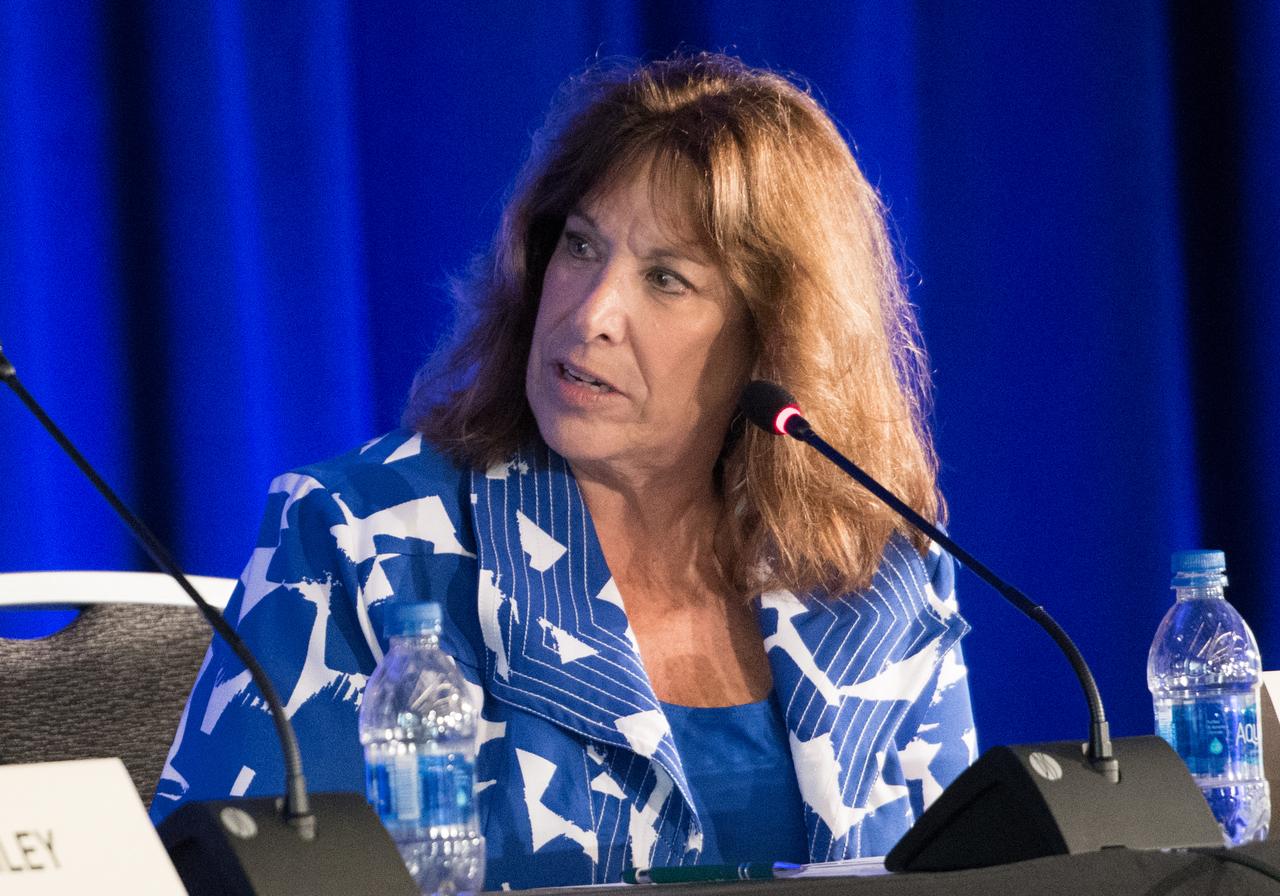
The inaugural Glenn Symposium focused on advancements in aerospace technology including power and propulsion, autonomy and communications, low boom supersonics, hypersonics, and more. Discussion also encompassed humans returning to the moon, including challenges associated with the 2024 mission.
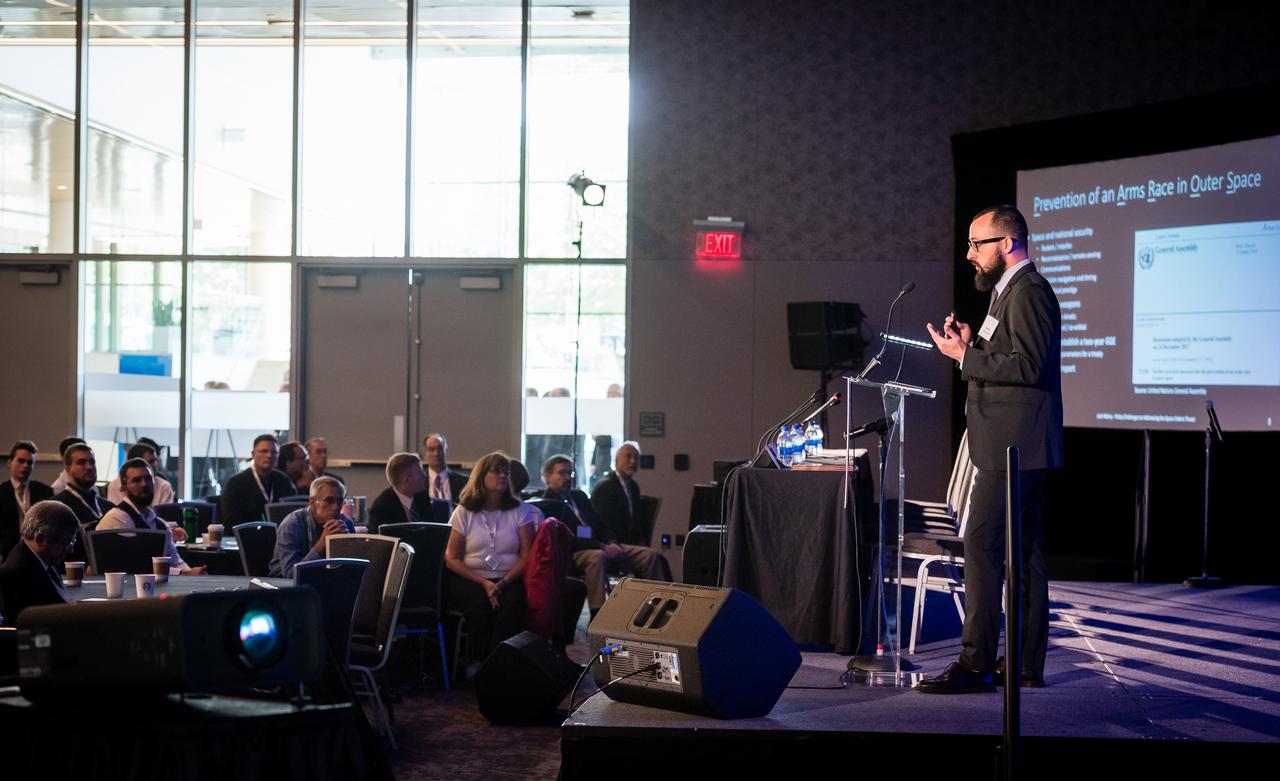
The inaugural Glenn Symposium focused on advancements in aerospace technology including power and propulsion, autonomy and communications, low boom supersonics, hypersonics, and more. Discussion also encompassed humans returning to the moon, including challenges associated with the 2024 mission.
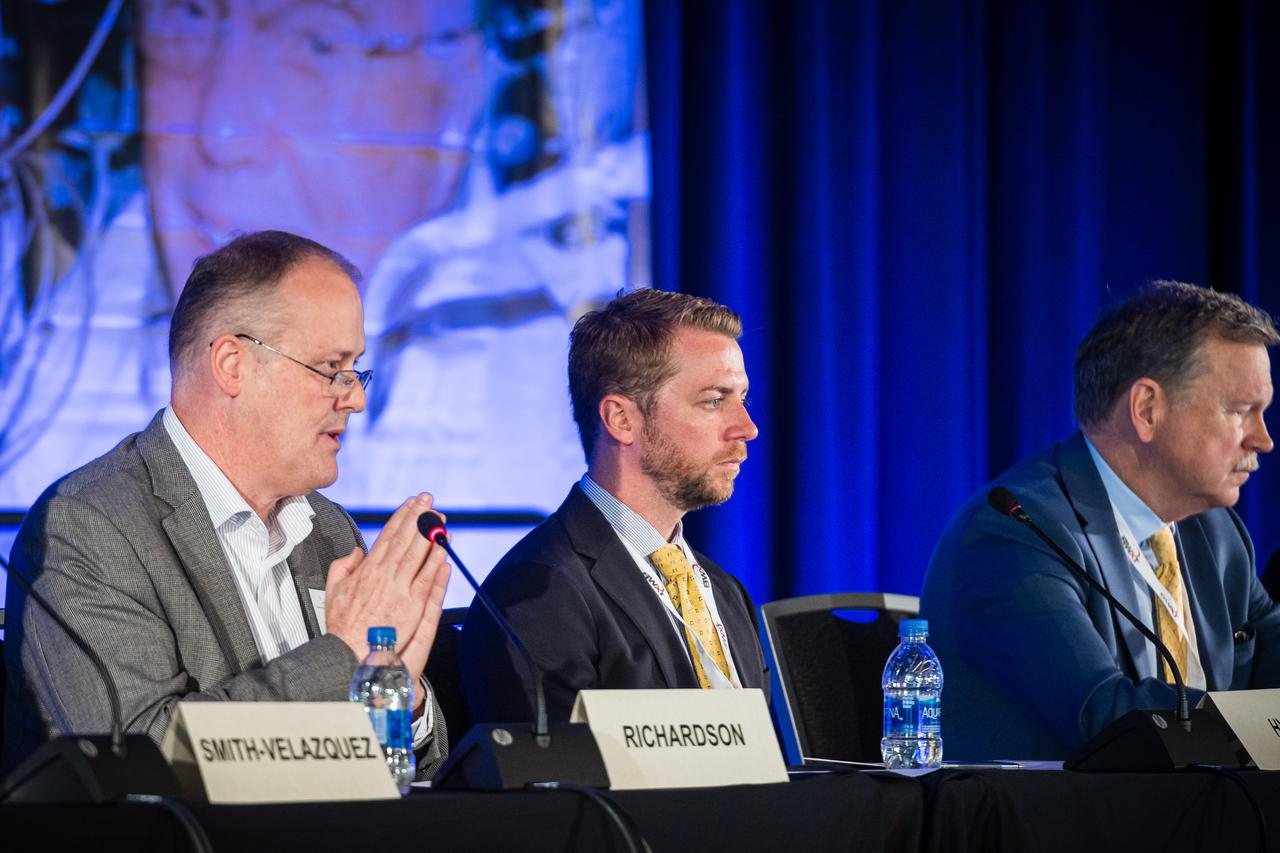
The inaugural Glenn Symposium focused on advancements in aerospace technology including power and propulsion, autonomy and communications, low boom supersonics, hypersonics, and more. Discussion also encompassed humans returning to the moon, including challenges associated with the 2024 mission.
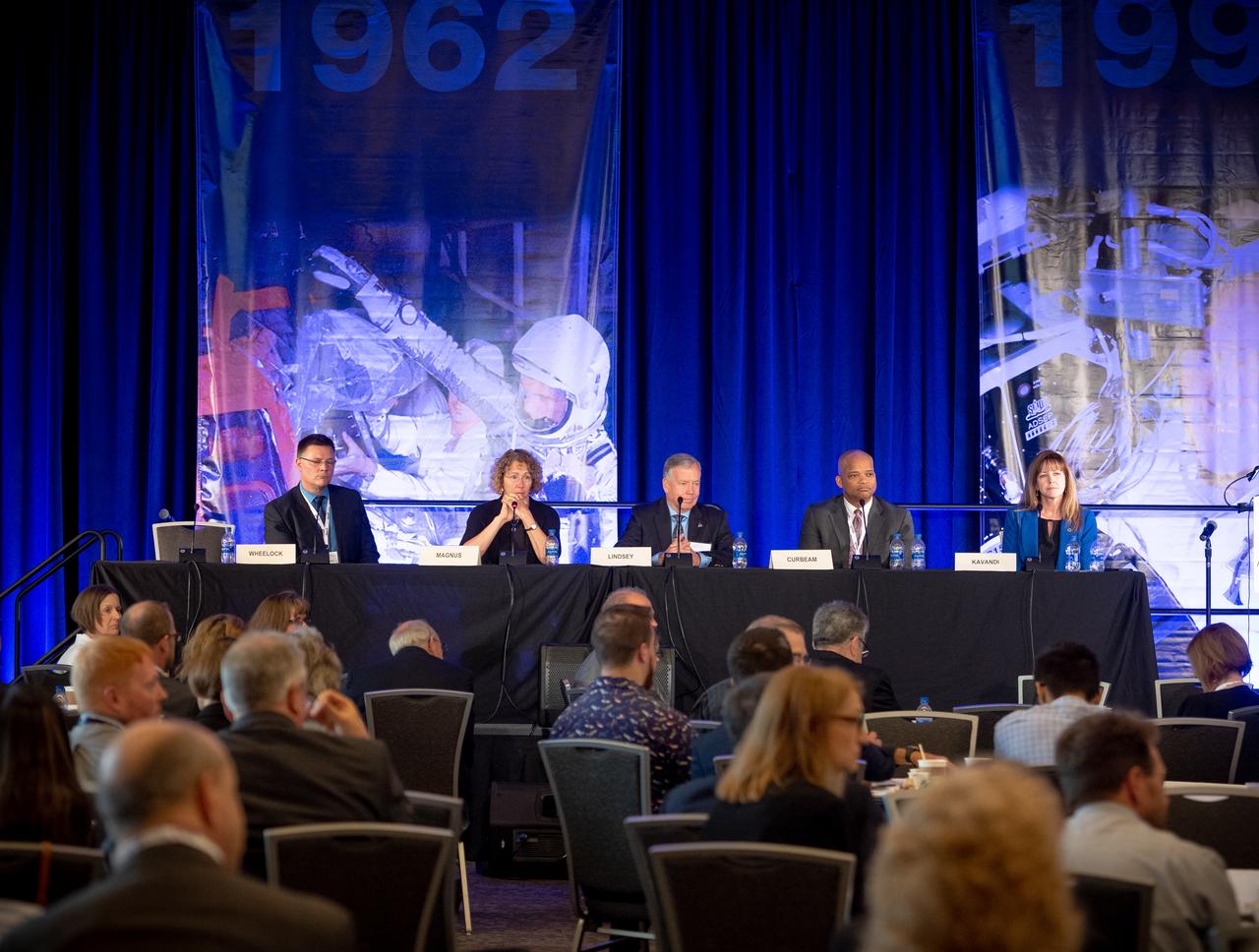
The inaugural Glenn Symposium focused on advancements in aerospace technology including power and propulsion, autonomy and communications, low boom supersonics, hypersonics, and more. Discussion also encompassed humans returning to the moon, including challenges associated with the 2024 mission.
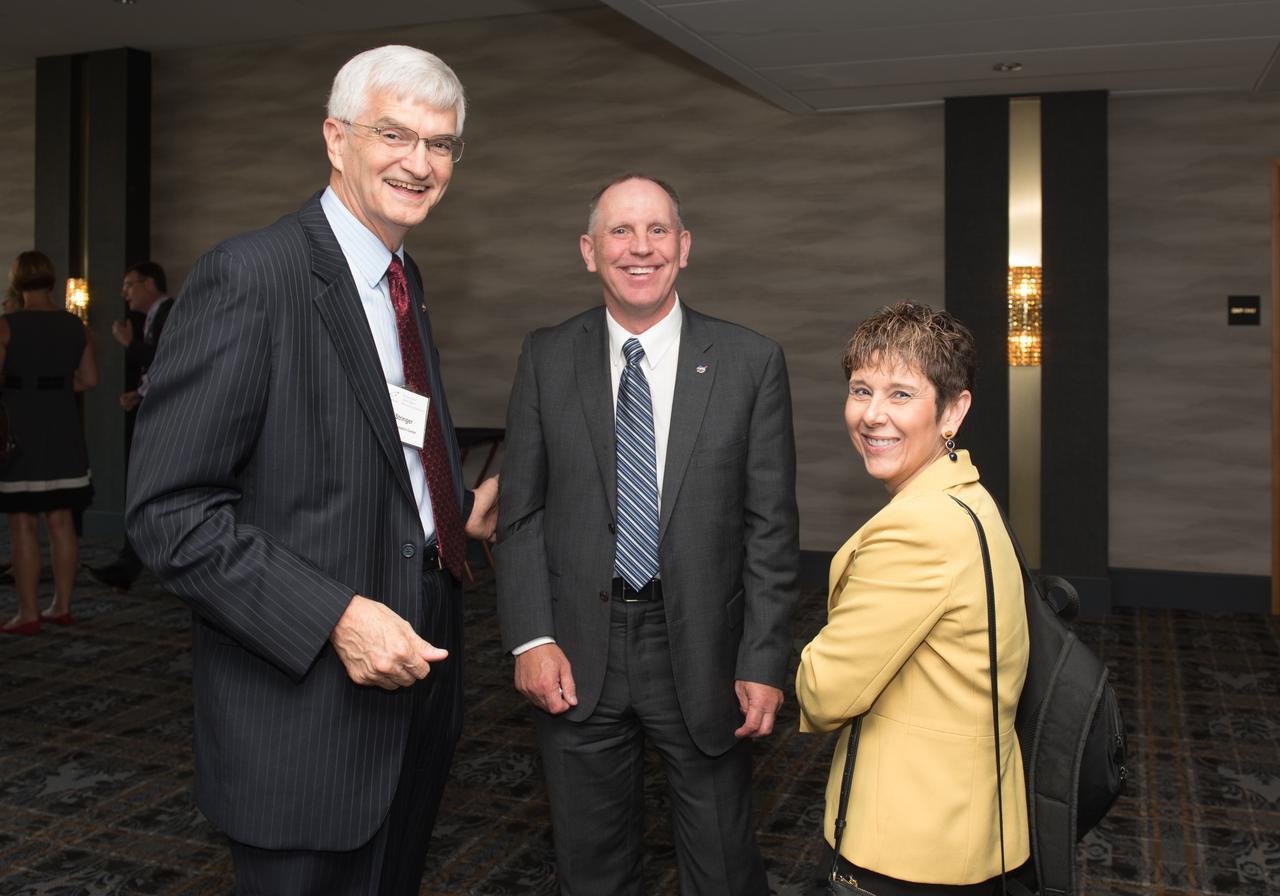
The inaugural Glenn Symposium focused on advancements in aerospace technology including power and propulsion, autonomy and communications, low boom supersonics, hypersonics, and more. Discussion also encompassed humans returning to the moon, including challenges associated with the 2024 mission.
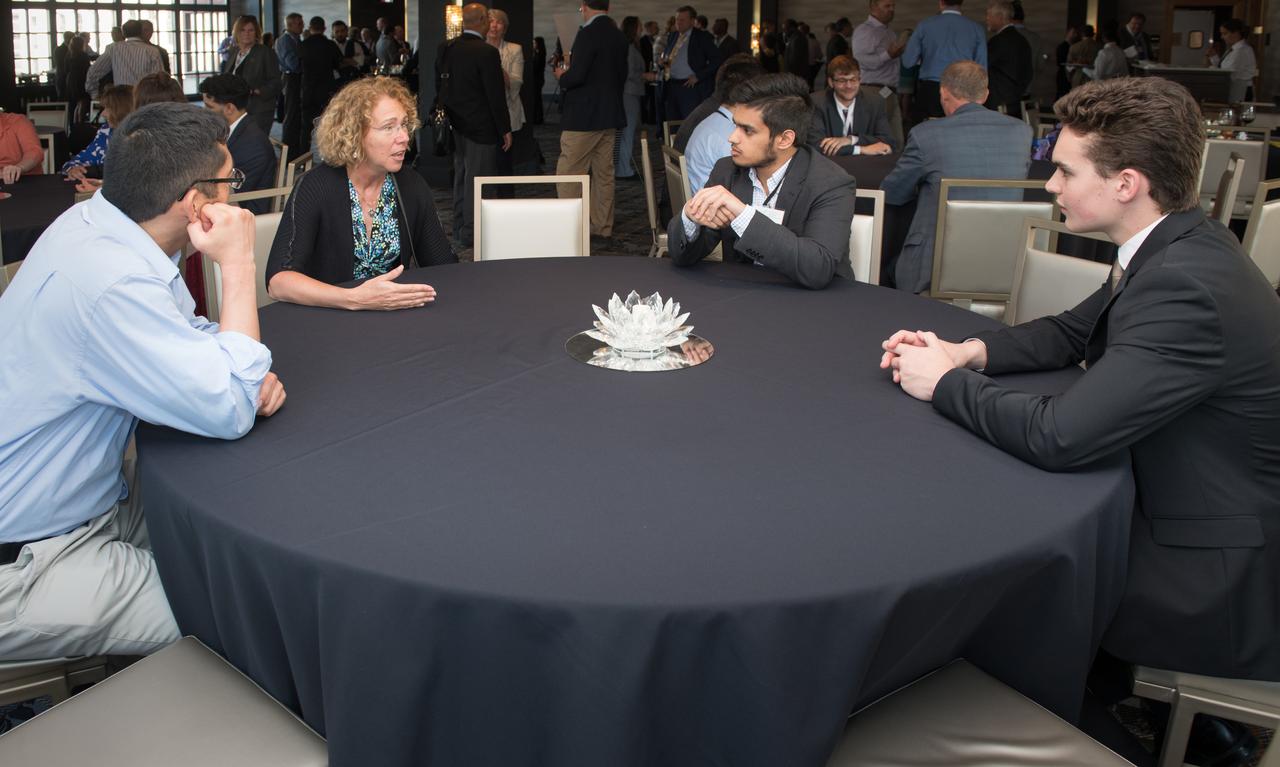
The inaugural Glenn Symposium focused on advancements in aerospace technology including power and propulsion, autonomy and communications, low boom supersonics, hypersonics, and more. Discussion also encompassed humans returning to the moon, including challenges associated with the 2024 mission.
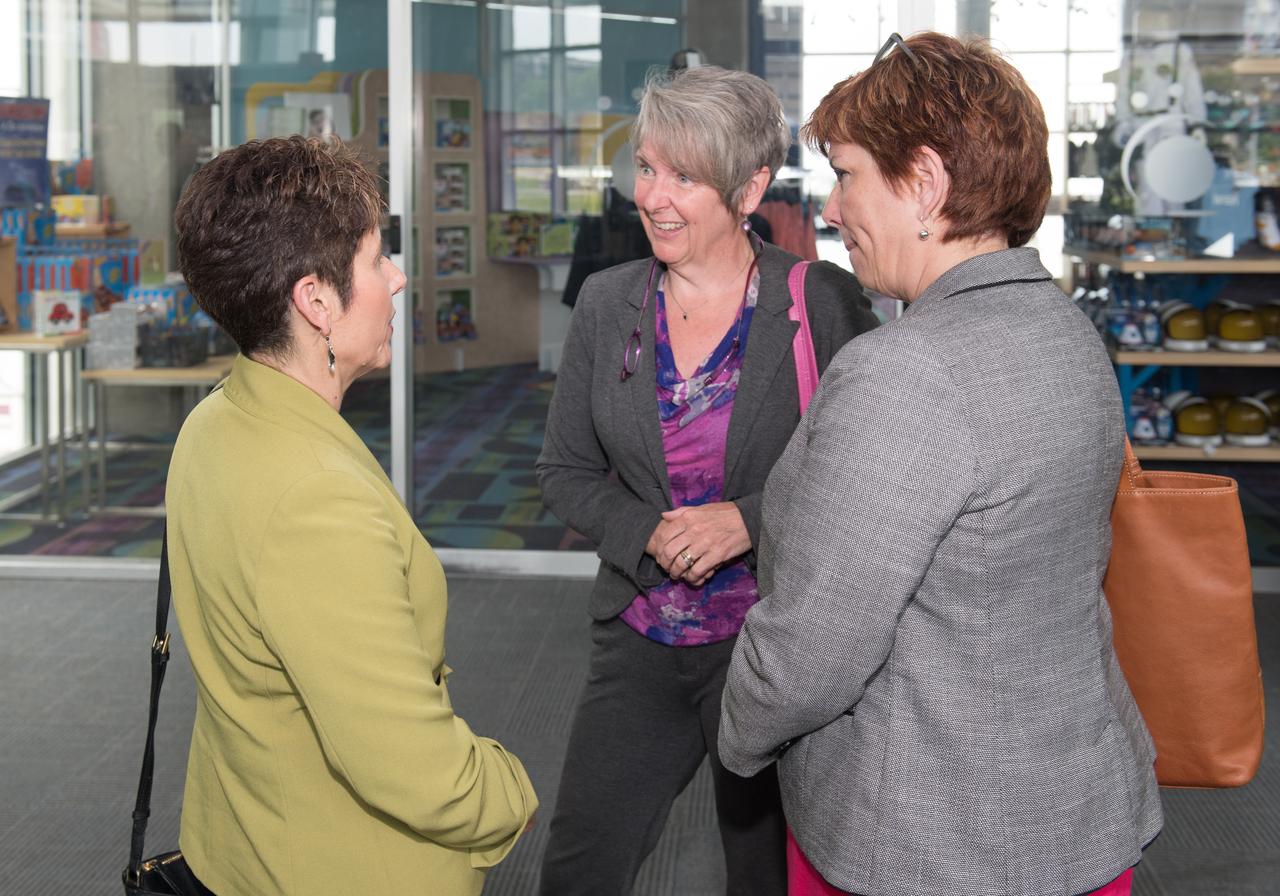
The inaugural Glenn Symposium focused on advancements in aerospace technology including power and propulsion, autonomy and communications, low boom supersonics, hypersonics, and more. Discussion also encompassed humans returning to the moon, including challenges associated with the 2024 mission.
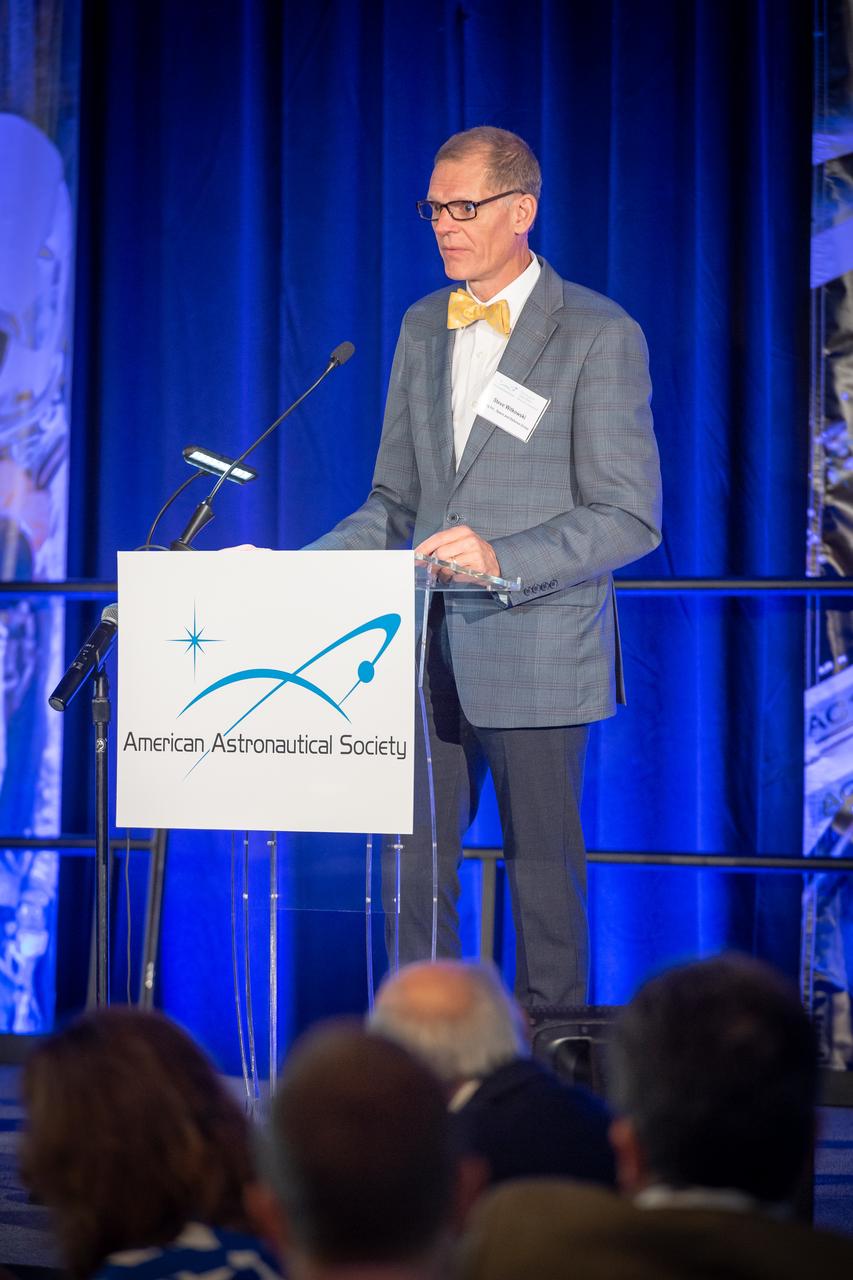
The inaugural Glenn Symposium focused on advancements in aerospace technology including power and propulsion, autonomy and communications, low boom supersonics, hypersonics, and more. Discussion also encompassed humans returning to the moon, including challenges associated with the 2024 mission.
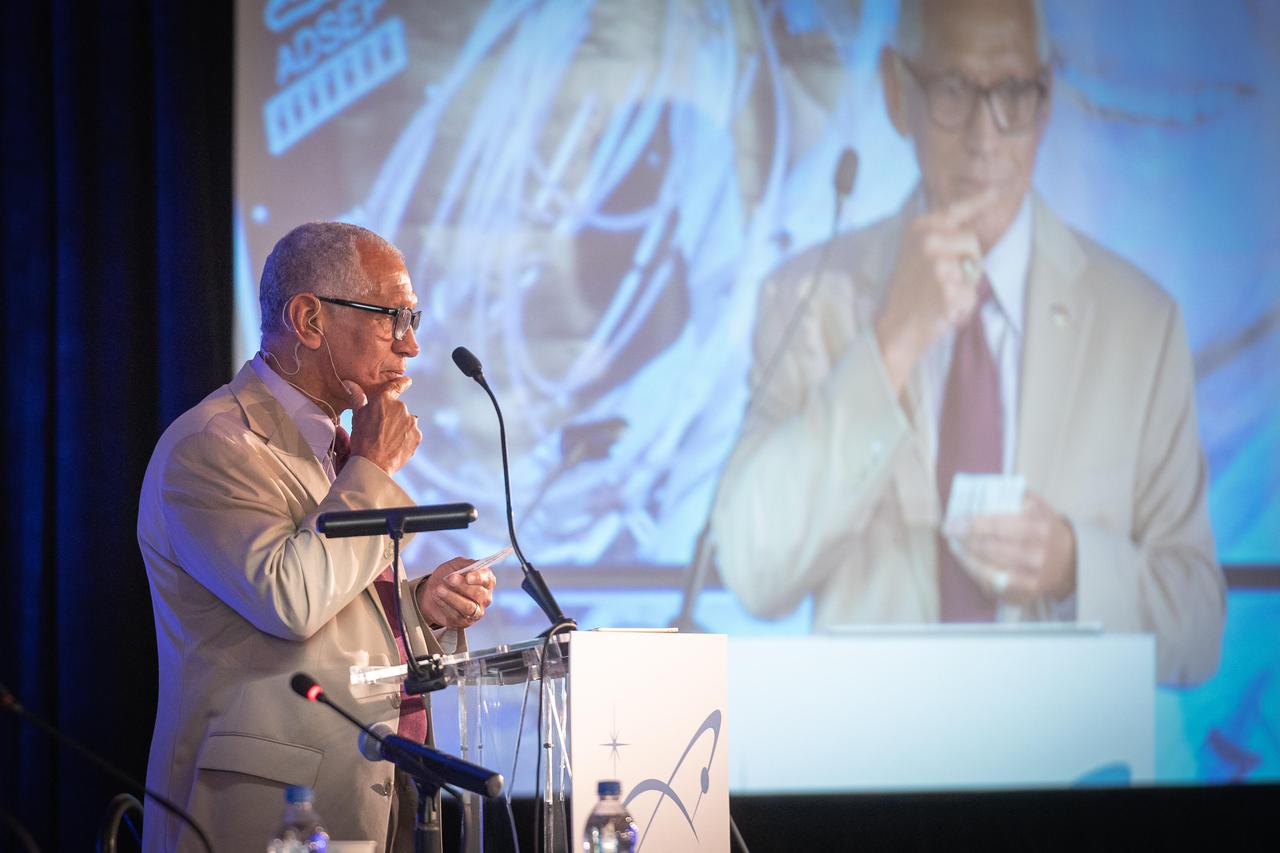
The inaugural Glenn Symposium focused on advancements in aerospace technology including power and propulsion, autonomy and communications, low boom supersonics, hypersonics, and more. Discussion also encompassed humans returning to the moon, including challenges associated with the 2024 mission.
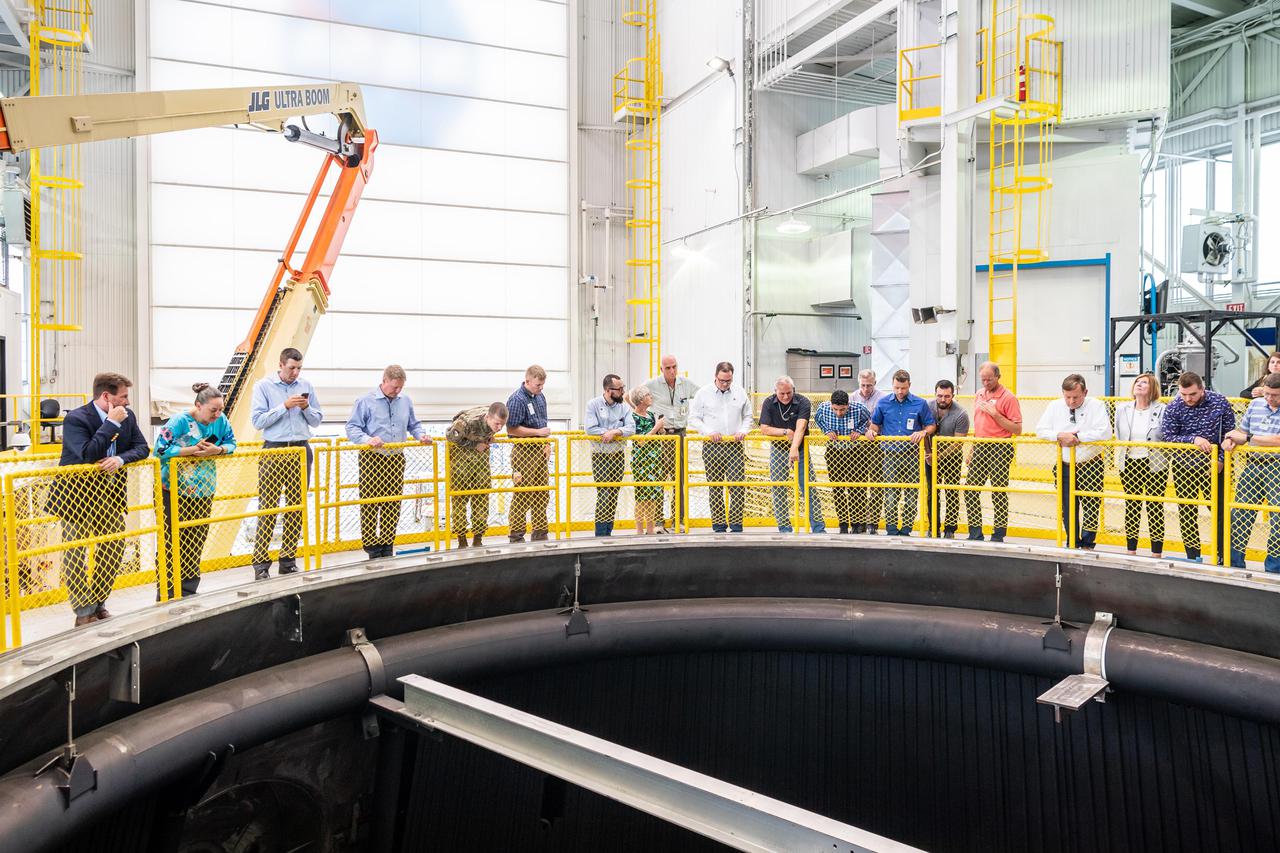
The inaugural Glenn Symposium focused on advancements in aerospace technology including power and propulsion, autonomy and communications, low boom supersonics, hypersonics, and more. Discussion also encompassed humans returning to the moon, including challenges associated with the 2024 mission.
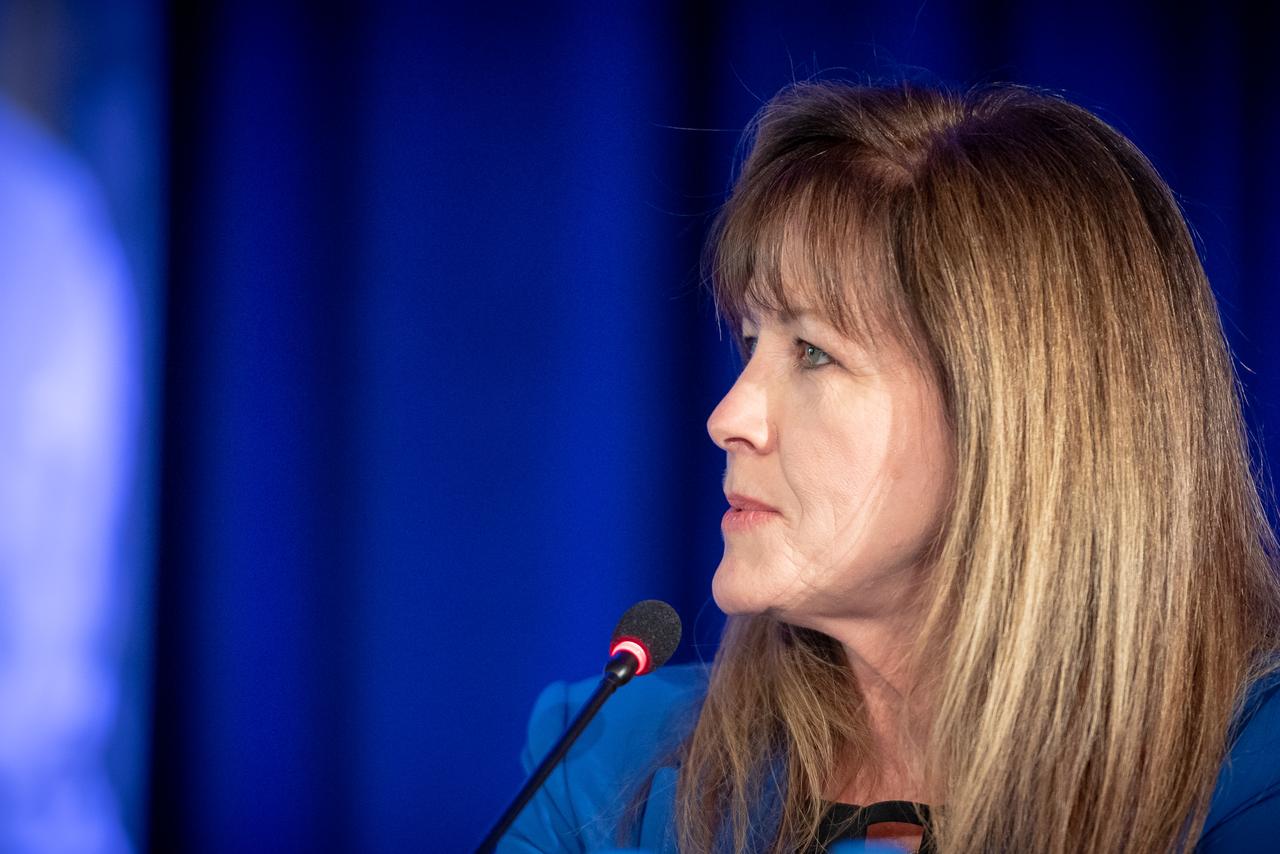
The inaugural Glenn Symposium focused on advancements in aerospace technology including power and propulsion, autonomy and communications, low boom supersonics, hypersonics, and more. Discussion also encompassed humans returning to the moon, including challenges associated with the 2024 mission.
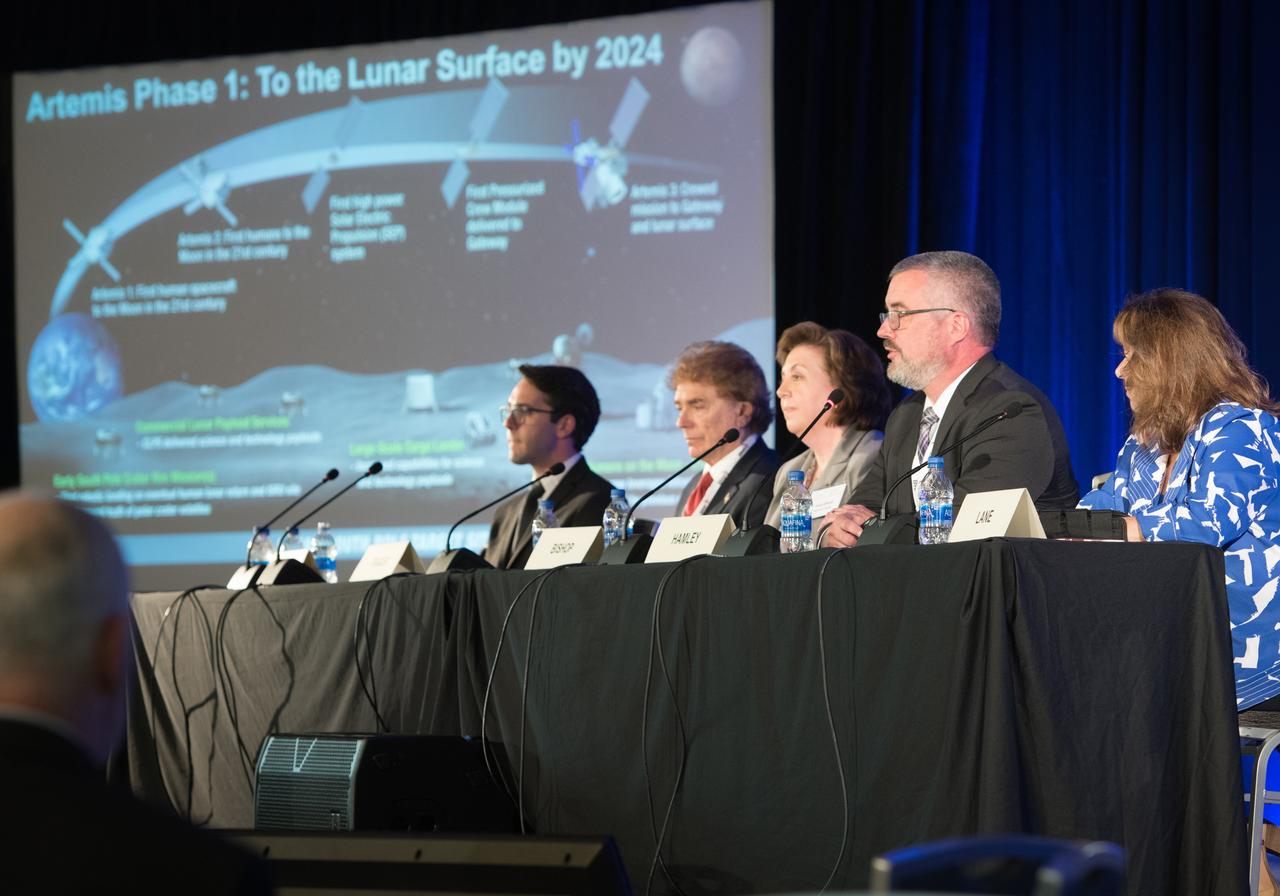
The inaugural Glenn Symposium focused on advancements in aerospace technology including power and propulsion, autonomy and communications, low boom supersonics, hypersonics, and more. Discussion also encompassed humans returning to the moon, including challenges associated with the 2024 mission.
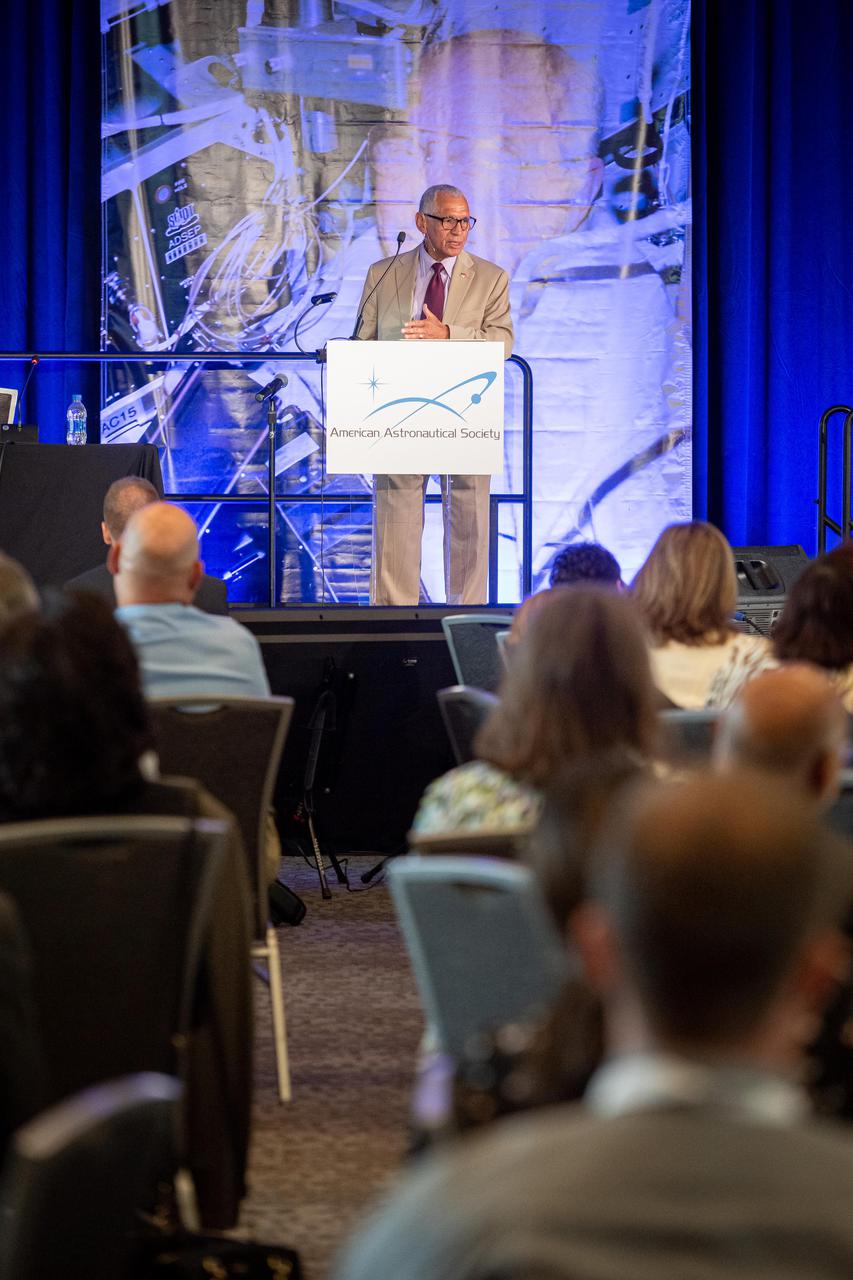
The inaugural Glenn Symposium focused on advancements in aerospace technology including power and propulsion, autonomy and communications, low boom supersonics, hypersonics, and more. Discussion also encompassed humans returning to the moon, including challenges associated with the 2024 mission.
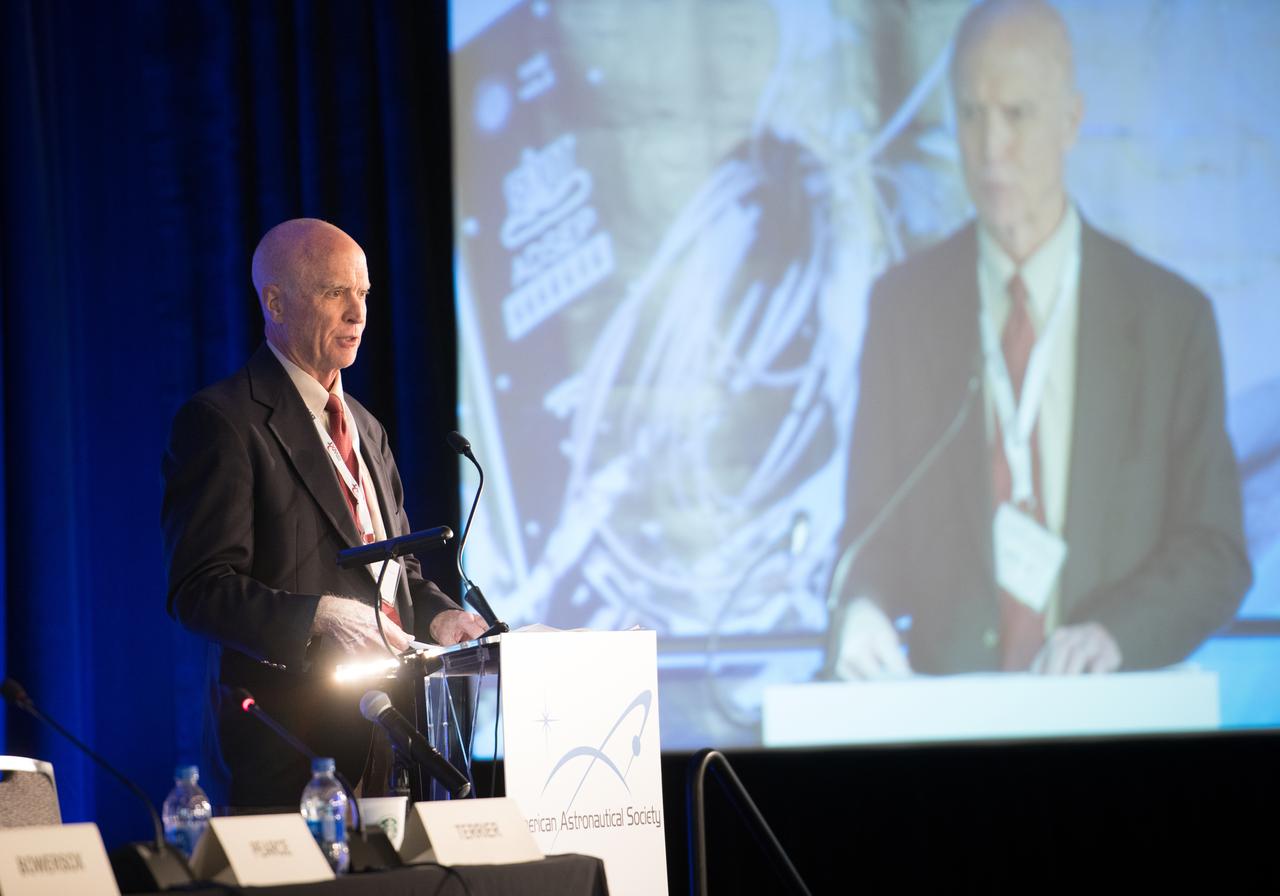
The inaugural Glenn Symposium focused on advancements in aerospace technology including power and propulsion, autonomy and communications, low boom supersonics, hypersonics, and more. Discussion also encompassed humans returning to the moon, including challenges associated with the 2024 mission.
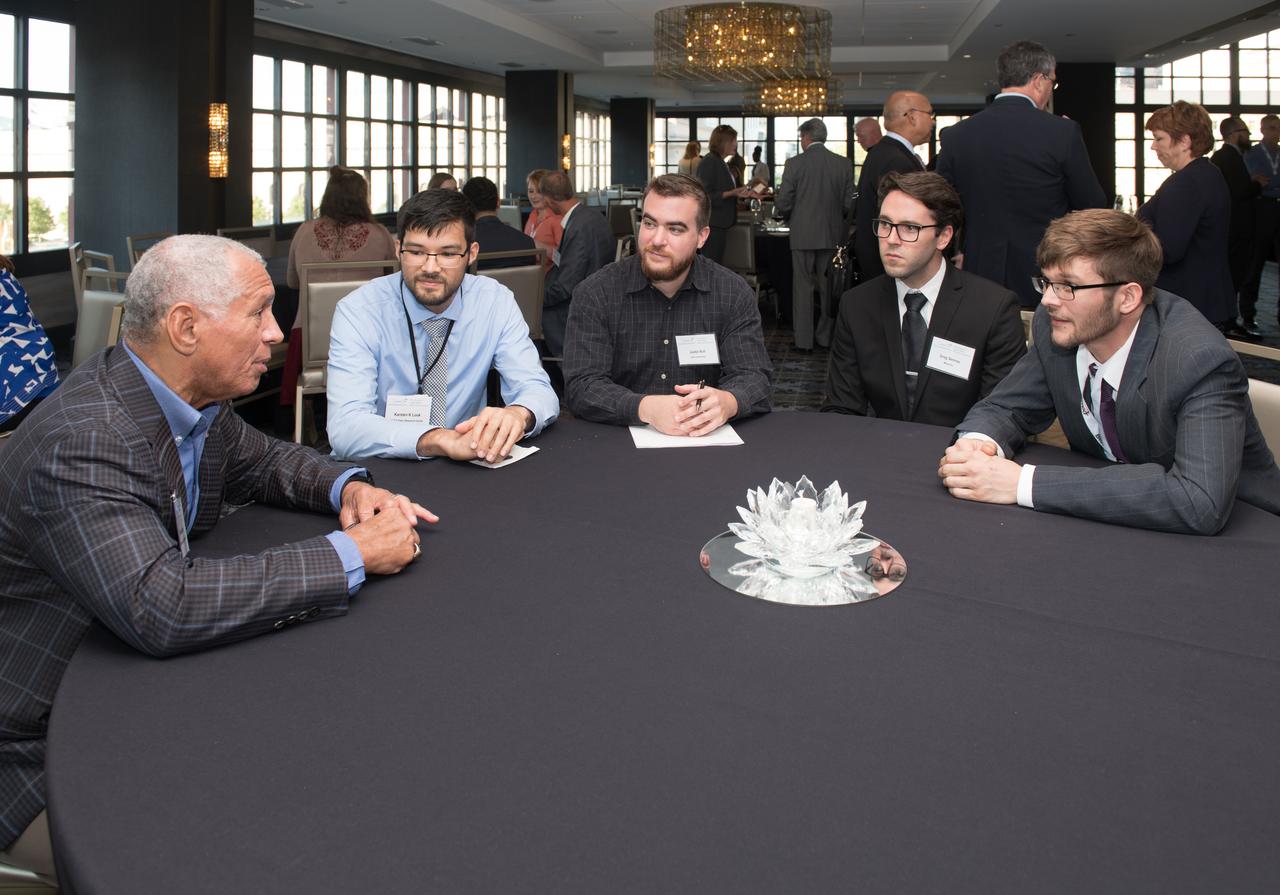
The inaugural Glenn Symposium focused on advancements in aerospace technology including power and propulsion, autonomy and communications, low boom supersonics, hypersonics, and more. Discussion also encompassed humans returning to the moon, including challenges associated with the 2024 mission.
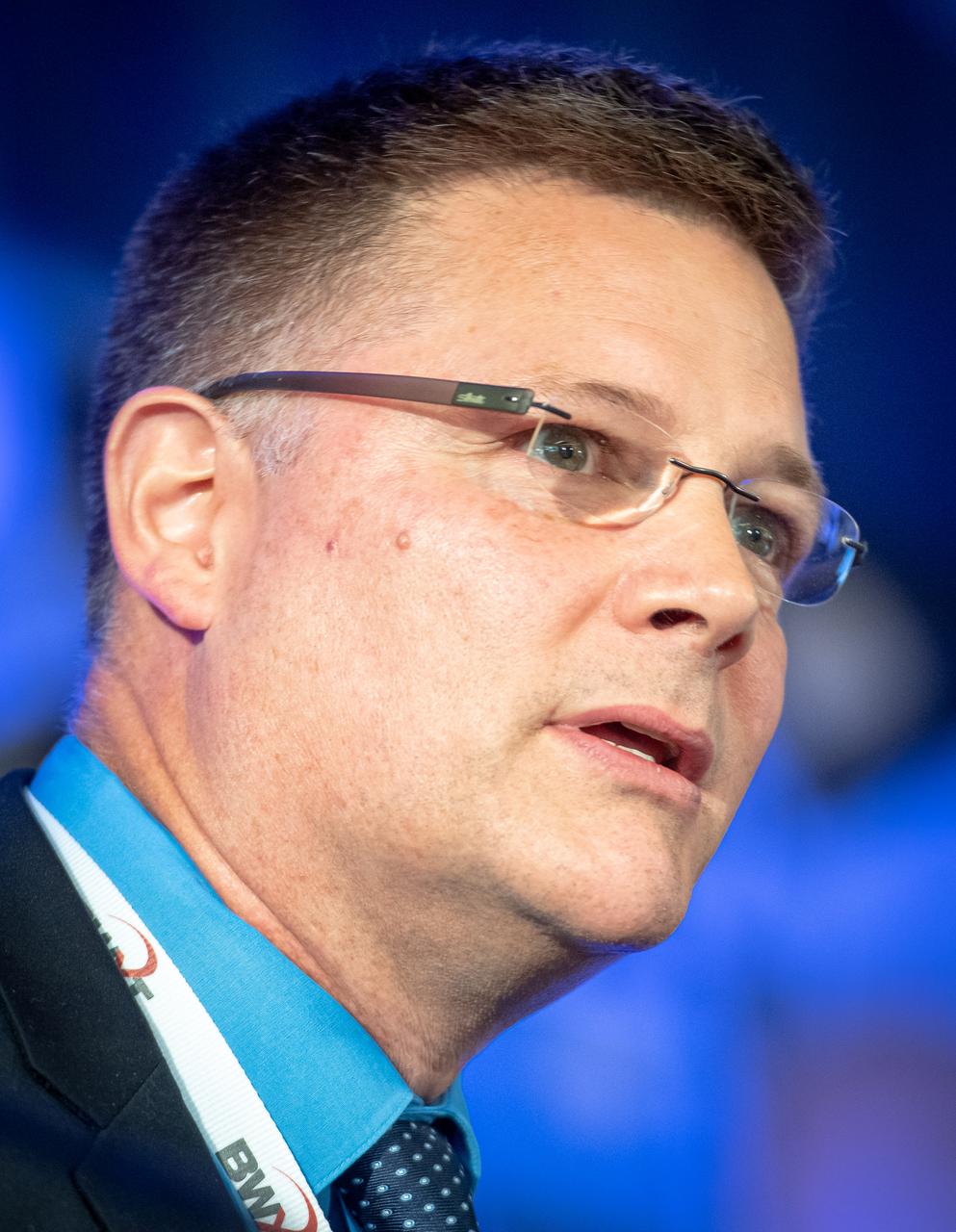
The inaugural Glenn Symposium focused on advancements in aerospace technology including power and propulsion, autonomy and communications, low boom supersonics, hypersonics, and more. Discussion also encompassed humans returning to the moon, including challenges associated with the 2024 mission.
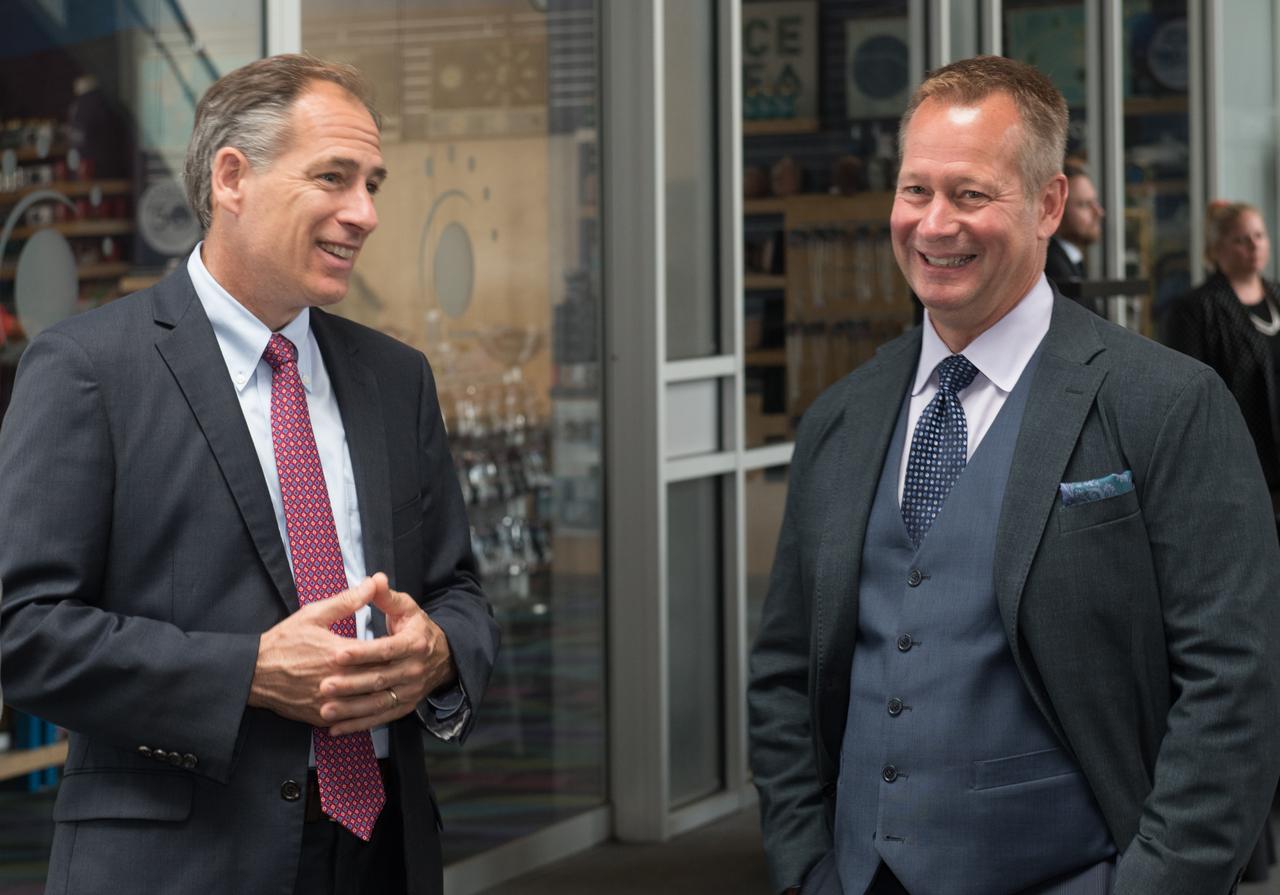
The inaugural Glenn Symposium focused on advancements in aerospace technology including power and propulsion, autonomy and communications, low boom supersonics, hypersonics, and more. Discussion also encompassed humans returning to the moon, including challenges associated with the 2024 mission.
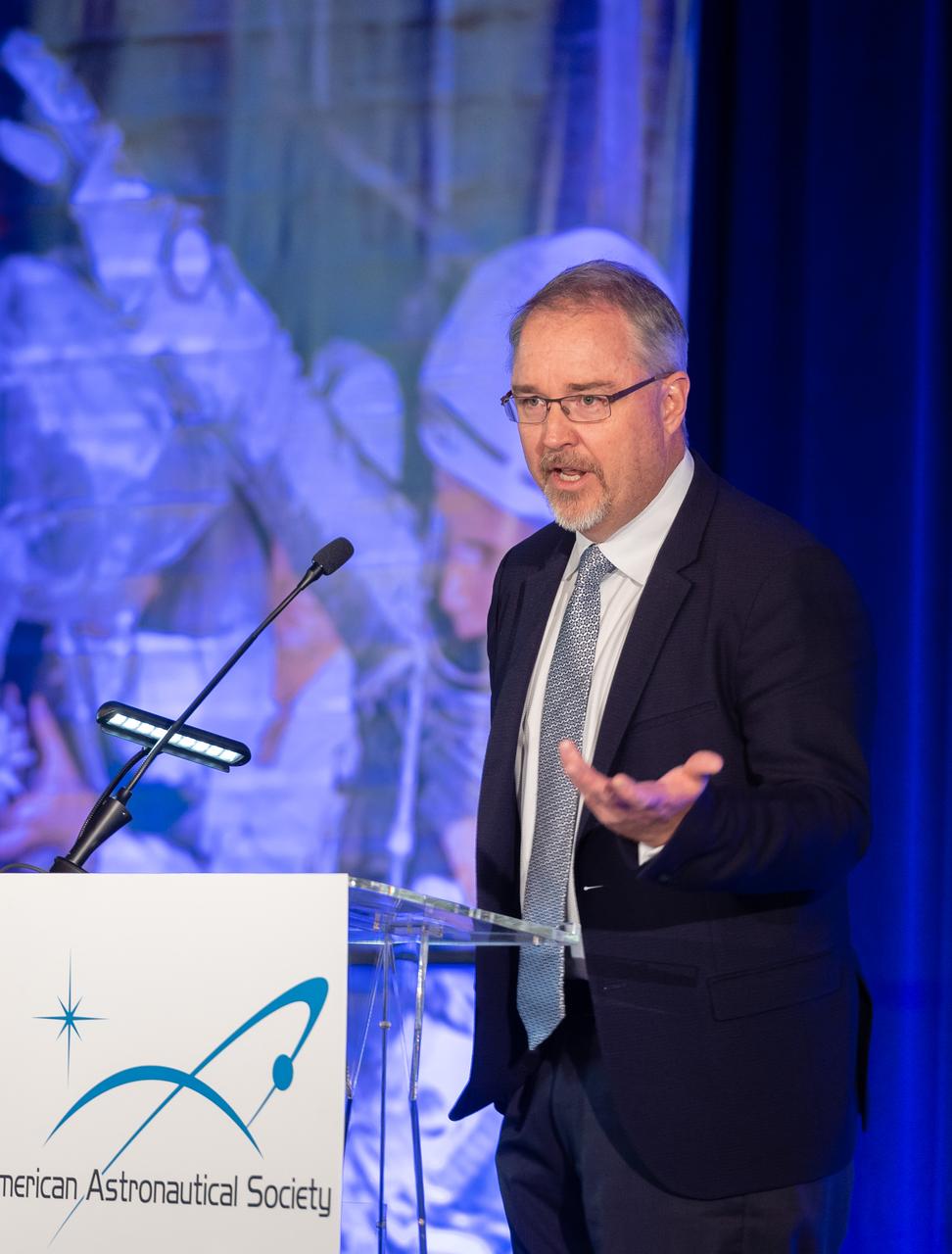
The inaugural Glenn Symposium focused on advancements in aerospace technology including power and propulsion, autonomy and communications, low boom supersonics, hypersonics, and more. Discussion also encompassed humans returning to the moon, including challenges associated with the 2024 mission.
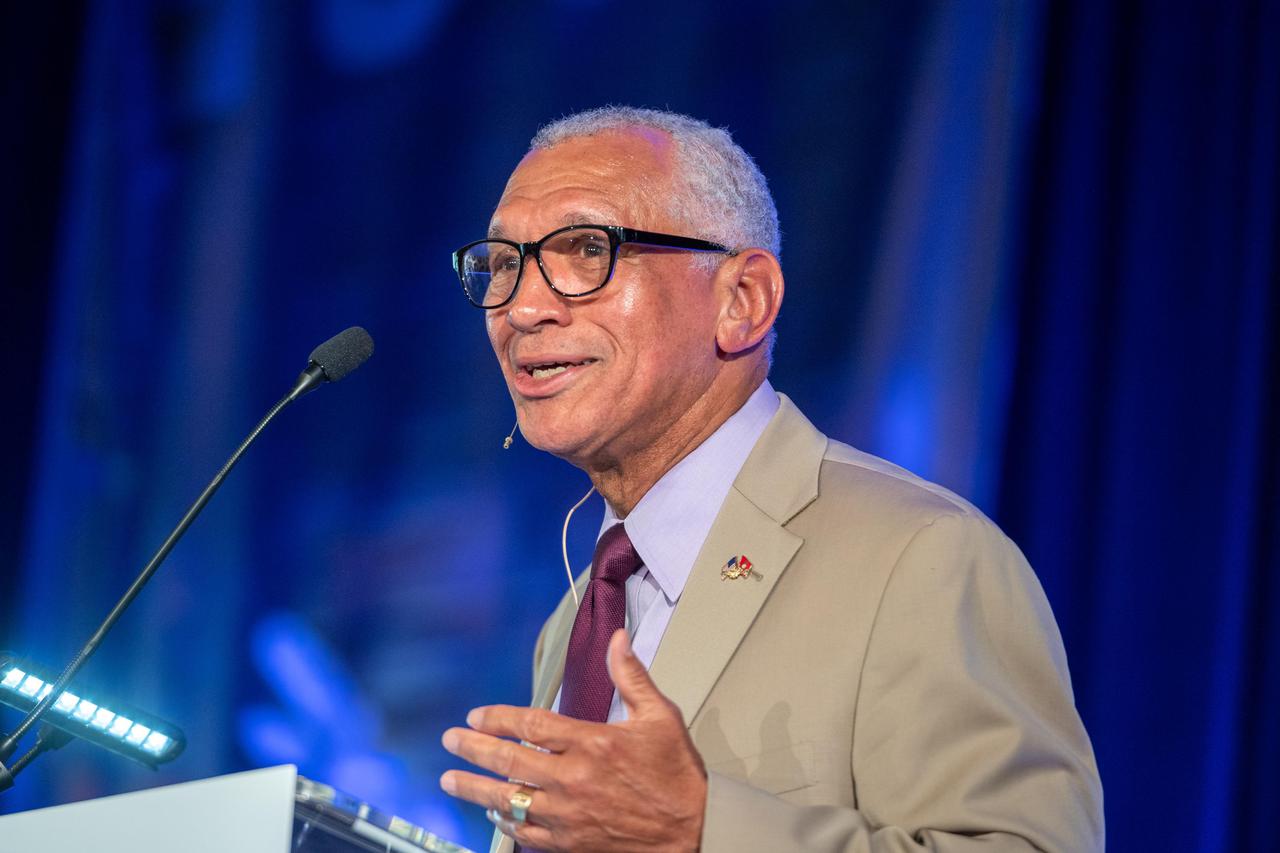
The inaugural Glenn Symposium focused on advancements in aerospace technology including power and propulsion, autonomy and communications, low boom supersonics, hypersonics, and more. Discussion also encompassed humans returning to the moon, including challenges associated with the 2024 mission.
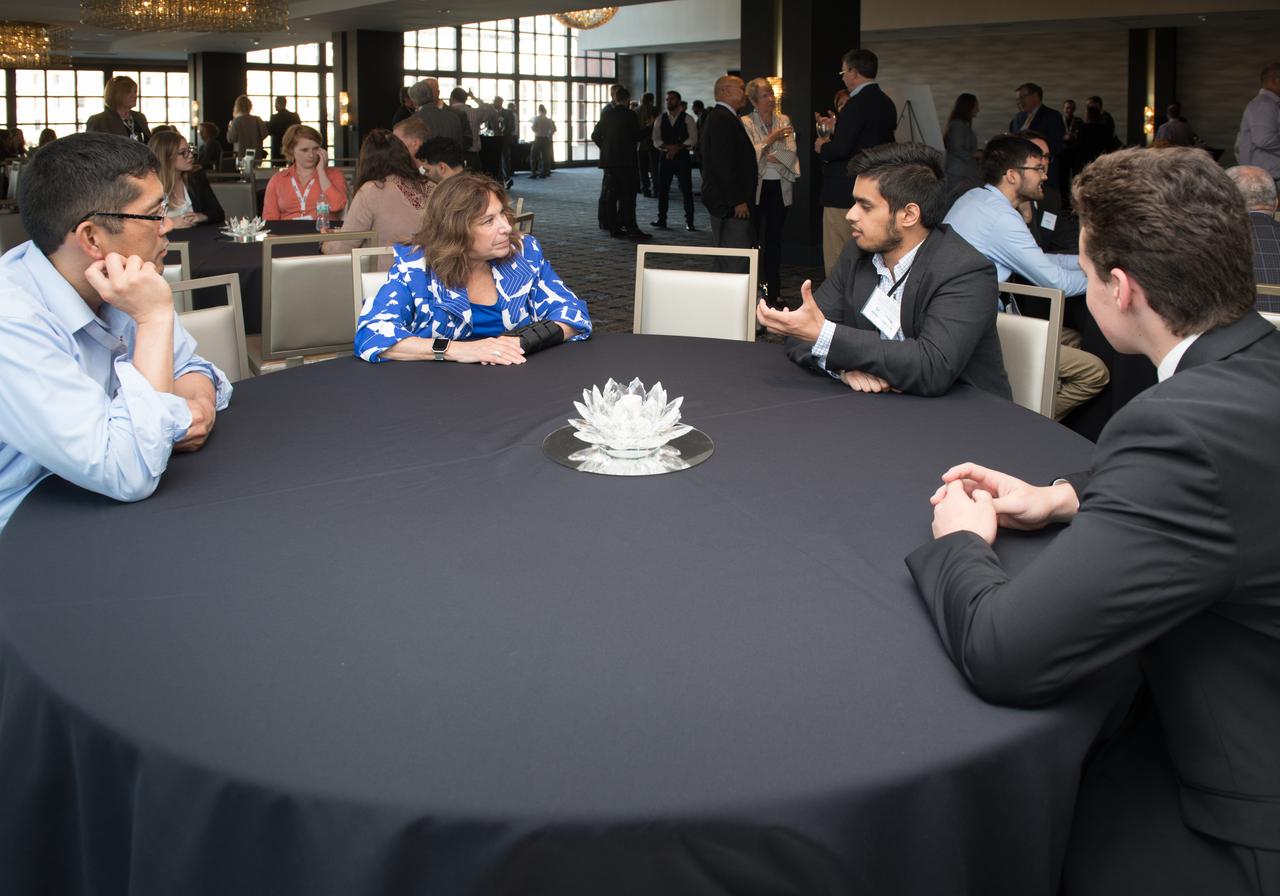
The inaugural Glenn Symposium focused on advancements in aerospace technology including power and propulsion, autonomy and communications, low boom supersonics, hypersonics, and more. Discussion also encompassed humans returning to the moon, including challenges associated with the 2024 mission.
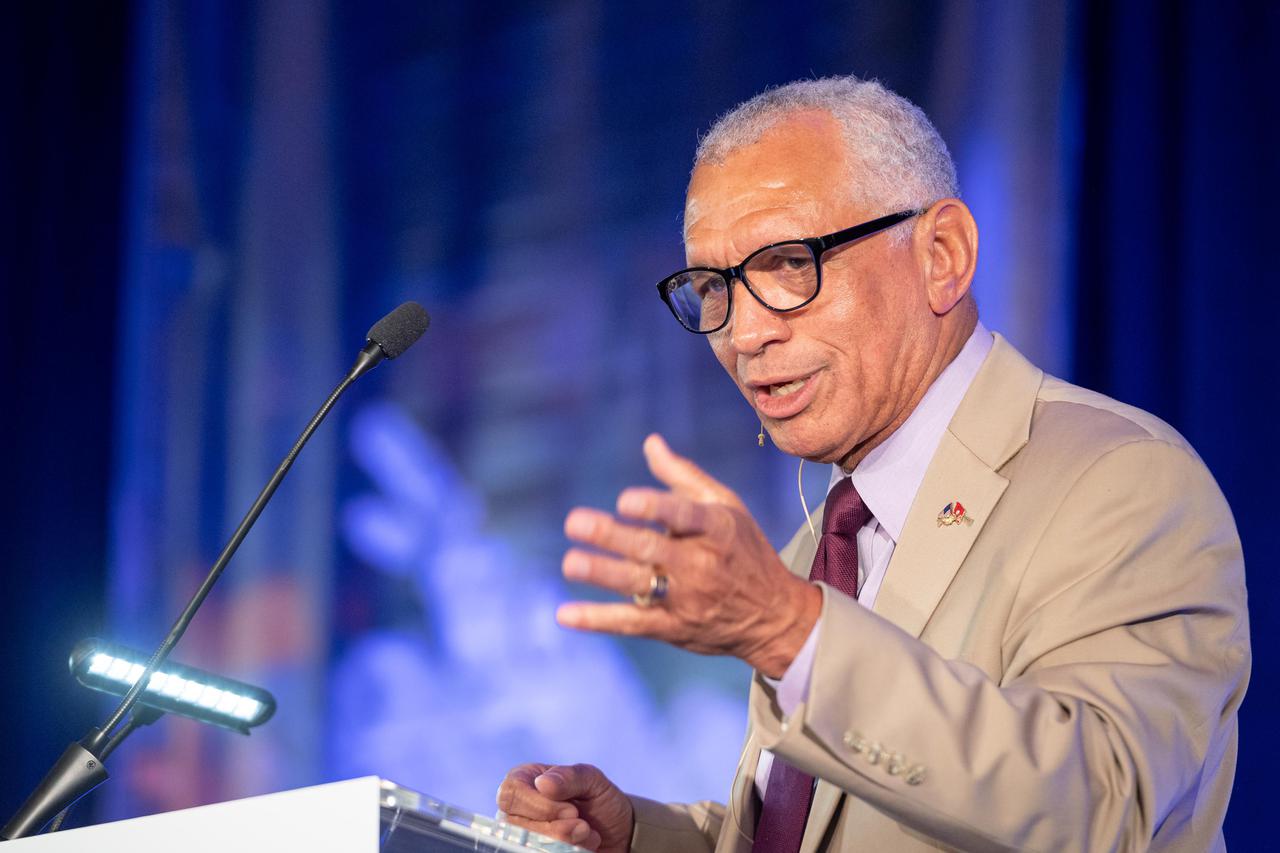
The inaugural Glenn Symposium focused on advancements in aerospace technology including power and propulsion, autonomy and communications, low boom supersonics, hypersonics, and more. Discussion also encompassed humans returning to the moon, including challenges associated with the 2024 mission.
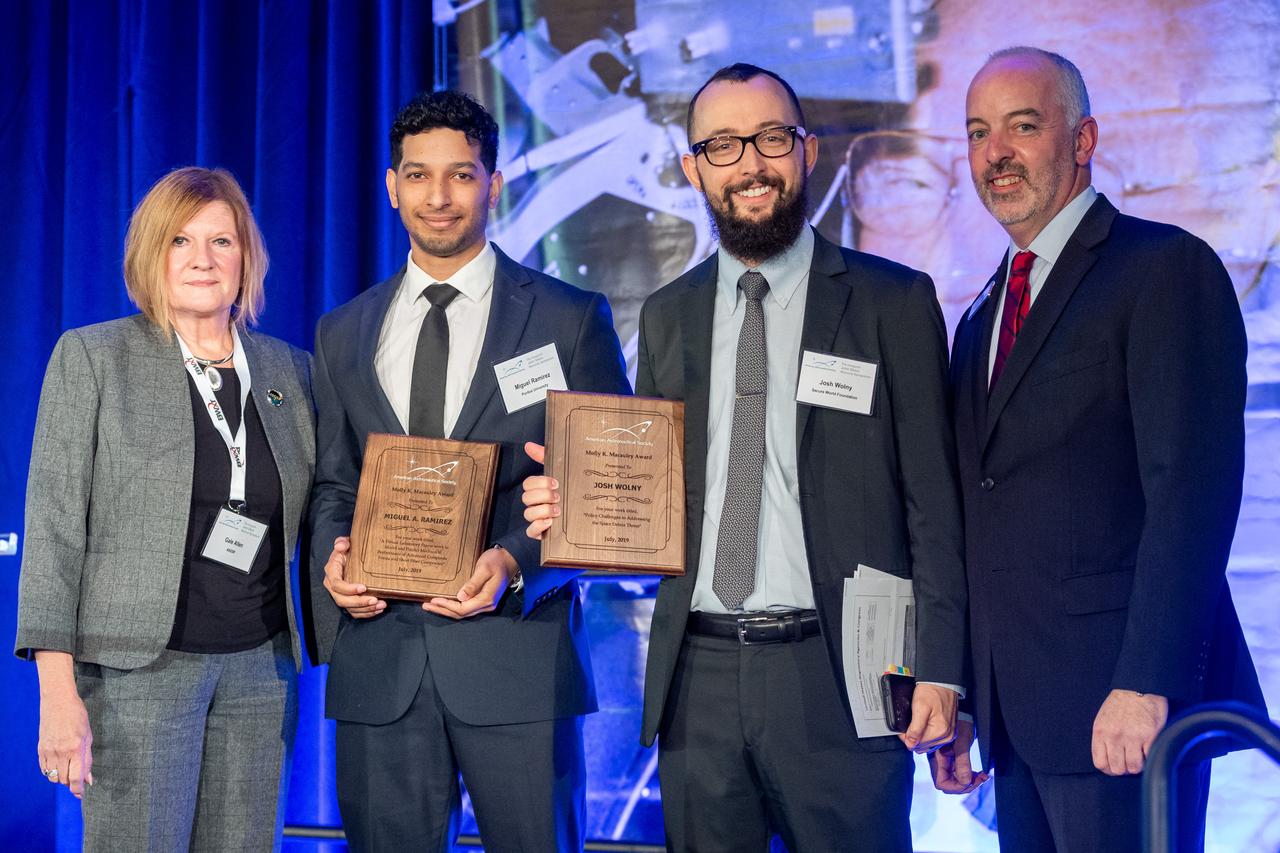
The inaugural Glenn Symposium focused on advancements in aerospace technology including power and propulsion, autonomy and communications, low boom supersonics, hypersonics, and more. Discussion also encompassed humans returning to the moon, including challenges associated with the 2024 mission.
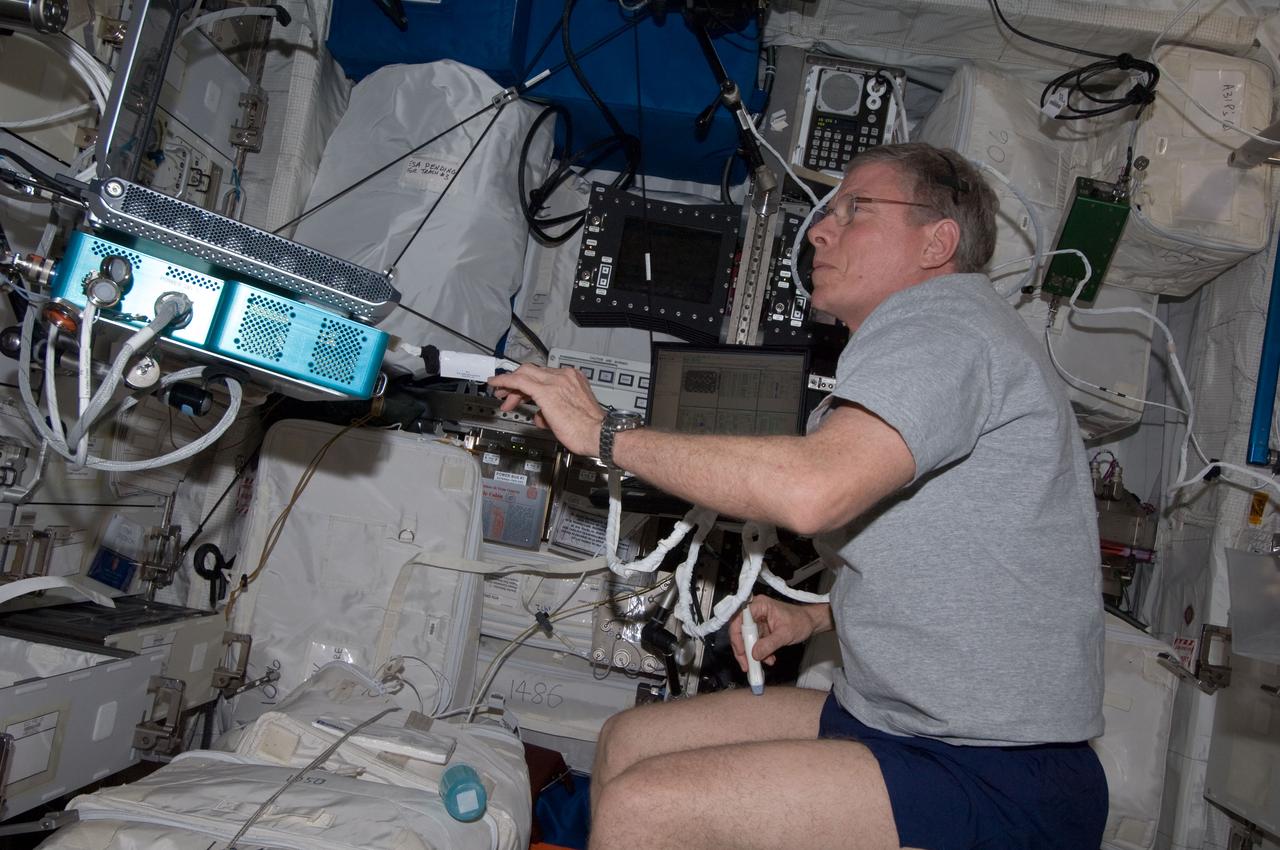
ISS029-E-025270 (3 Oct. 2011) --- NASA astronaut Mike Fossum, Expedition 29 commander, performs a SPRINT leg muscle self scan in the Columbus laboratory of the International Space Station. Fossum powered on the Ultrasound 2 (USND-2) unit and Video Power Converter (VPC) hardware, and connected the VPC to Human Research Facility 1 (HRF-1) in order to perform this activity.
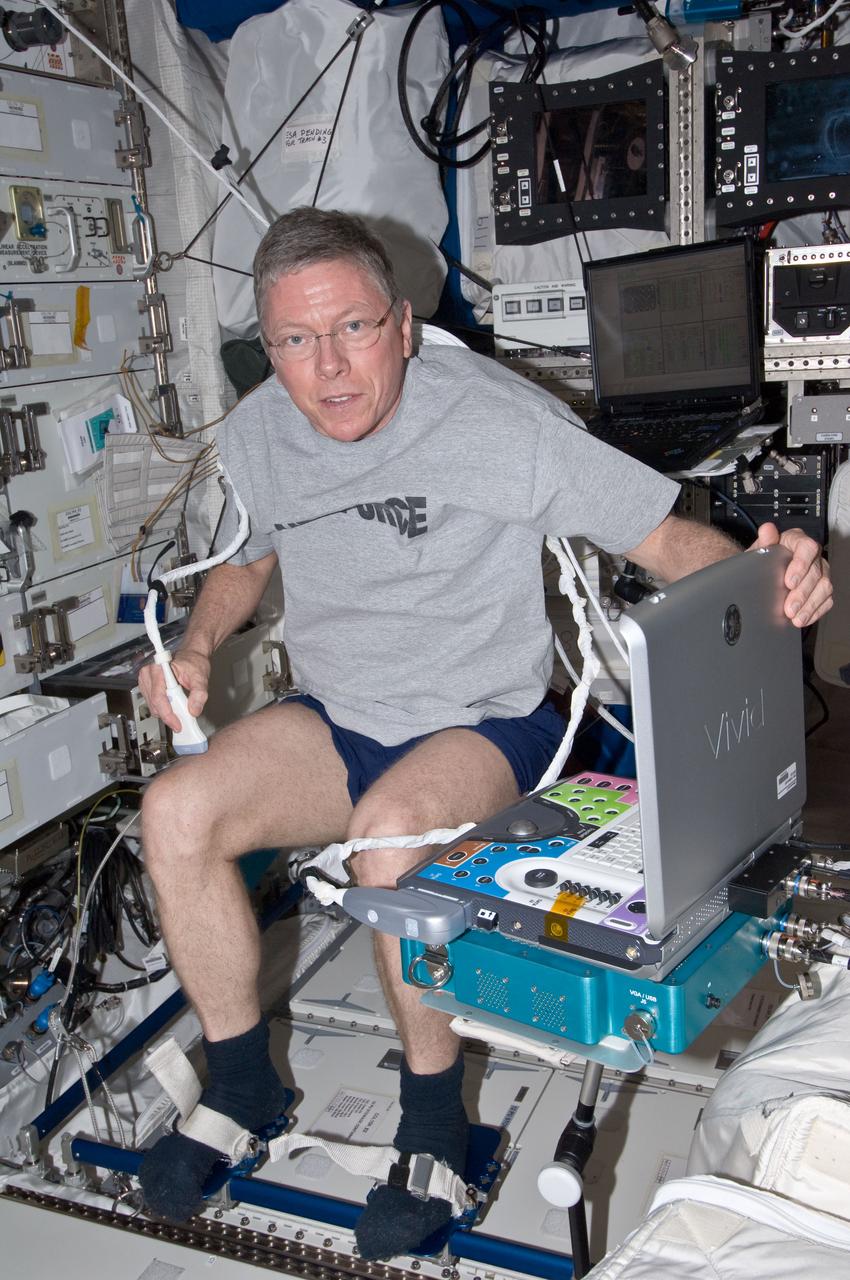
ISS029-E-025280 (3 Oct. 2011) --- NASA astronaut Mike Fossum, Expedition 29 commander, performs a SPRINT leg muscle self scan in the Columbus laboratory of the International Space Station. Fossum powered on the Ultrasound 2 (USND-2) unit and Video Power Converter (VPC) hardware, and connected the VPC to Human Research Facility 1 (HRF-1) in order to perform this activity.
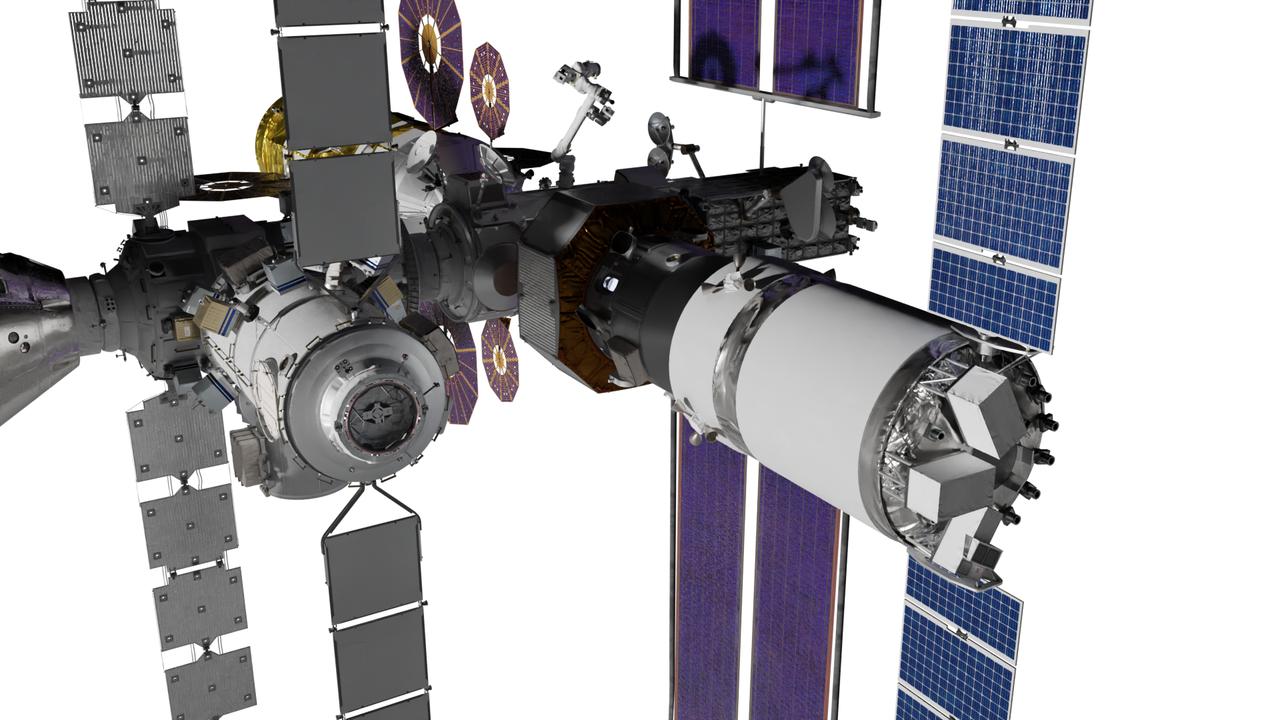
An artist’s rendering displays a configuration of the lunar-orbiting Gateway space station’s modules and visiting spacecraft. The core elements of Gateway consist of the Habitation and Logistics Outpost (HALO) element, the Power and Propulsion Element (PPE), and Lunar I-Hab. Visiting vehicles include the Orion spacecraft, the Logistics Module, and the Human Landing System. Gateway is built in collaboration with NASA’s commercial and international partners to serve as a multiuse space port for lunar science as humanity’s first place to live and work in lunar orbit.
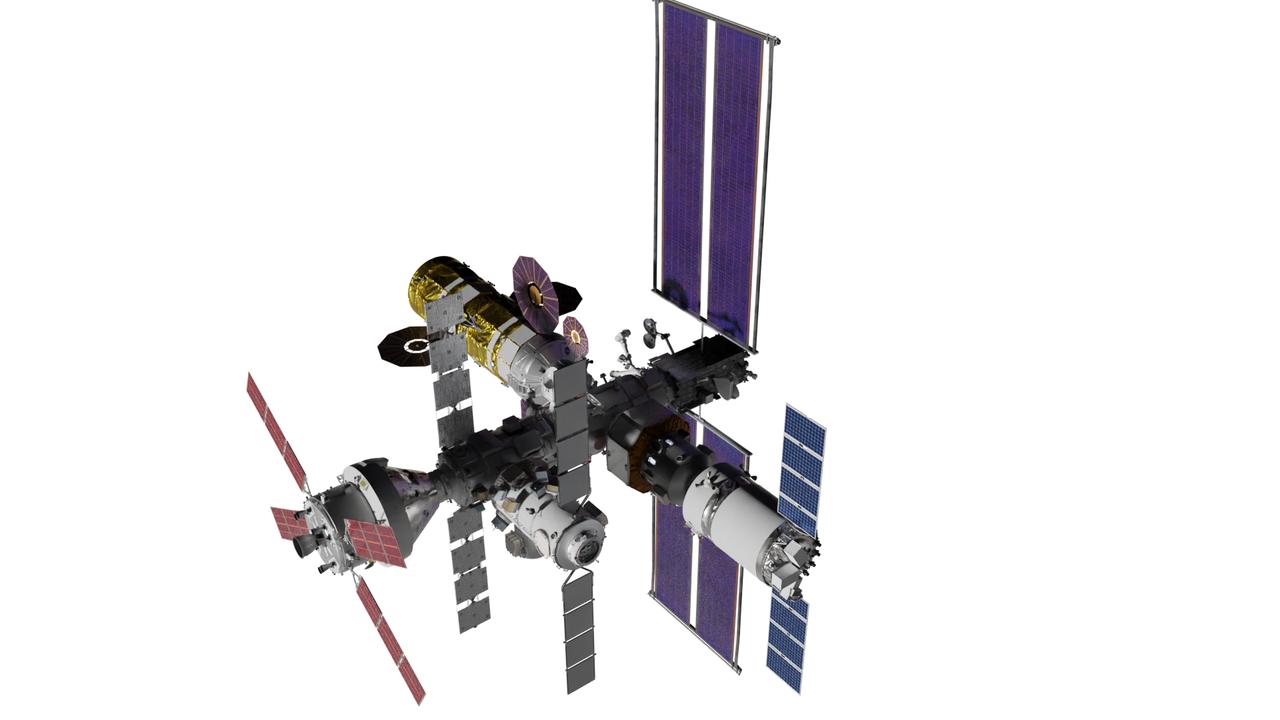
An artist’s rendering displays a configuration of the lunar-orbiting Gateway space station’s modules and visiting spacecraft. The core elements of Gateway consist of the Habitation and Logistics Outpost (HALO) element, the Power and Propulsion Element (PPE), and Lunar I-Hab. Visiting vehicles include the Orion spacecraft, the Logistics Module, and the Human Landing System. Gateway is built in collaboration with NASA’s commercial and international partners to serve as a multiuse space port for lunar science as humanity’s first place to live and work in lunar orbit.
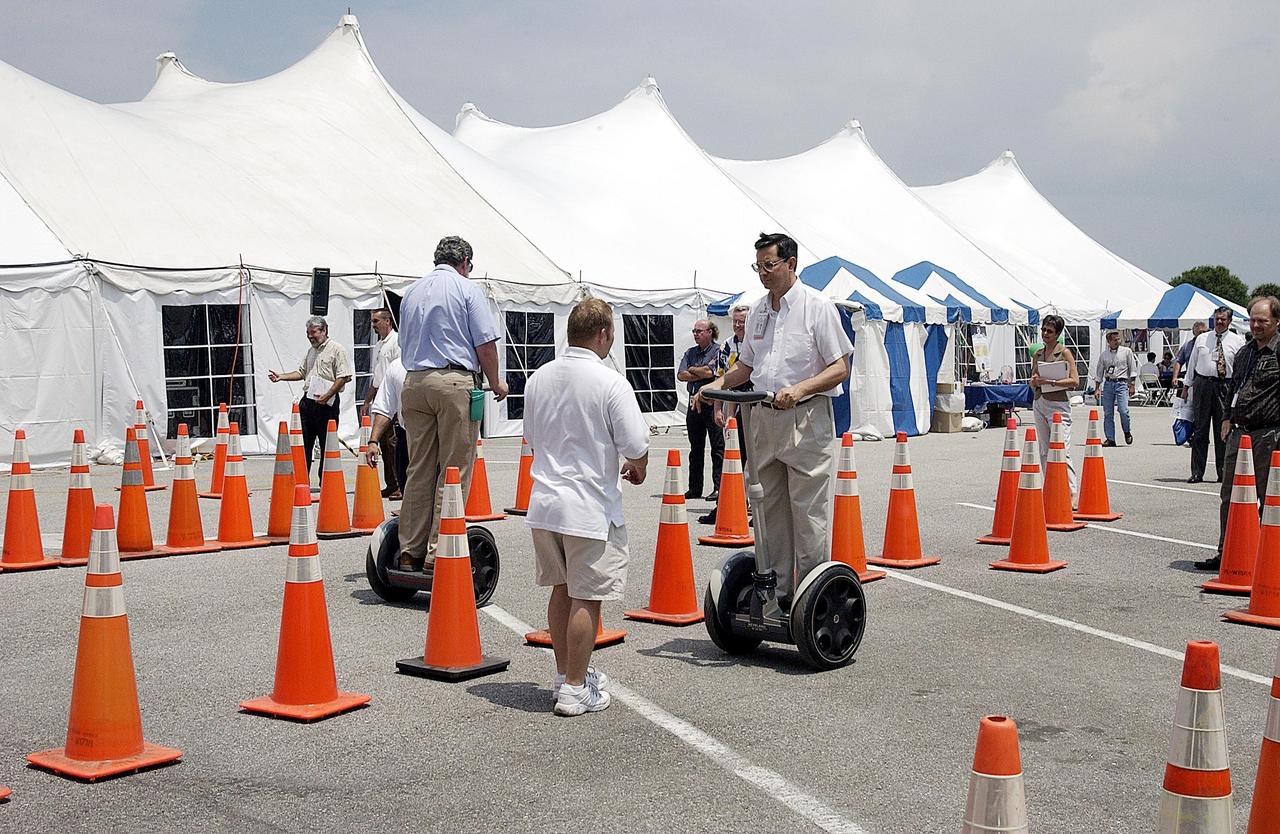
KENNEDY SPACE CENTER, FLA. - During Energy and Awareness Week, employees try out the Segway Human Transporter, a self-balancing, electric-powered transportation device. Narrower than a standard doorway, the Segway is clean and quiet, with zero emissions. The two-day event was held April 22-23 around the Center.
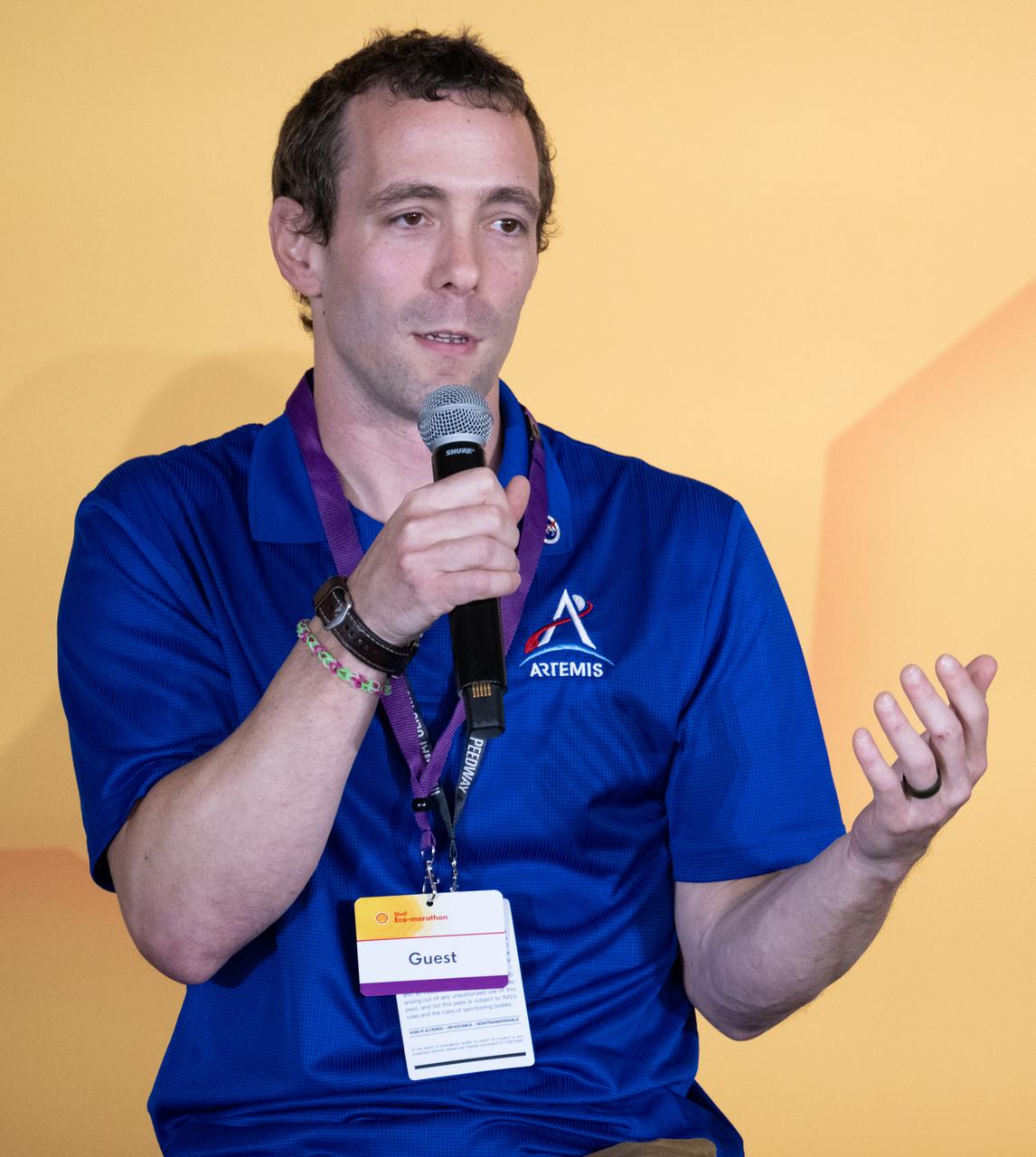
Logan Kennedy, surface lead for Human Landing System Programs in NASA's Exploration Systems Development Mission Directorate, speaks to students about power production and energy for the Artemis Program at the Shell Eco-marathon Americas, Saturday, April 6, 2024, at the Indianapolis Motor Speedway in Indianapolis, Ind. Photo Credit: (NASA/Joel Kowsky)
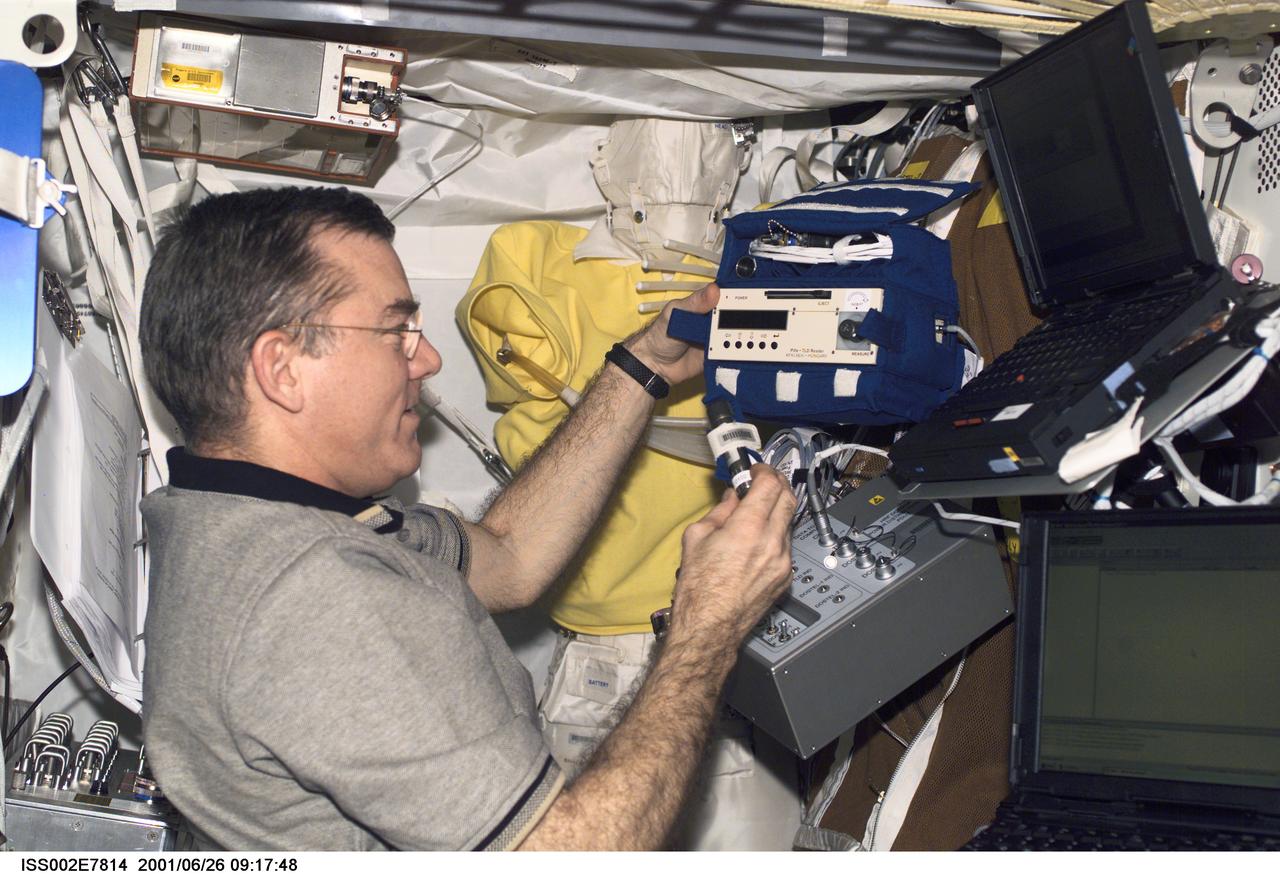
ISS002-E-7814 (26 June 2001) --- James S. Voss, Expedition Two flight engineer, sets up the Human Research Facility's (HRF) Dosimetric Mapping (DOSMAP) Power Distribution Unit (PDU) in Destiny. The image was taken with a digital still camera.
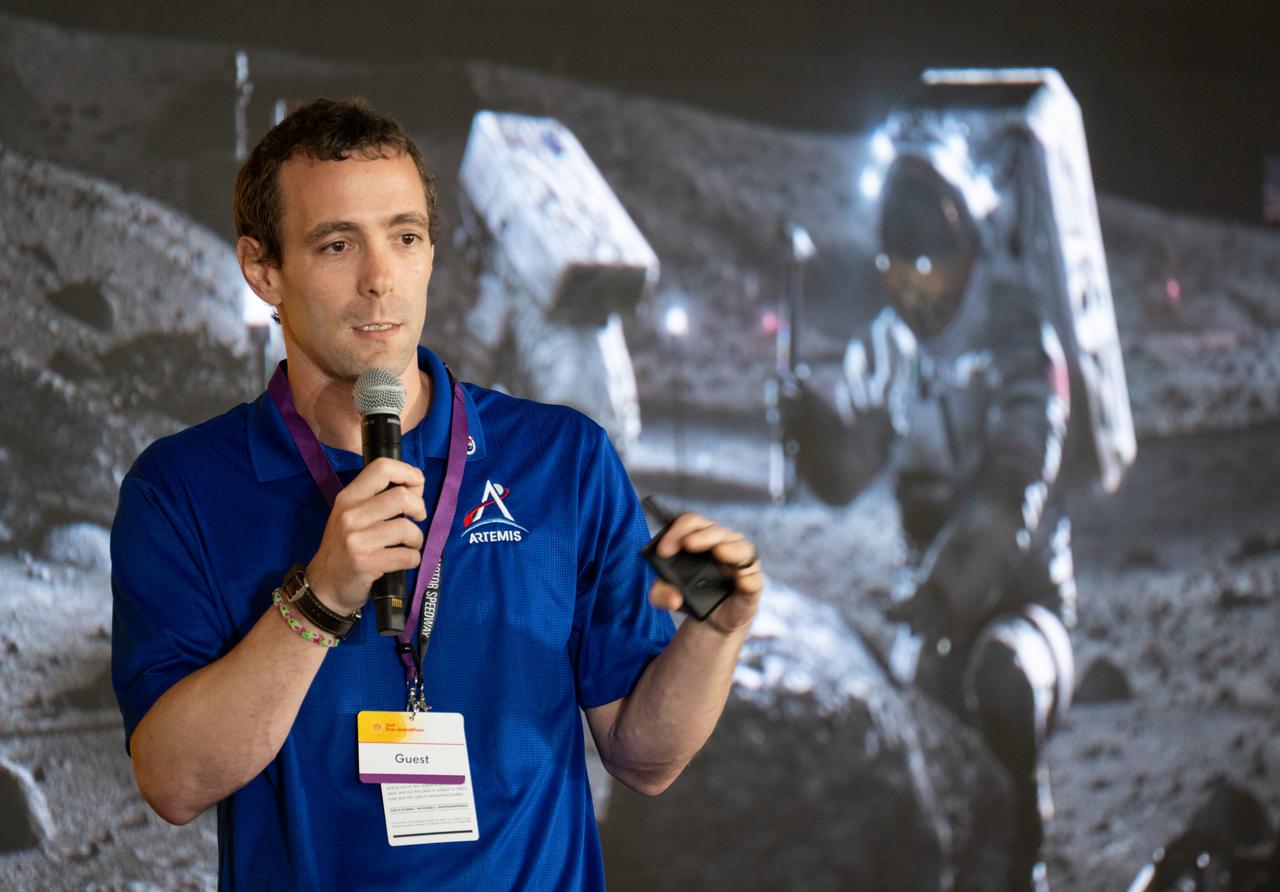
Logan Kennedy, surface lead for Human Landing System Programs in NASA's Exploration Systems Development Mission Directorate, speaks to students about power production and energy for the Artemis Program at the Shell Eco-marathon Americas, Saturday, April 6, 2024, at the Indianapolis Motor Speedway in Indianapolis, Ind. Photo Credit: (NASA/Joel Kowsky)
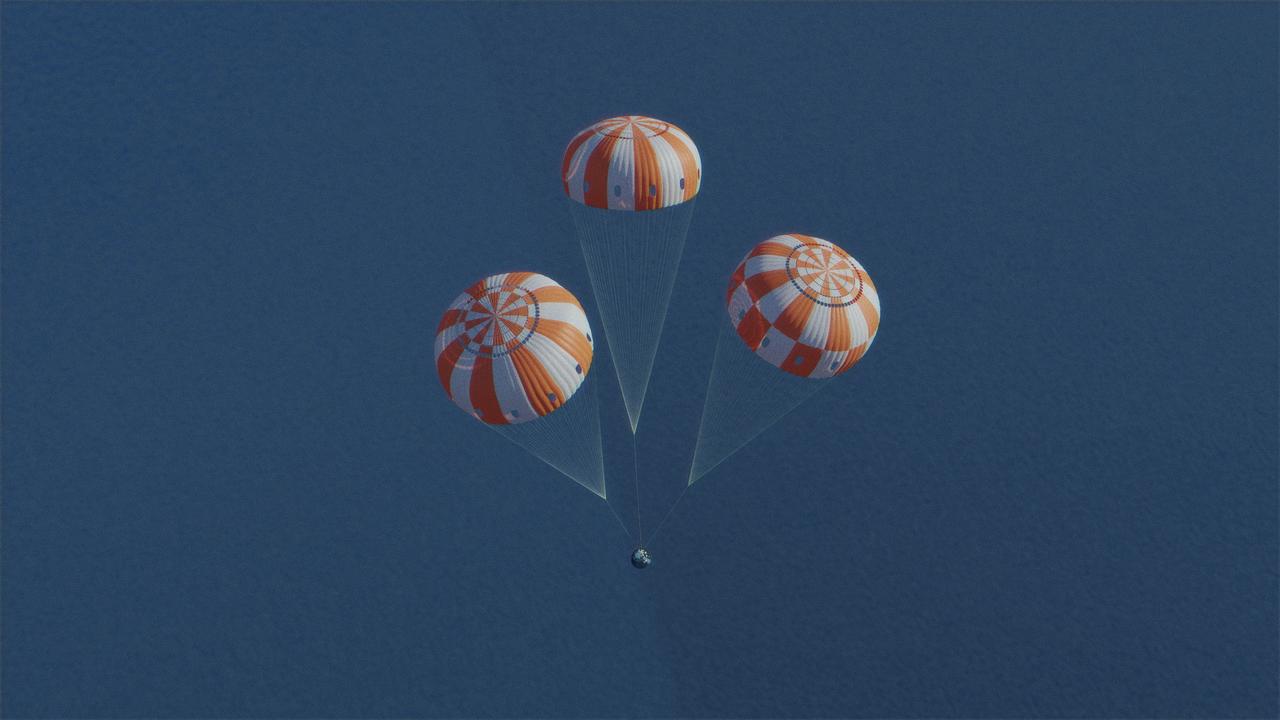
Artemis I will be the first integrated flight test of NASA’s deep space exploration system: the Orion spacecraft, Space Launch System (SLS) rocket and the ground systems at Kennedy Space Center in Cape Canaveral, Florida. The first in a series of increasingly complex missions, Artemis I will be an uncrewed flight that will provide a foundation for human deep space exploration, and demonstrate our commitment and capability to extend human existence to the Moon and beyond. During this flight, the uncrewed Orion spacecraft will launch on the most powerful rocket in the world and travel thousands of miles beyond the Moon, farther than any spacecraft built for humans has ever flown, over the course of about a three-week mission.