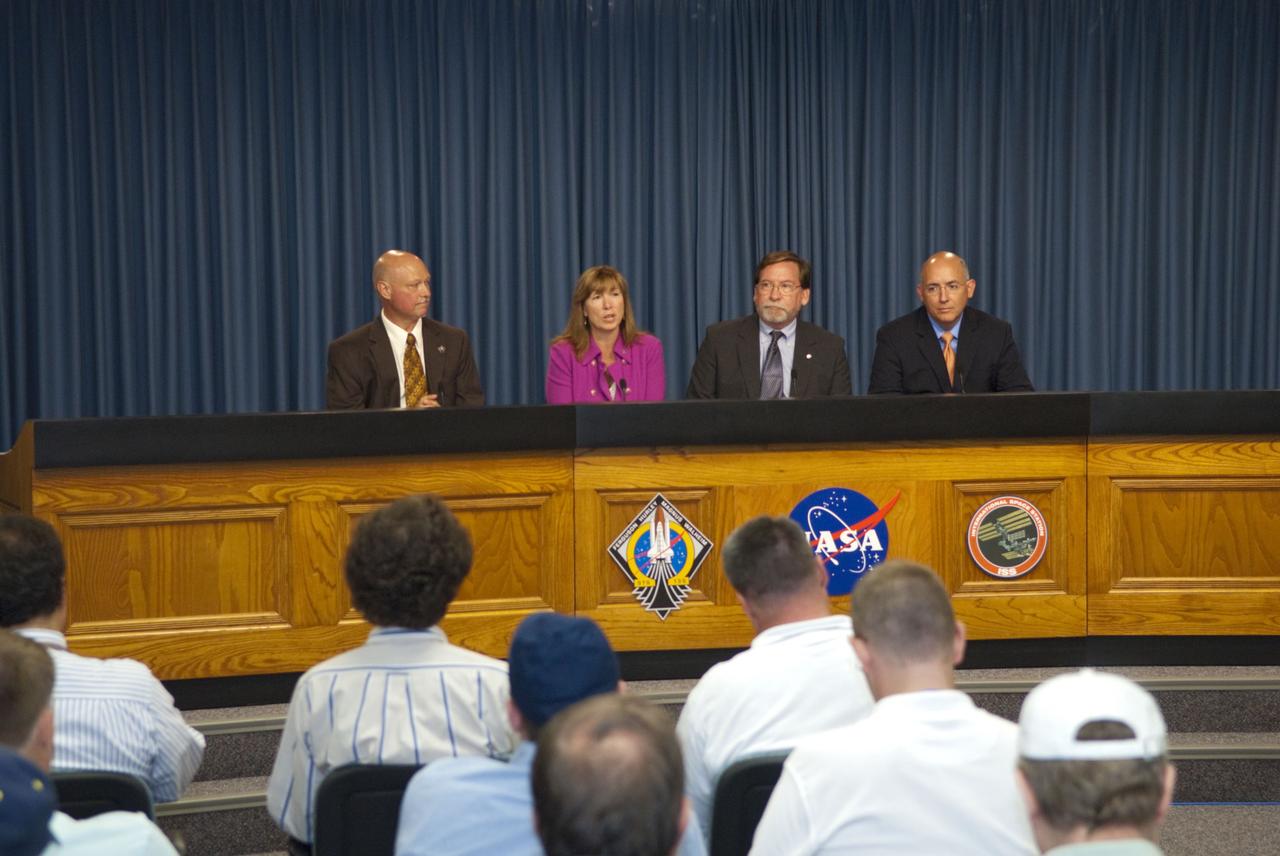
CAPE CANAVERAL, Fla. -- In the Press Site auditorium at NASA's Kennedy Space Center in Florida, media were briefed about the agency's next step for Human Space Flight. Seen here are NASA Public Affairs Officer Mike Curie (left); Lori Garver, NASA deputy administrator; Doug Cooke, Exploration Systems Mission Directorate associate administrator and Mike Suffredini, NASA International Space Station Program manager. Photo credit: NASA/Jim Grossmann
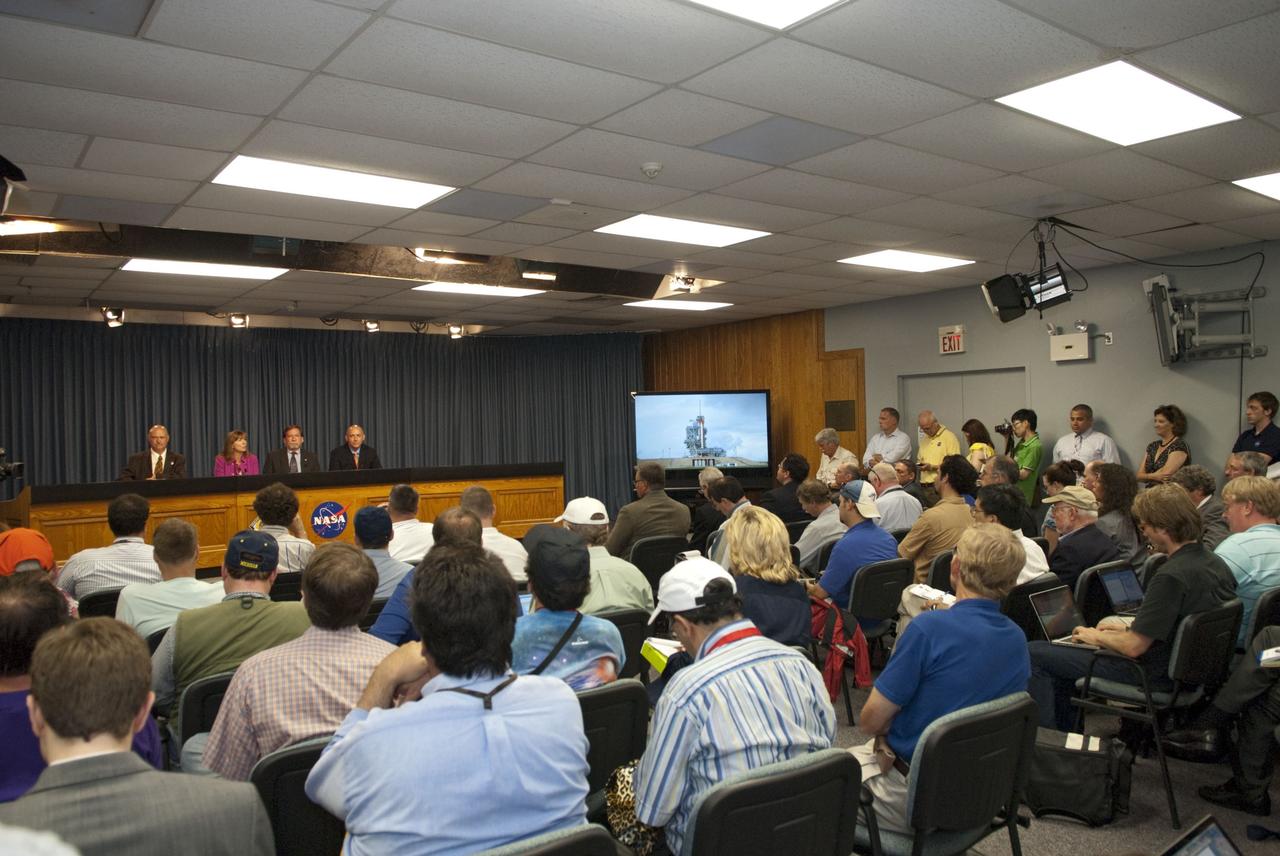
CAPE CANAVERAL, Fla. -- In the Press Site auditorium at NASA's Kennedy Space Center in Florida, media were briefed about the agency's next step for Human Space Flight. Seen here are NASA Public Affairs Officer Mike Curie (left); Lori Garver, NASA deputy administrator; Doug Cooke, Exploration Systems Mission Directorate associate administrator and Mike Suffredini, NASA International Space Station Program manager. Photo credit: NASA/Jim Grossmann

More than 600 students with 44 teams from around the world participated in the 32nd year of NASA’s Human Exploration Rover Challenge (HERC) on April 10 and April 11 near NASA’s Marshall Space Flight Center in Huntsville, Alabama. Participating teams represented 28 colleges and universities, 13 high schools, and one middle school from 18 states, Puerto Rico, and four Artemis Accord countries. Teams were awarded points based on navigating a half-mile obstacle course with either a human-powered or remote-controlled rover, conducting mission-specific task challenges, and completing multiple safety and design reviews with NASA engineers.
/USSRC_TravisHogan (195)~large.jpg)
More than 600 students with 44 teams from around the world participated in the 32nd year of NASA’s Human Exploration Rover Challenge (HERC) on April 10 and April 11 near NASA’s Marshall Space Flight Center in Huntsville, Alabama. Participating teams represented 28 colleges and universities, 13 high schools, and one middle school from 18 states, Puerto Rico, and four Artemis Accord countries. Teams were awarded points based on navigating a half-mile obstacle course with either a human-powered or remote-controlled rover, conducting mission-specific task challenges, and completing multiple safety and design reviews with NASA engineers.
/USSRC_MeganHolbrook (98)~large.jpg)
More than 600 students with 44 teams from around the world participated in the 32nd year of NASA’s Human Exploration Rover Challenge (HERC) on April 10 and April 11 near NASA’s Marshall Space Flight Center in Huntsville, Alabama. Participating teams represented 28 colleges and universities, 13 high schools, and one middle school from 18 states, Puerto Rico, and four Artemis Accord countries. Teams were awarded points based on navigating a half-mile obstacle course with either a human-powered or remote-controlled rover, conducting mission-specific task challenges, and completing multiple safety and design reviews with NASA engineers.
/USSRC_DavidSercel (616)~large.jpg)
More than 600 students with 44 teams from around the world participated in the 32nd year of NASA’s Human Exploration Rover Challenge (HERC) on April 10 and April 11 near NASA’s Marshall Space Flight Center in Huntsville, Alabama. Participating teams represented 28 colleges and universities, 13 high schools, and one middle school from 18 states, Puerto Rico, and four Artemis Accord countries. Teams were awarded points based on navigating a half-mile obstacle course with either a human-powered or remote-controlled rover, conducting mission-specific task challenges, and completing multiple safety and design reviews with NASA engineers.
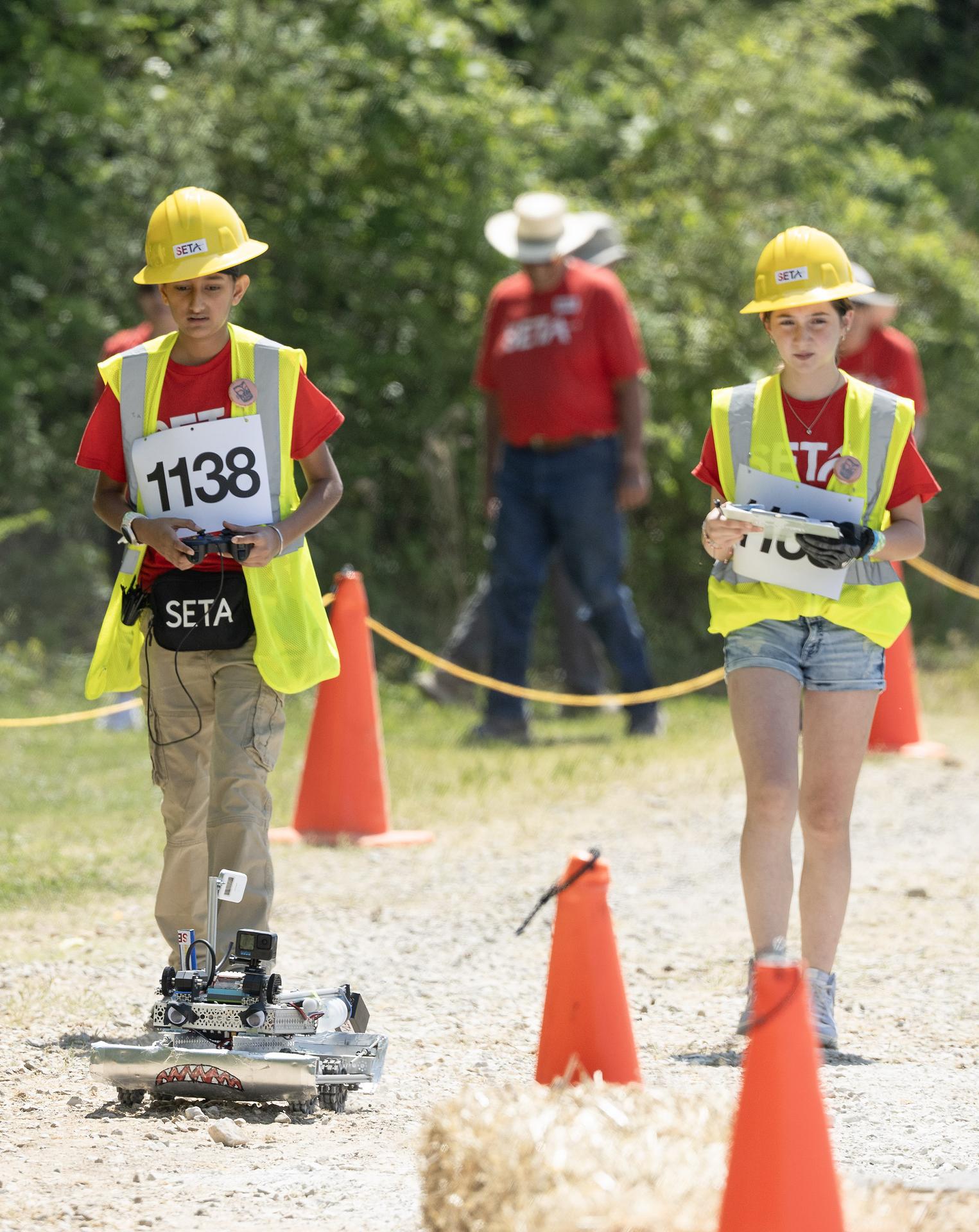
More than 600 students with 44 teams from around the world participated in the 32nd year of NASA’s Human Exploration Rover Challenge (HERC) on April 10 and April 11 near NASA’s Marshall Space Flight Center in Huntsville, Alabama. Participating teams represented 28 colleges and universities, 13 high schools, and one middle school from 18 states, Puerto Rico, and four Artemis Accord countries. Teams were awarded points based on navigating a half-mile obstacle course with either a human-powered or remote-controlled rover, conducting mission-specific task challenges, and completing multiple safety and design reviews with NASA engineers.
/USSRC_DavidSercel (195)~large.jpg)
More than 600 students with 44 teams from around the world participated in the 32nd year of NASA’s Human Exploration Rover Challenge (HERC) on April 10 and April 11 near NASA’s Marshall Space Flight Center in Huntsville, Alabama. Participating teams represented 28 colleges and universities, 13 high schools, and one middle school from 18 states, Puerto Rico, and four Artemis Accord countries. Teams were awarded points based on navigating a half-mile obstacle course with either a human-powered or remote-controlled rover, conducting mission-specific task challenges, and completing multiple safety and design reviews with NASA engineers.
/USSRC_MeganHolbrook (191)~large.jpg)
More than 600 students with 44 teams from around the world participated in the 32nd year of NASA’s Human Exploration Rover Challenge (HERC) on April 10 and April 11 near NASA’s Marshall Space Flight Center in Huntsville, Alabama. Participating teams represented 28 colleges and universities, 13 high schools, and one middle school from 18 states, Puerto Rico, and four Artemis Accord countries. Teams were awarded points based on navigating a half-mile obstacle course with either a human-powered or remote-controlled rover, conducting mission-specific task challenges, and completing multiple safety and design reviews with NASA engineers.
/USSRC_MeganHolbrook (344)~large.jpg)
More than 600 students with 44 teams from around the world participated in the 32nd year of NASA’s Human Exploration Rover Challenge (HERC) on April 10 and April 11 near NASA’s Marshall Space Flight Center in Huntsville, Alabama. Participating teams represented 28 colleges and universities, 13 high schools, and one middle school from 18 states, Puerto Rico, and four Artemis Accord countries. Teams were awarded points based on navigating a half-mile obstacle course with either a human-powered or remote-controlled rover, conducting mission-specific task challenges, and completing multiple safety and design reviews with NASA engineers.
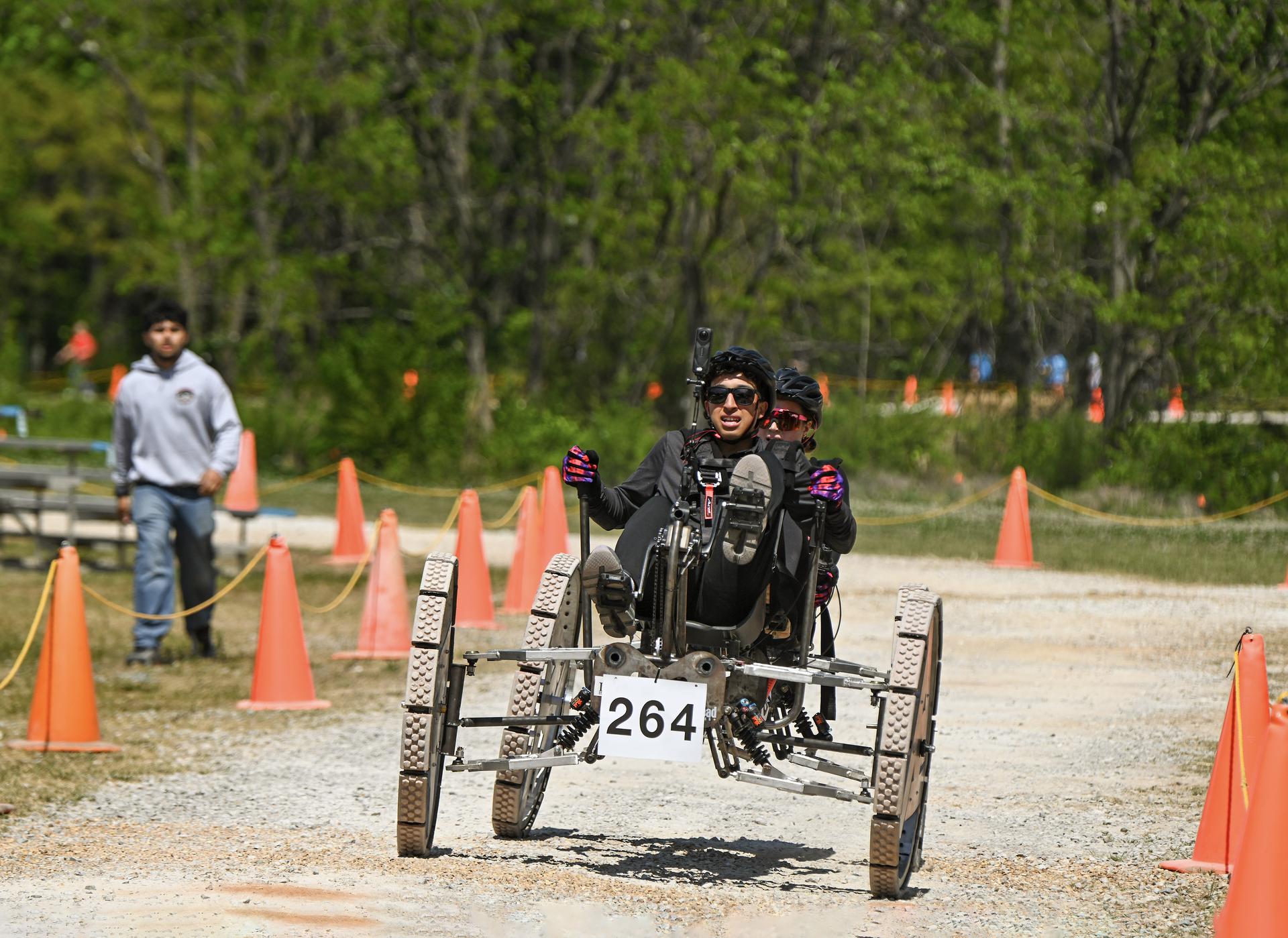
More than 600 students with 44 teams from around the world participated in the 32nd year of NASA’s Human Exploration Rover Challenge (HERC) on April 10 and April 11 near NASA’s Marshall Space Flight Center in Huntsville, Alabama. Participating teams represented 28 colleges and universities, 13 high schools, and one middle school from 18 states, Puerto Rico, and four Artemis Accord countries. Teams were awarded points based on navigating a half-mile obstacle course with either a human-powered or remote-controlled rover, conducting mission-specific task challenges, and completing multiple safety and design reviews with NASA engineers.
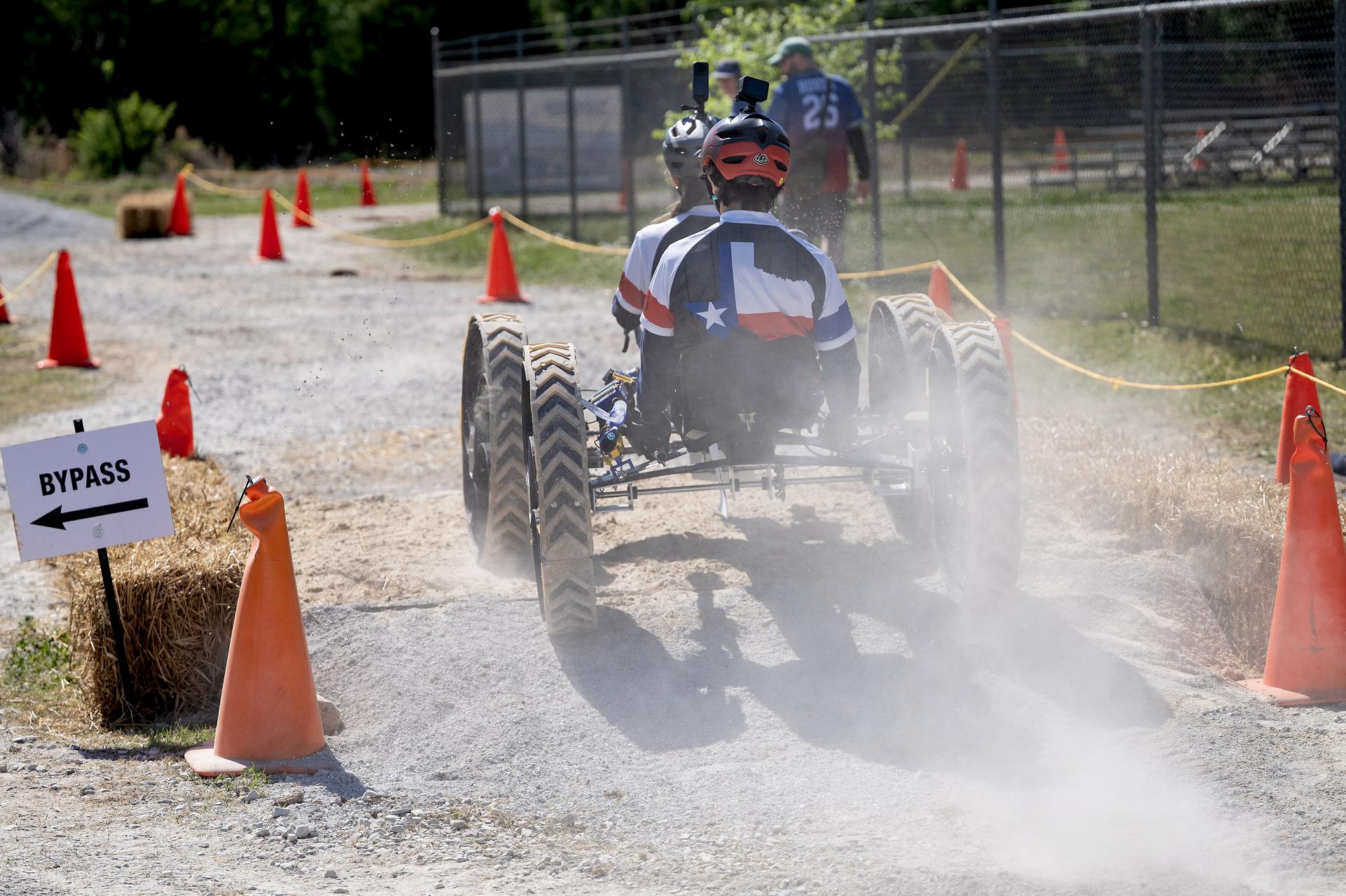
More than 600 students with 44 teams from around the world participated in the 32nd year of NASA’s Human Exploration Rover Challenge (HERC) on April 10 and April 11 near NASA’s Marshall Space Flight Center in Huntsville, Alabama. Participating teams represented 28 colleges and universities, 13 high schools, and one middle school from 18 states, Puerto Rico, and four Artemis Accord countries. Teams were awarded points based on navigating a half-mile obstacle course with either a human-powered or remote-controlled rover, conducting mission-specific task challenges, and completing multiple safety and design reviews with NASA engineers.
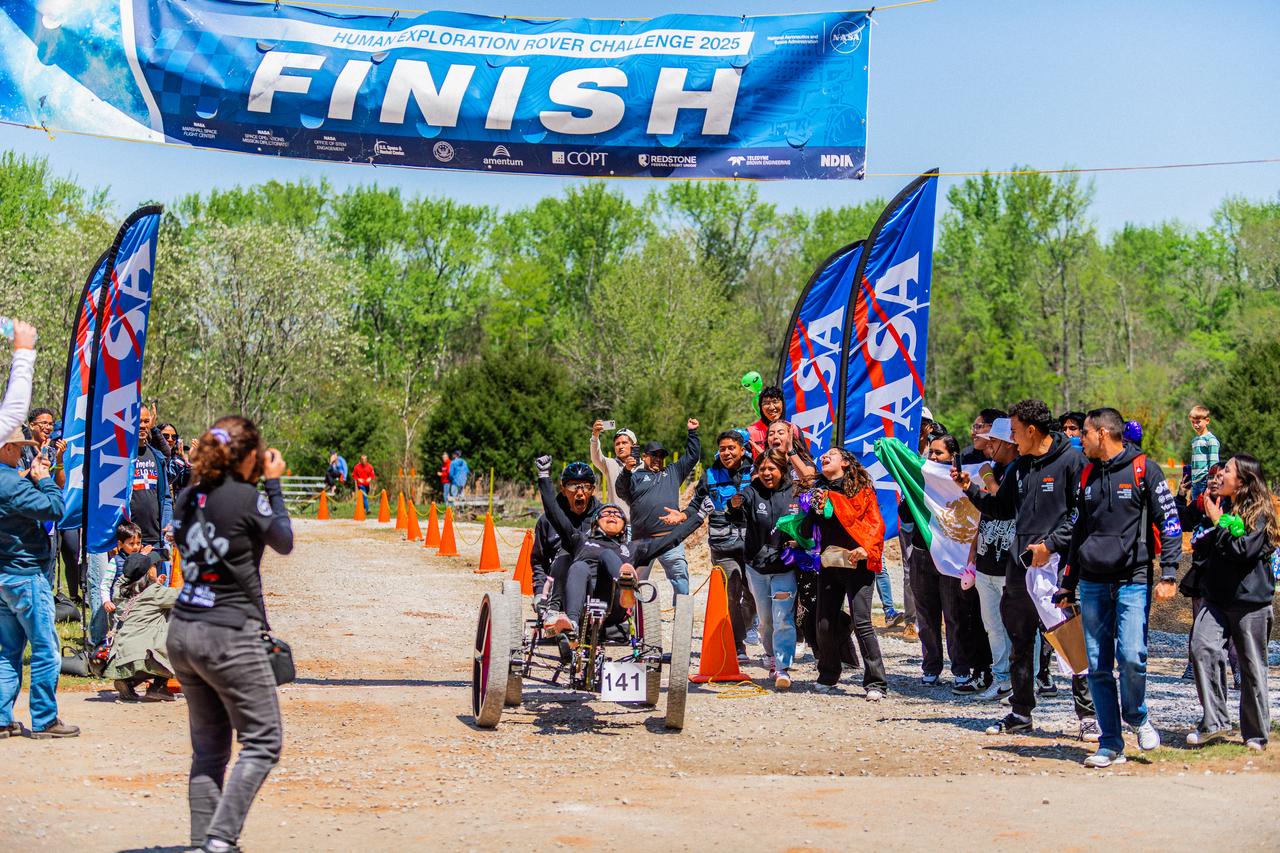
More than 500 students with 75 teams from around the world participated in the 31st year of NASA’s Human Exploration Rover Challenge (HERC) on April 11 and April 12, 2025, near NASA’s Marshall Space Flight Center in Huntsville, Alabama. Participating teams represented 35 colleges and universities, 38 high schools, and two middle schools from 20 states, Puerto Rico, and 16 other nations. NASA expanded the 2025 challenge to include a remote-control division - named Remote-Operated Vehicular Research - and invited middle school students to participate. Teams were awarded points based on navigating a half-mile obstacle course, conducting mission-specific task challenges, and completing multiple safety and design reviews with NASA engineers.

More than 500 students with 75 teams from around the world participated in the 31st year of NASA’s Human Exploration Rover Challenge (HERC) on April 11 and April 12, 2025, near NASA’s Marshall Space Flight Center in Huntsville, Alabama. Participating teams represented 35 colleges and universities, 38 high schools, and two middle schools from 20 states, Puerto Rico, and 16 other nations. NASA expanded the 2025 challenge to include a remote-control division - named Remote-Operated Vehicular Research - and invited middle school students to participate. Teams were awarded points based on navigating a half-mile obstacle course, conducting mission-specific task challenges, and completing multiple safety and design reviews with NASA engineers.
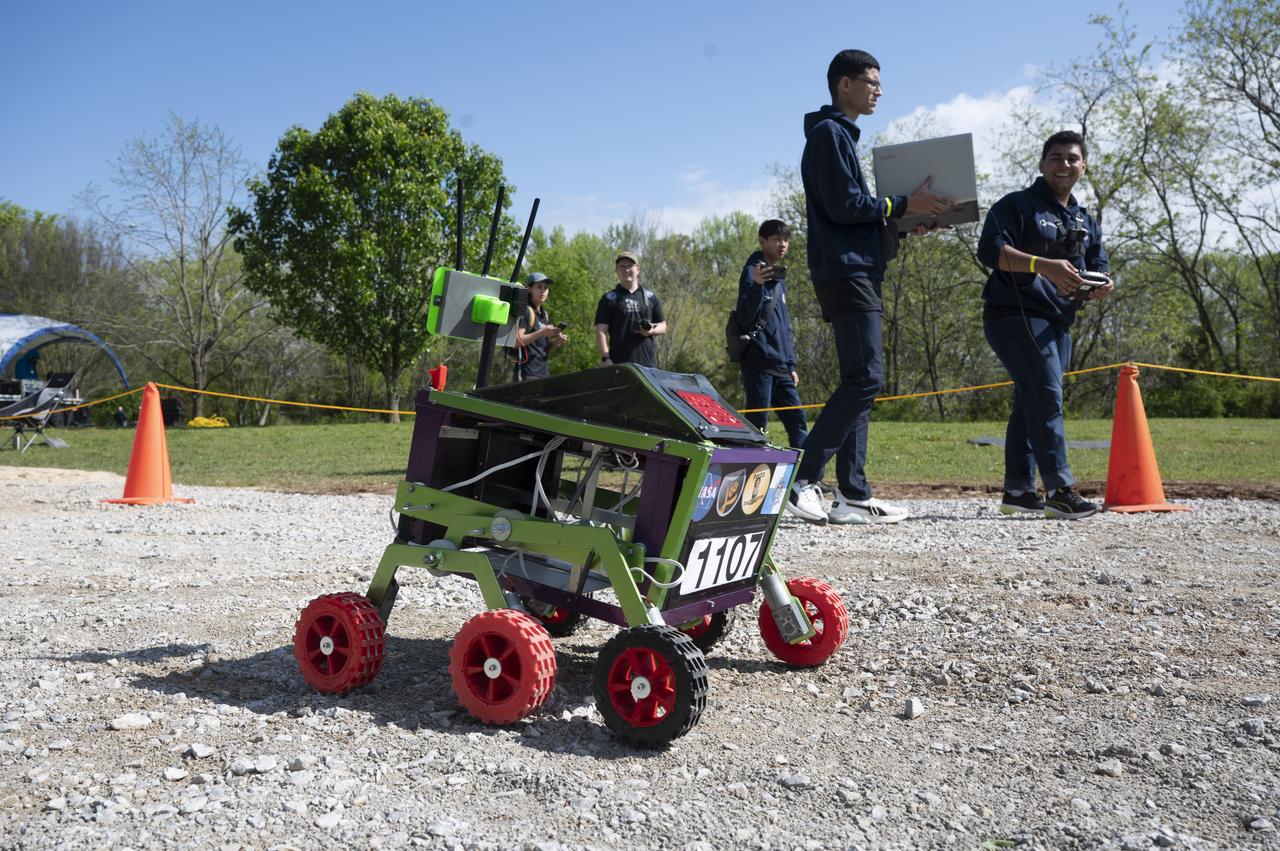
More than 500 students with 75 teams from around the world participated in the 31st year of NASA’s Human Exploration Rover Challenge (HERC) on April 11 and April 12, 2025, near NASA’s Marshall Space Flight Center in Huntsville, Alabama. Participating teams represented 35 colleges and universities, 38 high schools, and two middle schools from 20 states, Puerto Rico, and 16 other nations. NASA expanded the 2025 challenge to include a remote-control division - named Remote-Operated Vehicular Research - and invited middle school students to participate. Teams were awarded points based on navigating a half-mile obstacle course, conducting mission-specific task challenges, and completing multiple safety and design reviews with NASA engineers.

More than 500 students with 75 teams from around the world participated in the 31st year of NASA’s Human Exploration Rover Challenge (HERC) on April 11 and April 12, 2025, near NASA’s Marshall Space Flight Center in Huntsville, Alabama. Participating teams represented 35 colleges and universities, 38 high schools, and two middle schools from 20 states, Puerto Rico, and 16 other nations. NASA expanded the 2025 challenge to include a remote-control division - named Remote-Operated Vehicular Research - and invited middle school students to participate. Teams were awarded points based on navigating a half-mile obstacle course, conducting mission-specific task challenges, and completing multiple safety and design reviews with NASA engineers.
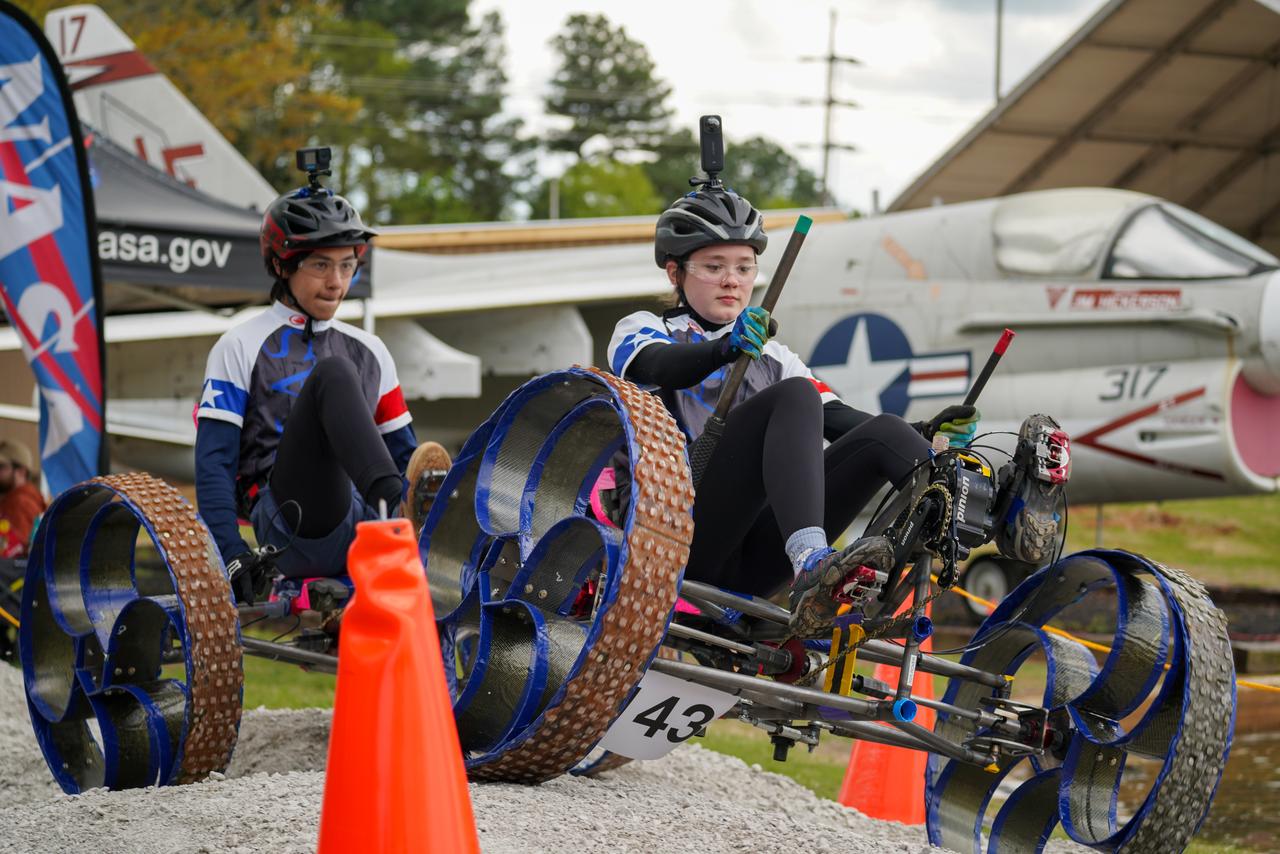
More than 500 students with 75 teams from around the world participated in the 31st year of NASA’s Human Exploration Rover Challenge (HERC) on April 11 and April 12, 2025, near NASA’s Marshall Space Flight Center in Huntsville, Alabama. Participating teams represented 35 colleges and universities, 38 high schools, and two middle schools from 20 states, Puerto Rico, and 16 other nations. NASA expanded the 2025 challenge to include a remote-control division - named Remote-Operated Vehicular Research - and invited middle school students to participate. Teams were awarded points based on navigating a half-mile obstacle course, conducting mission-specific task challenges, and completing multiple safety and design reviews with NASA engineers.
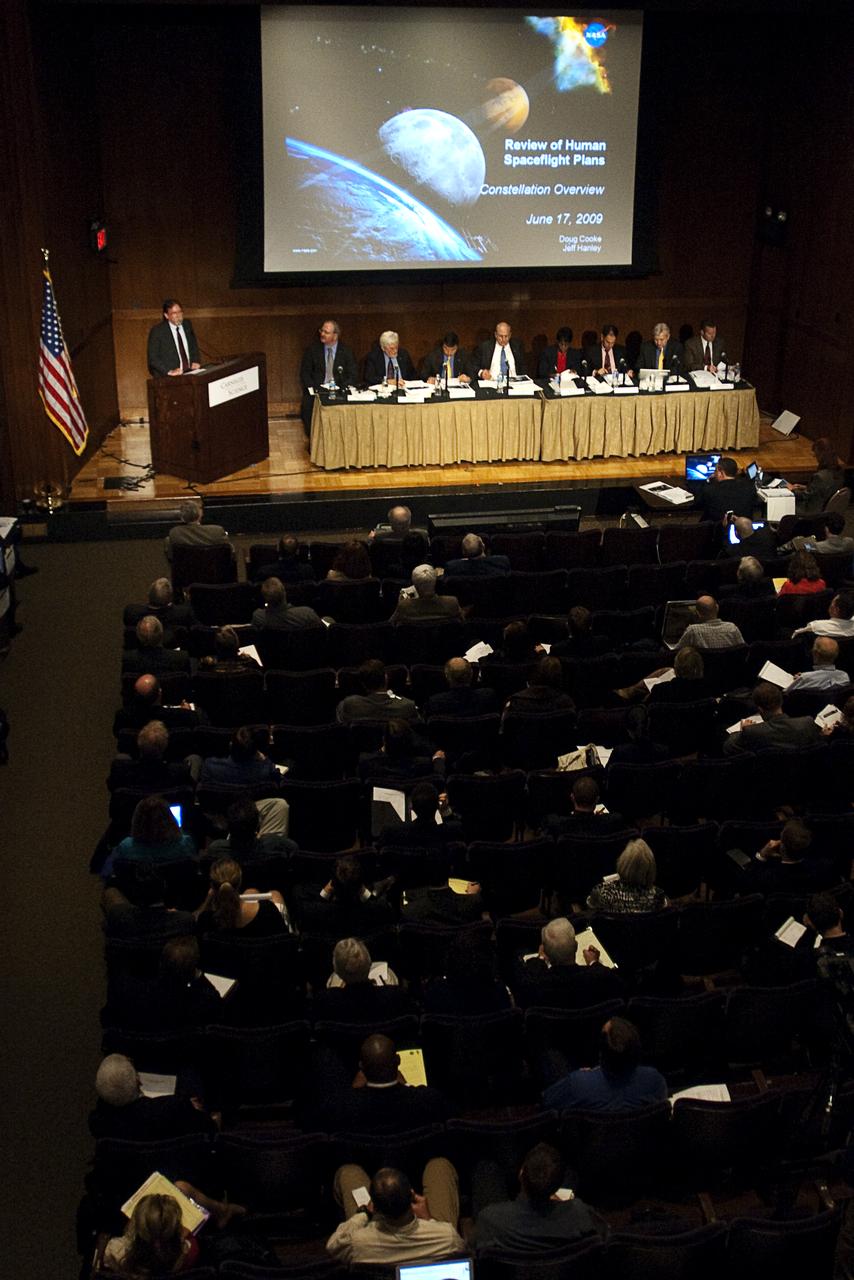
Douglas R. Cooke, Associate Administrator for Exploration Systems Mission Directorate, at podium, addresses the Human Space Flight Review Committee, Wednesday, June 17, 2009, at the Carnegie Institution in Washington. The panel will examine ongoing and planned NASA development activities and potential alternatives in order to present options for advancing a safe, innovative, affordable and sustainable human space flight program following the space shuttle's retirement. The committee wil present its results by August 2009. Seated from left on the panel is Jeffrey Greason, Bohdan Bejmuk, Dr. Leroy Chiao, Norman Augustine (chair), Dr. Wanda Austin, Dr. Edward Crawley, Dr. Christopher Chyba and Philip McAlister. Photo Credit: (NASA/Paul E. Alers)
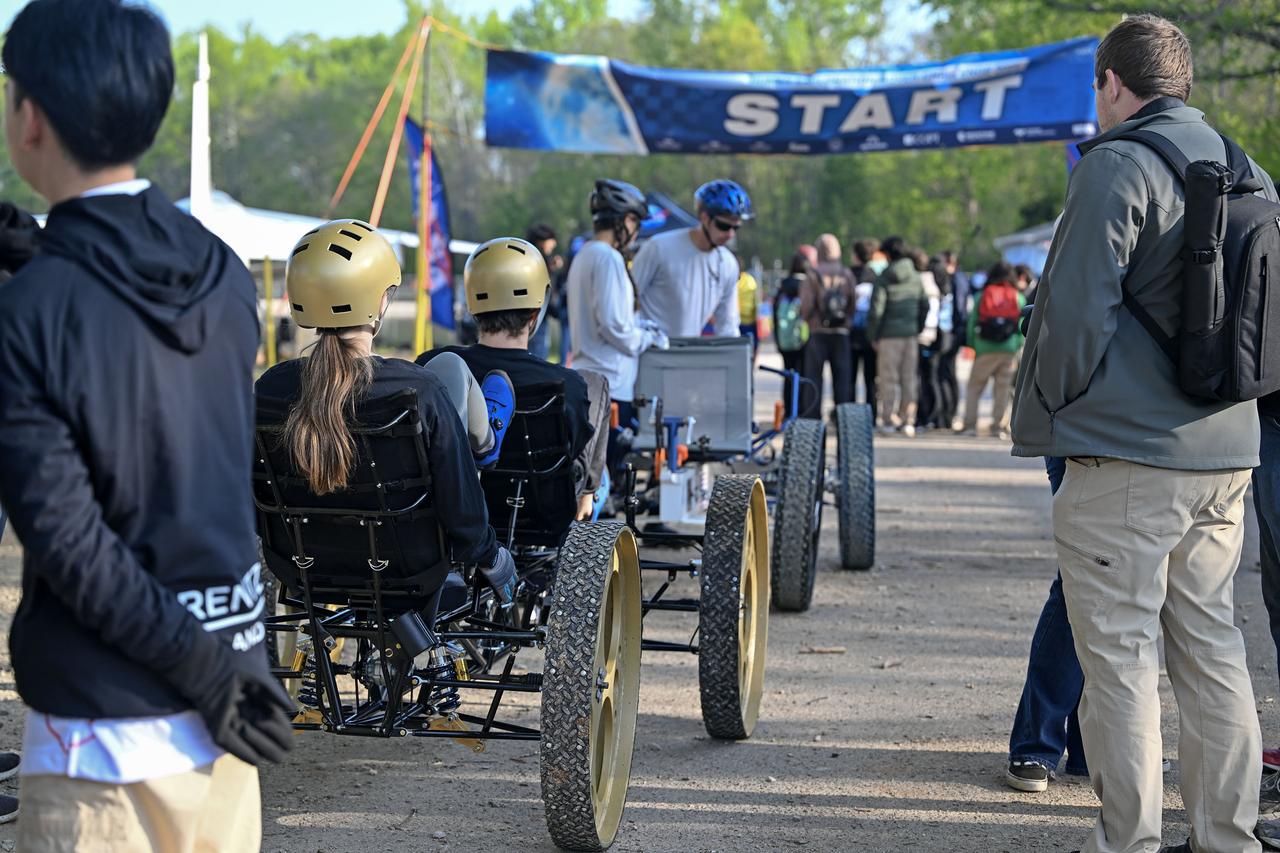
More than 500 students with 75 teams from around the world participated in the 31st year of NASA’s Human Exploration Rover Challenge (HERC) on April 11 and April 12, 2025, near NASA’s Marshall Space Flight Center in Huntsville, Alabama. Participating teams represented 35 colleges and universities, 38 high schools, and two middle schools from 20 states, Puerto Rico, and 16 other nations. NASA expanded the 2025 challenge to include a remote-control division - named Remote-Operated Vehicular Research - and invited middle school students to participate. Teams were awarded points based on navigating a half-mile obstacle course, conducting mission-specific task challenges, and completing multiple safety and design reviews with NASA engineers.
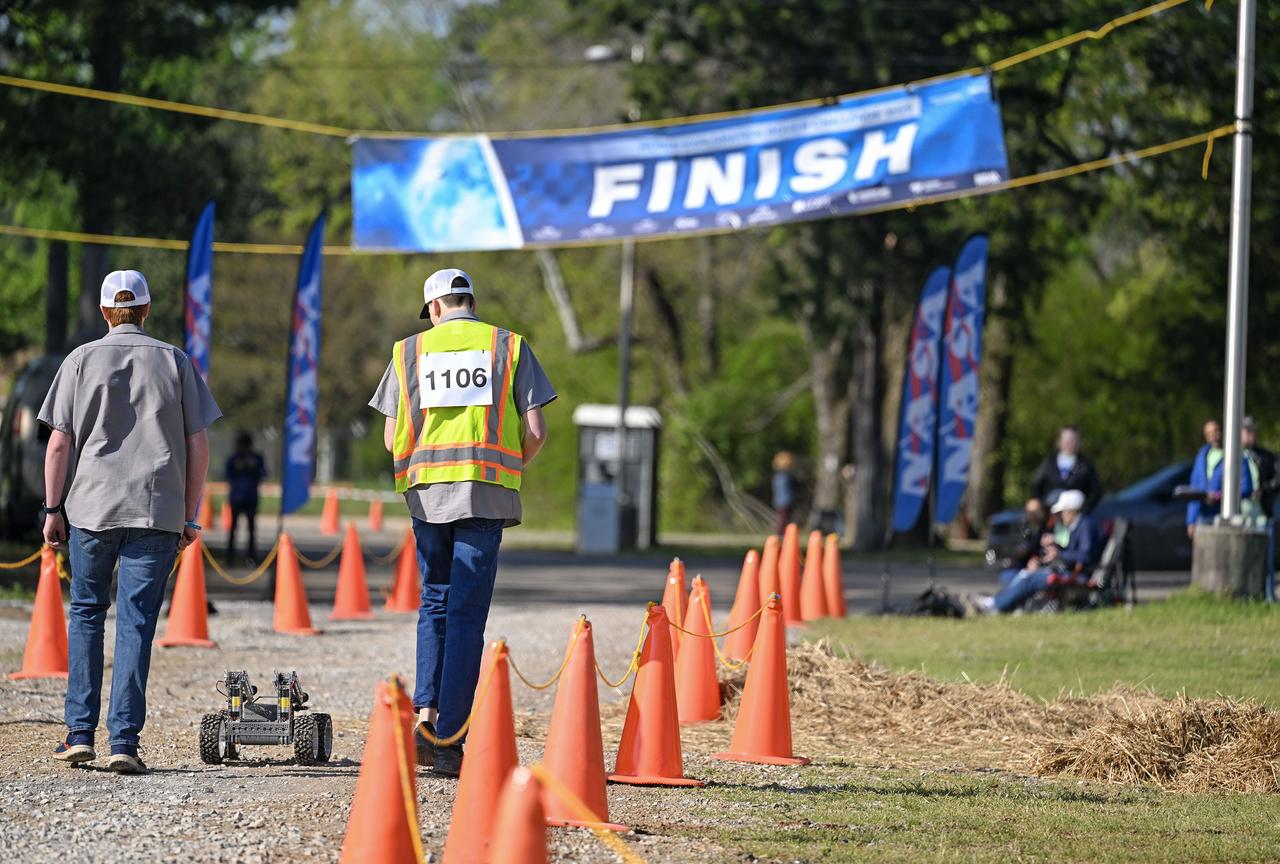
More than 500 students with 75 teams from around the world participated in the 31st year of NASA’s Human Exploration Rover Challenge (HERC) on April 11 and April 12, 2025, near NASA’s Marshall Space Flight Center in Huntsville, Alabama. Participating teams represented 35 colleges and universities, 38 high schools, and two middle schools from 20 states, Puerto Rico, and 16 other nations. NASA expanded the 2025 challenge to include a remote-control division - named Remote-Operated Vehicular Research - and invited middle school students to participate. Teams were awarded points based on navigating a half-mile obstacle course, conducting mission-specific task challenges, and completing multiple safety and design reviews with NASA engineers.
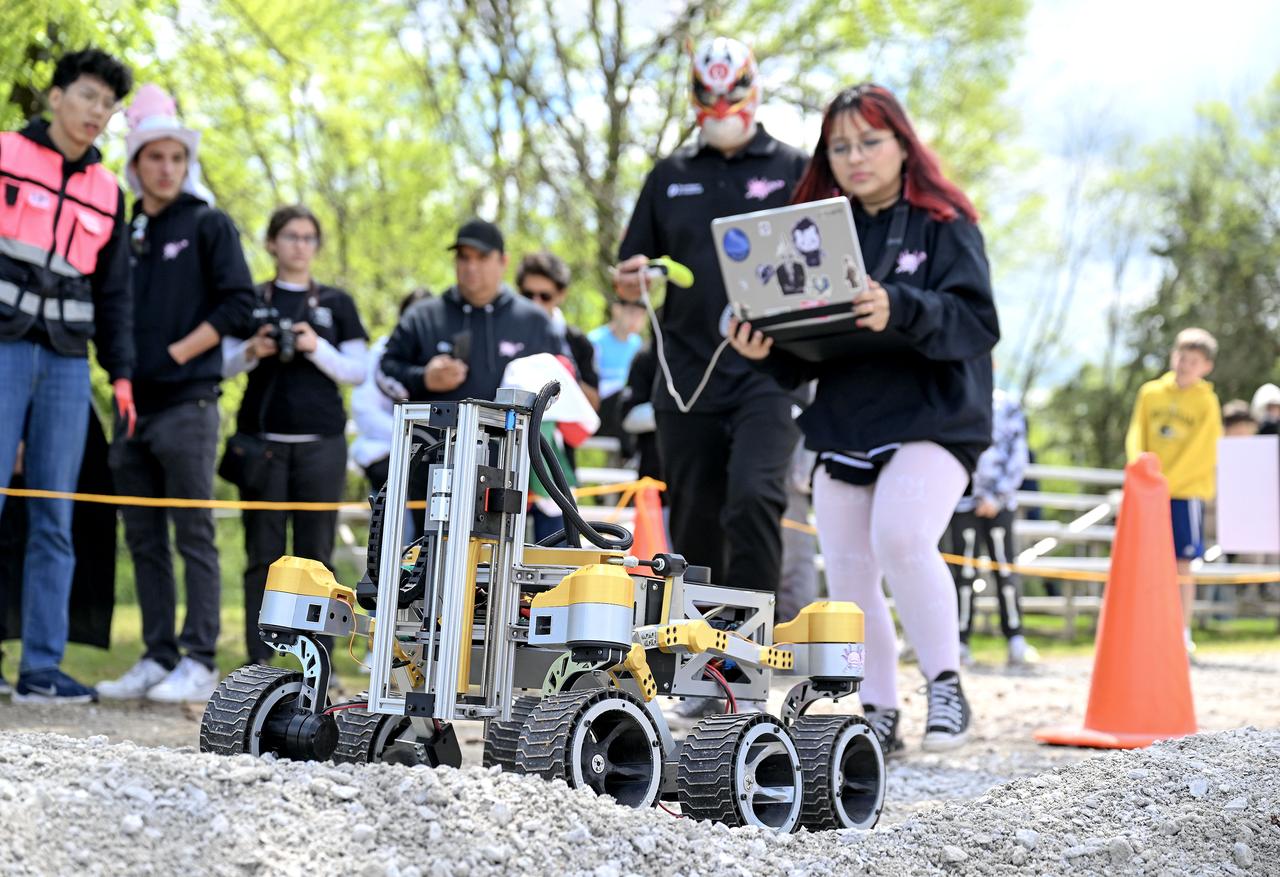
More than 500 students with 75 teams from around the world participated in the 31st year of NASA’s Human Exploration Rover Challenge (HERC) on April 11 and April 12, 2025, near NASA’s Marshall Space Flight Center in Huntsville, Alabama. Participating teams represented 35 colleges and universities, 38 high schools, and two middle schools from 20 states, Puerto Rico, and 16 other nations. NASA expanded the 2025 challenge to include a remote-control division - named Remote-Operated Vehicular Research - and invited middle school students to participate. Teams were awarded points based on navigating a half-mile obstacle course, conducting mission-specific task challenges, and completing multiple safety and design reviews with NASA engineers.
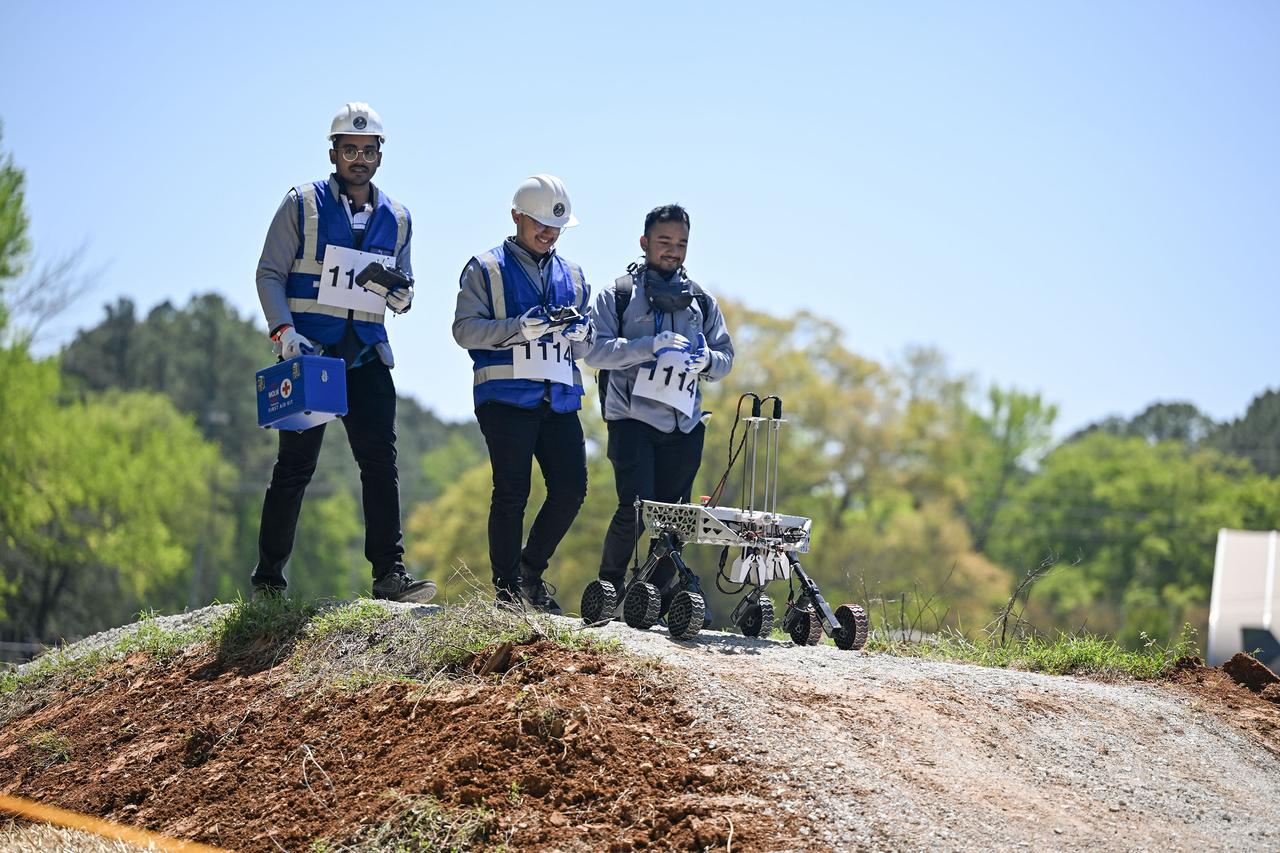
More than 500 students with 75 teams from around the world participated in the 31st year of NASA’s Human Exploration Rover Challenge (HERC) on April 11 and April 12, 2025, near NASA’s Marshall Space Flight Center in Huntsville, Alabama. Participating teams represented 35 colleges and universities, 38 high schools, and two middle schools from 20 states, Puerto Rico, and 16 other nations. NASA expanded the 2025 challenge to include a remote-control division - named Remote-Operated Vehicular Research - and invited middle school students to participate. Teams were awarded points based on navigating a half-mile obstacle course, conducting mission-specific task challenges, and completing multiple safety and design reviews with NASA engineers.
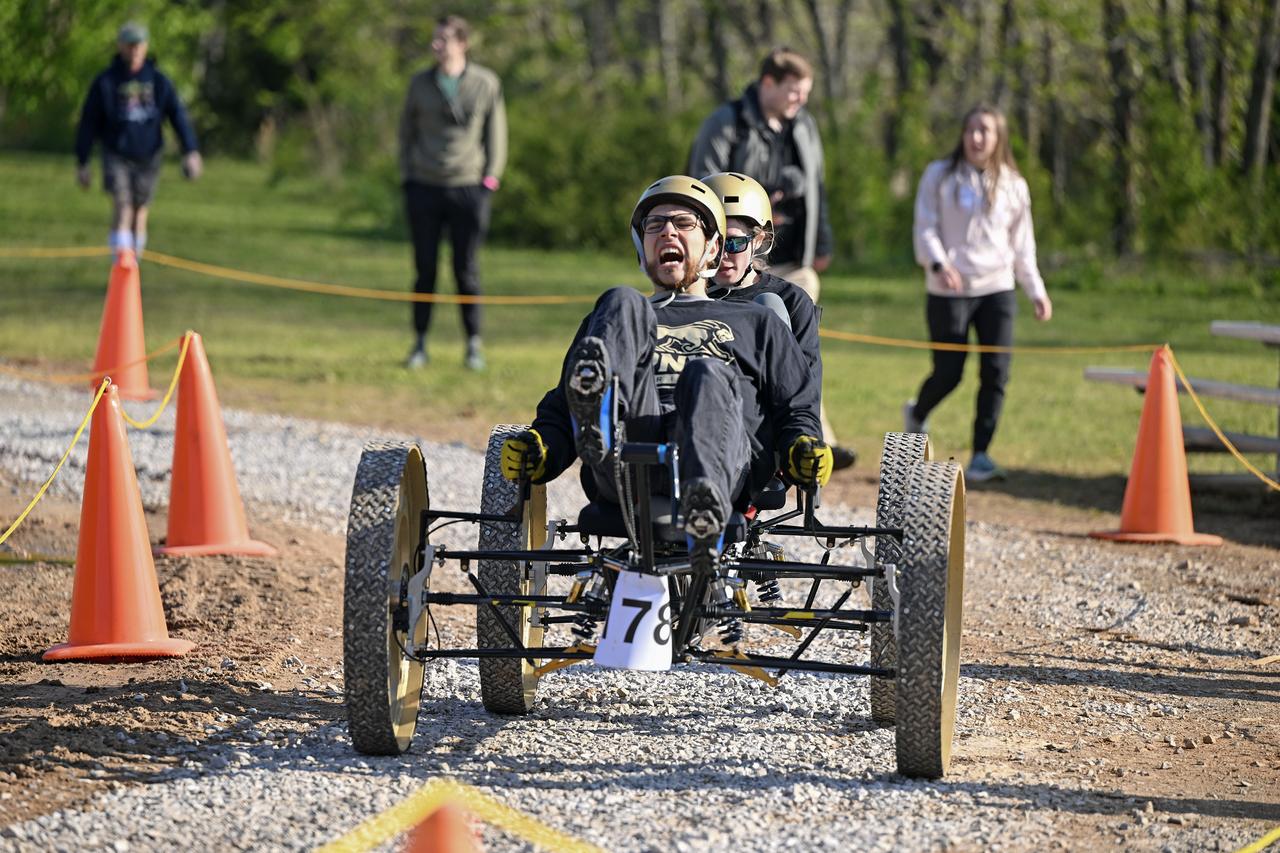
More than 500 students with 75 teams from around the world participated in the 31st year of NASA’s Human Exploration Rover Challenge (HERC) on April 11 and April 12, 2025, near NASA’s Marshall Space Flight Center in Huntsville, Alabama. Participating teams represented 35 colleges and universities, 38 high schools, and two middle schools from 20 states, Puerto Rico, and 16 other nations. NASA expanded the 2025 challenge to include a remote-control division - named Remote-Operated Vehicular Research - and invited middle school students to participate. Teams were awarded points based on navigating a half-mile obstacle course, conducting mission-specific task challenges, and completing multiple safety and design reviews with NASA engineers.
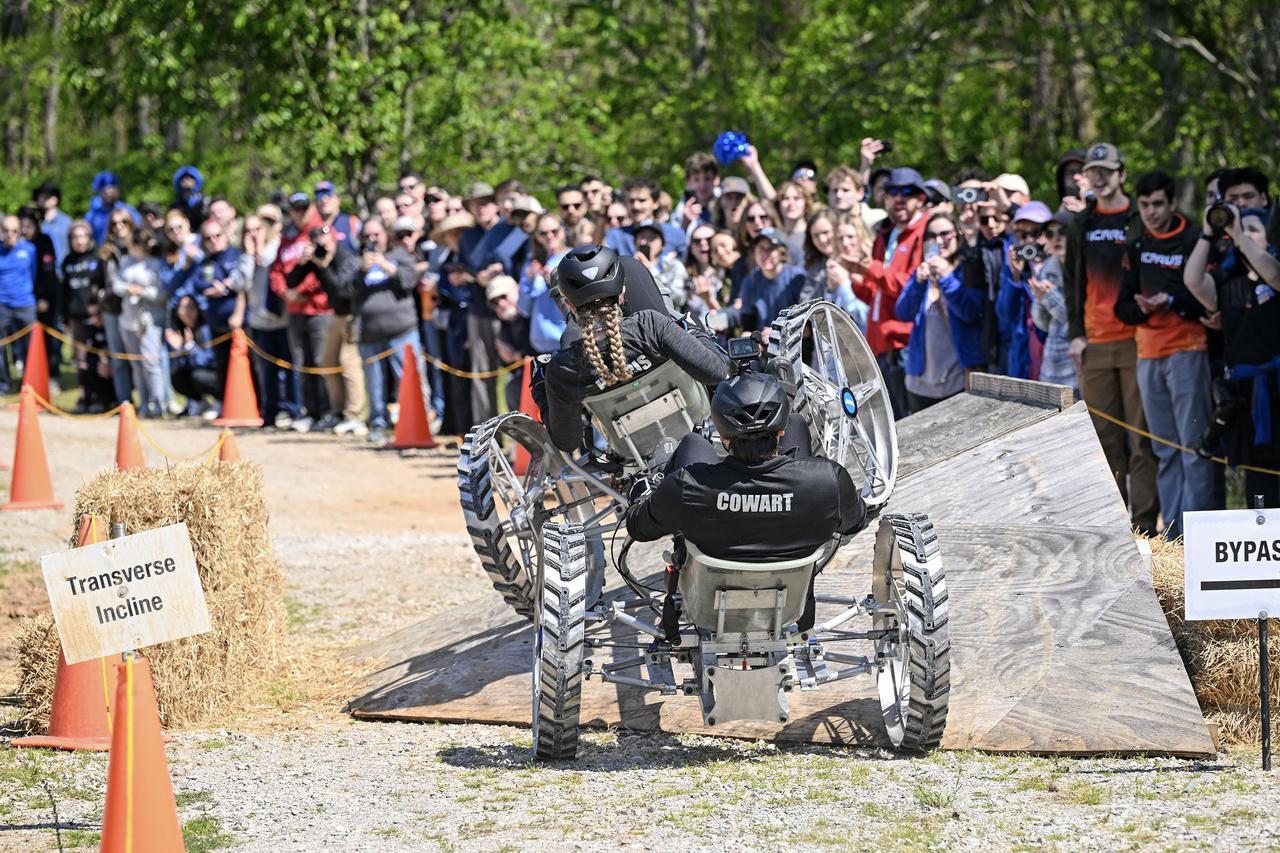
More than 500 students with 75 teams from around the world participated in the 31st year of NASA’s Human Exploration Rover Challenge (HERC) on April 11 and April 12, 2025, near NASA’s Marshall Space Flight Center in Huntsville, Alabama. Participating teams represented 35 colleges and universities, 38 high schools, and two middle schools from 20 states, Puerto Rico, and 16 other nations. NASA expanded the 2025 challenge to include a remote-control division - named Remote-Operated Vehicular Research - and invited middle school students to participate. Teams were awarded points based on navigating a half-mile obstacle course, conducting mission-specific task challenges, and completing multiple safety and design reviews with NASA engineers.
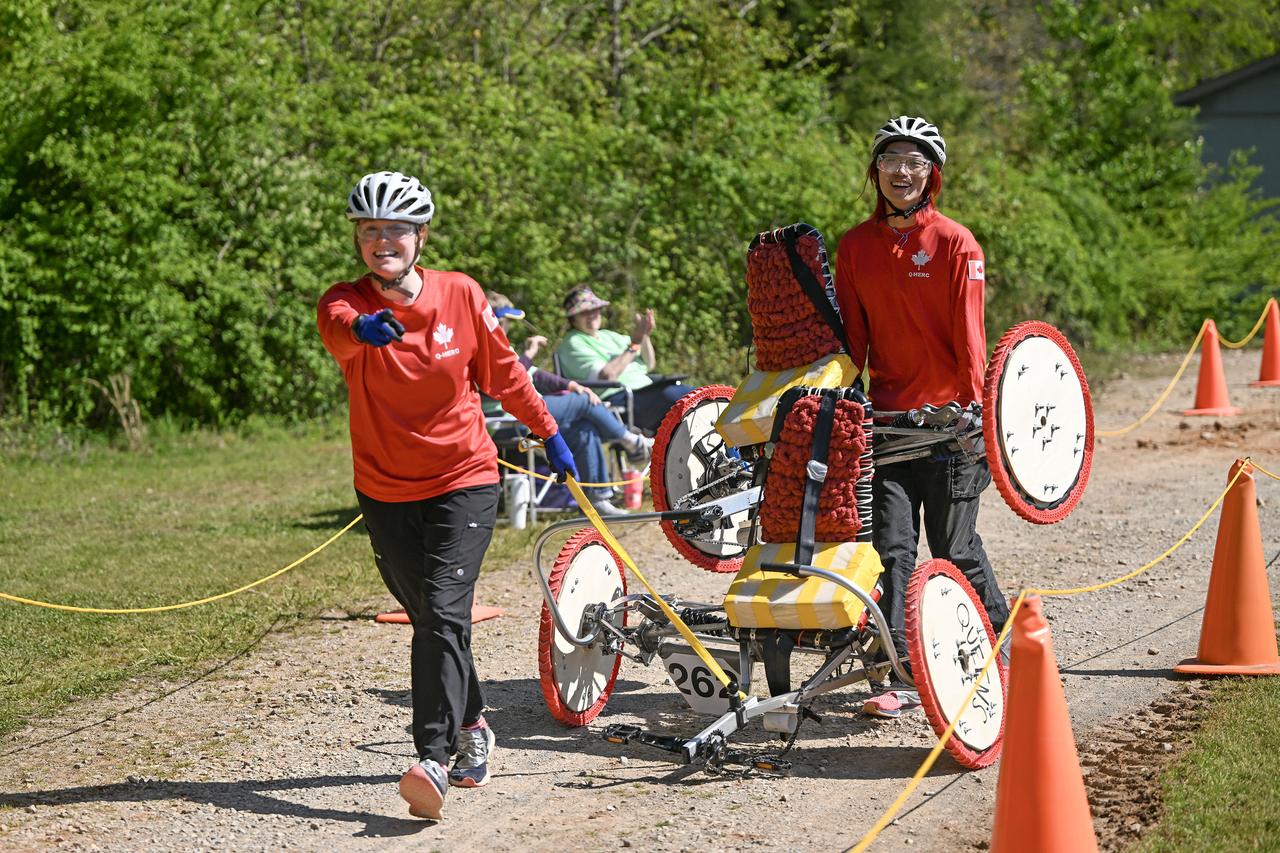
More than 500 students with 75 teams from around the world participated in the 31st year of NASA’s Human Exploration Rover Challenge (HERC) on April 11 and April 12, 2025, near NASA’s Marshall Space Flight Center in Huntsville, Alabama. Participating teams represented 35 colleges and universities, 38 high schools, and two middle schools from 20 states, Puerto Rico, and 16 other nations. NASA expanded the 2025 challenge to include a remote-control division - named Remote-Operated Vehicular Research - and invited middle school students to participate. Teams were awarded points based on navigating a half-mile obstacle course, conducting mission-specific task challenges, and completing multiple safety and design reviews with NASA engineers.
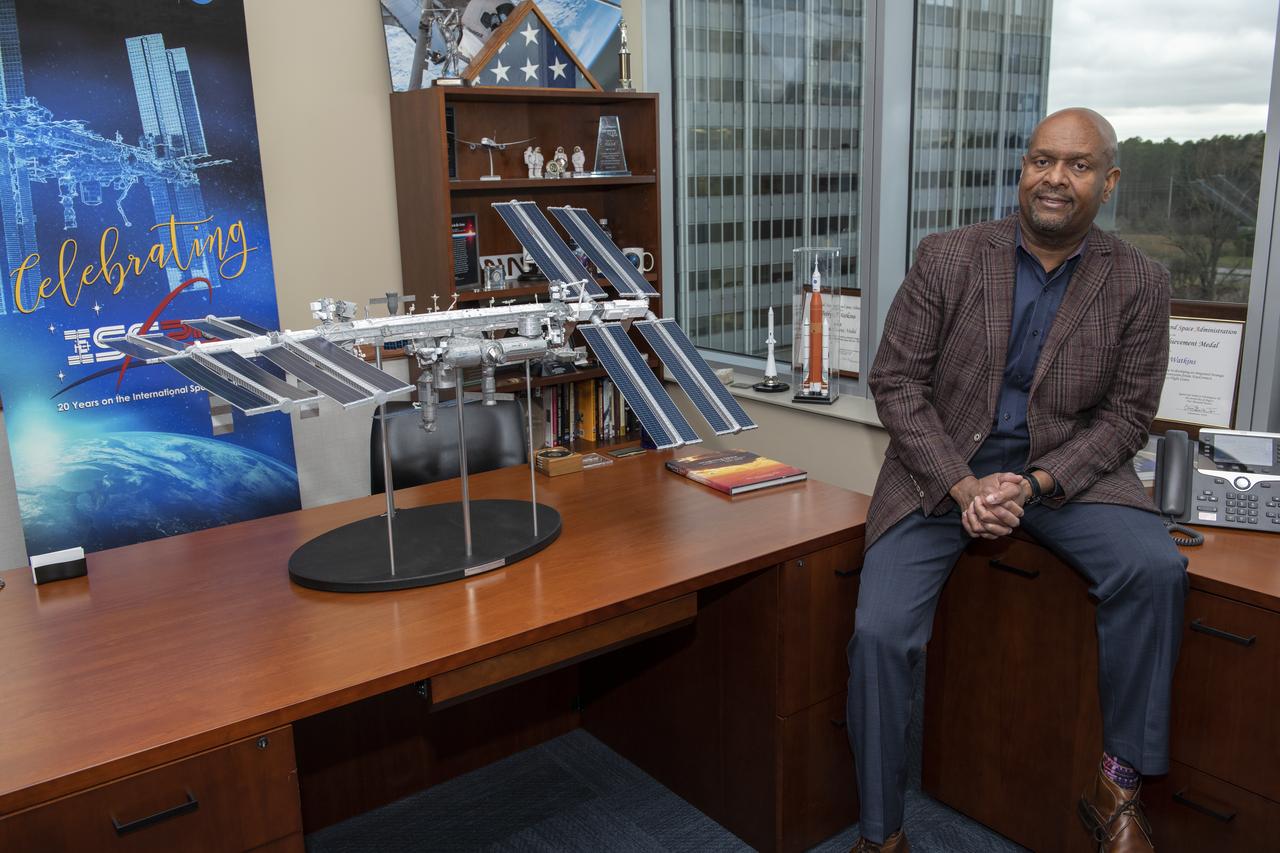
Bobby Watkins, manager of the Human Exploration Development & Operations Office at Marshall Space Flight Center.
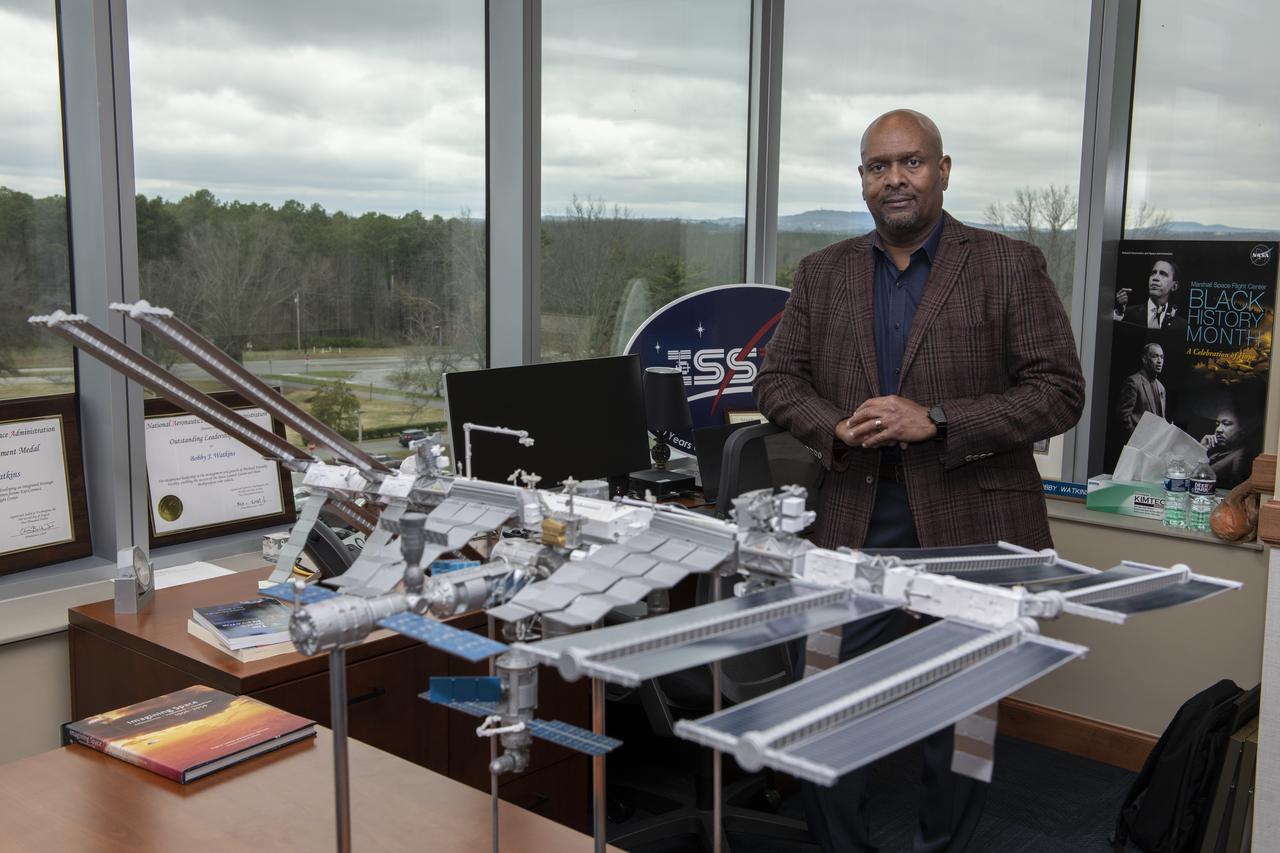
Bobby Watkins, manager of the Human Exploration Development & Operations Office at Marshall Space Flight Center.
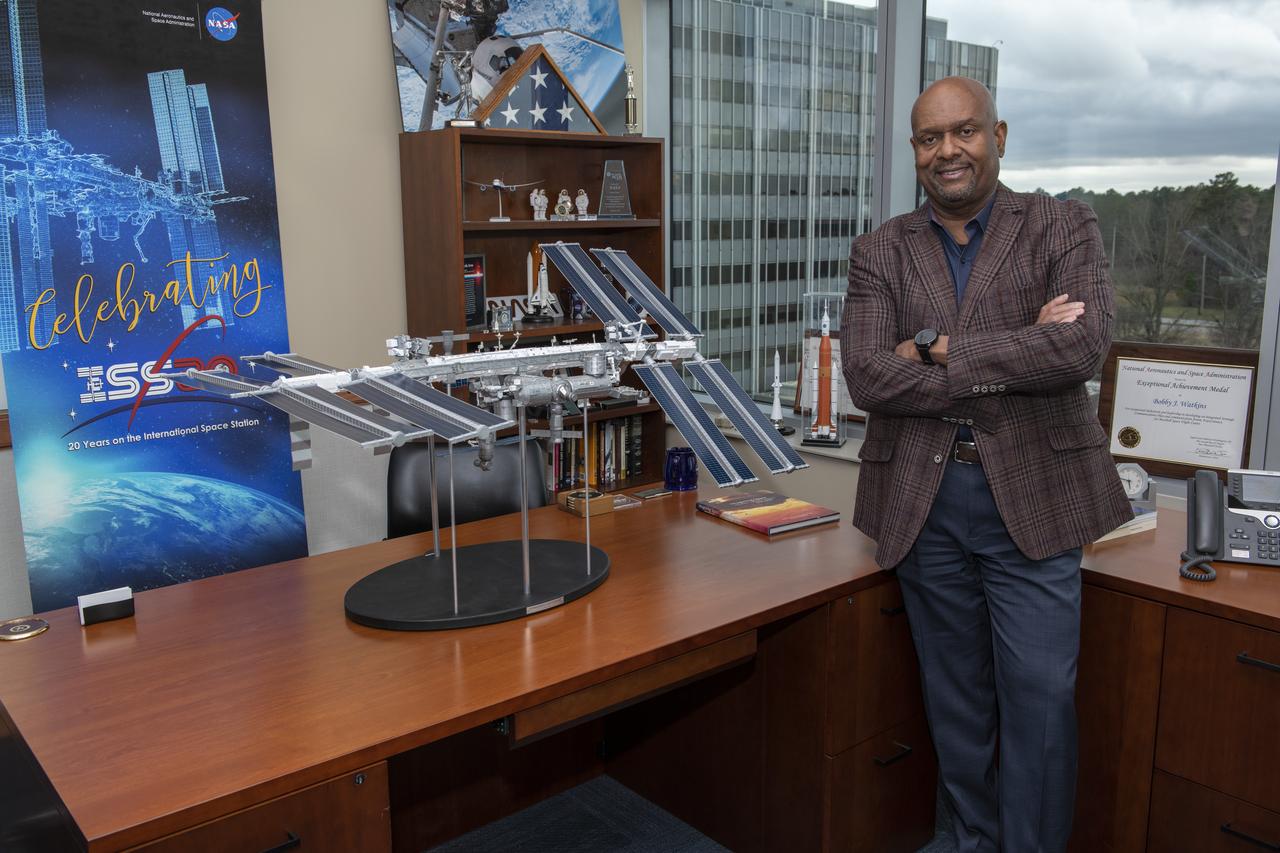
Bobby Watkins, manager of the Human Exploration Development & Operations Office at Marshall Space Flight Center.
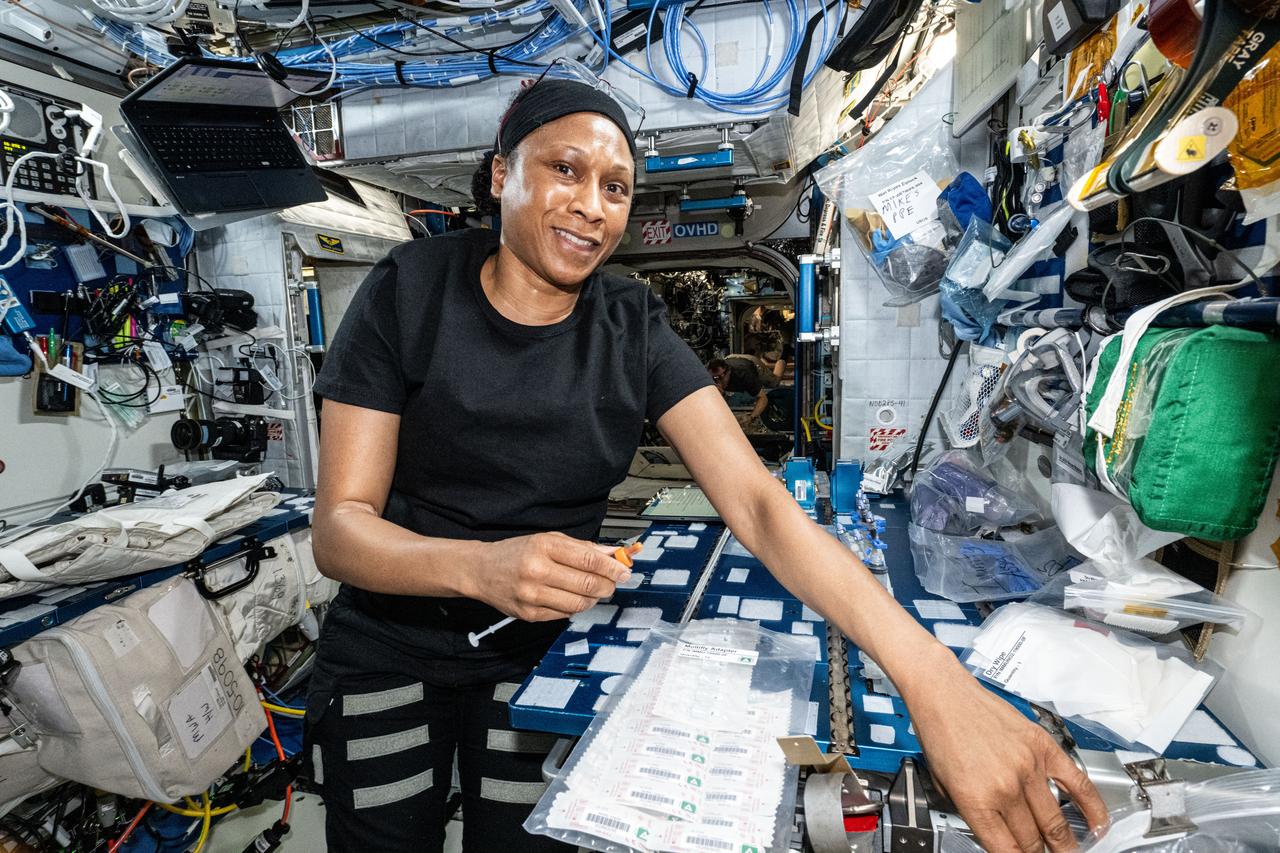
iss071e414653 (Aug. 1, 2024) --- NASA astronaut and Expedition 71 Flight Engineer Jeanette Epps processes blood and saliva samples aboard the International Space Station's Harmony module. She stowed the specimens in a science freezer and the Kubik research incubator for future retrieval and later analysis. The weightless environment of the orbital outpost allows investigators to explore how living in space long term affects humans and gain insights not possible in Earth’s gravity conditions.
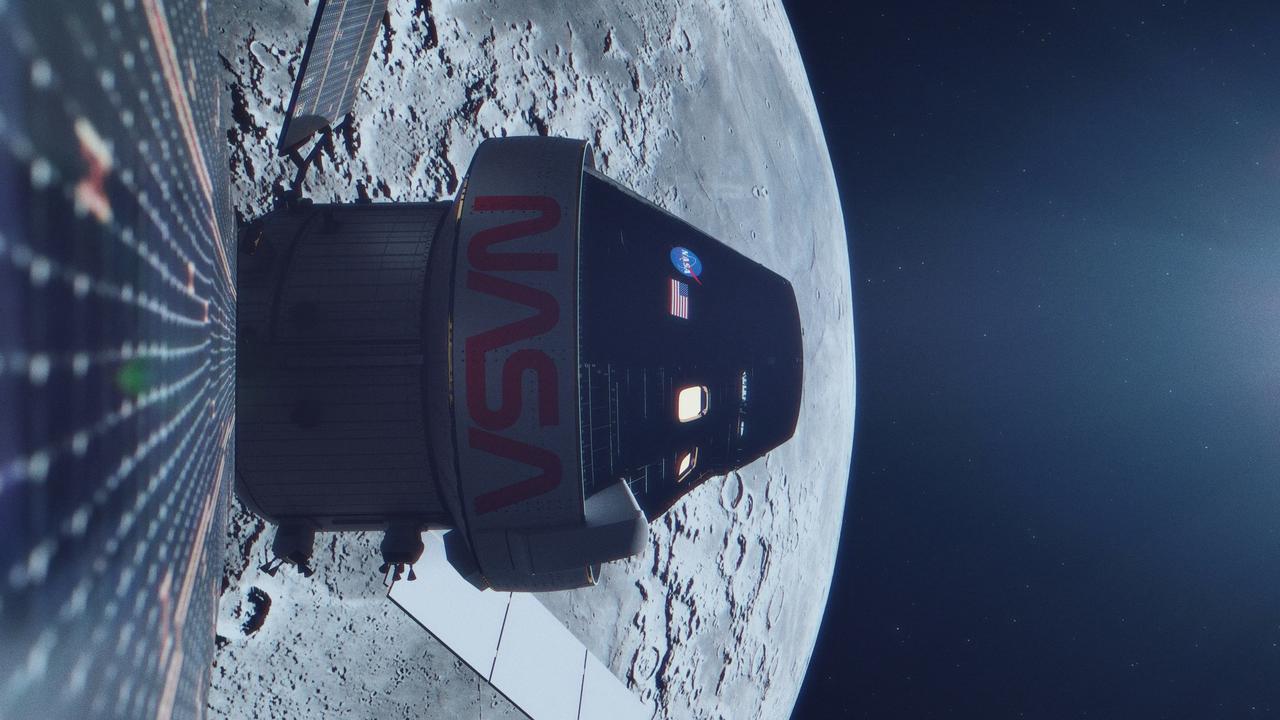
Artemis I will be the first integrated flight test of NASA’s deep space exploration system: the Orion spacecraft, Space Launch System (SLS) rocket and the ground systems at Kennedy Space Center in Cape Canaveral, Florida. The first in a series of increasingly complex missions, Artemis I will be an uncrewed flight that will provide a foundation for human deep space exploration, and demonstrate our commitment and capability to extend human existence to the Moon and beyond. During this flight, the uncrewed Orion spacecraft will launch on the most powerful rocket in the world and travel thousands of miles beyond the Moon, farther than any spacecraft built for humans has ever flown, over the course of about a three-week mission.
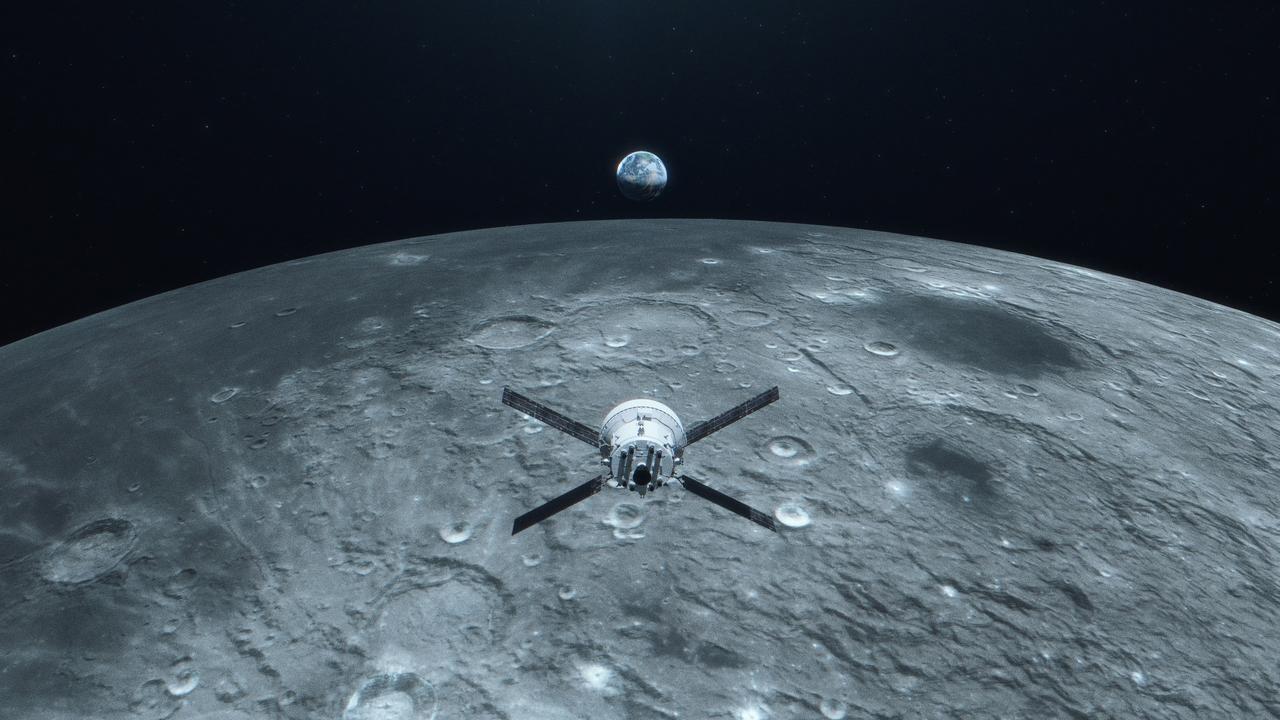
Artemis I will be the first integrated flight test of NASA’s deep space exploration system: the Orion spacecraft, Space Launch System (SLS) rocket and the ground systems at Kennedy Space Center in Cape Canaveral, Florida. The first in a series of increasingly complex missions, Artemis I will be an uncrewed flight that will provide a foundation for human deep space exploration, and demonstrate our commitment and capability to extend human existence to the Moon and beyond. During this flight, the uncrewed Orion spacecraft will launch on the most powerful rocket in the world and travel thousands of miles beyond the Moon, farther than any spacecraft built for humans has ever flown, over the course of about a three-week mission.
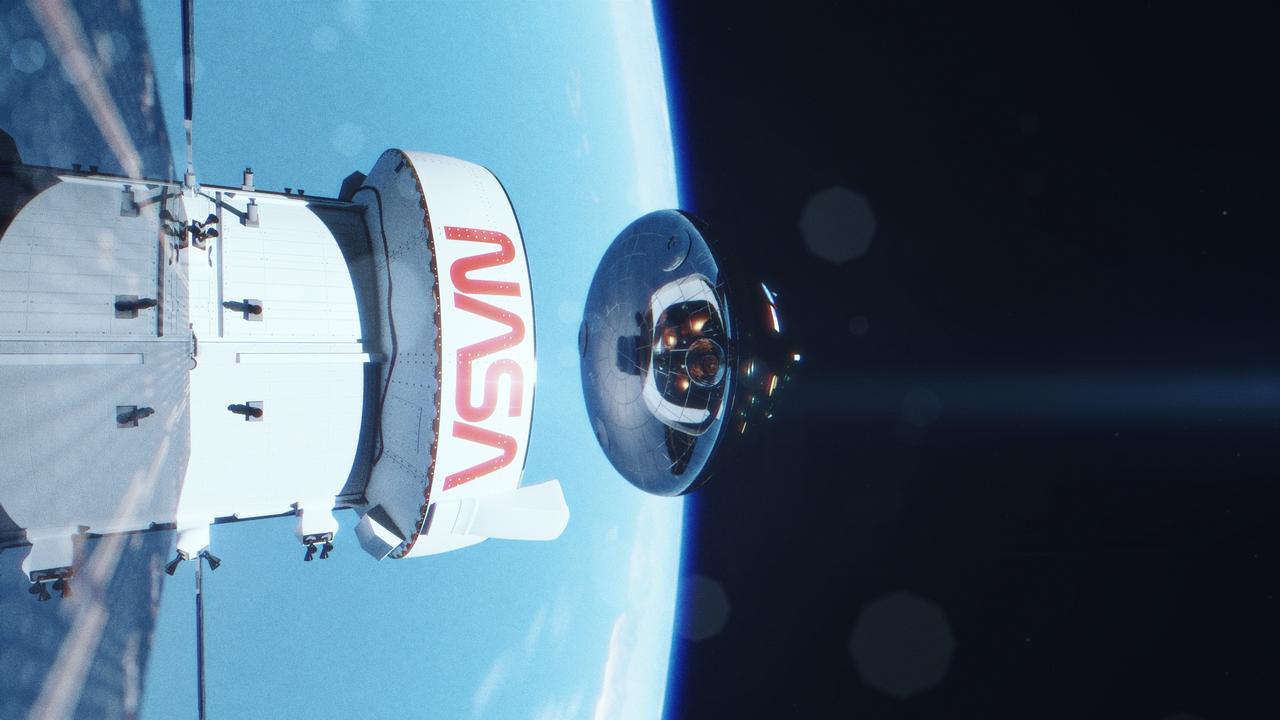
Artemis I will be the first integrated flight test of NASA’s deep space exploration system: the Orion spacecraft, Space Launch System (SLS) rocket and the ground systems at Kennedy Space Center in Cape Canaveral, Florida. The first in a series of increasingly complex missions, Artemis I will be an uncrewed flight that will provide a foundation for human deep space exploration, and demonstrate our commitment and capability to extend human existence to the Moon and beyond. During this flight, the uncrewed Orion spacecraft will launch on the most powerful rocket in the world and travel thousands of miles beyond the Moon, farther than any spacecraft built for humans has ever flown, over the course of about a three-week mission.

Artemis I will be the first integrated flight test of NASA’s deep space exploration system: the Orion spacecraft, Space Launch System (SLS) rocket and the ground systems at Kennedy Space Center in Cape Canaveral, Florida. The first in a series of increasingly complex missions, Artemis I will be an uncrewed flight that will provide a foundation for human deep space exploration, and demonstrate our commitment and capability to extend human existence to the Moon and beyond. During this flight, the uncrewed Orion spacecraft will launch on the most powerful rocket in the world and travel thousands of miles beyond the Moon, farther than any spacecraft built for humans has ever flown, over the course of about a three-week mission.
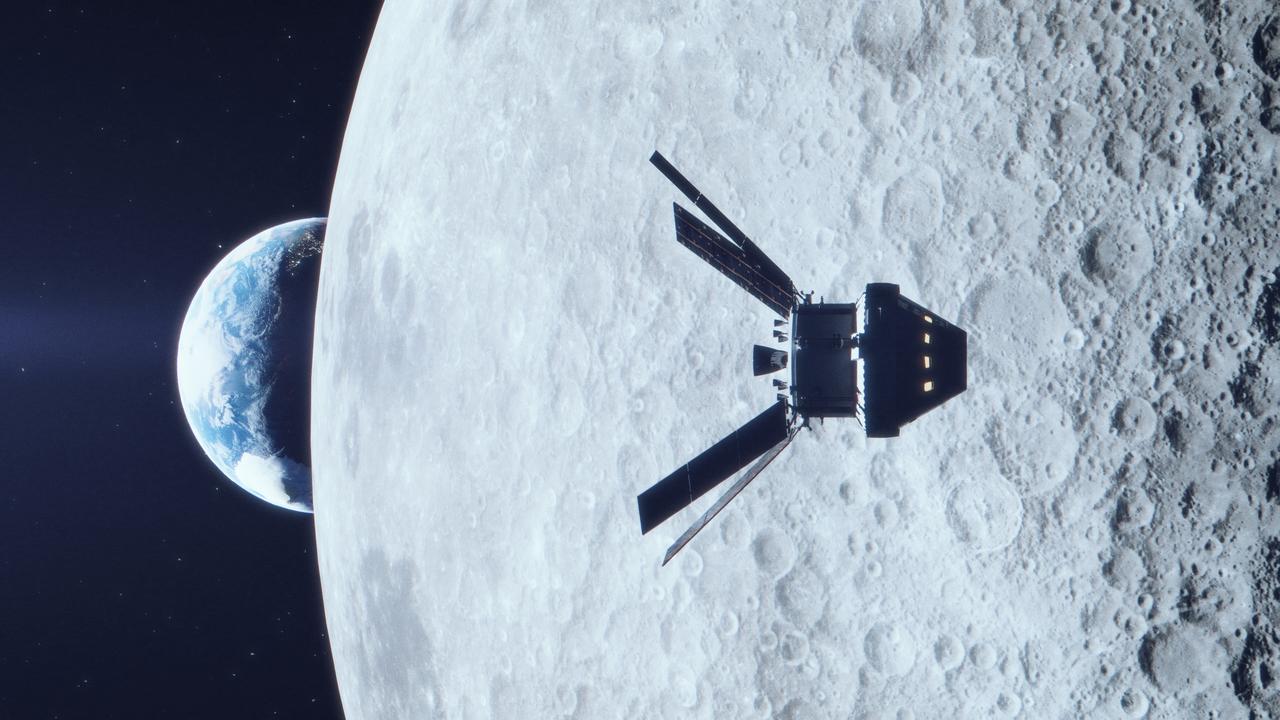
Artemis I will be the first integrated flight test of NASA’s deep space exploration system: the Orion spacecraft, Space Launch System (SLS) rocket and the ground systems at Kennedy Space Center in Cape Canaveral, Florida. The first in a series of increasingly complex missions, Artemis I will be an uncrewed flight that will provide a foundation for human deep space exploration, and demonstrate our commitment and capability to extend human existence to the Moon and beyond. During this flight, the uncrewed Orion spacecraft will launch on the most powerful rocket in the world and travel thousands of miles beyond the Moon, farther than any spacecraft built for humans has ever flown, over the course of about a three-week mission.
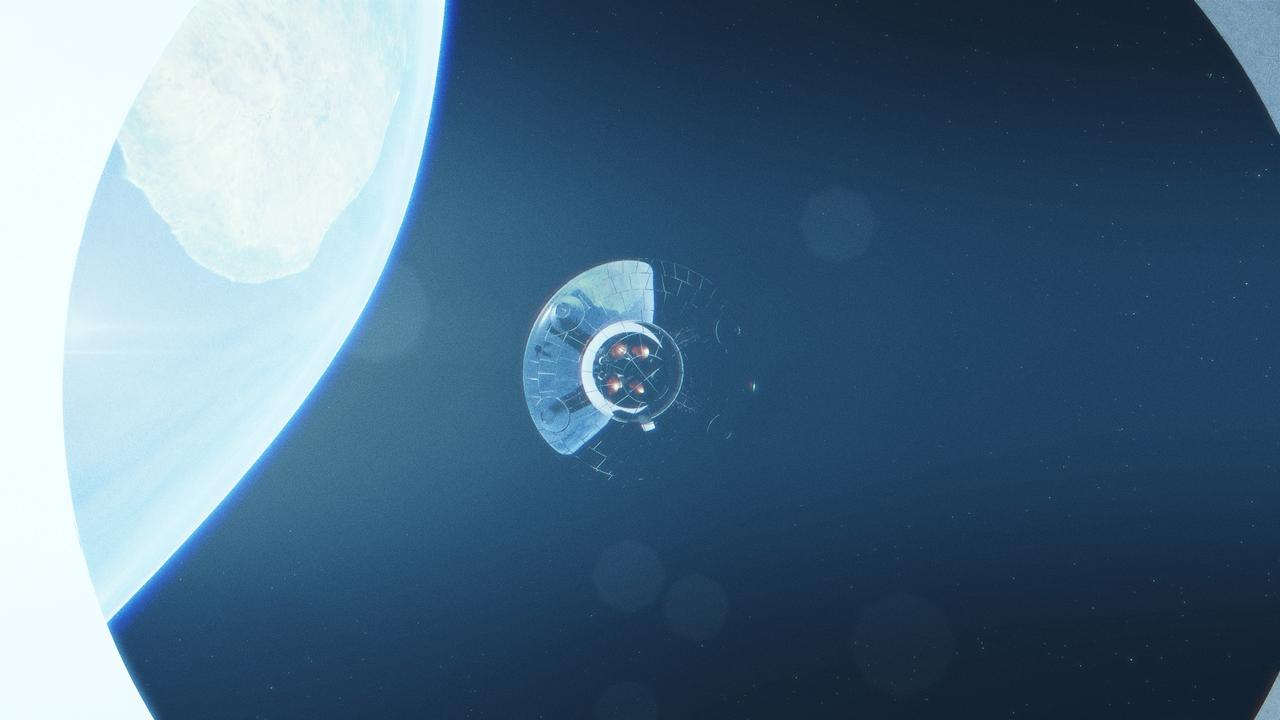
Artemis I will be the first integrated flight test of NASA’s deep space exploration system: the Orion spacecraft, Space Launch System (SLS) rocket and the ground systems at Kennedy Space Center in Cape Canaveral, Florida. The first in a series of increasingly complex missions, Artemis I will be an uncrewed flight that will provide a foundation for human deep space exploration, and demonstrate our commitment and capability to extend human existence to the Moon and beyond. During this flight, the uncrewed Orion spacecraft will launch on the most powerful rocket in the world and travel thousands of miles beyond the Moon, farther than any spacecraft built for humans has ever flown, over the course of about a three-week mission.
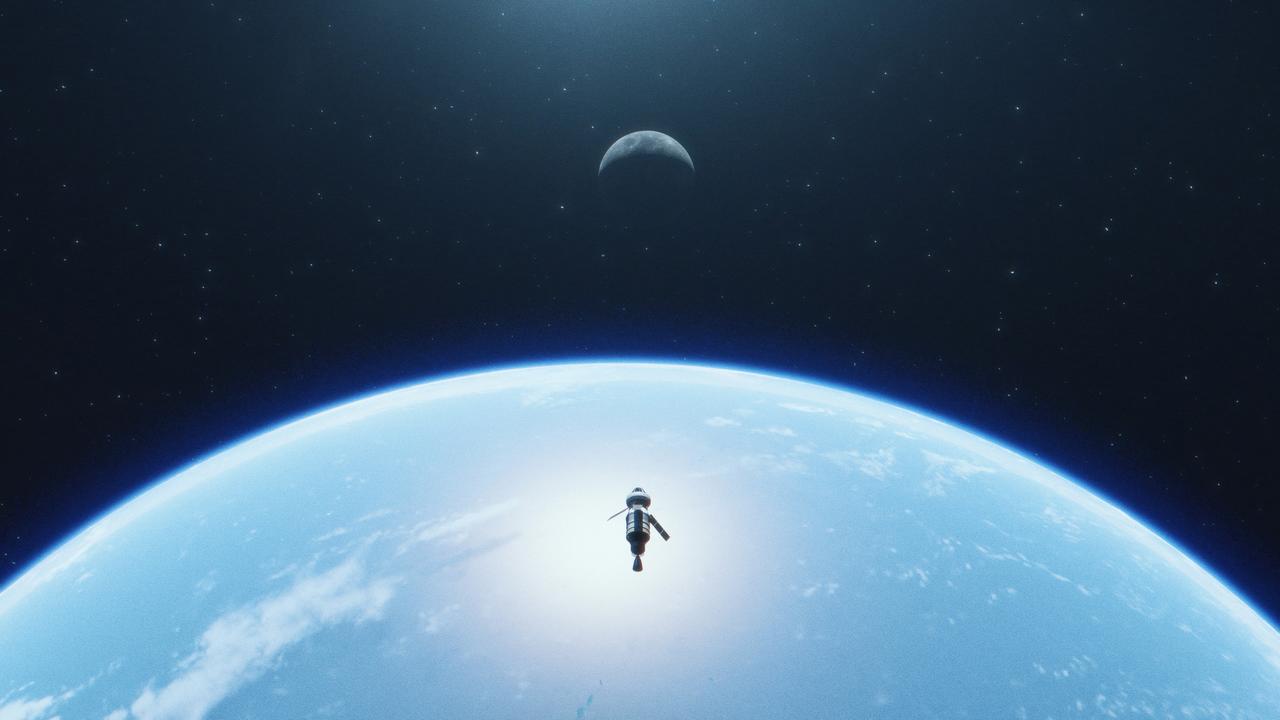
Artemis I will be the first integrated flight test of NASA’s deep space exploration system: the Orion spacecraft, Space Launch System (SLS) rocket and the ground systems at Kennedy Space Center in Cape Canaveral, Florida. The first in a series of increasingly complex missions, Artemis I will be an uncrewed flight that will provide a foundation for human deep space exploration, and demonstrate our commitment and capability to extend human existence to the Moon and beyond. During this flight, the uncrewed Orion spacecraft will launch on the most powerful rocket in the world and travel thousands of miles beyond the Moon, farther than any spacecraft built for humans has ever flown, over the course of about a three-week mission.
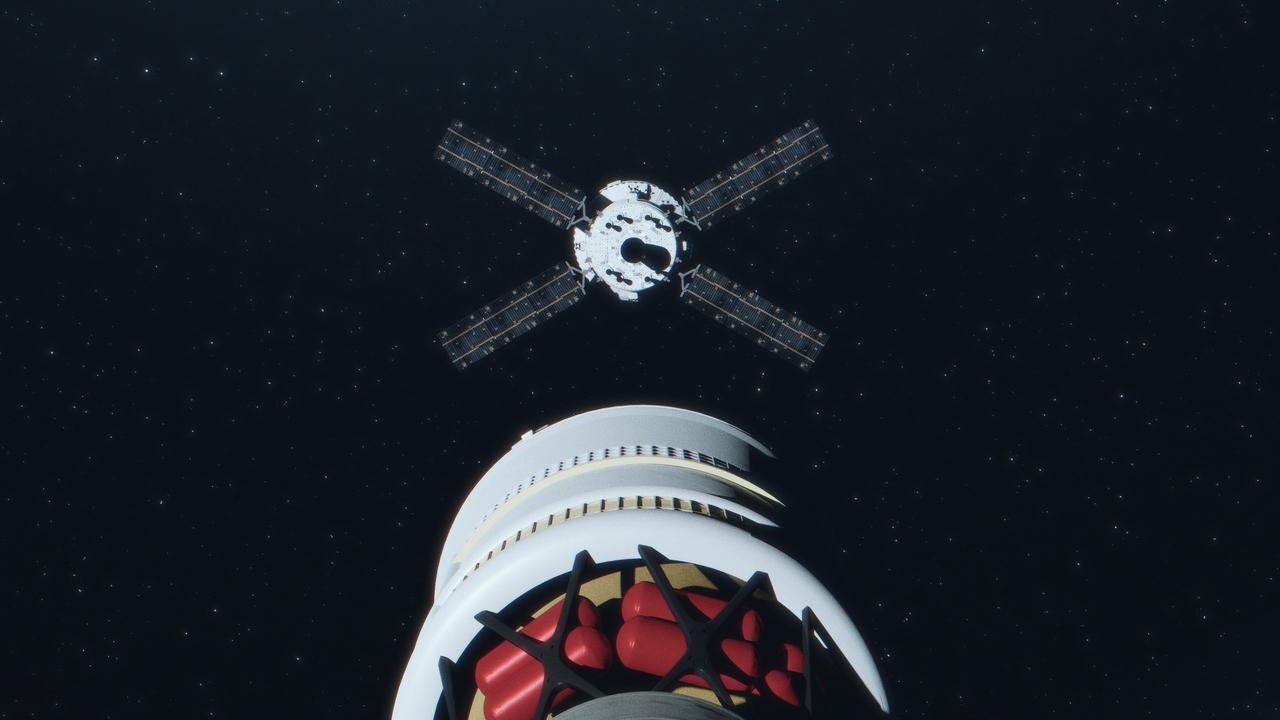
Artemis I will be the first integrated flight test of NASA’s deep space exploration system: the Orion spacecraft, Space Launch System (SLS) rocket and the ground systems at Kennedy Space Center in Cape Canaveral, Florida. The first in a series of increasingly complex missions, Artemis I will be an uncrewed flight that will provide a foundation for human deep space exploration, and demonstrate our commitment and capability to extend human existence to the Moon and beyond. During this flight, the uncrewed Orion spacecraft will launch on the most powerful rocket in the world and travel thousands of miles beyond the Moon, farther than any spacecraft built for humans has ever flown, over the course of about a three-week mission.
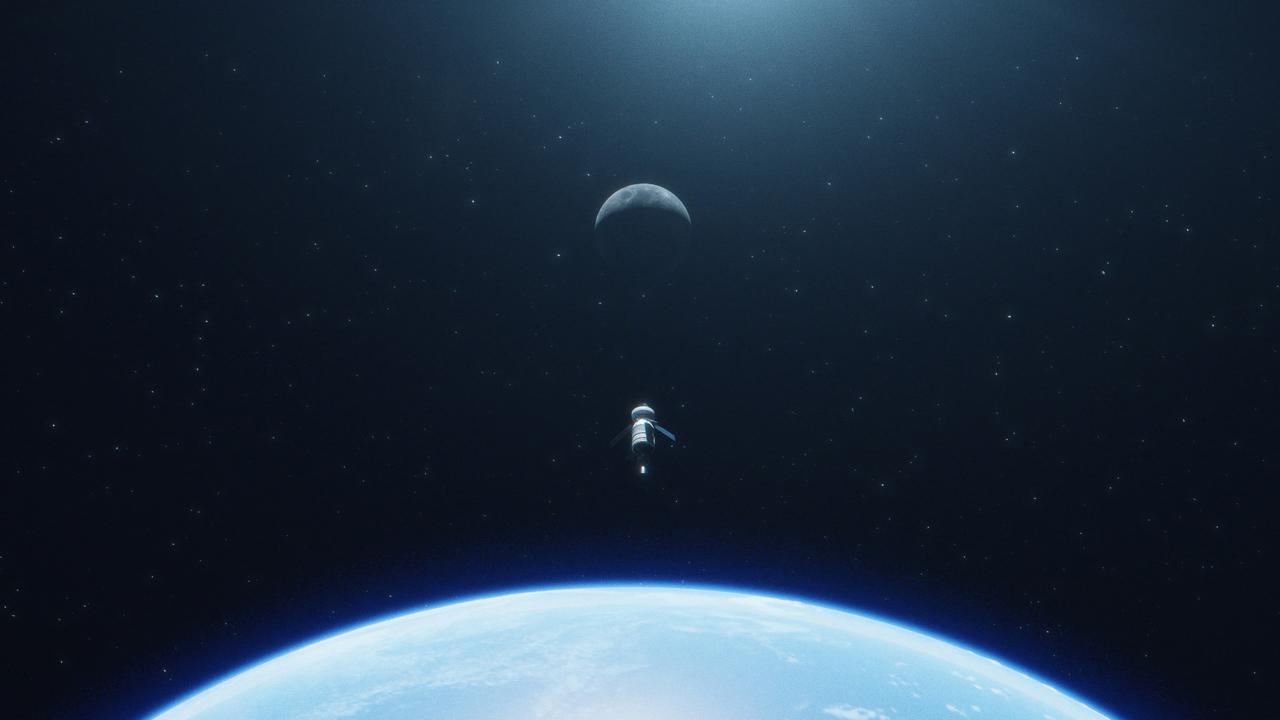
Artemis I will be the first integrated flight test of NASA’s deep space exploration system: the Orion spacecraft, Space Launch System (SLS) rocket and the ground systems at Kennedy Space Center in Cape Canaveral, Florida. The first in a series of increasingly complex missions, Artemis I will be an uncrewed flight that will provide a foundation for human deep space exploration, and demonstrate our commitment and capability to extend human existence to the Moon and beyond. During this flight, the uncrewed Orion spacecraft will launch on the most powerful rocket in the world and travel thousands of miles beyond the Moon, farther than any spacecraft built for humans has ever flown, over the course of about a three-week mission.
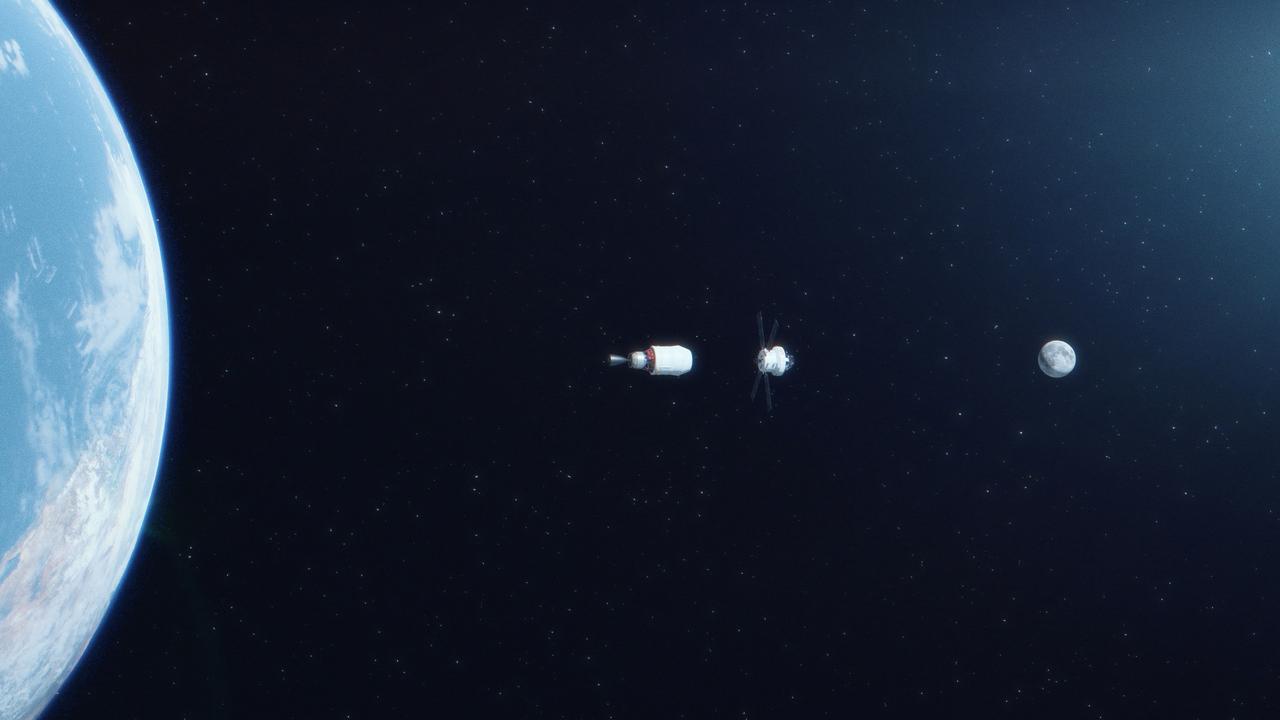
Artemis I will be the first integrated flight test of NASA’s deep space exploration system: the Orion spacecraft, Space Launch System (SLS) rocket and the ground systems at Kennedy Space Center in Cape Canaveral, Florida. The first in a series of increasingly complex missions, Artemis I will be an uncrewed flight that will provide a foundation for human deep space exploration, and demonstrate our commitment and capability to extend human existence to the Moon and beyond. During this flight, the uncrewed Orion spacecraft will launch on the most powerful rocket in the world and travel thousands of miles beyond the Moon, farther than any spacecraft built for humans has ever flown, over the course of about a three-week mission.

Artemis I will be the first integrated flight test of NASA’s deep space exploration system: the Orion spacecraft, Space Launch System (SLS) rocket and the ground systems at Kennedy Space Center in Cape Canaveral, Florida. The first in a series of increasingly complex missions, Artemis I will be an uncrewed flight that will provide a foundation for human deep space exploration, and demonstrate our commitment and capability to extend human existence to the Moon and beyond. During this flight, the uncrewed Orion spacecraft will launch on the most powerful rocket in the world and travel thousands of miles beyond the Moon, farther than any spacecraft built for humans has ever flown, over the course of about a three-week mission.
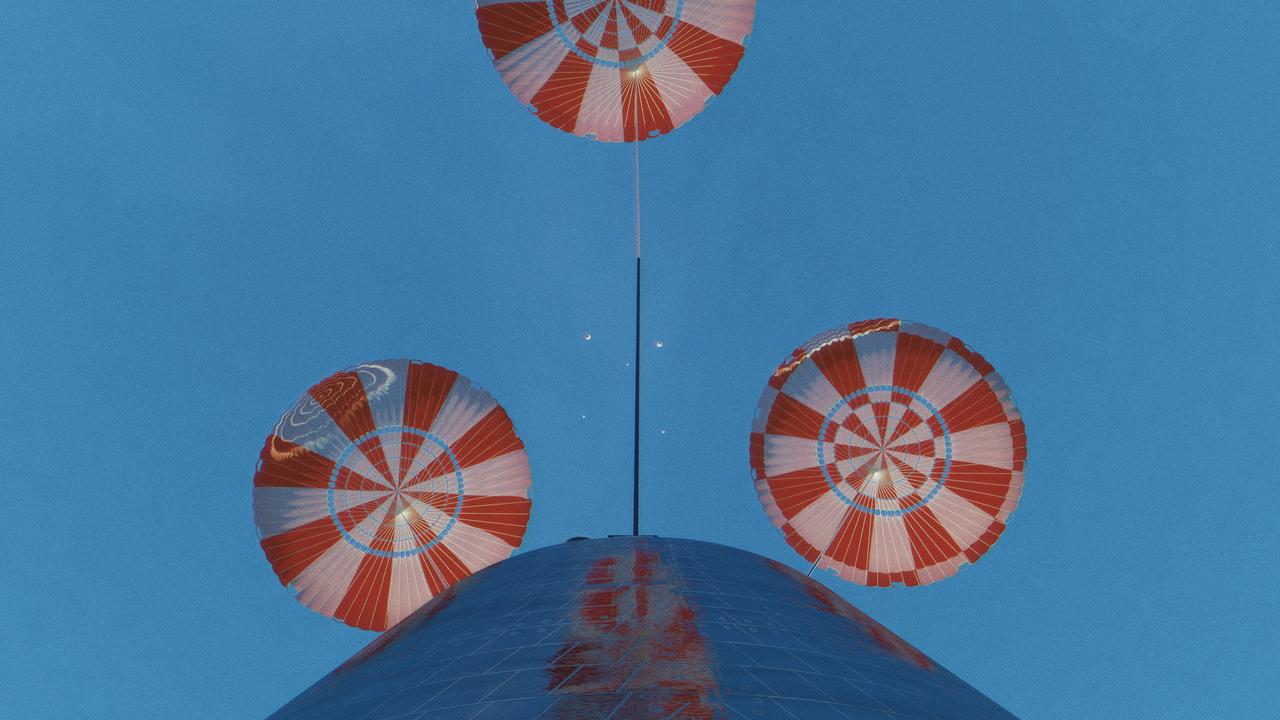
Artemis I will be the first integrated flight test of NASA’s deep space exploration system: the Orion spacecraft, Space Launch System (SLS) rocket and the ground systems at Kennedy Space Center in Cape Canaveral, Florida. The first in a series of increasingly complex missions, Artemis I will be an uncrewed flight that will provide a foundation for human deep space exploration, and demonstrate our commitment and capability to extend human existence to the Moon and beyond. During this flight, the uncrewed Orion spacecraft will launch on the most powerful rocket in the world and travel thousands of miles beyond the Moon, farther than any spacecraft built for humans has ever flown, over the course of about a three-week mission.
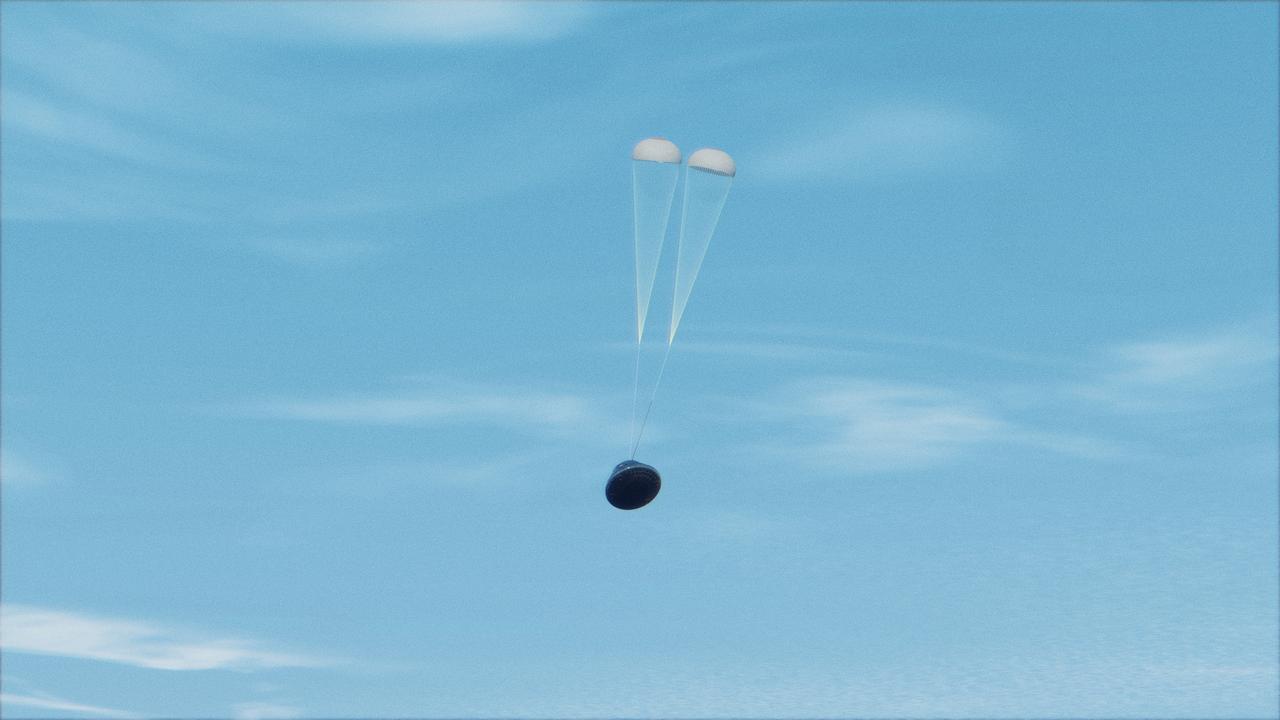
Artemis I will be the first integrated flight test of NASA’s deep space exploration system: the Orion spacecraft, Space Launch System (SLS) rocket and the ground systems at Kennedy Space Center in Cape Canaveral, Florida. The first in a series of increasingly complex missions, Artemis I will be an uncrewed flight that will provide a foundation for human deep space exploration, and demonstrate our commitment and capability to extend human existence to the Moon and beyond. During this flight, the uncrewed Orion spacecraft will launch on the most powerful rocket in the world and travel thousands of miles beyond the Moon, farther than any spacecraft built for humans has ever flown, over the course of about a three-week mission.
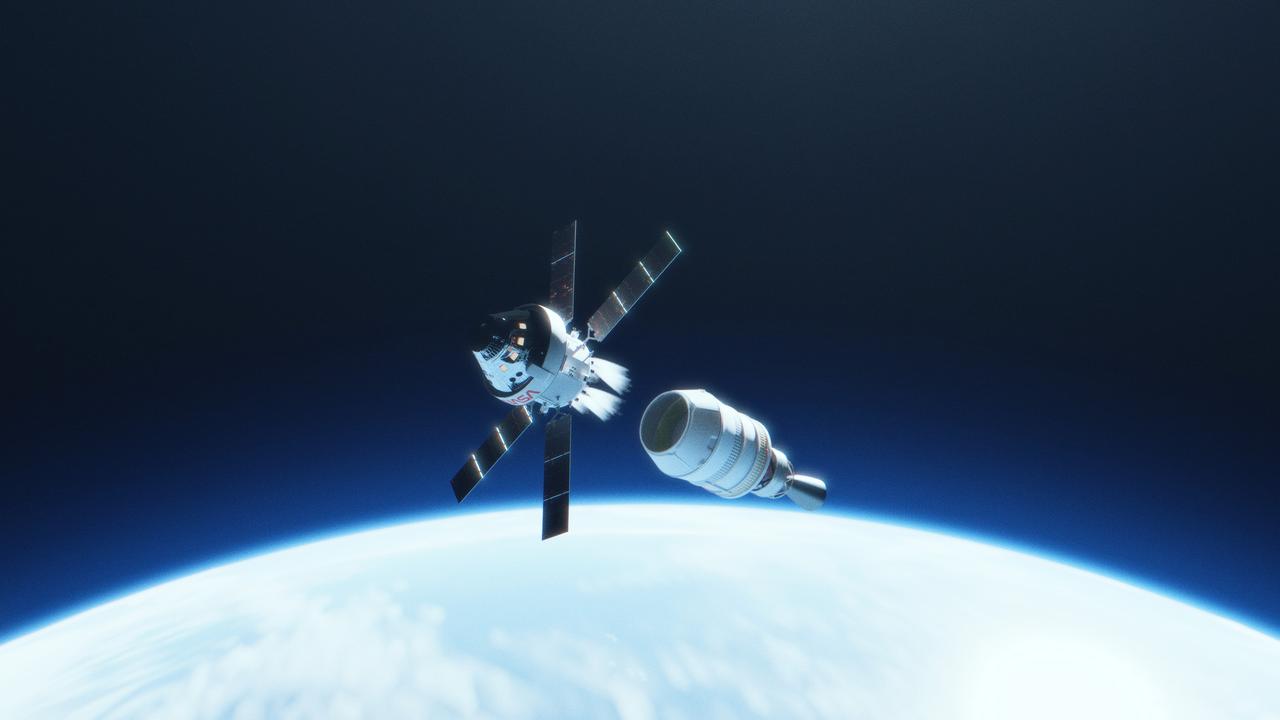
Artemis I will be the first integrated flight test of NASA’s deep space exploration system: the Orion spacecraft, Space Launch System (SLS) rocket and the ground systems at Kennedy Space Center in Cape Canaveral, Florida. The first in a series of increasingly complex missions, Artemis I will be an uncrewed flight that will provide a foundation for human deep space exploration, and demonstrate our commitment and capability to extend human existence to the Moon and beyond. During this flight, the uncrewed Orion spacecraft will launch on the most powerful rocket in the world and travel thousands of miles beyond the Moon, farther than any spacecraft built for humans has ever flown, over the course of about a three-week mission.
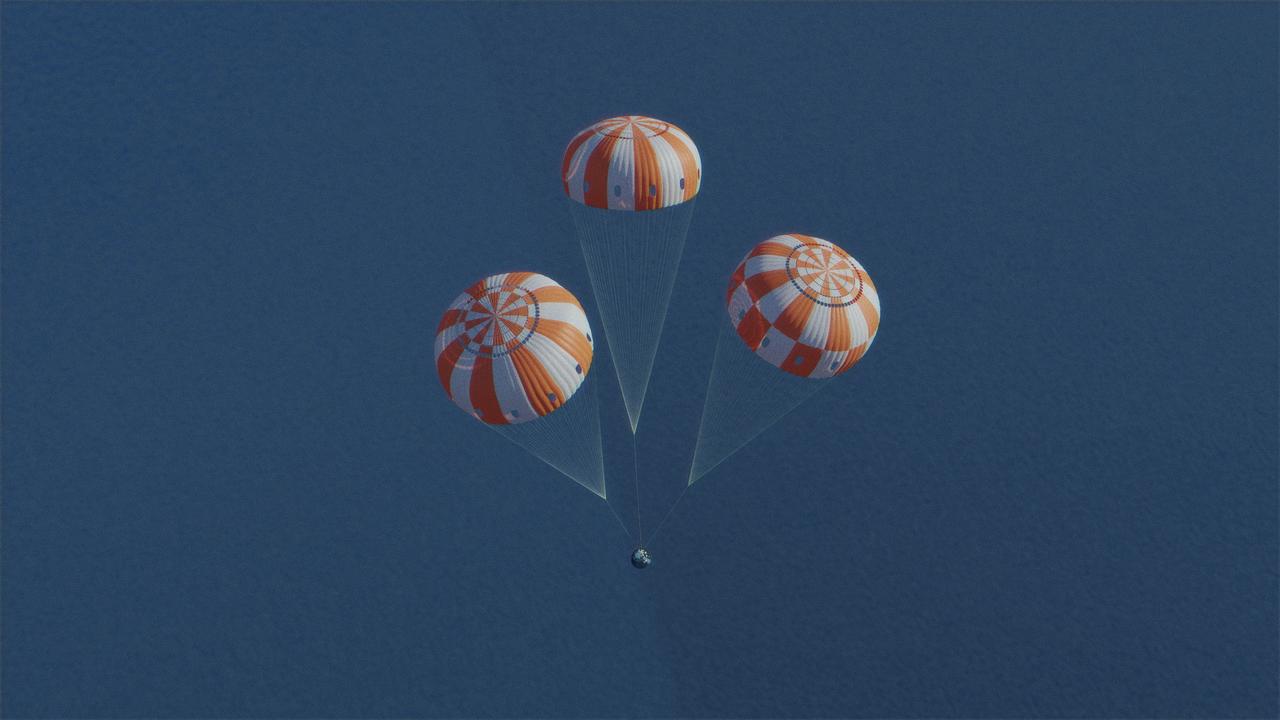
Artemis I will be the first integrated flight test of NASA’s deep space exploration system: the Orion spacecraft, Space Launch System (SLS) rocket and the ground systems at Kennedy Space Center in Cape Canaveral, Florida. The first in a series of increasingly complex missions, Artemis I will be an uncrewed flight that will provide a foundation for human deep space exploration, and demonstrate our commitment and capability to extend human existence to the Moon and beyond. During this flight, the uncrewed Orion spacecraft will launch on the most powerful rocket in the world and travel thousands of miles beyond the Moon, farther than any spacecraft built for humans has ever flown, over the course of about a three-week mission.
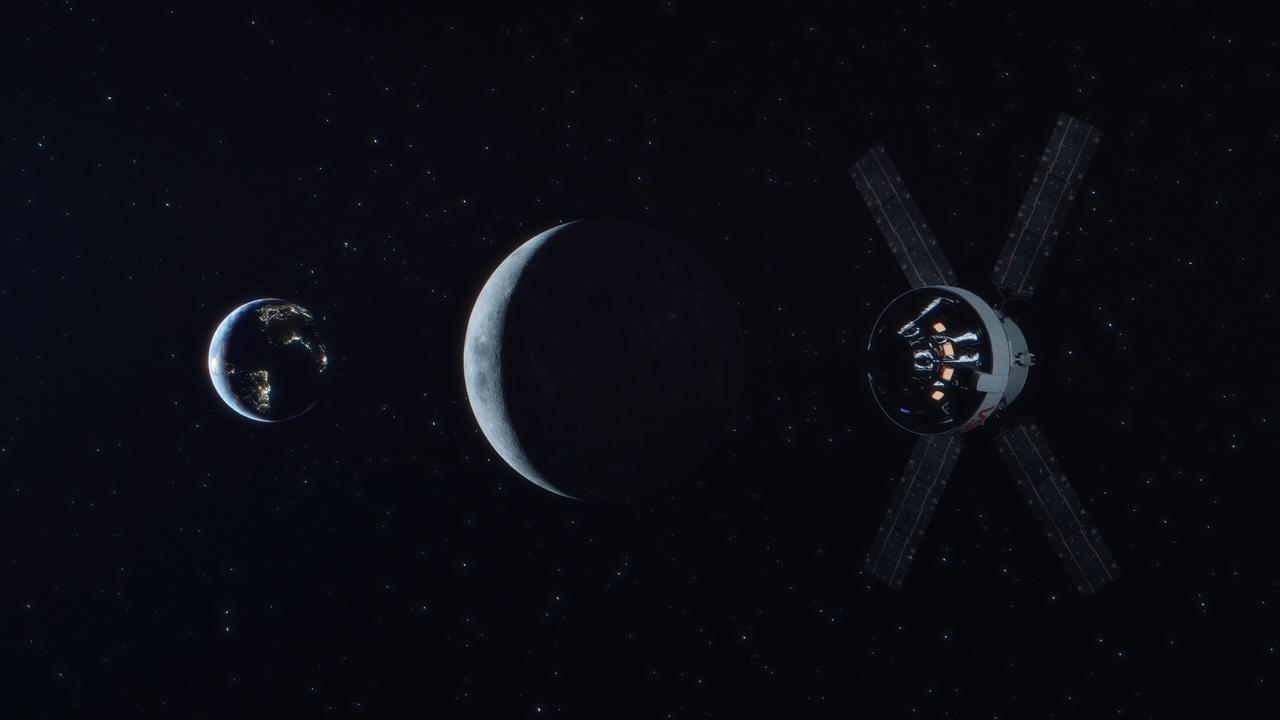
Artemis I will be the first integrated flight test of NASA’s deep space exploration system: the Orion spacecraft, Space Launch System (SLS) rocket and the ground systems at Kennedy Space Center in Cape Canaveral, Florida. The first in a series of increasingly complex missions, Artemis I will be an uncrewed flight that will provide a foundation for human deep space exploration, and demonstrate our commitment and capability to extend human existence to the Moon and beyond. During this flight, the uncrewed Orion spacecraft will launch on the most powerful rocket in the world and travel thousands of miles beyond the Moon, farther than any spacecraft built for humans has ever flown, over the course of about a three-week mission.
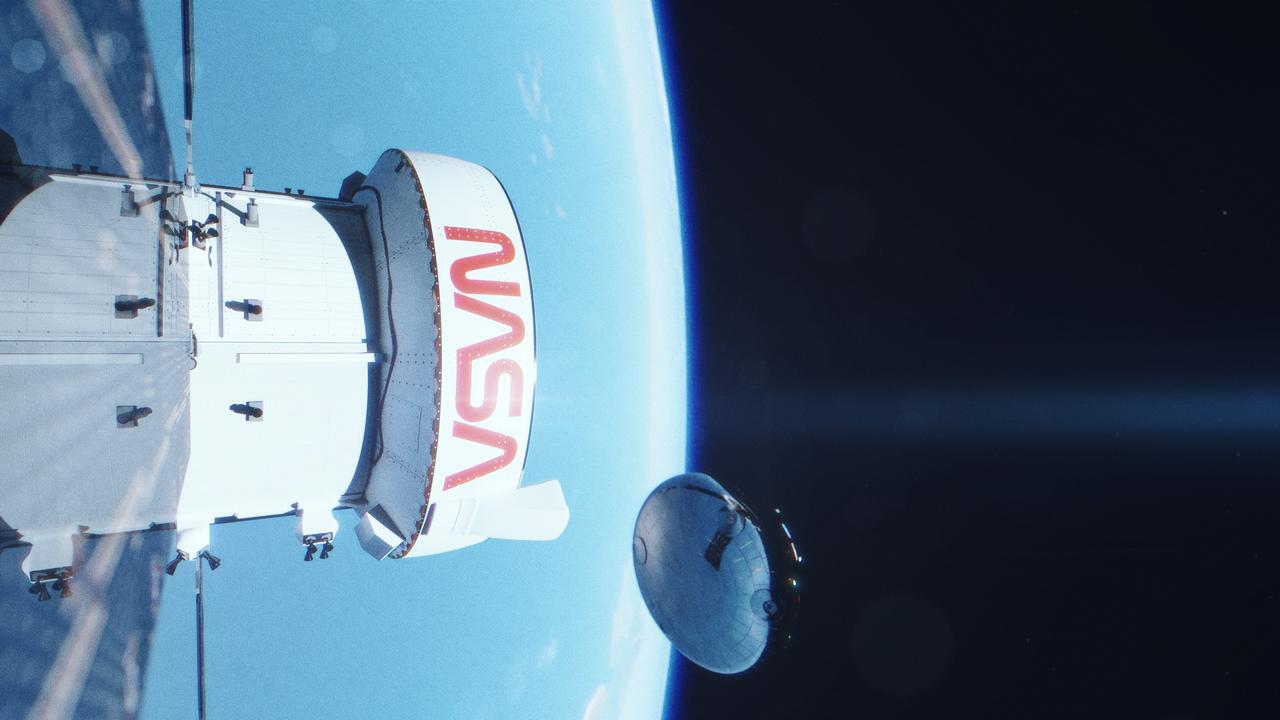
Artemis I will be the first integrated flight test of NASA’s deep space exploration system: the Orion spacecraft, Space Launch System (SLS) rocket and the ground systems at Kennedy Space Center in Cape Canaveral, Florida. The first in a series of increasingly complex missions, Artemis I will be an uncrewed flight that will provide a foundation for human deep space exploration, and demonstrate our commitment and capability to extend human existence to the Moon and beyond. During this flight, the uncrewed Orion spacecraft will launch on the most powerful rocket in the world and travel thousands of miles beyond the Moon, farther than any spacecraft built for humans has ever flown, over the course of about a three-week mission.
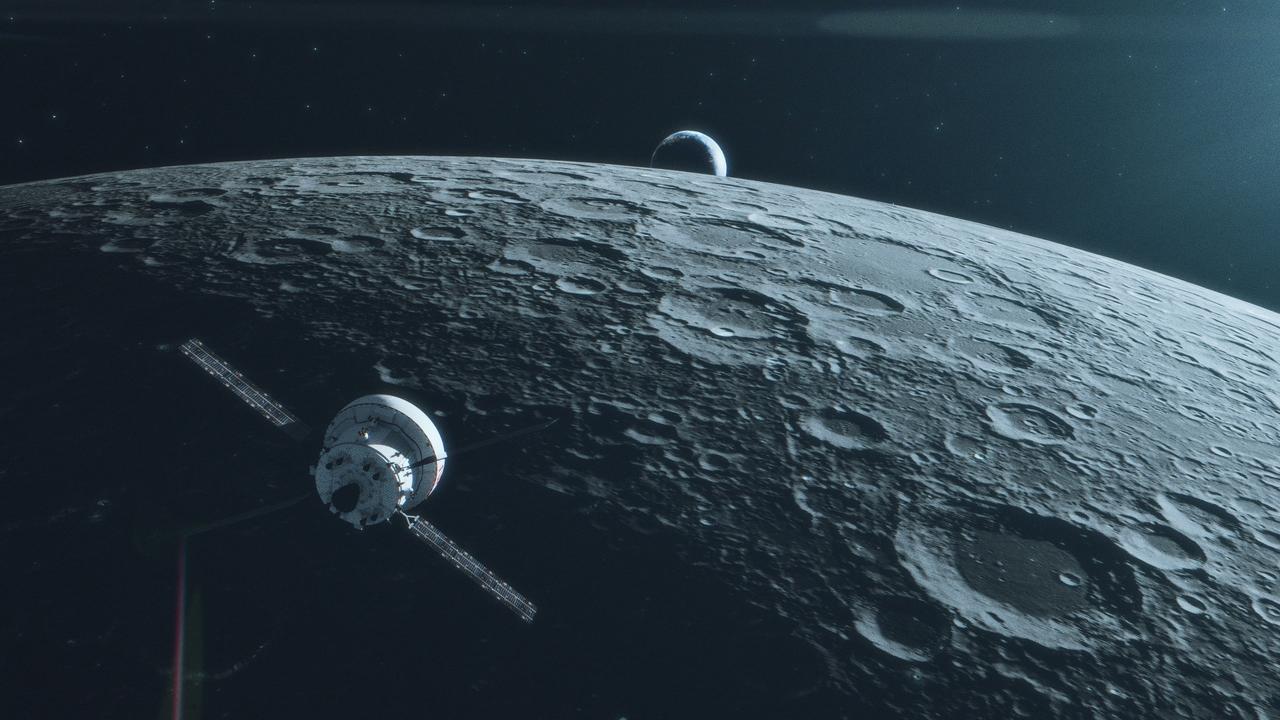
Artemis I will be the first integrated flight test of NASA’s deep space exploration system: the Orion spacecraft, Space Launch System (SLS) rocket and the ground systems at Kennedy Space Center in Cape Canaveral, Florida. The first in a series of increasingly complex missions, Artemis I will be an uncrewed flight that will provide a foundation for human deep space exploration, and demonstrate our commitment and capability to extend human existence to the Moon and beyond. During this flight, the uncrewed Orion spacecraft will launch on the most powerful rocket in the world and travel thousands of miles beyond the Moon, farther than any spacecraft built for humans has ever flown, over the course of about a three-week mission.

Artemis I will be the first integrated flight test of NASA’s deep space exploration system: the Orion spacecraft, Space Launch System (SLS) rocket and the ground systems at Kennedy Space Center in Cape Canaveral, Florida. The first in a series of increasingly complex missions, Artemis I will be an uncrewed flight that will provide a foundation for human deep space exploration, and demonstrate our commitment and capability to extend human existence to the Moon and beyond. During this flight, the uncrewed Orion spacecraft will launch on the most powerful rocket in the world and travel thousands of miles beyond the Moon, farther than any spacecraft built for humans has ever flown, over the course of about a three-week mission.
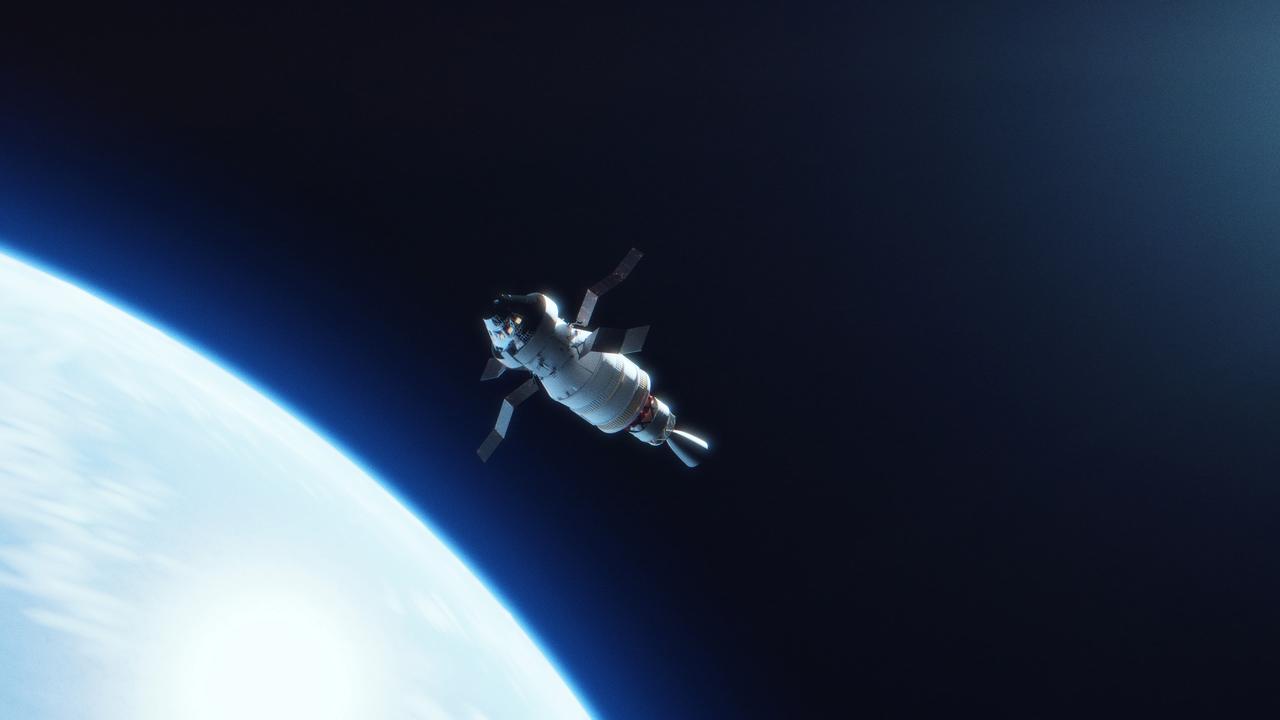
Artemis I will be the first integrated flight test of NASA’s deep space exploration system: the Orion spacecraft, Space Launch System (SLS) rocket and the ground systems at Kennedy Space Center in Cape Canaveral, Florida. The first in a series of increasingly complex missions, Artemis I will be an uncrewed flight that will provide a foundation for human deep space exploration, and demonstrate our commitment and capability to extend human existence to the Moon and beyond. During this flight, the uncrewed Orion spacecraft will launch on the most powerful rocket in the world and travel thousands of miles beyond the Moon, farther than any spacecraft built for humans has ever flown, over the course of about a three-week mission.
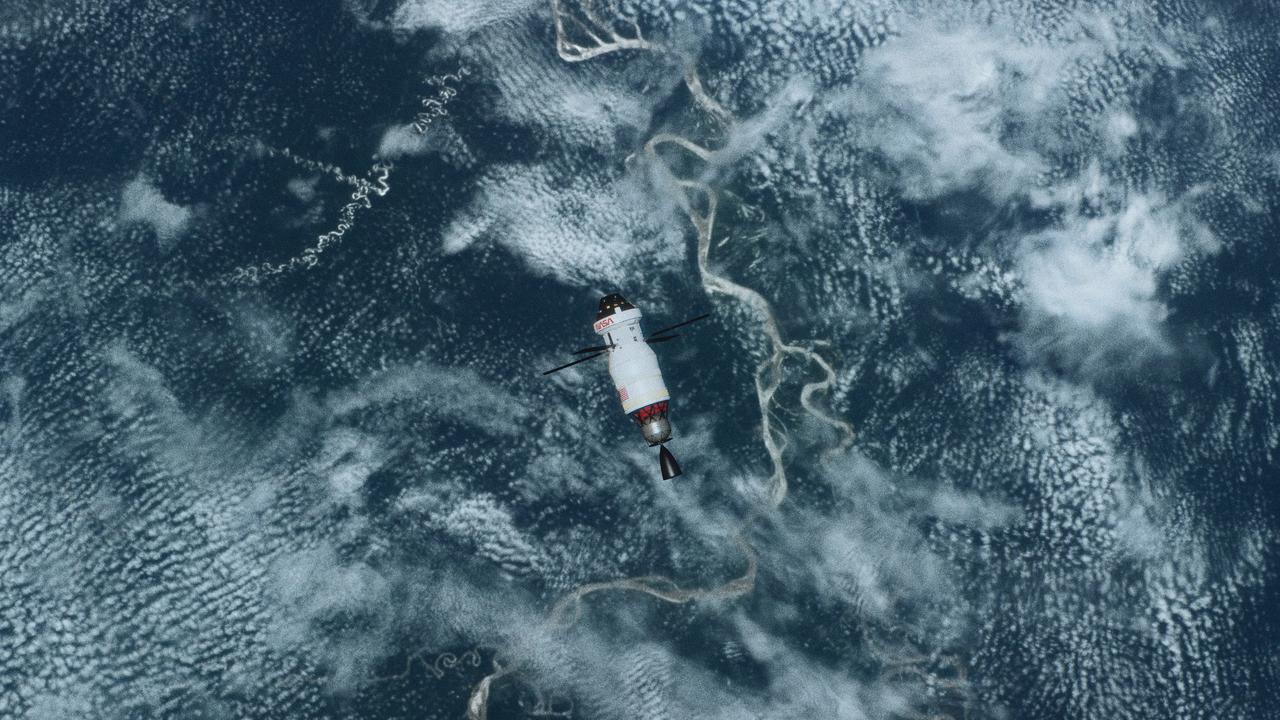
Artemis I will be the first integrated flight test of NASA’s deep space exploration system: the Orion spacecraft, Space Launch System (SLS) rocket and the ground systems at Kennedy Space Center in Cape Canaveral, Florida. The first in a series of increasingly complex missions, Artemis I will be an uncrewed flight that will provide a foundation for human deep space exploration, and demonstrate our commitment and capability to extend human existence to the Moon and beyond. During this flight, the uncrewed Orion spacecraft will launch on the most powerful rocket in the world and travel thousands of miles beyond the Moon, farther than any spacecraft built for humans has ever flown, over the course of about a three-week mission.
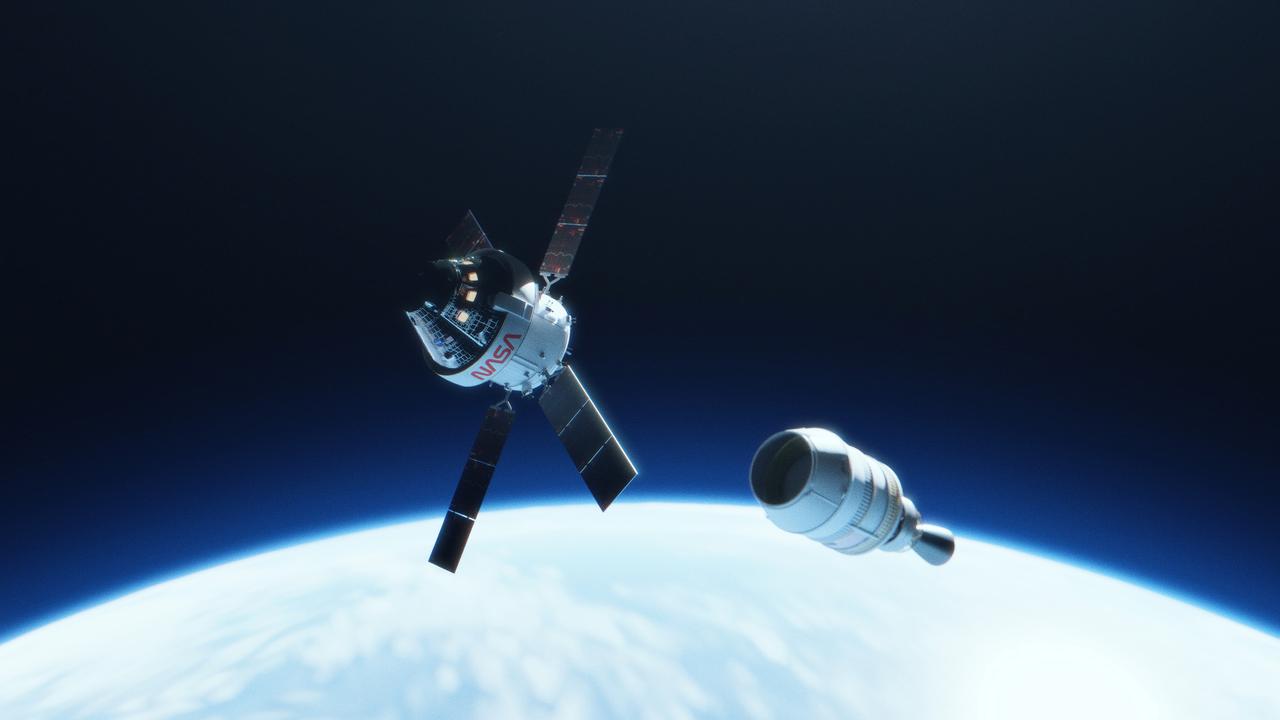
Artemis I will be the first integrated flight test of NASA’s deep space exploration system: the Orion spacecraft, Space Launch System (SLS) rocket and the ground systems at Kennedy Space Center in Cape Canaveral, Florida. The first in a series of increasingly complex missions, Artemis I will be an uncrewed flight that will provide a foundation for human deep space exploration, and demonstrate our commitment and capability to extend human existence to the Moon and beyond. During this flight, the uncrewed Orion spacecraft will launch on the most powerful rocket in the world and travel thousands of miles beyond the Moon, farther than any spacecraft built for humans has ever flown, over the course of about a three-week mission.
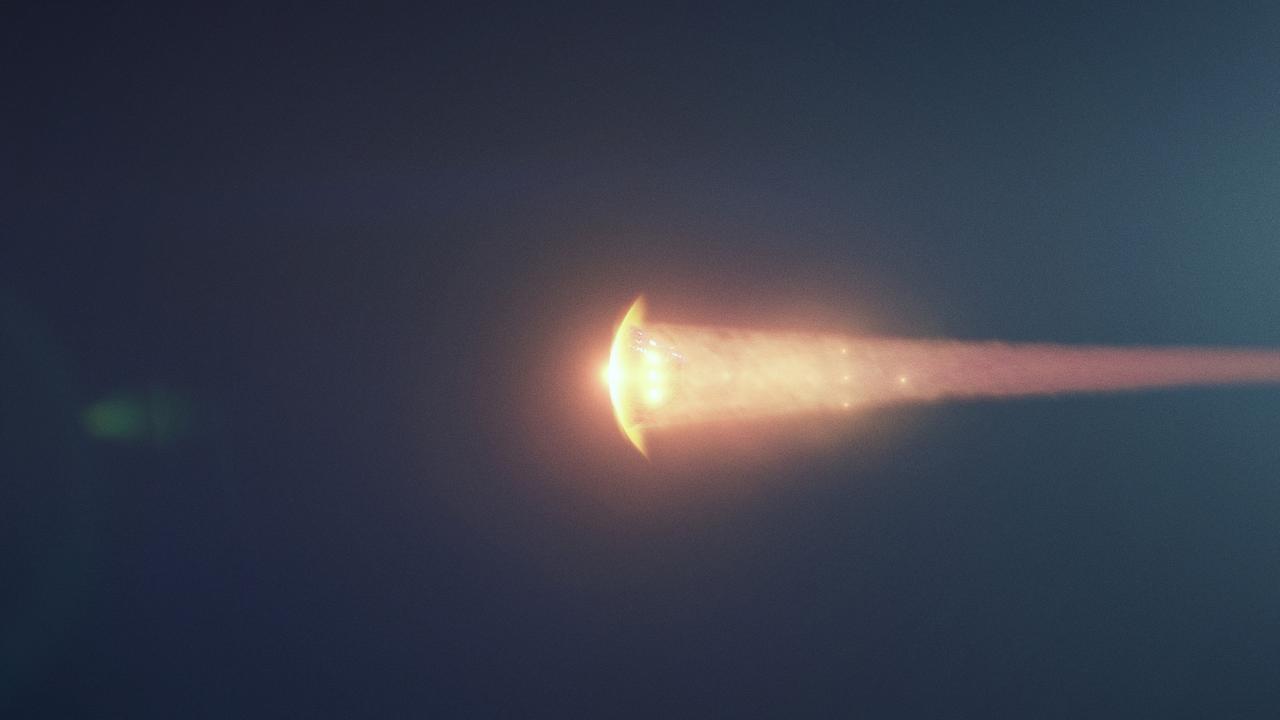
Artemis I will be the first integrated flight test of NASA’s deep space exploration system: the Orion spacecraft, Space Launch System (SLS) rocket and the ground systems at Kennedy Space Center in Cape Canaveral, Florida. The first in a series of increasingly complex missions, Artemis I will be an uncrewed flight that will provide a foundation for human deep space exploration, and demonstrate our commitment and capability to extend human existence to the Moon and beyond. During this flight, the uncrewed Orion spacecraft will launch on the most powerful rocket in the world and travel thousands of miles beyond the Moon, farther than any spacecraft built for humans has ever flown, over the course of about a three-week mission.
Artemis I will be the first integrated flight test of NASA’s deep space exploration system: the Orion spacecraft, Space Launch System (SLS) rocket and the ground systems at Kennedy Space Center in Cape Canaveral, Florida. The first in a series of increasingly complex missions, Artemis I will be an uncrewed flight that will provide a foundation for human deep space exploration, and demonstrate our commitment and capability to extend human existence to the Moon and beyond. During this flight, the uncrewed Orion spacecraft will launch on the most powerful rocket in the world and travel thousands of miles beyond the Moon, farther than any spacecraft built for humans has ever flown, over the course of about a three-week mission.
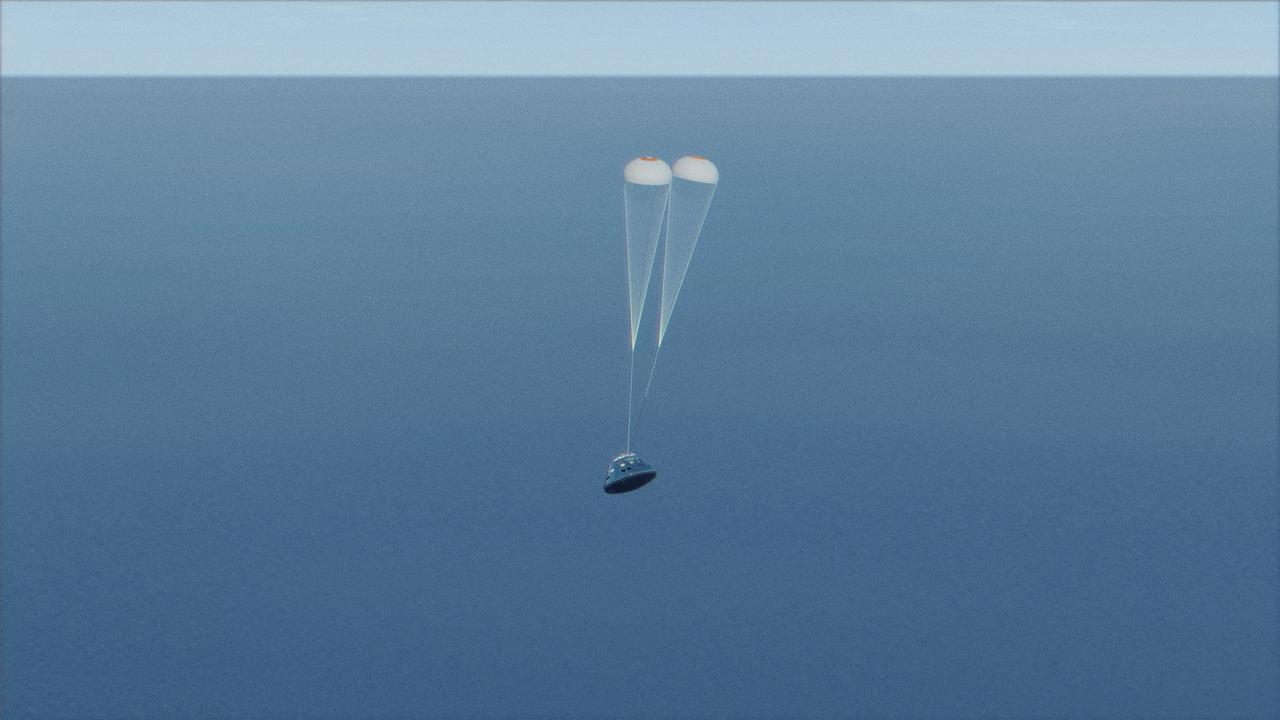
Artemis I will be the first integrated flight test of NASA’s deep space exploration system: the Orion spacecraft, Space Launch System (SLS) rocket and the ground systems at Kennedy Space Center in Cape Canaveral, Florida. The first in a series of increasingly complex missions, Artemis I will be an uncrewed flight that will provide a foundation for human deep space exploration, and demonstrate our commitment and capability to extend human existence to the Moon and beyond. During this flight, the uncrewed Orion spacecraft will launch on the most powerful rocket in the world and travel thousands of miles beyond the Moon, farther than any spacecraft built for humans has ever flown, over the course of about a three-week mission.
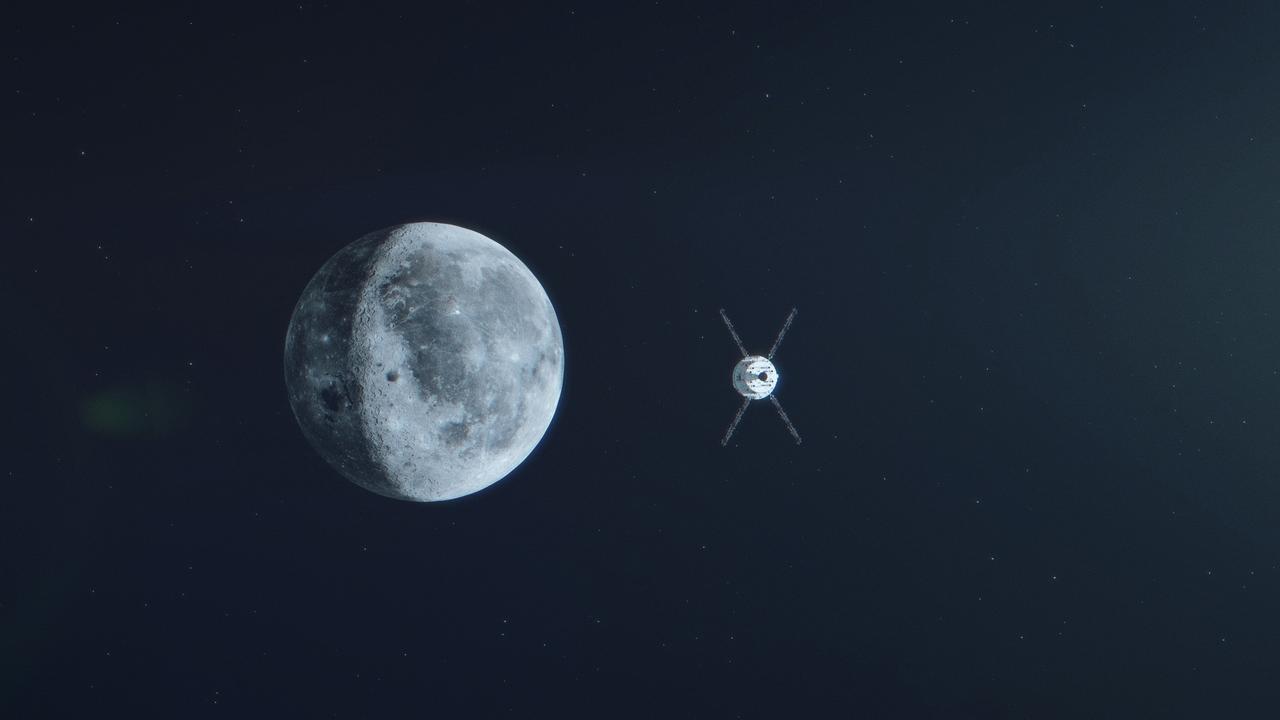
Artemis I will be the first integrated flight test of NASA’s deep space exploration system: the Orion spacecraft, Space Launch System (SLS) rocket and the ground systems at Kennedy Space Center in Cape Canaveral, Florida. The first in a series of increasingly complex missions, Artemis I will be an uncrewed flight that will provide a foundation for human deep space exploration, and demonstrate our commitment and capability to extend human existence to the Moon and beyond. During this flight, the uncrewed Orion spacecraft will launch on the most powerful rocket in the world and travel thousands of miles beyond the Moon, farther than any spacecraft built for humans has ever flown, over the course of about a three-week mission.
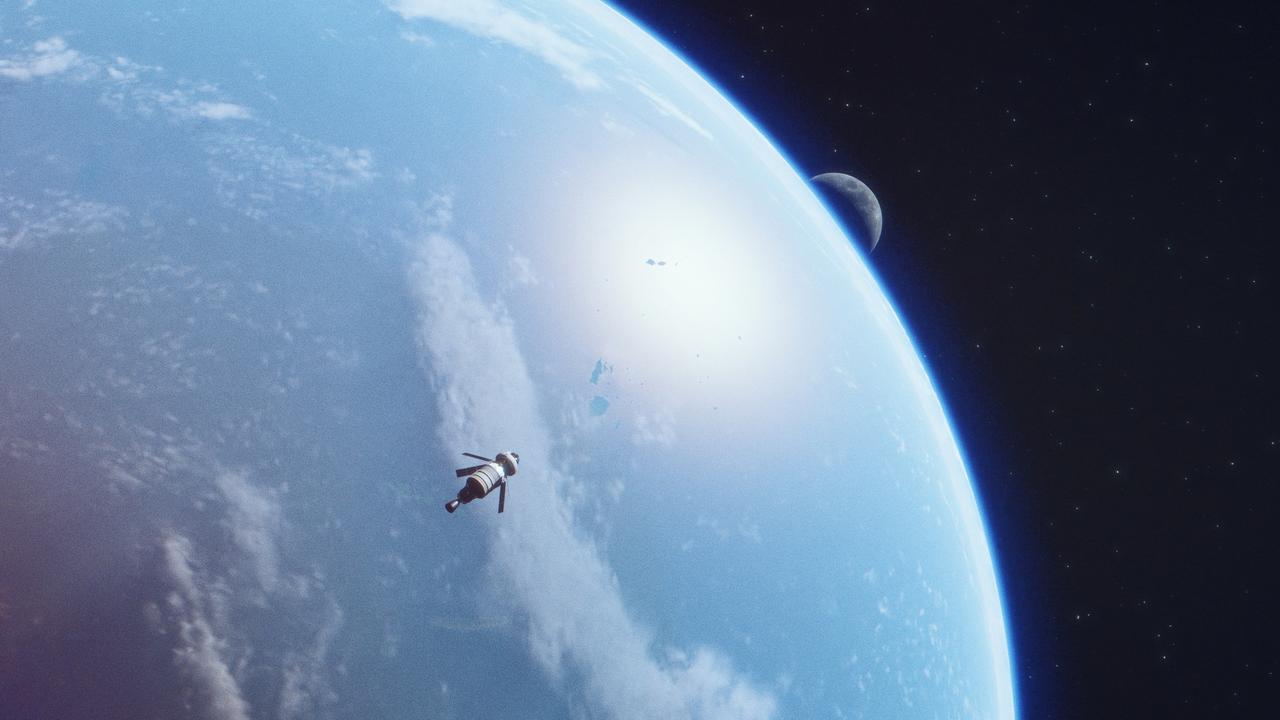
Artemis I will be the first integrated flight test of NASA’s deep space exploration system: the Orion spacecraft, Space Launch System (SLS) rocket and the ground systems at Kennedy Space Center in Cape Canaveral, Florida. The first in a series of increasingly complex missions, Artemis I will be an uncrewed flight that will provide a foundation for human deep space exploration, and demonstrate our commitment and capability to extend human existence to the Moon and beyond. During this flight, the uncrewed Orion spacecraft will launch on the most powerful rocket in the world and travel thousands of miles beyond the Moon, farther than any spacecraft built for humans has ever flown, over the course of about a three-week mission.
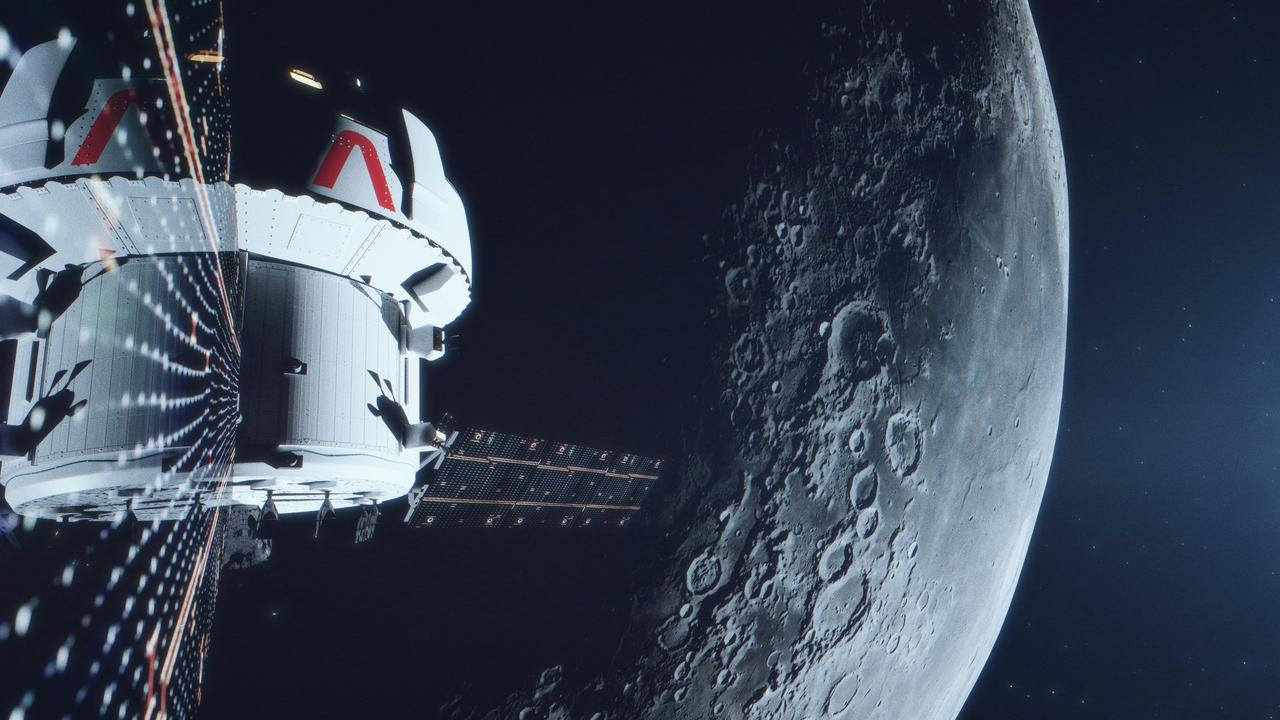
Artemis I will be the first integrated flight test of NASA’s deep space exploration system: the Orion spacecraft, Space Launch System (SLS) rocket and the ground systems at Kennedy Space Center in Cape Canaveral, Florida. The first in a series of increasingly complex missions, Artemis I will be an uncrewed flight that will provide a foundation for human deep space exploration, and demonstrate our commitment and capability to extend human existence to the Moon and beyond. During this flight, the uncrewed Orion spacecraft will launch on the most powerful rocket in the world and travel thousands of miles beyond the Moon, farther than any spacecraft built for humans has ever flown, over the course of about a three-week mission.
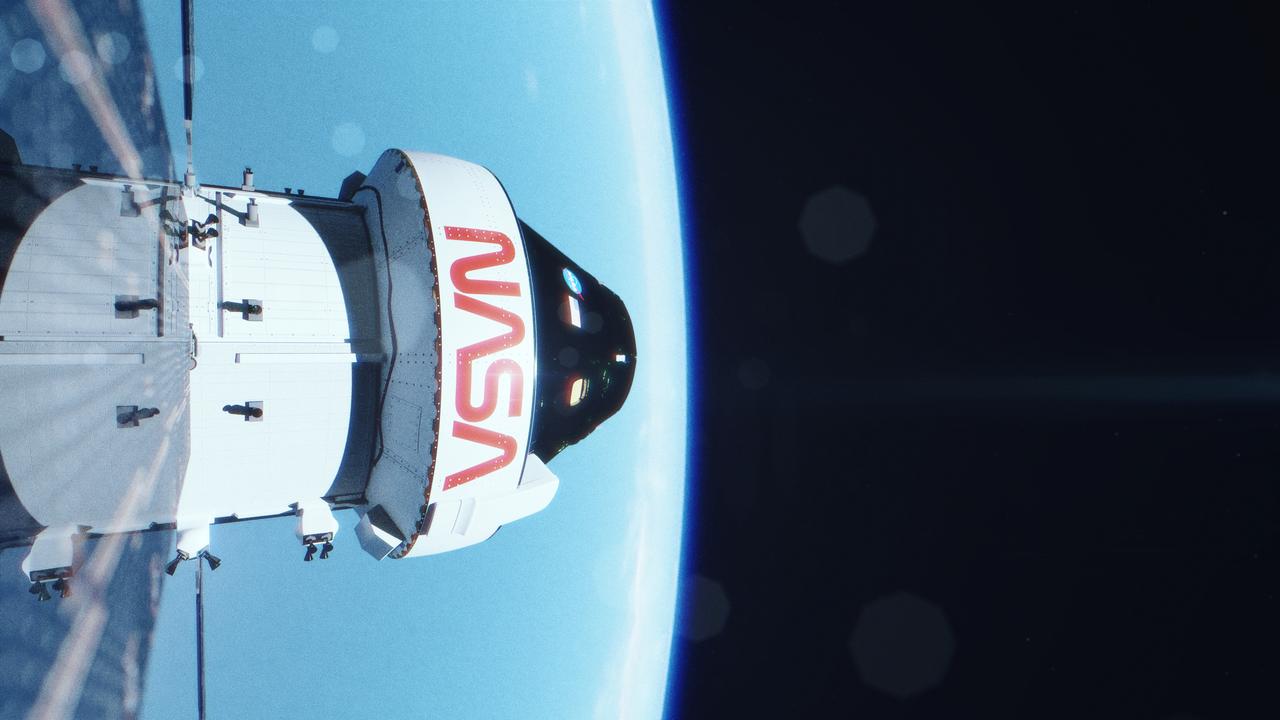
Artemis I will be the first integrated flight test of NASA’s deep space exploration system: the Orion spacecraft, Space Launch System (SLS) rocket and the ground systems at Kennedy Space Center in Cape Canaveral, Florida. The first in a series of increasingly complex missions, Artemis I will be an uncrewed flight that will provide a foundation for human deep space exploration, and demonstrate our commitment and capability to extend human existence to the Moon and beyond. During this flight, the uncrewed Orion spacecraft will launch on the most powerful rocket in the world and travel thousands of miles beyond the Moon, farther than any spacecraft built for humans has ever flown, over the course of about a three-week mission.
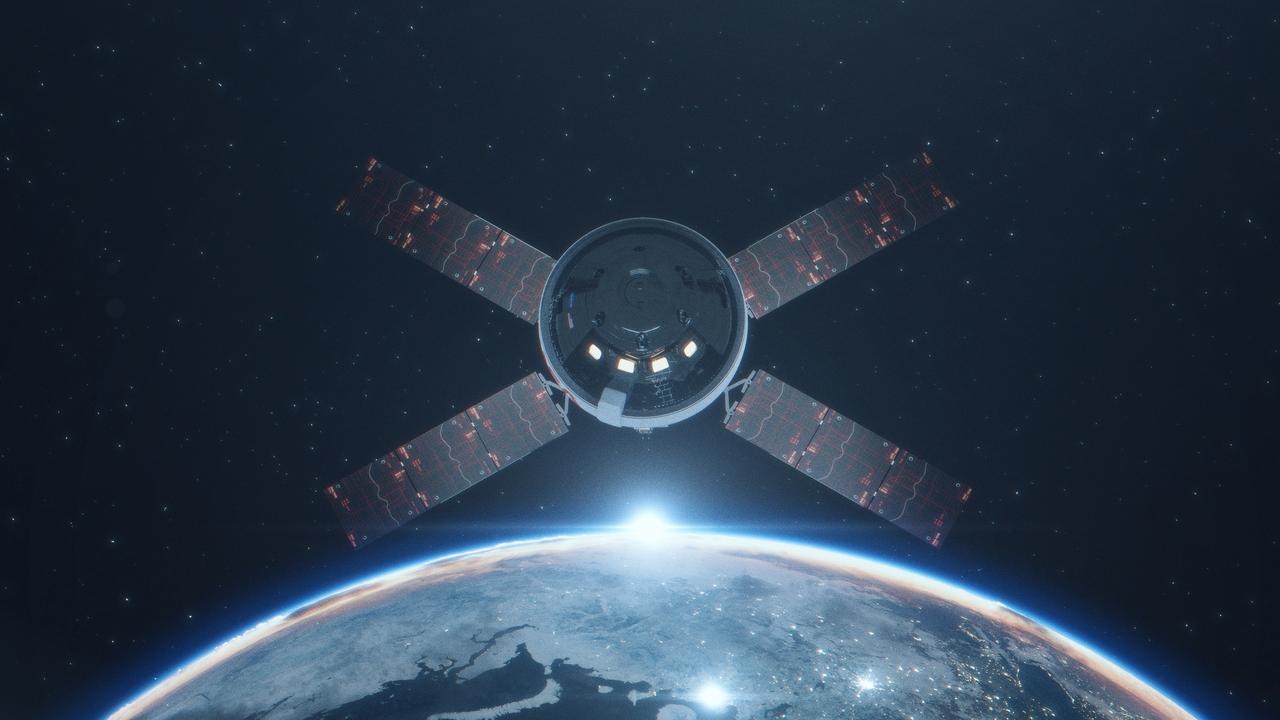
Artemis I will be the first integrated flight test of NASA’s deep space exploration system: the Orion spacecraft, Space Launch System (SLS) rocket and the ground systems at Kennedy Space Center in Cape Canaveral, Florida. The first in a series of increasingly complex missions, Artemis I will be an uncrewed flight that will provide a foundation for human deep space exploration, and demonstrate our commitment and capability to extend human existence to the Moon and beyond. During this flight, the uncrewed Orion spacecraft will launch on the most powerful rocket in the world and travel thousands of miles beyond the Moon, farther than any spacecraft built for humans has ever flown, over the course of about a three-week mission.
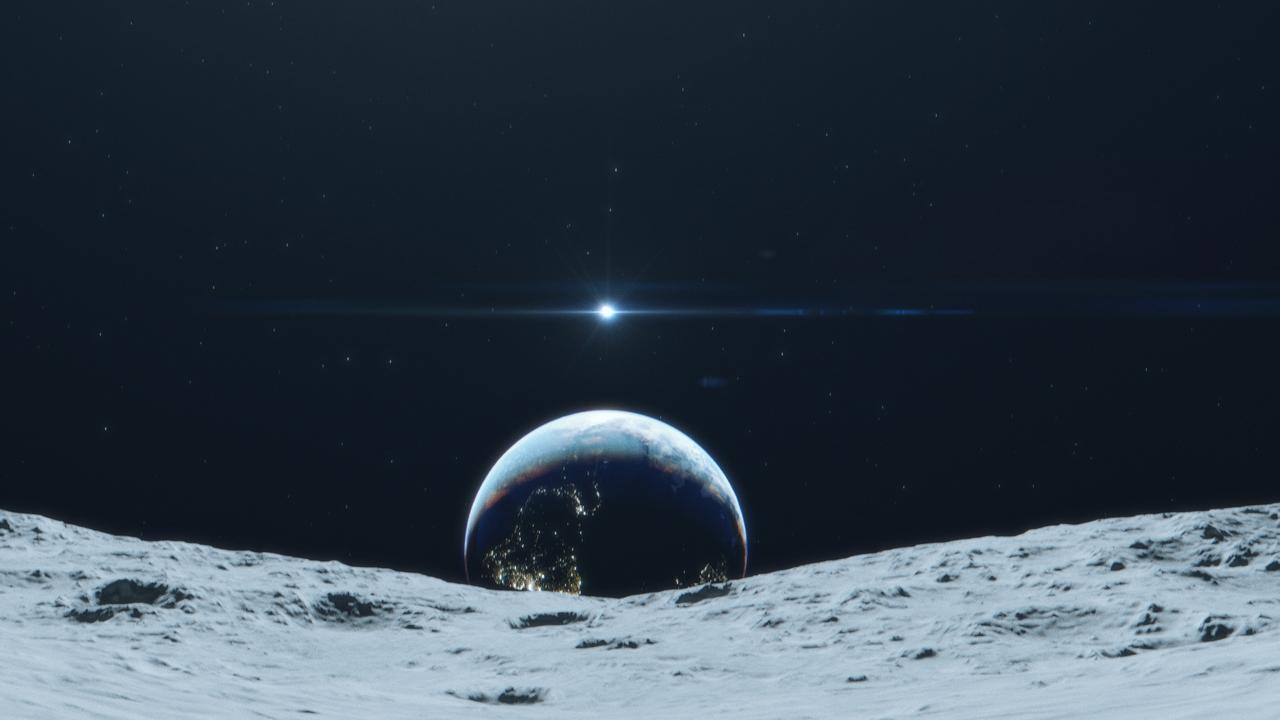
Artemis I will be the first integrated flight test of NASA’s deep space exploration system: the Orion spacecraft, Space Launch System (SLS) rocket and the ground systems at Kennedy Space Center in Cape Canaveral, Florida. The first in a series of increasingly complex missions, Artemis I will be an uncrewed flight that will provide a foundation for human deep space exploration, and demonstrate our commitment and capability to extend human existence to the Moon and beyond. During this flight, the uncrewed Orion spacecraft will launch on the most powerful rocket in the world and travel thousands of miles beyond the Moon, farther than any spacecraft built for humans has ever flown, over the course of about a three-week mission.
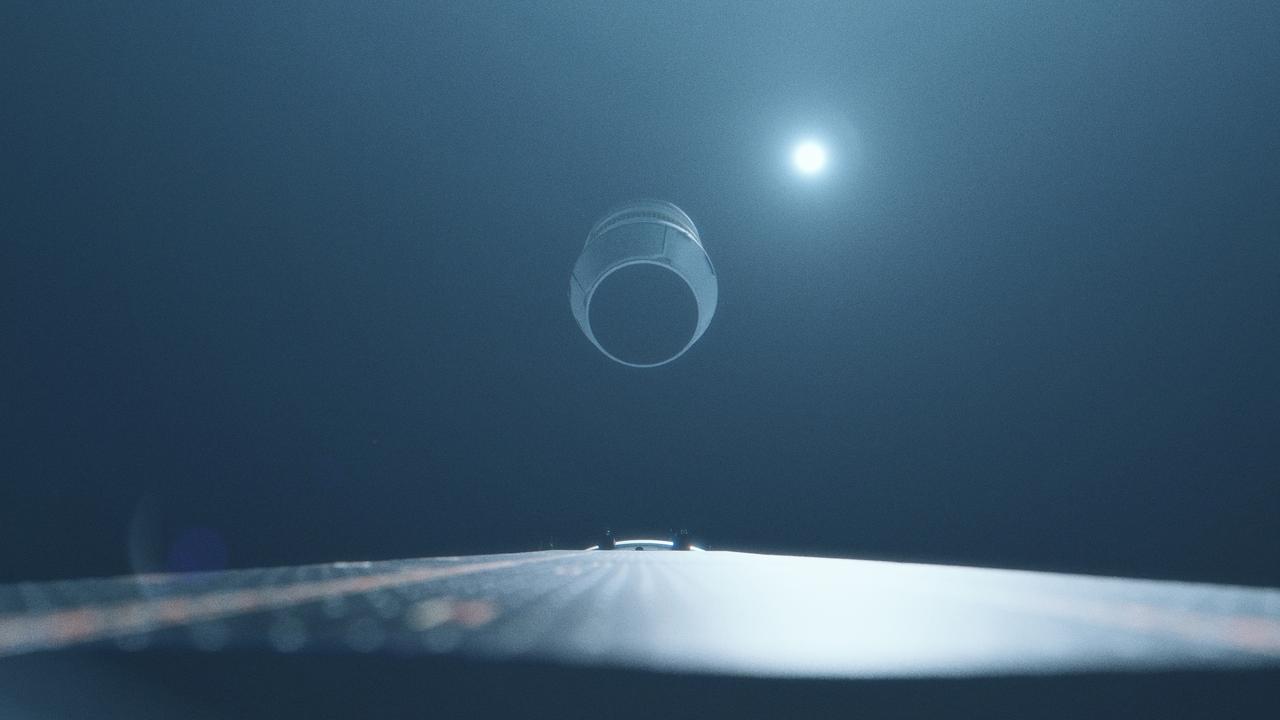
Artemis I will be the first integrated flight test of NASA’s deep space exploration system: the Orion spacecraft, Space Launch System (SLS) rocket and the ground systems at Kennedy Space Center in Cape Canaveral, Florida. The first in a series of increasingly complex missions, Artemis I will be an uncrewed flight that will provide a foundation for human deep space exploration, and demonstrate our commitment and capability to extend human existence to the Moon and beyond. During this flight, the uncrewed Orion spacecraft will launch on the most powerful rocket in the world and travel thousands of miles beyond the Moon, farther than any spacecraft built for humans has ever flown, over the course of about a three-week mission.
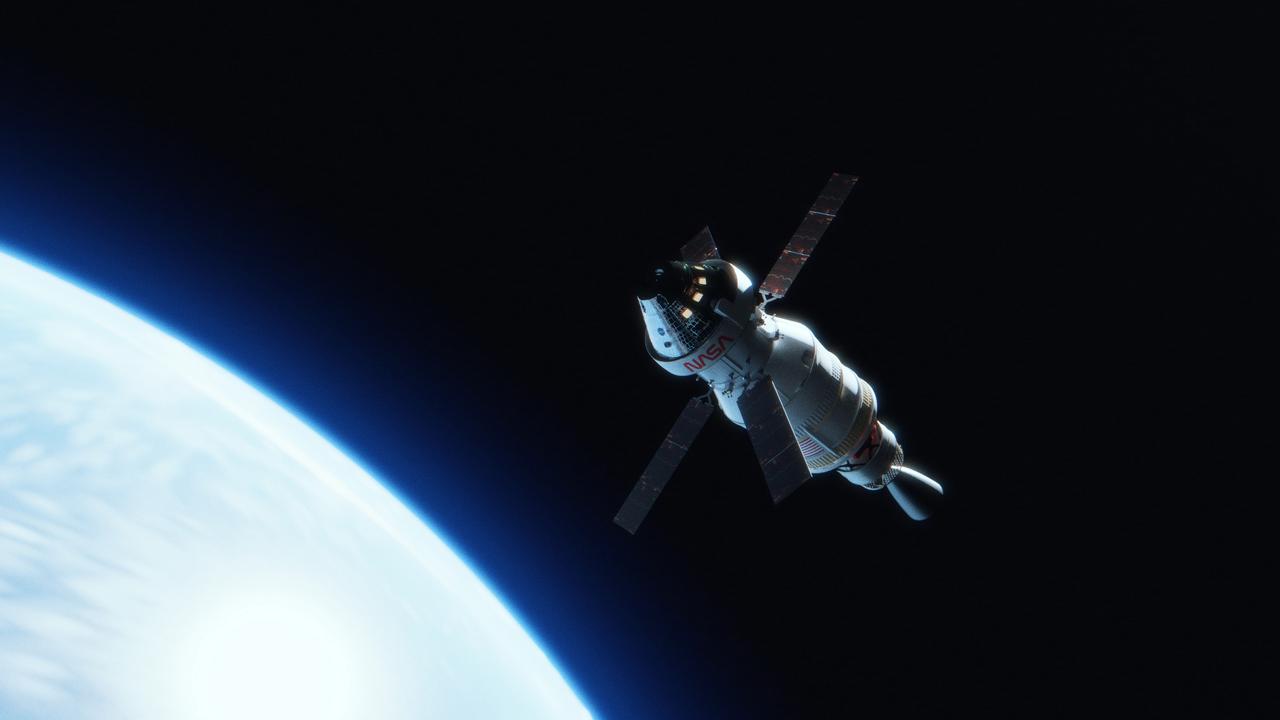
Artemis I will be the first integrated flight test of NASA’s deep space exploration system: the Orion spacecraft, Space Launch System (SLS) rocket and the ground systems at Kennedy Space Center in Cape Canaveral, Florida. The first in a series of increasingly complex missions, Artemis I will be an uncrewed flight that will provide a foundation for human deep space exploration, and demonstrate our commitment and capability to extend human existence to the Moon and beyond. During this flight, the uncrewed Orion spacecraft will launch on the most powerful rocket in the world and travel thousands of miles beyond the Moon, farther than any spacecraft built for humans has ever flown, over the course of about a three-week mission.
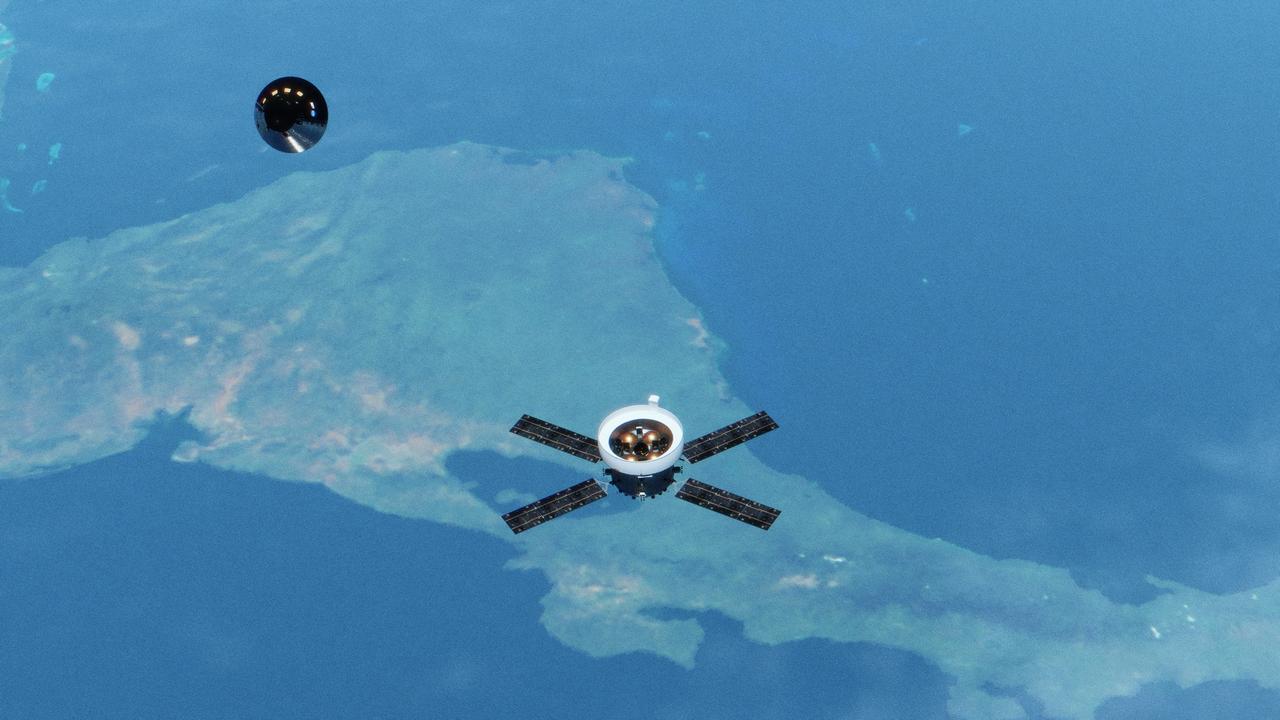
Artemis I will be the first integrated flight test of NASA’s deep space exploration system: the Orion spacecraft, Space Launch System (SLS) rocket and the ground systems at Kennedy Space Center in Cape Canaveral, Florida. The first in a series of increasingly complex missions, Artemis I will be an uncrewed flight that will provide a foundation for human deep space exploration, and demonstrate our commitment and capability to extend human existence to the Moon and beyond. During this flight, the uncrewed Orion spacecraft will launch on the most powerful rocket in the world and travel thousands of miles beyond the Moon, farther than any spacecraft built for humans has ever flown, over the course of about a three-week mission.
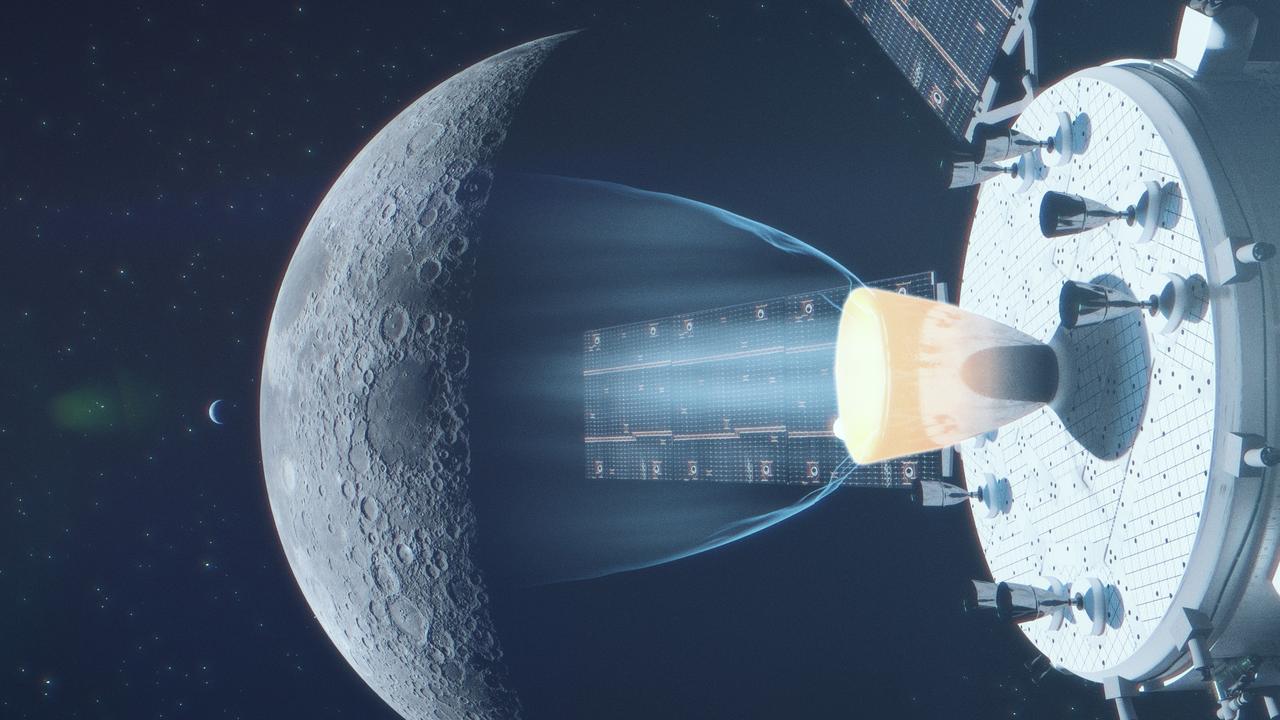
Artemis I will be the first integrated flight test of NASA’s deep space exploration system: the Orion spacecraft, Space Launch System (SLS) rocket and the ground systems at Kennedy Space Center in Cape Canaveral, Florida. The first in a series of increasingly complex missions, Artemis I will be an uncrewed flight that will provide a foundation for human deep space exploration, and demonstrate our commitment and capability to extend human existence to the Moon and beyond. During this flight, the uncrewed Orion spacecraft will launch on the most powerful rocket in the world and travel thousands of miles beyond the Moon, farther than any spacecraft built for humans has ever flown, over the course of about a three-week mission.
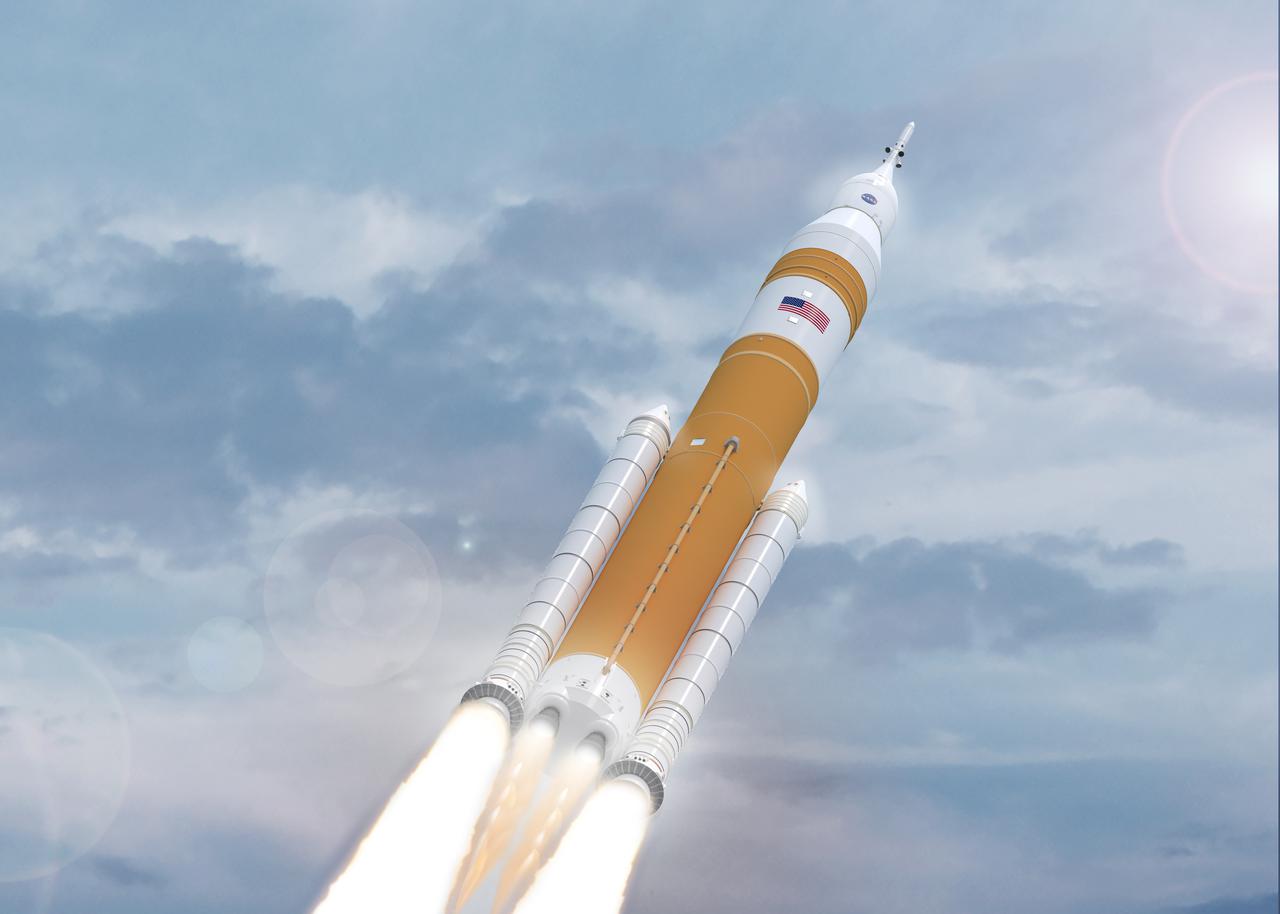
Illustration of evolved SLS Block 1B Crew variant in flight. This configuration of the rocket, with the Exploration Upper Stage, will provide in-space propulsion to send astronauts in NASA’s Orion spacecraft and heavy cargo on a precise trajectory to the Moon. The evolution of the rocket to SLS Block 1B configuration with EUS enables SLS to launch 40% more cargo to the Moon along with the crew. Manufacturing both the core stage and Exploration Upper Stage is a collaborative effort between NASA and Boeing, the lead contractor for EUS and the SLS core stage. SLS is the only rocket that can send Orion, astronauts, and supplies to the Moon in a single mission. The SLS rocket, NASA’s Orion spacecraft, Gateway, and human landing system are part of NASA’s backbone for deep space exploration. Under the Artemis program, NASA is working to land the first woman and the next man on the Moon to pave the way for sustainable exploration at the Moon and future missions to Mars. (NASA)
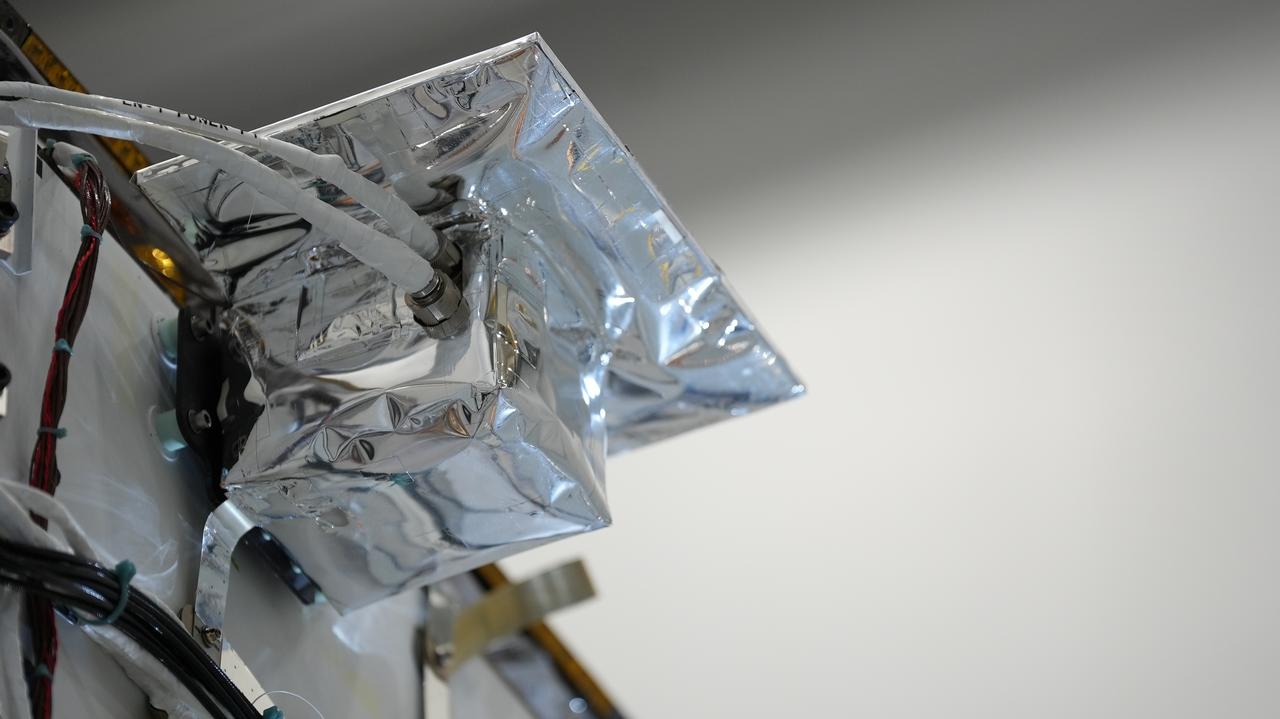
Lunar Node-1, an autonomous navigation payload that will change how human explorers safely traverse the Moon’s surface and live and work in lunar orbit, awaits liftoff as part of Intuitive Machines’ IM-1 mission, its first under NASA’s Commercial Lunar Payload Services initiative. LN-1 was developed, built, and tested at NASA’s Marshall Space Flight Center in Huntsville, Alabama.
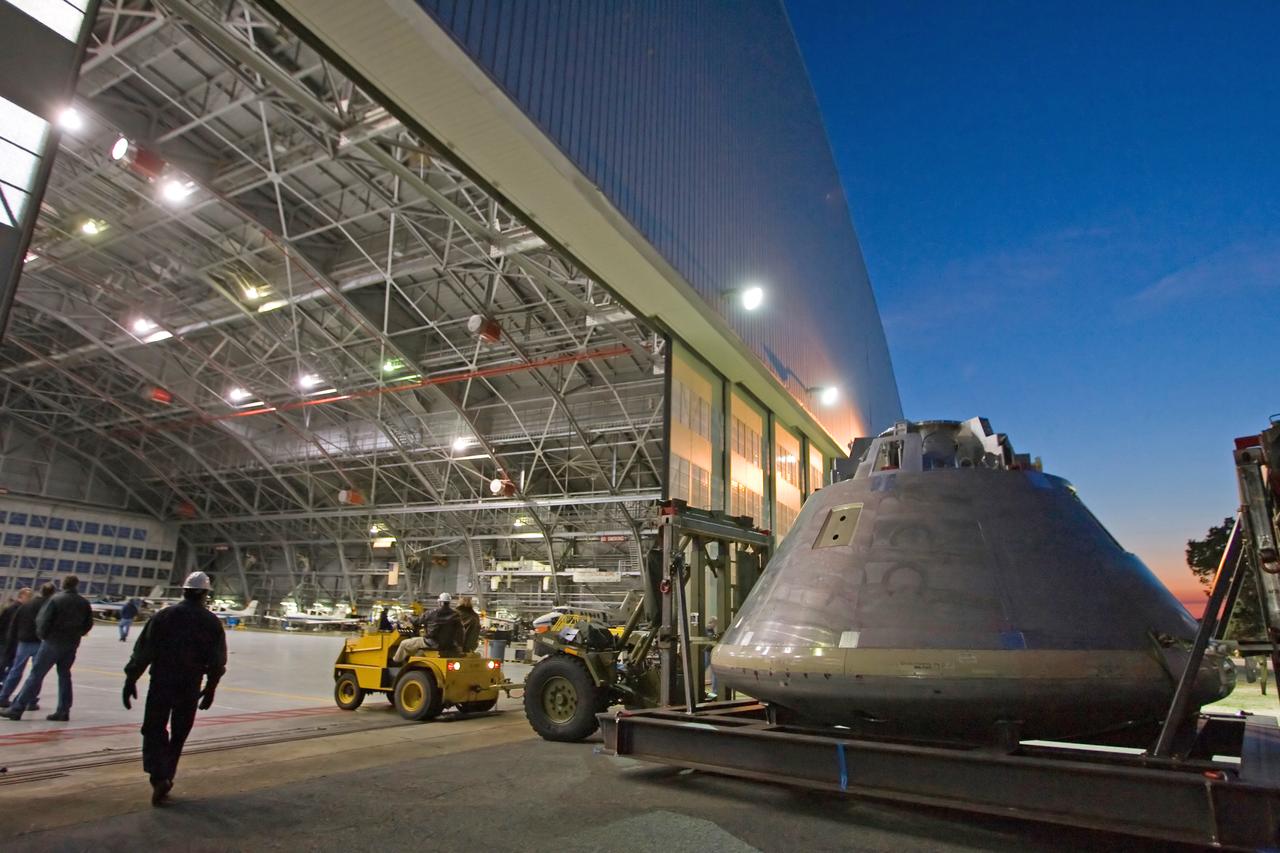
America will send a new generation of explorers to the moon aboard NASA’s Orion crew exploration vehicle. Making its first flights to the International Space Station early in the next decade, Orion is part of the Constellation Program to send human explorers back to the moon, and then onward to Mars and other destinations in the solar system.
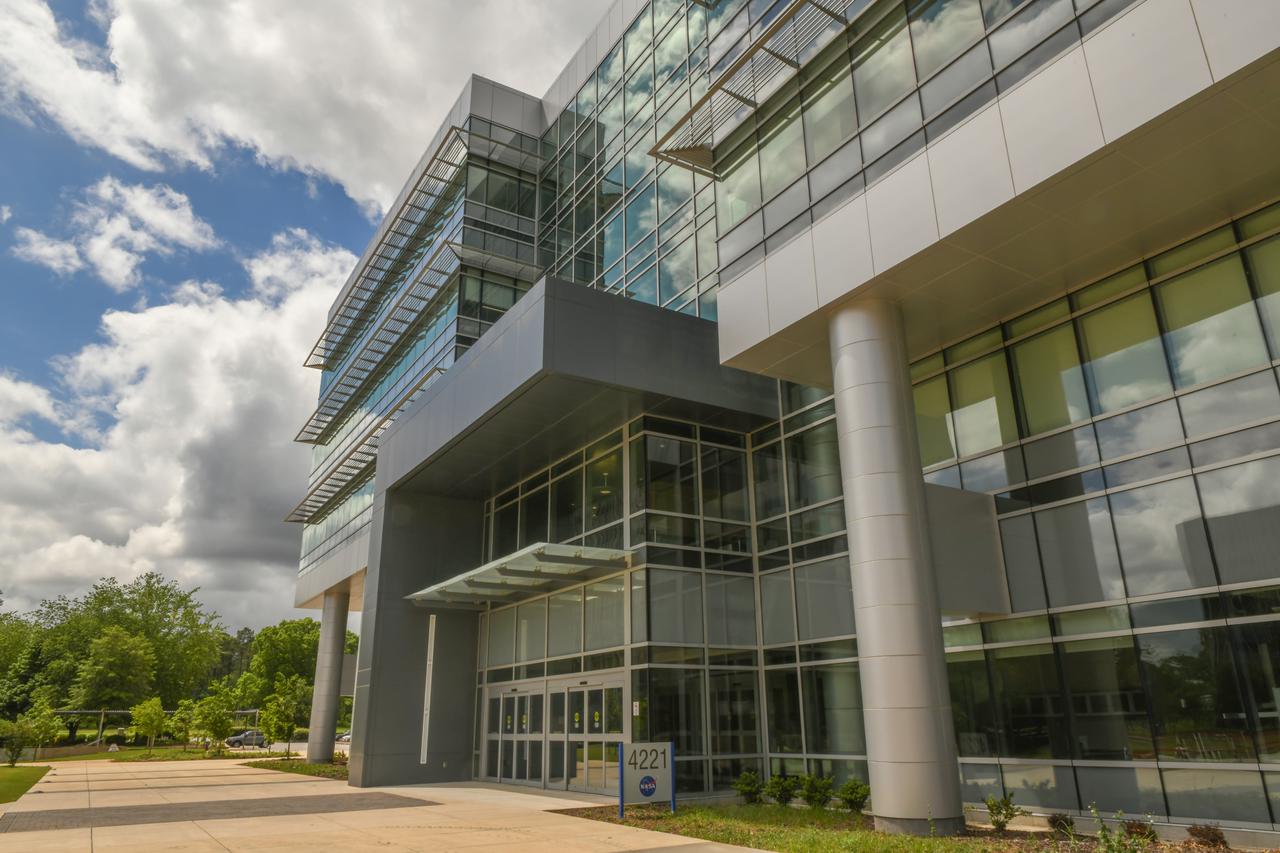
The newest building on Marshall Space Flight Center’s campus as of April 22, 2019, Building 4221 houses offices for the center’s top leaders, as well as the Human Exploration, Development and Operations Office; the Science Technology Office; the Engineering Directorate; the Human Landing Program Office; and the Office of Strategic Analysis and Communications.
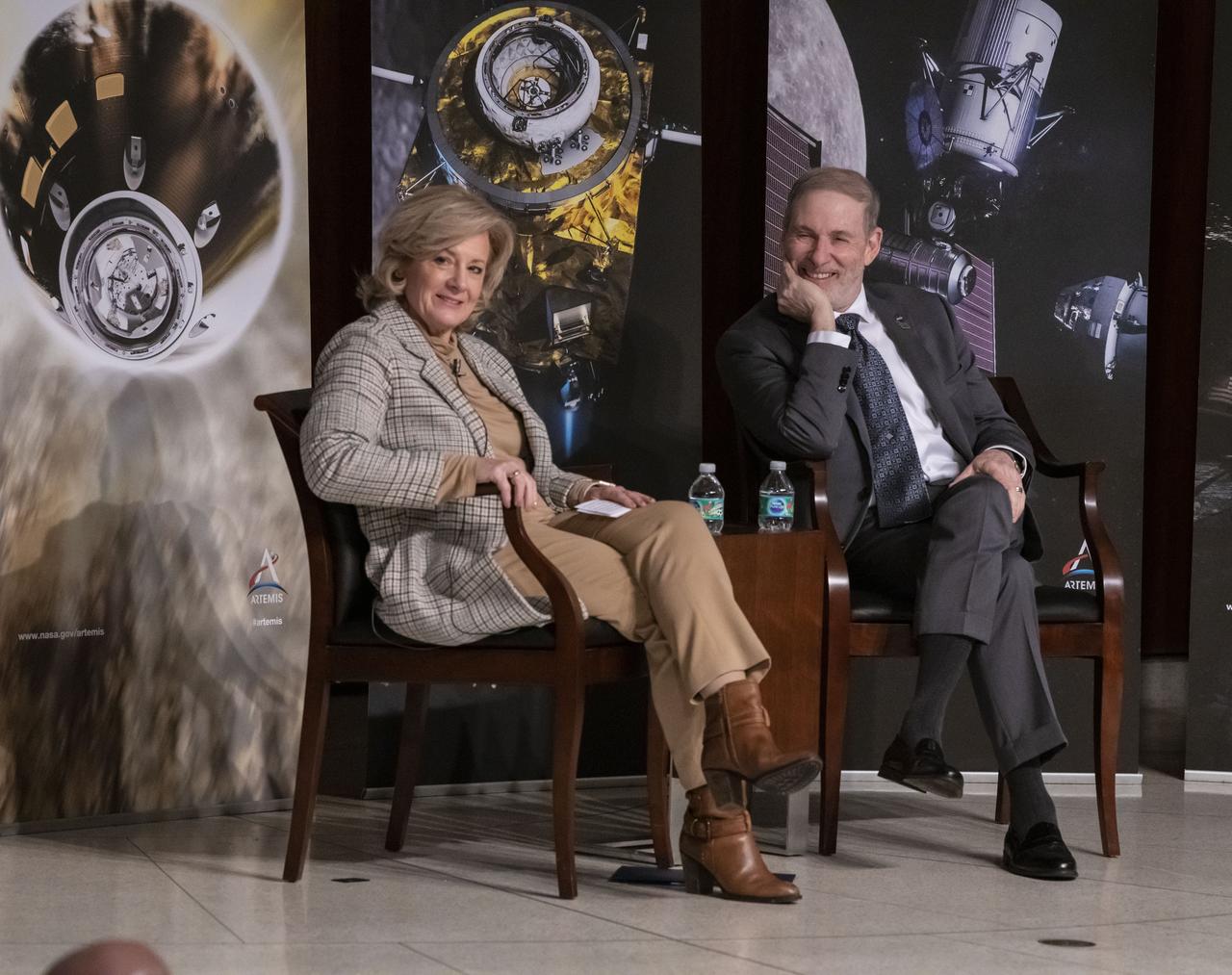
Douglas Loverro, NASA Associate Administrator for the Human Exploration and Operations Mission Directorate, and Marshall Center Director Jody Singer participate in a Town Hall with Marshall Space Flight Center employees
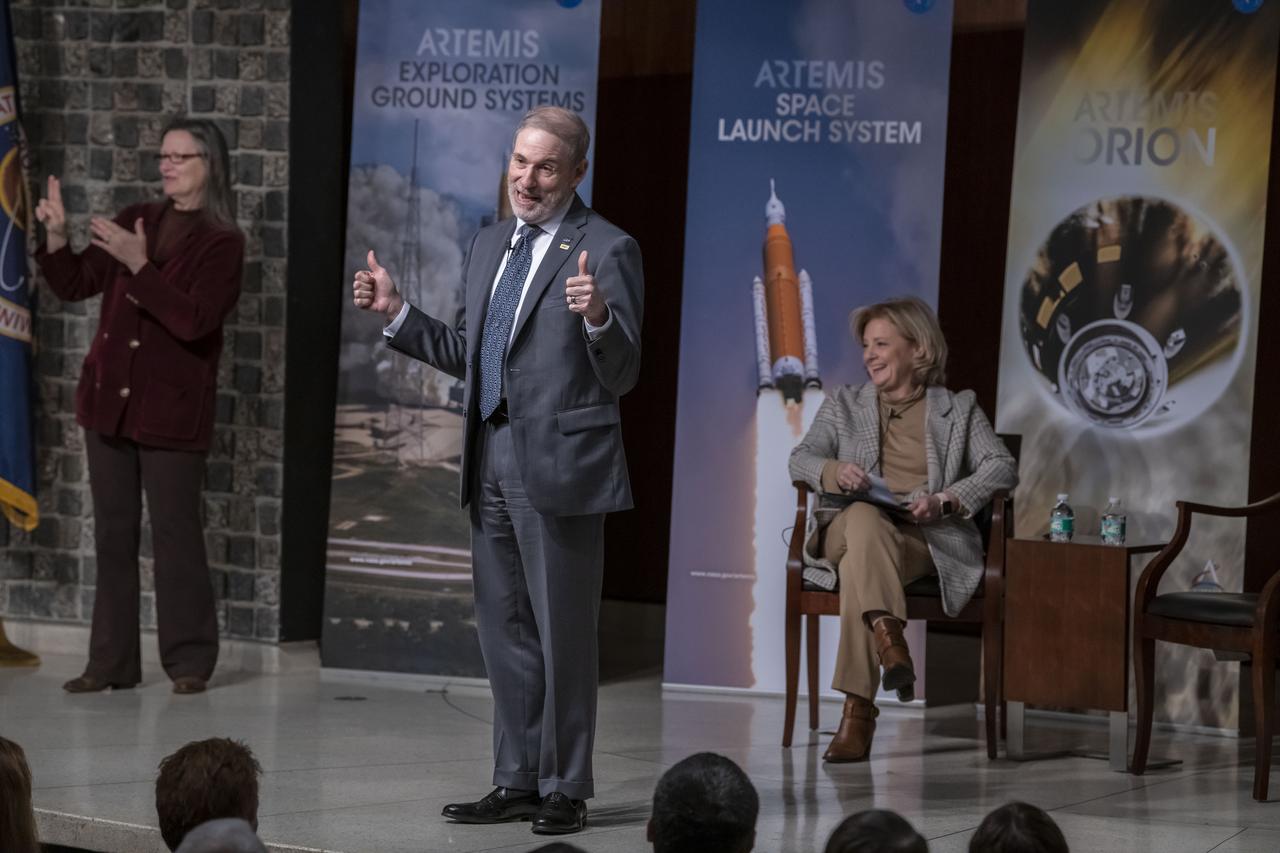
Douglas Loverro, NASA Associate Administrator for the Human Exploration and Operations Mission Directorate, and Marshall Center Director Jody Singer participate in a Town Hall with Marshall Space Flight Center employees
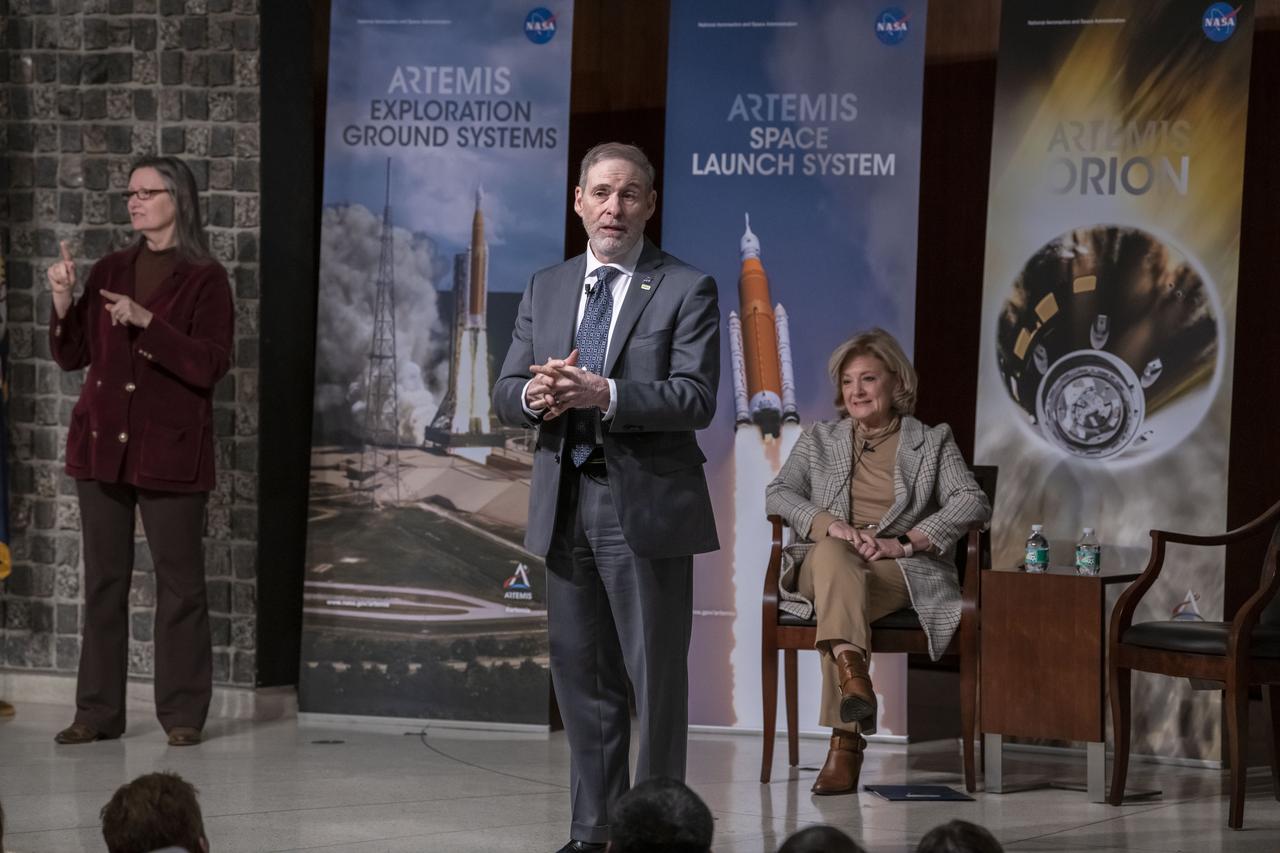
Douglas Loverro, NASA Associate Administrator for the Human Exploration and Operations Mission Directorate, and Marshall Center Director Jody Singer participate in a Town Hall with Marshall Space Flight Center employees
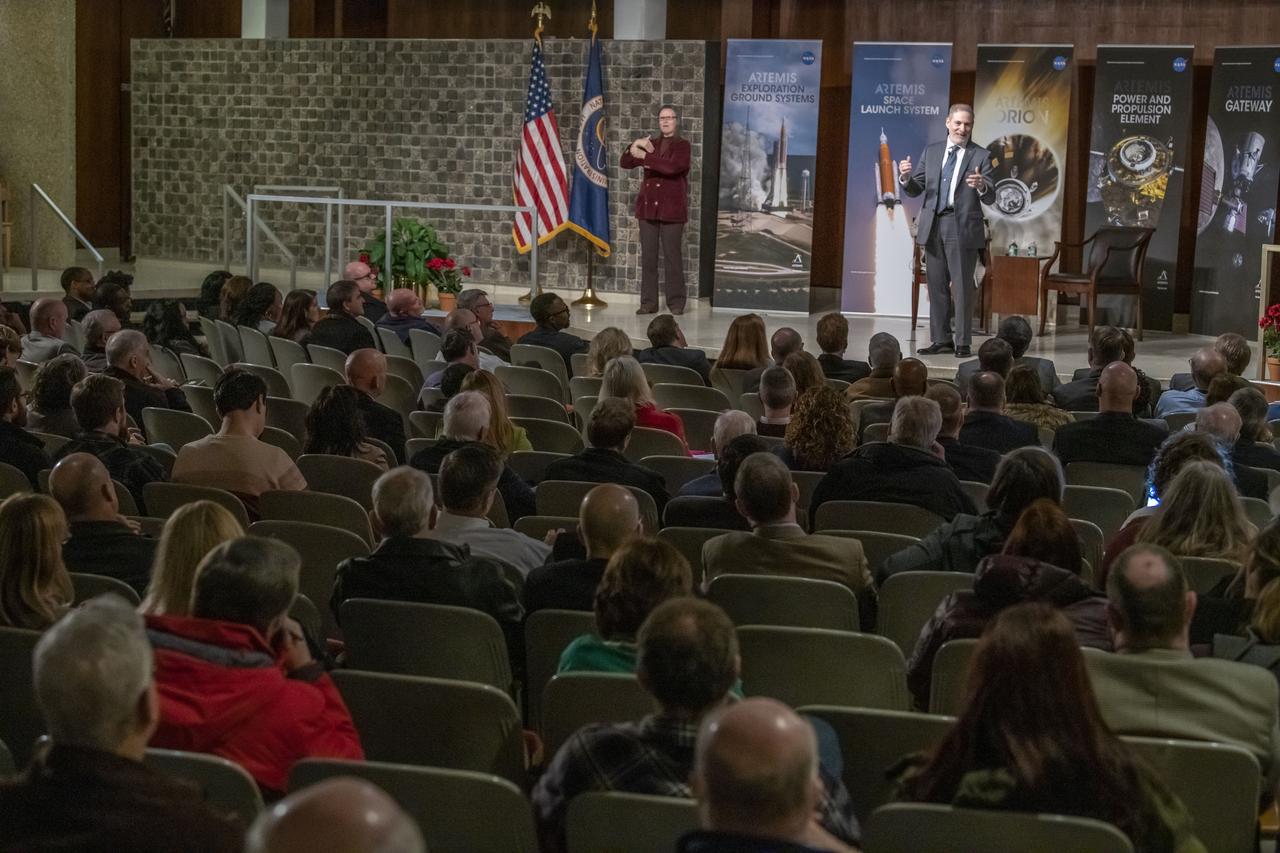
Douglas Loverro, NASA Associate Administrator for the Human Exploration and Operations Mission Directorate, and Marshall Center Director Jody Singer participate in a Town Hall with Marshall Space Flight Center employees
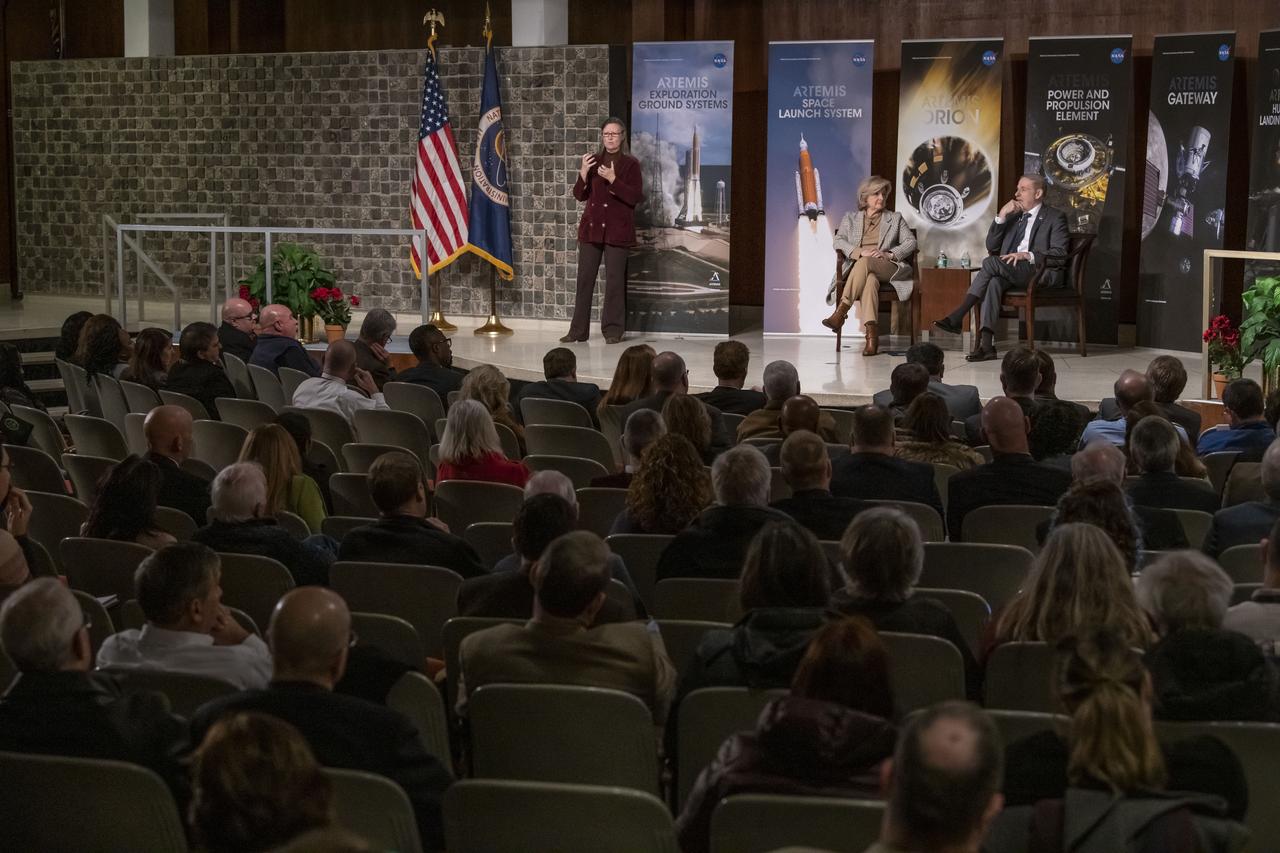
Douglas Loverro, NASA Associate Administrator for the Human Exploration and Operations Mission Directorate, and Marshall Center Director Jody Singer participate in a Town Hall with Marshall Space Flight Center employees
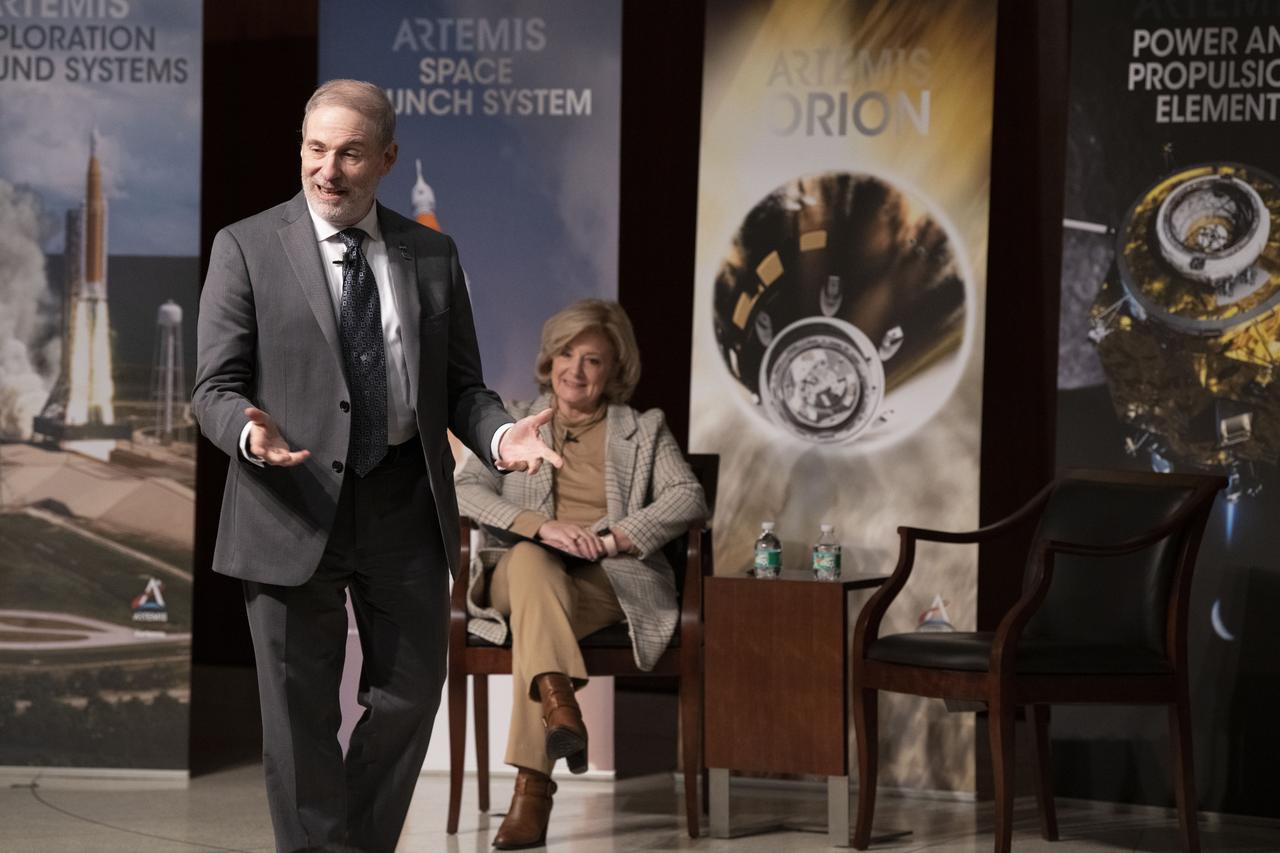
Douglas Loverro, NASA Associate Administrator for the Human Exploration and Operations Mission Directorate, and Marshall Center Director Jody Singer participate in a Town Hall with Marshall Space Flight Center employees
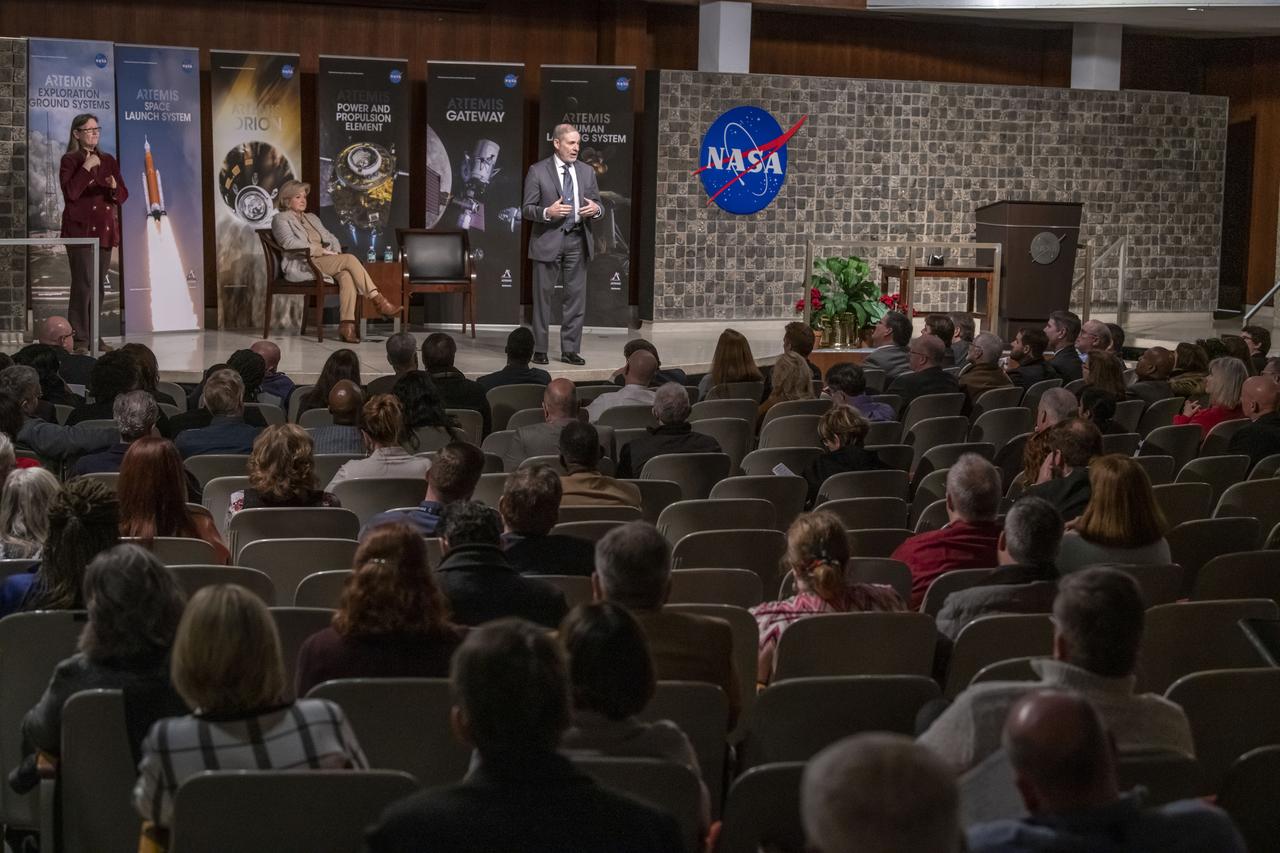
Douglas Loverro, NASA Associate Administrator for the Human Exploration and Operations Mission Directorate, and Marshall Center Director Jody Singer participate in a Town Hall with Marshall Space Flight Center employees
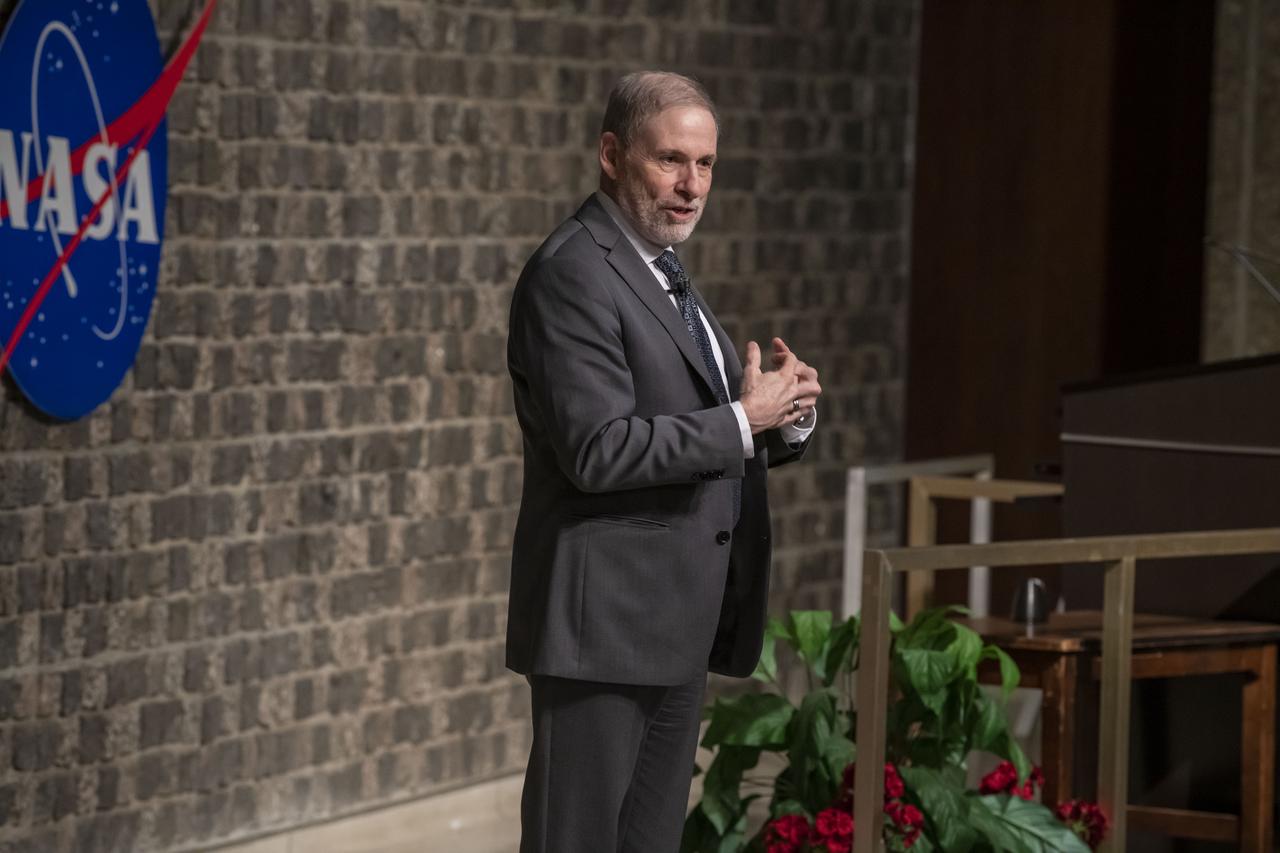
Douglas Loverro, NASA Associate Administrator for the Human Exploration and Operations Mission Directorate, and Marshall Center Director Jody Singer participate in a Town Hall with Marshall Space Flight Center employees

NASA Administrator Jared Isaacman visited NASA's Michoud Assembly Facility May 7, 2026, to see how the MAF team is helping build the future of human space exploration through Artemis. As a key production site for NASA's SLS (Space Launch System) and Orion spacecraft, teams at Michoud are focused on hardware for upcoming Artemis missions, including next year’s Artemis III mission and beyond. Isaacman toured the facility following an employee town hall. Acknowledging the facility’s rich history supporting all agency human space flight initiatives since Apollo, Isaacman called Michoud an “advanced manufacturing center of excellence,” and praised the workforce for their contribution to the Artemis campaign. House Majority Leader Steve Scalise was also in attendance and participated in the event and tours. Image credit: NASA/Michael DeMocker

NASA Administrator Jared Isaacman visited NASA's Michoud Assembly Facility May 7, 2026, to see how the MAF team is helping build the future of human space exploration through Artemis. As a key production site for NASA's SLS (Space Launch System) and Orion spacecraft, teams at Michoud are focused on hardware for upcoming Artemis missions, including next year’s Artemis III mission and beyond. Isaacman toured the facility following an employee town hall. Acknowledging the facility’s rich history supporting all agency human space flight initiatives since Apollo, Isaacman called Michoud an “advanced manufacturing center of excellence,” and praised the workforce for their contribution to the Artemis campaign. House Majority Leader Steve Scalise was also in attendance and participated in the event and tours. Image credit: NASA/Michael DeMocker
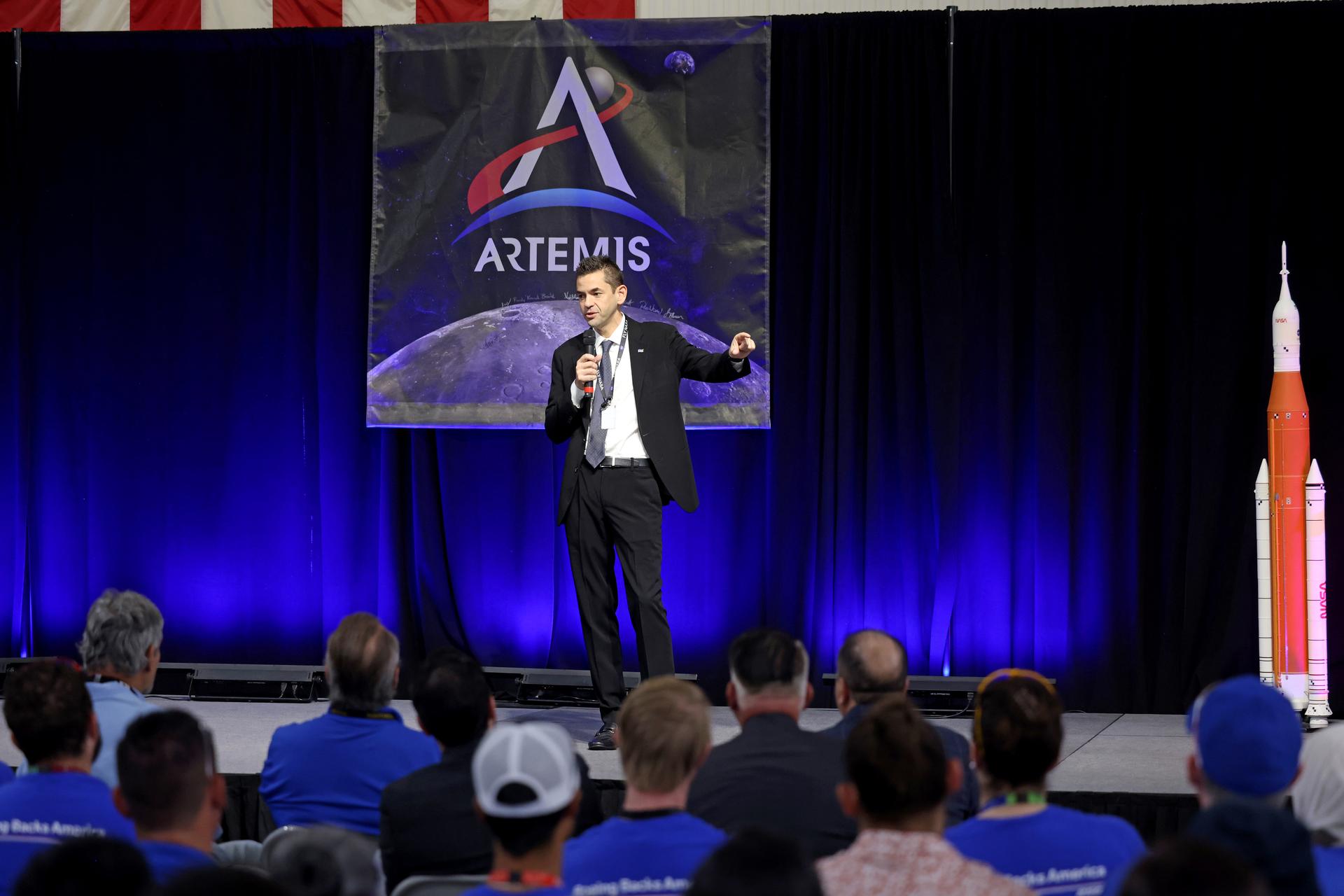
NASA Administrator Jared Isaacman visited NASA's Michoud Assembly Facility May 7, 2026, to see how the MAF team is helping build the future of human space exploration through Artemis. As a key production site for NASA's SLS (Space Launch System) and Orion spacecraft, teams at Michoud are focused on hardware for upcoming Artemis missions, including next year’s Artemis III mission and beyond. Isaacman toured the facility following an employee town hall. Acknowledging the facility’s rich history supporting all agency human space flight initiatives since Apollo, Isaacman called Michoud an “advanced manufacturing center of excellence,” and praised the workforce for their contribution to the Artemis campaign. House Majority Leader Steve Scalise was also in attendance and participated in the event and tours. Image credit: NASA/Michael DeMocker

NASA Administrator Jared Isaacman visited NASA's Michoud Assembly Facility May 7, 2026, to see how the MAF team is helping build the future of human space exploration through Artemis. As a key production site for NASA's SLS (Space Launch System) and Orion spacecraft, teams at Michoud are focused on hardware for upcoming Artemis missions, including next year’s Artemis III mission and beyond. Isaacman toured the facility following an employee town hall. Acknowledging the facility’s rich history supporting all agency human space flight initiatives since Apollo, Isaacman called Michoud an “advanced manufacturing center of excellence,” and praised the workforce for their contribution to the Artemis campaign. House Majority Leader Steve Scalise was also in attendance and participated in the event and tours. Image credit: NASA/Michael DeMocker

NASA Administrator Jared Isaacman visited NASA's Michoud Assembly Facility May 7, 2026, to see how the MAF team is helping build the future of human space exploration through Artemis. As a key production site for NASA's SLS (Space Launch System) and Orion spacecraft, teams at Michoud are focused on hardware for upcoming Artemis missions, including next year’s Artemis III mission and beyond. Isaacman toured the facility following an employee town hall. Acknowledging the facility’s rich history supporting all agency human space flight initiatives since Apollo, Isaacman called Michoud an “advanced manufacturing center of excellence,” and praised the workforce for their contribution to the Artemis campaign. House Majority Leader Steve Scalise was also in attendance and participated in the event and tours. Image credit: NASA/Michael DeMocker
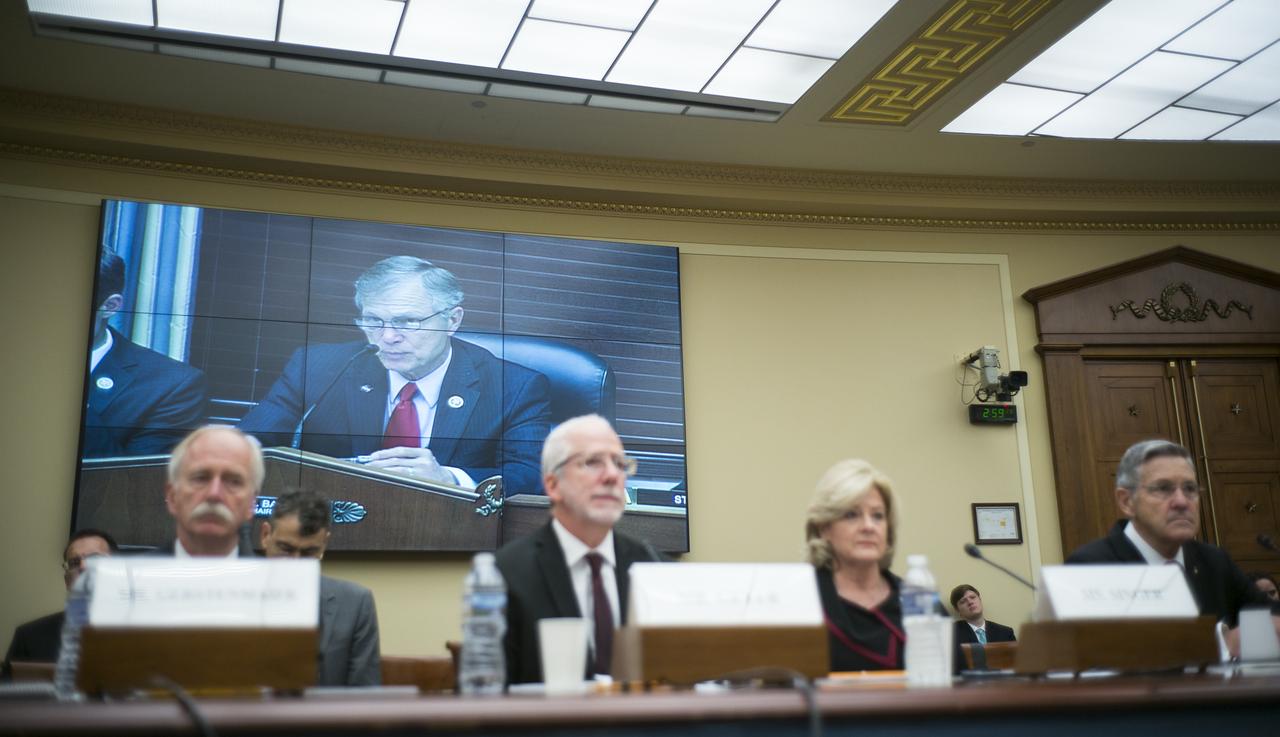
Chairman Brian Babin, R-Texas, asks a question of NASA's Associate Administrator for the Human Exploration and Operations Mission Directorate William Gerstenmaier, left, Mark Geyer, Director of NASA's Johnson Space Center, second from left, Jody Singer, Director of NASA's Marshall Space Flight Center, second from right, and Robert Cabana, Director of NASA's Kennedy Space Center, right, during a House Subcommittee on Space hearing titled "60 Years of NASA Leadership in Human Space Exploration: Past, Present, and Future," Wednesday, Sept. 26, 2018 at the Rayburn House Office Building in Washington. Photo Credit: (NASA/Joel Kowsky)
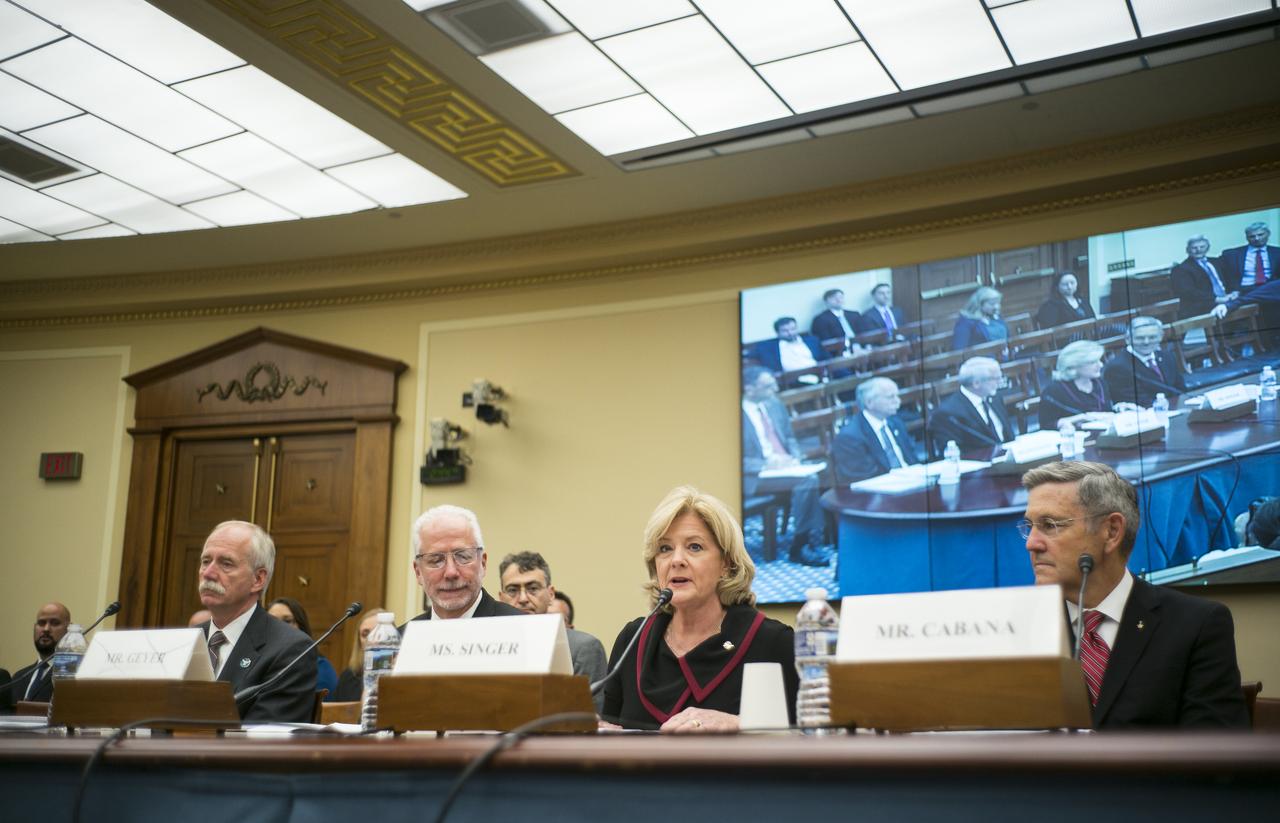
Jody Singer, Director of NASA's Marshall Space Flight Center, second from right, testifies during a House Subcommittee on Space hearing titled "60 Years of NASA Leadership in Human Space Exploration: Past, Present, and Future," Wednesday, Sept. 26, 2018 at the Rayburn House Office Building in Washington. NASA's Associate Administrator for the Human Exploration and Operations Mission Directorate William Gerstenmaier, left, Mark Geyer, Director of NASA's Johnson Space Center, second from left, and Robert Cabana, Director of NASA's Kennedy Space Center, right, also testified during the hearing. Photo Credit: (NASA/Joel Kowsky)
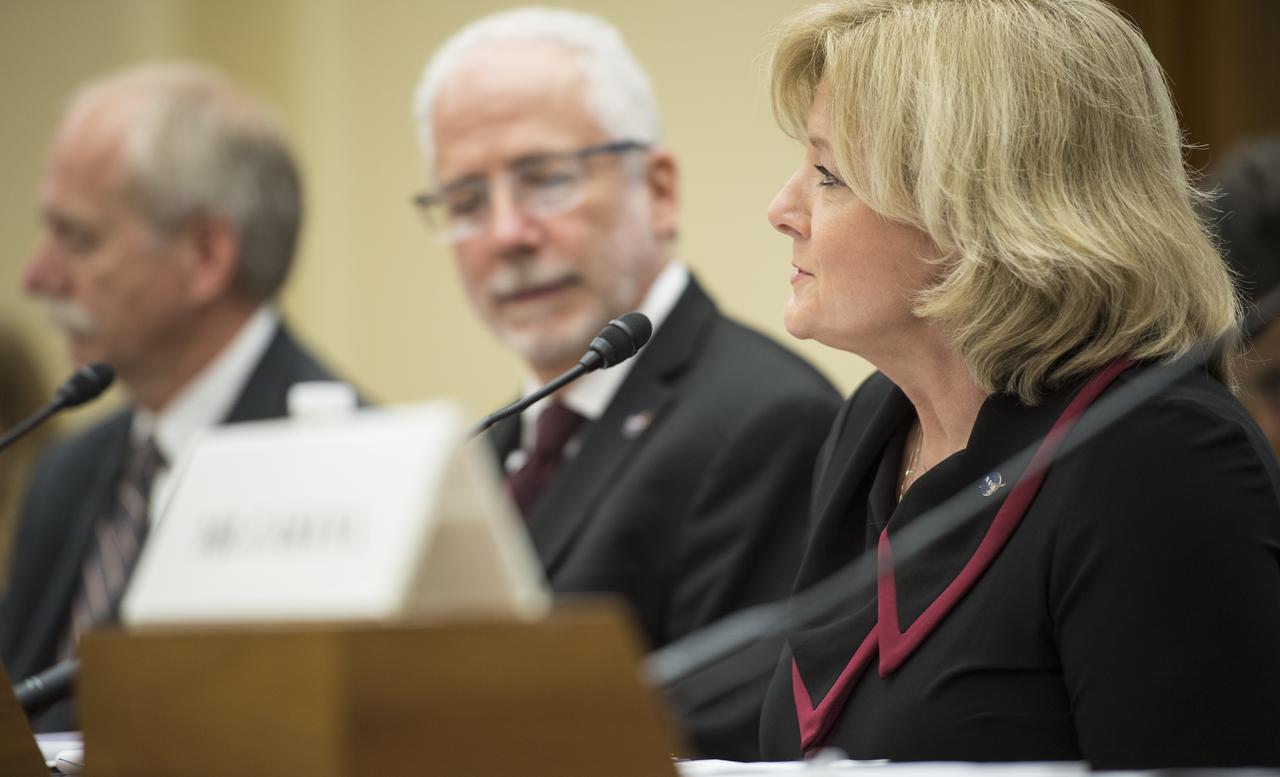
Jody Singer, Director of NASA's Marshall Space Flight Center, testifies during a House Subcommittee on Space hearing titled "60 Years of NASA Leadership in Human Space Exploration: Past, Present, and Future," Wednesday, Sept. 26, 2018 at the Rayburn House Office Building in Washington. Photo Credit: (NASA/Joel Kowsky)
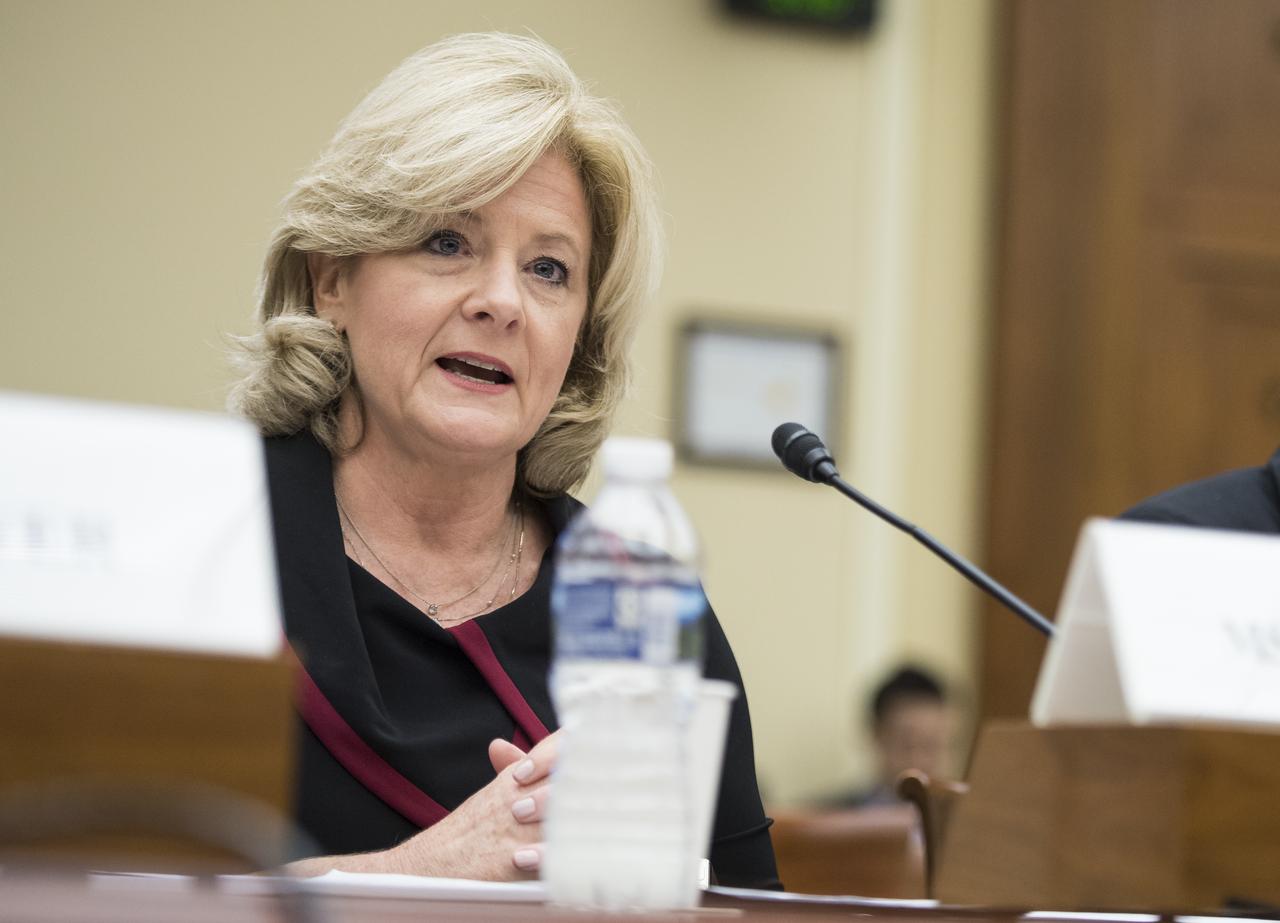
Jody Singer, Director of NASA's Marshall Space Flight Center, testifies during a House Subcommittee on Space hearing titled "60 Years of NASA Leadership in Human Space Exploration: Past, Present, and Future," Wednesday, Sept. 26, 2018 at the Rayburn House Office Building in Washington. Photo Credit: (NASA/Joel Kowsky)
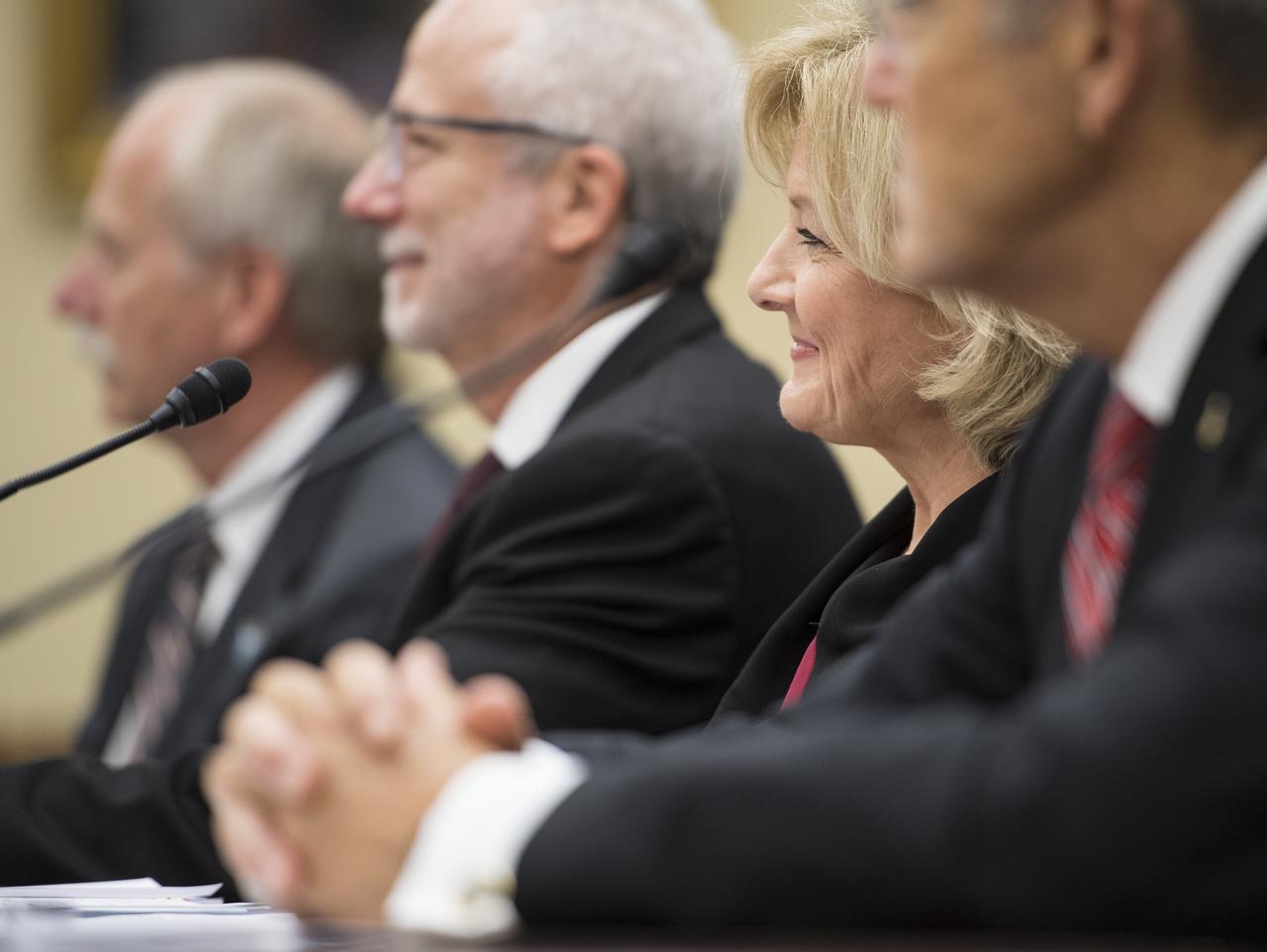
Jody Singer, Director of NASA's Marshall Space Flight Center, testifies during a House Subcommittee on Space hearing titled "60 Years of NASA Leadership in Human Space Exploration: Past, Present, and Future," Wednesday, Sept. 26, 2018 at the Rayburn House Office Building in Washington. Photo Credit: (NASA/Joel Kowsky)
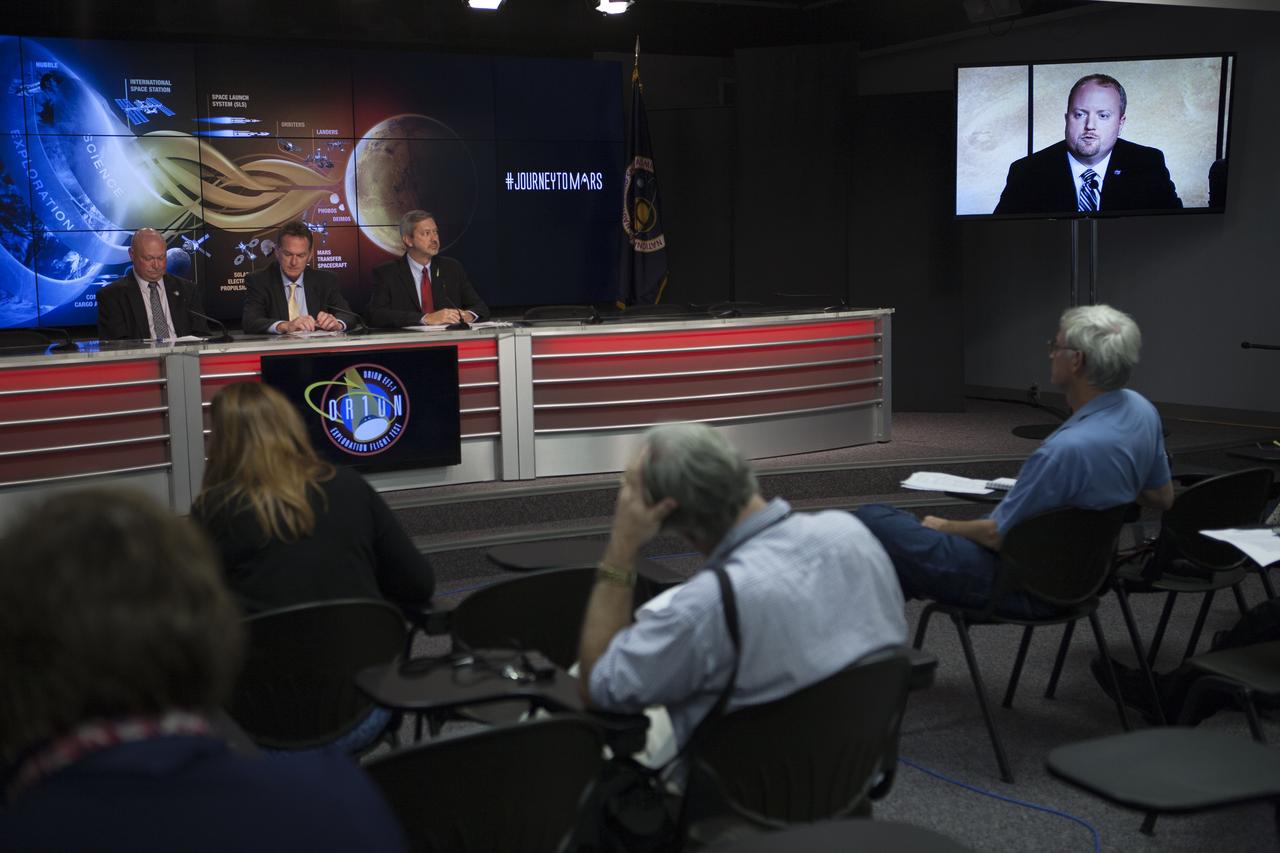
At NASA's Kennedy Space Center in Florida, NASA leaders spoke to members of the news media about how the first flight of the new Orion spacecraft is a first step in the agency's plans to send humans to Mars. At Kennedy's News Center auditorium from the left are: Mike Curie of NASA Public Affairs, Mike Bolger, program manager of Ground Systems Development and Operations Program, and Chris Crumbly, manager of Space Launch System Spacecraft/Payload Integration and Evolution. Participating via video from the agency's headquarters in Washington included Jason Crusan, director of Advanced Exploration Systems Division of Human Exploration and Operations Mission Directorate, seen on the monitor on the right. Orion is the exploration spacecraft designed to carry astronauts to destinations not yet explored by humans, including an asteroid and Mars. It will have emergency abort capability, sustain the crew during space travel and provide safe re-entry from deep space return velocities. The first unpiloted flight test of Orion is scheduled to launch Dec. 4, 2014 atop a United Launch Alliance Delta IV Heavy rocket, and in 2018 on NASA’s Space Launch System rocket.
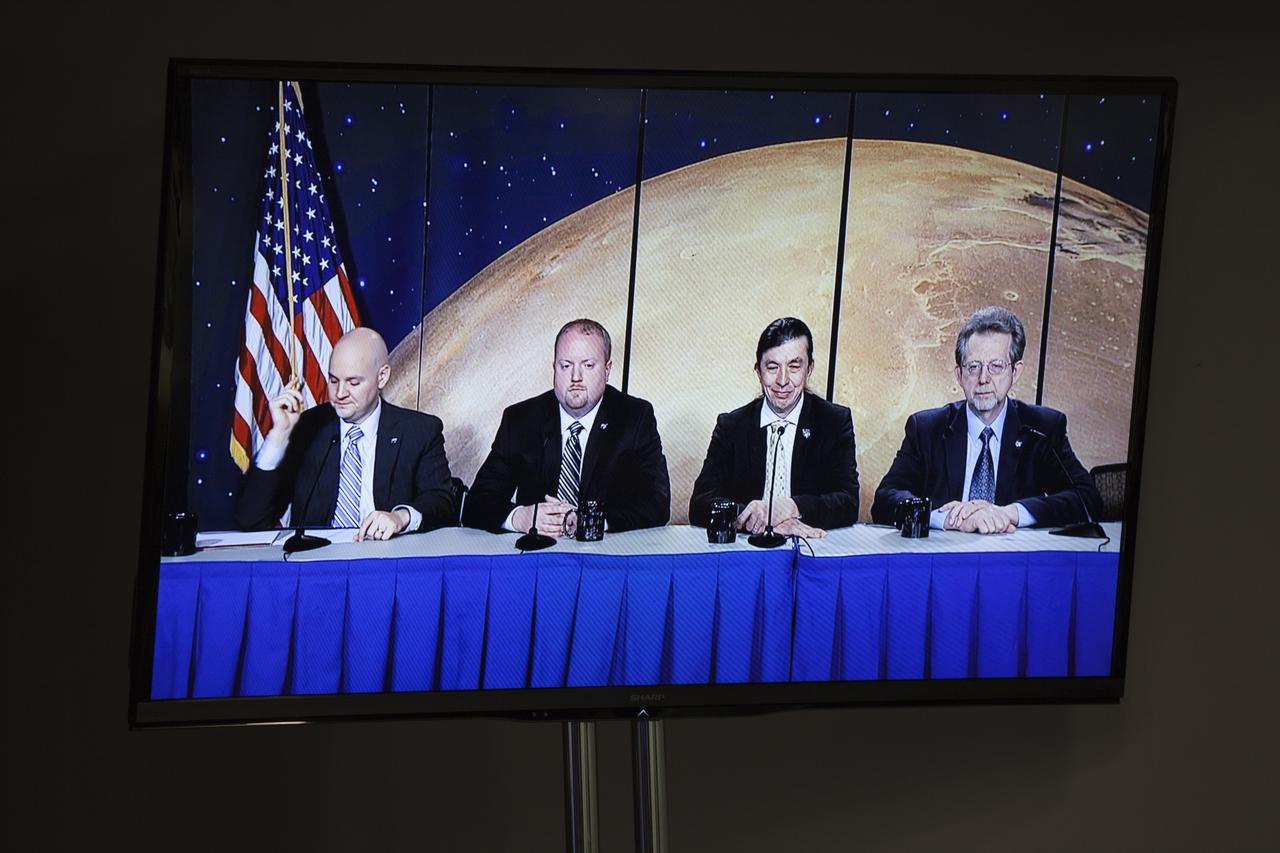
At NASA Headquarters in Washington and the Kennedy Space Center in Florida, NASA leaders spoke to members of the new media about how the first flight of the new Orion spacecraft is a first step in the agency's plans to send humans to Mars. Seen on a video monitor at Kennedy, Headquarter participants, from the left are: Trent Perrotto of NASA Public Affairs, Jason Crusan, director of Advanced Exploration Systems Division of Human Exploration and Operations Mission Directorate, Jim Reuther, deputy associate administrator for Programs, Space Technology Mission Directorate, and Jim Green, director of Planetary Division of the Science Mission Directorate. Orion is the exploration spacecraft designed to carry astronauts to destinations not yet explored by humans, including an asteroid and Mars. It will have emergency abort capability, sustain the crew during space travel and provide safe re-entry from deep space return velocities. The first unpiloted flight test of Orion is scheduled to launch Dec. 4, 2014 atop a United Launch Alliance Delta IV Heavy rocket, and in 2018 on NASA’s Space Launch System rocket.
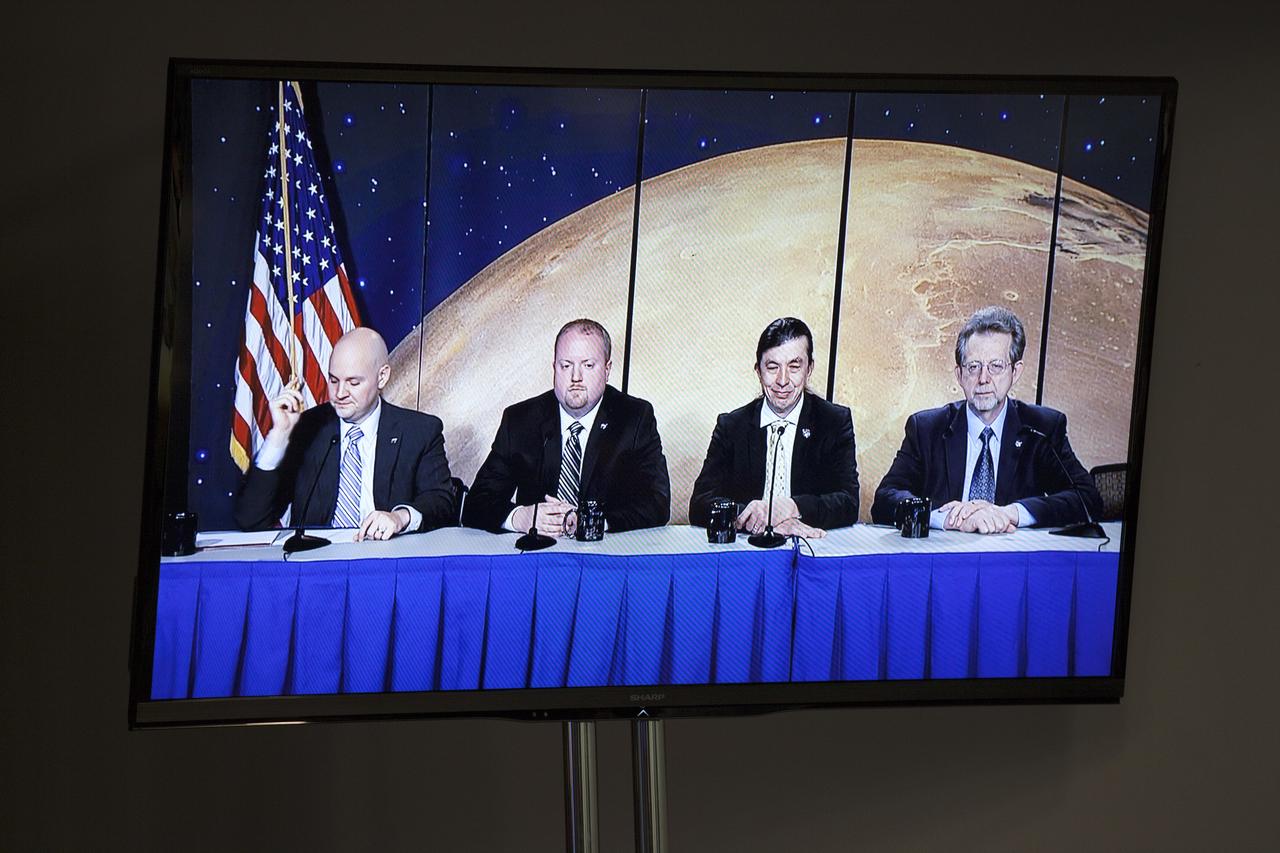
CAPE CANAVERAL, Fla. – At NASA Headquarters in Washington and the Kennedy Space Center in Florida, NASA leaders spoke to members of the new media about how the first flight of the new Orion spacecraft is a first step in the agency's plans to send humans to Mars. Seen on a video monitor at Kennedy, Headquarter participants, from the left are: Trent Perrotto of NASA Public Affairs, Jason Crusan, director of Advanced Exploration Systems Division of Human Exploration and Operations Mission Directorate, Jim Reuther, deputy associate administrator for Programs, Space Technology Mission Directorate, and Jim Green, director of Planetary Division of the Science Mission Directorate. Orion is the exploration spacecraft designed to carry astronauts to destinations not yet explored by humans, including an asteroid and Mars. It will have emergency abort capability, sustain the crew during space travel and provide safe re-entry from deep space return velocities. The first unpiloted flight test of Orion is scheduled to launch Dec. 4, 2014 atop a United Launch Alliance Delta IV Heavy rocket, and in 2018 on NASA’s Space Launch System rocket. For more information, visit www.nasa.gov/orion Photo credit: NASA/Kim Shiflett
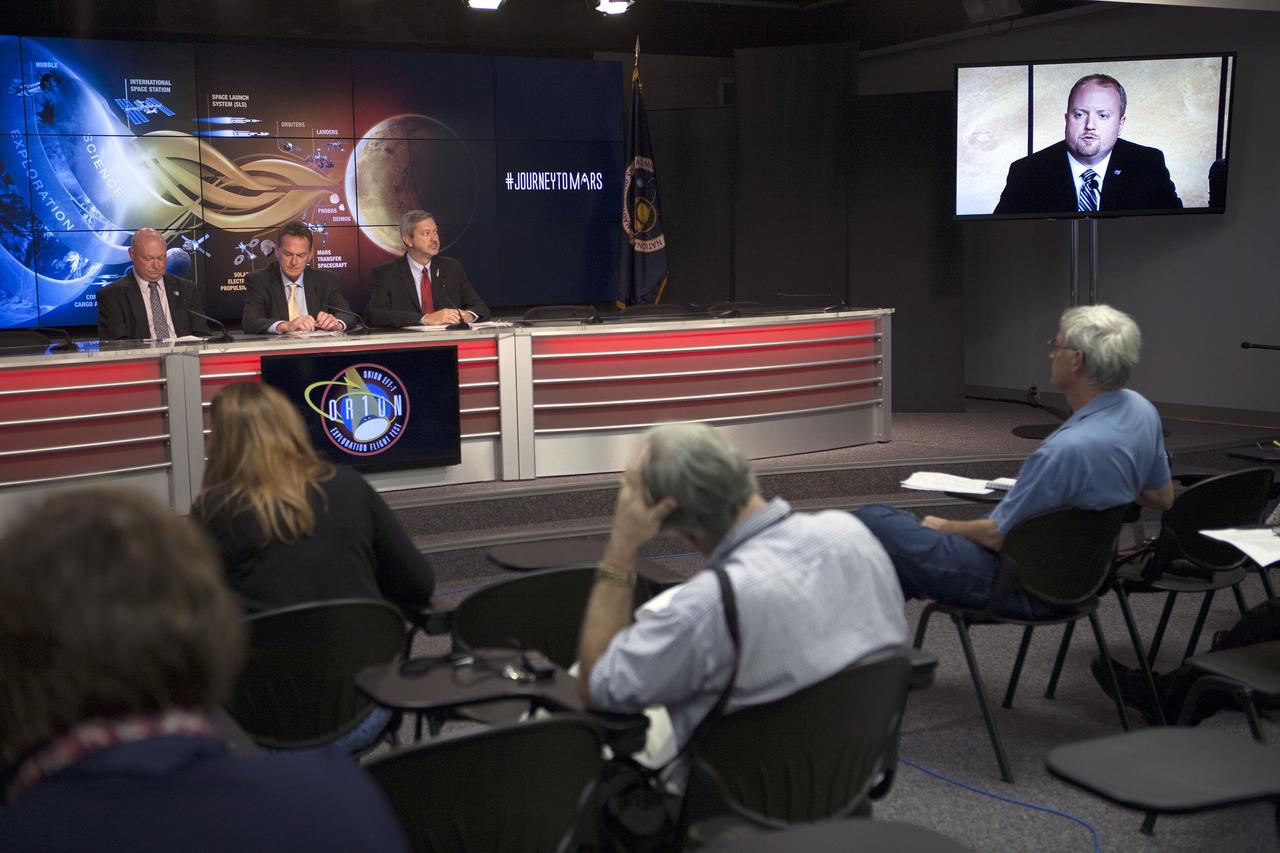
CAPE CANAVERAL, Fla. – At NASA's Kennedy Space Center in Florida, NASA leaders spoke to members of the news media about how the first flight of the new Orion spacecraft is a first step in the agency's plans to send humans to Mars. At Kennedy's News Center auditorium from the left are: Mike Curie of NASA Public Affairs, Mike Bolger, program manager of Ground Systems Development and Operations Program, and Chris Crumbly, manager of Space Launch System Spacecraft/Payload Integration and Evolution. Participating via video from the agency's headquarters in Washington included Jason Crusan, director of Advanced Exploration Systems Division of Human Exploration and Operations Mission Directorate, seen on the monitor on the right. Orion is the exploration spacecraft designed to carry astronauts to destinations not yet explored by humans, including an asteroid and Mars. It will have emergency abort capability, sustain the crew during space travel and provide safe re-entry from deep space return velocities. The first unpiloted flight test of Orion is scheduled to launch Dec. 4, 2014 atop a United Launch Alliance Delta IV Heavy rocket, and in 2018 on NASA’s Space Launch System rocket. For more information, visit www.nasa.gov/orion Photo credit: NASA/Kim Shiflett
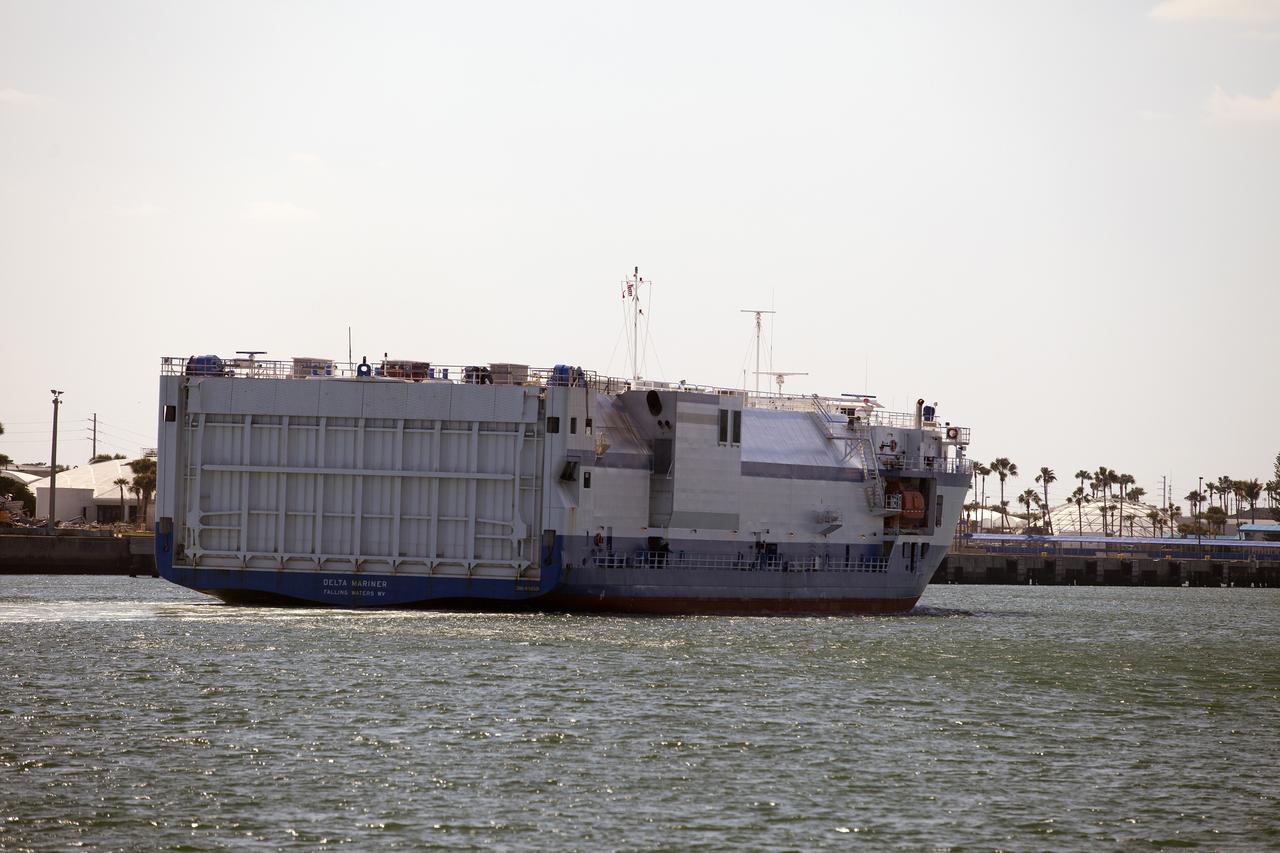
The United Launch Alliance barge Delta Mariner nears the dock in Port Canaveral in Florida on March 6, 2014. The barge is carrying two of the booster stages for the Delta IV Heavy rocket slated for Orion's Exploration Flight Test-1, or EFT-1. Orion is the exploration spacecraft designed to carry astronauts to destinations not yet explored by humans. It will have emergency abort capability, sustain the crew during space travel and provide safe re-entry from deep-space return velocities.
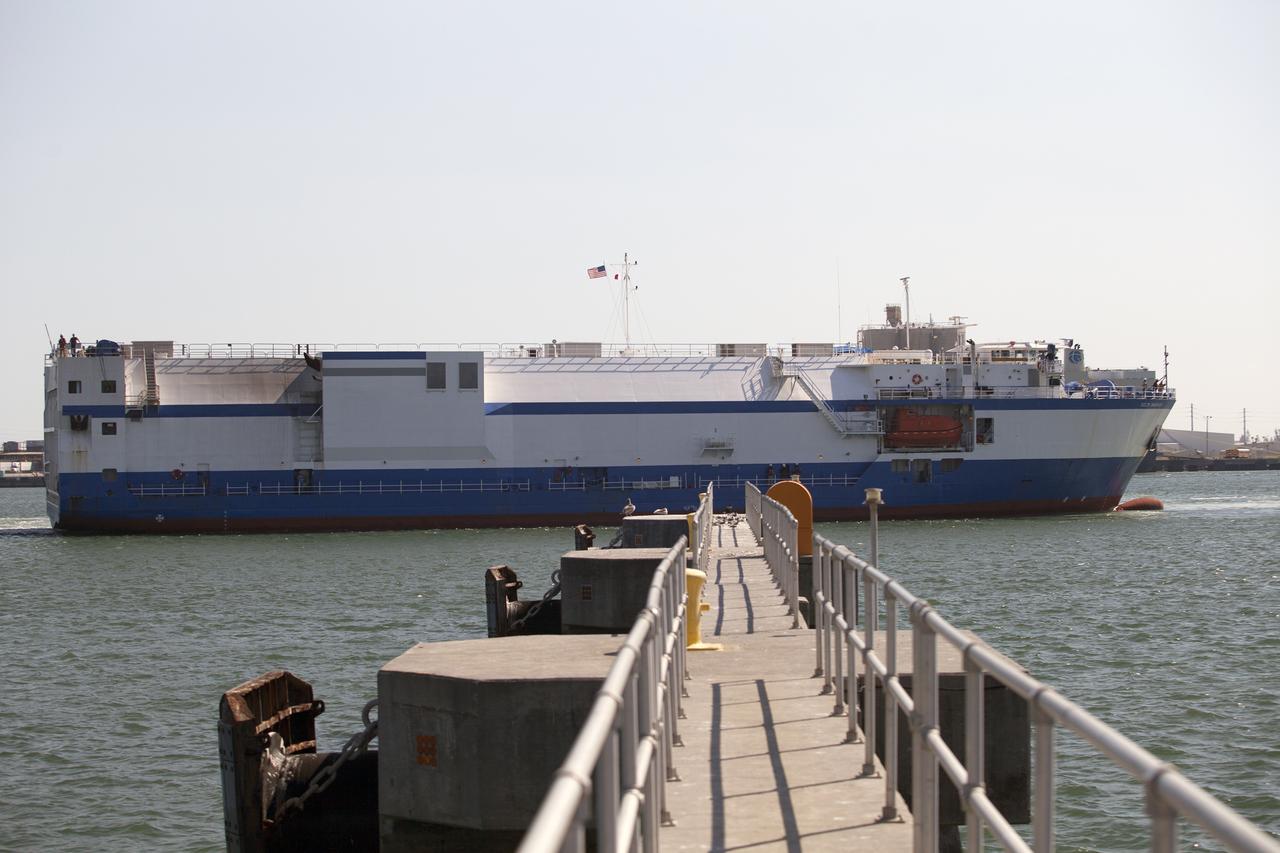
The United Launch Alliance barge Delta Mariner nears the dock in Port Canaveral in Florida on March 6, 2014. The barge is carrying two of the booster stages for the Delta IV Heavy rocket slated for Orion's Exploration Flight Test-1, or EFT-1. Orion is the exploration spacecraft designed to carry astronauts to destinations not yet explored by humans. It will have emergency abort capability, sustain the crew during space travel and provide safe re-entry from deep-space return velocities.
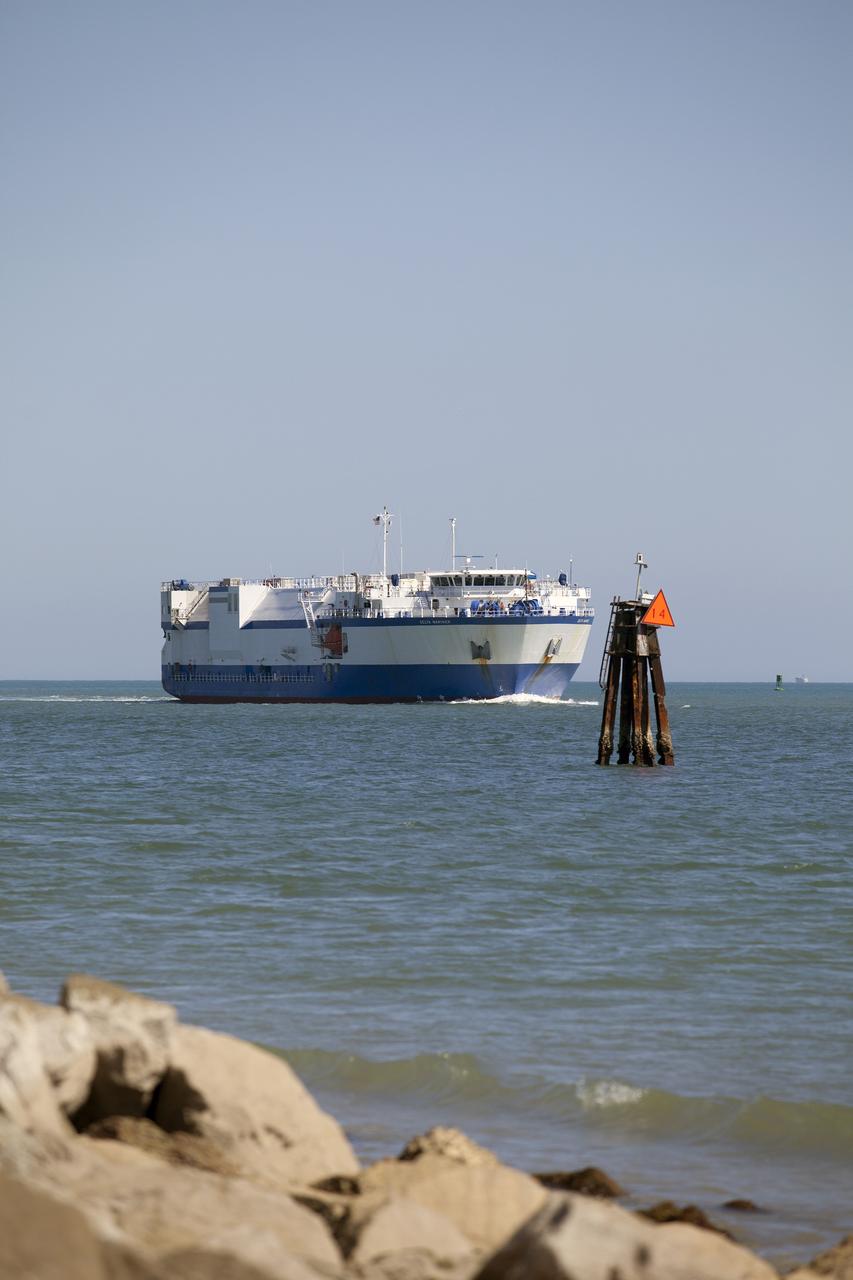
The United Launch Alliance barge Delta Mariner enters Port Canaveral in Florida on March 6, 2014. The barge is carrying two of the booster stages for the Delta IV Heavy rocket slated for Orion's Exploration Flight Test-1, or EFT-1. Orion is the exploration spacecraft designed to carry astronauts to destinations not yet explored by humans. It will have emergency abort capability, sustain the crew during space travel and provide safe re-entry from deep-space return velocities.

The United Launch Alliance barge Delta Mariner glides past the jetties as it enters Port Canaveral in Florida on March 6, 2014. The barge is carrying two of the booster stages for the Delta IV Heavy rocket slated for Orion's Exploration Flight Test-1, or EFT-1. Orion is the exploration spacecraft designed to carry astronauts to destinations not yet explored by humans. It will have emergency abort capability, sustain the crew during space travel and provide safe re-entry from deep-space return velocities.
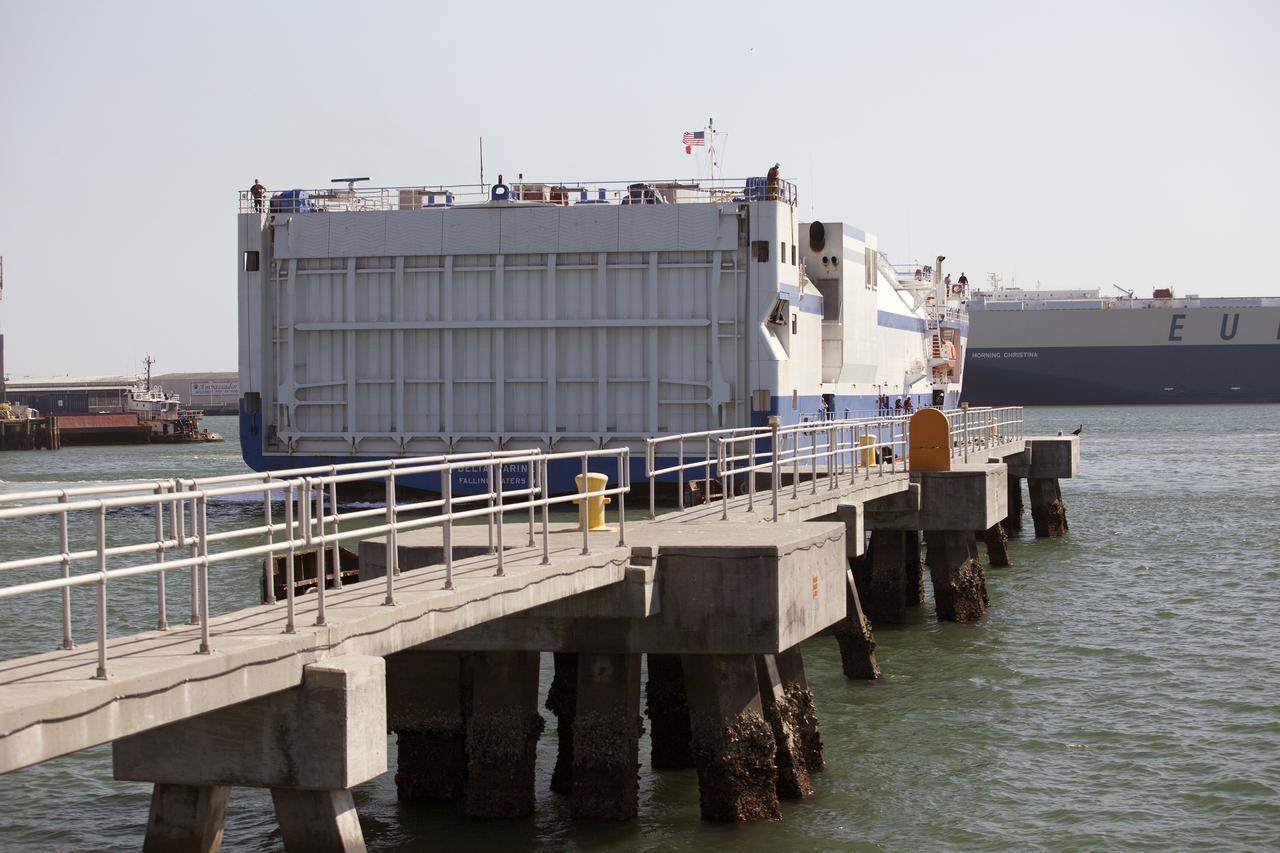
The United Launch Alliance barge Delta Mariner nears the dock in Port Canaveral in Florida on March 6, 2014. The barge is carrying two of the booster stages for the Delta IV Heavy rocket slated for Orion's Exploration Flight Test-1, or EFT-1. Orion is the exploration spacecraft designed to carry astronauts to destinations not yet explored by humans. It will have emergency abort capability, sustain the crew during space travel and provide safe re-entry from deep-space return velocities.
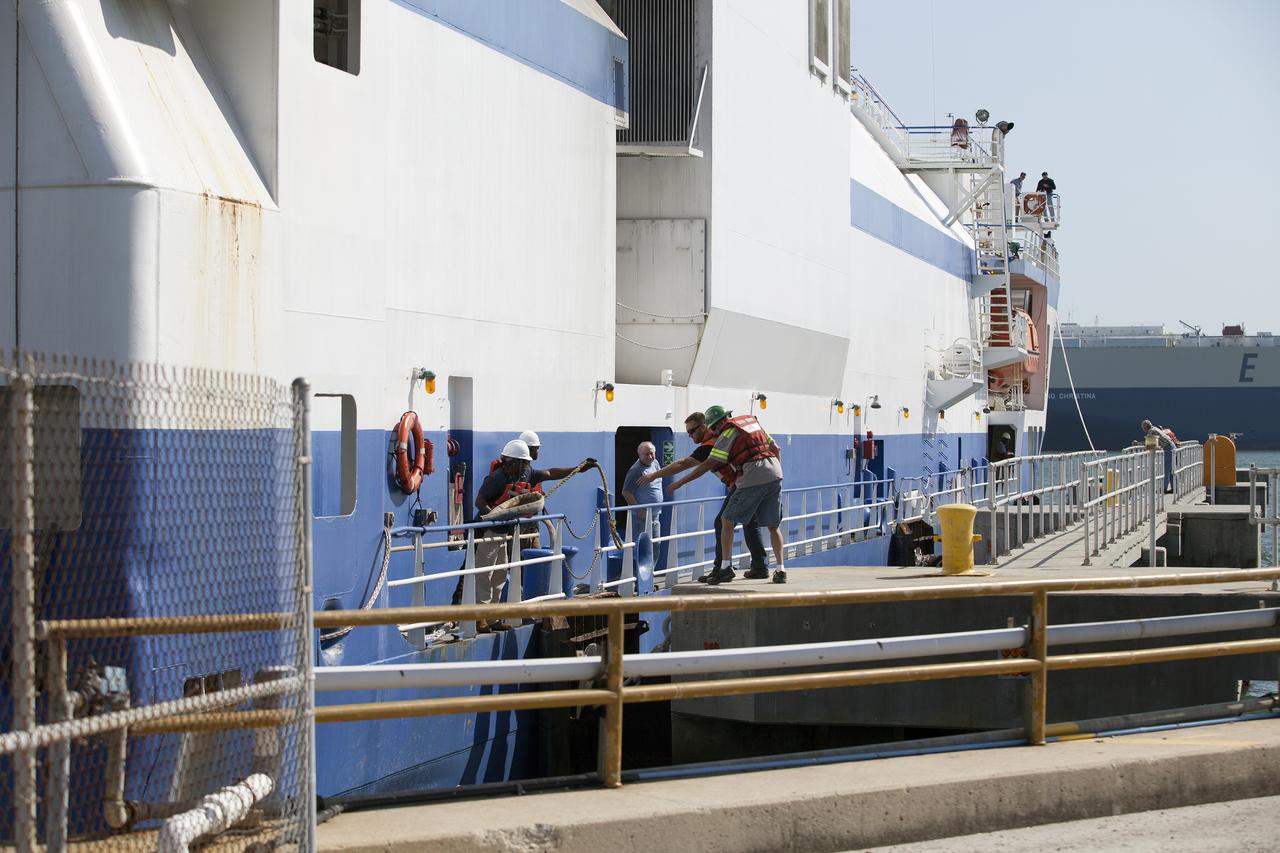
The United Launch Alliance barge Delta Mariner docks in Port Canaveral in Florida on March 6, 2014. The barge is carrying two of the booster stages for the Delta IV Heavy rocket slated for Orion's Exploration Flight Test-1, or EFT-1. Orion is the exploration spacecraft designed to carry astronauts to destinations not yet explored by humans. It will have emergency abort capability, sustain the crew during space travel and provide safe re-entry from deep-space return velocities.
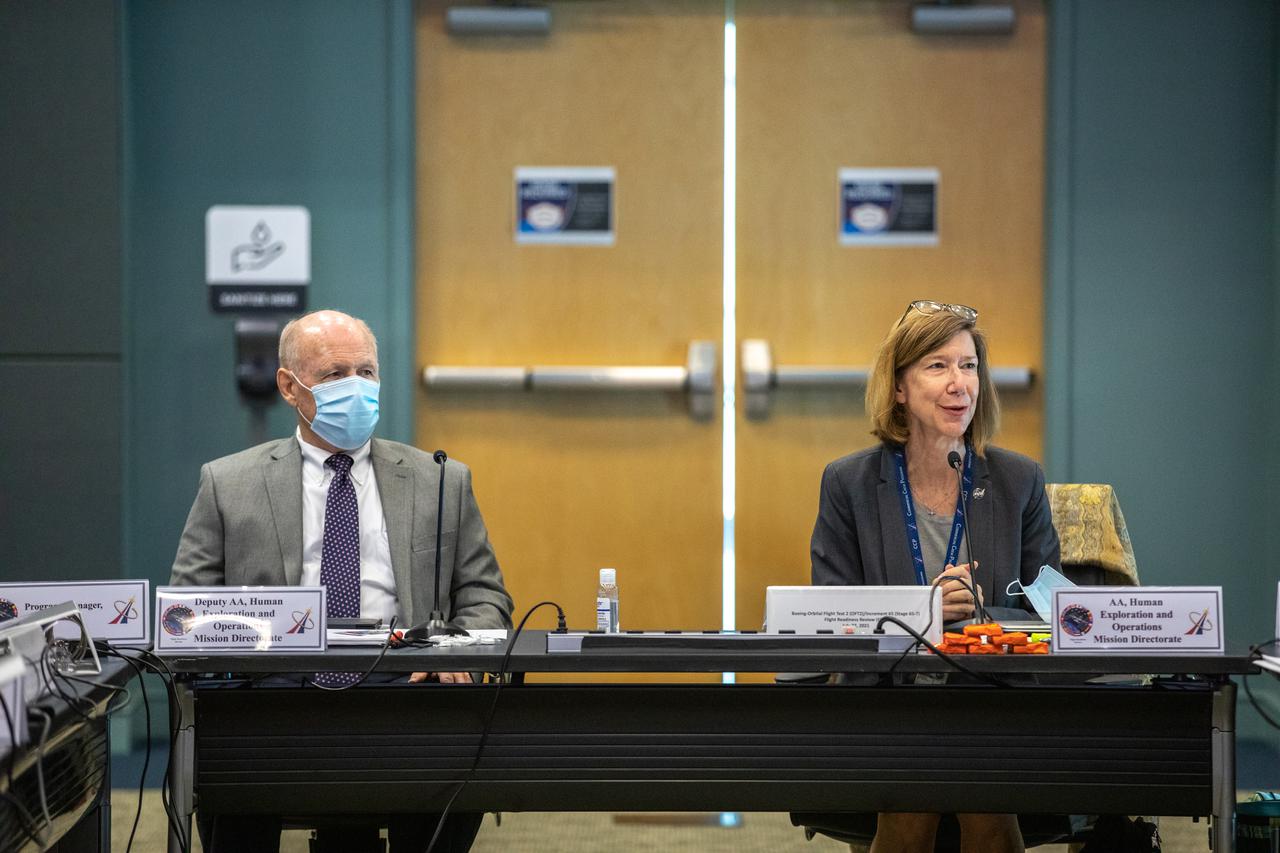
Deputy Associate Administrator of the Human Exploration and Operations (HEO) Mission Directorate Ken Bowersox (left) and Associate Administrator of the Human Exploration and Operations (HEO) Mission Directorate Kathryn Lueders take part in the Flight Readiness Review for Boeing's upcoming Orbital Flight Test-2 (OFT-2) in Operations Support Building 2 at NASA's Kennedy Space Center in Florida, July 22, 2021. Boeing's CST-100 Starliner spacecraft will launch atop a United Launch Alliance Atlas V rocket from Space Launch Complex 41 at Cape Canaveral Space Force Station at 2:53 p.m. EDT Friday, July 30. The uncrewed OFT-2 will be the Starliner's second flight to the International Space Station for NASA's Commercial Crew Program.
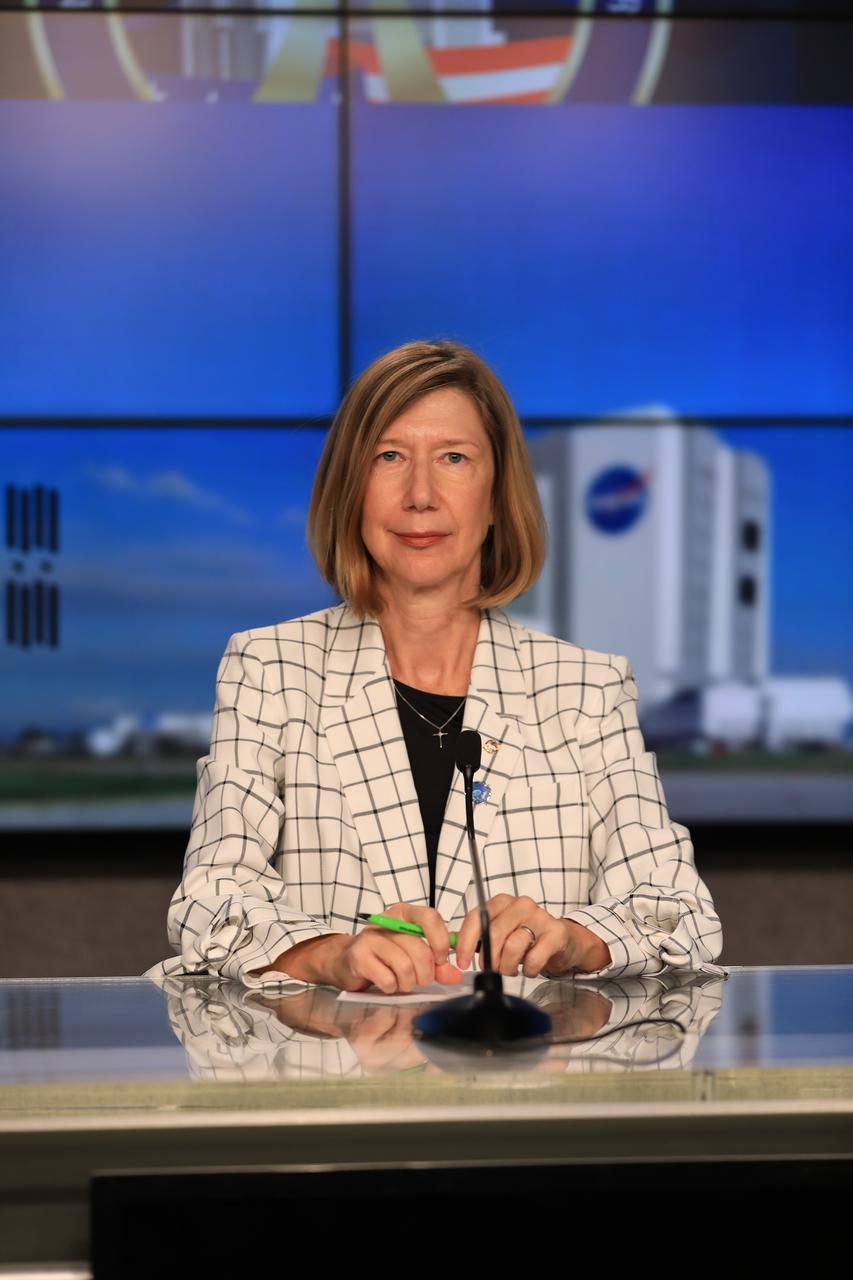
Kathy Lueders, associate administrator, Human Exploration and Operations Mission Directorate, NASA Headquarters, participates in a preflight briefing for NASA’s SpaceX Crew-1 mission on Sept. 29, 2020. NASA’s SpaceX Crew-1 mission is the first crew rotational flight of a U.S. commercial spacecraft with astronauts to the International Space Station. The Crew-1 mission will launch from Launch Complex 39A at Kennedy Space Center in Florida. Crew-1 is part of NASA's Commercial Crew Program, which has returned human spaceflight capabilities to the U.S.
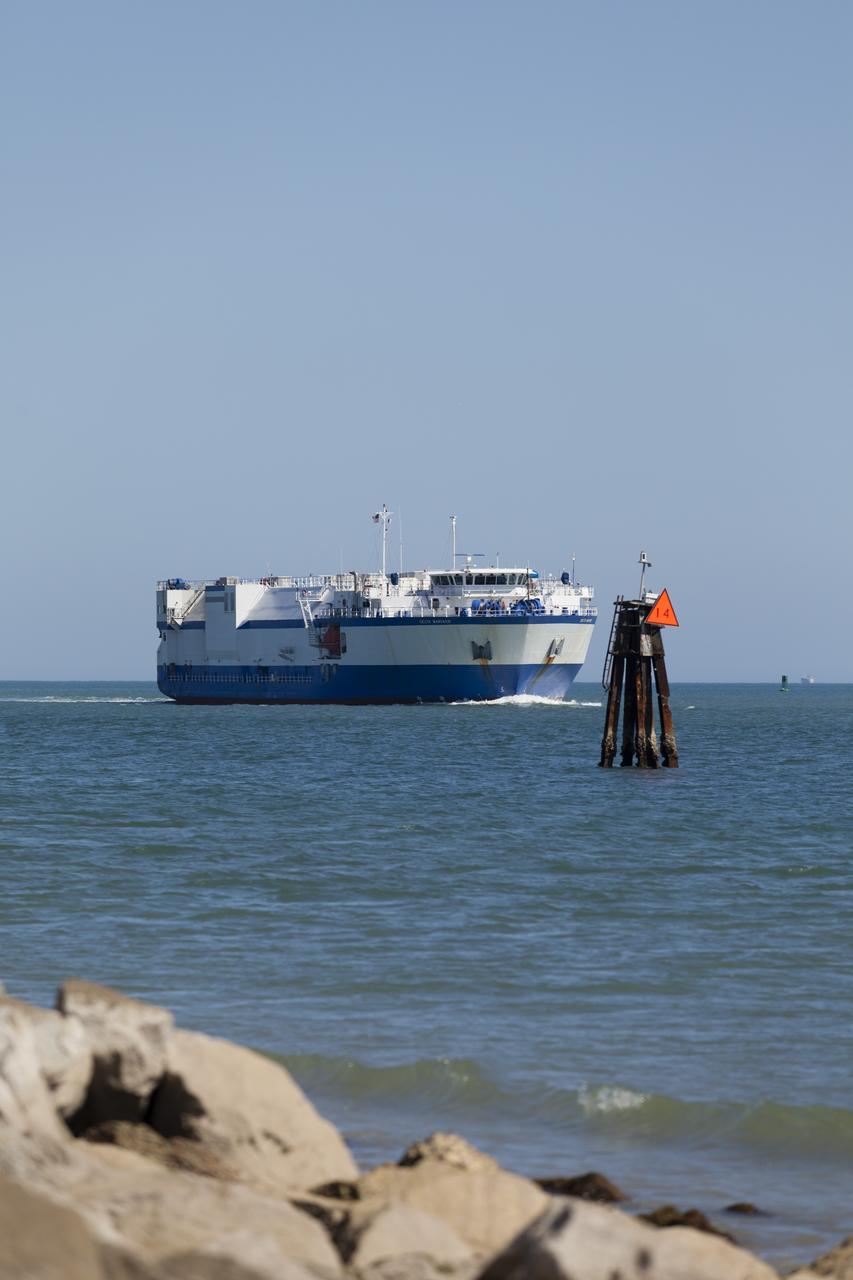
CAPE CANAVERAL, Fla. – The United Launch Alliance barge Delta Mariner enters Port Canaveral in Florida. The barge is carrying two of the booster stages for the Delta IV Heavy rocket slated for Orion's Exploration Flight Test-1, or EFT-1. Orion is the exploration spacecraft designed to carry astronauts to destinations not yet explored by humans. It will have emergency abort capability, sustain the crew during space travel and provide safe re-entry from deep-space return velocities. The first unpiloted test flight of Orion is scheduled to launch in September 2014 atop a Delta IV Heavy rocket and in 2017 on NASA’s Space Launch System

Dr. Edward Crawley, Ford Professor of Engineering at MIT and co-chair, NASA Exploration Technology Development Program Review Committee speaks during the final meeting of the Human Space Flight Review Committee, Wednesday, Aug. 12, 2009, in Washington. Photo Credit: (NASA/Paul E. Alers)