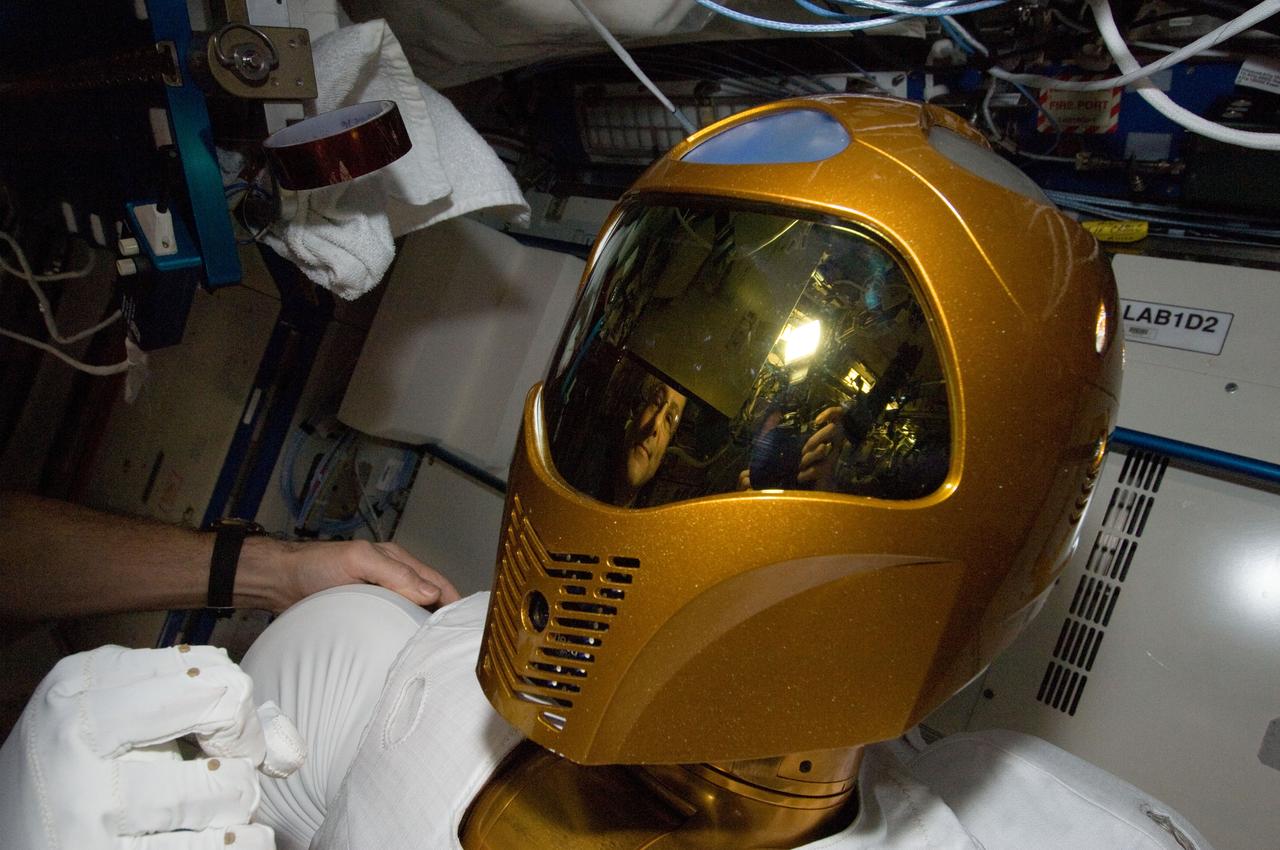
ISS030-E-148256 (13 March 2012) --- Robonaut 2 humanoid robot is featured in this image photographed by an Expedition 30 crew member during another system check out in the Destiny laboratory of the International Space Station.
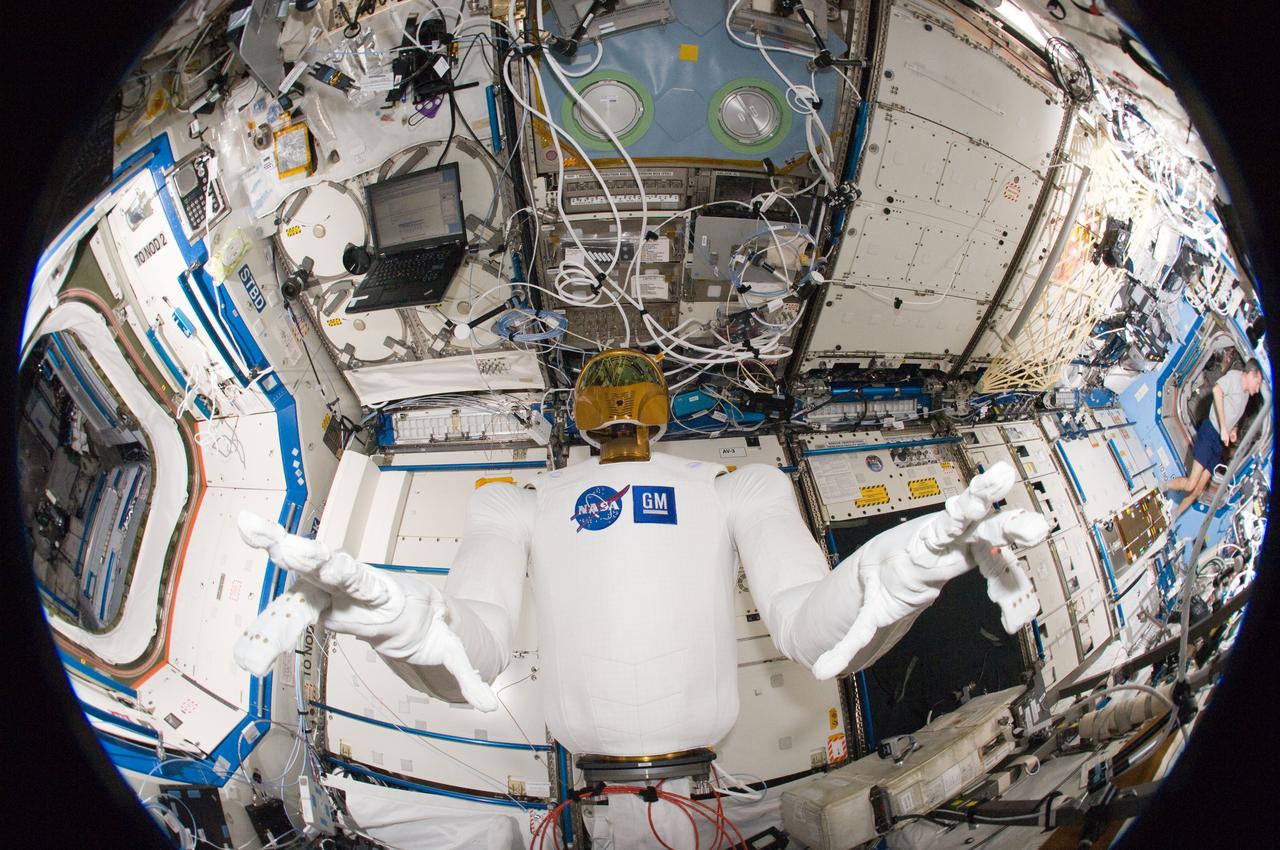
ISS030-E-135157 (13 March 2012) --- A fisheye lens attached to an electronic still camera was used to capture this image of Robonaut 2 humanoid robot during another system checkout in the Destiny laboratory of the International Space Station. Teams on the ground commanded Robonaut through a series of dexterity tests as it spelled out ?Hello world? in sign language.
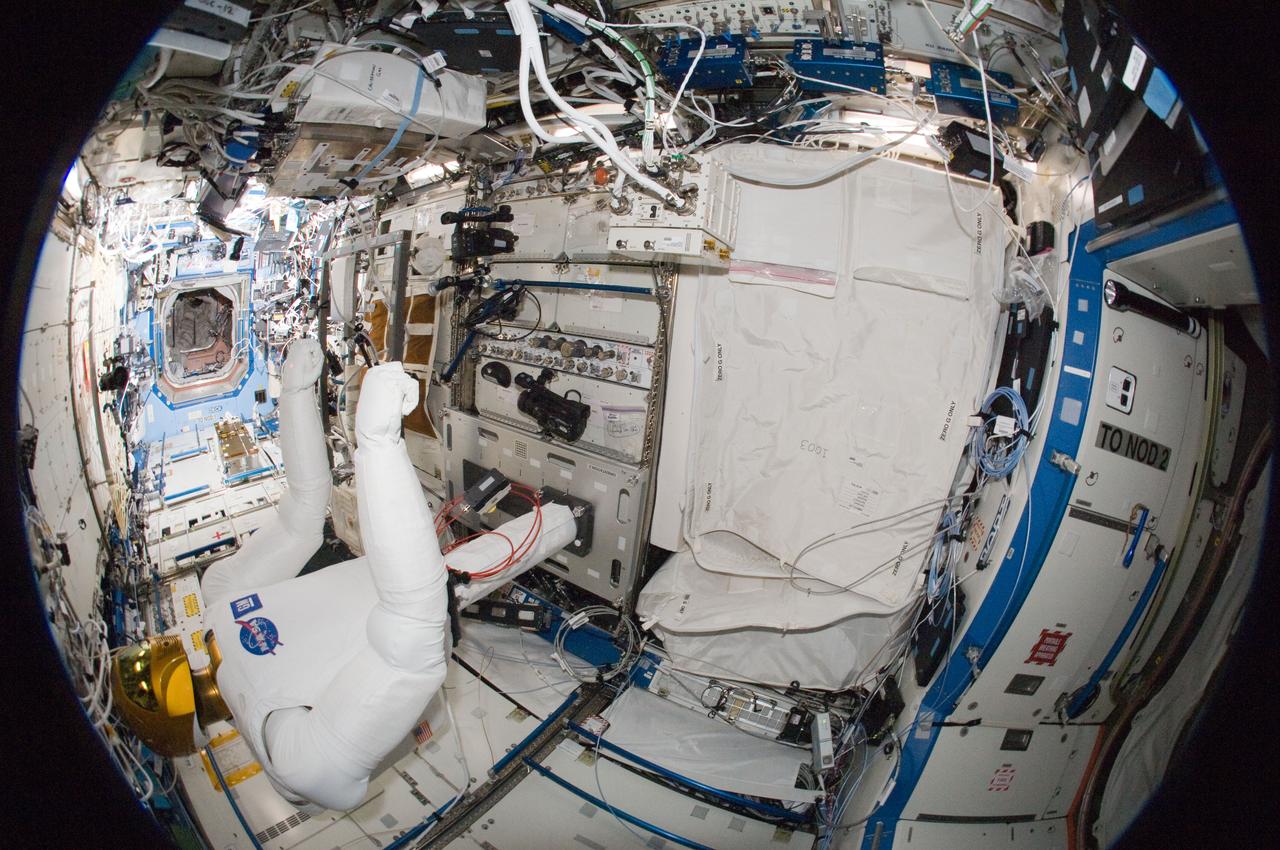
ISS030-E-135148 (13 March 2012) --- A fisheye lens attached to an electronic still camera was used to capture this image of Robonaut 2 humanoid robot during another system checkout in the Destiny laboratory of the International Space Station. Teams on the ground commanded Robonaut through a series of dexterity tests as it spelled out ?Hello world? in sign language.
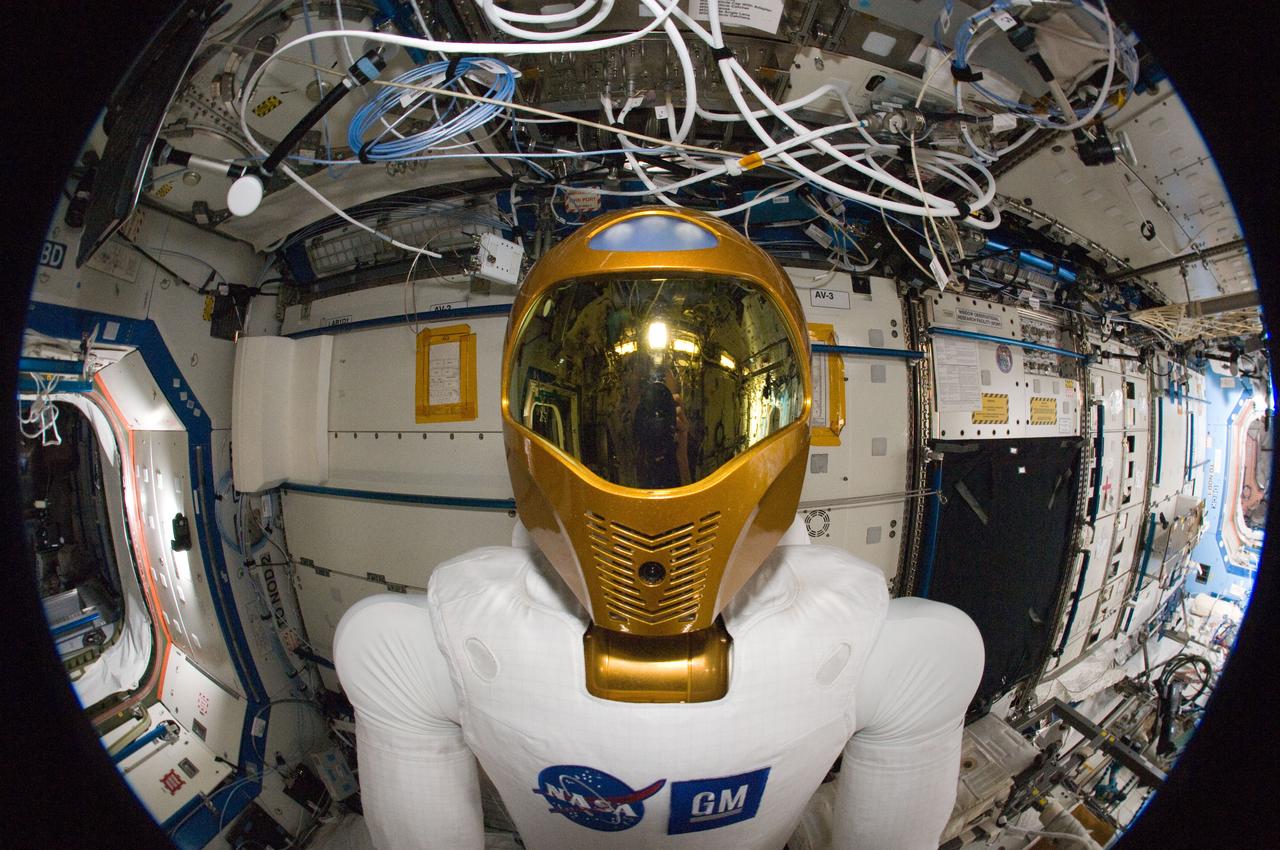
ISS030-E-135140 (13 March 2012) --- A fisheye lens attached to an electronic still camera was used to capture this image of Robonaut 2 humanoid robot during another system checkout in the Destiny laboratory of the International Space Station. Teams on the ground commanded Robonaut through a series of dexterity tests as it spelled out ?Hello world? in sign language.
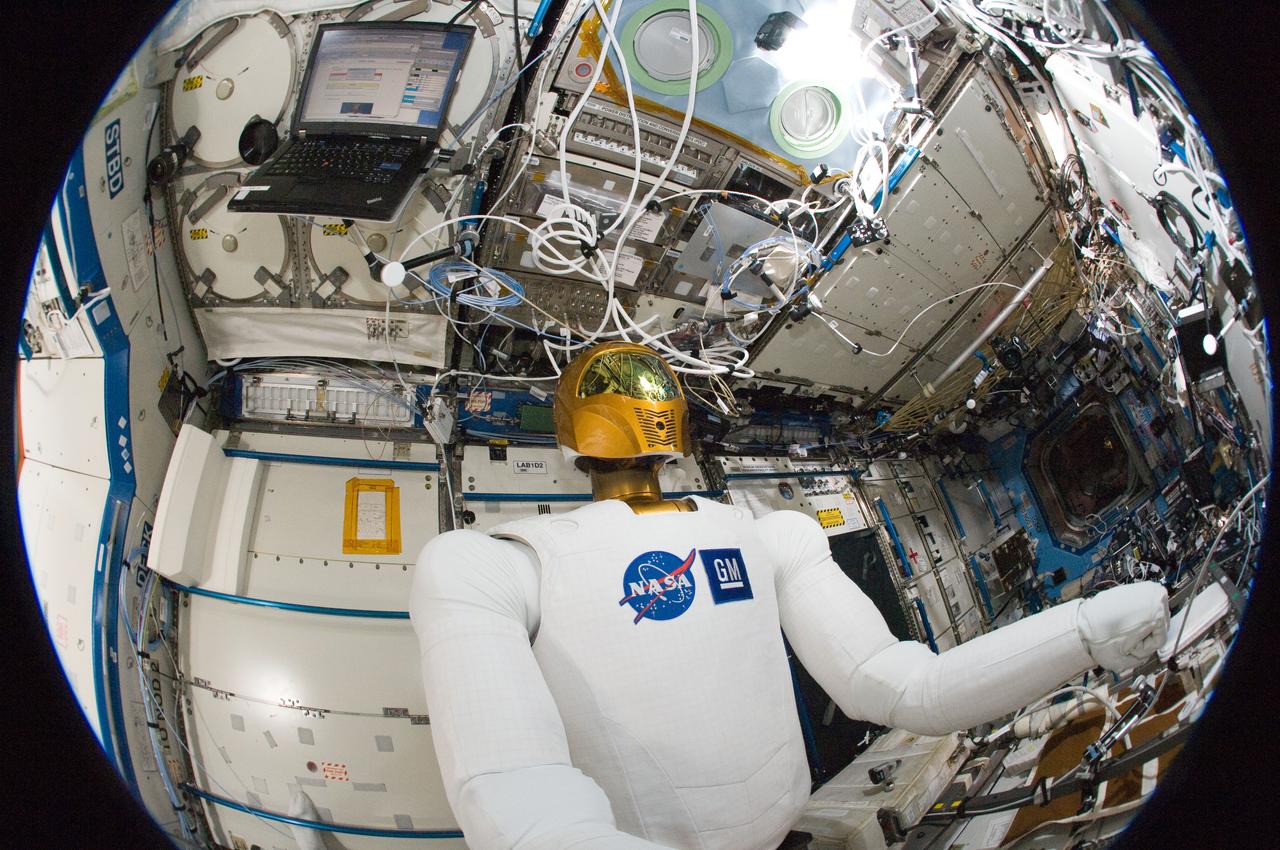
ISS030-E-135135 (13 March 2012) --- A fisheye lens attached to an electronic still camera was used to capture this image of Robonaut 2 humanoid robot during another system checkout in the Destiny laboratory of the International Space Station. Teams on the ground commanded Robonaut through a series of dexterity tests as it spelled out ?Hello world? in sign language.
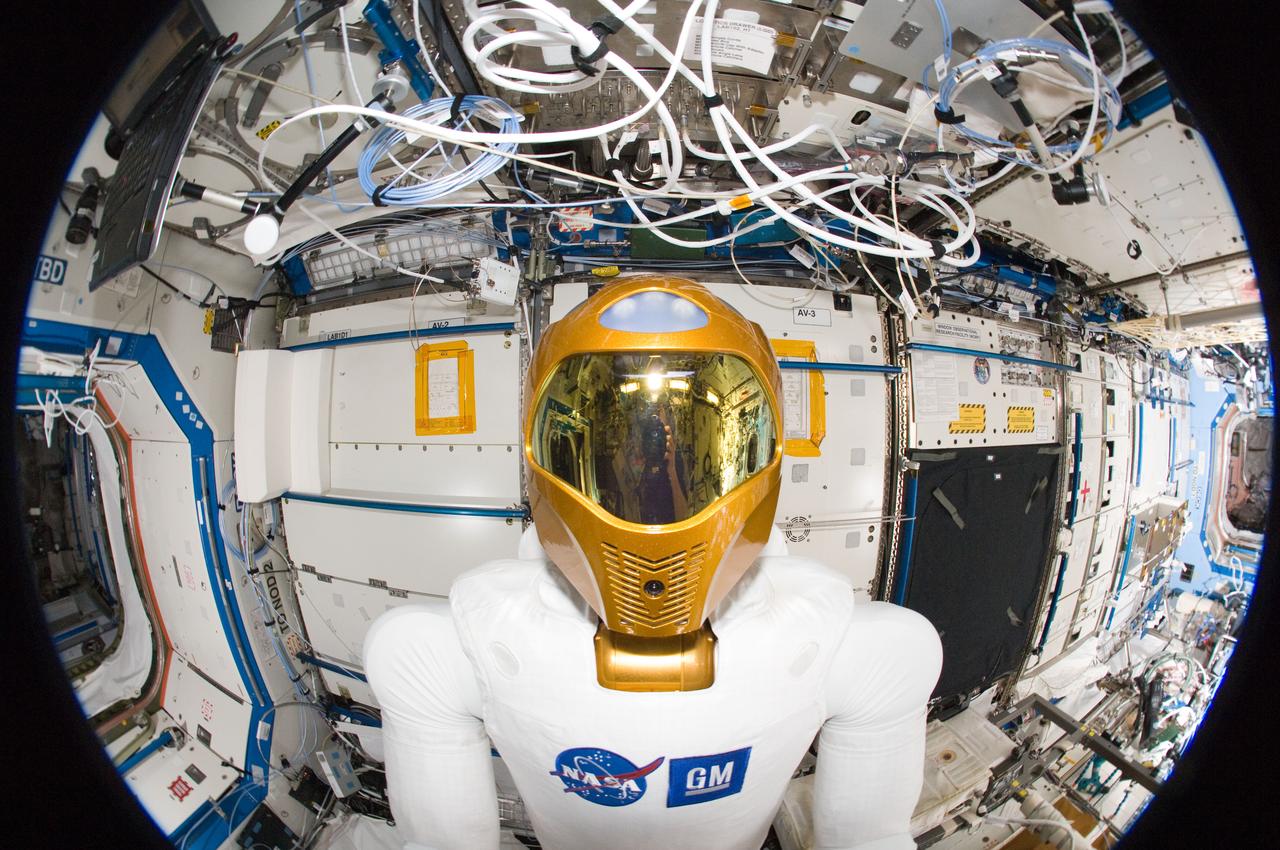
ISS030-E-135163 (13 March 2012) --- A fisheye lens attached to an electronic still camera was used to capture this image of Robonaut 2 humanoid robot during another system checkout in the Destiny laboratory of the International Space Station. Teams on the ground commanded Robonaut through a series of dexterity tests as it spelled out ?Hello world? in sign language.
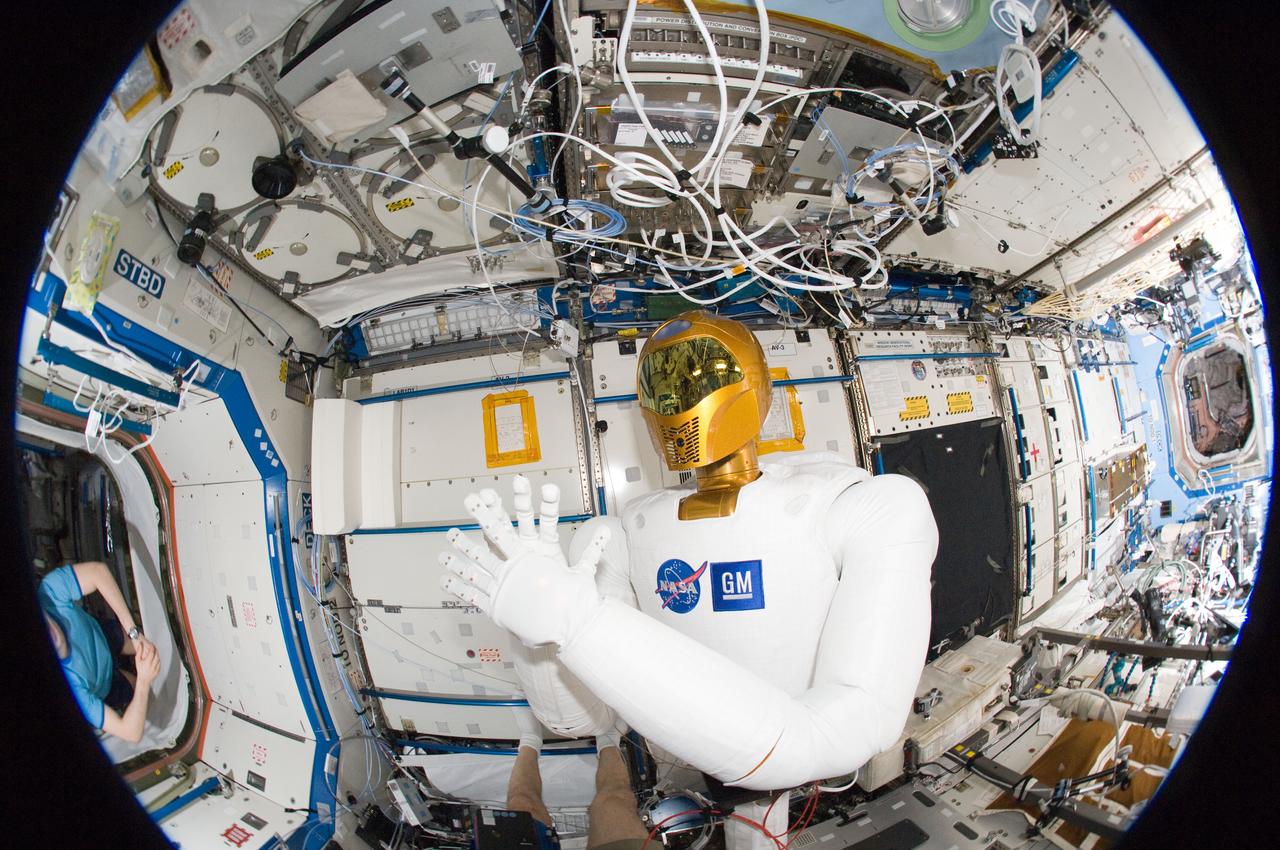
ISS030-E-135185 (13 March 2012) --- A fisheye lens attached to an electronic still camera was used to capture this image of Robonaut 2 humanoid robot during another system checkout in the Destiny laboratory of the International Space Station. Teams on the ground commanded Robonaut through a series of dexterity tests as it spelled out ?Hello world? in sign language.
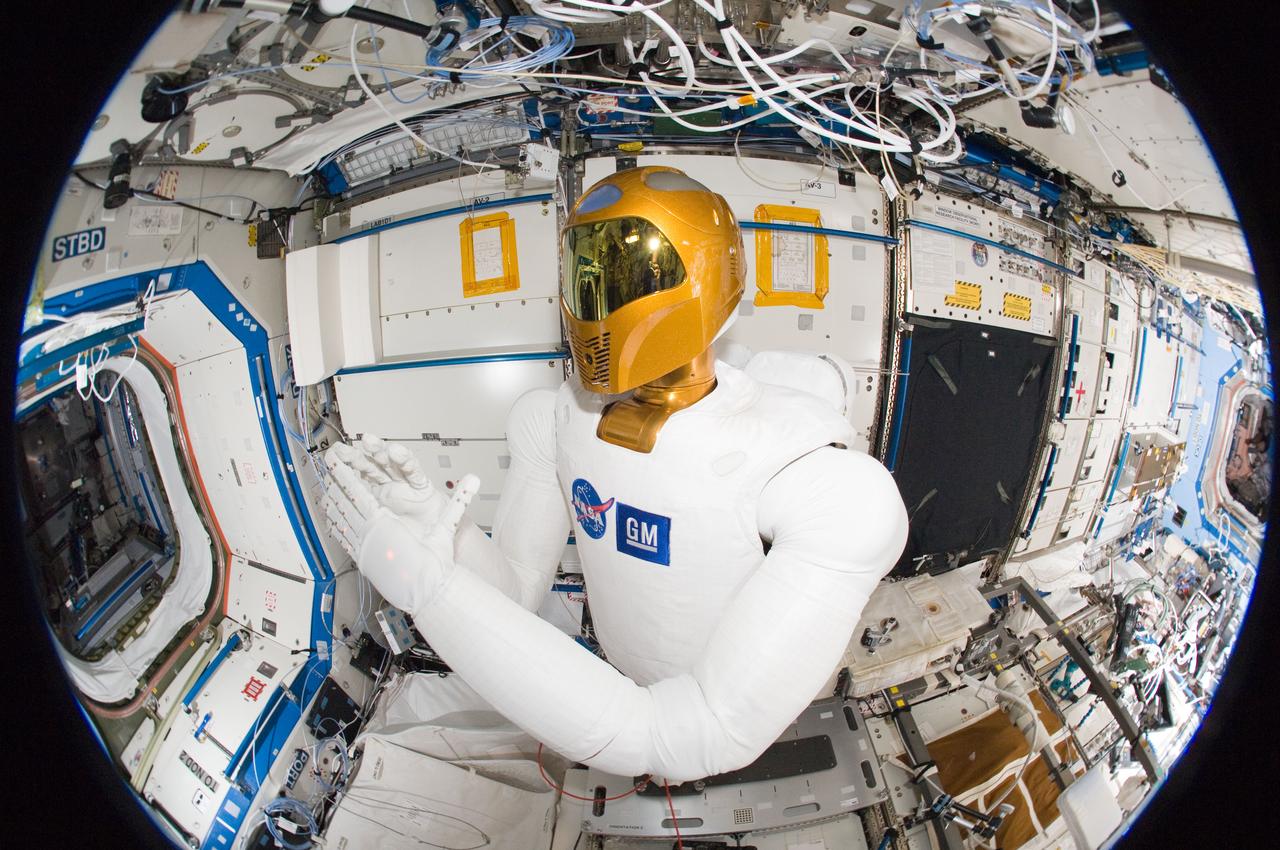
ISS030-E-135187 (13 March 2012) --- A fisheye lens attached to an electronic still camera was used to capture this image of Robonaut 2 humanoid robot during another system checkout in the Destiny laboratory of the International Space Station. Teams on the ground commanded Robonaut through a series of dexterity tests as it spelled out ?Hello world? in sign language.
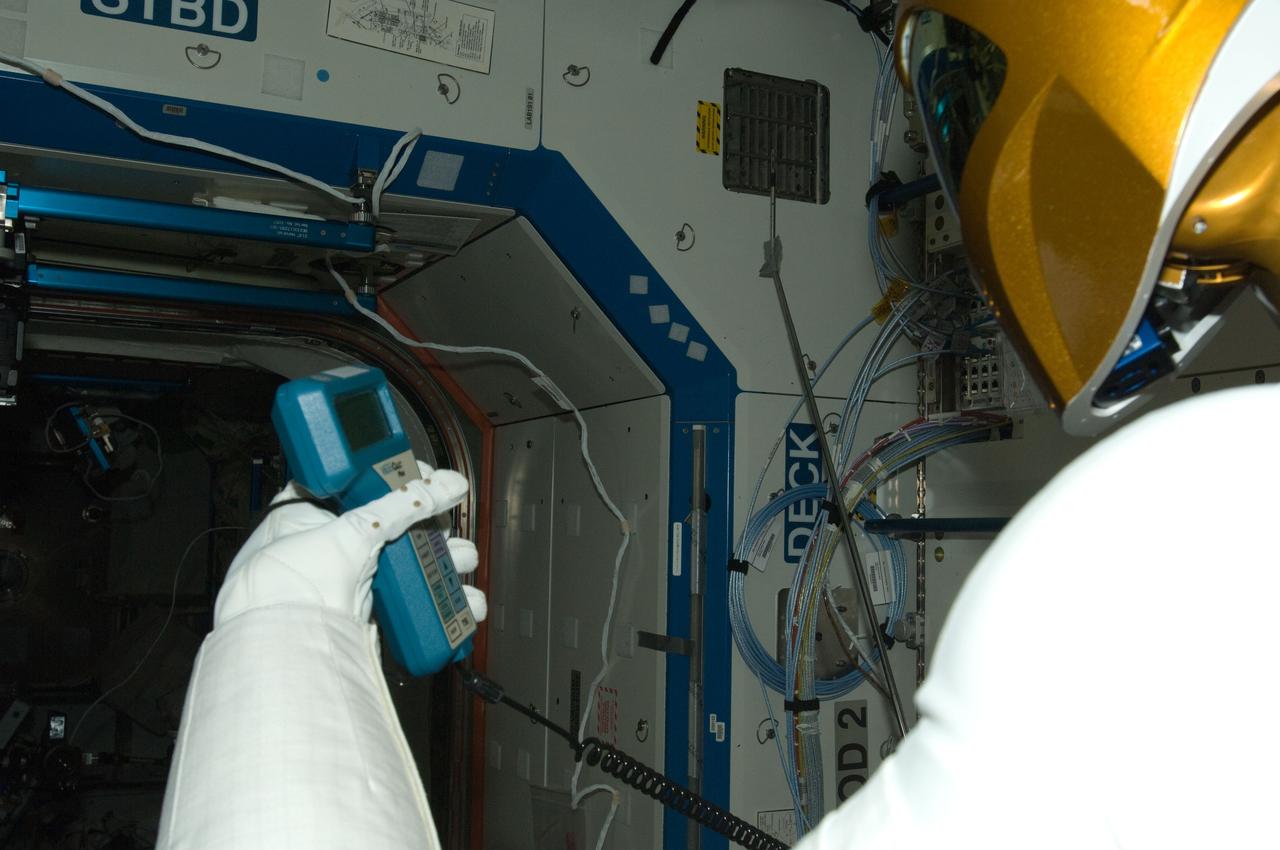
ISS030-E-142875 (14 March 2012) --- Controlled by teams on the ground, Robonaut 2 humanoid robot holds an instrument to measure air velocity during another system check out in the Destiny laboratory of the International Space Station.
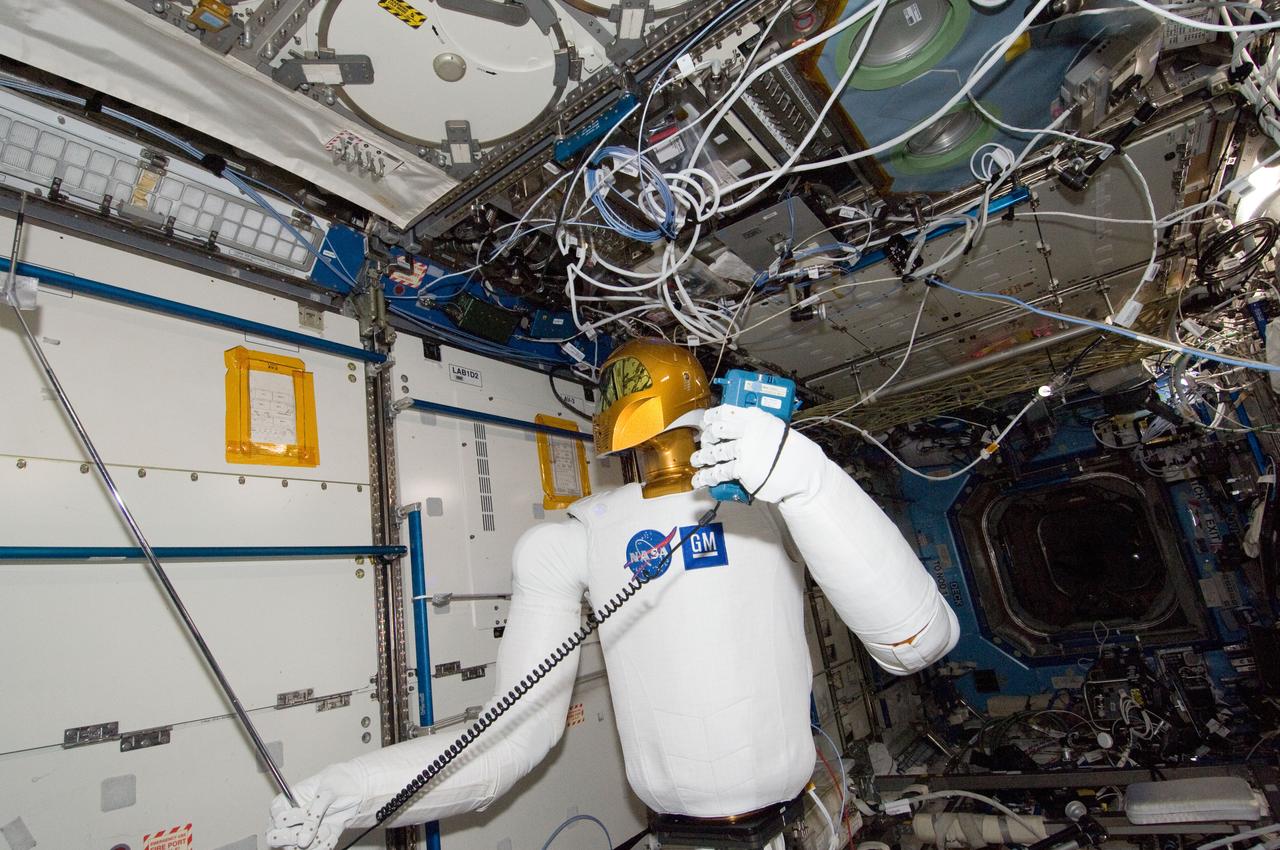
ISS030-E-148257 (14 March 2012) --- Controlled by teams on the ground, Robonaut 2 humanoid robot holds an instrument to measure air velocity during another system check out in the Destiny laboratory of the International Space Station.
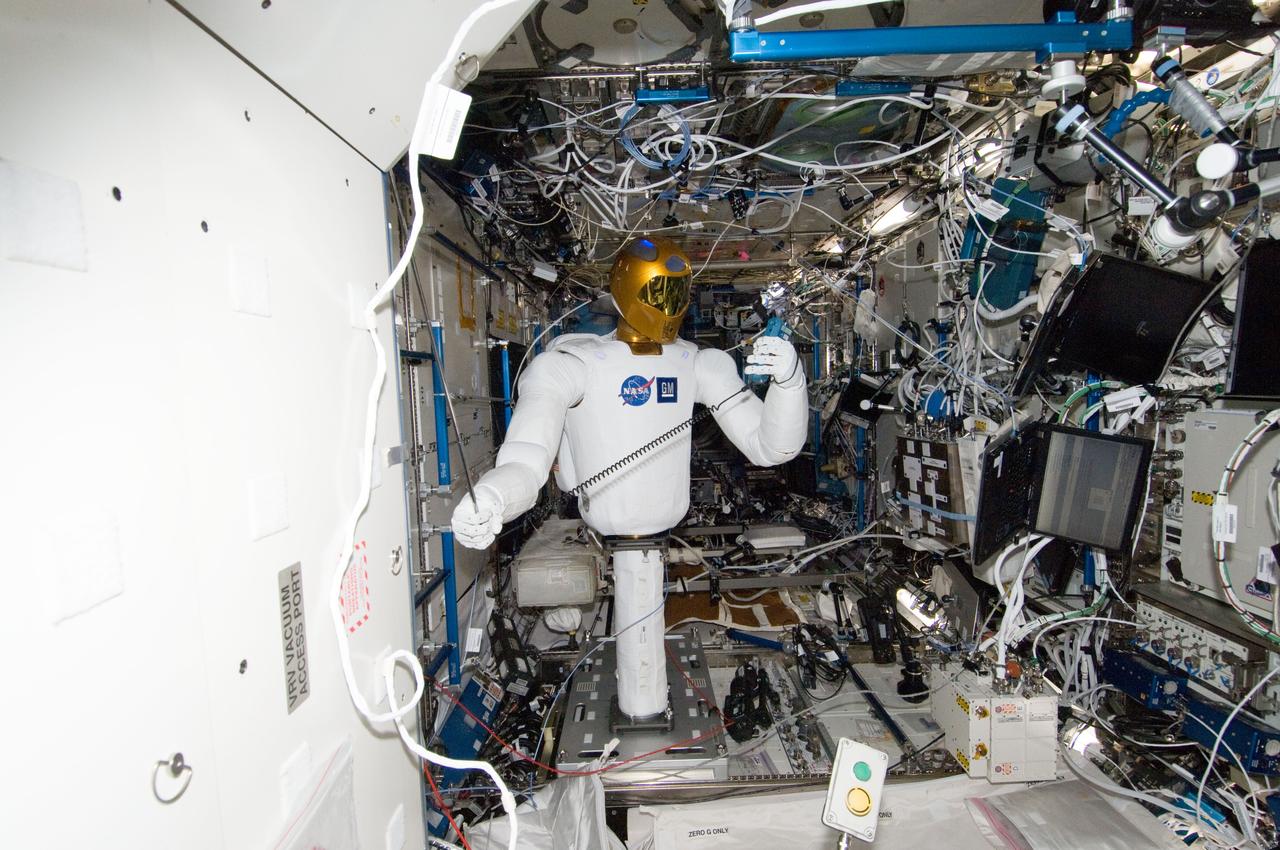
ISS030-E-148273 (14 March 2012) --- Controlled by teams on the ground, Robonaut 2 humanoid robot holds an instrument to measure air velocity during another system check out in the Destiny laboratory of the International Space Station.
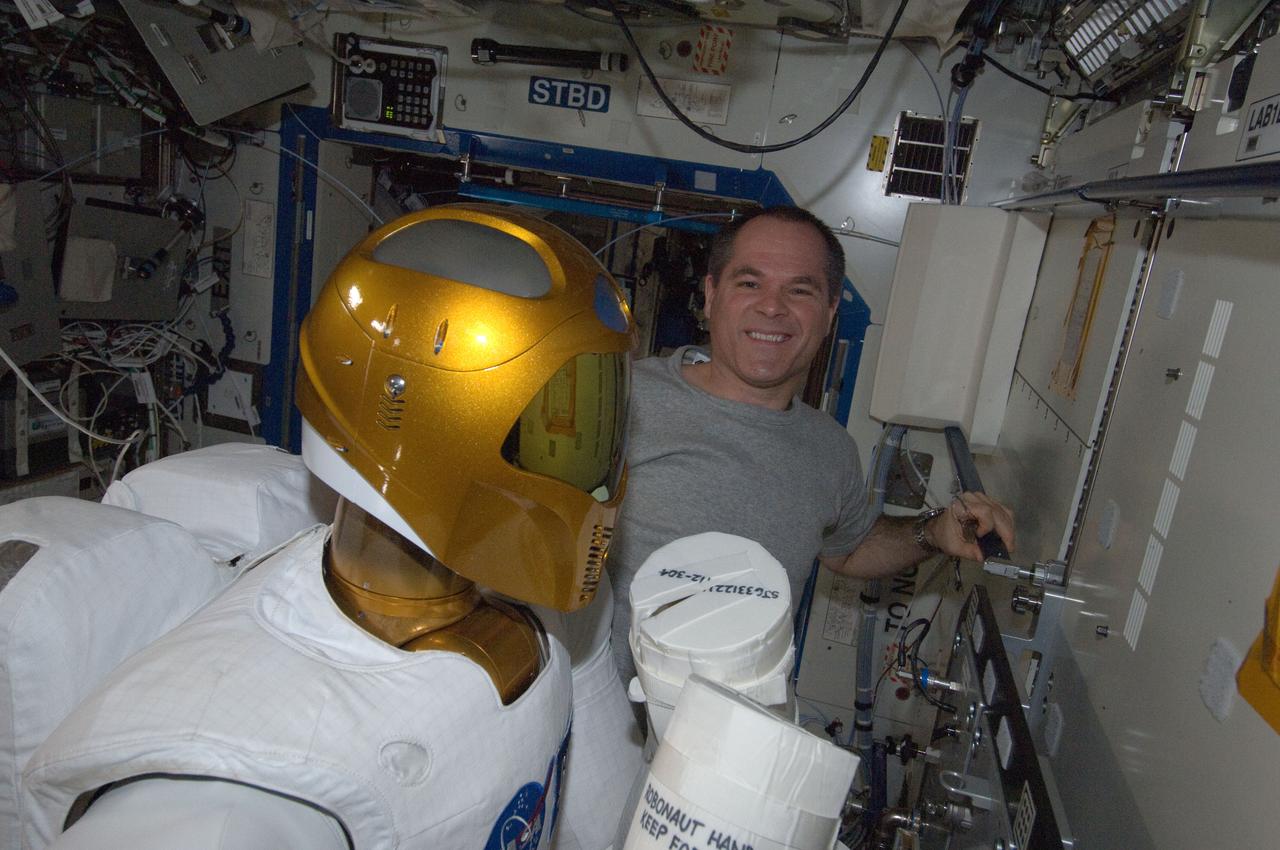
ISS034-E-007386 (10 Dec. 2012) --- NASA astronaut Kevin Ford, Expedition 34 commander, works with Robonaut 2 humanoid robot in the Destiny laboratory of the International Space Station.
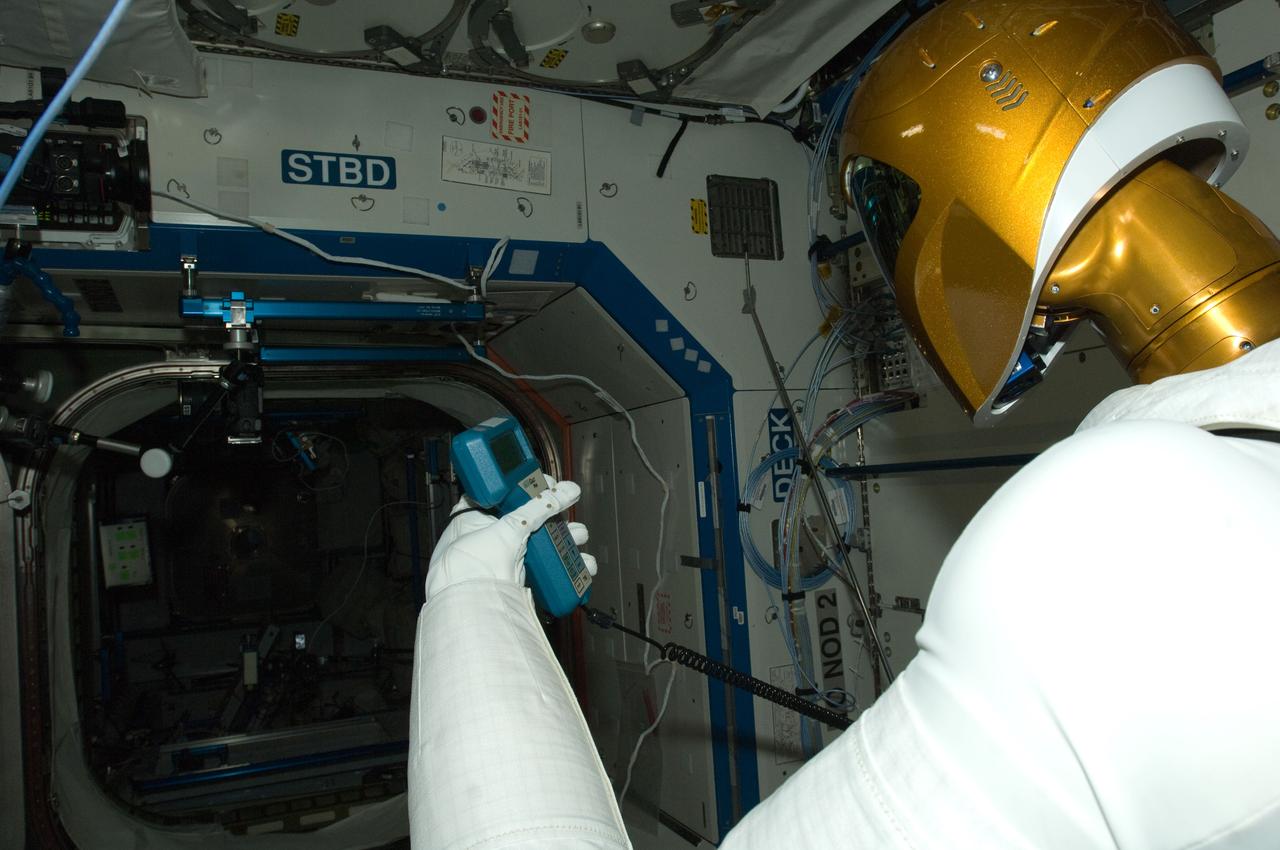
ISS030-E-142876 (14 March 2012) --- Controlled by teams on the ground, Robonaut 2 humanoid robot holds an instrument to measure air velocity during another system check out in the Destiny laboratory of the International Space Station.
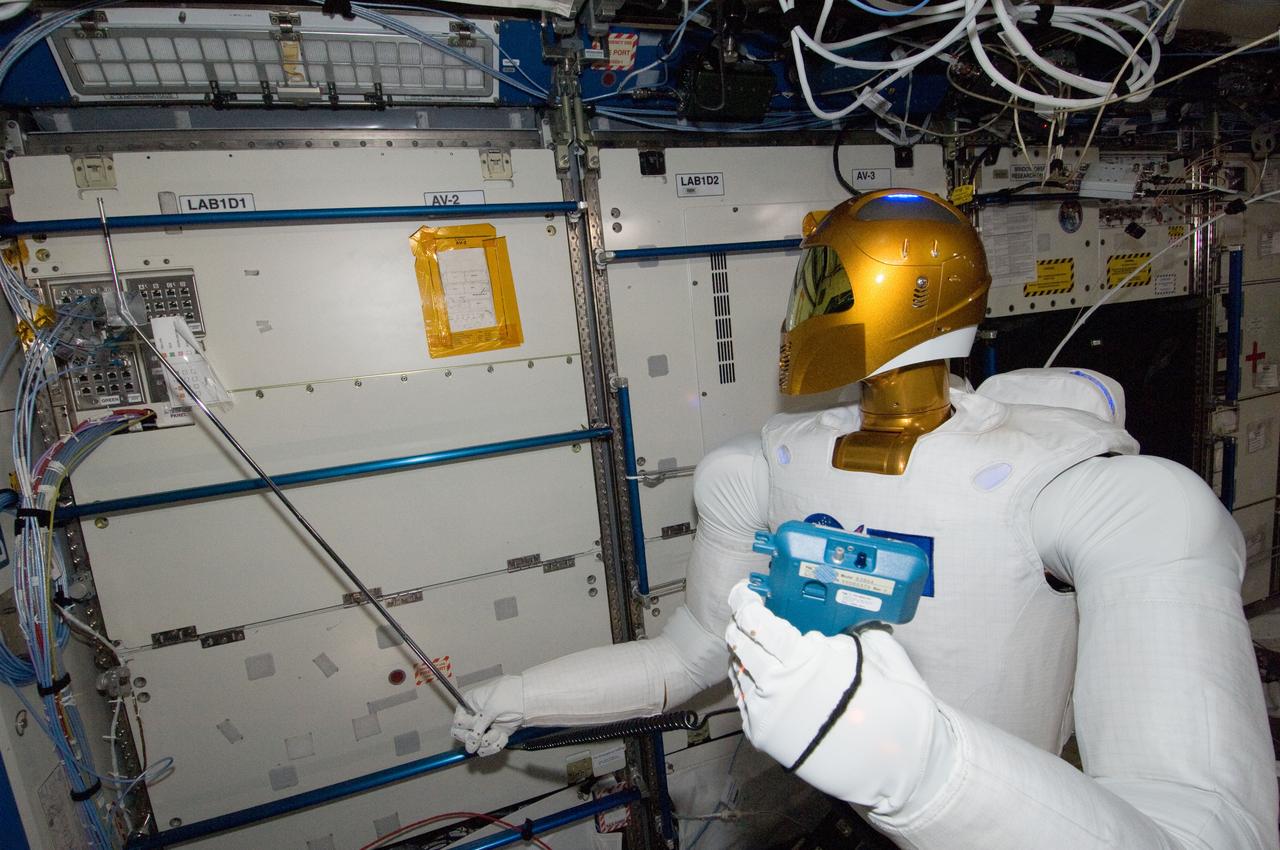
ISS030-E-148260 (14 March 2012) --- Controlled by teams on the ground, Robonaut 2 humanoid robot holds an instrument to measure air velocity during another system check out in the Destiny laboratory of the International Space Station.
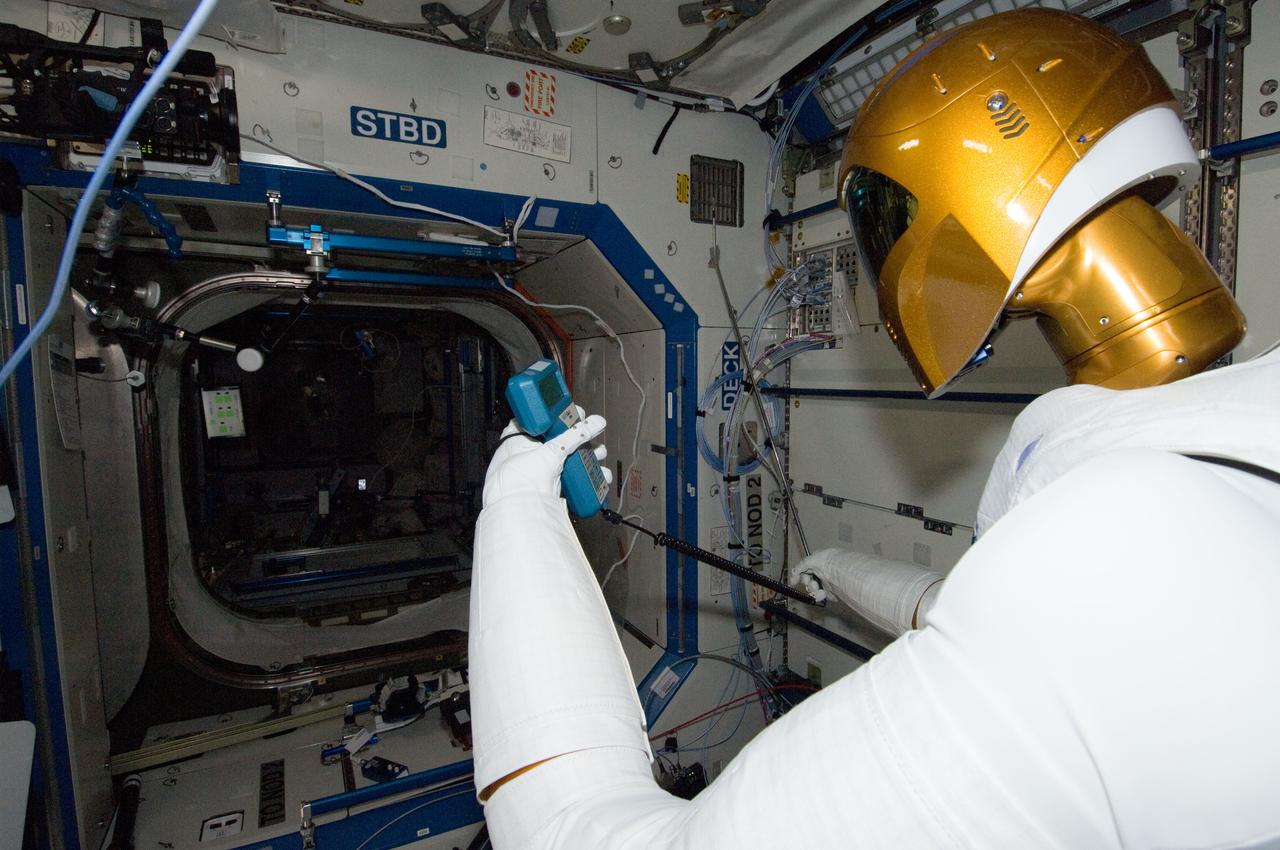
ISS030-E-148268 (14 March 2012) --- Controlled by teams on the ground, Robonaut 2 humanoid robot holds an instrument to measure air velocity during another system check out in the Destiny laboratory of the International Space Station.
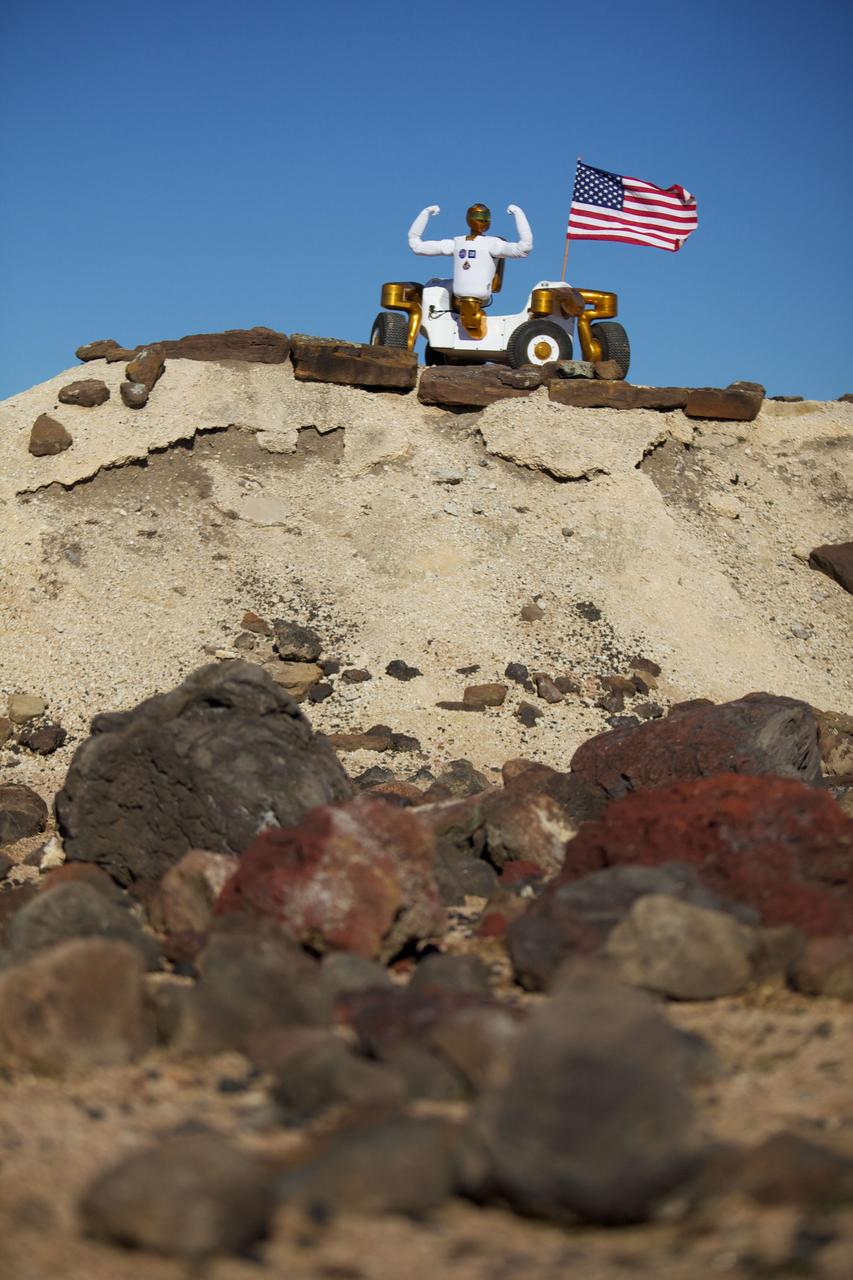
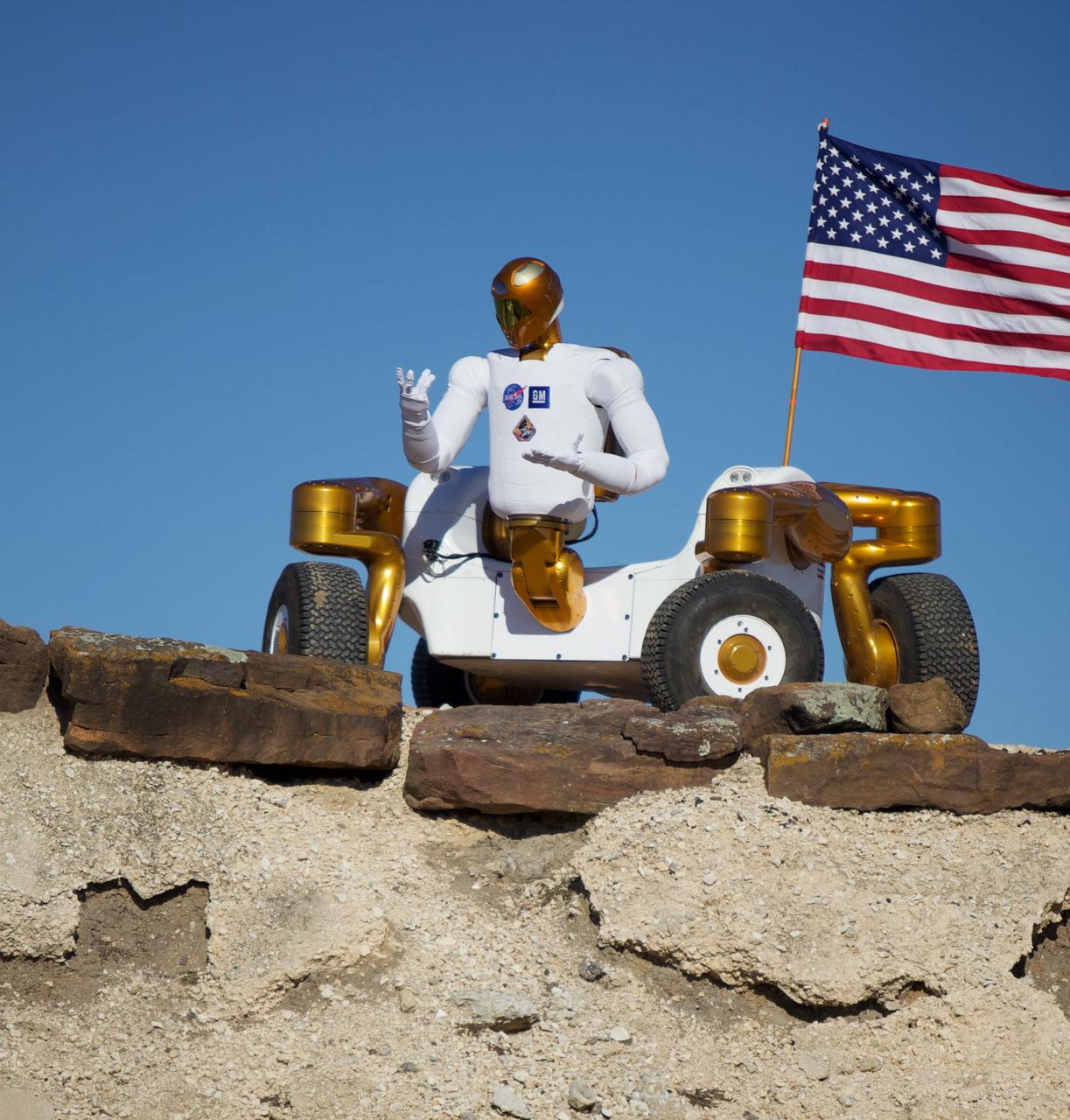
JSC2011-E-017946 (February 2011) --- Robonaut 2 poses atop its new wheeled base, Centaur 2, at the Johnson Space Center Planetary Analog Test Site. The Centaur base builds off of lessons learned through the Space Exploration Vehicle, a rover for astronauts, and could allow the dexterous humanoid robot to help with the future exploration of distant planetary surfaces. Photo credit: NASA or National Aeronautics and Space Administration
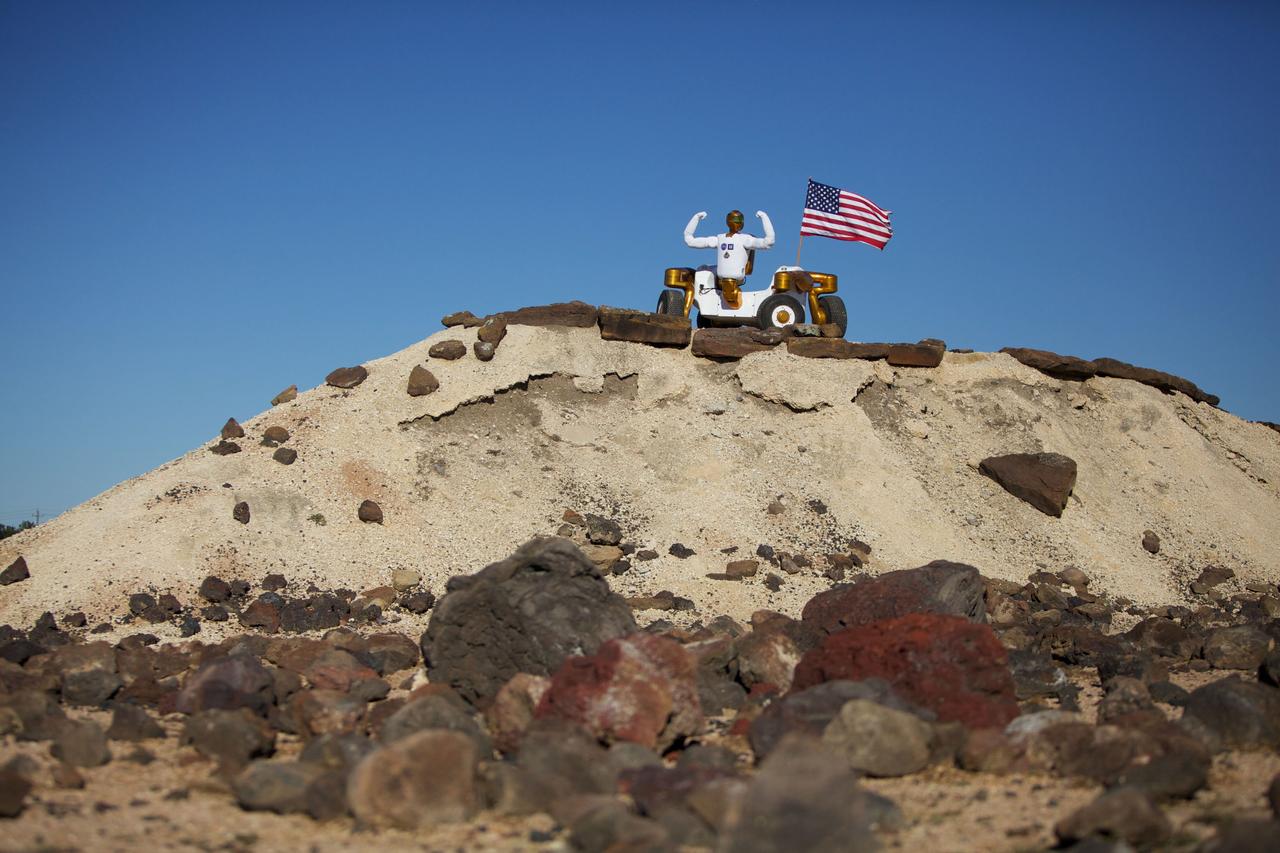
JSC2011-E-017945 (February 2011) --- Robonaut 2 poses atop its new wheeled base, Centaur 2, at the Johnson Space Center Planetary Analog Test Site. The Centaur base builds off of lessons learned through the Space Exploration Vehicle, a rover for astronauts, and could allow the dexterous humanoid robot to help with the future exploration of distant planetary surfaces. Photo credit: NASA or National Aeronautics and Space Administration
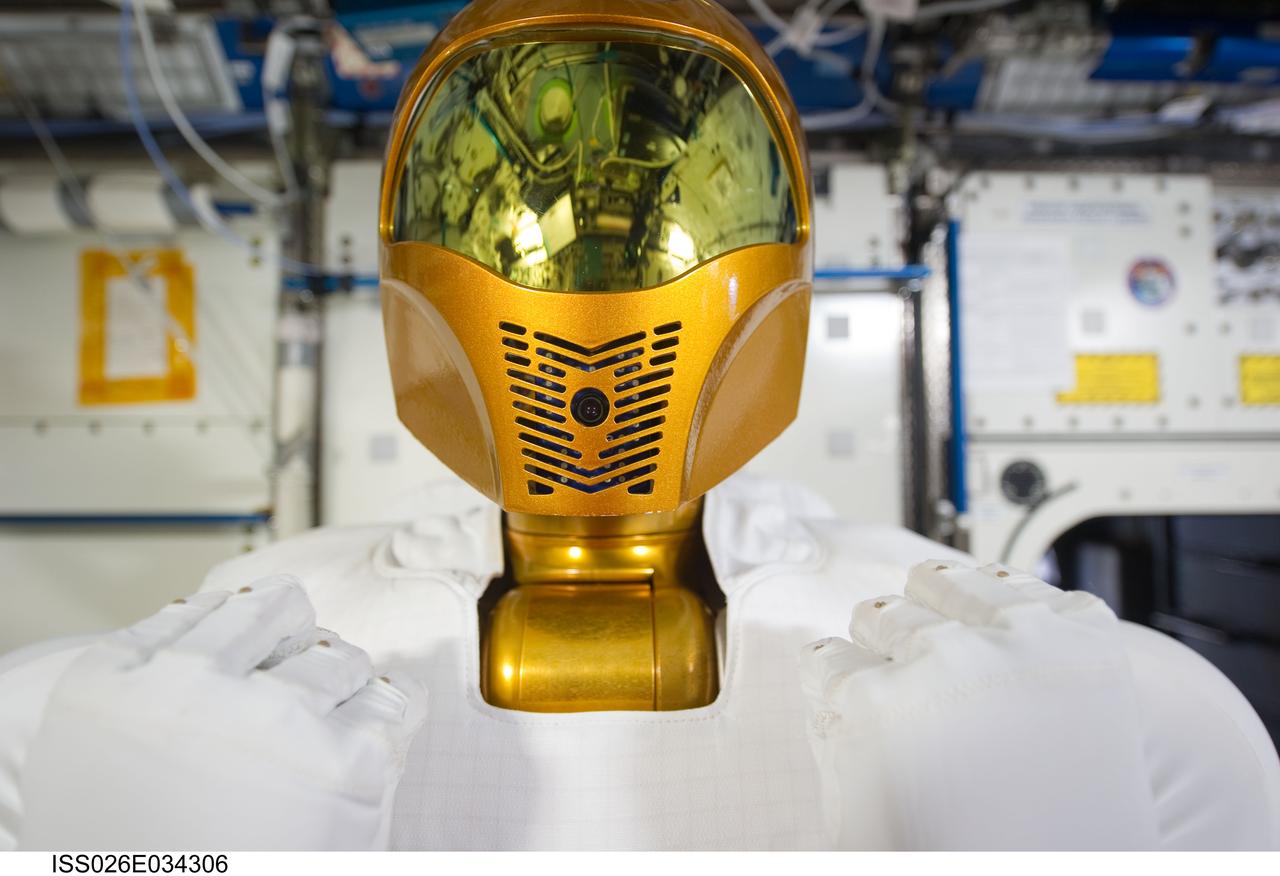
JSC2011-E-017947 (February 2011) --- Robonaut 2 poses atop its new wheeled base, Centaur 2, at the Johnson Space Center Planetary Analog Test Site. The Centaur base builds off of lessons learned through the Space Exploration Vehicle, a rover for astronauts, and could allow the dexterous humanoid robot to help with the future exploration of distant planetary surfaces. Photo credit: NASA or National Aeronautics and Space Administration
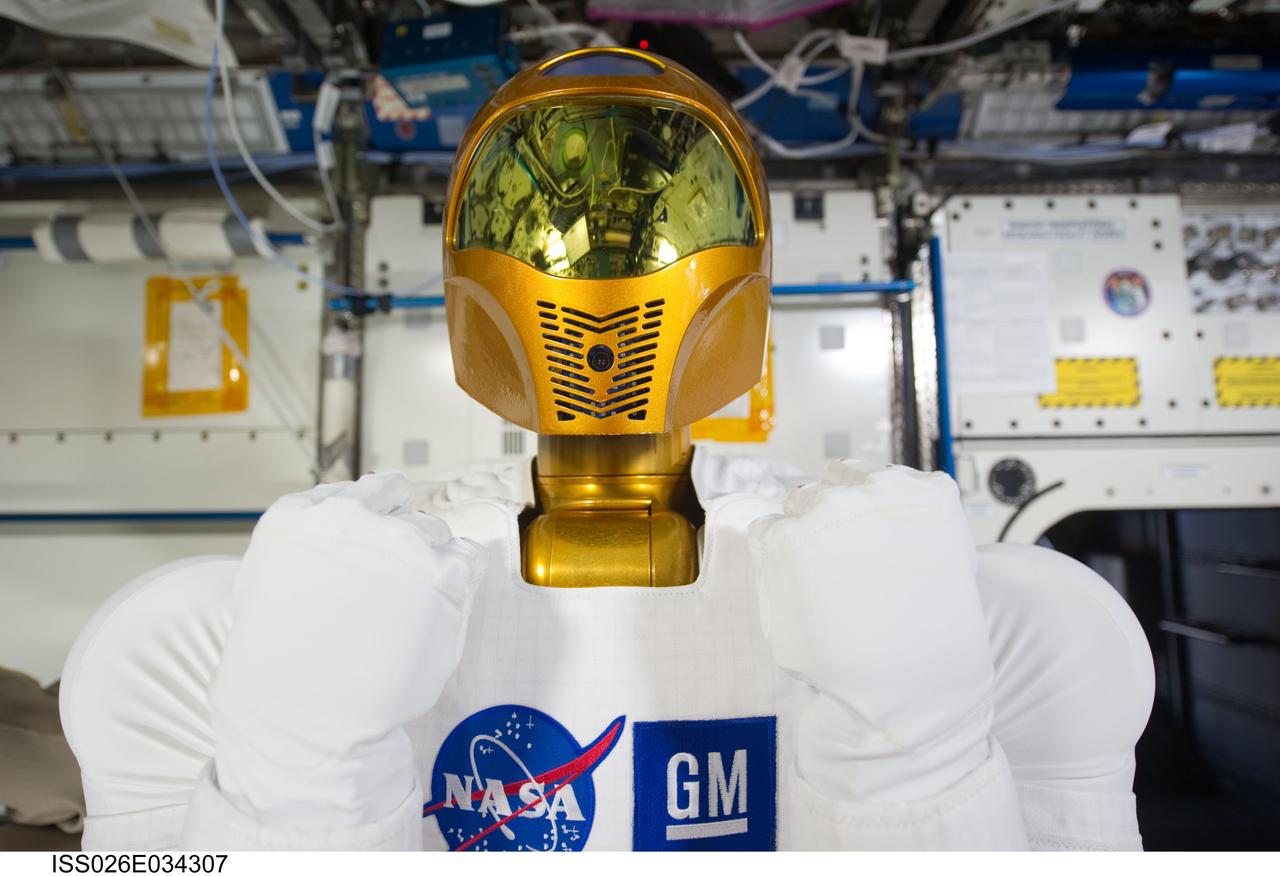
ISS026-E-034306 (15 March 2011) --- Robonaut 2, the dexterous humanoid astronaut helper, is pictured in the Destiny laboratory of the International Space Station.
ISS026-E-034307 (15 March 2011) --- Robonaut 2, the dexterous humanoid astronaut helper, is pictured in the Destiny laboratory of the International Space Station.
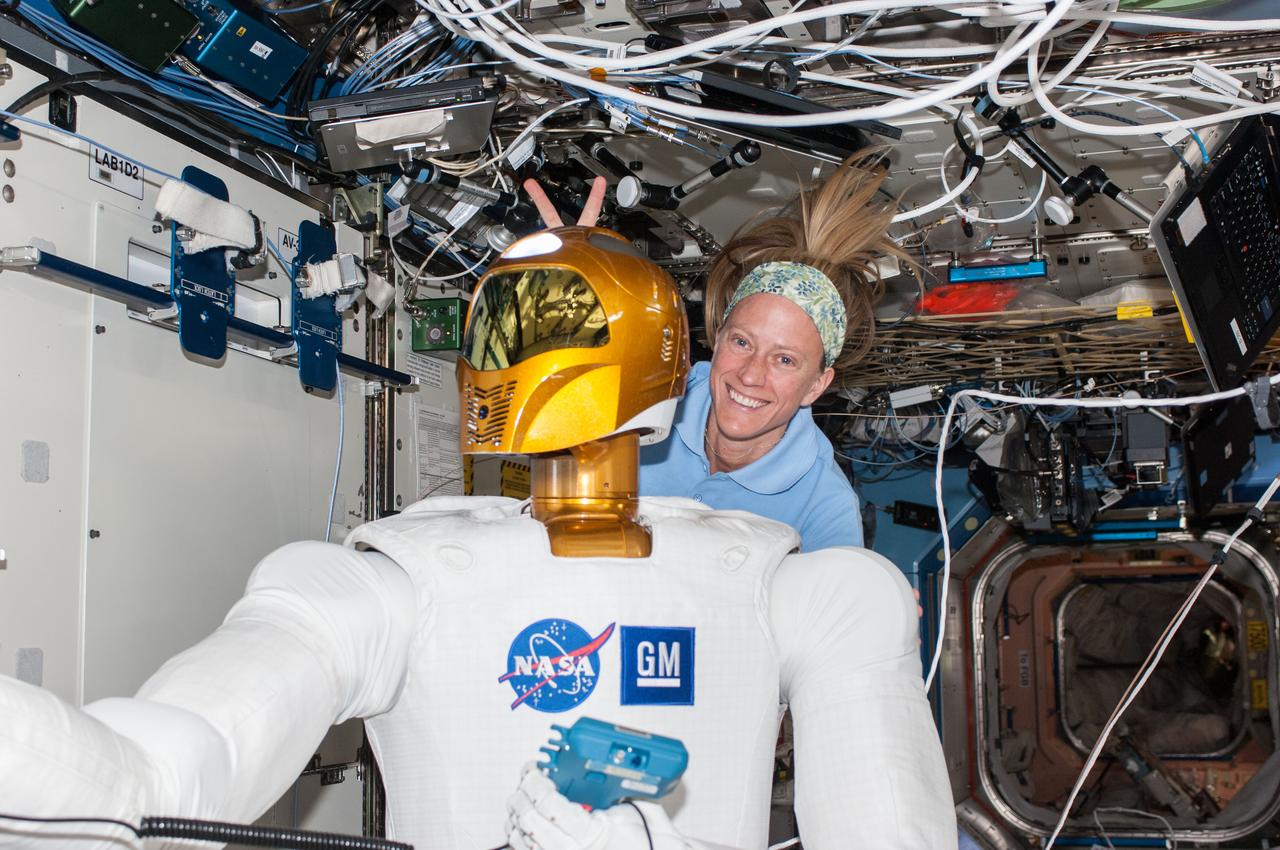
NASA astronaut Karen Nyberg,Expedition 36 flight engineer,is pictured with Robonaut 2,the first humanoid robot in space,in the Destiny laboratory of the International Space Station.
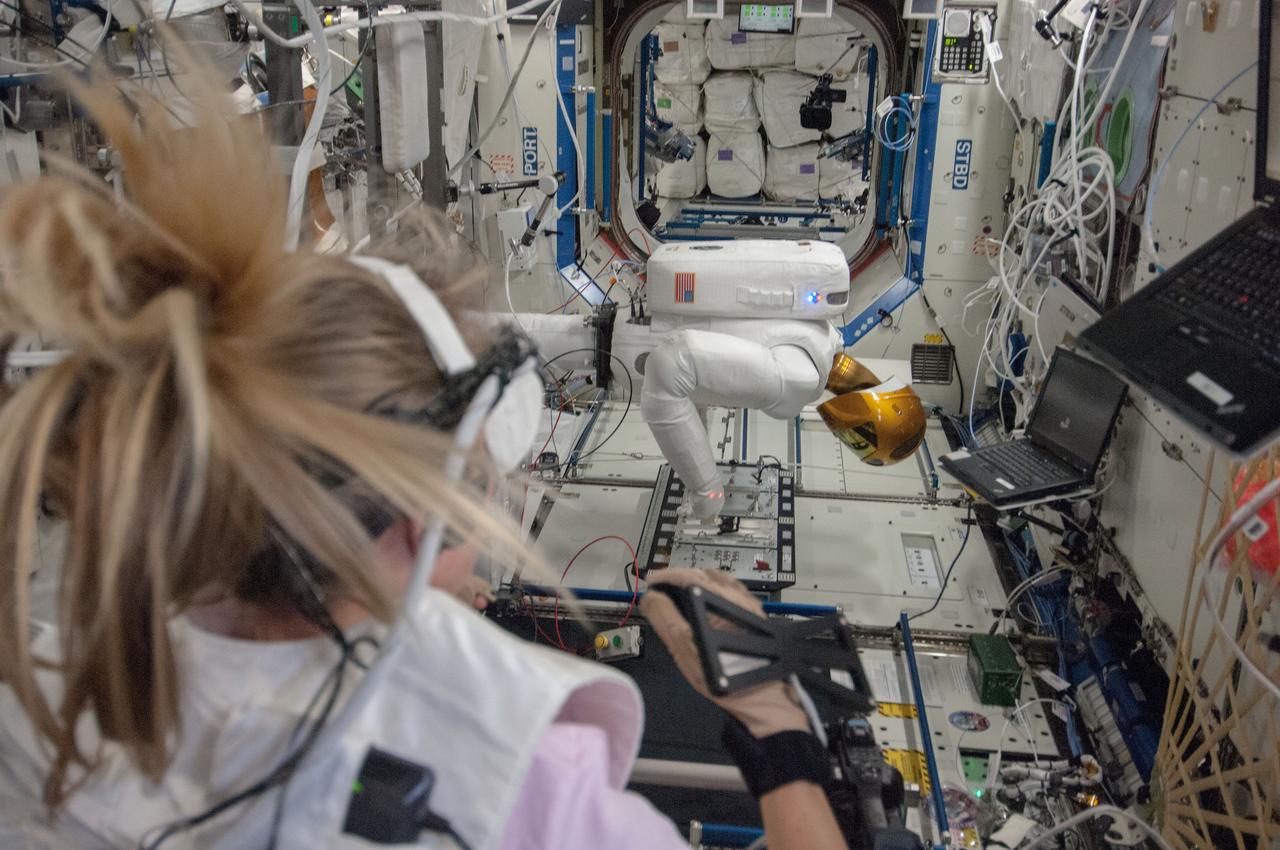
View of Astronaut Karen Nyberg, Expedition 36 flight engineer, performing Robonaut Teleops activities with Robonaut 2,the first humanoid robot in space,in the Destiny laboratory of the International Space Station. Sent also as Twitter message.
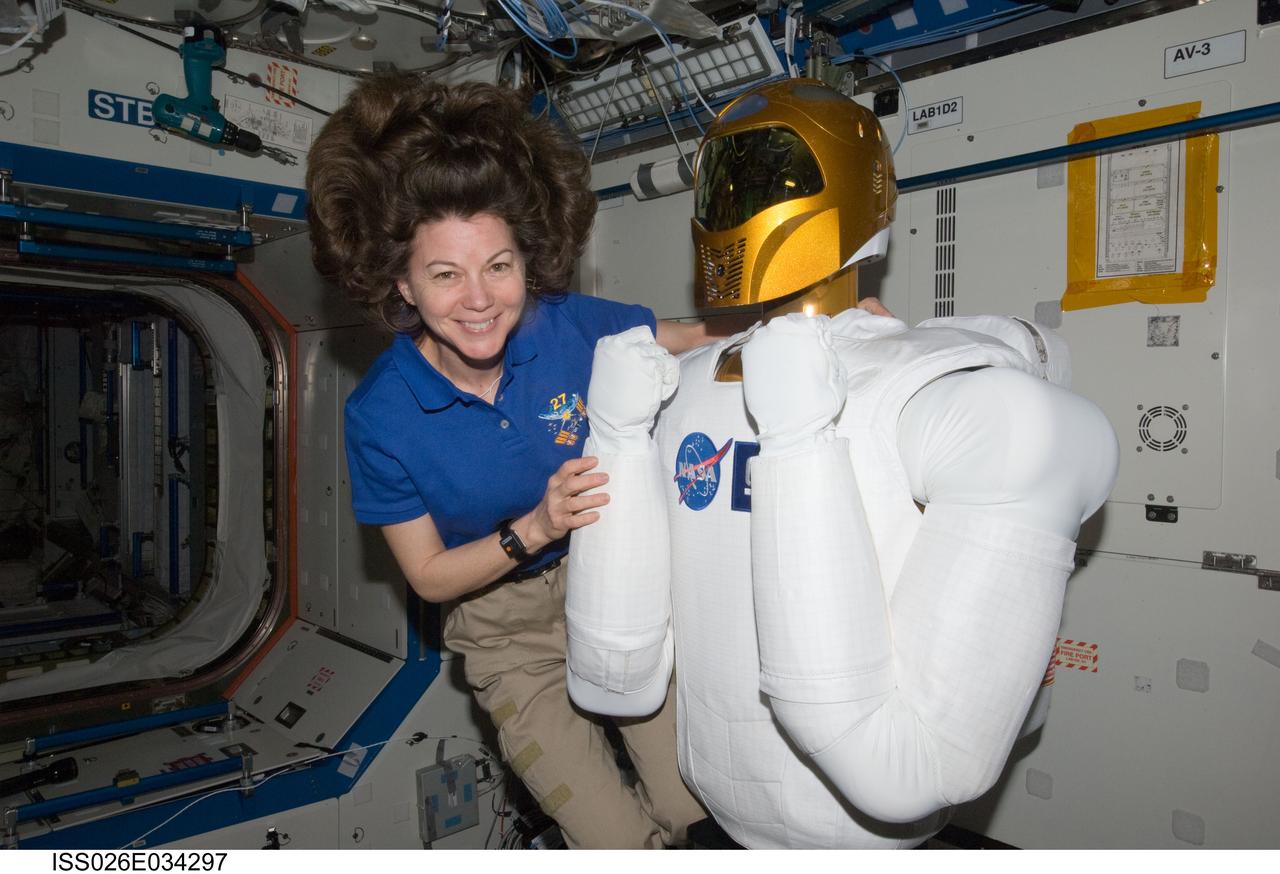
ISS026-E-034297 (15 March 2011) --- NASA astronaut Cady Coleman, Expedition 26/27 flight engineer, poses with Robonaut 2, the dexterous humanoid astronaut helper, in the Destiny laboratory of the International Space Station.
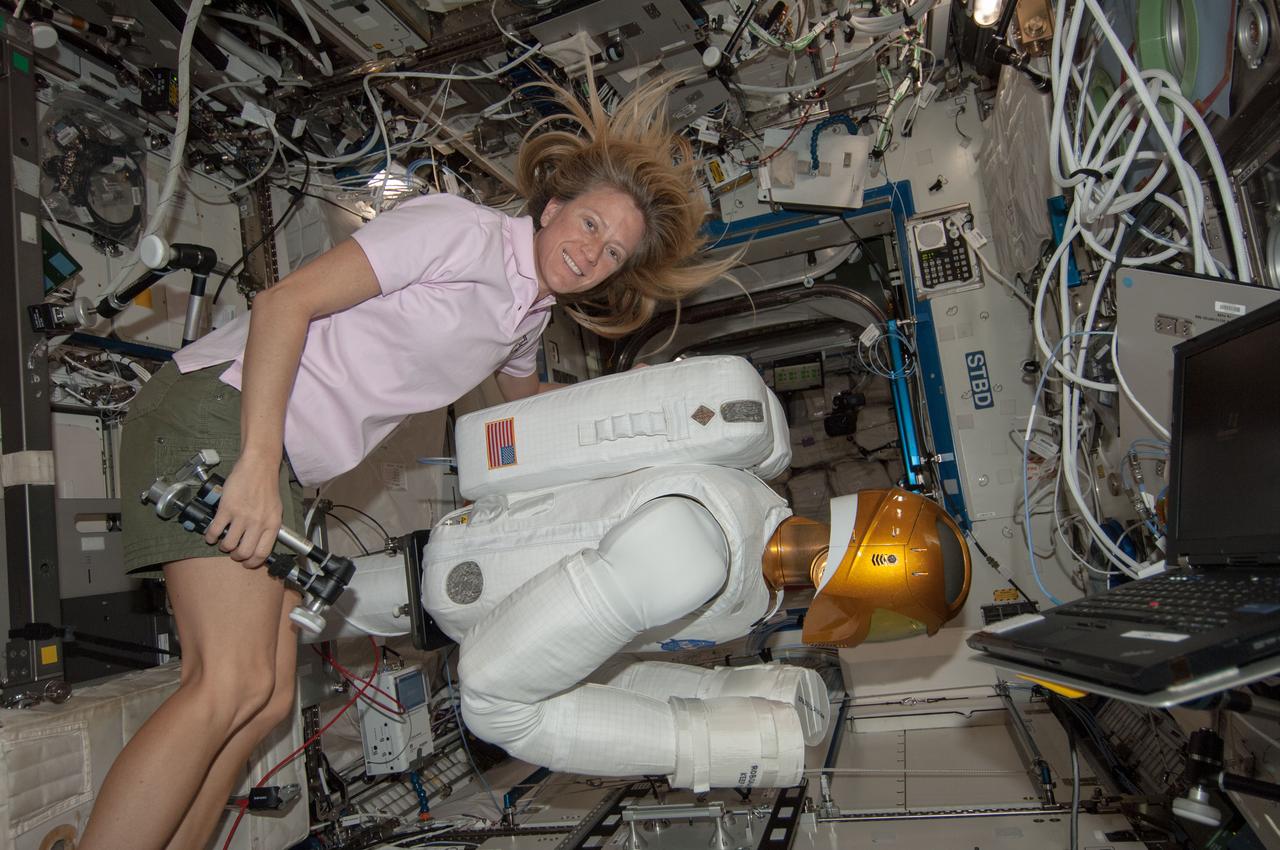
ISS036-E-022474 (22 July 2013) --- NASA astronaut Karen Nyberg, Expedition 36 flight engineer, works with Robonaut 2, the first humanoid robot in space, in the Destiny laboratory of the International Space Station.
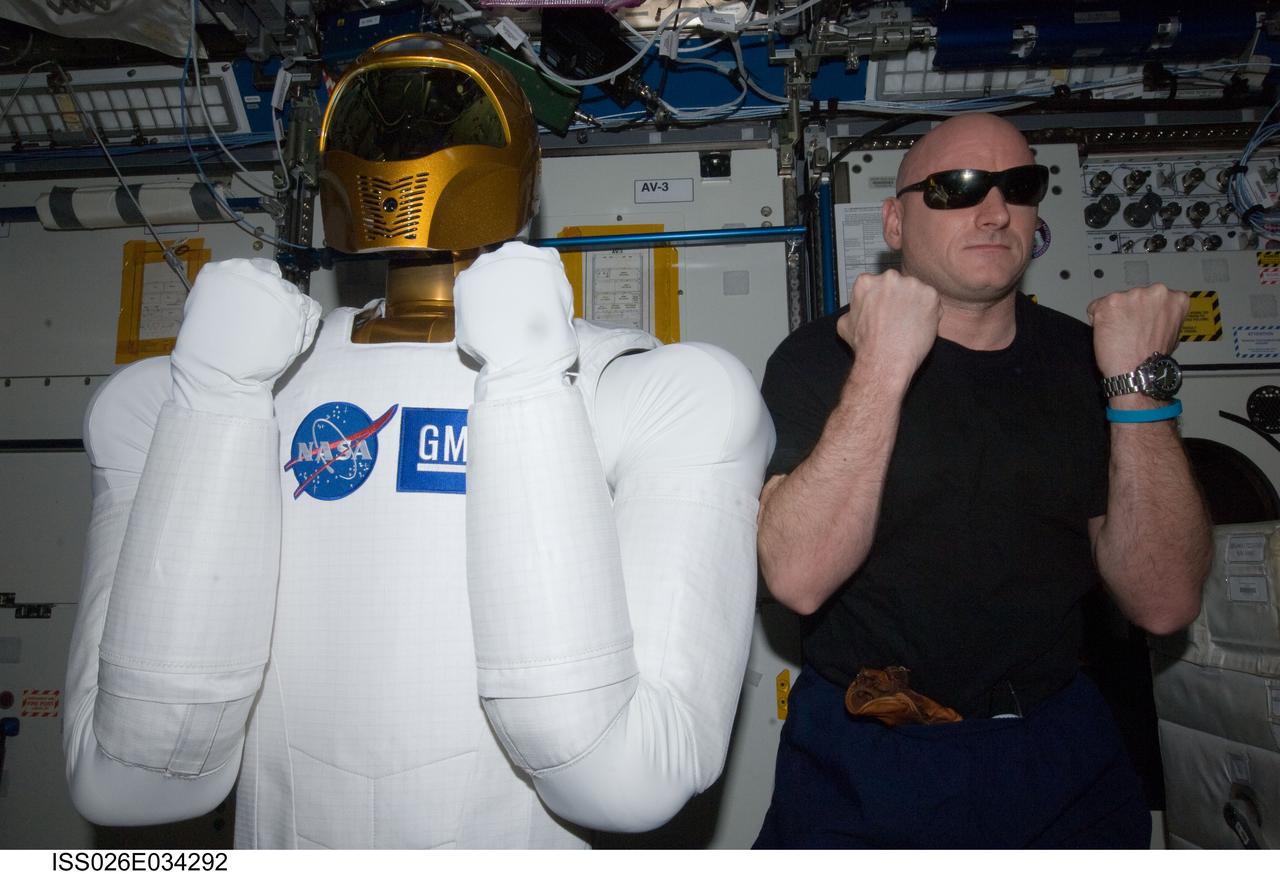
ISS026-E-034292 (15 March 2011) --- NASA astronaut Scott Kelly, Expedition 26 commander, poses with Robonaut 2, the dexterous humanoid astronaut helper, in the Destiny laboratory of the International Space Station.
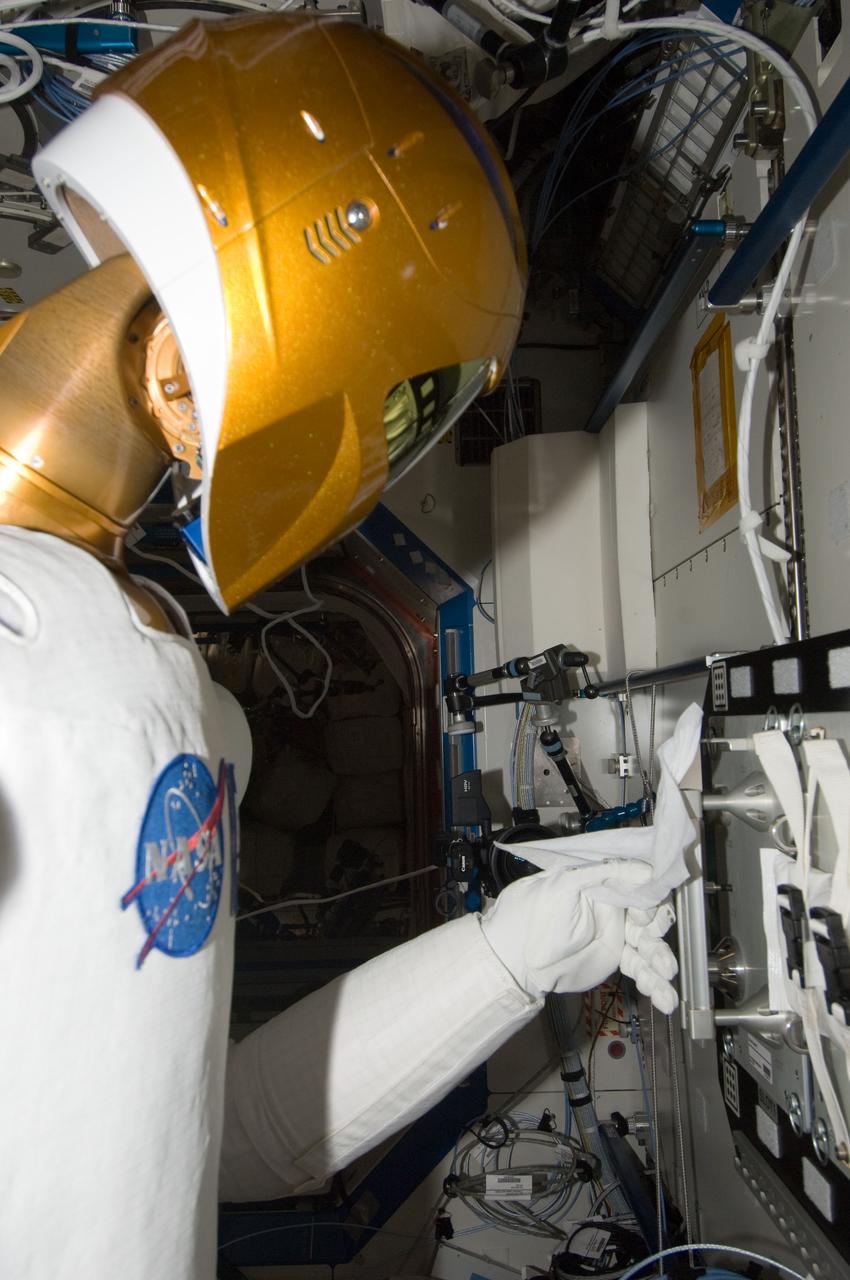
ISS032-E-024561 (28 Aug. 2012) --- Robonaut 2 humanoid robot prepares to grasp a handrail during another system checkout in the Destiny laboratory of the International Space Station.
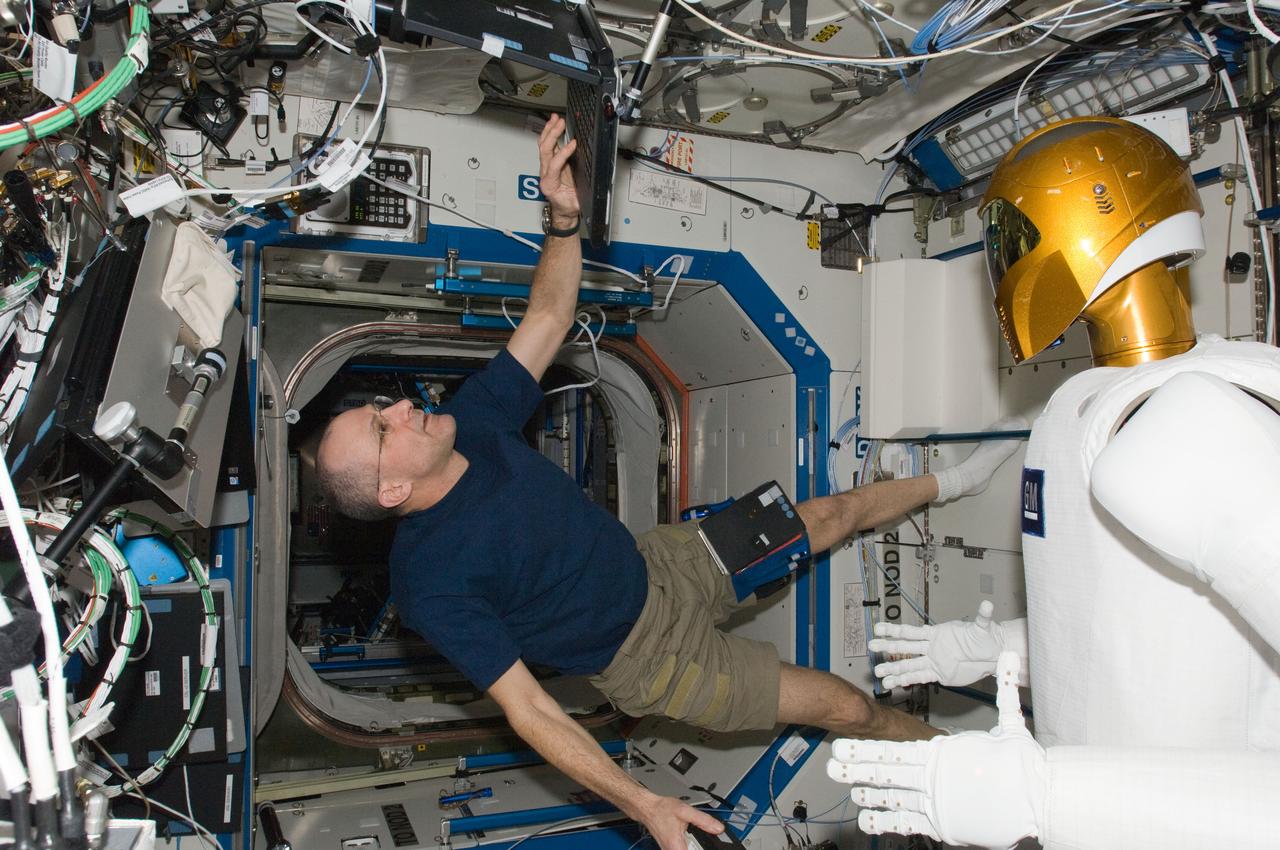
ISS030-E-142862 (13 March 2012) --- NASA astronaut Don Pettit, Expedition 30 flight engineer, enters data in a computer while working with Robonaut 2 humanoid robot in the Destiny laboratory of the International Space Station.
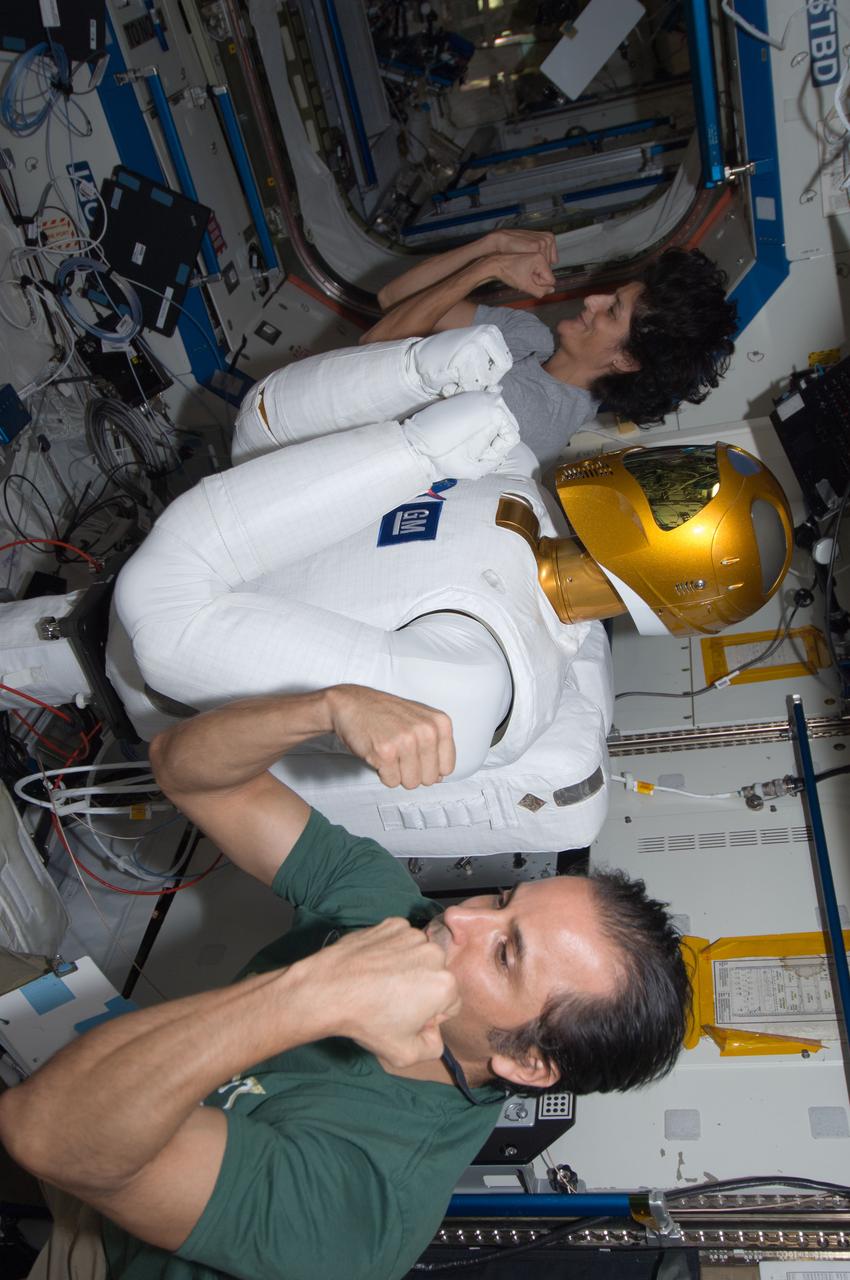
ISS032-E-022938 (22 Aug. 2012) --- NASA astronauts Sunita Williams and Joe Acaba, both Expedition 32 flight engineers, pose for a photo with Robonaut 2 humanoid robot in the Destiny laboratory of the International Space Station.
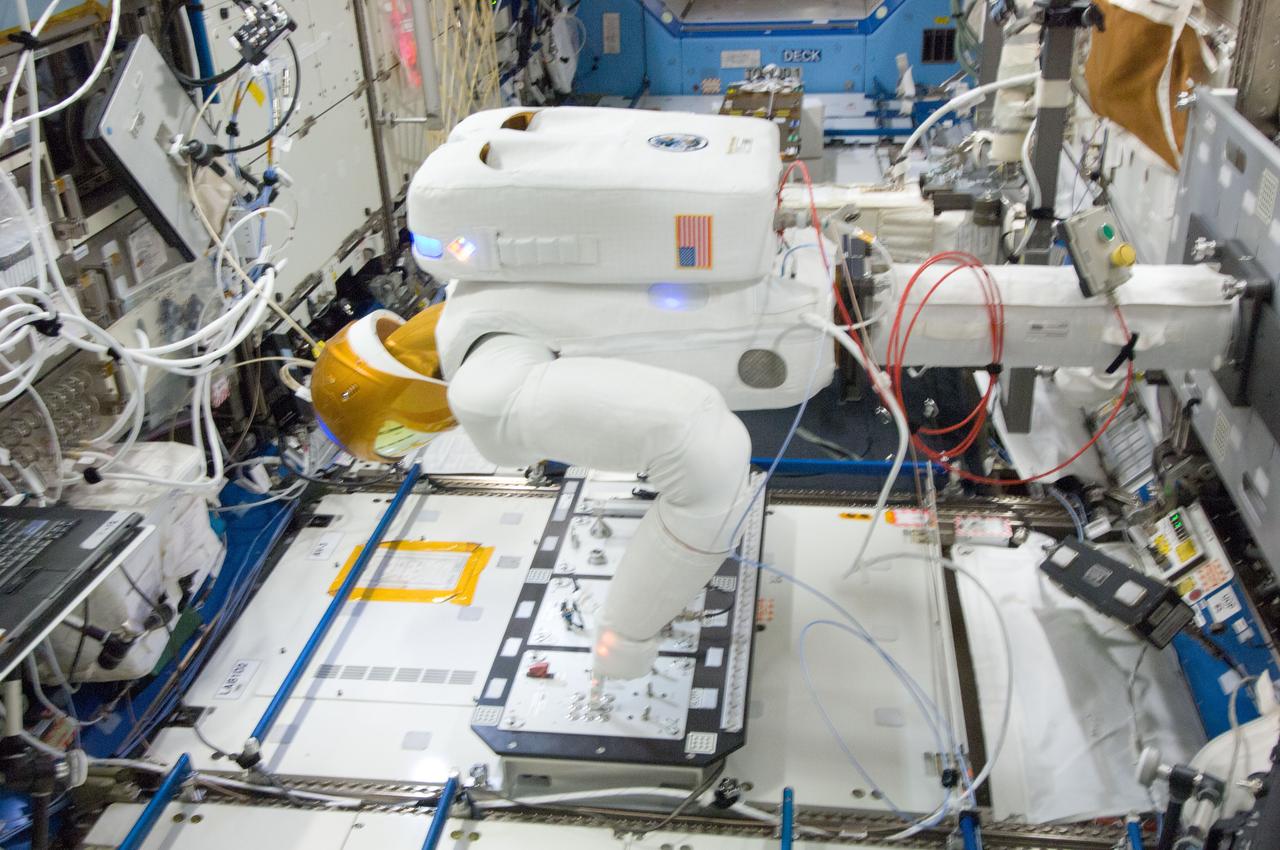
ISS031-E-031704 (1 May 2012) --- Controlled by teams on the ground, Robonaut 2 humanoid robot uses a task board during an arm and finger motions check out in the Destiny laboratory of the International Space Station.
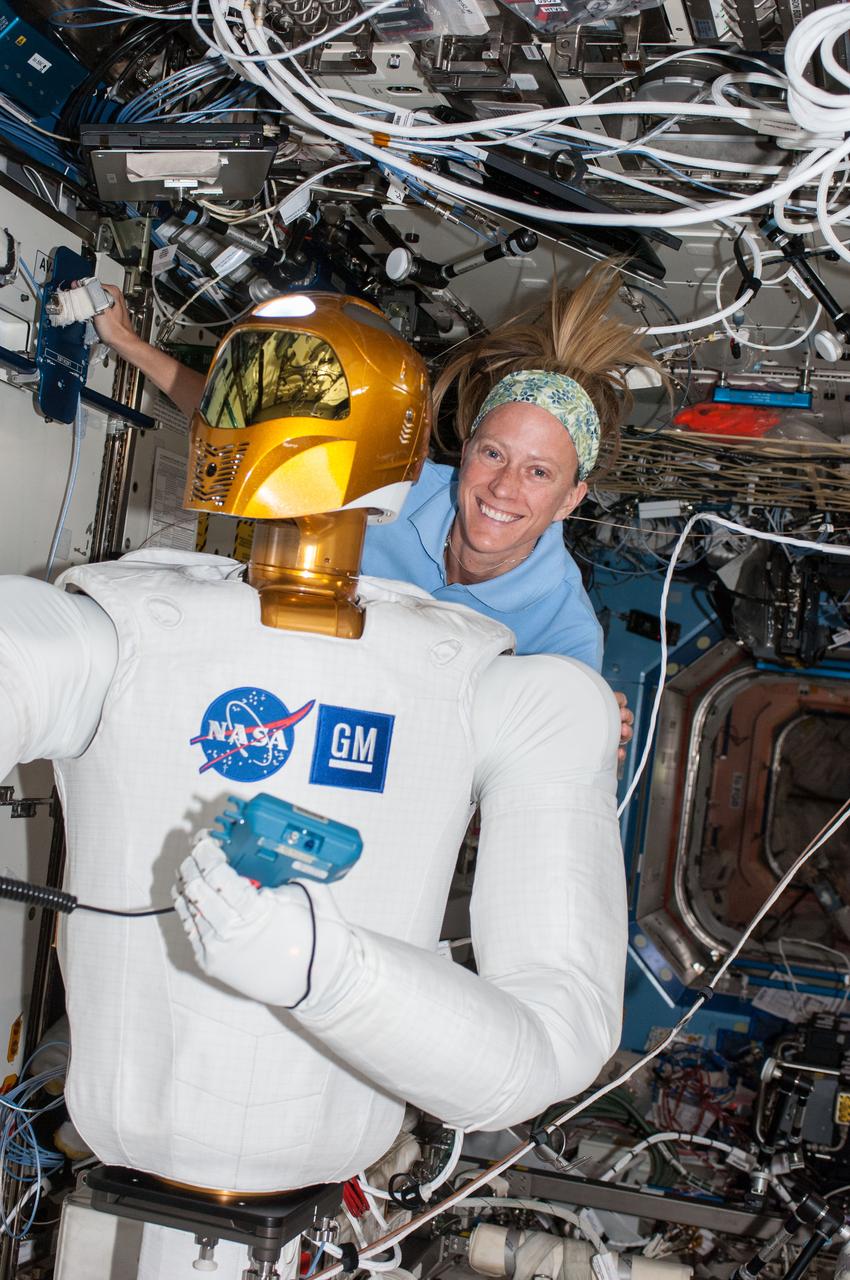
ISS036-E-013175 (28 June 2013) --- NASA astronaut Karen Nyberg, Expedition 36 flight engineer, is pictured with Robonaut 2, the first humanoid robot in space, in the Destiny laboratory of the International Space Station.
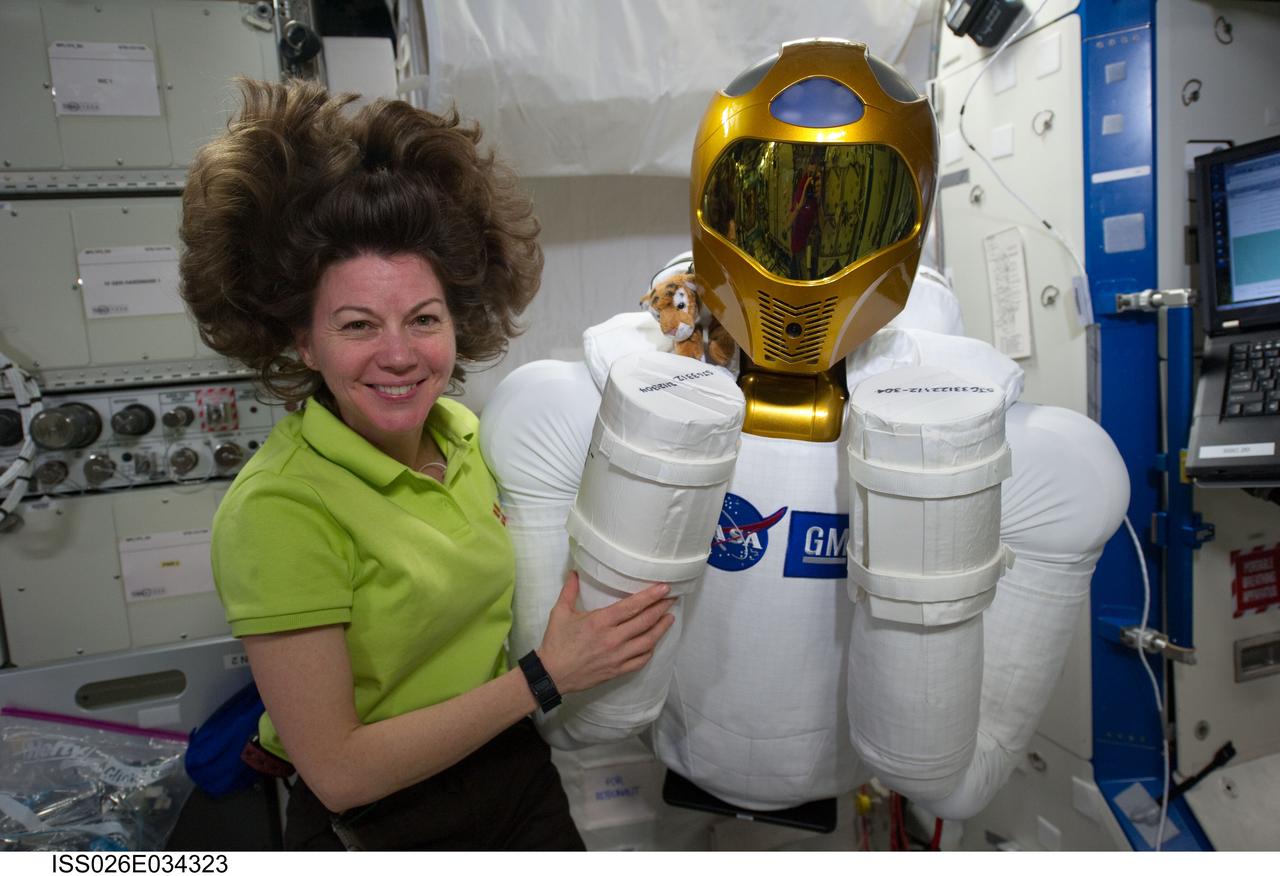
ISS026-E-034323 (15 March 2011) --- NASA astronaut Cady Coleman, Expedition 26/27 flight engineer, poses with Robonaut 2, the dexterous humanoid astronaut helper, in the Destiny laboratory of the International Space Station.
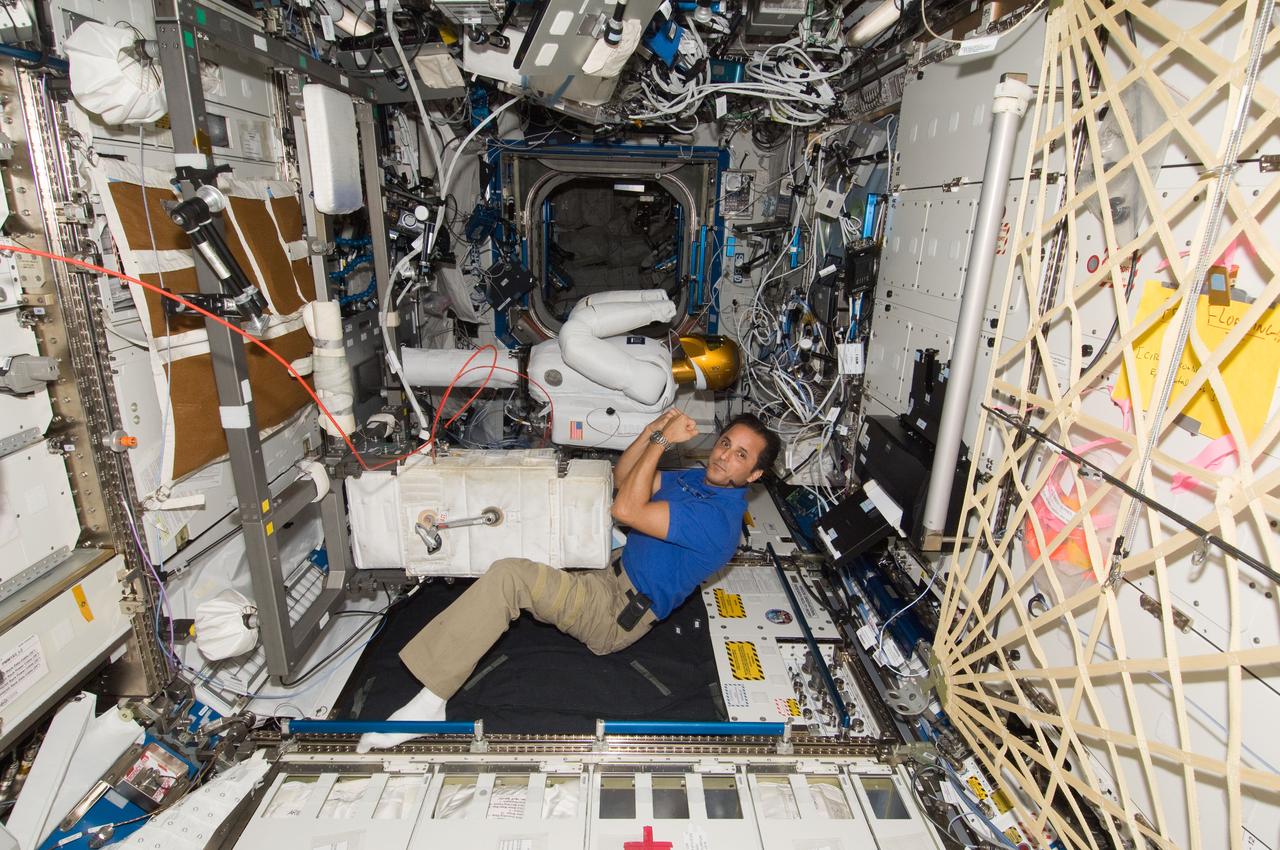
ISS031-E-146487 (26 June 2012) --- NASA astronaut Joe Acaba, Expedition 31 flight engineer, poses for a photo with Robonaut 2 humanoid robot in the Destiny laboratory of the International Space Station.
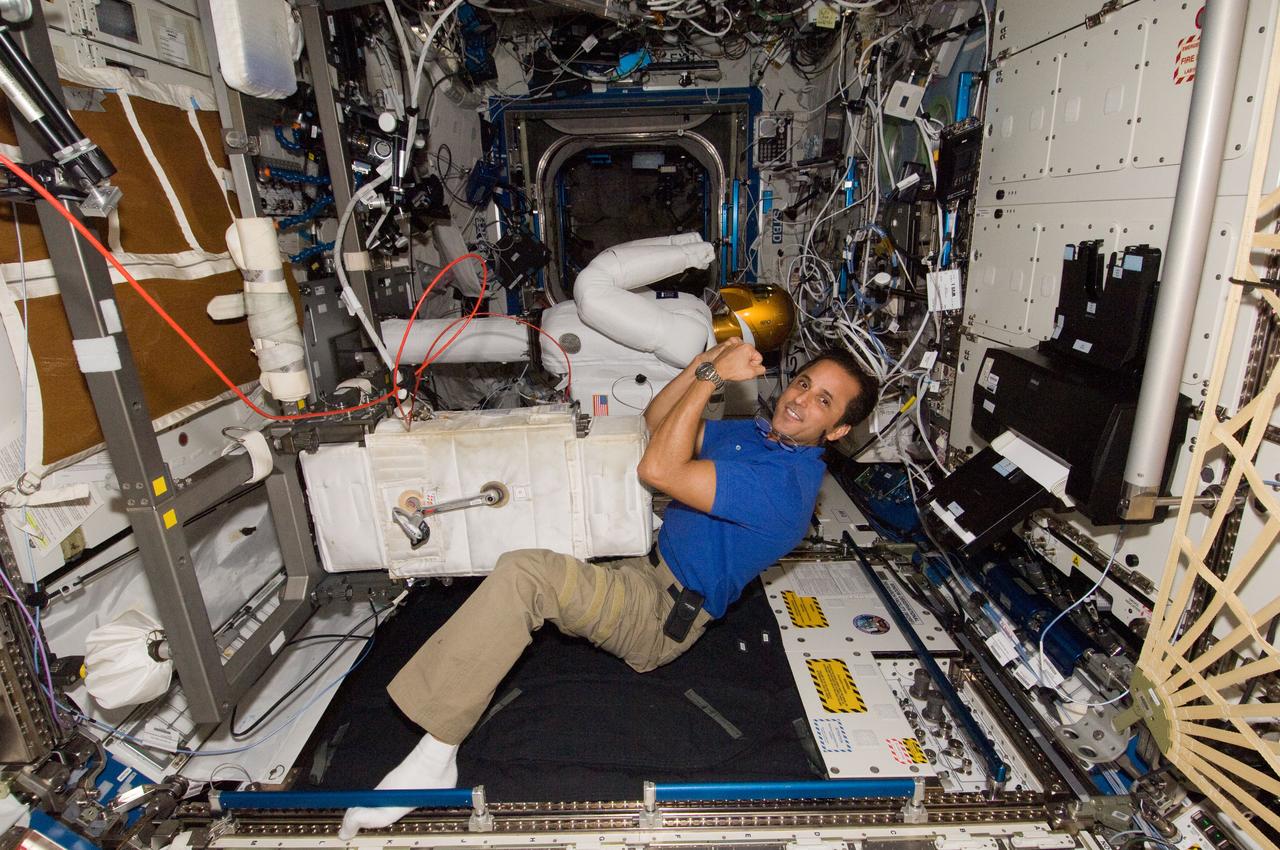
ISS031-E-146490 (26 June 2012) --- NASA astronaut Joe Acaba, Expedition 31 flight engineer, poses for a photo with Robonaut 2 humanoid robot in the Destiny laboratory of the International Space Station.
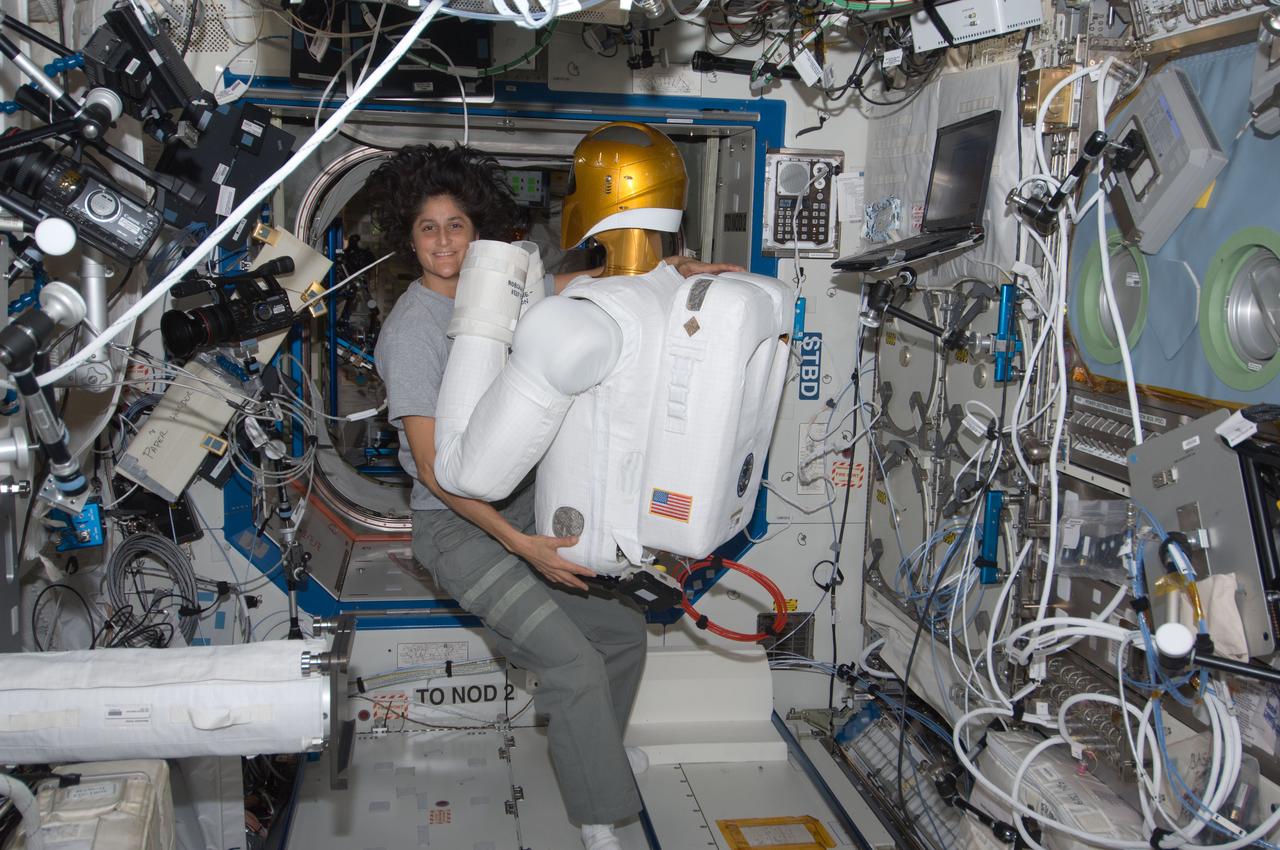
ISS032-E-022952 (22 Aug. 2012) --- NASA astronaut Sunita Williams, Expedition 32 flight engineer, works with Robonaut 2 humanoid robot in the Destiny laboratory of the International Space Station.
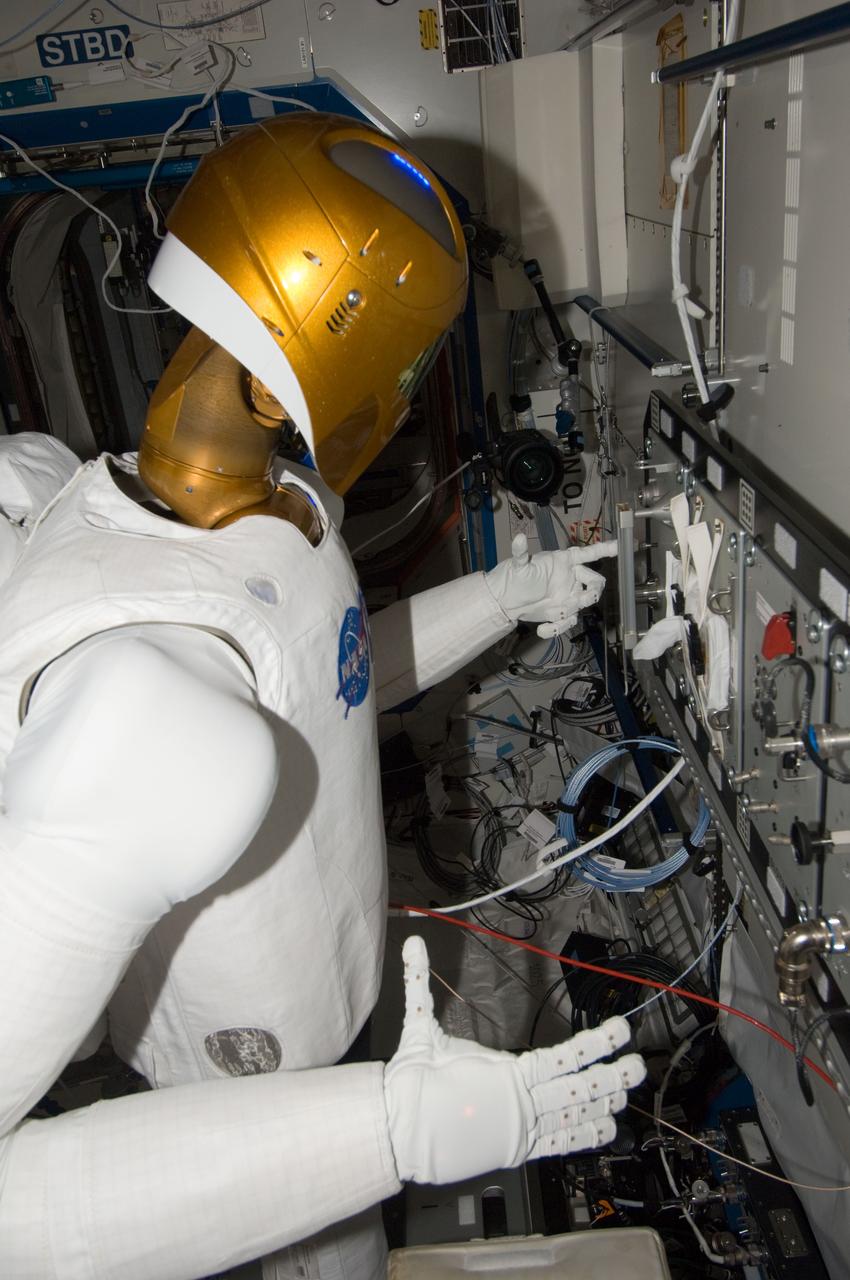
ISS032-E-024548 (28 Aug. 2012) --- Robonaut 2 humanoid robot prepares to grasp a handrail during another system checkout in the Destiny laboratory of the International Space Station.
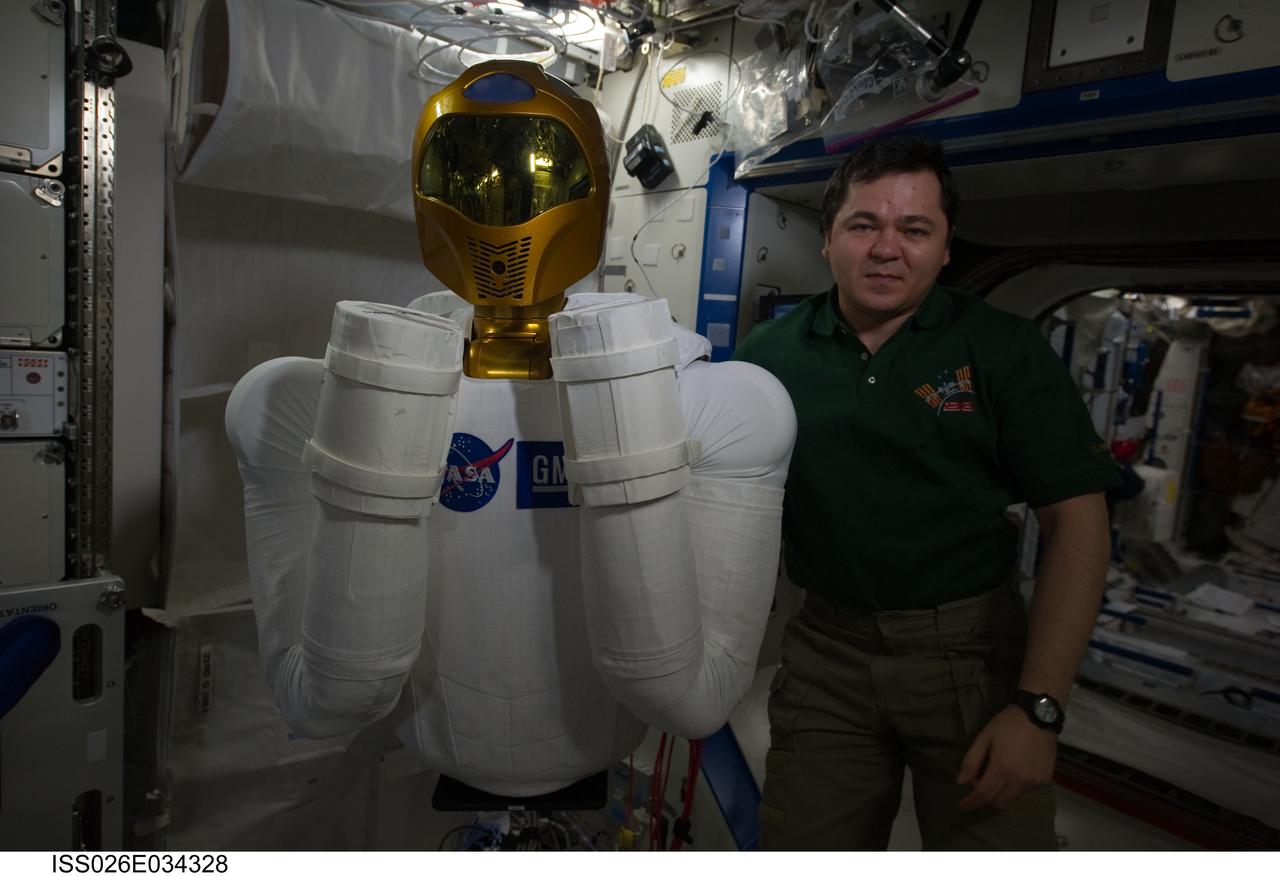
ISS026-E-034328 (15 March 2011) --- Russian cosmonaut Oleg Skripochka, Expedition 26 flight engineer, poses with Robonaut 2, the dexterous humanoid astronaut helper, in the Destiny laboratory of the International Space Station.
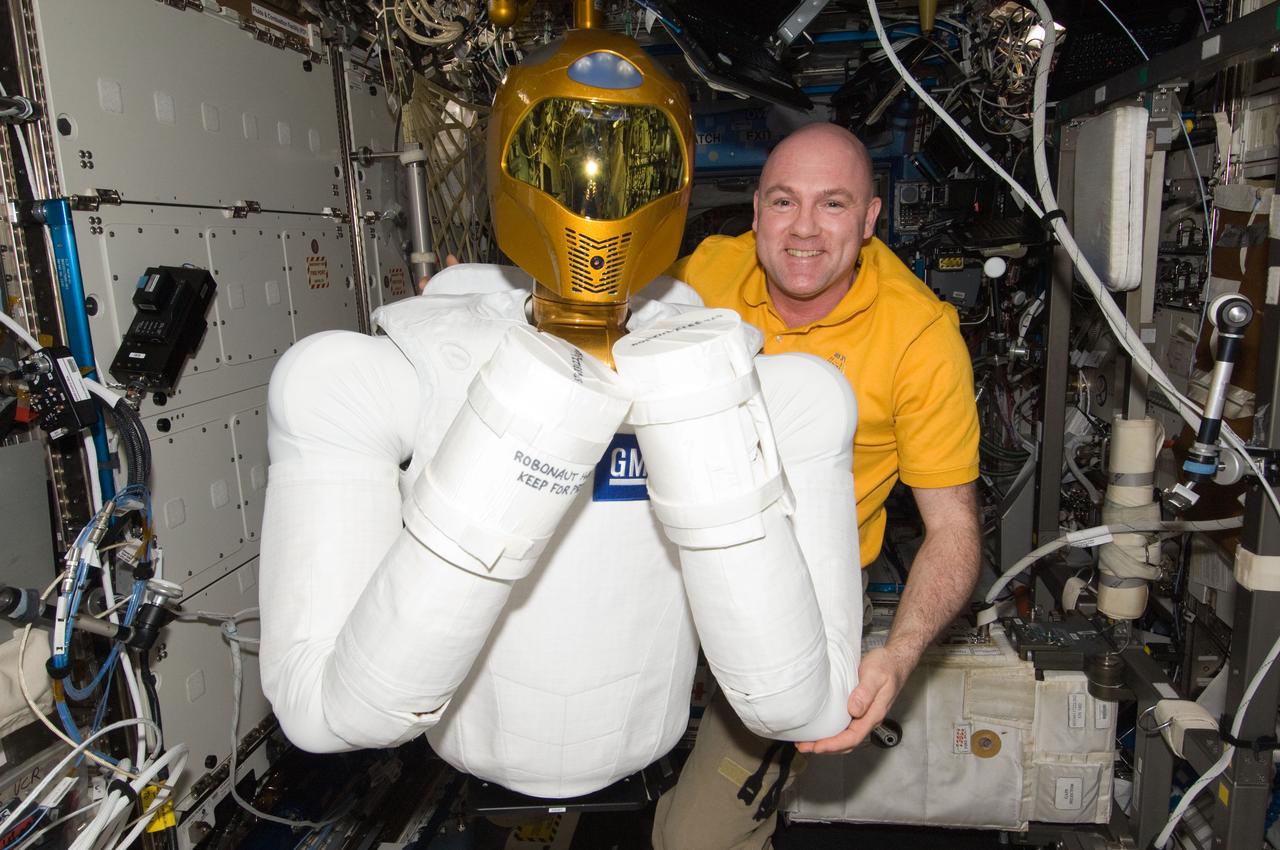
ISS031-E-148737 (27 June 2012) --- European Space Agency astronaut Andre Kuipers, Expedition 31 flight engineer, poses for a photo with Robonaut 2 humanoid robot in the Destiny laboratory of the International Space Station.
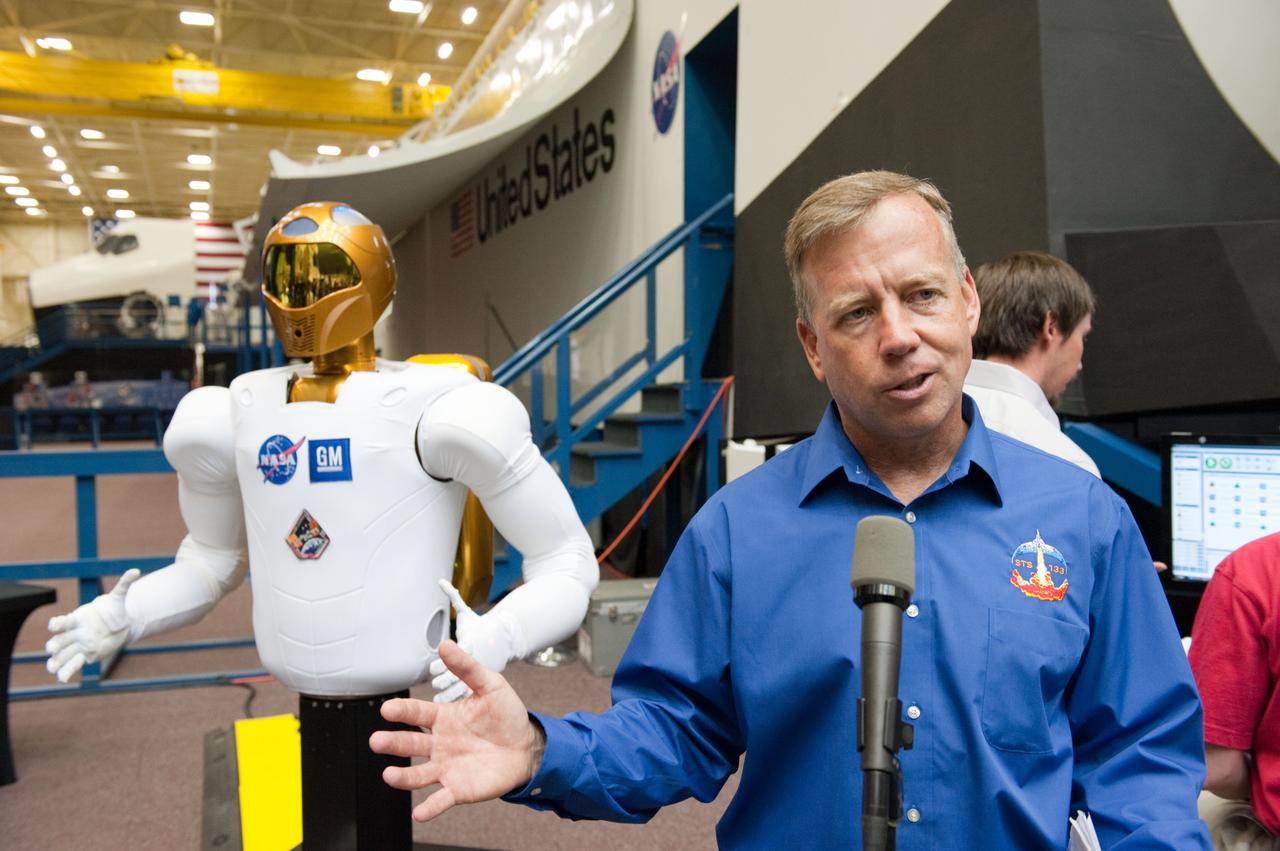
JSC2010-E-112721 (4 Aug. 2010) --- NASA astronaut Steve Lindsey, STS-133 commander, speaks to members of the media and NASA personnel during Robonaut 2 (R2) media day in the Space Vehicle Mock-up Facility at NASA's Johnson Space Center. R2, who will hitch a ride with the STS-133 crew members, is the first humanoid robot to travel to space and the first U.S.-built robot to visit the International Space Station. R2 will stay on the space station indefinitely to allow engineers on the ground to learn more about how humanoid robots fare in microgravity. Photo credit: NASA or National Aeronautics and Space Administration
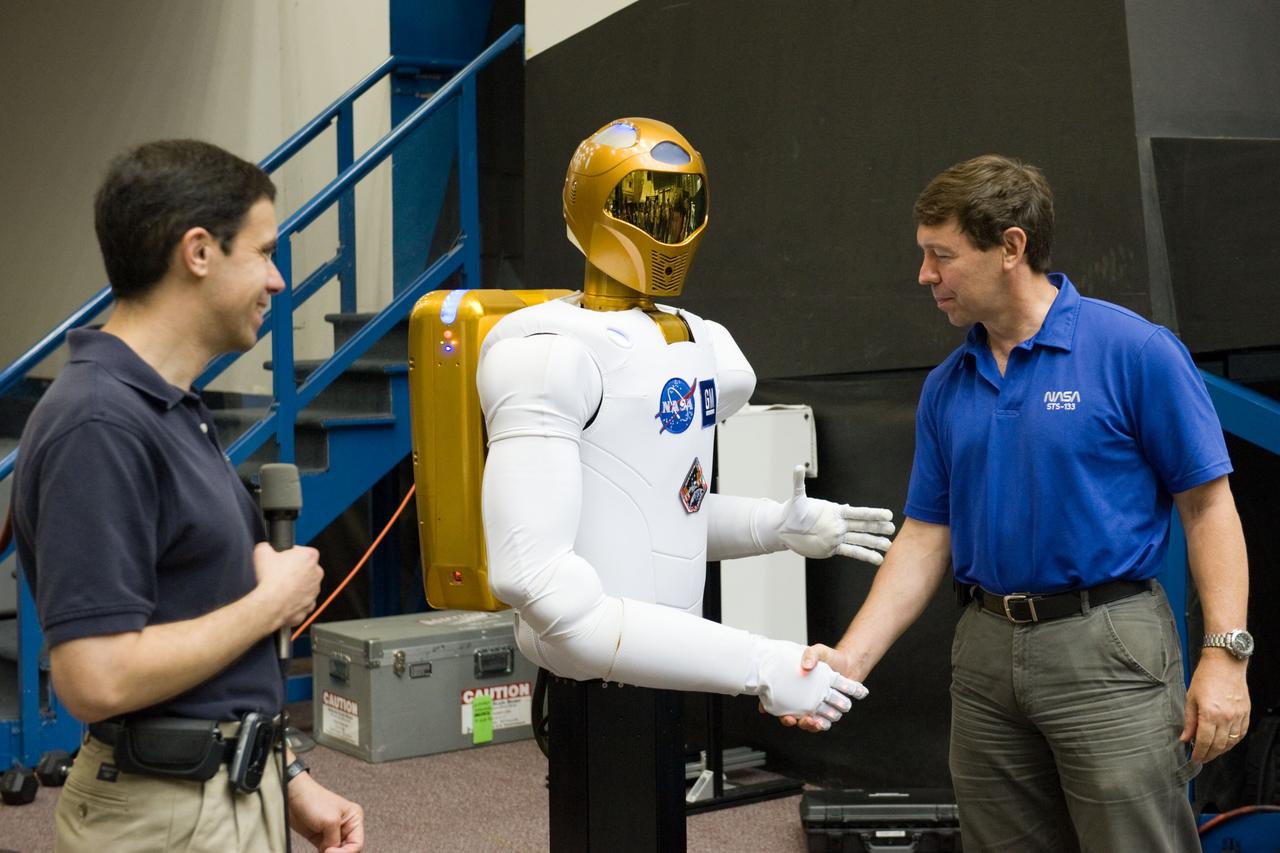
JSC2010-E-112701 (4 Aug. 2010) --- NASA astronaut Michael Barratt, STS-133 mission specialist, shakes hands with Robonaut 2 (R2) during media day in the Space Vehicle Mock-up Facility at NASA's Johnson Space Center. R2 is the first humanoid robot to travel to space and the first U.S.-built robot to visit the International Space Station. R2 will stay on the space station indefinitely to allow engineers on the ground to learn more about how humanoid robots fare in microgravity. Ron Diftler, NASA Robonaut project manager, is at left. Photo credit: NASA or National Aeronautics and Space Administration
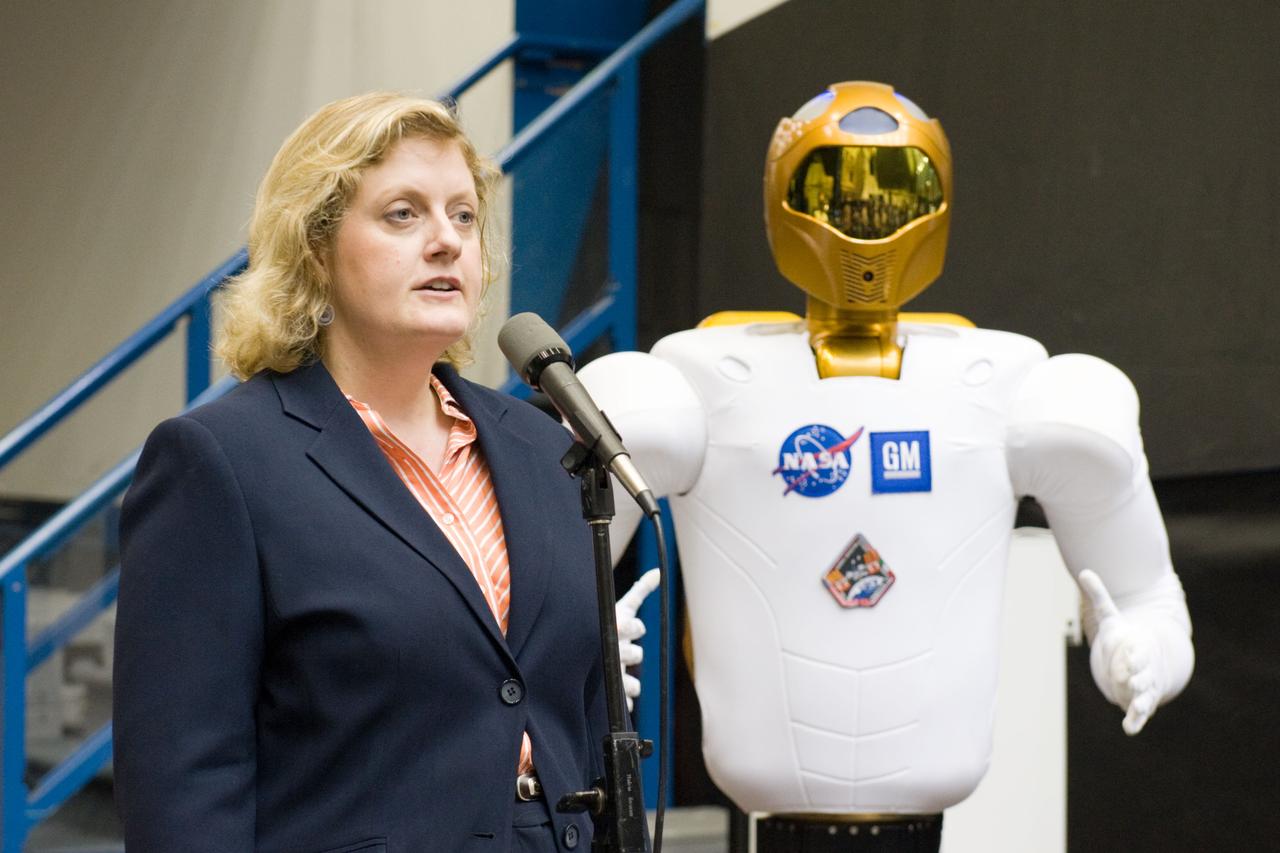
JSC2010-E-112828 (4 Aug. 2010) --- Julie Robinson, physical scientist, speaks to members of the media and NASA personnel during Robonaut 2 (R2) media day in the Space Vehicle Mock-up Facility at NASA's Johnson Space Center. R2, who will hitch a ride with the STS-133 crew members, is the first humanoid robot to travel to space and the first U.S.-built robot to visit the International Space Station. R2 will stay on the space station indefinitely to allow engineers on the ground to learn more about how humanoid robots fare in microgravity. Photo credit: NASA or National Aeronautics and Space Administration
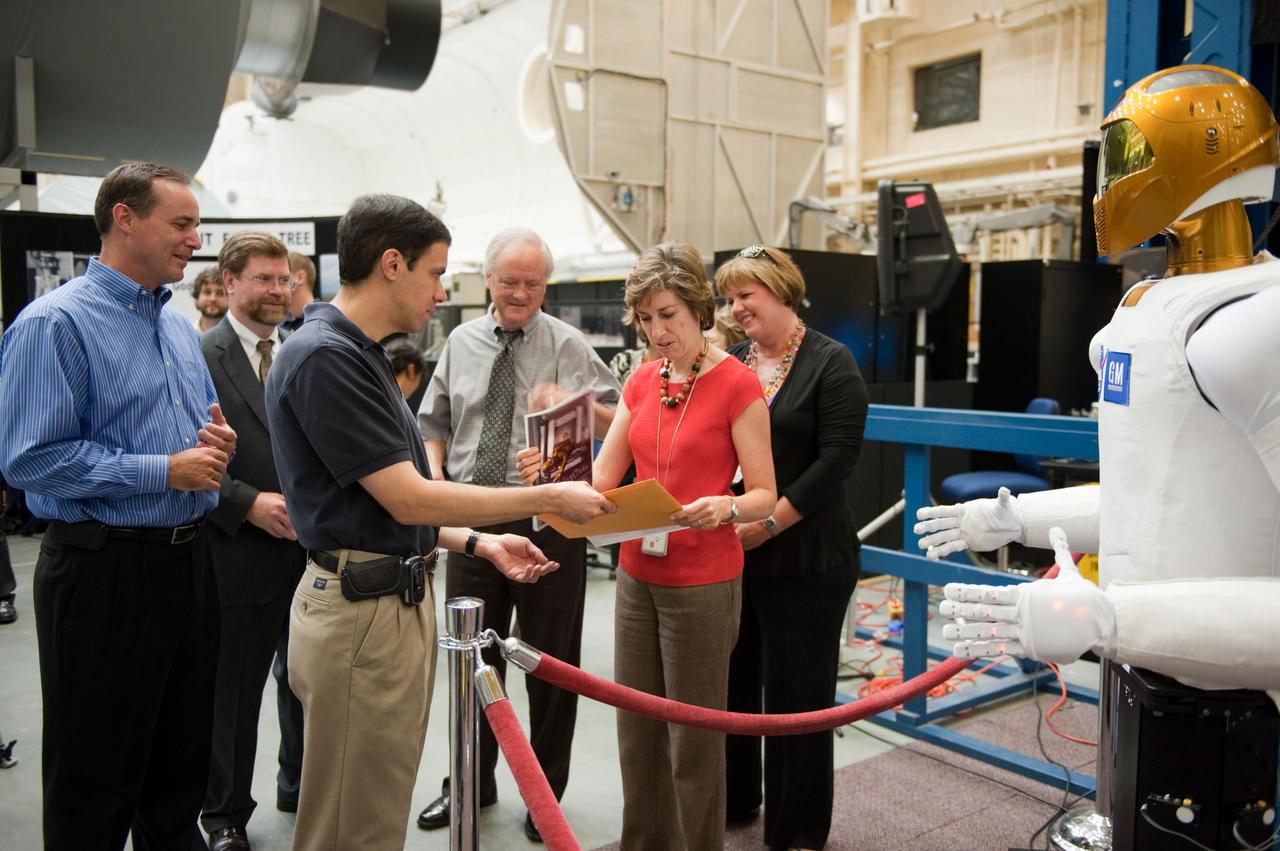
JSC2010-E-113079 (4 Aug. 2010) --- NASA's Johnson Space Center (JSC) deputy director Ellen Ochoa (right foreground), Milt Heflin (center background), associate director; and Ron Diftler, Robonaut project manager, are pictured during Robonaut 2 (R2) media day in the Space Vehicle Mock-up Facility at JSC. R2, who will hitch a ride with the STS-133 crew members, is the first humanoid robot to travel to space and the first U.S.-built robot to visit the International Space Station. R2 will stay on the space station indefinitely to allow engineers on the ground to learn more about how humanoid robots fare in microgravity. Photo credit: NASA
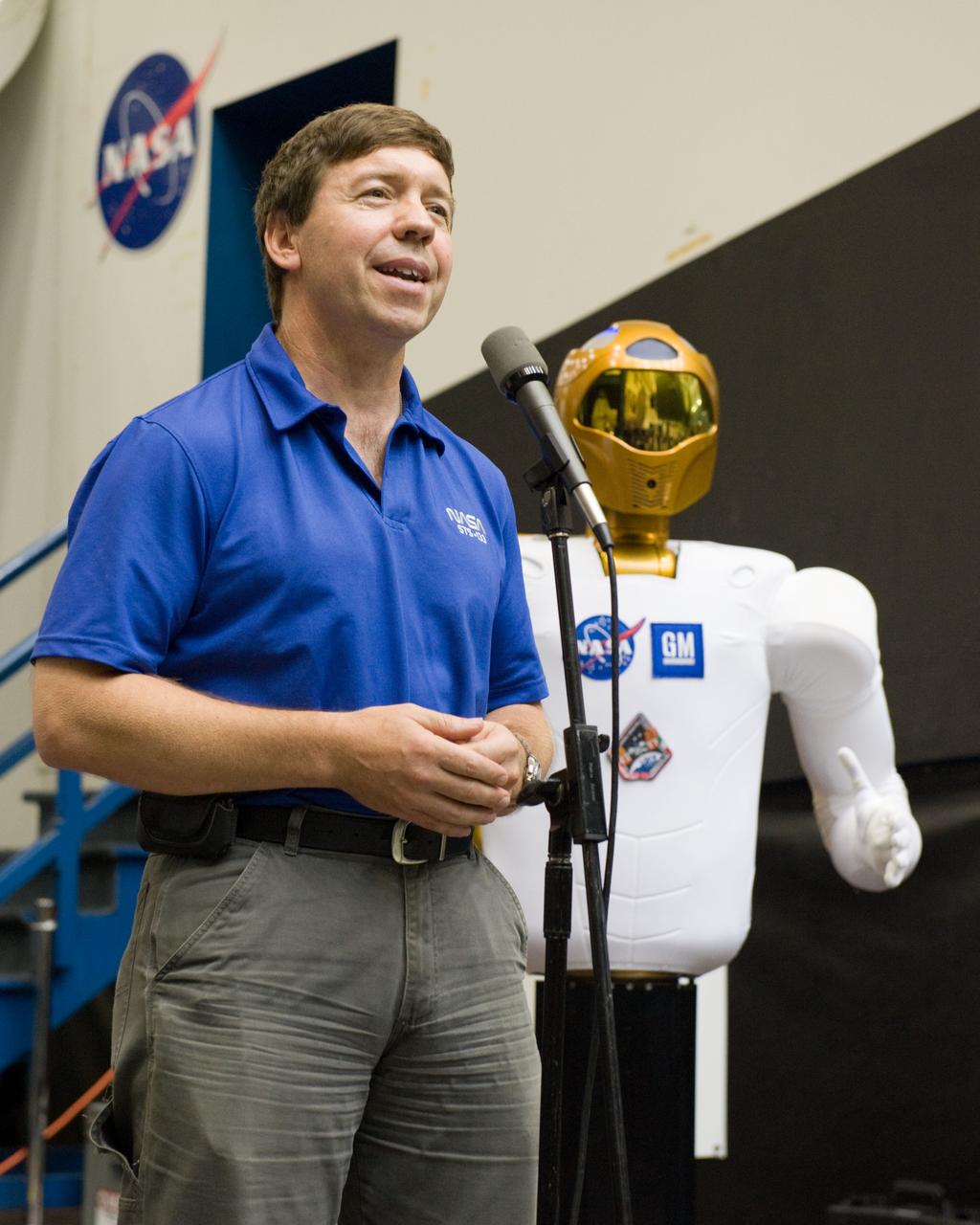
JSC2010-E-112826 (4 Aug. 2010) --- NASA astronaut Michael Barratt, STS-133 mission specialist, speaks to members of the media and NASA personnel during Robonaut 2 (R2) media day in the Space Vehicle Mock-up Facility at NASA's Johnson Space Center. R2, who will hitch a ride with the STS-133 crew members, is the first humanoid robot to travel to space and the first U.S.-built robot to visit the International Space Station. R2 will stay on the space station indefinitely to allow engineers on the ground to learn more about how humanoid robots fare in microgravity. Photo credit: NASA or National Aeronautics and Space Administration
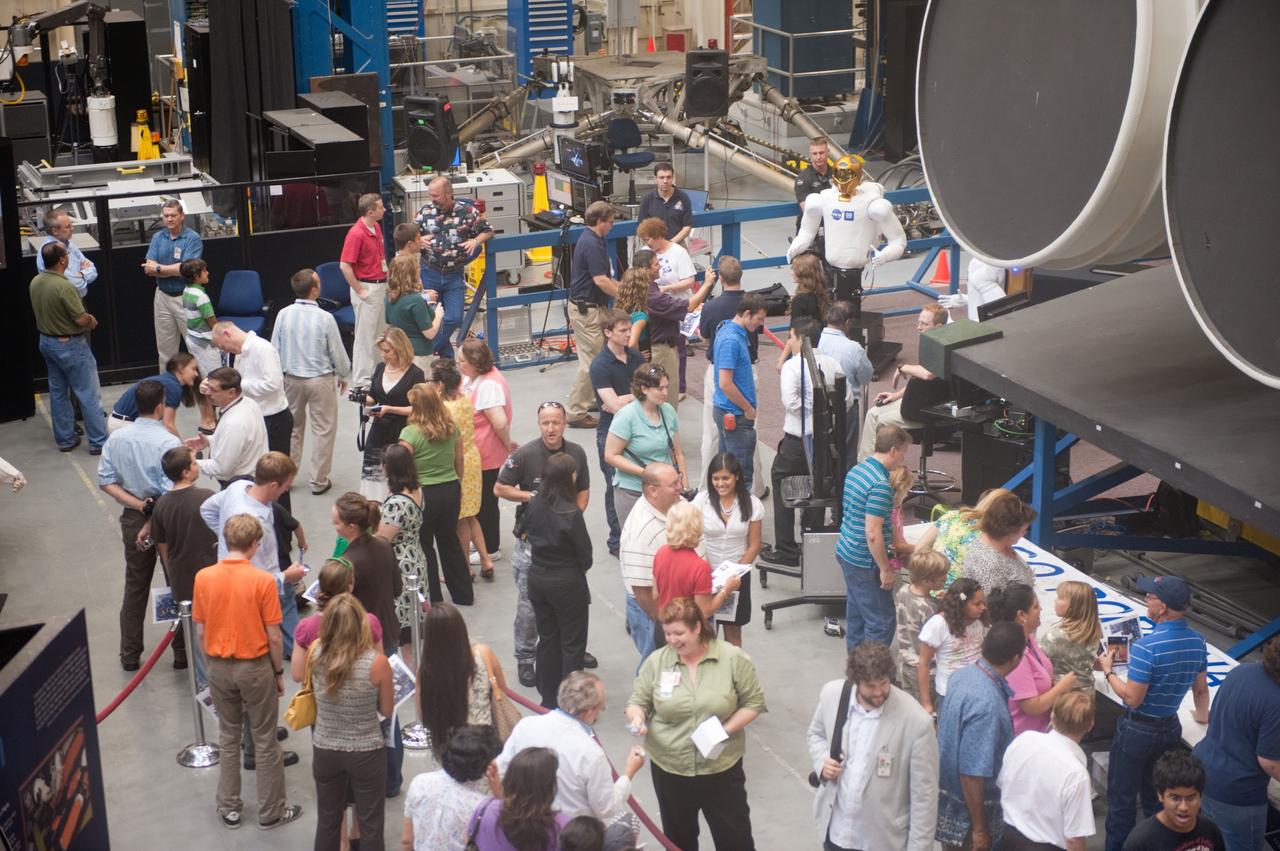
JSC2010-E-113084 (4 Aug. 2010) --- NASA personnel line up to see Robonaut 2 (R2) in the Space Vehicle Mock-up Facility at NASA's Johnson Space Center. R2, who will hitch a ride with the STS-133 crew members, is the first humanoid robot to travel to space and the first U.S.-built robot to visit the International Space Station. R2 will stay on the space station indefinitely to allow engineers on the ground to learn more about how humanoid robots fare in microgravity. Photo credit: NASA or National Aeronautics and Space Administration
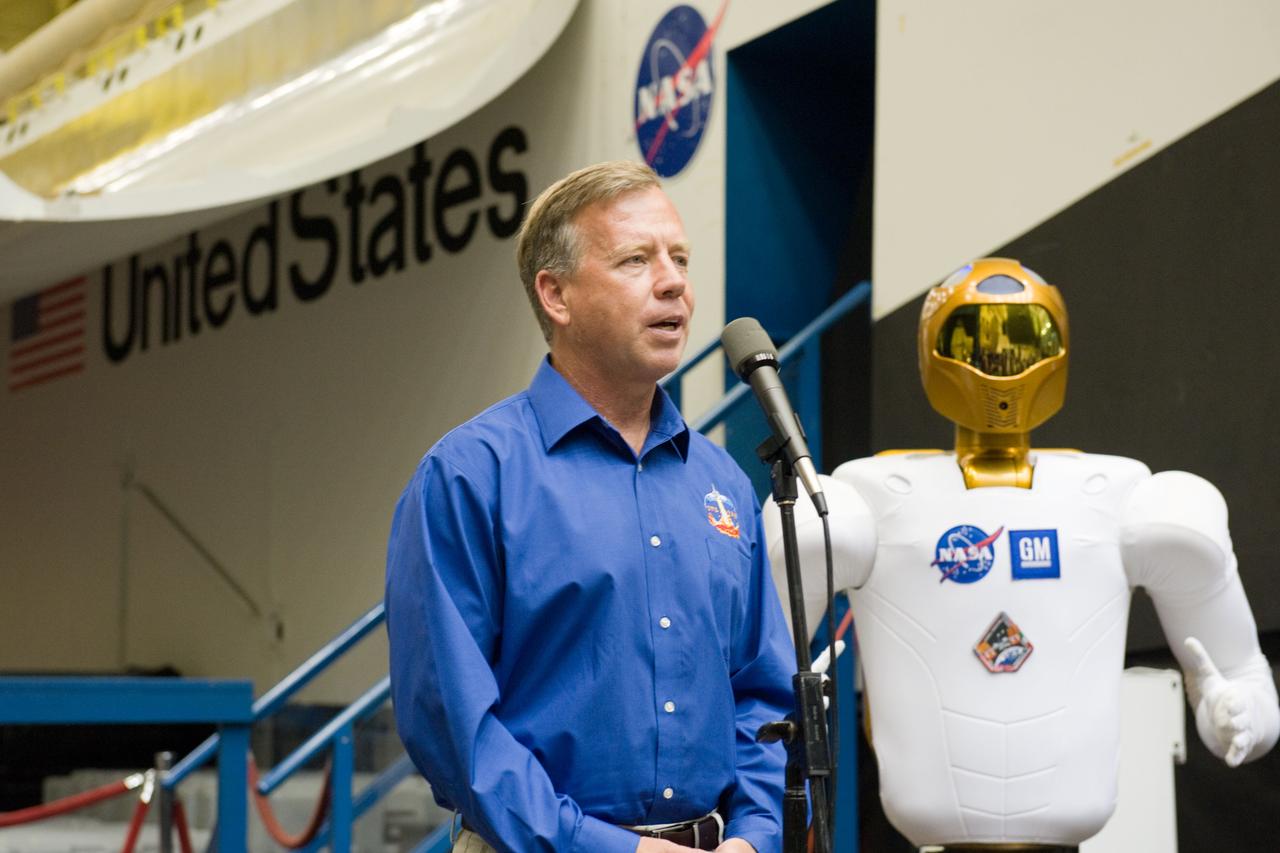
JSC2010-E-112821 (4 Aug. 2010) --- NASA astronaut Steve Lindsey, STS-133 commander, speaks to members of the media and NASA personnel during Robonaut 2 (R2) media day in the Space Vehicle Mock-up Facility at NASA's Johnson Space Center. R2, who will hitch a ride with the STS-133 crew members, is the first humanoid robot to travel to space and the first U.S.-built robot to visit the International Space Station. R2 will stay on the space station indefinitely to allow engineers on the ground to learn more about how humanoid robots fare in microgravity. Photo credit: NASA or National Aeronautics and Space Administration
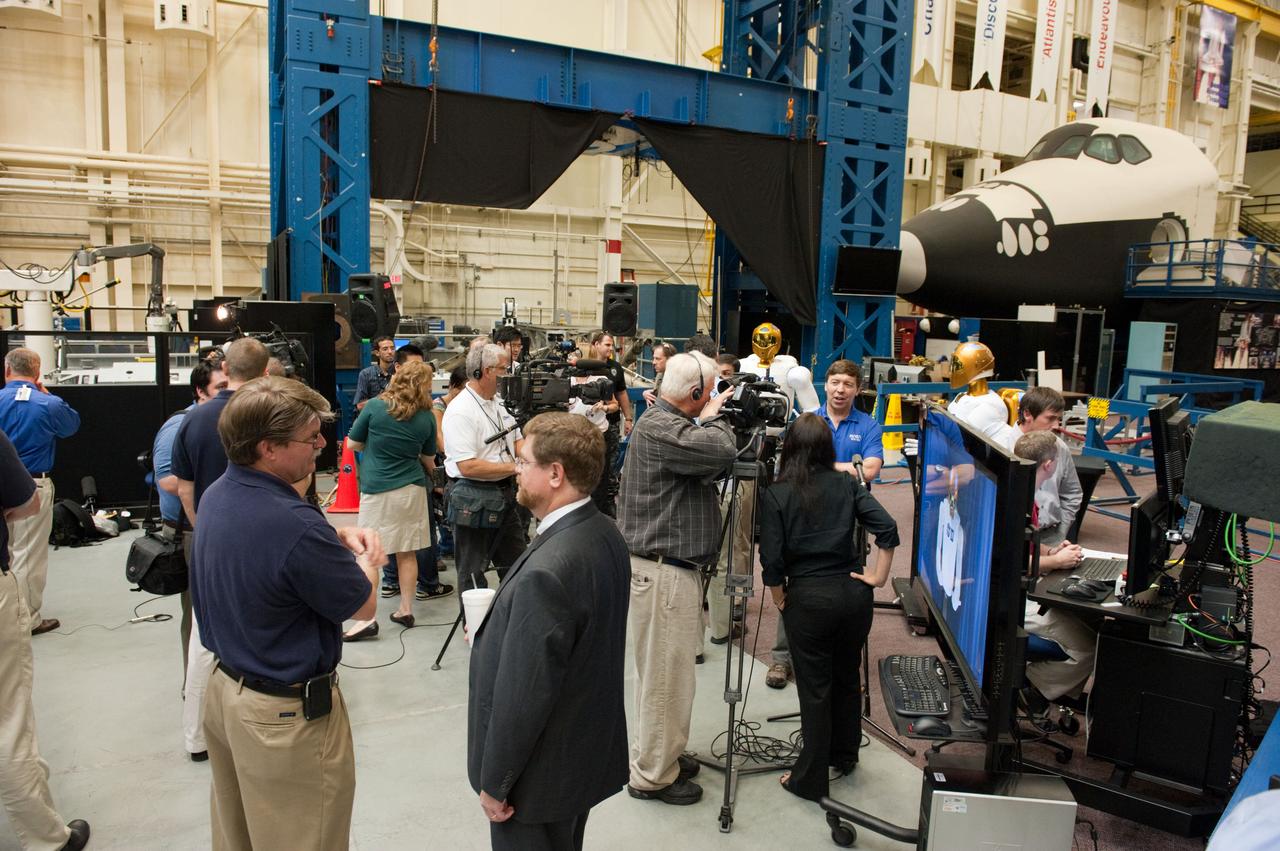
JSC2010-E-112717 (4 Aug. 2010) --- NASA personnel and members of the media are pictured during Robonaut 2 (R2) media day in the Space Vehicle Mock-up Facility at NASA's Johnson Space Center. R2, who will hitch a ride with the STS-133 crew members, is the first humanoid robot to travel to space and the first U.S.-built robot to visit the International Space Station. R2 will stay on the space station indefinitely to allow engineers on the ground to learn more about how humanoid robots fare in microgravity. Photo credit: NASA or National Aeronautics and Space Administration
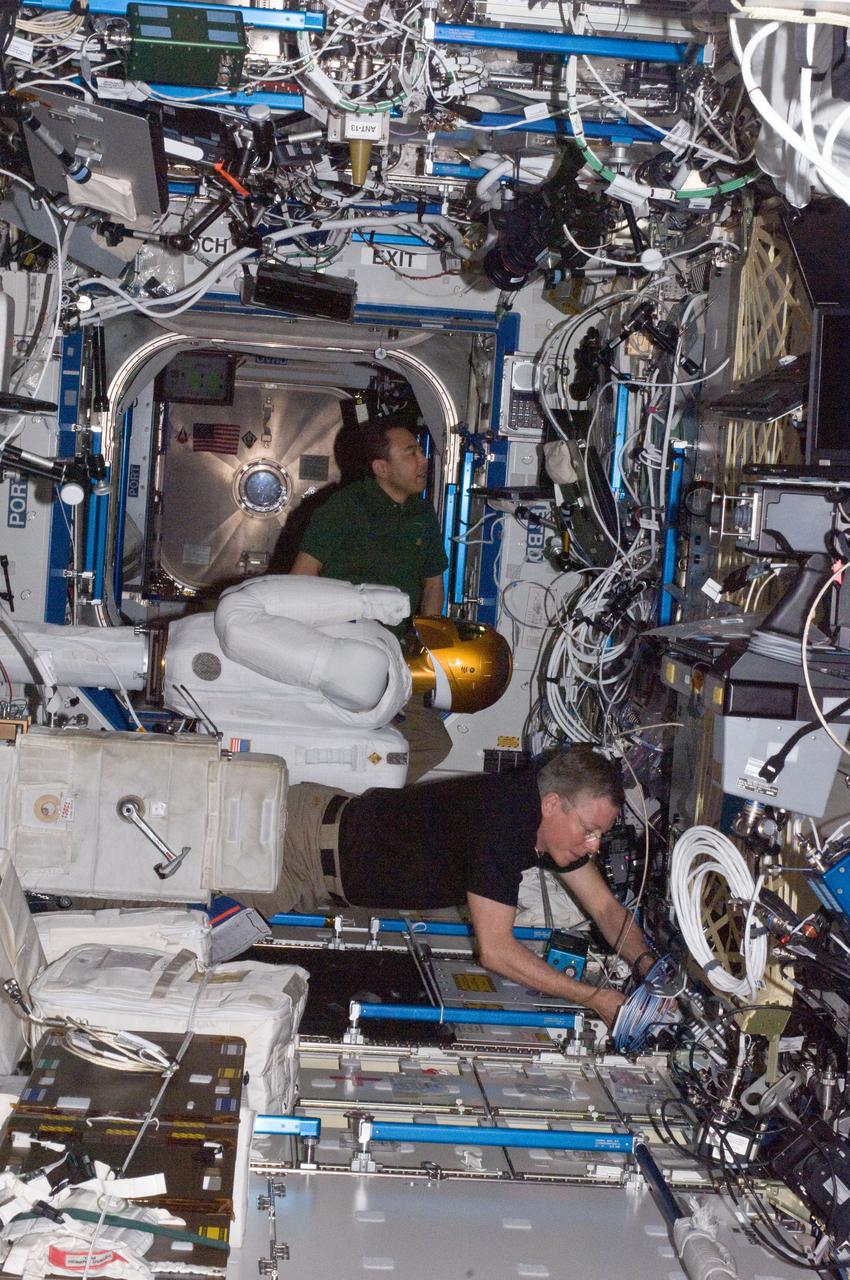
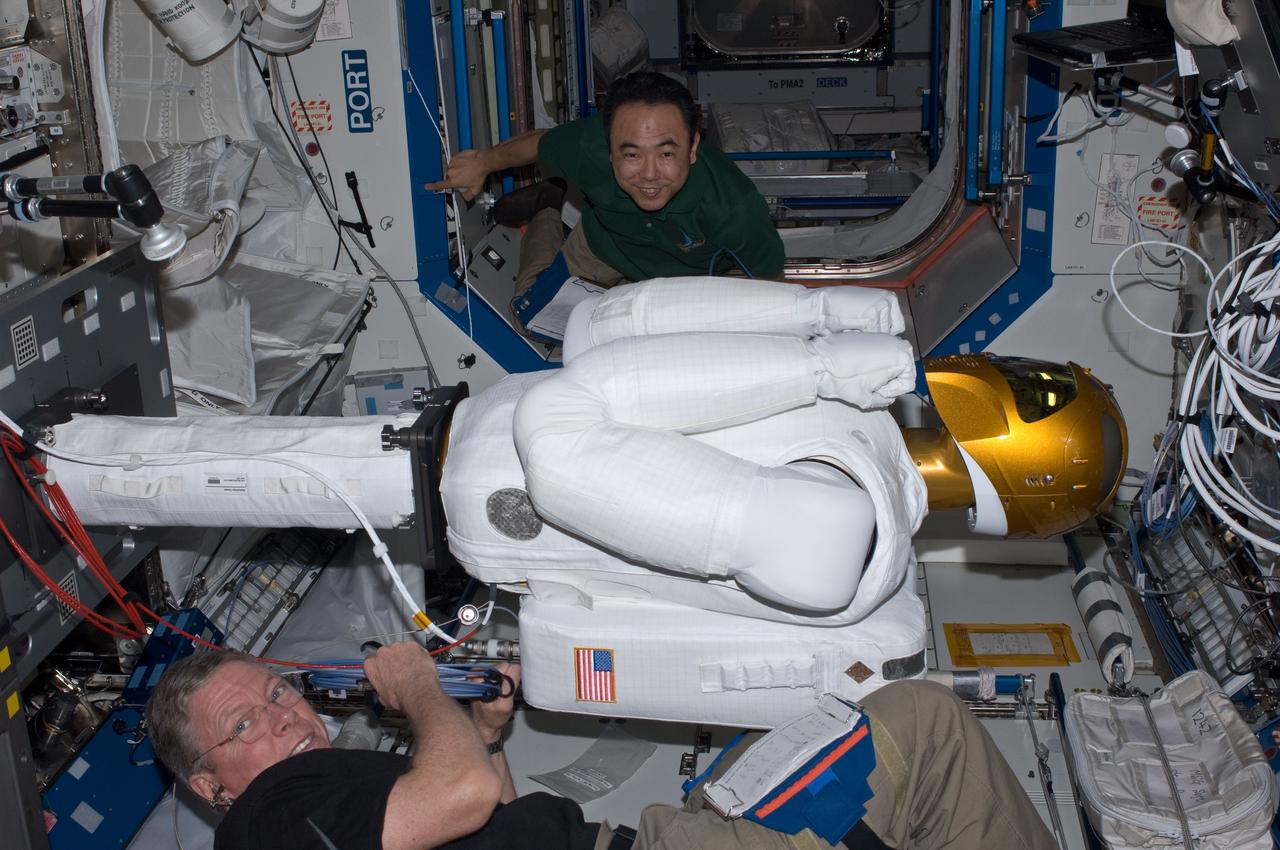
ISS028-E-030083 (22 Aug. 2011) --- NASA astronaut Mike Fossum (bottom) and Japan Aerospace Exploration Agency astronaut Satoshi Furukawa, both Expedition 28 flight engineers, make preparations to power-up Robonaut 2 ? the first dexterous humanoid robot in space ? in the Destiny laboratory of the International Space Station.
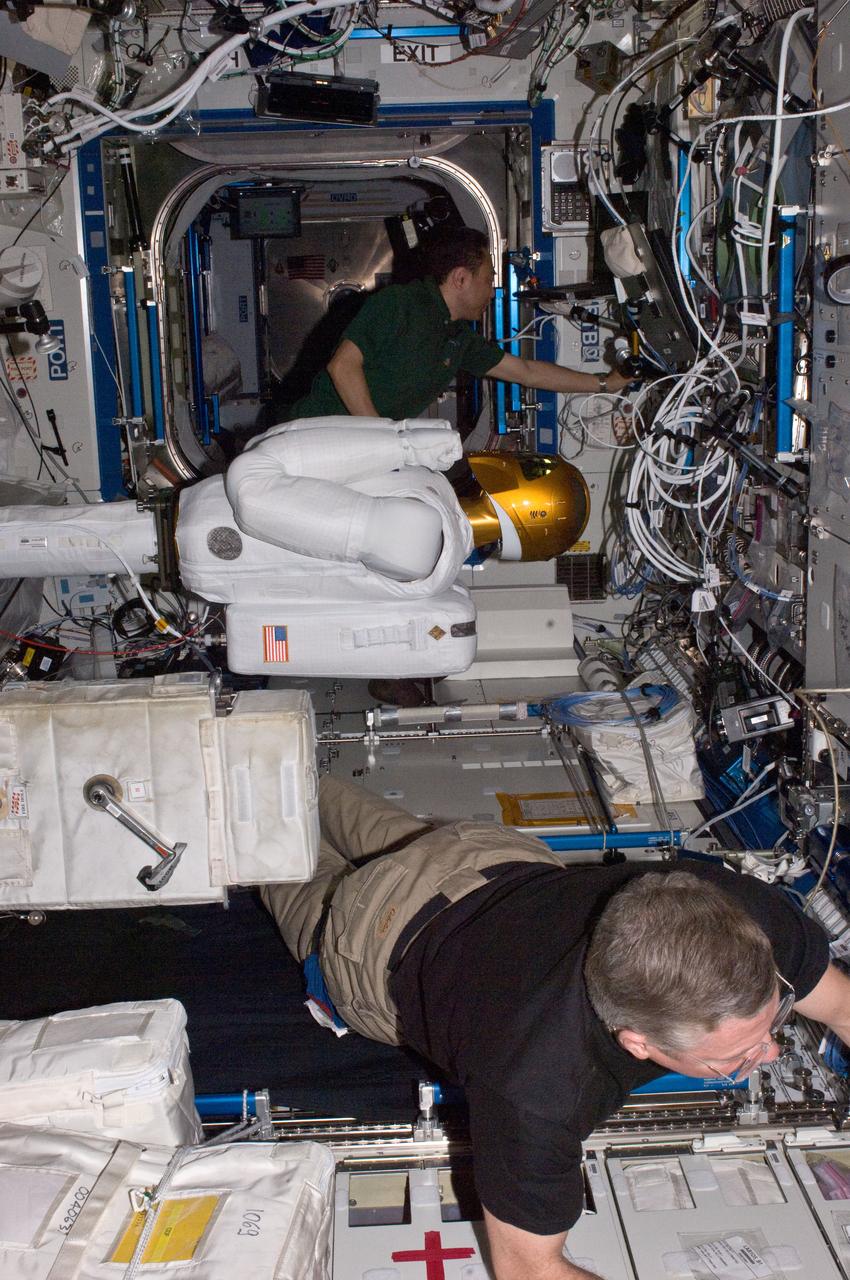
ISS028-E-030085 (22 Aug. 2011) --- NASA astronaut Mike Fossum (bottom) and Japan Aerospace Exploration Agency astronaut Satoshi Furukawa, both Expedition 28 flight engineers, make preparations to power-up Robonaut 2 ? the first dexterous humanoid robot in space ? in the Destiny laboratory of the International Space Station.
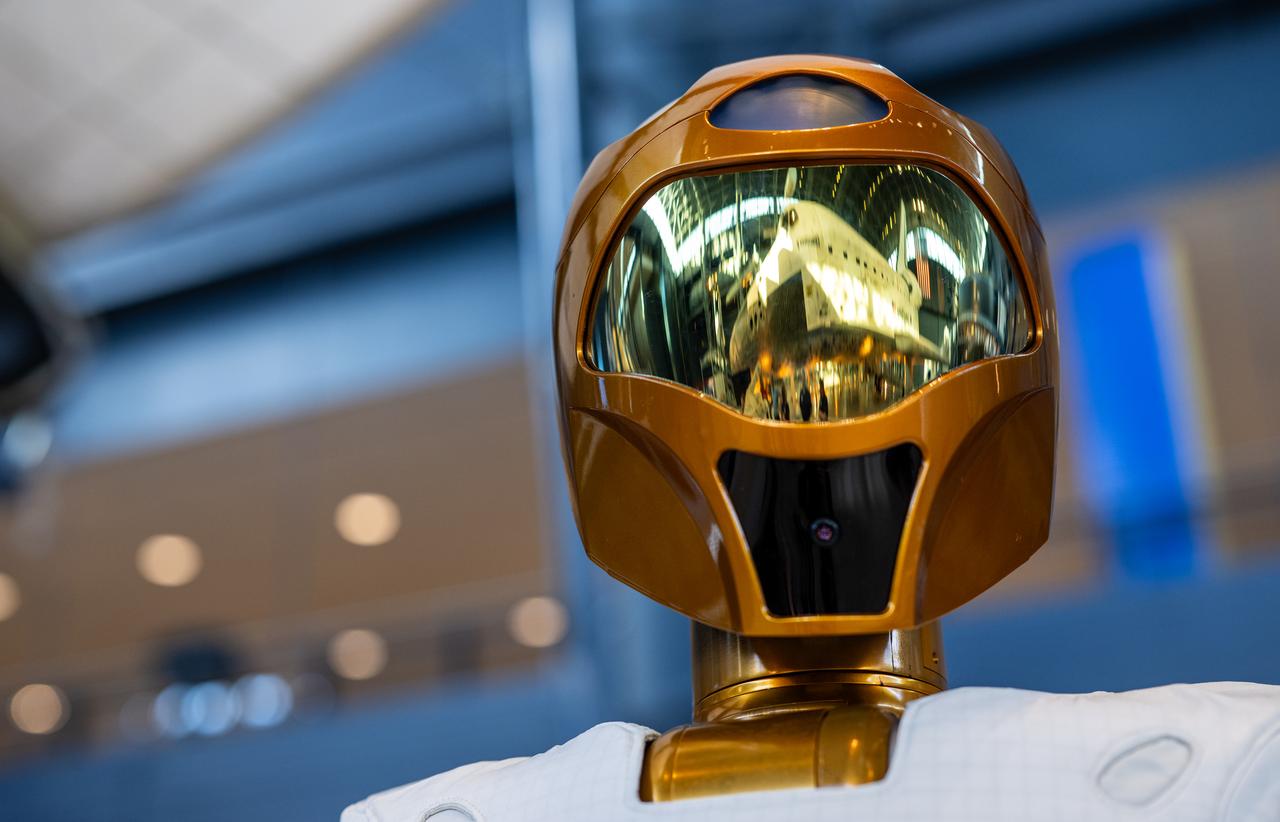
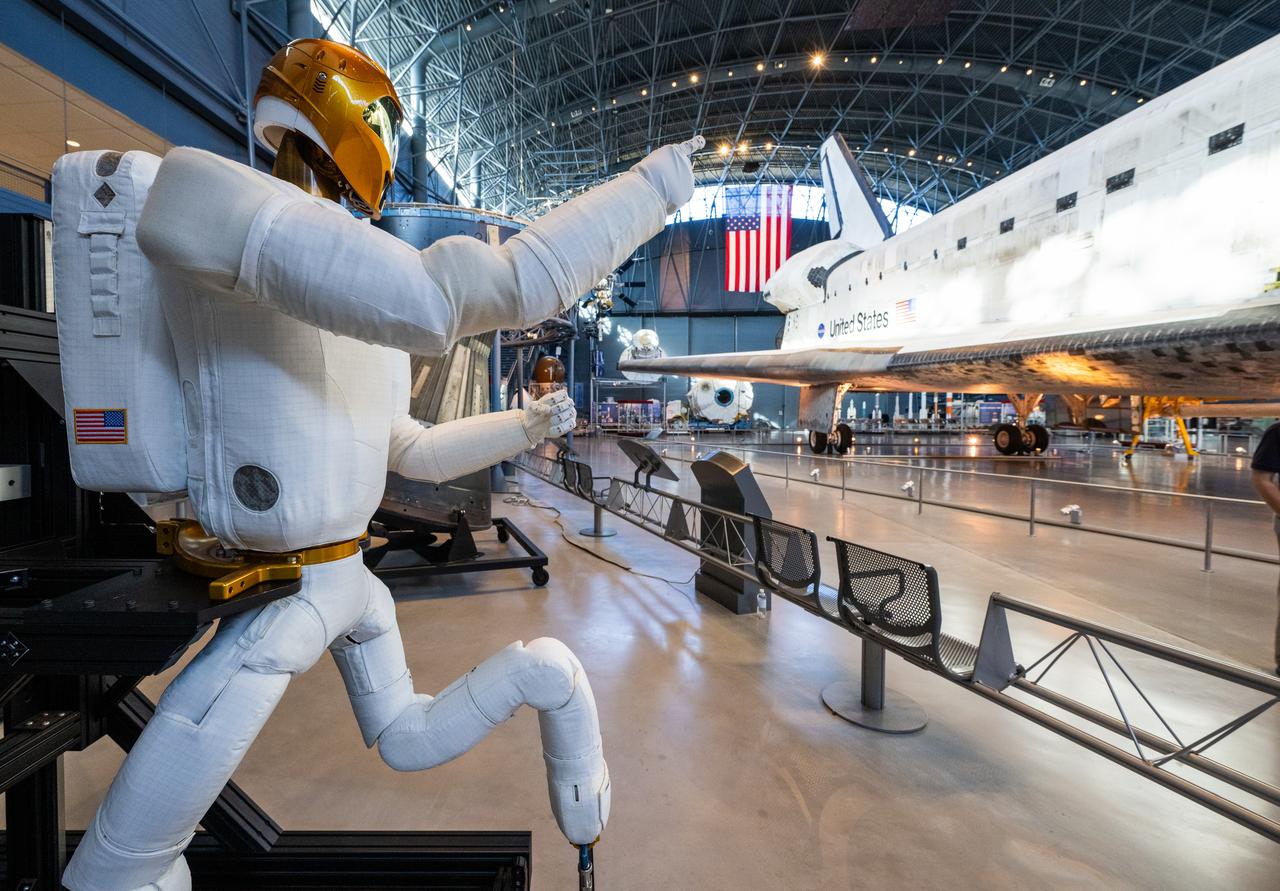
Robonaut 2 is seen at the Smithsonian National Air and Space Museum’s Steve F. Udvar-Hazy Center Thursday, Oct. 24, 2024, in Chantilly, Va. Robonaut 2, the first humanoid robot to fly to space, is displayed publicly for the first time near the space shuttle Discovery. Photo Credit: (NASA/Keegan Barber)
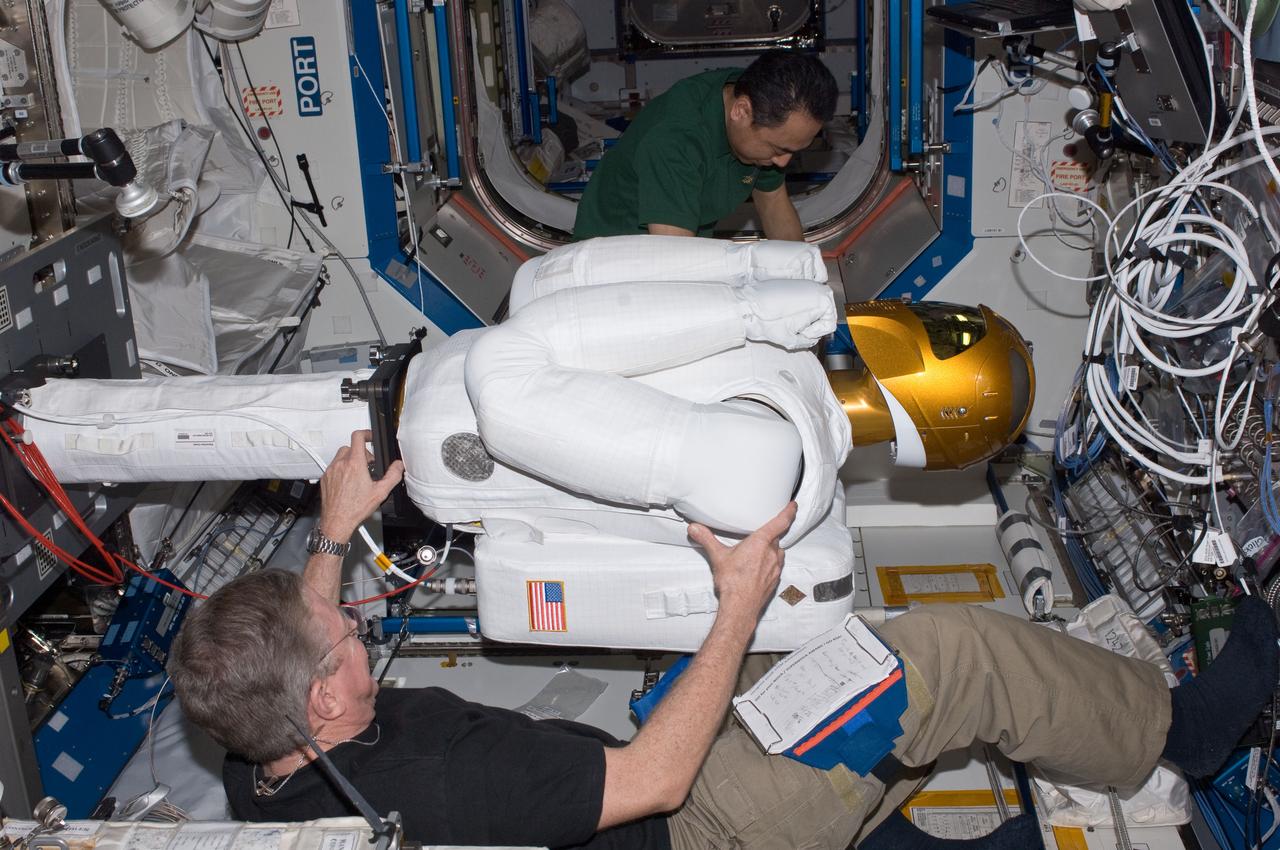
ISS028-E-030090 (22 Aug. 2011) --- NASA astronaut Mike Fossum (bottom) and Japan Aerospace Exploration Agency astronaut Satoshi Furukawa, both Expedition 28 flight engineers, make preparations to power-up Robonaut 2 ? the first dexterous humanoid robot in space ? in the Destiny laboratory of the International Space Station.
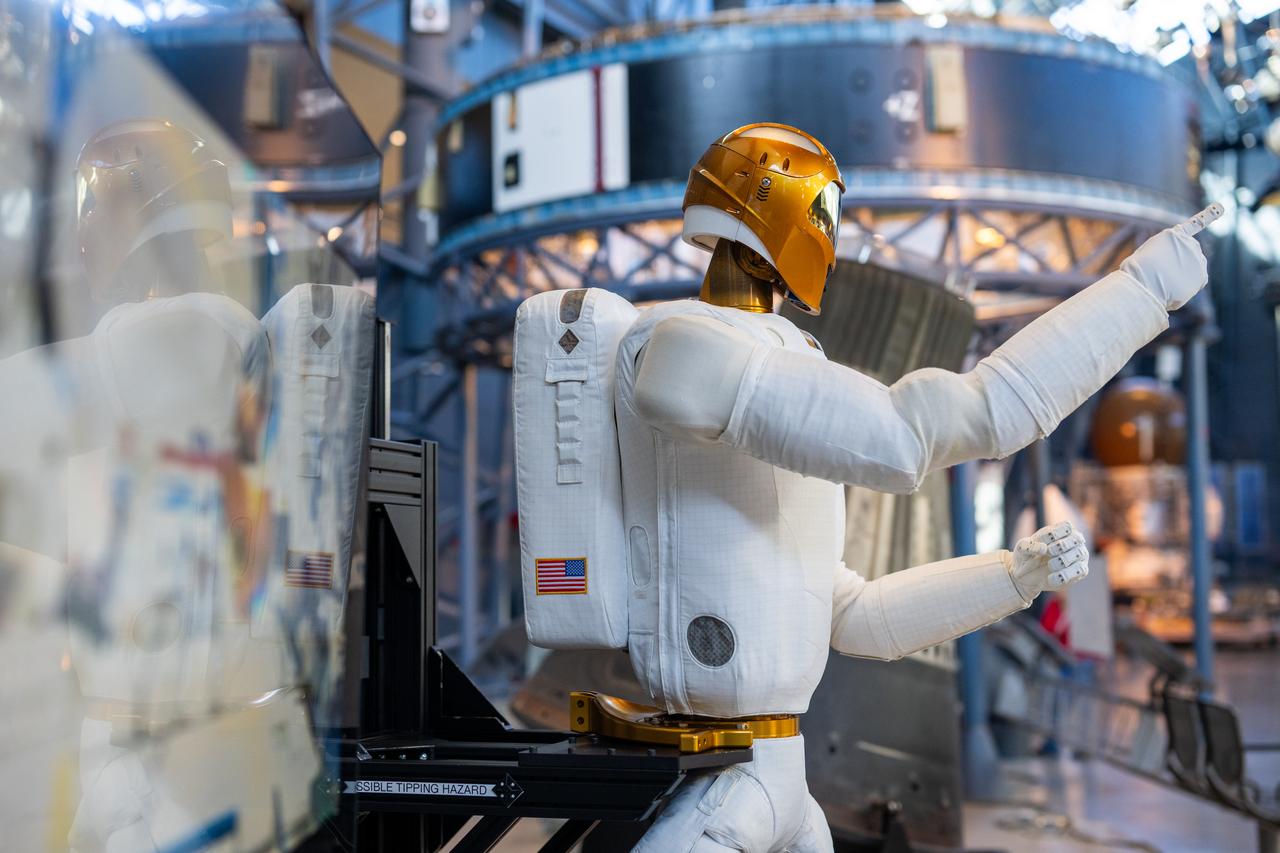
Robonaut 2 is seen at the Smithsonian National Air and Space Museum’s Steve F. Udvar-Hazy Center Thursday, Oct. 24, 2024, in Chantilly, Va. Robonaut 2, the first humanoid robot to fly to space, is displayed publicly for the first time near the space shuttle Discovery. Photo Credit: (NASA/Keegan Barber)
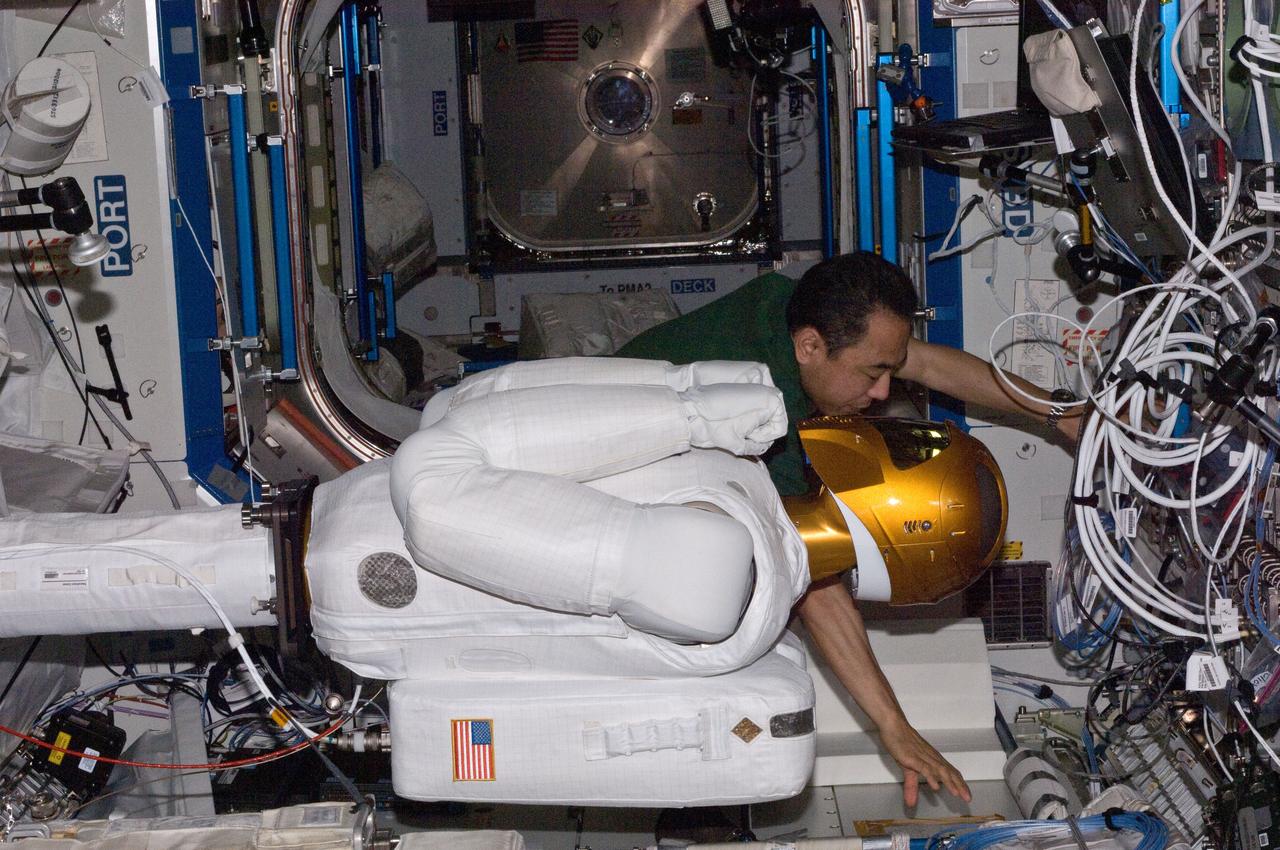
ISS028-E-030086 (22 Aug. 2011) --- Japan Aerospace Exploration Agency astronaut Satoshi Furukawa and NASA astronaut Mike Fossum (out of frame), both Expedition 28 flight engineers, make preparations to power-up Robonaut 2 ? the first dexterous humanoid robot in space ? in the Destiny laboratory of the International Space Station.
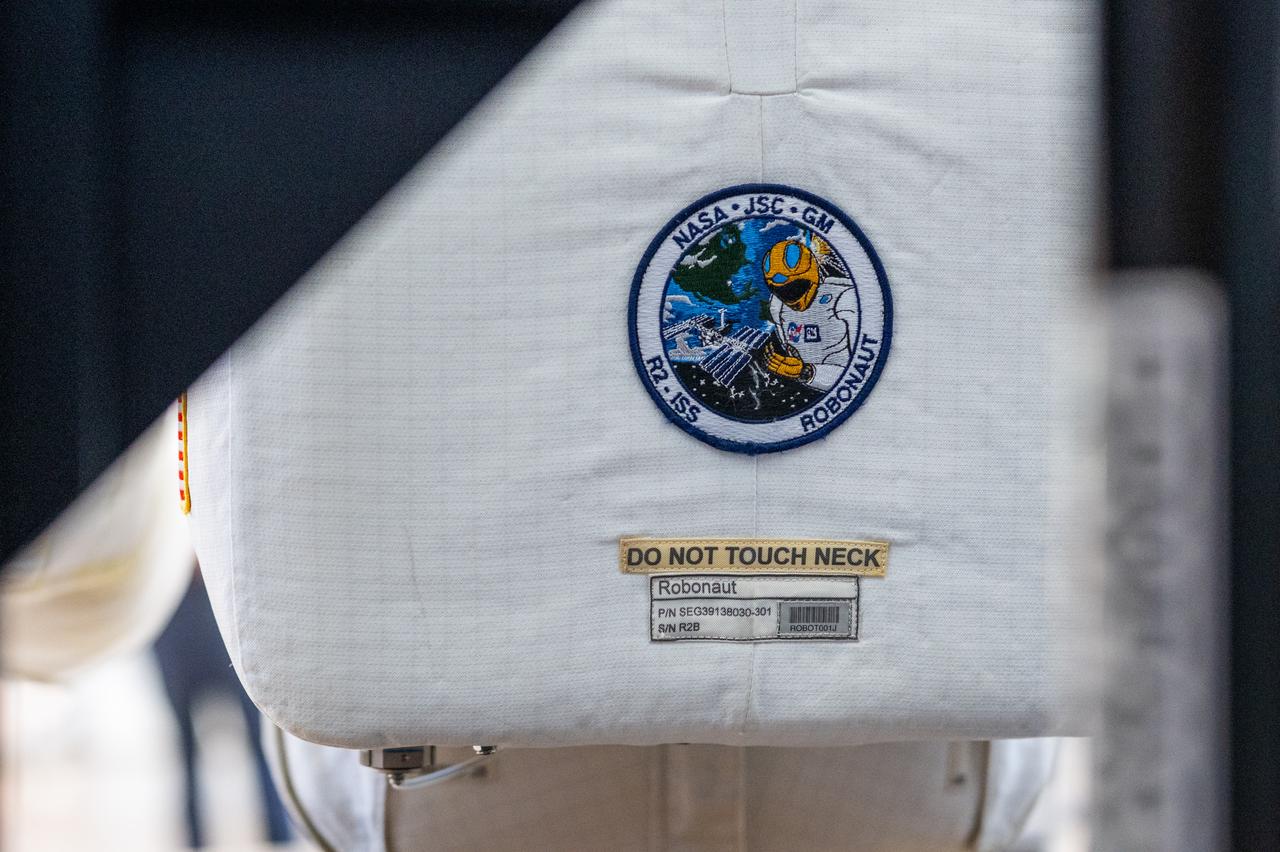
Robonaut 2 is seen at the Smithsonian National Air and Space Museum’s Steve F. Udvar-Hazy Center Thursday, Oct. 24, 2024, in Chantilly, Va. Robonaut 2, the first humanoid robot to fly to space, is displayed publicly for the first time near the space shuttle Discovery. Photo Credit: (NASA/Keegan Barber)

ISS039-E-003124 (14 March 2014) --- Expedition 39 Commander Koichi Wakata of the Japan Aerospace Exploration Agency (JAXA) clowns with Robonaut 2, a humanoid robot, in the U.S. lab Destiny while preparing for a public TV event.
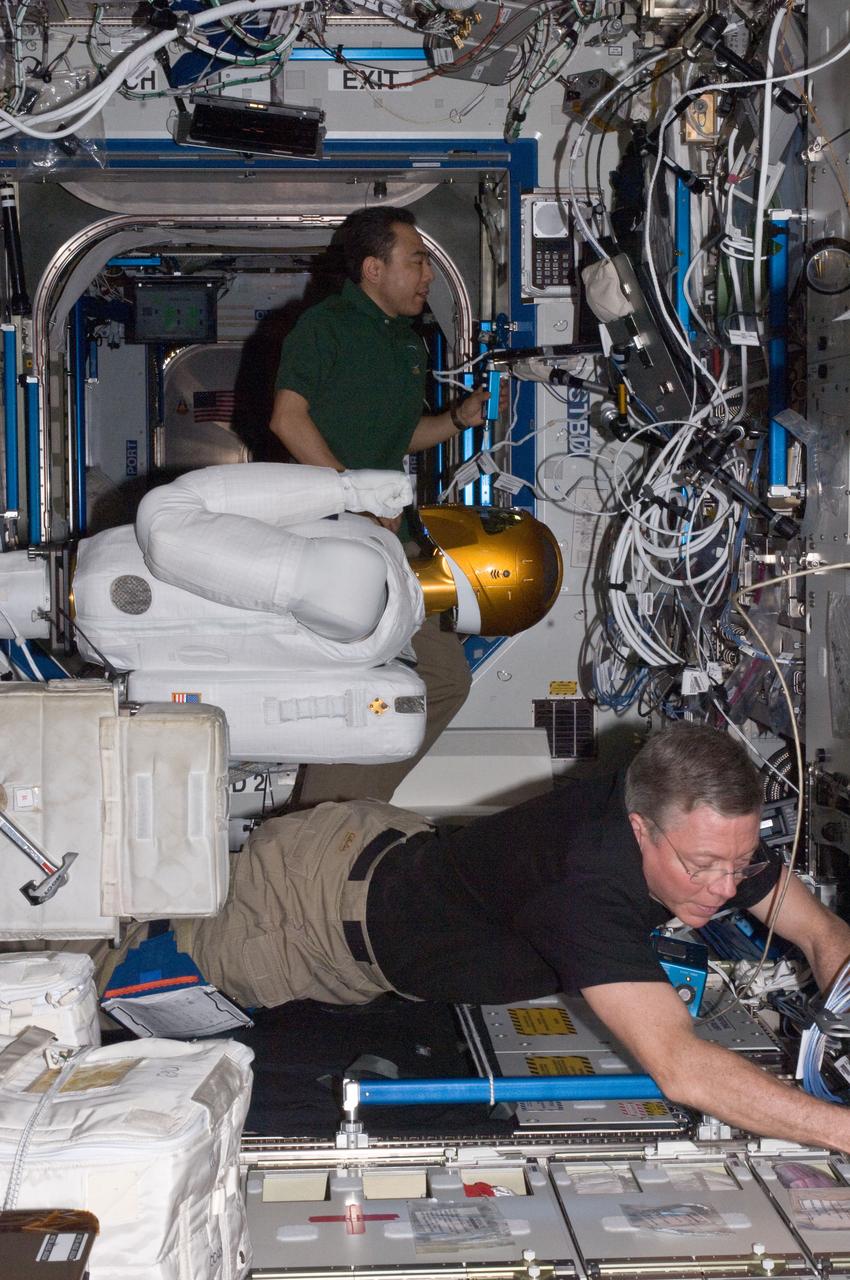
ISS028-E-030084 (22 Aug. 2011) --- NASA astronaut Mike Fossum (bottom) and Japan Aerospace Exploration Agency astronaut Satoshi Furukawa, both Expedition 28 flight engineers, make preparations to power-up Robonaut 2 ? the first dexterous humanoid robot in space ? in the Destiny laboratory of the International Space Station.
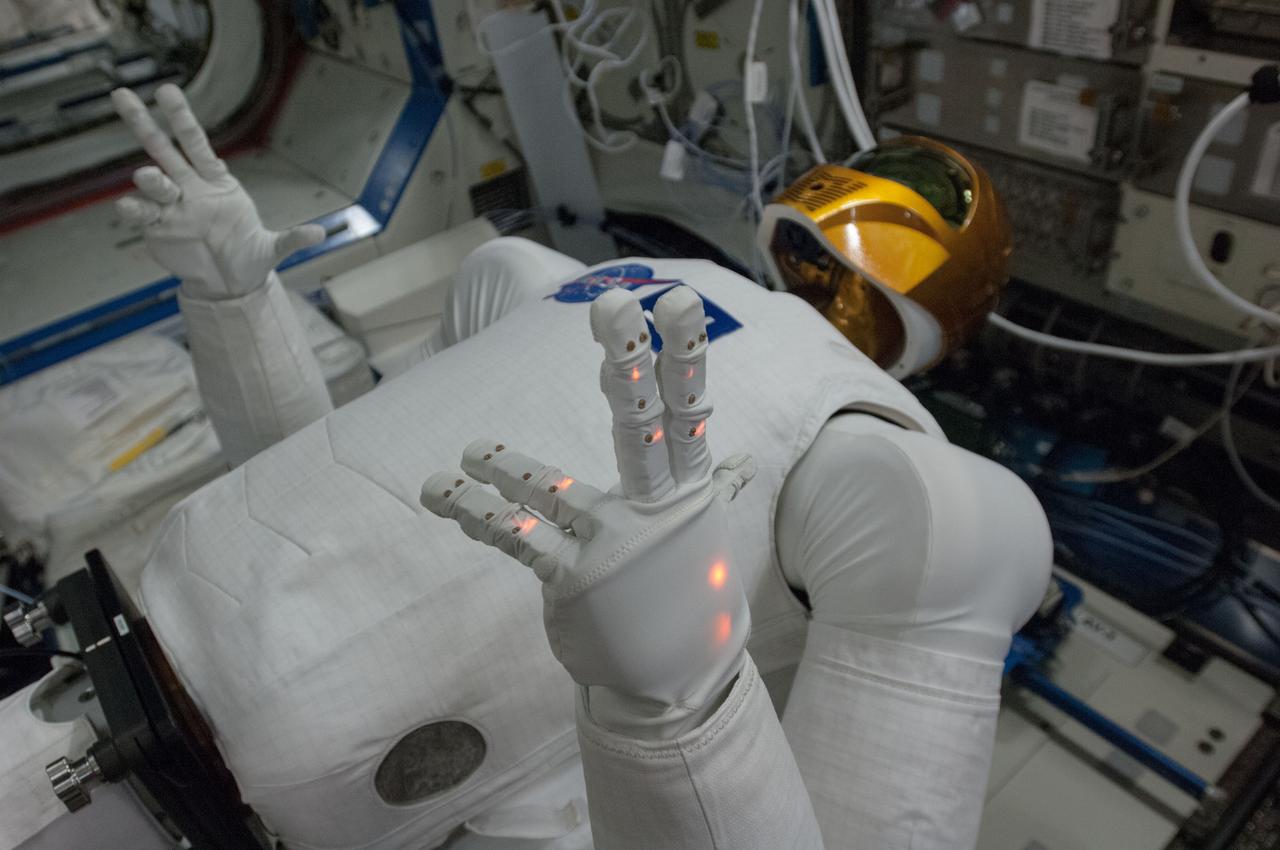
Documentation of Robonaut 2 (R2) in the Destiny U.S. Laboratory during the first use of the Robonaut Tele-operation System. Robonaut is a dexterous humanoid robot designed with the versatility and dexterity to manipulate hardware, work in high risk environments, and respond safely to unexpected obstacles. Image was released by astronaut on Twitter.

Robonaut 2 is seen at the Smithsonian National Air and Space Museum’s Steve F. Udvar-Hazy Center Thursday, Oct. 24, 2024, in Chantilly, Va. Robonaut 2, the first humanoid robot to fly to space, is displayed publicly for the first time near the space shuttle Discovery. Photo Credit: (NASA/Keegan Barber)
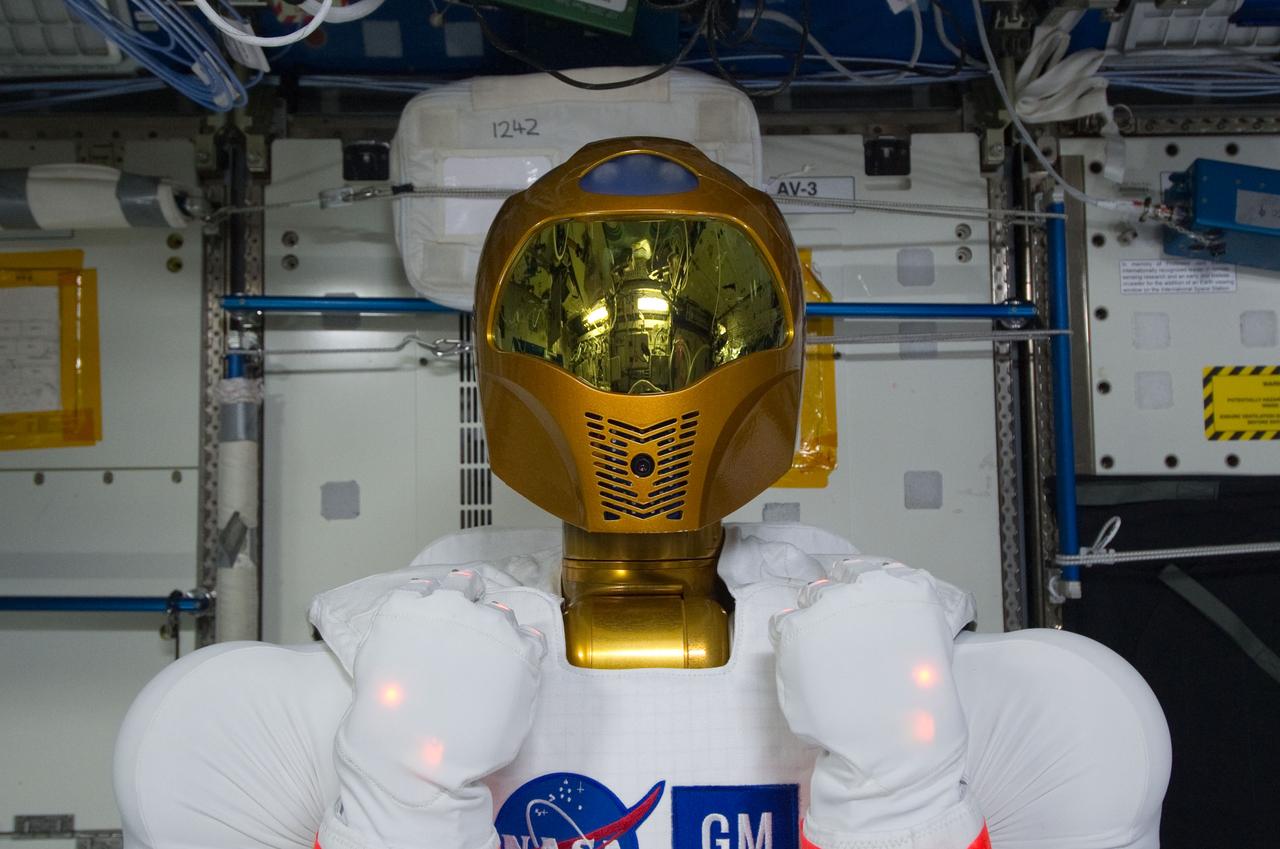
ISS028-E-030757 (22 Aug. 2011) --- Robonaut 2 ? the first dexterous humanoid robot in space ? is pictured in the Destiny laboratory of the International Space Station shortly after it was powered up and teams on the ground sent power to the robot for the first time in space.
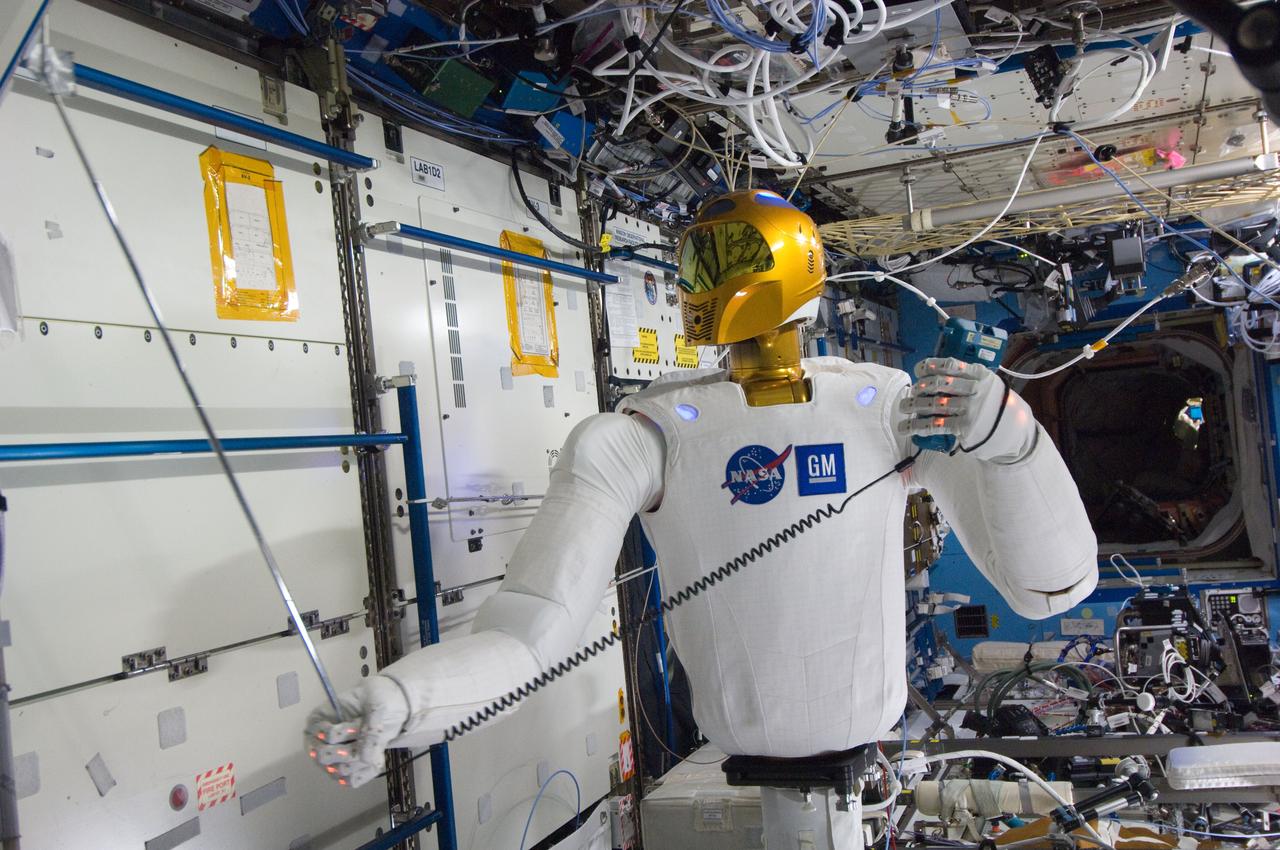
ISS030-E-177178 (14 March 2012) --- Robonaut 2 – the first dexterous humanoid robot in space – is pictured in the Destiny laboratory of the International Space Station measuring the air flow in front of vents inside the station to ensure that none of the ventilation ductwork gets clogged or blocked.

ISS026-E-034288 (15 March 2011) --- NASA astronaut Cady Coleman, Expedition 26/27 flight engineer, opens the container that holds Robonaut 2, the dexterous humanoid astronaut helper, in the Destiny laboratory of the International Space Station.
ISS028-E-030093 (22 Aug. 2011) --- NASA astronaut Mike Fossum (bottom) and Japan Aerospace Exploration Agency astronaut Satoshi Furukawa, both Expedition 28 flight engineers, make preparations to power-up Robonaut 2 ? the first dexterous humanoid robot in space ? in the Destiny laboratory of the International Space Station.
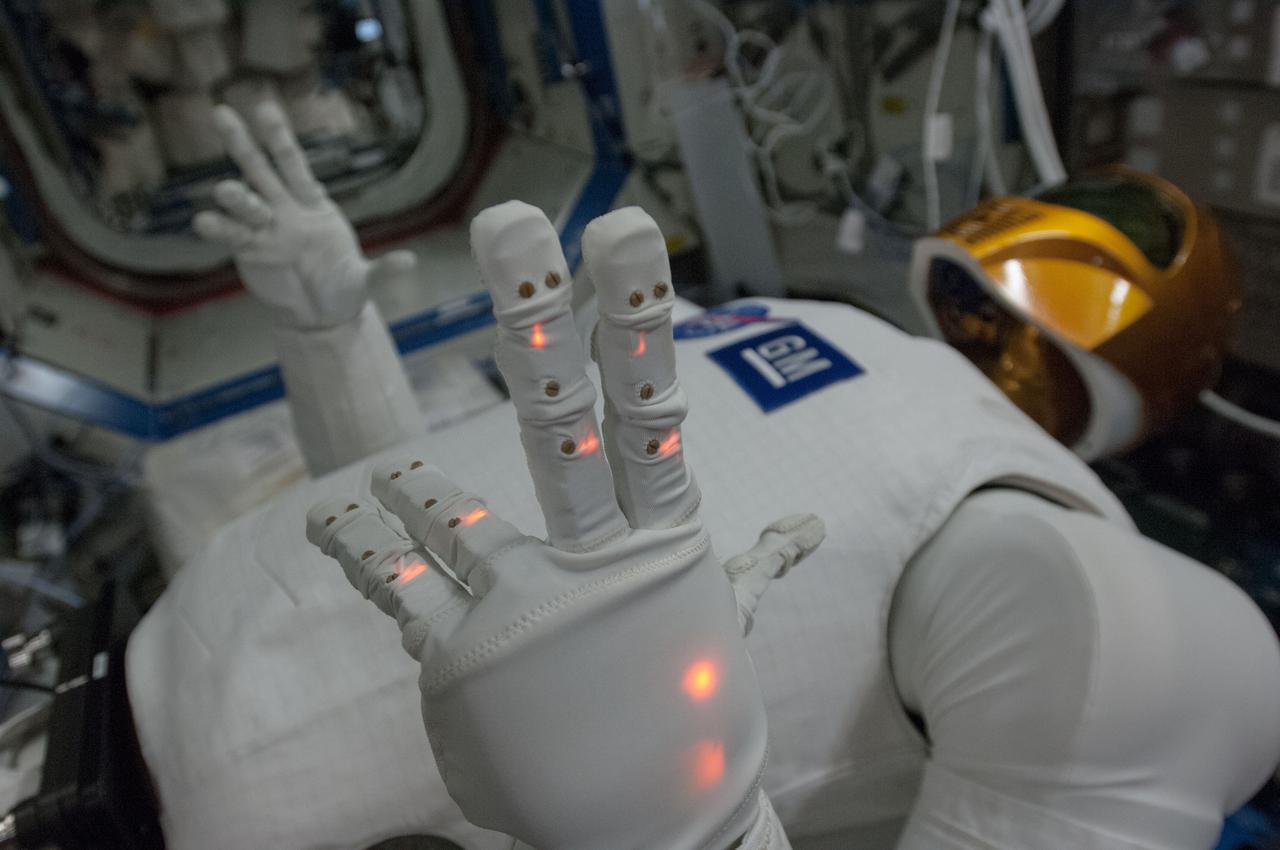
ISS035-E-017869 (10 April 2013) --- Robonaut 2, the first humanoid robot to travel to space and the first U.S.-built robot to visit the space station, performs a few finger motion and sensor checkouts aboard the Earth-orbiting outpost.
Robonaut 2 is seen at the Smithsonian National Air and Space Museum’s Steve F. Udvar-Hazy Center Thursday, Oct. 24, 2024, in Chantilly, Va. Robonaut 2, the first humanoid robot to fly to space, is displayed publicly for the first time near the space shuttle Discovery. Photo Credit: (NASA/Keegan Barber)
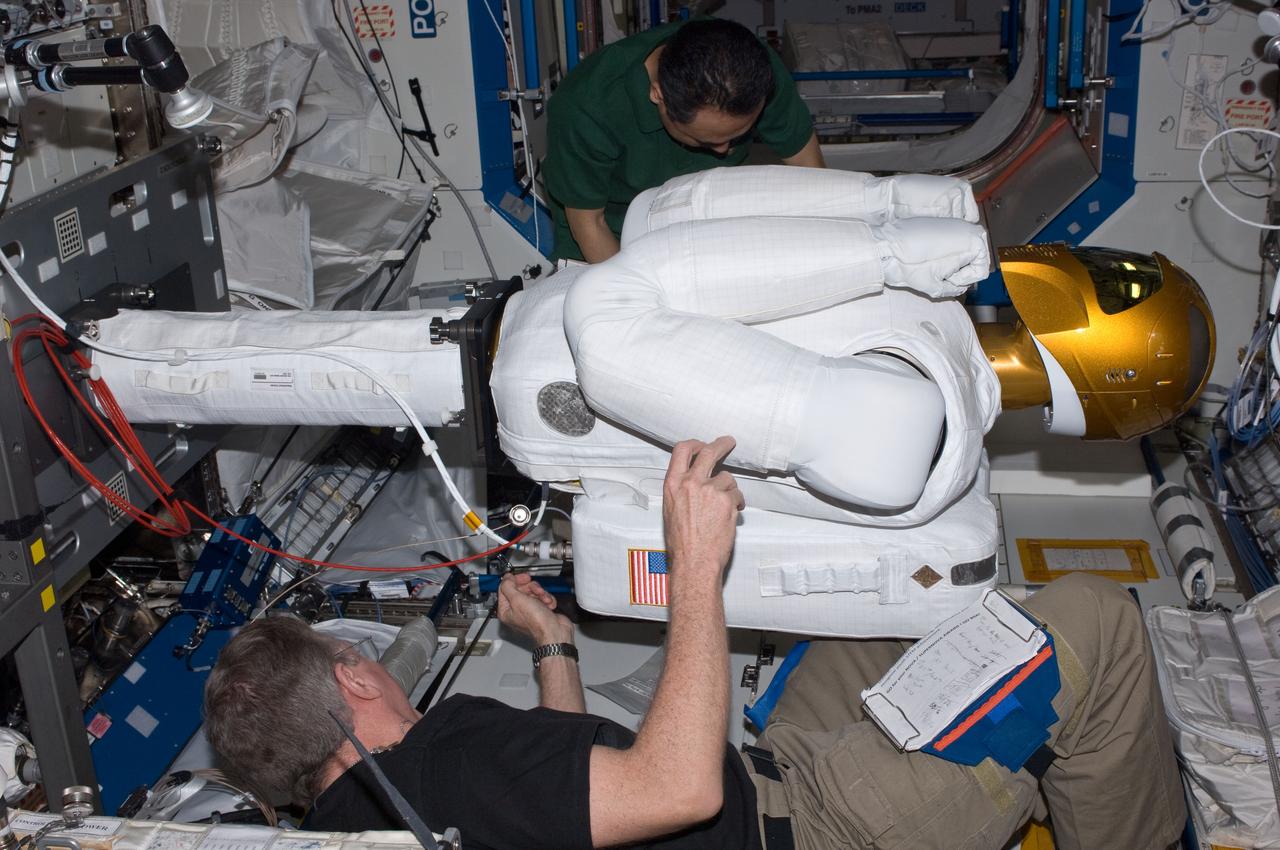
ISS028-E-030091 (22 Aug. 2011) --- NASA astronaut Mike Fossum (bottom) and Japan Aerospace Exploration Agency astronaut Satoshi Furukawa, both Expedition 28 flight engineers, make preparations to power-up Robonaut 2 ? the first dexterous humanoid robot in space ? in the Destiny laboratory of the International Space Station.
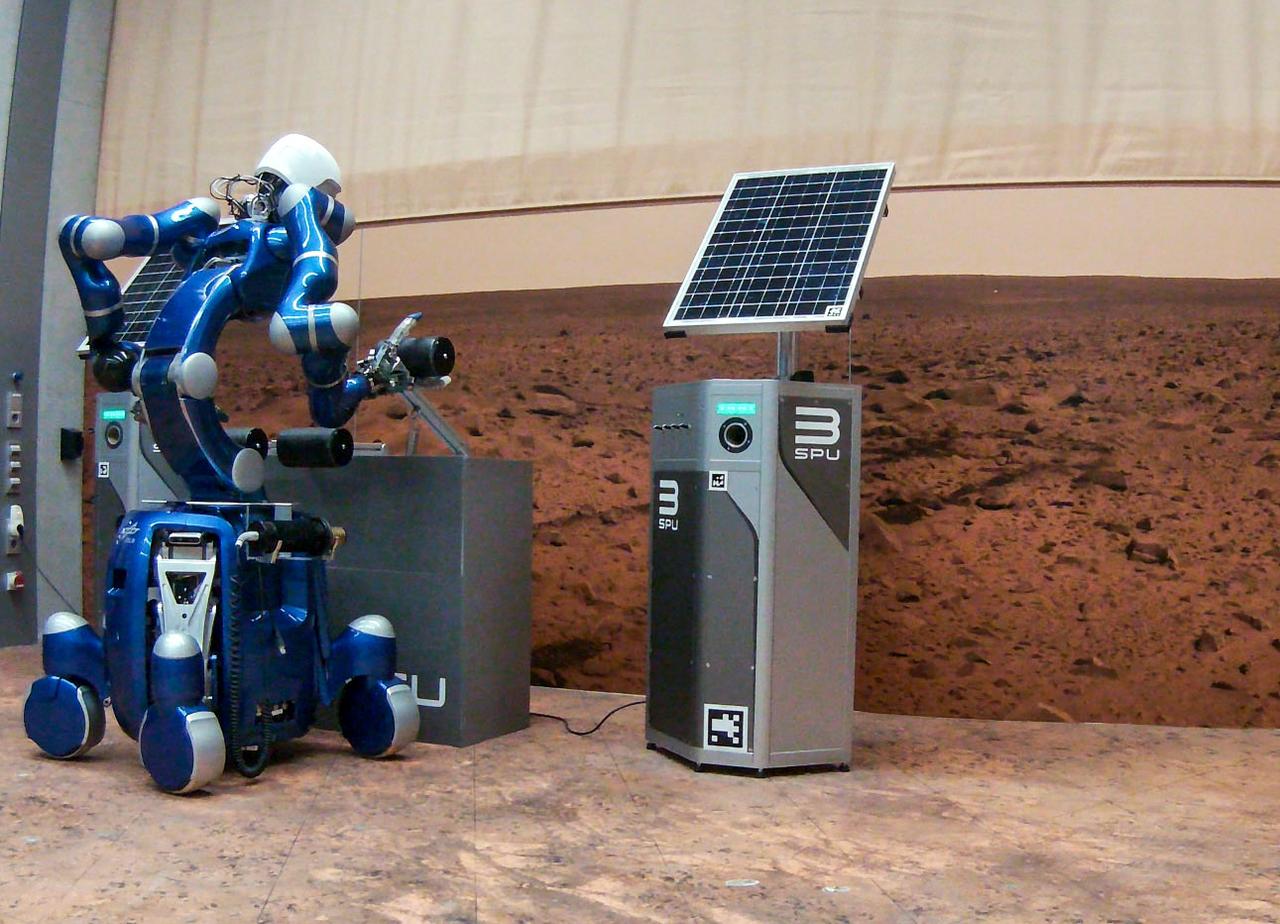
jsc2022e062315 (7/7/2021) --- This image shows Rollin’ Justin, a humanoid robot, commanded by an orbiting crew member, Samantha Cristoforetti, on board the ISS, to perform a variety of robotic tasks through supervised autonomy, direct teleoperation, and force-feedback telepresence.
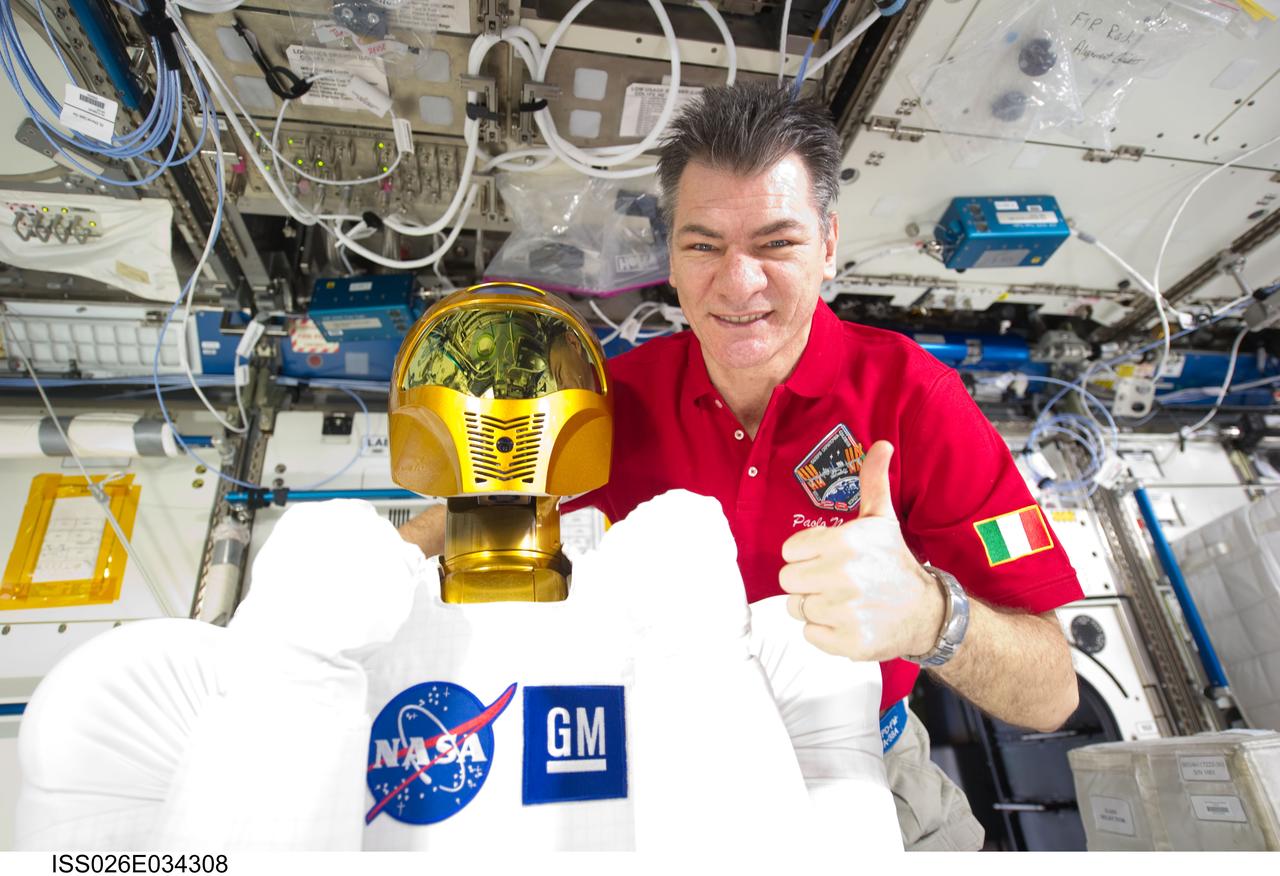
ISS026-E-034308 (15 March 2011) --- European Space Agency astronaut Paolo Nespoli, Expedition 26/27 flight engineer, poses with Robonaut 2, the dexterous humanoid astronaut helper, in the Destiny laboratory of the International Space Station.
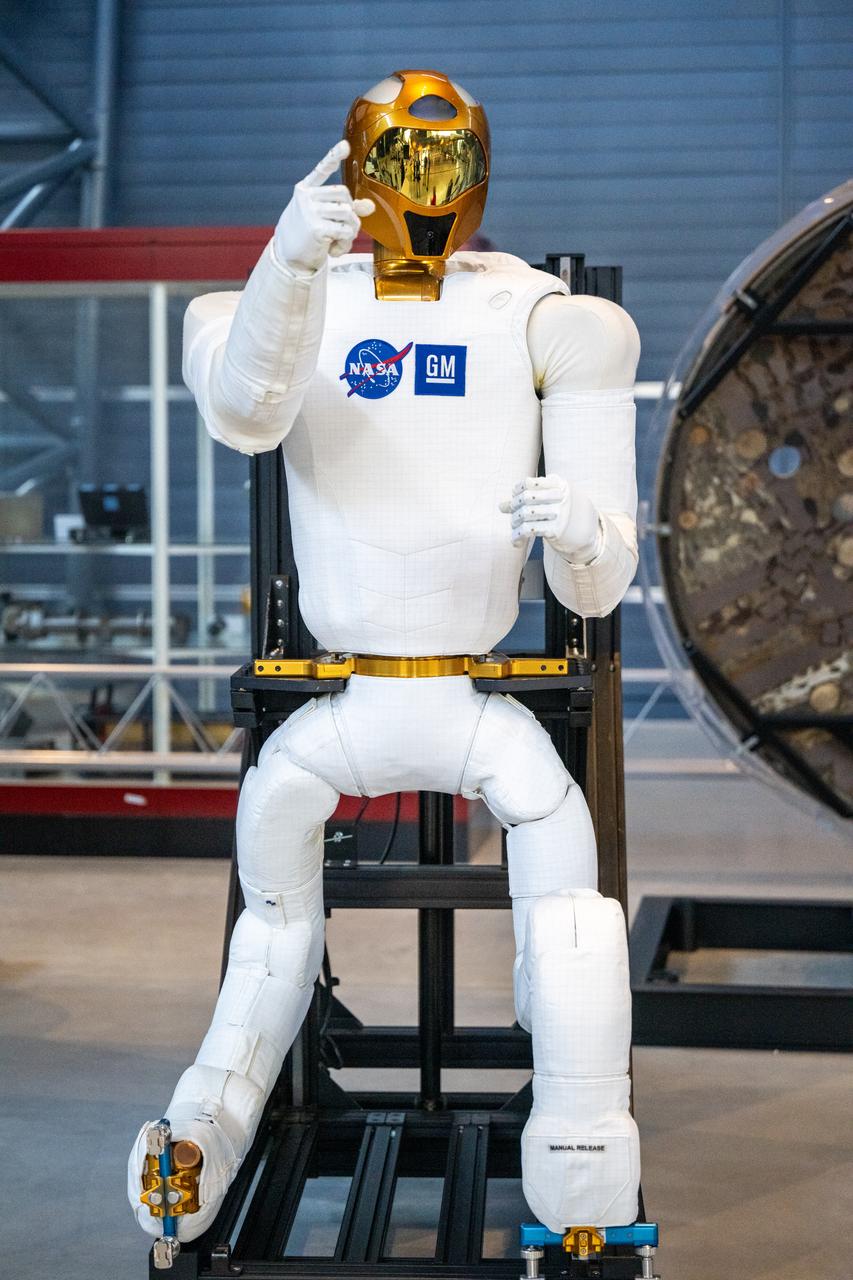
Robonaut 2 is seen at the Smithsonian National Air and Space Museum’s Steve F. Udvar-Hazy Center Thursday, Oct. 24, 2024, in Chantilly, Va. Robonaut 2, the first humanoid robot to fly to space, is displayed publicly for the first time near the space shuttle Discovery. Photo Credit: (NASA/Keegan Barber)
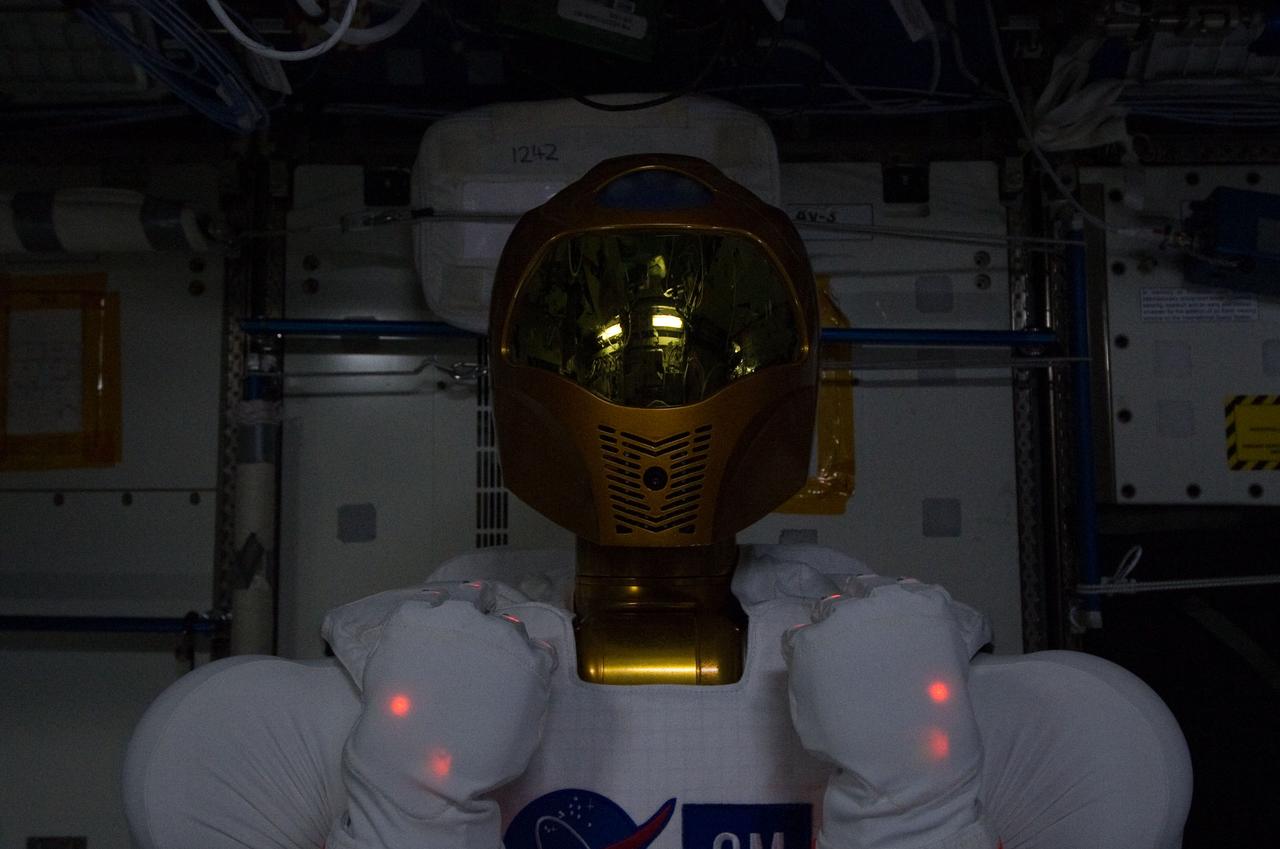
ISS028-E-030755 (22 Aug. 2011) --- Robonaut 2 ? the first dexterous humanoid robot in space ? is pictured in the Destiny laboratory of the International Space Station shortly after it was powered up and teams on the ground sent power to the robot for the first time in space.

JSC2010-E-090926 (1 June 2010) --- Robonaut 2 salutes. The robot, which is scheduled to launch to the International Space Station during the STS-133 mission, will be the first dexterous humanoid robot in space. Photo credit: NASA or National Aeronautics and Space Administration
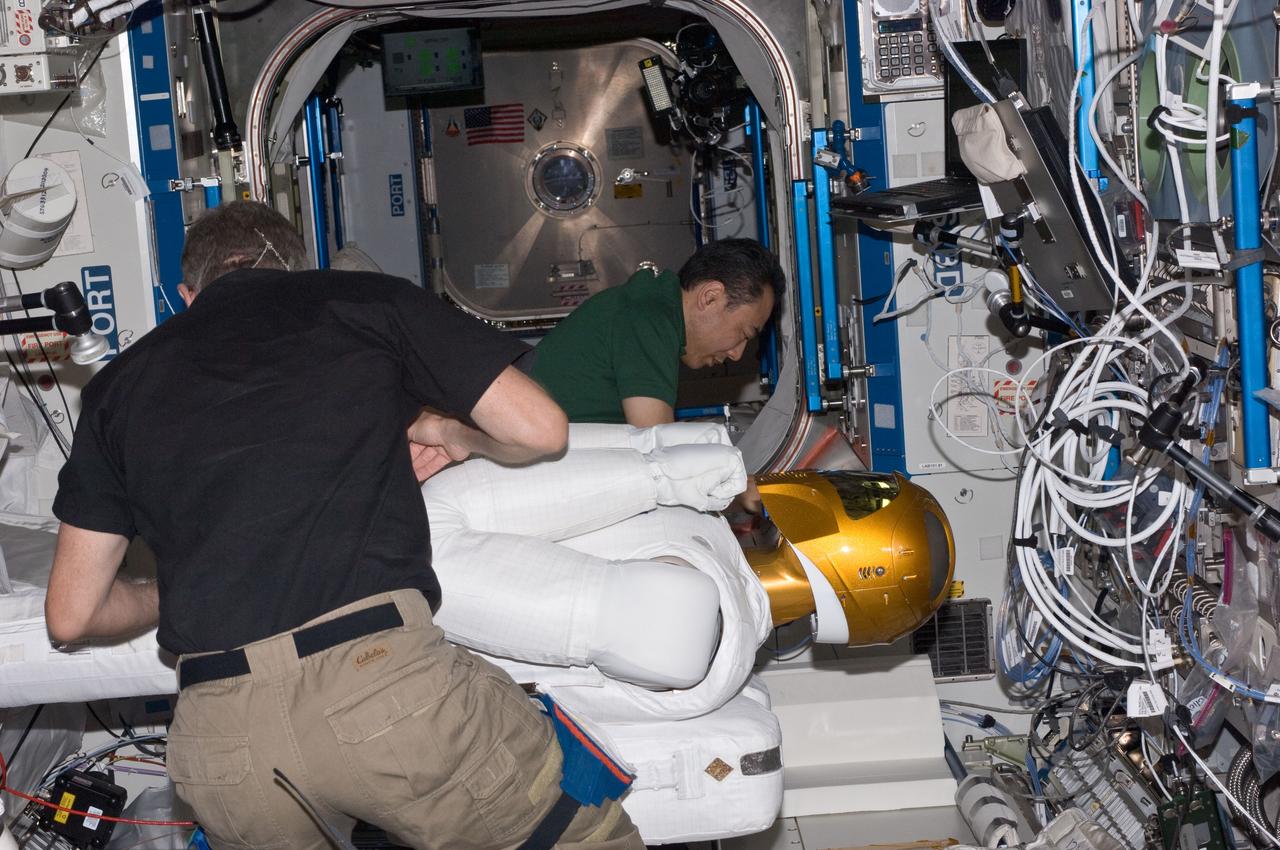
ISS028-E-030088 (22 Aug. 2011) --- NASA astronaut Mike Fossum (foreground) and Japan Aerospace Exploration Agency astronaut Satoshi Furukawa, both Expedition 28 flight engineers, make preparations to power-up Robonaut 2 ? the first dexterous humanoid robot in space ? in the Destiny laboratory of the International Space Station.
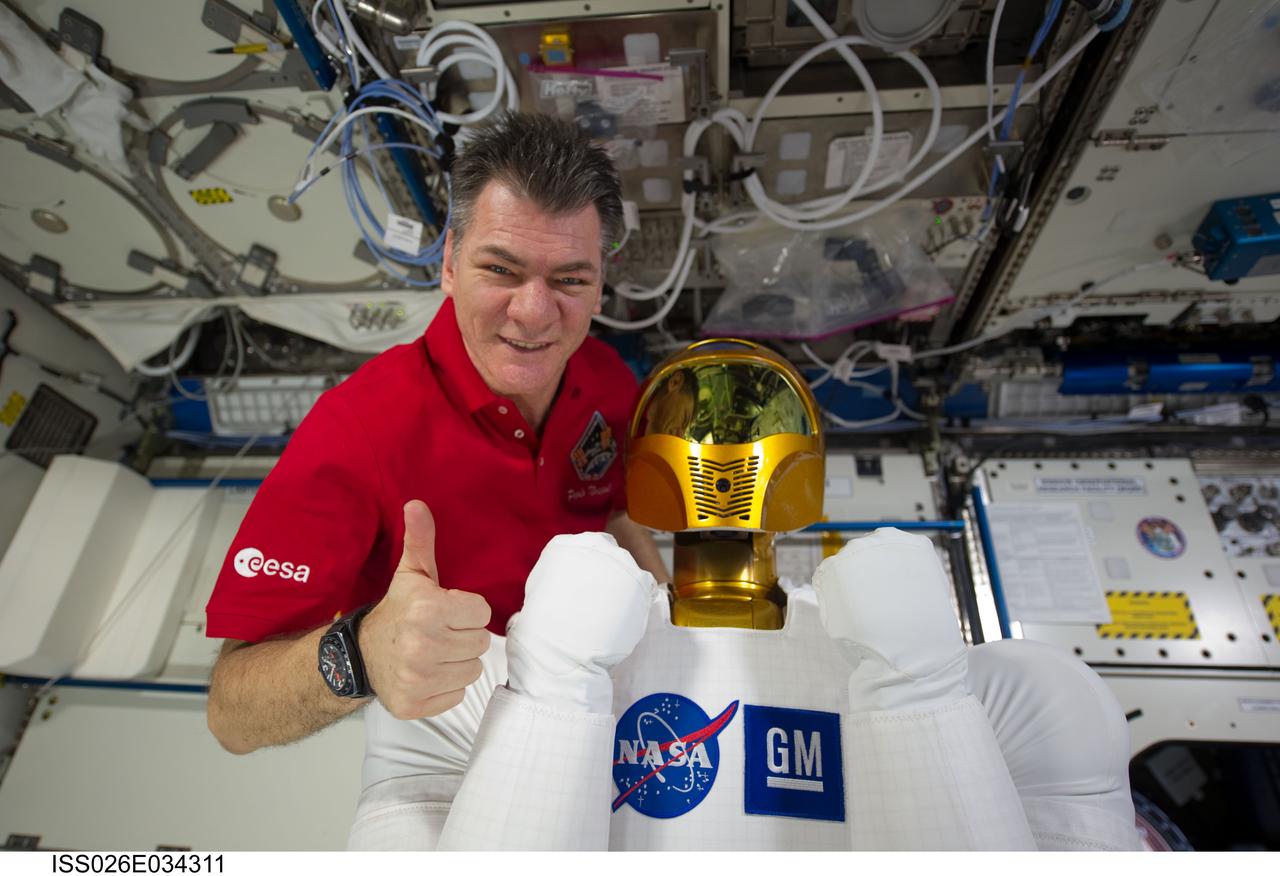
ISS026-E-034311 (15 March 2011) --- European Space Agency astronaut Paolo Nespoli, Expedition 26/27 flight engineer, poses with Robonaut 2, the dexterous humanoid astronaut helper, in the Destiny laboratory of the International Space Station.
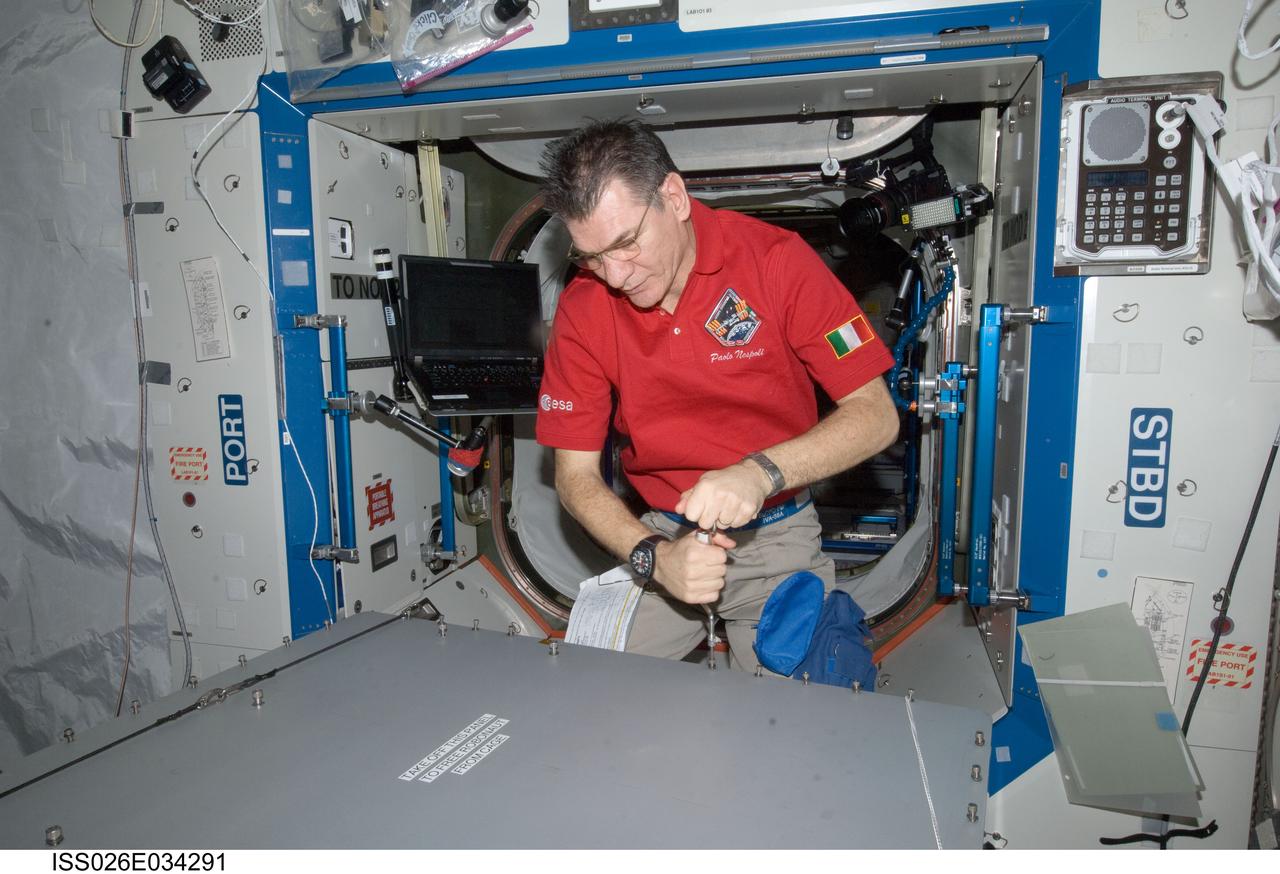
ISS026-E-034291 (15 March 2011) --- European Space Agency astronaut Paolo Nespoli, Expedition 26/27 flight engineer, opens the container that holds Robonaut 2, the dexterous humanoid astronaut helper, in the Destiny laboratory of the International Space Station.
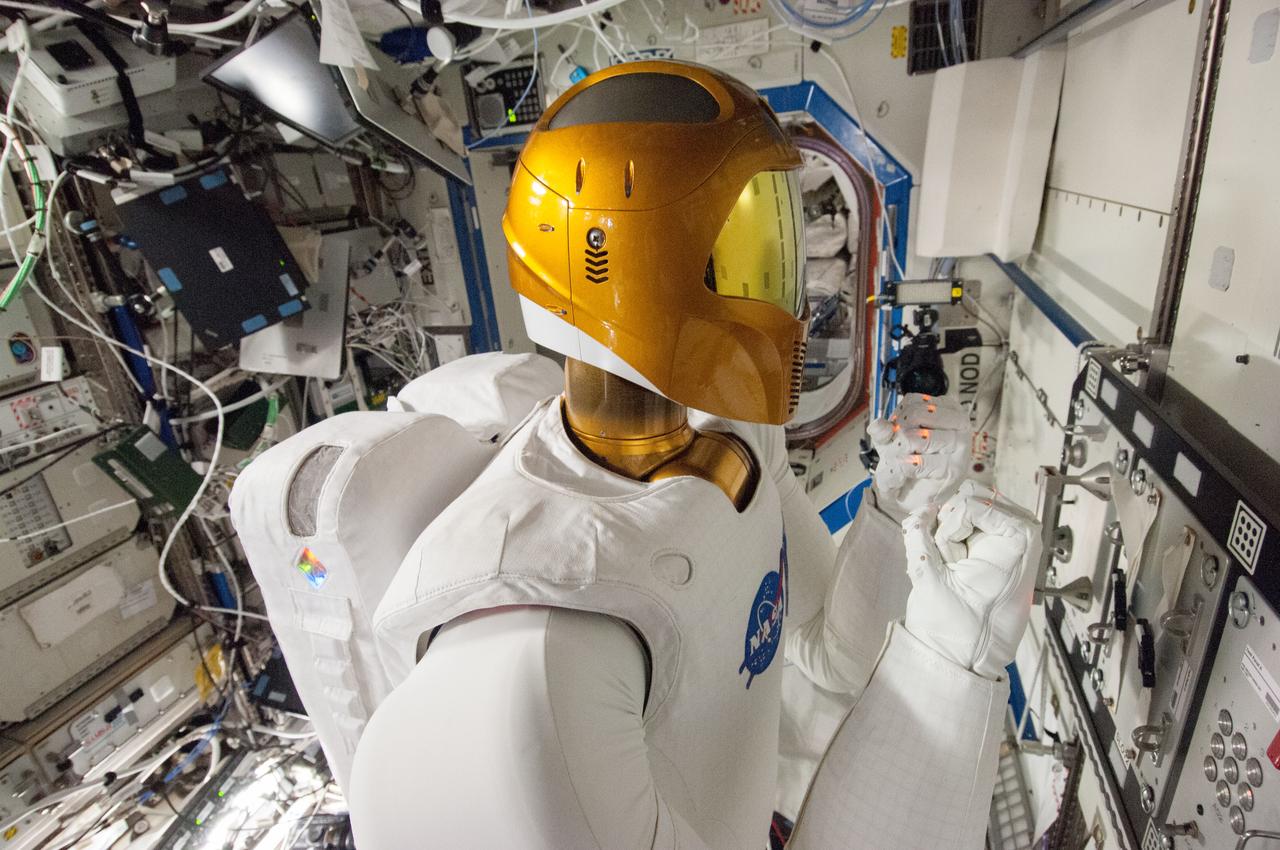
ISS034-E-037352 (31 Jan. 2013) --- Robonaut 2, the first humanoid robot in space, is pictured in this image photographed by an Expedition 34 crew member in the International Space Station’s Destiny laboratory. R2 was powered up so ground controllers could run it through a series of tests and configuration checks.
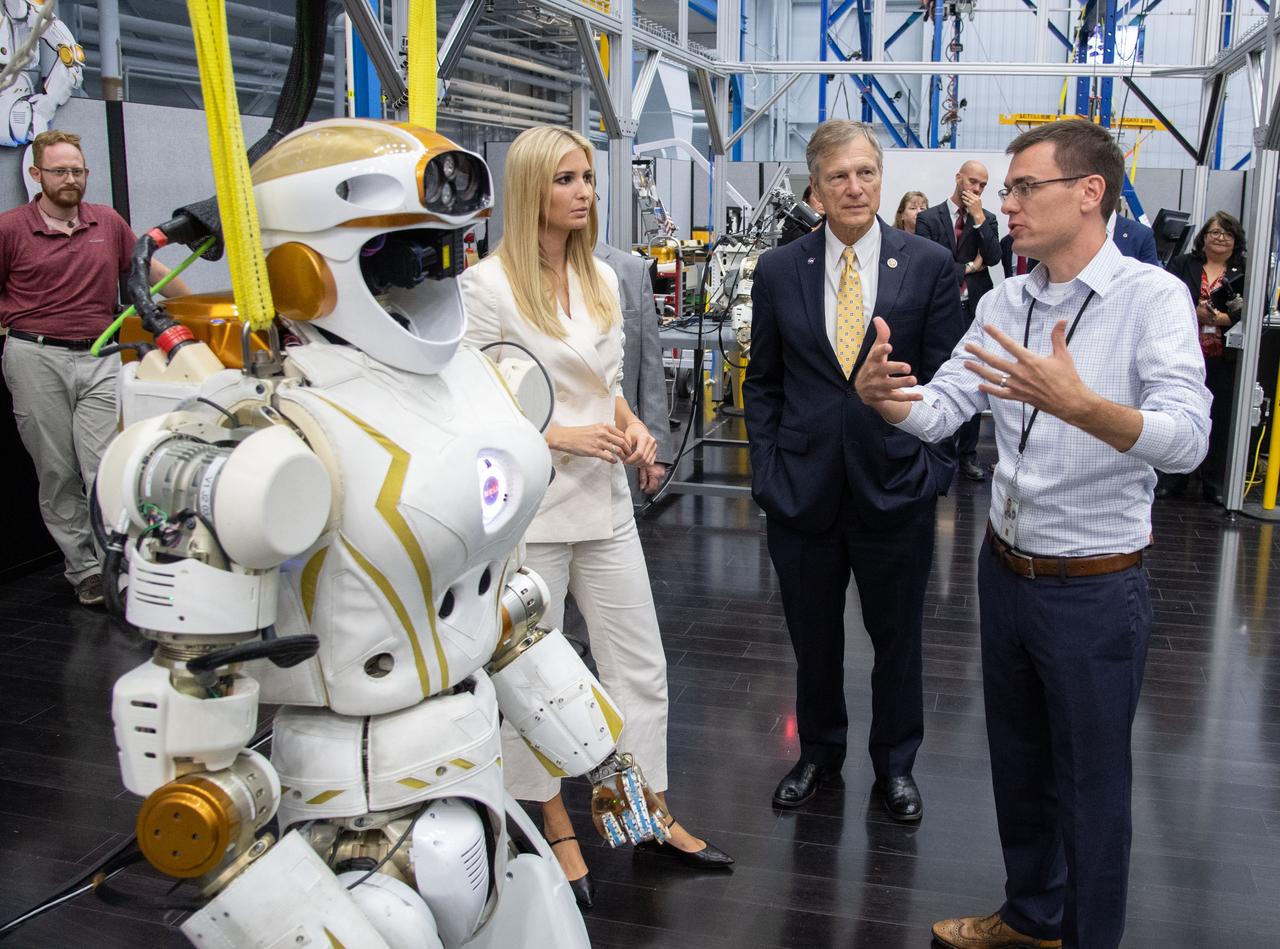
jsc2018e083429 – (Sept. 20, 2018) – Advisor to the President Ivanka Trump learns about the Valkyrie robot during a visit to NASA’s Johnson Space Center. Valkyrie is designed to be a robust, rugged, entirely electric humanoid robot capable of operating in degraded or damaged human-engineered environments.
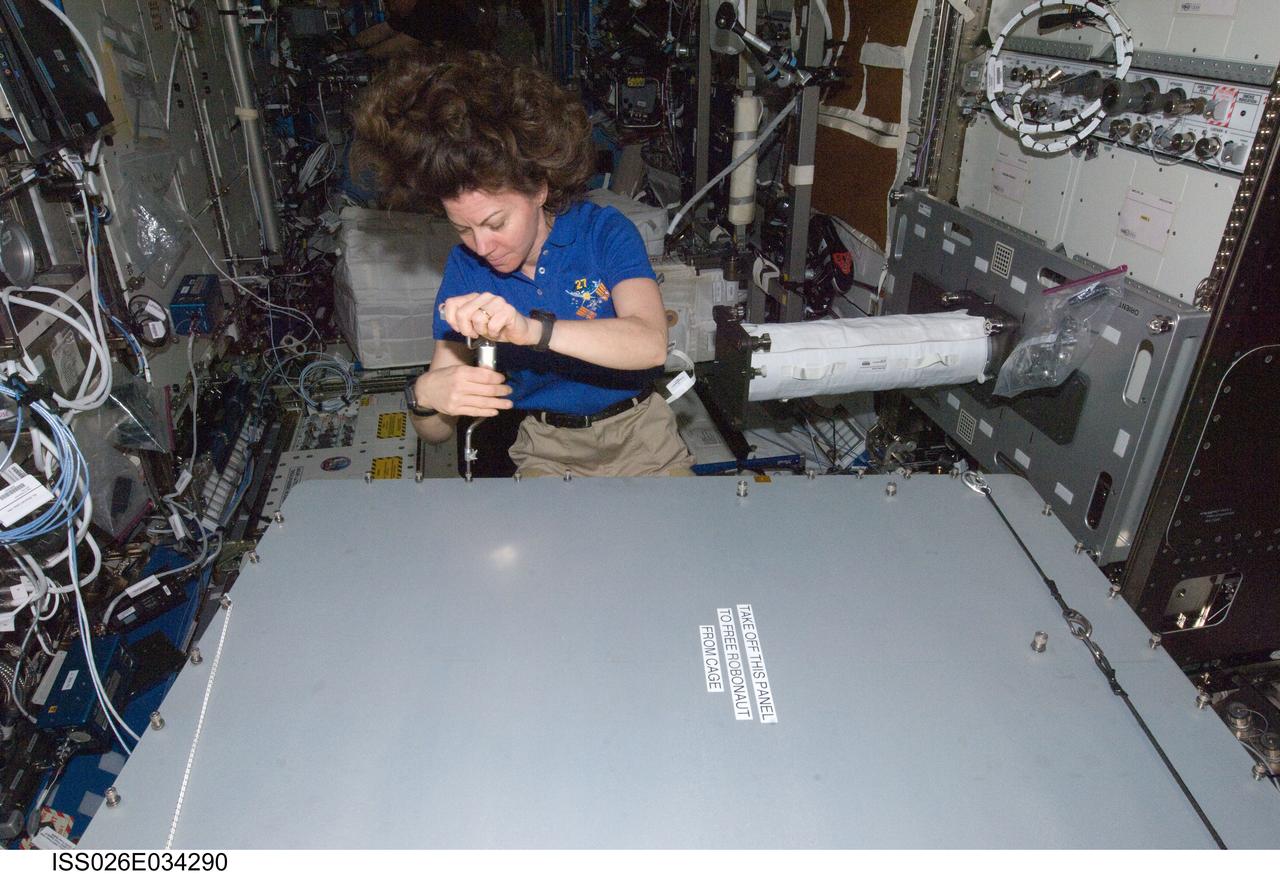
ISS026-E-034290 (15 March 2011) --- NASA astronaut Cady Coleman, Expedition 26/27 flight engineer, opens the container that holds Robonaut 2, the dexterous humanoid astronaut helper, in the Destiny laboratory of the International Space Station.
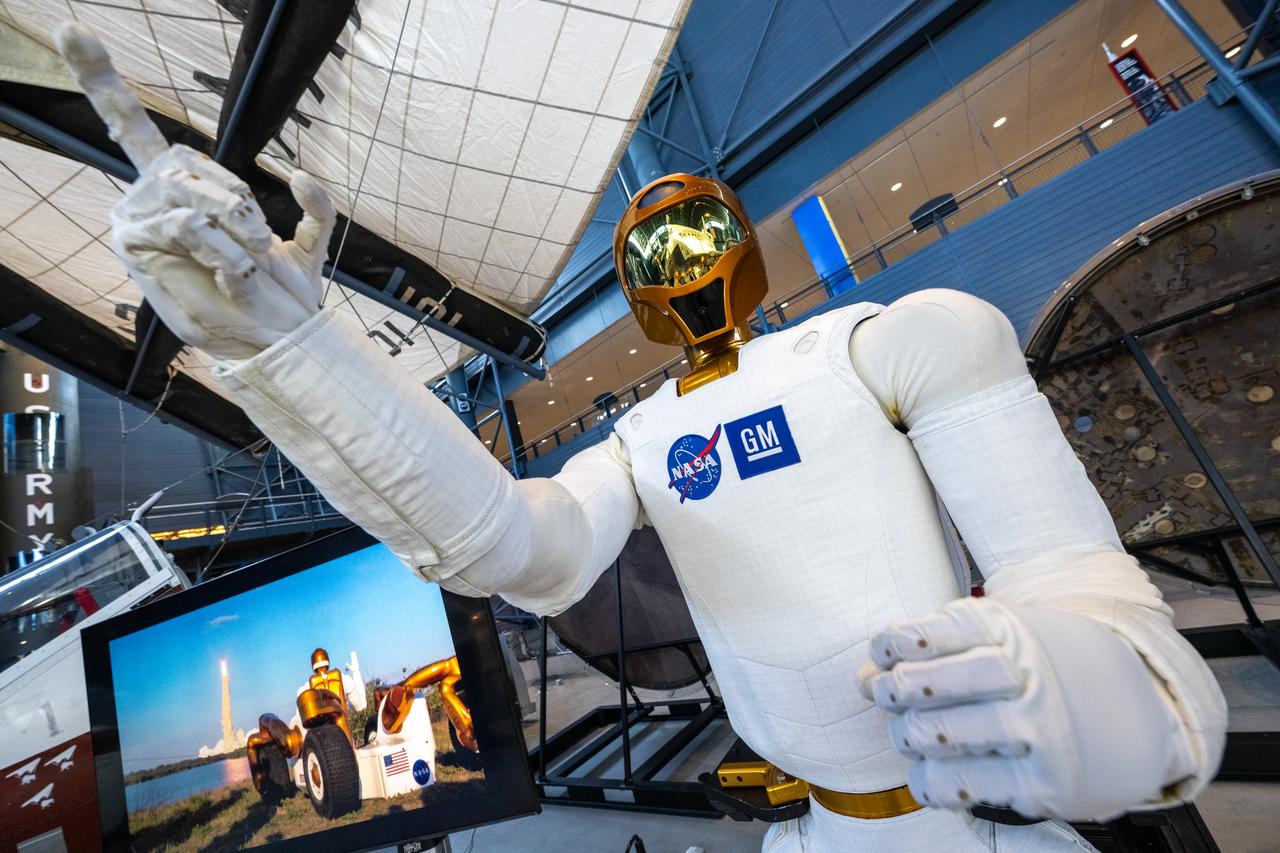
Robonaut 2 is seen at the Smithsonian National Air and Space Museum’s Steve F. Udvar-Hazy Center Thursday, Oct. 24, 2024, in Chantilly, Va. Robonaut 2, the first humanoid robot to fly to space, is displayed publicly for the first time near the space shuttle Discovery. Photo Credit: (NASA/Keegan Barber)
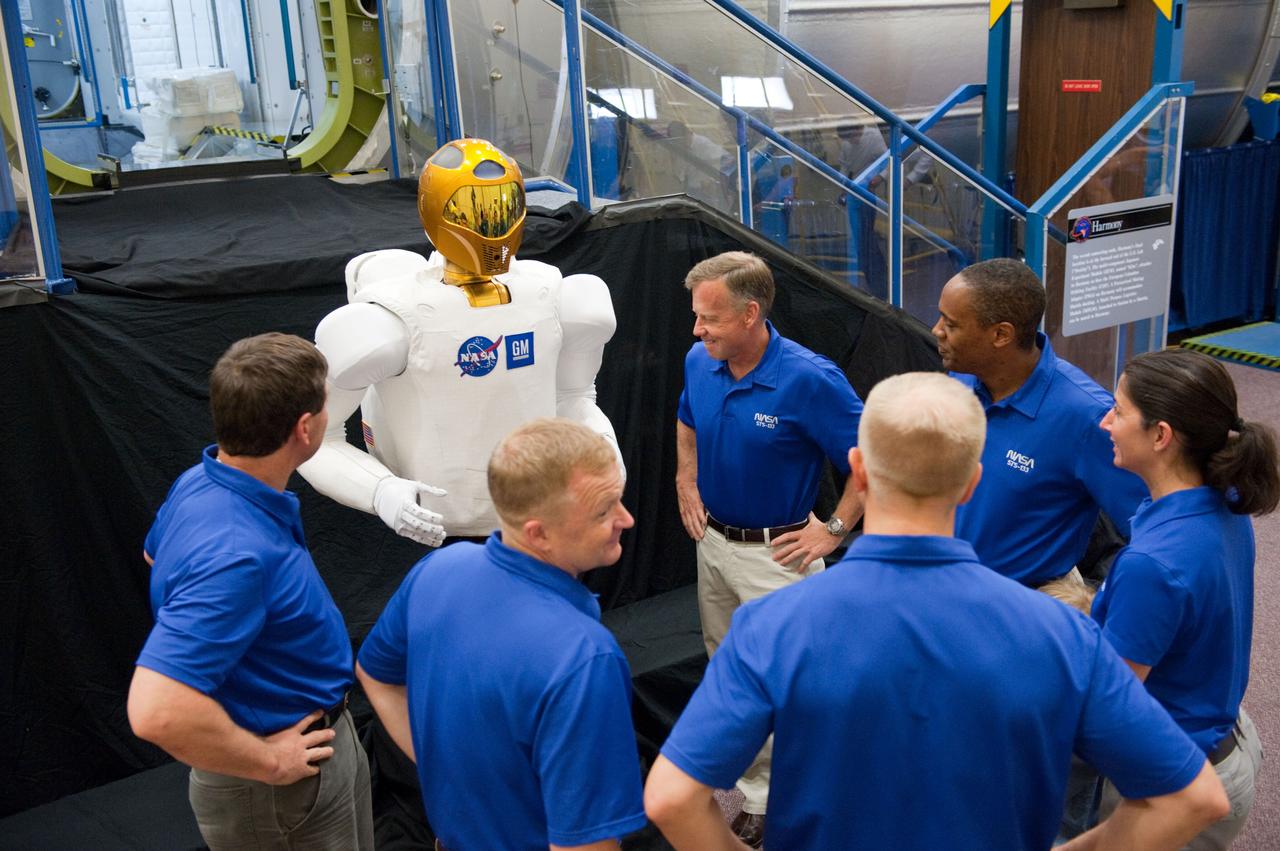
JSC2010-E-106309 (28 June 2010) --- During a training session in the space vehicle mockup facility at the Johnson Space Center, the STS-133 crew is pictured with its seventh crew member ? Robonaut 2, the first humanoid robot to travel to space and the first U.S.-built robot to visit the space station. R2, as the robot is called, will stay on the space station indefinitely to allow engineers on the ground to learn more about how humanoid robots fare in microgravity. The STS-133 crew members are: (clockwise from the top) NASA astronauts Steve Lindsey, commander; Alvin Drew, Nicole Stott and Tim Kopra, all mission specialists, along with Eric Boe, pilot, and Mike Barratt, mission specialist. Photo credit: NASA or National Aeronautics and Space Administration
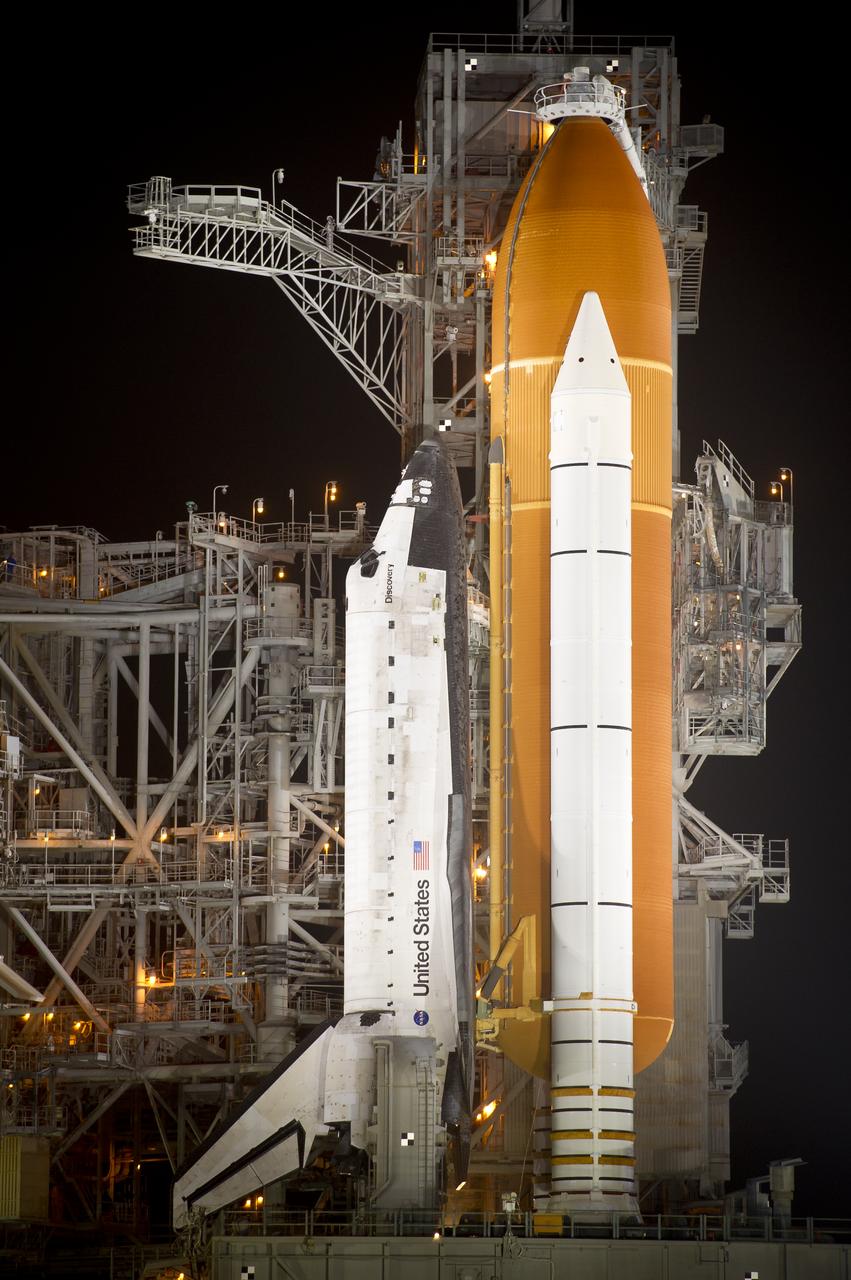
The space shuttle Discovery is seen shortly after the Rotating Service Structure was rolled back at launch pad 39A, at the Kennedy Space Center in Cape Canaveral, Florida, on Wednesday, Feb. 23, 2011. Discovery, on its 39th and final flight, will carry the Italian-built Permanent Multipurpose Module (PMM), Express Logistics Carrier 4 (ELC4) and Robonaut 2, the first humanoid robot in space to the International Space Station. Photo Credit: (NASA/Bill Ingalls)
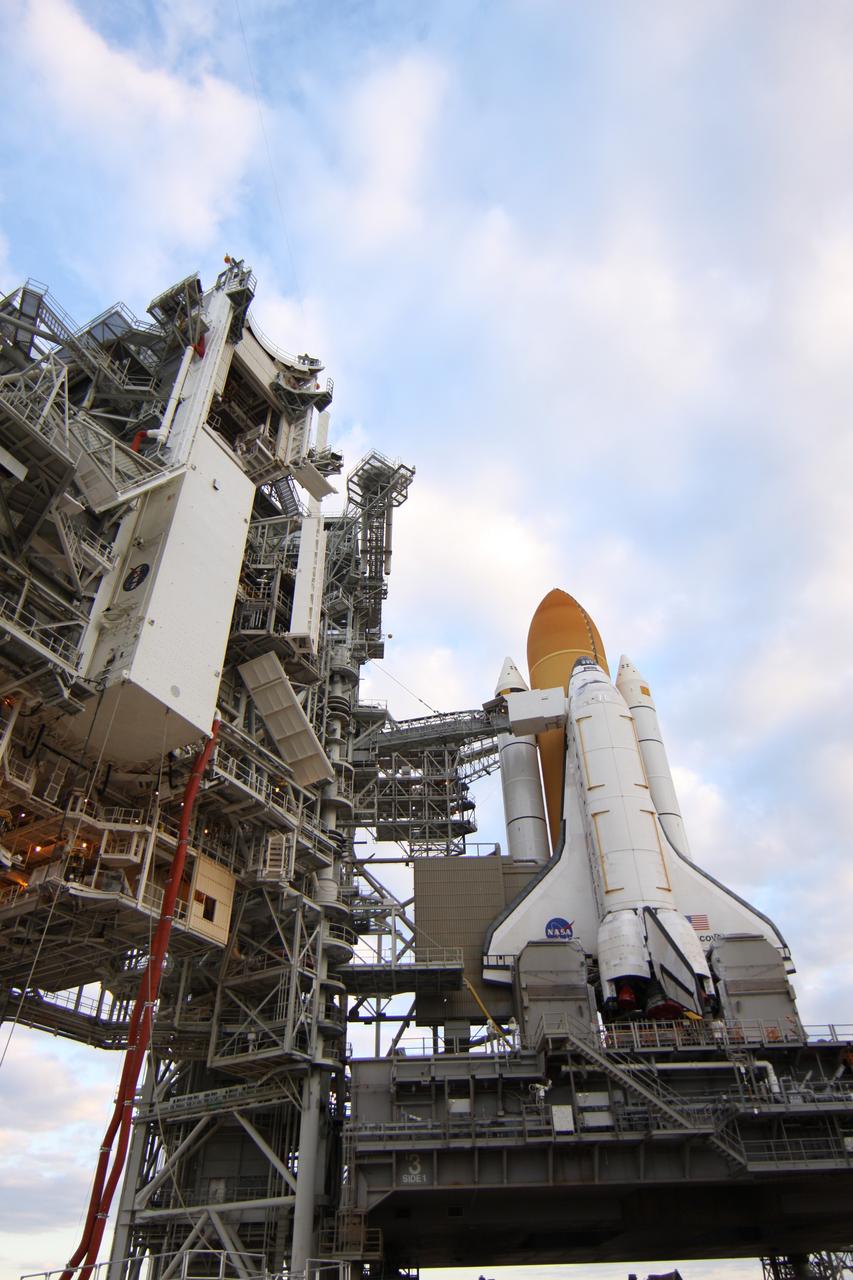
CAPE CANAVERAL, Fla. -- At NASA's Kennedy Space Center in Florida, the STS-133 payload canister now is in the rotating service structure on Launch Pad 39A. The payload then will be moved into space shuttle Discovery's payload bay. Discovery and its STS-133 crew will deliver the Permanent Multipurpose Module, packed with supplies and critical spare parts, as well as Robonaut 2, the dexterous humanoid astronaut helper, to the International Space Station. Launch is targeted for 4:40 p.m. EDT, Nov. 1. Photo credit: NASA/Troy Cryder
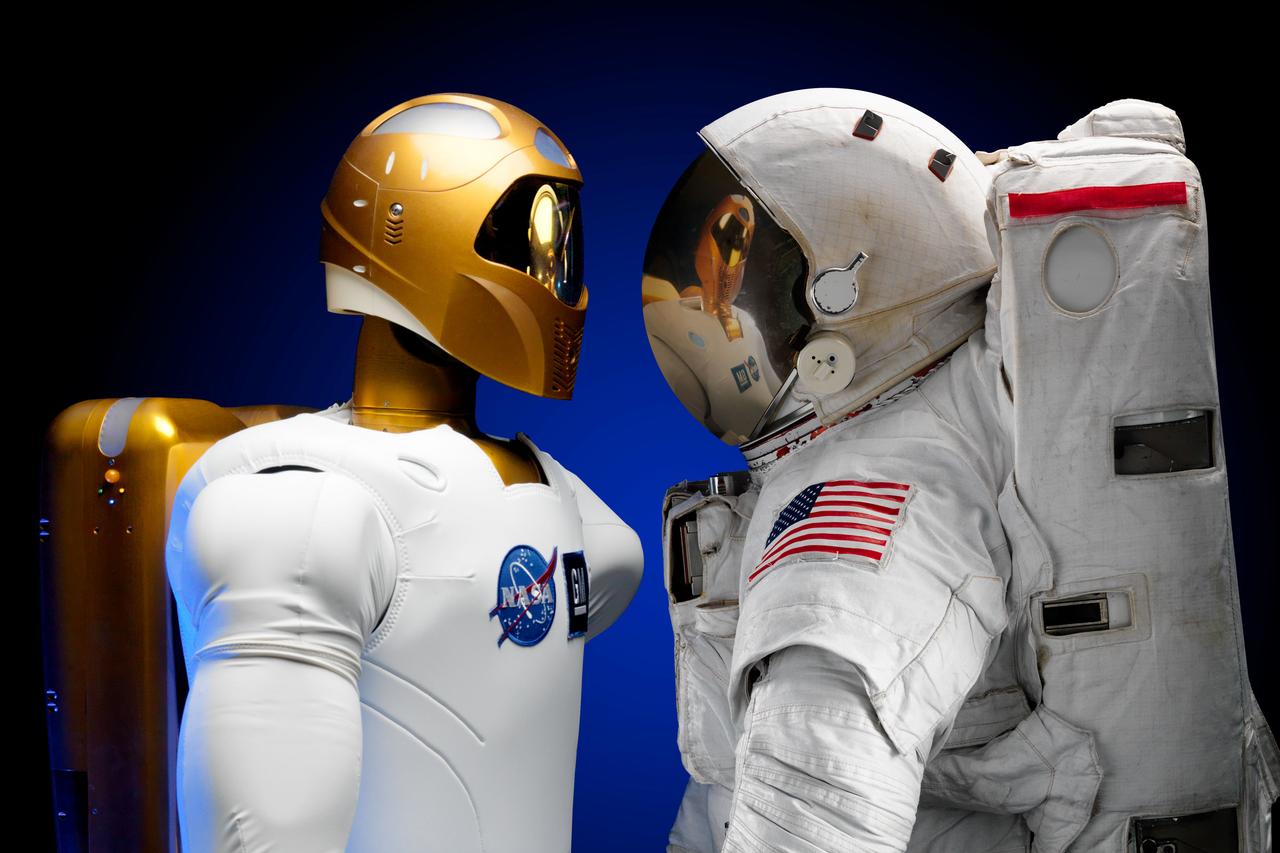
JSC2010-E-090735 (10 June 2010) --- Robonaut 2, a dexterous, humanoid astronaut helper, will fly to the International Space Station aboard space shuttle Discovery on the STS-133 mission. Although it will initially only participate in operational tests, upgrades could eventually allow the robot to realize its true purpose ? helping spacewalking astronauts with tasks outside the space station. Photo credit: NASA or National Aeronautics and Space Administration
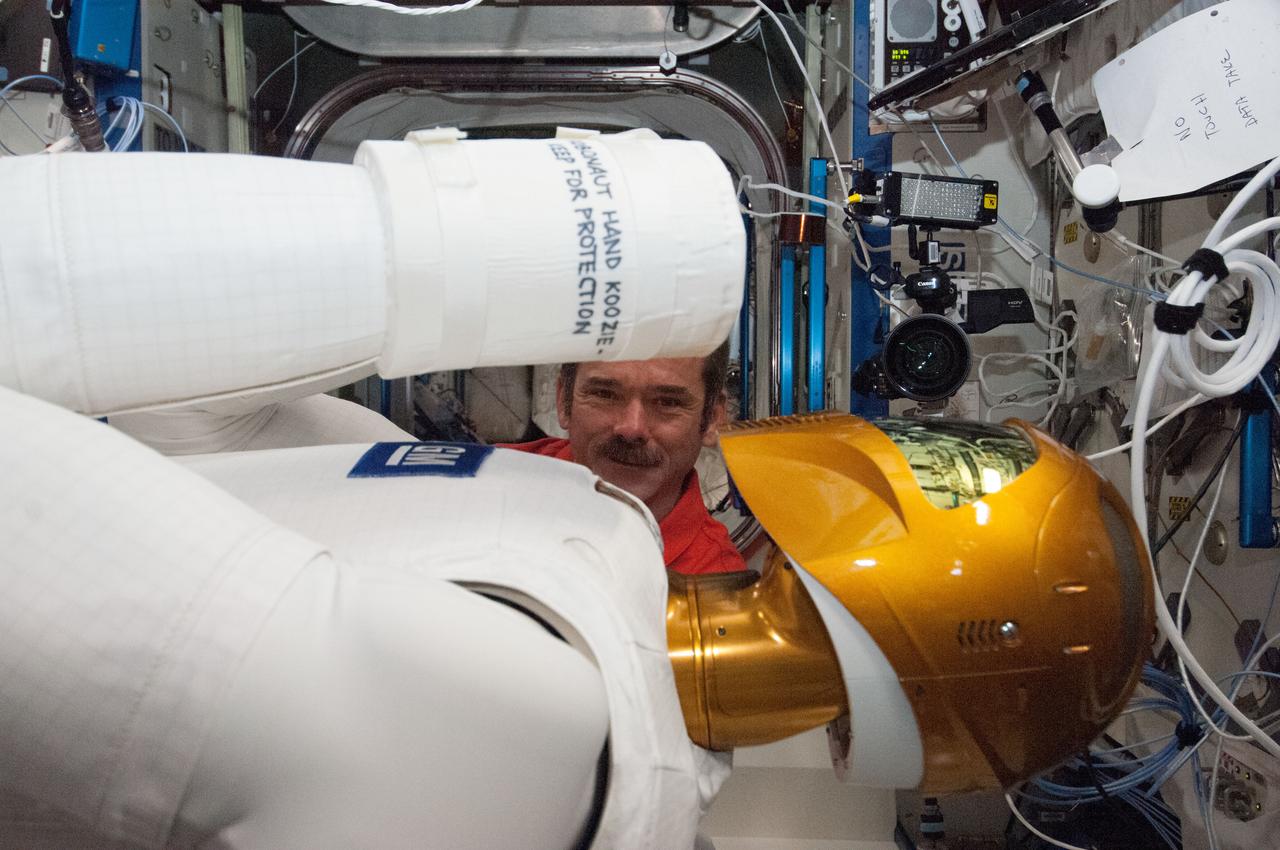
ISS034-E-037345 (31 Jan. 2013) --- Canadian Space Agency astronaut Chris Hadfield, Expedition 34 flight engineer, works with Robonaut 2, the first humanoid robot in space, in the International Space Station’s Destiny laboratory. R2 was powered up so ground controllers could run it through a series of tests and configuration checks.
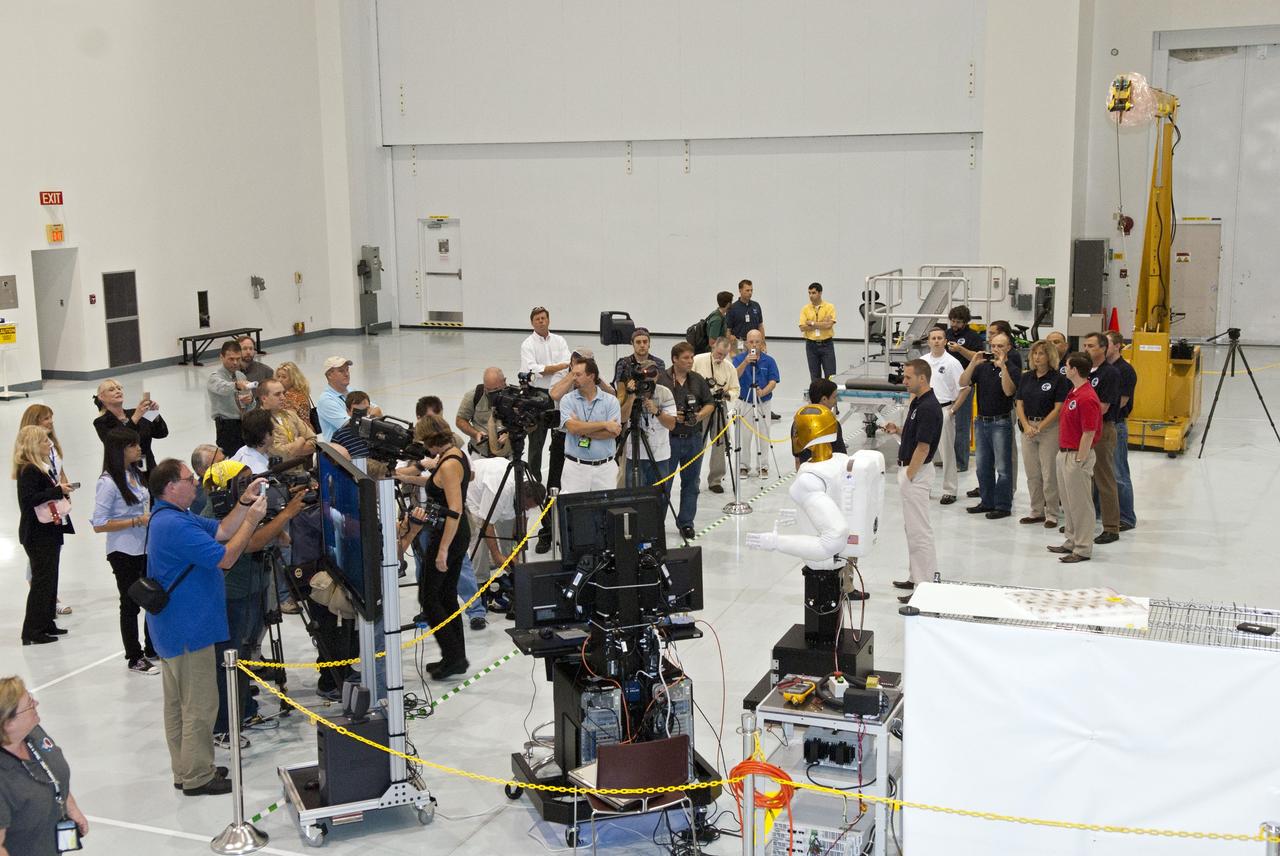
CAPE CANAVERAL, Fla. -- In the Space Station Processing Facility at NASA's Kennedy Space Center in Florida, NASA hosted a media event featuring Robonaut (R2), a dexterous humanoid astronaut helper, to the public. R2 will fly to the International Space Station aboard space shuttle Discovery on the STS-133 mission. Although it will initially only participate in operational tests, upgrades could eventually allow the robot to realize its true purpose -- helping spacewalking astronauts with tasks outside the space station. Photo credit: NASA/Jim Grossmann
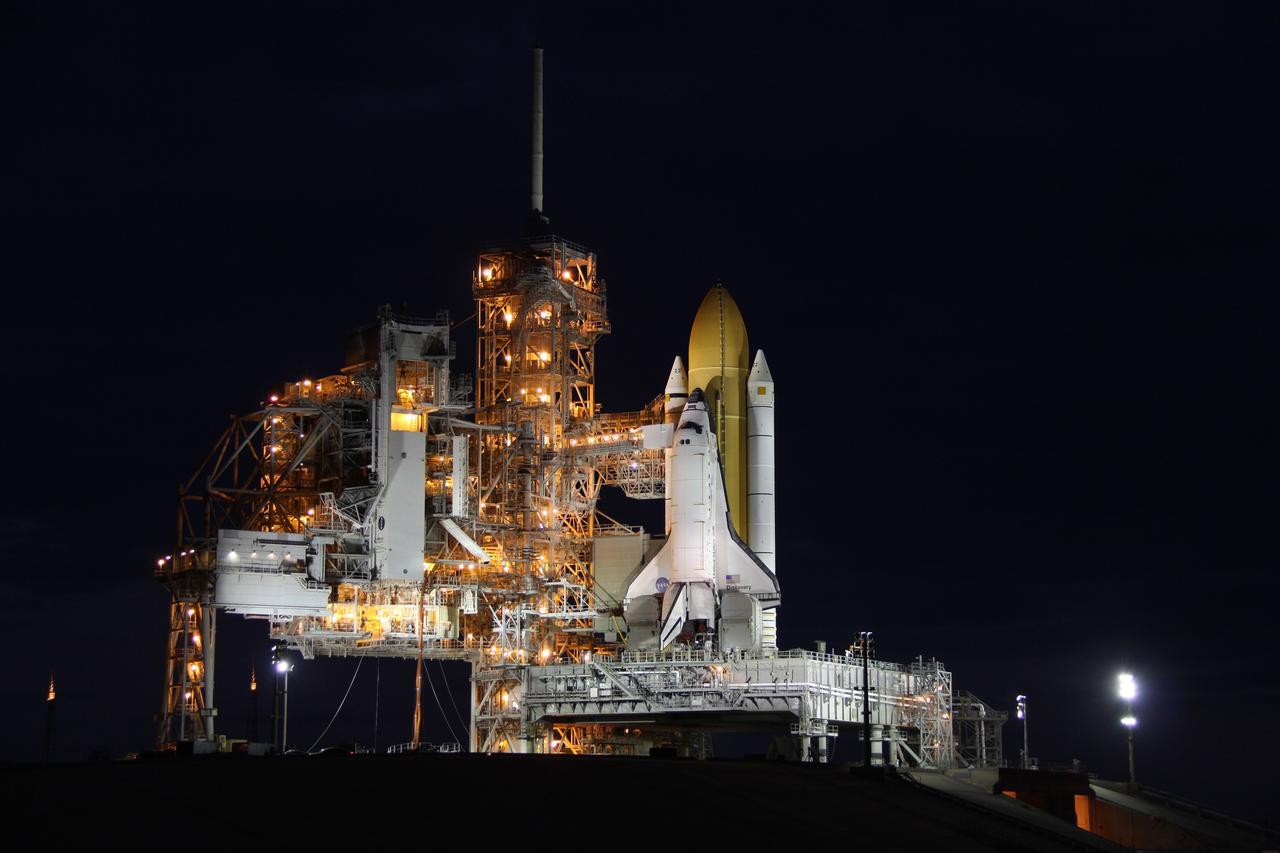
CAPE CANAVERAL, Fla. -- At NASA's Kennedy Space Center in Florida, the STS-133 payload canister is lifted into the rotating service structure on Launch Pad 39A. The payload then will be moved into space shuttle Discovery's payload bay. Discovery and its STS-133 crew will deliver the Permanent Multipurpose Module, packed with supplies and critical spare parts, as well as Robonaut 2, the dexterous humanoid astronaut helper, to the International Space Station. Launch is targeted for 4:40 p.m. EDT, Nov. 1. Photo credit: NASA/Troy Cryder
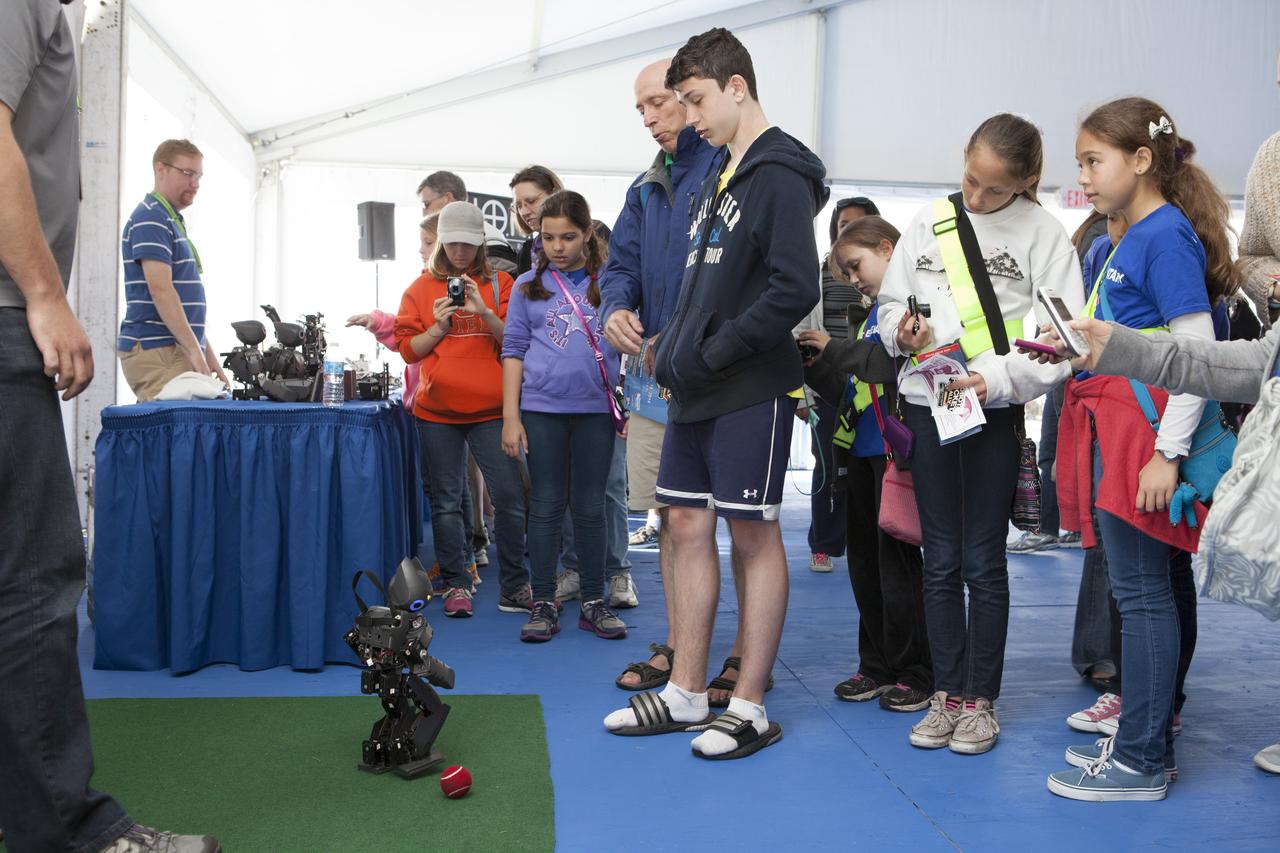
CAPE CANAVERAL, Fla. – Students gather to watch as a DARwin-OP miniature humanoid robot from Virginia Tech Robotics demonstrates its soccer abilities at the Robot Rocket Rally. The three-day event at Florida's Kennedy Space Center Visitor Complex is highlighted by exhibits, games and demonstrations of a variety of robots, with exhibitors ranging from school robotics clubs to veteran NASA scientists and engineers. Photo credit: NASA/Kim Shiflett
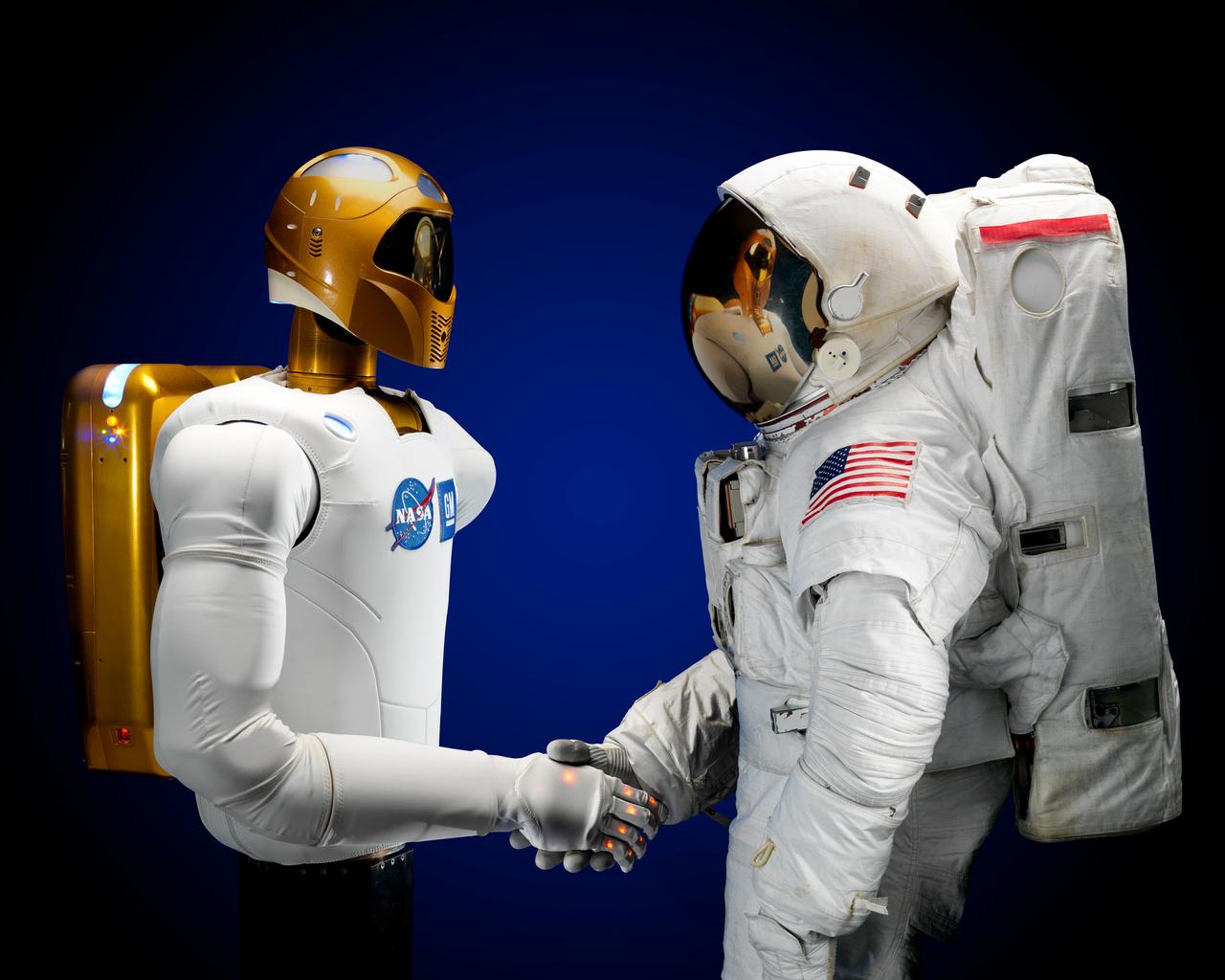
JSC2010-E-089924 (10 June 2010) --- Robonaut 2, a dexterous, humanoid astronaut helper, will fly to the International Space Station aboard space shuttle Discovery on the STS-133 mission. Although it will initially only participate in operational tests, upgrades could eventually allow the robot to realize its true purpose ? helping spacewalking astronauts with tasks outside the space station. Photo credit: NASA or National Aeronautics and Space Administration
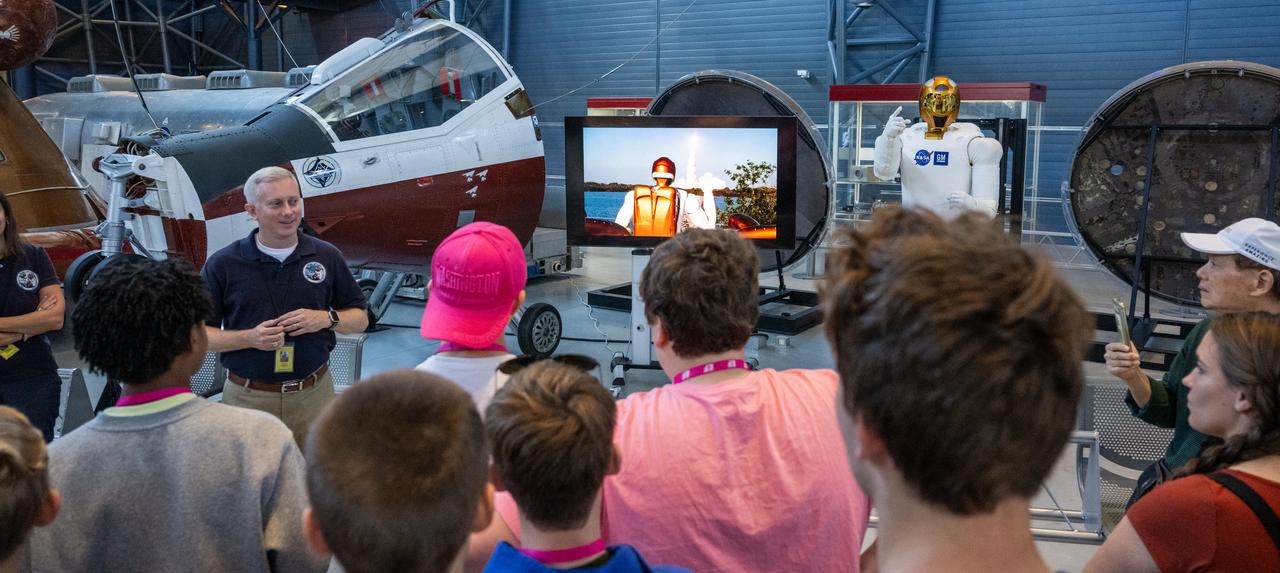
Jonathan Rogers, chief of the Robotic Systems Technology Branch at NASA’s Johnson Space Center and former Robonaut project manager, answers questions about Robonaut 2 from museum guests at the Smithsonian National Air and Space Museum’s Steve F. Udvar-Hazy Center Thursday, Oct. 24, 2024, in Chantilly, Va. Robonaut 2, the first humanoid robot to fly to space, is displayed publicly for the first time near the space shuttle Discovery. Photo Credit: (NASA/Keegan Barber)
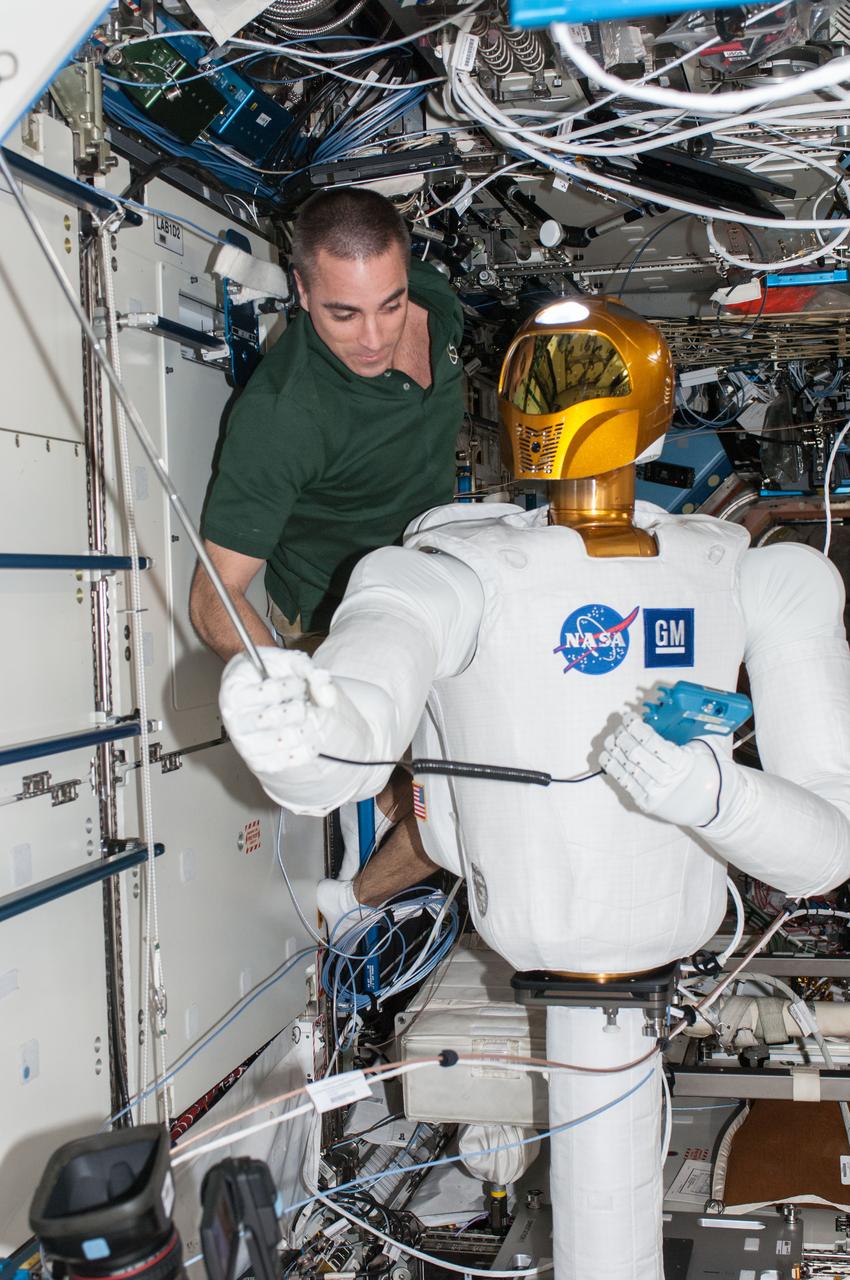
ISS036-E-013170 (28 June 2013) --- NASA astronaut Chris Cassidy, Expedition 36 flight engineer, works with Robonaut 2, the first humanoid robot in space, during a round of ground-commanded tests in the Destiny laboratory of the International Space Station. R2 was assembled earlier this week for several days of data takes by the payload controllers at the Marshall Space Flight Center.
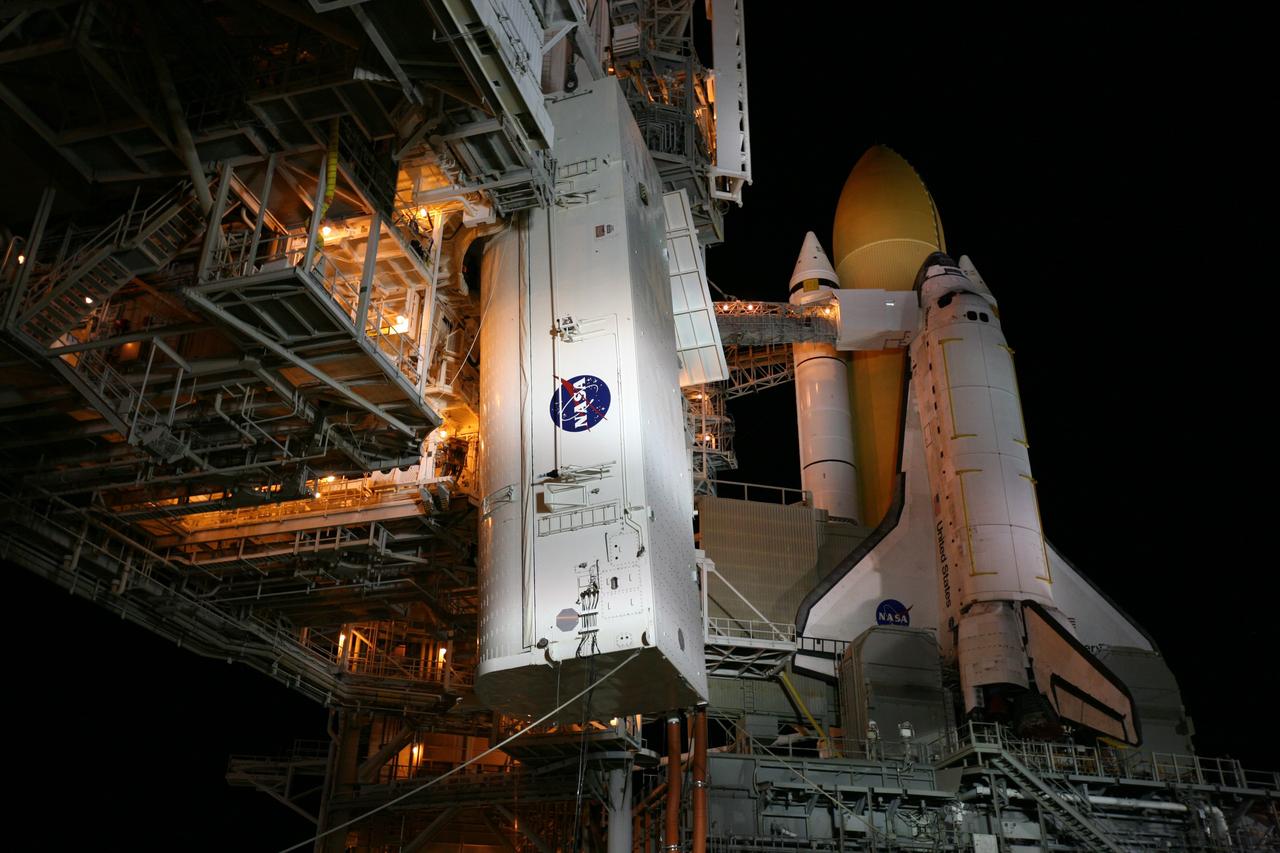
CAPE CANAVERAL, Fla. -- At NASA's Kennedy Space Center in Florida, the STS-133 payload canister is lifted into the rotating service structure on Launch Pad 39A. The payload then will be moved into space shuttle Discovery's payload bay. Discovery and its STS-133 crew will deliver the Permanent Multipurpose Module, packed with supplies and critical spare parts, as well as Robonaut 2, the dexterous humanoid astronaut helper, to the International Space Station. Launch is targeted for 4:40 p.m. EDT, Nov. 1. Photo credit: NASA/Amanda Diller
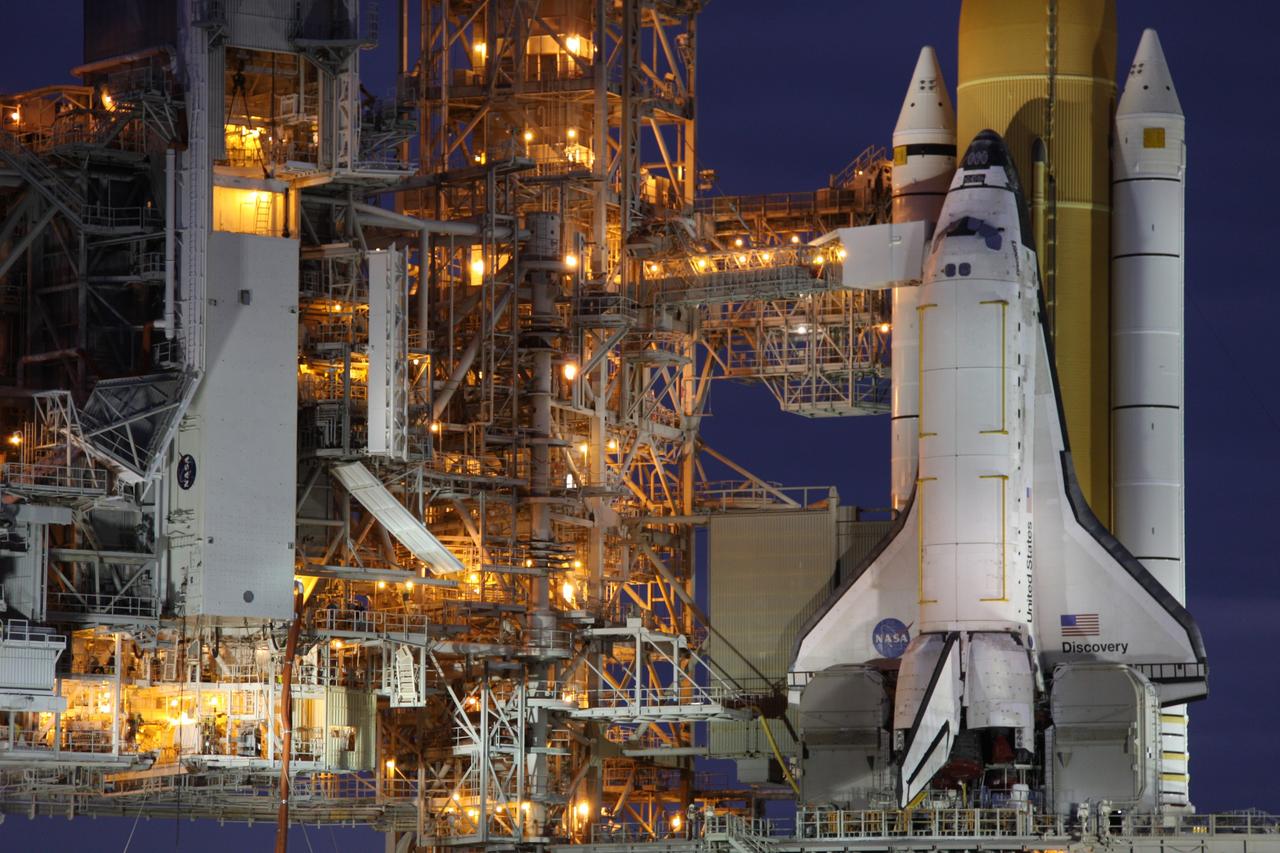
CAPE CANAVERAL, Fla. -- At NASA's Kennedy Space Center in Florida, the STS-133 payload canister is lifted into the rotating service structure on Launch Pad 39A. The payload then will be moved into space shuttle Discovery's payload bay. Discovery and its STS-133 crew will deliver the Permanent Multipurpose Module, packed with supplies and critical spare parts, as well as Robonaut 2, the dexterous humanoid astronaut helper, to the International Space Station. Launch is targeted for 4:40 p.m. EDT, Nov. 1. Photo credit: NASA/Troy Cryder
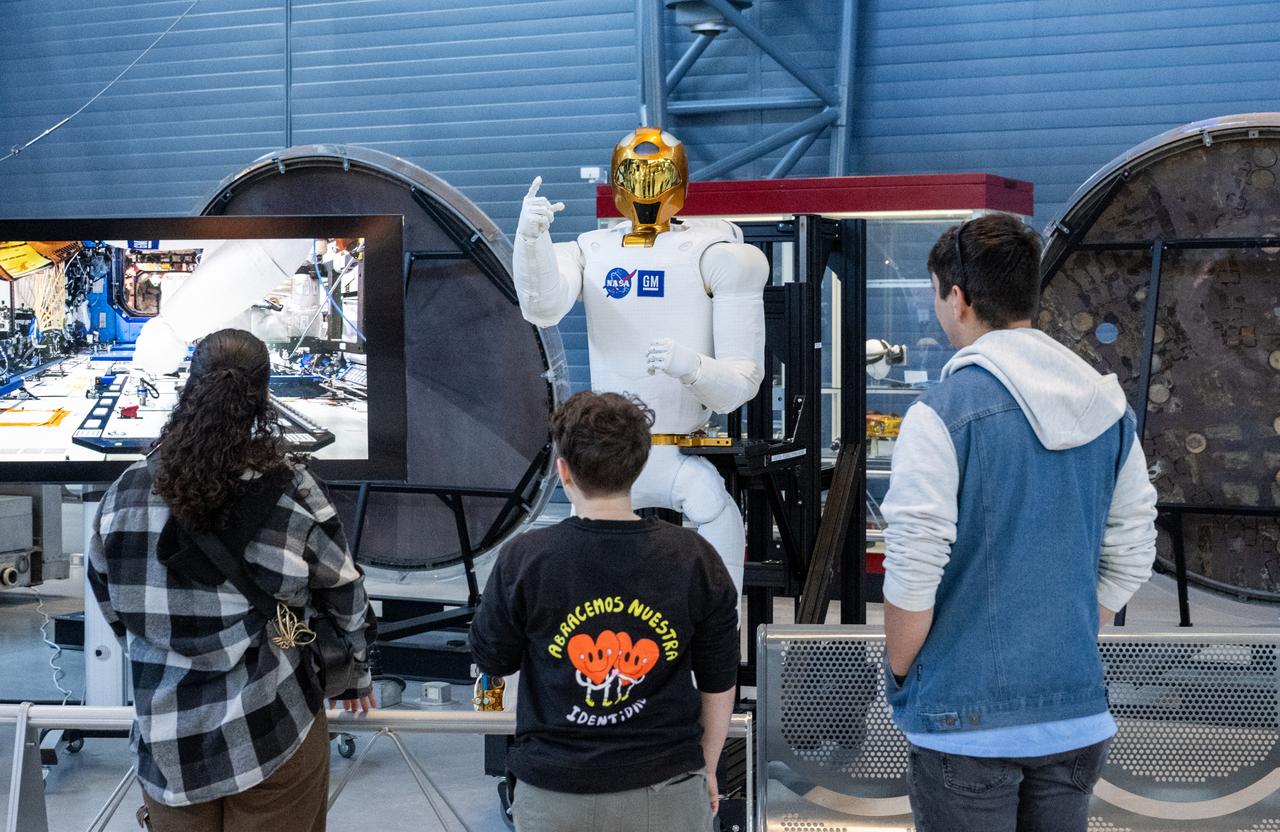
Museum guests view Robonaut 2 at the Smithsonian National Air and Space Museum’s Steve F. Udvar-Hazy Center Thursday, Oct. 24, 2024, in Chantilly, Va. Robonaut 2, the first humanoid robot to fly to space, is displayed publicly for the first time near the space shuttle Discovery. Photo Credit: (NASA/Keegan Barber)

ISS038-E-013708 (9 Dec. 2013) --- In the International Space Station's Destiny laboratory, NASA astronaut Rick Mastracchio, Expedition 38 flight engineer, prepares Robonaut 2 for an upcoming ground-commanded firmware update that will support the installation of a pair of legs for the humanoid robot. R2 was designed to test out the capability of a robot to perform tasks deemed too dangerous or mundane for astronauts. Robonaut's legs are scheduled to arrive to the station aboard the SpaceX-3 commercial cargo mission in February 2014.
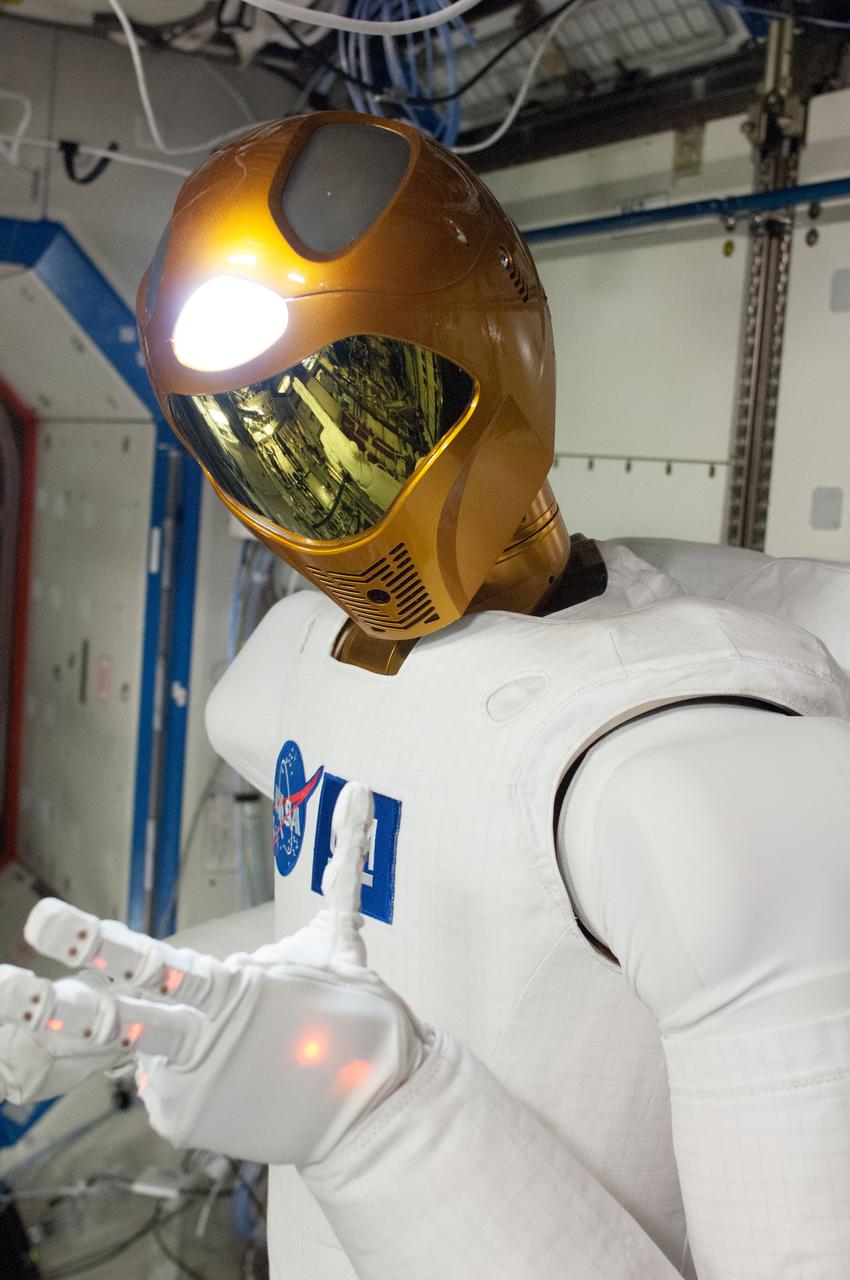
ISS034-E-039162 (1 Feb. 2013) --- Robonaut 2, the first humanoid robot in space, is pictured in this image photographed by an Expedition 34 crew member in the International Space Station’s Destiny laboratory. R2 was powered up so ground controllers could run it through a series of tests and configuration checks after a recent software upgrade.
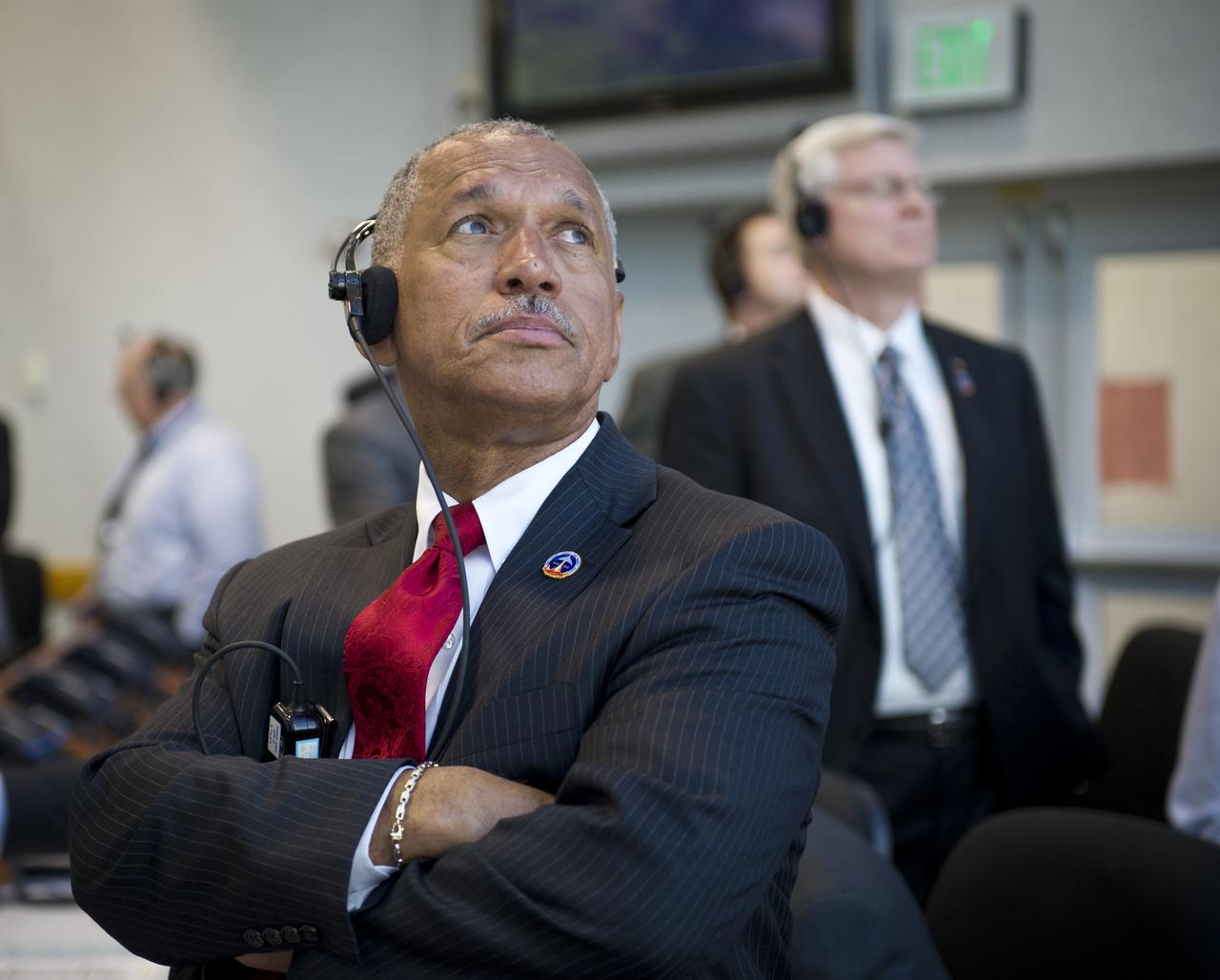
NASA Administrator Charles Bolden and other NASA management watch the launch of space shuttle Discovery (STS-133) from the firing room at Kennedy Space Center, Thursday, Feb. 24, 2011, in Cape Canaveral, Fla. Discovery, on its 39th and final flight, is carrying the Italian-built Permanent Multipurpose Module (PMM), Express Logistics Carrier 4 (ELC4) and Robonaut 2, the first humanoid robot in space to the International Space Station. Photo Credit: (NASA/Bill Ingalls)
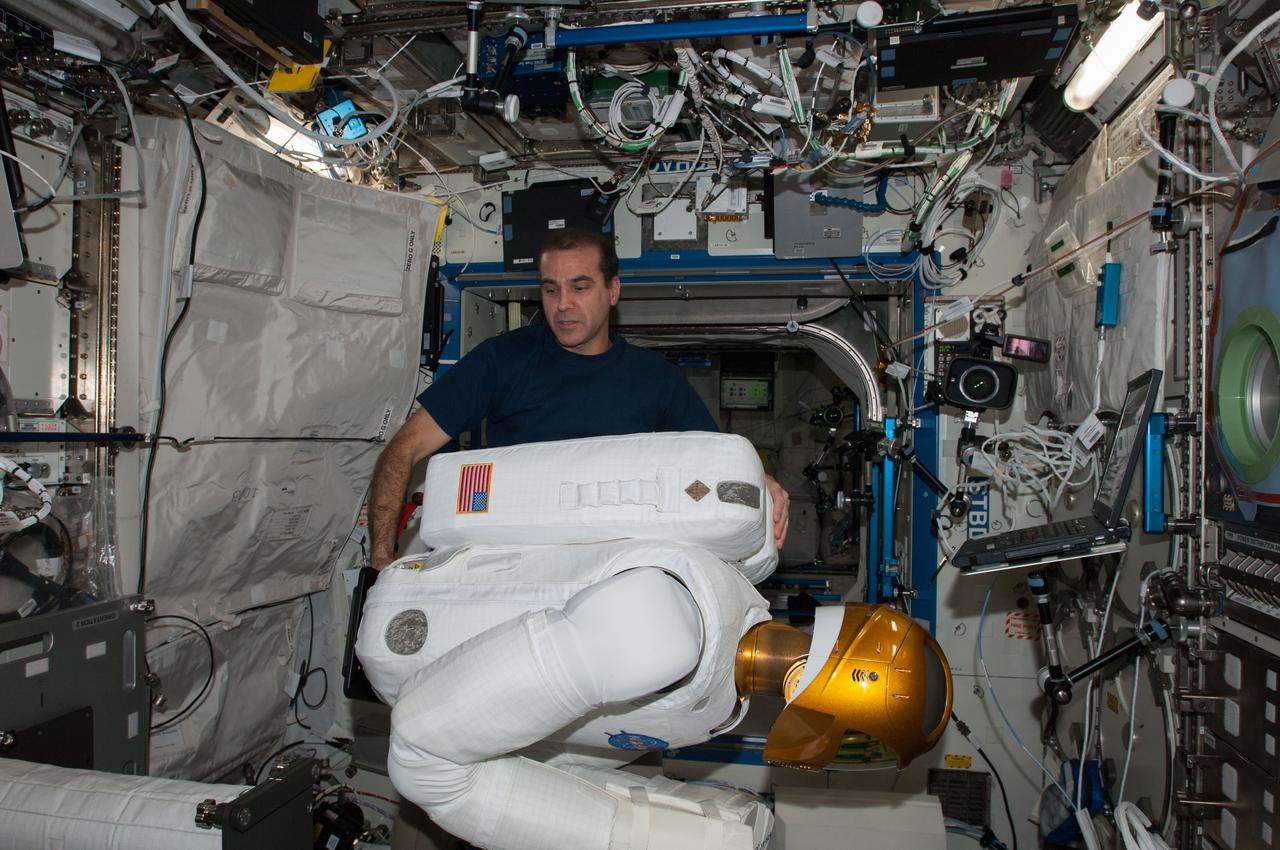
ISS038-E-013710 (9 Dec. 2013) --- In the International Space Station's Destiny laboratory, NASA astronaut Rick Mastracchio, Expedition 38 flight engineer, prepares Robonaut 2 for an upcoming ground-commanded firmware update that will support the installation of a pair of legs for the humanoid robot. R2 was designed to test out the capability of a robot to perform tasks deemed too dangerous or mundane for astronauts. Robonaut's legs are scheduled to arrive to the station aboard the SpaceX-3 commercial cargo mission in February 2014.
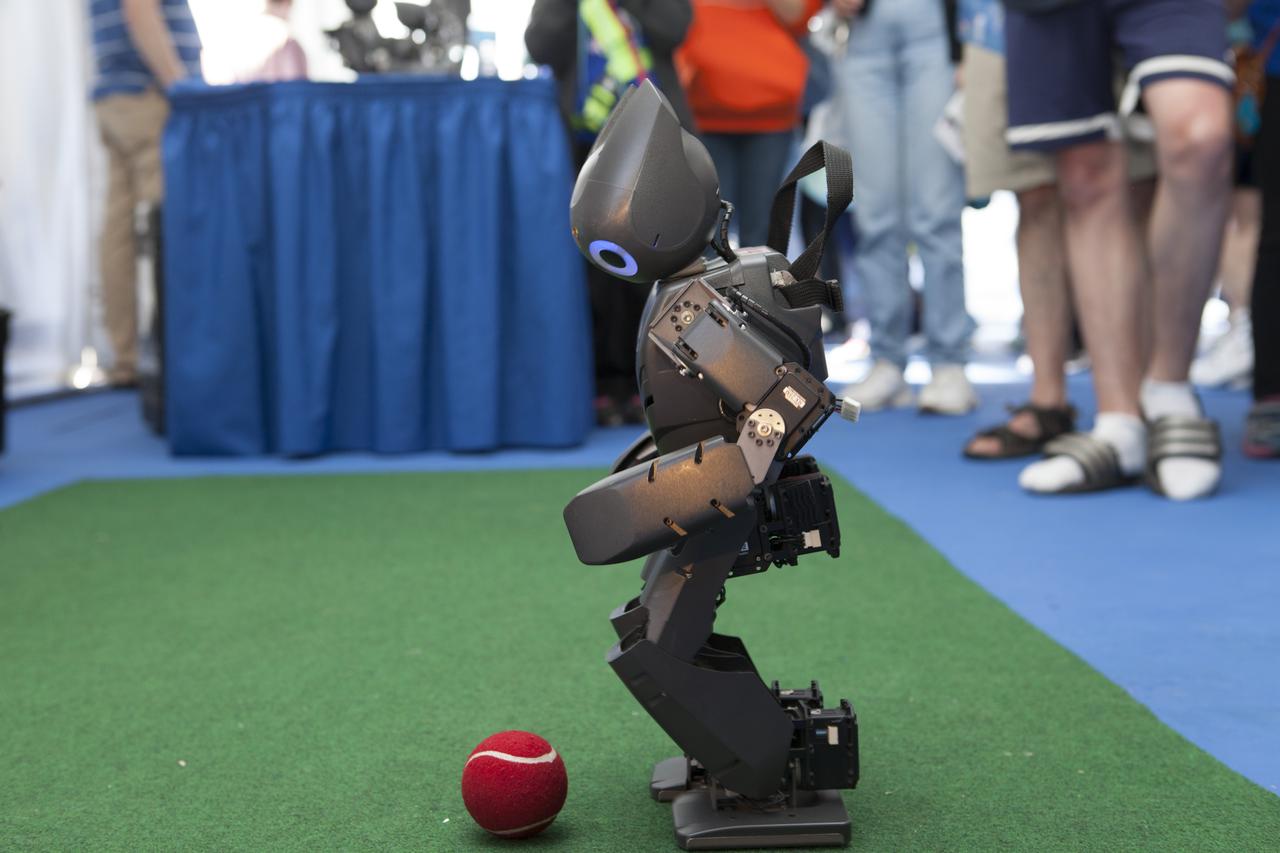
CAPE CANAVERAL, Fla. – A miniature humanoid robot known as DARwin-OP, from Virginia Tech Robotics, plays soccer with a red tennis ball for a crowd of students at the Robot Rocket Rally. The three-day event at Florida's Kennedy Space Center Visitor Complex is highlighted by exhibits, games and demonstrations of a variety of robots, with exhibitors ranging from school robotics clubs to veteran NASA scientists and engineers. Photo credit: NASA/Kim Shiflett
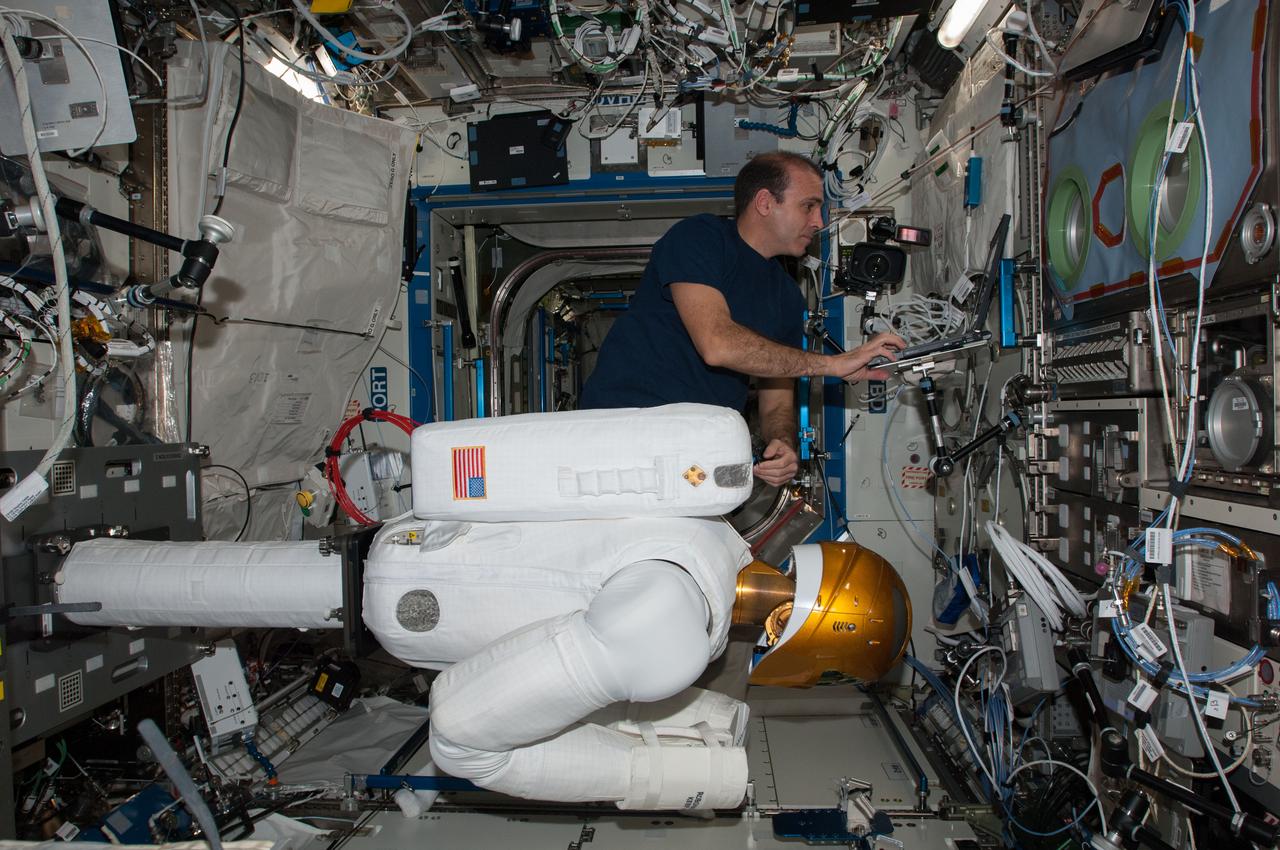
ISS038-E-013714 (9 Dec. 2013) --- In the International Space Station's Destiny laboratory, NASA astronaut Rick Mastracchio, Expedition 38 flight engineer, prepares Robonaut 2 for an upcoming ground-commanded firmware update that will support the installation of a pair of legs for the humanoid robot. R2 was designed to test out the capability of a robot to perform tasks deemed too dangerous or mundane for astronauts. Robonaut's legs are scheduled to arrive to the station aboard the SpaceX-3 commercial cargo mission in February 2014.
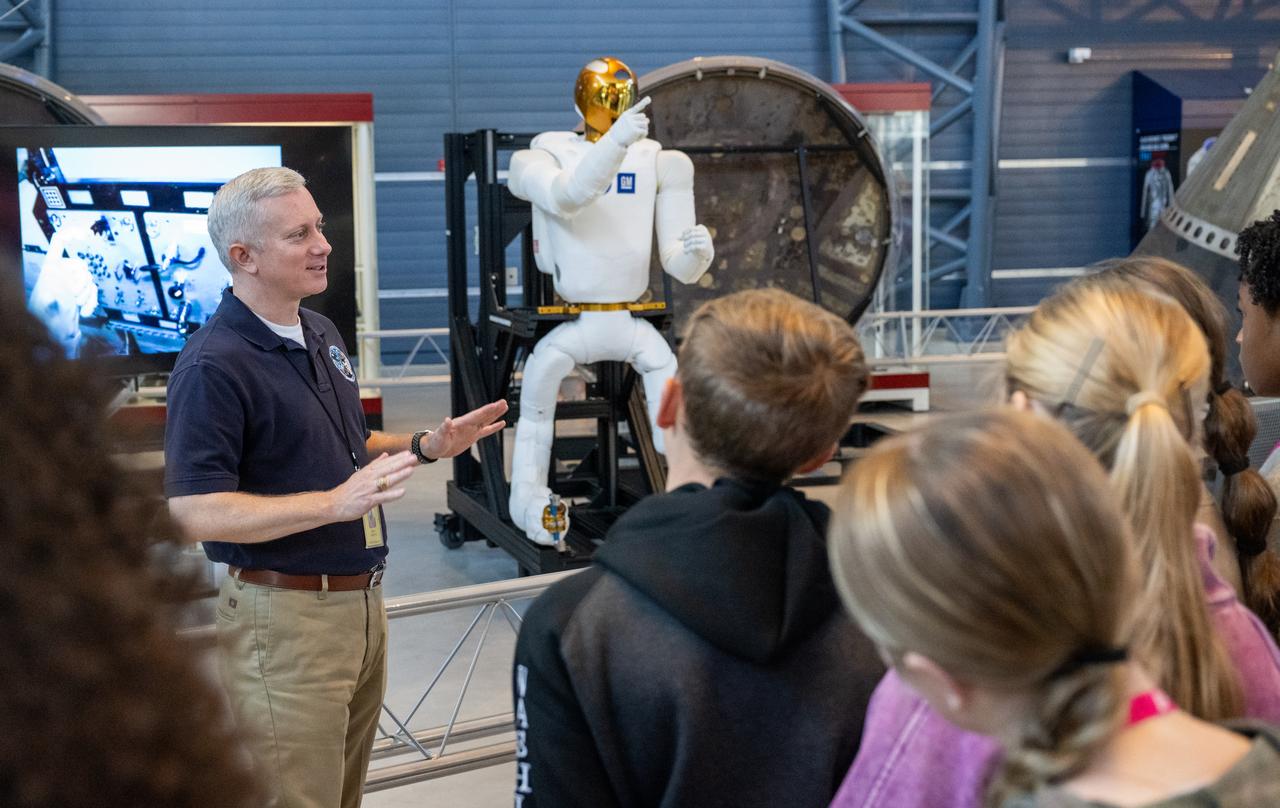
Jonathan Rogers, chief of the Robotic Systems Technology Branch at NASA’s Johnson Space Center and former Robonaut project manager, answers questions about Robonaut 2 from museum guests at the Smithsonian National Air and Space Museum’s Steve F. Udvar-Hazy Center Thursday, Oct. 24, 2024, in Chantilly, Va. Robonaut 2, the first humanoid robot to fly to space, is displayed publicly for the first time near the space shuttle Discovery. Photo Credit: (NASA/Keegan Barber)
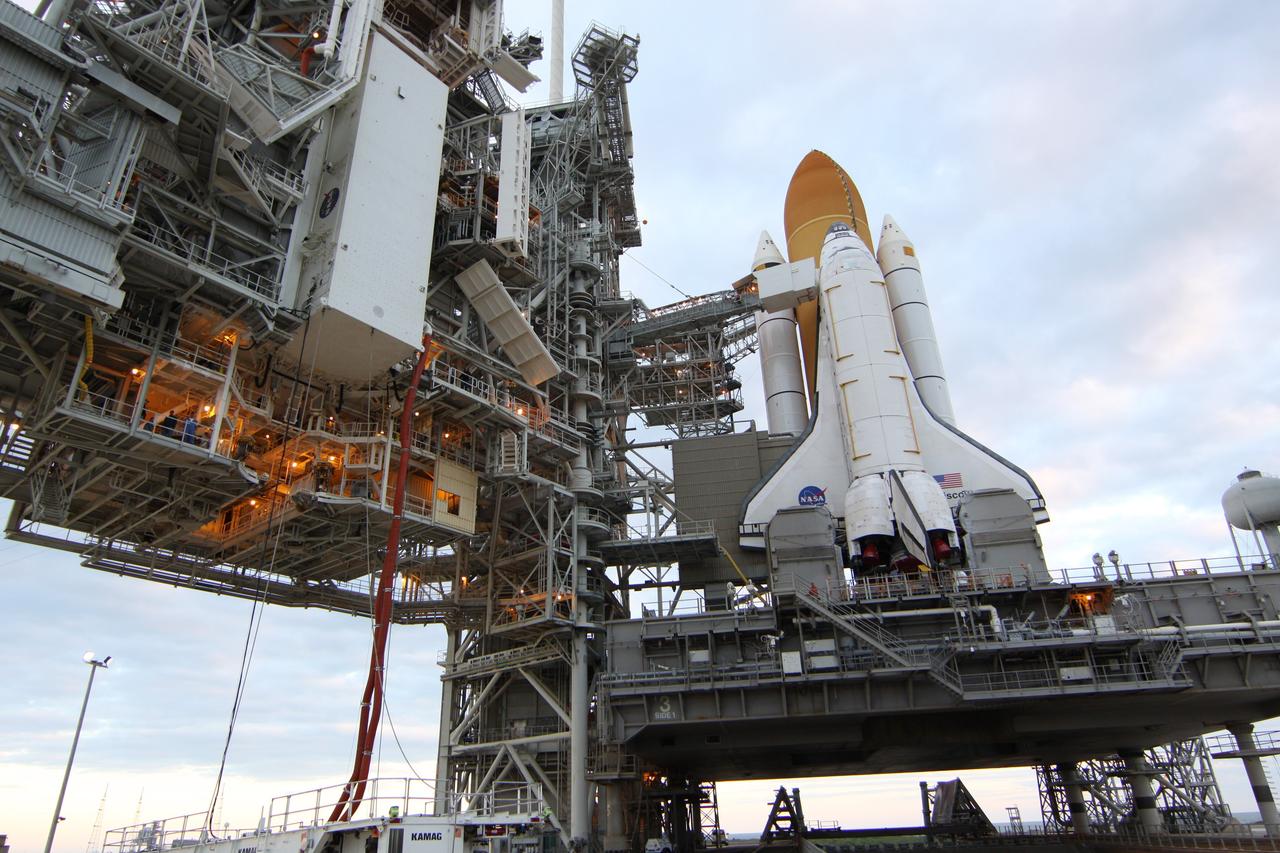
CAPE CANAVERAL, Fla. -- At NASA's Kennedy Space Center in Florida, the STS-133 payload canister now is in the rotating service structure on Launch Pad 39A. The payload then will be moved into space shuttle Discovery's payload bay. Discovery and its STS-133 crew will deliver the Permanent Multipurpose Module, packed with supplies and critical spare parts, as well as Robonaut 2, the dexterous humanoid astronaut helper, to the International Space Station. Launch is targeted for 4:40 p.m. EDT, Nov. 1. Photo credit: NASA/Troy Cryder
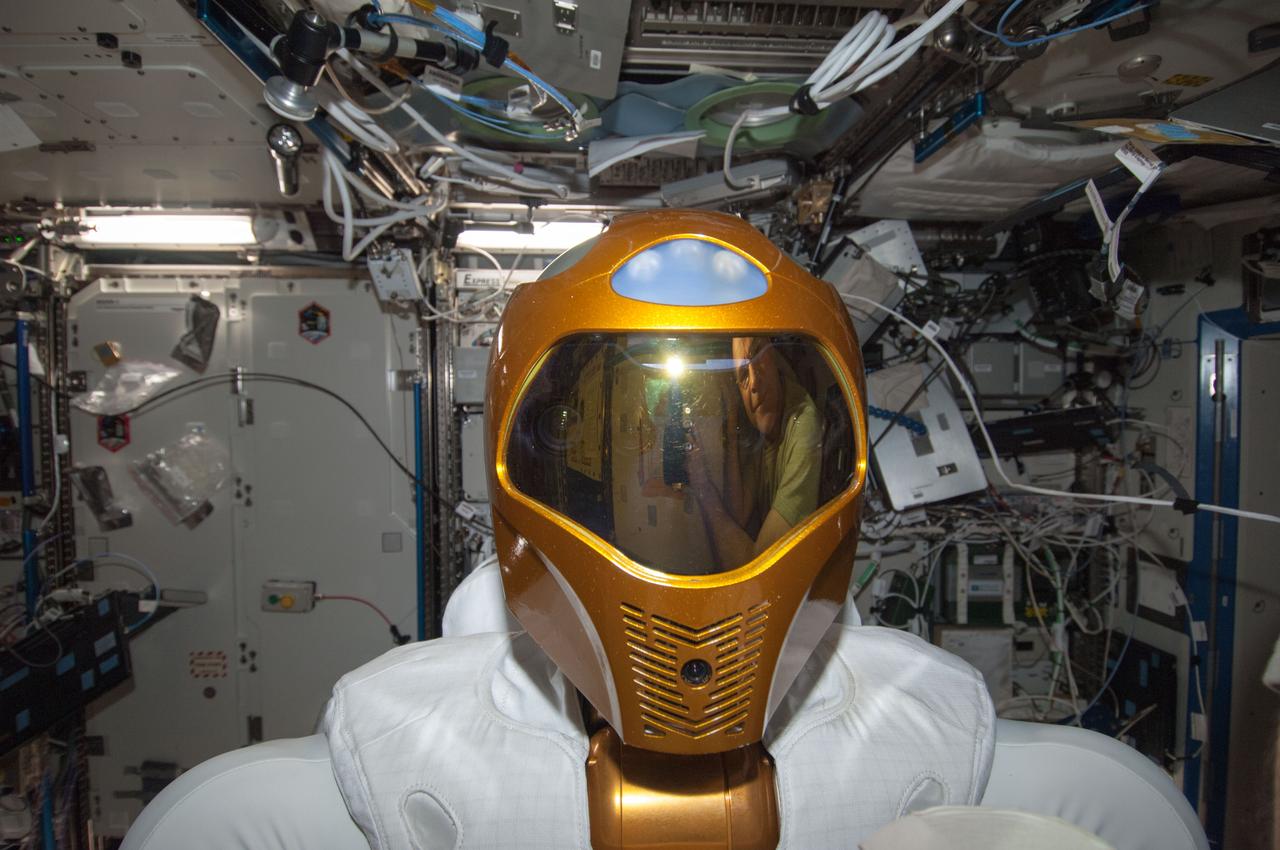
ISS034-E-031599 (18 Jan. 2013) --- Robonaut 2 is featured in this close-up image in the International Space Station?s Destiny laboratory. NASA astronaut Kevin Ford (visible in the reflections of R2?s helmet visor), Expedition 34 commander, powered up R2 so ground controllers could verify the humanoid robot?s configuration for upcoming activities.
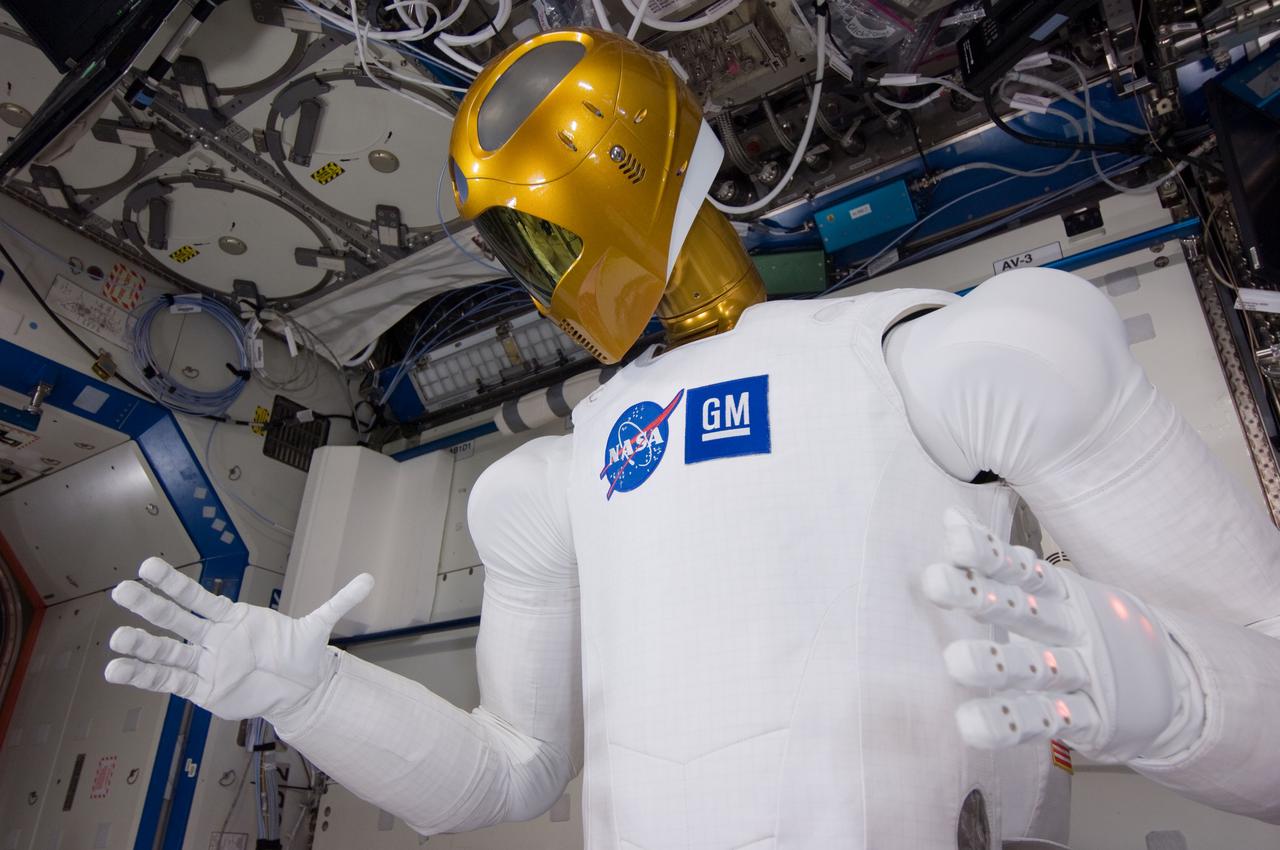
ISS029-E-039234 (4 Nov. 2011) --- Robonaut 2 -- the first dexterous humanoid robot in space ? is pictured in the Destiny laboratory of the International Space Station. NASA astronaut Mike Fossum, Expedition 29 commander; and Japan Aerospace Exploration Agency astronaut Satoshi Furukawa (both out of frame), flight engineer, spent several hours in Destiny checking out and operating R2.
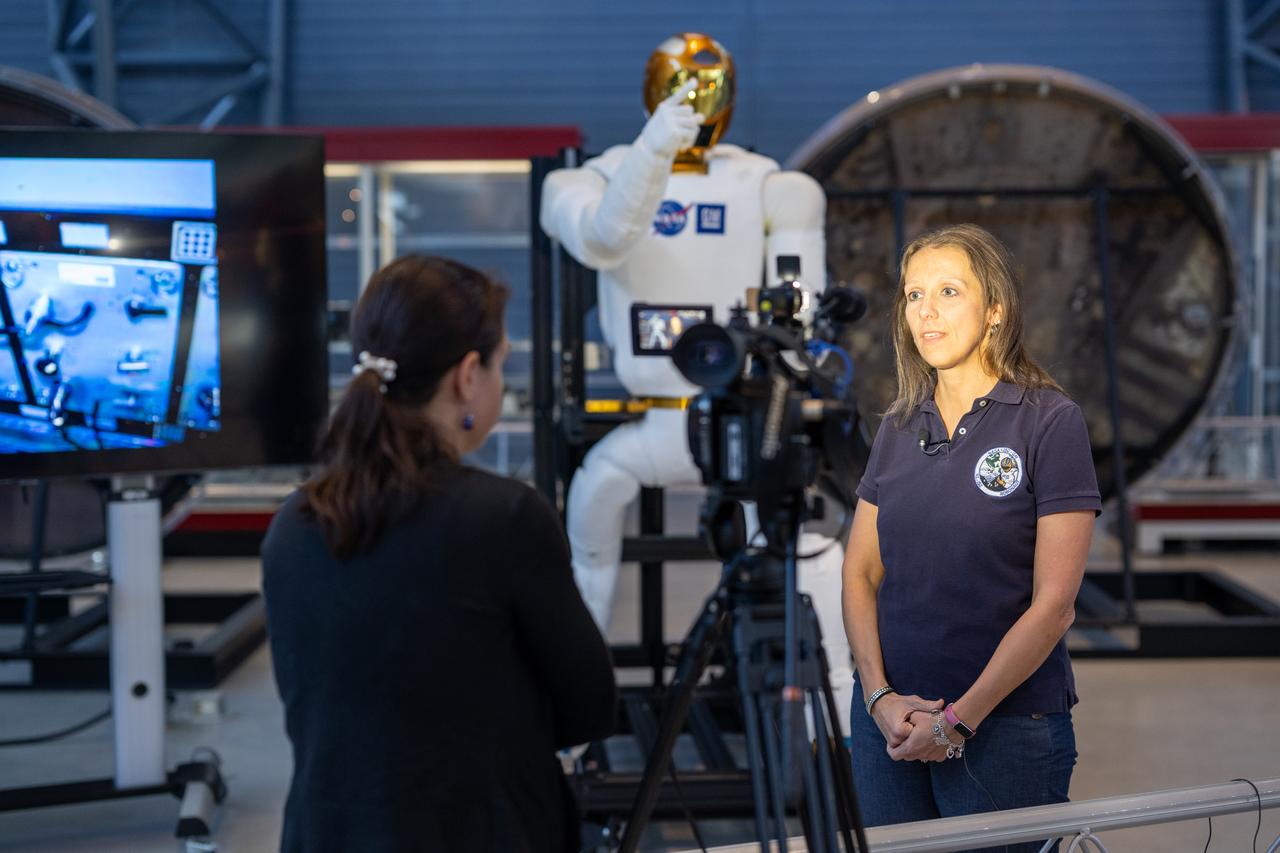
Julia Badger, autonomy and vehicle systems manager for Gateway at NASA’s Johnson Space Center and former Robonaut project manager, participates in a media opportunity at the Smithsonian National Air and Space Museum’s Steve F. Udvar-Hazy Center Thursday, Oct. 24, 2024, in Chantilly, Va. Robonaut 2, the first humanoid robot to fly to space, is displayed publicly for the first time near the space shuttle Discovery. Photo Credit: (NASA/Keegan Barber)