
Norman Augustine, chair, listens to a speaker's presentation during the final meeting of the Human Space Flight Review Committee, Wednesday, Aug. 12, 2009, in Washington. Photo Credit: (NASA/Paul E. Alers)

Dr. Edward Crawley, Ford Professor of Engineering at MIT and co-chair, NASA Exploration Technology Development Program Review Committee speaks during the final meeting of the Human Space Flight Review Committee, Wednesday, Aug. 12, 2009, in Washington. Photo Credit: (NASA/Paul E. Alers)

Norman Augustine, chair of the Human Space Flight Review Committee, makes a point during the first of several public meetings at different U.S. locations, Wednesday, June 17, 2009, at the Carnegie Institution in Washington. The panel will examine ongoing and planned NASA development activities and potential alternatives in order to present options for advancing a safe, innovative, affordable and sustainable human space flight program following the space shuttle's retirement. The committee wil present its results by August 2009. Photo Credit: (NASA/Paul E. Alers)

Norman Augustine, chair of the Human Space Flight Review Committee, listens to a comment from the audience during the first of several public meetings at different U.S. locations, Wednesday, June 17, 2009, at the Carnegie Institution in Washington. The panel will examine ongoing and planned NASA development activities and potential alternatives in order to present options for advancing a safe, innovative, affordable and sustainable human space flight program following the space shuttle's retirement. The committee wil present its results by August 2009. Photo Credit: (NASA/Paul E. Alers)

Former astronaut Dr. Sally Ride, left, confers with Norman Augustine, chair, prior to the start of the final meeting of the Human Space Flight Review Committee, Wednesday, Aug. 12, 2009, in Washington. Photo Credit: (NASA/Paul E. Alers)
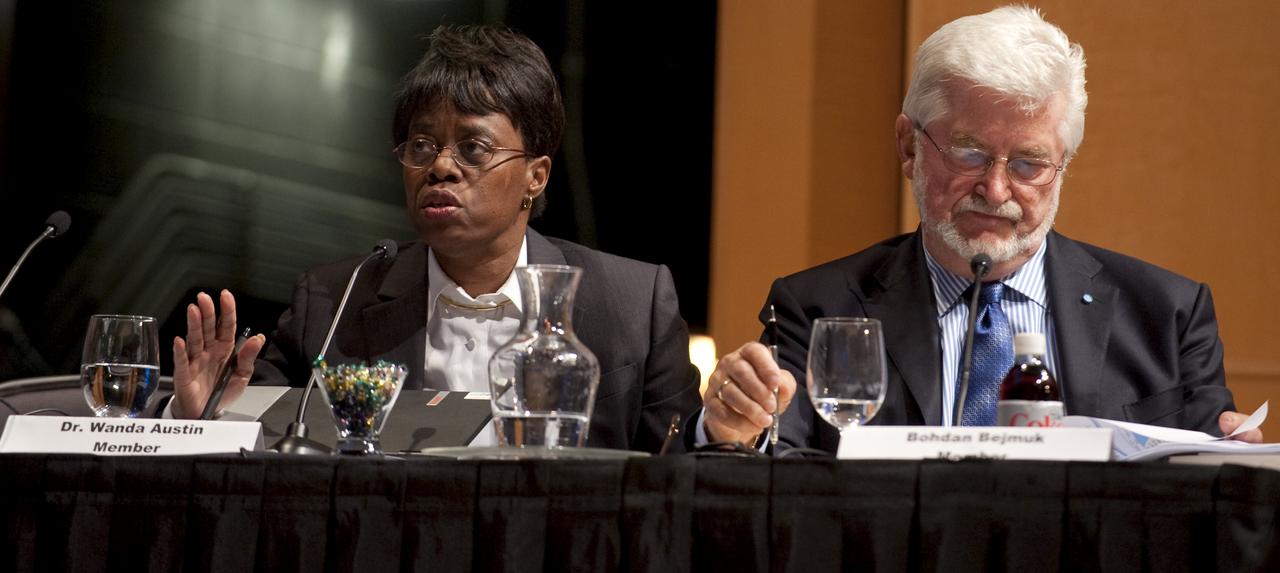
Dr. Wanda Austin, president and CEO of the Aerospace Corp., left, asks a question during the final meeting of the Human Space Flight Review Committee, Wednesday, Aug. 12, 2009, in Washington as committee member Bohdan Bejmuk reviews his notes. Photo Credit: (NASA/Paul E. Alers)

Former astronaut Dr. Sally Ride, left, confers with Norman Augustine, chair, prior to the start of the final meeting of the Human Space Flight Review Committee, Wednesday, Aug. 12, 2009, in Washington. Photo Credit: (NASA/Paul E. Alers)
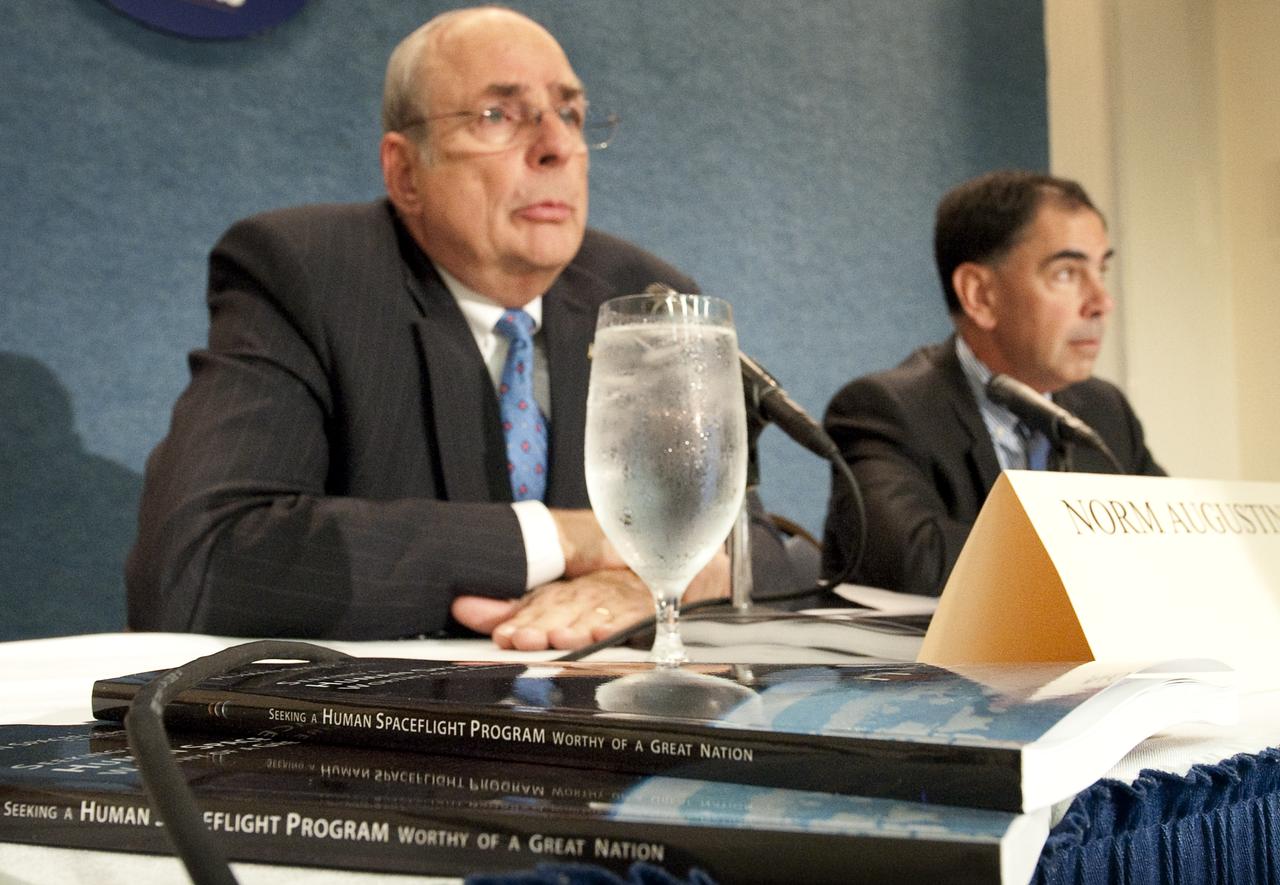
Copies of the U.S. Human Space Flight Plans Committee report are seen in the foreground of Chairman of the U.S. Human Space Flight Plans Committee Norman Augustine, left, and committee member Ed Crawley, right, during a press conference where the committee released it's report on Thursday, Oct., 22, 2009 at the National Press Club in Washington. The Obama Administration tasked the committee to do an independent review of planned U.S. human space flight activities with the goal of ensuring that the nation is on a vigorous and sustainable path to achieving its boldest aspirations in space. Photo Credit: (NASA/Bill Ingalls)

Bohdan Bejmuk, chair, Constellation program Standing Review Board, and former manager of the Boeing Space Shuttle and Sea Launch programs, right, asks a question during the final meeting of the Human Space Flight Review Committee as Dr. Wanda Austin, president and CEO, The Aerospace Corp., looks on at left, Wednesday, Aug. 12, 2009, in Washington. Photo Credit: (NASA/Paul E. Alers)

Chairman of the U.S. Human Space Flight Plans Committee Norman Augustine answers a reporters question during a press conference where the committee released it's report on Thursday, Oct., 22, 2009 at the National Press Club in Washington. The Obama Administration tasked the committee to do an independent review of planned U.S. human space flight activities with the goal of ensuring that the nation is on a vigorous and sustainable path to achieving its boldest aspirations in space. Photo Credit: (NASA/Bill Ingalls)

Copies of the U.S. Human Space Flight Plans Committee report are seen at a press conference where the committee released it's report findings on Thursday, Oct., 22, 2009 at the National Press Club in Washington. The Obama Administration tasked the committee to do an independent review of planned U.S. human space flight activities with the goal of ensuring that the nation is on a vigorous and sustainable path to achieving its boldest aspirations in space. Photo Credit: (NASA/Bill Ingalls)

U.S. Human Space Flight Plans Committee member Ed Crawley answers a reporter's question during a press conference where the committee released it's report on Thursday, Oct., 22, 2009 at the National Press Club in Washington. The Obama Administration tasked the committee to do an independent review of planned U.S. human space flight activities with the goal of ensuring that the nation is on a vigorous and sustainable path to achieving its boldest aspirations in space. Photo Credit: (NASA/Bill Ingalls)
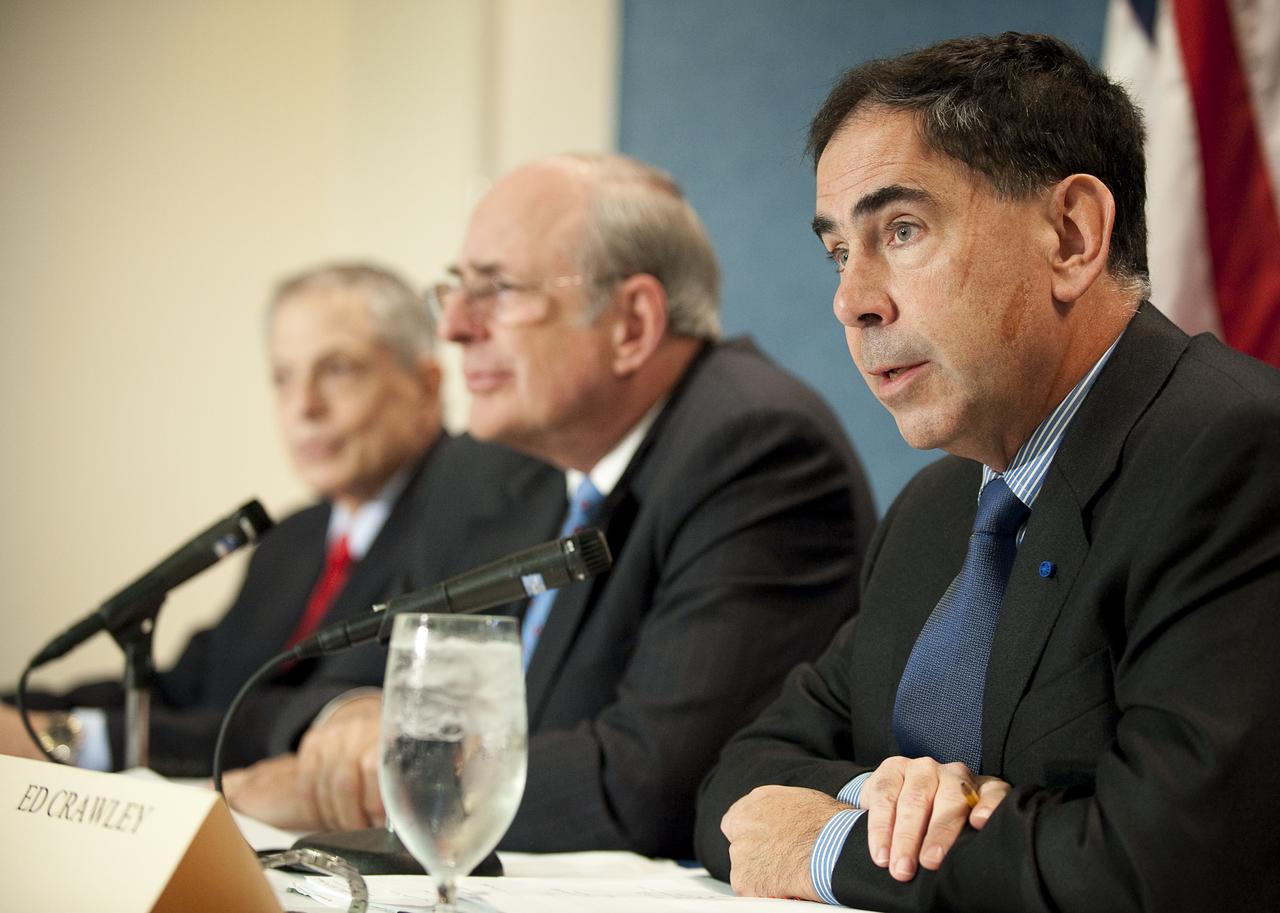
U.S. Human Space Flight Plans Committee member Ed Crawley, right, answers a reporter's question during a press conference where the committee released it's report on Thursday, Oct., 22, 2009 at the National Press Club in Washington. The Obama Administration tasked the committee to do an independent review of planned U.S. human space flight activities with the goal of ensuring that the nation is on a vigorous and sustainable path to achieving its boldest aspirations in space. Photo Credit: (NASA/Bill Ingalls)

Chairman of the U.S. Human Space Flight Plans Committee Norman Augustine, center, listens to reporters questions during a press conference where the committee released it's report on Thursday, Oct., 22, 2009 at the National Press Club in Washington. The Obama Administration tasked the committee to do an independent review of planned U.S. human space flight activities with the goal of ensuring that the nation is on a vigorous and sustainable path to achieving its boldest aspirations in space. Photo Credit: (NASA/Bill Ingalls)
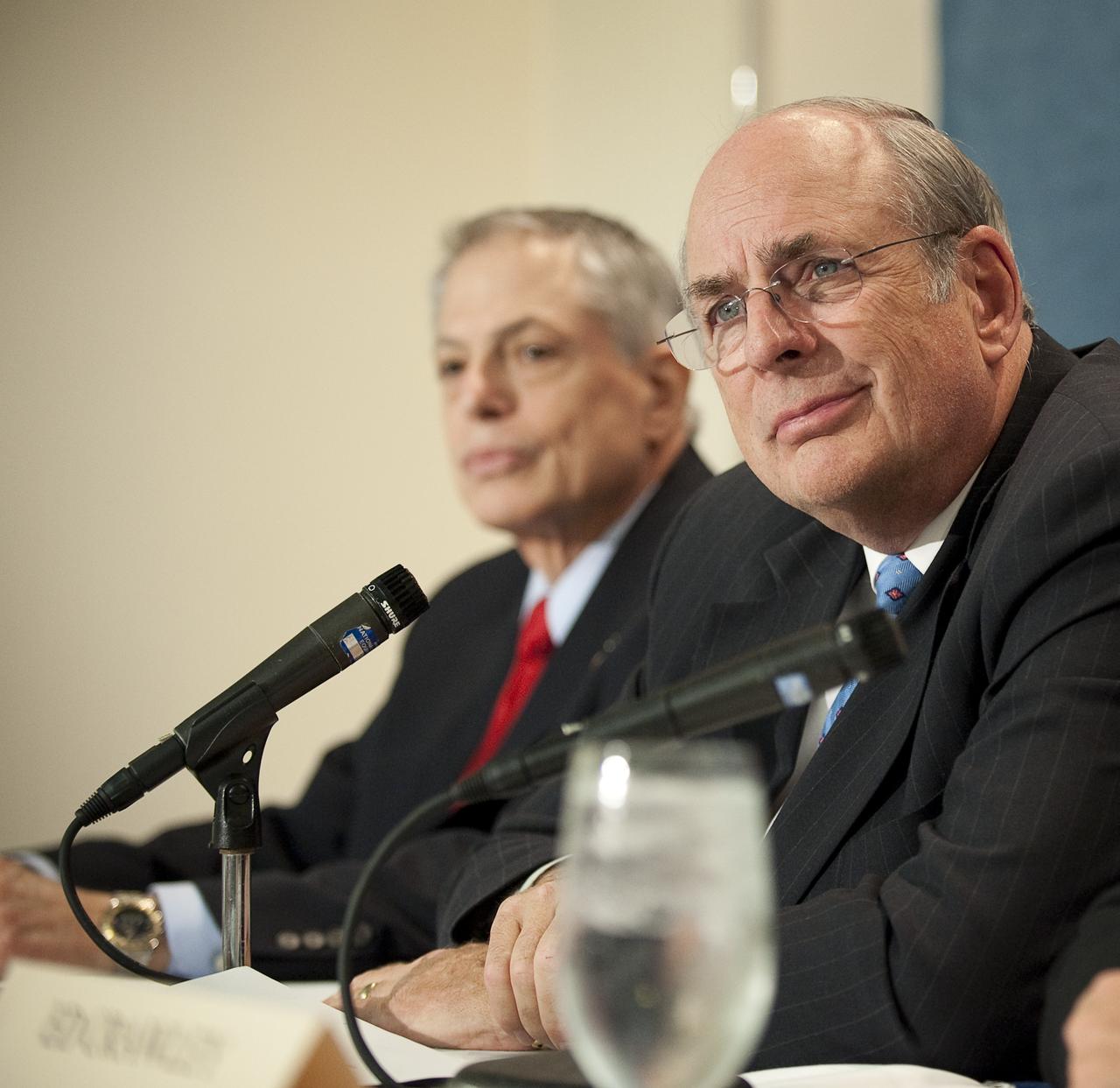
NASA Public Affairs Officer Doc Mirelson, left, and Chairman of the U.S. Human Space Flight Plans Committee Norman Augustine, right, listen to reporters questions during a press conference where the committee released it's report on Thursday, Oct., 22, 2009 at the National Press Club in Washington. The Obama Administration tasked the committee to do an independent review of planned U.S. human space flight activities with the goal of ensuring that the nation is on a vigorous and sustainable path to achieving its boldest aspirations in space. Photo Credit: (NASA/Bill Ingalls)
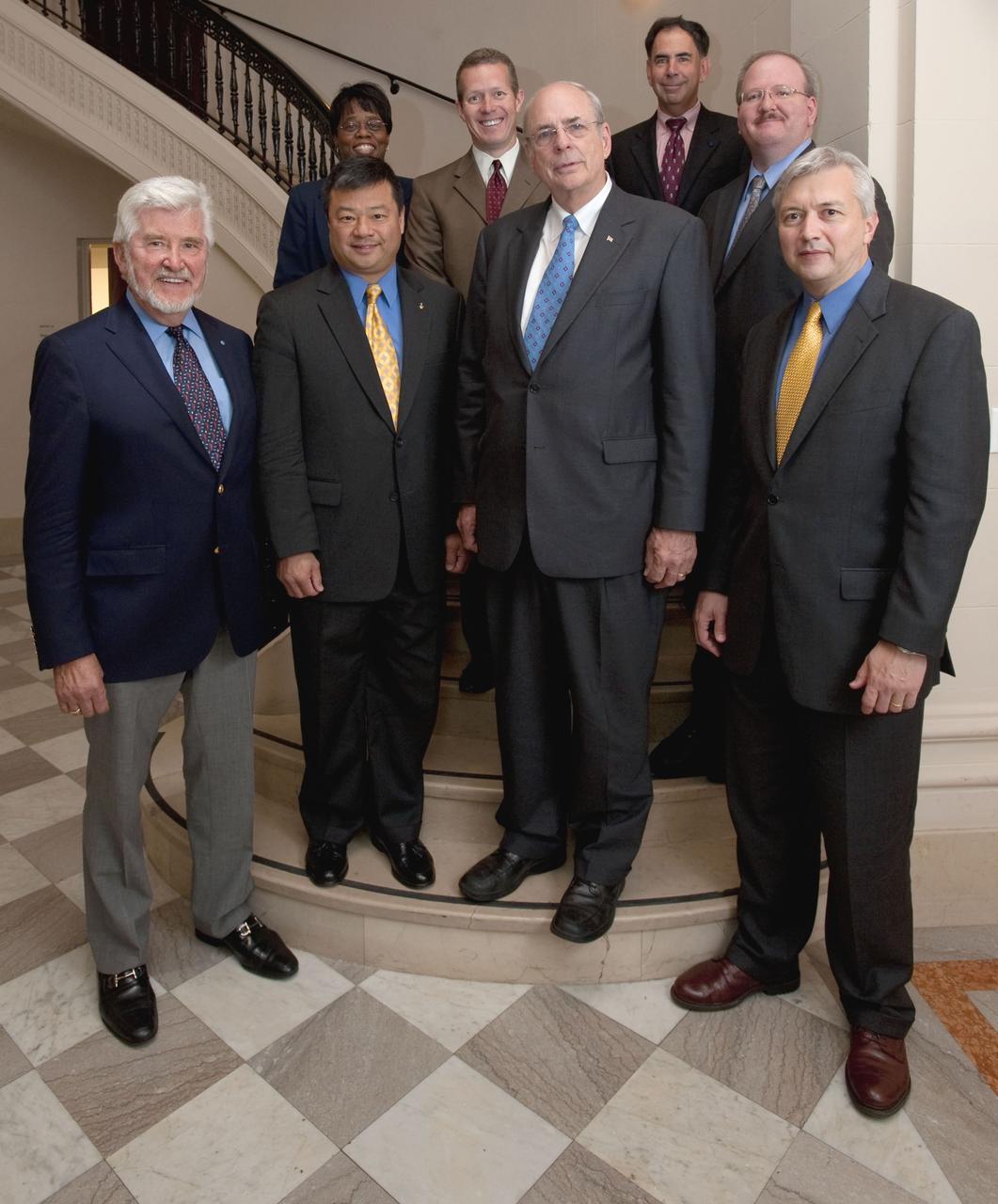
Norman Augustine, chair of the Human Space Flight Review Committee, front center, is joined by other members of the committee, clockwise from left, Bohdan Bejmuk, Leroy Chiao, Dr. Wanda Austin, Philip McAlister, Dr. Edward Crawley, Jeffrey Greason and Dr. Christopher Chyba prior to the start of the first of several public meetings at different U.S. locations, Wednesday, June 17, 2009, at the Carnegie Institution in Washington. The panel will examine ongoing and planned NASA development activities and potential alternatives in order to present options for advancing a safe, innovative, affordable and sustainable human space flight program following the space shuttle's retirement. The committee wil present its results by August 2009. Members of the committee that were not in attendance and are not pictured are Dr. Charles Kennel, Retired Air Force Gen. Lester Lyles and former astronaut Sally Ride. Photo Credit: (NASA/Paul E. Alers)
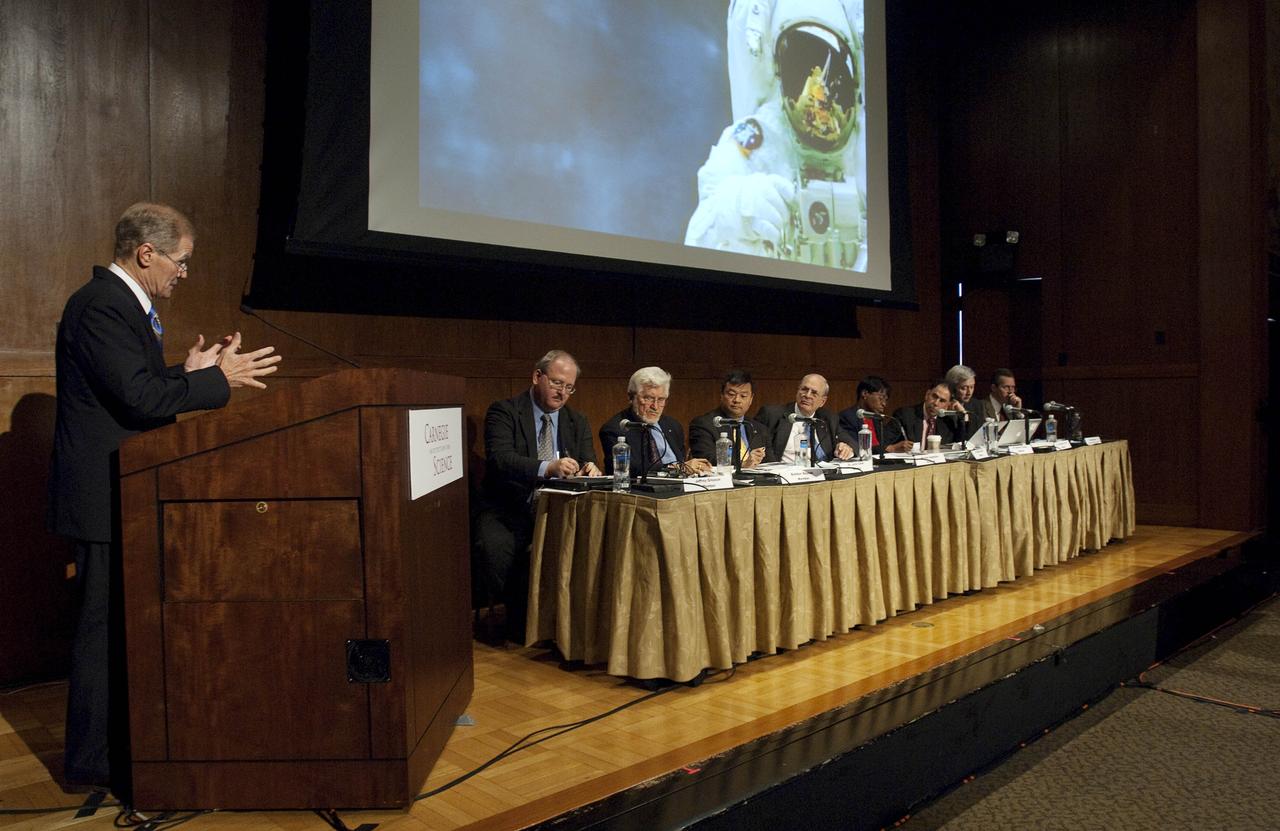
U.S. Sen. Bill Nelson, D-Fla., at podium, addresses members of the Human Space Flight Review Committee, Wednesday, June 17, 2009, at the Carnegie Institution in Washington. Seated from left are Jeffrey Greason, Bohdan Bejmuk, Dr. Leroy Chiao, Norman Augustine (chair), Dr. Wanda Austin, Dr. Edward Crawley, Dr. Christopher Chyba and Philip McAlister. The panel will examine ongoing and planned NASA development activities and potential alternatives in order to present options for advancing a safe, innovative, affordable and sustainable human space flight program following the space shuttle's retirement. The committee wil present its results by August 2009. Photo Credit: (NASA/Paul E. Alers)
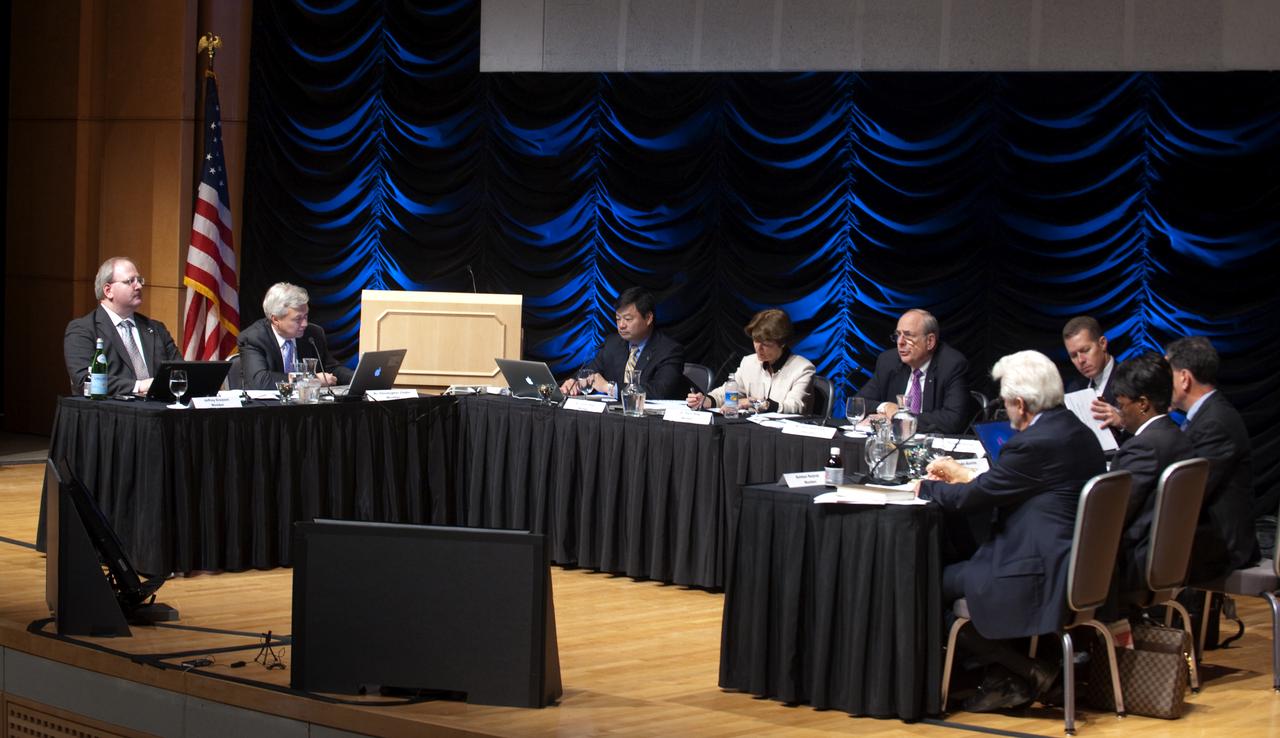
Members of the Human Space Flight Review Committee from left, Jeffrey Greason, Dr. Christopher Chyba, Dr. Leroy Chiao, Dr. Sally Ride, Norman Augustine (chair), Philip McAllister, Dr. Edward Crawley, Dr. Wanda Austin, and Bhodan Bejmuk review their notes prior to the start of a public meeting, Wednesday, Aug. 12, 2009, in Washington. Photo Credit: (NASA/Paul E. Alers)
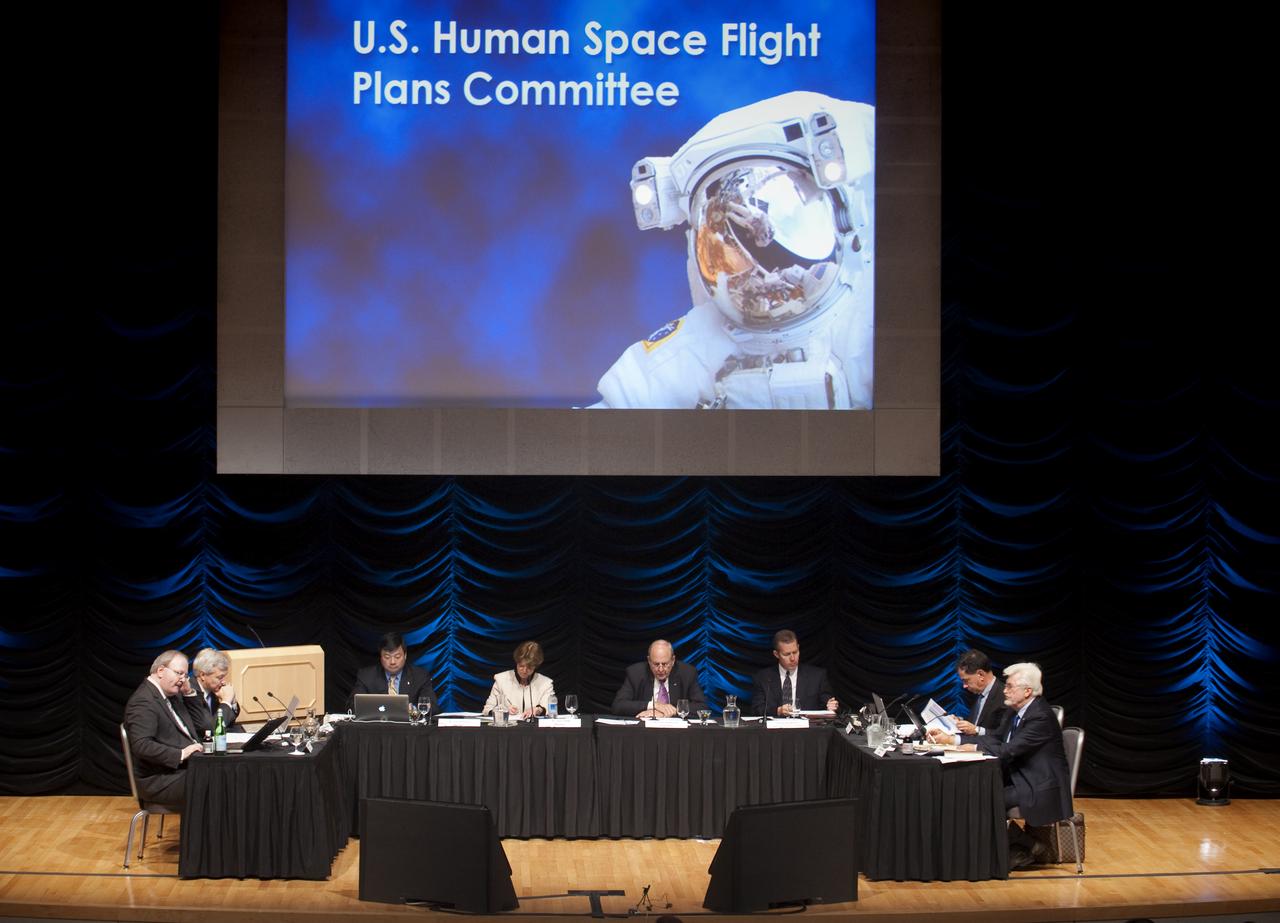
Members of the Human Space Flight Review Committee from left, Jeffrey Greason, Dr. Christopher Chyba, Dr. Leroy Chiao, Dr. Sally Ride, Norman Augustine (chair), Philip McAllister, Dr. Edward Crawley, Dr. Wanda Austin (not seen), and Bhodan Bejmuk review their notes prior to the start of a public meeting, Wednesday, Aug. 12, 2009, in Washington. Photo Credit: (NASA/Paul E. Alers)
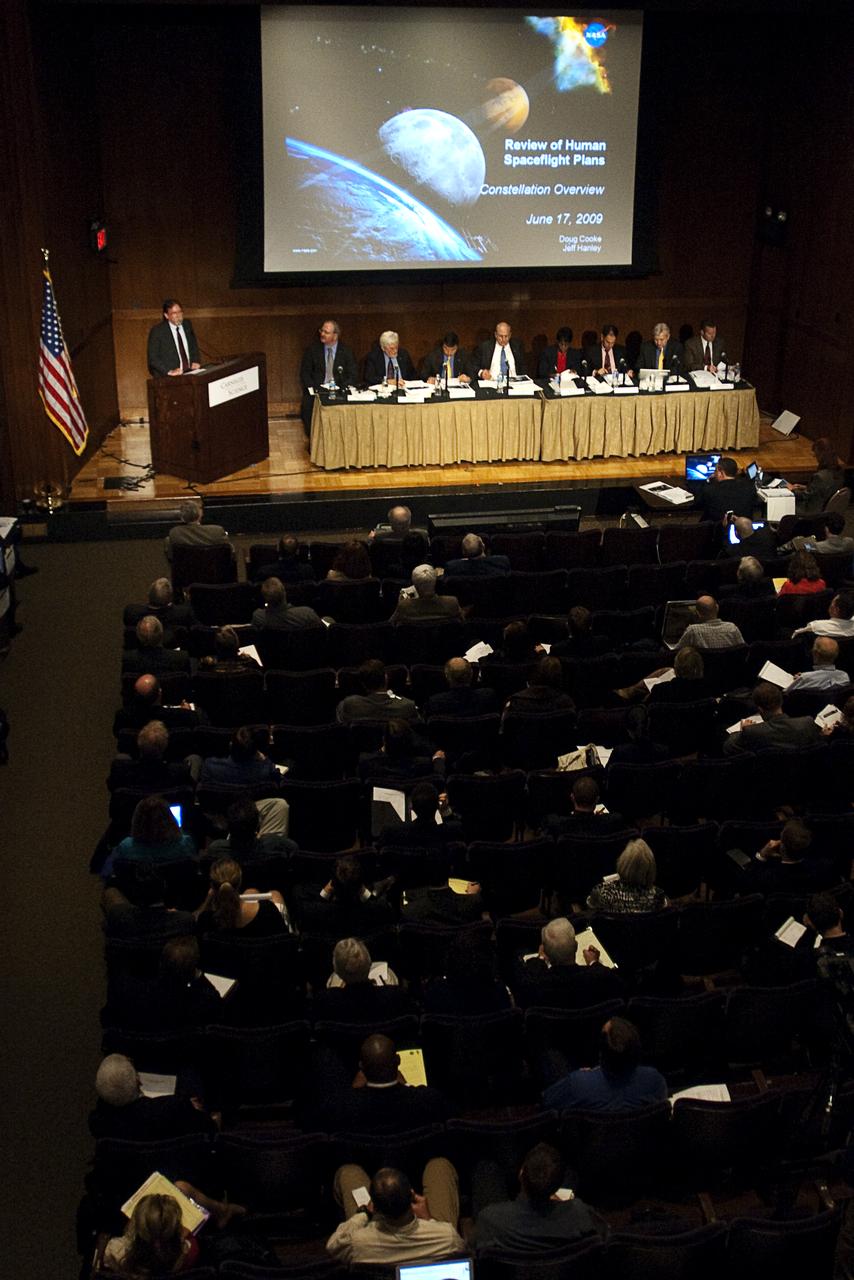
Douglas R. Cooke, Associate Administrator for Exploration Systems Mission Directorate, at podium, addresses the Human Space Flight Review Committee, Wednesday, June 17, 2009, at the Carnegie Institution in Washington. The panel will examine ongoing and planned NASA development activities and potential alternatives in order to present options for advancing a safe, innovative, affordable and sustainable human space flight program following the space shuttle's retirement. The committee wil present its results by August 2009. Seated from left on the panel is Jeffrey Greason, Bohdan Bejmuk, Dr. Leroy Chiao, Norman Augustine (chair), Dr. Wanda Austin, Dr. Edward Crawley, Dr. Christopher Chyba and Philip McAlister. Photo Credit: (NASA/Paul E. Alers)
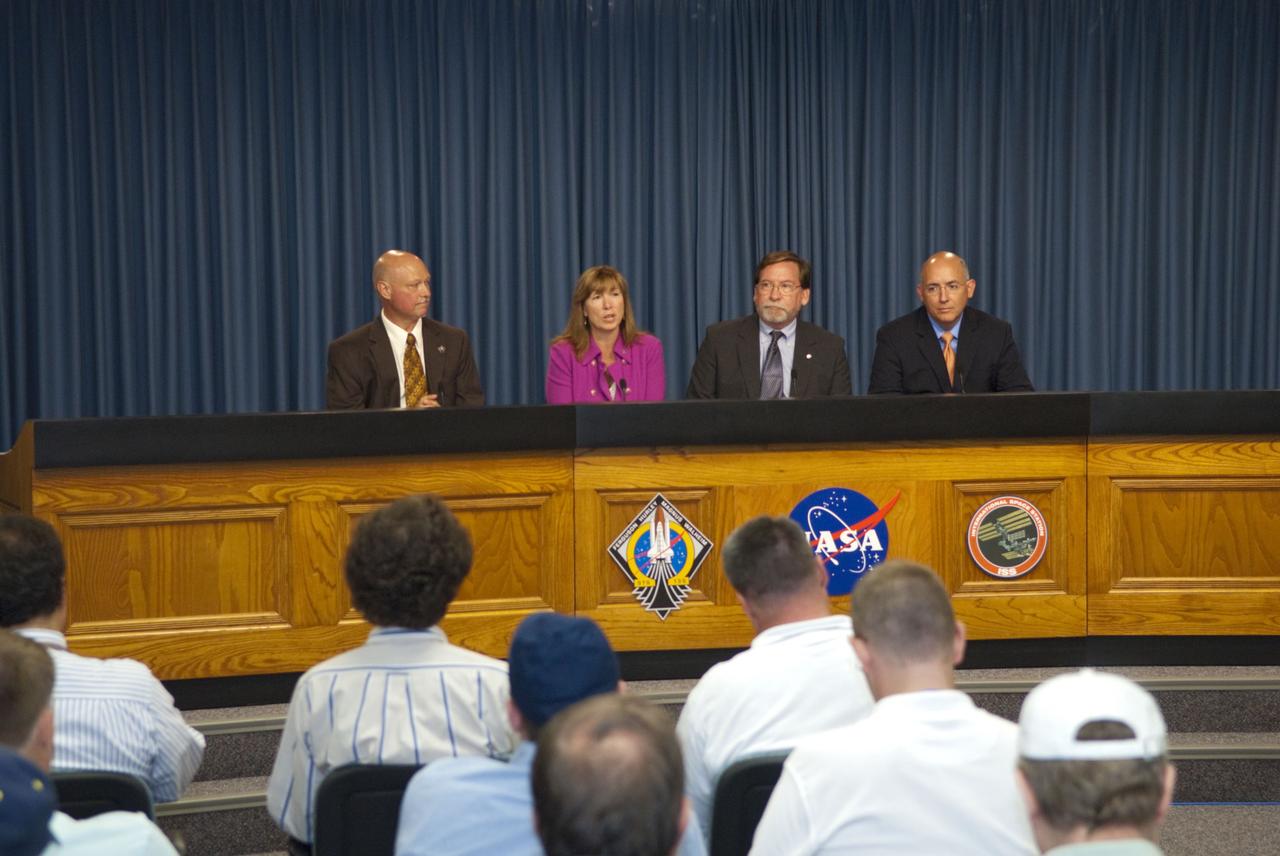
CAPE CANAVERAL, Fla. -- In the Press Site auditorium at NASA's Kennedy Space Center in Florida, media were briefed about the agency's next step for Human Space Flight. Seen here are NASA Public Affairs Officer Mike Curie (left); Lori Garver, NASA deputy administrator; Doug Cooke, Exploration Systems Mission Directorate associate administrator and Mike Suffredini, NASA International Space Station Program manager. Photo credit: NASA/Jim Grossmann
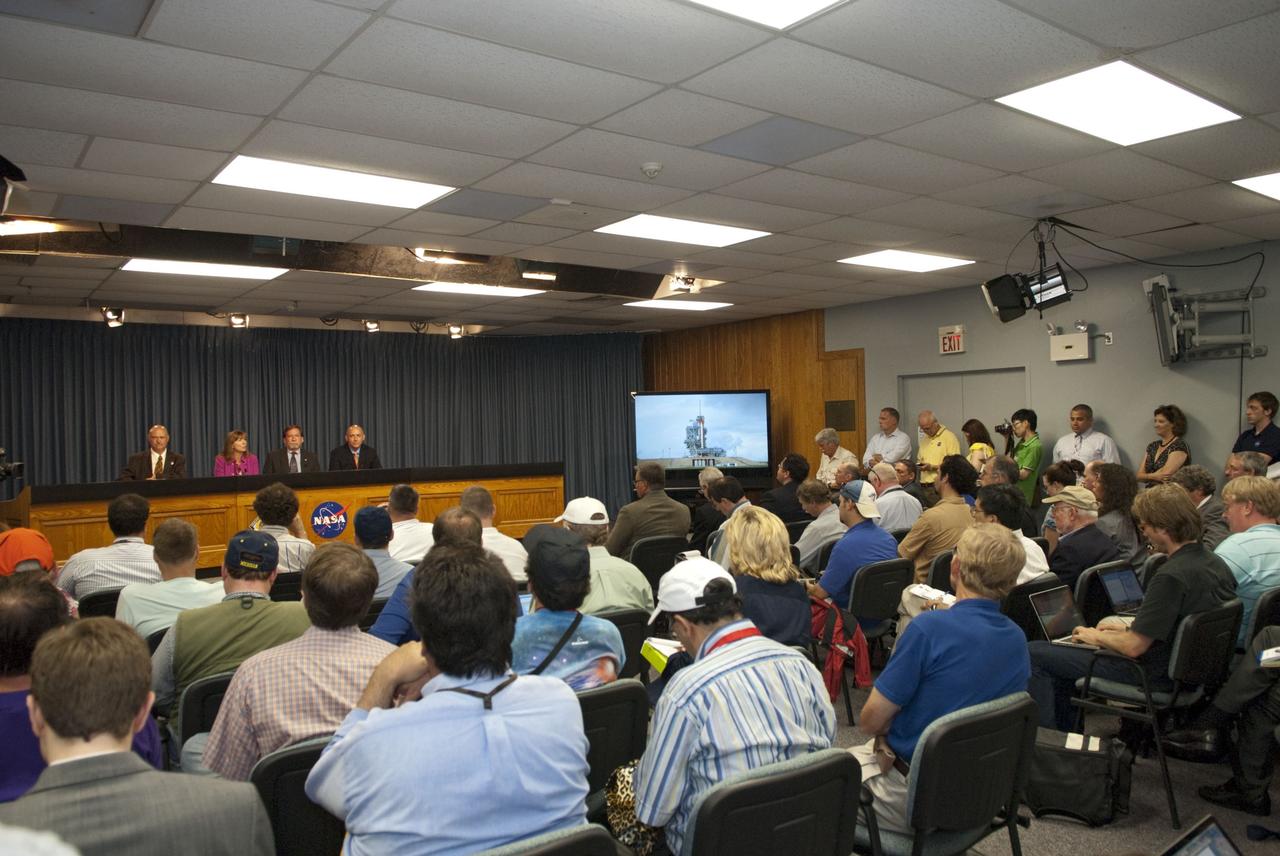
CAPE CANAVERAL, Fla. -- In the Press Site auditorium at NASA's Kennedy Space Center in Florida, media were briefed about the agency's next step for Human Space Flight. Seen here are NASA Public Affairs Officer Mike Curie (left); Lori Garver, NASA deputy administrator; Doug Cooke, Exploration Systems Mission Directorate associate administrator and Mike Suffredini, NASA International Space Station Program manager. Photo credit: NASA/Jim Grossmann

More than 600 students with 44 teams from around the world participated in the 32nd year of NASA’s Human Exploration Rover Challenge (HERC) on April 10 and April 11 near NASA’s Marshall Space Flight Center in Huntsville, Alabama. Participating teams represented 28 colleges and universities, 13 high schools, and one middle school from 18 states, Puerto Rico, and four Artemis Accord countries. Teams were awarded points based on navigating a half-mile obstacle course with either a human-powered or remote-controlled rover, conducting mission-specific task challenges, and completing multiple safety and design reviews with NASA engineers.
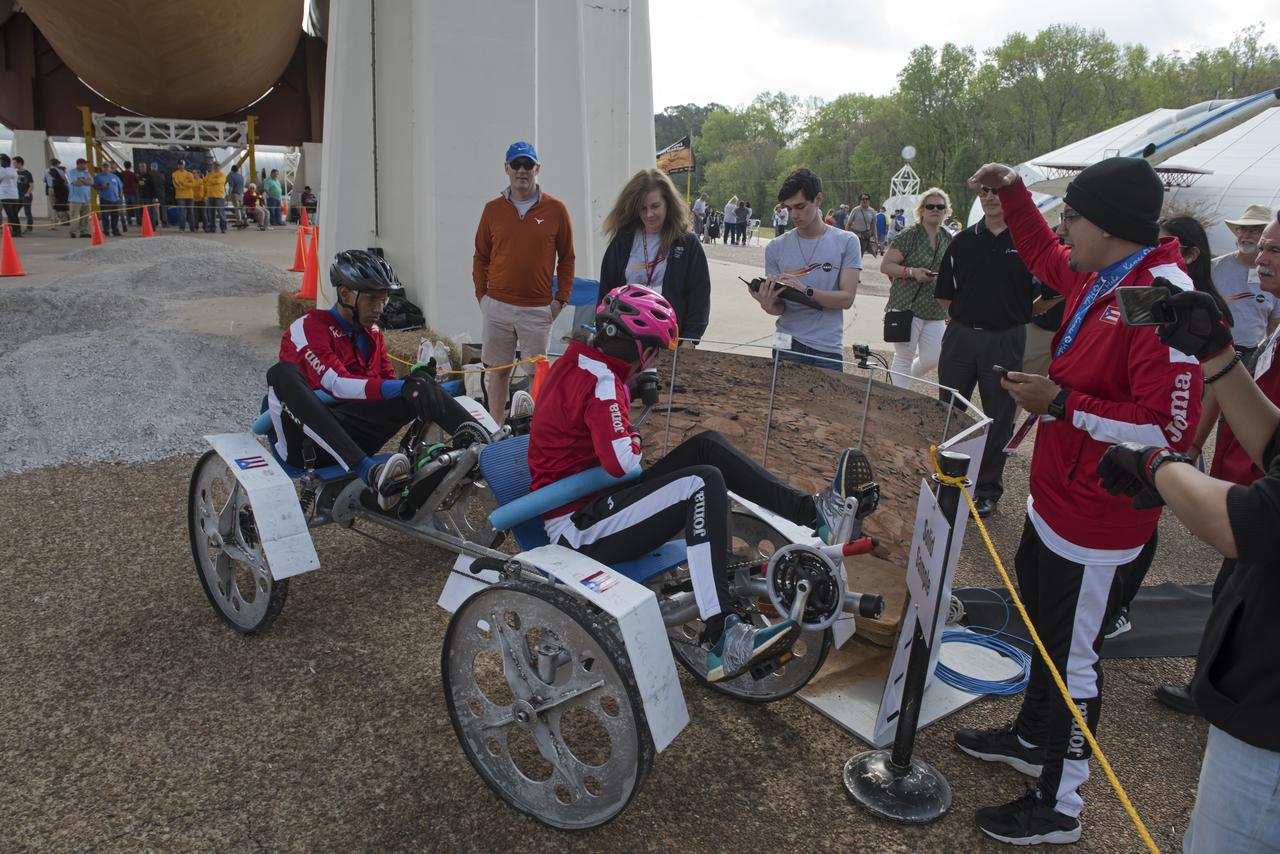
High school and university students competed in the 2018 Human Exploration Rover Challenge event at the U.S. Space and Rocket Center in Huntsville, Alabama. Students came from across the U.S. as well as several foreign countries such as Brazil, Germany, India, and Mexico. This event, which is normally a 2 day event, was shortened to 1 day in 2018 due to adverse weather conditions.
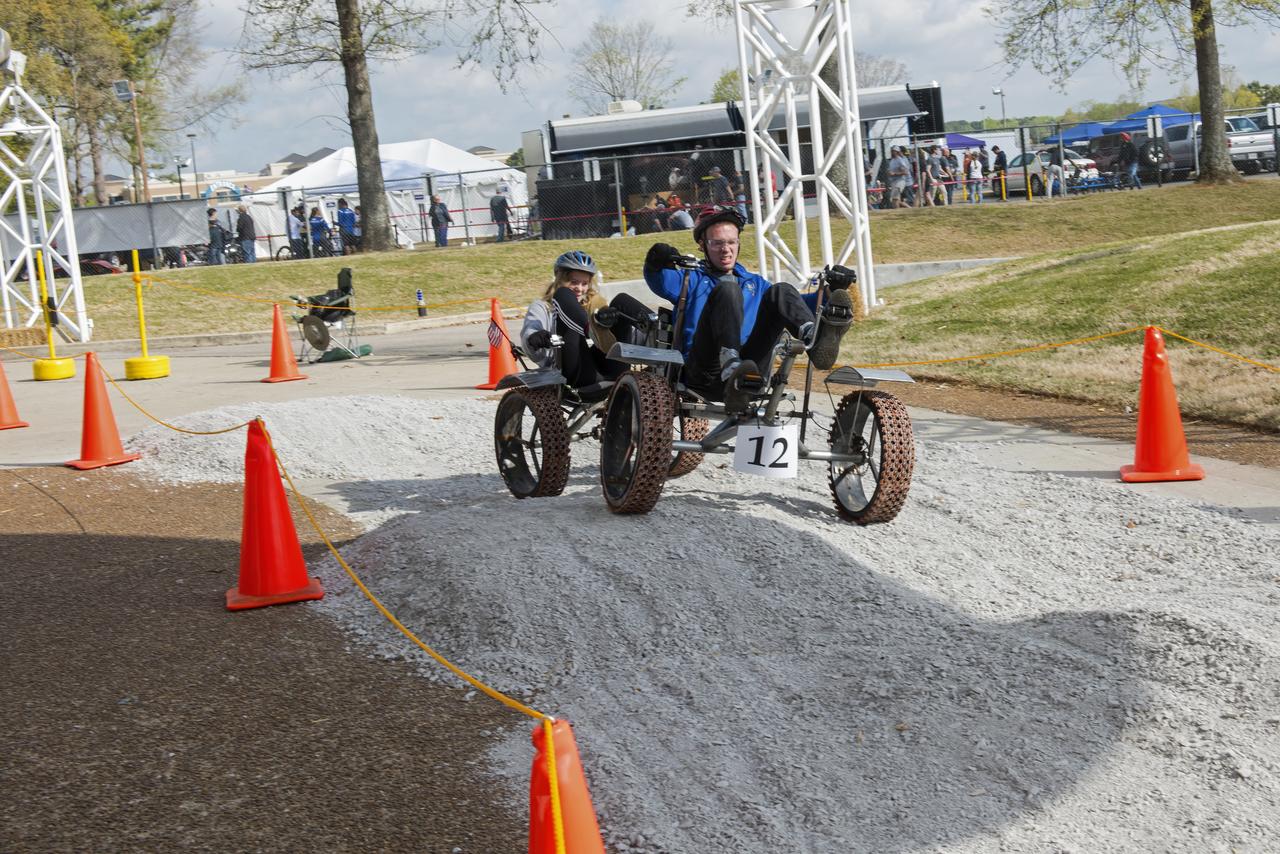
High school and university students competed in the 2018 Human Exploration Rover Challenge event at the U.S. Space and Rocket Center in Huntsville, Alabama. Students came from across the U.S. as well as several foreign countries such as Brazil, Germany, India, and Mexico. This event, which is normally a 2 day event, was shortened to 1 day in 2018 due to adverse weather conditions.
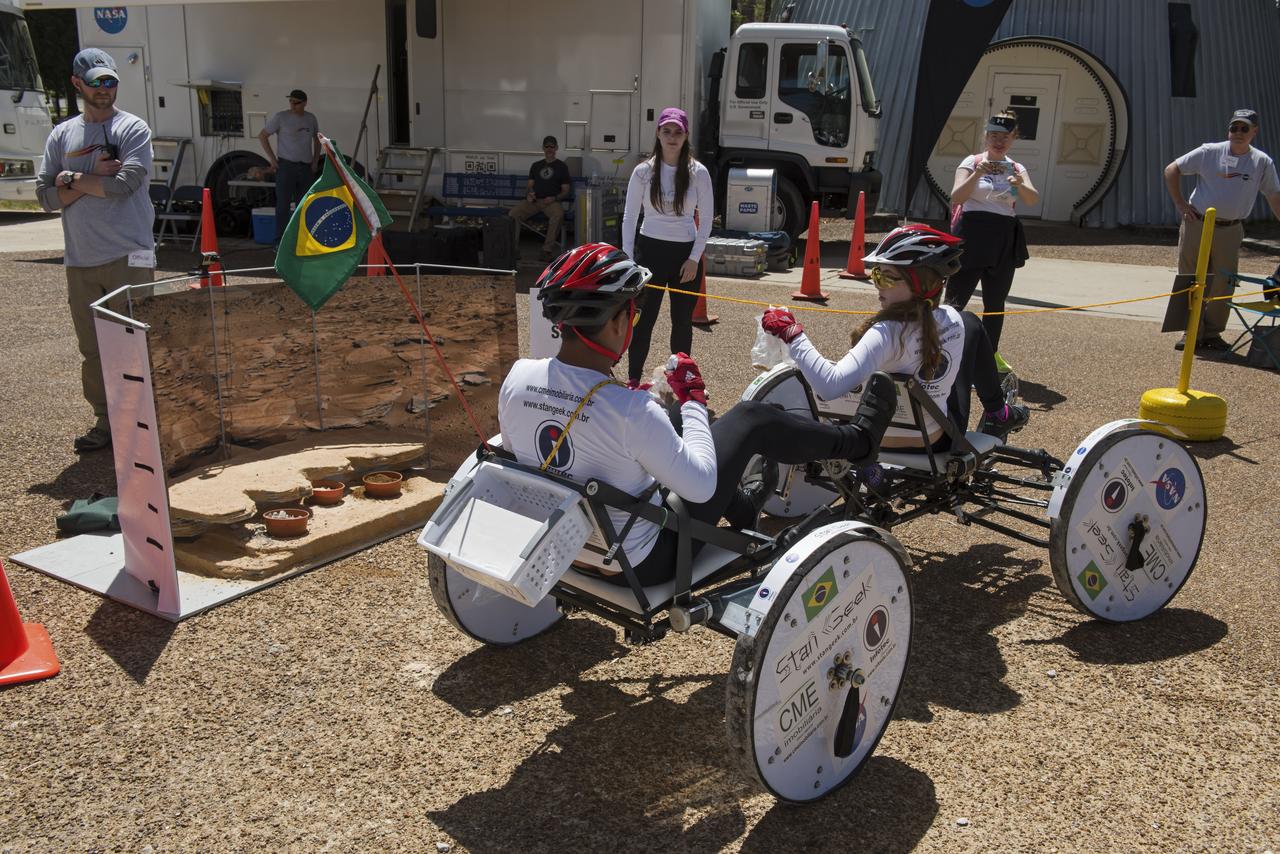
High school and university students competed in the 2018 Human Exploration Rover Challenge event at the U.S. Space and Rocket Center in Huntsville, Alabama. Students came from across the U.S. as well as several foreign countries such as Brazil, Germany, India, and Mexico. This event, which is normally a 2 day event, was shortened to 1 day in 2018 due to adverse weather conditions.
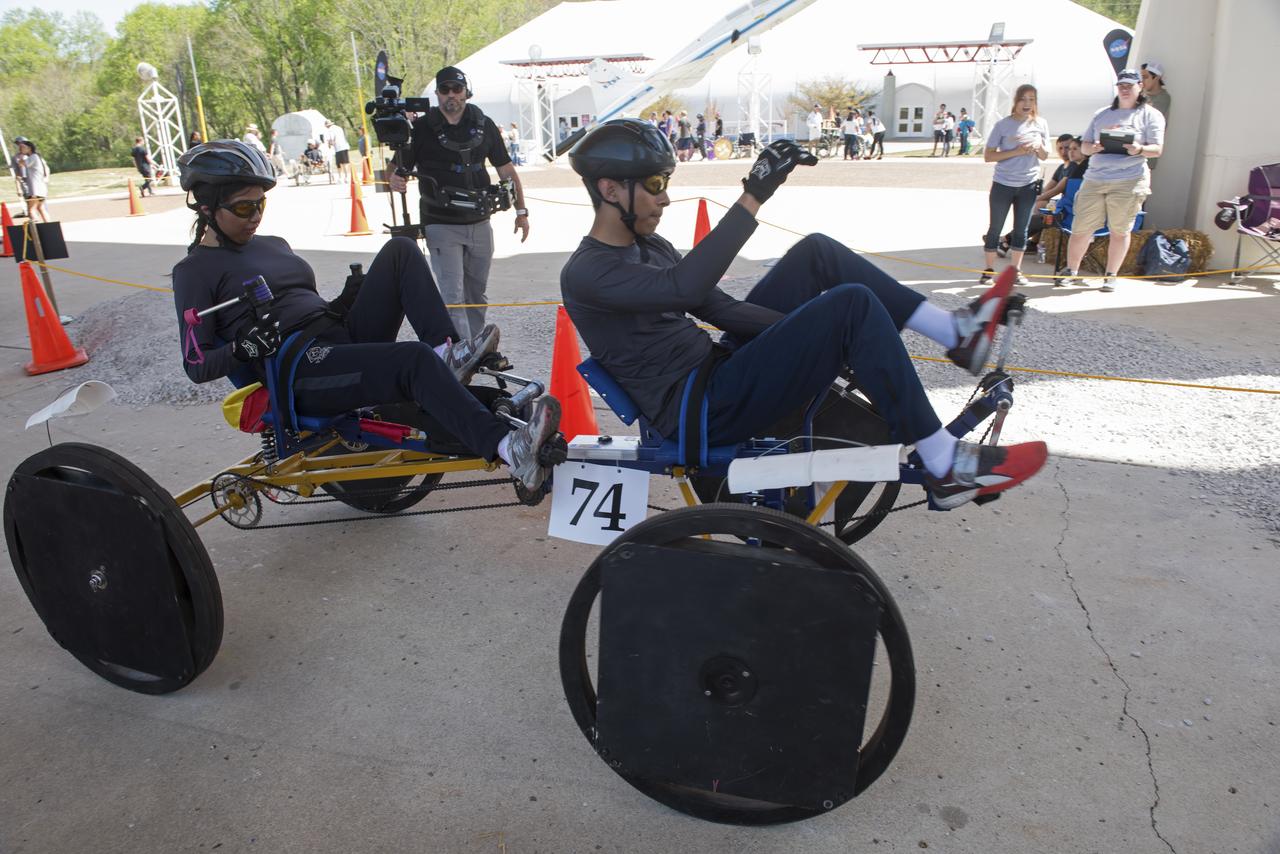
High school and university students competed in the 2018 Human Exploration Rover Challenge event at the U.S. Space and Rocket Center in Huntsville, Alabama. Students came from across the U.S. as well as several foreign countries such as Brazil, Germany, India, and Mexico. This event, which is normally a 2 day event, was shortened to 1 day in 2018 due to adverse weather conditions.
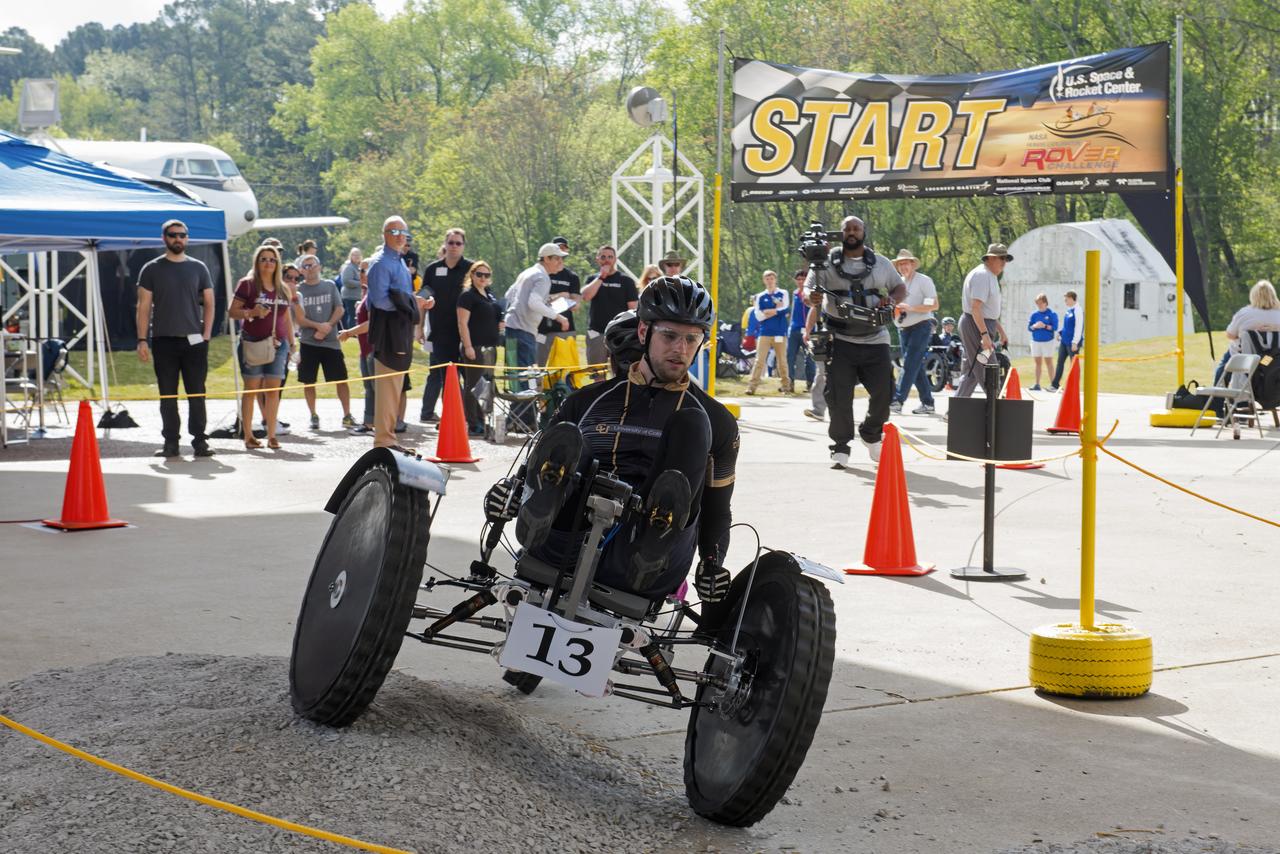
High school and university students competed in the 2018 Human Exploration Rover Challenge event at the U.S. Space and Rocket Center in Huntsville, Alabama. Students came from across the U.S. as well as several foreign countries such as Brazil, Germany, India, and Mexico. This event, which is normally a 2 day event, was shortened to 1 day in 2018 due to adverse weather conditions.
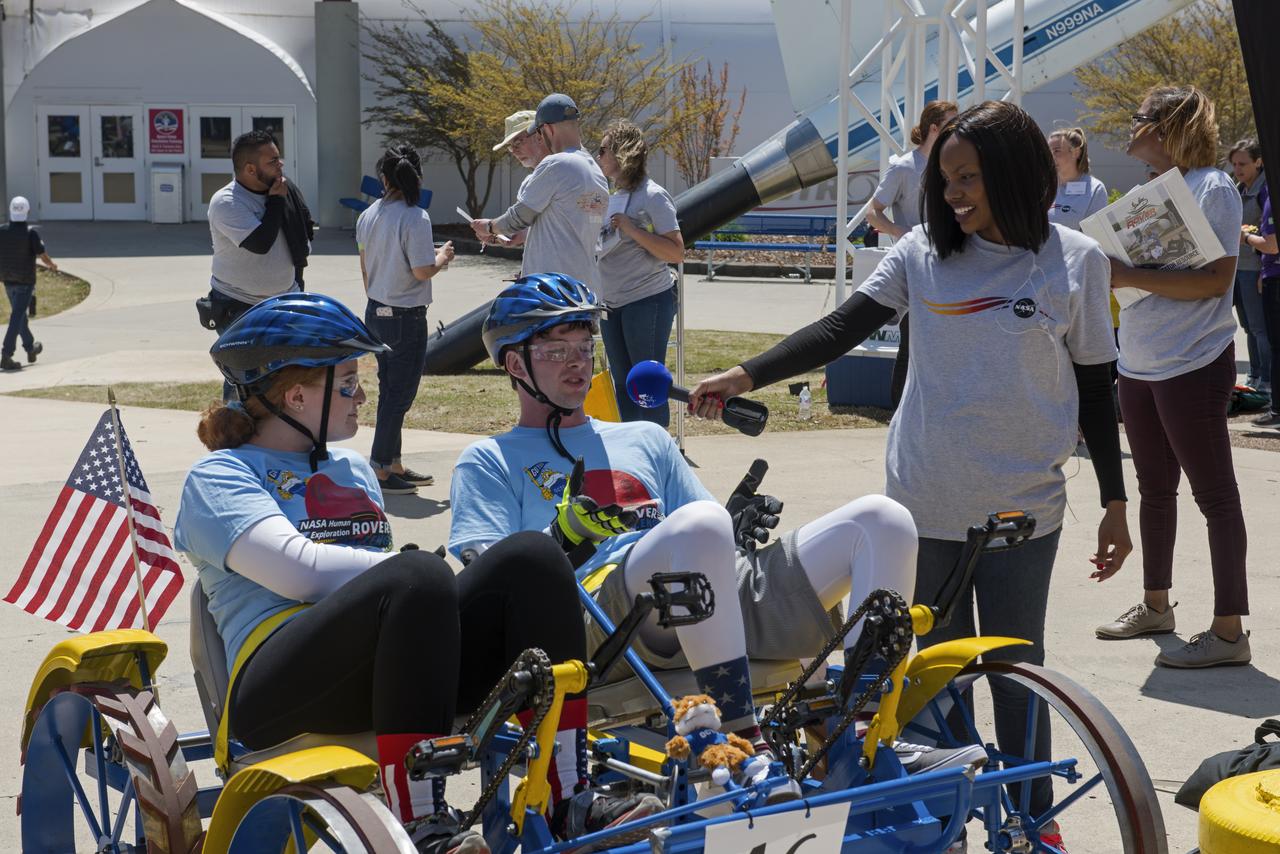
High school and university students competed in the 2018 Human Exploration Rover Challenge event at the U.S. Space and Rocket Center in Huntsville, Alabama. Students came from across the U.S. as well as several foreign countries such as Brazil, Germany, India, and Mexico. This event, which is normally a 2 day event, was shortened to 1 day in 2018 due to adverse weather conditions.
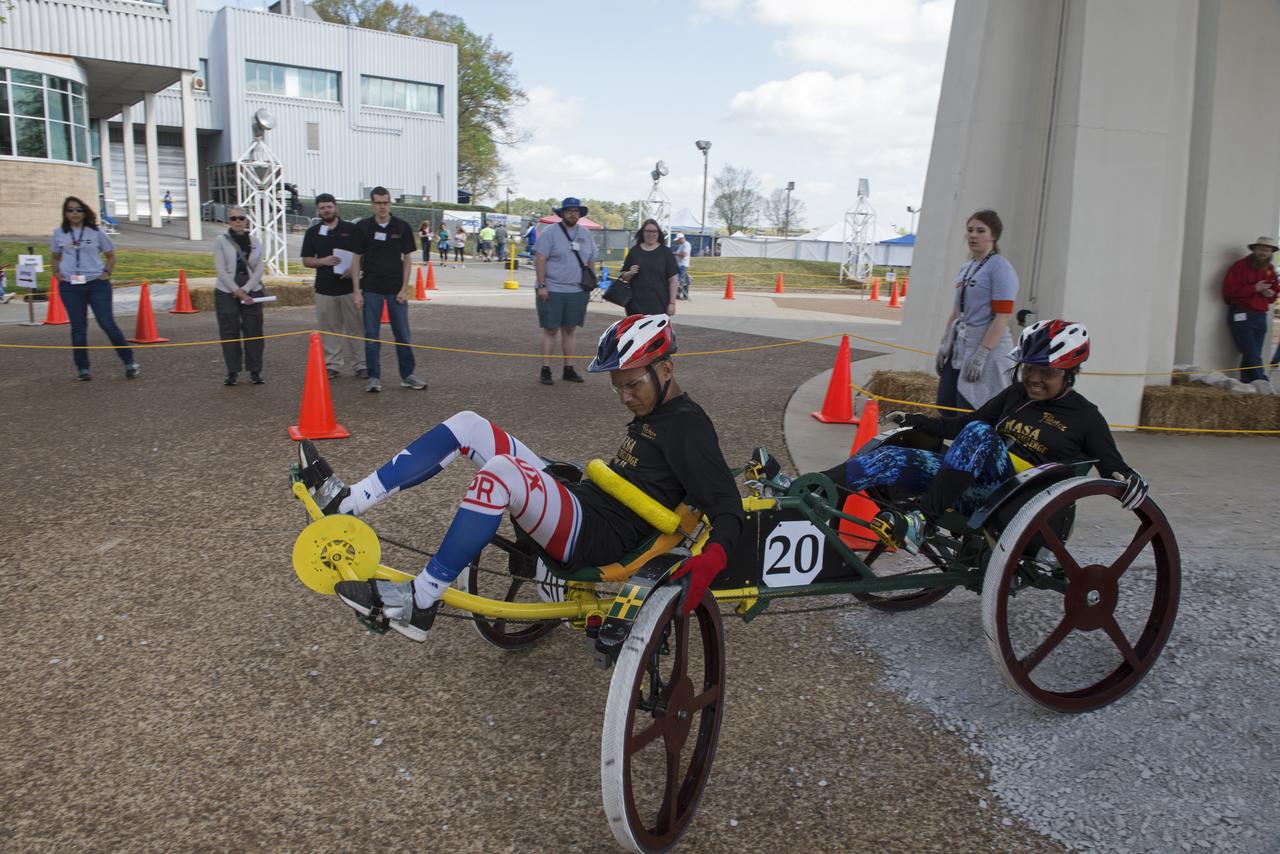
High school and university students competed in the 2018 Human Exploration Rover Challenge event at the U.S. Space and Rocket Center in Huntsville, Alabama. Students came from across the U.S. as well as several foreign countries such as Brazil, Germany, India, and Mexico. This event, which is normally a 2 day event, was shortened to 1 day in 2018 due to adverse weather conditions.
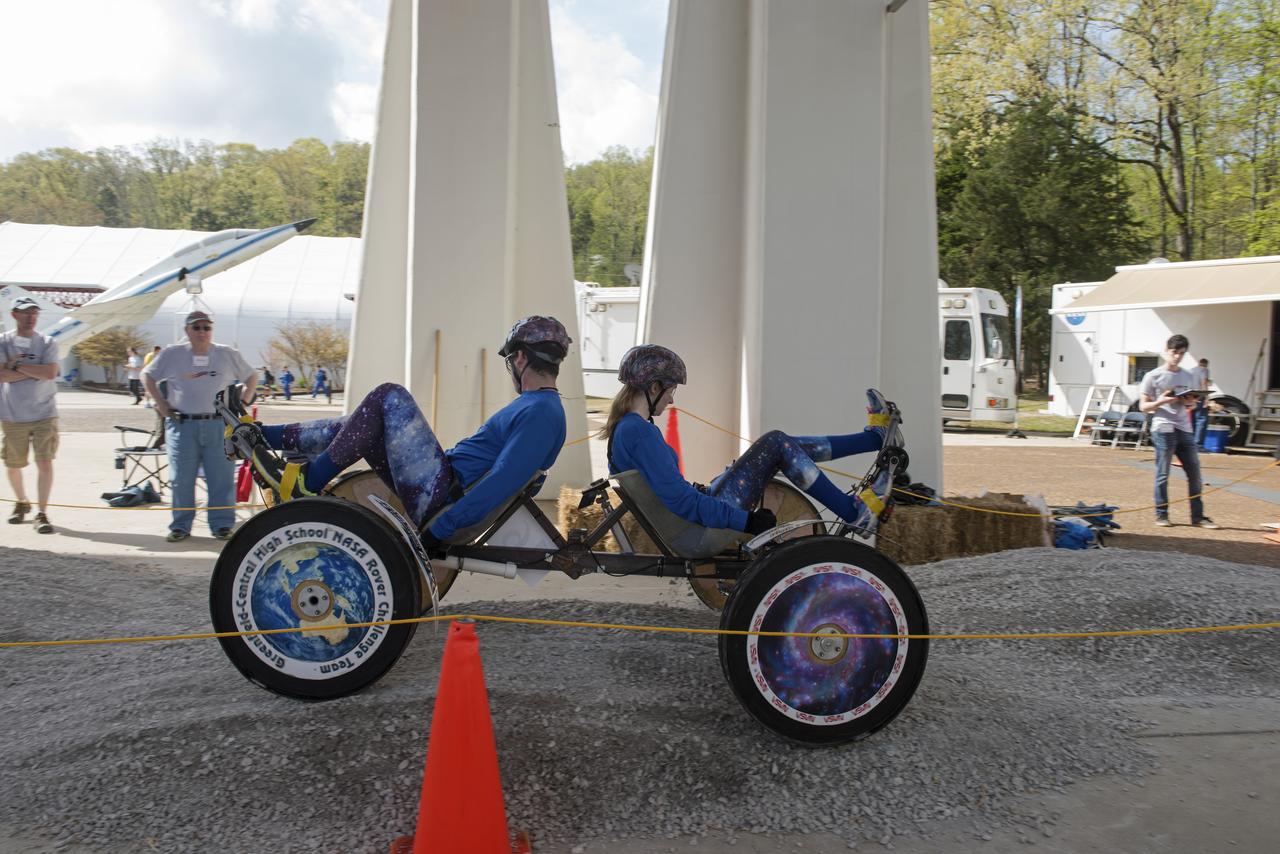
High school and university students competed in the 2018 Human Exploration Rover Challenge event at the U.S. Space and Rocket Center in Huntsville, Alabama. Students came from across the U.S. as well as several foreign countries such as Brazil, Germany, India, and Mexico. This event, which is normally a 2 day event, was shortened to 1 day in 2018 due to adverse weather conditions.
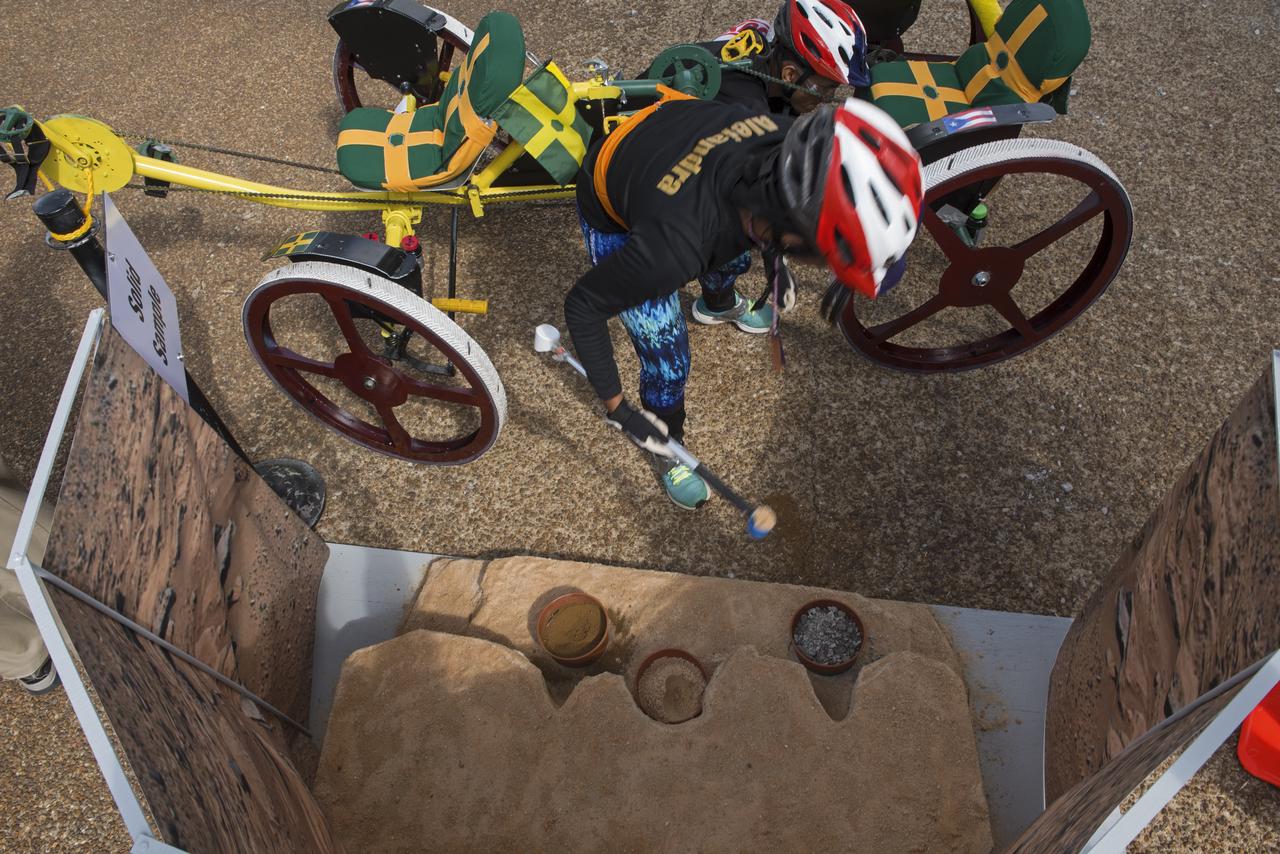
High school and university students competed in the 2018 Human Exploration Rover Challenge event at the U.S. Space and Rocket Center in Huntsville, Alabama. Students came from across the U.S. as well as several foreign countries such as Brazil, Germany, India, and Mexico. This event, which is normally a 2 day event, was shortened to 1 day in 2018 due to adverse weather conditions.
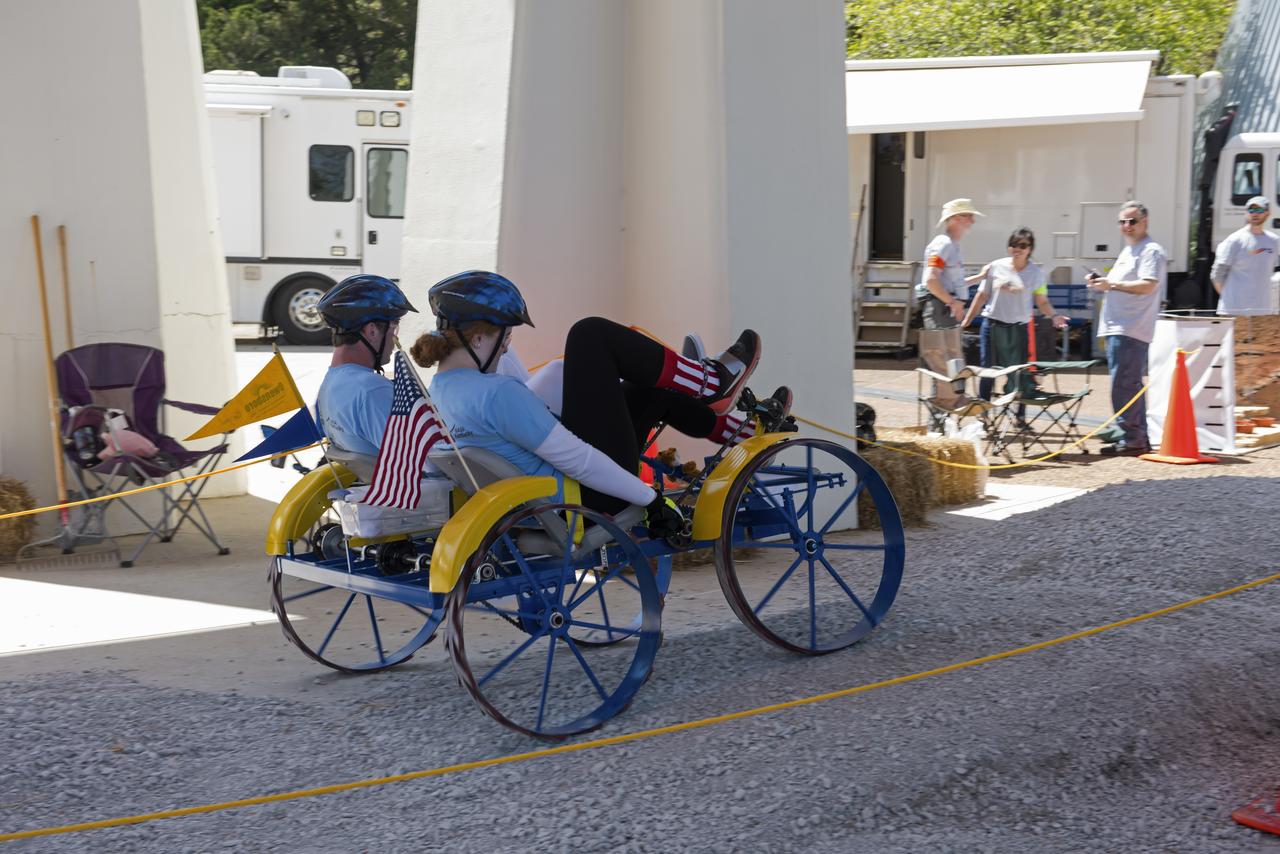
High school and university students competed in the 2018 Human Exploration Rover Challenge event at the U.S. Space and Rocket Center in Huntsville, Alabama. Students came from across the U.S. as well as several foreign countries such as Brazil, Germany, India, and Mexico. This event, which is normally a 2 day event, was shortened to 1 day in 2018 due to adverse weather conditions.
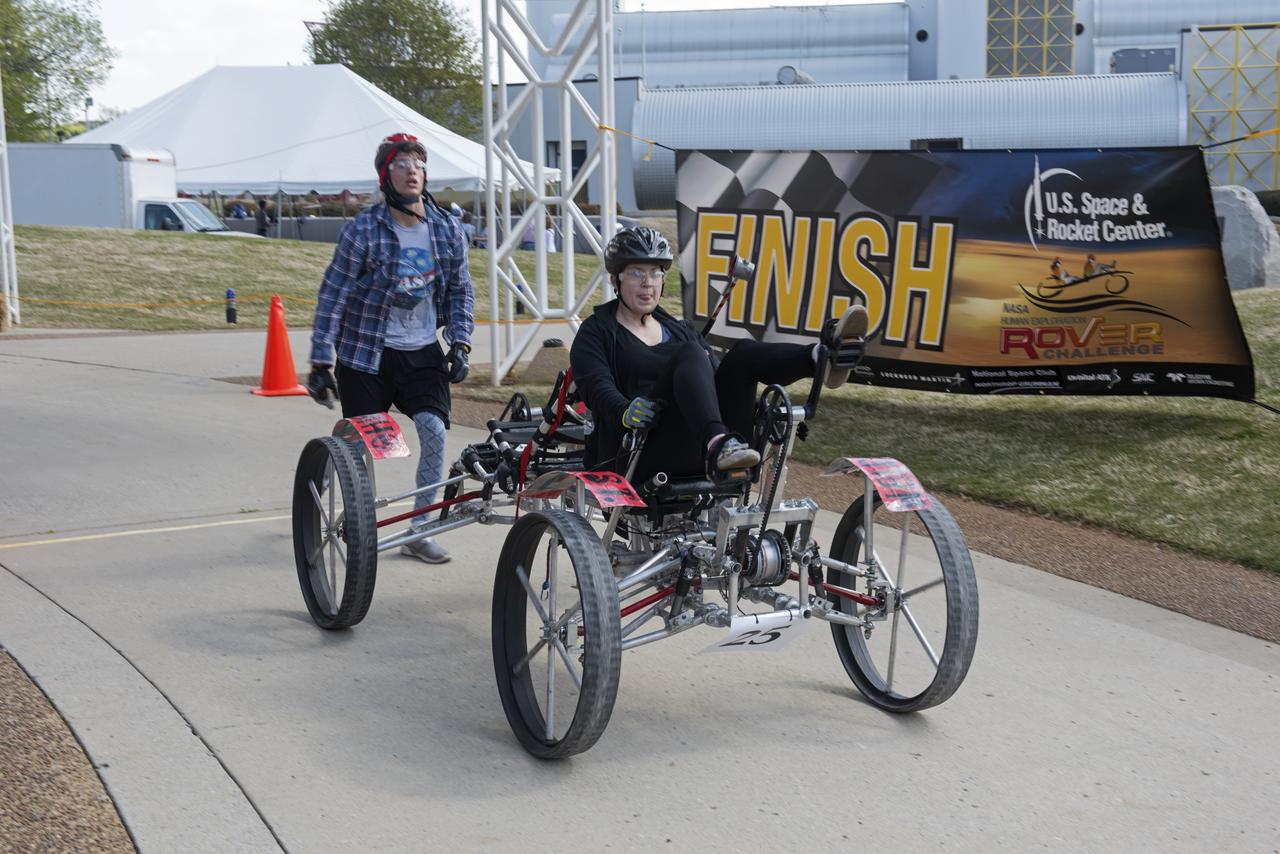
High school and university students competed in the 2018 Human Exploration Rover Challenge event at the U.S. Space and Rocket Center in Huntsville, Alabama. Students came from across the U.S. as well as several foreign countries such as Brazil, Germany, India, and Mexico. This event, which is normally a 2 day event, was shortened to 1 day in 2018 due to adverse weather conditions.
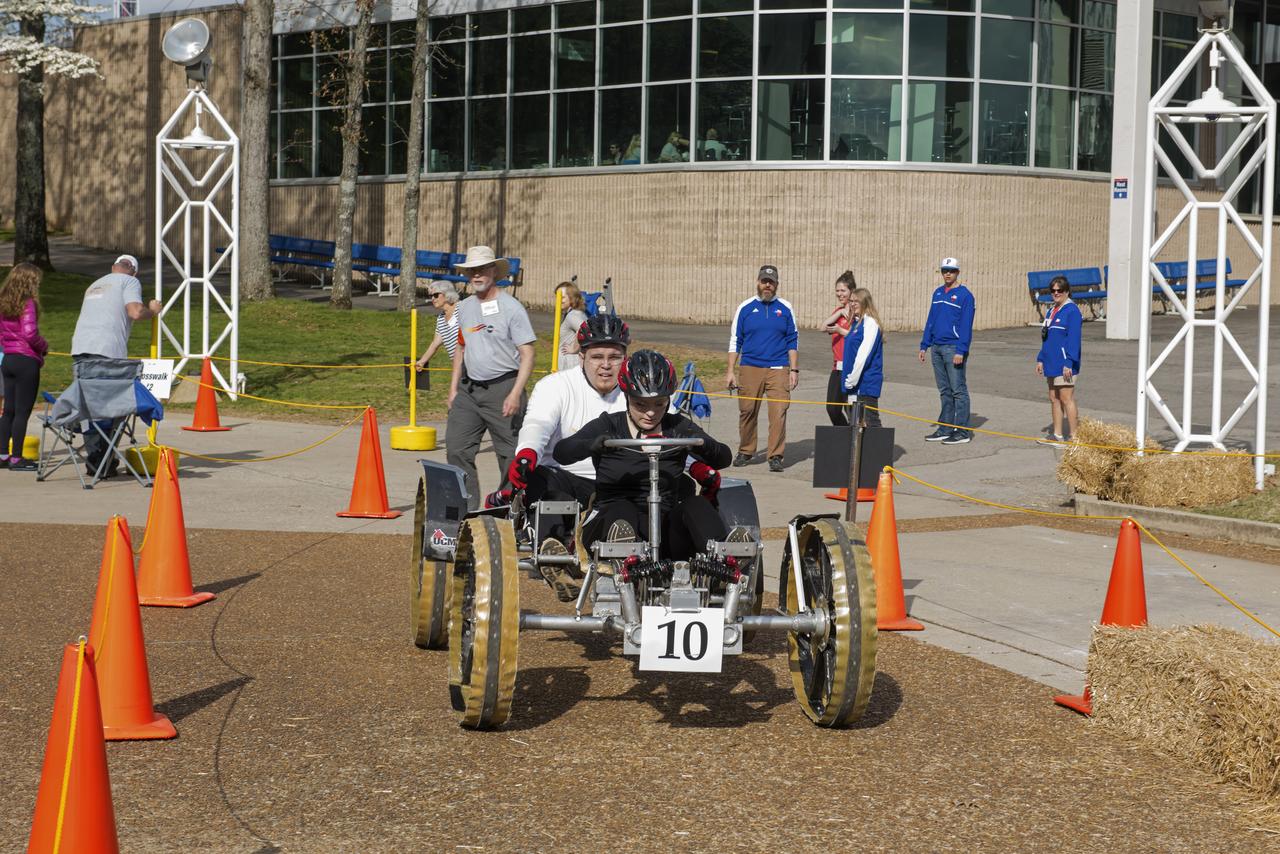
High school and university students competed in the 2018 Human Exploration Rover Challenge event at the U.S. Space and Rocket Center in Huntsville, Alabama. Students came from across the U.S. as well as several foreign countries such as Brazil, Germany, India, and Mexico. This event, which is normally a 2 day event, was shortened to 1 day in 2018 due to adverse weather conditions.
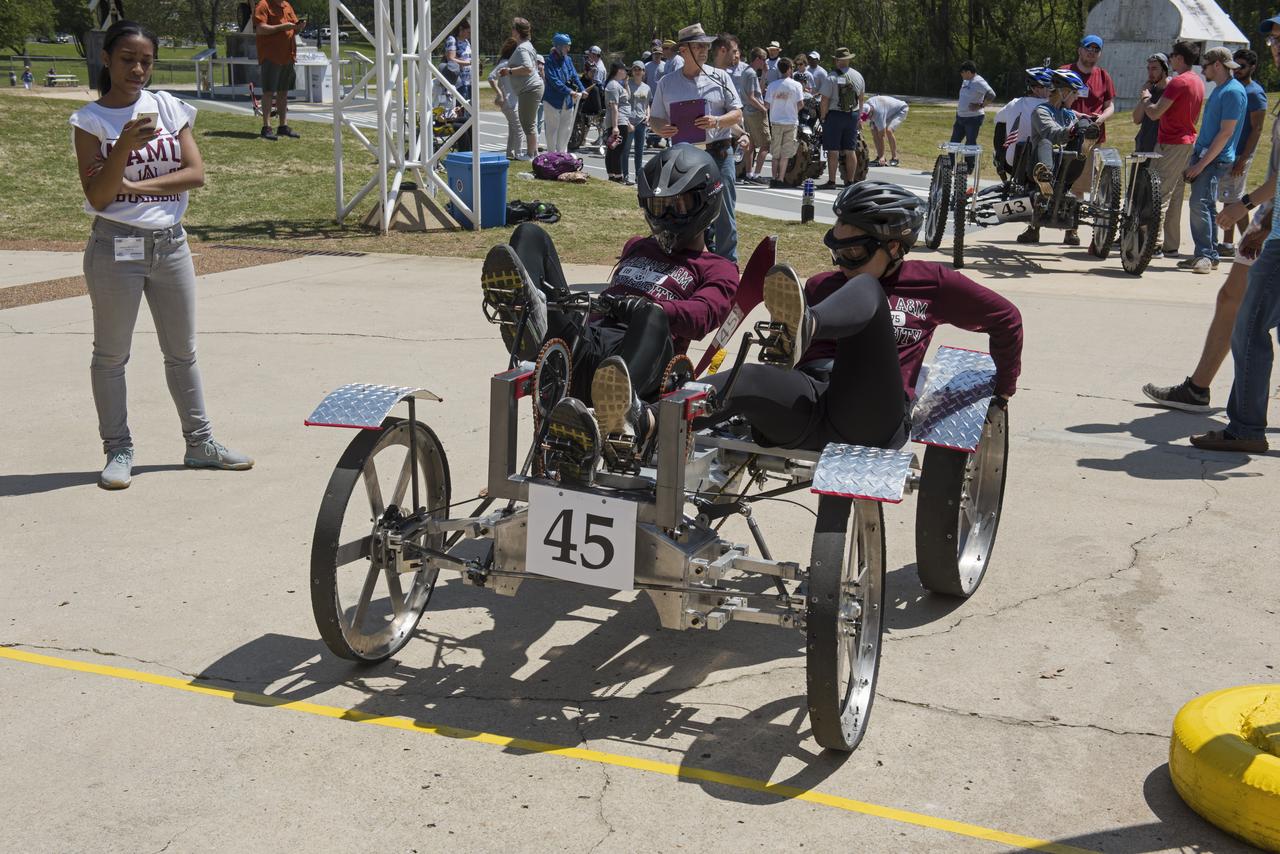
High school and university students competed in the 2018 Human Exploration Rover Challenge event at the U.S. Space and Rocket Center in Huntsville, Alabama. Students came from across the U.S. as well as several foreign countries such as Brazil, Germany, India, and Mexico. This event, which is normally a 2 day event, was shortened to 1 day in 2018 due to adverse weather conditions.
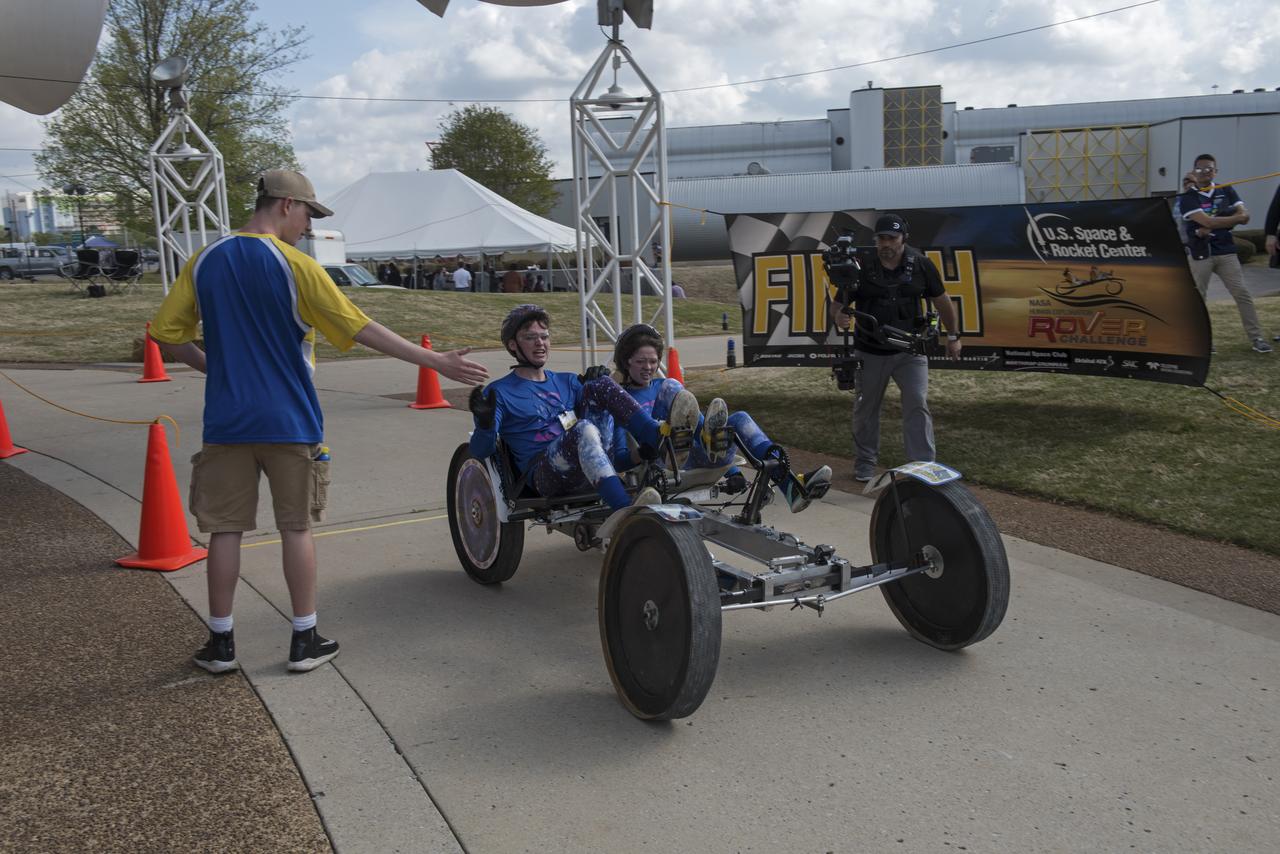
High school and university students competed in the 2018 Human Exploration Rover Challenge event at the U.S. Space and Rocket Center in Huntsville, Alabama. Students came from across the U.S. as well as several foreign countries such as Brazil, Germany, India, and Mexico. This event, which is normally a 2 day event, was shortened to 1 day in 2018 due to adverse weather conditions.
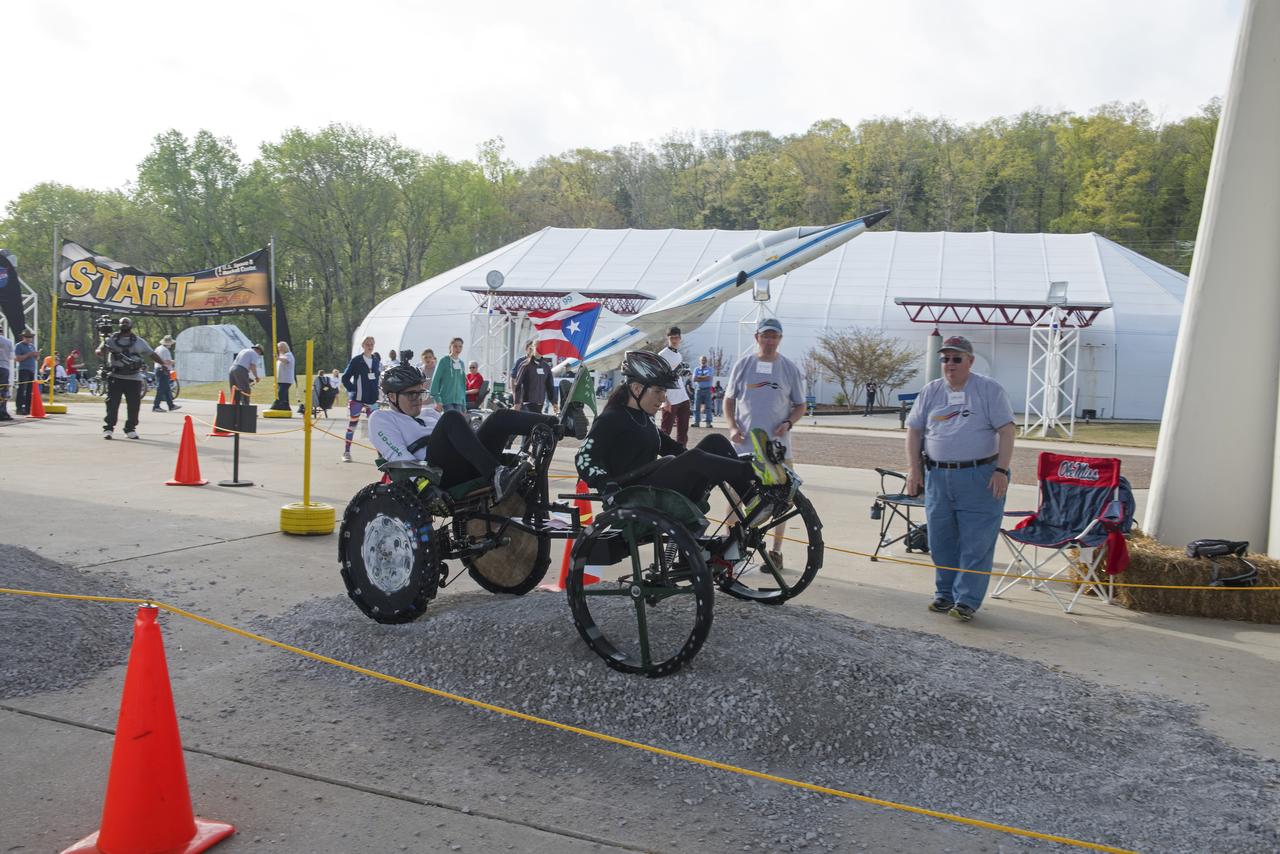
High school and university students competed in the 2018 Human Exploration Rover Challenge event at the U.S. Space and Rocket Center in Huntsville, Alabama. Students came from across the U.S. as well as several foreign countries such as Brazil, Germany, India, and Mexico. This event, which is normally a 2 day event, was shortened to 1 day in 2018 due to adverse weather conditions.
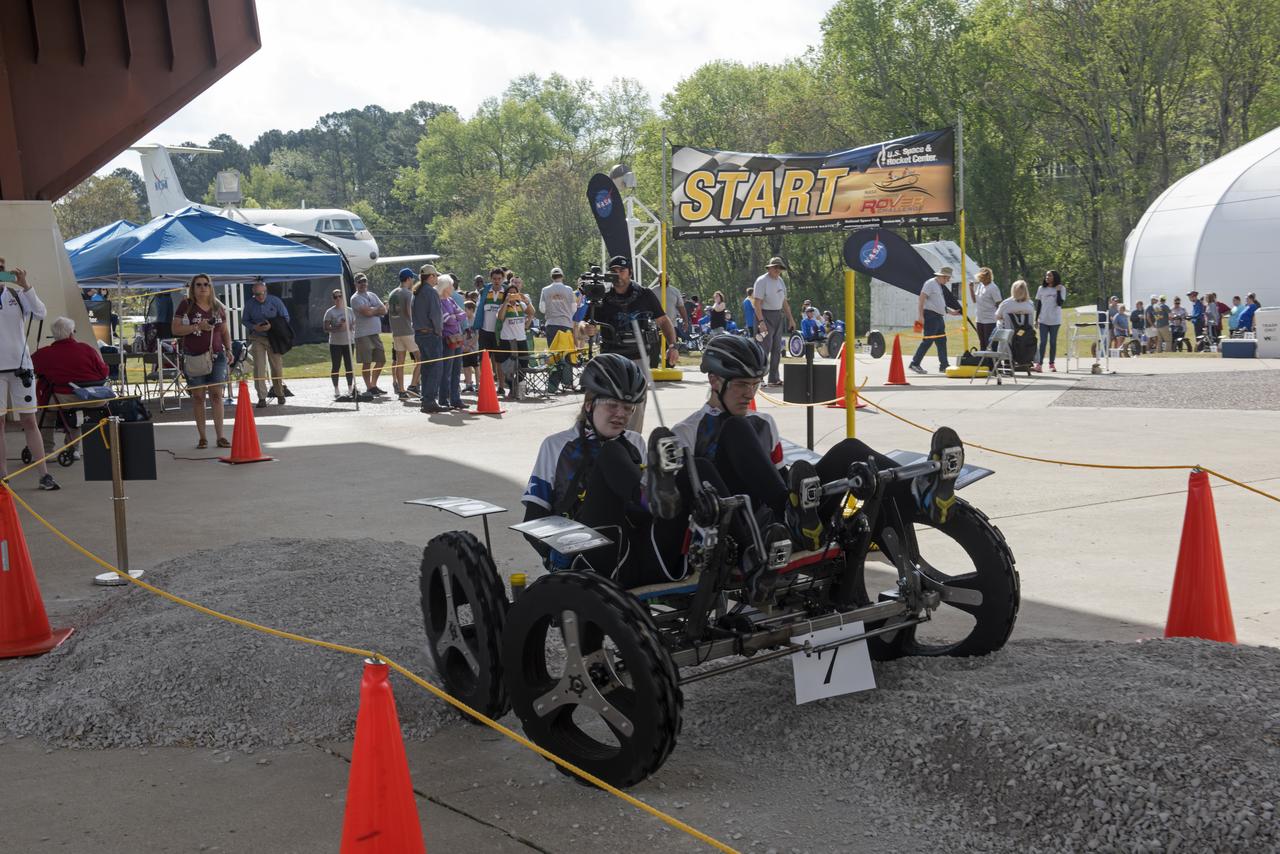
High school and university students competed in the 2018 Human Exploration Rover Challenge event at the U.S. Space and Rocket Center in Huntsville, Alabama. Students came from across the U.S. as well as several foreign countries such as Brazil, Germany, India, and Mexico. This event, which is normally a 2 day event, was shortened to 1 day in 2018 due to adverse weather conditions.
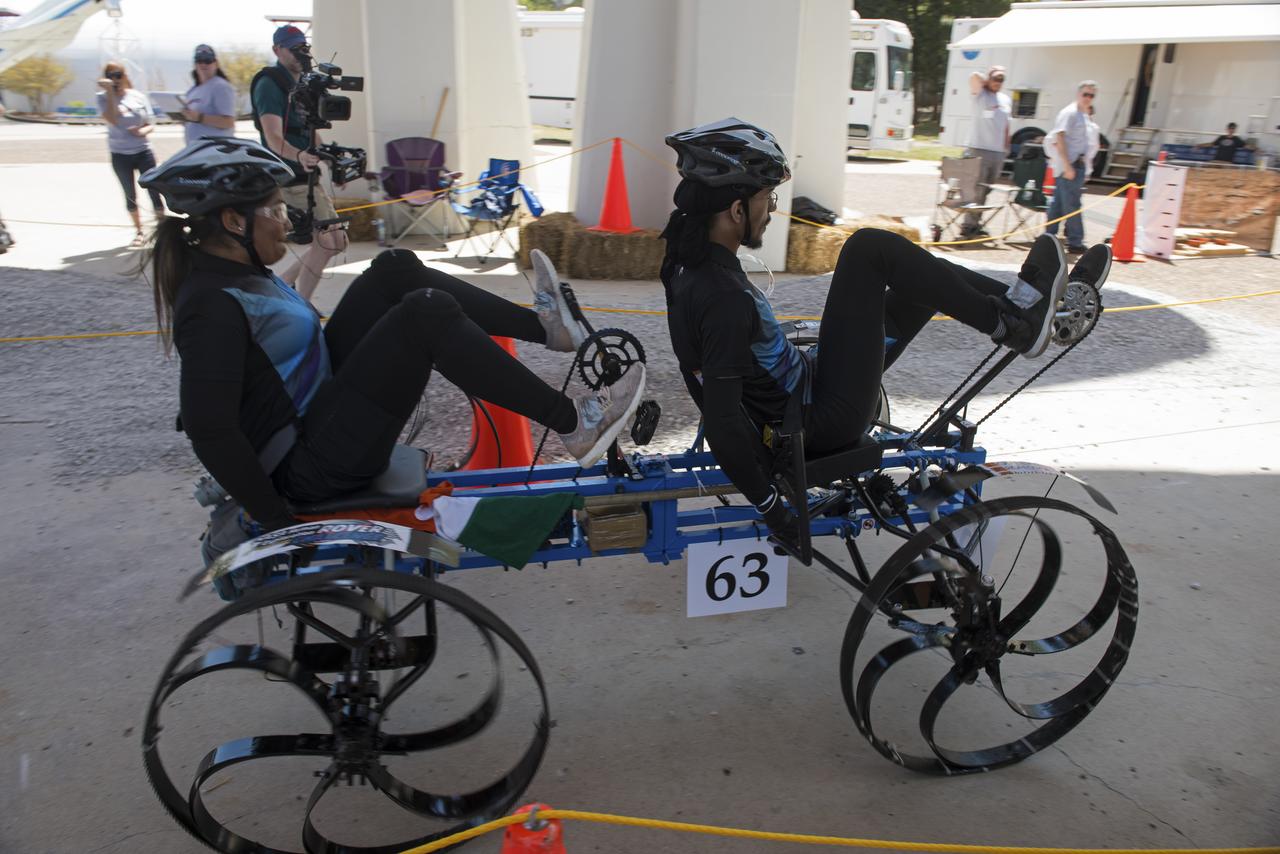
High school and university students competed in the 2018 Human Exploration Rover Challenge event at the U.S. Space and Rocket Center in Huntsville, Alabama. Students came from across the U.S. as well as several foreign countries such as Brazil, Germany, India, and Mexico. This event, which is normally a 2 day event, was shortened to 1 day in 2018 due to adverse weather conditions.
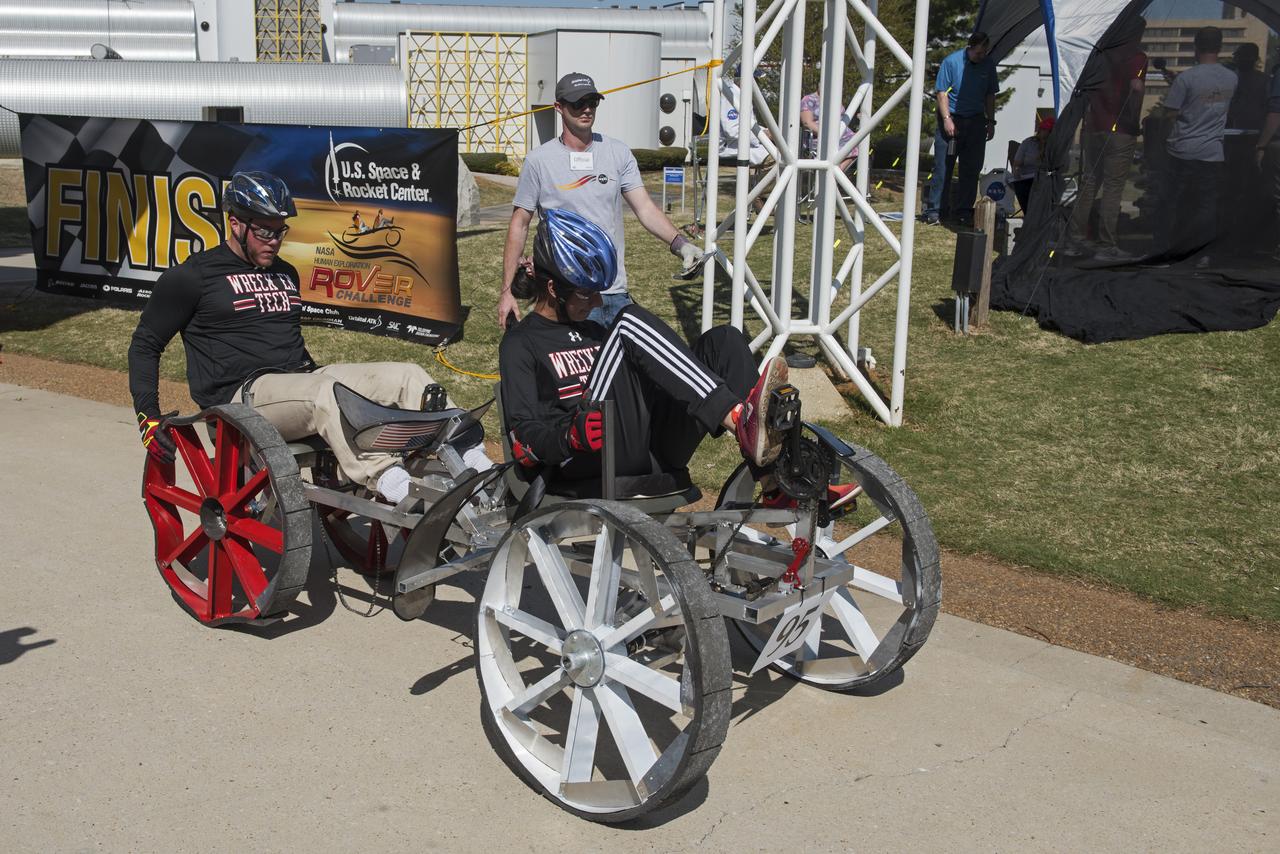
High school and university students competed in the 2018 Human Exploration Rover Challenge event at the U.S. Space and Rocket Center in Huntsville, Alabama. Students came from across the U.S. as well as several foreign countries such as Brazil, Germany, India, and Mexico. This event, which is normally a 2 day event, was shortened to 1 day in 2018 due to adverse weather conditions.
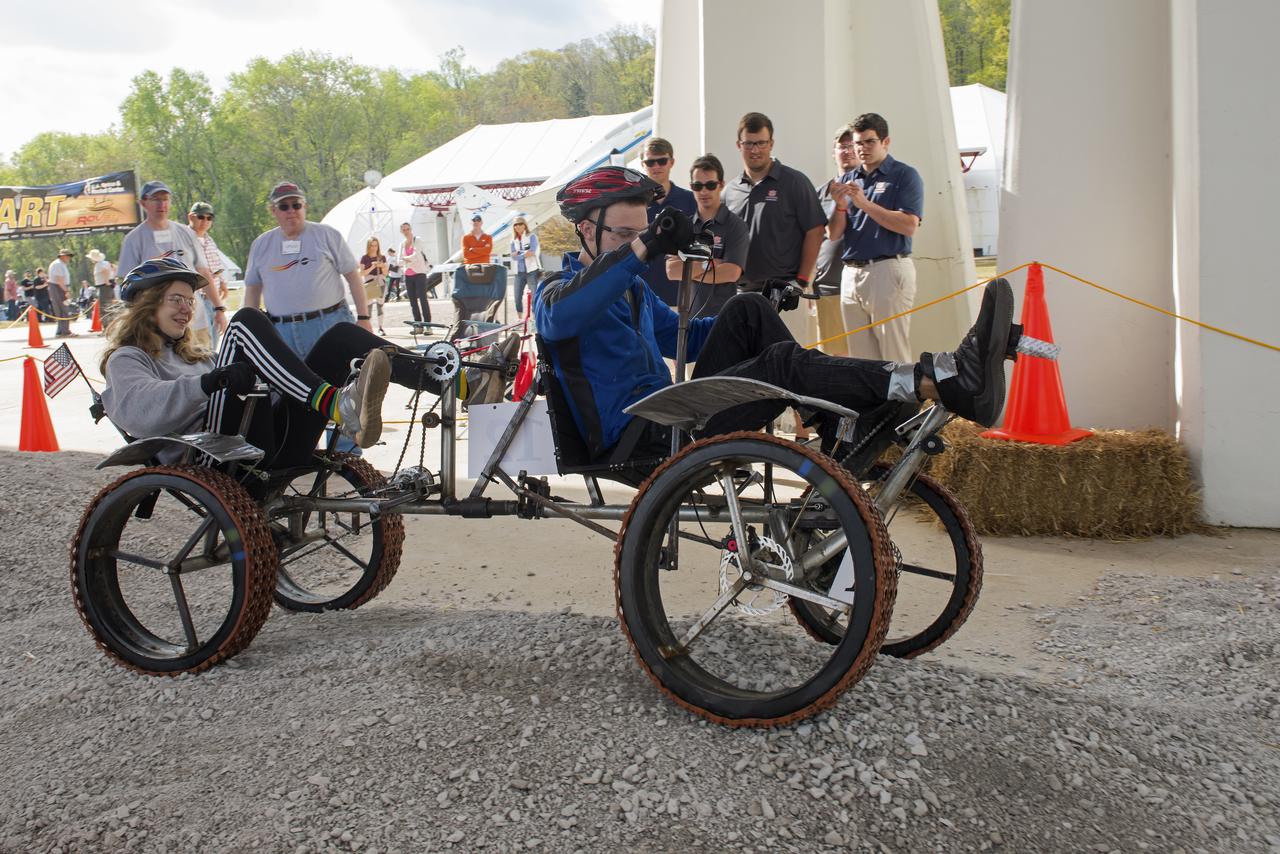
High school and university students competed in the 2018 Human Exploration Rover Challenge event at the U.S. Space and Rocket Center in Huntsville, Alabama. Students came from across the U.S. as well as several foreign countries such as Brazil, Germany, India, and Mexico. This event, which is normally a 2 day event, was shortened to 1 day in 2018 due to adverse weather conditions.
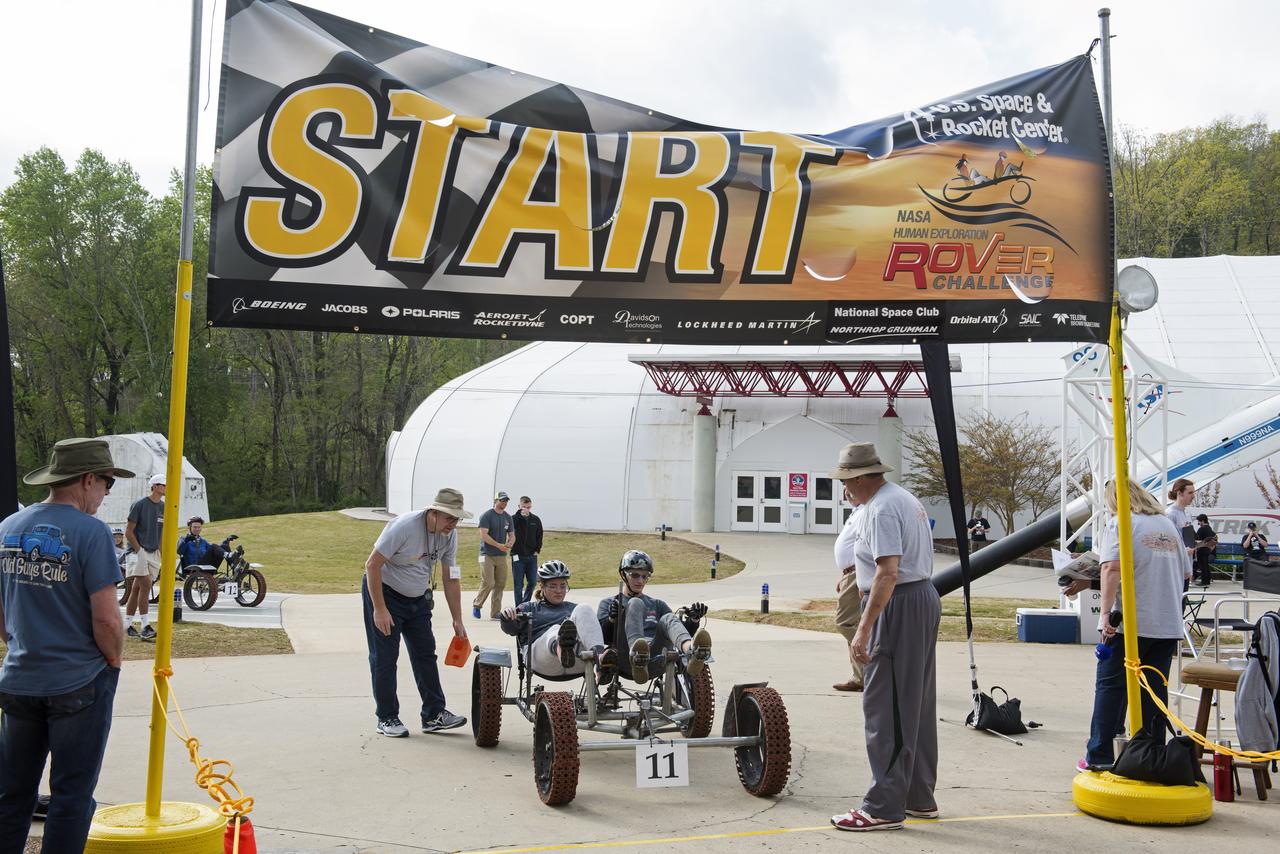
High school and university students competed in the 2018 Human Exploration Rover Challenge event at the U.S. Space and Rocket Center in Huntsville, Alabama. Students came from across the U.S. as well as several foreign countries such as Brazil, Germany, India, and Mexico. This event, which is normally a 2 day event, was shortened to 1 day in 2018 due to adverse weather conditions.
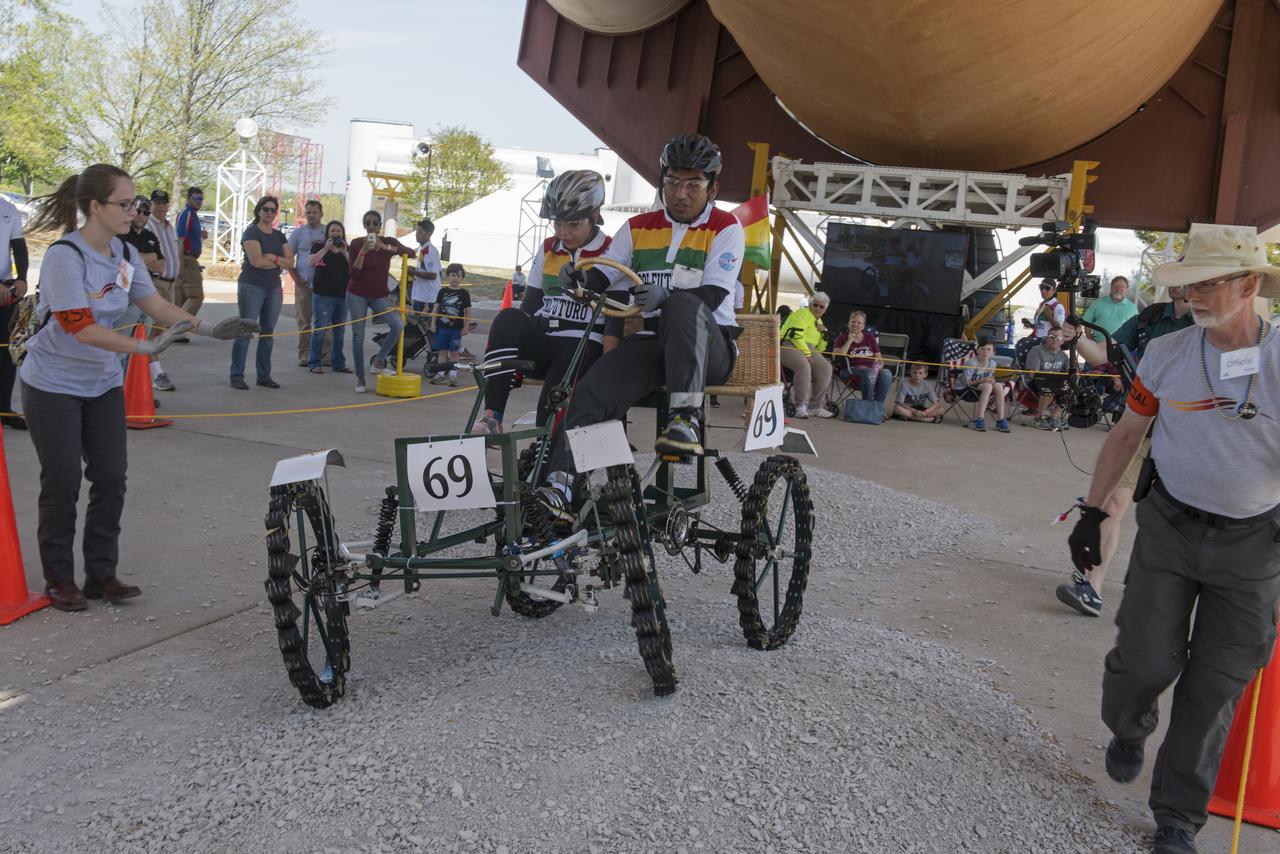
High school and university students competed in the 2018 Human Exploration Rover Challenge event at the U.S. Space and Rocket Center in Huntsville, Alabama. Students came from across the U.S. as well as several foreign countries such as Brazil, Germany, India, and Mexico. This event, which is normally a 2 day event, was shortened to 1 day in 2018 due to adverse weather conditions.
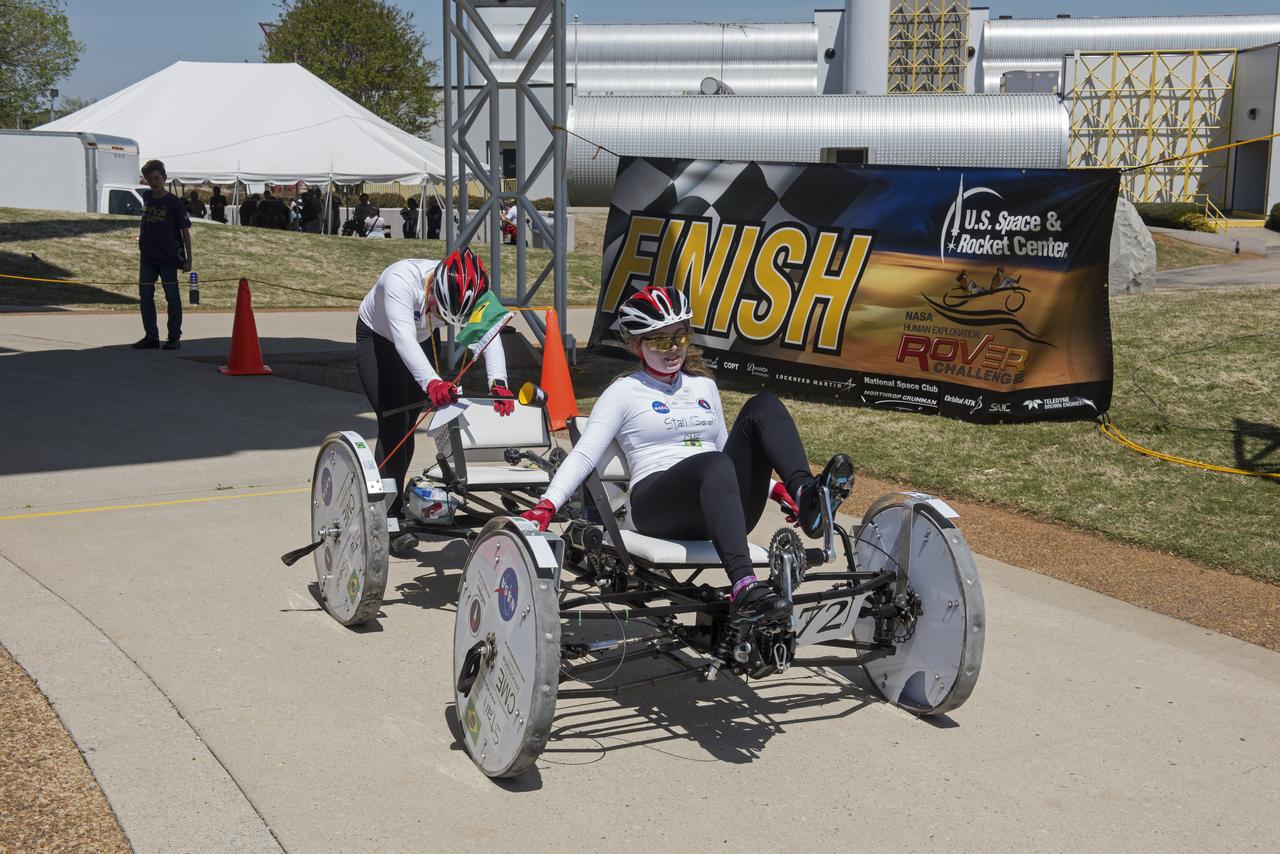
High school and university students competed in the 2018 Human Exploration Rover Challenge event at the U.S. Space and Rocket Center in Huntsville, Alabama. Students came from across the U.S. as well as several foreign countries such as Brazil, Germany, India, and Mexico. This event, which is normally a 2 day event, was shortened to 1 day in 2018 due to adverse weather conditions.
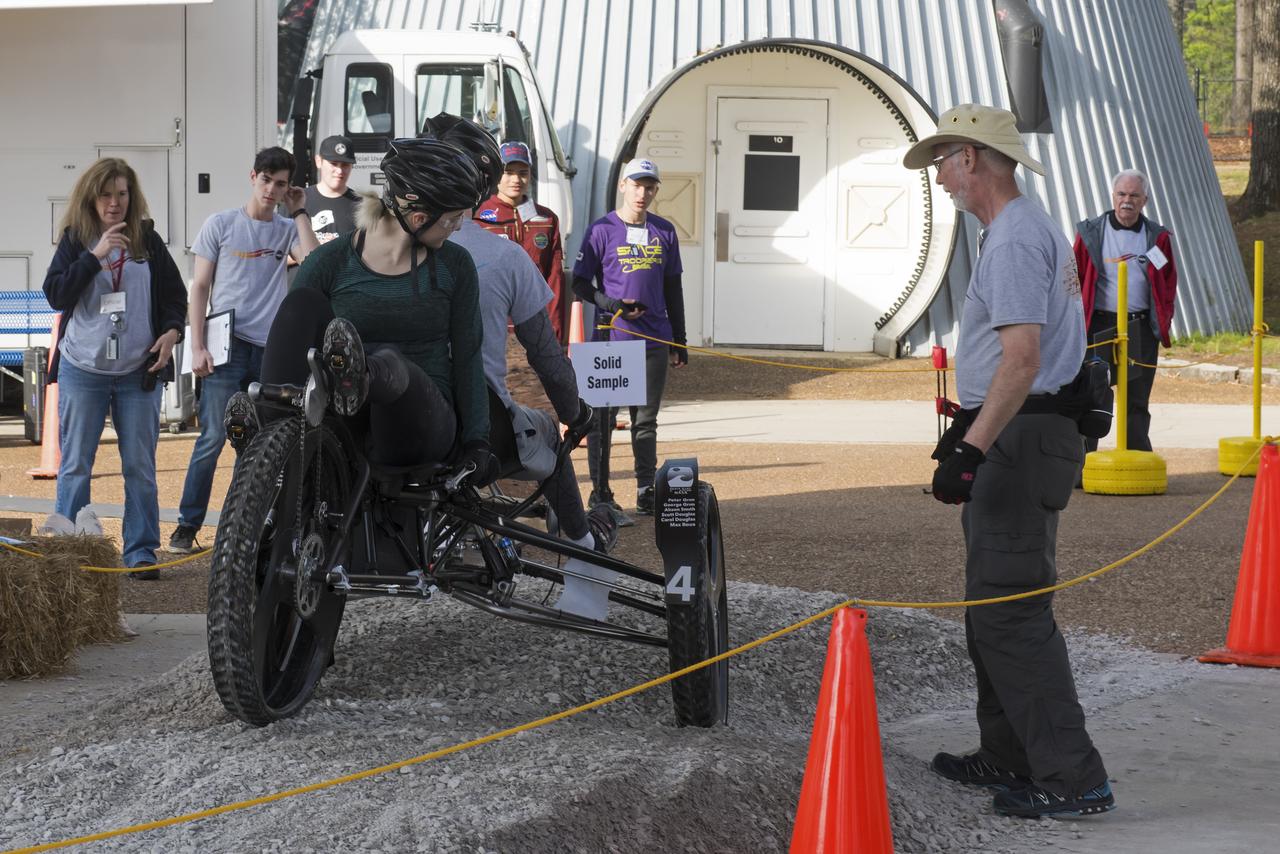
High school and university students competed in the 2018 Human Exploration Rover Challenge event at the U.S. Space and Rocket Center in Huntsville, Alabama. Students came from across the U.S. as well as several foreign countries such as Brazil, Germany, India, and Mexico. This event, which is normally a 2 day event, was shortened to 1 day in 2018 due to adverse weather conditions.
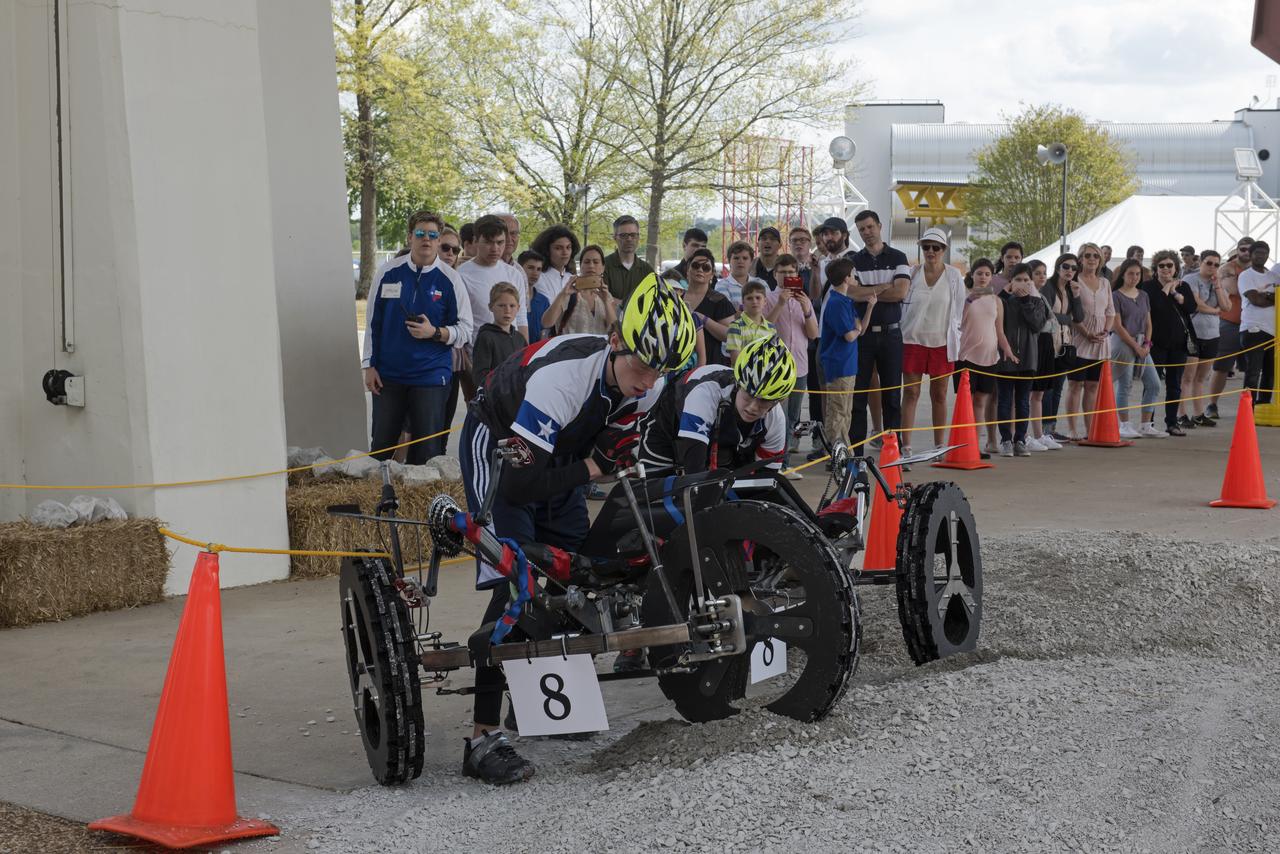
High school and university students competed in the 2018 Human Exploration Rover Challenge event at the U.S. Space and Rocket Center in Huntsville, Alabama. Students came from across the U.S. as well as several foreign countries such as Brazil, Germany, India, and Mexico. This event, which is normally a 2 day event, was shortened to 1 day in 2018 due to adverse weather conditions.
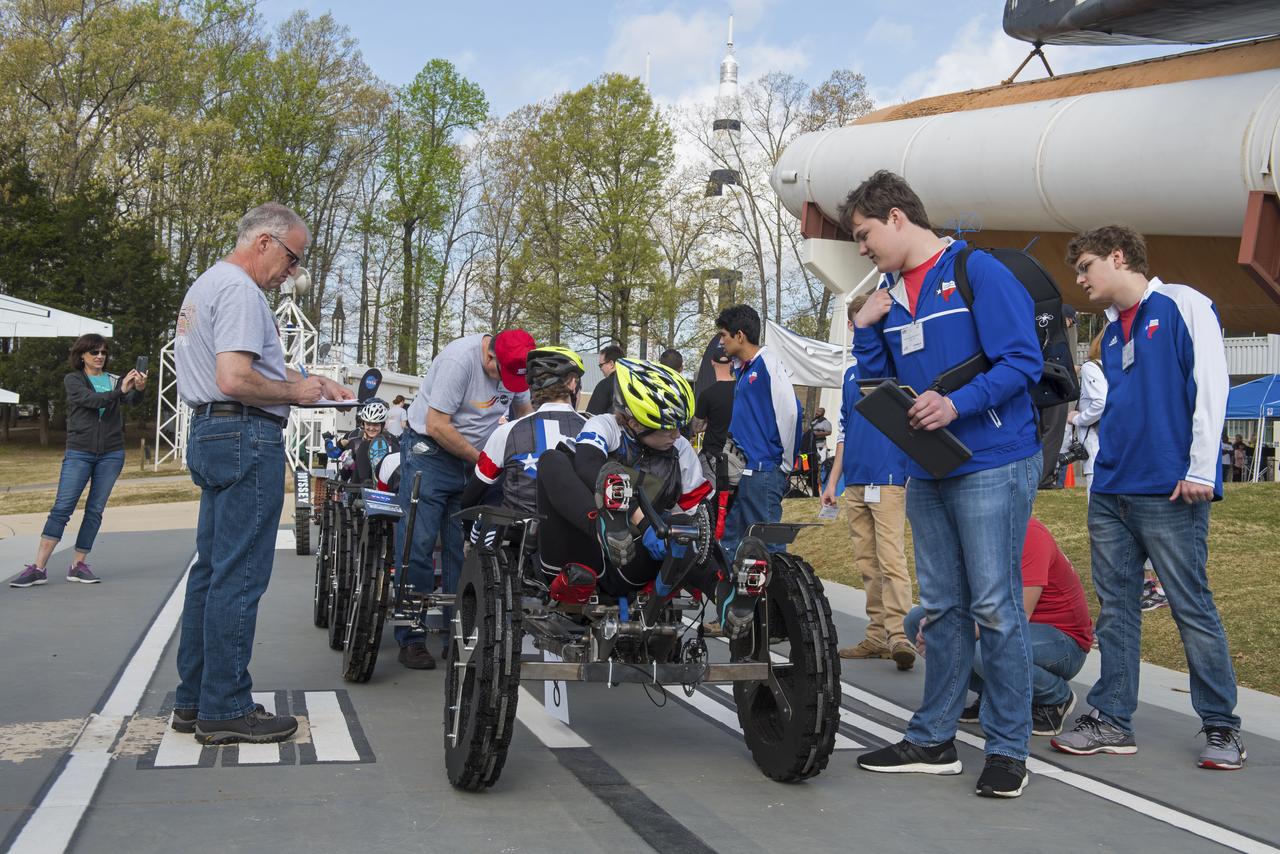
High school and university students competed in the 2018 Human Exploration Rover Challenge event at the U.S. Space and Rocket Center in Huntsville, Alabama. Students came from across the U.S. as well as several foreign countries such as Brazil, Germany, India, and Mexico. This event, which is normally a 2 day event, was shortened to 1 day in 2018 due to adverse weather conditions.
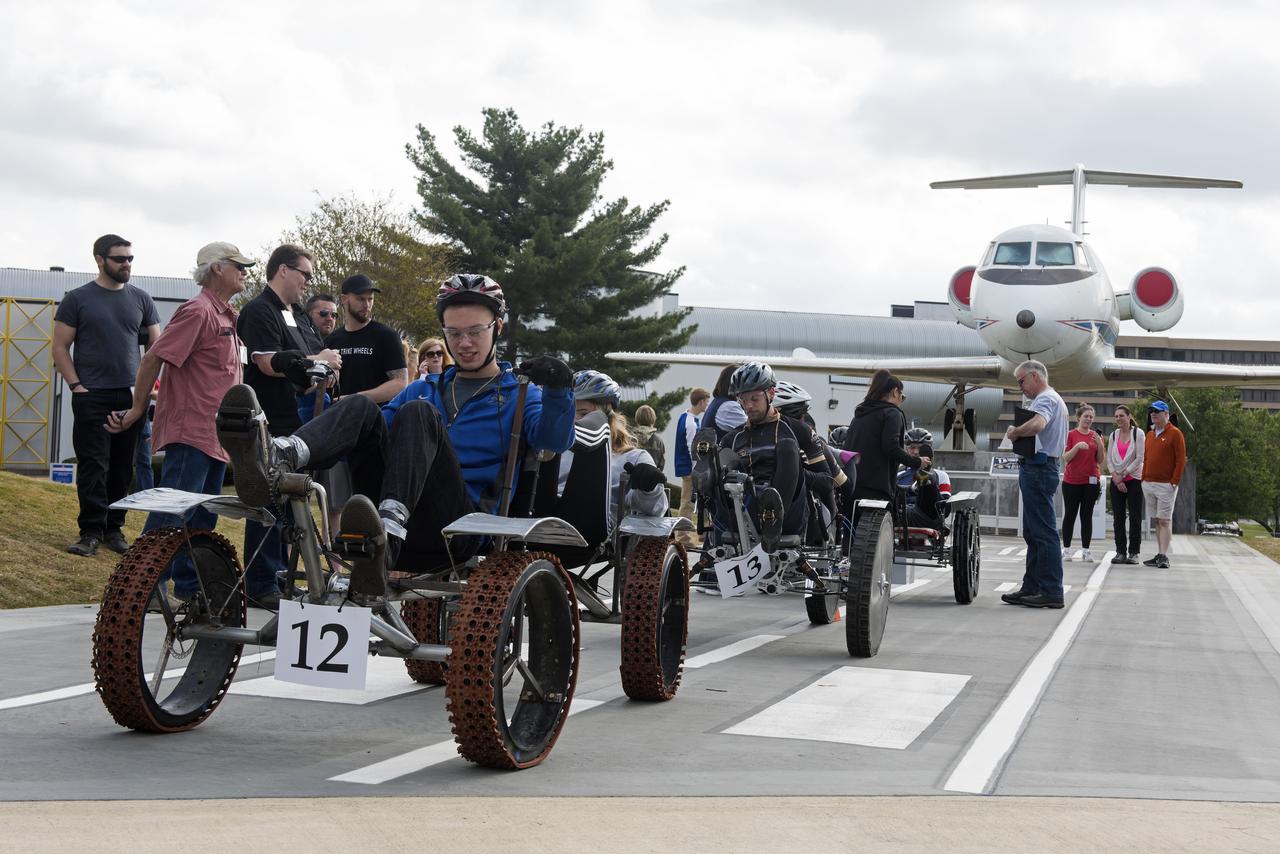
High school and university students competed in the 2018 Human Exploration Rover Challenge event at the U.S. Space and Rocket Center in Huntsville, Alabama. Students came from across the U.S. as well as several foreign countries such as Brazil, Germany, India, and Mexico. This event, which is normally a 2 day event, was shortened to 1 day in 2018 due to adverse weather conditions.
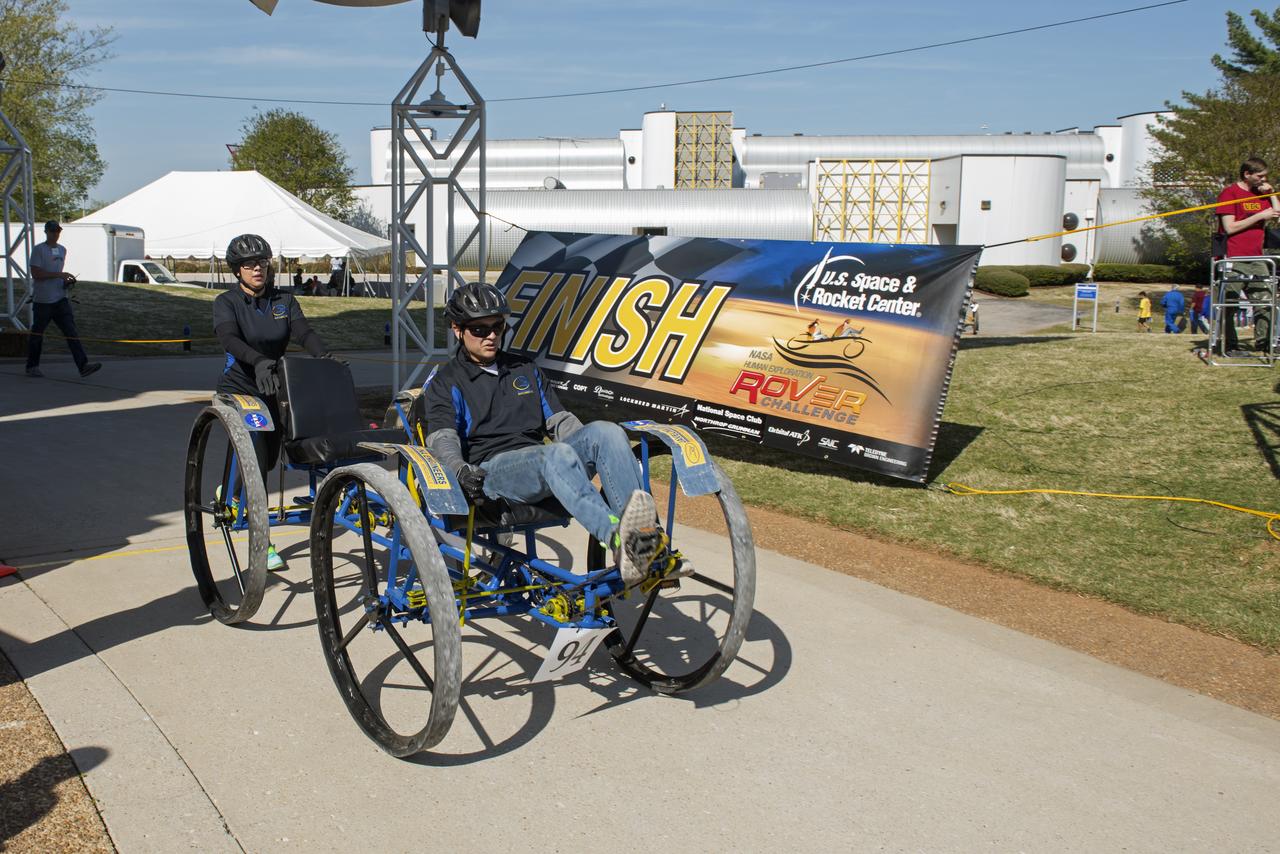
High school and university students competed in the 2018 Human Exploration Rover Challenge event at the U.S. Space and Rocket Center in Huntsville, Alabama. Students came from across the U.S. as well as several foreign countries such as Brazil, Germany, India, and Mexico. This event, which is normally a 2 day event, was shortened to 1 day in 2018 due to adverse weather conditions.
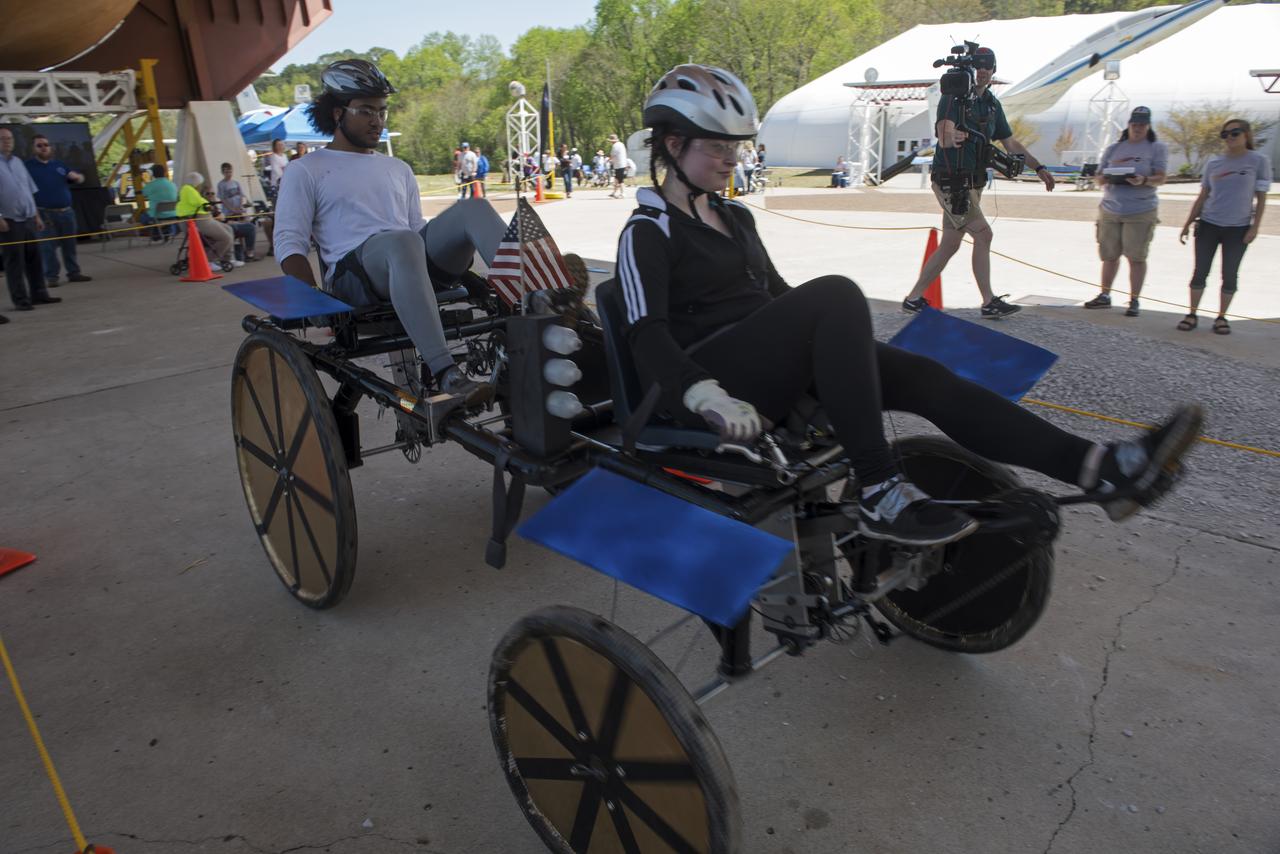
High school and university students competed in the 2018 Human Exploration Rover Challenge event at the U.S. Space and Rocket Center in Huntsville, Alabama. Students came from across the U.S. as well as several foreign countries such as Brazil, Germany, India, and Mexico. This event, which is normally a 2 day event, was shortened to 1 day in 2018 due to adverse weather conditions.
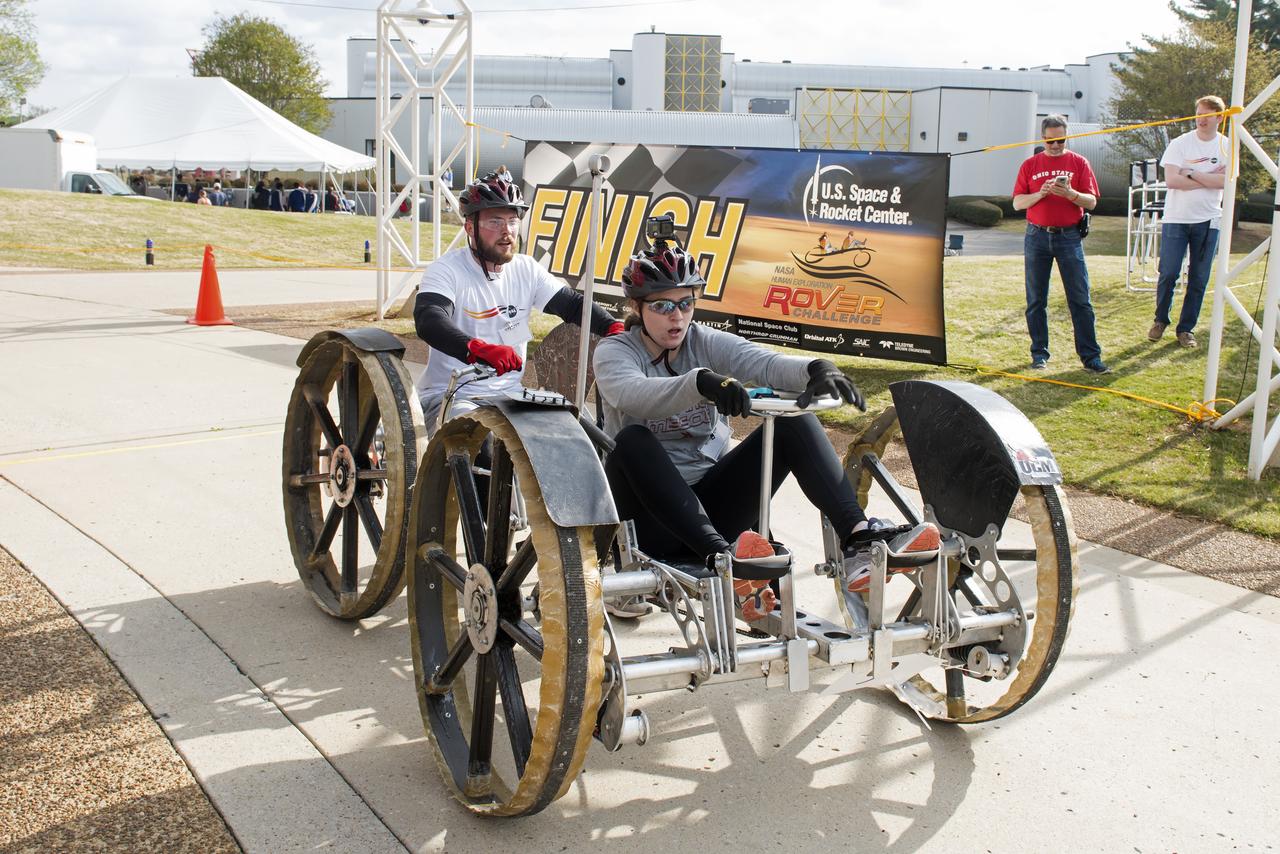
High school and university students competed in the 2018 Human Exploration Rover Challenge event at the U.S. Space and Rocket Center in Huntsville, Alabama. Students came from across the U.S. as well as several foreign countries such as Brazil, Germany, India, and Mexico. This event, which is normally a 2 day event, was shortened to 1 day in 2018 due to adverse weather conditions.
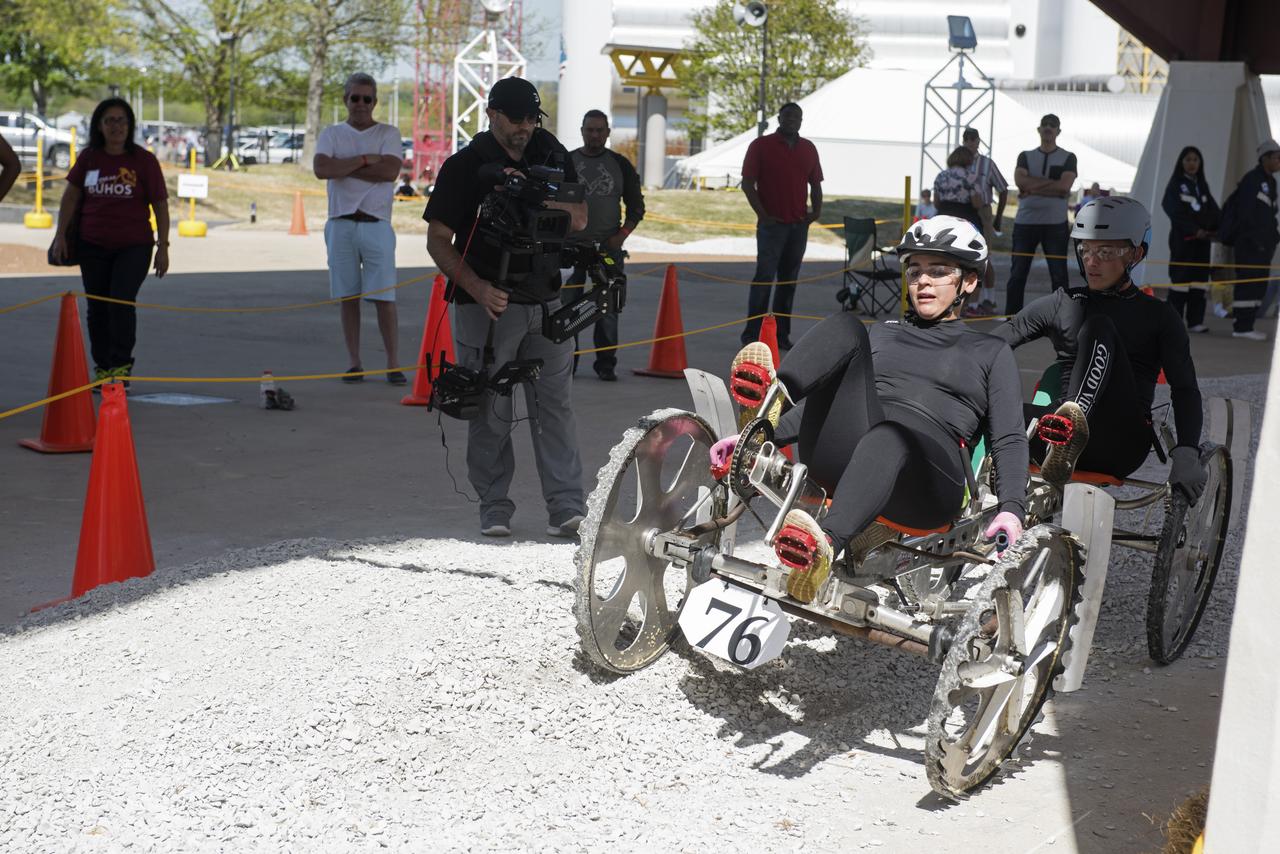
High school and university students competed in the 2018 Human Exploration Rover Challenge event at the U.S. Space and Rocket Center in Huntsville, Alabama. Students came from across the U.S. as well as several foreign countries such as Brazil, Germany, India, and Mexico. This event, which is normally a 2 day event, was shortened to 1 day in 2018 due to adverse weather conditions.
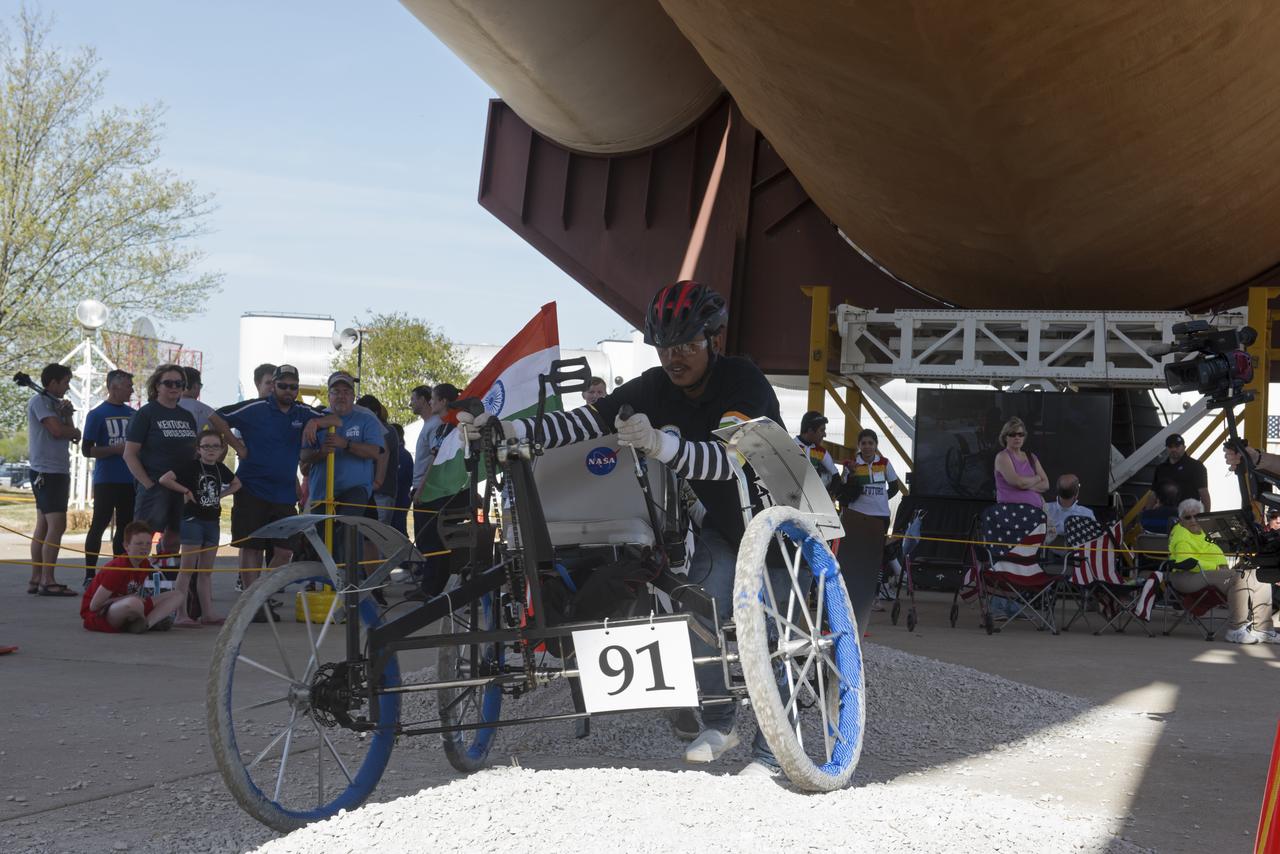
High school and university students competed in the 2018 Human Exploration Rover Challenge event at the U.S. Space and Rocket Center in Huntsville, Alabama. Students came from across the U.S. as well as several foreign countries such as Brazil, Germany, India, and Mexico. This event, which is normally a 2 day event, was shortened to 1 day in 2018 due to adverse weather conditions.
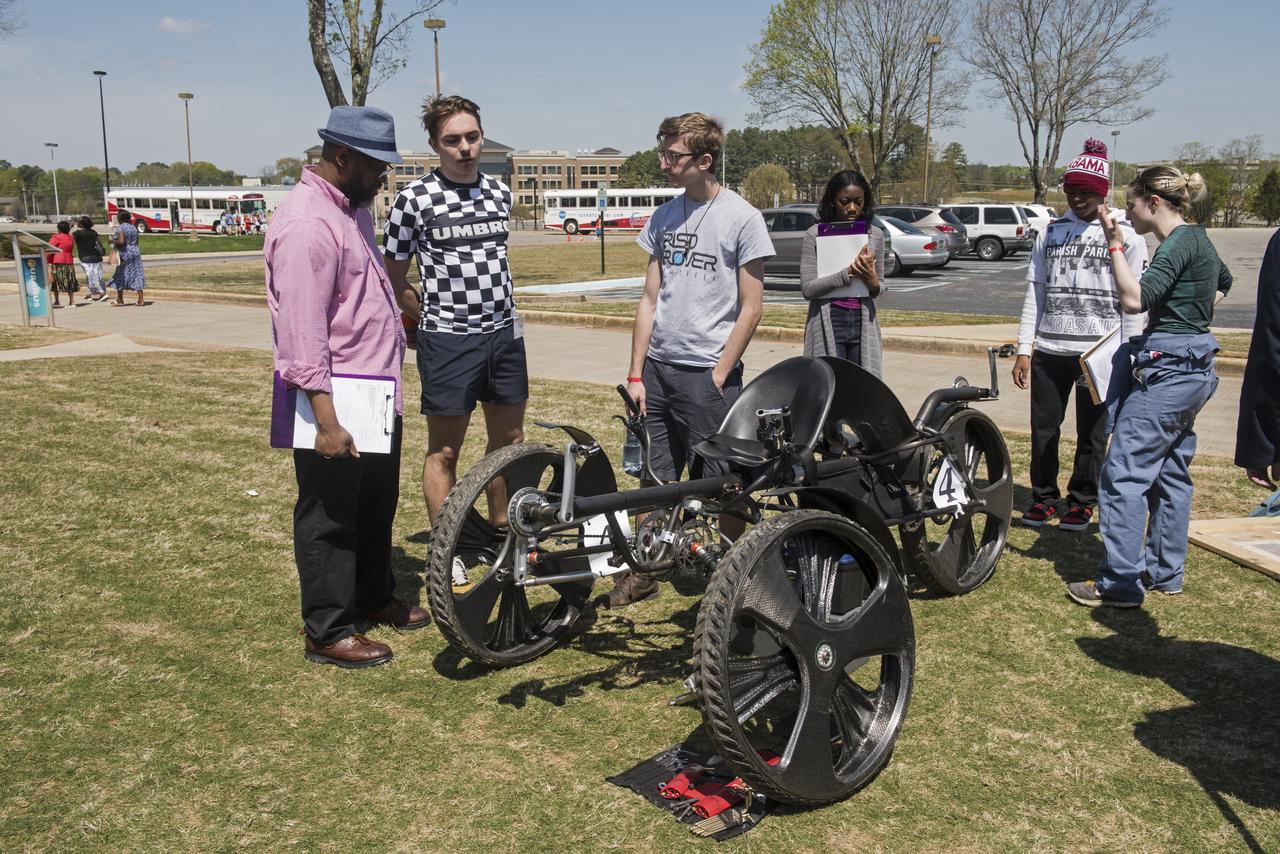
High school and university students competed in the 2018 Human Exploration Rover Challenge event at the U.S. Space and Rocket Center in Huntsville, Alabama. Students came from across the U.S. as well as several foreign countries such as Brazil, Germany, India, and Mexico. This event, which is normally a 2 day event, was shortened to 1 day in 2018 due to adverse weather conditions.
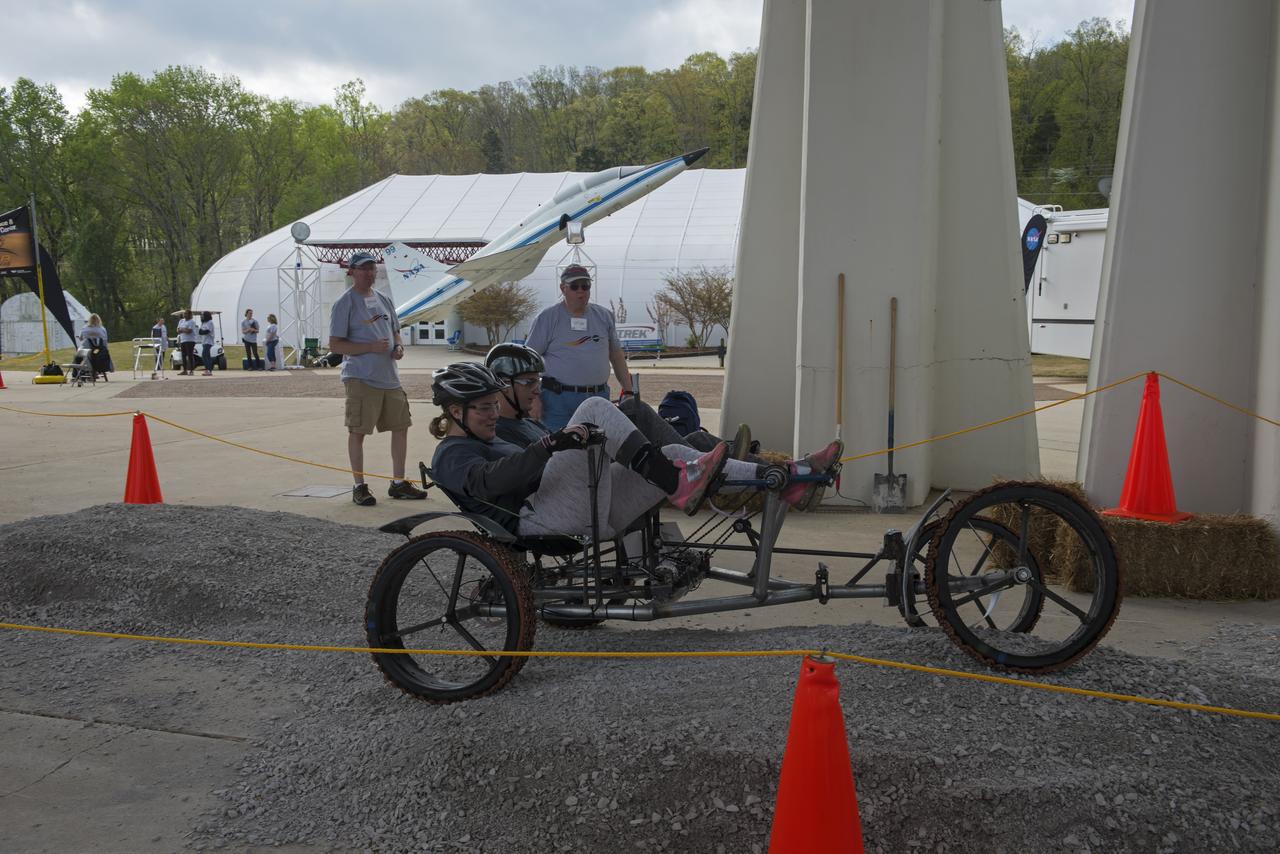
High school and university students competed in the 2018 Human Exploration Rover Challenge event at the U.S. Space and Rocket Center in Huntsville, Alabama. Students came from across the U.S. as well as several foreign countries such as Brazil, Germany, India, and Mexico. This event, which is normally a 2 day event, was shortened to 1 day in 2018 due to adverse weather conditions.
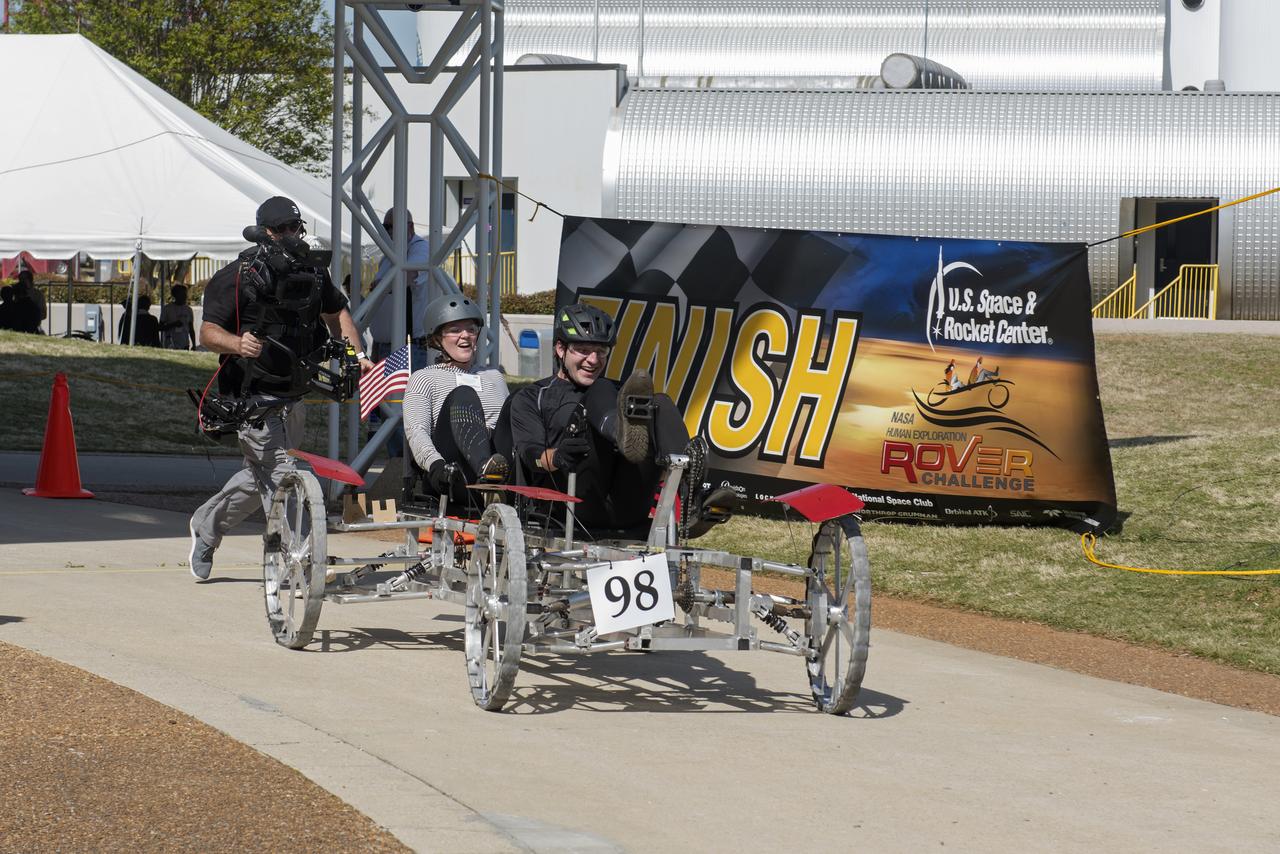
High school and university students competed in the 2018 Human Exploration Rover Challenge event at the U.S. Space and Rocket Center in Huntsville, Alabama. Students came from across the U.S. as well as several foreign countries such as Brazil, Germany, India, and Mexico. This event, which is normally a 2 day event, was shortened to 1 day in 2018 due to adverse weather conditions.
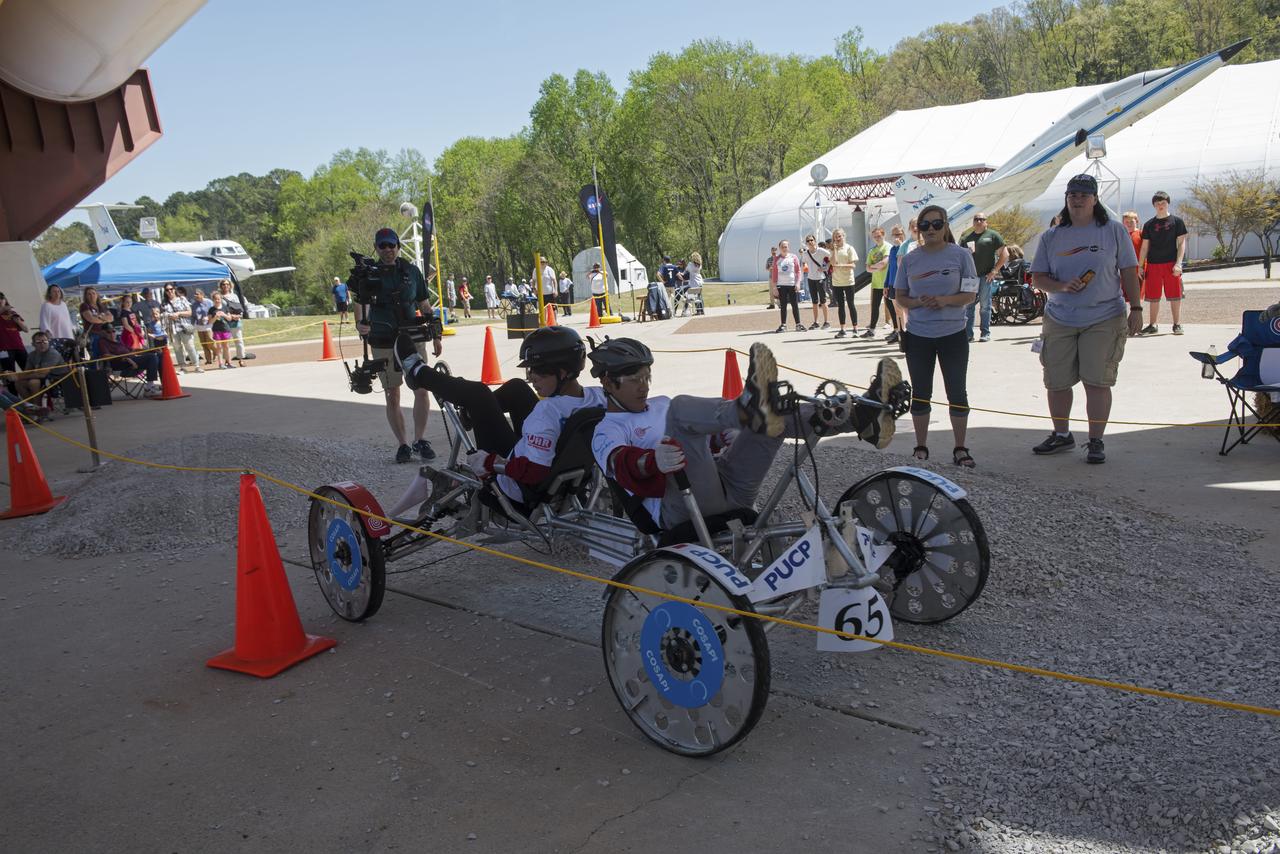
High school and university students competed in the 2018 Human Exploration Rover Challenge event at the U.S. Space and Rocket Center in Huntsville, Alabama. Students came from across the U.S. as well as several foreign countries such as Brazil, Germany, India, and Mexico. This event, which is normally a 2 day event, was shortened to 1 day in 2018 due to adverse weather conditions.
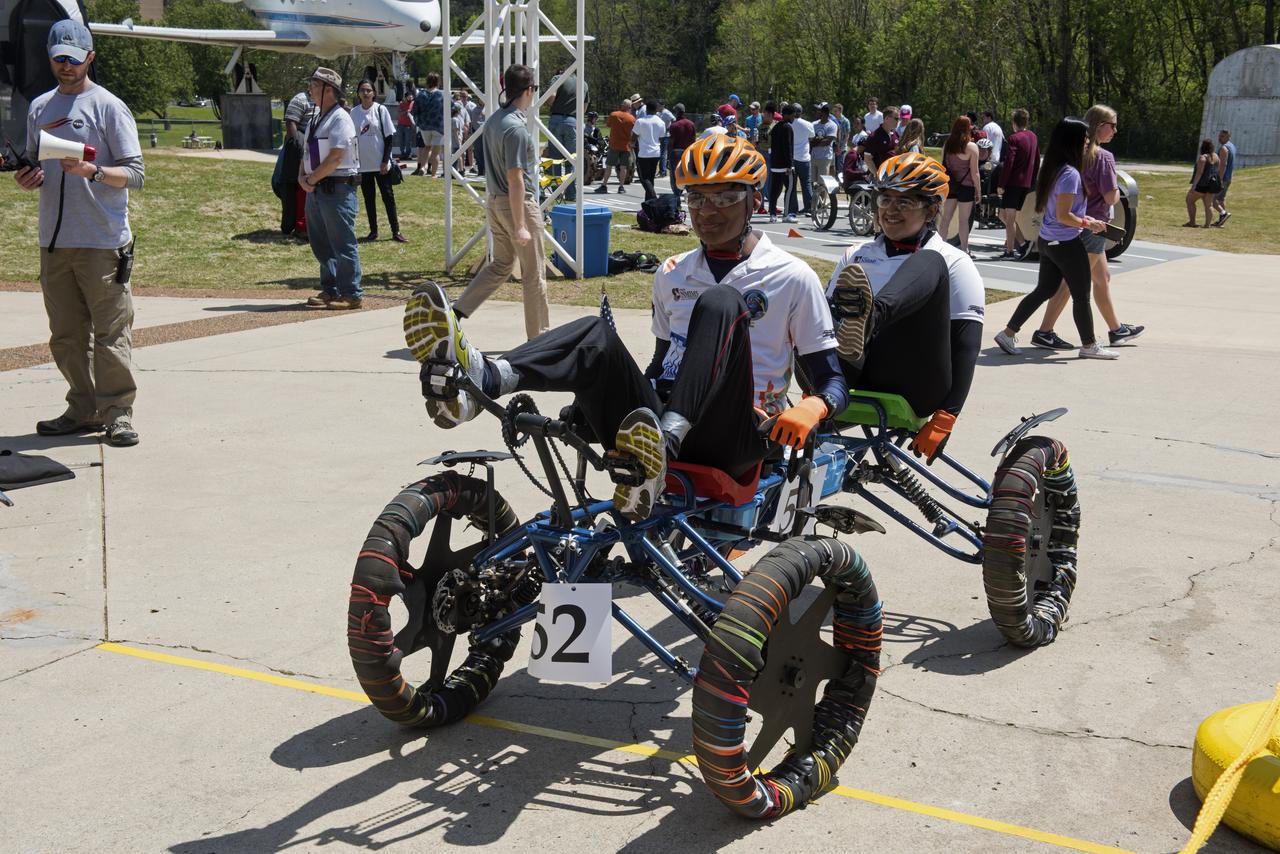
High school and university students competed in the 2018 Human Exploration Rover Challenge event at the U.S. Space and Rocket Center in Huntsville, Alabama. Students came from across the U.S. as well as several foreign countries such as Brazil, Germany, India, and Mexico. This event, which is normally a 2 day event, was shortened to 1 day in 2018 due to adverse weather conditions.
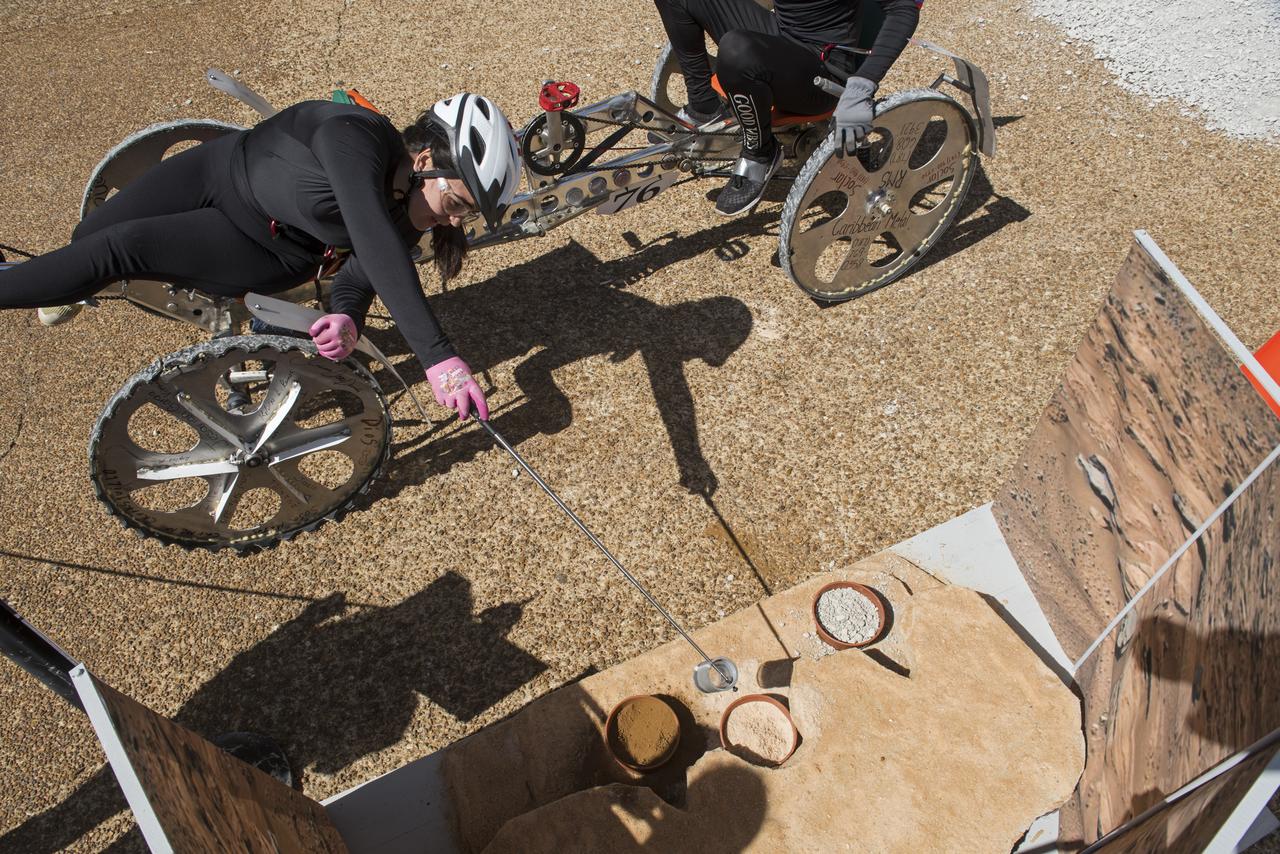
High school and university students competed in the 2018 Human Exploration Rover Challenge event at the U.S. Space and Rocket Center in Huntsville, Alabama. Students came from across the U.S. as well as several foreign countries such as Brazil, Germany, India, and Mexico. This event, which is normally a 2 day event, was shortened to 1 day in 2018 due to adverse weather conditions.
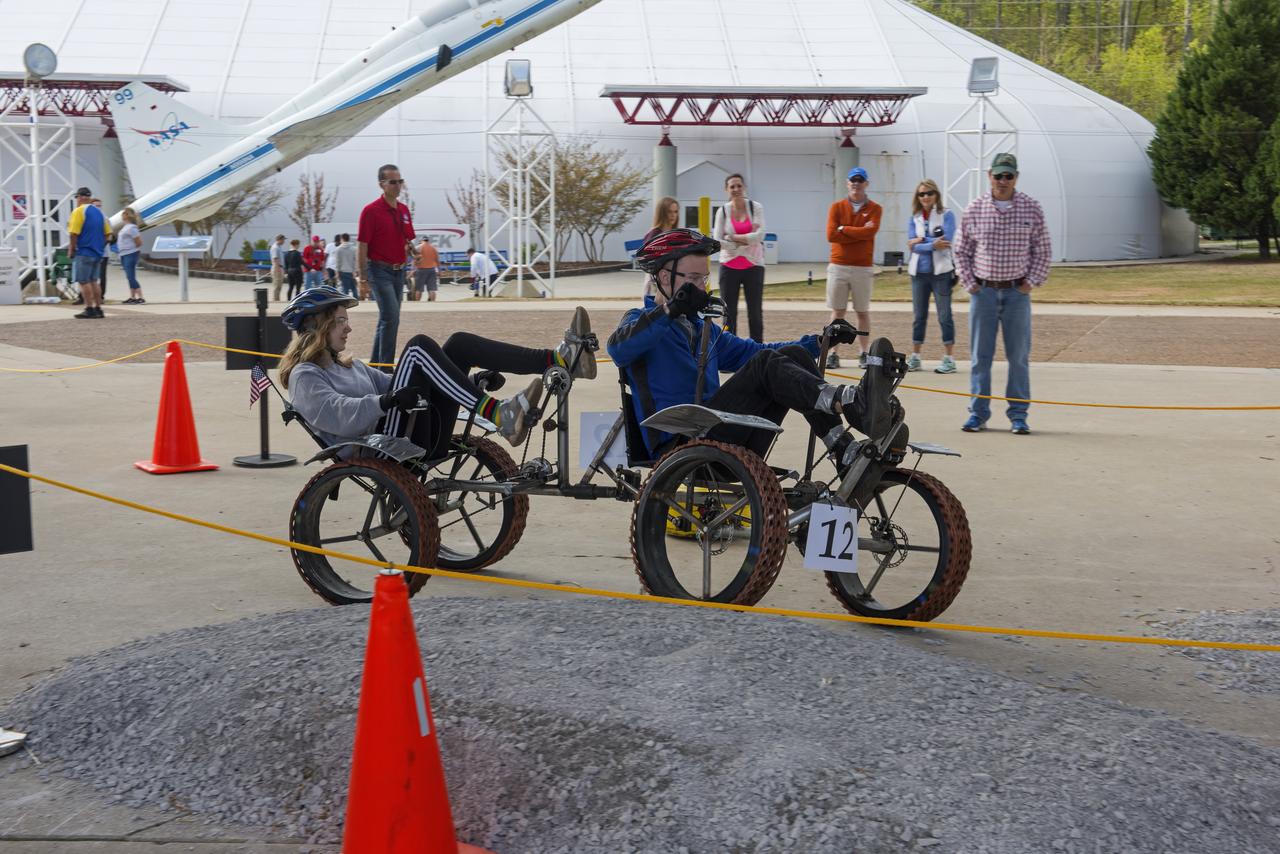
High school and university students competed in the 2018 Human Exploration Rover Challenge event at the U.S. Space and Rocket Center in Huntsville, Alabama. Students came from across the U.S. as well as several foreign countries such as Brazil, Germany, India, and Mexico. This event, which is normally a 2 day event, was shortened to 1 day in 2018 due to adverse weather conditions.
High school and university students competed in the 2018 Human Exploration Rover Challenge event at the U.S. Space and Rocket Center in Huntsville, Alabama. Students came from across the U.S. as well as several foreign countries such as Brazil, Germany, India, and Mexico. This event, which is normally a 2 day event, was shortened to 1 day in 2018 due to adverse weather conditions.
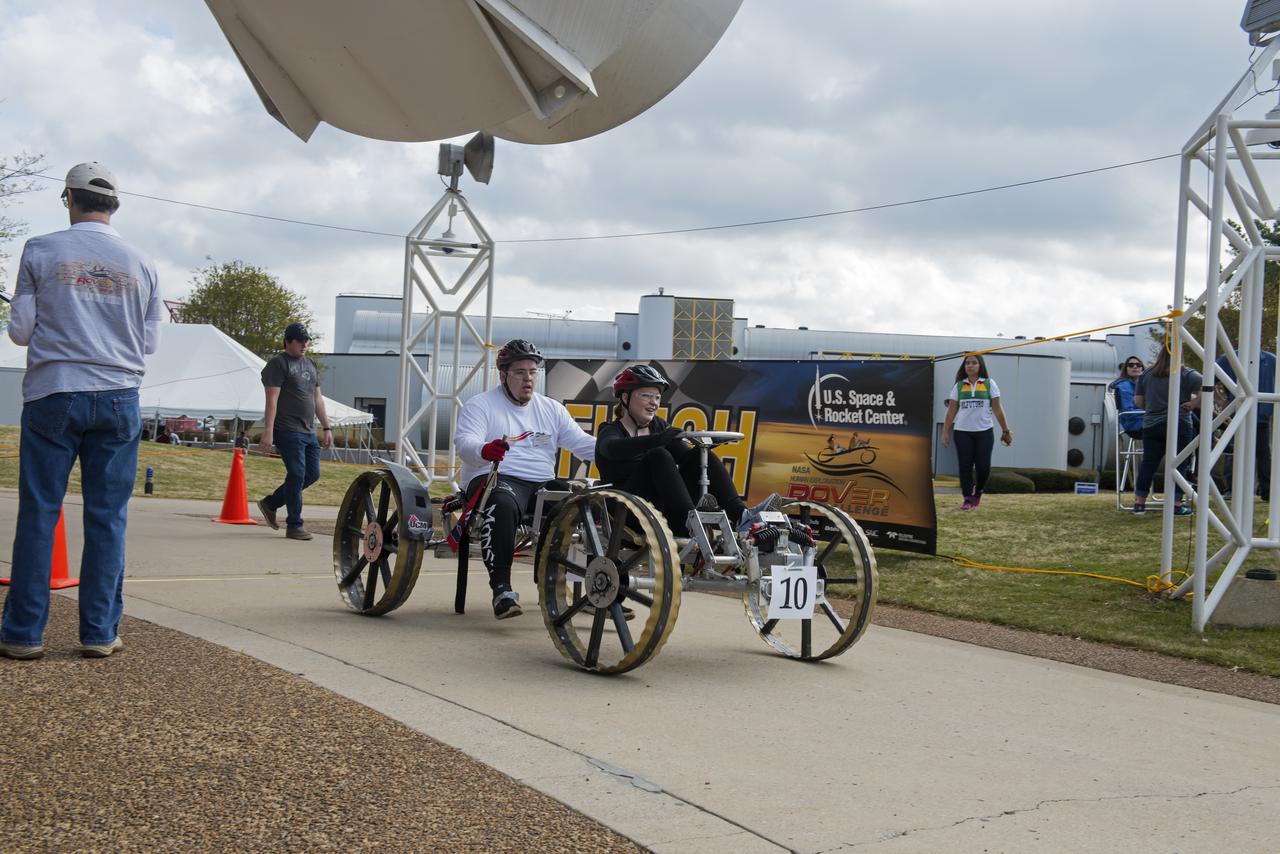
High school and university students competed in the 2018 Human Exploration Rover Challenge event at the U.S. Space and Rocket Center in Huntsville, Alabama. Students came from across the U.S. as well as several foreign countries such as Brazil, Germany, India, and Mexico. This event, which is normally a 2 day event, was shortened to 1 day in 2018 due to adverse weather conditions.
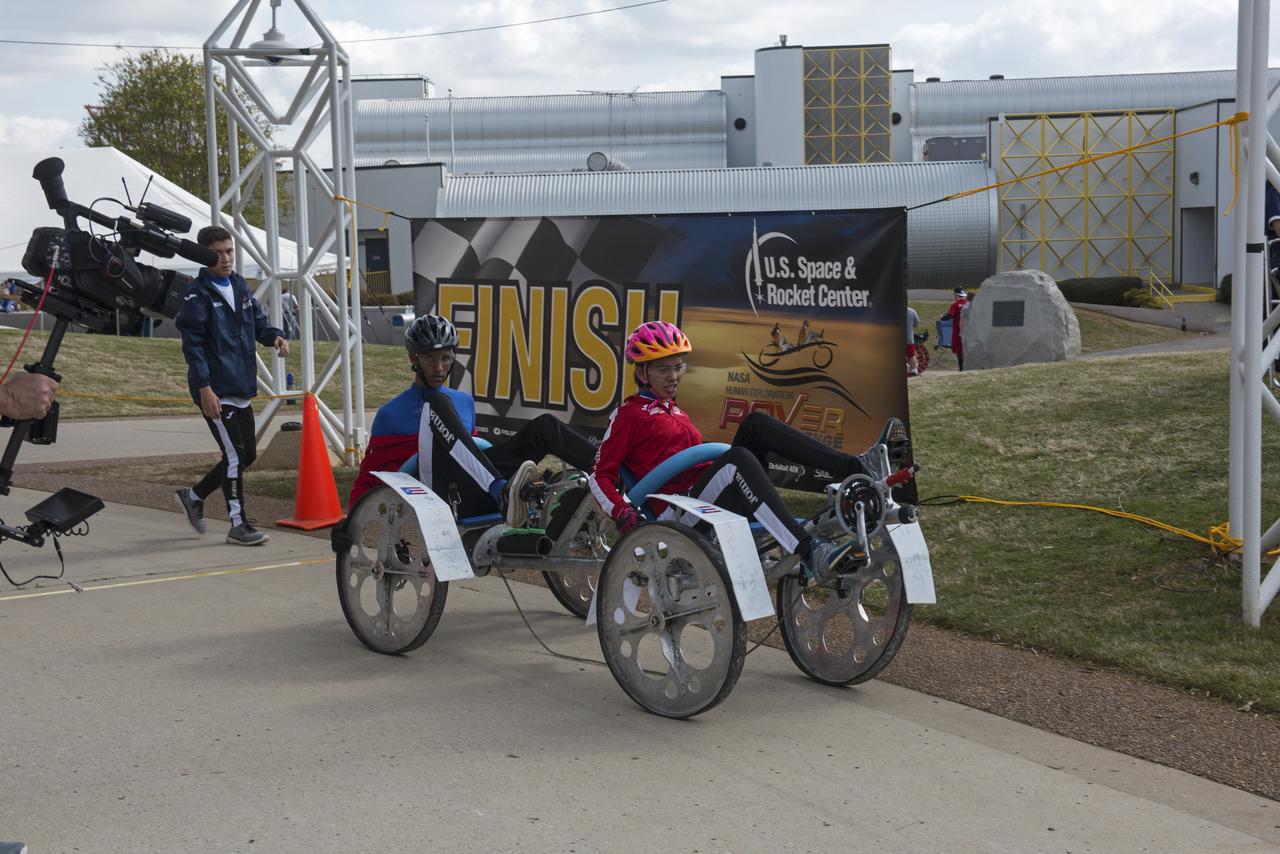
High school and university students competed in the 2018 Human Exploration Rover Challenge event at the U.S. Space and Rocket Center in Huntsville, Alabama. Students came from across the U.S. as well as several foreign countries such as Brazil, Germany, India, and Mexico. This event, which is normally a 2 day event, was shortened to 1 day in 2018 due to adverse weather conditions.
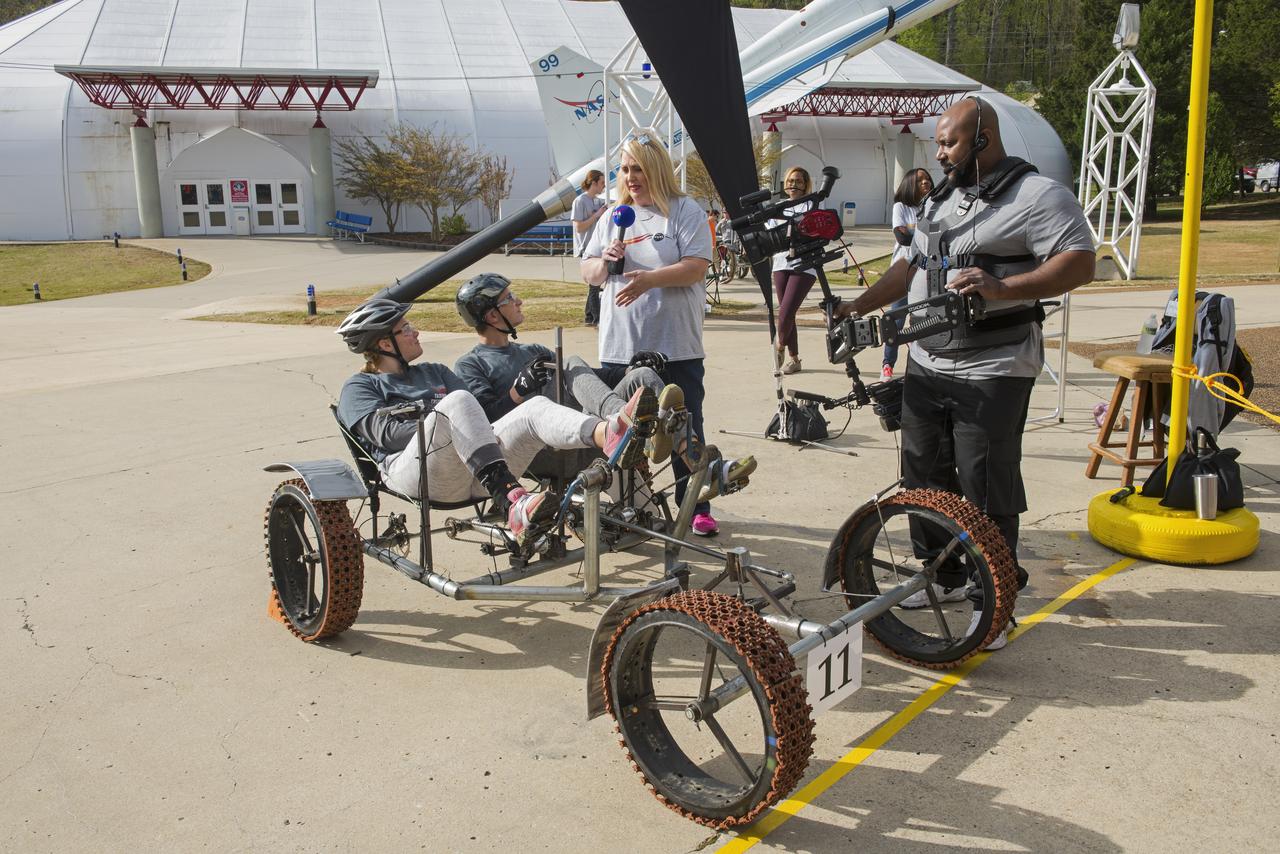
High school and university students competed in the 2018 Human Exploration Rover Challenge event at the U.S. Space and Rocket Center in Huntsville, Alabama. Students came from across the U.S. as well as several foreign countries such as Brazil, Germany, India, and Mexico. This event, which is normally a 2 day event, was shortened to 1 day in 2018 due to adverse weather conditions.
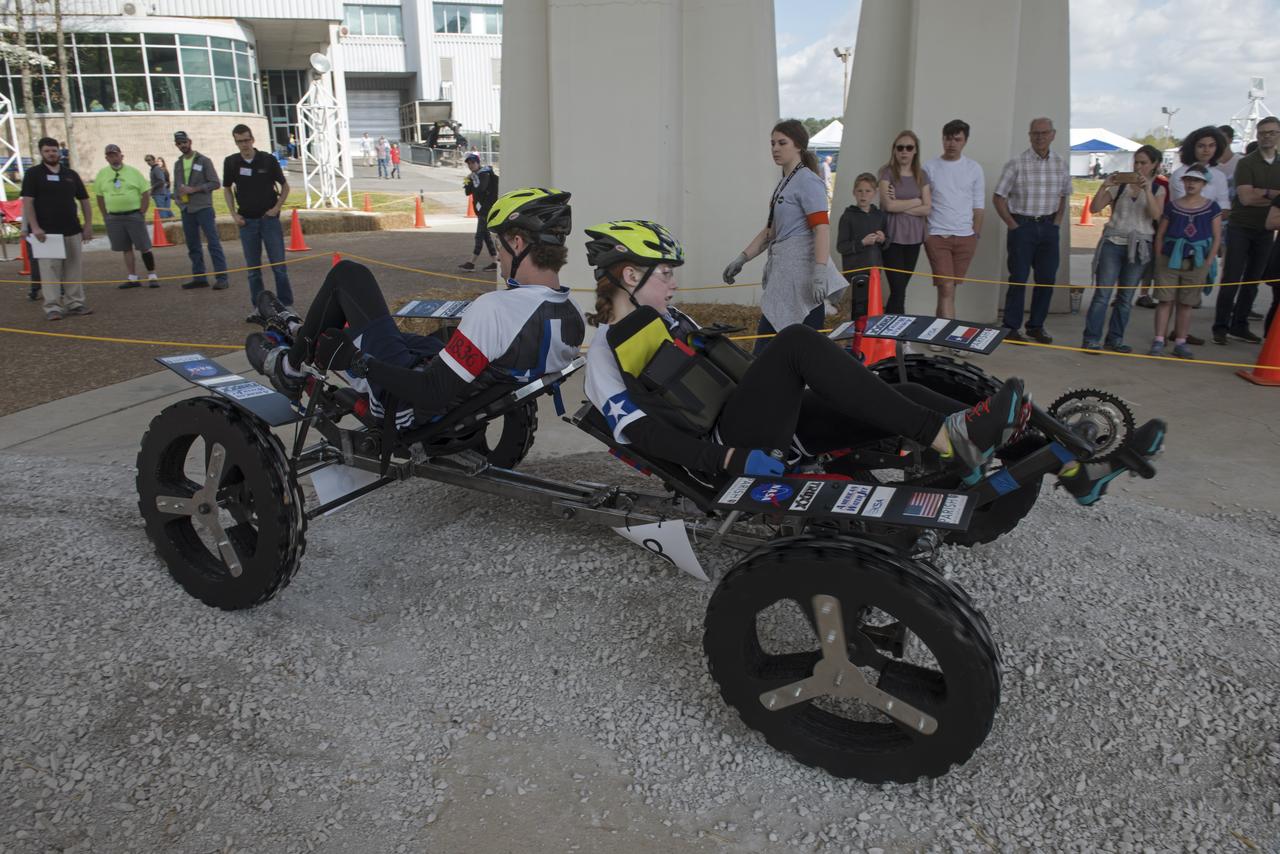
High school and university students competed in the 2018 Human Exploration Rover Challenge event at the U.S. Space and Rocket Center in Huntsville, Alabama. Students came from across the U.S. as well as several foreign countries such as Brazil, Germany, India, and Mexico. This event, which is normally a 2 day event, was shortened to 1 day in 2018 due to adverse weather conditions.
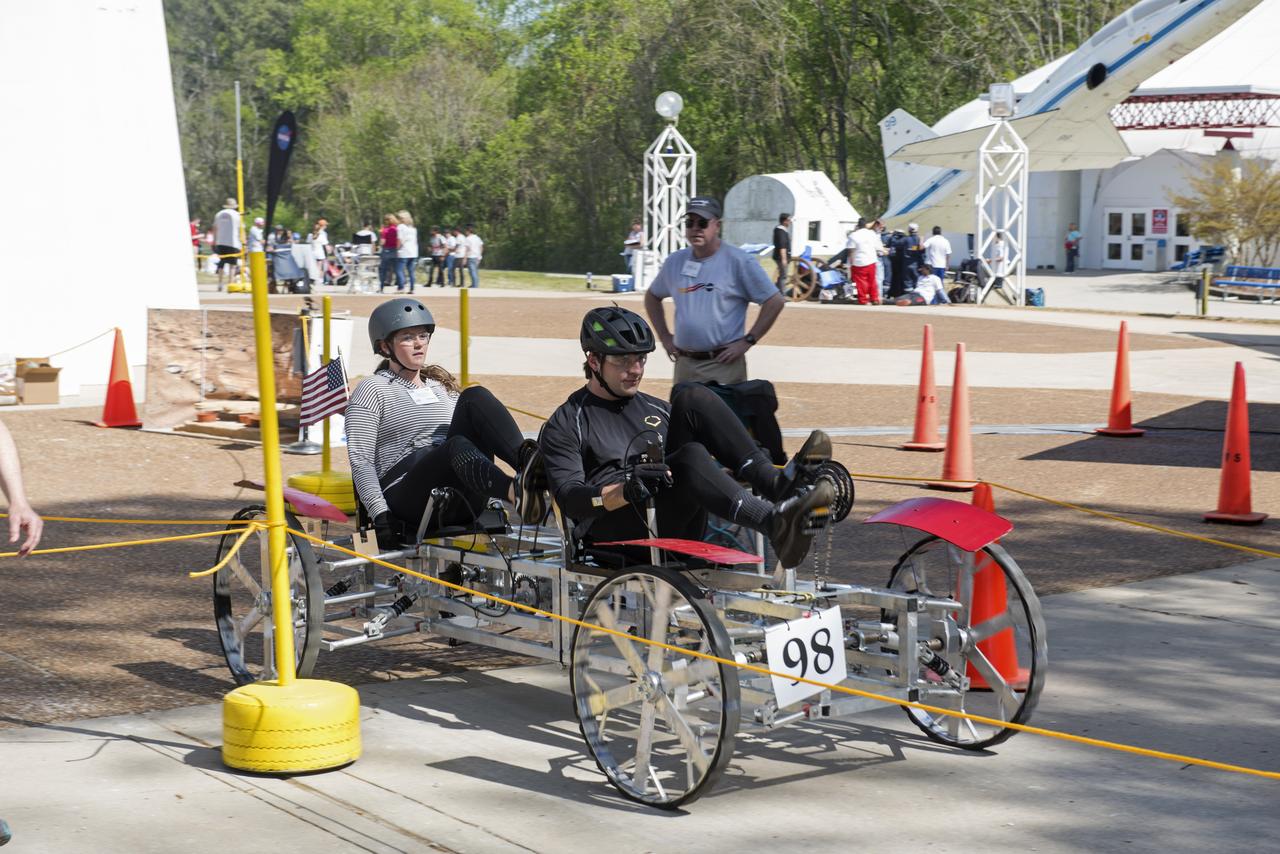
High school and university students competed in the 2018 Human Exploration Rover Challenge event at the U.S. Space and Rocket Center in Huntsville, Alabama. Students came from across the U.S. as well as several foreign countries such as Brazil, Germany, India, and Mexico. This event, which is normally a 2 day event, was shortened to 1 day in 2018 due to adverse weather conditions.
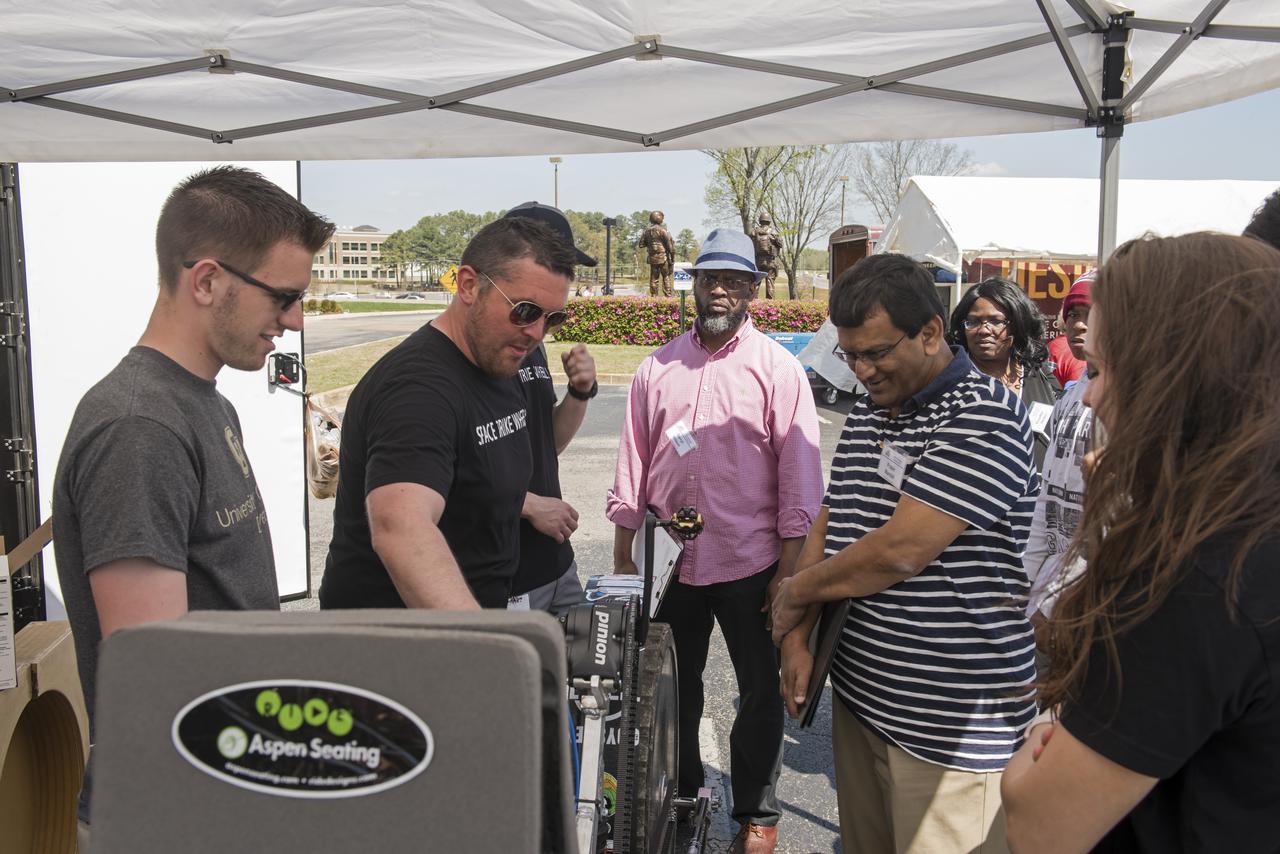
High school and university students competed in the 2018 Human Exploration Rover Challenge event at the U.S. Space and Rocket Center in Huntsville, Alabama. Students came from across the U.S. as well as several foreign countries such as Brazil, Germany, India, and Mexico. This event, which is normally a 2 day event, was shortened to 1 day in 2018 due to adverse weather conditions.
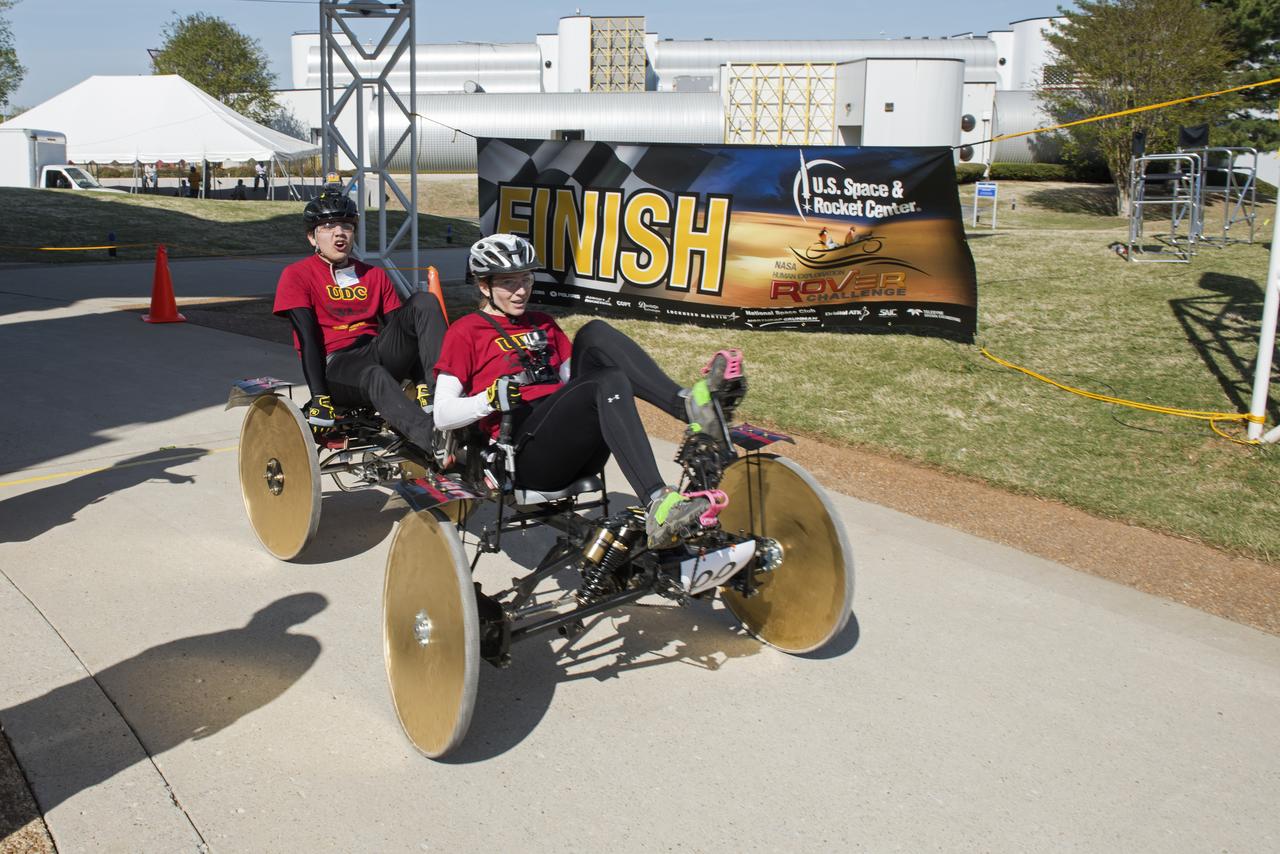
High school and university students competed in the 2018 Human Exploration Rover Challenge event at the U.S. Space and Rocket Center in Huntsville, Alabama. Students came from across the U.S. as well as several foreign countries such as Brazil, Germany, India, and Mexico. This event, which is normally a 2 day event, was shortened to 1 day in 2018 due to adverse weather conditions.
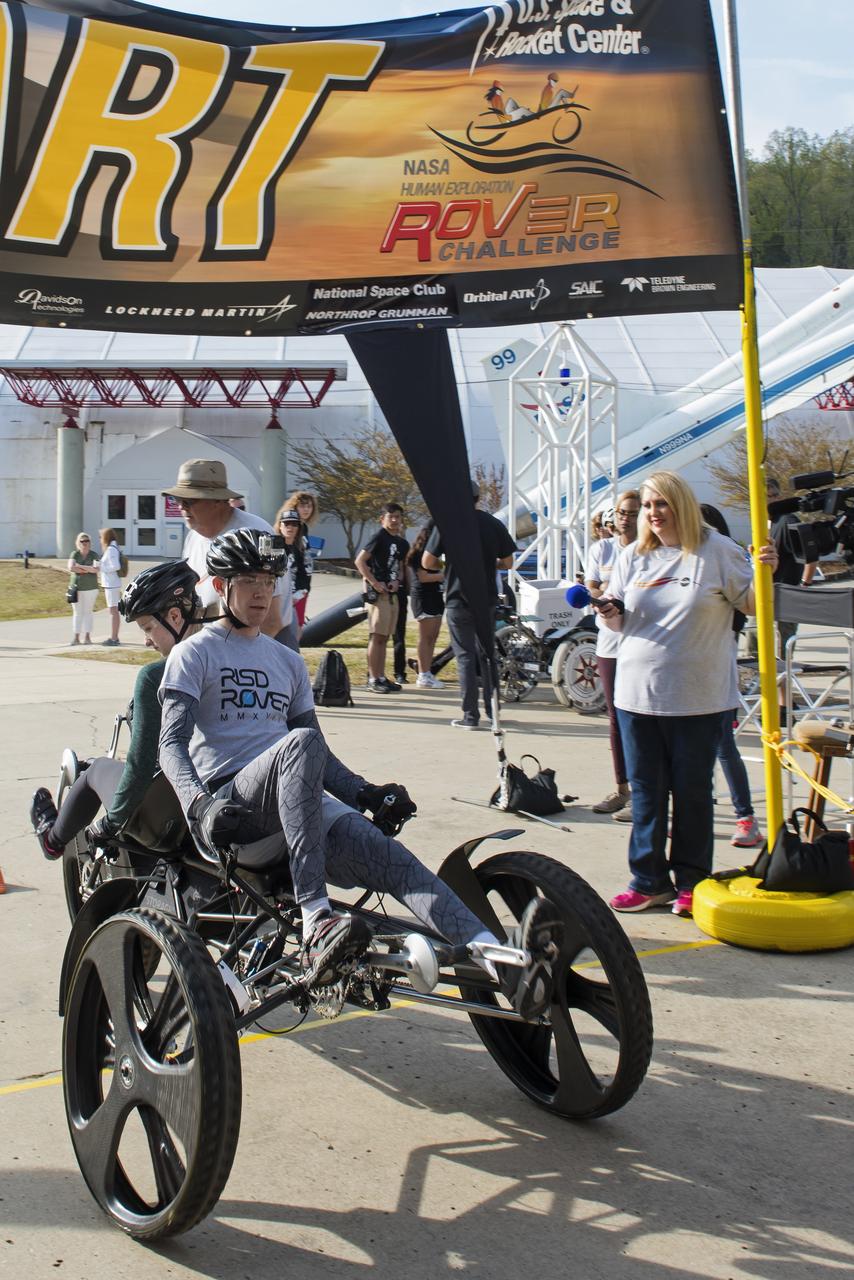
High school and university students competed in the 2018 Human Exploration Rover Challenge event at the U.S. Space and Rocket Center in Huntsville, Alabama. Students came from across the U.S. as well as several foreign countries such as Brazil, Germany, India, and Mexico. This event, which is normally a 2 day event, was shortened to 1 day in 2018 due to adverse weather conditions.
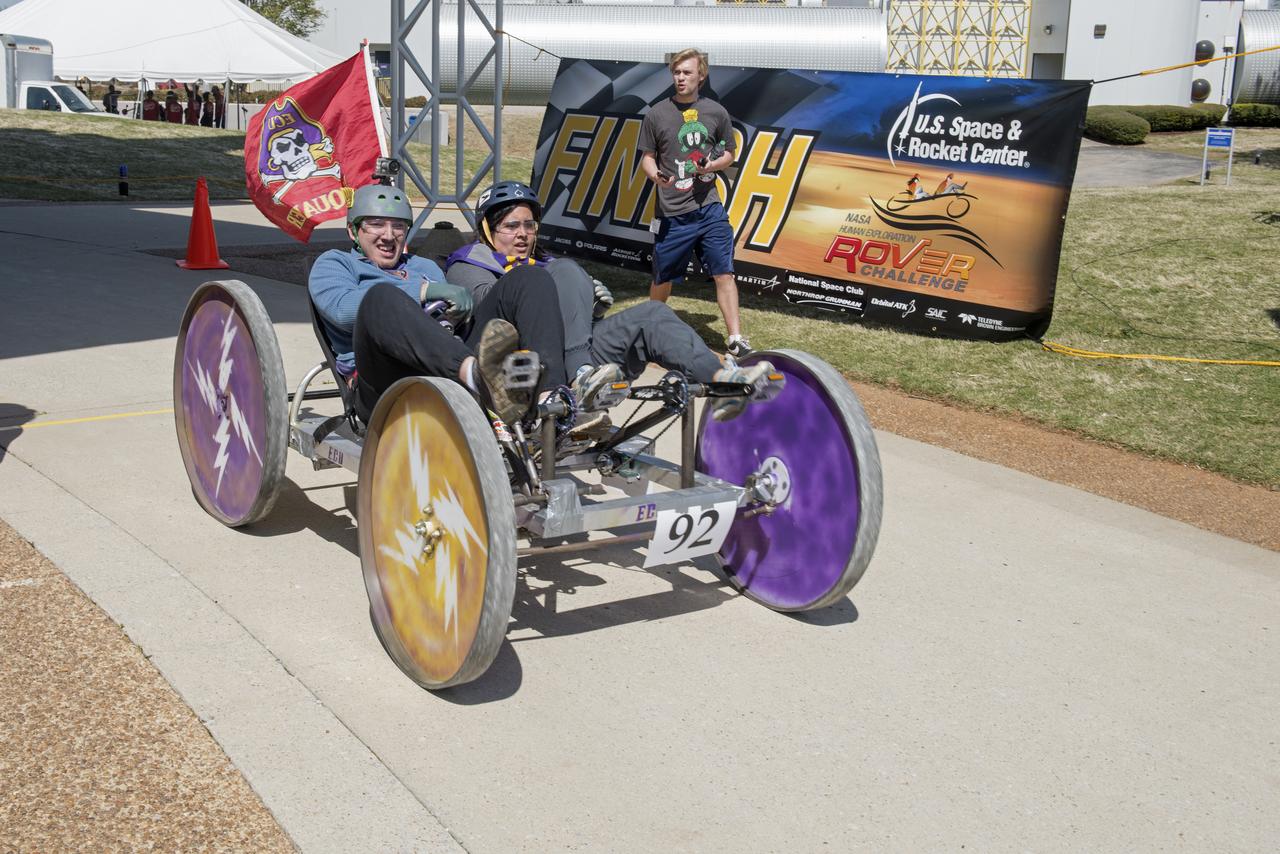
High school and university students competed in the 2018 Human Exploration Rover Challenge event at the U.S. Space and Rocket Center in Huntsville, Alabama. Students came from across the U.S. as well as several foreign countries such as Brazil, Germany, India, and Mexico. This event, which is normally a 2 day event, was shortened to 1 day in 2018 due to adverse weather conditions.
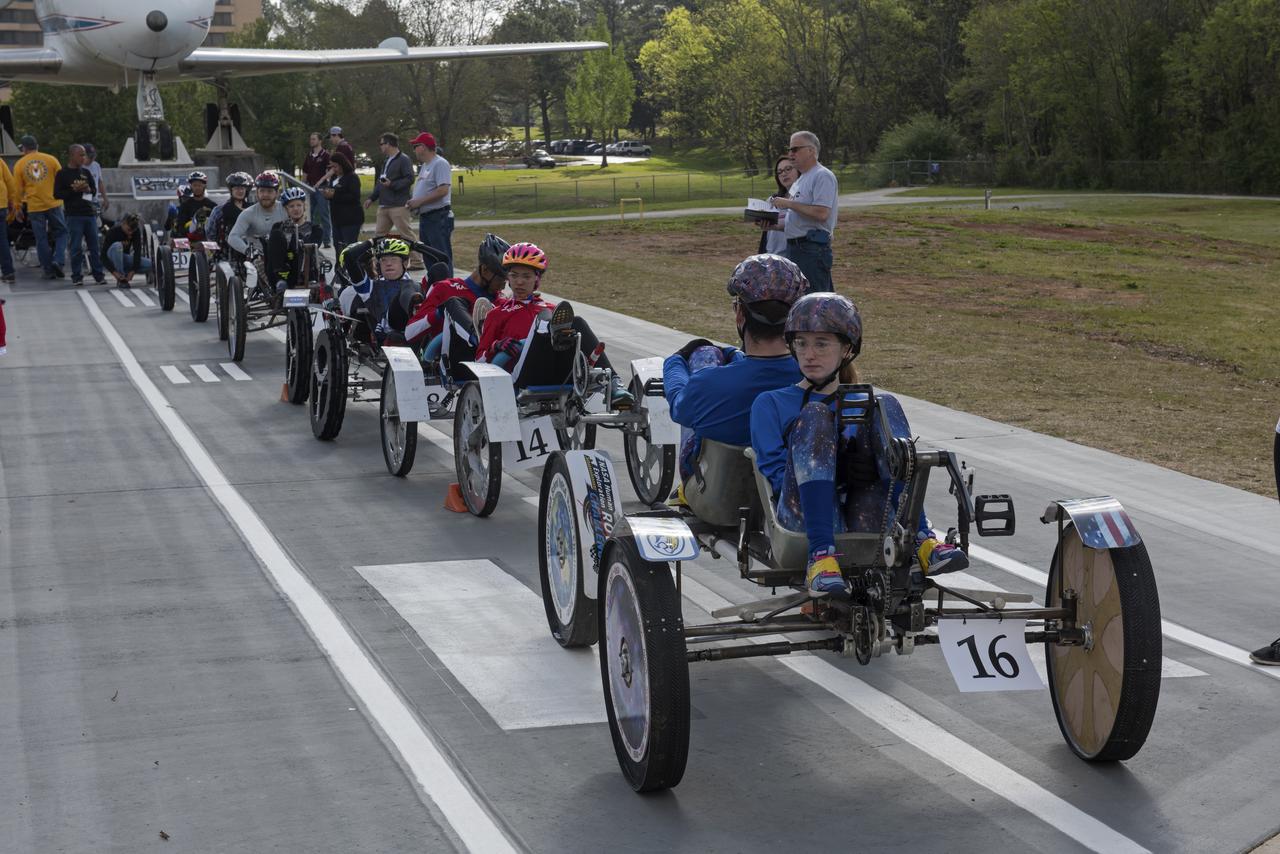
High school and university students competed in the 2018 Human Exploration Rover Challenge event at the U.S. Space and Rocket Center in Huntsville, Alabama. Students came from across the U.S. as well as several foreign countries such as Brazil, Germany, India, and Mexico. This event, which is normally a 2 day event, was shortened to 1 day in 2018 due to adverse weather conditions.
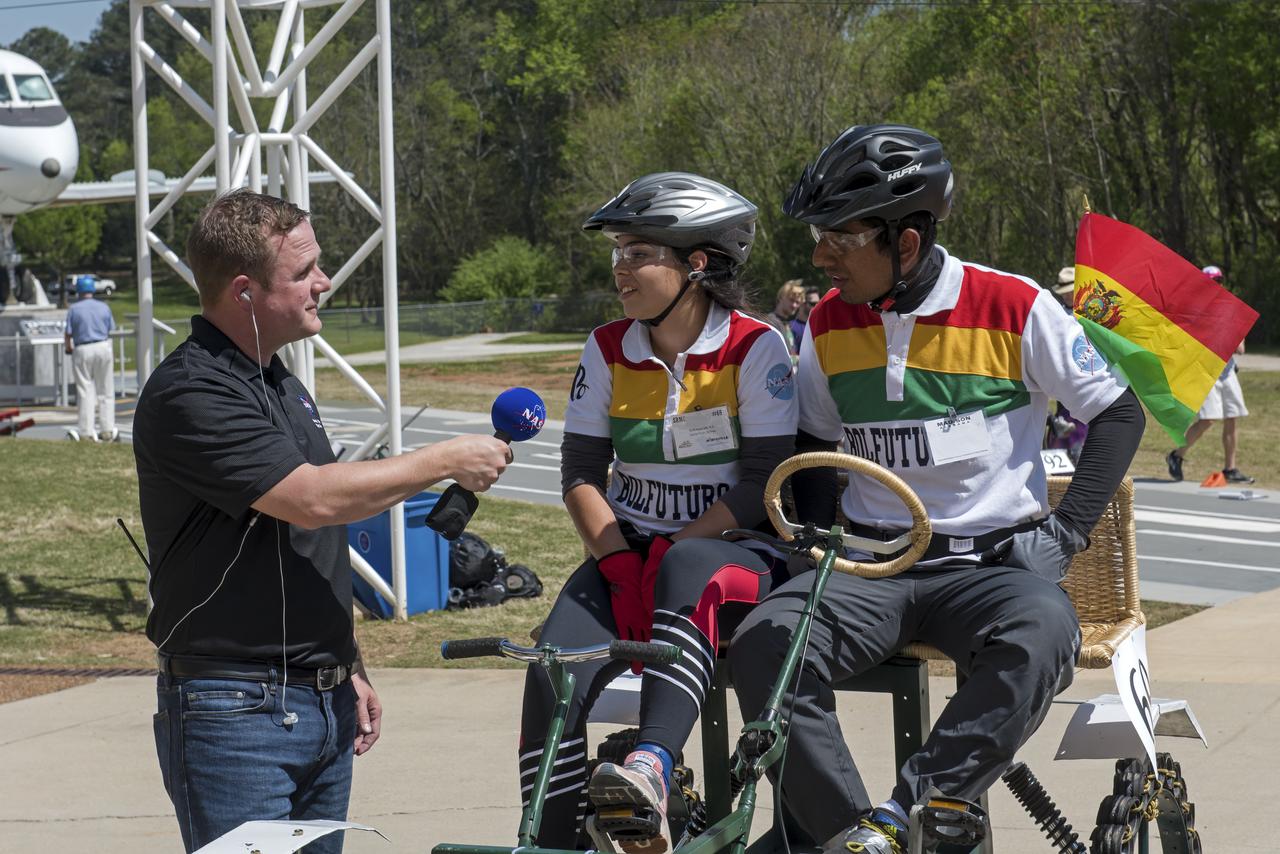
High school and university students competed in the 2018 Human Exploration Rover Challenge event at the U.S. Space and Rocket Center in Huntsville, Alabama. Students came from across the U.S. as well as several foreign countries such as Brazil, Germany, India, and Mexico. This event, which is normally a 2 day event, was shortened to 1 day in 2018 due to adverse weather conditions.
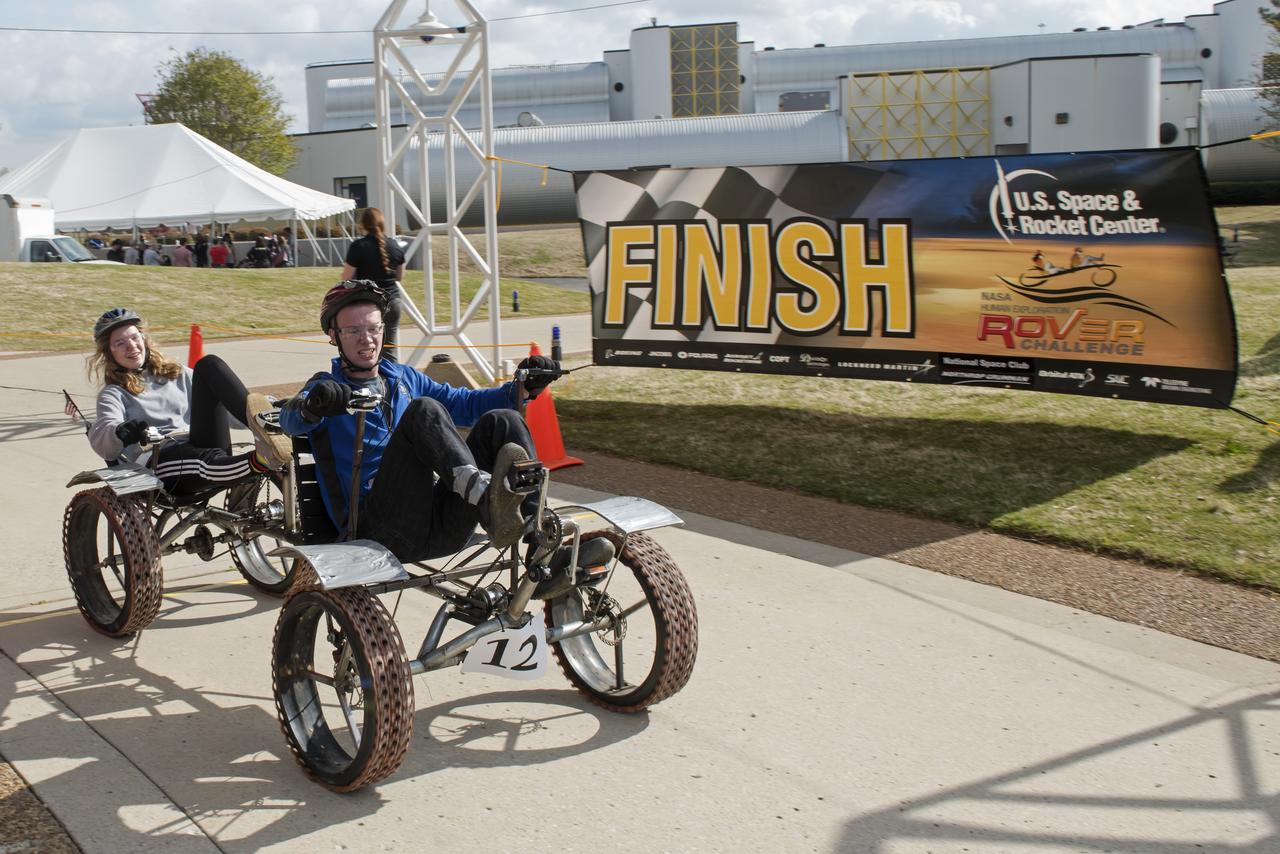
High school and university students competed in the 2018 Human Exploration Rover Challenge event at the U.S. Space and Rocket Center in Huntsville, Alabama. Students came from across the U.S. as well as several foreign countries such as Brazil, Germany, India, and Mexico. This event, which is normally a 2 day event, was shortened to 1 day in 2018 due to adverse weather conditions.
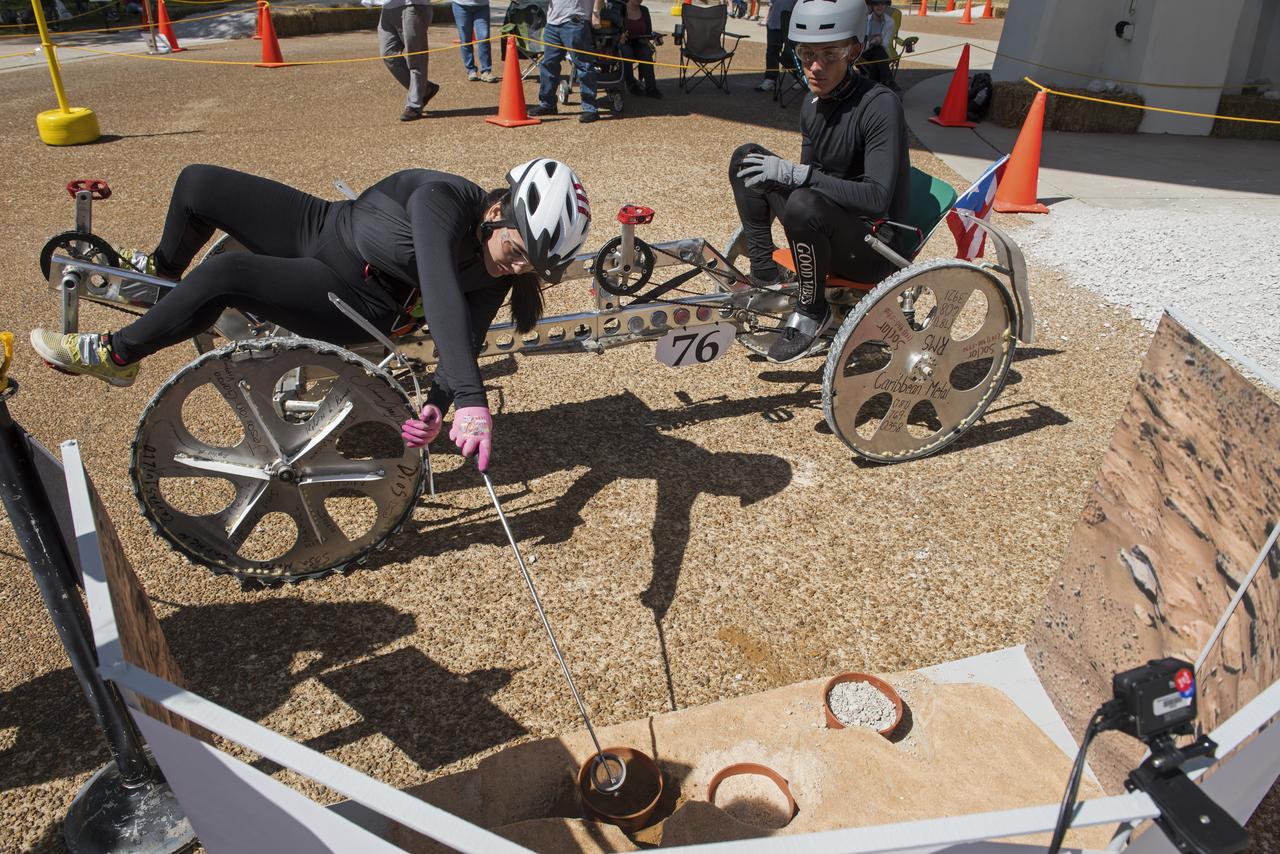
High school and university students competed in the 2018 Human Exploration Rover Challenge event at the U.S. Space and Rocket Center in Huntsville, Alabama. Students came from across the U.S. as well as several foreign countries such as Brazil, Germany, India, and Mexico. This event, which is normally a 2 day event, was shortened to 1 day in 2018 due to adverse weather conditions.
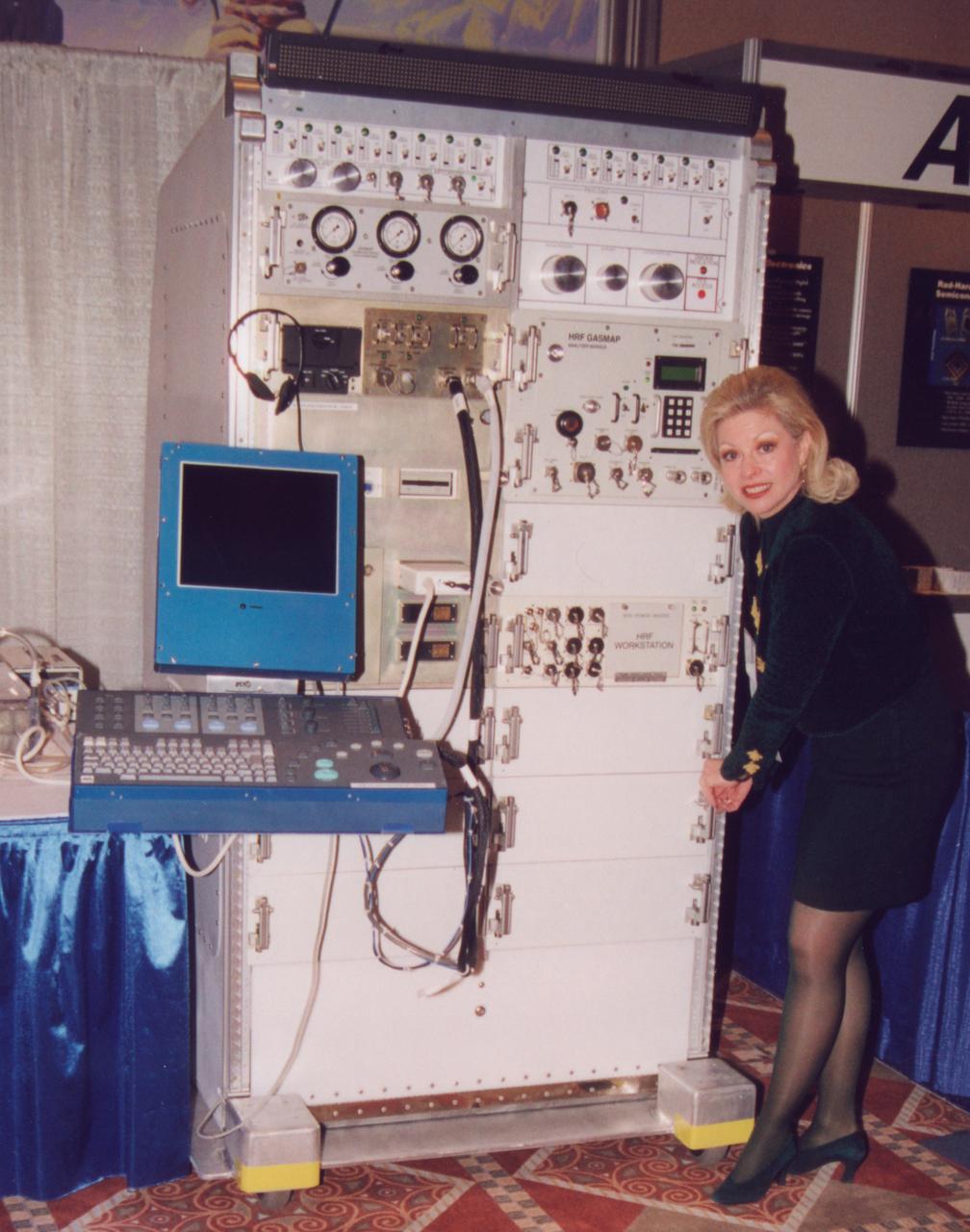
Arn Harris Hoover of Lockheed Martin Company demonstrates an engineering mockup of the Human Research Facility (HRF) that will be installed in Destiny, the U.S. Laboratory Module on the International Space Station (ISS). Using facilities similar to research hardware available in laboratories on Earth, the HRF will enable systematic study of cardiovascular, musculoskeletal, neurosensory, pulmonary, radiation, and regulatory physiology to determine biomedical changes resulting from space flight. Research results obtained using this facility are relevant to the health and the performance of the astronaut as well as future exploration of space. Because this is a mockup, the actual flight hardware may vary as desings are refined. (Credit: NASA/Marshall Space Flight Center)
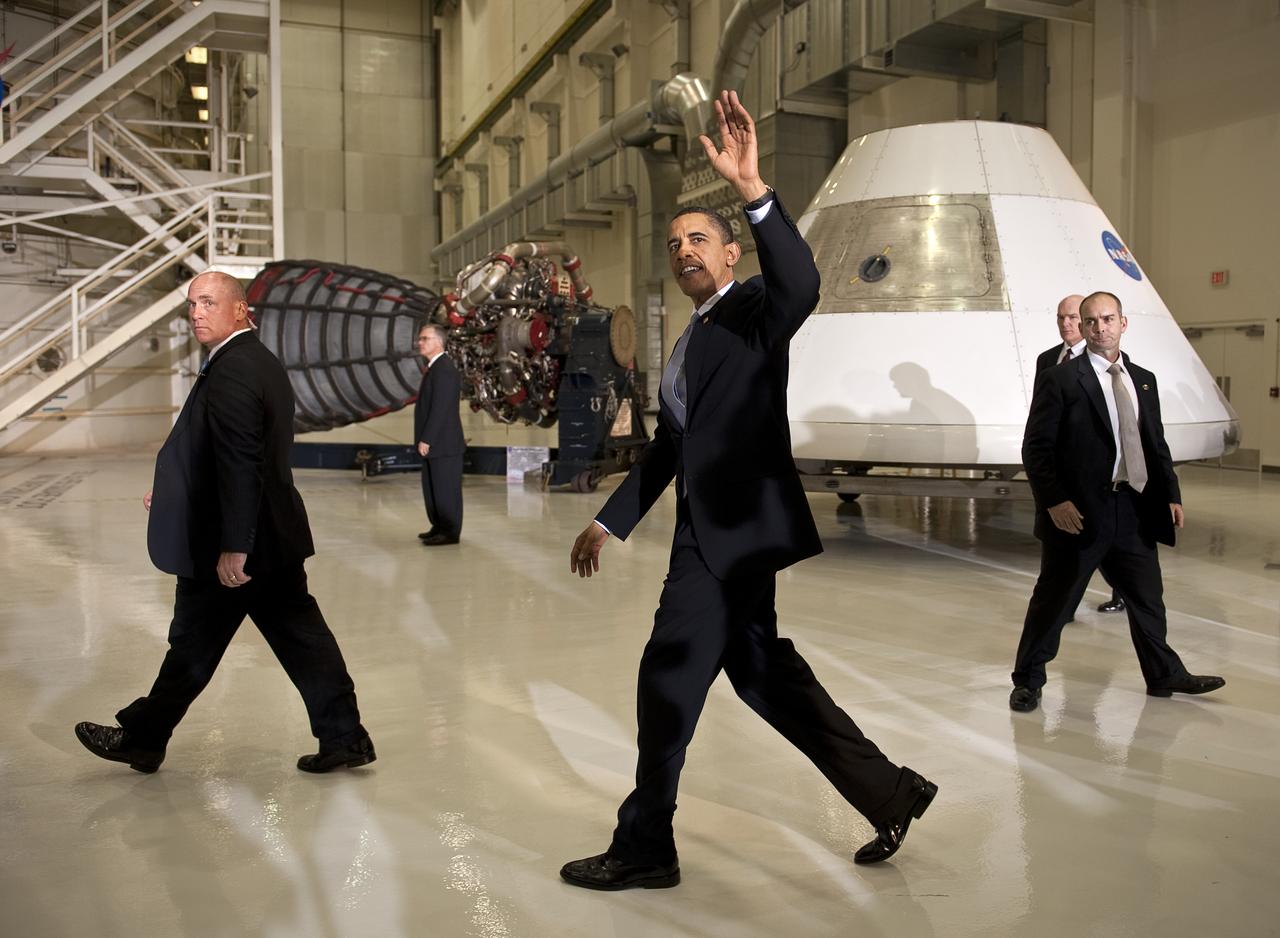
President Barack Obama waves farewell after speaking at the NASA Kennedy Space Center in Cape Canaveral, Fla. on Thursday, April 15, 2010. Obama visited Kennedy to deliver remarks on the bold new course the administration is charting to maintain U.S. leadership in human space flight. Photo Credit: (NASA/Bill Ingalls)
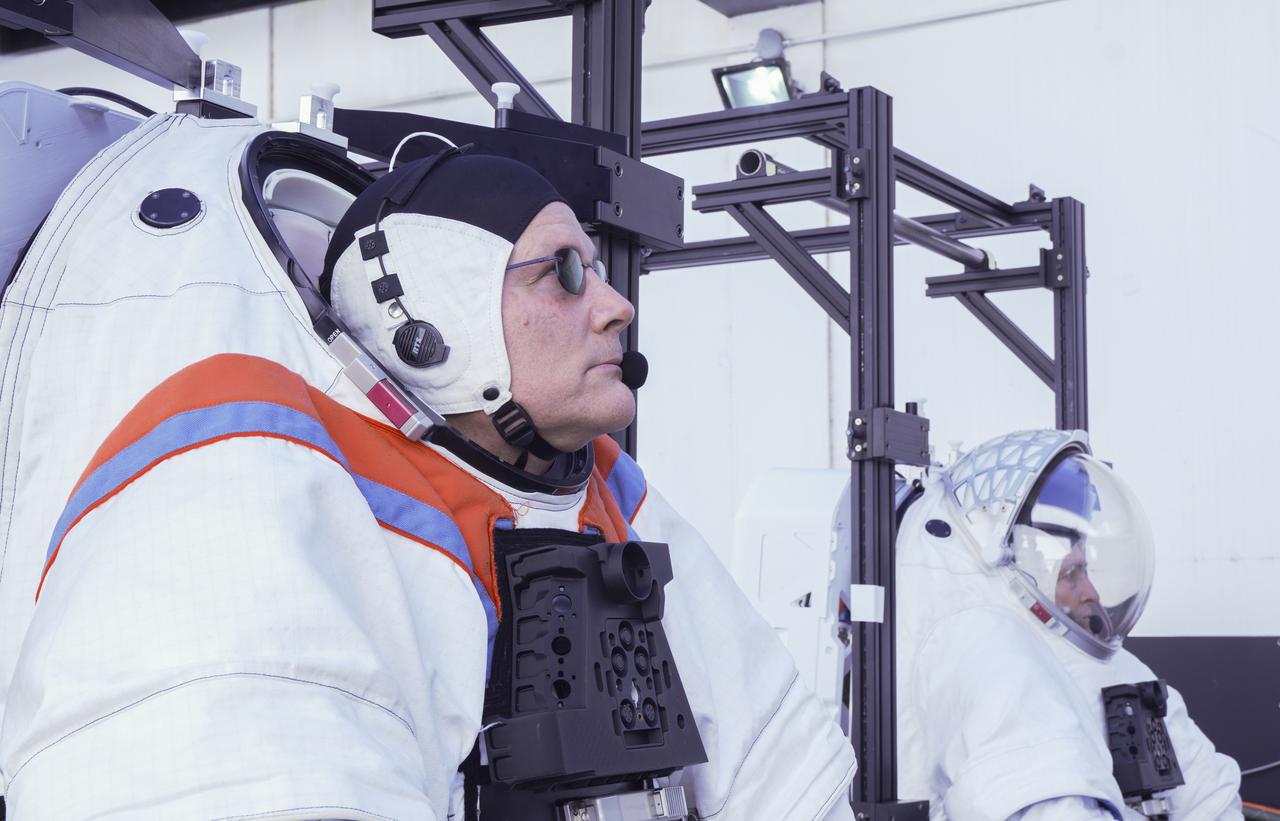
NASA astronaut Doug “Wheels” Wheelock and Axiom Space astronaut Peggy Whitson prepare for a test of full-scale mockups of spacesuits developed by Axiom Space and SpaceX’s Starship human landing system developed for NASA’s Artemis missions to the Moon. Image Credit: SpaceX
/USSRC_TravisHogan (195)~large.jpg)
More than 600 students with 44 teams from around the world participated in the 32nd year of NASA’s Human Exploration Rover Challenge (HERC) on April 10 and April 11 near NASA’s Marshall Space Flight Center in Huntsville, Alabama. Participating teams represented 28 colleges and universities, 13 high schools, and one middle school from 18 states, Puerto Rico, and four Artemis Accord countries. Teams were awarded points based on navigating a half-mile obstacle course with either a human-powered or remote-controlled rover, conducting mission-specific task challenges, and completing multiple safety and design reviews with NASA engineers.
/USSRC_MeganHolbrook (98)~large.jpg)
More than 600 students with 44 teams from around the world participated in the 32nd year of NASA’s Human Exploration Rover Challenge (HERC) on April 10 and April 11 near NASA’s Marshall Space Flight Center in Huntsville, Alabama. Participating teams represented 28 colleges and universities, 13 high schools, and one middle school from 18 states, Puerto Rico, and four Artemis Accord countries. Teams were awarded points based on navigating a half-mile obstacle course with either a human-powered or remote-controlled rover, conducting mission-specific task challenges, and completing multiple safety and design reviews with NASA engineers.
/USSRC_DavidSercel (616)~large.jpg)
More than 600 students with 44 teams from around the world participated in the 32nd year of NASA’s Human Exploration Rover Challenge (HERC) on April 10 and April 11 near NASA’s Marshall Space Flight Center in Huntsville, Alabama. Participating teams represented 28 colleges and universities, 13 high schools, and one middle school from 18 states, Puerto Rico, and four Artemis Accord countries. Teams were awarded points based on navigating a half-mile obstacle course with either a human-powered or remote-controlled rover, conducting mission-specific task challenges, and completing multiple safety and design reviews with NASA engineers.
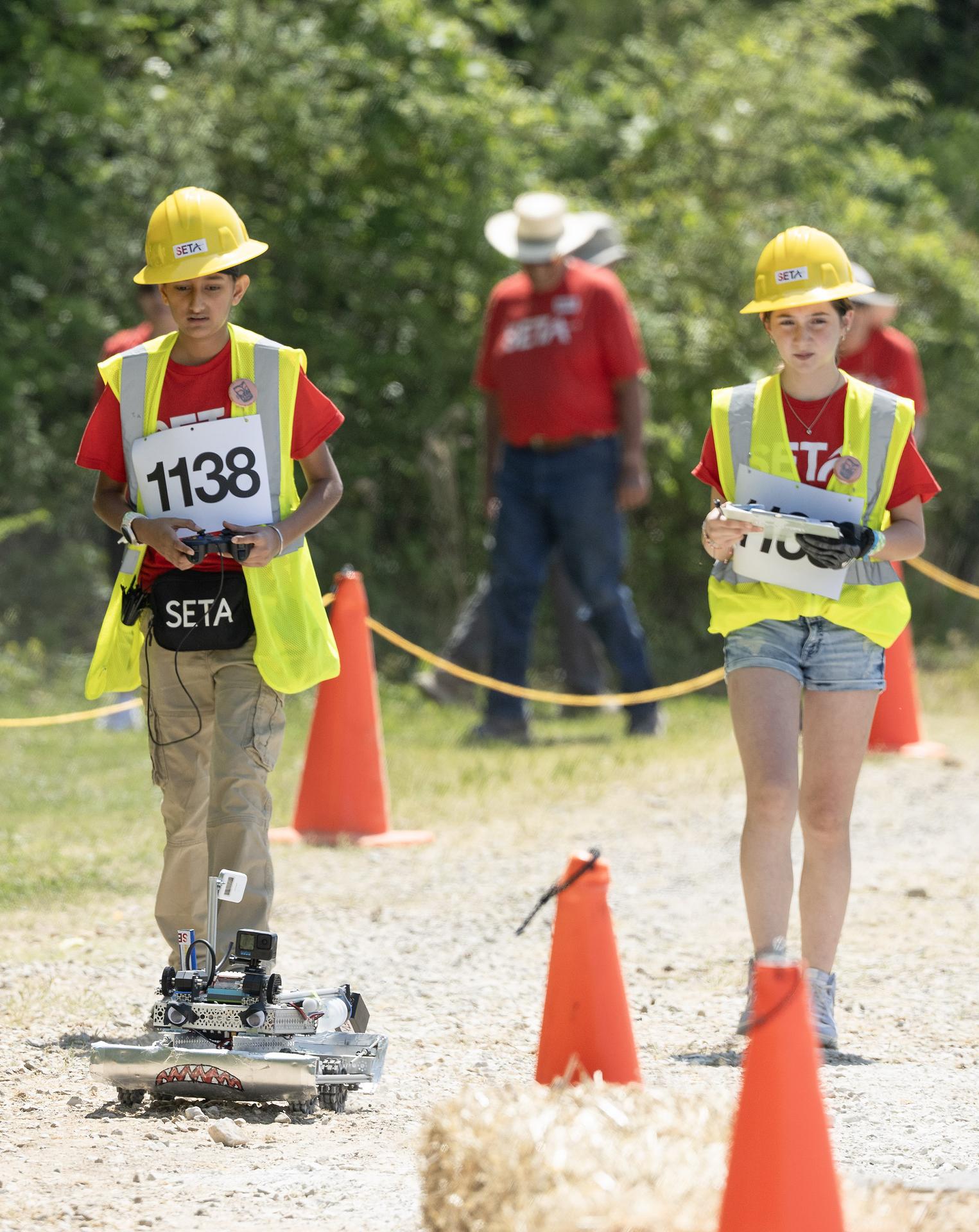
More than 600 students with 44 teams from around the world participated in the 32nd year of NASA’s Human Exploration Rover Challenge (HERC) on April 10 and April 11 near NASA’s Marshall Space Flight Center in Huntsville, Alabama. Participating teams represented 28 colleges and universities, 13 high schools, and one middle school from 18 states, Puerto Rico, and four Artemis Accord countries. Teams were awarded points based on navigating a half-mile obstacle course with either a human-powered or remote-controlled rover, conducting mission-specific task challenges, and completing multiple safety and design reviews with NASA engineers.
/USSRC_DavidSercel (195)~large.jpg)
More than 600 students with 44 teams from around the world participated in the 32nd year of NASA’s Human Exploration Rover Challenge (HERC) on April 10 and April 11 near NASA’s Marshall Space Flight Center in Huntsville, Alabama. Participating teams represented 28 colleges and universities, 13 high schools, and one middle school from 18 states, Puerto Rico, and four Artemis Accord countries. Teams were awarded points based on navigating a half-mile obstacle course with either a human-powered or remote-controlled rover, conducting mission-specific task challenges, and completing multiple safety and design reviews with NASA engineers.
/USSRC_MeganHolbrook (191)~large.jpg)
More than 600 students with 44 teams from around the world participated in the 32nd year of NASA’s Human Exploration Rover Challenge (HERC) on April 10 and April 11 near NASA’s Marshall Space Flight Center in Huntsville, Alabama. Participating teams represented 28 colleges and universities, 13 high schools, and one middle school from 18 states, Puerto Rico, and four Artemis Accord countries. Teams were awarded points based on navigating a half-mile obstacle course with either a human-powered or remote-controlled rover, conducting mission-specific task challenges, and completing multiple safety and design reviews with NASA engineers.
/USSRC_MeganHolbrook (344)~large.jpg)
More than 600 students with 44 teams from around the world participated in the 32nd year of NASA’s Human Exploration Rover Challenge (HERC) on April 10 and April 11 near NASA’s Marshall Space Flight Center in Huntsville, Alabama. Participating teams represented 28 colleges and universities, 13 high schools, and one middle school from 18 states, Puerto Rico, and four Artemis Accord countries. Teams were awarded points based on navigating a half-mile obstacle course with either a human-powered or remote-controlled rover, conducting mission-specific task challenges, and completing multiple safety and design reviews with NASA engineers.
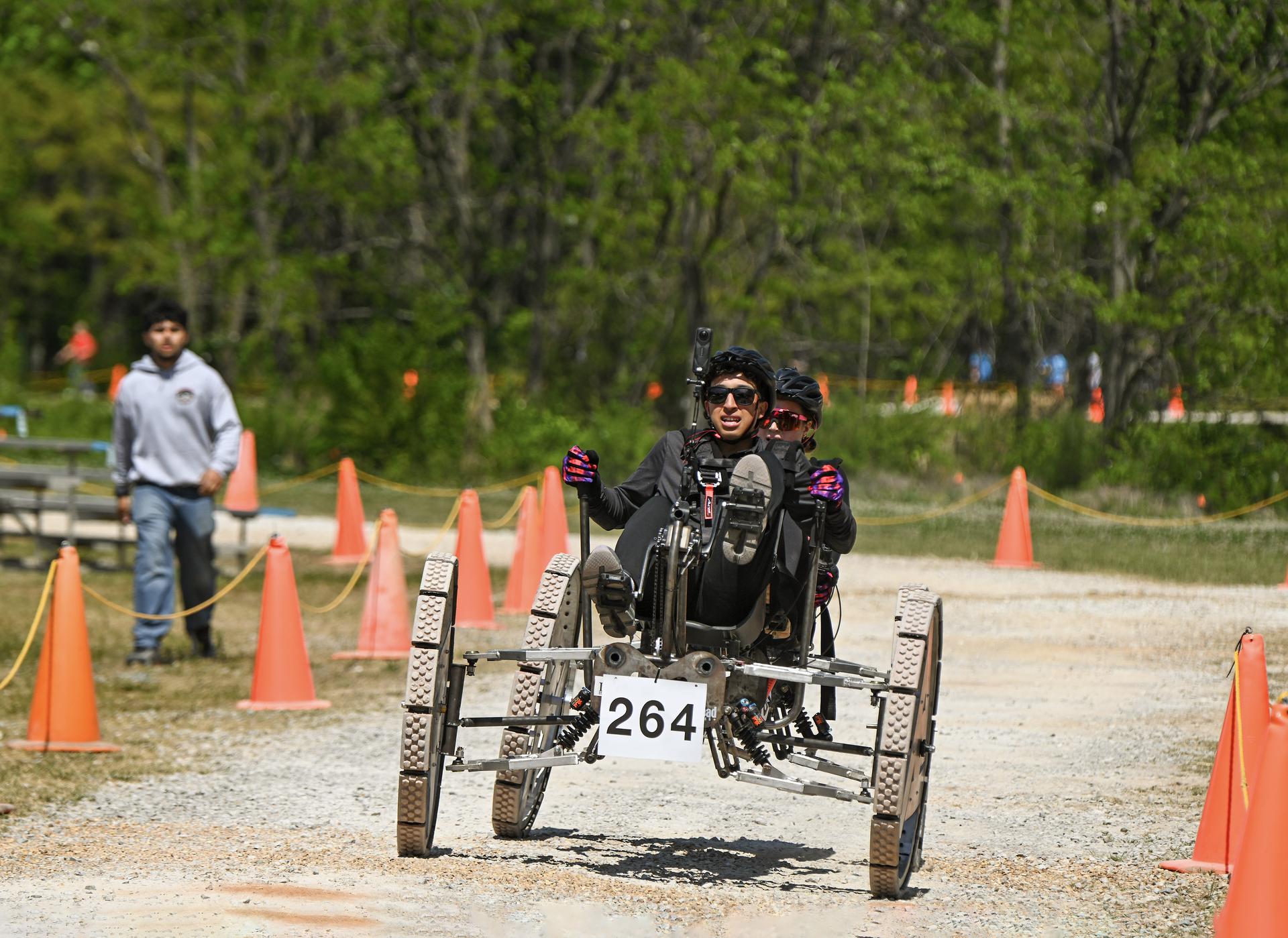
More than 600 students with 44 teams from around the world participated in the 32nd year of NASA’s Human Exploration Rover Challenge (HERC) on April 10 and April 11 near NASA’s Marshall Space Flight Center in Huntsville, Alabama. Participating teams represented 28 colleges and universities, 13 high schools, and one middle school from 18 states, Puerto Rico, and four Artemis Accord countries. Teams were awarded points based on navigating a half-mile obstacle course with either a human-powered or remote-controlled rover, conducting mission-specific task challenges, and completing multiple safety and design reviews with NASA engineers.
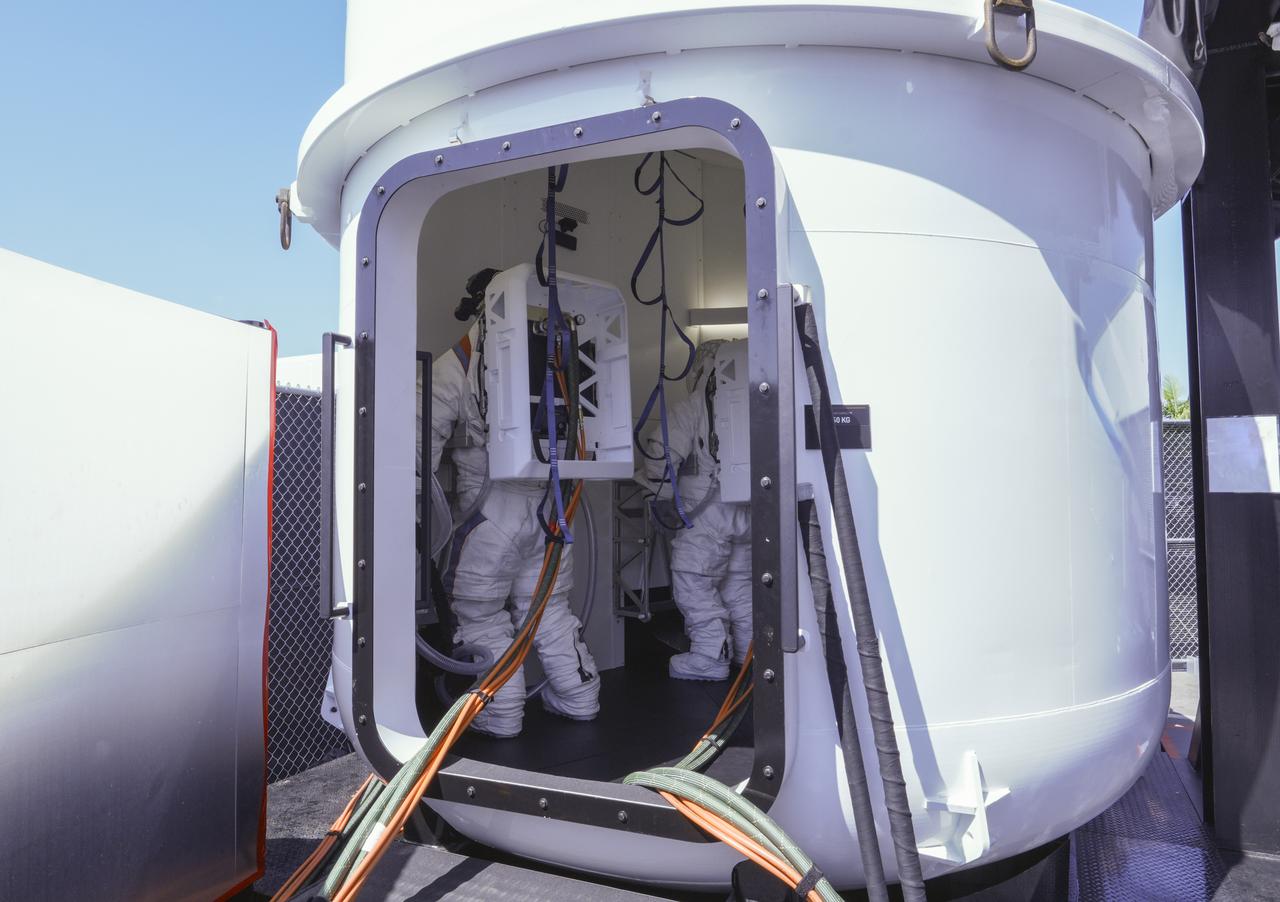
NASA astronaut Doug “Wheels” Wheelock and Axiom Space astronaut Peggy Whitson were fully suited while conducting mission-like maneuvers in the full-scale build of the Starship human landing system’s airlock which will be located inside Starship under the crew cabin. Image Credit: SpaceX
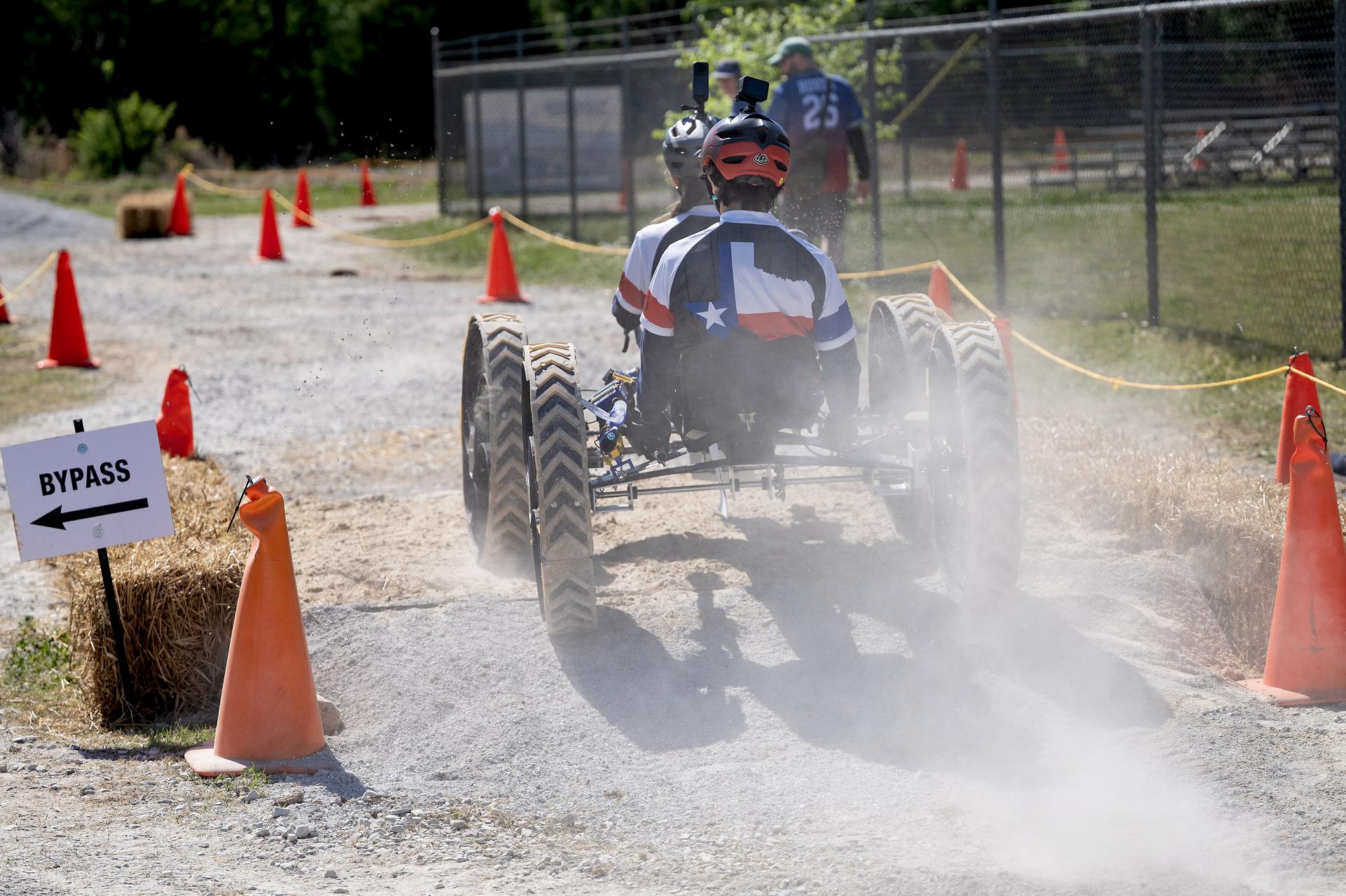
More than 600 students with 44 teams from around the world participated in the 32nd year of NASA’s Human Exploration Rover Challenge (HERC) on April 10 and April 11 near NASA’s Marshall Space Flight Center in Huntsville, Alabama. Participating teams represented 28 colleges and universities, 13 high schools, and one middle school from 18 states, Puerto Rico, and four Artemis Accord countries. Teams were awarded points based on navigating a half-mile obstacle course with either a human-powered or remote-controlled rover, conducting mission-specific task challenges, and completing multiple safety and design reviews with NASA engineers.
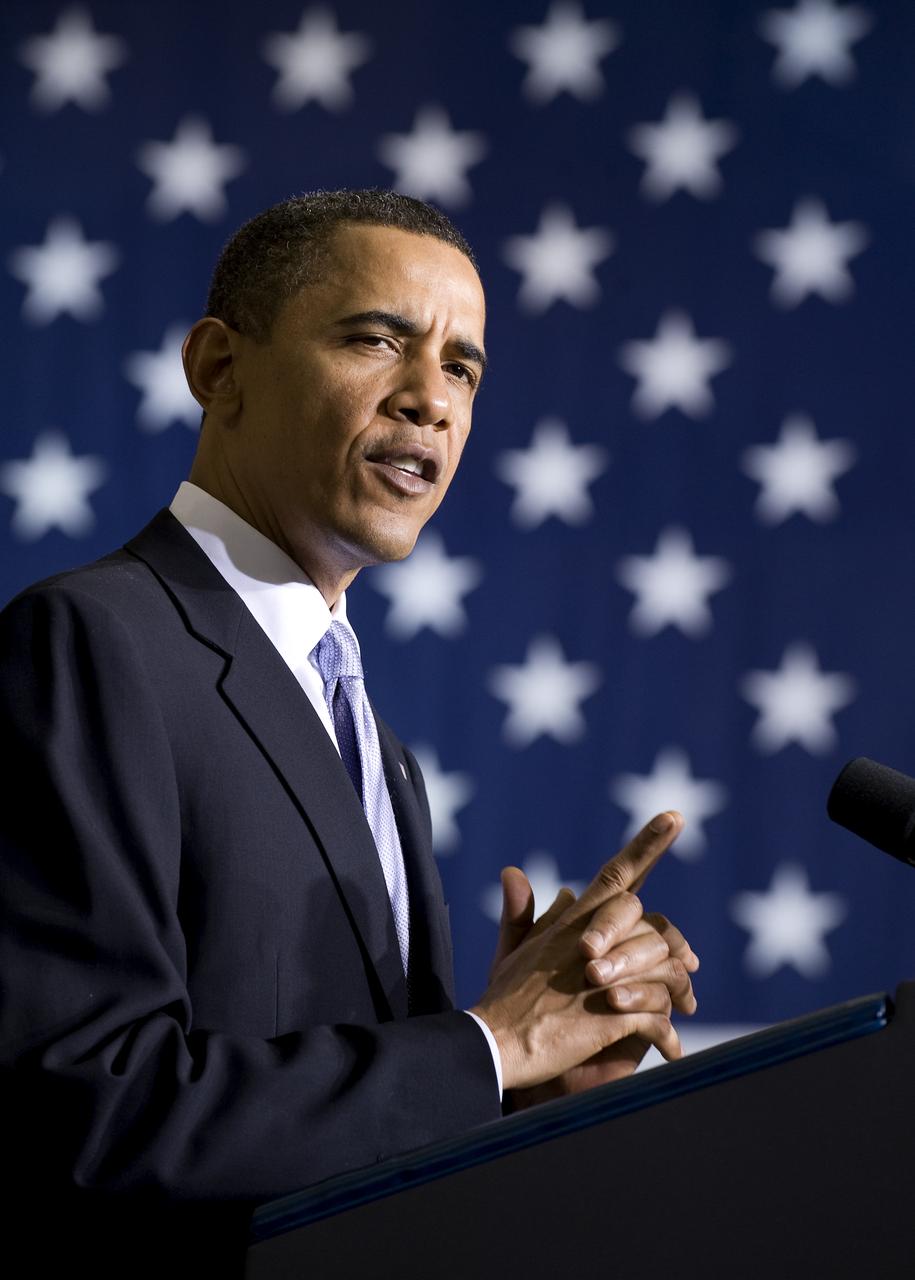
President Barack Obama delivers a speech at the Operations and Checkout Building at NASA Kennedy Space Center in Cape Canaveral, Fla. on Thursday, April 15, 2010. Obama visited Kennedy Space Center to deliver remarks on the bold new course the Administration is charting for NASA and the future of U.S. leadership in human space flight. Photo Credit: (NASA/Bill Ingalls)
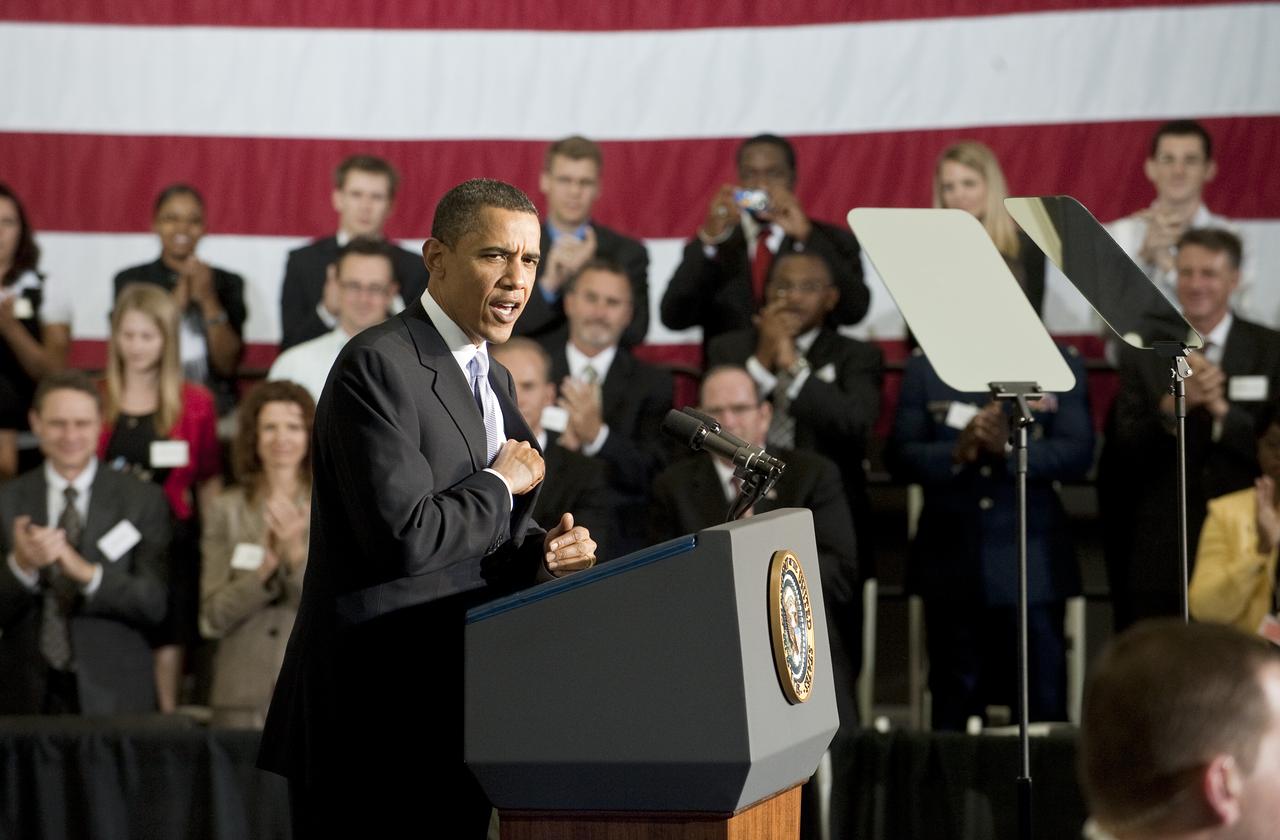
President Barack Obama delivers a speech at the Operations and Checkout Building at NASA Kennedy Space Center in Cape Canaveral, Fla. on Thursday, April 15, 2010. Obama visited Kennedy Space Center to deliver remarks on the bold new course the Administration is charting for NASA and the future of U.S. leadership in human space flight. Photo Credit: (NASA/Paul E. Alers)

President Barack Obama delivers a speech at the Operations and Checkout Building at NASA Kennedy Space Center in Cape Canaveral, Fla. on Thursday, April 15, 2010. Obama visited Kennedy Space Center to deliver remarks on the bold new course the Administration is charting for NASA and the future of U.S. leadership in human space flight. Photo Credit: (NASA/Paul E. Alers)
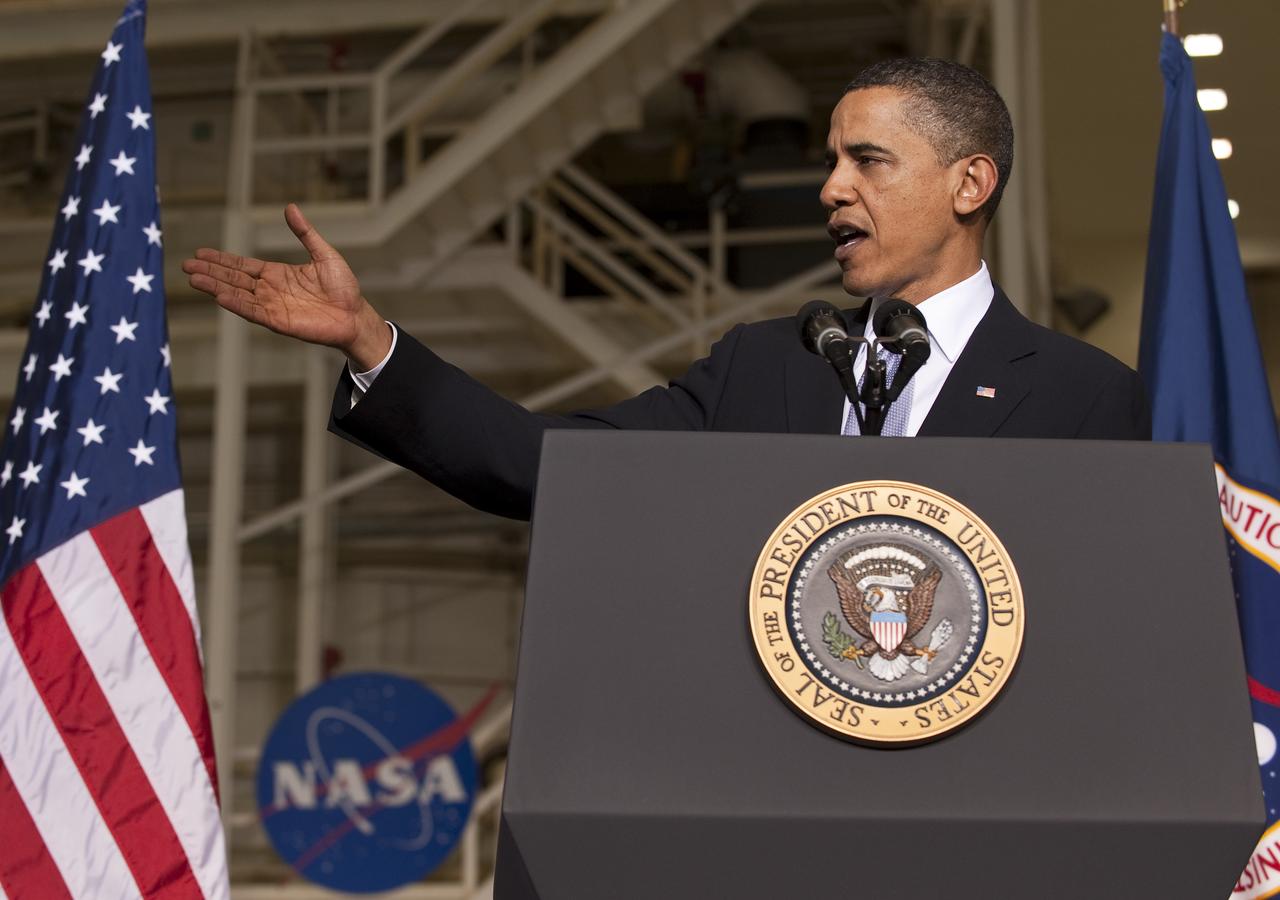
President Barack Obama delivers a speech at the Operations and Checkout Building at NASA Kennedy Space Center in Cape Canaveral, Fla. on Thursday, April 15, 2010. Obama visited Kennedy Space Center to deliver remarks on the bold new course the Administration is charting for NASA and the future of U.S. leadership in human space flight. Photo Credit: (NASA/Bill Ingalls)
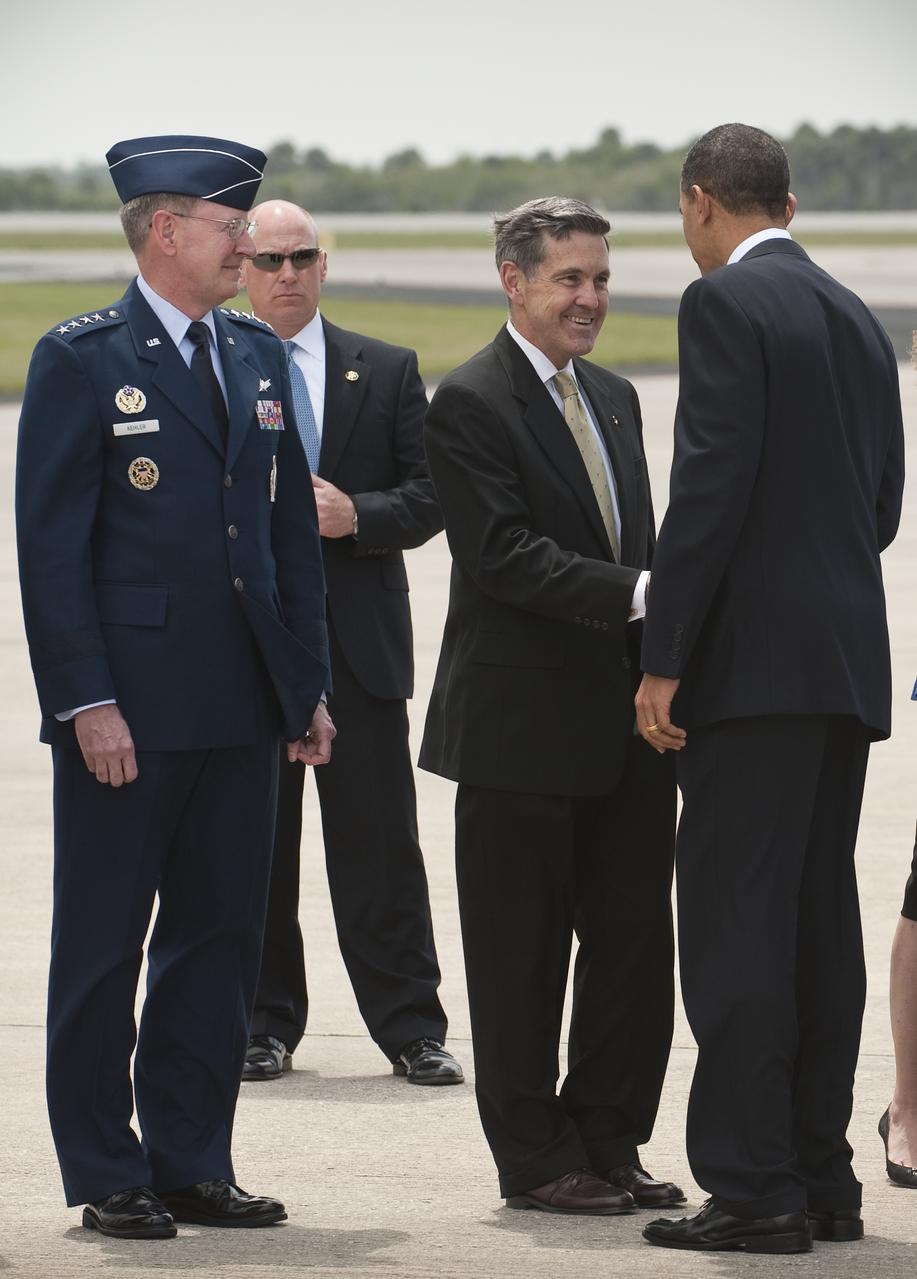
NASA Kennedy Space Center Director bob Cabana shakes hands with President Barack Obama as he and Gen. C. Robert Kehler, Commander, Air Force Space Command, left, welcome the President to Kennedy in Cape Canaveral, Fla. on Thursday, April 15, 2010. Obama visited Kennedy to deliver remarks on the bold new course the administration is charting to maintain U.S. leadership in human space flight. Photo Credit: (NASA/Bill Ingalls)
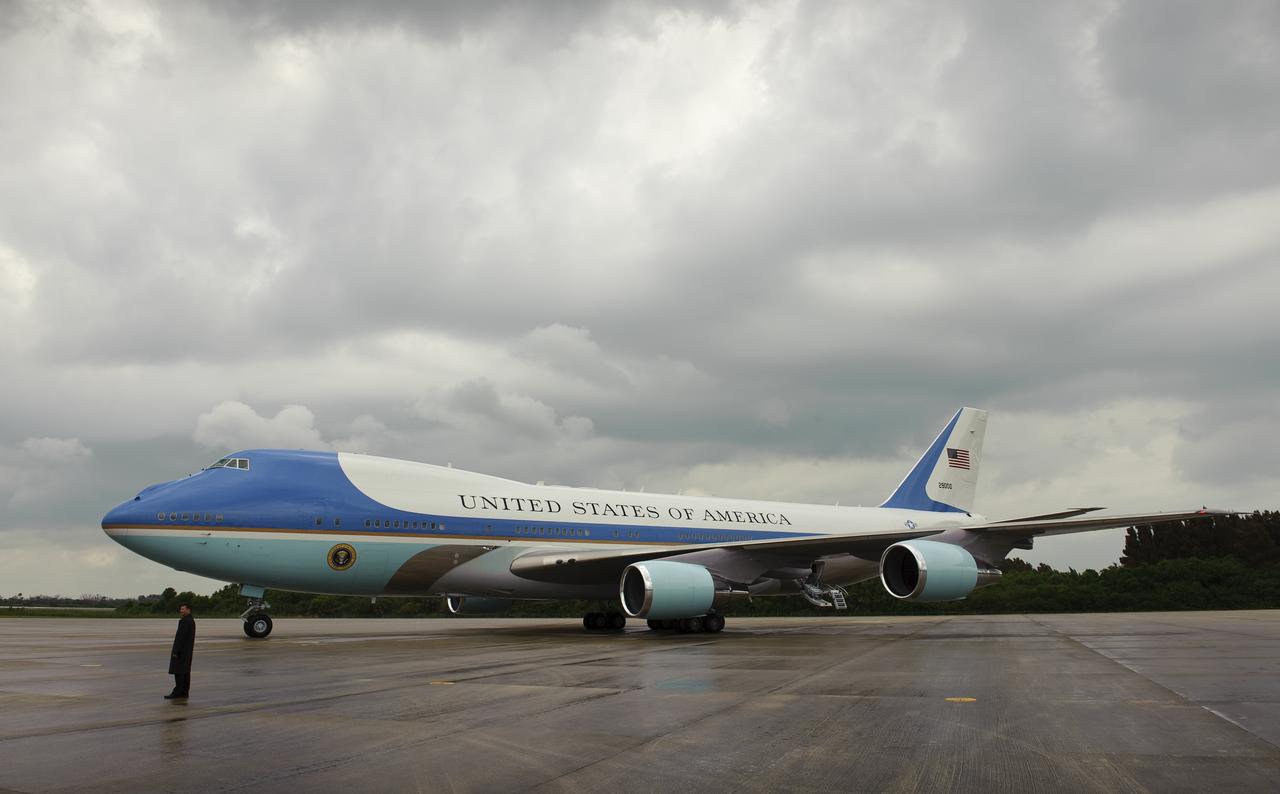
Air Force One is seen as it prepares to depart from the NASA SHuttle Landing Facility (SLF) after President Barack Obama delivered a speech at the NASA Kennedy Space Center in Cape Canaveral, Fla. on Thursday, April 15, 2010. Obama visited Kennedy Space Center to deliver remarks on the bold new course the Administration is charting for NASA and the future of U.S. leadership in human space flight. Photo Credit: (NASA/Bill Ingalls)
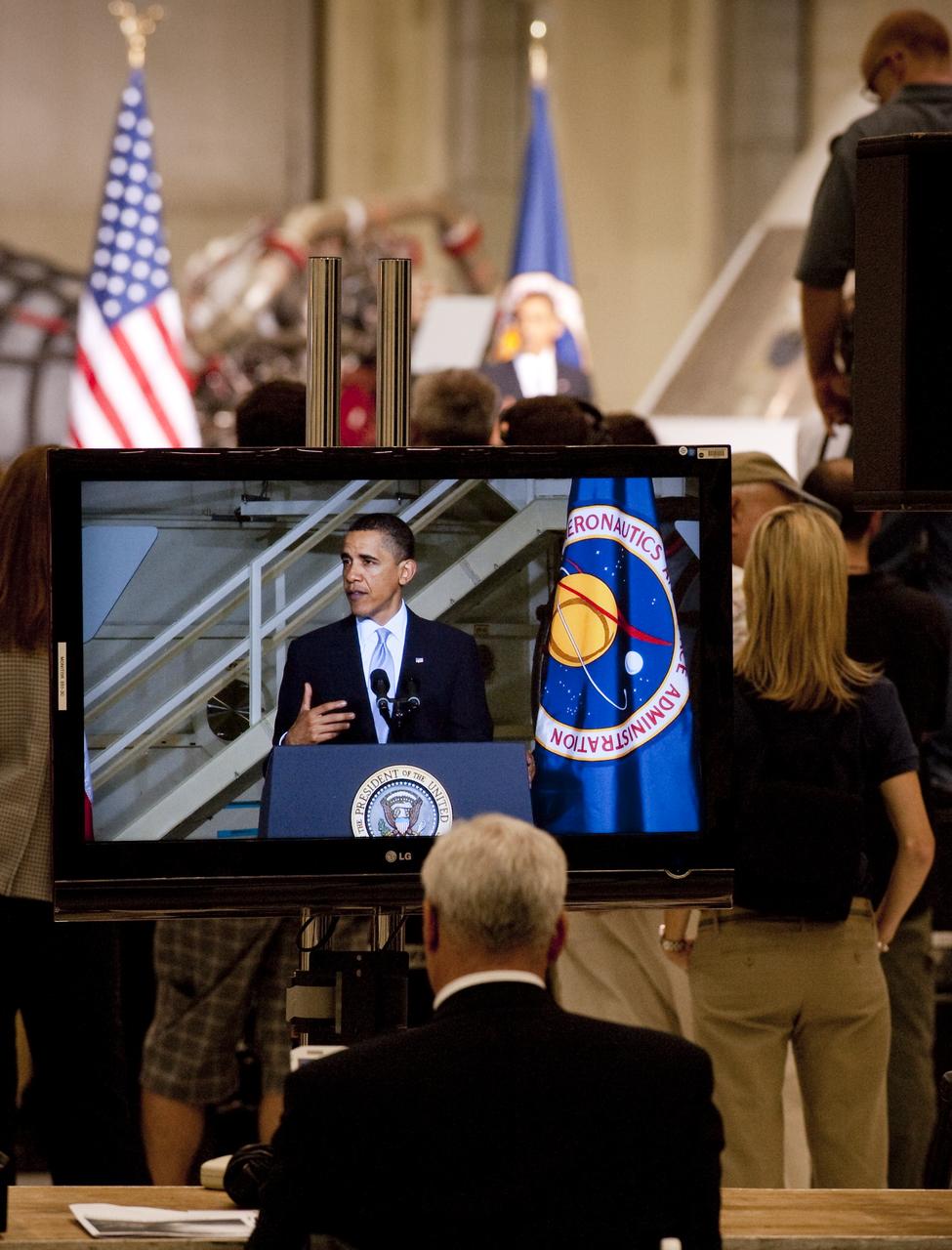
Members of the press watch on monitors as President Barack Obama delivers a speech at the Operations and Checkout Building at NASA Kennedy Space Center in Cape Canaveral, Fla. on Thursday, April 15, 2010. Obama visited Kennedy Space Center to deliver remarks on the bold new course the Administration is charting for NASA and the future of U.S. leadership in human space flight. Photo Credit: (NASA/Bill Ingalls)
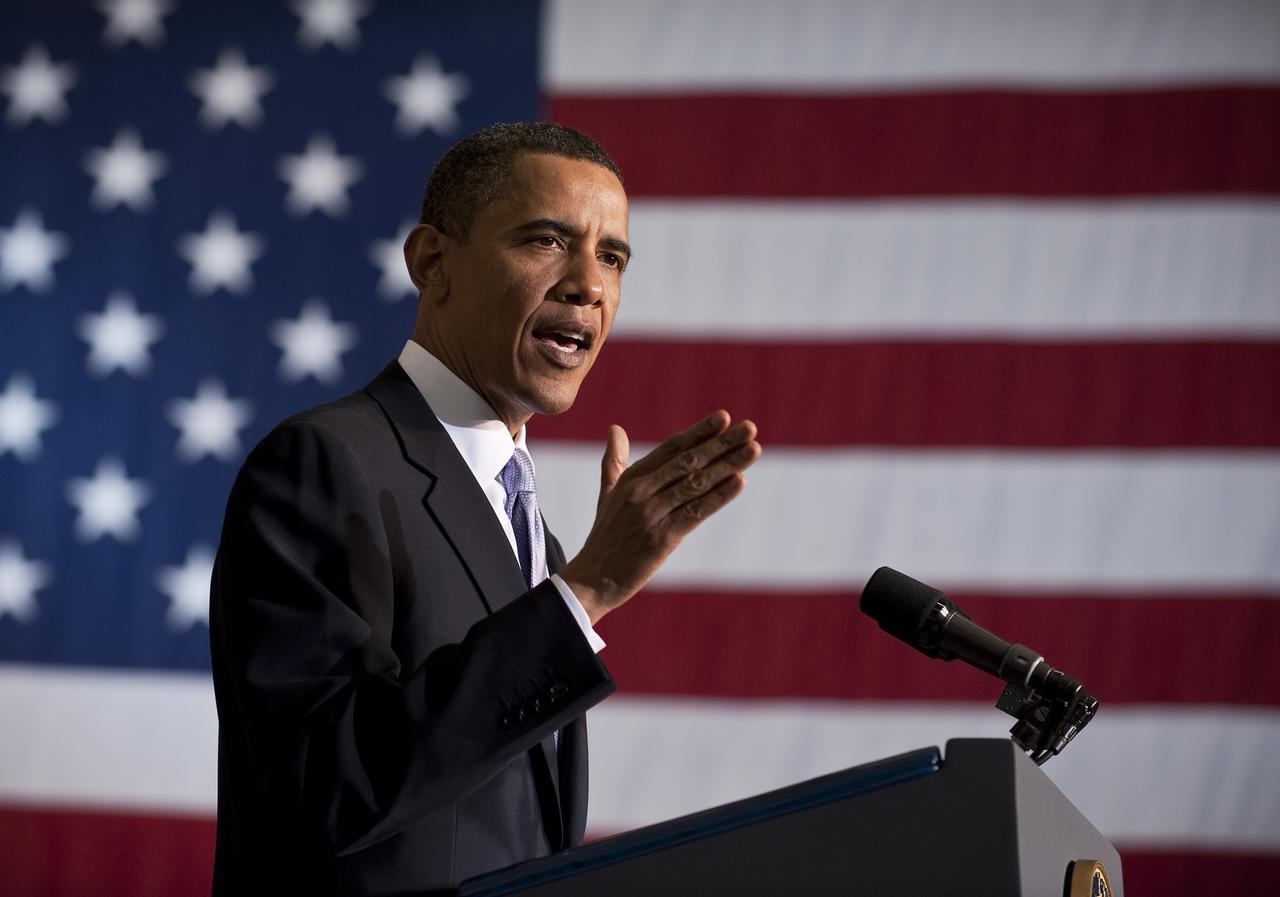
President Barack Obama delivers a speech at the Operations and Checkout Building at NASA Kennedy Space Center in Cape Canaveral, Fla. on Thursday, April 15, 2010. Obama visited Kennedy Space Center to deliver remarks on the bold new course the Administration is charting for NASA and the future of U.S. leadership in human space flight. Photo Credit: (NASA/Bill Ingalls)
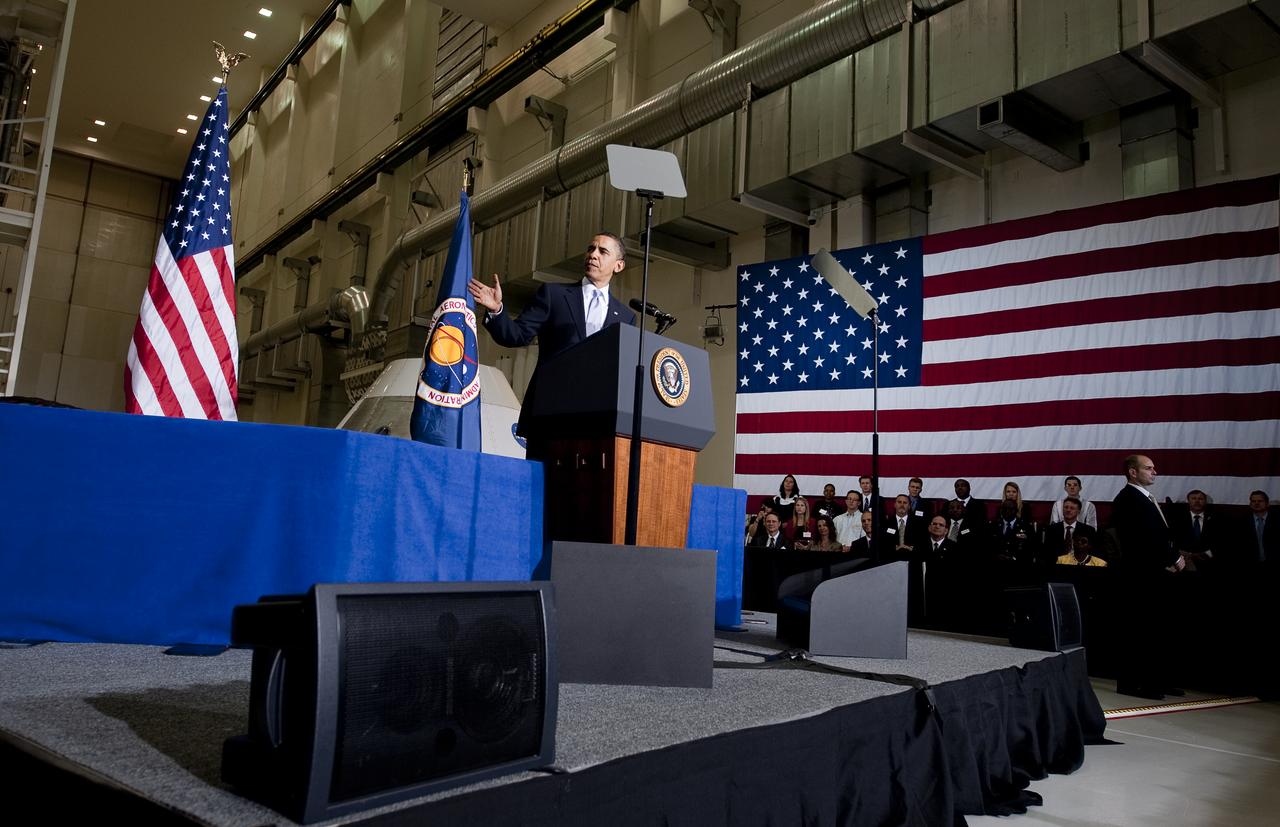
President Barack Obama delivers a speech at the Operations and Checkout Building at NASA Kennedy Space Center in Cape Canaveral, Fla. on Thursday, April 15, 2010. Obama visited Kennedy Space Center to deliver remarks on the bold new course the Administration is charting for NASA and the future of U.S. leadership in human space flight. Photo Credit: (NASA/Bill Ingalls)
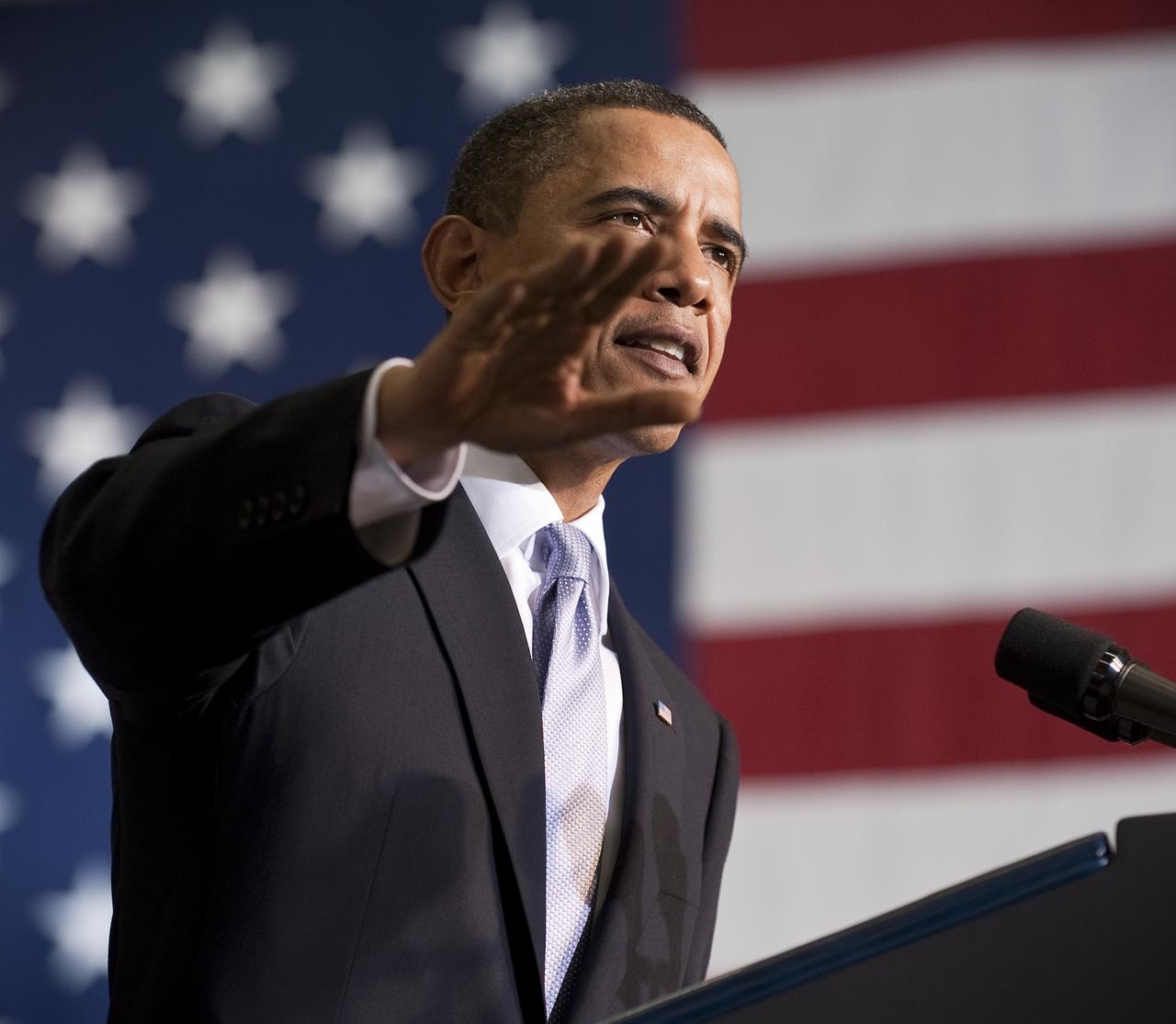
President Barack Obama delivers a speech at the Operations and Checkout Building at NASA Kennedy Space Center in Cape Canaveral, Fla. on Thursday, April 15, 2010. Obama visited Kennedy Space Center to deliver remarks on the bold new course the Administration is charting for NASA and the future of U.S. leadership in human space flight. Photo Credit: (NASA/Bill Ingalls)
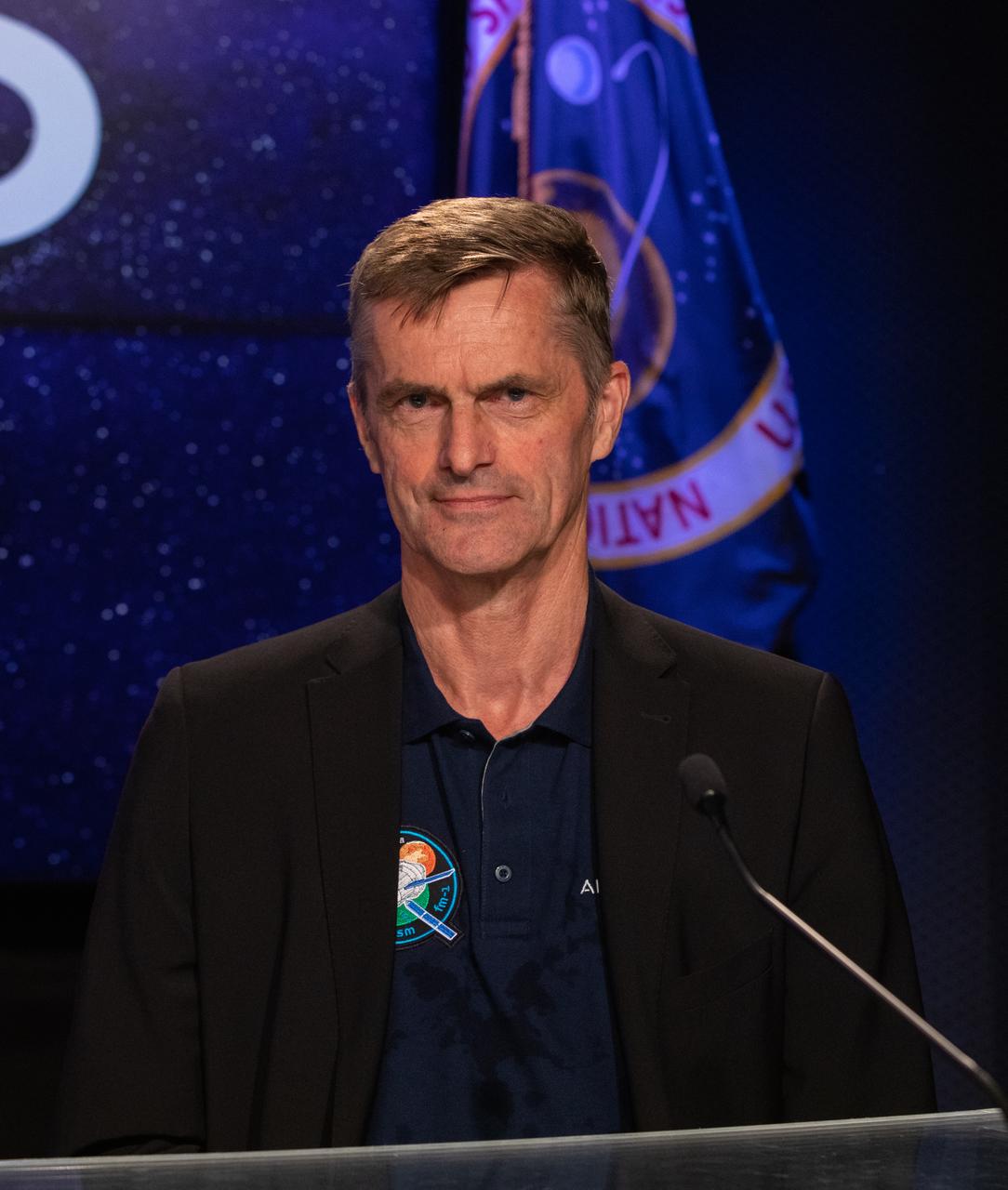
Ralf Zimmerman, head of Moon programs and Orion European Service Module, Airbus, participates in a prelaunch media briefing on the role of industry in advancing human exploration on Aug. 26, 2022, at NASA’s Kennedy Space Center in Florida, as the agency prepares for launch of Artemis I scheduled for Aug. 29, at 8:33 a.m. EDT from Kennedy’s Launch Complex 39B. The first in a series of increasingly complex missions, Artemis I will provide a foundation for human deep space exploration and demonstrate our commitment and capability to extend human presence to the Moon and beyond. The primary goal of Artemis I is to thoroughly test the integrated systems before crewed missions by operating the spacecraft in a deep space environment, testing Orion’s heat shield, and recovering the crew module after reentry, descent, and splashdown.
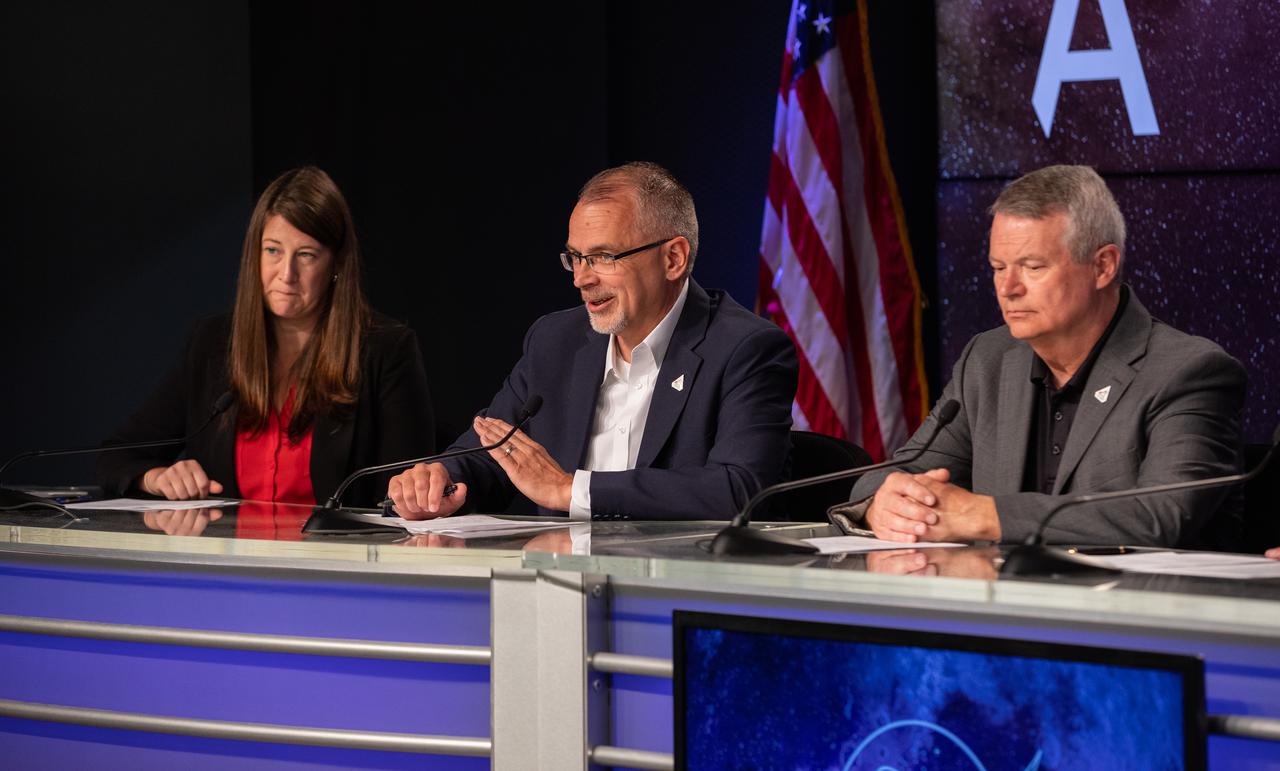
NASA holds a prelaunch media briefing on the role of industry in advancing human exploration on Aug. 26, 2022, at NASA’s Kennedy Space Center in Florida, as the agency prepares for launch of Artemis I scheduled for Aug. 29, at 8:33 a.m. EDT from Kennedy’s Launch Complex 39B. Participants, from left are Kathryn Hambleton, NASA Communications; Jim Free, association administrator, Exploration Systems Development Mission Directorate, NASA Headquarters; and Randy Lycans, vice president/general manager of NASA Enterprise Solutions, Jacobs. The first in a series of increasingly complex missions, Artemis I will provide a foundation for human deep space exploration and demonstrate our commitment and capability to extend human presence to the Moon and beyond. The primary goal of Artemis I is to thoroughly test the integrated systems before crewed missions by operating the spacecraft in a deep space environment, testing Orion’s heat shield, and recovering the crew module after reentry, descent, and splashdown.