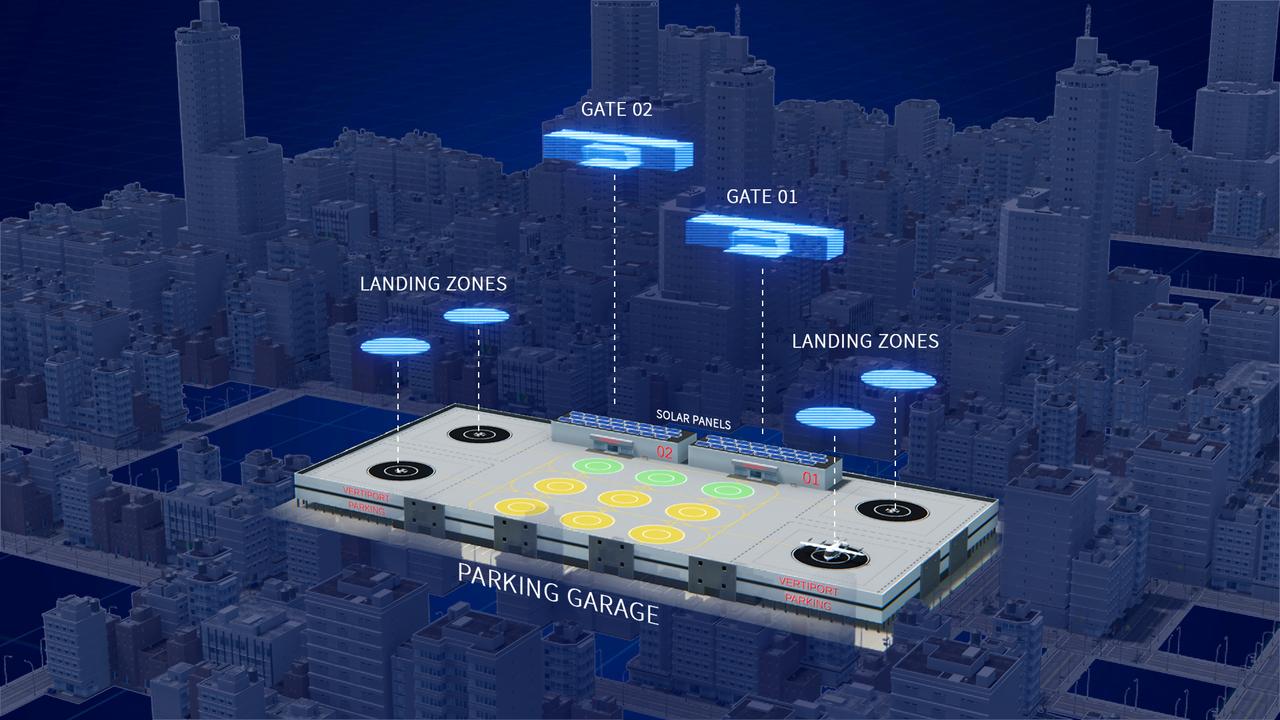
Several projects supporting NASA's Advanced Air Mobility, or AAM mission, are working on different elements to help make AAM a reality. In order for these new AAM aircraft to safely operate, new infrastructure and changes to current infrastructure will need to be developed in cities, suburbs, and rural areas.
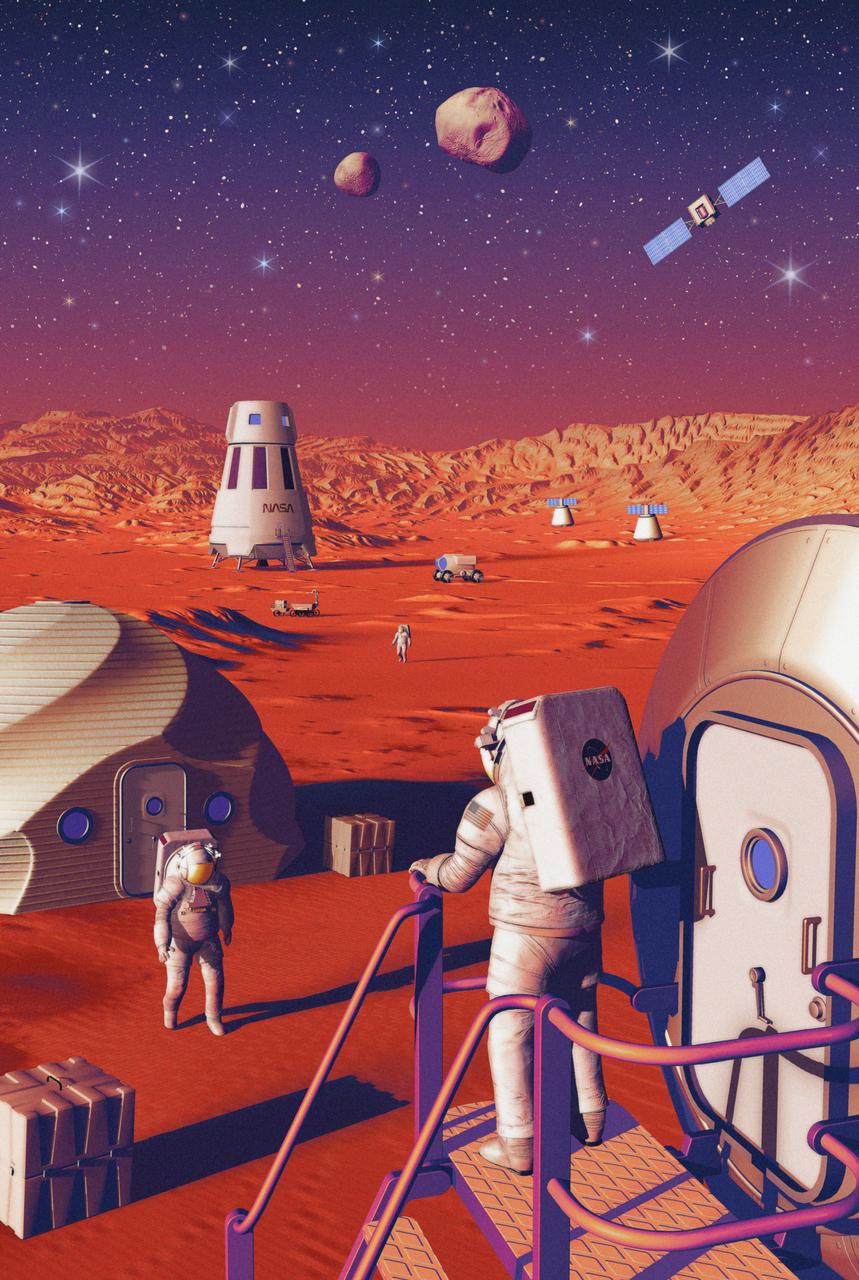
This illustration of Moon to Mars infrastructure shows astronauts living and working on the surface of Mars. NASA’s Moon to Mars Objectives establish an objectives-based approach to the agency's human deep space exploration efforts; NASA’s Moon to Mars Architecture approach distills the objectives into operational capabilities and elements.
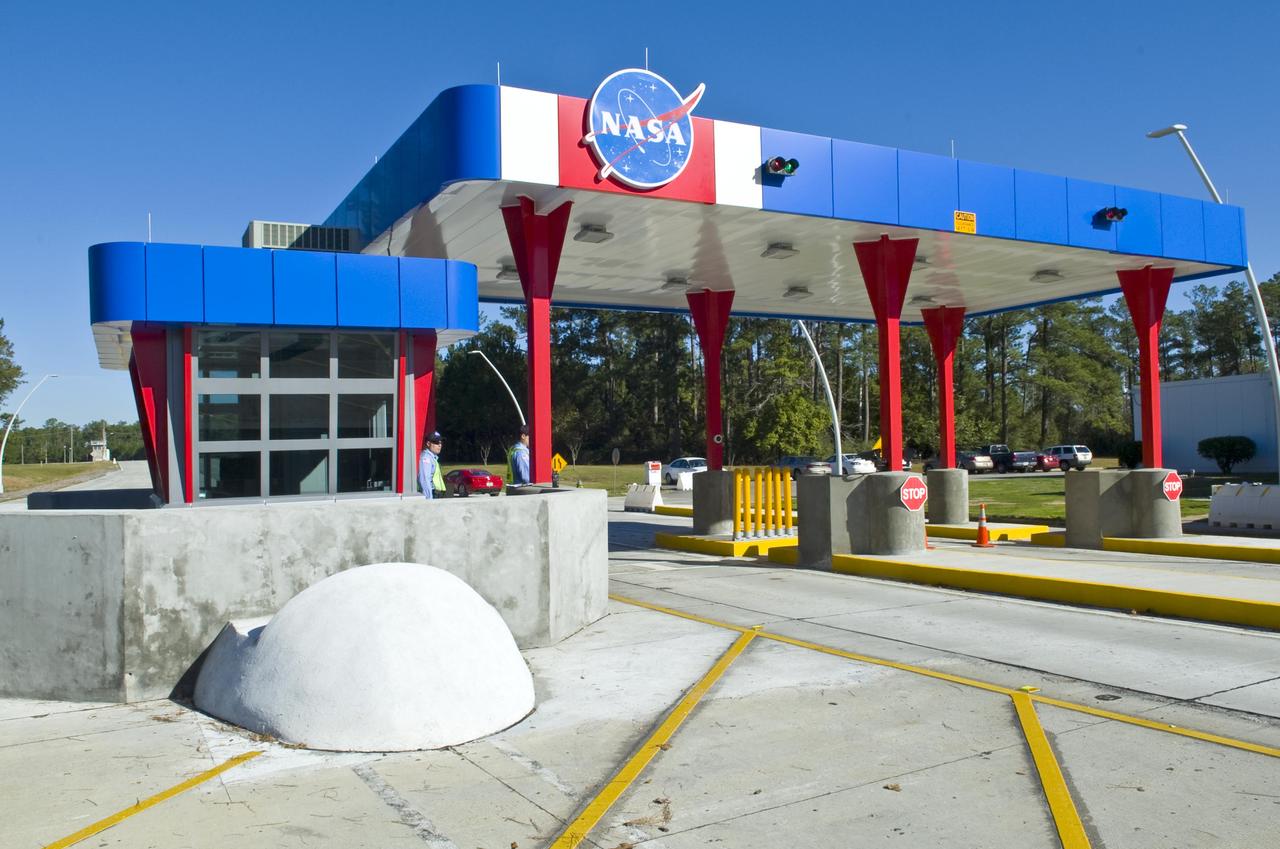
The north and south (shown) security gates at NASA's John C. Stennis Space Center were rebuilt in 2010 to enhance center appearance and increase the safety of Stennis employees.
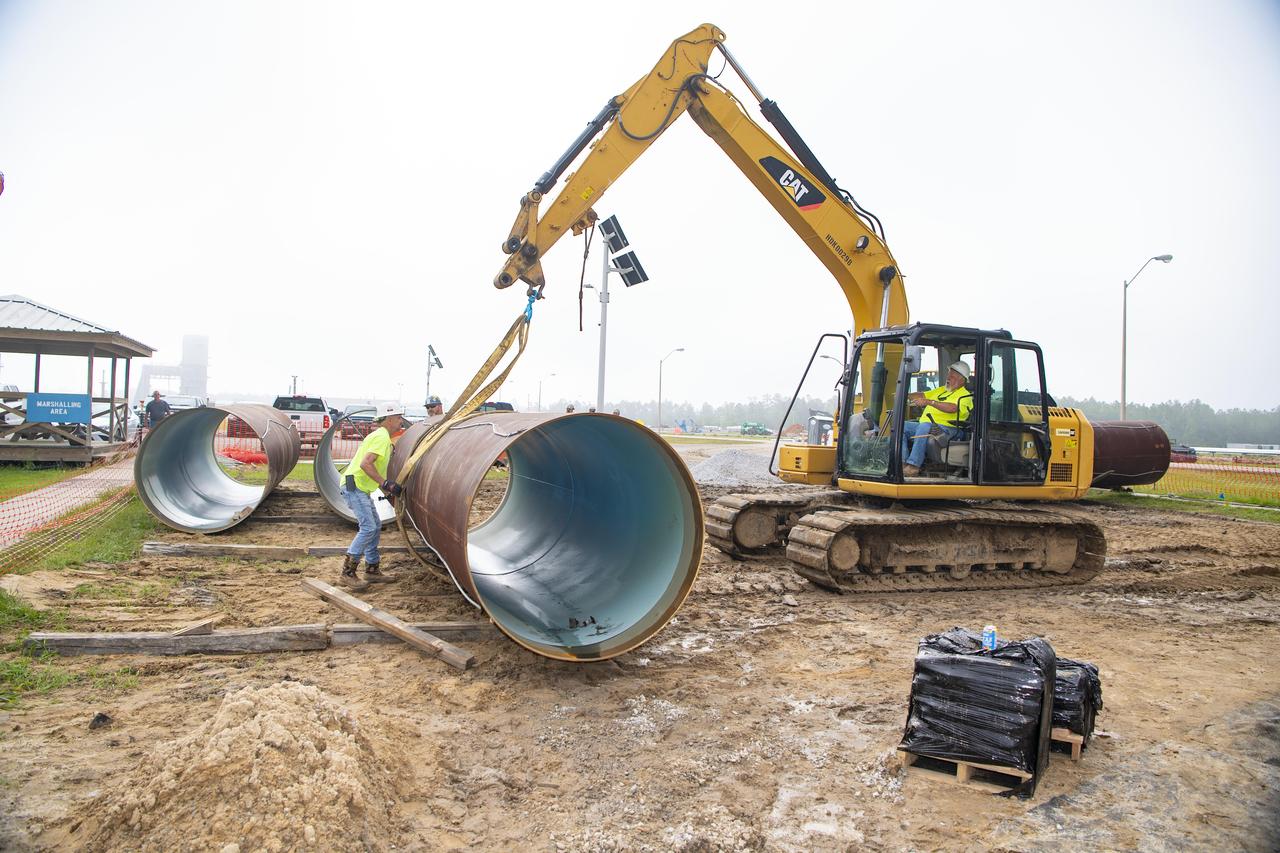
Crews lift a new pipeline liner section near the Fred Haise Test Stand on May 1 in the last phase of updating the original test complex water system at NASA’s Stennis Space Center.
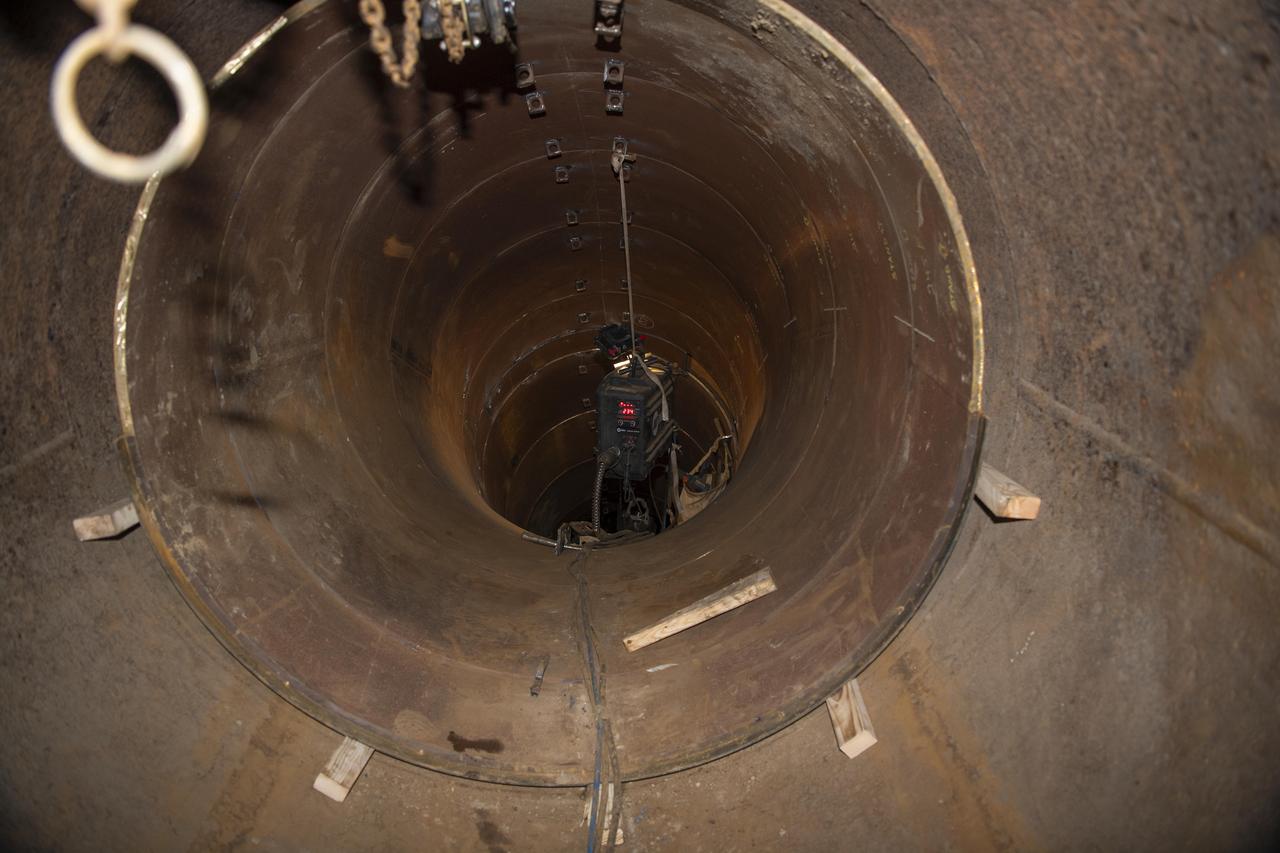
An image shows a new pipeline liner section being place inside the existing carrier pipe near the Fred Haise Test Stand on May 1 in the last phase of updating the original test complex industrial water system at NASA’s Stennis Space Center.
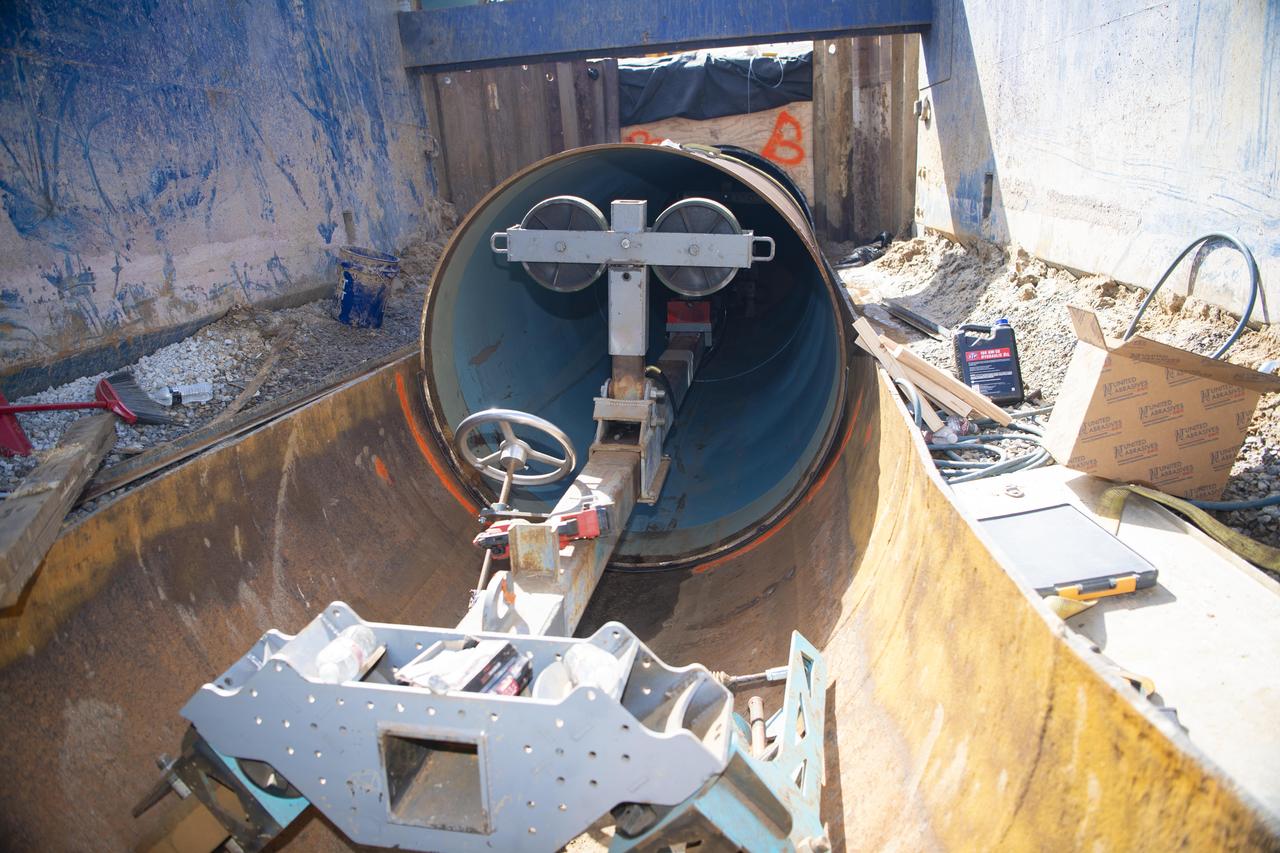
Crews use a special tool to place a new pipeline liner section inside the existing carrier pipe near the Fred Haise Test Stand on May 1 in the last phase of updating the original test complex industrial water system at NASA’s Stennis Space Center.
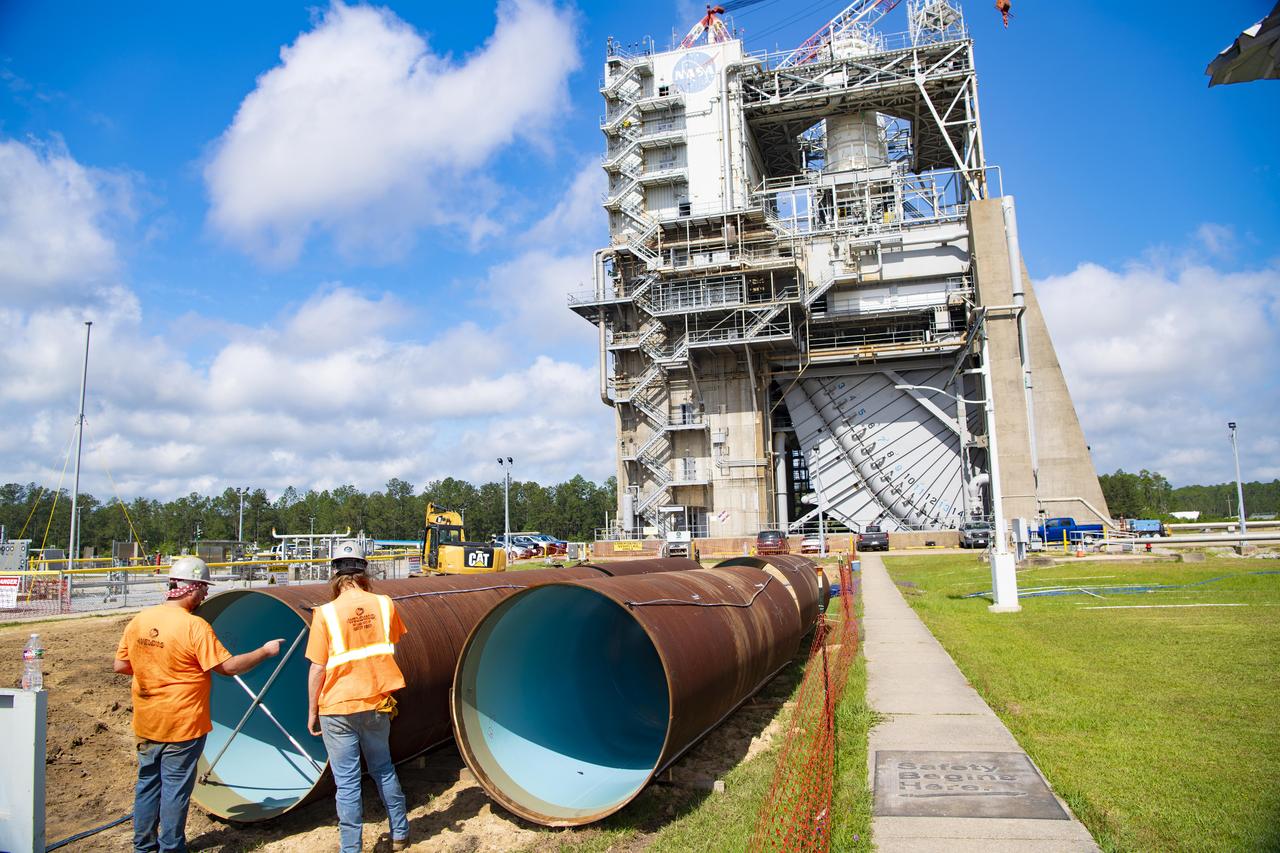
Crews prepare new pipeline liner sections for installation near the Fred Haise Test Stand on May 1 in the last phase of updating the original test complex industrial water system at NASA’s Stennis Space Center.
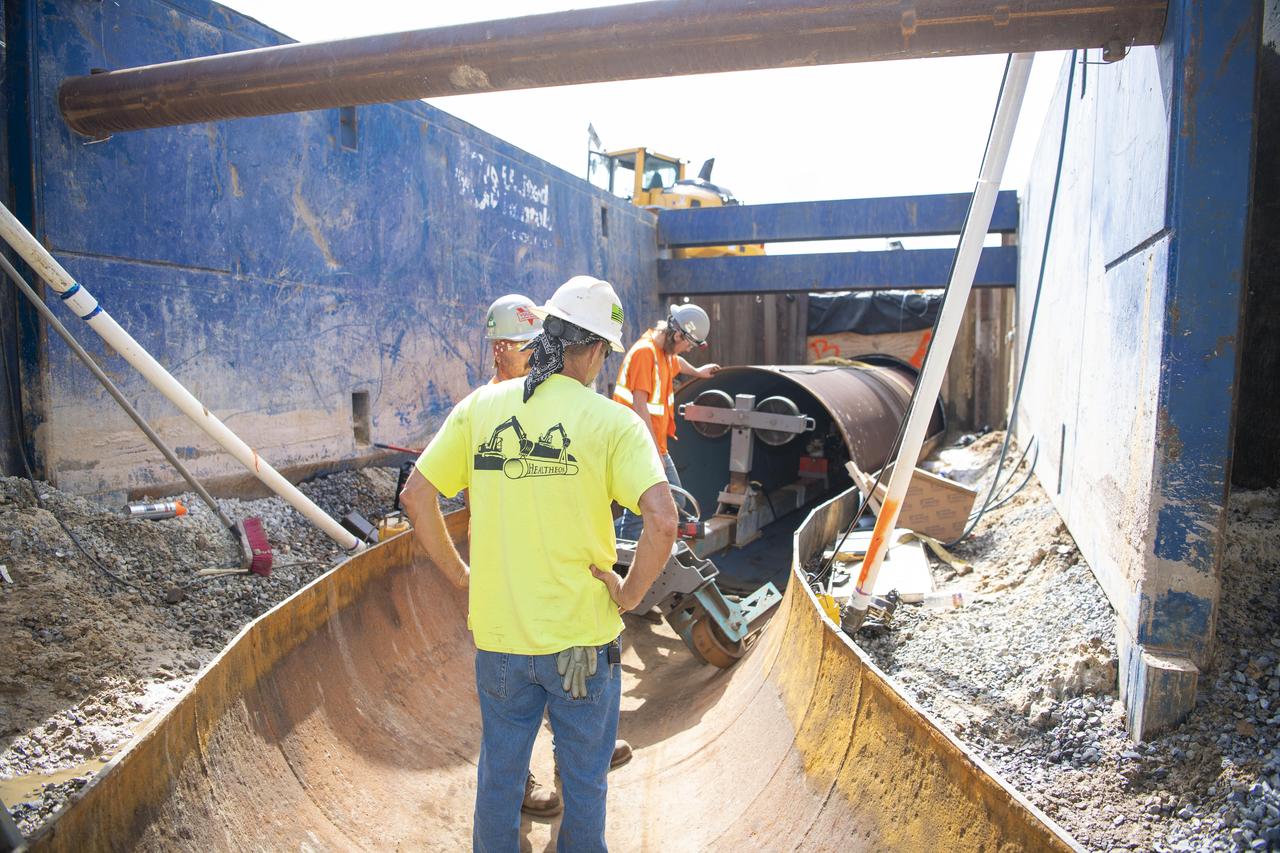
Crews use a special tool to place a new pipeline liner inside the existing carrier pipe near the Fred Haise Test Stand on May 1 in the last phase of updating the original test complex industrial water system at NASA’s Stennis Space Center.
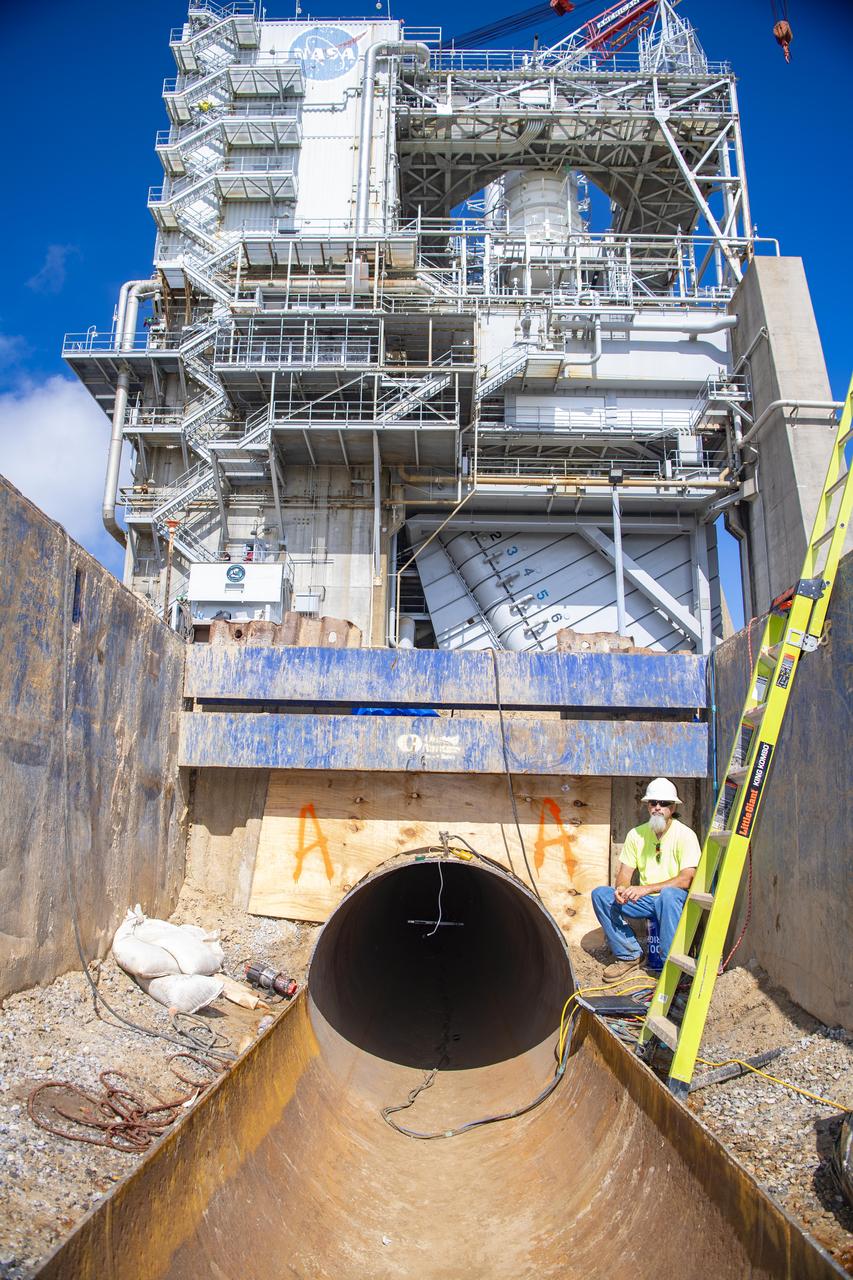
: An image shows the entry location of the existing carrier pipe where new liner sections are being placed at the base of the Fred Haise Test Stand at NASA’s Stennis Space Center in the last phase of updating the original test complex industrial water system.
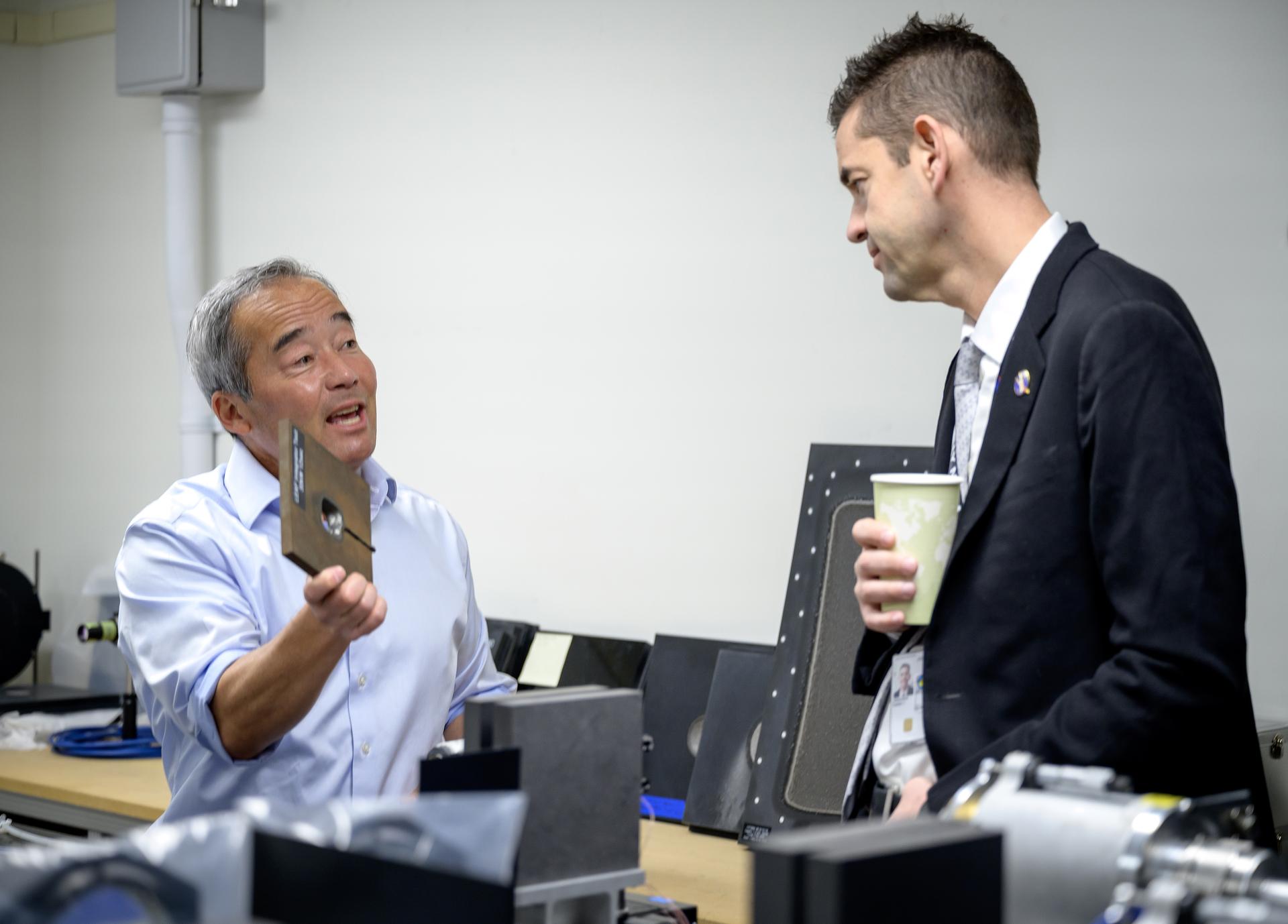
NASA Administrator Jared Isaacman speaks with Dr. George Raiche, Associate Director for Exploration Technology Infrastructure during his visit to the Arc Jet facility in N238.
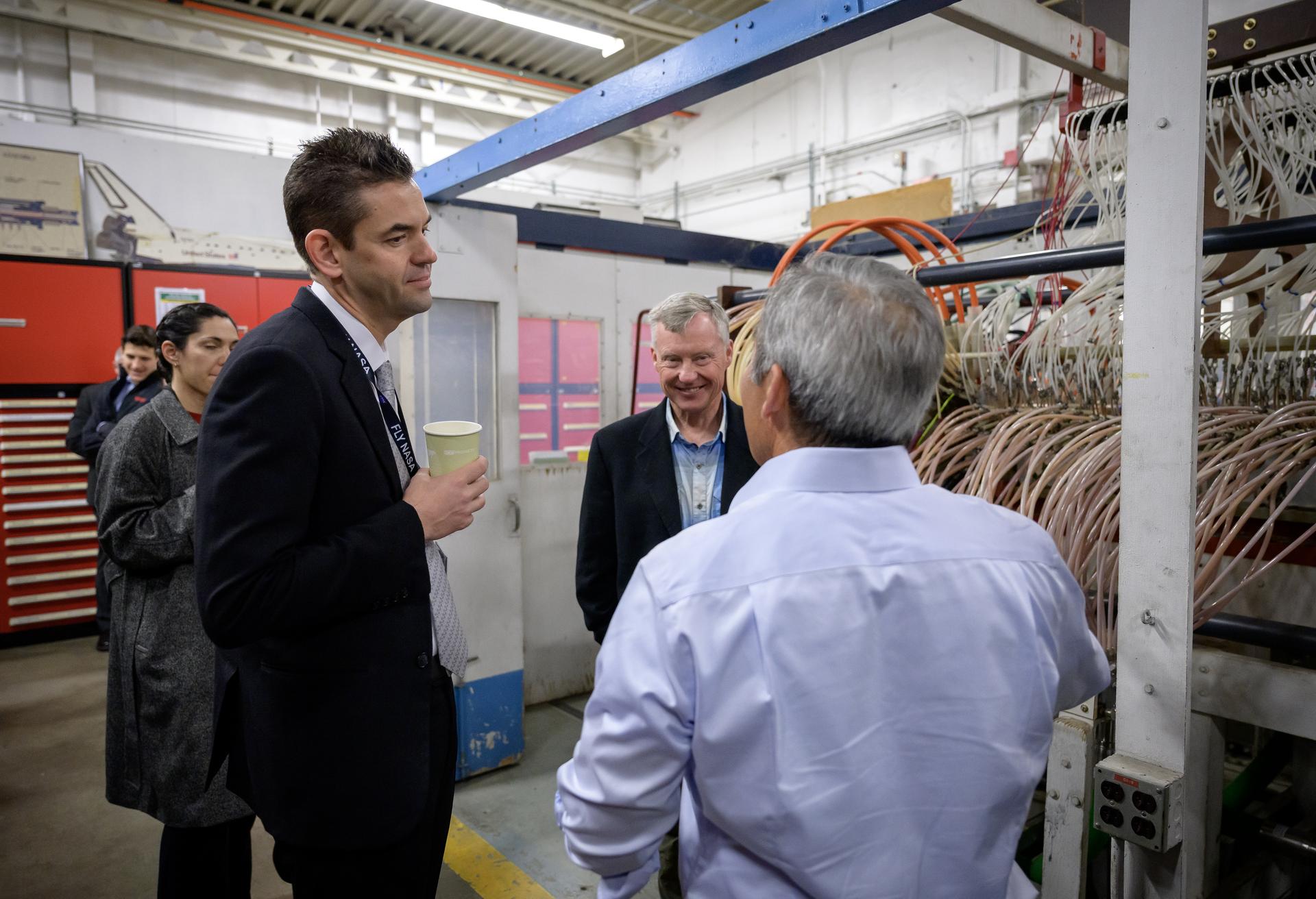
NASA Administrator Jared Isaacman speaks with Dr. George Raiche, Associate Director for Exploration Technology Infrastructure during his visit to the Arc Jet facility in N238.
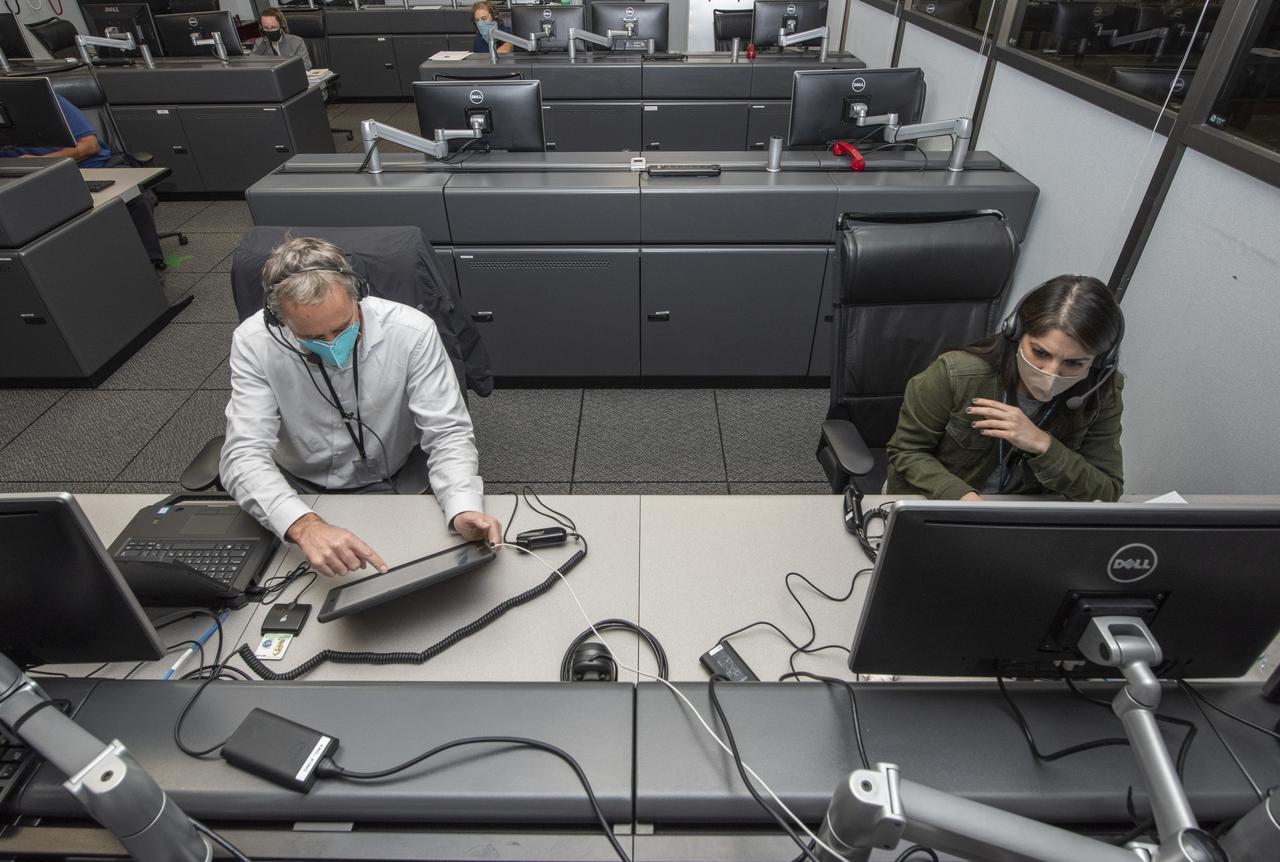
Ames Research Center researchers Yasmin Arbab and Mark Snycerski on the Advanced Air Mobility National Campaign project's Airspace Test Infrastructure (ATI) team monitor surveillance data and connectivity of the flight test infrastructure to a cloud based system in real time during the NC Integrated Dry Run Test team the first week of December 2020 at NASA's Armstrong Flight Research Center in California.
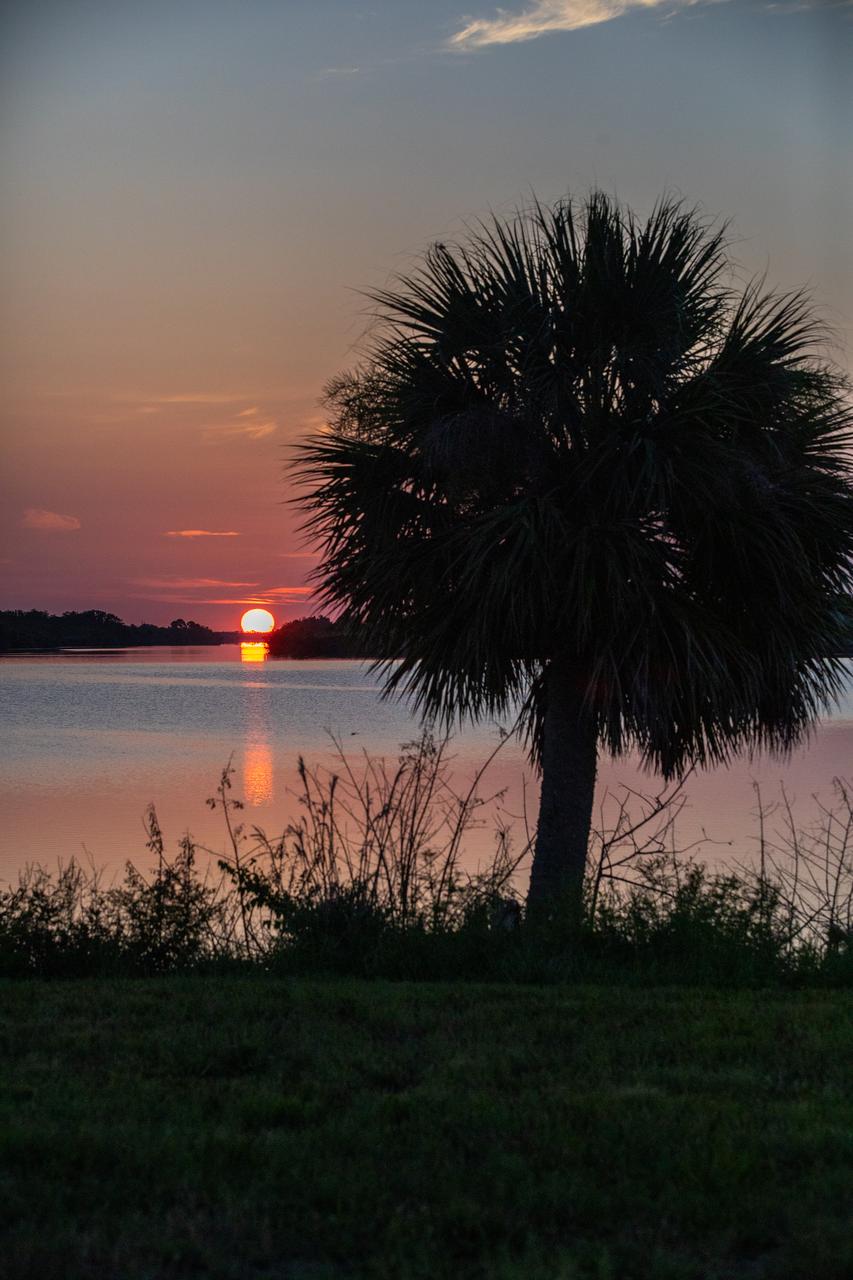
A sunrise over NASA’s Kennedy Space Center in Florida is captured on July 15, 2020. A multi-user spaceport, Kennedy has partnerships with both government and commercial entities, providing the facilities and infrastructure necessary for venturing to space.
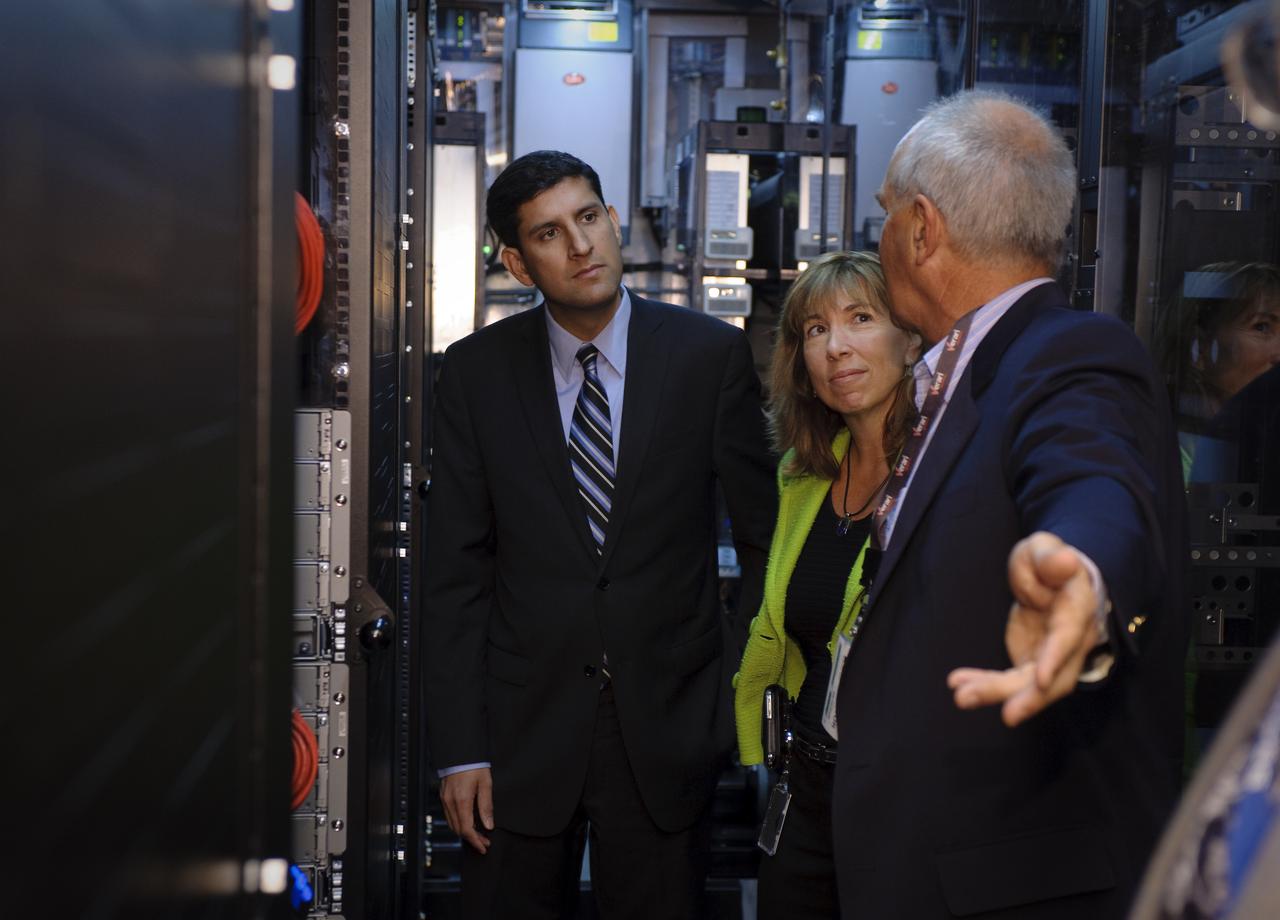
Obama Administration launches Cloud Computing Initiative at Ames Research Center. Vivek Kundra, White House Chief Federal Information Officer (left) and Lori Garver, NASA Deputy Administrator (ctr) get a tour of the NASA Nebula Infrastructure with Bobby Cates (right).
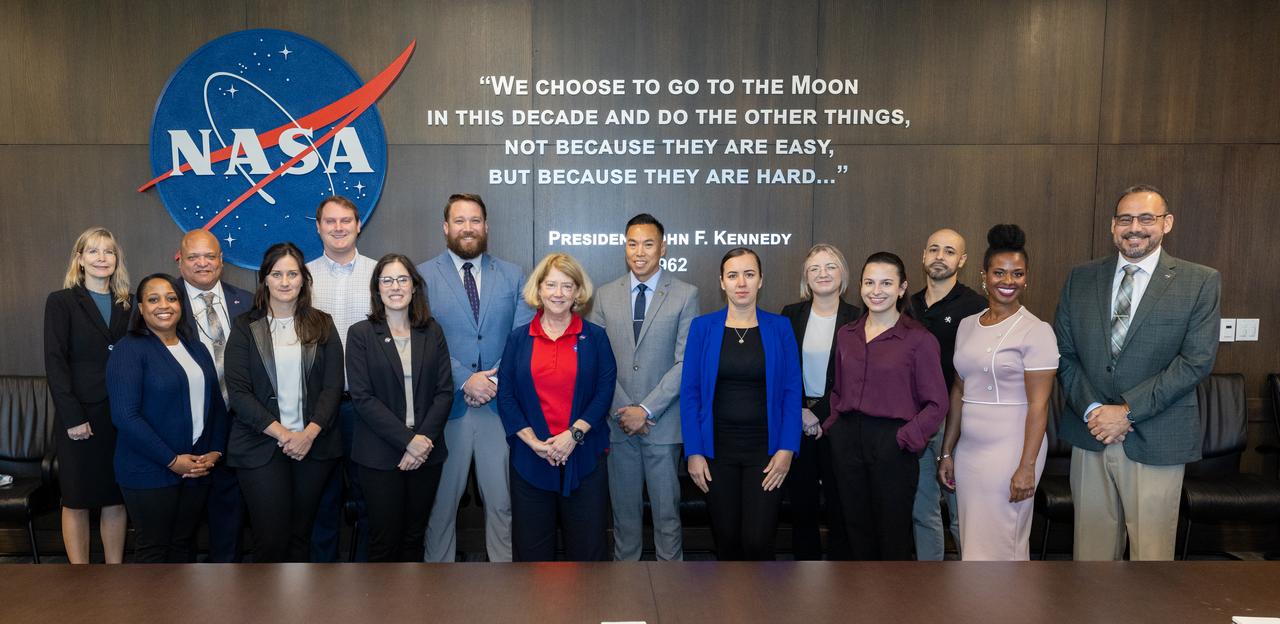
NASA Deputy Administrator Pam Melroy (front center left) discusses NASA 2040, the agency's strategic initiative for aligning workforce, infrastructure, and technologies to meet the needs of the future, on Nov. 13, 2024, with various groups of employees at the agency's Kennedy Space Center in Florida.
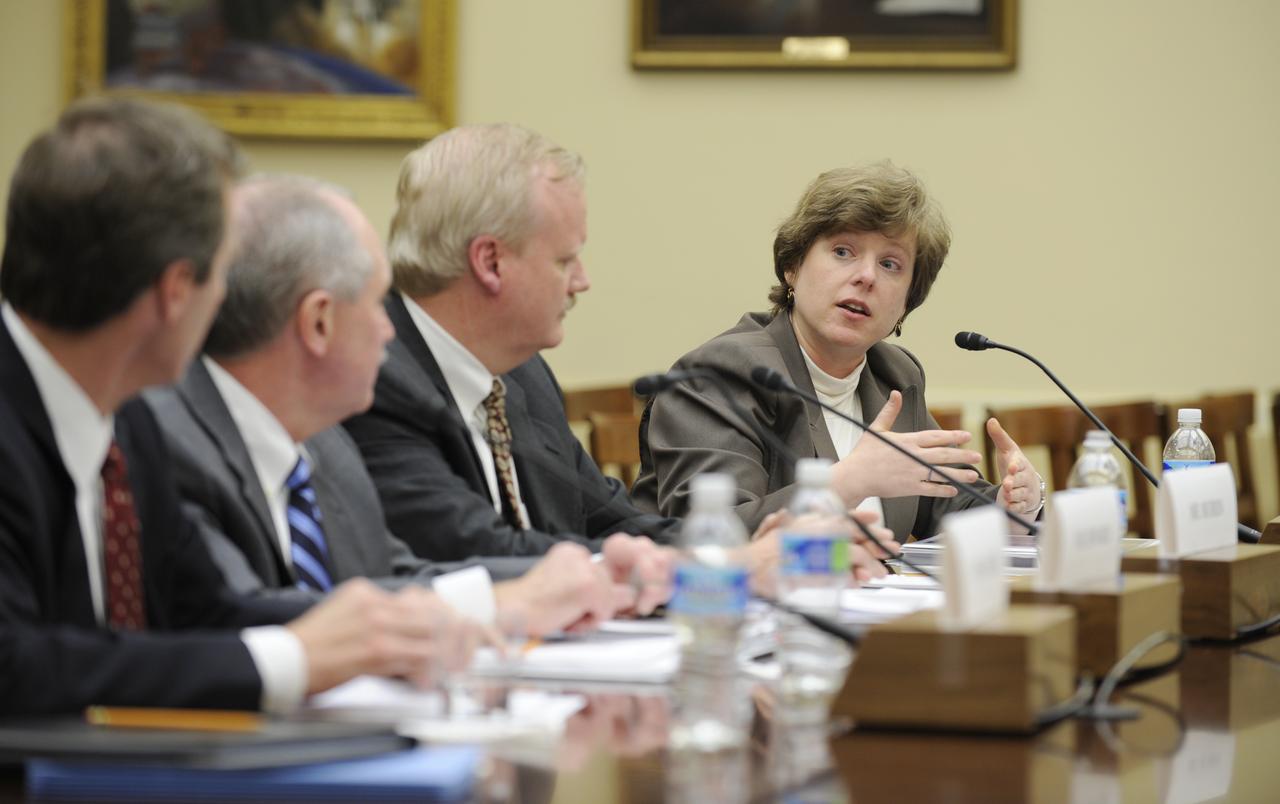
Elizabeth Robinson, NASA Chief Financial Officer, far right, testifies during a Joint Hearing before the House Committee on Science and Technology, Transportation and Infrastructure Committee, Subcommittee on Investigations and Oversight, Thursday, Dec. 3, 2009, on Capitol Hill in Washington. Photo Credit: (NASA/Bill Ingalls)
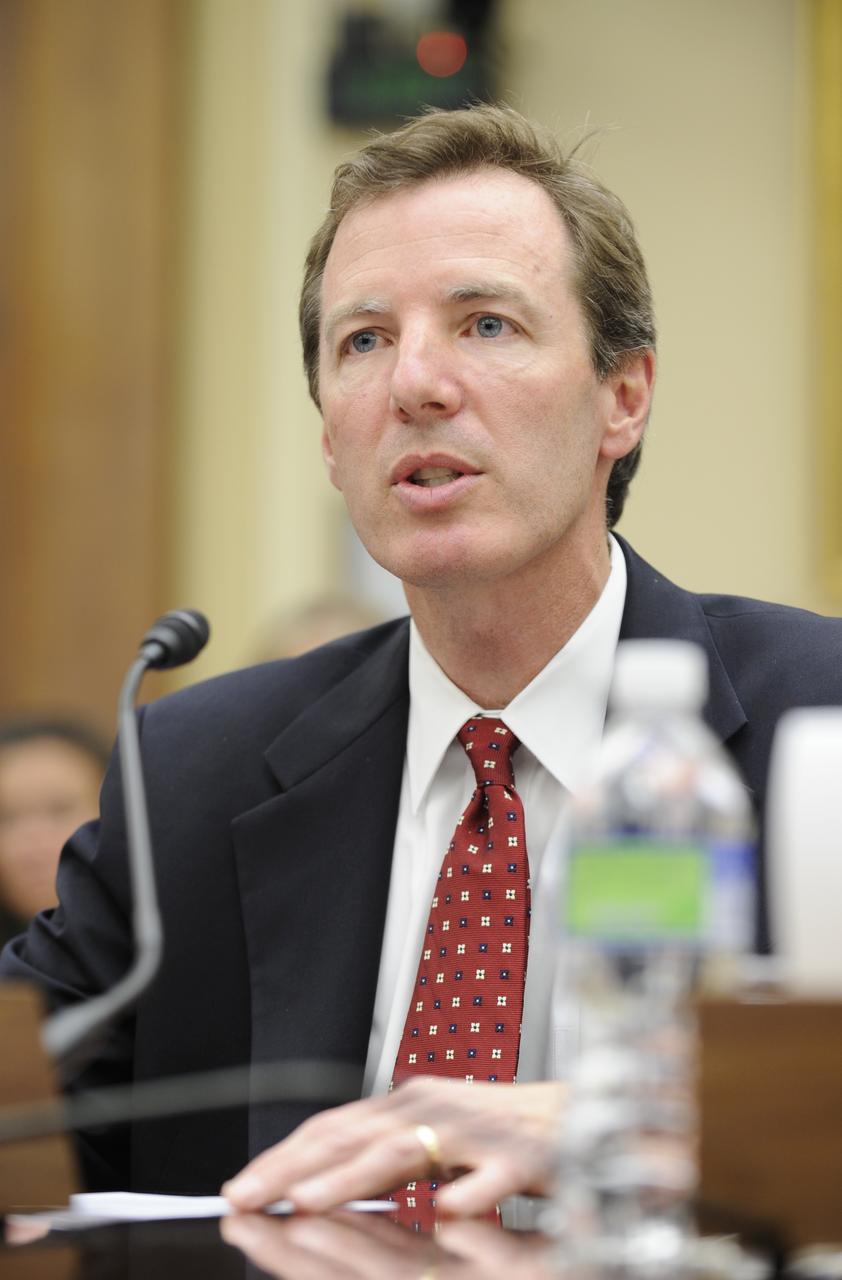
Paul Martin, Inspector General for NASA, testifies during a Joint Hearing before the House Committee on Science and Technology, Transportation and Infrastructure Committee, Subcommittee on Investigations and Oversight, Thursday, Dec. 3, 2009, on Capitol Hill in Washington. Photo Credit: (NASA/Bill Ingalls)
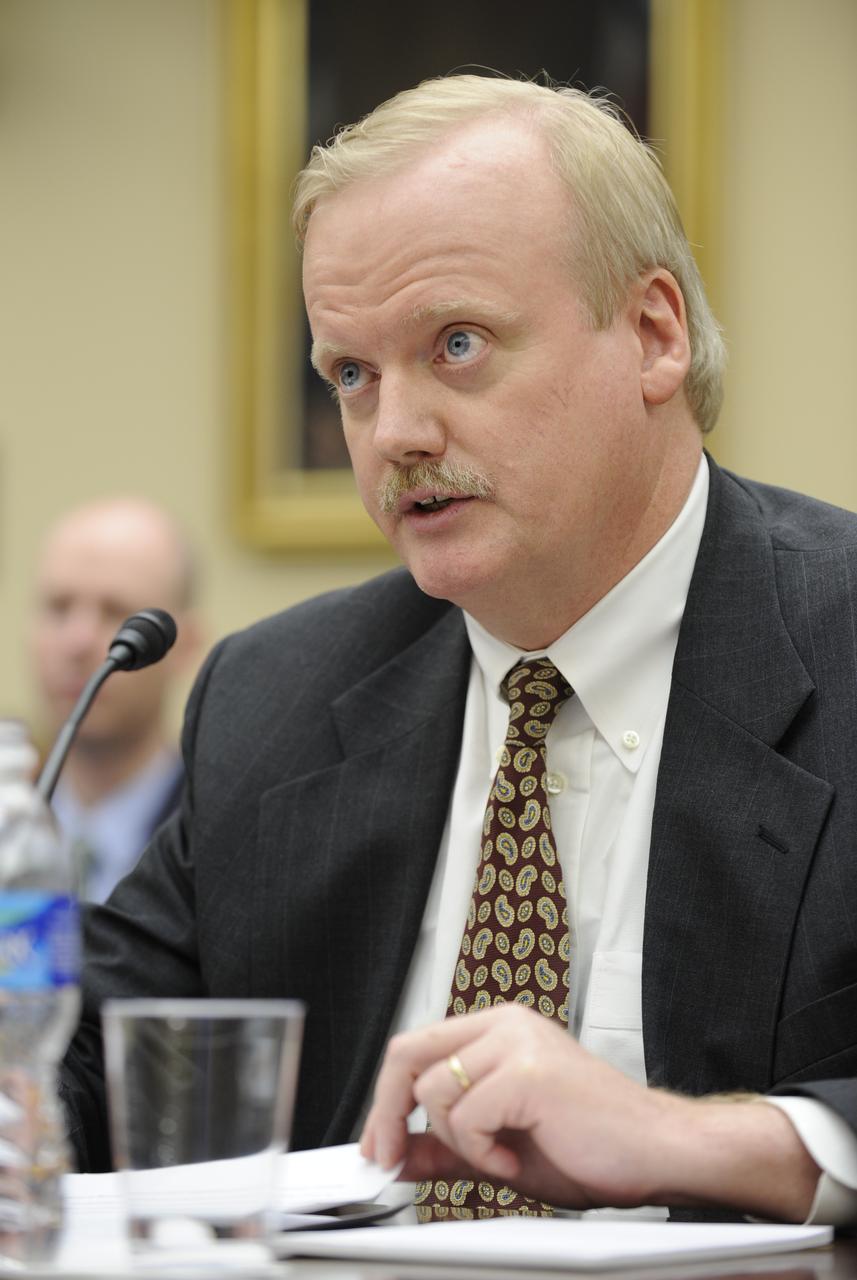
Daniel Murrin, Partner, Assurance and Advisory Business Service, Ernst & Young LLP, testifies during a Joint Hearing before the House Committee on Science and Technology, Transportation and Infrastructure Committee, Subcommittee on Investigations and Oversight, Thursday, Dec. 3, 2009, on Capitol Hill in Washington. Photo Credit: (NASA/Bill Ingalls)

Elizabeth Robinson, NASA Chief Finiancial Officer, testifies during a Joint Hearing before the House Committee on Science and Technology, Transportation and Infrastructure Committee, Subcommittee on Investigations and Oversight, Thursday, Dec. 3, 2009, on Capitol Hill in Washington. Photo Credit: (NASA/Bill Ingalls)

Elizabeth Robinson, NASA Chief Financial Officer, testifies during a Joint Hearing before the House Committee on Science and Technology, Transportation and Infrastructure Committee, Subcommittee on Investigations and Oversight, Thursday, Dec. 3, 2009, on Capitol Hill in Washington. Photo Credit: (NASA/Bill Ingalls)
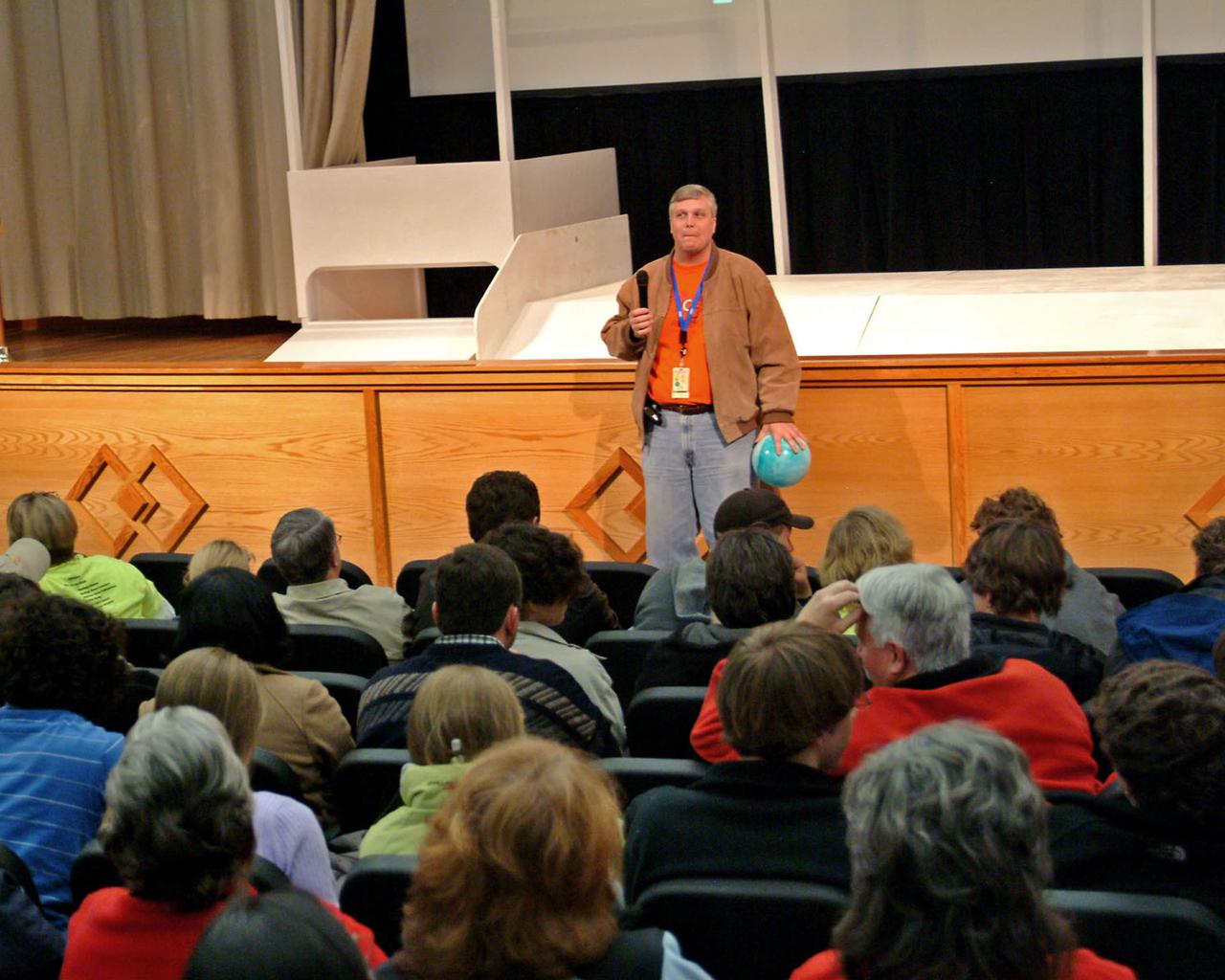
Bo Clarke, mentor for Gulfport High School's Team Fusion, offers strategy tips to students and coaches during the FIRST Robotics Competition kickoff held at StenniSphere on Jan. 7. Clarke is the lead building and infrastructure specialist for NASA's Shared Services Center at Stennis Space Center.
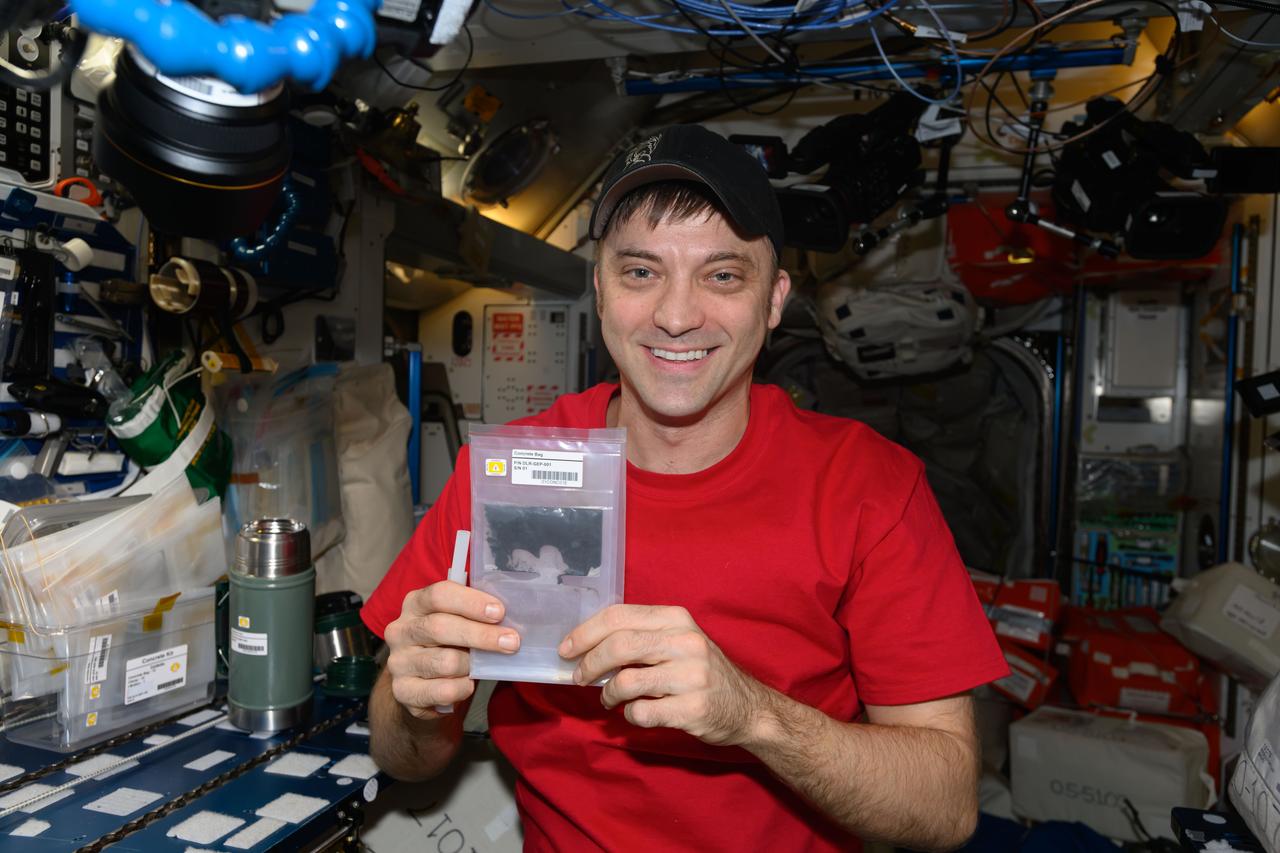
iss071e462520 (Aug. 12, 2024) --- NASA astronaut and Expedition 71 Flight Engineer Matthew Dominick displays a bag containing simulated lunar soil and other materials mixed with a liquid solution. He was exploring how microgravity affects the production of cement materials that could be used to build infrastructure on the lunar surface.
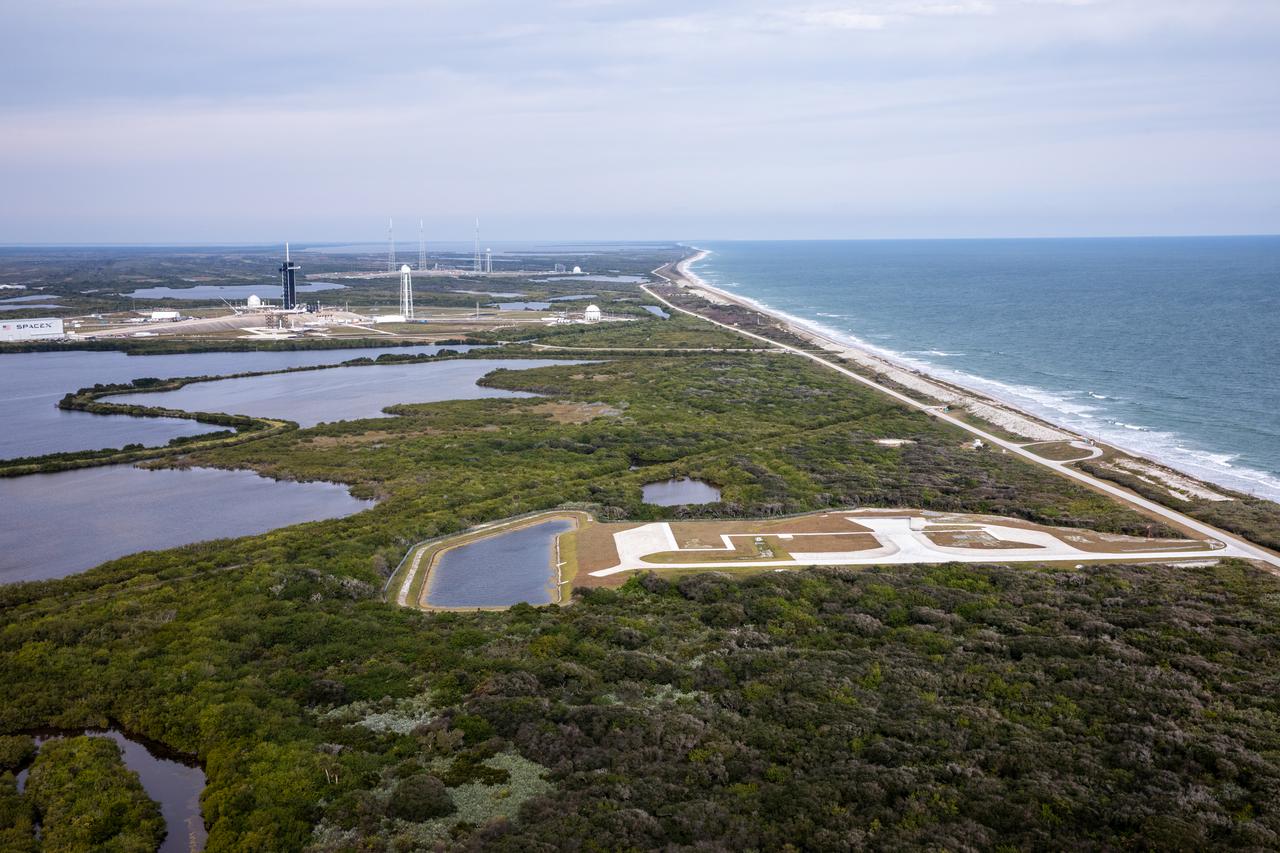
NASA Kennedy Space Center’s newest launch complex – Launch Complex 48 – is a dedicated site for small-class launch vehicles. The complex offers a “clean pad” concept, allowing companies to bring in their own resources and commodities for launch and, in turn, reducing their investment in launch pad infrastructure.
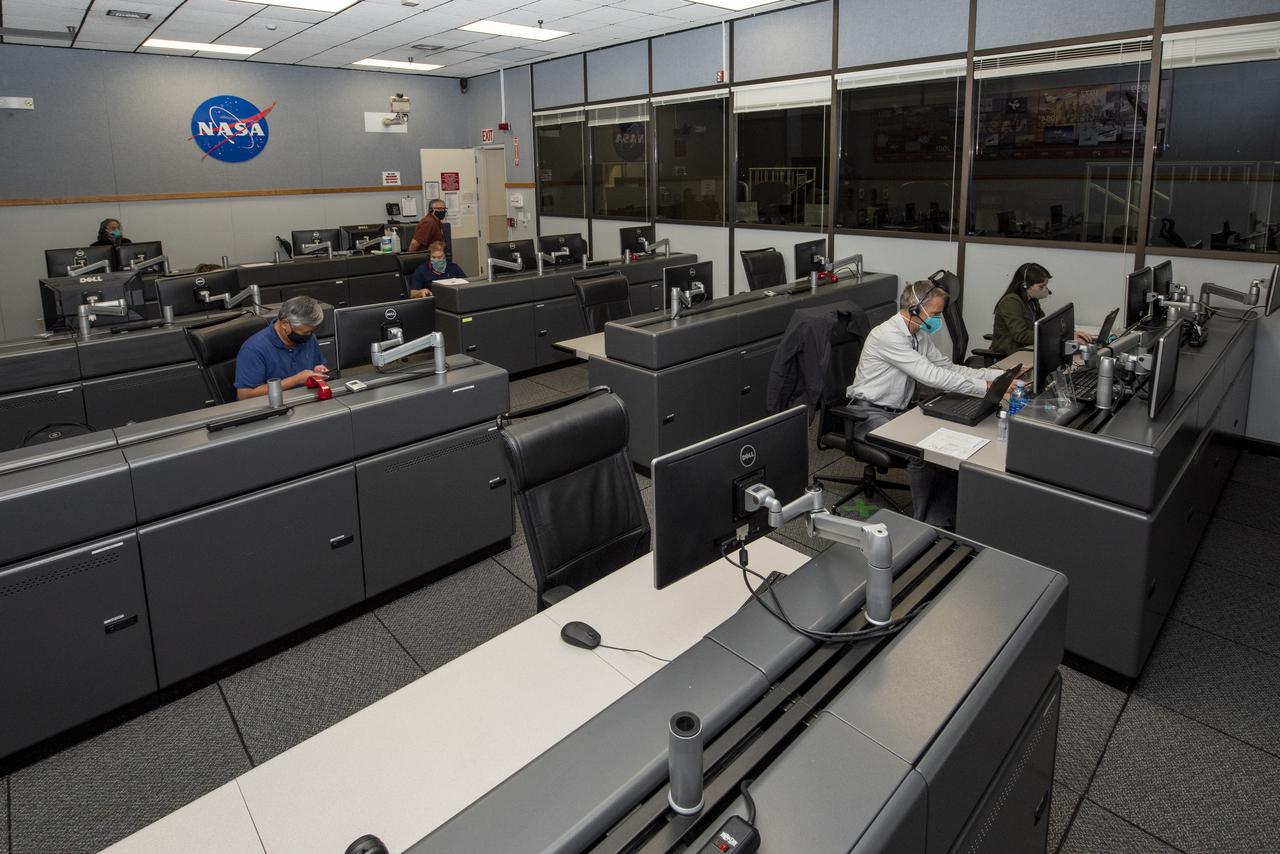
Ames Research Center researchers on the Advanced Air Mobility National Campaign project's Airspace Test Infrastructure (ATI) team monitor surveillance data and metrics from the helicopter in real time during the NC Integrated Dry Run Test team the first week of December 2020 at NASA's Armstrong Flight Research Center in California.
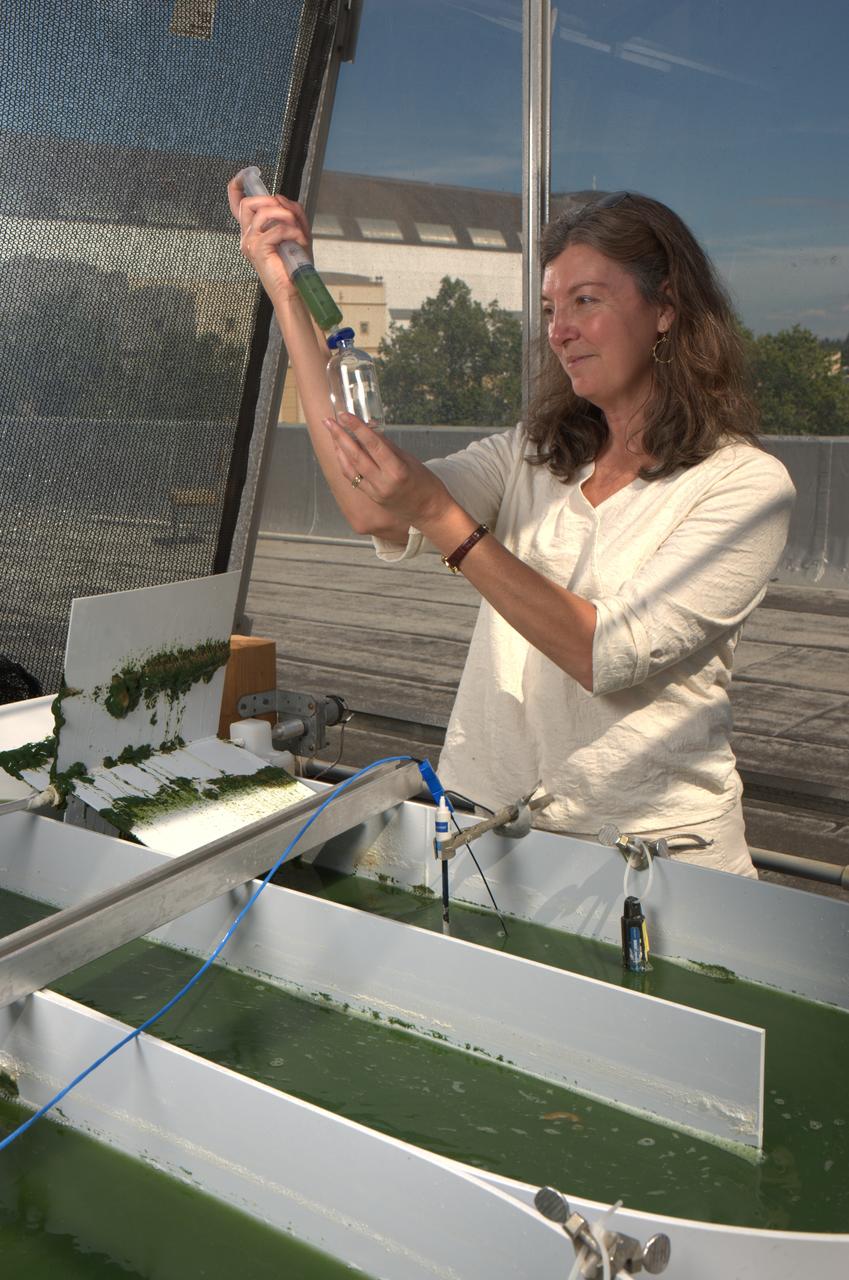
NASA Headquarter's Office of Infrastructure and Administration, Environmental Management Division presents the annual Blue Marble Award to Ames Scientist Leslie Prufert-Bebout receives . Leslie Prufert-Bebout is a microbial ecologist who studies many different species of algea in natural biological communities.

NASA Headquarter's Office of Infrastructure and Administration, Environmental Management Division presents the annual Blue Marble Award to Ames Scientist Leslie Prufert-Bebout receives . Leslie Prufert-Bebout is a microbial ecologist who studies many different species of algea in natural biological communities.
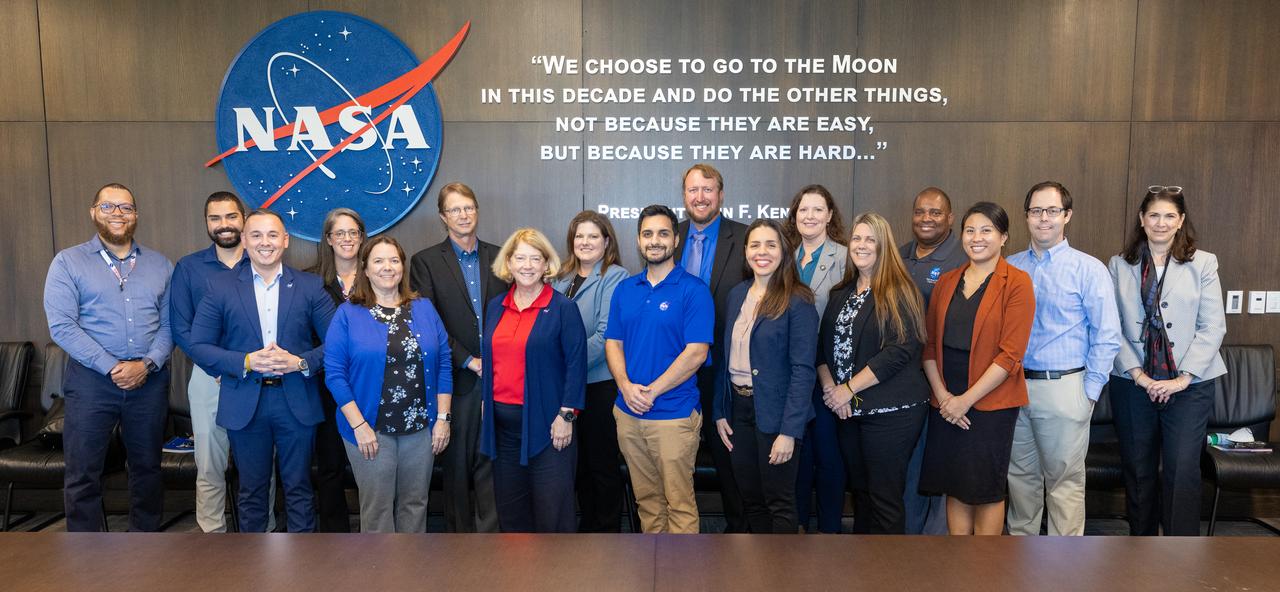
NASA Deputy Administrator Pam Melroy (front third from left) discusses NASA 2040, the agency's strategic initiative for aligning workforce, infrastructure, and technologies to meet the needs of the future, on Nov. 13, 2024, with various groups of employees at the agency's Kennedy Space Center in Florida.
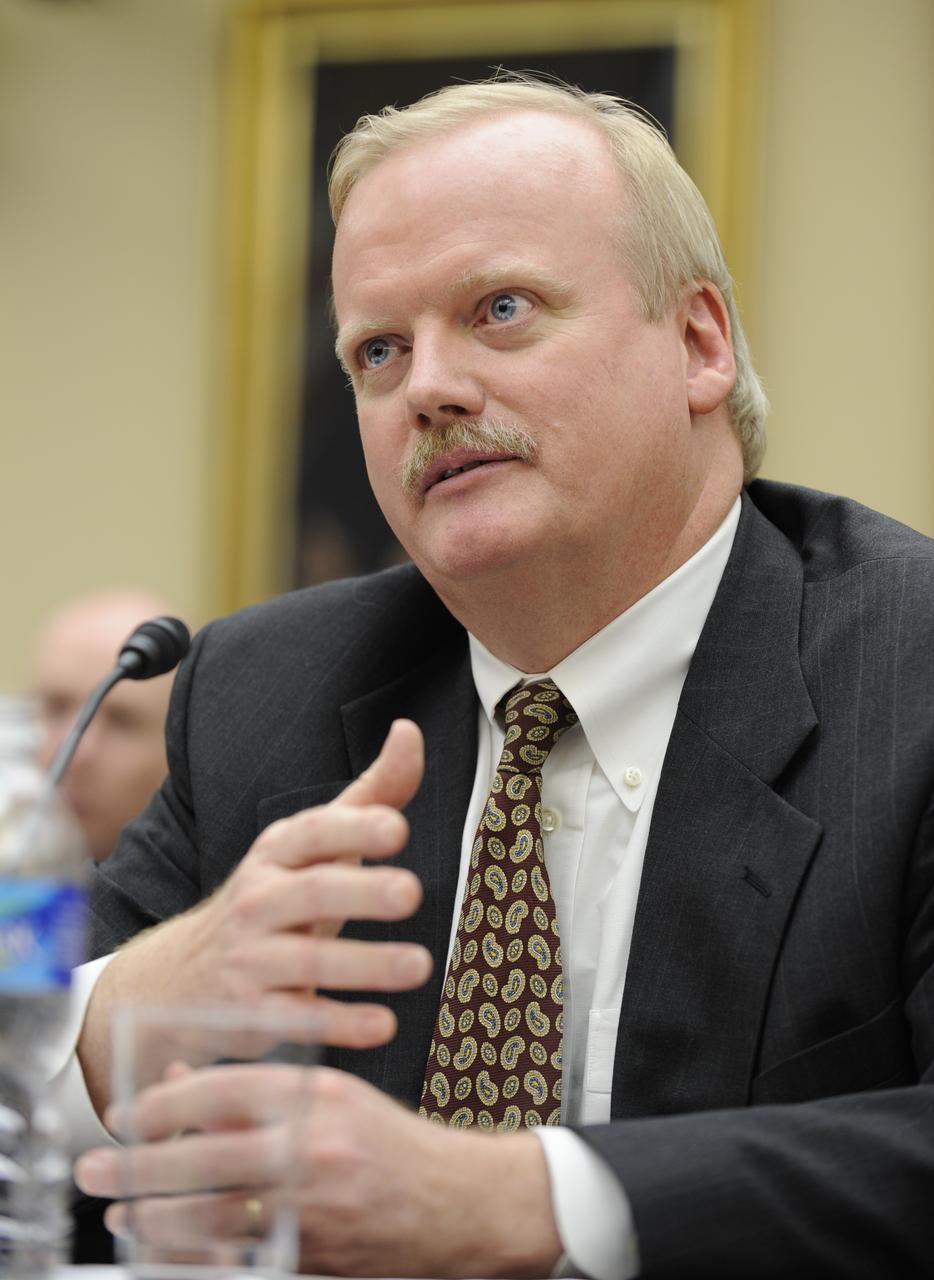
Daniel Murrin, Partner, Assurance and Advisory Business Services, Ernst & Young LLP, testifies during a Joint Hearing before the House Committee on Science and Technology, Transportation and Infrastructure Committee, Subcommittee on Investigations and Oversight, Thursday, Dec. 3, 2009, on Capitol Hill in Washington. Photo Credit: (NASA/Bill Ingalls)
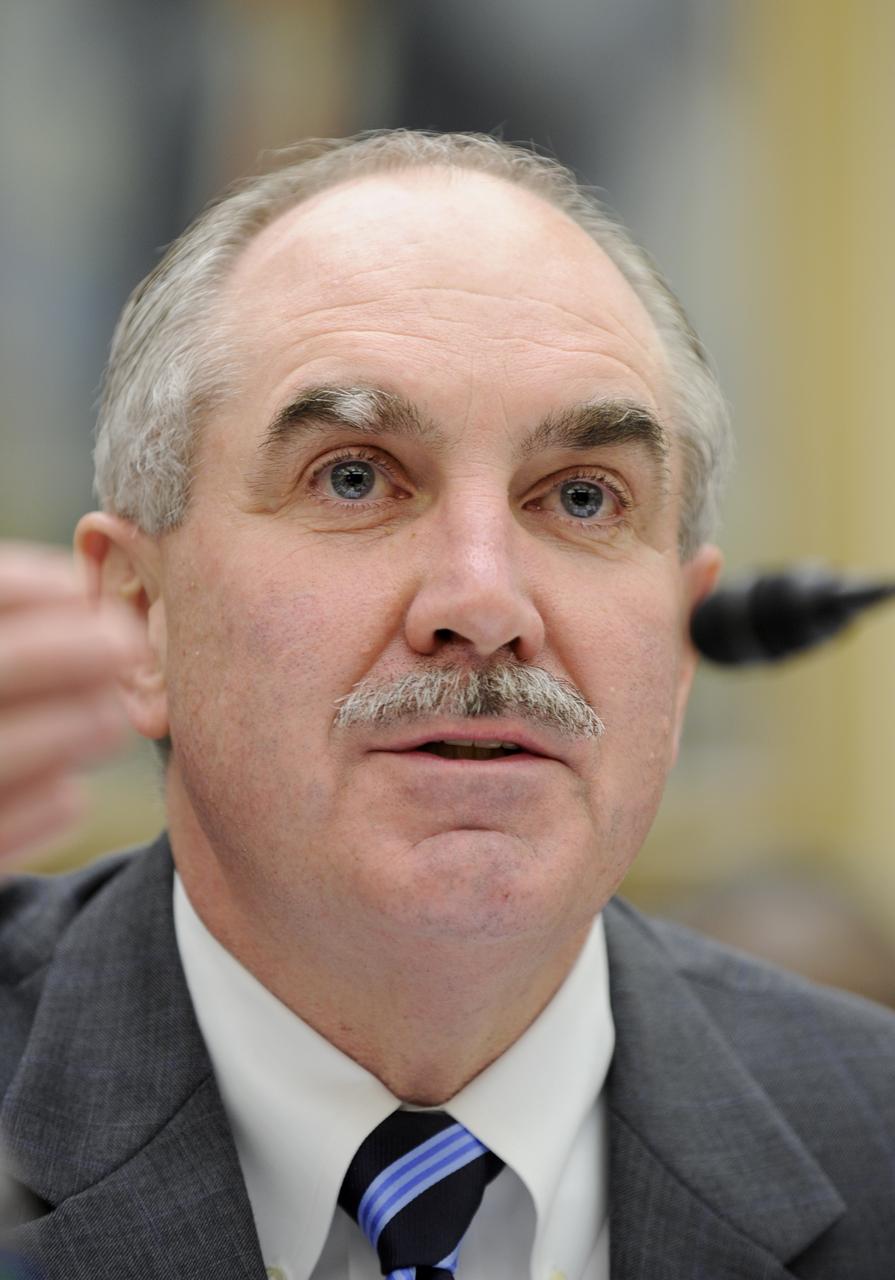
Thomas Howard, NASA Deputy Inspector General, testifies during a Joint Hearing before the House Committee on Science and Technology, Transportation and Infrastructure Committee, Subcommittee on Investigations and Oversight, Thursday, Dec. 3, 2009, on Capitol Hill in Washington. Photo Credit: (NASA/Bill Ingalls)
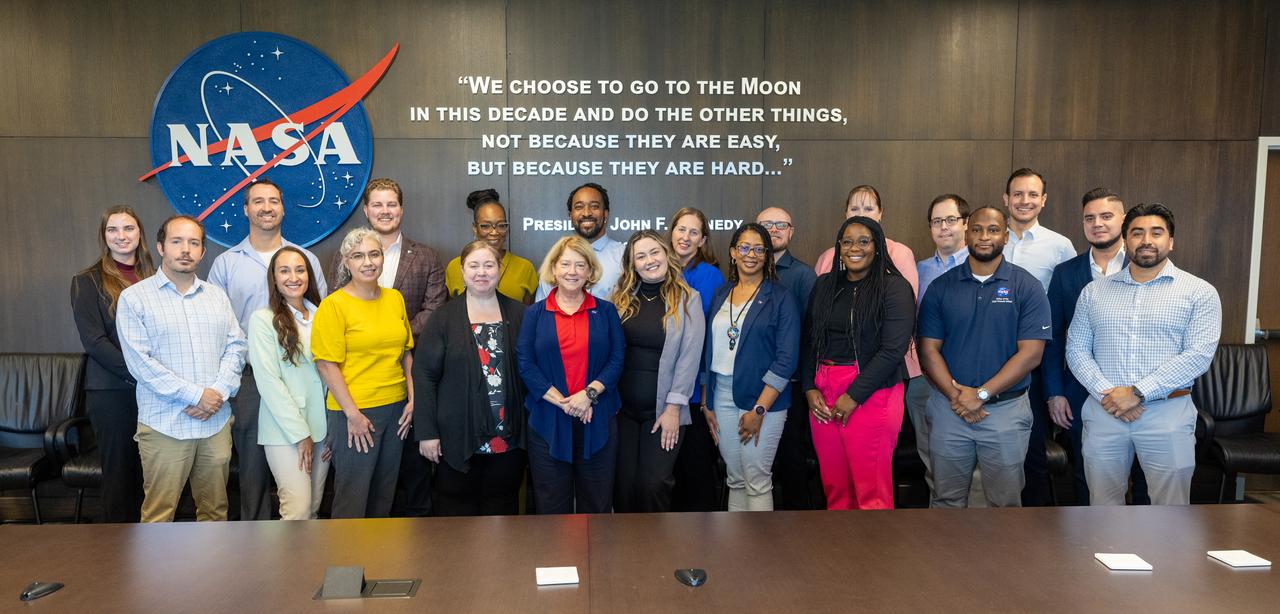
NASA Deputy Administrator Pam Melroy (front center left) discusses NASA 2040, the agency's strategic initiative for aligning workforce, infrastructure, and technologies to meet the needs of the future, on Nov. 13, 2024, with various groups of employees at the agency's Kennedy Space Center in Florida.
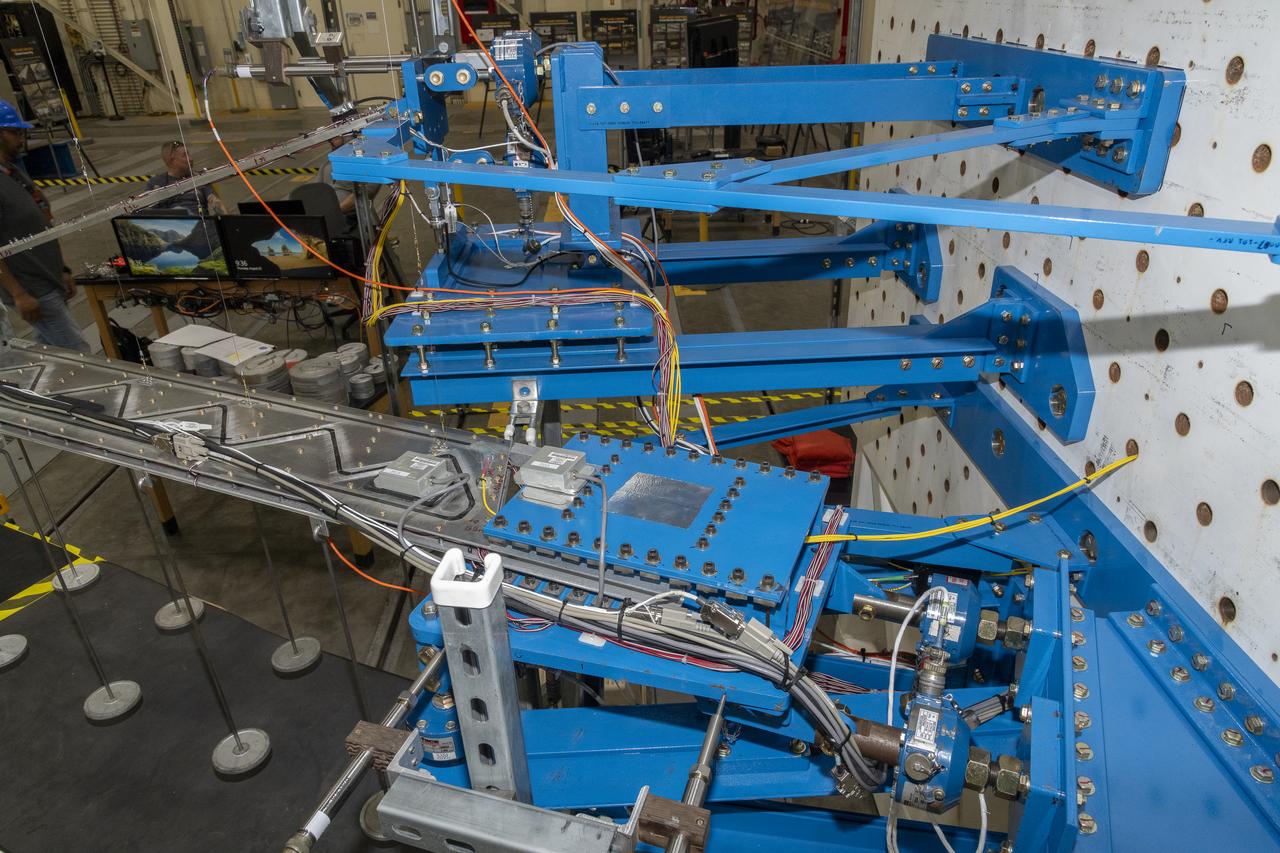
Researchers test a 10-foot Mock Truss-Braced Wing at NASA’s Armstrong Flight Research Center in Edwards, California. The infrastructure, in blue, holds the wing and truss and enables the test. The aircraft concept involves a wing braced on an aircraft using diagonal struts that also add lift and could result in significantly improved aerodynamics.
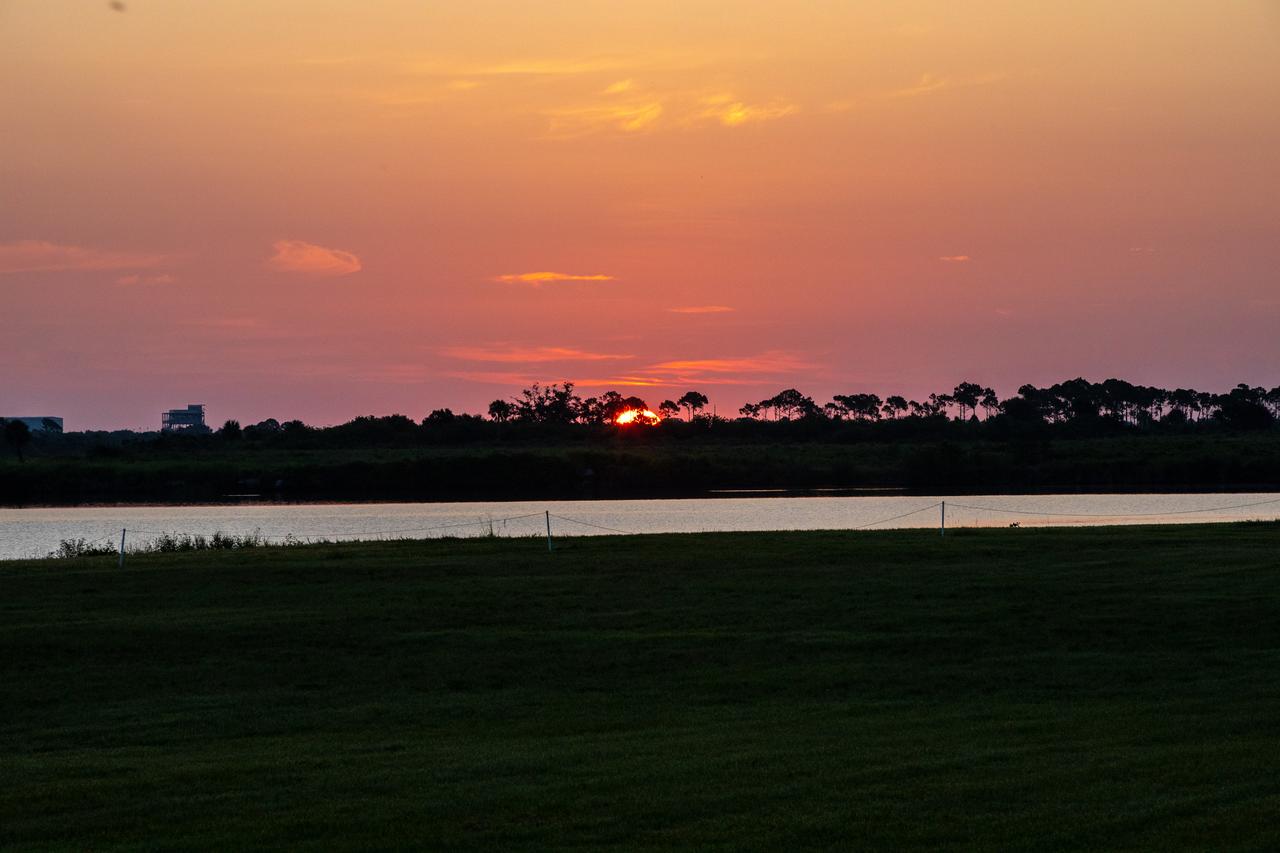
The Sun just begins to rise over NASA’s Kennedy Space Center in Florida on July 15, 2020. A multi-user spaceport, Kennedy has partnerships with both government and commercial entities, providing the facilities and infrastructure necessary for venturing to space.

Obama Administration launches Cloud Computing Initiative at Ames Research Center. Vivek Kundra, White House Chief Federal Information Officer (ctr) and Lori Garver, NASA Deputy Administrator (right) get a tour of the NASA Nebula Infrastructure with Bobby Cates (on left).
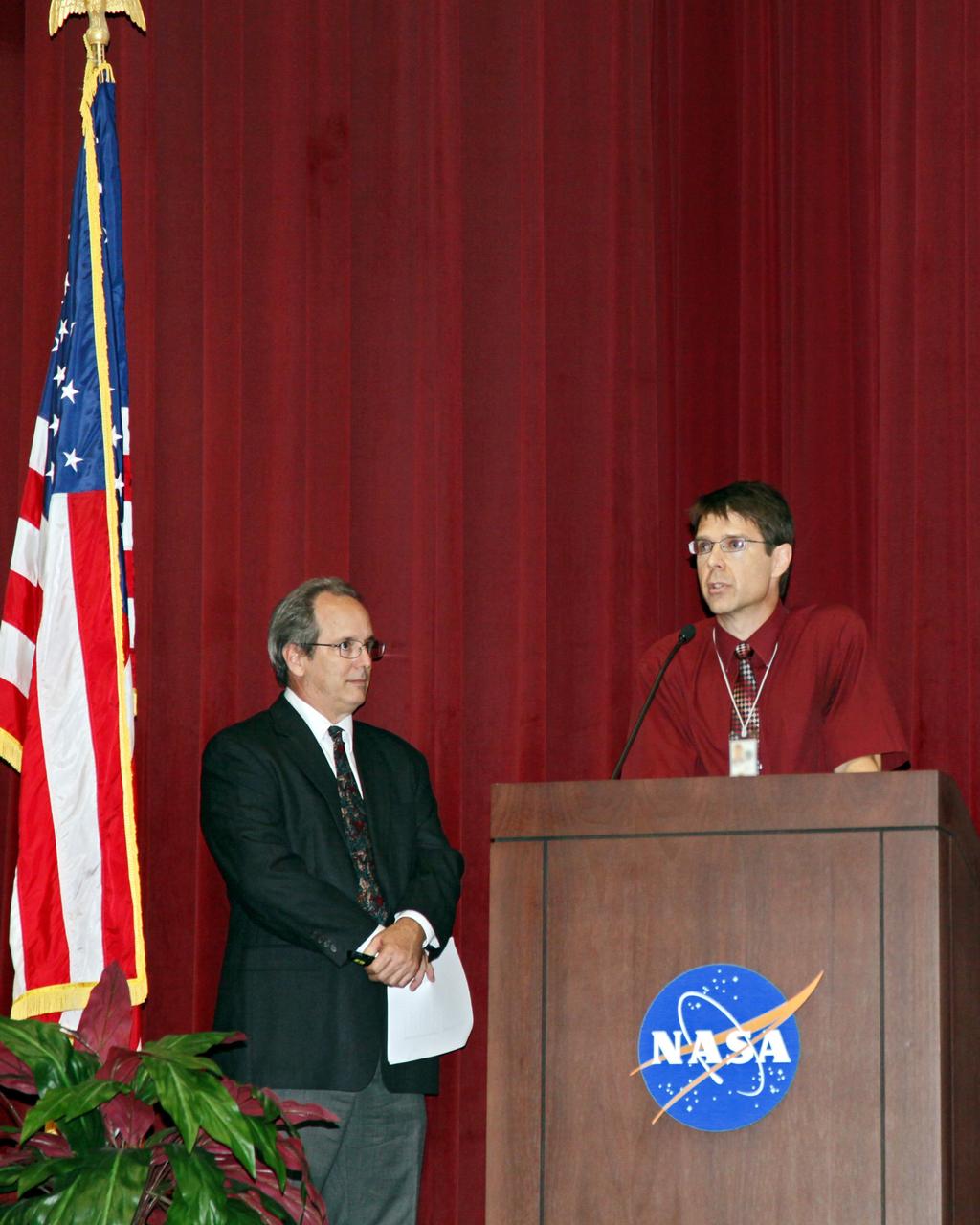
CAPE CANAVERAL, Fla. – During NASA's Innovation Expo at the Kennedy Space Center in Florida, William Merrill, of NASA's Communications Infrastructure Services Division, proposes an innovation that would make mission audio available by way of an Internet radio stream. Kennedy Kick-Start Chair Mike Conroy looks on from the left. As Kennedy continues developing programs and infrastructure to become a 21st century spaceport, many employees are devising ways to do their jobs better and more efficiently. On Sept. 6, 2012, 16 Kennedy employees pitched their innovative ideas for improving the center at the Kennedy Kick-Start event. The competition was part of a center-wide effort designed to increase exposure for innovative ideas and encourage their implementation. For more information, visit http://www.nasa.gov/centers/kennedy/news/kick-start_competition.html Photo credit: NASA/Gianni Woods
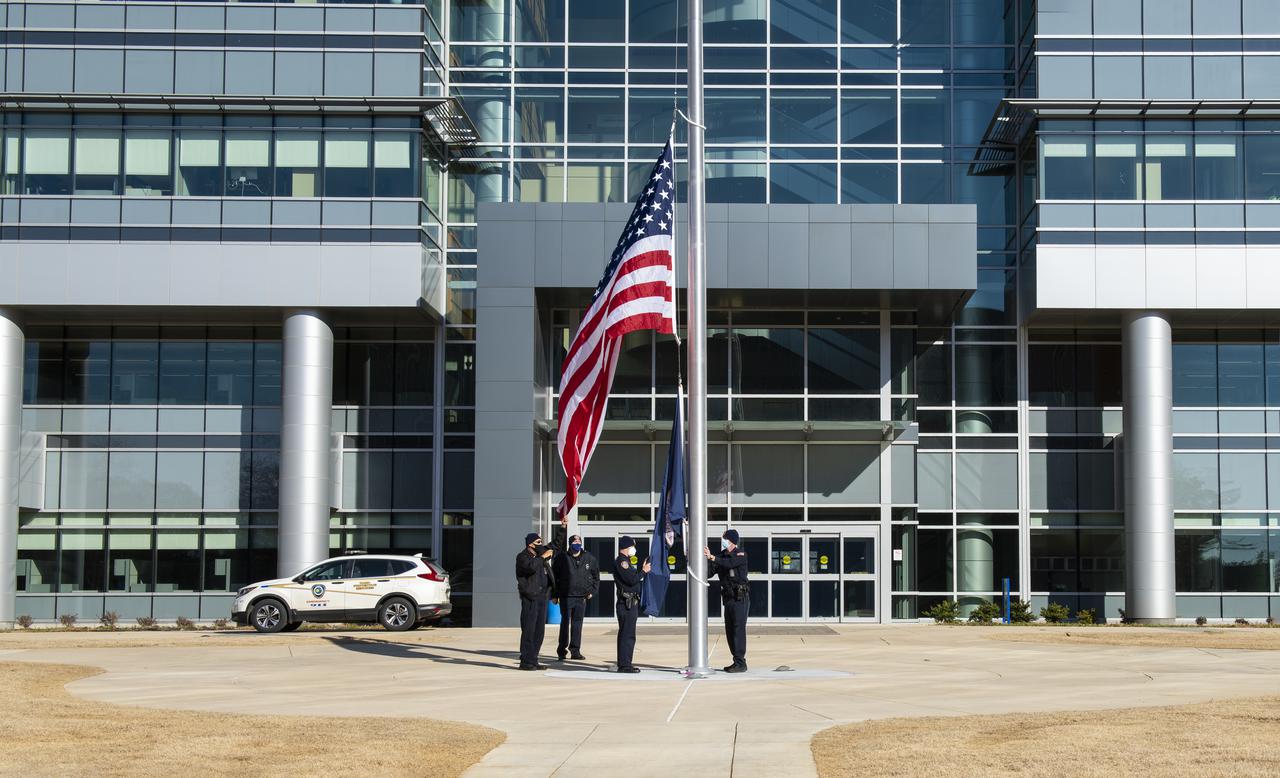
On Jan. 26, 2022, the U.S. and NASA flags were raised at Building 4221 to mark the transfer of headquarters to that building at Marshall Space Flight Center in Huntsville, Alabama. The doors to Building 4221, a new, environmentally friendly building, opened on Earth Day, April 22, 2019. Building 4200 served as Marshall’s original headquarters since 1963. Marshall center operations lowered flags at that building on Jan. 21, 2022.
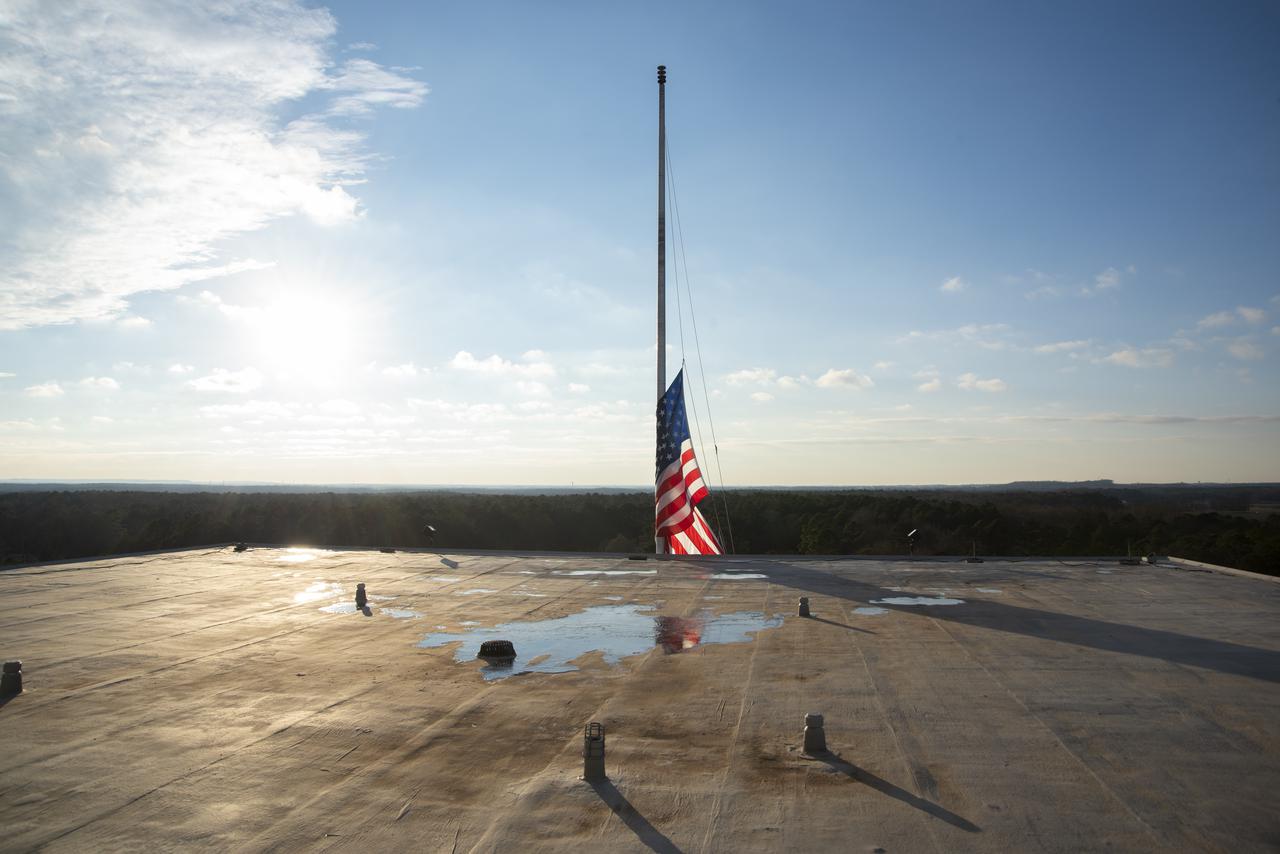
The U.S. and NASA flags atop Building 4200 at NASA Marshall Space Flight Center in Huntsville, Alabama, were retired Jan. 21, 2022. These images show center operations employees lowering the flags at Building 4200, which was Marshall’s original central laboratory and office building and served as Marshall’s headquarters since 1963. This building will be demolished later this year. A flag-raising ceremony marking the transfer of Marshall headquarters to Building 4221 was held Jan. 26, 2022. The doors to Building 4221 opened on Earth Day, April 22, 2019.
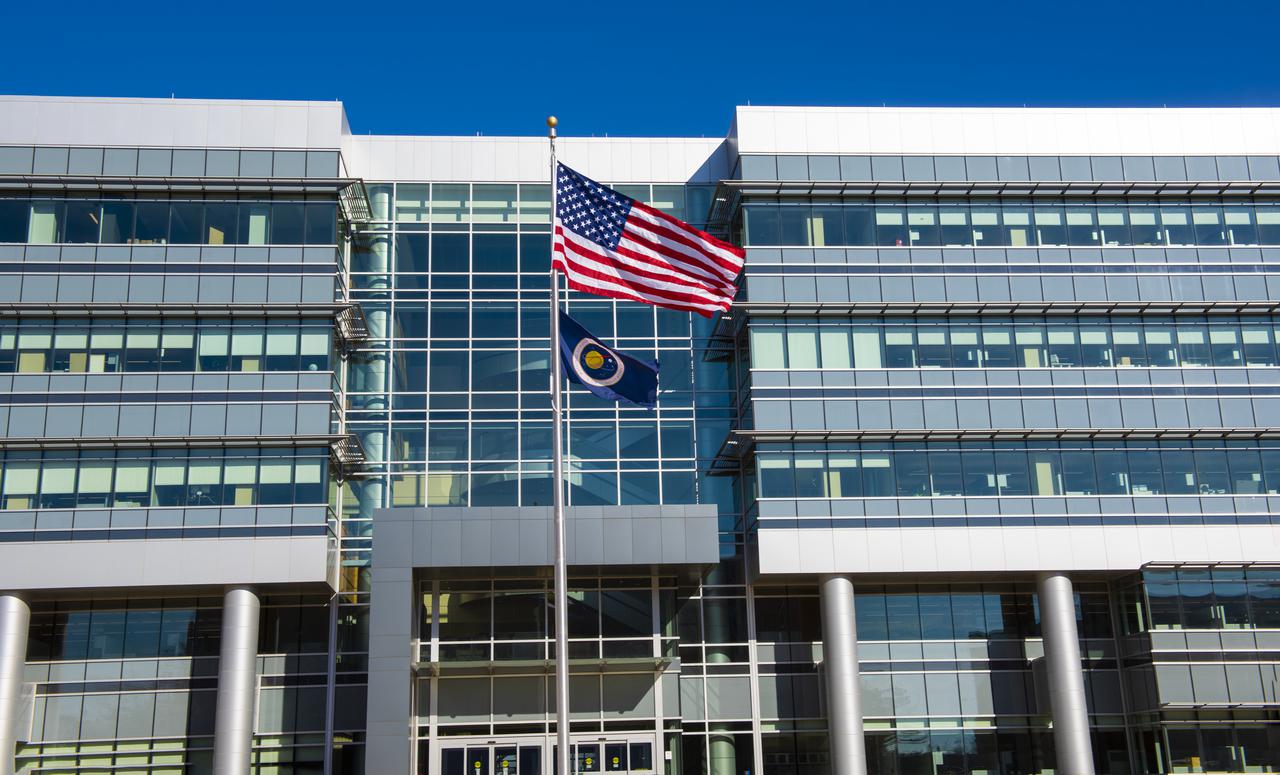
On Jan. 26, 2022, the U.S. and NASA flags were raised at Building 4221 to mark the transfer of headquarters to that building at Marshall Space Flight Center in Huntsville, Alabama. The doors to Building 4221, a new, environmentally friendly building, opened on Earth Day, April 22, 2019. Building 4200 served as Marshall’s original headquarters since 1963. Marshall center operations lowered flags at that building on Jan. 21, 2022.
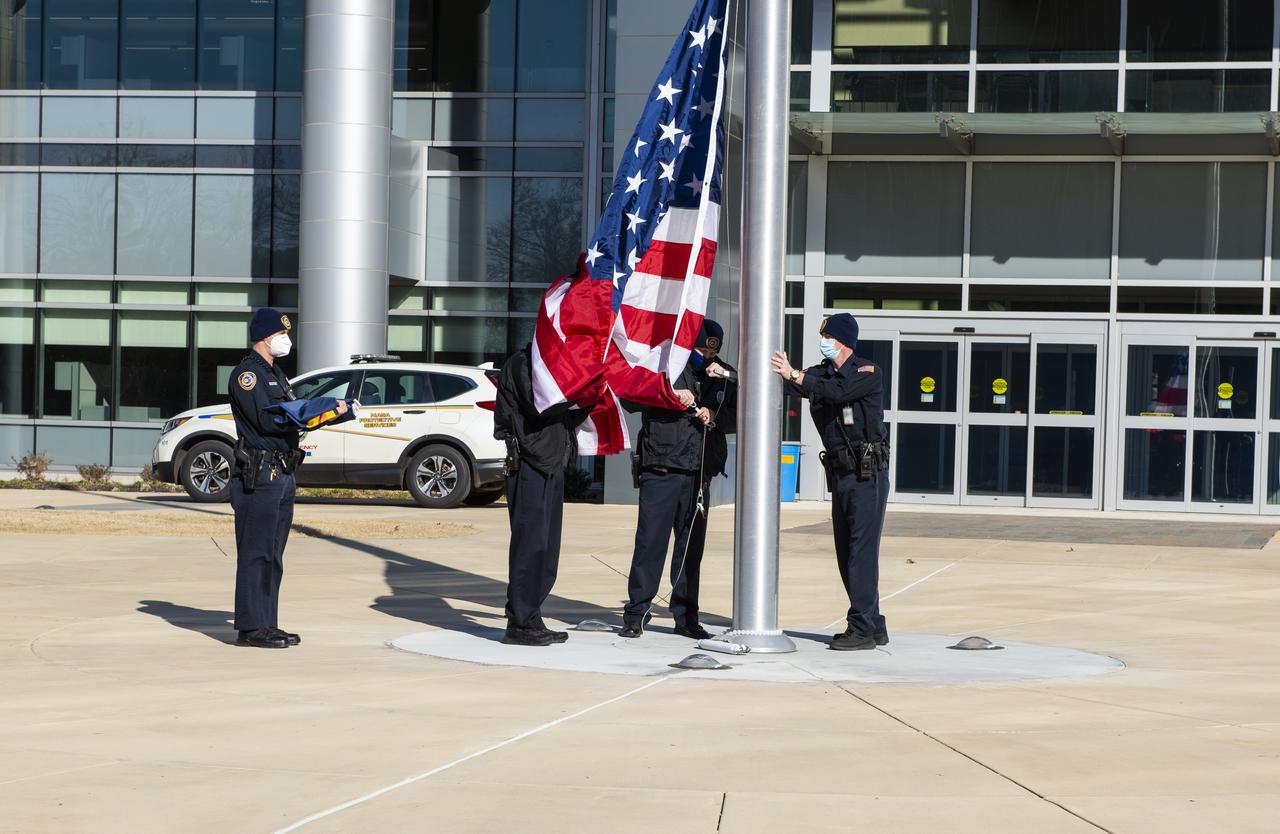
On Jan. 26, 2022, the U.S. and NASA flags were raised at Building 4221 to mark the transfer of headquarters to that building at Marshall Space Flight Center in Huntsville, Alabama. The doors to Building 4221, a new, environmentally friendly building, opened on Earth Day, April 22, 2019. Building 4200 served as Marshall’s original headquarters since 1963. Marshall center operations lowered flags at that building on Jan. 21, 2022.
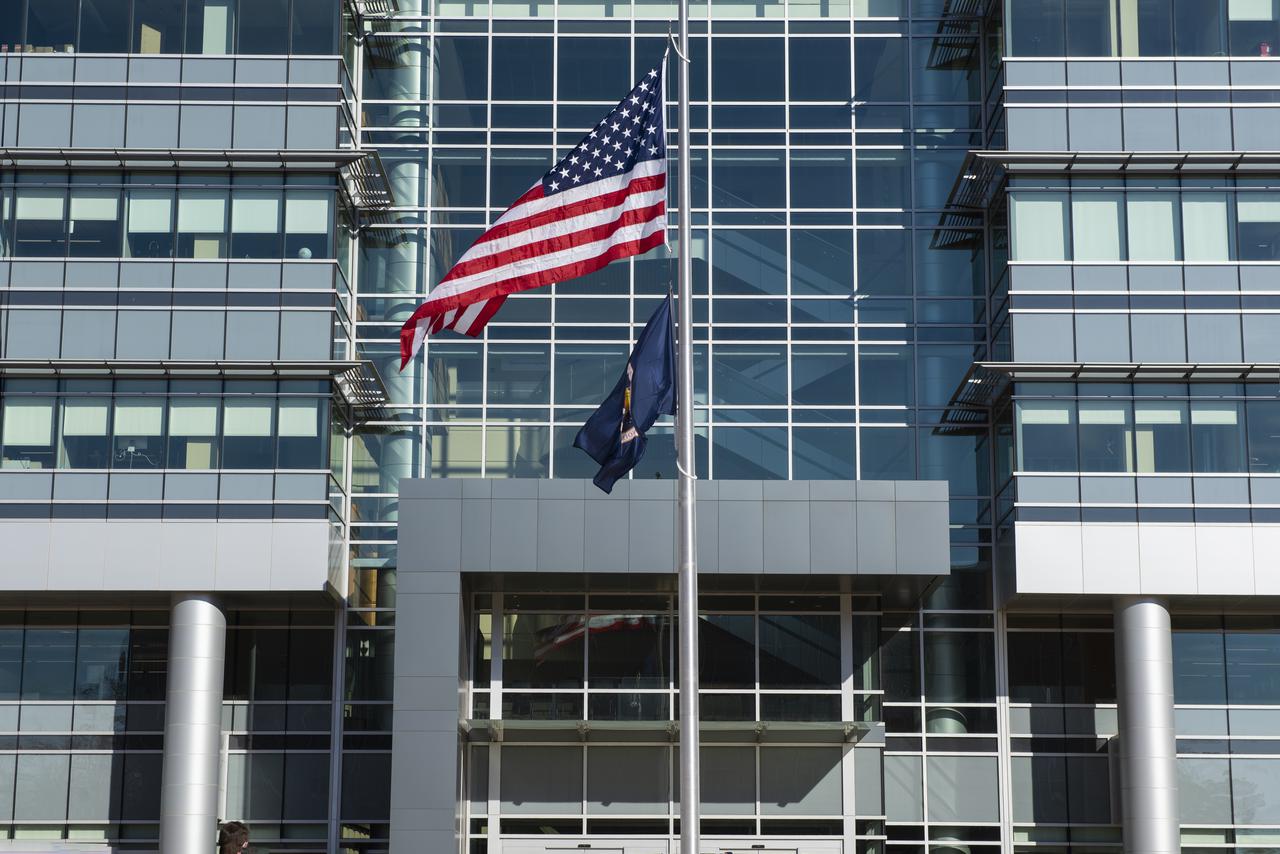
On Jan. 26, 2022, the U.S. and NASA flags were raised at Building 4221 to mark the transfer of headquarters to that building at Marshall Space Flight Center in Huntsville, Alabama. The doors to Building 4221, a new, environmentally friendly building, opened on Earth Day, April 22, 2019. Building 4200 served as Marshall’s original headquarters since 1963. Marshall center operations lowered flags at that building on Jan. 21, 2022.
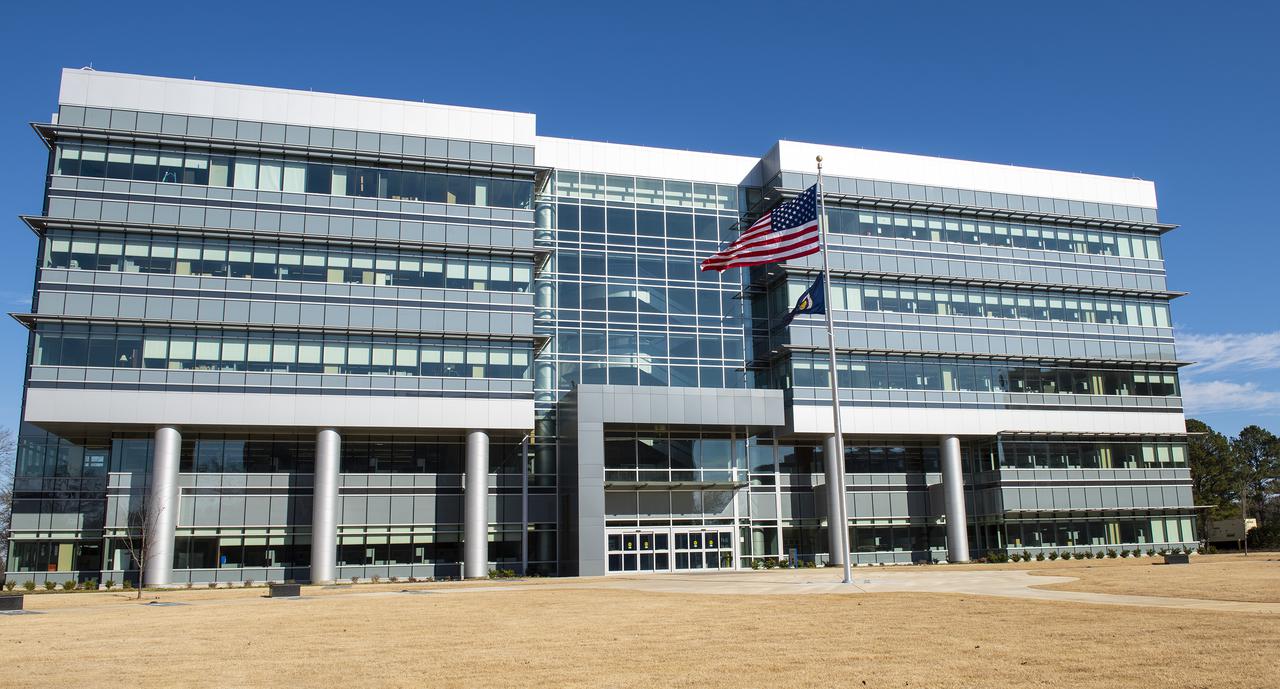
On Jan. 26, 2022, the U.S. and NASA flags were raised at Building 4221 to mark the transfer of headquarters to that building at Marshall Space Flight Center in Huntsville, Alabama. The doors to Building 4221, a new, environmentally friendly building, opened on Earth Day, April 22, 2019. Building 4200 served as Marshall’s original headquarters since 1963. Marshall center operations lowered flags at that building on Jan. 21, 2022.
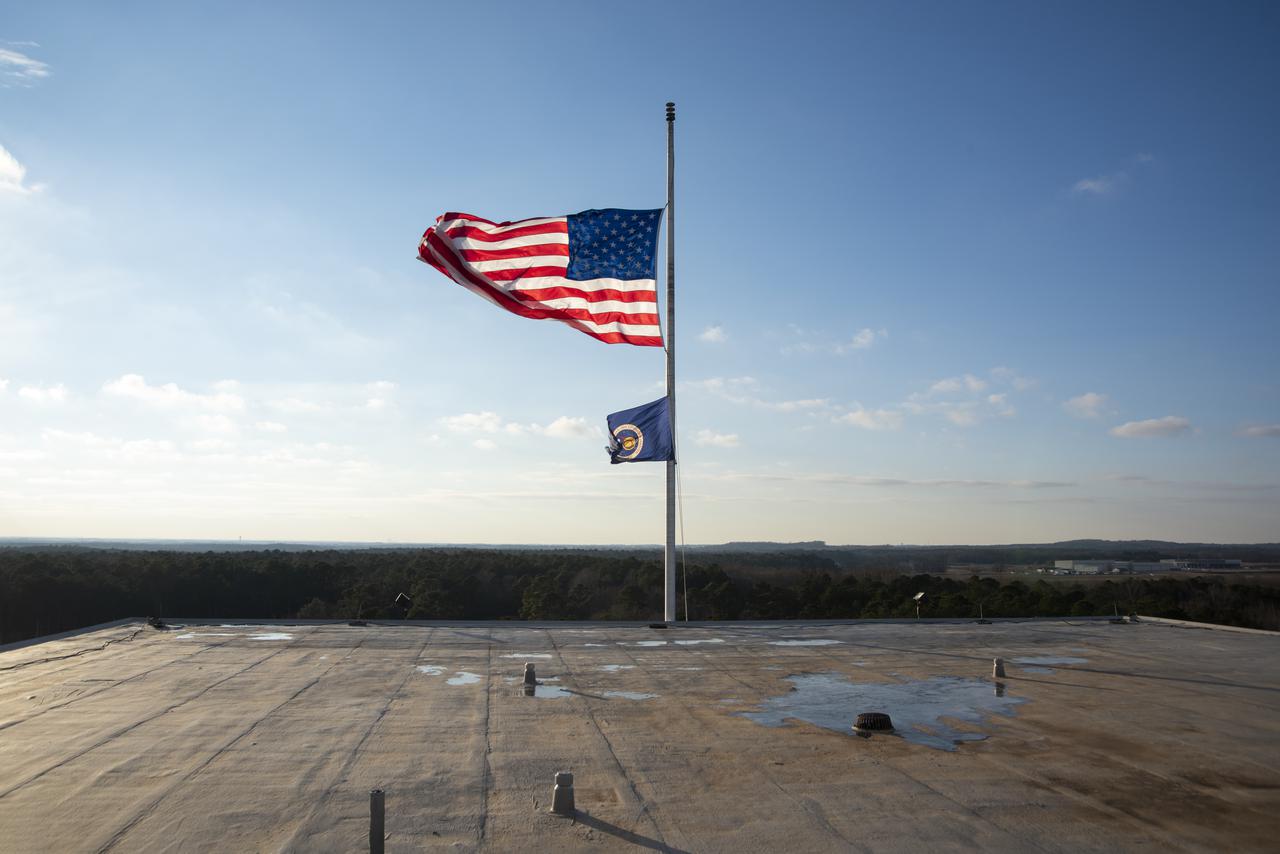
The U.S. and NASA flags atop Building 4200 at NASA Marshall Space Flight Center in Huntsville, Alabama, were retired Jan. 21, 2022. These images show center operations employees lowering the flags at Building 4200, which was Marshall’s original central laboratory and office building and served as Marshall’s headquarters since 1963. This building will be demolished later this year. A flag-raising ceremony marking the transfer of Marshall headquarters to Building 4221 was held Jan. 26, 2022. The doors to Building 4221 opened on Earth Day, April 22, 2019.
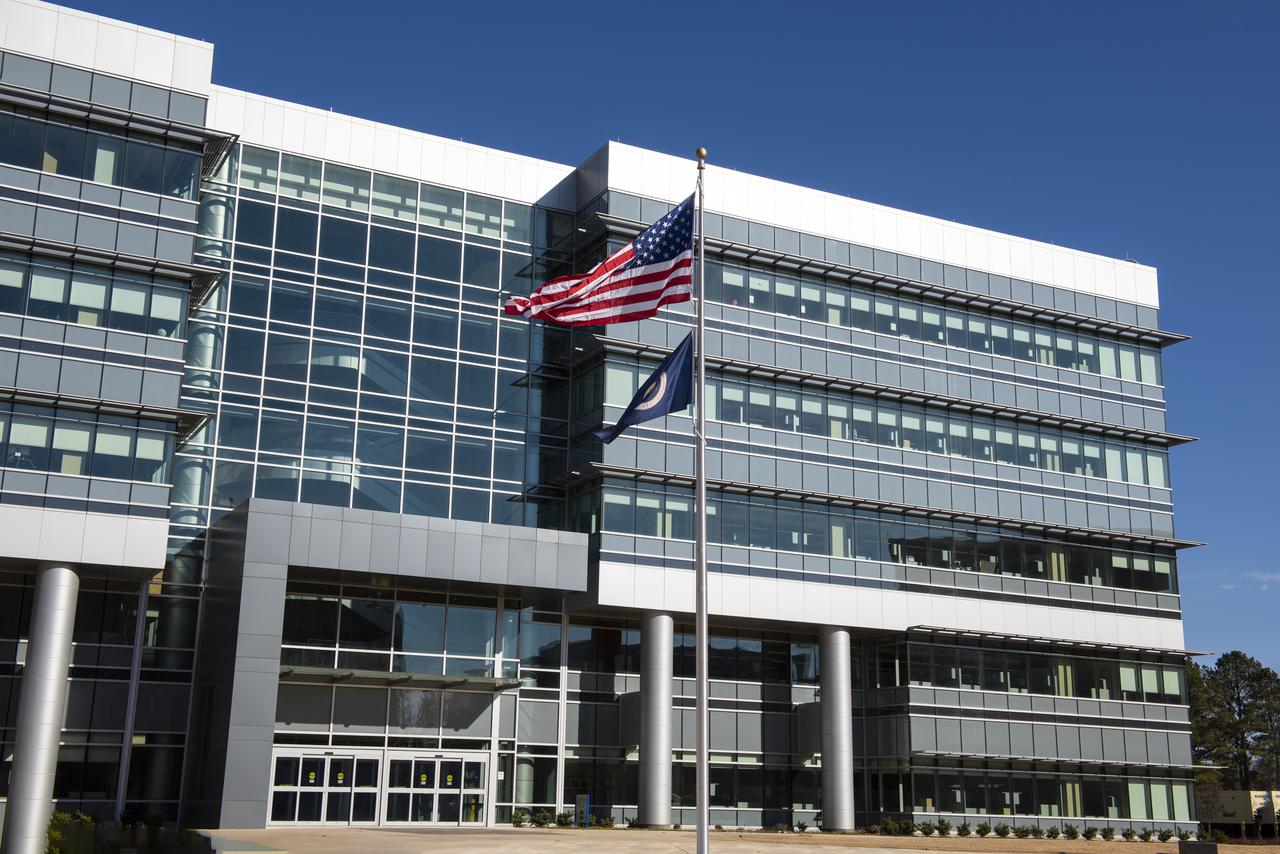
On Jan. 26, 2022, the U.S. and NASA flags were raised at Building 4221 to mark the transfer of headquarters to that building at Marshall Space Flight Center in Huntsville, Alabama. The doors to Building 4221, a new, environmentally friendly building, opened on Earth Day, April 22, 2019. Building 4200 served as Marshall’s original headquarters since 1963. Marshall center operations lowered flags at that building on Jan. 21, 2022.
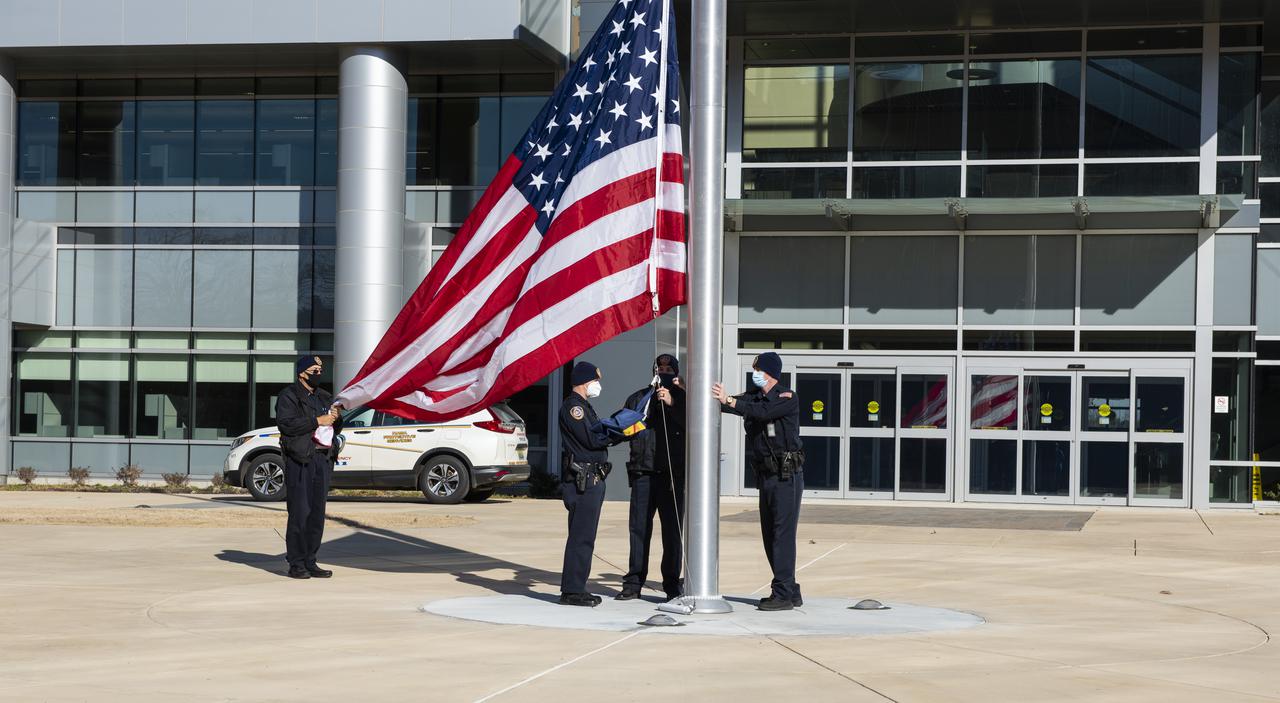
On Jan. 26, 2022, the U.S. and NASA flags were raised at Building 4221 to mark the transfer of headquarters to that building at Marshall Space Flight Center in Huntsville, Alabama. The doors to Building 4221, a new, environmentally friendly building, opened on Earth Day, April 22, 2019. Building 4200 served as Marshall’s original headquarters since 1963. Marshall center operations lowered flags at that building on Jan. 21, 2022.
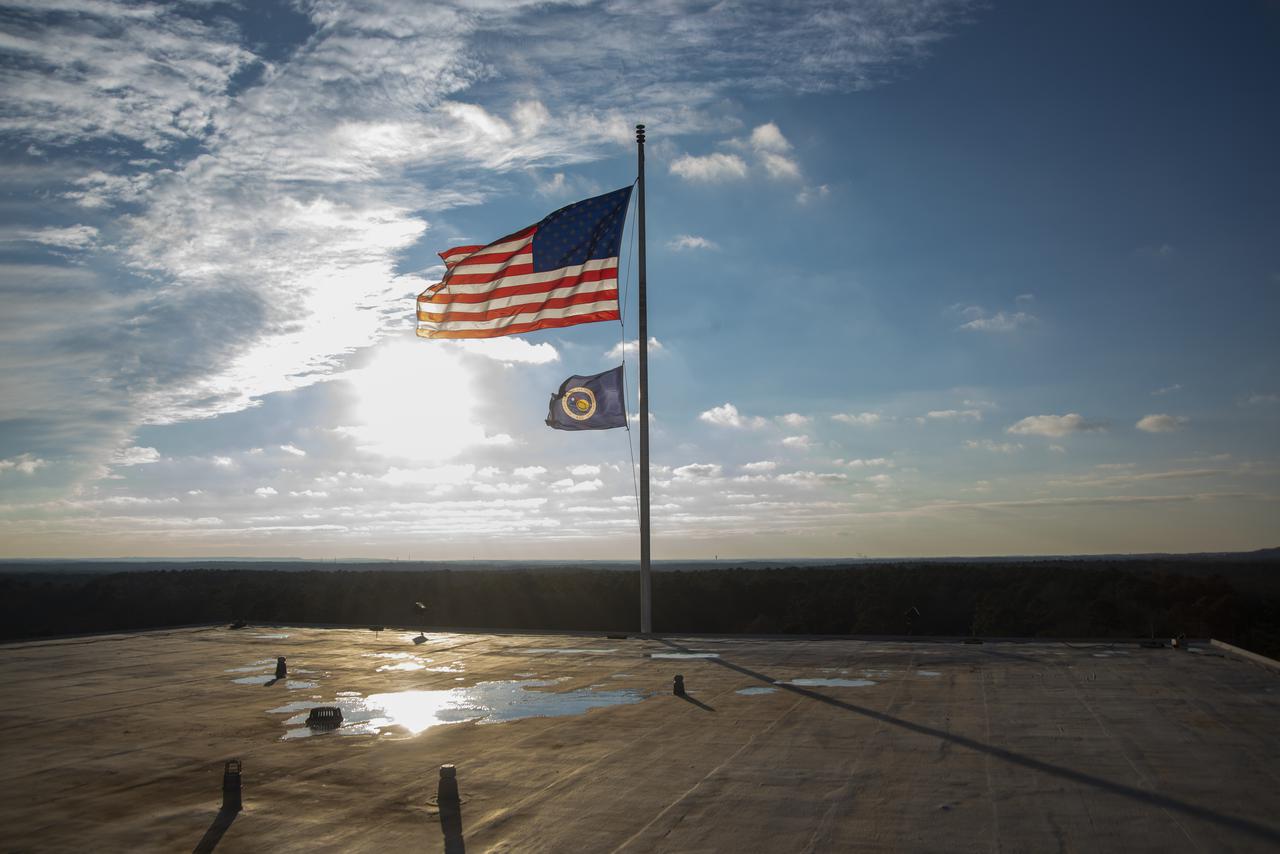
The U.S. and NASA flags atop Building 4200 at NASA Marshall Space Flight Center in Huntsville, Alabama, were retired Jan. 21, 2022. These images show center operations employees lowering the flags at Building 4200, which was Marshall’s original central laboratory and office building and served as Marshall’s headquarters since 1963. This building will be demolished later this year. A flag-raising ceremony marking the transfer of Marshall headquarters to Building 4221 was held Jan. 26, 2022. The doors to Building 4221 opened on Earth Day, April 22, 2019.
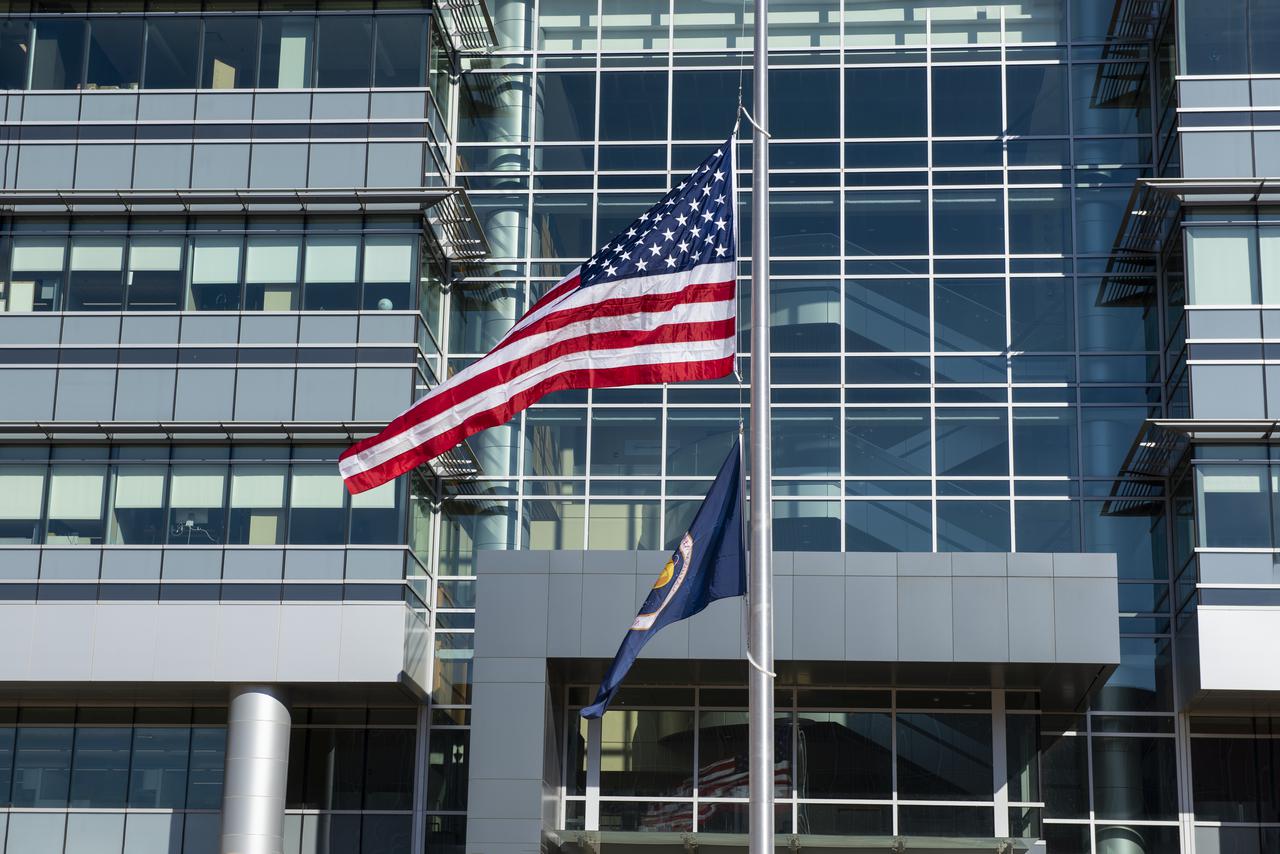
On Jan. 26, 2022, the U.S. and NASA flags were raised at Building 4221 to mark the transfer of headquarters to that building at Marshall Space Flight Center in Huntsville, Alabama. The doors to Building 4221, a new, environmentally friendly building, opened on Earth Day, April 22, 2019. Building 4200 served as Marshall’s original headquarters since 1963. Marshall center operations lowered flags at that building on Jan. 21, 2022.
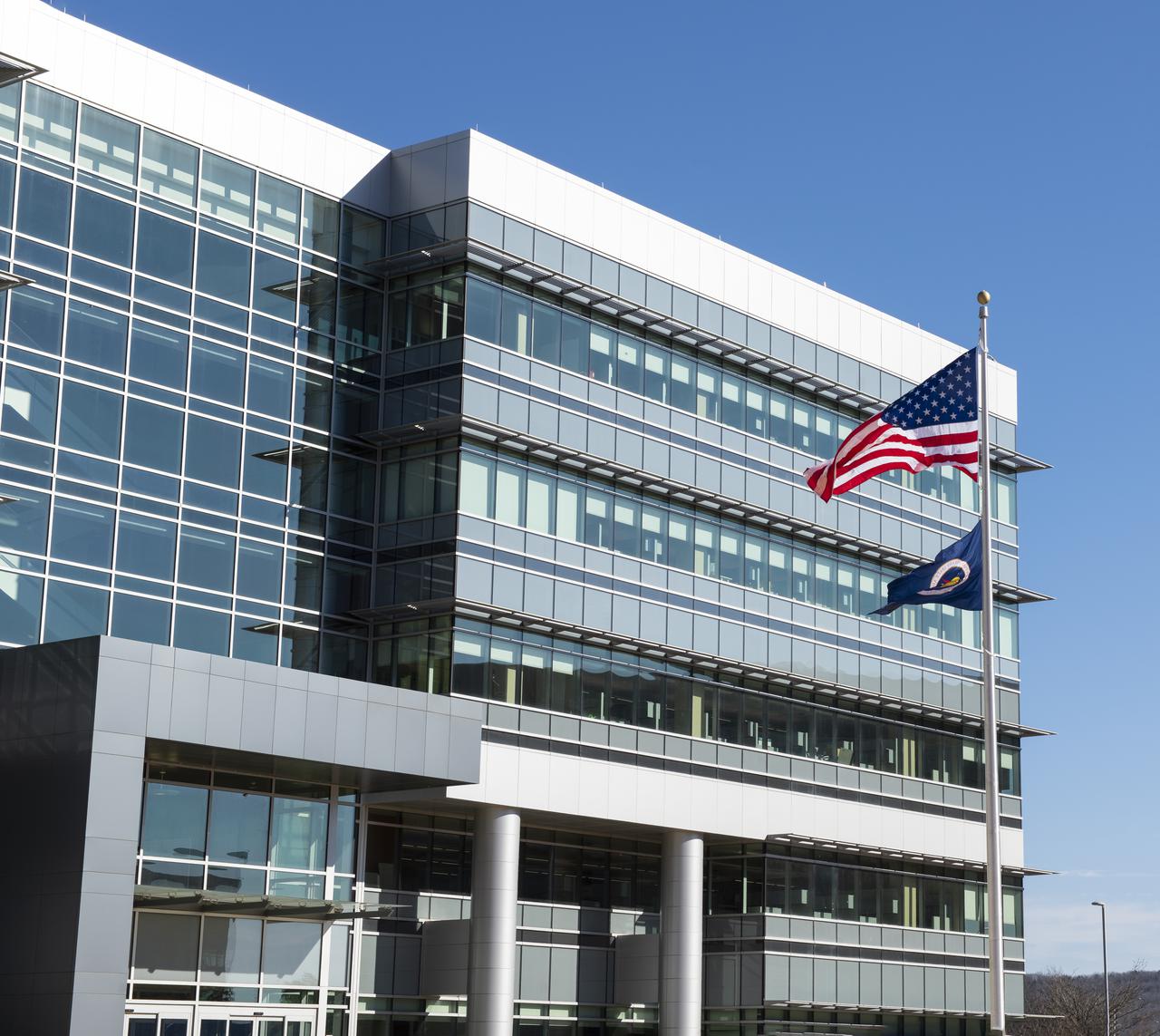
On Jan. 26, 2022, the U.S. and NASA flags were raised at Building 4221 to mark the transfer of headquarters to that building at Marshall Space Flight Center in Huntsville, Alabama. The doors to Building 4221, a new, environmentally friendly building, opened on Earth Day, April 22, 2019. Building 4200 served as Marshall’s original headquarters since 1963. Marshall center operations lowered flags at that building on Jan. 21, 2022.
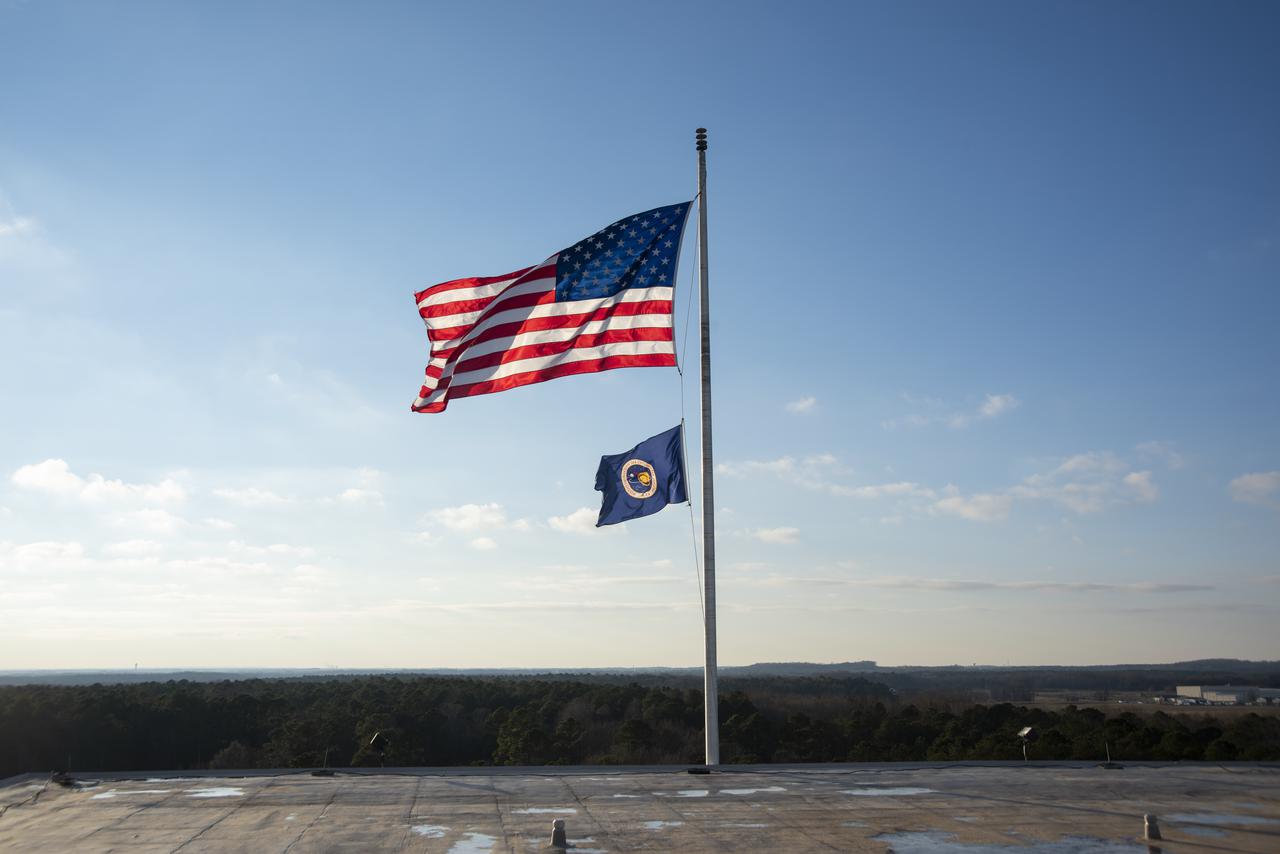
The U.S. and NASA flags atop Building 4200 at NASA Marshall Space Flight Center in Huntsville, Alabama, were retired Jan. 21, 2022. These images show center operations employees lowering the flags at Building 4200, which was Marshall’s original central laboratory and office building and served as Marshall’s headquarters since 1963. This building will be demolished later this year. A flag-raising ceremony marking the transfer of Marshall headquarters to Building 4221 was held Jan. 26, 2022. The doors to Building 4221 opened on Earth Day, April 22, 2019.

On Jan. 26, 2022, the U.S. and NASA flags were raised at Building 4221 to mark the transfer of headquarters to that building at Marshall Space Flight Center in Huntsville, Alabama. The doors to Building 4221, a new, environmentally friendly building, opened on Earth Day, April 22, 2019. Building 4200 served as Marshall’s original headquarters since 1963. Marshall center operations lowered flags at that building on Jan. 21, 2022.
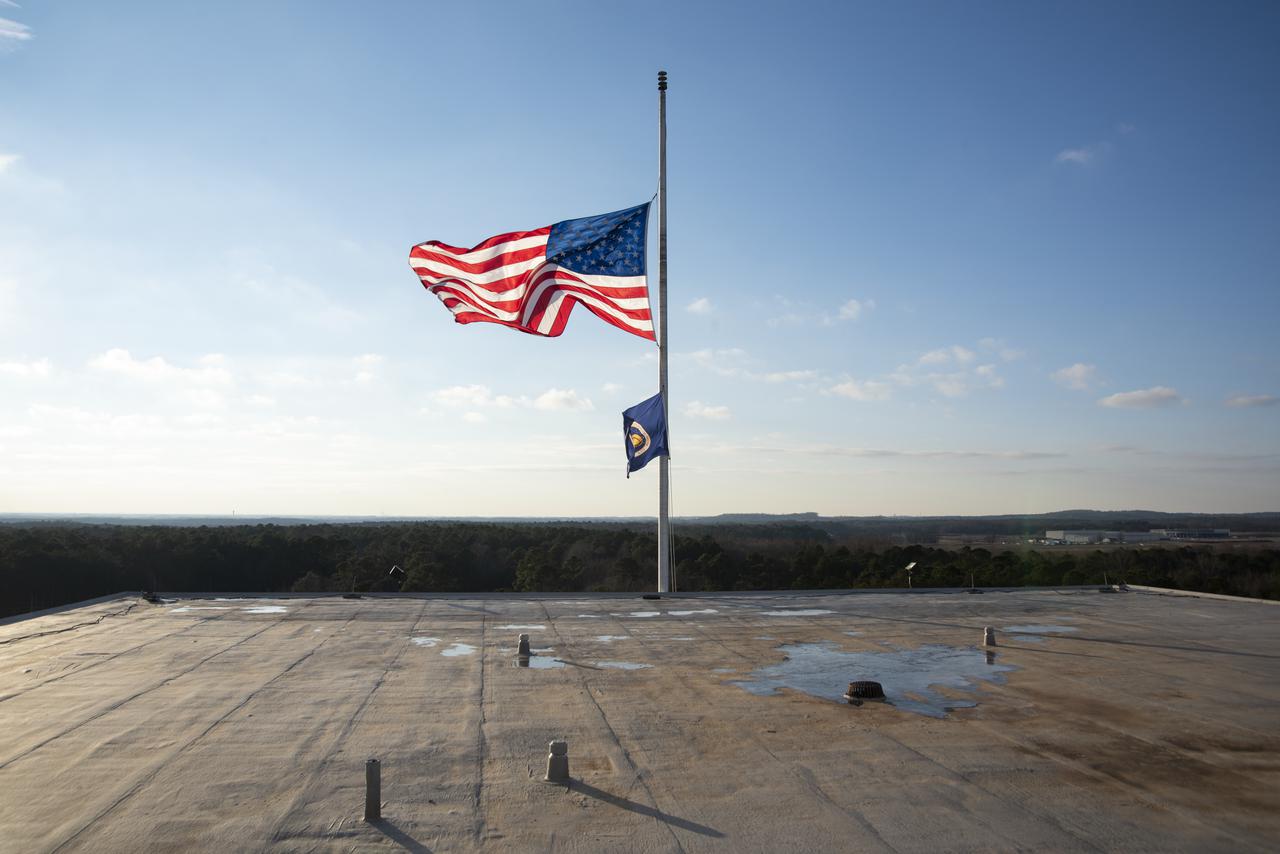
The U.S. and NASA flags atop Building 4200 at NASA Marshall Space Flight Center in Huntsville, Alabama, were retired Jan. 21, 2022. These images show center operations employees lowering the flags at Building 4200, which was Marshall’s original central laboratory and office building and served as Marshall’s headquarters since 1963. This building will be demolished later this year. A flag-raising ceremony marking the transfer of Marshall headquarters to Building 4221 was held Jan. 26, 2022. The doors to Building 4221 opened on Earth Day, April 22, 2019.
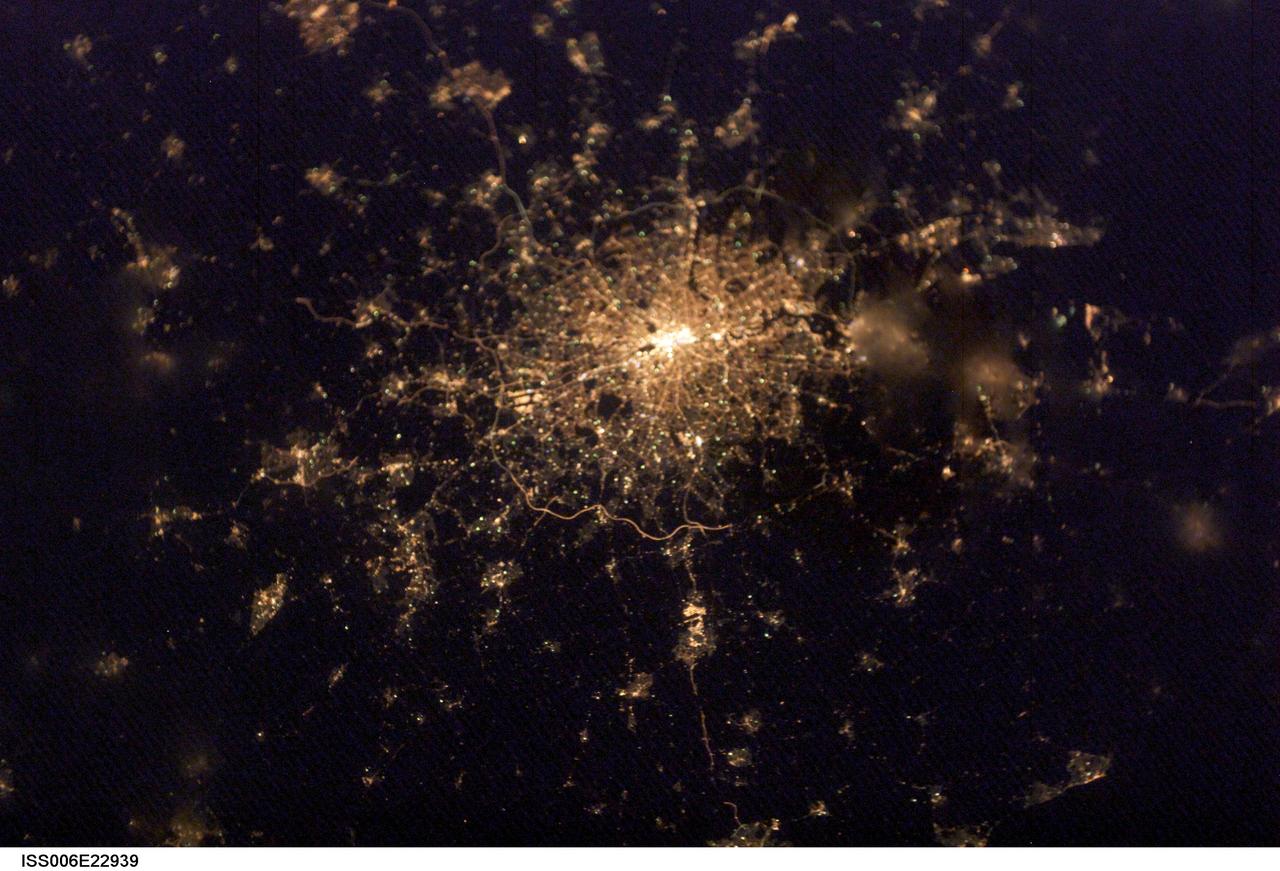
ISS006-E-22939 (4 February 2003) --- City lights of London, England were captured with a digital still camera by one of the Expedition Six crewmembers on the International Space Station (ISS). This nighttime view of the British capital shows the city;s urban density and infrastructure as highlighted by electrical lighting. Beyond lie isolated bright areas marking the numerous smaller cities and towns of the region and as far southeast as Hastings on the coast. London;s two major airports, Heathrow and Gatwick, are visible to the south of the city.
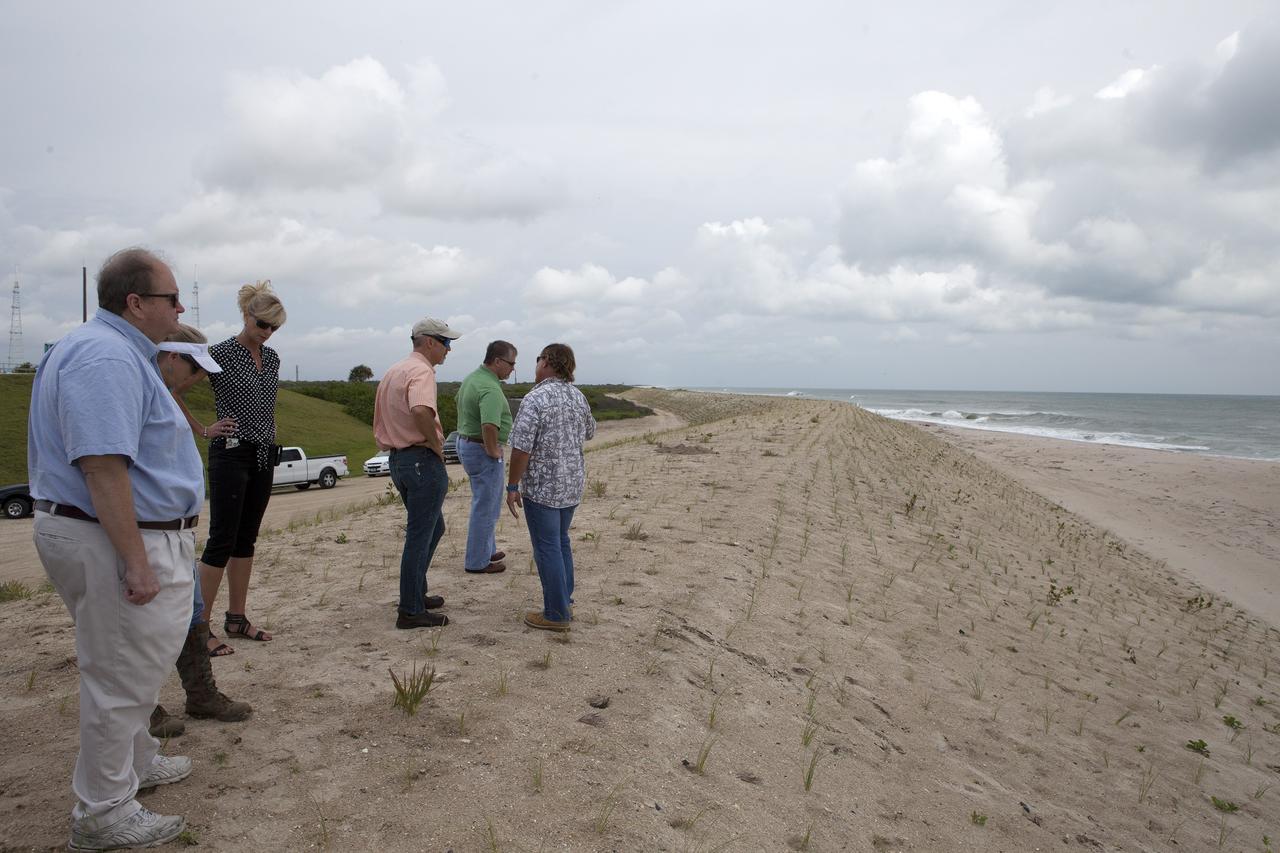
CAPE CANAVERAL, Fla. -- At the Kennedy Space Center in Florida, Burton Summerfield, senior advisor for Institutional Management in the office of the associate director of Kennedy, far left, and others survey restored sand dunes along a 1.2-mile stretch of shoreline near Launch Pads 39A and B. Constant pounding from tropical storms, such as Hurricane Sandy in October of 2012, other weather systems and higher than usual tides, destroyed sand dunes protecting infrastructure at the spaceport. Photo credit: NASA/Dan Casper
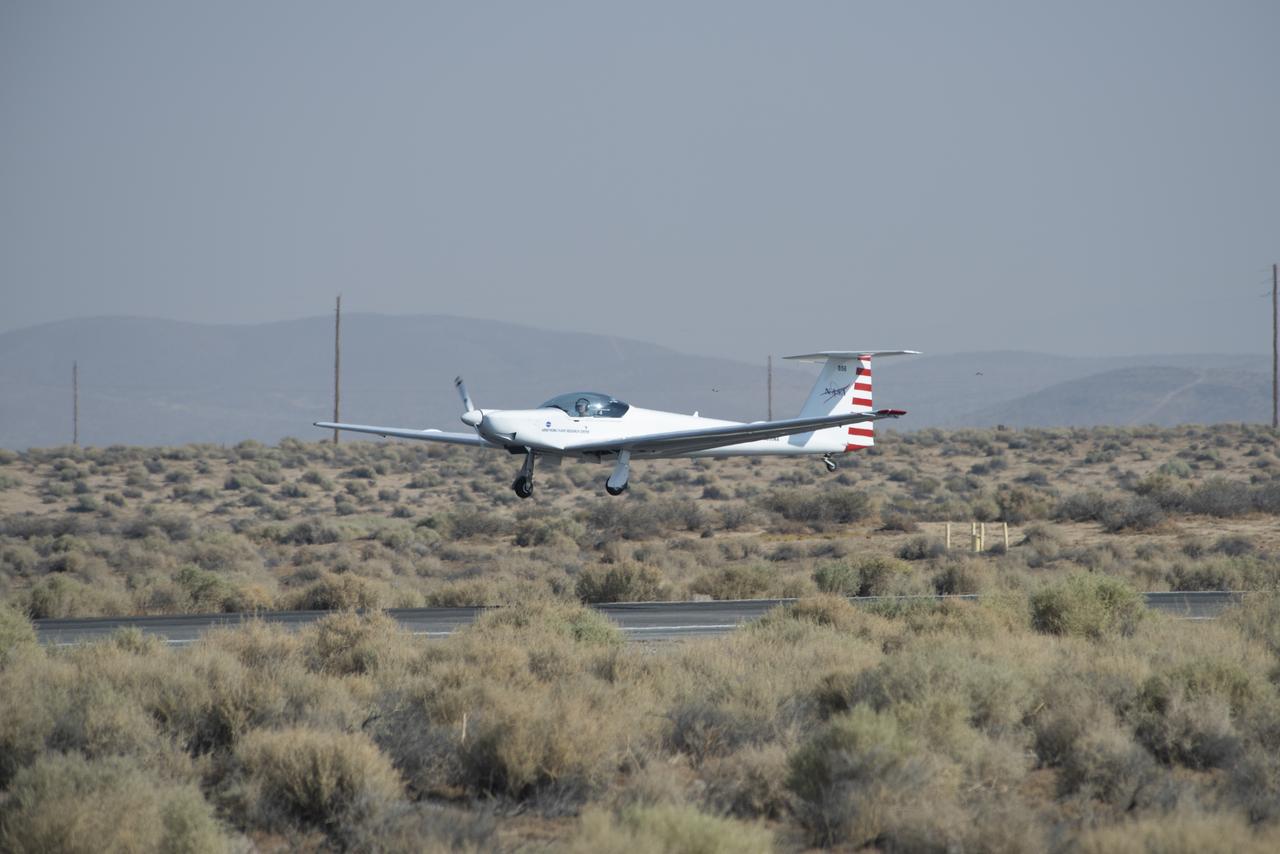
The Advanced Air Mobility National Campaign project conducted connectivity and infrastructure flight tests with a NASA TG-14 glider aircraft at NASA's Armstrong Flight Research Center Sept. 30-Oct. 1, 2020. The flights were preparation for the NC Integrated Dry Run Test in December and allowed pilots to view the routes they will fly during the helicopter test.
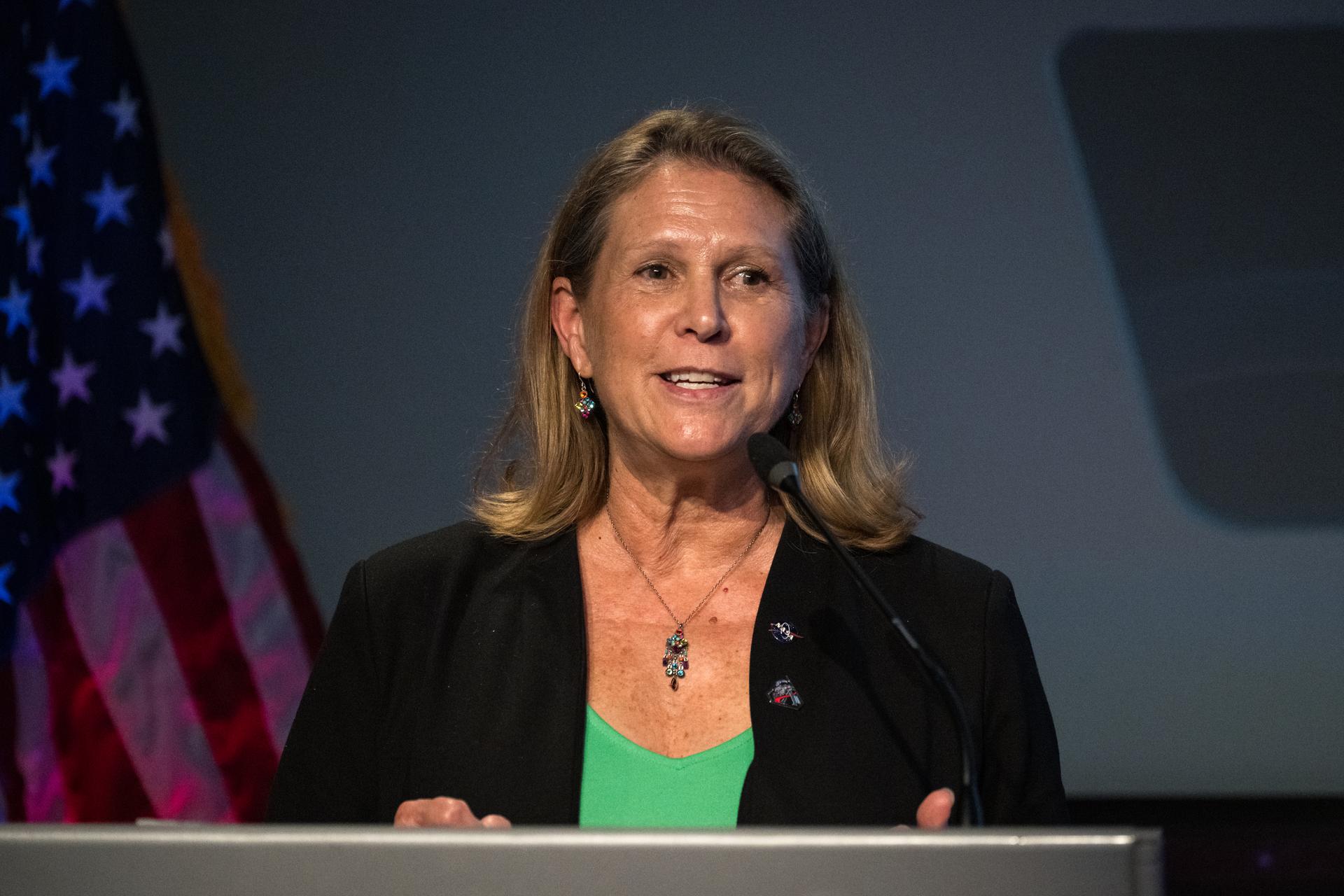
NASA Administrator Jared Isaacman provides remarks during a news conference to discuss Moon Base, a long-term lunar exploration and infrastructure initiative designed to enable sustained human presence and expanded scientific and commercial activity at the lunar South Pole, Tuesday, May 26, 2026, at the Mary W. Jackson NASA Headquarters building in Washington. Photo Credit: (NASA/Aubrey Gemignani)
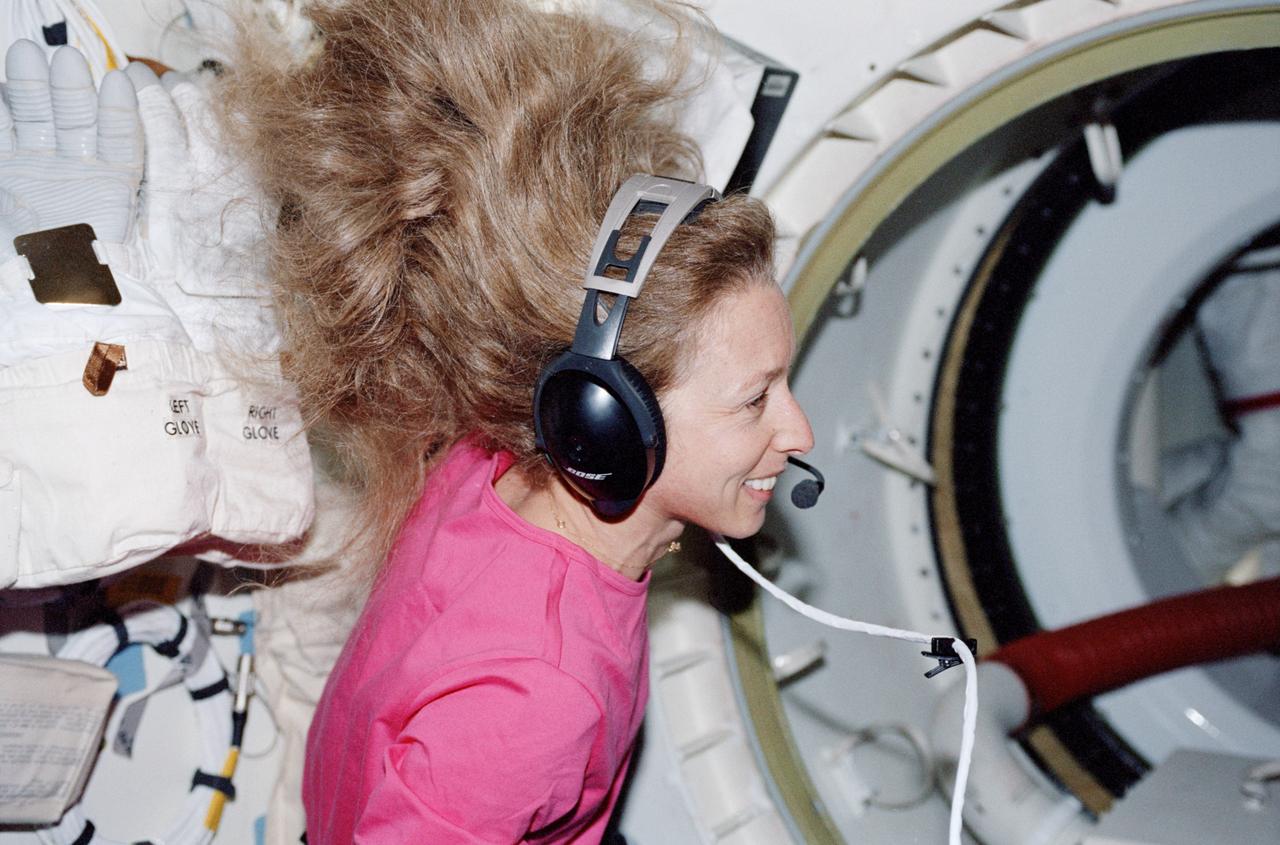
STS098-345-001 (7-20 February 2001) --- Astronaut Marsha S. Ivins, STS-98 mission specialist, places a phone call to Houston’s Mission Control Center (MCC) with the “virtual phone.” This test is designed to demonstrate communications capability of a new upgrade utilizing the existing Shuttle Orbiter Communications Adapter (OCA) infrastructure.
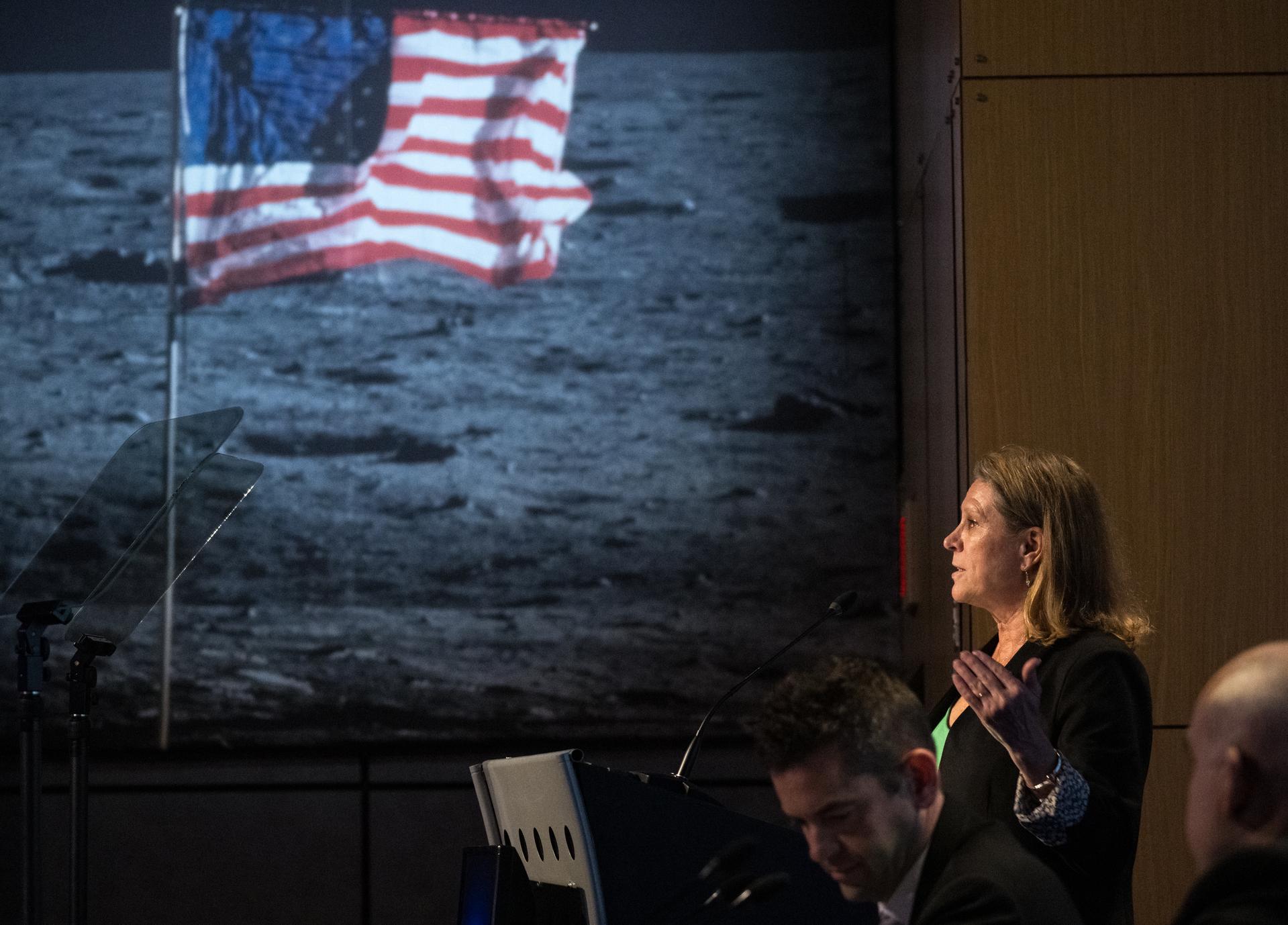
NASA Administrator Jared Isaacman provides remarks during a news conference to discuss Moon Base, a long-term lunar exploration and infrastructure initiative designed to enable sustained human presence and expanded scientific and commercial activity at the lunar South Pole, Tuesday, May 26, 2026, at the Mary W. Jackson NASA Headquarters building in Washington. Photo Credit: (NASA/Aubrey Gemignani)
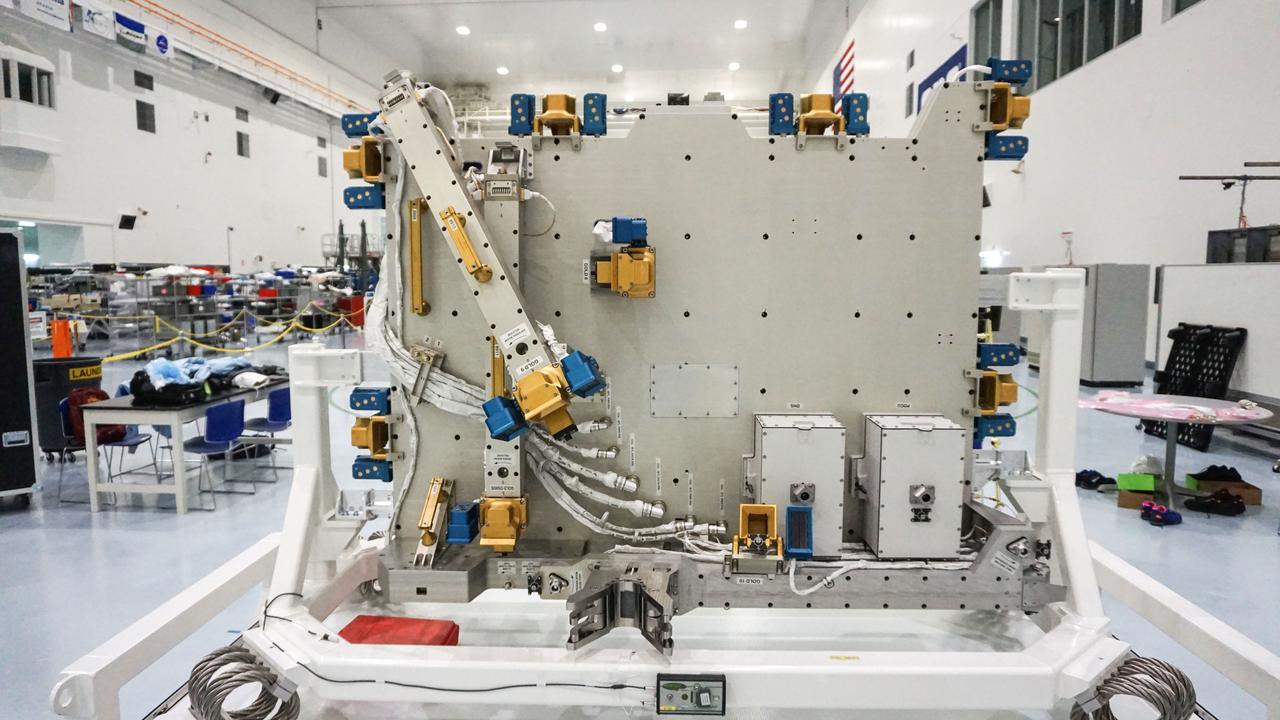
jsc2020e009556 (2/4/2020) --- A preflight view of the nadir side of Bartolomeo at the Kennedy Space Center (KSC). The European external platform Bartolomeo is an enhancement of the International Space Station (ISS) European Columbus Module and its infrastructure. Designed to meet user requirements from the commercial and institutional sector, Bartolomeo is a new external payload hosting facility on the ram side of Columbus.
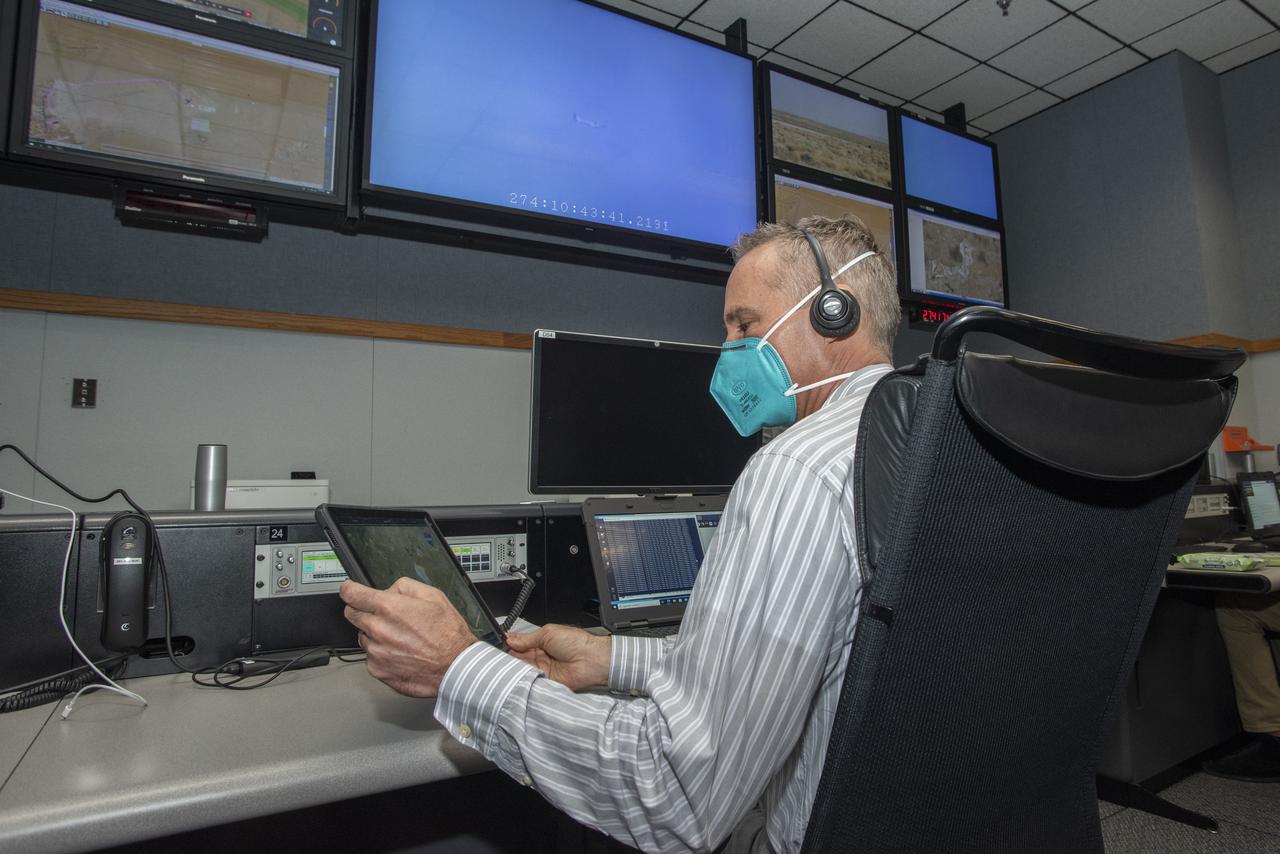
Mark Snycerski, senior research associate at NASA's Ames Research Center in California, monitored inbound telemetry data through collection servers during the Advanced Air Mobility National Campaign's connectivity and infrastructure flight tests. The test used a NASA TG-14 glider aircraft based at NASA's Armstrong Flight Research Center in California Sept. 30-Oct. 1, 2020. The exercise was in preparation for the NC Integrated Dry Run Test in December.
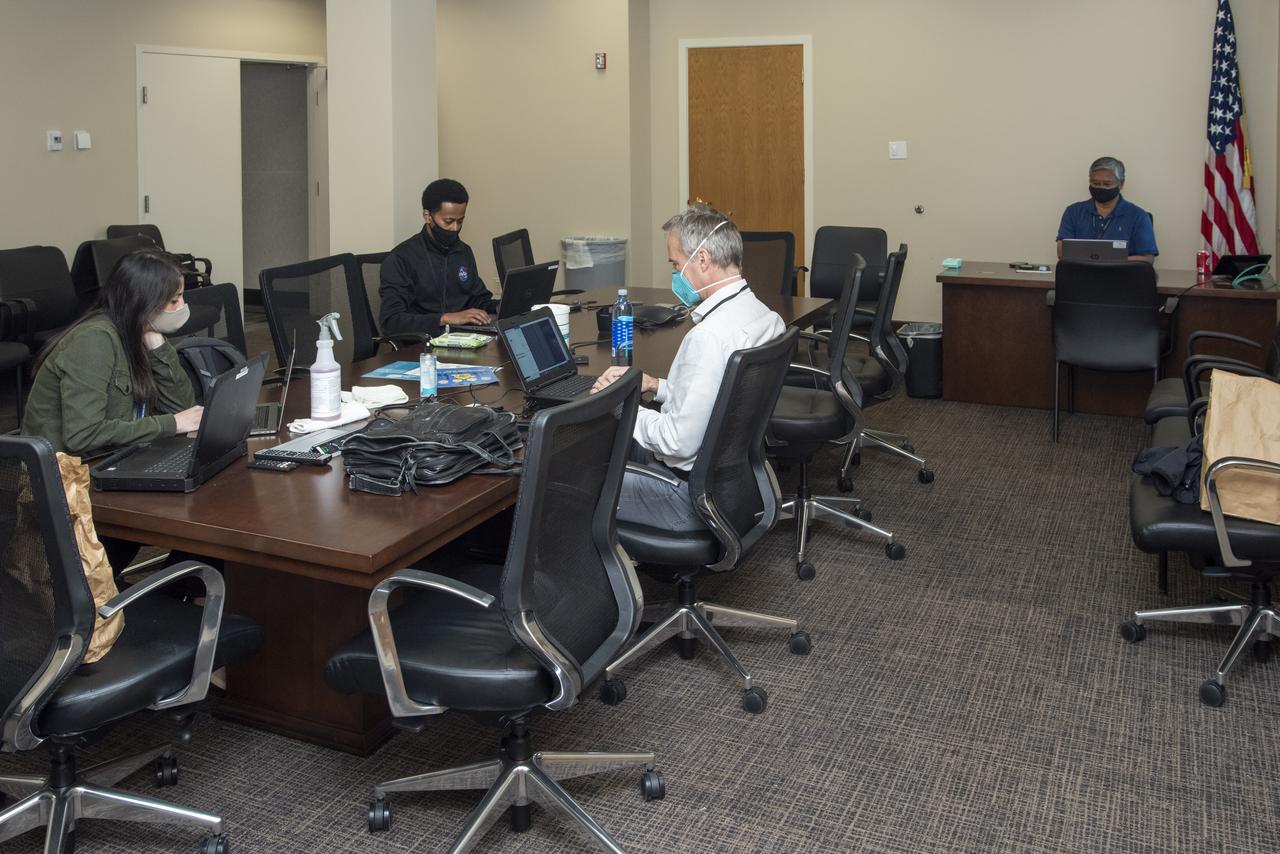
Ames Research Center researchers from left to right Yasmin Arbab,  Faisal Omar and Mark Snycerski on the Advanced Air Mobility National Campaign project’s Airspace Test Infrastructure (ATI) team as well as Armstrong’s Sam Simpliciano in the background. The researchers monitor surveillance data from the helicopter in real time during the NC Integrated Dry Run Test the first week of December 2020 at NASA’s Armstrong Flight Research Center in California.
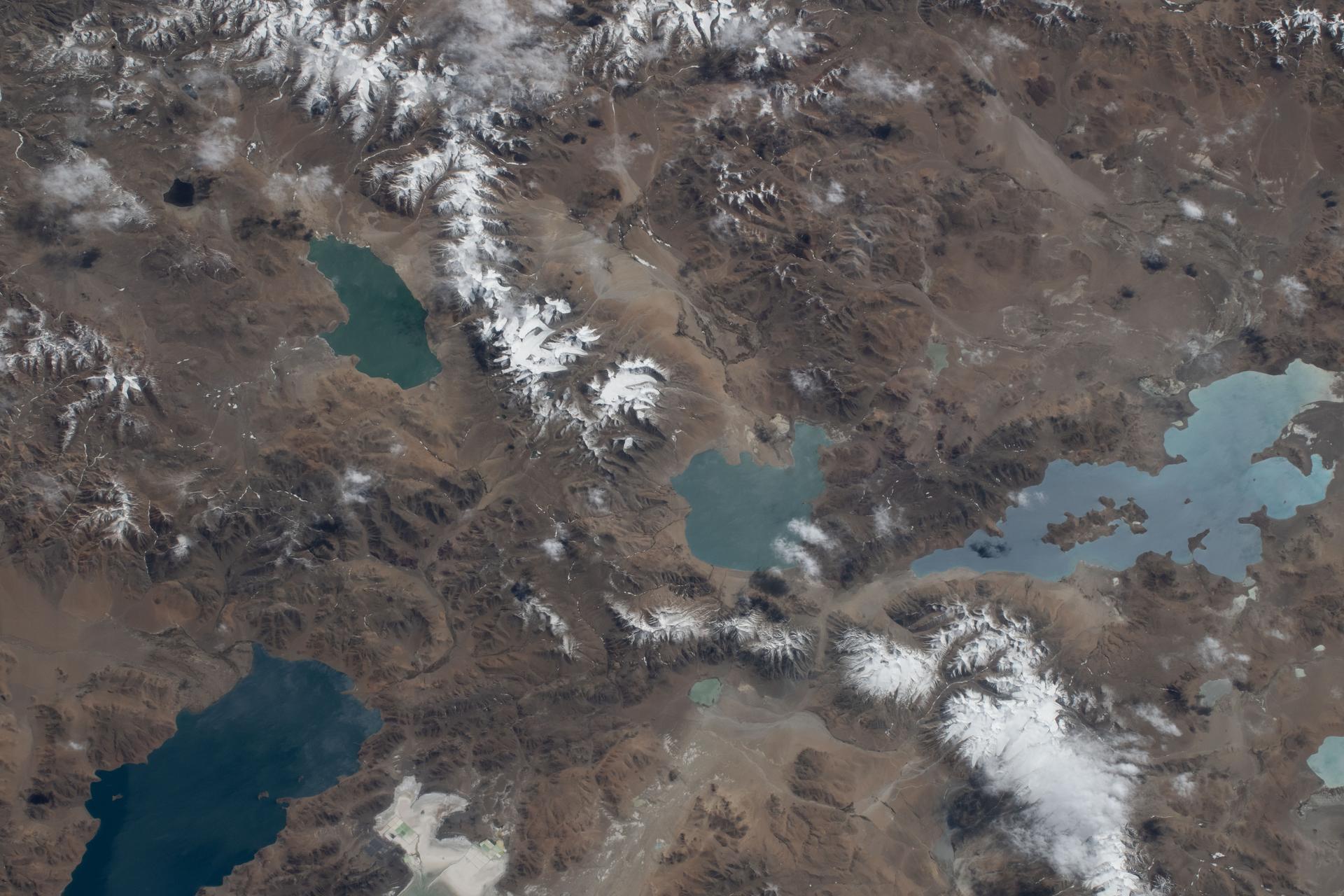
iss074e0603590 (May 20, 2026) --- Lakes on China’s rugged western Tibetan Plateau—an area known for high altitude, extreme weather, and limited infrastructure—are pictured from the International Space Station as it orbited 259 miles above Asia. The lakes’ colors, ranging from turquoise to deep indigo, depend on sunlight and weather, and most are saline. Credit: NASA/Jessica Meir
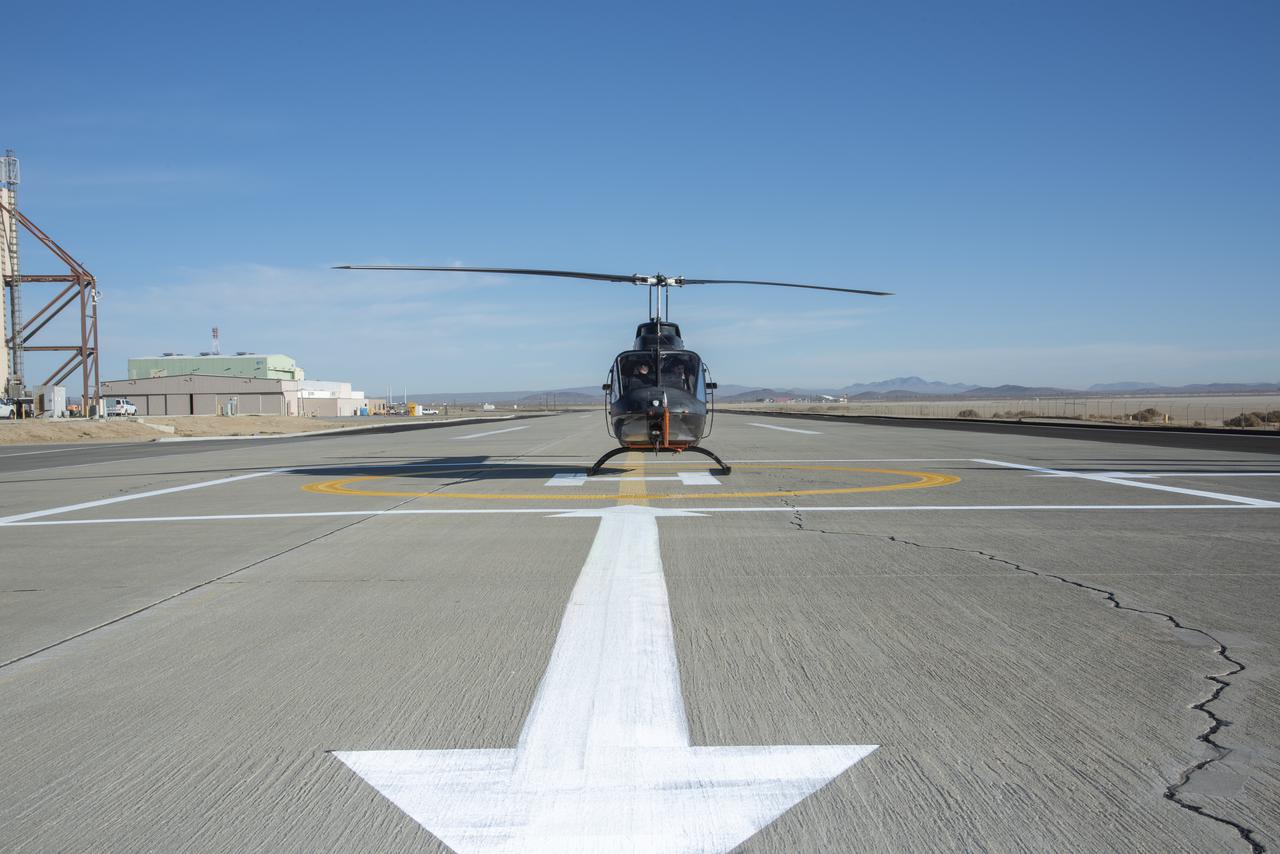
A Bell OH-58C Kiowa helicopter provided by Flight Research Inc. in Mojave, California, sits on a helipad at NASA’s Armstrong Flight Research Center in California the first week of December 2020. The Advanced Air Mobility National Campaign project used the helicopter as a surrogate urban air mobility vehicle to develop and implement infrastructure, including the markings seen in the image, to support safe operations of these vehicles. Â
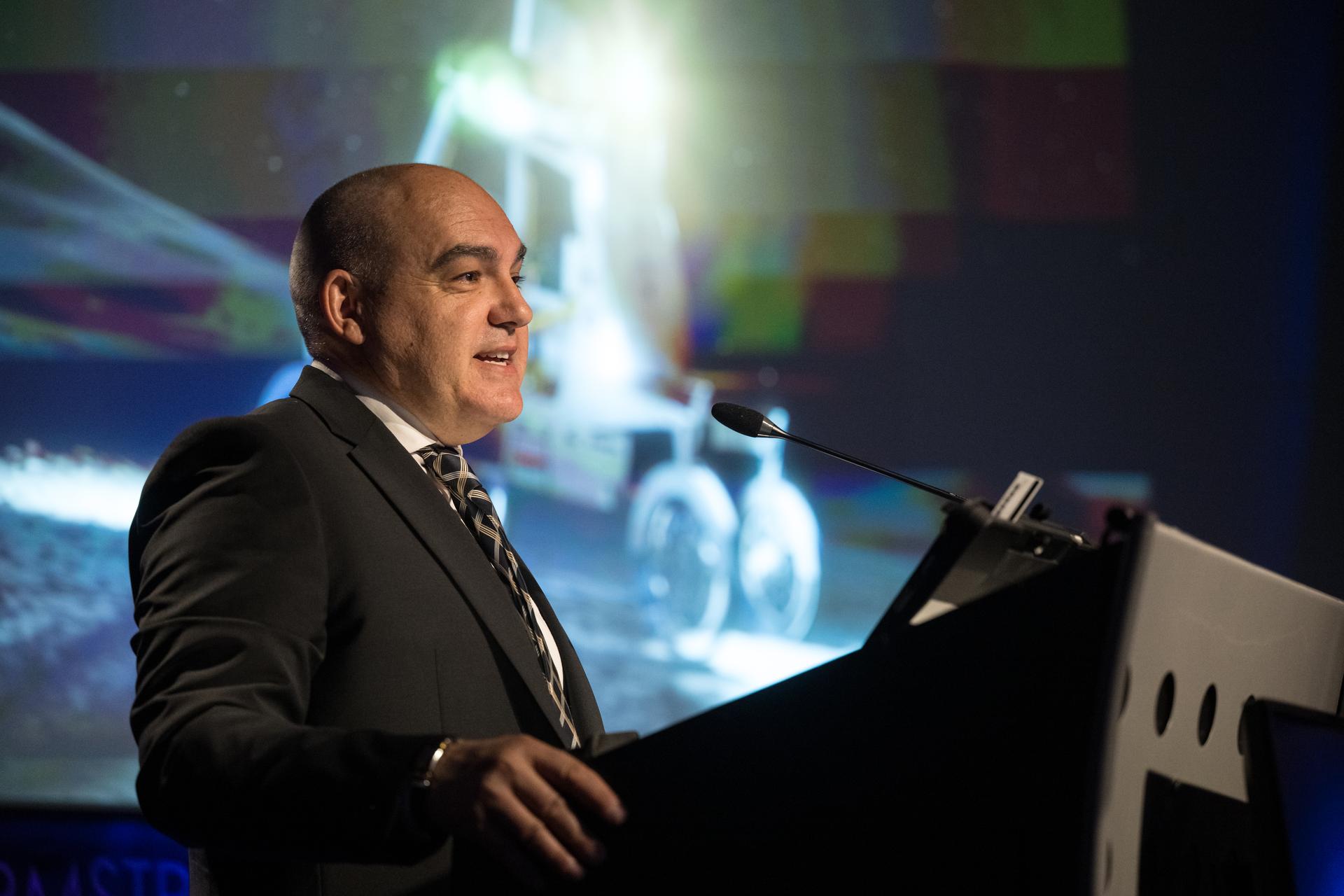
NASA Administrator Jared Isaacman provides remarks during a news conference to discuss Moon Base, a long-term lunar exploration and infrastructure initiative designed to enable sustained human presence and expanded scientific and commercial activity at the lunar South Pole, Tuesday, May 26, 2026, at the Mary W. Jackson NASA Headquarters building in Washington. Photo Credit: (NASA/Aubrey Gemignani)
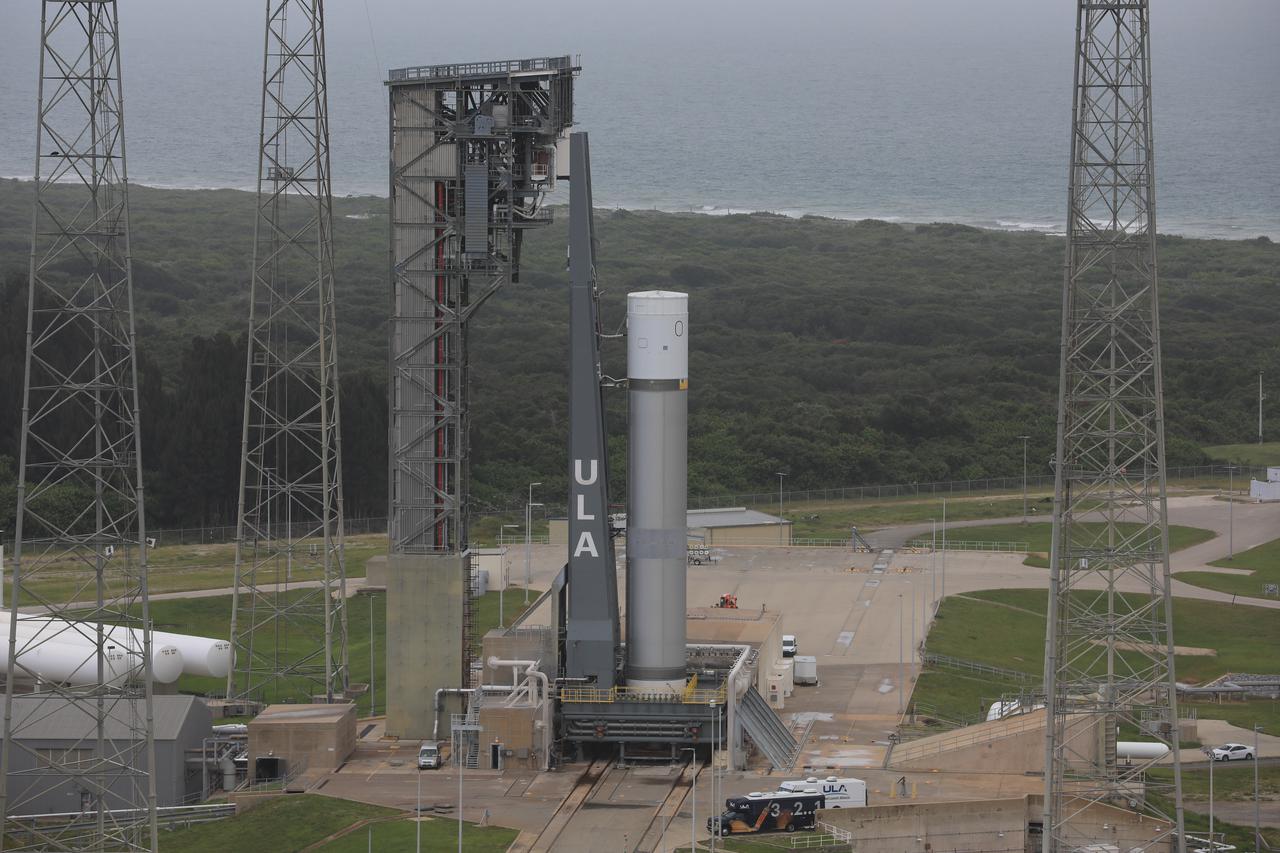
A pathfinder test article of United Launch Alliance’s (ULA) Vulcan Centaur rocket is seen at Space Launch Complex 41 at Cape Canaveral Space Force Station in Florida on Aug. 26, 2021. The pathfinder booster is undergoing a series of fueling tests to validate the infrastructure in place at the launch pad and allow the launch team to rehearse countdown operations before the Vulcan’s first flight.

NASA Moon Base program executive, Carlos Garcia-Galan, provides remarks during a news conference to discuss Moon Base, a long-term lunar exploration and infrastructure initiative designed to enable sustained human presence and expanded scientific and commercial activity at the lunar South Pole, Tuesday, May 26, 2026, at the Mary W. Jackson NASA Headquarters building in Washington. Photo Credit: (NASA/Aubrey Gemignani)
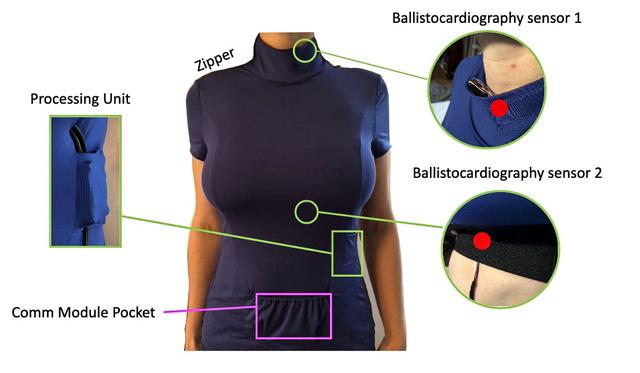
jsc2022e023740 (4/19/2022) --- The components of the Smart-Shirt garment includes integrated sensors, wiring, and a communication module to transmit scientific data via a wireless link for the Ballistocardiography for Extraterrestrial Applications and long-Term missions (BEAT) experiment, part of the Wireless Compose-2 investigation. The technology demonstration builds on work by the German Space Agency (DLR) to develop wireless network infrastructure to support scientific experiments on the space station. Image courtesy of DLR.

iss071e462507 (Aug. 12, 2024) --- NASA astronaut and Expedition 71 Flight Engineer Matthew Dominick mixes bags containing simulated lunar soil and other materials with a liquid solution before inserting them inside a thermos can for overnight incubation. He was exploring how microgravity affects the production of cement materials that could be used to build infrastructure on the lunar surface.

iss073e1047001 (Nov. 2, 2025) --- Tripoli, Libya—a city founded approximately 2,700 years ago on the Mediterranean Sea coast—is pictured at about 11:10 p.m. local time from the International Space Station as it orbited 259 miles above the African nation. The city’s modern, cool white lights reflect a major transition to LED and solar-powered LED lighting, part of efforts to modernize urban design, enhance safety, and support tourism infrastructure.
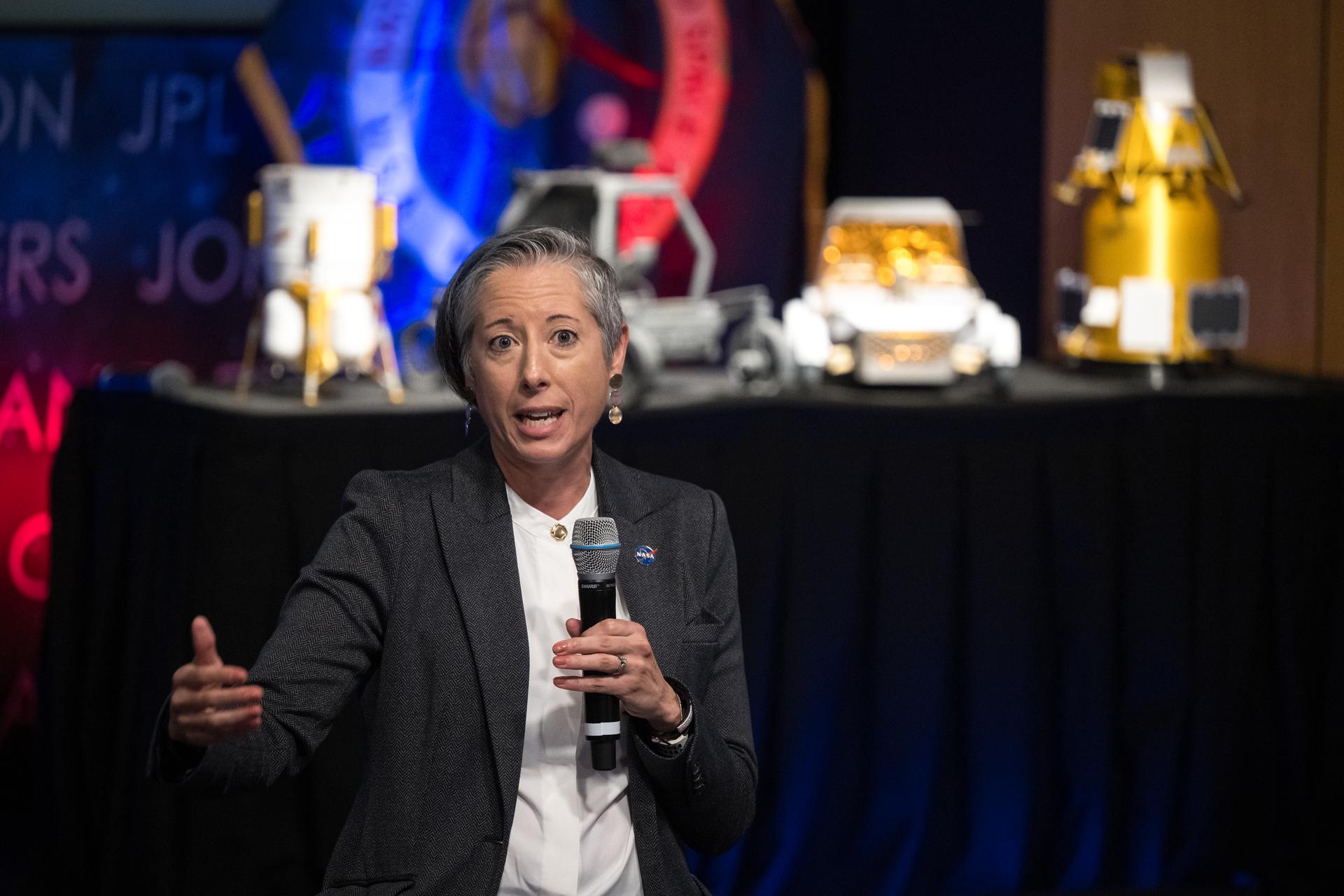
NASA’s Nujoud Merancy responds to a question during a news conference to discuss Moon Base, a long-term lunar exploration and infrastructure initiative designed to enable sustained human presence and expanded scientific and commercial activity at the lunar South Pole, Tuesday, May 26, 2026, at the Mary W. Jackson NASA Headquarters building in Washington. Photo Credit: (NASA/Aubrey Gemignani)
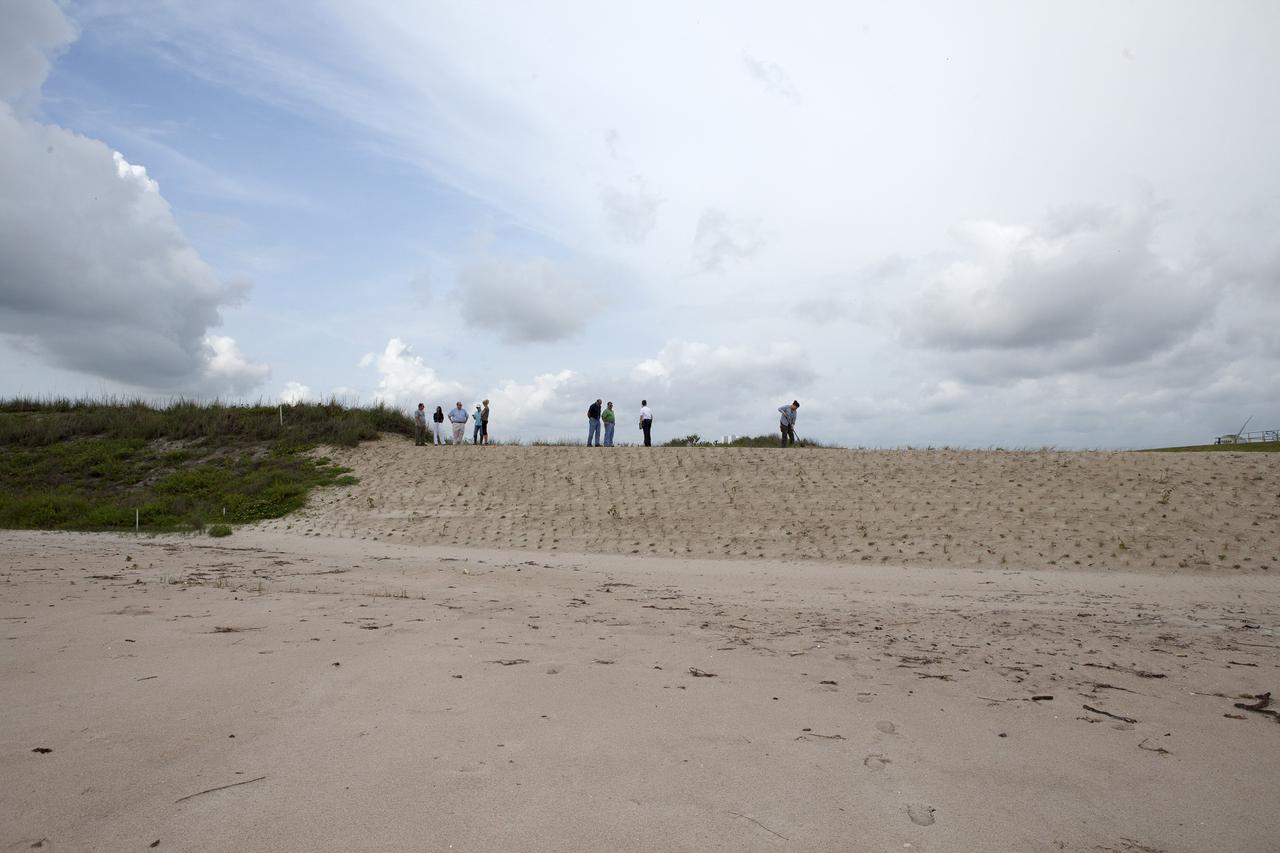
CAPE CANAVERAL, Fla. -- At the Kennedy Space Center in Florida, guests survey restored sand dunes along a 1.2-mile stretch of shoreline near Launch Pads 39A and B. Constant pounding from tropical storms, such as Hurricane Sandy in October of 2012, other weather systems and higher than usual tides, destroyed sand dunes protecting infrastructure at the spaceport. Photo credit: NASA/Dan Casper
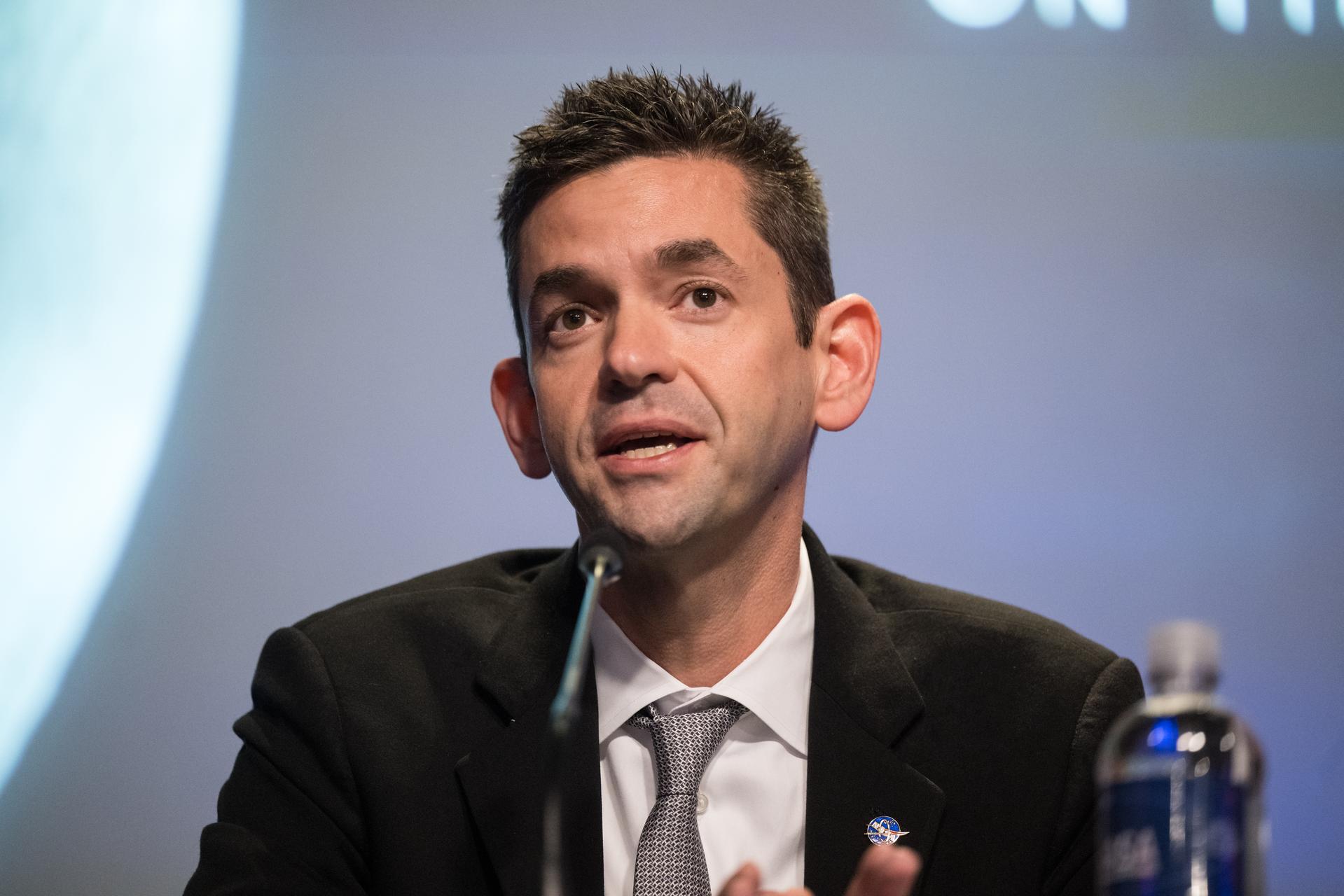
NASA Administrator Jared Isaacman provides remarks during a news conference to discuss Moon Base, a long-term lunar exploration and infrastructure initiative designed to enable sustained human presence and expanded scientific and commercial activity at the lunar South Pole, Tuesday, May 26, 2026, at the Mary W. Jackson NASA Headquarters building in Washington. Photo Credit: (NASA/Aubrey Gemignani)
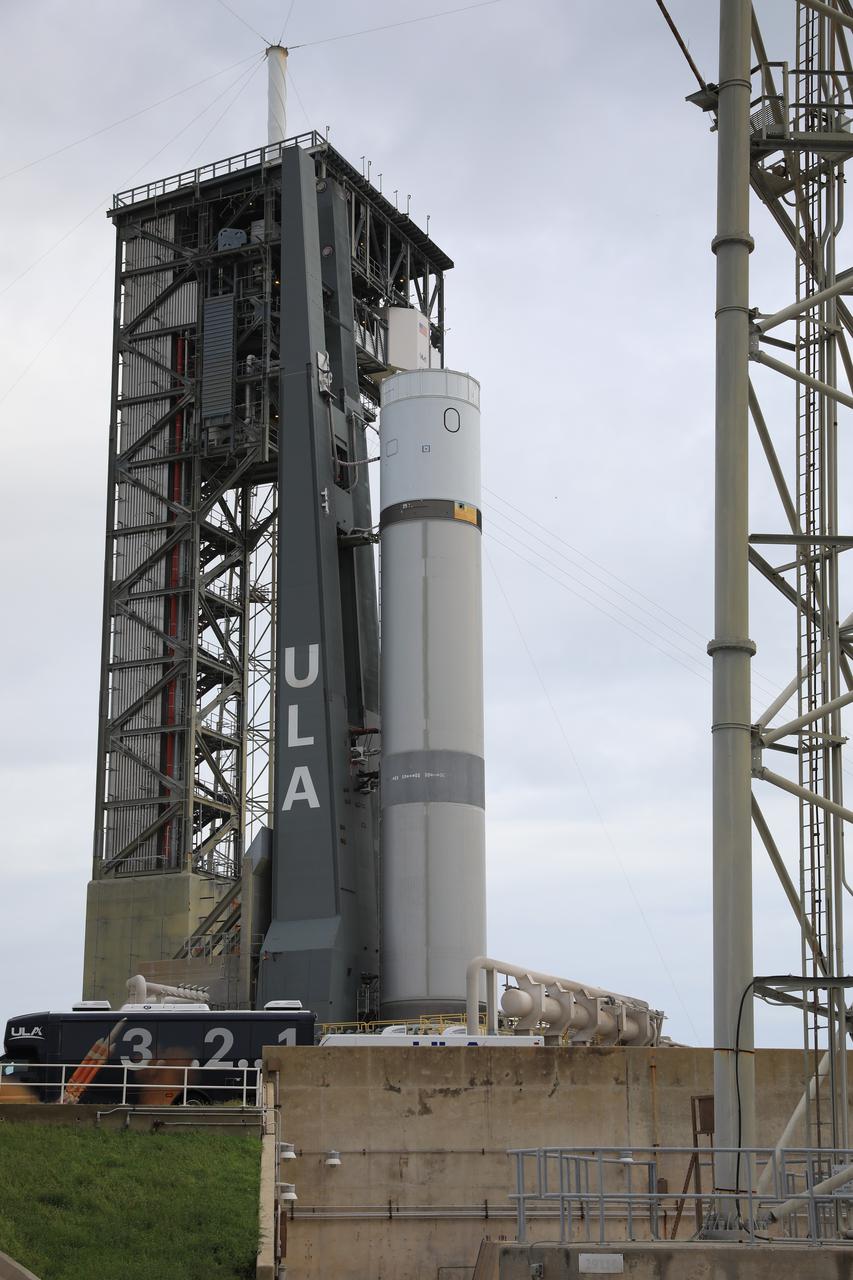
A pathfinder test article of United Launch Alliance’s (ULA) Vulcan Centaur rocket is seen at Space Launch Complex 41 at Cape Canaveral Space Force Station in Florida on Aug. 26, 2021. The pathfinder booster is undergoing a series of fueling tests to validate the infrastructure in place at the launch pad and allow the launch team to rehearse countdown operations before the Vulcan’s first flight.
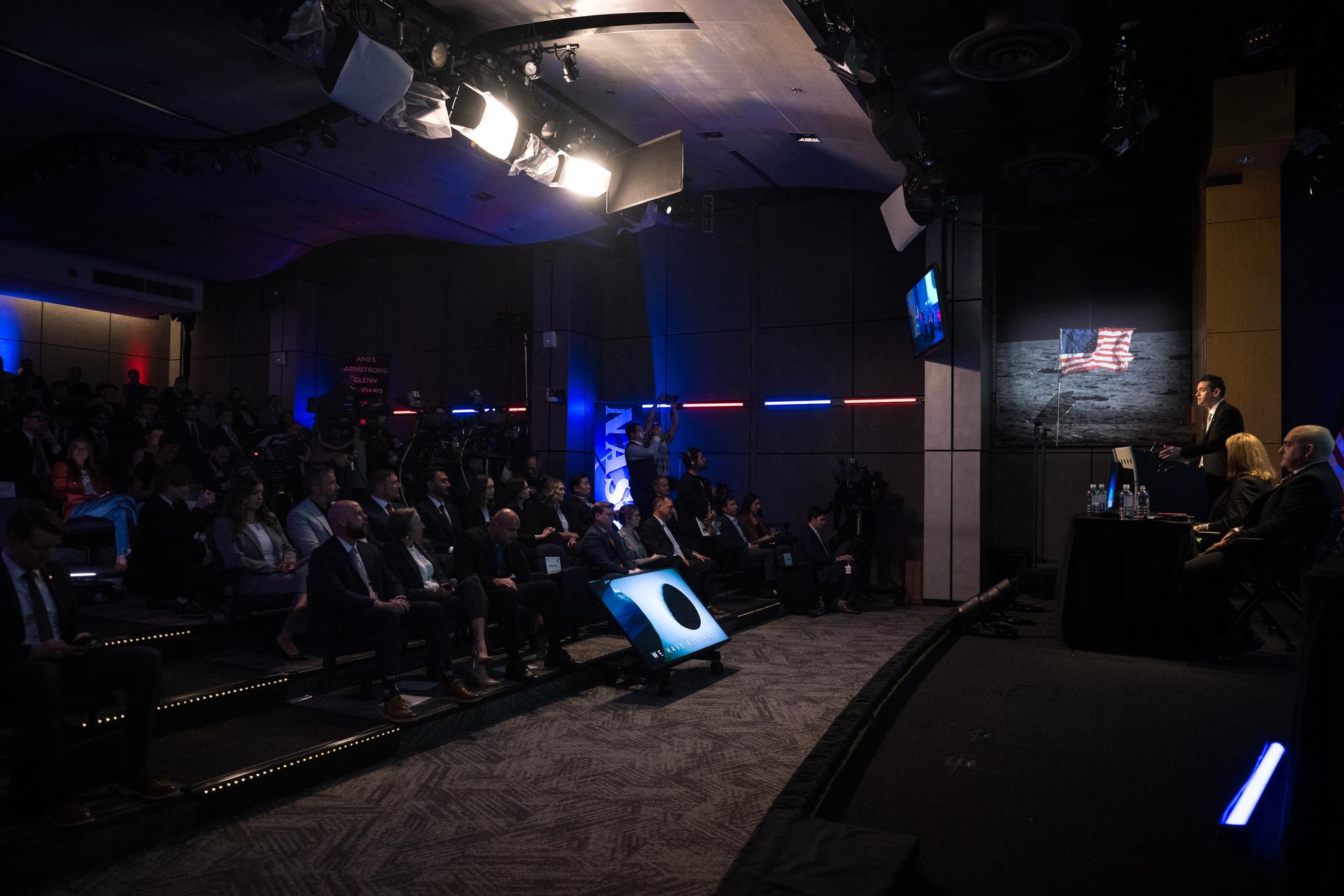
NASA Administrator Jared Isaacman provides remarks during a news conference to discuss Moon Base, a long-term lunar exploration and infrastructure initiative designed to enable sustained human presence and expanded scientific and commercial activity at the lunar South Pole, Tuesday, May 26, 2026, at the Mary W. Jackson NASA Headquarters building in Washington. Photo Credit: (NASA/Aubrey Gemignani)
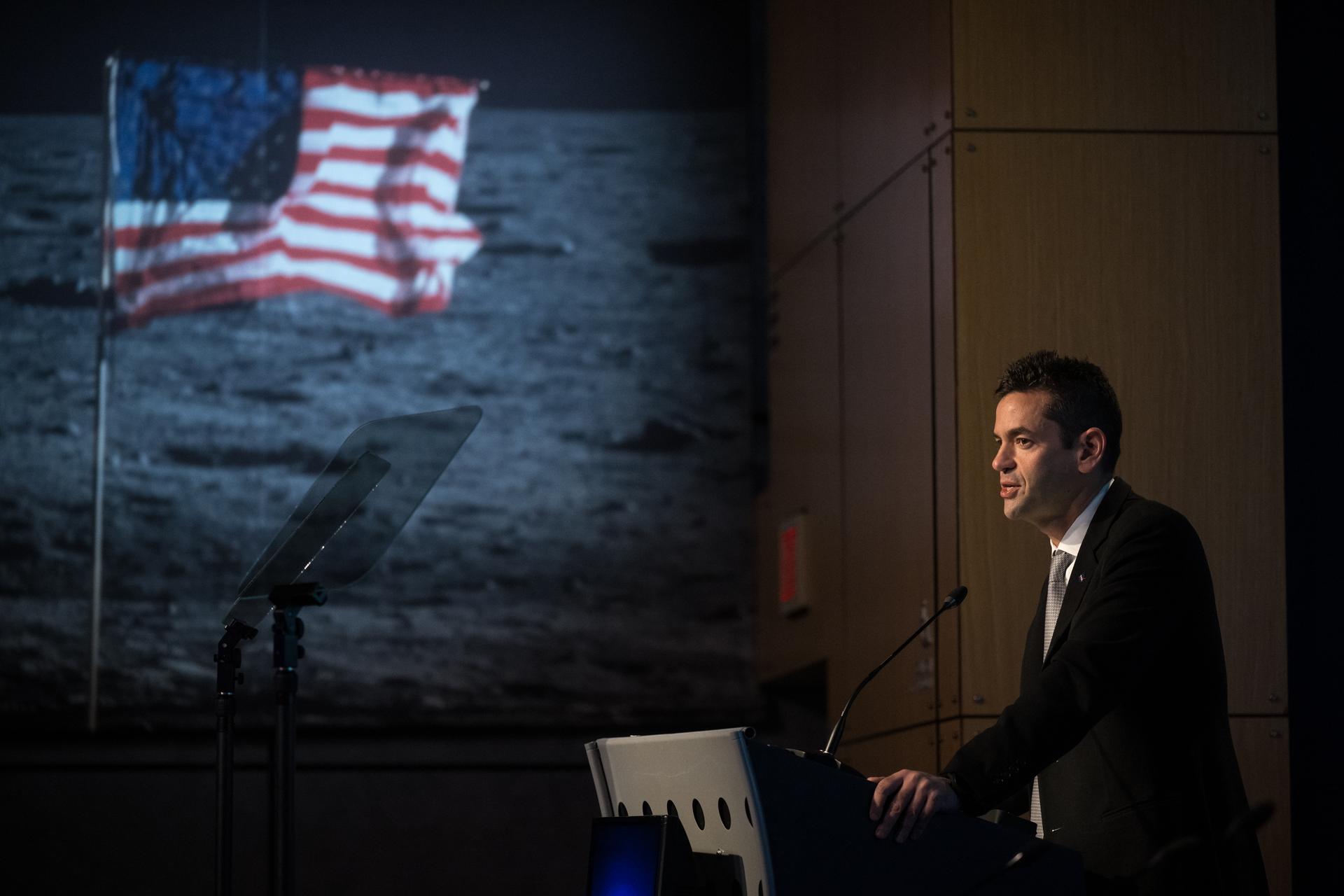
NASA Administrator Jared Isaacman provides remarks during a news conference to discuss Moon Base, a long-term lunar exploration and infrastructure initiative designed to enable sustained human presence and expanded scientific and commercial activity at the lunar South Pole, Tuesday, May 26, 2026, at the Mary W. Jackson NASA Headquarters building in Washington. Photo Credit: (NASA/Aubrey Gemignani)
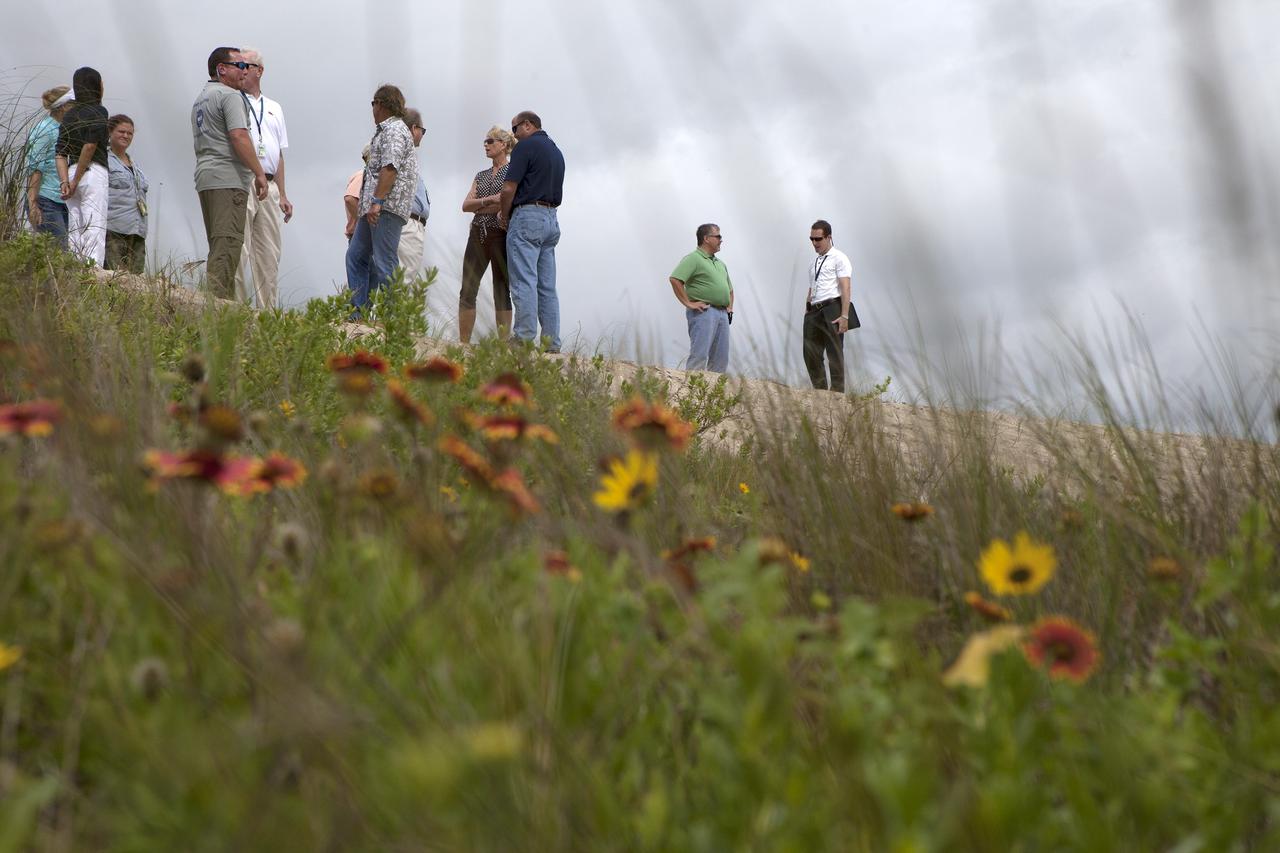
CAPE CANAVERAL, Fla. -- At the Kennedy Space Center in Florida, guests survey restored sand dunes along a 1.2-mile stretch of shoreline near Launch Pads 39A and B. Constant pounding from tropical storms, such as Hurricane Sandy in October of 2012, other weather systems and higher than usual tides, destroyed sand dunes protecting infrastructure at the spaceport. Photo credit: NASA/Dan Casper
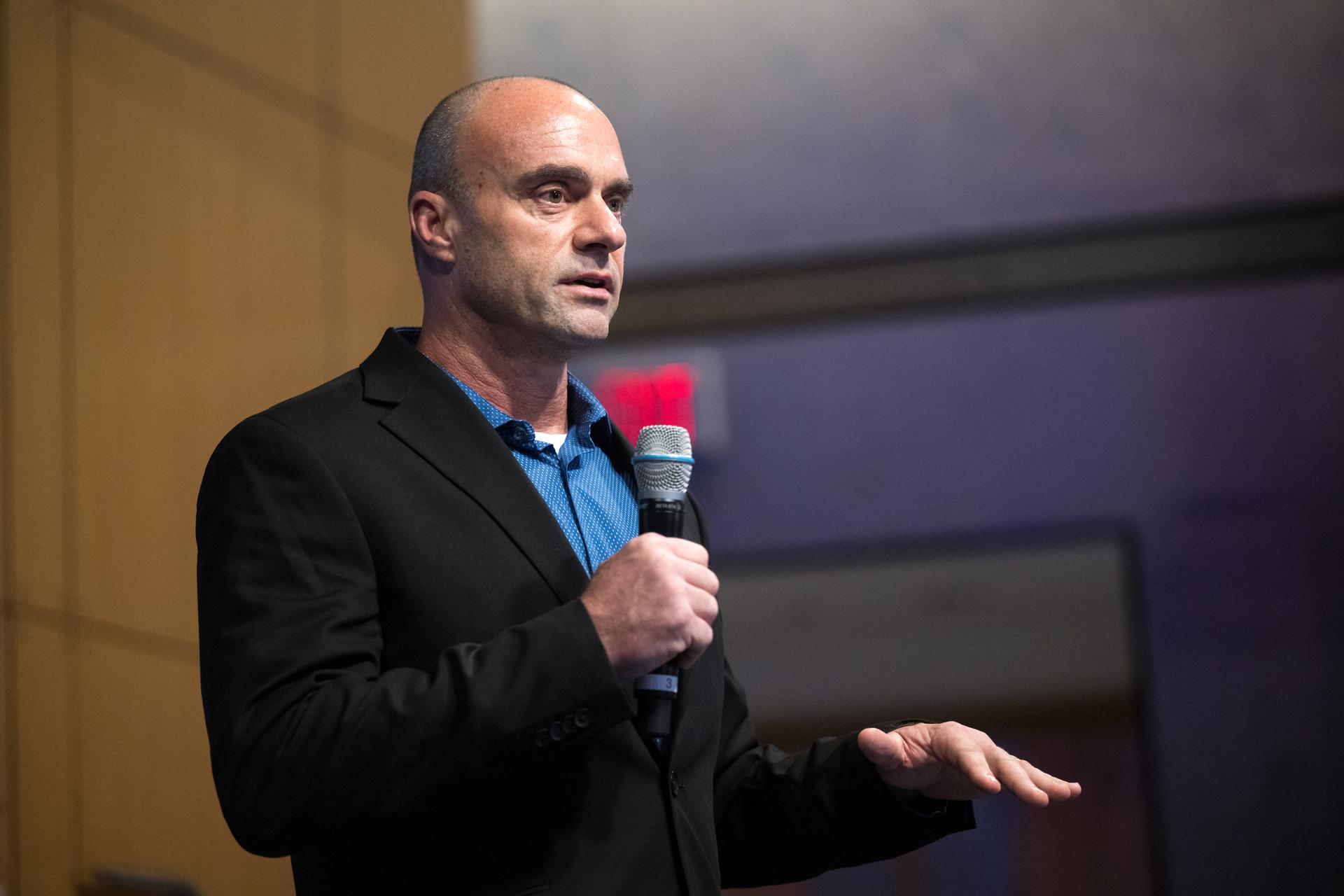
NASA’s Robert Pickle responds to a question during a news conference to discuss Moon Base, a long-term lunar exploration and infrastructure initiative designed to enable sustained human presence and expanded scientific and commercial activity at the lunar South Pole, Tuesday, May 26, 2026, at the Mary W. Jackson NASA Headquarters building in Washington. Photo Credit: (NASA/Aubrey Gemignani)
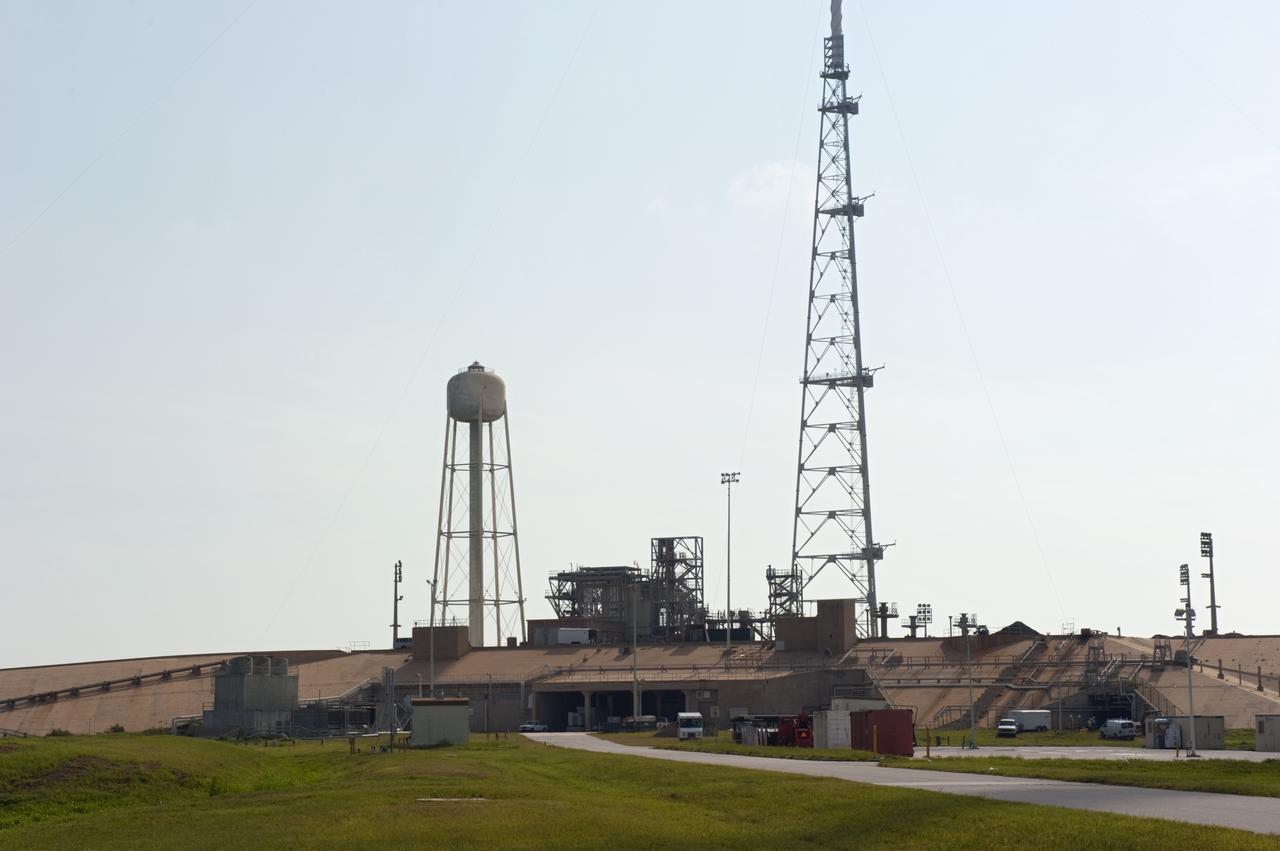
CAPE CANAVERAL, Fla. -- At NASA's Kennedy Space Center in Florida, the infrastructure under Launch Pad 39B remains after the pad's deconstruction. In 2009, the structure at the pad was no longer needed for NASA's Space Shuttle Program, so it is being restructured for future use. The new design will feature a "clean pad" for rockets to come with their own launcher, making it more versatile for a number of vehicles. For information on NASA's future plans, visit http://www.nasa.gov/exploration. Photo credit: NASA/Kim Shiflett
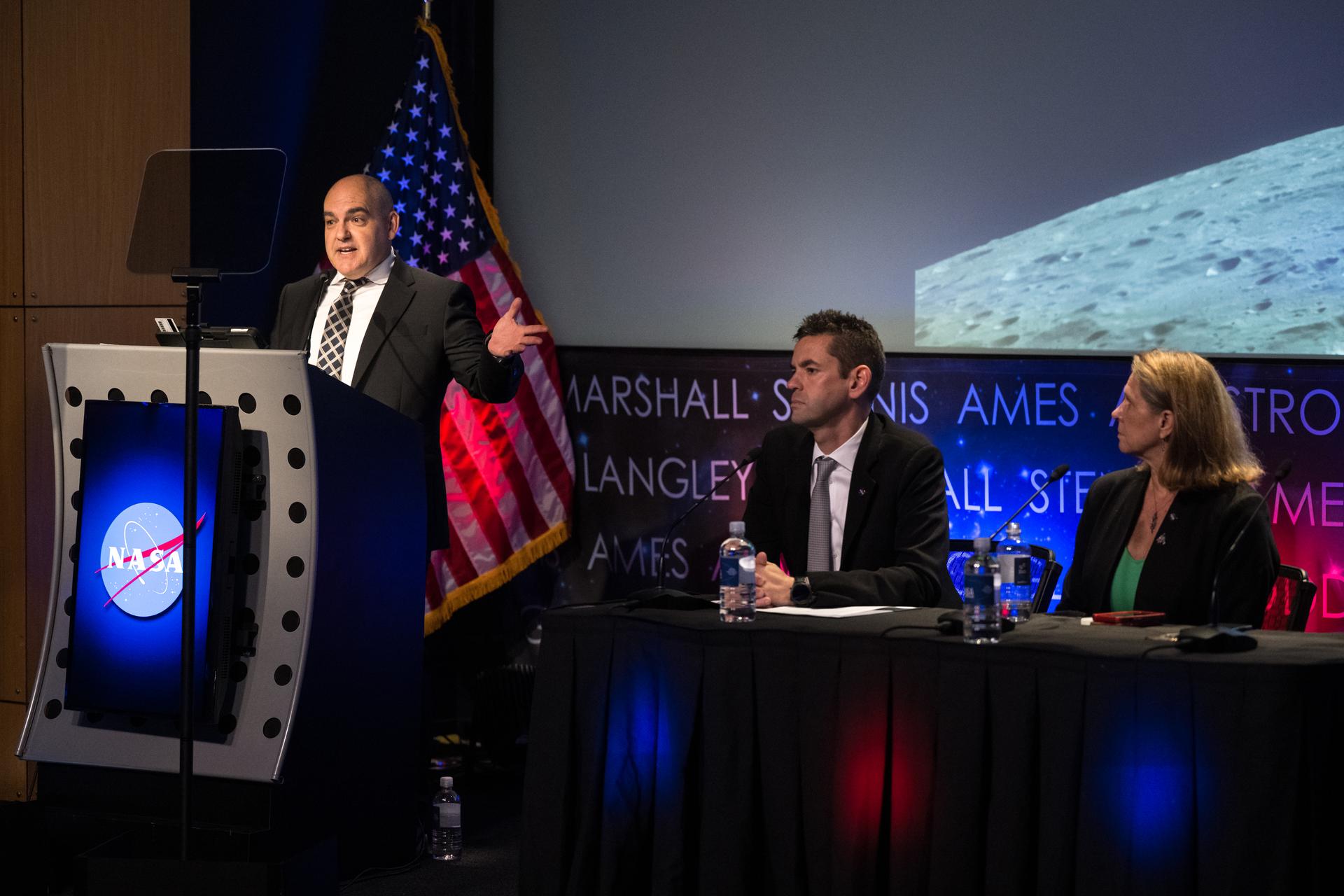
NASA Administrator Jared Isaacman provides remarks during a news conference to discuss Moon Base, a long-term lunar exploration and infrastructure initiative designed to enable sustained human presence and expanded scientific and commercial activity at the lunar South Pole, Tuesday, May 26, 2026, at the Mary W. Jackson NASA Headquarters building in Washington. Photo Credit: (NASA/Aubrey Gemignani)
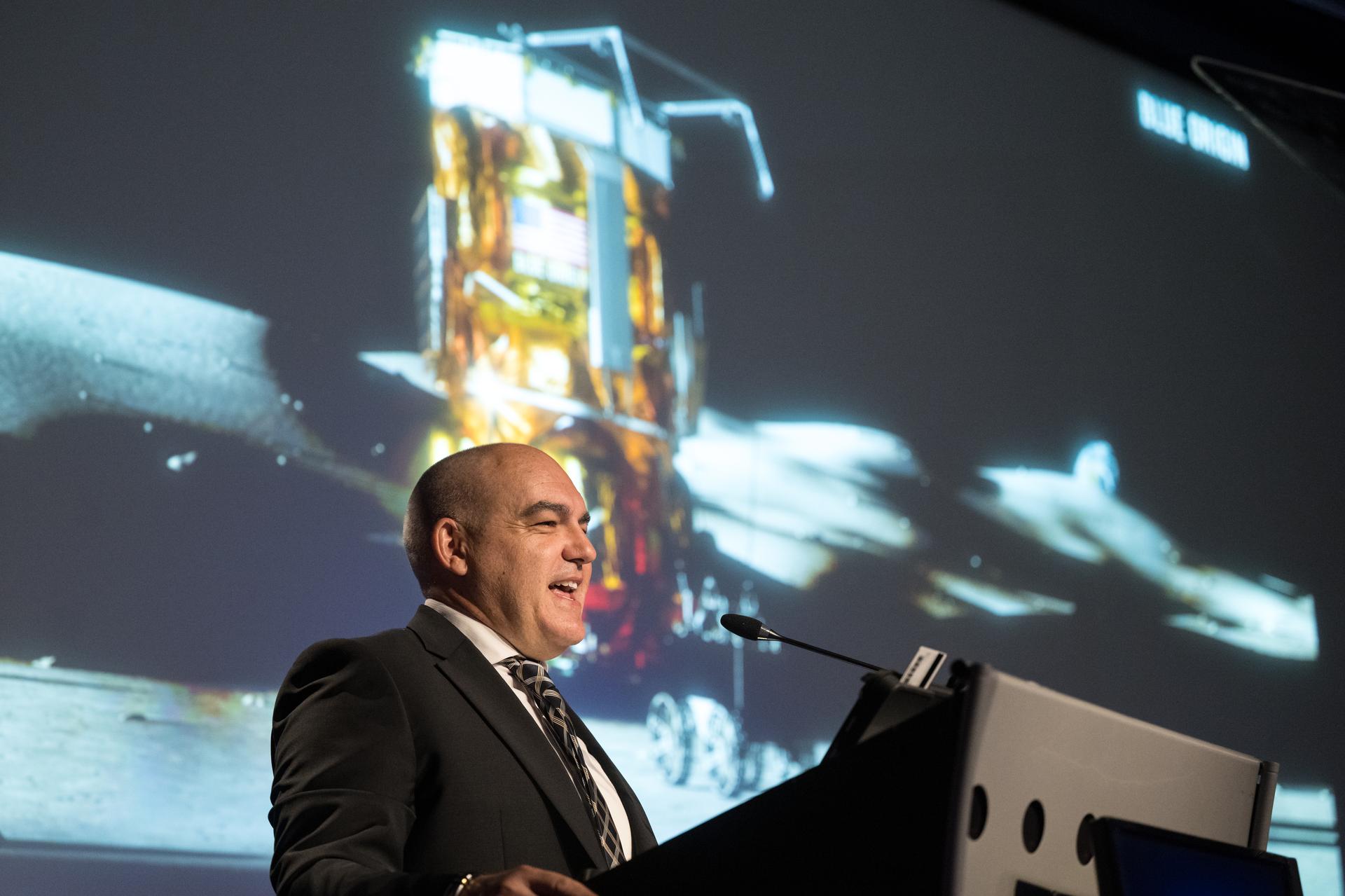
NASA Administrator Jared Isaacman provides remarks during a news conference to discuss Moon Base, a long-term lunar exploration and infrastructure initiative designed to enable sustained human presence and expanded scientific and commercial activity at the lunar South Pole, Tuesday, May 26, 2026, at the Mary W. Jackson NASA Headquarters building in Washington. Photo Credit: (NASA/Aubrey Gemignani)
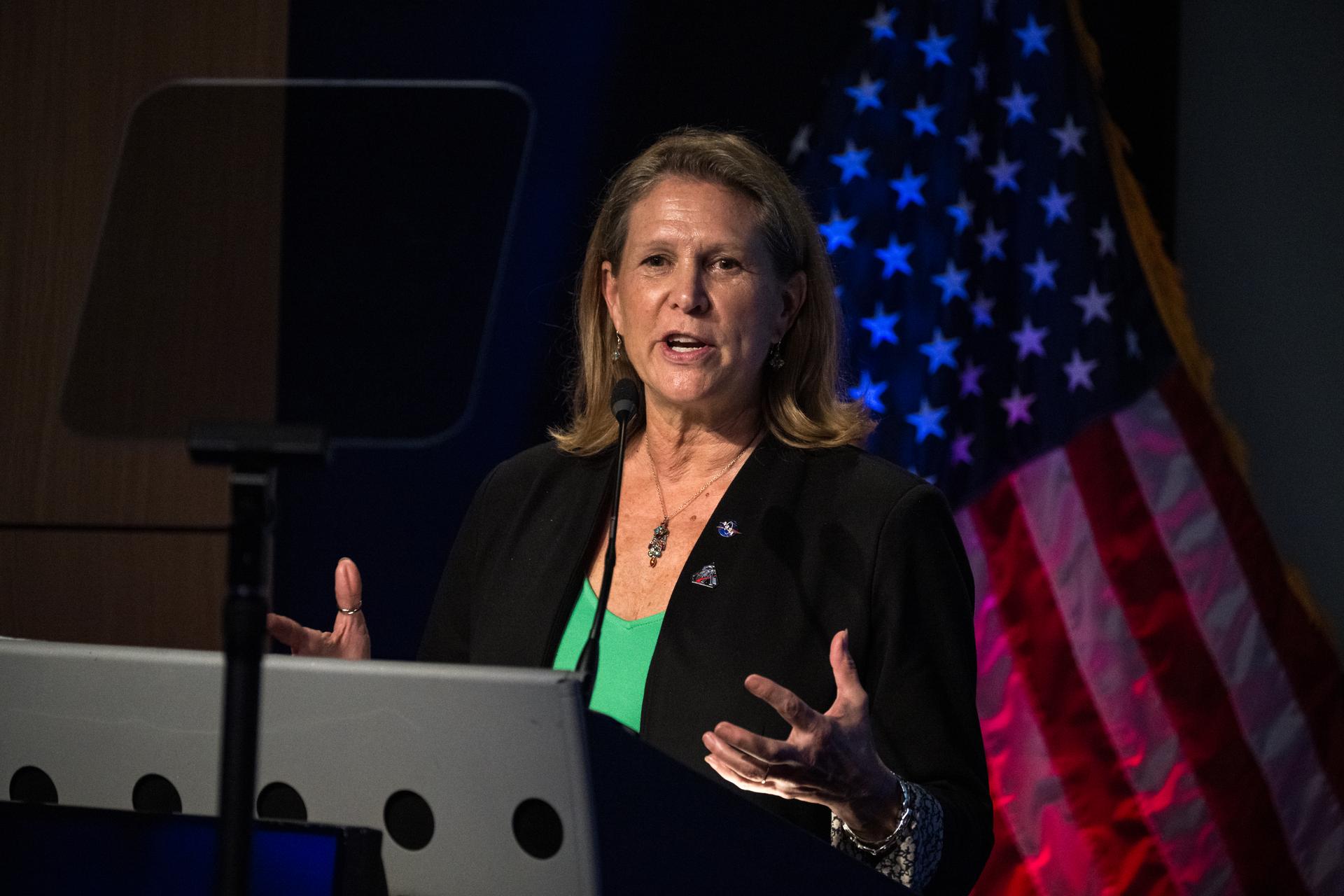
NASA Administrator Jared Isaacman provides remarks during a news conference to discuss Moon Base, a long-term lunar exploration and infrastructure initiative designed to enable sustained human presence and expanded scientific and commercial activity at the lunar South Pole, Tuesday, May 26, 2026, at the Mary W. Jackson NASA Headquarters building in Washington. Photo Credit: (NASA/Aubrey Gemignani)

Tim Stiglets’ work at NASA’s Stennis Space Center gives him a front-row seat to the growth and opportunity potential of NASA Stennis. His work ranges from managing data for how a test stand is configured to tracking the configuration of NASA Stennis buildings and utilities systems that make up the infrastructure for America’s largest rocket propulsion test site.
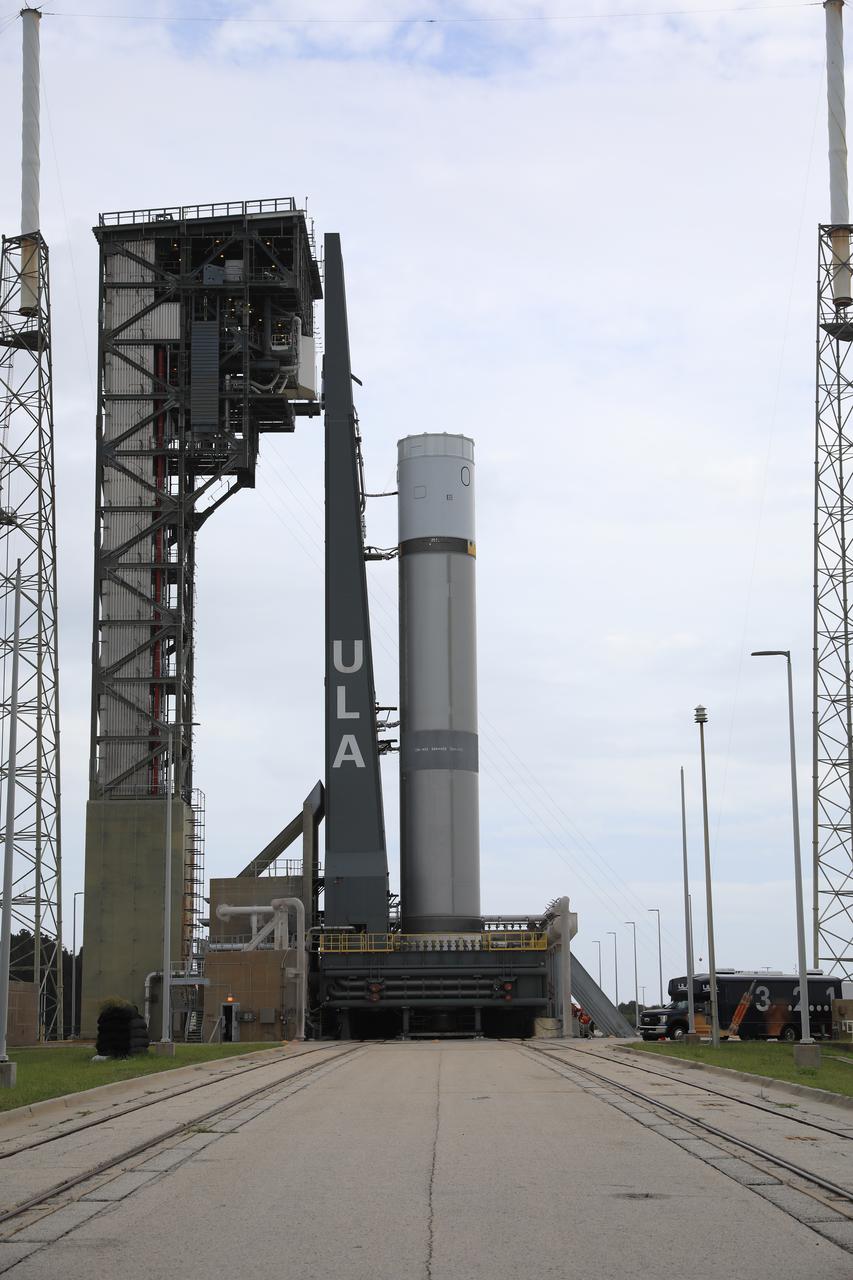
A pathfinder test article of United Launch Alliance’s (ULA) Vulcan Centaur rocket is seen at Space Launch Complex 41 at Cape Canaveral Space Force Station in Florida on Aug. 26, 2021. The pathfinder booster is undergoing a series of fueling tests to validate the infrastructure in place at the launch pad and allow the launch team to rehearse countdown operations before the Vulcan’s first flight.
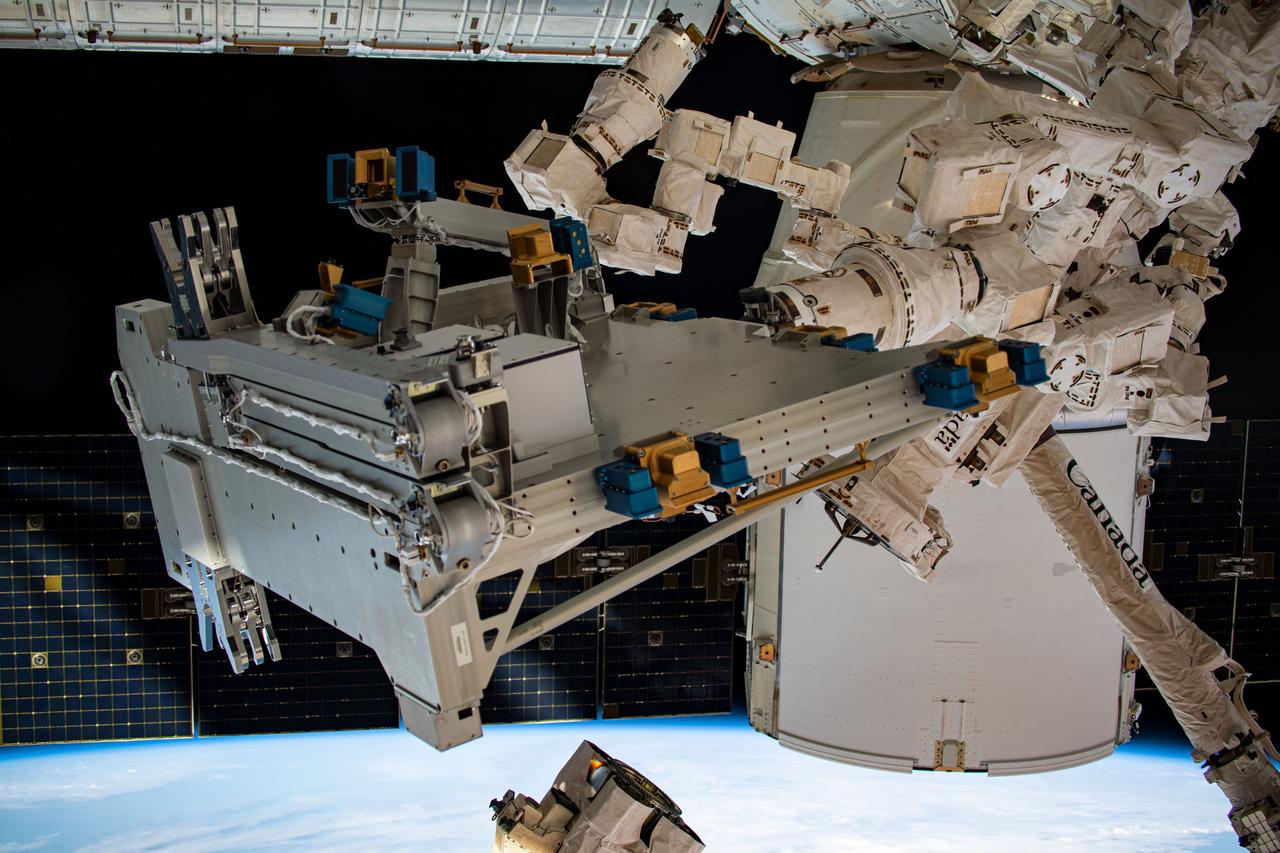
iss062e115840 (3/27/2020) --- Bartolomeo in the parking position below the Destiny module on the International Space Station (ISS). The European external platform Bartolomeo is an enhancement of the International Space Station (ISS) European Columbus Module and its infrastructure. Designed to meet user requirements from the commercial and institutional sector, Bartolomeo is a new external payload hosting facility on the ram side of Columbus.
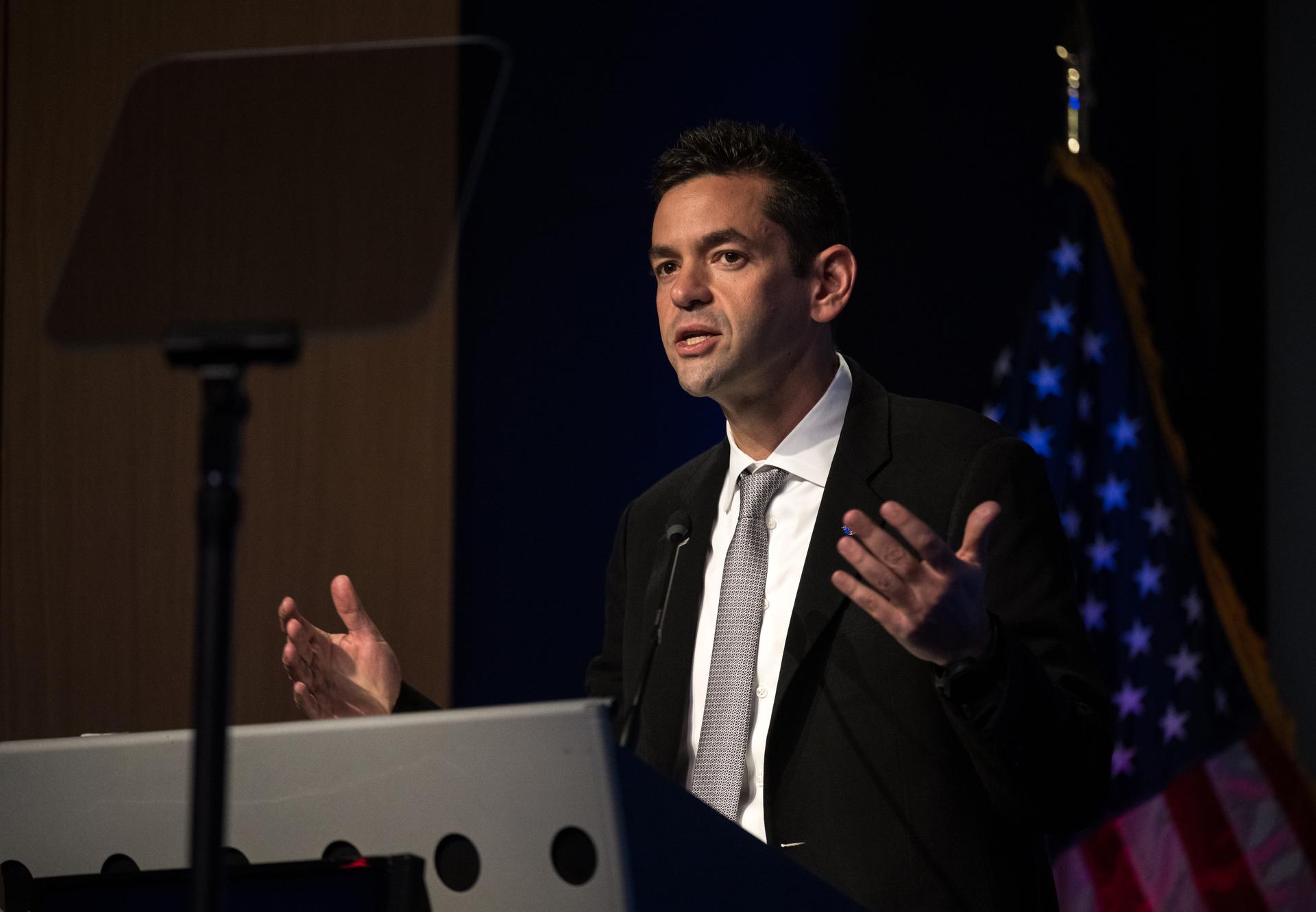
NASA Administrator Jared Isaacman provides remarks during a news conference to discuss Moon Base, a long-term lunar exploration and infrastructure initiative designed to enable sustained human presence and expanded scientific and commercial activity at the lunar South Pole, Tuesday, May 26, 2026, at the Mary W. Jackson NASA Headquarters building in Washington. Photo Credit: (NASA/Aubrey Gemignani)
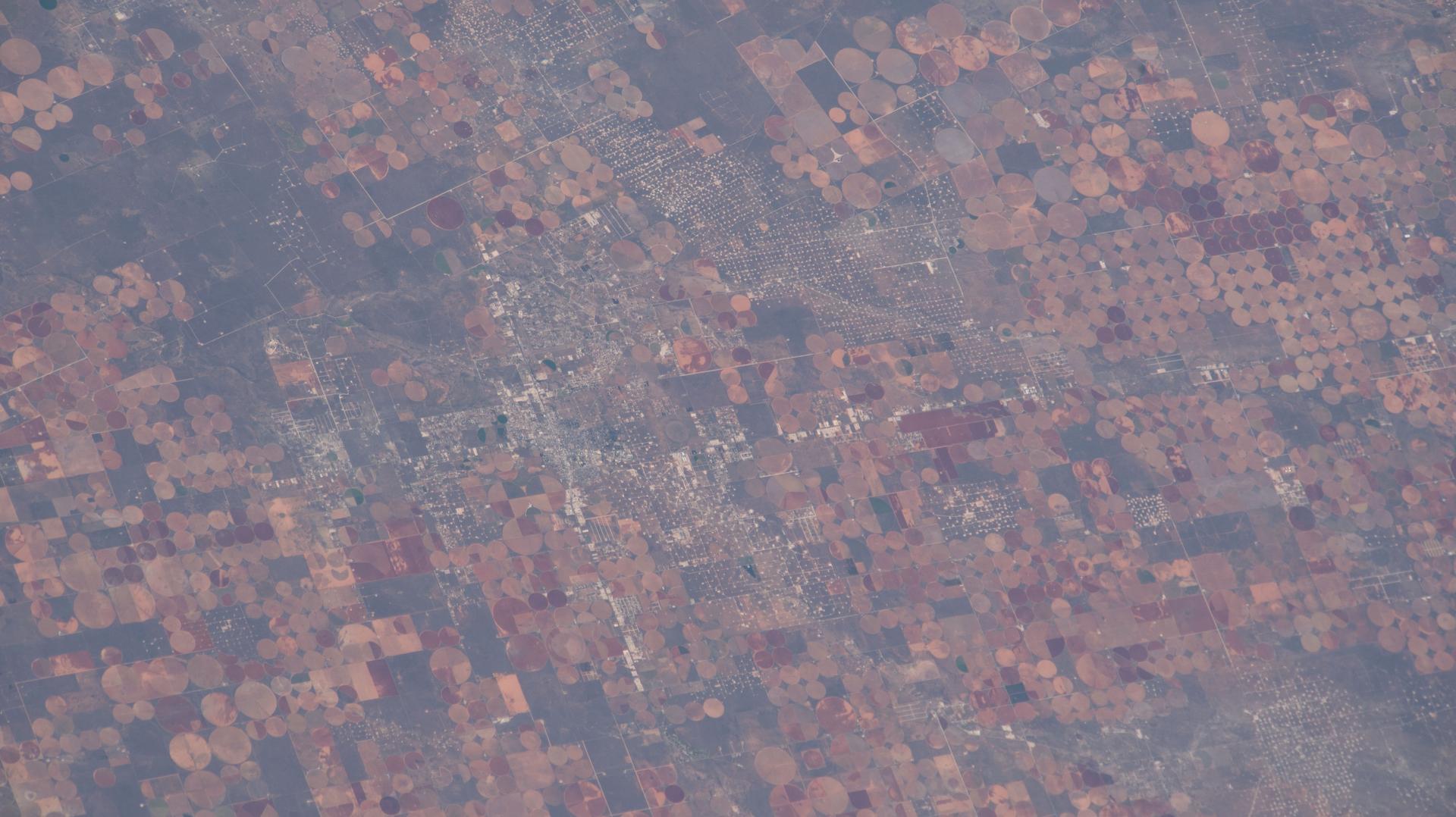
iss074e0603632 (May 16, 2026) --- Industrial-scale farming and oil production exist side-by-side and compete for land and water resources in western Texas. The crop circles are center-pivot irrigation systems used to cultivate cotton, sorghum, wheat, hay, and corn. The grid set against the circular farms is a dense network of well sites, pipelines, and roads that support the petroleum infrastructure. The International Space Station was orbiting 259 miles above the Texas–Oklahoma border at the time of this photograph. Credit: NASA
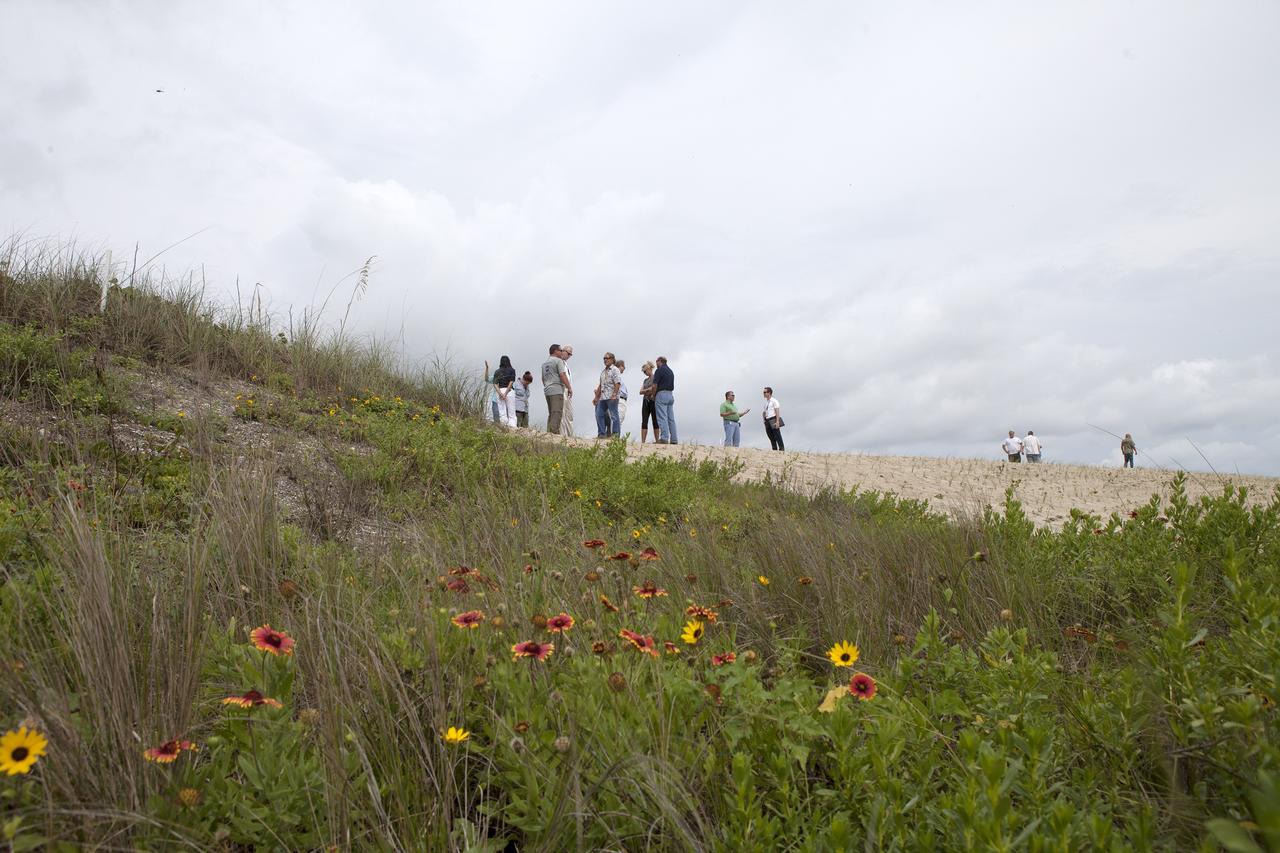
CAPE CANAVERAL, Fla. -- At the Kennedy Space Center in Florida, guests survey restored sand dunes along a 1.2-mile stretch of shoreline near Launch Pads 39A and B. Constant pounding from tropical storms, such as Hurricane Sandy in October of 2012, other weather systems and higher than usual tides, destroyed sand dunes protecting infrastructure at the spaceport. Photo credit: NASA/Dan Casper
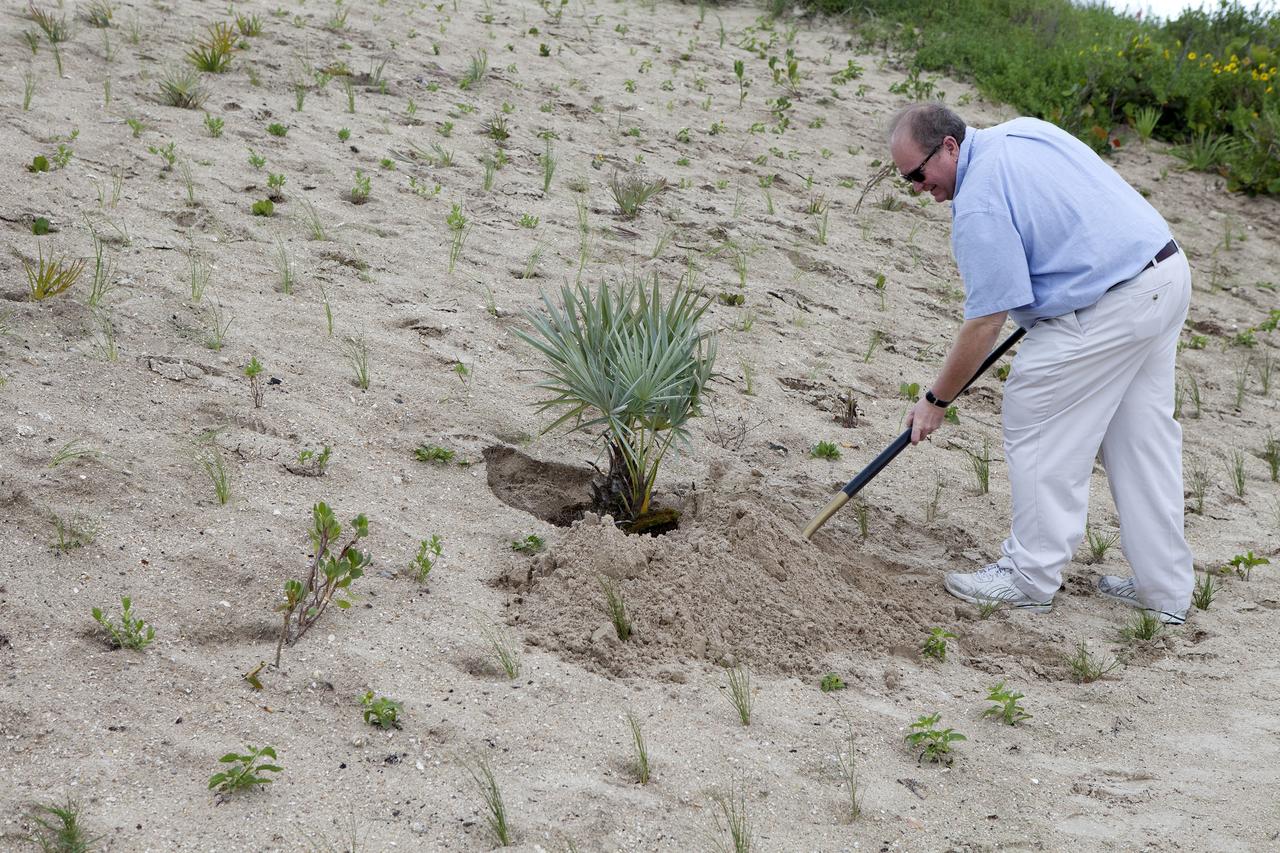
CAPE CANAVERAL, Fla. -- At the Kennedy Space Center in Florida, Burton Summerfield, senior advisor for Institutional Management in the office of the associate director at Kennedy, plants the final shrub that is among 180,000 planted on a new 1.2-mile stretch of shoreline near Launch Pads 39A and B. Constant pounding from tropical storms, such as Hurricane Sandy in October of 2012, other weather systems and higher than usual tides, destroyed sand dunes protecting infrastructure at the spaceport. Photo credit: NASA/Dan Casper
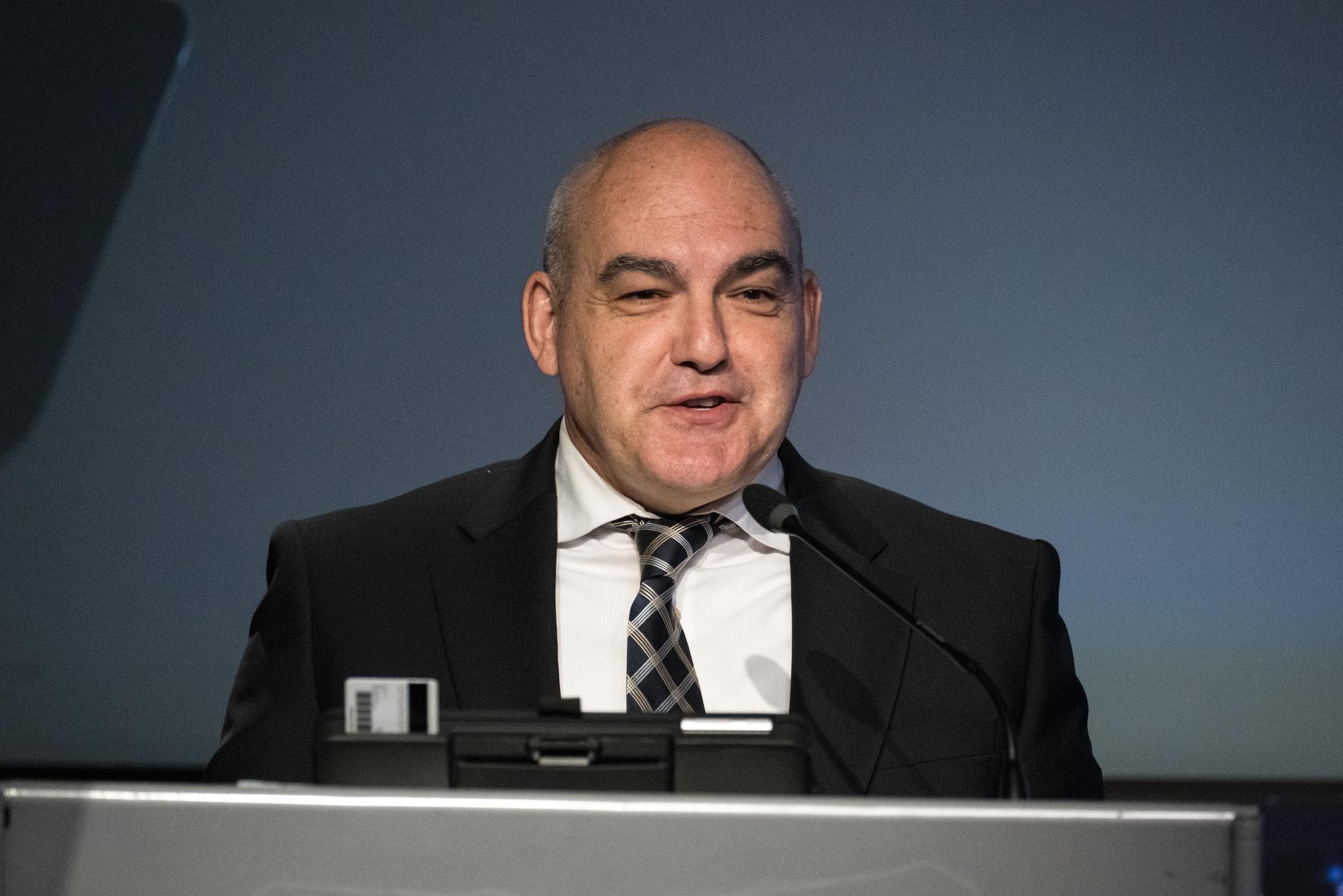
NASA Administrator Jared Isaacman provides remarks during a news conference to discuss Moon Base, a long-term lunar exploration and infrastructure initiative designed to enable sustained human presence and expanded scientific and commercial activity at the lunar South Pole, Tuesday, May 26, 2026, at the Mary W. Jackson NASA Headquarters building in Washington. Photo Credit: (NASA/Aubrey Gemignani)
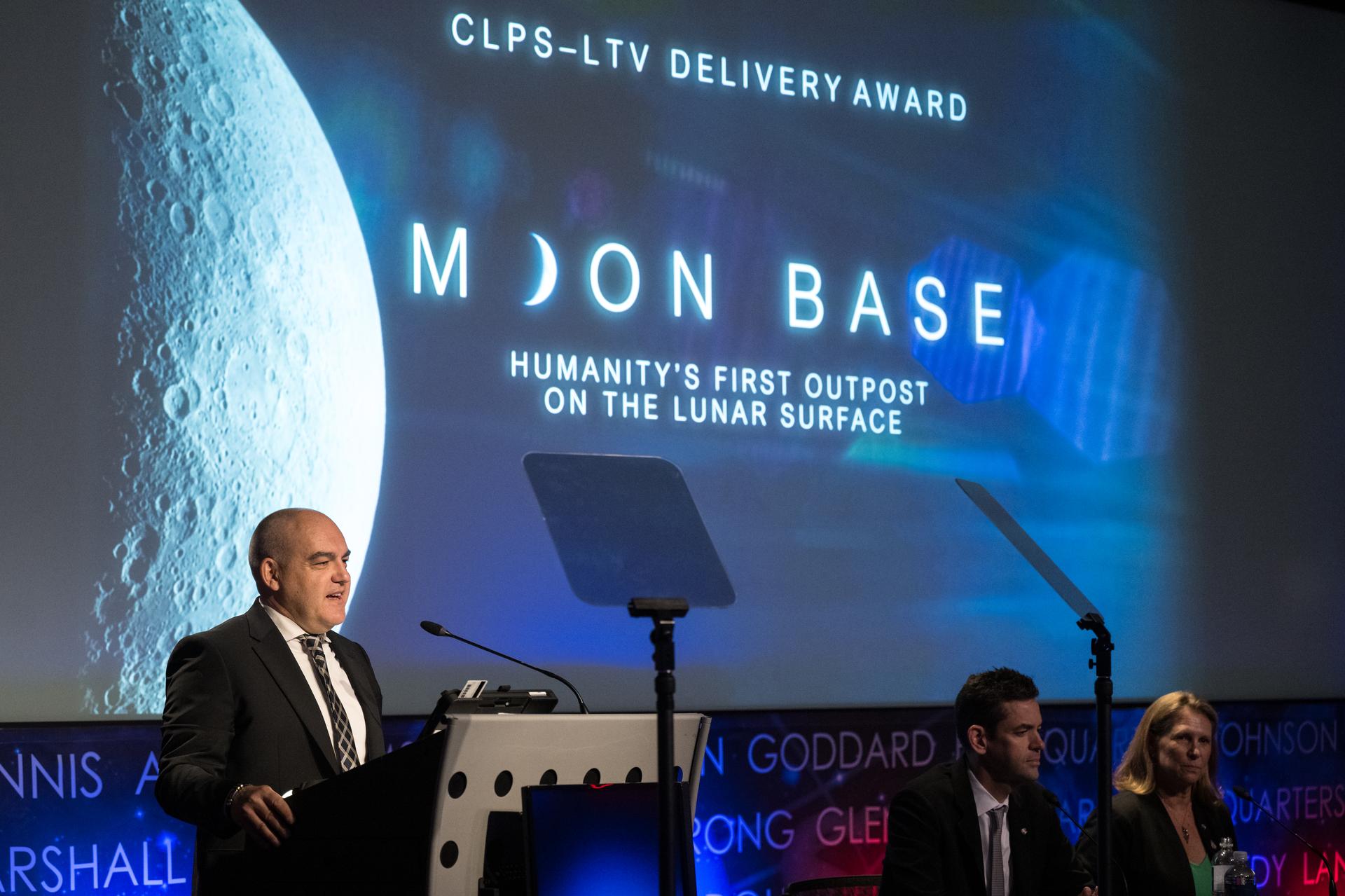
NASA Administrator Jared Isaacman provides remarks during a news conference to discuss Moon Base, a long-term lunar exploration and infrastructure initiative designed to enable sustained human presence and expanded scientific and commercial activity at the lunar South Pole, Tuesday, May 26, 2026, at the Mary W. Jackson NASA Headquarters building in Washington. Photo Credit: (NASA/Aubrey Gemignani)
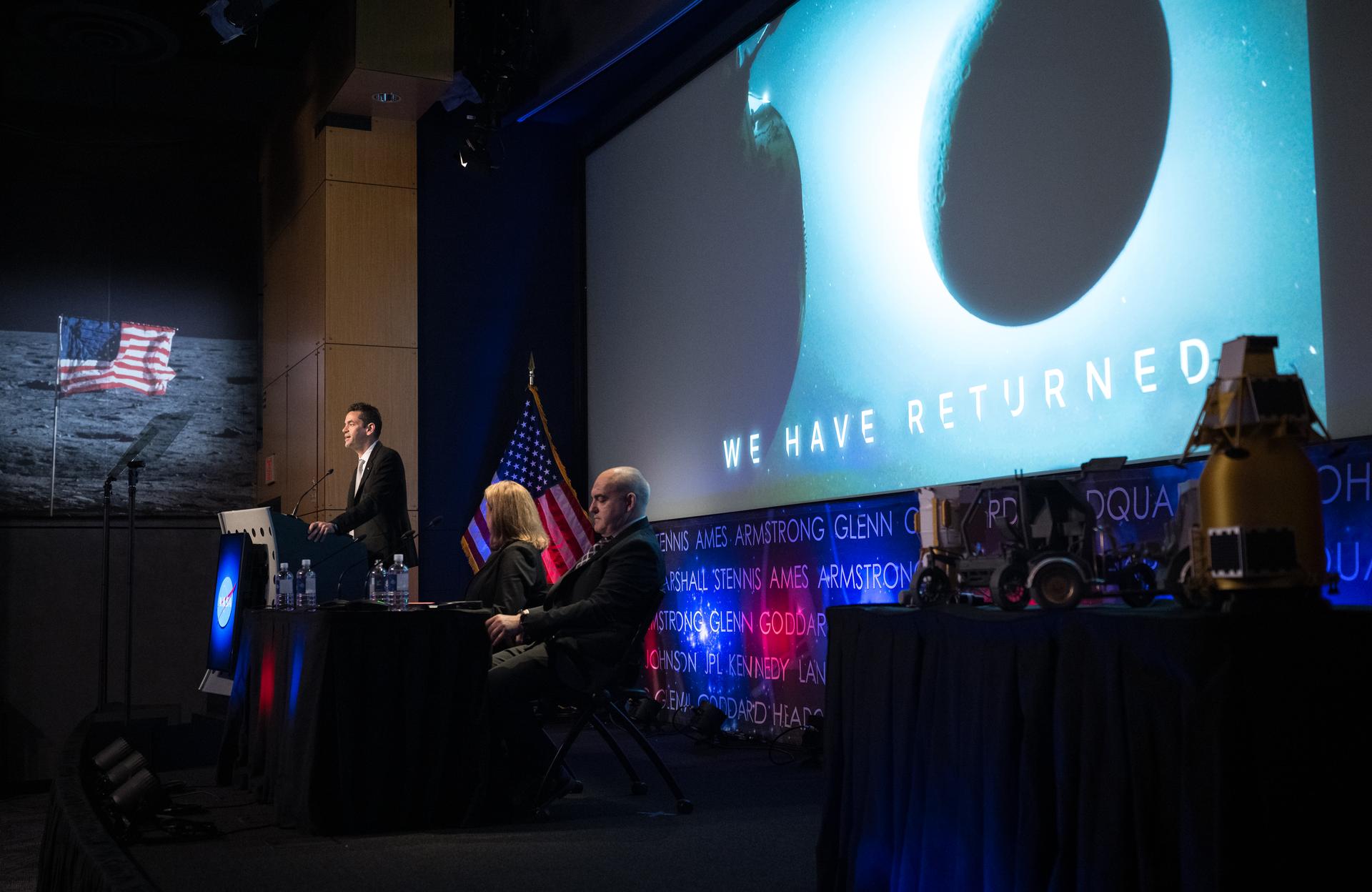
NASA Administrator Jared Isaacman provides remarks during a news conference to discuss Moon Base, a long-term lunar exploration and infrastructure initiative designed to enable sustained human presence and expanded scientific and commercial activity at the lunar South Pole, Tuesday, May 26, 2026, at the Mary W. Jackson NASA Headquarters building in Washington. Photo Credit: (NASA/Aubrey Gemignani)
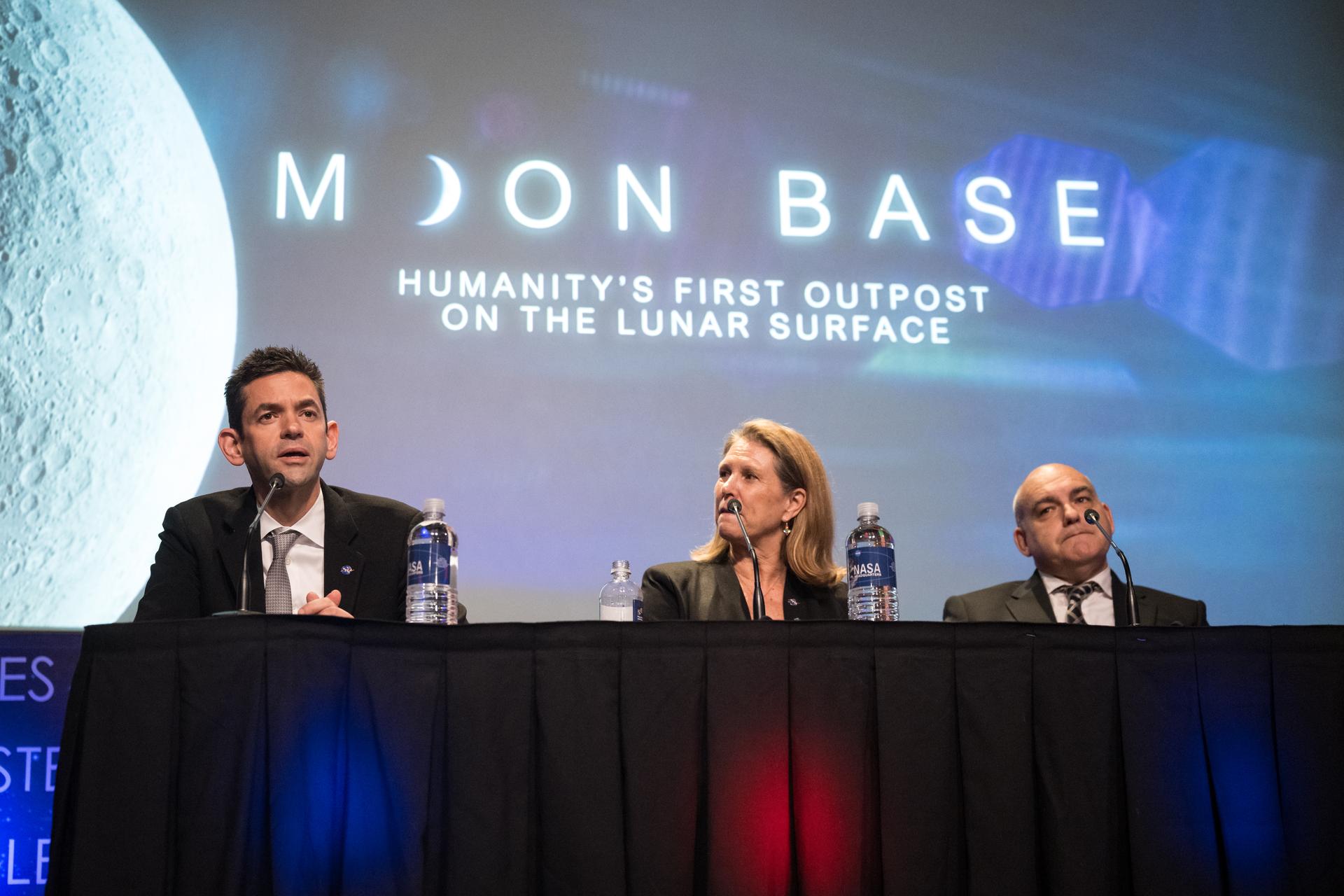
NASA Administrator Jared Isaacman provides remarks during a news conference to discuss Moon Base, a long-term lunar exploration and infrastructure initiative designed to enable sustained human presence and expanded scientific and commercial activity at the lunar South Pole, Tuesday, May 26, 2026, at the Mary W. Jackson NASA Headquarters building in Washington. Photo Credit: (NASA/Aubrey Gemignani)
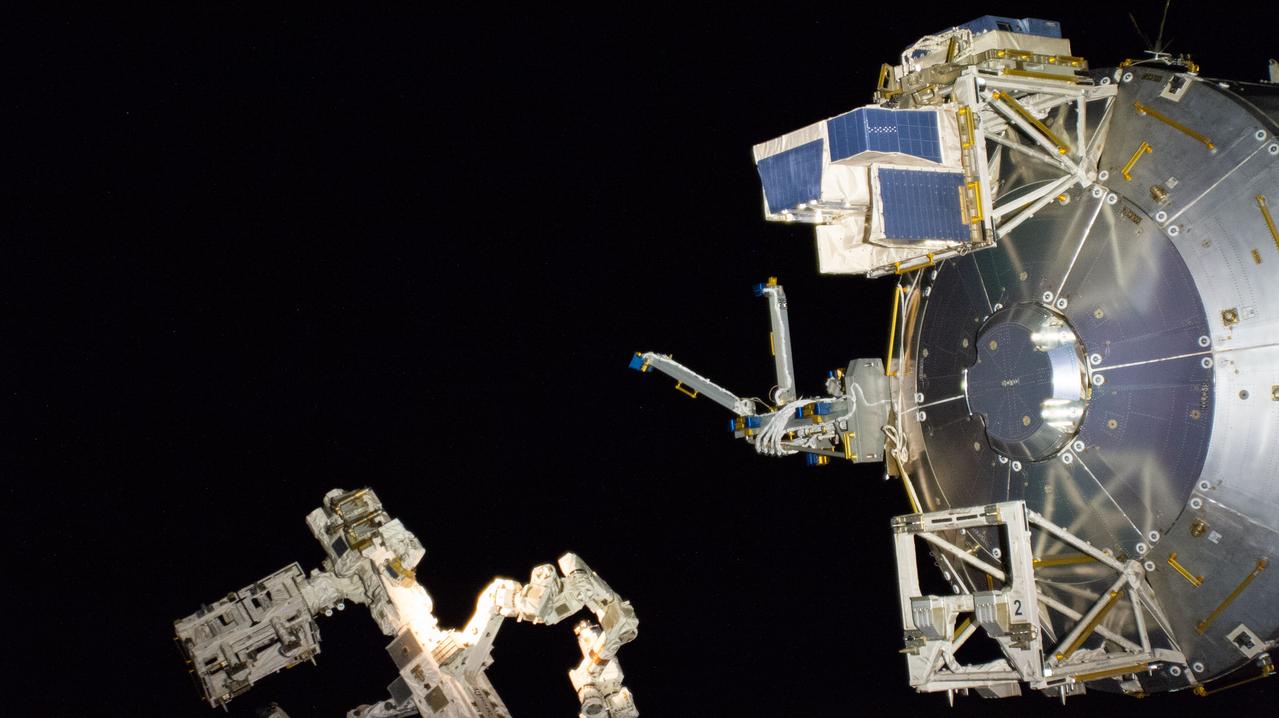
ss062e118892 4/2/2020) --- A view of Bartolomeo in its final position on the Columbus module of the International Space Station (ISS). The European external platform Bartolomeo is an enhancement of the International Space Station (ISS) European Columbus Module and its infrastructure. Designed to meet user requirements from the commercial and institutional sector, Bartolomeo is a new external payload hosting facility on the ram side of Columbus.
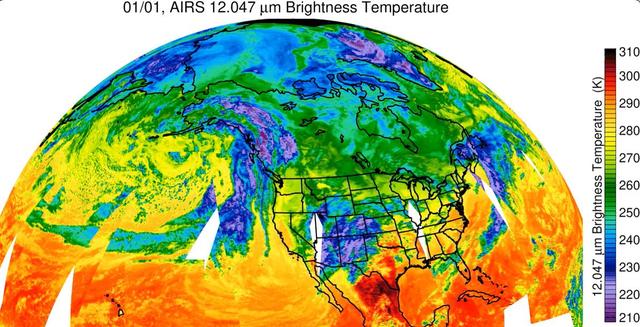
Since the start of 2023 California has been drenched by a series of storms being transported by an atmospheric river – a relatively narrow, windy region in Earth's atmosphere that can transport moisture or tiny particles for thousands of miles, much like a river on land moves water. NASA's Atmospheric Infrared Sounder (AIRS) captured the series of storms as they dumped record amounts of rain in some parts of California, caused flooding, and damaged infrastructure. Forecasts say this pattern of storms will continue through the week of Jan. 9. The images show cloud temperatures taken at infrared wavelengths not visible to the human eye. Purple and violet areas are colder, between about minus 82 degrees Fahrenheit and minus 46 degrees Fahrenheit (minus 63 degrees Celsius to minus 44 degrees Celsius), than blue and green regions which are roughly minus 28 degrees Fahrenheit to 26 degrees Fahrenheit (minus 33 degrees Celsius to minus 3 degrees Celsius). Warmer red sections are between roughly 62 degrees Fahrenheit and 80 degrees Fahrenheit (17 degrees Celsius to 27 degrees Celsius), representing mostly cloud-free air. The cooler parts of the clouds are associated with very heavy rainfall. White patches represent gaps in satellite coverage. Located aboard the Aqua satellite AIRS, in conjunction with the Advanced Microwave Sounding Unit (AMSU), senses emitted infrared and microwave radiation from Earth to provide a 3D look at the planet's weather and climate. Working in tandem, the two instruments make simultaneous observations down to Earth's surface. With more than 2,000 channels sensing different regions of the atmosphere, the system creates a global, 3D map of atmospheric temperature and humidity, cloud amounts and heights, greenhouse gas concentrations, and many other atmospheric phenomena. Launched into Earth orbit in 2002 aboard NASA's Aqua spacecraft, the AIRS and AMSU instruments are managed by NASA's Jet Propulsion Laboratory in Southern California, under contract to NASA. JPL is a division of Caltech. Animation available at https://photojournal.jpl.nasa.gov/catalog/PIA25597

iss073e0982063 (Oct. 21, 2025) --- São Paulo, Brazil—with a metropolitan population of about 23 million—is the fifth most populous region in the world. As Brazil's economic powerhouse, São Paulo hosts one of the largest stock exchanges in the world and leads in the automotive, aerospace, and pharmaceutical industries. The city's brighter, more energy-efficient white LED lights reflect the region’s ongoing progress and modernization of its infrastructure. This photograph was taken from the International Space Station as it orbited 264 miles above the Brazilian coast at approximately 2:20 a.m. local time.
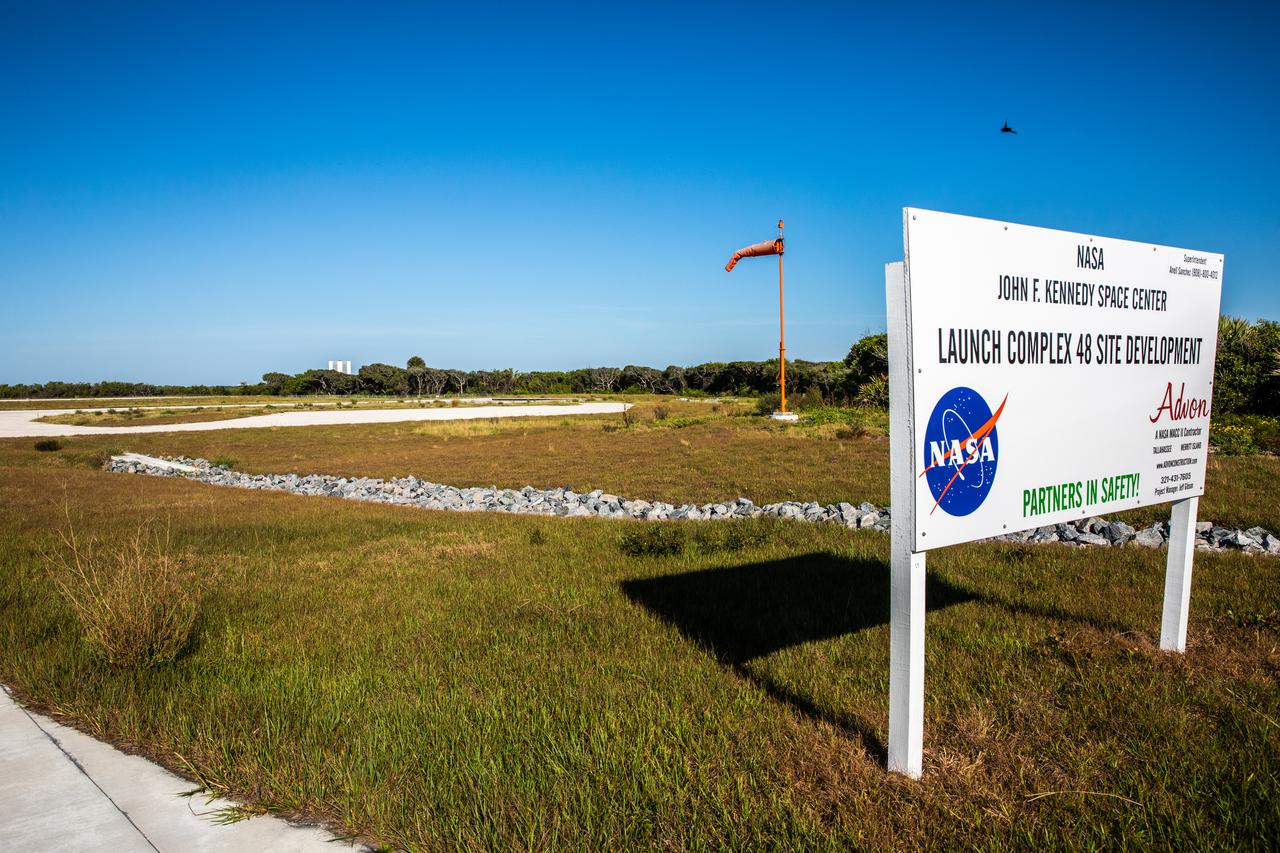
Pictured here is the site of Launch Complex 48 at NASA’s Kennedy Space Center in Florida, on June 1, 2021. The spaceport’s newest launch site is designed specifically for small-class commercial vehicles and the small satellite industry. Located about a mile south of Kennedy’s historic Launch Complex 39A on Cape Road, and completed in August 2020, the 10-acre complex provides a dedicated space for vehicles generating 500,000 pounds of thrust or less. The “clean pad” design and basic infrastructure of Launch Complex 48 offers greater flexibility for small-class vehicle with rockets possessing varying needs.
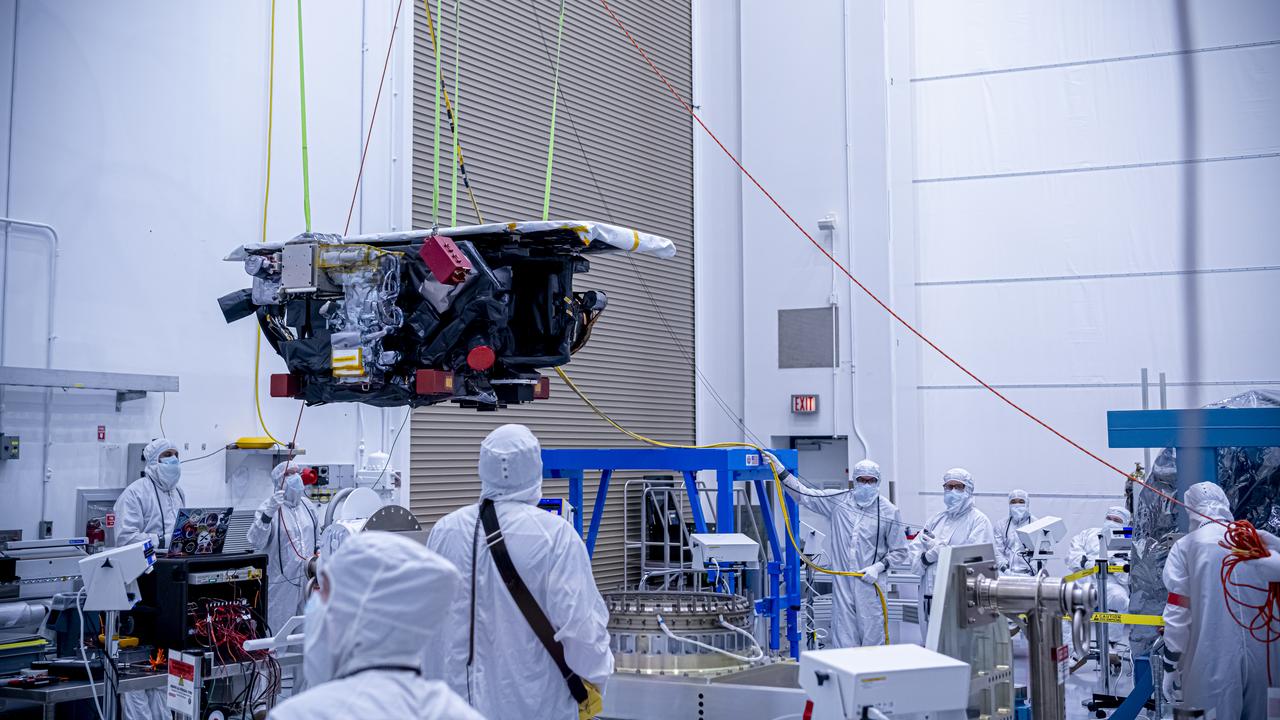
Technicians use a crane to lift the National Oceanic and Atmospheric Administration’s (NOAA) Space Weather Follow On–Lagrange 1 (SWFO-L1) Observatory onto a work stand on Friday, July 25, 2025, during prelaunch processing at the Astrotech Space Operations Facility near NASA’s Kennedy Space Center in Florida. The SWFO-L1 mission will observe solar eruptions, and monitor incoming space weather 24/7, providing early warnings and validating forecasts that protect vital communication and navigation infrastructure, economic interests, and national security, both on Earth and in space. The observatory will launch as a rideshare with NASA’s IMAP (Interstellar Mapping and Acceleration Probe) no earlier than September 2025.
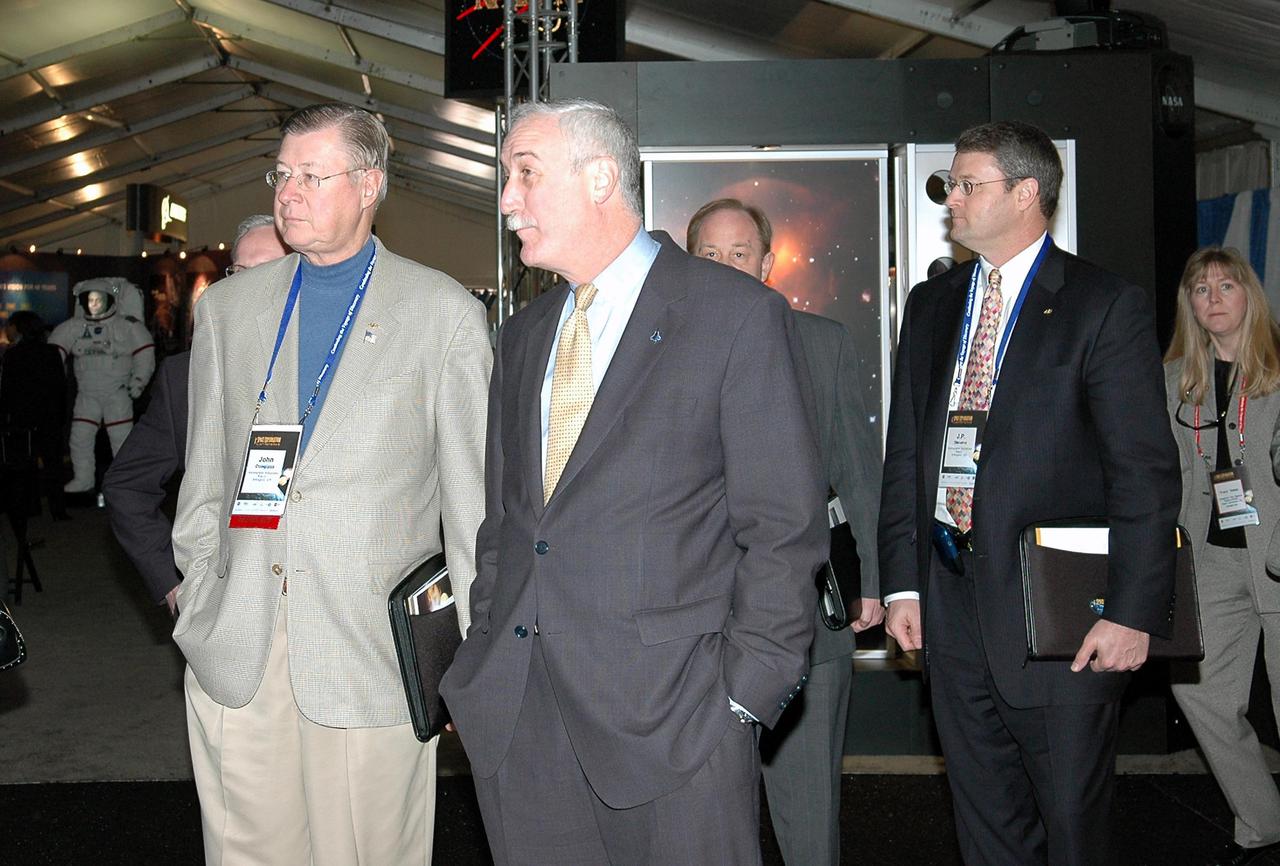
KENNEDY SPACE CENTER, FLA. - NASA Administrator Sean O’Keefe (center) talks to John Douglass, with the Aerospace Industries Association, at the “1st Space Exploration Conference: Continuing the Voyage of Discovery,” being held at Disney’s Contemporary Resort in Orlando. O’Keefe is the keynote speaker kicking off the conference. Douglass is one of the panelists. Topics being presented focus on new missions, technologies and infrastructure needed to turn the vision for space exploration into reality. Other keynote speakers at the three-day conference are Congressman Dave Weldon, film director James Cameron and NASA’s senior Mars scientist James Garvin. The conference has drawn attendees from around the world.
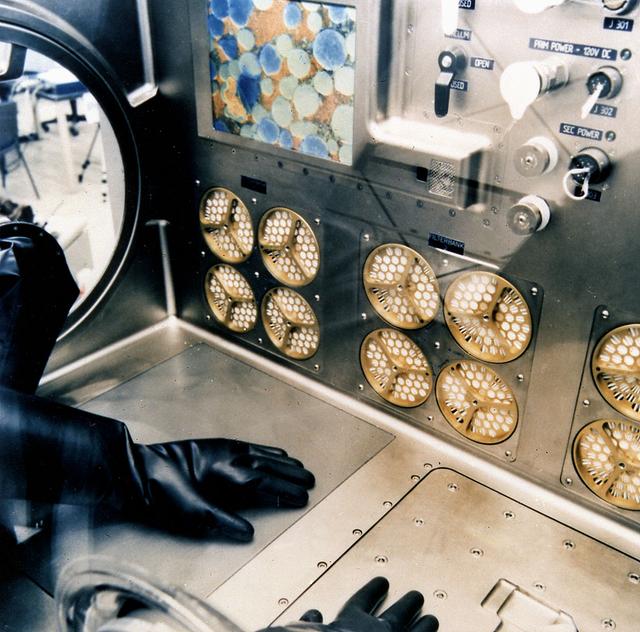
The Microgravity Science Glovebox is a facility for performing microgravity research in the areas of materials, combustion, fluids and biotechnology science. The facility occupies a full ISPR, consisting of: the ISPR rack and infrastructure for the rack, the glovebox core facility, data handling, rack stowage, outfitting equipment, and a video subsystem. MSG core facility provides the experiment developers a chamber with air filtering and recycling, up to two levels of containment, an airlock for transfer of payload equipment to/from the main volume, interface resources for the payload inside the core facility, resources inside the airlock, and storage drawers for MSG support equipment and consumables.
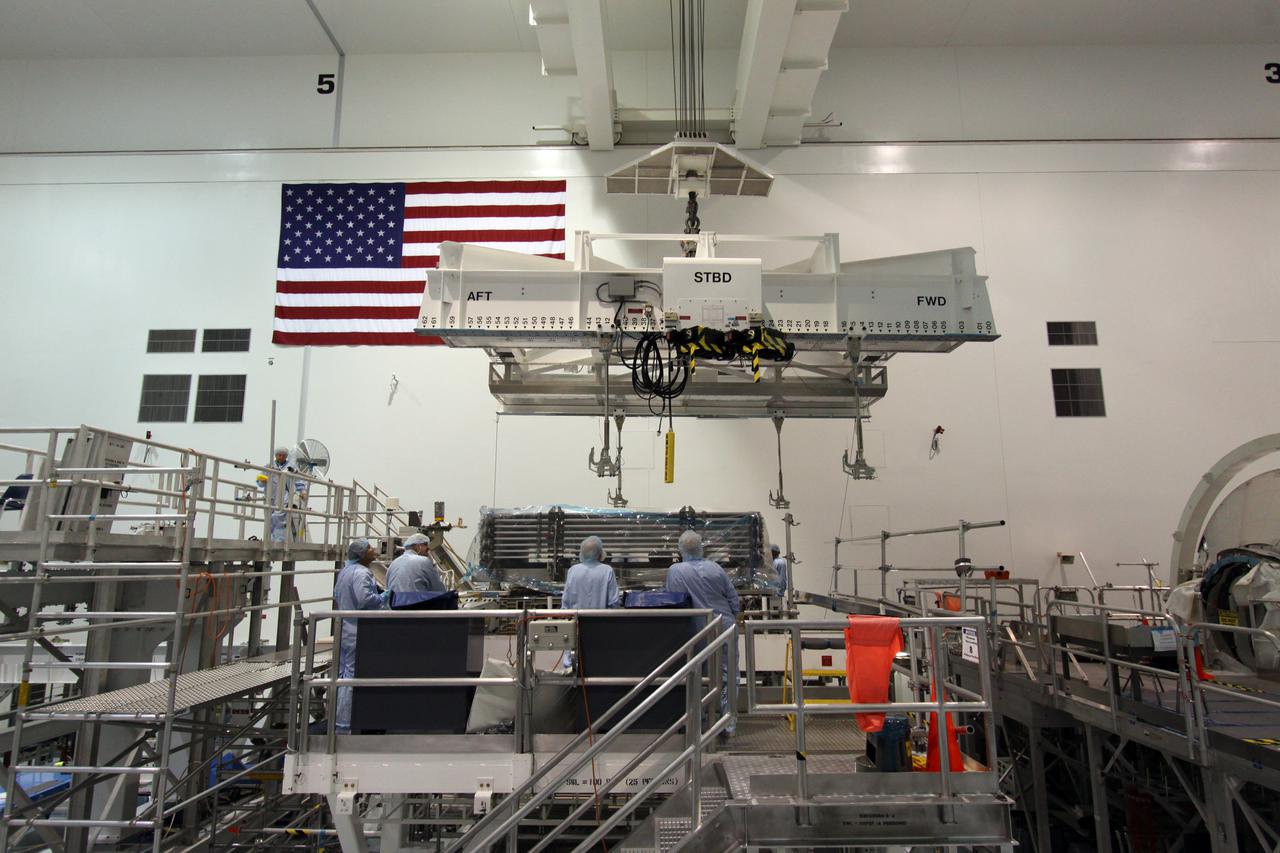
CAPE CANAVERAL, Fla. -- In the Space Station Processing Facility at NASA's Kennedy Space Center in Florida, technicians hoist the Express Logistics Carrier-4, or ELC-4, for the deck-to-keel mate. The deck is about 14 by 16 feet and spans the width of a space shuttle’s payload bay. It is capable of providing astronauts aboard the International Space Station with a platform and infrastructure to deploy experiments in the vacuum of space without requiring a separate dedicated Earth-orbiting satellite. Space shuttle Discovery and its STS-133 crew will deliver the carrier along with critical spare parts to the station later this year. Photo credit: NASA_Jack Pfaller
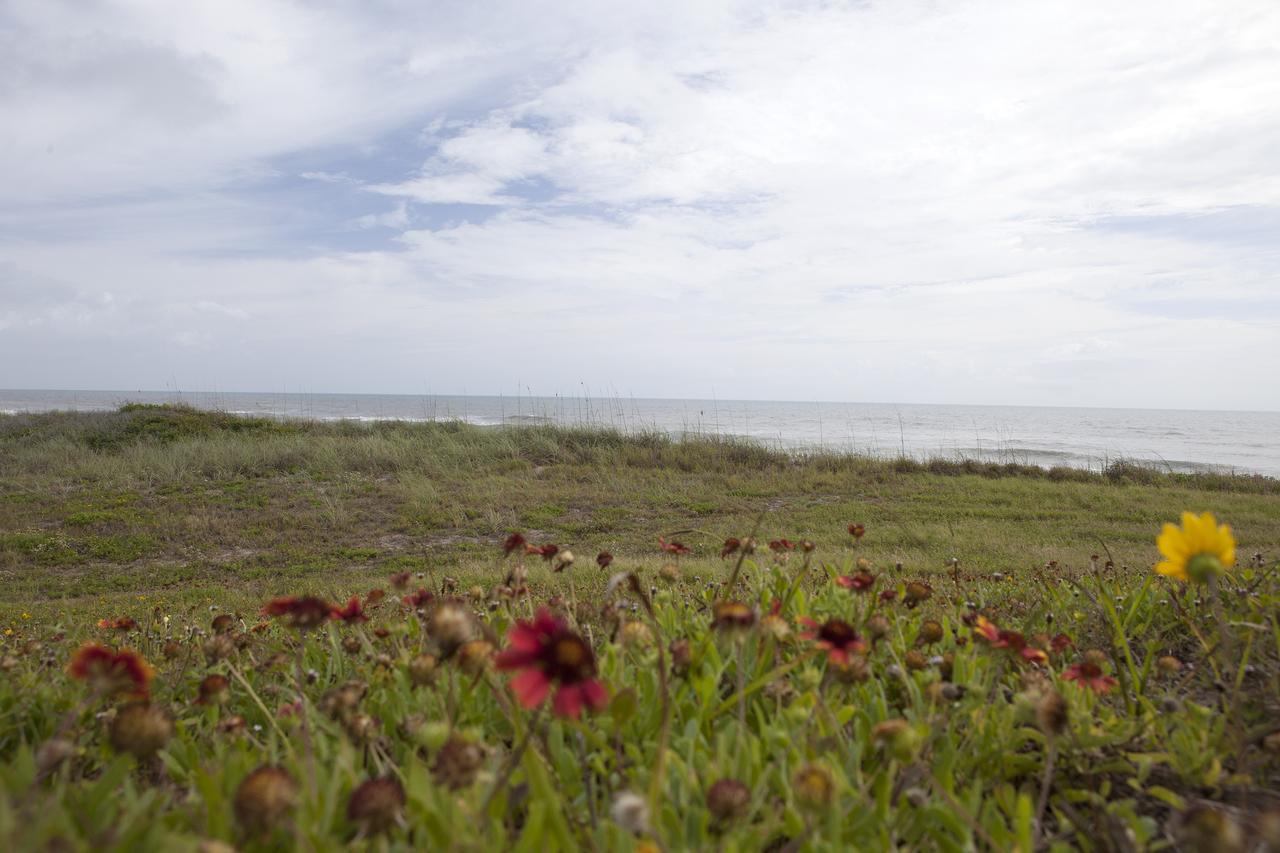
CAPE CANAVERAL, Fla. -- At the Kennedy Space Center in Florida, the sand dunes along a 1.2 mile stretch of shoreline near Launch Pads 39A and B were restored during a six-month effort using 90,000 cubic yards of sand. To help prevent erosion, 180,000 shrubs, including grasses, sunflowers, vines, sea grapes and palmettos were planted. Constant pounding from tropical storms, such as Hurricane Sandy in October of 2012, other weather systems and higher than usual tides, destroyed sand dunes protecting infrastructure at the spaceport. Photo credit: NASA/Dan Casper
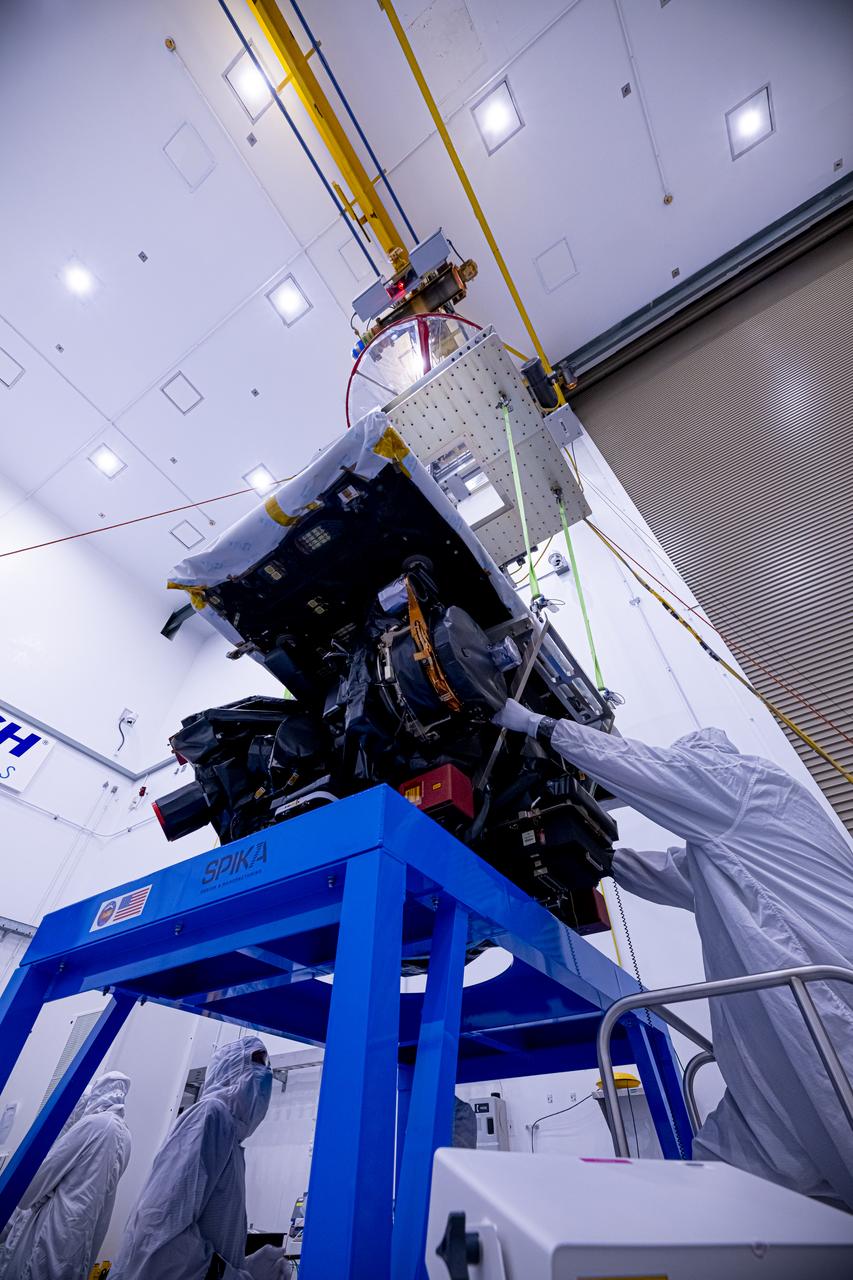
Technicians use a crane to lift the National Oceanic and Atmospheric Administration’s (NOAA) Space Weather Follow On–Lagrange 1 (SWFO-L1) Observatory onto a work stand on Friday, July 25, 2025, during prelaunch processing at the Astrotech Space Operations Facility near NASA’s Kennedy Space Center in Florida. The SWFO-L1 mission will observe solar eruptions, and monitor incoming space weather 24/7, providing early warnings and validating forecasts that protect vital communication and navigation infrastructure, economic interests, and national security, both on Earth and in space. The observatory will launch as a rideshare with NASA’s IMAP (Interstellar Mapping and Acceleration Probe) no earlier than September 2025.
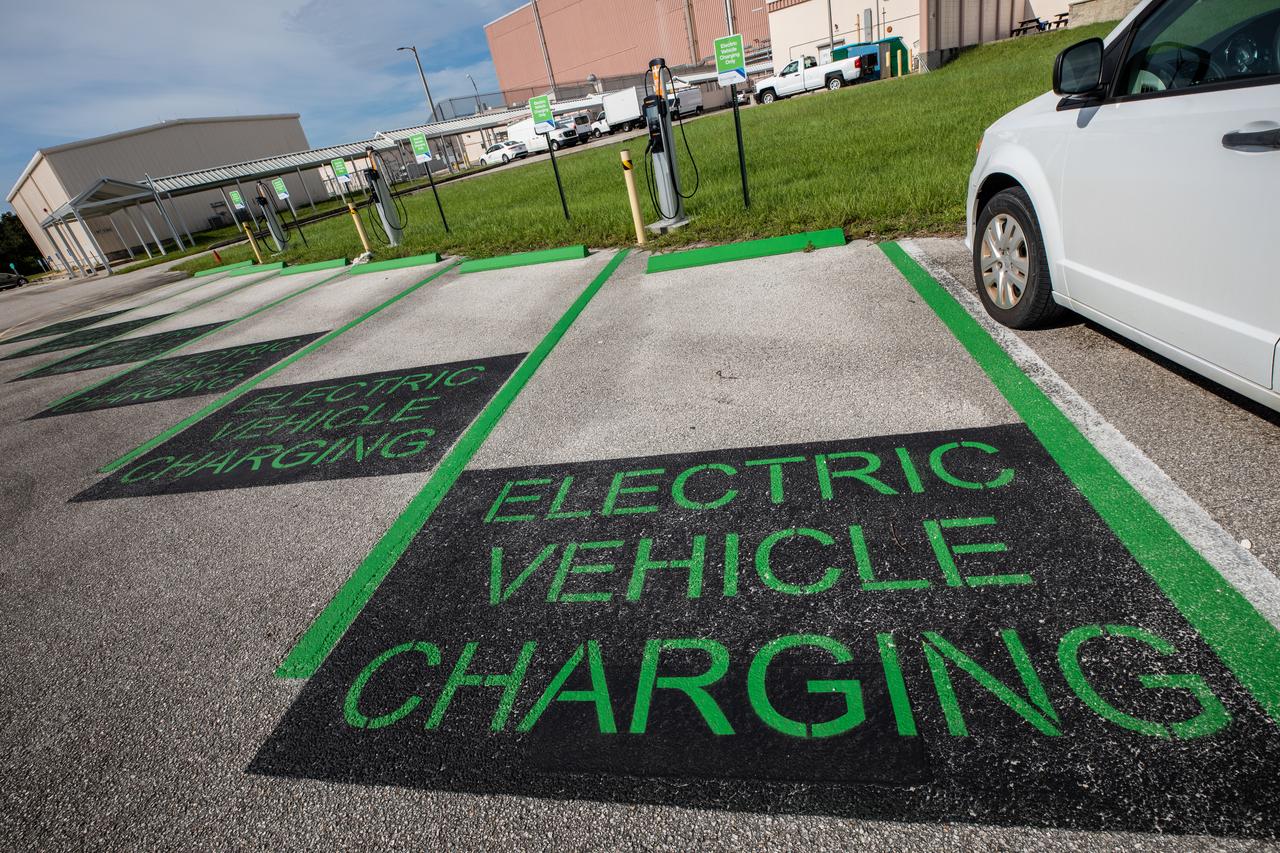
Several newly installed electric vehicle (EV) charging stations are in view near the Neil Armstrong Operations and Checkout Building at NASA’s Kennedy Space Center in Florida on Sept. 14, 2022. Part of a partnership between Kennedy and Florida Power & Light (FPL) to bring 23 EV charging stations to the spaceport, the ChargePoint CT4000, Level 2 chargers are capable of charging electric vehicles at a rate of 15-30 miles of range per hour. This partnership was set up under FPL’s EV program and provides a charging infrastructure that includes a simple way for businesses and employees to pay for usage.