
SHIIVER (Structural Heat Intercept Insulation Vibration Evaluation Rig) is a cryogenic test tank developed to evaluate heat intercept concepts. It arrived at Marshall Space Flight Center on August 10, 2017. The tank will receive heat sensors and spray-on foam insulation before making its way to Plum Brook station for further insulation and testing.SHIIVER Tank Arrives at NASA’s Marshall Center for Spray-On Foam Insulation
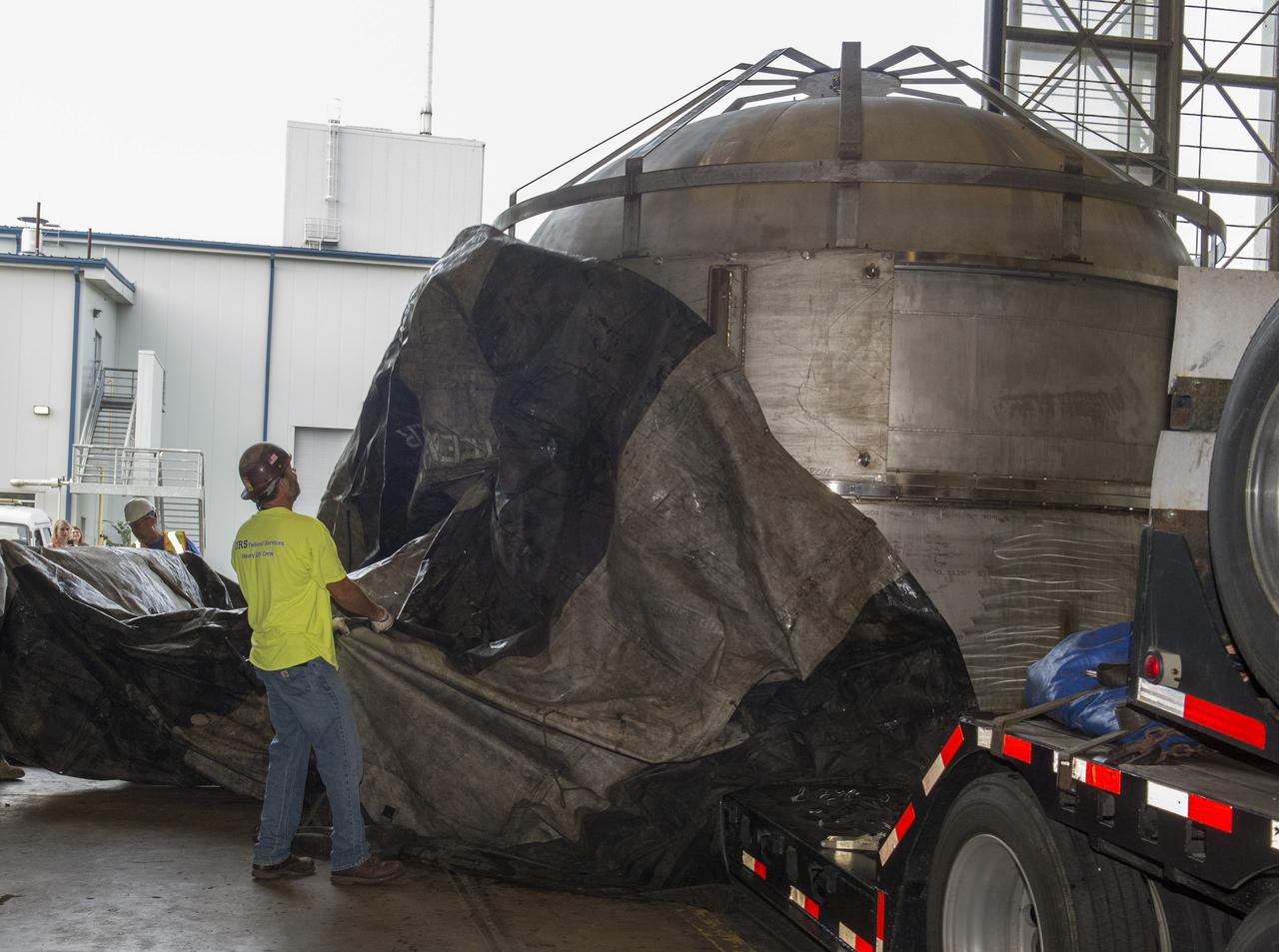
SHIIVER Tank Arrives at NASA’s Marshall Center for Spray-On Foam InsulationSHIIVER (Structural Heat Intercept Insulation Vibration Evaluation Rig) is a cryogenic test tank developed to evaluate heat intercept concepts. It arrived at Marshall Space Flight Center on August 10, 2017. The tank will receive heat sensors and spray-on foam insulation before making its way to Plum Brook station for further insulation and testing.
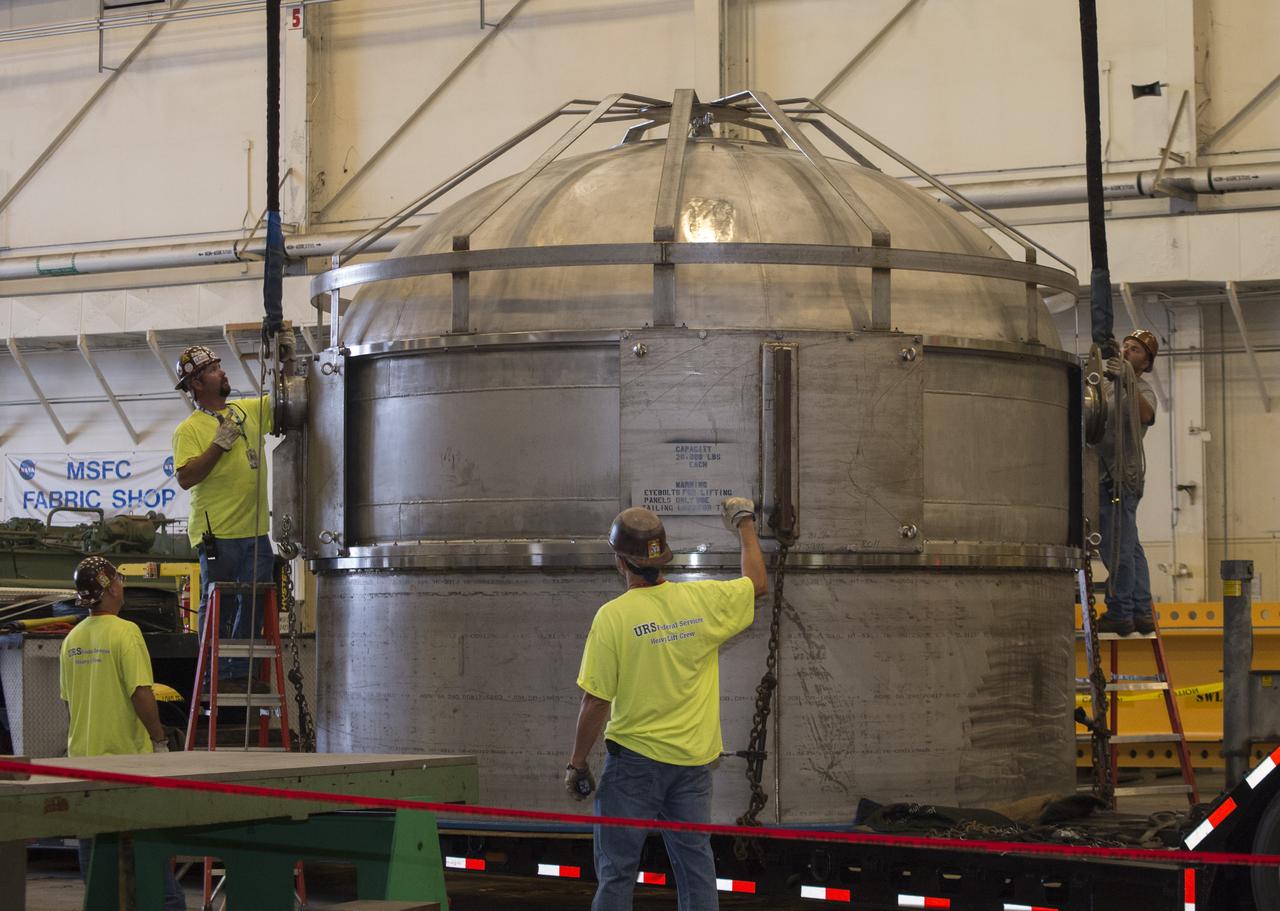
SHIIVER (Structural Heat Intercept Insulation Vibration Evaluation Rig) is a cryogenic test tank developed to evaluate heat intercept concepts. It arrived at Marshall Space Flight Center on August 10, 2017. The tank will receive heat sensors and spray-on foam insulation before making its way to Plum Brook station for further insulation and testing.
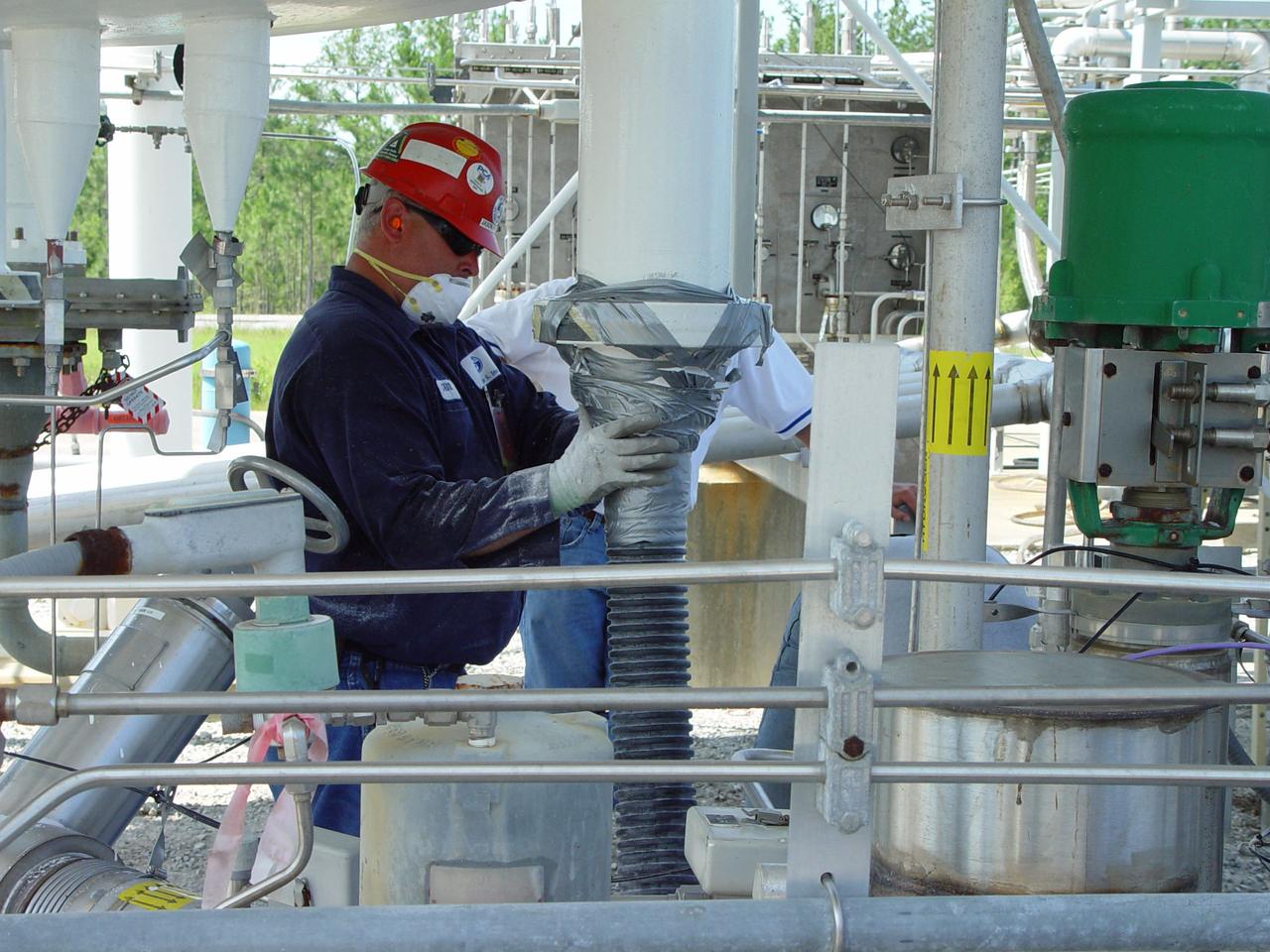
A worker removes Perlite insulation from a liquid hydrogen storage tank to replace it with glass bubble insulation.
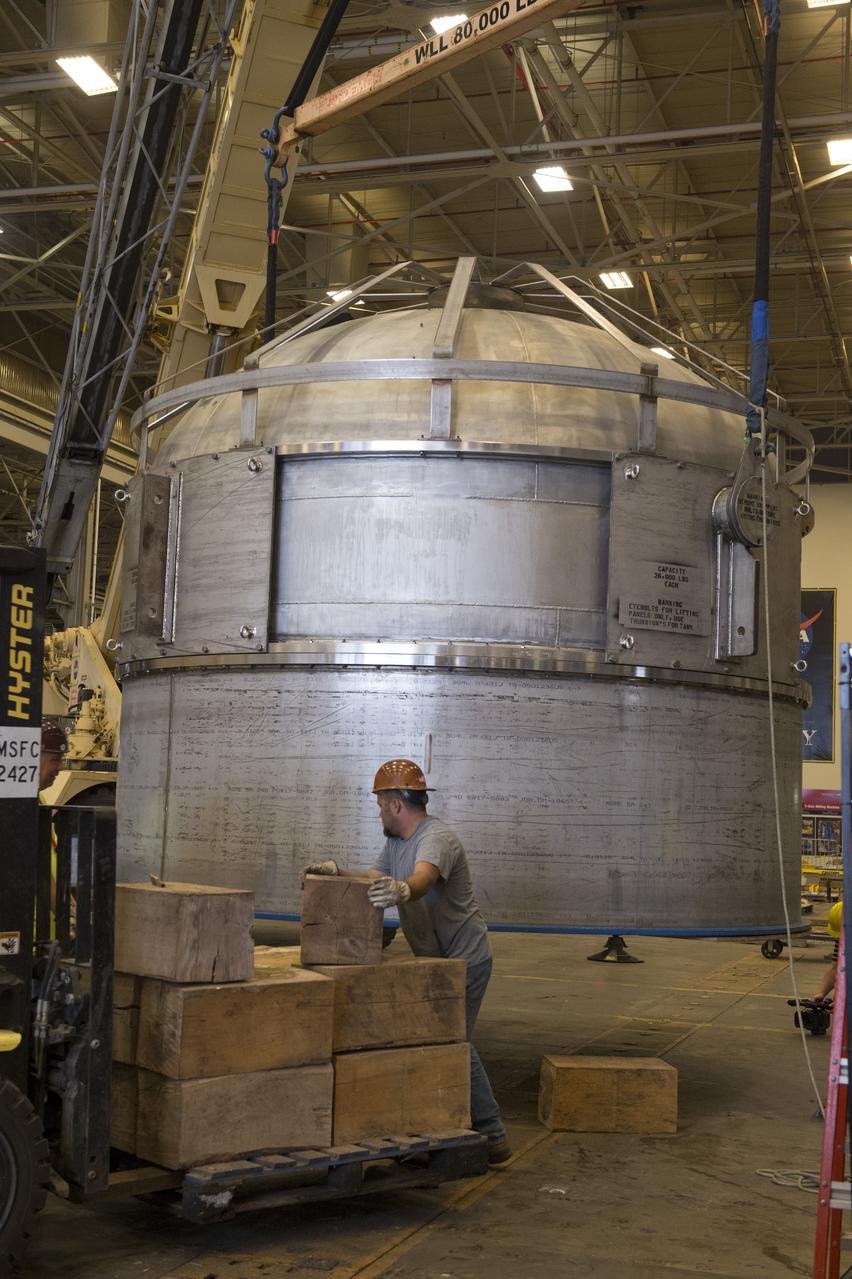
SHIIVER (Structural Heat Intercept Insulation Vibration Evaluation Rig) is a cryogenic test tank developed to evaluate heat intercept concepts. It arrived at Marshall Space Flight Center on August 10, 2017. The tank will receive heat sensors and spray-on foam insulation before making its way to Plum Brook station for further insulation and testing.
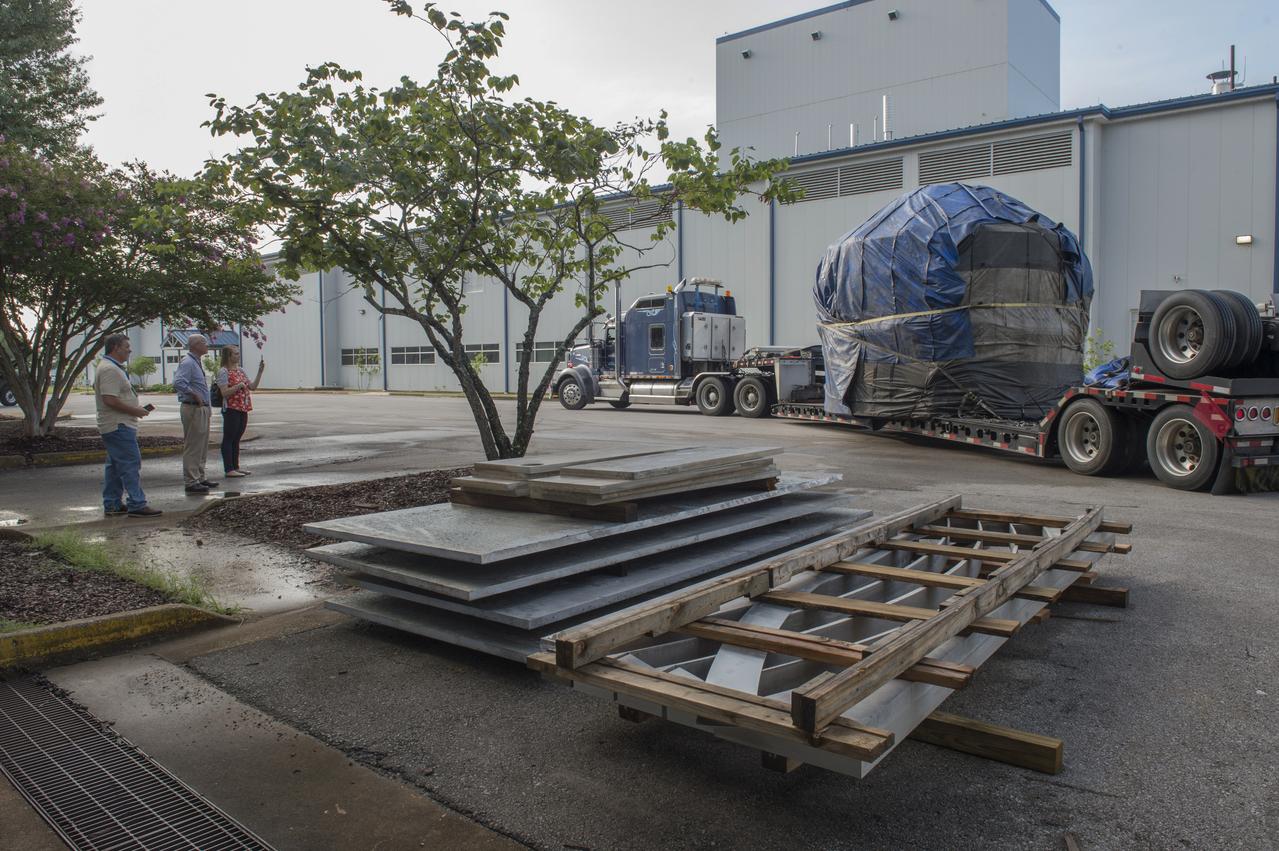
SHIIVER (Structural Heat Intercept Insulation Vibration Evaluation Rig) is a cryogenic test tank developed to evaluate heat intercept concepts. It arrived at Marshall Space Flight Center on August 10, 2017. The tank will receive heat sensors and spray-on foam insulation before making its way to Plum Brook station for further insulation and testing.
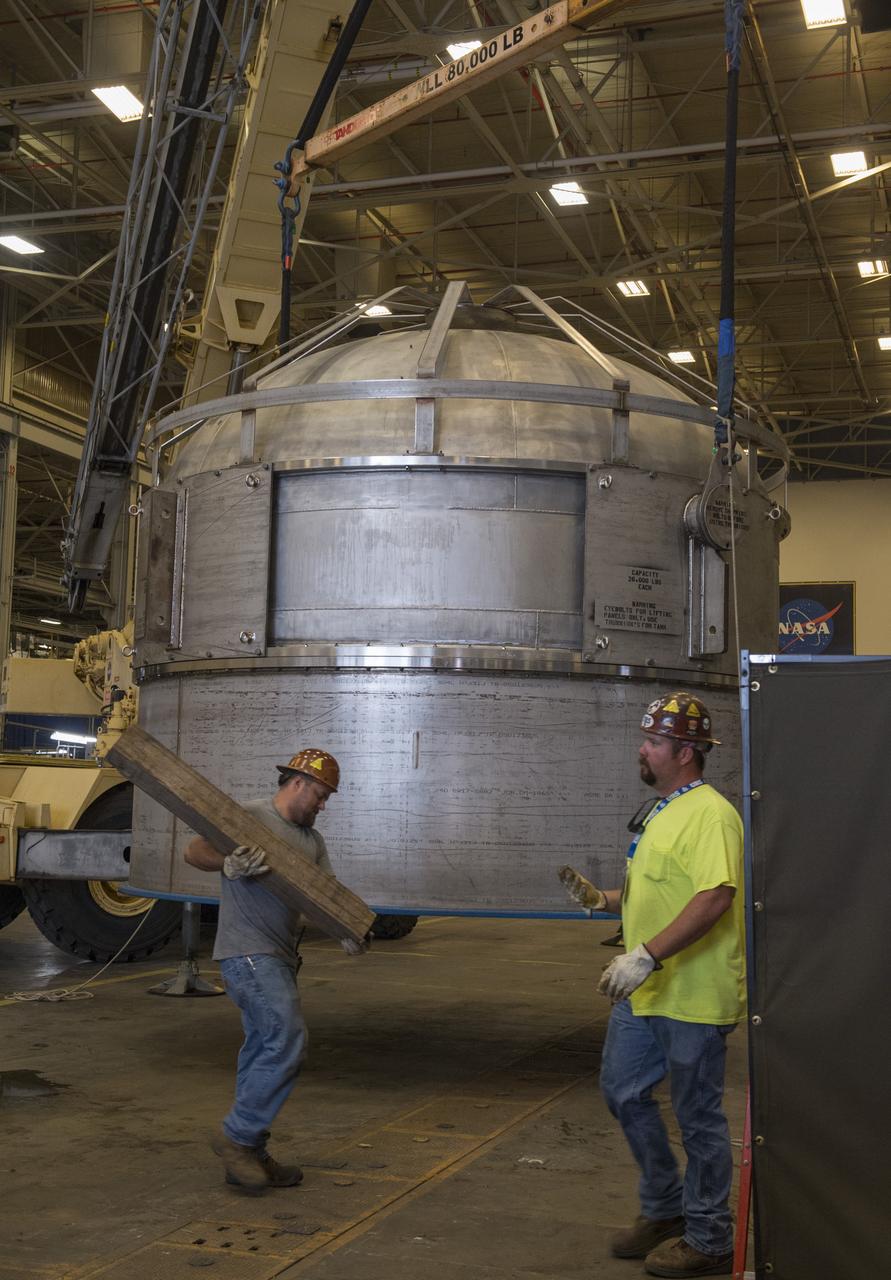
SHIIVER (Structural Heat Intercept Insulation Vibration Evaluation Rig) is a cryogenic test tank developed to evaluate heat intercept concepts. It arrived at Marshall Space Flight Center on August 10, 2017. The tank will receive heat sensors and spray-on foam insulation before making its way to Plum Brook station for further insulation and testing.
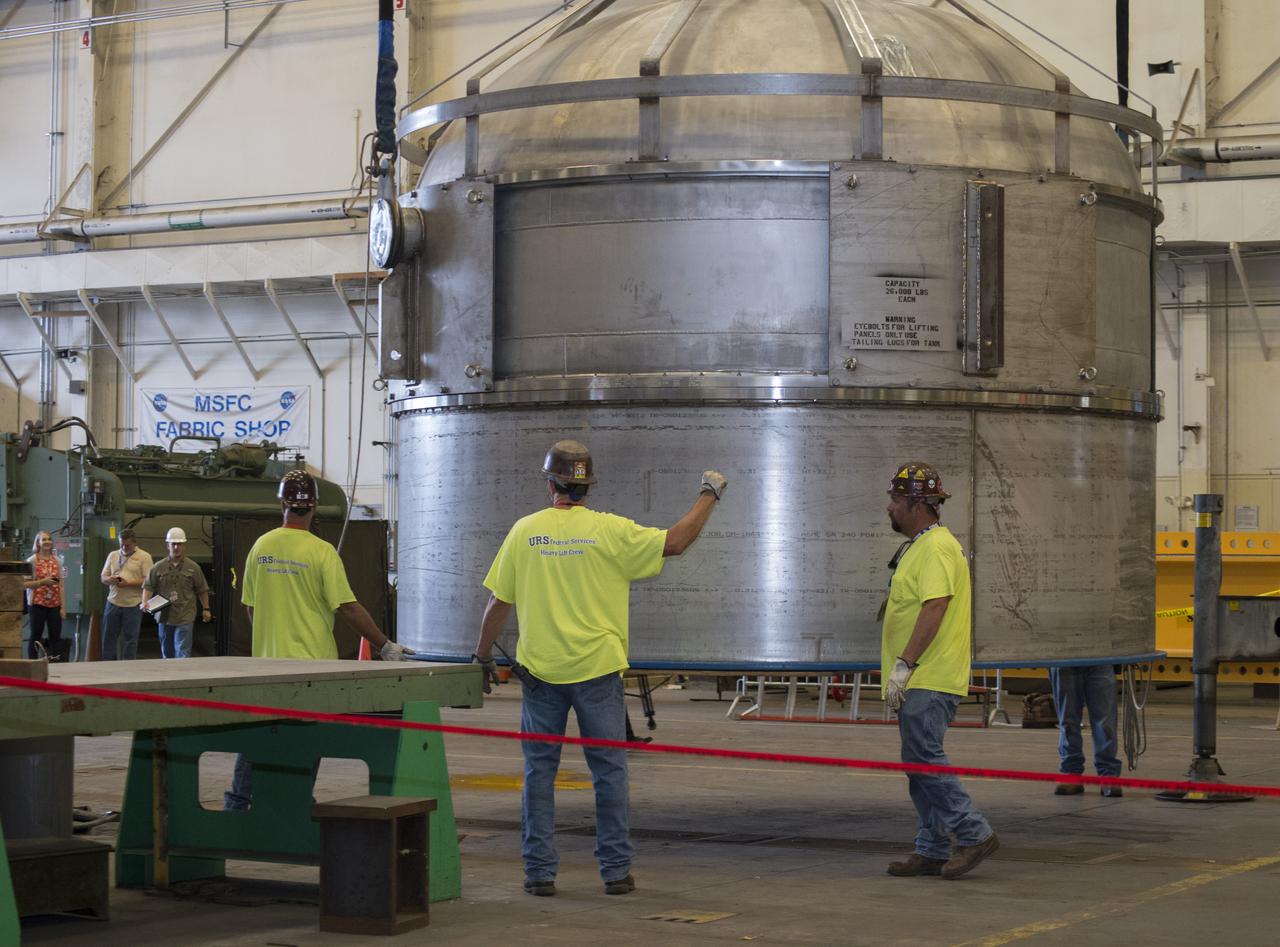
SHIIVER (Structural Heat Intercept Insulation Vibration Evaluation Rig) is a cryogenic test tank developed to evaluate heat intercept concepts. It arrived at Marshall Space Flight Center on August 10, 2017. The tank will receive heat sensors and spray-on foam insulation before making its way to Plum Brook station for further insulation and testing.
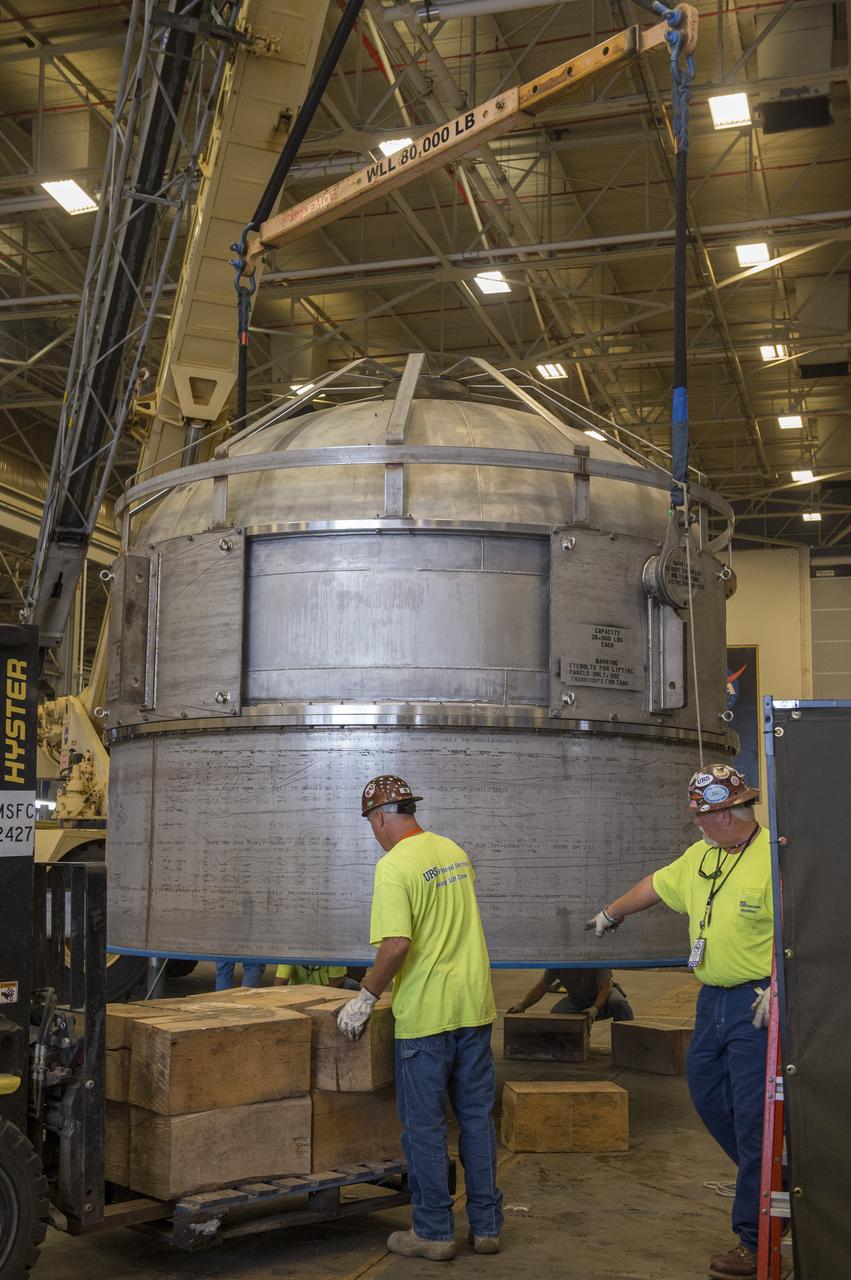
SHIIVER (Structural Heat Intercept Insulation Vibration Evaluation Rig) is a cryogenic test tank developed to evaluate heat intercept concepts. It arrived at Marshall Space Flight Center on August 10, 2017. The tank will receive heat sensors and spray-on foam insulation before making its way to Plum Brook station for further insulation and testing.
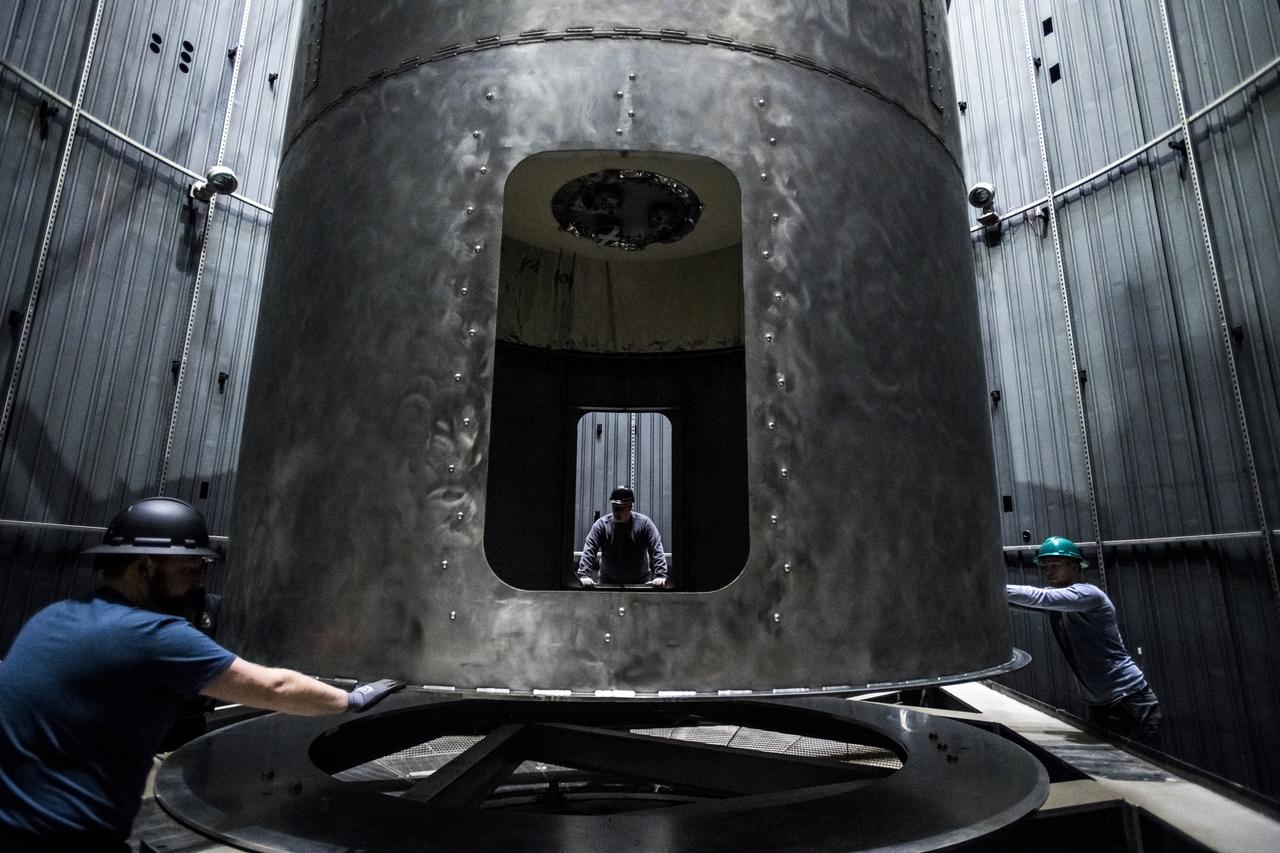
Structural Heat Intercept, Insulation and Vibration Evaluation Rig, SHIIVER is installed in the In-Space Propulsion Chamber at NASA Glenn, Plum Brook Station
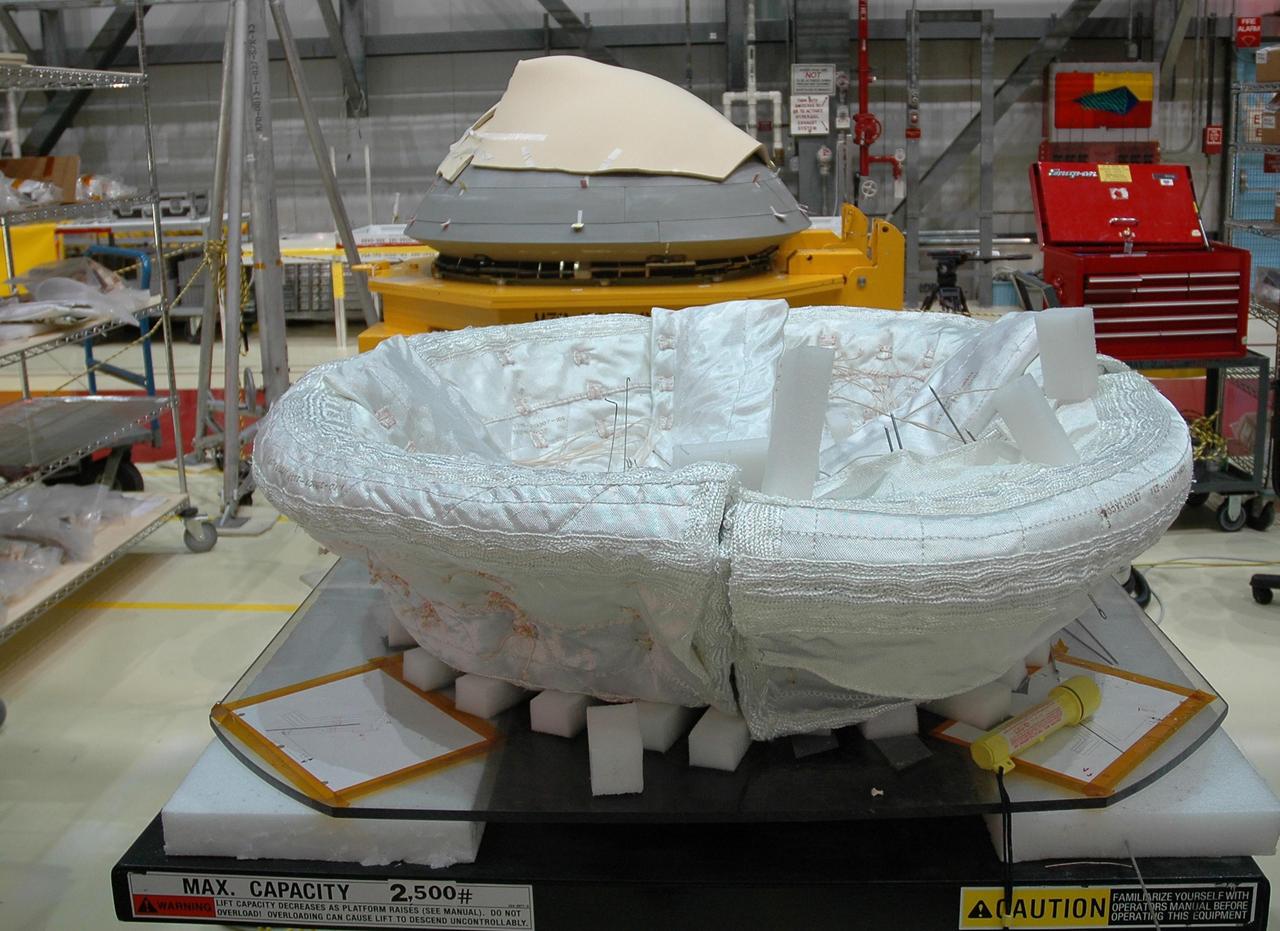
KENNEDY SPACE CENTER, FLA. - The thermal protection system blanket insulation (foreground) has been hand-sewn onto a frame before being installed inside Endeavour's Reinforced Carbon-Carbon nose cap, seen in the background, in the NASA Kennedy Space Center Orbiter Processing Facility bay 2. Made of a woven ceramic fabric, the special blankets are used to help insulate the vehicle's nose cap and protect it from the extreme temperatures it will face during a mission. Photo credit: NASA/Jack Pfaller.
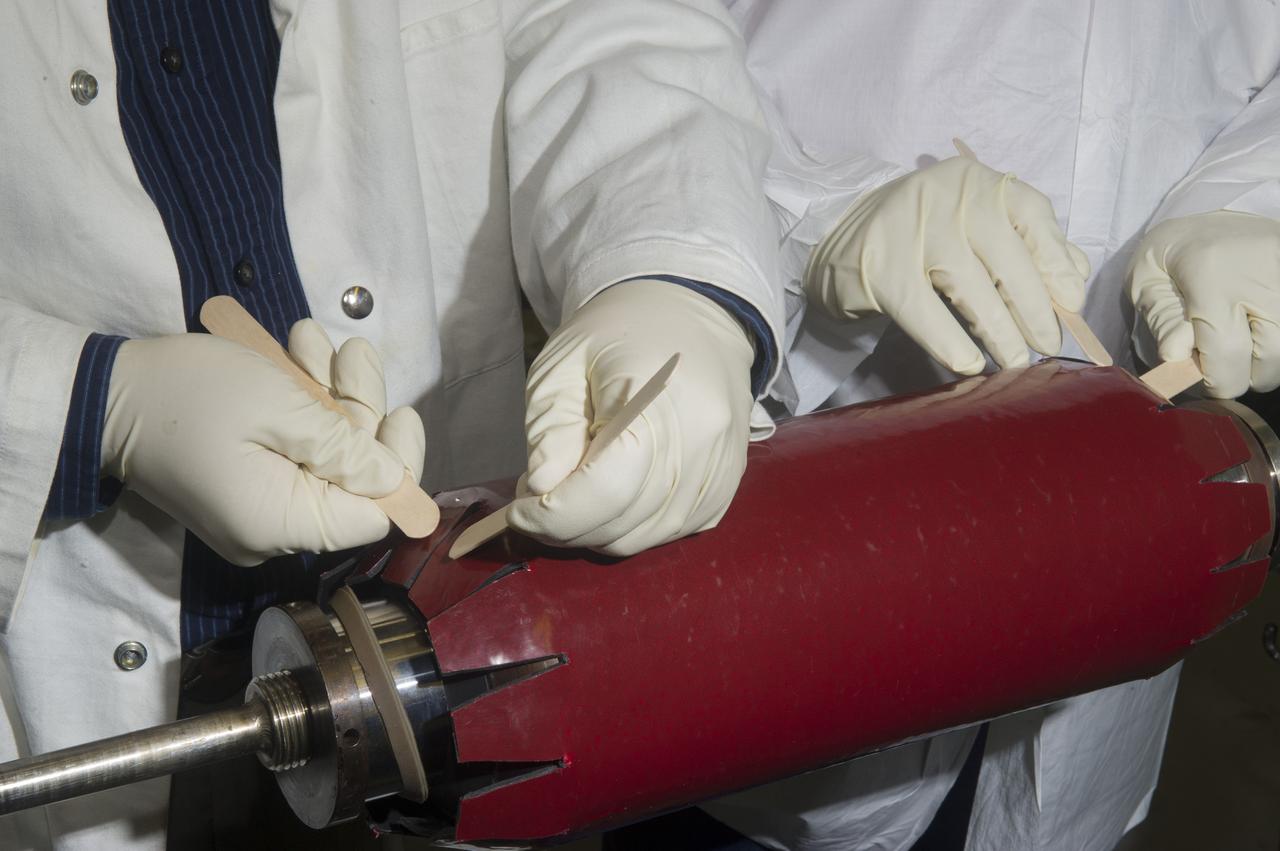
MATERIALS ENGINEER CHAD HASTINGS AND ENGINEERING TECHNICIAN PHILLIP THOMPSON LAYING UP RUBBER INSULATION ON BURST TEST ARTICLE
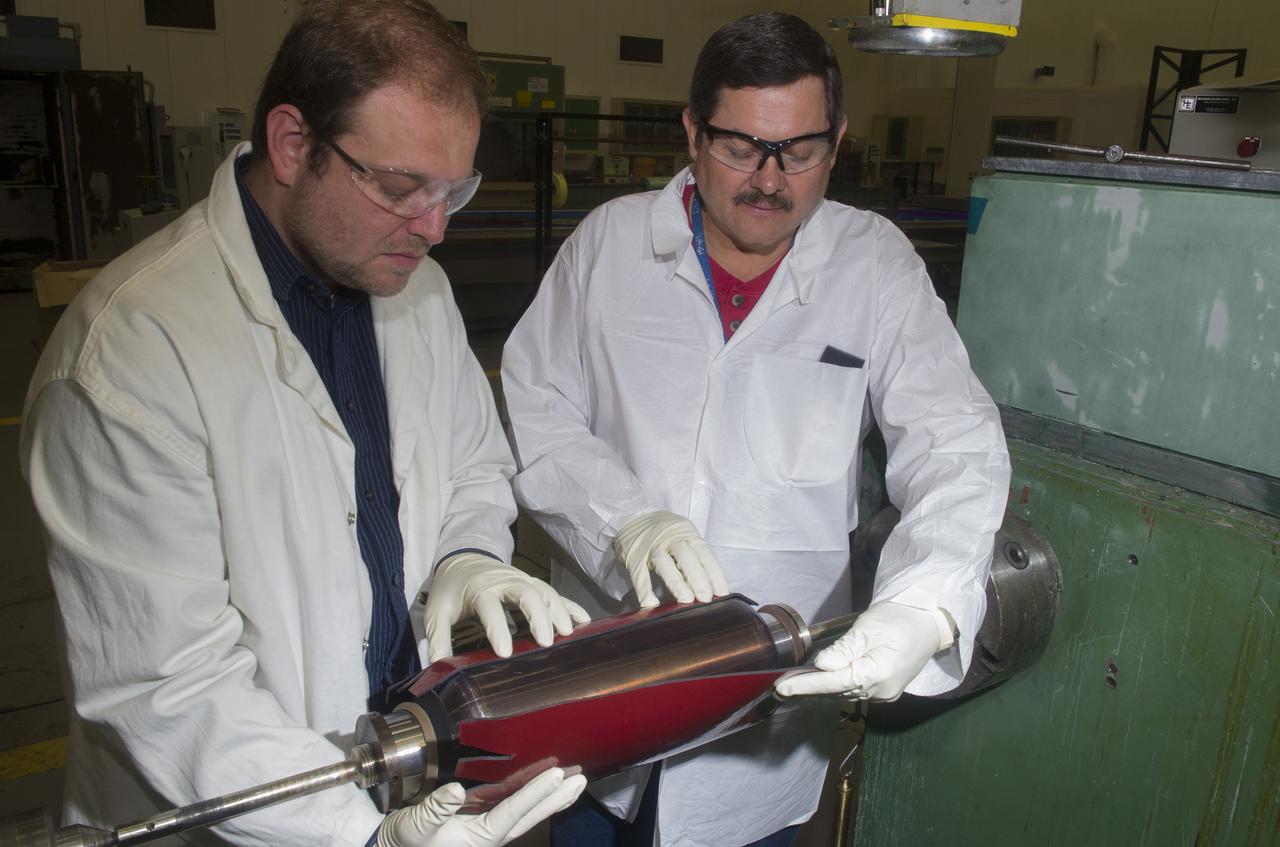
MATERIALS ENGINEER CHAD HASTINGS AND ENGINEERING TECHNICIAN PHILLIP THOMPSON LAYING UP RUBBER INSULATION ON BURST TEST ARTICLE
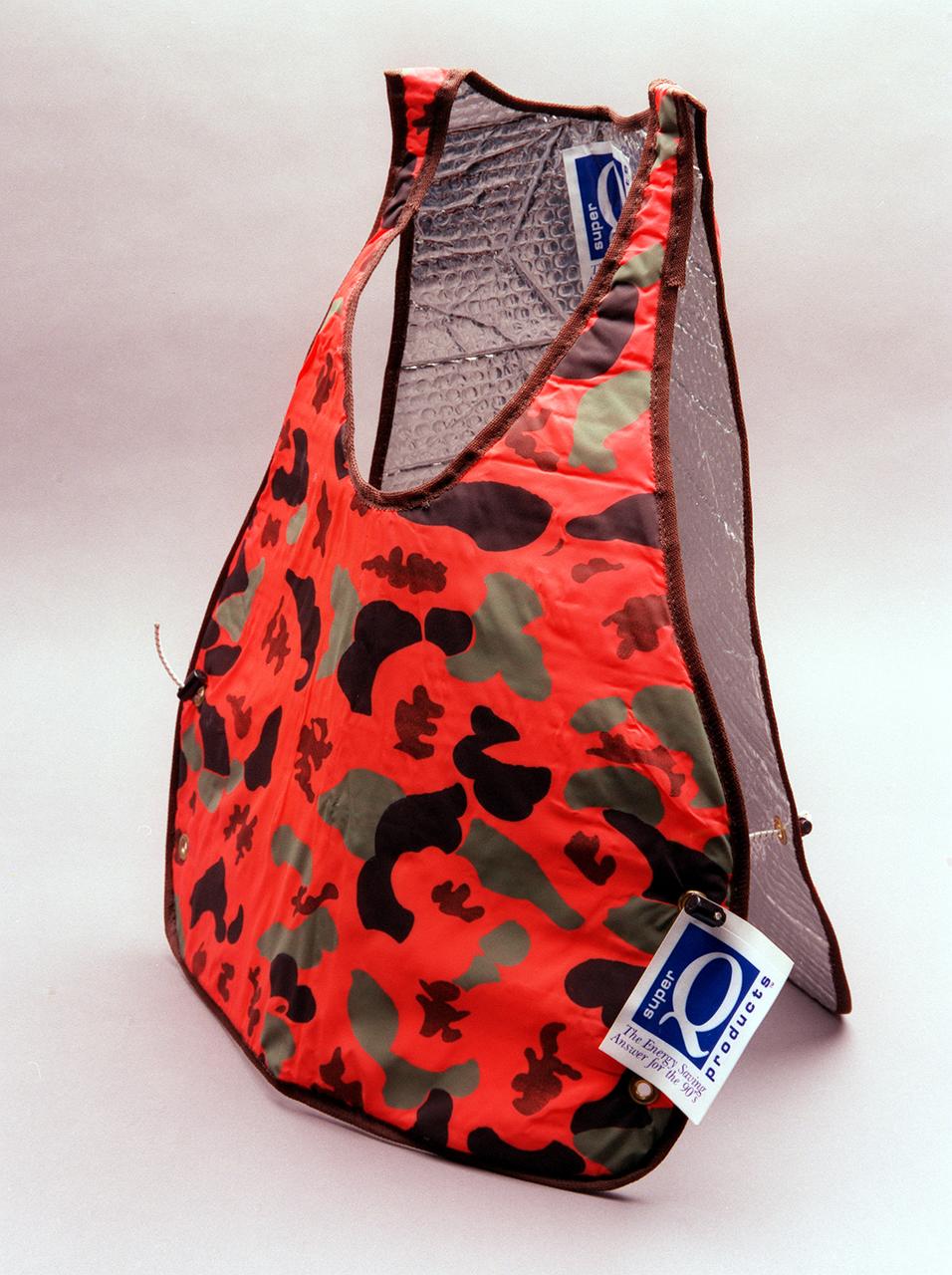
Radiation insulation technology from Apollo and subsequent spacecraft was used to develop superinsulators, used by makers of cold weather apparel, to make parkas, jackets, boots and outdoor gear such as sleeping bags. The radiant barrier technology offers warmth retention at minimal weight and bulk.
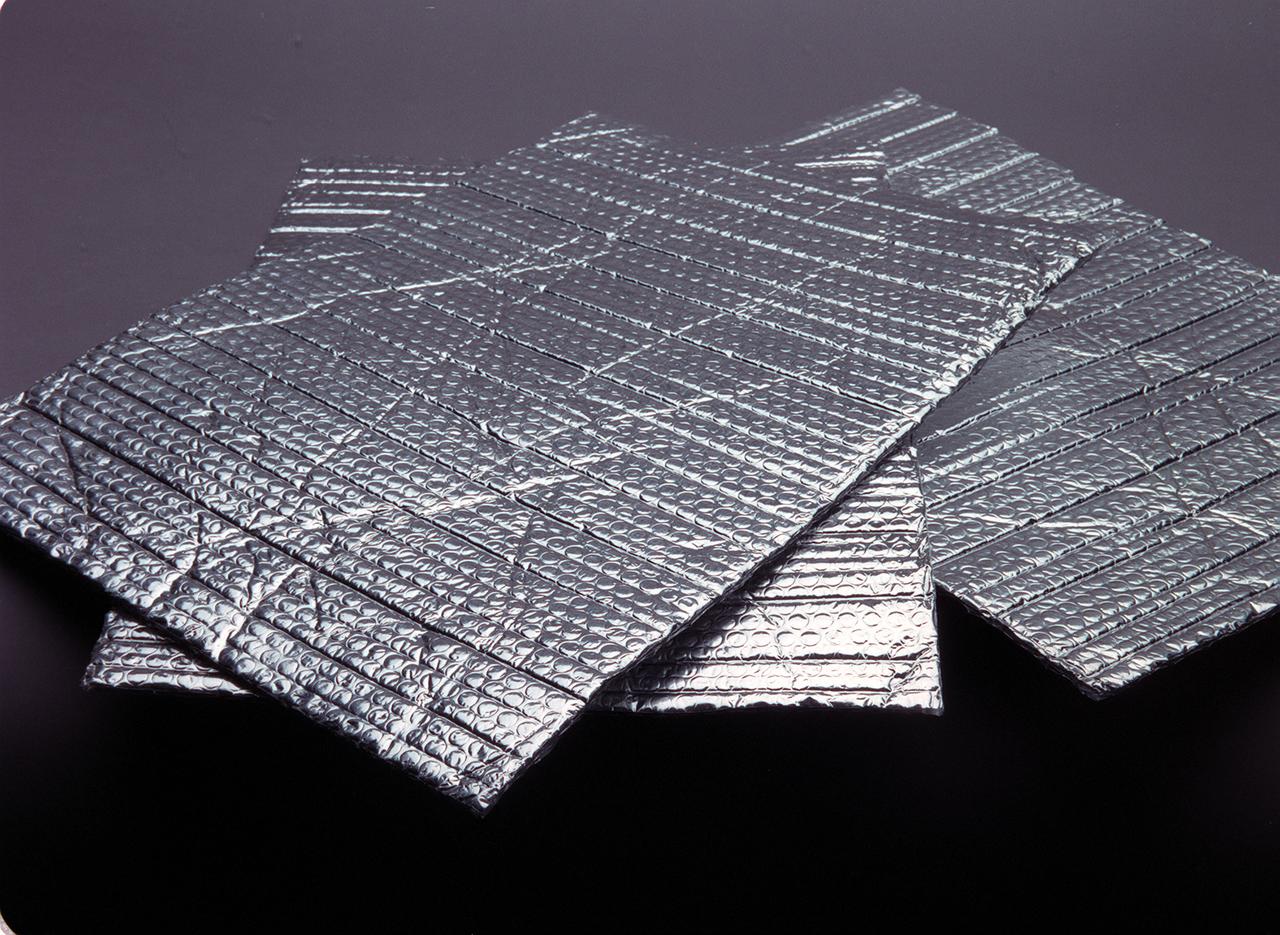
Radiation insulation technology from Apollo and subsequent spacecraft was used to develop superinsulators, used by makers of cold weather apparel, to make parkas, jackets, boots and outdoor gear such as sleeping bags. The radiant barrier technology offers warmth retention at minimal weight and bulk.
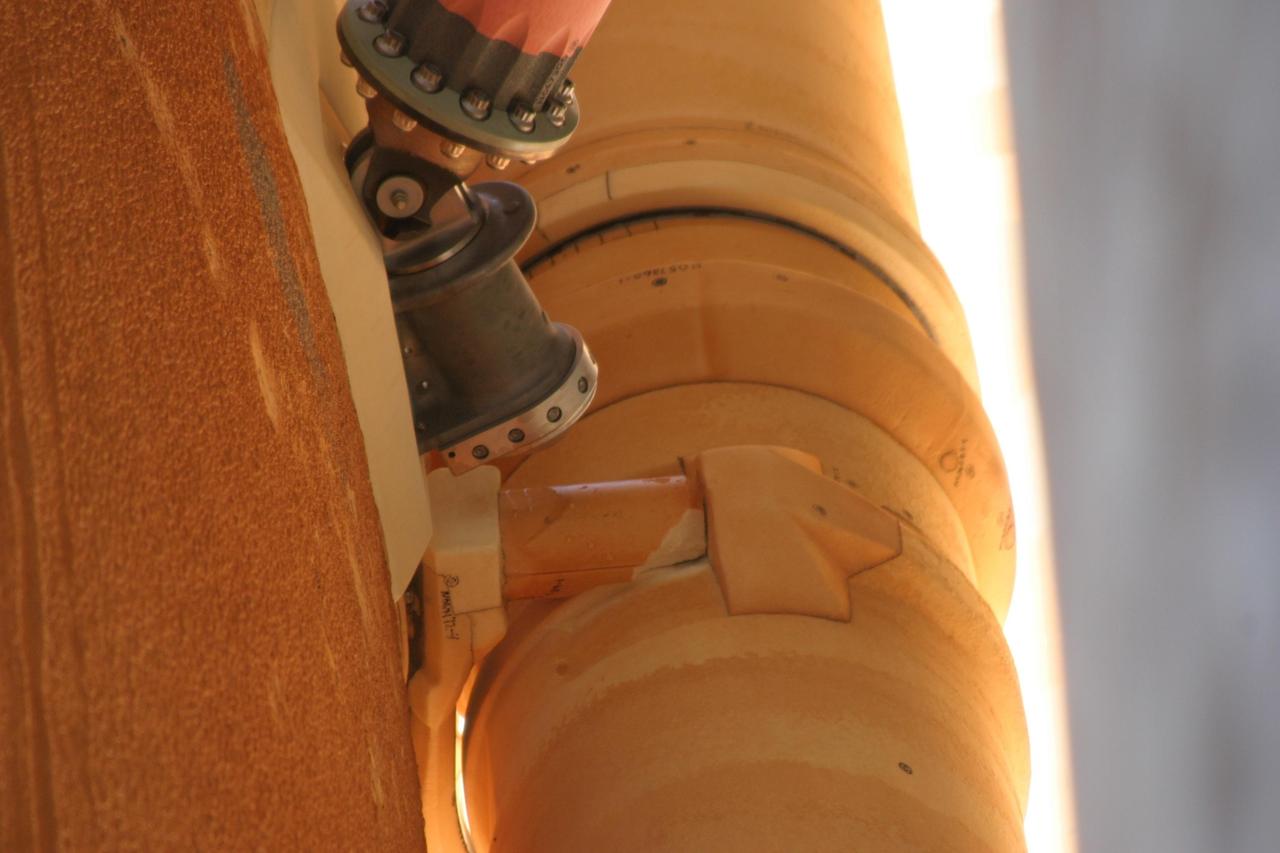
KENNEDY SPACE CENTER, FLA. - A piece of insulation was liberated from a strut that attaches the liquid oxygen feedline to External Tank-119, being used to launch space shuttle mission STS-121. This piece of foam, weighing approximately 0.0057 pounds, is three inches long and one-eighth to one-quarter inch wide and was recovered by the Ice Team from the mobile launch platform at Pad 39B. It is believed that the rain experienced during yesterday’s launch attempt of Discovery caused water to run down the feedline and form ice near the strut next to the feedline bracket. As the tank warmed and expanded, the ice that formed most likely pinched the foam on the top of the strut, causing a crack and eventual loss of the small piece of foam. Photo credit: NASA
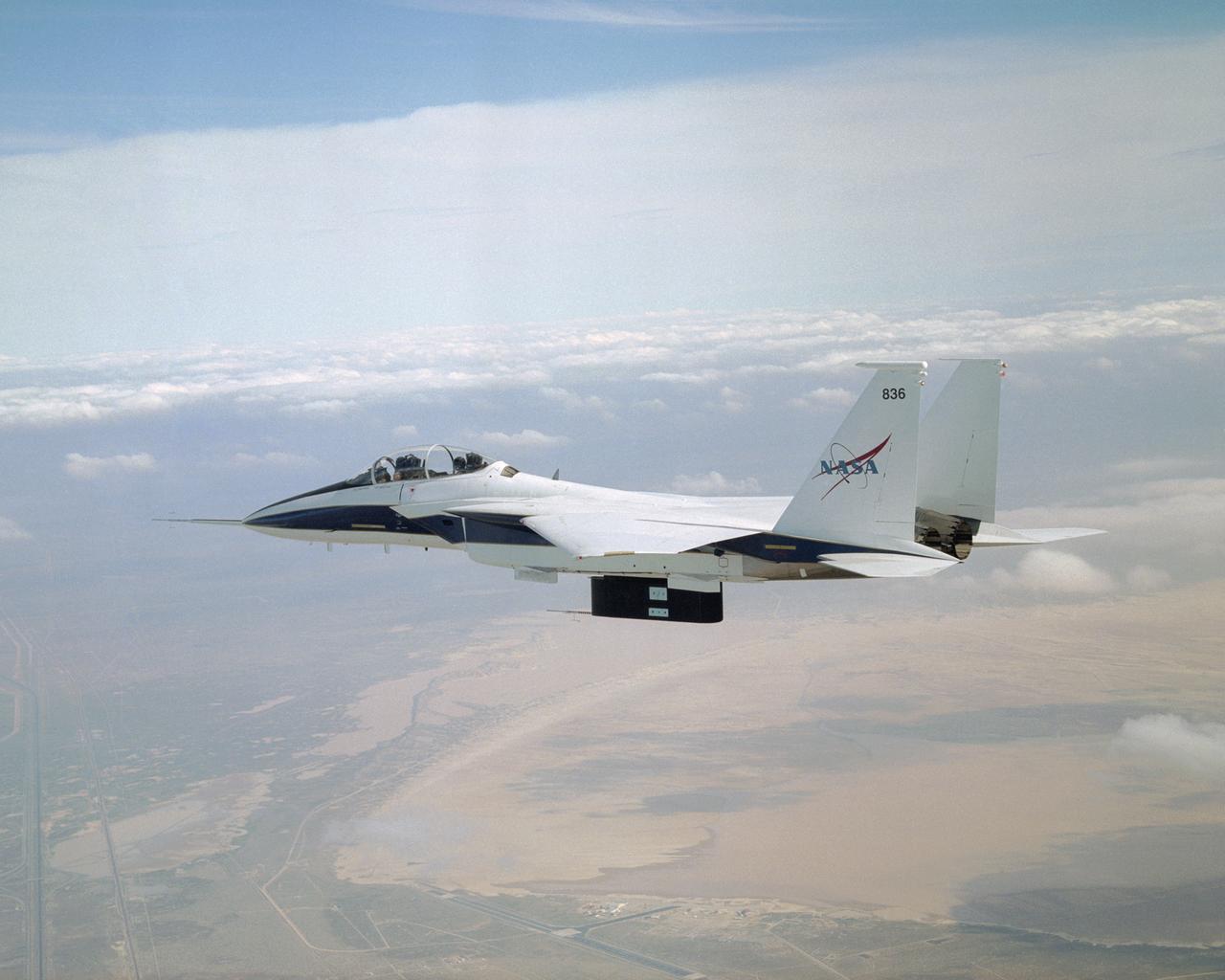
All six divots of thermal insulation foam have been ejected from the flight test fixture on NASA's F-15B testbed as it returns from a LIFT experiment flight.
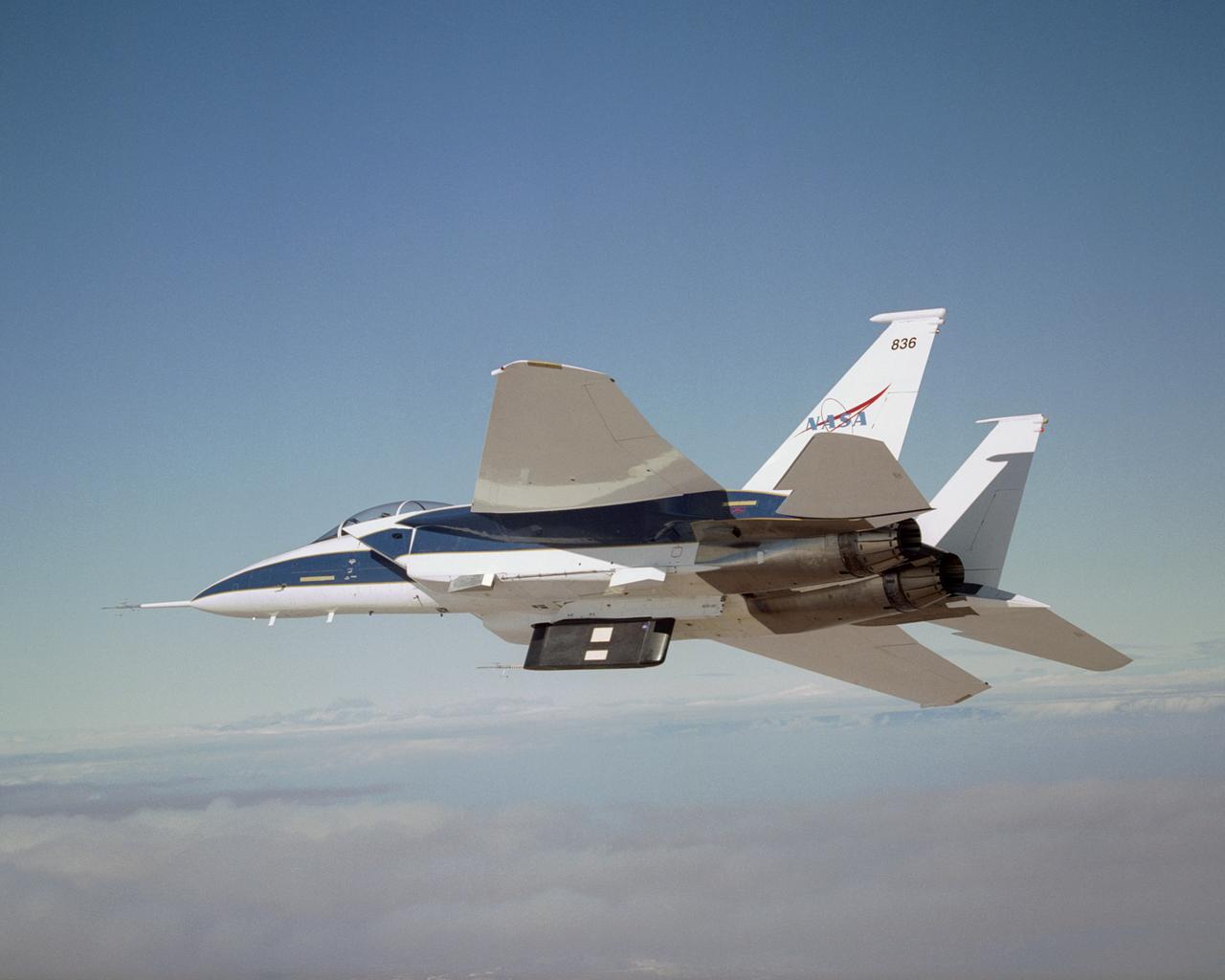
Two panels of Space Shuttle TPS insulation were mounted on the flight test fixture underneath NASA's F-15B during the Lifting Foam Trajectory flight test series.
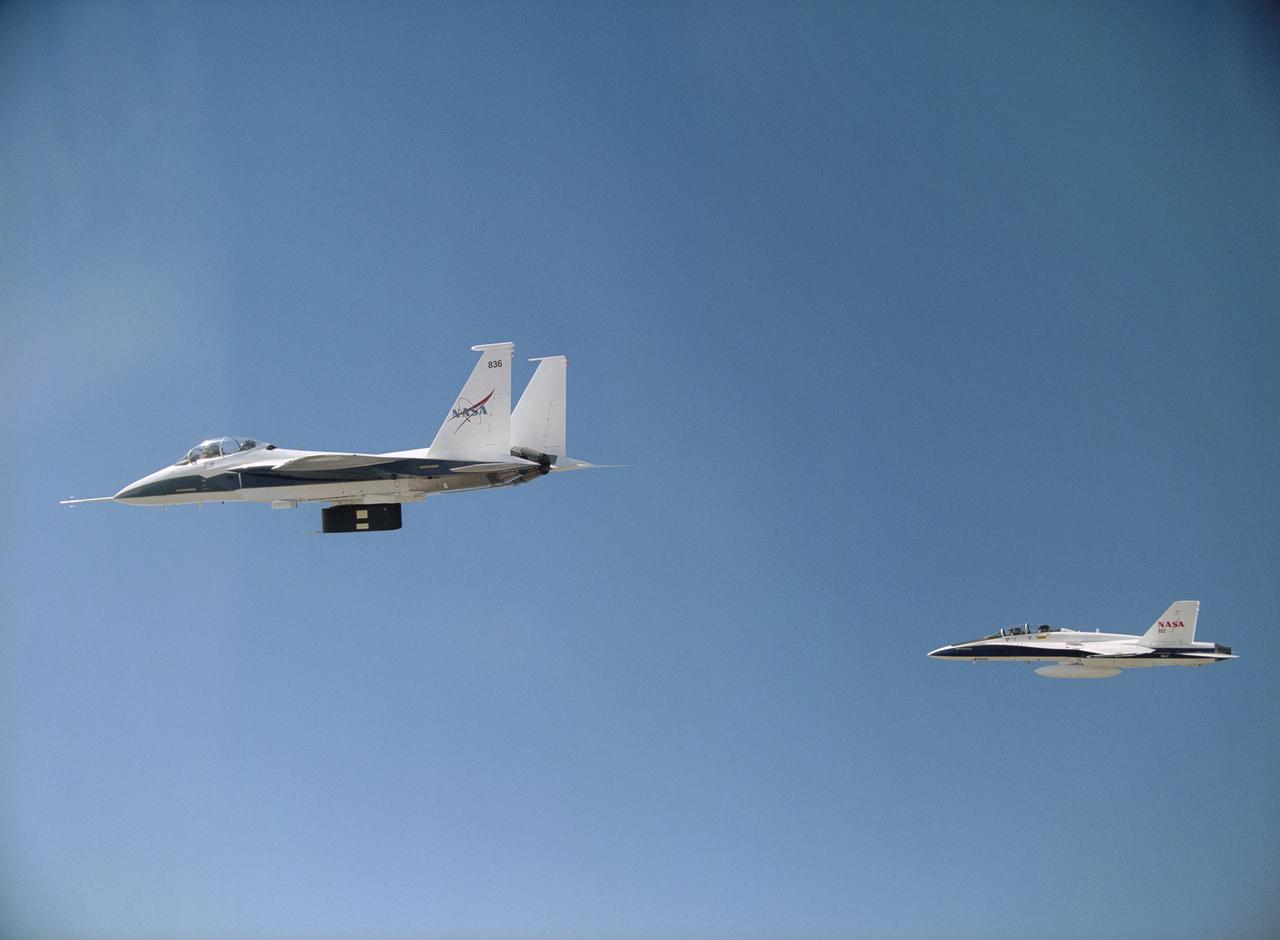
NASA's F-15B carrying thermal insulation foam on its flight test fixture is shadowed by a NASA F-18B chase aircraft during a LIFT experiment research flight.
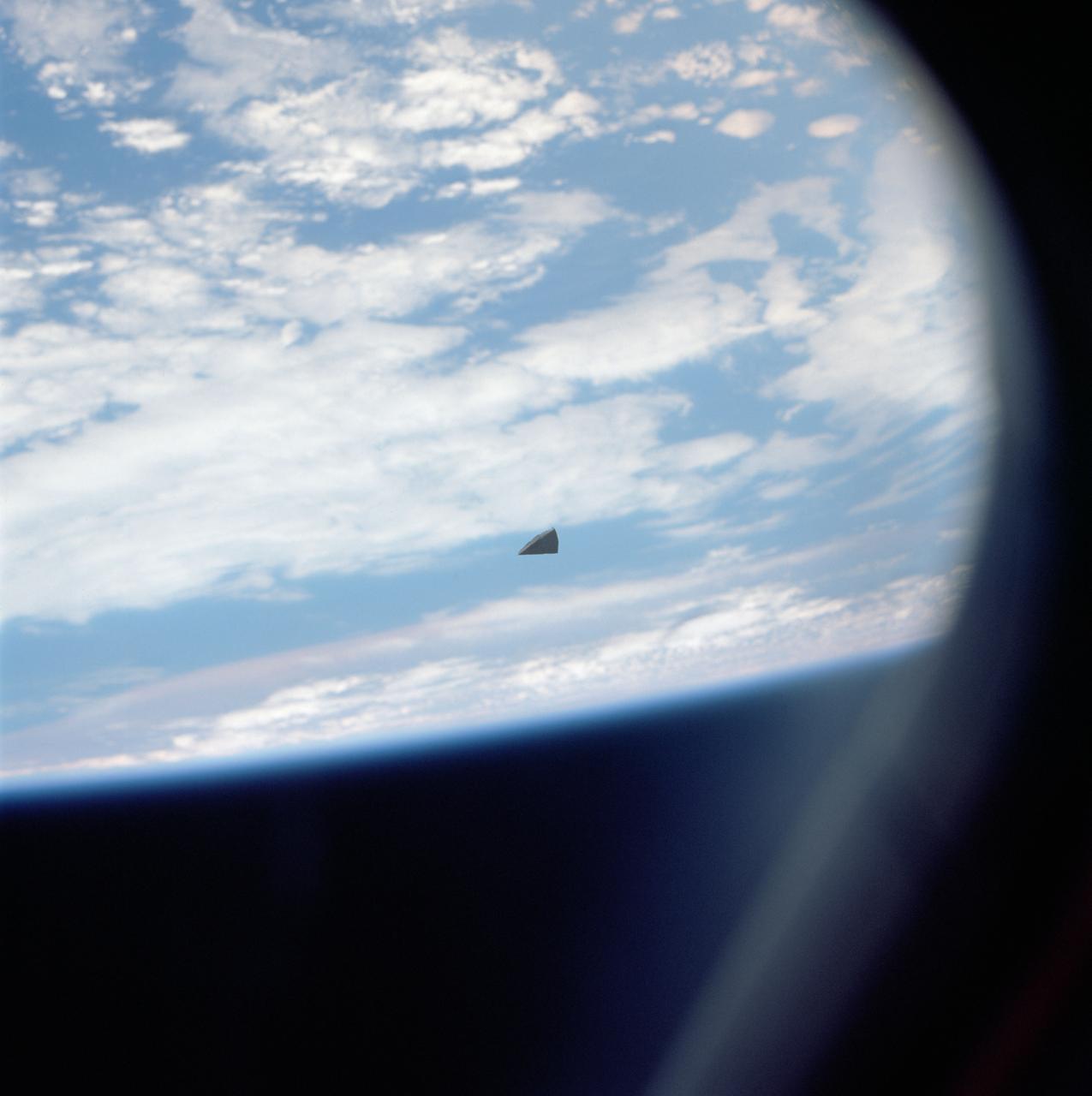
A small piece of thermal insulation tile floats in space near the Shuttle Columbia. The cloudy surface of the earth is used as a background.

Structural Heat Intercept-Insulation-Vibration Evaluation Rig, SHIVER
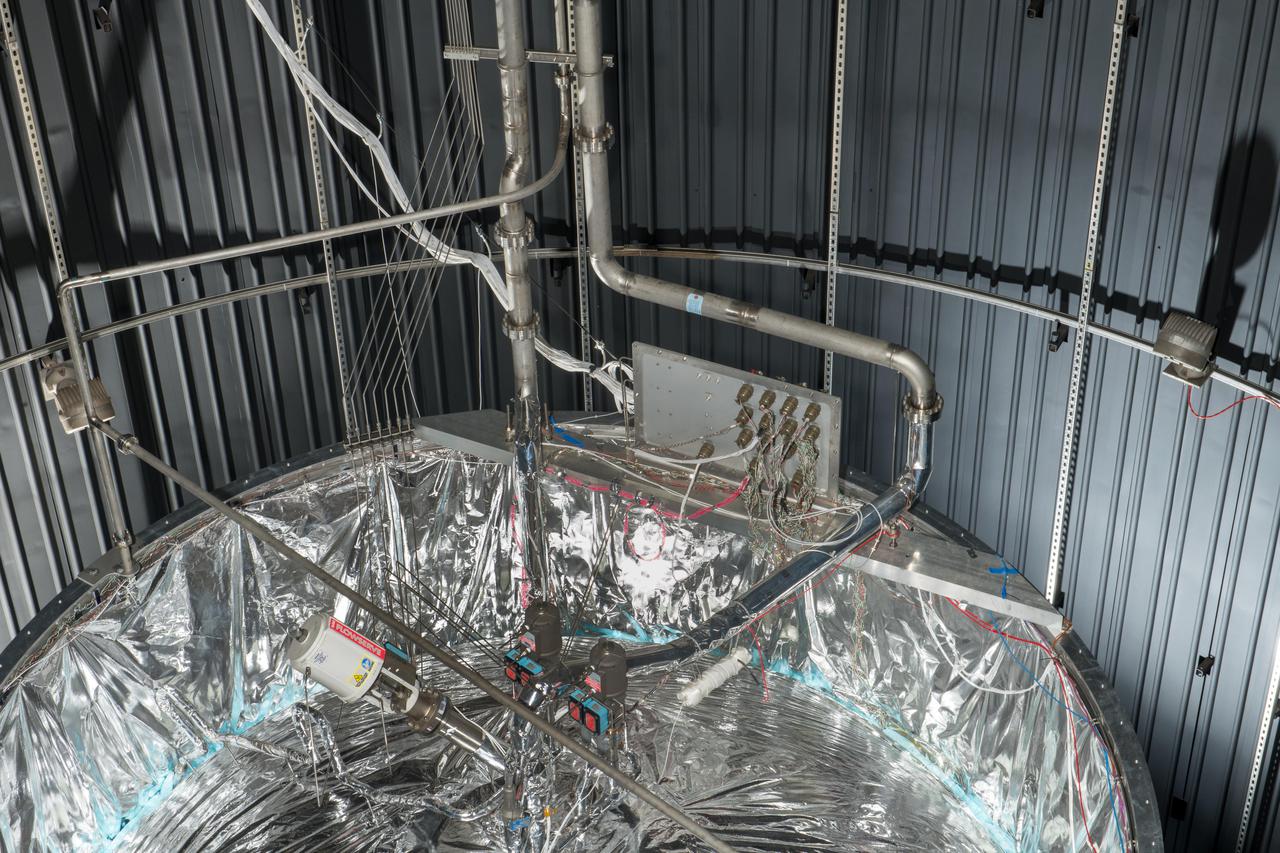
Structural Heat Intercept-Insulation-Vibration Evaluation Rig, SHIVER
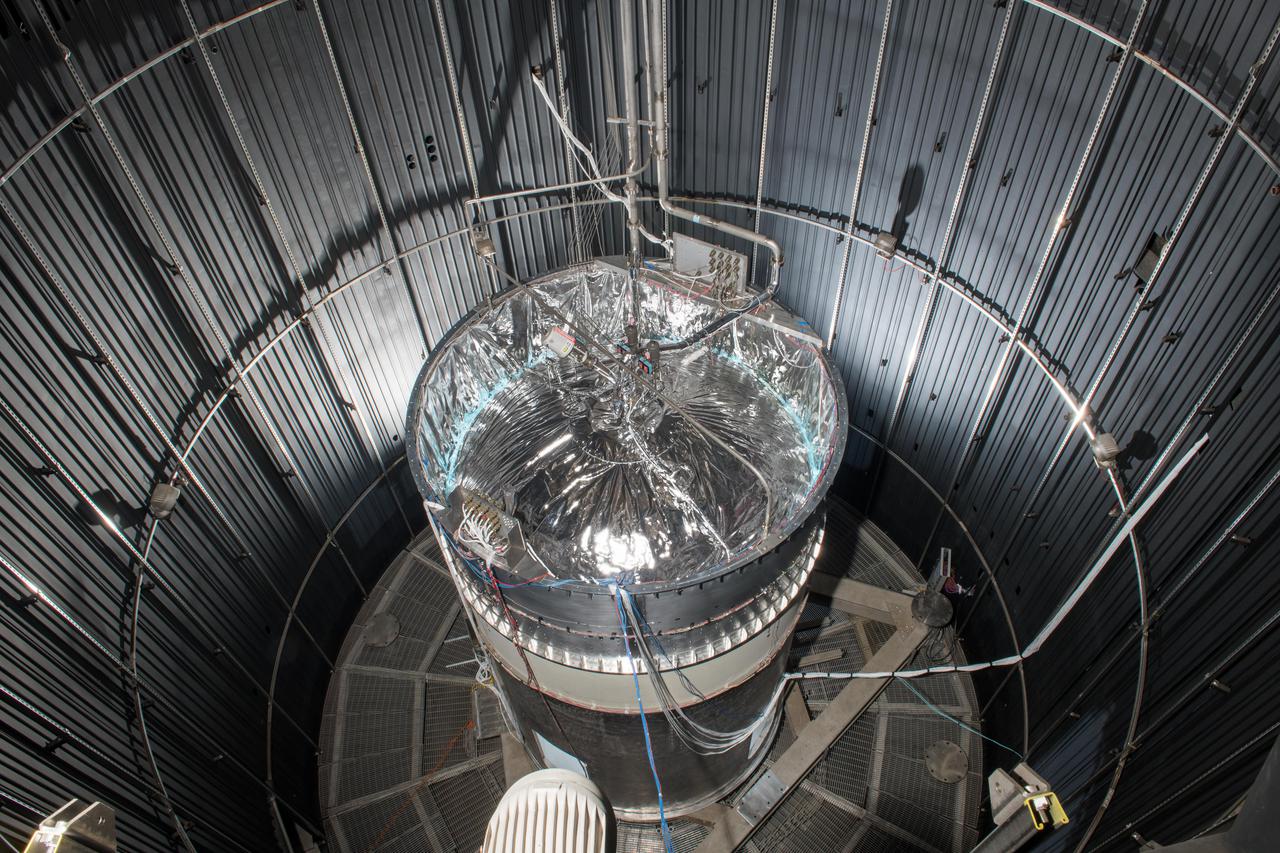
Structural Heat Intercept-Insulation-Vibration Evaluation Rig, SHIVER
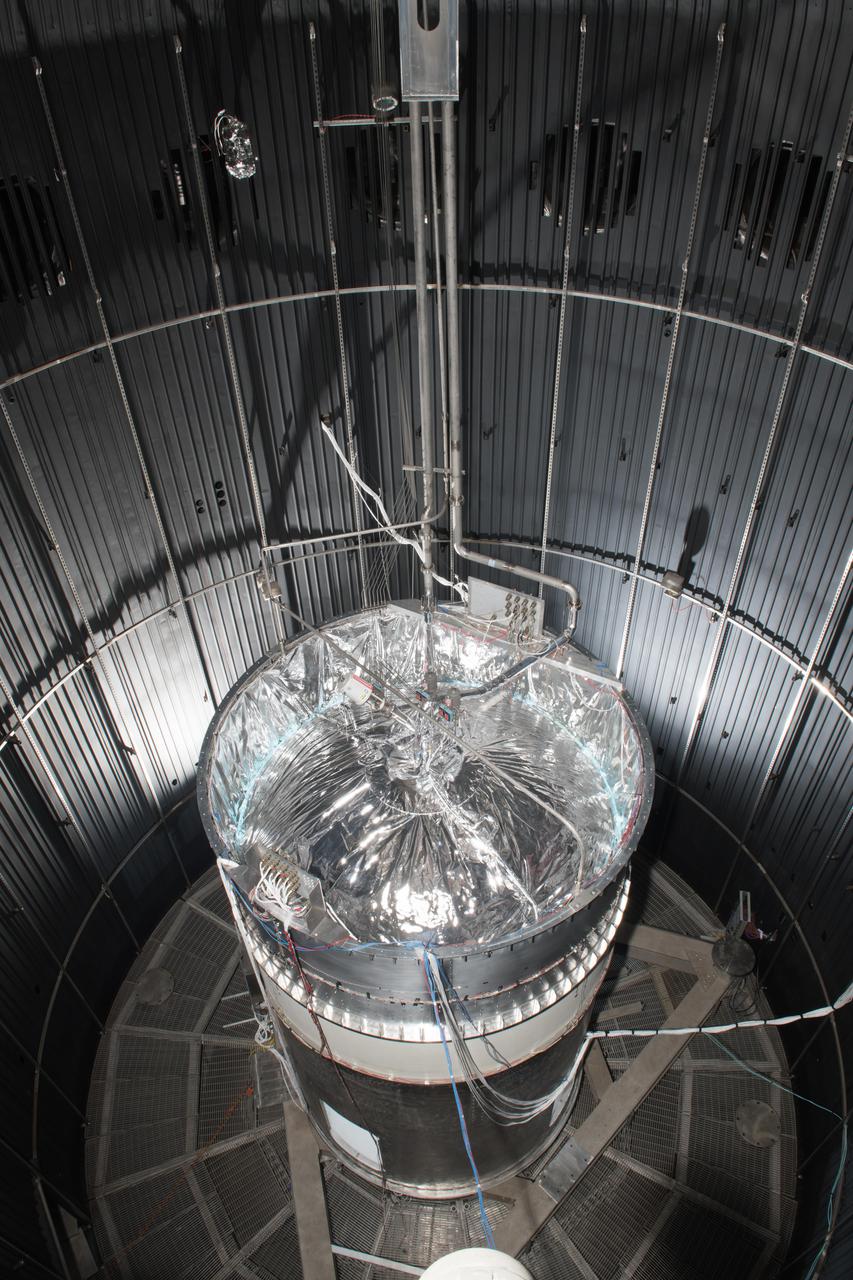
Structural Heat Intercept-Insulation-Vibration Evaluation Rig, SHIVER
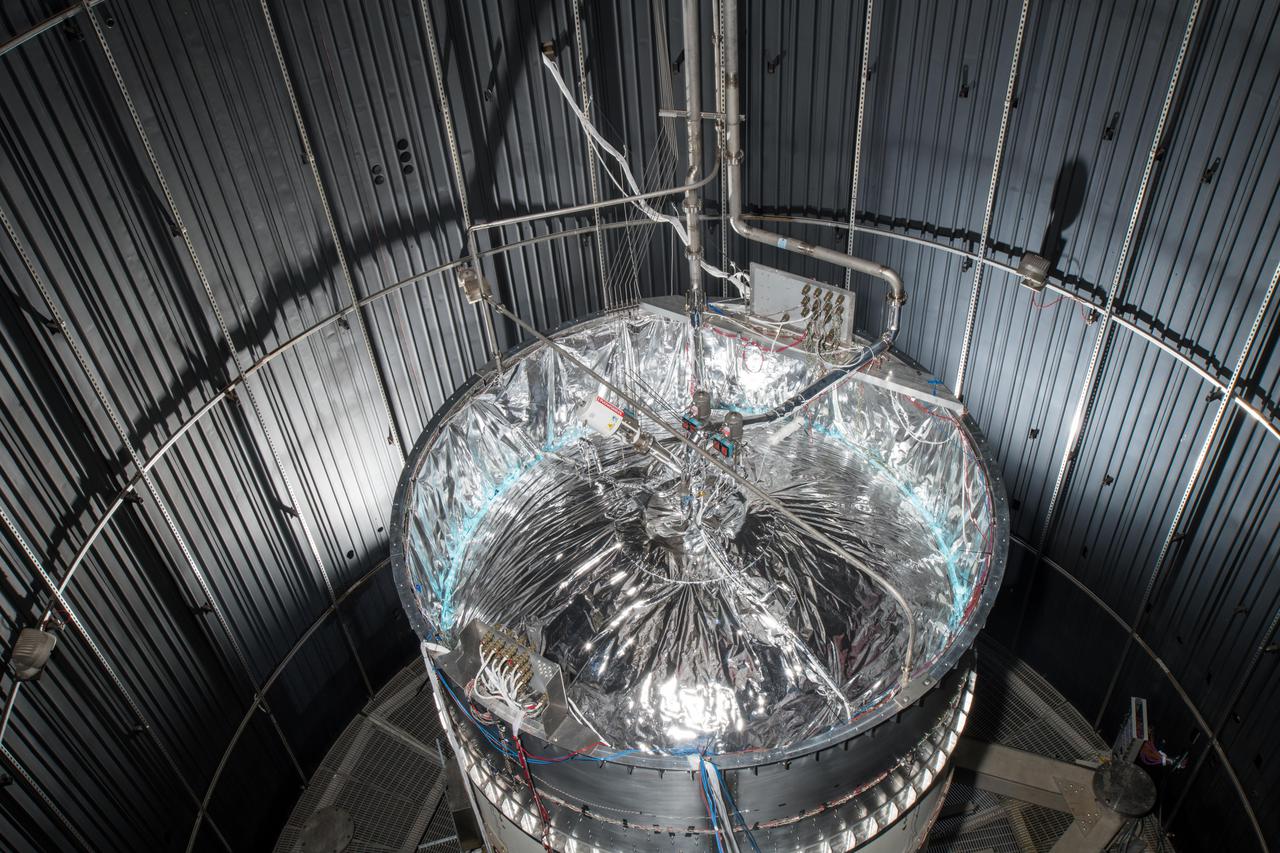
Structural Heat Intercept-Insulation-Vibration Evaluation Rig, SHIVER
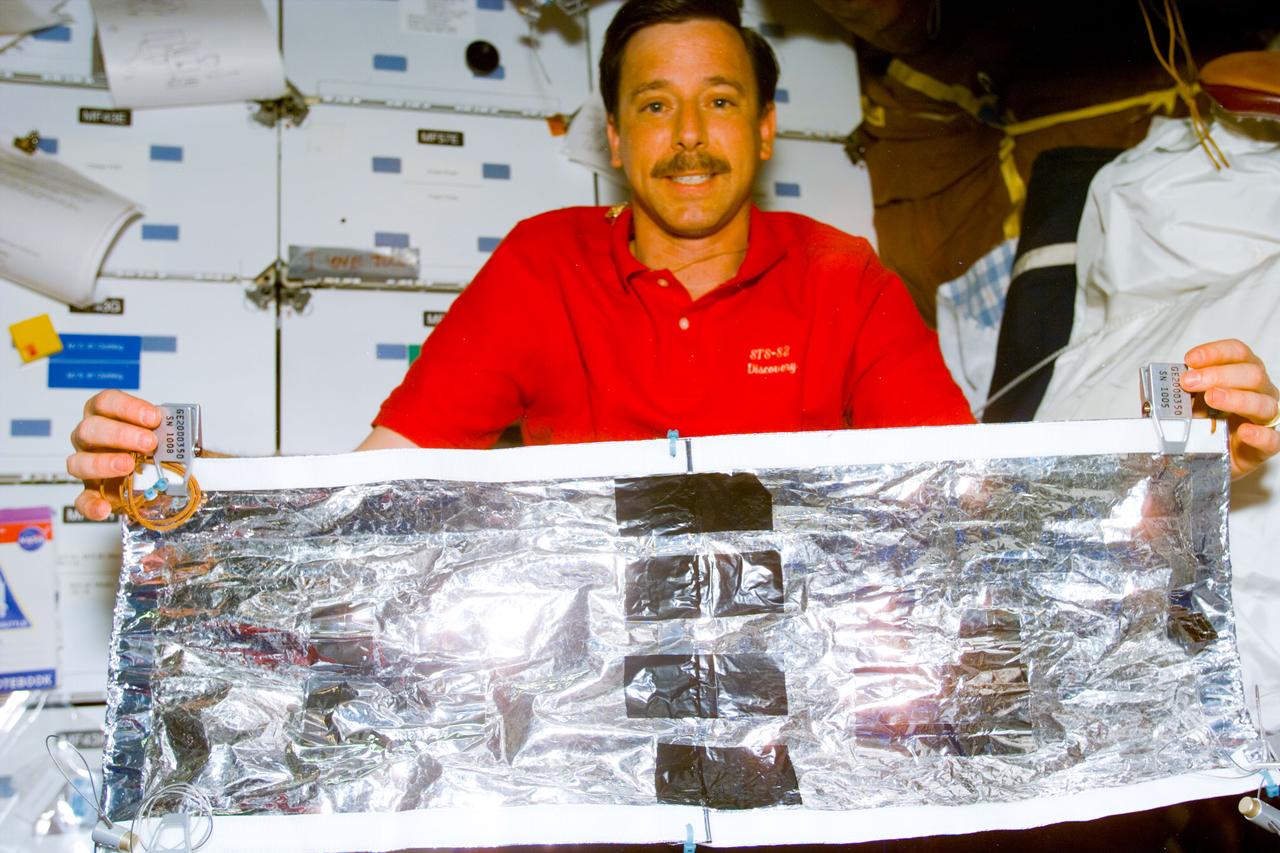
S82-E-5686 (17 Feb. 1997) --- Astronaut Scott J. Horowitz, STS-82 pilot, shows the hand-crafted thermal insulation blanket to support the goal of the final Extravehicular Activity (EVA) to cover tears in Hubble Space Telescope's (HST) insulation caused by changes in thermal conditions. This view was taken with an Electronic Still Camera (ESC).
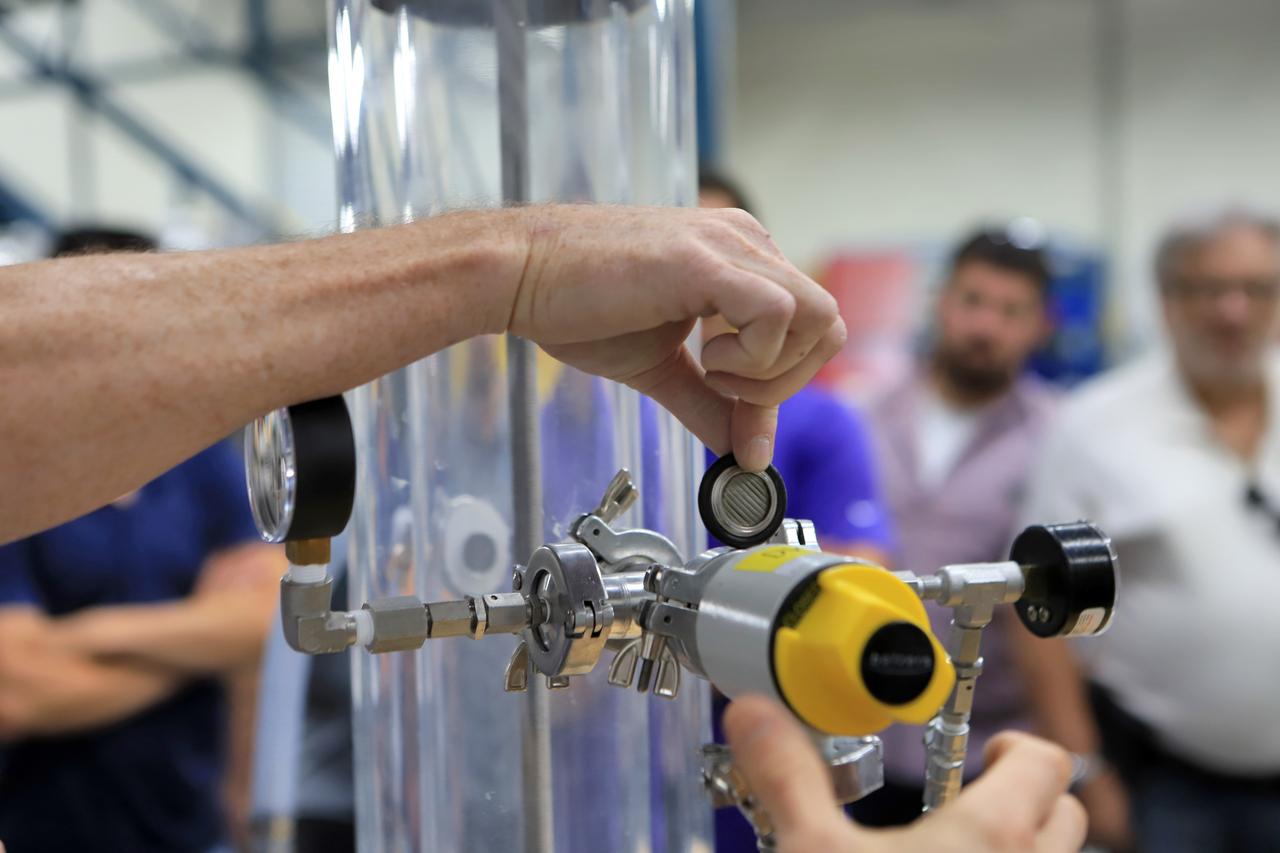
Workers attend a cryogenic insulation training session on Nov. 6, 2018, at the Cryogenics Laboratory at NASA's Kennedy Space Center in Florida. The training is for personnel who will be working to insulate pipes on the mobile launcher (ML). The ML is equipped with cryogenic fluid lines that will deliver hydrogen and oxygen to NASA's Space Launch System rocket. The lines must be kept well-insulated to maintain temperatures cold enough to keep fluids in a liquid state. In a new process, workers are learning how to pack spaces between pipes with aerogel granules in the same manner as they will on the ML.
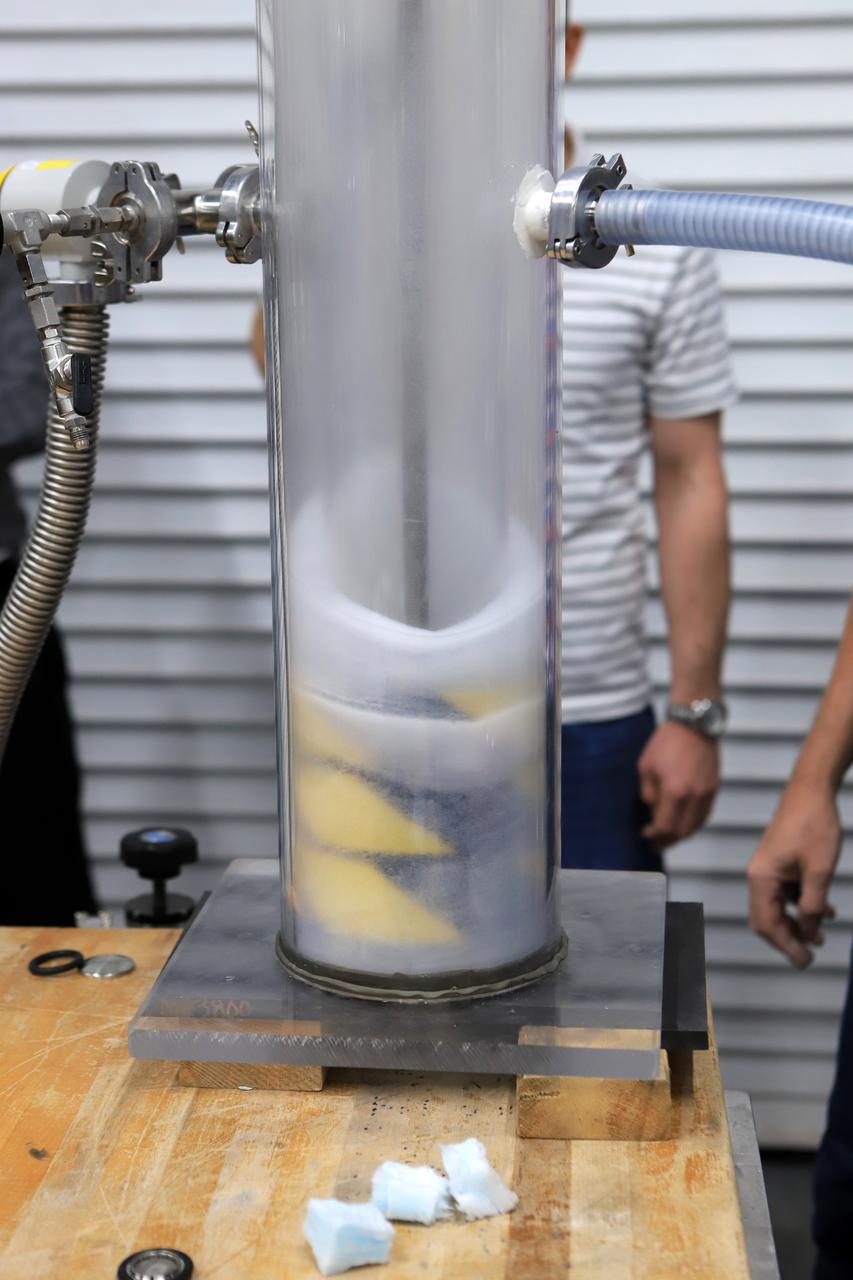
Workers attend a cryogenic insulation training session on Nov. 6, 2018, at the Cryogenics Laboratory at NASA's Kennedy Space Center in Florida. The training is for personnel who will be working to insulate pipes on the mobile launcher (ML). The ML is equipped with cryogenic fluid lines that will deliver hydrogen and oxygen to NASA's Space Launch System rocket. The lines must be kept well-insulated to maintain temperatures cold enough to keep fluids in a liquid state. In a new process, workers are learning how to pack spaces between pipes with aerogel granules in the same manner as they will on the ML.
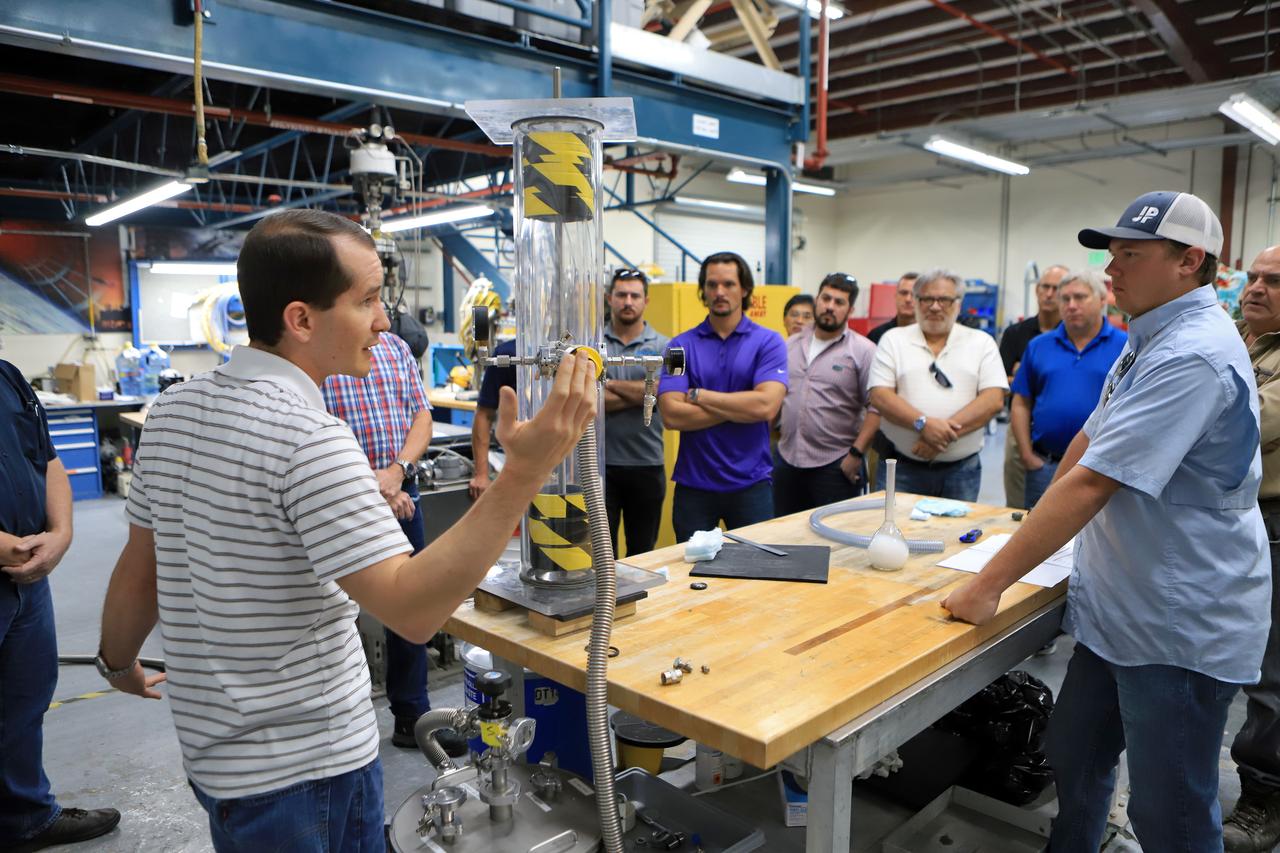
Workers attend a cryogenic insulation training session on Nov. 6, 2018, at the Cryogenics Laboratory at NASA's Kennedy Space Center in Florida. The training is for personnel who will be working to insulate pipes on the mobile launcher (ML). The ML is equipped with cryogenic fluid lines that will deliver hydrogen and oxygen to NASA's Space Launch System rocket. The lines must be kept well-insulated to maintain temperatures cold enough to keep fluids in a liquid state. In a new process, workers are learning how to pack spaces between pipes with aerogel granules in the same manner as they will on the ML.

Workers practice during a cryogenic insulation training session on Nov. 6, 2018, at the Cryogenics Laboratory at NASA's Kennedy Space Center in Florida. The training is for personnel who will be working to insulate pipes on the mobile launcher (ML). The ML is equipped with cryogenic fluid lines that will deliver hydrogen and oxygen to NASA's Space Launch System rocket. The lines must be kept well-insulated to maintain temperatures cold enough to keep fluids in a liquid state. In a new process, workers are learning how to pack spaces between pipes with aerogel granules in the same manner as they will on the ML.

James Fesmire, Ph.D., left, NASA lead engineer for the Cryogenics Testbed, holds a training session on Nov. 6, 2018, at the Cryogenics Laboratory at NASA's Kennedy Space Center in Florida. The training is for personnel who will be working to insulate pipes on the mobile launcher (ML). The ML is equipped with cryogenic fluid lines that will deliver hydrogen and oxygen to NASA's Space Launch System rocket. The lines must be kept well-insulated to maintain temperatures cold enough to keep fluids in a liquid state. In a new process, workers are learning how to pack spaces between pipes with aerogel granules in the same manner as they will on the ML.
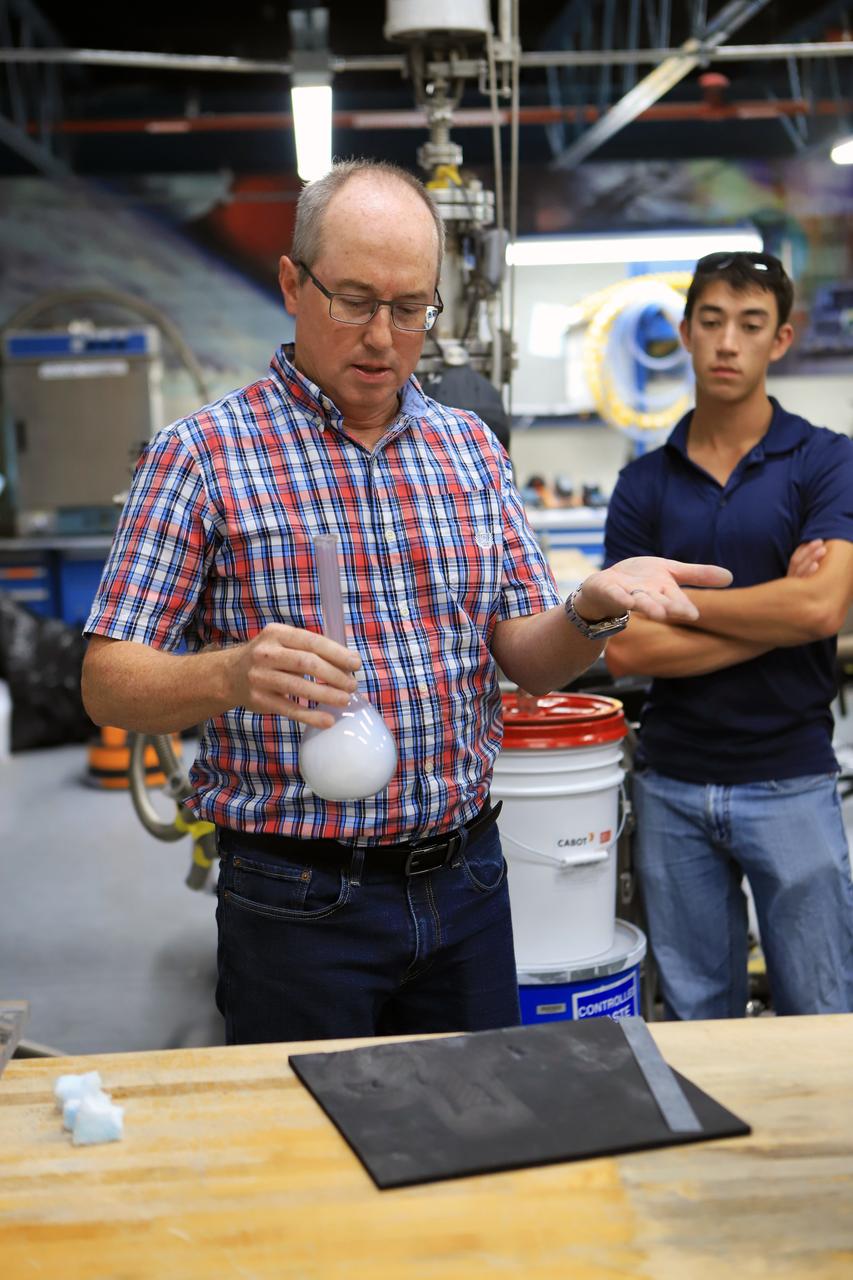
James Fesmire, Ph.D., left, NASA lead engineer for the Cryogenics Testbed, and Adam Swanger, cryogenics engineer, hold a training session on Nov. 6, 2018, at the Cryogenics Laboratory at NASA's Kennedy Space Center in Florida. The training is for personnel who will be working to insulate pipes on the mobile launcher (ML). The ML is equipped with cryogenic fluid lines that will deliver hydrogen and oxygen to NASA's Space Launch System rocket. The lines must be kept well-insulated to maintain temperatures cold enough to keep fluids in a liquid state. In a new process, workers are learning how to pack spaces between pipes with aerogel granules in the same manner as they will on the ML.
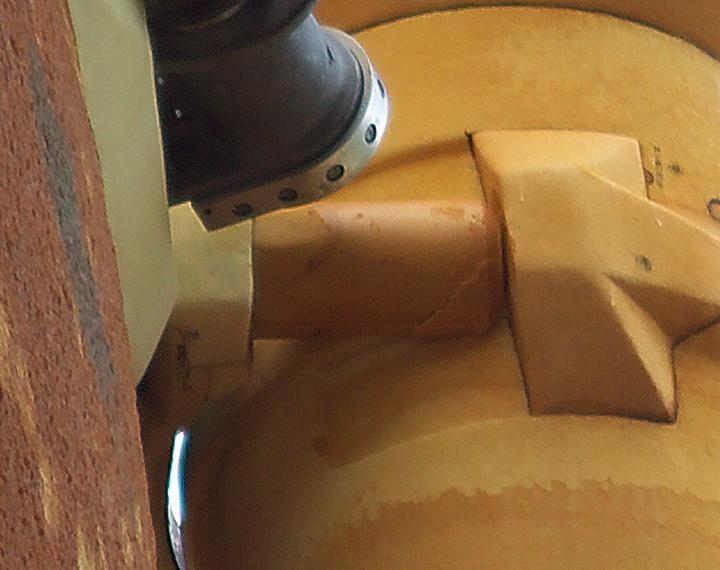
KENNEDY SPACE CENTER, FLA. - A crack formed on a piece of insulation on a strut that attaches the liquid oxygen feedline to External Tank-119, being used to launch space shuttle mission STS-121. This piece of foam, weighing approximately 0.0057 pounds, is three inches long and one-eighth to one-quarter inch wide. It fell from the tank and was recovered by the Ice Team from the mobile launch platform at Pad 39B. It is believed that the rain experienced during yesterday’s launch attempt of Discovery caused water to run down the feedline and form ice near the strut next to the feedline bracket. As the tank warmed and expanded, the ice that formed most likely pinched the foam on the top of the strut, causing a crack and eventual loss of the small piece of foam. Photo credit: NASA
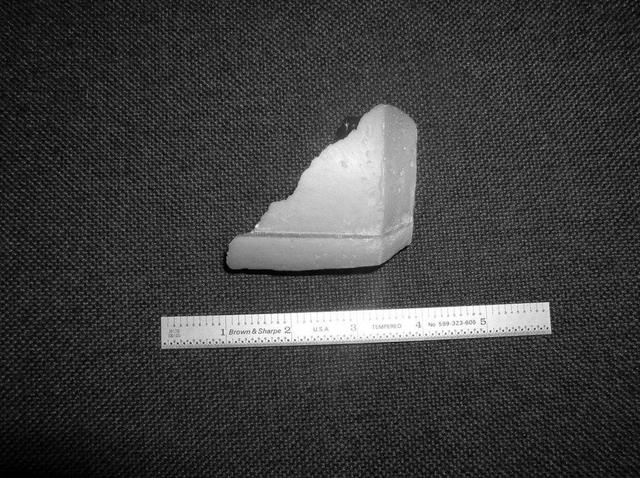
KENNEDY SPACE CENTER, FLA. - A piece of insulation - three inches long, one-eighth to one-quarter inch wide and weighing approximately 0.0057 pounds - was liberated from a strut that attaches the liquid oxygen feedline to External Tank-119. The tank is being used to launch space shuttle mission STS-121. It was recovered by the Ice Team from the mobile launch platform at Pad 39B. It is believed that the rain experienced during yesterday’s launch attempt of Discovery caused water to run down the feedline and form ice near the strut next to the feedline bracket. As the tank warmed and expanded, the ice that formed most likely pinched the foam on the top of the strut, causing a crack and eventual loss of the small piece of foam. Photo credit: NASA
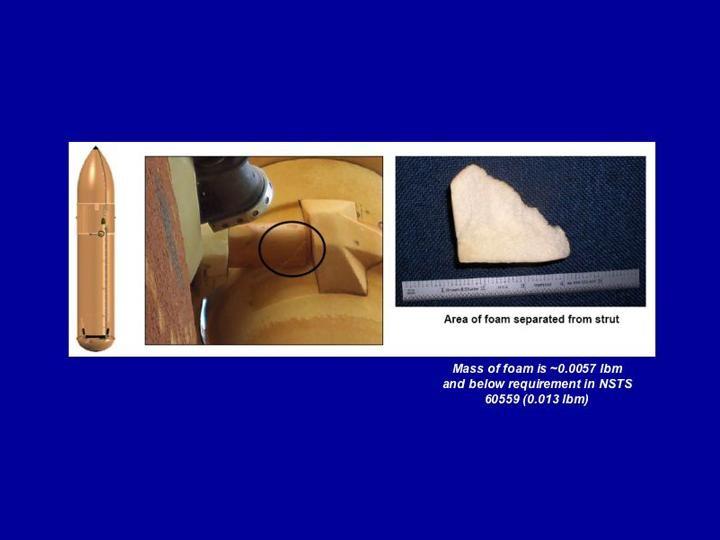
KENNEDY SPACE CENTER, FLA. - A composite image illustrates the size and location of a piece of insulation that was liberated from a strut that attaches the liquid oxygen feedline to External Tank-119. The tank is being used to launch space shuttle mission STS-121. This piece of foam, weighing approximately 0.0057 pounds, is three inches long and one-eighth to one-quarter inch wide and was recovered by the Ice Team from the mobile launch platform at Pad 39B. It is believed that the rain experienced during yesterday’s launch attempt of Discovery caused water to run down the feedline and form ice near the strut next to the feedline bracket. As the tank warmed and expanded, the ice that formed most likely pinched the foam on the top of the strut, causing a crack and eventual loss of the small piece of foam. Photo credit: NASA
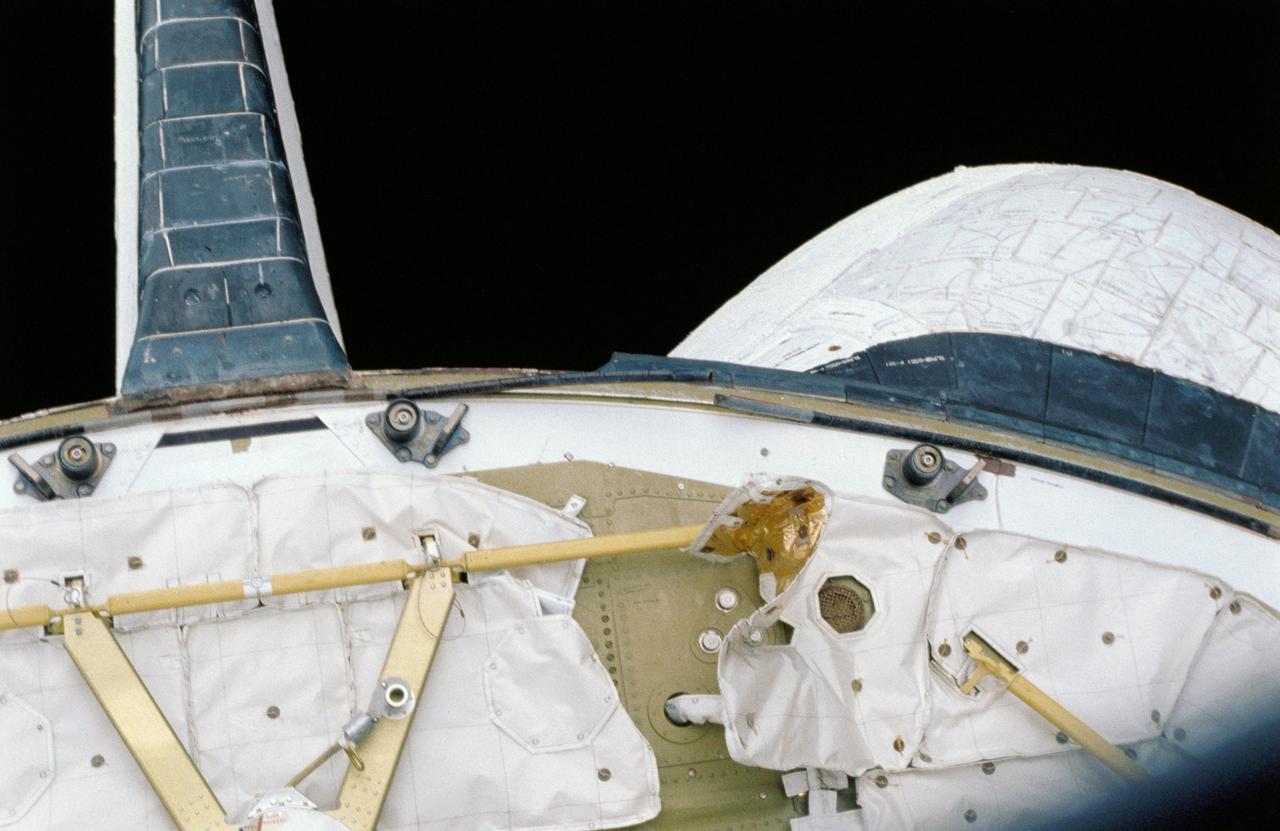
STS040-31-029 (5-14 June 1991) --- This close-up 35mm scene of the aft firewall in the Space Shuttle Columbia's cargo bay reveals a piece of thermal insulation that had loosened. The crew discovered the loose blanket soon after opening the cargo bay doors on June 5, 1991.
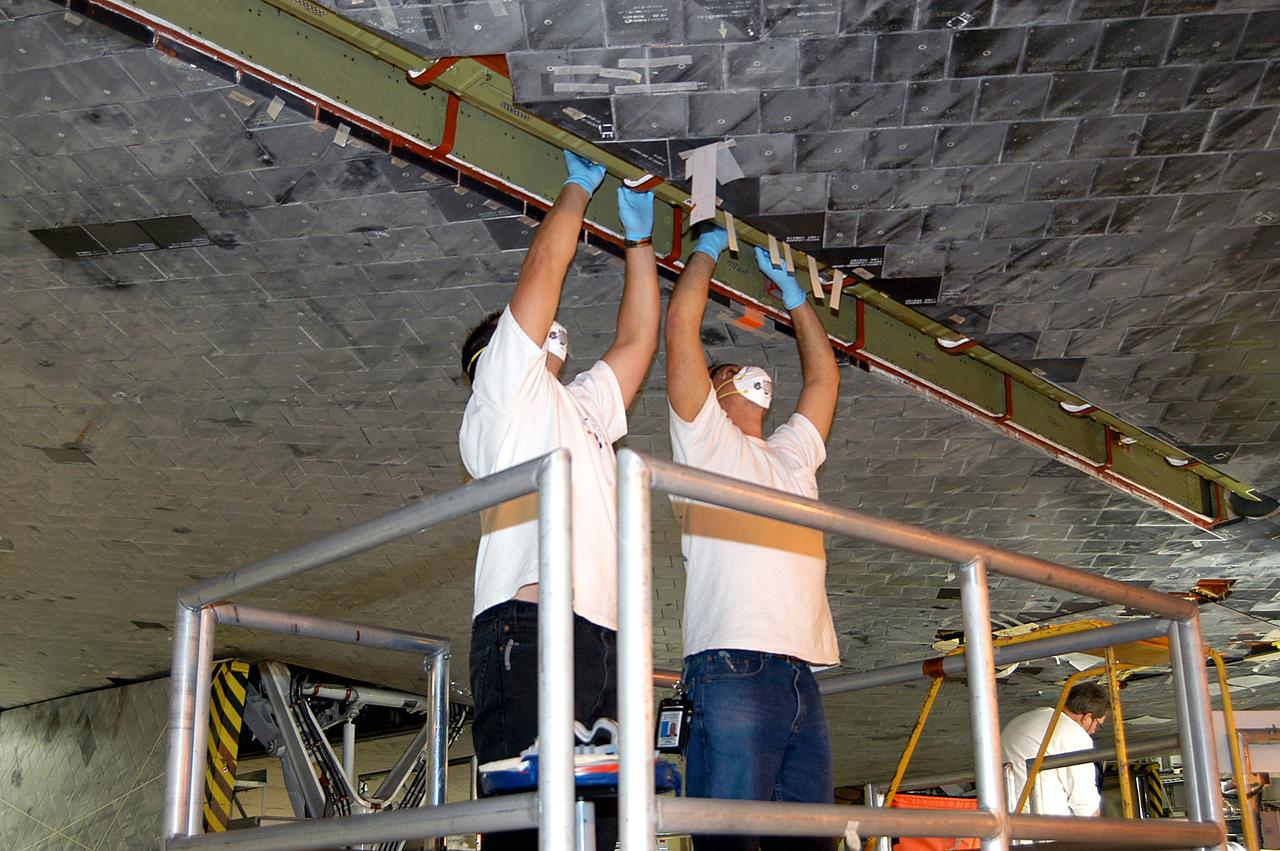
KENNEDY SPACE CENTER, FLA. - In the Orbiter Processing Facility, technicians work on insulation tiles near the landing gear door of orbiter Discovery. The orbiter is now being prepared for eventual launch on a future mission.
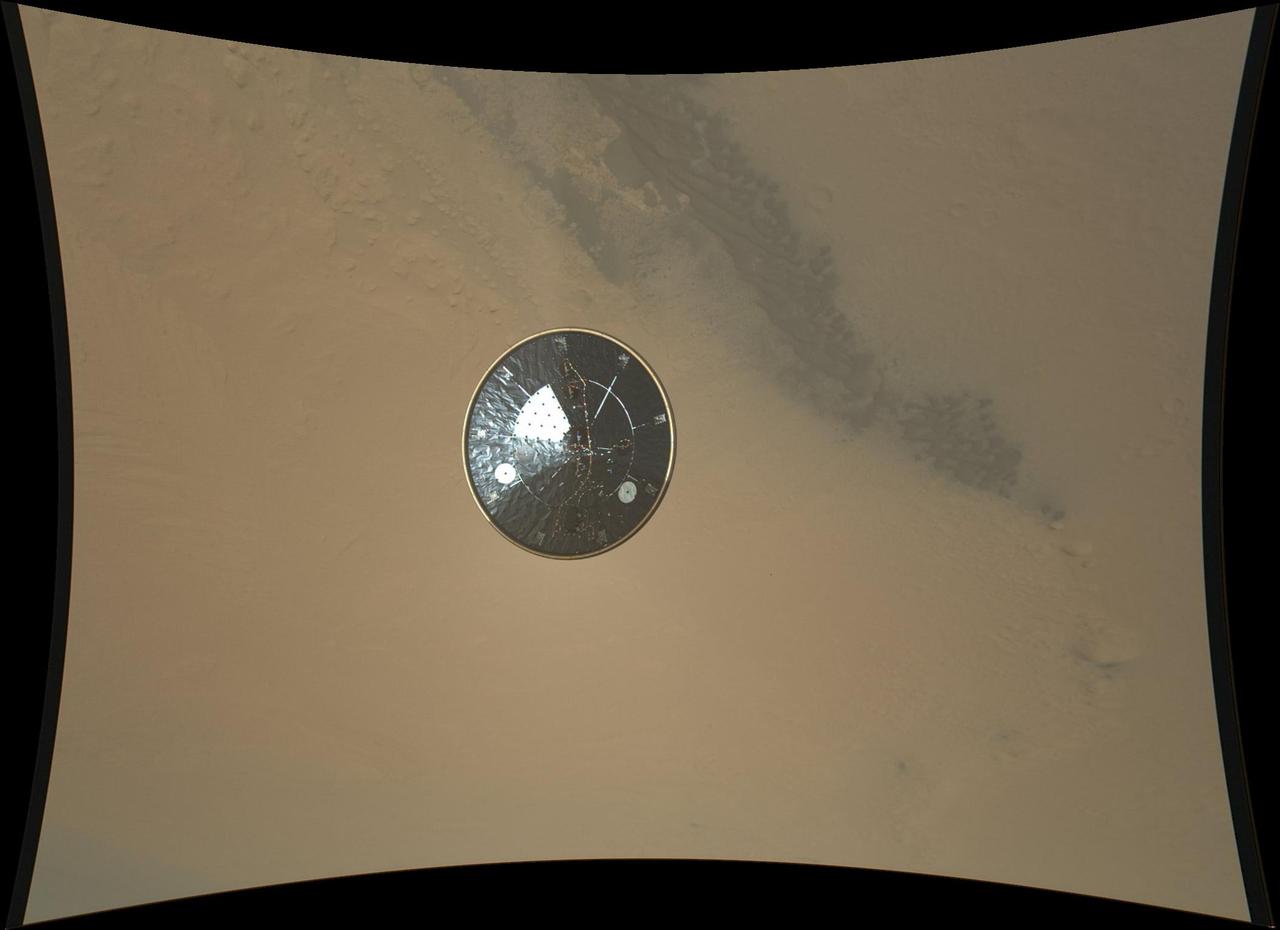
This color full-resolution image showing the heat shield of NASA Curiosity rover was obtained during descent to the surface of Mars. This image shows the inside surface of the heat shield, with its protective multi-layered insulation.
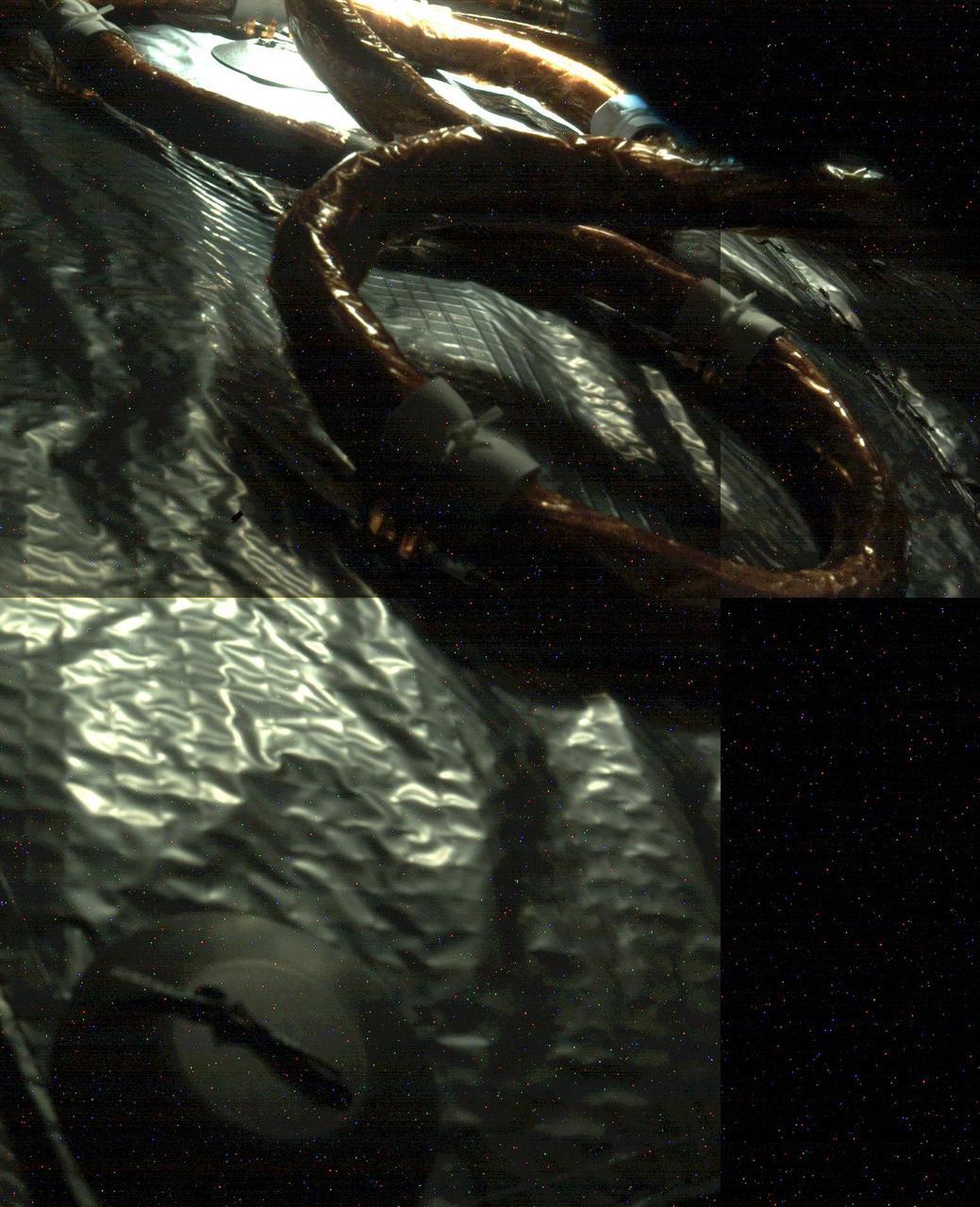
An electrical cable can be seen snaking its way along insulation material in this image of the interior of the Mars 2020 spacecraft at it cruises through interplanetary space to the Red Planet. The cable and insulation are tied to the inside of the spacecraft's heat shield, which will protect the spacecraft from the extreme temperatures generated by friction as it enters the Martian atmosphere on Feb 18, 2021. The light source is the Sun, which likely entered through a vent hole in the Multi-Mission Radioisotope Thermoelectric Generator (MMRTG) door. The picture was assembled from three images taken at different times by the Perseverance rover's rear left Hazcam during a systems check on Oct. 19, 2020. The colored pixels seen in the image are due to digital noise from the camera. https://photojournal.jpl.nasa.gov/catalog/PIA24233
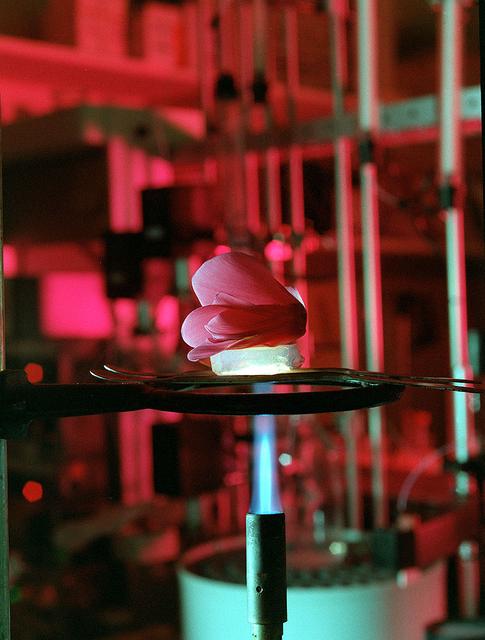
Scientists at Marshall Space Flight Center (MSFC) have been studying the properties of Aerogel for several years. Aerogel, the lightest solid known to man, has displayed a high quality for insulation. Because of its smoky countenance, it has yet to be used as an insulation on windows, but has been used in the space program on the rover Sojourner, and has been used as insulation in the walls of houses and in automobile engine compartments. As heat is applied to Aerogel, scientist Dr. David Noever of Space Sciences Laboratory, Principal Investigator of Aerogel, studies for its properties trying to uncover the secret to making Aerogel a clear substance. Once found, Aerogel will be a major component in the future of glass insulation.
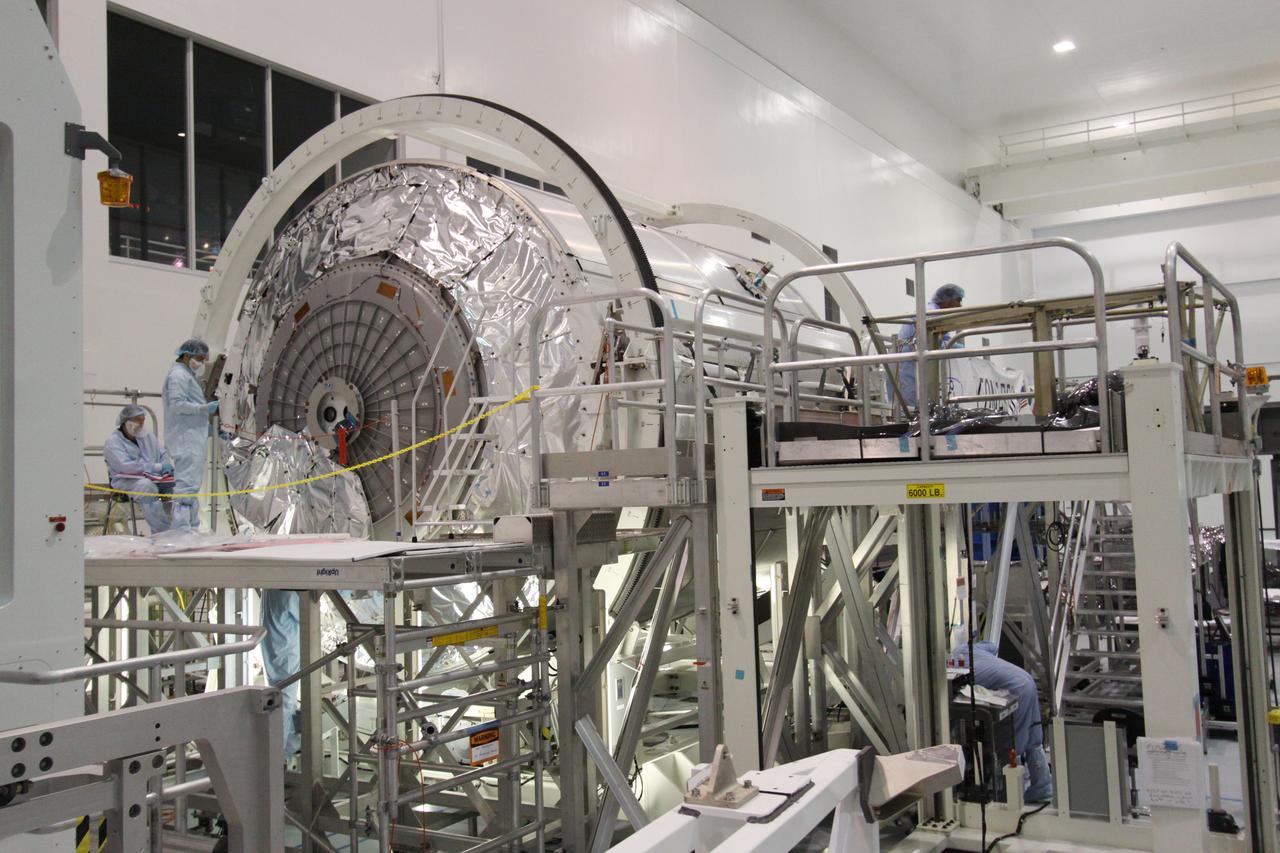
STS-133 PMM Insulation Blankets Installation
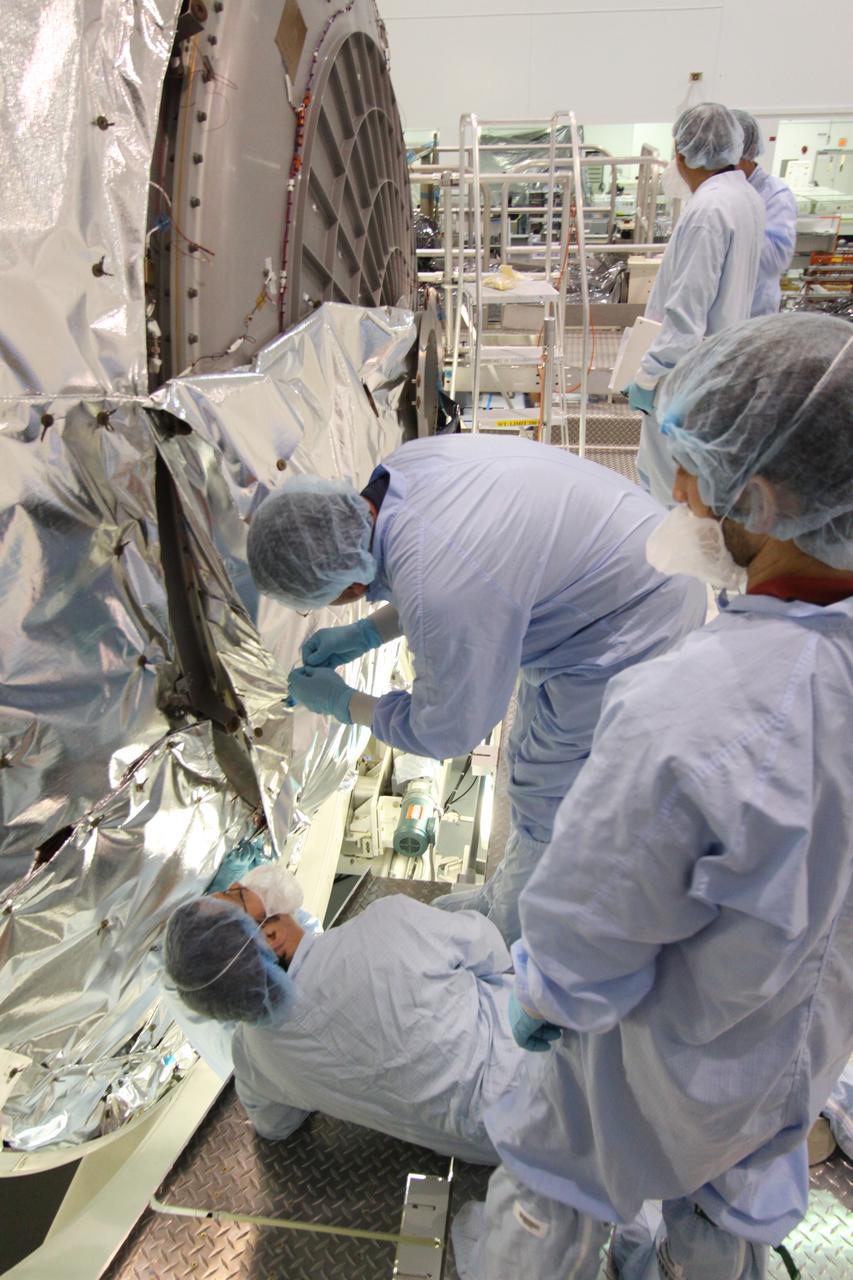
STS-133 PMM Insulation Blankets Installation
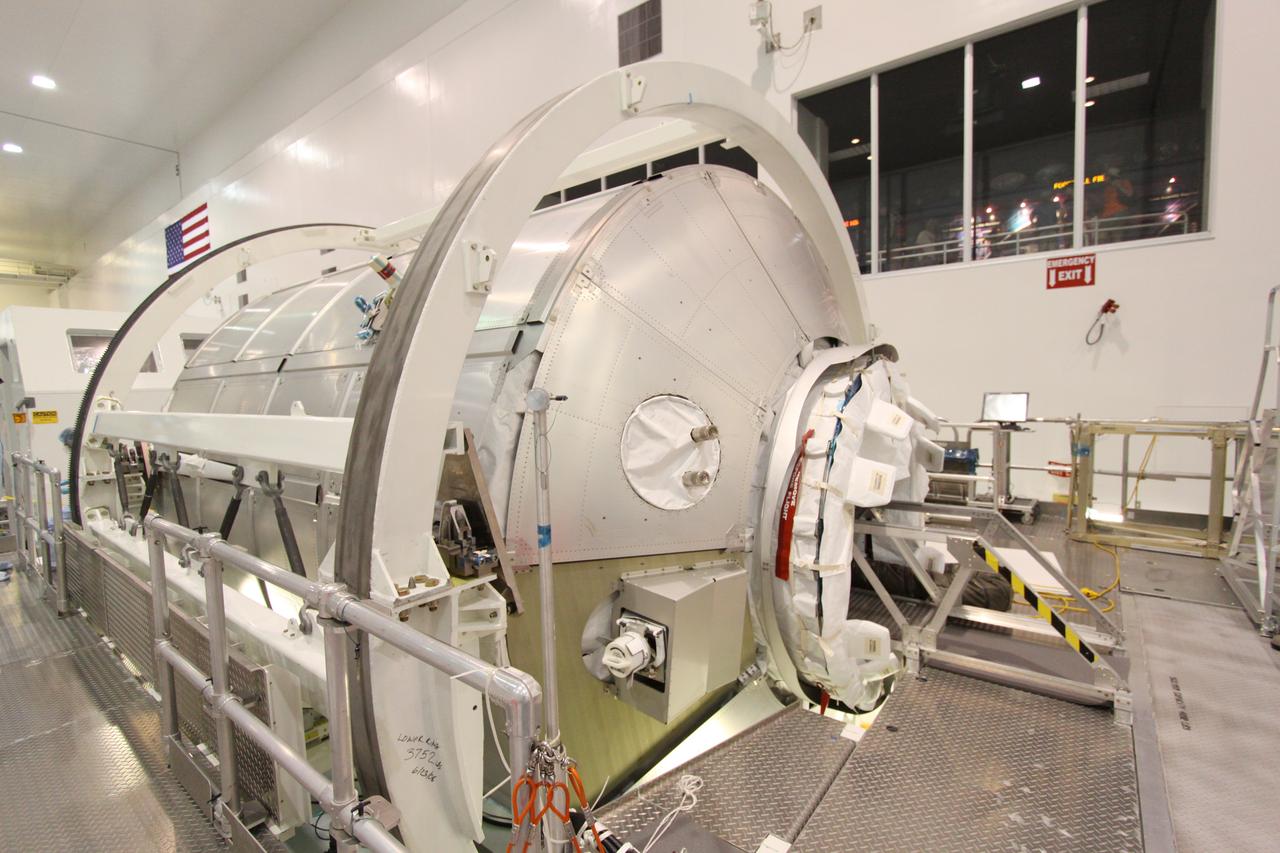
STS-133 PMM Insulation Blankets Installation
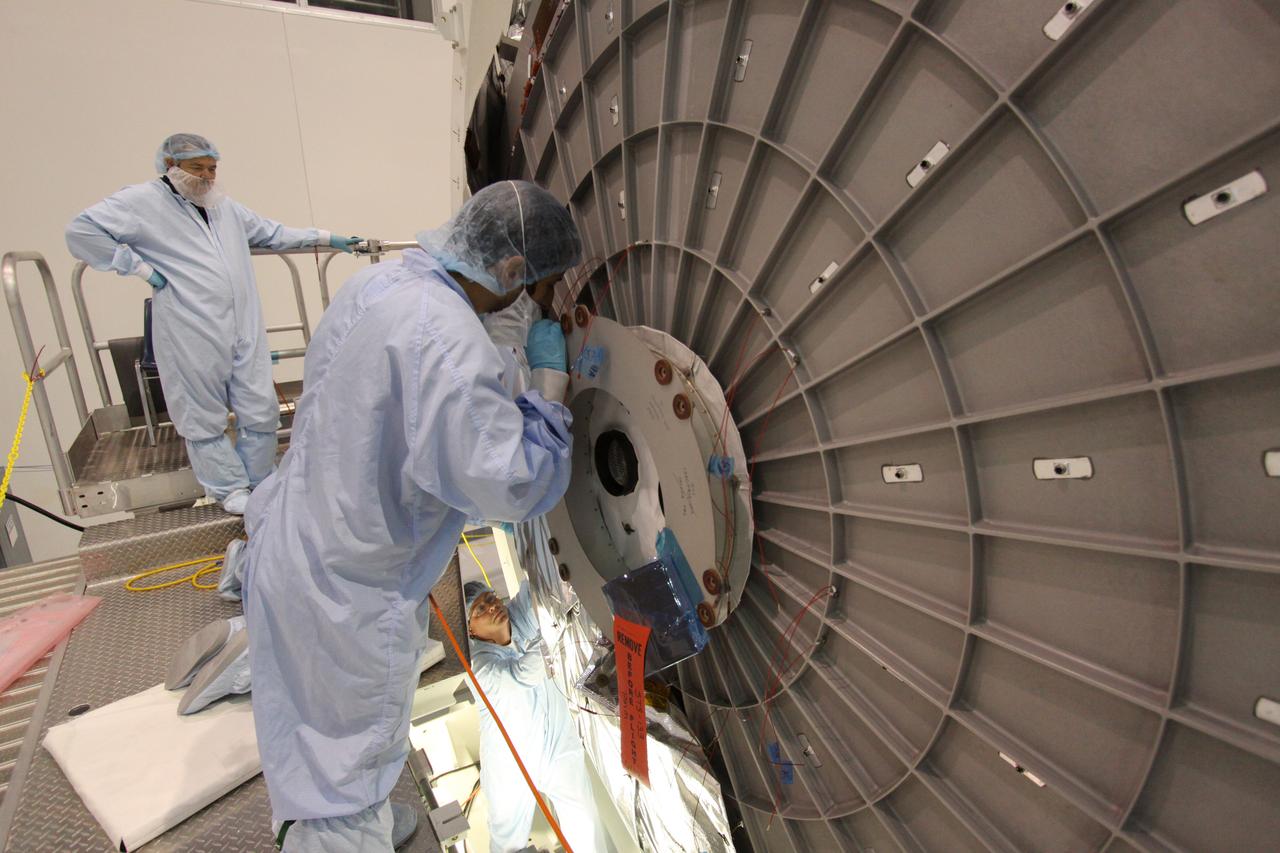
STS-133 PMM Insulation Blankets Installation
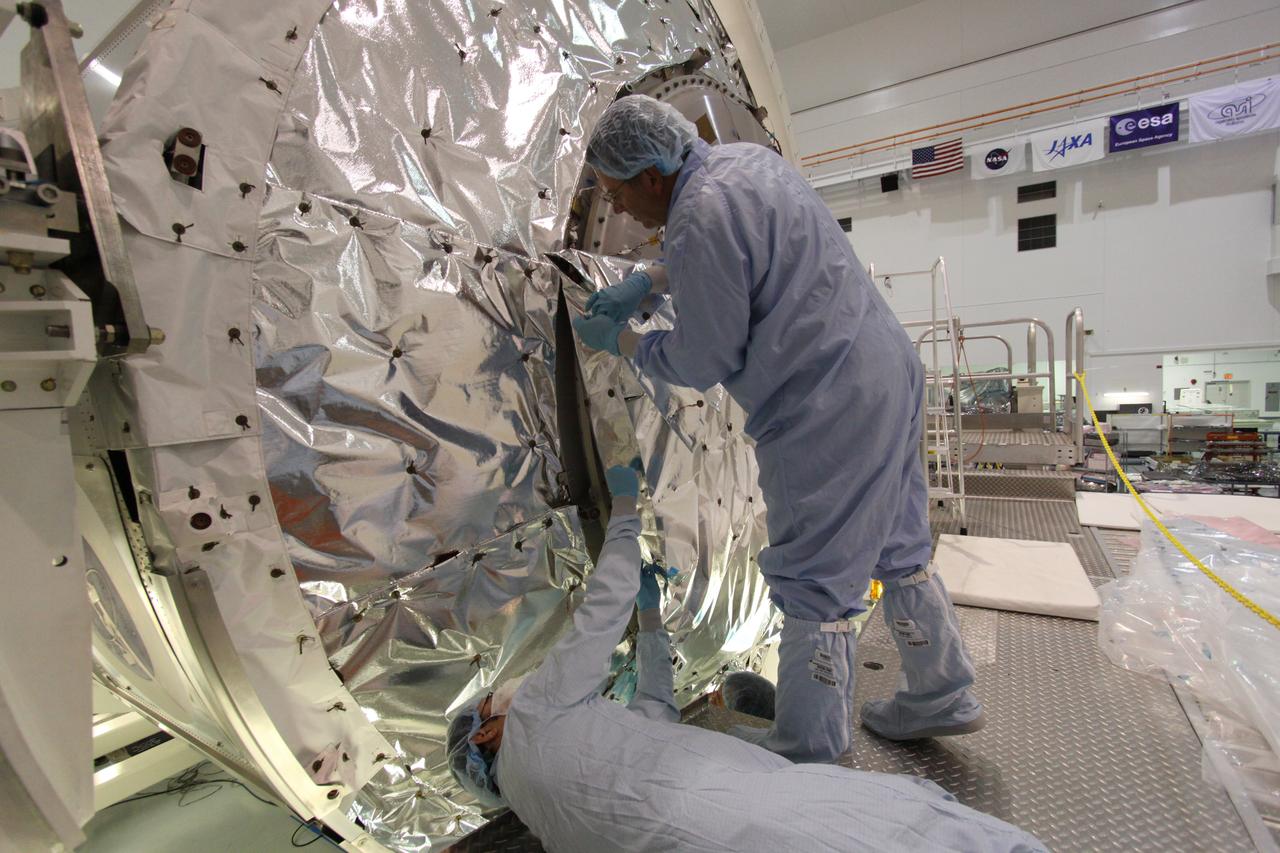
STS-133 PMM Insulation Blankets Installation
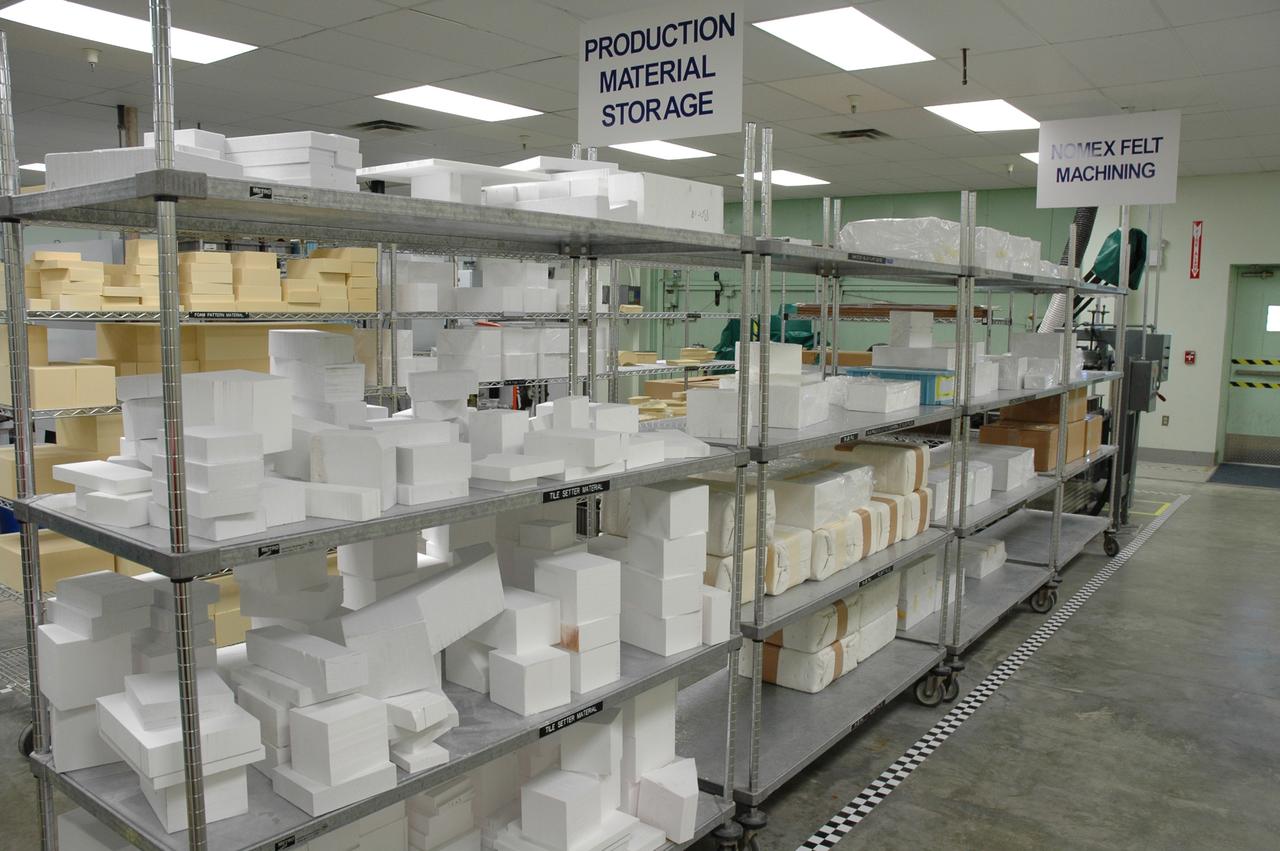
CAPE CANAVERAL, Fla. – In the Tile Shop at NASA's Kennedy Space Center, shelves are stacked with Boeing Rigid Insulation-18, or BRI-18, tiles. BRI-18 is the strongest material used for thermal insulation on the orbiters and, when coated to produce toughened unipiece fibrous insulation, provides a tile with extremely high-impact resistance. It is replacing tiles on areas of the vehicle where impact risk is high. These areas include the landing gear doors, the wing leading edge and the external tank doors. Photo credit: NASA/Jim Grossmann
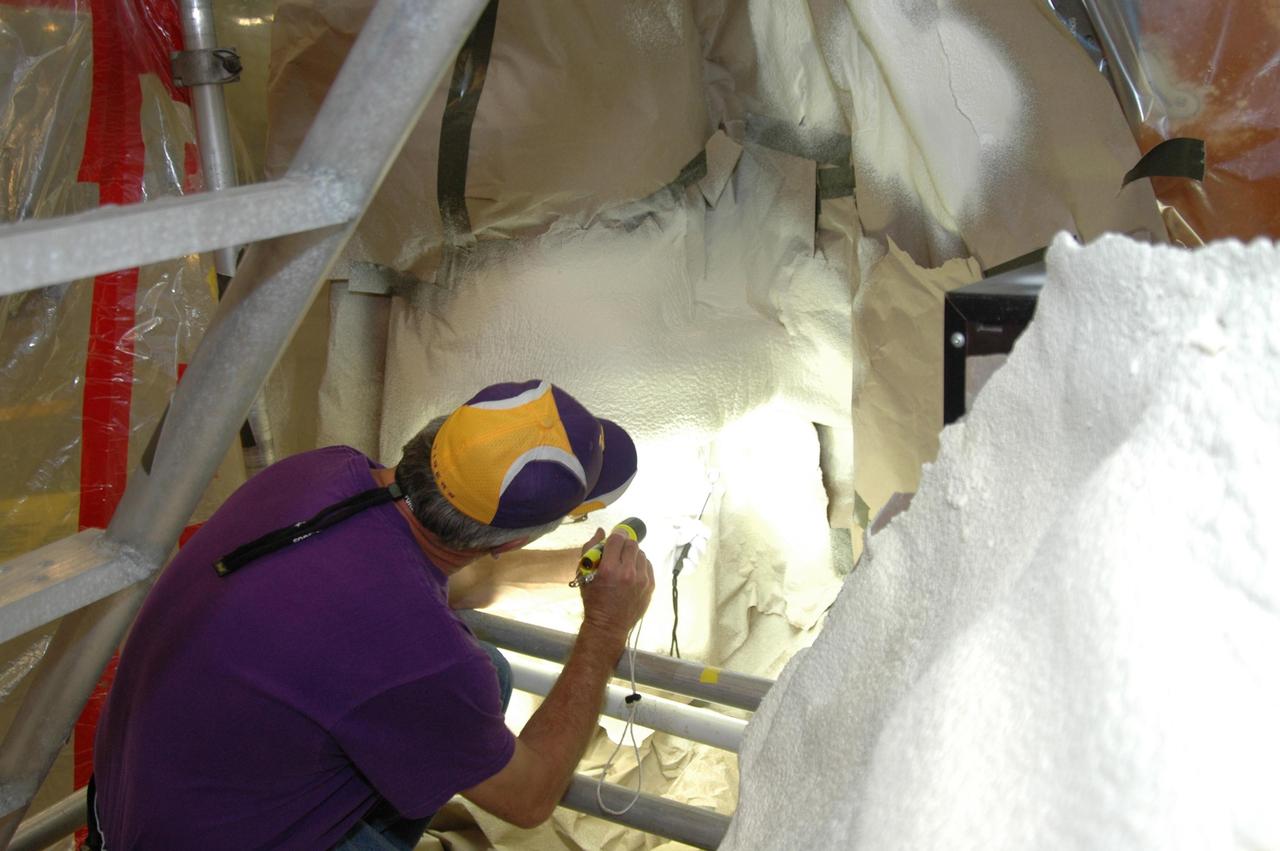
KENNEDY SPACE CENTER, FLA. -- A Lockheed Martin external tank technician from the Michoud Assembly Facility in New Orleans inspects the foam modification on external tank 120 in the Vehicle Assembly Building. The foam insulation and super lightweight ablator cork insulation were removed from the external tank and LO2 feed line bracket on Aug. 24 and replaced only with BX265 foam insulation. The tank is scheduled to fly on Space Shuttle Discovery in October 2007 on mission STS-120. Photo credit: NASA/Jim Grossmann
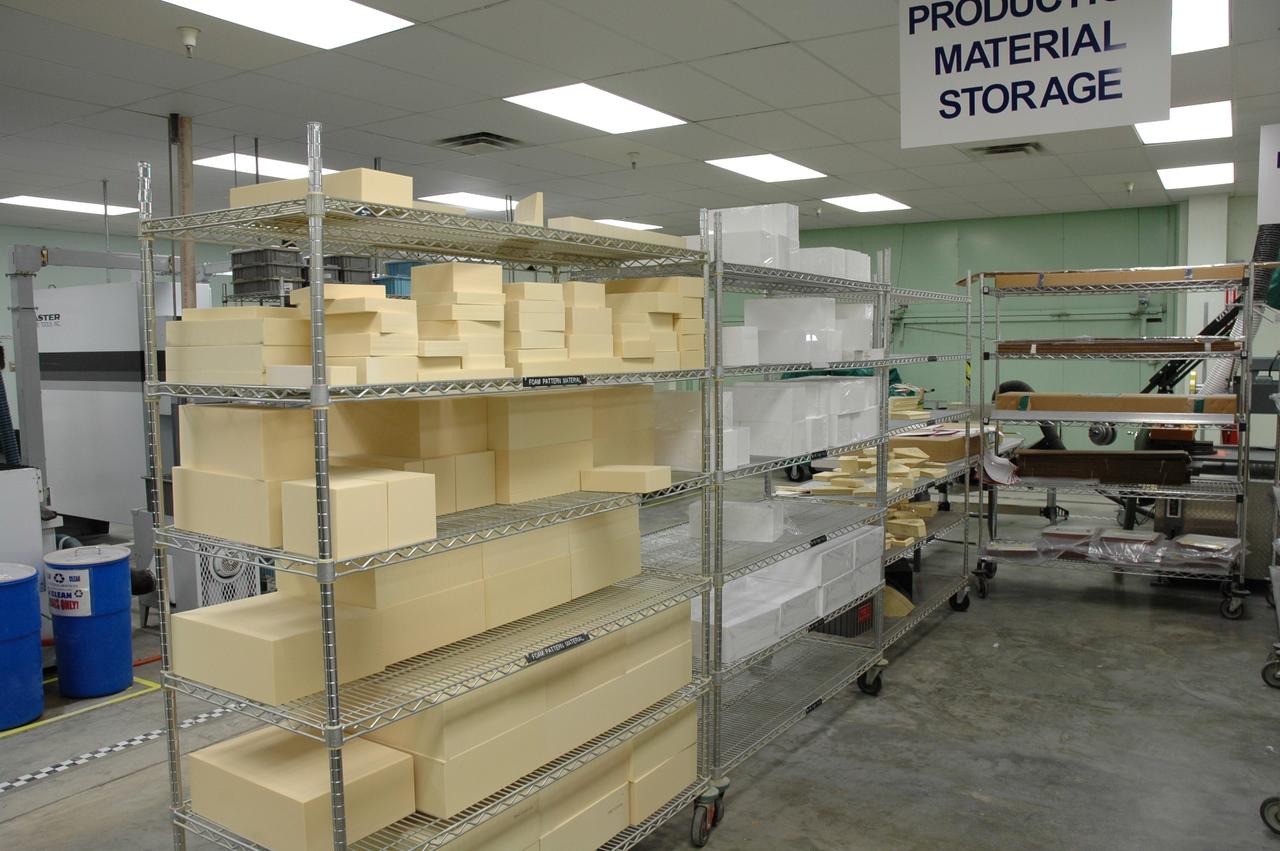
CAPE CANAVERAL, Fla. – In the Tile Shop at NASA's Kennedy Space Center, shelves are stacked with Boeing Rigid Insulation-18, or BRI-18, tiles. BRI-18 is the strongest material used for thermal insulation on the orbiters and, when coated to produce toughened unipiece fibrous insulation, provides a tile with extremely high-impact resistance. It is replacing tiles on areas of the vehicle where impact risk is high. These areas include the landing gear doors, the wing leading edge and the external tank doors. Photo credit: NASA/Jim Grossmann

STS082-350-021 (11-21 Feb. 1997) --- On Discovery's middeck, astronaut Scott J. Horowitz, STS-82 pilot, works on one of the multi-layer insulation (MLI) patches to be used by two crew mates on an upcoming space walk to repair worn insulation on the Hubble Space Telescope (HST).
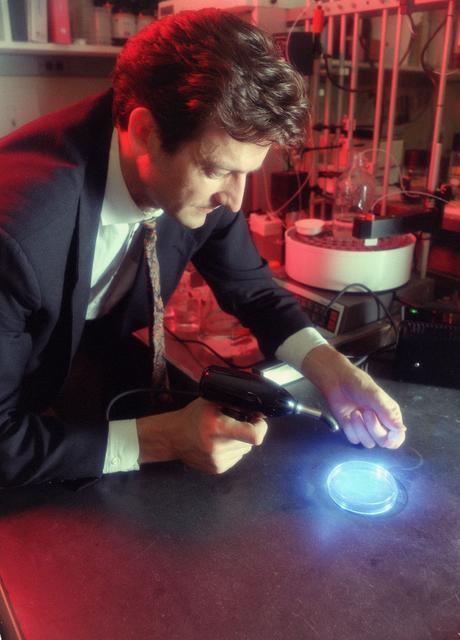
Scientists at MSFC have been studying the properties of Aerogel for several years. Aerogel, the lightest solid known to man, has displayed a high quality for insulation. Because of its smoky countenance it has yet to be used as an insulation on windows, but has been used to insulate the walls of houses and engine compartments in cars. It was also used in the space program as insulating material on the rover Sojourner, aboard the Mars Pathfinder. MSFC is one of the many research facilities conducting experiments to unlock the smoky properties of aerogel and make it a clear substance. MSFC researchers believe that by taking this research to space, they can resolve the problem of making aerogel transparent enough to see through. So far, recent space experiments have been encouraging. The samples produced in microgravity indicate a change in the microstructure of the material as compared to ground samples. MSFC scientists continue to study the effects of microgravity on Aerogel as their research is space continues.
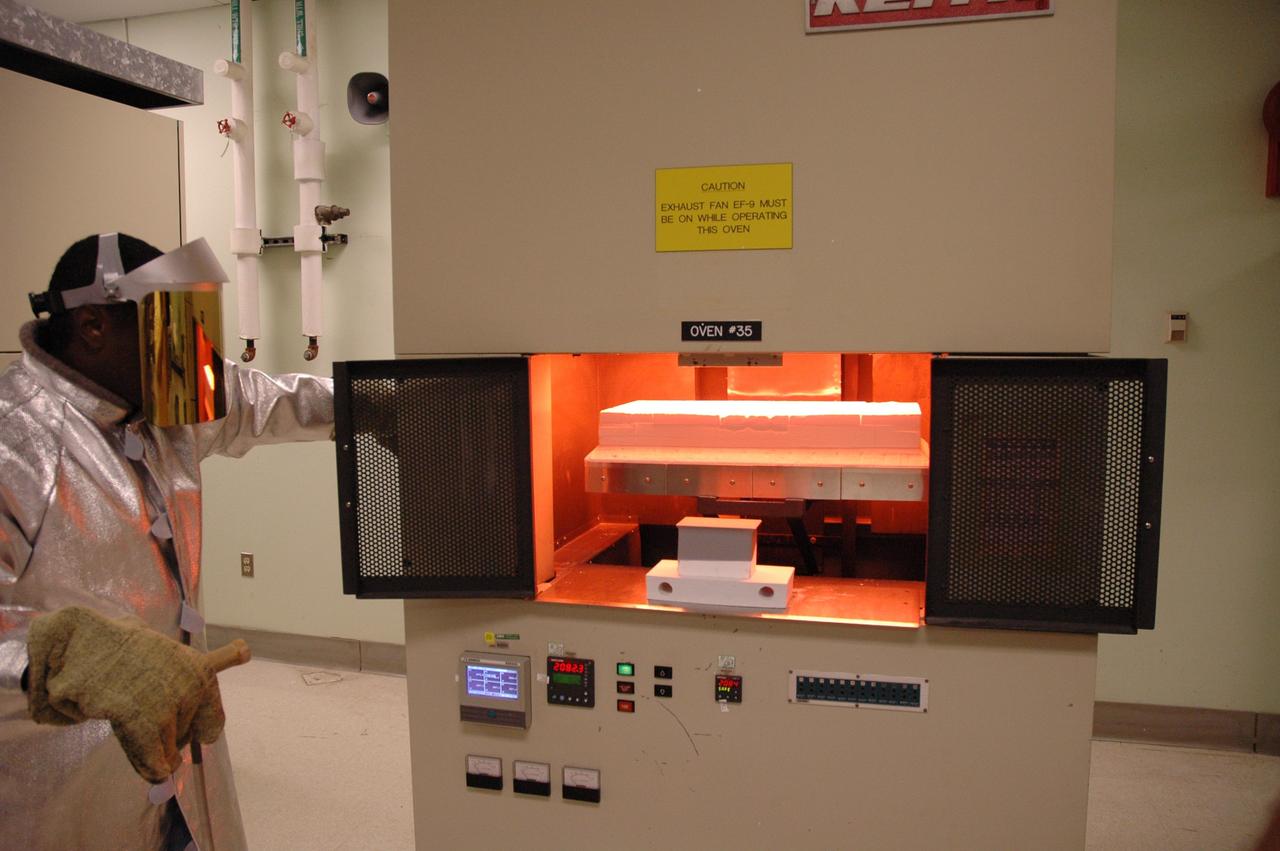
CAPE CANAVERAL, Fla. – In the tile shop at NASA's Kennedy Space Center, a worker reaches for the door to close the oven with the Boeing Replacement Insulation 18, or BRI-18, tile inside. The tile will be baked at 2,200 degrees Fahrenheit to cure the ceramic coating, part of the process to prepare the tiles for installation on space shuttles. BRI-18 is the strongest material used for thermal insulation on the orbiters and, when coated to produce toughened unipiece fibrous insulation, provides a tile with extremely high-impact resistance. It is replacing other tiles on areas of the vehicle where impact risk is high, such as the landing gear doors, the wing leading edge and the external tank doors. Photo credit: NASA/Jim Grossmann
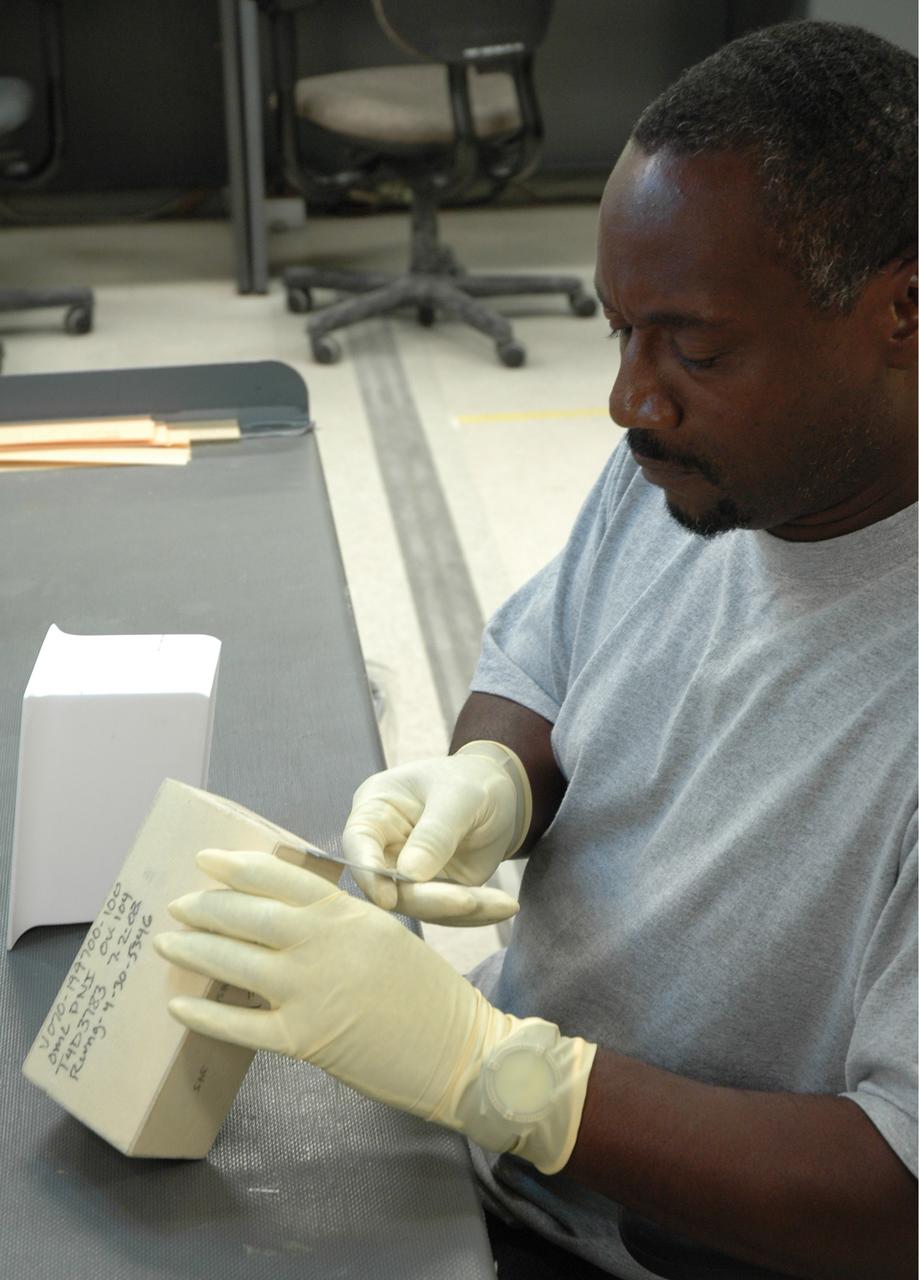
CAPE CANAVERAL, Fla. – In the Tile Shop at NASA's Kennedy Space Center, a United Space Alliance technician checks a Boeing Rigid Insulation-18, or BRI-18, tile. BRI-18 is the strongest material used for thermal insulation on the orbiters and, when coated to produce toughened unipiece fibrous insulation, provides a tile with extremely high-impact resistance. It is replacing tiles on areas of the vehicle where impact risk is high. These areas include the landing gear doors, the wing leading edge and the external tank doors. Photo credit: NASA/Jim Grossmann
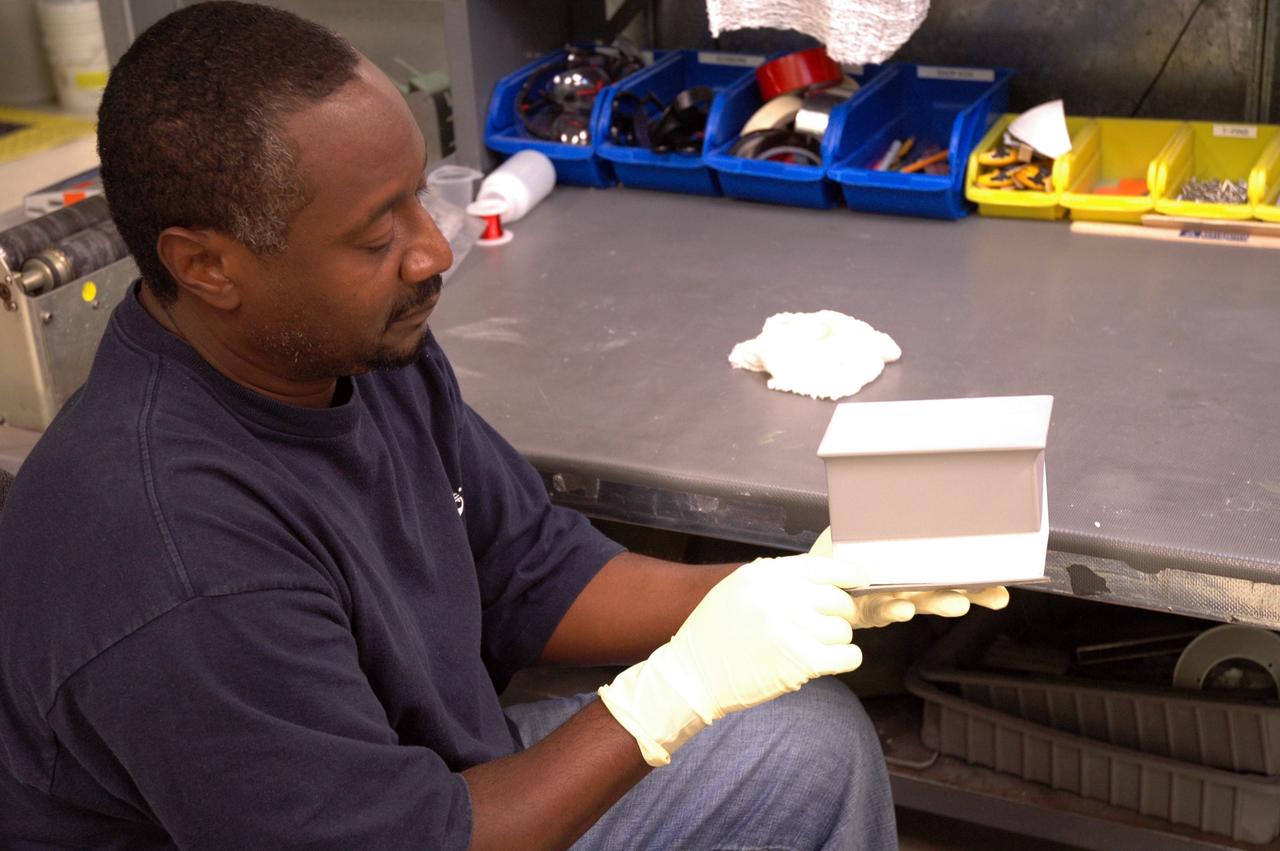
CAPE CANAVERAL, Fla. – In the tile shop at NASA's Kennedy Space Center, a worker holds one of the Boeing Replacement Insulation 18, or BRI-18, tiles being prepared for installation on space shuttles. BRI-18 is the strongest material used for thermal insulation on the orbiters and, when coated to produce toughened unipiece fibrous insulation, provides a tile with extremely high-impact resistance. It is replacing other tiles on areas of the vehicle where impact risk is high, such as the landing gear doors, the wing leading edge and the external tank doors. Photo credit: NASA/Jim Grossmann
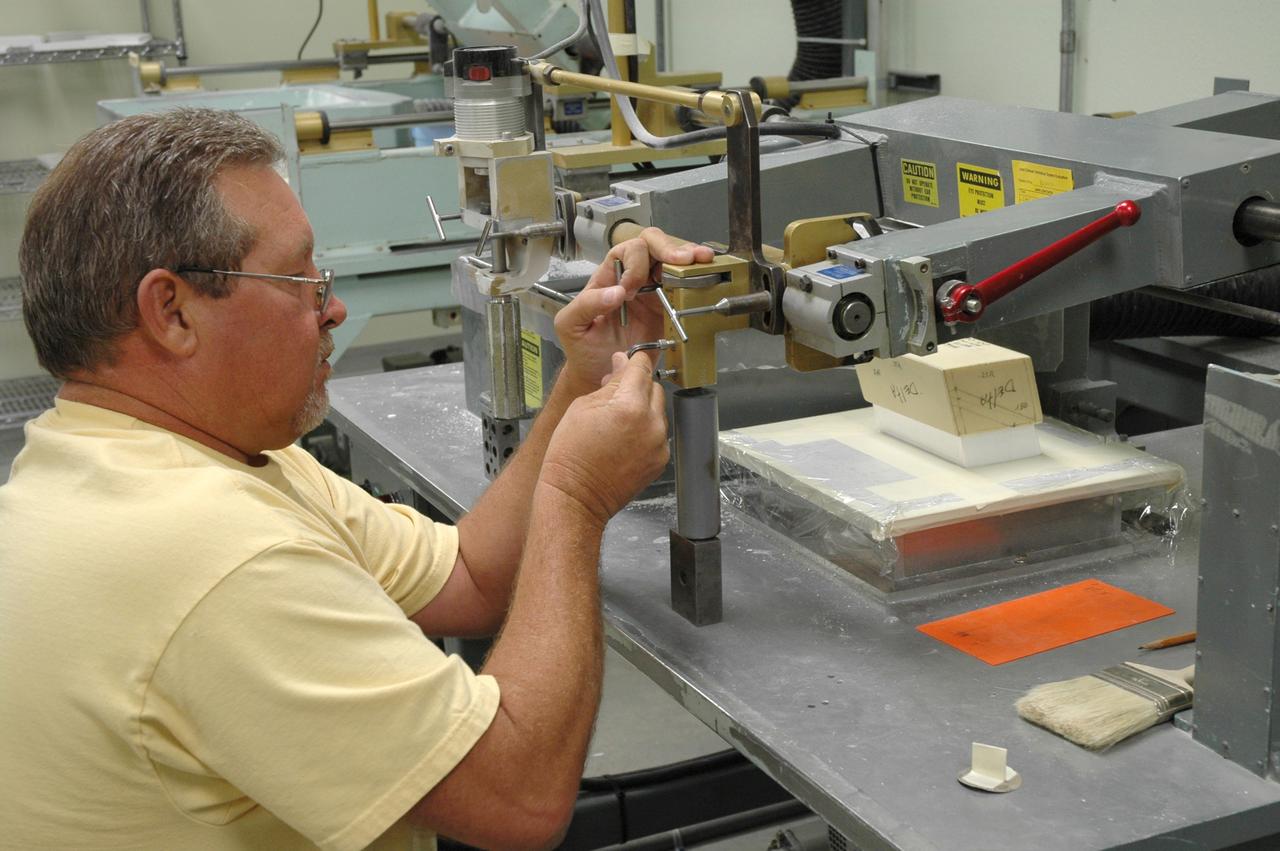
CAPE CANAVERAL, Fla. – In the Tile Shop at NASA's Kennedy Space Center, a United Space Alliance machinist, Tony Rollins, is setting up the tracer mill to machine the Boeing Rigid Insulation-18, or BRI-18, tile. BRI-18 is the strongest material used for thermal insulation on the orbiters and, when coated to produce toughened unipiece fibrous insulation, provides a tile with extremely high-impact resistance. It is replacing tiles on areas of the vehicle where impact risk is high. These areas include the landing gear doors, the wing leading edge and the external tank doors. Photo credit: NASA/Jim Grossmann

CAPE CANAVERAL, Fla. – In the tile shop at NASA's Kennedy Space Center, United Space Alliance technician Damon Petty appies a TUFI coating to Boeing Rigid Insulation-18, or BRI-18, tile. BRI-18 is the strongest material used for thermal insulation on the orbiters and, when coated to produce toughened unipiece fibrous insulation, provides a tile with extremely high-impact resistance. It is replacing other tiles on areas of the vehicle where impact risk is high, such as the landing gear doors, the wing leading edge and the external tank doors. Photo credit: NASA/Jim Grossmann
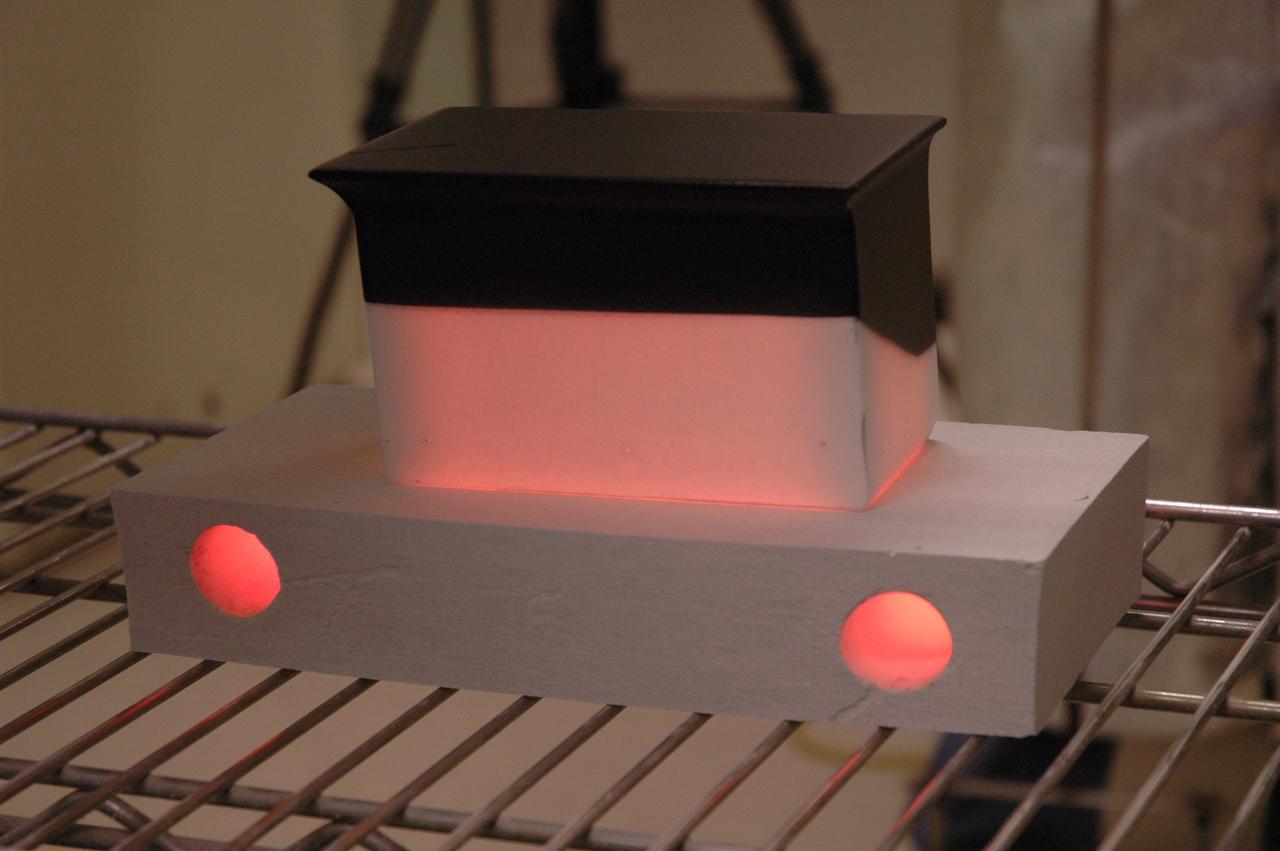
CAPE CANAVERAL, Fla. – In the tile shop at NASA's Kennedy Space Center, a Boeing Replacement Insulation 18, or BRI-18, tile still glows after being baked in a 2,200-degree oven. The baking is part of the process to prepare the tiles for installation on space shuttles. BRI-18 is the strongest material used for thermal insulation on the orbiters and, when coated to produce toughened unipiece fibrous insulation, provides a tile with extremely high-impact resistance. It is replacing other tiles on areas of the vehicle where impact risk is high, such as the landing gear doors, the wing leading edge and the external tank doors. Photo credit: NASA/Jim Grossmann
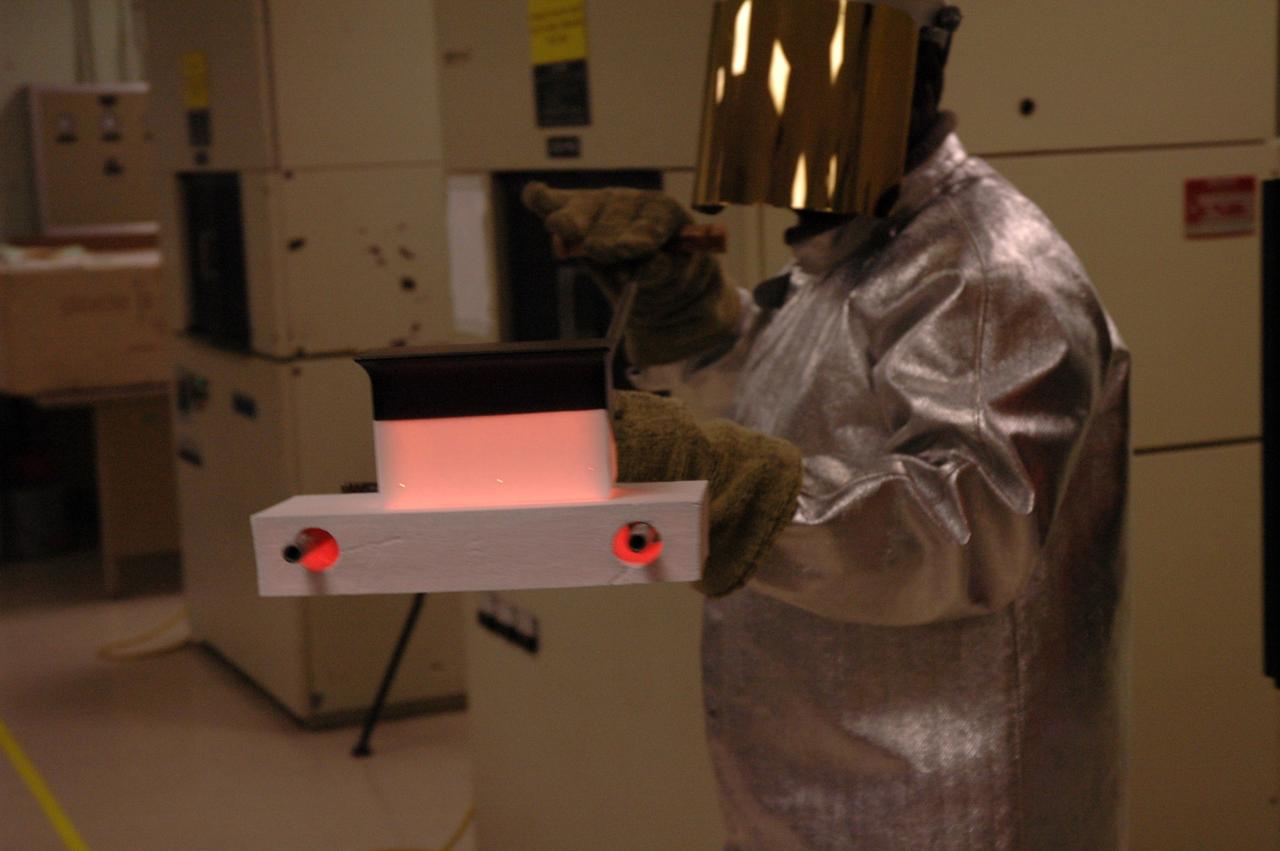
CAPE CANAVERAL, Fla. – In the tile shop at NASA's Kennedy Space Center, a worker removes a Boeing Replacement Insulation 18, or BRI-18, tile from a 2,200-degree oven. The baking is part of the process to prepare the tiles for installation on space shuttles. BRI-18 is the strongest material used for thermal insulation on the orbiters and, when coated to produce toughened unipiece fibrous insulation, provides a tile with extremely high-impact resistance. It is replacing other tiles on areas of the vehicle where impact risk is high, such as the landing gear doors, the wing leading edge and the external tank doors. Photo credit: NASA/Jim Grossmann
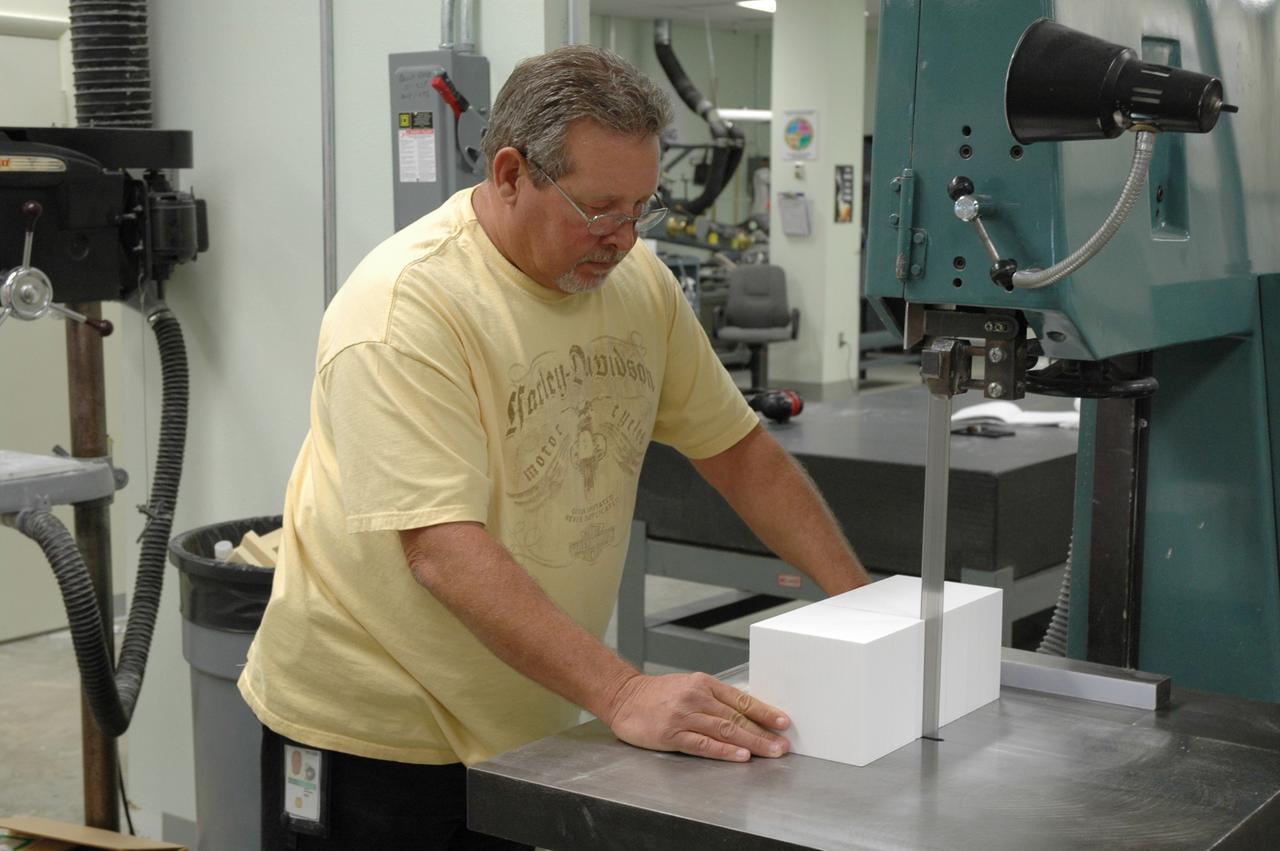
CAPE CANAVERAL, Fla. – In the Tile Shop at NASA's Kennedy Space Center, a United Space Alliance technician cuts a block of Boeing Rigid Insulation-18, or BRI-18, tile. BRI-18 is the strongest material used for thermal insulation on the orbiters and, when coated to produce toughened unipiece fibrous insulation, provides a tile with extremely high-impact resistance. It is replacing tiles on areas of the vehicle where impact risk is high. These areas include the landing gear doors, the wing leading edge and the external tank doors. Photo credit: NASA/Jim Grossmann
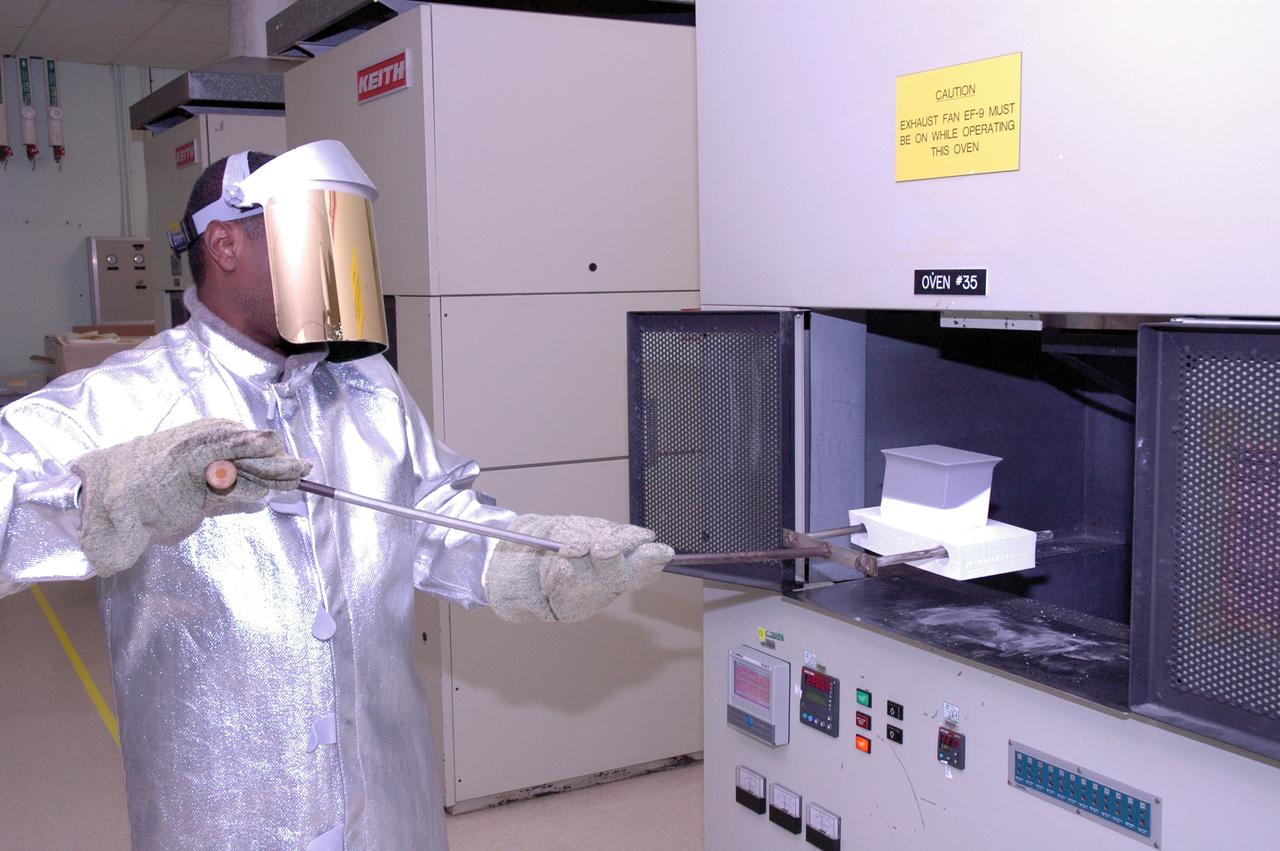
CAPE CANAVERAL, Fla. – In the tile shop at NASA's Kennedy Space Center, a worker places a Boeing Replacement Insulation 18, or BRI-18, tile in the oven. The tile will be baked at 2,200 degrees Fahrenheit to cure the ceramic coating, part of the process to prepare the tiles for installation on space shuttles. BRI-18 is the strongest material used for thermal insulation on the orbiters and, when coated to produce toughened unipiece fibrous insulation, provides a tile with extremely high-impact resistance. It is replacing other tiles on areas of the vehicle where impact risk is high, such as the landing gear doors, the wing leading edge and the external tank doors. Photo credit: NASA/Jim Grossmann
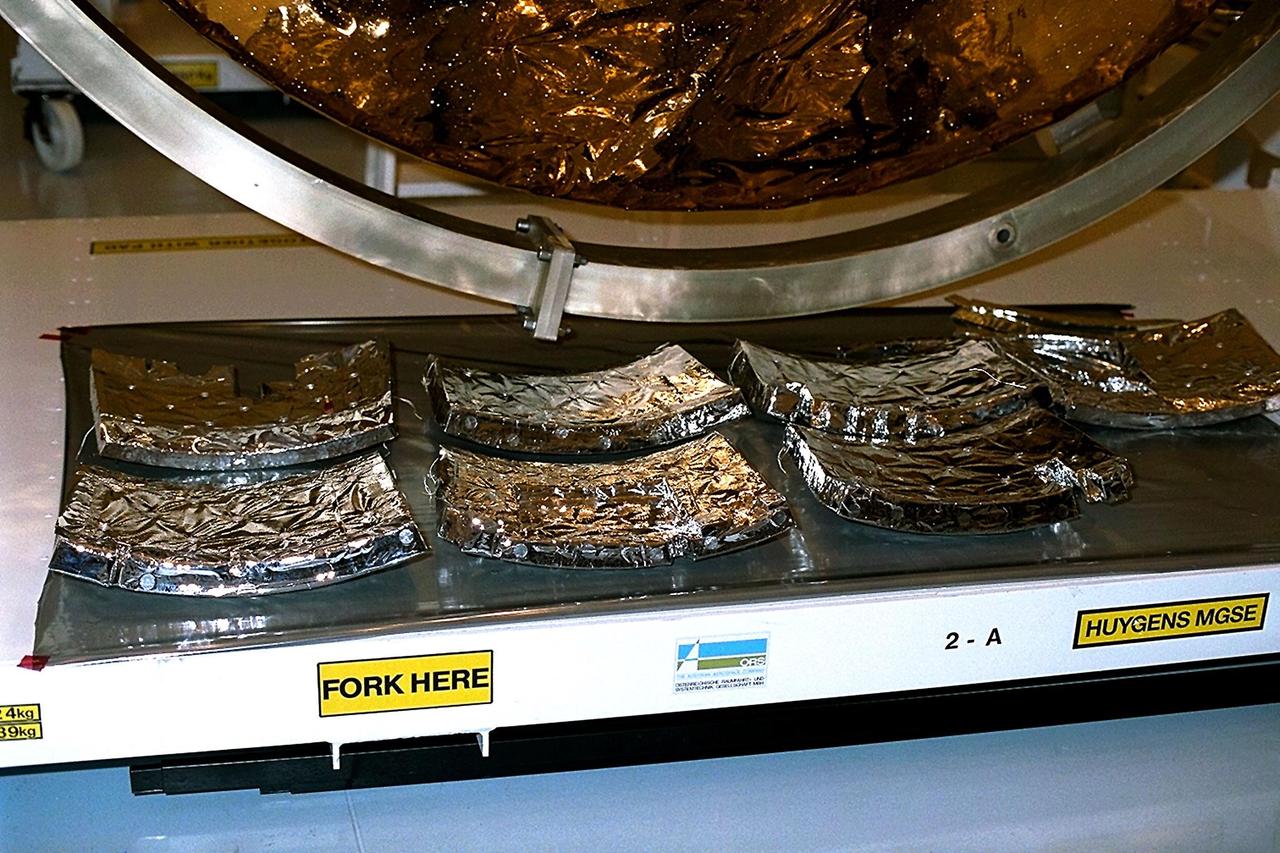
Pieces of the Huygens probe internal insulating foam await inspection after removal from the probe in the Payload Hazardous Servicing Facility (PHSF) at KSC. The spacecraft was returned to the PHSF after damage to thermal insulation was discovered inside Huygens from an abnormally high flow of conditioned air. Internal inspection, insulation repair and a cleaning of the probe were required. Mission managers are targeting a mid-October launch date after Cassini returns to the pad and is once again placed atop its Titan IVB expendable launch vehicle at Launch Pad 40 at Cape Canaveral Air Station
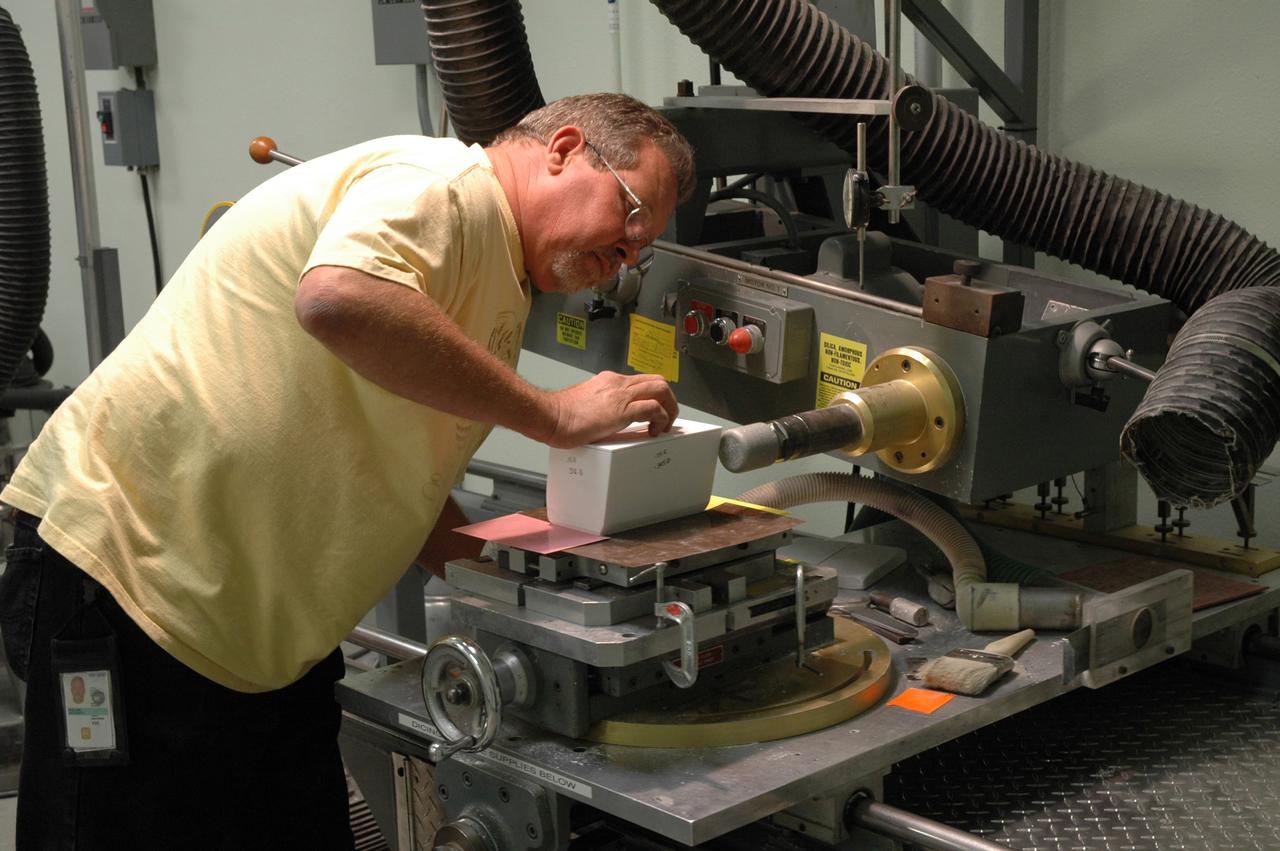
CAPE CANAVERAL, Fla. – In the Tile Shop at NASA's Kennedy Space Center, a United Space Alliance technician checks the Boeing Rigid Insulation-18, or BRI-18, tile he cut. BRI-18 is the strongest material used for thermal insulation on the orbiters and, when coated to produce toughened unipiece fibrous insulation, provides a tile with extremely high-impact resistance. It is replacing tiles on areas of the vehicle where impact risk is high. These areas include the landing gear doors, the wing leading edge and the external tank doors. Photo credit: NASA/Jim Grossmann

KENNEDY SPACE CENTER, FLA. -- A close-up view of the LO2 feed line bracket with the BX265foam insulation and super lightweight ablator, or SLA, cork insulation removed. The BX265 foam insulation will later be reapplied without the SLA. The tank is scheduled to fly on Space Shuttle Discovery in October 2007 on mission STS-120. Discovery's crew will add the module Harmony that will serve as a port for installing additional international laboratories. Harmony will be the first expansion of the living and working space on the complex since the Russian Pirs airlock was installed in 2001. The mission also will move the first set of solar arrays installed on the station to a permanent location on the complex and redeploy them. Photo credit: NASA/Jim Grossmann
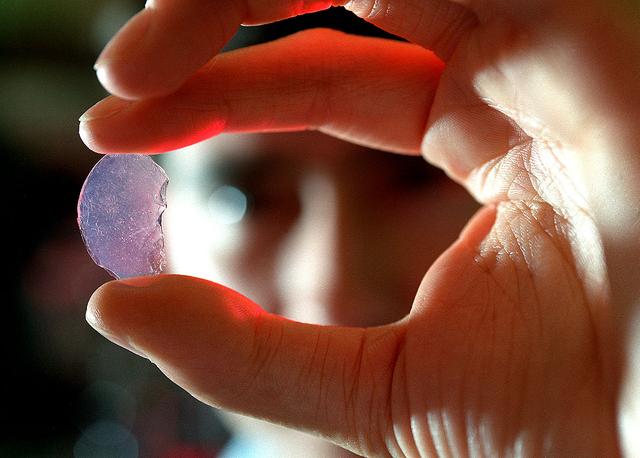
Sceintist at Marshall Space Flight Center have been studying the properties of Aerogel for several years. Aerogel, the lightest solid known to man, has displayed a high quality for insulation. Because of its smoky countenance, it has yet to be used as an insulation on windows, but has been used in the space program on the rover Sojourner, and has been used as insulation in the walls of houses and in automobile engine compartments. MSFC is one of the many research facilities conducting experiments to unlock the smoky properties of Aerogel and make it a clear substance. Recent experimentations in microgravity have resulted in the microstructure of the material. Research on these changes is being continued.
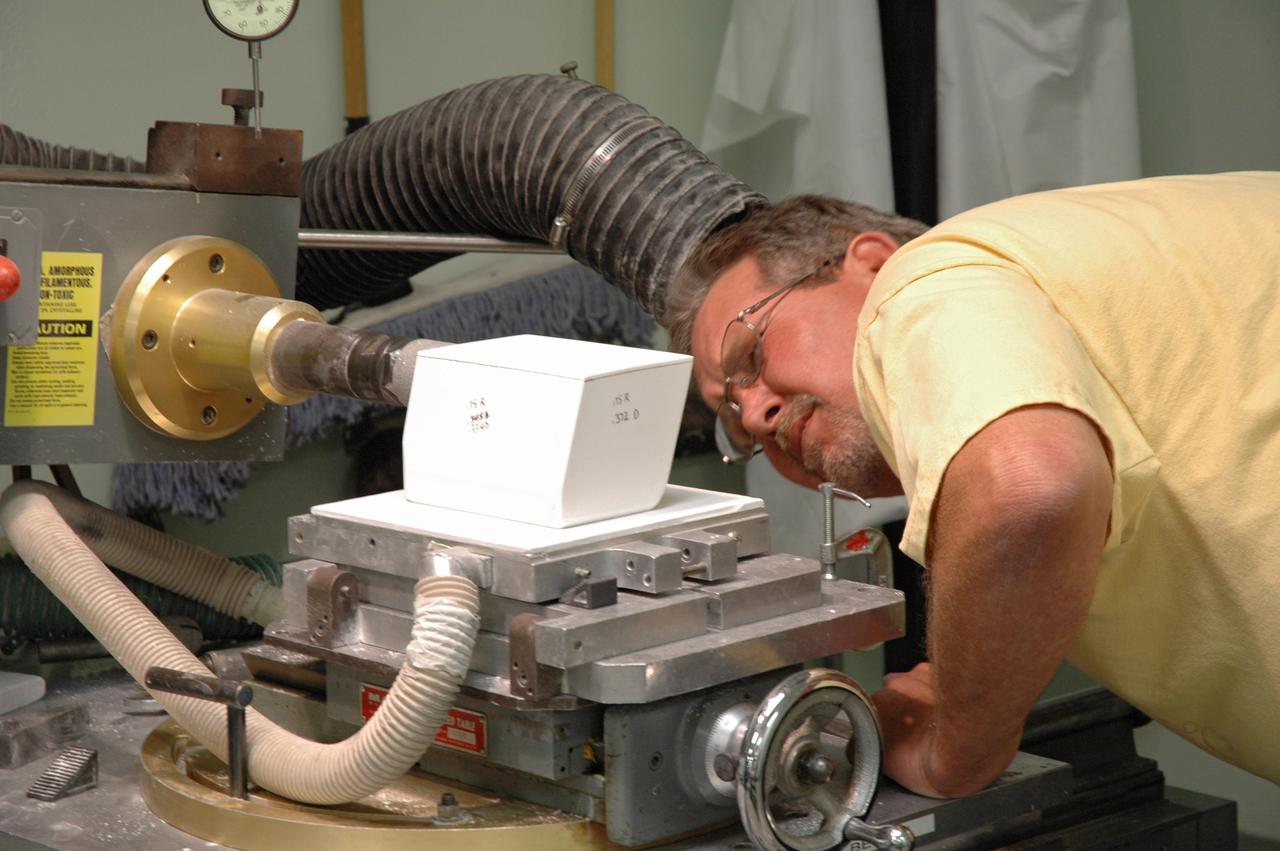
CAPE CANAVERAL, Fla. – In the Tile Shop at NASA's Kennedy Space Center, a United Space Alliance technician checks the shape of Boeing Rigid Insulation-18, or BRI-18, tile he cut. BRI-18 is the strongest material used for thermal insulation on the orbiters and, when coated to produce toughened unipiece fibrous insulation, provides a tile with extremely high-impact resistance. It is replacing tiles on areas of the vehicle where impact risk is high. These areas include the landing gear doors, the wing leading edge and the external tank doors. Photo credit: NASA/Jim Grossmann
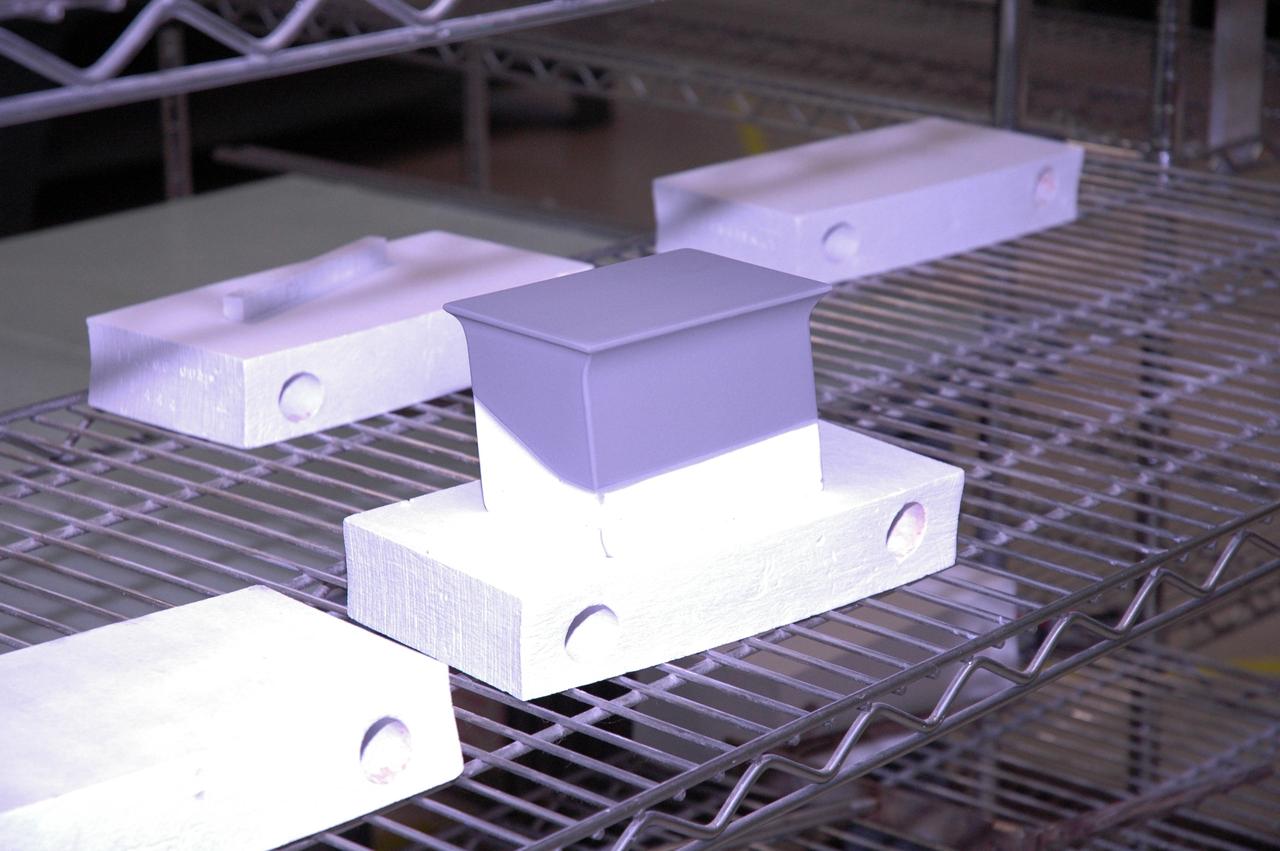
CAPE CANAVERAL, Fla. – In the tile shop at NASA's Kennedy Space Center, a Boeing Replacement Insulation 18, or BRI-18, tile is ready to be baked at 2,200 degrees Fahrenheit to cure the ceramic coating, part of the process to prepare the tiles for installation on space shuttles. BRI-18 is the strongest material used for thermal insulation on the orbiters and, when coated to produce toughened unipiece fibrous insulation, provides a tile with extremely high-impact resistance. It is replacing other tiles on areas of the vehicle where impact risk is high, such as the landing gear doors, the wing leading edge and the external tank doors. Photo credit: NASA/Jim Grossmann
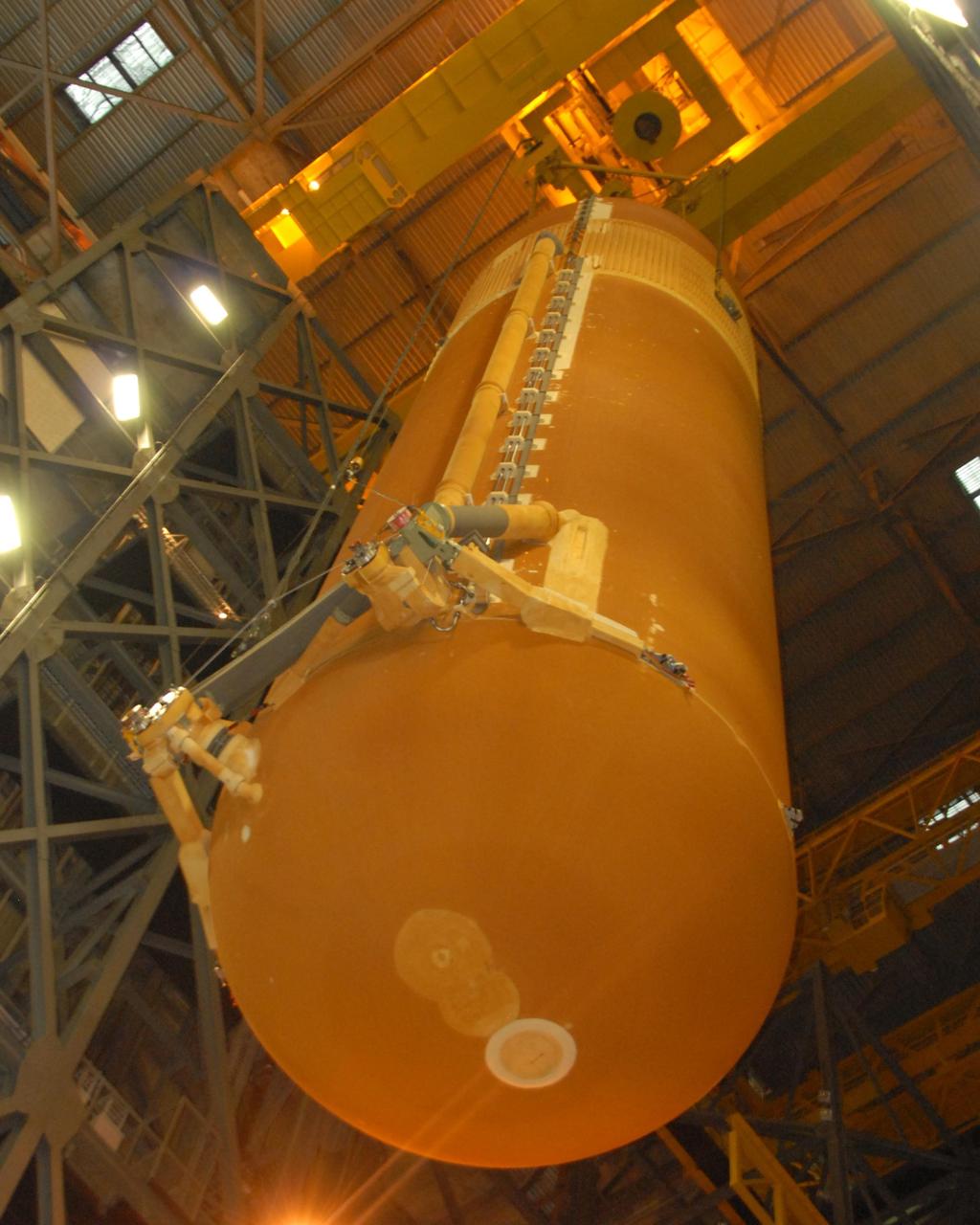
KENNEDY SPACE CENTER, FLA. -- In the Vehicle Assembly Building at NASA's Kennedy Space Center, external tank No. 120 is lowered into high bay 1 where it will be mated with the solid rocket boosters. Seen on the tank are the sites of modification to the foam where BX265 foam insulation and super lightweight ablator, cork insulation was removed and the BX265 foam insulation alone reapplied. The external tank-SRB stack is being prepared for the orbiter Discovery, which will be mated to the stack in the VAB in two weeks. Space Shuttle Discovery is targeted to launch Oct. 23 on mission STS-120 to the International Space Station. Photo credit: NASA/George Shelton
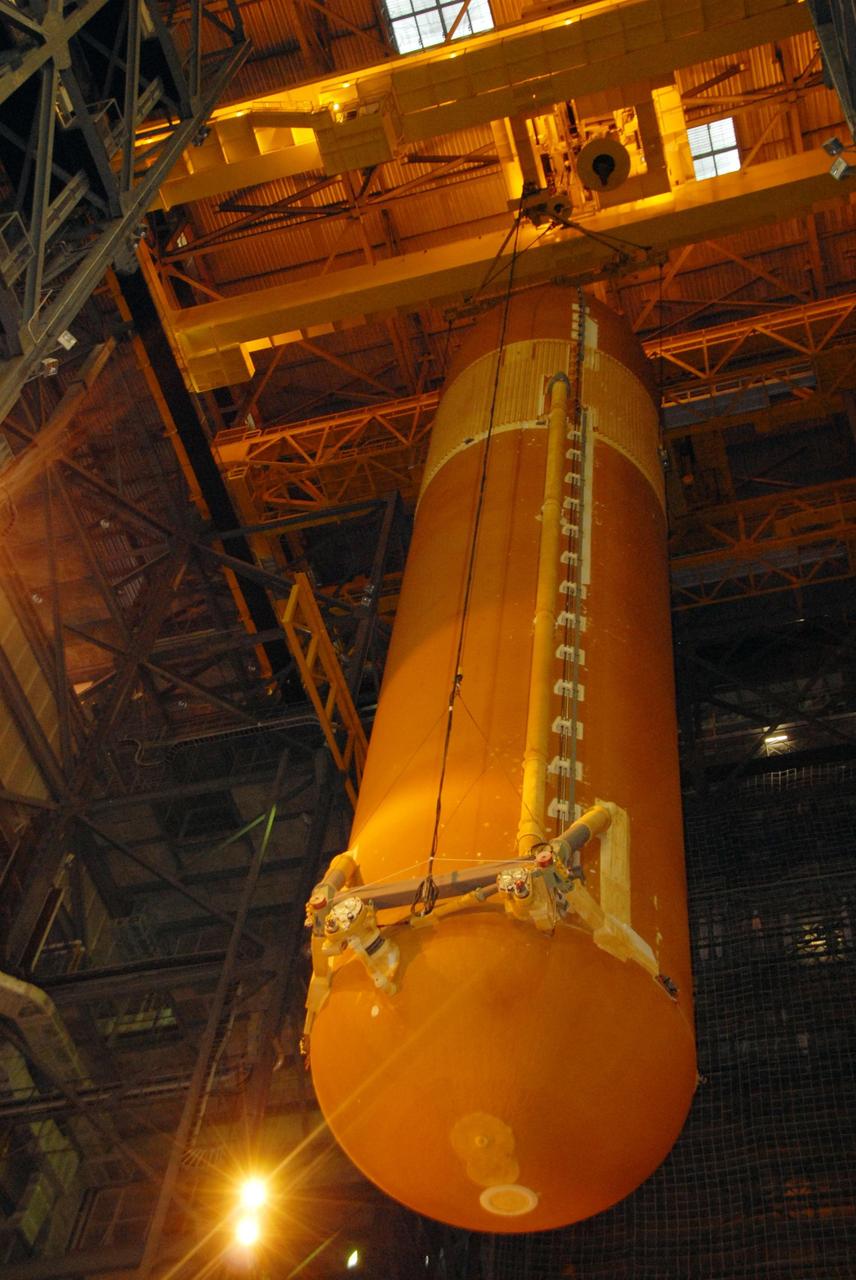
KENNEDY SPACE CENTER, FLA. -- In the Vehicle Assembly Building at NASA's Kennedy Space Center, external tank No. 120 is lowered into high bay 1 where it will be mated with the solid rocket boosters. Seen on the tank are the sites of modification to the foam where BX265 foam insulation and super lightweight ablator, cork insulation was removed and the BX265 foam insulation alone reapplied. The external tank-SRB stack is being prepared for the orbiter Discovery, which will be mated to the stack in the VAB in two weeks. Space Shuttle Discovery is targeted to launch Oct. 23 on mission STS-120 to the International Space Station. Photo credit: NASA/George Shelton
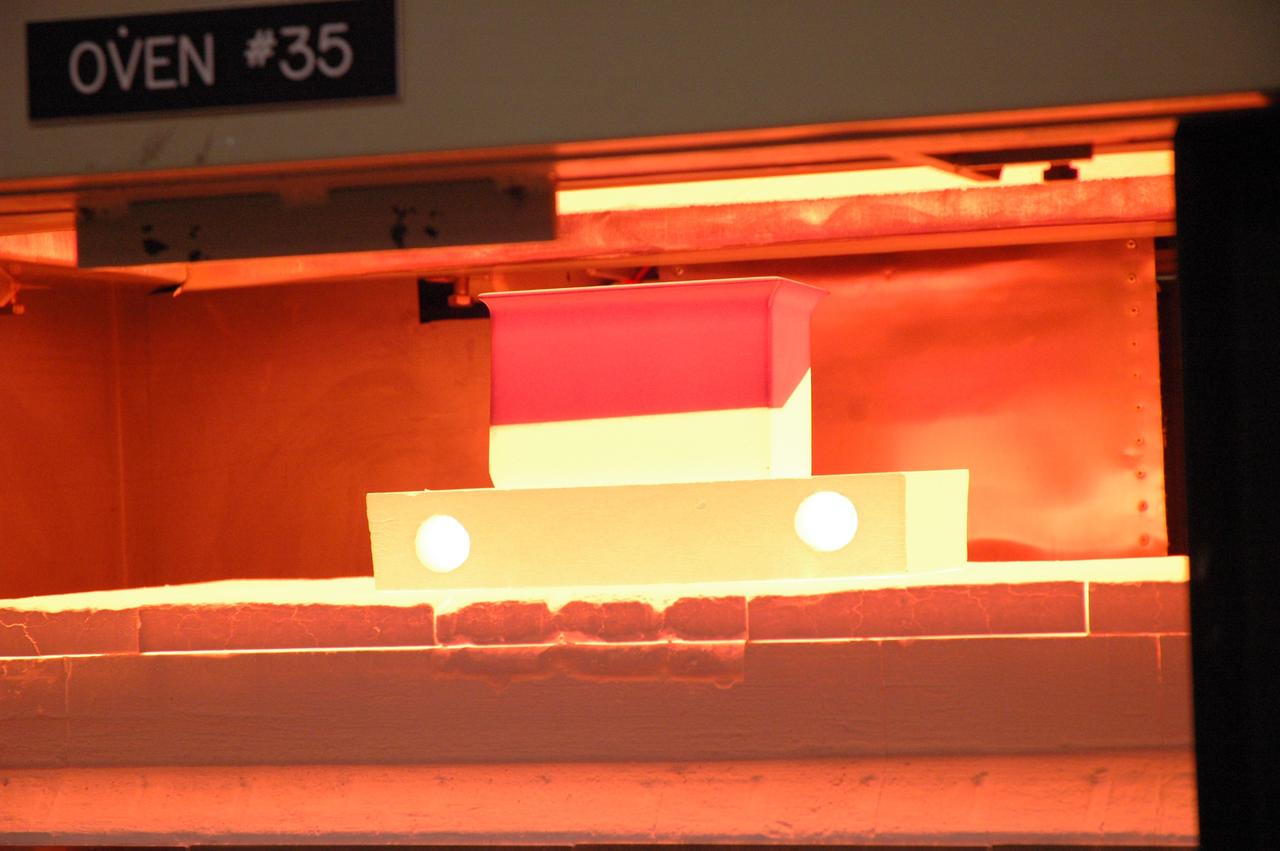
CAPE CANAVERAL, Fla. – In the tile shop at NASA's Kennedy Space Center, a Boeing Replacement Insulation 18, or BRI-18, tile bakes in a 2,200-degree oven to cure the ceramic coating. The baking is part of the process to prepare the tiles for installation on space shuttles. BRI-18 is the strongest material used for thermal insulation on the orbiters and, when coated to produce toughened unipiece fibrous insulation, provides a tile with extremely high-impact resistance. It is replacing other tiles on areas of the vehicle where impact risk is high, such as the landing gear doors, the wing leading edge and the external tank doors. Photo credit: NASA/Jim Grossmann
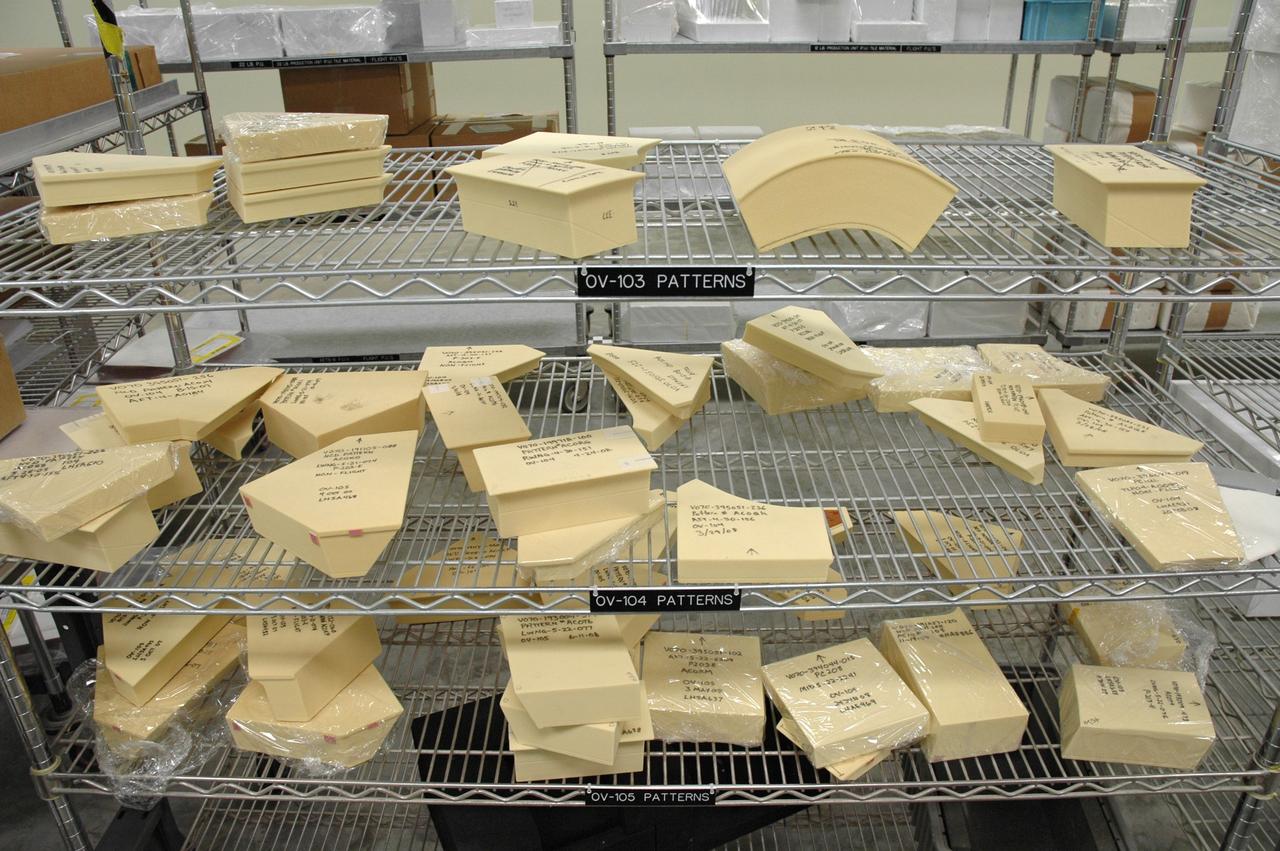
CAPE CANAVERAL, Fla. – In the Tile Shop at NASA's Kennedy Space Center, Boeing Rigid Insulation-18, or BRI-18, tiles of different shapes await use on the three orbiters: Discovery, Atlantis and Endeavour. BRI-18 is the strongest material used for thermal insulation on the orbiters and, when coated to produce toughened unipiece fibrous insulation, provides a tile with extremely high-impact resistance. It is replacing tiles on areas of the vehicle where impact risk is high. These areas include the landing gear doors, the wing leading edge and the external tank doors. Photo credit: NASA/Jim Grossmann
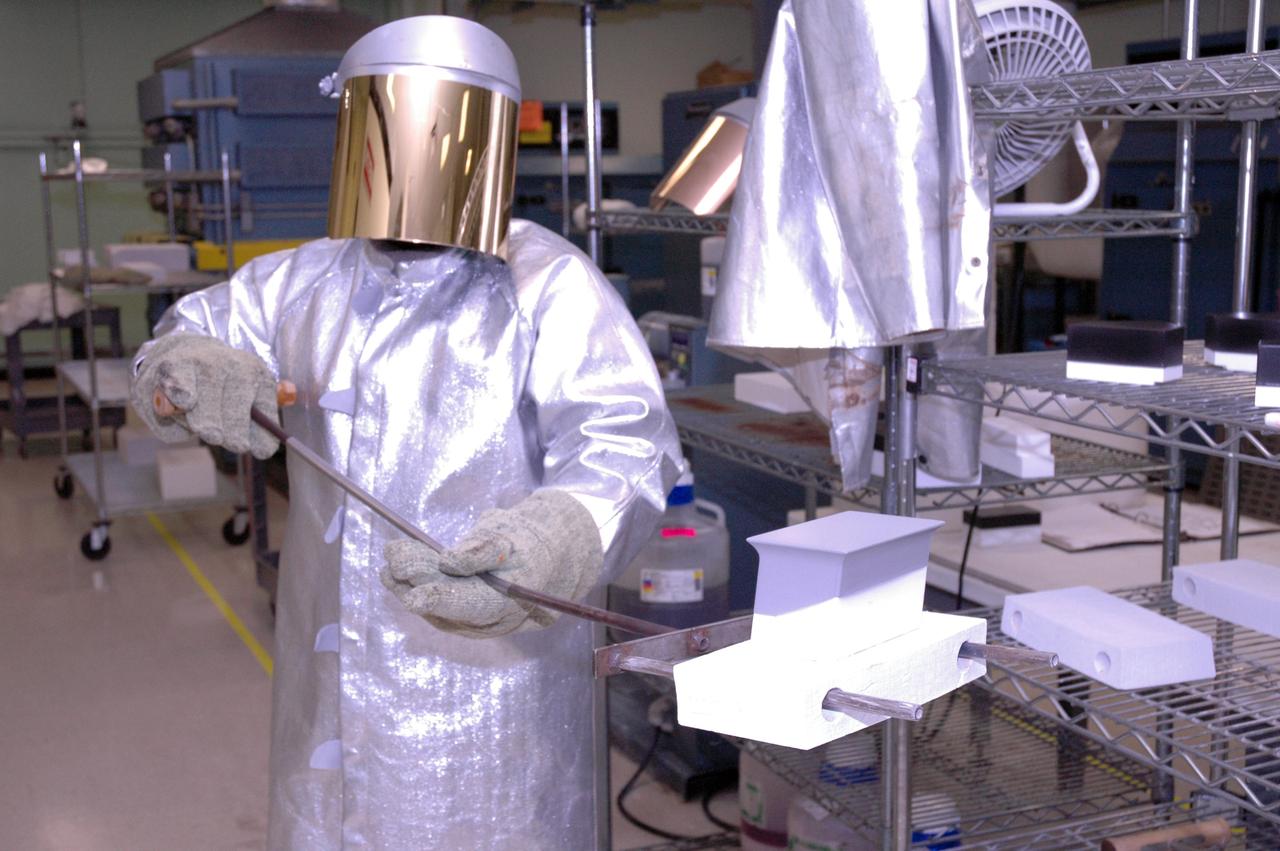
CAPE CANAVERAL, Fla. – In the tile shop at NASA's Kennedy Space Center, a worker is ready to place a Boeing Replacement Insulation 18, or BRI-18, tile in the oven. The tile will be baked at 2,200 degrees Fahrenheit to cure the ceramic coating, part of the process to prepare the tiles for installation on space shuttles. BRI-18 is the strongest material used for thermal insulation on the orbiters and, when coated to produce toughened unipiece fibrous insulation, provides a tile with extremely high-impact resistance. It is replacing other tiles on areas of the vehicle where impact risk is high, such as the landing gear doors, the wing leading edge and the external tank doors. Photo credit: NASA/Jim Grossmann
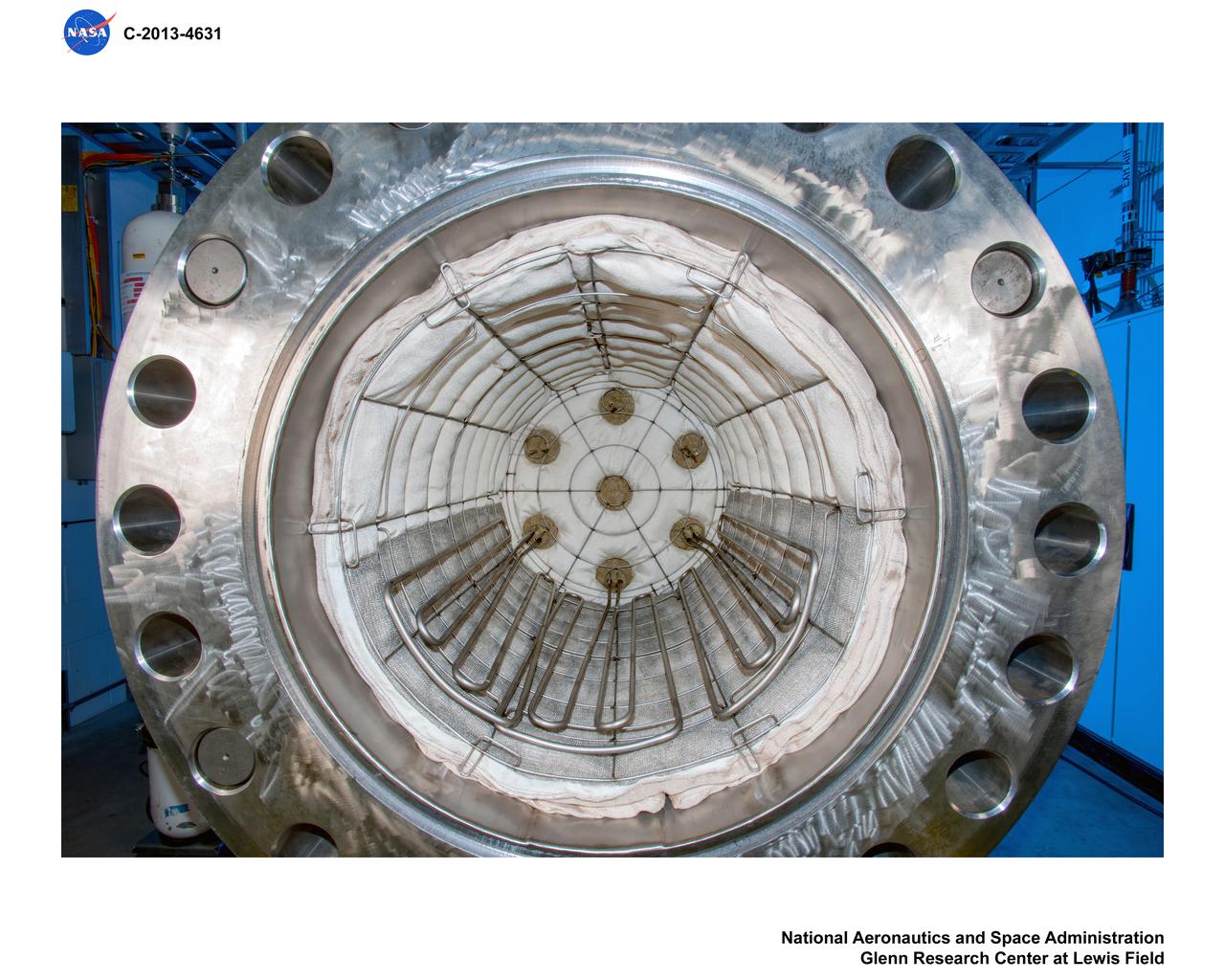
Glenn Extreme Environments Rig, GEER, Test Chamber, recreate Venus conditions on Earth, photos of insulation construction progress
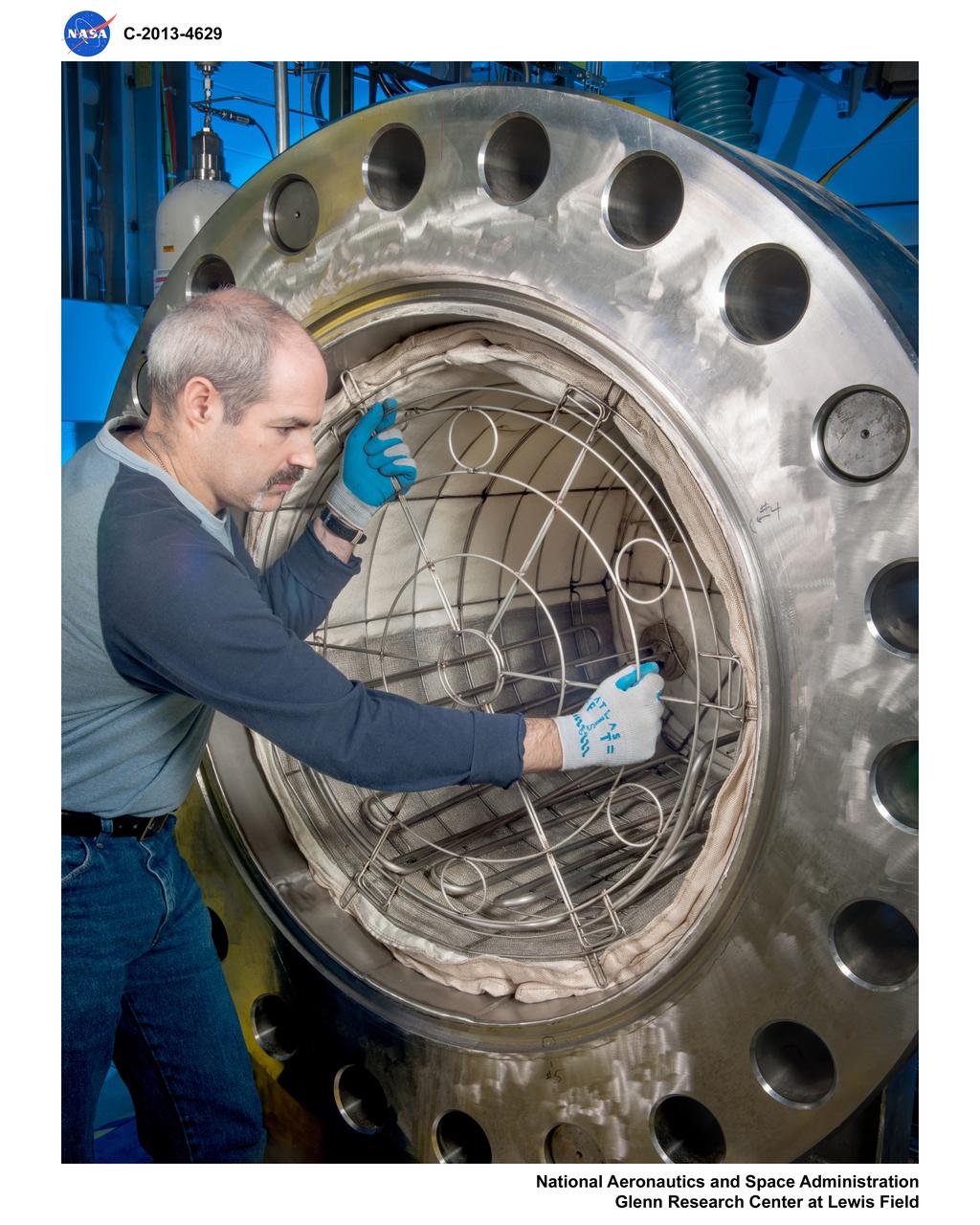
Glenn Extreme Environments Rig, GEER, Test Chamber, recreate Venus conditions on Earth, photos of insulation construction progress
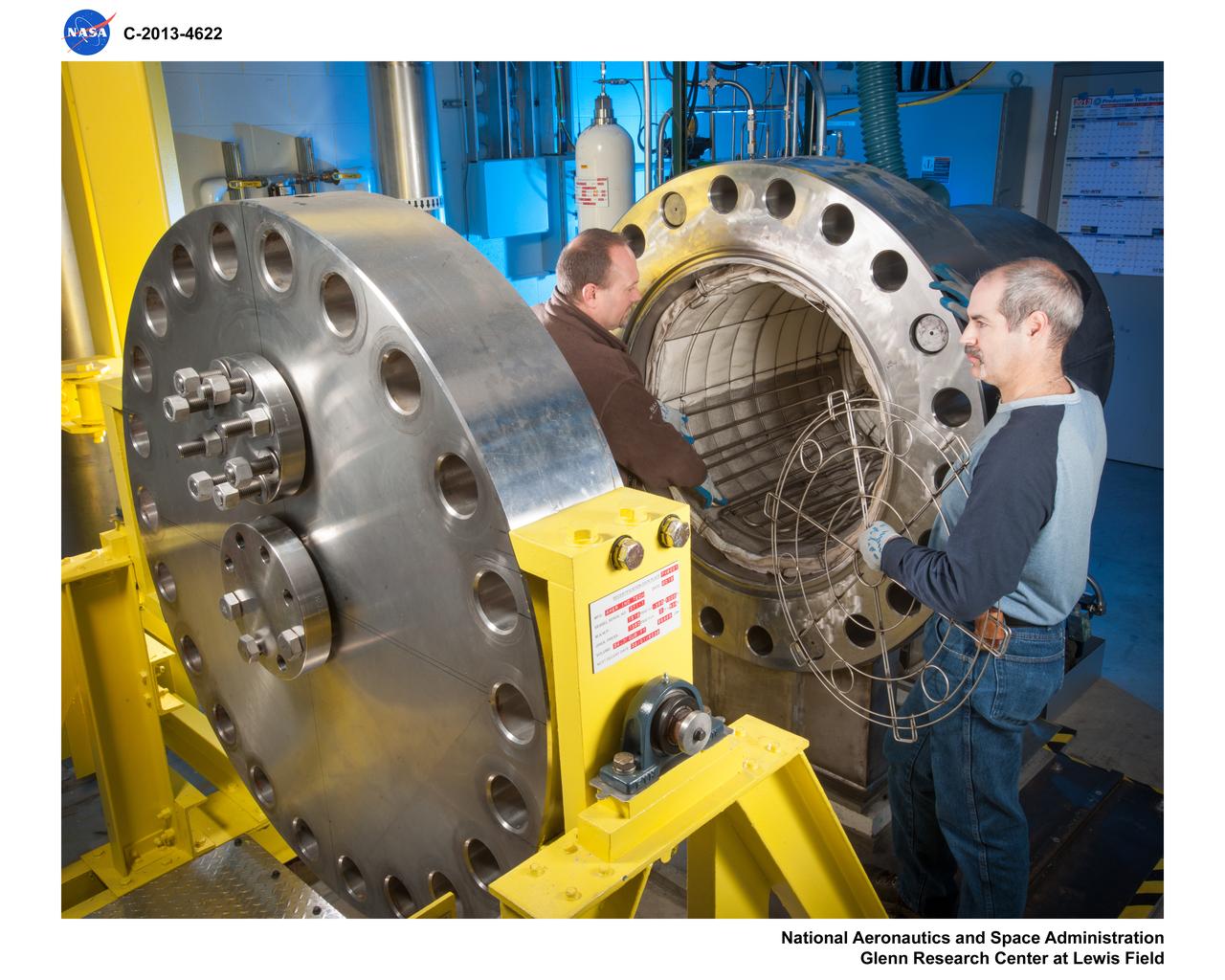
Glenn Extreme Environments Rig, GEER, Test Chamber, recreate Venus conditions on Earth, photos of insulation construction progress
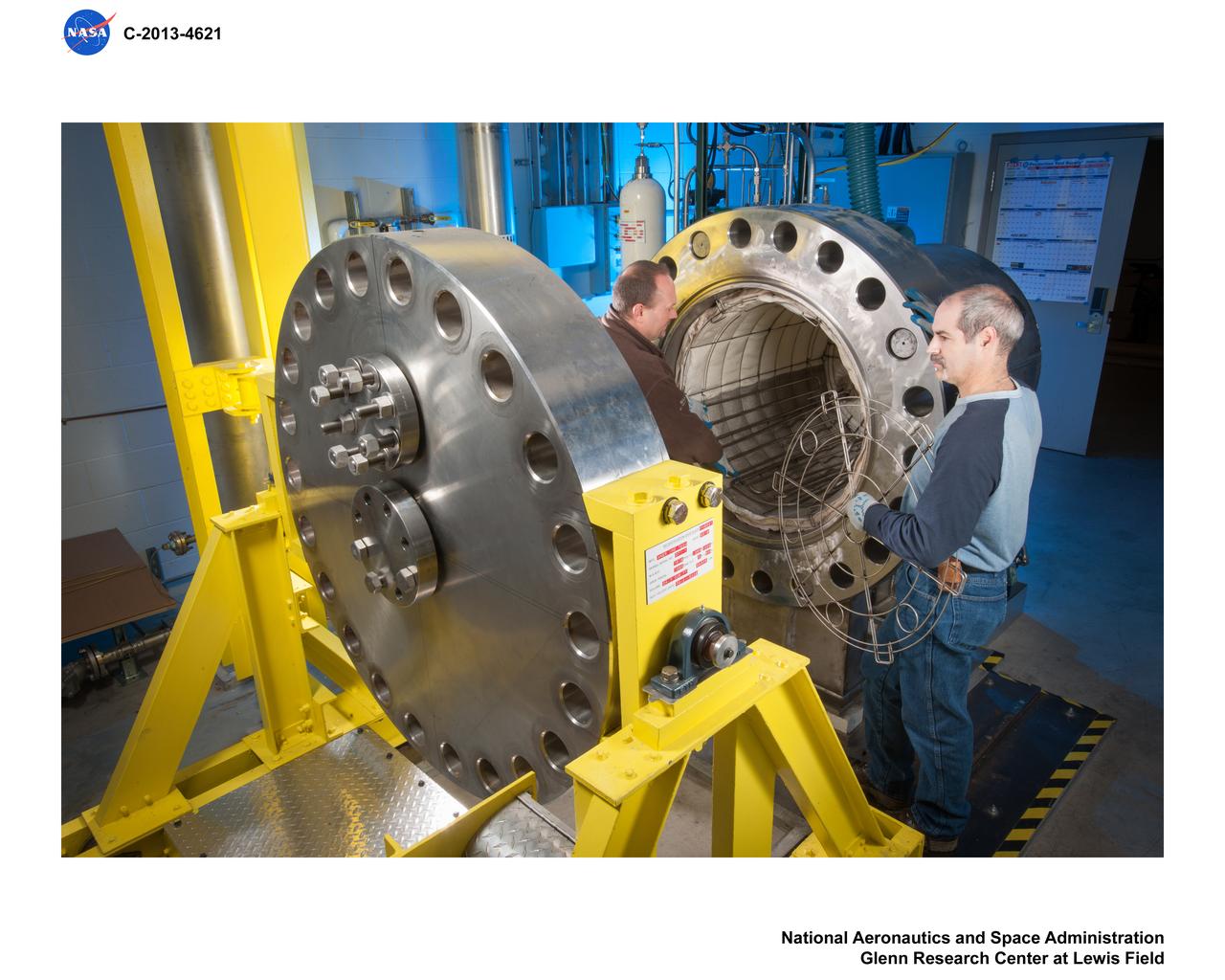
Glenn Extreme Environments Rig, GEER, Test Chamber, recreate Venus conditions on Earth, photos of insulation construction progress
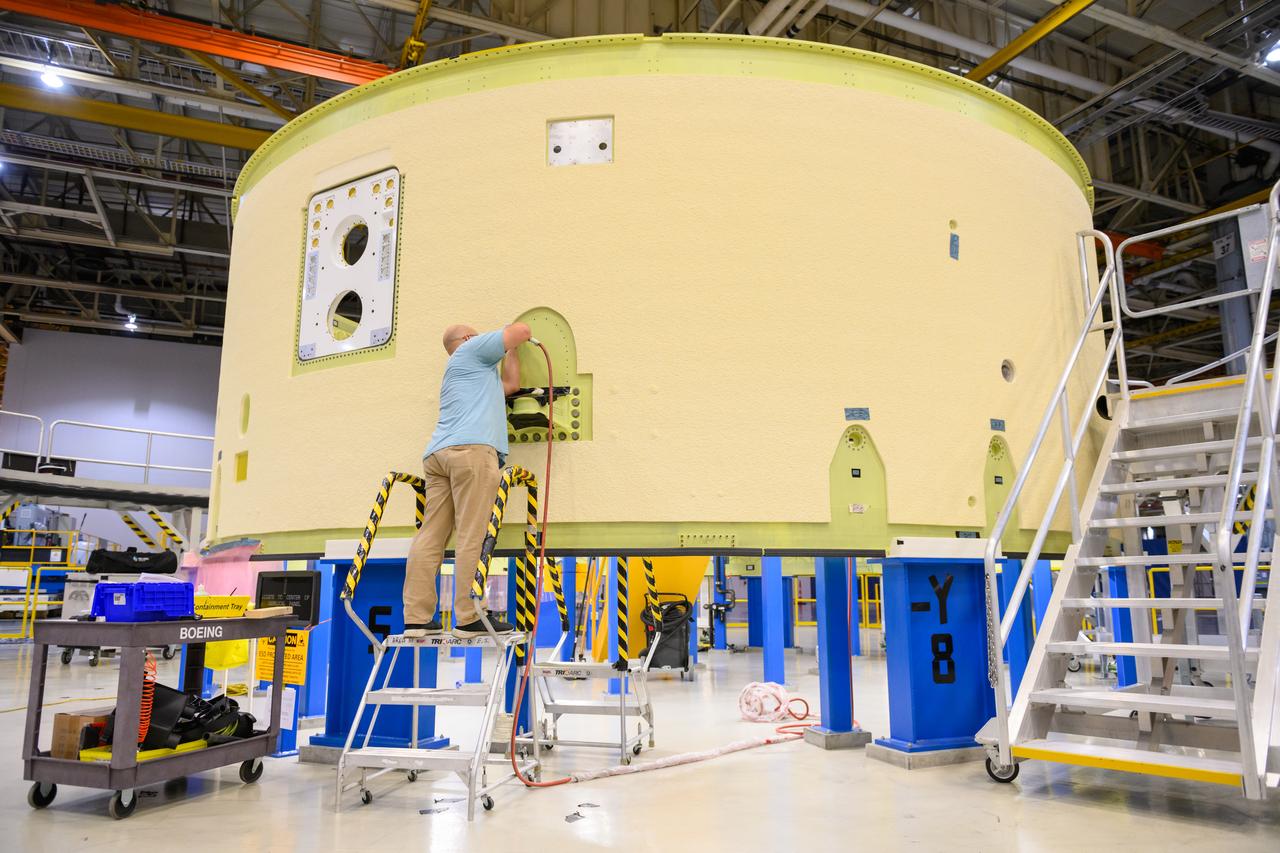
Space Launch System Corestage-2 (Artemis-2) Forward Skirt after recieiving spray-on foam insulation(SOFI) at NASA's Michoud Assembly Facility.
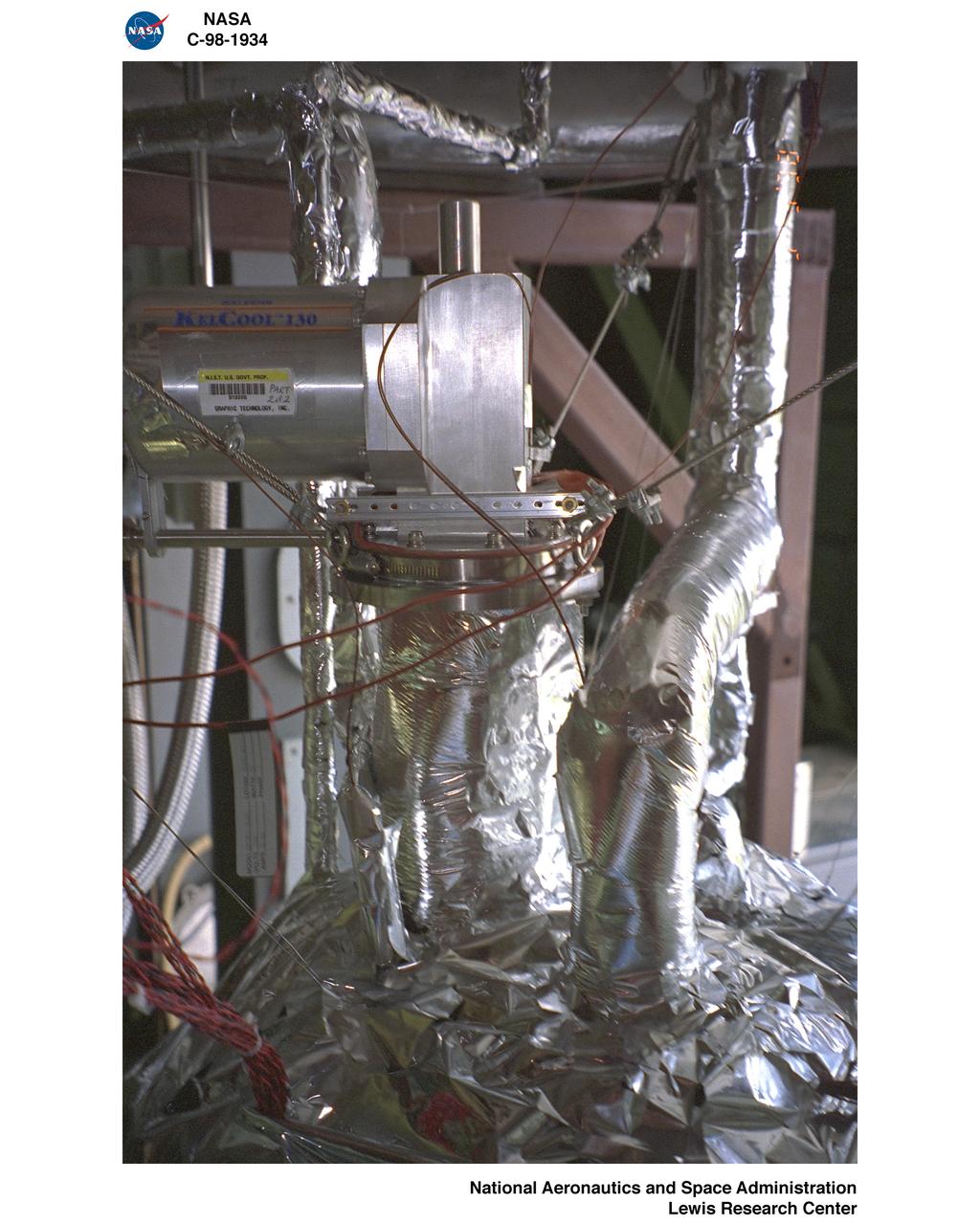
HYBRID THERMAL CONTROL TESTING AT THE SUPPLEMENTAL MULTI LAYER INSULATION RESEARCH FACILITY - SEE ALSO C-1998-1907 THRU C-1998-1922
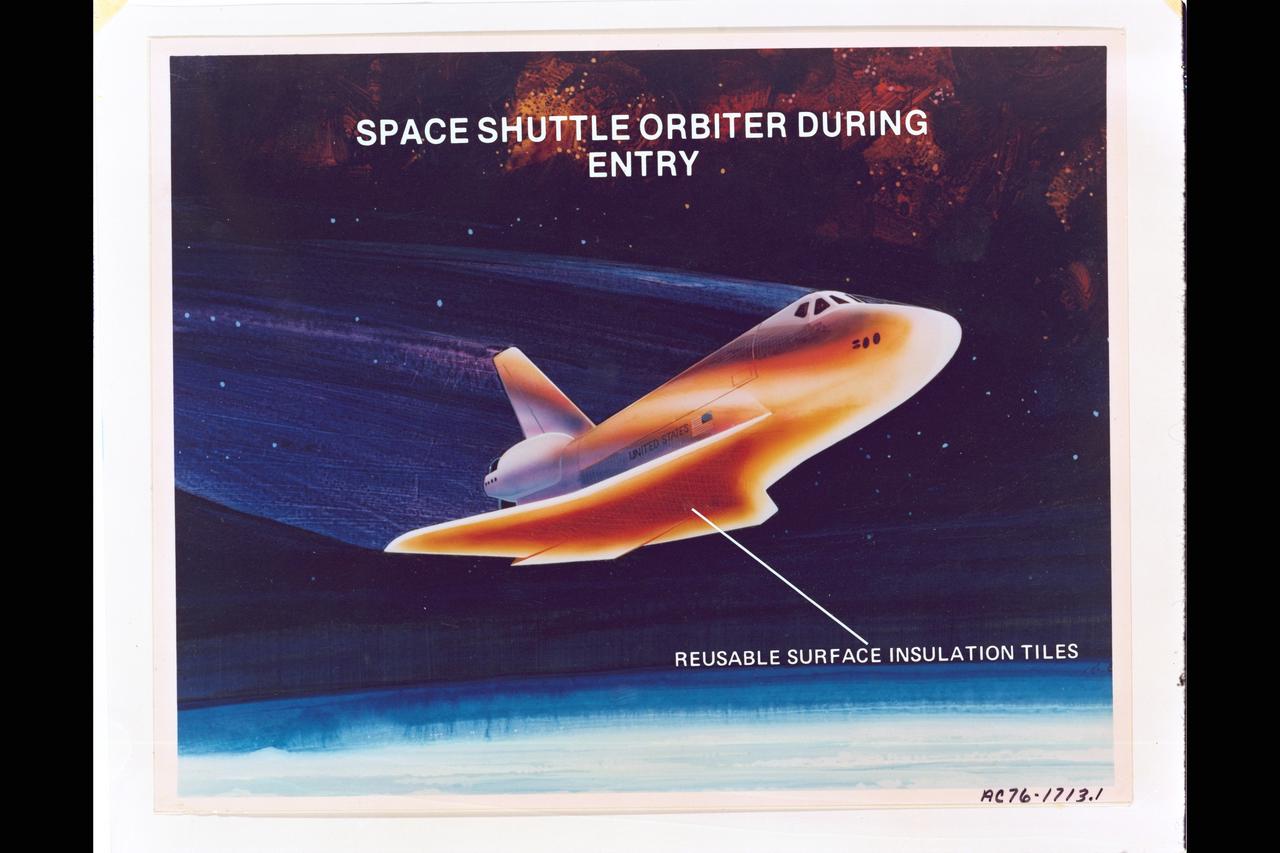
Artist: Rick Guidice NASA artwork of Space Shuttle Orbiter during re-entry showing Reusable Surface Insulation Tiles. (Text overlay)
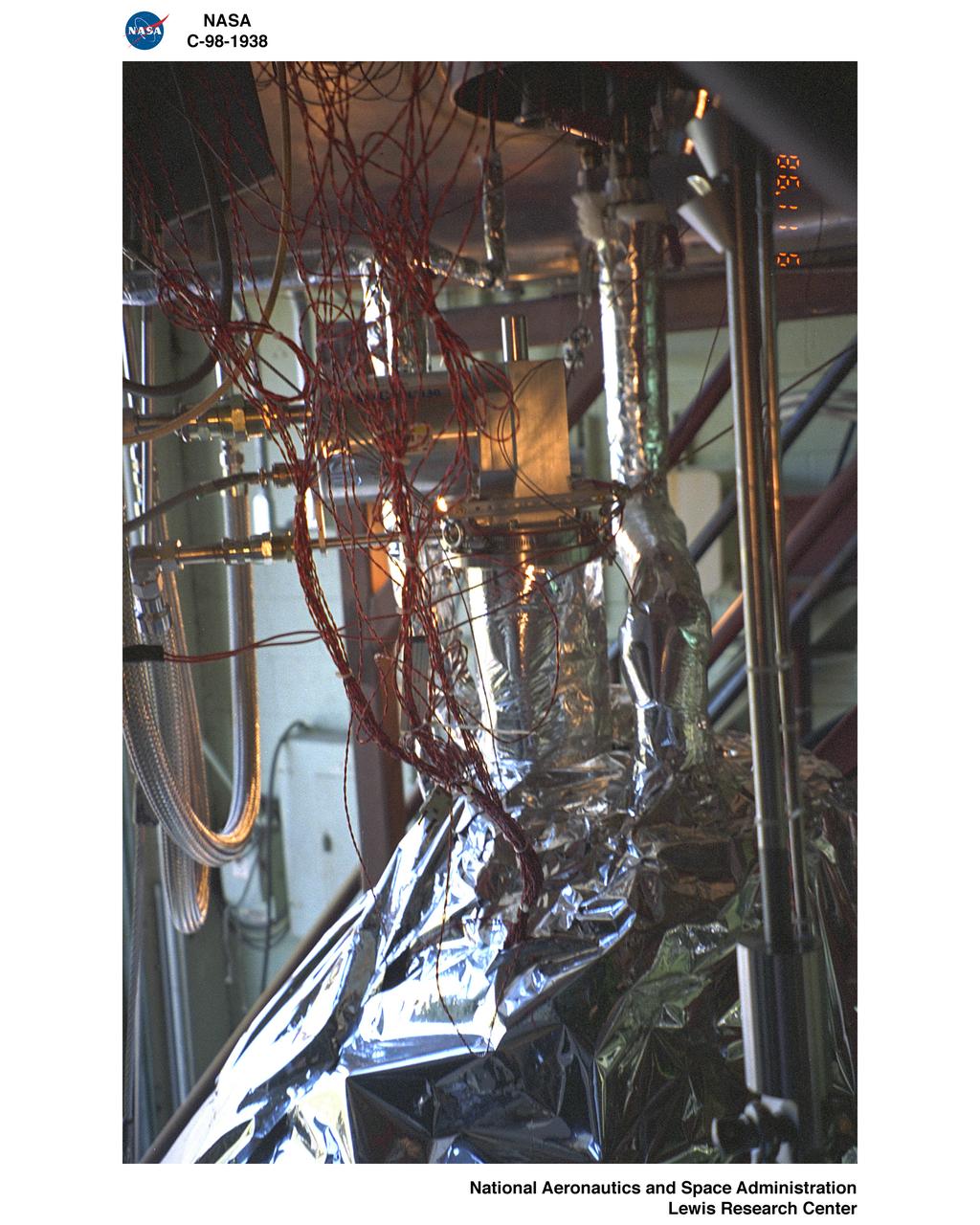
HYBRID THERMAL CONTROL TESTING AT THE SUPPLEMENTAL MULTI LAYER INSULATION RESEARCH FACILITY - SEE ALSO C-1998-1907 THRU C-1998-1922
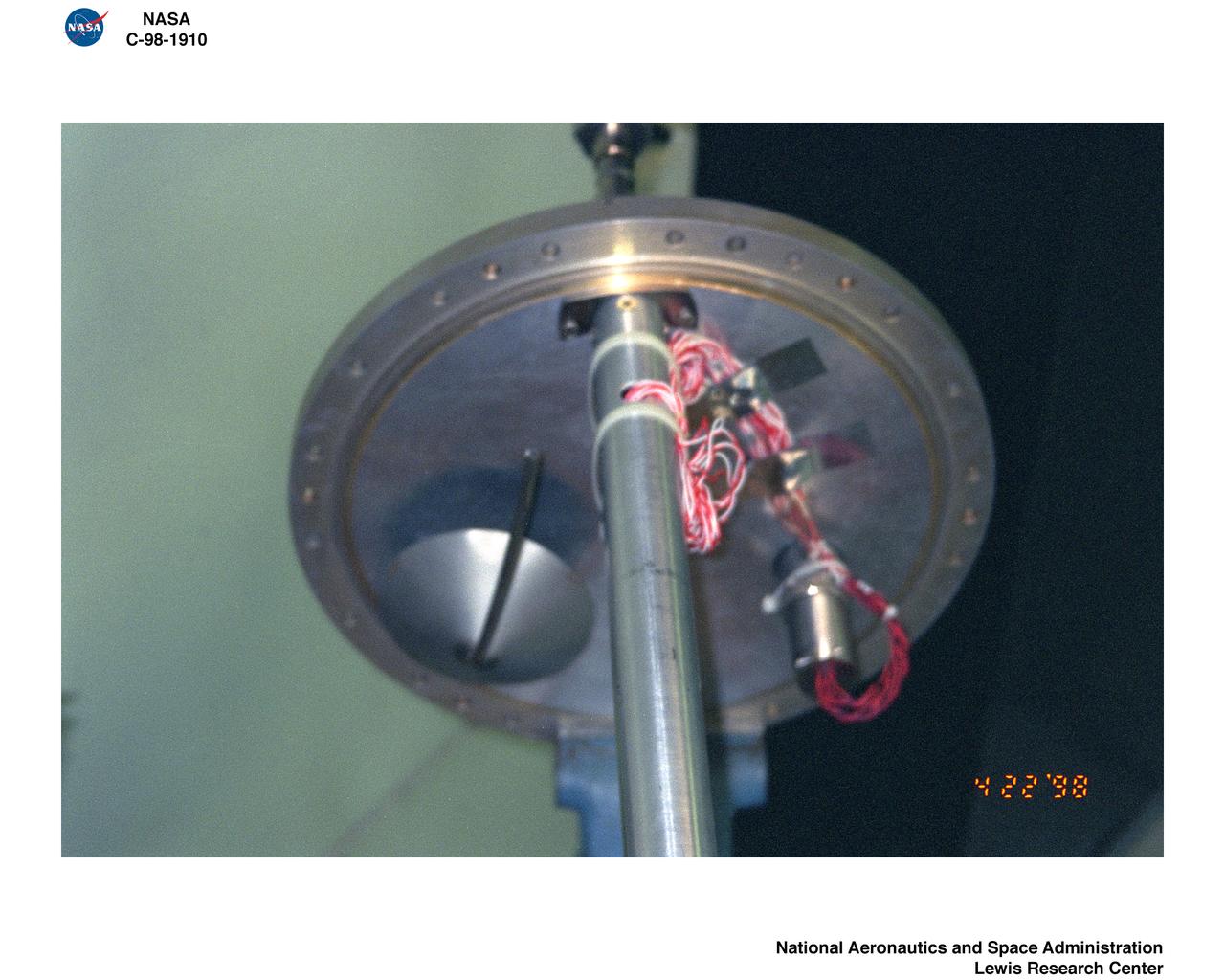
HYBRID THERMAL CONTROL TESTING AT THE SUPPLEMENTAL MULTI LAYER INSULATION RESEARCH FACILITY - SEE ALSO C-1998-1923 THRU C-1998-1941
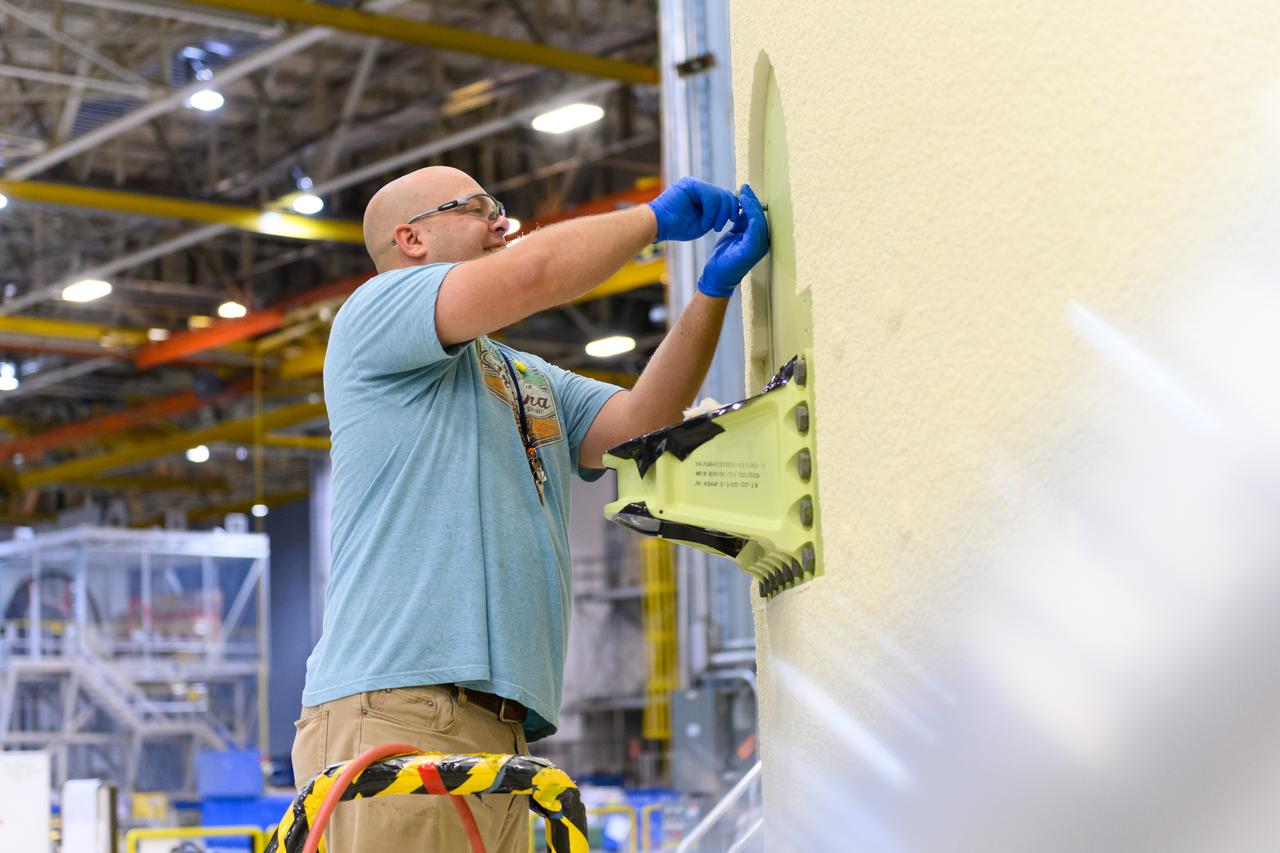
Space Launch System Corestage-2 (Artemis-2) Forward Skirt after recieiving spray-on foam insulation(SOFI) at NASA's Michoud Assembly Facility.
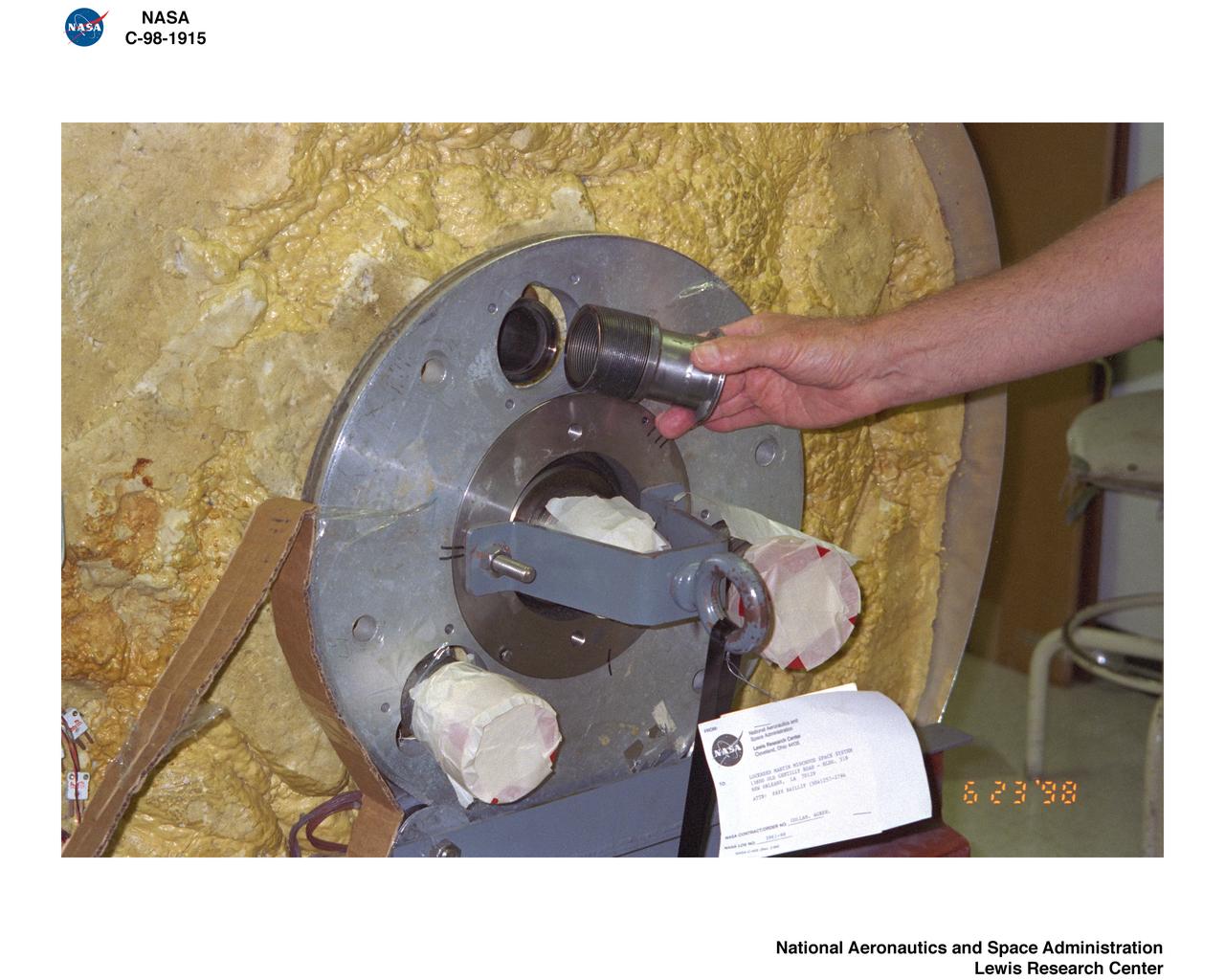
HYBRID THERMAL CONTROL TESTING AT THE SUPPLEMENTAL MULTI LAYER INSULATION RESEARCH FACILITY - SEE ALSO C-1998-1923 THRU C-1998-1941
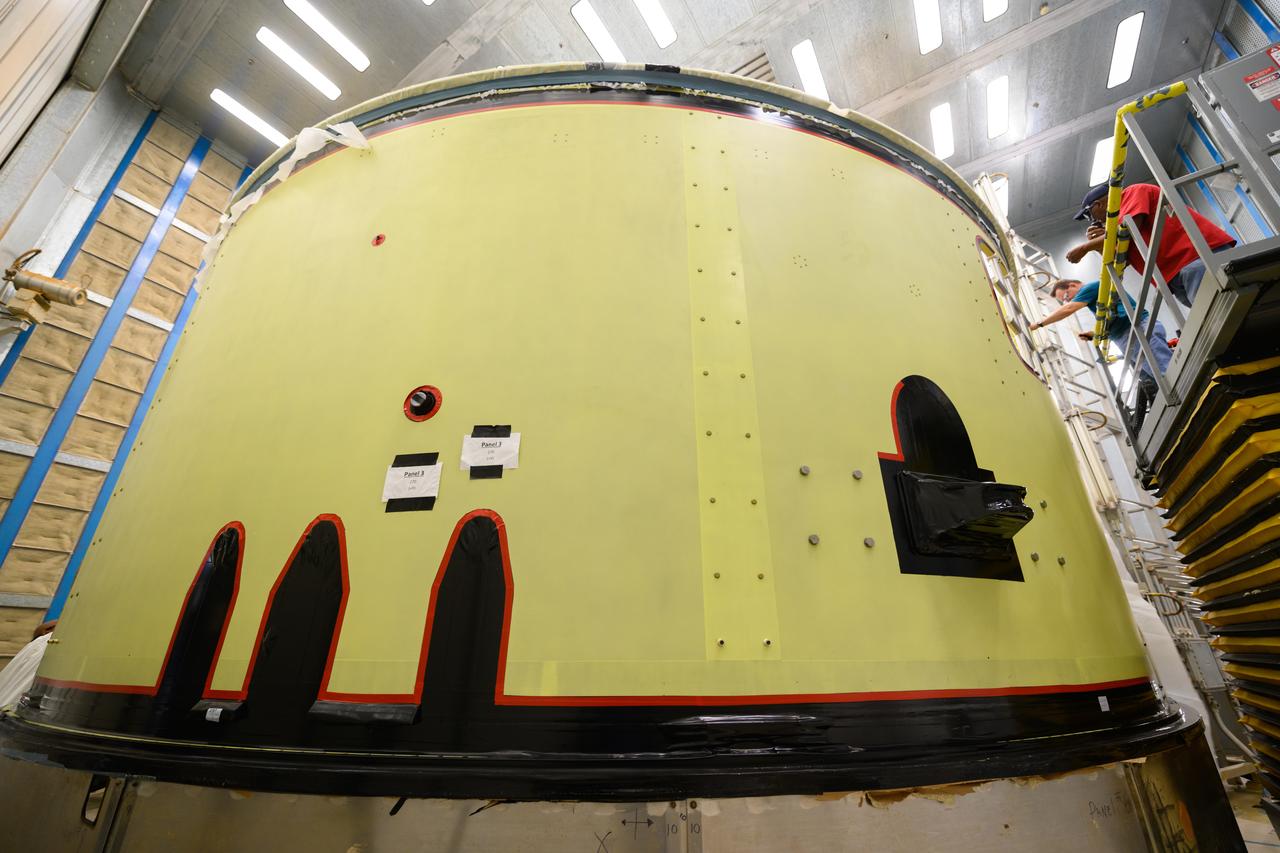
Space Launch System Corestage-2 Forward Skirt is prepped to receive spray-on foam insulation(SOFI) at NASA's Michoud Assembly Facility.

Space Launch System Corestage-2 Forward Skirt is prepped to receive spray-on foam insulation(SOFI) at NASA's Michoud Assembly Facility.
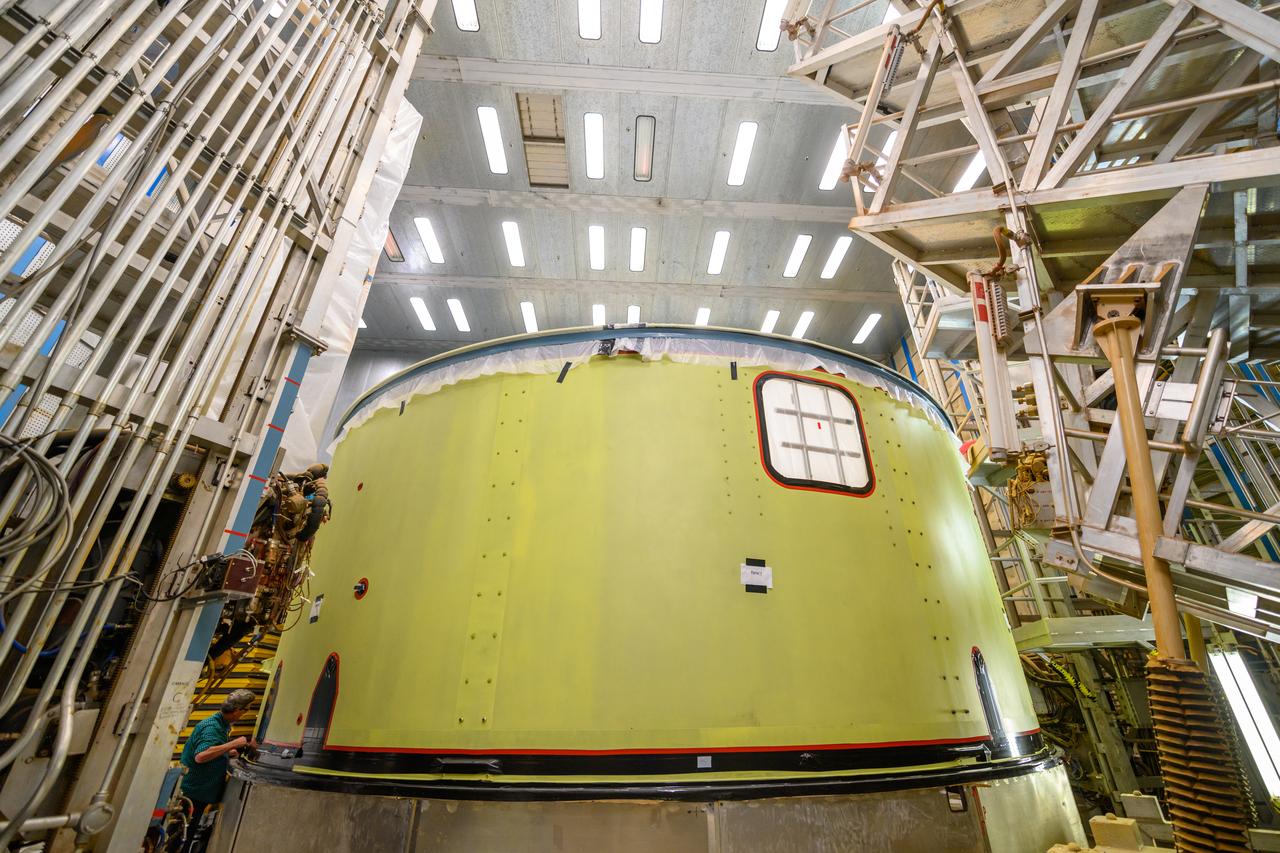
Space Launch System Corestage-2 Forward Skirt is prepped to recieve spray-on foam insulation(SOFI) at NASA's Michoud Assembly Facility.
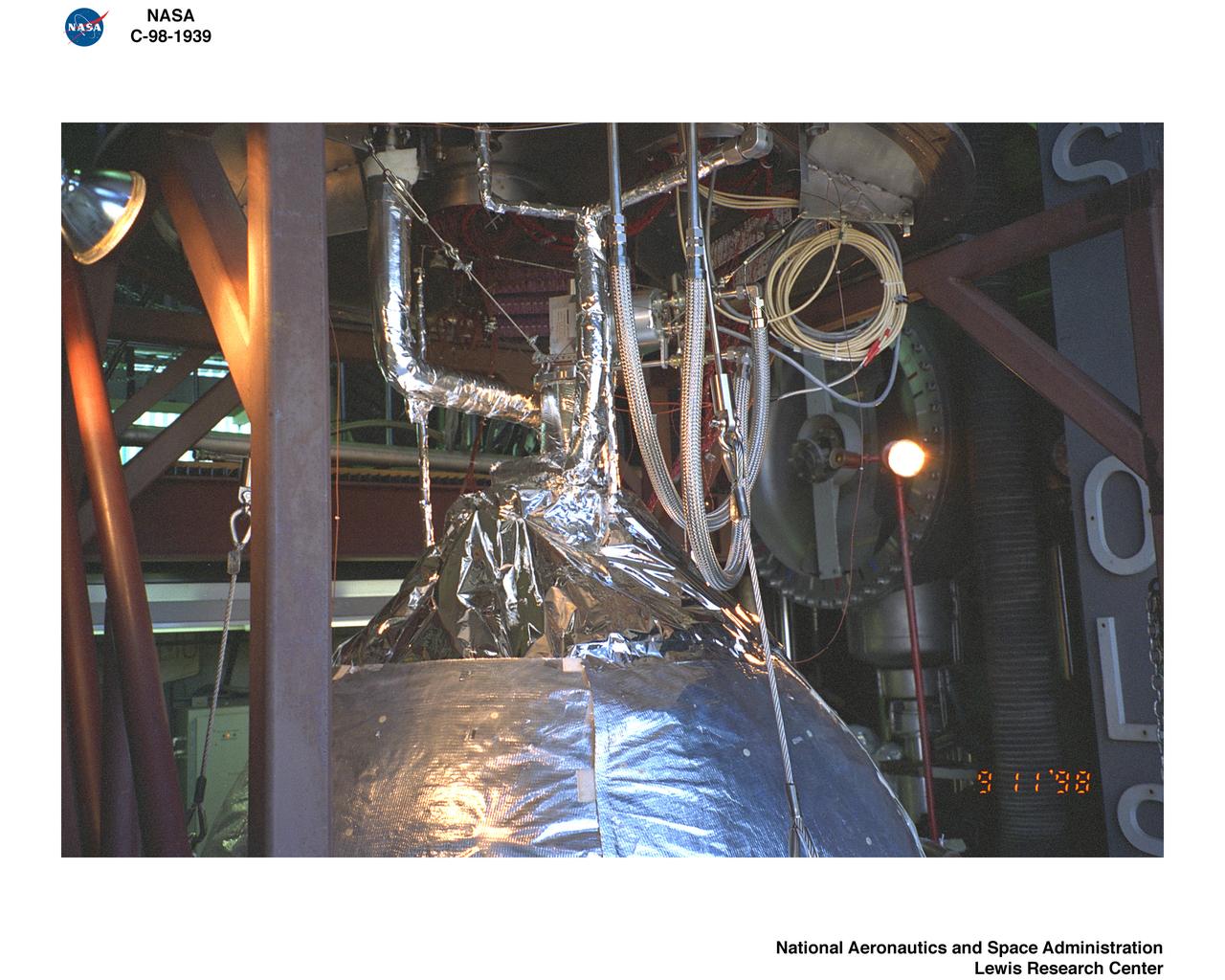
HYBRID THERMAL CONTROL TESTING AT THE SUPPLEMENTAL MULTI LAYER INSULATION RESEARCH FACILITY - SEE ALSO C-1998-1907 THRU C-1998-1922
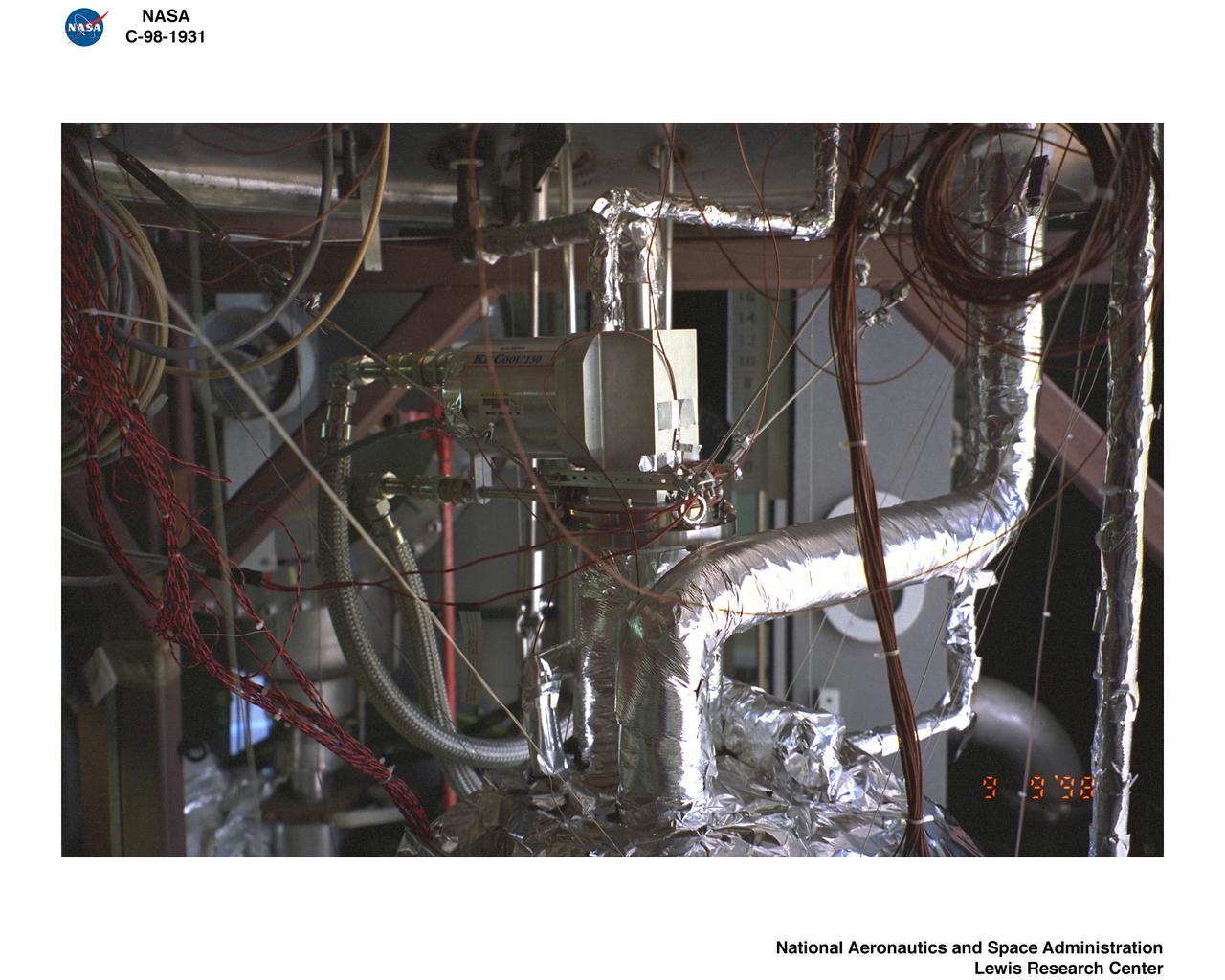
HYBRID THERMAL CONTROL TESTING AT THE SUPPLEMENTAL MULTI LAYER INSULATION RESEARCH FACILITY - SEE ALSO C-1998-1907 THRU C-1998-1922
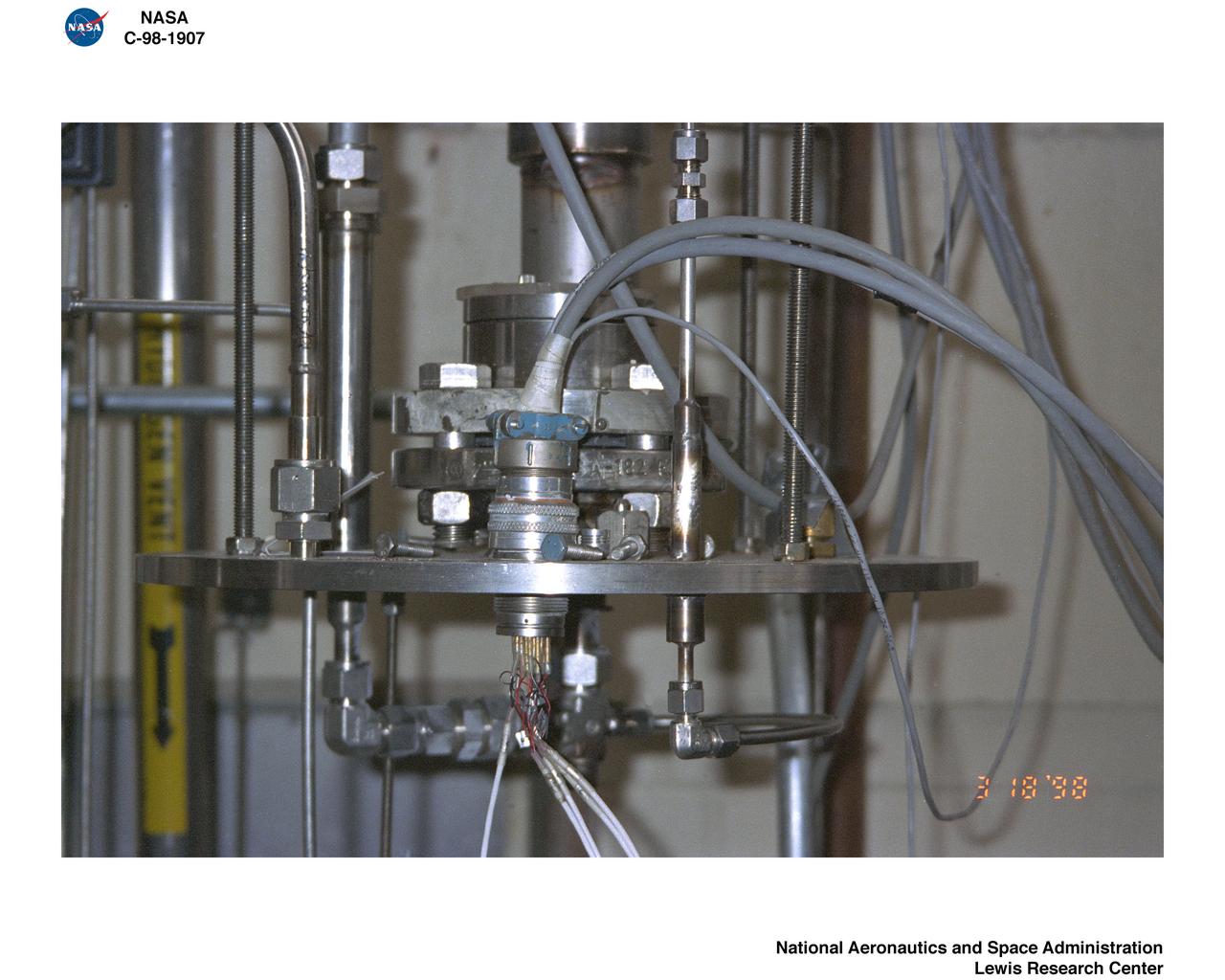
HYBRID THERMAL CONTROL TESTING AT THE SUPPLEMENTAL MULTI LAYER INSULATION RESEARCH FACILITY - SEE ALSO C-1998-1923 THRU C-1998-1941
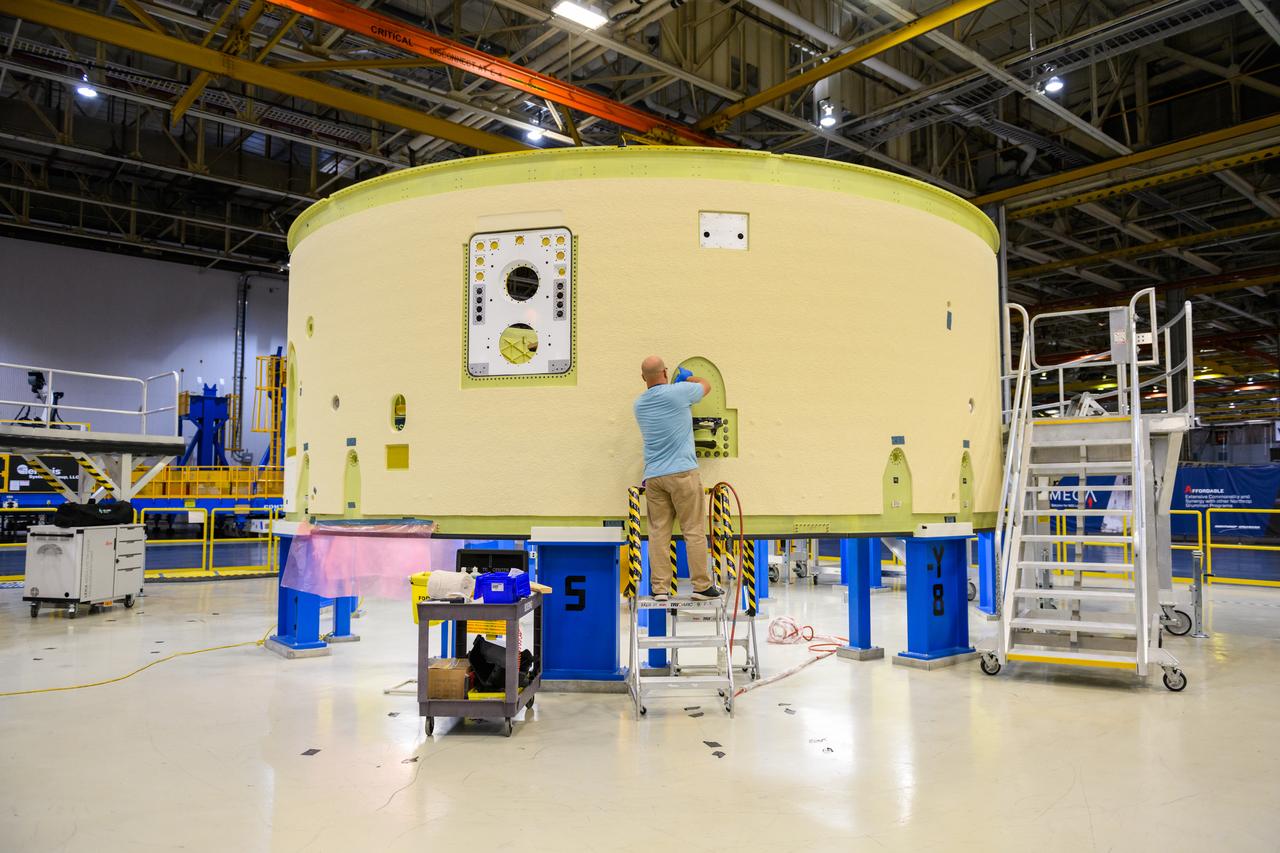
Space Launch System Corestage-2 (Artemis-2) Forward Skirt after recieiving spray-on foam insulation(SOFI) at NASA's Michoud Assembly Facility.
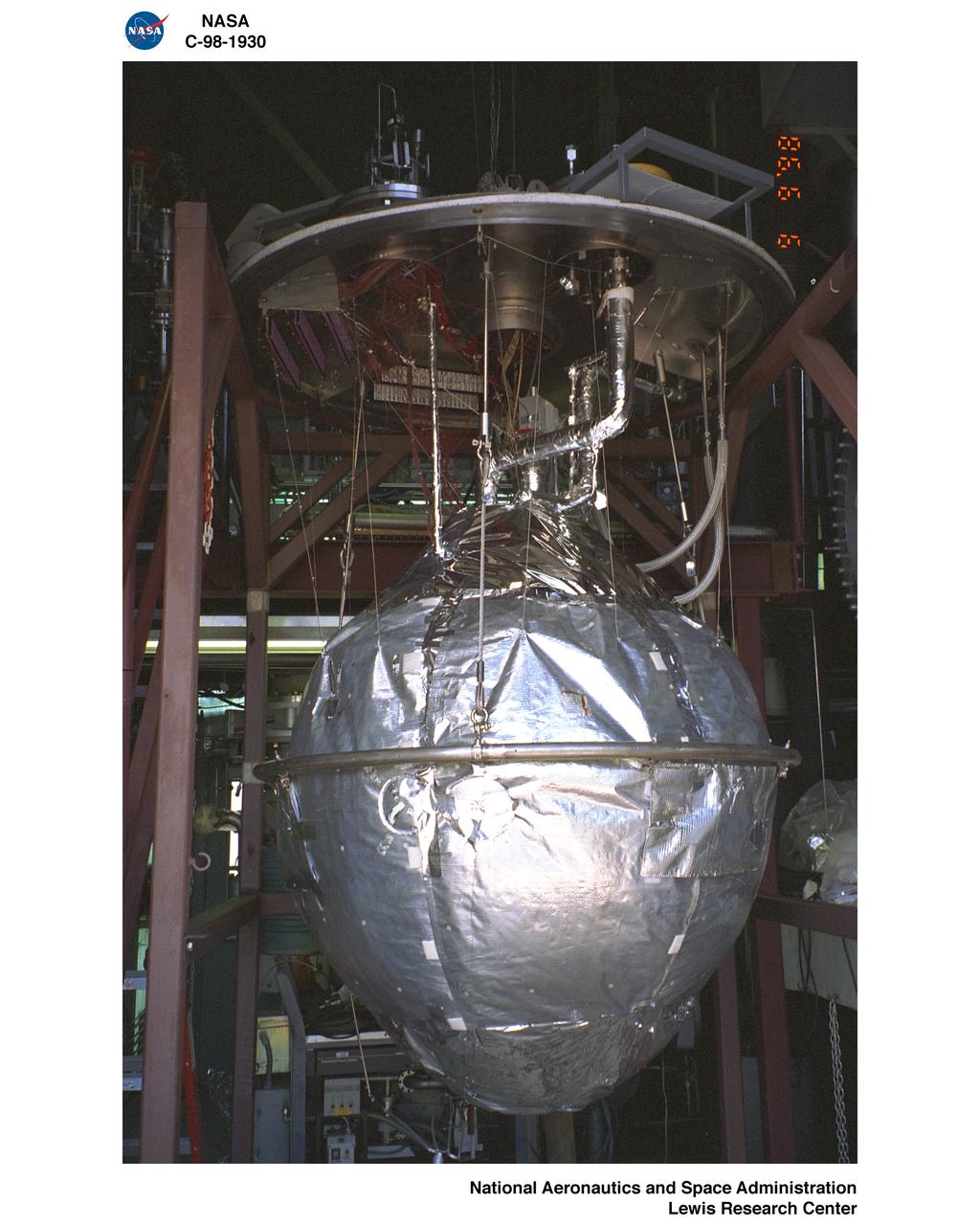
HYBRID THERMAL CONTROL TESTING AT THE SUPPLEMENTAL MULTI LAYER INSULATION RESEARCH FACILITY - SEE ALSO C-1998-1907 THRU C-1998-1922
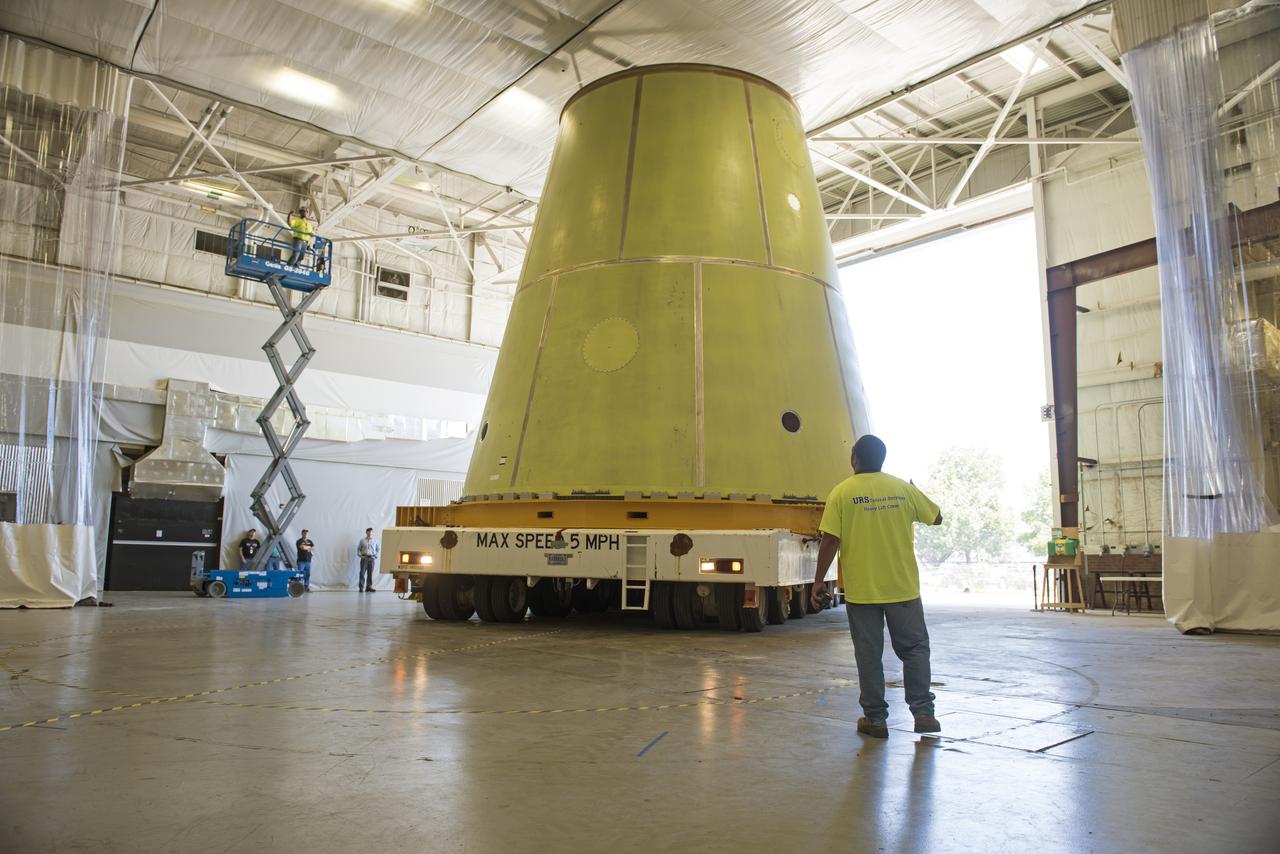
A NASA KAMAG transporter moves the Space Launch System’s launch vehicle stage adapter (LVSA) to an area where spray-on foam insulation will be applied. The LVSA recently completed manufacturing on a 30 foot welding tool at NASA’s Marshall Space Flight Center in Huntsville, Al. The LVSA will be coated with insulation that will protect it during it’s trip to space. The LVSA provides structural support and connects the core stage and the interim cryogenic propulsion stage during the first integrated flight of SLS and Orion.
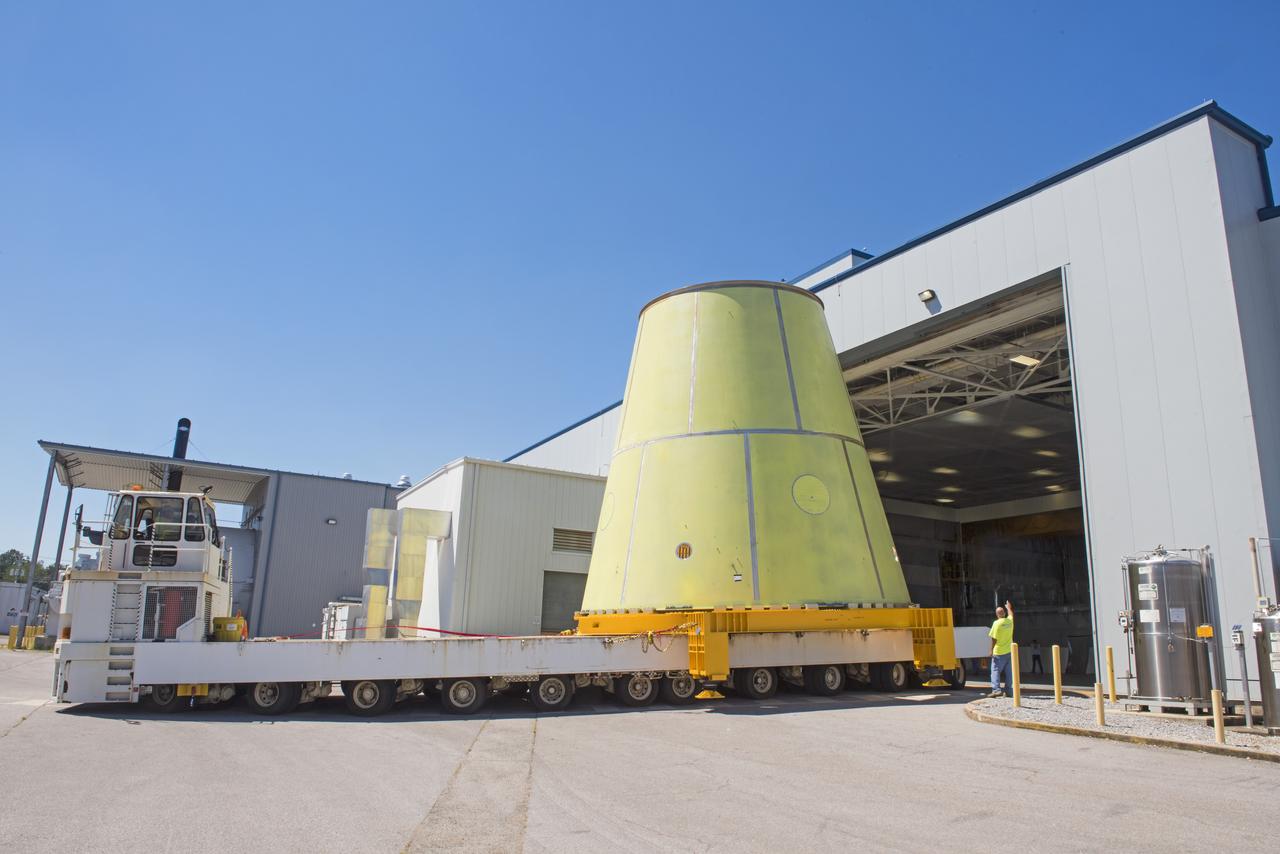
A NASA KAMAG transporter moves the Space Launch System’s launch vehicle stage adapter (LVSA) to an area where spray-on foam insulation will be applied. The LVSA recently completed manufacturing on a 30 foot welding tool at NASA’s Marshall Space Flight Center in Huntsville, Al. The LVSA will be coated with insulation that will protect it during it’s trip to space. The LVSA provides structural support and connects the core stage and the interim cryogenic propulsion stage during the first integrated flight of SLS and Orion.
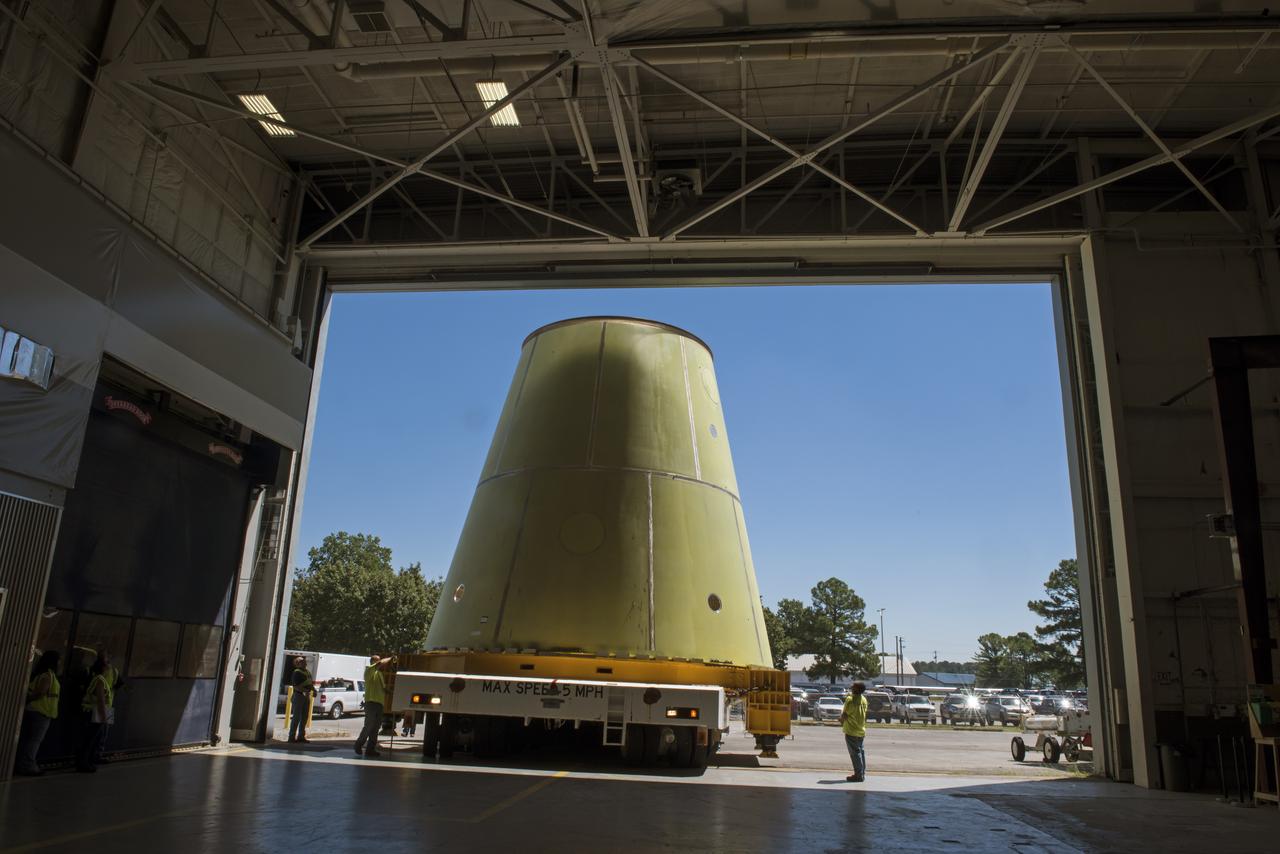
A NASA KAMAG transporter moves the Space Launch System’s launch vehicle stage adapter (LVSA) to an area where spray-on foam insulation will be applied. The LVSA recently completed manufacturing on a 30 foot welding tool at NASA’s Marshall Space Flight Center in Huntsville, Al. The LVSA will be coated with insulation that will protect it during it’s trip to space. The LVSA provides structural support and connects the core stage and the interim cryogenic propulsion stage during the first integrated flight of SLS and Orion.
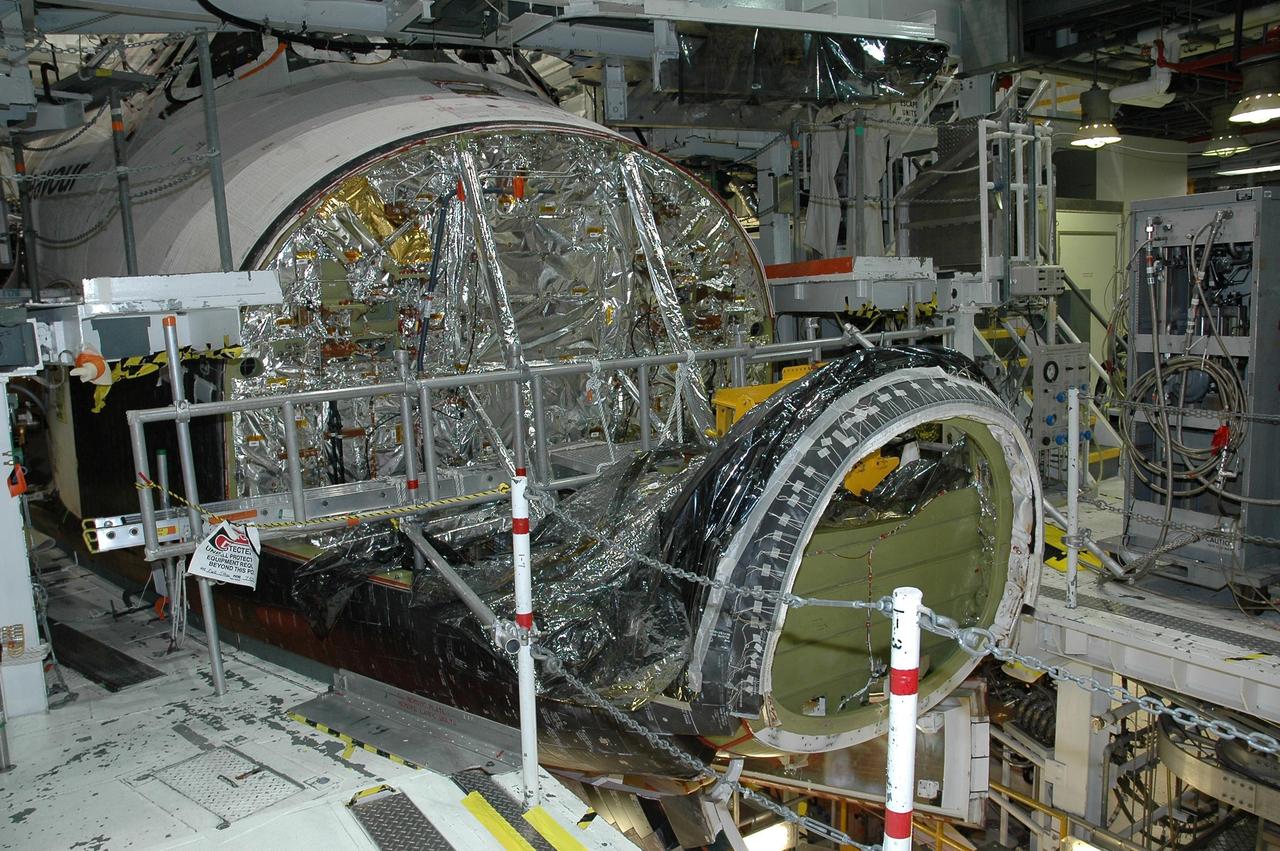
KENNEDY SPACE CENTER, FLA. - In Orbiter Processing Facility bay 2 at NASA's Kennedy Space Center, Endeavour waits for installation of its reinforced carbon-carbon nose cap. The nose cap is insulated with thermal protection system blankets made of a woven ceramic fabric. The special blankets help insulate the vehicle's nose cap and protect it from the extreme temperatures it will face during a mission. Photo credit: NASA/Jim Grossmann
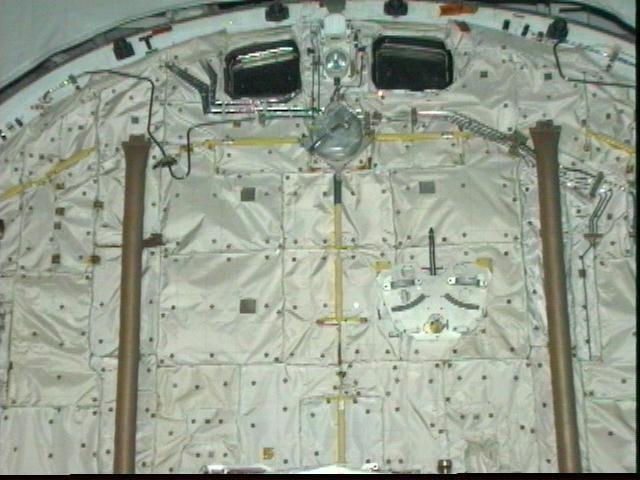
Yesterday, NASA decided to postpone for 24-hours the launch of Columbia on mission STS-83 due to a requirement to add additional thermal insulation to water coolant lines in the orbiter's payload bay. The water coolant lines are seen here winding their way around the window on the left. Managers determined that the lines, which cool various electronics on the orbiter, were not properly insulated and could possibly freeze during Columbia's 16-days in space. Columbia's launch is now set for 2:00 p.m. EST on Friday, April 4, 1997
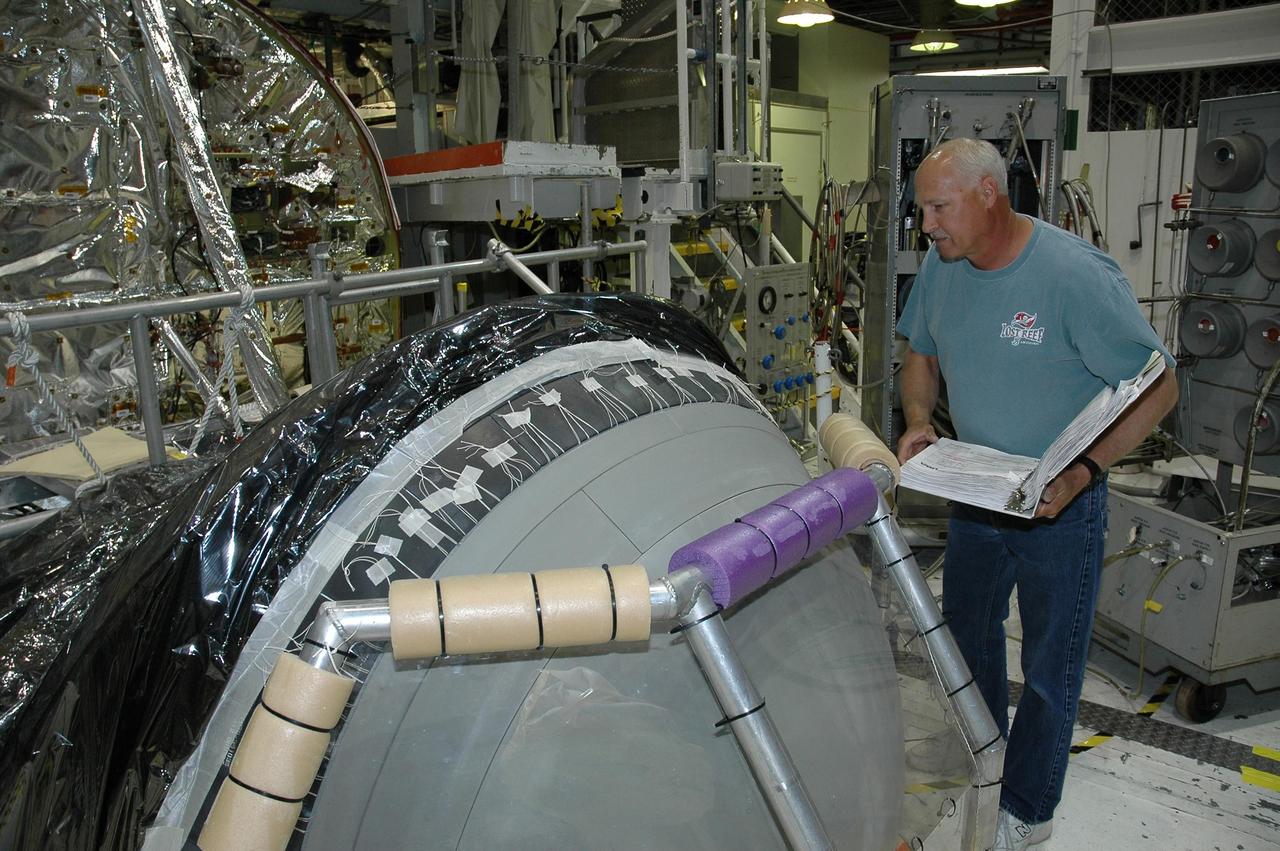
KENNEDY SPACE CENTER, FLA. - In Orbiter Processing Facility bay 2 at NASA's Kennedy Space Center, a worker checks the reinforced carbon-carbon nose cap after installation on Endeavour. The nose cap has been insulated with thermal protection system blankets made of a woven ceramic fabric. The special blankets help insulate the vehicle's nose cap and protect it from the extreme temperatures it will face during a mission. Photo credit: NASA/Jim Grossmann
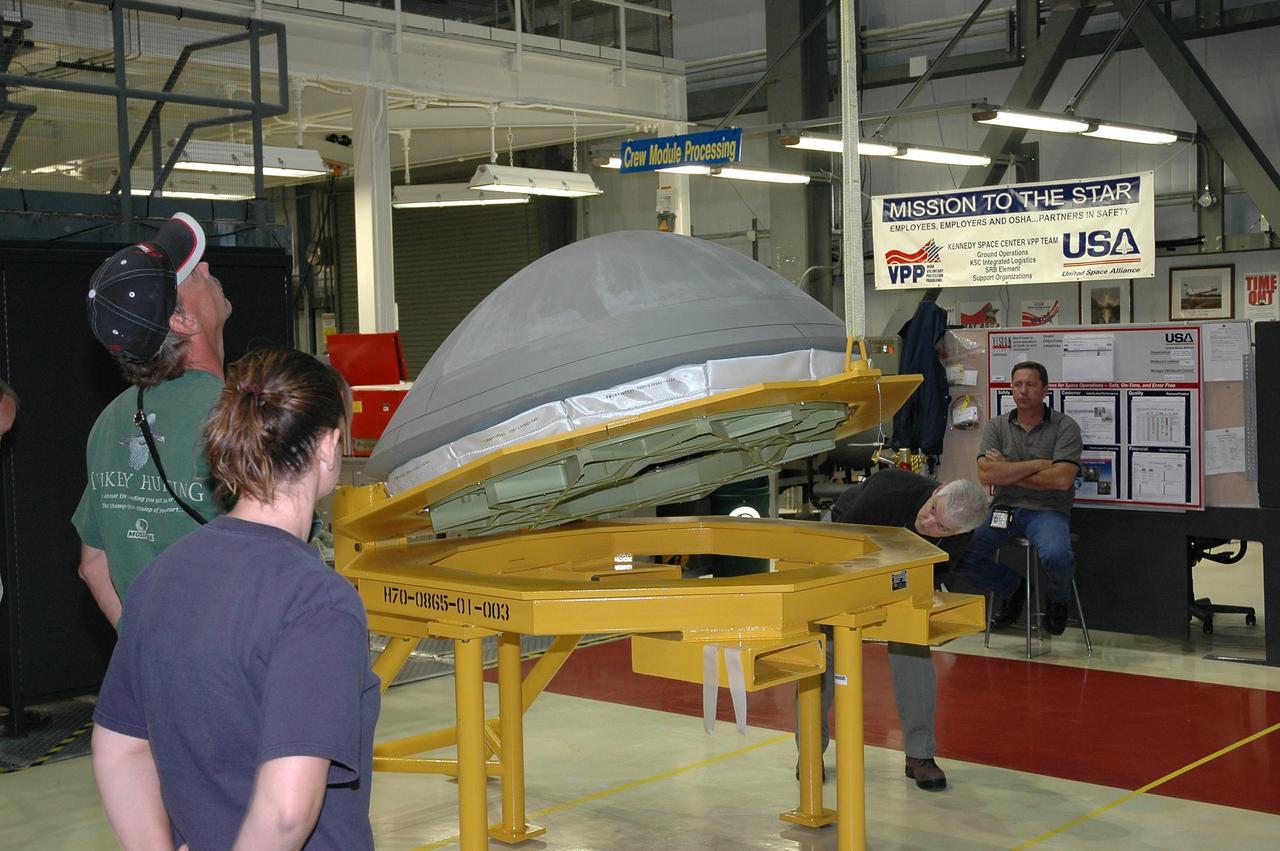
KENNEDY SPACE CENTER, FLA. - In Orbiter Processing Facility bay 2 at NASA's Kennedy Space Center, workers are nearby as a crane lifts the reinforced carbon-carbon nose cap to be installed onto Endeavour. The nose cap is insulated with thermal protection system blankets made of a woven ceramic fabric. The special blankets help insulate the vehicle's nose cap and protect it from the extreme temperatures it will face during a mission. Photo credit: NASA/Jim Grossmann
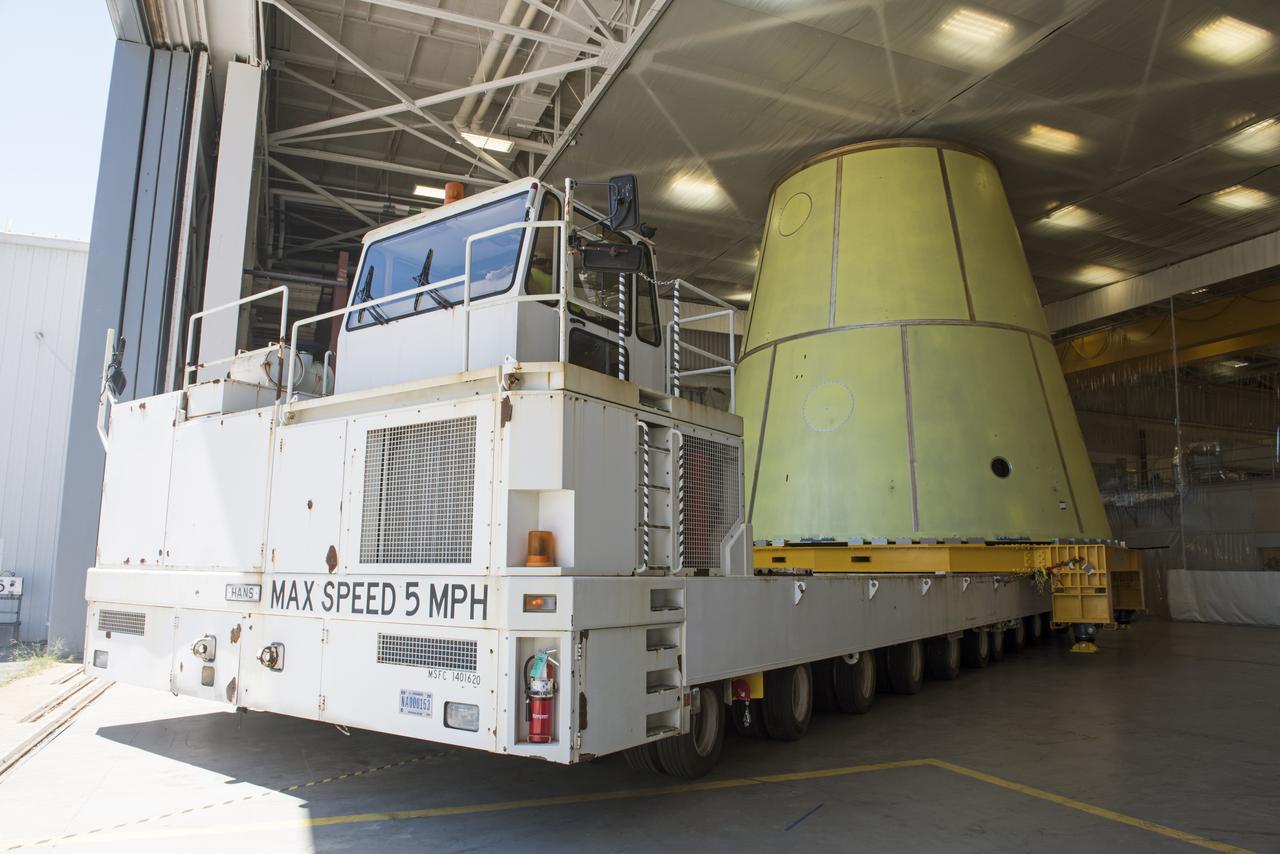
A NASA KAMAG transporter moves the Space Launch System’s launch vehicle stage adapter (LVSA) to an area where spray-on foam insulation will be applied. The LVSA recently completed manufacturing on a 30 foot welding tool at NASA’s Marshall Space Flight Center in Huntsville, Al. The LVSA will be coated with insulation that will protect it during it’s trip to space. The LVSA provides structural support and connects the core stage and the interim cryogenic propulsion stage during the first integrated flight of SLS and Orion.
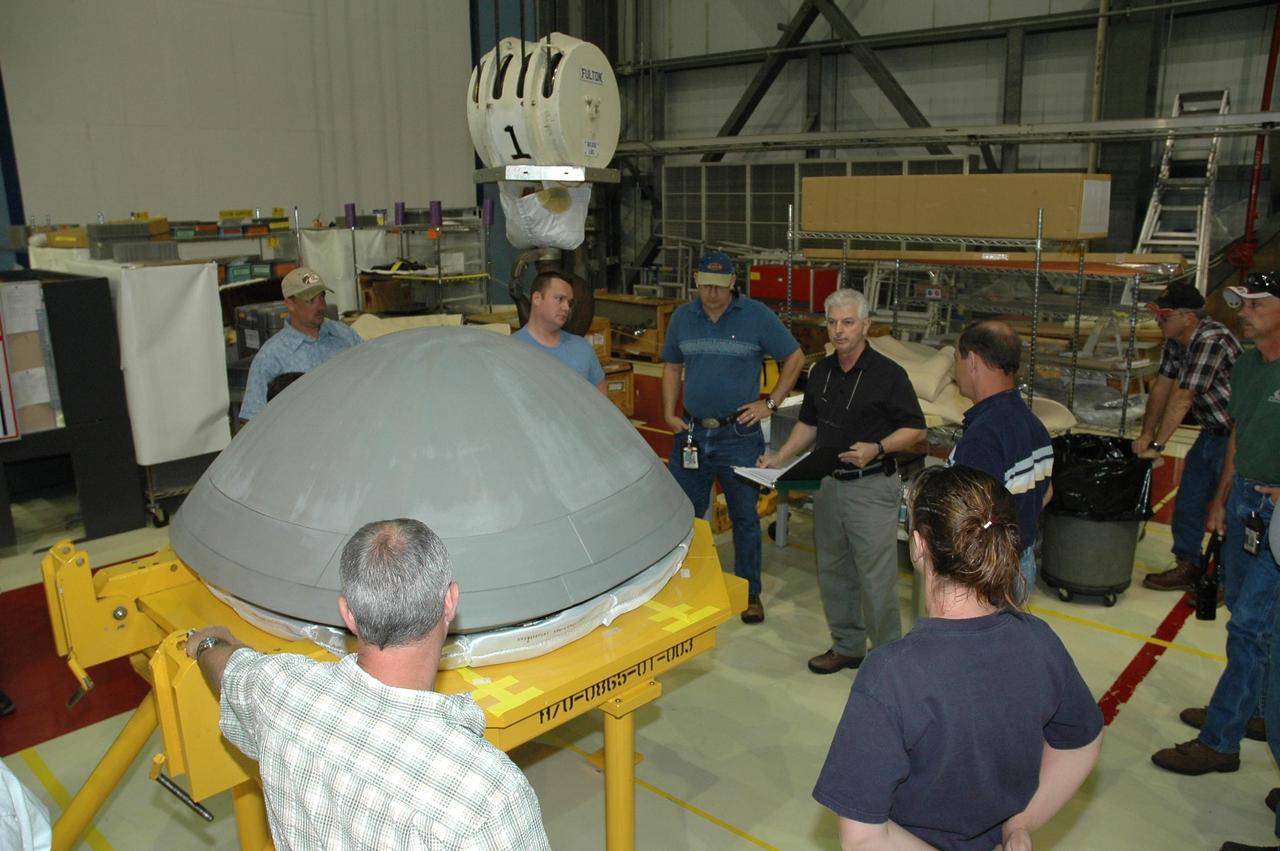
KENNEDY SPACE CENTER, FLA. - In Orbiter Processing Facility bay 2 at NASA's Kennedy Space Center, workers are preparing to move and install the reinforced carbon-carbon nose cap (on the stand) onto Endeavour. The nose cap is insulated with thermal protection system blankets made of a woven ceramic fabric. The special blankets help insulate the vehicle's nose cap and protect it from the extreme temperatures it will face during a mission. Photo credit: NASA/Jim Grossmann
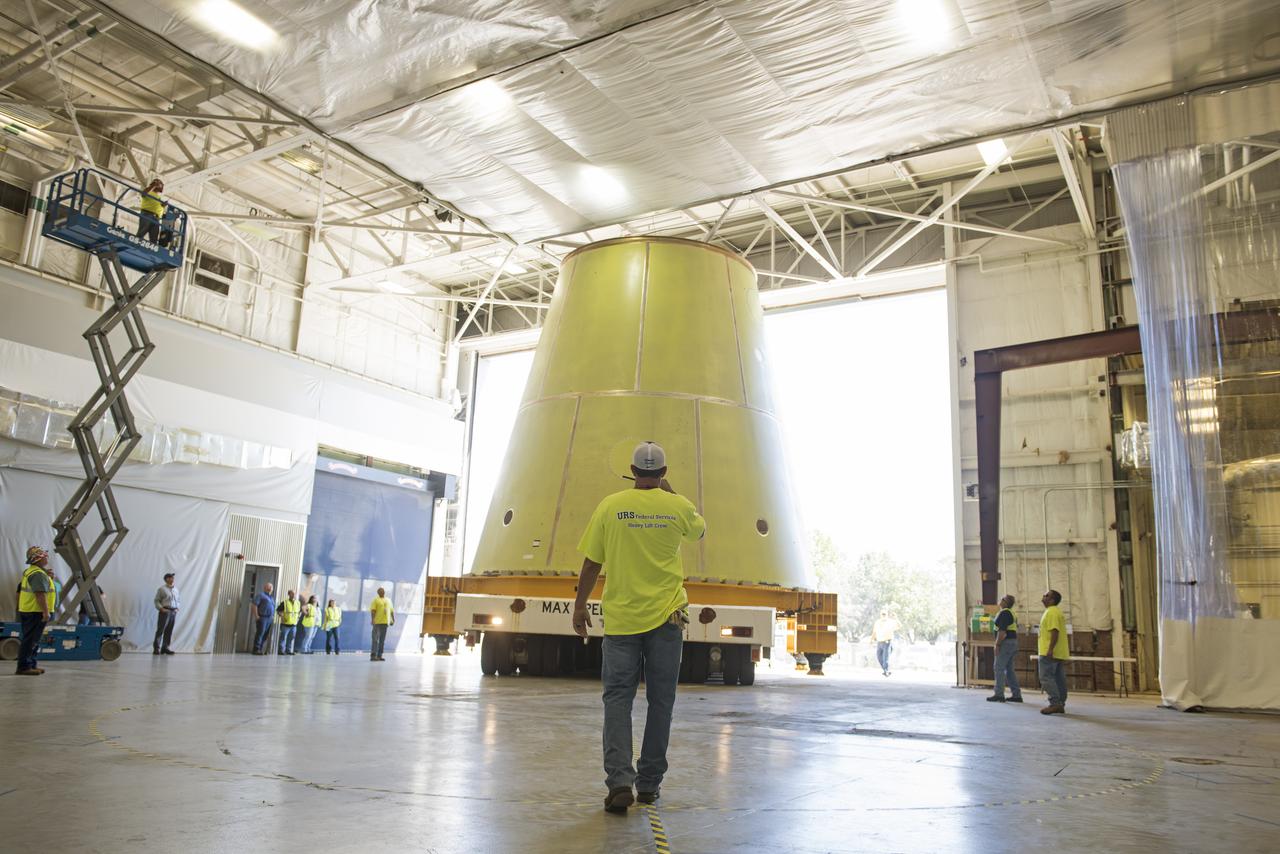
A NASA KAMAG transporter moves the Space Launch System’s launch vehicle stage adapter (LVSA) to an area where spray-on foam insulation will be applied. The LVSA recently completed manufacturing on a 30 foot welding tool at NASA’s Marshall Space Flight Center in Huntsville, Al. The LVSA will be coated with insulation that will protect it during it’s trip to space. The LVSA provides structural support and connects the core stage and the interim cryogenic propulsion stage during the first integrated flight of SLS and Orion.
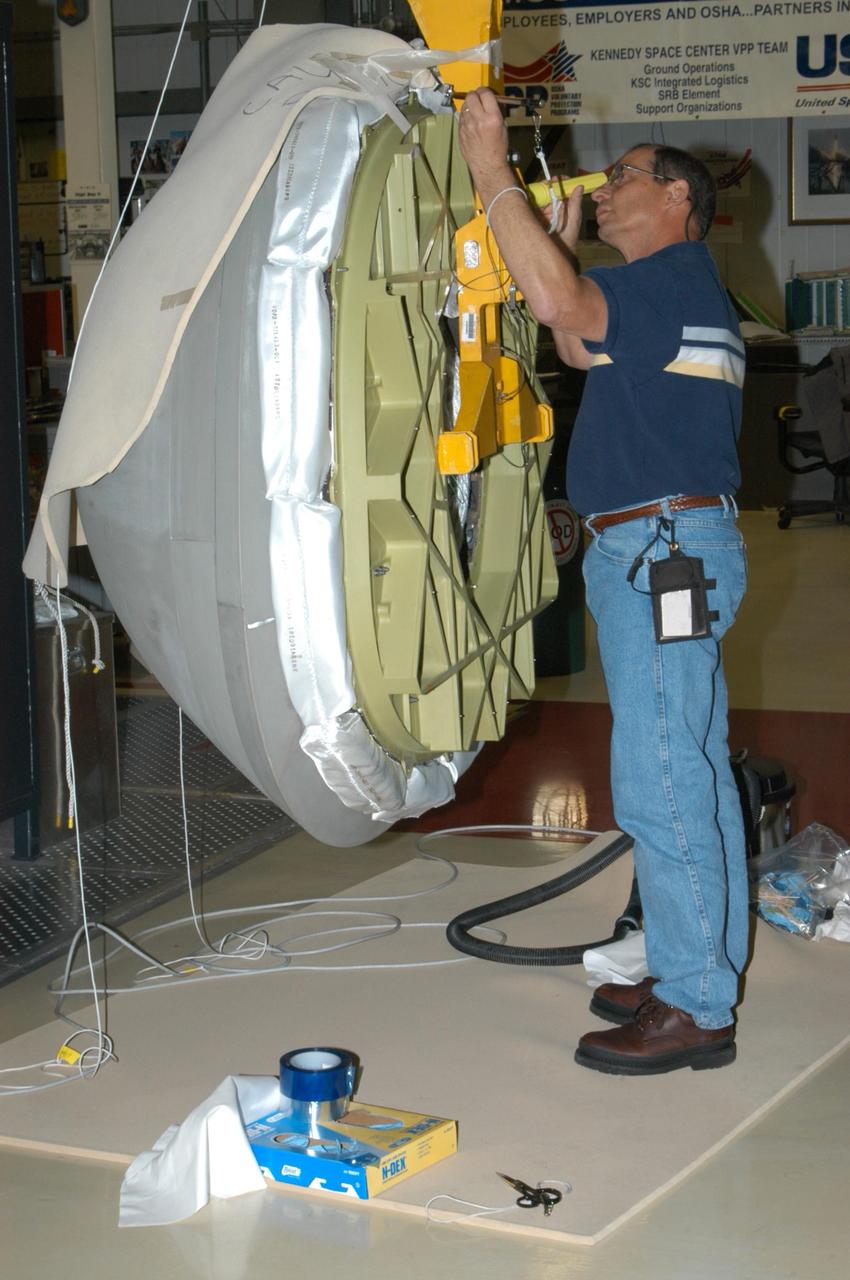
KENNEDY SPACE CENTER, FLA. - In Orbiter Processing Facility bay 2 at NASA's Kennedy Space Center, a worker examines the underside of the reinforced carbon-carbon nose cap that will be installed on Endeavour. The nose cap is insulated with thermal protection system blankets made of a woven ceramic fabric. The special blankets help insulate the vehicle's nose cap and protect it from the extreme temperatures it will face during a mission. Photo credit: NASA/George Shelton