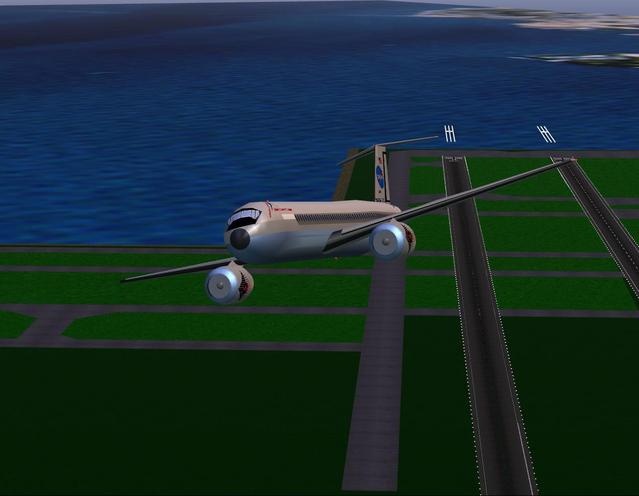
Sim Ops 2002 R&D report images; Integrated Vehicle Modeling Environment Development (IVME) ESGI image created by Ken Lindsay (NASA Neuroengineering Lab); CVSRF second study
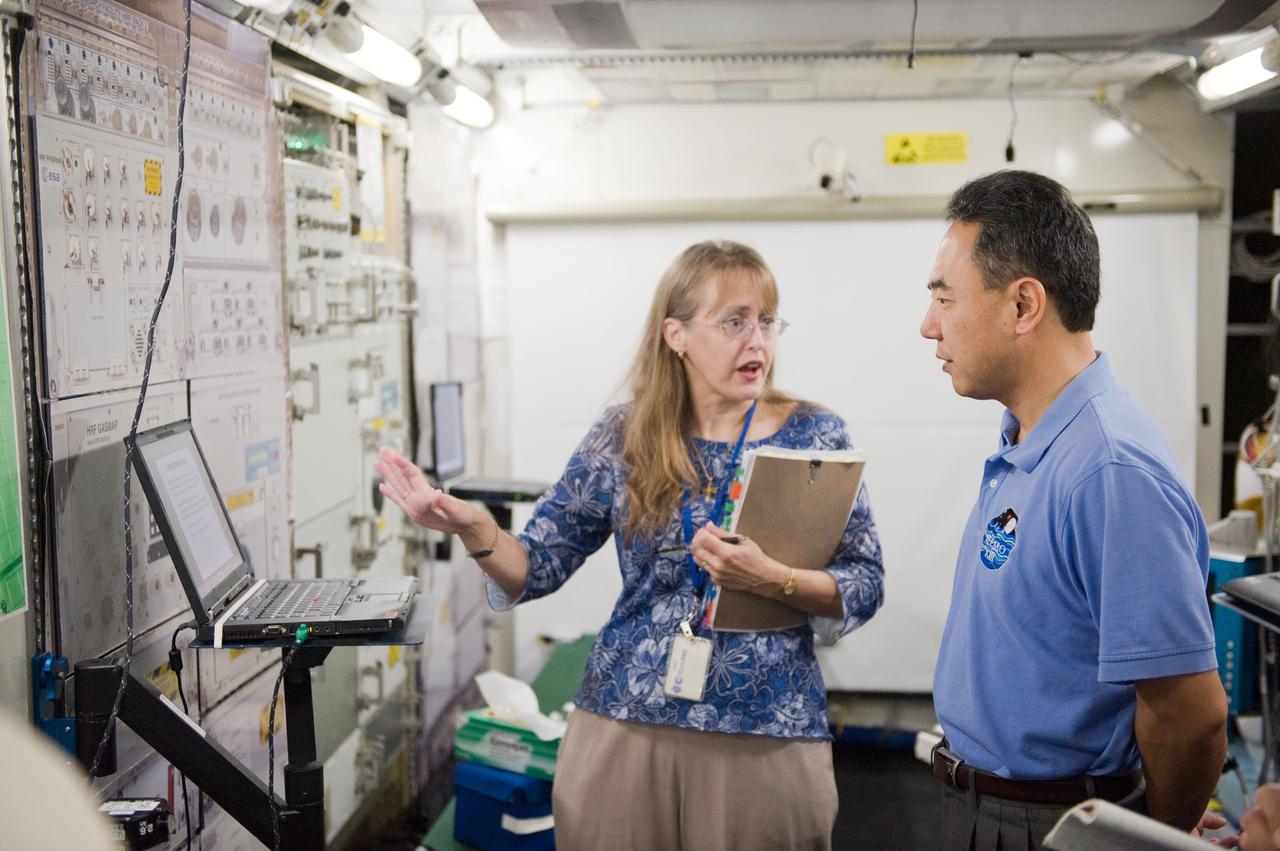
PHOTO DATE: 09-17-10 LOCATION: Bldg. 9NW - ISS Mockups SUBJECT: JAXA astronaut and Expedition 28 crew member Satoshi Furukawa during P HRF Integ Cardio Integration Ops training WORK ORDER: 02810-BS__HRFSATOSHI_09-17-10 PHOTOGRAPHER: BILL STAFFORD
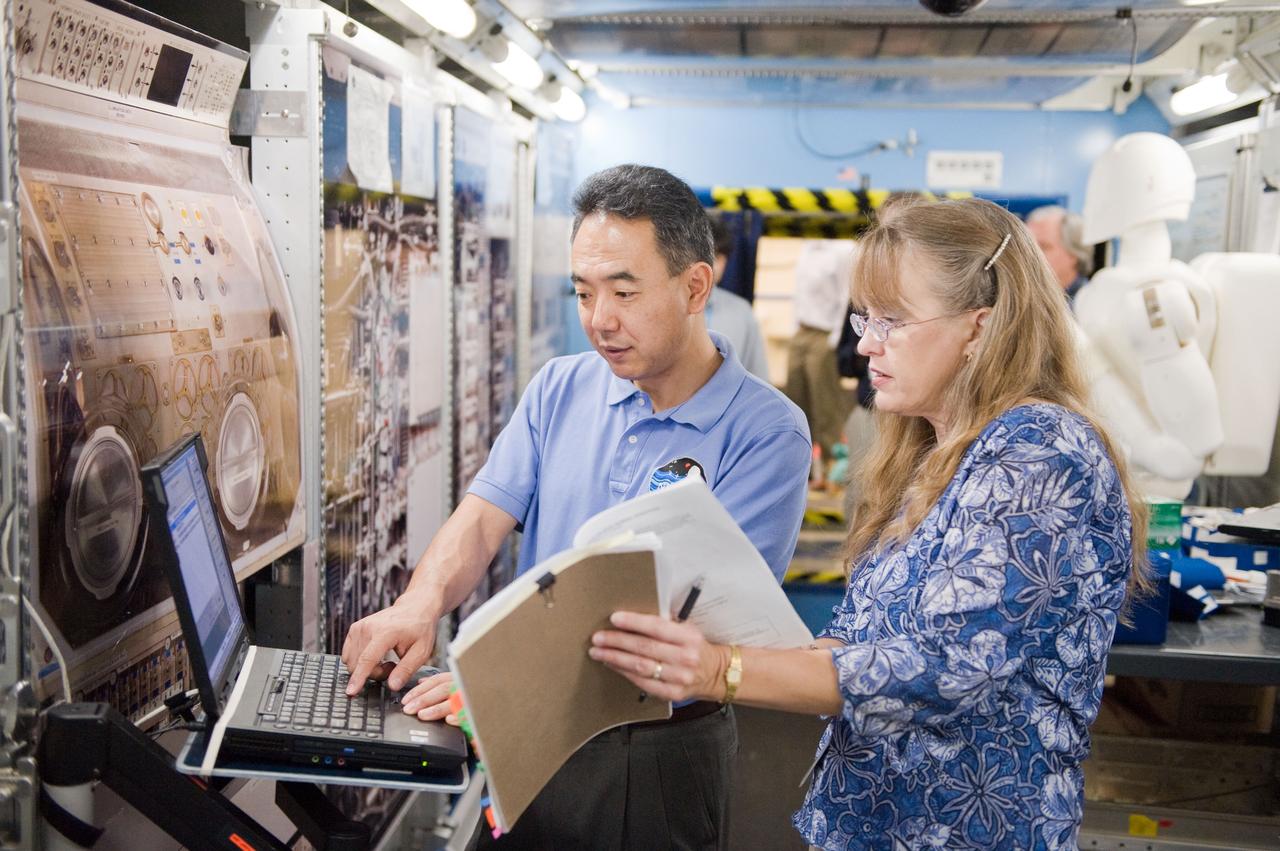
PHOTO DATE: 09-17-10 LOCATION: Bldg. 9NW - ISS Mockups SUBJECT: JAXA astronaut and Expedition 28 crew member Satoshi Furukawa during P HRF Integ Cardio Integration Ops training WORK ORDER: 02810-BS__HRFSATOSHI_09-17-10 PHOTOGRAPHER: BILL STAFFORD
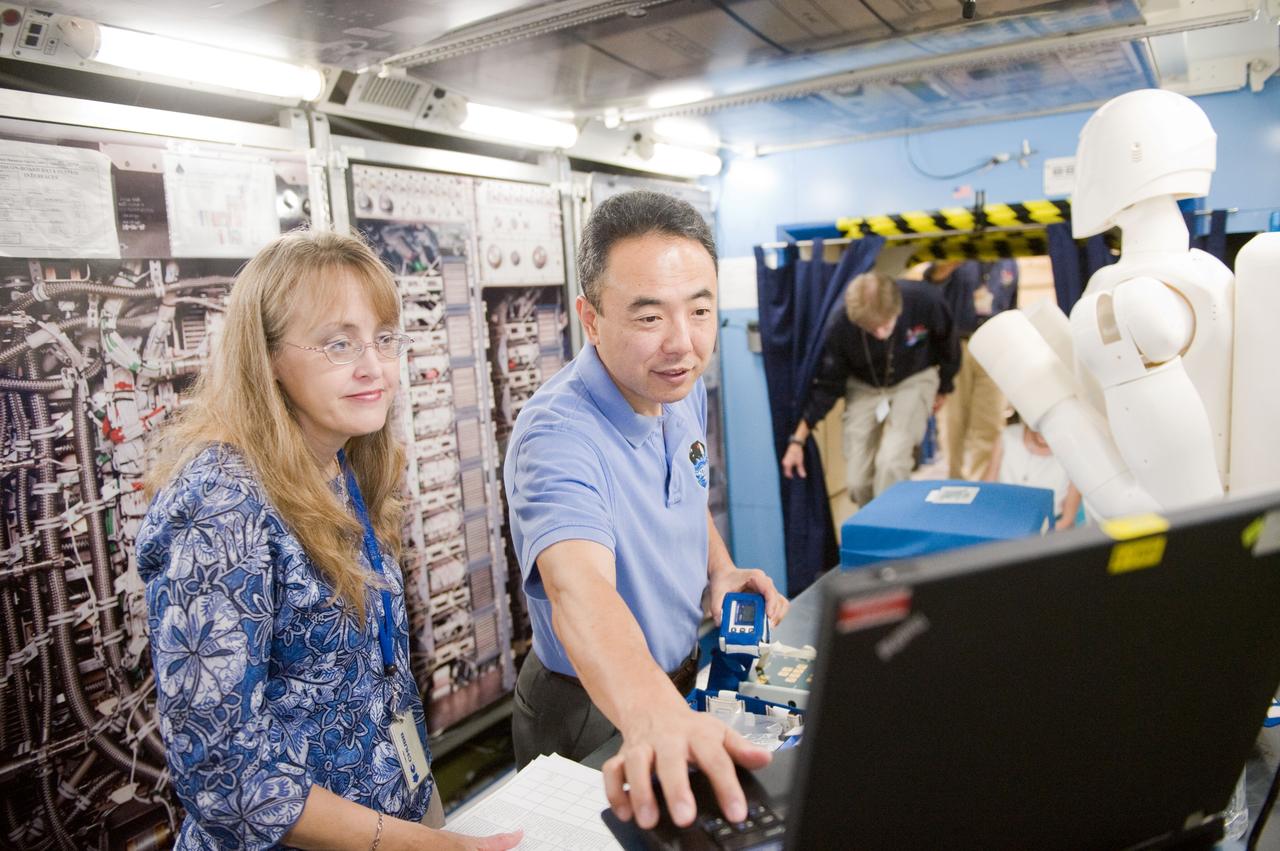
PHOTO DATE: 09-17-10 LOCATION: Bldg. 9NW - ISS Mockups SUBJECT: JAXA astronaut and Expedition 28 crew member Satoshi Furukawa during P HRF Integ Cardio Integration Ops training WORK ORDER: 02810-BS__HRFSATOSHI_09-17-10 PHOTOGRAPHER: BILL STAFFORD
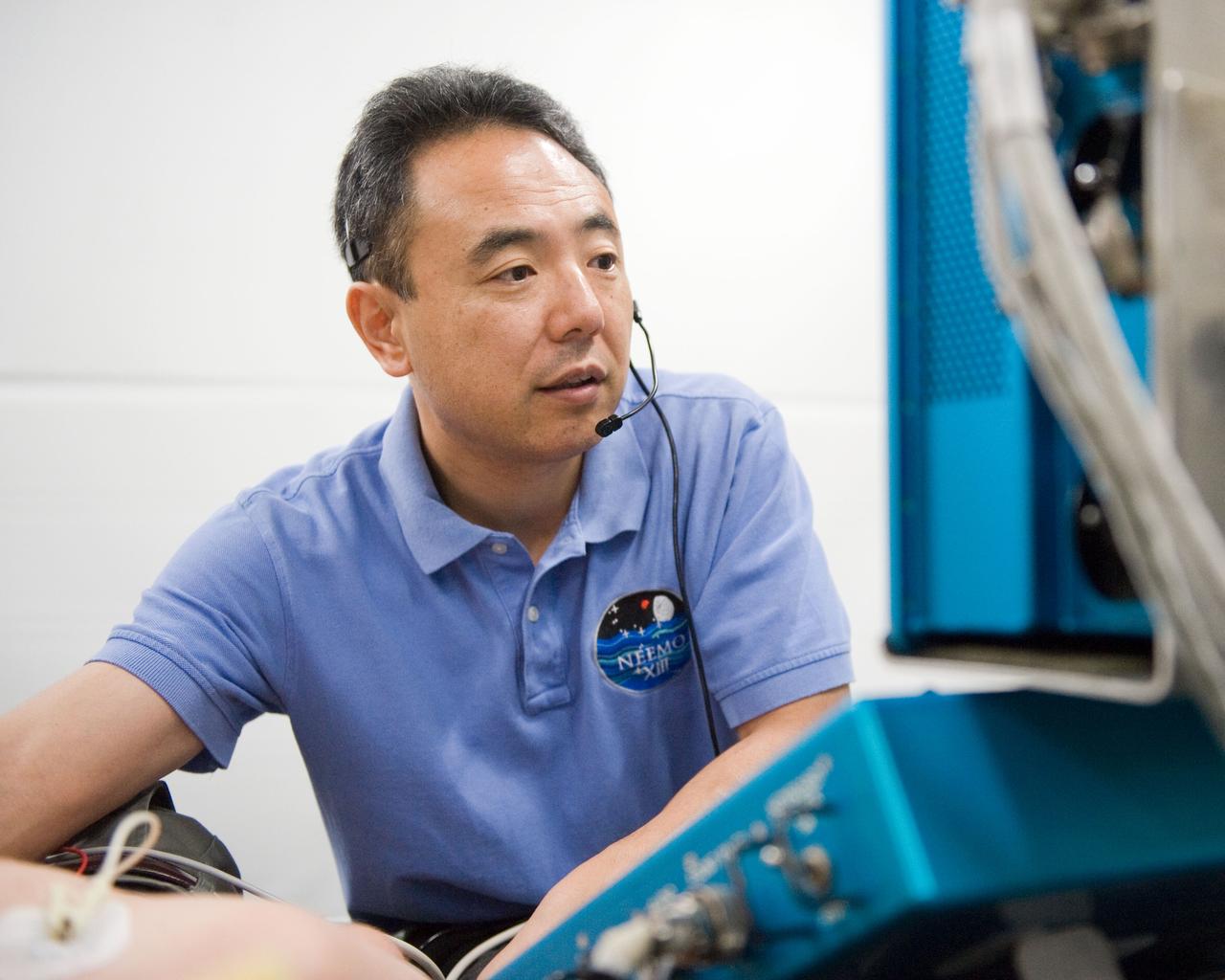
PHOTO DATE: 09-17-10 LOCATION: Bldg. 9NW - ISS Mockups SUBJECT: JAXA astronaut and Expedition 28 crew member Satoshi Furukawa during P HRF Integ Cardio Integration Ops training WORK ORDER: 02810-BS__HRFSATOSHI_09-17-10 PHOTOGRAPHER: BILL STAFFORD
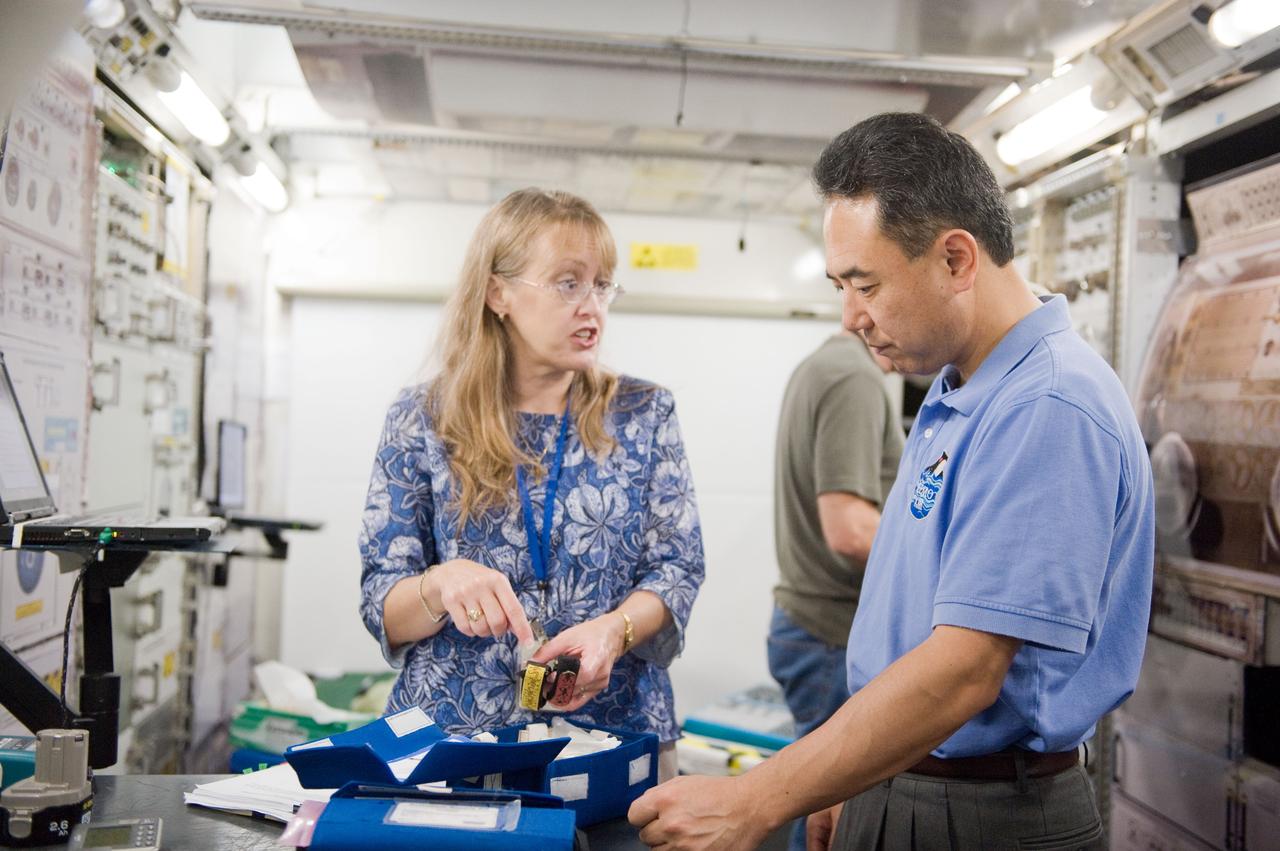
PHOTO DATE: 09-17-10 LOCATION: Bldg. 9NW - ISS Mockups SUBJECT: JAXA astronaut and Expedition 28 crew member Satoshi Furukawa during P HRF Integ Cardio Integration Ops training WORK ORDER: 02810-BS__HRFSATOSHI_09-17-10 PHOTOGRAPHER: BILL STAFFORD
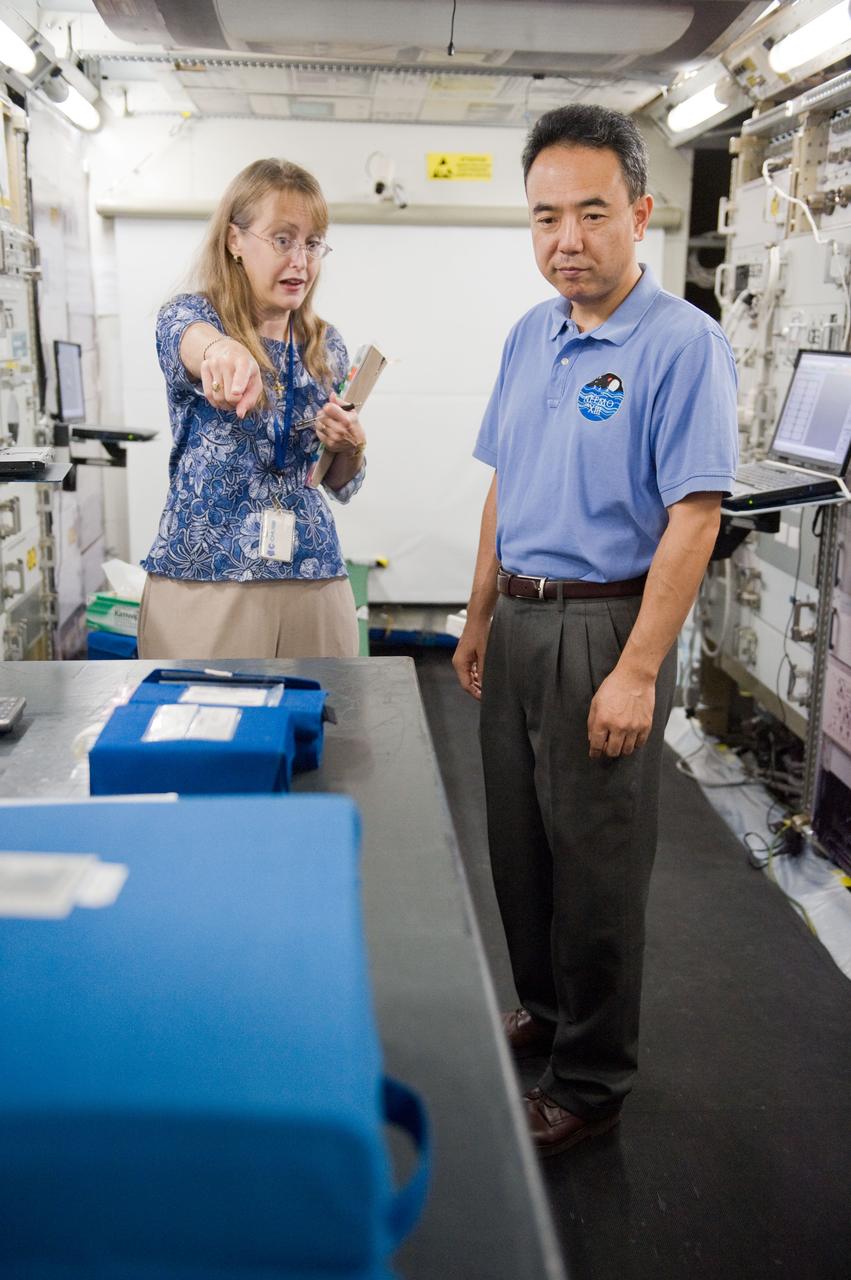
PHOTO DATE: 09-17-10 LOCATION: Bldg. 9NW - ISS Mockups SUBJECT: JAXA astronaut and Expedition 28 crew member Satoshi Furukawa during P HRF Integ Cardio Integration Ops training WORK ORDER: 02810-BS__HRFSATOSHI_09-17-10 PHOTOGRAPHER: BILL STAFFORD
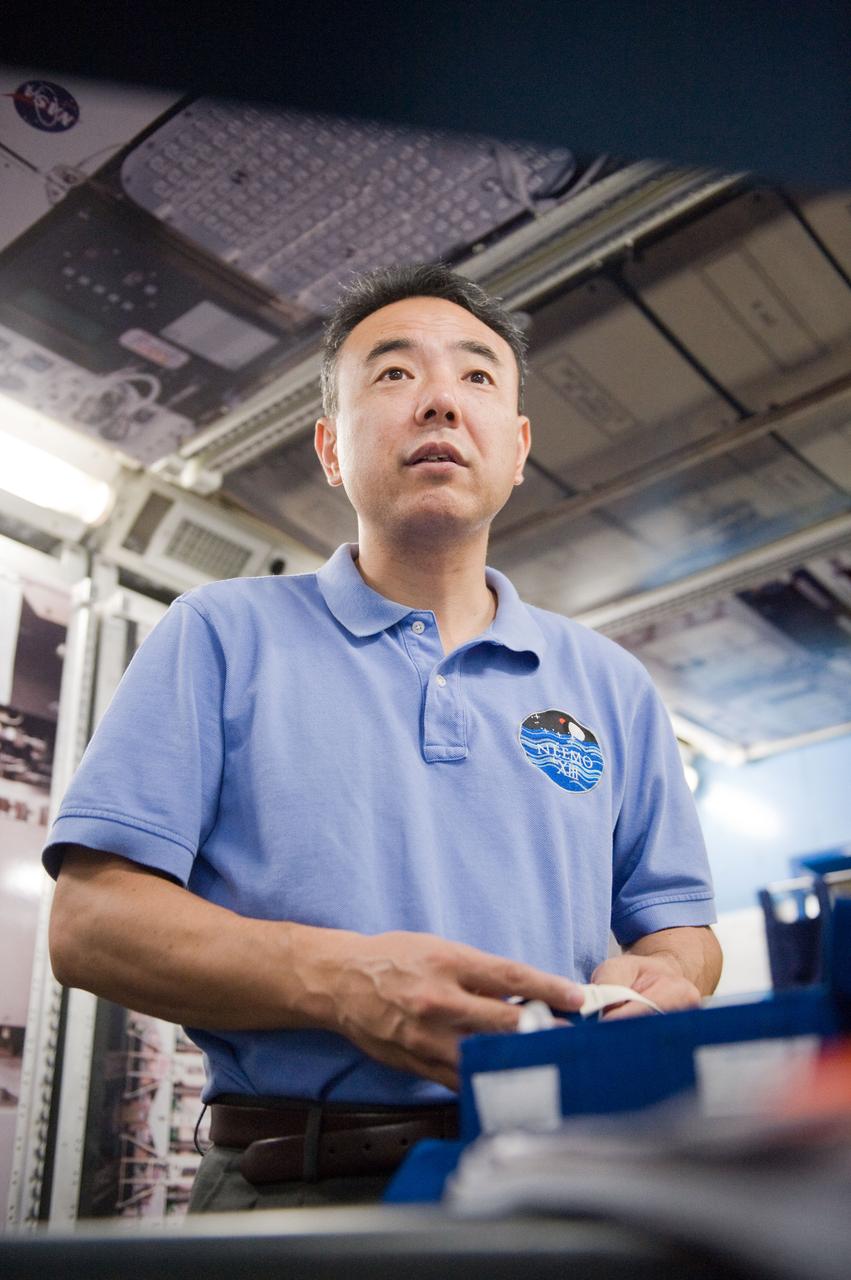
PHOTO DATE: 09-17-10 LOCATION: Bldg. 9NW - ISS Mockups SUBJECT: JAXA astronaut and Expedition 28 crew member Satoshi Furukawa during P HRF Integ Cardio Integration Ops training WORK ORDER: 02810-BS__HRFSATOSHI_09-17-10 PHOTOGRAPHER: BILL STAFFORD
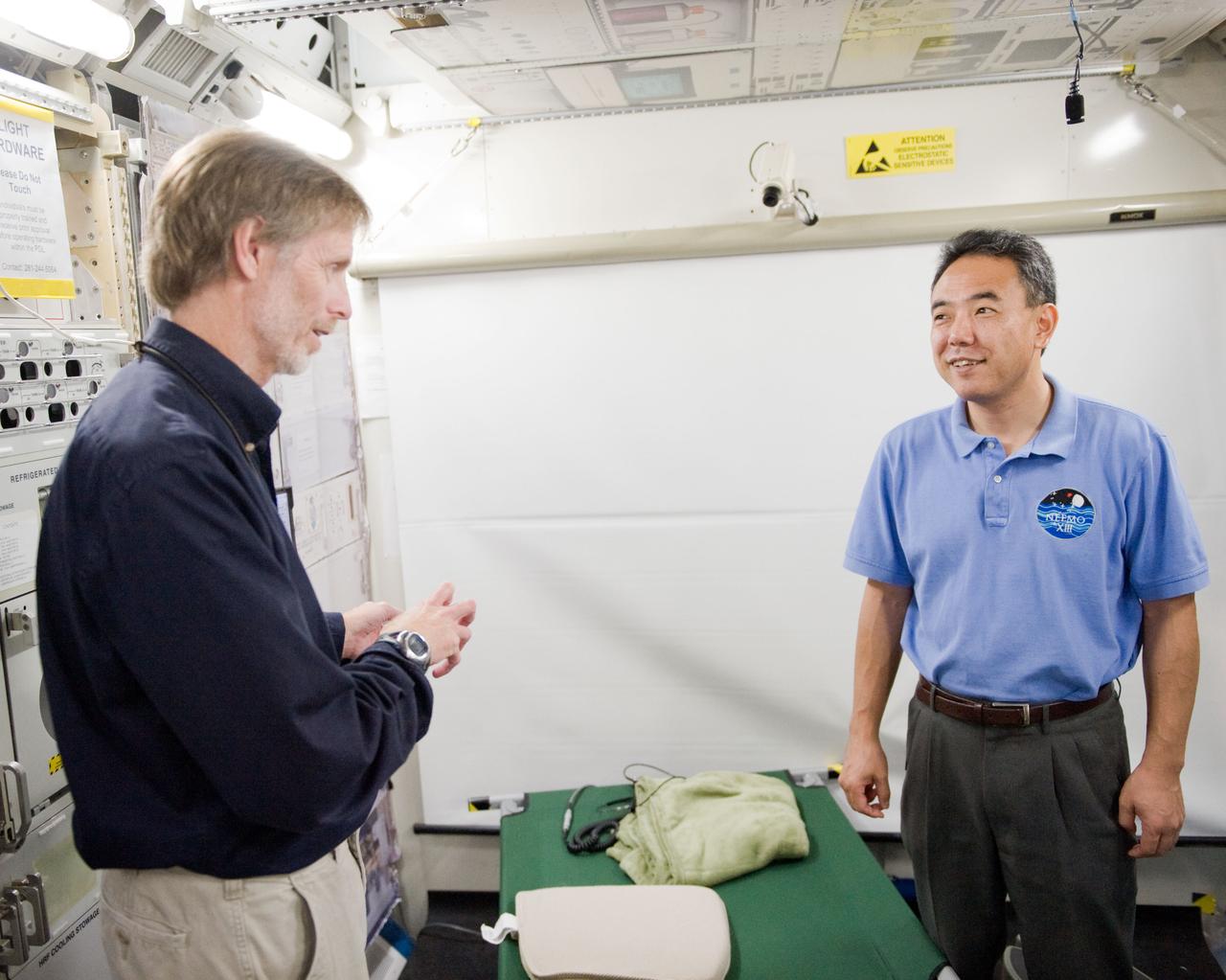
PHOTO DATE: 09-17-10 LOCATION: Bldg. 9NW - ISS Mockups SUBJECT: JAXA astronaut and Expedition 28 crew member Satoshi Furukawa during P HRF Integ Cardio Integration Ops training WORK ORDER: 02810-BS__HRFSATOSHI_09-17-10 PHOTOGRAPHER: BILL STAFFORD
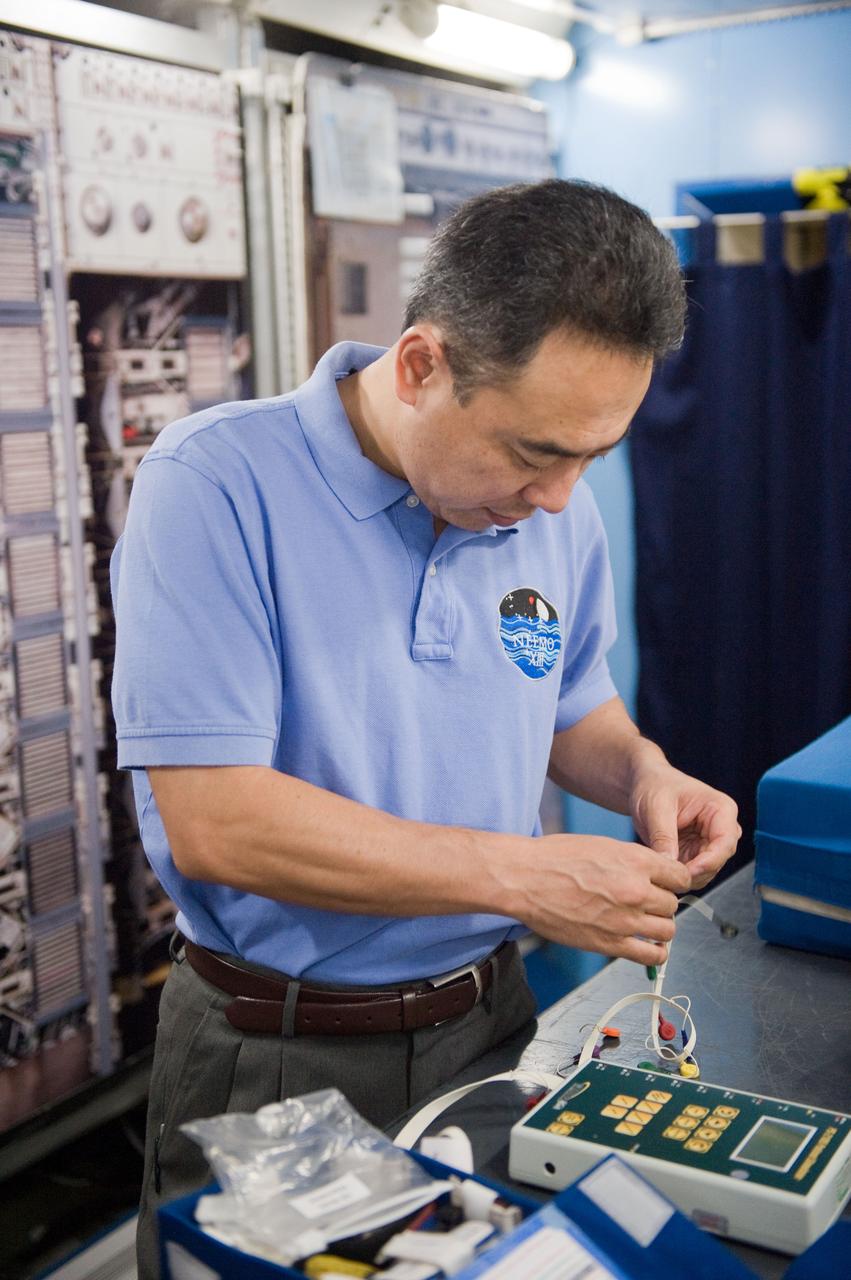
PHOTO DATE: 09-17-10 LOCATION: Bldg. 9NW - ISS Mockups SUBJECT: JAXA astronaut and Expedition 28 crew member Satoshi Furukawa during P HRF Integ Cardio Integration Ops training WORK ORDER: 02810-BS__HRFSATOSHI_09-17-10 PHOTOGRAPHER: BILL STAFFORD
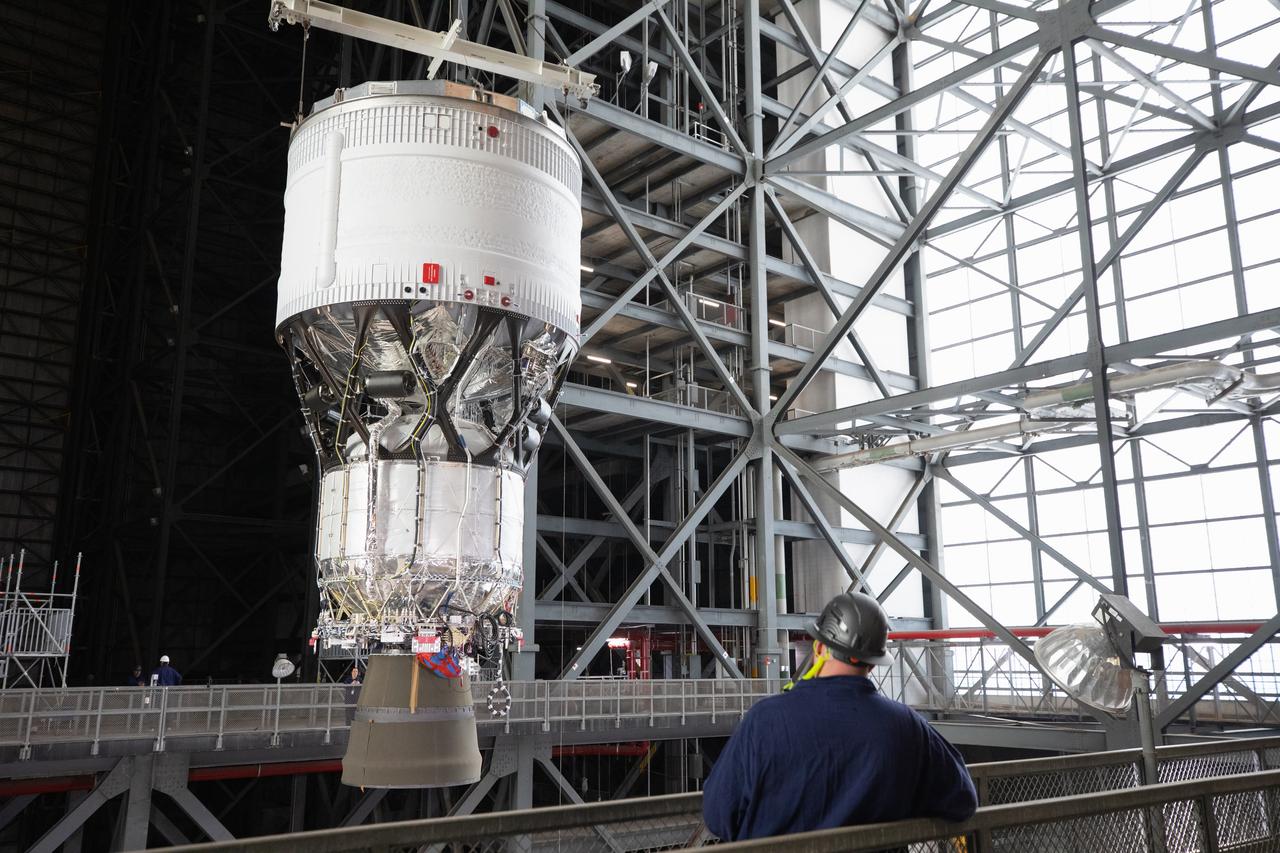
Teams with NASA’s Exploration Ground Systems Program begin integrating the interim cryogenic propulsion stage to the SLS (Space Launch System) launch vehicle stage adapter on Wednesday, April 30, 2025, inside the Vehicle Assembly Building at NASA’s Kennedy Space Center in Florida. The four-story propulsion system, built by Boeing and ULA (United Launch Alliance), is powered by an RL10 engine that will enable the Orion spacecraft to build up enough speed for the push toward the Moon during the Artemis II crewed test flight.
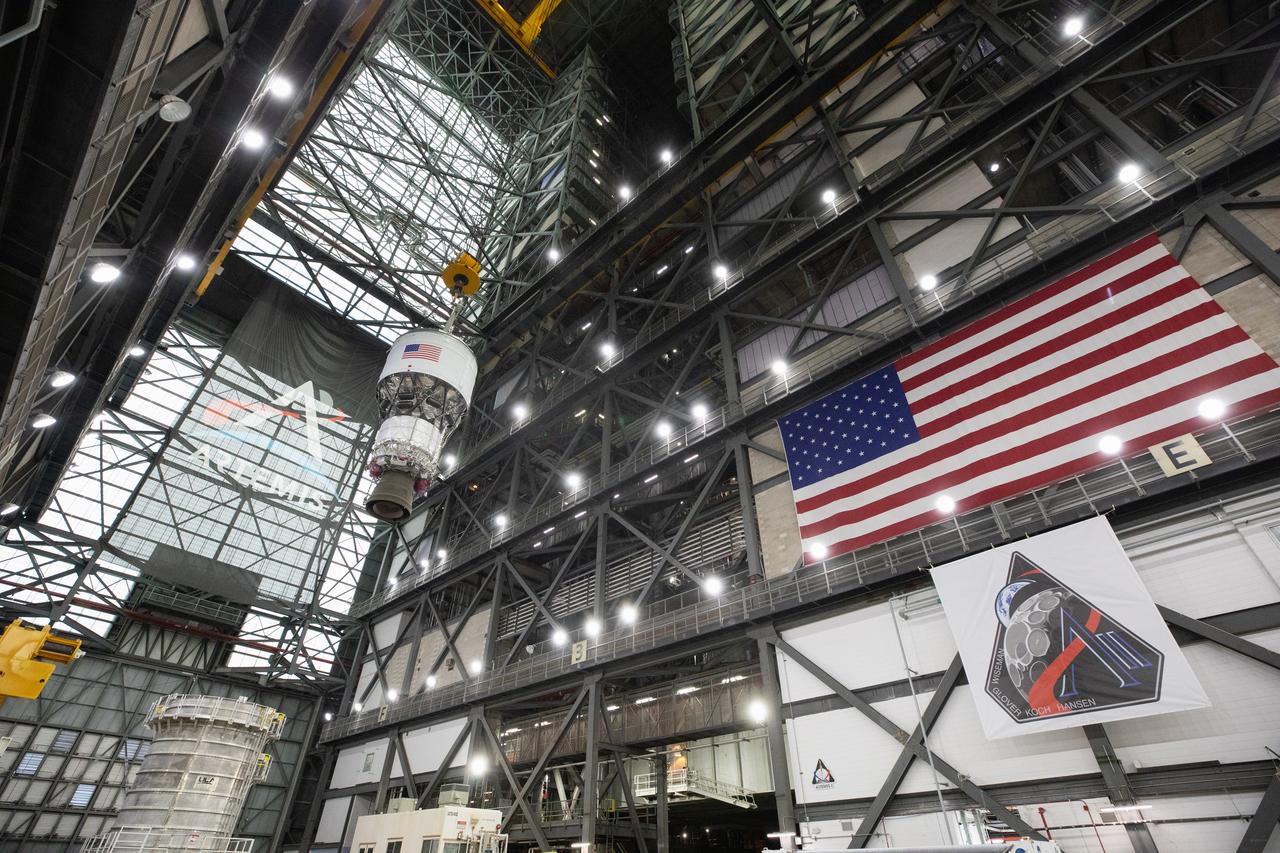
Teams with NASA’s Exploration Ground Systems Program begin integrating the interim cryogenic propulsion stage to the SLS (Space Launch System) launch vehicle stage adapter on Wednesday, April 30, 2025, inside the Vehicle Assembly Building at NASA’s Kennedy Space Center in Florida. The four-story propulsion system, built by Boeing and ULA (United Launch Alliance), is powered by an RL10 engine that will enable the Orion spacecraft to build up enough speed for the push toward the Moon during the Artemis II crewed test flight.
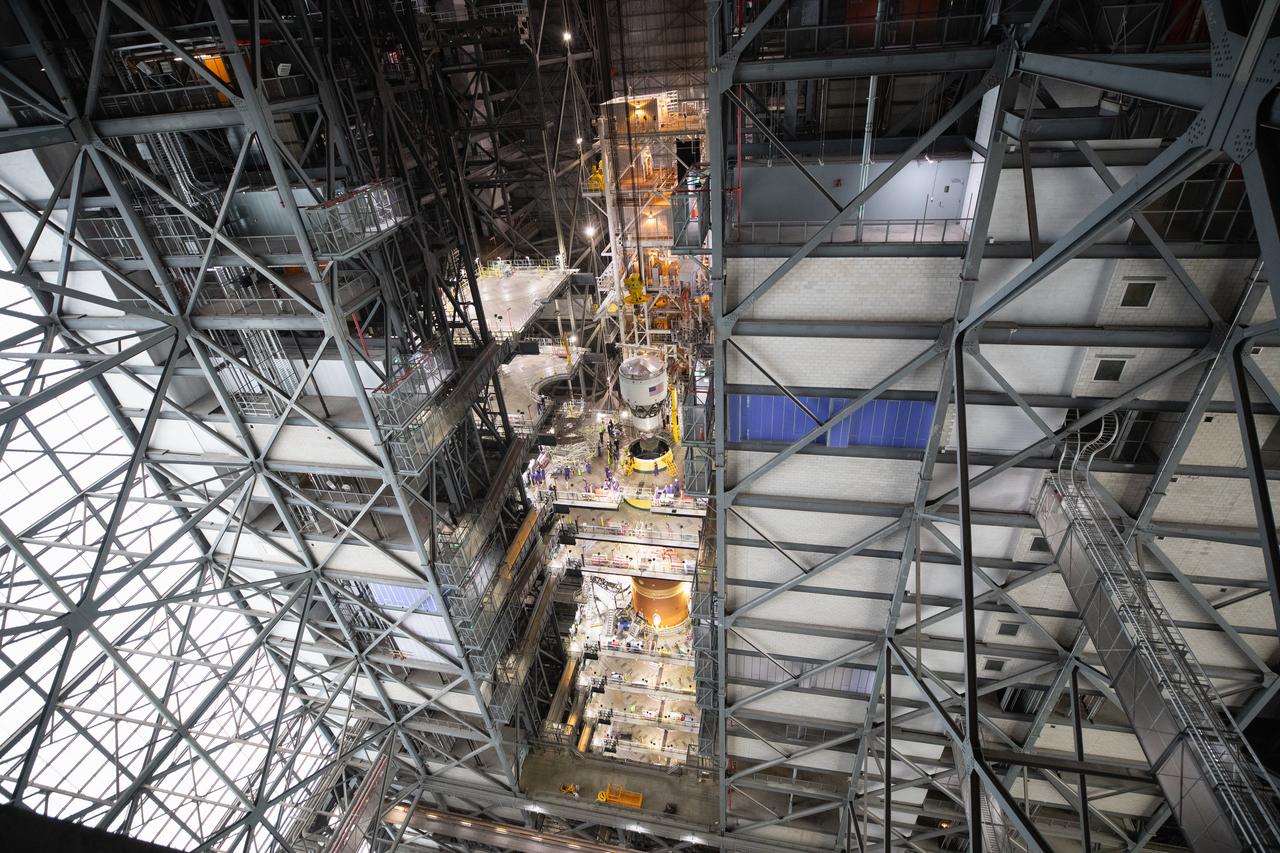
Teams with NASA’s Exploration Ground Systems Program begin integrating the interim cryogenic propulsion stage to the SLS (Space Launch System) launch vehicle stage adapter on Wednesday, April 30, 2025, inside the Vehicle Assembly Building at NASA’s Kennedy Space Center in Florida. The four-story propulsion system, built by Boeing and ULA (United Launch Alliance), is powered by an RL10 engine that will enable the Orion spacecraft to build up enough speed for the push toward the Moon during the Artemis II crewed test flight.
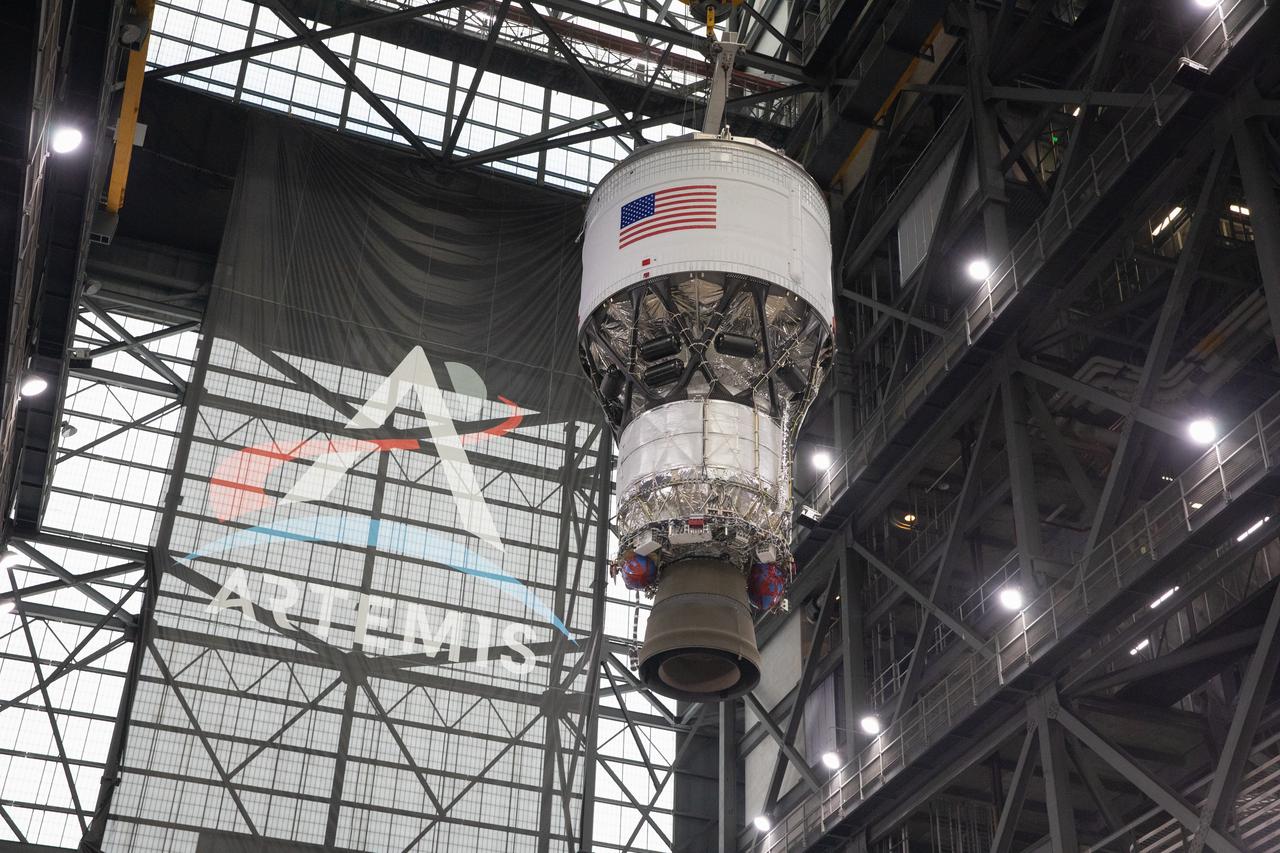
Teams with NASA’s Exploration Ground Systems Program begin integrating the interim cryogenic propulsion stage to the SLS (Space Launch System) launch vehicle stage adapter on Wednesday, April 30, 2025, inside the Vehicle Assembly Building at NASA’s Kennedy Space Center in Florida. The four-story propulsion system, built by Boeing and ULA (United Launch Alliance), is powered by an RL10 engine that will enable the Orion spacecraft to build up enough speed for the push toward the Moon during the Artemis II crewed test flight.
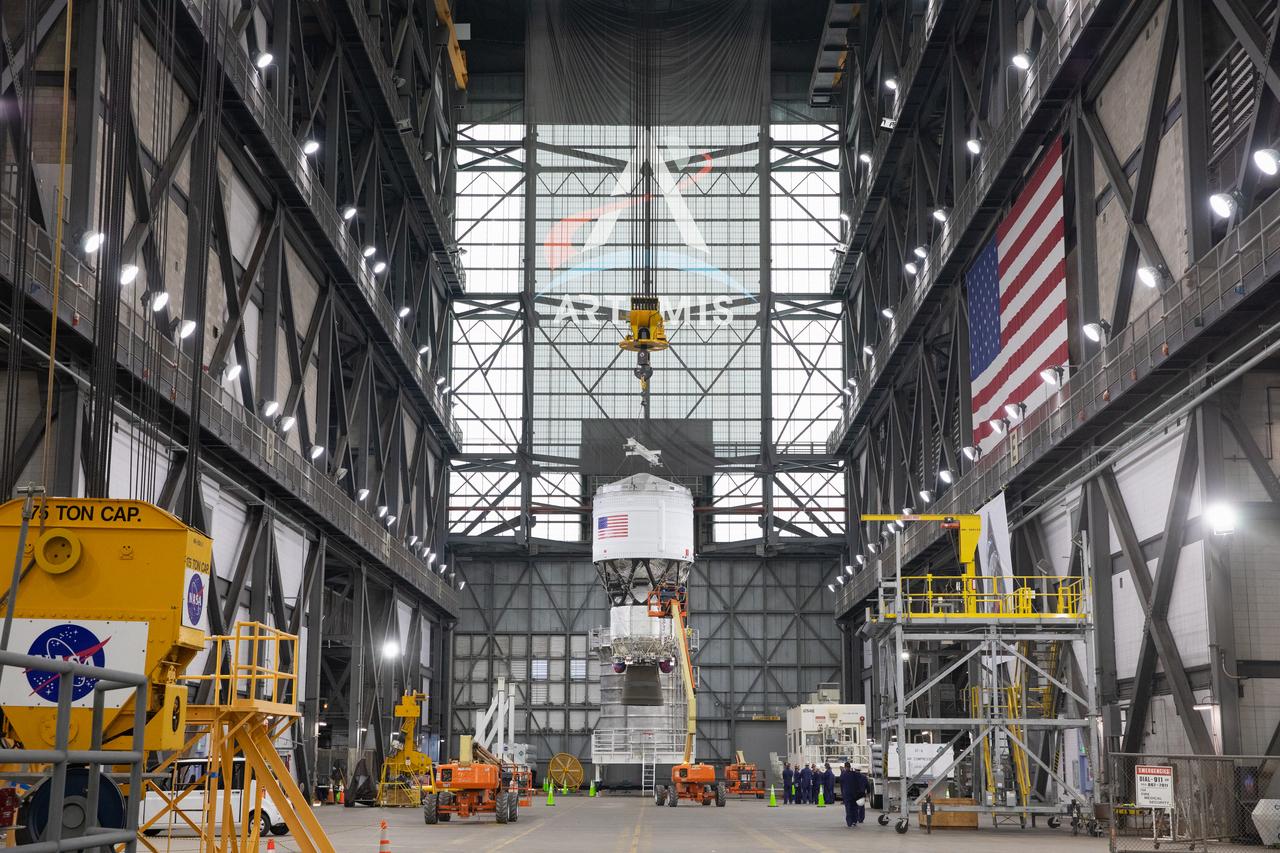
Teams with NASA’s Exploration Ground Systems Program begin integrating the interim cryogenic propulsion stage to the SLS (Space Launch System) launch vehicle stage adapter on Wednesday, April 30, 2025, inside the Vehicle Assembly Building at NASA’s Kennedy Space Center in Florida. The four-story propulsion system, built by Boeing and ULA (United Launch Alliance), is powered by an RL10 engine that will enable the Orion spacecraft to build up enough speed for the push toward the Moon during the Artemis II crewed test flight.
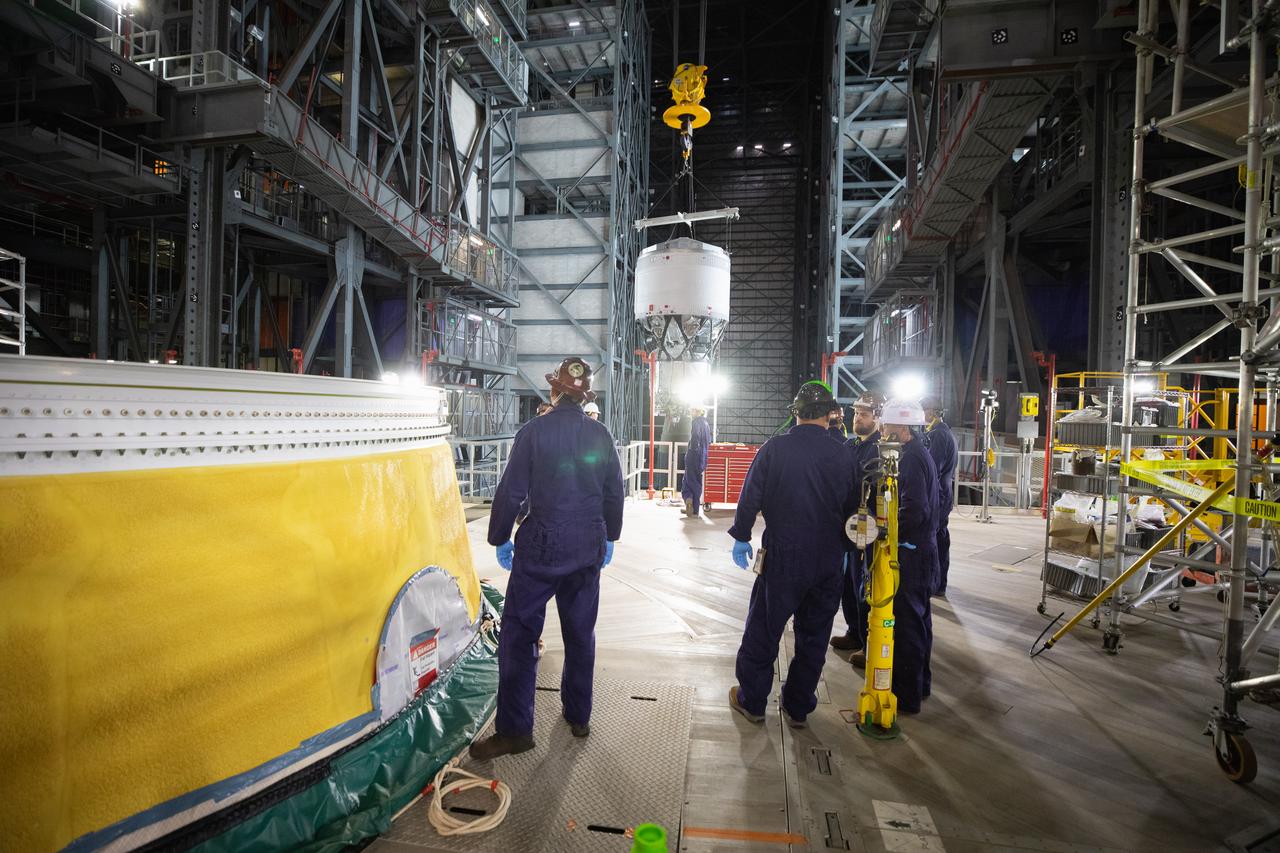
Teams with NASA’s Exploration Ground Systems Program begin integrating the interim cryogenic propulsion stage to the SLS (Space Launch System) launch vehicle stage adapter on Wednesday, April 30, 2025, inside the Vehicle Assembly Building at NASA’s Kennedy Space Center in Florida. The four-story propulsion system, built by Boeing and ULA (United Launch Alliance), is powered by an RL10 engine that will enable the Orion spacecraft to build up enough speed for the push toward the Moon during the Artemis II crewed test flight.
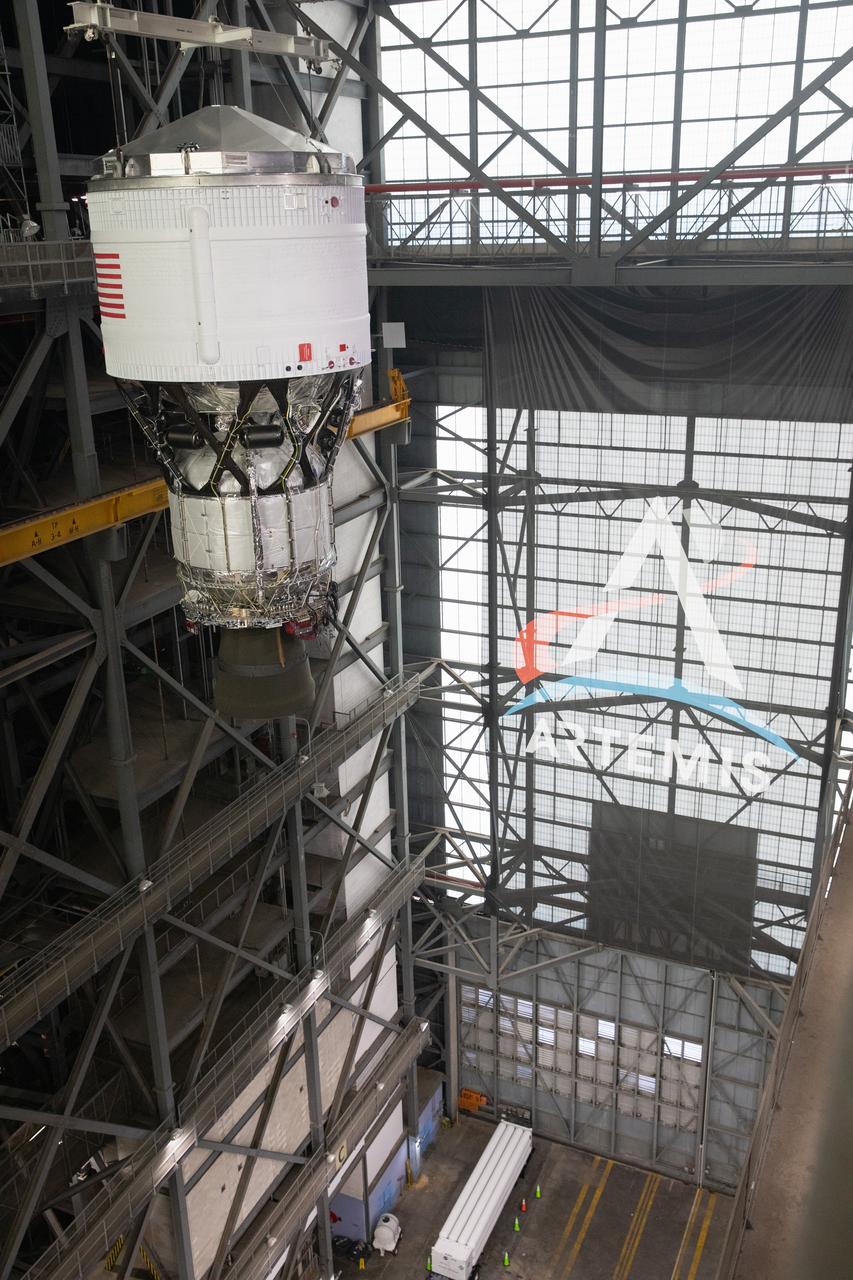
Teams with NASA’s Exploration Ground Systems Program begin integrating the interim cryogenic propulsion stage to the SLS (Space Launch System) launch vehicle stage adapter on Wednesday, April 30, 2025, inside the Vehicle Assembly Building at NASA’s Kennedy Space Center in Florida. The four-story propulsion system, built by Boeing and ULA (United Launch Alliance), is powered by an RL10 engine that will enable the Orion spacecraft to build up enough speed for the push toward the Moon during the Artemis II crewed test flight.
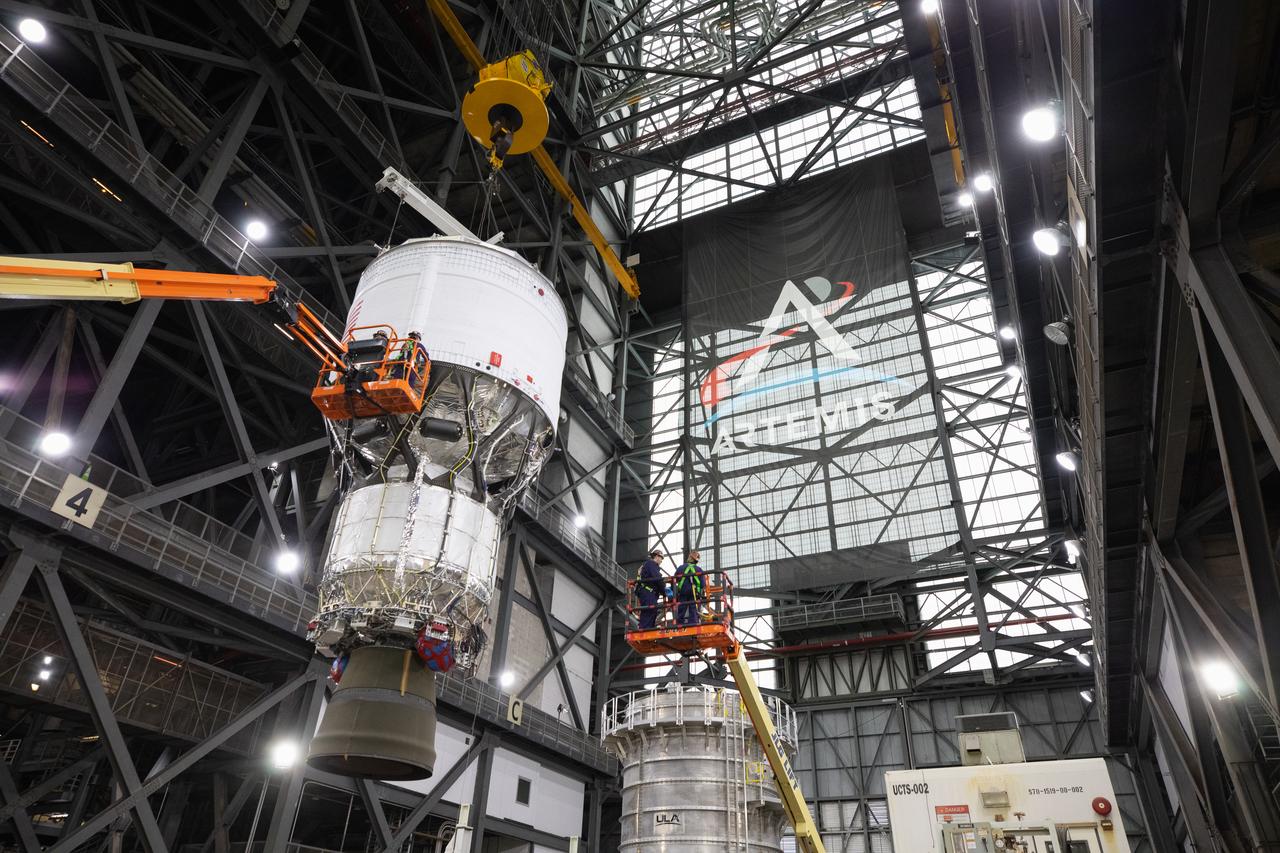
Teams with NASA’s Exploration Ground Systems Program begin integrating the interim cryogenic propulsion stage to the SLS (Space Launch System) launch vehicle stage adapter on Wednesday, April 30, 2025, inside the Vehicle Assembly Building at NASA’s Kennedy Space Center in Florida. The four-story propulsion system, built by Boeing and ULA (United Launch Alliance), is powered by an RL10 engine that will enable the Orion spacecraft to build up enough speed for the push toward the Moon during the Artemis II crewed test flight.
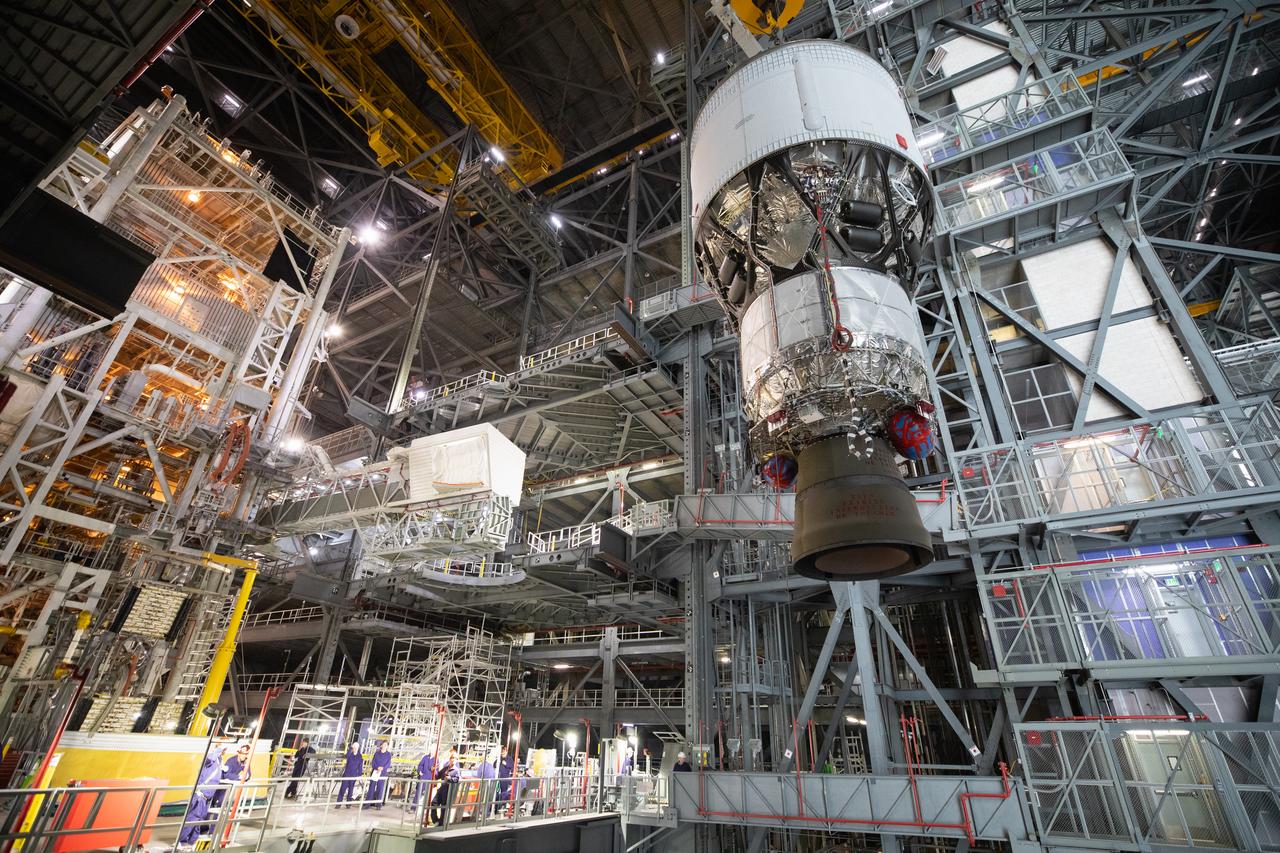
Teams with NASA’s Exploration Ground Systems Program begin integrating the interim cryogenic propulsion stage to the SLS (Space Launch System) launch vehicle stage adapter on Wednesday, April 30, 2025, inside the Vehicle Assembly Building at NASA’s Kennedy Space Center in Florida. The four-story propulsion system, built by Boeing and ULA (United Launch Alliance), is powered by an RL10 engine that will enable the Orion spacecraft to build up enough speed for the push toward the Moon during the Artemis II crewed test flight.
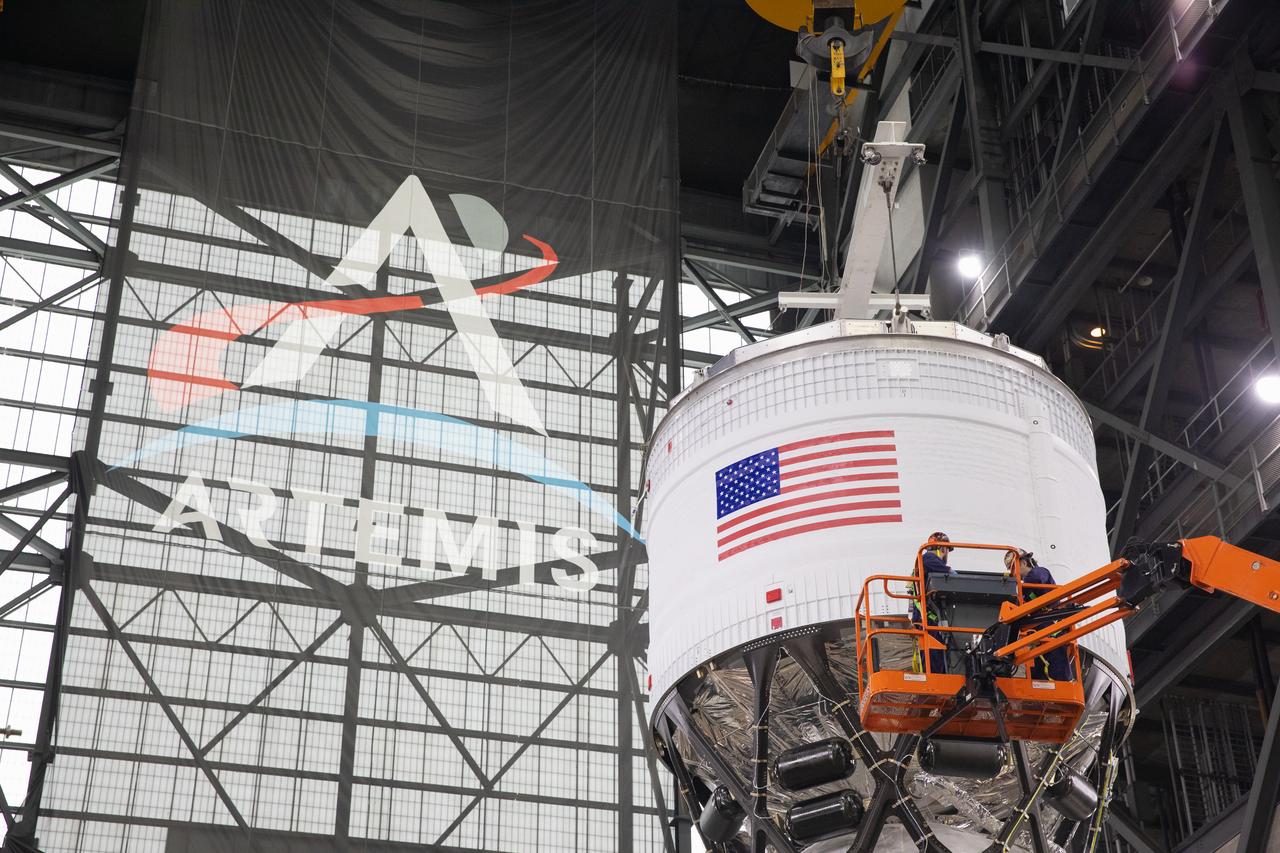
Teams with NASA’s Exploration Ground Systems Program begin integrating the interim cryogenic propulsion stage to the SLS (Space Launch System) launch vehicle stage adapter on Wednesday, April 30, 2025, inside the Vehicle Assembly Building at NASA’s Kennedy Space Center in Florida. The four-story propulsion system, built by Boeing and ULA (United Launch Alliance), is powered by an RL10 engine that will enable the Orion spacecraft to build up enough speed for the push toward the Moon during the Artemis II crewed test flight.
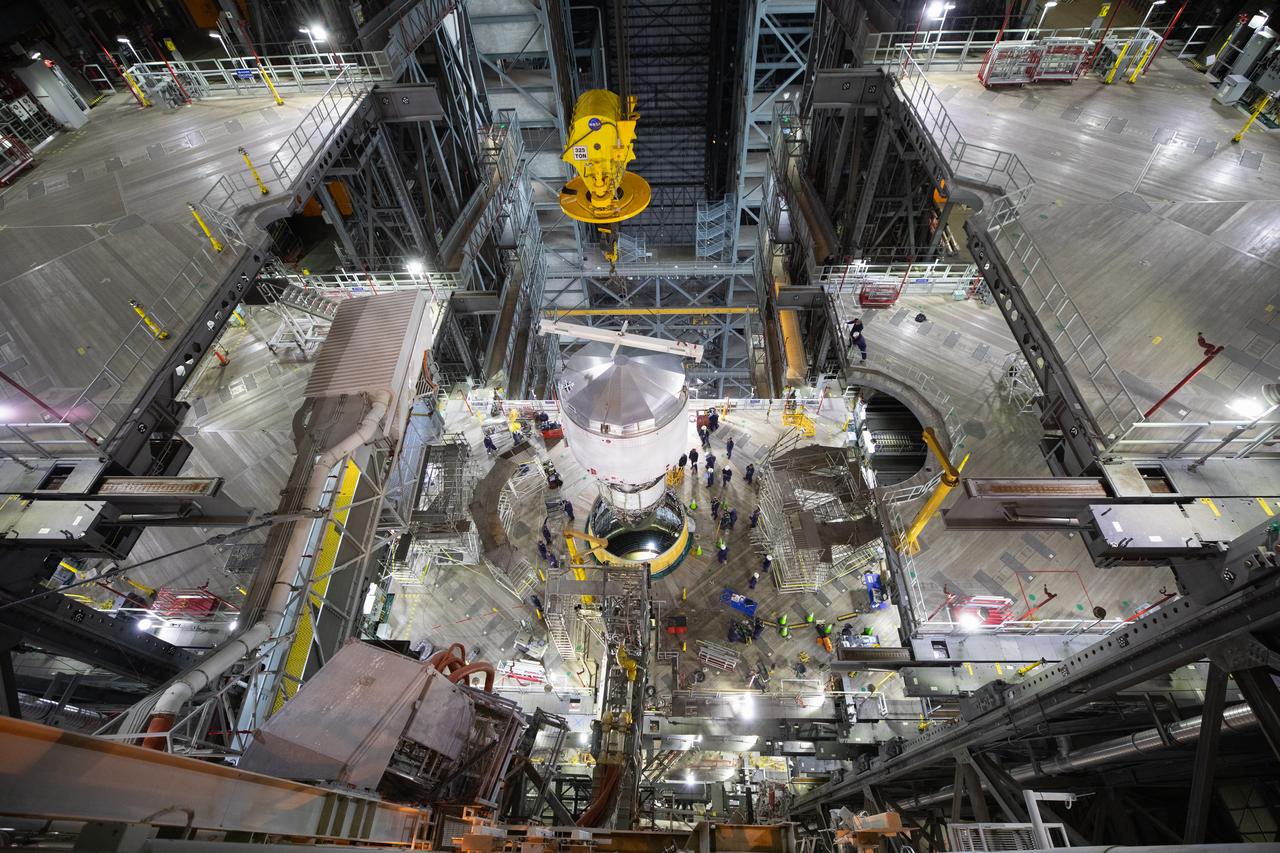
Teams with NASA’s Exploration Ground Systems Program begin integrating the interim cryogenic propulsion stage to the SLS (Space Launch System) launch vehicle stage adapter on Wednesday, April 30, 2025, inside the Vehicle Assembly Building at NASA’s Kennedy Space Center in Florida. The four-story propulsion system, built by Boeing and ULA (United Launch Alliance), is powered by an RL10 engine that will enable the Orion spacecraft to build up enough speed for the push toward the Moon during the Artemis II crewed test flight.

Teams with NASA’s Exploration Ground Systems Program begin integrating the interim cryogenic propulsion stage to the SLS (Space Launch System) launch vehicle stage adapter on Wednesday, April 30, 2025, inside the Vehicle Assembly Building at NASA’s Kennedy Space Center in Florida. The four-story propulsion system, built by Boeing and ULA (United Launch Alliance), is powered by an RL10 engine that will enable the Orion spacecraft to build up enough speed for the push toward the Moon during the Artemis II crewed test flight.
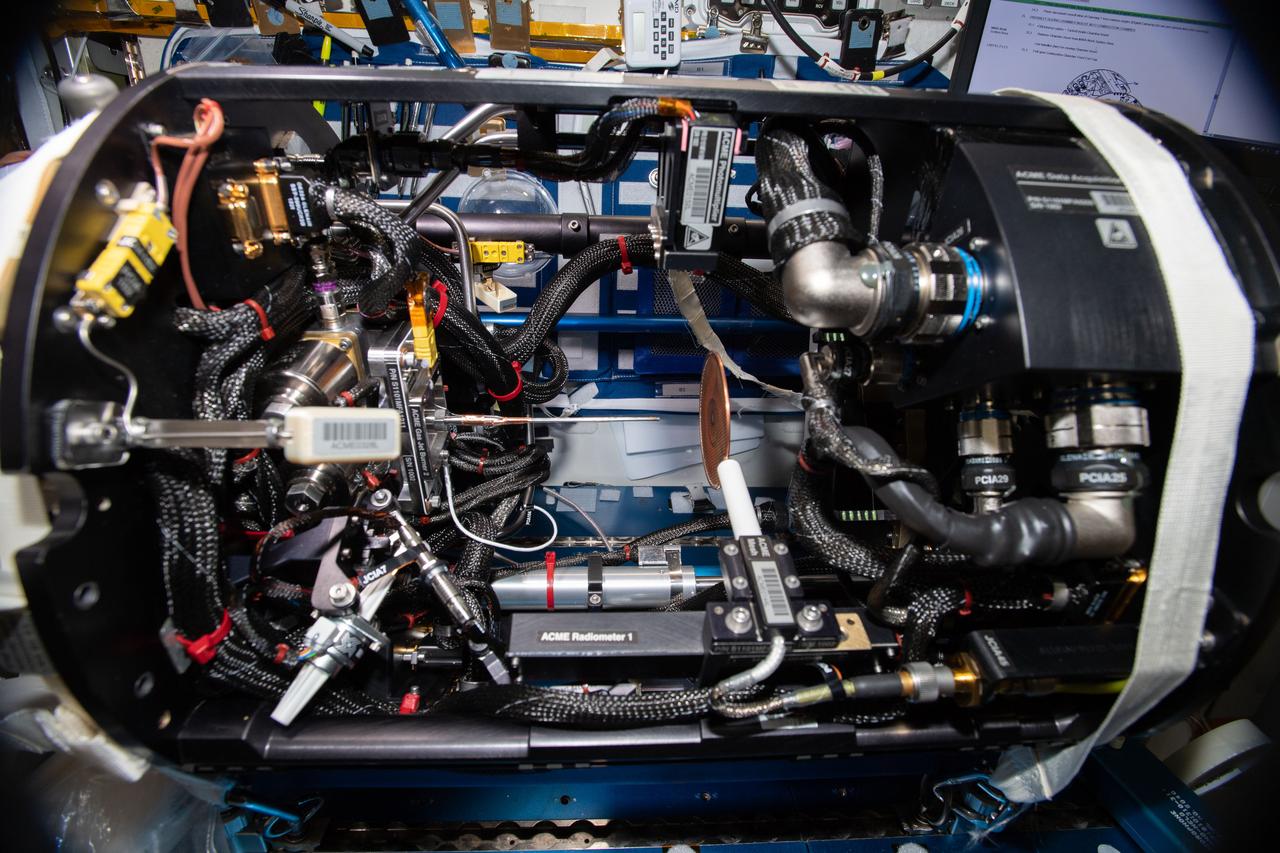
iss057e055269 (10/22/2018) --- Photo documentation of the Combustion Integrated Rack (CIR) Combustion Chamber, with Advanced Combustion via Microgravity Experiments (ACME) Mesh installed, during operations (OPS) to reconfigure CIR ACME hardware for the Electric-Field Effects on Laminar Diffusion Flames (E-FIELD Flames) experiment aboard the International Space Station (ISS).
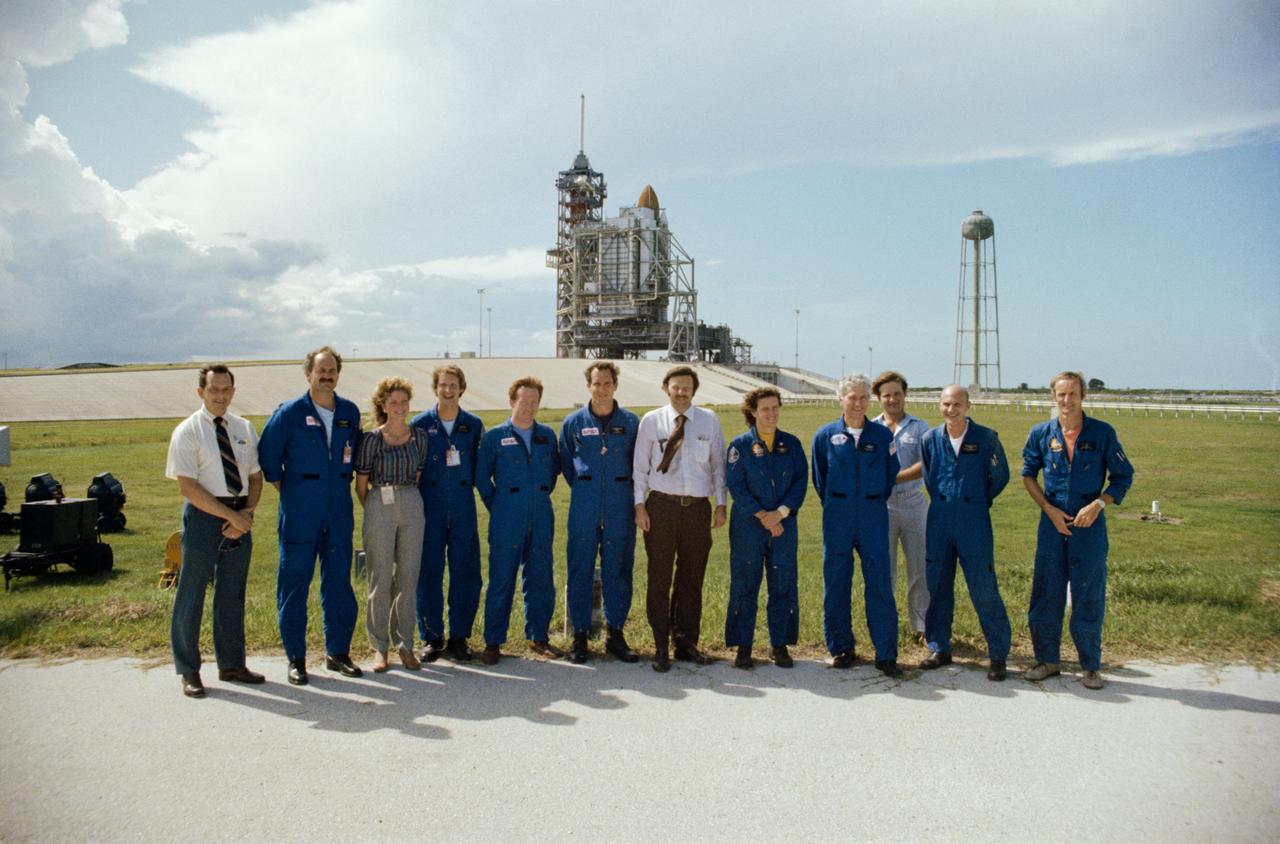
S82-32201 (29 May 1982) --- Members of the JSC astronaut corps, vehicle integration test team (VITT) and other personnel pose for a photograph at the completion of a countdown demonstration test (CDDT) at Launch Pad 39A, Kennedy Space Center (KSC). The participants are, from the left, Wilbur J. Etbauer, engineer with the VITT; mission specialist-astronaut James D. Van Hoften; Terri Stanford, engineer from JSC's flight operations directorate; mission specialist-astronaut Steven A. Hawley; astronaut Richard N. Richards; astronaut Michael J. Smith; Richard W. Nygren, head of the VITT; mission specialist-astronaut Kathryn D. Sullivan; astronaut Henry W. Hartsfield Jr., STS-4 pilot; Mark Haynes, a co-op student participating with the VITT; astronaut Thomas K. Mattingly II, STS-4 commander; and astronaut Donald E. Williams. Photo credit: NASA
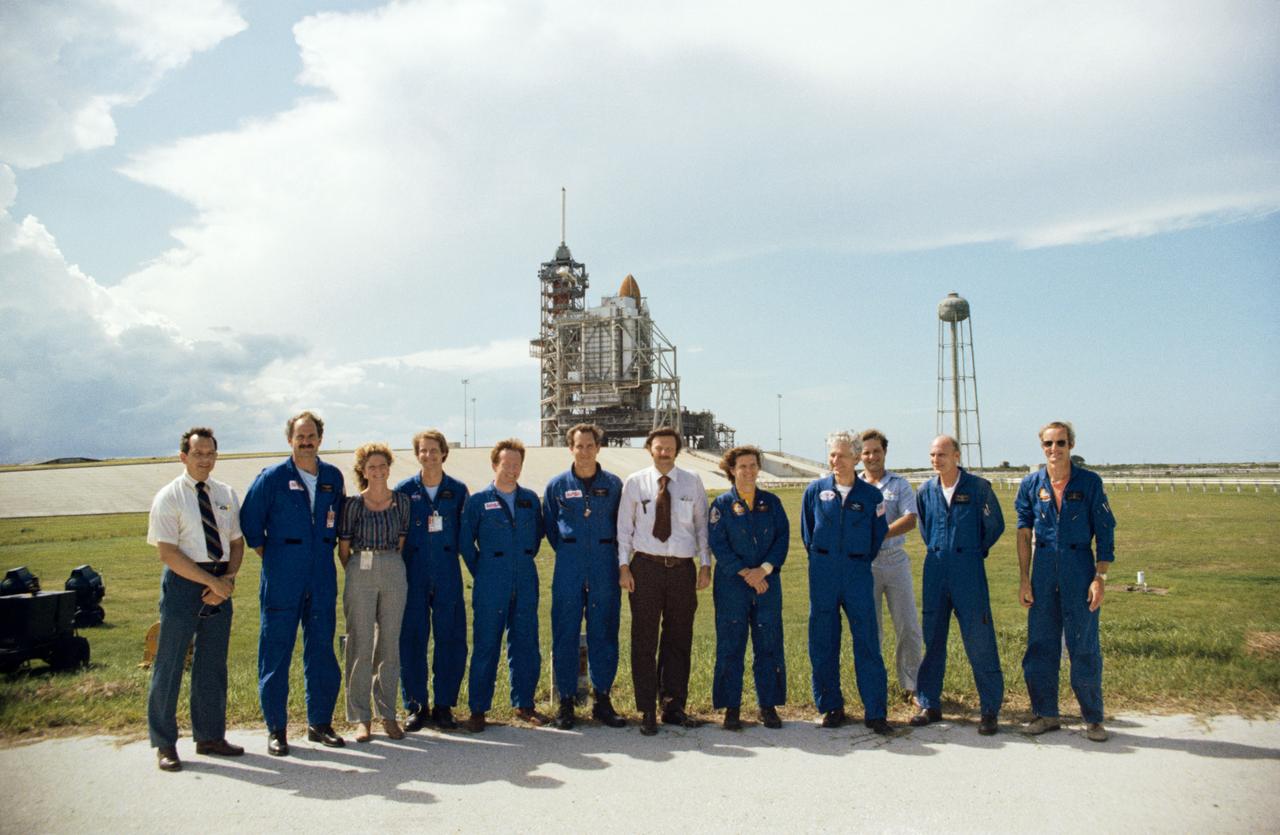
S82-32200 (29 May 1982) --- Members of the JSC astronaut corps, STS-4 vehicle integration test team (VITT) and other personnel pose for a photograph at the completion of a countdown demonstration test (CDDT) at Launch Pad 39A, Kennedy Space Center (KSC). The participants are, from the left, Wilbur J. Etbauer, engineer with the VITT; mission specialist-astronaut James D. van Hoften; Terry Stanford, engineer from JSC's flight operations directorate; mission specialist-astronaut Steven A. Hawley; astronaut Richard N. Richards; astronaut Michael J. Smith; Richard W. Nygren, head of the VITT; mission specialist-astronaut Kathryn D. Sullivan; astronaut Henry W. Hartsfield Jr.,STS-4 pilot; Mary Haynes, a co-op student participating with the VITT; astronaut Thomas K. Mattingly II, STS-4 commander; and astronaut Donald E. Williams. Photo credit: NASA
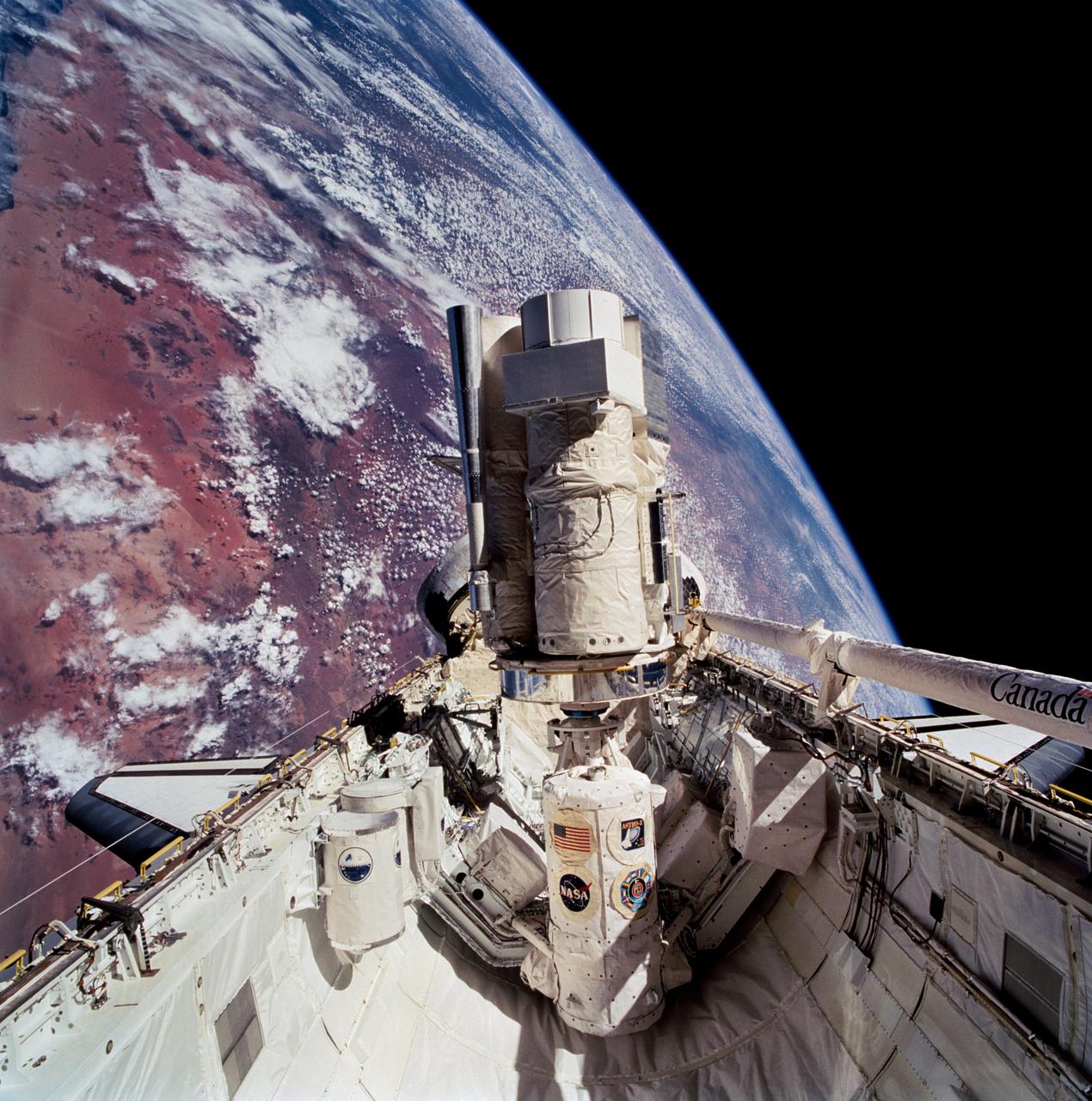
STS067-713-072 (2-18 March 1995) --- This 70mm cargo bay scene, backdropped against a desert area of Namibia, typifies the view that daily greeted the Astro-2 crew members during their almost 17-days aboard the Space Shuttle Endeavour. Positioned on the Spacelab pallet amidst other hardware, the Astro-2 payload is in its operational mode. Visible here are the Instrument Pointing System (IPS), Hopkins Ultraviolet Telescope (HUT), Star Tracker (ST), Ultraviolet Imaging Telescope (UIT), Wisconsin Ultraviolet Photo-Polarimeter Experiment (WUPPE), and Integrated Radiator System (IRS). At this angle, the Optical Sensor Package (OPS) is not seen. The Igloo, which supports the package of experiments, is in center foreground. Two Get-Away Special (GAS) canisters are in lower left foreground. The Extended Duration Orbiter (EDO) pallet, located aft of the cargo bay, is obscured by the Astro-2 payload. The Endeavour was 190 nautical miles above Earth.
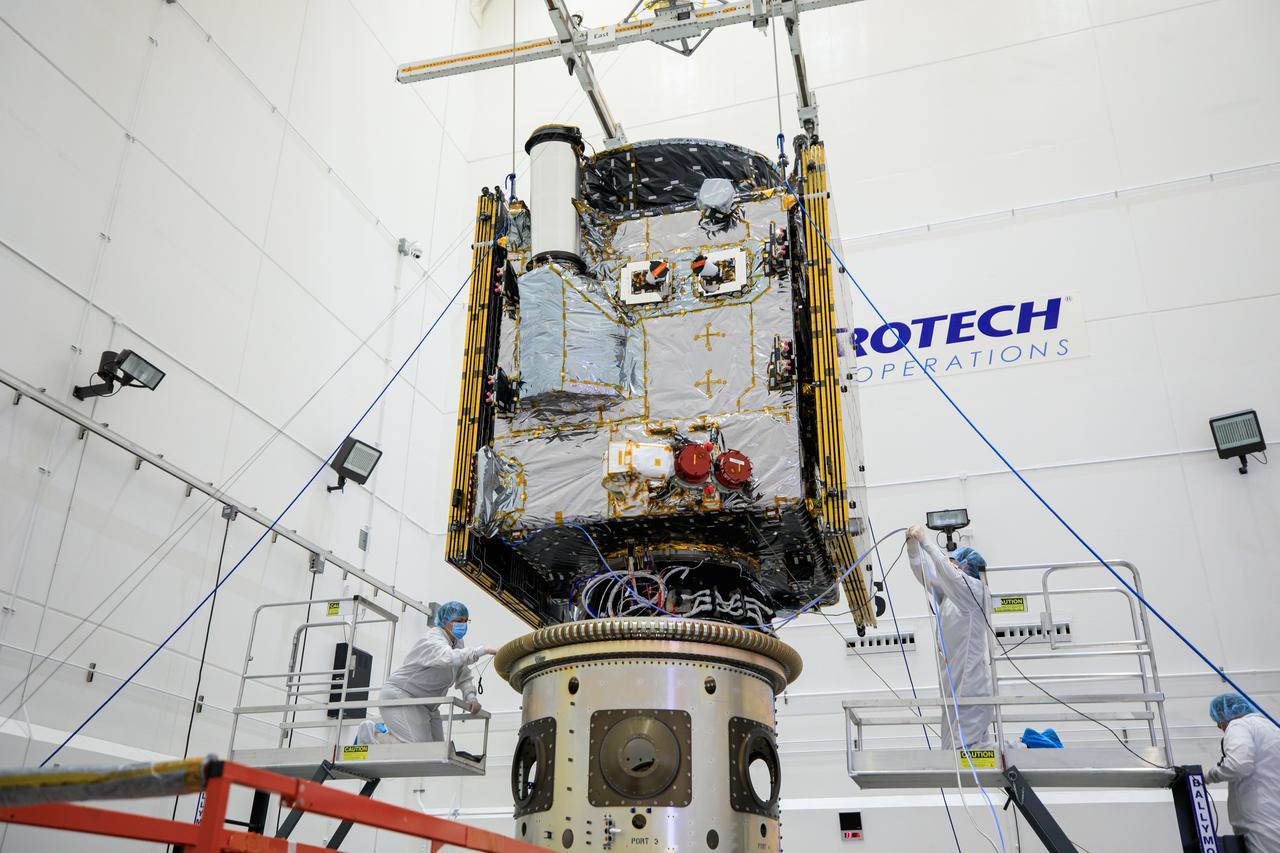
Technicians connected NASA’s Psyche spacecraft to the payload attach fitting inside the clean room at Astrotech Space Operations facility in Titusville, Florida on Wednesday, Sept. 20, 2023. This hardware allows Psyche to connect to the top of the rocket once secured inside the protective payload fairings. Psyche will lift off on a SpaceX Falcon Heavy rocket at 10:34 a.m. EDT Thursday, Oct. 5, 2023, from Launch Complex 39A at NASA’s Kennedy Space Center in Florida. The Psyche spacecraft will travel nearly six years and about 2.2 billion miles (3.6 billion kilometers) to an asteroid of the same name, which is orbiting the Sun between Mars and Jupiter. Scientists believe Psyche could be part of the core of a planetesimal, likely made of iron-nickel metal, which can be studied from orbit to give researchers a better idea of what may make up Earth’s core.
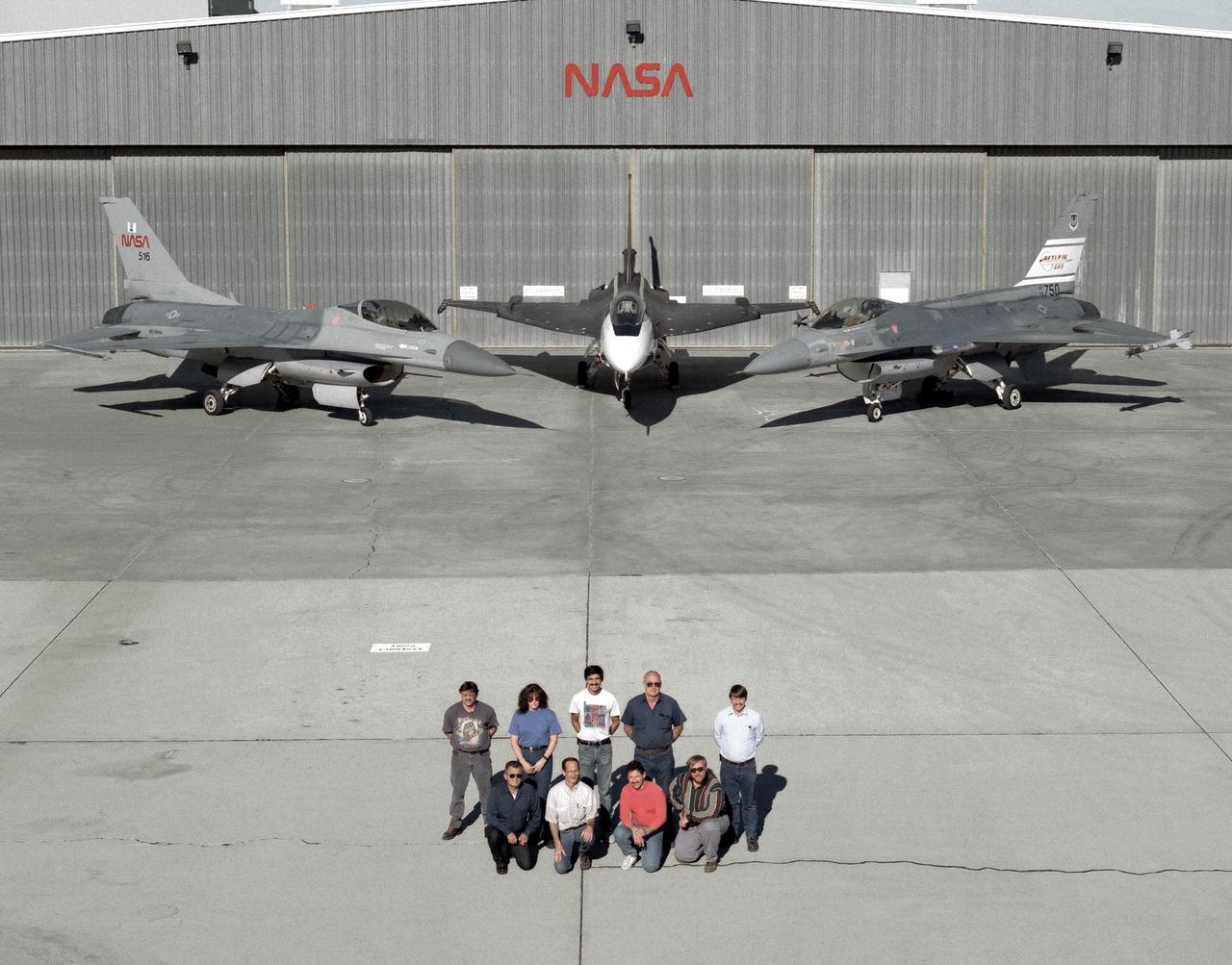
The support crew for the F-16A, the F-16XL no. 1, and the F-16 AFTI are, top row, left to right: Randy Weaver; mechanic, Susan Ligon; mechanic, Bob Garcia; Crew Chief, Rich Kelly; mechanic, Dale Edminister; Avionics Technician. Bottom row, left to right, Art Cope; mechanic, John Huffman; Avionics Technician, Jaime Garcia; Avionics Technician, Don Griffith, Avionics Tech. Co-op student. The F-16A (NASA 516), the only civil registered F-16 in existence, was transferred to Dryden from Langley, and was primarily used in engine tests and for parts. It was subsequently transfered from Dryden. The single-seat F-16XL no. 1 (NASA 849) was most recently used in the Cranked-Arrow Wing Aerodynamics Project (CAWAP) to test boundary layer pressures and distribution. Previously it had been used in a program to investigate the characteristics of sonic booms for NASA's High Speed Research Program. Data from the program will be used in the development of a high speed civilian transport. During the series of sonic boom research flights, the F-16XL was used to probe the shock waves being generated by a NASA SR-71 and record their shape and intensity. The Advanced Fighter Technology Integration (AFTI) F-16 was used to develop and demonstrate technologies to improve navigation and a pilot's ability to find and destroy enemy ground targets day or night, including adverse weather. Earlier research in the joint NASA-Air Force AFTI F-16 program demonstrated voice actuated controls, helmet-mounted sighting and integration of forward-mounted canards with the standard flight control system to achieve uncoupled flight.
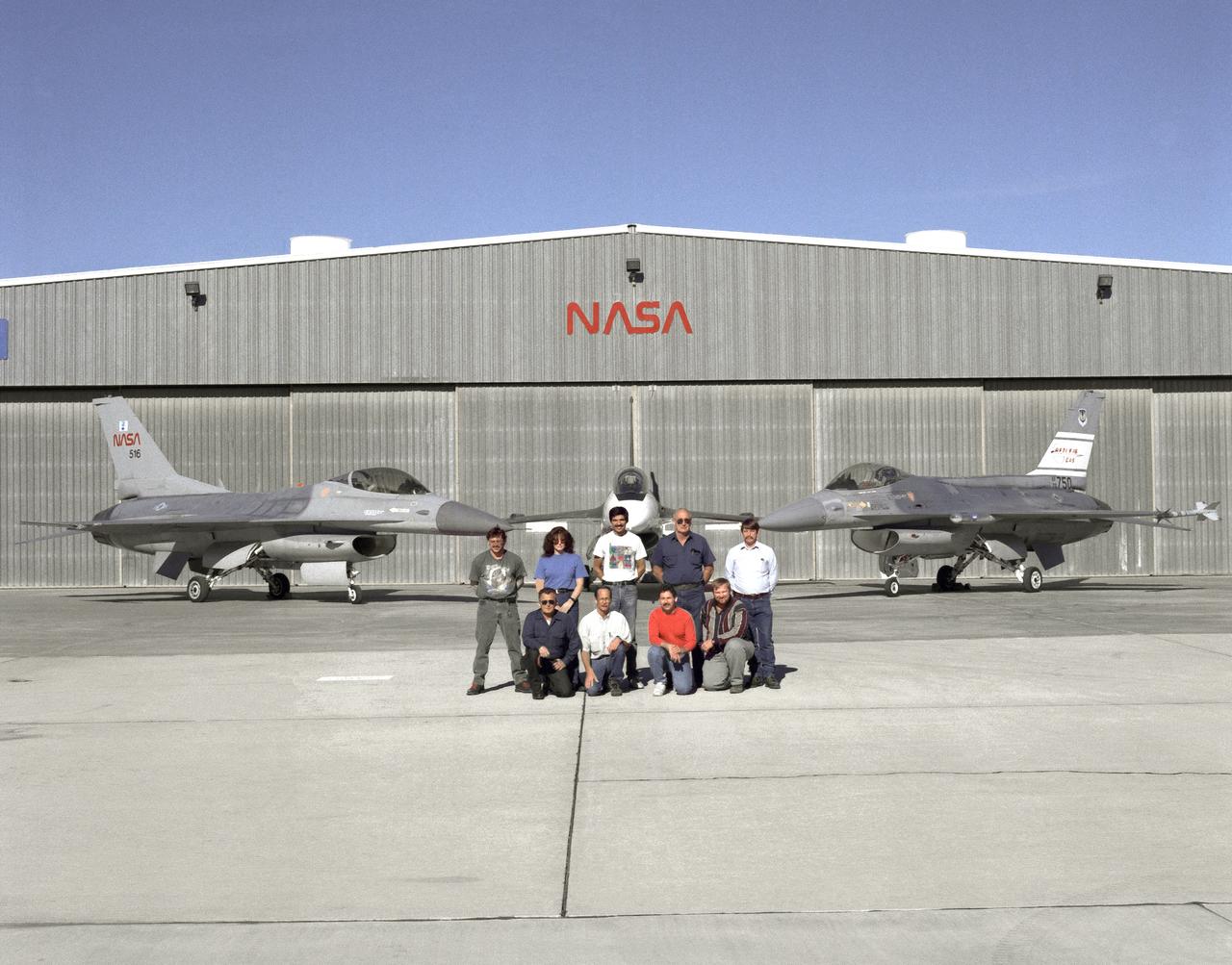
The support crew for the F-16A, the F-16XL no. 1, and the F-16 AFTI are, top row, left to right: Randy Weaver; mechanic, Susan Ligon; mechanic, Bob Garcia; Crew Chief, Rich Kelly; mechanic, Dale Edminister; Avionics Technician. Bottom row, left to right, Art Cope; mechanic, John Huffman; Avionics Technician, Jaime Garcia; Avionics Technician, Don Griffith, Avionics Tech. Co-op student. The F-16A (NASA 516), the only civil registered F-16 in existence, was transferred to Dryden from Langley, and was primarily used in engine tests and for parts. It was subsequently transfered from Dryden. The single-seat F-16XL no. 1 (NASA 849) was most recently used in the Cranked-Arrow Wing Aerodynamics Project (CAWAP) to test boundary layer pressures and distribution. Previously it had been used in a program to investigate the characteristics of sonic booms for NASA's High Speed Research Program. Data from the program will be used in the development of a high speed civilian transport. During the series of sonic boom research flights, the F-16XL was used to probe the shock waves being generated by a NASA SR-71 and record their shape and intensity. The Advanced Fighter Technology Integration (AFTI) F-16 was used to develop and demonstrate technologies to improve navigation and a pilot's ability to find and destroy enemy ground targets day or night, including adverse weather. Earlier research in the joint NASA-Air Force AFTI F-16 program demonstrated voice actuated controls, helmet-mounted sighting and integration of forward-mounted canards with the standard flight control system to achieve uncoupled flight.
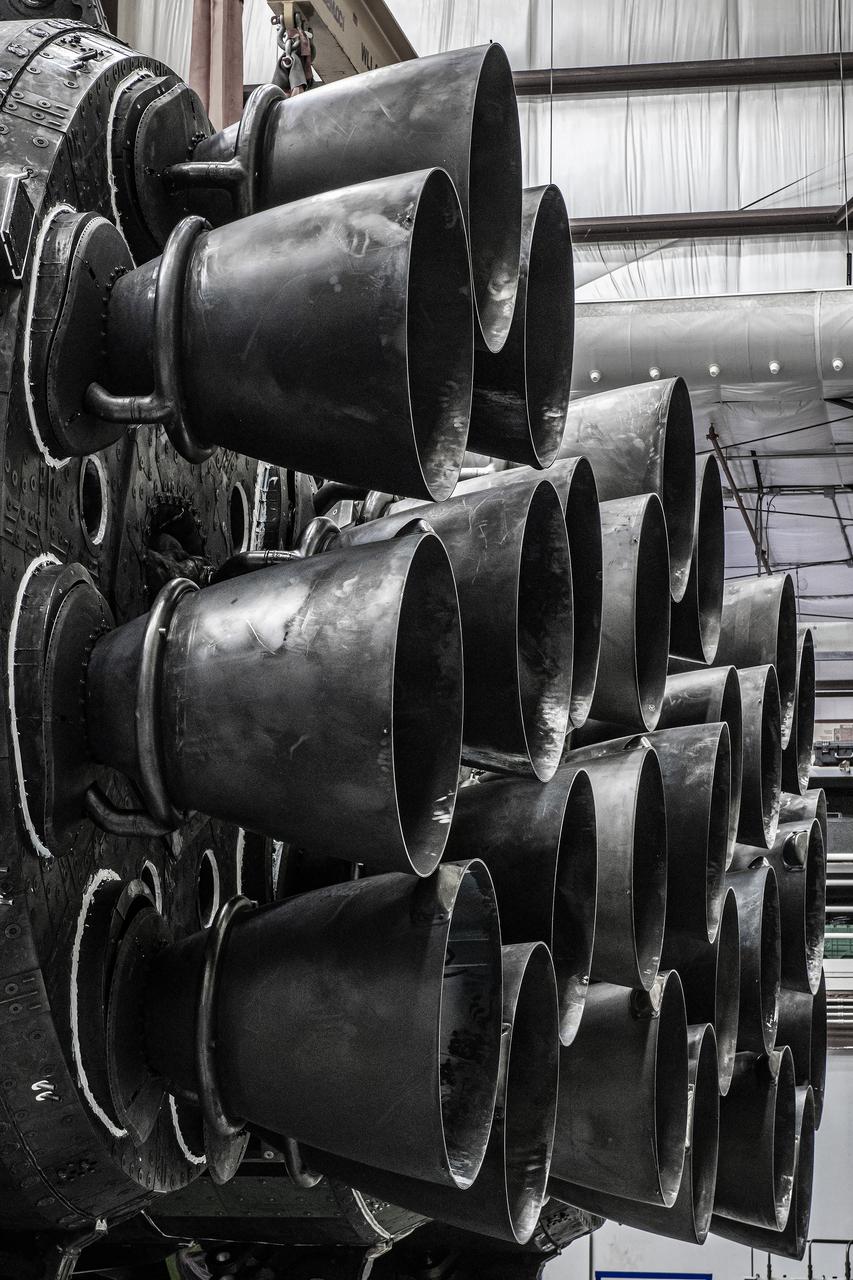
Photos of the Falcon Heavy rocket that will launch NASA's Psyche mission in the hangar at Launch Complex 39A at Kennedy Space Center in Florida before it rolled out to the pad for a static fire test as part of preparations for the journey to a metal-rich asteroid.
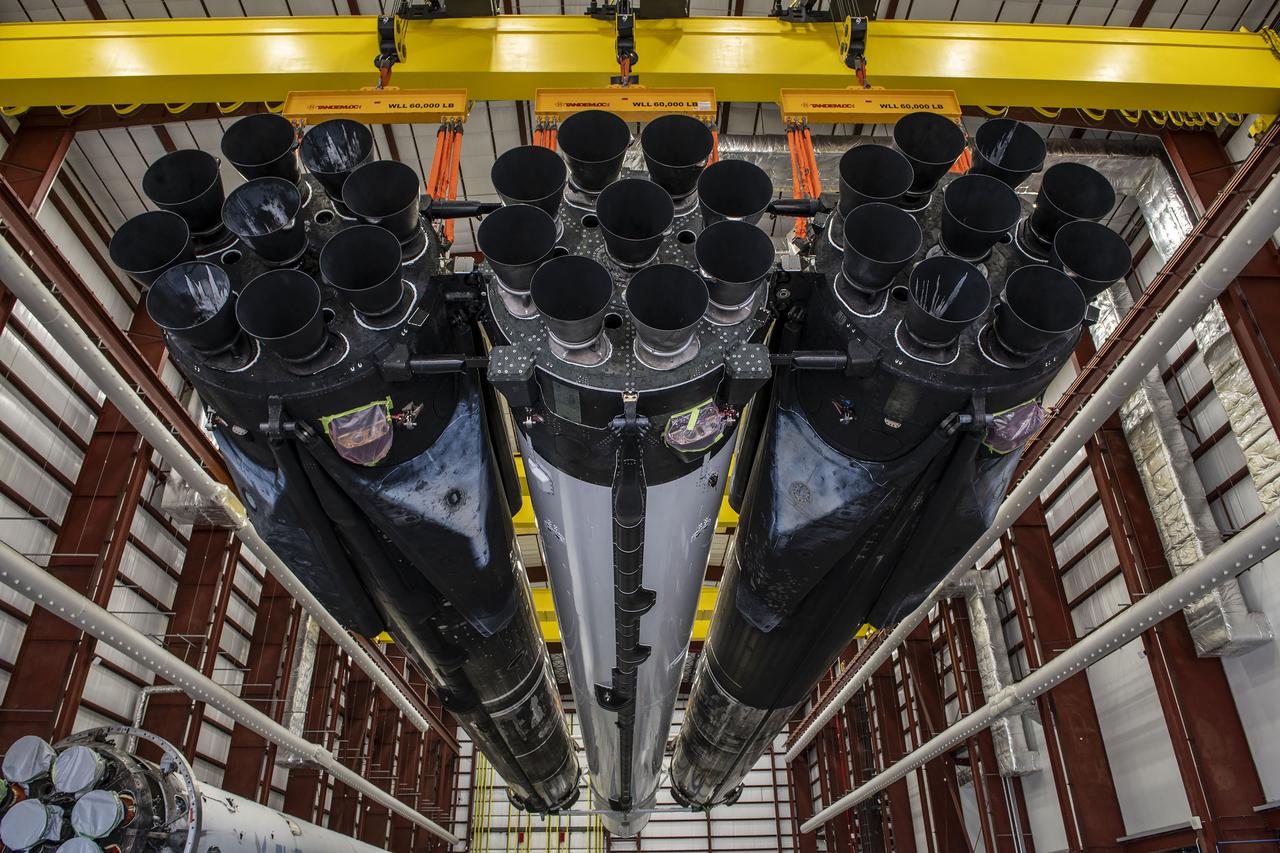
Photos of the Falcon Heavy rocket that will launch NASA's Psyche mission in the hangar at Launch Complex 39A at Kennedy Space Center in Florida before it rolled out to the pad for a static fire test as part of preparations for the journey to a metal-rich asteroid.
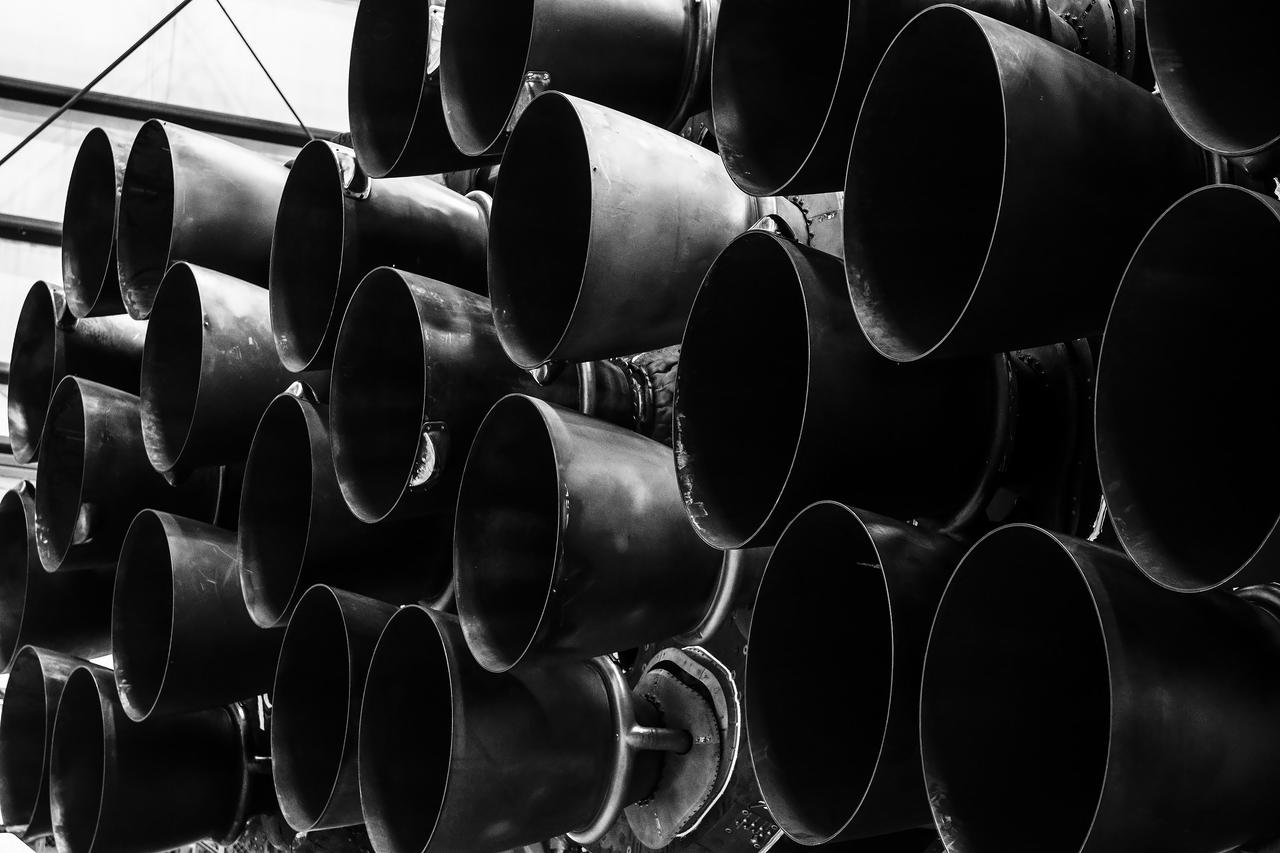
Photos of the Falcon Heavy rocket that will launch NASA's Psyche mission in the hangar at Launch Complex 39A at Kennedy Space Center in Florida before it rolled out to the pad for a static fire test as part of preparations for the journey to a metal-rich asteroid.
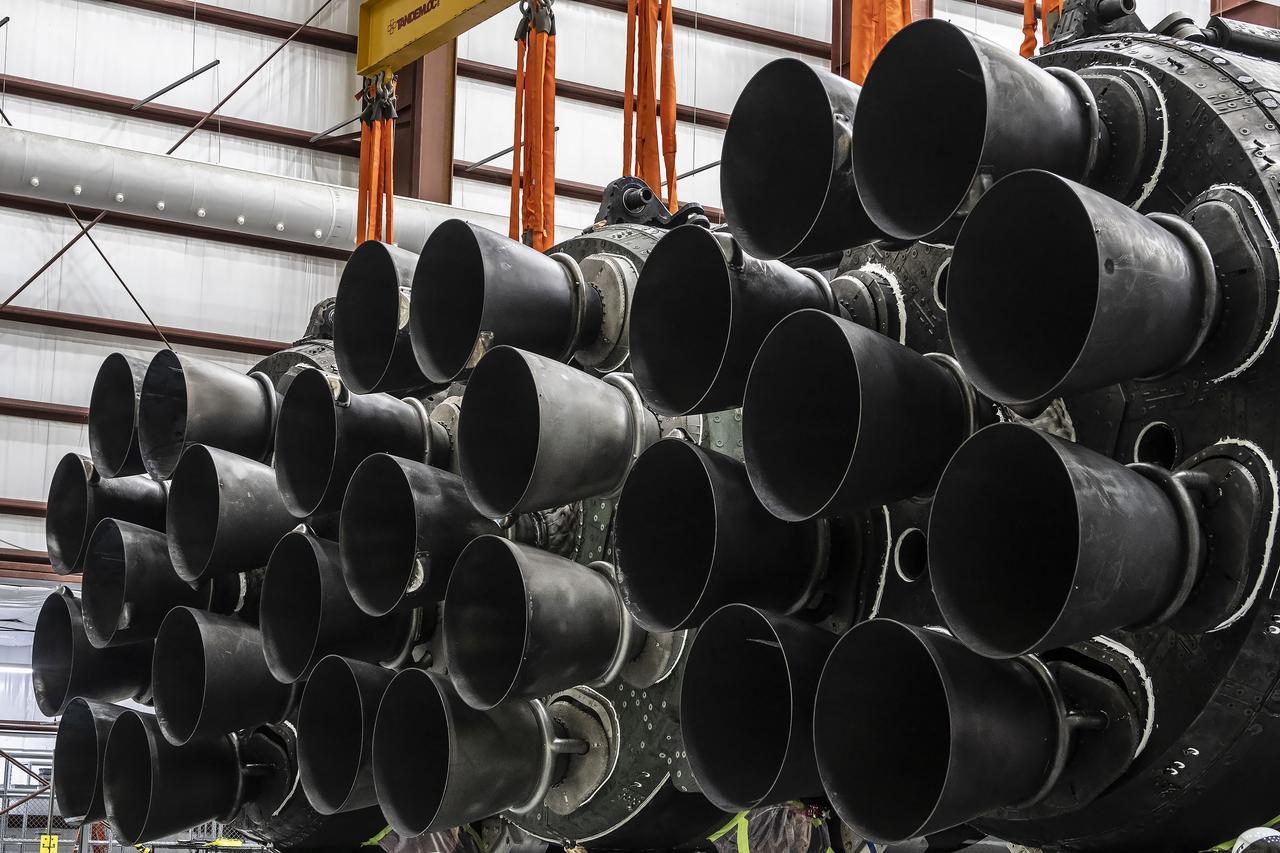
Photos of the Falcon Heavy rocket that will launch NASA's Psyche mission in the hangar at Launch Complex 39A at Kennedy Space Center in Florida before it rolled out to the pad for a static fire test as part of preparations for the journey to a metal-rich asteroid.
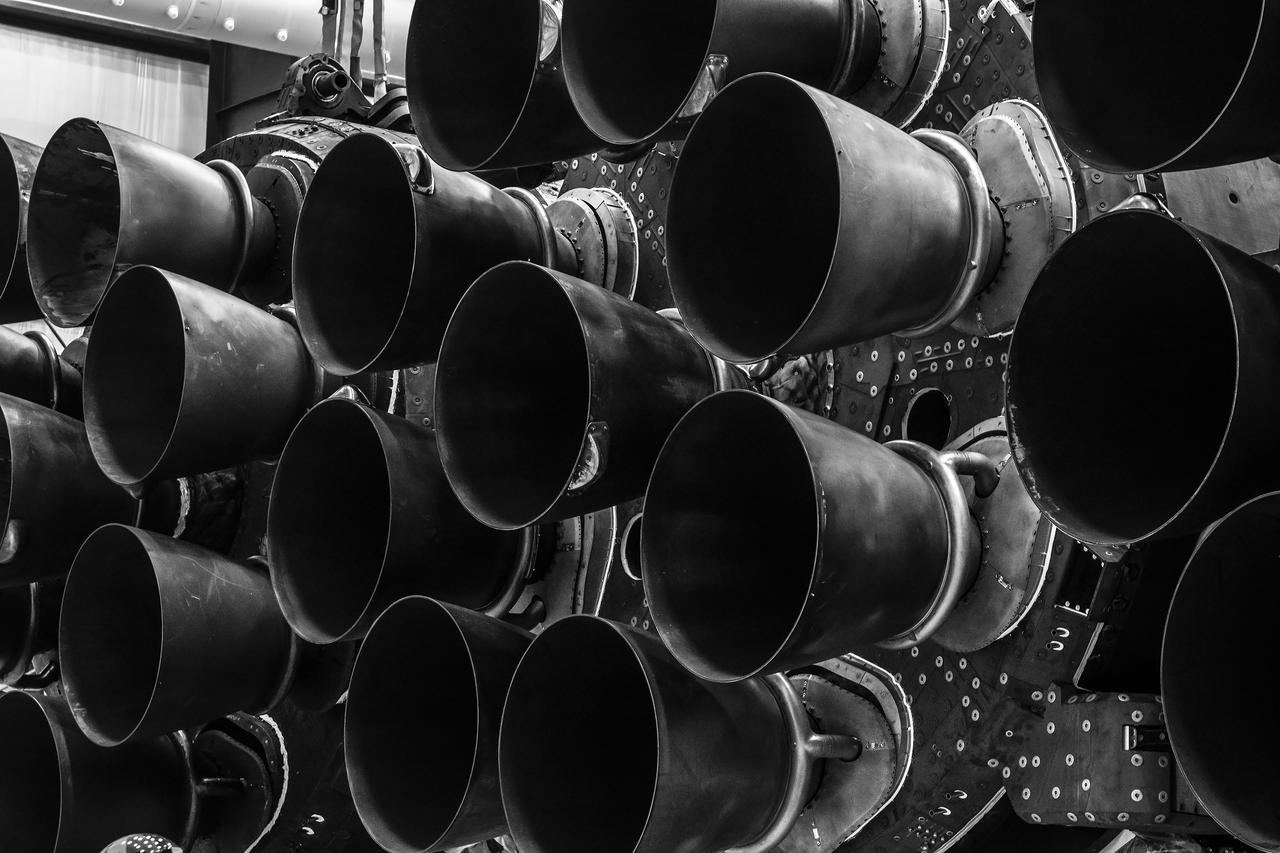
Photos of the Falcon Heavy rocket that will launch NASA's Psyche mission in the hangar at Launch Complex 39A at Kennedy Space Center in Florida before it rolled out to the pad for a static fire test as part of preparations for the journey to a metal-rich asteroid.
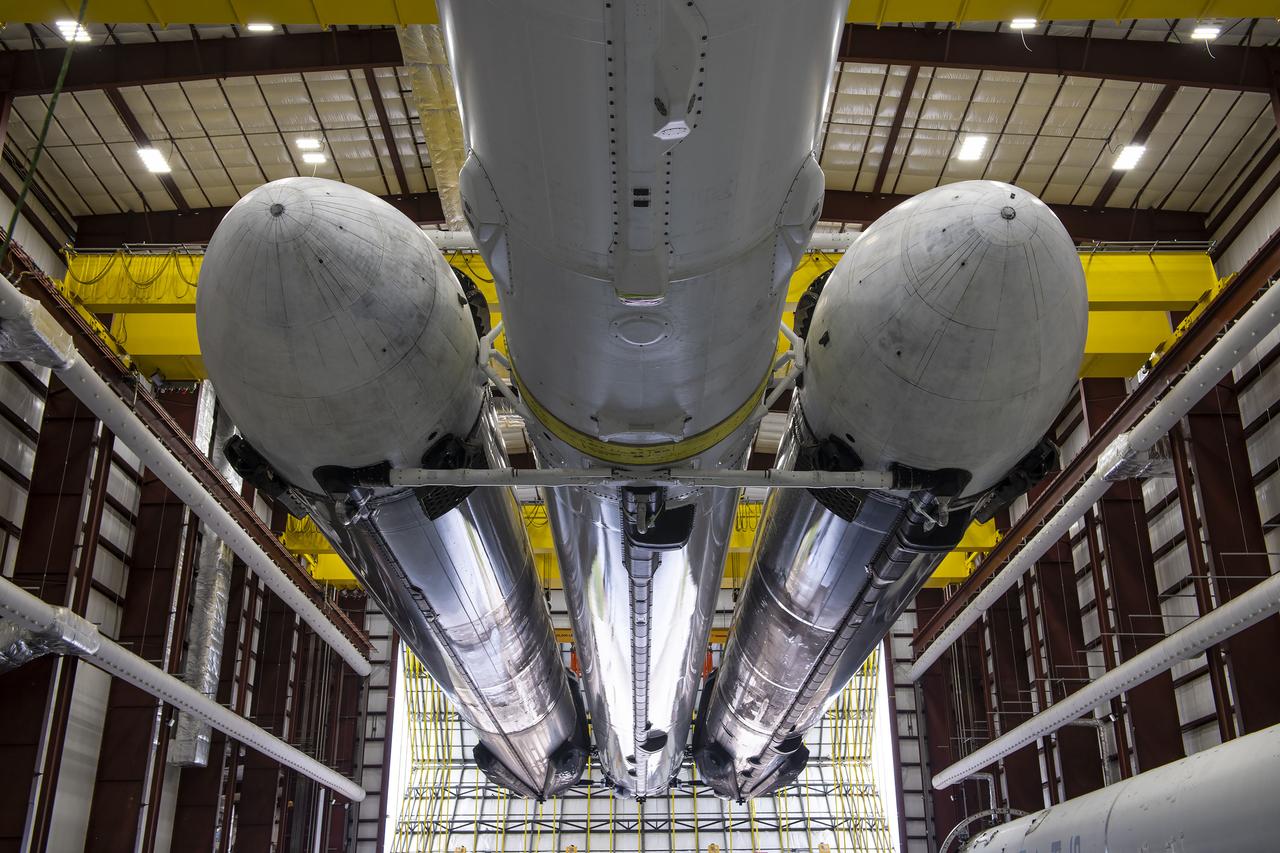
Photos of the Falcon Heavy rocket that will launch NASA's Psyche mission in the hangar at Launch Complex 39A at Kennedy Space Center in Florida before it rolled out to the pad for a static fire test as part of preparations for the journey to a metal-rich asteroid.