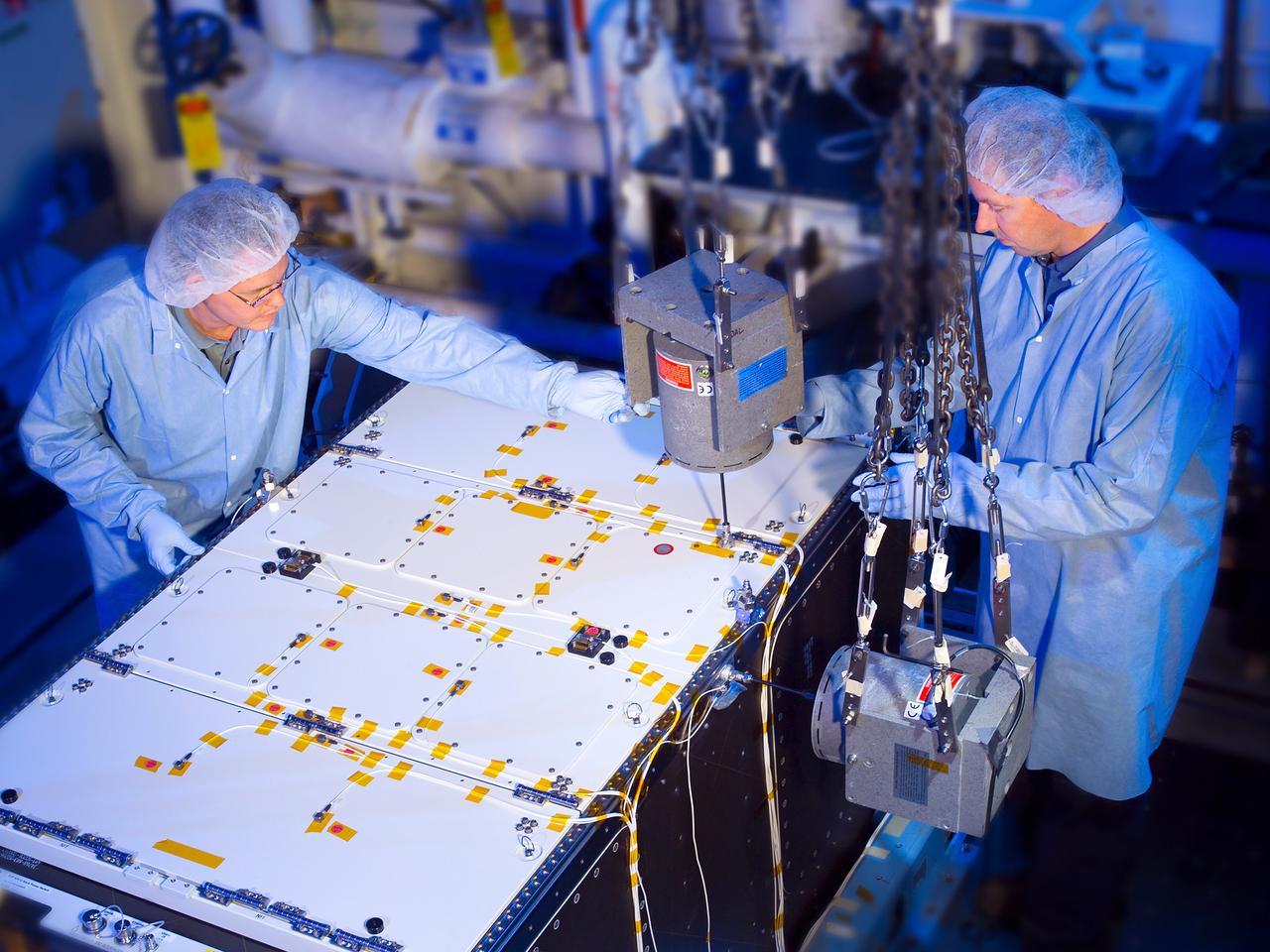
Fluids and Combustion Facility (FCF), Combustion Integration Rack (CIR) during testing in the Structural Dynamics Laboratory (SDL). The Fluids and Combustion Facility (FCF) is a set of two International Space Station (ISS) research facilities designed to support physical and biological experiments in support of technology development and validation in space. The FCF consists of two modular, reconfigurable racks called the Combustion Integration Rack (CIR) and the Fluids Integration Rack (FIR). The CIR and FIR were developed at NASAʼs Glenn Research Center.
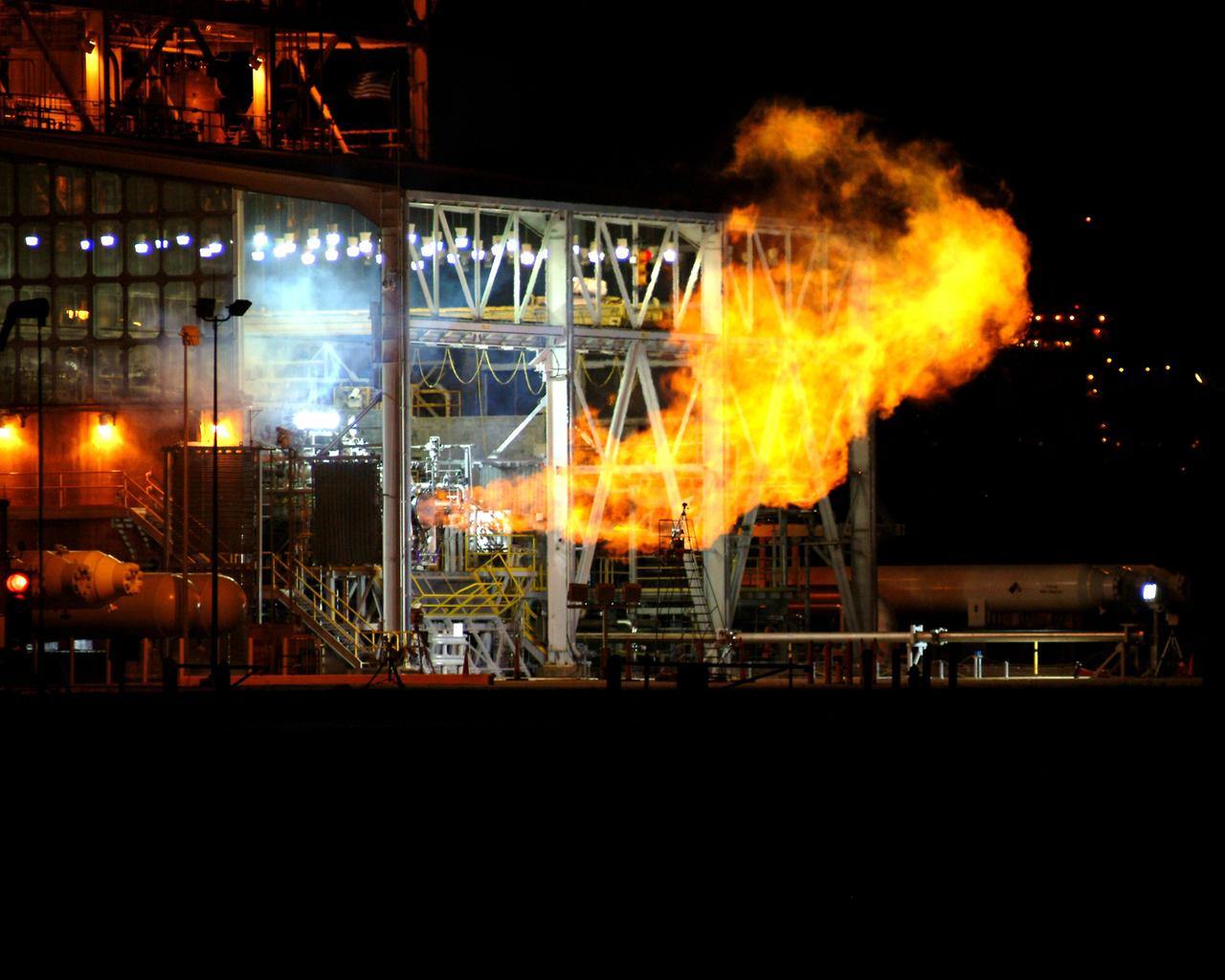
A plume of fire lights up the night during a test of the Integrated Powerhead Demonstrator at Stennis Space Center's E-1 Test Stand.
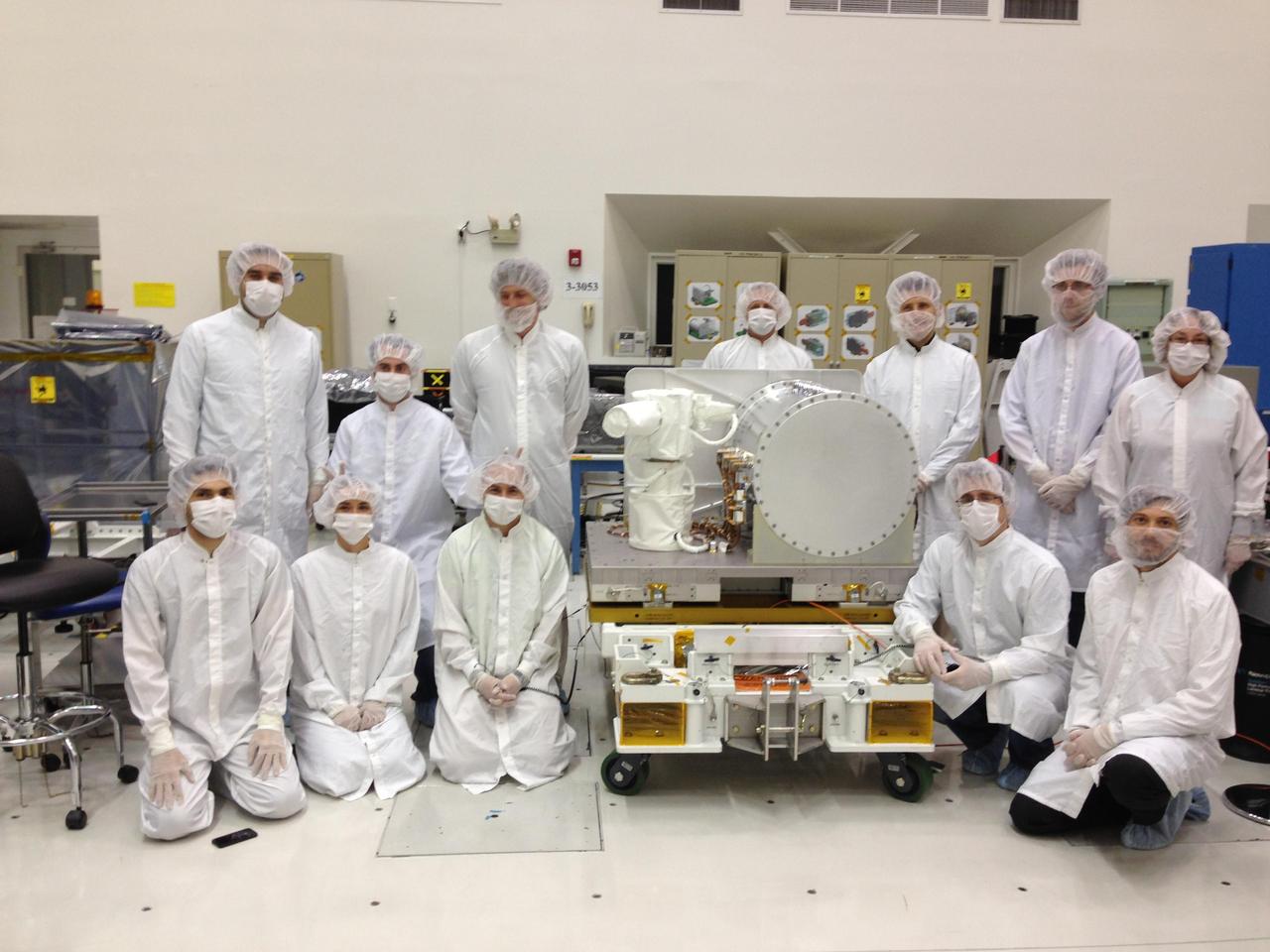
NASA Optical PAyload for Lasercomm Science OPALS integration and test team is seen at NASA Jet Propulsion Laboratory prior to OPALS shipment to Kennedy Space Center.
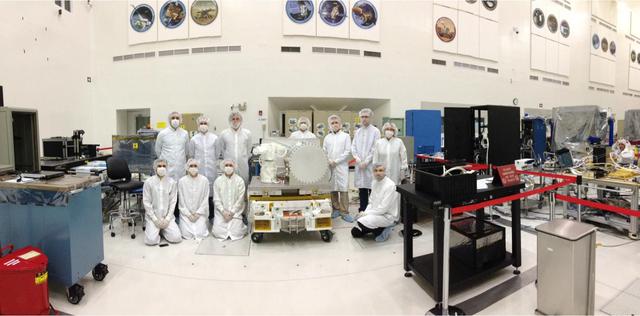
NASA Optical PAyload for Lasercomm Science OPALS integration and test team is seen at NASA Jet Propulsion Laboratory prior to OPALS shipment to Kennedy Space Center.
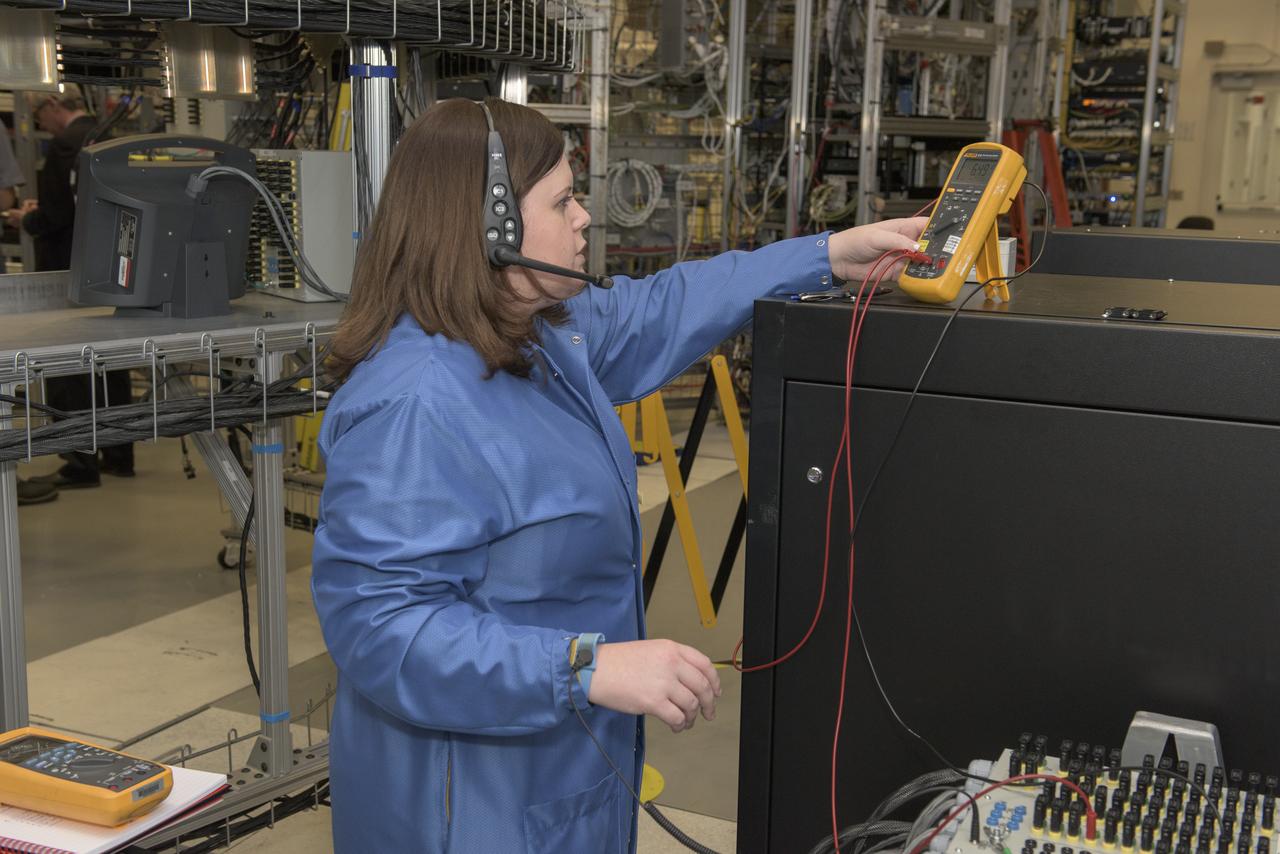
MOLLY GINTER TESTS AVIONICS SYSTEMS IN THE SYSTEMS INTEGRATION AND TEST FACILITY (SITF)
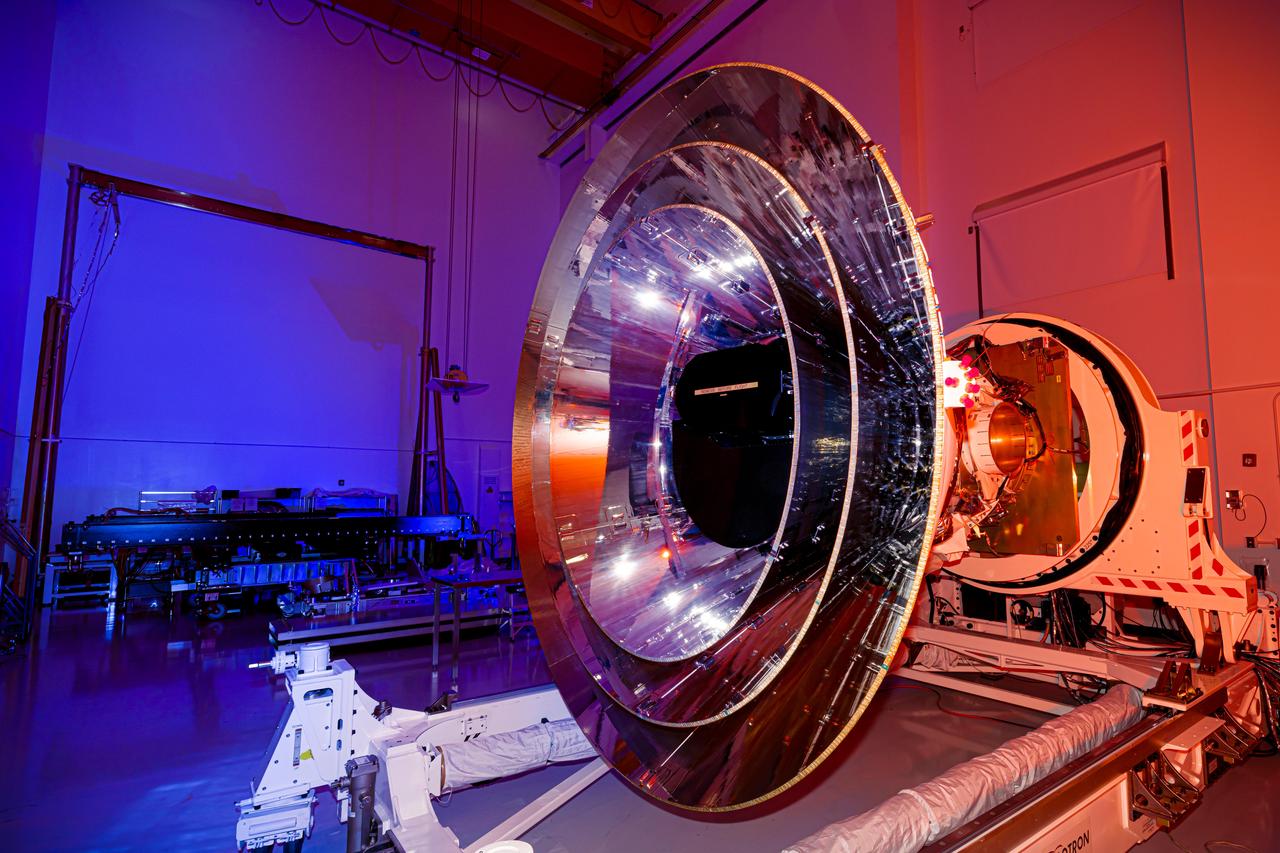
NASA's SPHEREx observatory undergoes integration and testing at BAE Systems in Boulder, Colorado, in April 2024. Short for Spectro-Photometer for the History of the Universe, Epoch of Reionization and Ices Explorer, SPHEREx will create a map of the cosmos like no other. Using a technique called spectroscopy to image the entire sky in 102 wavelengths of infrared light, SPHEREx will gather information about the composition of and distance to millions of galaxies and stars. With this map, scientists will study what happened in the first fraction of a second after the big bang, how galaxies formed and evolved, and the origins of water in planetary systems in our galaxy. https://photojournal.jpl.nasa.gov/catalog/PIA26538
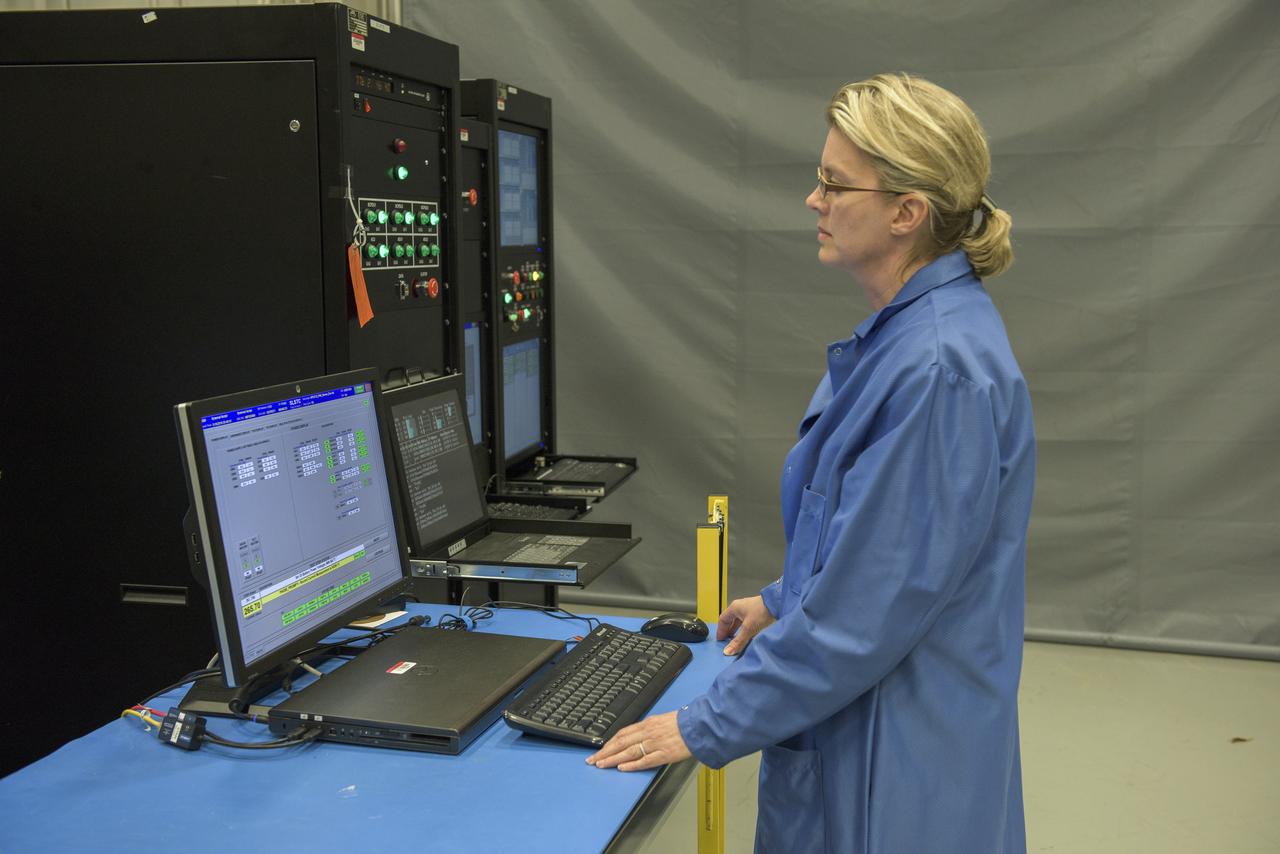
JENNIFER GRAHAM RUNNING TESTS OF THE AVIONICS SYSTEMS IN THE SYSTEMS INTEGRATION AND TEST FACILTIY (SITF)
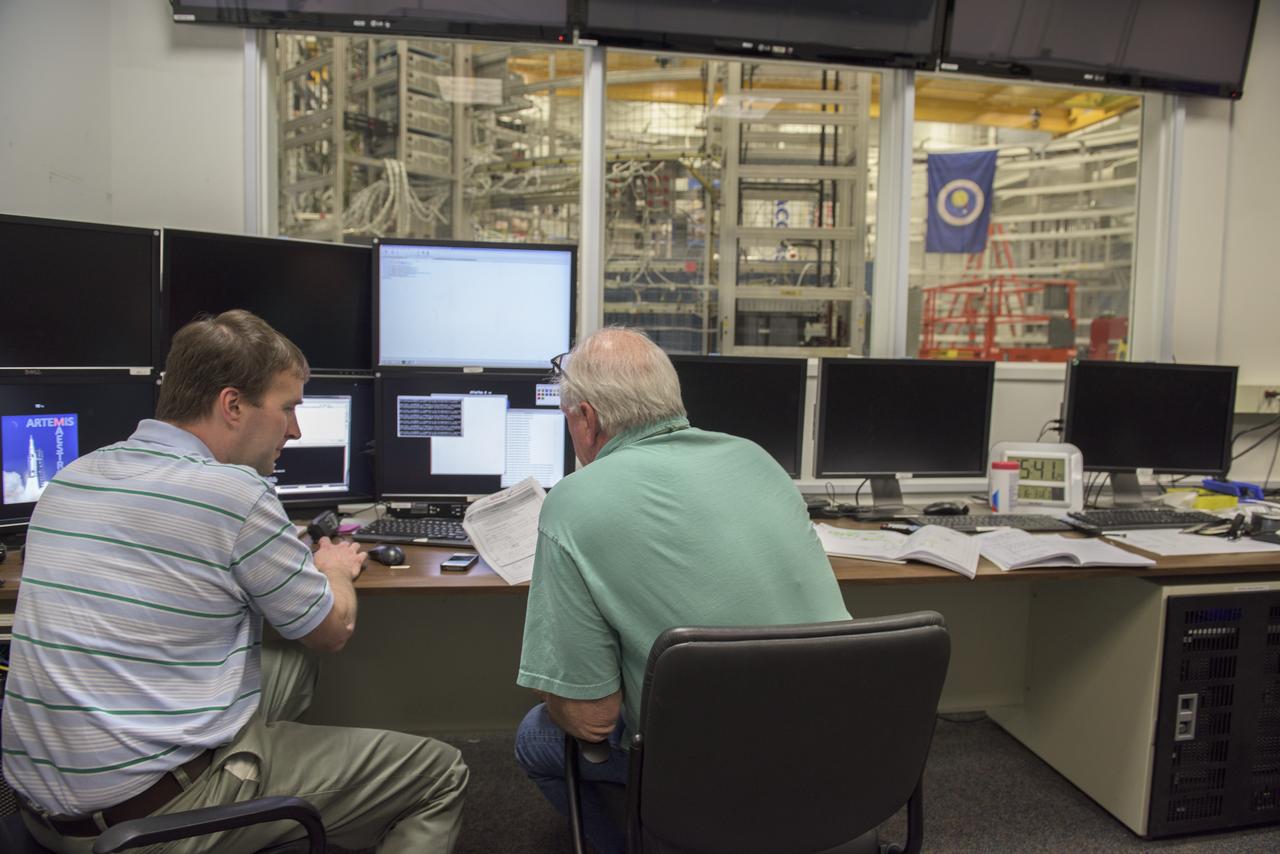
TOM SNYDER AND CHUCK ENSEY RUNNING TESTS OF THE AVIONICS SYSTEMS IN THE SYSTEMS INTEGRATION AND TEST FACILITY (SITF)
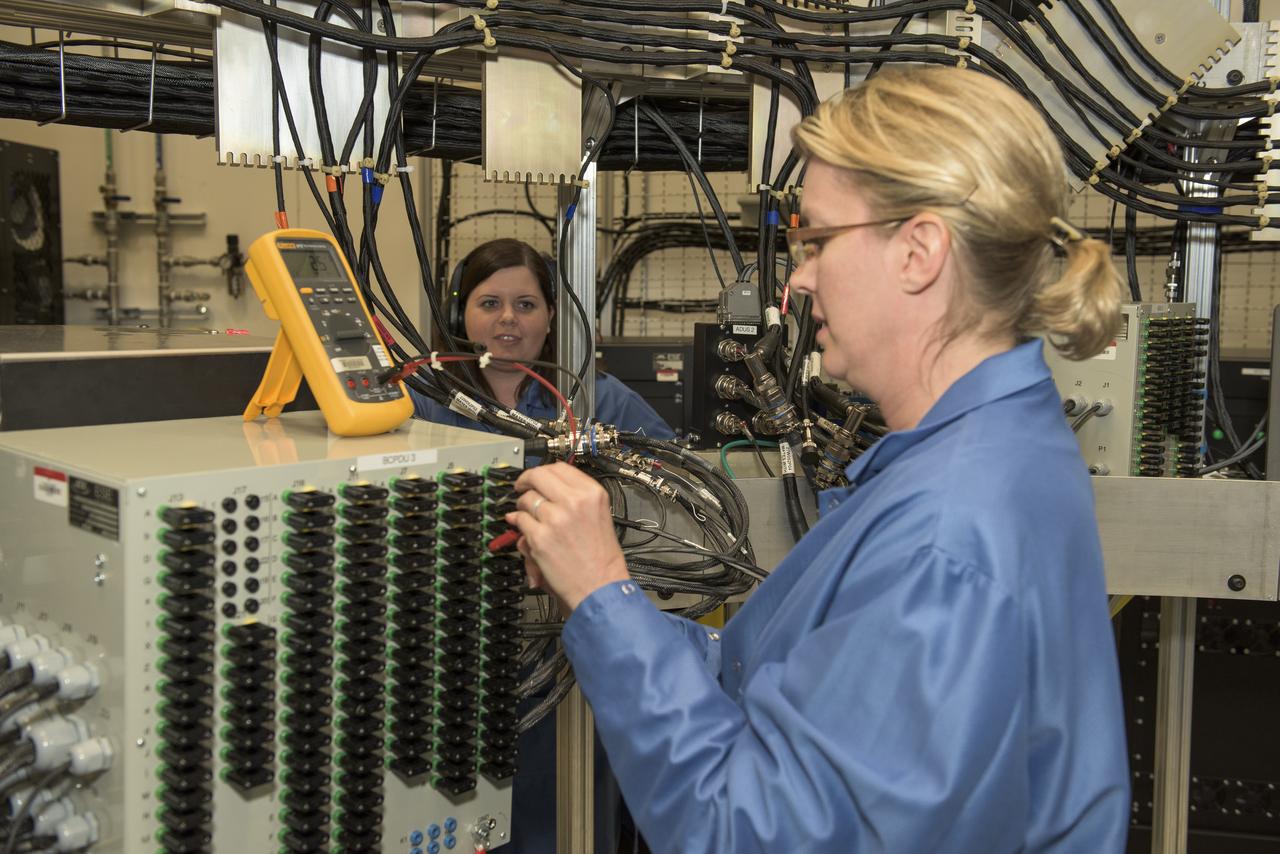
JENNIFER GRAHAM AND MOLLY GINTER RUNNING TESTS OF THE AVIONICS SYSTEMS IN THE SYSTEMS INTEGRATION AND TEST FACILITY (SITF)
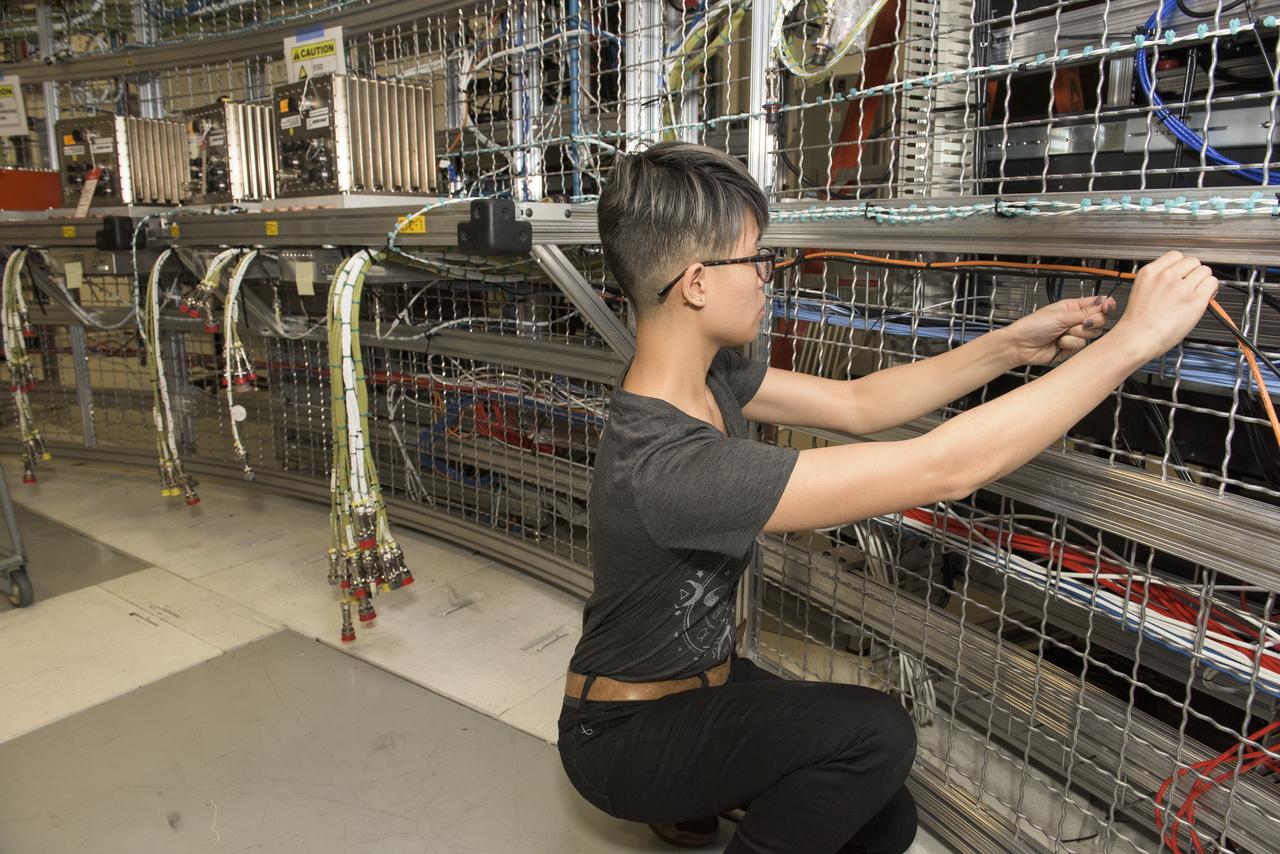
RATANA MACKRELL POSITIONS CABLES IN THE SYSTEMS INTEGRATION AND TEST FACILITY
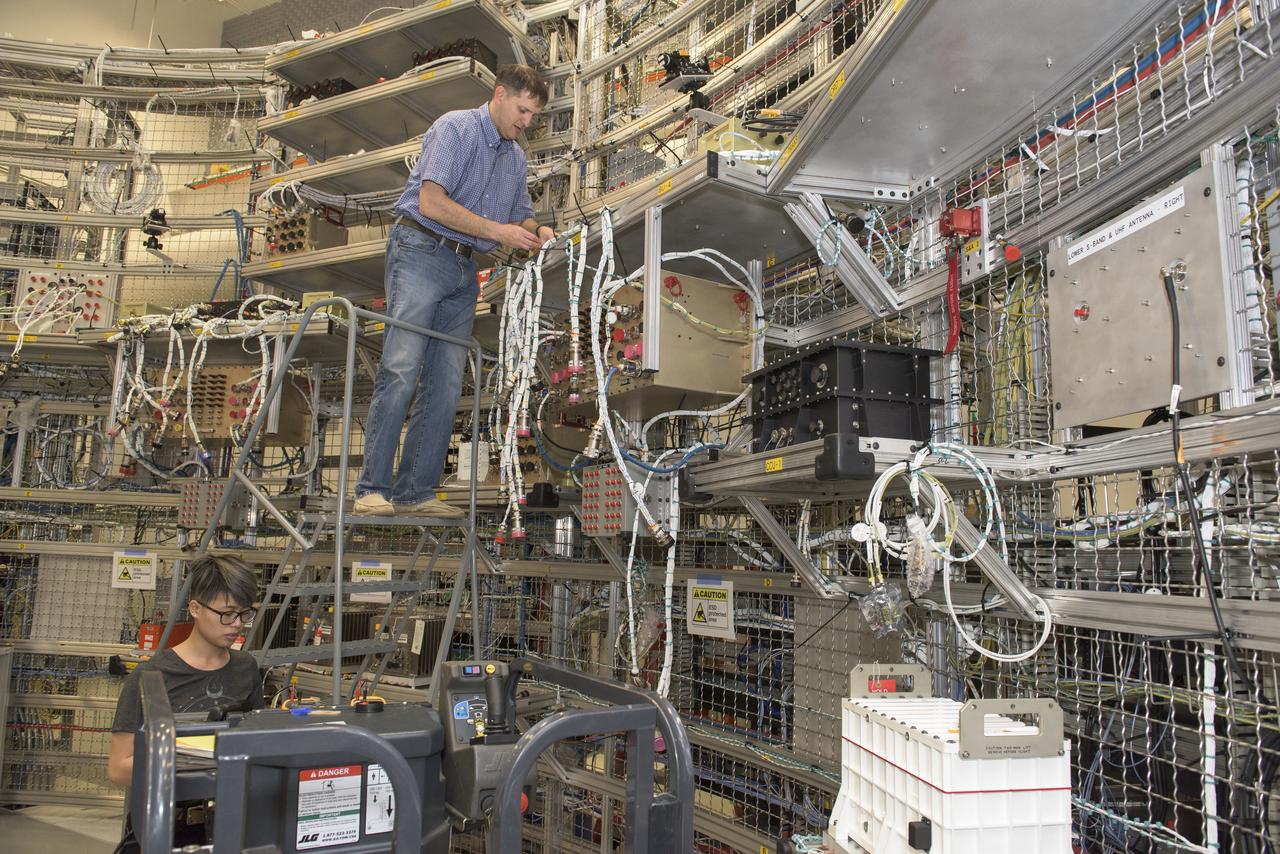
RYAN MACKRELL AND RATANA MEEKHAM INSPECT AVIONICS SYSTEMS CABLES IN THE SYSTEMS INTEGRATION AND TEST FACILITY (SITF).
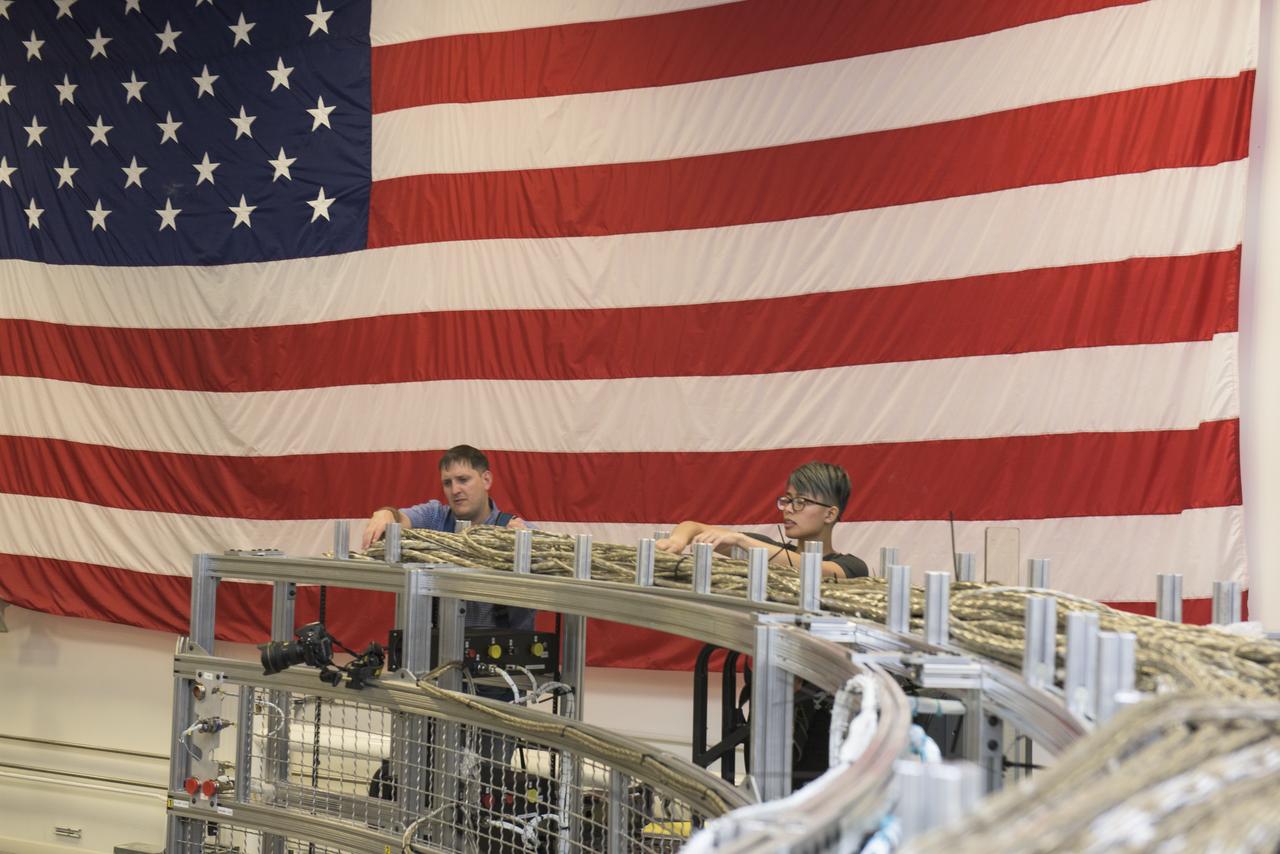
RYAN MACKRELL AND RATANA MEEKHAM INSPECT AVIONICS SYSTEMS CABLES IN THE SYSTEMS INTEGRATION AND TEST FACILITY (SITF)
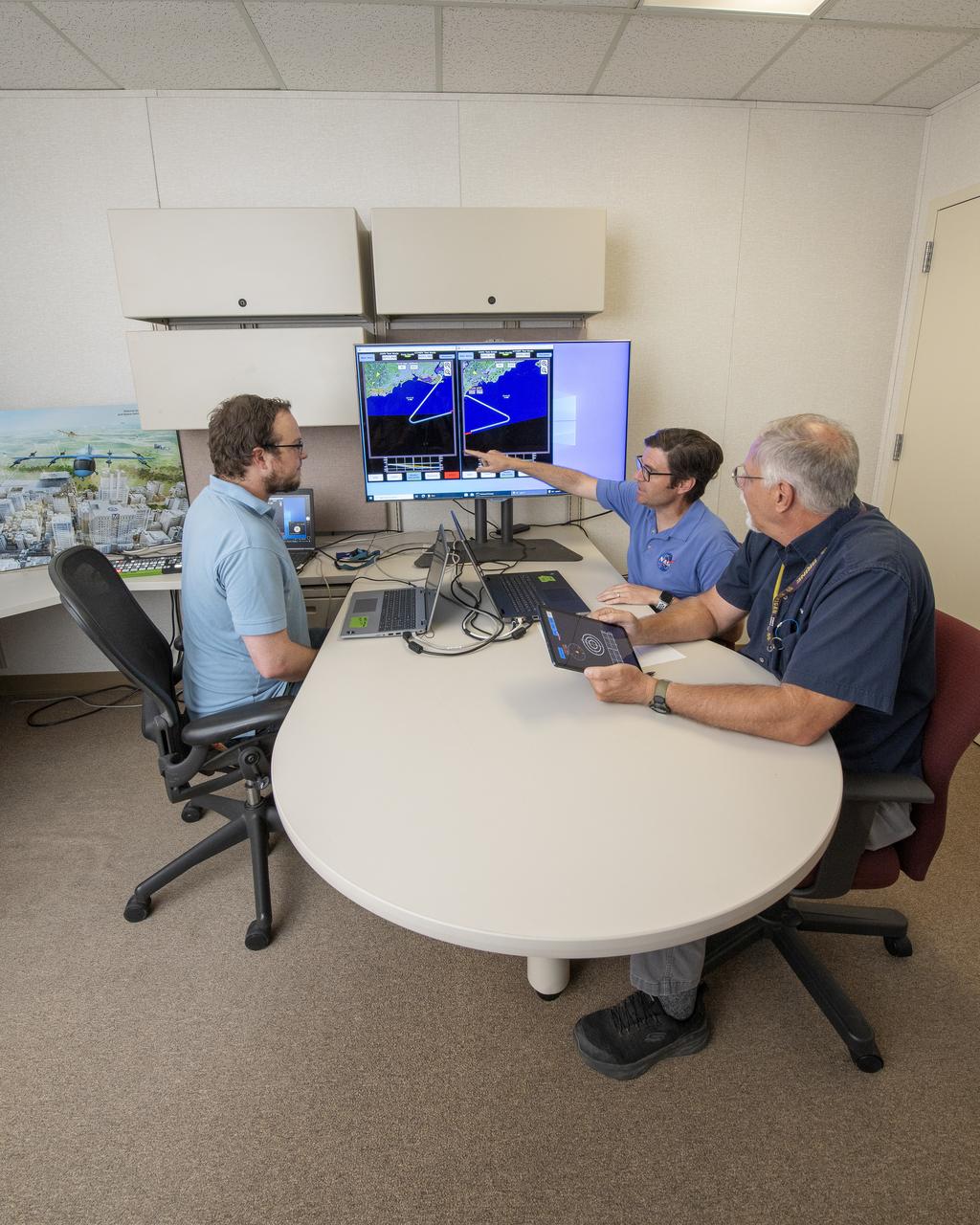
NASA software developer, Ethan Williams, left, pilot Scott Howe, and operations test consultant Jan Scofield run a flight path management software simulation at NASA’s Armstrong Flight Research Center in Edwards, California in May 2023. This simulation research supports the integration of automated systems for the advanced air mobility mission.
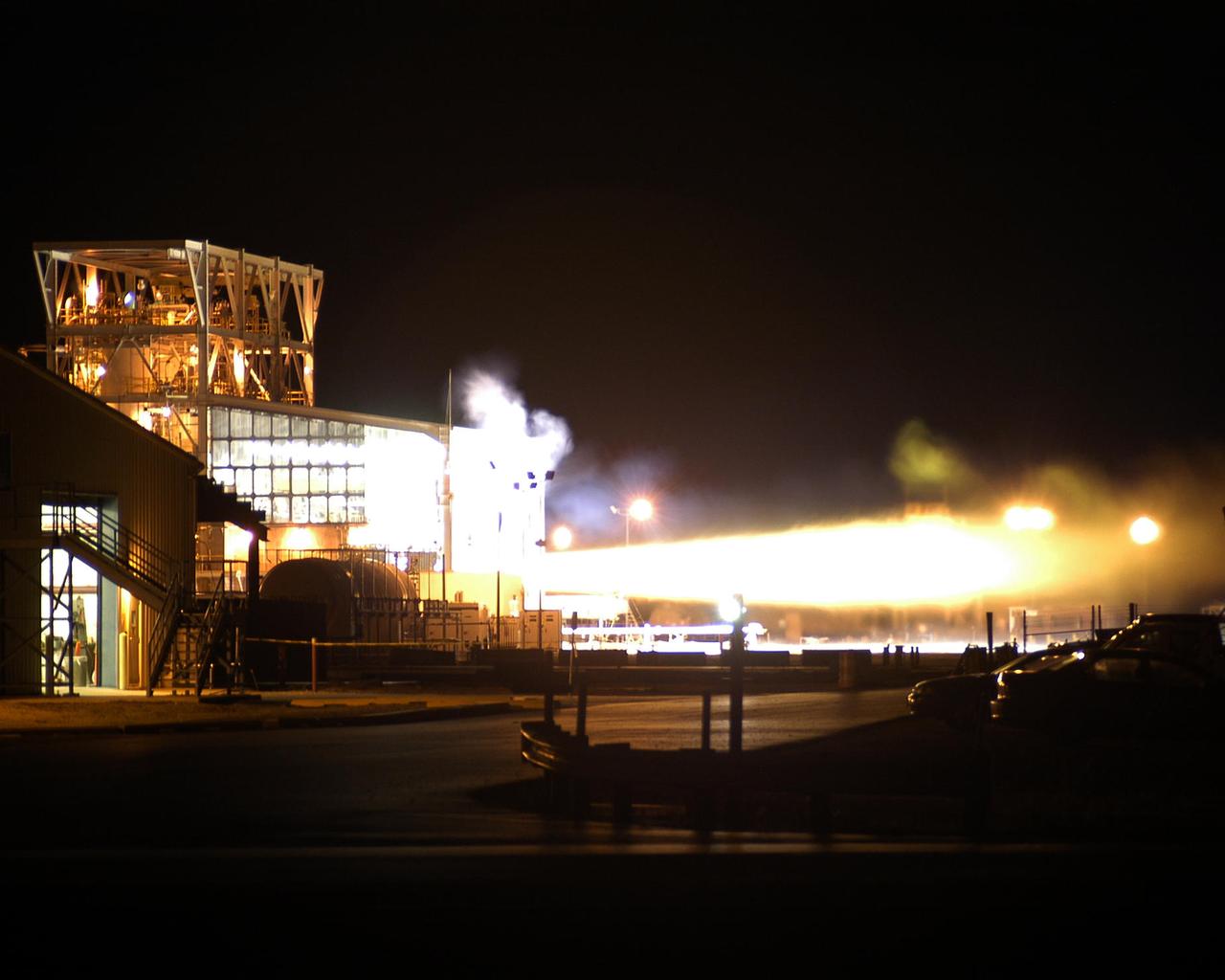
The Integrated Powerhead Demonstrator test fires with Wayne North as test conductor. The engine was tested at the E Complex of NASA's Stennis Space Center near Bay St. Louis, Miss. on Dec. 8, 2005.
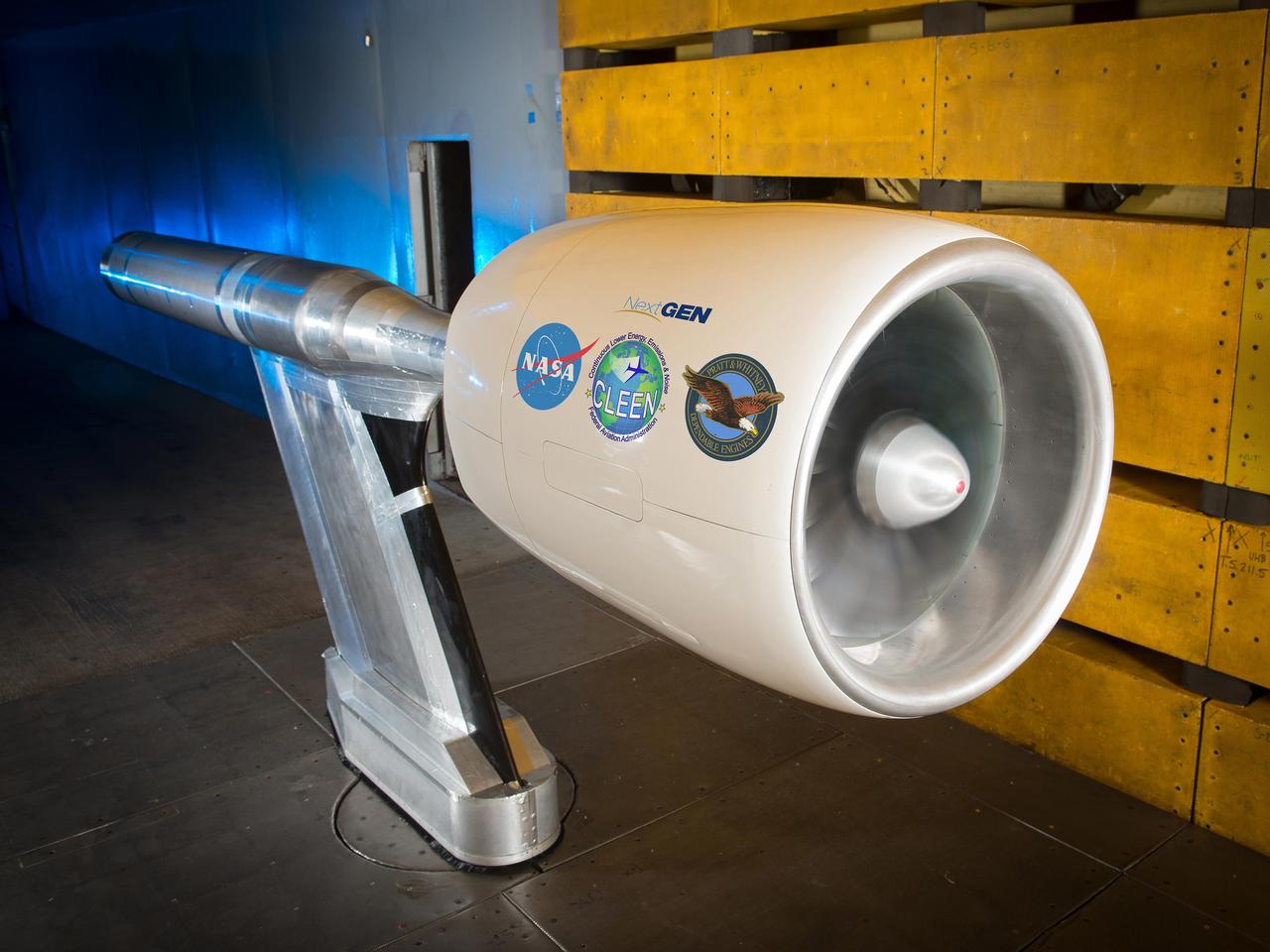
NASA’s Environmentally Responsible Aviation Project, in collaboration with the Federal Aviation Administration (FAA) and Pratt & Whitney, completed testing of an Ultra High Bypass Ratio Turbofan Model in the 9’ x 15’ Low Speed Wind Tunnel at NASA Glenn Research Center. The fan model is representative of the next generation of efficient and quiet Ultra High Bypass Ratio Turbofan Engine designs.
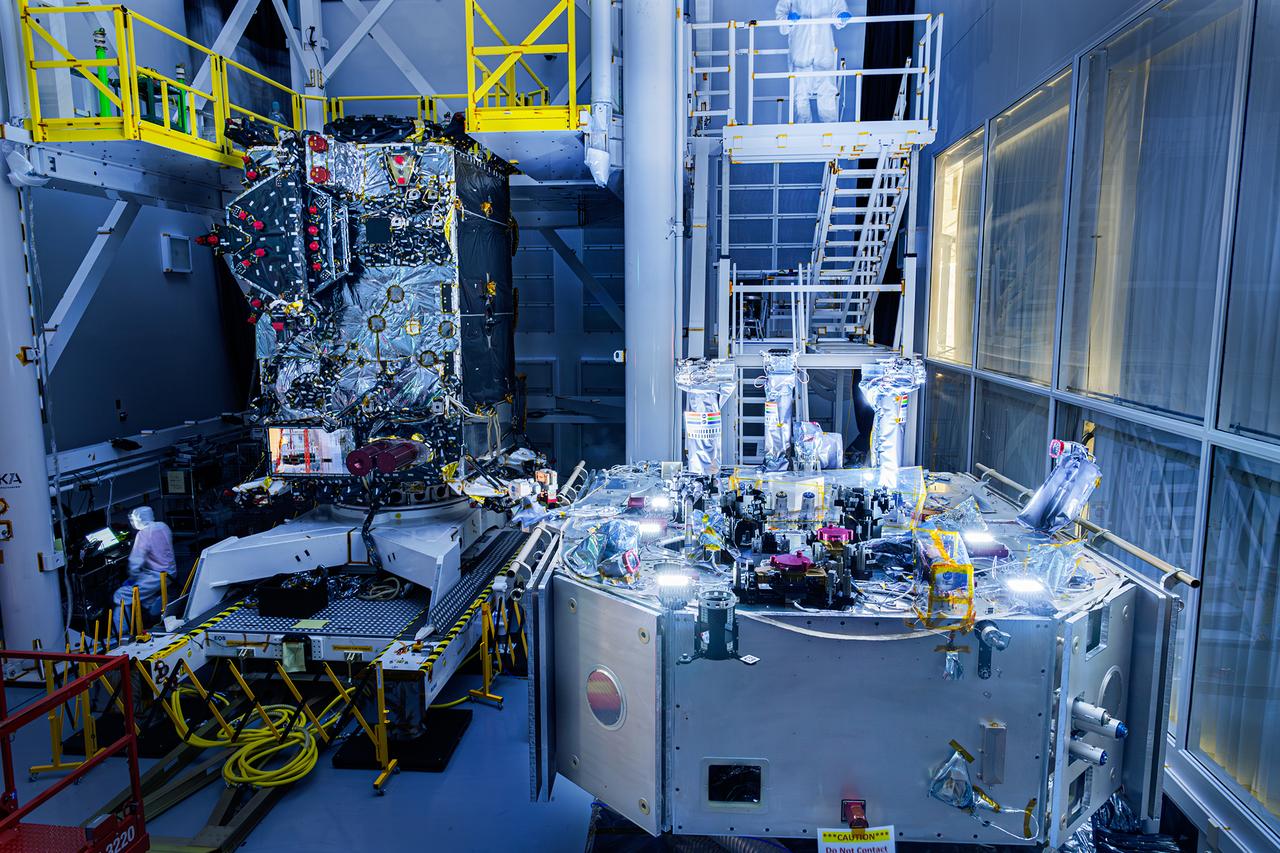
The OSAM-1 Servicing Payload Integration team tests the mounted floodlights at Goddard Space Flight Center, Greenbelt Md., Apr 17, 2024. This photo has been reviewed by Maxar, OSAM1 project management, and the Export Control Office and is released for public view. NASA/Mike Guinto
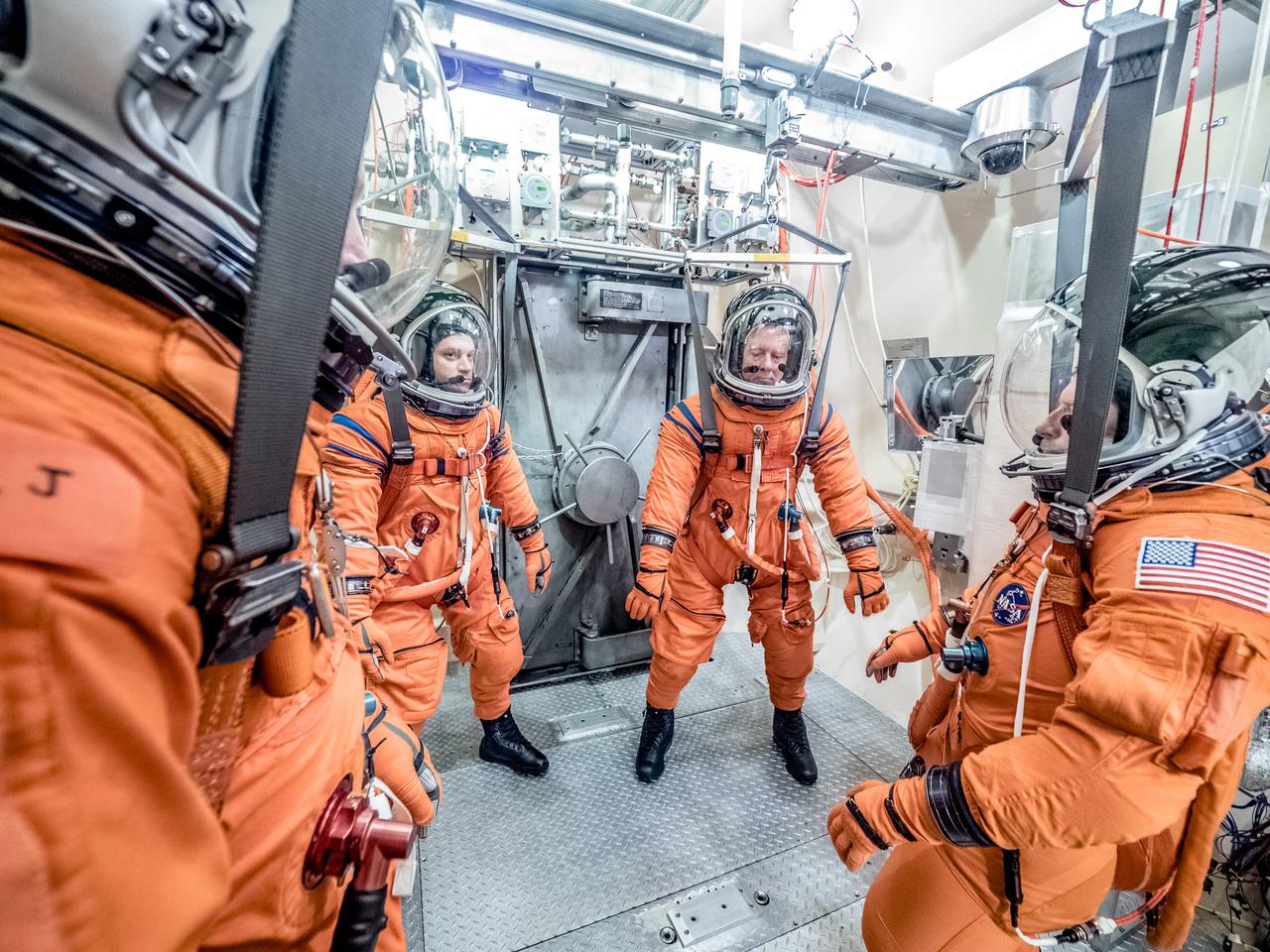
Engineers and technicians at NASA’s Johnson Space Center in Houston are testing the spacesuit astronauts will wear in the agency’s Orion spacecraft on trips to deep space. On June 22, 2017, members of the Johnson team participated in a Vacuum Pressure Integrated Suit Test to verify enhancements to the suit will meet test and design standards for the Orion spacecraft. During this test, the suit is connected to life support systems and then air is removed from Johnson’s 11-foot thermal vacuum chamber to evaluate the performance of the suits in conditions similar to a spacecraft. The suit will contain all the necessary functions to support life and is being designed to enable spacewalks and sustain the crew in the unlikely event the spacecraft loses pressure. Part of Batch images transfer from Flickr.
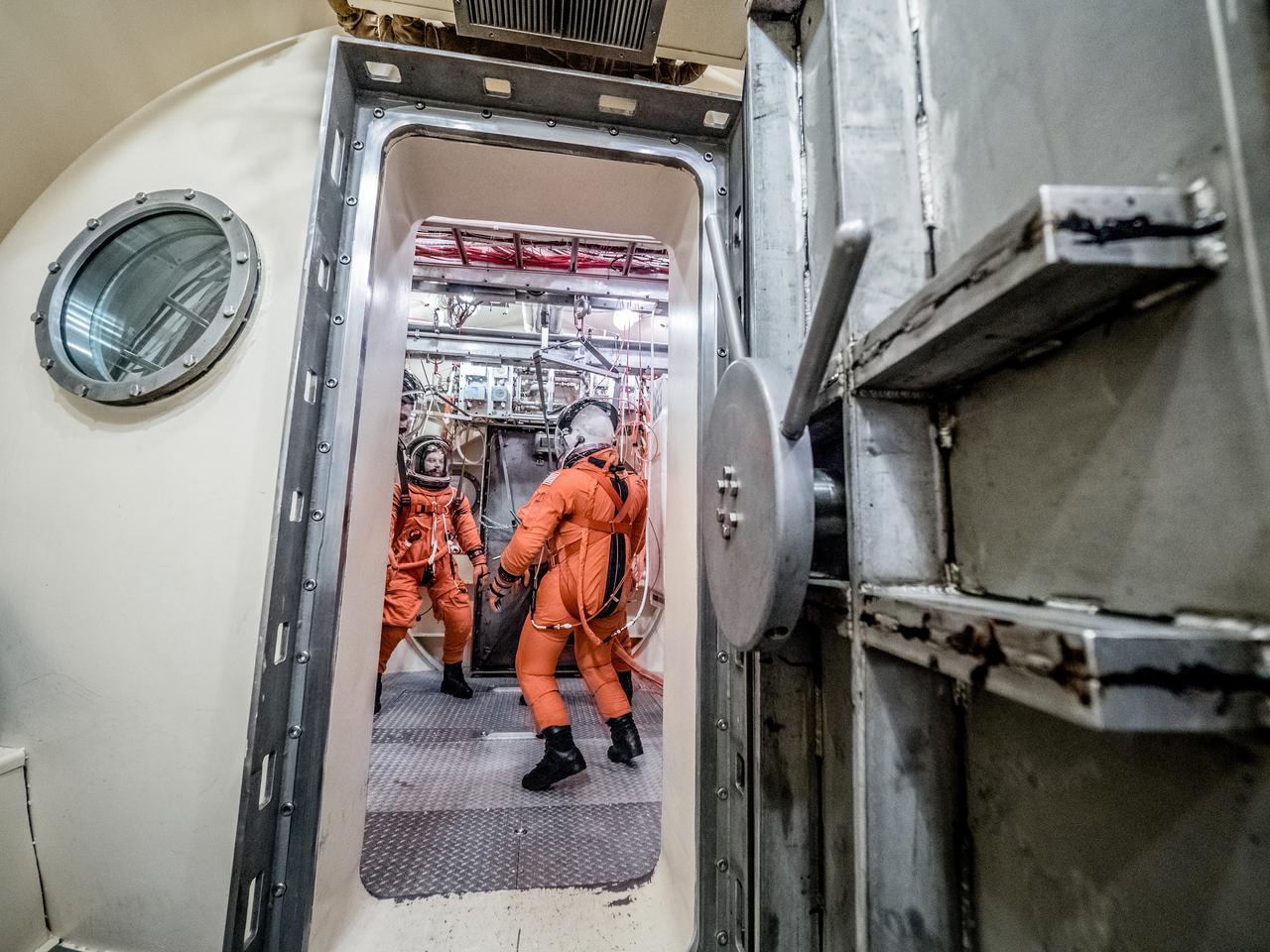
Engineers and technicians at NASA’s Johnson Space Center in Houston are testing the spacesuit astronauts will wear in the agency’s Orion spacecraft on trips to deep space. On June 22, 2017, members of the Johnson team participated in a Vacuum Pressure Integrated Suit Test to verify enhancements to the suit will meet test and design standards for the Orion spacecraft. During this test, the suit is connected to life support systems and then air is removed from Johnson’s 11-foot thermal vacuum chamber to evaluate the performance of the suits in conditions similar to a spacecraft. The suit will contain all the necessary functions to support life and is being designed to enable spacewalks and sustain the crew in the unlikely event the spacecraft loses pressure. Part of Batch images transfer from Flickr.
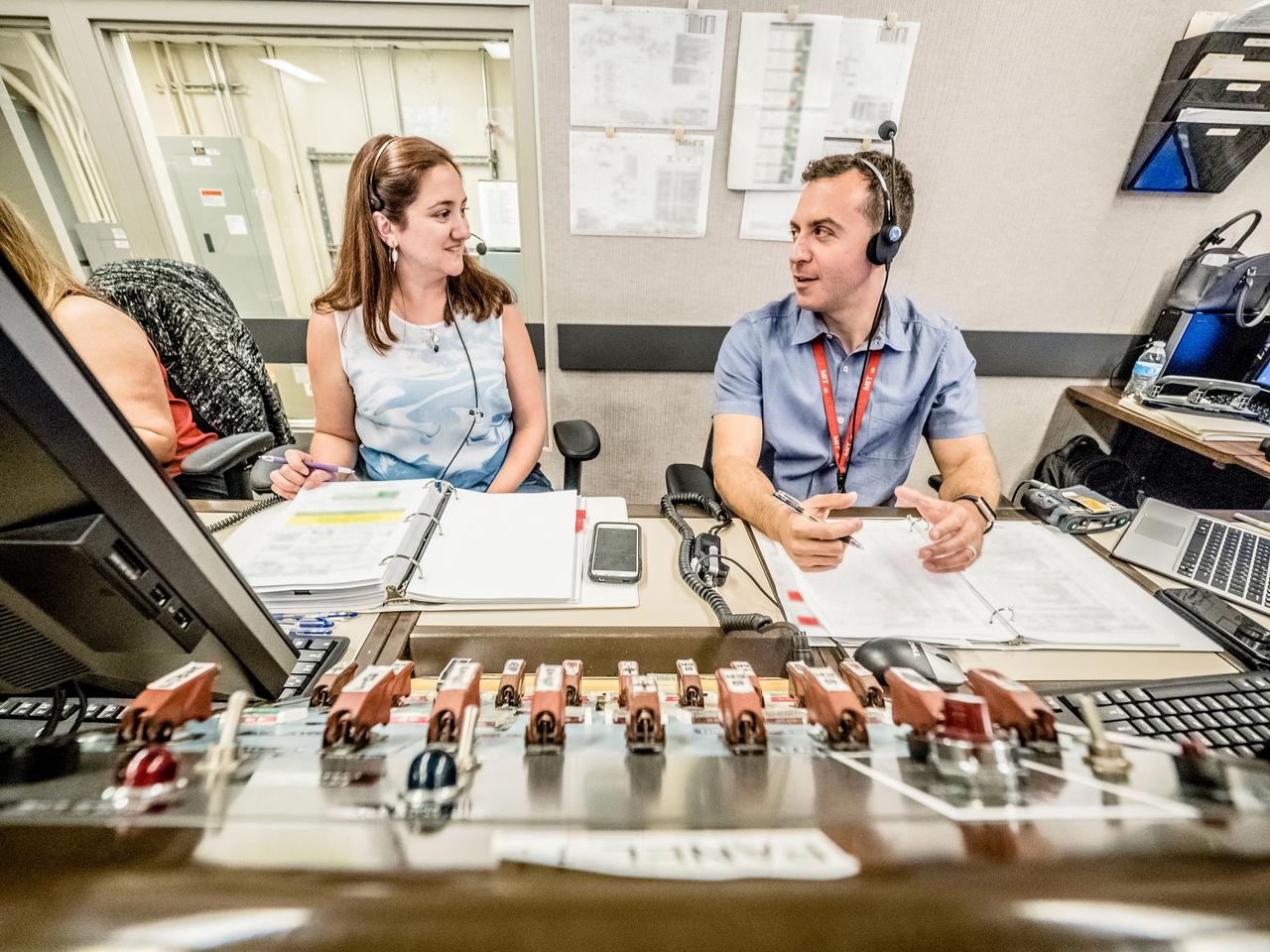
Engineers and technicians at NASA’s Johnson Space Center in Houston are testing the spacesuit astronauts will wear in the agency’s Orion spacecraft on trips to deep space. On June 22, 2017, members of the Johnson team participated in a Vacuum Pressure Integrated Suit Test to verify enhancements to the suit will meet test and design standards for the Orion spacecraft. During this test, the suit is connected to life support systems and then air is removed from Johnson’s 11-foot thermal vacuum chamber to evaluate the performance of the suits in conditions similar to a spacecraft. The suit will contain all the necessary functions to support life and is being designed to enable spacewalks and sustain the crew in the unlikely event the spacecraft loses pressure. Part of Batch images transfer from Flickr.
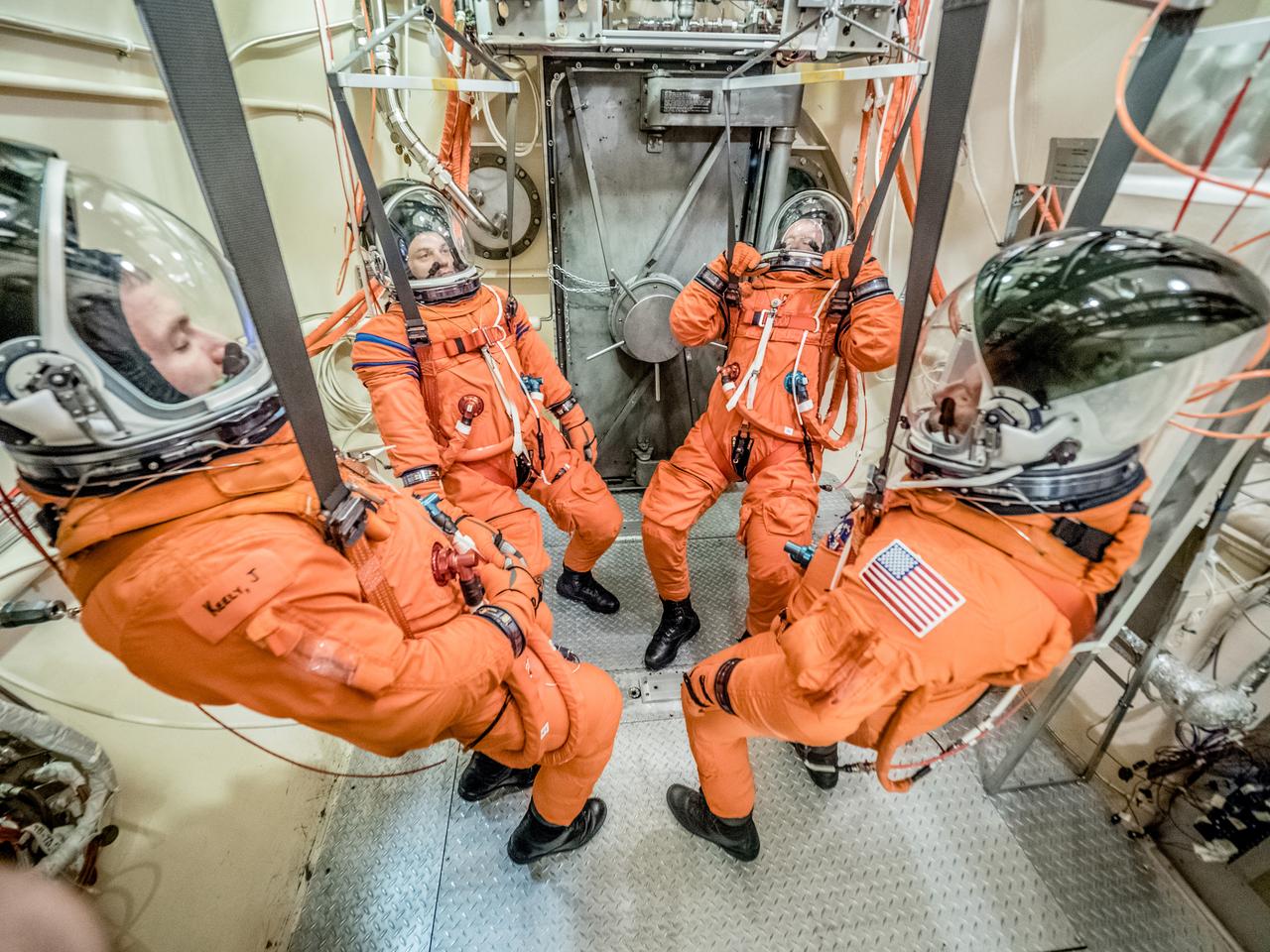
Engineers and technicians at NASA’s Johnson Space Center in Houston are testing the spacesuit astronauts will wear in the agency’s Orion spacecraft on trips to deep space. On June 22, 2017, members of the Johnson team participated in a Vacuum Pressure Integrated Suit Test to verify enhancements to the suit will meet test and design standards for the Orion spacecraft. During this test, the suit is connected to life support systems and then air is removed from Johnson’s 11-foot thermal vacuum chamber to evaluate the performance of the suits in conditions similar to a spacecraft. The suit will contain all the necessary functions to support life and is being designed to enable spacewalks and sustain the crew in the unlikely event the spacecraft loses pressure. Part of Batch images transfer from Flickr.
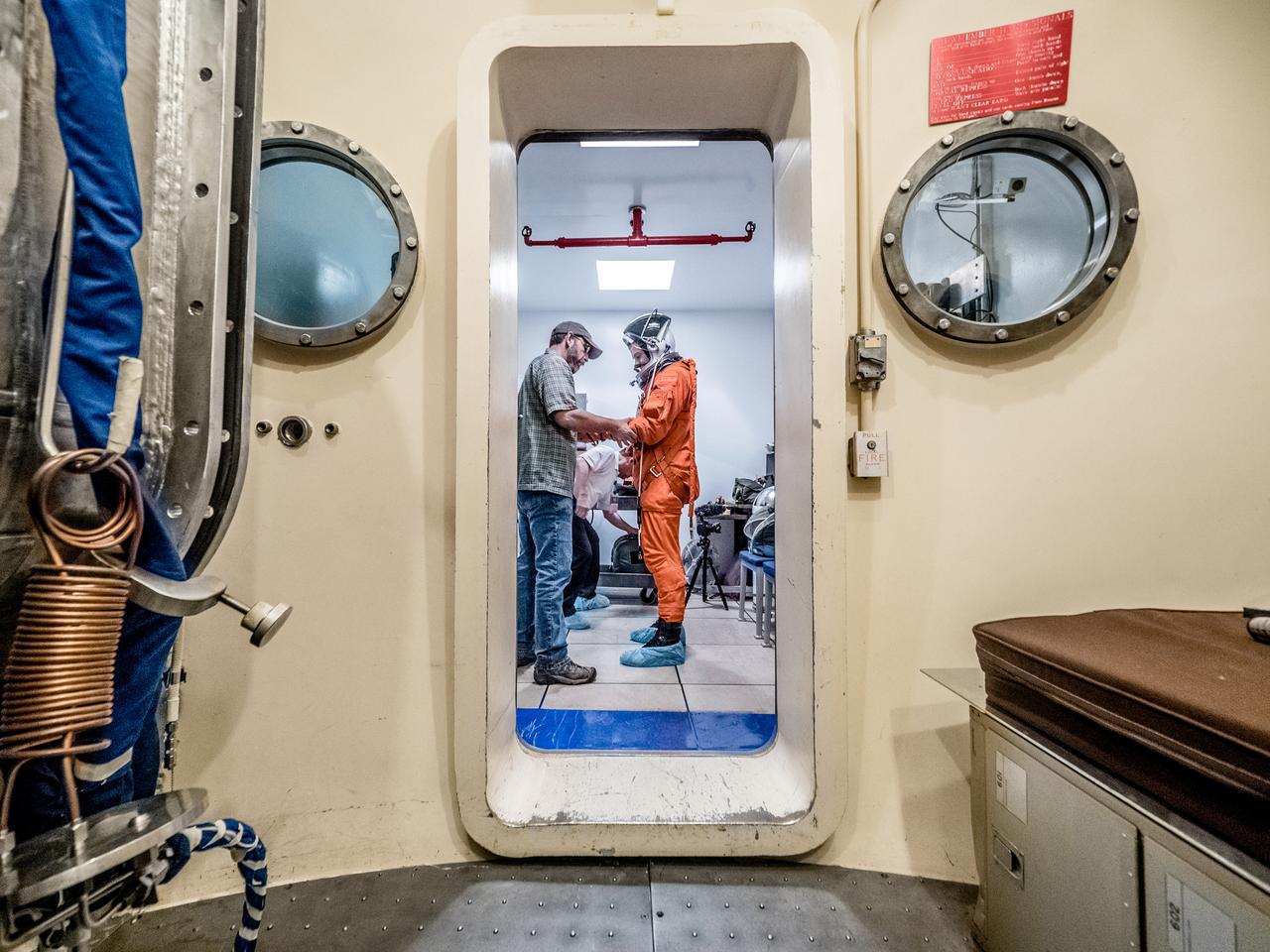
Engineers and technicians at NASA’s Johnson Space Center in Houston are testing the spacesuit astronauts will wear in the agency’s Orion spacecraft on trips to deep space. On June 22, 2017, members of the Johnson team participated in a Vacuum Pressure Integrated Suit Test to verify enhancements to the suit will meet test and design standards for the Orion spacecraft. During this test, the suit is connected to life support systems and then air is removed from Johnson’s 11-foot thermal vacuum chamber to evaluate the performance of the suits in conditions similar to a spacecraft. The suit will contain all the necessary functions to support life and is being designed to enable spacewalks and sustain the crew in the unlikely event the spacecraft loses pressure. Part of Batch images transfer from Flickr.
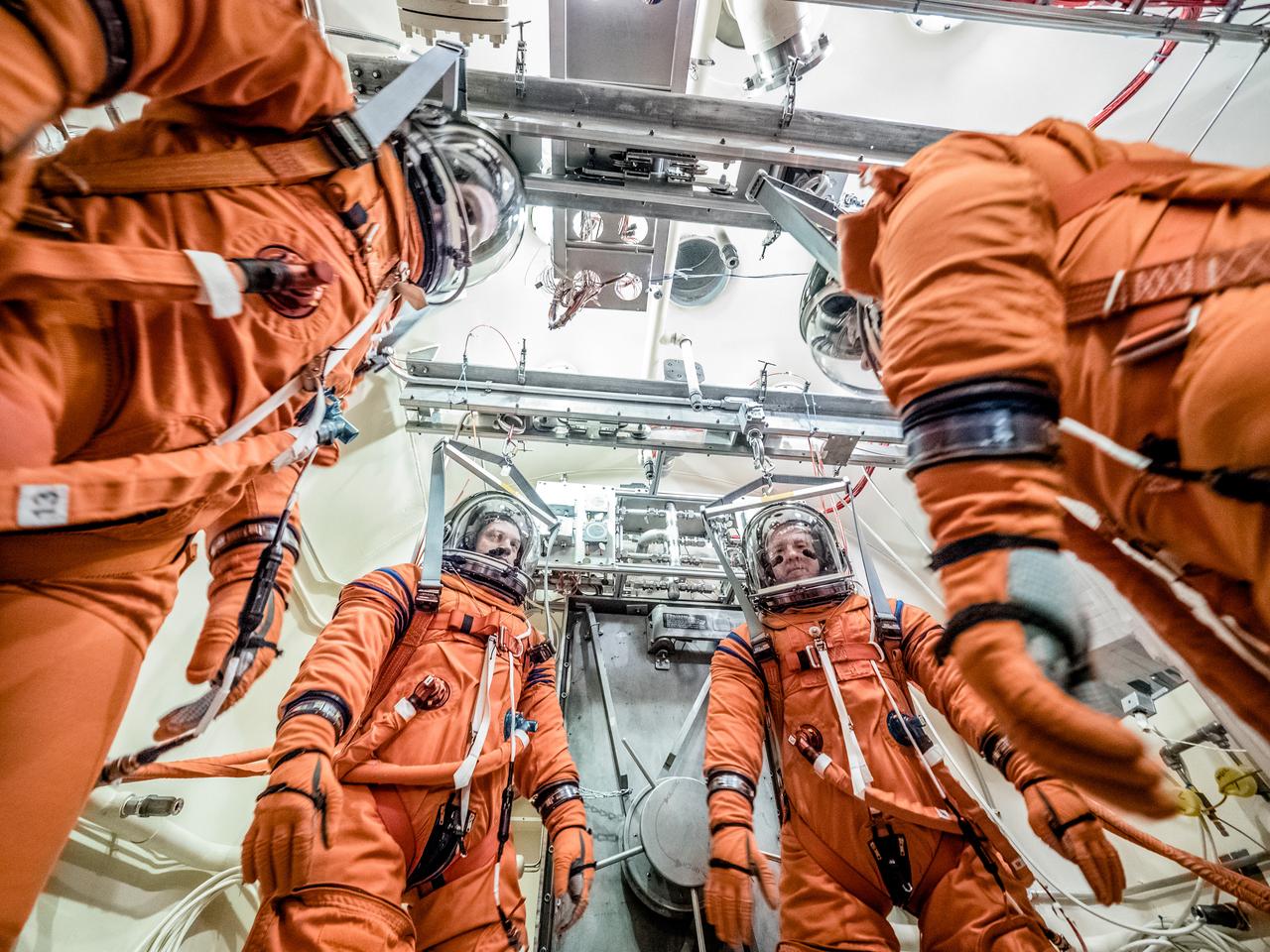
Engineers and technicians at NASA’s Johnson Space Center in Houston are testing the spacesuit astronauts will wear in the agency’s Orion spacecraft on trips to deep space. On June 22, 2017, members of the Johnson team participated in a Vacuum Pressure Integrated Suit Test to verify enhancements to the suit will meet test and design standards for the Orion spacecraft. During this test, the suit is connected to life support systems and then air is removed from Johnson’s 11-foot thermal vacuum chamber to evaluate the performance of the suits in conditions similar to a spacecraft. The suit will contain all the necessary functions to support life and is being designed to enable spacewalks and sustain the crew in the unlikely event the spacecraft loses pressure. Part of Batch images transfer from Flickr.
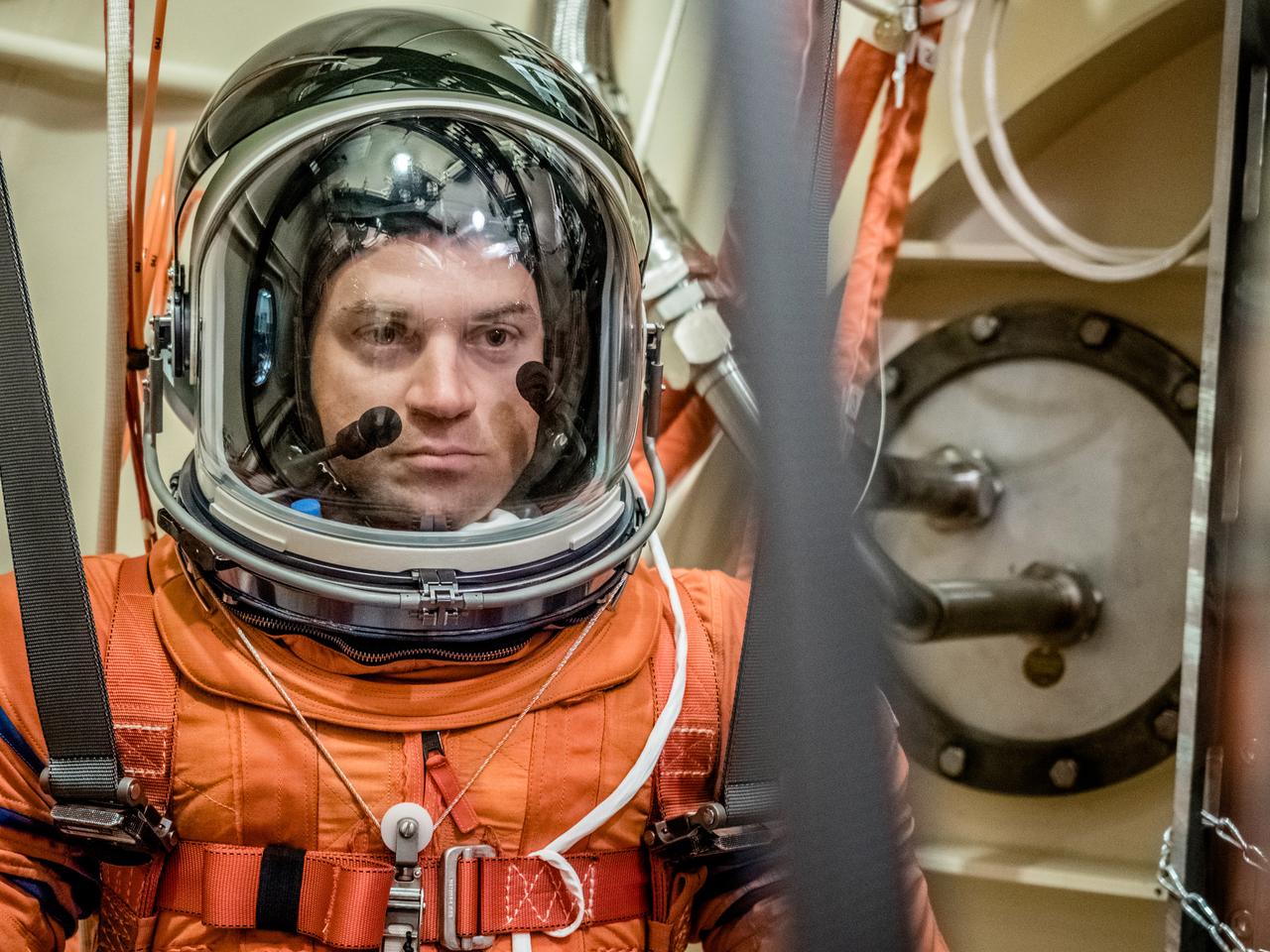
Engineers and technicians at NASA’s Johnson Space Center in Houston are testing the spacesuit astronauts will wear in the agency’s Orion spacecraft on trips to deep space. On June 22, 2017, members of the Johnson team participated in a Vacuum Pressure Integrated Suit Test to verify enhancements to the suit will meet test and design standards for the Orion spacecraft. During this test, the suit is connected to life support systems and then air is removed from Johnson’s 11-foot thermal vacuum chamber to evaluate the performance of the suits in conditions similar to a spacecraft. The suit will contain all the necessary functions to support life and is being designed to enable spacewalks and sustain the crew in the unlikely event the spacecraft loses pressure. Part of Batch images transfer from Flickr.
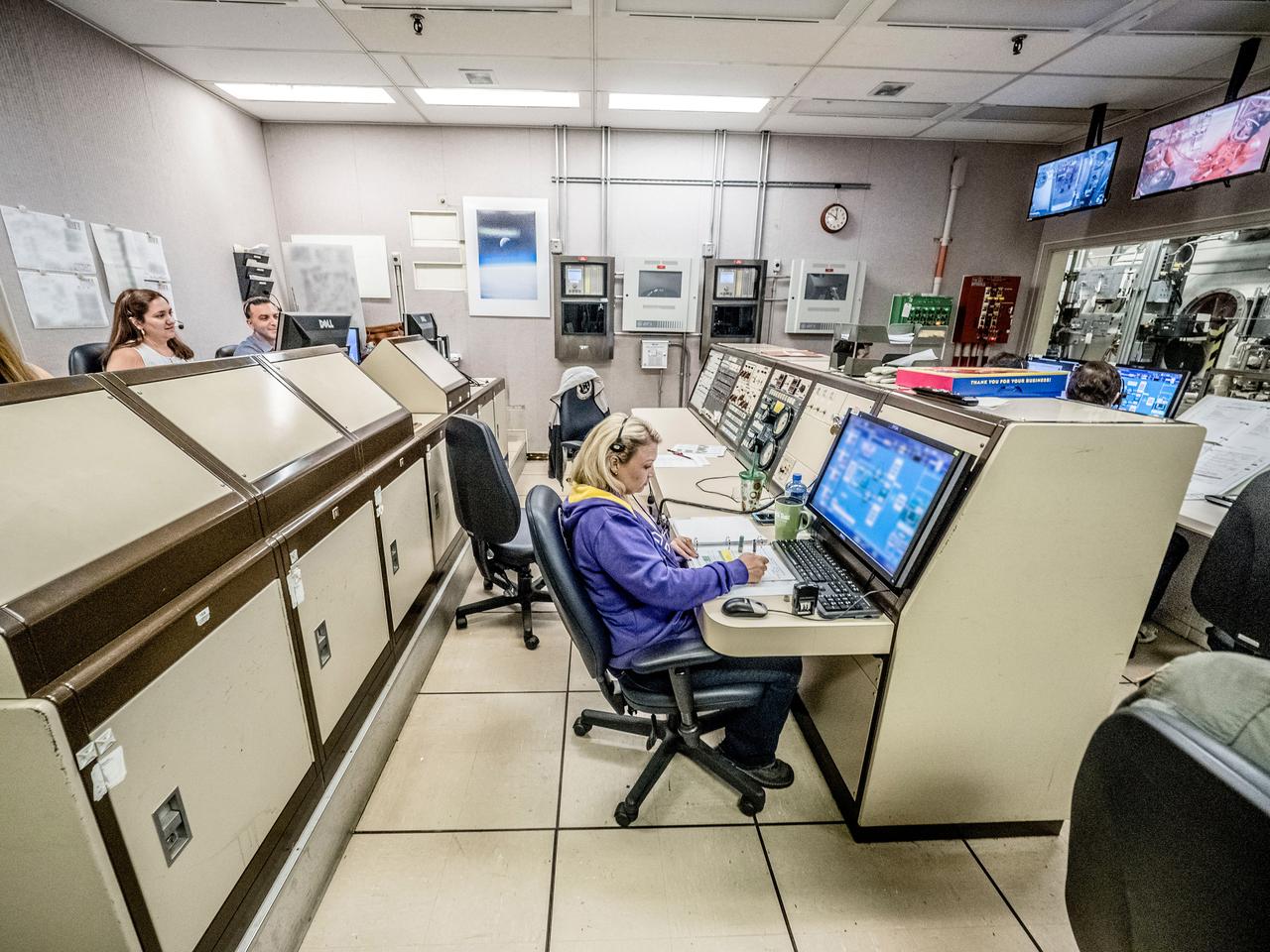
Engineers and technicians at NASA’s Johnson Space Center in Houston are testing the spacesuit astronauts will wear in the agency’s Orion spacecraft on trips to deep space. On June 22, 2017, members of the Johnson team participated in a Vacuum Pressure Integrated Suit Test to verify enhancements to the suit will meet test and design standards for the Orion spacecraft. During this test, the suit is connected to life support systems and then air is removed from Johnson’s 11-foot thermal vacuum chamber to evaluate the performance of the suits in conditions similar to a spacecraft. The suit will contain all the necessary functions to support life and is being designed to enable spacewalks and sustain the crew in the unlikely event the spacecraft loses pressure. Part of Batch images transfer from Flickr.
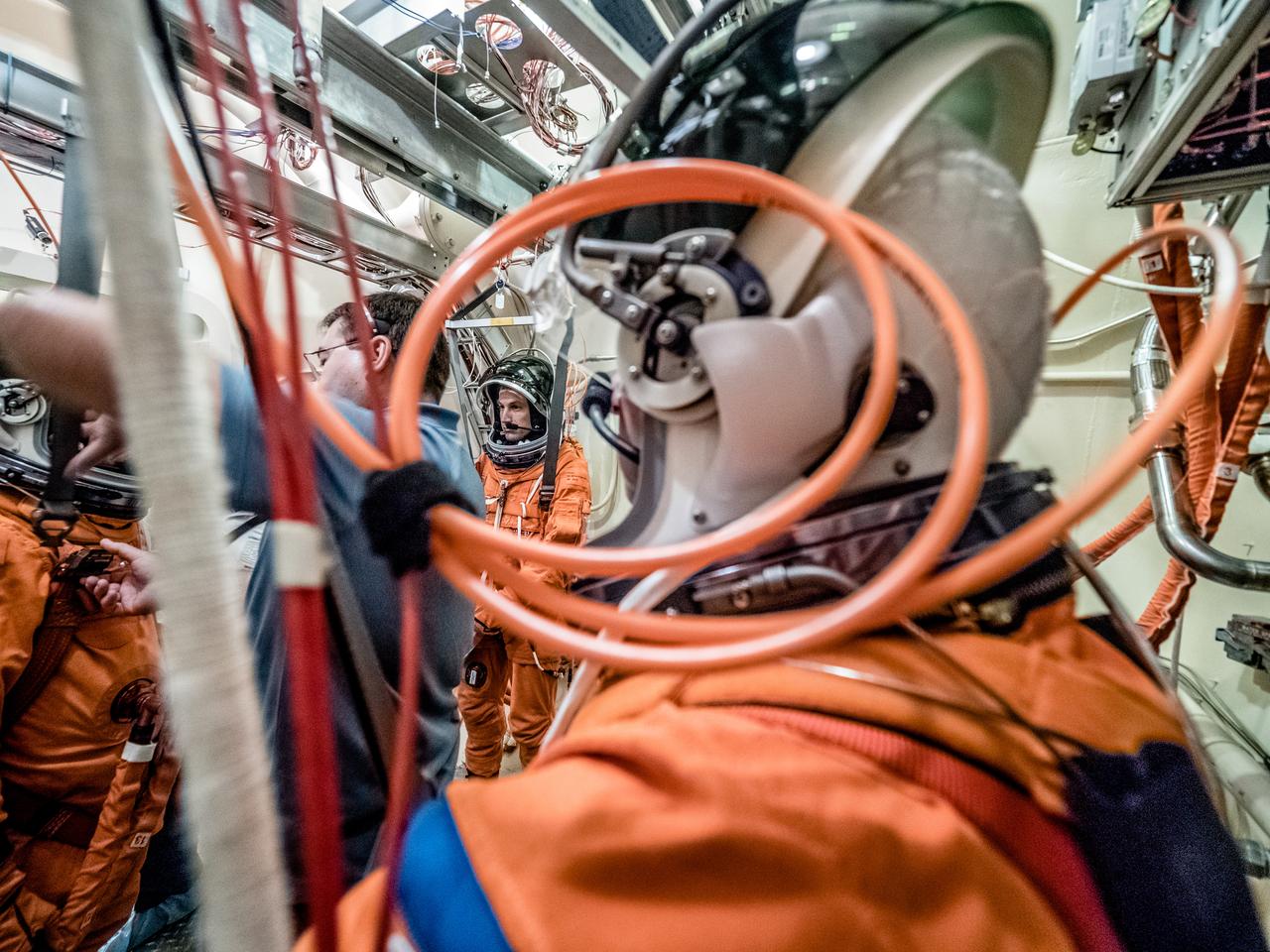
Engineers and technicians at NASA’s Johnson Space Center in Houston are testing the spacesuit astronauts will wear in the agency’s Orion spacecraft on trips to deep space. On June 22, 2017, members of the Johnson team participated in a Vacuum Pressure Integrated Suit Test to verify enhancements to the suit will meet test and design standards for the Orion spacecraft. During this test, the suit is connected to life support systems and then air is removed from Johnson’s 11-foot thermal vacuum chamber to evaluate the performance of the suits in conditions similar to a spacecraft. The suit will contain all the necessary functions to support life and is being designed to enable spacewalks and sustain the crew in the unlikely event the spacecraft loses pressure. Part of Batch images transfer from Flickr.
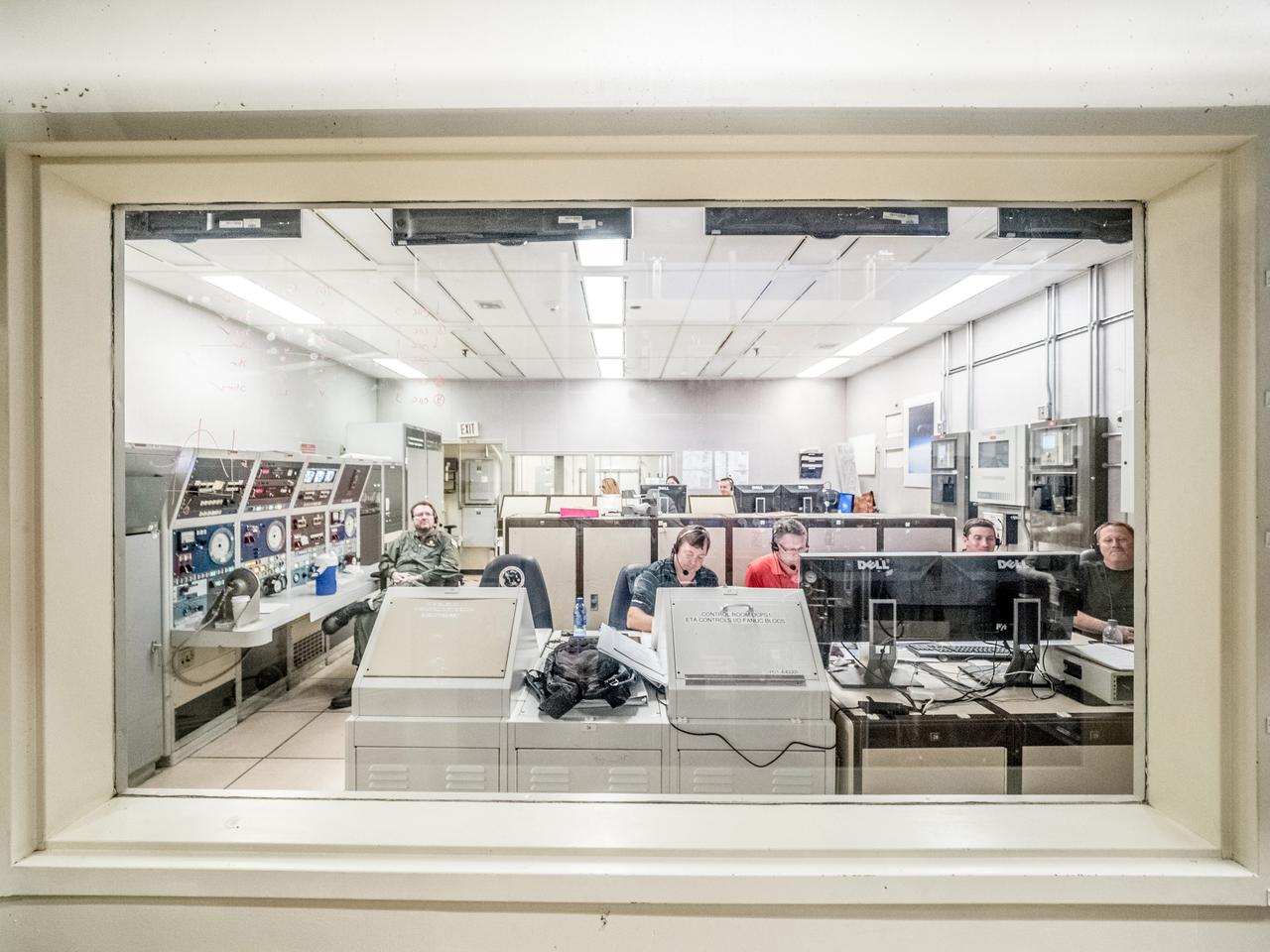
Engineers and technicians at NASA’s Johnson Space Center in Houston are testing the spacesuit astronauts will wear in the agency’s Orion spacecraft on trips to deep space. On June 22, 2017, members of the Johnson team participated in a Vacuum Pressure Integrated Suit Test to verify enhancements to the suit will meet test and design standards for the Orion spacecraft. During this test, the suit is connected to life support systems and then air is removed from Johnson’s 11-foot thermal vacuum chamber to evaluate the performance of the suits in conditions similar to a spacecraft. The suit will contain all the necessary functions to support life and is being designed to enable spacewalks and sustain the crew in the unlikely event the spacecraft loses pressure. Part of Batch images transfer from Flickr.
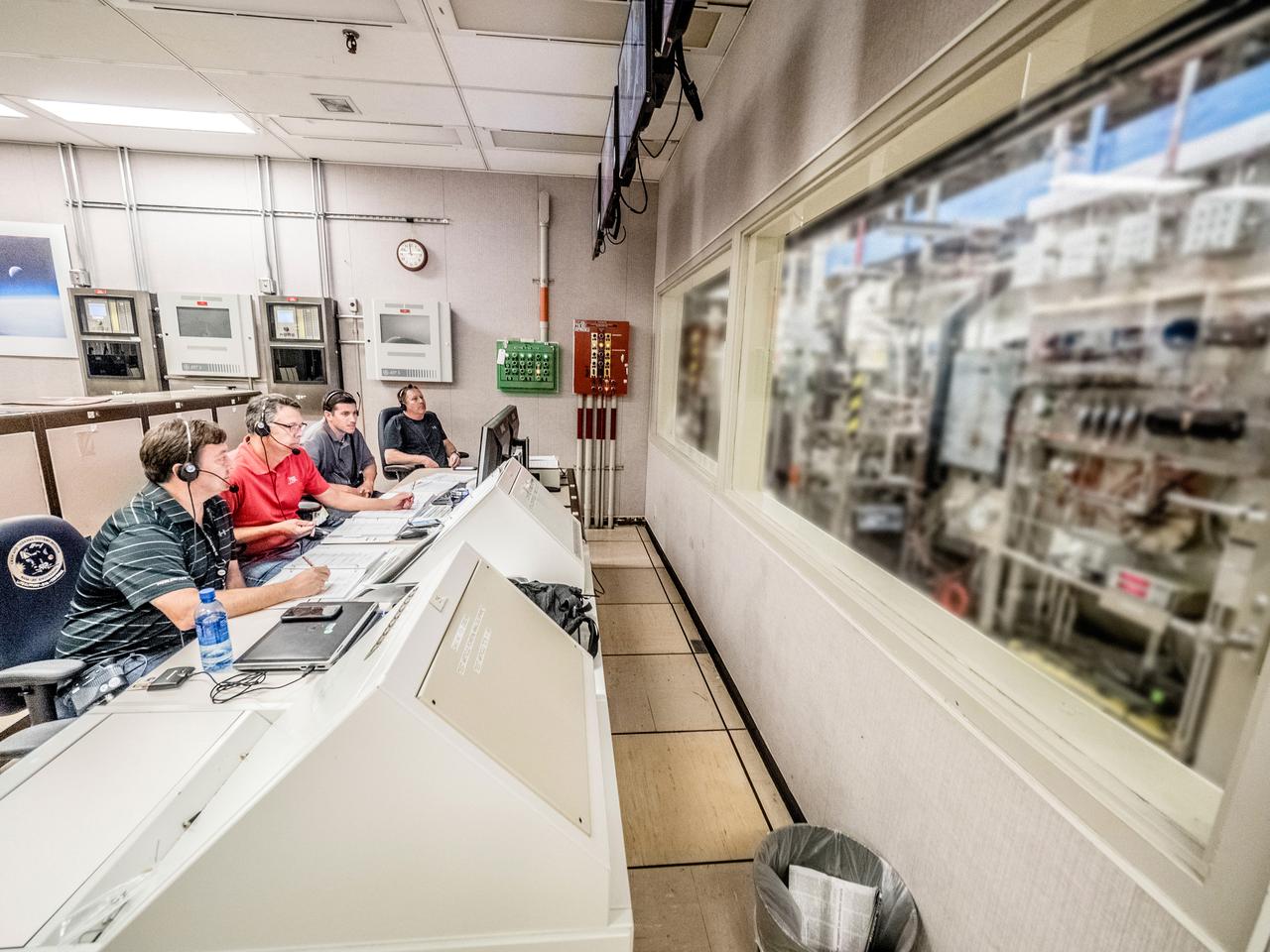
Engineers and technicians at NASA’s Johnson Space Center in Houston are testing the spacesuit astronauts will wear in the agency’s Orion spacecraft on trips to deep space. On June 22, 2017, members of the Johnson team participated in a Vacuum Pressure Integrated Suit Test to verify enhancements to the suit will meet test and design standards for the Orion spacecraft. During this test, the suit is connected to life support systems and then air is removed from Johnson’s 11-foot thermal vacuum chamber to evaluate the performance of the suits in conditions similar to a spacecraft. The suit will contain all the necessary functions to support life and is being designed to enable spacewalks and sustain the crew in the unlikely event the spacecraft loses pressure. Part of Batch images transfer from Flickr.
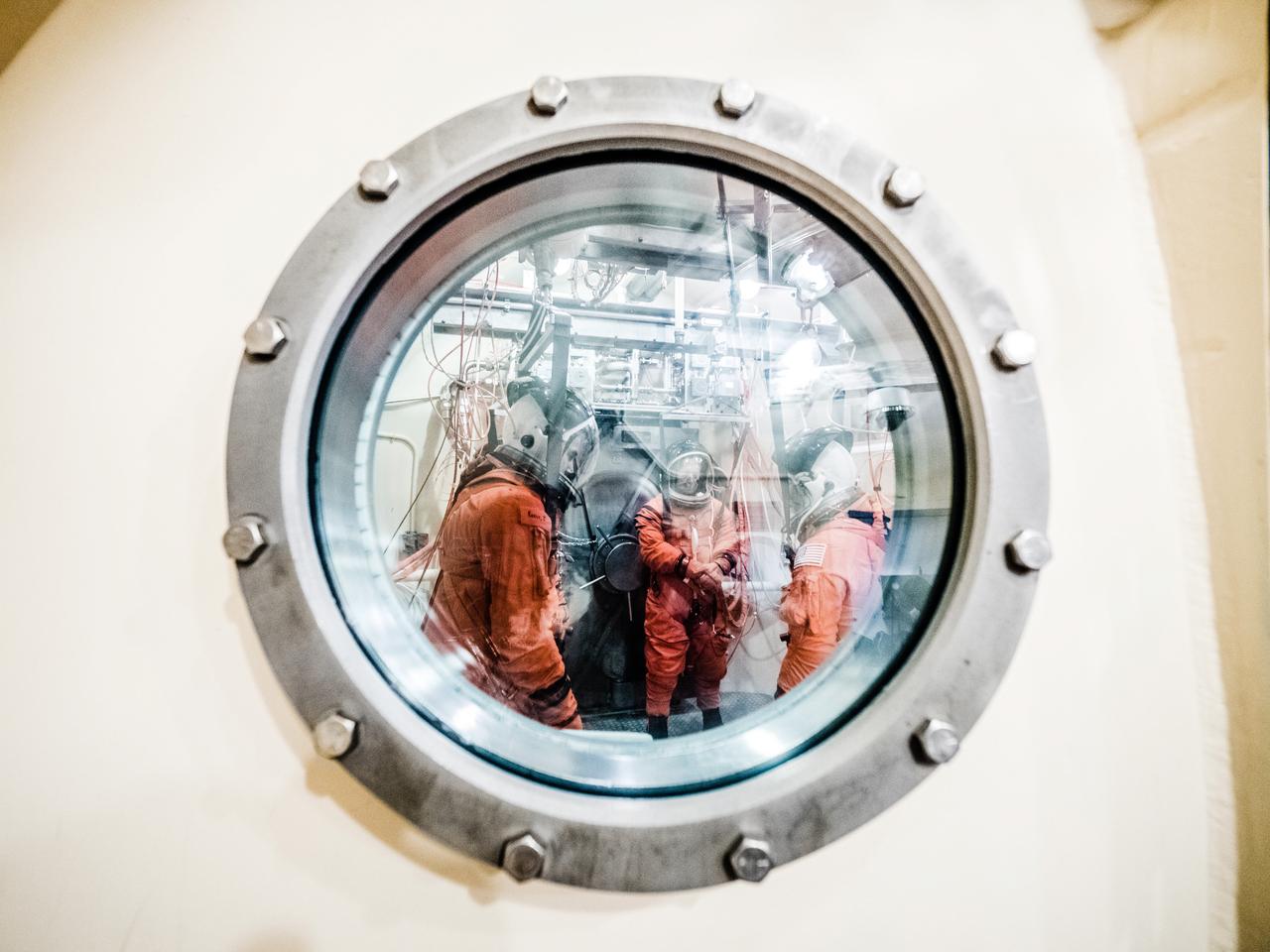
Engineers and technicians at NASA’s Johnson Space Center in Houston are testing the spacesuit astronauts will wear in the agency’s Orion spacecraft on trips to deep space. On June 22, 2017, members of the Johnson team participated in a Vacuum Pressure Integrated Suit Test to verify enhancements to the suit will meet test and design standards for the Orion spacecraft. During this test, the suit is connected to life support systems and then air is removed from Johnson’s 11-foot thermal vacuum chamber to evaluate the performance of the suits in conditions similar to a spacecraft. The suit will contain all the necessary functions to support life and is being designed to enable spacewalks and sustain the crew in the unlikely event the spacecraft loses pressure. Part of Batch images transfer from Flickr.
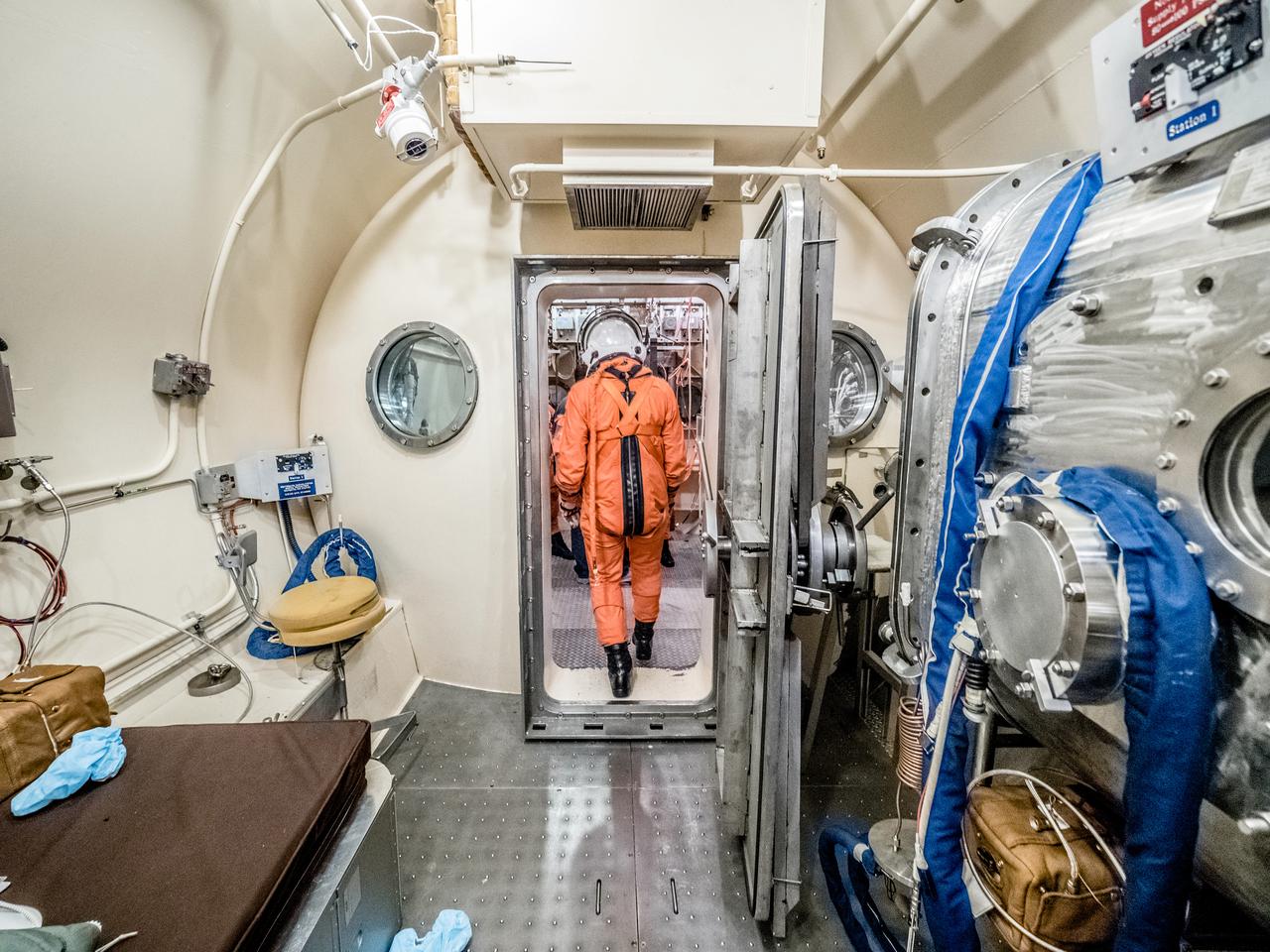
Engineers and technicians at NASA’s Johnson Space Center in Houston are testing the spacesuit astronauts will wear in the agency’s Orion spacecraft on trips to deep space. On June 22, 2017, members of the Johnson team participated in a Vacuum Pressure Integrated Suit Test to verify enhancements to the suit will meet test and design standards for the Orion spacecraft. During this test, the suit is connected to life support systems and then air is removed from Johnson’s 11-foot thermal vacuum chamber to evaluate the performance of the suits in conditions similar to a spacecraft. The suit will contain all the necessary functions to support life and is being designed to enable spacewalks and sustain the crew in the unlikely event the spacecraft loses pressure. Part of Batch images transfer from Flickr.
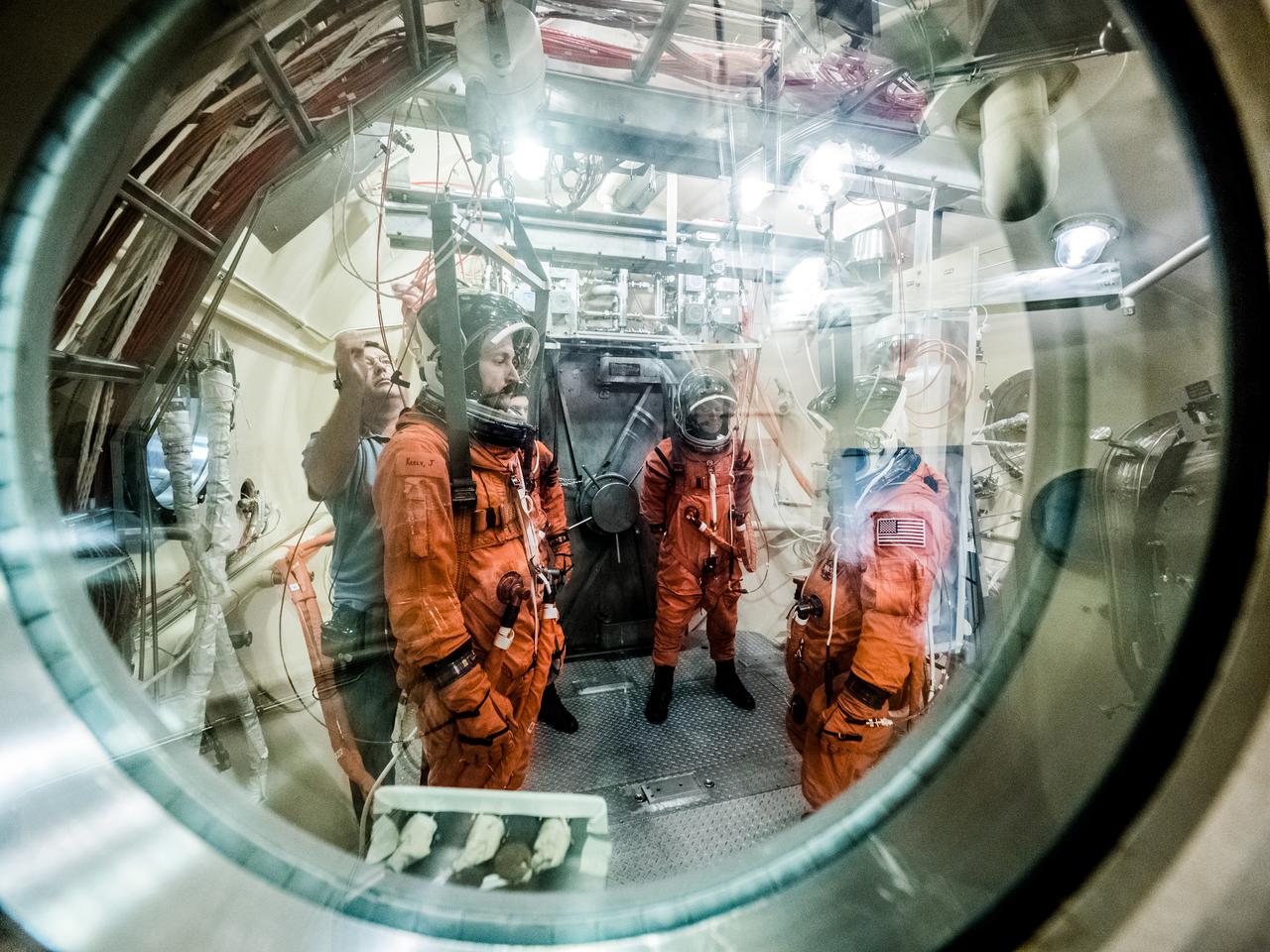
Engineers and technicians at NASA’s Johnson Space Center in Houston are testing the spacesuit astronauts will wear in the agency’s Orion spacecraft on trips to deep space. On June 22, 2017, members of the Johnson team participated in a Vacuum Pressure Integrated Suit Test to verify enhancements to the suit will meet test and design standards for the Orion spacecraft. During this test, the suit is connected to life support systems and then air is removed from Johnson’s 11-foot thermal vacuum chamber to evaluate the performance of the suits in conditions similar to a spacecraft. The suit will contain all the necessary functions to support life and is being designed to enable spacewalks and sustain the crew in the unlikely event the spacecraft loses pressure. Part of Batch images transfer from Flickr.
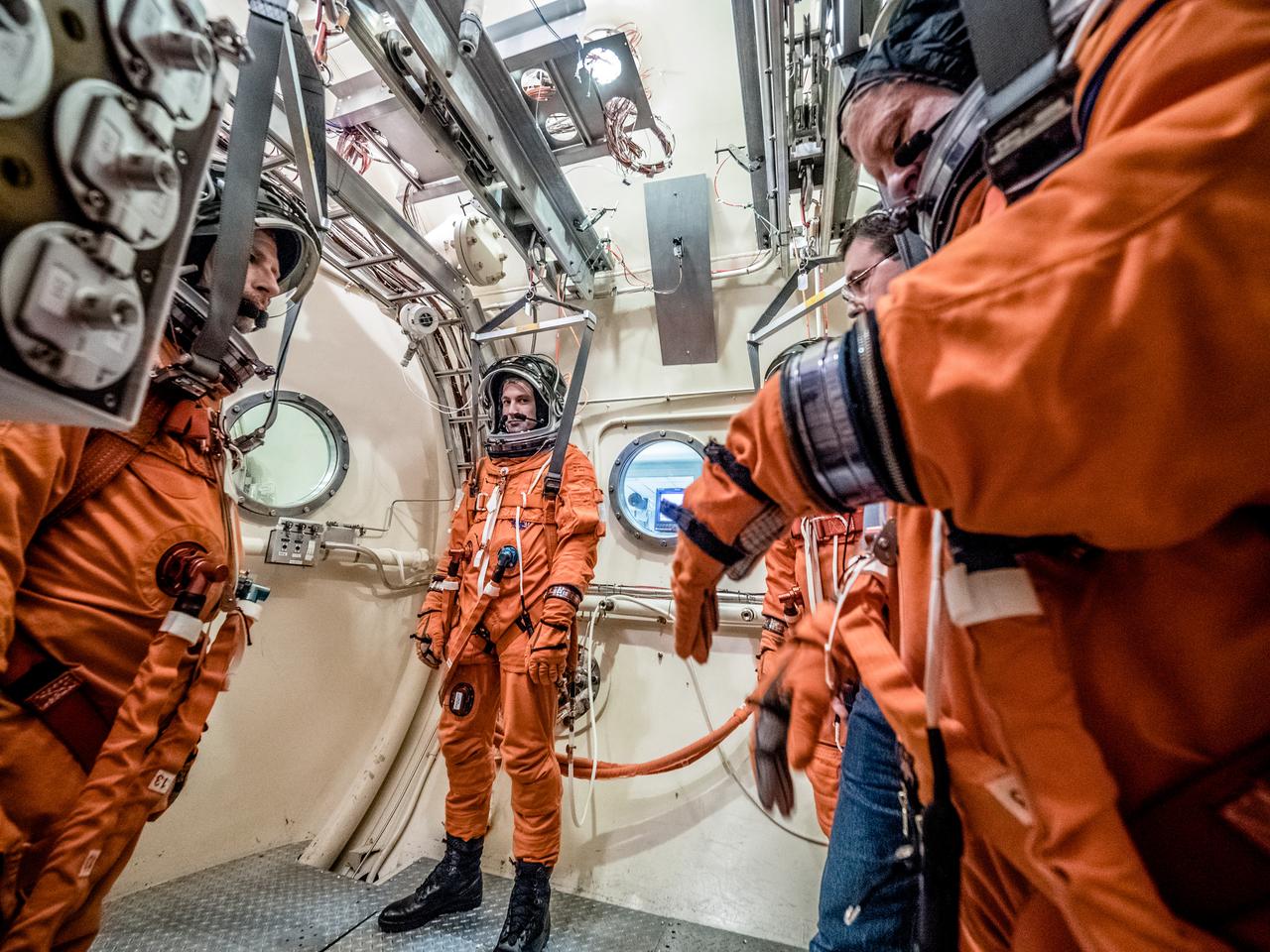
Engineers and technicians at NASA’s Johnson Space Center in Houston are testing the spacesuit astronauts will wear in the agency’s Orion spacecraft on trips to deep space. On June 22, 2017, members of the Johnson team participated in a Vacuum Pressure Integrated Suit Test to verify enhancements to the suit will meet test and design standards for the Orion spacecraft. During this test, the suit is connected to life support systems and then air is removed from Johnson’s 11-foot thermal vacuum chamber to evaluate the performance of the suits in conditions similar to a spacecraft. The suit will contain all the necessary functions to support life and is being designed to enable spacewalks and sustain the crew in the unlikely event the spacecraft loses pressure. Part of Batch images transfer from Flickr.
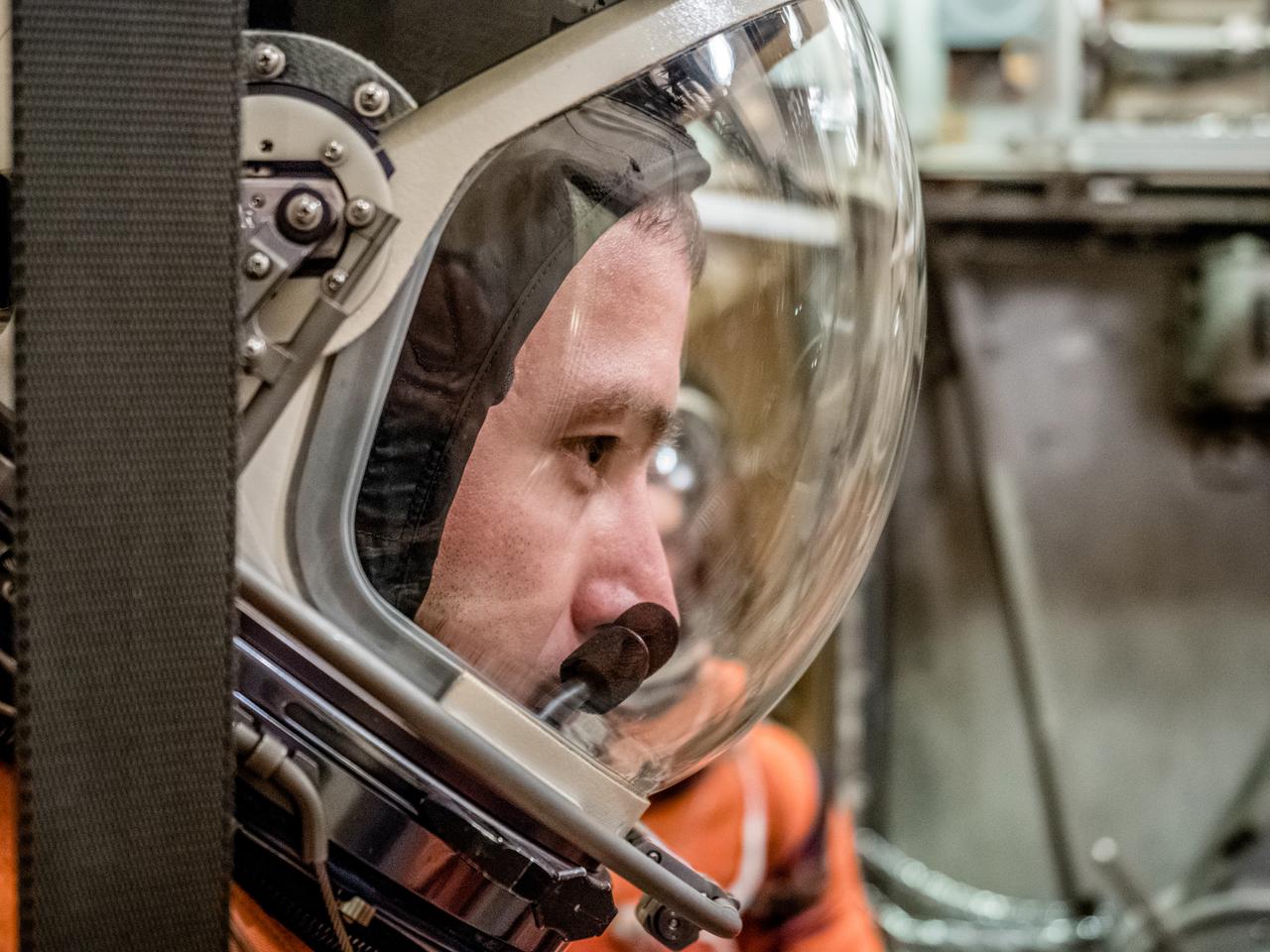
Engineers and technicians at NASA’s Johnson Space Center in Houston are testing the spacesuit astronauts will wear in the agency’s Orion spacecraft on trips to deep space. On June 22, 2017, members of the Johnson team participated in a Vacuum Pressure Integrated Suit Test to verify enhancements to the suit will meet test and design standards for the Orion spacecraft. During this test, the suit is connected to life support systems and then air is removed from Johnson’s 11-foot thermal vacuum chamber to evaluate the performance of the suits in conditions similar to a spacecraft. The suit will contain all the necessary functions to support life and is being designed to enable spacewalks and sustain the crew in the unlikely event the spacecraft loses pressure. Part of Batch images transfer from Flickr.
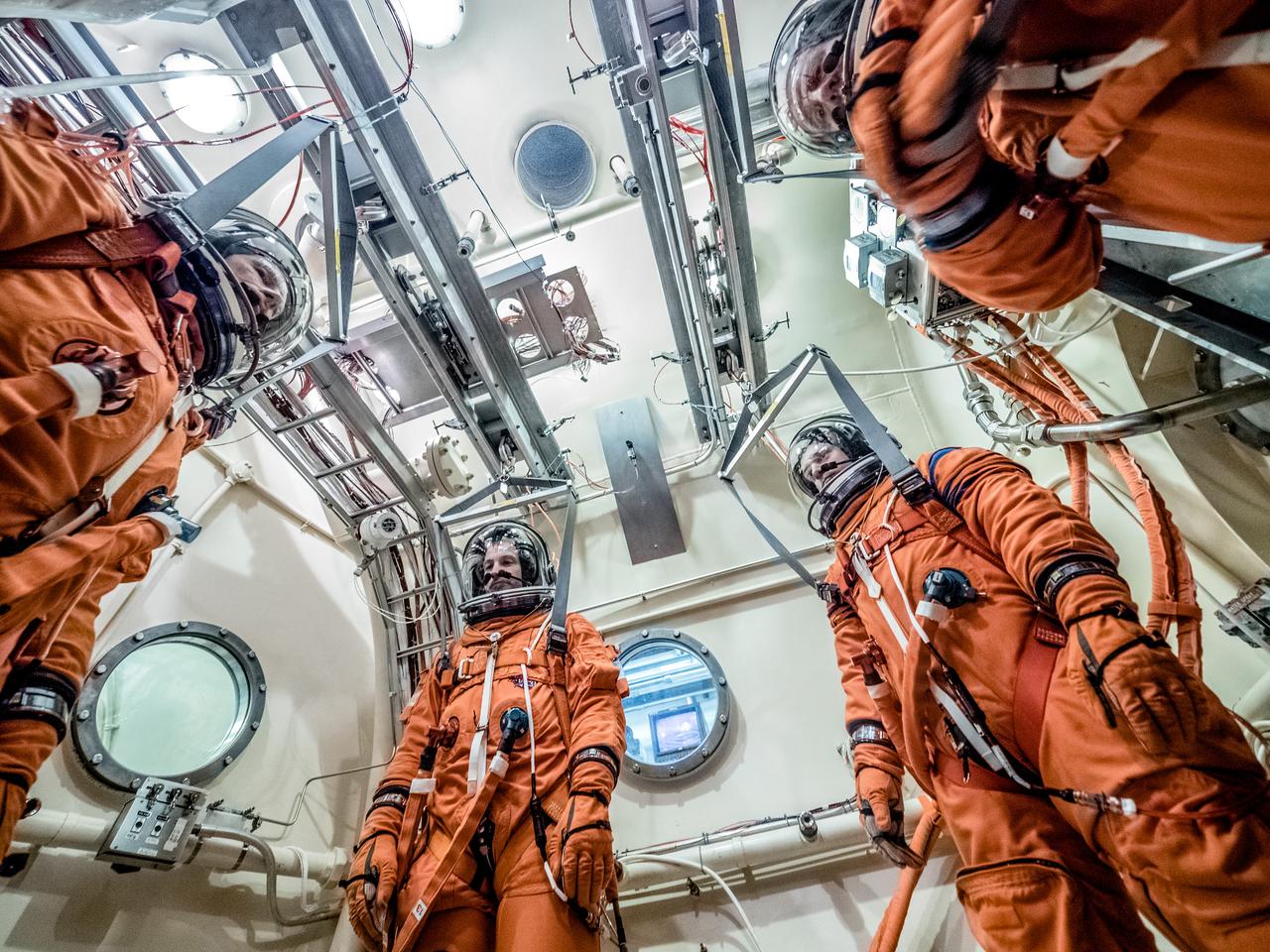
Engineers and technicians at NASA’s Johnson Space Center in Houston are testing the spacesuit astronauts will wear in the agency’s Orion spacecraft on trips to deep space. On June 22, 2017, members of the Johnson team participated in a Vacuum Pressure Integrated Suit Test to verify enhancements to the suit will meet test and design standards for the Orion spacecraft. During this test, the suit is connected to life support systems and then air is removed from Johnson’s 11-foot thermal vacuum chamber to evaluate the performance of the suits in conditions similar to a spacecraft. The suit will contain all the necessary functions to support life and is being designed to enable spacewalks and sustain the crew in the unlikely event the spacecraft loses pressure. Part of Batch images transfer from Flickr.
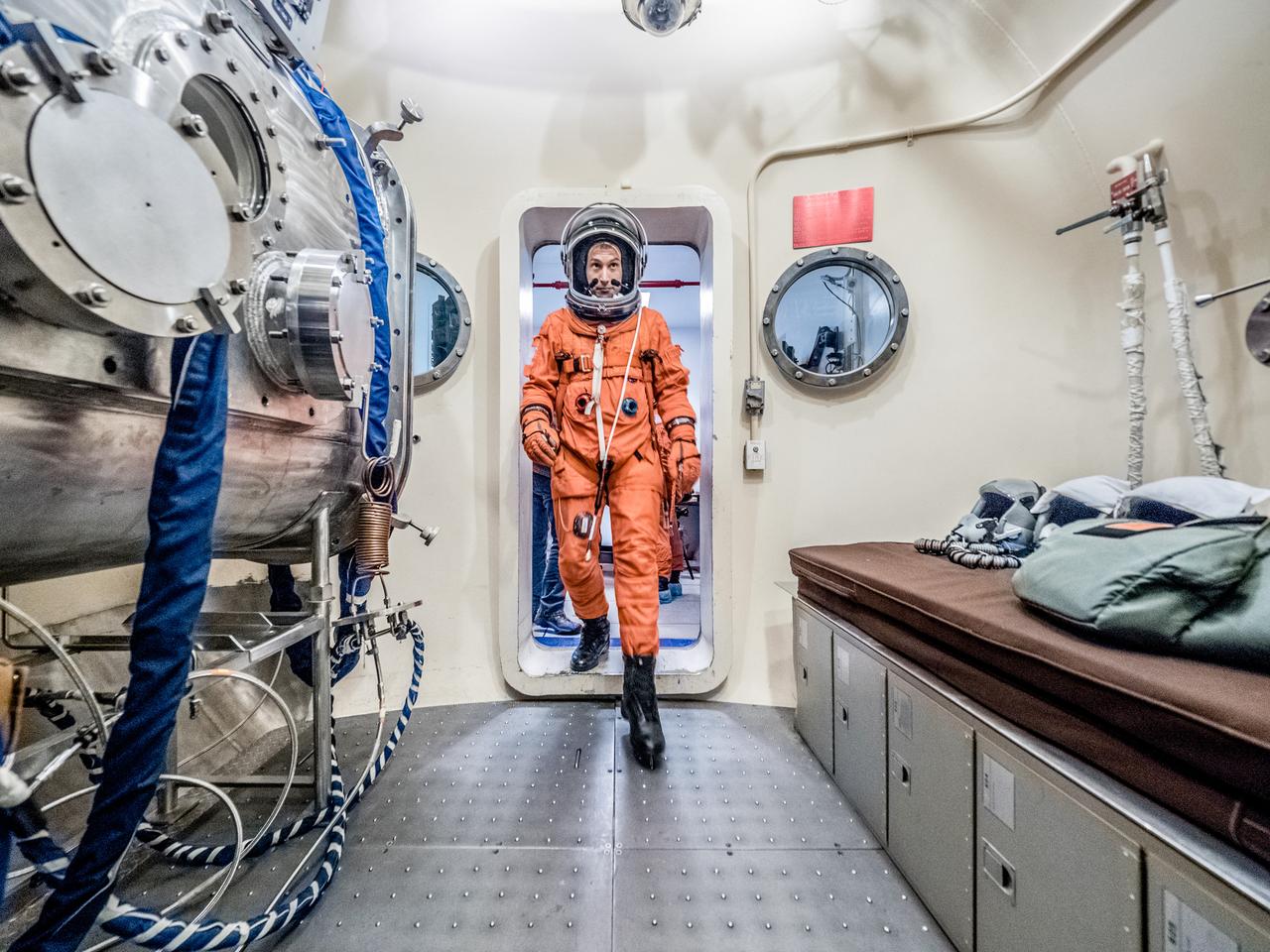
Engineers and technicians at NASA’s Johnson Space Center in Houston are testing the spacesuit astronauts will wear in the agency’s Orion spacecraft on trips to deep space. On June 22, 2017, members of the Johnson team participated in a Vacuum Pressure Integrated Suit Test to verify enhancements to the suit will meet test and design standards for the Orion spacecraft. During this test, the suit is connected to life support systems and then air is removed from Johnson’s 11-foot thermal vacuum chamber to evaluate the performance of the suits in conditions similar to a spacecraft. The suit will contain all the necessary functions to support life and is being designed to enable spacewalks and sustain the crew in the unlikely event the spacecraft loses pressure. Part of Batch images transfer from Flickr.
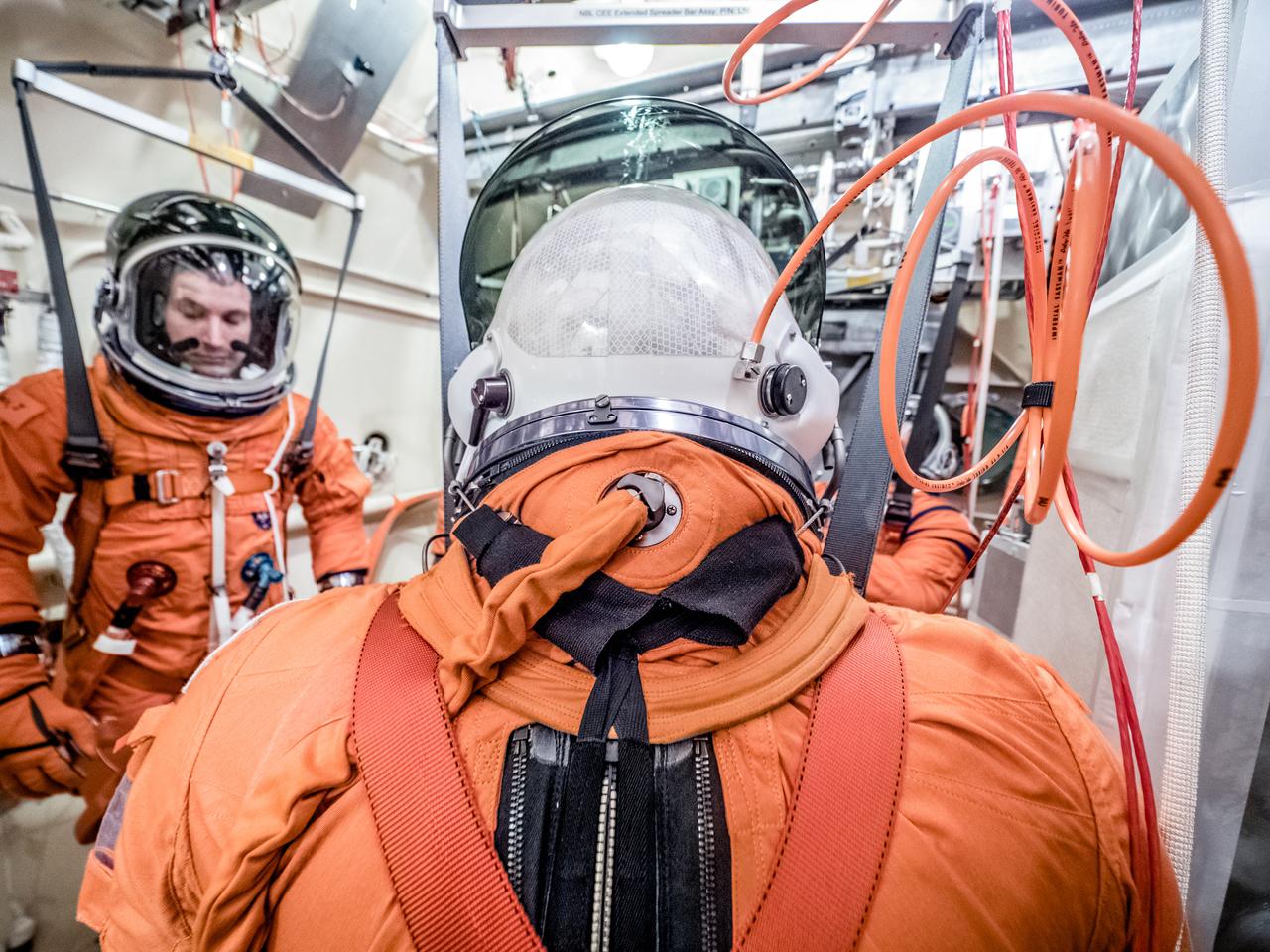
Engineers and technicians at NASA’s Johnson Space Center in Houston are testing the spacesuit astronauts will wear in the agency’s Orion spacecraft on trips to deep space. On June 22, 2017, members of the Johnson team participated in a Vacuum Pressure Integrated Suit Test to verify enhancements to the suit will meet test and design standards for the Orion spacecraft. During this test, the suit is connected to life support systems and then air is removed from Johnson’s 11-foot thermal vacuum chamber to evaluate the performance of the suits in conditions similar to a spacecraft. The suit will contain all the necessary functions to support life and is being designed to enable spacewalks and sustain the crew in the unlikely event the spacecraft loses pressure. Part of Batch images transfer from Flickr.
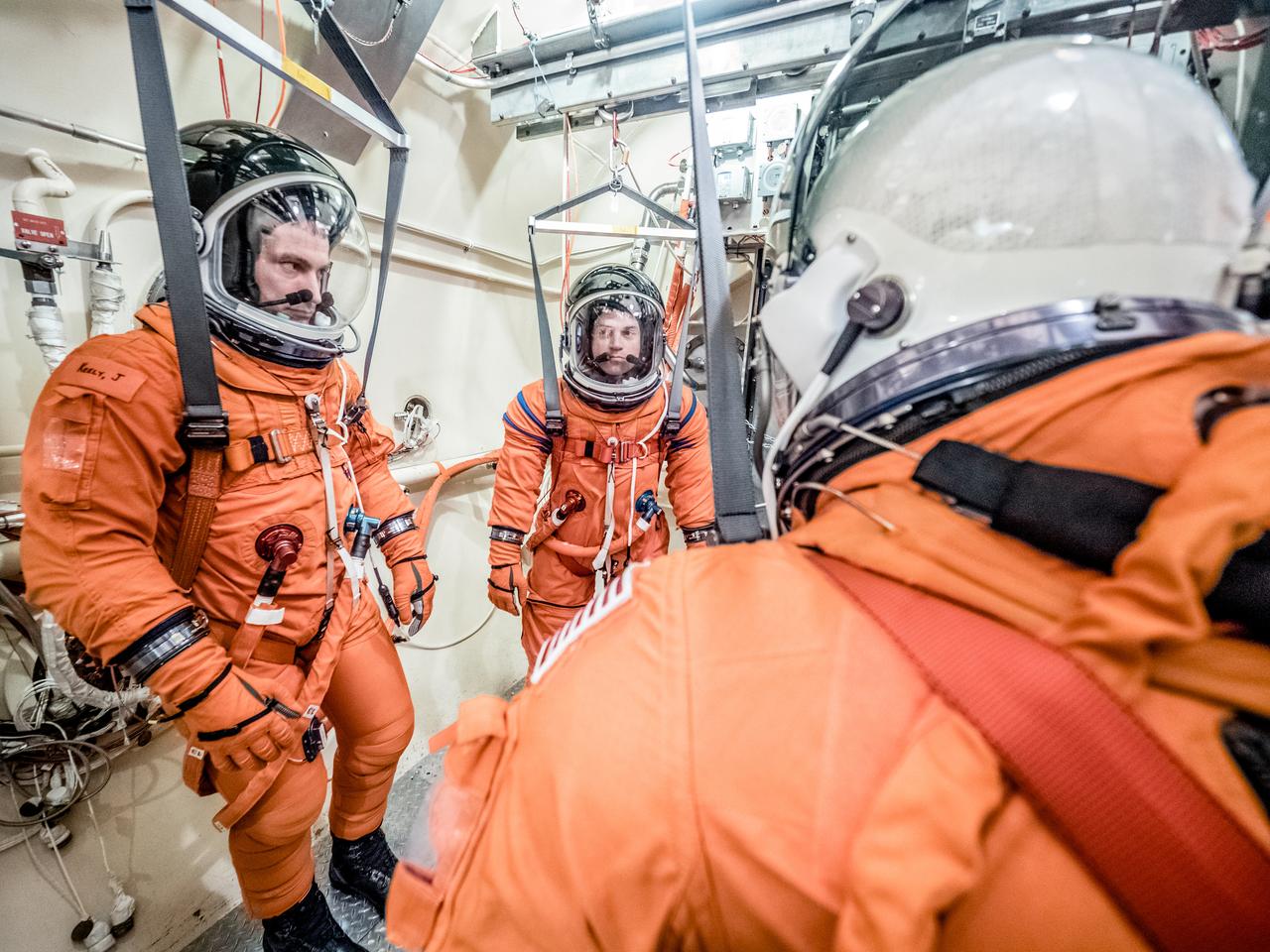
Engineers and technicians at NASA’s Johnson Space Center in Houston are testing the spacesuit astronauts will wear in the agency’s Orion spacecraft on trips to deep space. On June 22, 2017, members of the Johnson team participated in a Vacuum Pressure Integrated Suit Test to verify enhancements to the suit will meet test and design standards for the Orion spacecraft. During this test, the suit is connected to life support systems and then air is removed from Johnson’s 11-foot thermal vacuum chamber to evaluate the performance of the suits in conditions similar to a spacecraft. The suit will contain all the necessary functions to support life and is being designed to enable spacewalks and sustain the crew in the unlikely event the spacecraft loses pressure. Part of Batch images transfer from Flickr.
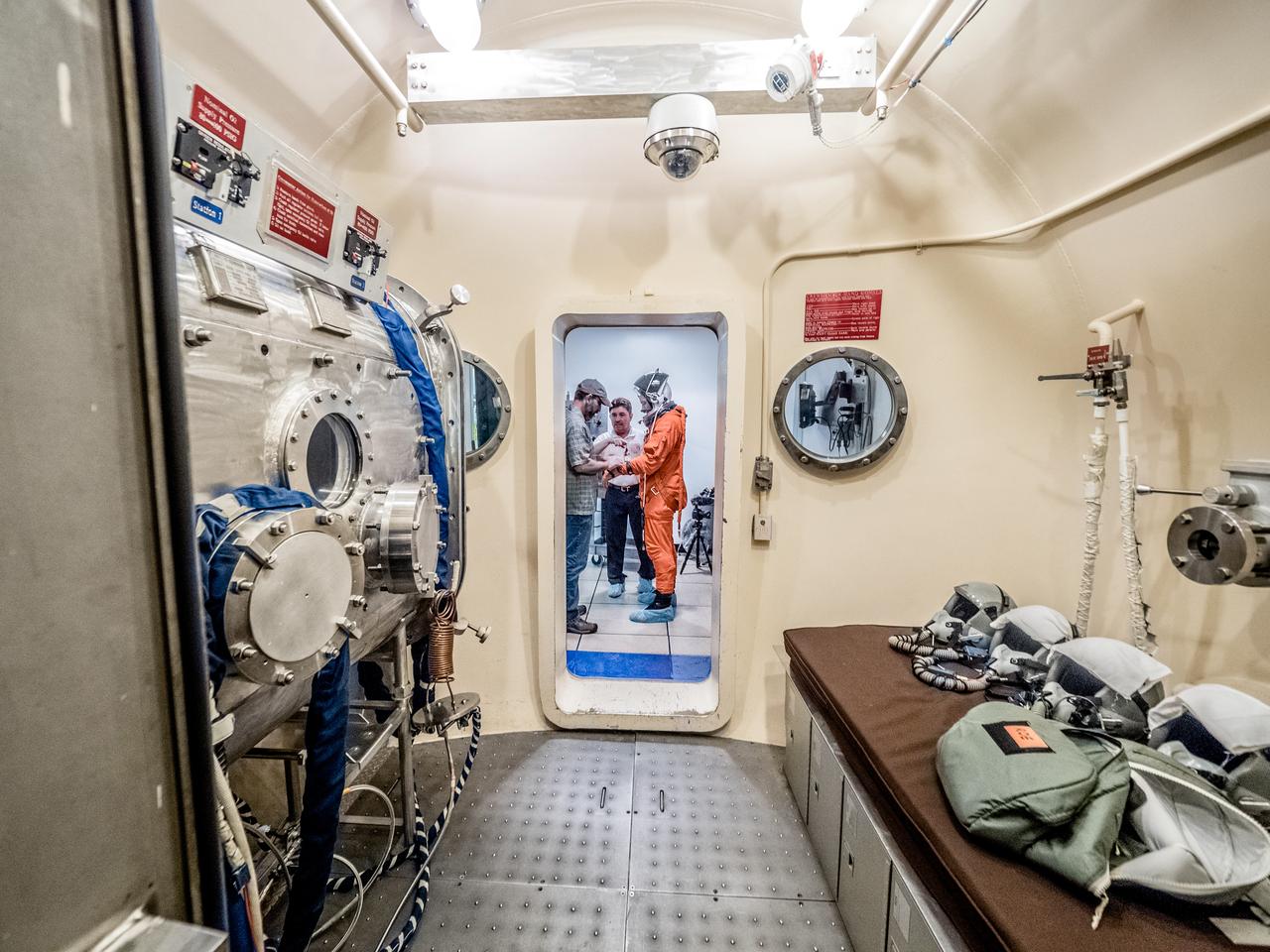
Engineers and technicians at NASA’s Johnson Space Center in Houston are testing the spacesuit astronauts will wear in the agency’s Orion spacecraft on trips to deep space. On June 22, 2017, members of the Johnson team participated in a Vacuum Pressure Integrated Suit Test to verify enhancements to the suit will meet test and design standards for the Orion spacecraft. During this test, the suit is connected to life support systems and then air is removed from Johnson’s 11-foot thermal vacuum chamber to evaluate the performance of the suits in conditions similar to a spacecraft. The suit will contain all the necessary functions to support life and is being designed to enable spacewalks and sustain the crew in the unlikely event the spacecraft loses pressure. Part of Batch images transfer from Flickr.
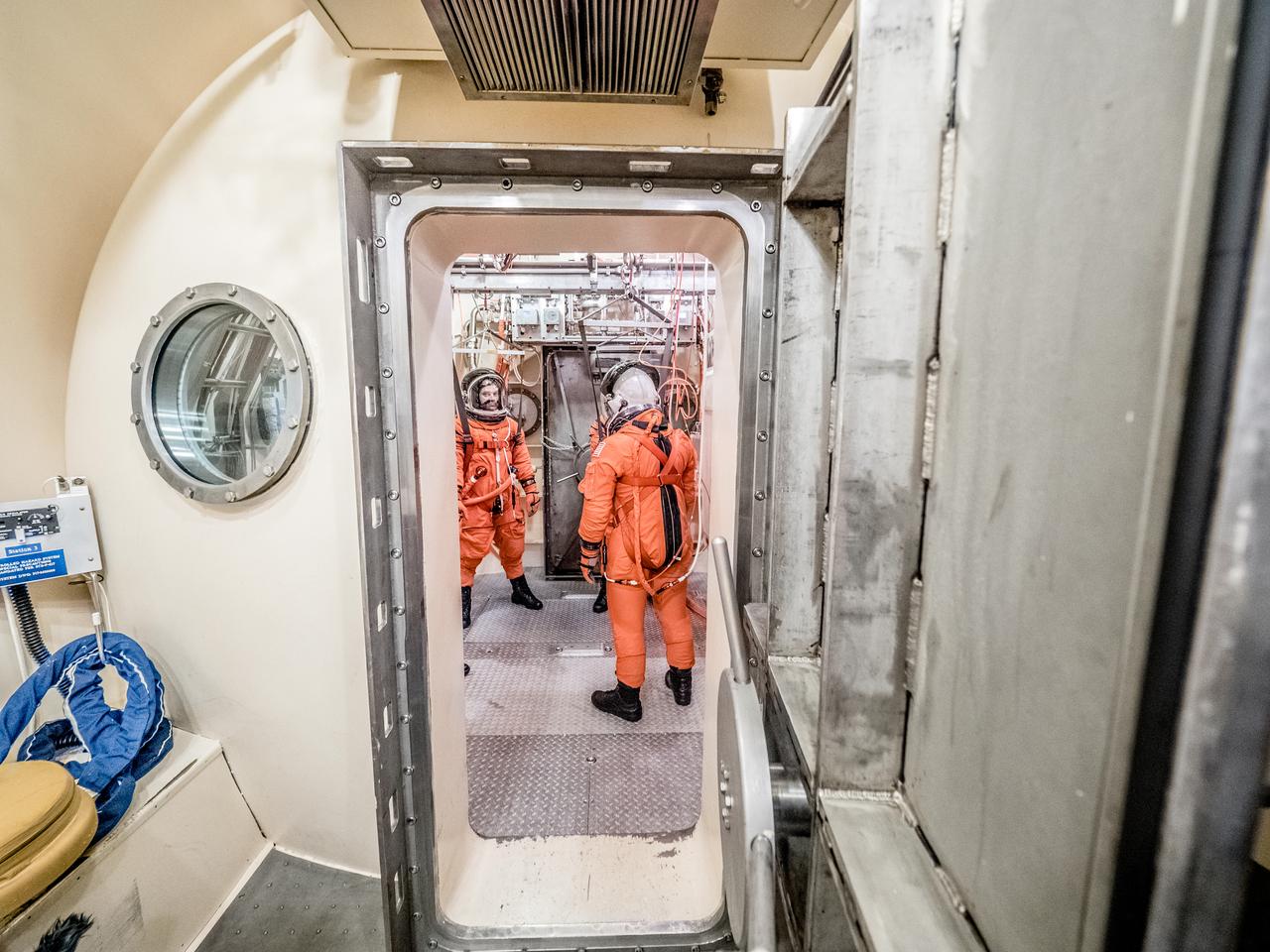
Engineers and technicians at NASA’s Johnson Space Center in Houston are testing the spacesuit astronauts will wear in the agency’s Orion spacecraft on trips to deep space. On June 22, 2017, members of the Johnson team participated in a Vacuum Pressure Integrated Suit Test to verify enhancements to the suit will meet test and design standards for the Orion spacecraft. During this test, the suit is connected to life support systems and then air is removed from Johnson’s 11-foot thermal vacuum chamber to evaluate the performance of the suits in conditions similar to a spacecraft. The suit will contain all the necessary functions to support life and is being designed to enable spacewalks and sustain the crew in the unlikely event the spacecraft loses pressure. Part of Batch images transfer from Flickr.
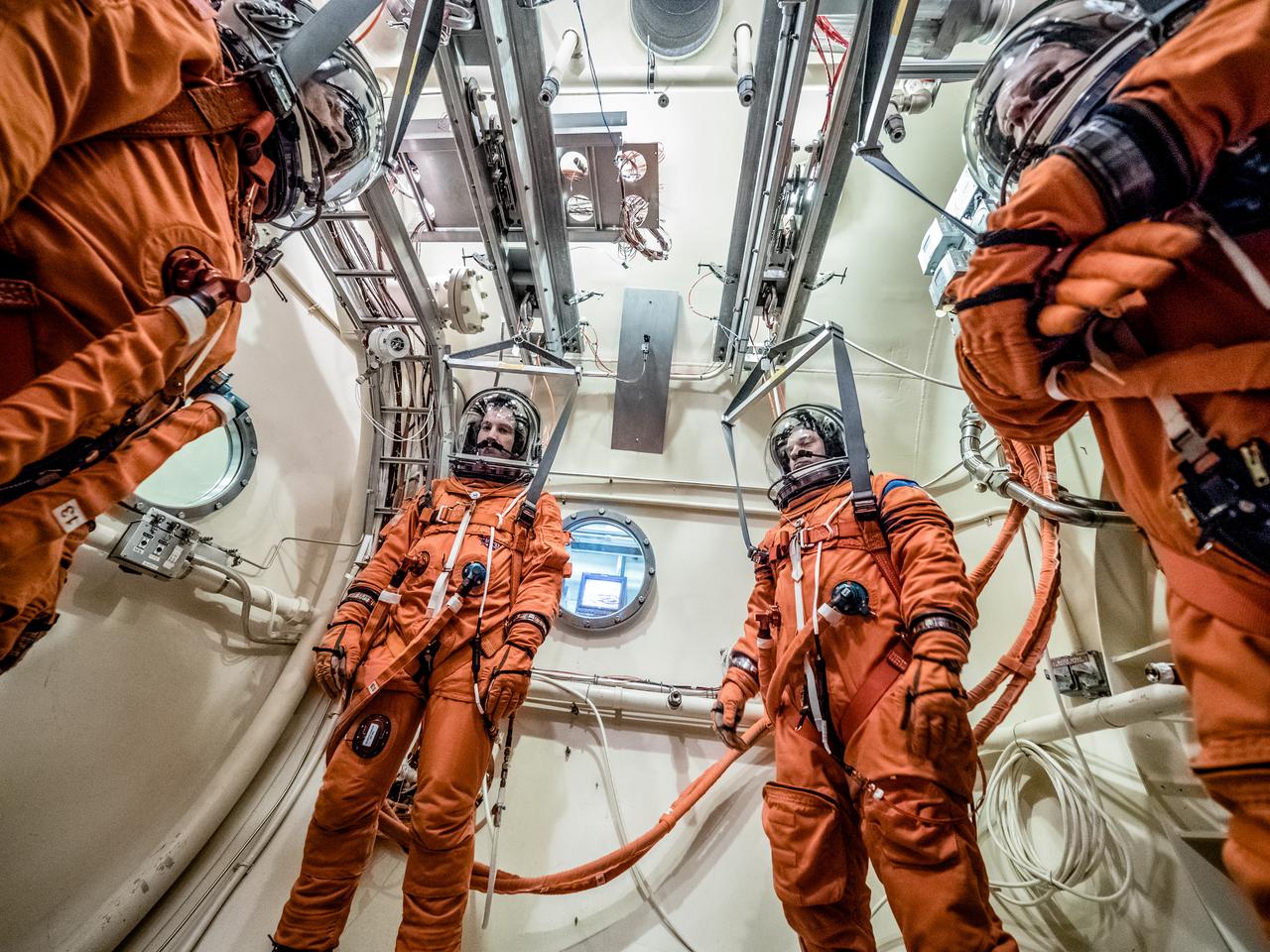
Engineers and technicians at NASA’s Johnson Space Center in Houston are testing the spacesuit astronauts will wear in the agency’s Orion spacecraft on trips to deep space. On June 22, 2017, members of the Johnson team participated in a Vacuum Pressure Integrated Suit Test to verify enhancements to the suit will meet test and design standards for the Orion spacecraft. During this test, the suit is connected to life support systems and then air is removed from Johnson’s 11-foot thermal vacuum chamber to evaluate the performance of the suits in conditions similar to a spacecraft. The suit will contain all the necessary functions to support life and is being designed to enable spacewalks and sustain the crew in the unlikely event the spacecraft loses pressure. Part of Batch images transfer from Flickr.
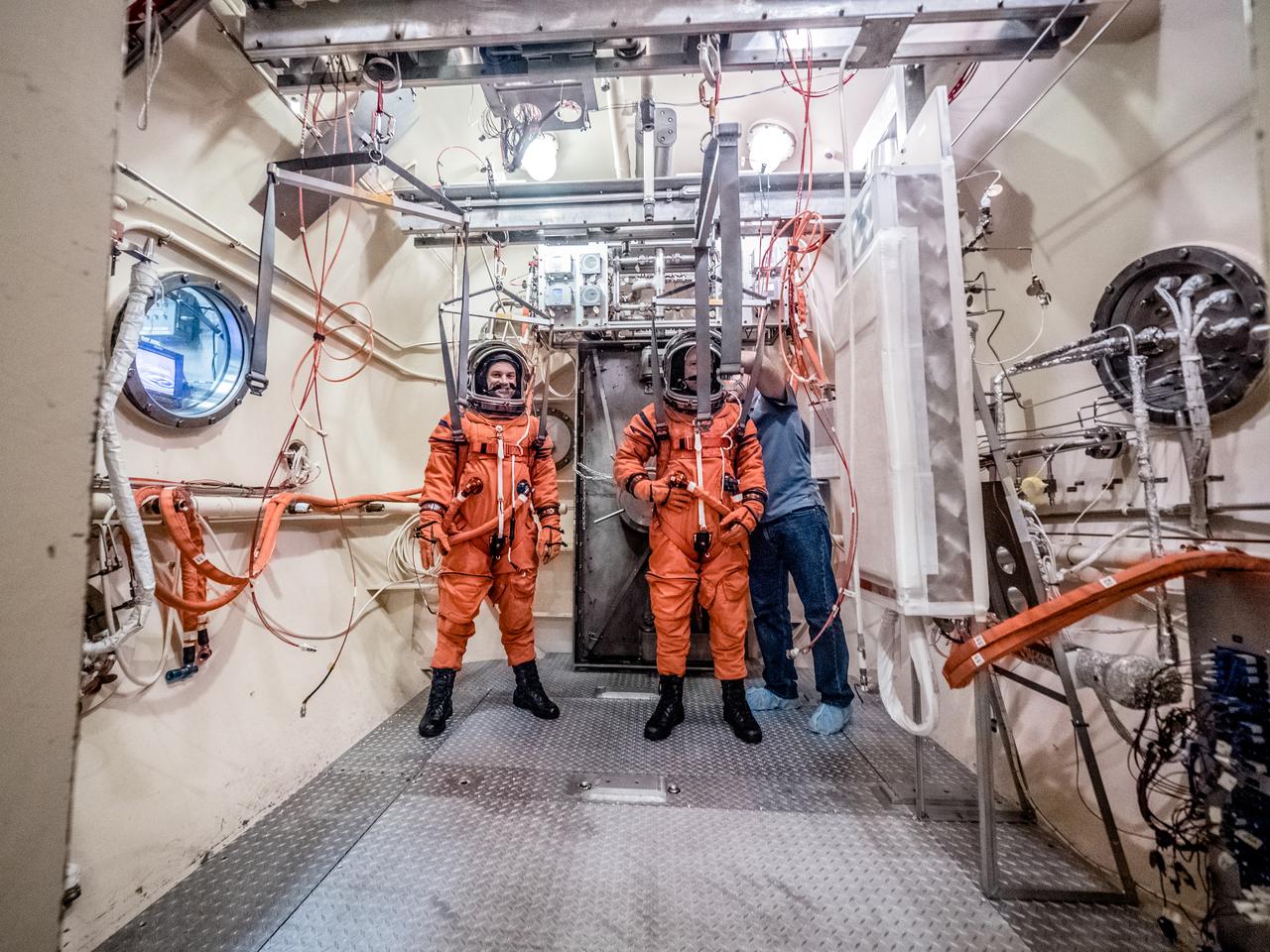
Engineers and technicians at NASA’s Johnson Space Center in Houston are testing the spacesuit astronauts will wear in the agency’s Orion spacecraft on trips to deep space. On June 22, 2017, members of the Johnson team participated in a Vacuum Pressure Integrated Suit Test to verify enhancements to the suit will meet test and design standards for the Orion spacecraft. During this test, the suit is connected to life support systems and then air is removed from Johnson’s 11-foot thermal vacuum chamber to evaluate the performance of the suits in conditions similar to a spacecraft. The suit will contain all the necessary functions to support life and is being designed to enable spacewalks and sustain the crew in the unlikely event the spacecraft loses pressure. Part of Batch images transfer from Flickr.
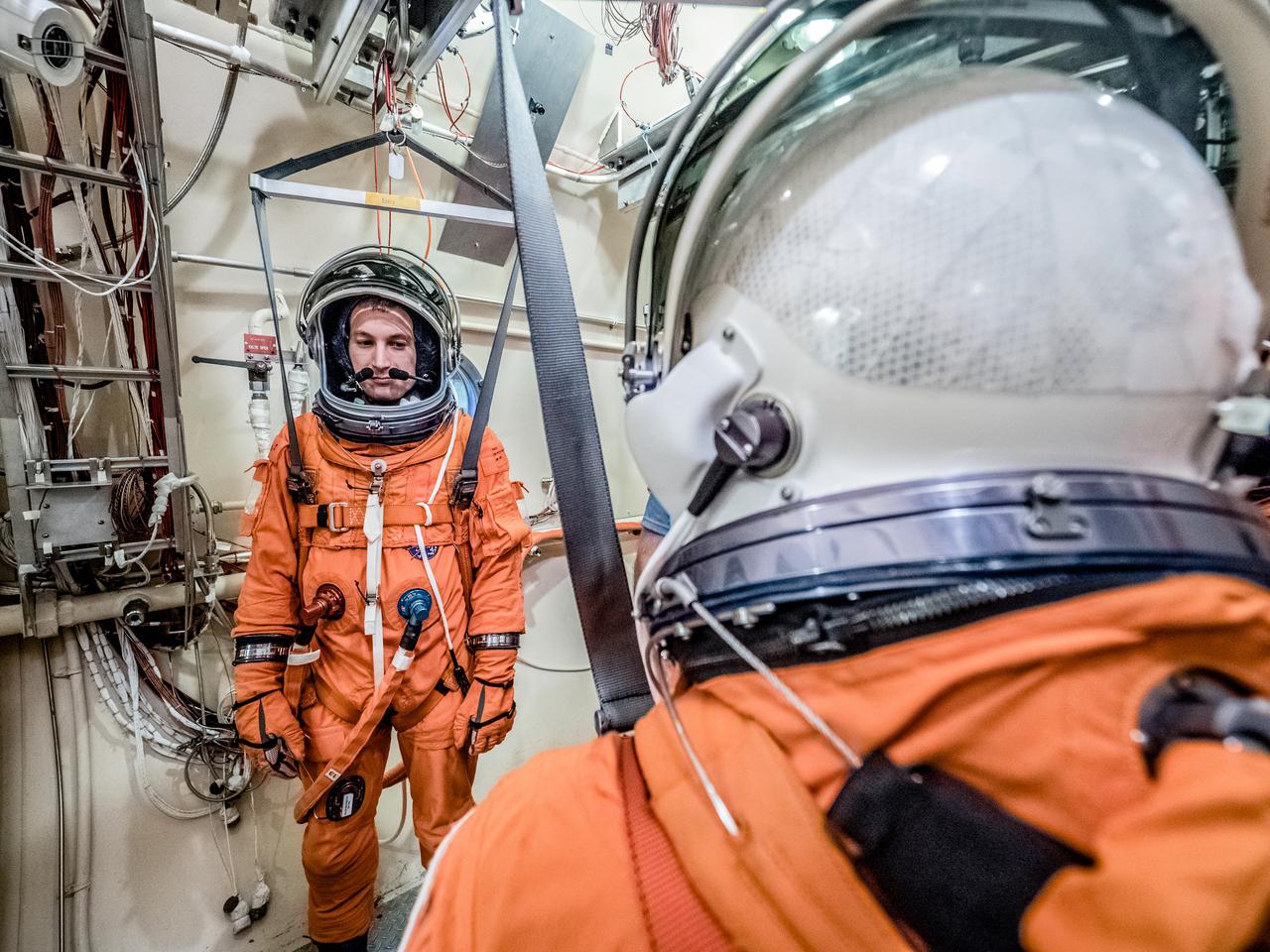
Engineers and technicians at NASA’s Johnson Space Center in Houston are testing the spacesuit astronauts will wear in the agency’s Orion spacecraft on trips to deep space. On June 22, 2017, members of the Johnson team participated in a Vacuum Pressure Integrated Suit Test to verify enhancements to the suit will meet test and design standards for the Orion spacecraft. During this test, the suit is connected to life support systems and then air is removed from Johnson’s 11-foot thermal vacuum chamber to evaluate the performance of the suits in conditions similar to a spacecraft. The suit will contain all the necessary functions to support life and is being designed to enable spacewalks and sustain the crew in the unlikely event the spacecraft loses pressure. Part of Batch images transfer from Flickr.
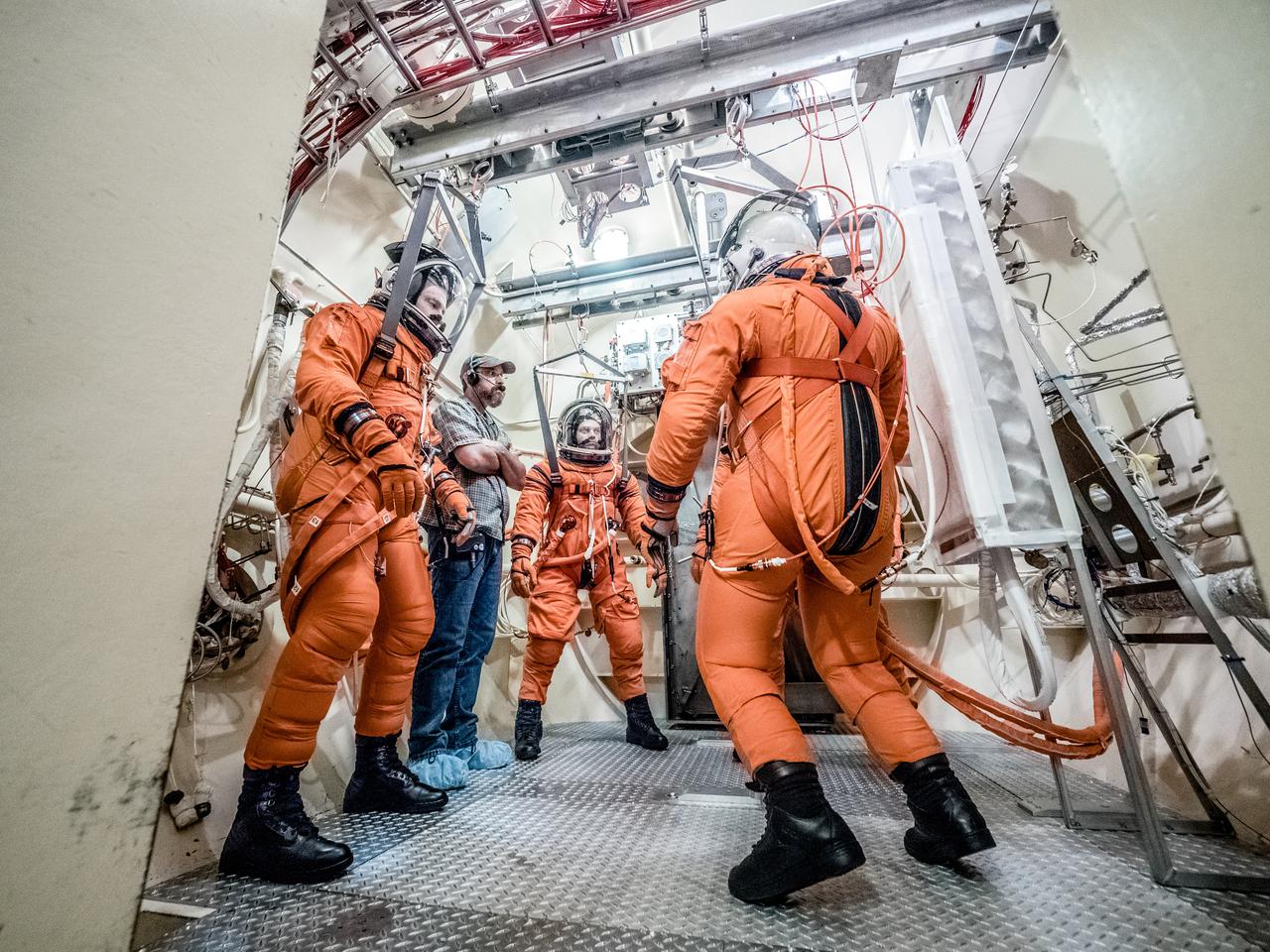
Engineers and technicians at NASA’s Johnson Space Center in Houston are testing the spacesuit astronauts will wear in the agency’s Orion spacecraft on trips to deep space. On June 22, 2017, members of the Johnson team participated in a Vacuum Pressure Integrated Suit Test to verify enhancements to the suit will meet test and design standards for the Orion spacecraft. During this test, the suit is connected to life support systems and then air is removed from Johnson’s 11-foot thermal vacuum chamber to evaluate the performance of the suits in conditions similar to a spacecraft. The suit will contain all the necessary functions to support life and is being designed to enable spacewalks and sustain the crew in the unlikely event the spacecraft loses pressure. Part of Batch images transfer from Flickr.
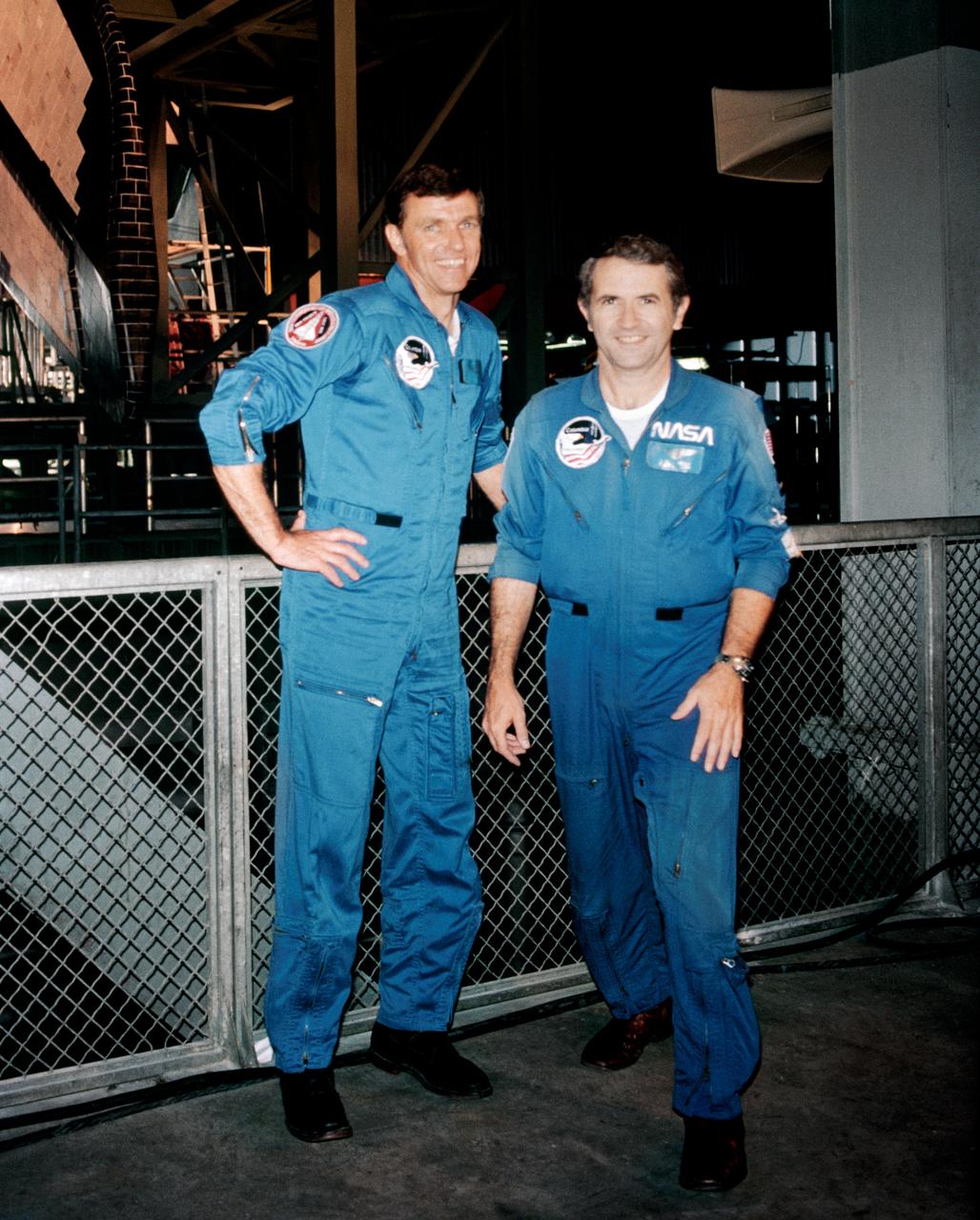
S81-36331 (24 Aug. 1981) --- Astronauts Joe H. Engle, left, and Richard H. Truly pause before participating in the integrated test of the assembled space shuttle components scheduled for launch no earlier than Sept. 30, 1981. Moments later, Engle, STS-2 crew commander, and Truly, pilot, entered the cabin of the orbiter Columbia for a mission simulation. The shuttle integrated tests (SIT) are designed to check out every connection and signal path in the STS-2 vehicle composed of the orbiter, two solid rocket boosters (SRB) and an external fuel tank (ET) for Columbia?s main engines. Completion of the tests will clear the way for preparations for rollout to Pad A at Launch Complex 39, scheduled for the latter part of August or early September. Photo credit: NASA
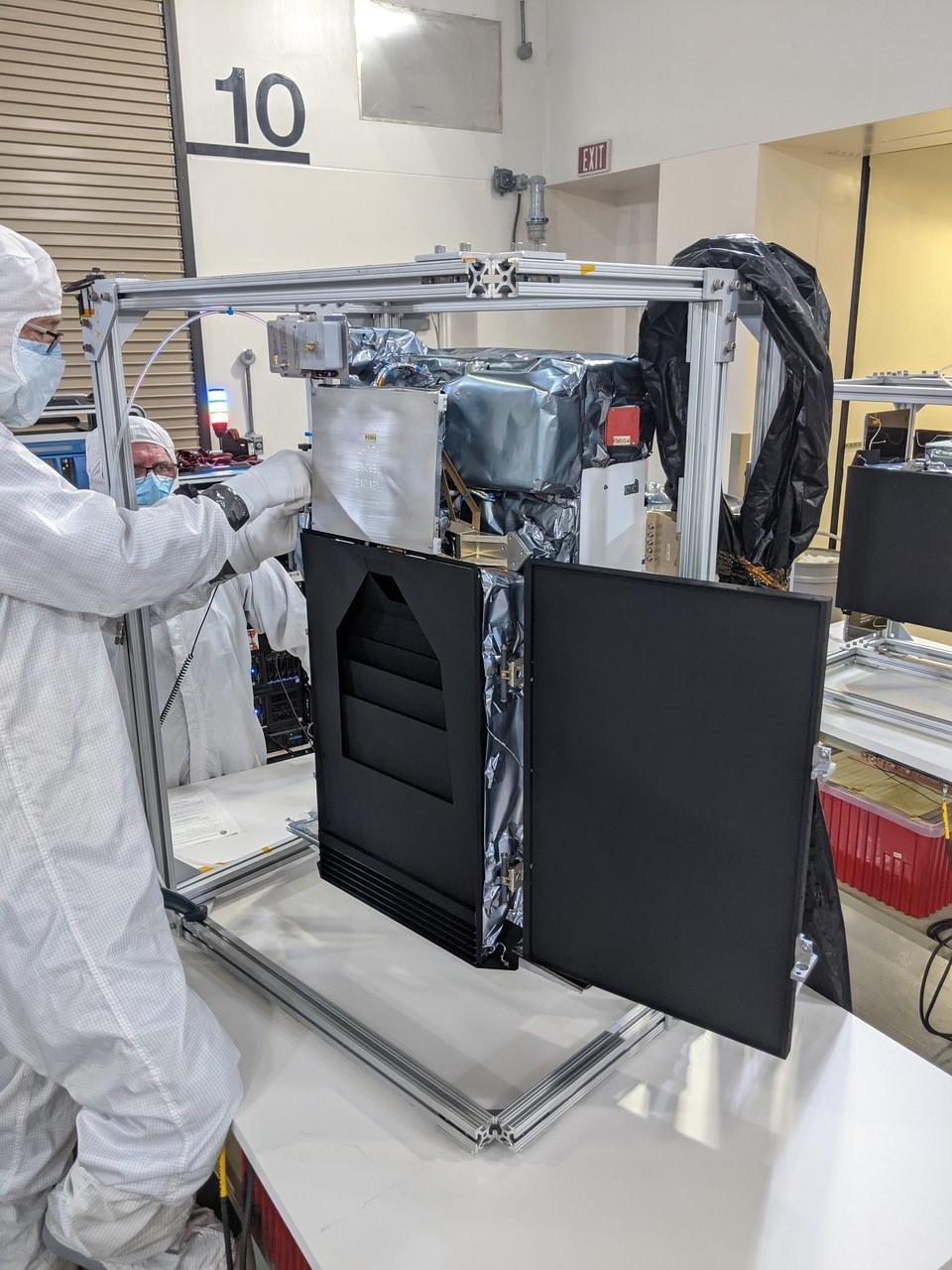
Technicians conduct integration and testing of NASA’s PUNCH (Polarimeter to Unify the Corona and Heliosphere) satellites during prelaunch operations inside Astrotech Space Operations on Vandenberg Space Force Base in California on Thursday, Jan. 23, 2025. PUNCH, consisting of four satellites, will produce continuous 3D images of the solar wind and solar storms as it travels from the Sun to Earth to better understand how material in the corona accelerates to become the solar wind that fills the solar system. PUNCH, along with NASA’s SPHEREx (Spectro-Photometer for the History of the Universe, Epoch of Reionization and Ices Explorer), a space telescope, will launch aboard a SpaceX Falcon 9 rocket in late February 2025.
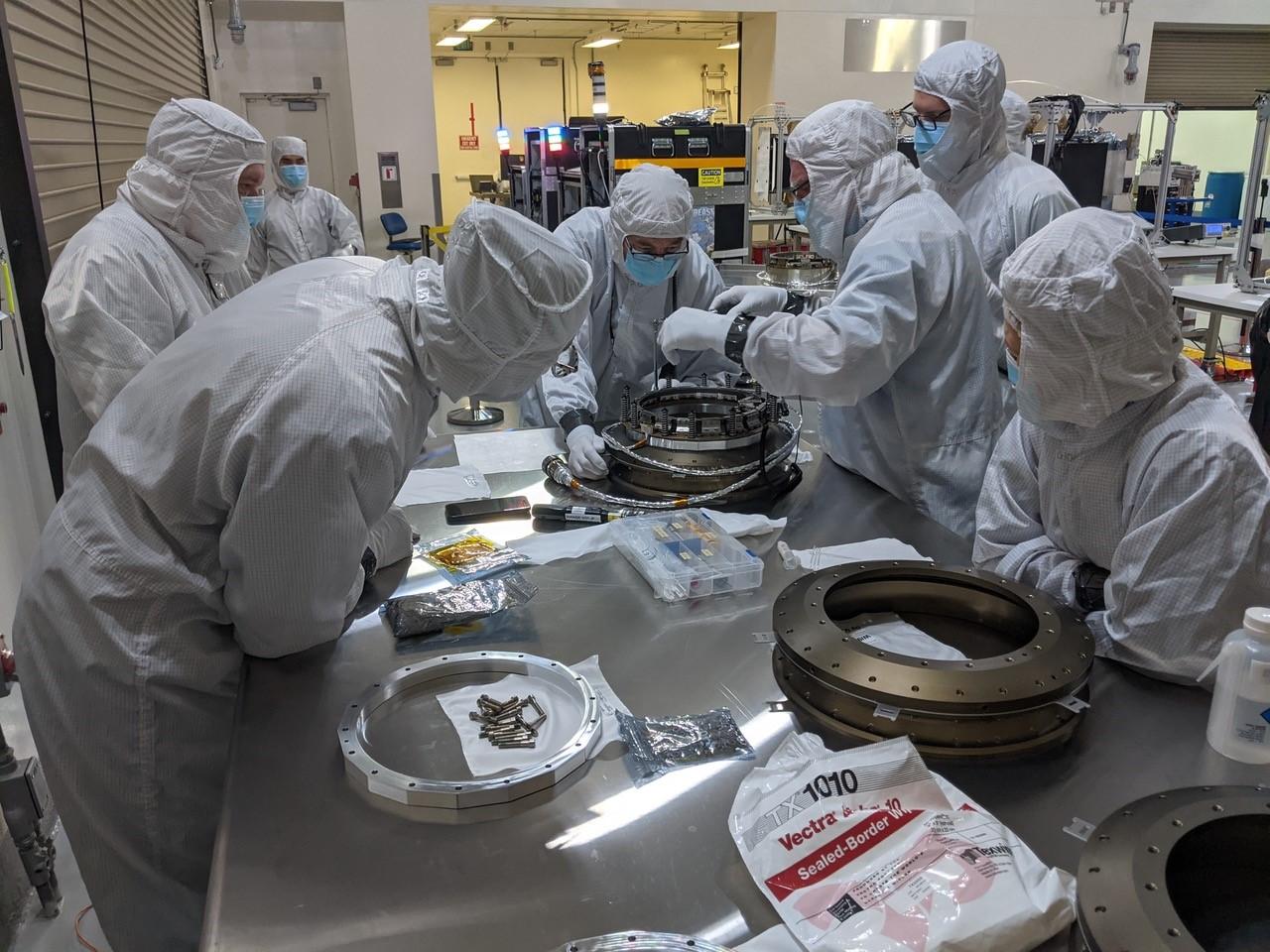
Technicians conduct integration and testing of NASA’s PUNCH (Polarimeter to Unify the Corona and Heliosphere) satellites during prelaunch operations inside Astrotech Space Operations on Vandenberg Space Force Base in California on Thursday, Jan. 23, 2025. PUNCH, consisting of four satellites, will produce continuous 3D images of the solar wind and solar storms as it travels from the Sun to Earth to better understand how material in the corona accelerates to become the solar wind that fills the solar system. PUNCH, along with NASA’s SPHEREx (Spectro-Photometer for the History of the Universe, Epoch of Reionization and Ices Explorer), a space telescope, will launch aboard a SpaceX Falcon 9 rocket in late February 2025.
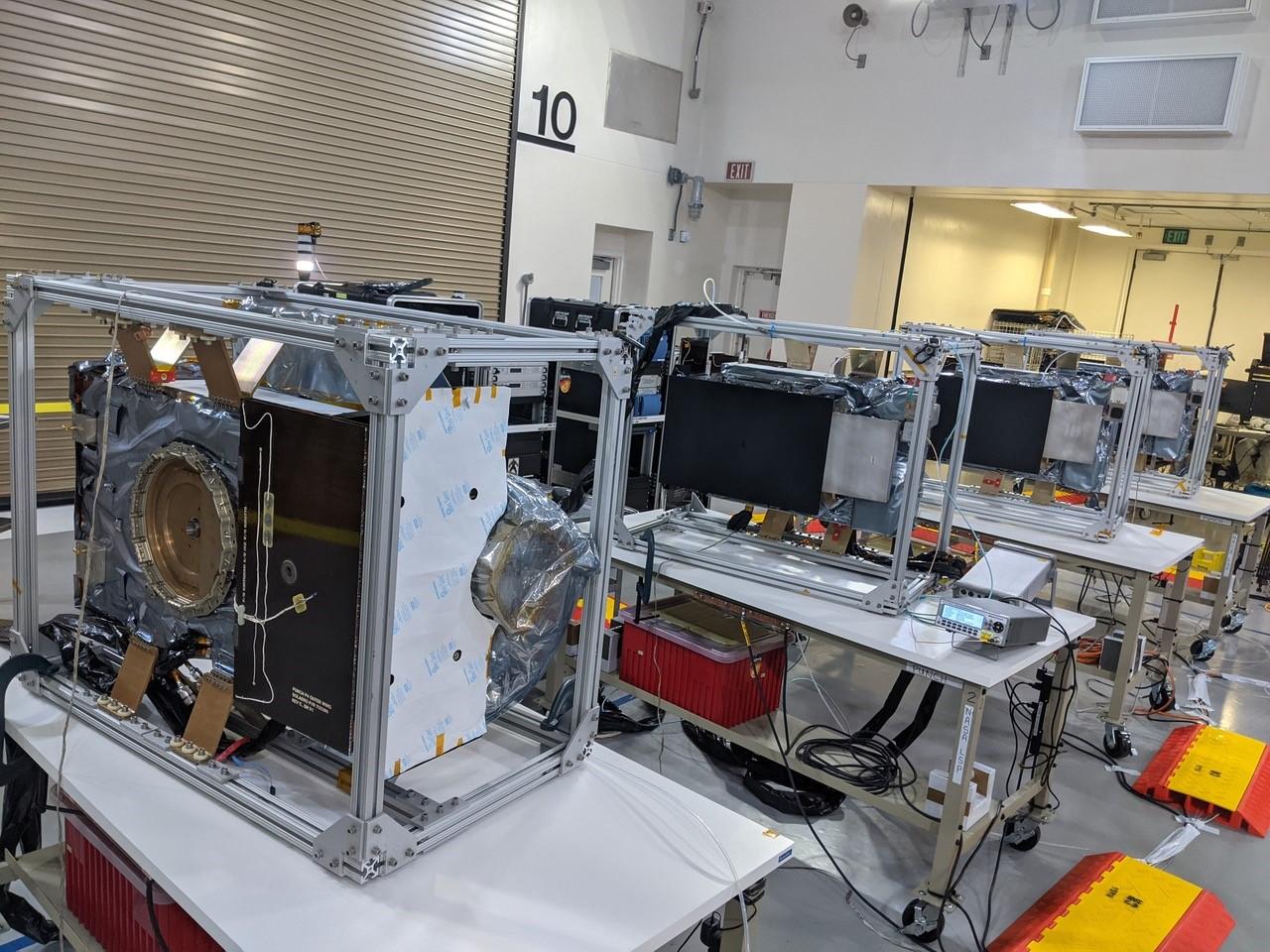
Technicians conduct integration and testing of NASA’s PUNCH (Polarimeter to Unify the Corona and Heliosphere) satellites during prelaunch operations inside Astrotech Space Operations on Vandenberg Space Force Base in California on Thursday, Jan. 23, 2025. PUNCH, consisting of four satellites, will produce continuous 3D images of the solar wind and solar storms as it travels from the Sun to Earth to better understand how material in the corona accelerates to become the solar wind that fills the solar system. PUNCH, along with NASA’s SPHEREx (Spectro-Photometer for the History of the Universe, Epoch of Reionization and Ices Explorer), a space telescope, will launch aboard a SpaceX Falcon 9 rocket in late February 2025.
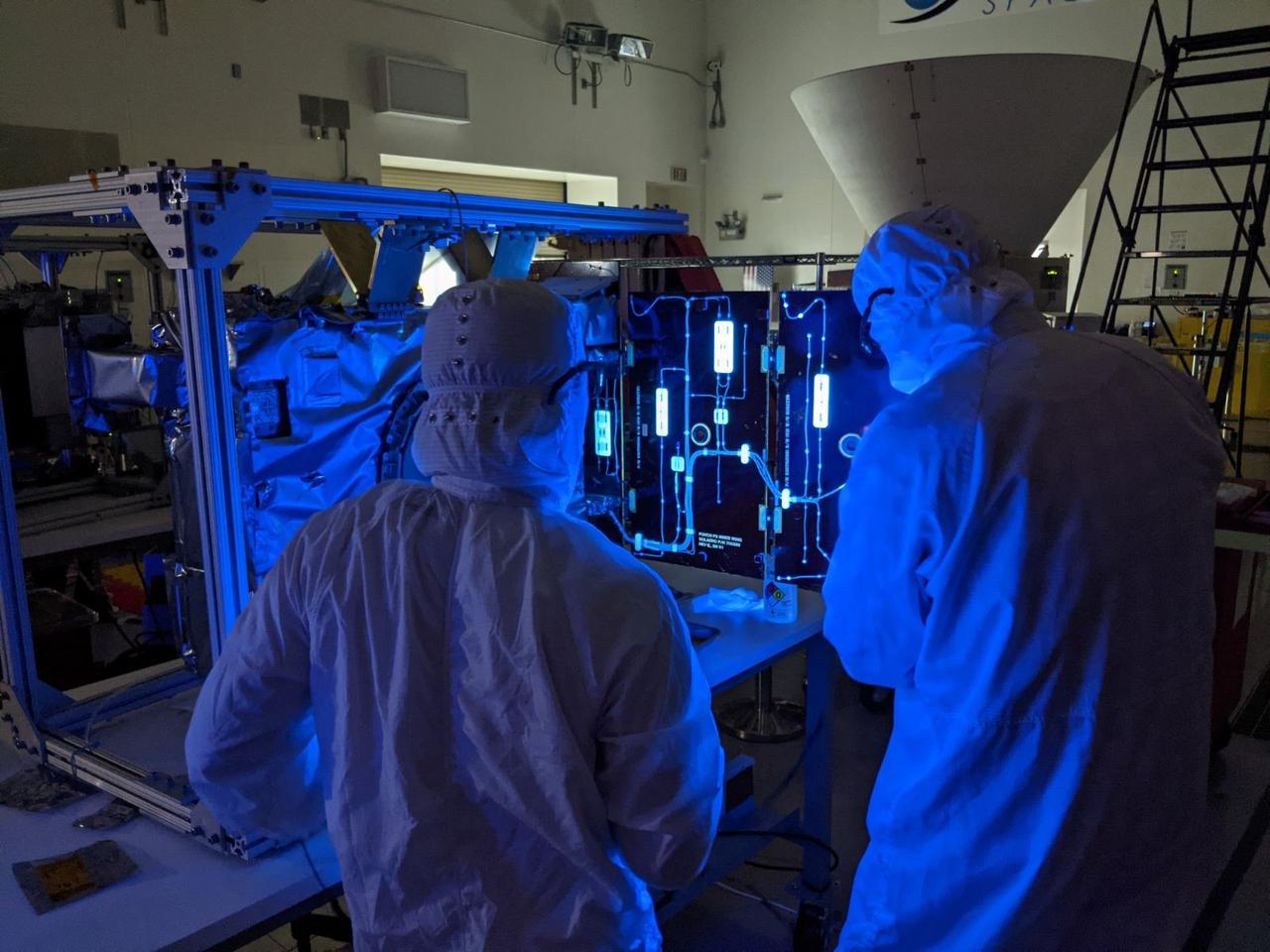
Technicians conduct integration and testing of NASA’s PUNCH (Polarimeter to Unify the Corona and Heliosphere) satellites during prelaunch operations inside Astrotech Space Operations on Vandenberg Space Force Base in California on Thursday, Jan. 23, 2025. PUNCH, consisting of four satellites, will produce continuous 3D images of the solar wind and solar storms as it travels from the Sun to Earth to better understand how material in the corona accelerates to become the solar wind that fills the solar system. PUNCH, along with NASA’s SPHEREx (Spectro-Photometer for the History of the Universe, Epoch of Reionization and Ices Explorer), a space telescope, will launch aboard a SpaceX Falcon 9 rocket in late February 2025.
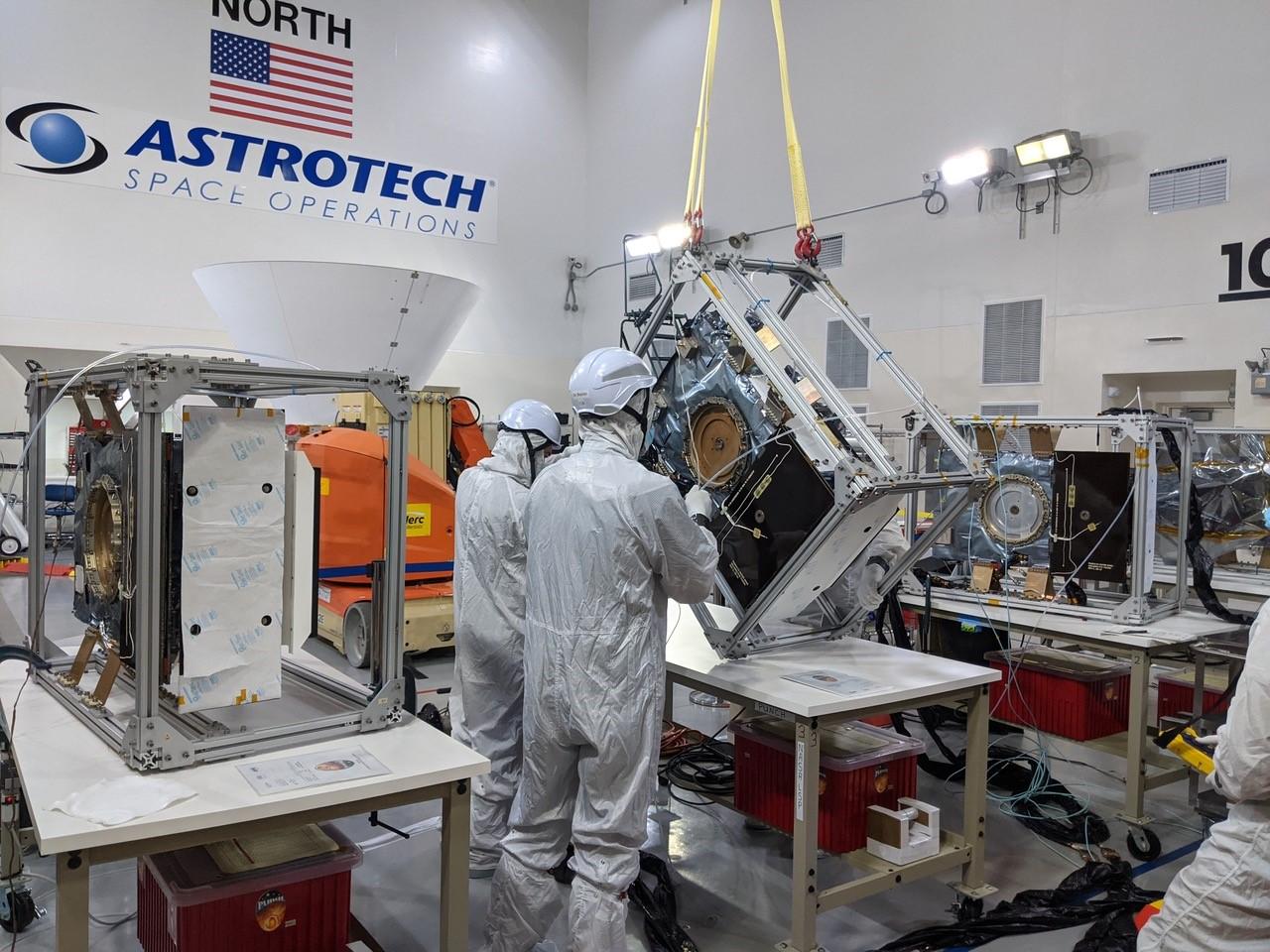
Technicians conduct integration and testing of NASA’s PUNCH (Polarimeter to Unify the Corona and Heliosphere) satellites during prelaunch operations inside Astrotech Space Operations on Vandenberg Space Force Base in California on Thursday, Jan. 23, 2025. PUNCH, consisting of four satellites, will produce continuous 3D images of the solar wind and solar storms as it travels from the Sun to Earth to better understand how material in the corona accelerates to become the solar wind that fills the solar system. PUNCH, along with NASA’s SPHEREx (Spectro-Photometer for the History of the Universe, Epoch of Reionization and Ices Explorer), a space telescope, will launch aboard a SpaceX Falcon 9 rocket in late February 2025.
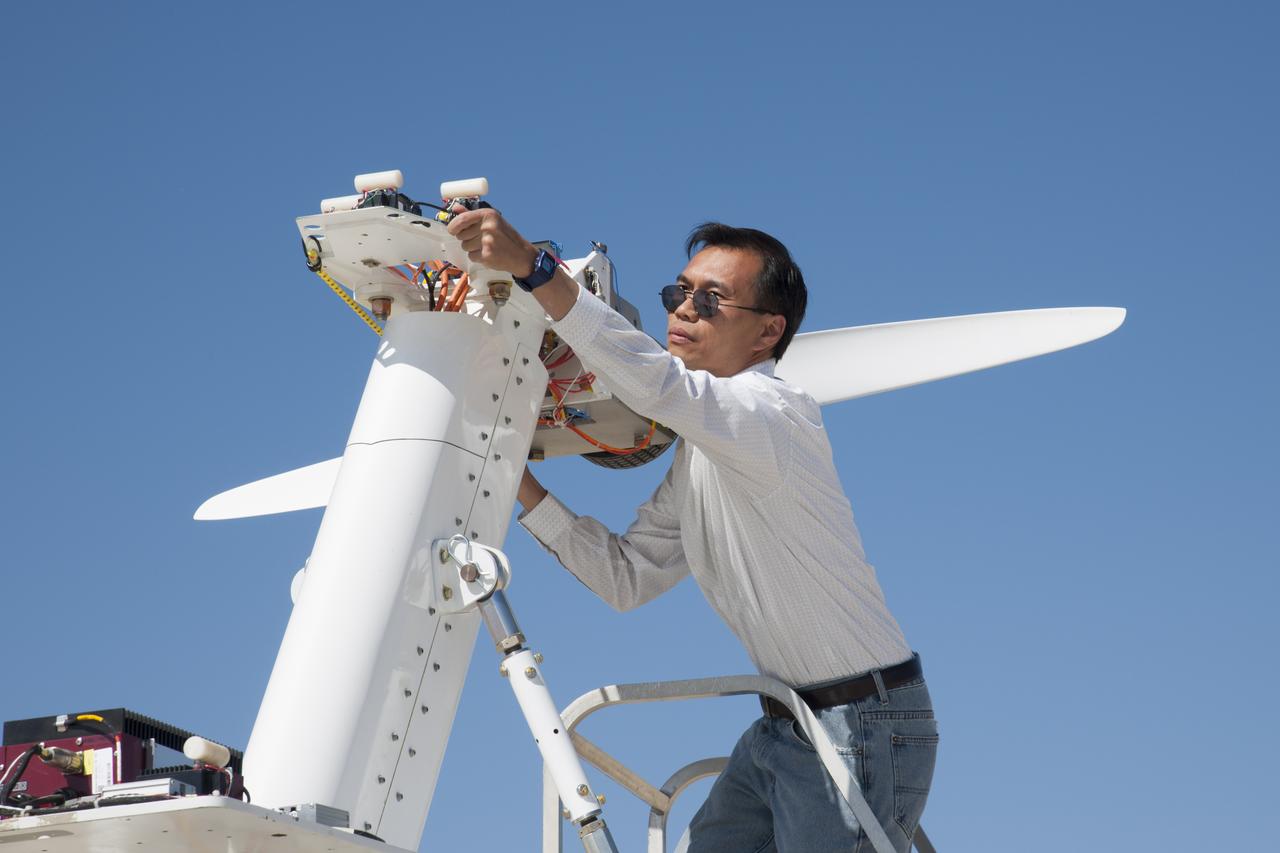
Yohan Lin, Airvolt integration lead, prepares the electric propulsion test stand.
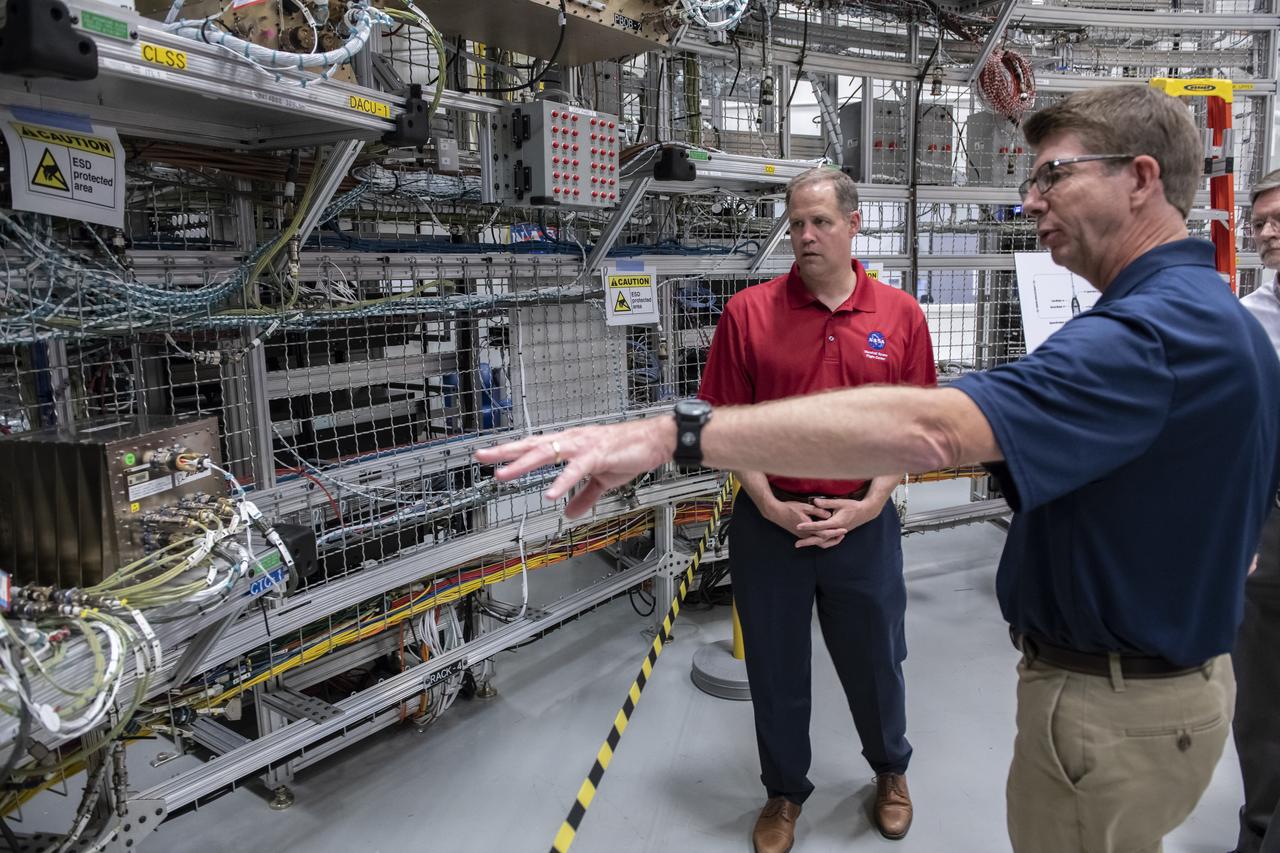
On August 15, 2018 NASA Administrator Jim Bridenstine visited Marshall Space Flight Center. Upon his arrival he was greeted by MSFC Acting Director Jody Singer along with the senior management team. During his tour of the Marshall Center, Bridenstine visited the System Integration Lab and the Software Integration and Testing Facility where Marshall is supporting end-to-end integrated avionics and software integration, check-out, verification and validation for the systems that will control the Space Launch System rocket during its flight and ascent.
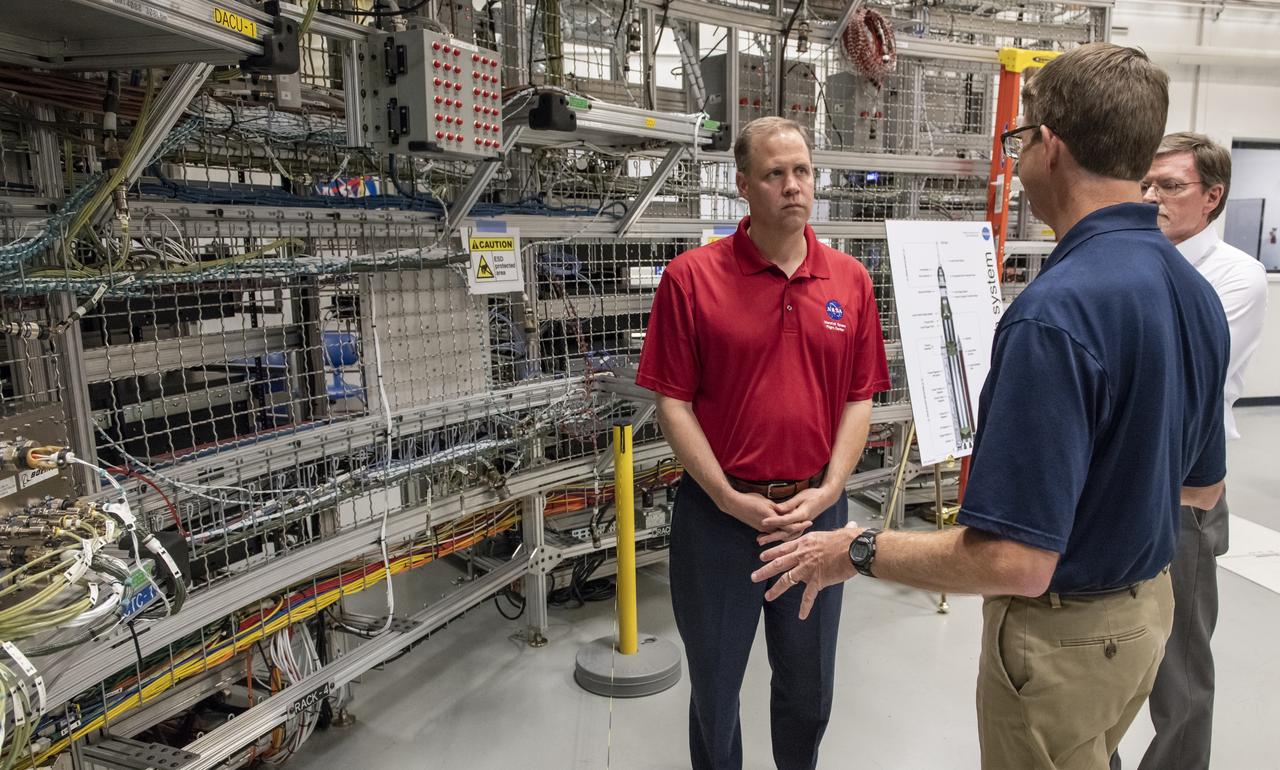
On August 15, 2018 NASA Administrator Jim Bridenstine visited Marshall Space Flight Center. Upon his arrival he was greeted by MSFC Acting Director Jody Singer along with the senior management team. During his tour of the Marshall Center, Bridenstine visited the System Integration Lab and the Software Integration and Testing Facility where Marshall is supporting end-to-end integrated avionics and software integration, check-out, verification and validation for the systems that will control the Space Launch System rocket during its flight and ascent.
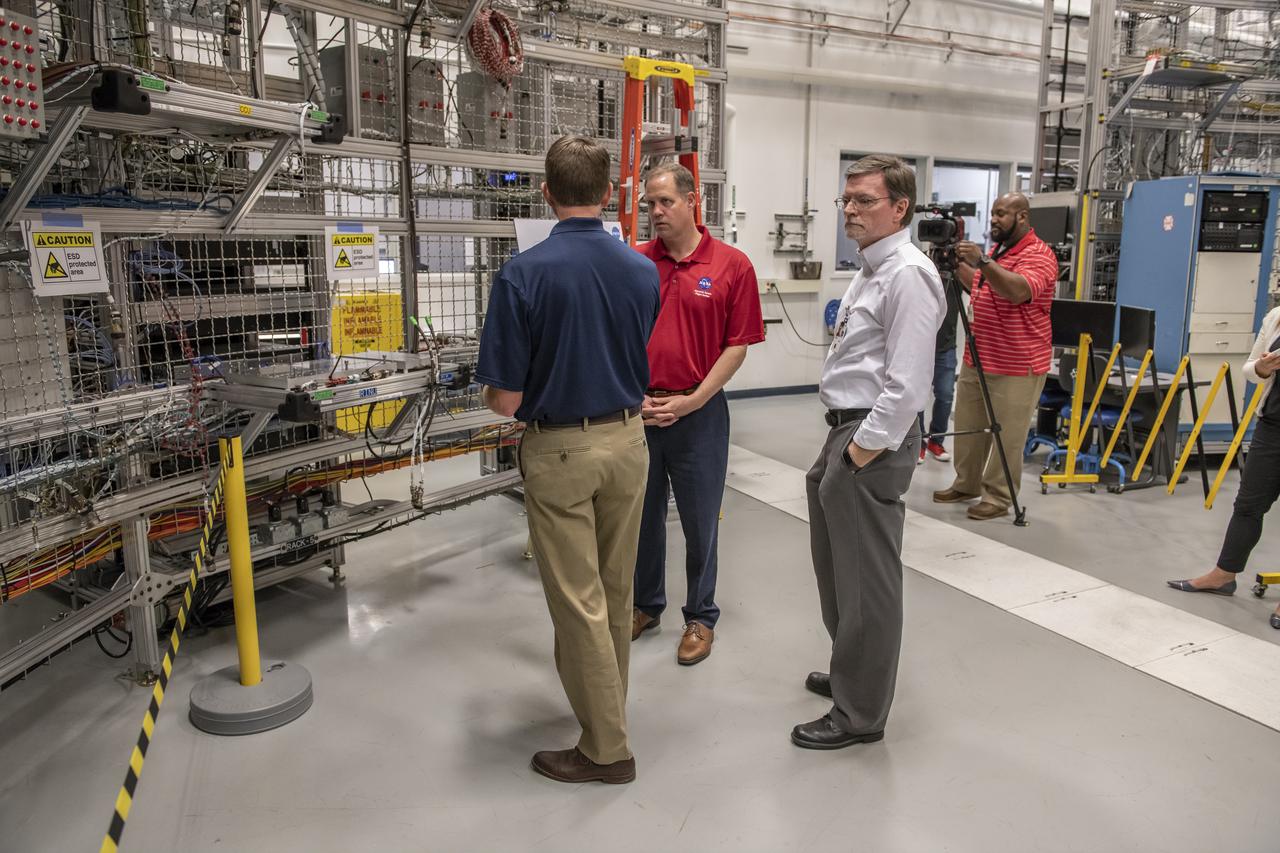
On August 15, 2018 NASA Administrator Jim Bridenstine visited Marshall Space Flight Center. Upon his arrival he was greeted by MSFC Acting Director Jody Singer along with the senior management team. During his tour of the Marshall Center, Bridenstine visited the System Integration Lab and the Software Integration and Testing Facility where Marshall is supporting end-to-end integrated avionics and software integration, check-out, verification and validation for the systems that will control the Space Launch System rocket during its flight and ascent.
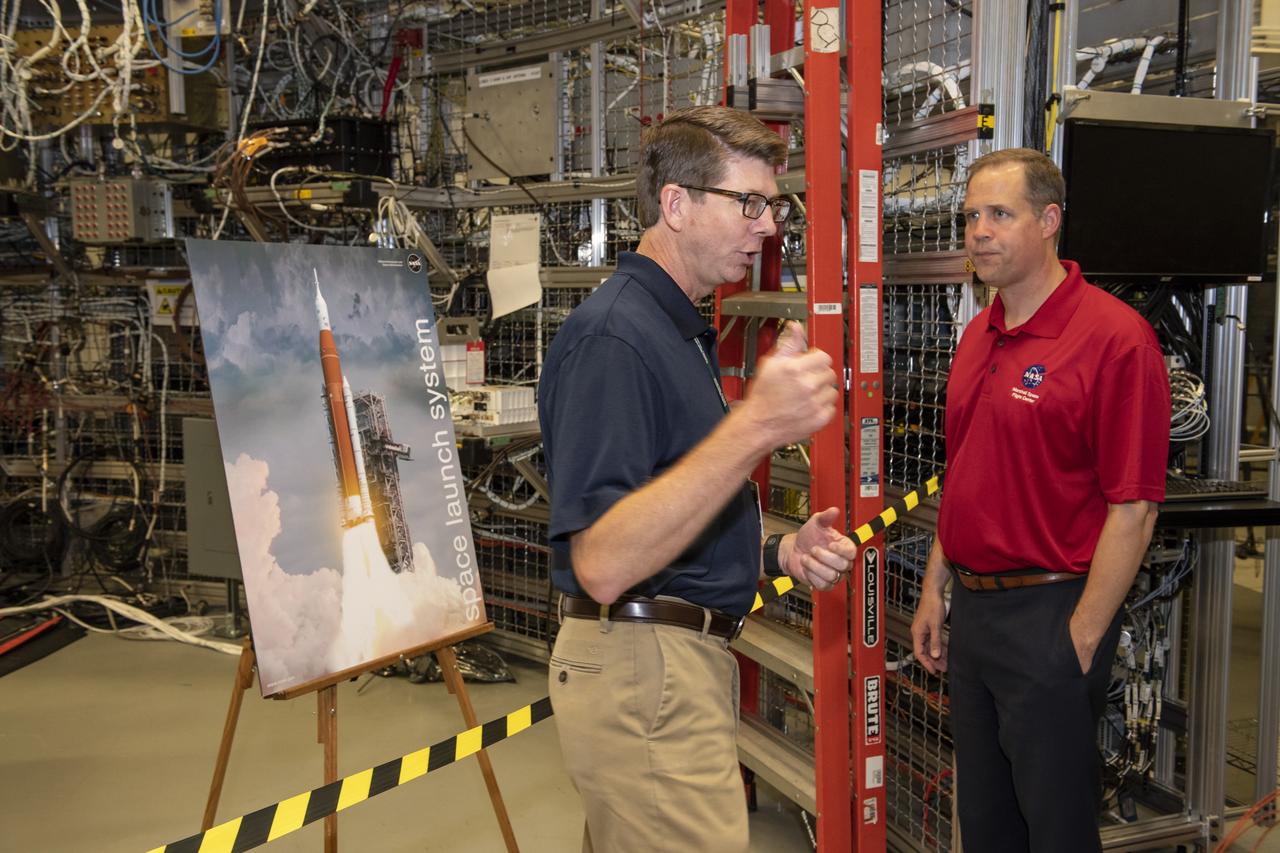
On August 15, 2018 NASA Administrator Jim Bridenstine visited Marshall Space Flight Center. Upon his arrival he was greeted by MSFC Acting Director Jody Singer along with the senior management team. During his tour of the Marshall Center, Bridenstine visited the System Integration Lab and the Software Integration and Testing Facility where Marshall is supporting end-to-end integrated avionics and software integration, check-out, verification and validation for the systems that will control the Space Launch System rocket during its flight and ascent.
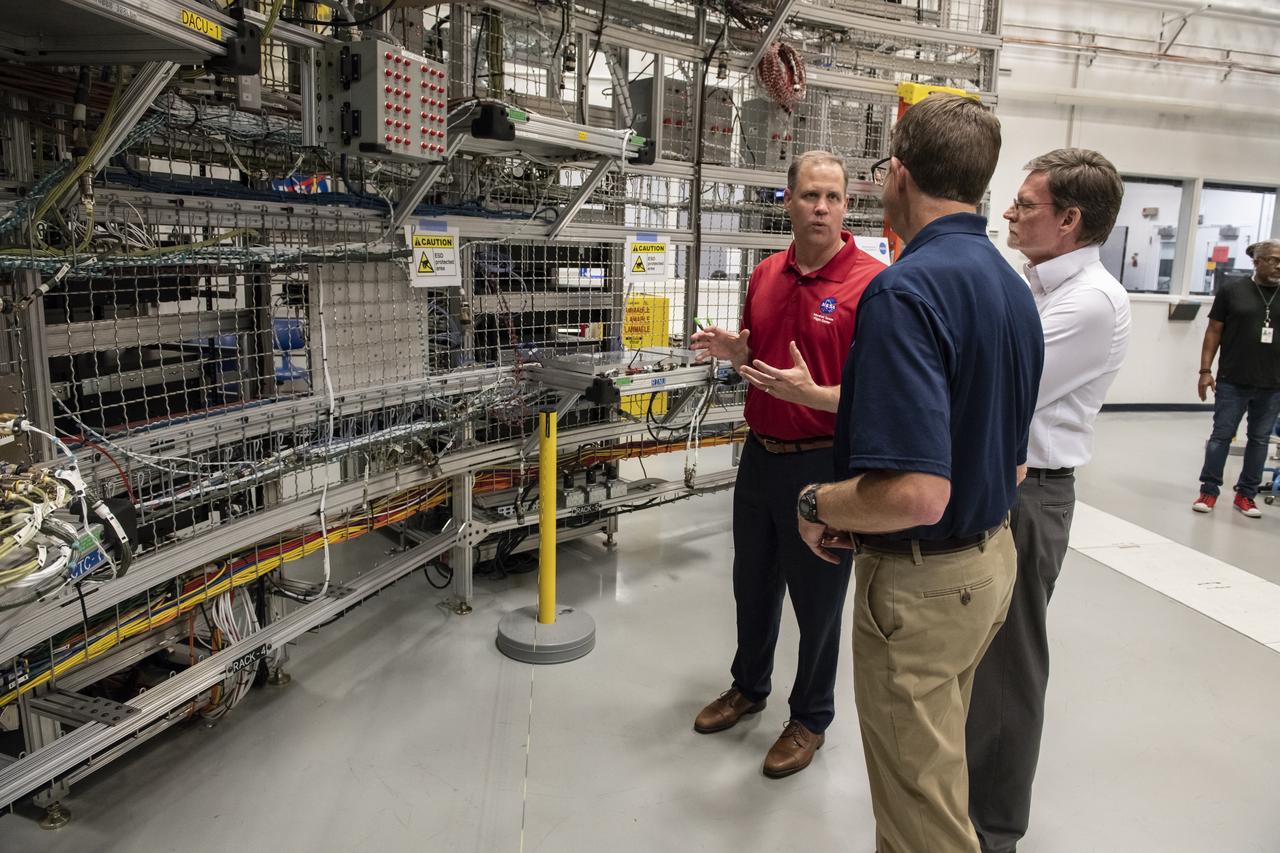
On August 15, 2018 NASA Administrator Jim Bridenstine visited Marshall Space Flight Center. Upon his arrival he was greeted by MSFC Acting Director Jody Singer along with the senior management team. During his tour of the Marshall Center, Bridenstine visited the System Integration Lab and the Software Integration and Testing Facility where Marshall is supporting end-to-end integrated avionics and software integration, check-out, verification and validation for the systems that will control the Space Launch System rocket during its flight and ascent.
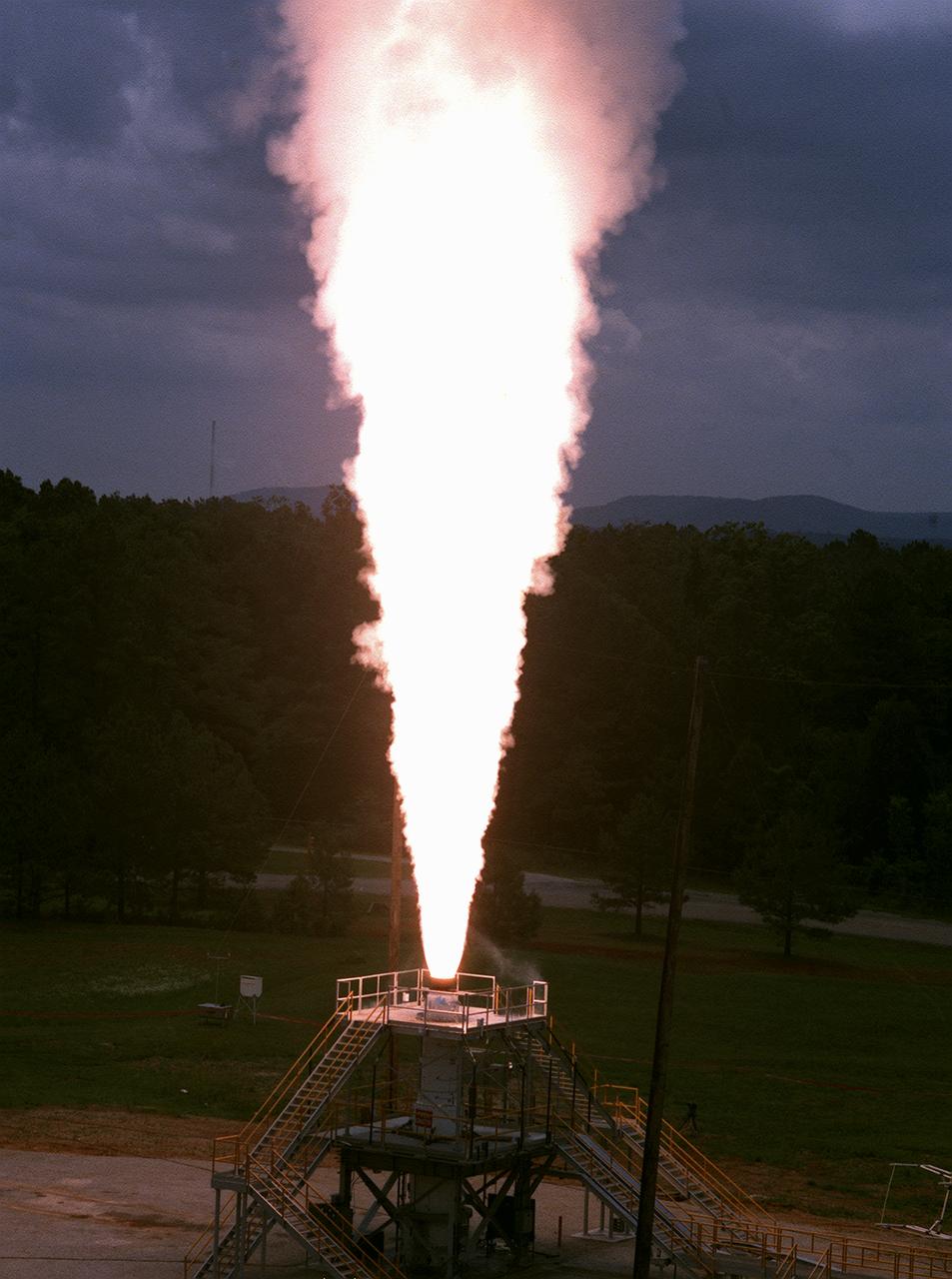
The Marshall Space Flight Center (MSFC) engineers test fired a 26-foot long, 100,000-pound-thrust solid rocket motor for 30 seconds at the MSFC east test area, the first test firing of the Modified NASA Motor (M-NASA Motor). The M-NASA Motor was fired in a newly constructed stand. The motor is 48-inches in diameter and was loaded with two propellant cartridges weighing a total of approximately 12,000 pounds. The purpose of the test was to learn more about solid rocket motor insulation and nozzle materials and to provide young engineers additional hands-on expertise in solid rocket motor technology. The test is a part of NASA's Solid Propulsion Integrity Program, that is to provide NASA engineers with the techniques, engineering tools, and computer programs to be able to better design, build, and verify solid rocket motors.

At North Vandenberg Air Force Base in California, the AIM spacecraft has been rotated to horizontal prior to its move to the clean room for testing. AIM, which stands for Aeronomy of Ice in the Mesosphere, is being prepared for integrated testing and a flight simulation. The AIM spacecraft will fly three instruments designed to study polar mesospheric clouds located at the edge of space, 50 miles above the Earth's surface in the coldest part of the planet's atmosphere. The mission's primary goal is to explain why these clouds form and what has caused them to become brighter and more numerous and appear at lower latitudes in recent years. AIM's results will provide the basis for the study of long-term variability in the mesospheric climate and its relationship to global climate change. AIM is scheduled to be mated to its launch vehicle, Orbital Sciences' Pegasus XL, during the second week of April, after which final inspections will be conducted. Launch is scheduled for April 25.

At North Vandenberg Air Force Base in California, the AIM spacecraft is moved into a clean room for testing. AIM, which stands for Aeronomy of Ice in the Mesosphere, is being prepared for integrated testing and a flight simulation. The AIM spacecraft will fly three instruments designed to study polar mesospheric clouds located at the edge of space, 50 miles above the Earth's surface in the coldest part of the planet's atmosphere. The mission's primary goal is to explain why these clouds form and what has caused them to become brighter and more numerous and appear at lower latitudes in recent years. AIM's results will provide the basis for the study of long-term variability in the mesospheric climate and its relationship to global climate change. AIM is scheduled to be mated to its launch vehicle, Orbital Sciences' Pegasus XL, during the second week of April, after which final inspections will be conducted. Launch is scheduled for April 25.
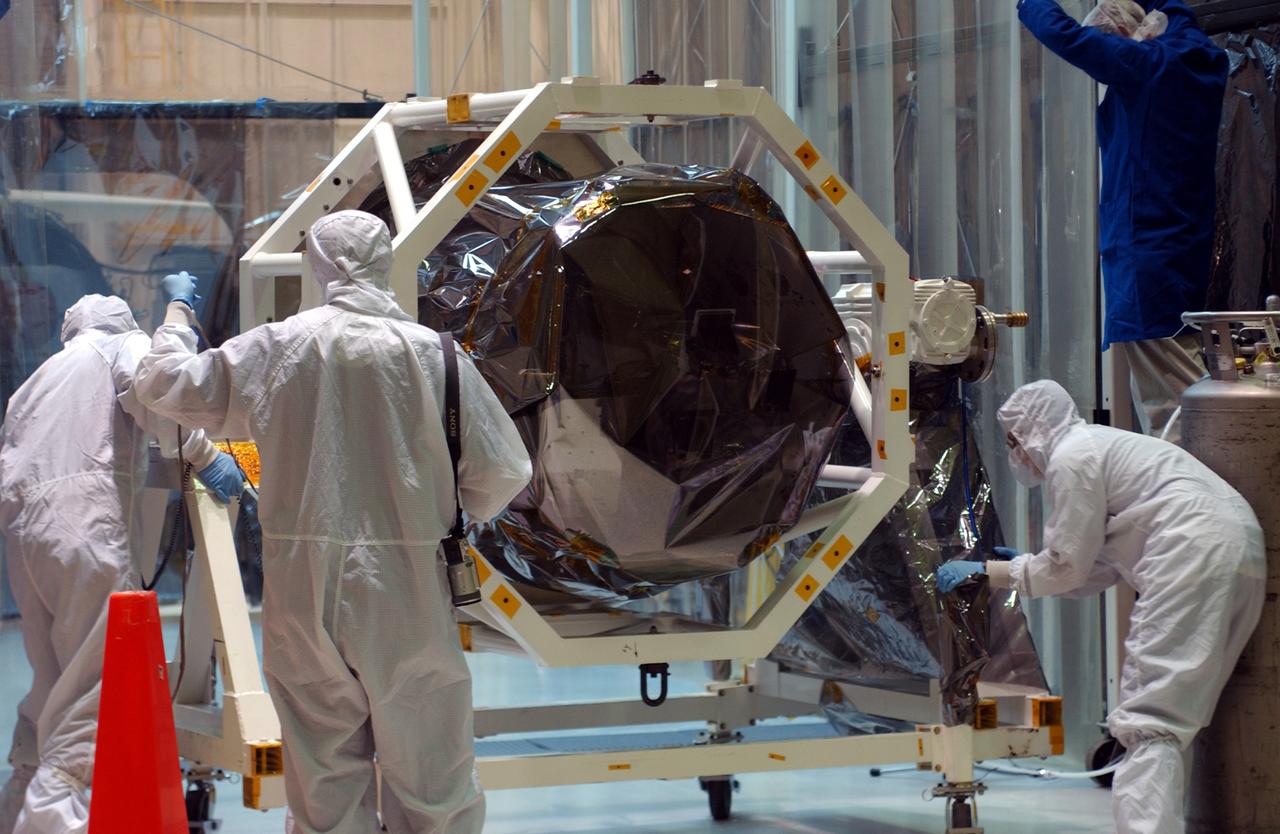
At North Vandenberg Air Force Base in California, the AIM spacecraft is prepared for its move to the clean room for testing. AIM, which stands for Aeronomy of Ice in the Mesosphere, is being prepared for integrated testing and a flight simulation. The AIM spacecraft will fly three instruments designed to study polar mesospheric clouds located at the edge of space, 50 miles above the Earth's surface in the coldest part of the planet's atmosphere. The mission's primary goal is to explain why these clouds form and what has caused them to become brighter and more numerous and appear at lower latitudes in recent years. AIM's results will provide the basis for the study of long-term variability in the mesospheric climate and its relationship to global climate change. AIM is scheduled to be mated to its launch vehicle, Orbital Sciences' Pegasus XL, during the second week of April, after which final inspections will be conducted. Launch is scheduled for April 25.
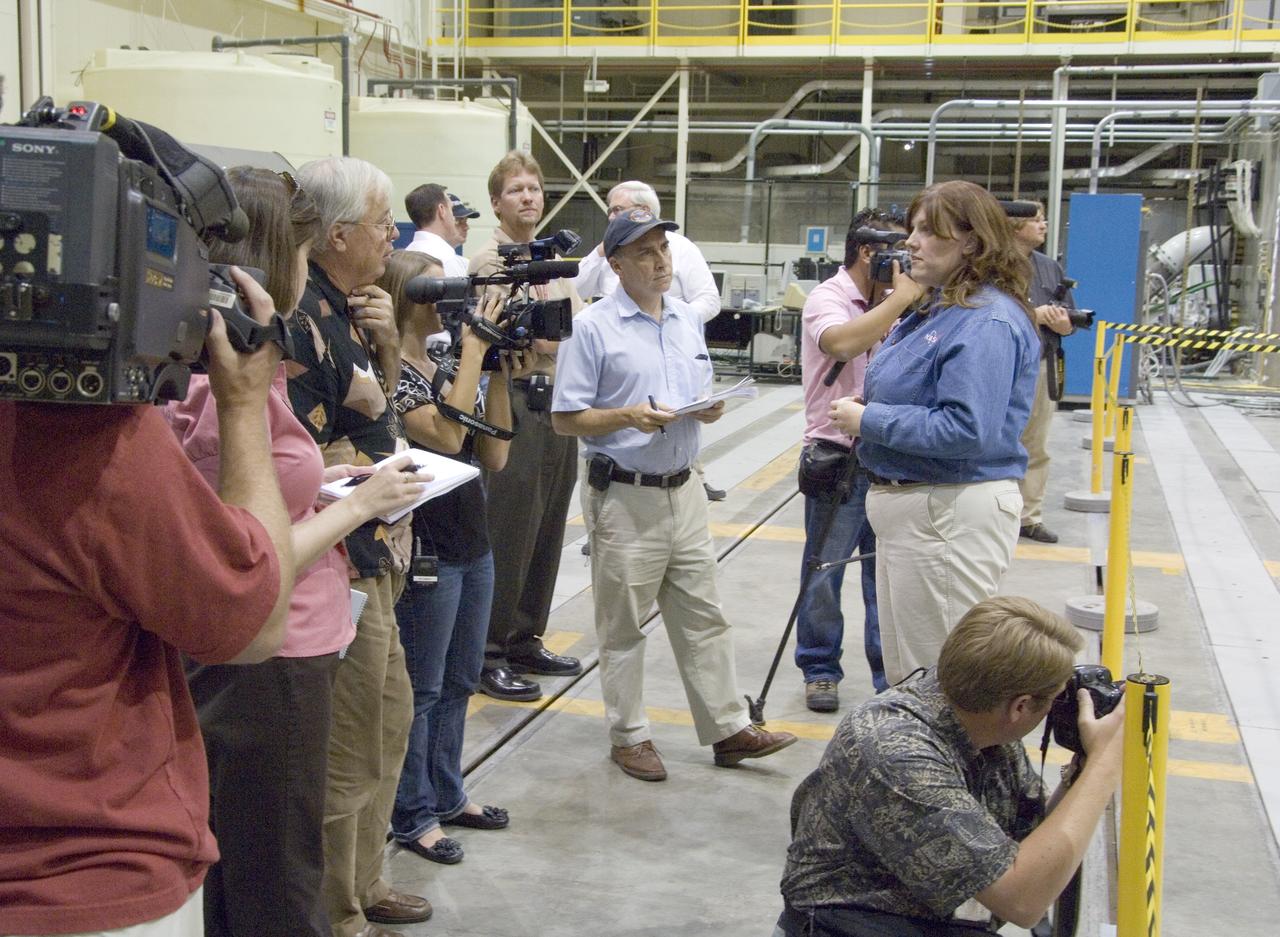
Cathy Bahm, Orion Abort Flight Test integration deputy project manager, briefs news media on the progress of testing in NASA Dryden's Flight Loads Laboratory.
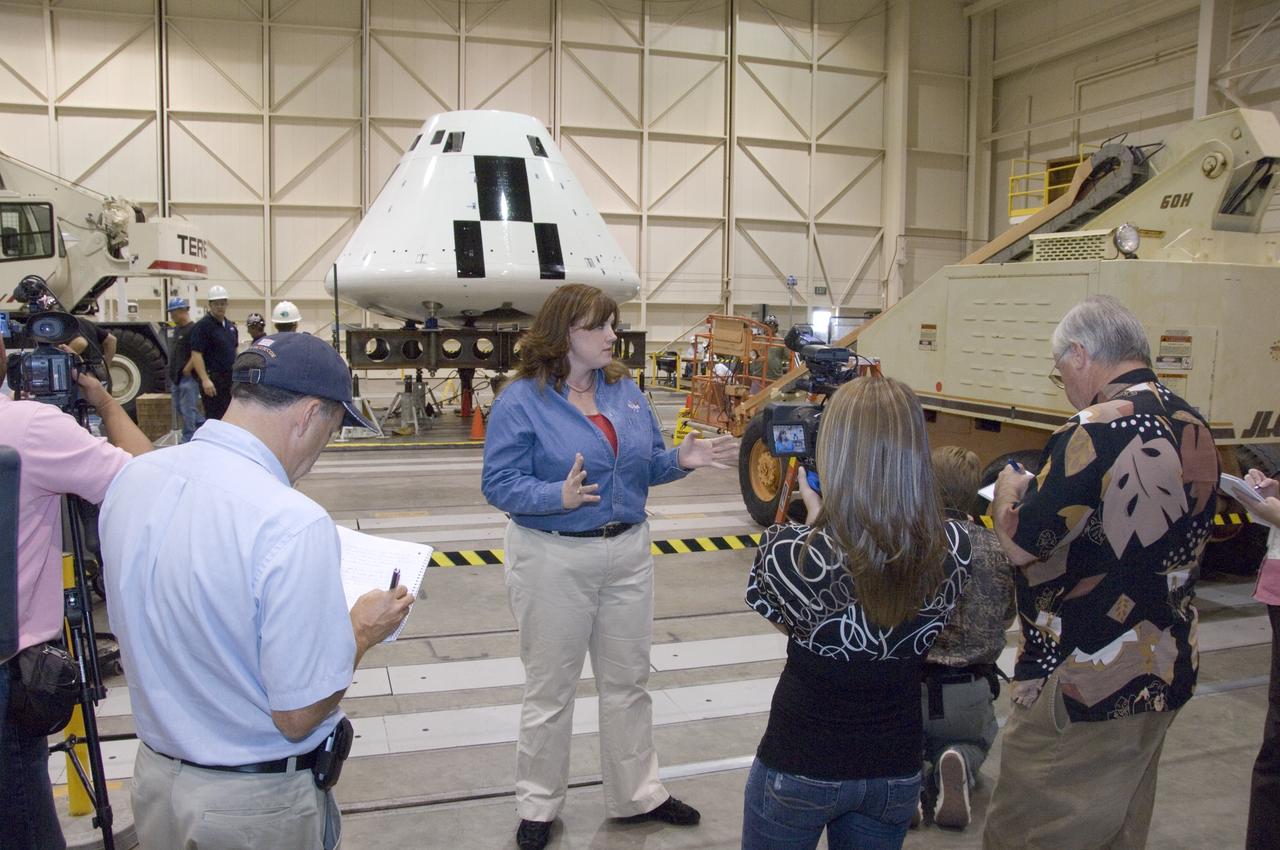
Cathy Bahm, Orion Abort Flight Test integration deputy project manager, briefs news media on the progress of testing in NASA Dryden's Flight Loads Laboratory.
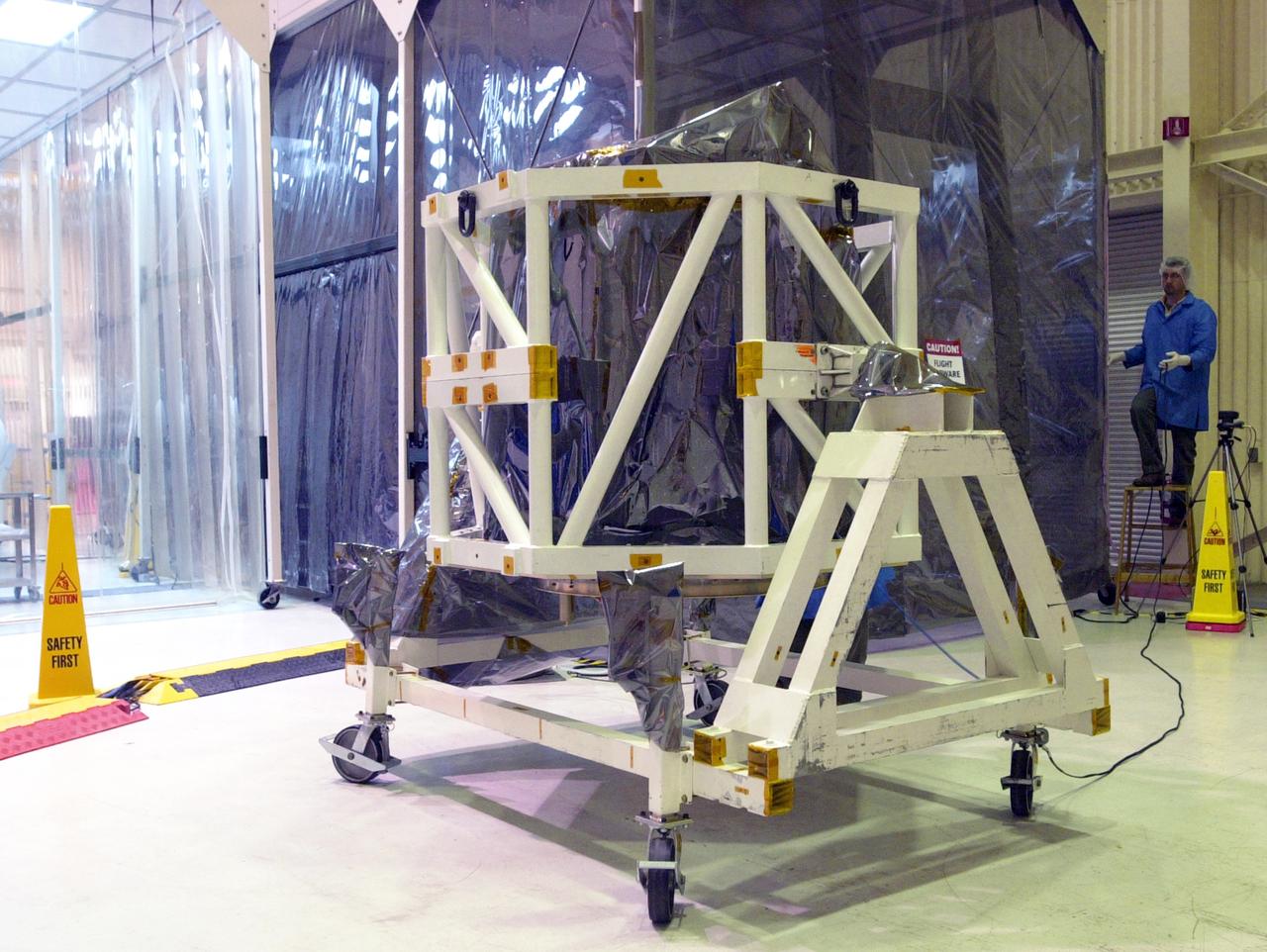
In Building 1555 on North Vandenberg Air Force Base in California, technicians prepare the AIM spacecraft for integrated testing and a flight simulation. The AIM spacecraft will fly three instruments designed to study polar mesospheric clouds located at the edge of space, 50 miles above the Earth's surface in the coldest part of the planet's atmosphere. The mission's primary goal is to explain why these clouds form and what has caused them to become brighter and more numerous and appear at lower latitudes in recent years. AIM's results will provide the basis for the study of long-term variability in the mesospheric climate and its relationship to global climate change. AIM is scheduled to be mated to its launch vehicle, Orbital Sciences' Pegasus XL, during the second week of April, after which final inspections will be conducted. Launch is scheduled for April 25.
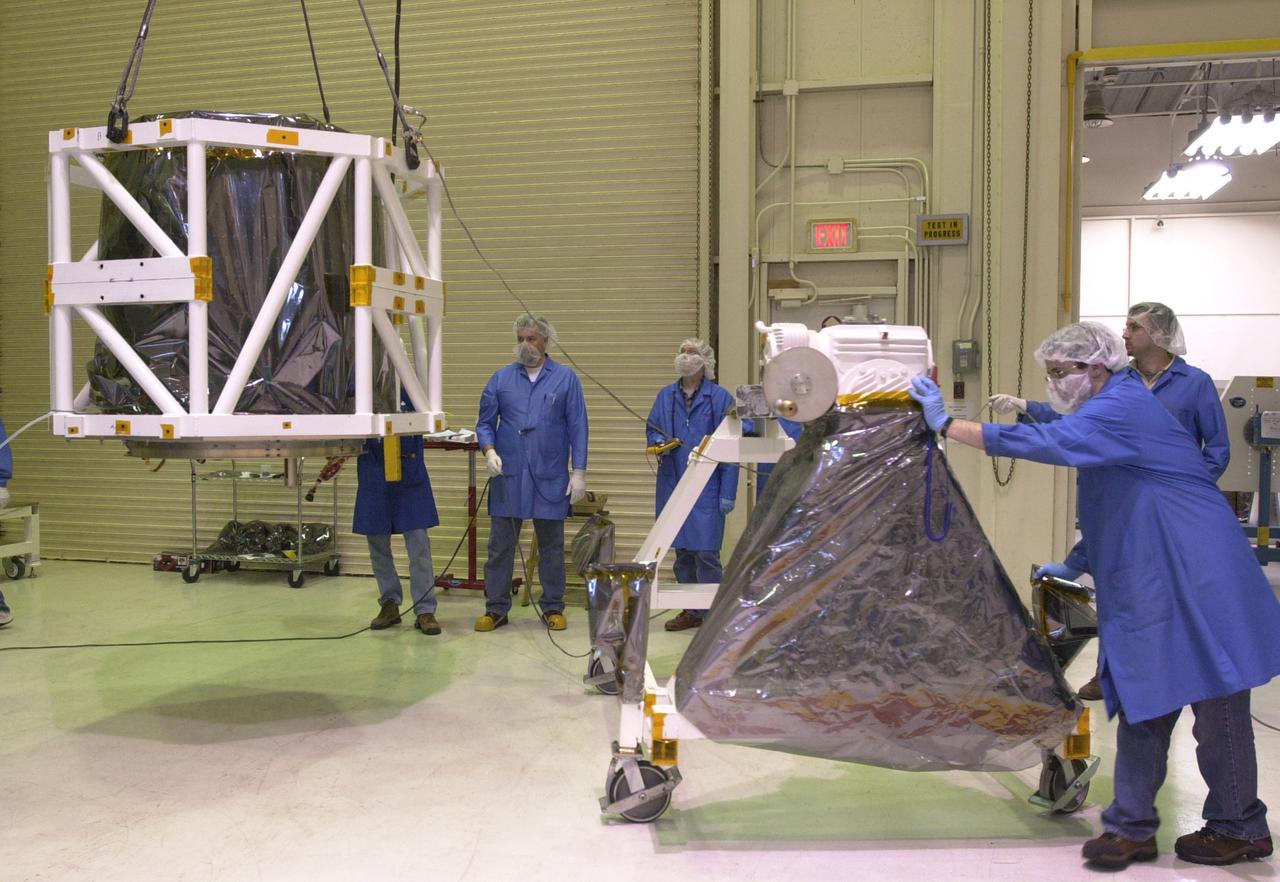
In Building 1555 on North Vandenberg Air Force Base in California, technicians move a mobile stand toward the AIM spacecraft suspended via a crane at left. . AIM, which stands for Aeronomy of Ice in the Mesosphere, is being prepared for integrated testing and a flight simulation. The AIM spacecraft will fly three instruments designed to study polar mesospheric clouds located at the edge of space, 50 miles above the Earth's surface in the coldest part of the planet's atmosphere. The mission's primary goal is to explain why these clouds form and what has caused them to become brighter and more numerous and appear at lower latitudes in recent years. AIM's results will provide the basis for the study of long-term variability in the mesospheric climate and its relationship to global climate change. AIM is scheduled to be mated to its launch vehicle, Orbital Sciences' Pegasus XL, during the second week of April, after which final inspections will be conducted. Launch is scheduled for April 25.
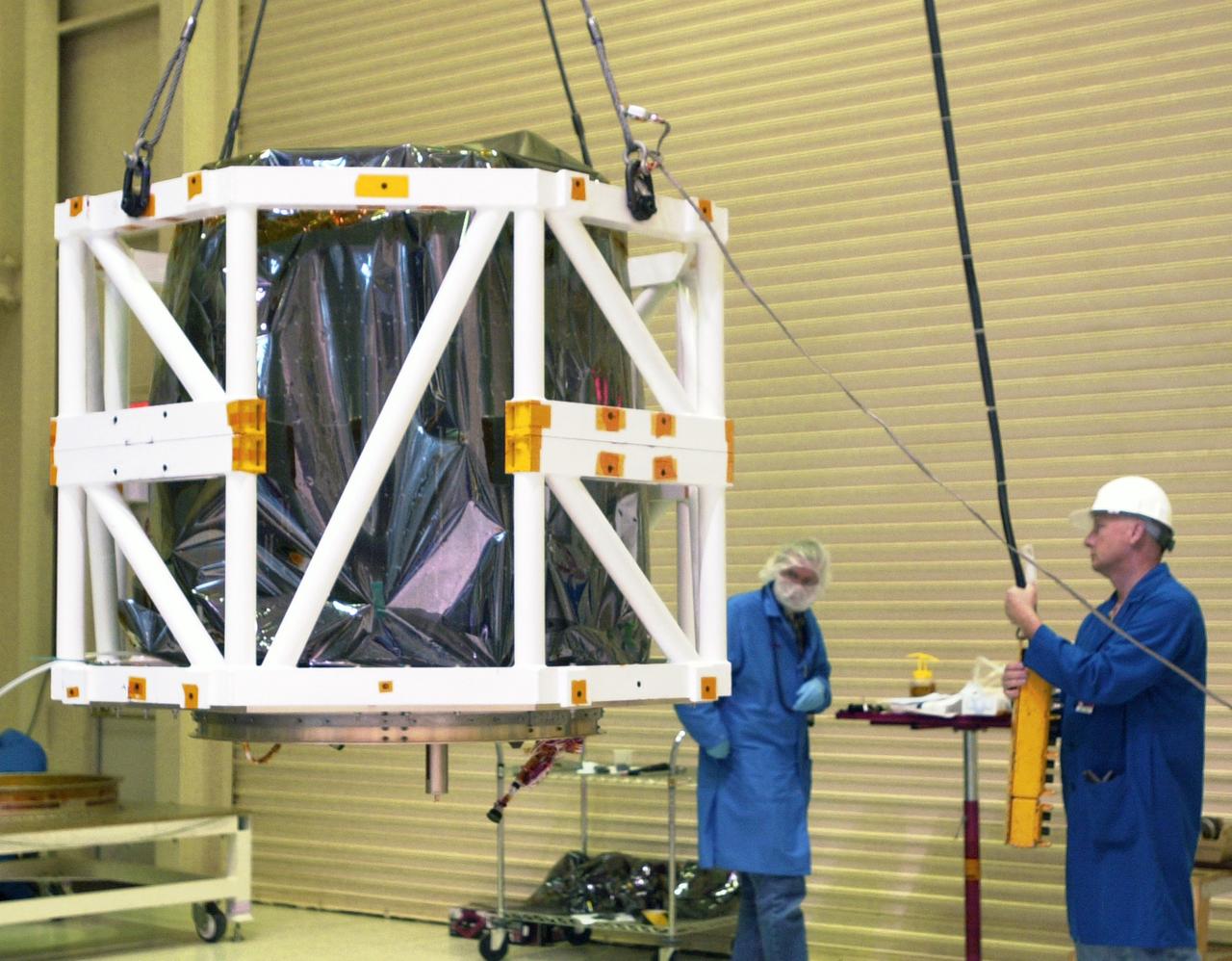
In Building 1555 on North Vandenberg Air Force Base in California, technicians lift the AIM spacecraft via the spacecraft handling fixture attached to it. AIM, which stands for Aeronomy of Ice in the Mesosphere, is being prepared for integrated testing and a flight simulation. The AIM spacecraft will fly three instruments designed to study polar mesospheric clouds located at the edge of space, 50 miles above the Earth's surface in the coldest part of the planet's atmosphere. The mission's primary goal is to explain why these clouds form and what has caused them to become brighter and more numerous and appear at lower latitudes in recent years. AIM's results will provide the basis for the study of long-term variability in the mesospheric climate and its relationship to global climate change. AIM is scheduled to be mated to its launch vehicle, Orbital Sciences' Pegasus XL, during the second week of April, after which final inspections will be conducted. Launch is scheduled for April 25.

In Building 1555 on North Vandenberg Air Force Base in California, technicians carry the separation system, at left, toward the AIM spacecraft hovering above the stand at right. AIM, which stands for Aeronomy of Ice in the Mesosphere, is being prepared for integrated testing and a flight simulation. The AIM spacecraft will fly three instruments designed to study polar mesospheric clouds located at the edge of space, 50 miles above the Earth's surface in the coldest part of the planet's atmosphere. The mission's primary goal is to explain why these clouds form and what has caused them to become brighter and more numerous and appear at lower latitudes in recent years. AIM's results will provide the basis for the study of long-term variability in the mesospheric climate and its relationship to global climate change. AIM is scheduled to be mated to its launch vehicle, Orbital Sciences' Pegasus XL, during the second week of April, after which final inspections will be conducted. Launch is scheduled for April 25.
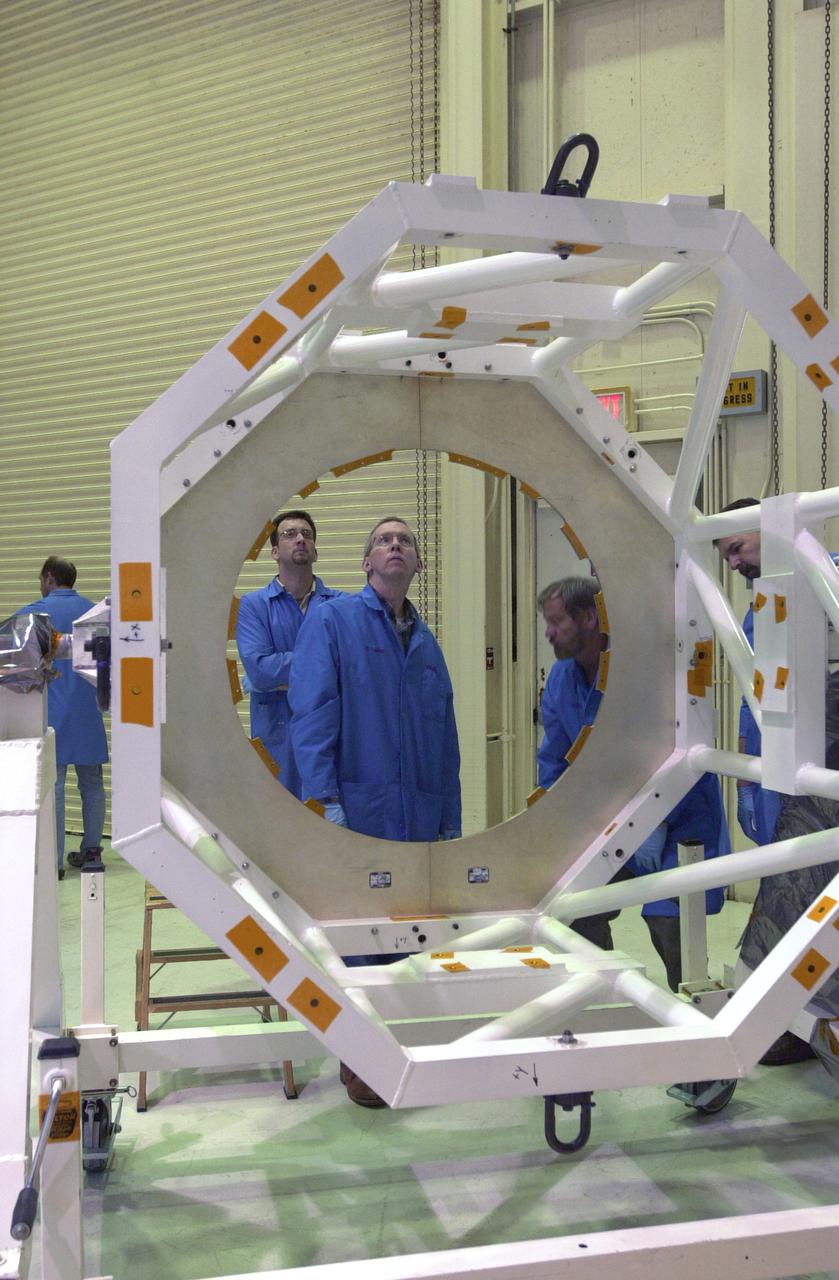
In Building 1555 on North Vandenberg Air Force Base in California, technicians look over the spacecraft handling fixture that will be used to lift the AIM spacecraft. AIM, which stands for Aeronomy of Ice in the Mesosphere, is being prepared for integrated testing and a flight simulation. The AIM spacecraft will fly three instruments designed to study polar mesospheric clouds located at the edge of space, 50 miles above the Earth's surface in the coldest part of the planet's atmosphere. The mission's primary goal is to explain why these clouds form and what has caused them to become brighter and more numerous and appear at lower latitudes in recent years. AIM's results will provide the basis for the study of long-term variability in the mesospheric climate and its relationship to global climate change. AIM is scheduled to be mated to its launch vehicle, Orbital Sciences' Pegasus XL, during the second week of April, after which final inspections will be conducted. Launch is scheduled for April 25.
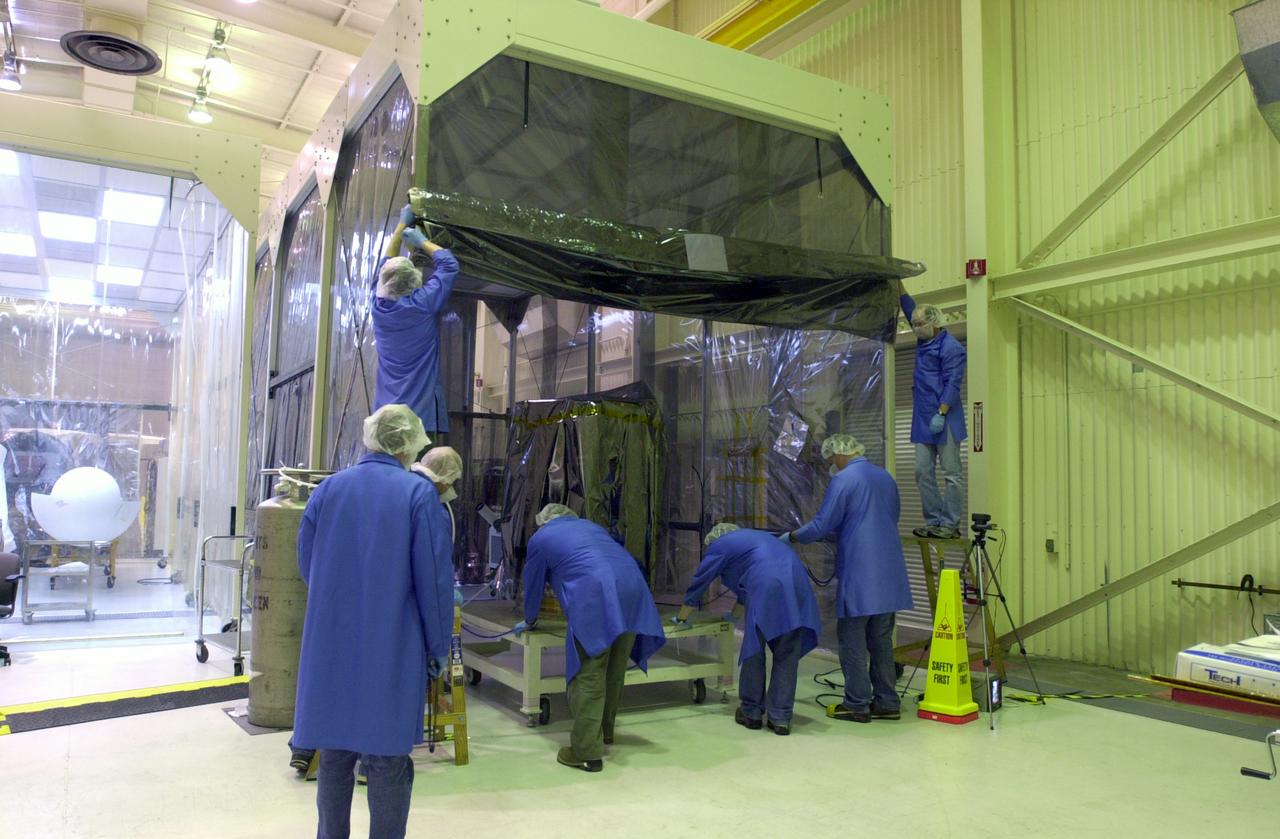
In Building 1555 on North Vandenberg Air Force Base in California, technicians work on the separation system to be mated to the AIM spacecraft, hovering above it. AIM, which stands for Aeronomy of Ice in the Mesosphere, is being prepared for integrated testing and a flight simulation. The AIM spacecraft will fly three instruments designed to study polar mesospheric clouds located at the edge of space, 50 miles above the Earth's surface in the coldest part of the planet's atmosphere. The mission's primary goal is to explain why these clouds form and what has caused them to become brighter and more numerous and appear at lower latitudes in recent years. AIM's results will provide the basis for the study of long-term variability in the mesospheric climate and its relationship to global climate change. AIM is scheduled to be mated to its launch vehicle, Orbital Sciences' Pegasus XL, during the second week of April, after which final inspections will be conducted. Launch is scheduled for April 25.

Flight simulation No. 3 is on the schedule for the Pegasus XL launch vehicle, seen here in Building 1555 on North Vandenberg Air Force Base in California. AIM, which stands for Aeronomy of Ice in the Mesosphere, is being prepared for integrated testing and a flight simulation. The AIM spacecraft will fly three instruments designed to study polar mesospheric clouds located at the edge of space, 50 miles above the Earth's surface in the coldest part of the planet's atmosphere. The mission's primary goal is to explain why these clouds form and what has caused them to become brighter and more numerous and appear at lower latitudes in recent years. AIM's results will provide the basis for the study of long-term variability in the mesospheric climate and its relationship to global climate change. AIM is scheduled to be mated to its launch vehicle, Orbital Sciences' Pegasus XL, during the second week of April, after which final inspections will be conducted. Launch is scheduled for April 25.
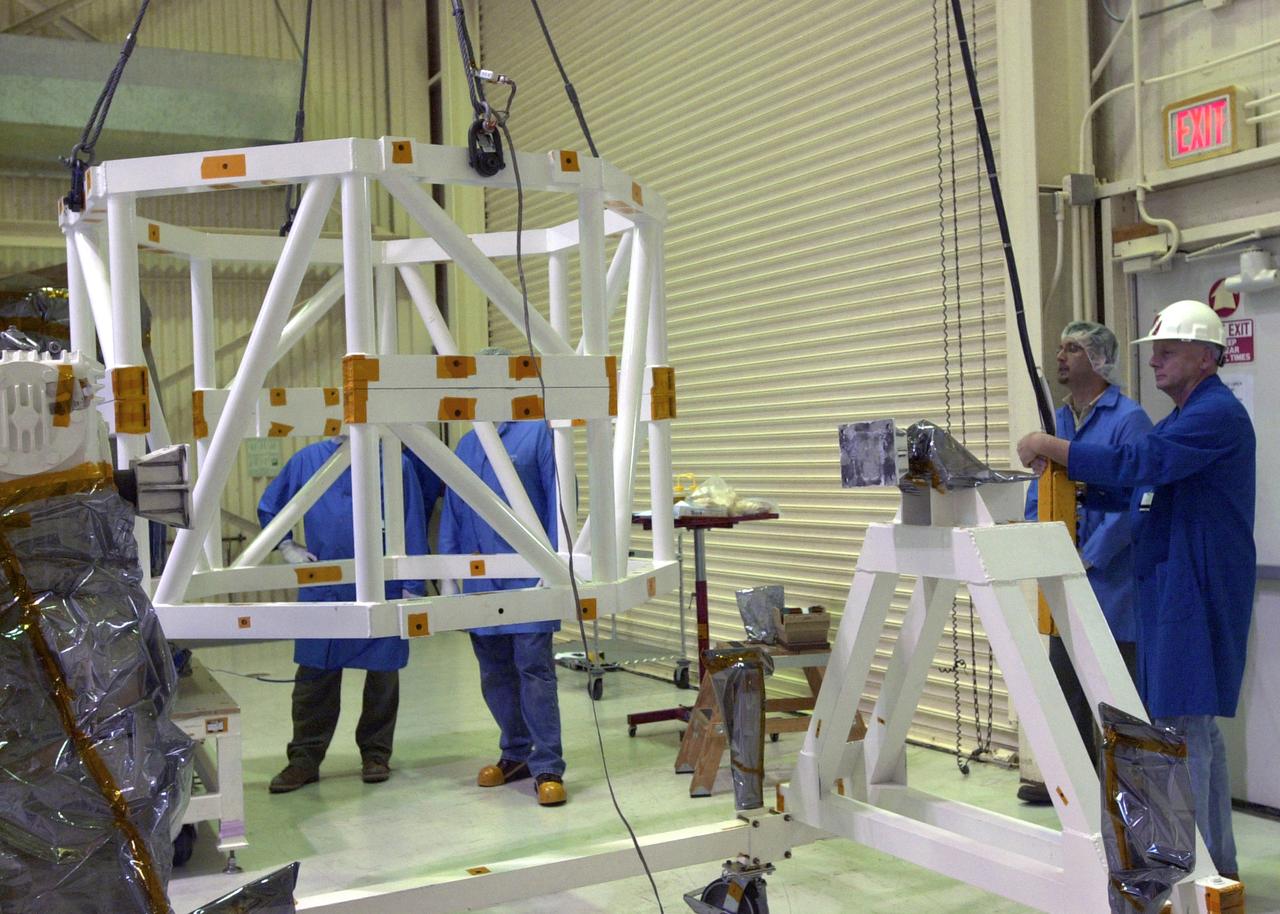
In Building 1555 on North Vandenberg Air Force Base in California, technicians prepare the AIM spacecraft for integrated testing and a flight simulation. The AIM spacecraft will fly three instruments designed to study polar mesospheric clouds located at the edge of space, 50 miles above the Earth's surface in the coldest part of the planet's atmosphere. The mission's primary goal is to explain why these clouds form and what has caused them to become brighter and more numerous and appear at lower latitudes in recent years. AIM's results will provide the basis for the study of long-term variability in the mesospheric climate and its relationship to global climate change. AIM is scheduled to be mated to its launch vehicle, Orbital Sciences' Pegasus XL, during the second week of April, after which final inspections will be conducted. Launch is scheduled for April 25.
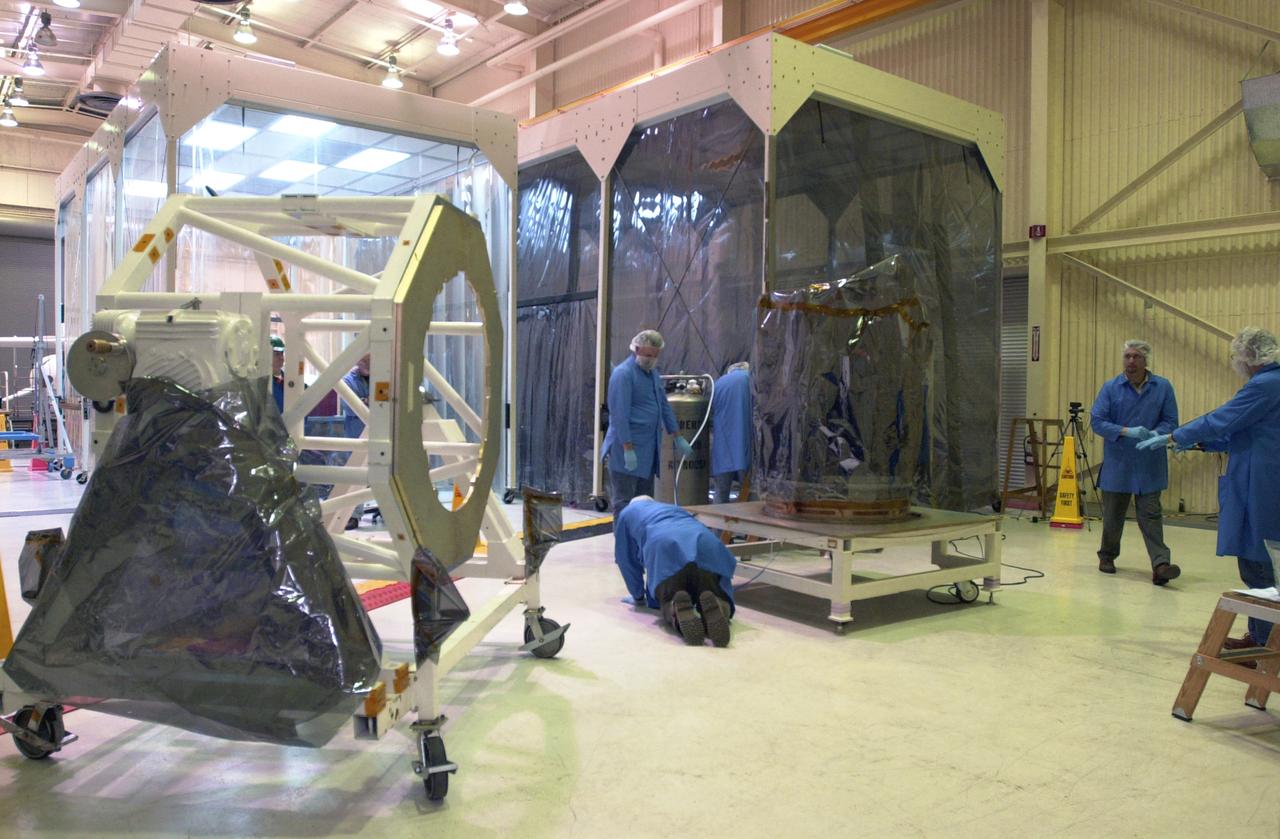
In Building 1555 on North Vandenberg Air Force Base in California, technicians prepare the AIM spacecraft for integrated testing and a flight simulation. The AIM spacecraft will fly three instruments designed to study polar mesospheric clouds located at the edge of space, 50 miles above the Earth's surface in the coldest part of the planet's atmosphere. The mission's primary goal is to explain why these clouds form and what has caused them to become brighter and more numerous and appear at lower latitudes in recent years. AIM's results will provide the basis for the study of long-term variability in the mesospheric climate and its relationship to global climate change. AIM is scheduled to be mated to its launch vehicle, Orbital Sciences' Pegasus XL, during the second week of April, after which final inspections will be conducted. Launch is scheduled for April 25.
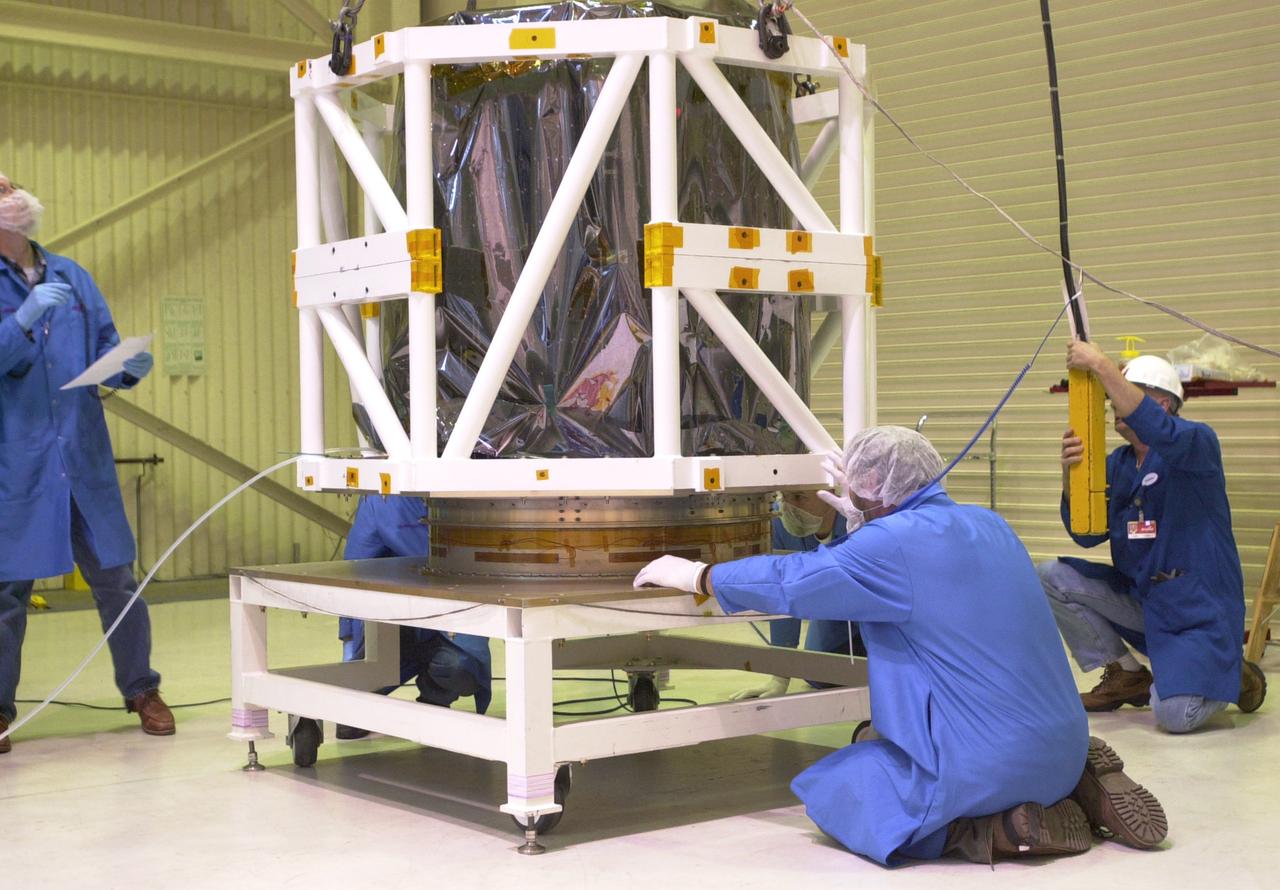
In Building 1555 on North Vandenberg Air Force Base in California, technicians lower the spacecraft handling fixture around the AIM spacecraft. AIM, which stands for Aeronomy of Ice in the Mesosphere, is being prepared for integrated testing and a flight simulation. The AIM spacecraft will fly three instruments designed to study polar mesospheric clouds located at the edge of space, 50 miles above the Earth's surface in the coldest part of the planet's atmosphere. The mission's primary goal is to explain why these clouds form and what has caused them to become brighter and more numerous and appear at lower latitudes in recent years. AIM's results will provide the basis for the study of long-term variability in the mesospheric climate and its relationship to global climate change. AIM is scheduled to be mated to its launch vehicle, Orbital Sciences' Pegasus XL, during the second week of April, after which final inspections will be conducted. Launch is scheduled for April 25.
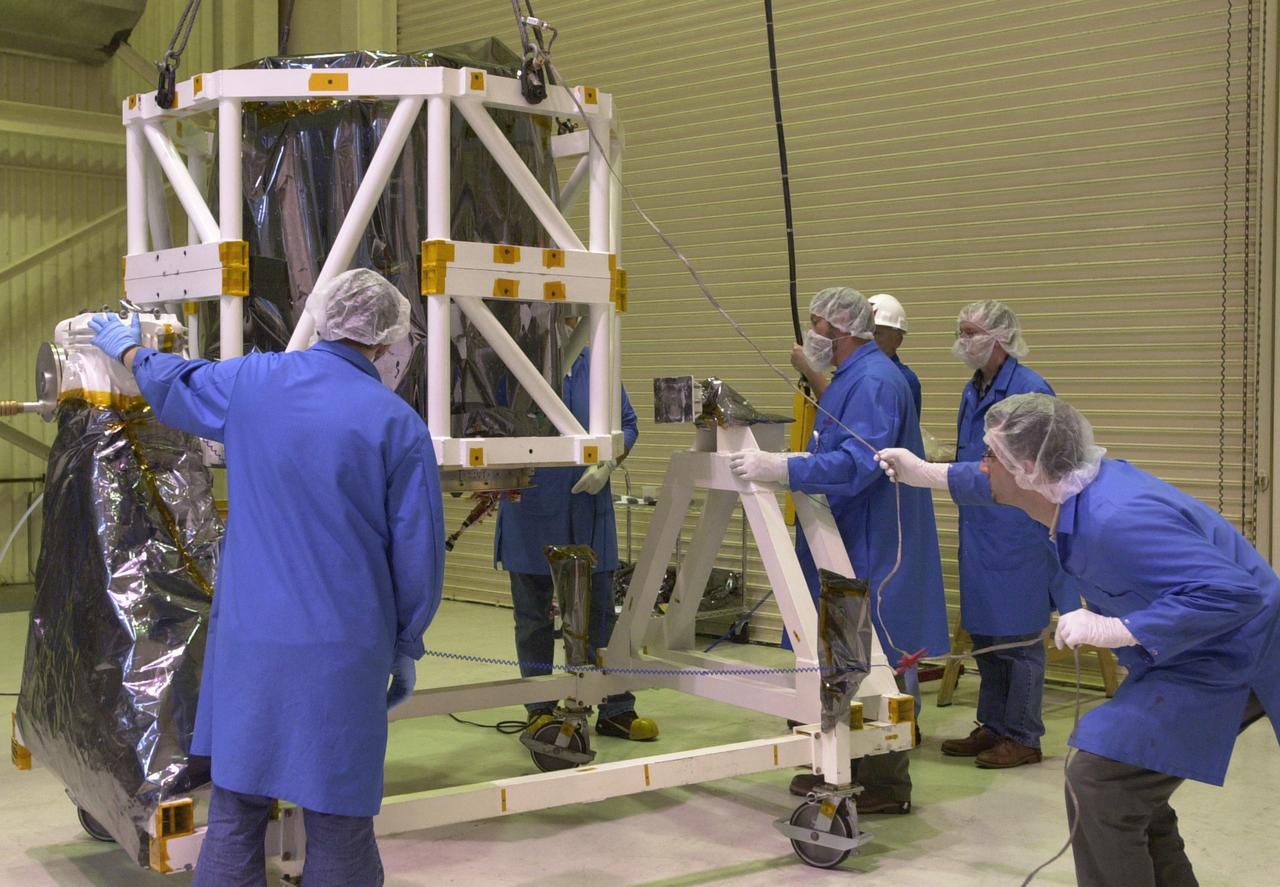
In Building 1555 on North Vandenberg Air Force Base in California, technicians lower the AIM spacecraft onto a moveable stand. AIM, which stands for Aeronomy of Ice in the Mesosphere, is being prepared for integrated testing and a flight simulation. The AIM spacecraft will fly three instruments designed to study polar mesospheric clouds located at the edge of space, 50 miles above the Earth's surface in the coldest part of the planet's atmosphere. The mission's primary goal is to explain why these clouds form and what has caused them to become brighter and more numerous and appear at lower latitudes in recent years. AIM's results will provide the basis for the study of long-term variability in the mesospheric climate and its relationship to global climate change. AIM is scheduled to be mated to its launch vehicle, Orbital Sciences' Pegasus XL, during the second week of April, after which final inspections will be conducted. Launch is scheduled for April 25.

In Building 1555 on North Vandenberg Air Force Base in California, technicians roll the AIM spacecraft back under the protective clean tent. AIM, which stands for Aeronomy of Ice in the Mesosphere, is being prepared for integrated testing and a flight simulation. The AIM spacecraft will fly three instruments designed to study polar mesospheric clouds located at the edge of space, 50 miles above the Earth's surface in the coldest part of the planet's atmosphere. The mission's primary goal is to explain why these clouds form and what has caused them to become brighter and more numerous and appear at lower latitudes in recent years. AIM's results will provide the basis for the study of long-term variability in the mesospheric climate and its relationship to global climate change. AIM is scheduled to be mated to its launch vehicle, Orbital Sciences' Pegasus XL, during the second week of April, after which final inspections will be conducted. Launch is scheduled for April 25.
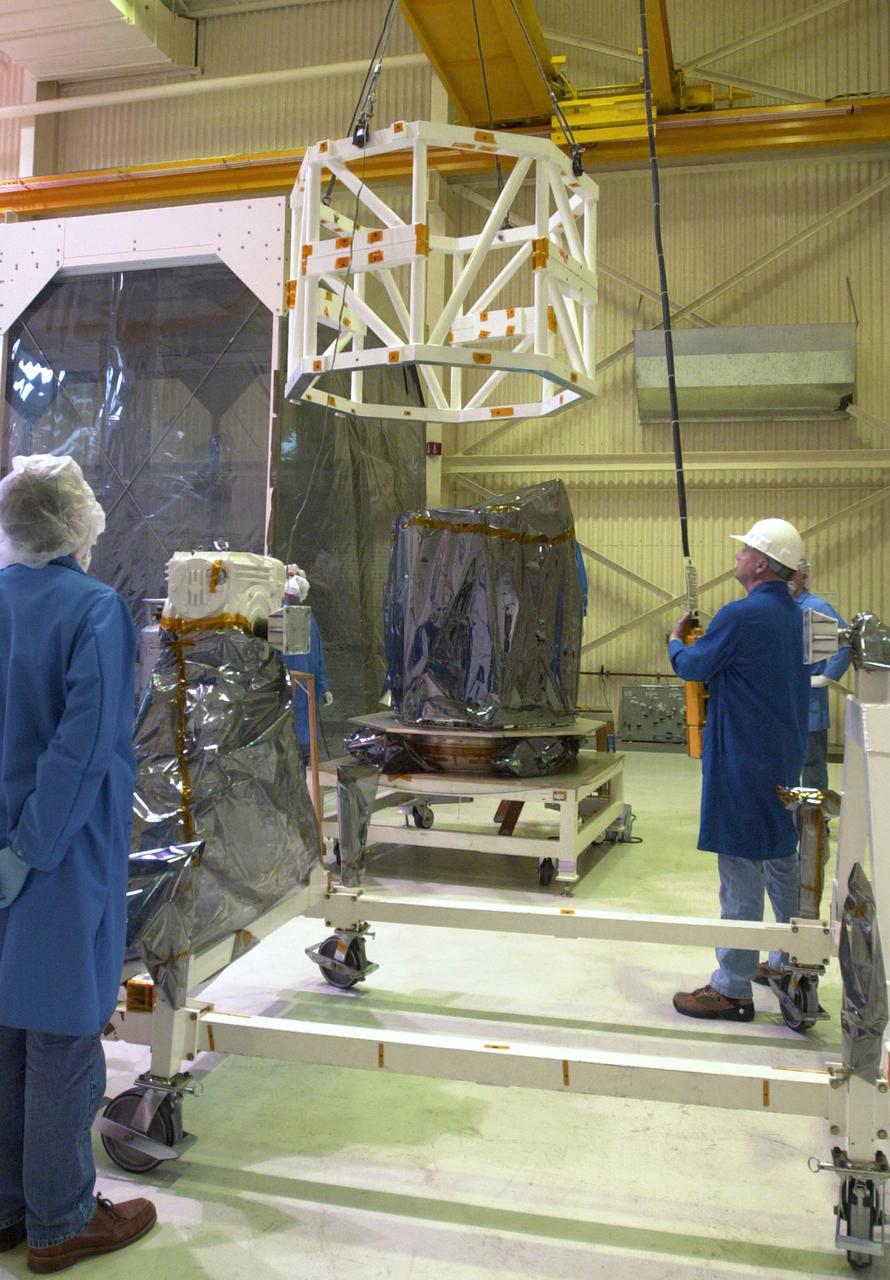
In Building 1555 on North Vandenberg Air Force Base in California, technicians maneuver the spacecraft handling fixture toward the AIM spacecraft. AIM, which stands for Aeronomy of Ice in the Mesosphere, is being prepared for integrated testing and a flight simulation. The AIM spacecraft will fly three instruments designed to study polar mesospheric clouds located at the edge of space, 50 miles above the Earth's surface in the coldest part of the planet's atmosphere. The mission's primary goal is to explain why these clouds form and what has caused them to become brighter and more numerous and appear at lower latitudes in recent years. AIM's results will provide the basis for the study of long-term variability in the mesospheric climate and its relationship to global climate change. AIM is scheduled to be mated to its launch vehicle, Orbital Sciences' Pegasus XL, during the second week of April, after which final inspections will be conducted. Launch is scheduled for April 25.
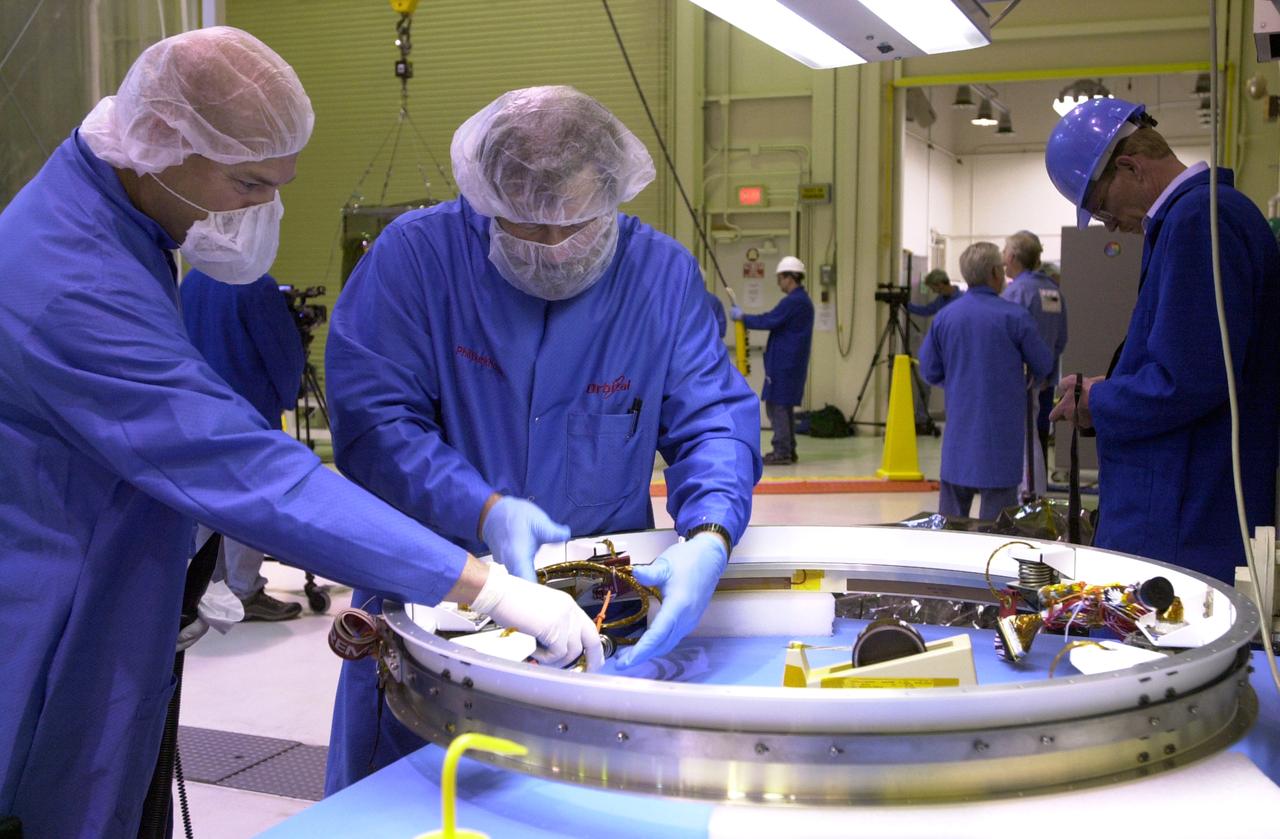
In Building 1555 on North Vandenberg Air Force Base in California, technicians work on the separation system to be mated to the AIM spacecraft. AIM, which stands for Aeronomy of Ice in the Mesosphere, is being prepared for integrated testing and a flight simulation. The AIM spacecraft will fly three instruments designed to study polar mesospheric clouds located at the edge of space, 50 miles above the Earth's surface in the coldest part of the planet's atmosphere. The mission's primary goal is to explain why these clouds form and what has caused them to become brighter and more numerous and appear at lower latitudes in recent years. AIM's results will provide the basis for the study of long-term variability in the mesospheric climate and its relationship to global climate change. AIM is scheduled to be mated to its launch vehicle, Orbital Sciences' Pegasus XL, during the second week of April, after which final inspections will be conducted. Launch is scheduled for April 25.
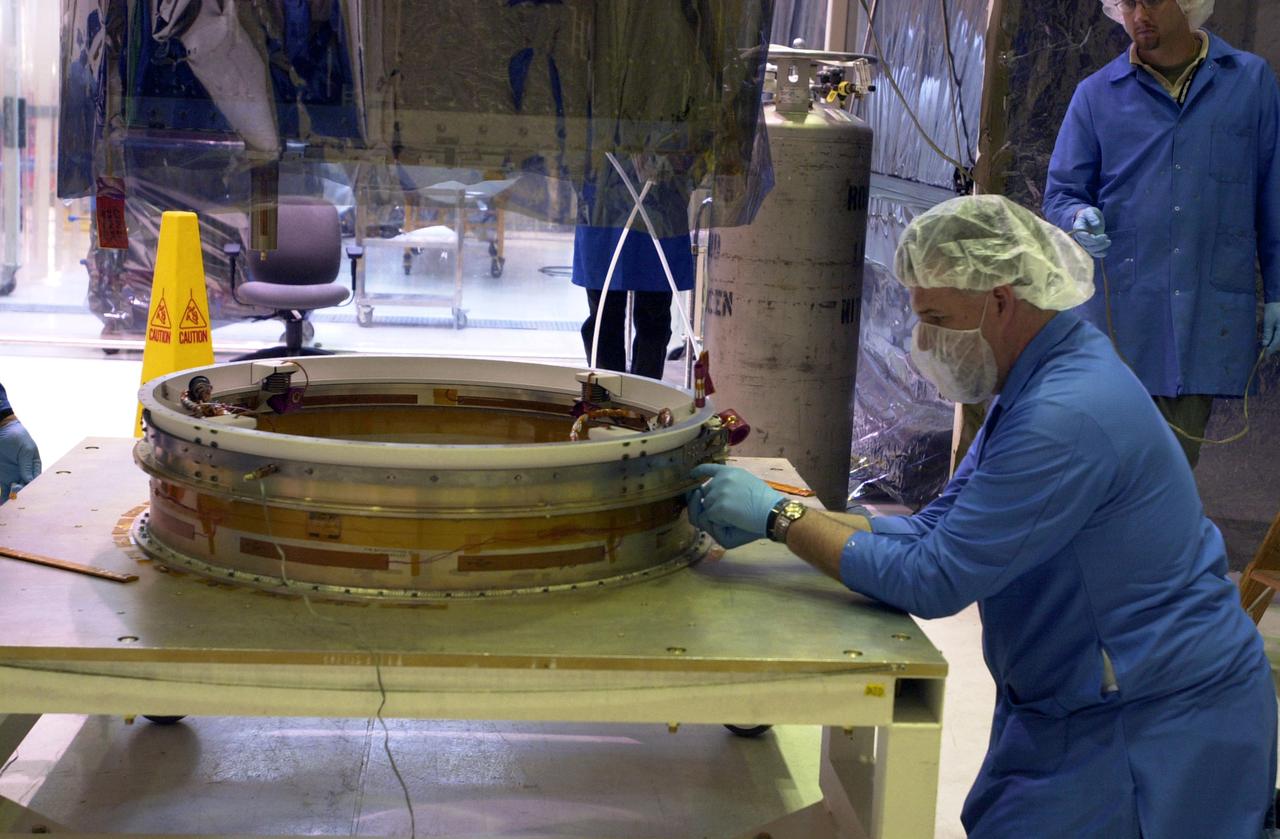
In Building 1555 on North Vandenberg Air Force Base in California, technicians work on the separation system to be mated to the AIM spacecraft, hovering above it. AIM, which stands for Aeronomy of Ice in the Mesosphere, is being prepared for integrated testing and a flight simulation. The AIM spacecraft will fly three instruments designed to study polar mesospheric clouds located at the edge of space, 50 miles above the Earth's surface in the coldest part of the planet's atmosphere. The mission's primary goal is to explain why these clouds form and what has caused them to become brighter and more numerous and appear at lower latitudes in recent years. AIM's results will provide the basis for the study of long-term variability in the mesospheric climate and its relationship to global climate change. AIM is scheduled to be mated to its launch vehicle, Orbital Sciences' Pegasus XL, during the second week of April, after which final inspections will be conducted. Launch is scheduled for April 25.
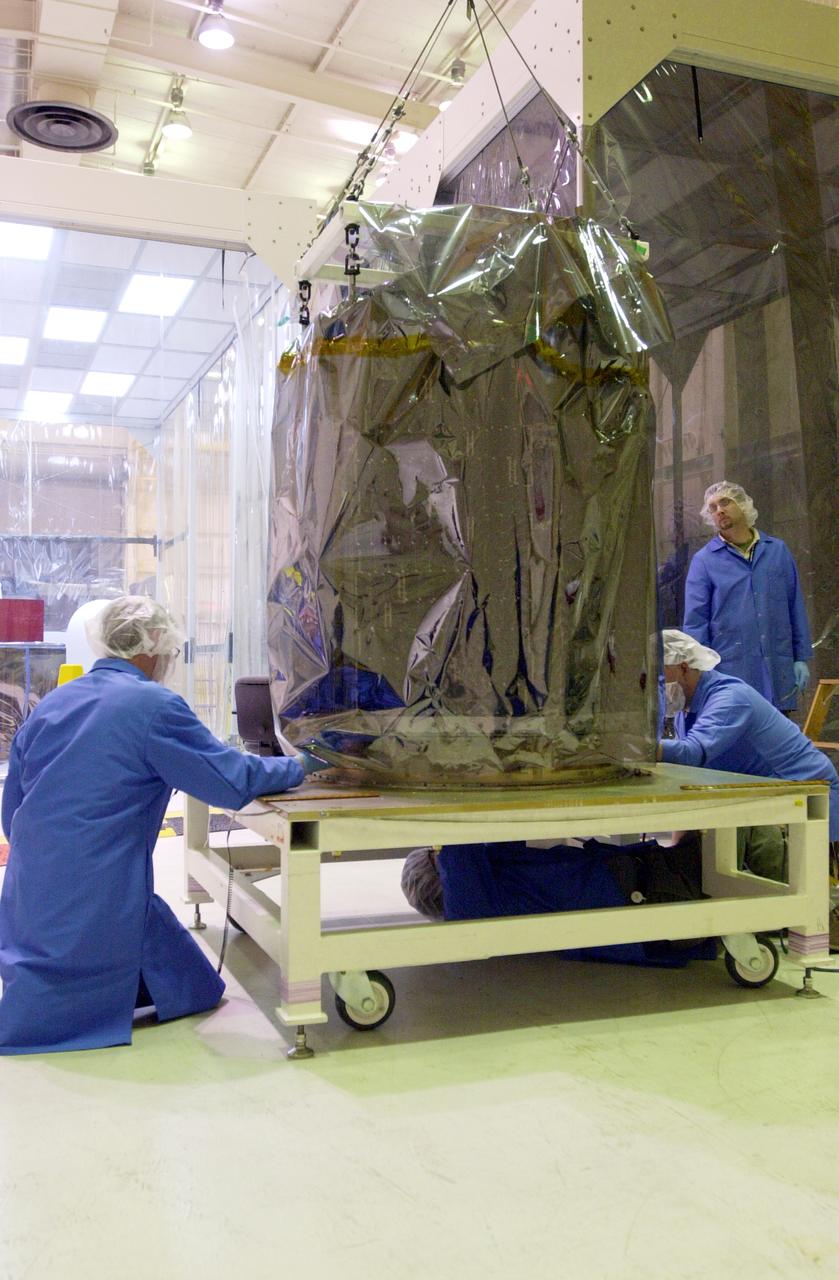
In Building 1555 on North Vandenberg Air Force Base in California, technicians prepare the AIM spacecraft for integrated testing and a flight simulation. The AIM spacecraft will fly three instruments designed to study polar mesospheric clouds located at the edge of space, 50 miles above the Earth's surface in the coldest part of the planet's atmosphere. The mission's primary goal is to explain why these clouds form and what has caused them to become brighter and more numerous and appear at lower latitudes in recent years. AIM's results will provide the basis for the study of long-term variability in the mesospheric climate and its relationship to global climate change. AIM is scheduled to be mated to its launch vehicle, Orbital Sciences' Pegasus XL, during the second week of April, after which final inspections will be conducted. Launch is scheduled for April 25.
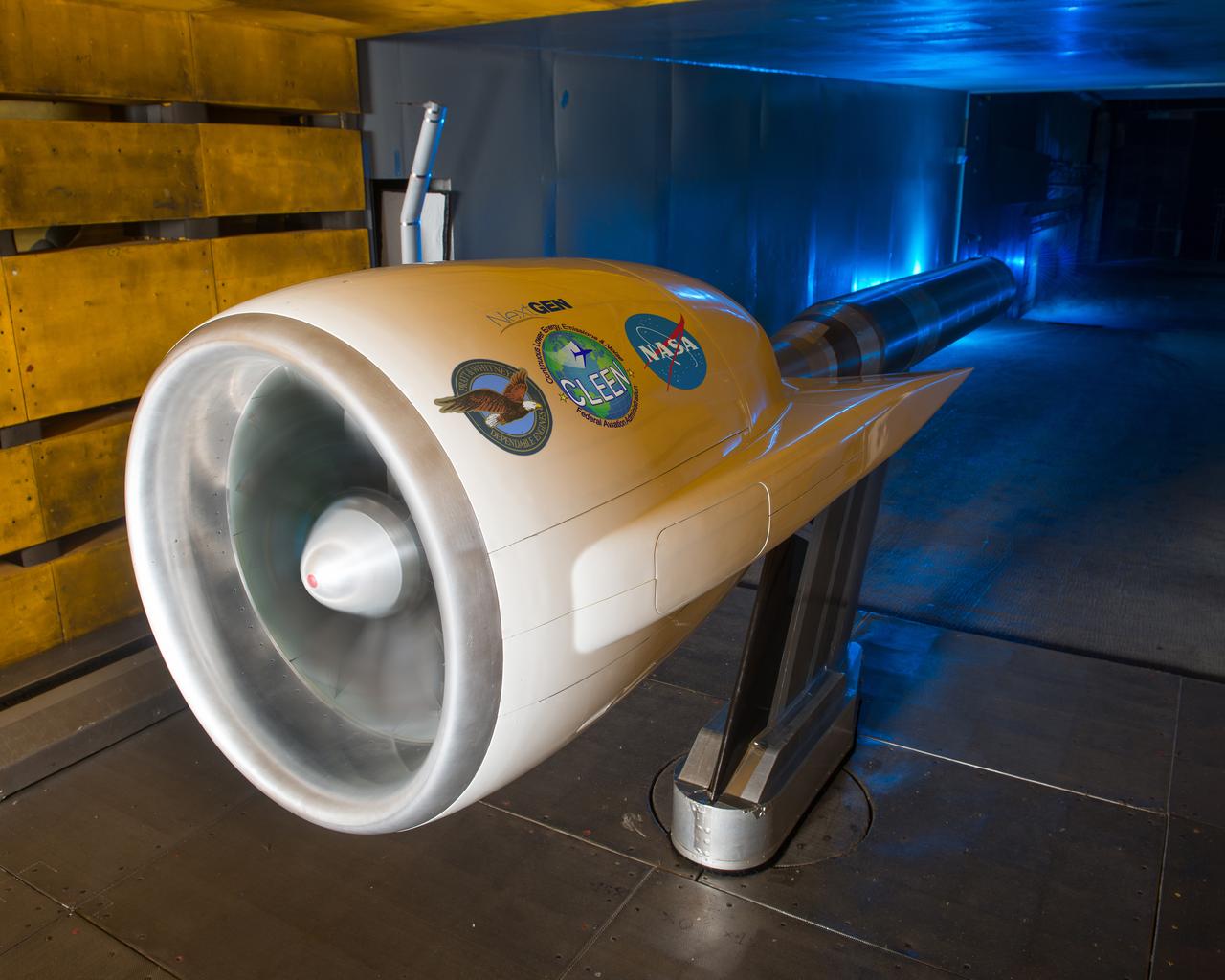
Ultra High Bypass Integrated System Test Testing of an Ultra High Bypass Ratio Turbofan model in the 9-by 15-Foot Low Speed Wind Tunnel. Pratt & Whitney designed the experimental engine to meet new efficiency and noise reduction targets for commercial aircraft set by NASA and the Federal Aviation Administration. The 9-by 15 tests analyzed two noise reduction technologies.
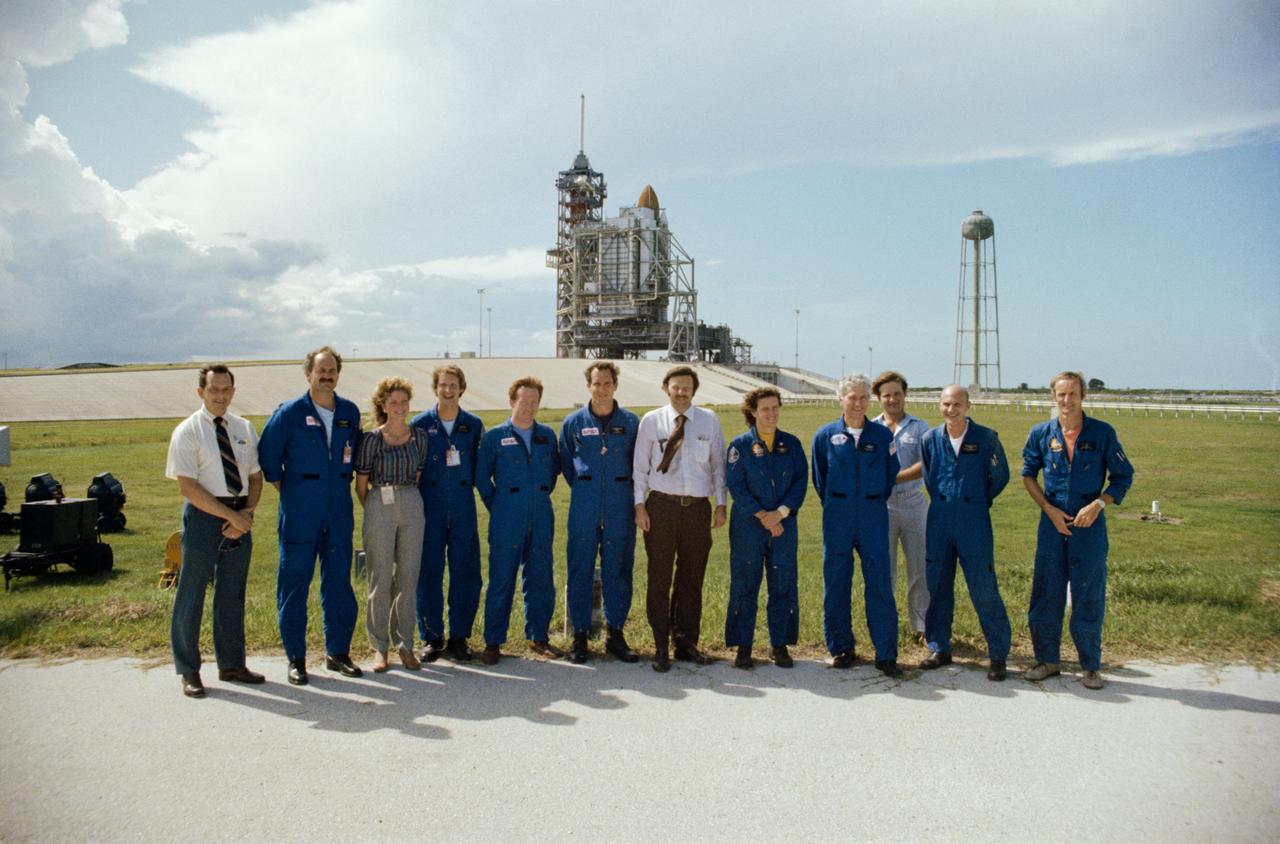
S82-32201 (29 May 1982) --- Members of the JSC astronaut corps, vehicle integration test team (VITT) and other personnel pose for a photograph at the completion of a countdown demonstration test (CDDT) at Launch Pad 39A, Kennedy Space Center (KSC). The participants are, from the left, Wilbur J. Etbauer, engineer with the VITT; mission specialist-astronaut James D. Van Hoften; Terri Stanford, engineer from JSC's flight operations directorate; mission specialist-astronaut Steven A. Hawley; astronaut Richard N. Richards; astronaut Michael J. Smith; Richard W. Nygren, head of the VITT; mission specialist-astronaut Kathryn D. Sullivan; astronaut Henry W. Hartsfield Jr., STS-4 pilot; Mark Haynes, a co-op student participating with the VITT; astronaut Thomas K. Mattingly II, STS-4 commander; and astronaut Donald E. Williams. Photo credit: NASA
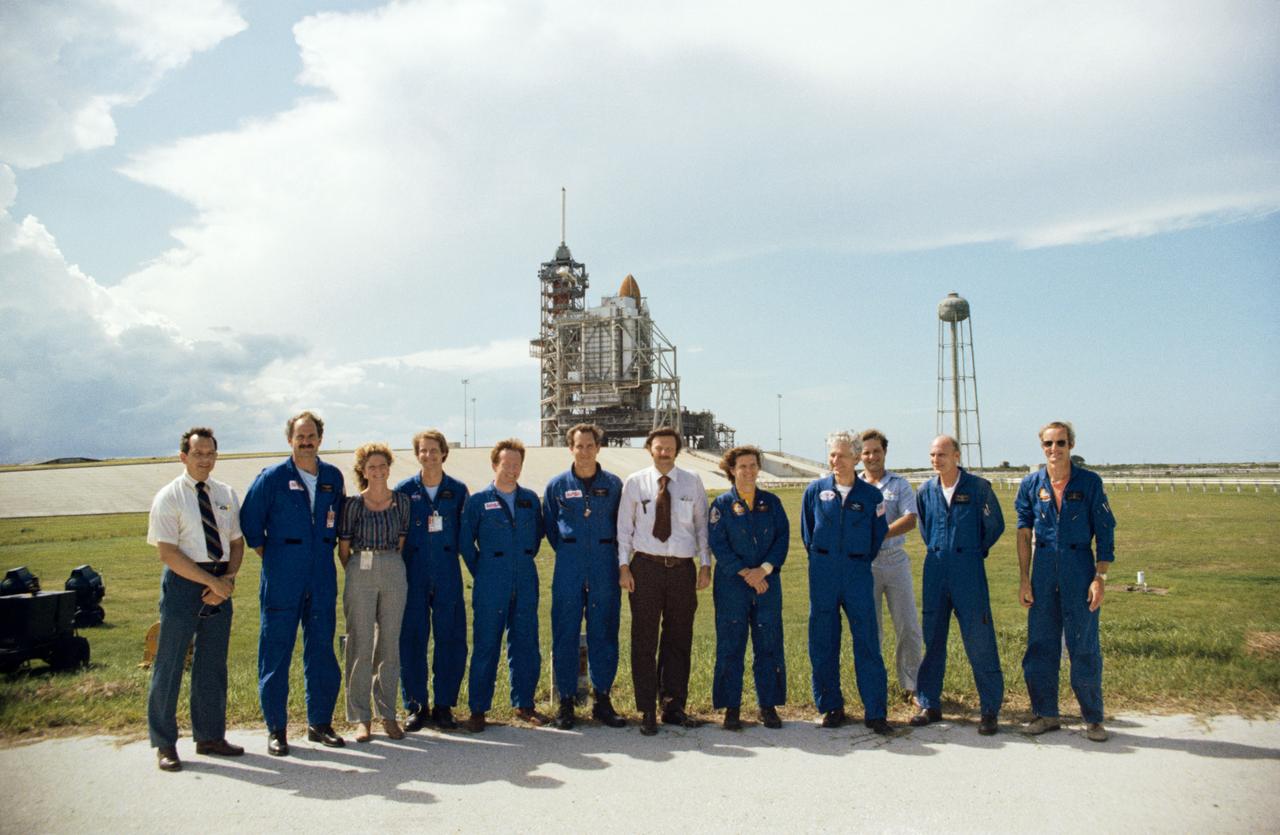
S82-32200 (29 May 1982) --- Members of the JSC astronaut corps, STS-4 vehicle integration test team (VITT) and other personnel pose for a photograph at the completion of a countdown demonstration test (CDDT) at Launch Pad 39A, Kennedy Space Center (KSC). The participants are, from the left, Wilbur J. Etbauer, engineer with the VITT; mission specialist-astronaut James D. van Hoften; Terry Stanford, engineer from JSC's flight operations directorate; mission specialist-astronaut Steven A. Hawley; astronaut Richard N. Richards; astronaut Michael J. Smith; Richard W. Nygren, head of the VITT; mission specialist-astronaut Kathryn D. Sullivan; astronaut Henry W. Hartsfield Jr.,STS-4 pilot; Mary Haynes, a co-op student participating with the VITT; astronaut Thomas K. Mattingly II, STS-4 commander; and astronaut Donald E. Williams. Photo credit: NASA
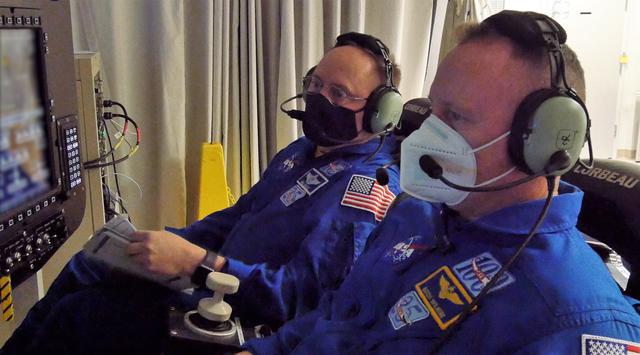
NASA astronauts Barry “Butch” Wilmore and Mike Fincke monitor the launch portion of an integrated mission dress rehearsal of Boeing’s uncrewed Orbital Flight Test-2 (OFT-2) from Boeing’s Houston-based Avionics and Software Integration Lab on Thursday, April 22, 2021. Along with NASA astronaut Nicole Mann, Wilmore and Fincke will fly aboard Boeing’s CST-100 Starliner spacecraft for the company’s Crew Flight Test (CFT) as part of NASA’s Commercial Crew Program.
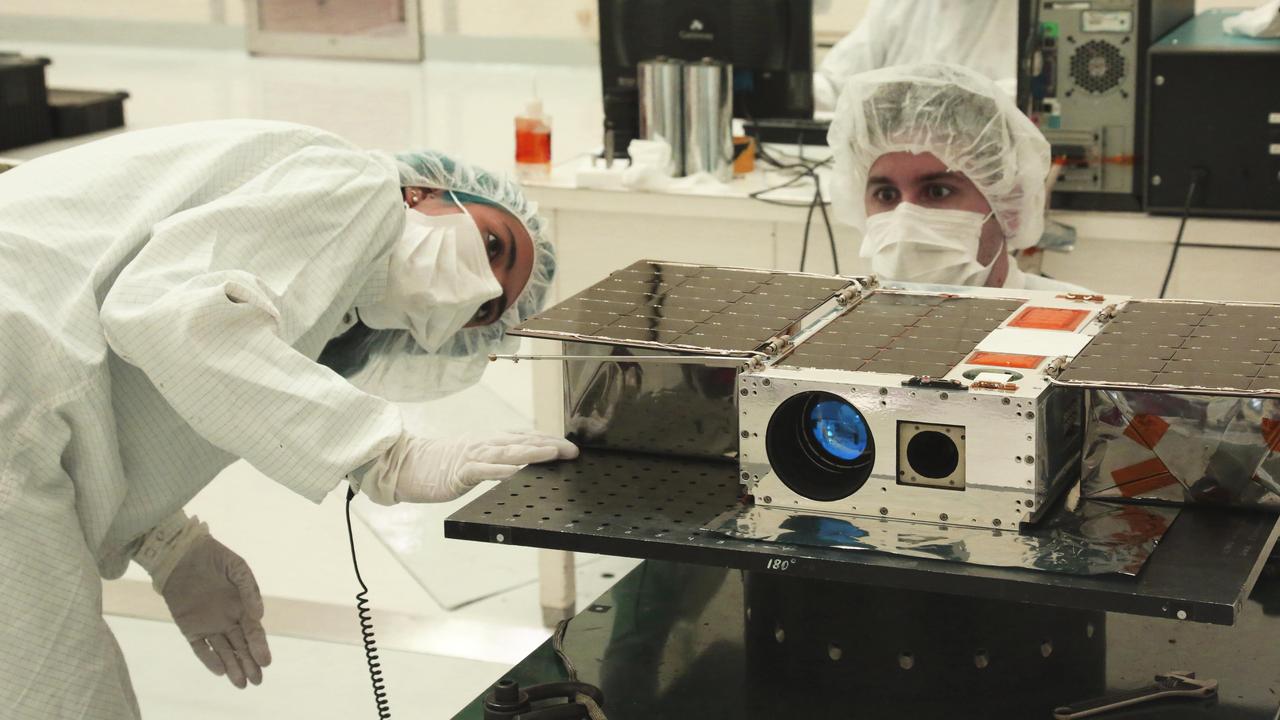
Left to right: Electrical Test Engineer Esha Murty and Integration and Test Lead Cody Colley prepare the ASTERIA spacecraft for mass-properties measurements in April 2017 prior to spacecraft delivery ahead of launch. ASTERIA was deployed from the International Space Station in November 2017. https://photojournal.jpl.nasa.gov/catalog/PIA23406
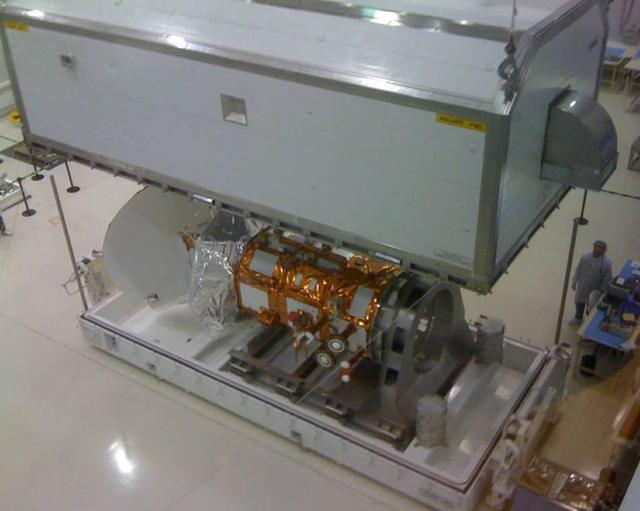
NASA Aquarius/SAC-D being prepared for shipment to Brazil National Institute for Space Research Integration and Testing Lab. At INPE, the Aquarius/SAC-D observatory will undergo its final environmental testing.
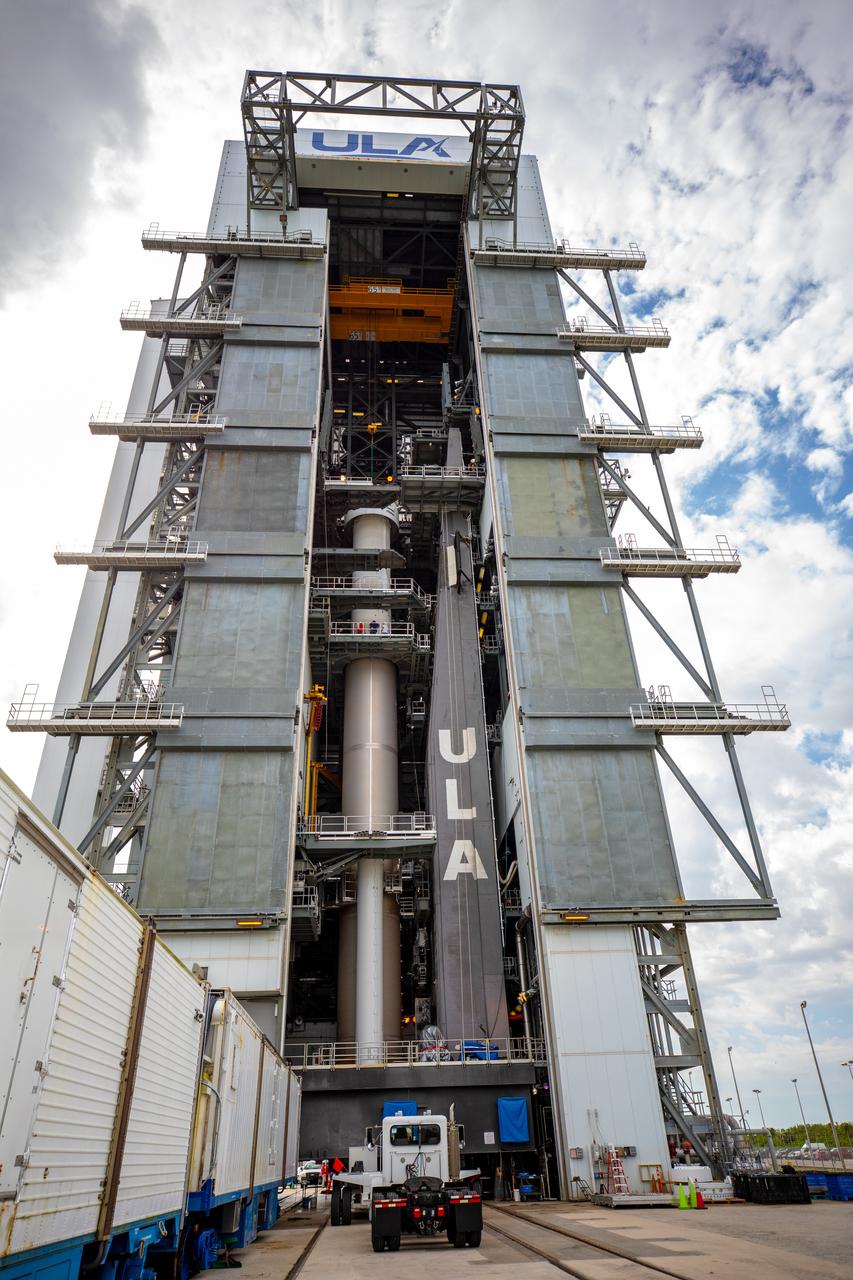
A Centaur upper stage is mated to the United Launch Alliance Atlas V first stage inside the Space Launch Complex 41 Vertical Integration Facility at Florida’s Cape Canaveral Air Force Station on Nov. 8, 2019, in preparation for Boeing’s Orbital Flight Test (OFT). The uncrewed OFT mission will rendezvous and dock Boeing’s CST-100 Starliner spacecraft with the International Space Station as part of NASA’s Commercial Crew Program. Starliner will launch atop the Atlas V rocket from Space Launch Complex 41.
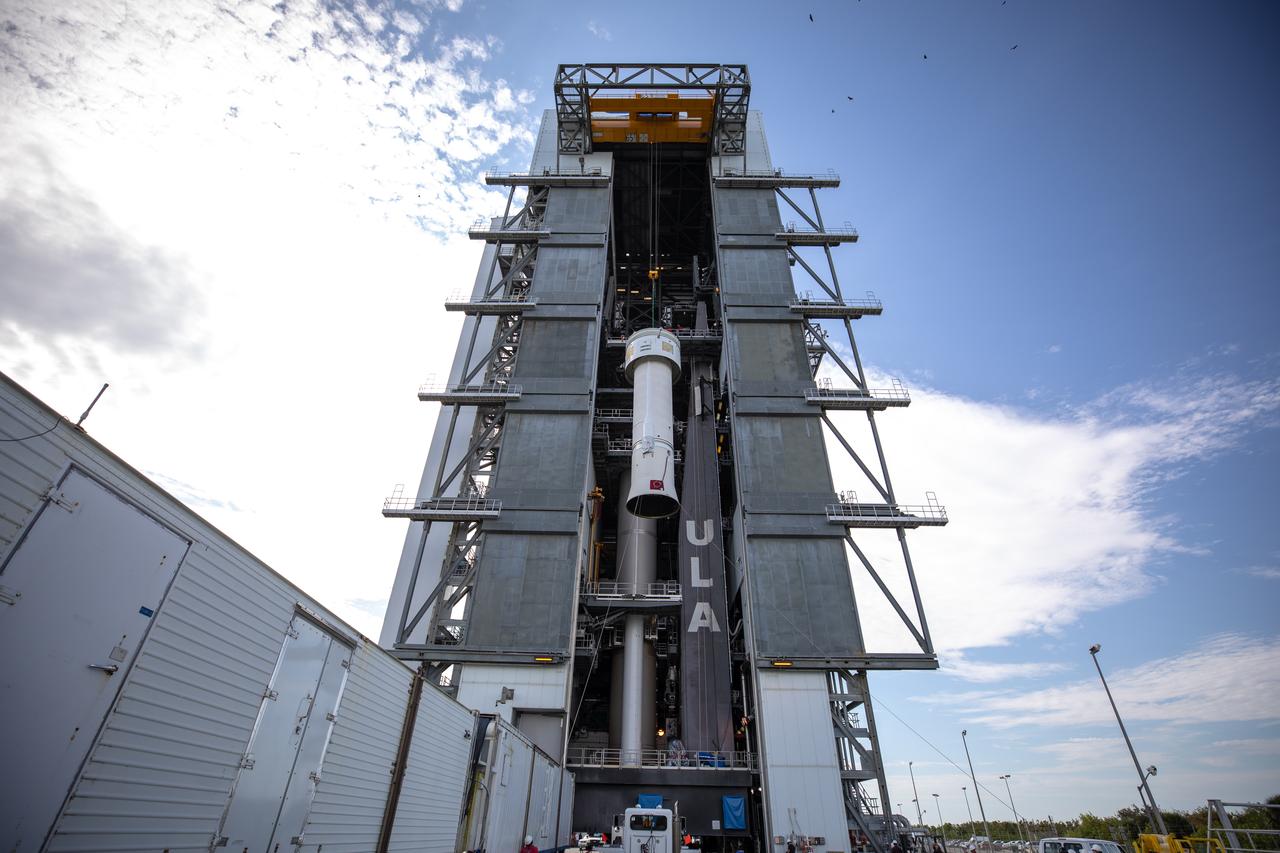
A Centaur upper stage is lifted at the Space Launch Complex 41 Vertical Integration Facility at Florida’s Cape Canaveral Air Force Station on Nov. 8, 2019, for mating to the United Launch Alliance Atlas V first stage in preparation for Boeing’s Orbital Flight Test (OFT). The uncrewed OFT mission will rendezvous and dock Boeing’s CST-100 Starliner spacecraft with the International Space Station as part of NASA’s Commercial Crew Program. Starliner will launch atop the Atlas V rocket from Space Launch Complex 41.
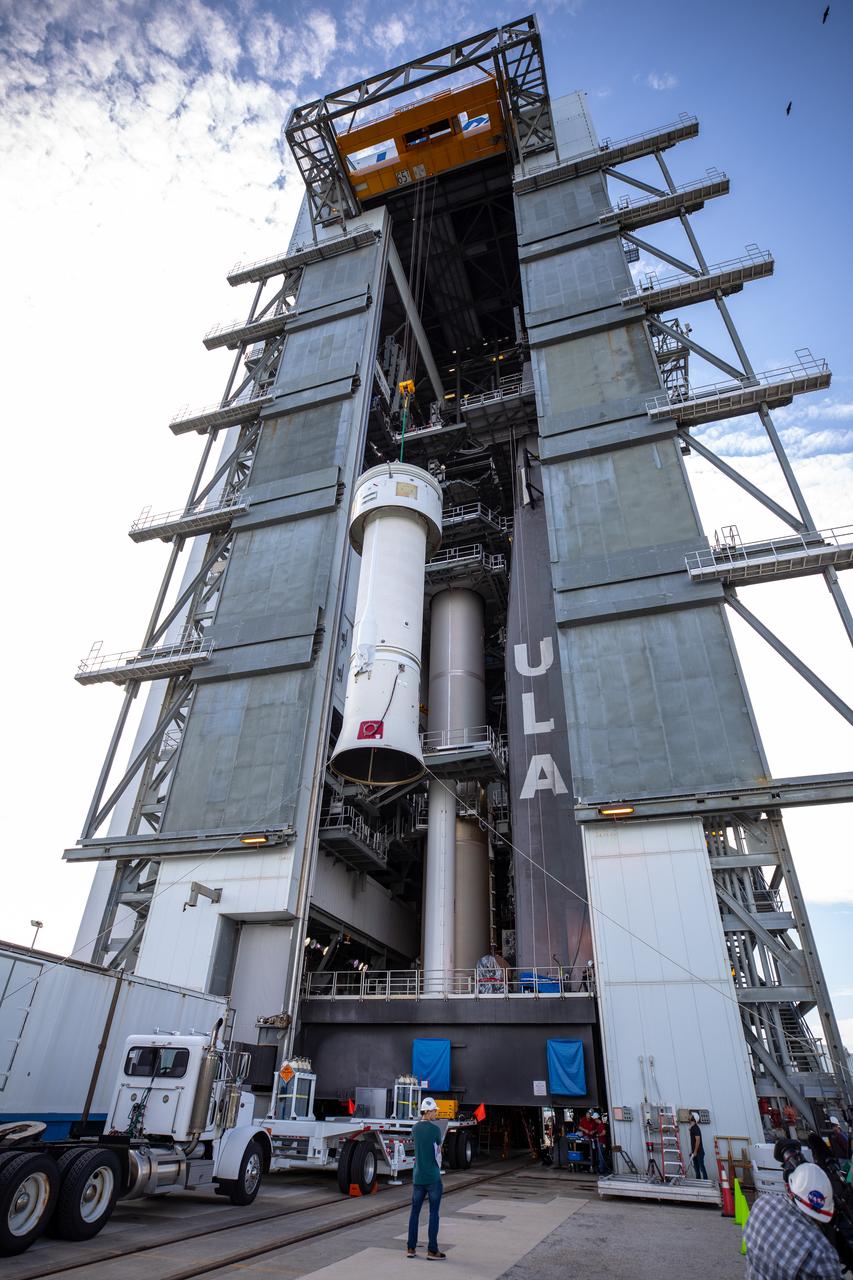
A Centaur upper stage is lifted at the Space Launch Complex 41 Vertical Integration Facility at Florida’s Cape Canaveral Air Force Station on Nov. 8, 2019, for mating to the United Launch Alliance Atlas V first stage in preparation for Boeing’s Orbital Flight Test (OFT). The uncrewed OFT mission will rendezvous and dock Boeing’s CST-100 Starliner spacecraft with the International Space Station as part of NASA’s Commercial Crew Program. Starliner will launch atop the Atlas V rocket from Space Launch Complex 41.
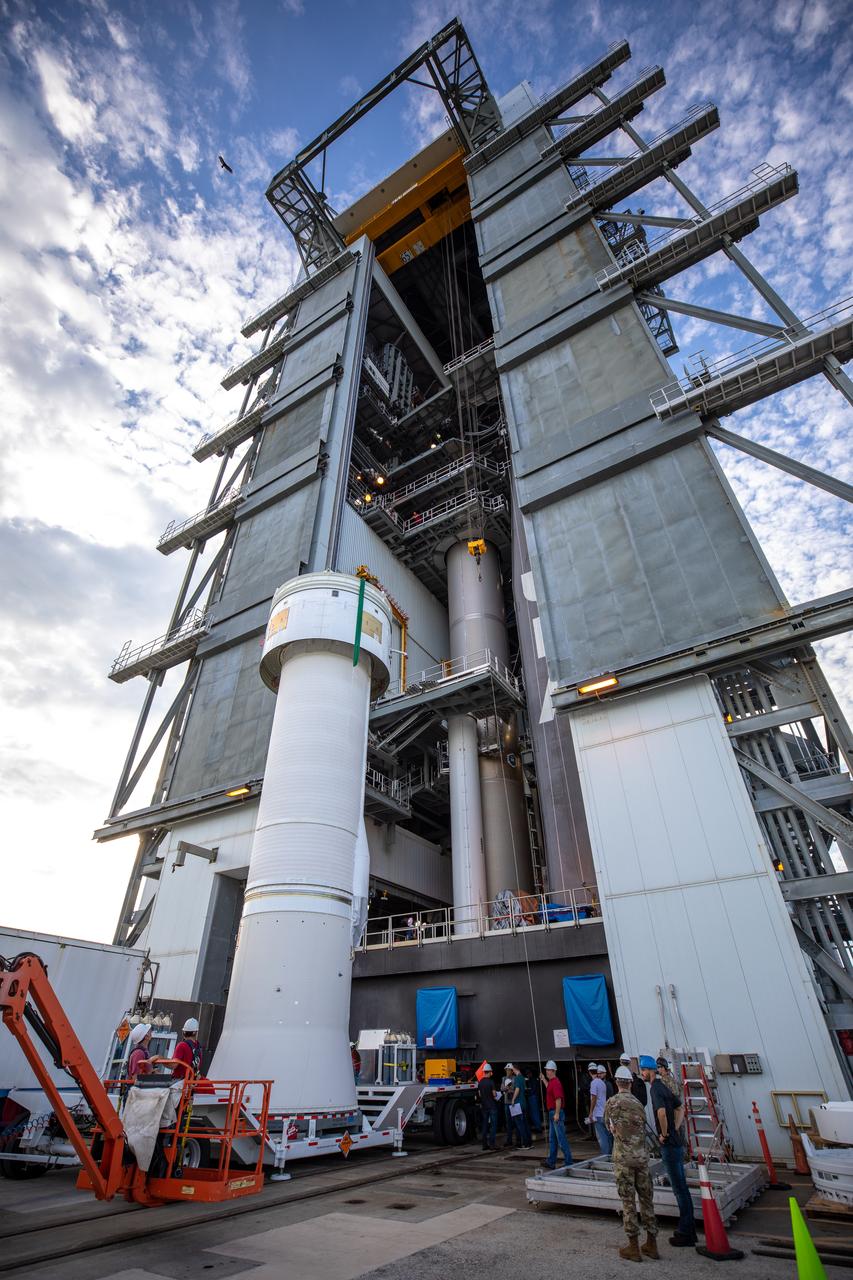
A Centaur upper stage arrives at the Space Launch Complex 41 Vertical Integration Facility at Florida’s Cape Canaveral Air Force Station on Nov. 8, 2019, for mating to the United Launch Alliance Atlas V first stage in preparation for Boeing’s Orbital Flight Test (OFT). The uncrewed OFT mission will rendezvous and dock Boeing’s CST-100 Starliner spacecraft with the International Space Station as part of NASA’s Commercial Crew Program. Starliner will launch atop the Atlas V rocket from Space Launch Complex 41.
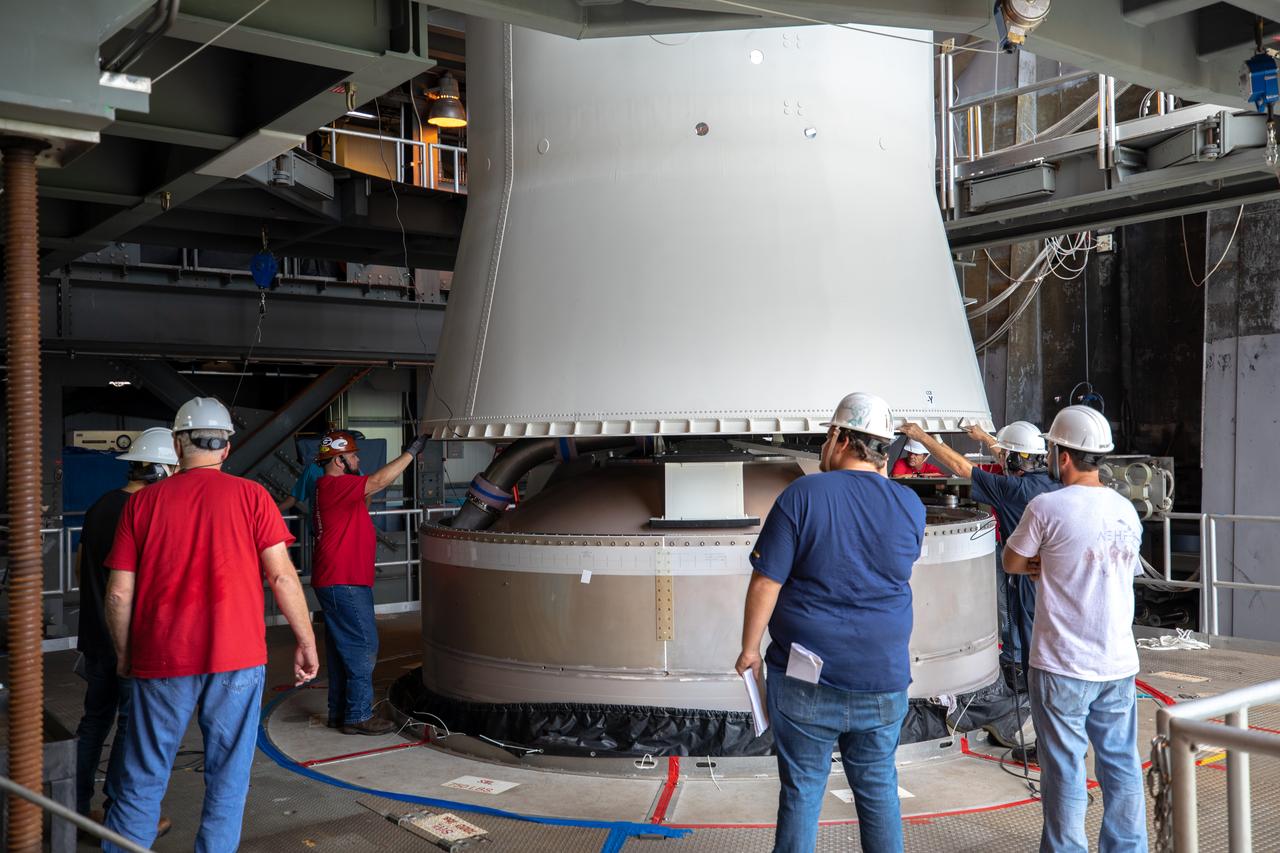
A Centaur upper stage is mated to the United Launch Alliance Atlas V first stage inside the Space Launch Complex 41 Vertical Integration Facility at Florida’s Cape Canaveral Air Force Station on Nov. 8, 2019, in preparation for Boeing’s Orbital Flight Test (OFT). The uncrewed OFT mission will rendezvous and dock Boeing’s CST-100 Starliner spacecraft with the International Space Station as part of NASA’s Commercial Crew Program. Starliner will launch atop the Atlas V rocket from Space Launch Complex 41.
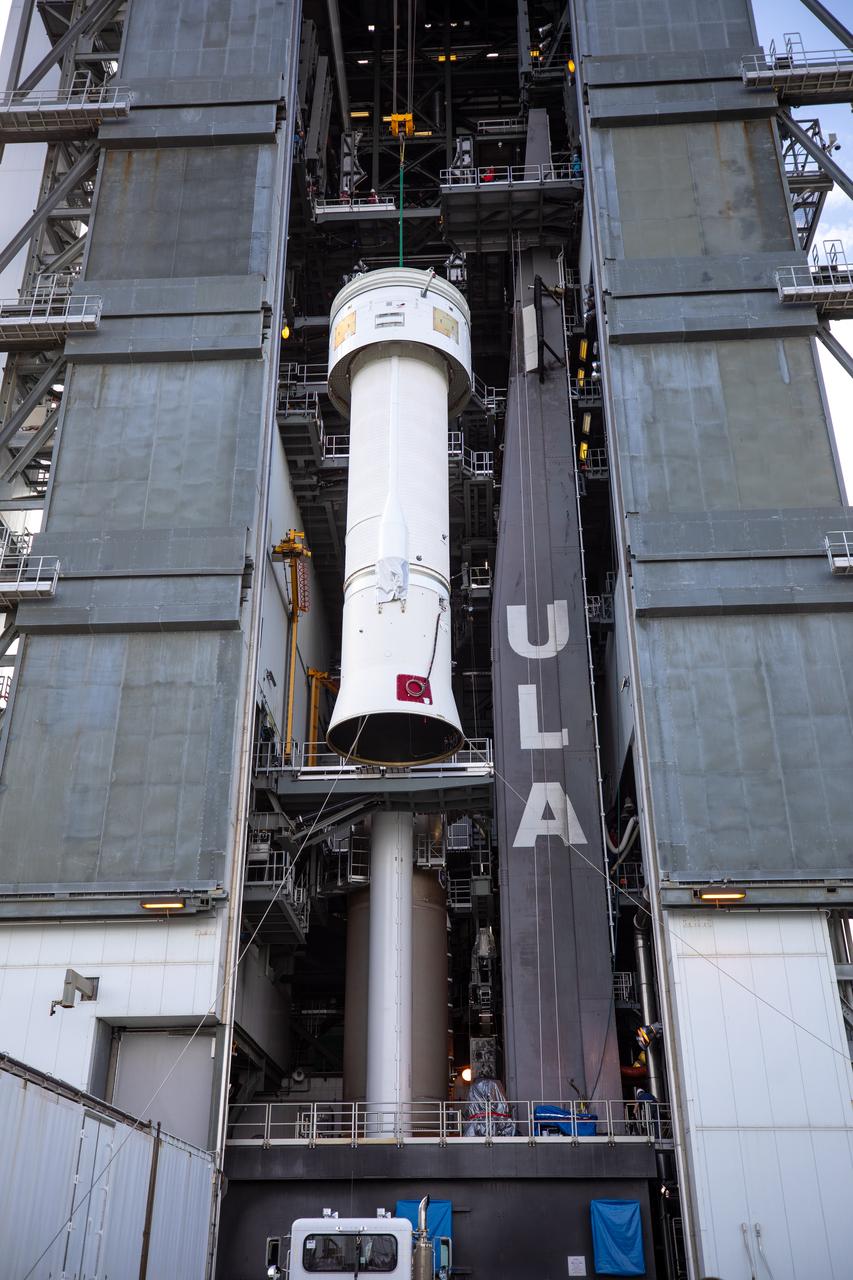
A Centaur upper stage is lifted at the Space Launch Complex 41 Vertical Integration Facility at Florida’s Cape Canaveral Air Force Station on Nov. 8, 2019, for mating to the United Launch Alliance Atlas V first stage in preparation for Boeing’s Orbital Flight Test (OFT). The uncrewed OFT mission will rendezvous and dock Boeing’s CST-100 Starliner spacecraft with the International Space Station as part of NASA’s Commercial Crew Program. Starliner will launch atop the Atlas V rocket from Space Launch Complex 41.
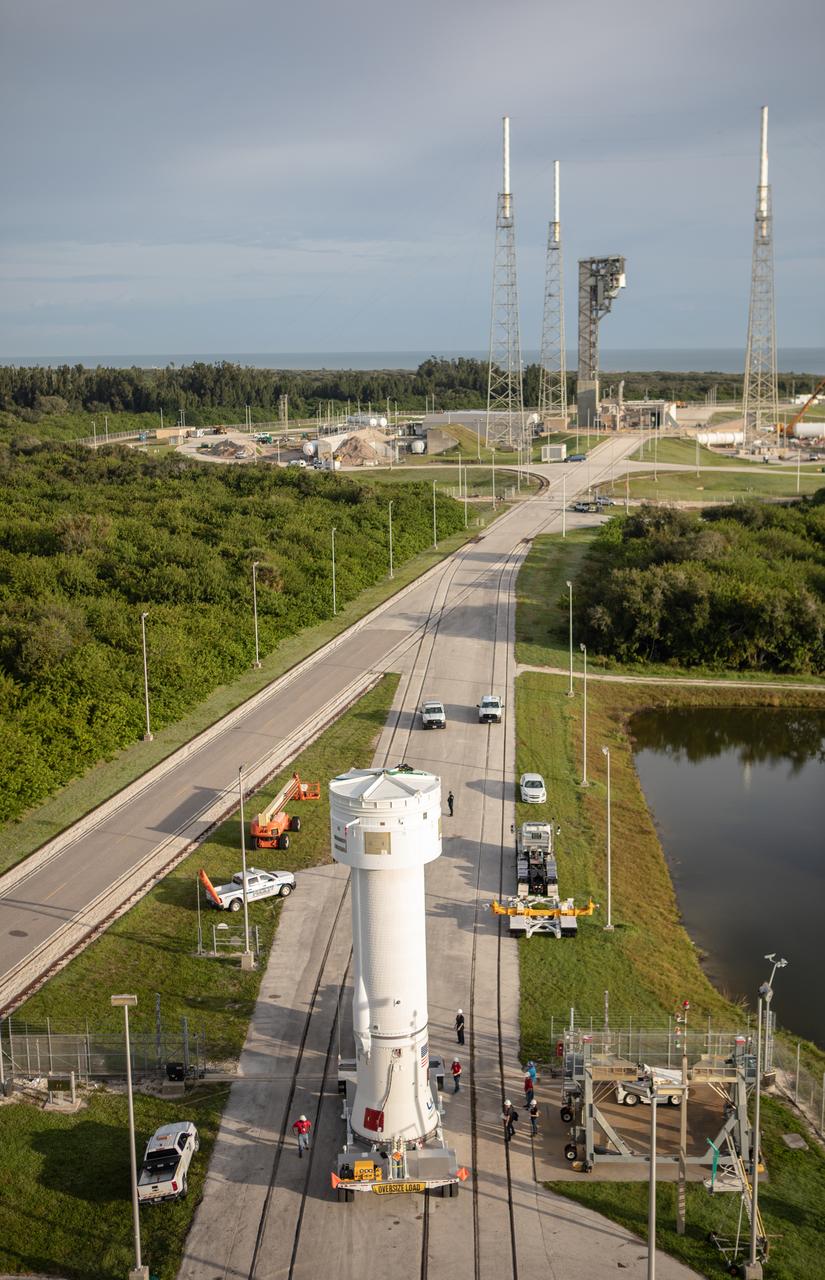
A Centaur upper stage approaches the Space Launch Complex 41 Vertical Integration Facility at Florida’s Cape Canaveral Air Force Station on Nov. 8, 2019, for mating to the United Launch Alliance Atlas V first stage in preparation for Boeing’s Orbital Flight Test (OFT). The uncrewed OFT mission will rendezvous and dock Boeing’s CST-100 Starliner spacecraft with the International Space Station as part of NASA’s Commercial Crew Program. Starliner will launch atop the Atlas V rocket from Space Launch Complex 41.
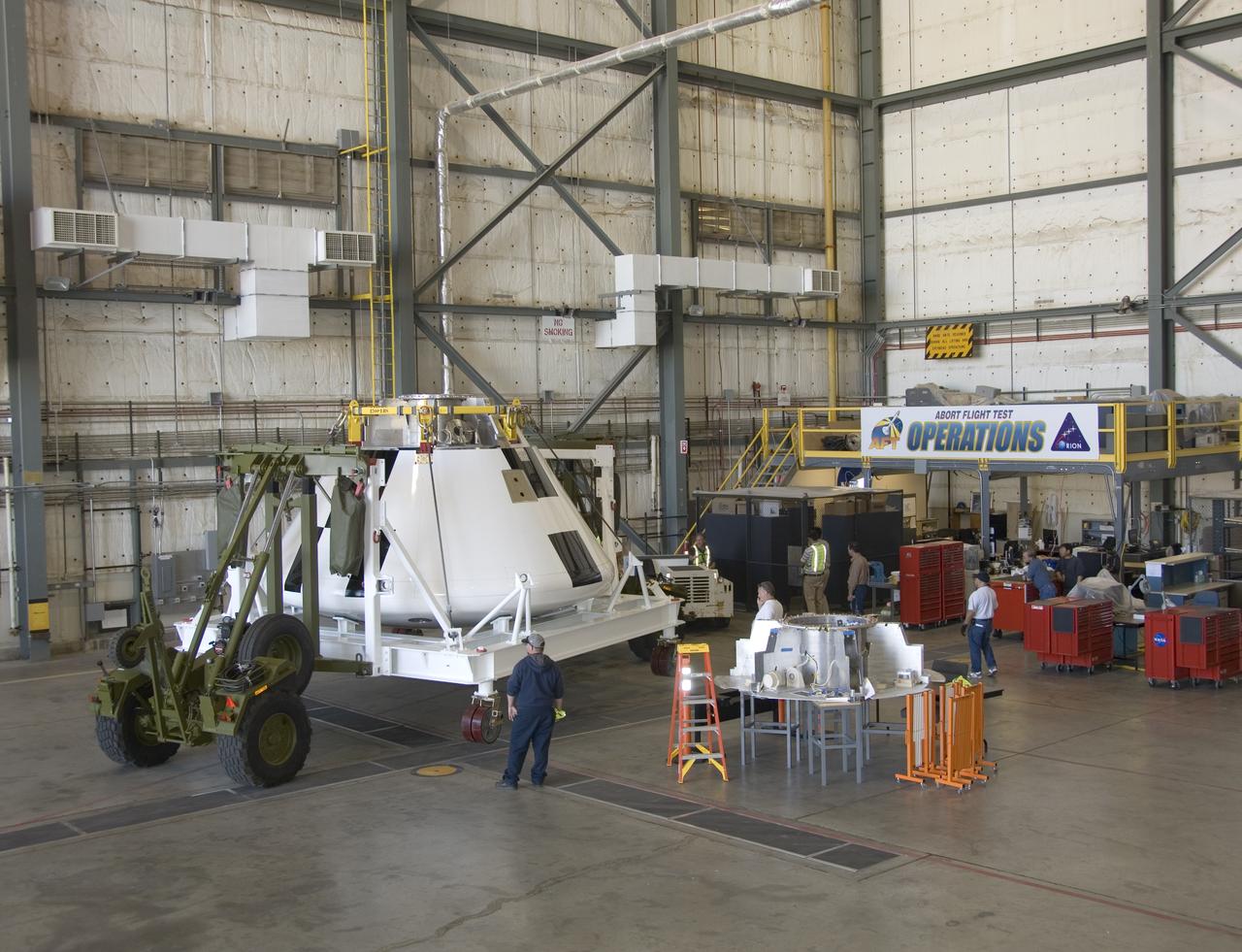
A full-scale flight-test mockup of the Constellation program's Orion crew vehicle arrived at NASA's Dryden Flight Research Center in late March 2008 to undergo preparations for the first short-range flight test of the spacecraft's astronaut escape system later that year. Engineers and technicians at NASA's Langley Research Center fabricated the structure, which precisely represents the size, outer shape and mass characteristics of the Orion space capsule. The Orion crew module mockup was ferried to NASA Dryden on an Air Force C-17. After painting in the Edwards Air Force Base paint hangar, the conical capsule was taken to Dryden for installation of flight computers, instrumentation and other electronics prior to being sent to the U.S. Army's White Sands Missile Range in New Mexico for integration with the escape system and the first abort flight test in late 2008. The tests were designed to ensure a safe, reliable method of escape for astronauts in case of an emergency.
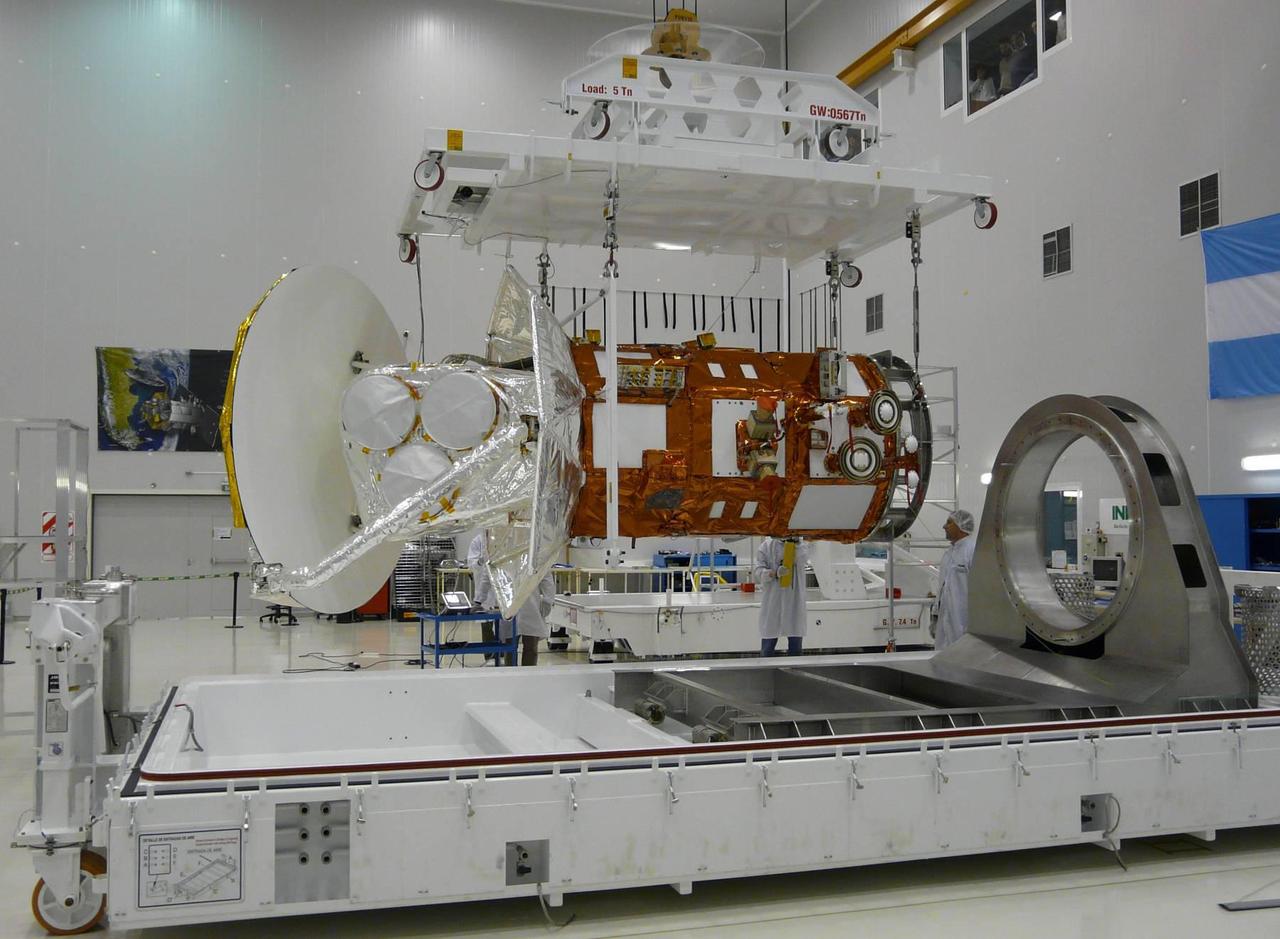
After months of integration and testing at the INVAP facility Bariloche, Argentina, NASA Aquarius/SAC-D is removed from the service platform in preparation for shipping to Brazil.
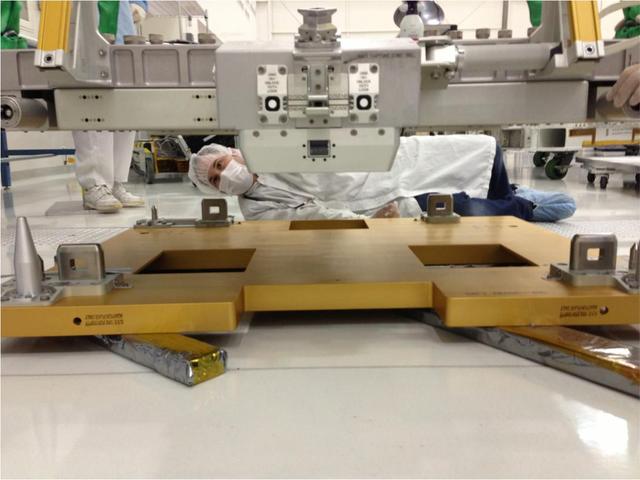
An engineer from NASA Jet Propulsion Laboratory oversees a fit check during the integration & testing of the Optical PAyload for Lasercomm Science OPALS.
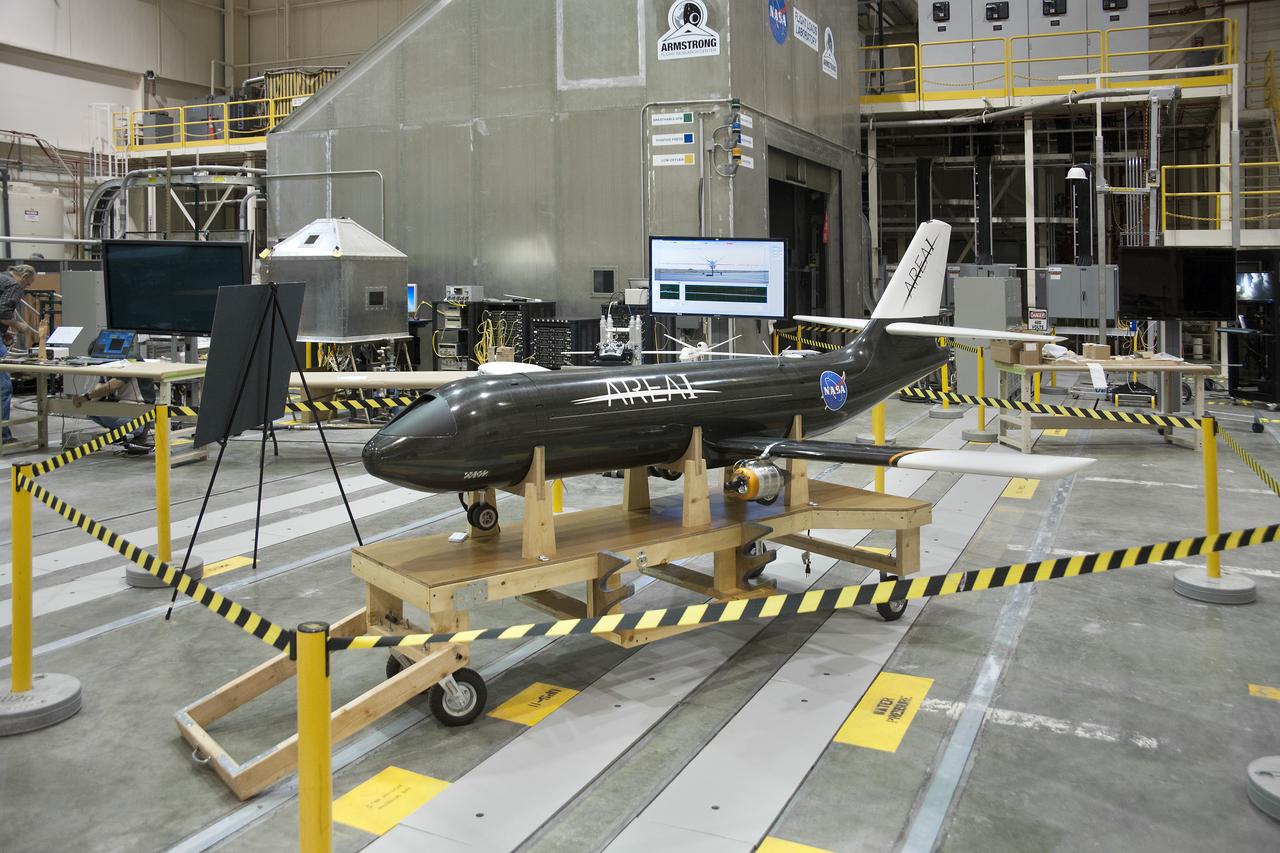
The objectives of testing on PTERA include the development of tools and vetting of system integration, evaluation of vehicle control law, and analysis of SAW airworthiness to examine benefits to in-flight efficiency.
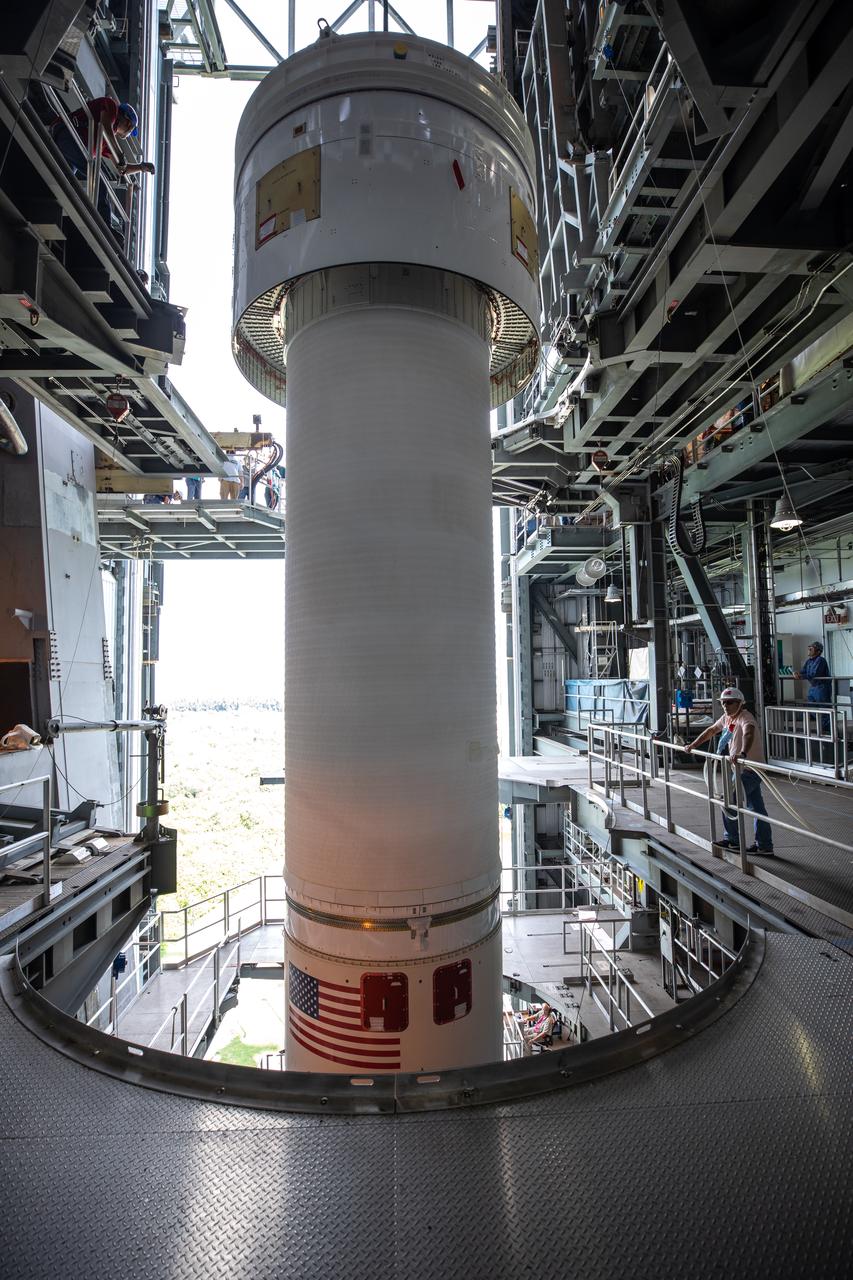
A Centaur upper stage is moved into position above the United Launch Alliance Atlas V first stage inside the Space Launch Complex 41 Vertical Integration Facility at Florida’s Cape Canaveral Air Force Station on Nov. 8, 2019, in preparation for Boeing’s Orbital Flight Test (OFT). The uncrewed OFT mission will rendezvous and dock Boeing’s CST-100 Starliner spacecraft with the International Space Station as part of NASA’s Commercial Crew Program. Starliner will launch atop the Atlas V rocket from Space Launch Complex 41.
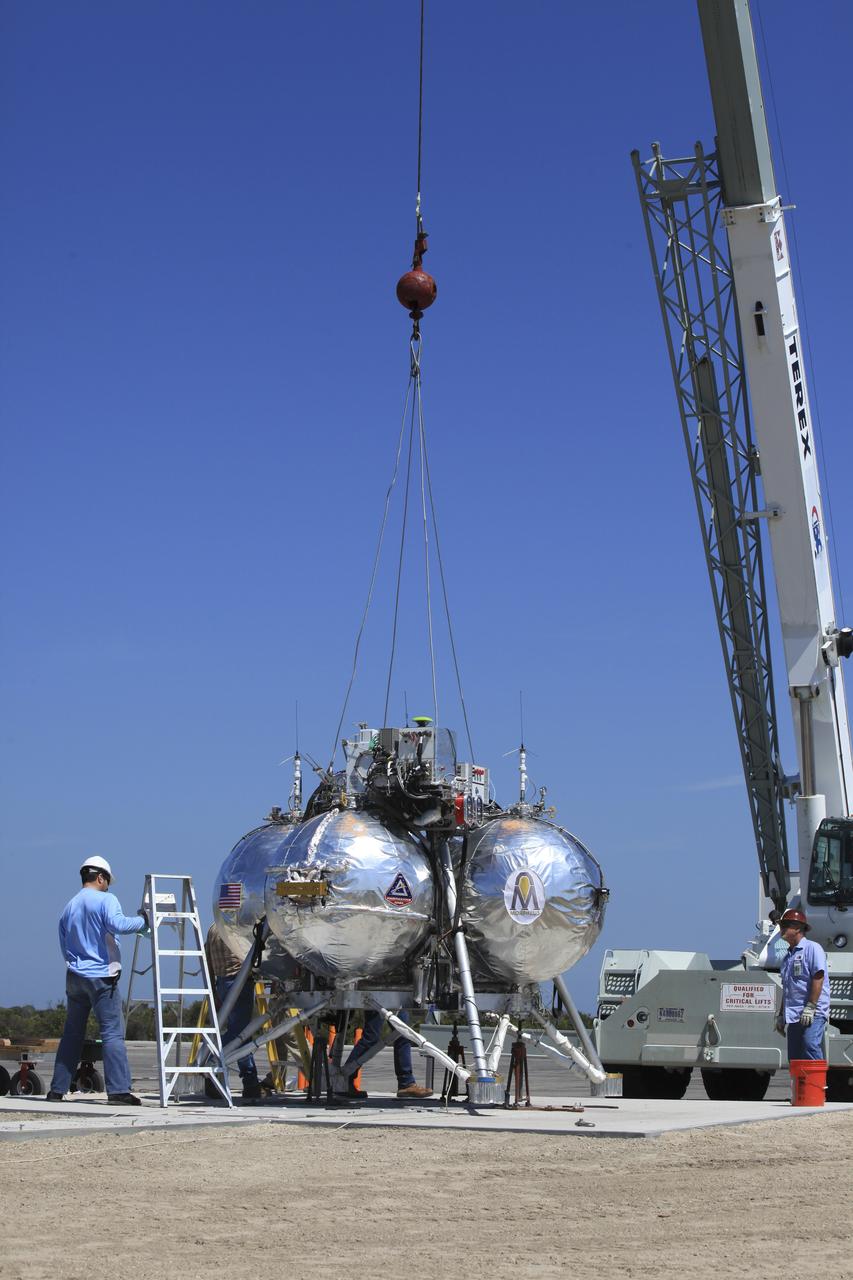
CAPE CANAVERAL, Fla. – A crane lowers the Project Morpheus prototype lander onto a launch pad at a new launch site at the north end of the Shuttle Landing Facility at NASA's Kennedy Space Center in Florida. Engineers and technicians are preparing Morpheus for an automated landing and hazard avoidance technology, or ALHAT, and laser test at the new launch site. The launch pad was moved to a different location at the landing facility to support the next phase of flight testing. The seventh free flight test of Morpheus occurred on March 11. The 83-second test began at 3:41 p.m. EDT with the Morpheus lander launching from the ground over a flame trench and ascending to 580 feet. Morpheus then flew its fastest downrange trek at 30 mph, travelling farther than before, 837 feet. The lander performed a 42-foot divert to emulate a hazard avoidance maneuver before descending and touching down on Landing Site 2, at the northern landing pad inside the ALHAT hazard field. Morpheus landed within one foot of its intended target. Project Morpheus tests NASA’s ALHAT and an engine that runs on liquid oxygen and methane, or green propellants, into a fully-operational lander that could deliver cargo to other planetary surfaces. The landing facility provides the lander with the kind of field necessary for realistic testing, complete with rocks, craters and hazards to avoid. Morpheus’ ALHAT payload allows it to navigate to clear landing sites amidst rocks, craters and other hazards during its descent. Project Morpheus is being managed under the Advanced Exploration Systems, or AES, Division in NASA’s Human Exploration and Operations Mission Directorate. The efforts in AES pioneer new approaches for rapidly developing prototype systems, demonstrating key capabilities and validating operational concepts for future human missions beyond Earth orbit. For more information on Project Morpheus, visit http://morpheuslander.jsc.nasa.gov/. Photo credit: NASA/Kim Shiflett
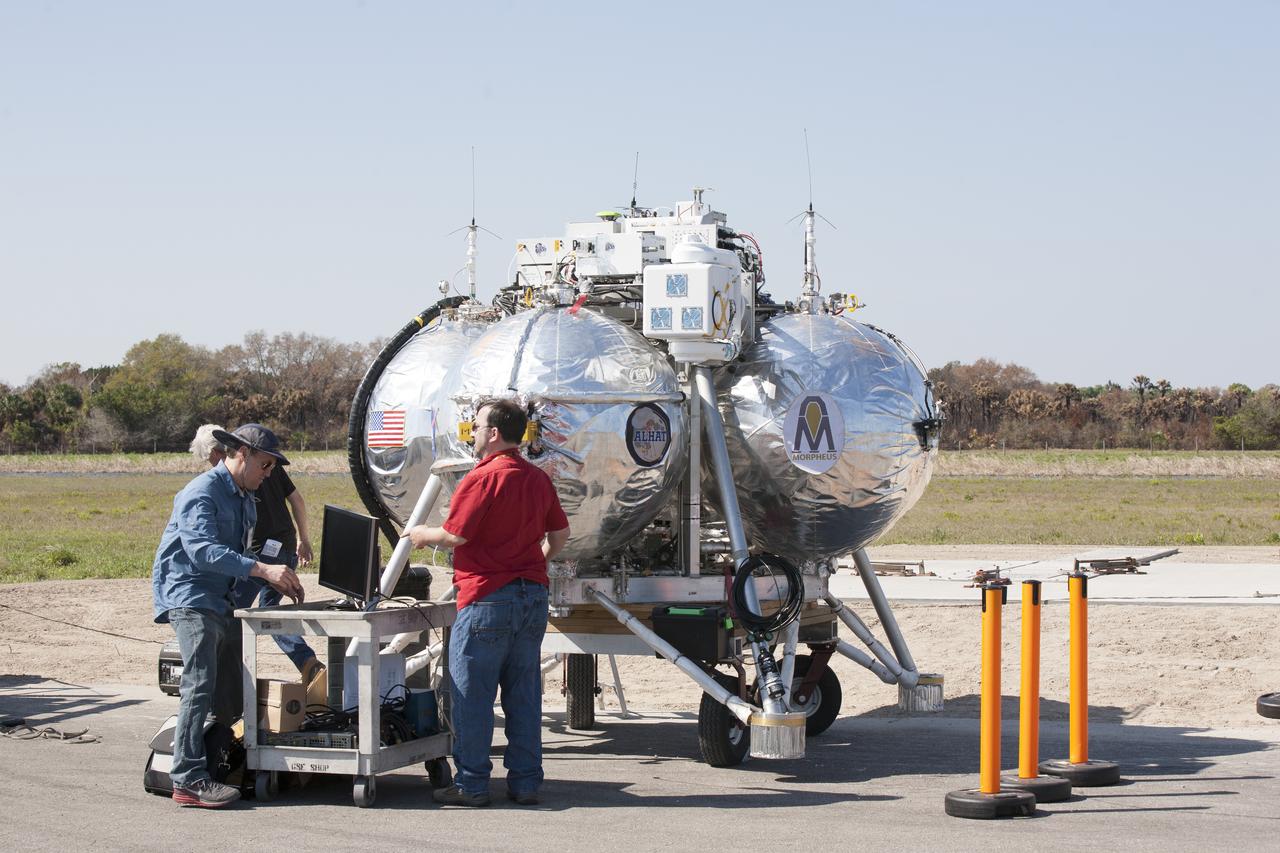
CAPE CANAVERAL, Fla. – Engineers run an automated landing and hazard avoidance technology, or ALHAT, and laser test on the Project Morpheus prototype lander at a new launch site at the north end of the Shuttle Landing Facility at NASA’s Kennedy Space Center in Florida. The launch pad was moved to a different location at the landing facility to support the next phase of flight testing. The seventh free flight test of Morpheus occurred on March 11. The 83-second test began at 3:41 p.m. EDT with the Morpheus lander launching from the ground over a flame trench and ascending to 580 feet. Morpheus then flew its fastest downrange trek at 30 mph, travelling farther than before, 837 feet. The lander performed a 42-foot divert to emulate a hazard avoidance maneuver before descending and touching down on Landing Site 2, at the northern landing pad inside the ALHAT hazard field. Morpheus landed within one foot of its intended target. Project Morpheus tests NASA’s ALHAT and an engine that runs on liquid oxygen and methane, or green propellants, into a fully-operational lander that could deliver cargo to other planetary surfaces. The landing facility provides the lander with the kind of field necessary for realistic testing, complete with rocks, craters and hazards to avoid. Morpheus’ ALHAT payload allows it to navigate to clear landing sites amidst rocks, craters and other hazards during its descent. Project Morpheus is being managed under the Advanced Exploration Systems, or AES, Division in NASA’s Human Exploration and Operations Mission Directorate. The efforts in AES pioneer new approaches for rapidly developing prototype systems, demonstrating key capabilities and validating operational concepts for future human missions beyond Earth orbit. For more information on Project Morpheus, visit http://morpheuslander.jsc.nasa.gov/. Photo credit: NASA/Kim Shiflett
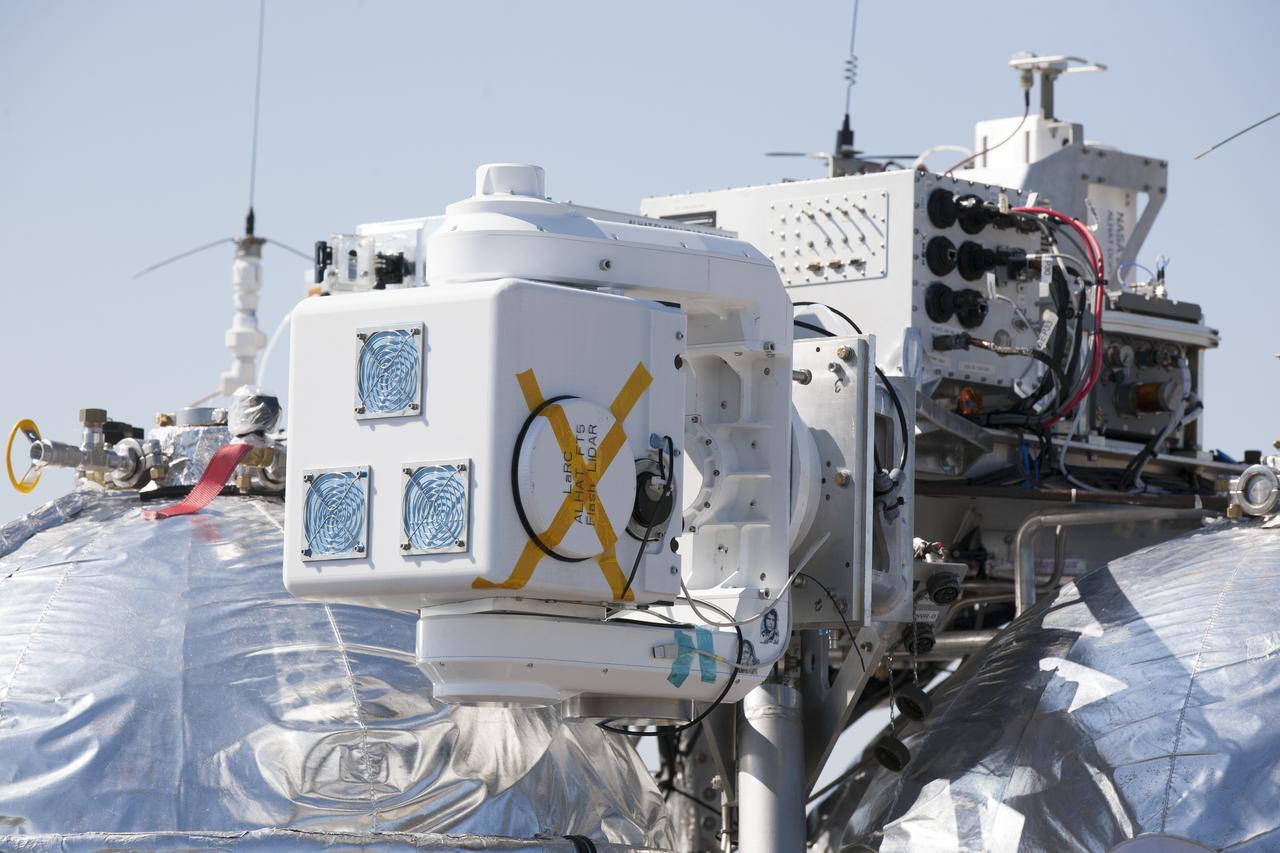
CAPE CANAVERAL, Fla. – Engineers run an automated landing and hazard avoidance technology, or ALHAT, and laser test on the Project Morpheus prototype lander at a new launch site at the north end of the Shuttle Landing Facility at NASA’s Kennedy Space Center in Florida. The launch pad was moved to a different location at the landing facility to support the next phase of flight testing. The seventh free flight test of Morpheus occurred on March 11. The 83-second test began at 3:41 p.m. EDT with the Morpheus lander launching from the ground over a flame trench and ascending to 580 feet. Morpheus then flew its fastest downrange trek at 30 mph, travelling farther than before, 837 feet. The lander performed a 42-foot divert to emulate a hazard avoidance maneuver before descending and touching down on Landing Site 2, at the northern landing pad inside the ALHAT hazard field. Morpheus landed within one foot of its intended target. Project Morpheus tests NASA’s ALHAT and an engine that runs on liquid oxygen and methane, or green propellants, into a fully-operational lander that could deliver cargo to other planetary surfaces. The landing facility provides the lander with the kind of field necessary for realistic testing, complete with rocks, craters and hazards to avoid. Morpheus’ ALHAT payload allows it to navigate to clear landing sites amidst rocks, craters and other hazards during its descent. Project Morpheus is being managed under the Advanced Exploration Systems, or AES, Division in NASA’s Human Exploration and Operations Mission Directorate. The efforts in AES pioneer new approaches for rapidly developing prototype systems, demonstrating key capabilities and validating operational concepts for future human missions beyond Earth orbit. For more information on Project Morpheus, visit http://morpheuslander.jsc.nasa.gov/. Photo credit: NASA/Kim Shiflett
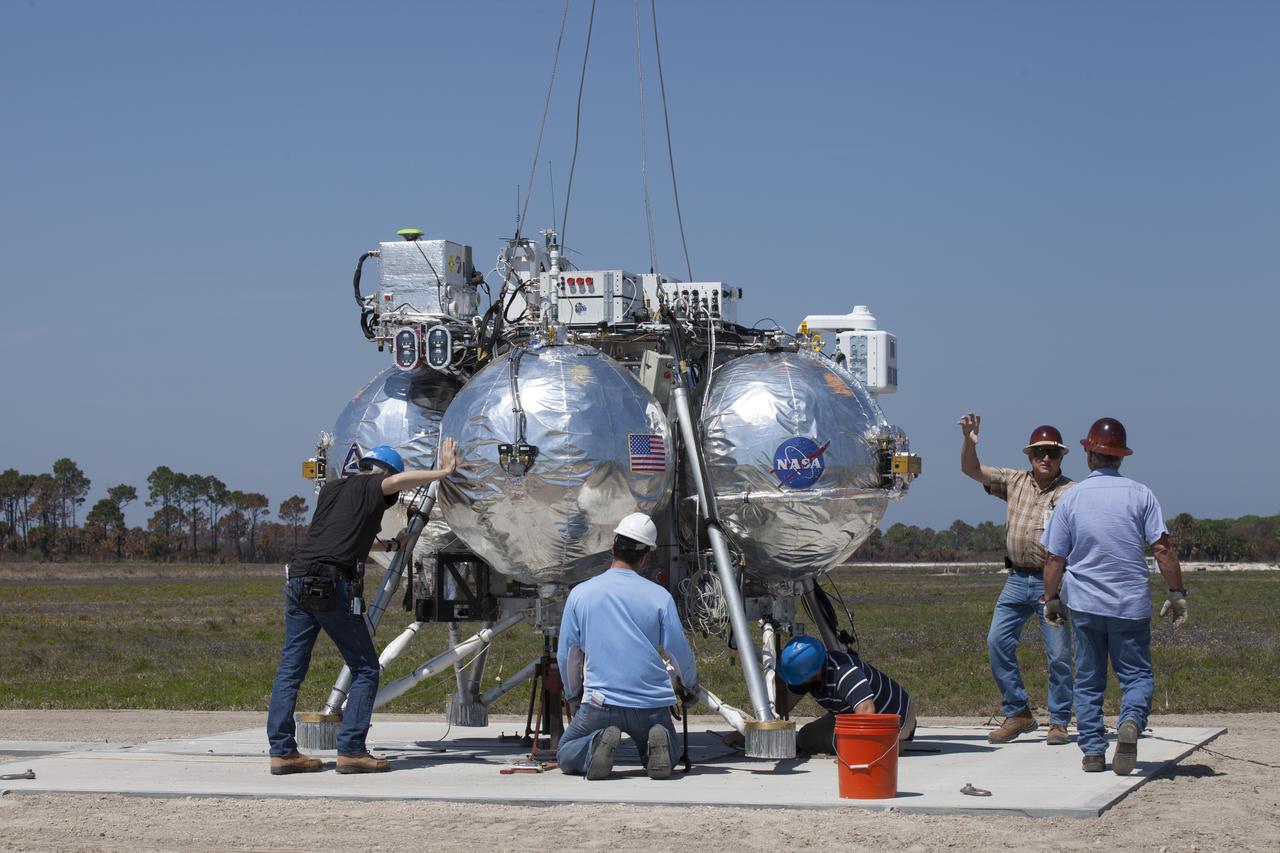
CAPE CANAVERAL, Fla. – Engineers and technicians prepare the Project Morpheus prototype lander for an automated landing and hazard avoidance technology, or ALHAT, and laser test at a new launch site at the north end of the Shuttle Landing Facility at NASA’s Kennedy Space Center in Florida. The launch pad was moved to a different location at the landing facility to support the next phase of flight testing. The seventh free flight test of Morpheus occurred on March 11. The 83-second test began at 3:41 p.m. EDT with the Morpheus lander launching from the ground over a flame trench and ascending to 580 feet. Morpheus then flew its fastest downrange trek at 30 mph, travelling farther than before, 837 feet. The lander performed a 42-foot divert to emulate a hazard avoidance maneuver before descending and touching down on Landing Site 2, at the northern landing pad inside the ALHAT hazard field. Morpheus landed within one foot of its intended target. Project Morpheus tests NASA’s ALHAT and an engine that runs on liquid oxygen and methane, or green propellants, into a fully-operational lander that could deliver cargo to other planetary surfaces. The landing facility provides the lander with the kind of field necessary for realistic testing, complete with rocks, craters and hazards to avoid. Morpheus’ ALHAT payload allows it to navigate to clear landing sites amidst rocks, craters and other hazards during its descent. Project Morpheus is being managed under the Advanced Exploration Systems, or AES, Division in NASA’s Human Exploration and Operations Mission Directorate. The efforts in AES pioneer new approaches for rapidly developing prototype systems, demonstrating key capabilities and validating operational concepts for future human missions beyond Earth orbit. For more information on Project Morpheus, visit http://morpheuslander.jsc.nasa.gov/. Photo credit: NASA/Kim Shiflett

CAPE CANAVERAL, Fla. – Engineers and technicians prepare the Project Morpheus prototype lander for an automated landing and hazard avoidance technology, or ALHAT, and laser test at a new launch site at the north end of the Shuttle Landing Facility at NASA’s Kennedy Space Center in Florida. The launch pad was moved to a different location at the landing facility to support the next phase of flight testing. The seventh free flight test of Morpheus occurred on March 11. The 83-second test began at 3:41 p.m. EDT with the Morpheus lander launching from the ground over a flame trench and ascending to 580 feet. Morpheus then flew its fastest downrange trek at 30 mph, travelling farther than before, 837 feet. The lander performed a 42-foot divert to emulate a hazard avoidance maneuver before descending and touching down on Landing Site 2, at the northern landing pad inside the ALHAT hazard field. Morpheus landed within one foot of its intended target. Project Morpheus tests NASA’s ALHAT and an engine that runs on liquid oxygen and methane, or green propellants, into a fully-operational lander that could deliver cargo to other planetary surfaces. The landing facility provides the lander with the kind of field necessary for realistic testing, complete with rocks, craters and hazards to avoid. Morpheus’ ALHAT payload allows it to navigate to clear landing sites amidst rocks, craters and other hazards during its descent. Project Morpheus is being managed under the Advanced Exploration Systems, or AES, Division in NASA’s Human Exploration and Operations Mission Directorate. The efforts in AES pioneer new approaches for rapidly developing prototype systems, demonstrating key capabilities and validating operational concepts for future human missions beyond Earth orbit. For more information on Project Morpheus, visit http://morpheuslander.jsc.nasa.gov/. Photo credit: NASA/Kim Shiflett
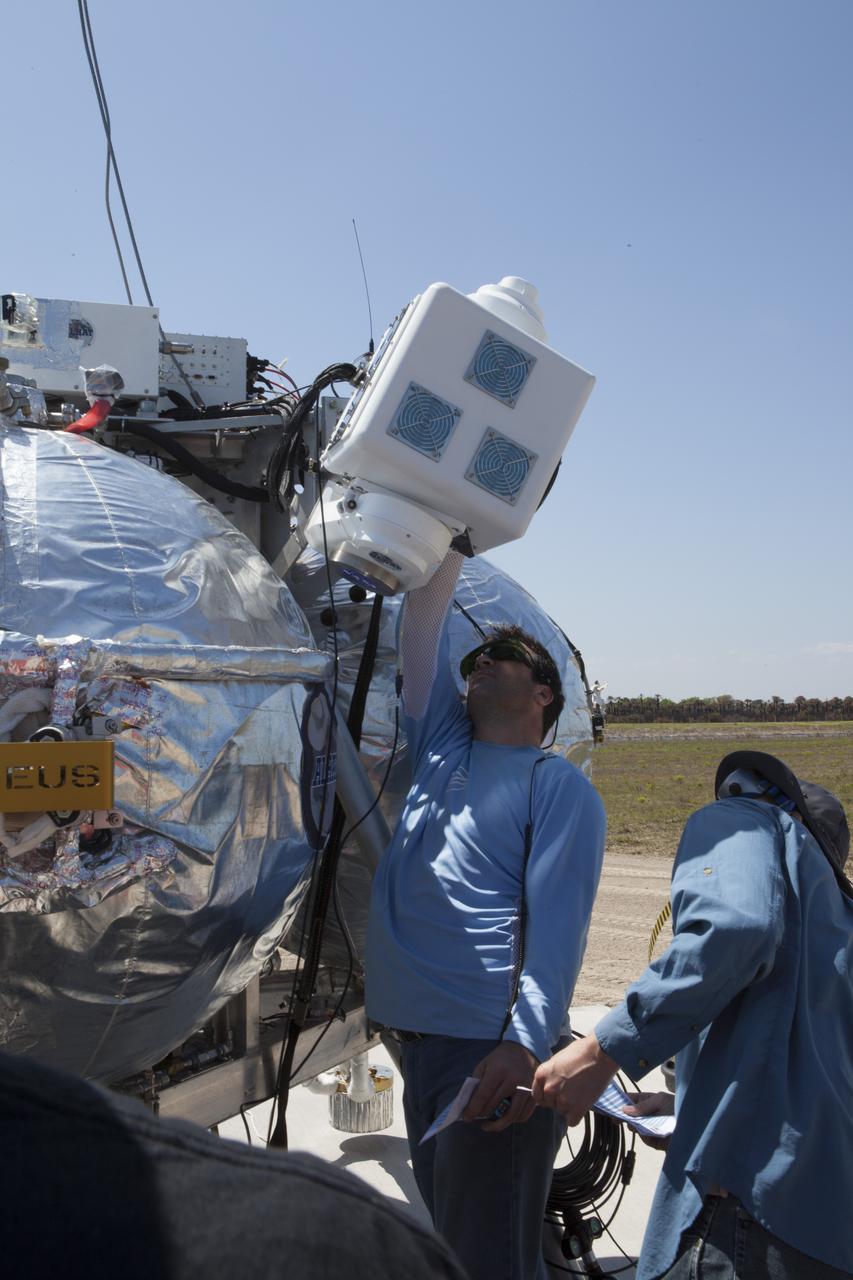
CAPE CANAVERAL, Fla. – Engineers and technicians wearing safety goggles, prepare the Project Morpheus prototype lander for an automated landing and hazard avoidance technology, or ALHAT, and laser test at a new launch site at the north end of the Shuttle Landing Facility at NASA’s Kennedy Space Center in Florida. The launch pad was moved to a different location at the landing facility to support the next phase of flight testing. The seventh free flight test of Morpheus occurred on March 11. The 83-second test began at 3:41 p.m. EDT with the Morpheus lander launching from the ground over a flame trench and ascending to 580 feet. Morpheus then flew its fastest downrange trek at 30 mph, travelling farther than before, 837 feet. The lander performed a 42-foot divert to emulate a hazard avoidance maneuver before descending and touching down on Landing Site 2, at the northern landing pad inside the ALHAT hazard field. Morpheus landed within one foot of its intended target. Project Morpheus tests NASA’s ALHAT and an engine that runs on liquid oxygen and methane, or green propellants, into a fully-operational lander that could deliver cargo to other planetary surfaces. The landing facility provides the lander with the kind of field necessary for realistic testing, complete with rocks, craters and hazards to avoid. Morpheus’ ALHAT payload allows it to navigate to clear landing sites amidst rocks, craters and other hazards during its descent. Project Morpheus is being managed under the Advanced Exploration Systems, or AES, Division in NASA’s Human Exploration and Operations Mission Directorate. The efforts in AES pioneer new approaches for rapidly developing prototype systems, demonstrating key capabilities and validating operational concepts for future human missions beyond Earth orbit. For more information on Project Morpheus, visit http://morpheuslander.jsc.nasa.gov/. Photo credit: NASA/Kim Shiflett