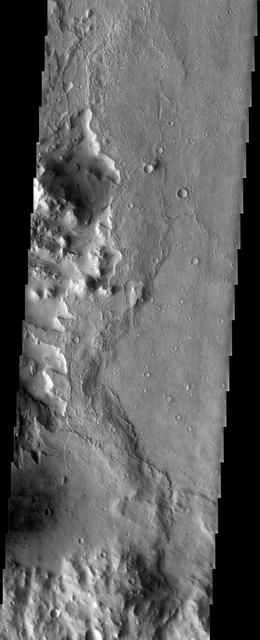
Crater Interior

Interior Layered Deposits in Juventae Chasma
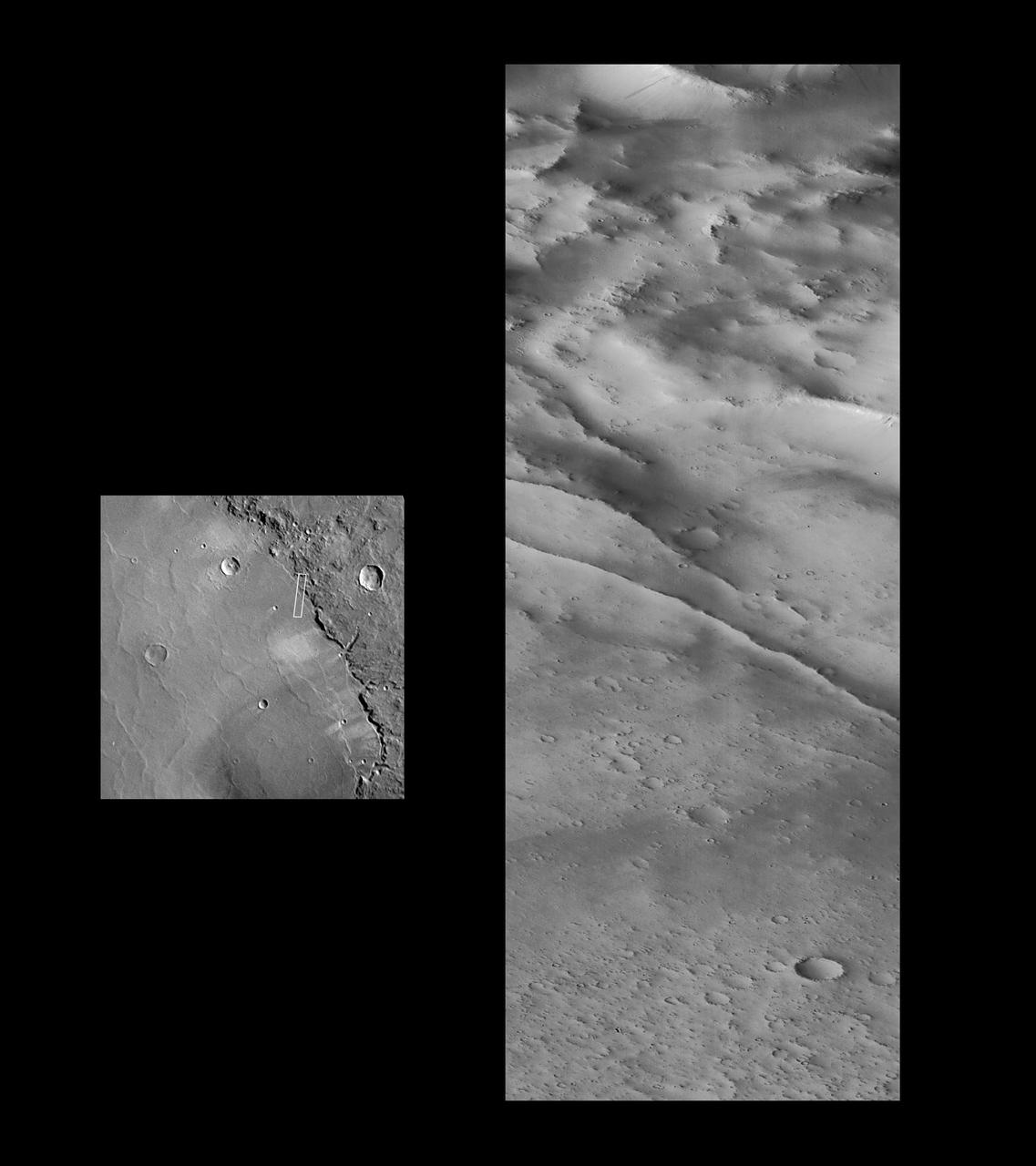
Schiaparelli Crater Rim and Interior Deposits
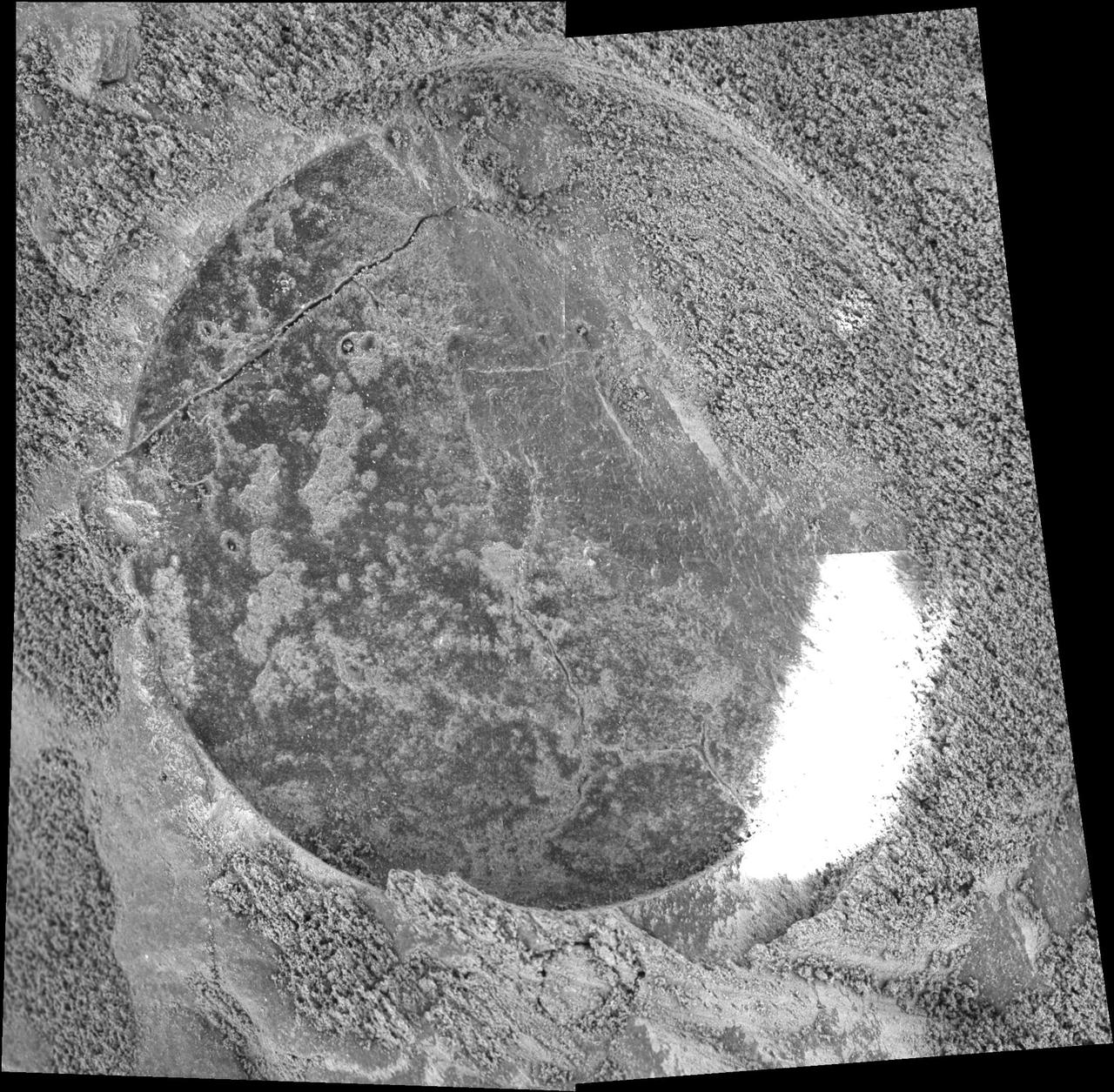
Rock Interior Exposed Near Endurance
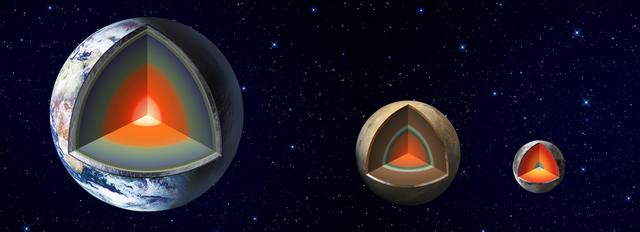
An artist's impression shows the major interior layers of Earth, Mars and the Moon. https://photojournal.jpl.nasa.gov/catalog/PIA22573
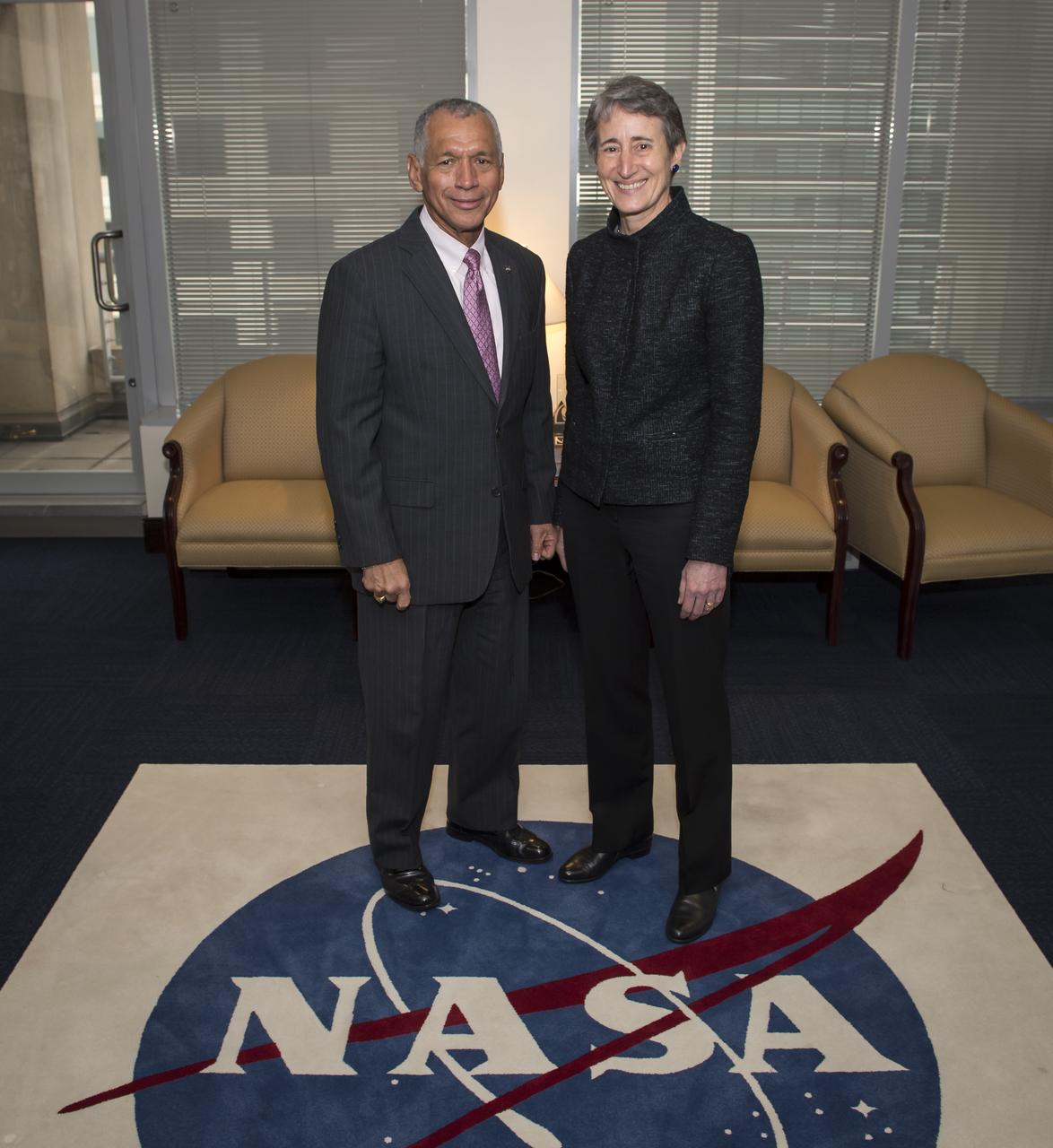
NASA Administrator Charles Bolden, left, welcomes Secretary of the Interior Sally Jewell to NASA Headquarters to discuss continued partnerships between NASA and the Department of the Interior, Wednesday, Jan. 15, 2014 in Washington. Photo Credit: (NASA/Bill Ingalls)
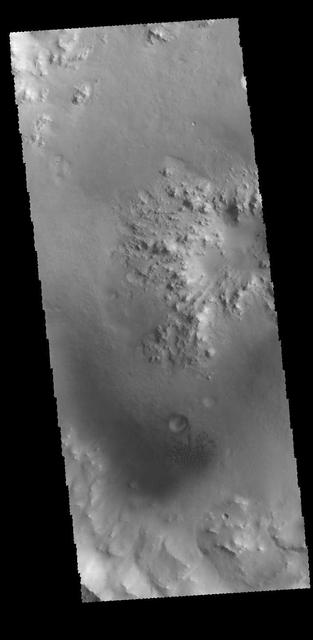
This image captured by NASA 2001 Mars Odyssey spacecraft shows the interior of an unnamed crater near Nili Fossae.
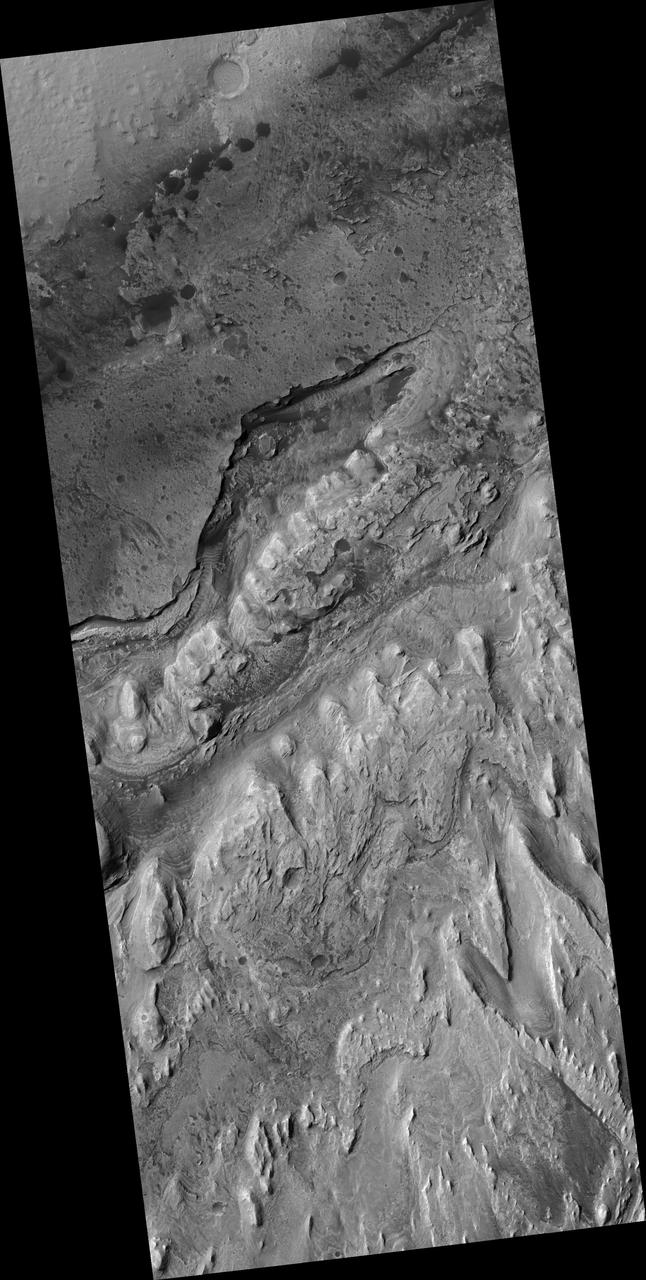
Edge along Gale Crater Interior Mound
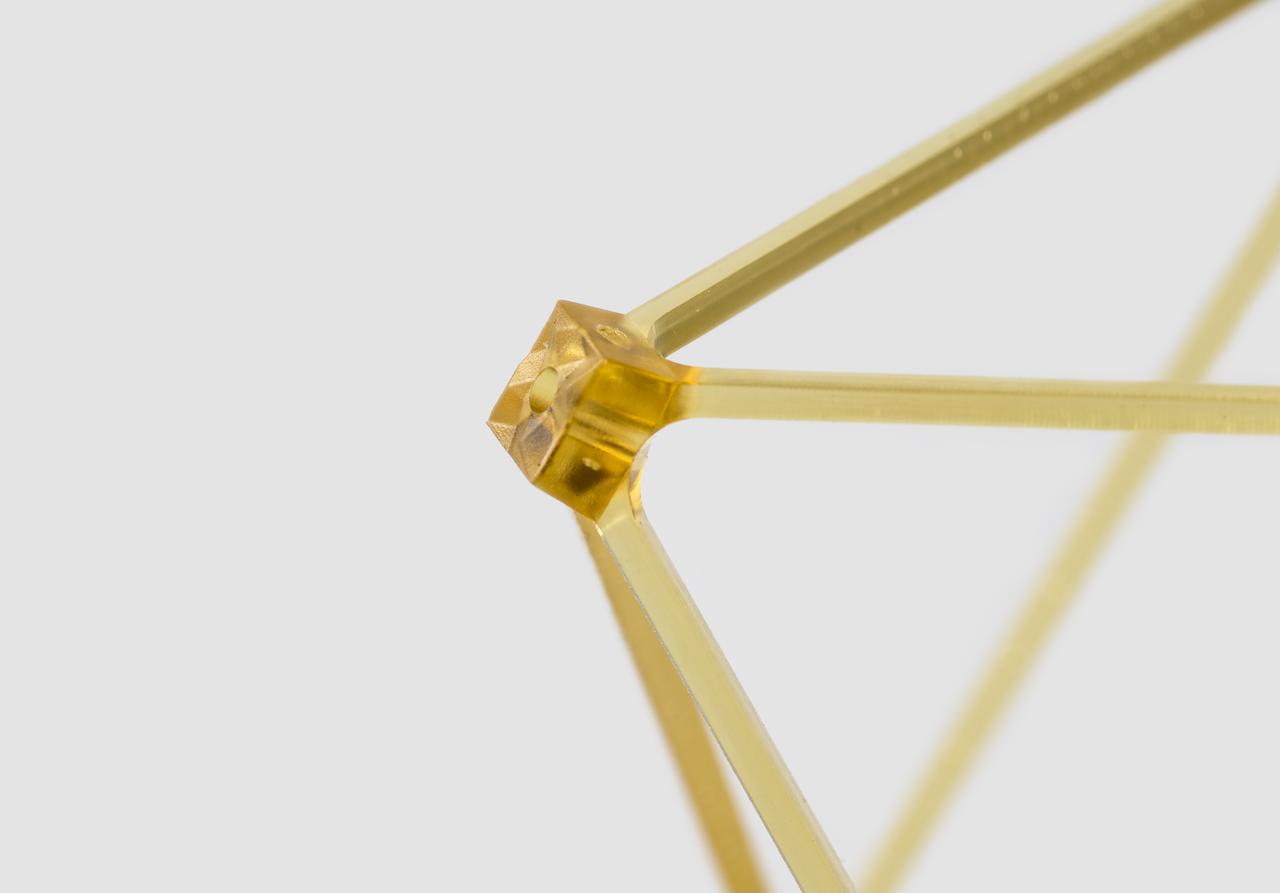
Mission Adaptive Digital Composite Aerostructure Technologies (MADCAT) model in the 14x22 test section. Interior of Structure. For more information go to NASA.gov article. April 3, 2019 "What is MADCAT?" Flexing Wings for Efficient Flight

A model of the interior of Jupiter is compared with that of Earth, to scale. Jupiter is mostly hydrogen, with some helium and a dusting of heavier elements. The gas giant's outer envelope is in the form of molecular hydrogen and, beneath that, the hydrogen transitions to metallic hydrogen. Most models include a layer of metallic hydrogen stabilized by exsolution of helium (aka "helium rain") at the top of the metallic hydrogen region. https://photojournal.jpl.nasa.gov/catalog/PIA25062
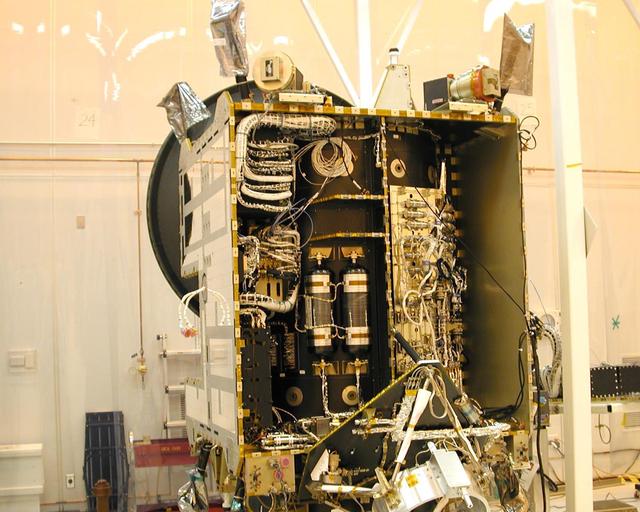
Exposed interior of NASA Dawn spacecraft showing ion propulsion system xenon feed system.
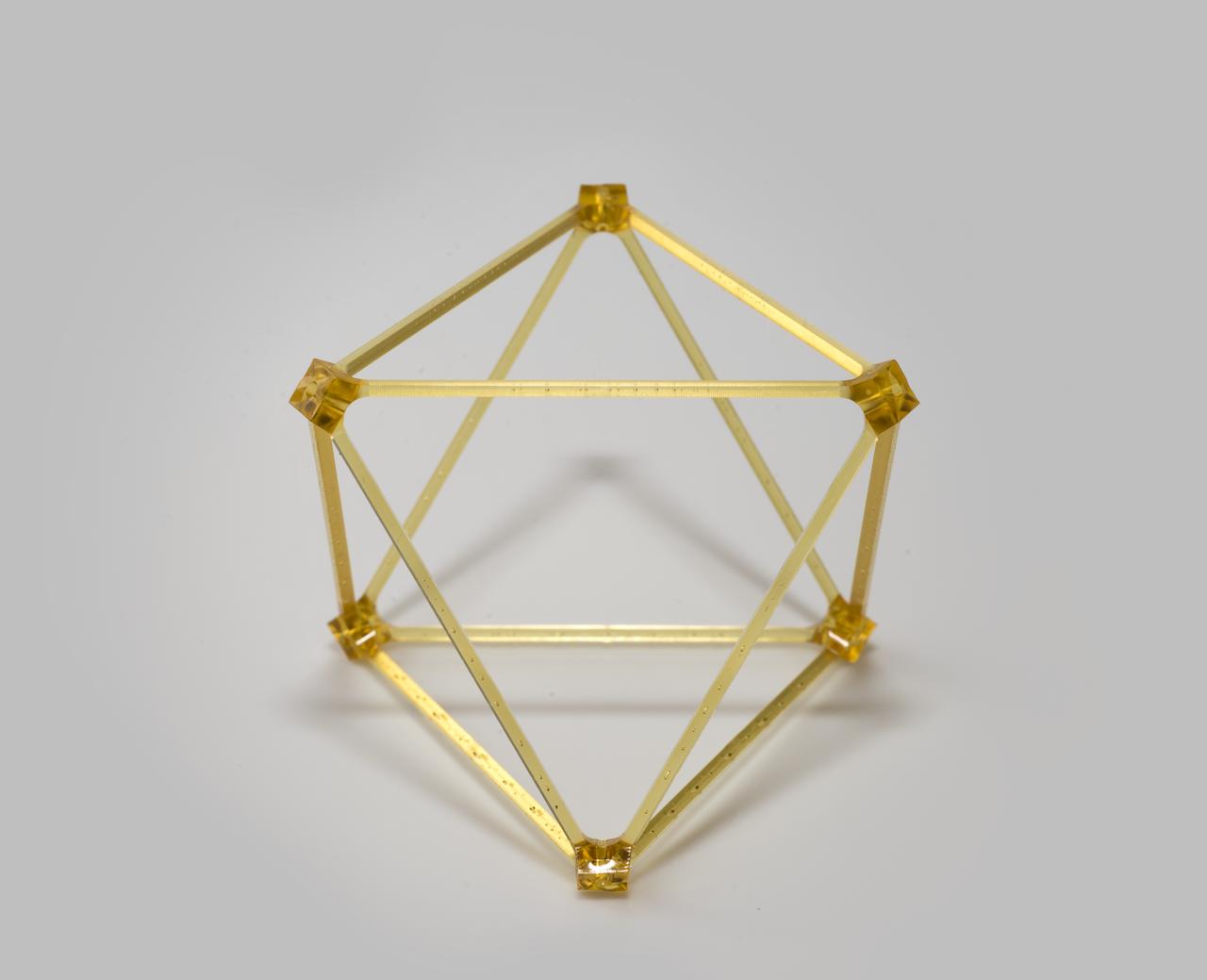
Mission Adaptive Digital Composite Aerostructure Technologies (MADCAT) model in the 14x22 test section. Interior of structure. For more information go to NASA.gov article. April 3, 2019 "What is MADCAT?" Flexing Wings for Efficient Flight

NICER’s X-ray concentrator optics are inspected under a black light for dust and foreign object debris that could impair functionality once in space. The payload’s 56 mirror assemblies concentrate X-rays onto silicon detectors to gather data that will probe the interior makeup of neutron stars, including those that appear to flash regularly, called pulsars. The Neutron star Interior Composition Explorer (NICER) is a NASA Explorer Mission of Opportunity dedicated to studying the extraordinary environments — strong gravity, ultra-dense matter, and the most powerful magnetic fields in the universe — embodied by neutron stars. An attached payload aboard the International Space Station, NICER will deploy an instrument with unique capabilities for timing and spectroscopy of fast X-ray brightness fluctuations. The embedded Station Explorer for X-ray Timing and Navigation Technology demonstration (SEXTANT) will use NICER data to validate, for the first time in space, technology that exploits pulsars as natural navigation beacons. Credit: NASA/Goddard/ Keith Gendreau <b><a href="http://www.nasa.gov/audience/formedia/features/MP_Photo_Guidelines.html" rel="nofollow">NASA image use policy.</a></b> <b><a href="http://www.nasa.gov/centers/goddard/home/index.html" rel="nofollow">NASA Goddard Space Flight Center</a></b> enables NASA’s mission through four scientific endeavors: Earth Science, Heliophysics, Solar System Exploration, and Astrophysics. Goddard plays a leading role in NASA’s accomplishments by contributing compelling scientific knowledge to advance the Agency’s mission. <b>Follow us on <a href="http://twitter.com/NASAGoddardPix" rel="nofollow">Twitter</a></b> <b>Like us on <a href="http://www.facebook.com/pages/Greenbelt-MD/NASA-Goddard/395013845897?ref=tsd" rel="nofollow">Facebook</a></b> <b>Find us on <a href="http://instagrid.me/nasagoddard/?vm=grid" rel="nofollow">Instagram</a></b>

NICER engineer Steven Kenyon prepares seven of the 56 X-ray concentrators for installation in the NICER instrument. The payload’s 56 mirror assemblies concentrate X-rays onto silicon detectors to gather data that will probe the interior makeup of neutron stars, including those that appear to flash regularly, called pulsars. The Neutron star Interior Composition Explorer (NICER) is a NASA Explorer Mission of Opportunity dedicated to studying the extraordinary environments — strong gravity, ultra-dense matter, and the most powerful magnetic fields in the universe — embodied by neutron stars. An attached payload aboard the International Space Station, NICER will deploy an instrument with unique capabilities for timing and spectroscopy of fast X-ray brightness fluctuations. The embedded Station Explorer for X-ray Timing and Navigation Technology demonstration (SEXTANT) will use NICER data to validate, for the first time in space, technology that exploits pulsars as natural navigation beacons. Credit: NASA/Goddard/ Keith Gendreau <b><a href="http://www.nasa.gov/audience/formedia/features/MP_Photo_Guidelines.html" rel="nofollow">NASA image use policy.</a></b> <b><a href="http://www.nasa.gov/centers/goddard/home/index.html" rel="nofollow">NASA Goddard Space Flight Center</a></b> enables NASA’s mission through four scientific endeavors: Earth Science, Heliophysics, Solar System Exploration, and Astrophysics. Goddard plays a leading role in NASA’s accomplishments by contributing compelling scientific knowledge to advance the Agency’s mission. <b>Follow us on <a href="http://twitter.com/NASAGoddardPix" rel="nofollow">Twitter</a></b> <b>Like us on <a href="http://www.facebook.com/pages/Greenbelt-MD/NASA-Goddard/395013845897?ref=tsd" rel="nofollow">Facebook</a></b> <b>Find us on <a href="http://instagrid.me/nasagoddard/?vm=grid" rel="nofollow">Instagram</a></b>

NICER Optics Lead Takashi Okajima installs one of NICER’s 56 X-ray “concentrators,” each consisting of 24 concentric foils. To minimize the effects of Earth’s gravity on their alignment, the concentrator assemblies were installed from the outside edges toward the center of the plate that houses them. The payload’s 56 mirror assemblies concentrate X-rays onto silicon detectors to gather data that will probe the interior makeup of neutron stars, including those that appear to flash regularly, called pulsars. The Neutron star Interior Composition Explorer (NICER) is a NASA Explorer Mission of Opportunity dedicated to studying the extraordinary environments — strong gravity, ultra-dense matter, and the most powerful magnetic fields in the universe — embodied by neutron stars. An attached payload aboard the International Space Station, NICER will deploy an instrument with unique capabilities for timing and spectroscopy of fast X-ray brightness fluctuations. The embedded Station Explorer for X-ray Timing and Navigation Technology demonstration (SEXTANT) will use NICER data to validate, for the first time in space, technology that exploits pulsars as natural navigation beacons. Credit: NASA/Goddard/ Keith Gendreau <b><a href="http://www.nasa.gov/audience/formedia/features/MP_Photo_Guidelines.html" rel="nofollow">NASA image use policy.</a></b> <b><a href="http://www.nasa.gov/centers/goddard/home/index.html" rel="nofollow">NASA Goddard Space Flight Center</a></b> enables NASA’s mission through four scientific endeavors: Earth Science, Heliophysics, Solar System Exploration, and Astrophysics. Goddard plays a leading role in NASA’s accomplishments by contributing compelling scientific knowledge to advance the Agency’s mission. <b>Follow us on <a href="http://twitter.com/NASAGoddardPix" rel="nofollow">Twitter</a></b> <b>Like us on <a href="http://www.facebook.com/pages/Greenbelt-MD/NASA-Goddard/395013845897?ref=tsd" rel="nofollow">Facebook</a></b> <b>Find us on <a href="http://instagrid.me/nasagoddard/?vm=grid" rel="nofollow">Instagram</a></b>

Many of NICER’s 56 X-ray “concentrators” seen from within the instrument optical bench. Light reflected from the gold surfaces of the 24 concentric foils in each concentrator is focused onto detectors slightly more than 1 meter (3.5 feet) away. The payload’s 56 mirror assemblies concentrate X-rays onto silicon detectors to gather data that will probe the interior makeup of neutron stars, including those that appear to flash regularly, called pulsars. The Neutron star Interior Composition Explorer (NICER) is a NASA Explorer Mission of Opportunity dedicated to studying the extraordinary environments — strong gravity, ultra-dense matter, and the most powerful magnetic fields in the universe — embodied by neutron stars. An attached payload aboard the International Space Station, NICER will deploy an instrument with unique capabilities for timing and spectroscopy of fast X-ray brightness fluctuations. The embedded Station Explorer for X-ray Timing and Navigation Technology demonstration (SEXTANT) will use NICER data to validate, for the first time in space, technology that exploits pulsars as natural navigation beacons. Credit: NASA/Goddard/ Keith Gendreau <b><a href="http://www.nasa.gov/audience/formedia/features/MP_Photo_Guidelines.html" rel="nofollow">NASA image use policy.</a></b> <b><a href="http://www.nasa.gov/centers/goddard/home/index.html" rel="nofollow">NASA Goddard Space Flight Center</a></b> enables NASA’s mission through four scientific endeavors: Earth Science, Heliophysics, Solar System Exploration, and Astrophysics. Goddard plays a leading role in NASA’s accomplishments by contributing compelling scientific knowledge to advance the Agency’s mission. <b>Follow us on <a href="http://twitter.com/NASAGoddardPix" rel="nofollow">Twitter</a></b> <b>Like us on <a href="http://www.facebook.com/pages/Greenbelt-MD/NASA-Goddard/395013845897?ref=tsd" rel="nofollow">Facebook</a></b> <b>Find us on <a href="http://instagrid.me/nasagoddard/?vm=grid" rel="nofollow">Instagram</a></b>

NICER team members Takashi Okajima, Yang Soong, and Steven Kenyon apply epoxy to the X-ray concentrator mounts after alignment. The epoxy holds the optics assemblies fixed in position through the vibrations experienced during launch to the International Space Station. The payload’s 56 mirror assemblies concentrate X-rays onto silicon detectors to gather data that will probe the interior makeup of neutron stars, including those that appear to flash regularly, called pulsars. The Neutron star Interior Composition Explorer (NICER) is a NASA Explorer Mission of Opportunity dedicated to studying the extraordinary environments — strong gravity, ultra-dense matter, and the most powerful magnetic fields in the universe — embodied by neutron stars. An attached payload aboard the International Space Station, NICER will deploy an instrument with unique capabilities for timing and spectroscopy of fast X-ray brightness fluctuations. The embedded Station Explorer for X-ray Timing and Navigation Technology demonstration (SEXTANT) will use NICER data to validate, for the first time in space, technology that exploits pulsars as natural navigation beacons. Credit: NASA/Goddard/ Keith Gendreau <b><a href="http://www.nasa.gov/audience/formedia/features/MP_Photo_Guidelines.html" rel="nofollow">NASA image use policy.</a></b> <b><a href="http://www.nasa.gov/centers/goddard/home/index.html" rel="nofollow">NASA Goddard Space Flight Center</a></b> enables NASA’s mission through four scientific endeavors: Earth Science, Heliophysics, Solar System Exploration, and Astrophysics. Goddard plays a leading role in NASA’s accomplishments by contributing compelling scientific knowledge to advance the Agency’s mission. <b>Follow us on <a href="http://twitter.com/NASAGoddardPix" rel="nofollow">Twitter</a></b> <b>Like us on <a href="http://www.facebook.com/pages/Greenbelt-MD/NASA-Goddard/395013845897?ref=tsd" rel="nofollow">Facebook</a></b> <b>Find us on <a href="http://instagrid.me/nasagoddard/?vm=grid" rel="nofollow">Instagram</a></b>

NICER Optics Lead Takashi Okajima makes a fine adjustment to the orientation of one X-ray “concentrator” optic. The 56 optics must point in the same direction in order for NICER to achieve its science goals. The payload’s 56 mirror assemblies concentrate X-rays onto silicon detectors to gather data that will probe the interior makeup of neutron stars, including those that appear to flash regularly, called pulsars. The Neutron star Interior Composition Explorer (NICER) is a NASA Explorer Mission of Opportunity dedicated to studying the extraordinary environments — strong gravity, ultra-dense matter, and the most powerful magnetic fields in the universe — embodied by neutron stars. An attached payload aboard the International Space Station, NICER will deploy an instrument with unique capabilities for timing and spectroscopy of fast X-ray brightness fluctuations. The embedded Station Explorer for X-ray Timing and Navigation Technology demonstration (SEXTANT) will use NICER data to validate, for the first time in space, technology that exploits pulsars as natural navigation beacons. Credit: NASA/Goddard/ Keith Gendreau <b><a href="http://www.nasa.gov/audience/formedia/features/MP_Photo_Guidelines.html" rel="nofollow">NASA image use policy.</a></b> <b><a href="http://www.nasa.gov/centers/goddard/home/index.html" rel="nofollow">NASA Goddard Space Flight Center</a></b> enables NASA’s mission through four scientific endeavors: Earth Science, Heliophysics, Solar System Exploration, and Astrophysics. Goddard plays a leading role in NASA’s accomplishments by contributing compelling scientific knowledge to advance the Agency’s mission. <b>Follow us on <a href="http://twitter.com/NASAGoddardPix" rel="nofollow">Twitter</a></b> <b>Like us on <a href="http://www.facebook.com/pages/Greenbelt-MD/NASA-Goddard/395013845897?ref=tsd" rel="nofollow">Facebook</a></b> <b>Find us on <a href="http://instagrid.me/nasagoddard/?vm=grid" rel="nofollow">Instagram</a></b>
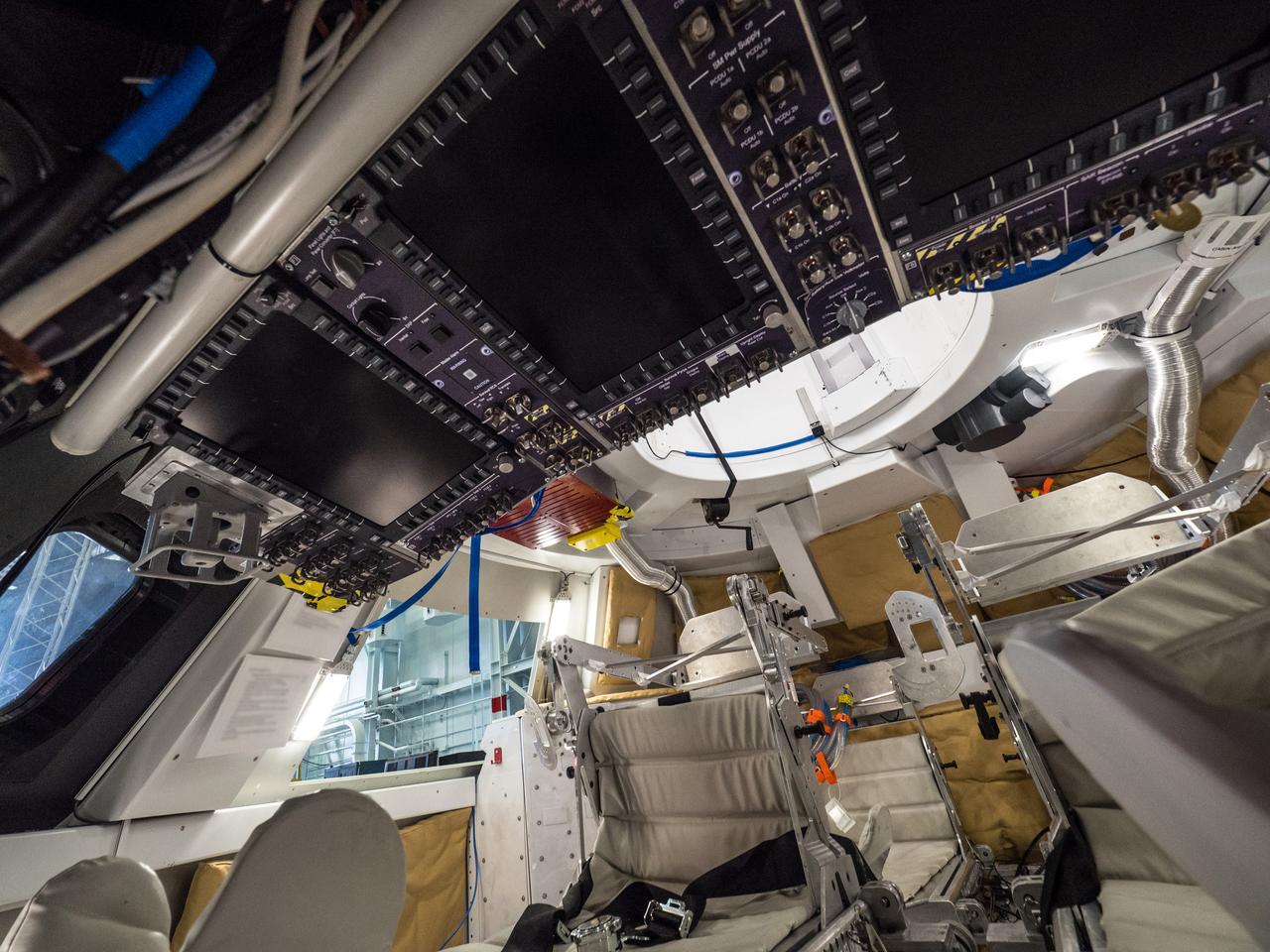
Interior of the Orion Medium Fidelity Mockup at the Johnson Space Center in Houston on May 11, 2016.
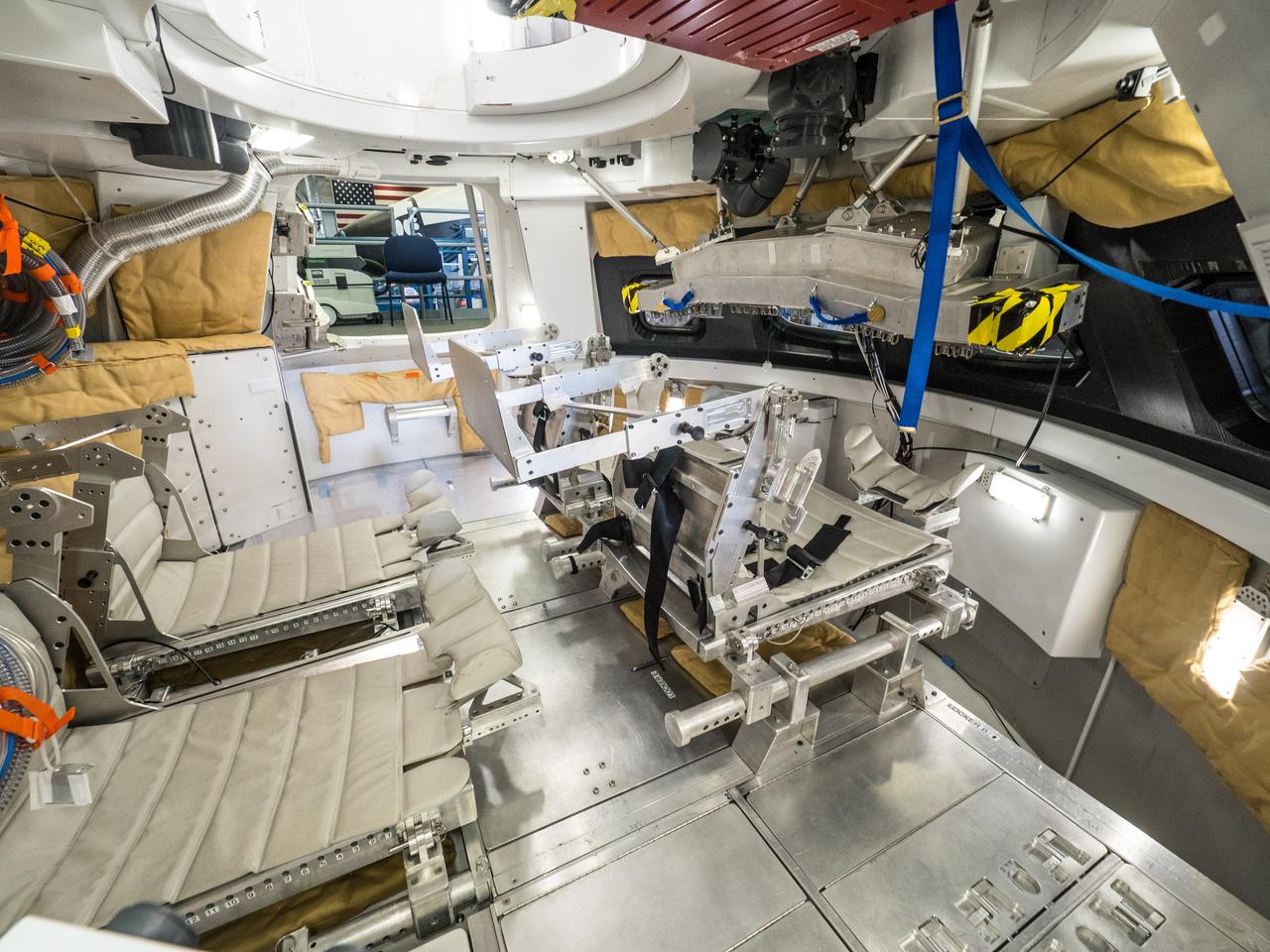
Interior of the Orion Medium Fidelity Mockup at the Johnson Space Center in Houston on May 11, 2016.
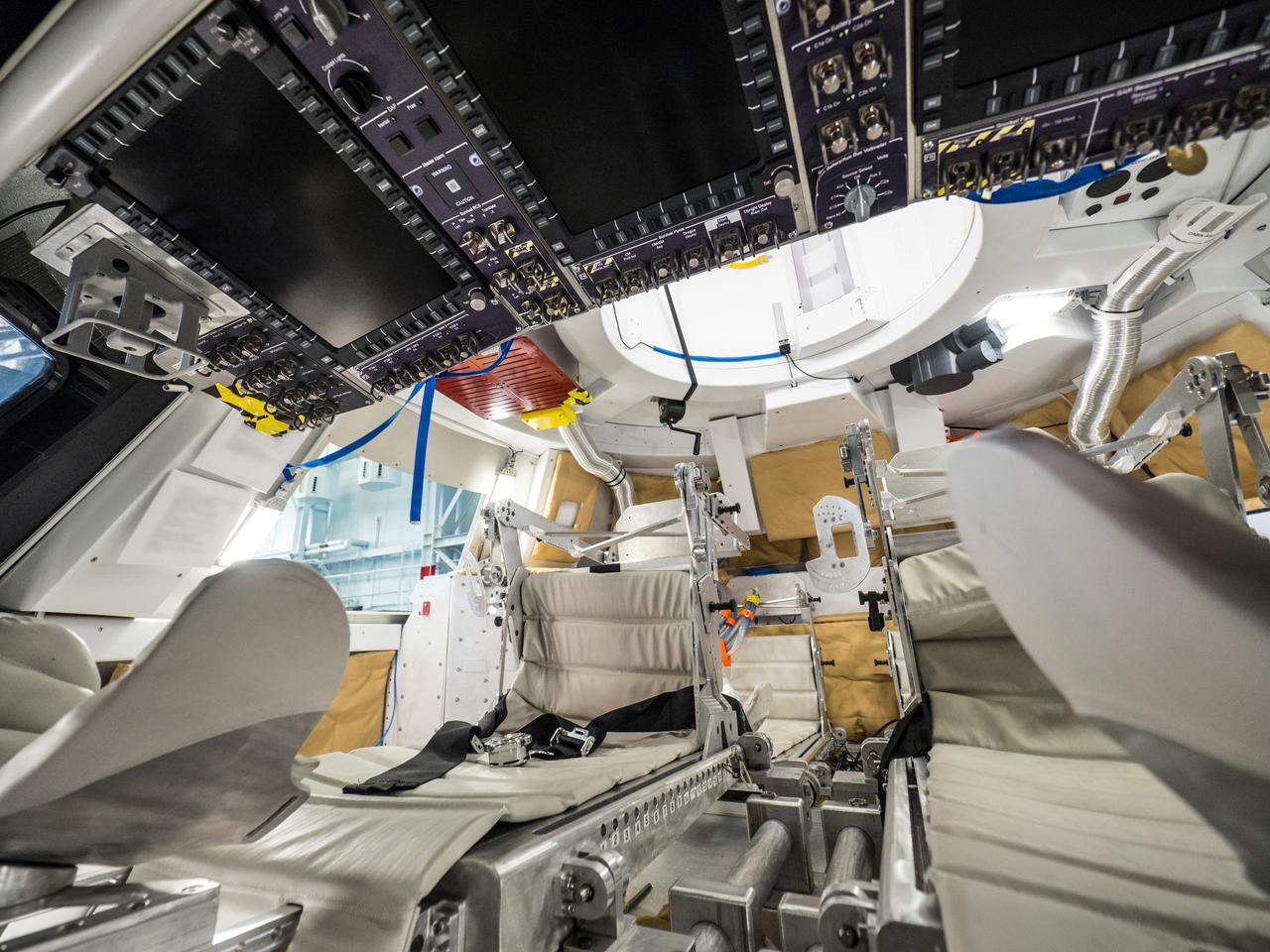
Interior of the Orion Medium Fidelity Mockup at the Johnson Space Center in Houston on May 11, 2016.
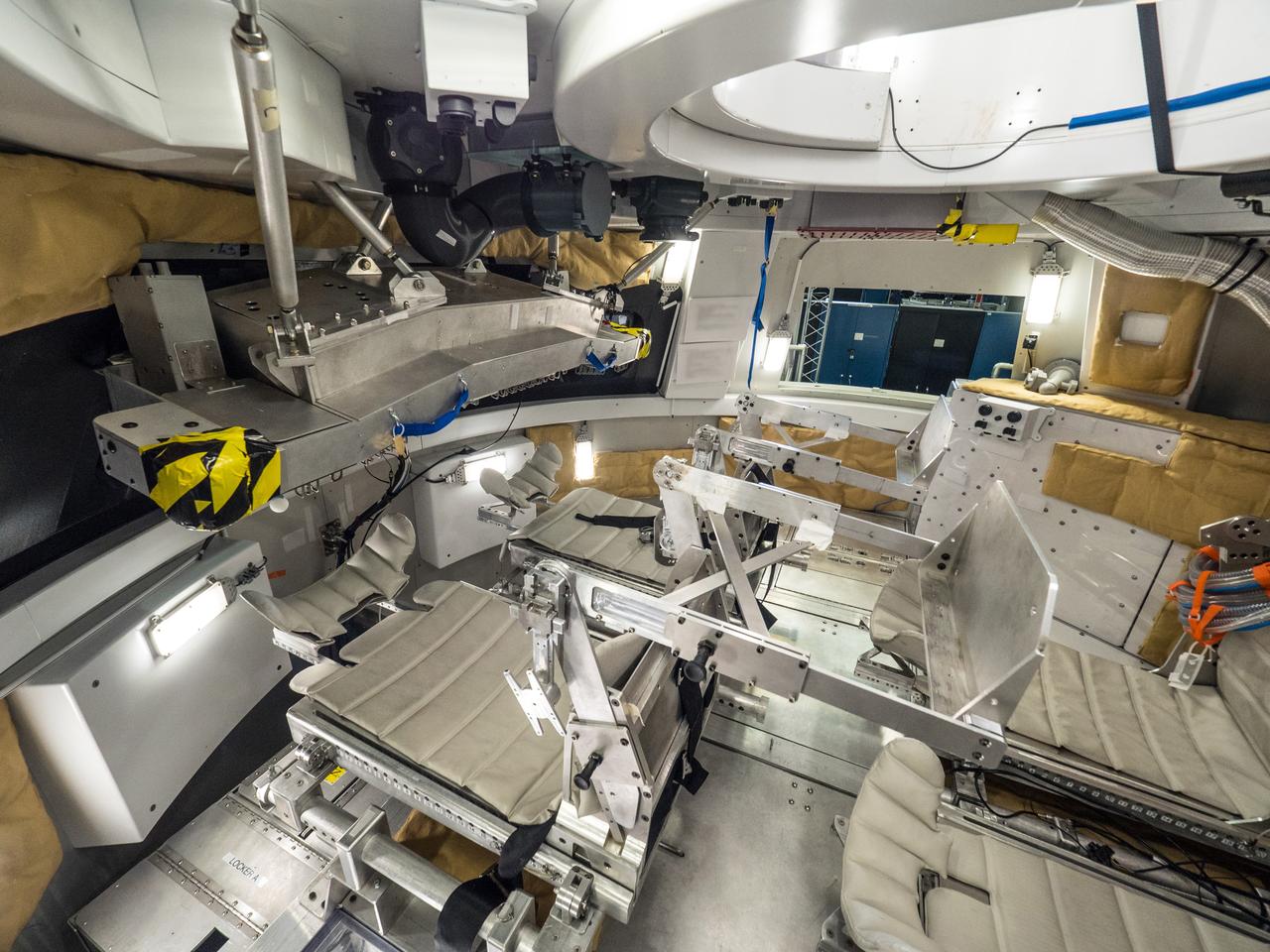
Interior of the Orion Medium Fidelity Mockup at the Johnson Space Center in Houston on May 11, 2016.
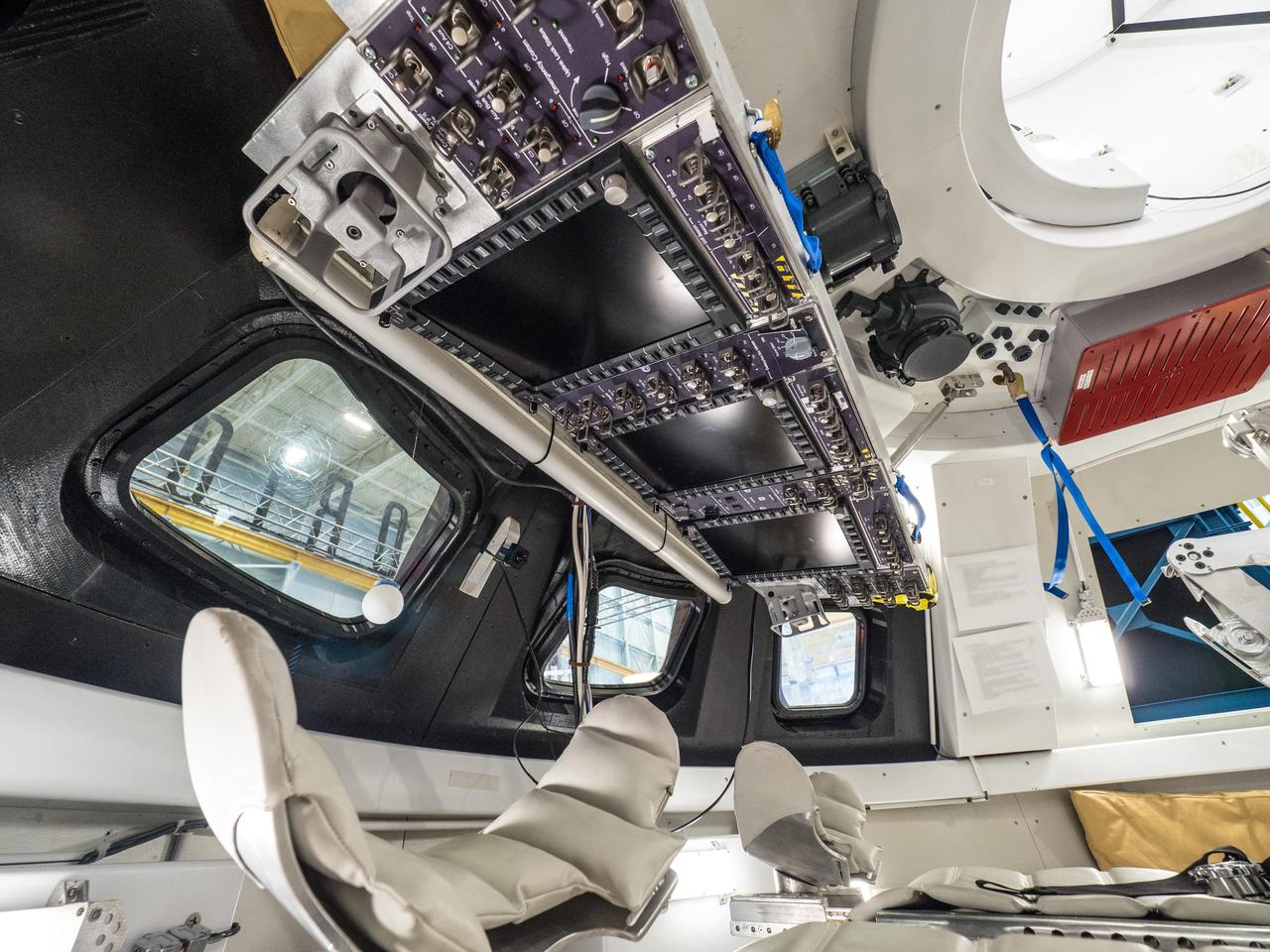
Interior of the Orion Medium Fidelity Mockup at the Johnson Space Center in Houston on May 11, 2016.
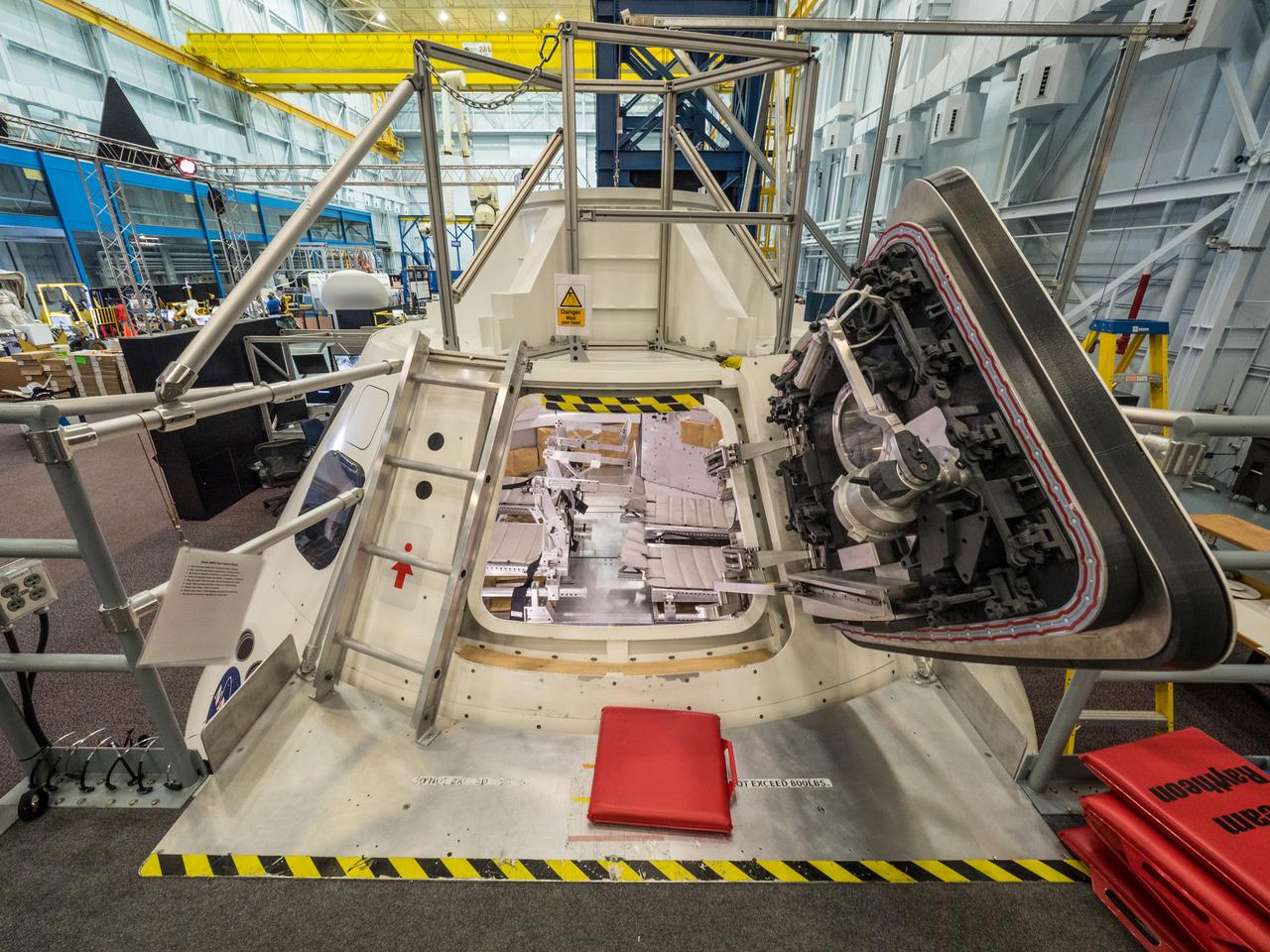
Interior of the Orion Medium Fidelity Mockup at the Johnson Space Center in Houston on May 11, 2016.
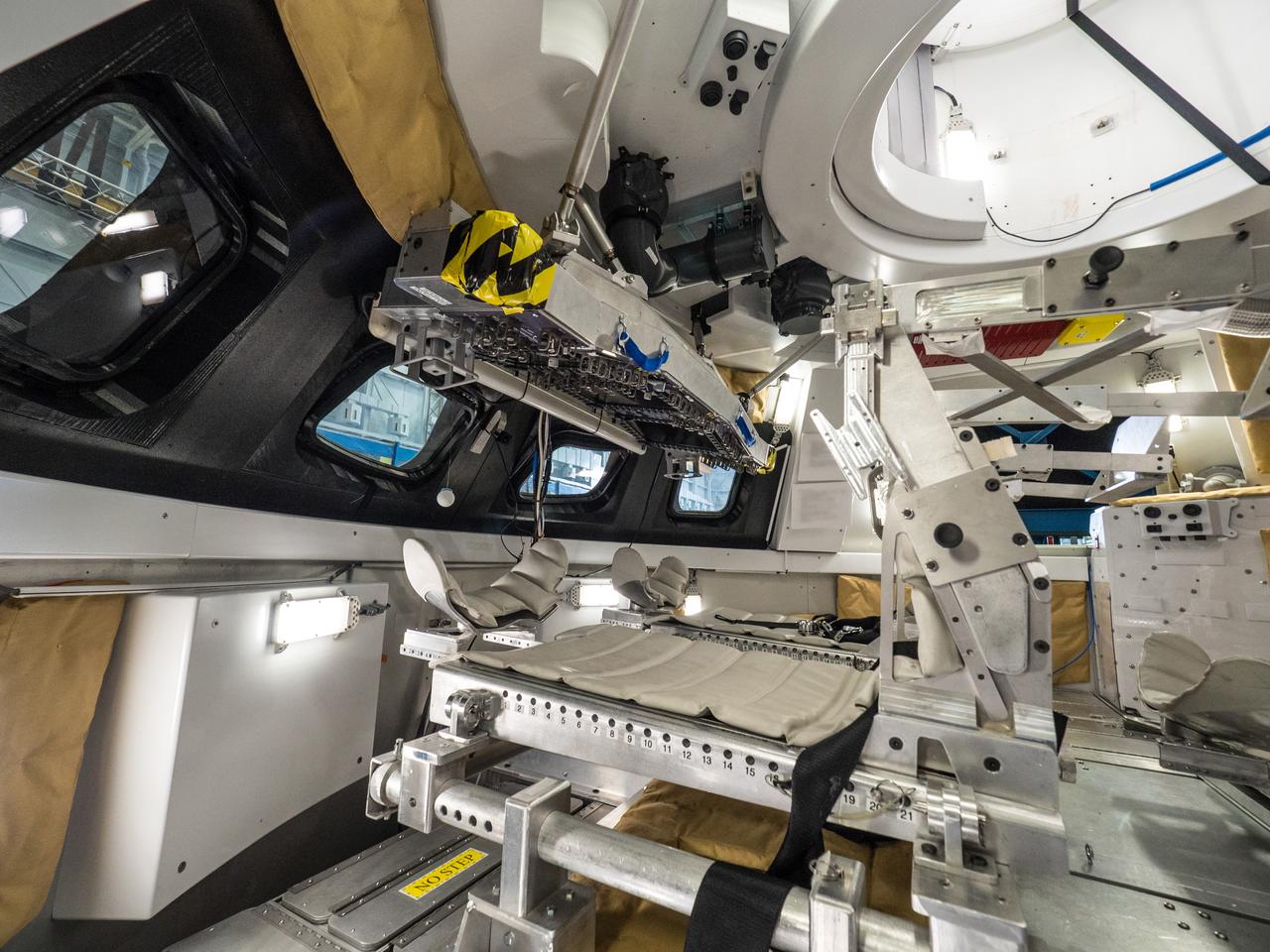
Interior of the Orion Medium Fidelity Mockup at the Johnson Space Center in Houston on May 11, 2016.
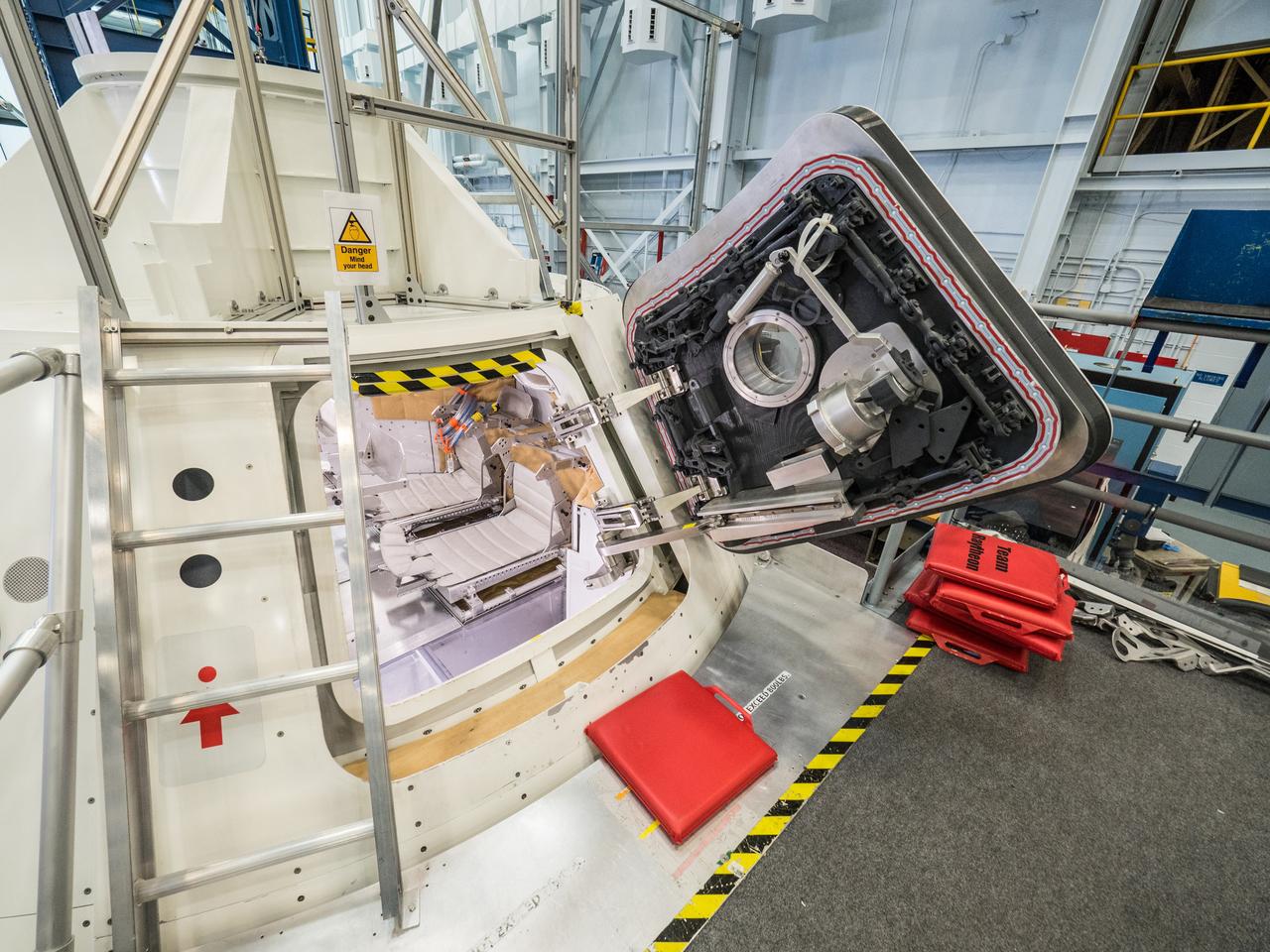
Interior of the Orion Medium Fidelity Mockup at the Johnson Space Center in Houston on May 11, 2016.
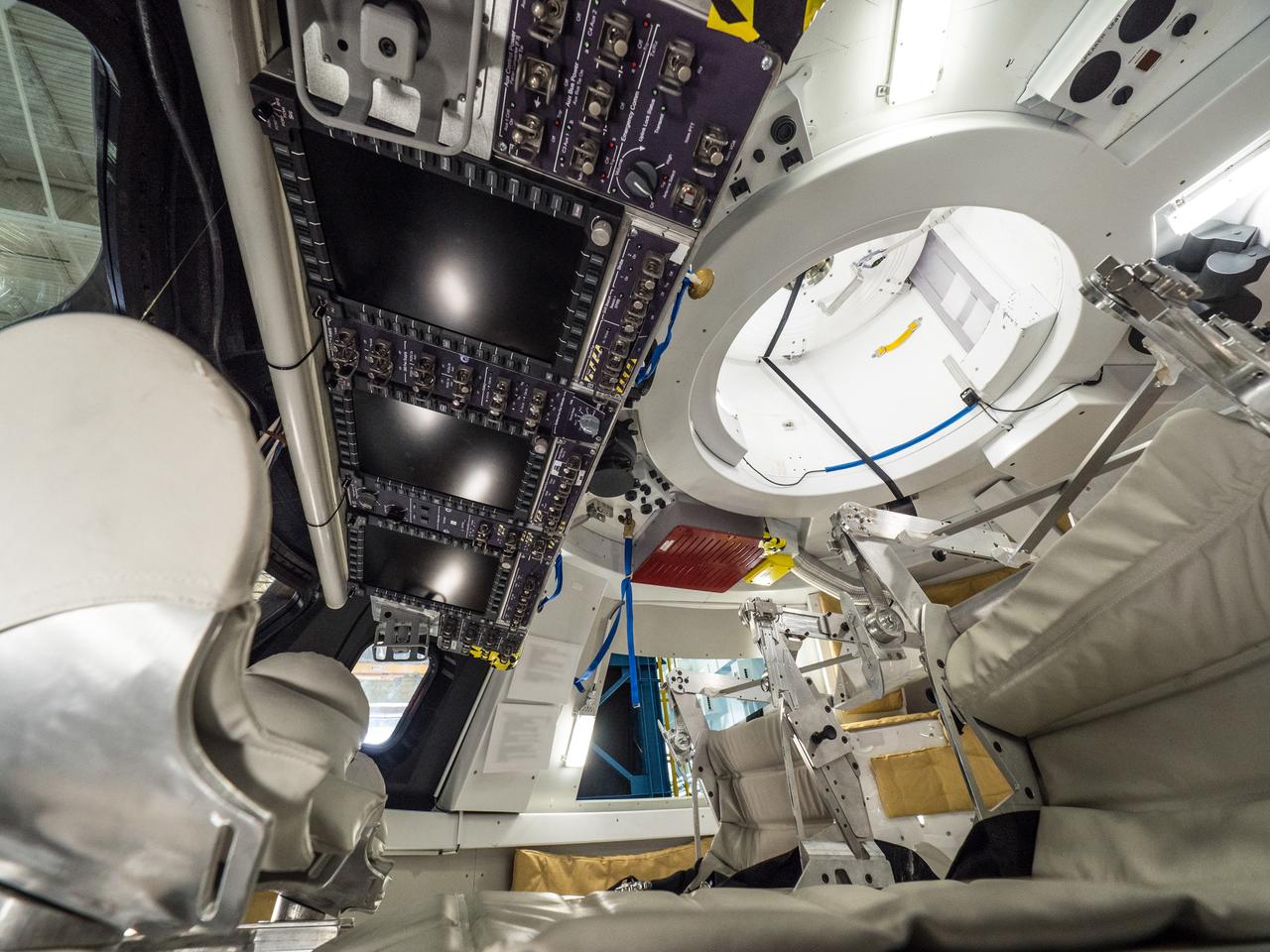
Interior of the Orion Medium Fidelity Mockup at the Johnson Space Center in Houston on May 11, 2016.
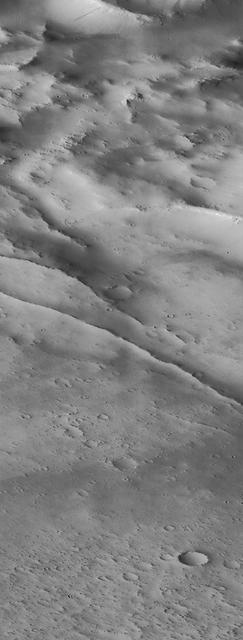
Schiaparelli Crater Rim and Interior Deposits - High Resolution Image
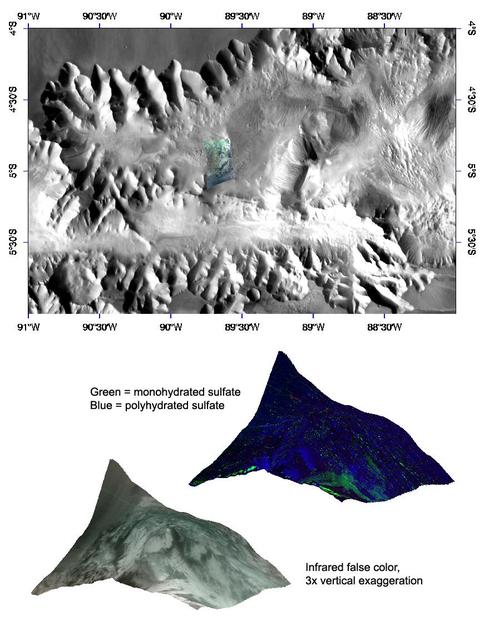
Interior Layered Deposits in Tithonium Chasma Reveal Diverse Compositions
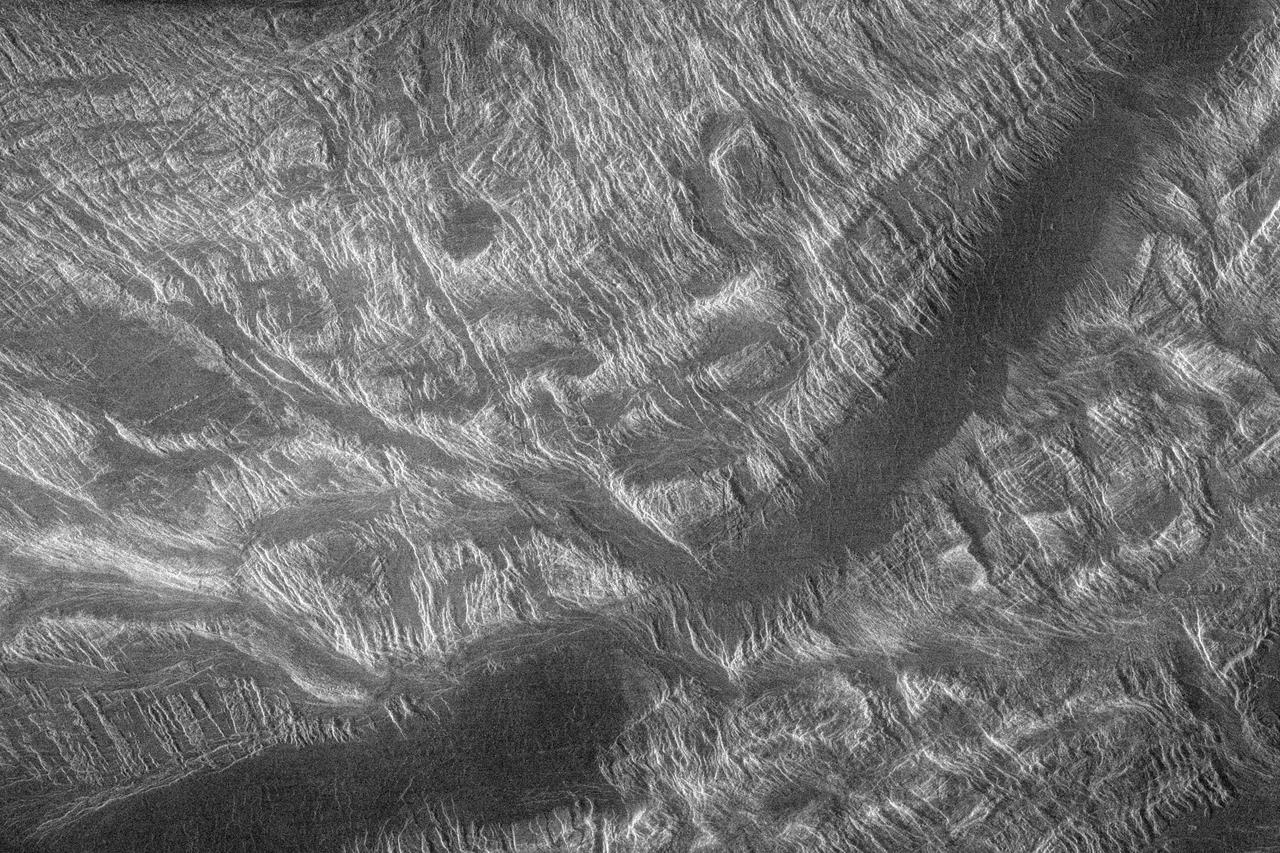
This image from NASA Magellan shows part of the interior of Ovda Regio, one of the large highlands ringing the equator of Venus. Several tectonic events formed this complex block fractured terrain. http://photojournal.jpl.nasa.gov/catalog/PIA00218
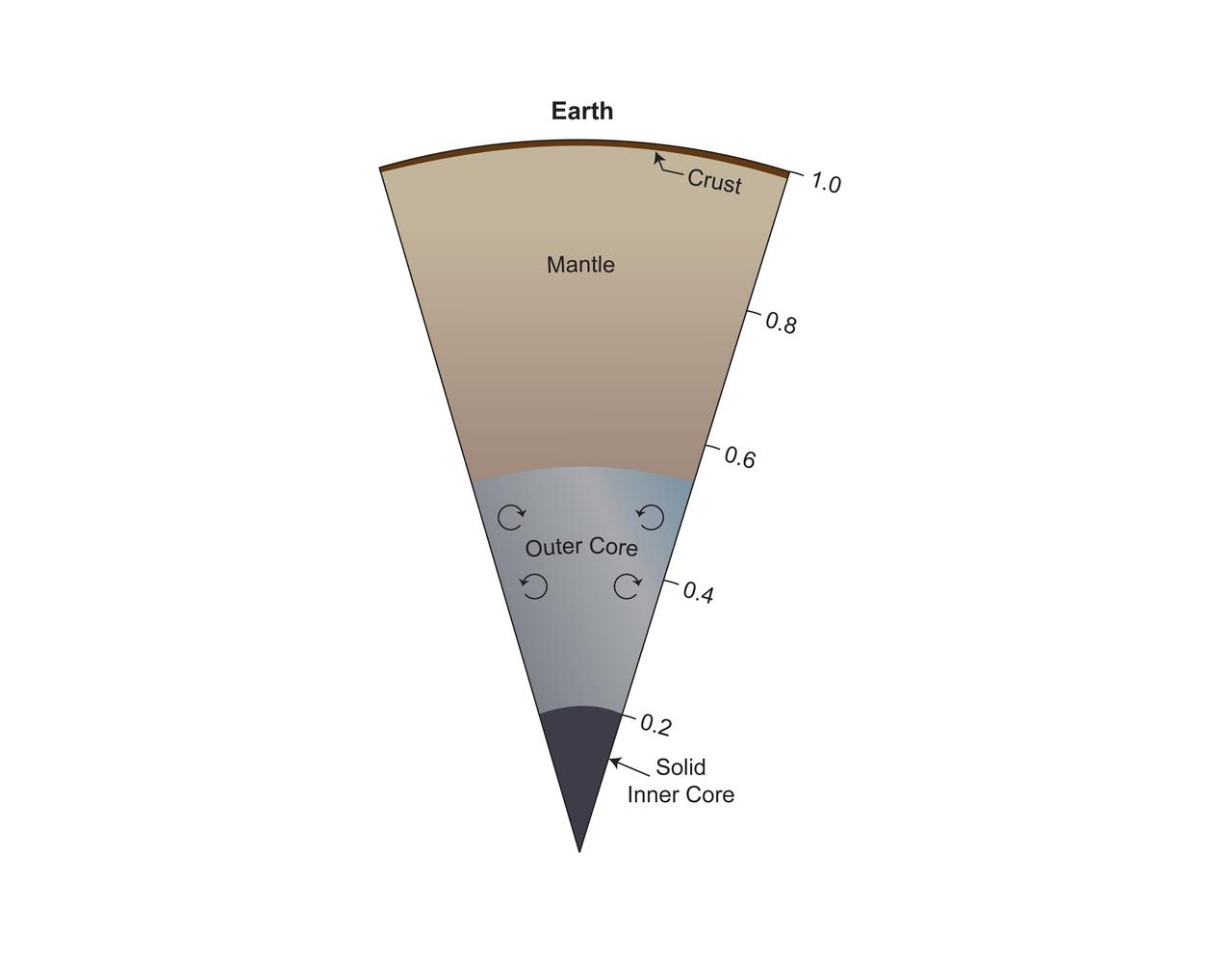
This model of Earth's interior includes a solid, mostly iron inner core beneath a convective liquid iron core that extends to half Earth's radius. Above that is a silicate mantle rich in iron and magnesium and a thin crust of lighter silicates. https://photojournal.jpl.nasa.gov/catalog/PIA25063

Optics Lead Takashi Okajima prepares to align NICER’s X-ray optics. The payload’s 56 mirror assemblies concentrate X-rays onto silicon detectors to gather data that will probe the interior makeup of neutron stars, including those that appear to flash regularly, called pulsars. The Neutron star Interior Composition Explorer (NICER) is a NASA Explorer Mission of Opportunity dedicated to studying the extraordinary environments — strong gravity, ultra-dense matter, and the most powerful magnetic fields in the universe — embodied by neutron stars. An attached payload aboard the International Space Station, NICER will deploy an instrument with unique capabilities for timing and spectroscopy of fast X-ray brightness fluctuations. The embedded Station Explorer for X-ray Timing and Navigation Technology demonstration (SEXTANT) will use NICER data to validate, for the first time in space, technology that exploits pulsars as natural navigation beacons. Credit: NASA/Goddard/ Keith Gendreau <b><a href="http://www.nasa.gov/audience/formedia/features/MP_Photo_Guidelines.html" rel="nofollow">NASA image use policy.</a></b> <b><a href="http://www.nasa.gov/centers/goddard/home/index.html" rel="nofollow">NASA Goddard Space Flight Center</a></b> enables NASA’s mission through four scientific endeavors: Earth Science, Heliophysics, Solar System Exploration, and Astrophysics. Goddard plays a leading role in NASA’s accomplishments by contributing compelling scientific knowledge to advance the Agency’s mission. <b>Follow us on <a href="http://twitter.com/NASAGoddardPix" rel="nofollow">Twitter</a></b> <b>Like us on <a href="http://www.facebook.com/pages/Greenbelt-MD/NASA-Goddard/395013845897?ref=tsd" rel="nofollow">Facebook</a></b> <b>Find us on <a href="http://instagrid.me/nasagoddard/?vm=grid" rel="nofollow">Instagram</a></b>
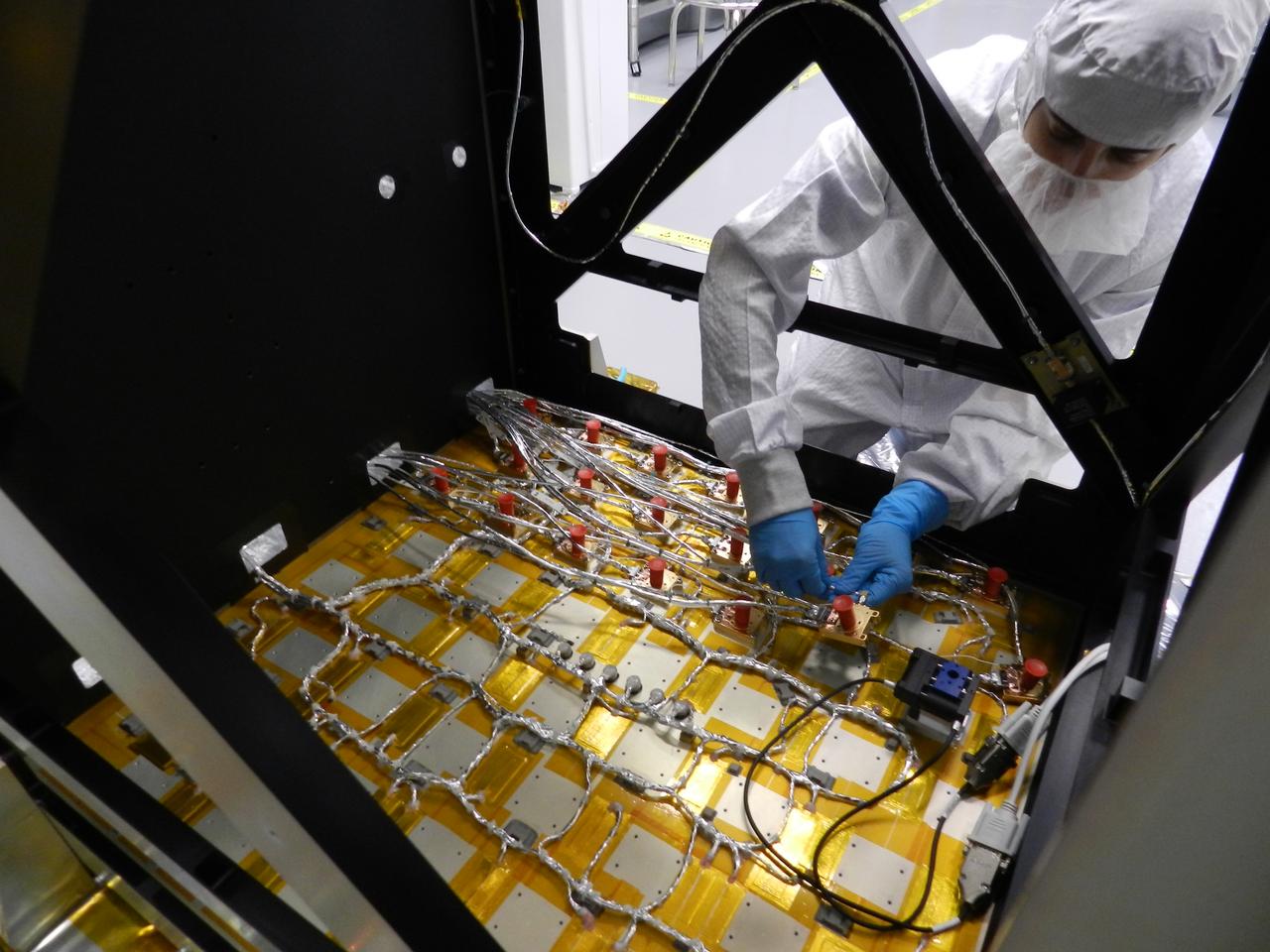
NICER engineer Steven Kenyon installs an X-ray detector onto the payload’s detector plate. The detectors are protected by red caps during installation because they are very sensitive to dust and other foreign object debris. The Neutron star Interior Composition Explorer (NICER) is a NASA Explorer Mission of Opportunity dedicated to studying the extraordinary environments — strong gravity, ultra-dense matter, and the most powerful magnetic fields in the universe — embodied by neutron stars. An attached payload aboard the International Space Station, NICER will deploy an instrument with unique capabilities for timing and spectroscopy of fast X-ray brightness fluctuations. The embedded Station Explorer for X-ray Timing and Navigation Technology demonstration (SEXTANT) will use NICER data to validate, for the first time in space, technology that exploits pulsars as natural navigation beacons. Credit: NASA/Goddard/ Keith Gendreau <b><a href="http://www.nasa.gov/audience/formedia/features/MP_Photo_Guidelines.html" rel="nofollow">NASA image use policy.</a></b> <b><a href="http://www.nasa.gov/centers/goddard/home/index.html" rel="nofollow">NASA Goddard Space Flight Center</a></b> enables NASA’s mission through four scientific endeavors: Earth Science, Heliophysics, Solar System Exploration, and Astrophysics. Goddard plays a leading role in NASA’s accomplishments by contributing compelling scientific knowledge to advance the Agency’s mission. <b>Follow us on <a href="http://twitter.com/NASAGoddardPix" rel="nofollow">Twitter</a></b> <b>Like us on <a href="http://www.facebook.com/pages/Greenbelt-MD/NASA-Goddard/395013845897?ref=tsd" rel="nofollow">Facebook</a></b> <b>Find us on <a href="http://instagrid.me/nasagoddard/?vm=grid" rel="nofollow">Instagram</a></b>
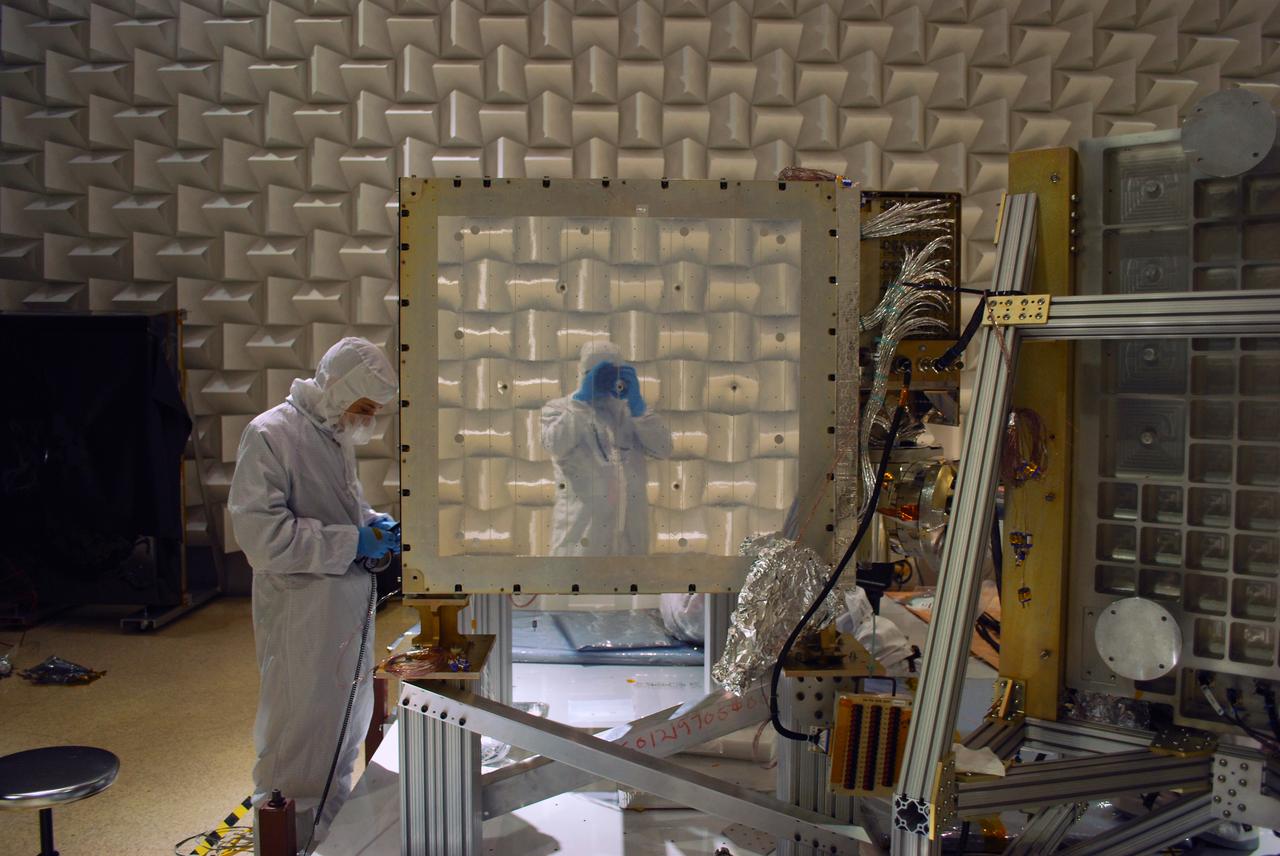
A photo taken during the NICER range-of-motion test at NASA’s Goddard Space Flight Center shows the photographer’s reflection in the mirror-like radiator surface of the detector plate. Teflon-coated silver tape is used to keep NICER’s detectors cool. The Neutron star Interior Composition Explorer (NICER) is a NASA Explorer Mission of Opportunity dedicated to studying the extraordinary environments — strong gravity, ultra-dense matter, and the most powerful magnetic fields in the universe — embodied by neutron stars. An attached payload aboard the International Space Station, NICER will deploy an instrument with unique capabilities for timing and spectroscopy of fast X-ray brightness fluctuations. The embedded Station Explorer for X-ray Timing and Navigation Technology demonstration (SEXTANT) will use NICER data to validate, for the first time in space, technology that exploits pulsars as natural navigation beacons. Credit: NASA/Goddard/ Keith Gendreau <b><a href="http://www.nasa.gov/audience/formedia/features/MP_Photo_Guidelines.html" rel="nofollow">NASA image use policy.</a></b> <b><a href="http://www.nasa.gov/centers/goddard/home/index.html" rel="nofollow">NASA Goddard Space Flight Center</a></b> enables NASA’s mission through four scientific endeavors: Earth Science, Heliophysics, Solar System Exploration, and Astrophysics. Goddard plays a leading role in NASA’s accomplishments by contributing compelling scientific knowledge to advance the Agency’s mission. <b>Follow us on <a href="http://twitter.com/NASAGoddardPix" rel="nofollow">Twitter</a></b> <b>Like us on <a href="http://www.facebook.com/pages/Greenbelt-MD/NASA-Goddard/395013845897?ref=tsd" rel="nofollow">Facebook</a></b> <b>Find us on <a href="http://instagrid.me/nasagoddard/?vm=grid" rel="nofollow">Instagram</a></b>
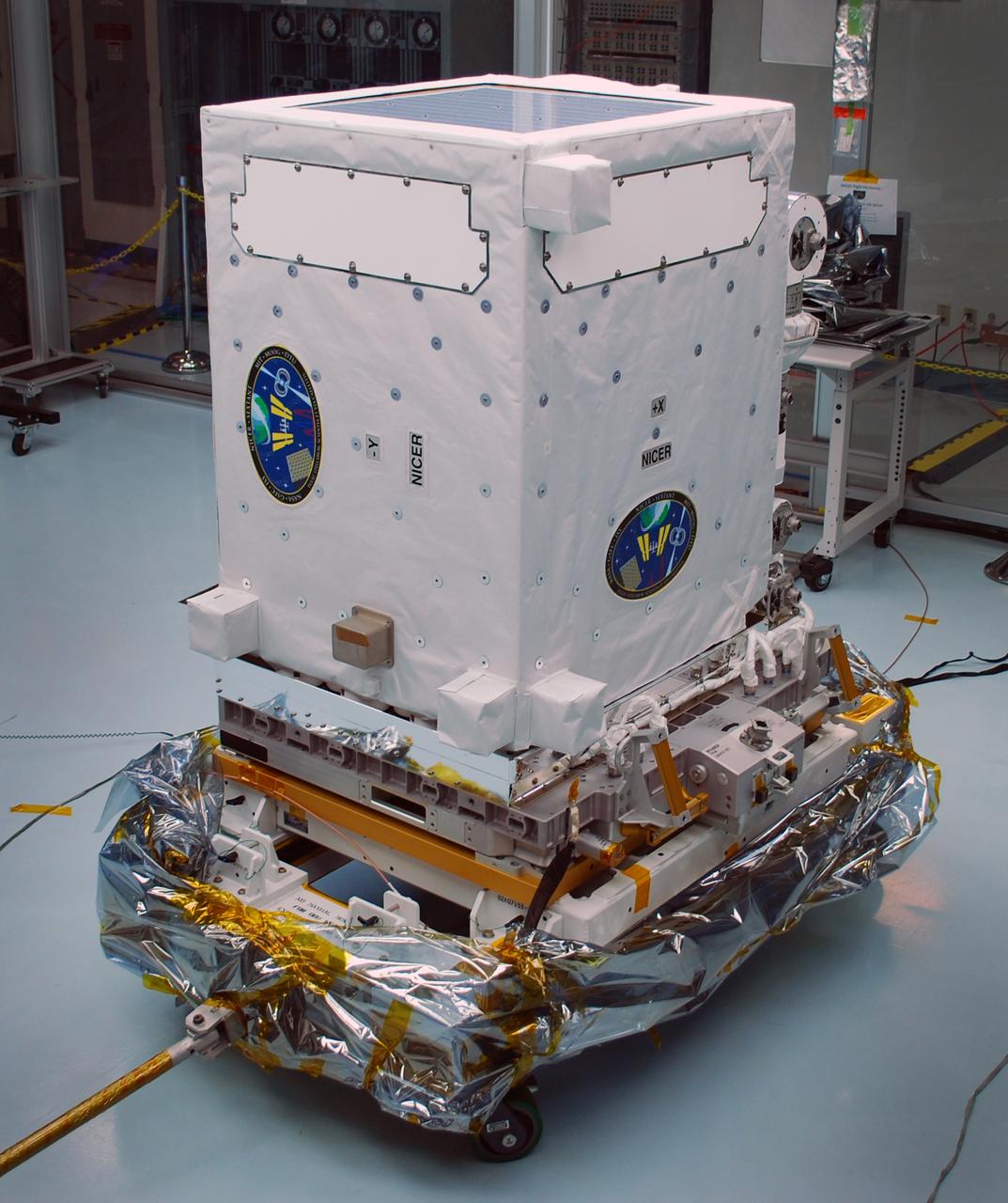
The NICER payload, blanketed and waiting for launch in the Space Station Processing Facility at NASA’s Kennedy Space Center in Cape Canaveral, Florida. The instrument is in its stowed configuration for launch. The Neutron star Interior Composition Explorer (NICER) is a NASA Explorer Mission of Opportunity dedicated to studying the extraordinary environments — strong gravity, ultra-dense matter, and the most powerful magnetic fields in the universe — embodied by neutron stars. An attached payload aboard the International Space Station, NICER will deploy an instrument with unique capabilities for timing and spectroscopy of fast X-ray brightness fluctuations. The embedded Station Explorer for X-ray Timing and Navigation Technology demonstration (SEXTANT) will use NICER data to validate, for the first time in space, technology that exploits pulsars as natural navigation beacons. Credit: NASA/Goddard/ Keith Gendreau <b><a href="http://www.nasa.gov/audience/formedia/features/MP_Photo_Guidelines.html" rel="nofollow">NASA image use policy.</a></b> <b><a href="http://www.nasa.gov/centers/goddard/home/index.html" rel="nofollow">NASA Goddard Space Flight Center</a></b> enables NASA’s mission through four scientific endeavors: Earth Science, Heliophysics, Solar System Exploration, and Astrophysics. Goddard plays a leading role in NASA’s accomplishments by contributing compelling scientific knowledge to advance the Agency’s mission. <b>Follow us on <a href="http://twitter.com/NASAGoddardPix" rel="nofollow">Twitter</a></b> <b>Like us on <a href="http://www.facebook.com/pages/Greenbelt-MD/NASA-Goddard/395013845897?ref=tsd" rel="nofollow">Facebook</a></b> <b>Find us on <a href="http://instagrid.me/nasagoddard/?vm=grid" rel="nofollow">Instagram</a></b>
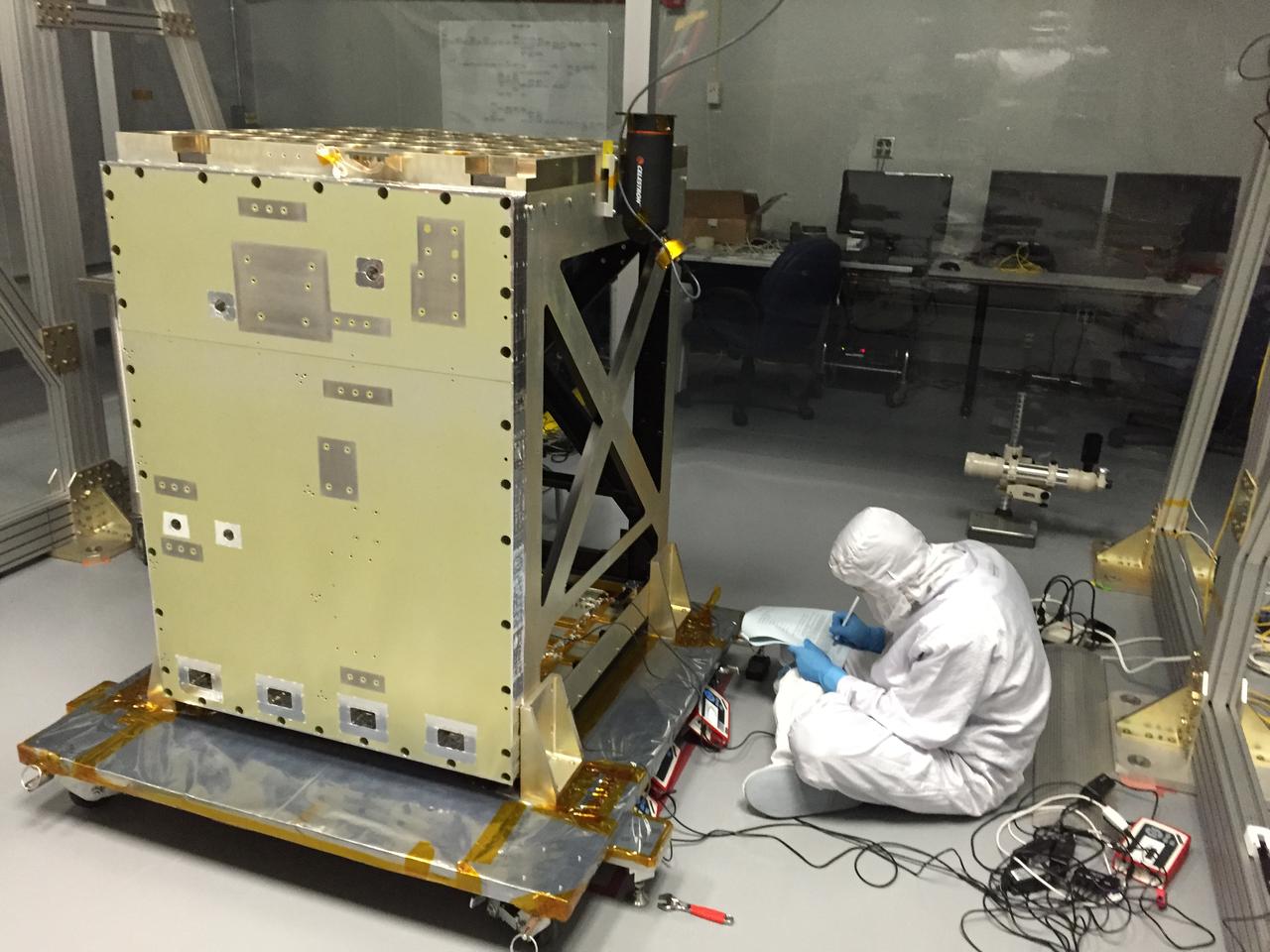
A NICER team member measures the focused optical power of each X-ray concentrator in a clean tent at NASA’s Goddard Space Flight Center. The Neutron star Interior Composition Explorer (NICER) is a NASA Explorer Mission of Opportunity dedicated to studying the extraordinary environments — strong gravity, ultra-dense matter, and the most powerful magnetic fields in the universe — embodied by neutron stars. An attached payload aboard the International Space Station, NICER will deploy an instrument with unique capabilities for timing and spectroscopy of fast X-ray brightness fluctuations. The embedded Station Explorer for X-ray Timing and Navigation Technology demonstration (SEXTANT) will use NICER data to validate, for the first time in space, technology that exploits pulsars as natural navigation beacons. Credit: NASA/Goddard/ Keith Gendreau <b><a href="http://www.nasa.gov/audience/formedia/features/MP_Photo_Guidelines.html" rel="nofollow">NASA image use policy.</a></b> <b><a href="http://www.nasa.gov/centers/goddard/home/index.html" rel="nofollow">NASA Goddard Space Flight Center</a></b> enables NASA’s mission through four scientific endeavors: Earth Science, Heliophysics, Solar System Exploration, and Astrophysics. Goddard plays a leading role in NASA’s accomplishments by contributing compelling scientific knowledge to advance the Agency’s mission. <b>Follow us on <a href="http://twitter.com/NASAGoddardPix" rel="nofollow">Twitter</a></b> <b>Like us on <a href="http://www.facebook.com/pages/Greenbelt-MD/NASA-Goddard/395013845897?ref=tsd" rel="nofollow">Facebook</a></b> <b>Find us on <a href="http://instagrid.me/nasagoddard/?vm=grid" rel="nofollow">Instagram</a></b>
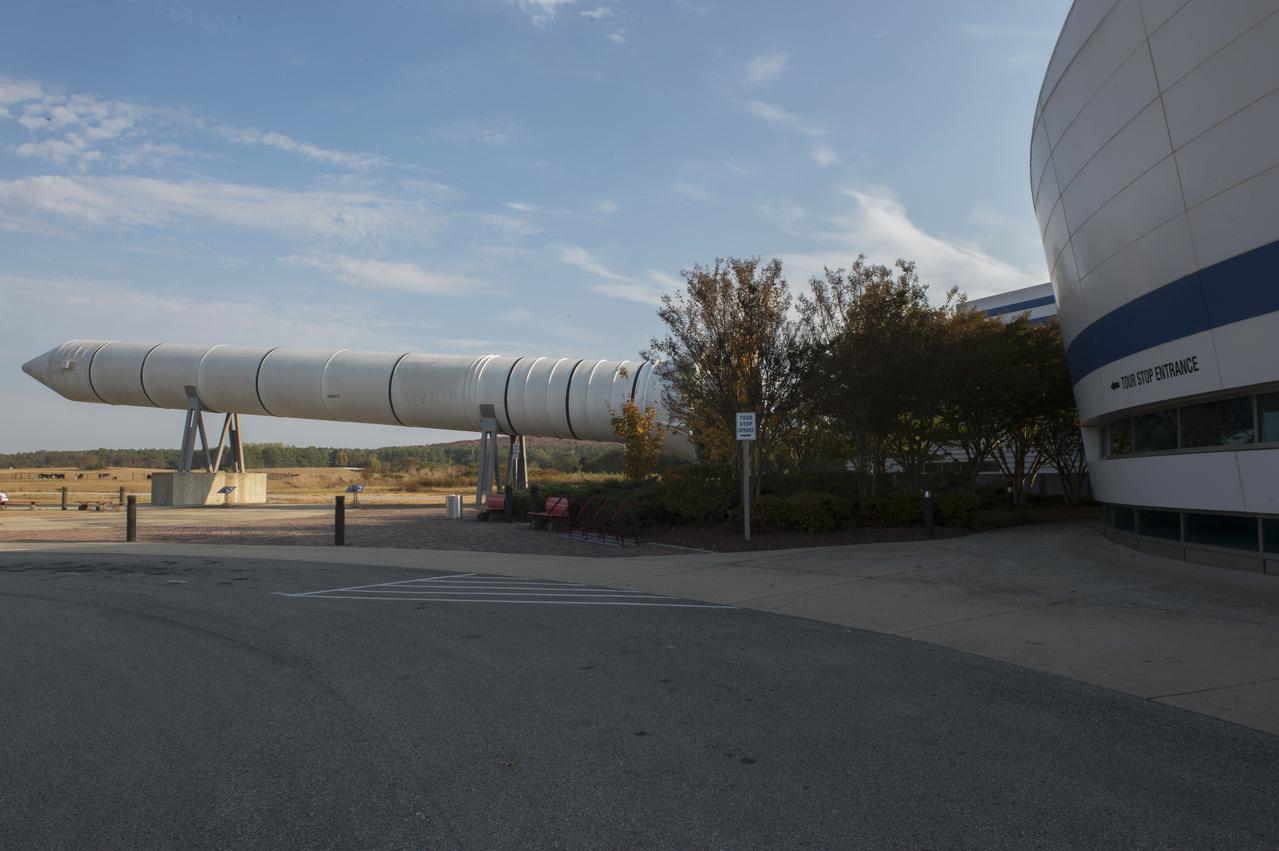
BUILDING 4205 GALLERY, EXTERIOR AND INTERIOR VIEWS
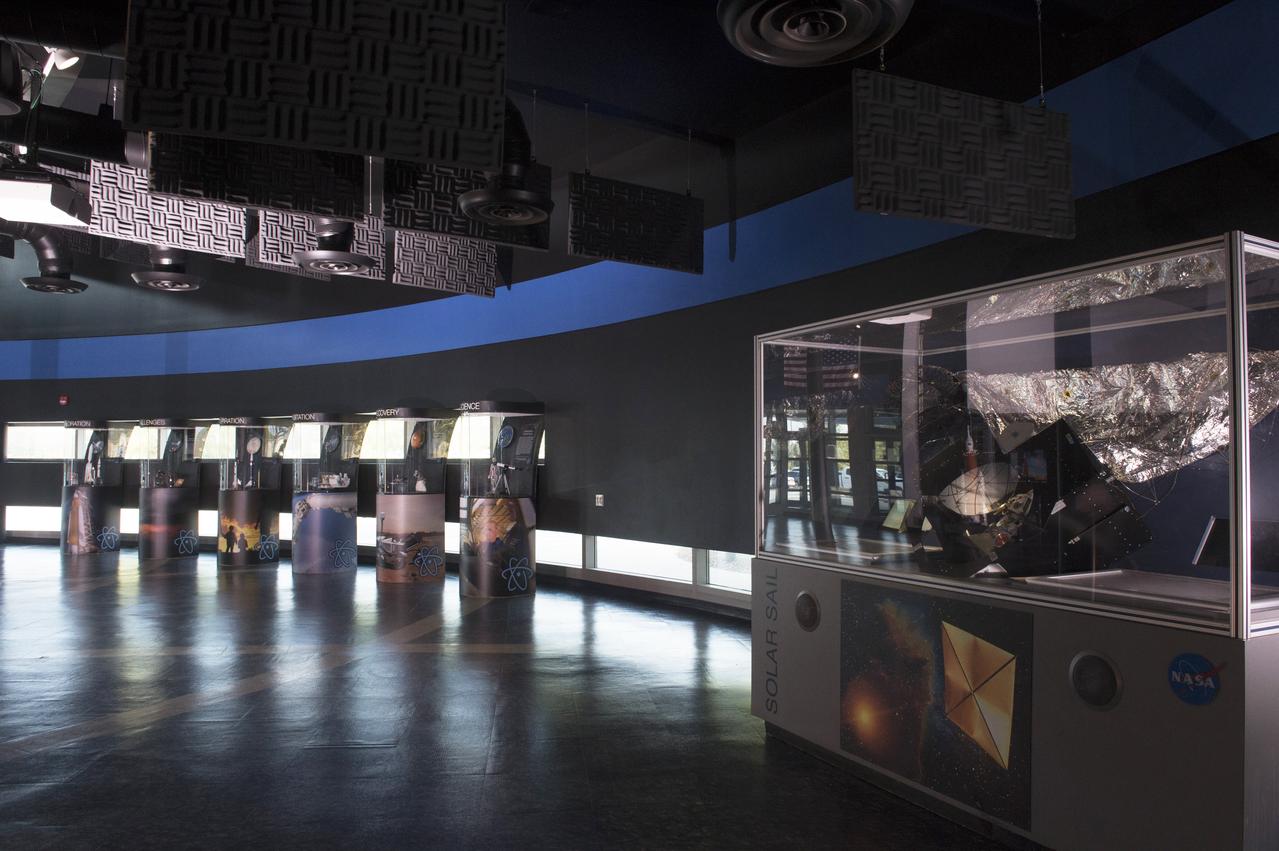
BUILDING 4205 GALLERY, EXTERIOR AND INTERIOR VIEWS
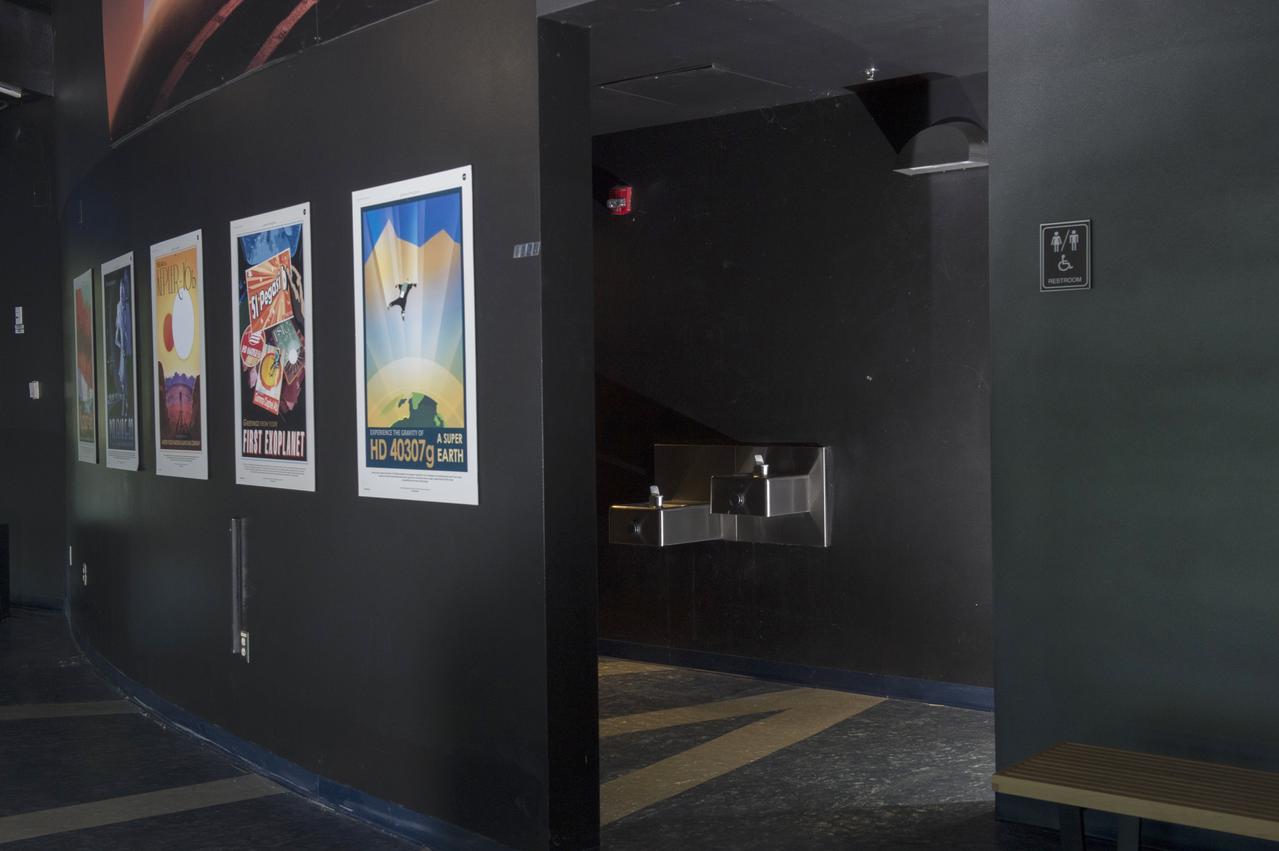
BUILDING 4205 GALLERY, EXTERIOR AND INTERIOR VIEWS
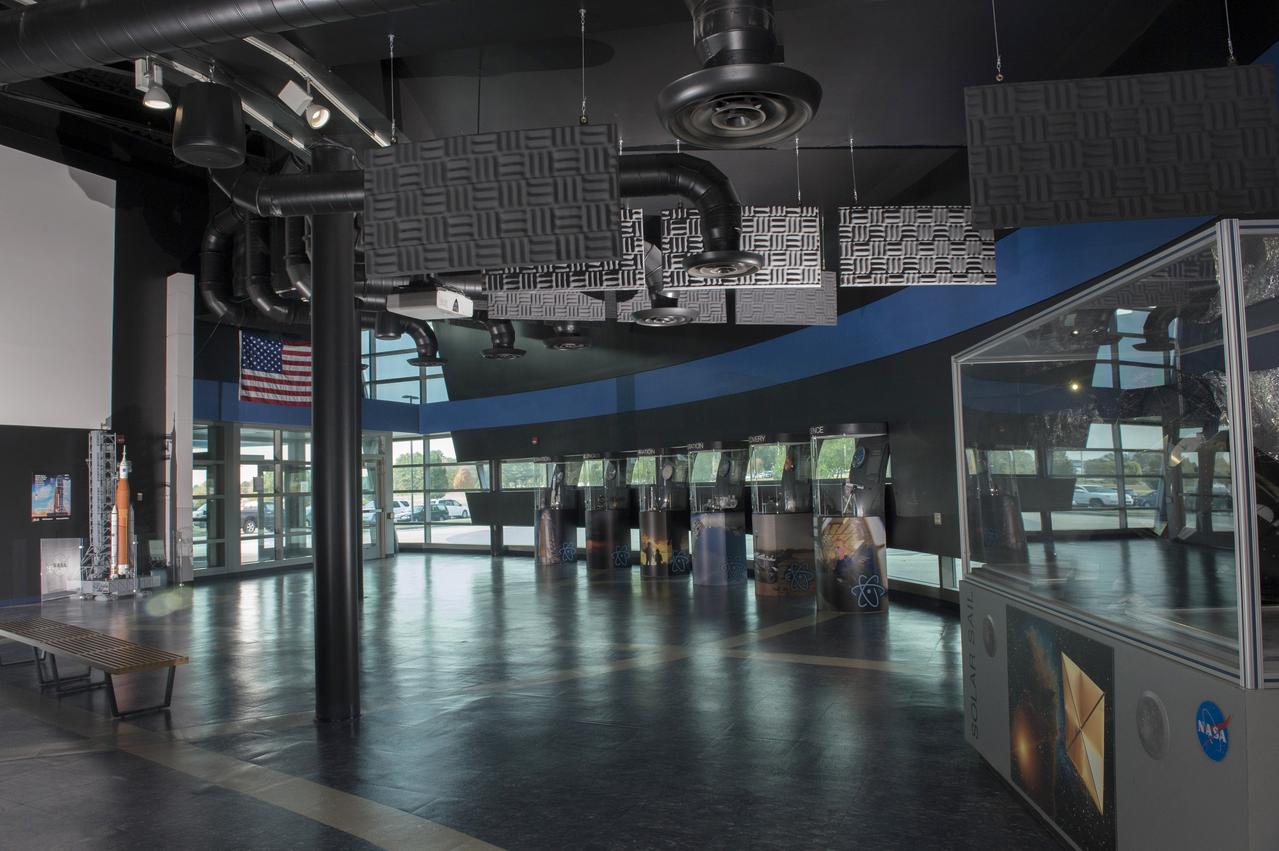
BUILDING 4205 GALLERY, EXTERIOR AND INTERIOR VIEWS
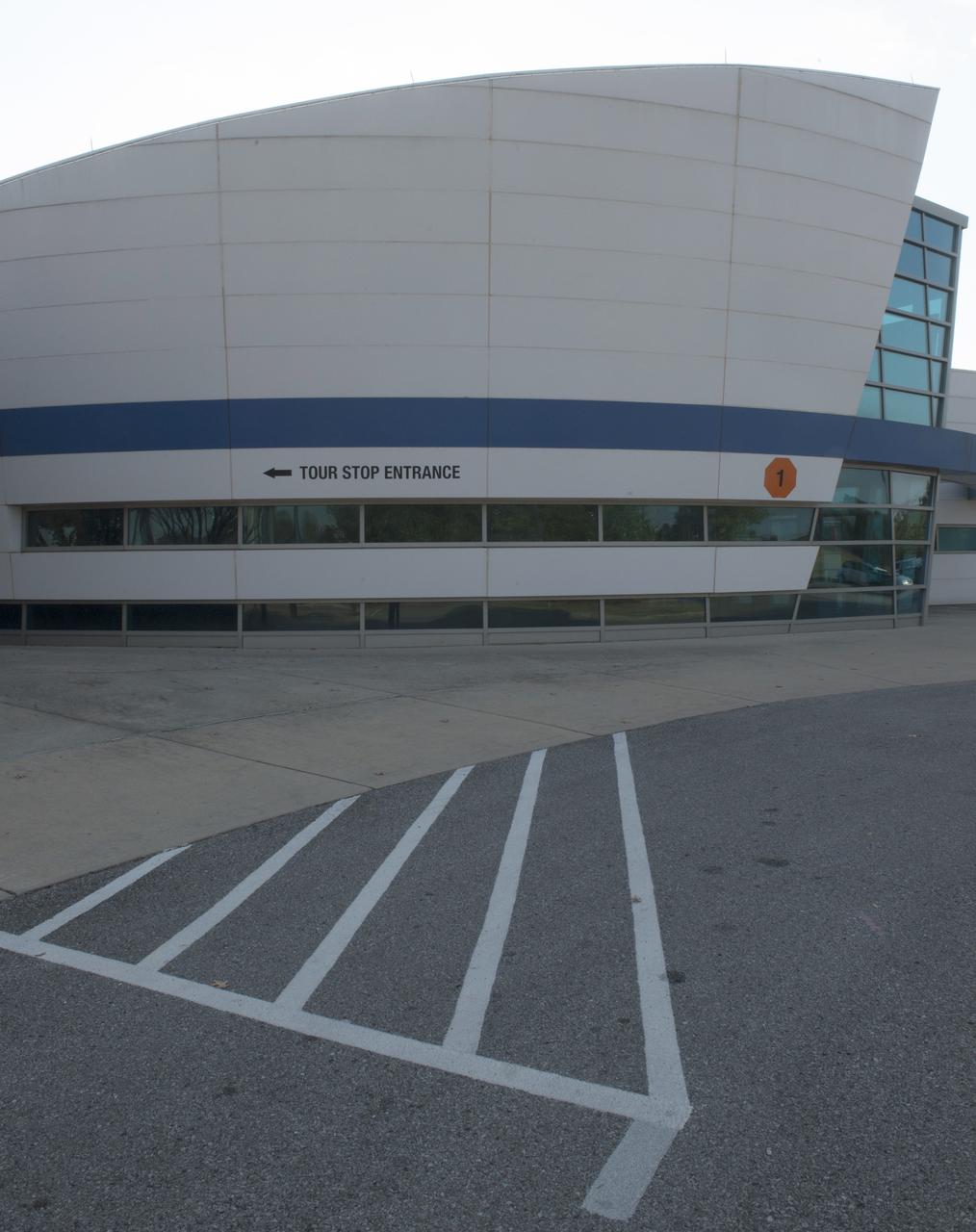
BUILDING 4205 GALLERY, EXTERIOR AND INTERIOR VIEWS
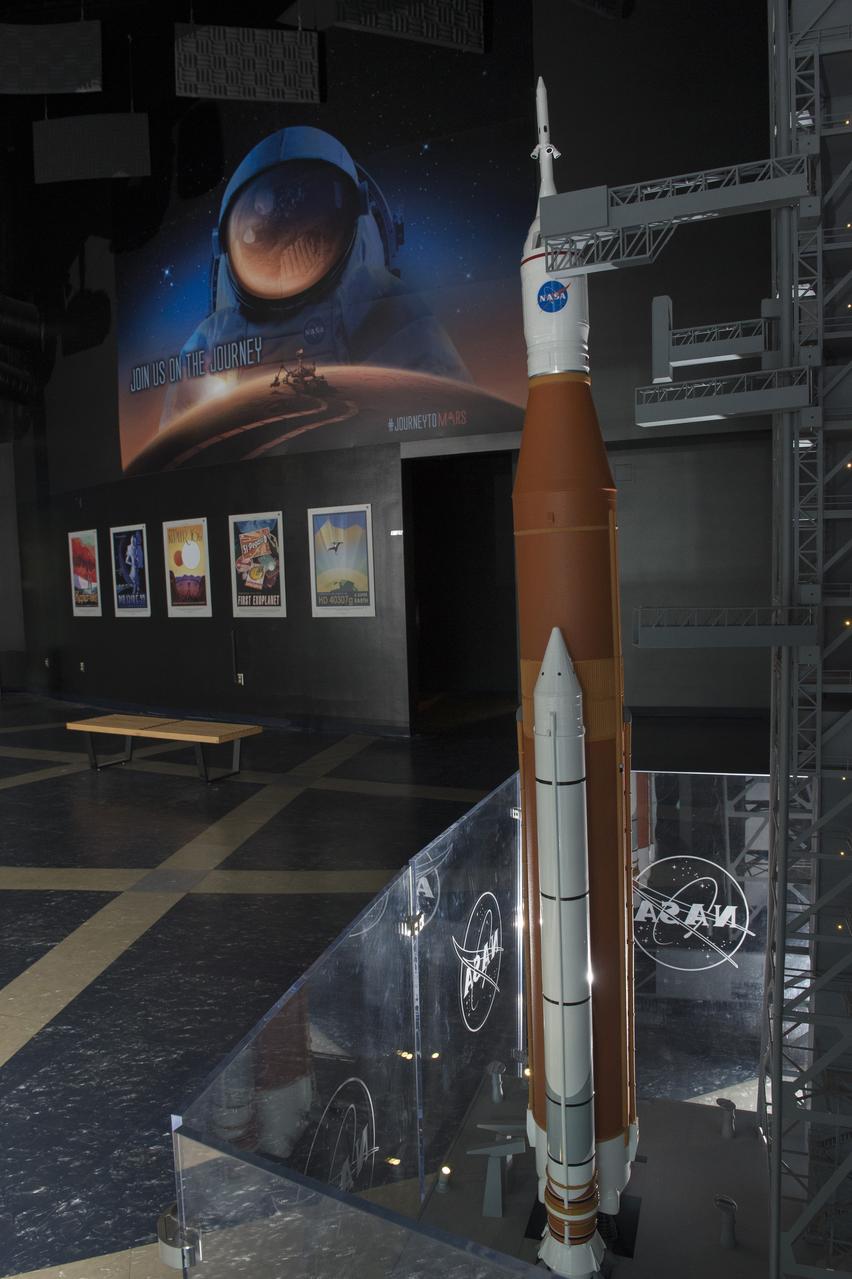
BUILDING 4205 GALLERY, EXTERIOR AND INTERIOR VIEWS
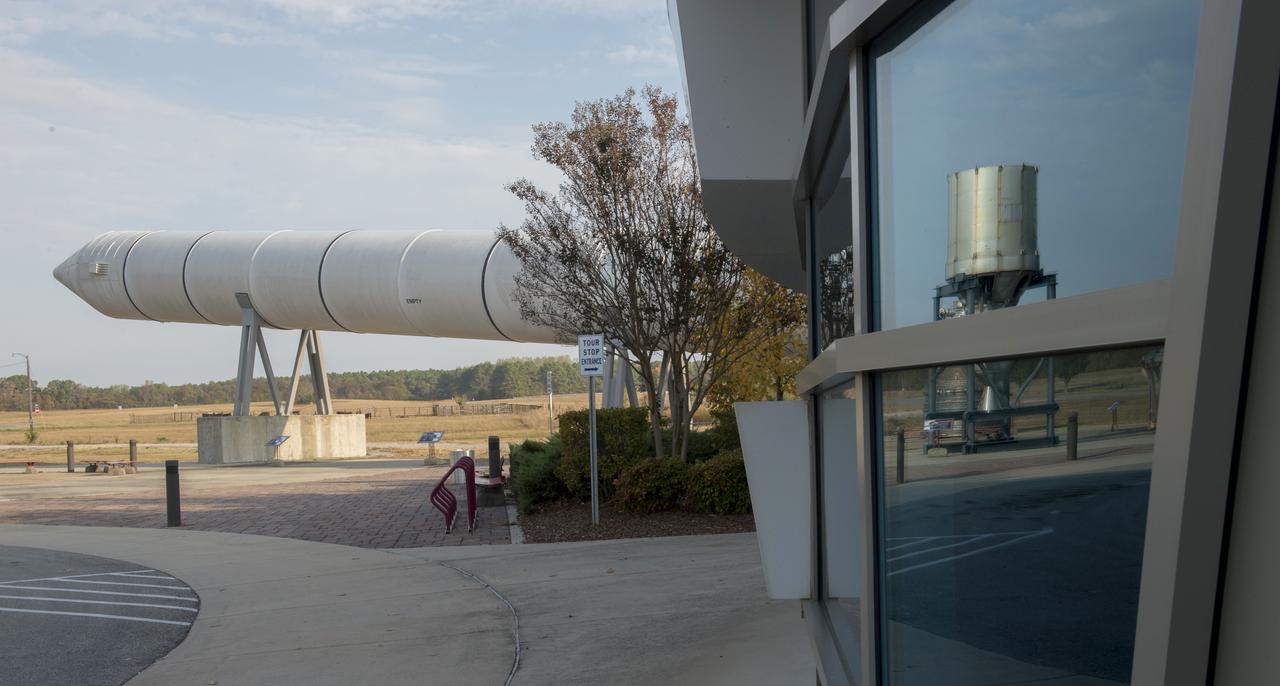
BUILDING 4205 GALLERY, EXTERIOR AND INTERIOR VIEWS

BUILDING 4205 GALLERY, EXTERIOR AND INTERIOR VIEWS
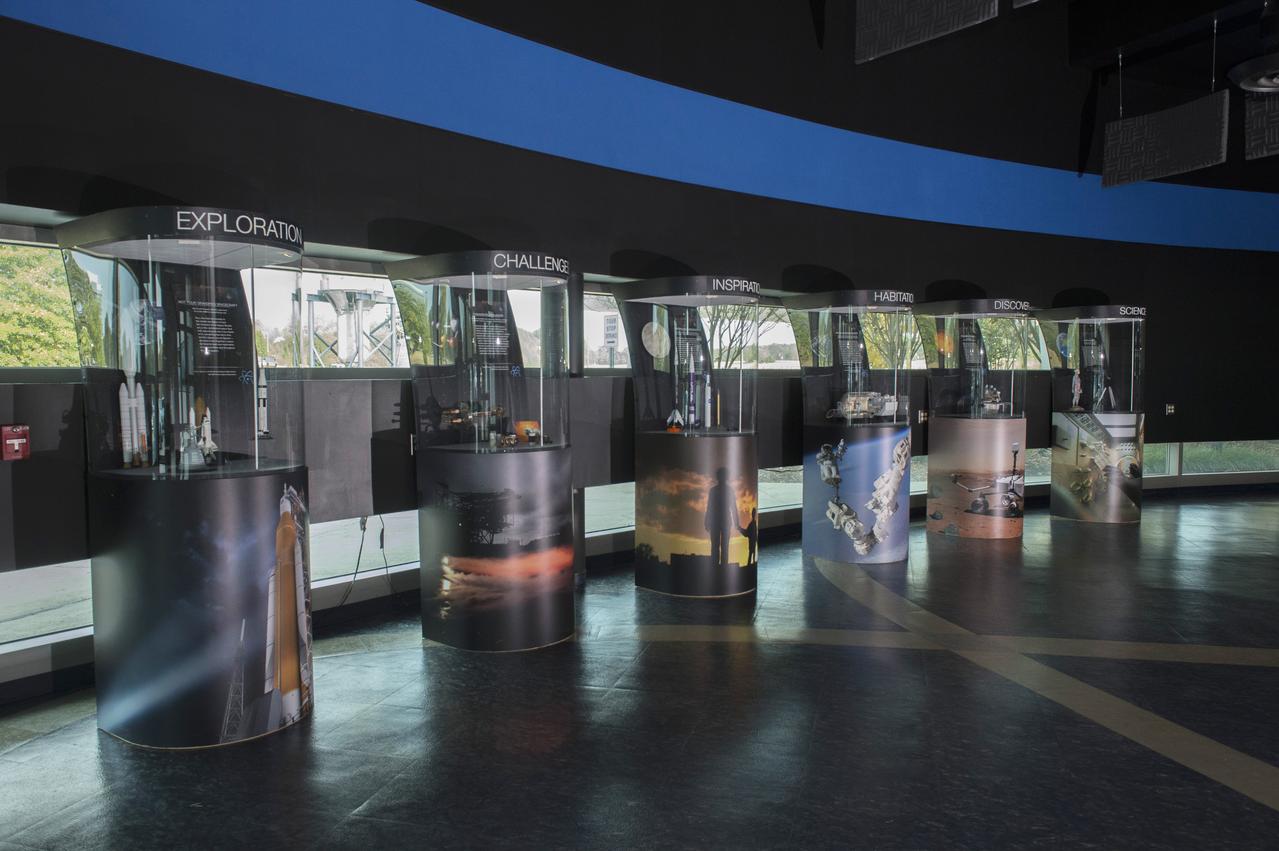
BUILDING 4205 GALLERY, EXTERIOR AND INTERIOR VIEWS

BUILDING 4205 GALLERY, EXTERIOR AND INTERIOR VIEWS
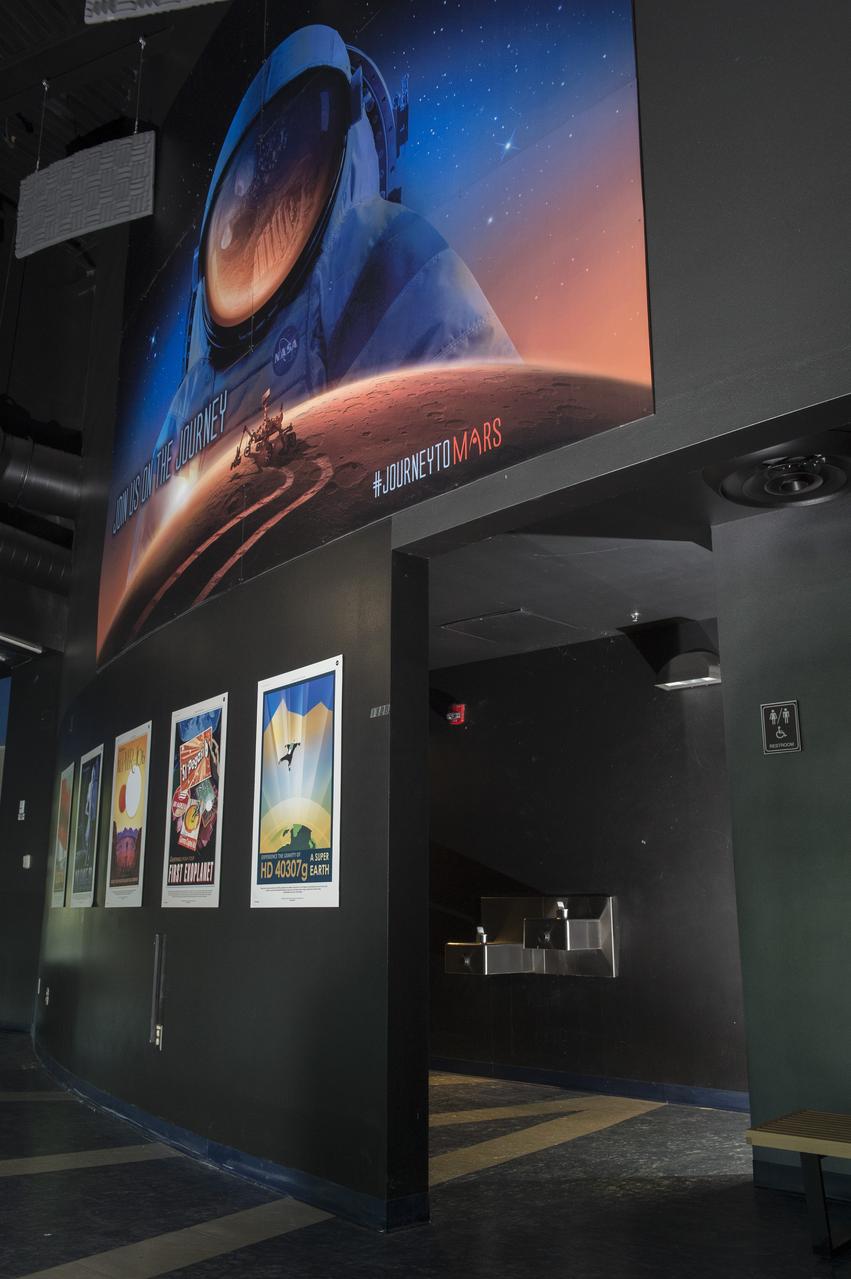
BUILDING 4205 GALLERY, EXTERIOR AND INTERIOR VIEWS

Overall interior view of the Cupola module taken during Expedition 35.
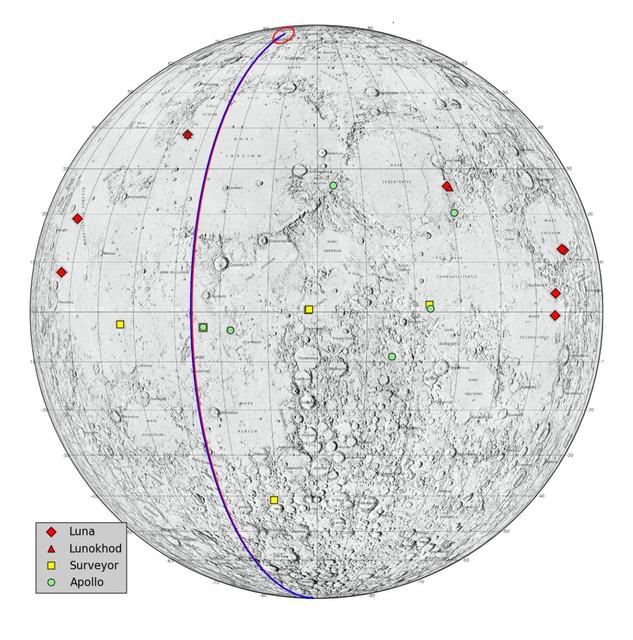
This graphic highlights locations on the moon NASA considers lunar heritage sites and the path NASA Gravity Recovery and Interior Laboratory spacecraft will take on their final flight.
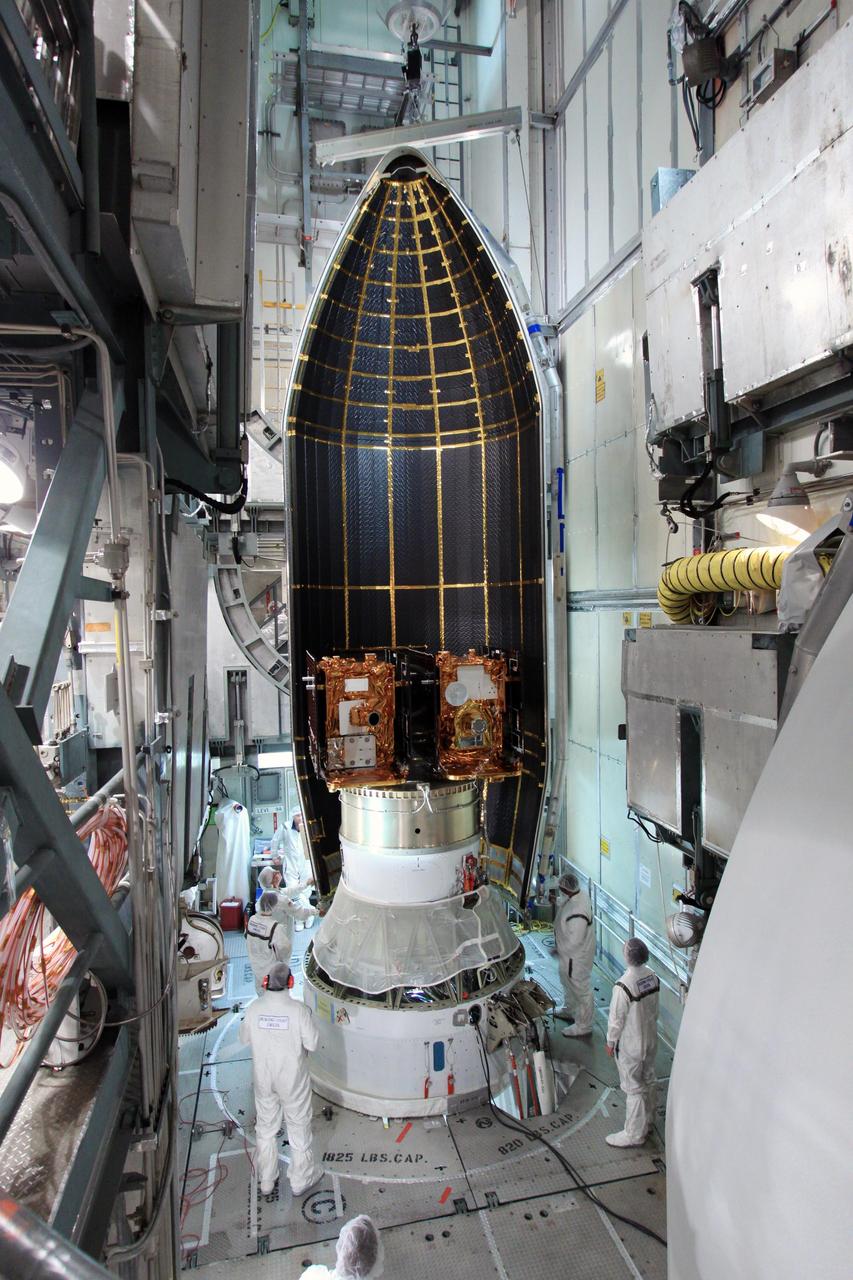
Spacecraft technicians monitor the movement of a section of the clamshell-shaped Delta payload fairing as it encloses NASA twin Gravity Recovery and Interior Laboratory spacecraft at Cape Canaveral Air Force Station in Florida on Aug. 23, 2011.
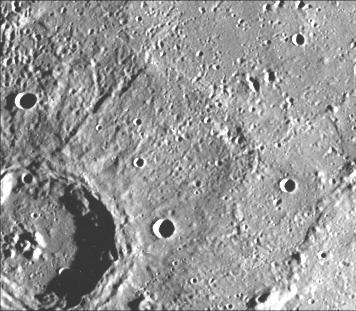
This image, from NASA Mariner 10 spacecraft which launched in 1974, shows a crater just north of the Caloris Planitia displays interior and central peaks rising up from a hilly floor.
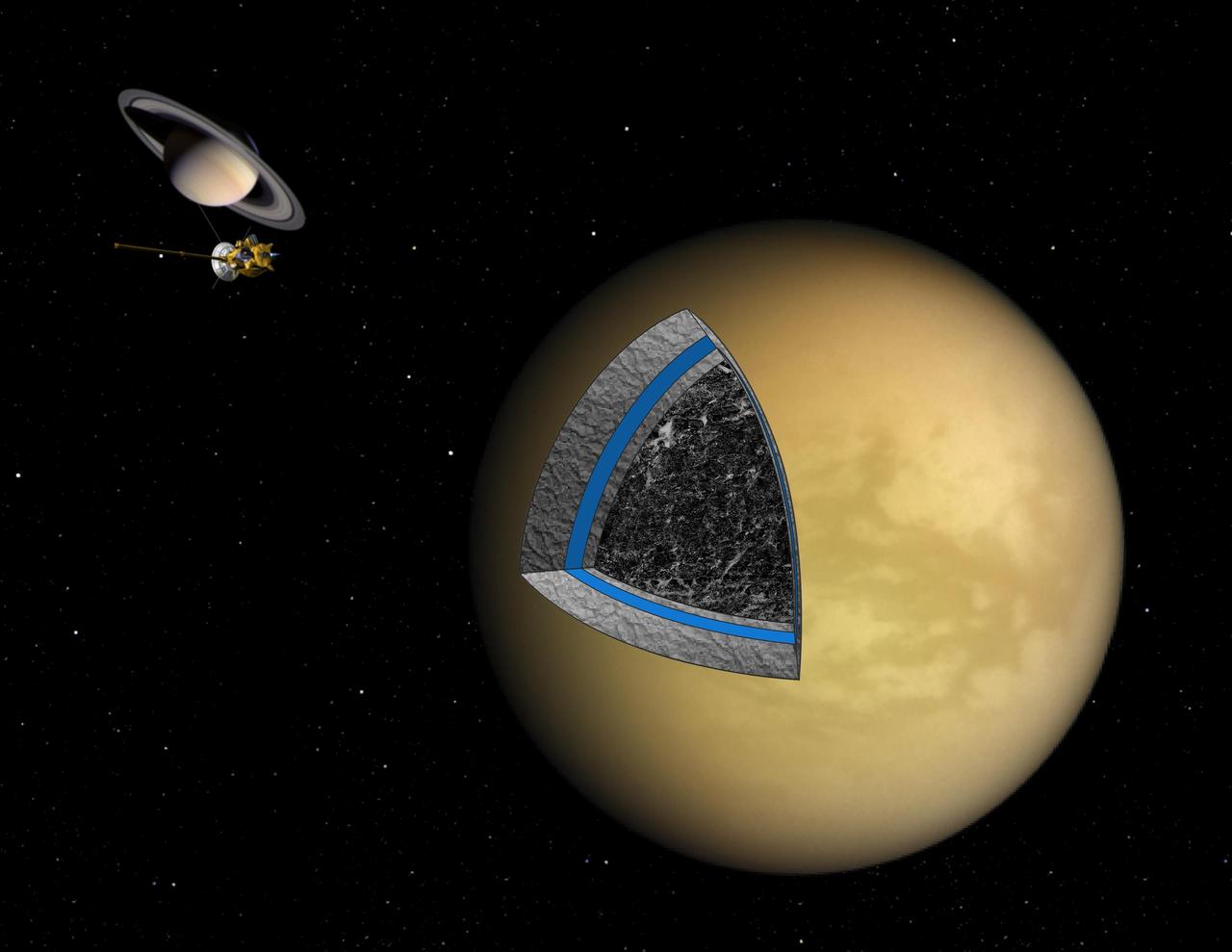
This artist illustration shows the likely interior structure of Saturn moon Titan deduced from gravity field data collected by NASA Cassini spacecraft.
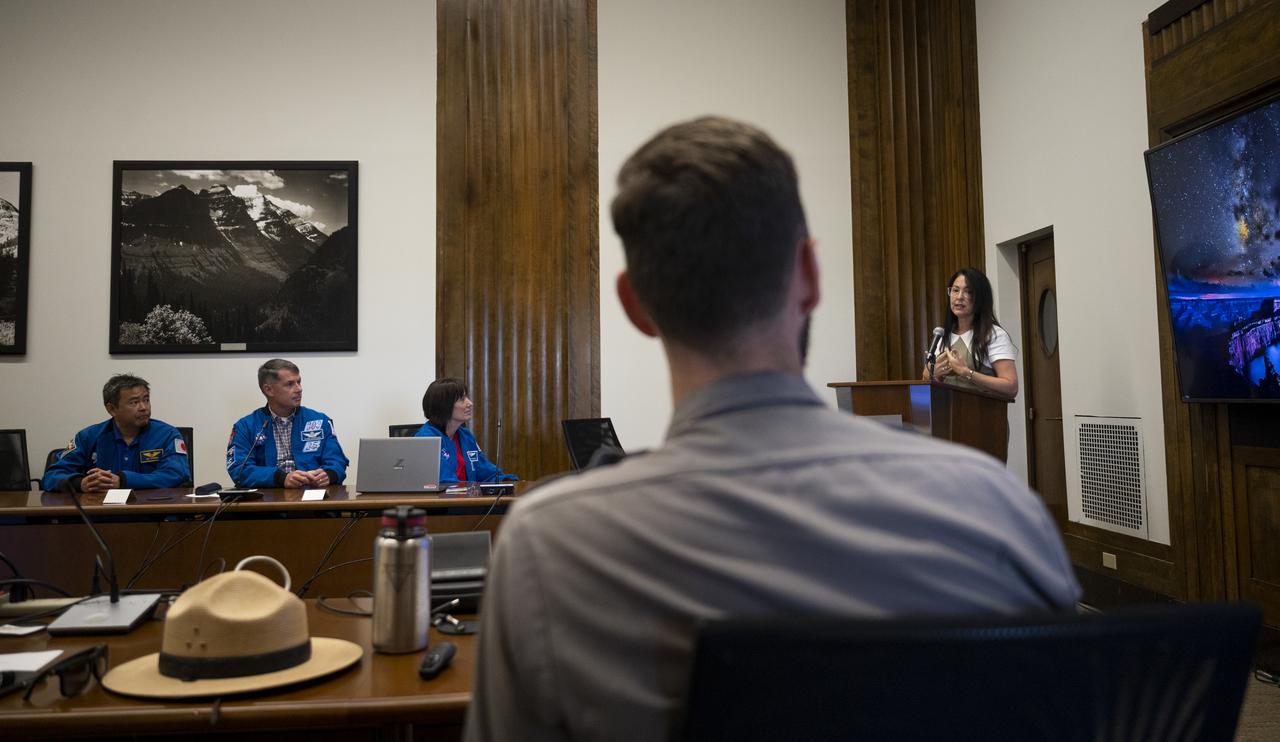
Shannon Estenoz, Assistant Secretary for Fish and Wildlife and Parks at the Department of the Interior, delivers remarks during a visit by NASA’s SpaceX Crew-2 astronauts with leadership and rangers who participate in the National Park Service’s astronomy and dark sky programs, Thursday, June 9, 2022 at the U.S. Department of the Interior in Washington, DC. NASA astronauts Shane Kimbrough and Megan McArthur, Japan Aerospace Exploration Agency (JAXA) astronaut Akihiko Hoshide, and ESA (European Space Agency) astronaut Thomas Pesquet completed the second crew rotation mission to the International Space Station as part of the agency’s Commercial Crew Program and spent 198 days aboard the orbiting laboratory as part of Expeditions 65 and 66. Photo Credit: (NASA/Joel Kowsky)
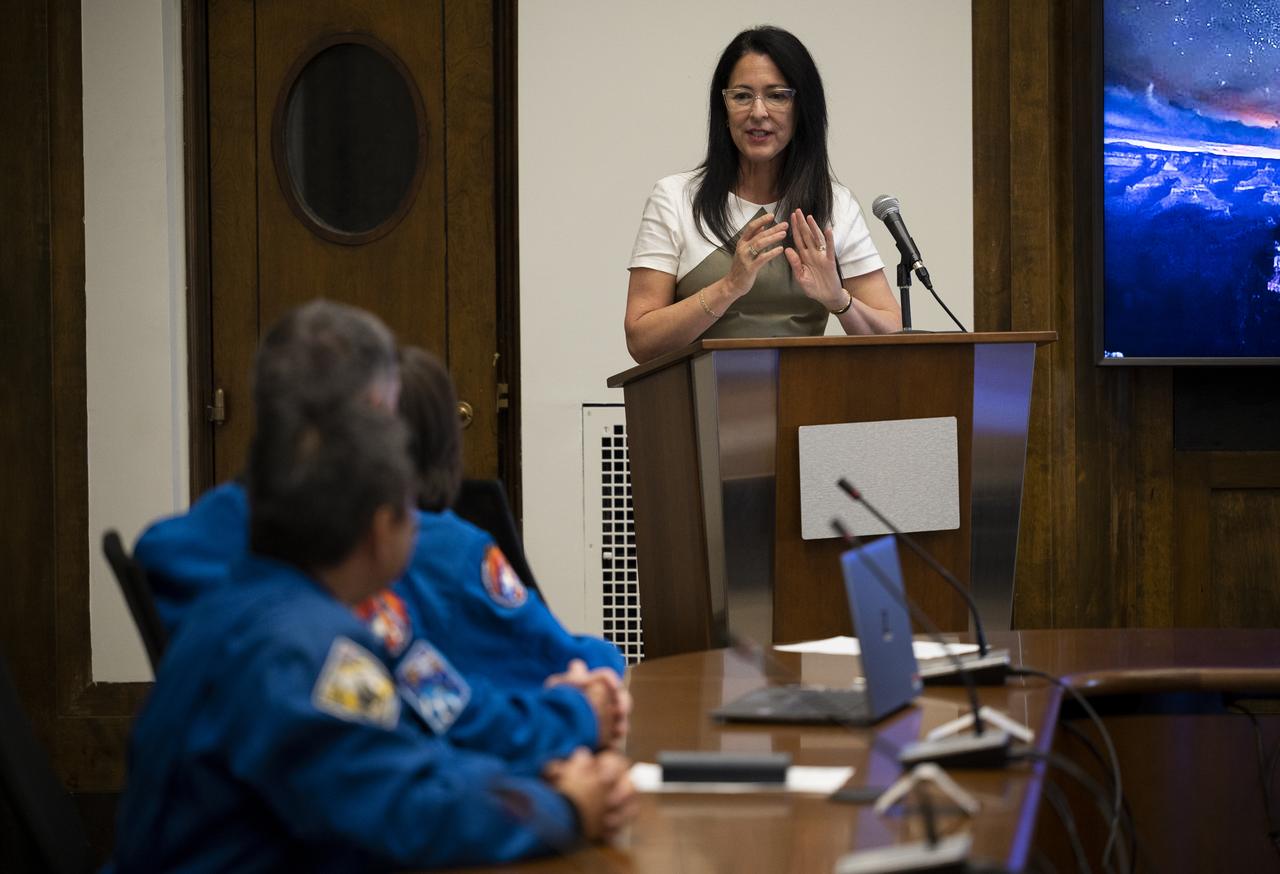
Shannon Estenoz, Assistant Secretary for Fish and Wildlife and Parks at the Department of the Interior, delivers remarks during a visit by NASA’s SpaceX Crew-2 astronauts with leadership and rangers who participate in the National Park Service’s astronomy and dark sky programs, Thursday, June 9, 2022 at the U.S. Department of the Interior in Washington, DC. NASA astronauts Shane Kimbrough and Megan McArthur, Japan Aerospace Exploration Agency (JAXA) astronaut Akihiko Hoshide, and ESA (European Space Agency) astronaut Thomas Pesquet completed the second crew rotation mission to the International Space Station as part of the agency’s Commercial Crew Program and spent 198 days aboard the orbiting laboratory as part of Expeditions 65 and 66. Photo Credit: (NASA/Joel Kowsky)
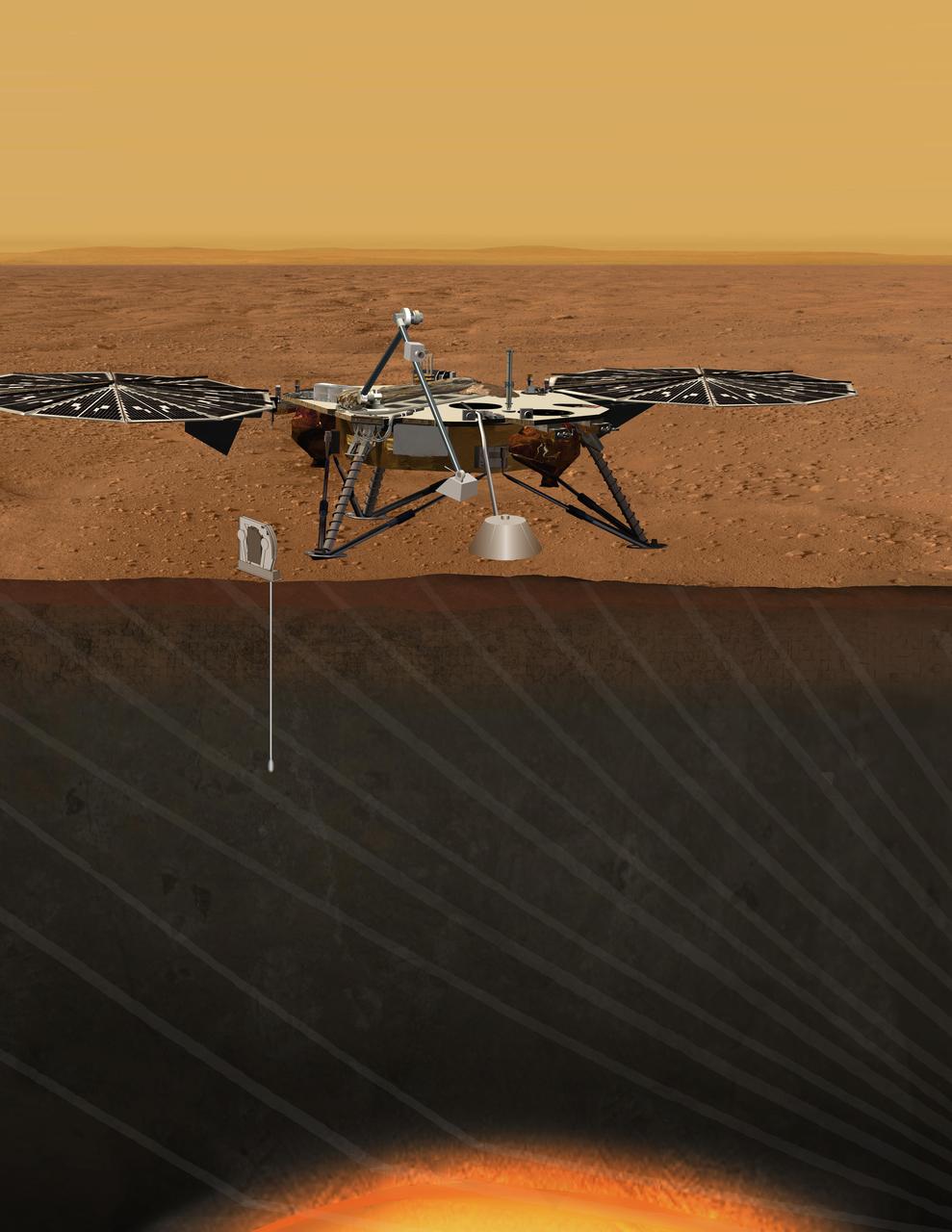
An artist concept portrays the proposed Geophysical Monitoring Station mission for studying the deep interior of Mars.

NASA's Voyager images are used to create a global view of Ganymede. The cut-out reveals the interior structure of this icy moon. This structure consists of four layers based on measurements of Ganymede's gravity field and theoretical analyses using Ganymede's known mass, size and density. Ganymede's surface is rich in water ice and Voyager and Galileo images show features which are evidence of geological and tectonic disruption of the surface in the past. As with the Earth, these geological features reflect forces and processes deep within Ganymede's interior. Based on geochemical and geophysical models, scientists expected Ganymede's interior to either consist of: a) an undifferentiated mixture of rock and ice or b) a differentiated structure with a large lunar sized "core" of rock and possibly iron overlain by a deep layer of warm soft ice capped by a thin cold rigid ice crust. Galileo's measurement of Ganymede's gravity field during its first and second encounters with the huge moon have basically confirmed the differentiated model and allowed scientists to estimate the size of these layers more accurately. In addition the data strongly suggest that a dense metallic core exists at the center of the rock core. This metallic core suggests a greater degree of heating at sometime in Ganymede's past than had been proposed before and may be the source of Ganymede's magnetic field discovered by Galileo's space physics experiments. http://photojournal.jpl.nasa.gov/catalog/PIA00519
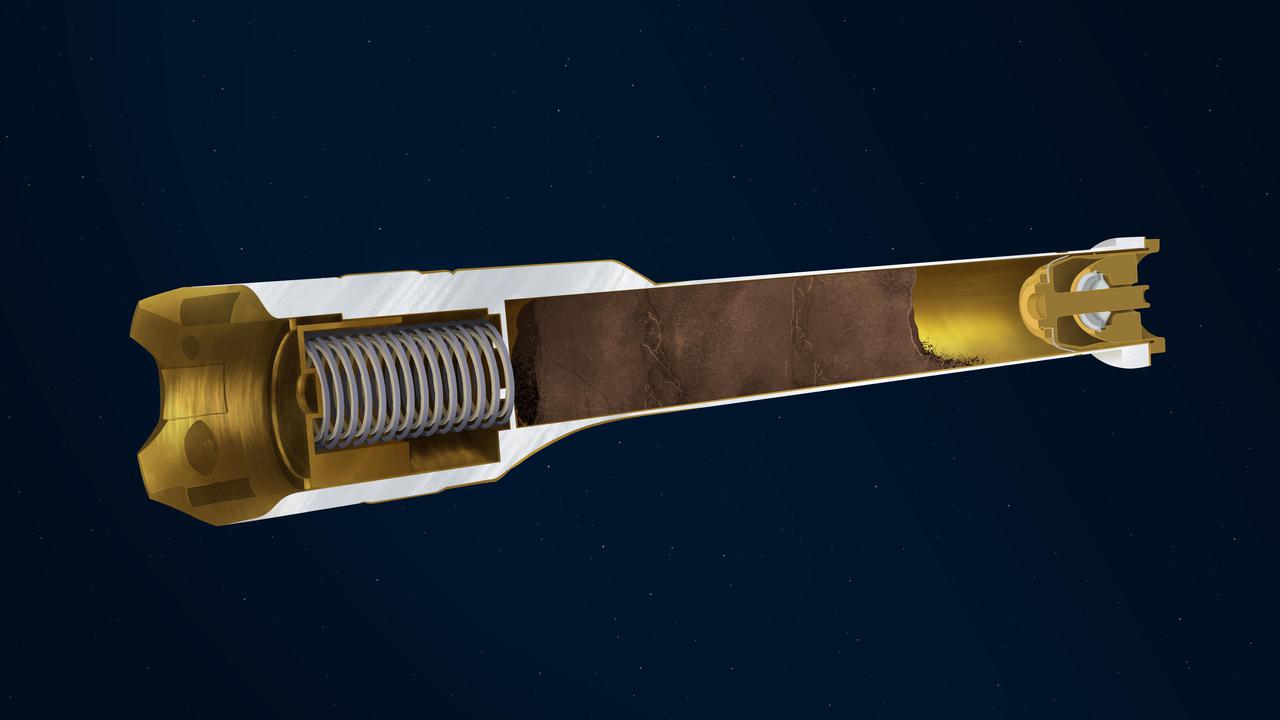
This illustration depicts the interior of a sample tube being carried aboard the Mars 2020 Perseverance rover. About the size and shape of a standard lab test tube, the 43 sample tubes headed to Mars must be lightweight, hardy enough to survive the demands of the round trip, and so clean that future scientists will be confident that what they are analyzing is 100% Mars, without Earthly contaminants. Cutaway Plunger: Works in concert with the spring to release (retract) or activate (extend) the two exterior-mounted ball locks. Springs: Along with the plunger, acts to release or activate the ball locks. Payload Cavity: Also known as the bore, is the area in the tube where cores of Martian rock and samples of regolith will be stored. Titanium Nitride Coating: The specialized surface treatment resists contamination. Hermetic Seal: This mechanically-activated plug is designed to ensure that no contaminants can get into the sample tube and that nothing from inside the tube can get out. https://photojournal.jpl.nasa.gov/catalog/PIA24307
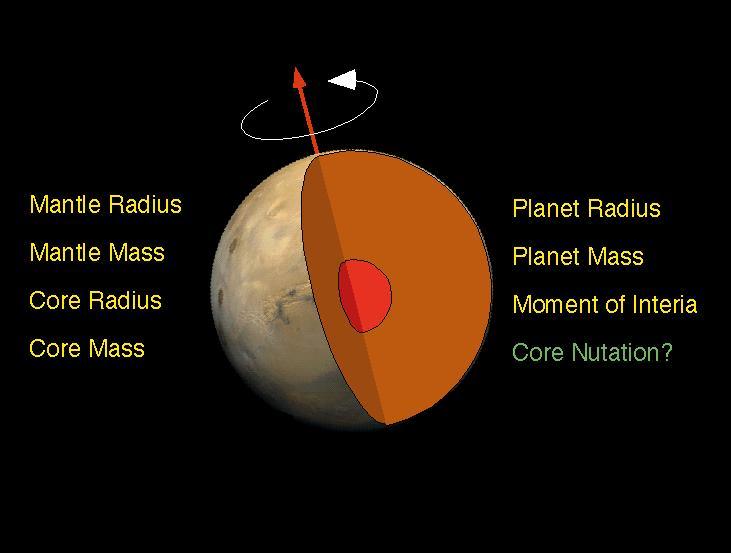
The interior of Mars is simply modeled as a core and mantle with a thin crust, similar to Earth. Mars' size and total mass have been determined by previous missions. Given four parameters, the core size and mass, and mantle size and mass can be determined. The combination of Pathfinder Doppler data with earlier data from the Viking landers has determined a third parameter, the moment of inertia, through measurement of Mars' precession rate. A fourth measurement is needed to complete the interior model. This may be achieved through future Doppler tracking of Pathfinder, since the presence of a fluid core may be detectable through its effect on Mars' nutation. The determination of the moment of inertia is a significant constraint on possible models for Mars' interior. If the core is as dense as possible (i.e. completely iron) and the mantle is similar to Earth's (or similar to the SNC meteorites thought to originate on Mars) then the minimum core radius is about 1300 km. If the core is made of less-dense material (i.e. a mixture of iron and sulfur) then the core radius is probably no more than 2000 km. Sojourner spent 83 days of a planned seven-day mission exploring the Martian terrain, acquiring images, and taking chemical, atmospheric and other measurements. The final data transmission received from Pathfinder was at 10:23 UTC on September 27, 1997. Although mission managers tried to restore full communications during the following five months, the successful mission was terminated on March 10, 1998. http://photojournal.jpl.nasa.gov/catalog/PIA00974
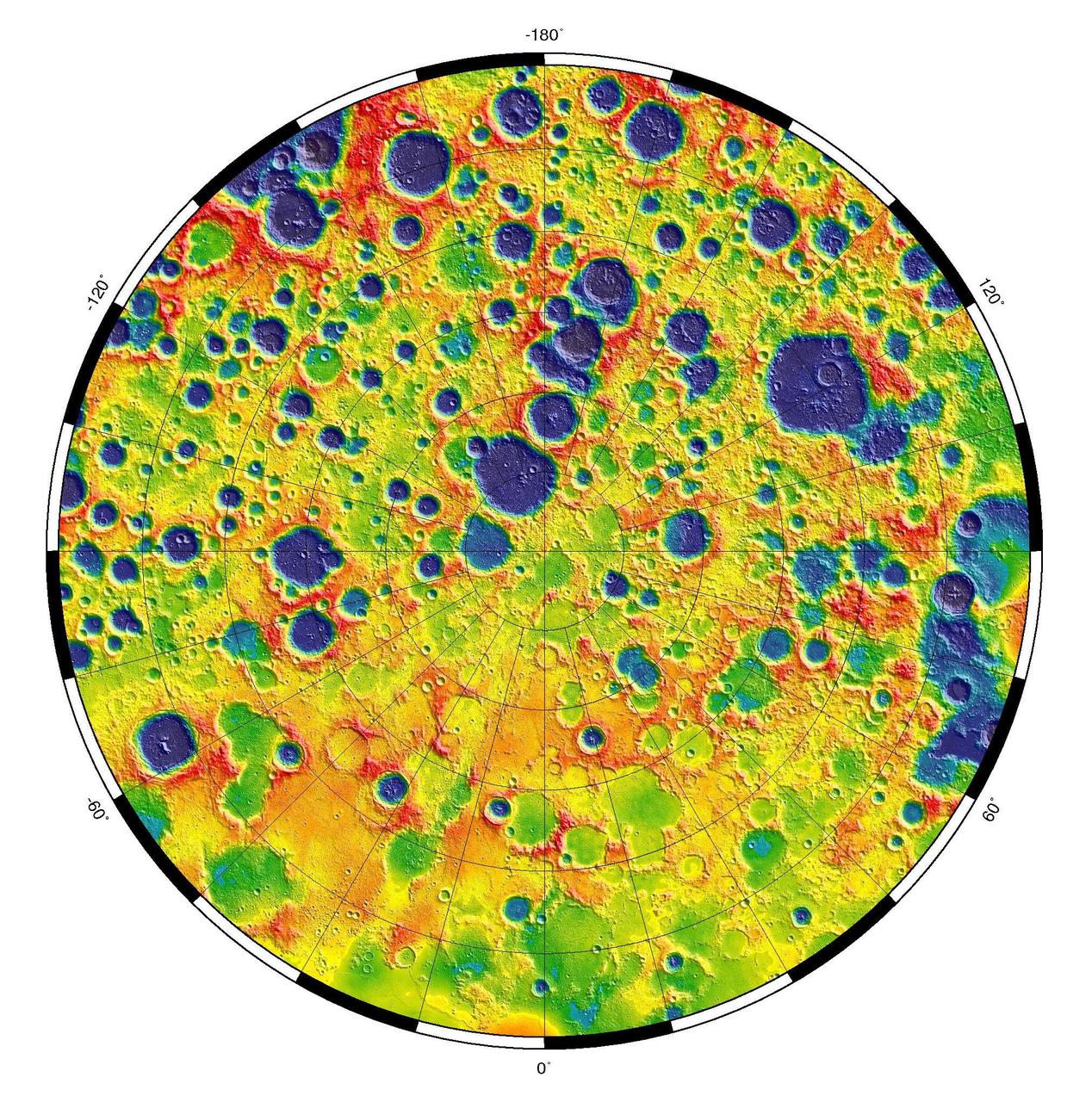
This is a polar stereographic map of gravity of the north polar region of the moon from the Gravity Recovery and Interior Laboratory GRAIL mission. The map displays the region from latitude 60 north to the pole.
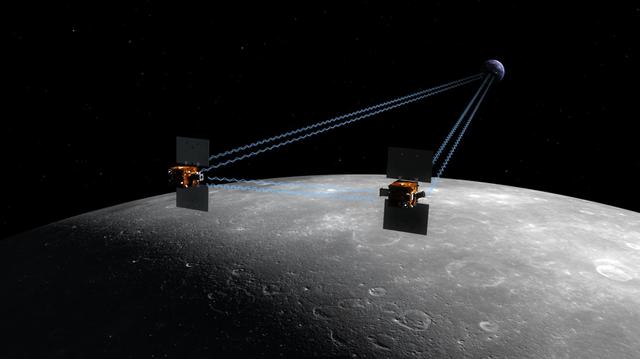
The Gravity Recovery and Interior Laboratory, or GRAIL, mission will fly twin spacecraft in tandem orbits around the moon to measure its gravity field in unprecedented detail. GRAIL is a part of NASA Discovery Program.
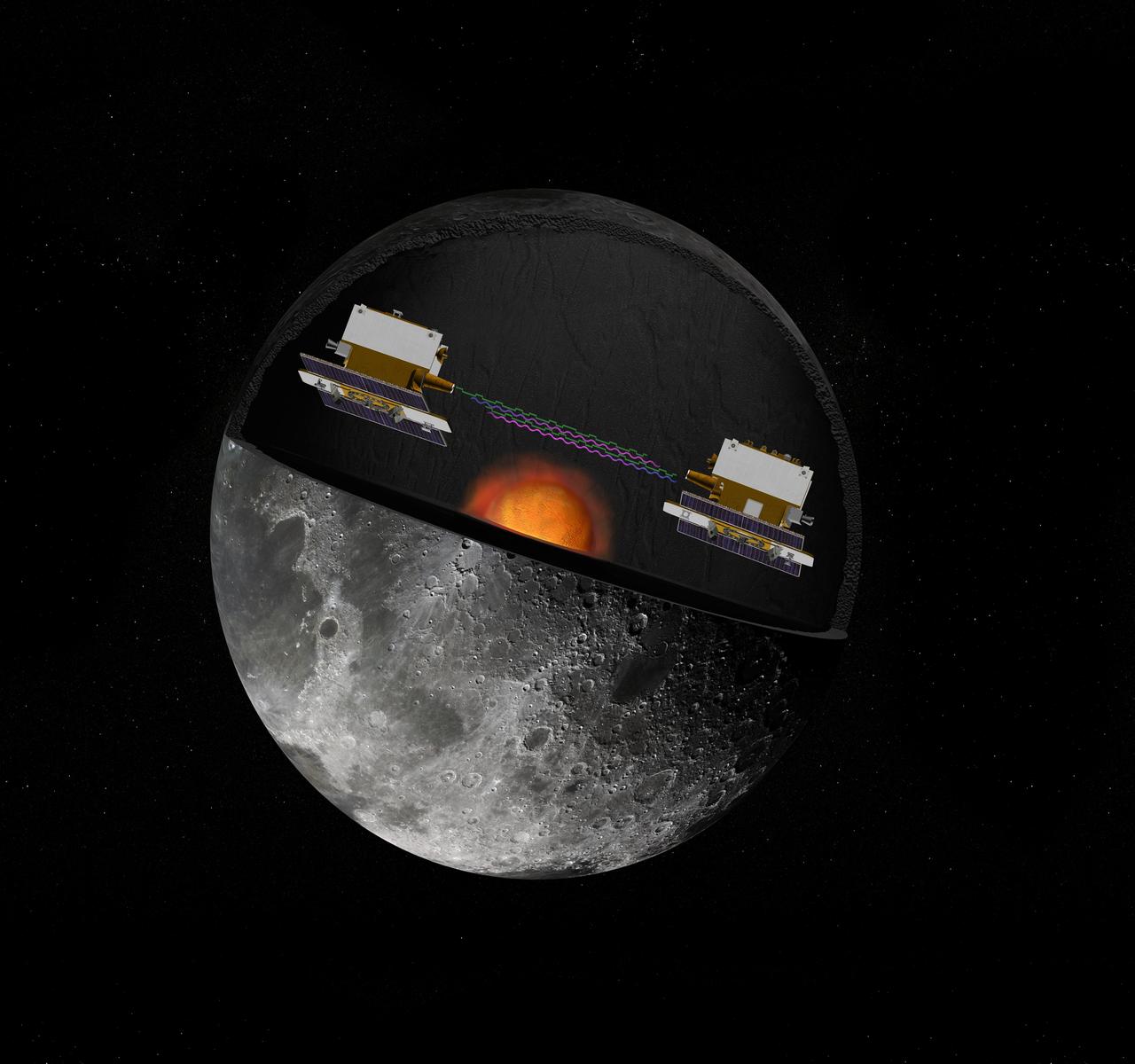
The Gravity Recovery and Interior Laboratory GRAIL mission utilizes the technique of twin spacecraft flying in formation with a known altitude above the lunar surface and known separation distance to investigate the gravity field of the moon.
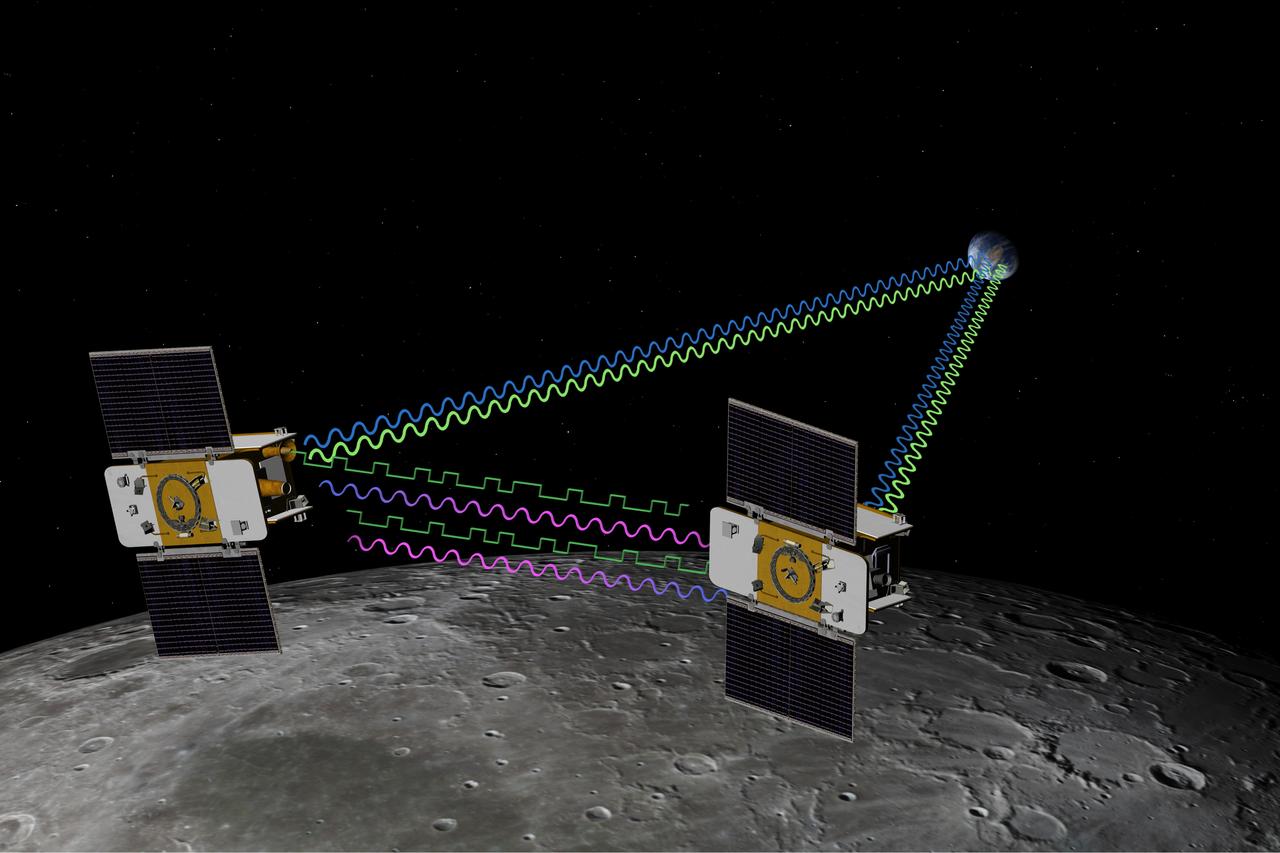
The Gravity Recovery and Interior Laboratory GRAIL mission utilizes the technique of twin spacecraft flying in formation with a known altitude above the lunar surface and known separation distance to investigate the gravity field of the moon.
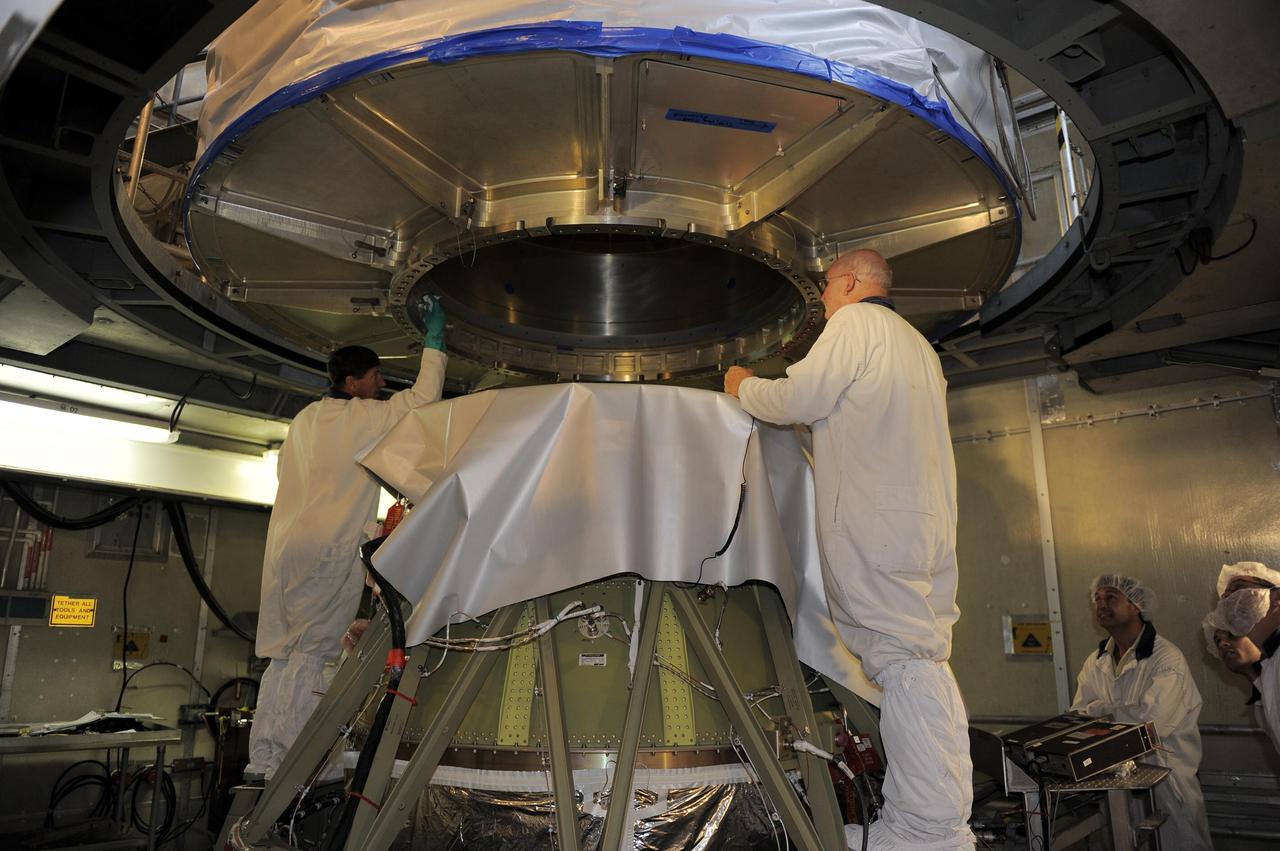
NASA twin Gravity Recovery and Interior Laboratory GRAIL spacecraft are lowered onto the second stage of their Delta II launch vehicle. At top is the spacecraft adapter ring which holds the two lunar probes in their side-by-side launch configuration.
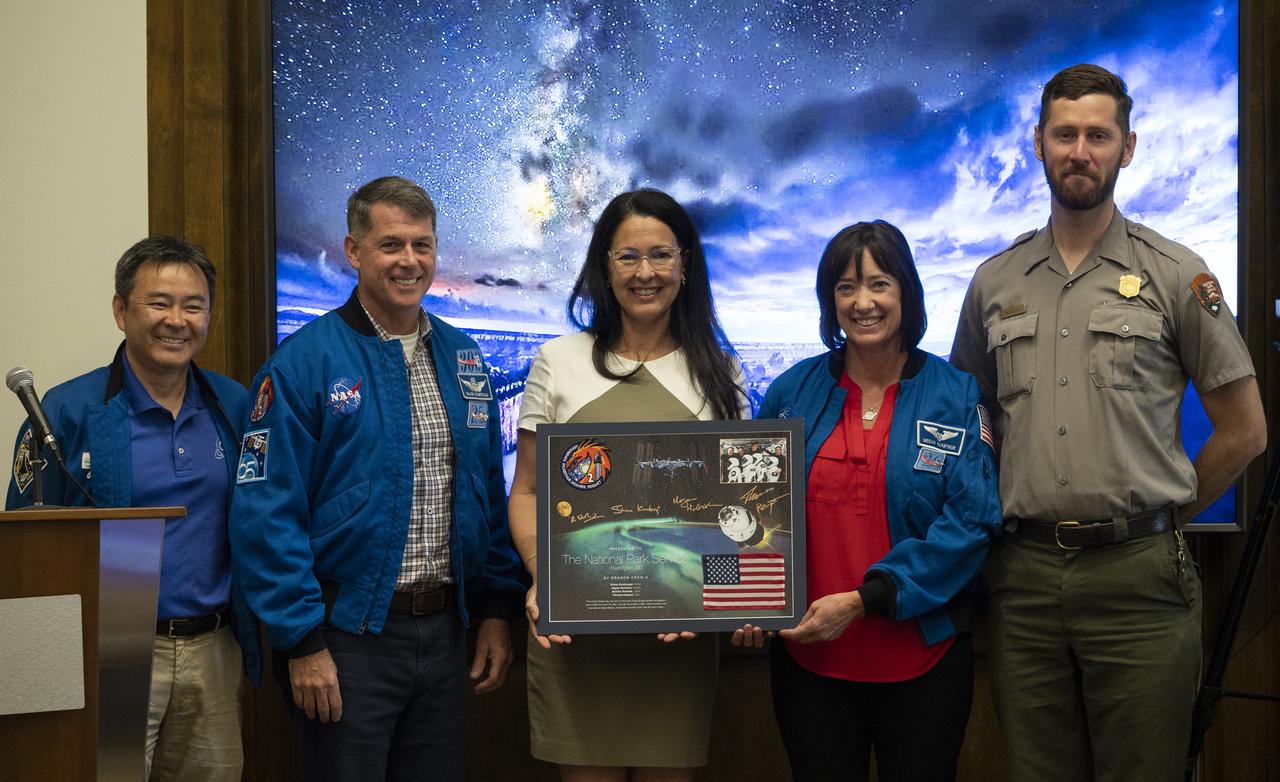
NASA’s SpaceX Crew-2 astronauts Akihiko Hoshide of the Japan Aerospace Exploration Agency (JAXA), left, Shane Kimbrough, second from left, and Megan McArthur, second from right, of NASA, pose for a picture with Shannon Estenoz, Assistant Secretary for Fish and Wildlife and Parks at the Department of the Interior, center, and park ranger Rader Lane, right, after presenting a montage to the National Park Service during a visit to the U.S. Department of the Interior, Thursday, June 9, 2022, Washington, DC. Kimbrough, McArthur, Hoshide, and ESA (European Space Agency) astronaut Thomas Pesquet completed the second crew rotation mission to the International Space Station as part of the agency’s Commercial Crew Program and spent 198 days aboard the orbiting laboratory as part of Expeditions 65 and 66. Photo Credit: (NASA/Joel Kowsky)
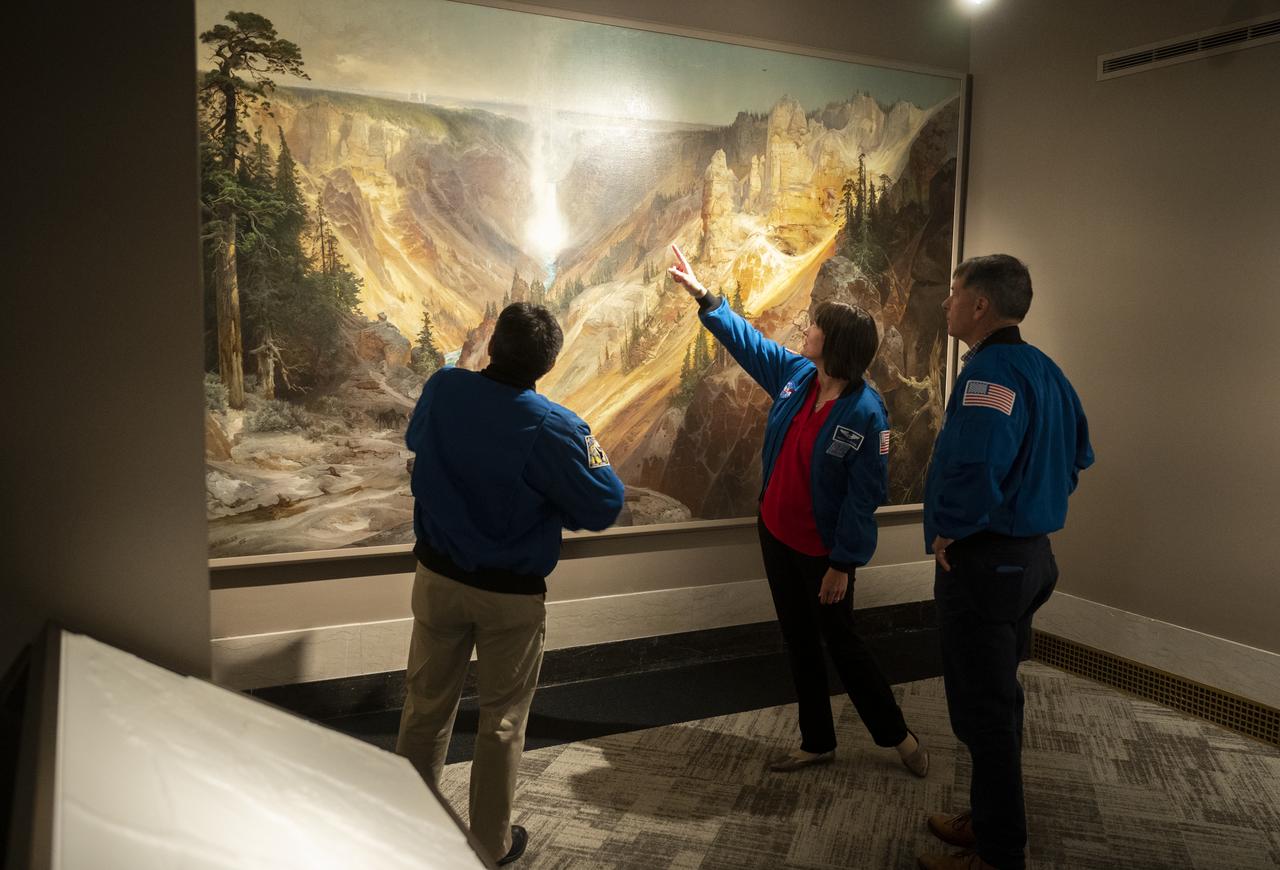
NASA’s SpaceX Crew-2 astronauts Akihiko Hoshide of the Japan Aerospace Exploration Agency (JAXA), left, and NASA astronauts Megan McArthur, center, and Shane Kimbrough, right, look at Thomas Moran’s 1872 painting “The Grand Canyon of Yellowstone,” Thursday, June 9, 2022, during a visit to the National Park Service at the U.S. Department of the Interior in Washington, DC. Kimbrough, McArthur, Hoshide, and ESA (European Space Agency) astronaut Thomas Pesquet completed the second crew rotation mission to the International Space Station as part of the agency’s Commercial Crew Program and spent 198 days aboard the orbiting laboratory as part of Expeditions 65 and 66. Photo Credit: (NASA/Joel Kowsky)
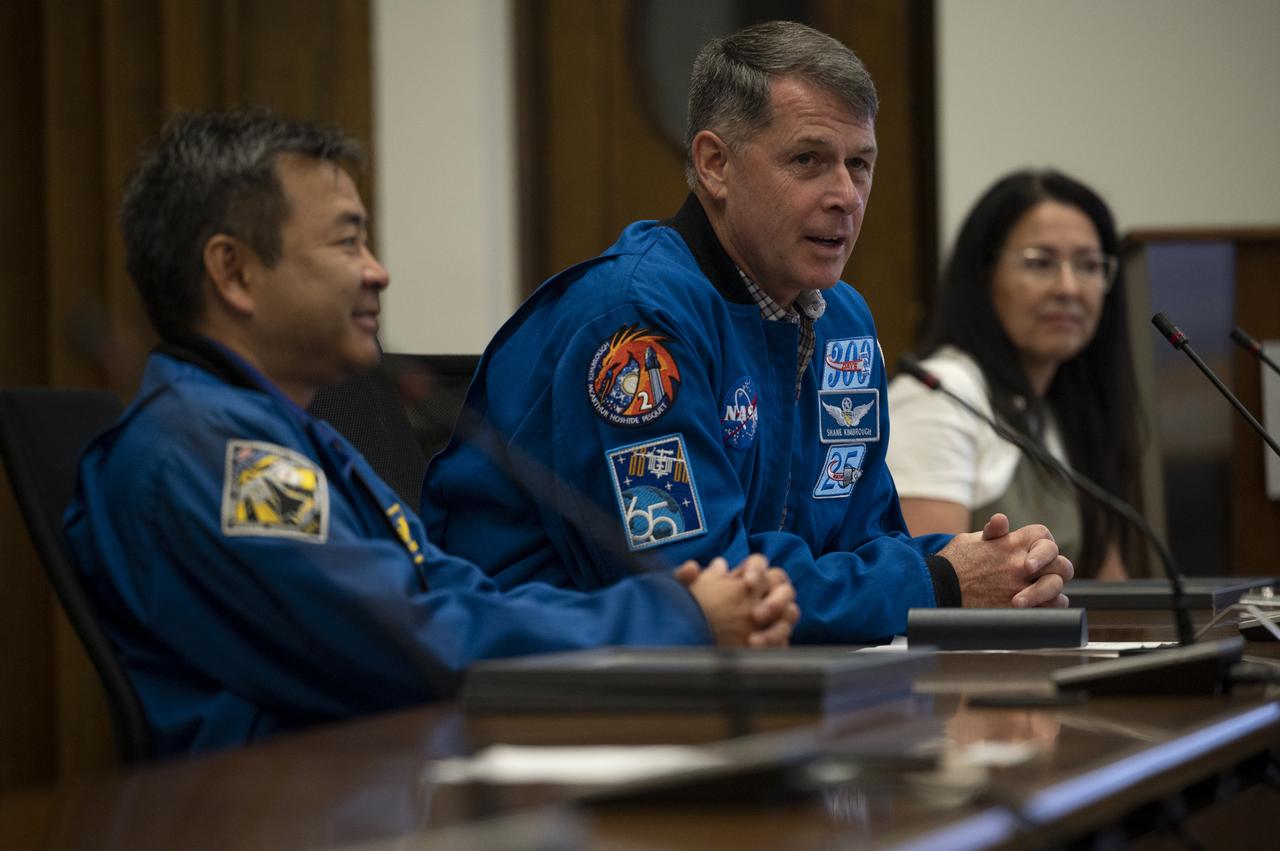
NASA astronaut Shane Kimbrough and Japan Aerospace Exploration Agency (JAXA) astronaut Akihiko Hoshide speak about NASA’s SpaceX Crew-2 mission during a presentation with leadership and rangers who participate in the National Park Service’s astronomy and dark sky programs, Thursday, June 9, 2022 at the U.S. Department of the Interior in Washington, DC. Kimbrough, Hoshide, NASA astronaut Megan McArthur, and ESA (European Space Agency) astronaut Thomas Pesquet completed the second crew rotation mission to the International Space Station as part of the agency’s Commercial Crew Program and spent 198 days aboard the orbiting laboratory as part of Expeditions 65 and 66. Photo Credit: (NASA/Joel Kowsky)

Park ranger Rader Lane speaks on the National Park Service’s astronomy and dark sky programs at Grand Canyon National Park during a visit by NASA’s SpaceX Crew-2 astronauts Megan McArthur and Shane Kimbrough of NASA, and Akihiko Hoshide of the Japan Aerospace Exploration Agency (JAXA), Thursday, June 9, 2022 at the U.S. Department of the Interior in Washington, DC. Kimbrough, McArthur, Hoshide, and ESA (European Space Agency) astronaut Thomas Pesquet completed the second crew rotation mission to the International Space Station as part of the agency’s Commercial Crew Program and spent 198 days aboard the orbiting laboratory as part of Expeditions 65 and 66. Photo Credit: (NASA/Joel Kowsky)

Park ranger Rader Lane speaks on the National Park Service’s astronomy and dark sky programs at Grand Canyon National Park during a visit by NASA’s SpaceX Crew-2 astronauts Megan McArthur and Shane Kimbrough of NASA, and Akihiko Hoshide of the Japan Aerospace Exploration Agency (JAXA), Thursday, June 9, 2022 at the U.S. Department of the Interior in Washington, DC. Kimbrough, McArthur, Hoshide, and ESA (European Space Agency) astronaut Thomas Pesquet completed the second crew rotation mission to the International Space Station as part of the agency’s Commercial Crew Program and spent 198 days aboard the orbiting laboratory as part of Expeditions 65 and 66. Photo Credit: (NASA/Joel Kowsky)
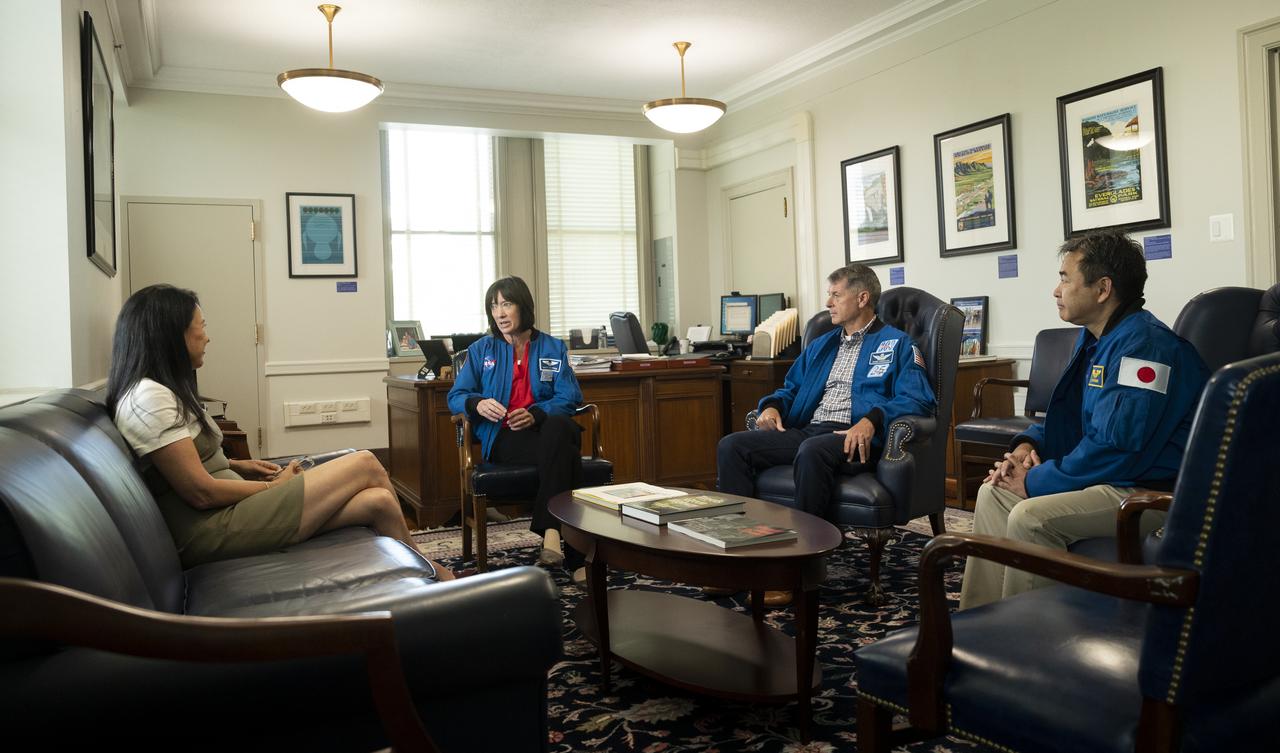
NASA’s SpaceX Crew-2 astronauts Megan McArthur and Shane Kimbrough of NASA, and Japan Aerospace Exploration Agency (JAXA) astronaut Akihiko Hoshide speak with Shannon Estenoz, Assistant Secretary for Fish and Wildlife and Parks, Thursday, June 9, 2022, during a visit to the U.S. Department of the Interior in Washington, DC. Kimbrough, McArthur, Hoshide, and ESA (European Space Agency) astronaut Thomas Pesquet completed the second crew rotation mission to the International Space Station as part of the agency’s Commercial Crew Program and spent 198 days aboard the orbiting laboratory as part of Expeditions 65 and 66. Photo Credit: (NASA/Joel Kowsky)
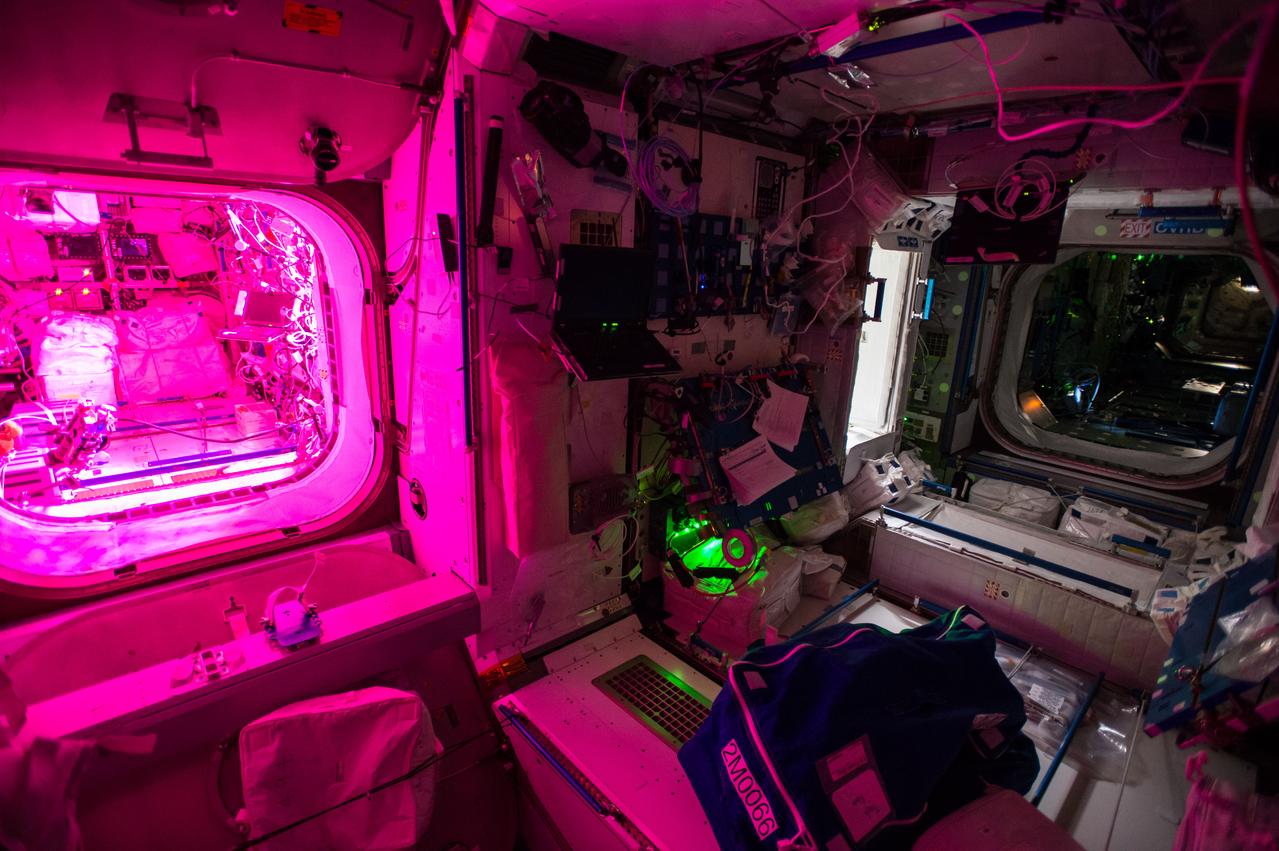
Interior view looking starboard (STBD) and aft in the Harmony Node 2, taken during the crew's sleep period (main lights are turned off). Hatches into the Columbus European Laboratory and Destiny U.S. Laboratory are in view. The pink glow comes from the Vegetable Production System (Veggie) greenhouse, housed in Columbus.

ISS016-E-006834 (27 Oct. 2007) --- The interior of the Harmony node was photographed after it was attached to its temporary location on the International Space Station during STS-120 flight day five activities.

ISS016-E-006833 (27 Oct. 2007) --- The interior of the Harmony node was photographed after it was attached to its temporary location on the International Space Station during STS-120 flight day five activities.
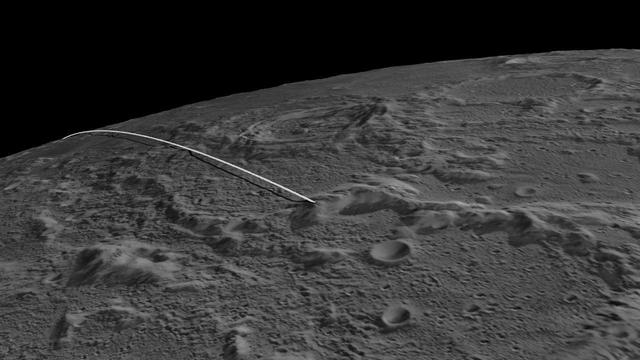
This image shows the final flight path for NASA twin Gravity Recovery and Interior Laboratory GRAIL mission spacecraft, which will impact the moon on Dec. 17, 2012, around 2:28 p.m. PST.

These side-by-side, 3-D comparisons depict the unnamed lunar mountain targeted by the NASA Gravity Recovery and Interior Laboratory GRAIL mission for controlled impact of the Ebb and Flow spacecraft.
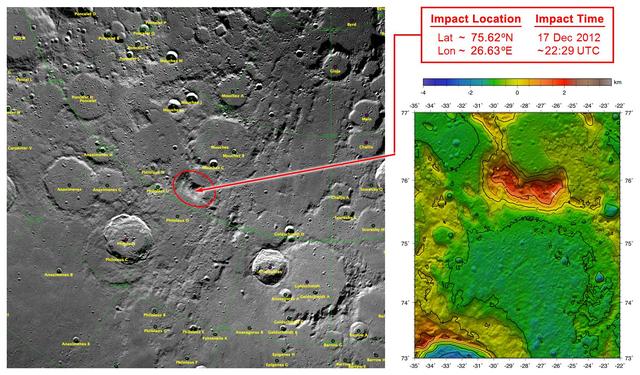
These maps of Earth moon highlight the region where the twin spacecraft of NASA Gravity Recovery and Interior Laboratory GRAIL mission will impact on Dec. 17, marking the end of its successful endeavor to map the moon gravity.

NASA astronaut Megan McArthur points to the shadow of the Gateway Arch on the Mississippi River in St. Louis while showing images of National Parks taken from the International Space Station during Expeditions 65 and 66 during a presentation to leadership and rangers who participate in the National Park Service’s astronomy and dark sky programs, Thursday, June 9, 2022 at the U.S. Department of the Interior in Washington, DC. McArthur, NASA astronaut Shane Kimbrough, Japan Aerospace Exploration Agency (JAXA) astronaut Akihiko Hoshide, and ESA (European Space Agency) astronaut Thomas Pesquet, flew on NASA’s SpaceX Crew-2 mission, the second crew rotation mission to the International Space Station as part of the agency’s Commercial Crew Program, and spent 198 days aboard the orbiting laboratory as part of Expeditions 65 and 66. Photo Credit: (NASA/Joel Kowsky)
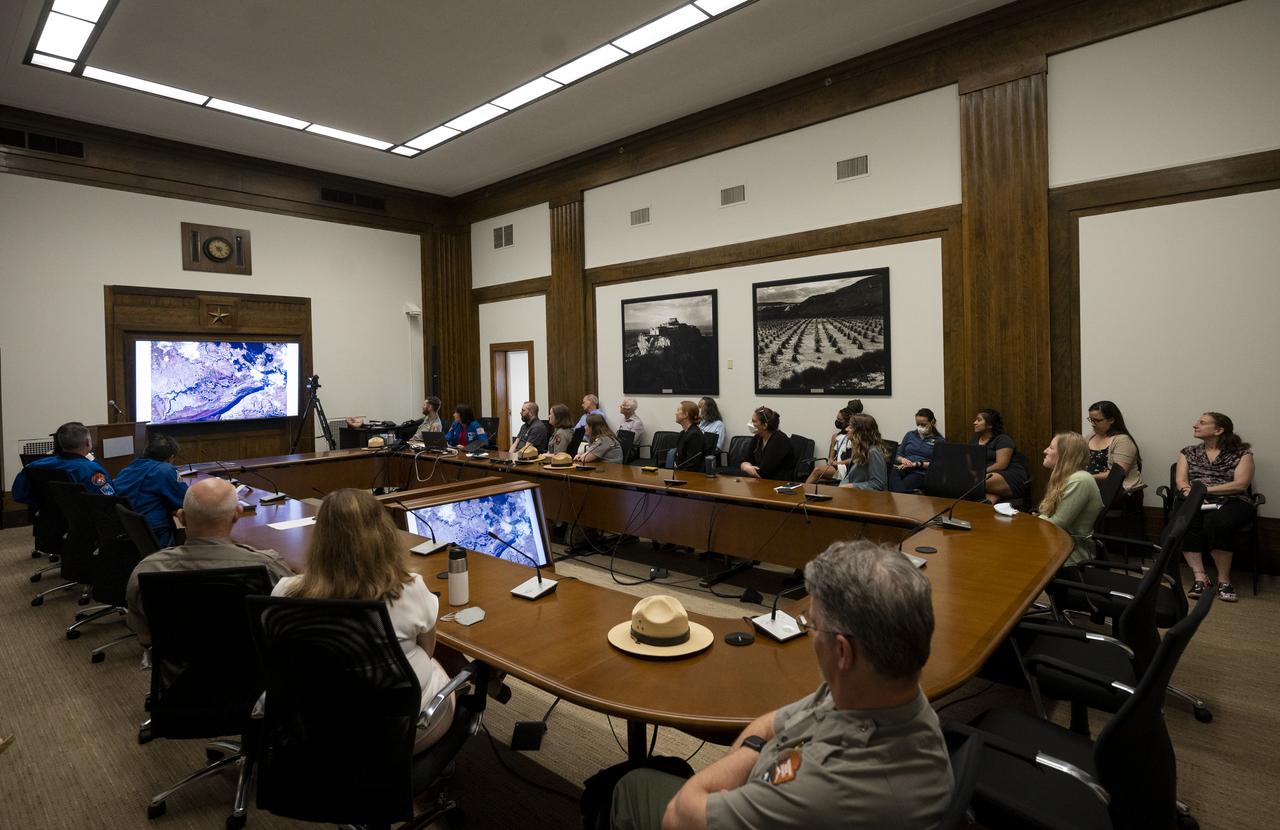
NASA astronaut Megan McArthur shows pictures of National Parks taken from the International Space Station during Expeditions 65 and 66 during a presentation to leadership and rangers who participate in the National Park Service’s astronomy and dark sky programs, Thursday, June 9, 2022 at the U.S. Department of the Interior in Washington, DC. McArthur, NASA astronaut Shane Kimbrough, Japan Aerospace Exploration Agency (JAXA) astronaut Akihiko Hoshide, and ESA (European Space Agency) astronaut Thomas Pesquet, flew on NASA’s SpaceX Crew-2 mission, the second crew rotation mission to the International Space Station as part of the agency’s Commercial Crew Program, and spent 198 days aboard the orbiting laboratory as part of Expeditions 65 and 66. Photo Credit: (NASA/Joel Kowsky)

This illustration shows three possible interiors of the seven rocky exoplanets in the TRAPPIST-1 system, based on precision measurements of the planet densities. Overall the TRAPPIST-1 worlds have remarkably similar densities, which suggests they may share the same ratio of common planet-forming elements. The planet densities are slightly lower than those of Earth or Venus, which could mean they contain fractionally less iron (a highly dense material) or more low-density materials, such as water or oxygen. In the first model (left), the interior of the planet is composed of rock mixed with iron bound to oxygen. There is no solid iron core, which is the case with Earth and the other rocky planets in our own solar system. The second model shows an overall composition similar to Earth's, in which the densest materials have settled to the center of the planet, forming an iron-rich core proportionally smaller than Earth's core. A variation is shown in the third panel, where a larger, denser core could be balanced by an extensive low-density ocean on the planet's surface. However, this scenario can be applied only to the outer four planets in the TRAPPIST-1 system. On the inner three planets, any oceans would vaporize due to the higher temperatures near their star, and a different composition model is required. Since all seven planets have remarkably similar densities, it is more likely that all the planets share a similar bulk composition, making this fourth scenario unlikely but not impossible. The high-precision mass and diameter measurements of the exoplanets in the TRAPPIST-1 system have allowed astronomers to calculate the overall densities of these worlds with an unprecedented degree of accuracy in exoplanet research. Density measurements are a critical first step in determining the composition and structure of exoplanets, but they must be interpreted through the lens of scientific models of planetary structure. https://photojournal.jpl.nasa.gov/catalog/PIA24372

Artist rendition of the formation of rocky bodies in the solar system -- how they form and differentiate and evolve into terrestrial planets. Note: After thorough examination, NASA managers have decided to suspend the planned March 2016 launch of the Interior Exploration using Seismic Investigations Geodesy and Heat Transport (InSight) mission. The decision follows unsuccessful attempts to repair a leak in a section of the prime instrument in the science payload. http://photojournal.jpl.nasa.gov/catalog/PIA16078
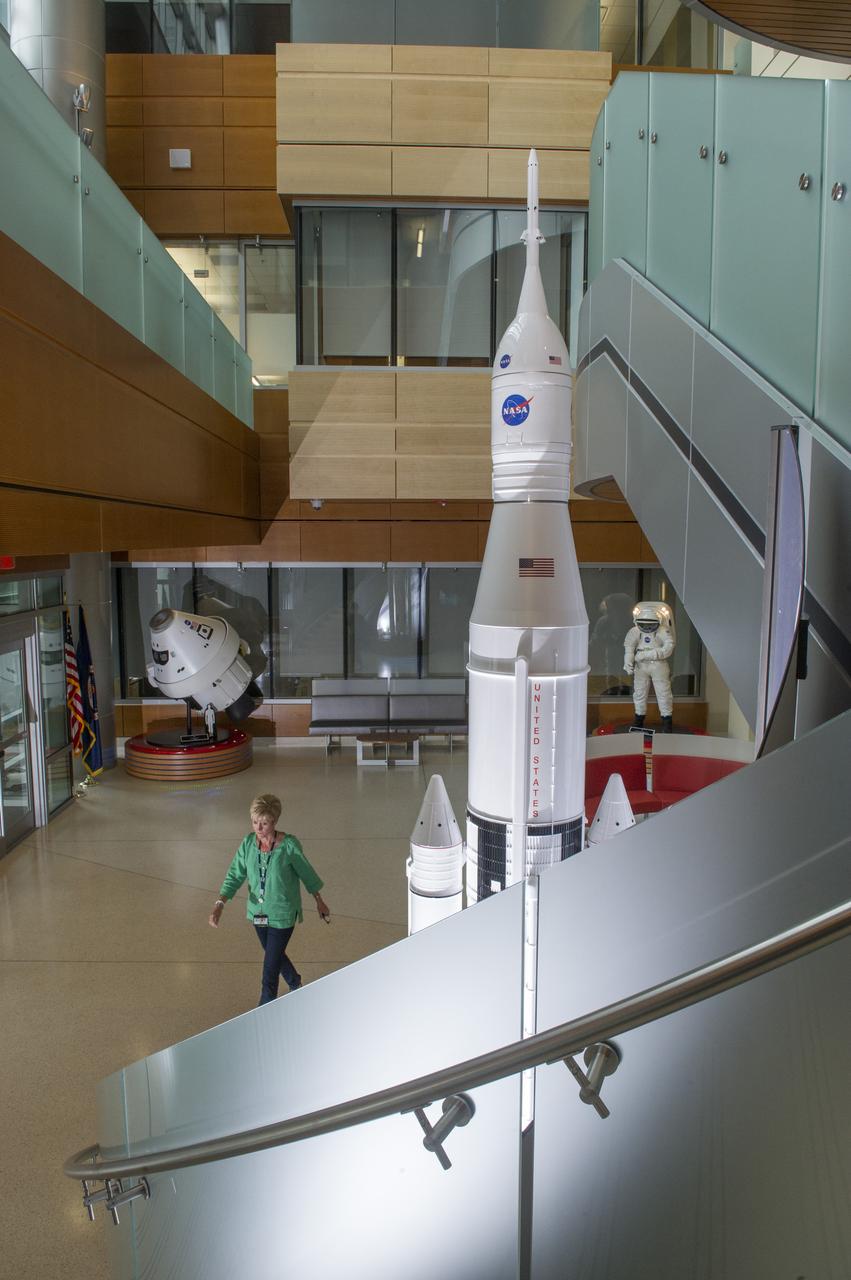
THE INTERIOR OF THE MARSHALL SPACE FLIGHT CENTER’S NEWLY OPENED BUILDING 4220, PRIMARILY HOME TO THE SPACE LAUNCH SYSTEM PROGRAM, REFLECTS A BLEND OF AESTHETICS, PRACTICALITY AND HIGH EFFICIENCY. THE COST-CONSCIOUS NEW FACILITY IS ENVIRONMENTALLY FRIENDLY ON ALL FRONTS, FEATURING STATE-OF-THE-ART GREEN TECHNOLOGIES AND ENERGY-CONSERVATION SYSTEMS THROUGHOUT THE BUILDING. THE ENTIRE STRUCTURE IS SPECIALLY INSULATED, WITH MUCH OF THE EXTERIOR COVERED IN LOW-EMISSIVITY GLASS THAT DEFLECTS HEAT TO REDUCE COOLING COSTS WITHIN. ROOFTOP SOLAR-POWER UNITS ABSORB ENERGY TO AUGMENT ELECTRICAL POWER, AND A 10,000-GALLON CISTERN COLLECTS STORMWATER TO IRRIGATE THE SURROUNDING GREENERY. EVEN THE FACILITY'S NEW PARKING LOT HAS A GREEN ELEMENT: RATHER THAN GUTTERS, IT INCLUDES A "BIOSWALE," A NATURAL, SOIL-AND-VEGETATION-BASED MEANS OF CAPTURING AND FILTERING STORMWATER RUNOFF, WHICH IS DIRECTED INTO A NEARBY COLLECTING POND. ONCE CERTIFICATION IS COMPLETE, BUILDING 4220 WILL BECOME THE SEVENTH LEED CERTIFIED MARSHALL STRUCTURE ON CAMPUS
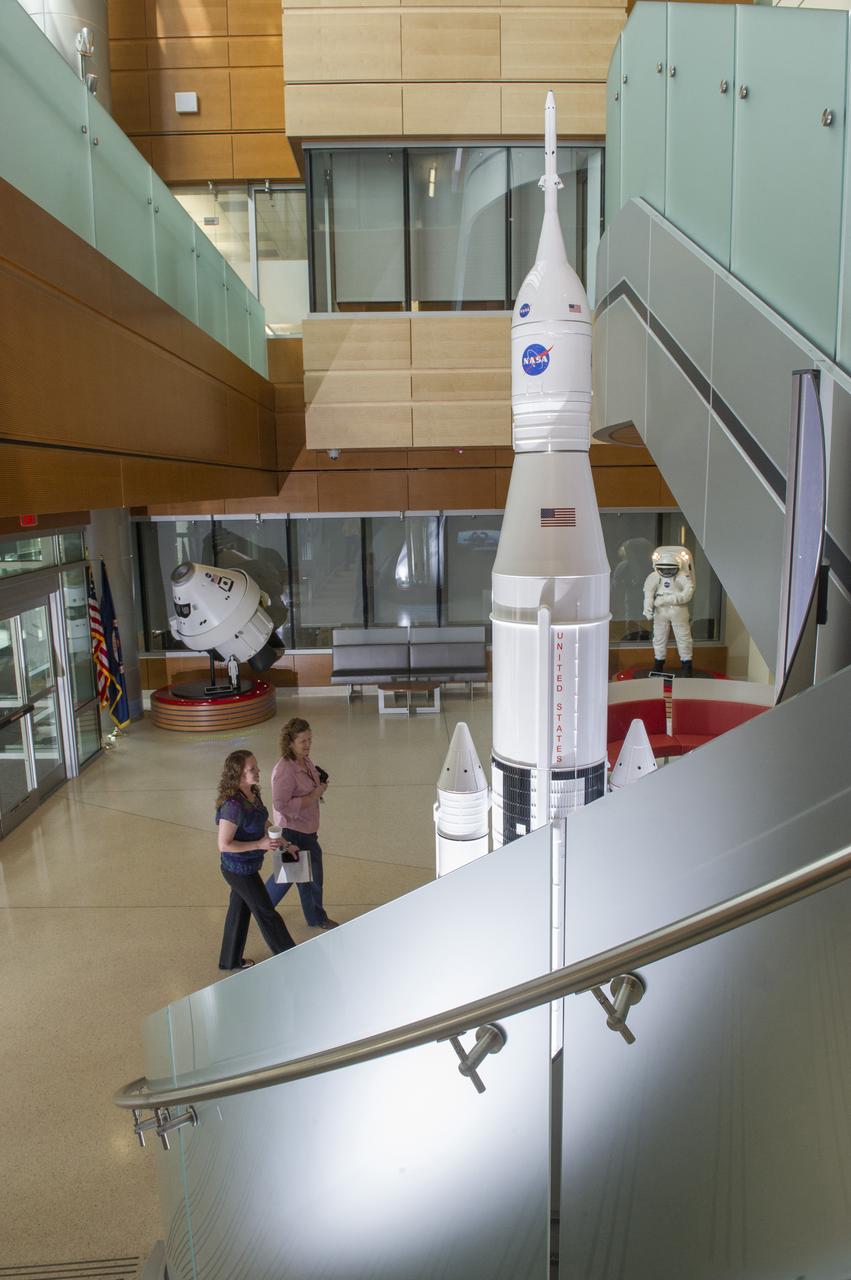
THE INTERIOR OF THE MARSHALL SPACE FLIGHT CENTER’S NEWLY OPENED BUILDING 4220, PRIMARILY HOME TO THE SPACE LAUNCH SYSTEM PROGRAM, REFLECTS A BLEND OF AESTHETICS, PRACTICALITY AND HIGH EFFICIENCY. THE COST-CONSCIOUS NEW FACILITY IS ENVIRONMENTALLY FRIENDLY ON ALL FRONTS, FEATURING STATE-OF-THE-ART GREEN TECHNOLOGIES AND ENERGY-CONSERVATION SYSTEMS THROUGHOUT THE BUILDING. THE ENTIRE STRUCTURE IS SPECIALLY INSULATED, WITH MUCH OF THE EXTERIOR COVERED IN LOW-EMISSIVITY GLASS THAT DEFLECTS HEAT TO REDUCE COOLING COSTS WITHIN. ROOFTOP SOLAR-POWER UNITS ABSORB ENERGY TO AUGMENT ELECTRICAL POWER, AND A 10,000-GALLON CISTERN COLLECTS STORMWATER TO IRRIGATE THE SURROUNDING GREENERY. EVEN THE FACILITY'S NEW PARKING LOT HAS A GREEN ELEMENT: RATHER THAN GUTTERS, IT INCLUDES A "BIOSWALE," A NATURAL, SOIL-AND-VEGETATION-BASED MEANS OF CAPTURING AND FILTERING STORMWATER RUNOFF, WHICH IS DIRECTED INTO A NEARBY COLLECTING POND. ONCE CERTIFICATION IS COMPLETE, BUILDING 4220 WILL BECOME THE SEVENTH LEED CERTIFIED MARSHALL STRUCTURE ON CAMPUS

S67-15794 (1967) --- Overall interior view of the Lunar Module Mission Simulator, in the Mission Simulation and Training Facility, Building 5, MSC, Houston. Photo credit: NASA
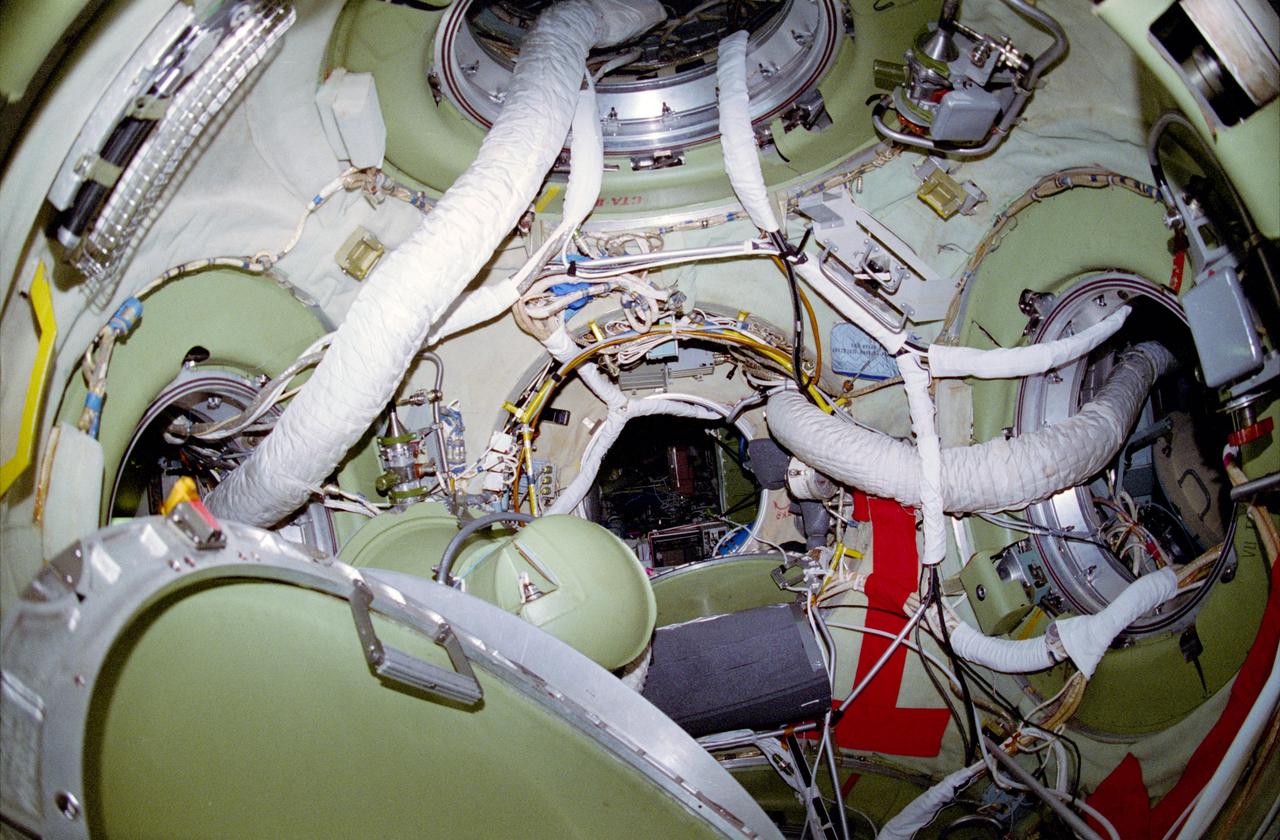
STS084-305-018 (15-24 May 1997) --- As seen from the docked Soyuz hatchway, this 35mm view shows the interior of a Russian Mir Space Station node connected to Kristall (bottom), Priroda (top), Mir Core Module (center), Kvant-2 (left) and Spektr (right). The Mir-23 and STS-84 crew members spent several days sharing joint activities in Earth-orbit as part of an ongoing cooperative program between the Russian Space Agency (RSA) and National Aeronautics and Space Administration (NASA).
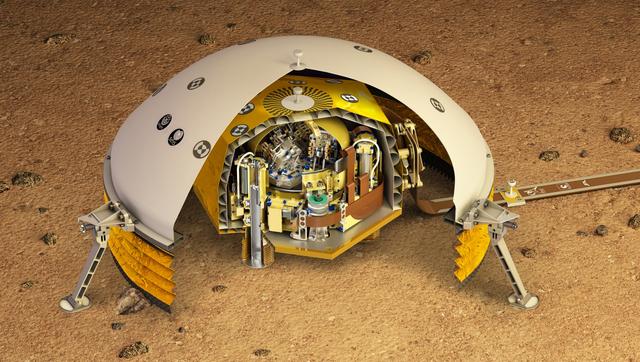
This artist's rendering shows a cutaway of the Seismic Experiment for Interior Structure instrument, or SEIS, which will fly as part of NASA's Mars InSight lander. SEIS is a highly sensitive seismometer that will be used to detect marsquakes from the Red Planet's surface for the first time. There are two layers in this cutaway. The outer layer is the Wind and Thermal Shield -- a covering that protects the seismometer from the Martian environment. The wind on Mars, as well as extreme temperature changes, could affect the highly sensitive instrument. The inside layer is SEIS itself, a brass-colored dome that houses the instrument's three pendulums. These insides are inside a titanium vacuum chamber to further isolate them from temperature changes on the Martian surface. https://photojournal.jpl.nasa.gov/catalog/PIA22320
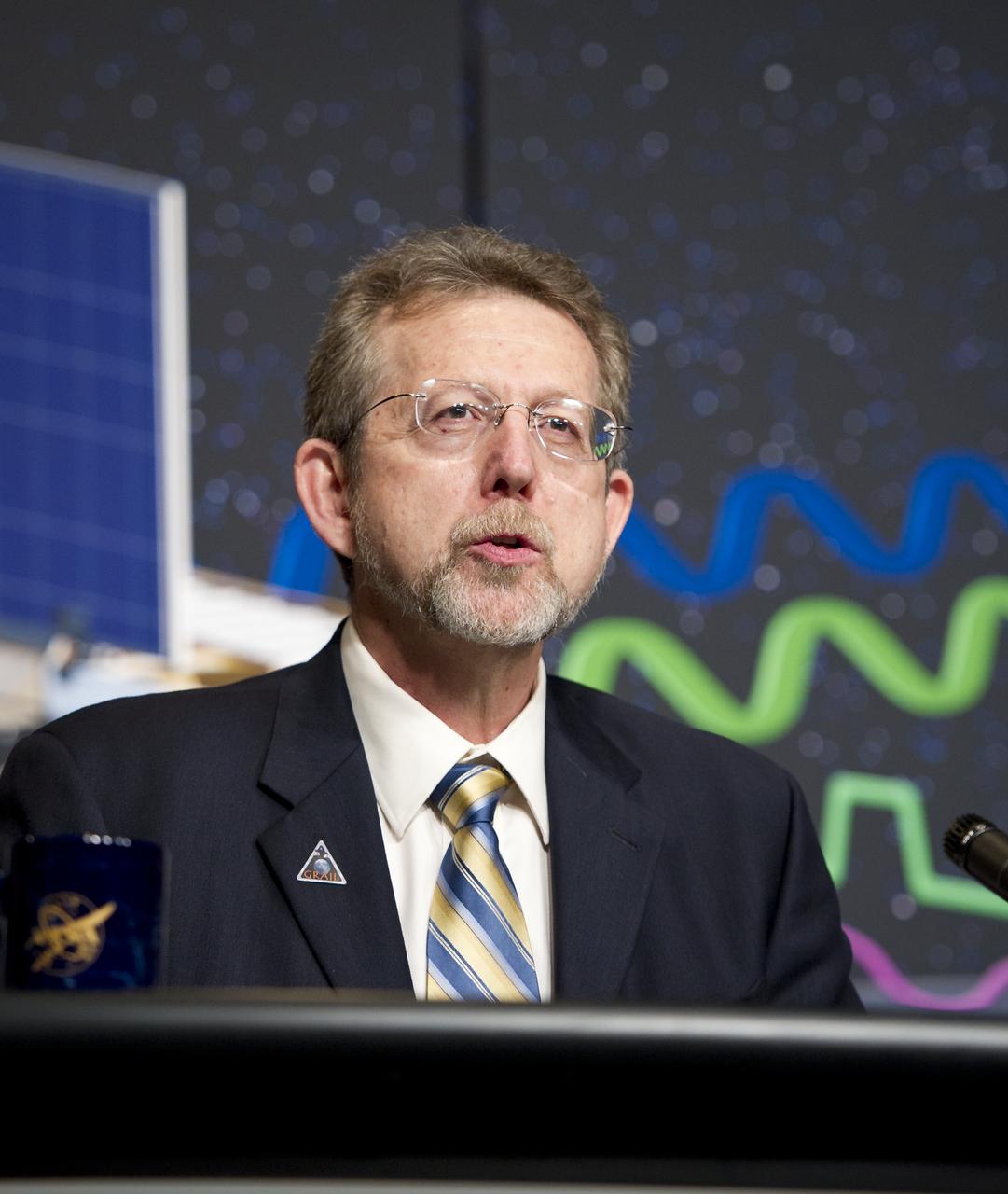
Jim Green, director, Planetary Science Division at NASA Headquarters, speaks at a press conference about the upcoming launch to the moon of the Gravity Recovery and Interior Laboratory (GRAIL) mission, Thursday, Aug. 25, 2011 in Washington. GRAIL's primary science objectives are to determine the structure of the lunar interior, from crust to core, and to advance understanding of the thermal evolution of the moon. The mission will place two spacecraft into the same orbit around the moon which will gather information about the its gravitational field enabling scientists to create a high-resolution map. Photo Credit: (NASA/Carla Cioffi)
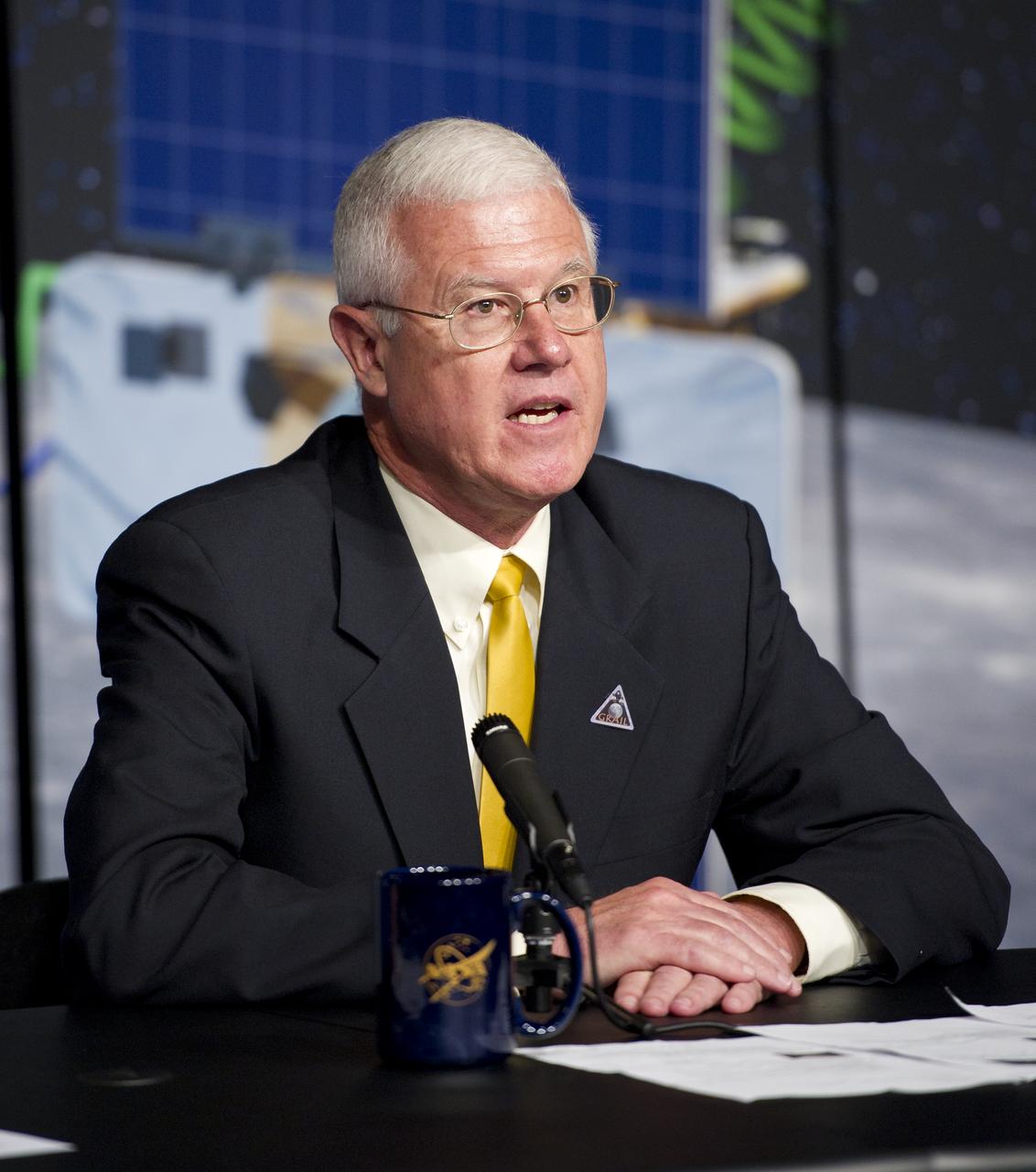
David Lehman, GRAIL project manager, NASA's Jet Propulsion Laboratory, Pasadena, Calif., speaks at a press conference about the upcoming launch to the moon of the Gravity Recovery and Interior Laboratory (GRAIL) mission, Thursday, Aug. 25, 2011 in Washington. GRAIL's primary science objectives are to determine the structure of the lunar interior, from crust to core, and to advance understanding of the thermal evolution of the moon. The mission will place two spacecraft into the same orbit around the moon which will gather information about the its gravitational field enabling scientists to create a high-resolution map. Photo Credit: (NASA/Carla Cioffi)

Jim Green (left), director, Planetary Science Division at NASA Headquarters, speaks at a press conference about the upcoming launch to the moon of the Gravity Recovery and Interior Laboratory (GRAIL) mission, Thursday, Aug. 25, 2011 in Washington. GRAIL's primary science objectives are to determine the structure of the lunar interior, from crust to core, and to advance understanding of the thermal evolution of the moon. The mission will place two spacecraft into the same orbit around the moon which will gather information about the its gravitational field enabling scientists to create a high-resolution map. Photo Credit: (NASA/Carla Cioffi)

Leesa Hubbard, teacher in residence, Sally Ride Science, San Diego, speaks at a press conference about the upcoming launch to the moon of the Gravity Recovery and Interior Laboratory (GRAIL) mission, Thursday, Aug. 25, 2011 in Washington. GRAIL's primary science objectives are to determine the structure of the lunar interior, from crust to core, and to advance understanding of the thermal evolution of the moon. The mission will place two spacecraft into the same orbit around the moon which will gather information about the its gravitational field enabling scientists to create a high-resolution map. Photo Credit: (NASA/Carla Cioffi)

Maria Zuber, GRAIL principal investigator, Massachusetts Institute of Technology, Cambridge, answers a reporter's question at a press briefing about the upcoming launch to the moon of the Gravity Recovery and Interior Laboratory (GRAIL) mission, Thursday, Aug. 25, 2011 in Washington. GRAIL's primary science objectives are to determine the structure of the lunar interior, from crust to core, and to advance understanding of the thermal evolution of the moon. The mission will place two spacecraft into the same orbit around the moon which will gather information about the its gravitational field enabling scientists to create a high-resolution map. Photo Credit: (NASA/Carla Cioffi)
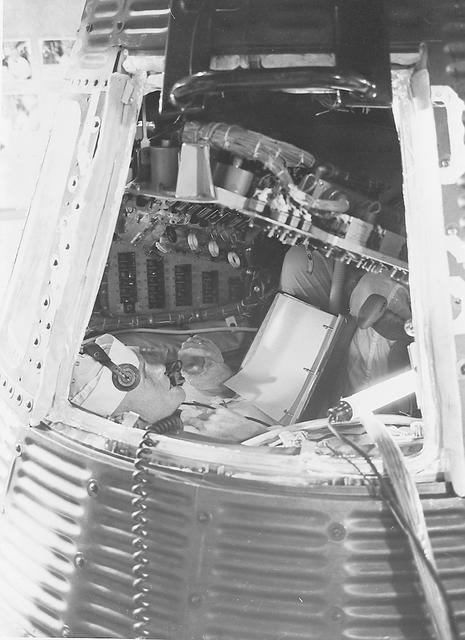
S61-03744 (July 1961) --- Astronaut John H. Glenn Jr., backup astronaut for MR-4, inspects the interior of a Mercury spacecraft on Pad 5. He is reviewing material on the checklist he is holding against the consoles in front of him. Photo credit: NASA
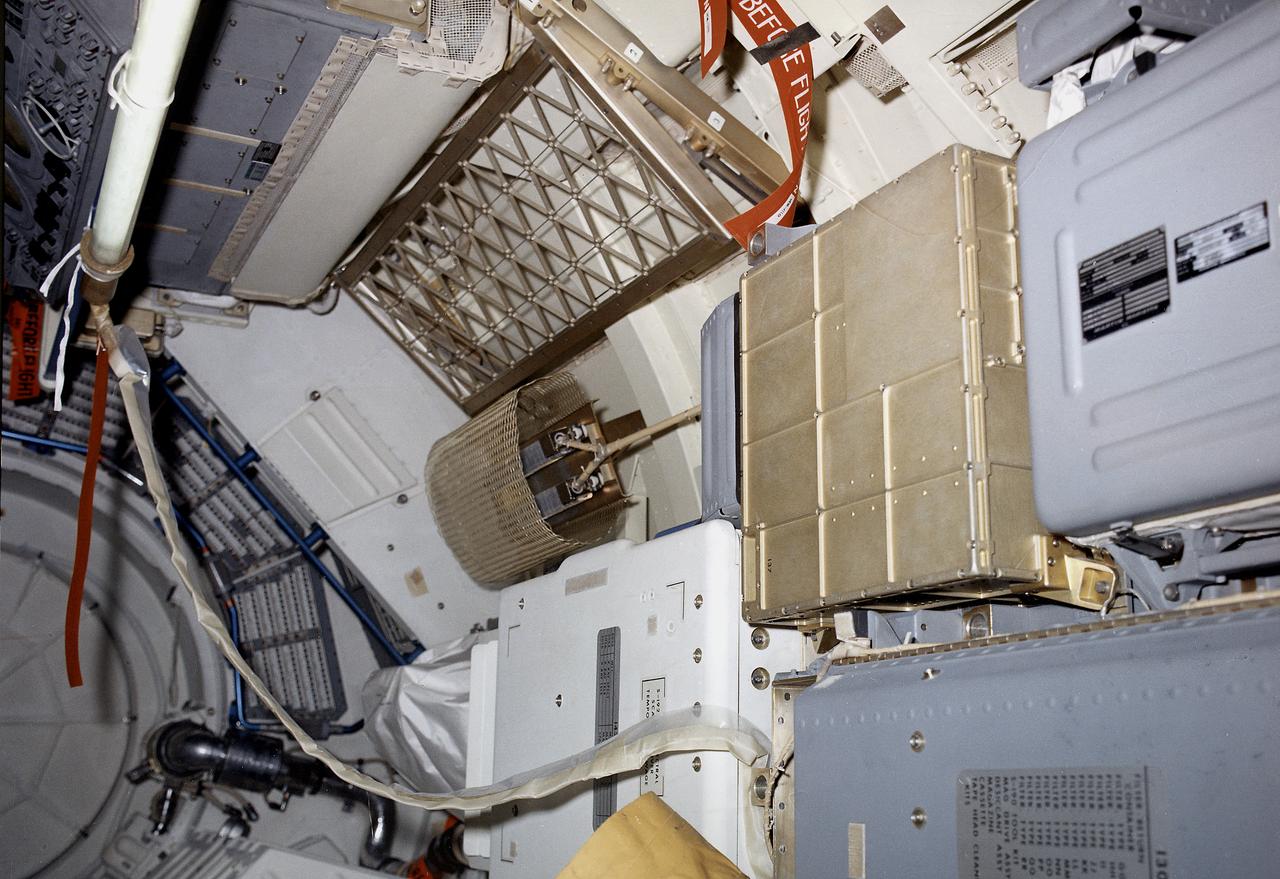
The Multiple Docking Adapter (MDA), designed and constructed under the direction of the Marshall Space Flight Center, was one of four principal sections comprising Skylab. The MDA provided the means by which the Command and Service Modules attached to the Skylab, enabling the crews to enter and work in it. Also included in the MDA was a control and display console for the Apollo Telescope Mount. This image shows an interior view of the MDA.
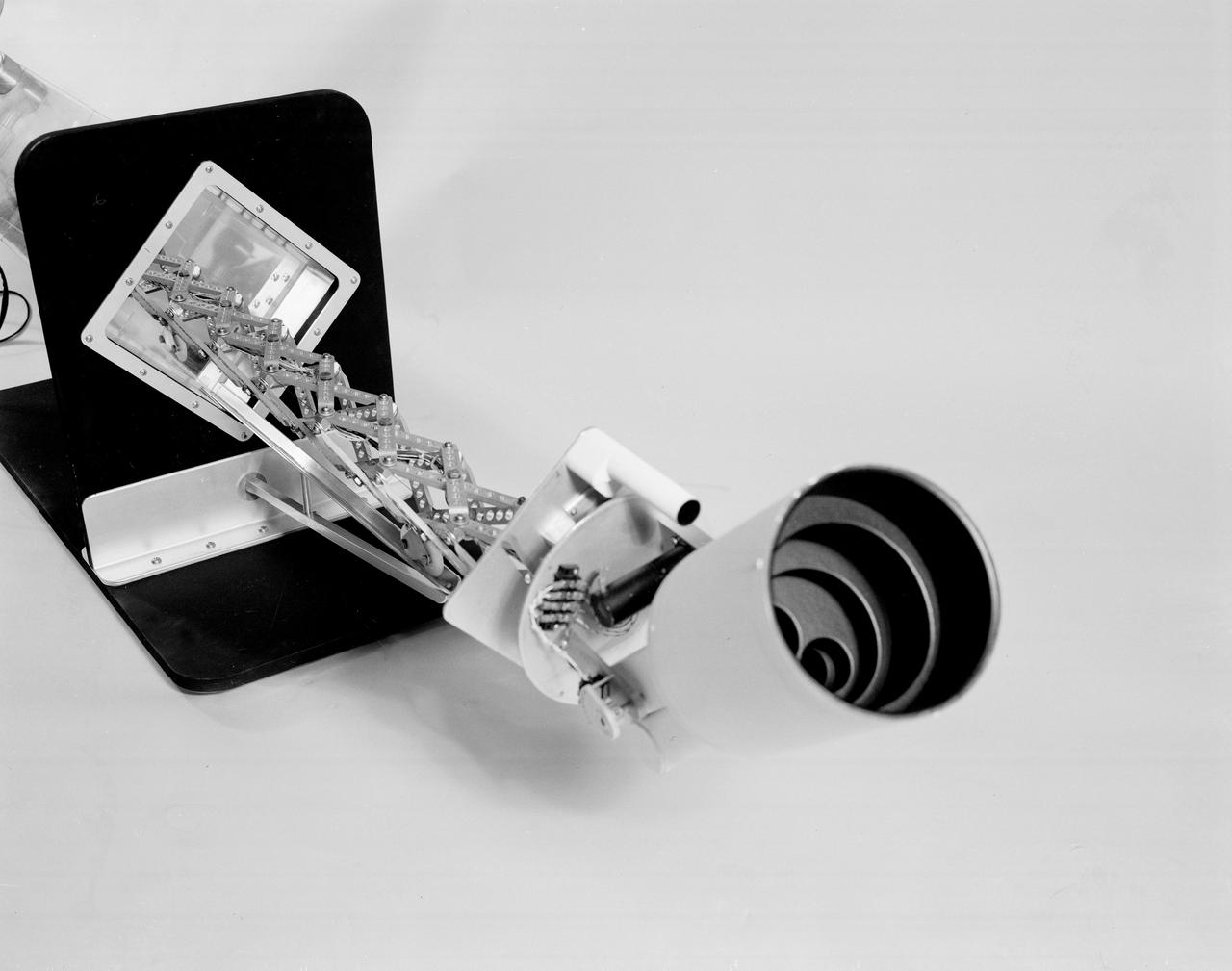
The Apollo Telescope Mount (ATM), designed and developed by the Marshall Space Flight Center, served as the primary scientific instrument unit aboard the Skylab. The ATM contained eight complex astronomical instruments designed to observe the Sun over a wide spectrum from visible light to x-rays. This photo of the ATM contamination monitor mockup offers an extended view of the sunshield interior.
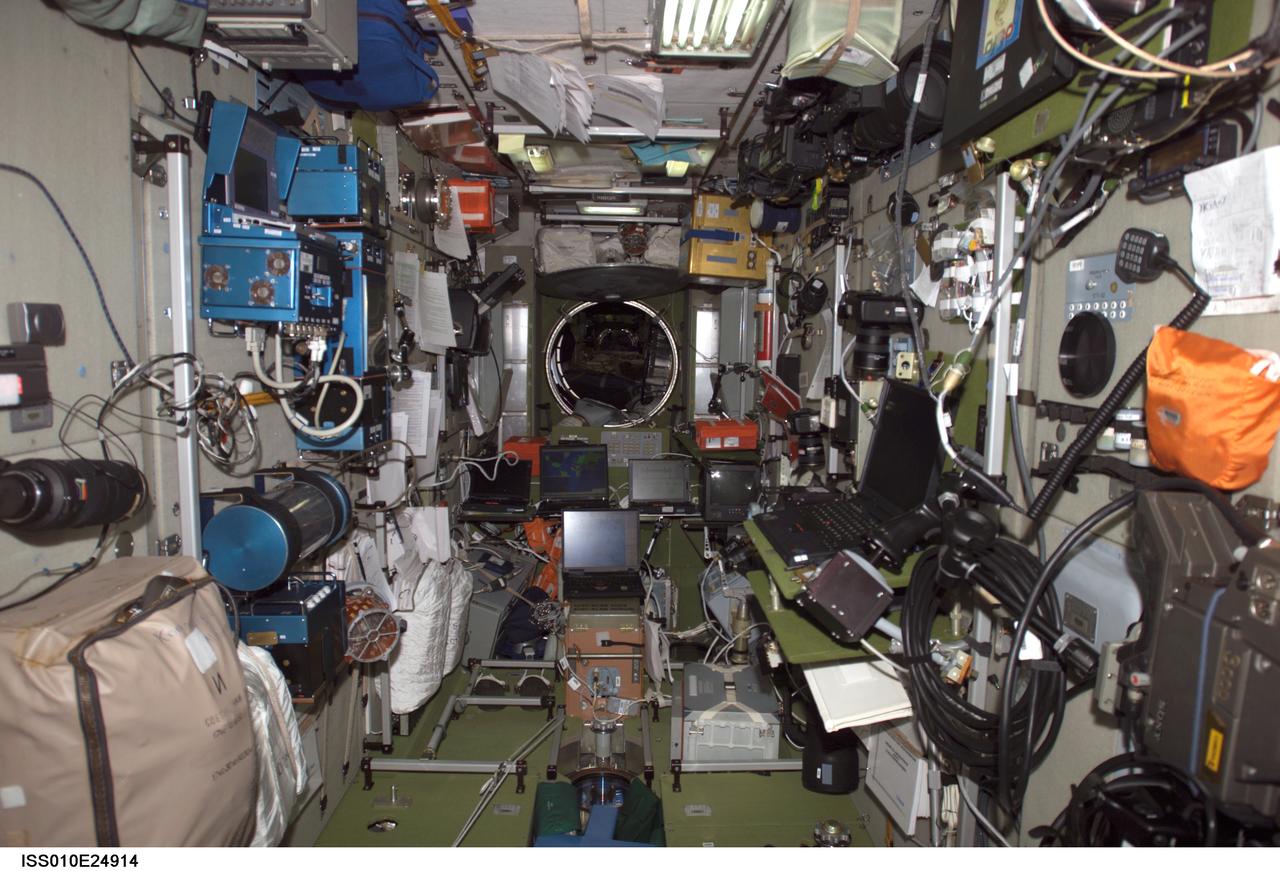
ISS010-E-24914 (17 April 2005) --- View of the interior of the Zvezda Service module from the forward section to the aft end, as photographed by one of the Expedition 10 crewmembers on the International Space Station (ISS).
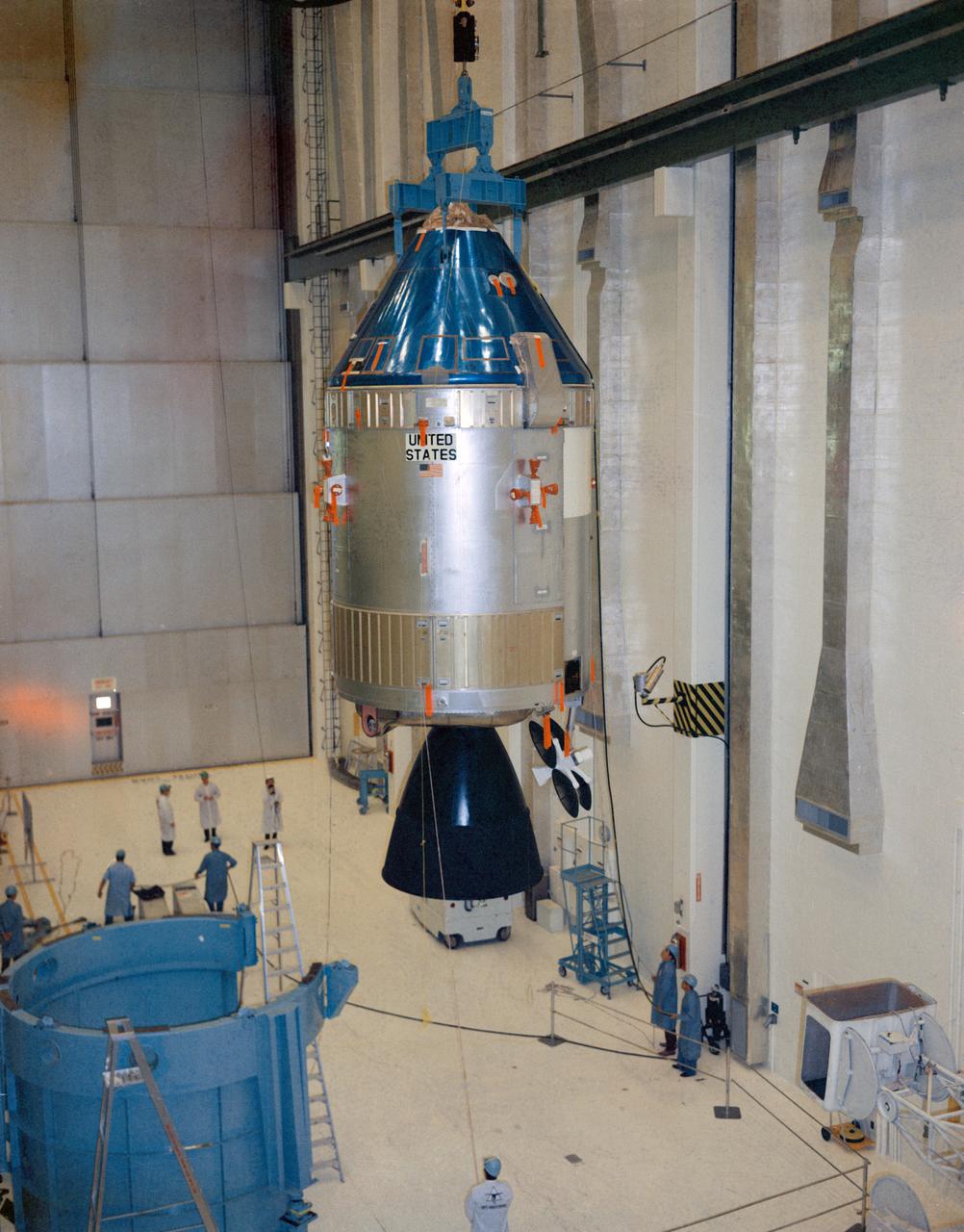
S69-19190 (31 Jan. 1969) --- Interior view of the Kennedy Space Center's Manned Spacecraft Operations Building showing Apollo Spacecraft 106/Command/Service Module being moved to integrated work stand number one for mating to Spacecraft Lunar Module Adapter (SLA) 13. Spacecraft 106 will be flown on the Apollo 10 (Lunar Module 4/Saturn 505) space mission.

S69-19197 (1969) --- Interior view of the Kennedy Space Center's (KSC) Manned Spacecraft Operations Building (MSOB) showing Apollo Spacecraft 106 Command and Service Modules (CSM) being moved to integrated work stand number one for mating to Spacecraft Lunar Module Adapter (SLA) 13. Spacecraft 106 will be flown on the Apollo 10 (Lunar Module 4/Saturn 505) space mission.
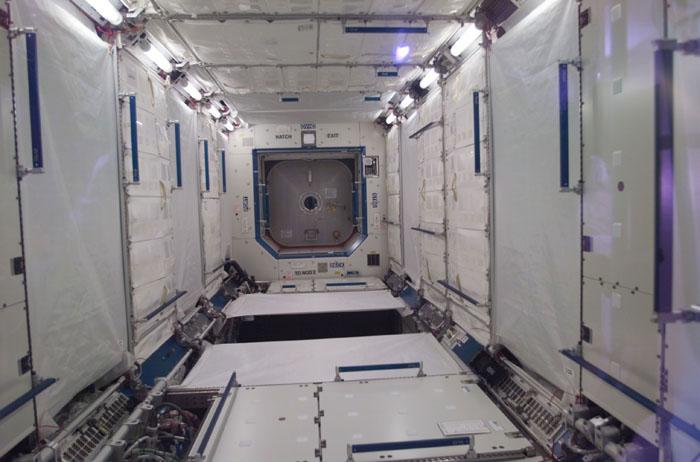
STS98-E-5113 (11 February 2001) --- This wide shot, photographed with a digital still camera, shows the interior of the newly attached Destiny laboratory. The crews of Atlantis and the International Space Station opened the laboratory on Feb. 11 and spent the first full day of what are planned to be years of work ahead inside the orbiting science and command center. Station commander William M. (Bill) Shepherd opened the Destiny hatch, and he and shuttle commander Kenneth D. Cockrell ventured inside at 8:38 a.m. (CST), Feb. 11. As depicted in subsequent digital images in this series, members of both crews went to work quickly inside the new module, activating air systems, fire extinguishers, alarm systems, computers and internal communications. The crew also continued equipment transfers from the shuttle to the station.

Scientists believe that under the icy surface of Jupiter's moon Europa a saltwater ocean exists that may contain more than twice as much liquid water as all of Earth's oceans combined. This artist's concept (not to scale) depicts what Europa's internal structure could look like: an outer shell of ice, perhaps with plumes of material venting from beneath the surface; a deep, global layer of liquid water; and a rocky interior, potentially with hydrothermal vents on the seafloor. The true nature of Europa's inner structure will be examined by NASA's Europa Clipper mission, which is scheduled to arrive at Jupiter in 2030. Europa Clipper's three main science objectives are to determine the thickness of the moon's icy shell and its interactions with the ocean below, to investigate its composition, and to characterize its geology. The mission's detailed exploration of Europa will help scientists better understand the astrobiological potential for habitable worlds beyond our planet. https://photojournal.jpl.nasa.gov/catalog/PIA26438
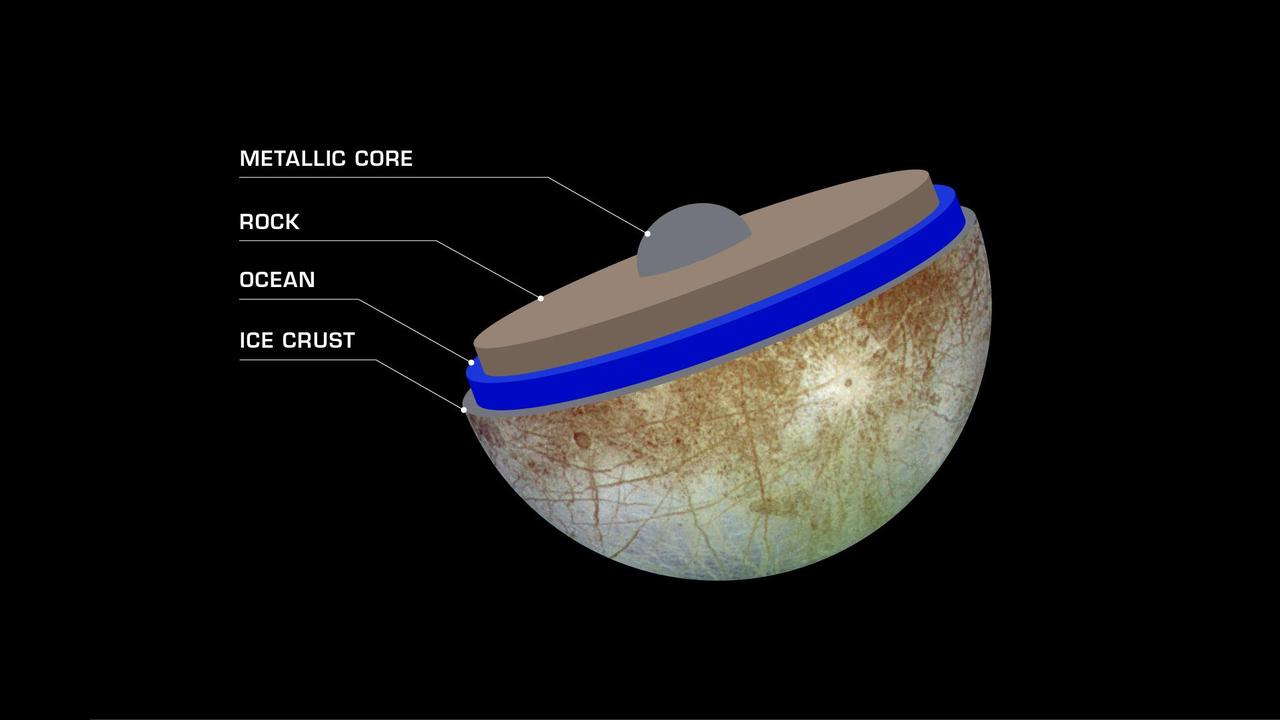
Jupiter's moon Europa is smaller than Earth's moon yet may contain more than twice as much liquid water as all of Earth's oceans combined. Scientists believe that under its icy surface, Europa features a global saltwater ocean, perhaps 40 to 100 miles (60 to 150 kilometers) deep. Further inward, a rocky mantle and metallic core are likely. Europa's interior structure will be studied in detail by NASA's Europa Clipper spacecraft, which will orbit Jupiter and perform dozens of flybys of the moon. Europa Clipper's three main science objectives are to determine the thickness of the moon's icy shell and its interactions with the ocean below, to investigate its composition, and to characterize its geology. The mission's detailed exploration of Europa will help scientists better understand the astrobiological potential for habitable worlds beyond our planet. https://photojournal.jpl.nasa.gov/catalog/PIA26434
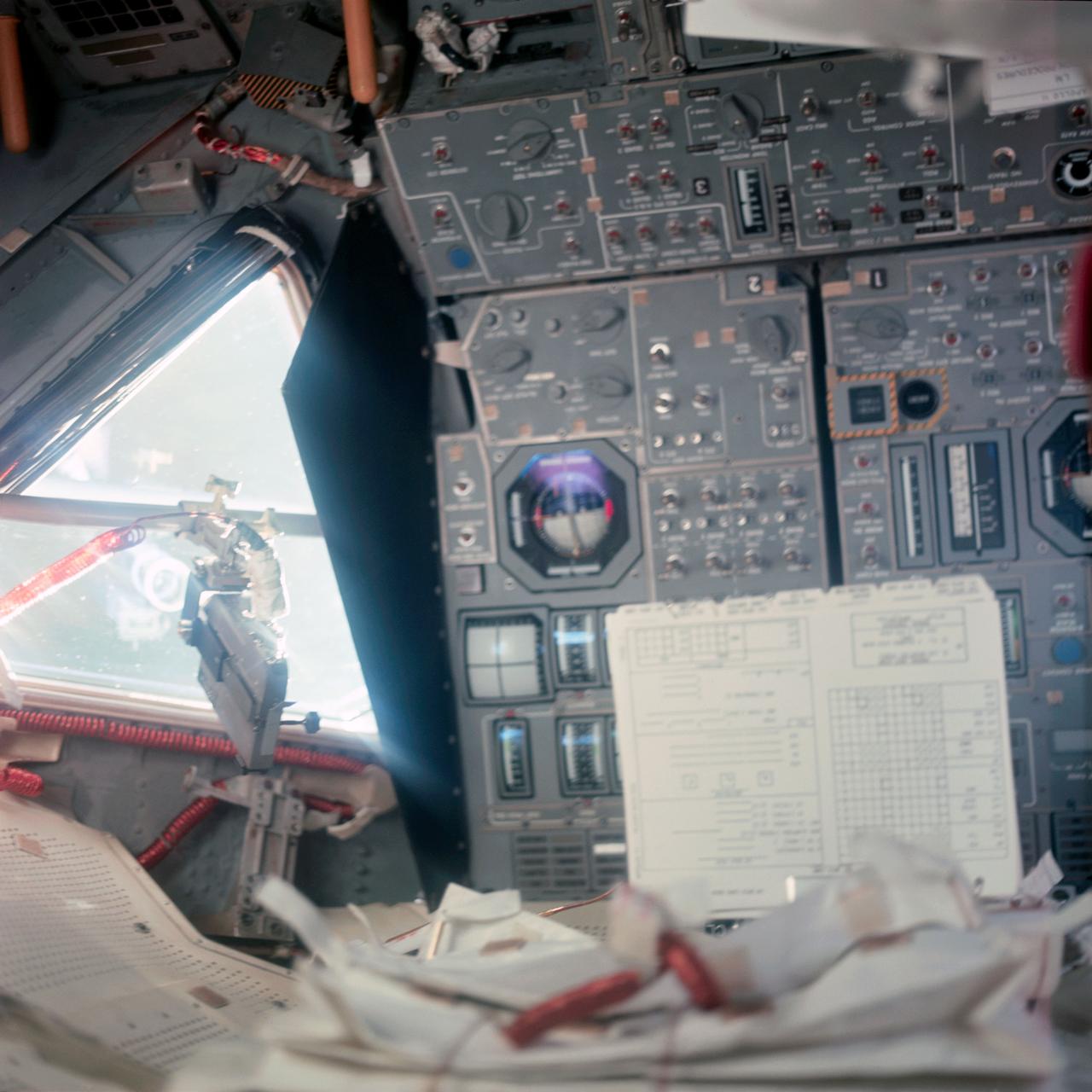
AS11-36-5389 (July 1969) --- An interior view of the Apollo 11 Lunar Module showing some of the displays and controls. Mounted in the Lunar Module window is a 16mm data acquisition camera which has a variable frame speed of 1, 6, 12 and 24 frames per second. Photo credit: NASA
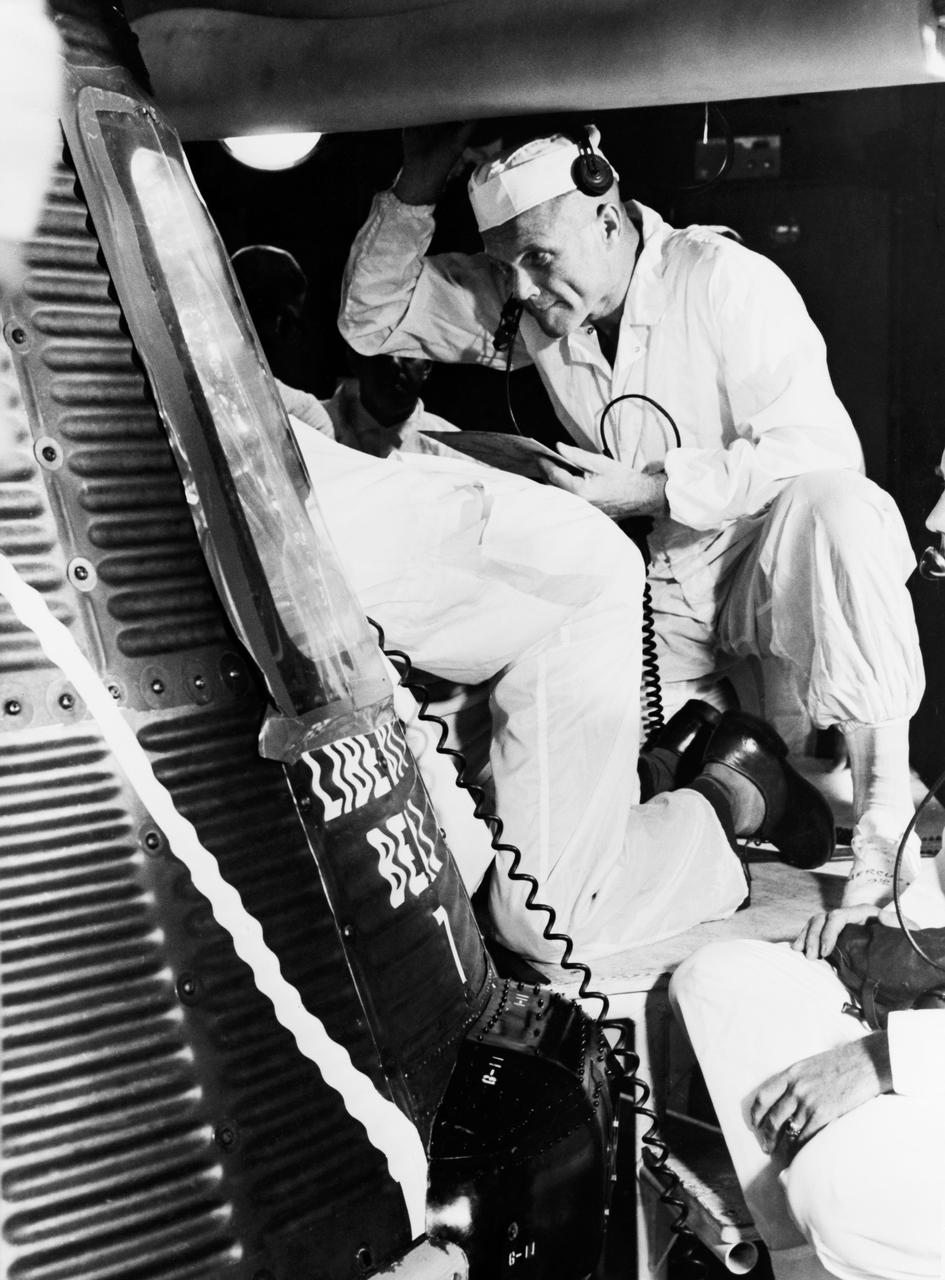
S61-03740 (20 July 1961) --- Astronaut John H. Glenn Jr. and a technician examine the interior of the Liberty Bell 7, the capsule flown a few days later during the Mercury-Redstone 4 mission with astronaut Virgil I. (Gus) Grissom. Photo credit: NASA