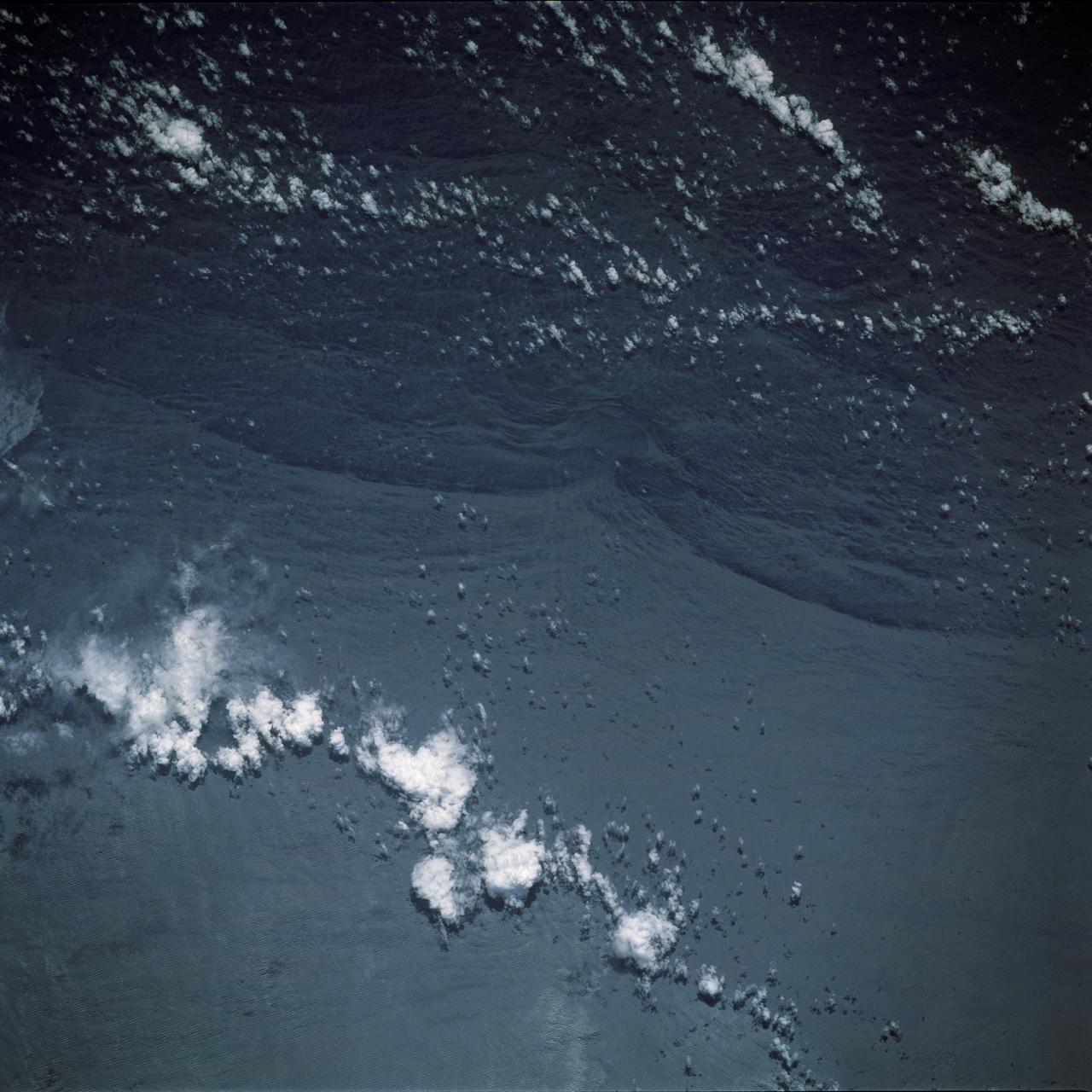
STS044-79-077 (24 Nov.-1 Dec. 1991) --- This photograph, captured from the Earth-orbiting Space Shuttle Atlantis, shows sunglint pattern in the western tropical Indian Ocean. Several large internal waves reflect around a shallow area on the sea floor. NASA scientists studying the STS-44 photography believe the shallow area to be a sediment (a submerged mountain) on top of the Mascarene Plateau, located northeast of Madagascar at approximately 5.6 degrees south latitude and 55.7 degrees east longitude. Internal waves are similar to surface ocean waves, except that they travel inside the water column along the boundary between water layers of different density. At the surface, their passage is marked on the sea surface by bands of smooth and rough water. These bands appear in the sunglint pattern as areas of brighter or darker water. NASA scientists point out that, when the waves encounter an obstacle, such as a near-surface seamount, they bend or refract around the obstacle in the same manner as surface waves bend around an island or headland.
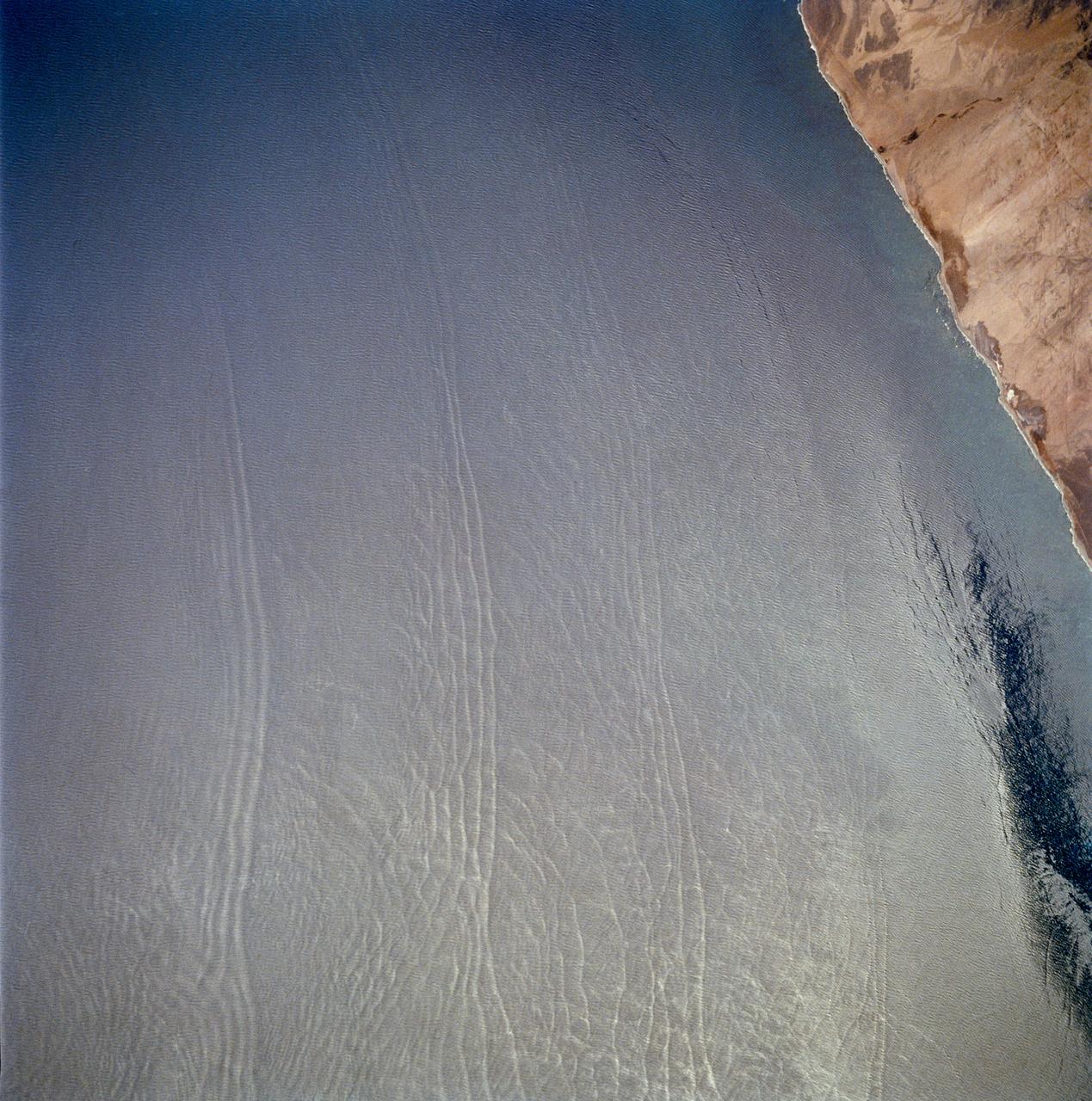
These open ocean Internal Waves were seen off the Namibia Coast, Africa (23.0S, 14.0E). The periodic and regularly spaced sets of internal waves most likely coincide with tidal periods about 12 hours apart. The wave length (distance from crest to crest) varies between 1.5 and 5.0 miles and the crest lengths stretch across and beyond the distance of the photo. The waves are intersecting the Namibia coastline at about a 30 degree angle.
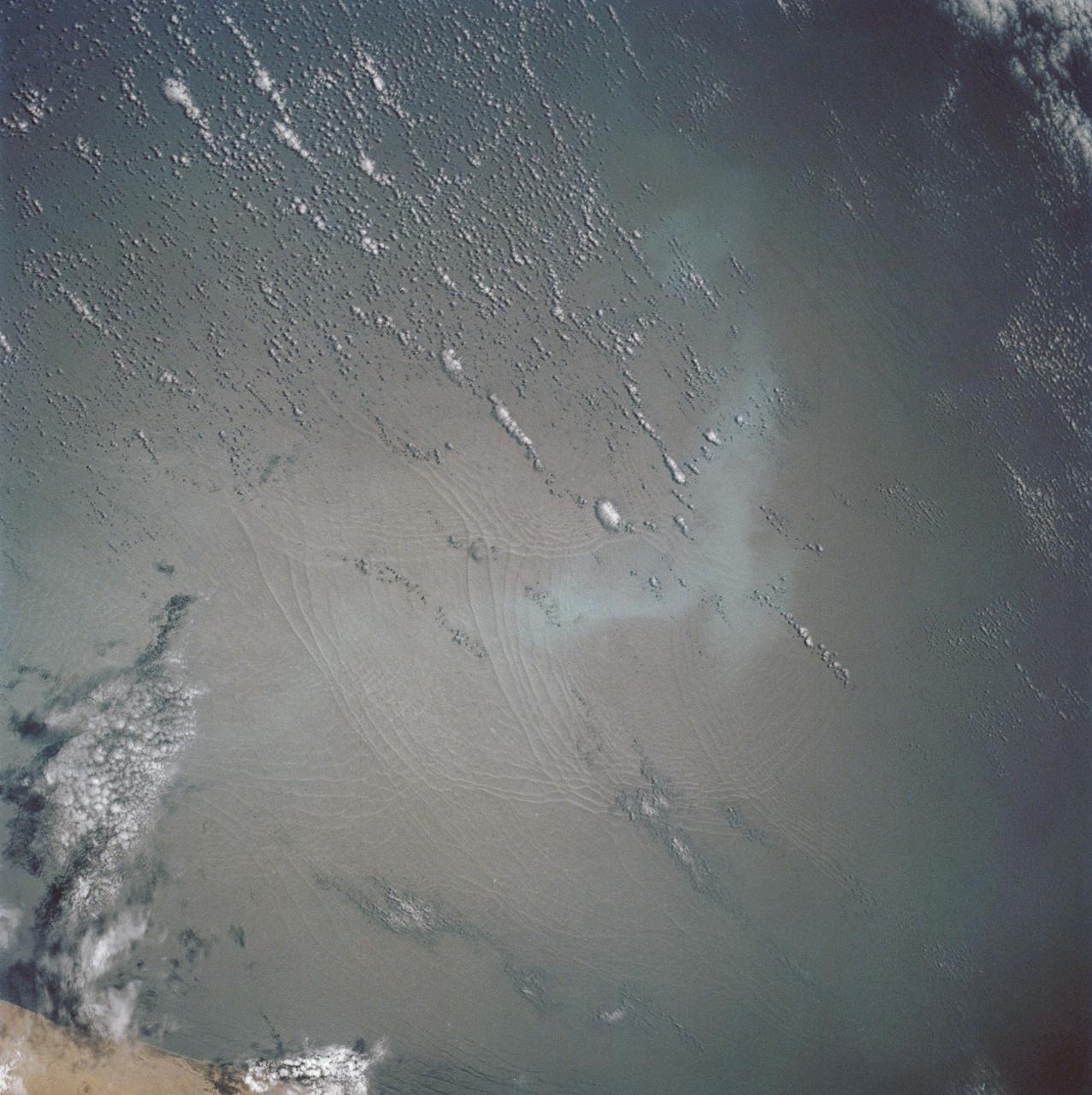
These open ocean Internal Waves were seen off the Namibia Coast, Africa (19.5S, 11.5E). The periodic and regularly spaced sets of incoming internal appear to be diffracting against the coastline and recombining to form a network of interference patterns. They seem to coincide with tidal periods about 12 hours apart and wave length (distance from crest to crest) varies between 1.5 and 5.0 miles and the crest lengths stretch beyond the image.
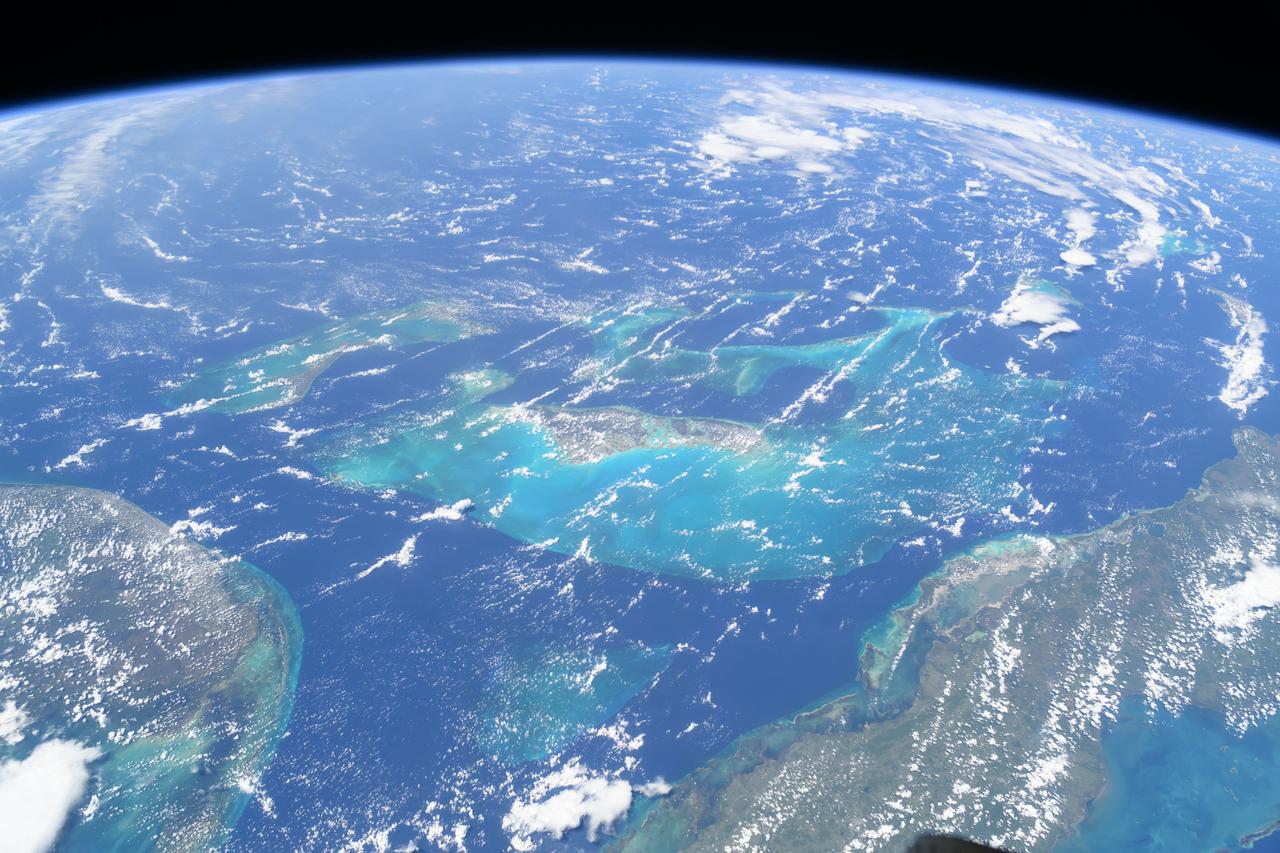
iss071e449837 (July 24, 2024) --- The clear blue waters surrounding The Bahamas in the Atlantic Ocean are pictured from the International Space Station as it soared 258 miles above.
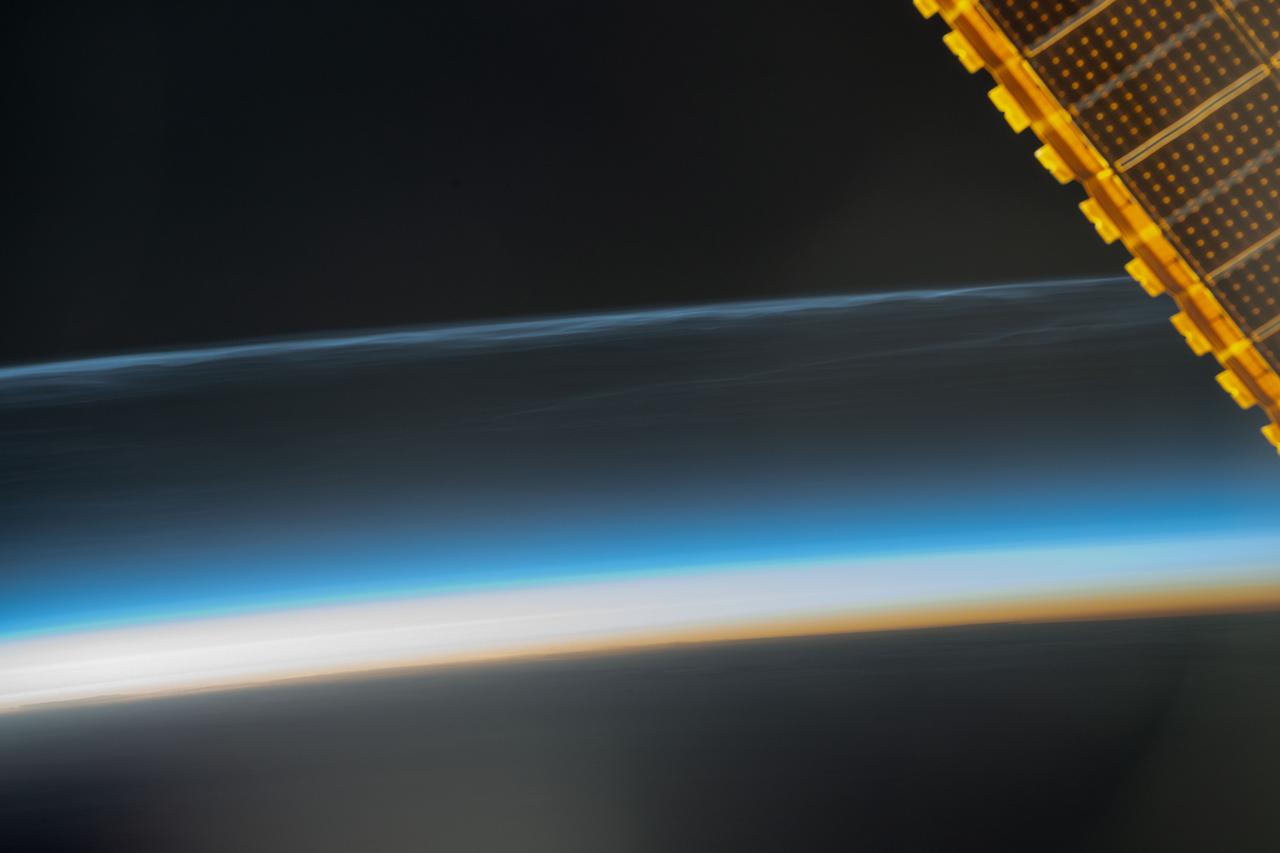
iss071e364425 (July 16, 2024) --- Noctilucent clouds, high-altutude clouds visible during the summer months and illuminated when the sun is below Earth's horizon, are pictured from the International Space Station as it orbited 259 miles above the Pacific Ocean south of Alaska.
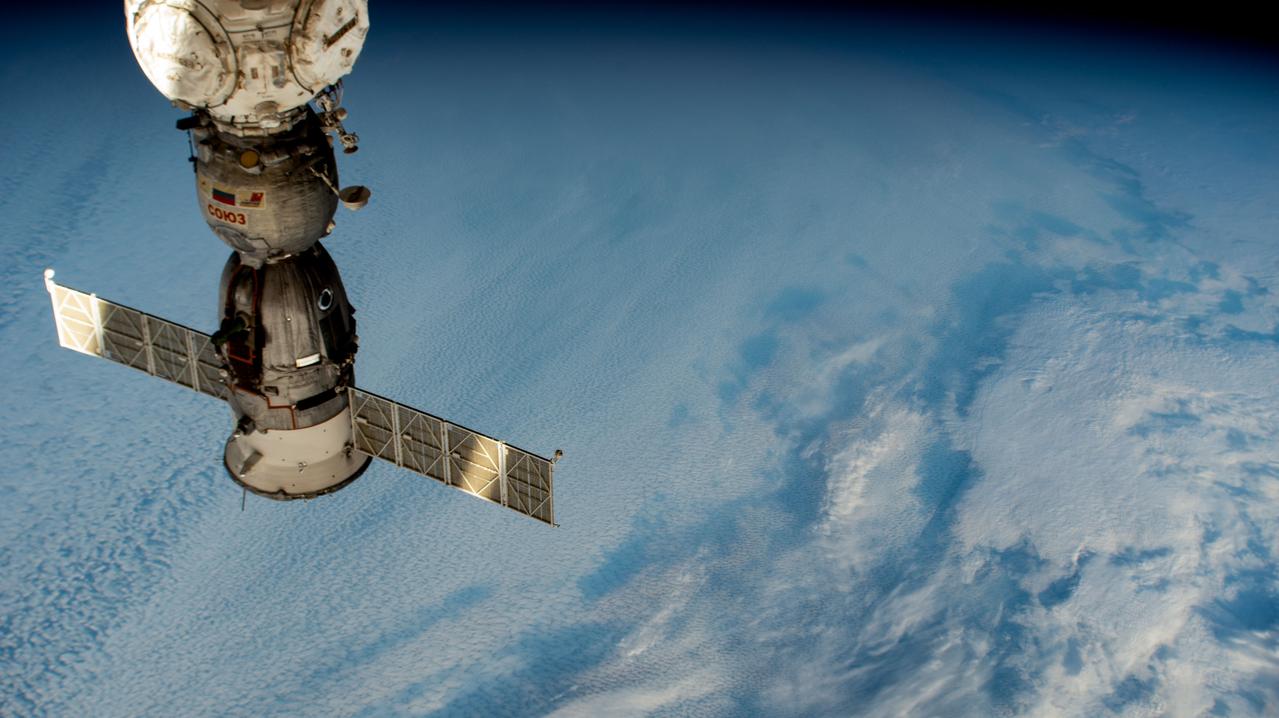
iss071e364343 (July 18, 2024) --- The Soyuz MS-25 crew ship is pictured docked to the International Space Station's Prichal docking module, where it has remained since March 25, 2024, as it soared 274 miles above a cloudy Indian Ocean.
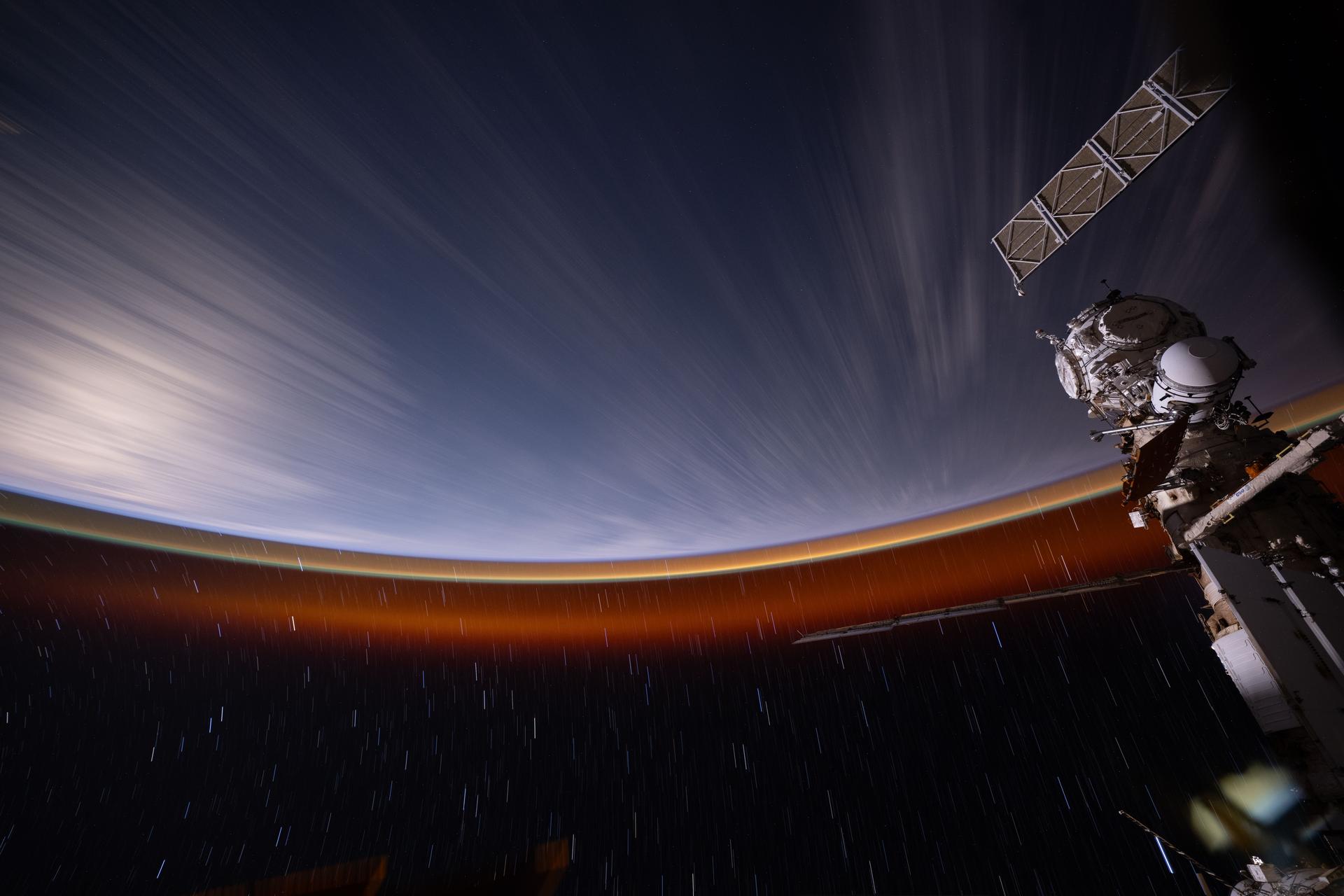
iss074e0329853 (Feb. 24, 2026) --- The International Space Station was soaring 263 miles above the Pacific Ocean near the island of Hawaii when this 30‑second long‑duration photograph was taken, revealing Earth’s atmospheric glow and star trails at approximately midnight local time. Credit: NASA/Chris Williams
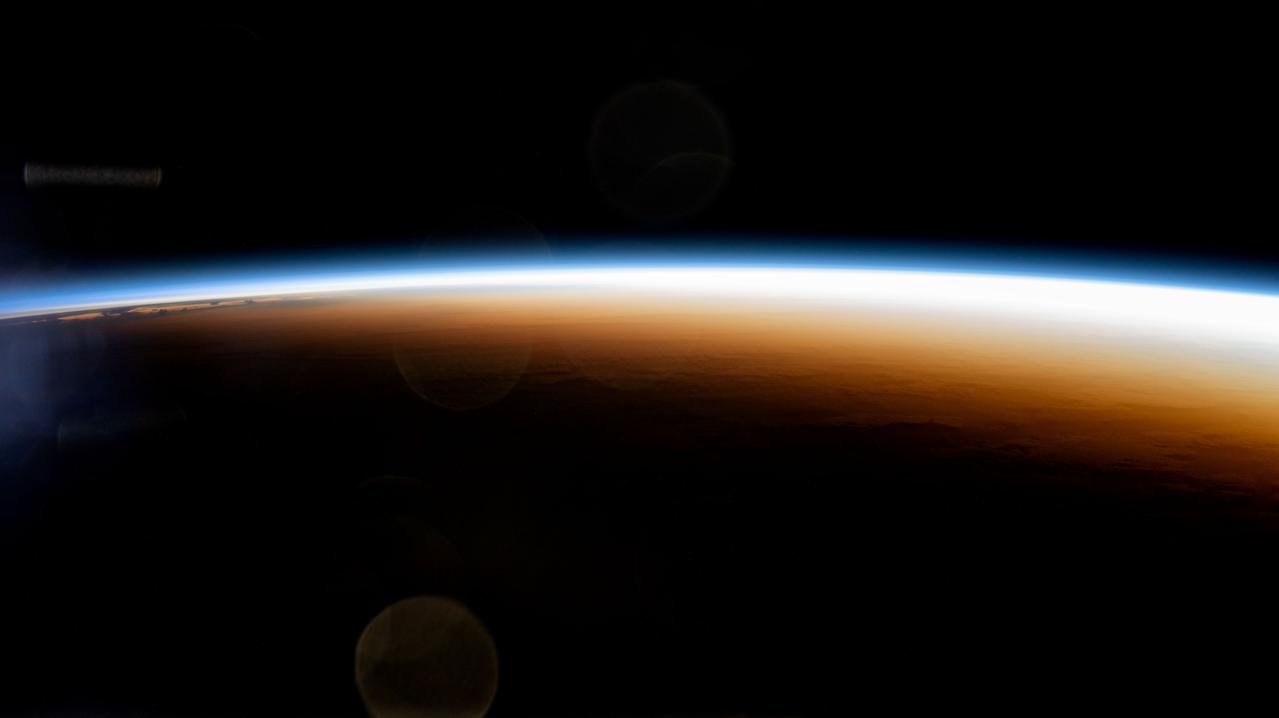
iss071e439624 (Aug. 6, 2024) --- An orbital sunrise colorfully illuminates the Earth's atmosphere and highlights the boundary between night and day, also known as the terminator, in this photograph from the International Space Station as it orbited 267 miles above the Pacific Ocean north of Auckland, New Zealand.

iss073e0379986 (July 16, 2025) --- In this long duration photograph taken from the International Space Station clouds streak across the Indian Ocean, a dim atmospheric glow crowns Earth's horizon, and stars trail above the planet's horizon. The orbital outpost was soaring 261 miles above the Indian Ocean southwest of Indonesia at approximately 3:14 a.m. local time.
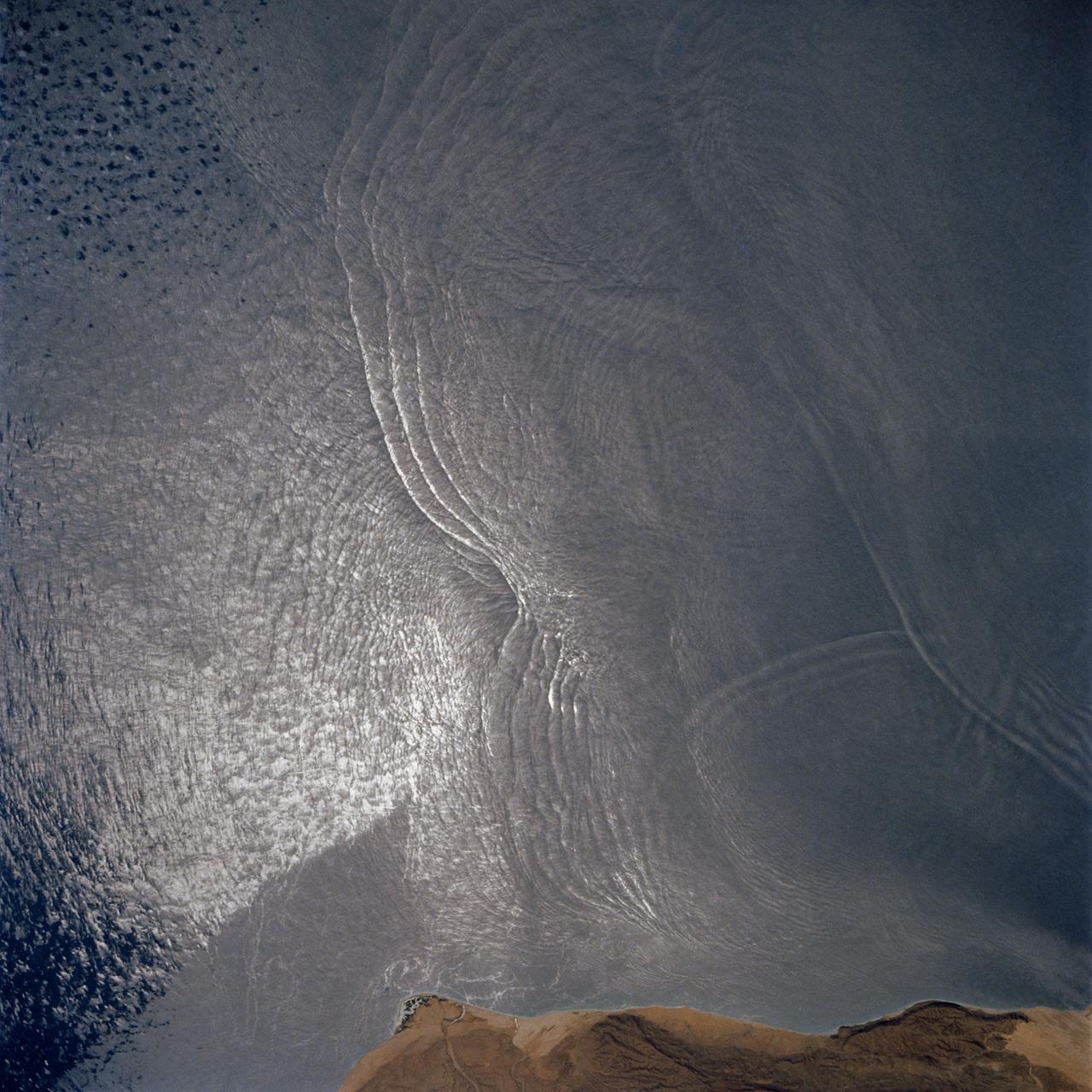
The arculate fronts of these apparently converging internal waves off the northeast coast of Somalia (11.5N, 51.5E) probably were produced by interaction with two parallel submarine canyons off the Horn of Africa. Internal waves are packets of tidally generated waves traveling within the ocean at varying depths and are not detectable by any surface disturbance.
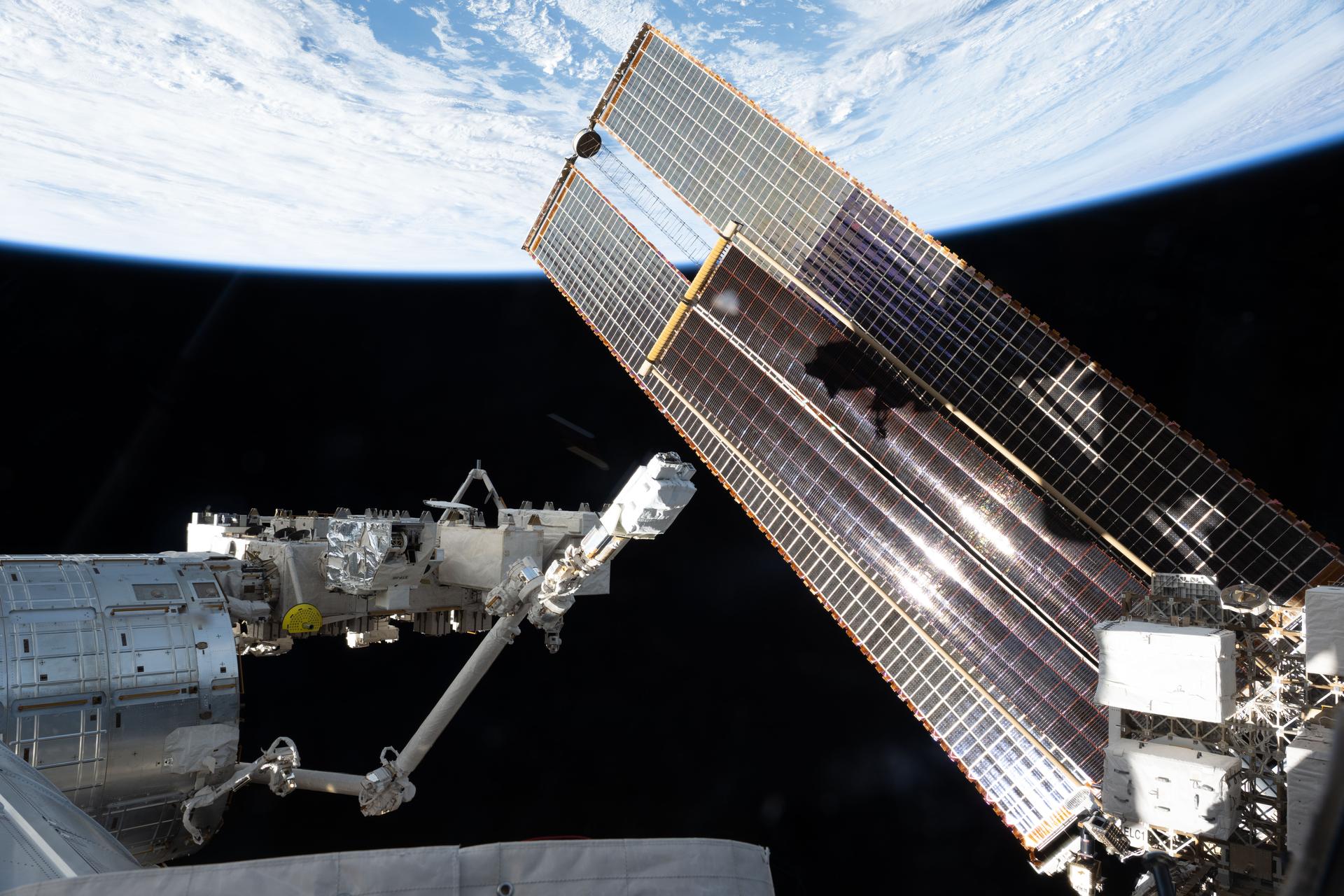
iss073e0869068 (Oct. 10, 2025) --- A set of the International Space Station's main solar arrays, partially overlapped by a smaller set of roll-out solar arrays, stretches across the photograph as the International Space Station orbited 262 miles above the Atlantic Ocean off the coast of Portugal. At left, the Japanese robotic arm with the small satellite orbital deployer attached, extends from the Kibo laboratory module.
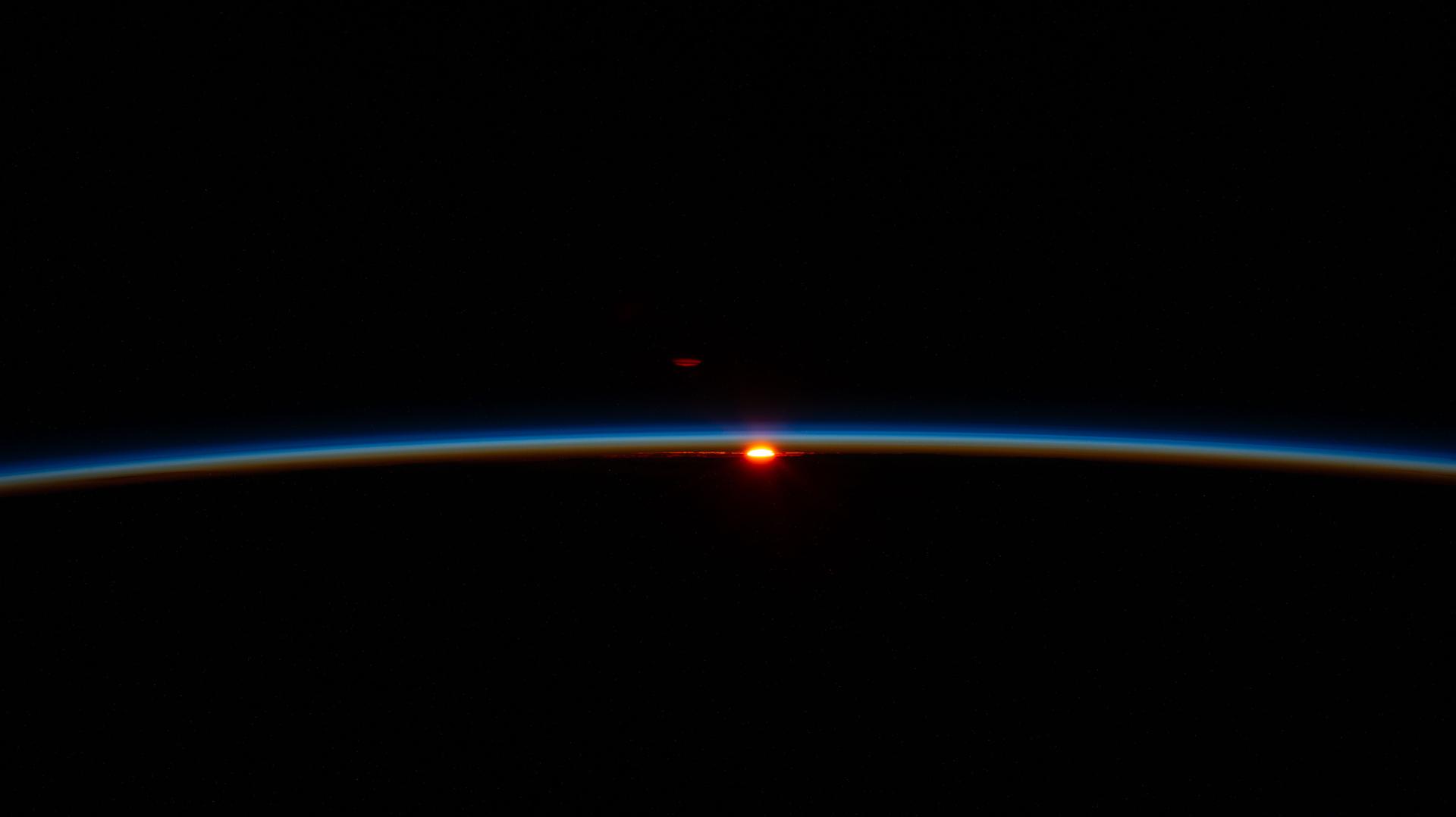
iss074e0089802 (Jan. 16, 2026) --- The first rays of an orbital sunrise illuminate Earth’s atmosphere in this photograph taken from the International Space Station as it orbited 268 miles above French Polynesia in the Pacific Ocean at approximately 2:52 a.m. local time.
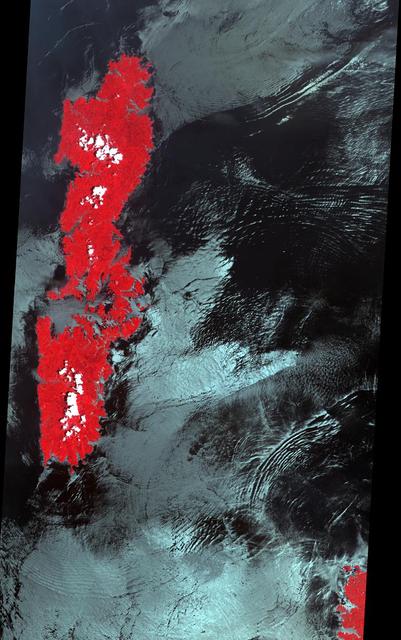
The false-color VNIR image from NASA Terra spacecraft was acquired off the island of Tsushima in the Korea Strait shows the signatures of several internal wave packets, indicating a northern propagation direction.
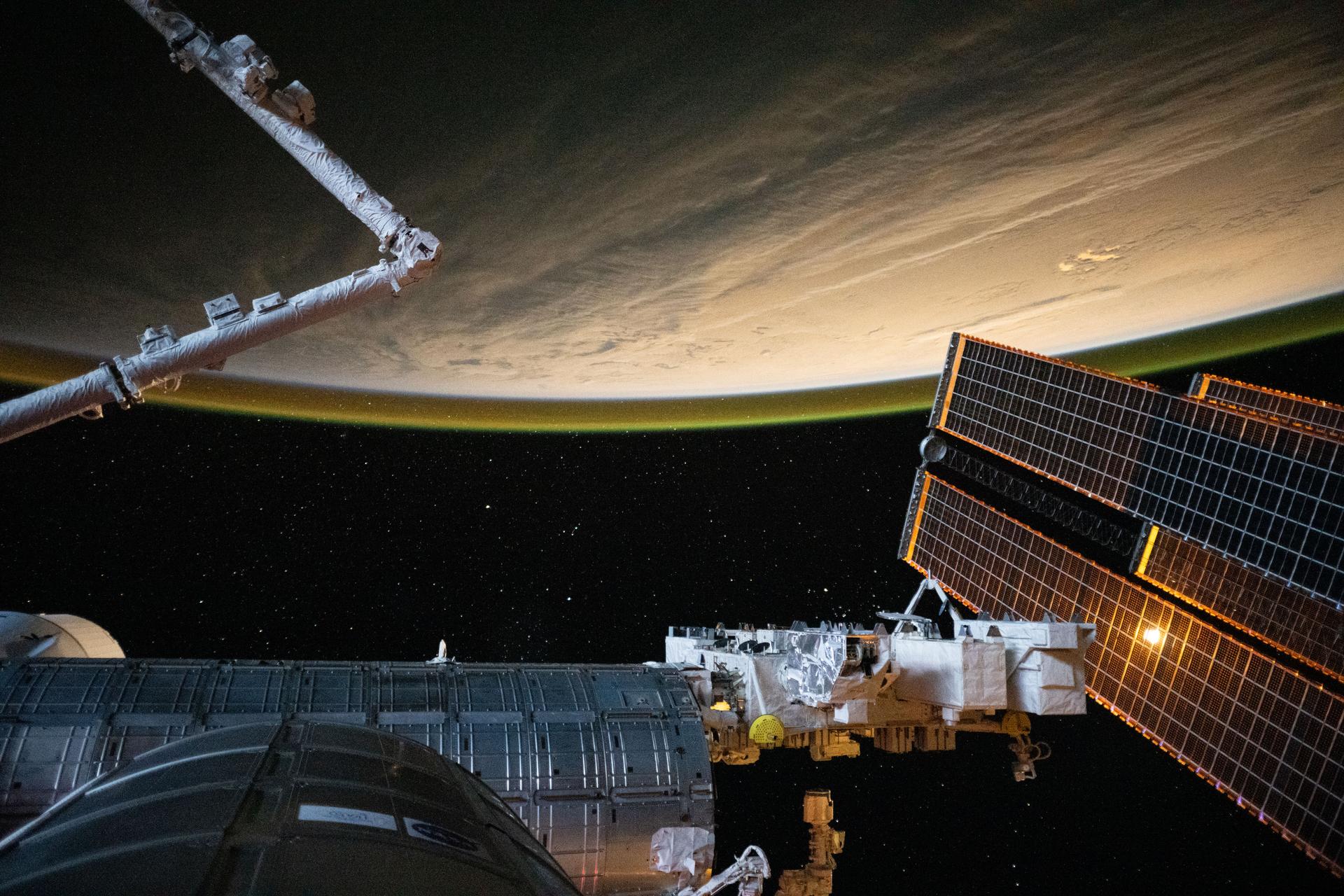
iss073e0868771 (Oct. 9, 2025) --- This tranquil view from the International Space Station captures the Kibo laboratory module with its Exposed Facility, a portion of the station’s main solar arrays (right), and part of the Canadarm2 robotic arm (left). The photograph was taken during an orbital sunset as the station soared 270 miles above a cloudy Atlantic Ocean off the coast of South Africa.
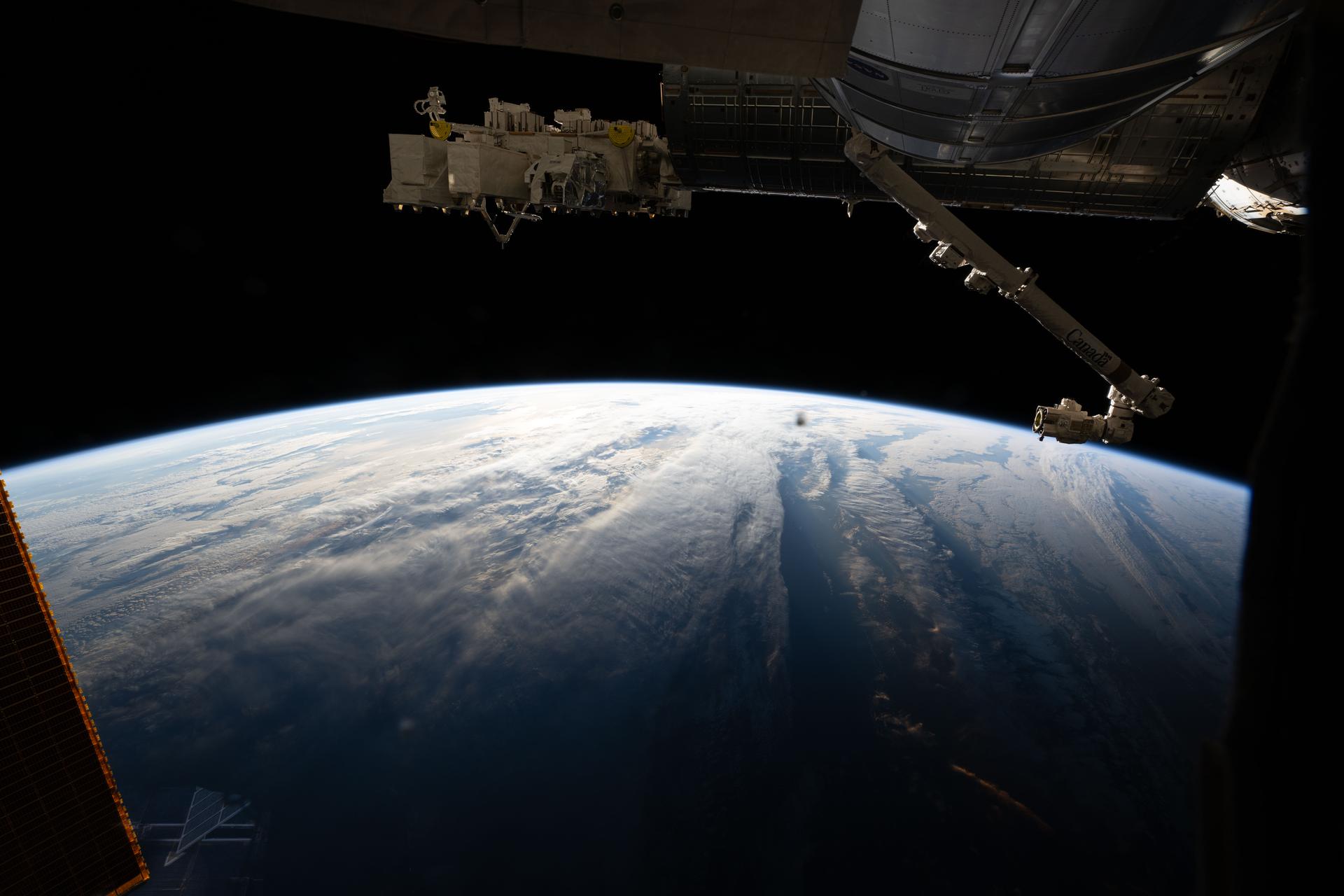
iss074e0519830 (March 15, 2026) --- The International Space Station orbits 267 miles above a cloudy Atlantic Ocean southwest of Cape Town, South Africa. The Kibo laboratory module's External Platform and the Canadarm2 robotic arm highlight the top foreground above Earth's terminator—the line between night and day—in this photograph taken at approximately 6:36 a.m. local time. Credit: ESA/Sophie Adenot
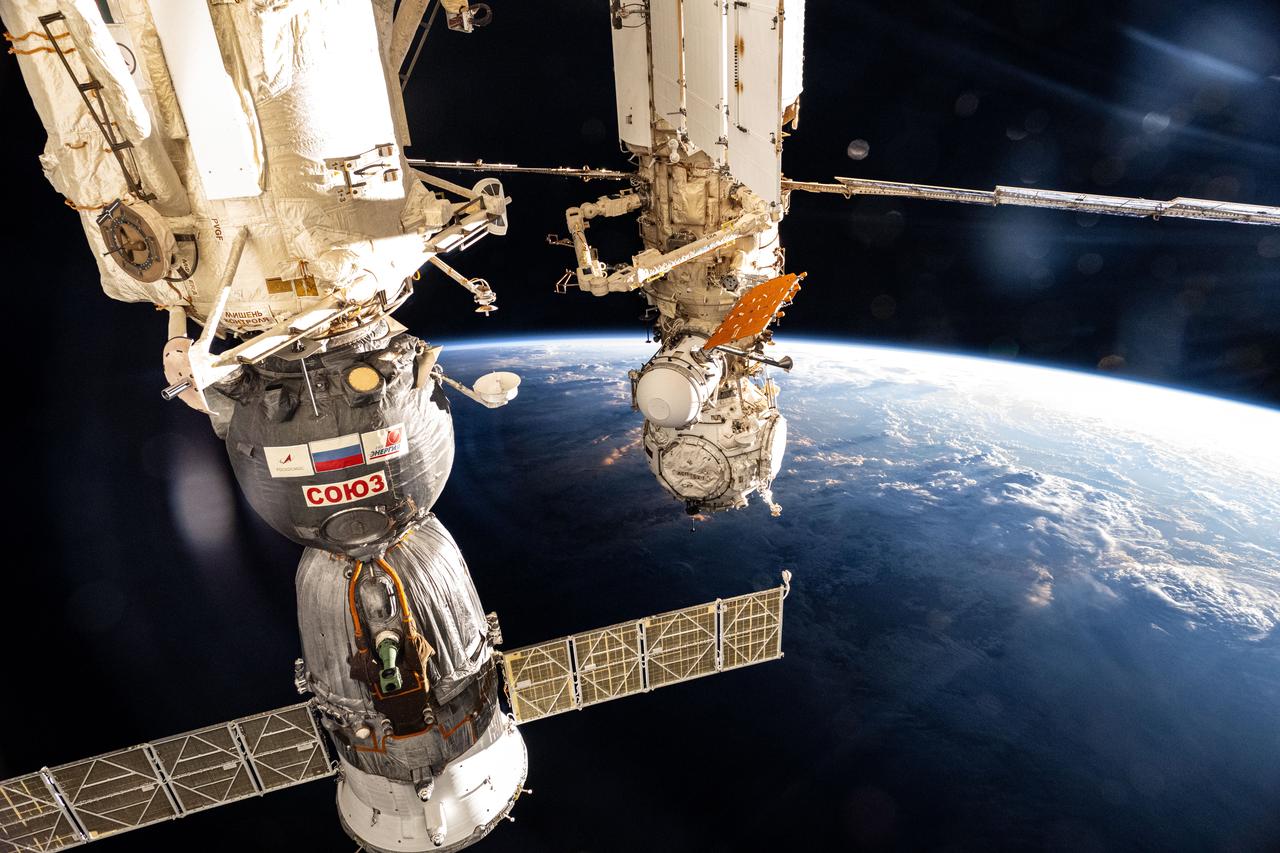
iss072e188529 (Nov. 13, 2024) --- The International Space Station soars into an orbital sunset 259 miles above a cloudy Pacific Ocean northwest of the Hawaiian island chain. At left, the Soyuz MS-26 crew ship is pictured docked to the Rassvet module. At center, the Prichal docking module and the European robotic arm are pictured attached to the Nauka science module.
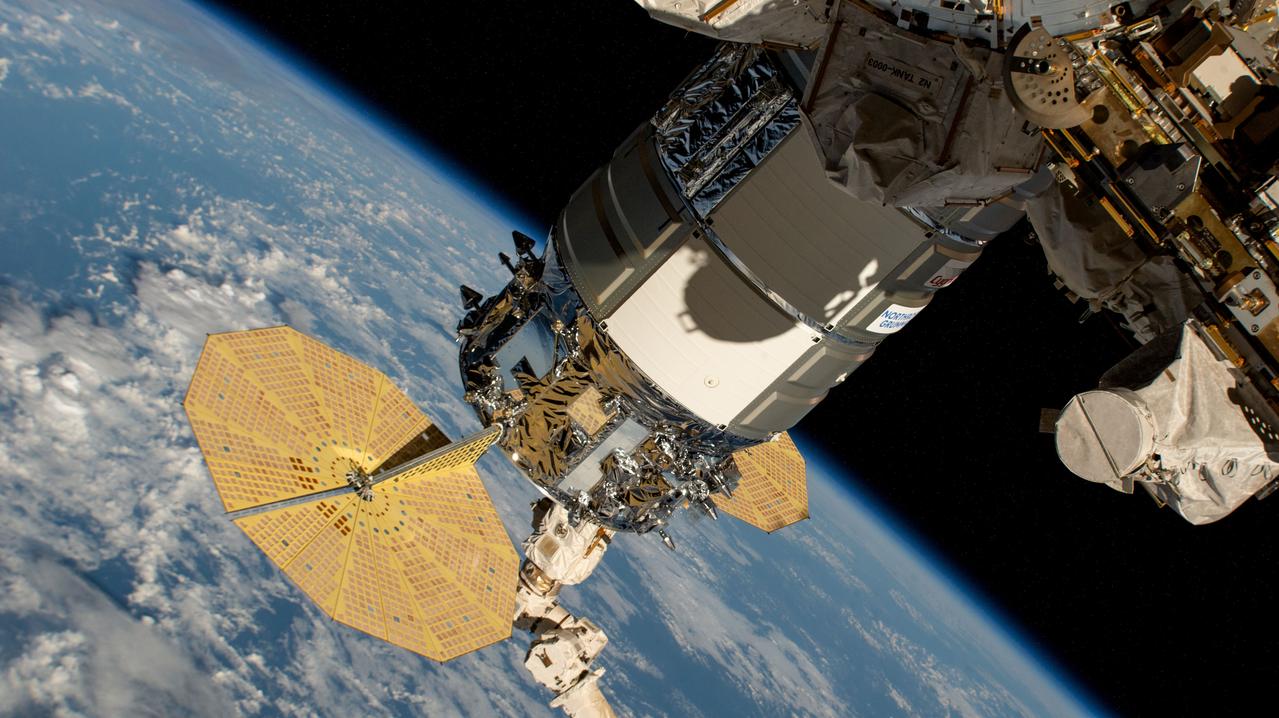
iss071e439629 (Aug. 6, 2024) --- Still in the grips of the Canadarm2 robotic arm, the Northrop Grumman Cygnus space freighter is pictured attached to the Unity module's Earth-facing port. The International Space Station was orbiting 262 miles above a cloudy Pacific Ocean halfway between the U.S. island of Hawaii and the island nation of the Republic of Kiribati at the time of this photograph.
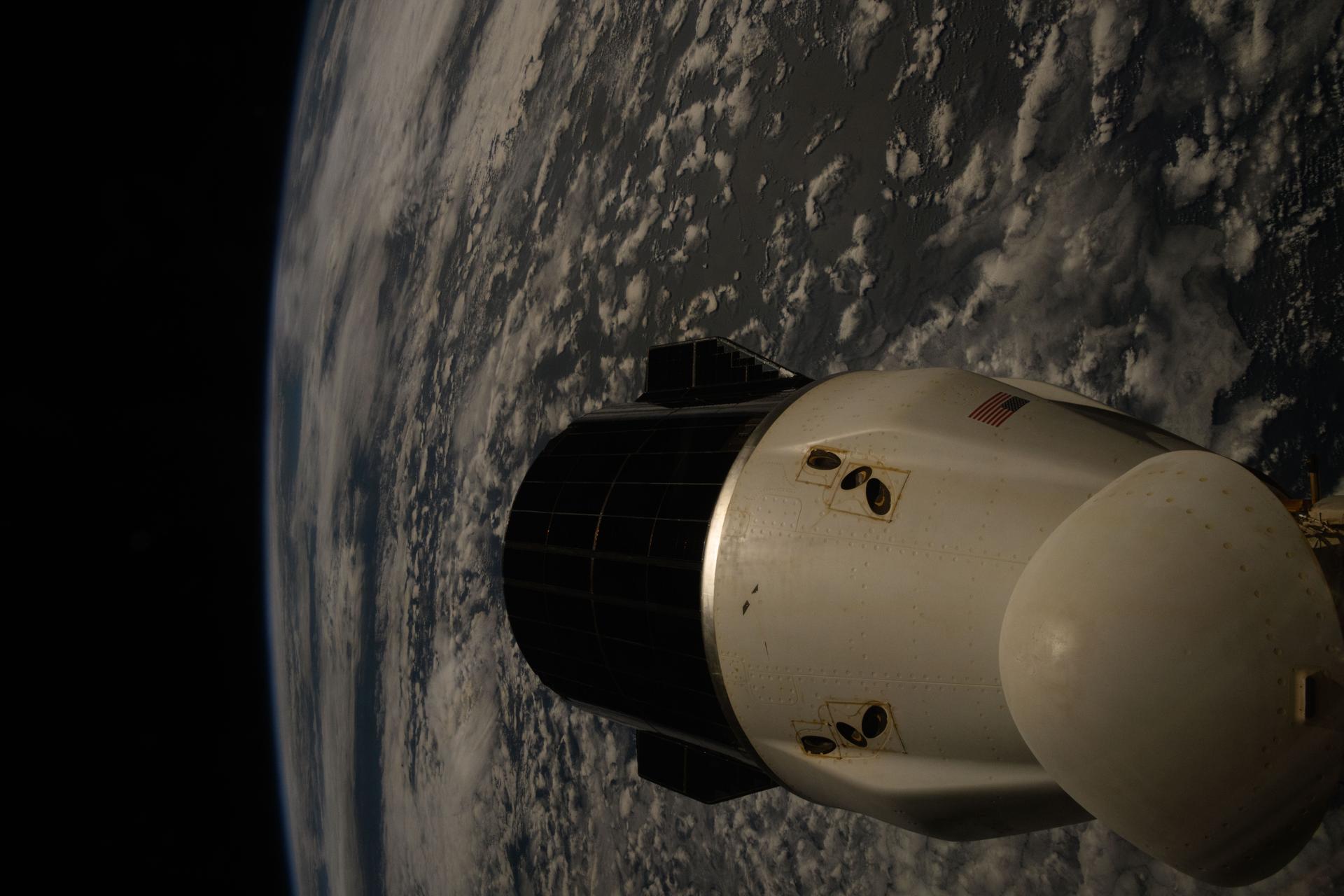
iss074e0100627 (Dec. 29, 2025) --- A SpaceX Dragon spacecraft is pictured docked to the International Space Station as the orbital outpost soared 269 miles above the Atlantic Ocean northwest of the South Georgia and the South Sandwich Islands.
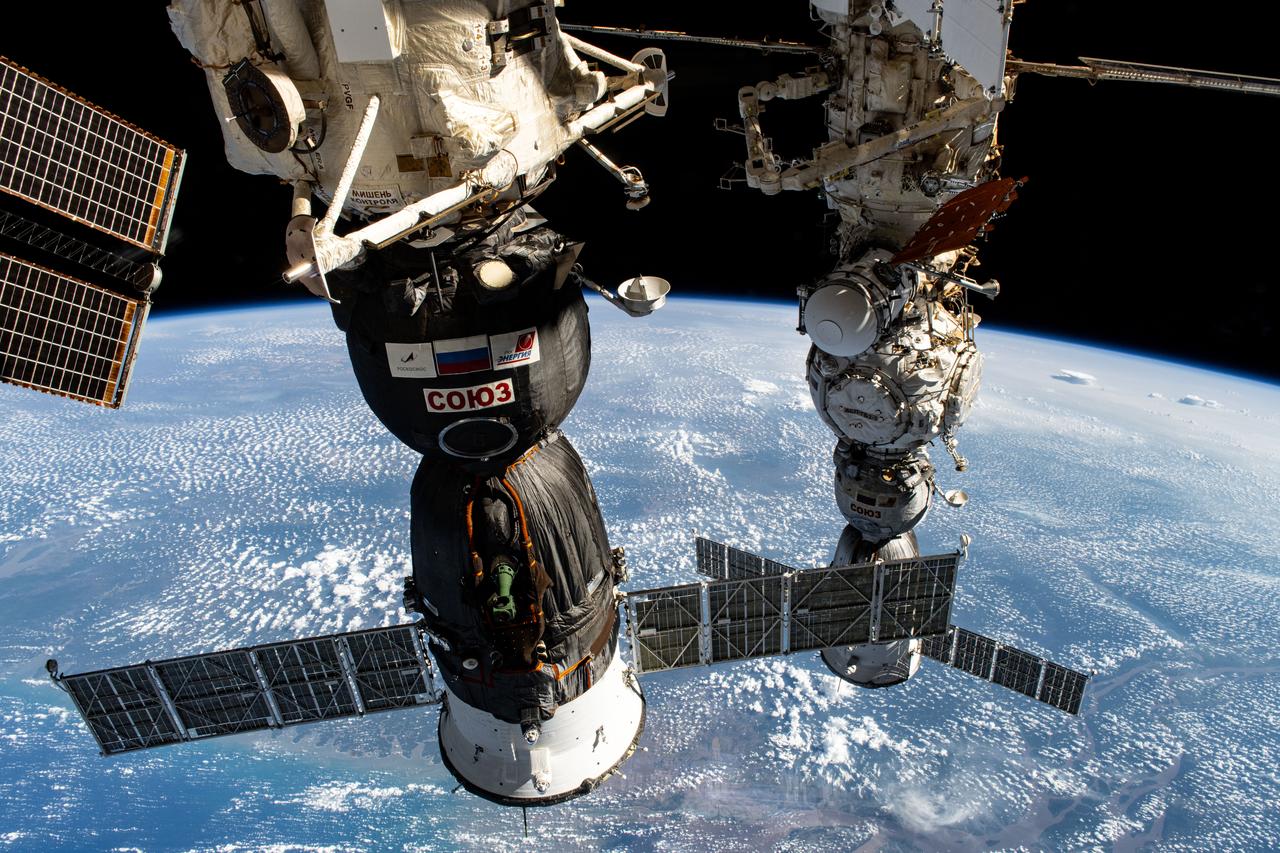
iss071e665075 (Sept. 16, 2024) --- Two Roscosmos crew ships, the Soyuz MS-26 docked to the Rassvet module (foreground) and the Soyuz MS-25 (background) docked to the Prichal docking module, are pictured parked at the International Space Station as it orbited 257 miles above the Atlantic Ocean near Brazil's Amazon Delta.
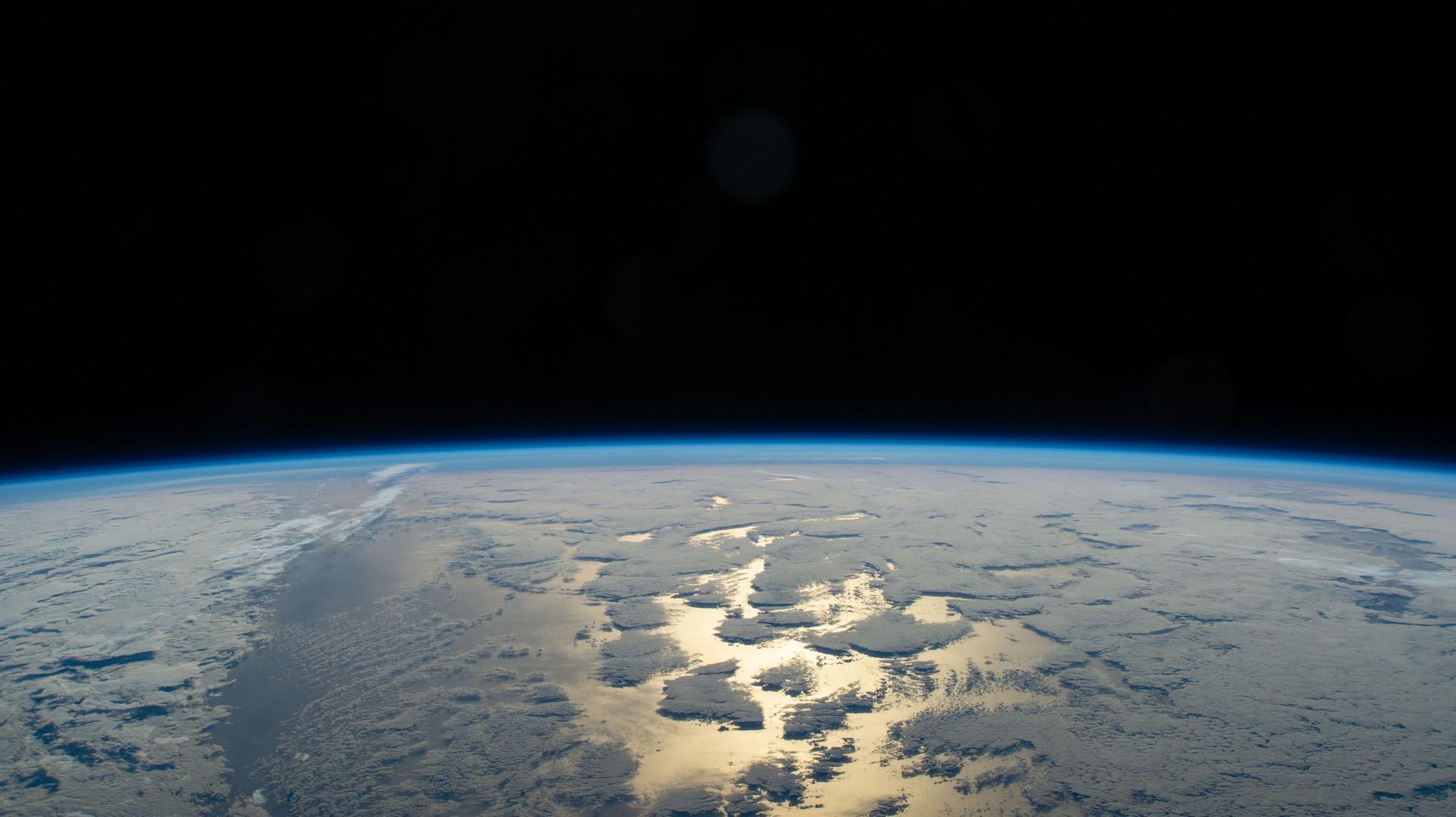
iss074e0089803 (Jan. 16, 2026) --- Earth's thin blue atmosphere traces the planet's horizon as the sun's glint beams off a partly cloudy Pacific Ocean west of Chile on the South American continent. The International Space Station was orbiting 271 miles above Earth at the time of this photograph.
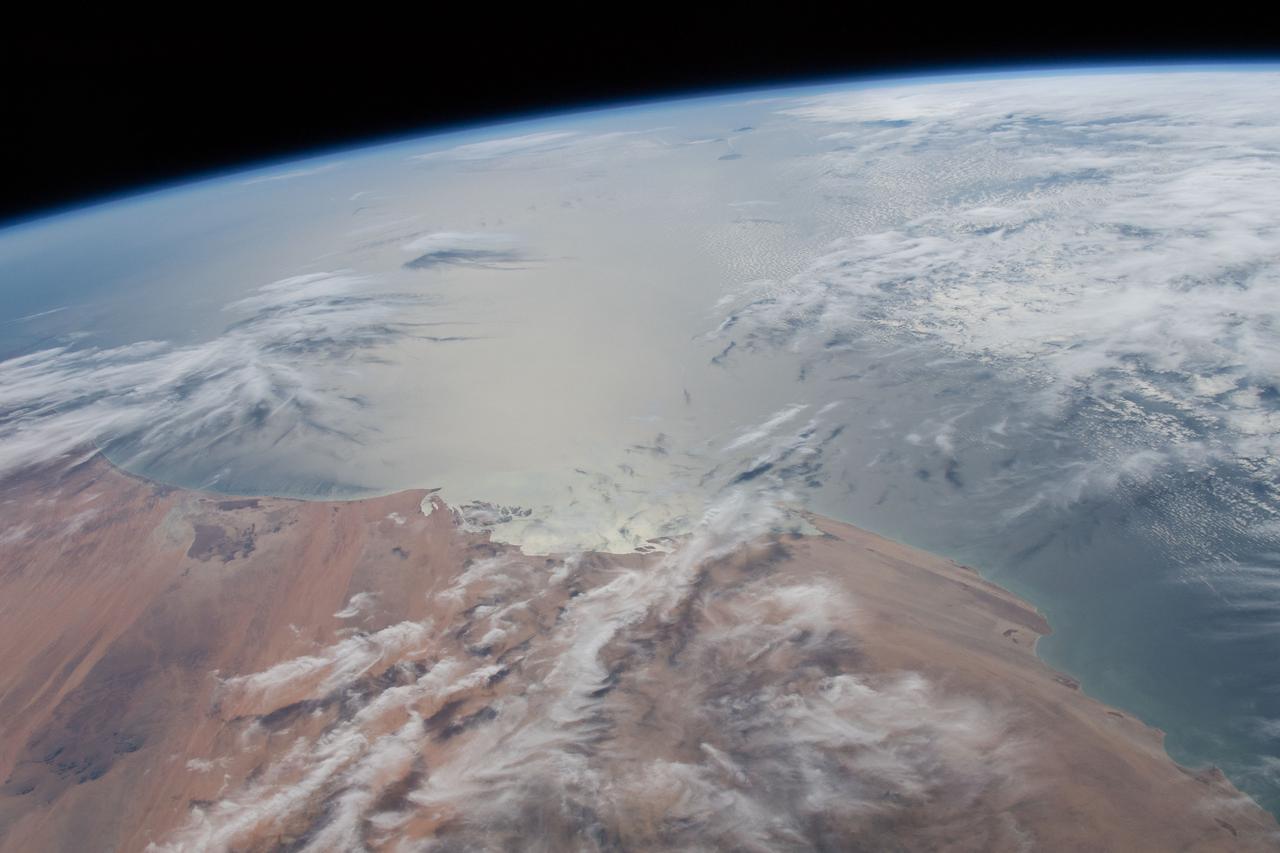
iss058e007722 (Jan. 29, 2019) --- The Sun's glint radiates off the Atlantic Ocean as the International Space Station orbited 253 miles above the African nation of Mauritania.
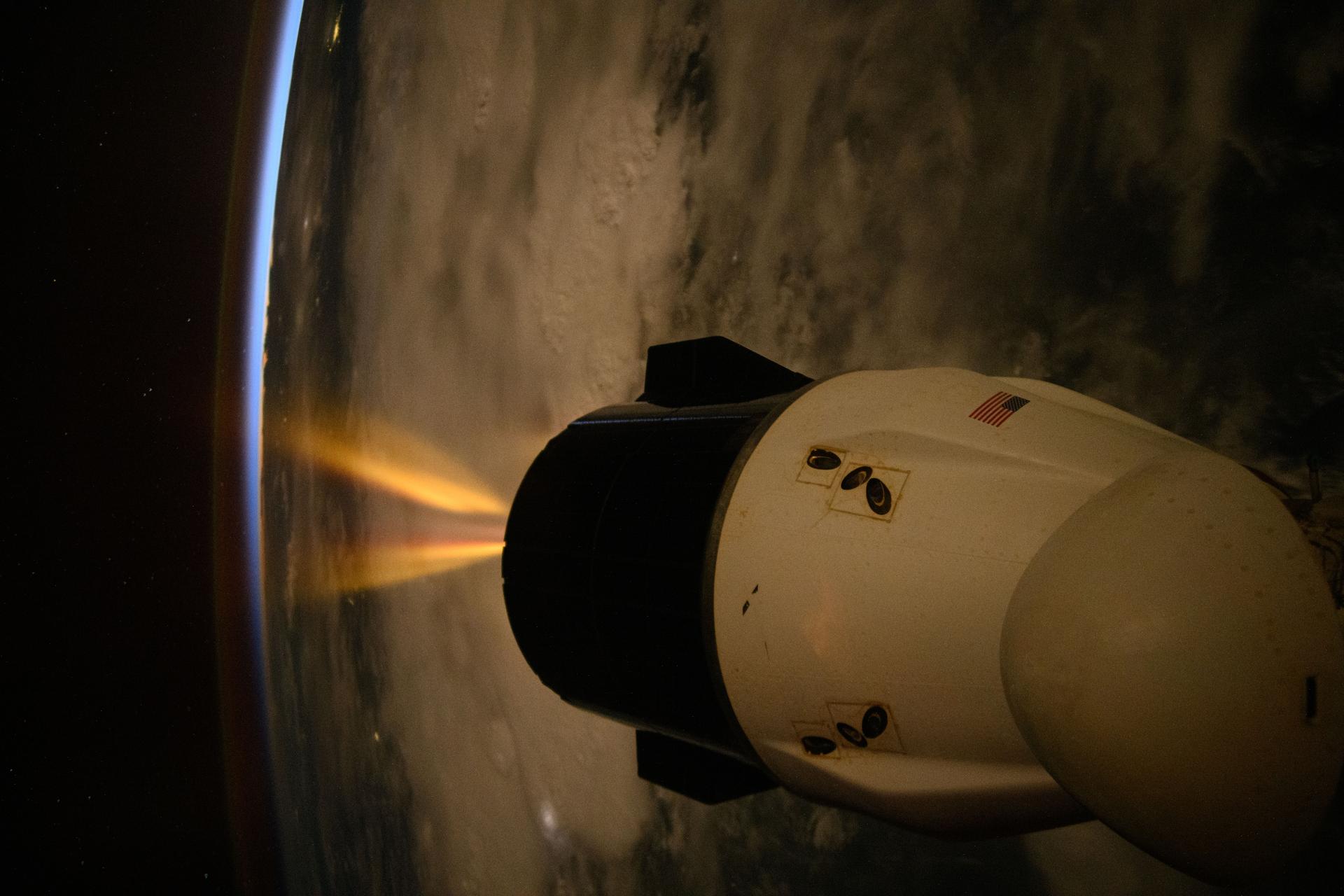
iss074e0103137 (Dec. 29, 2025) --- A SpaceX Dragon spacecraft fires its Draco engines, an independent propellant system located in the spacecraft’s trunk, for a regularly scheduled orbital reboost of the International Space Station. The orbital outpost was soaring into a sunset 259 miles above the Indian Ocean off the coast of Tanzania on the African continent at approximately 9:09 p.m. local time.
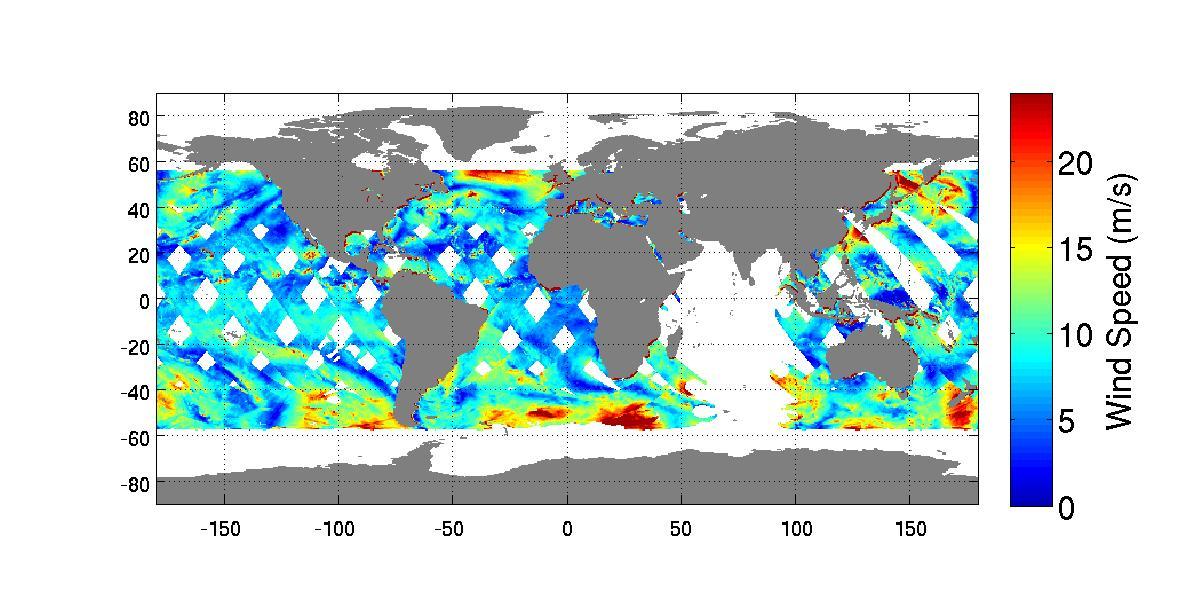
Launched Sept. 21, 2014, to the International Space Station, NASA newest Earth-observing mission, the International Space Station-RapidScat scatterometer to measure global ocean near-surface wind speeds and directions.

iss071e462173 (Aug. 8, 2024) --- Wildfires in northern California are pictured from the International Space Station as it orbited 261 miles above the Pacific Ocean off the coast of Washington's Olympic National Forest.
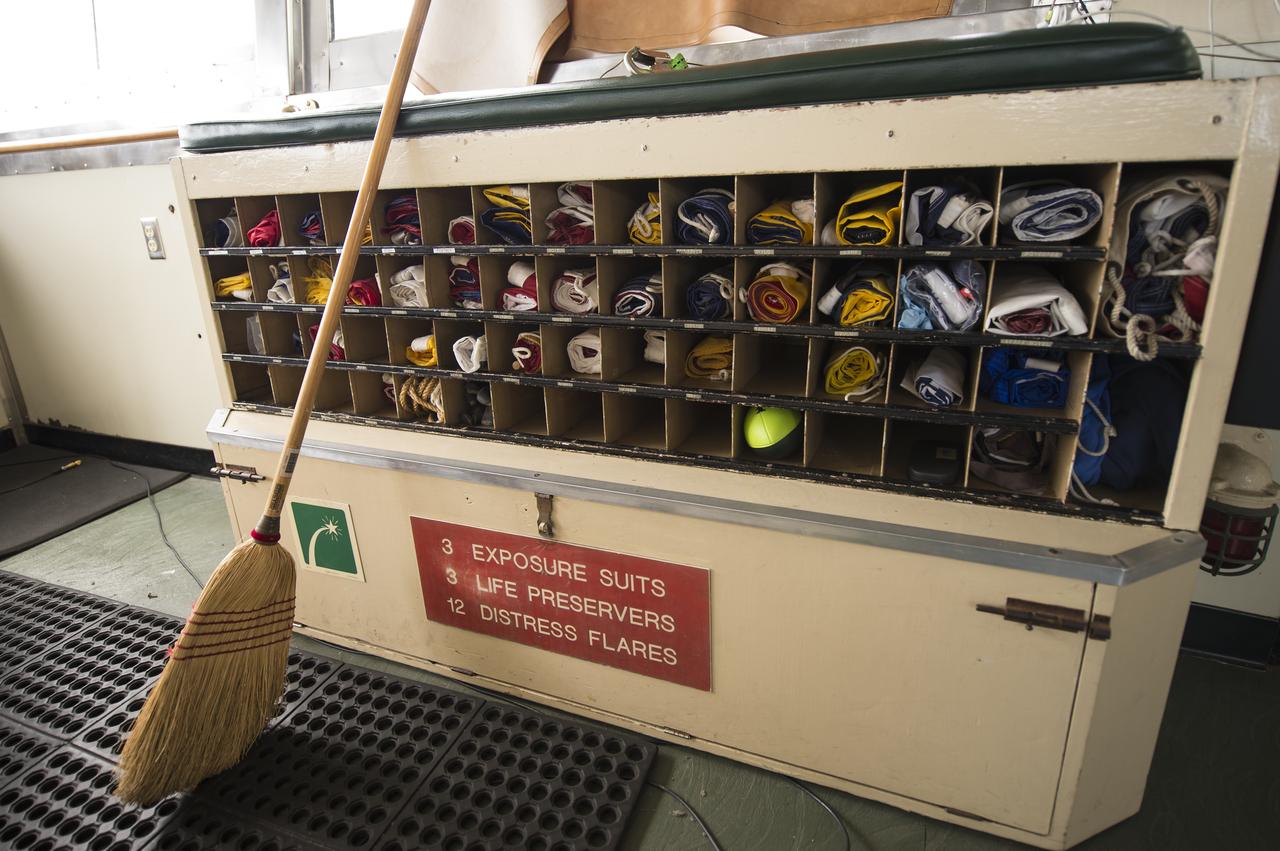
International maritime signal flags are seen on the bridge of the Woods Hole Oceanographic Institution's research vessel Knorr on Tuesday, Sept. 4, 2012, in Woods Hole, Mass. Knorr is scheduled to depart on Sept. 6 to take part in the Salinity Processes in the Upper Ocean Regional Study (SPURS). The NASA-sponsored expedition will sail to the North Atlantic's saltiest spot to get a detailed, 3-D picture of how salt content fluctuates in the ocean's upper layers and how these variations are related to shifts in rainfall patterns around the planet. Photo Credit: (NASA/Bill Ingalls)
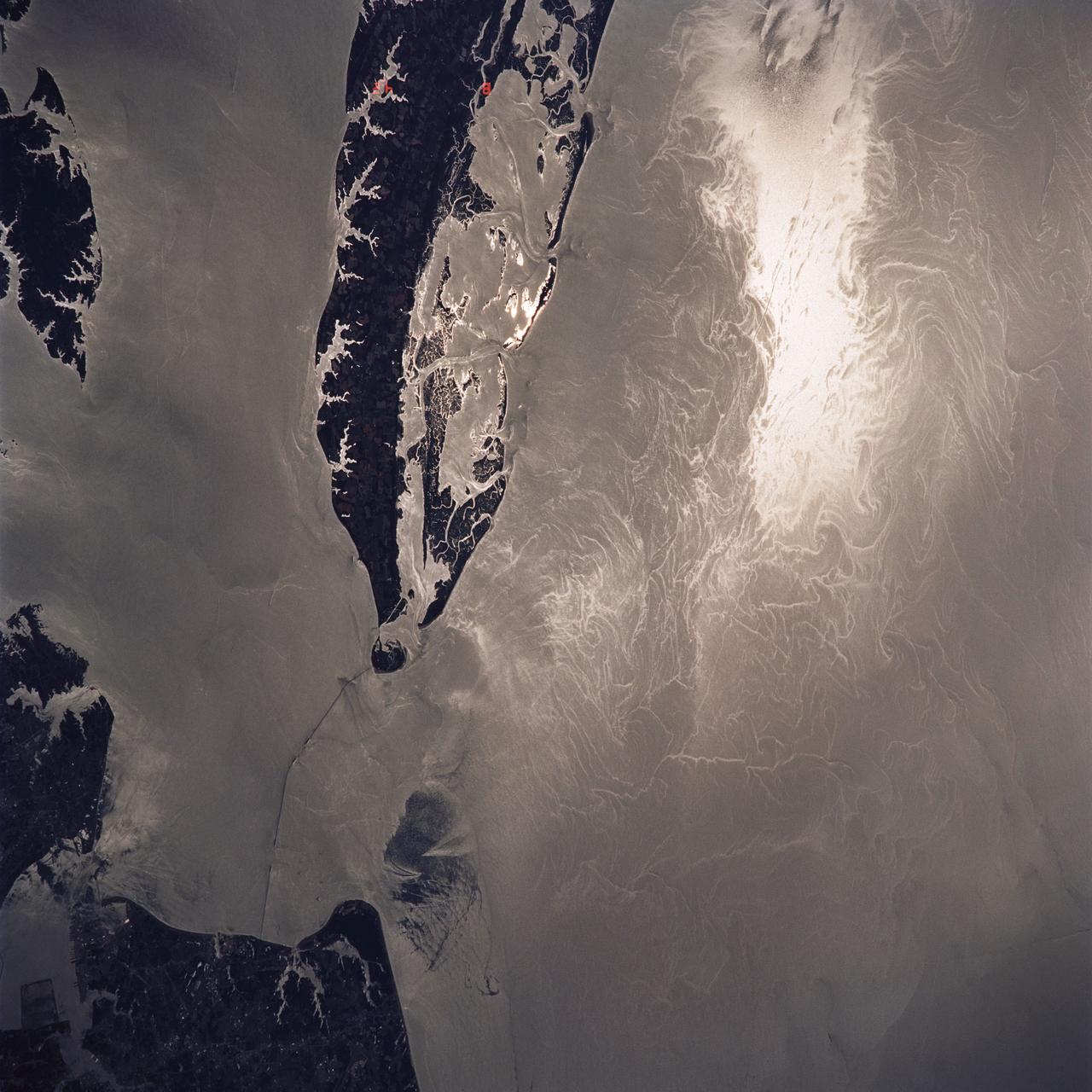
STS040-614-047 (5-14 June 1991) --- This image is of the Norfolk, Virginia -- Southern Delmarva Peninsula Southern Chesapeake Bay Area as seen in sunlight. The exposure is adjusted to emphasize the water patterns present. The outgoing tide generates considerable turbulence as it passes through the mouth of the bay. This is displayed by differences in reflective properties of the water surface due to differences in slope and turbidity. Ship wakes and the wakes of subsurface structures are seen clearly. The bridge tunnel system linking Norfolk with the peninsula and its effect on the system is quite apparent. Sunglint images over land areas were also acquired which emphasize land-water boundaries as demonstrated here in the small Delmarva inlets as a tool for wetland mapping, and river, lake and even pond description. During the first few days of the STS-40 mission the Eastern Seaboard of the United States was free of clouds and haze providing excellent photography of many of the major cities and the countryside of that area as well as the Gulf Stream.
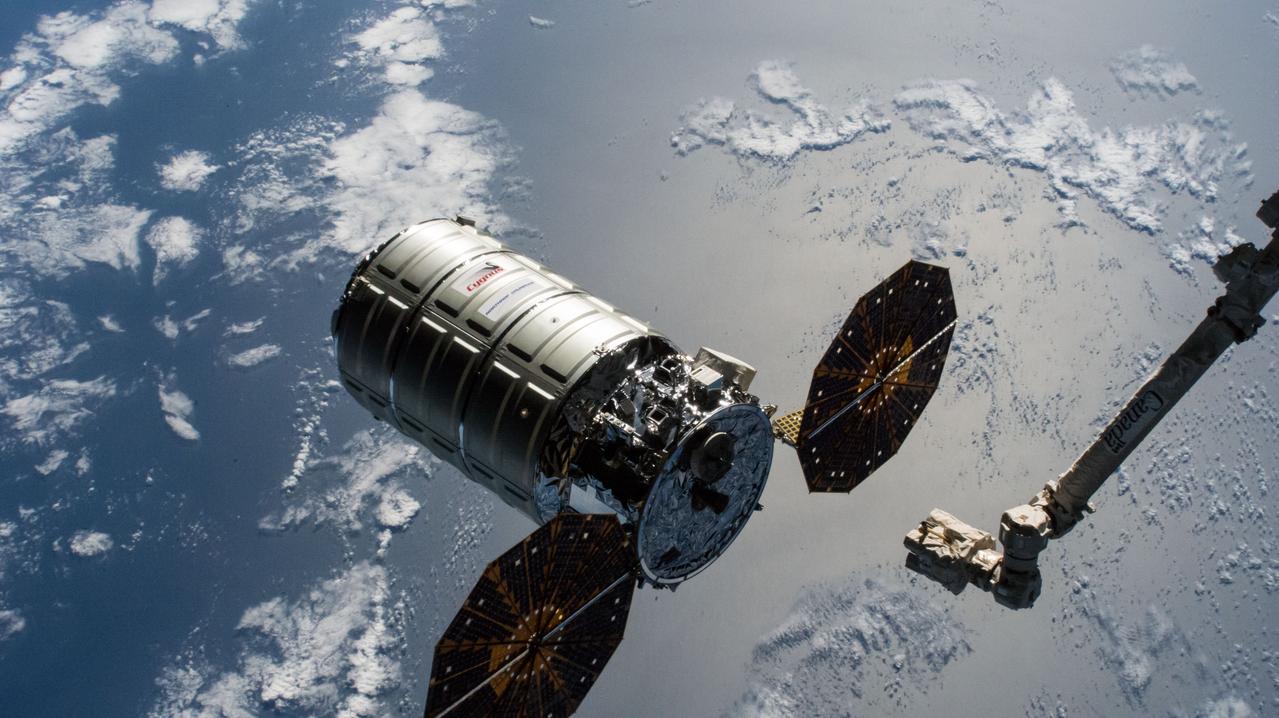
iss058e011814 (Feb. 8, 2019) --- The Cygnus cargo craft from Northrop Grumman is released from the grips of the Canadarm2 robotic arm as the International Space Station was orbiting over the Pacific Ocean off the coast of Peru.

iss069e004825 (April 21, 2023) --- The Cygnus space freighter from Northrop Grumman is poised for release from the Canadarm2 robotic arm as the International Space Station orbited 263 miles above the Atlantic Ocean off the coast of Ireland.
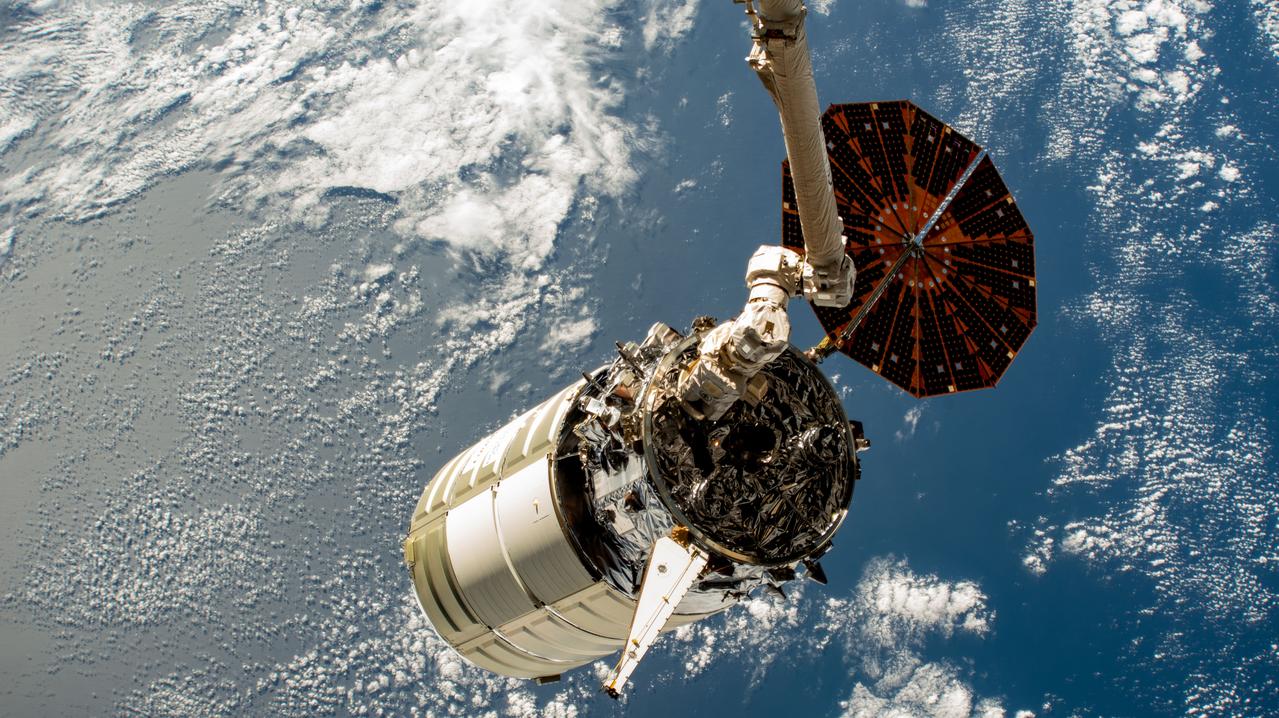
iss069e004821 (April 21, 2023) --- The Cygnus space freighter from Northrop Grumman is poised for release from the Canadarm2 robotic arm as the International Space Station orbited 262 miles above the north Atlantic Ocean.

iss058e002592 (Jan. 9, 2019) --- The SpaceX Dragon cargo craft is pictured attached to the International Space Station's Harmony module as the orbital complex flew 258 miles above the Indian Ocean off the eastern coast of South Africa.
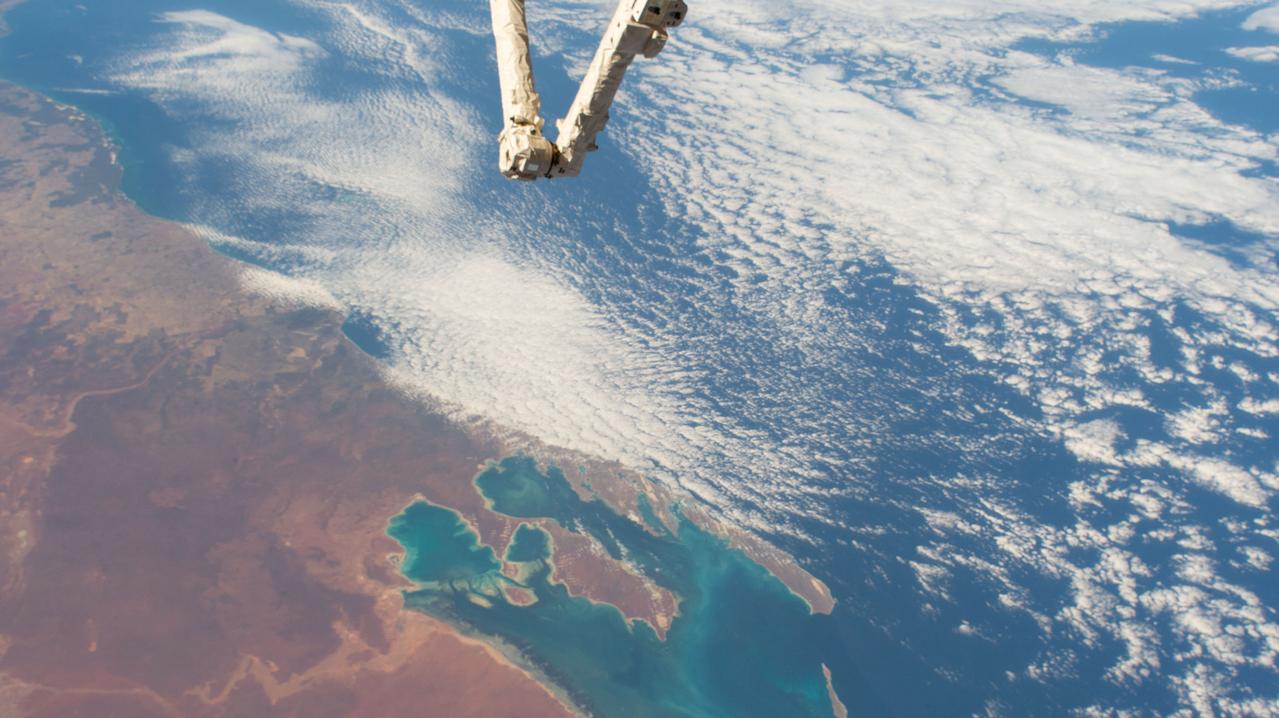
iss058e002638 (Jan. 14, 2019) --- Australia's Shark Bay, the Indian Ocean and the elbow of the Canadarm2 robotic arm are pictured as the International Space Station orbited nearly 256 miles above the state of Western Australia.

iss058e011813 (Feb. 8, 2019) --- The Cygnus cargo craft from Northrop Grumman is pictured in the grips of the Canadarm2 robotic arm moments before its release as the International Space Station was orbiting over the Pacific Ocean.
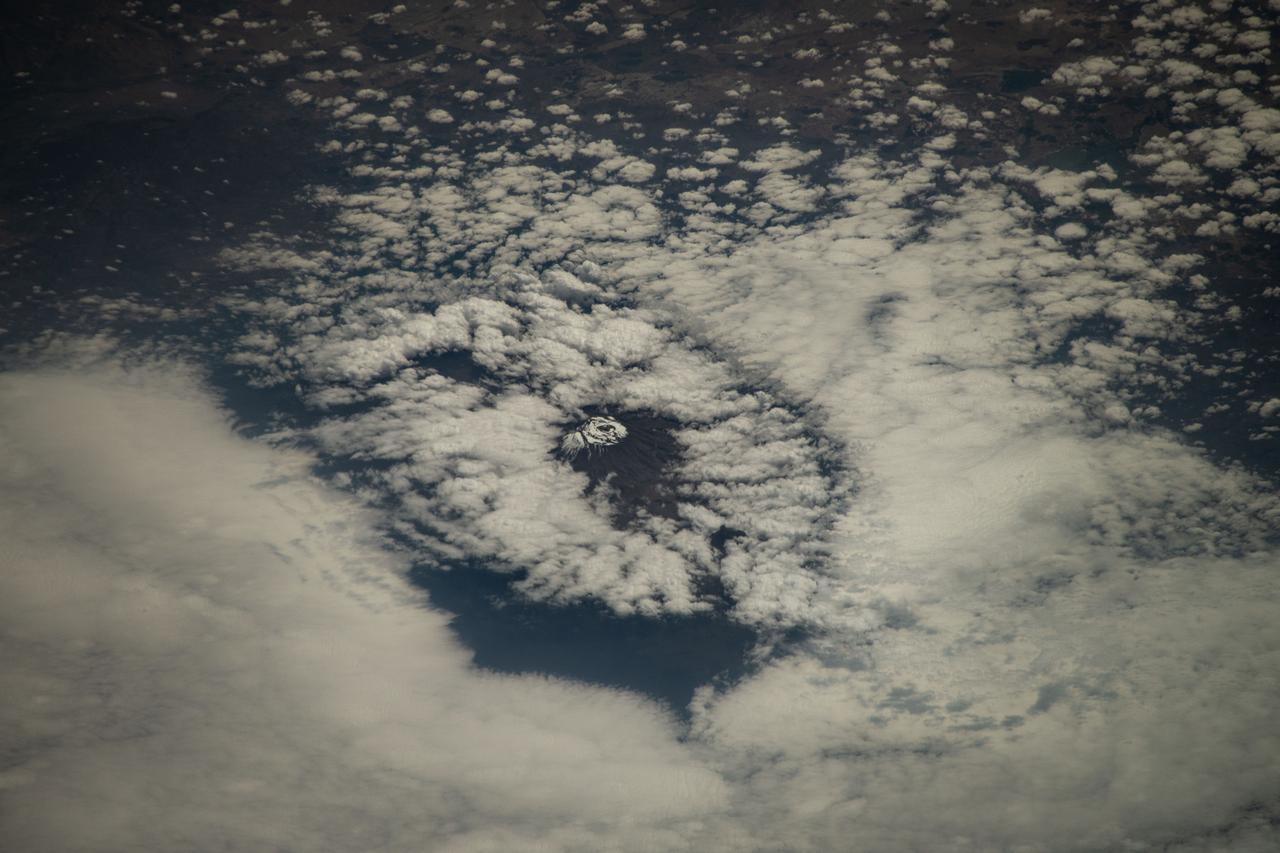
iss071e378517 (July 21, 2024) --- Mount Kilimanjaro, surrounded by clouds and the highest mountian in Africa, is pictured from the International Space Station as it orbited 261 miles above the Indian Ocean off the coast of Tanzania.
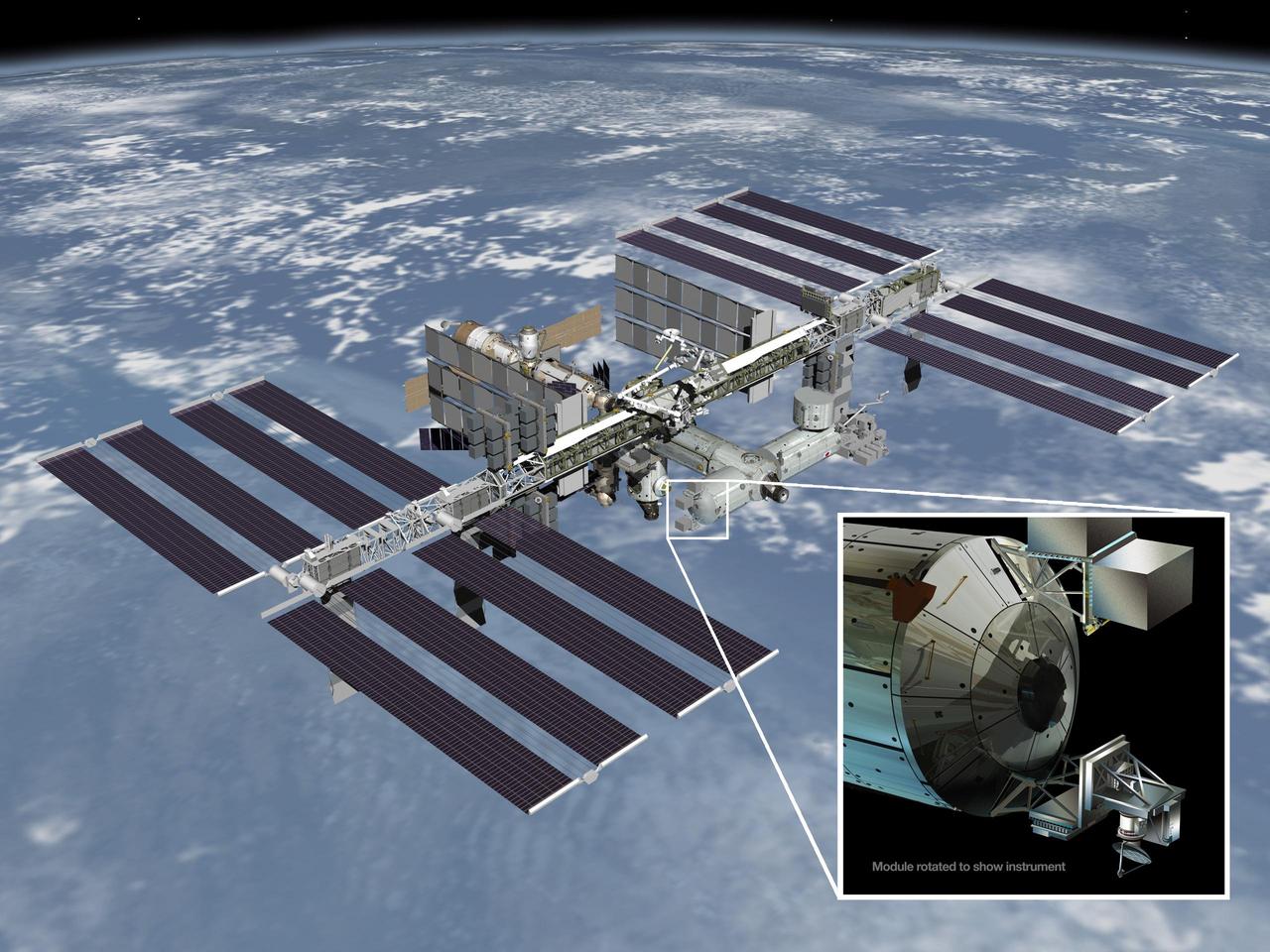
Artist rendering of NASA ISS-RapidScat instrument inset, which will launch to the International Space Station in 2014 to measure ocean surface wind speed and direction and help improve weather forecasts, including hurricane monitoring.
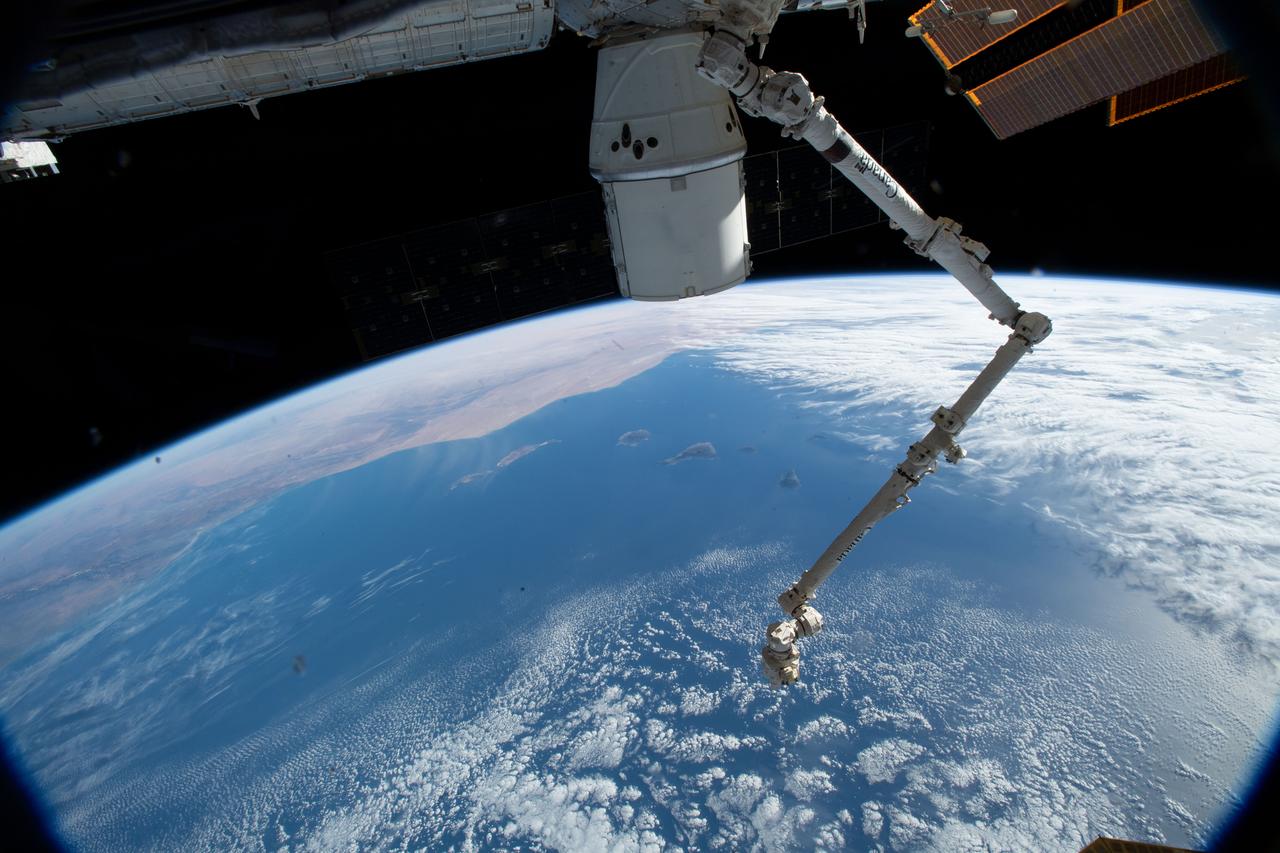
iss058e000081 (Dec. 22, 2018) --- The SpaceX Dragon cargo craft and the Canadarm2 robotic arm are pictured attached to the International Space Station as the orbital complex was 251 miles above the Atlantic Ocean about to fly over Morocco.

iss058e001781 (Dec. 31, 2018) --- The SpaceX Dragon cargo craft is pictured attached to the International Space Station almost 257 miles above Quebec on New Year's Eve. The complex was flying into an orbital sunrise on a northwest to southeast track about to cross the Atlantic Ocean.
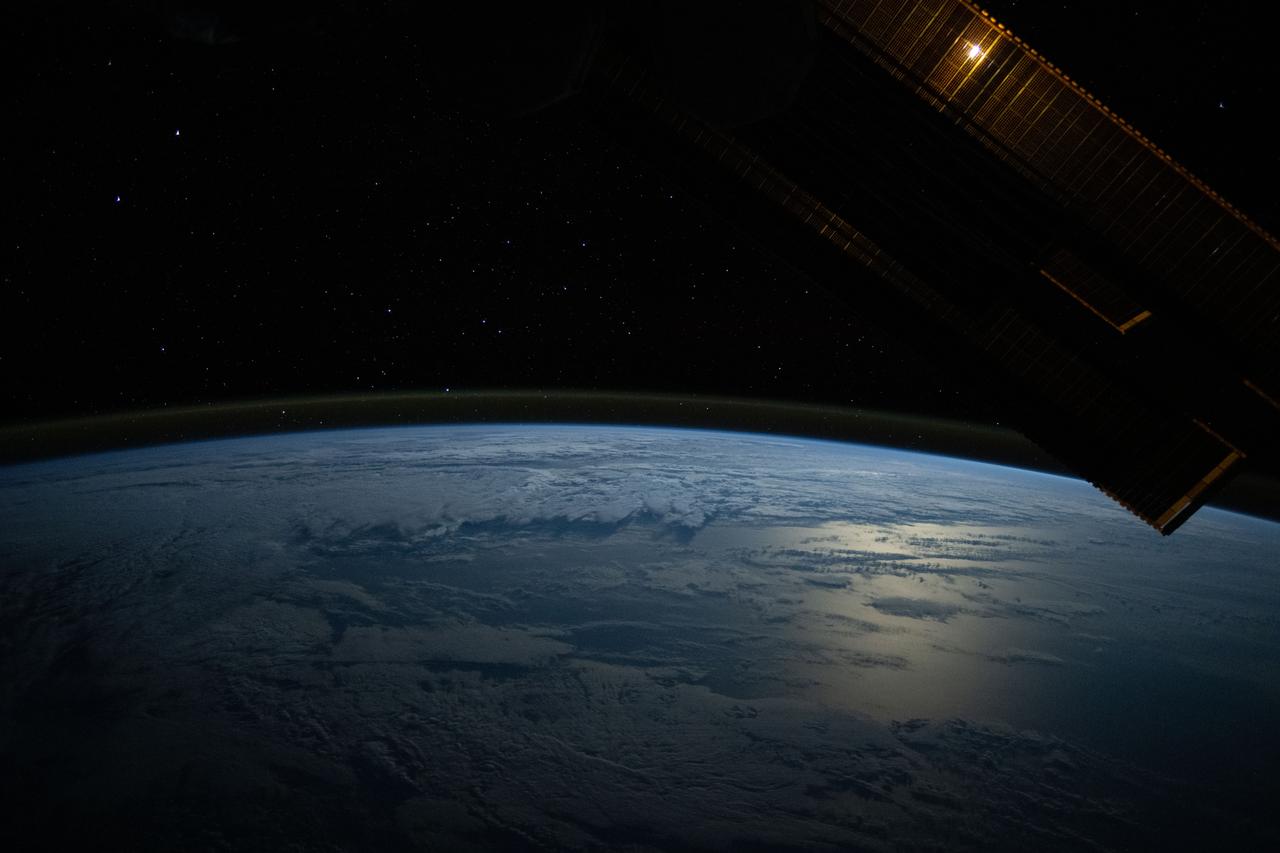
iss071e456772 (July 18, 2024) --- The Moon's glint beams off the Pacific Ocean as stars glitter in the background above the Earth's airglow. The Moon is obscured behind a solar array in this photograph from the International Space Station as it orbited 264 miles above.
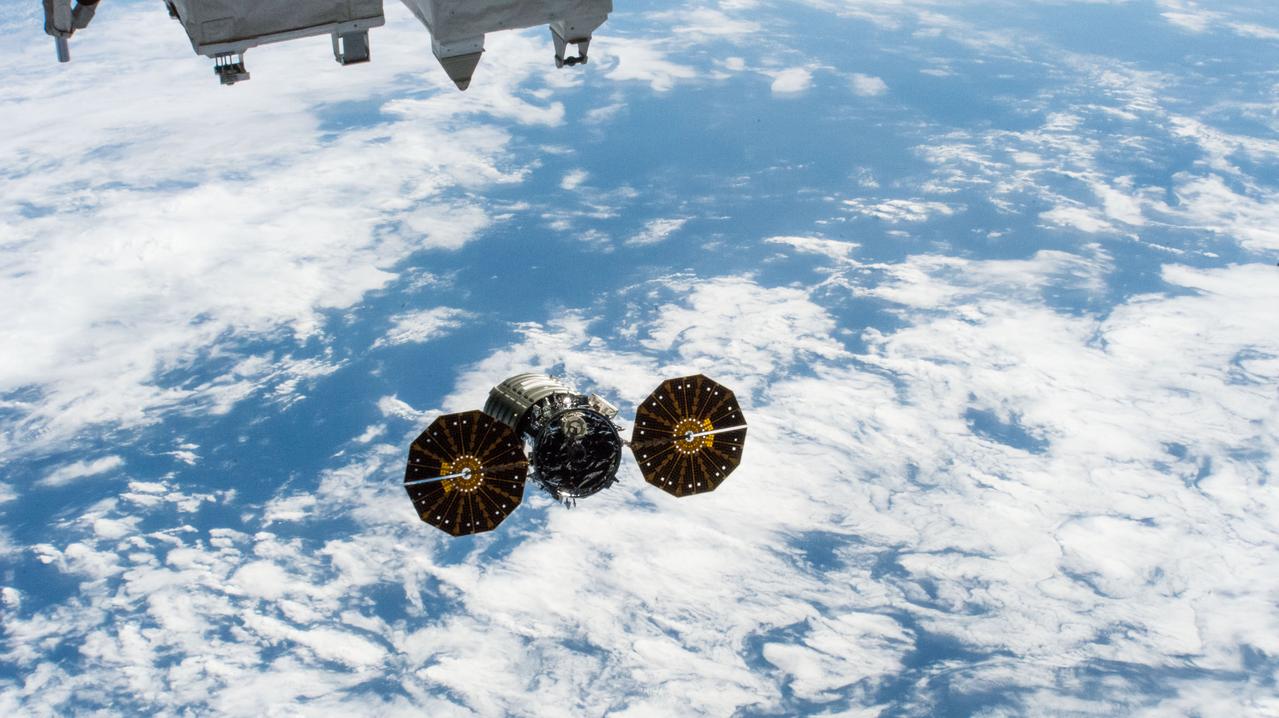
iss058e011816 (Feb. 8, 2019) --- The Cygnus cargo craft from Northrop Grumman begins its departure from the International Space Station as both spacecraft were orbiting 252 miles over the Pacific Ocean off the coast of Peru.
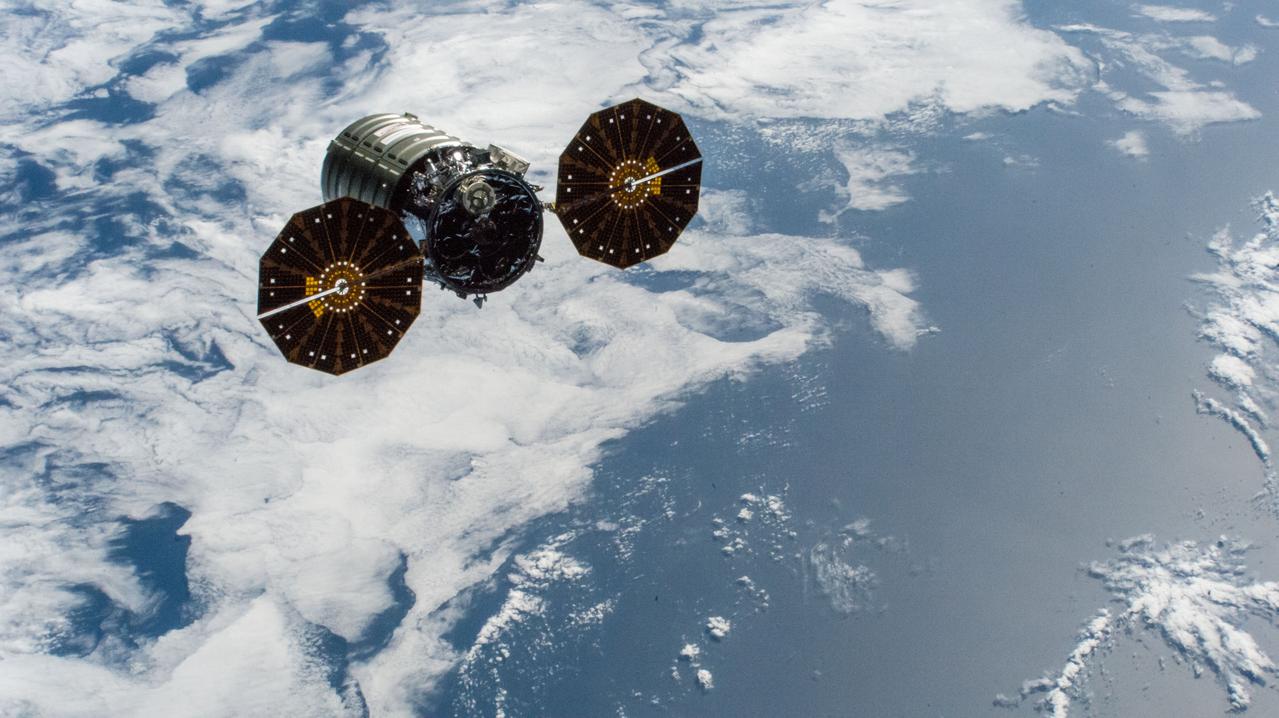
iss058e011815 (Feb. 8, 2019) --- The Cygnus cargo craft from Northrop Grumman begins its departure from the International Space Station as both spacecraft were orbiting 252 miles over the Pacific Ocean off the coast of Peru.
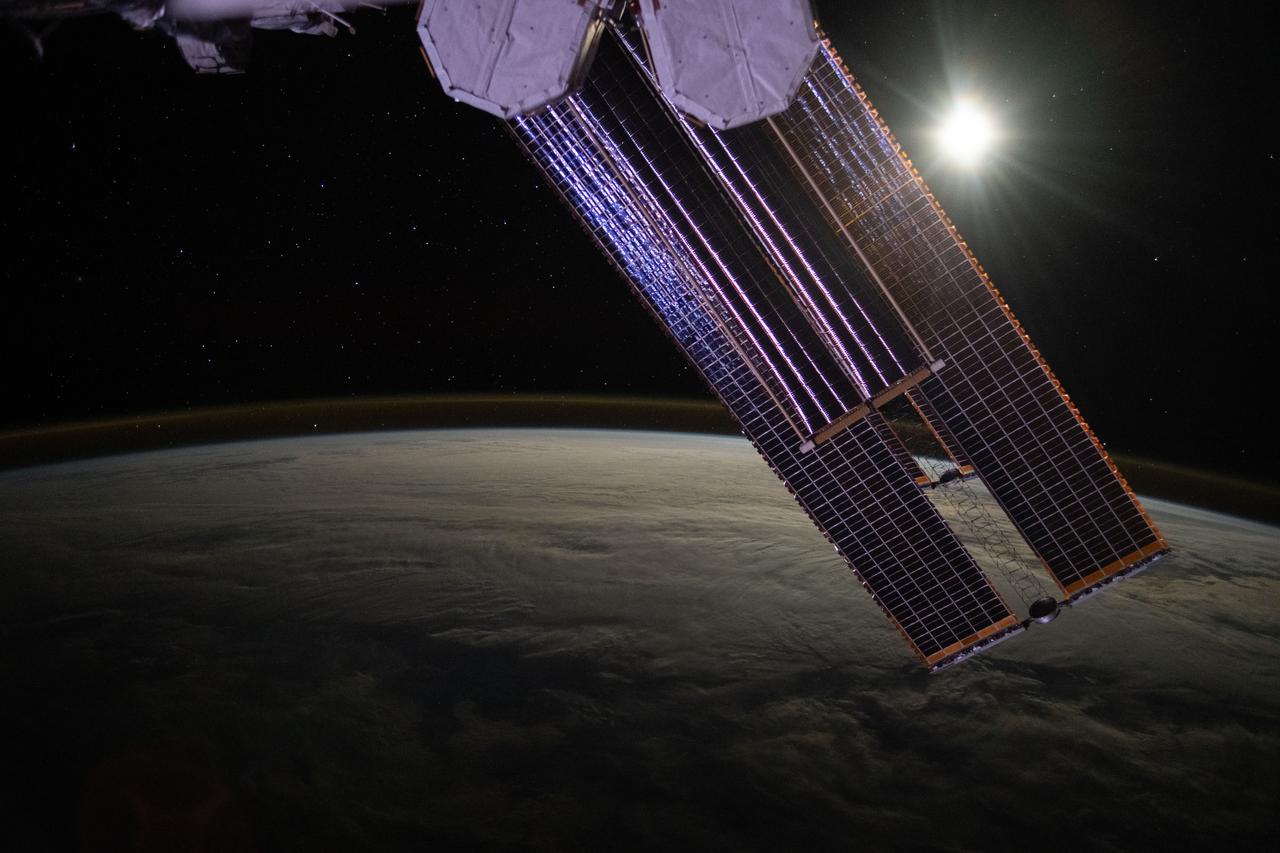
iss071e457356 (July 18, 2024) --- The Moon illuminates a cloud-covered Pacific Ocean as stars glitter in the background above the Earth's airglow. The International Space Station's solar arrays dominate the foreground as the orbital outpost soared 268 miles above.
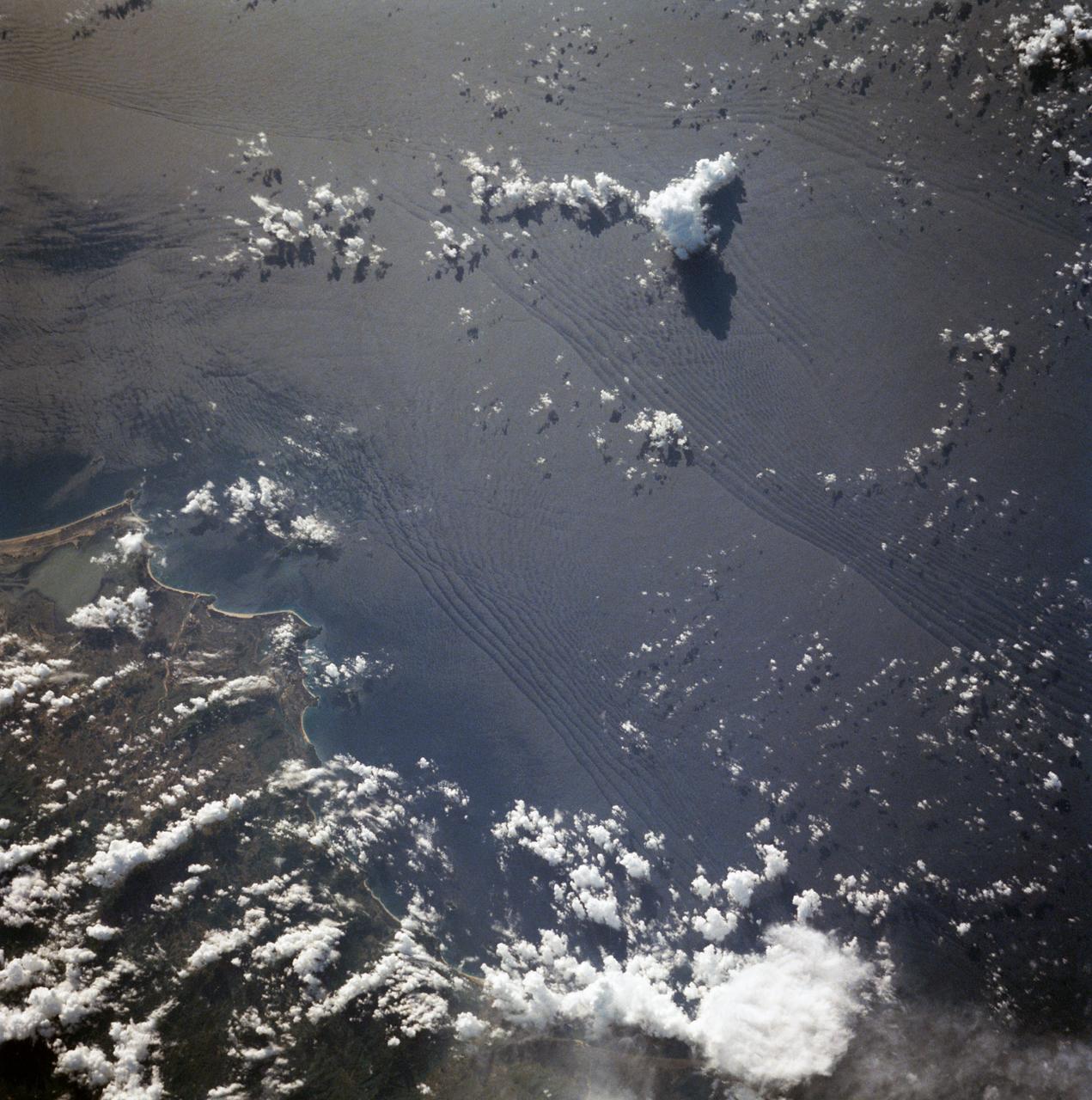
STS007-05-245 (18-24 June 1983) --- A rare view of internal waves in the South China Sea. Several different series of internal waves are represented in the 70mm frame, exposed with a handheld camera by members of the STS-7 astronaut crew aboard the Earth-orbiting Challenger. The land area visible in the lower left is part of the large island of Hainan, China.
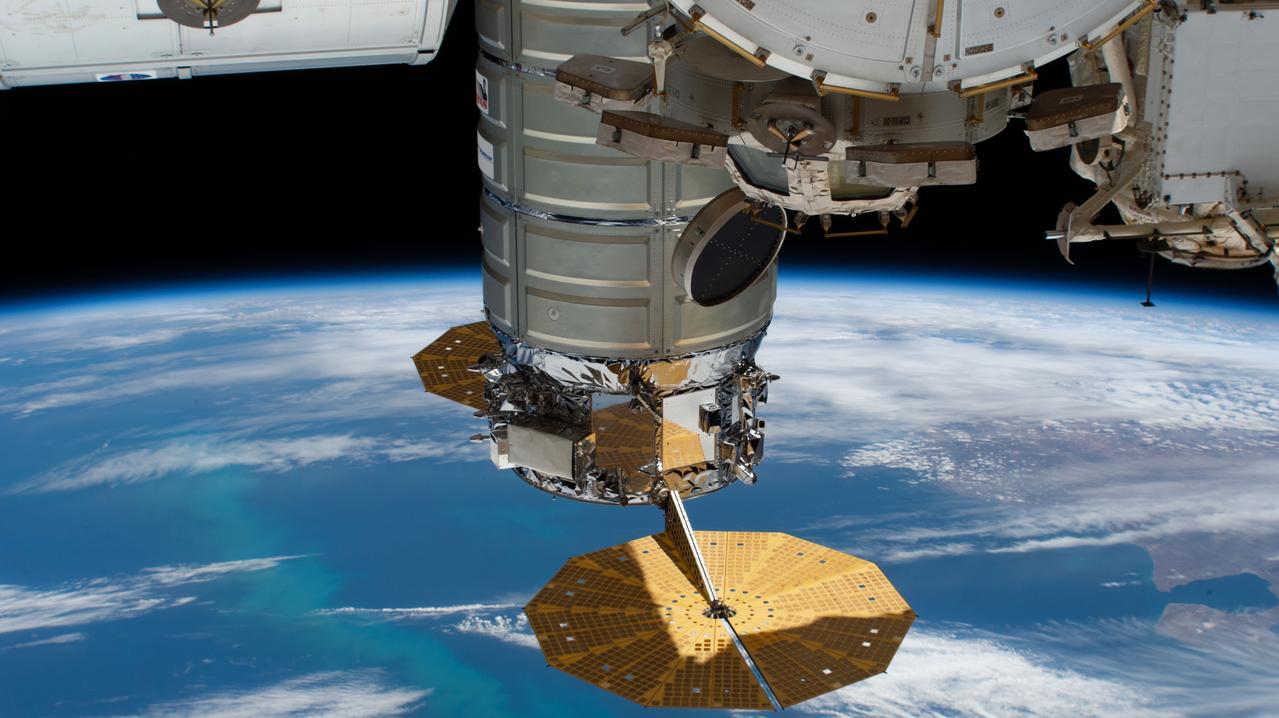
iss058e002245 (Jan. 7, 2019) --- The U.S. Cygnus space freighter from Northrop Grumman and its prominent cymbal-shaped UltraFlex solar arrays are pictured as the International Space Station orbited 262 miles above the Atlantic Ocean off the coast of Argentina. Towards the top center of the photograph is the seven-windowed cupola with its shutters open.
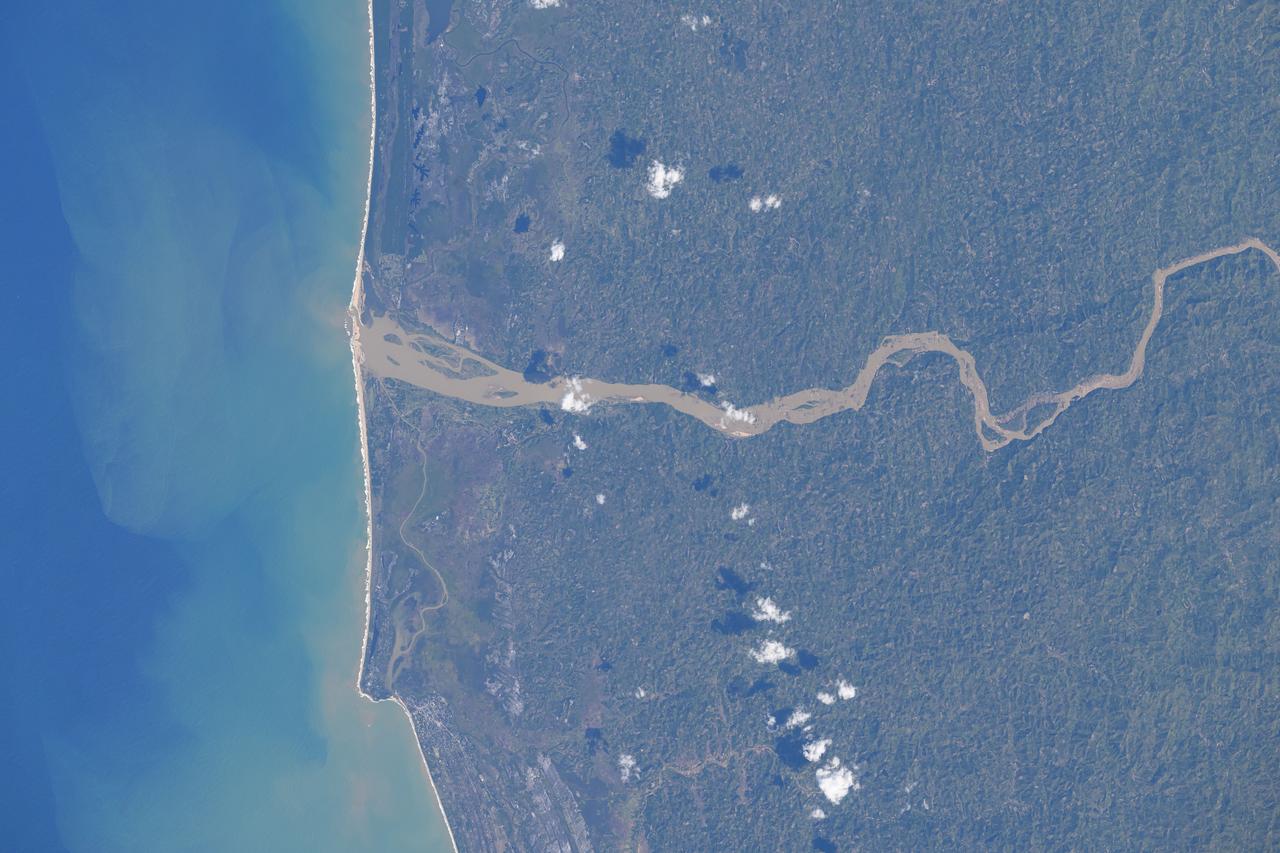
Mangoro River on Madagascar's east coast leads to the Indian Ocean in this photograph from the Indian Ocean as it orbited 263 miles above
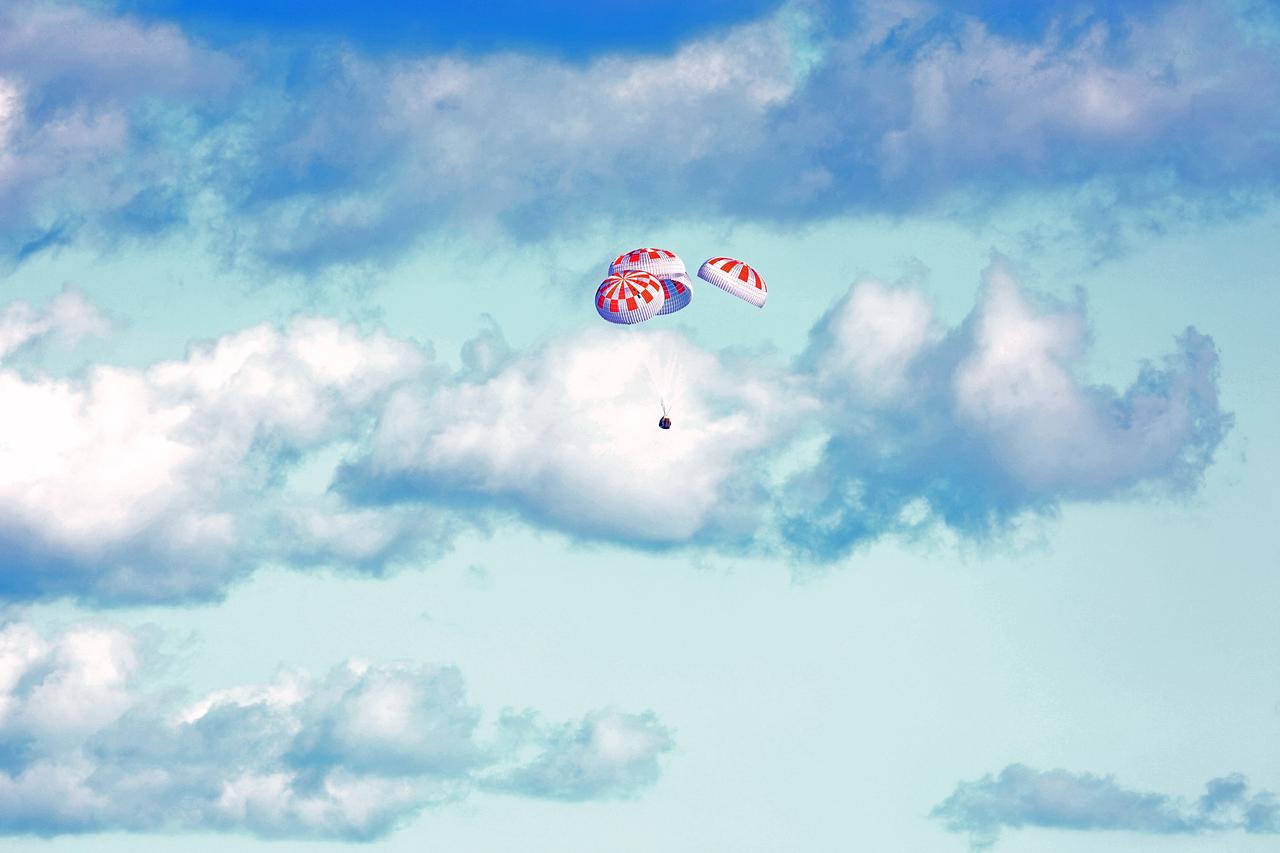
SpaceX’s Crew Dragon is guided by four parachutes toward the Atlantic Ocean on March 8 after returning from the International Space Station on the Demo-1 mission. The uncrewed spacecraft docked to the orbiting laboratory on March 3, following a 2:49 a.m. EST liftoff aboard a SpaceX Falcon 9 rocket from Launch Complex 39A at NASA’s Kennedy Space Center in Florida on March 2. Crew Dragon made 18 orbits of Earth before successfully attaching to the space station. The spacecraft undocked at 2:32 a.m., March 8, splashing down in the Atlantic Ocean, about 200 miles off Florida’s east coast at 8:45 a.m. SpaceX’s inaugural flight with NASA’s Commercial Crew Program is the first flight test of a space system designed for humans built and operated by a commercial company through a public-private partnership. NASA and SpaceX will use data from Demo-1 to further prepare for Demo-2, the crewed flight test that will carry NASA astronauts Bob Behnken and Doug Hurley to the International Space Station later this year.
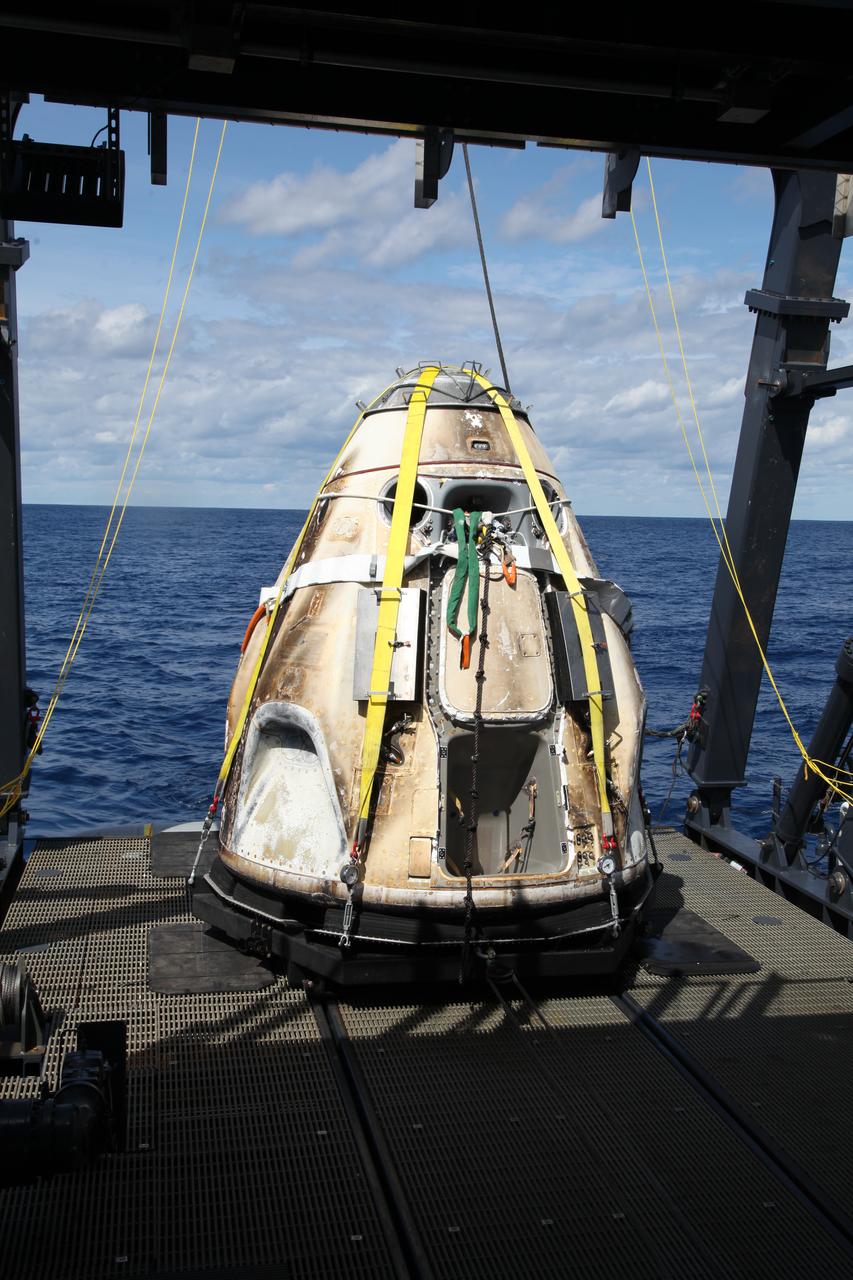
SpaceX’s Crew Dragon is loaded onto the company’s recovery ship, Go Searcher, in the Atlantic Ocean, about 200 miles off Florida’s east coast, on March 8, after returning from the International Space Station on the Demo-1 mission. The uncrewed spacecraft docked to the orbiting laboratory on March 3, following a 2:49 a.m. EST liftoff aboard a SpaceX Falcon 9 rocket from Launch Complex 39A at NASA’s Kennedy Space Center in Florida on March 2. The spacecraft undocked at 2:32 a.m., March 8, splashing down in the Atlantic Ocean, at 8:45 a.m. SpaceX’s inaugural flight with NASA’s Commercial Crew Program is the first flight test of a space system designed for humans built and operated by a commercial company through a public-private partnership. NASA and SpaceX will use data from Demo-1 to further prepare for Demo-2, the crewed flight test that will carry NASA astronauts Bob Behnken and Doug Hurley to the International Space Station later this year.
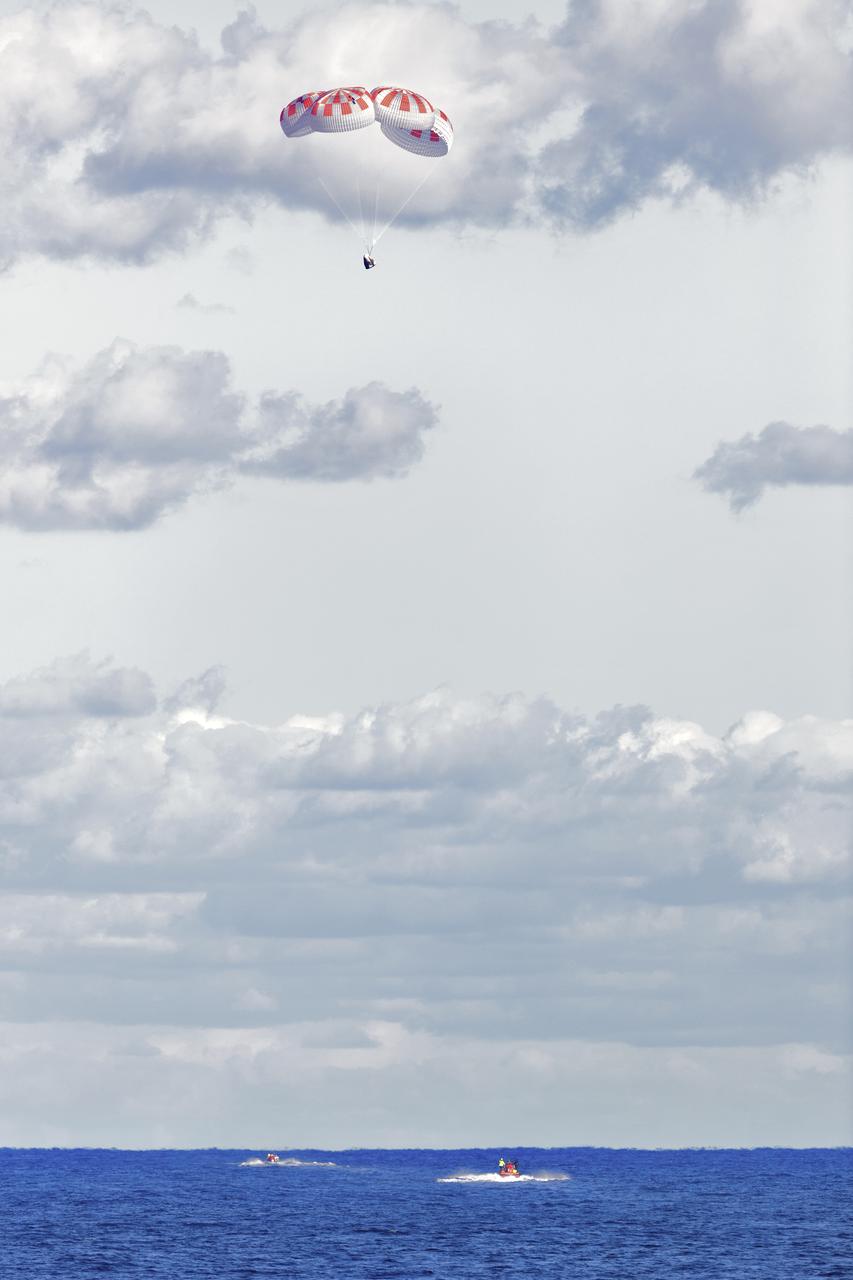
SpaceX’s Crew Dragon is guided by four parachutes toward the Atlantic Ocean on March 8, 2019, after returning from the International Space Station on the Demo-1 mission. The uncrewed spacecraft docked to the orbiting laboratory on March 3, following a 2:49 a.m. EST liftoff aboard a SpaceX Falcon 9 rocket from Launch Complex 39A at NASA’s Kennedy Space Center in Florida on March 2. Crew Dragon made 18 orbits of Earth before successfully attaching to the space station. The spacecraft undocked at 2:32 a.m., March 8, splashing down in the Atlantic Ocean, about 200 miles off Florida’s east coast at 8:45 a.m. SpaceX’s inaugural flight with NASA’s Commercial Crew Program is the first flight test of a space system designed for humans built and operated by a commercial company through a public-private partnership. NASA and SpaceX will use data from Demo-1 to further prepare for Demo-2, the crewed flight test that will carry NASA astronauts Bob Behnken and Doug Hurley to the International Space Station later this year.
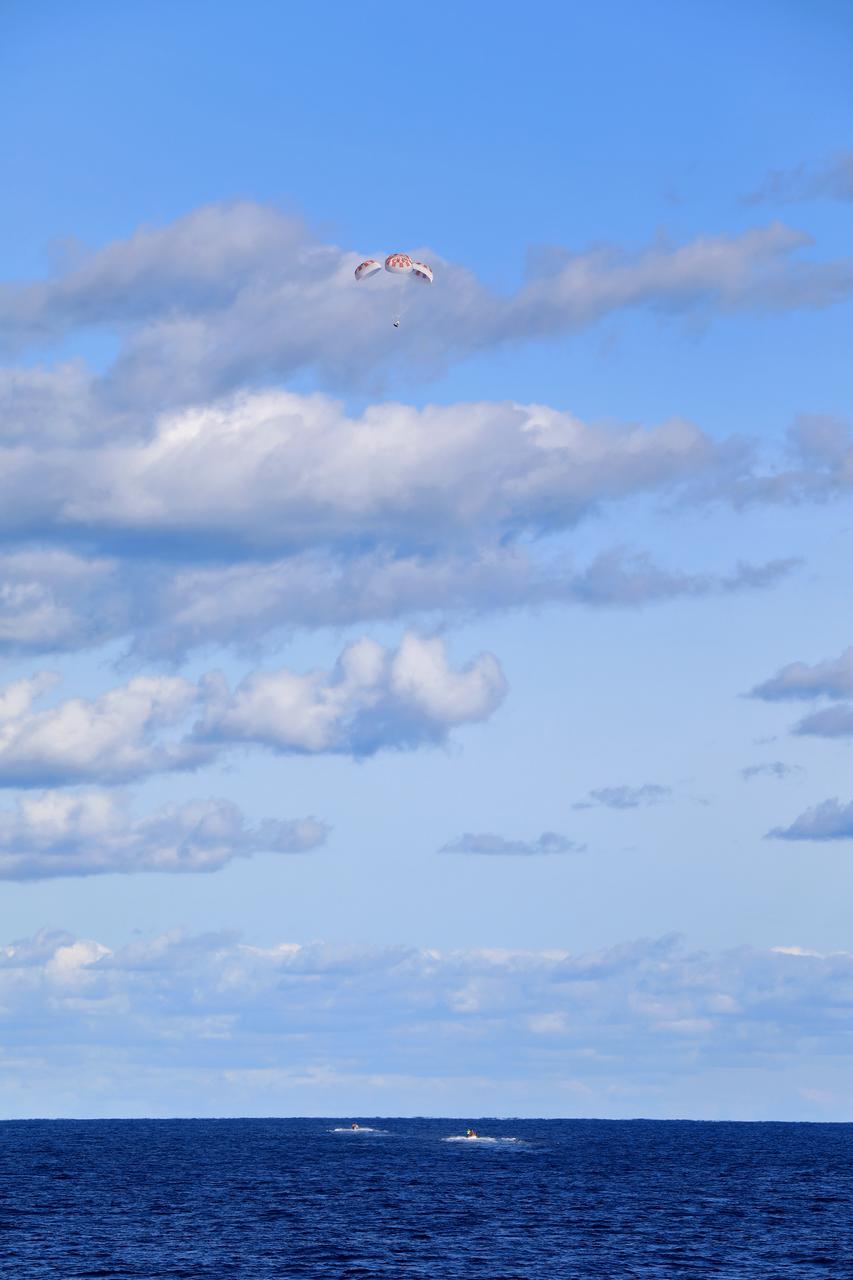
SpaceX’s Crew Dragon is guided by four parachutes toward the Atlantic Ocean on March 8 after returning from the International Space Station on the Demo-1 mission. The uncrewed spacecraft docked to the orbiting laboratory on March 3, following a 2:49 a.m. EST liftoff aboard a SpaceX Falcon 9 rocket from Launch Complex 39A at NASA’s Kennedy Space Center in Florida on March 2. Crew Dragon made 18 orbits of Earth before successfully attaching to the space station. The spacecraft undocked at 2:32 a.m., March 8, splashing down in the Atlantic Ocean, about 200 miles off Florida’s east coast at 8:45 a.m. SpaceX’s inaugural flight with NASA’s Commercial Crew Program is the first flight test of a space system designed for humans built and operated by a commercial company through a public-private partnership. NASA and SpaceX will use data from Demo-1 to further prepare for Demo-2, the crewed flight test that will carry NASA astronauts Bob Behnken and Doug Hurley to the International Space Station later this year.
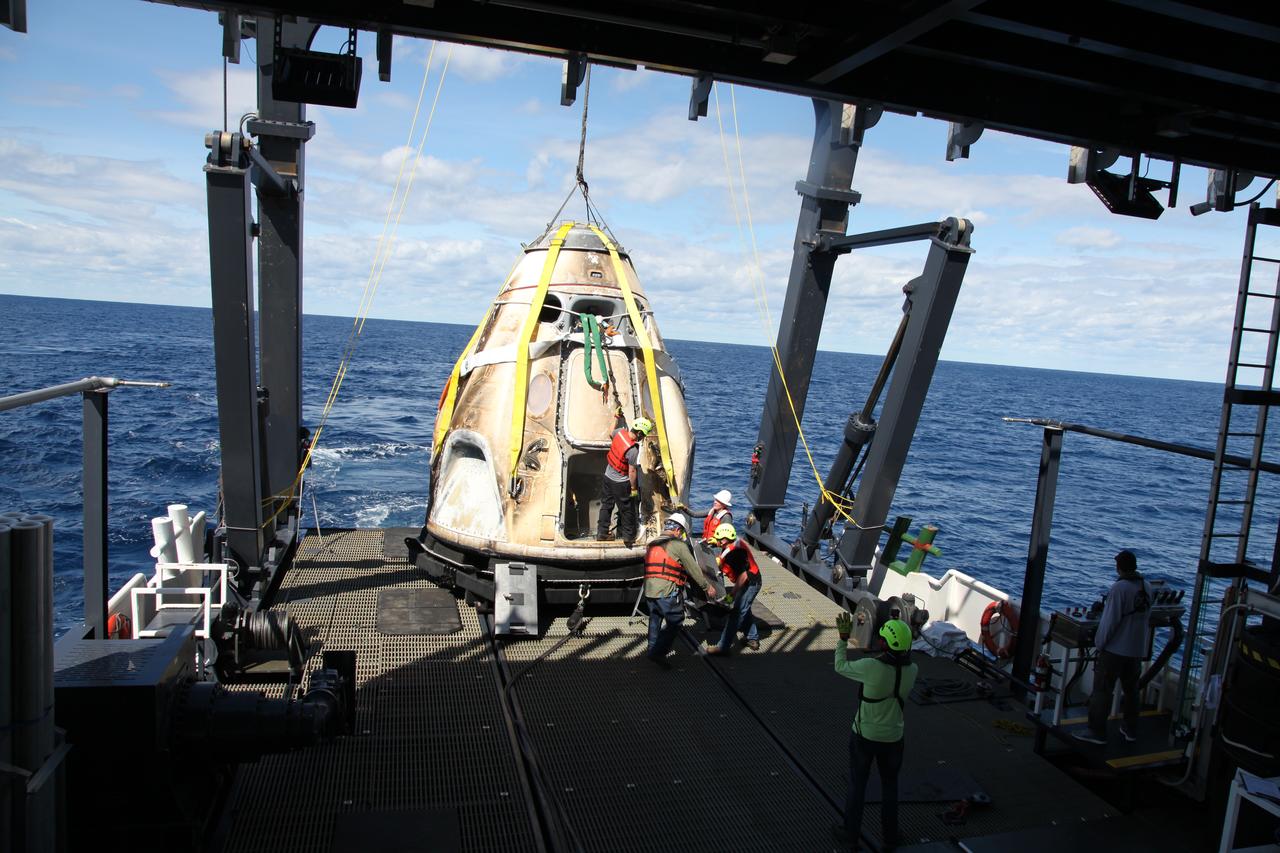
SpaceX’s Crew Dragon is loaded onto the company’s recovery ship, Go Searcher, in the Atlantic Ocean, about 200 miles off Florida’s east coast, on March 8, after returning from the International Space Station on the Demo-1 mission. The uncrewed spacecraft docked to the orbiting laboratory on March 3, following a 2:49 a.m. EST liftoff aboard a SpaceX Falcon 9 rocket from Launch Complex 39A at NASA’s Kennedy Space Center in Florida on March 2. The spacecraft undocked at 2:32 a.m., March 8, splashing down in the Atlantic Ocean, at 8:45 a.m. SpaceX’s inaugural flight with NASA’s Commercial Crew Program is the first flight test of a space system designed for humans built and operated by a commercial company through a public-private partnership. NASA and SpaceX will use data from Demo-1 to further prepare for Demo-2, the crewed flight test that will carry NASA astronauts Bob Behnken and Doug Hurley to the International Space Station later this year.
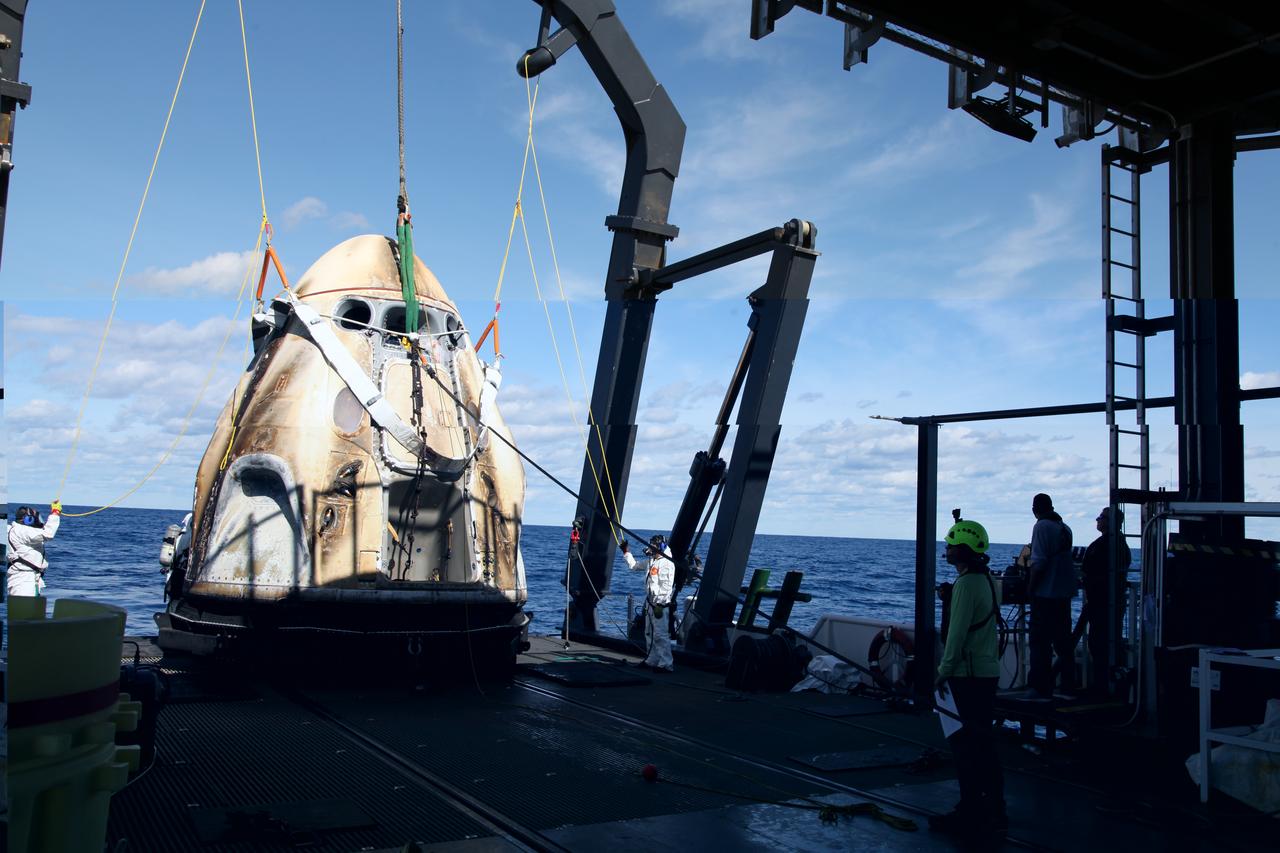
SpaceX’s Crew Dragon is loaded onto the company’s recovery ship, Go Searcher, in the Atlantic Ocean, about 200 miles off Florida’s east coast, on March 8, after returning from the International Space Station on the Demo-1 mission. The uncrewed spacecraft docked to the orbiting laboratory on March 3, following a 2:49 a.m. EST liftoff aboard a SpaceX Falcon 9 rocket from Launch Complex 39A at NASA’s Kennedy Space Center in Florida on March 2. The spacecraft undocked at 2:32 a.m., March 8, splashing down in the Atlantic Ocean, at 8:45 a.m. SpaceX’s inaugural flight with NASA’s Commercial Crew Program is the first flight test of a space system designed for humans built and operated by a commercial company through a public-private partnership. NASA and SpaceX will use data from Demo-1 to further prepare for Demo-2, the crewed flight test that will carry NASA astronauts Bob Behnken and Doug Hurley to the International Space Station later this year.
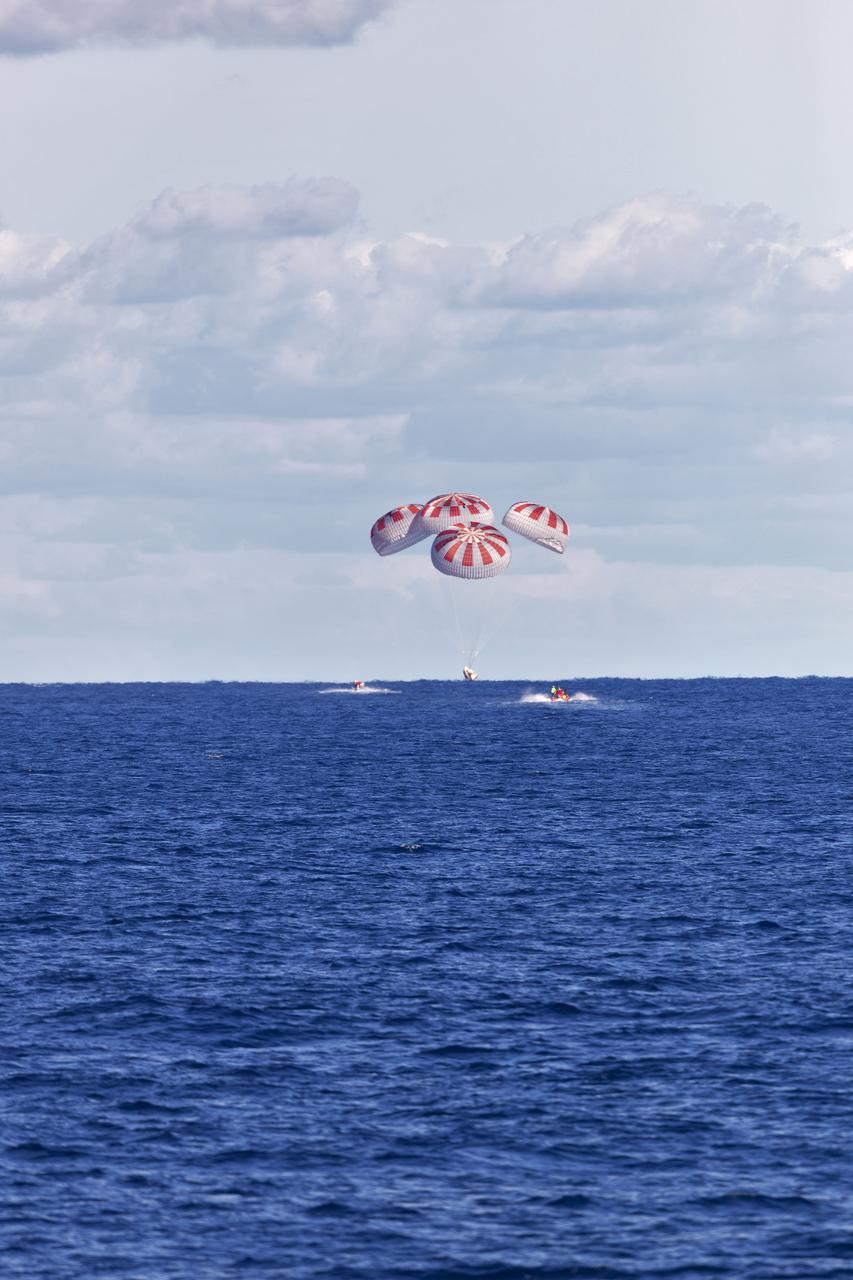
SpaceX’s Crew Dragon is guided by four parachutes as it splashes down in the Atlantic Ocean about 200 miles off Florida’s east coast on March 8, 2019, after returning from the International Space Station on the Demo-1 mission. The uncrewed spacecraft docked to the orbiting laboratory on March 3, following a 2:49 a.m. EST liftoff aboard a SpaceX Falcon 9 rocket from Launch Complex 39A at NASA’s Kennedy Space Center in Florida on March 2. Crew Dragon made 18 orbits of Earth before successfully attaching to the space station. The spacecraft undocked at 2:32 a.m., March 8, splashing down in the Atlantic Ocean at 8:45 a.m. SpaceX’s inaugural flight with NASA’s Commercial Crew Program is the first flight test of a space system designed for humans built and operated by a commercial company through a public-private partnership. NASA and SpaceX will use data from Demo-1 to further prepare for Demo-2, the crewed flight test that will carry NASA astronauts Bob Behnken and Doug Hurley to the International Space Station later this year.
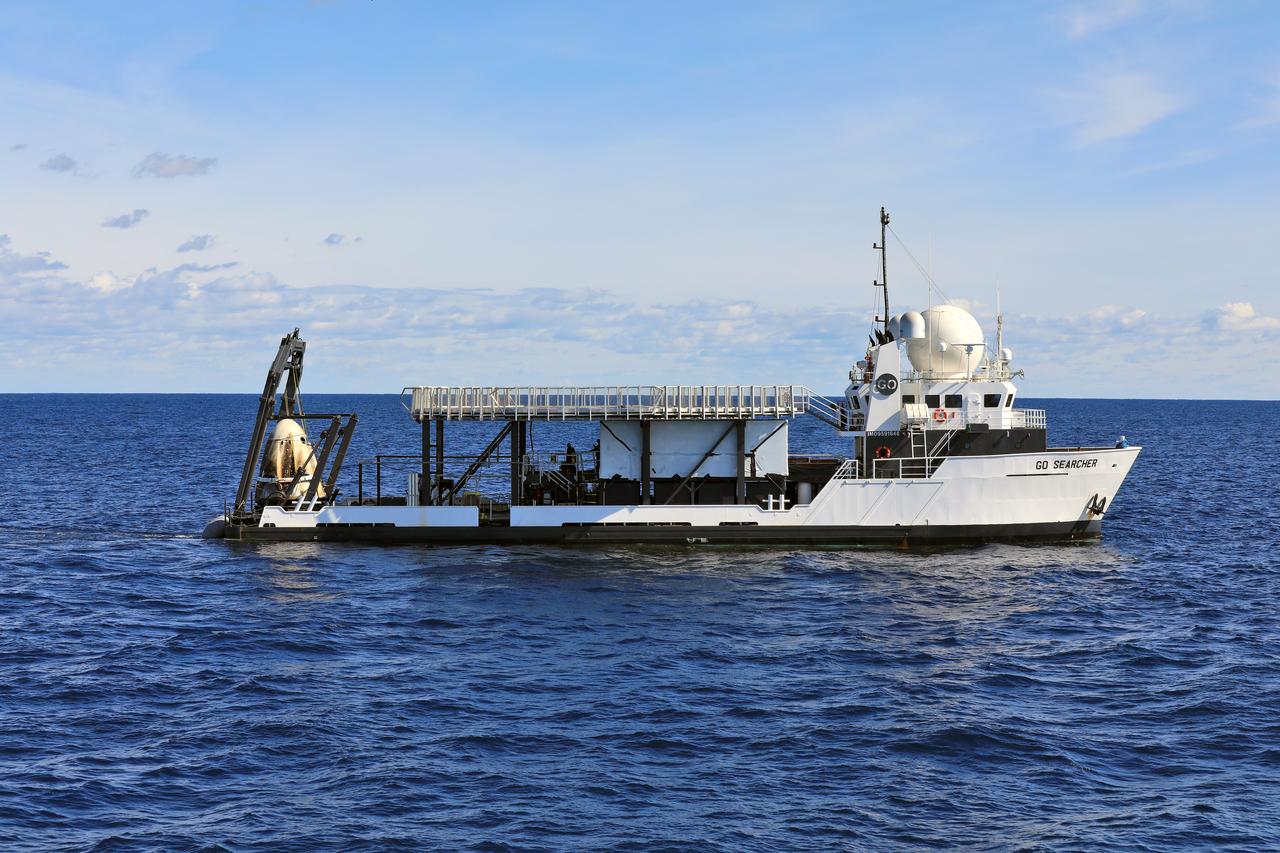
SpaceX’s Crew Dragon is carried by the company’s recovery ship, Go Searcher, in the Atlantic Ocean, about 200 miles off Florida’s east coast, on March 8, after returning from the International Space Station on the Demo-1 mission. The uncrewed spacecraft docked to the orbiting laboratory on March 3, following a 2:49 a.m. EST liftoff aboard a SpaceX Falcon 9 rocket from Launch Complex 39A at NASA’s Kennedy Space Center in Florida on March 2. Crew Dragon made 18 orbits of Earth before successfully attaching to the space station. The spacecraft undocked at 2:32 a.m., March 8, splashing down in the Atlantic Ocean, at 8:45 a.m. SpaceX’s inaugural flight with NASA’s Commercial Crew Program is the first flight test of a space system designed for humans built and operated by a commercial company through a public-private partnership. NASA and SpaceX will use data from Demo-1 to further prepare for Demo-2, the crewed flight test that will carry NASA astronauts Bob Behnken and Doug Hurley to the International Space Station later this year
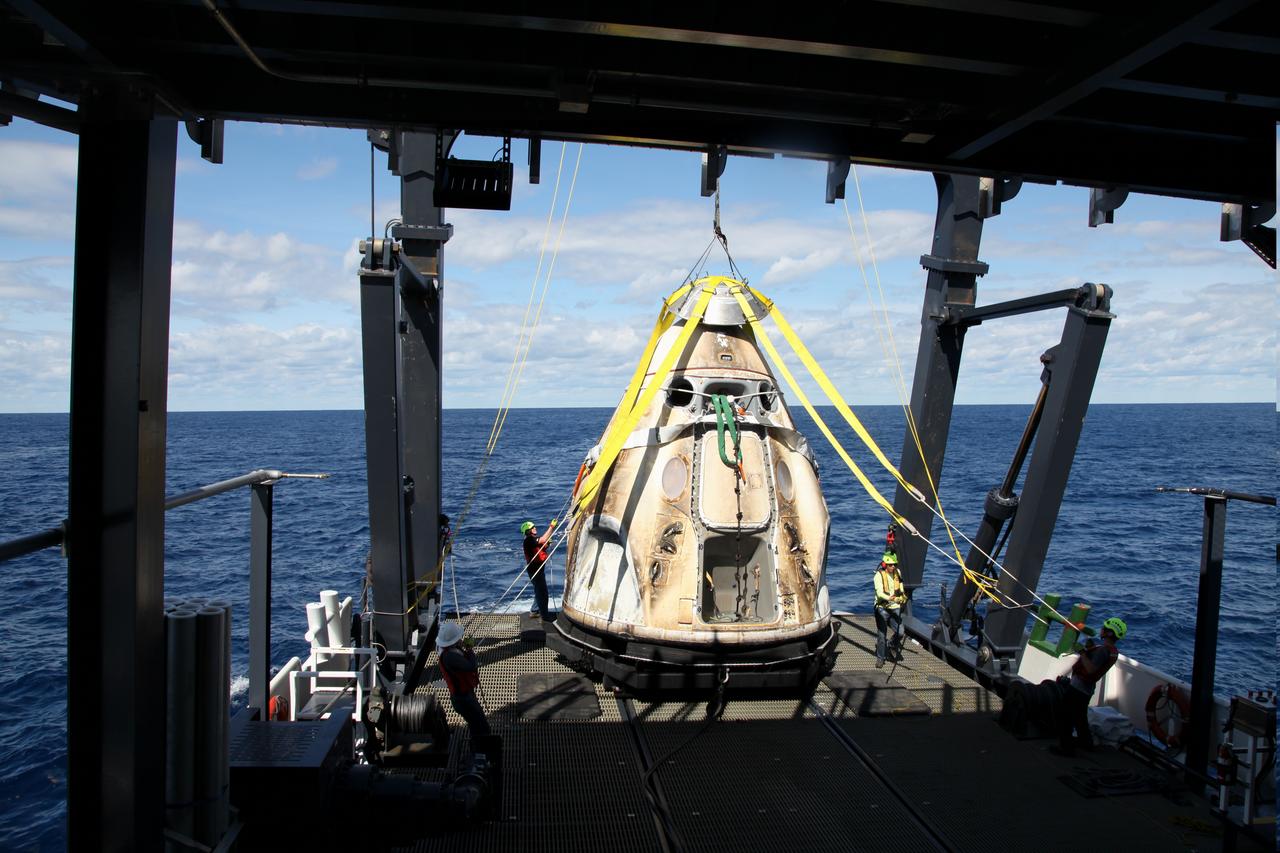
SpaceX’s Crew Dragon is loaded onto the company’s recovery ship, Go Searcher, in the Atlantic Ocean, about 200 miles off Florida’s east coast, on March 8, after returning from the International Space Station on the Demo-1 mission. The uncrewed spacecraft docked to the orbiting laboratory on March 3, following a 2:49 a.m. EST liftoff aboard a SpaceX Falcon 9 rocket from Launch Complex 39A at NASA’s Kennedy Space Center in Florida on March 2. The spacecraft undocked at 2:32 a.m., March 8, splashing down in the Atlantic Ocean, at 8:45 a.m. SpaceX’s inaugural flight with NASA’s Commercial Crew Program is the first flight test of a space system designed for humans built and operated by a commercial company through a public-private partnership. NASA and SpaceX will use data from Demo-1 to further prepare for Demo-2, the crewed flight test that will carry NASA astronauts Bob Behnken and Doug Hurley to the International Space Station later this year.
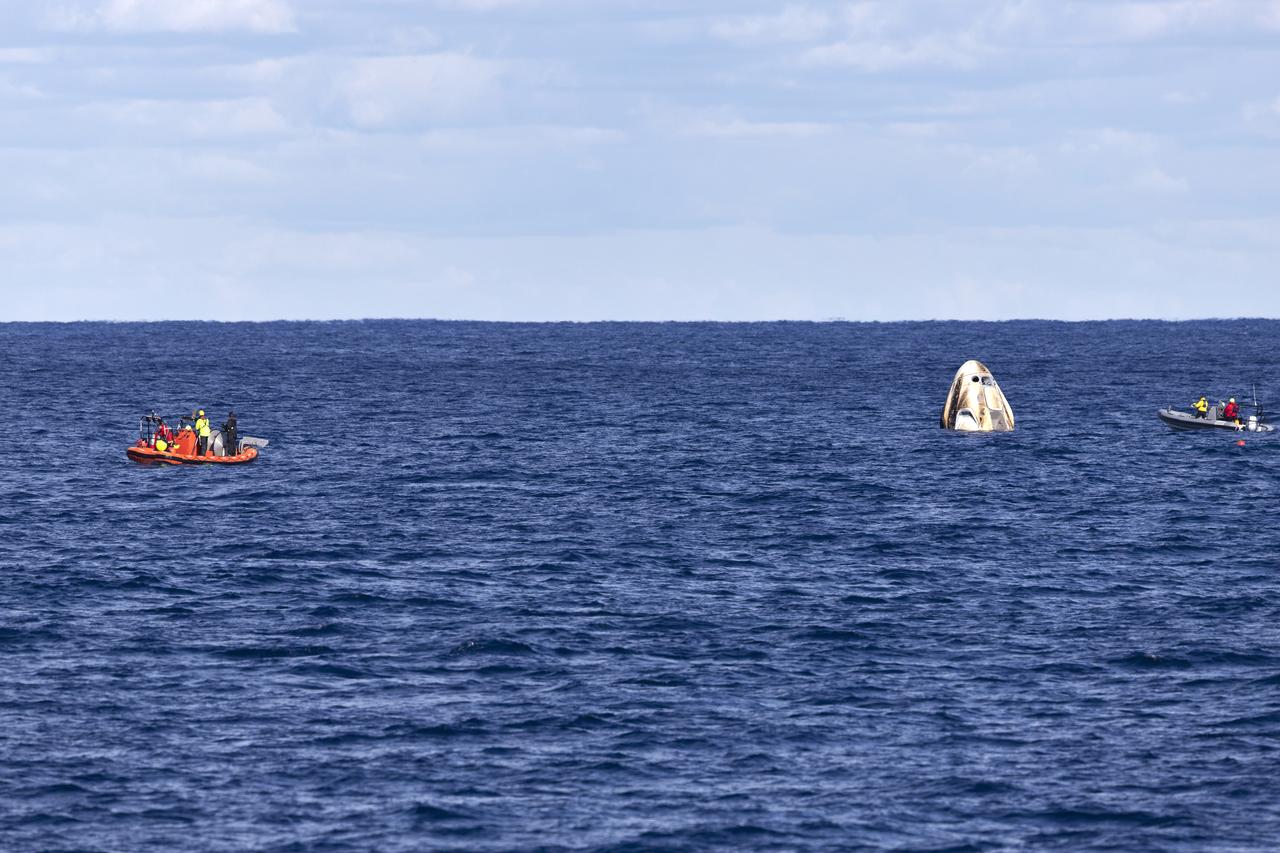
SpaceX’s Crew Dragon floats in the Atlantic Ocean, about 200 miles off Florida’s east coast, March 8, 2019, after returning from the International Space Station on the Demo-1 mission. The uncrewed spacecraft docked to the orbiting laboratory on March 3, following a 2:49 a.m. EST liftoff aboard a SpaceX Falcon 9 rocket from Launch Complex 39A at NASA’s Kennedy Space Center in Florida on March 2. The spacecraft undocked at 2:32 a.m., March 8, splashing down in the Atlantic Ocean at 8:45 a.m. SpaceX’s inaugural flight with NASA’s Commercial Crew Program is the first flight test of a space system designed for humans built and operated by a commercial company through a public-private partnership. NASA and SpaceX will use data from Demo-1 to further prepare for Demo-2, the crewed flight test that will carry NASA astronauts Bob Behnken and Doug Hurley to the International Space Station later this year.

SpaceX’s Crew Dragon is guided by four parachutes as it approaches splashdown in the Atlantic Ocean about 200 miles off Florida’s east coast on March 8, 2019, after returning from the International Space Station on the Demo-1 mission. The uncrewed spacecraft docked to the orbiting laboratory on March 3, following a 2:49 a.m. EST liftoff aboard a SpaceX Falcon 9 rocket from Launch Complex 39A at NASA’s Kennedy Space Center in Florida on March 2. Crew Dragon made 18 orbits of Earth before successfully attaching to the space station. The spacecraft undocked at 2:32 a.m., March 8, splashing down in the Atlantic Ocean at 8:45 a.m. SpaceX’s inaugural flight with NASA’s Commercial Crew Program is the first flight test of a space system designed for humans built and operated by a commercial company through a public-private partnership. NASA and SpaceX will use data from Demo-1 to further prepare for Demo-2, the crewed flight test that will carry NASA astronauts Bob Behnken and Doug Hurley to the International Space Station later this year.
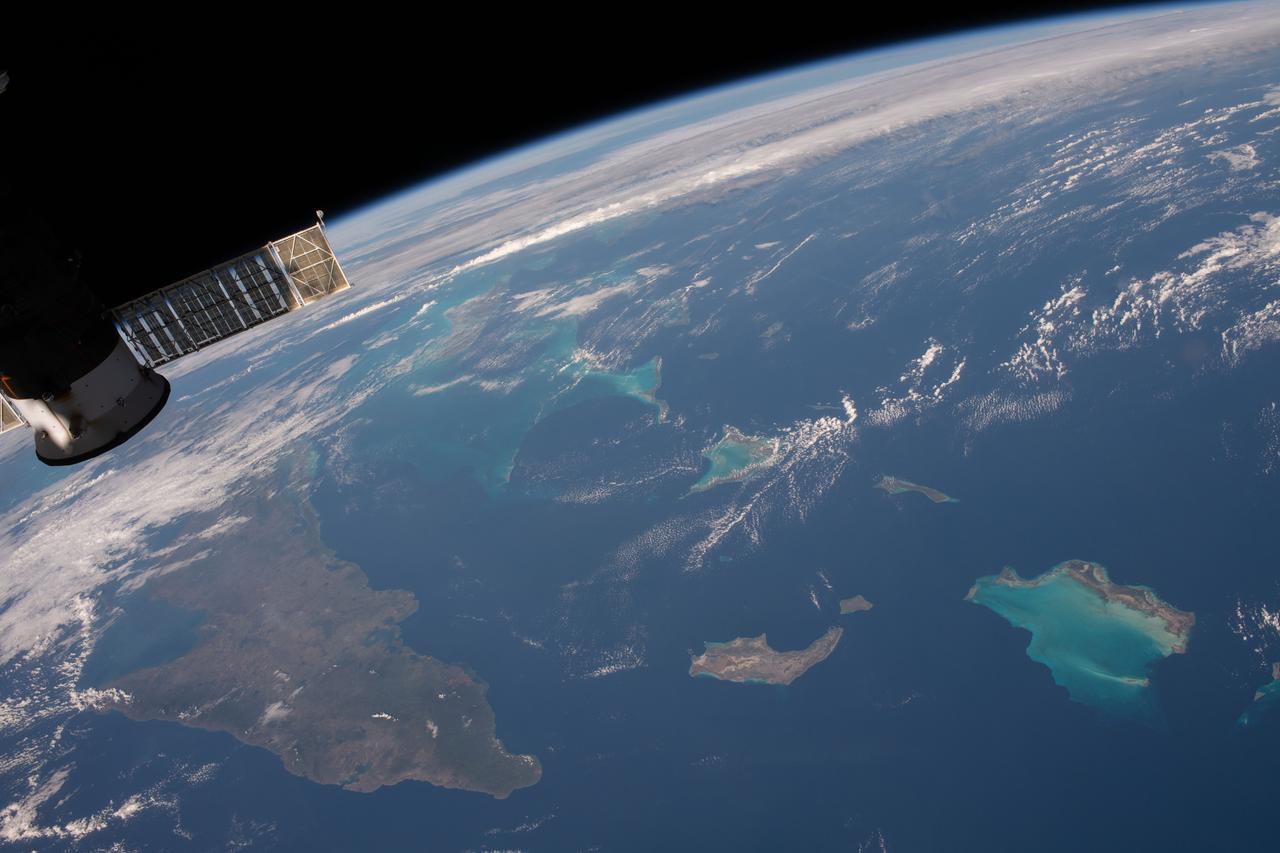
iss058e002206 (Jan. 5, 2018) --- Portions of Cuba, The Bahamas and the Turks and Caicos Islands are viewed from the International Space Station as the orbital complex flew 252 miles above the Atlantic Ocean. At left, is the aft end of the Progress 70 resupply ship from Russia attached to the Pirs docking compartment.
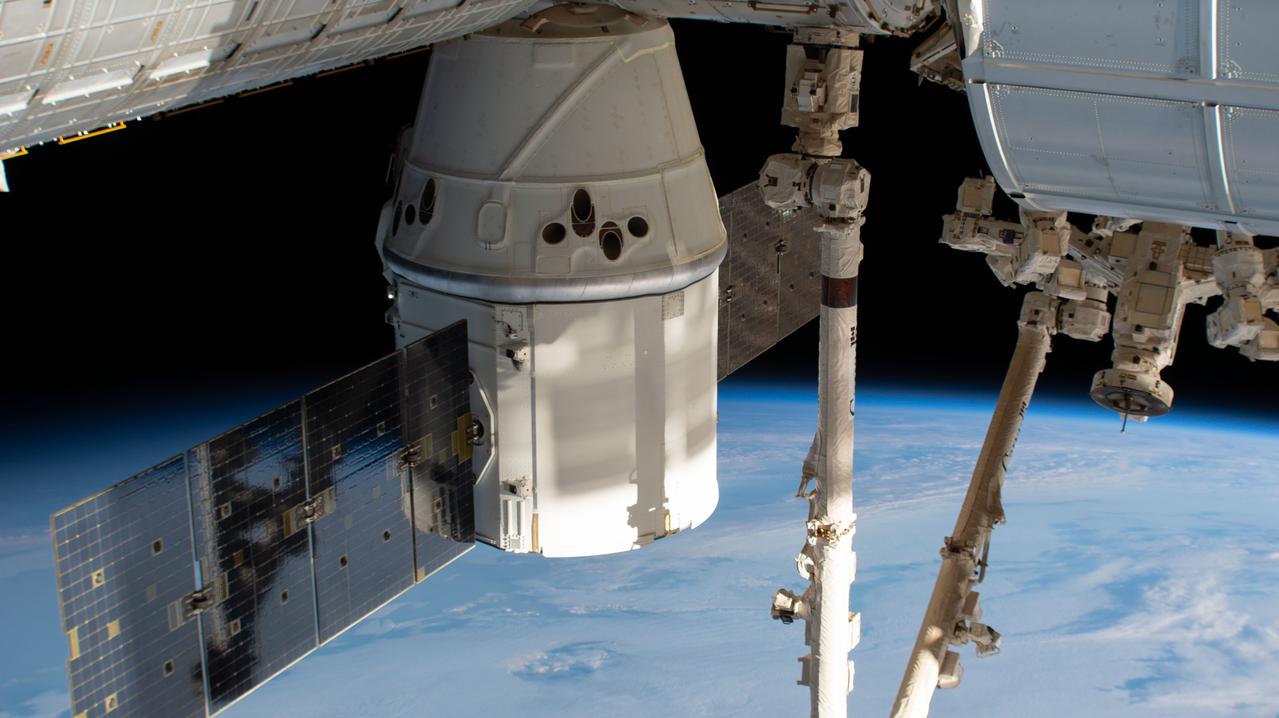
iss058e002241 (Jan. 7, 2019) --- The SpaceX Dragon cargo craft is pictured attached to the International Space Station's Harmony module as the orbital complex orbited 261 miles above the Indian Ocean southeast of the continent of Africa. The Canadarm2 robotic arm vertically splits the frame prior to grappling the spacecraft ahead of planned departure activities.
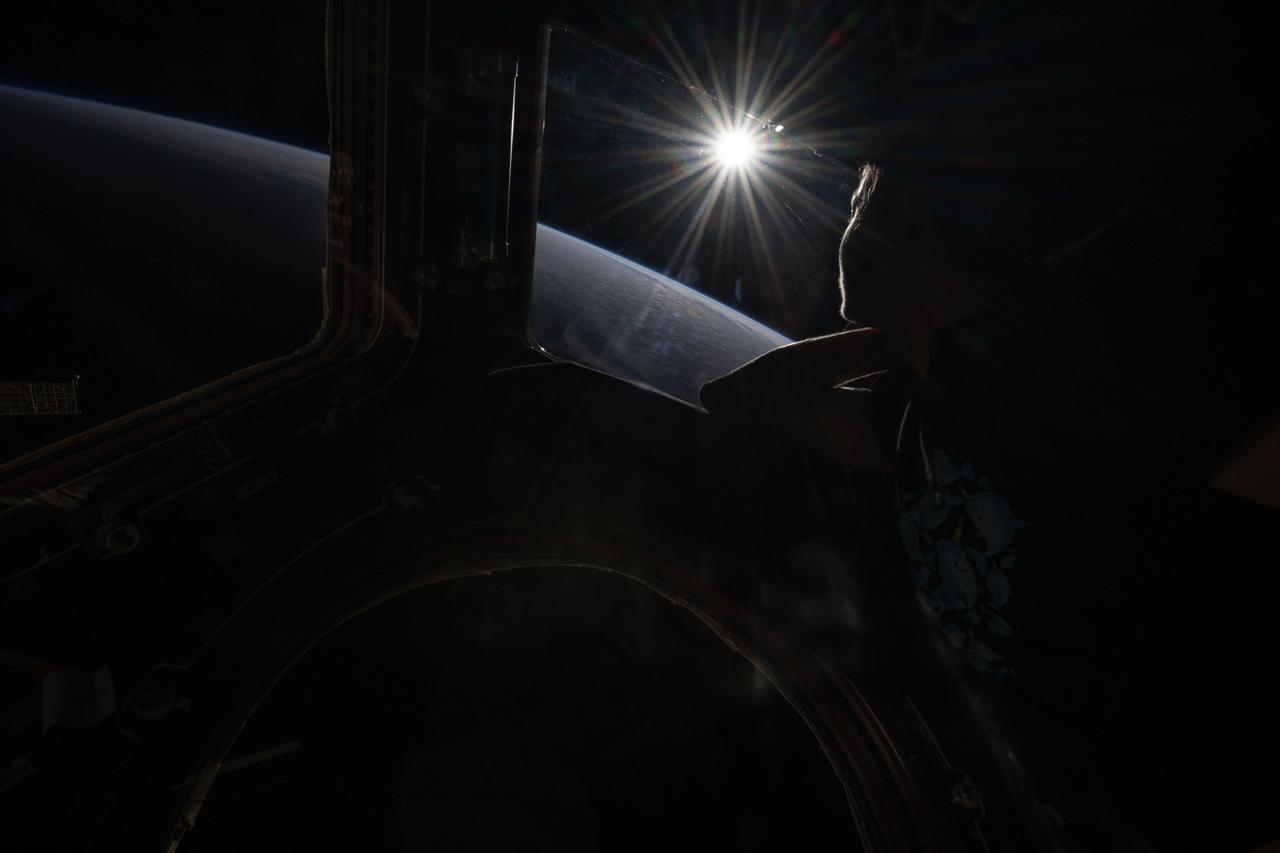
iss071e581260_alt (Sept. 1, 2024) --- The setting sun highlights Earth's horizon and reveals NASA astronaut Tracy C. Dyson's profile as she looks out the cupola, the International Space Station's "window to the world," while soaring 262 miles above the South Atlantic Ocean.
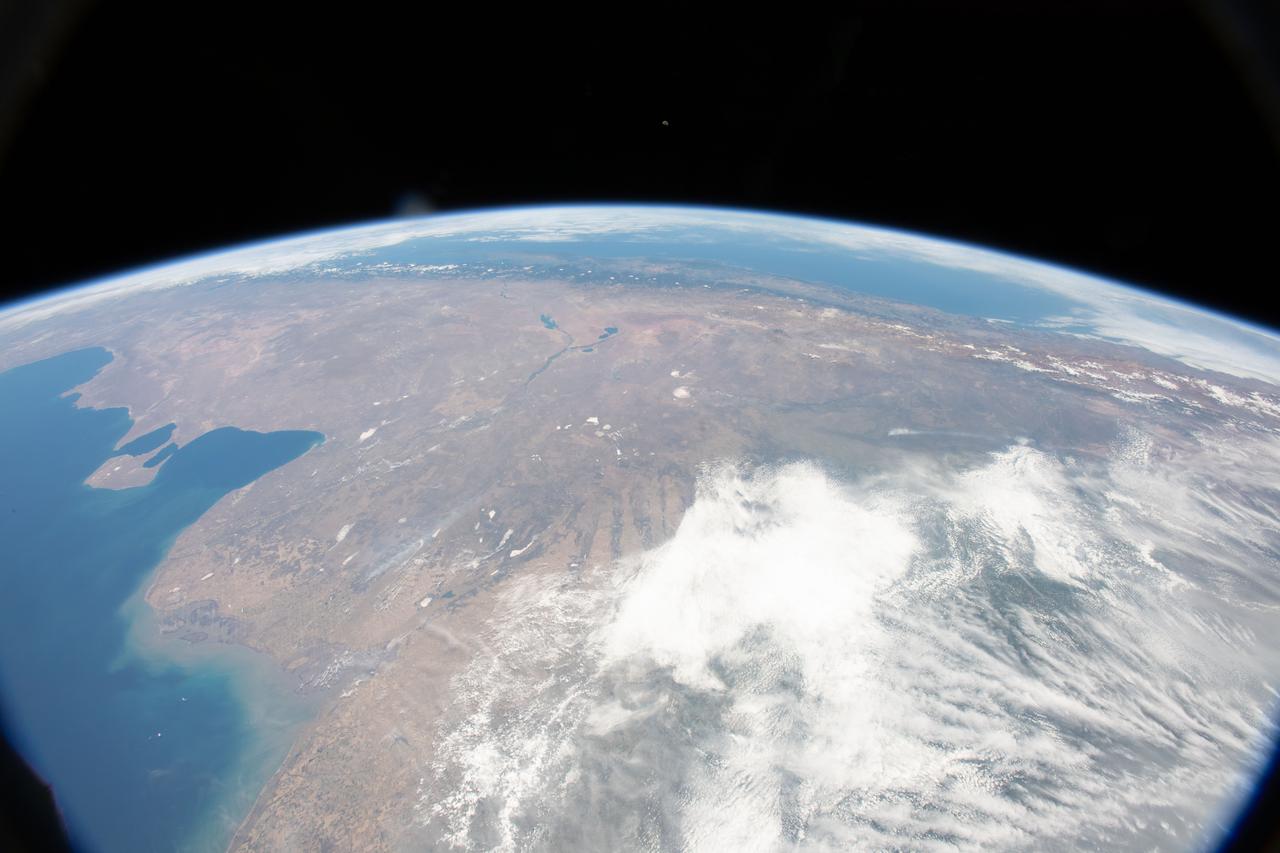
iss058e006004 (Jan. 26, 2019) --- This photograph of South America from bottom to top looks from the northeast coast of Argentina to southwest across Chile, the Andes mountains and the Pacific Ocean. The International Space Station was orbiting 259 miles above the Atlantic coast of the South American continent.
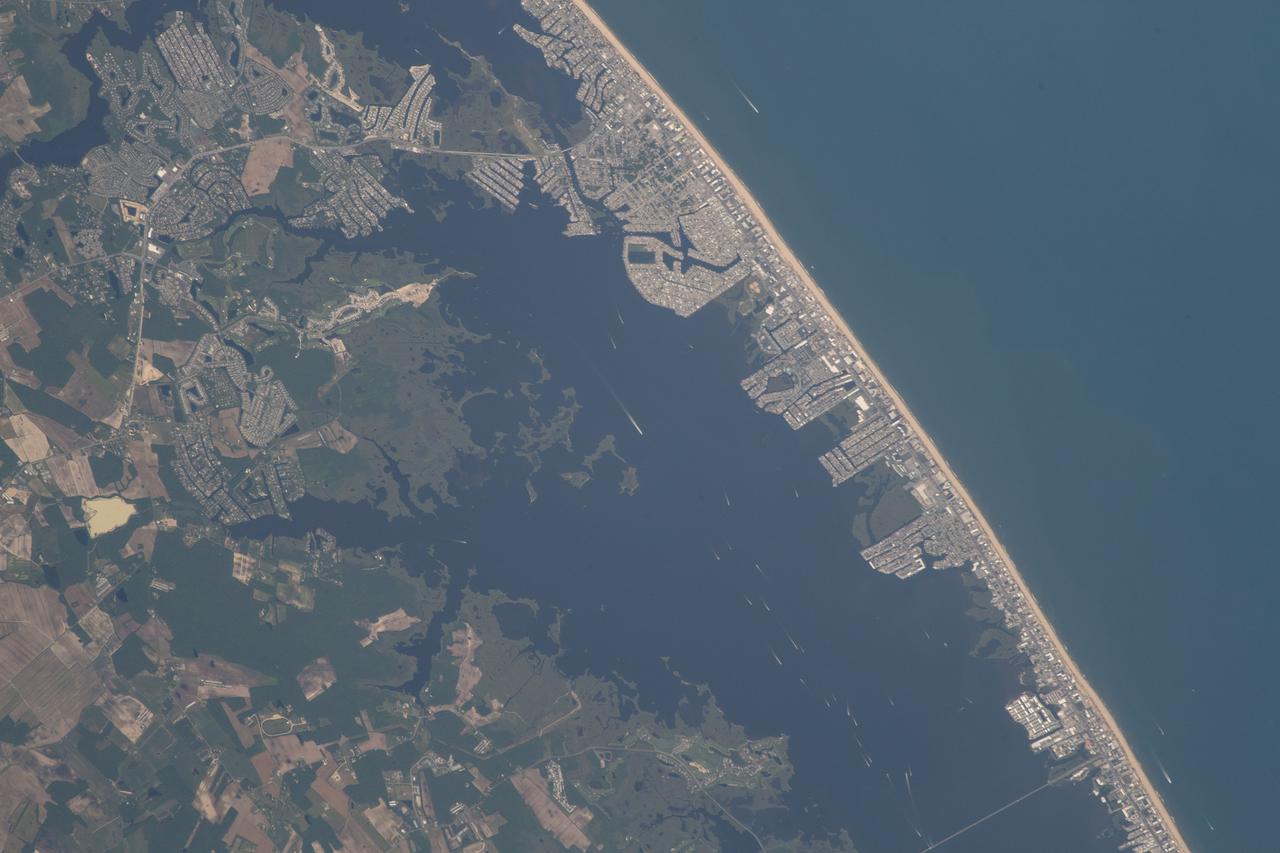
iss056e014240 (June 16, 2018) --- Ocean City, Maryland, pictured by an Expedition 56 crew member aboard the International Space Station, rests on a barrier spit between the Isle of Wight Bay and the Atlantic Ocean. the northern tip of Ocean City ends at the border of the state of Delaware.
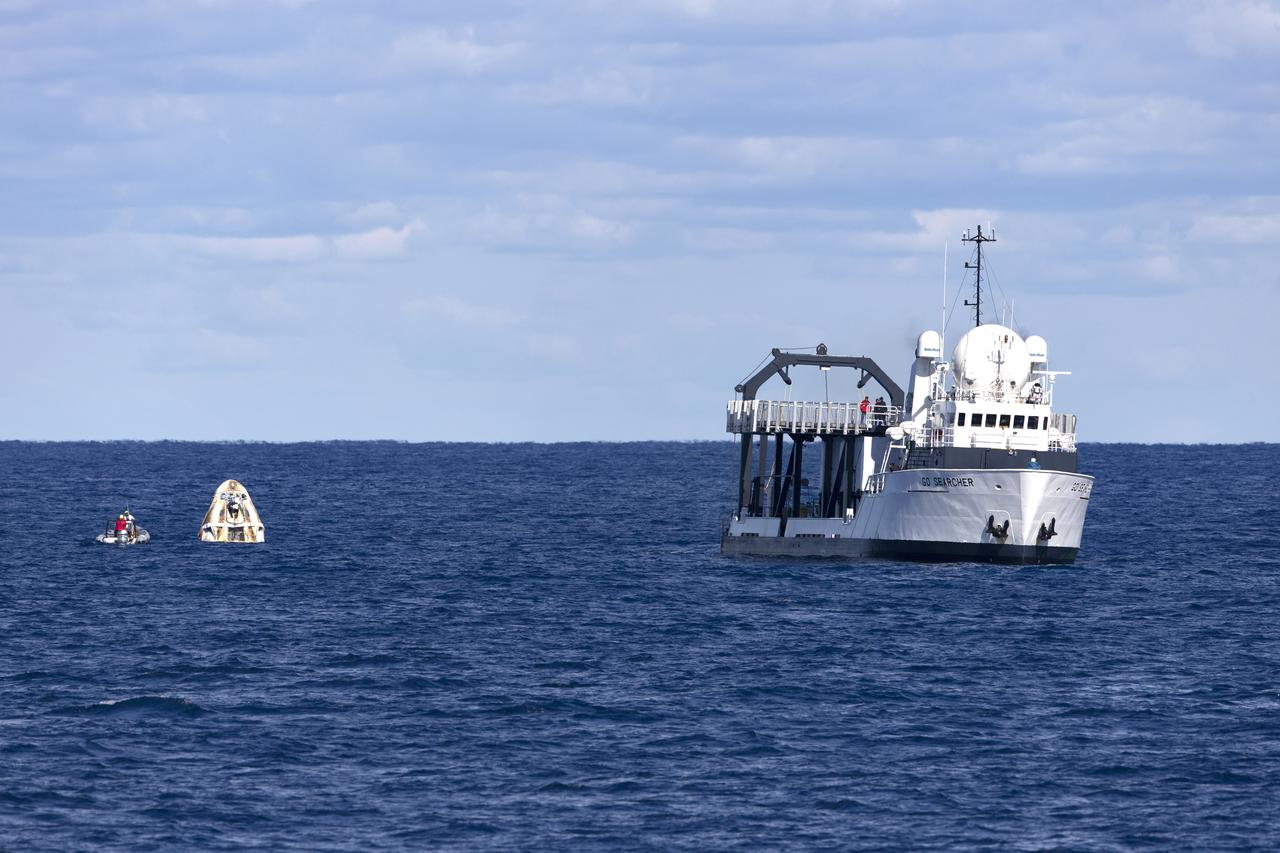
SpaceX’s recovery ship, Go Searcher, prepares to retrieve the company’s Crew Dragon from the Atlantic Ocean, about 200 miles off the east coast of Florida, March 8, 2019. The uncrewed spacecraft docked to the orbiting laboratory on March 3, following a 2:49 a.m. EST liftoff aboard a SpaceX Falcon 9 rocket from Launch Complex 39A at NASA’s Kennedy Space Center in Florida on March 2. The spacecraft undocked at 2:32 a.m., March 8, splashing down in the Atlantic Ocean at 8:45 a.m. SpaceX’s inaugural flight with NASA’s Commercial Crew Program, known as Demo-1, is the first flight test of a space system designed for humans built and operated by a commercial company through a public-private partnership. NASA and SpaceX will use data from Demo-1 to further prepare for Demo-2, the crewed flight test that will carry NASA astronauts Bob Behnken and Doug Hurley to the International Space Station later this year.
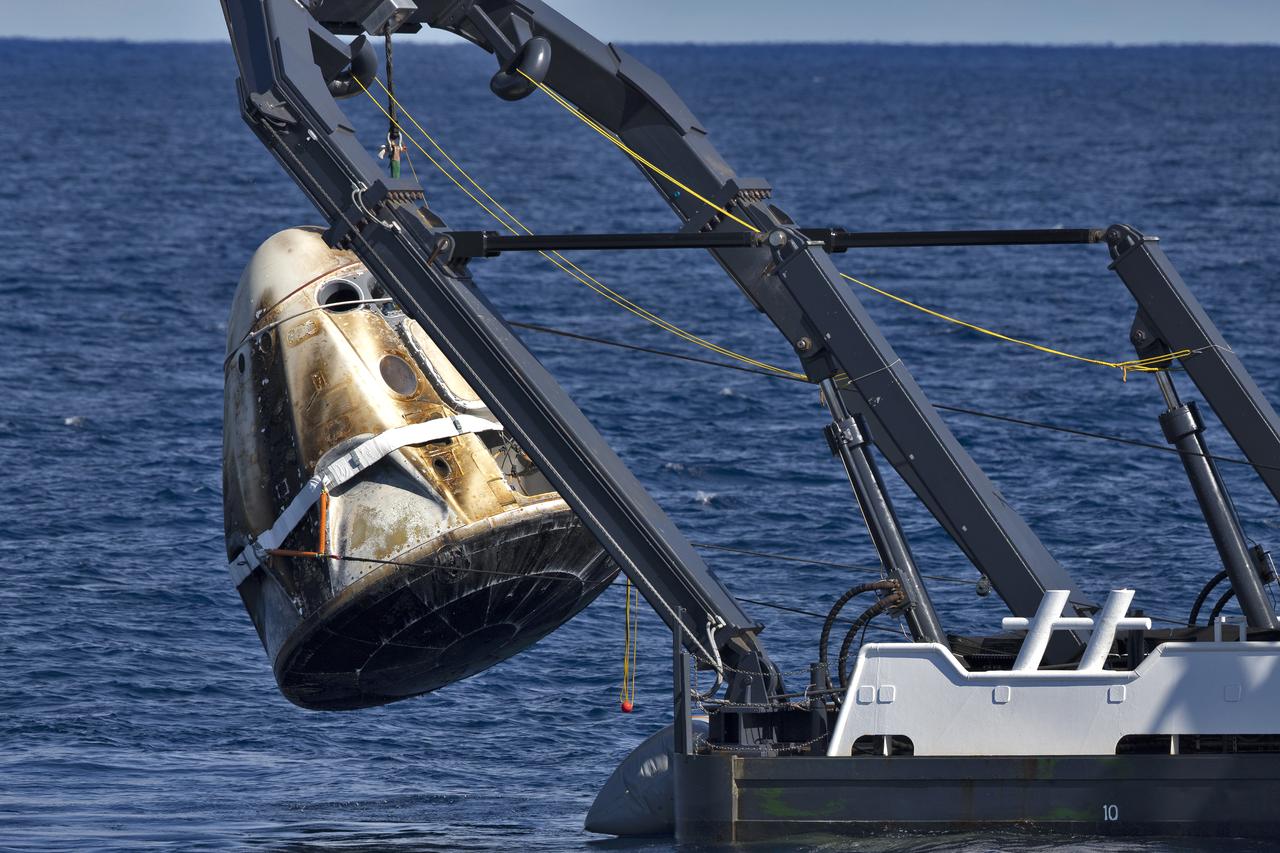
SpaceX’s Crew Dragon is retrieved by the company’s recovery ship, Go Searcher, in the Atlantic Ocean, about 200 miles off the east coast of Florida March 8, 2019, after its return to Earth on the Demo-1 mission. The uncrewed spacecraft docked to the orbiting laboratory on March 3, following a 2:49 a.m. EST liftoff aboard a SpaceX Falcon 9 rocket from Launch Complex 39A at NASA’s Kennedy Space Center in Florida on March 2. The spacecraft undocked at 2:32 a.m., March 8, splashing down in the Atlantic Ocean, at 8:45 a.m. SpaceX’s inaugural flight with NASA’s Commercial Crew Program is the first flight test of a space system designed for humans built and operated by a commercial company through a public-private partnership. NASA and SpaceX will use data from Demo-1 to further prepare for Demo-2, the crewed flight test that will carry NASA astronauts Bob Behnken and Doug Hurley to the International Space Station later this year.
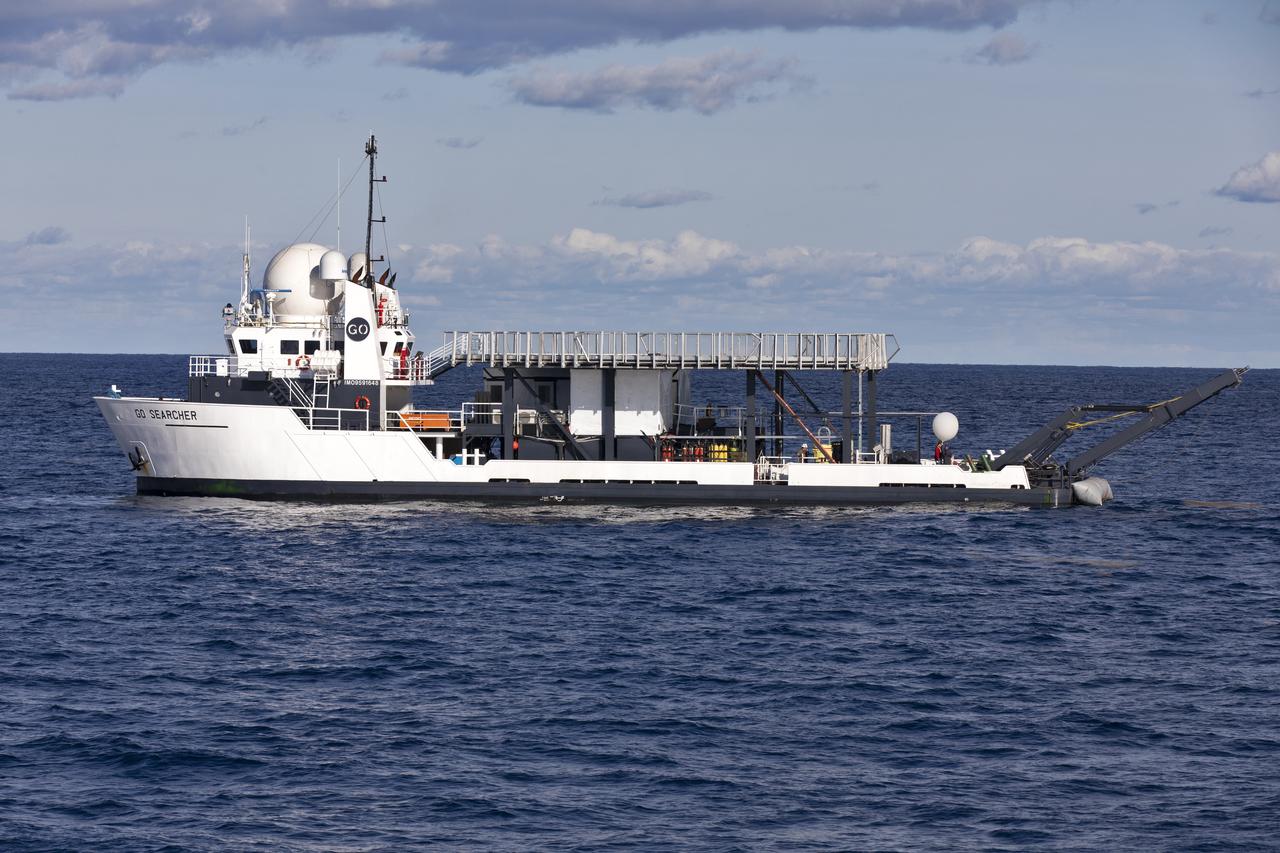
SpaceX’s recovery ship, Go Searcher, sails in the Atlantic Ocean off the east coast of Florida March 8, 2019, in preparation to retrieve the company’s Crew Dragon upon its return to Earth on the Demo-1 mission. The uncrewed spacecraft docked to the orbiting laboratory on March 3, following a 2:49 a.m. EST liftoff aboard a SpaceX Falcon 9 rocket from Launch Complex 39A at NASA’s Kennedy Space Center in Florida on March 2. The spacecraft undocked at 2:32 a.m., March 8, splashing down in the Atlantic Ocean at 8:45 a.m. SpaceX’s inaugural flight with NASA’s Commercial Crew Program is the first flight test of a space system designed for humans built and operated by a commercial company through a public-private partnership. NASA and SpaceX will use data from Demo-1 to further prepare for Demo-2, the crewed flight test that will carry NASA astronauts Bob Behnken and Doug Hurley to the International Space Station later this year.
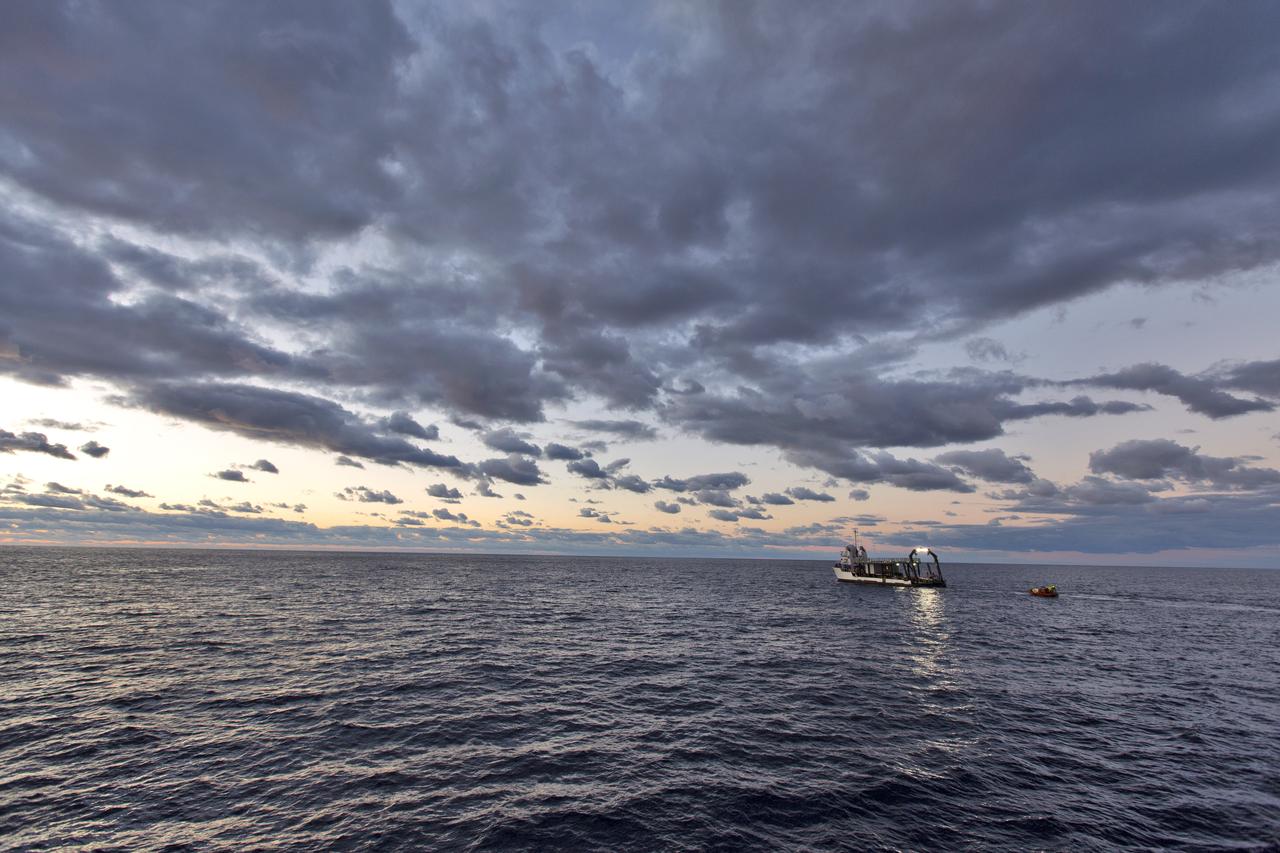
SpaceX’s recovery ship, Go Searcher, sails in the Atlantic Ocean off the east coast of Florida March 8, 2019, in preparation to retrieve the company’s Crew Dragon upon its return to Earth on the Demo-1 mission. The uncrewed spacecraft docked to the orbiting laboratory on March 3, following a 2:49 a.m. EST liftoff aboard a SpaceX Falcon 9 rocket from Launch Complex 39A at NASA’s Kennedy Space Center in Florida on March 2. The spacecraft undocked at 2:32 a.m., March 8, splashing down in the Atlantic Ocean at 8:45 a.m. SpaceX’s inaugural flight with NASA’s Commercial Crew Program is the first flight test of a space system designed for humans built and operated by a commercial company through a public-private partnership. NASA and SpaceX will use data from Demo-1 to further prepare for Demo-2, the crewed flight test that will carry NASA astronauts Bob Behnken and Doug Hurley to the International Space Station later this year.
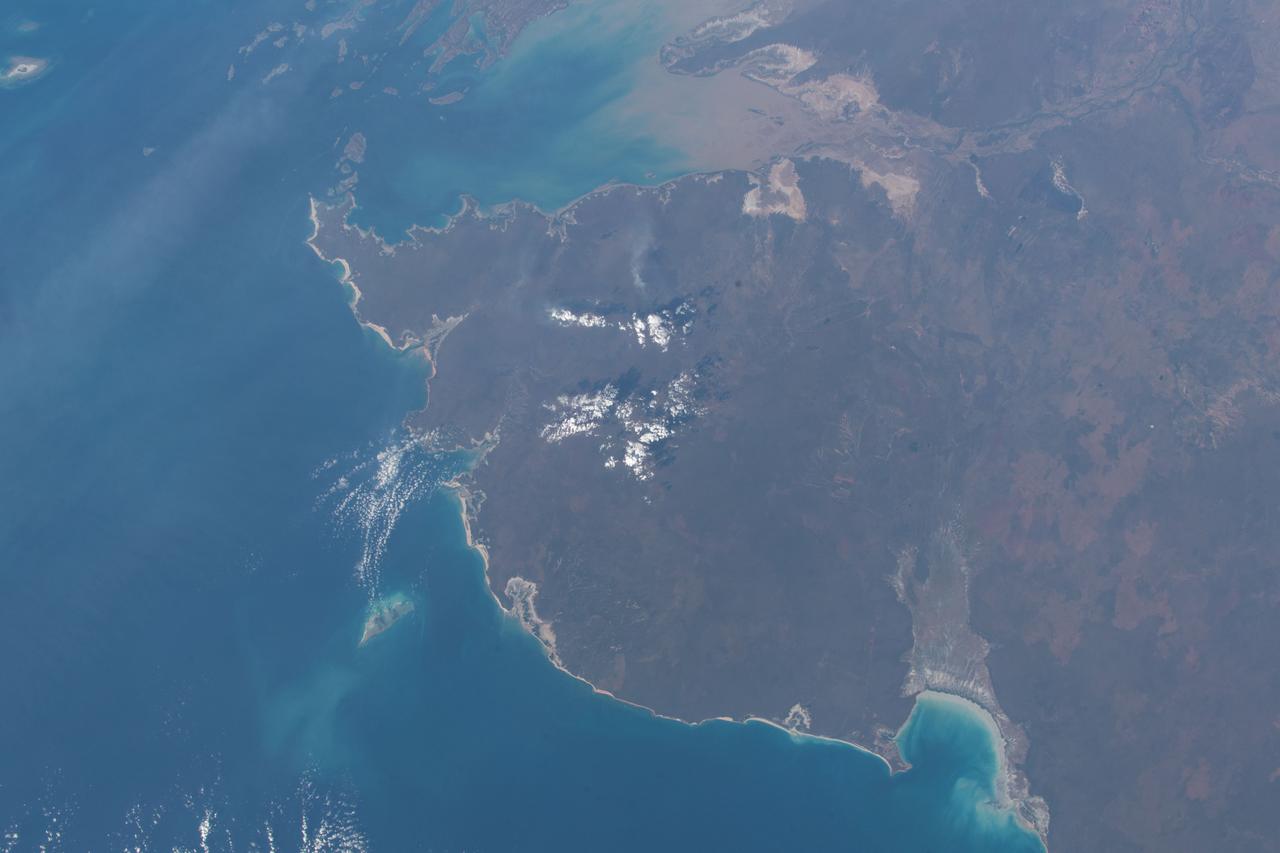
iss056e098149 (July 23, 2108) --- The Indian Ocean and the north coast of Western Australia are pictured as the International Space Station began an orbital trek southwest to northeast across the Pacific Ocean.
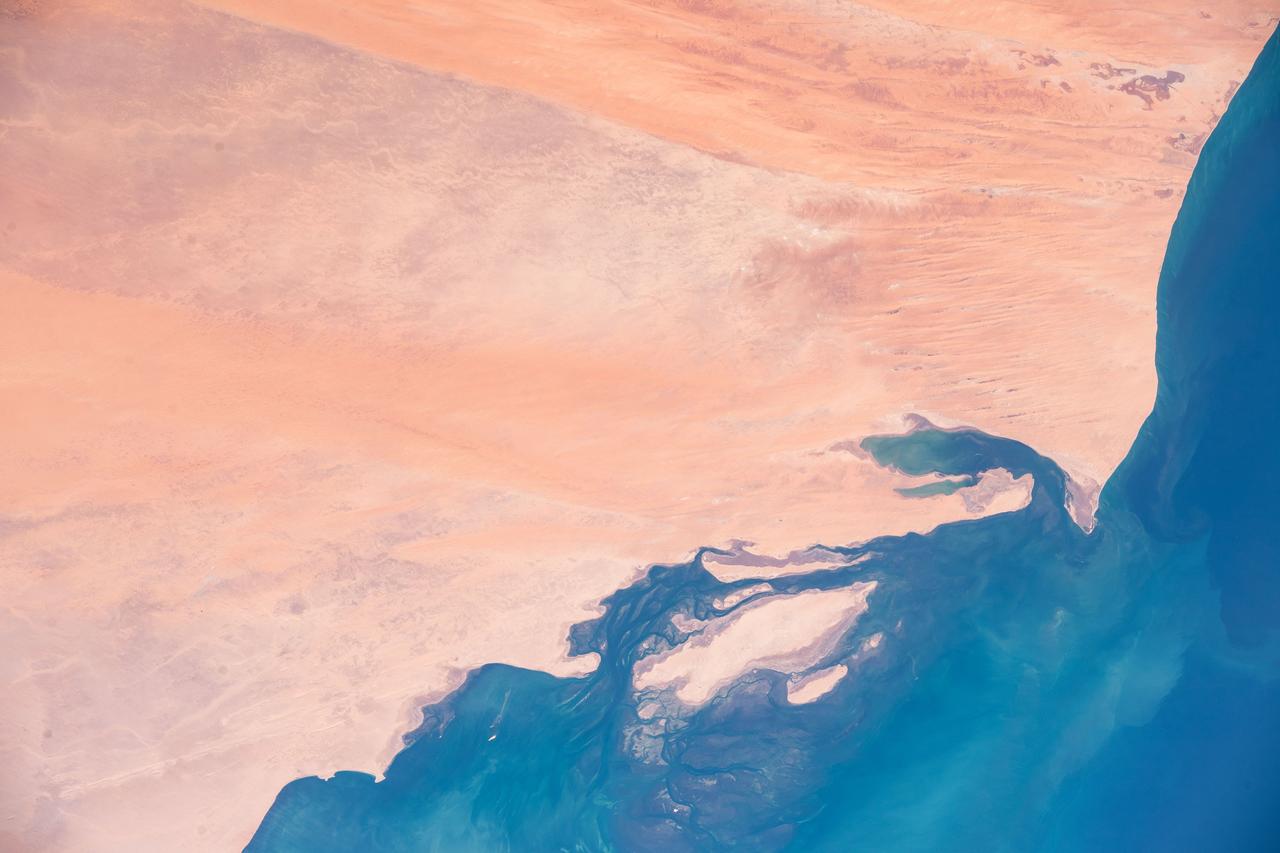
iss062e082367 (March 6, 2020) --- The coast of Mauritania on the Atlantic Ocean is pictured as the International Space Station orbited above the African nation.
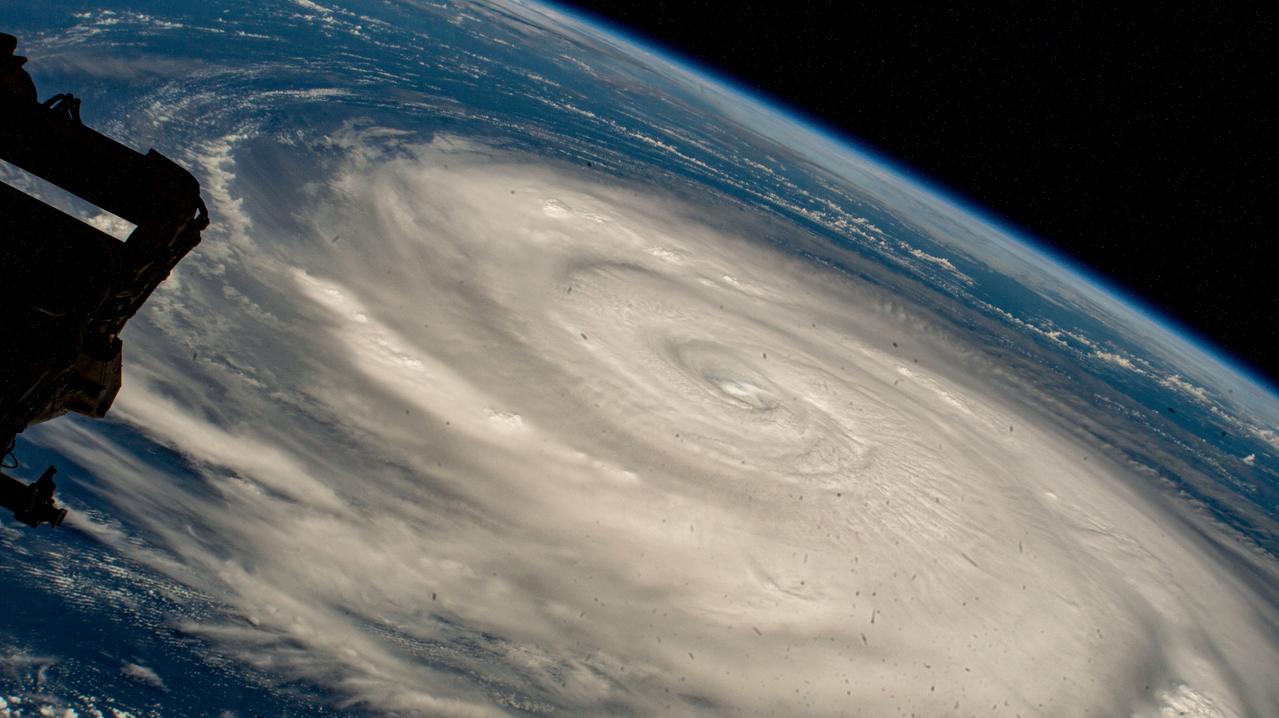
iss069e084550 (Aug. 29, 2023) --- Hurricane Franklin is pictured in the Atlantic Ocean as the International Space Station orbited 261 miles above.
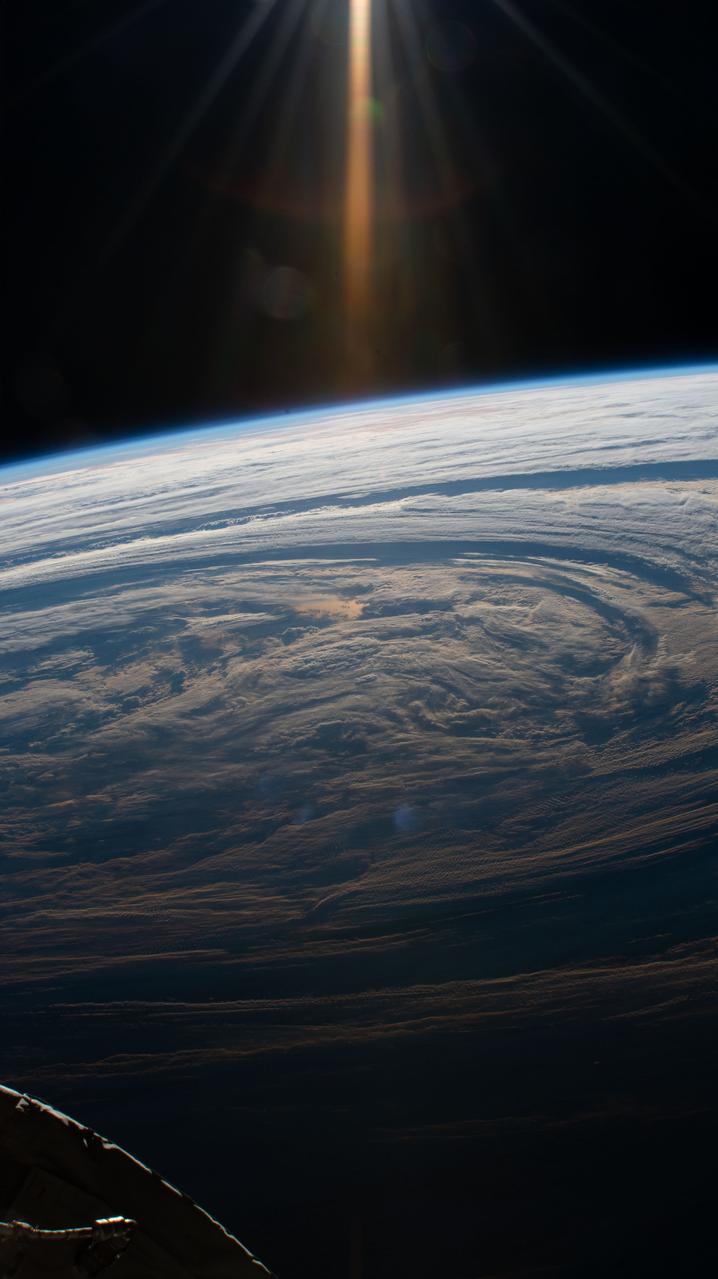
iss059e006522 (March 30, 2019) --- The International Space Station flew 265 miles above this cloudy formation in the south Indian Ocean.
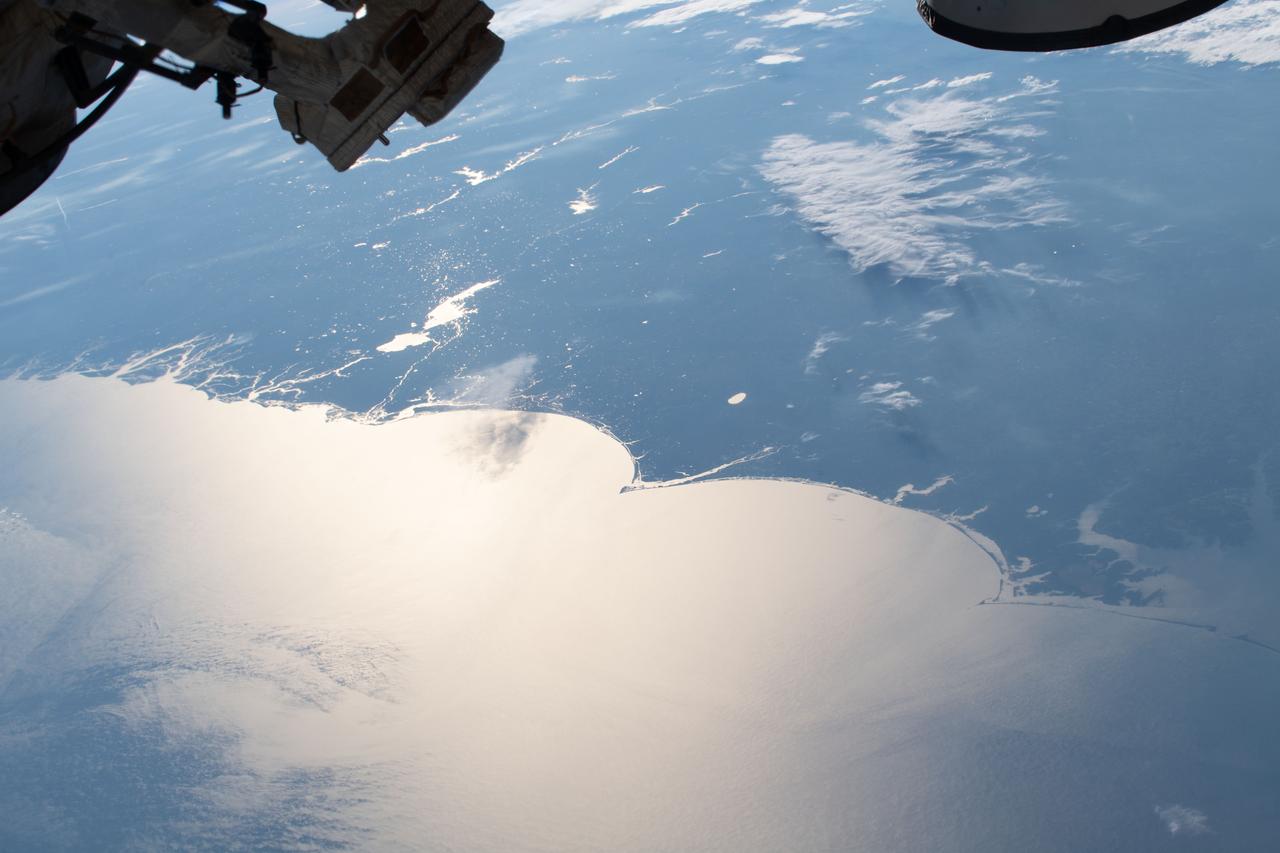
iss062e147490 (March 11, 2020) --- The southeast coast of the United States is pictured as the International Space Station was orbiting above the Atlantic Ocean.
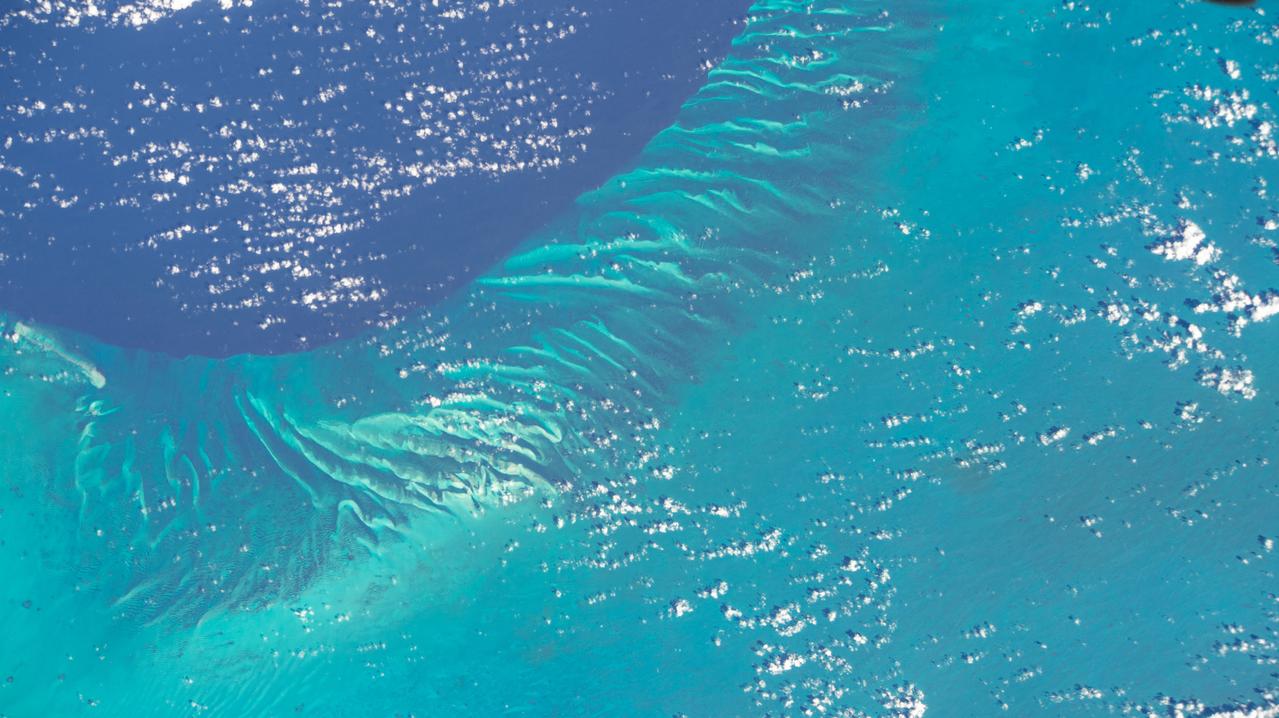
iss064e002482 (Oct. 29, 2020) --- A portion of the Atlantic Ocean off the coast of the Bahamas is pictured from the International Space Station.
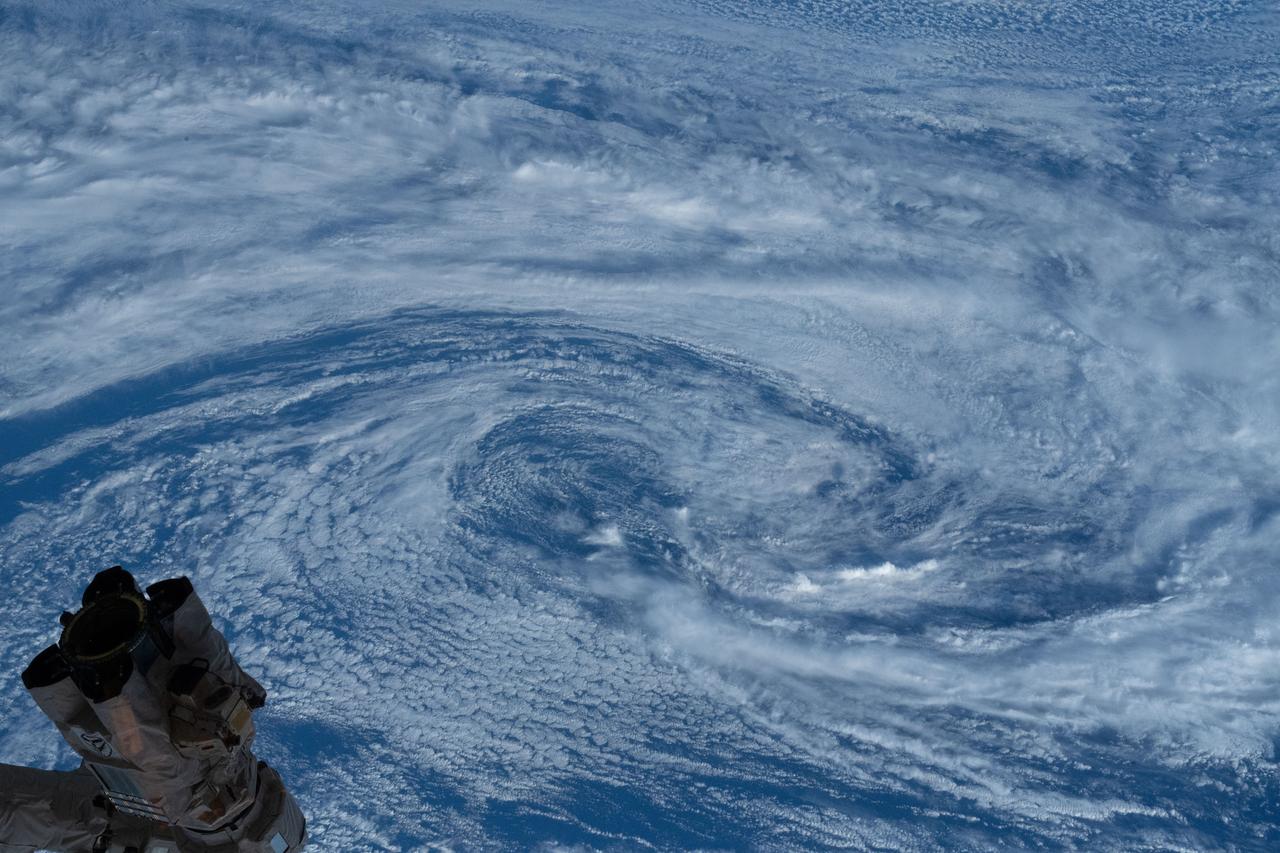
iss063e012660 (May 13, 2020) --- A typhoon is pictured from the International Space Station as it orbited above the South Pacific Ocean.
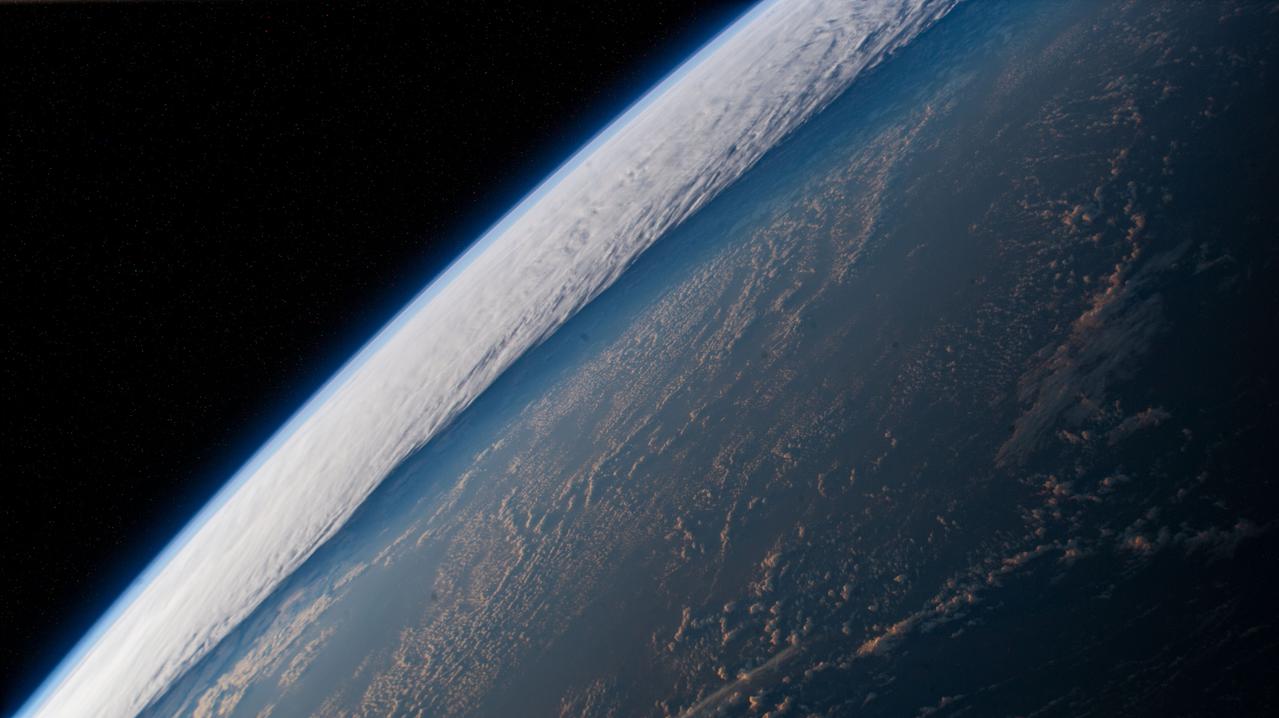
iss066e161043 (March 10, 2022) --- The International Space Station orbits into a dawn 261 miles above a cloudy Pacific Ocean.
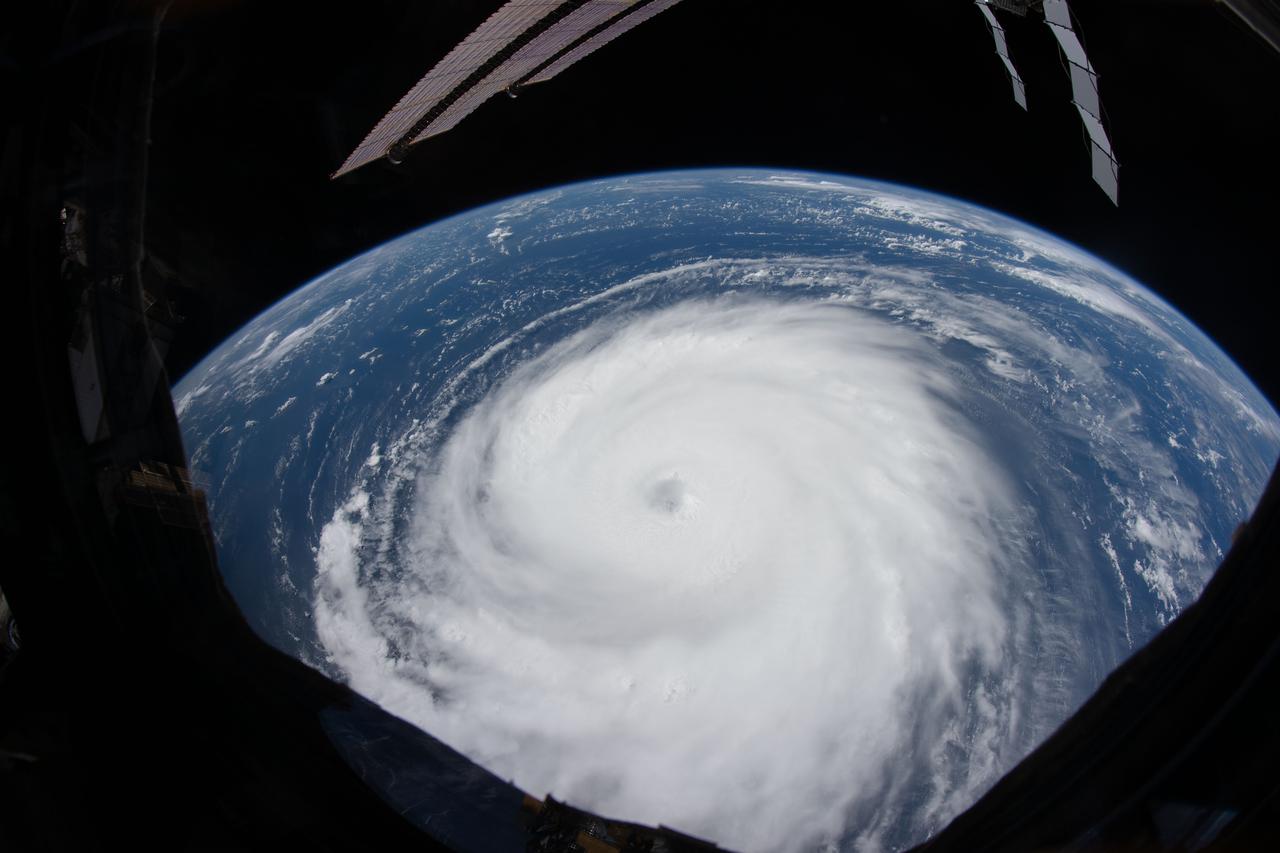
iss065e432572 (Sept. 29, 2021) --- The International Space Station orbits 259 miles above Hurricane Sam in the Atlantic Ocean.
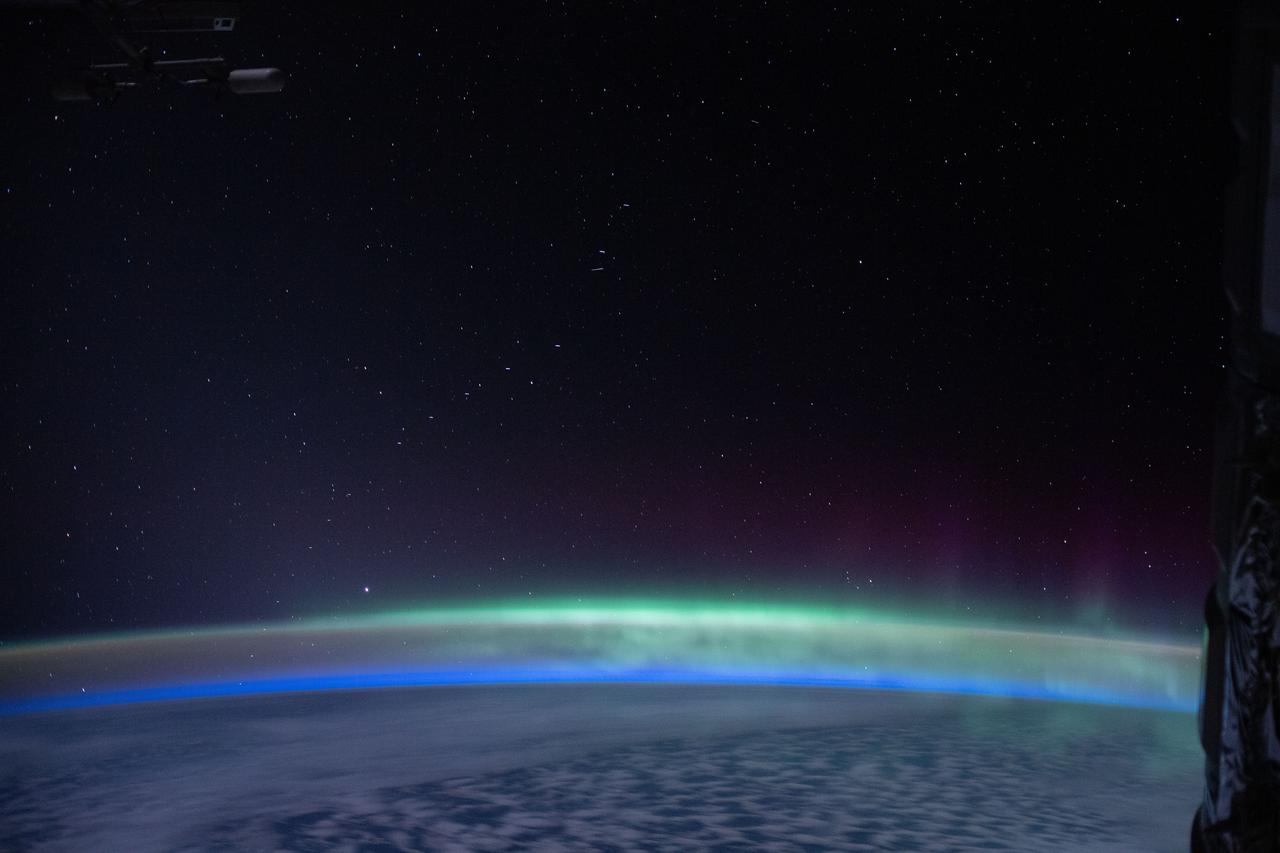
iss062e148363 (April 13, 2020) --- The Earth's glow mingles with the "aurora australis" as the International Space Station orbits over the Indian Ocean.
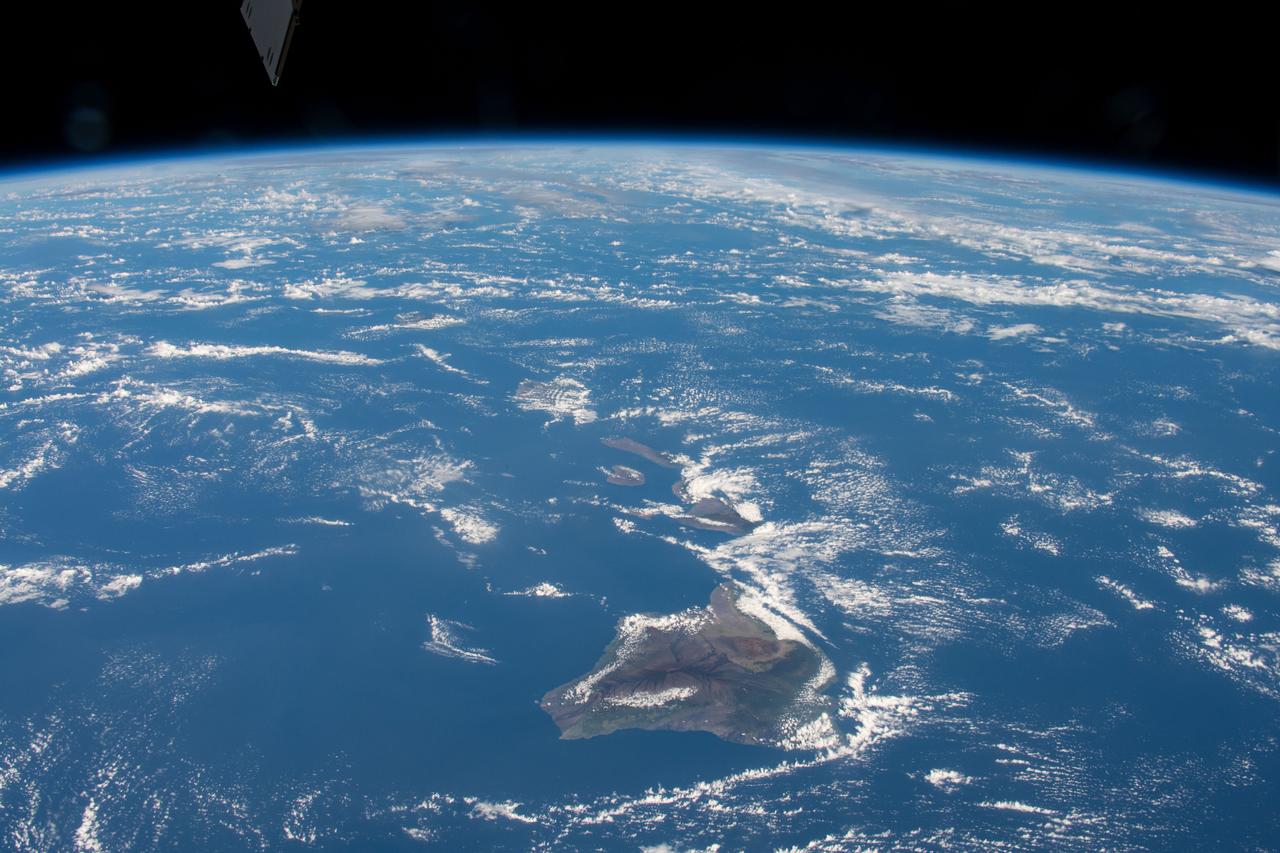
iss063e105773 (Oct. 8, 2020) --- The Hawaiian island chain was pictured as the International Space Station orbited above the Pacific Ocean.
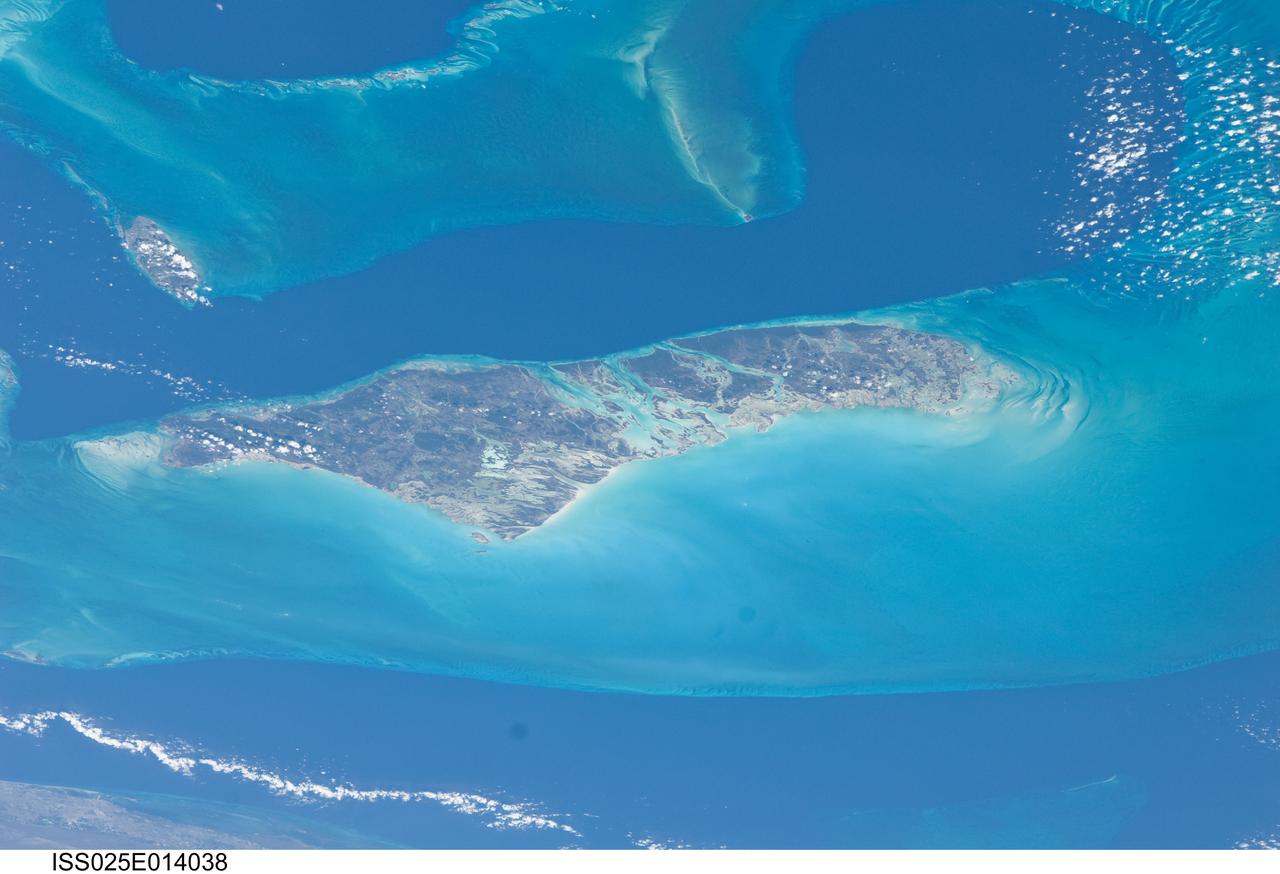
ISS025-E-014038 (10 Nov. 2010) --- Andros Island and the Tongue of the Ocean, a deep oceanic trench in the Bahamas separating the islands of Andros and nearby New Providence, captured the attention of a camera-bearing member of the Expedition 25 crew orbiting Earth onboard the International Space Station, some 220 miles above.

iss056e097055 (July 15, 2018) --- The mountainous and glacial Torres del Paine National Park in the southern-most part of Chile is pictured as the International Space Station began a quick orbital pass over the South American nation from the Pacific Ocean back out over the Atlantic Ocean.

iss070e060613 )Jan. 9, 2024) --- Perth, the capital of Western Australia with a population of 2.2 million on the coast of the Indian Ocean, is pictured from the International Space Station orbited 263 miles above. The Canning River merges with the Swan River before exiting into the Indian Ocean.
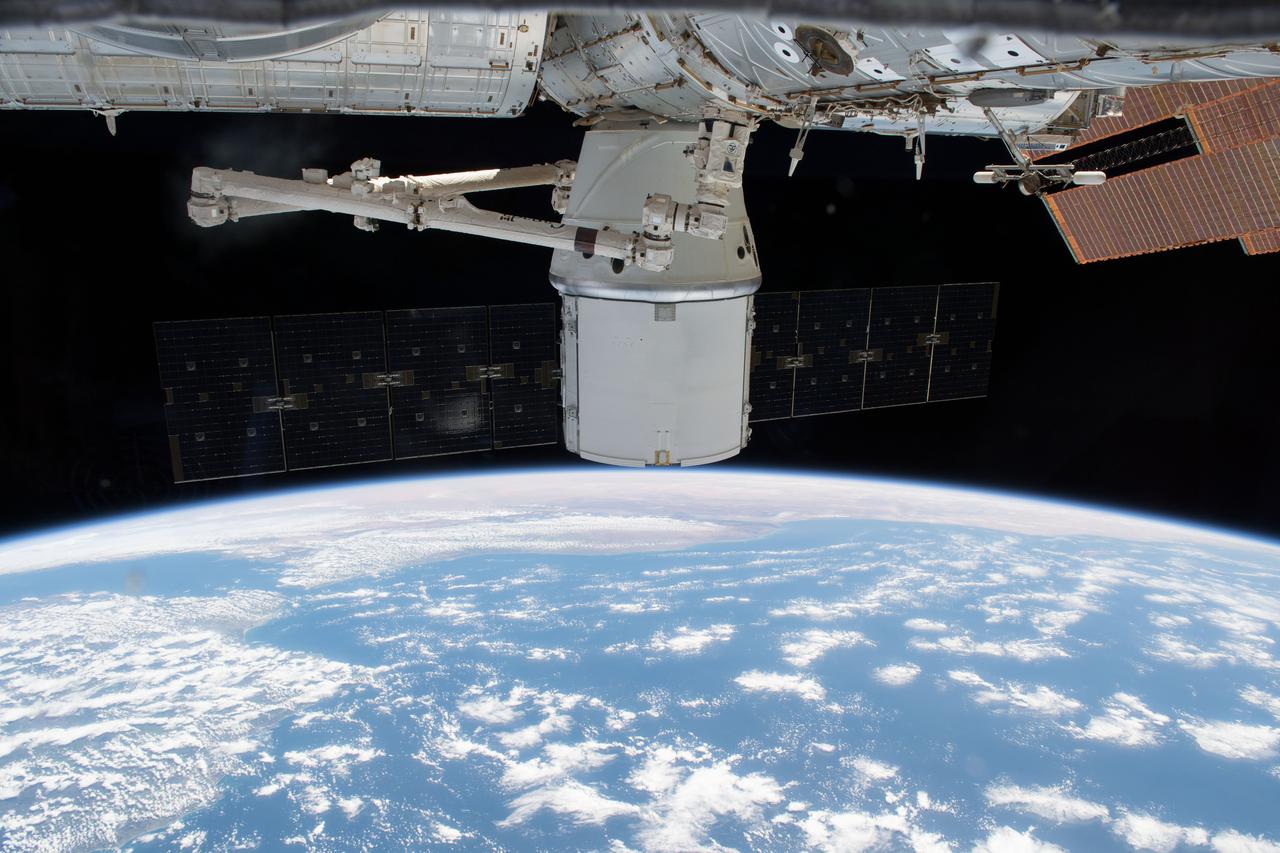
iss055e035437 (April 29, 2018) --- The SpaceX Dragon resupply ship was gripped by the Canadarm2 robotic arm on April 27, 2018 in preparation for its detachment from the Harmony module and its release back to Earth for splashdown and retrieval in the Pacific Ocean. The coasts of Spain and Portugal are seen as the International Space Station orbited over the Atlantic Ocean.
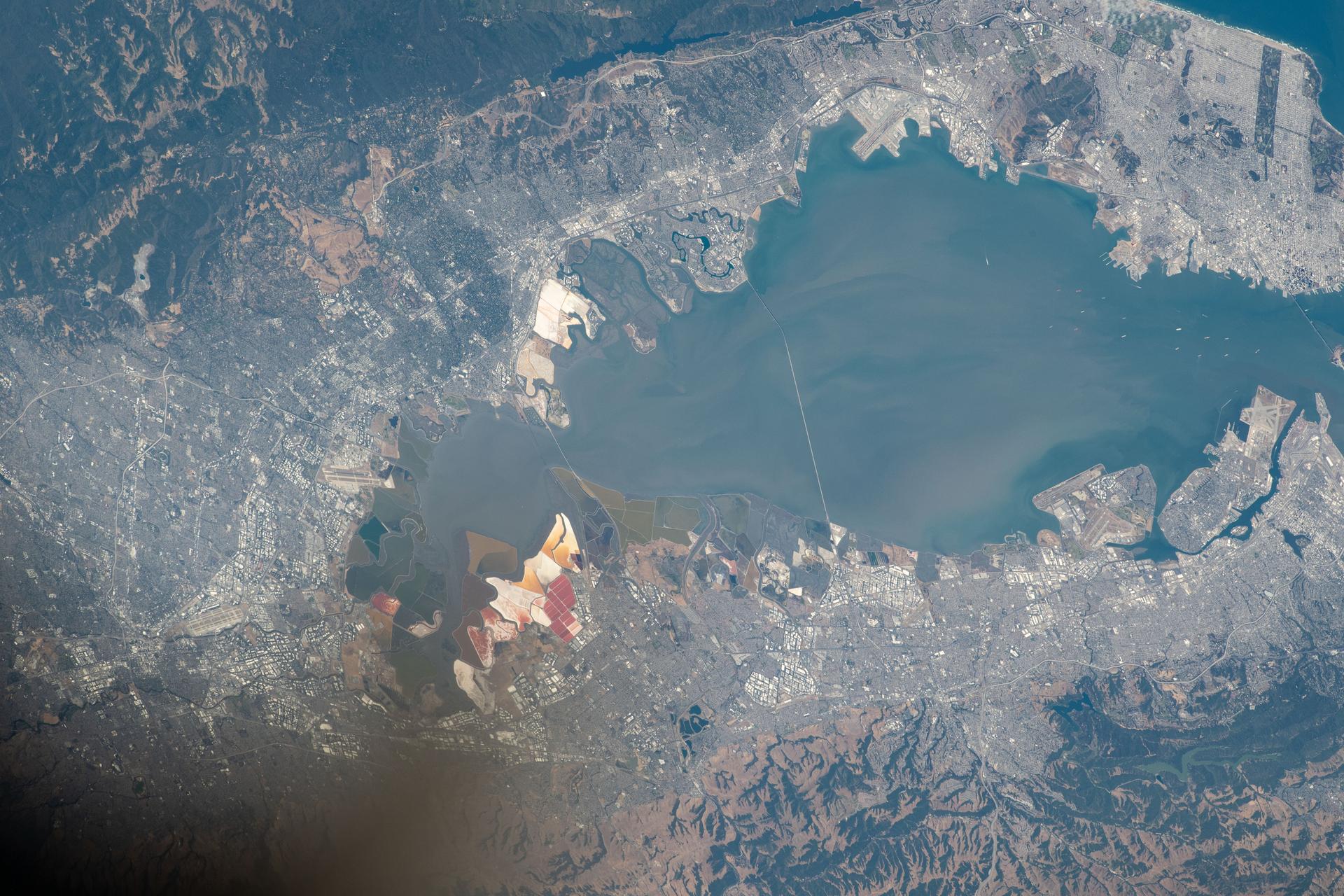
iss067e102153 (June 1, 2026) --- The San Francisco Bay Area in California is pictured from the International Space Station as it orbited 263 miles above the Pacific Ocean off the coast of the Golden State. At lower left, bright orange?red salt evaporation ponds contrast with San Francisco Bay and the urban area that includes Silicon Valley, which has a metropolitan population of about 9.14?million. At upper right, San Francisco International Airport, which handled over 54?million passengers in 2025, sits along the bay’s shoreline. Credit: NASA/Kjell Lindgren
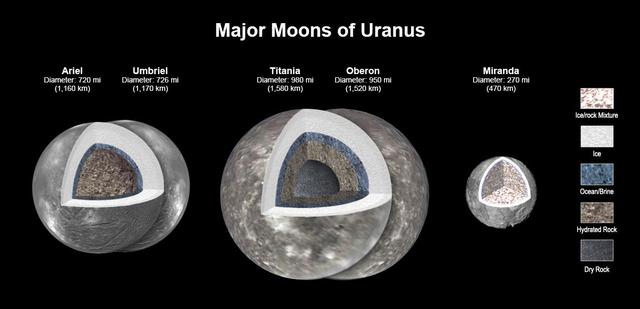
New modeling shows that there likely is an ocean layer in four of Uranus' major moons: Ariel, Umbriel, Titania, and Oberon. Salty – or briny – oceans lie under the ice and atop layers of water-rich rock and dry rock. Miranda is too small to retain enough heat for an ocean layer. The modeling, detailed in a paper published in the Journal of Geophysical Research, was informed by a re-analysis of data from NASA's Voyager spacecraft. Scientists have long thought that Titania, given its size, would be most likely to retain internal heat, caused by radioactive decay. The other moons had been widely considered too small to retain the heat necessary to keep an internal ocean from freezing, especially as heating created by the gravitational pull of Uranus is only a minor source of heat. https://photojournal.jpl.nasa.gov/catalog/PIA25500
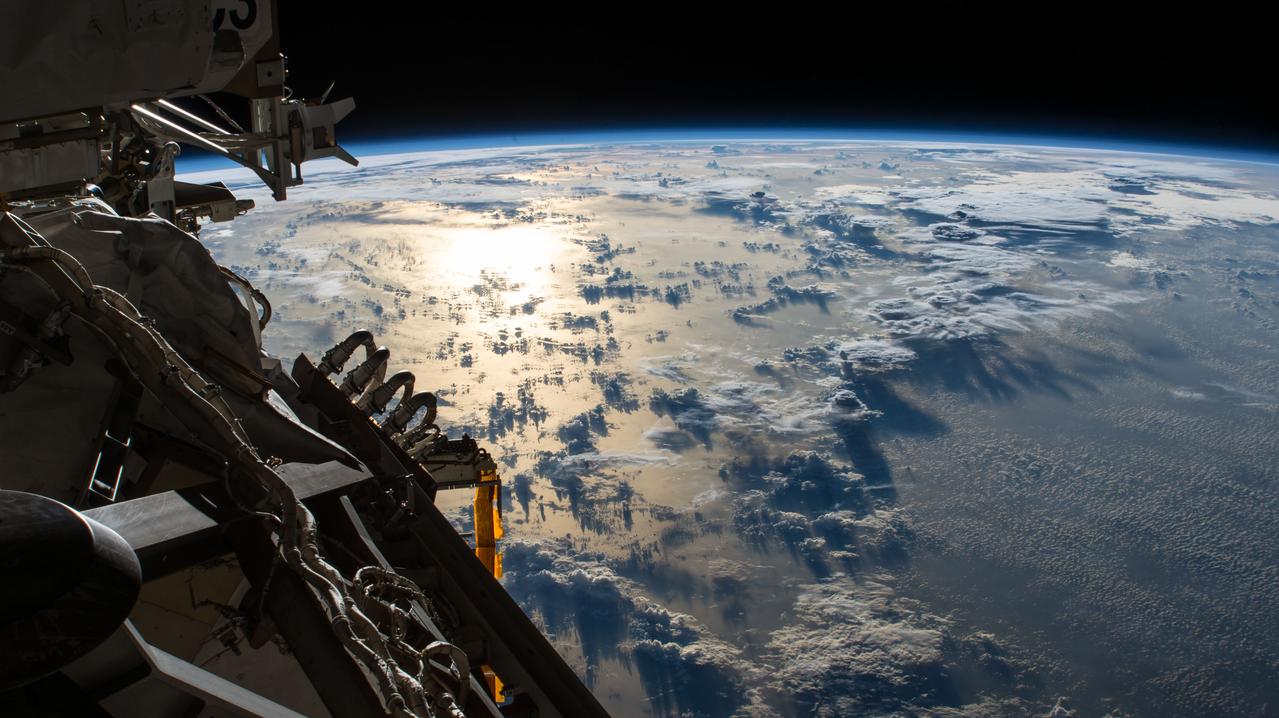
iss056e097560 (July 20, 2018) --- The Sun's glint reflects off the Pacific Ocean shadowed by a line of cumulonimbus clouds as the International Space Station orbited over the International Date Line about 253 miles above the Earth's surface.
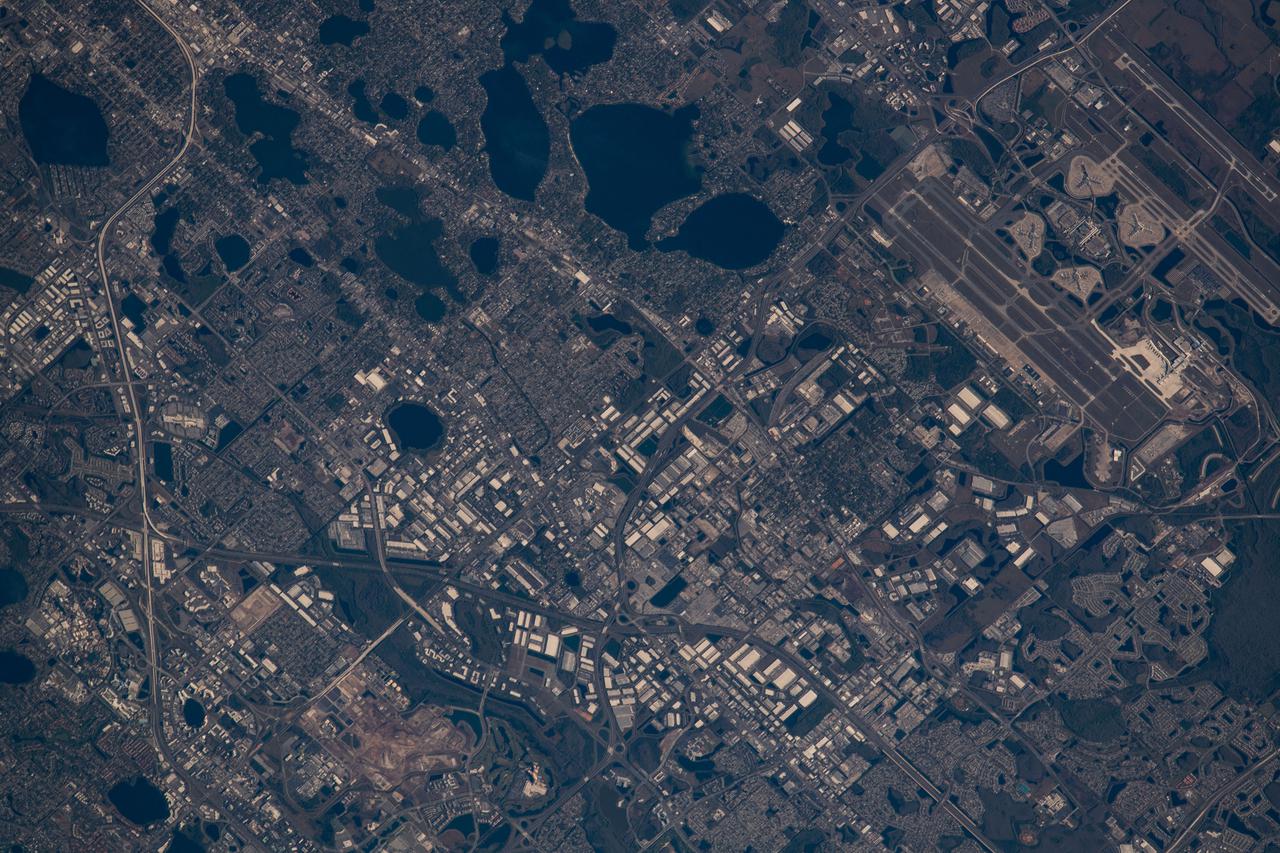
iss066e156707 (March 3, 2022) --- Orlando, Florida, with Orlando International Airport at right, is pictured from the International Space Station as it orbited 260 miles above the Atlantic Ocean off the coast of the Sunshine State.
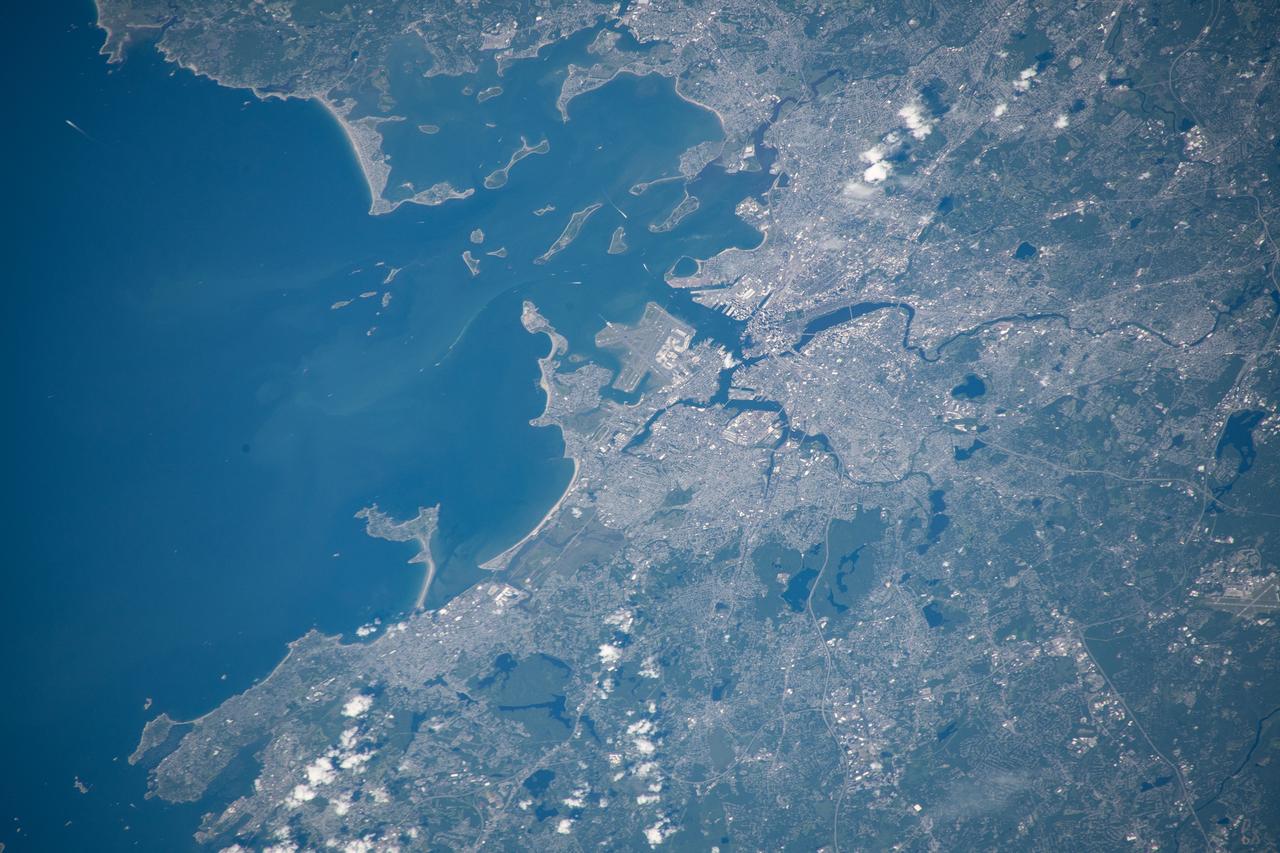
iss059e111579 (June 17, 2019) --- Boston, Massachusetts, Logan International Airport and Massachusetts Bay figure prominently in this photograph taken 255 miles above the Atlantic Ocean from the International Space Station.
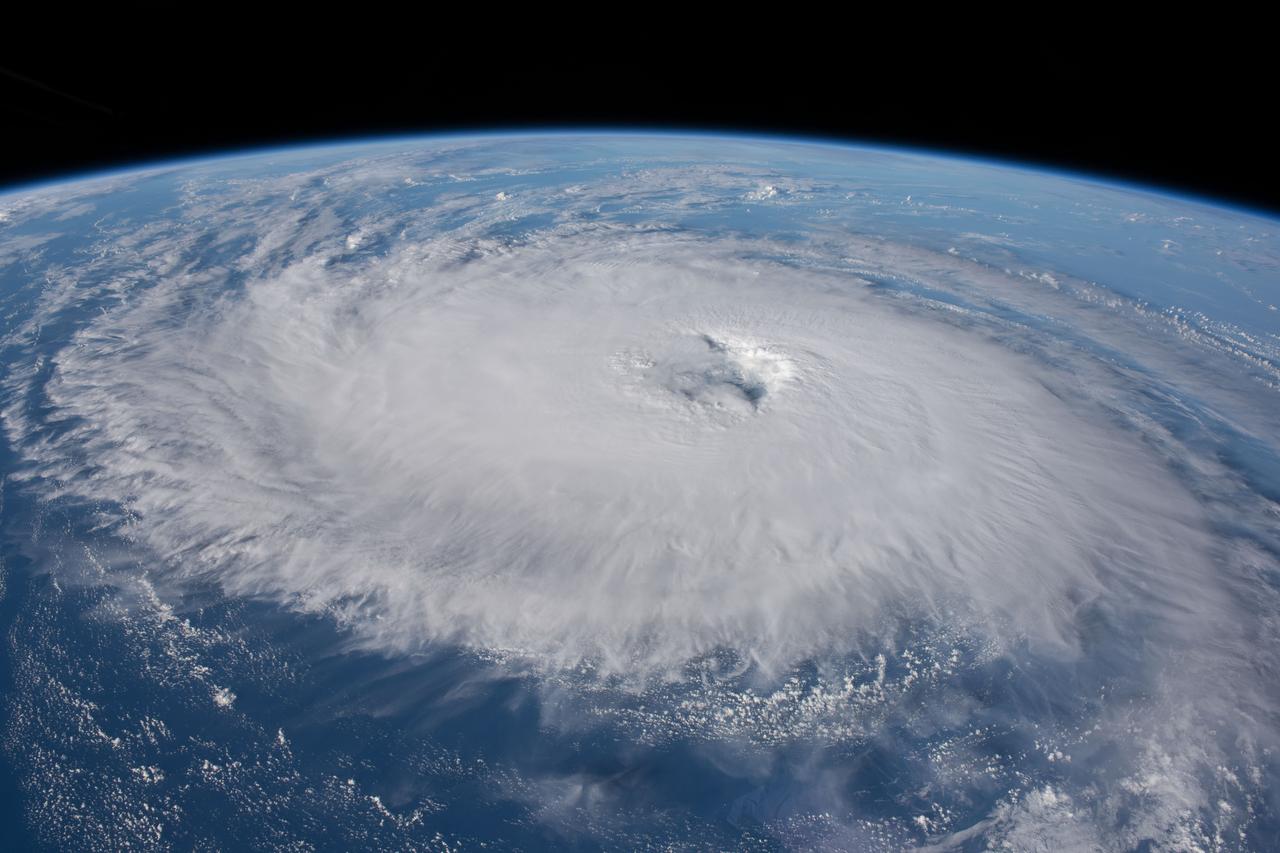
iss069e090089 (Sept. 19, 2023) --- Category 1 Hurricane Nigel is pictured on a northeasterly track in the Atlantic Ocean as the International Space Station orbited 258 miles above.
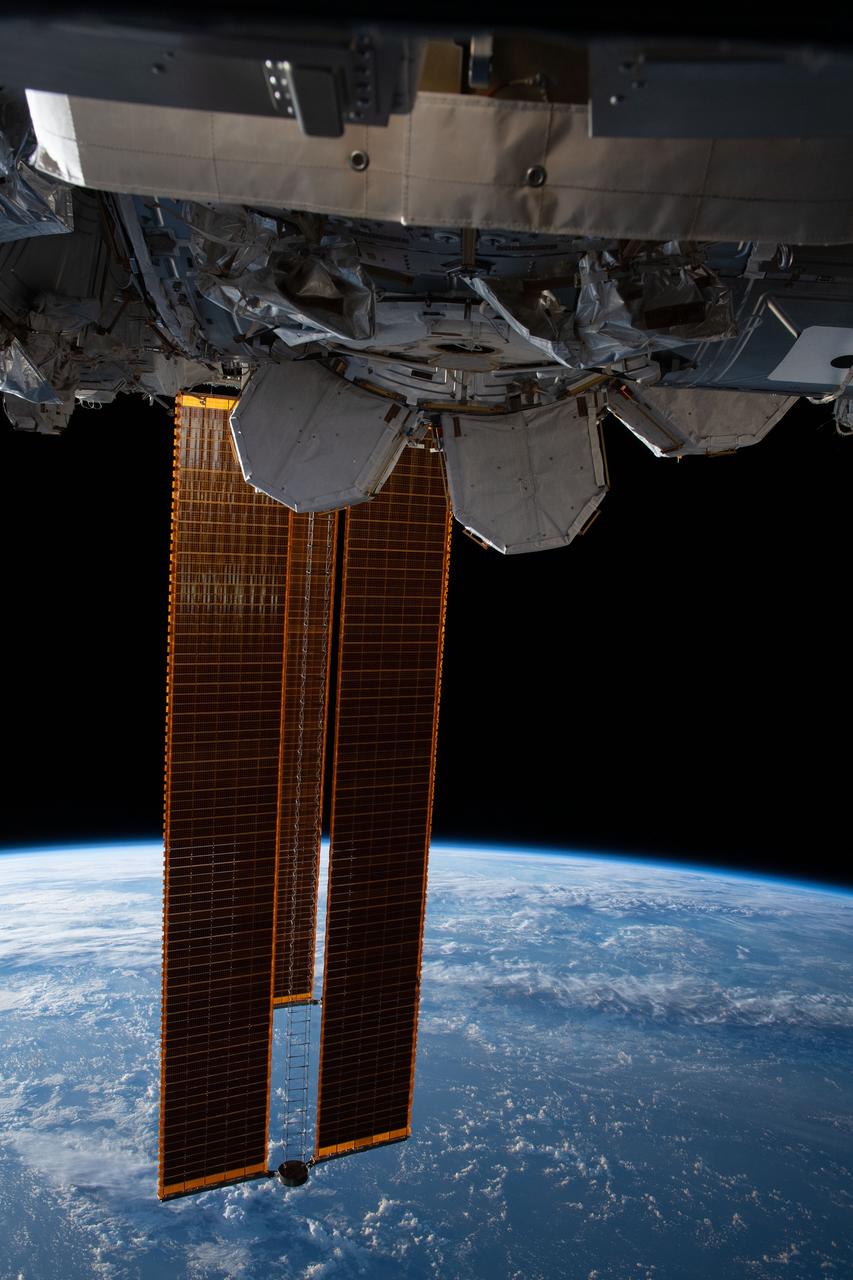
iss063e031989 (June 20, 2020) --- The International Space Station's main solar arrays drape across the Earth above the Pacific Ocean west of Hawaii.
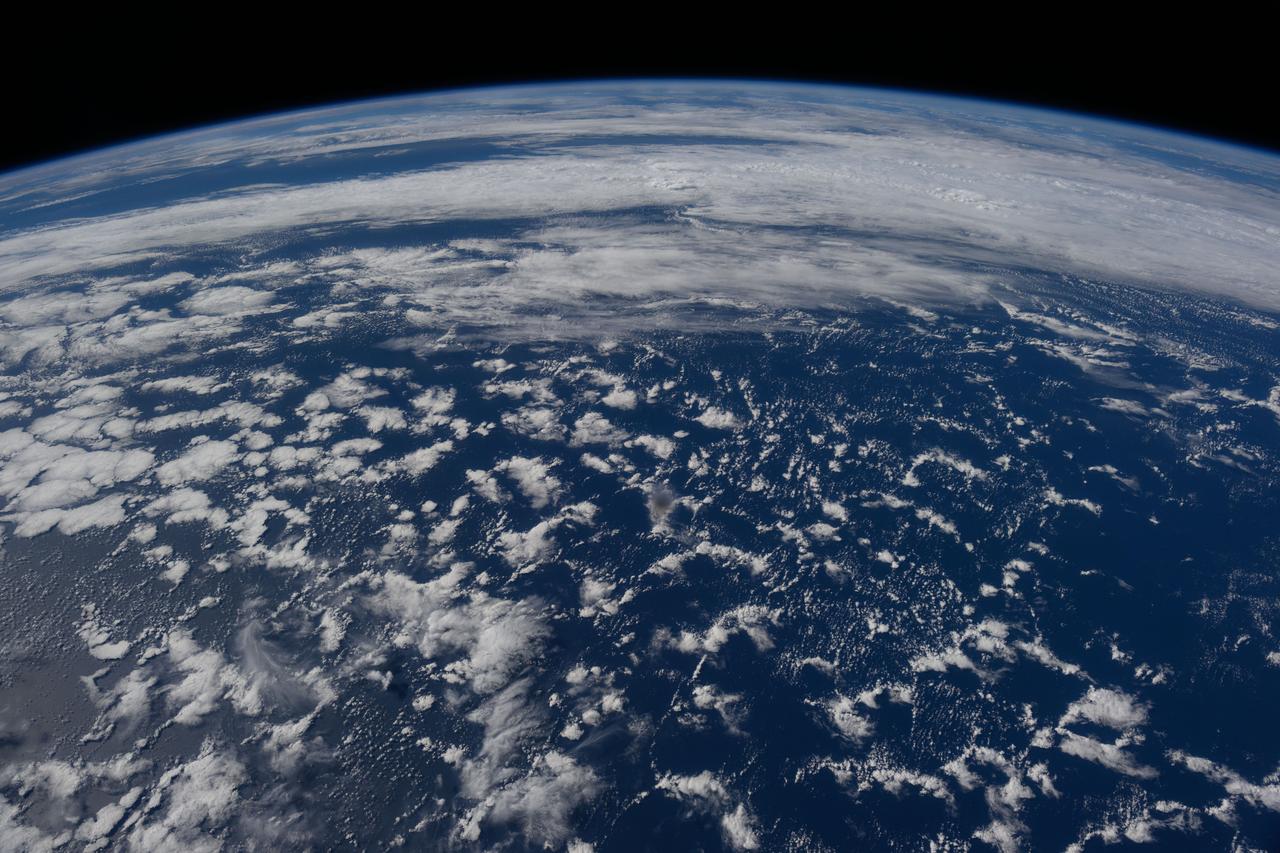
iss072e769023 (March 10, 2025) --- A cloudy Indian Ocean southwest of Perth, Australia, is pictured from the International Space Station as it orbited 268 miles above.

iss067e141213 (June 20, 2022) --- An orbital sunset is pictured from the International Space Station as it was soaring 267 miles above the south Pacific Ocean.
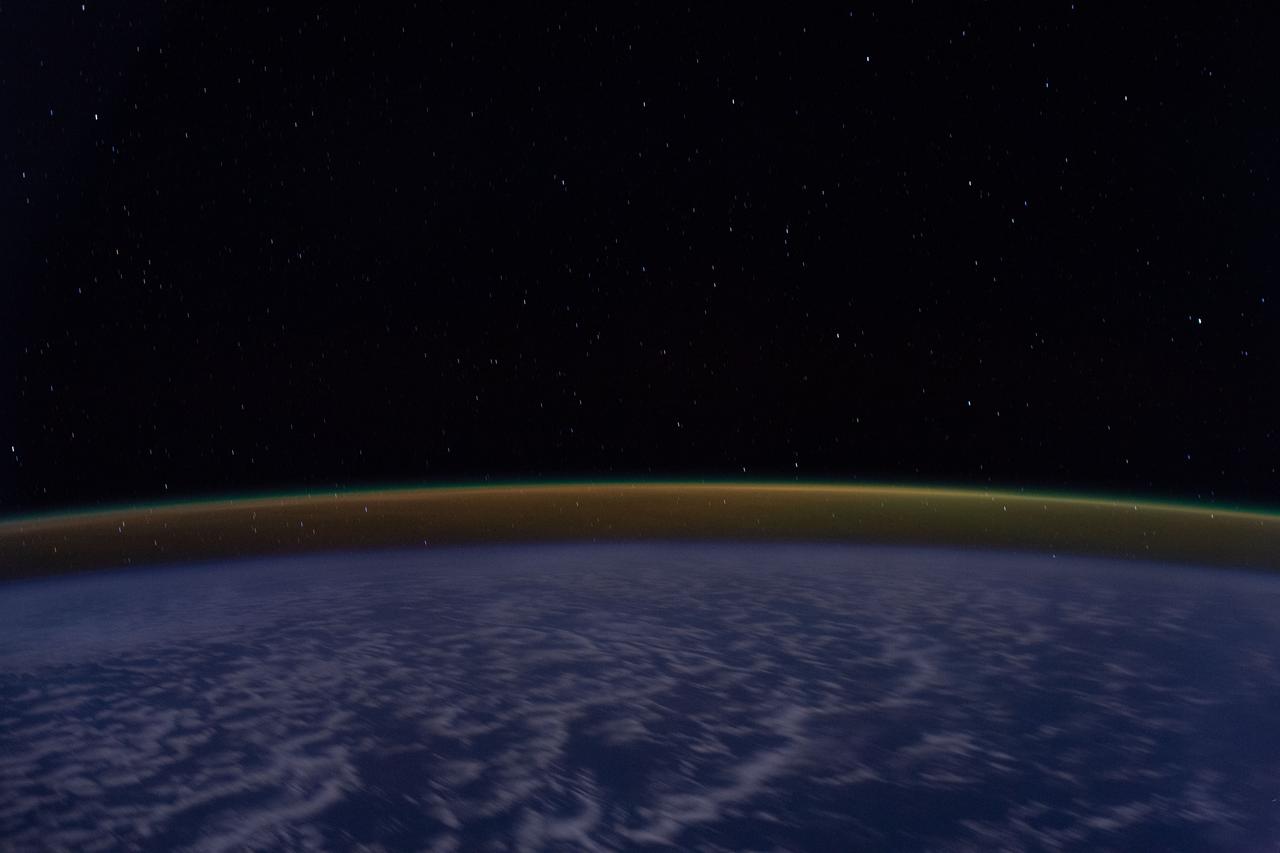
iss062e148372 (April 13, 2020) --- The Earth's glow blankets the horizon as the International Space Station was nearing Perth, Australia over the Indian Ocean.

iss066e161042 (March 10, 2022) --- The International Space Station orbits into a dawn 261 miles above a cloudy Pacific Ocean off the coast of Baja California.
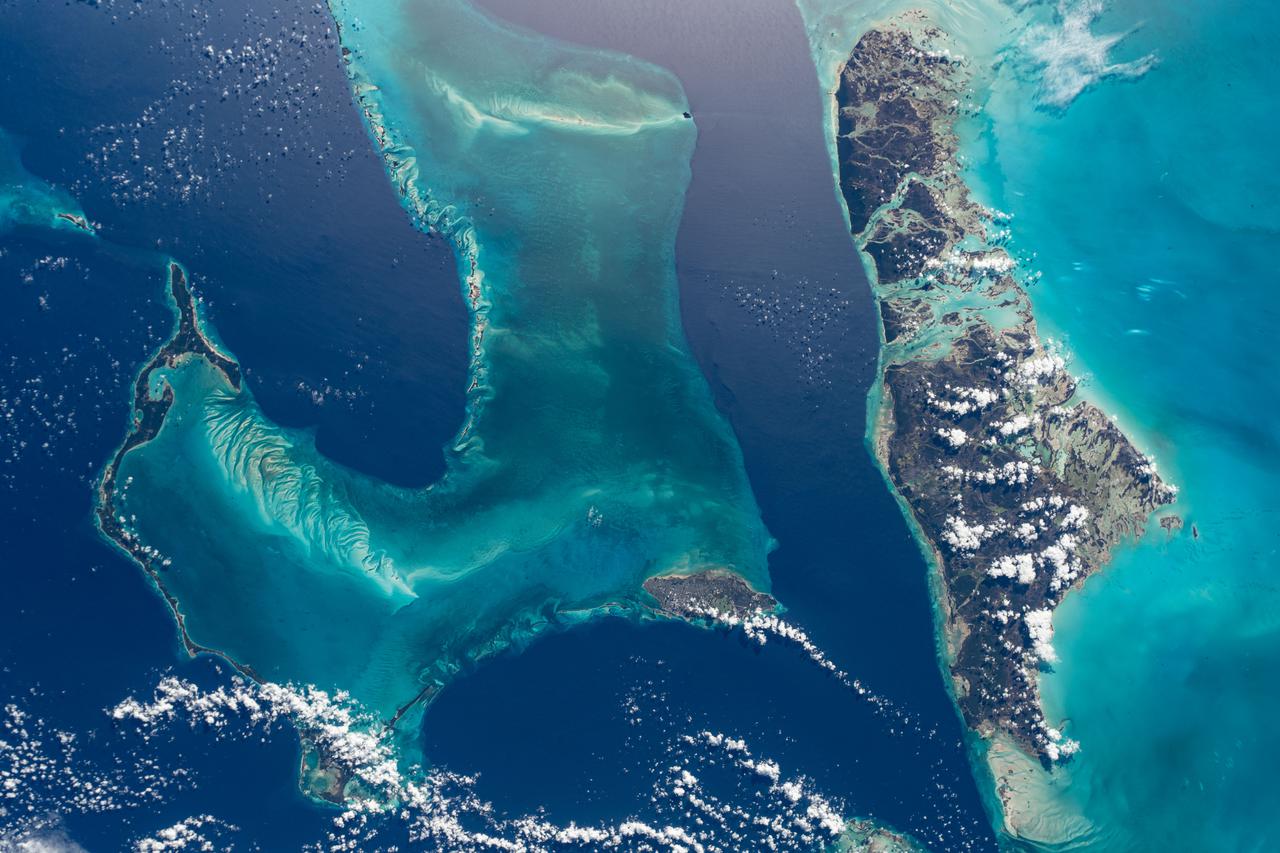
iss066e108216 (Dec. 1, 2021) --- The island nation of the Bahamas is pictured from the International Space Station as it orbited 263 miles above the Atlantic Ocean.
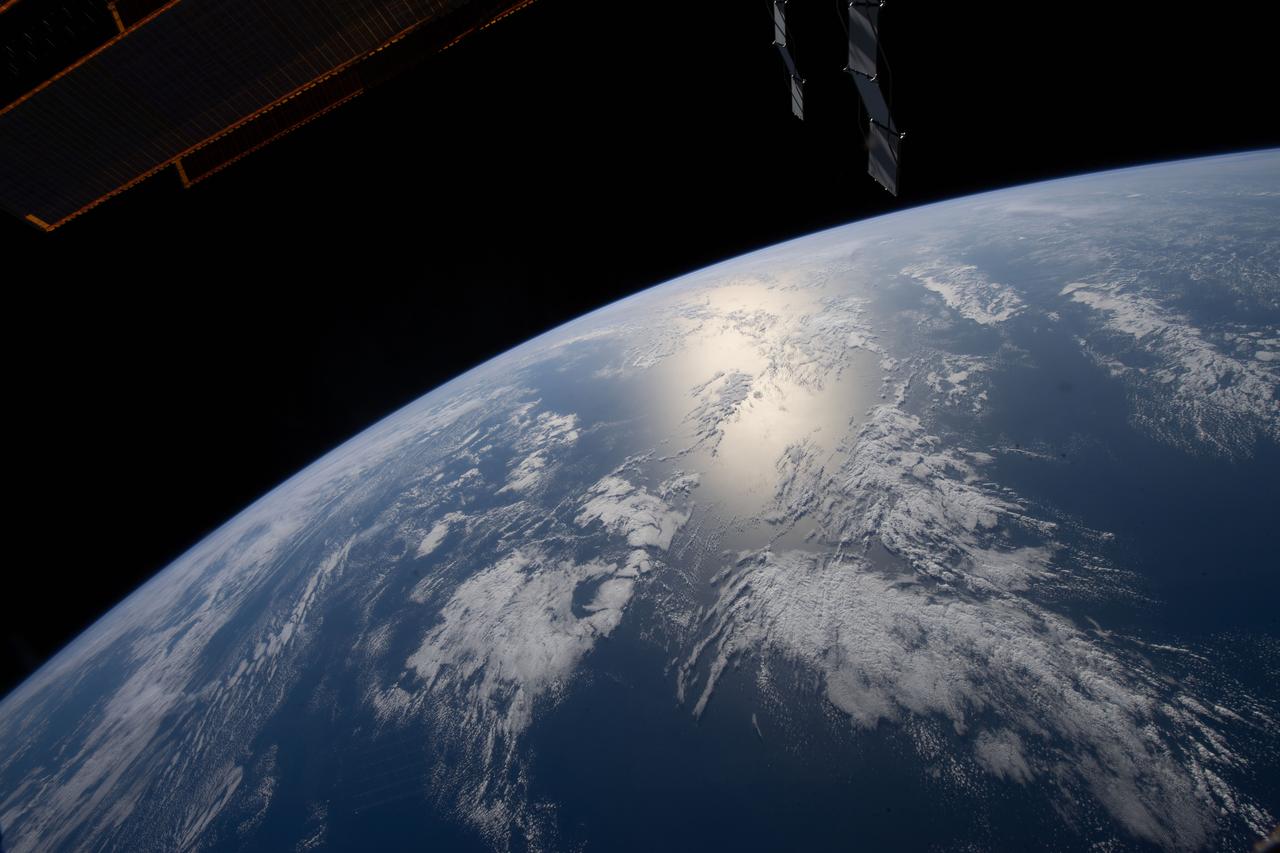
iss067e059659 (May 17, 2022) --- The sun's glint beams off the Atlantic Ocean off the coast of Angola as the International Space Station orbited 264 miles above.
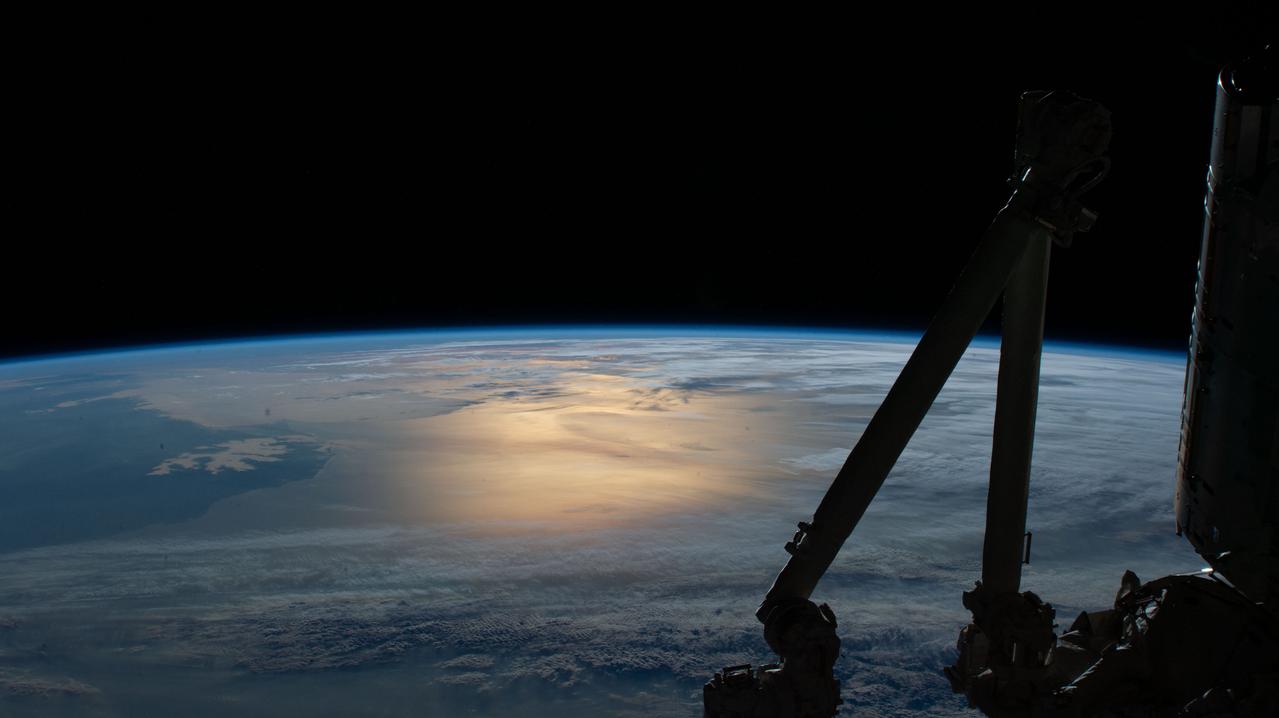
iss063e066312 (Aug. 5, 2020) --- Flying over southern Argentina, this photograph from the International Space Station looks northward with the Sun's glint beaming on the Atlantic Ocean.
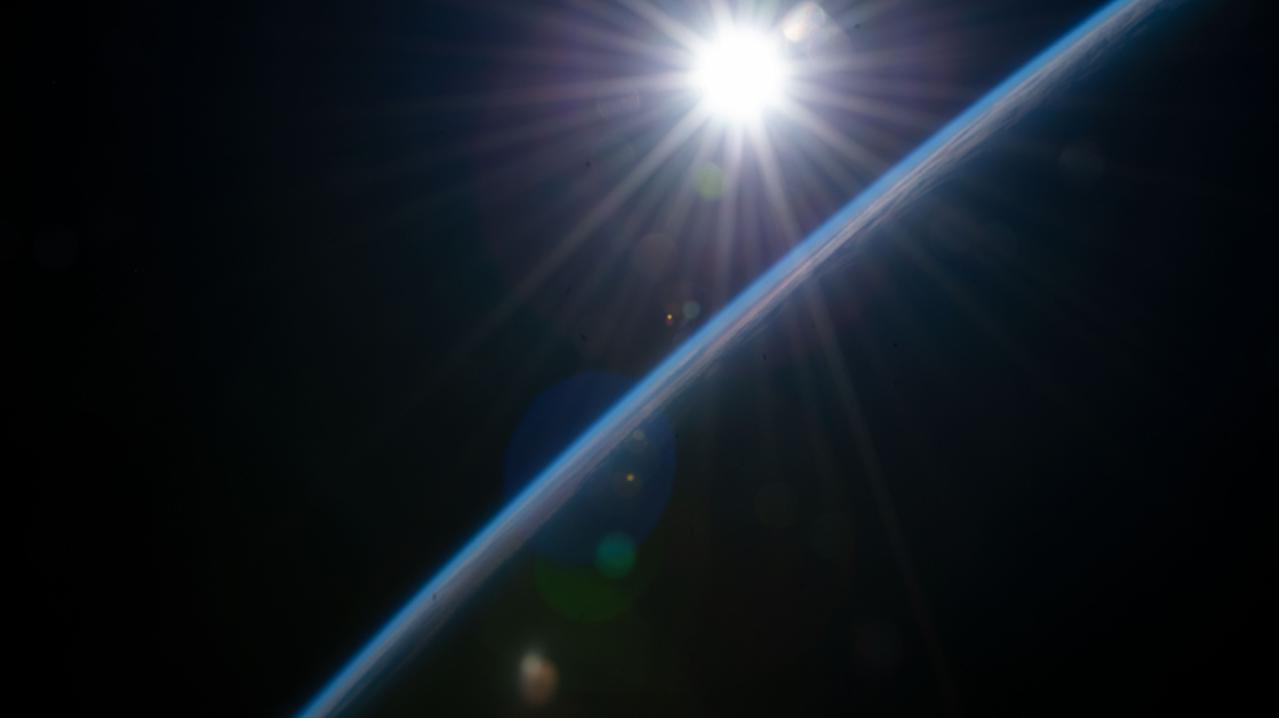
iss066e152099 (Feb. 22, 2022) --- The sun rises above the Earth's horizon in this photograph from the International Space Station as it orbited 262 above the Pacific Ocean.
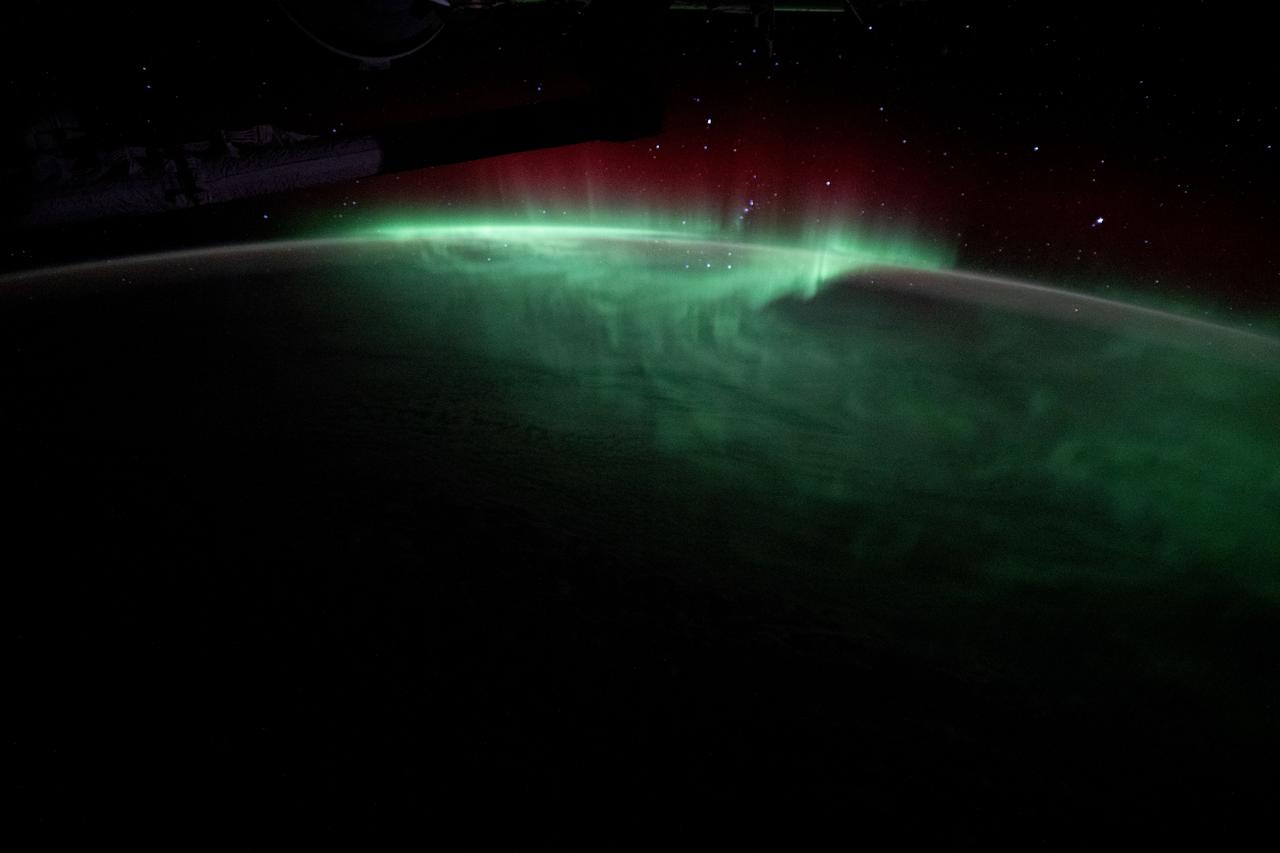
iss071e570863 (Aug. 10, 2024) -- Green aurora burst throughout Earth's nighttime atmosphere as the International Space Station orbited 270 miles above the Indian Ocean.
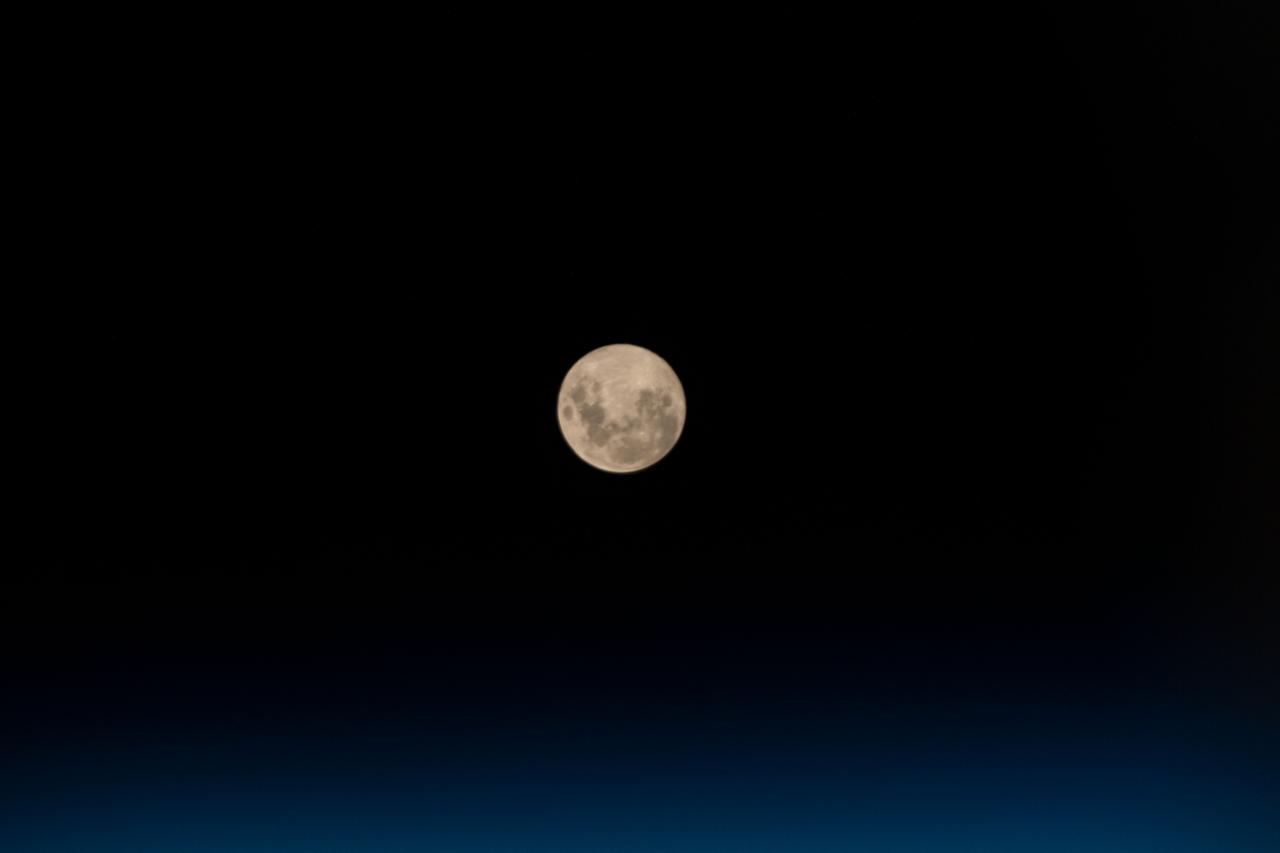
iss059e067792 (May 18, 2019) --- The full moon is pictured from the International Space Station as the orbiting complex orbited 263 miles above the South Atlantic Ocean.
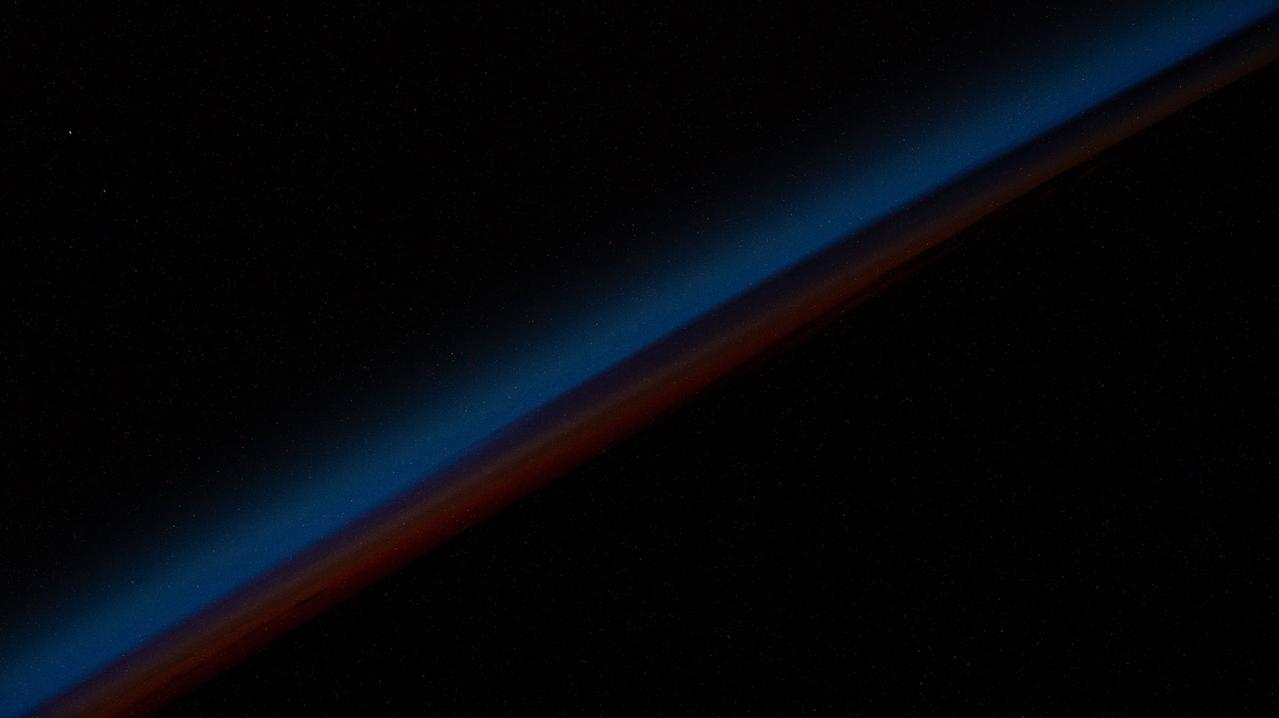
iss067e141217 (June 20, 2022) --- An orbital sunset is pictured from the International Space Station as it was soaring 267 miles above the south Pacific Ocean.
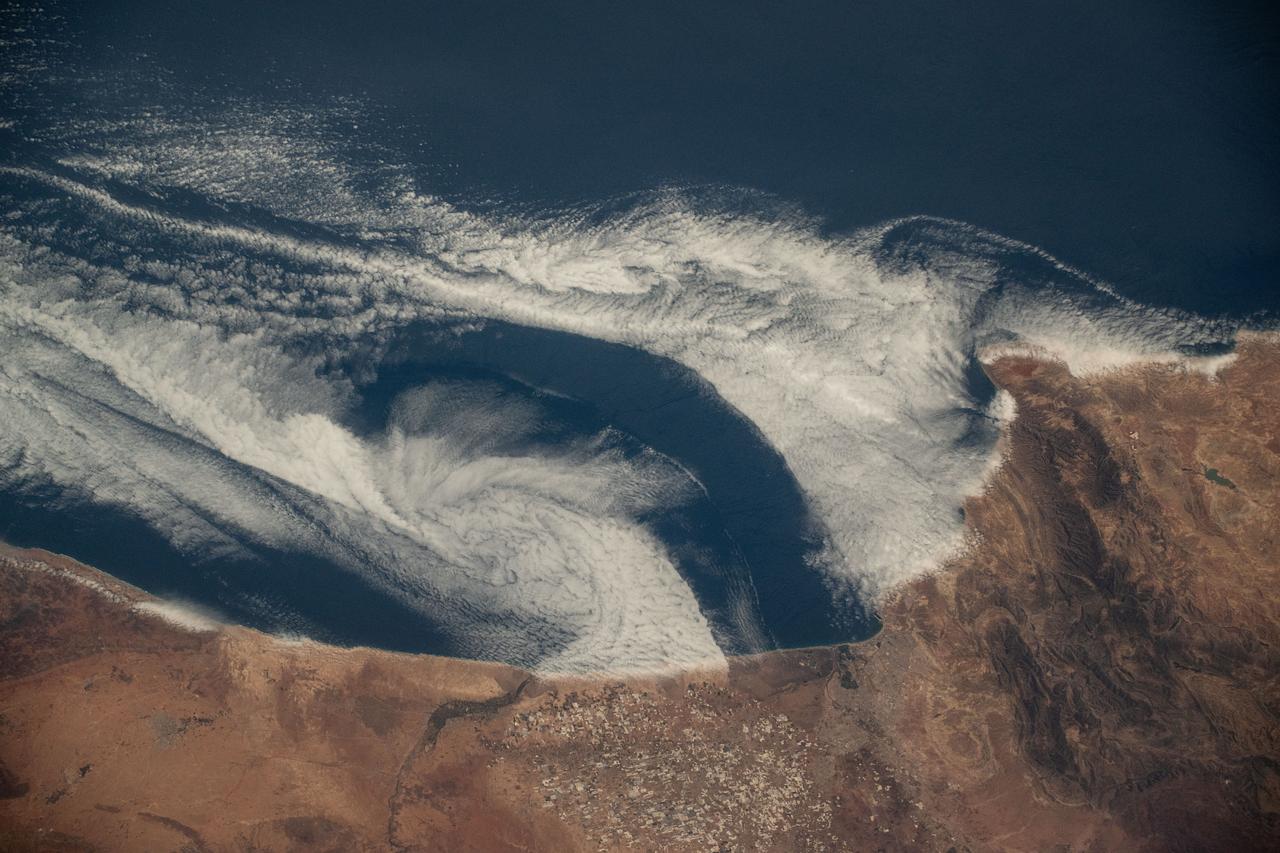
iss071e414090 (July 30, 2024) -- Clouds swirl into the coast of Morocco, hanging low over the Atlantic Ocean, as the International Space Station orbited 258 miles above.

ISS011-E-13723 (29 September 2005) --- Typhoon Longwang is featured in this image photographed by an Expedition 11 crewmember on the international space station, as it swirls in the Pacific Ocean.

iss069e008558 (May 3, 2-23) --- The waxing gibbous Moon is pictured from the International Space Station as it orbited 268 miles above the southern Atlantic Ocean.
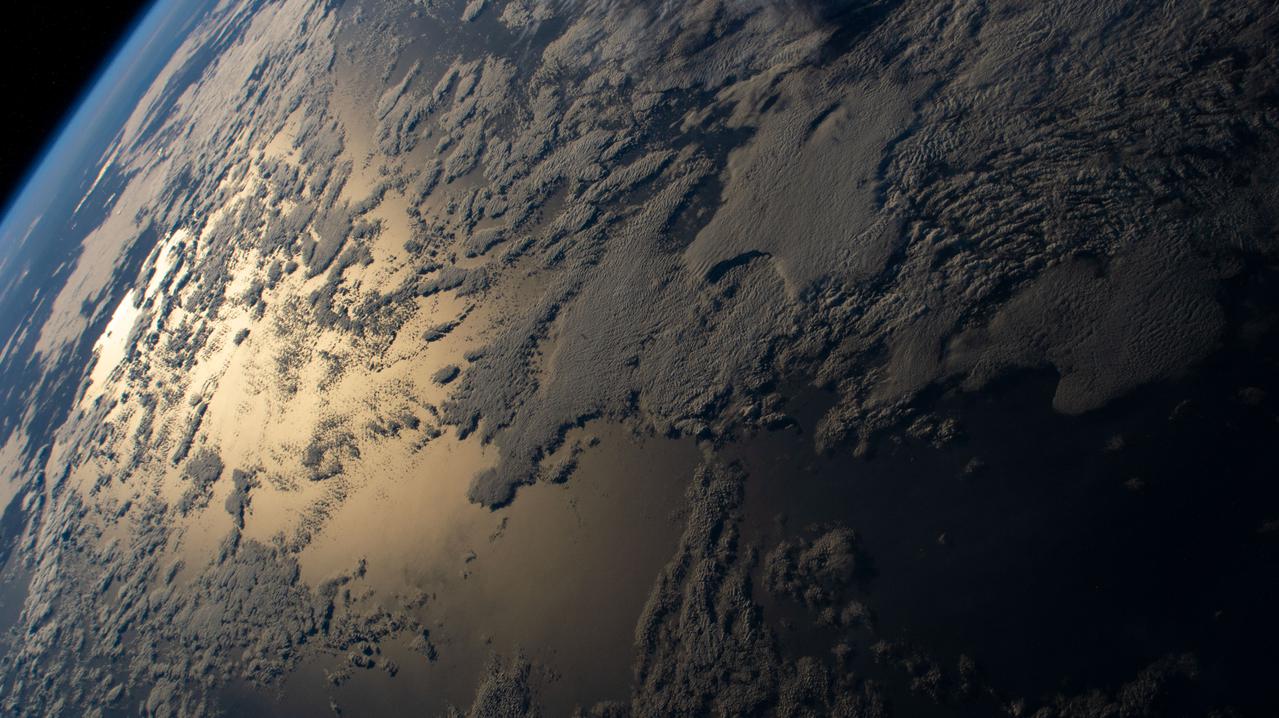
iss065e086377 (June 3, 2021) --- The sun's glint beams off the Indian Ocean as the International Space Station orbited 269 miles above south of Western Australia.