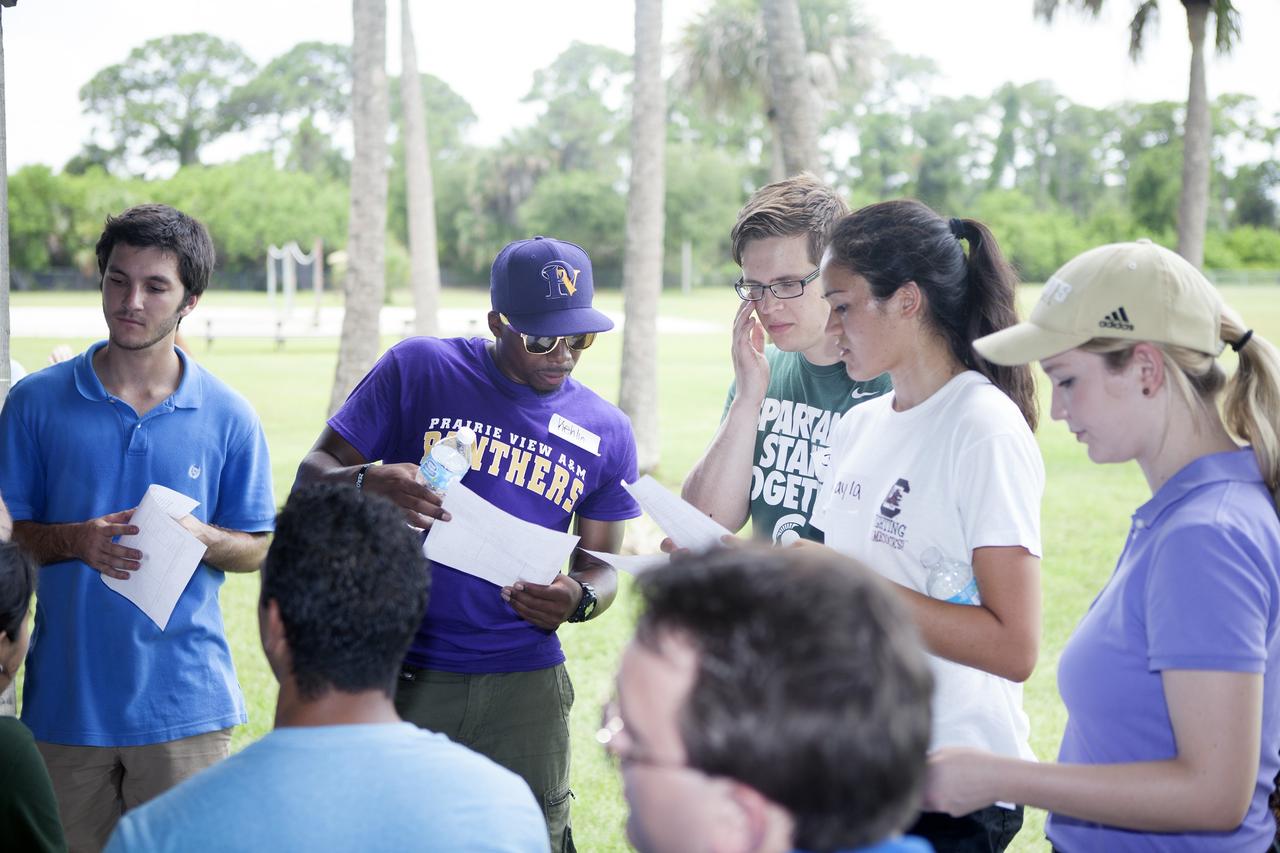
CAPE CANAVERAL, Fla. – Kennedy Space Center Pathways and summer intern students participate in a team building exercise at the KARS Park I facility near the center. High school, undergraduate and graduate students also received advice on leadership skills and working together from Kennedy's senior management, including Center Director Bob Cabana and Associate Director Kelvin Manning. About 160 students are working and gaining experience in many of the directorates and programs during their time at Kennedy. Photo credit: NASA/Daniel Casper
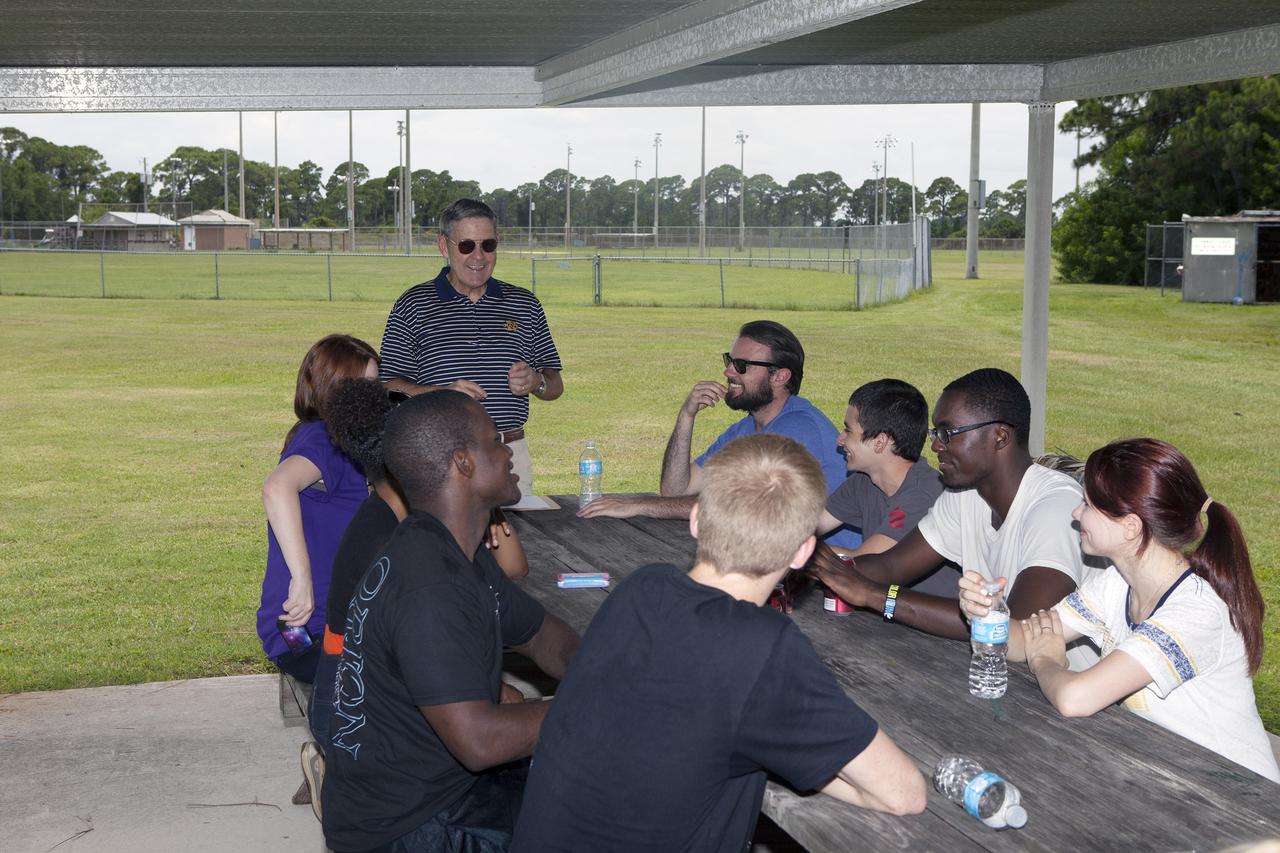
CAPE CANAVERAL, Fla. – Kennedy Space Center Director Bob Cabana talks to student interns during an event at the KARS Park I facility near the center. High school, undergraduate and graduate students participate in a team building exercise and received advice on leadership skills and working together from Kennedy's senior management. About 160 students are working and gaining experience in many of the directorates and programs during their time at Kennedy. Photo credit: NASA/Daniel Casper
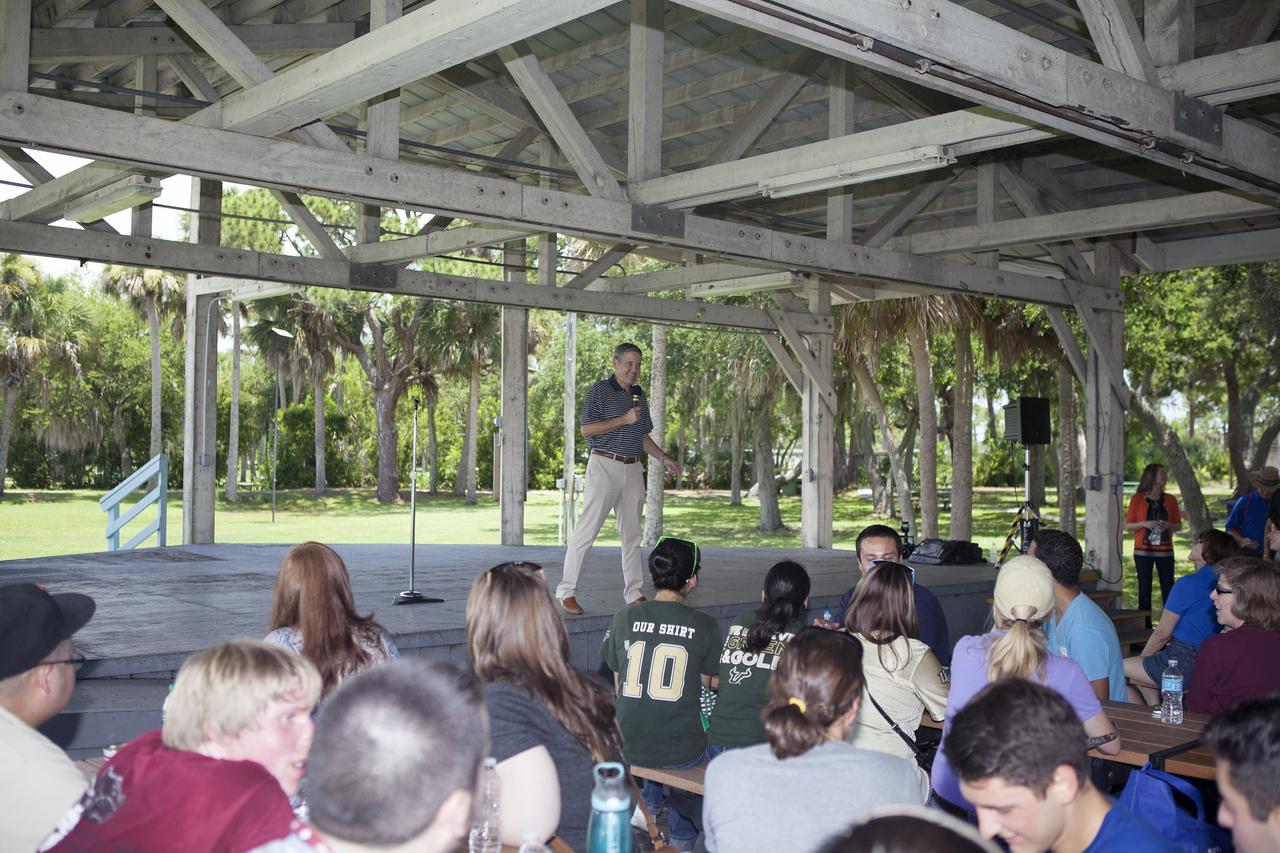
CAPE CANAVERAL, Fla. – Kennedy Space Center Director Bob Cabana speaks to Pathways and summer interns at the KARS Park I facility near the center. High school, undergraduate and graduate students participated in a team building exercise and received advice on leadership skills and working together from Kennedy's senior management. About 160 students are working and gaining experience in many of the directorates and programs during their time at Kennedy. Photo credit: NASA/Daniel Casper
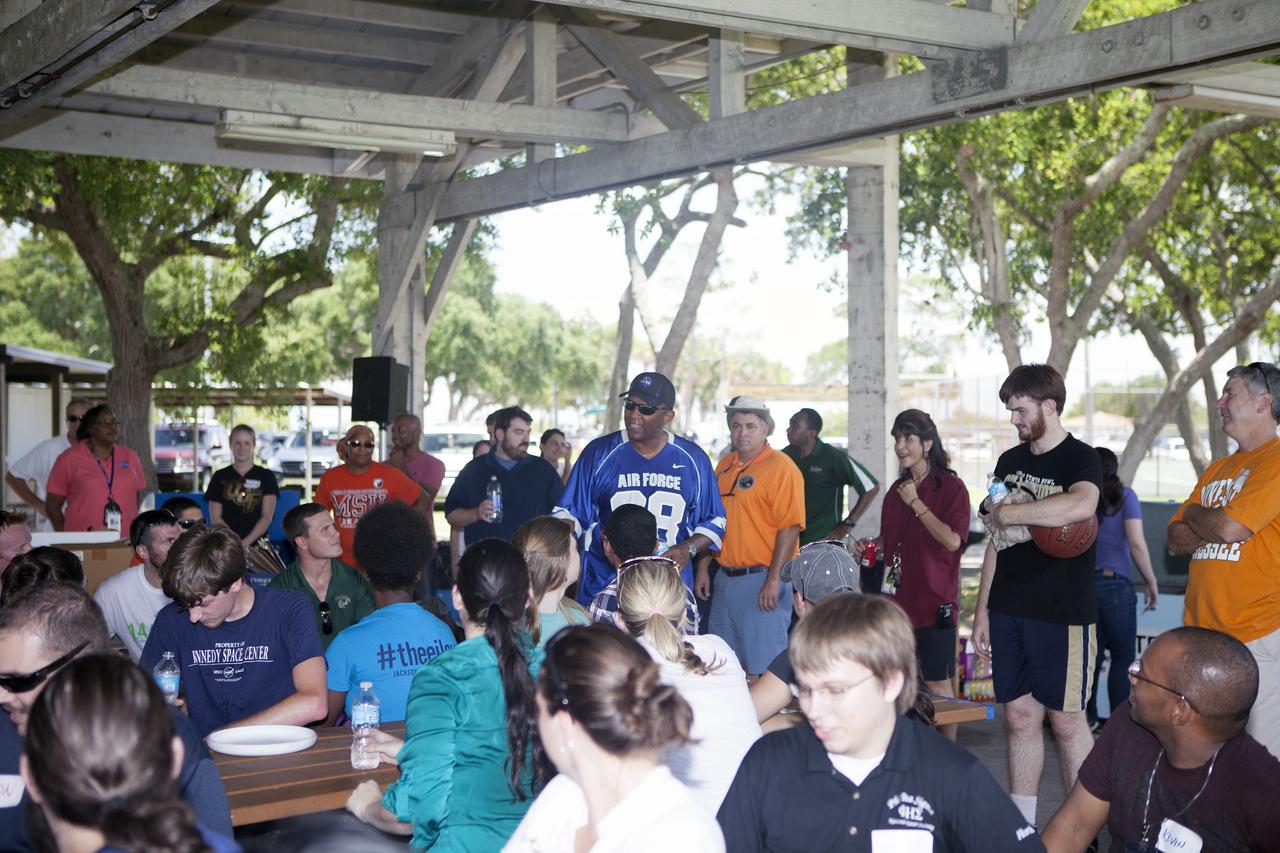
CAPE CANAVERAL, Fla. – Kennedy Space Center Associate Director Kelvin Manning, in the blue Air Force shirt, speaks to Pathways and summer interns at the KARS Park I facility near the center. High school, undergraduate and graduate students participated in a team building exercise and received advice on leadership skills and working together from Kennedy's senior management. About 160 students are working and gaining experience in many of the directorates and programs during their time at Kennedy. Photo credit: NASA/Daniel Casper
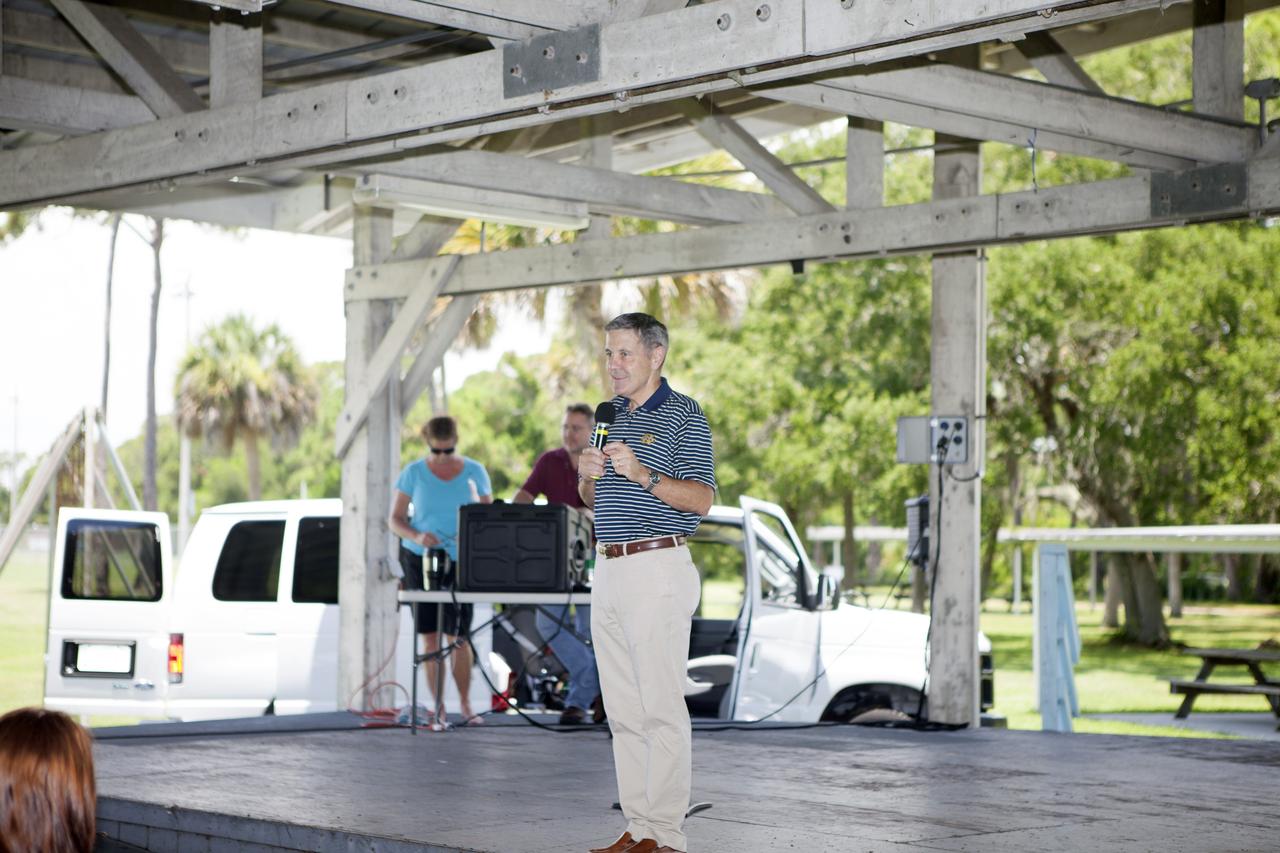
CAPE CANAVERAL, Fla. – Kennedy Space Center Director Bob Cabana speaks to Pathways and summer interns at the KARS Park I facility near the center. High school, undergraduate and graduate students participated in a team building exercise and received advice on leadership skills and working together from Kennedy's senior management. About 160 students are working and gaining experience in many of the directorates and programs during their time at Kennedy. Photo credit: NASA/Daniel Casper
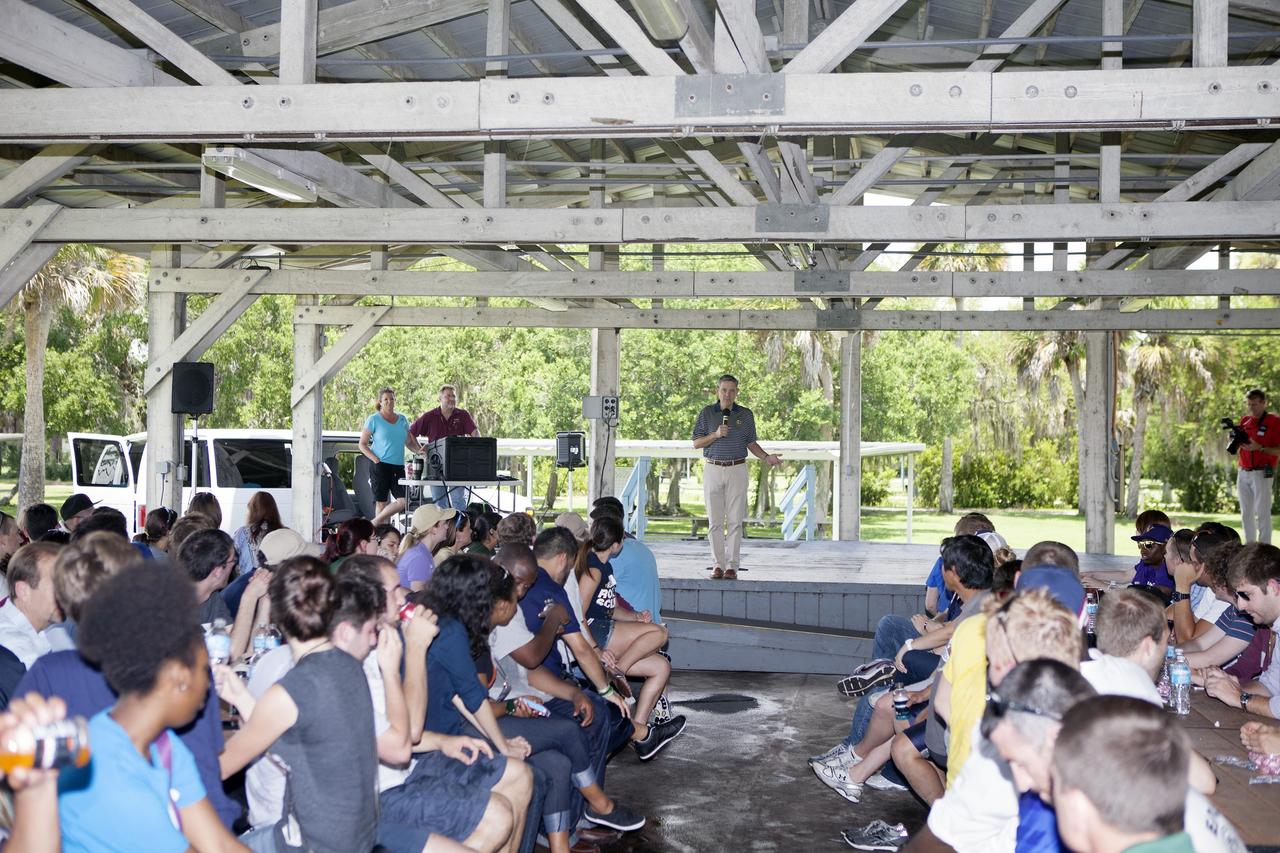
CAPE CANAVERAL, Fla. – Kennedy Space Center Director Bob Cabana speaks to Pathways and summer interns at the KARS Park I facility near the center. High school, undergraduate and graduate students participated in a team building exercise and received advice on leadership skills and working together from Kennedy's senior management. About 160 students are working and gaining experience in many of the directorates and programs during their time at Kennedy. Photo credit: NASA/Daniel Casper
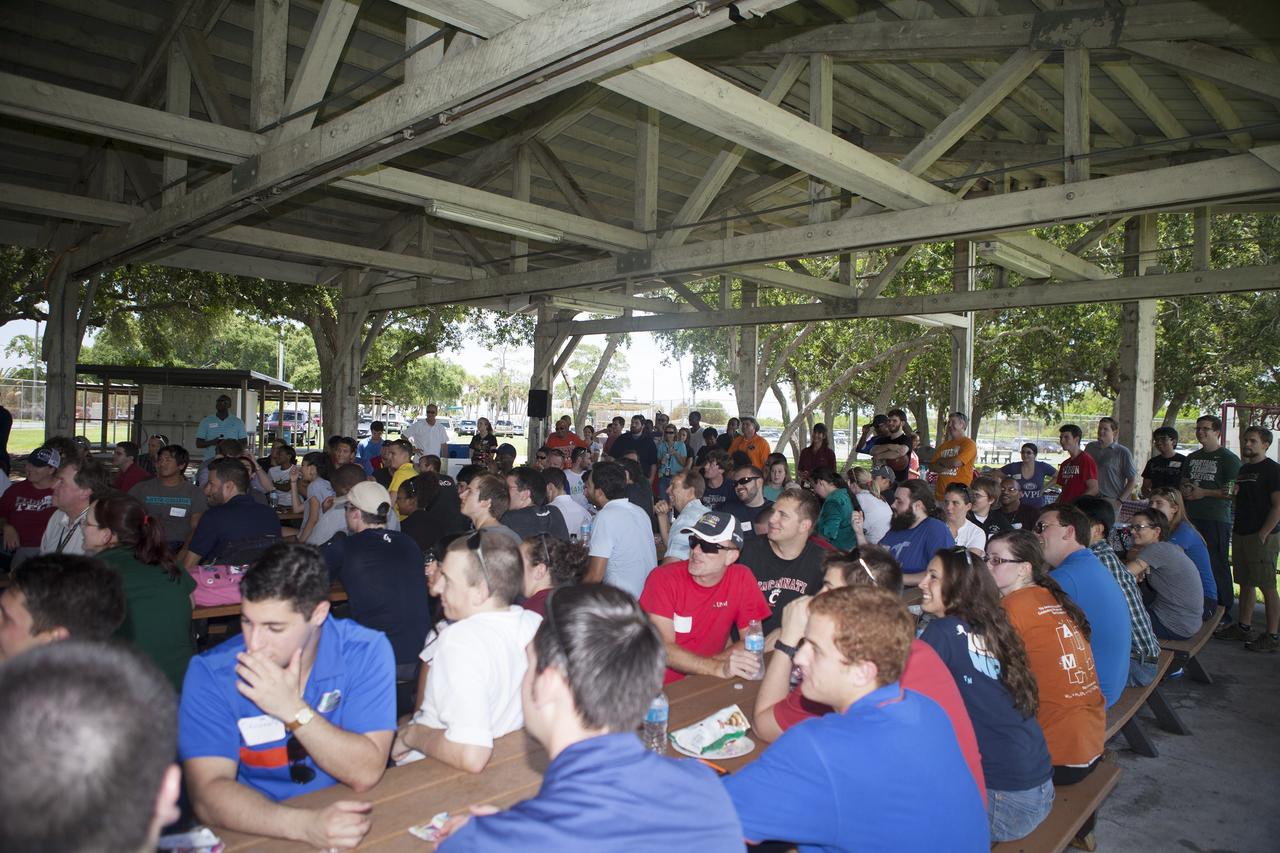
CAPE CANAVERAL, Fla. – Pathways and summer interns listen as Kennedy Space Center Director Bob Cabana speaks to them during an event at the KARS Park I facility near the center. High school, undergraduate and graduate students participated in a team building exercise and received advice on leadership skills and working together from Kennedy's senior management. About 160 students are working and gaining experience in many of the directorates and programs during their time at Kennedy. Photo credit: NASA/Daniel Casper
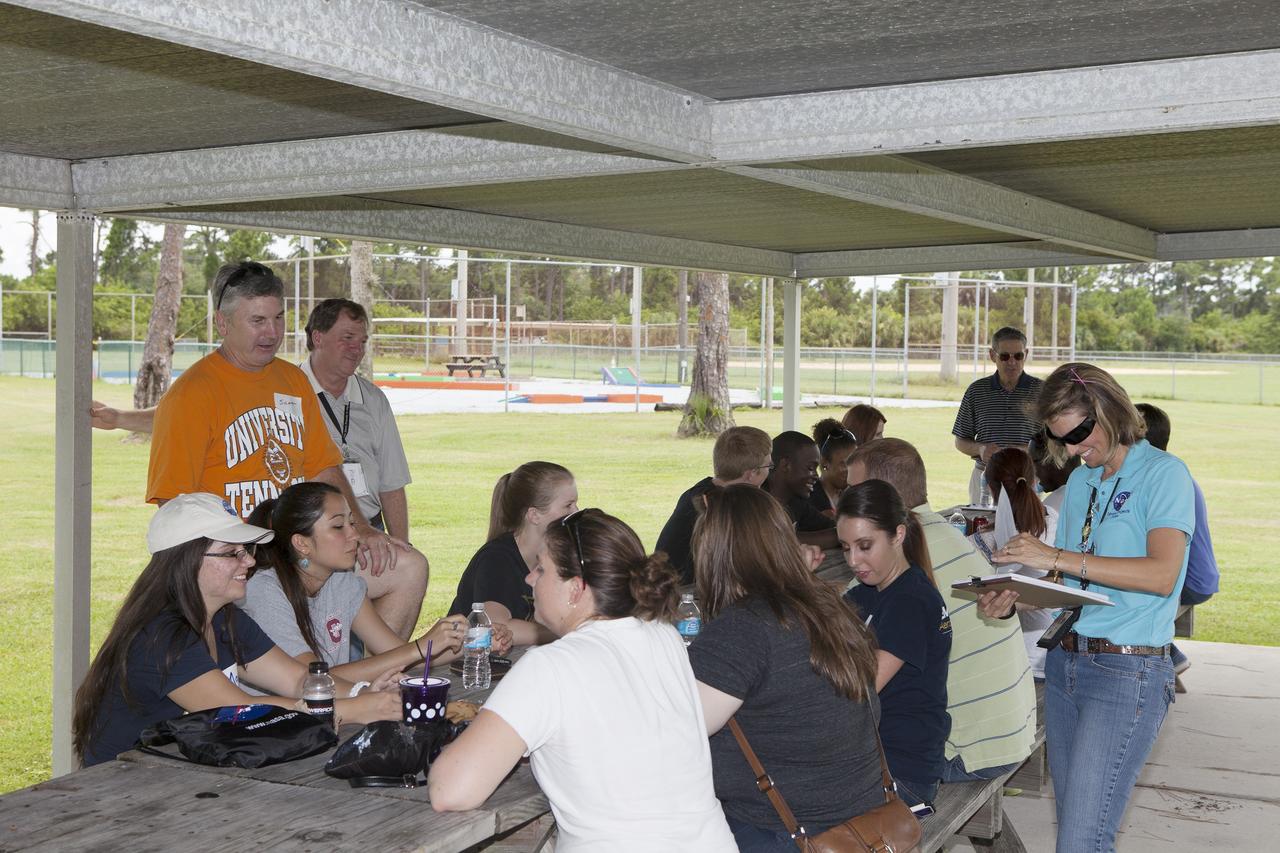
CAPE CANAVERAL, Fla. – Kennedy Space Center Pathways and summer intern students participate in a team building exercise at the KARS Park I facility near the center. High school, undergraduate and graduate students received advice on leadership skills and working together from Kennedy's senior management. At far right is Kennedy's Center Director Bob Cabana, and at left in the orange shirt is Scott Colloredo, director of Center Planning and Development. About 160 students are working and gaining experience in many of the directorates and programs during their time at Kennedy. Photo credit: NASA/Daniel Casper
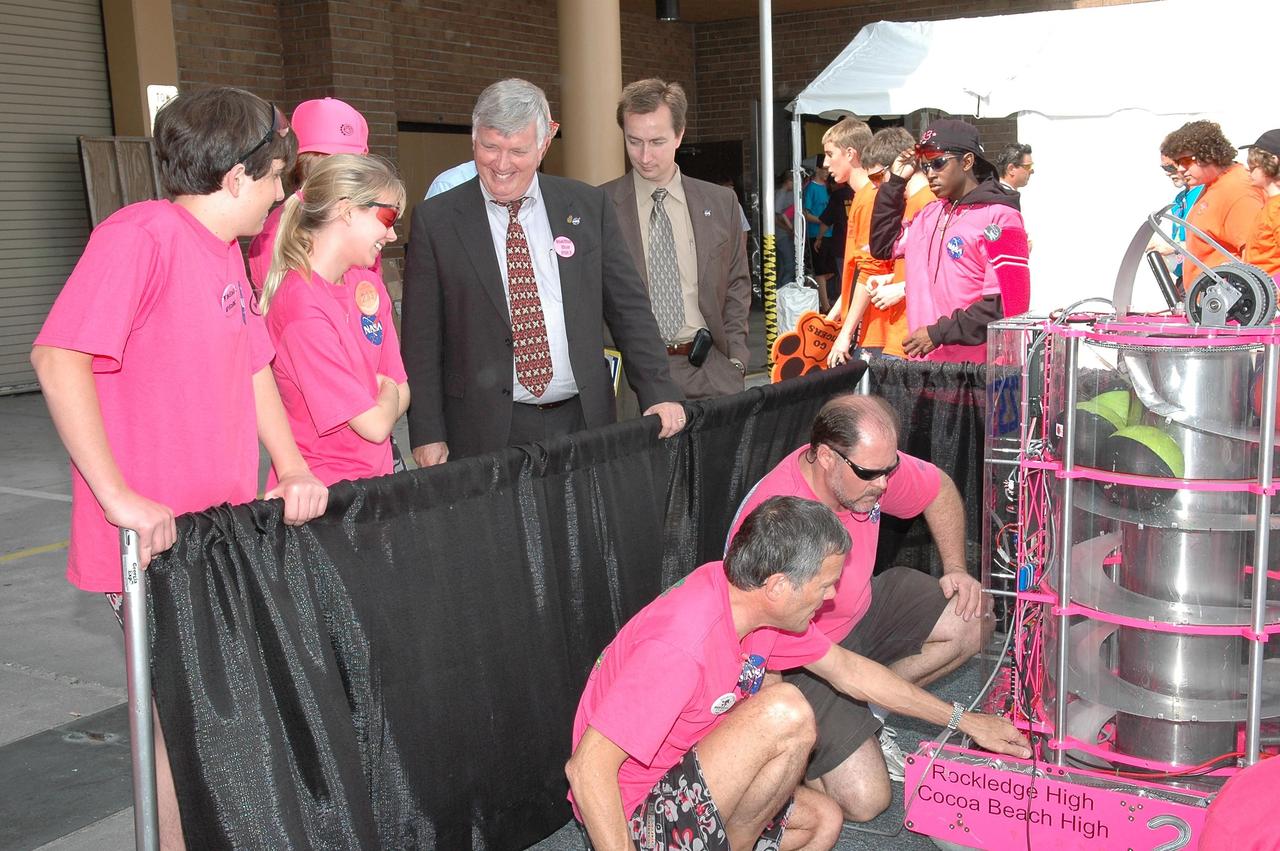
KENNEDY SPACE CENTER, FLA. - During the 2006 FIRST Robotics Regional Competition held March 9-11 at the University of Central Florida in Orlando, Kennedy Space Center Director Jim Kennedy and his intern Neil Berger talk with students on the Cocoa Beach High School-Rockledge High School robotic team known as the "Pink Team," which was co-sponsored by NASA KSC. The team's robot, at right, is called Roccobot. At least four teams in the competition were sponsored by KSC, NASA and contractors. The FIRST Robotics Competition challenges teams of young people and their mentors to solve a common problem in a six-week timeframe using a standard "kit of parts" and a common set of rules. Teams build robots from the parts and enter them in a series of competitions. FIRST, which is based on "For Inspiration and Recognition of Science and Technology," redefines winning for these students. Teams are rewarded for excellence in design, demonstrated team spirit, gracious professionalism and maturity, and ability to overcome obstacles. Scoring the most points is a secondary goal. Winning means building partnerships that last. NASA and the University of Central Florida are co-sponsors of the regional event, which this year included more than 50 teams. Photo credit: NASA/Kim Shiflett
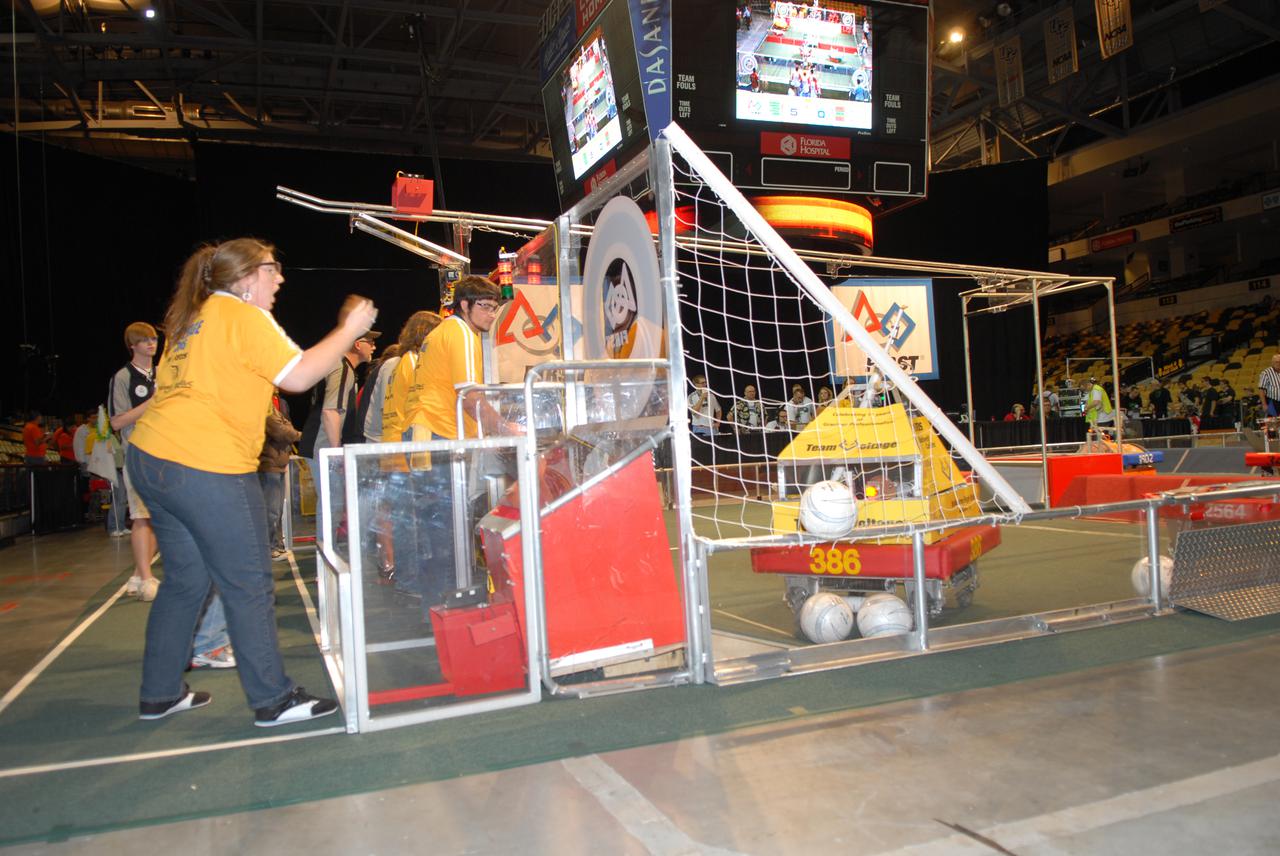
CAPE CANAVERAL, Fla. – Team Voltage participates in the regional FIRST robotics competition at the University of Central Florida in Orlando, Fla. The team is made up of students from Melbourne High School in Florida. More than 50 high school teams took part in the competition called 'For Inspiration and Recognition of Science and Technology,' or FIRST, in hopes of advancing to the national robotics championship. FIRST, founded in 1989, is a non-profit organization that designs accessible, innovative programs to build self-confidence, knowledge and life skills while motivating young people to pursue academic opportunities. The robotics competition challenges teams of high school students and their mentors to solve a common problem in a six-week timeframe using a standard kit of parts and a common set of rules. NASA is the largest sponsor of the international program. Kennedy Space Center is a sponsor of the regional event. Photo credit: NASA_Jim Grossmann
ORLANDO, Fla. -- High school teams compete in the regional FIRST robotics competition at the University of Central Florida in Orlando, Fla. More than 60 teams took part in the competition called "For Inspiration and Recognition of Science and Technology," or FIRST, in hopes of advancing to the national robotics championship. This year, the competition resembled a basketball game and was dubbed "Rebound Rumble." The game measured the effectiveness of each robot, the power of collaboration and the determination of the teams. On the left is Team 3502, called "The Octo Pie-Rates," which is comprised of students from School for Arts and Innovative Learning SAIL High School in Tallahassee. On the right is Team 3164, called "Tiger Robotics," which is comprised of students from Jesuit and The Academy of the Holy Names high schools in Tampa, Fla. FIRST, founded in 1989, is a non-profit organization that designs accessible, innovative programs to build self-confidence, knowledge and life skills while motivating young people to pursue academic opportunities. The robotics competition challenges teams of high school students and their mentors to solve a common problem in a six-week timeframe using a standard kit of parts and a common set of rules. NASA is the largest sponsor of the international program. Kennedy Space Center is a sponsor of the regional event. For more information on Kennedy's education events and initiatives, go to http://www.nasa.gov/offices/education/centers/kennedy/home/index.html. Photo credit: NASA/Kim Shiflett
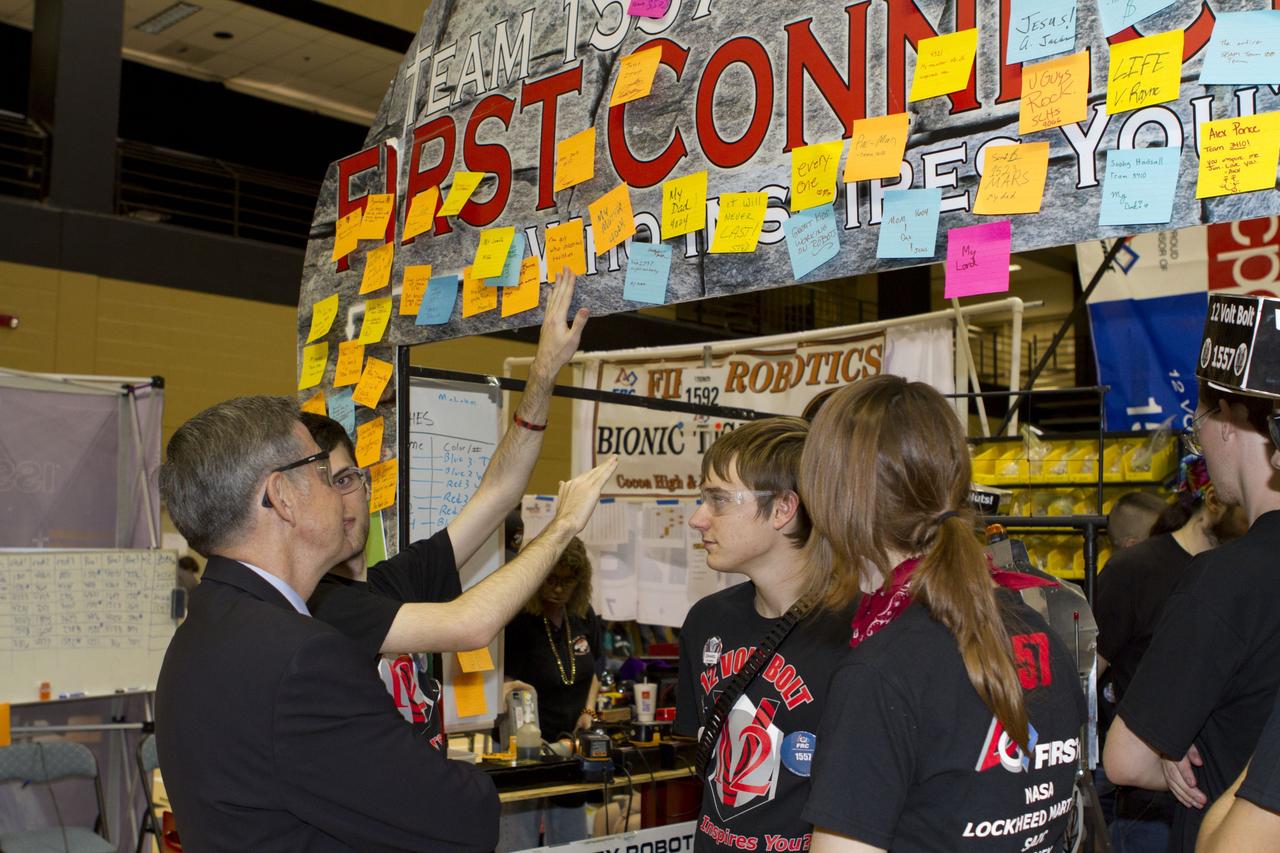
ORLANDO, Fla. -- NASA Kennedy Space Center Director Bob Cabana talks with members of the "12 Volt Bolt Team," which is participating in the regional FIRST robotics competition at the University of Central Florida in Orlando, Fla. The team is from Eustis, Fla., and consists of students from many Lake County schools, including Mt. Dora High, Eustis High, Tavares High, Mt. Dora Bible and homeschooled students. More than 60 high school teams took part in the competition called "For Inspiration and Recognition of Science and Technology," or FIRST, in hopes of advancing to the national robotics championship. This year, the competition resembled a basketball game and was dubbed "Rebound Rumble." The game measured the effectiveness of each robot, the power of collaboration and the determination of the teams. FIRST, founded in 1989, is a non-profit organization that designs accessible, innovative programs to build self-confidence, knowledge and life skills while motivating young people to pursue academic opportunities. The robotics competition challenges teams of high school students and their mentors to solve a common problem in a six-week timeframe using a standard kit of parts and a common set of rules. NASA is the largest sponsor of the international program. Kennedy Space Center is a sponsor of the regional event. For more information on Kennedy's education events and initiatives, go to http://www.nasa.gov/offices/education/centers/kennedy/home/index.html. Photo credit: NASA/Kim Shiflett
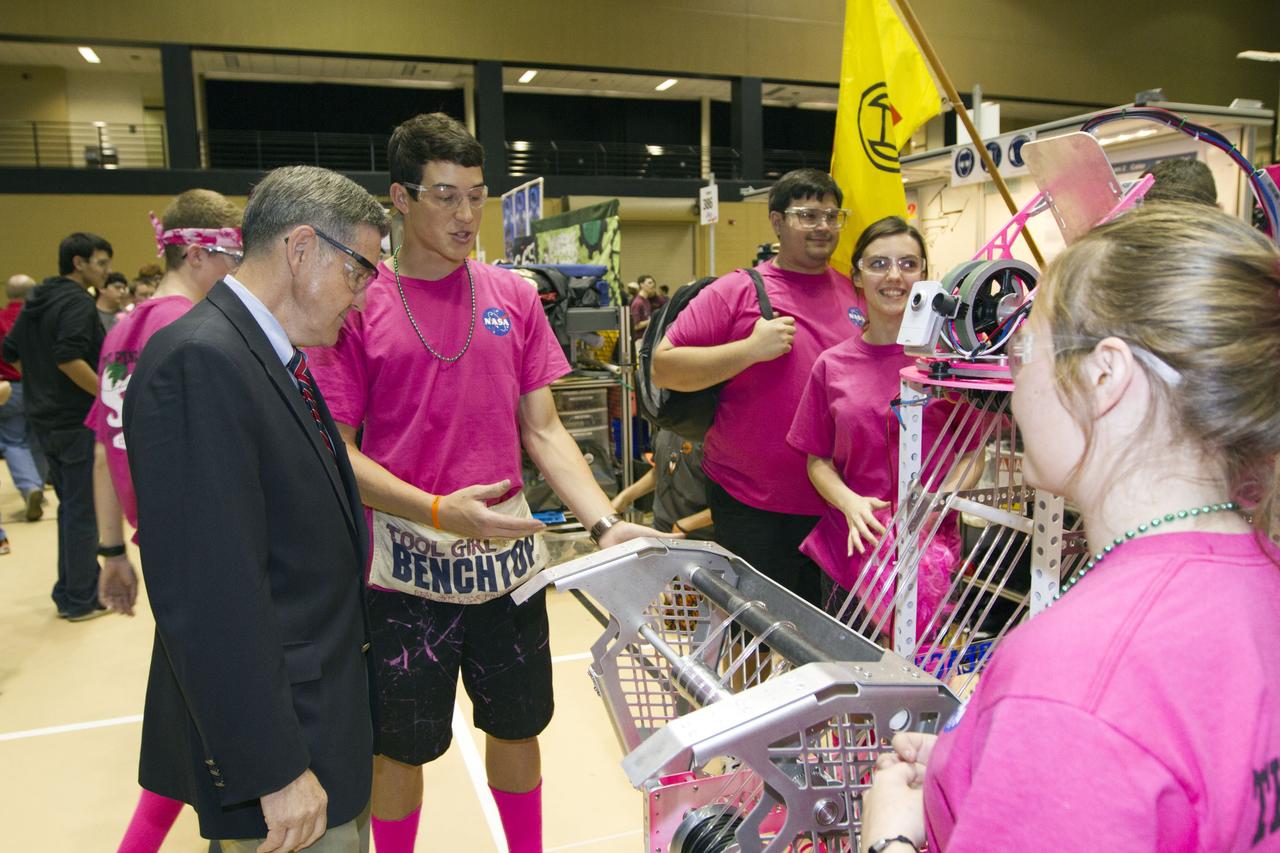
ORLANDO, Fla. -- NASA Kennedy Space Center Director Bob Cabana talks with members of Team 233, "The Pink Team," which is participating in the regional FIRST robotics competition at the University of Central Florida in Orlando, Fla. The team is made up of students from Rockledge, Cocoa Beach and Viera high schools along the Space Coast of Florida. Kennedy is a sponsor of the team. More than 60 high school teams took part in the competition called "For Inspiration and Recognition of Science and Technology," or FIRST, in hopes of advancing to the national robotics championship. This year, the competition resembled a basketball game and was dubbed "Rebound Rumble." The game measured the effectiveness of each robot, the power of collaboration and the determination of the teams. FIRST, founded in 1989, is a non-profit organization that designs accessible, innovative programs to build self-confidence, knowledge and life skills while motivating young people to pursue academic opportunities. The robotics competition challenges teams of high school students and their mentors to solve a common problem in a six-week timeframe using a standard kit of parts and a common set of rules. NASA is the largest sponsor of the international program. Kennedy Space Center is a sponsor of the regional event. For more information on Kennedy's education events and initiatives, go to http://www.nasa.gov/offices/education/centers/kennedy/home/index.html. Photo credit: NASA/Kim Shiflett
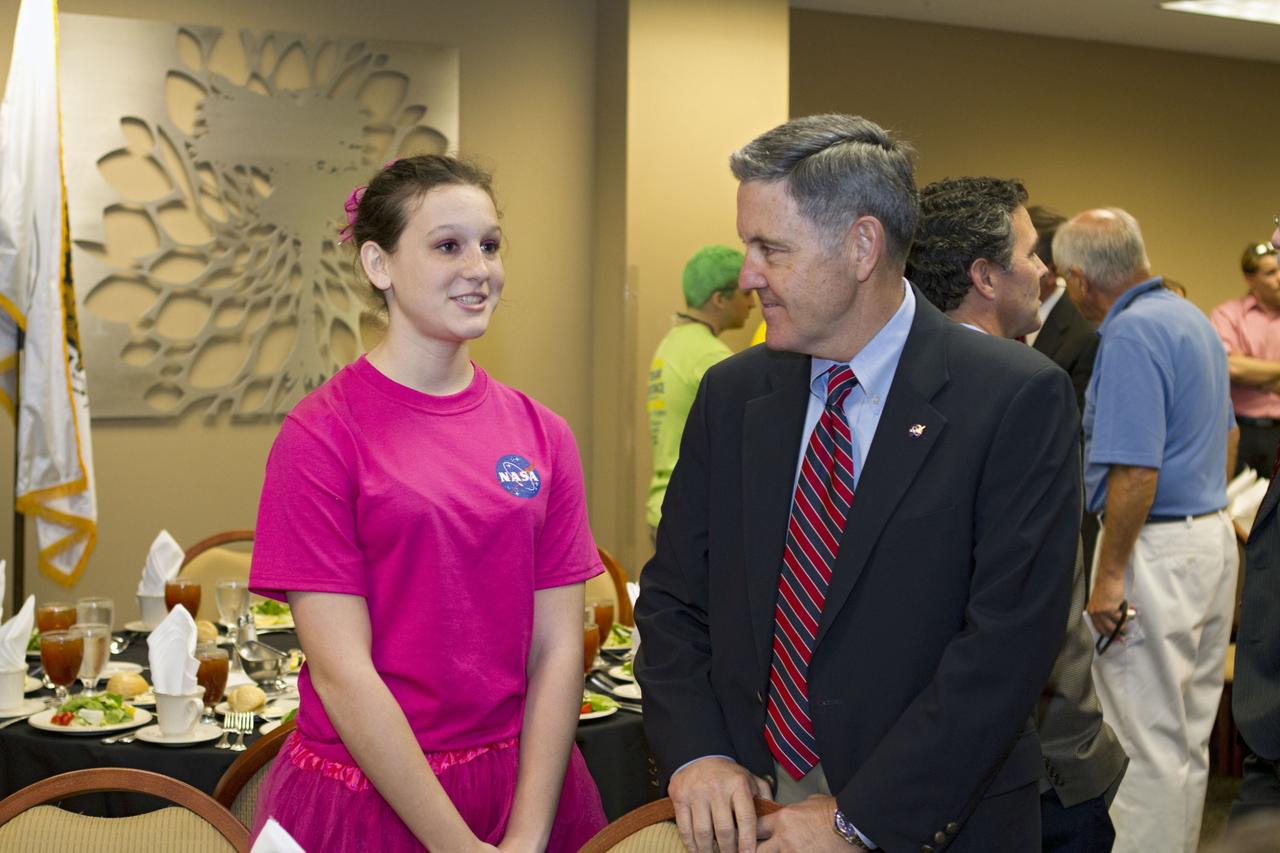
ORLANDO, Fla. -- NASA Kennedy Space Center Director Bob Cabana talks with a member of Team 233, "The Pink Team," which is participating in the regional FIRST robotics competition at the University of Central Florida in Orlando, Fla. The team is made up of students from Rockledge, Cocoa Beach and Viera high schools along the Space Coast of Florida. Kennedy is a sponsor of the team. More than 60 teams took part in the competition called "For Inspiration and Recognition of Science and Technology," or FIRST, in hopes of advancing to the national robotics championship. This year, the competition resembled a basketball game and was dubbed "Rebound Rumble." The game measured the effectiveness of each robot, the power of collaboration and the determination of the teams. FIRST, founded in 1989, is a non-profit organization that designs accessible, innovative programs to build self-confidence, knowledge and life skills while motivating young people to pursue academic opportunities. The robotics competition challenges teams of high school students and their mentors to solve a common problem in a six-week timeframe using a standard kit of parts and a common set of rules. NASA is the largest sponsor of the international program. Kennedy Space Center is a sponsor of the regional event. For more information on Kennedy's education events and initiatives, go to http://www.nasa.gov/offices/education/centers/kennedy/home/index.html. Photo credit: NASA/Kim Shiflett

ORLANDO, Fla. -- "The Pink Team," Team 233, tinkers with its robot during the regional FIRST robotics competition at the University of Central Florida in Orlando, Fla. The team is made up of students from Rockledge, Cocoa Beach and Viera high schools along the Space Coast of Florida. NASA’s Kennedy Space Center is a sponsor of the team. More than 60 high school teams took part in the competition called "For Inspiration and Recognition of Science and Technology," or FIRST, in hopes of advancing to the national robotics championship. This year, the competition resembled a basketball game and was dubbed "Rebound Rumble." The game measured the effectiveness of each robot, the power of collaboration and the determination of the teams. FIRST, founded in 1989, is a non-profit organization that designs accessible, innovative programs to build self-confidence, knowledge and life skills while motivating young people to pursue academic opportunities. The robotics competition challenges teams of high school students and their mentors to solve a common problem in a six-week timeframe using a standard kit of parts and a common set of rules. NASA is the largest sponsor of the international program. Kennedy Space Center is a sponsor of the regional event. For more information on Kennedy's education events and initiatives, go to http://www.nasa.gov/offices/education/centers/kennedy/home/index.html. Photo credit: NASA/Kim Shiflett
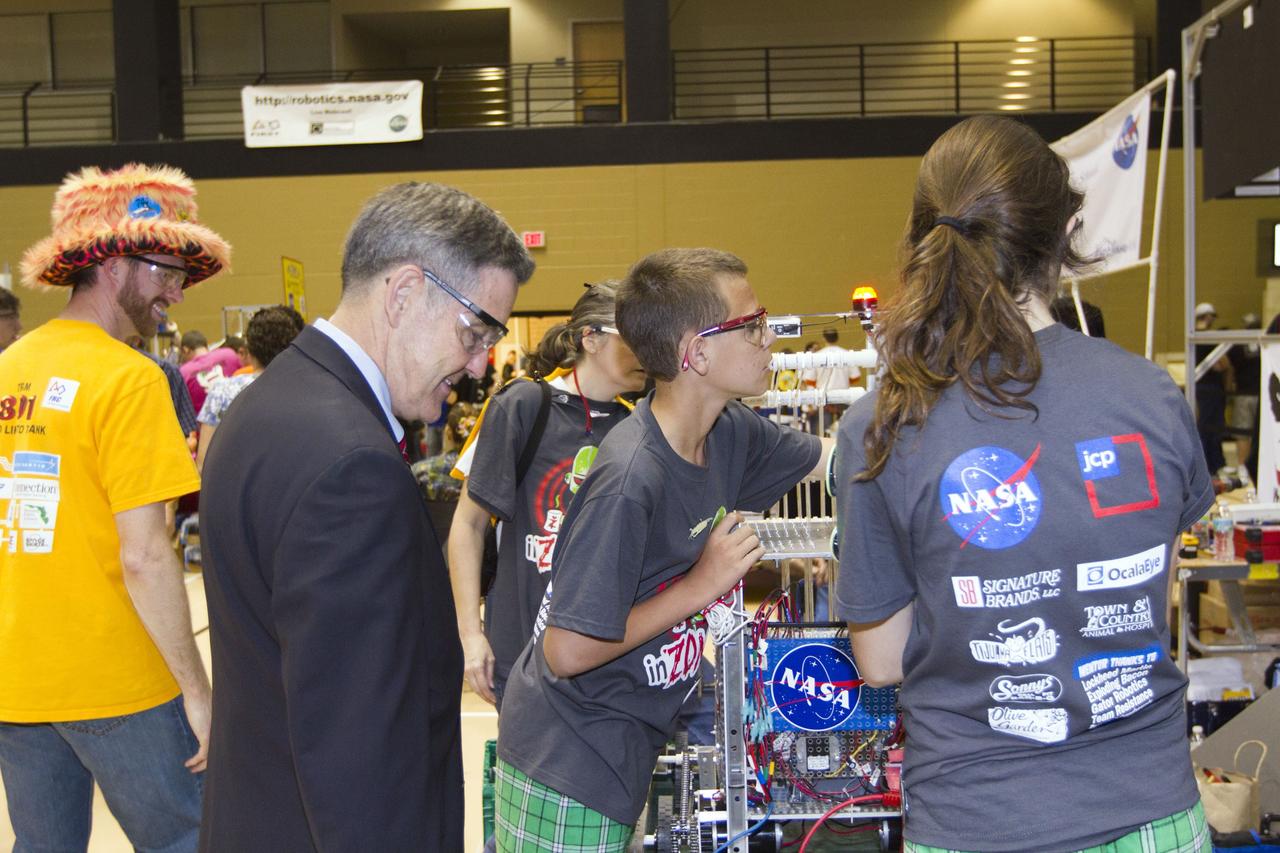
ORLANDO, Fla. -- NASA Kennedy Space Center Director Bob Cabana talks with members of Team 4064, which is participating in the regional FIRST robotics competition at the University of Central Florida in Orlando, Fla. The team is made up of students from Vanguard High School in Ocala, Fla. More than 60 high school teams from throughout the country took part in the competition called "For Inspiration and Recognition of Science and Technology," or FIRST, in hopes of advancing to the national robotics championship. This year the competition resembled a basketball game and was dubbed "Rebound Rumble." The game measured the effectiveness of each robot, the power of collaboration and the determination of the teams. FIRST, founded in 1989, is a non-profit organization that designs accessible, innovative programs to build self-confidence, knowledge and life skills while motivating young people to pursue academic opportunities. The robotics competition challenges teams of high school students and their mentors to solve a common problem in a six-week timeframe using a standard kit of parts and a common set of rules. NASA is the largest sponsor of the international program. Kennedy Space Center is a sponsor of the regional event. For more information on Kennedy's education events and initiatives, go to http://www.nasa.gov/offices/education/centers/kennedy/home/index.html. Photo credit: NASA/Kim Shiflett
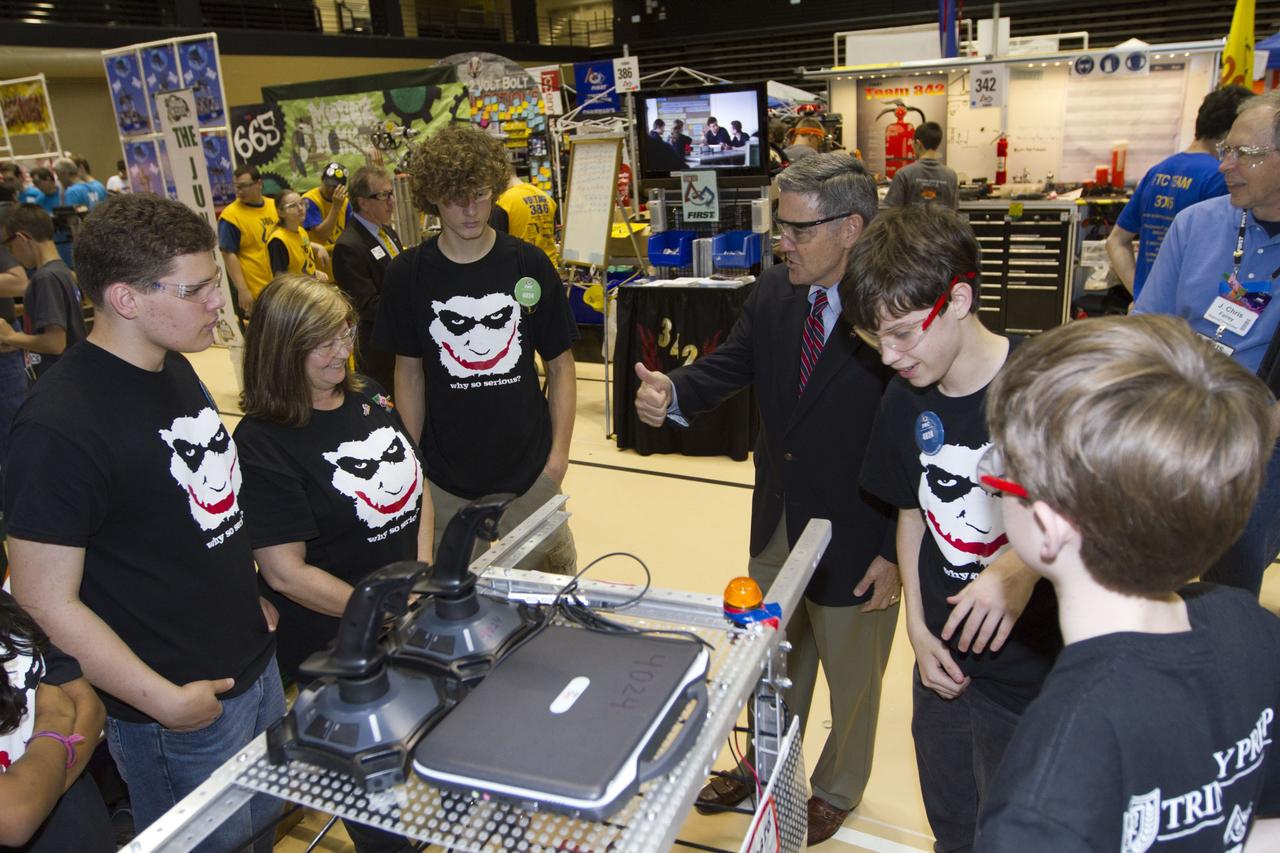
ORLANDO, Fla. -- NASA Kennedy Space Center Director Bob Cabana talks with members of Team 4024, which is participating in the regional FIRST robotics competition at the University of Central Florida in Orlando, Fla. The team is made up of students from Trinity Preparatory School in Winter Park, Fla. More than 60 high school teams took part in the competition called "For Inspiration and Recognition of Science and Technology," or FIRST, in hopes of advancing to the national robotics championship. This year, the competition resembled a basketball game and was dubbed "Rebound Rumble." The game measured the effectiveness of each robot, the power of collaboration and the determination of the teams. FIRST, founded in 1989, is a non-profit organization that designs accessible, innovative programs to build self-confidence, knowledge and life skills while motivating young people to pursue academic opportunities. The robotics competition challenges teams of high school students and their mentors to solve a common problem in a six-week timeframe using a standard kit of parts and a common set of rules. NASA is the largest sponsor of the international program. Kennedy Space Center is a sponsor of the regional event. For more information on Kennedy's education events and initiatives, go to http://www.nasa.gov/offices/education/centers/kennedy/home/index.html. Photo credit: NASA/Kim Shiflett
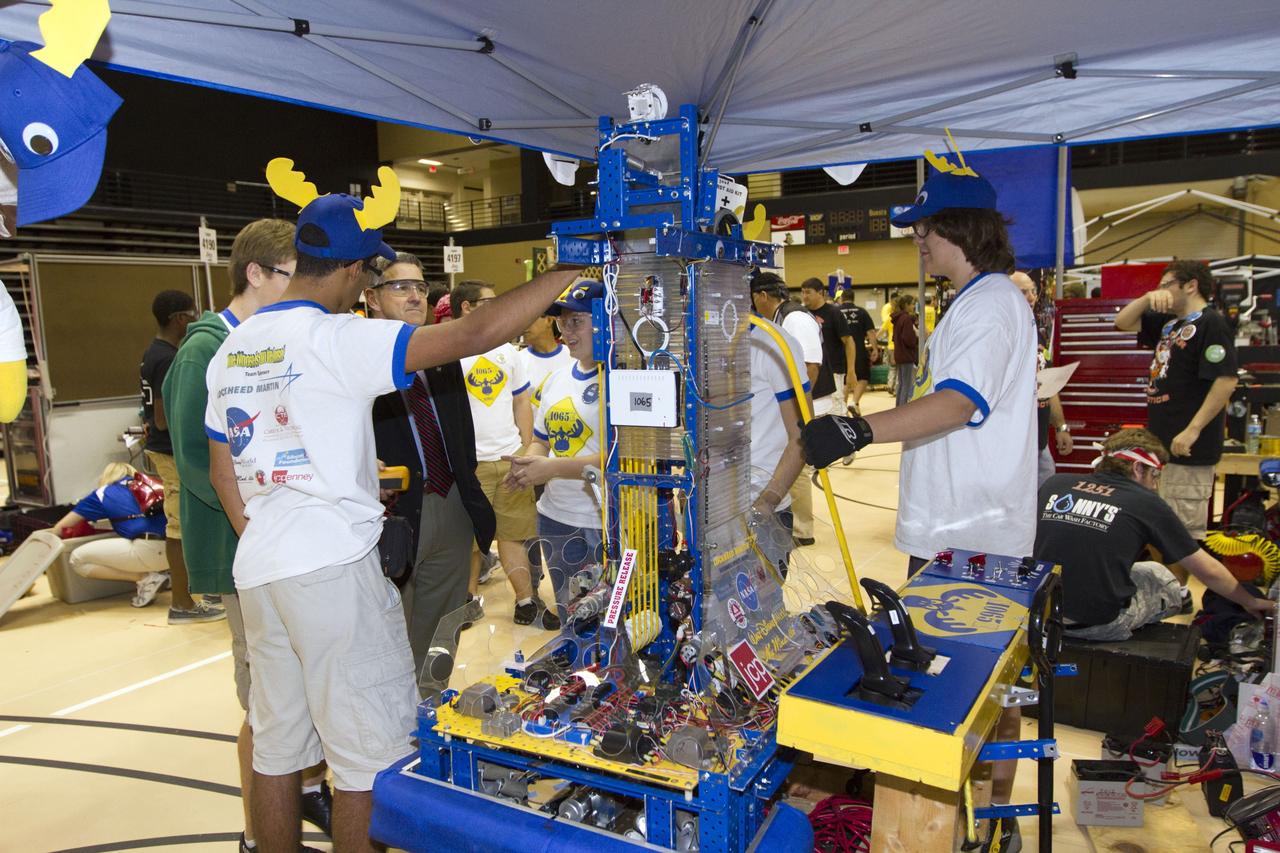
ORLANDO, Fla. -- NASA Kennedy Space Center Director Bob Cabana talks with members of Team 1056 "The Moose," which is participating in the regional FIRST robotics competition at the University of Central Florida in Orlando, Fla. The team is from Kissimmee, Fla., and consists of students from Osceola High School. More than 60 high school teams from took part in the competition called "For Inspiration and Recognition of Science and Technology," or FIRST, in hopes of advancing to the national robotics championship. This year, the competition resembled a basketball game and was dubbed "Rebound Rumble." The game measured the effectiveness of each robot, the power of collaboration and the determination of the teams. FIRST, founded in 1989, is a non-profit organization that designs accessible, innovative programs to build self-confidence, knowledge and life skills while motivating young people to pursue academic opportunities. The robotics competition challenges teams of high school students and their mentors to solve a common problem in a six-week timeframe using a standard kit of parts and a common set of rules. NASA is the largest sponsor of the international program. Kennedy Space Center is a sponsor of the regional event. For more information on Kennedy's education events and initiatives, go to http://www.nasa.gov/offices/education/centers/kennedy/home/index.html. Photo credit: NASA/Kim Shiflett
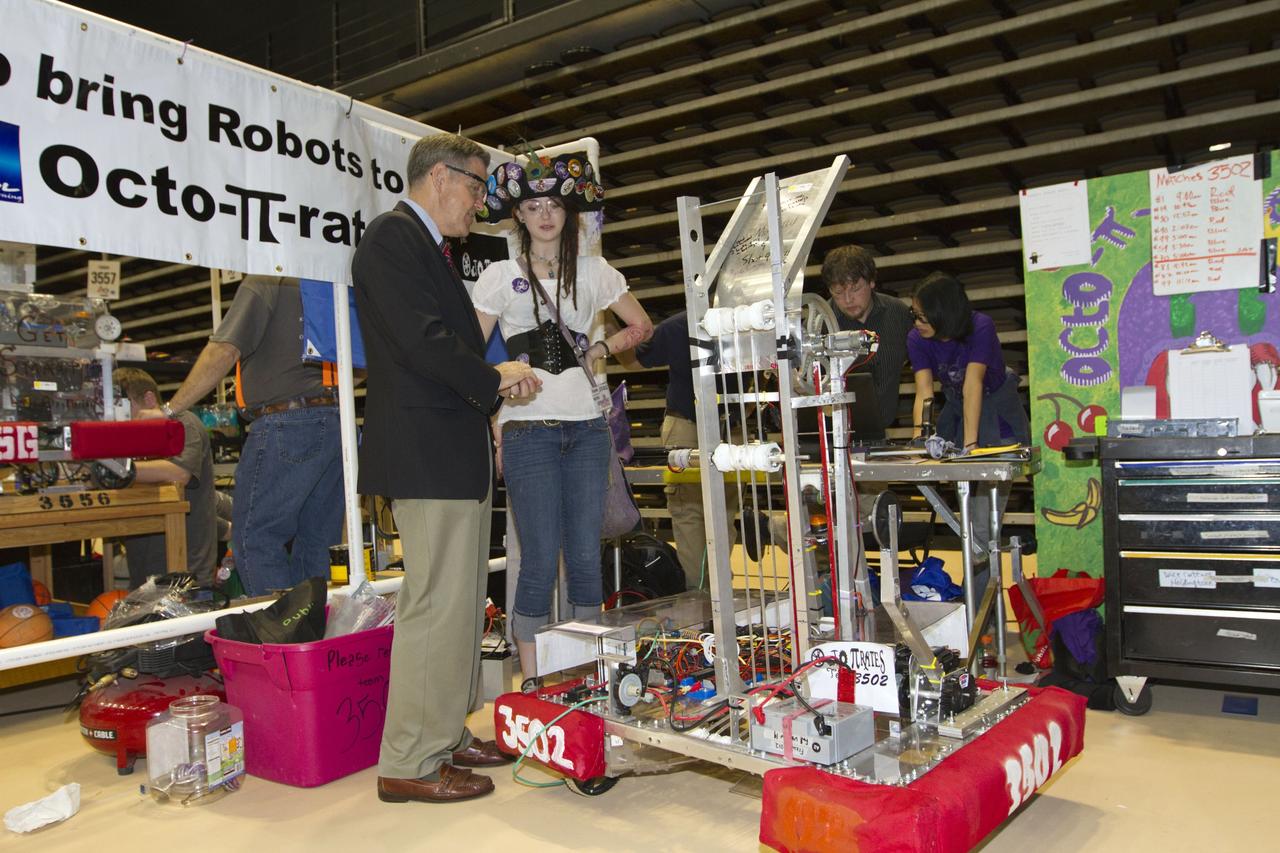
ORLANDO, Fla. -- NASA Kennedy Space Center Director Bob Cabana talks with a member of Team 3502, called "The Octo Pie-Rates," which is participating in the regional FIRST robotics competition at the University of Central Florida in Orlando, Fla. The team is made up of students from the School for Arts and Innovative Learning SAIL High School in Tallahassee. More than 60 high school teams took part in the competition called "For Inspiration and Recognition of Science and Technology," or FIRST, in hopes of advancing to the national robotics championship. This year, the competition resembled a basketball game and was dubbed "Rebound Rumble." The game measured the effectiveness of each robot, the power of collaboration and the determination of the teams. FIRST, founded in 1989, is a non-profit organization that designs accessible, innovative programs to build self-confidence, knowledge and life skills while motivating young people to pursue academic opportunities. The robotics competition challenges teams of high school students and their mentors to solve a common problem in a six-week timeframe using a standard kit of parts and a common set of rules. NASA is the largest sponsor of the international program. Kennedy Space Center is a sponsor of the regional event. For more information on Kennedy's education events and initiatives, go to http://www.nasa.gov/offices/education/centers/kennedy/home/index.html. Photo credit: NASA/Kim Shiflett
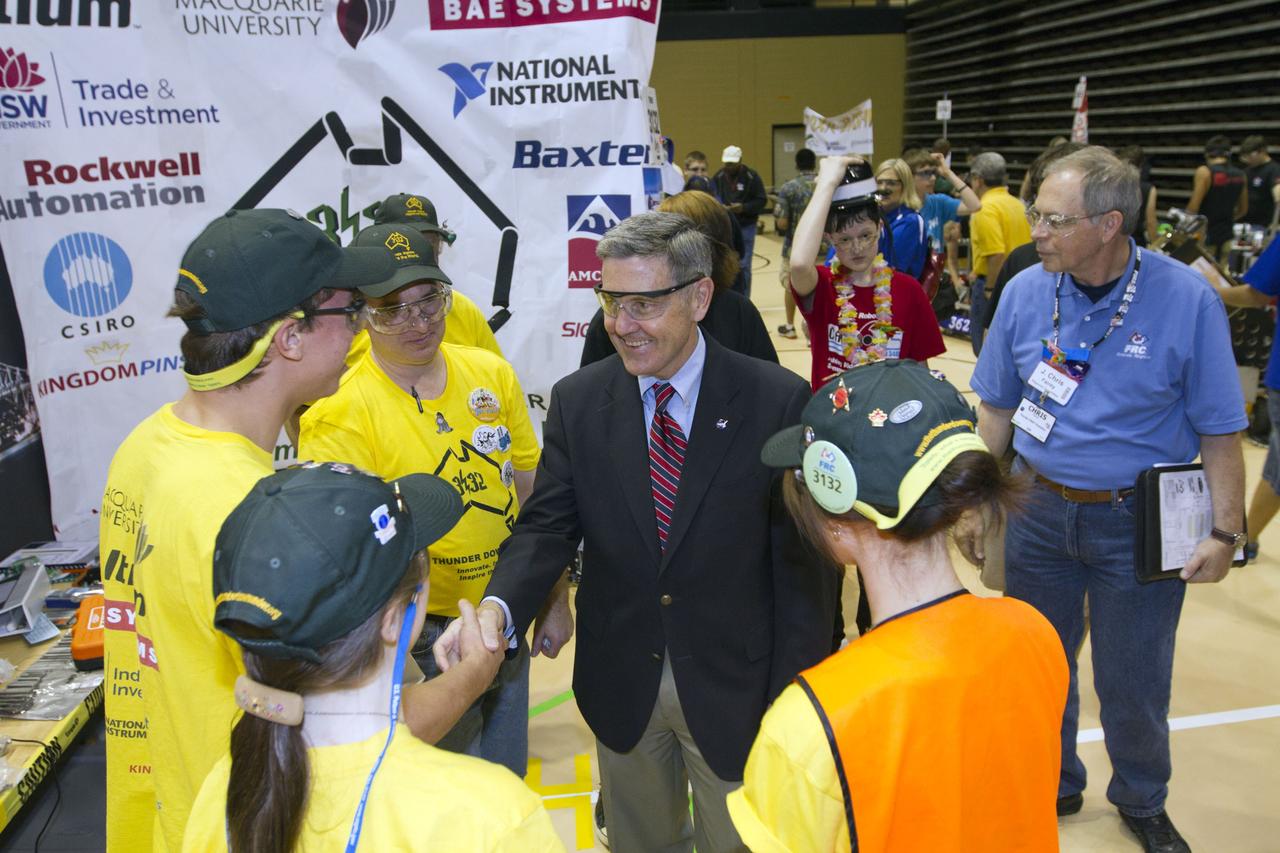
ORLANDO, Fla. -- NASA Kennedy Space Center Director Bob Cabana talks with members of Team 3132, called "Thunder Down Under," which is participating in the regional FIRST robotics competition at the University of Central Florida in Orlando, Fla. The team is made up of students from Sydney, Australia. More than 60 high school teams took part in the competition called "For Inspiration and Recognition of Science and Technology," or FIRST, in hopes of advancing to the national robotics championship. This year, the competition resembled a basketball game and was dubbed "Rebound Rumble." The game measured the effectiveness of each robot, the power of collaboration and the determination of the teams. FIRST, founded in 1989, is a non-profit organization that designs accessible, innovative programs to build self-confidence, knowledge and life skills while motivating young people to pursue academic opportunities. The robotics competition challenges teams of high school students and their mentors to solve a common problem in a six-week timeframe using a standard kit of parts and a common set of rules. NASA is the largest sponsor of the international program. Kennedy Space Center is a sponsor of the regional event. For more information on Kennedy's education events and initiatives, go to http://www.nasa.gov/offices/education/centers/kennedy/home/index.html. Photo credit: NASA/Kim Shiflett
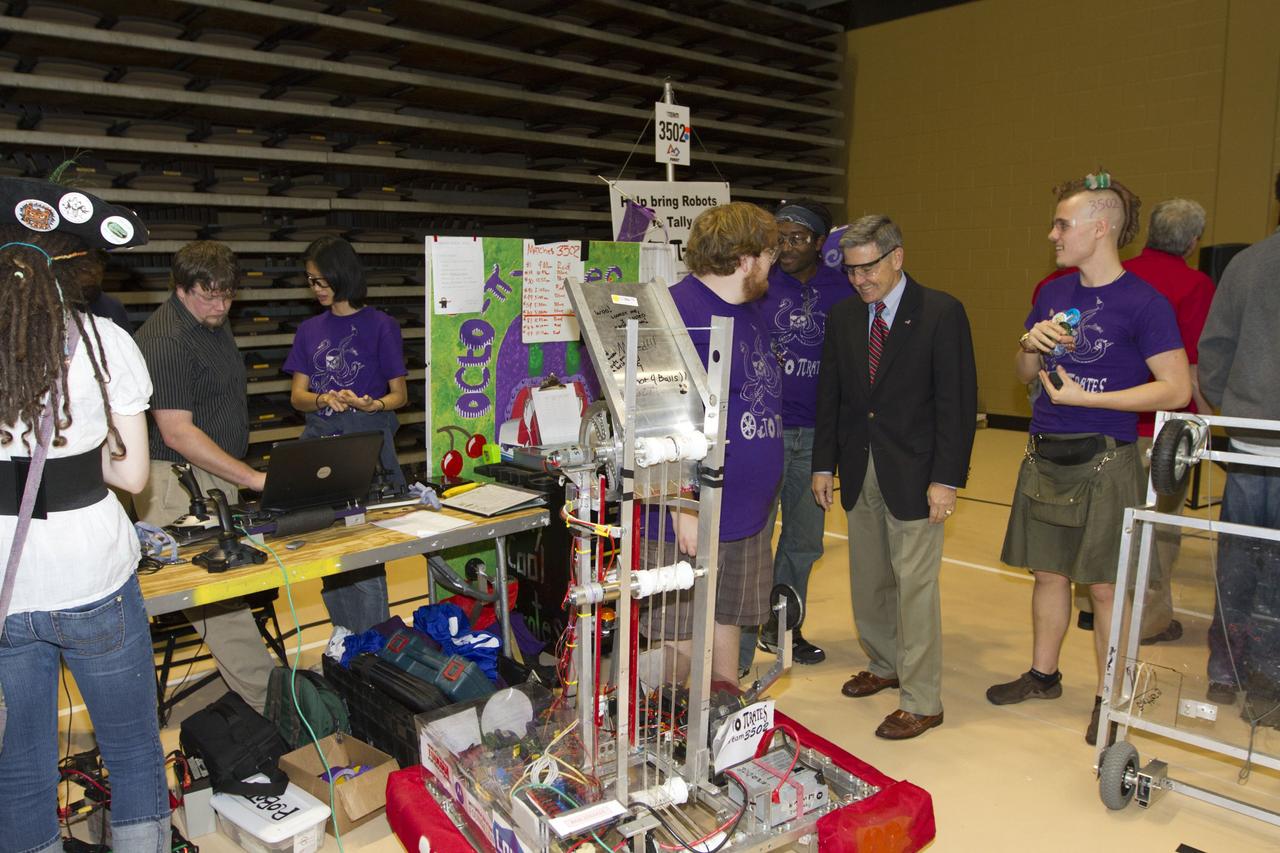
ORLANDO, Fla. -- NASA Kennedy Space Center Director Bob Cabana talks with members of Team 3502, called "The Octo Pie-Rates," which is participating in the regional FIRST robotics competition at the University of Central Florida in Orlando, Fla. The team is made up of students from the School for Arts and Innovative Learning SAIL High School in Tallahassee. More than 60 high school teams took part in the competition called "For Inspiration and Recognition of Science and Technology," or FIRST, in hopes of advancing to the national robotics championship. This year, the competition resembled a basketball game and was dubbed "Rebound Rumble." The game measured the effectiveness of each robot, the power of collaboration and the determination of the teams. FIRST, founded in 1989, is a non-profit organization that designs accessible, innovative programs to build self-confidence, knowledge and life skills while motivating young people to pursue academic opportunities. The robotics competition challenges teams of high school students and their mentors to solve a common problem in a six-week timeframe using a standard kit of parts and a common set of rules. NASA is the largest sponsor of the international program. Kennedy Space Center is a sponsor of the regional event. For more information on Kennedy's education events and initiatives, go to http://www.nasa.gov/offices/education/centers/kennedy/home/index.html. Photo credit: NASA/Kim Shiflett
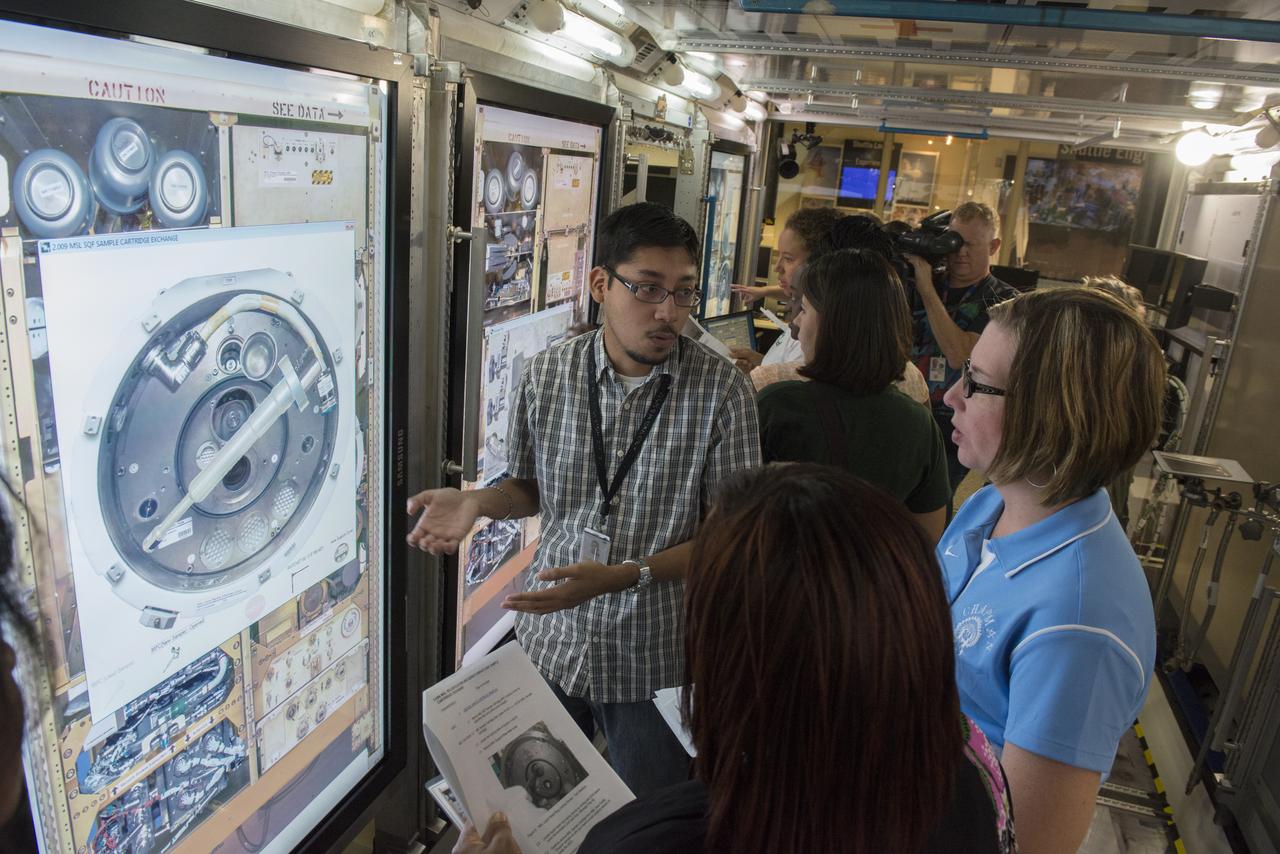
VINCENT VIDAURRI, CENTER, A TECHNICAL SPECIALIST WITH TELEDYNE BROWN ENGINEERING SUPPORTING MISSION OPERATIONS AT THE MARSHALL SPACE FLIGHT CENTER, PROVIDES DETAILS ABOUT A MOCK-UP OF THE INTERNATIONAL SPACE STATION SCIENCE LAB TO A GROUP OF AREA TEACHERS AS PART OF "BACK-2-SCHOOL DAY." TEAM REDSTONE -- WHICH INCLUDES THE MARSHALL SPACE FLIGHT CENTER AND U.S. ARMY ORGANIZATIONS ON REDSTONE ARSENAL -- INVITED 50 TEACHERS TO TOUR REDSTONE ARSENAL AUG. 15, GIVING THEM AN OPPORTUNITY TO LEARN OF AND SEE RESOURCES AVAILABLE TO THEM AND THEIR STUDENTS. THE TOUR FOCUSED ON SITES AVAILABLE FOR FIELD TRIPS FOR STUDENTS STUDYING MATH, SCIENCE, TECHNOLOGY AND ENGINEERING. STOPS INCLUDED MARSHALL'S PAYLOAD OPERATIONS INTEGRATION CENTER AND THE HIGH SCHOOLS UNITED WITH NASA TO CREATE HARDWARE LAB, OR HUNCH, BOTH LOCATED IN BUILDING 4663. THE PROGRAM GIVES HIGH SCHOOL STUDENTS THE CHANCE TO WORK WITH NASA ENGINEERS TO DESIGN AND BUILD HARDWARE FOR USE ON THE INTERNATIONAL SPACE STATION. THE TEACHERS ALSO VISITED THE ARMY AVIATION & MISSILE RESEARCH DEVELOPMENT & ENGINEERING CENTER AND THE REDSTONE TEST CENTER
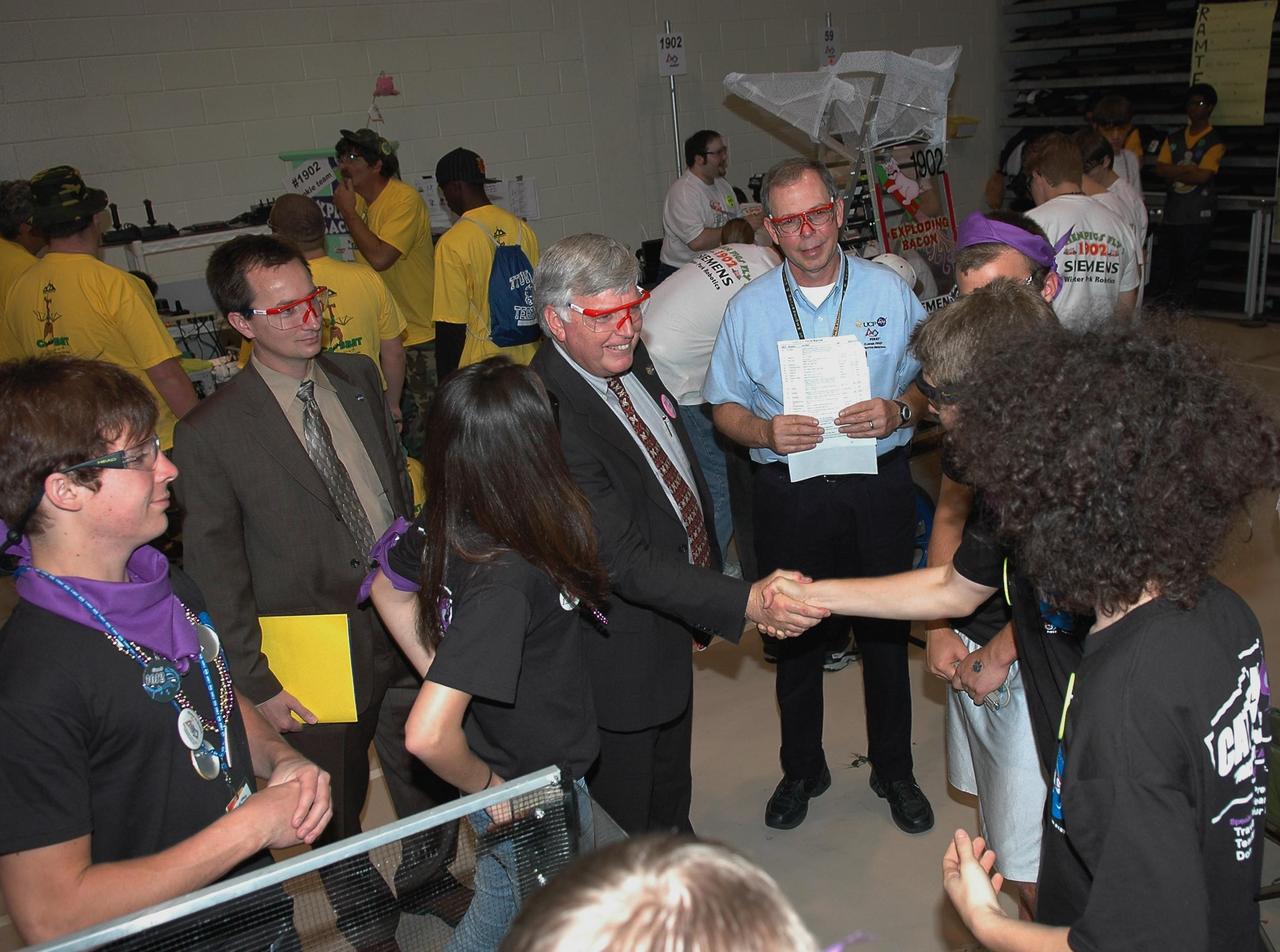
KENNEDY SPACE CENTER, FLA. - During the 2006 FIRST Robotics Regional Competition held March 9-11 at the University of Central Florida in Orlando, Kennedy Space Center Director Jim Kennedy greets members of one of the robotic teams. To the left of Kennedy is Neil Berger, the center director's intern; at right of Kennedy is Chris Fairey, retired NASA and Regional Planning Committee co-chair. The FIRST Robotics Competition challenges teams of young people and their mentors to solve a common problem in a six-week timeframe using a standard "kit of parts" and a common set of rules. Teams build robots from the parts and enter them in a series of competitions. FIRST, which is based on "For Inspiration and Recognition of Science and Technology," redefines winning for these students. Teams are rewarded for excellence in design, demonstrated team spirit, gracious professionalism and maturity, and ability to overcome obstacles. Scoring the most points is a secondary goal. Winning means building partnerships that last. NASA and the University of Central Florida are co-sponsors of the regional event, which this year included more than 50 teams. Photo credit: NASA/Kim Shiflett
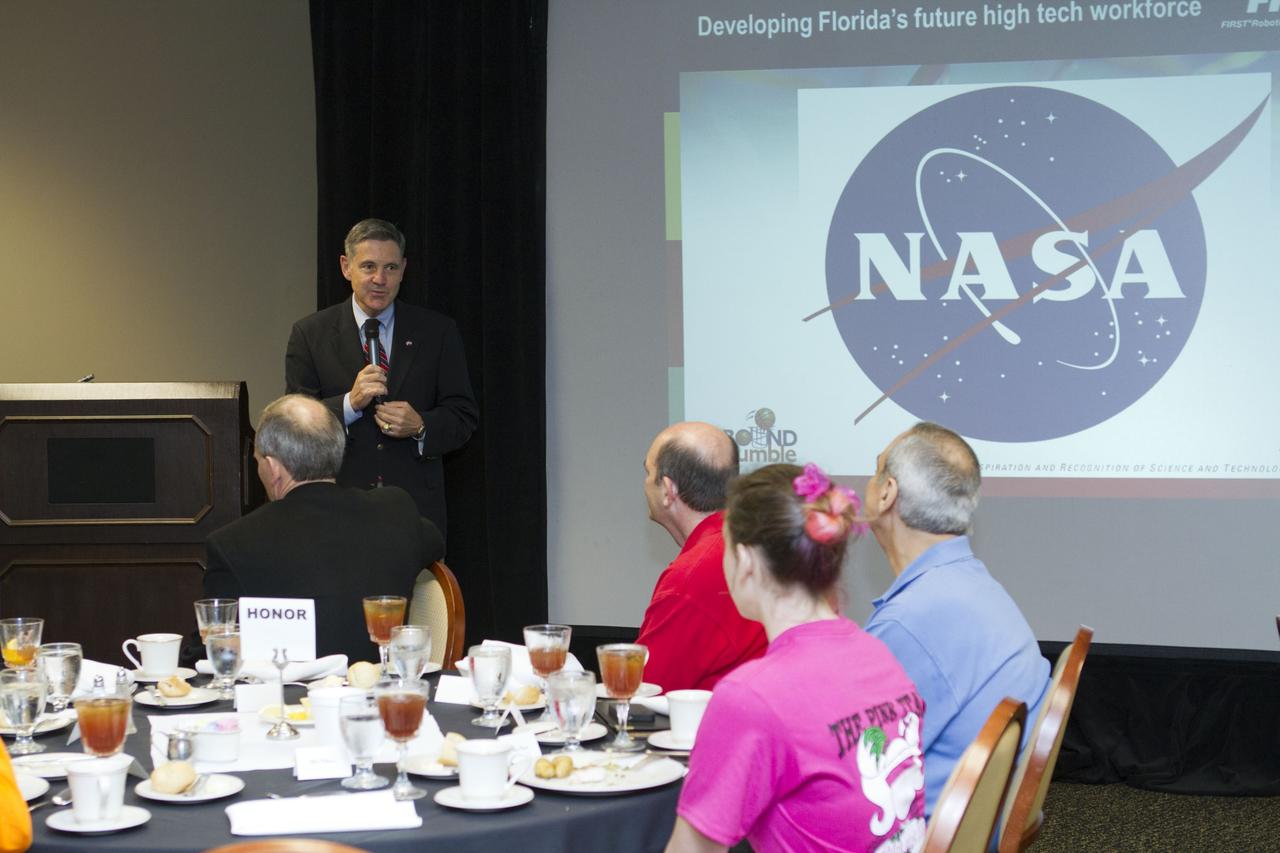
ORLANDO, Fla. -- NASA Kennedy Space Center Director Bob Cabana talks to teams that are participating in the regional FIRST robotics competition at the University of Central Florida in Orlando, Fla. More than 60 high school teams took part in the competition called "For Inspiration and Recognition of Science and Technology," or FIRST, in hopes of advancing to the national robotics championship. This year, the competition resembled a basketball game and was dubbed "Rebound Rumble." The game measured the effectiveness of each robot, the power of collaboration and the determination of the teams. FIRST, founded in 1989, is a non-profit organization that designs accessible, innovative programs to build self-confidence, knowledge and life skills while motivating young people to pursue academic opportunities. The robotics competition challenges teams of high school students and their mentors to solve a common problem in a six-week timeframe using a standard kit of parts and a common set of rules. NASA is the largest sponsor of the international program. Kennedy Space Center is a sponsor of the regional event. For more information on Kennedy's education events and initiatives, go to http://www.nasa.gov/offices/education/centers/kennedy/home/index.html. Photo credit: NASA/Kim Shiflett
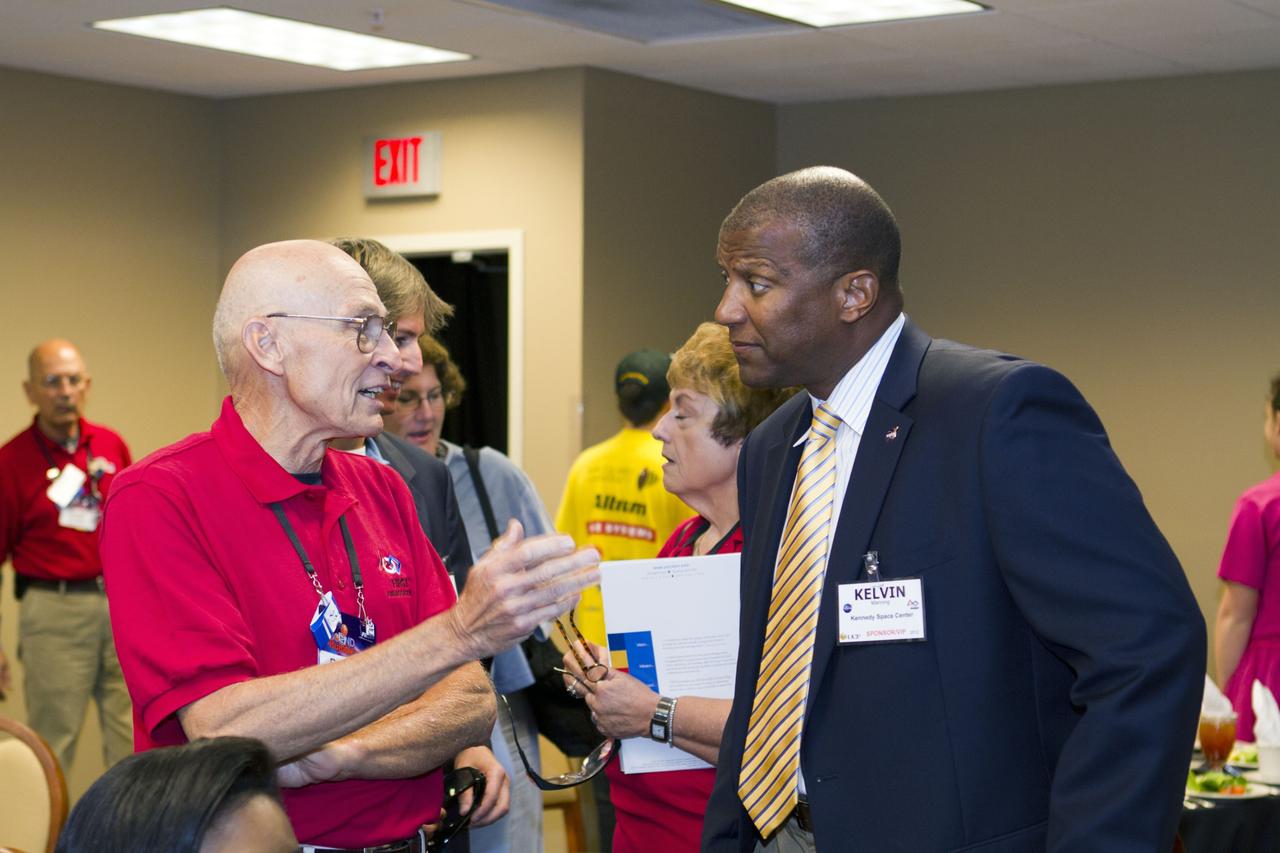
ORLANDO, Fla. -- Former space shuttle launch director, Bob Sieck, left, and NASA Kennedy Space Center Associate Director Kelvin Manning, right, talk amongst high school teams that are competing in the regional FIRST robotics competition at the University of Central Florida in Orlando, Fla. More than 60 teams took part in the competition called "For Inspiration and Recognition of Science and Technology," or FIRST, in hopes of advancing to the national robotics championship. This year, the competition resembled a basketball game and was dubbed "Rebound Rumble." The game measured the effectiveness of each robot, the power of collaboration and the determination of the teams. FIRST, founded in 1989, is a non-profit organization that designs accessible, innovative programs to build self-confidence, knowledge and life skills while motivating young people to pursue academic opportunities. The robotics competition challenges teams of high school students and their mentors to solve a common problem in a six-week timeframe using a standard kit of parts and a common set of rules. NASA is the largest sponsor of the international program. Kennedy Space Center is a sponsor of the regional event. For more information on Kennedy's education events and initiatives, go to http://www.nasa.gov/offices/education/centers/kennedy/home/index.html. Photo credit: NASA/Kim Shiflett
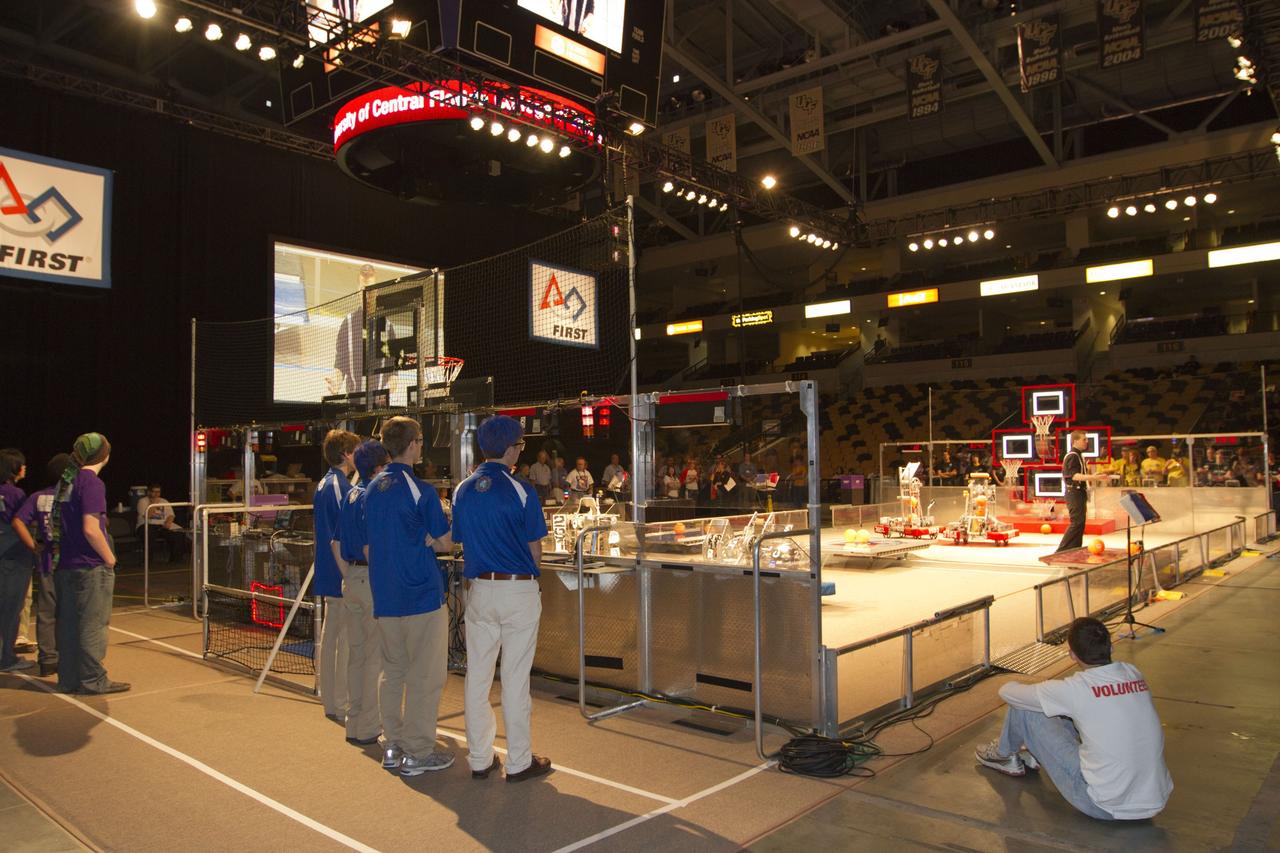
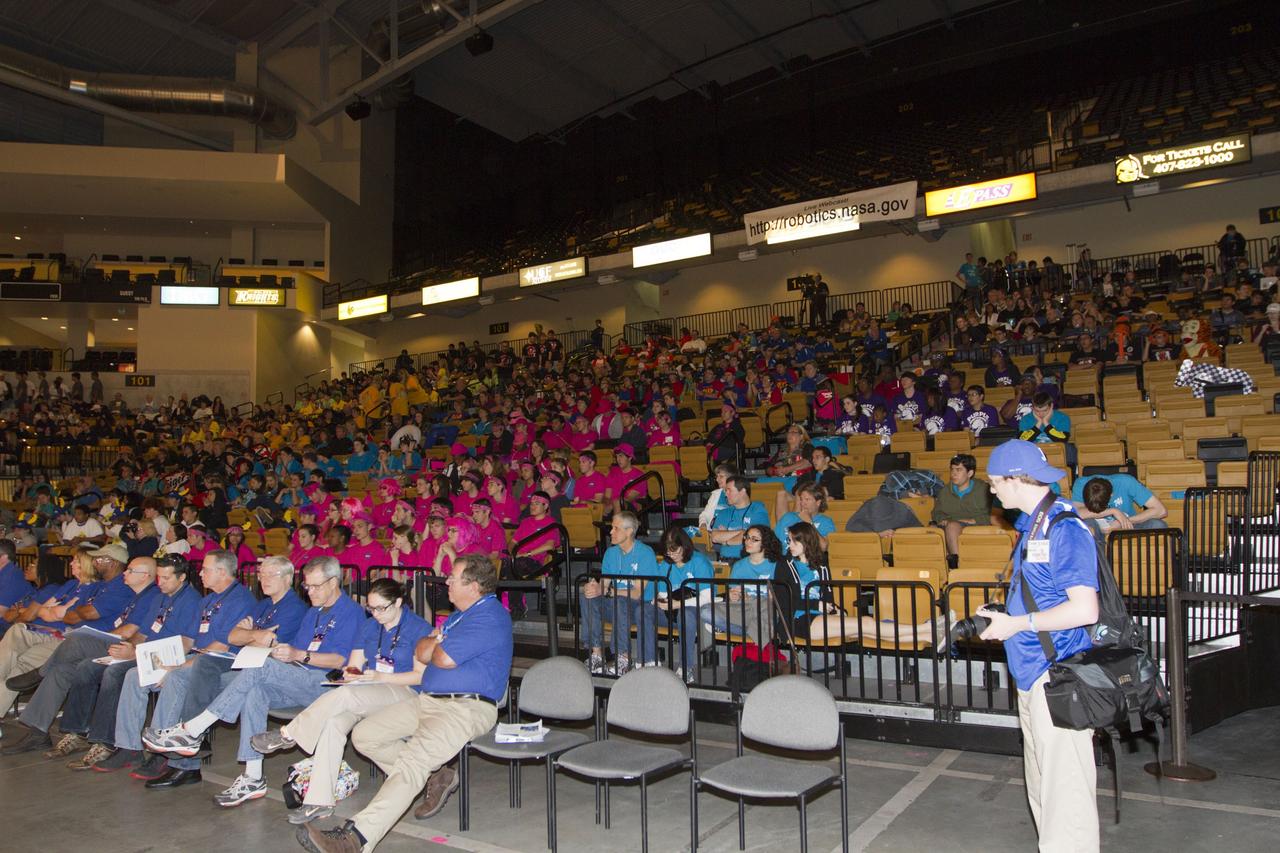
ORLANDO, Fla. -- High school teams compete in the regional FIRST robotics competition at the University of Central Florida in Orlando, Fla. More than 60 teams took part in the competition called "For Inspiration and Recognition of Science and Technology," or FIRST, in hopes of advancing to the national robotics championship. This year, the competition resembled a basketball game and was dubbed "Rebound Rumble." The game measured the effectiveness of each robot, the power of collaboration and the determination of the teams. FIRST, founded in 1989, is a non-profit organization that designs accessible, innovative programs to build self-confidence, knowledge and life skills while motivating young people to pursue academic opportunities. The robotics competition challenges teams of high school students and their mentors to solve a common problem in a six-week timeframe using a standard kit of parts and a common set of rules. NASA is the largest sponsor of the international program. Kennedy Space Center is a sponsor of the regional event. For more information on Kennedy's education events and initiatives, go to http://www.nasa.gov/offices/education/centers/kennedy/home/index.html. Photo credit: NASA/Kim Shiflett

ORLANDO, Fla. -- High school teams compete in the regional FIRST robotics competition at the University of Central Florida in Orlando, Fla. More than 60 teams took part in the competition called "For Inspiration and Recognition of Science and Technology," or FIRST, in hopes of advancing to the national robotics championship. This year, the competition resembled a basketball game and was dubbed "Rebound Rumble." The game measured the effectiveness of each robot, the power of collaboration and the determination of the teams. FIRST, founded in 1989, is a non-profit organization that designs accessible, innovative programs to build self-confidence, knowledge and life skills while motivating young people to pursue academic opportunities. The robotics competition challenges teams of high school students and their mentors to solve a common problem in a six-week timeframe using a standard kit of parts and a common set of rules. NASA is the largest sponsor of the international program. Kennedy Space Center is a sponsor of the regional event. For more information on Kennedy's education events and initiatives, go to http://www.nasa.gov/offices/education/centers/kennedy/home/index.html. Photo credit: NASA/Kim Shiflett
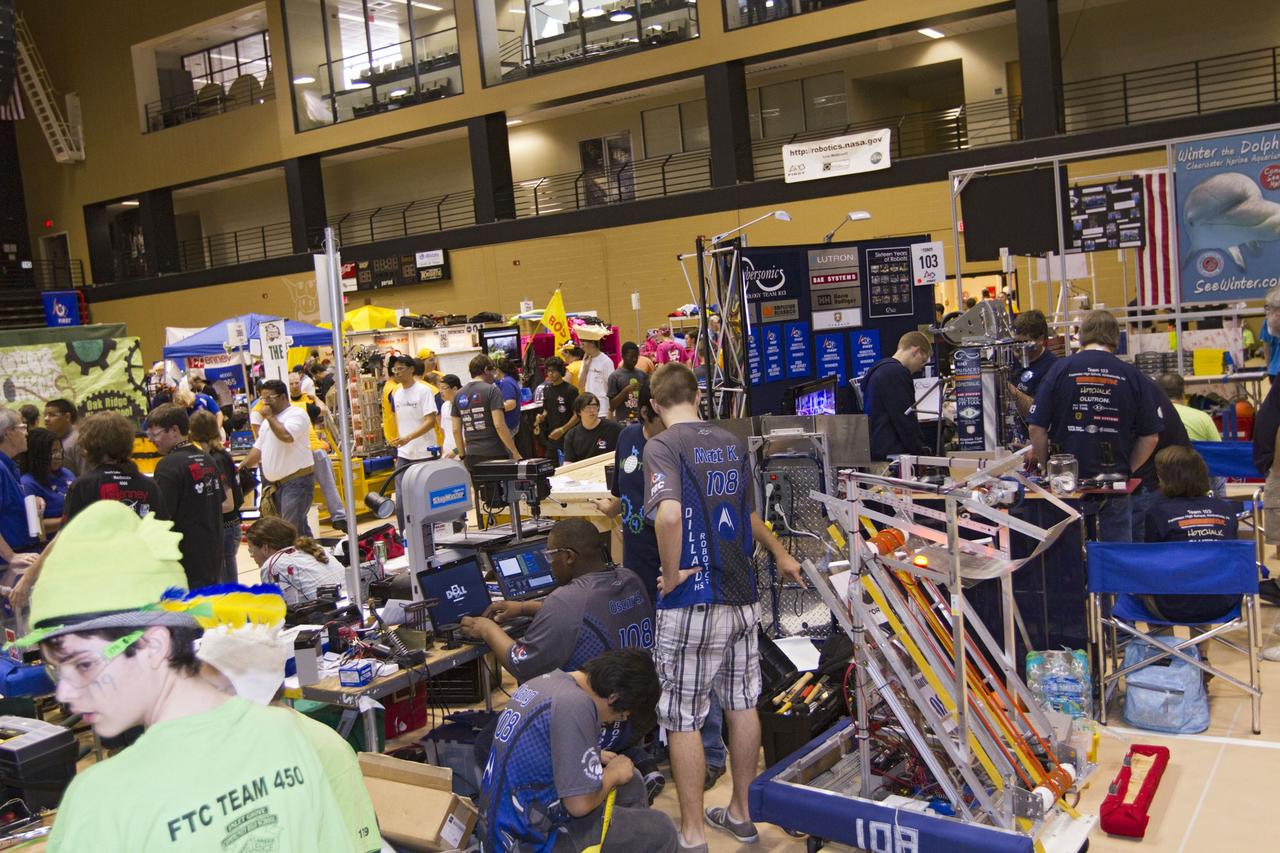
ORLANDO, Fla. -- High school teams tinker with their robots during the regional FIRST robotics competition at the University of Central Florida in Orlando, Fla. More than 60 teams took part in the competition called "For Inspiration and Recognition of Science and Technology," or FIRST, in hopes of advancing to the national robotics championship. This year ,the competition resembled a basketball game and was dubbed "Rebound Rumble." The game measured the effectiveness of each robot, the power of collaboration and the determination of the teams. FIRST, founded in 1989, is a non-profit organization that designs accessible, innovative programs to build self-confidence, knowledge and life skills while motivating young people to pursue academic opportunities. The robotics competition challenges teams of high school students and their mentors to solve a common problem in a six-week timeframe using a standard kit of parts and a common set of rules. NASA is the largest sponsor of the international program. Kennedy Space Center is a sponsor of the regional event. For more information on Kennedy's education events and initiatives, go to http://www.nasa.gov/offices/education/centers/kennedy/home/index.html. Photo credit: NASA/Kim Shiflett
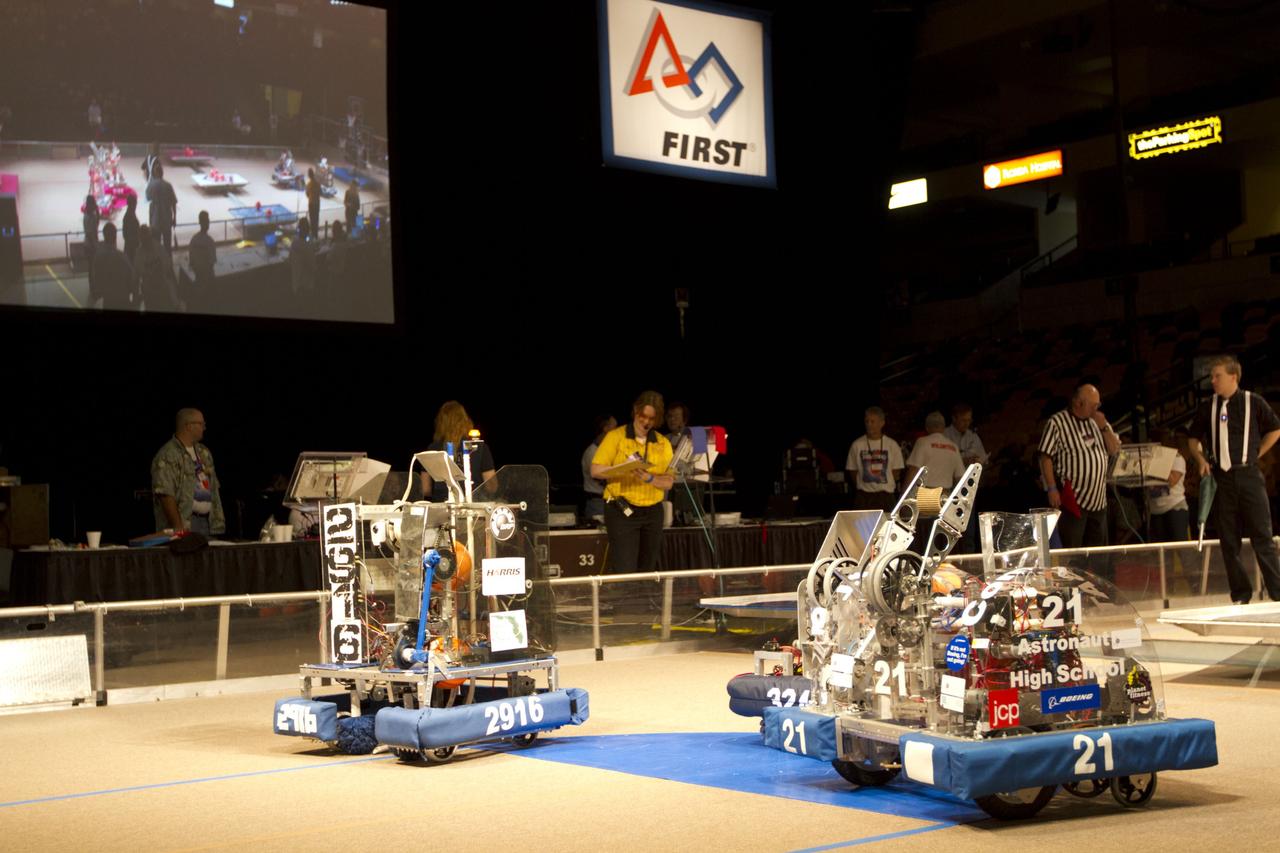
ORLANDO, Fla. -- High school teams compete in the regional FIRST robotics competition at the University of Central Florida in Orlando, Fla. More than 60 teams took part in the competition called "For Inspiration and Recognition of Science and Technology," or FIRST, in hopes of advancing to the national robotics championship. This year, the competition resembled a basketball game and was dubbed "Rebound Rumble." The game measured the effectiveness of each robot, the power of collaboration and the determination of the teams. FIRST, founded in 1989, is a non-profit organization that designs accessible, innovative programs to build self-confidence, knowledge and life skills while motivating young people to pursue academic opportunities. The robotics competition challenges teams of high school students and their mentors to solve a common problem in a six-week timeframe using a standard kit of parts and a common set of rules. NASA is the largest sponsor of the international program. Kennedy Space Center is a sponsor of the regional event. For more information on Kennedy's education events and initiatives, go to http://www.nasa.gov/offices/education/centers/kennedy/home/index.html. Photo credit: NASA/Kim Shiflett
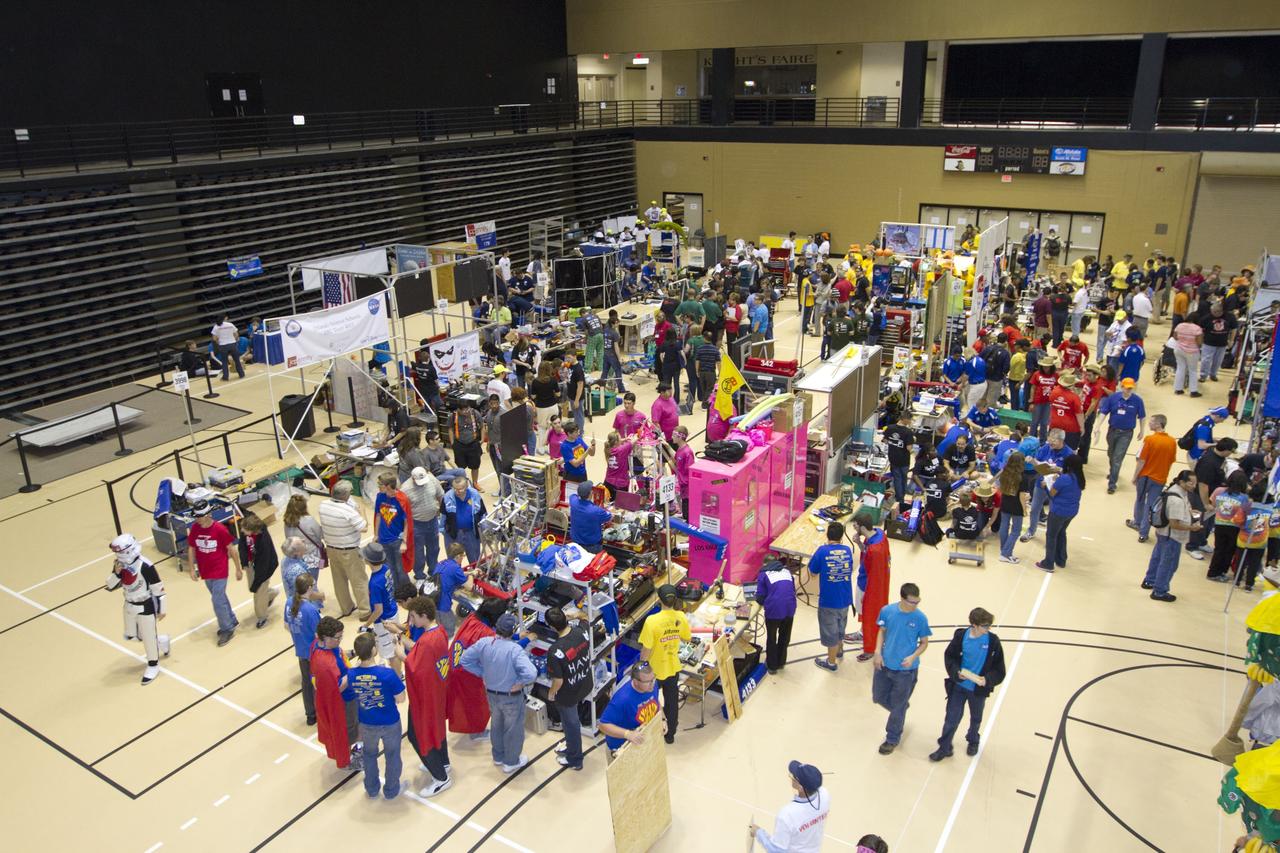
ORLANDO, Fla. -- High school teams tinker with their robots during the regional FIRST robotics competition at the University of Central Florida in Orlando, Fla. More than 60 teams took part in the competition called "For Inspiration and Recognition of Science and Technology," or FIRST, in hopes of advancing to the national robotics championship. This year, the competition resembled a basketball game and was dubbed "Rebound Rumble." The game measured the effectiveness of each robot, the power of collaboration and the determination of the teams. FIRST, founded in 1989, is a non-profit organization that designs accessible, innovative programs to build self-confidence, knowledge and life skills while motivating young people to pursue academic opportunities. The robotics competition challenges teams of high school students and their mentors to solve a common problem in a six-week timeframe using a standard kit of parts and a common set of rules. NASA is the largest sponsor of the international program. Kennedy Space Center is a sponsor of the regional event. For more information on Kennedy's education events and initiatives, go to http://www.nasa.gov/offices/education/centers/kennedy/home/index.html. Photo credit: NASA/Kim Shiflett
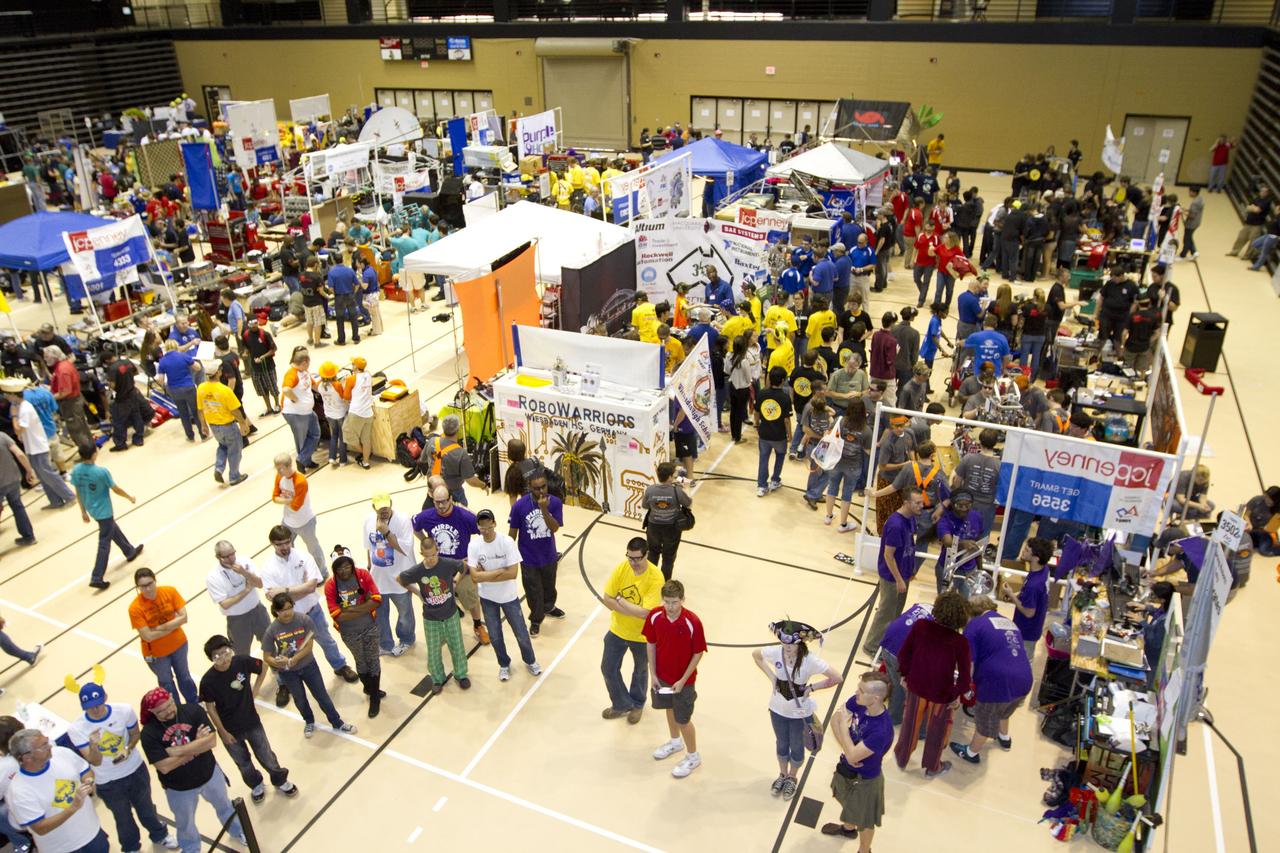
ORLANDO, Fla. -- High school teams tinker with their robots during the regional FIRST robotics competition at the University of Central Florida in Orlando, Fla. More than 50 teams took part in the competition called "For Inspiration and Recognition of Science and Technology," or FIRST, in hopes of advancing to the national robotics championship. This year, the competition resembled a basketball game and was dubbed "Rebound Rumble." The game measured the effectiveness of each robot, the power of collaboration and the determination of the teams. FIRST, founded in 1989, is a non-profit organization that designs accessible, innovative programs to build self-confidence, knowledge and life skills while motivating young people to pursue academic opportunities. The robotics competition challenges teams of high school students and their mentors to solve a common problem in a six-week timeframe using a standard kit of parts and a common set of rules. NASA is the largest sponsor of the international program. Kennedy Space Center is a sponsor of the regional event. For more information on Kennedy's education events and initiatives, go to http://www.nasa.gov/offices/education/centers/kennedy/home/index.html. Photo credit: NASA/Kim Shiflett
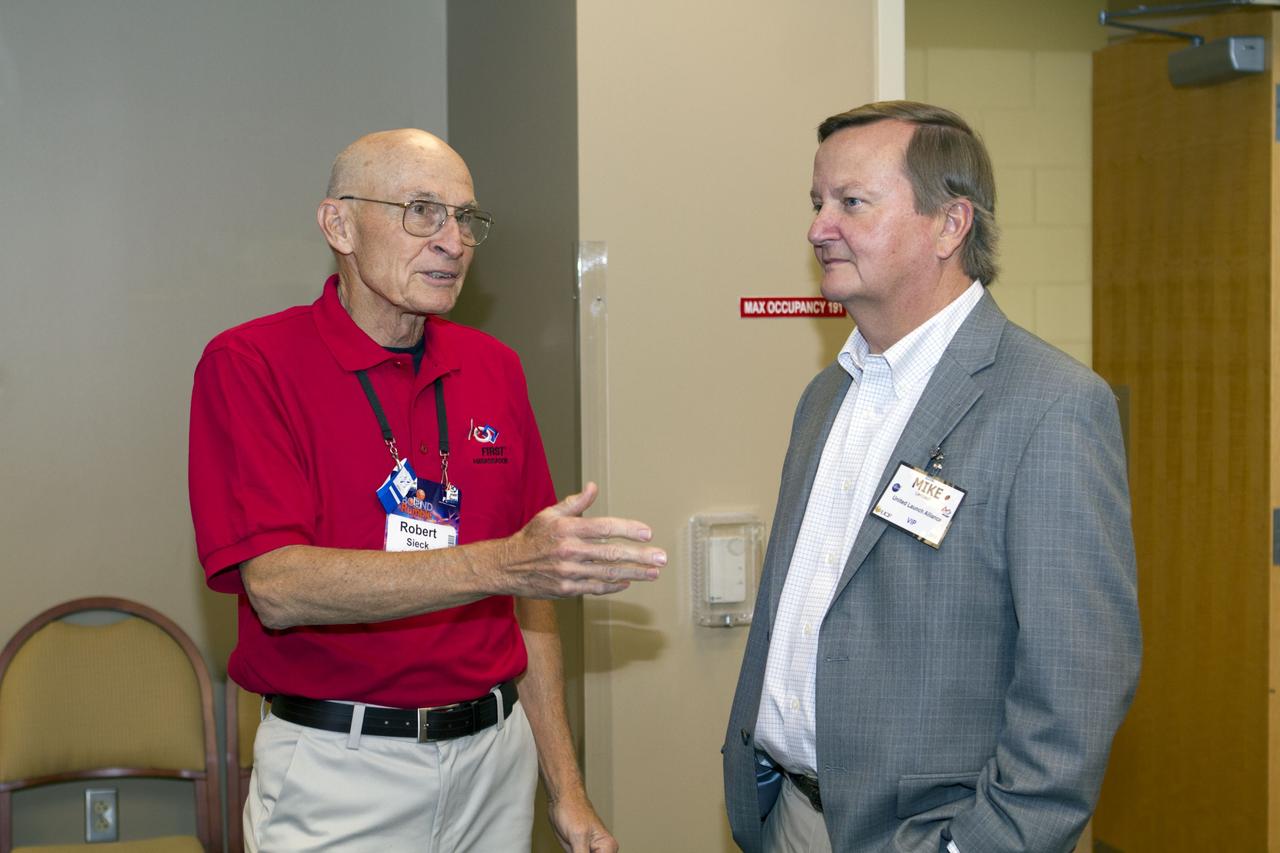
ORLANDO, Fla. -- Former space shuttle launch directors, Bob Sieck, left, and Mike Leinbach, right, talk with high school teams that are competing in the regional FIRST robotics competition at the University of Central Florida in Orlando, Fla. More than 60 teams took part in the competition called "For Inspiration and Recognition of Science and Technology," or FIRST, in hopes of advancing to the national robotics championship. This year, the competition resembled a basketball game and was dubbed "Rebound Rumble." The game measured the effectiveness of each robot, the power of collaboration and the determination of the teams. FIRST, founded in 1989, is a non-profit organization that designs accessible, innovative programs to build self-confidence, knowledge and life skills while motivating young people to pursue academic opportunities. The robotics competition challenges teams of high school students and their mentors to solve a common problem in a six-week timeframe using a standard kit of parts and a common set of rules. NASA is the largest sponsor of the international program. Kennedy Space Center is a sponsor of the regional event. For more information on Kennedy's education events and initiatives, go to http://www.nasa.gov/offices/education/centers/kennedy/home/index.html. Photo credit: NASA/Kim Shiflett
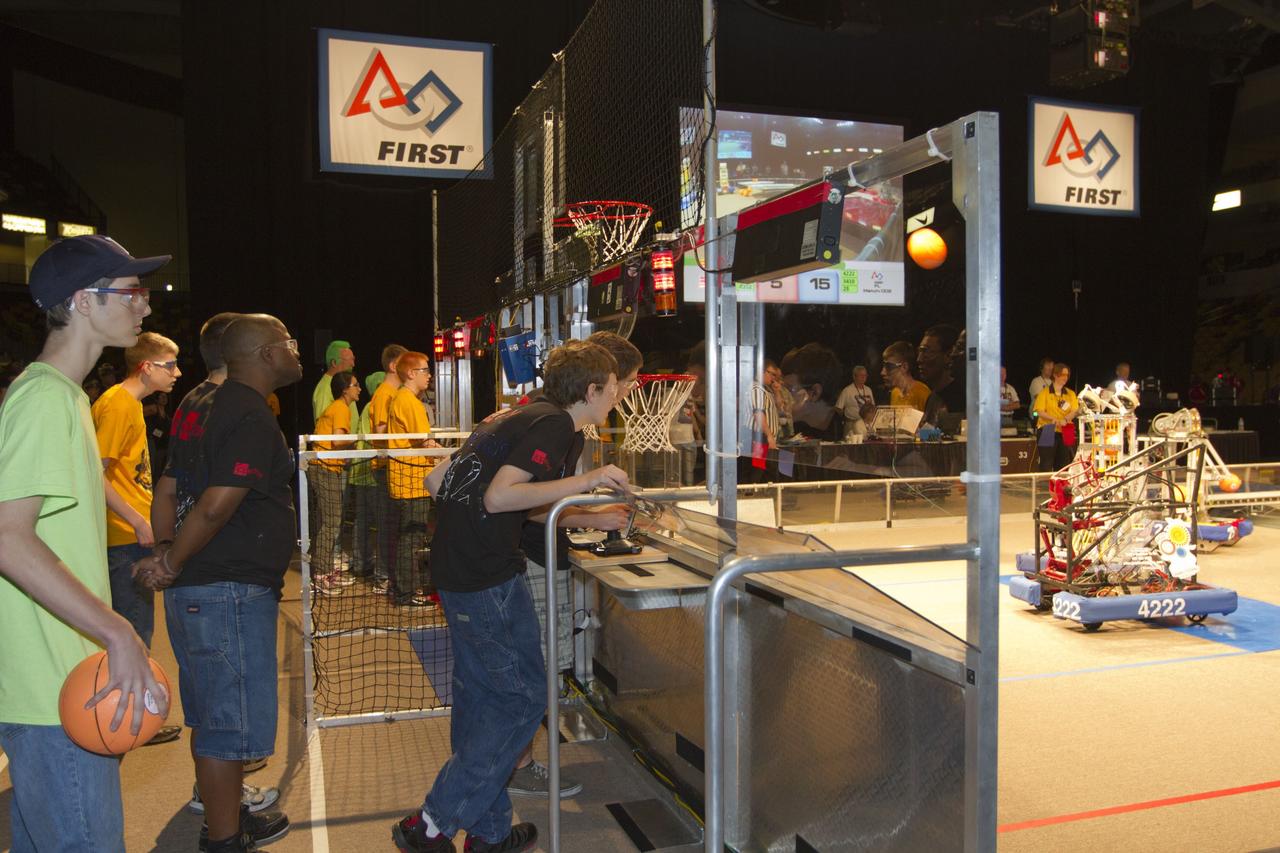
ORLANDO, Fla. -- High school teams compete in the regional FIRST robotics competition at the University of Central Florida in Orlando, Fla. More than 60 teams took part in the competition called "For Inspiration and Recognition of Science and Technology," or FIRST, in hopes of advancing to the national robotics championship. This year, the competition resembled a basketball game and was dubbed "Rebound Rumble." The game measured the effectiveness of each robot, the power of collaboration and the determination of the teams. FIRST, founded in 1989, is a non-profit organization that designs accessible, innovative programs to build self-confidence, knowledge and life skills while motivating young people to pursue academic opportunities. The robotics competition challenges teams of high school students and their mentors to solve a common problem in a six-week timeframe using a standard kit of parts and a common set of rules. NASA is the largest sponsor of the international program. Kennedy Space Center is a sponsor of the regional event. For more information on Kennedy's education events and initiatives, go to http://www.nasa.gov/offices/education/centers/kennedy/home/index.html. Photo credit: NASA/Kim Shiflett
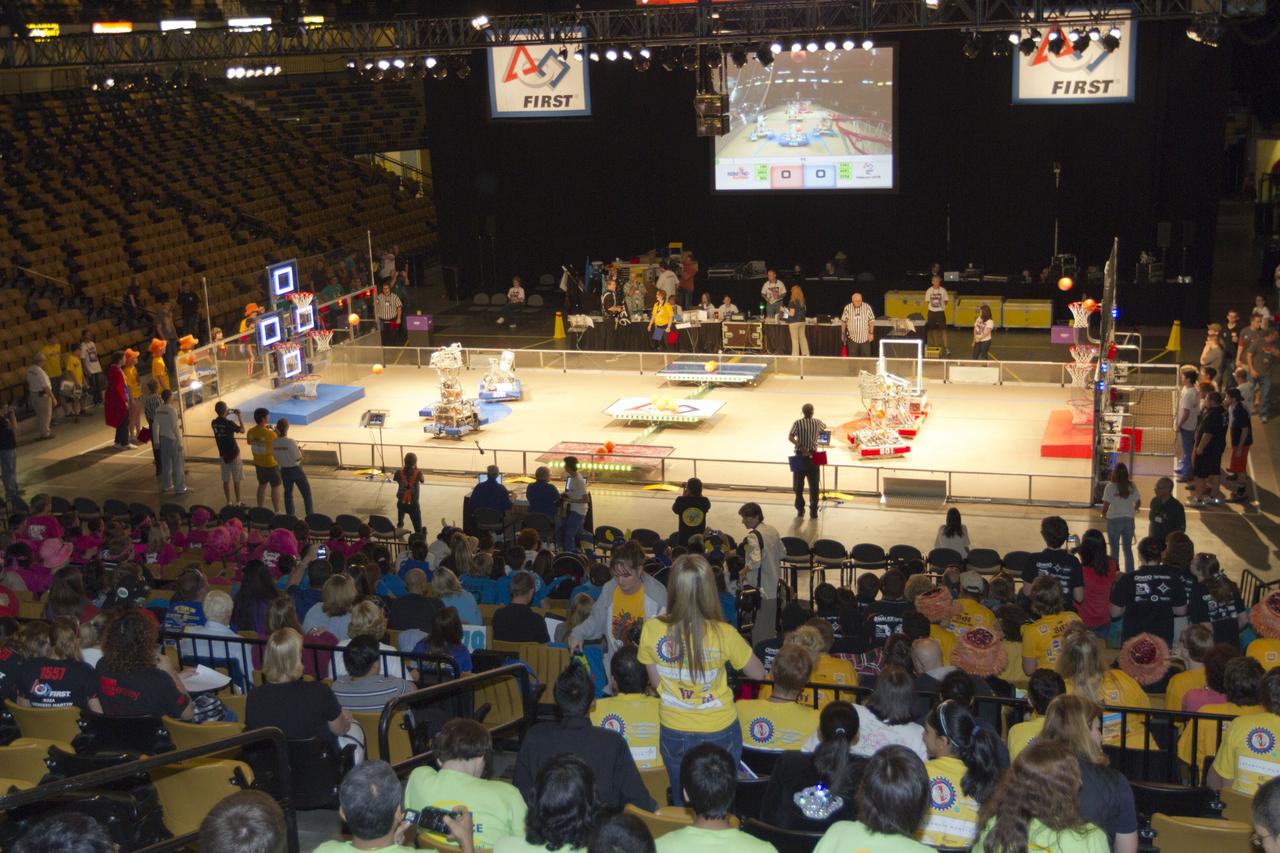
ORLANDO, Fla. -- High school teams compete in the regional FIRST robotics competition at the University of Central Florida in Orlando, Fla. More than 60 teams took part in the competition called "For Inspiration and Recognition of Science and Technology," or FIRST, in hopes of advancing to the national robotics championship. This year, the competition resembled a basketball game and was dubbed "Rebound Rumble." The game measured the effectiveness of each robot, the power of collaboration and the determination of the teams. FIRST, founded in 1989, is a non-profit organization that designs accessible, innovative programs to build self-confidence, knowledge and life skills while motivating young people to pursue academic opportunities. The robotics competition challenges teams of high school students and their mentors to solve a common problem in a six-week timeframe using a standard kit of parts and a common set of rules. NASA is the largest sponsor of the international program. Kennedy Space Center is a sponsor of the regional event. For more information on Kennedy's education events and initiatives, go to http://www.nasa.gov/offices/education/centers/kennedy/home/index.html. Photo credit: NASA/Kim Shiflett
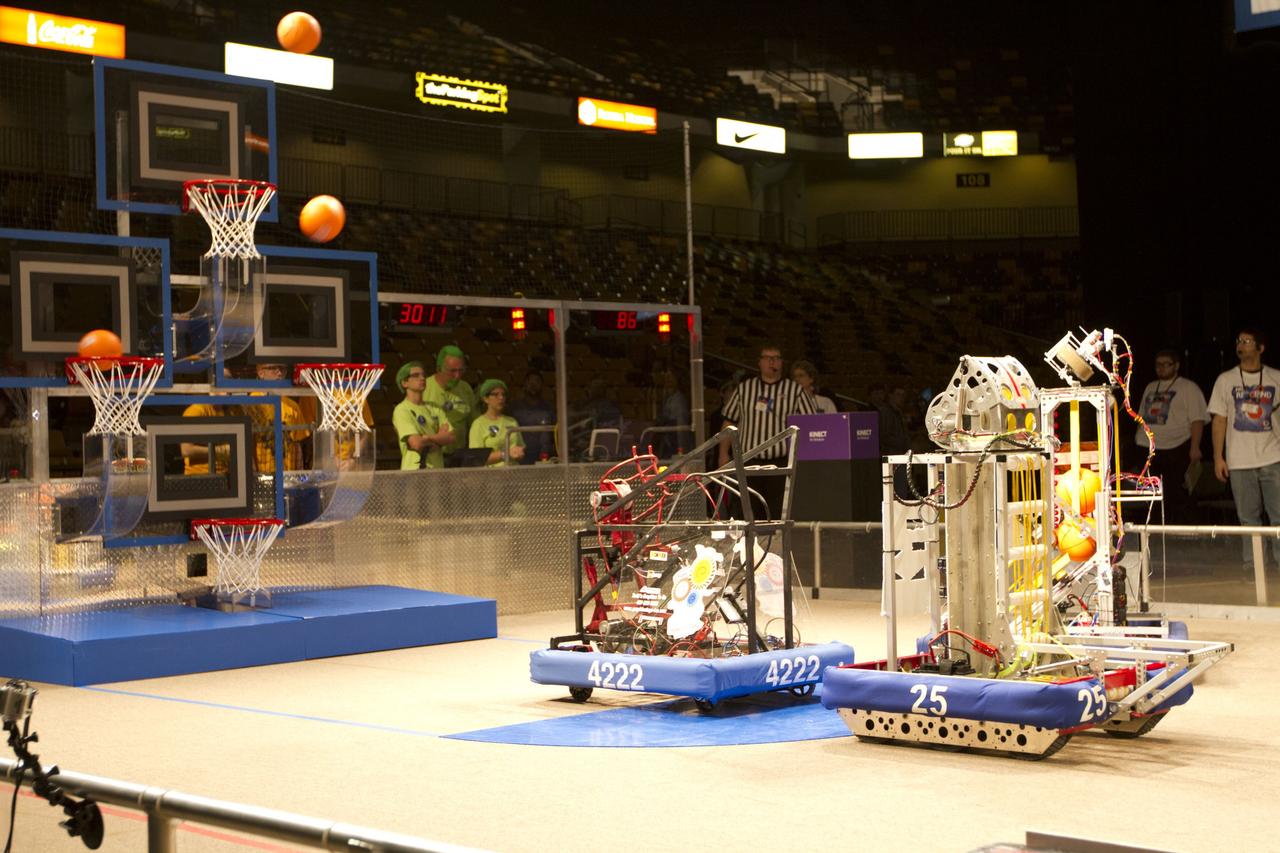
ORLANDO, Fla. -- High school teams compete in the regional FIRST robotics competition at the University of Central Florida in Orlando, Fla. More than 60 teams took part in the competition called "For Inspiration and Recognition of Science and Technology," or FIRST, in hopes of advancing to the national robotics championship. This year, the competition resembled a basketball game and was dubbed "Rebound Rumble." The game measured the effectiveness of each robot, the power of collaboration and the determination of the teams. FIRST, founded in 1989, is a non-profit organization that designs accessible, innovative programs to build self-confidence, knowledge and life skills while motivating young people to pursue academic opportunities. The robotics competition challenges teams of high school students and their mentors to solve a common problem in a six-week timeframe using a standard kit of parts and a common set of rules. NASA is the largest sponsor of the international program. Kennedy Space Center is a sponsor of the regional event. For more information on Kennedy's education events and initiatives, go to http://www.nasa.gov/offices/education/centers/kennedy/home/index.html. Photo credit: NASA/Kim Shiflett
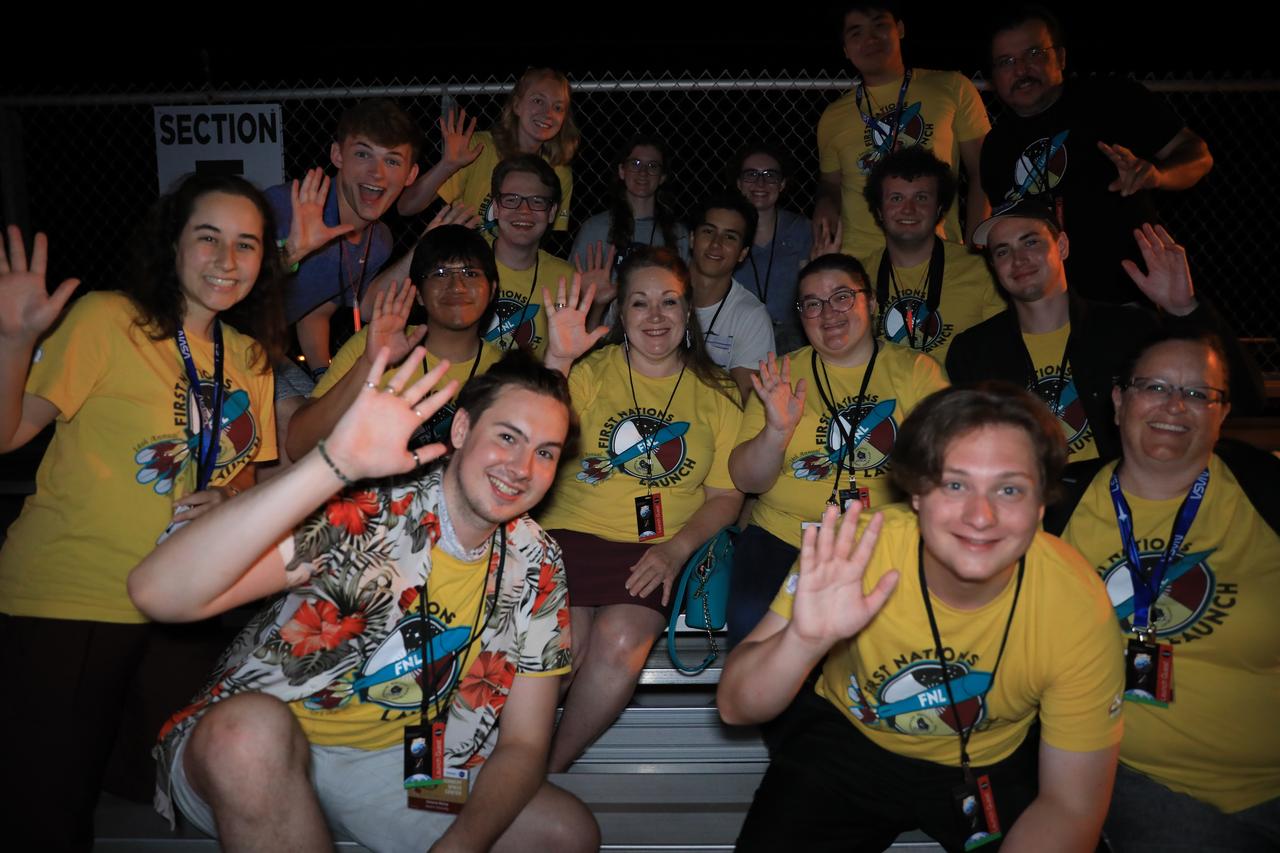
Participants from the 14th First Nations Launch High-Power Rocket Competition watch NASA’s SpaceX Crew-7 launch from the Banana Creek viewing site at the agency’s Kennedy Space Center in Florida on Saturday, Aug. 26, 2023. A SpaceX Falcon 9 rocket carrying NASA astronaut Jasmin Moghbeli, ESA (European Space Agency) astronaut Andreas Mogensen, JAXA (Japan Aerospace Exploration Agency) astronaut Satoshi Furukawa, and Roscosmos cosmonaut Konstantin Borisov launched to the International Space Station at 3:27 a.m. EDT from Kennedy’s Launch Complex 39A. Students and advisors from University of Washington, University of Colorado-Boulder, and an international team from Queens University – this year’s First Nations Launch grand prize teams – traveled to Kennedy for a VIP tour, culminating in viewing the Crew-7 launch. Another highlight included a guided tour of historic Hangar AE, led by James Wood (Osage Nation and Loyal Shawnee), chief engineer of NASA’s Launch Services Program, technical advisor for the Crew-7 launch, and First Nations mentor and judge. One of NASA’s Artemis Student Challenges, the First Nations Launch competition comprises students from tribal colleges and universities, Native American-Serving Nontribal Institutions, and collegiate chapters of the American Indian Science and Engineering Society who design, build, and launch a high-powered rocket from a launch site in Kansasville, Wisconsin. The competition is facilitated by NASA’s Wisconsin Space Grant Consortium and managed by the agency’s Office of STEM Engagement at Kennedy.
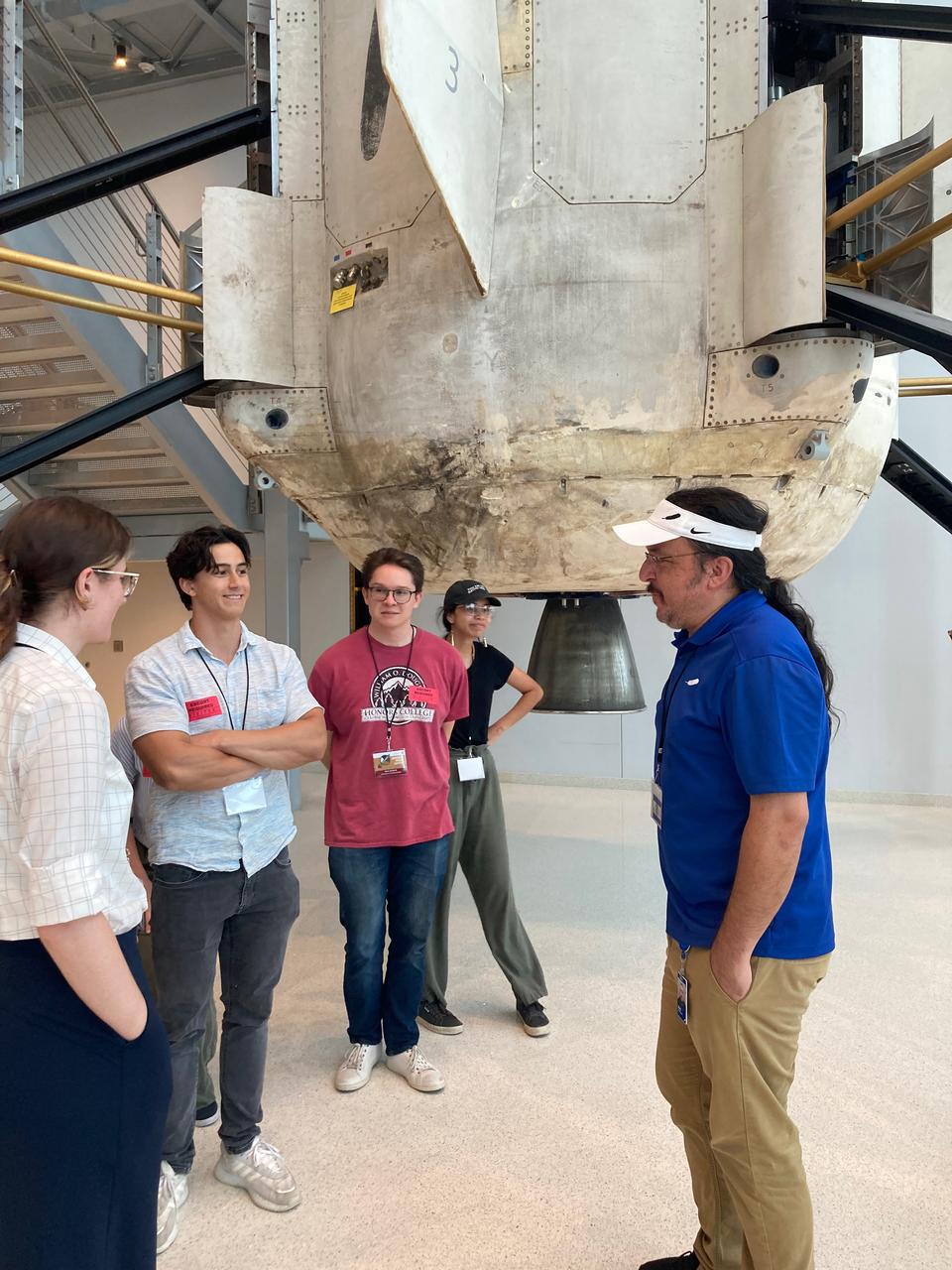
Participants from the 14th First Nations Launch High-Power Rocket Competition watch NASA’s SpaceX Crew-7 launch from the Banana Creek viewing site at the agency’s Kennedy Space Center in Florida on Saturday, Aug. 26, 2023. A SpaceX Falcon 9 rocket carrying NASA astronaut Jasmin Moghbeli, ESA (European Space Agency) astronaut Andreas Mogensen, JAXA (Japan Aerospace Exploration Agency) astronaut Satoshi Furukawa, and Roscosmos cosmonaut Konstantin Borisov launched to the International Space Station at 3:27 a.m. EDT from Kennedy’s Launch Complex 39A. Students and advisors from University of Washington, University of Colorado-Boulder, and an international team from Queens University – this year’s First Nations Launch grand prize teams – traveled to Kennedy for a VIP tour, culminating in viewing the Crew-7 launch. Another highlight included a guided tour of historic Hangar AE, led by James Wood (Osage Nation and Loyal Shawnee), chief engineer of NASA’s Launch Services Program, technical advisor for the Crew-7 launch, and First Nations mentor and judge. One of NASA’s Artemis Student Challenges, the First Nations Launch competition comprises students from tribal colleges and universities, Native American-Serving Nontribal Institutions, and collegiate chapters of the American Indian Science and Engineering Society who design, build, and launch a high-powered rocket from a launch site in Kansasville, Wisconsin. The competition is facilitated by NASA’s Wisconsin Space Grant Consortium and managed by the agency’s Office of STEM Engagement at Kennedy.
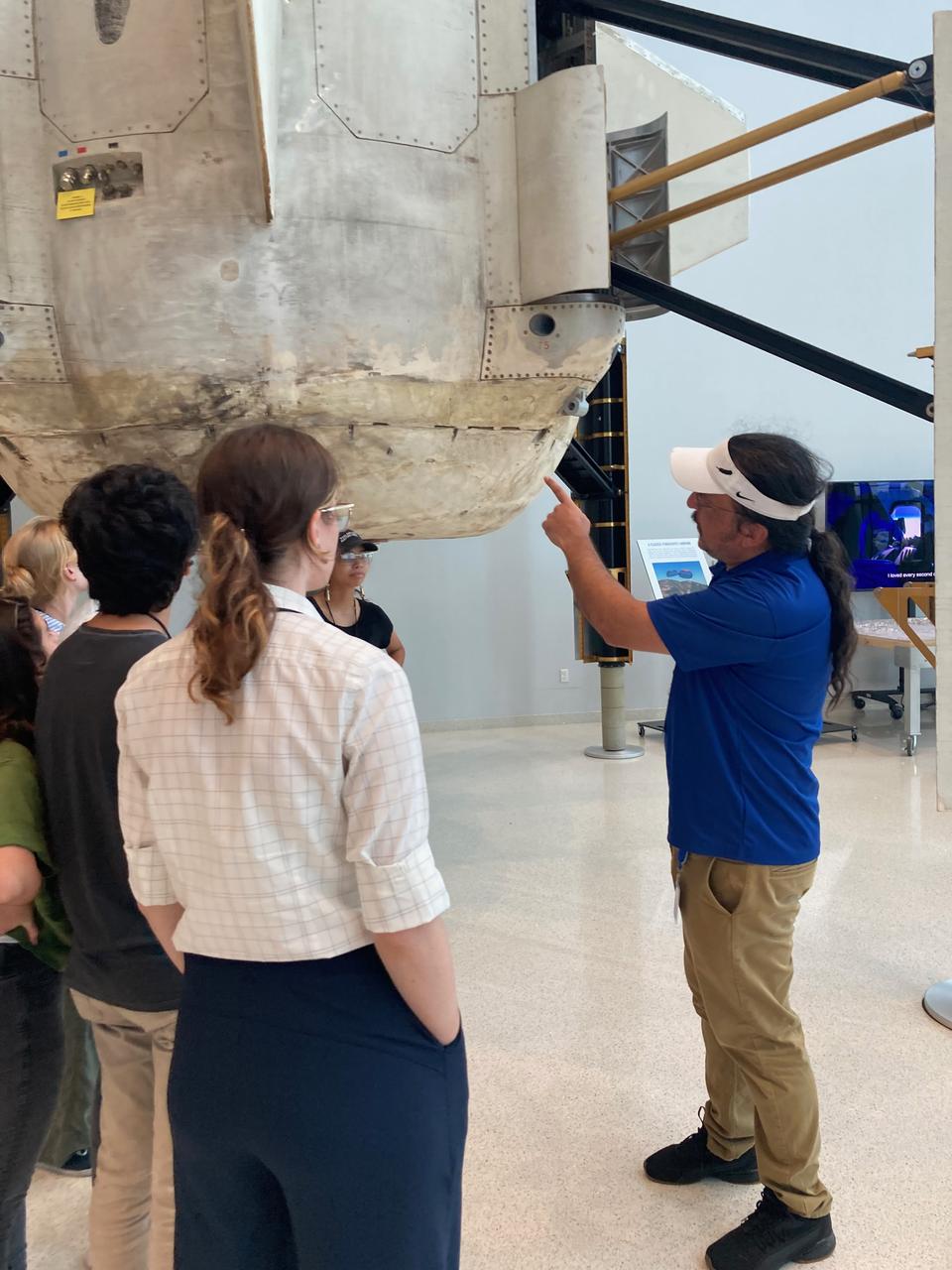
Participants from the 14th First Nations Launch High-Power Rocket Competition watch NASA’s SpaceX Crew-7 launch from the Banana Creek viewing site at the agency’s Kennedy Space Center in Florida on Saturday, Aug. 26, 2023. A SpaceX Falcon 9 rocket carrying NASA astronaut Jasmin Moghbeli, ESA (European Space Agency) astronaut Andreas Mogensen, JAXA (Japan Aerospace Exploration Agency) astronaut Satoshi Furukawa, and Roscosmos cosmonaut Konstantin Borisov launched to the International Space Station at 3:27 a.m. EDT from Kennedy’s Launch Complex 39A. Students and advisors from University of Washington, University of Colorado-Boulder, and an international team from Queens University – this year’s First Nations Launch grand prize teams – traveled to Kennedy for a VIP tour, culminating in viewing the Crew-7 launch. Another highlight included a guided tour of historic Hangar AE, led by James Wood (Osage Nation and Loyal Shawnee), chief engineer of NASA’s Launch Services Program, technical advisor for the Crew-7 launch, and First Nations mentor and judge. One of NASA’s Artemis Student Challenges, the First Nations Launch competition comprises students from tribal colleges and universities, Native American-Serving Nontribal Institutions, and collegiate chapters of the American Indian Science and Engineering Society who design, build, and launch a high-powered rocket from a launch site in Kansasville, Wisconsin. The competition is facilitated by NASA’s Wisconsin Space Grant Consortium and managed by the agency’s Office of STEM Engagement at Kennedy.
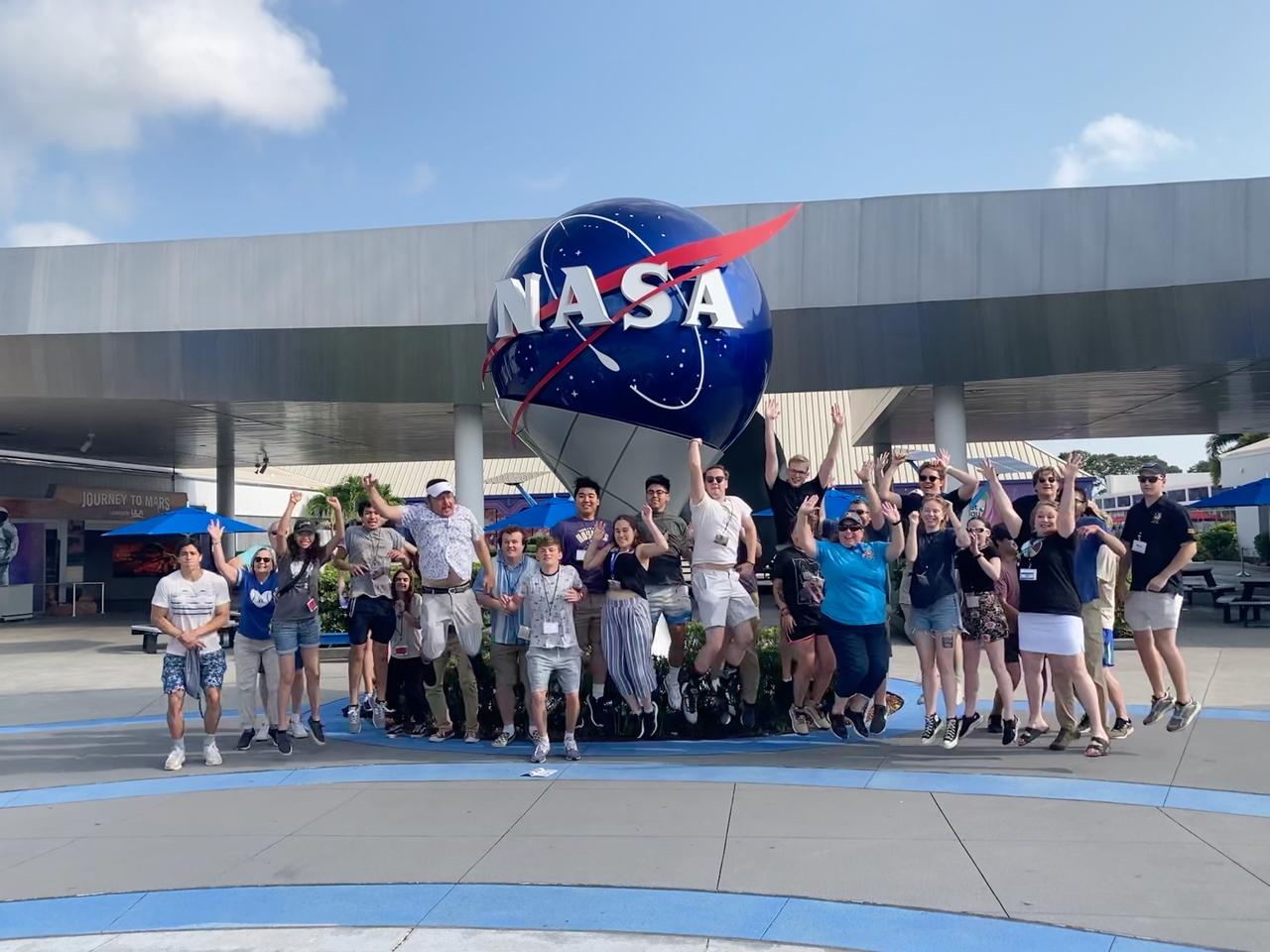
Participants from the 14th First Nations Launch High-Power Rocket Competition watch NASA’s SpaceX Crew-7 launch from the Banana Creek viewing site at the agency’s Kennedy Space Center in Florida on Saturday, Aug. 26, 2023. A SpaceX Falcon 9 rocket carrying NASA astronaut Jasmin Moghbeli, ESA (European Space Agency) astronaut Andreas Mogensen, JAXA (Japan Aerospace Exploration Agency) astronaut Satoshi Furukawa, and Roscosmos cosmonaut Konstantin Borisov launched to the International Space Station at 3:27 a.m. EDT from Kennedy’s Launch Complex 39A. Students and advisors from University of Washington, University of Colorado-Boulder, and an international team from Queens University – this year’s First Nations Launch grand prize teams – traveled to Kennedy for a VIP tour, culminating in viewing the Crew-7 launch. Another highlight included a guided tour of historic Hangar AE, led by James Wood (Osage Nation and Loyal Shawnee), chief engineer of NASA’s Launch Services Program, technical advisor for the Crew-7 launch, and First Nations mentor and judge. One of NASA’s Artemis Student Challenges, the First Nations Launch competition comprises students from tribal colleges and universities, Native American-Serving Nontribal Institutions, and collegiate chapters of the American Indian Science and Engineering Society who design, build, and launch a high-powered rocket from a launch site in Kansasville, Wisconsin. The competition is facilitated by NASA’s Wisconsin Space Grant Consortium and managed by the agency’s Office of STEM Engagement at Kennedy.
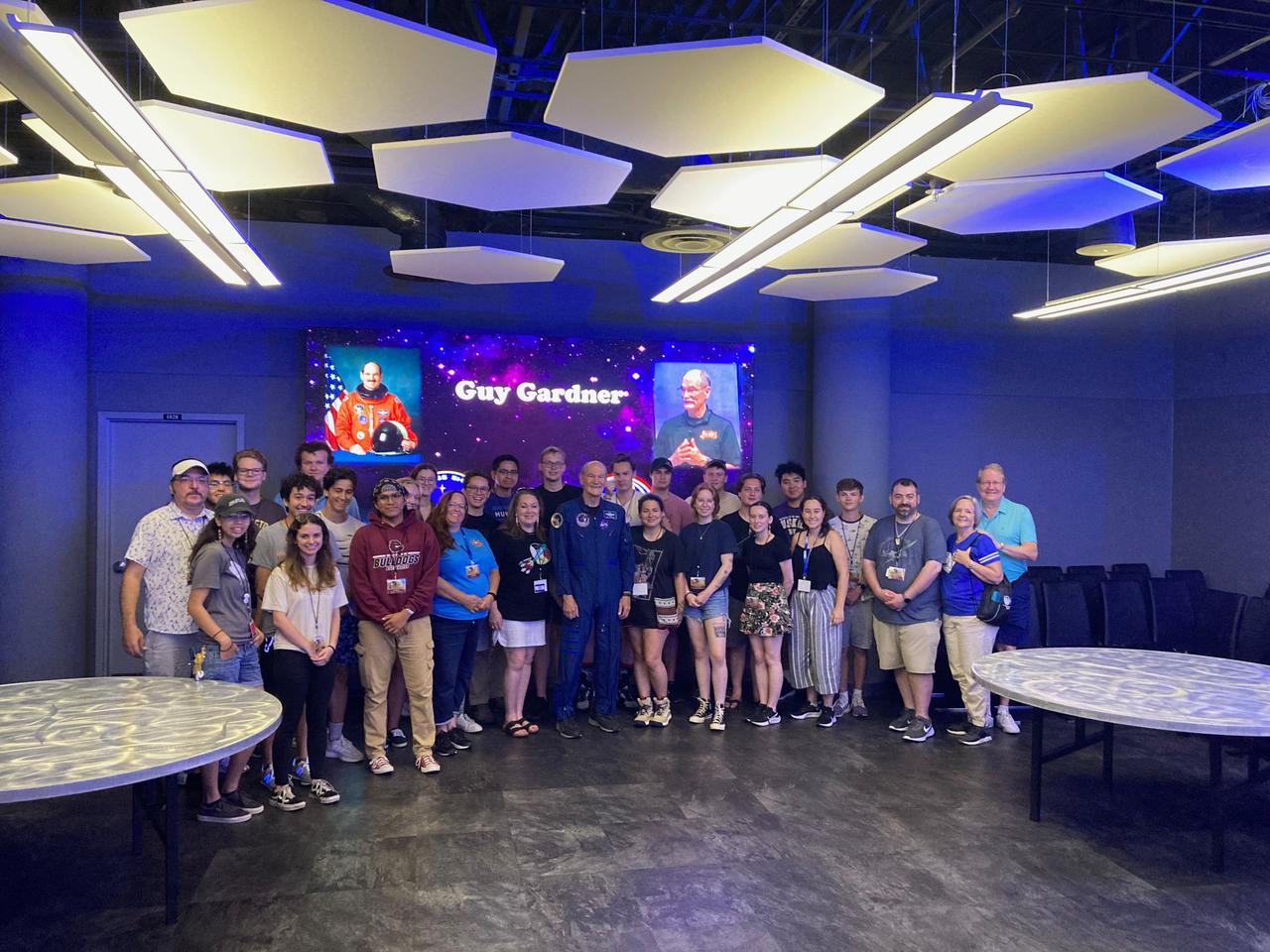
Participants from the 14th First Nations Launch High-Power Rocket Competition watch NASA’s SpaceX Crew-7 launch from the Banana Creek viewing site at the agency’s Kennedy Space Center in Florida on Saturday, Aug. 26, 2023. A SpaceX Falcon 9 rocket carrying NASA astronaut Jasmin Moghbeli, ESA (European Space Agency) astronaut Andreas Mogensen, JAXA (Japan Aerospace Exploration Agency) astronaut Satoshi Furukawa, and Roscosmos cosmonaut Konstantin Borisov launched to the International Space Station at 3:27 a.m. EDT from Kennedy’s Launch Complex 39A. Students and advisors from University of Washington, University of Colorado-Boulder, and an international team from Queens University – this year’s First Nations Launch grand prize teams – traveled to Kennedy for a VIP tour, culminating in viewing the Crew-7 launch. Another highlight included a guided tour of historic Hangar AE, led by James Wood (Osage Nation and Loyal Shawnee), chief engineer of NASA’s Launch Services Program, technical advisor for the Crew-7 launch, and First Nations mentor and judge. One of NASA’s Artemis Student Challenges, the First Nations Launch competition comprises students from tribal colleges and universities, Native American-Serving Nontribal Institutions, and collegiate chapters of the American Indian Science and Engineering Society who design, build, and launch a high-powered rocket from a launch site in Kansasville, Wisconsin. The competition is facilitated by NASA’s Wisconsin Space Grant Consortium and managed by the agency’s Office of STEM Engagement at Kennedy.