
Six iROSA solar arrays in the planned configuration will augment the power drawn from the existing arrays on the International Space Station. Power channels shown are 1A, 2B, 3A, 3B, 4A, and 4B.
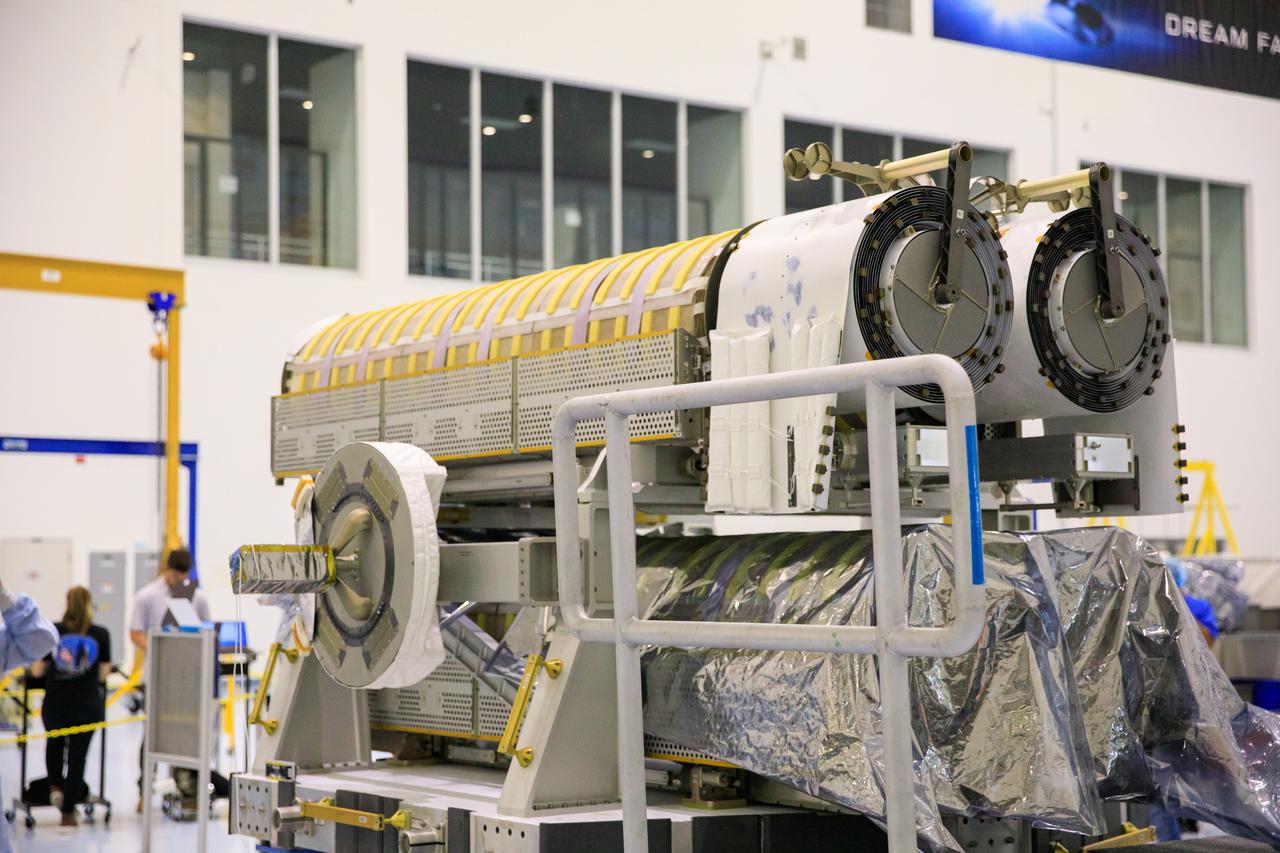
Inside the Space Station Processing Facility high bay at NASA's Kennedy Space Center in Florida, a set of International Space Station Roll Out Solar Arrays (iROSA) have been secured onto a platform on March 23, 2023. They are being prepared for delivery to the space station aboard SpaceX’s Dragon cargo carrier on the company’s 28th commercial resupply services (CRS-28) mission to the space station. iROSA is a new type of solar panel that rolls open in space and is more compact than current rigid panel designs.
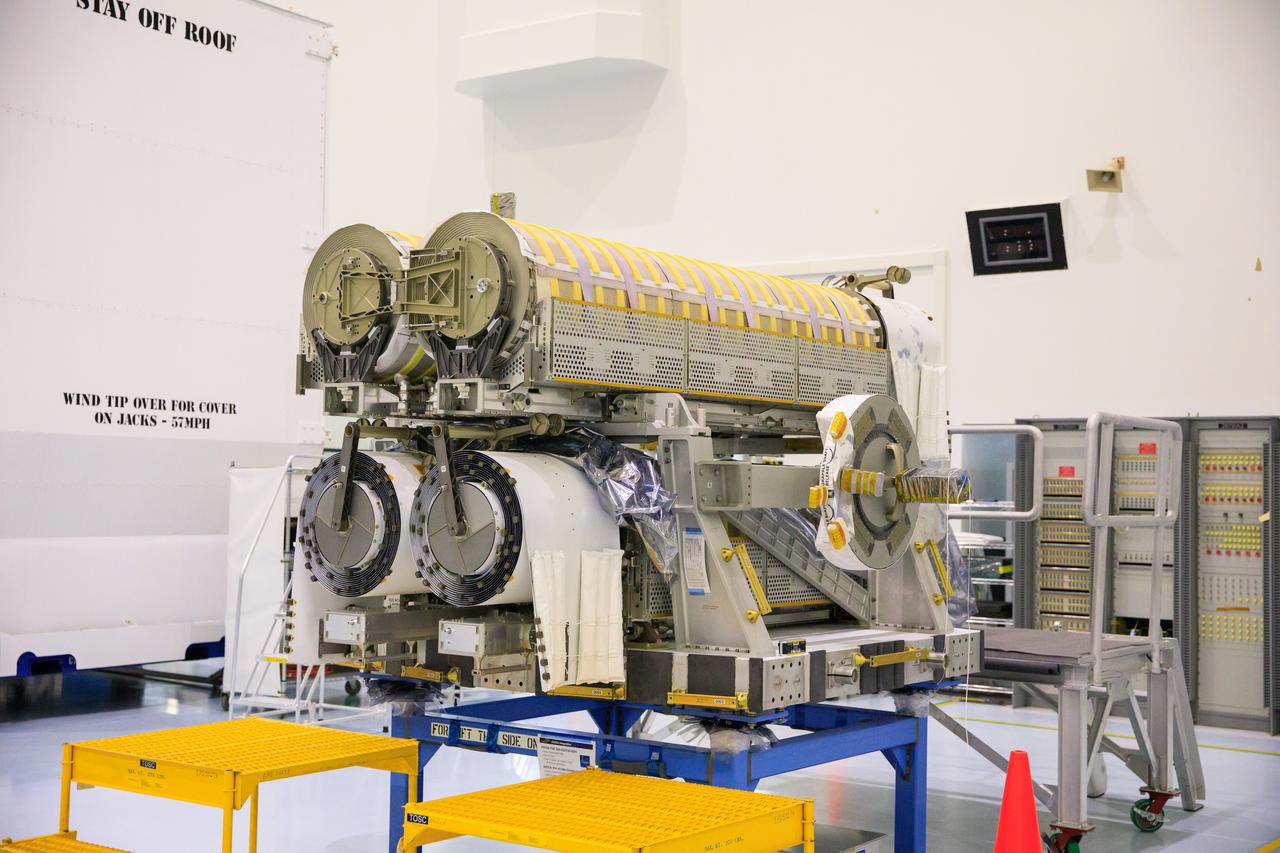
Inside the Space Station Processing Facility high bay at NASA's Kennedy Space Center in Florida, a set of International Space Station Roll Out Solar Arrays (iROSA) have been secured onto a platform on March 23, 2023. They are being prepared for delivery to the space station aboard SpaceX’s Dragon cargo carrier on the company’s 28th commercial resupply services (CRS-28) mission to the space station. iROSA is a new type of solar panel that rolls open in space and is more compact than current rigid panel designs.
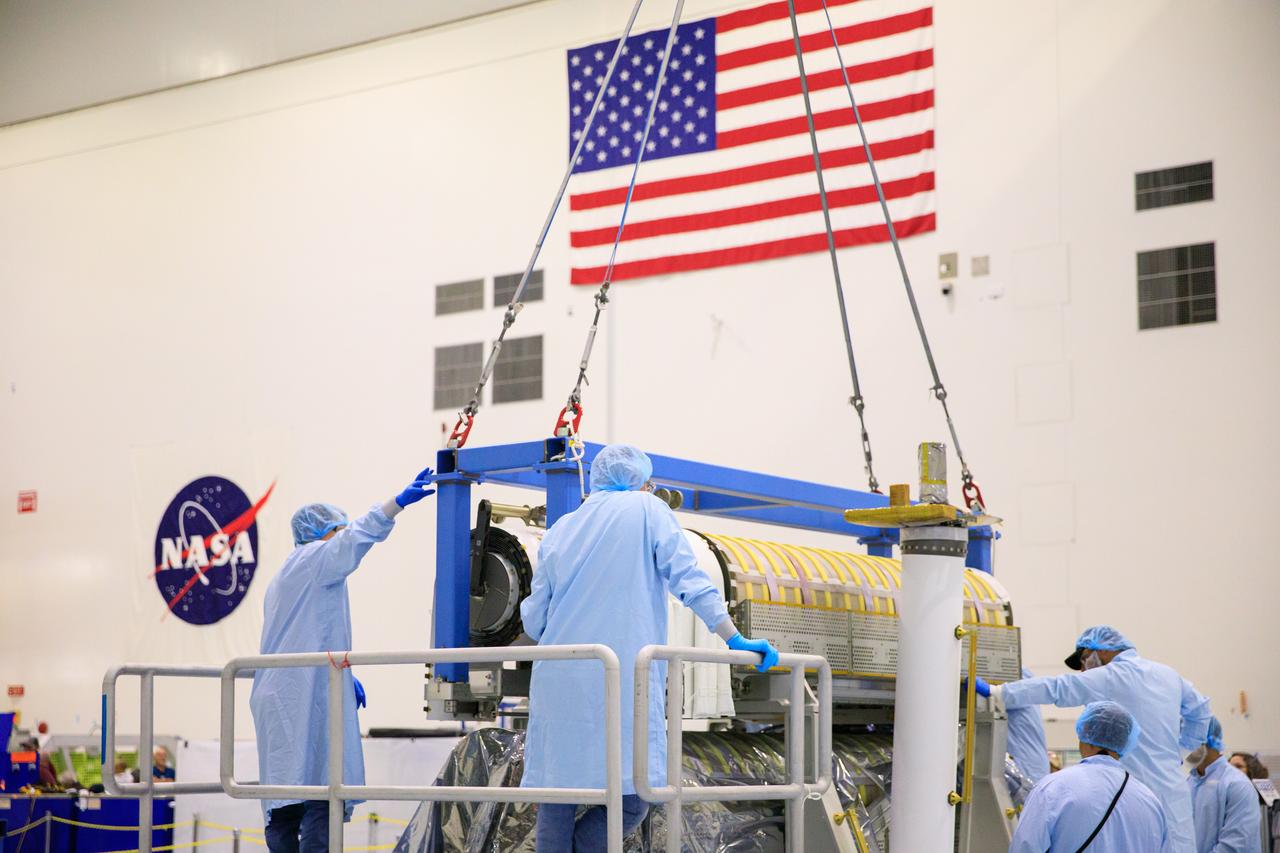
Inside the Space Station Processing Facility high bay at NASA's Kennedy Space Center in Florida, technicians assist as a crane is used to lower a set of International Space Station Roll Out Solar Arrays (iROSA) onto a platform on March 23, 2023. They are being prepared for delivery to the space station aboard SpaceX’s Dragon cargo carrier on the company’s 28th commercial resupply services (CRS-28) mission to the space station. iROSA is a new type of solar panel that rolls open in space and is more compact than current rigid panel designs.
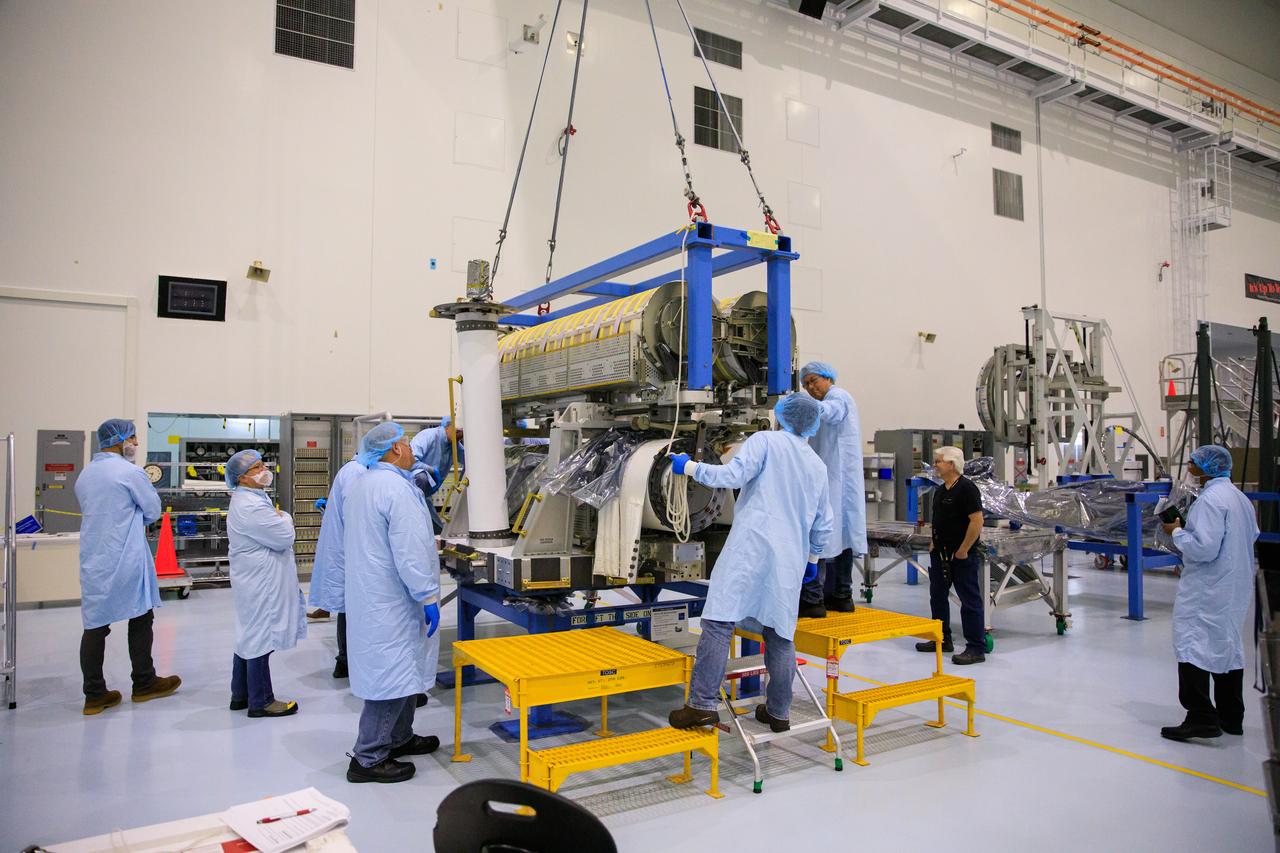
Inside the Space Station Processing Facility high bay at NASA's Kennedy Space Center in Florida, technicians assist as a crane is used to lower a set of International Space Station Roll Out Solar Arrays (iROSA) onto a platform on March 23, 2023. They are being prepared for delivery to the space station aboard SpaceX’s Dragon cargo carrier on the company’s 28th commercial resupply services (CRS-28) mission to the space station. iROSA is a new type of solar panel that rolls open in space and is more compact than current rigid panel designs.

Inside the Space Station Processing Facility high bay at NASA's Kennedy Space Center in Florida, technicians assist as a crane is used to lift and stack the third set of two International Space Station Roll Out Solar Arrays (iROSA) onto a platform on March 23, 2023. They are being prepared for delivery to the space station aboard SpaceX’s Dragon cargo carrier on the company’s 28th commercial resupply services (CRS-28) mission to the space station. iROSA is a new type of solar panel that rolls open in space and is more compact than current rigid panel designs.
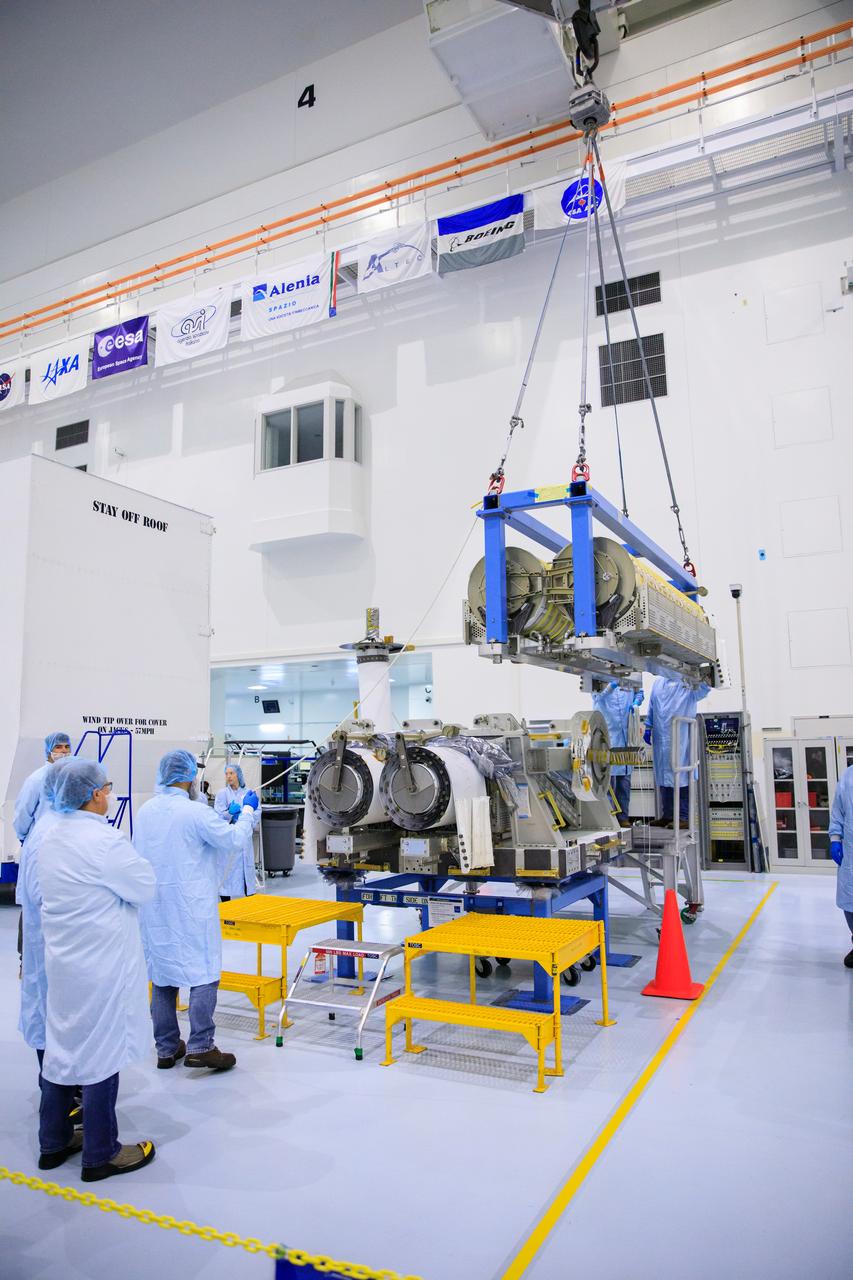
Inside the Space Station Processing Facility high bay at NASA's Kennedy Space Center in Florida, technicians monitor the progress as a crane is used to lift and stack the third set of two International Space Station Roll Out Solar Arrays (iROSA) onto a platform on March 23, 2023. They are being prepared for delivery to the space station aboard SpaceX’s Dragon cargo carrier on the company’s 28th commercial resupply services (CRS-28) mission to the space station. iROSA is a new type of solar panel that rolls open in space and is more compact than current rigid panel designs.
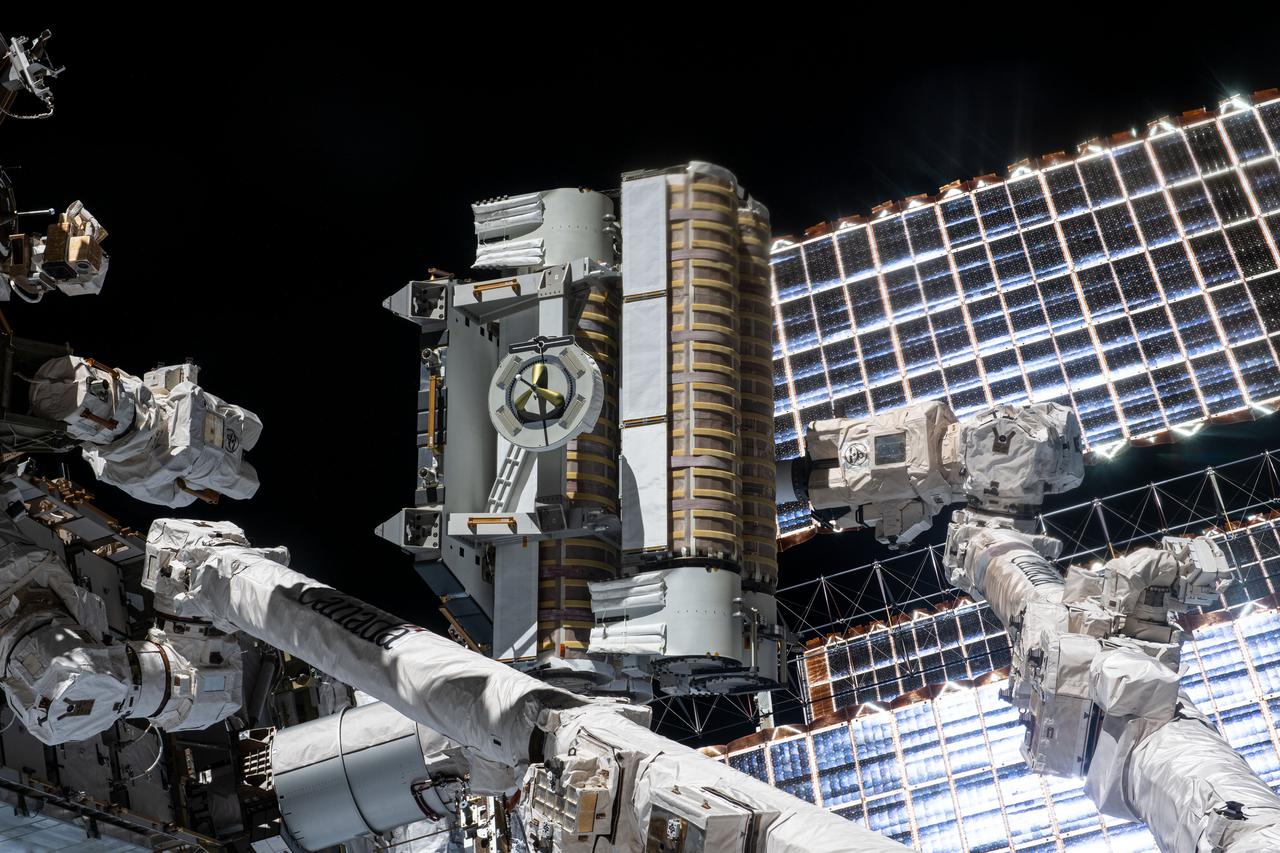
iss065e116519 (June 15, 2021) --- An iROSA (International Space Station Roll-Out Solar Arrays) is staged in the grip of the Canadarm2 robotic arm prior to a spacewalk that astronauts Shane Kimbrough and Thomas Pesquet conducted to install it and a second iROSA to the Port-6 truss structure.
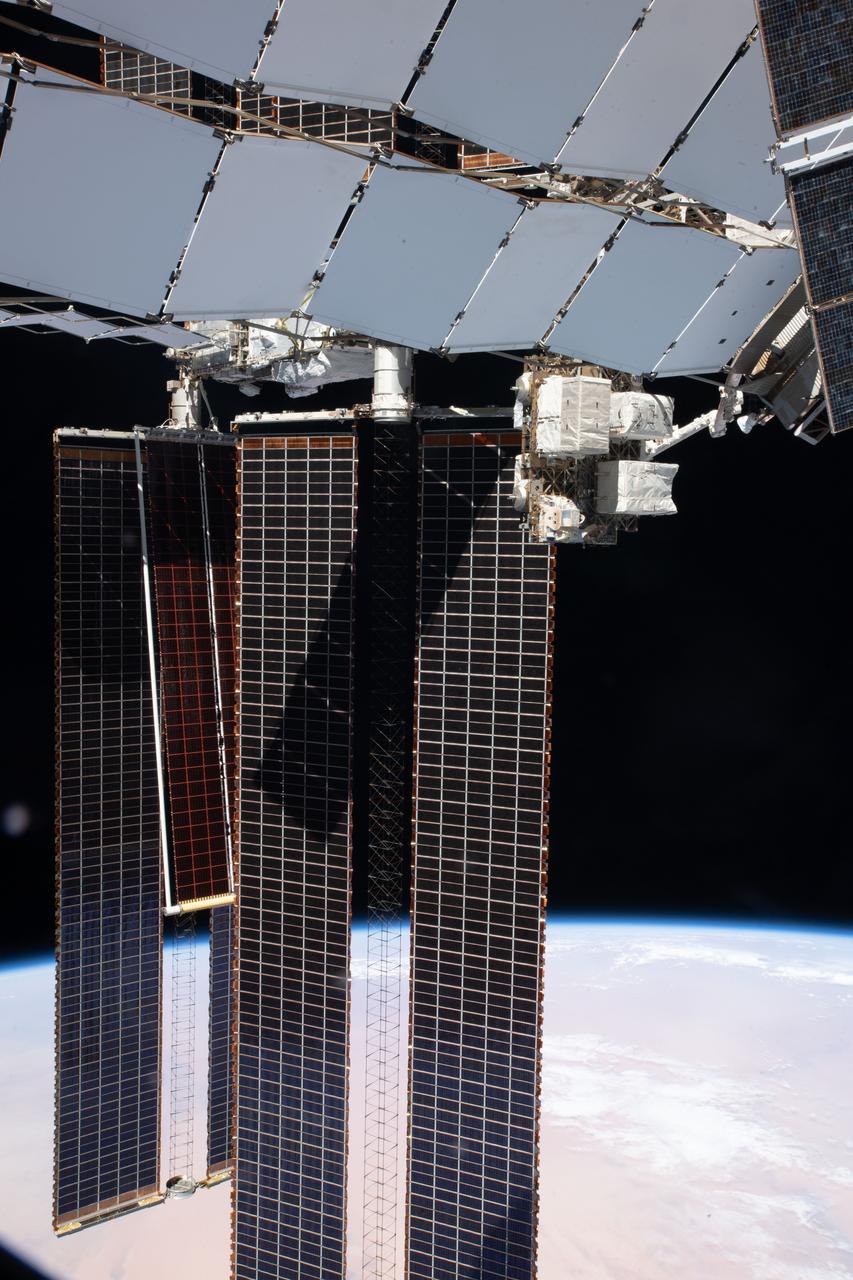
iss065e125924 (June 20, 2021) --- The new ISS Roll-Out Solar Array (iROSA) is deployed covering a portion of the main solar array on the International Space Station's P-6 truss structure. The iROSA and the main solar array are both connected to the truss segment's 2B power channel.
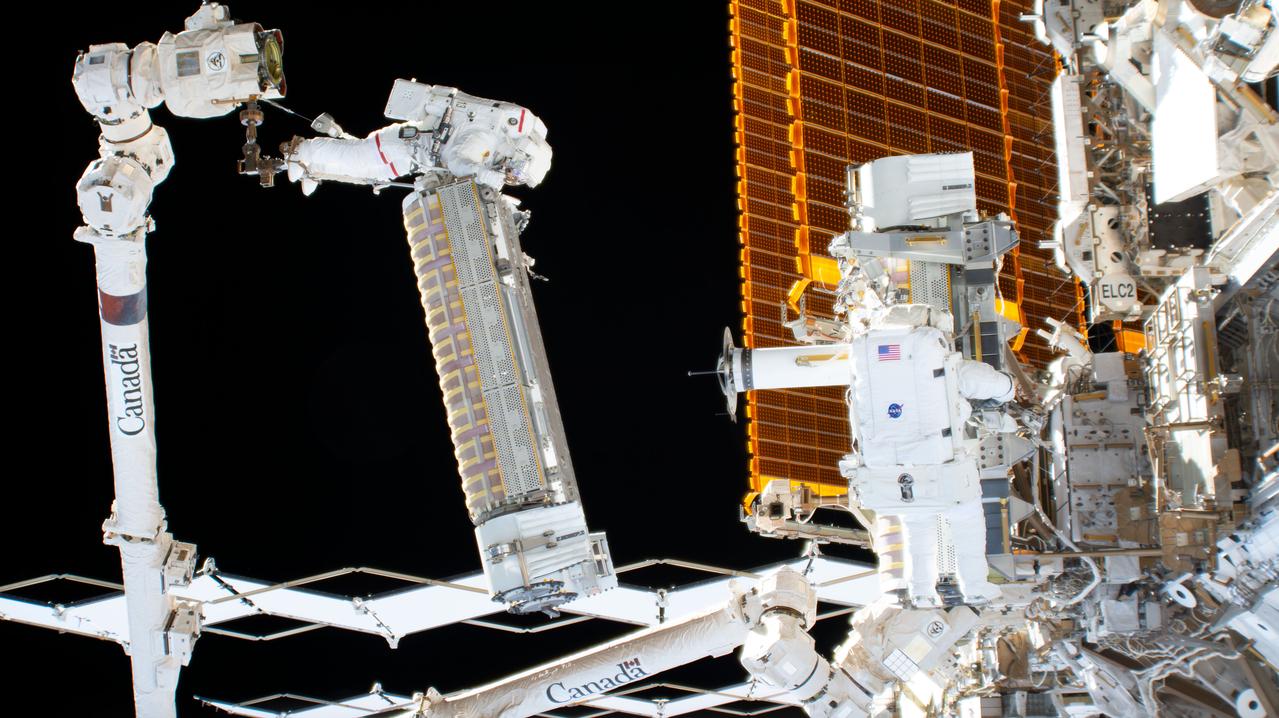
iss068e026401 (Dec. 3, 2022) --- NASA astronauts (left to right) Josh Cassada and Frank Rubio pictured during a spacewalk installing a roll-out solar array, or iROSA, to the International Space Station's starboard truss structure. Once all six iROSAs are installed, the station’s power generation is expected to increase to a combined total of more than 250 kW, more than a 30% increase, benefiting space station research and operations.
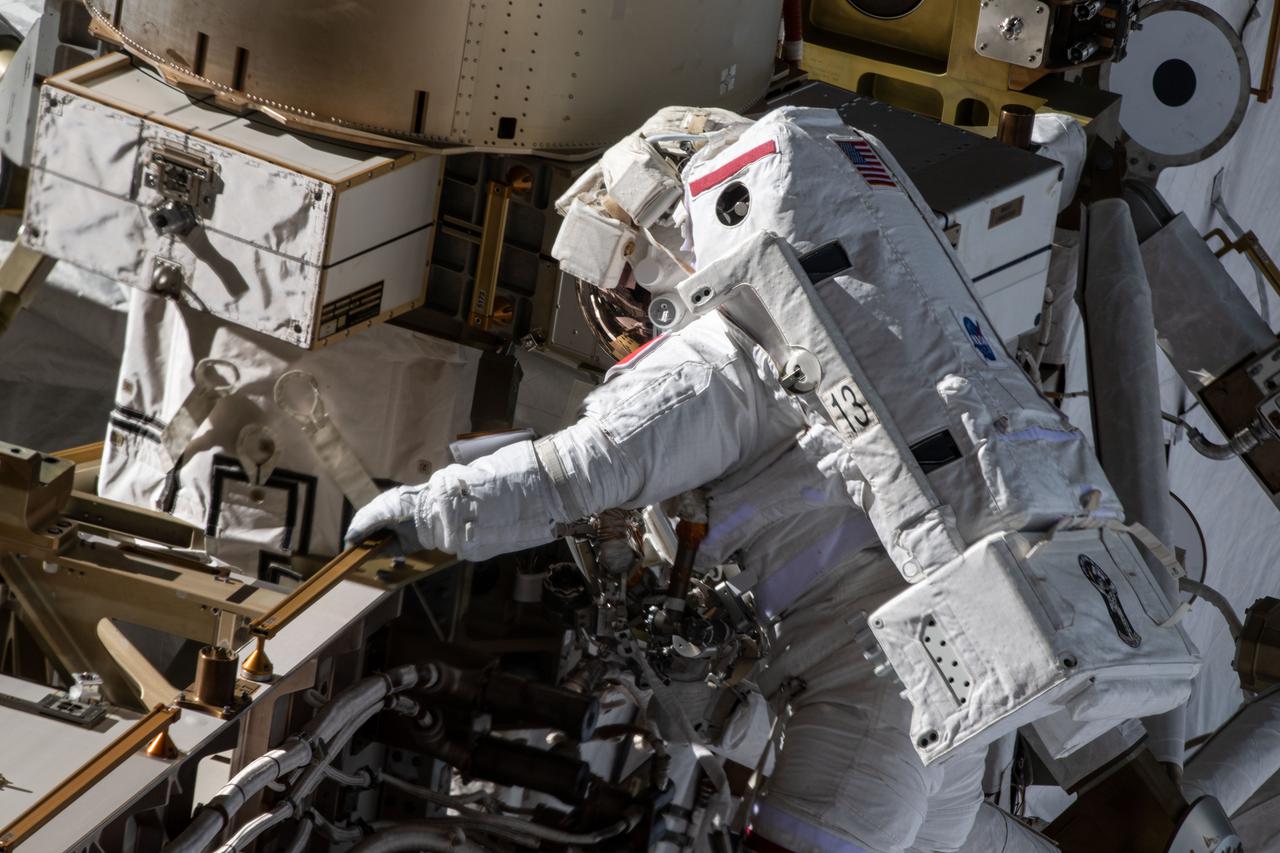
iss065e145037 (June 25, 2021) --- Spacewalker Thomas Pesquet of ESA (European Space Agency) works to complete the installation of the second roll out solar array on the International Space Station's Port-6 truss structure.
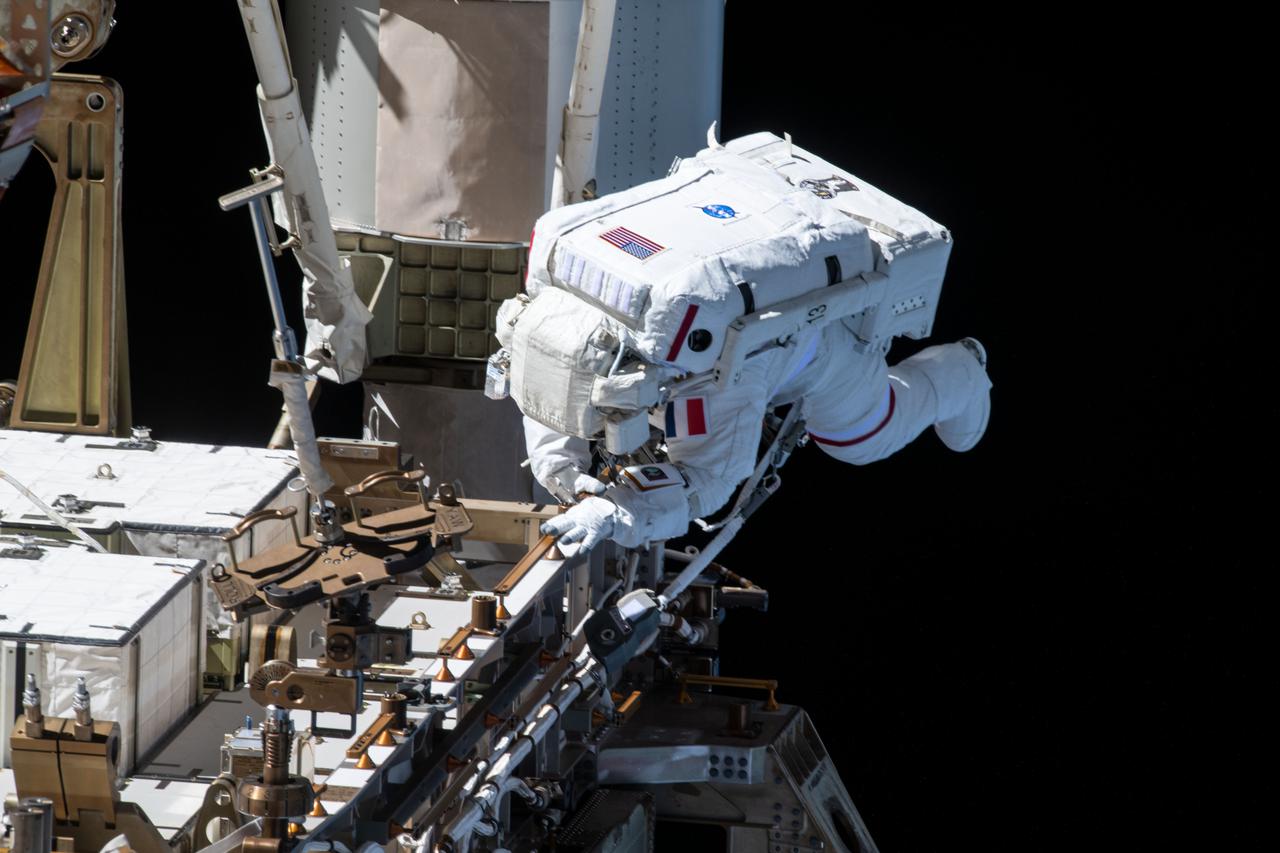
iss065e144936 (June 25, 2021) --- Spacewalker Thomas Pesquet of ESA (European Space Agency) works to complete the installation of the second roll out solar array on the International Space Station's Port-6 truss structure.
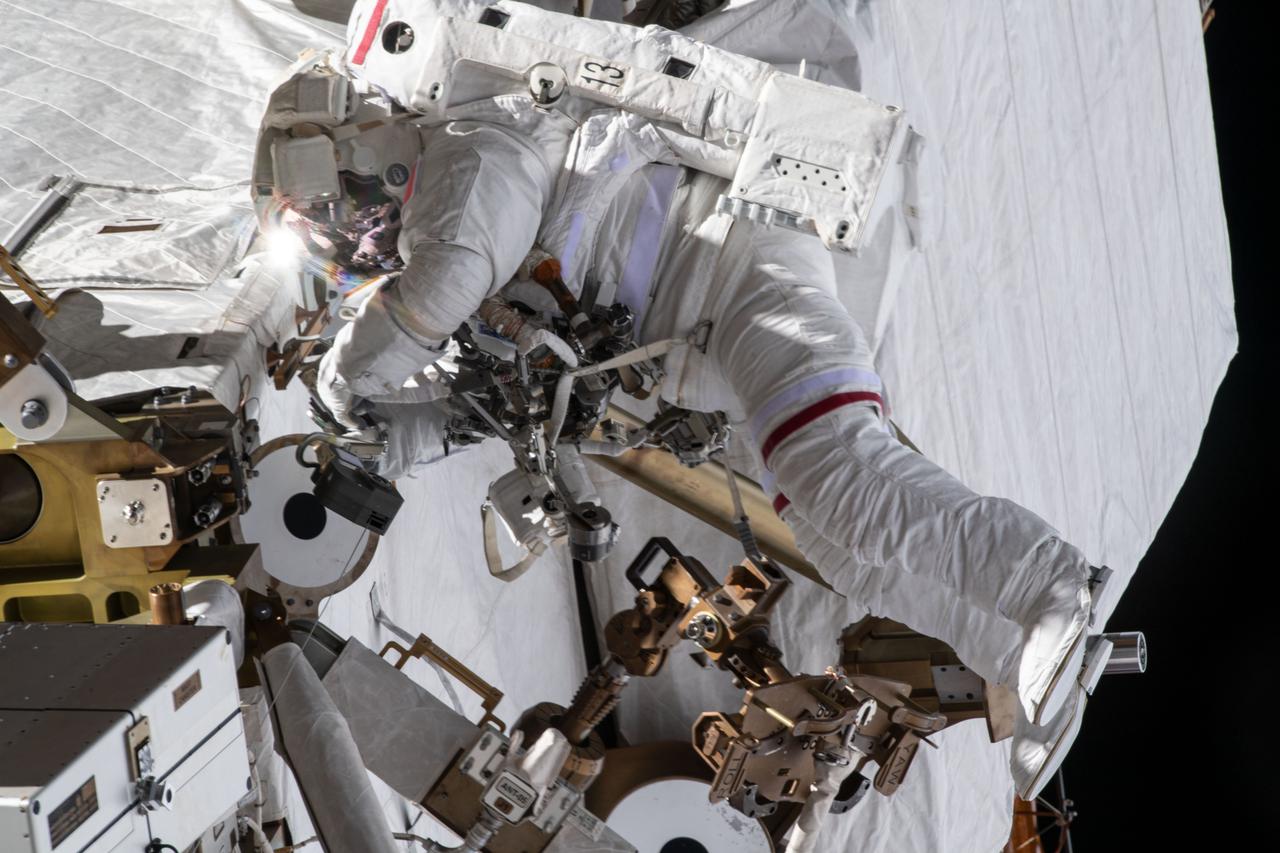
iss065e144990 (June 25, 2021) --- Spacewalker Thomas Pesquet of ESA (European Space Agency) works to complete the installation of the second roll out solar array on the International Space Station's Port-6 truss structure.
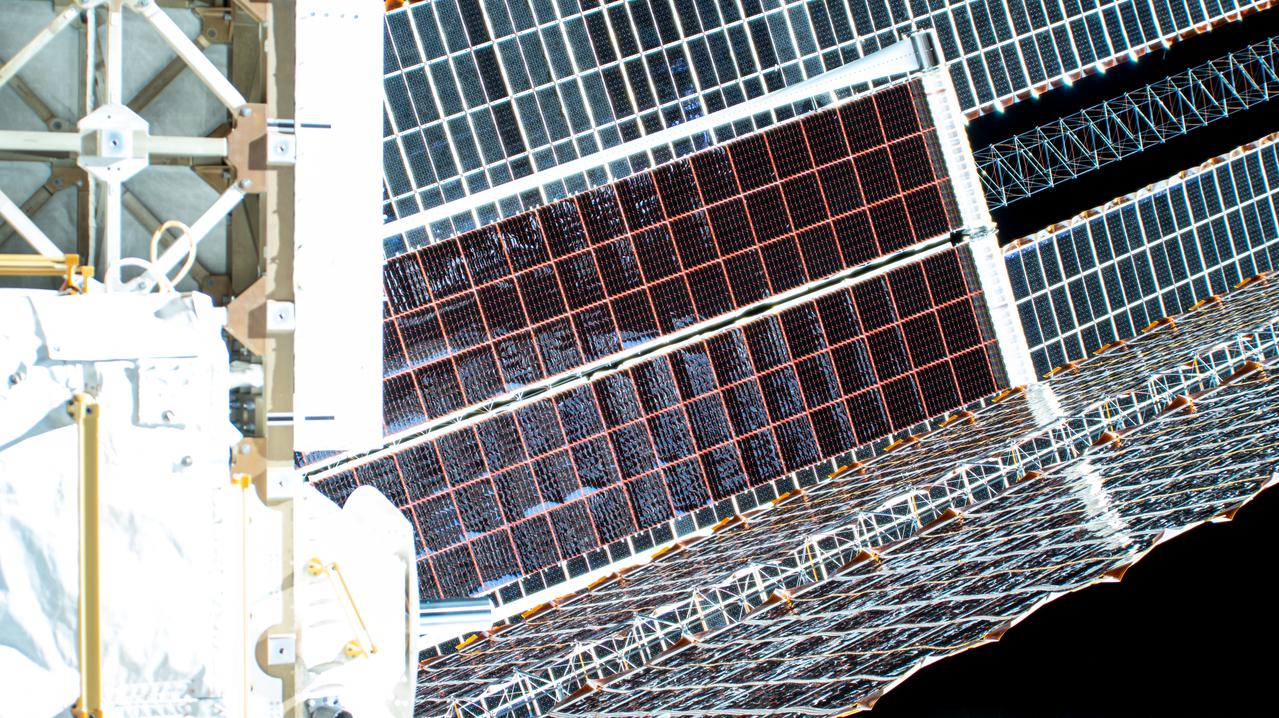
iss065e144542 (June 25, 2021) --- The second ISS Roll-Out Solar Array (iROSA) is pictured after completing its roll out on the International Space Station's Port-6 truss structure.
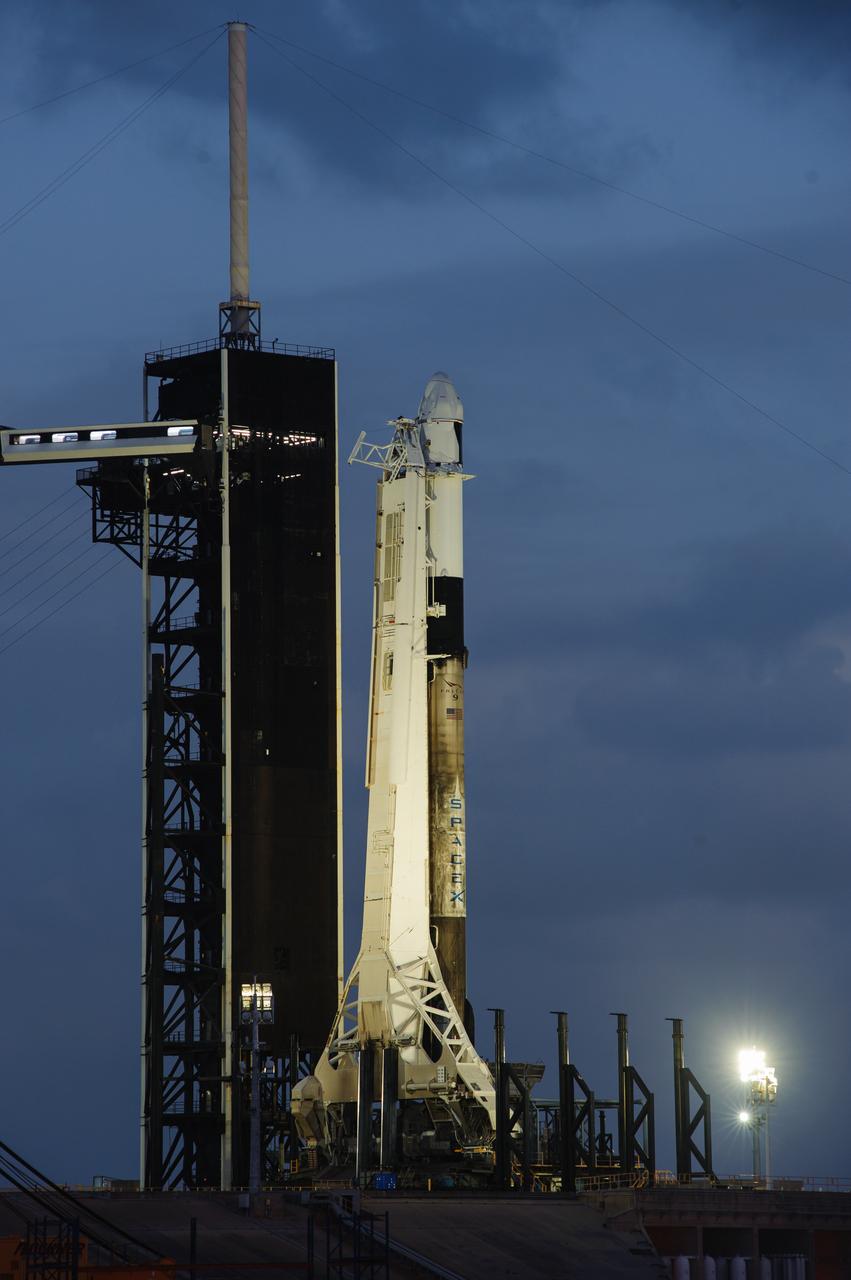
NASA and SpaceX launched the 28th commercial resupply mission of the Cargo Dragon from Launch Complex 39A at the agency's Kennedy Space Center in Florida. Liftoff occurred at 11:47 a.m. EDT, June 5, 2023. SpaceX's Dragon will deliver new science investigations, food, supplies, and equipment to the International Space Station for the crew, including the next pair of IROSAs (International Space Station Roll Out Solar Arrays). These solar panels, which roll out using stored kinetic energy, will expand the energy-production capabilities of the space station. This will be the third set launching in the SpaceX Dragon's trunk, and once installed, will help provide a 20% to 30% increase in power for space station research and operations.
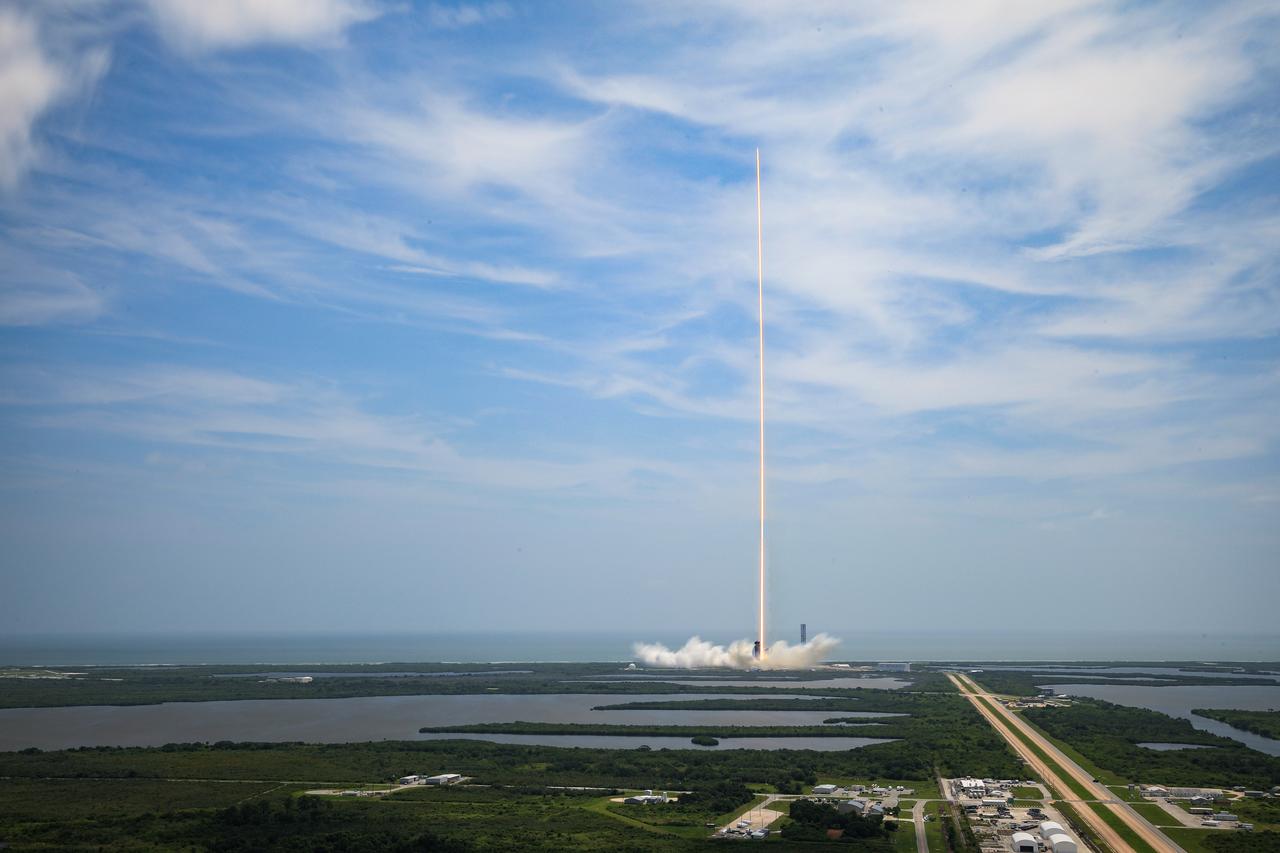
NASA and SpaceX launched the 28th commercial resupply mission of the Cargo Dragon from Launch Complex 39A at the agency's Kennedy Space Center in Florida. Liftoff occurred at 11:47 a.m. EDT, June 5, 2023. SpaceX's Dragon will deliver new science investigations, food, supplies, and equipment to the International Space Station for the crew, including the next pair of IROSAs (International Space Station Roll Out Solar Arrays). These solar panels, which roll out using stored kinetic energy, will expand the energy-production capabilities of the space station. This will be the third set launching in the SpaceX Dragon's trunk, and once installed, will help provide a 20% to 30% increase in power for space station research and operations.
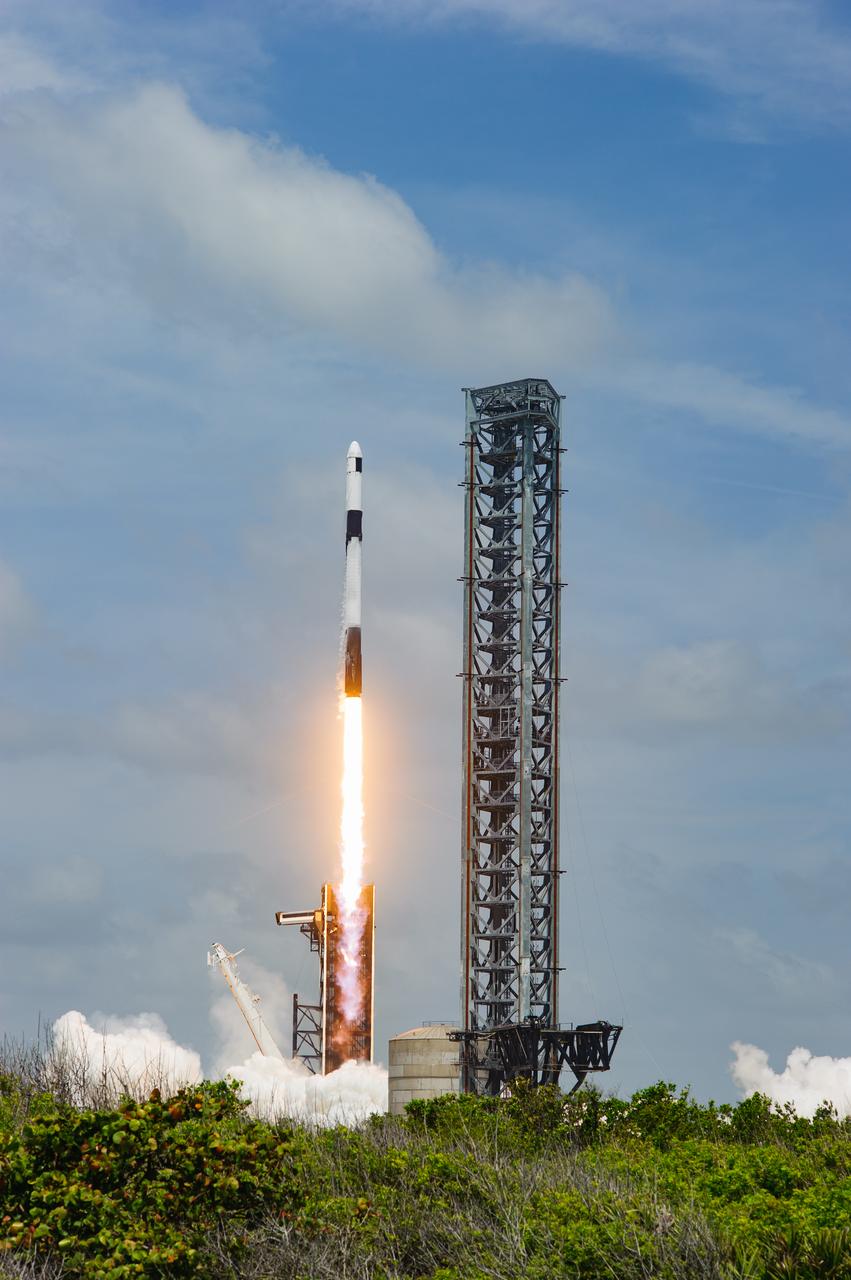
NASA and SpaceX launched the 28th commercial resupply mission of the Cargo Dragon from Launch Complex 39A at the agency's Kennedy Space Center in Florida. Liftoff occurred at 11:47 a.m. EDT, June 5, 2023. SpaceX's Dragon will deliver new science investigations, food, supplies, and equipment to the International Space Station for the crew, including the next pair of IROSAs (International Space Station Roll Out Solar Arrays). These solar panels, which roll out using stored kinetic energy, will expand the energy-production capabilities of the space station. This will be the third set launching in the SpaceX Dragon's trunk, and once installed, will help provide a 20% to 30% increase in power for space station research and operations.
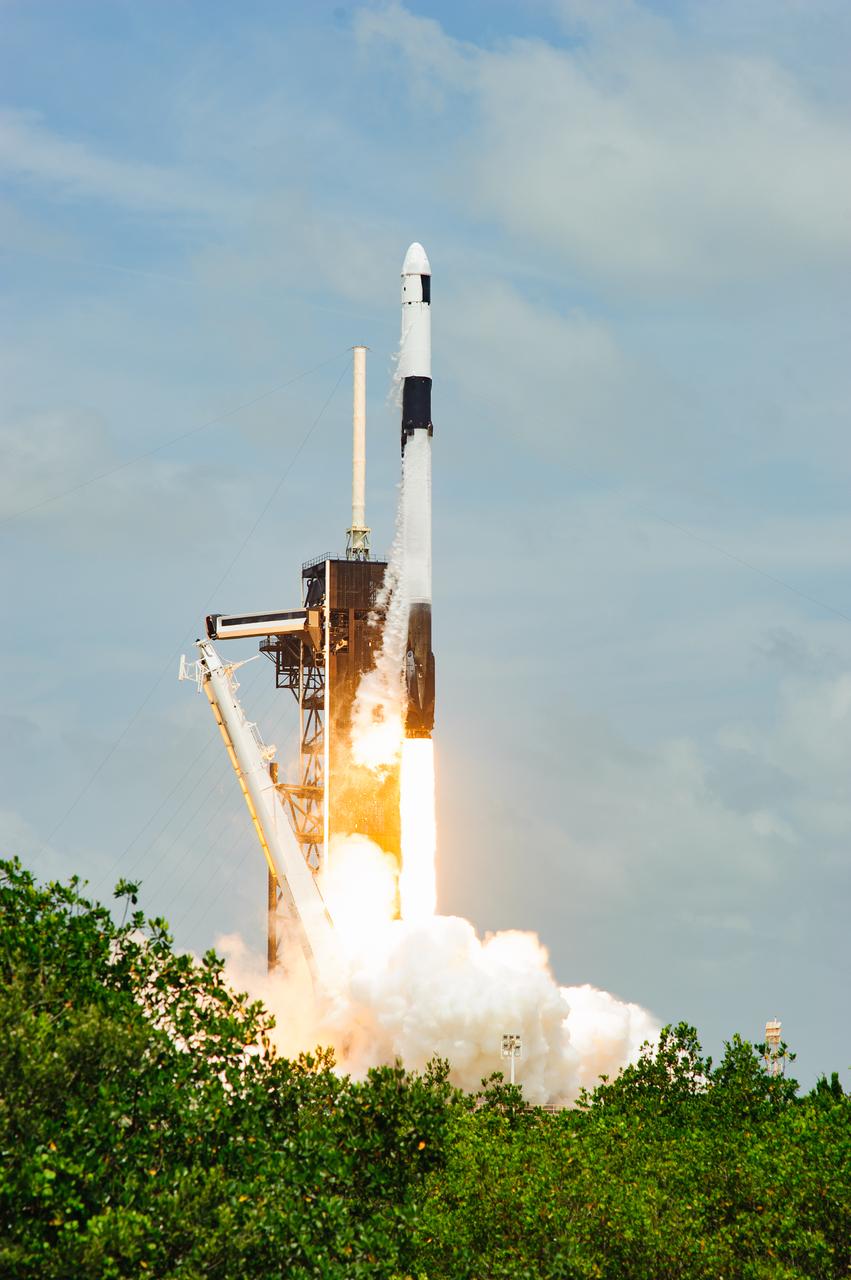
NASA and SpaceX launched the 28th commercial resupply mission of the Cargo Dragon from Launch Complex 39A at the agency's Kennedy Space Center in Florida. Liftoff occurred at 11:47 a.m. EDT, June 5, 2023. SpaceX's Dragon will deliver new science investigations, food, supplies, and equipment to the International Space Station for the crew, including the next pair of IROSAs (International Space Station Roll Out Solar Arrays). These solar panels, which roll out using stored kinetic energy, will expand the energy-production capabilities of the space station. This will be the third set launching in the SpaceX Dragon's trunk, and once installed, will help provide a 20% to 30% increase in power for space station research and operations.
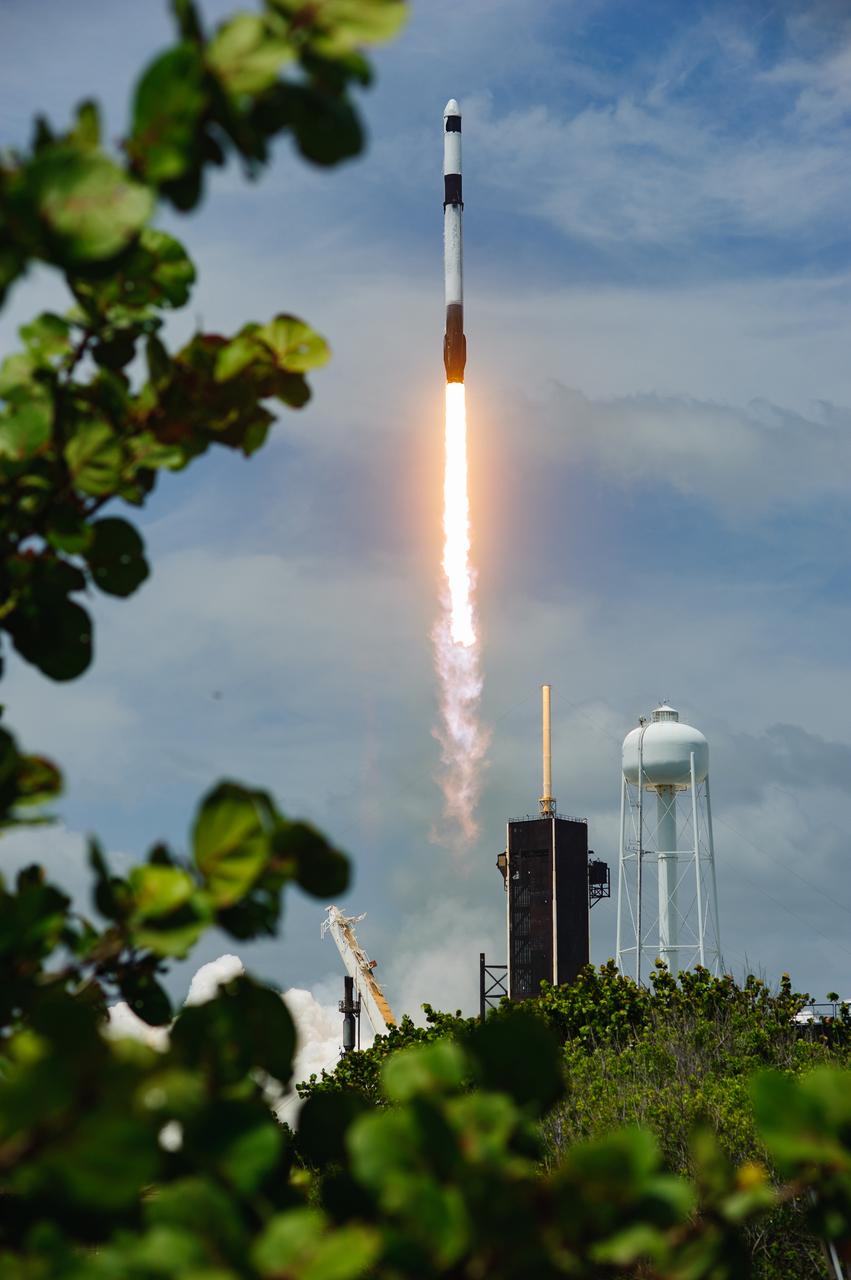
NASA and SpaceX launched the 28th commercial resupply mission of the Cargo Dragon from Launch Complex 39A at the agency's Kennedy Space Center in Florida. Liftoff occurred at 11:47 a.m. EDT, June 5, 2023. SpaceX's Dragon will deliver new science investigations, food, supplies, and equipment to the International Space Station for the crew, including the next pair of IROSAs (International Space Station Roll Out Solar Arrays). These solar panels, which roll out using stored kinetic energy, will expand the energy-production capabilities of the space station. This will be the third set launching in the SpaceX Dragon's trunk, and once installed, will help provide a 20% to 30% increase in power for space station research and operations.
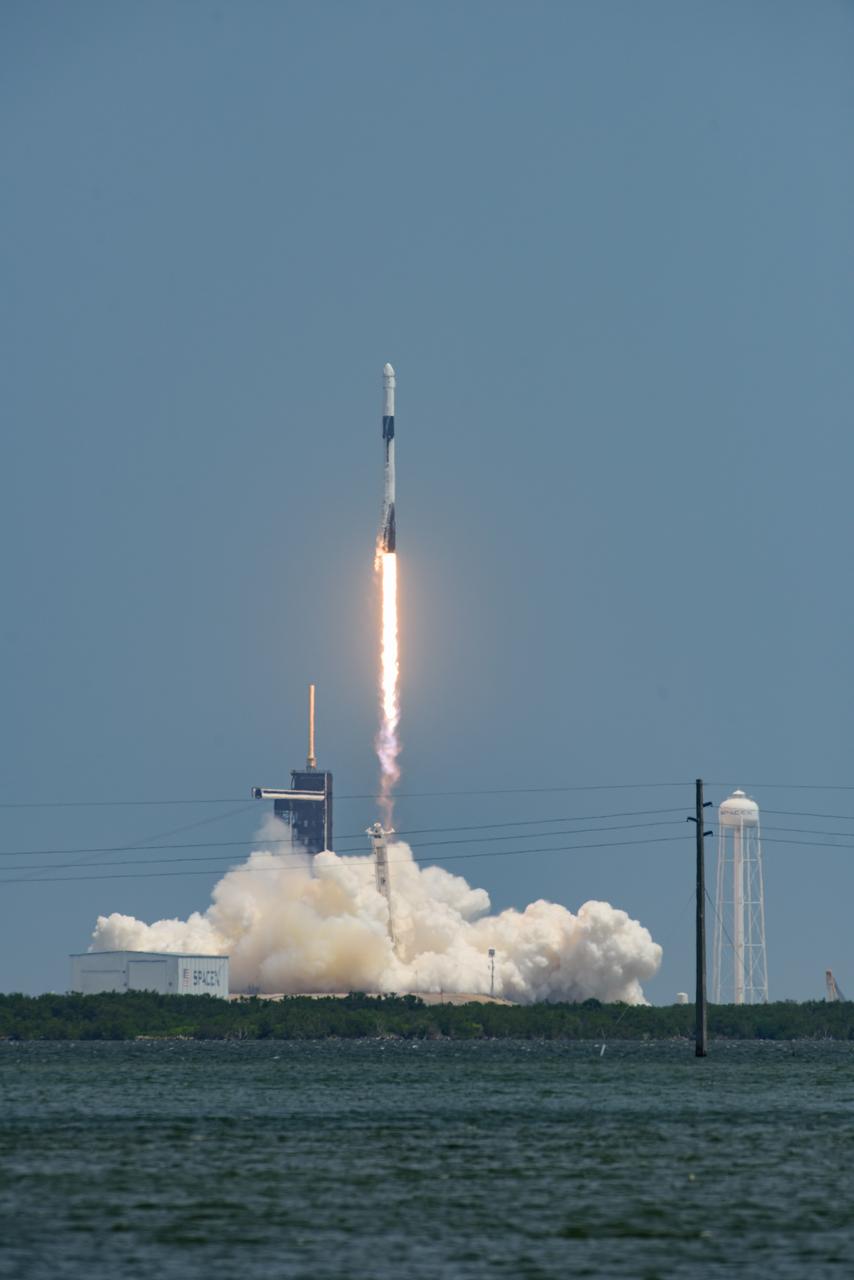
NASA and SpaceX launched the 28th commercial resupply mission of the Cargo Dragon from Launch Complex 39A at the agency's Kennedy Space Center in Florida. Liftoff occurred at 11:47 a.m. EDT, June 5, 2023. SpaceX's Dragon will deliver new science investigations, food, supplies, and equipment to the International Space Station for the crew, including the next pair of IROSAs (International Space Station Roll Out Solar Arrays). These solar panels, which roll out using stored kinetic energy, will expand the energy-production capabilities of the space station. This will be the third set launching in the SpaceX Dragon's trunk, and once installed, will help provide a 20% to 30% increase in power for space station research and operations.
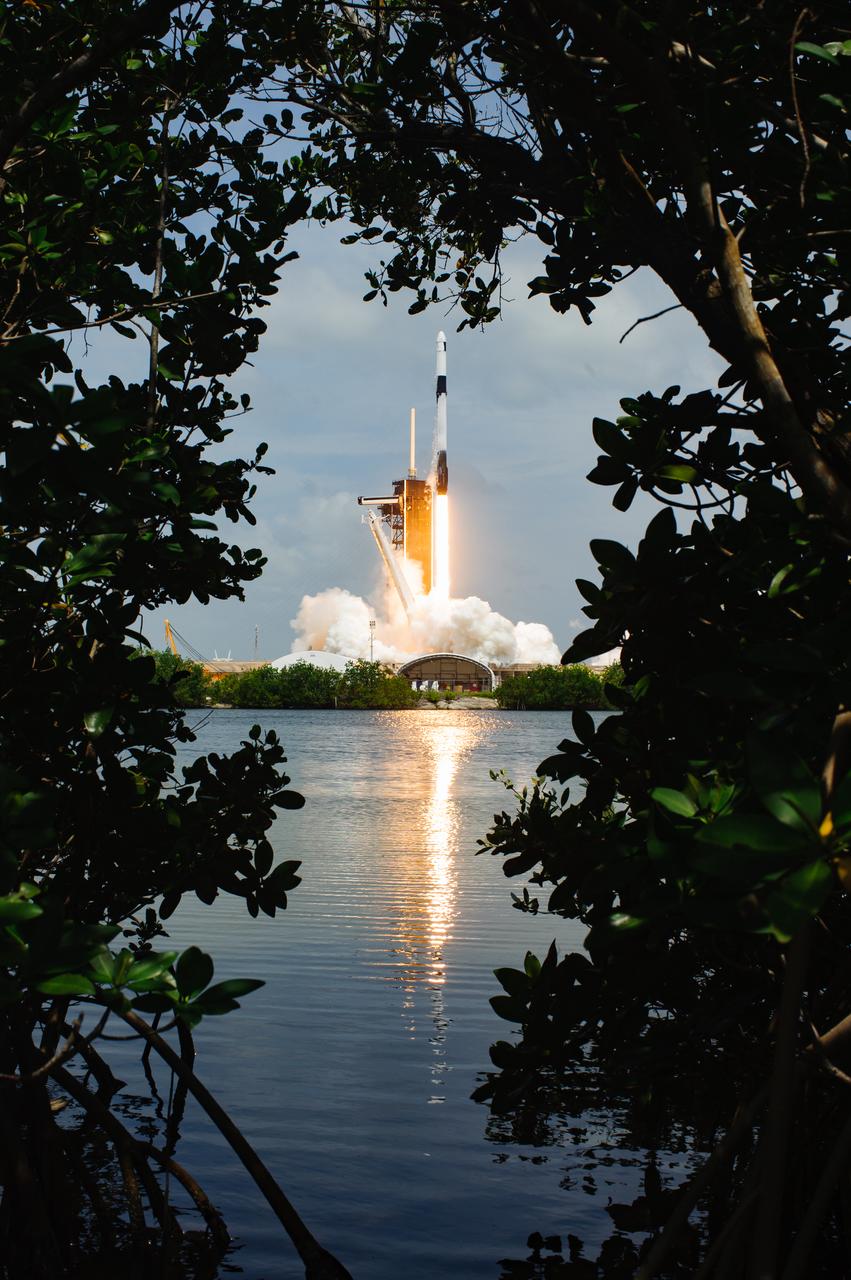
NASA and SpaceX launched the 28th commercial resupply mission of the Cargo Dragon from Launch Complex 39A at the agency's Kennedy Space Center in Florida. Liftoff occurred at 11:47 a.m. EDT, June 5, 2023. SpaceX's Dragon will deliver new science investigations, food, supplies, and equipment to the International Space Station for the crew, including the next pair of IROSAs (International Space Station Roll Out Solar Arrays). These solar panels, which roll out using stored kinetic energy, will expand the energy-production capabilities of the space station. This will be the third set launching in the SpaceX Dragon's trunk, and once installed, will help provide a 20% to 30% increase in power for space station research and operations.
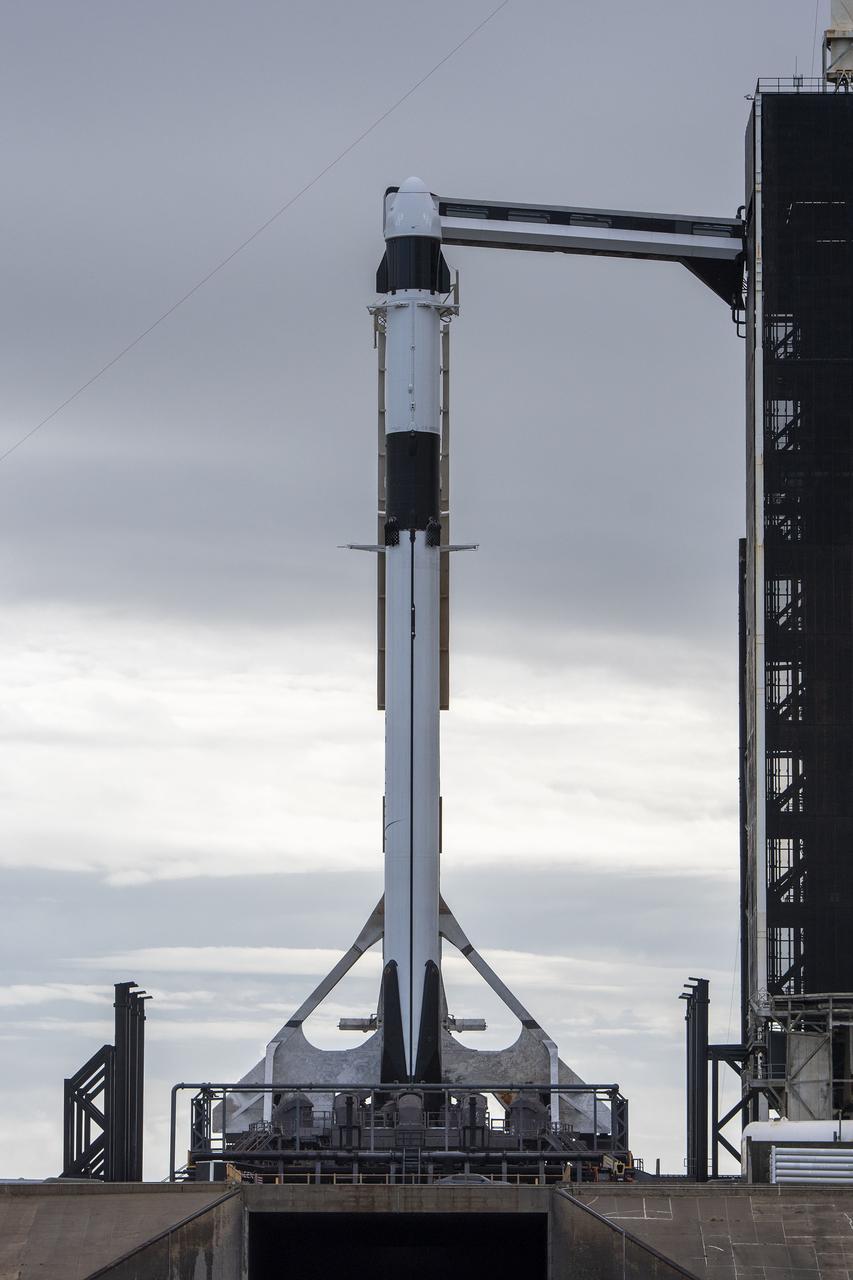
A SpaceX Falcon 9 rocket, with the company’s Dragon cargo spacecraft atop, is raised to a vertical position at NASA Kennedy Space Center’s Launch Complex 39A on Nov. 21, 2022, in preparation for the 26th commercial resupply services launch to the International Space Station. The mission will deliver new science investigations, supplies, and equipment to the crew aboard the space station, including the next pair of ISS Roll Out Solar Arrays (iROSAs). Liftoff is scheduled for 3:54 p.m. EST on Monday, Nov. 22, from Kennedy’s Launch Complex 39A.
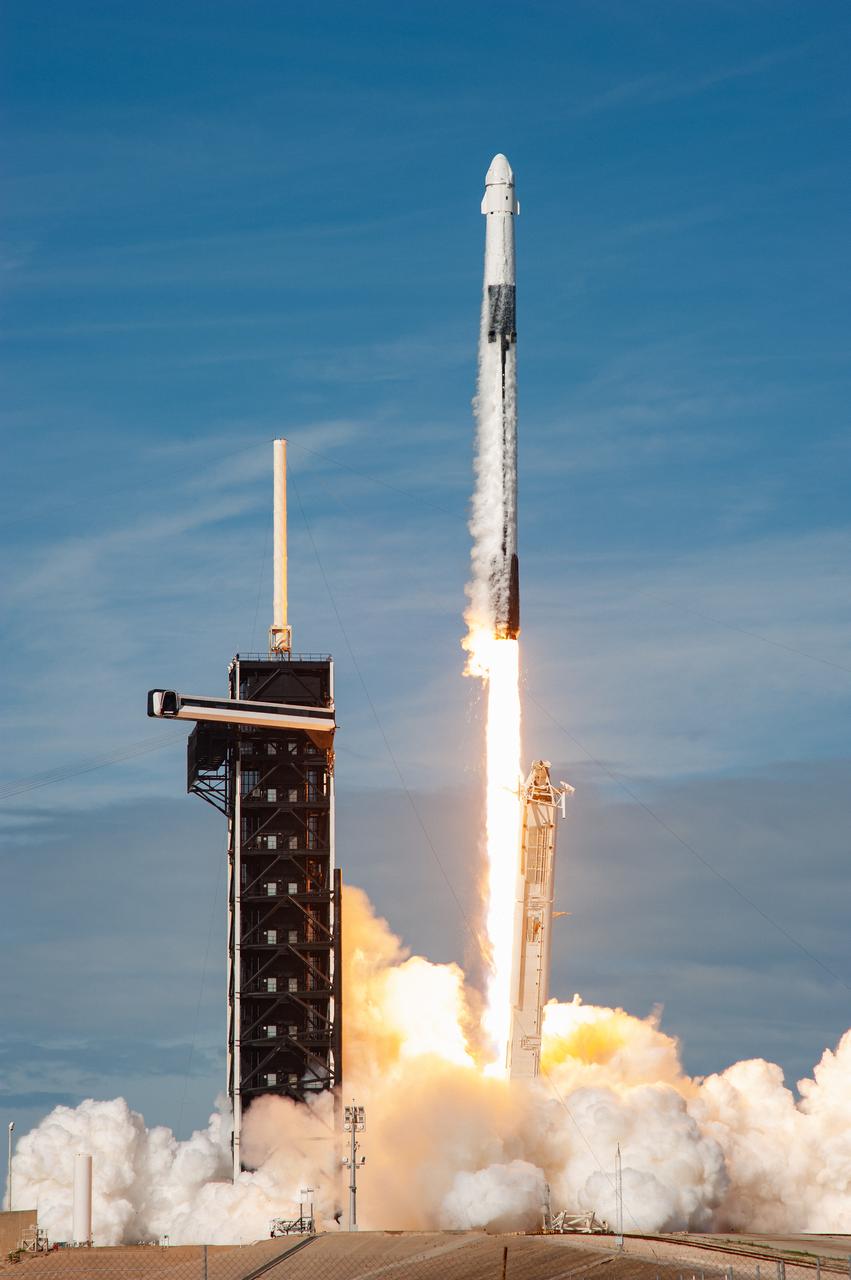
The SpaceX Falcon 9 rocket carrying the Dragon cargo spacecraft lifts off from Launch Complex 39A at NASA’s Kennedy Space Center in Florida on Nov. 26, 2022, on the company’s 26th commercial resupply services mission for the agency to the International Space Station. Liftoff was at 2:20 p.m. EST. Dragon will deliver more than 7,700 pounds of cargo, including a variety of NASA investigations, supplies, and equipment to the crew aboard the space station, including the next pair of ISS Roll Out Solar Arrays (iROSAs). The spacecraft is expected to spend about a month attached to the orbiting outpost before it returns to Earth with research and return cargo, splashing down off the coast of Florida.
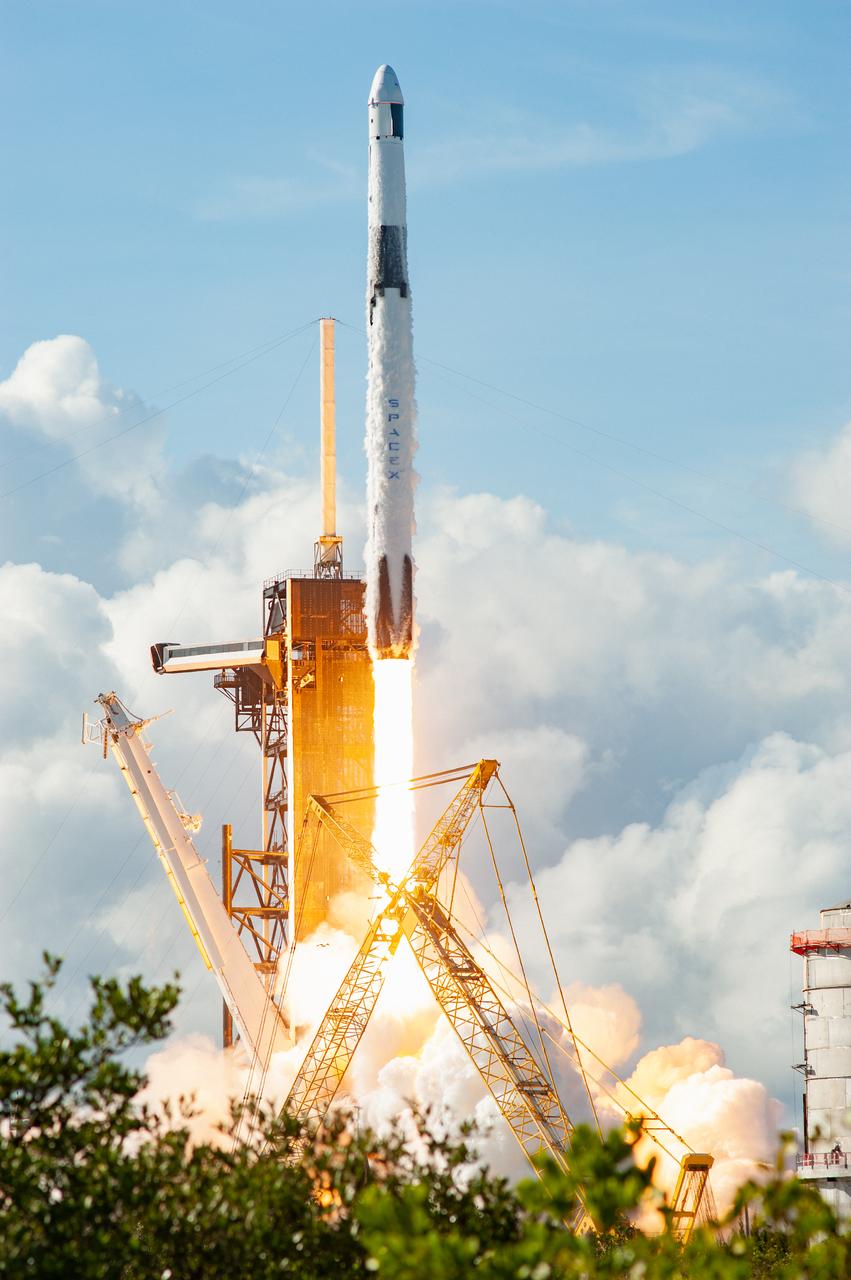
The SpaceX Falcon 9 rocket carrying the Dragon cargo spacecraft lifts off from Launch Complex 39A at NASA’s Kennedy Space Center in Florida on Nov. 26, 2022, on the company’s 26th commercial resupply services mission for the agency to the International Space Station. Liftoff was at 2:20 p.m. EST. Dragon will deliver more than 7,700 pounds of cargo, including a variety of NASA investigations, supplies, and equipment to the crew aboard the space station, including the next pair of ISS Roll Out Solar Arrays (iROSAs). The spacecraft is expected to spend about a month attached to the orbiting outpost before it returns to Earth with research and return cargo, splashing down off the coast of Florida.
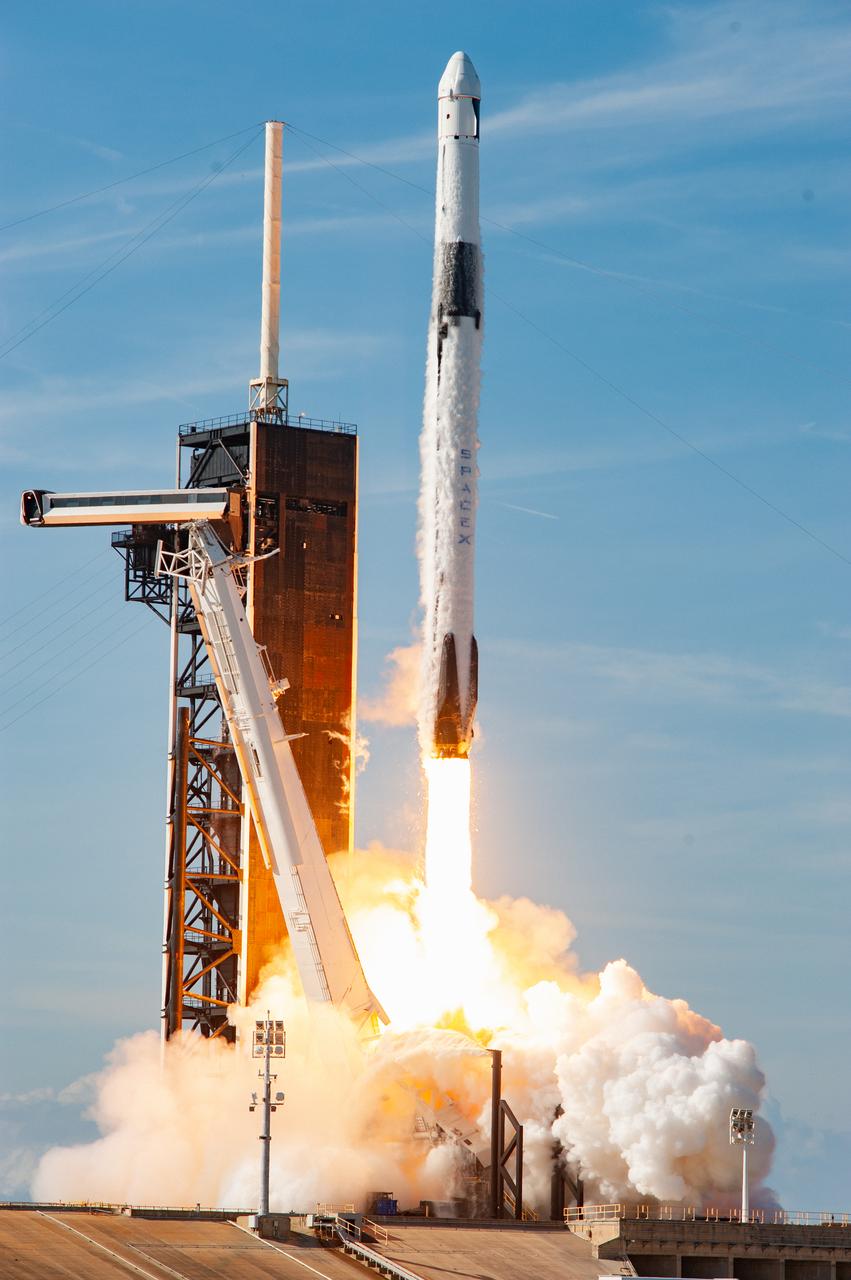
The SpaceX Falcon 9 rocket carrying the Dragon cargo spacecraft lifts off from Launch Complex 39A at NASA’s Kennedy Space Center in Florida on Nov. 26, 2022, on the company’s 26th commercial resupply services mission for the agency to the International Space Station. Liftoff was at 2:20 p.m. EST. Dragon will deliver more than 7,700 pounds of cargo, including a variety of NASA investigations, supplies, and equipment to the crew aboard the space station, including the next pair of ISS Roll Out Solar Arrays (iROSAs). The spacecraft is expected to spend about a month attached to the orbiting outpost before it returns to Earth with research and return cargo, splashing down off the coast of Florida.
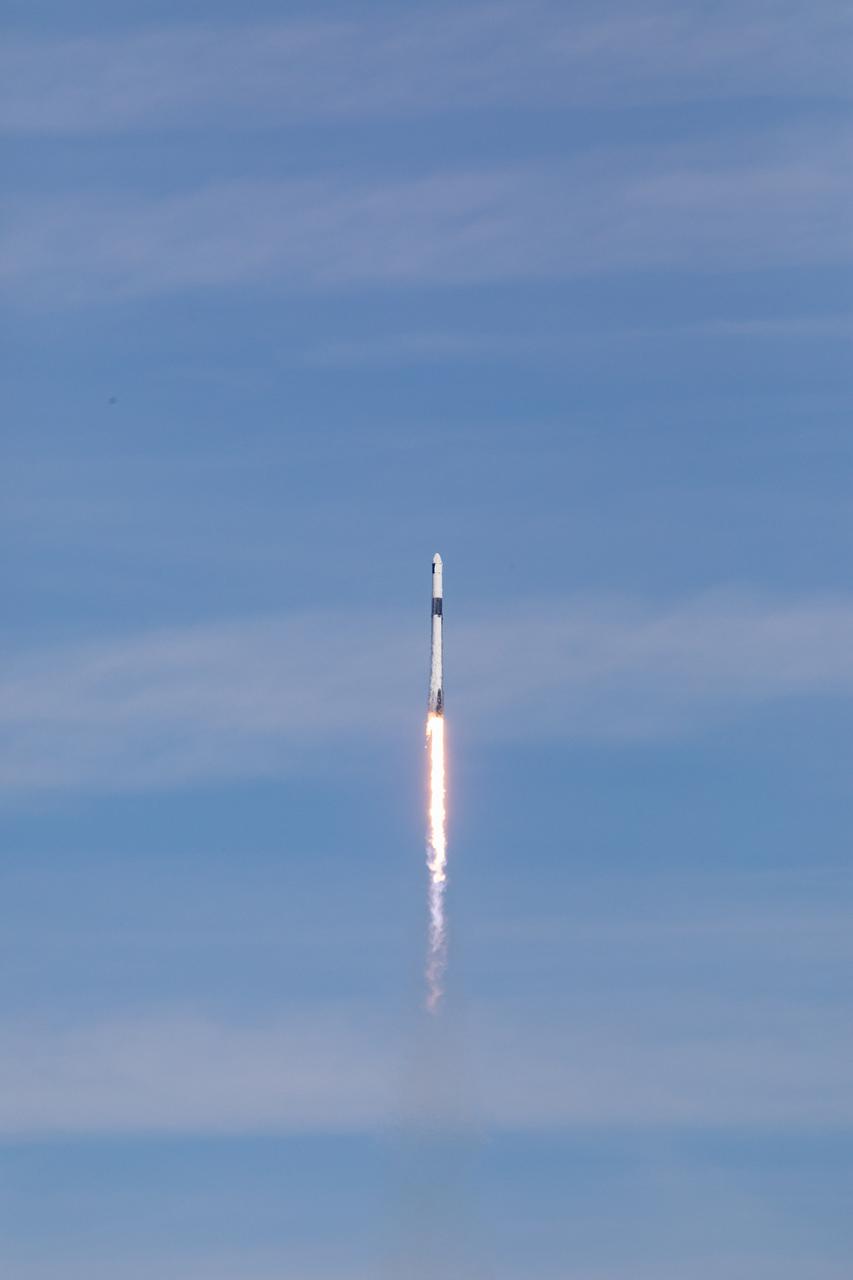
A SpaceX Falcon 9 rocket soars upward after its liftoff from Launch Complex 39A at NASA’s Kennedy Space Center in Florida on Nov. 26, 2022, on the company’s 26th Commercial Resupply Services mission for the agency to the International Space Station. The Dragon cargo spacecraft will deliver about 7,700 pounds of science and research, supplies, and equipment to the crew aboard the space station, including the next pair of ISS Roll Out Solar Arrays (iROSAs). The spacecraft is expected to spend about a month attached to the orbiting outpost before it returns to Earth with research and return cargo, splashing down off the coast of Florida.
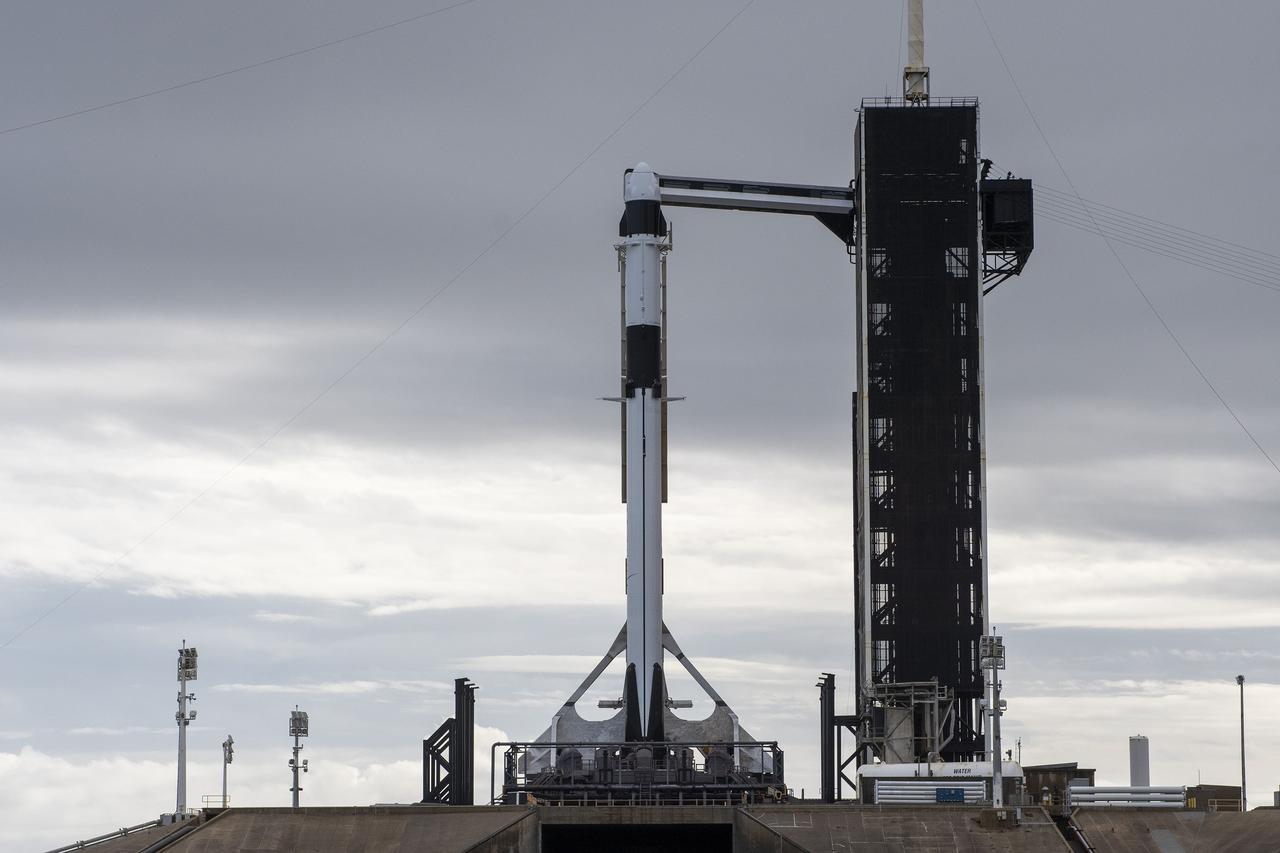
A SpaceX Falcon 9 rocket, with the company’s Dragon cargo spacecraft atop, is raised to a vertical position at NASA Kennedy Space Center’s Launch Complex 39A on Nov. 21, 2022, in preparation for the 26th commercial resupply services launch to the International Space Station. The mission will deliver new science investigations, supplies, and equipment to the crew aboard the space station, including the next pair of ISS Roll Out Solar Arrays (iROSAs). Liftoff is scheduled for 3:54 p.m. EST on Monday, Nov. 22, from Kennedy’s Launch Complex 39A.
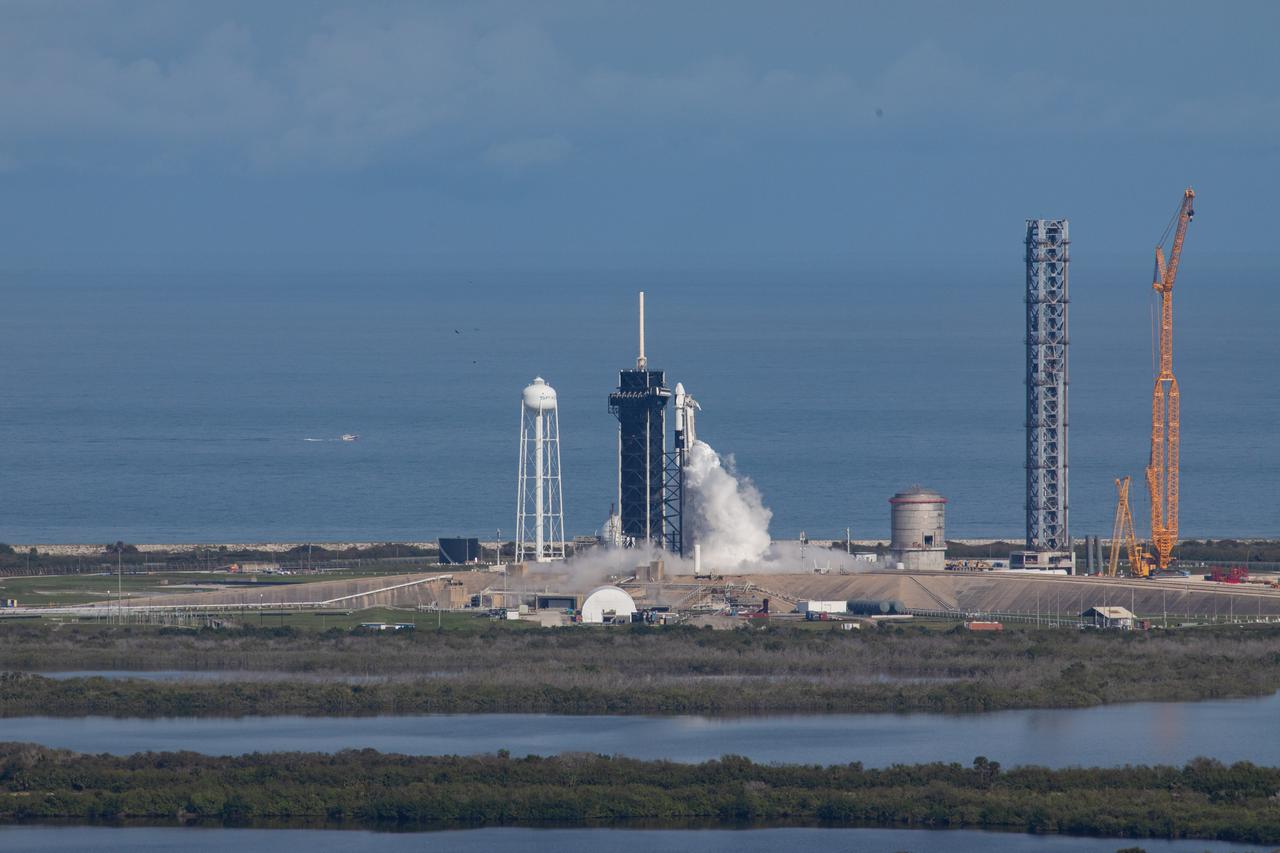
The SpaceX Falcon 9 rocket carrying the Dragon cargo spacecraft lifts off from Launch Complex 39A at NASA’s Kennedy Space Center in Florida on Nov. 26, 2022, on the company’s 26th commercial resupply services mission for the agency to the International Space Station. Liftoff was at 2:20 p.m. EST. Dragon will deliver more than 7,700 pounds of cargo, including a variety of NASA investigations, supplies, and equipment to the crew aboard the space station, including the next pair of ISS Roll Out Solar Arrays (iROSAs). The spacecraft is expected to spend about a month attached to the orbiting outpost before it returns to Earth with research and return cargo, splashing down off the coast of Florida.
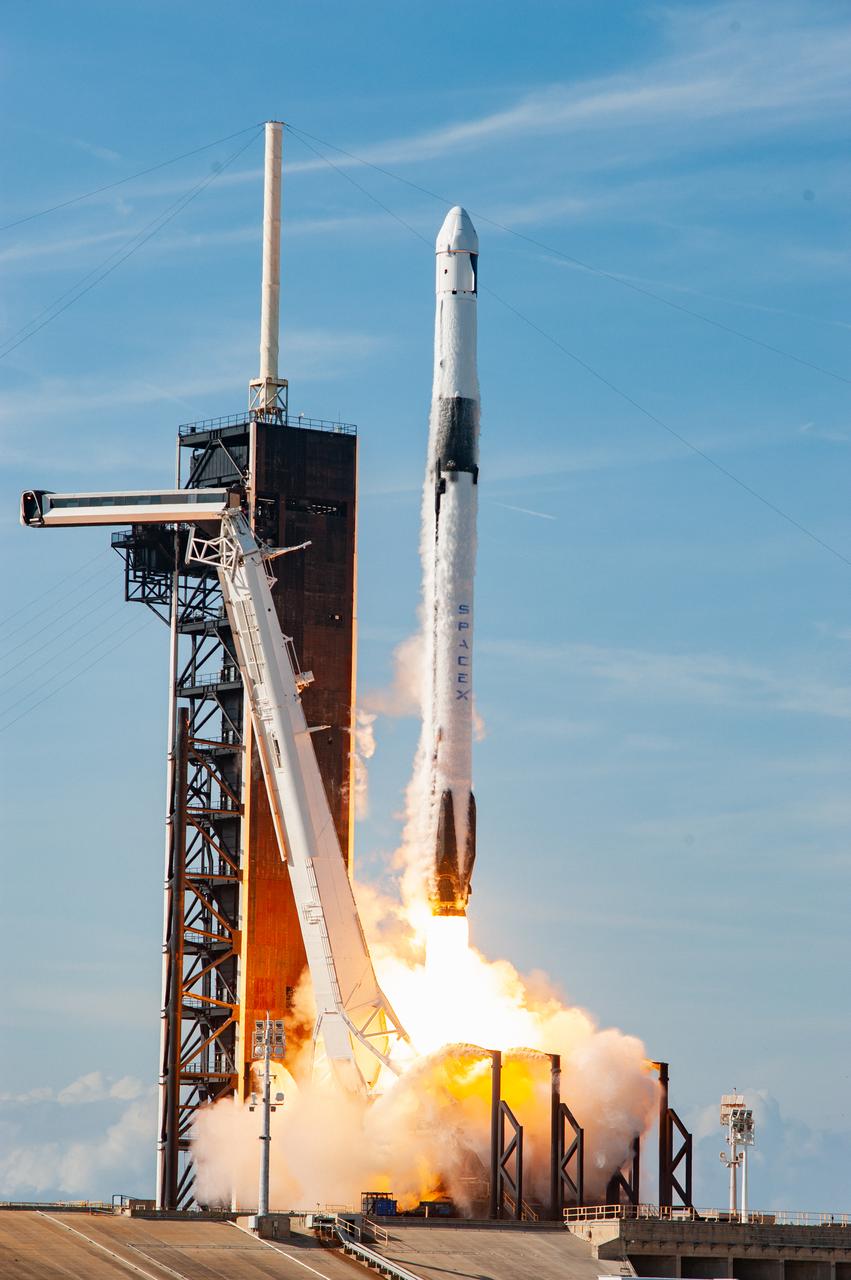
The SpaceX Falcon 9 rocket carrying the Dragon cargo spacecraft lifts off from Launch Complex 39A at NASA’s Kennedy Space Center in Florida on Nov. 26, 2022, on the company’s 26th commercial resupply services mission for the agency to the International Space Station. Liftoff was at 2:20 p.m. EST. Dragon will deliver more than 7,700 pounds of cargo, including a variety of NASA investigations, supplies, and equipment to the crew aboard the space station, including the next pair of ISS Roll Out Solar Arrays (iROSAs). The spacecraft is expected to spend about a month attached to the orbiting outpost before it returns to Earth with research and return cargo, splashing down off the coast of Florida.
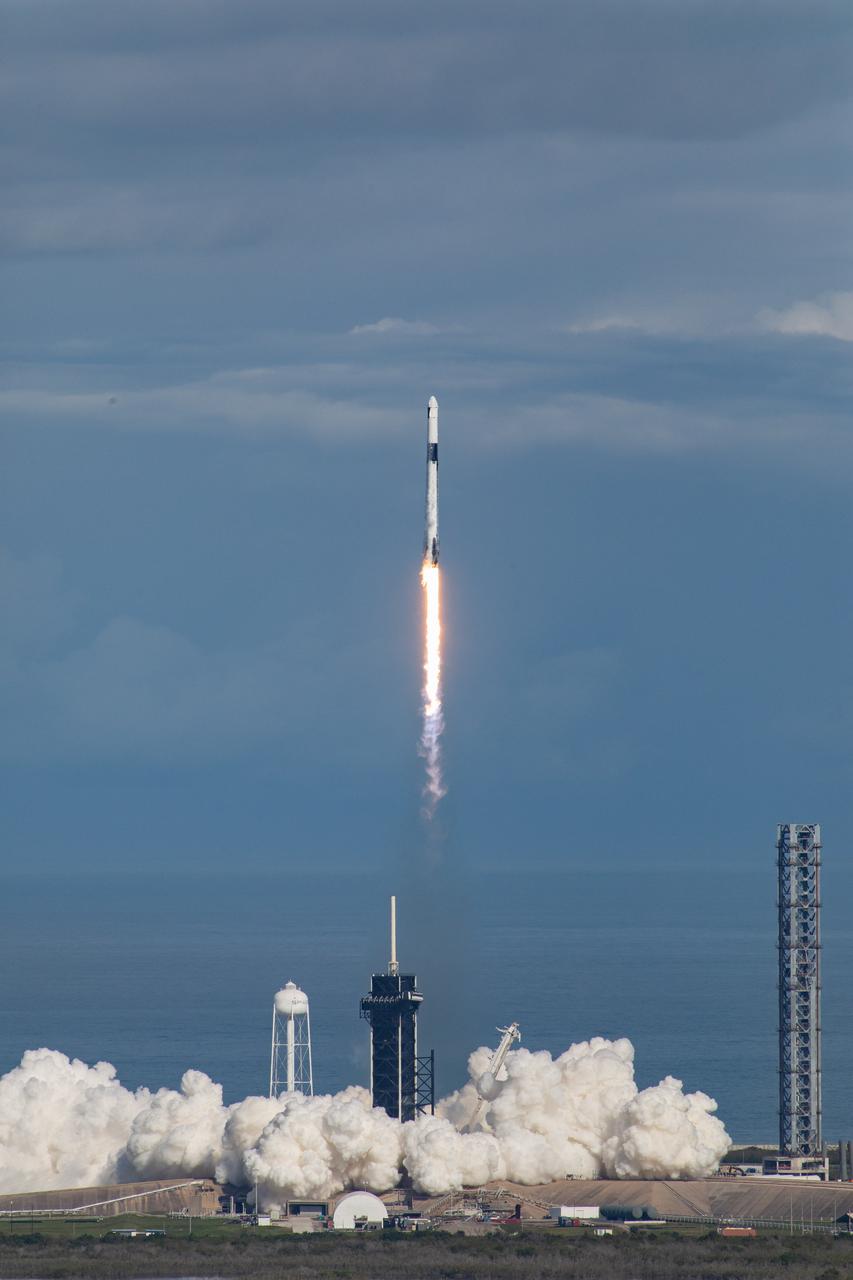
The SpaceX Falcon 9 rocket carrying the Dragon cargo spacecraft lifts off from Launch Complex 39A at NASA’s Kennedy Space Center in Florida on Nov. 26, 2022, on the company’s 26th commercial resupply services mission for the agency to the International Space Station. Liftoff was at 2:20 p.m. EST. Dragon will deliver more than 7,700 pounds of cargo, including a variety of NASA investigations, supplies, and equipment to the crew aboard the space station, including the next pair of ISS Roll Out Solar Arrays (iROSAs). The spacecraft is expected to spend about a month attached to the orbiting outpost before it returns to Earth with research and return cargo, splashing down off the coast of Florida.
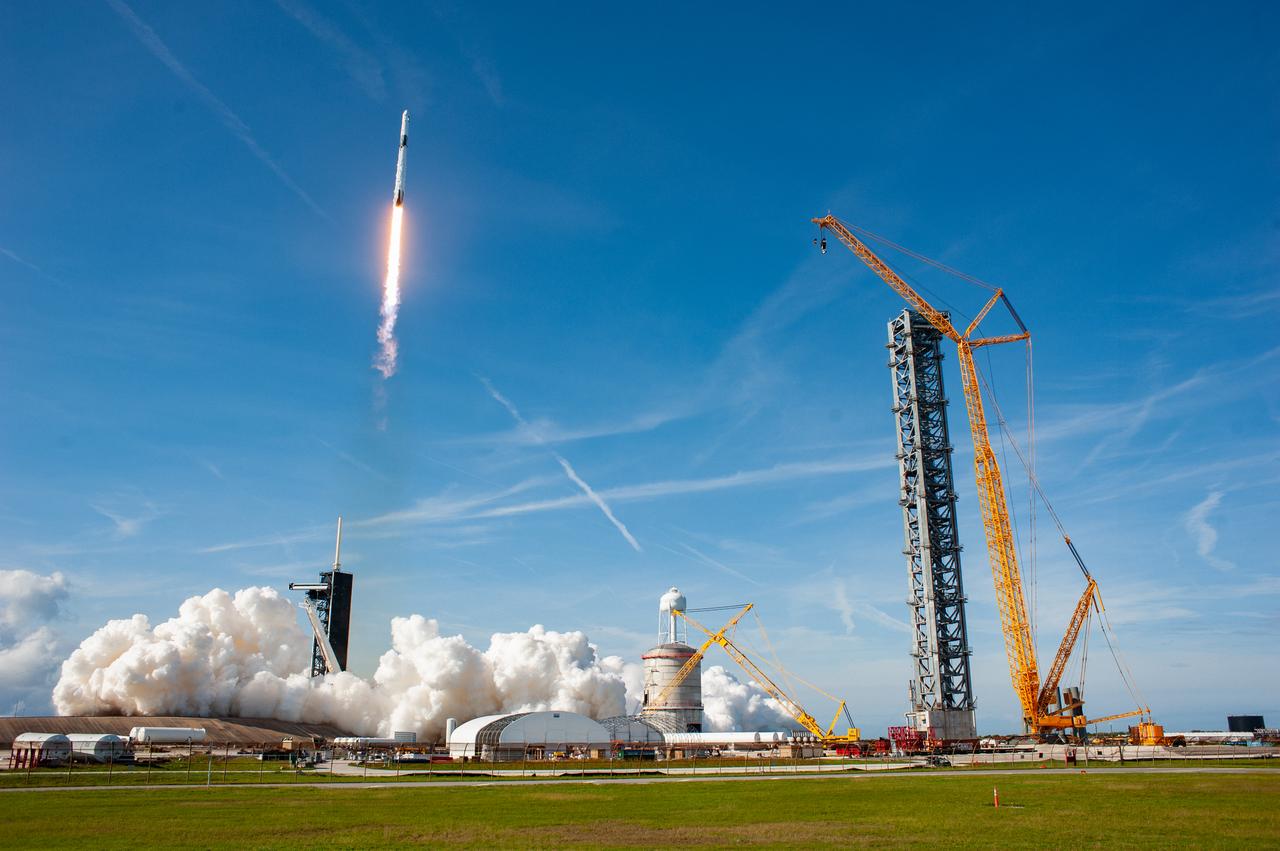
The SpaceX Falcon 9 rocket carrying the Dragon cargo spacecraft lifts off from Launch Complex 39A at NASA’s Kennedy Space Center in Florida on Nov. 26, 2022, on the company’s 26th commercial resupply services mission for the agency to the International Space Station. Liftoff was at 2:20 p.m. EST. Dragon will deliver more than 7,700 pounds of cargo, including a variety of NASA investigations, supplies, and equipment to the crew aboard the space station, including the next pair of ISS Roll Out Solar Arrays (iROSAs). The spacecraft is expected to spend about a month attached to the orbiting outpost before it returns to Earth with research and return cargo, splashing down off the coast of Florida.
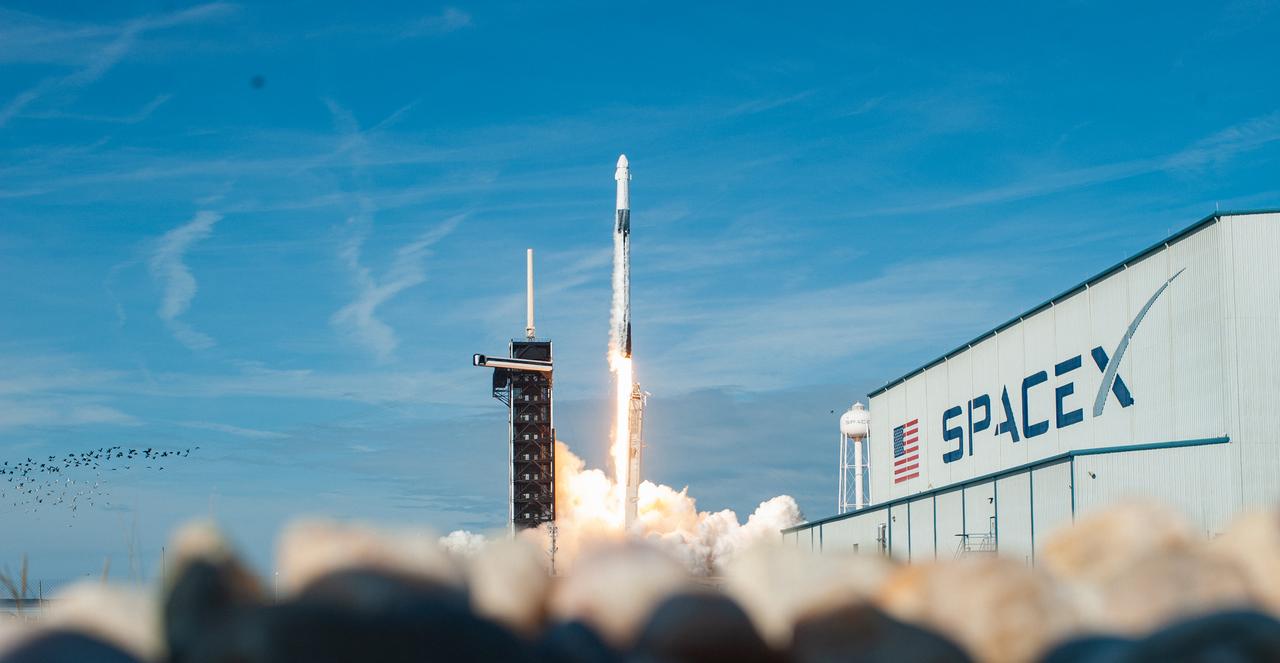
The SpaceX Falcon 9 rocket carrying the Dragon cargo spacecraft lifts off from Launch Complex 39A at NASA’s Kennedy Space Center in Florida on Nov. 26, 2022, on the company’s 26th commercial resupply services mission for the agency to the International Space Station. Liftoff was at 2:20 p.m. EST. Dragon will deliver more than 7,700 pounds of cargo, including a variety of NASA investigations, supplies, and equipment to the crew aboard the space station, including the next pair of ISS Roll Out Solar Arrays (iROSAs). The spacecraft is expected to spend about a month attached to the orbiting outpost before it returns to Earth with research and return cargo, splashing down off the coast of Florida.
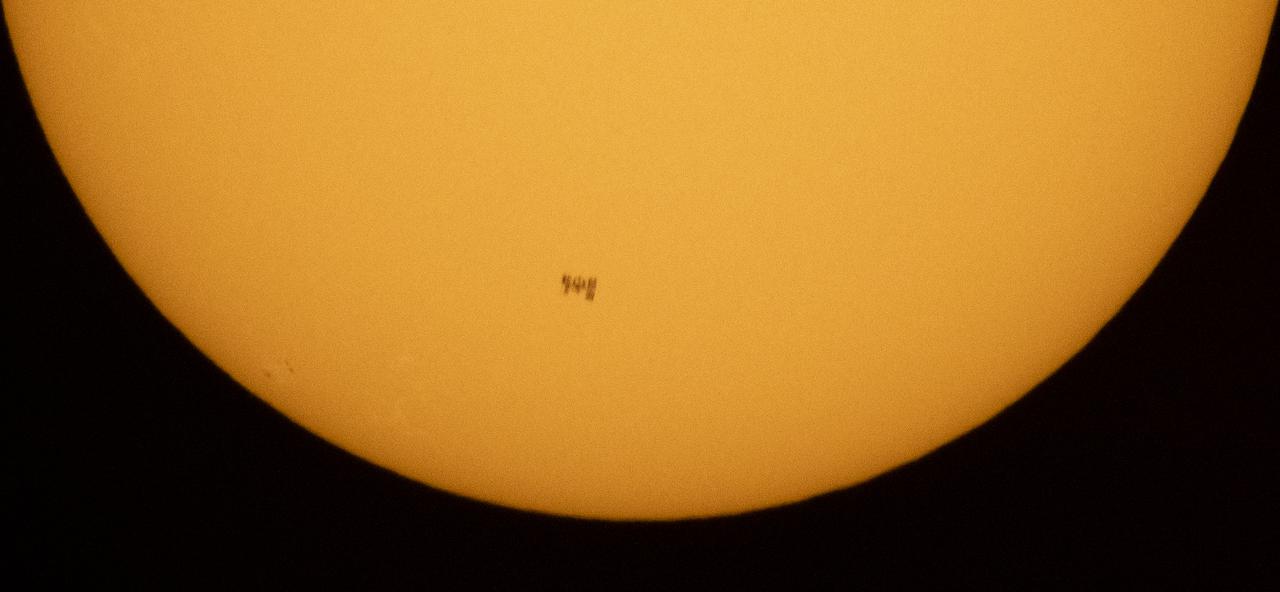
The International Space Station, with a crew of seven onboard, is seen in silhouette as it transits the Sun at roughly five miles per second, Friday, June 25, 2021, from near Nellysford, Va. Onboard are Expedition 65 NASA astronauts Megan McArthur, Mark Vande Hei, Shane Kimbrough, ESA (European Space Agency) astronaut Thomas Pesquet, Japan Aerospace Exploration Agency (JAXA) astronaut Akihiko Hoshide, and Roscosmos cosmonauts Pyotr Dubrov and Oleg Novitskiy. At the time of the transit, Kimbrough and Pesquet were working outside on the station’s port 6 truss to install the second ISS Roll-Out Solar Array (iROSA) on the 4B power channel. Photo Credit: (NASA/Joel Kowsky)
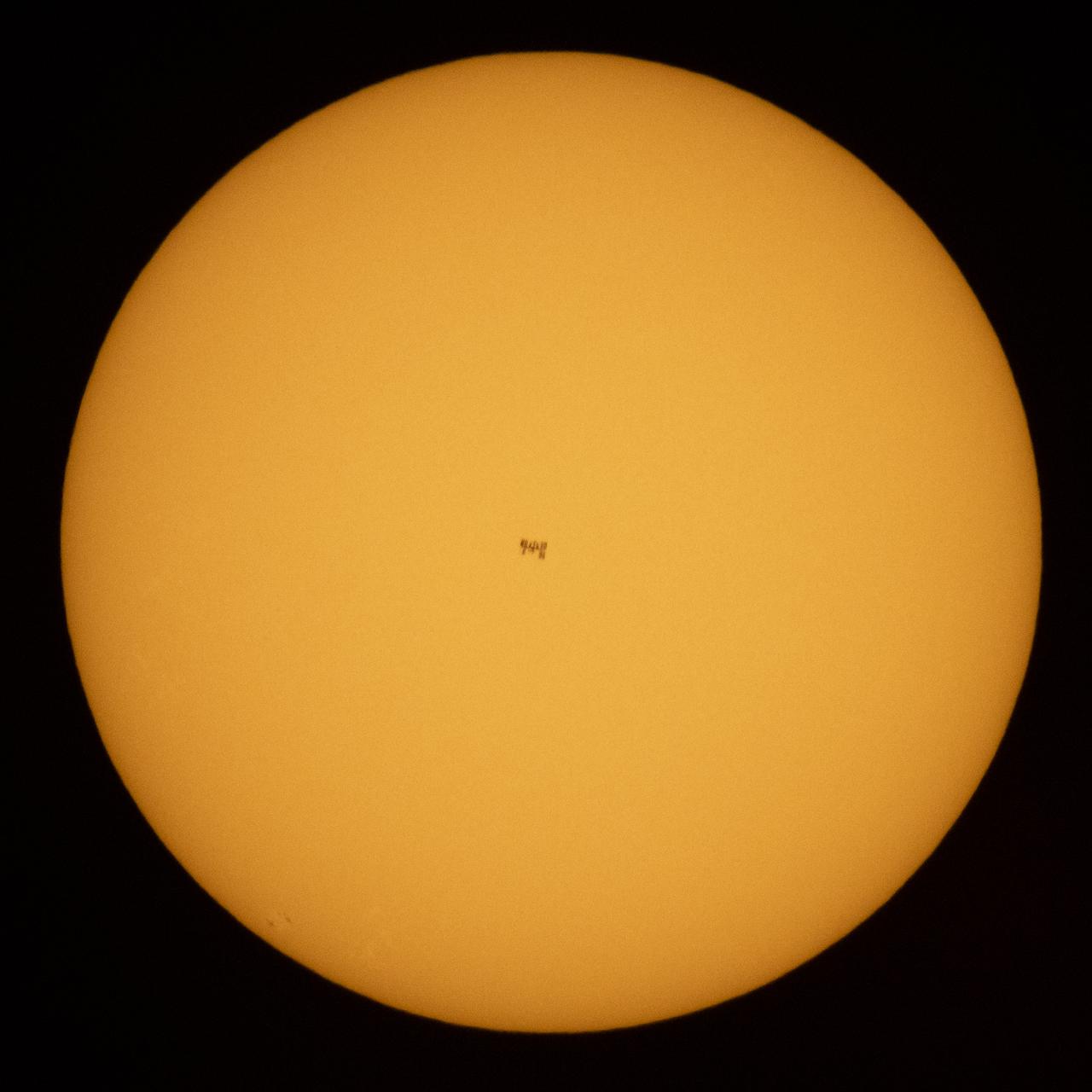
The International Space Station, with a crew of seven onboard, is seen in silhouette as it transits the Sun at roughly five miles per second, Friday, June 25, 2021, from near Nellysford, Va. Onboard are Expedition 65 NASA astronauts Megan McArthur, Mark Vande Hei, Shane Kimbrough, ESA (European Space Agency) astronaut Thomas Pesquet, Japan Aerospace Exploration Agency (JAXA) astronaut Akihiko Hoshide, and Roscosmos cosmonauts Pyotr Dubrov and Oleg Novitskiy. At the time of the transit, Kimbrough and Pesquet were working outside on the station’s port 6 truss to install the second ISS Roll-Out Solar Array (iROSA) on the 4B power channel. Photo Credit: (NASA/Joel Kowsky)
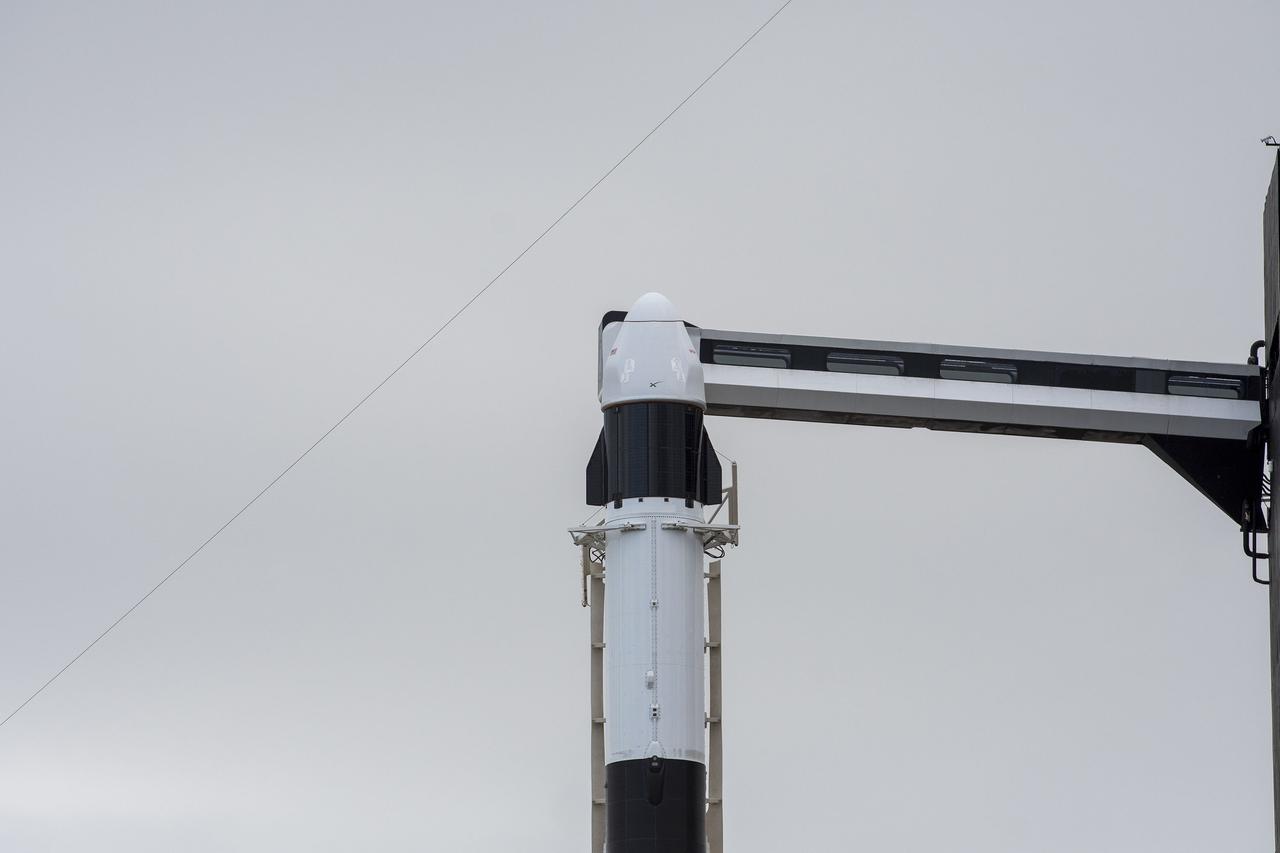
Seen here is the SpaceX Dragon cargo spacecraft atop the company’s Falcon 9 rocket after being raised to a vertical position at NASA’s Kennedy Space Center in Florida on Nov. 21, 2022, in preparation for the 26th commercial resupply services launch to the International Space Station. The mission will deliver new science investigations, supplies, and equipment to the crew aboard the space station, including the next pair of ISS Roll Out Solar Arrays (iROSAs). Liftoff is scheduled for 3:54 p.m. EST on Monday, Nov. 22, from Kennedy’s Launch Complex 39A.
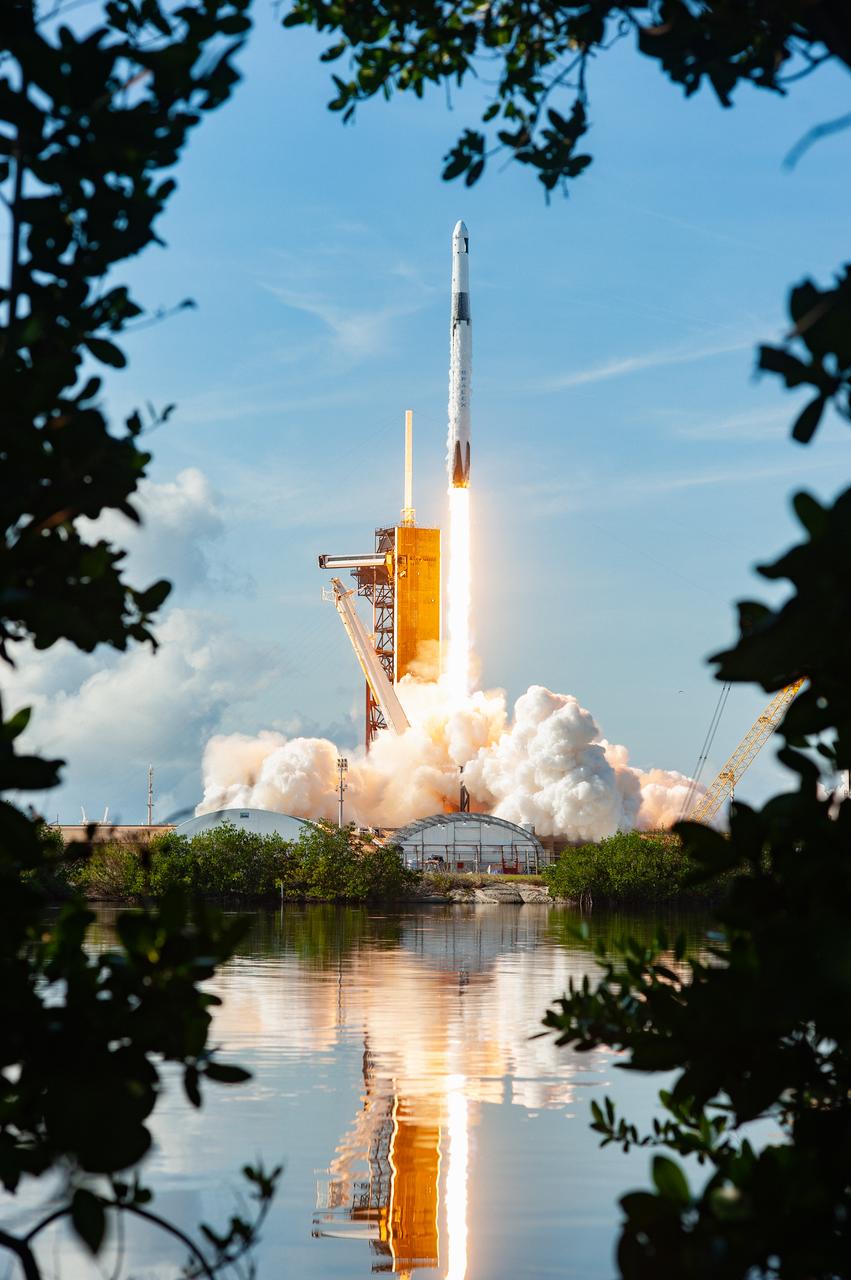
The SpaceX Falcon 9 rocket carrying the Dragon cargo spacecraft lifts off from Launch Complex 39A at NASA’s Kennedy Space Center in Florida on Nov. 26, 2022, on the company’s 26th commercial resupply services mission for the agency to the International Space Station. Liftoff was at 2:20 p.m. EST. Dragon will deliver more than 7,700 pounds of cargo, including a variety of NASA investigations, supplies, and equipment to the crew aboard the space station, including the next pair of ISS Roll Out Solar Arrays (iROSAs). The spacecraft is expected to spend about a month attached to the orbiting outpost before it returns to Earth with research and return cargo, splashing down off the coast of Florida.
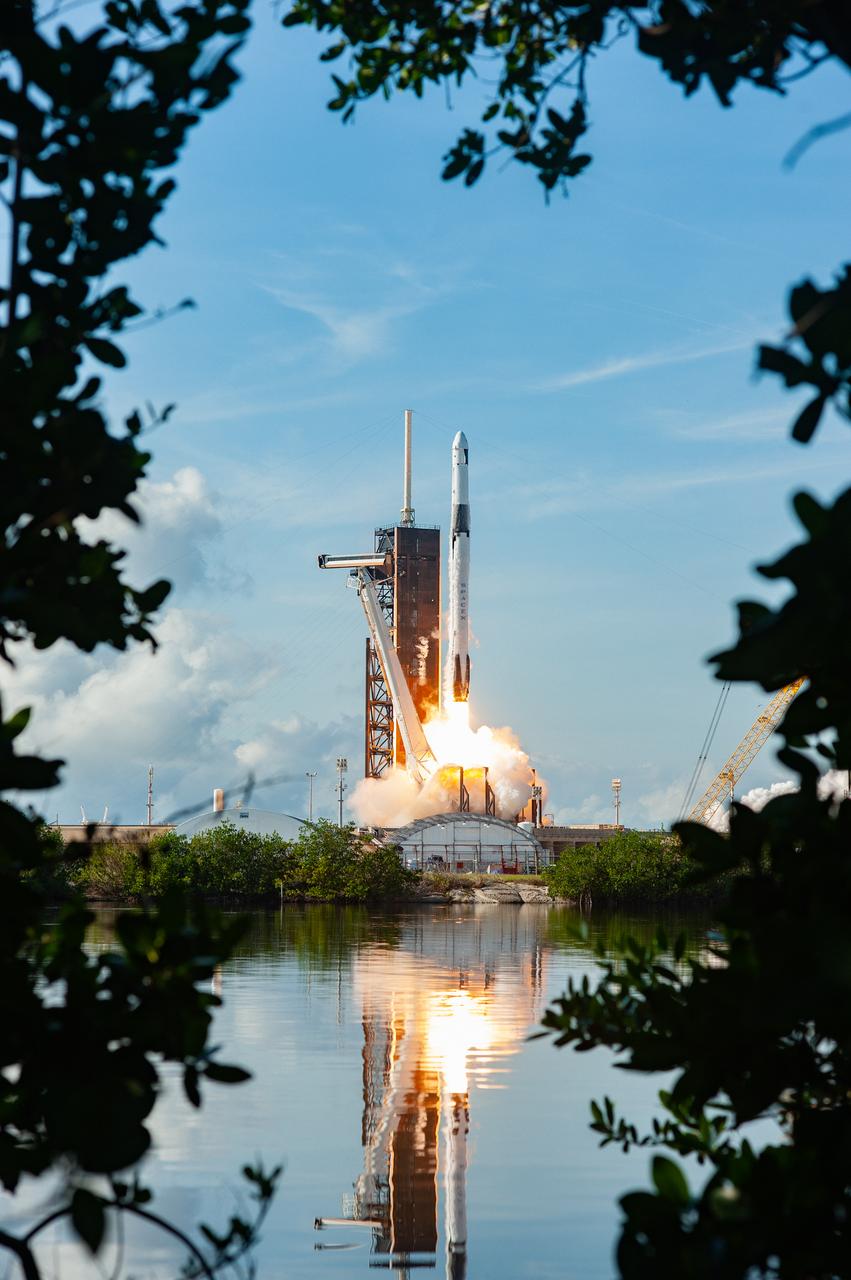
The SpaceX Falcon 9 rocket carrying the Dragon cargo spacecraft lifts off from Launch Complex 39A at NASA’s Kennedy Space Center in Florida on Nov. 26, 2022, on the company’s 26th commercial resupply services mission for the agency to the International Space Station. Liftoff was at 2:20 p.m. EST. Dragon will deliver more than 7,700 pounds of cargo, including a variety of NASA investigations, supplies, and equipment to the crew aboard the space station, including the next pair of ISS Roll Out Solar Arrays (iROSAs). The spacecraft is expected to spend about a month attached to the orbiting outpost before it returns to Earth with research and return cargo, splashing down off the coast of Florida.
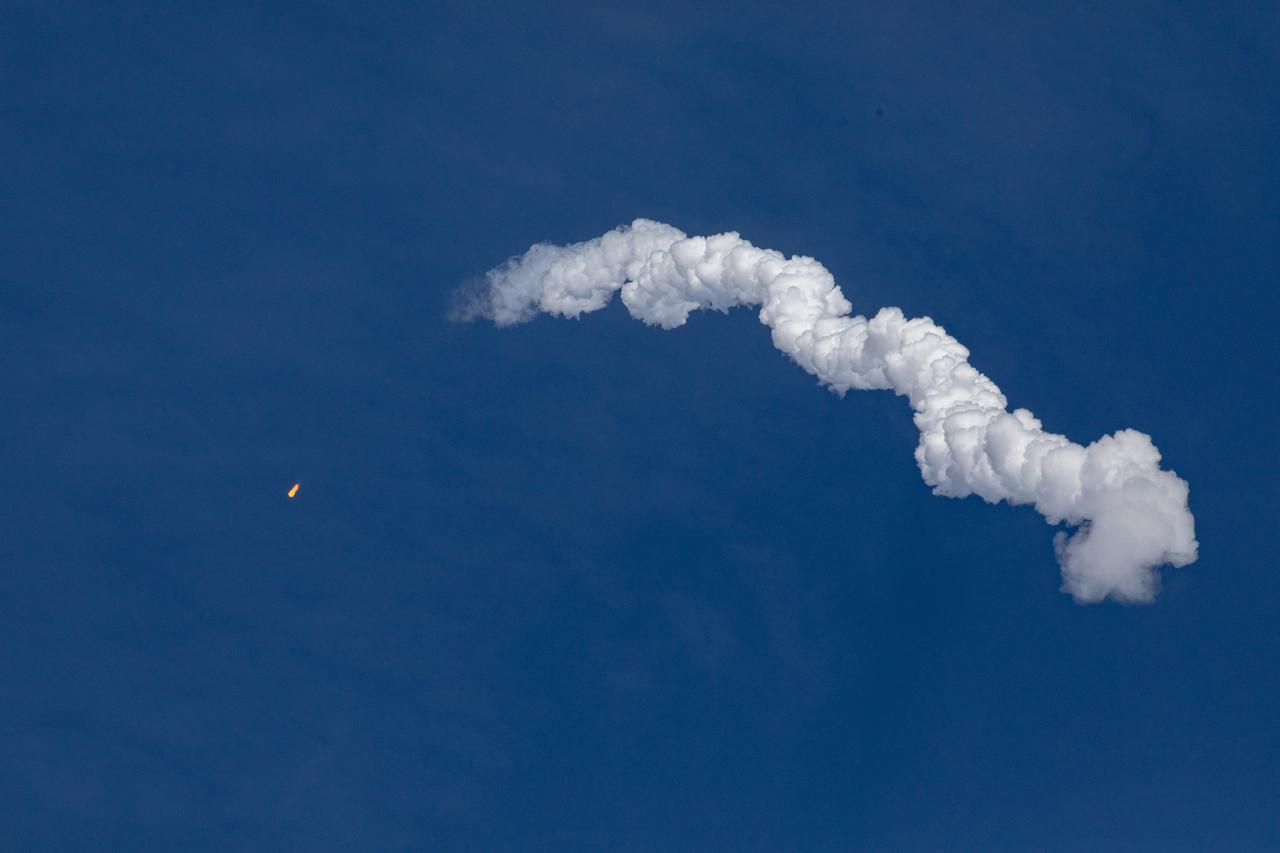
A SpaceX Falcon 9 rocket soars upward after its liftoff from Launch Complex 39A at NASA’s Kennedy Space Center in Florida on Nov. 26, 2022, on the company’s 26th Commercial Resupply Services mission for the agency to the International Space Station. The Dragon cargo spacecraft will deliver about 7,700 pounds of science and research, supplies, and equipment to the crew aboard the space station, including the next pair of ISS Roll Out Solar Arrays (iROSAs). The spacecraft is expected to spend about a month attached to the orbiting outpost before it returns to Earth with research and return cargo, splashing down off the coast of Florida.
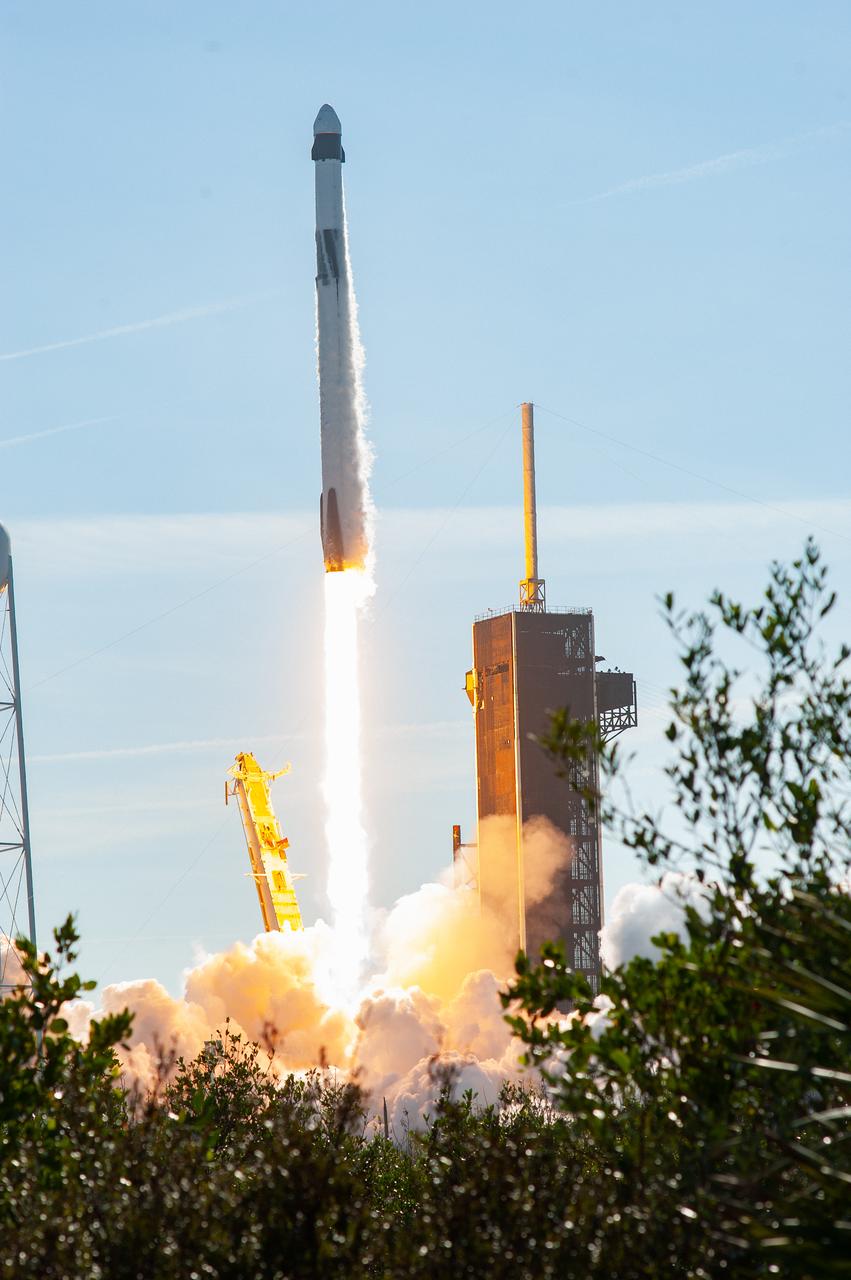
The SpaceX Falcon 9 rocket carrying the Dragon cargo spacecraft lifts off from Launch Complex 39A at NASA’s Kennedy Space Center in Florida on Nov. 26, 2022, on the company’s 26th commercial resupply services mission for the agency to the International Space Station. Liftoff was at 2:20 p.m. EST. Dragon will deliver more than 7,700 pounds of cargo, including a variety of NASA investigations, supplies, and equipment to the crew aboard the space station, including the next pair of ISS Roll Out Solar Arrays (iROSAs). The spacecraft is expected to spend about a month attached to the orbiting outpost before it returns to Earth with research and return cargo, splashing down off the coast of Florida.
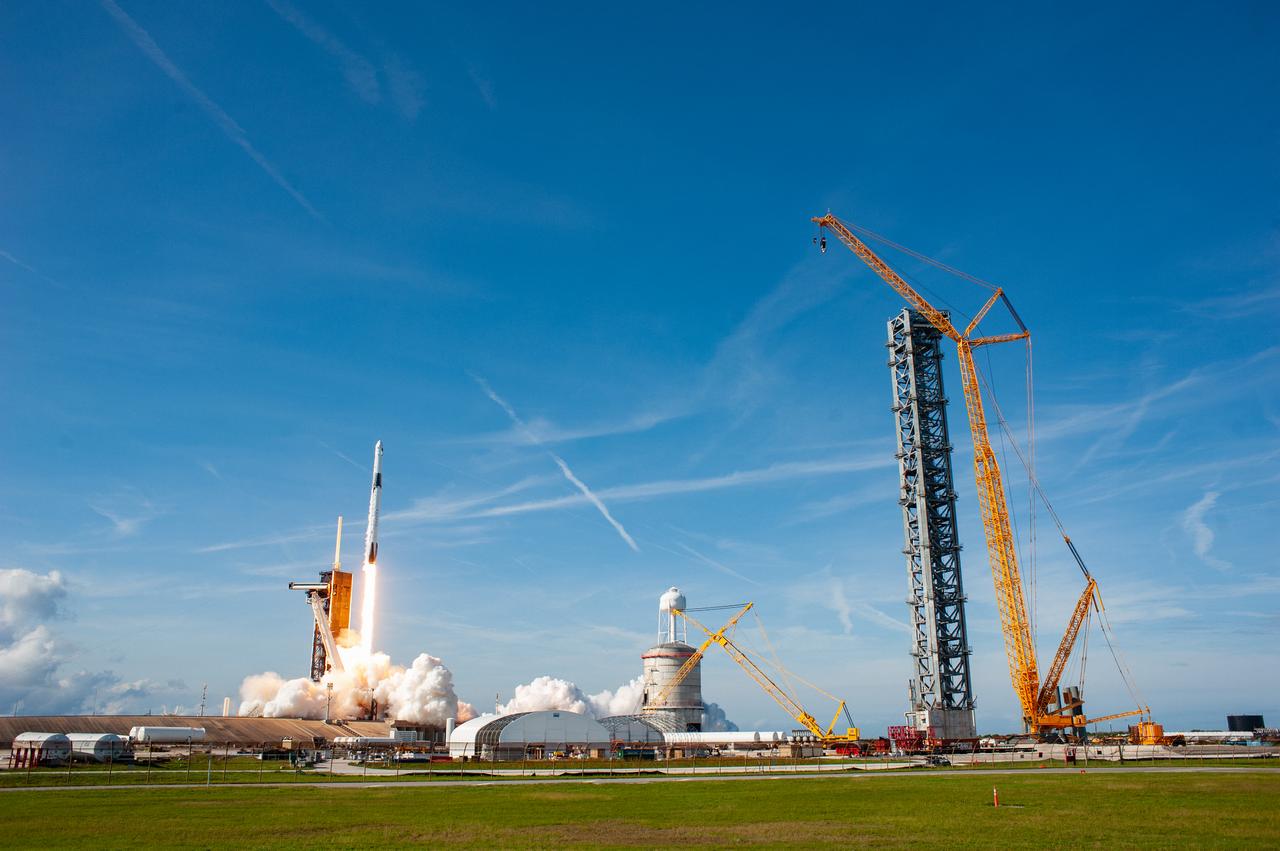
The SpaceX Falcon 9 rocket carrying the Dragon cargo spacecraft lifts off from Launch Complex 39A at NASA’s Kennedy Space Center in Florida on Nov. 26, 2022, on the company’s 26th commercial resupply services mission for the agency to the International Space Station. Liftoff was at 2:20 p.m. EST. Dragon will deliver more than 7,700 pounds of cargo, including a variety of NASA investigations, supplies, and equipment to the crew aboard the space station, including the next pair of ISS Roll Out Solar Arrays (iROSAs). The spacecraft is expected to spend about a month attached to the orbiting outpost before it returns to Earth with research and return cargo, splashing down off the coast of Florida.
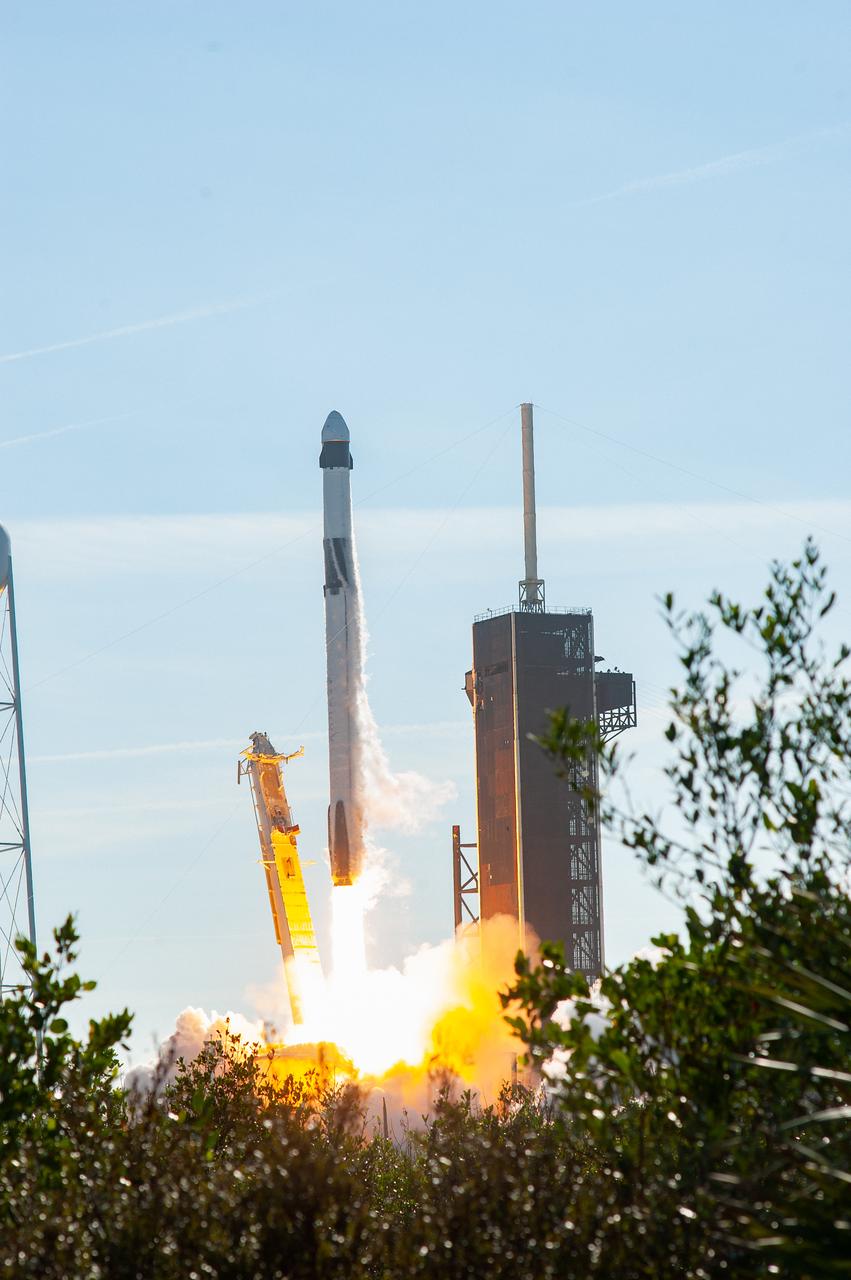
The SpaceX Falcon 9 rocket carrying the Dragon cargo spacecraft lifts off from Launch Complex 39A at NASA’s Kennedy Space Center in Florida on Nov. 26, 2022, on the company’s 26th commercial resupply services mission for the agency to the International Space Station. Liftoff was at 2:20 p.m. EST. Dragon will deliver more than 7,700 pounds of cargo, including a variety of NASA investigations, supplies, and equipment to the crew aboard the space station, including the next pair of ISS Roll Out Solar Arrays (iROSAs). The spacecraft is expected to spend about a month attached to the orbiting outpost before it returns to Earth with research and return cargo, splashing down off the coast of Florida.
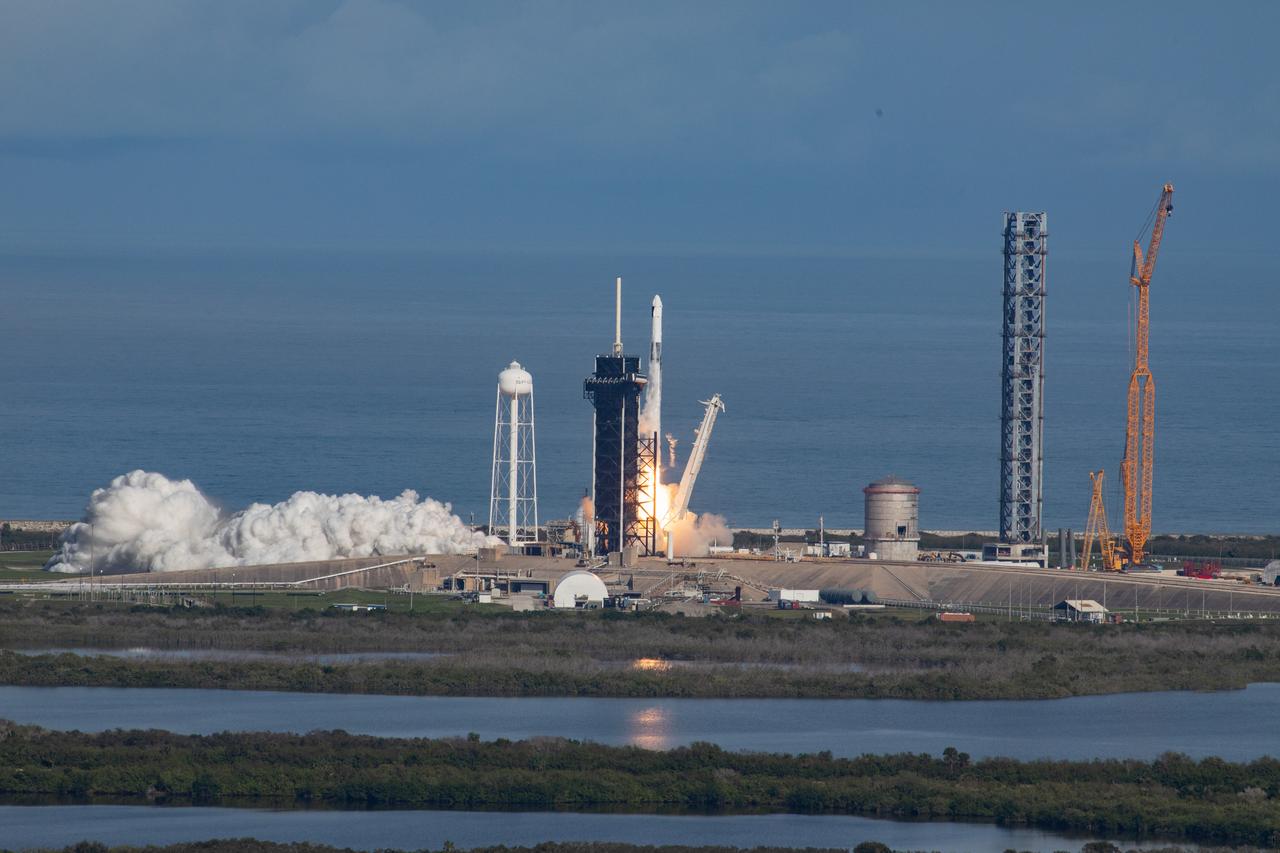
The SpaceX Falcon 9 rocket carrying the Dragon cargo spacecraft lifts off from Launch Complex 39A at NASA’s Kennedy Space Center in Florida on Nov. 26, 2022, on the company’s 26th commercial resupply services mission for the agency to the International Space Station. Liftoff was at 2:20 p.m. EST. Dragon will deliver more than 7,700 pounds of cargo, including a variety of NASA investigations, supplies, and equipment to the crew aboard the space station, including the next pair of ISS Roll Out Solar Arrays (iROSAs). The spacecraft is expected to spend about a month attached to the orbiting outpost before it returns to Earth with research and return cargo, splashing down off the coast of Florida.
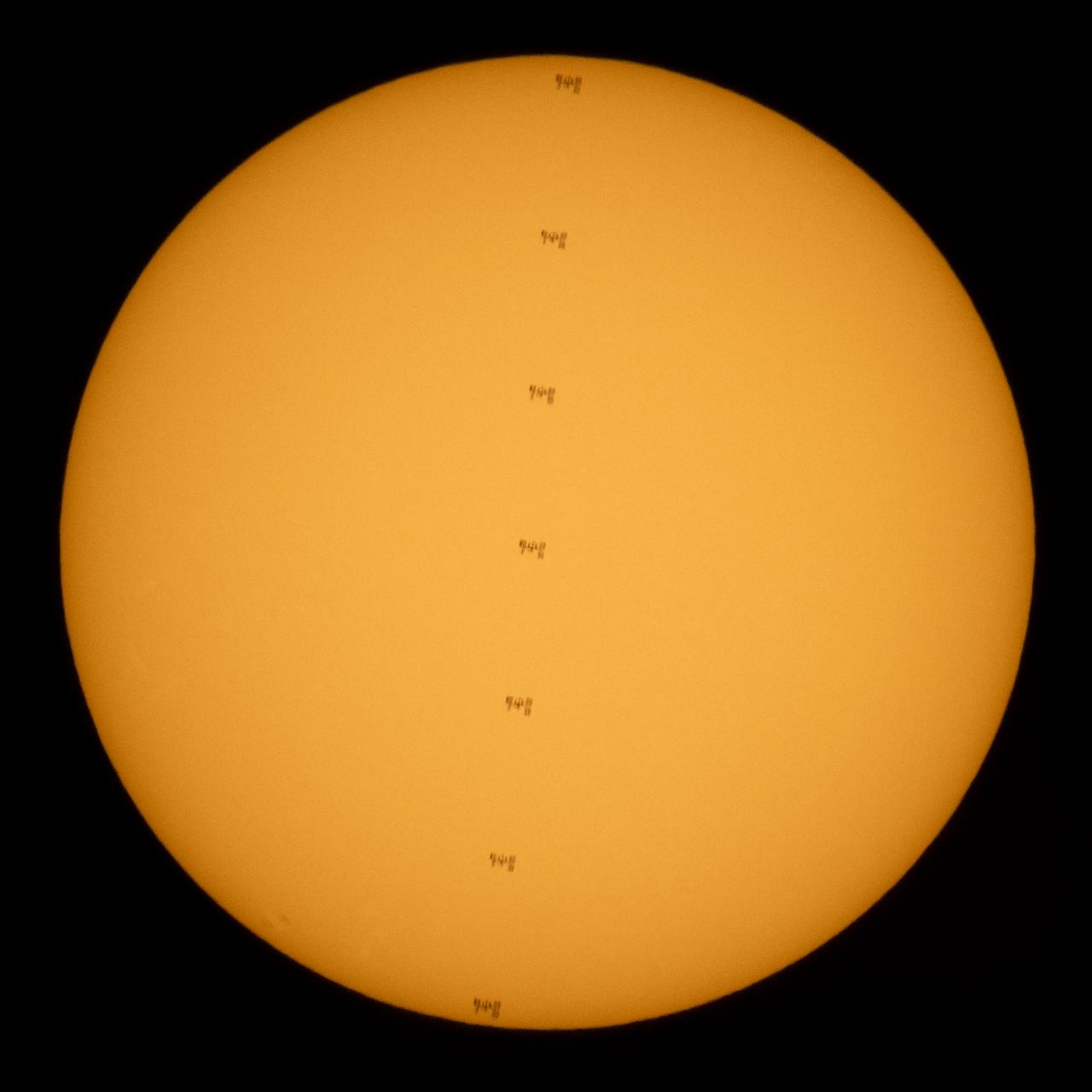
This composite image made from seven frames shows the International Space Station, with a crew of seven onboard, in silhouette as it transits the Sun at roughly five miles per second, Friday, June 25, 2021, from near Nellysford, Va. Onboard are Expedition 65 NASA astronauts Megan McArthur, Mark Vande Hei, Shane Kimbrough, ESA (European Space Agency) astronaut Thomas Pesquet, Japan Aerospace Exploration Agency (JAXA) astronaut Akihiko Hoshide, and Roscosmos cosmonauts Pyotr Dubrov and Oleg Novitskiy. At the time of the transit, Kimbrough and Pesquet were working outside on the station’s port 6 truss to install the second ISS Roll-Out Solar Array (iROSA) on the 4B power channel. Photo Credit: (NASA/Joel Kowsky)

The first two of six new solar arrays for the International Space Station have been loaded into Dragon’s unpressurized spacecraft trunk. SpaceX will deliver them to the orbiting laboratory during its next cargo resupply mission, targeted for June 3 at 1:29pm. The arrays will provide additional electrical power for the numerous research and science investigations conducted every day, as well as the continued operations of the station. Spacewalking astronauts will install the two new arrays in two spacewalks that will take place in June.
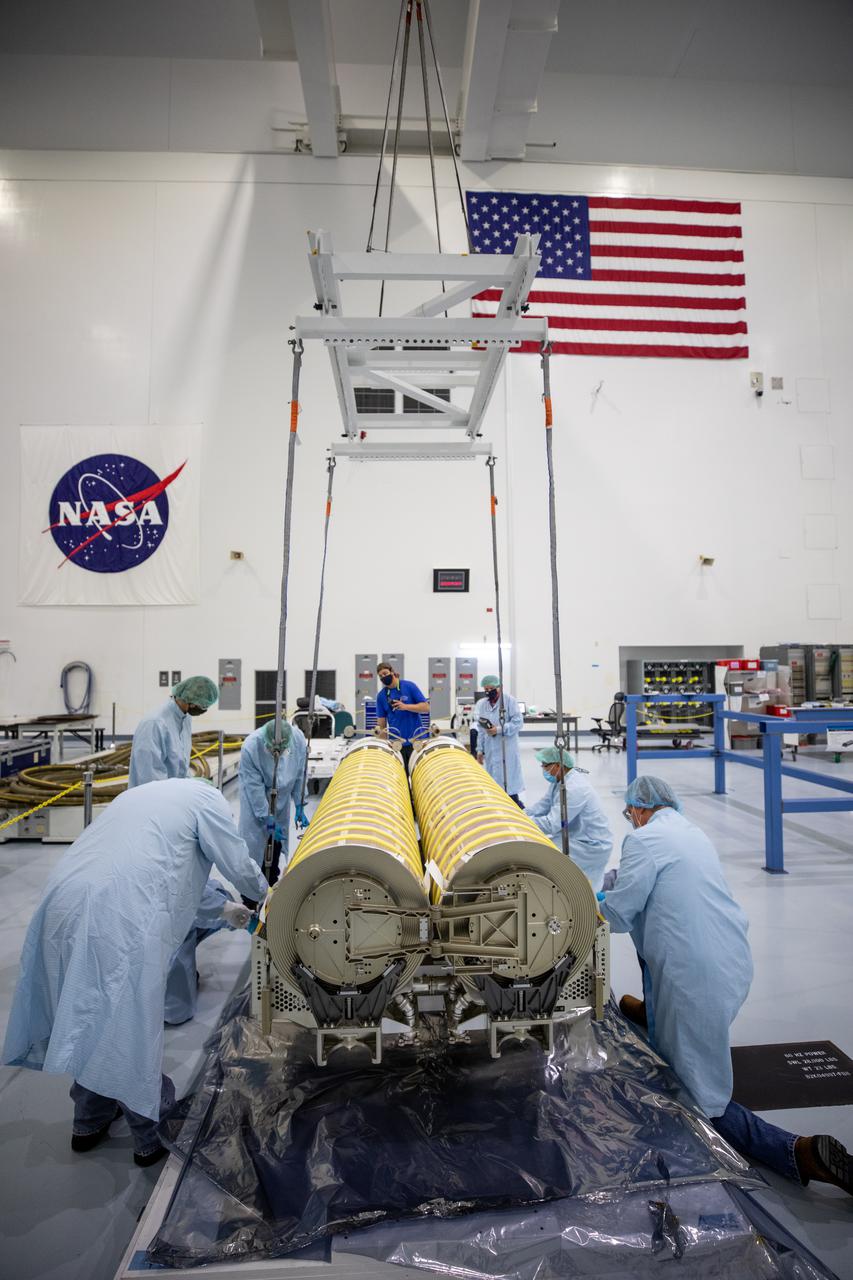
NASA and Boeing workers move solar arrays for the International Space Station to flight support equipment in the high bay of the Space Station Processing Facility at NASA’s Kennedy Space Center in Florida on April 2, 2021. The 63- by- 20-foot solar arrays will launch to the International Space Station later this year. They are the first two of six new solar arrays that in total will produce more than 120 kilowatts of electricity from the Sun’s energy, enough to power more than 40 average U.S. homes. Combined with the eight original, larger arrays, this advanced hardware will provide 215 kilowatts of energy, a 20 to 30 percent increase in power, helping maximize the space station’s capabilities for years to come. The arrays will produce electricity to sustain the station’s systems and equipment, plus augment the electricity available to continue a wide variety of public and private experiments and research in the microgravity environment of low-Earth orbit.
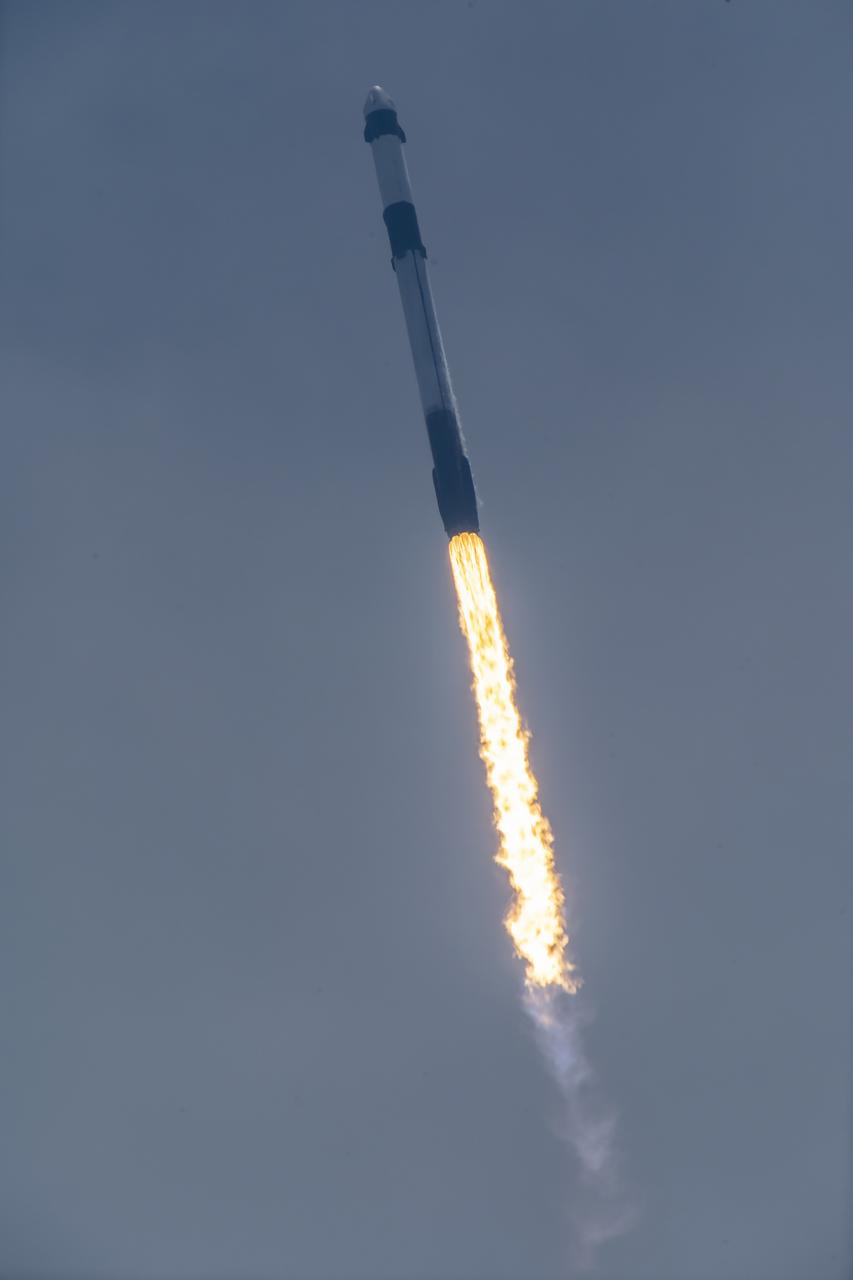
The SpaceX Falcon 9 rocket carrying the Dragon capsule soars upward after lifting off from Launch Complex 39A at NASA’s Kennedy Space Center in Florida on June 5, 2023, on the company’s 28th Commercial Resupply Services mission for the agency to the International Space Station. Liftoff was at 11:47 a.m. EDT. Dragon will deliver more than XXX pounds of crew supplies, equipment, and science experiments to the orbiting laboratory. The spacecraft is expected to spend about a month attached to the orbiting outpost before it returns to Earth with research and return cargo, splashing down off the coast of Florida.
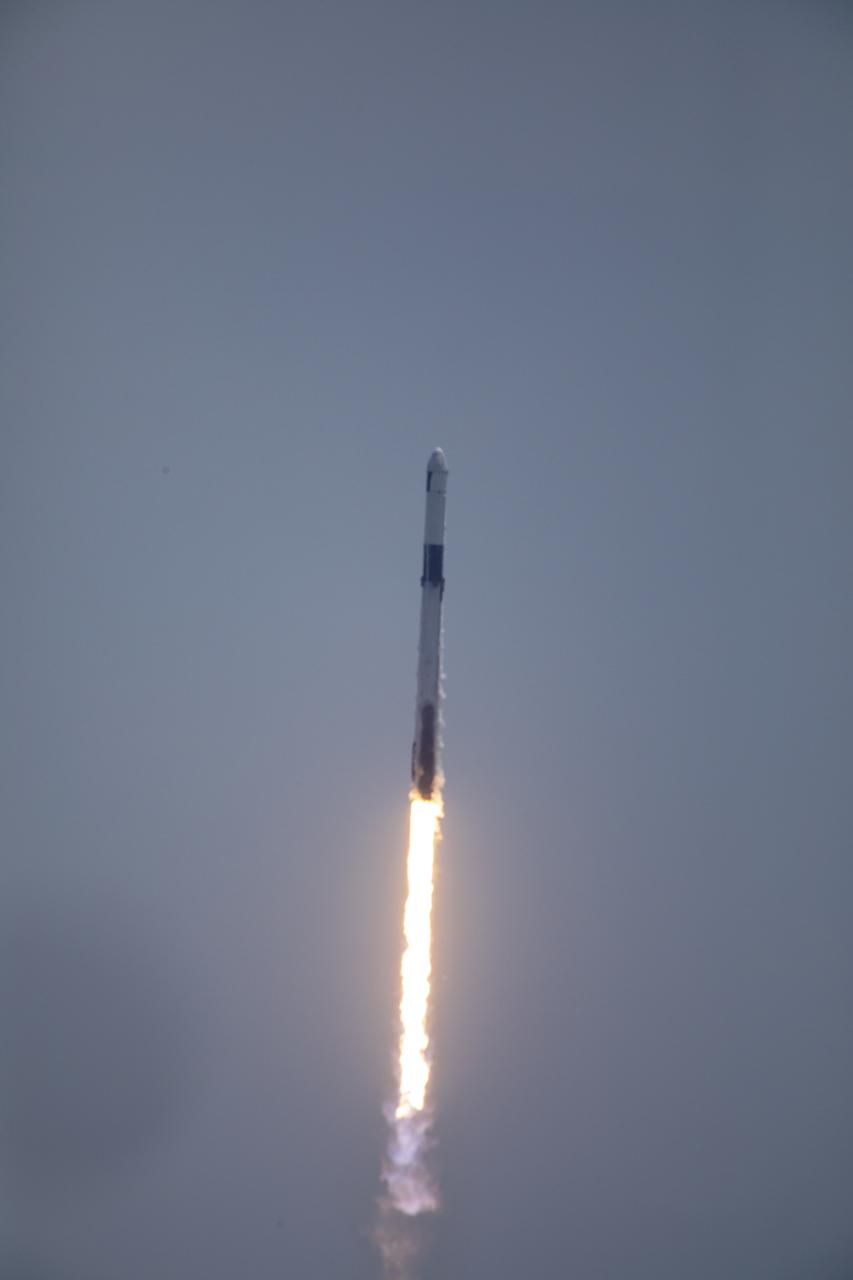
The SpaceX Falcon 9 rocket carrying the Dragon capsule soars upward after lifting off from Launch Complex 39A at NASA’s Kennedy Space Center in Florida on June 5, 2023, on the company’s 28th Commercial Resupply Services mission for the agency to the International Space Station. Liftoff was at 11:47 a.m. EDT. Dragon will deliver more than XXX pounds of crew supplies, equipment, and science experiments to the orbiting laboratory. The spacecraft is expected to spend about a month attached to the orbiting outpost before it returns to Earth with research and return cargo, splashing down off the coast of Florida.
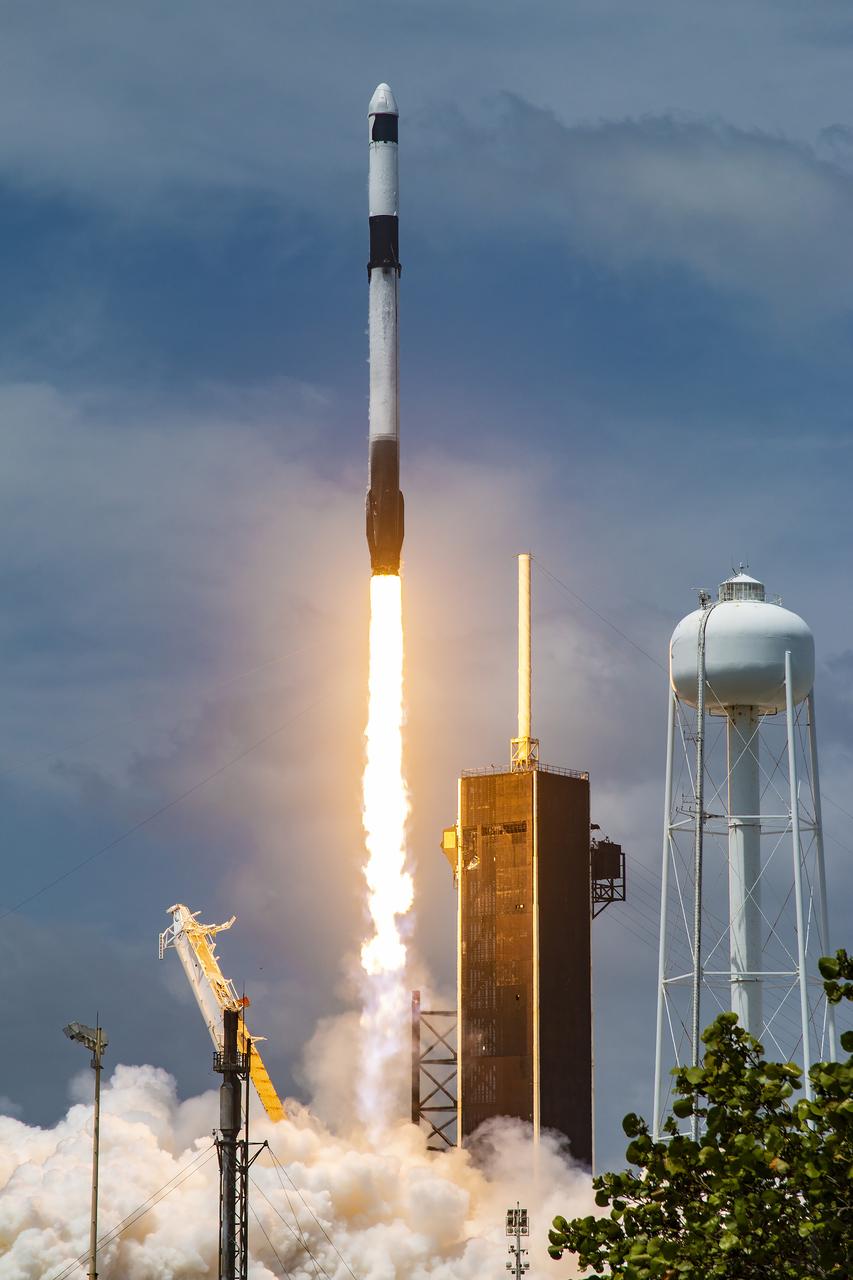
The SpaceX Falcon 9 rocket carrying the Dragon capsule lifts off from Launch Complex 39A at NASA’s Kennedy Space Center in Florida on June 5, 2023, on the company’s 28th Commercial Resupply Services mission for the agency to the International Space Station. Liftoff was at 12:47 a.m. EDT. Dragon will deliver approximately 7,000 pounds of crew supplies, equipment, and science experiments to the orbiting laboratory. The spacecraft is expected to spend about a month attached to the orbiting outpost before it returns to Earth with research and return cargo, splashing down off the coast of Florida.
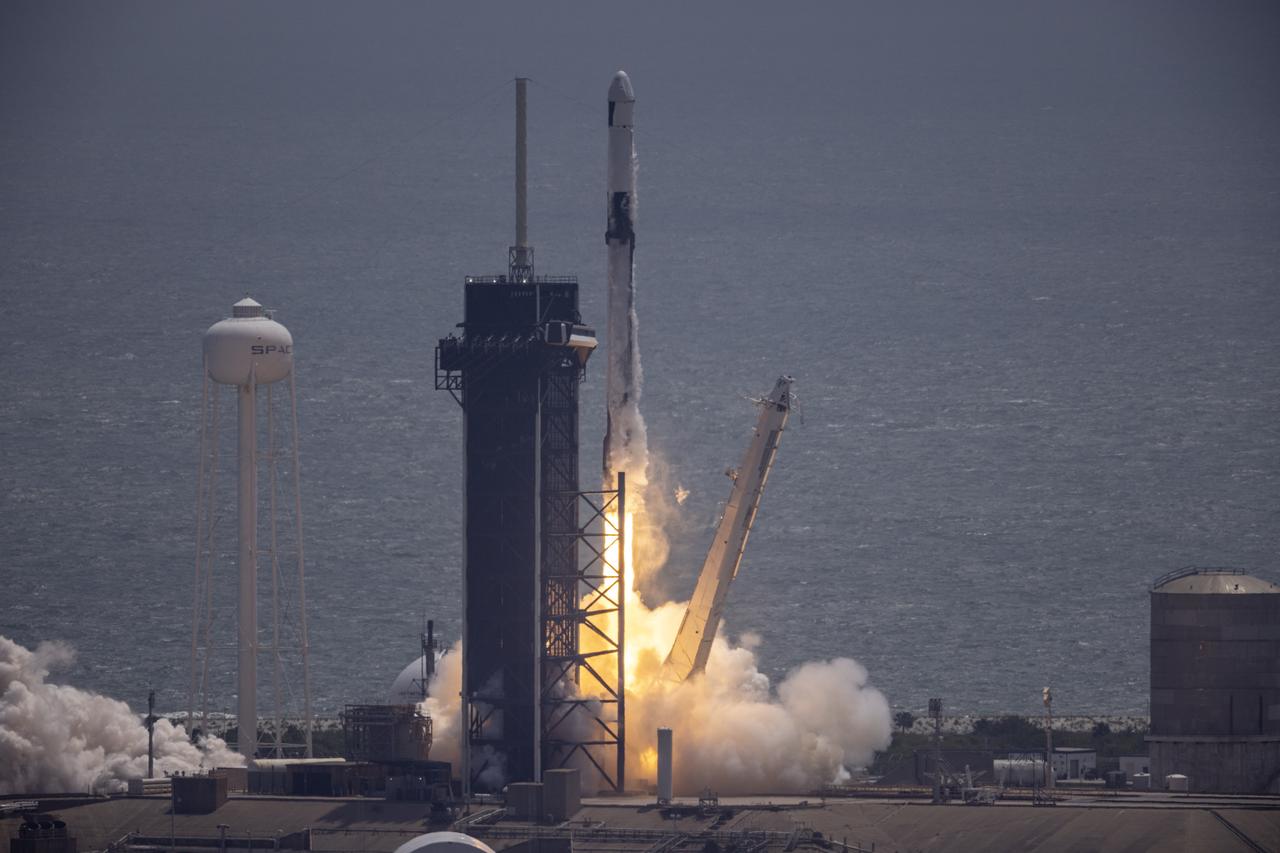
The SpaceX Falcon 9 rocket carrying the Dragon capsule lifts off from Launch Complex 39A at NASA’s Kennedy Space Center in Florida on June 5, 2023, on the company’s 28th Commercial Resupply Services mission for the agency to the International Space Station. Liftoff was at 12:47 a.m. EDT. Dragon will deliver approximately 7,000 pounds of crew supplies, equipment, and science experiments to the orbiting laboratory. The spacecraft is expected to spend about a month attached to the orbiting outpost before it returns to Earth with research and return cargo, splashing down off the coast of Florida.
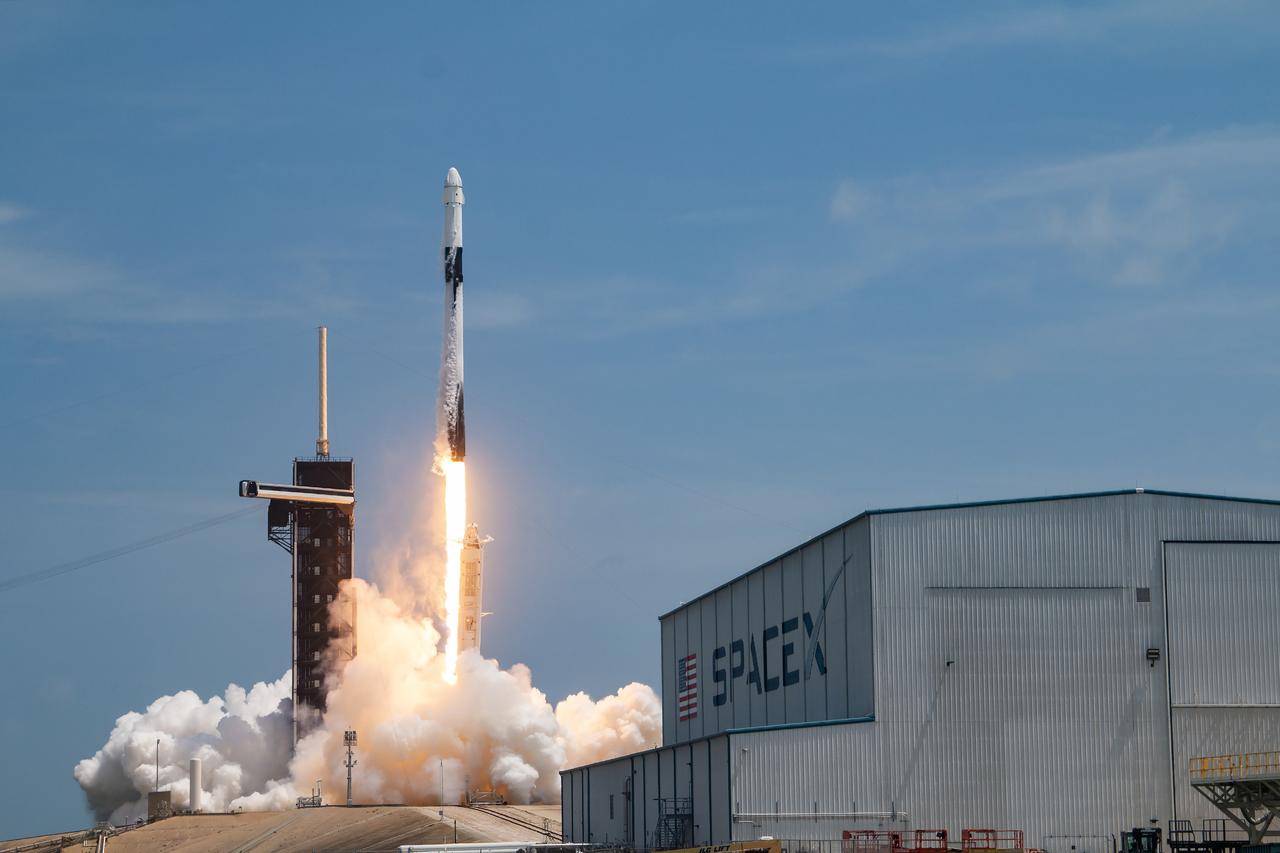
The SpaceX Falcon 9 rocket carrying the Dragon capsule lifts off from Launch Complex 39A at NASA’s Kennedy Space Center in Florida on June 5, 2023, on the company’s 28th Commercial Resupply Services mission for the agency to the International Space Station. Liftoff was at 12:47 a.m. EDT. Dragon will deliver approximately 7,000 pounds of crew supplies, equipment, and science experiments to the orbiting laboratory. The spacecraft is expected to spend about a month attached to the orbiting outpost before it returns to Earth with research and return cargo, splashing down off the coast of Florida.
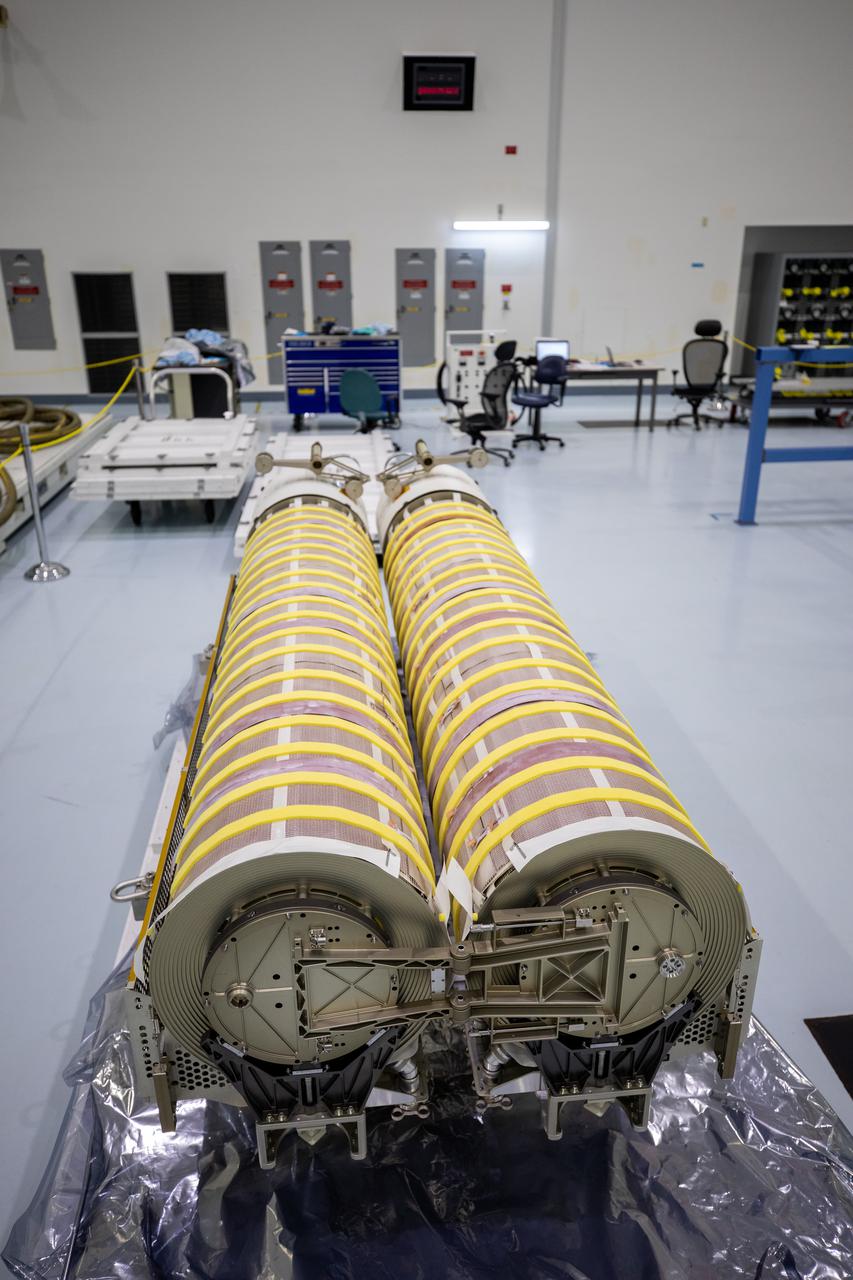
In view are the first two of six solar arrays shortly before NASA and Boeing workers began lifting them into flight support equipment the Space Station Processing Facility at NASA’s Kennedy Space Center in Florida on April 2, 2021. The 63- by- 20-foot solar arrays will launch to the International Space Station later this year. The six new solar arrays in total will produce more than 120 kilowatts of electricity from the Sun’s energy, enough to power more than 40 average U.S. homes. Combined with the eight original, larger arrays, this advanced hardware will provide 215 kilowatts of energy, a 20 to 30 percent increase in power, helping maximize the space station’s capabilities for years to come. The arrays will produce electricity to sustain the station’s systems and equipment, plus augment the electricity available to continue a wide variety of public and private experiments and research in the microgravity environment of low-Earth orbit.
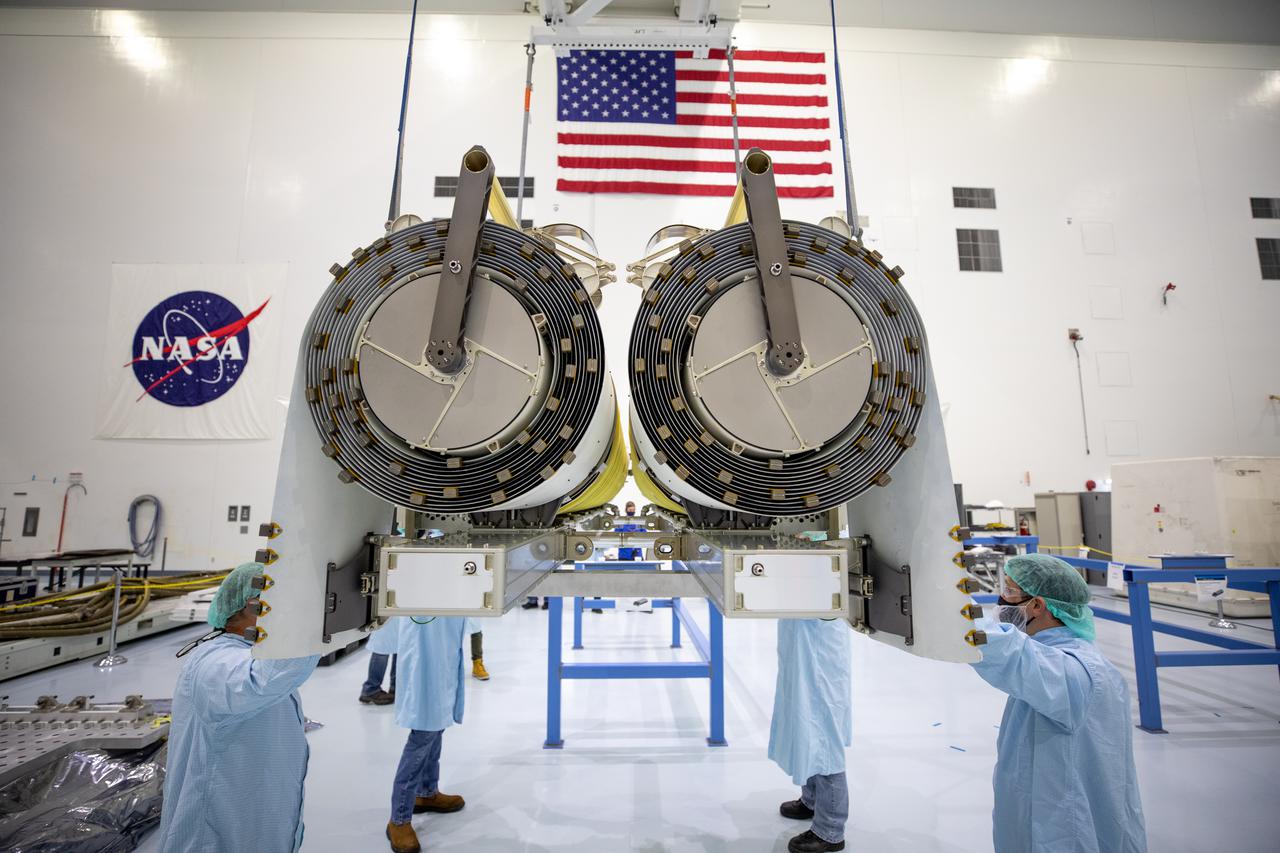
NASA and Boeing workers help position the solar arrays onto flight support equipment inside the high bay of the Space Station Processing Facility at NASA’s Kennedy Space Center in Florida on April 2, 2021. The 63- by- 20-foot solar arrays will launch to the International Space Station later this year. They are the first two of six new solar arrays that in total will produce more than 120 kilowatts of electricity from the Sun’s energy, enough to power more than 40 average U.S. homes. Combined with the eight original, larger arrays, this advanced hardware will provide 215 kilowatts of energy, a 20 to 30 percent increase in power, helping maximize the space station’s capabilities for years to come. The arrays will produce electricity to sustain the station’s systems and equipment, plus augment the electricity available to continue a wide variety of public and private experiments and research in the microgravity environment of low-Earth orbit.
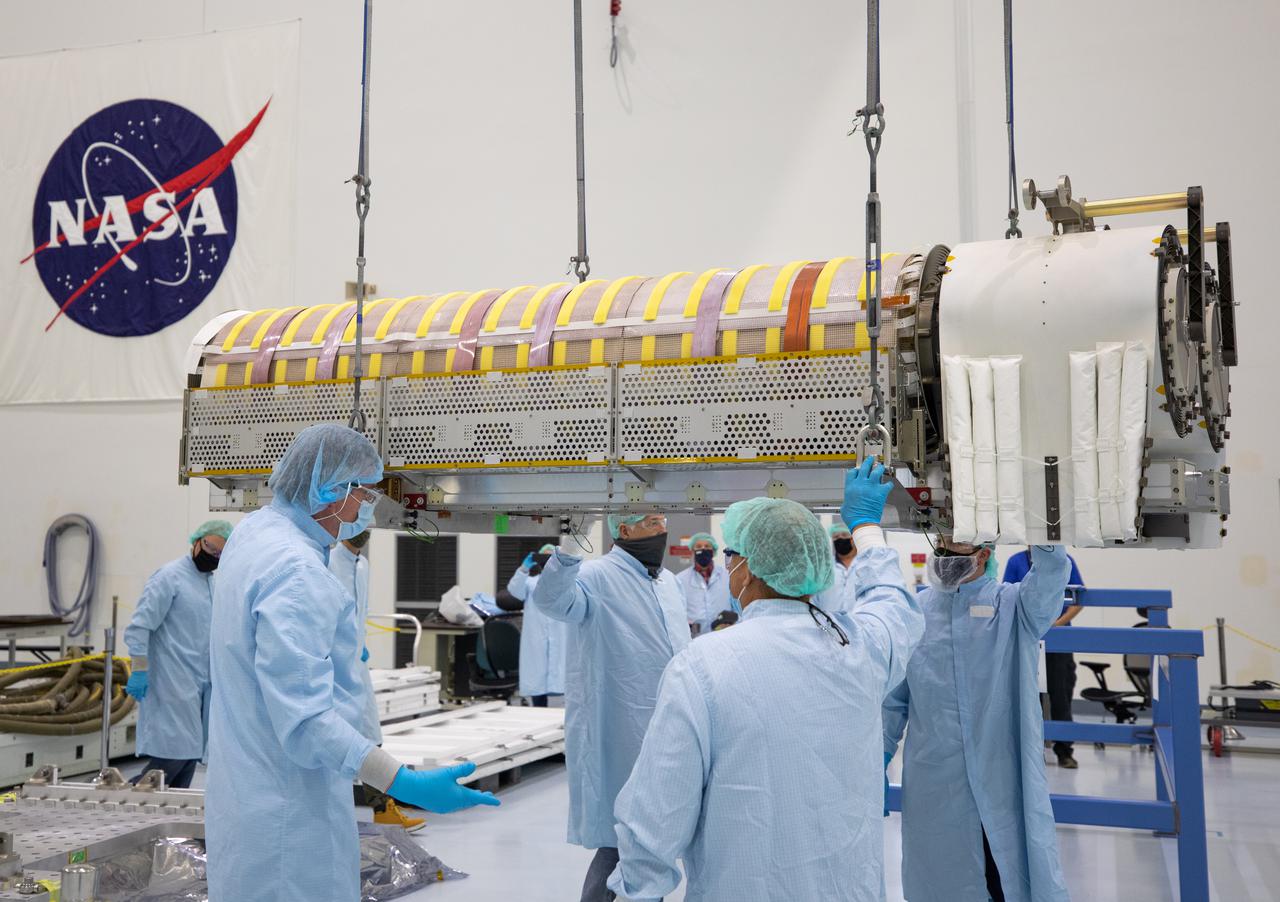
NASA and Boeing workers lift solar arrays into flight support equipment on April 2, 2021, in the Space Station Processing Facility at NASA’s Kennedy Space Center in Florida. The 63- by- 20-foot solar arrays will launch to the International Space Station later this year. They are the first two of six new solar arrays that in total will produce more than 120 kilowatts of electricity from the Sun’s energy, enough to power more than 40 average U.S. homes. Combined with the eight original, larger arrays, this advanced hardware will provide 215 kilowatts of energy, a 20 to 30 percent increase in power, helping maximize the space station’s capabilities for years to come. The arrays will produce electricity to sustain the station’s systems and equipment, plus augment the electricity available to continue a wide variety of public and private experiments and research in the microgravity environment of low-Earth orbit. Most of the station systems, including its batteries, scientific equipment racks, and communications equipment have been upgraded since humans began a continuous presence on the orbiting laboratory in November 2000. For more than two decades, astronauts have lived and worked on this unique orbiting lab, supporting scientific research that has led to numerous discoveries that benefit people on Earth and prepare for future Artemis missions to the Moon and beyond.