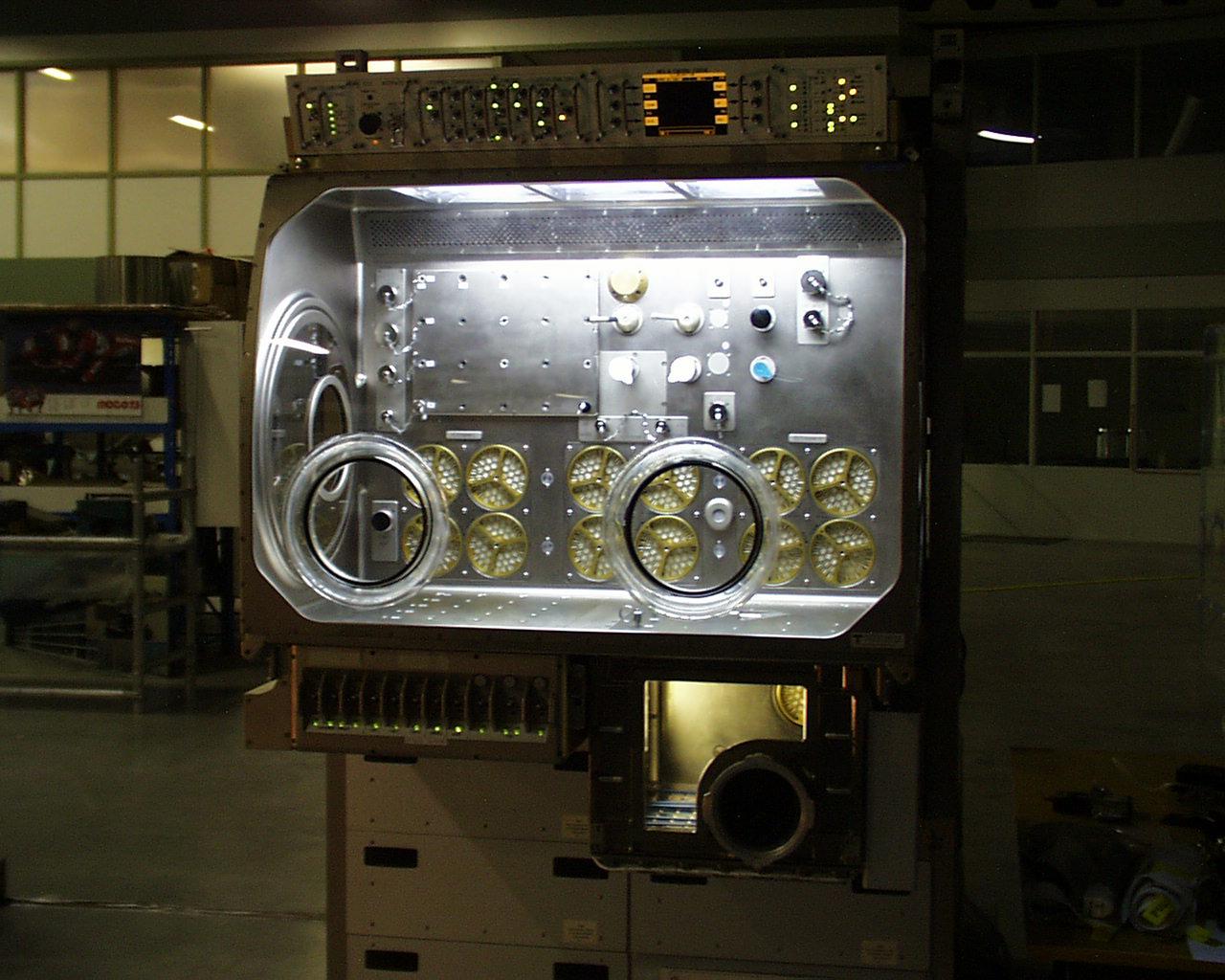
Interior lights give the Microgravity Science Glovebox (MSG) the appearance of a high-tech juke box. The European Space Agency (ESA) and NASA are developing the MSG for use aboard the International Space Station (ISS). Scientists will use the MSG to carry out multidisciplinary studies in combustion science, fluid physics and materials science. The MSG is managed by NASA's Marshall Space Flight Center (MSFC). Photo Credit: NASA/MSFC

The Microgravity Science Glovebox (MSG) is being developed by the European Space Agency (ESA) and NASA for use aboard the International Space Station (ISS). Scientists will use the MSG to carry out multidisciplinary studies in combustion science, fluid physics and materials science. The MSG is managed by NASA's Marshall Space Flight Center (MSFC). Photo Credit: NASA/MSFC
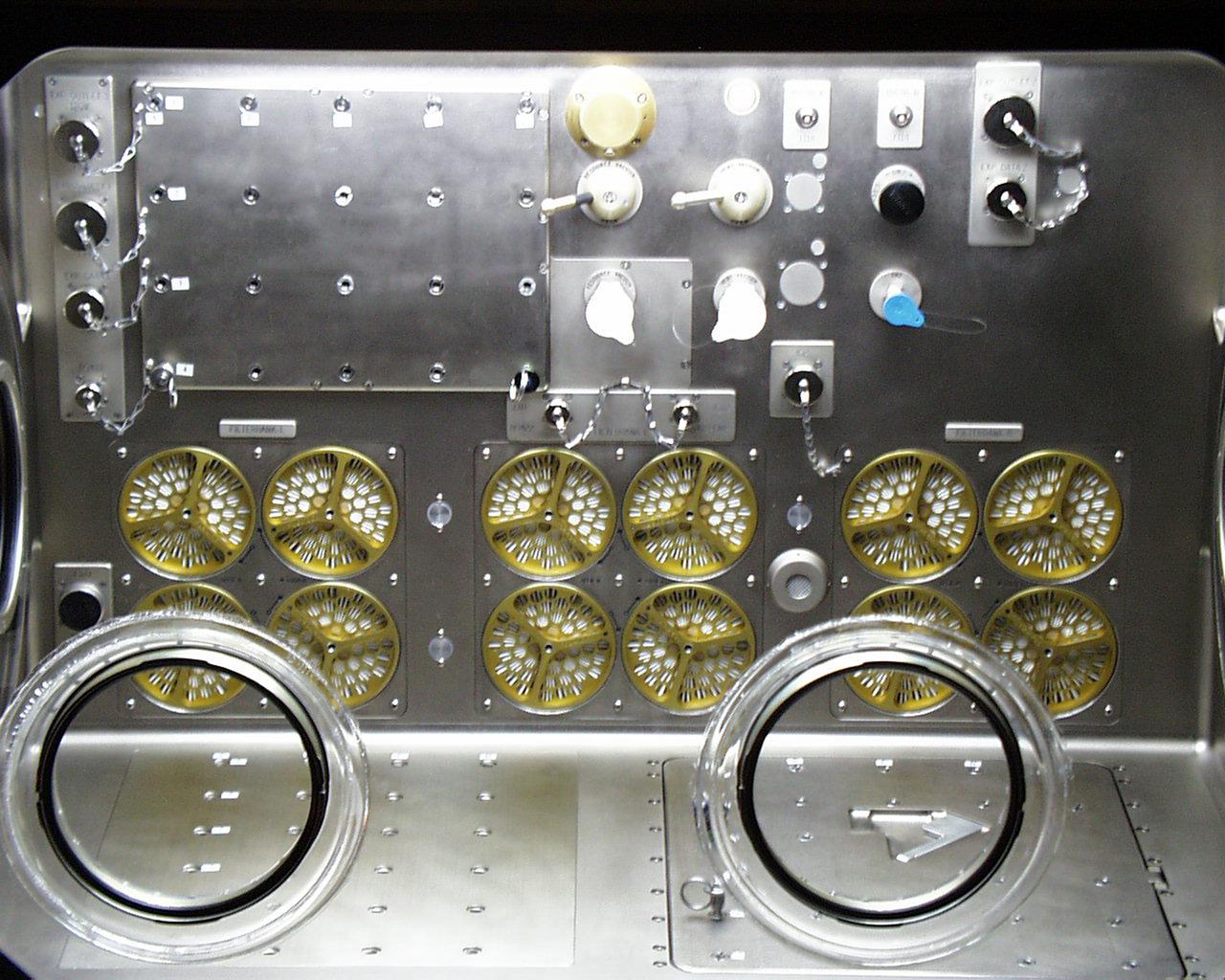
Interior lights give the Microgravity Science Glovebox (MSG) the appearance of a high-tech juke box. The European Space Agency (ESA) and NASA are developing the MSG for use aboard the International Space Station (ISS). Scientists will use the MSG to carry out multidisciplinary studies in combustion science, fluid physics and materials science. The MSG is managed by NASA's Marshall Space Flight Center (MSFC). Photo Credit: NASA/MSFC
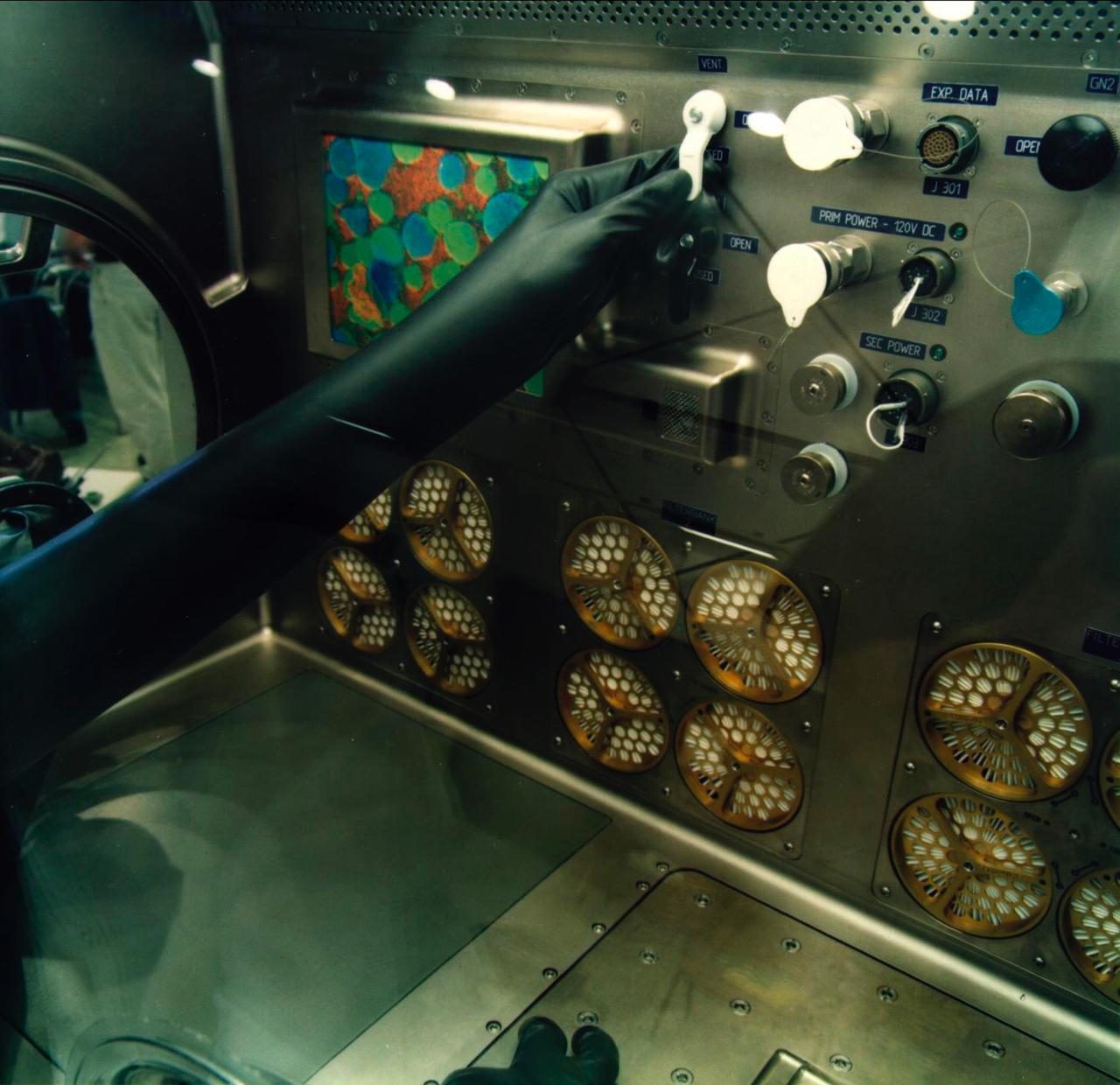
This photo shows the interior reach in the Microgravity Science Glovebox (MSG) being developed by the European Space Agency (ESA) and NASA for use aboard the International Space Station (ISS). Scientists will use the MSG to carry out multidisciplinary studies in combustion science, fluid physics and materials science. The MSG is managed by NASA's Marshall Space Flight Center (MSFC). Photo Credit: NASA/MSFC
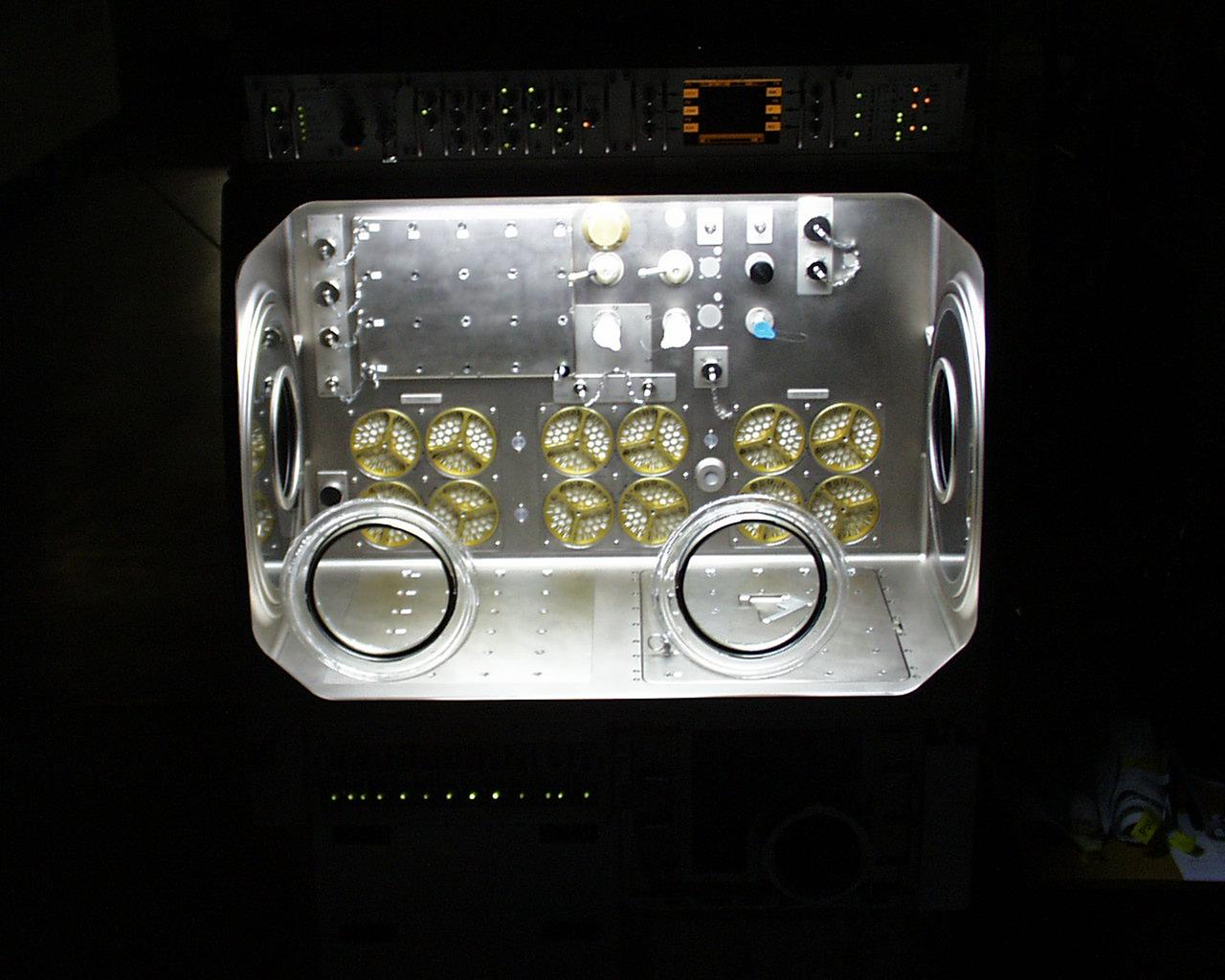
Interior lights give the Microgravity Science Glovebox (MSG) the appearance of a high-tech juke box. The European Space Agency (ESA) and NASA are developing the MSG for use aboard the International Space Station (ISS). Scientists will use the MSG to carry out multidisciplinary studies in combustion science, fluid physics and materials science. The MSG is managed by NASA's Marshall Space Flight Center (MSFC). Photo Credit: NASA/MSFC
Interior lights give the Microgravity Science Glovebox (MSG) the appearance of a high-tech juke box. The European Space Agency (ESA) and NASA are developing the MSG for use aboard the International Space Station (ISS). Scientists will use the MSG to carry out multidisciplinary studies in combustion science, fluid physics and materials science. The MSG is managed by NASA's Marshall Space Flight Center (MSFC). Photo Credit: NASA/MSFC
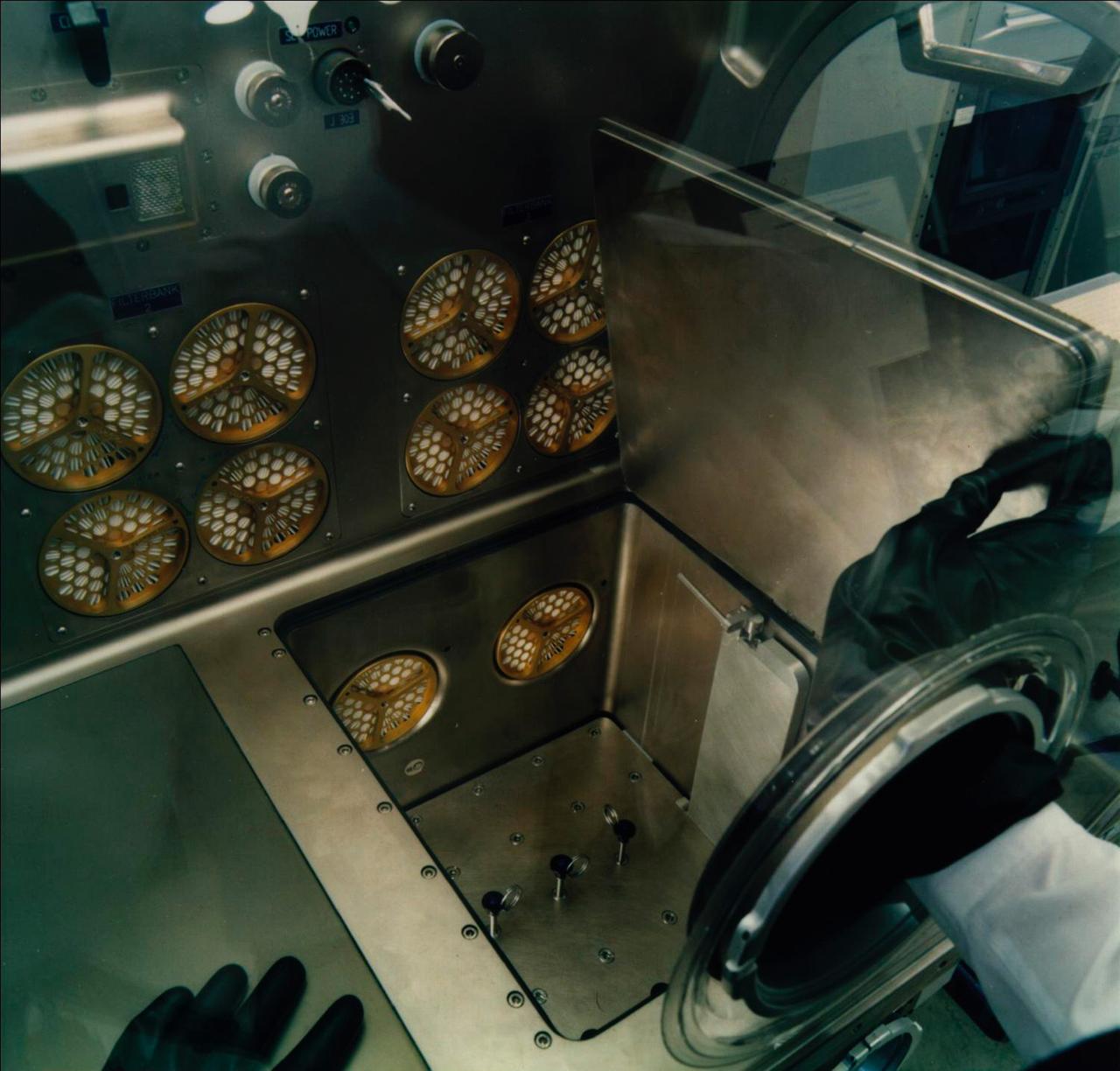
This photo shows the access through the internal airlock (bottom right) on the Microgravity Science Glovebox (MSG) being developed by the European Space Agency (ESA) and NASA for use aboard the International Space Station (ISS). Scientists will use the MSG to carry out multidisciplinary studies in combustion science, fluid physics and materials science. The MSG is managed by NASA's Marshall Space Flight Center (MSFC). Photo Credit: NASA/MSFC
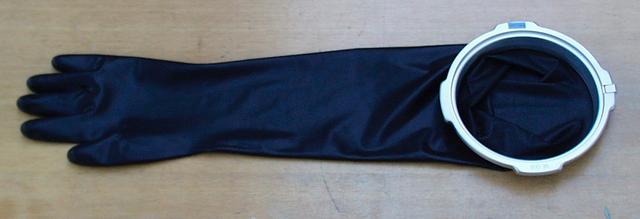
This photo shows a rubber glove and its attachment ring for the Microgravity Science Glovebox (MSG) being developed by the European Space Agency (ESA) and NASA for use aboard the International Space Station (ISS). Scientists will use the MSG to carry out multidisciplinary studies in combustion science, fluid physics and materials science. The MSG is managed by NASA's Marshall Space Flight Center (MSFC). Photo Credit: NASA/MSFC
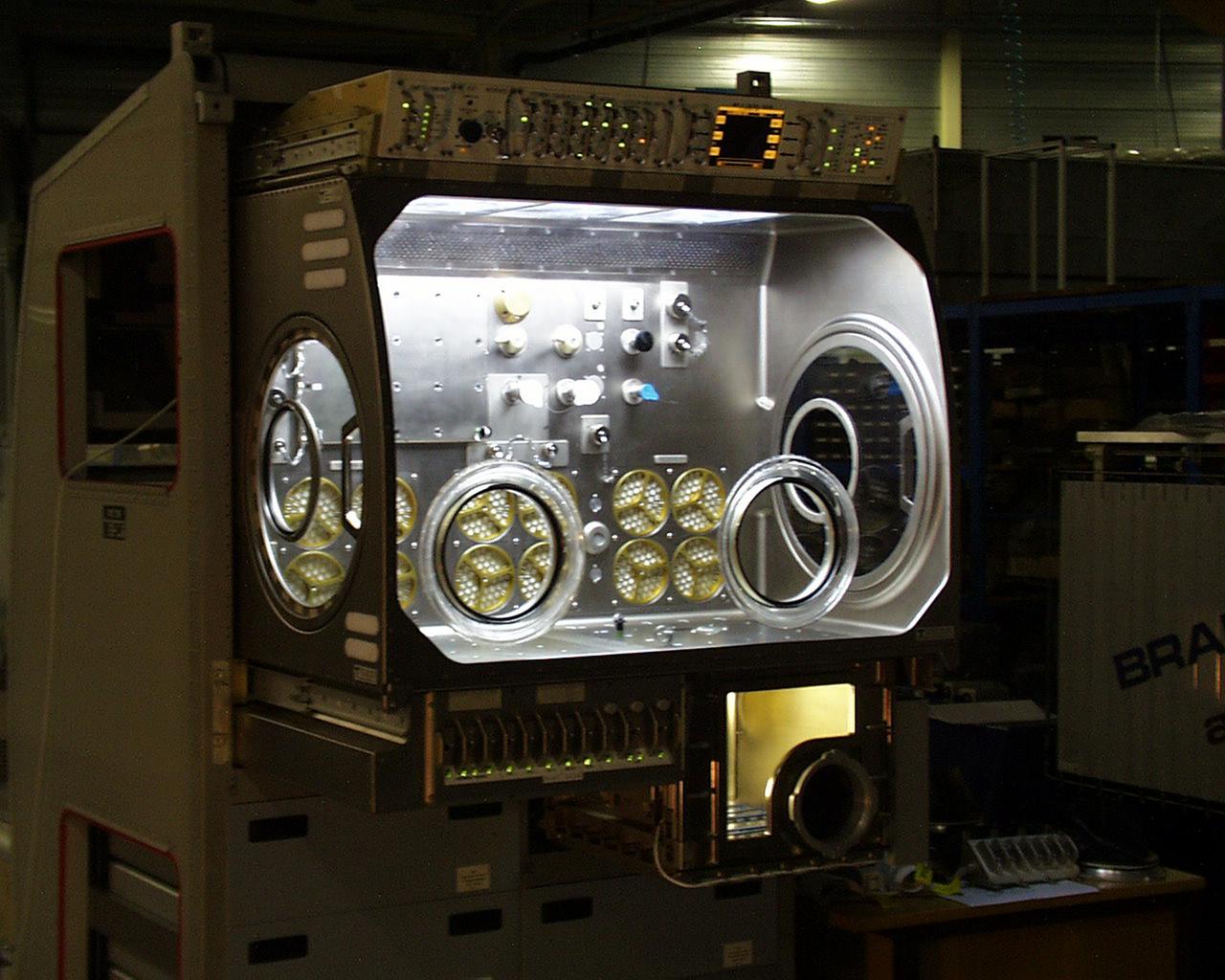
Interior lights give the Microgravity Science Glovebox (MSG) the appearance of a high-tech juke box. The European Space Agency (ESA) and NASA are developing the MSG for use aboard the International Space Station (ISS). Scientists will use the MSG to carry out multidisciplinary studies in combustion science, fluid physics and materials science. The MSG is managed by NASA's Marshall Space Flight Center (MSFC). Photo Credit: NASA/MSFC
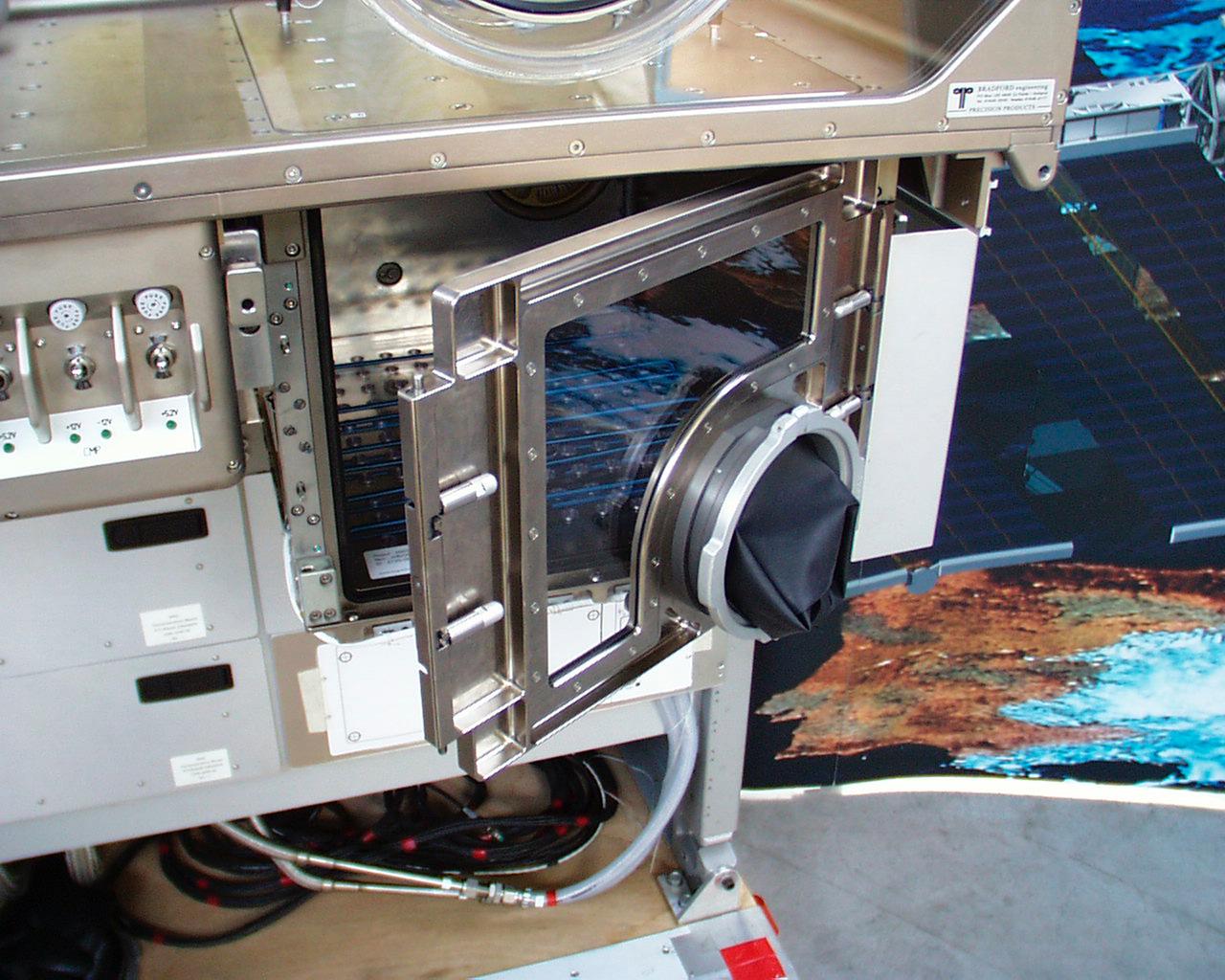
Once the Microgravity Science Glovebox (MSG) is sealed, additional experiment items can be inserted through a small airlock at the bottom right of the work volume. It is shown here with the door open. The European Space Agency (ESA) and NASA are developing the MSG for use aboard the International Space Station (ISS). Scientists will use the MSG to carry out multidisciplinary studies in combustion science, fluid physics and materials science. The MSG is managed by NASA's Marshall Space Flight Center (MSFC). Photo Credit: NASA/MSFC
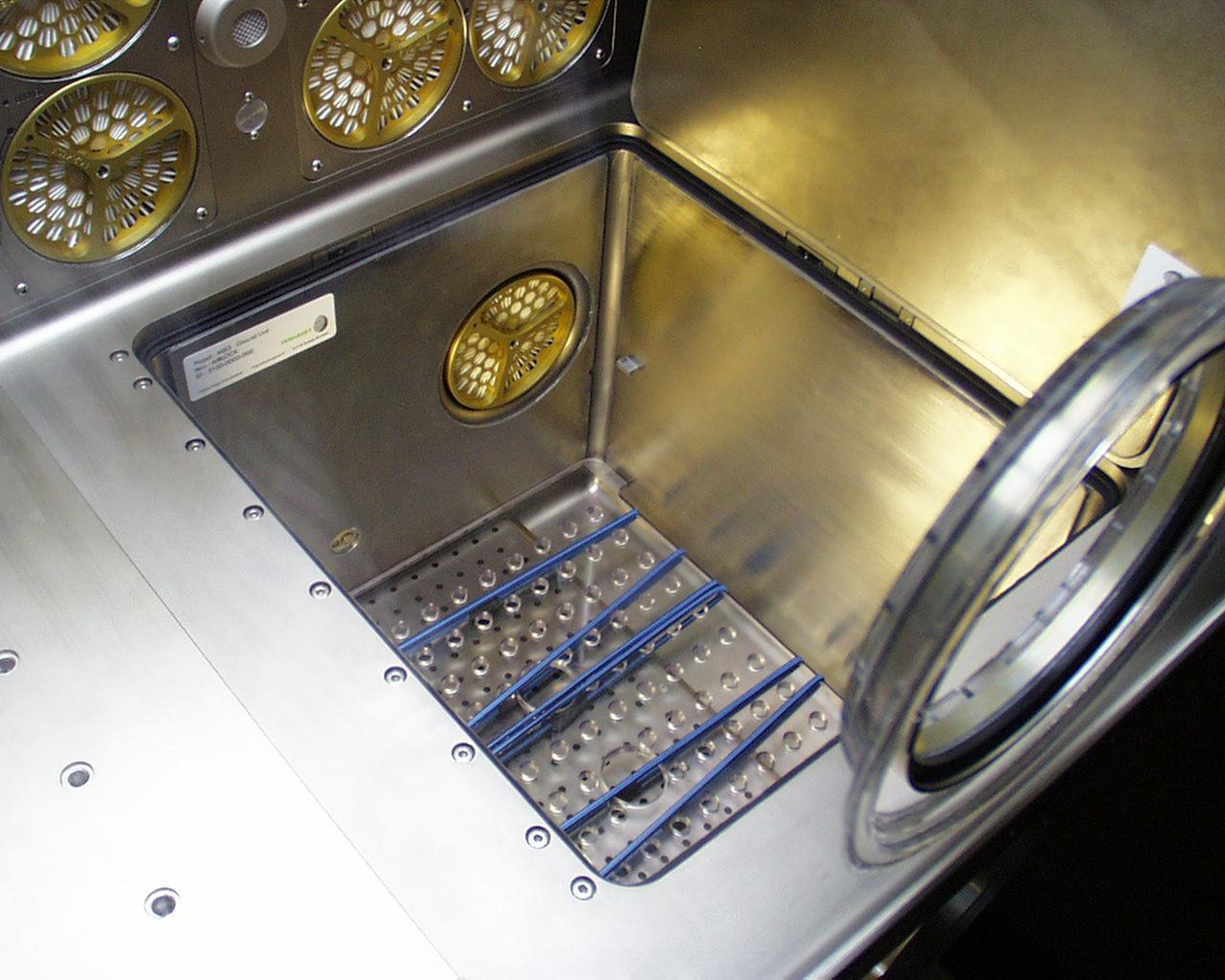
This photo shows the access through the internal airlock (bottom right) on the Microgravity Science Glovebox (MSG) being developed by the European Space Agency (ESA) and NASA for use aboard the International Space Station (ISS). The airlock will allow the insertion or removal of equipment and samples without opening the working volume of the glovebox. Scientists will use the MSG to carry out multidisciplinary studies in combustion science, fluid physics and materials science. The MSG is managed by NASA's Marshall Space Flight Center (MSFC). Photo Credit: NASA/MSFC
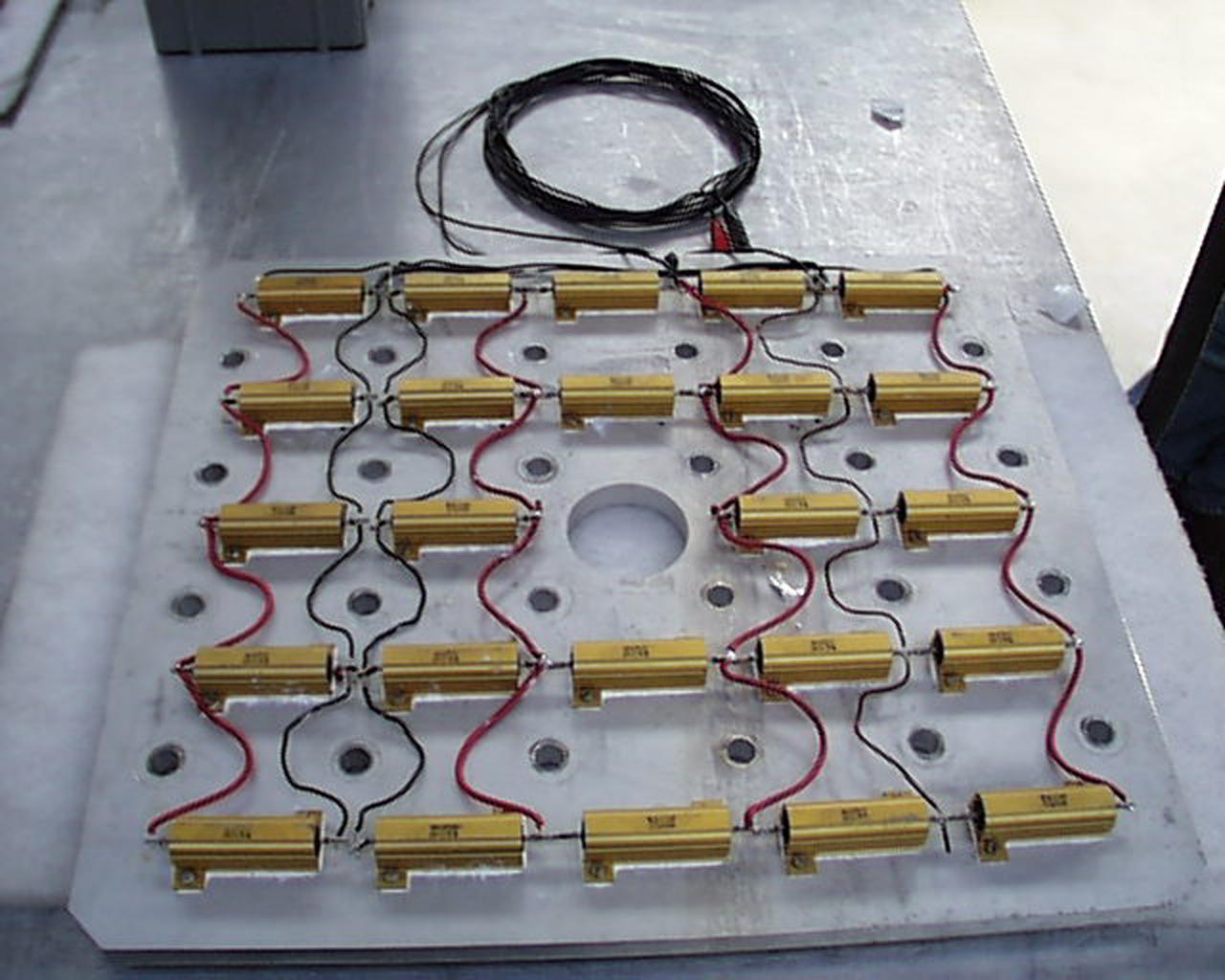
An array of miniature lamps will provide illumination to help scientists as they conduct experiments inside the Microgravity Science Glovebox (MSG). The European Space Agency (ESA) and NASA are developing the MSG for use aboard the International Space Station (ISS). Scientists will use the MSG to carry out multidisciplinary studies in combustion science, fluid physics and materials science. The MSG is managed by NASA's Marshall Space Flight Center (MSFC). Photo Credit: NASA/MSFC
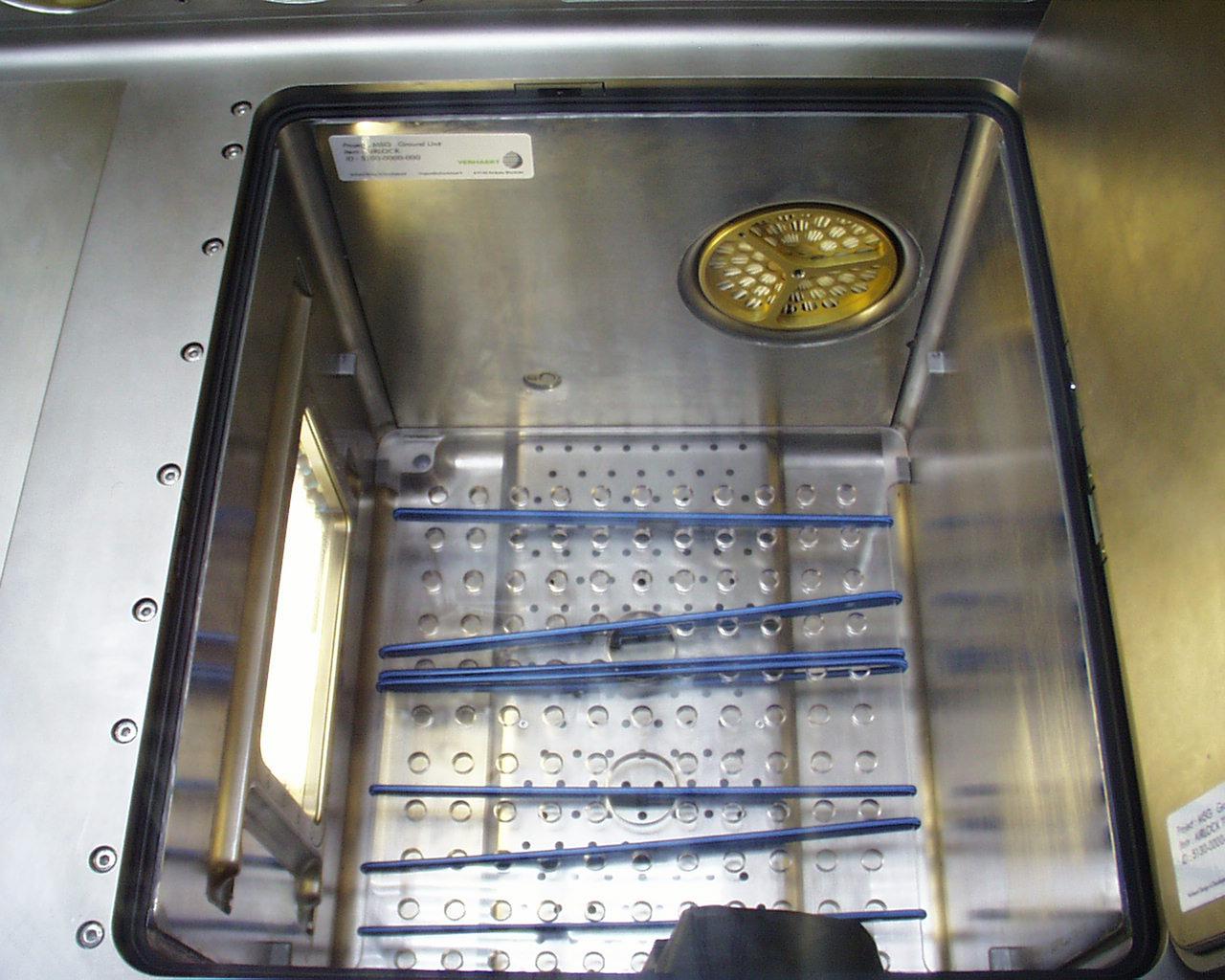
This photo shows the access through the internal airlock on the Microgravity Science Glovebox (MSG) being developed by the European Space Agency (ESA) and NASA for use aboard the International Space Station (ISS). The airlock will allow the insertion or removal of equipment and samples without opening the working volume of the glovebox. Scientists will use the MSG to carry out multidisciplinary studies in combustion science, fluid physics and materials science. The MSG is managed by NASA's Marshall Space Flight Center (MSFC). Photo Credit: NASA/MSFC
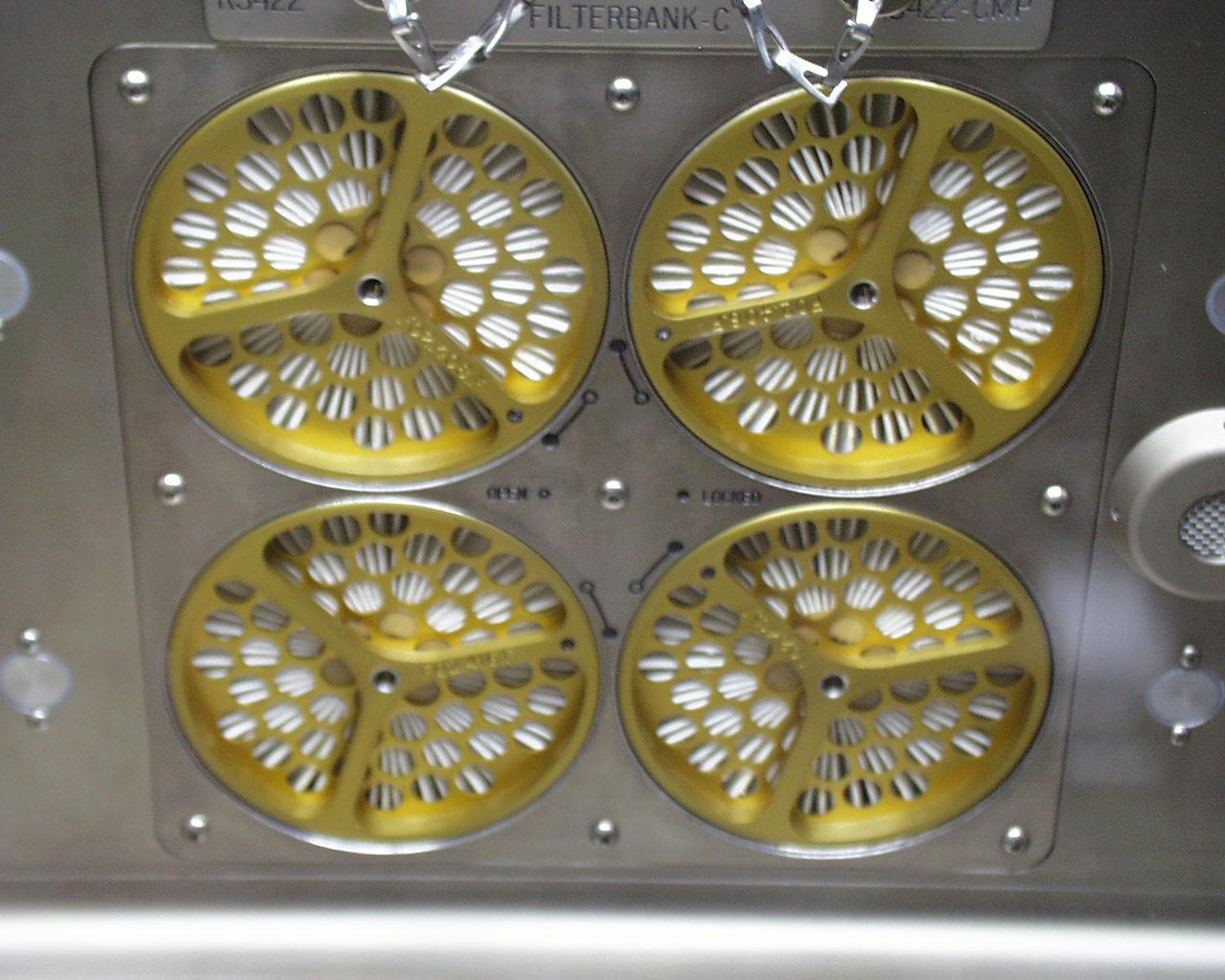
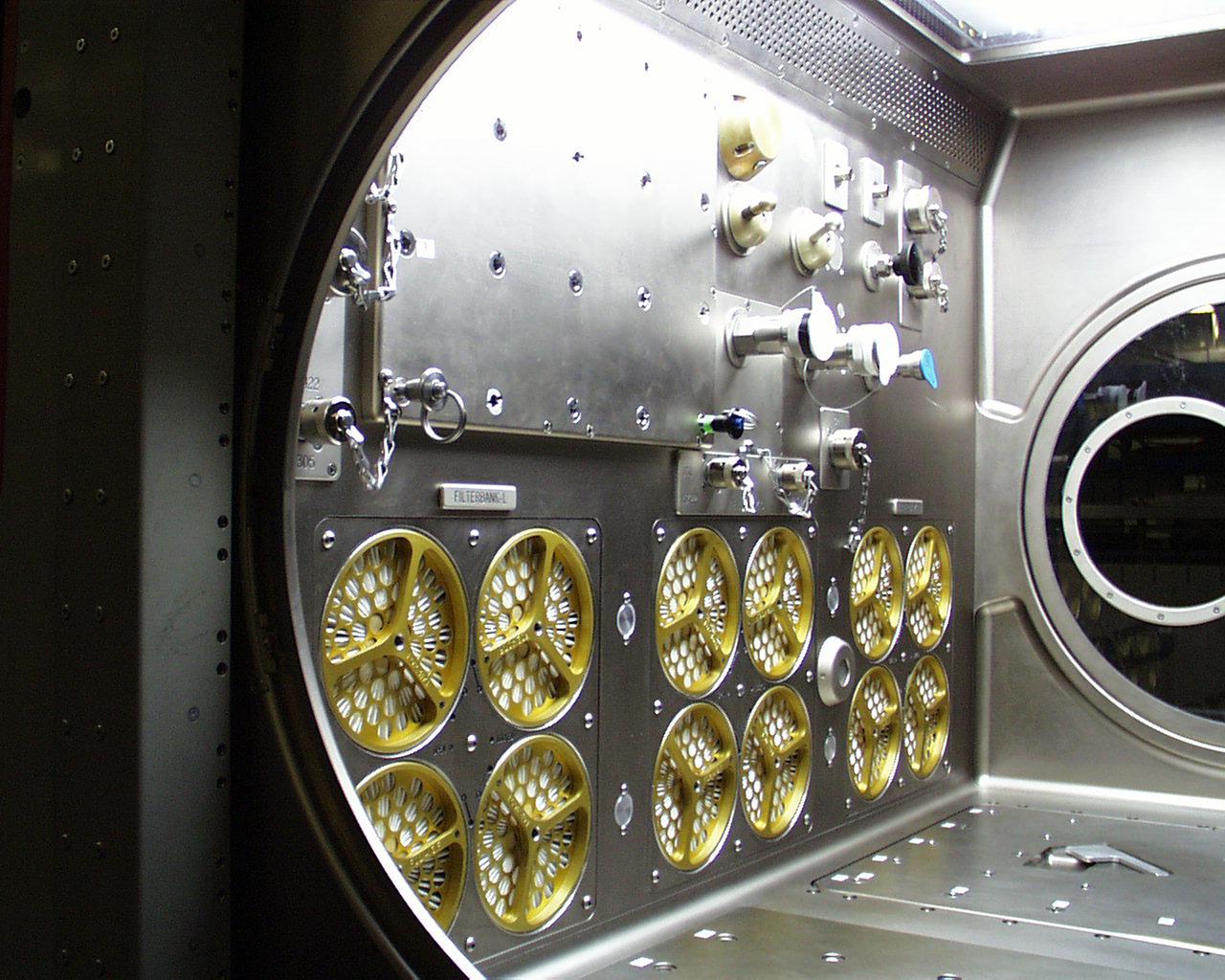
This photo shows one of three arrays of air filters inside the Microgravity Science Glovebox (MSG) being developed by the European Space Agency (ESA) and NASA for use aboard the International Space Station (ISS). Scientists will use the MSG to carry out multidisciplinary studies in combustion science, fluid physics and materials science. The MSG is managed by NASA's Marshall Space Flight Center (MSFC). Photo Credit: NASA/MSFC
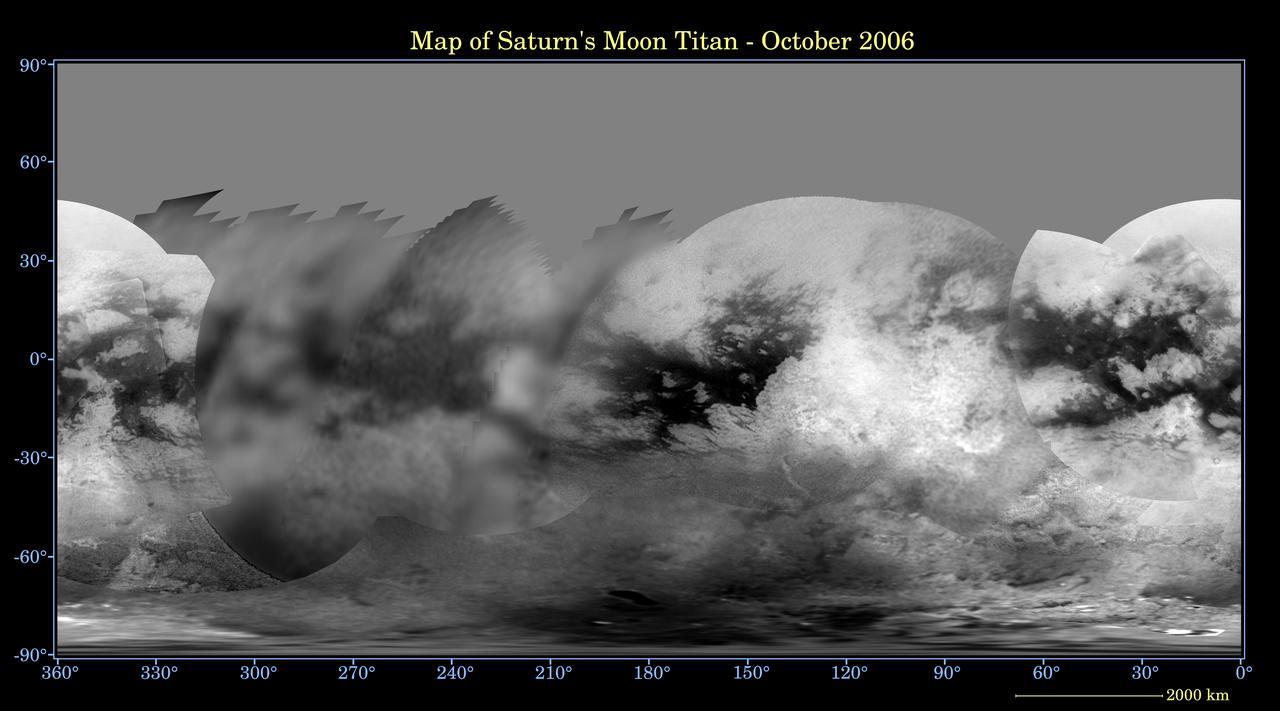
This global digital map of Titan was created using data taken by the Cassini spacecraft Imaging Science Subsystem ISS
The face of asteroid Masursky as seen by NASA Cassini Imaging Science Subsystem ISS, January, 2000.
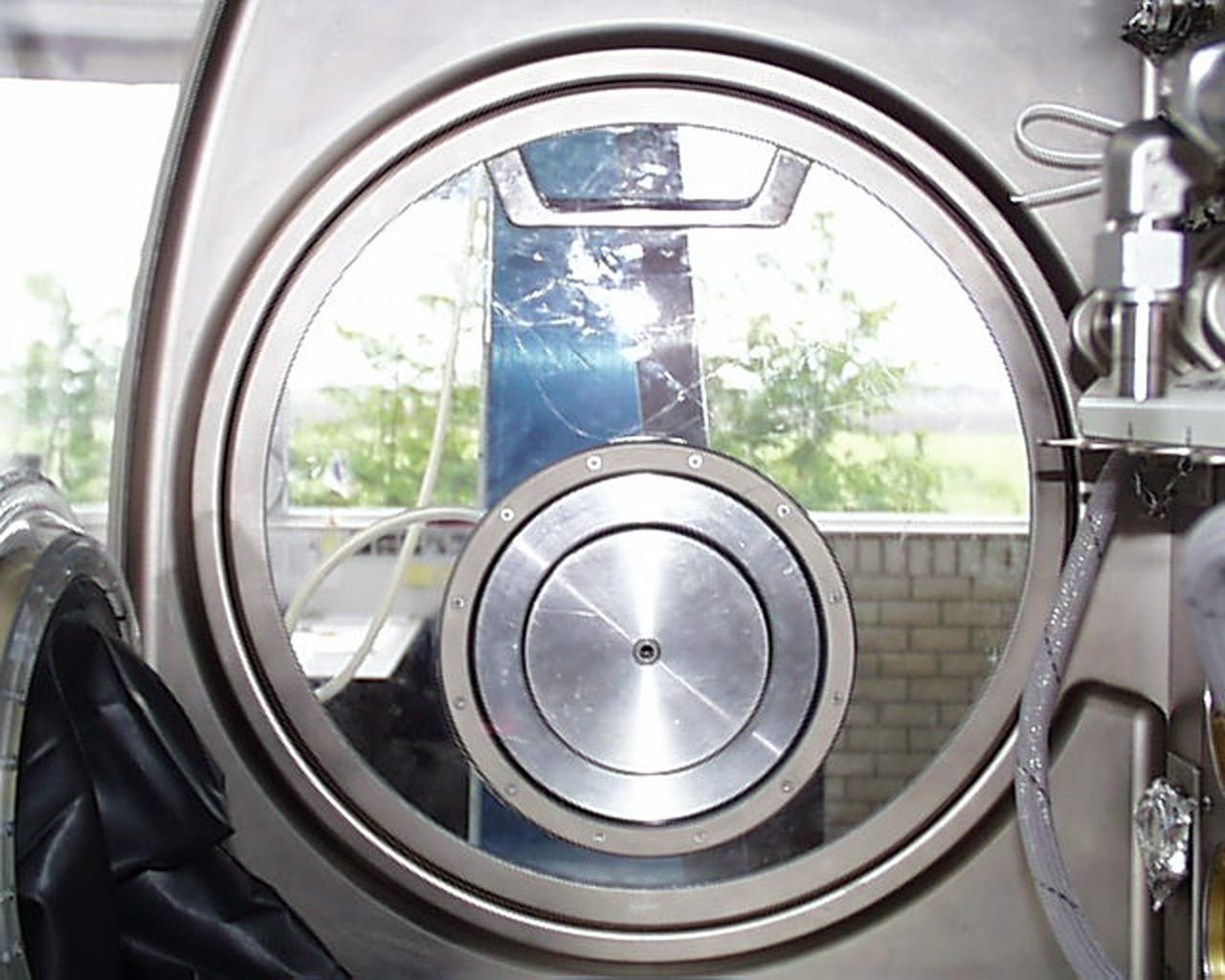
Access ports, one on each side of the Microgravity Science Glovebox (MSG), will allow scientists to place large experiment items inside the MSG. The ports also provide additional glove ports (silver disk) for greater access to the interior. The European Space Agency (ESA) and NASA are developing the MSG for use aboard the International Space Station (ISS). Scientists will use the MSG to carry out multidisciplinary studies in combustion science, fluid physics and materials science. The MSG is managed by NASA's Marshall Space Flight Center (MSFC). Photo Credit: NASA/MSFC
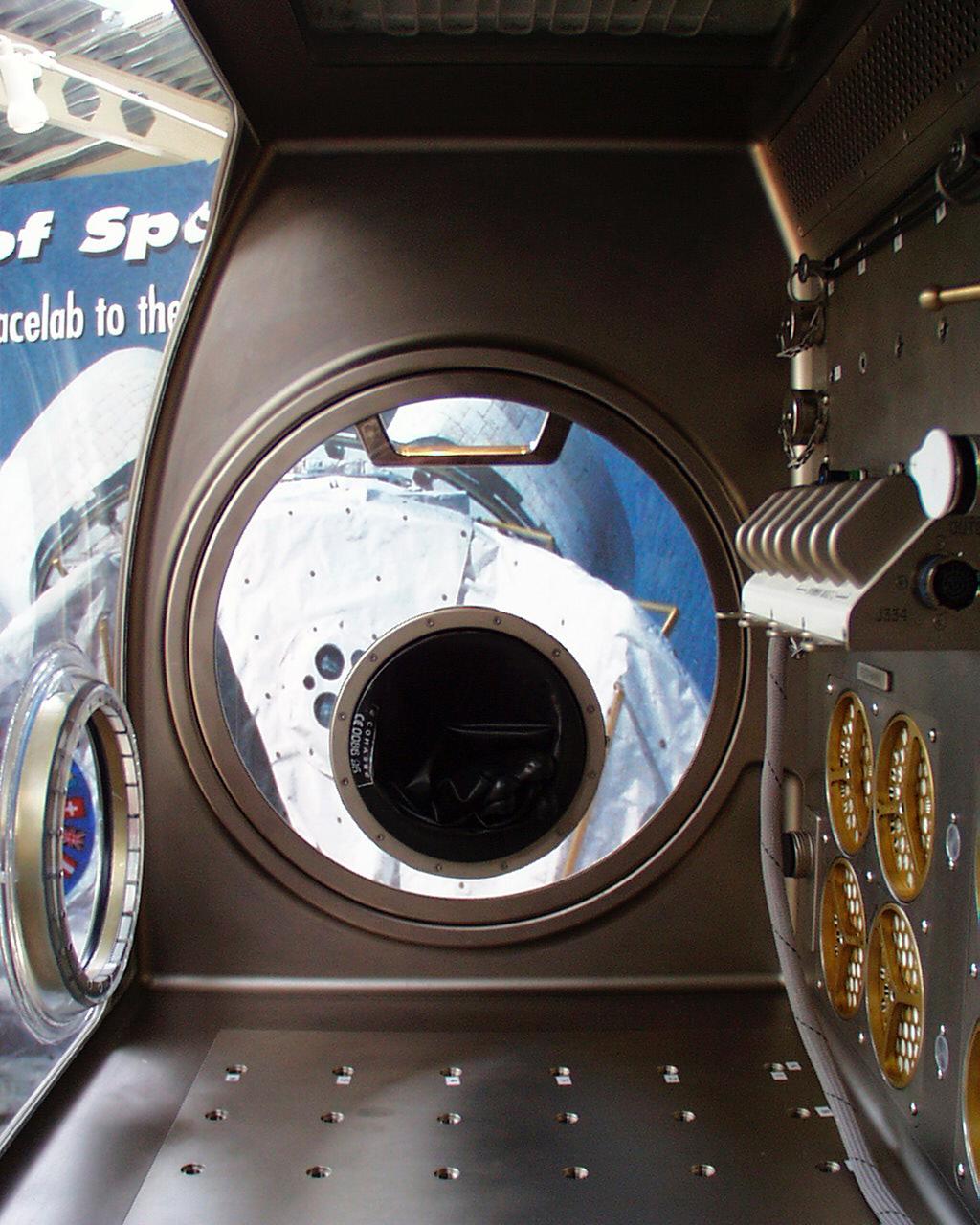
Access ports, one on each side of the Microgravity Science Glovebox (MSG), will allow scientists to place large experiment items inside the MSG. The ports also provide additional glove ports (dark circle) for greater access to the interior. The European Space Agency (ESA) and NASA are developing the MSG for use aboard the International Space Station (ISS). Scientists will use the MSG to carry out multidisciplinary studies in combustion science, fluid physics and materials science. The MSG is managed by NASA's Marshall Space Flight Center (MSFC). Photo Credit: NASA/MSFC
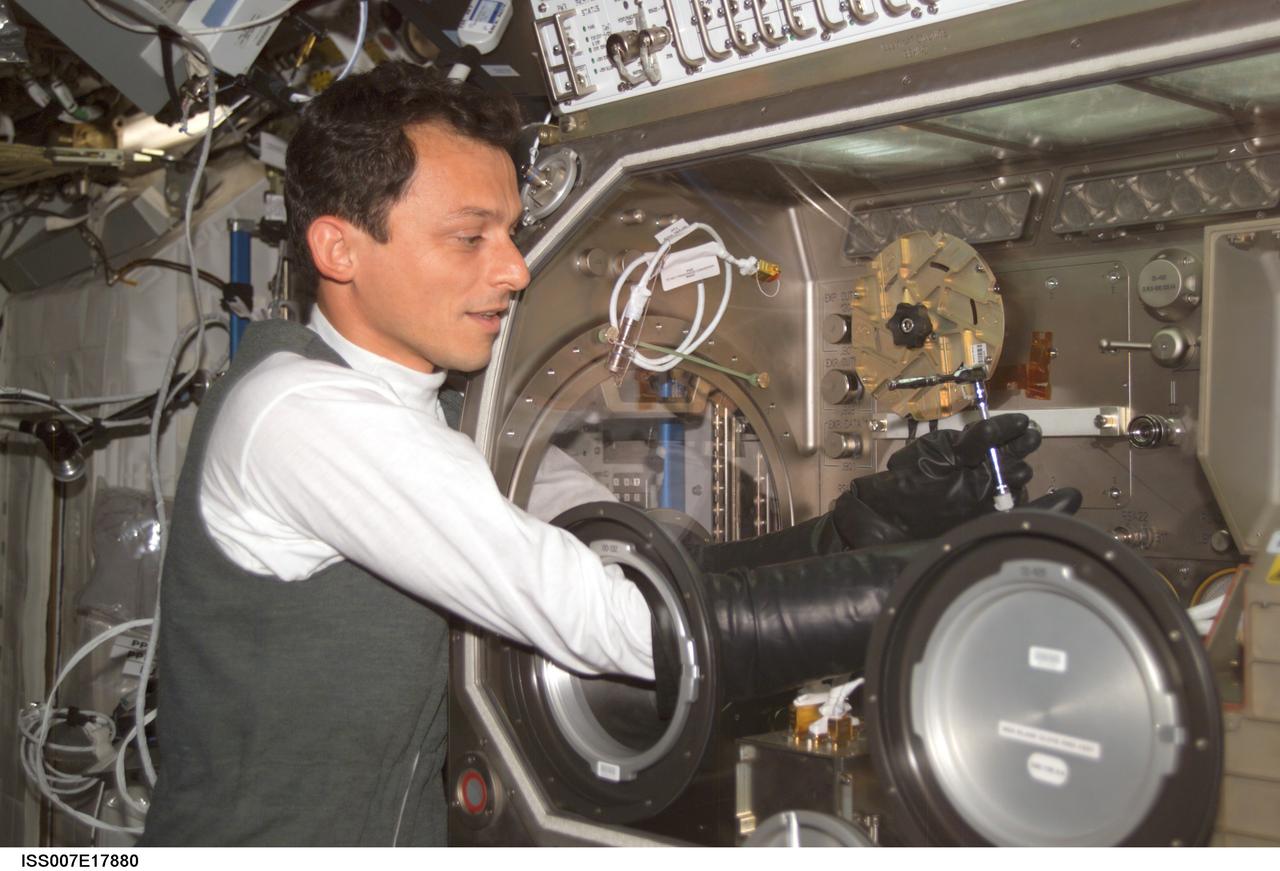
In the Destiny laboratory aboard the International Space Station (ISS), European Space Agency (ESA) astronaut Pedro Duque of Spain is seen working at the Microgravity Science Glovebox (MSG). He is working with the PROMISS experiment, which will investigate the growth processes of proteins during weightless conditions. The PROMISS is one of the Cervantes program of tests (consisting of 20 commercial experiments). The MSG is managed by NASA's Marshall Space Flight Center (MSFC).
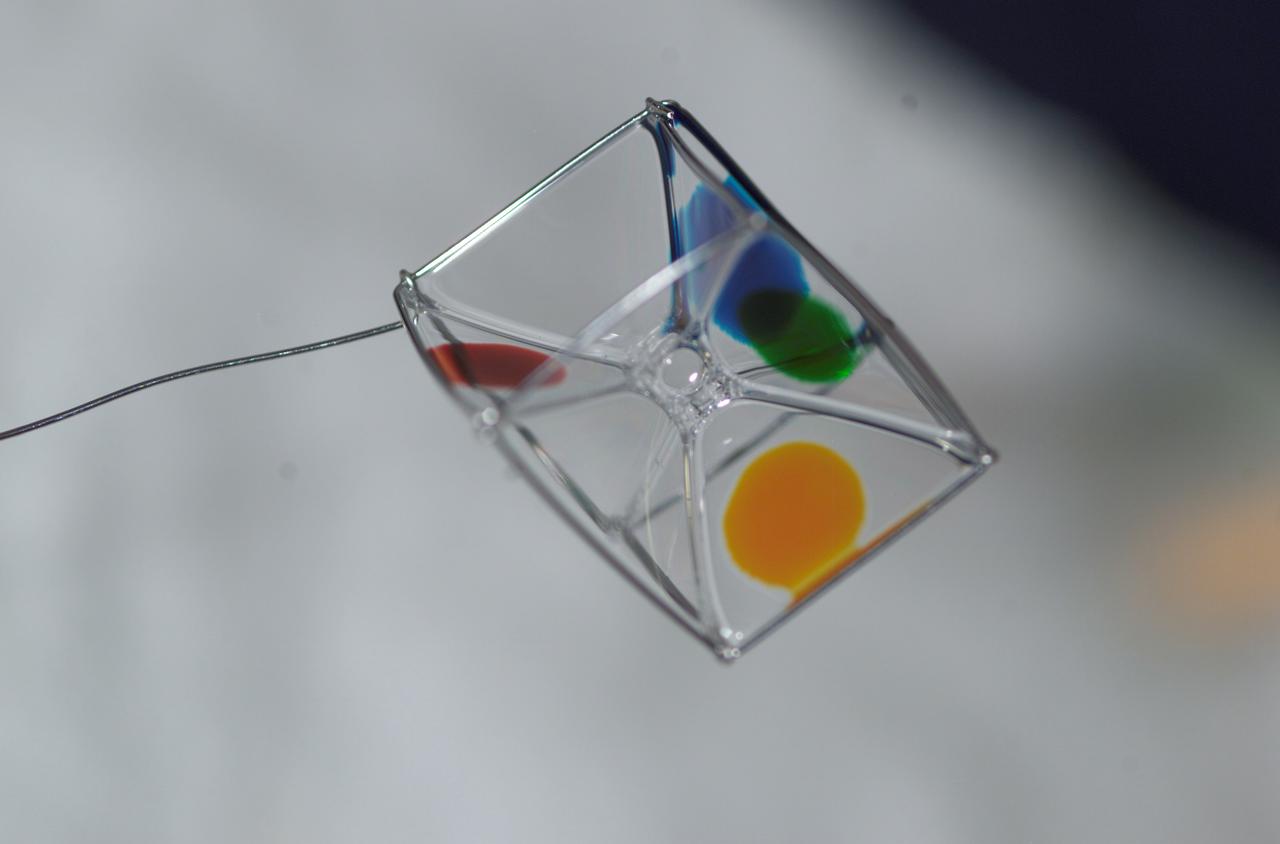
Expedition 6 astronaut Dr. Don Pettit photographed a cube shaped wire frame supporting a thin film made from a water-soap solution during his Saturday Morning Science aboard the International Space Station’s (ISS) Destiny Laboratory. Food coloring was added to several faces to observe the effects of diffusion within the film.
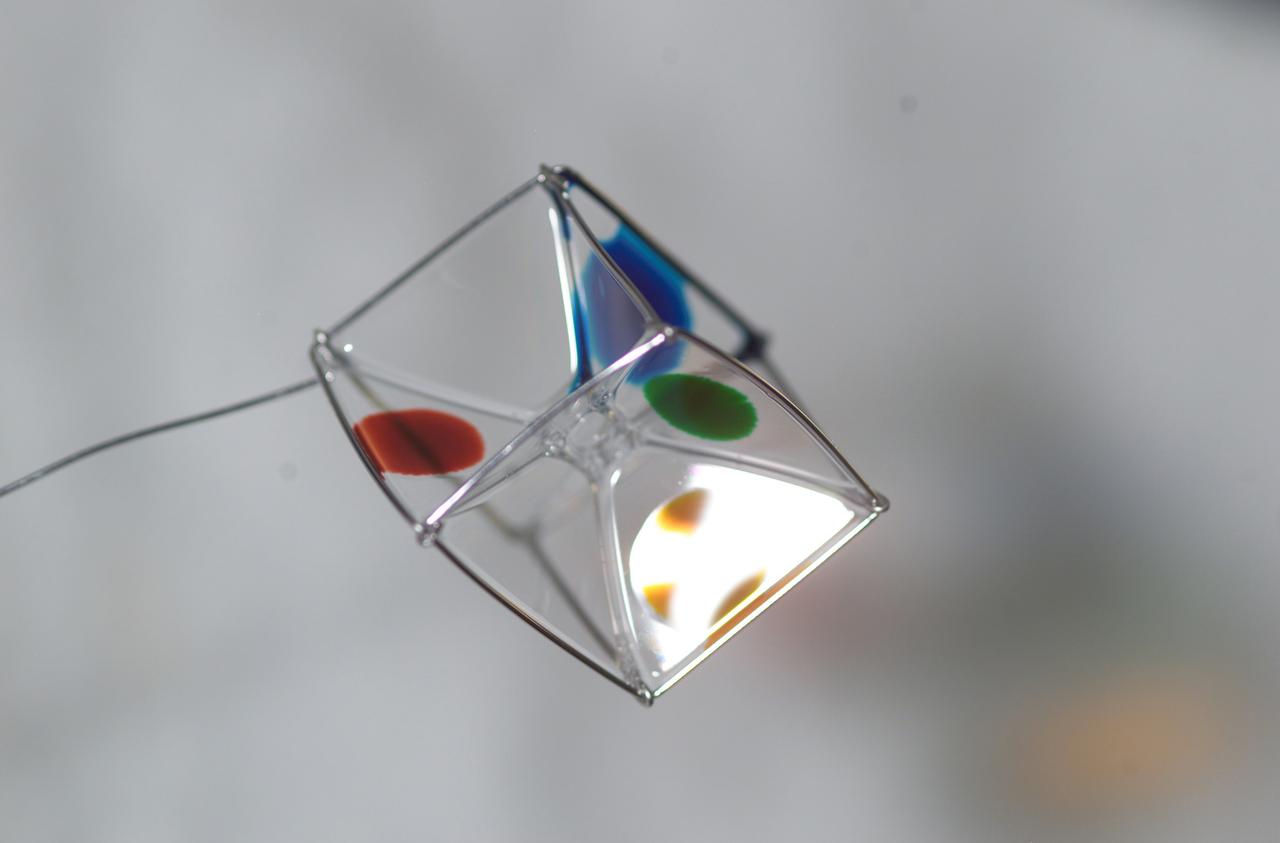
Expedition 6 astronaut Dr. Don Pettit photographed a cube shaped wire frame supporting a thin film made from a water-soap solution during his Saturday Morning Science aboard the International Space Station’s (ISS) Destiny Laboratory. Food coloring was added to several faces to observe the effects of diffusion within the film.
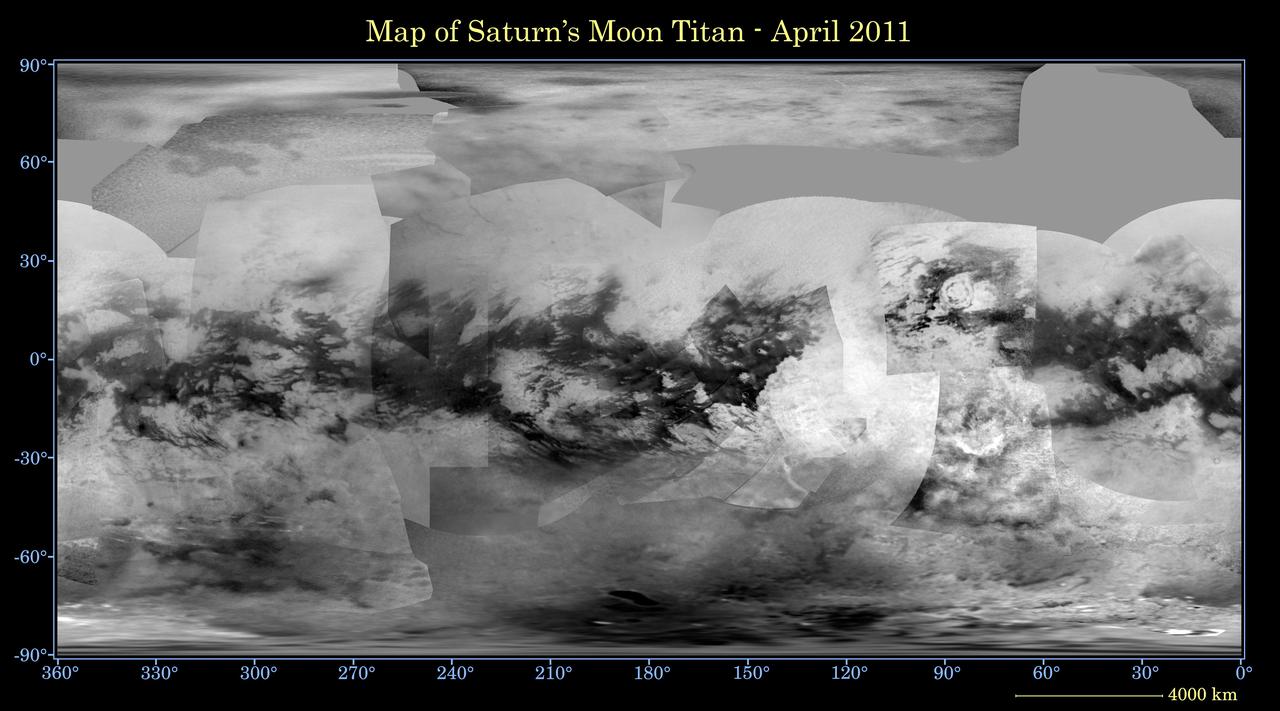
This global digital map of Saturn moon Titan was created using images taken by NASA Cassini spacecraft imaging science subsystem ISS. Because of the scattering of light by Titan dense atmosphere, no topographic shading is visible here.
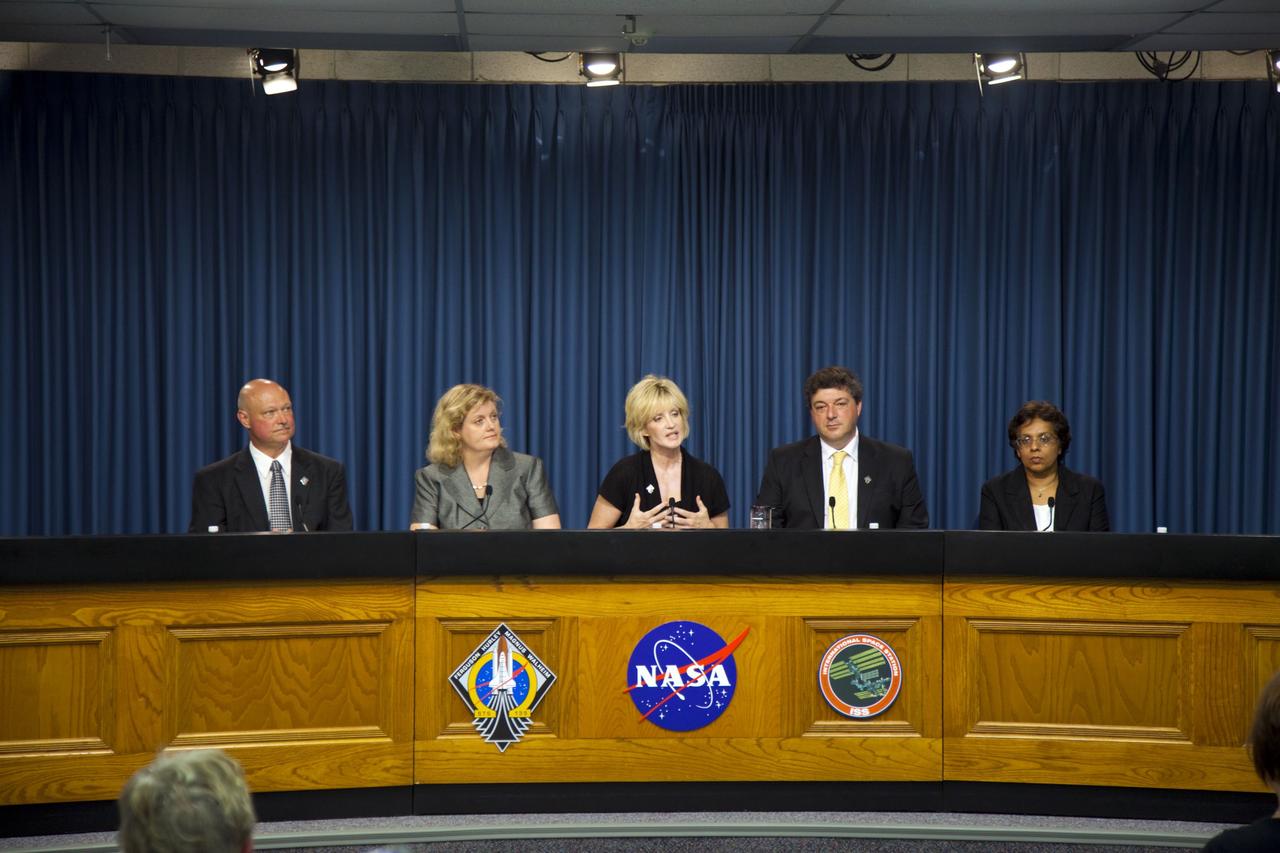
CAPE CANAVERAL, Fla. -- The Press Site auditorium at NASA's Kennedy Space Center in Florida hosted an International Space Station Science and Technology news conference. Seen here are NASA Public Affairs Officer Make Curie, moderator (left); Julie Robinson, International Space Station Program scientist; Cheryl Nickerson, Recombinant Attenuated Salmonella Vaccine investigator; Eduardo Almeda, investigator and Imara Perera, Plant Signaling investigator Photo credit: NASA/Frankie Martin
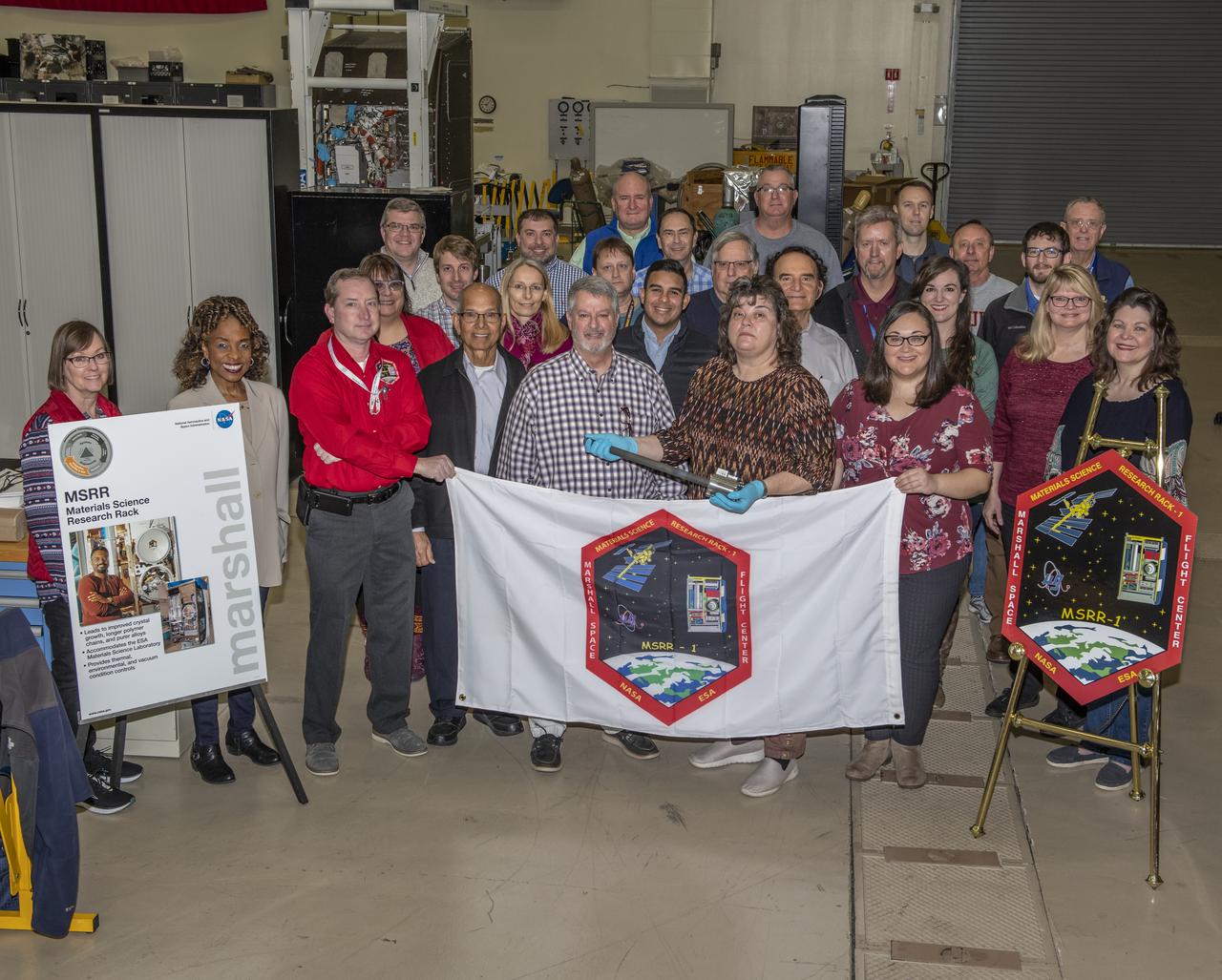
NASA's first Sample Cartridge Assembly (SCA) project designed and validated a payload containing a materials research sample in a sealed environment. The SCA was heated in the European Space Agency's (ESA) Low Gradient Furnace (LGF) that is housed inside the Material Science Research Rack (MSRR) located on the International Space Station (ISS). Sintered metals and crystal growth experiments in microgravity are examples of some of the types of materials research that may be performed with a SCA.
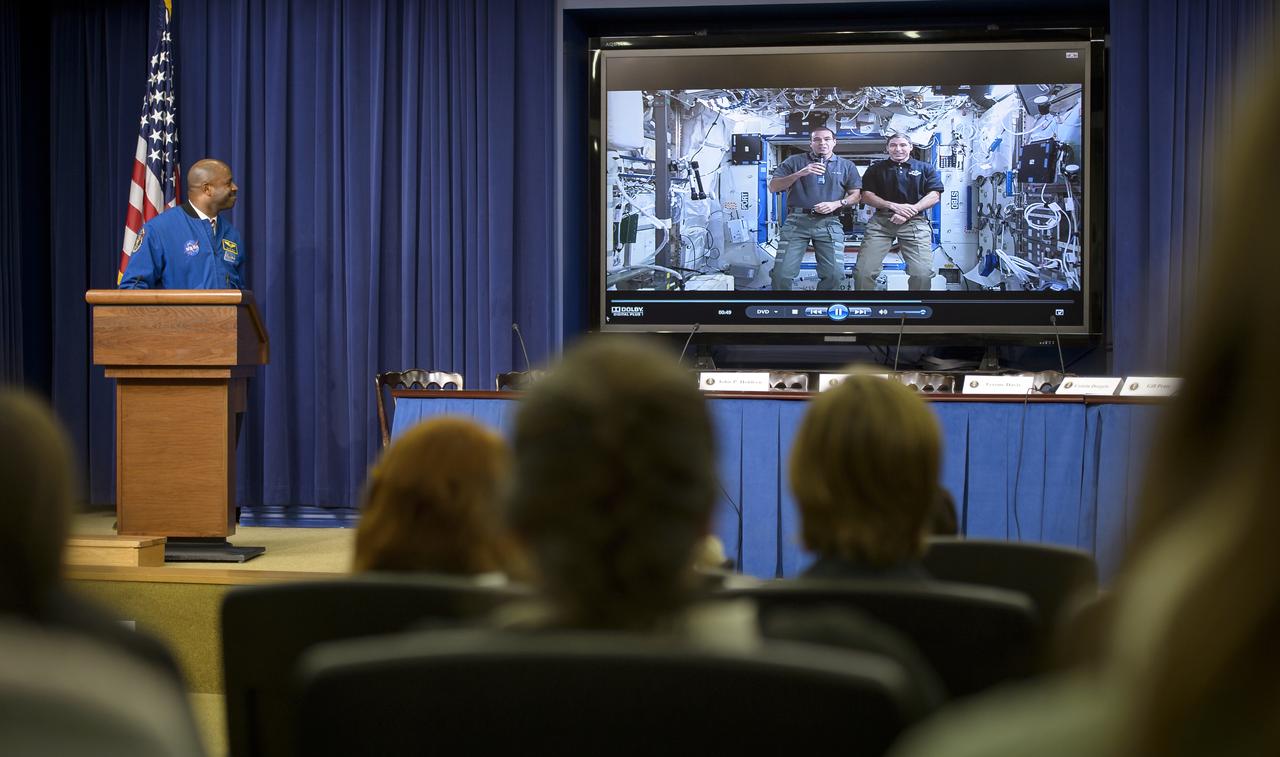
NASA associate administrator for education and former astronaut Leland Melvin, left, watches as astronauts, Rick Mastracchio, screen left, and Michael Hopkins, deliver a message from the International Space Station (ISS) to attendees of the annual White House State of Science, Technology, Engineering, and Math (SoSTEM) address, Wednesday, Jan. 29, 2014, in the South Court Auditorium in the Eisenhower Executive Office Building on the White House complex in Washington. Photo Credit: (NASA/Bill Ingalls)
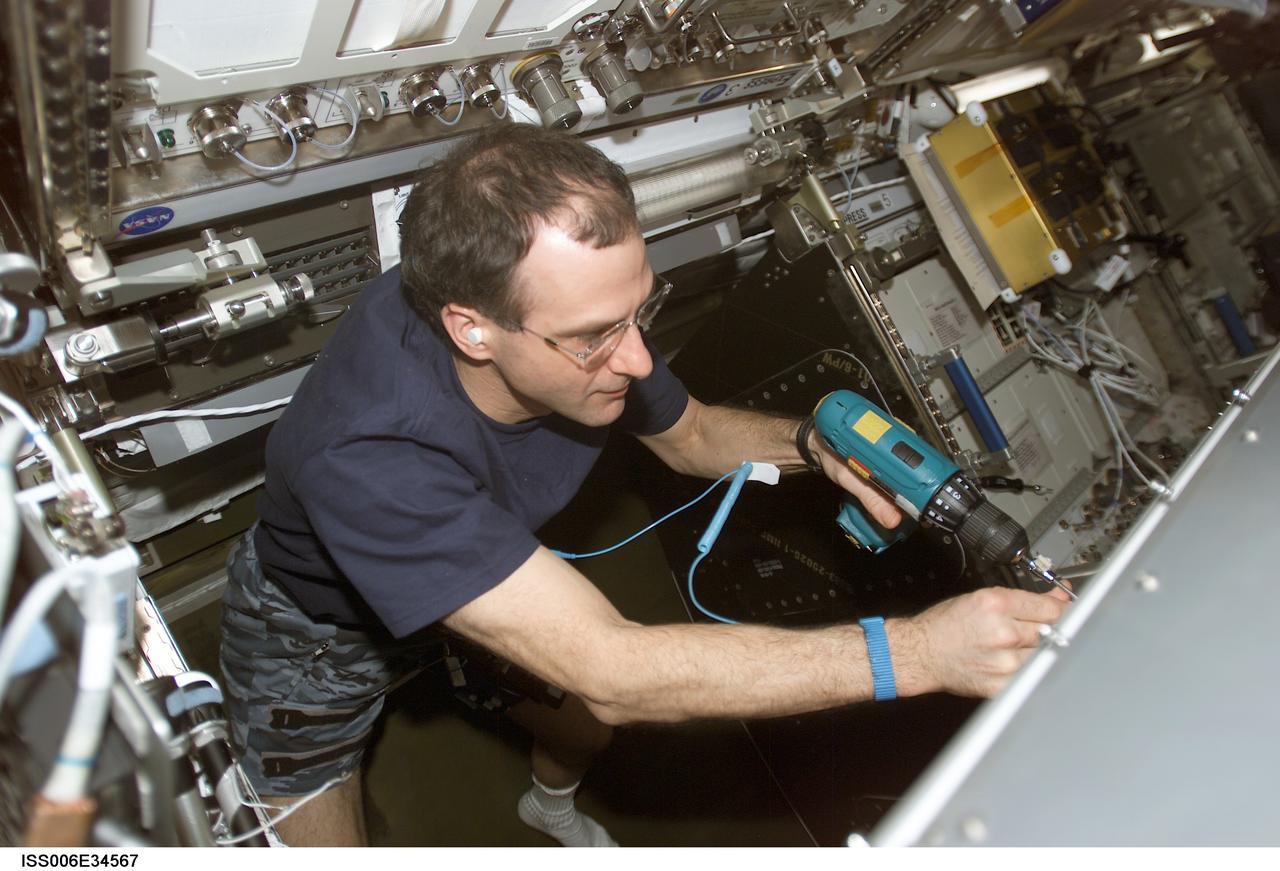
ISS006-E-34567 (27 February 2003) --- Astronaut Donald R. Pettit, Expedition Six NASA ISS science officer, works on the Microgravity Science Glovebox (MSG) in the Destiny laboratory on the International Space Station (ISS).

This artist's concept depicts the completely assembled International Space Station (ISS) passing over Florida and the Bahamas. As a gateway to permanent human presence in space, the Space Station Program is to expand knowledge benefiting all people and nations. The ISS is a multidisciplinary laboratory, technology test bed, and observatory that will provide unprecedented undertakings in scientific, technological, and international experimentation. Experiments to be conducted in the ISS include: microgravity research, Earth science, space science, life sciences, space product development, and engineering research and technology. The sixteen countries participating in the ISS are: United States, Russian Federation, Canada, Japan, United Kingdom, Germany, Italy, France, Norway, Netherlands, Belgium, Spain, Denmark, Sweden, Switzerland, and Brazil.

This artist's digital concept depicts the completely assembled International Space Station (ISS) passing over Florida. As a gateway to permanent human presence in space, the Space Station Program is to expand knowledge benefiting all people and nations. The ISS is a multidisciplinary laboratory, technology test bed, and observatory that will provide unprecedented undertakings in scientific, technological, and international experimentation. Experiments to be conducted in the ISS include: microgravity research, Earth science, space science, life sciences, space product development, and engineering research and technology. The sixteen countries participating the ISS are: United States, Russian Federation, Canada, Japan, United Kingdom, Germany, Italy, France, Norway, Netherlands, Belgium, Spain, Denmark, Sweden, Switzerland, and Brazil.
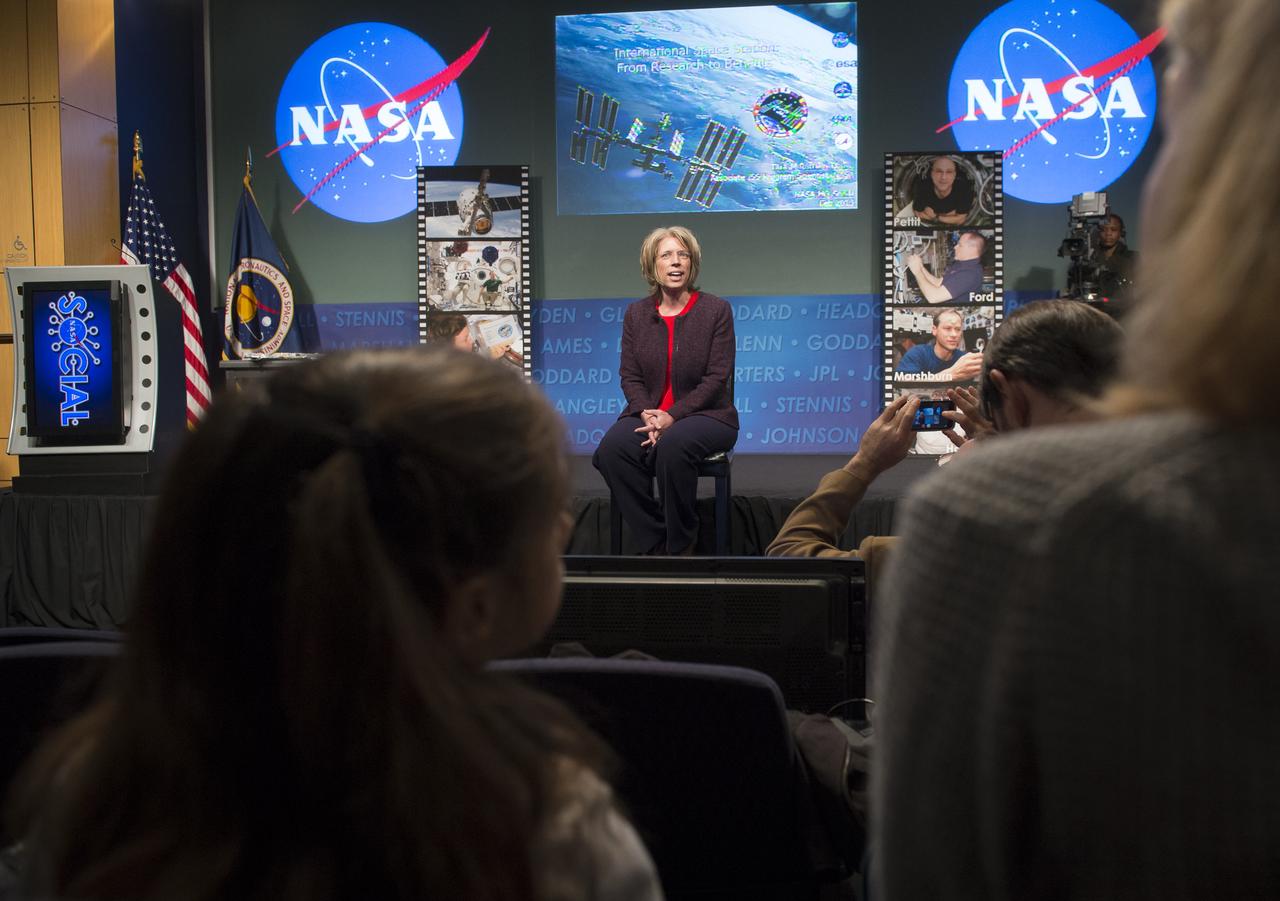
Tara Ruttley, International Space Station Program Scientist, talks about the benefits of conducting science experiments on ISS at a NASA Social exploring science on the ISS at NASA Headquarters, Wednesday, Feb. 20, 2013 in Washington. Photo Credit: (NASA/Carla Cioffi)
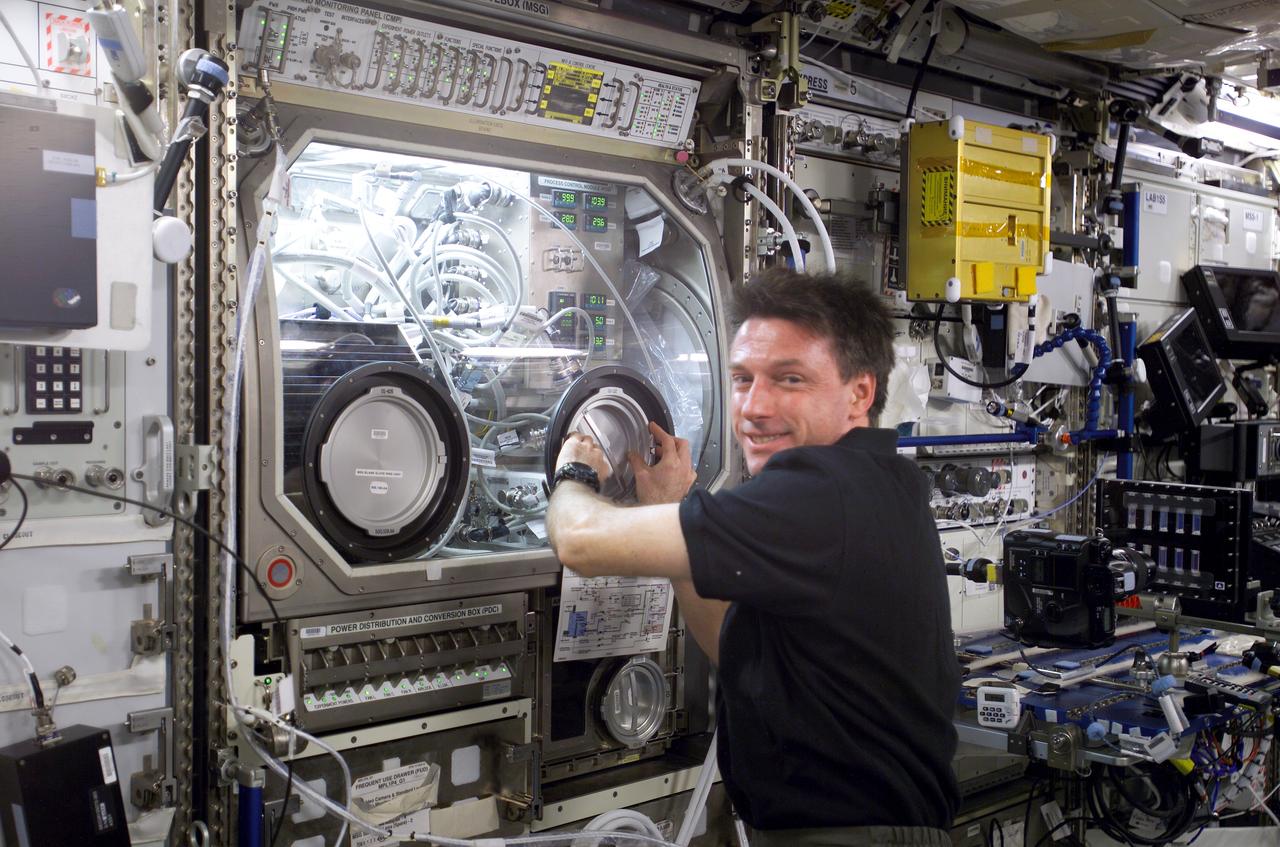
ISS008-E-20622 (5 April 2004) --- Astronaut C. Michael Foale, Expedition 8 commander and NASA ISS science officer, conducts an inspection of the Microgravity Science Glovebox (MSG) / Exchangeable Standard Electronic Module (ESEM) in the Destiny laboratory of the International Space Station (ISS).
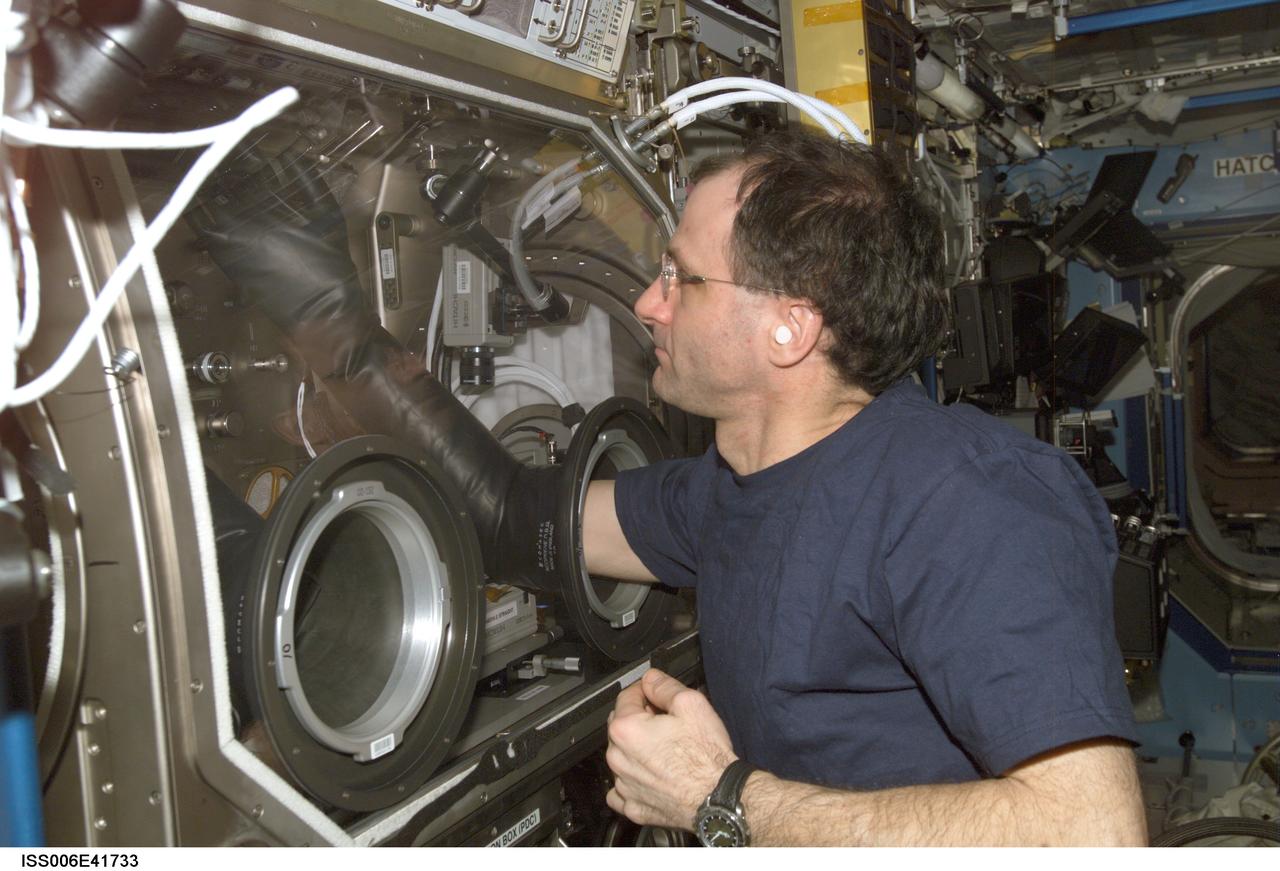
ISS006-E-41733 (1 April 2003) --- Astronaut Donald R. Pettit, Expedition Six NASA ISS science officer, works with the InSpace (Investigating the Structure of Paramagnetic Aggregates from Colloidal Emulsions) experiment in the Microgravity Science Glovebox (MSG) in the Destiny laboratory on the International Space Station (ISS).
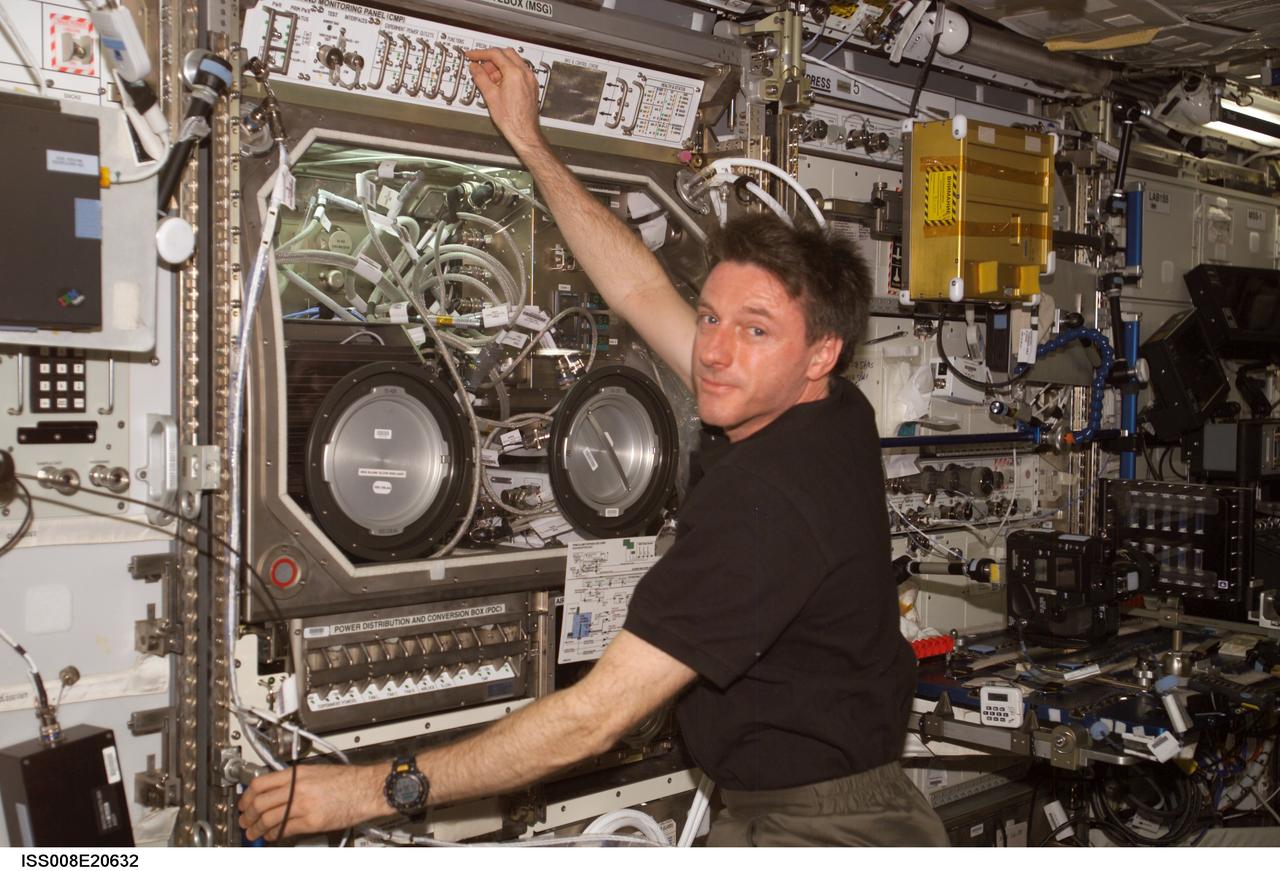
ISS008-E-20632 (5 April 2004) --- Astronaut C. Michael Foale, Expedition 8 commander and NASA ISS science officer, conducts an inspection of the Microgravity Science Glovebox (MSG) / Exchangeable Standard Electronic Module (ESEM) in the Destiny laboratory of the International Space Station (ISS).
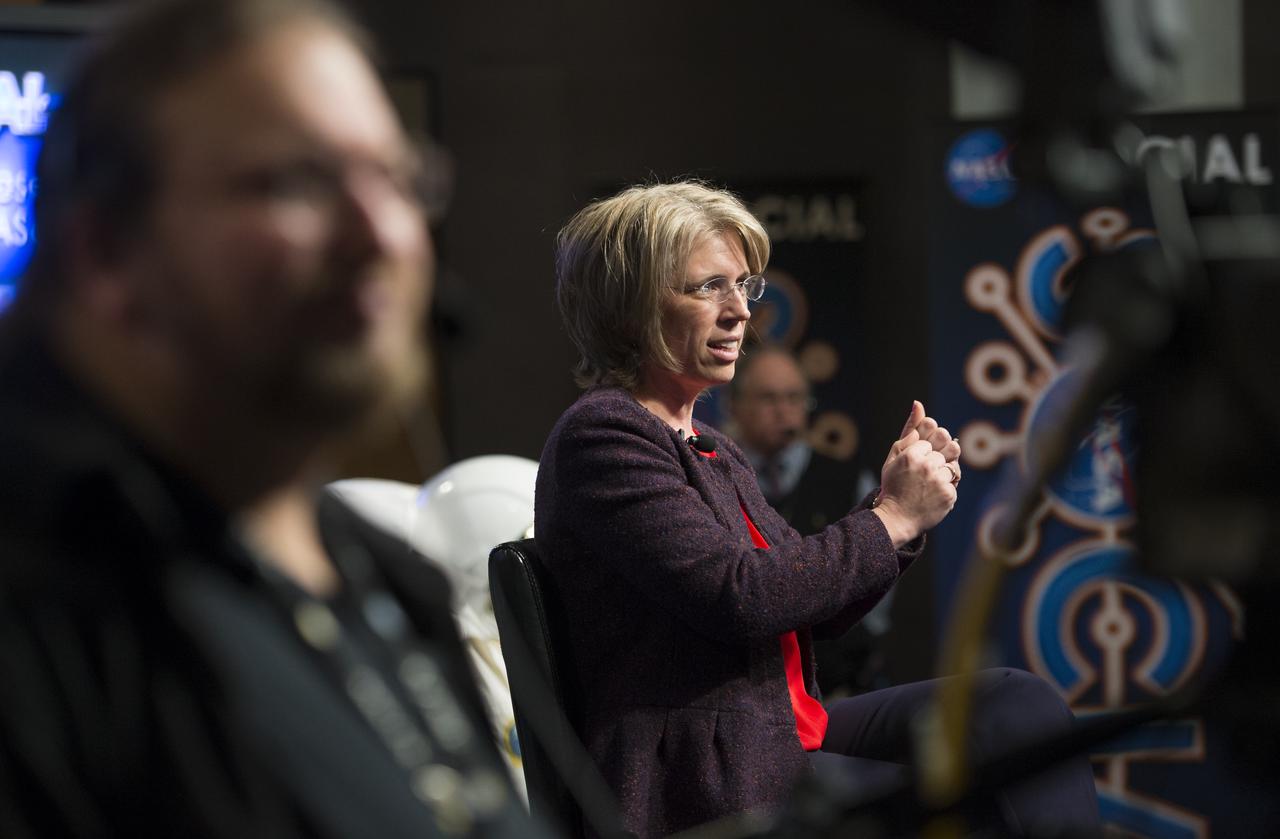
Tara Ruttley, International Space Station Program Scientist, talks about the benefits of conducting science experiments on ISS at a NASA Social exploring science on the ISS at NASA Headquarters, Wednesday, Feb. 20, 2013 in Washington. Photo Credit: (NASA/Carla Cioffi)
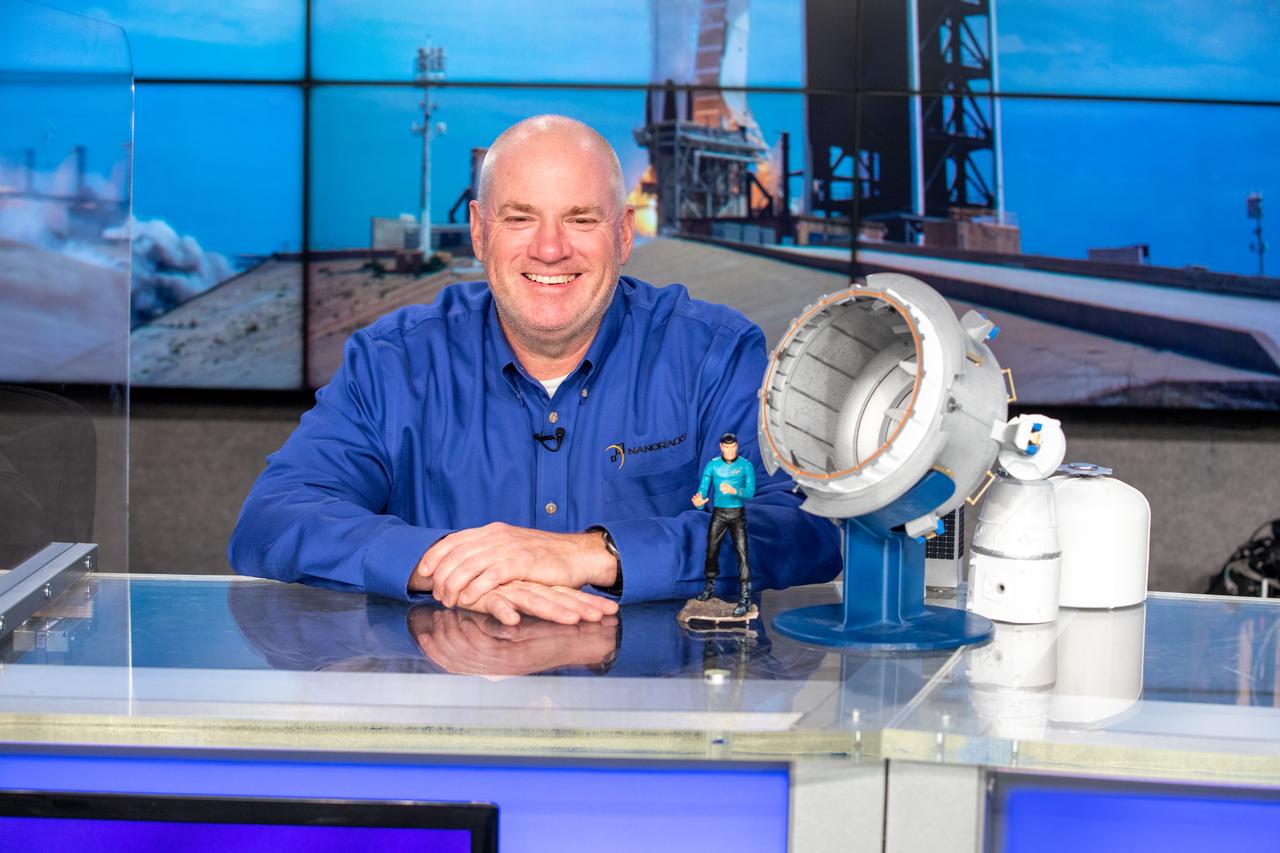
Brock Howe, airlock program manager, Nanoracks, participates in a #NASASocial Science and Station Q&A show at the agency’s Kennedy Space Center in Florida on Dec. 4, 2020. Jennifer Scott-Williams, ISS Program Research Office; and Pinar Mesci, project scientist, Sanford Consortium for Regenerative Medicine, UC San Diego, also participated in the event, which was moderated by NASA Communications’ Kenna Pell. SpaceX’s 21st Commercial Resupply Services (CRS-21) mission is scheduled to launch from Kennedy’s Launch Complex 39A on Dec. 5, 2020. Liftoff of the SpaceX Falcon 9 rocket and cargo Dragon spacecraft is targeted for 11:39 a.m. EST.
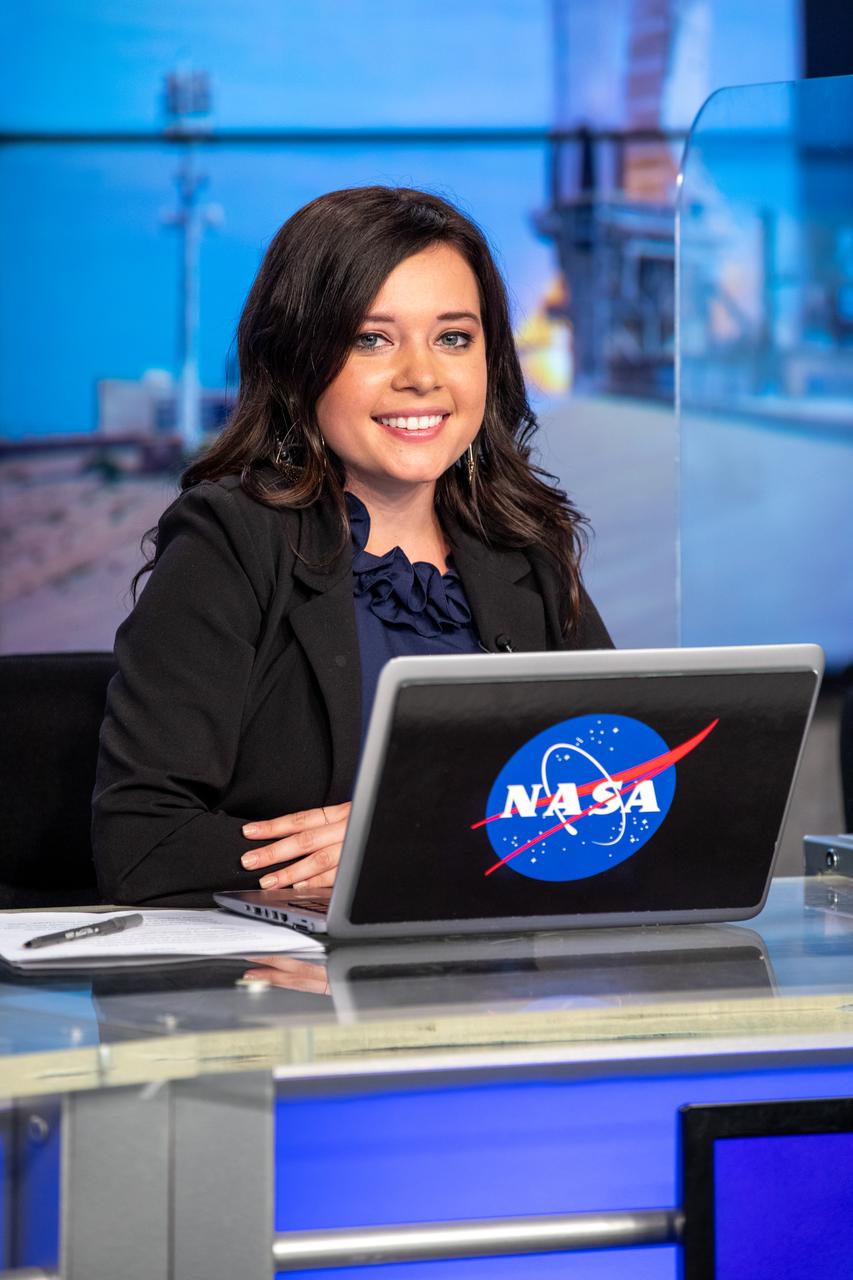
NASA Communications’ Kenna Pell moderates a #NASASocial Science and Station Q&A show at the agency’s Kennedy Space Center in Florida on Dec. 4, 2020. Participants included Brock Howe, airlock program manager, Nanoracks; Jennifer Scott-Williams, ISS Program Research Office; and Pinar Mesci, project scientist, Sanford Consortium for Regenerative Medicine, UC San Diego. SpaceX’s 21st Commercial Resupply Services (CRS-21) mission is scheduled to launch from Kennedy’s Launch Complex 39A on Dec. 5, 2020. Liftoff of the SpaceX Falcon 9 rocket and cargo Dragon spacecraft is targeted for 11:39 a.m. EST.
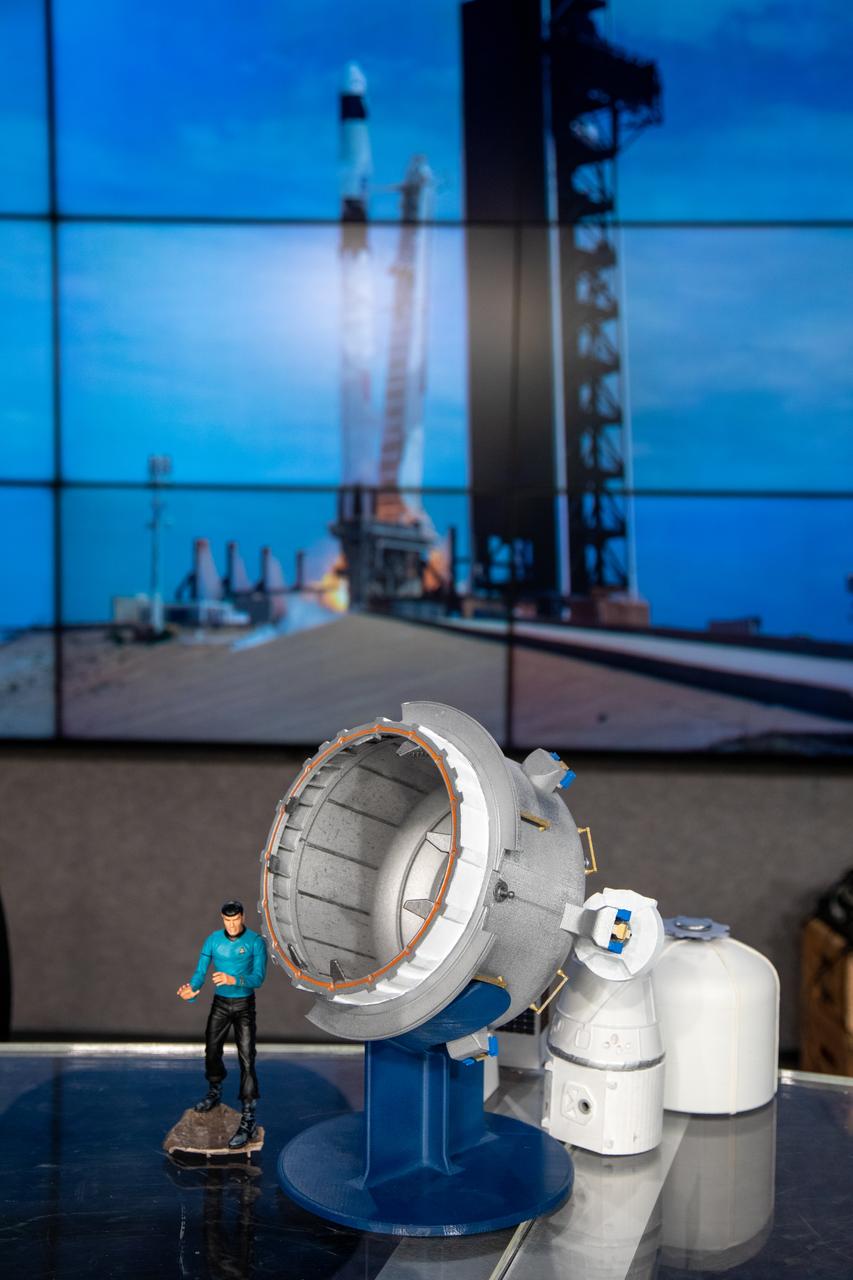
Props are used by Brock Howe, airlock program manager, Nanoracks, during a #NASASocial Science and Station Q&A show at the agency’s Kennedy Space Center in Florida on Dec. 4, 2020. NASA Communications’ Kenna Pell moderated the program, which also included Jennifer Scott-Williams, ISS Program Research Office; and Pinar Mesci, project scientist, Sanford Consortium for Regenerative Medicine, UC San Diego. SpaceX’s 21st Commercial Resupply Services (CRS-21) mission is scheduled to launch from Kennedy’s Launch Complex 39A on Dec. 5, 2020. Liftoff of the SpaceX Falcon 9 rocket and cargo Dragon spacecraft is targeted for 11:39 a.m. EST.
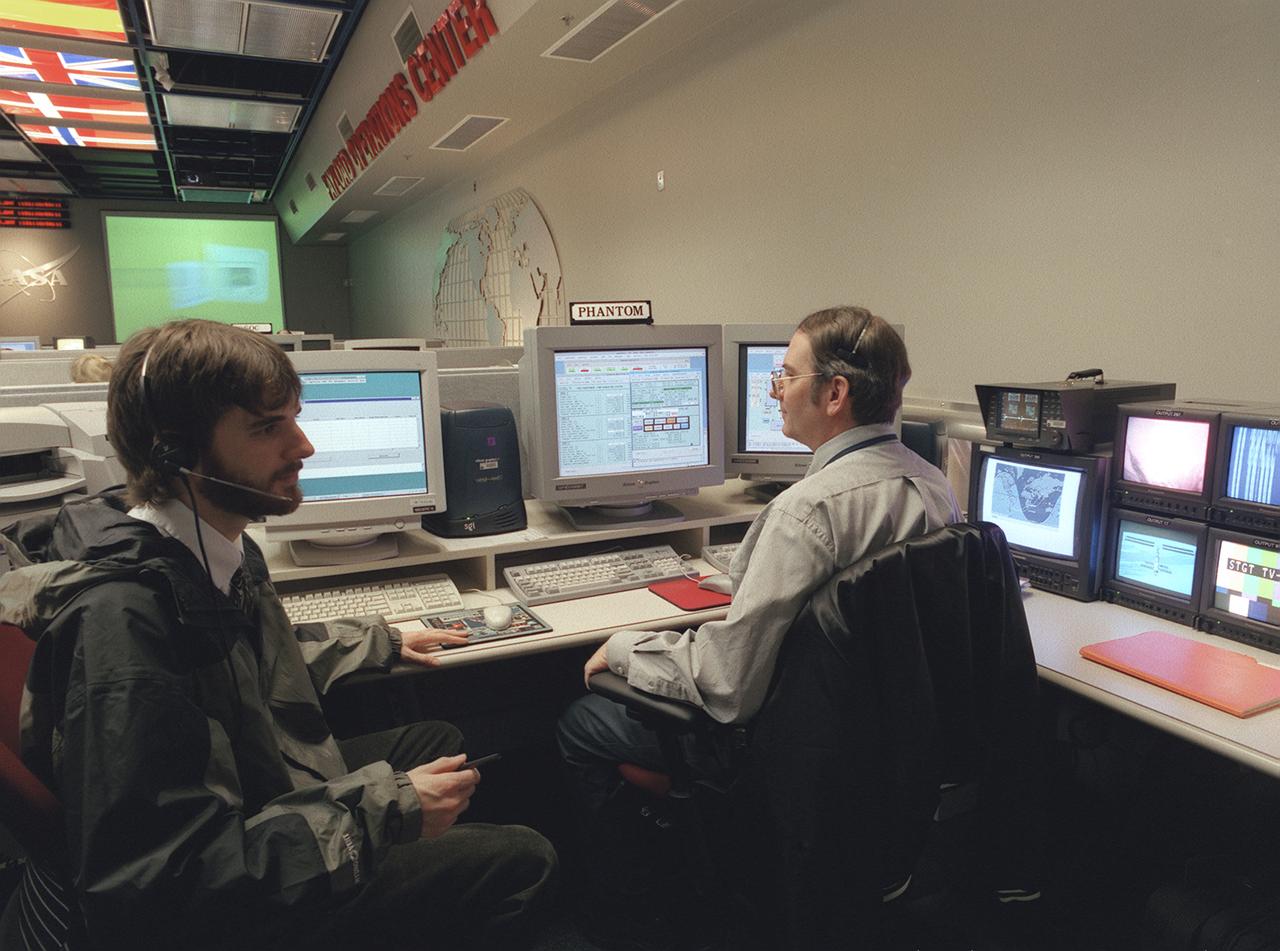
The Payload Operations Center (POC) is the science command post for the International Space Station (ISS). Located at NASA's Marshall Space Flight Center in Huntsville, Alabama, it is the focal point for American and international science activities aboard the ISS. The POC's unique capabilities allow science experts and researchers around the world to perform cutting-edge science in the unique microgravity environment of space. The POC is staffed around the clock by shifts of payload flight controllers. At any given time, 8 to 10 flight controllers are on consoles operating, plarning for, and controlling various systems and payloads. This photograph shows the Photo and TV Operations Manager (PHANTOM) at a work station. The PHANTOM configures all video systems aboard the ISS and ensures they are working properly, providing a video link from the ISS to the POC.
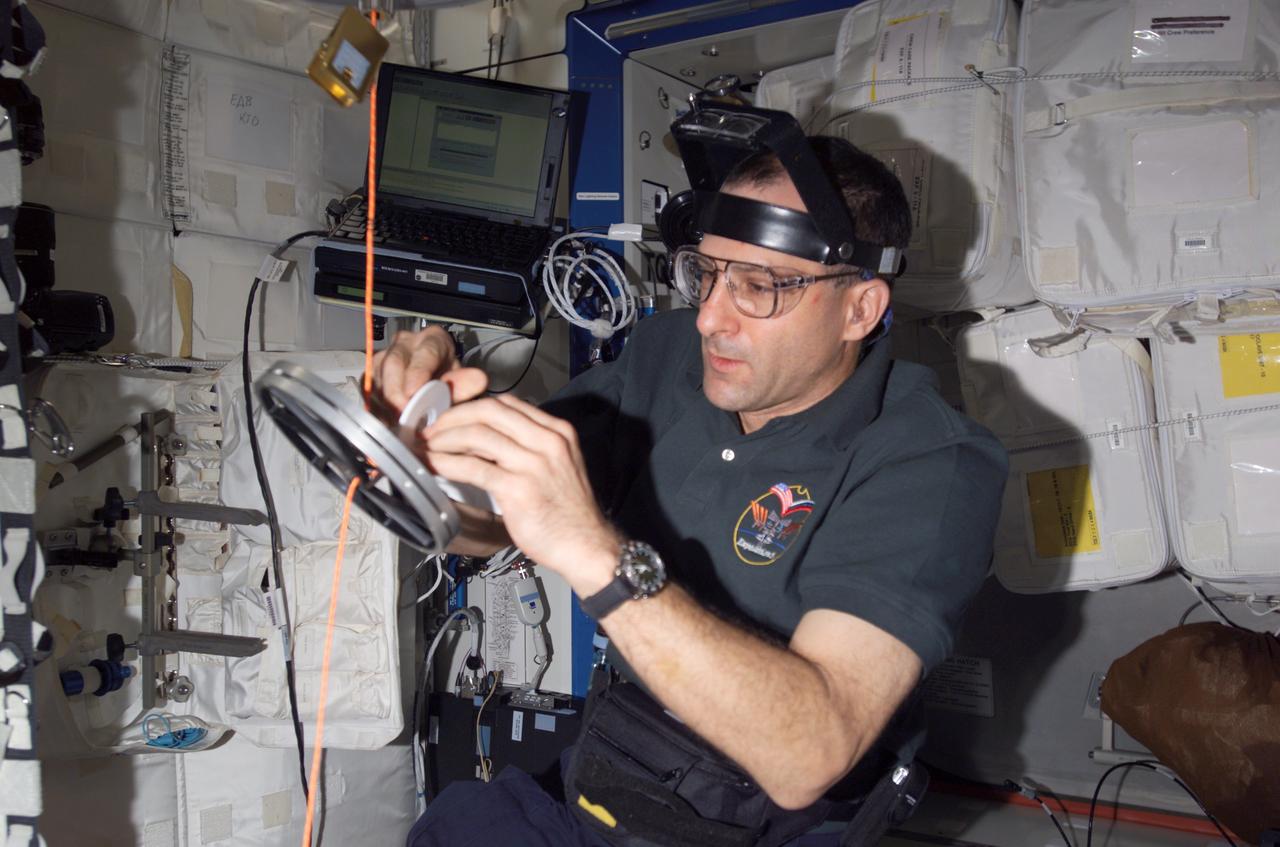
ISS006-E-08766 (13 December 2002) --- Astronaut Donald R. Pettit, Expedition 6 NASA ISS science officer, performs scheduled in-flight maintenance (IFM) in the Destiny laboratory on the International Space Station (ISS).
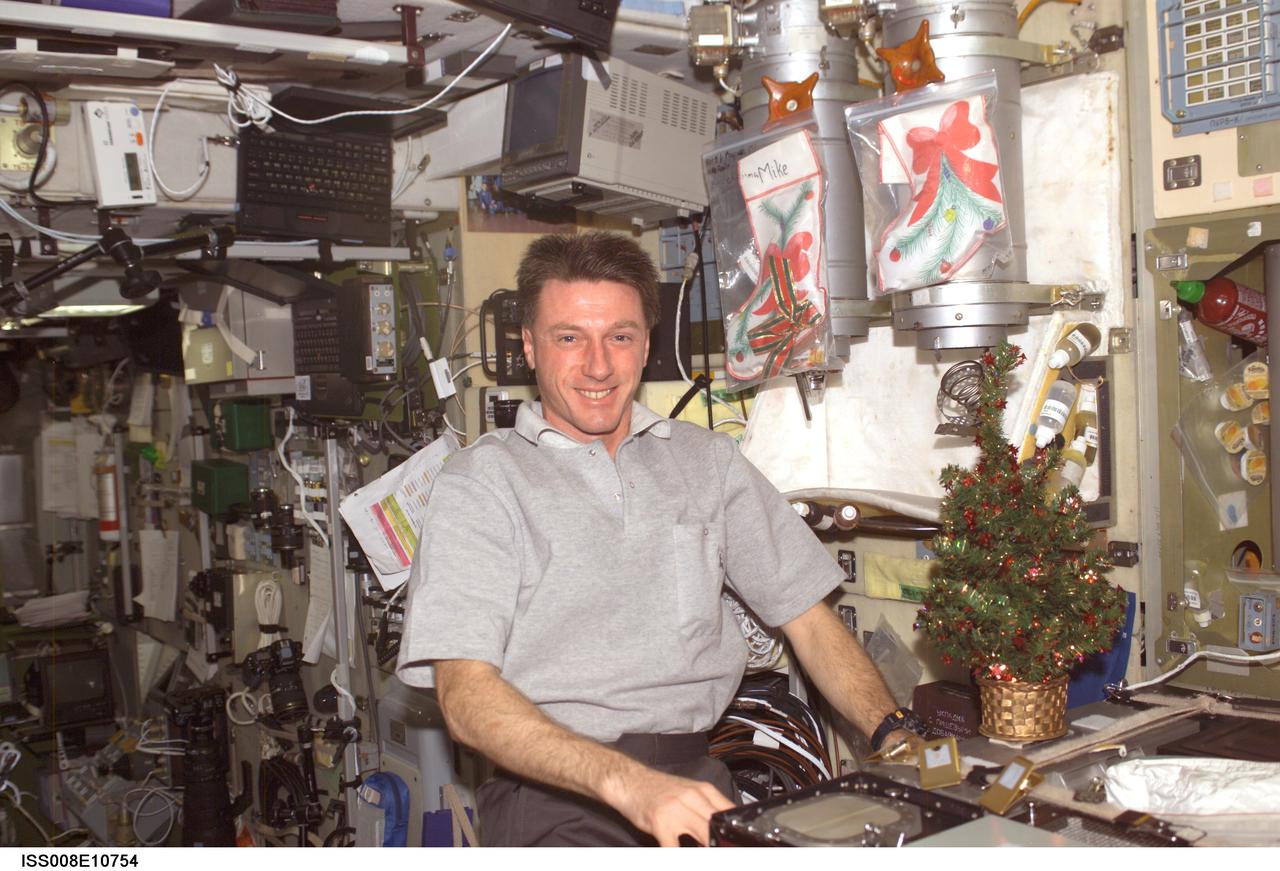
ISS008-E-10754 (28 December 2003) --- Astronaut C. Michael Foale, Expedition 8 mission commander and NASA ISS science officer, poses with holiday decorations in the Zvezda Service Module on the International Space Station (ISS).
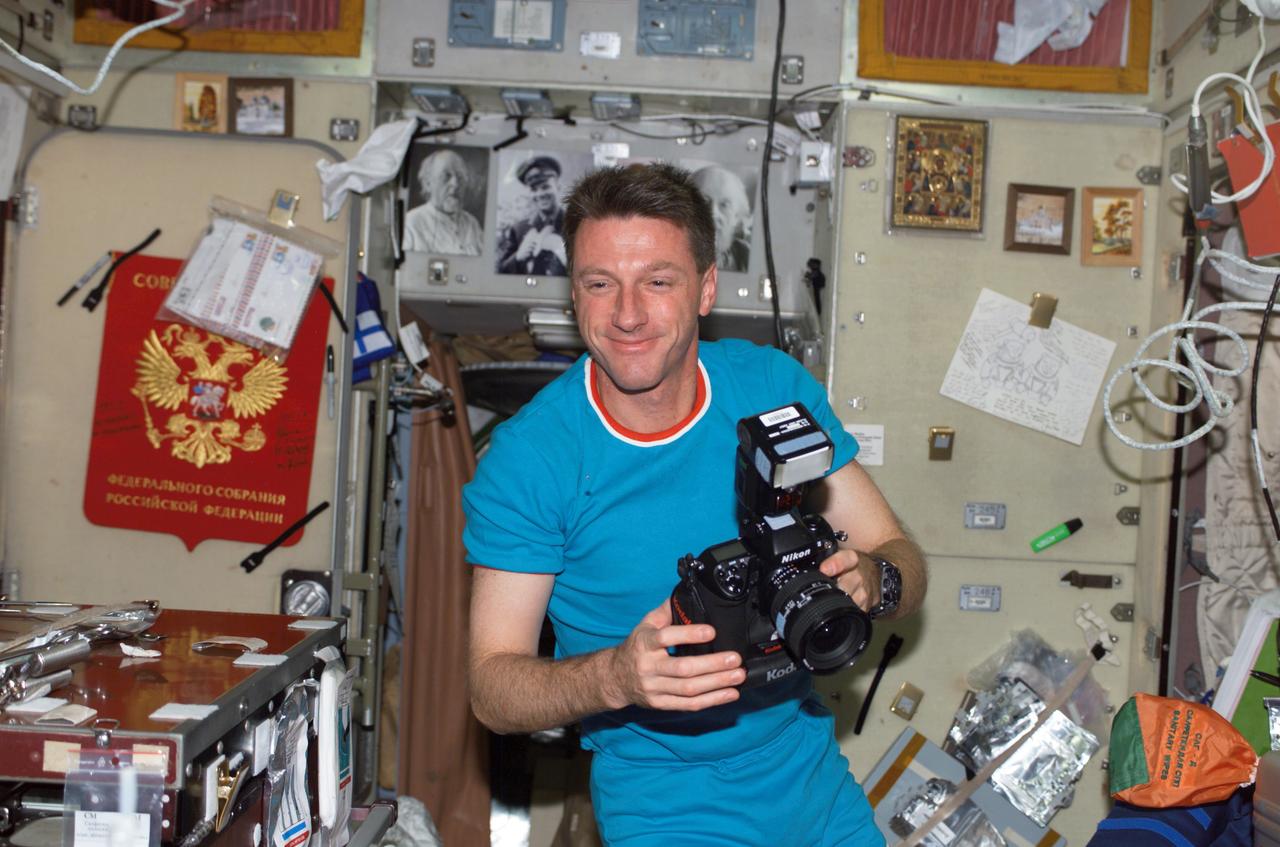
ISS007-E-17982 (25 Oct. 2003) --- Astronaut C. Michael Foale, Expedition 8 mission commander and NASA ISS science officer, holds a camera in the Zvezda Service Module on the International Space Station (ISS).
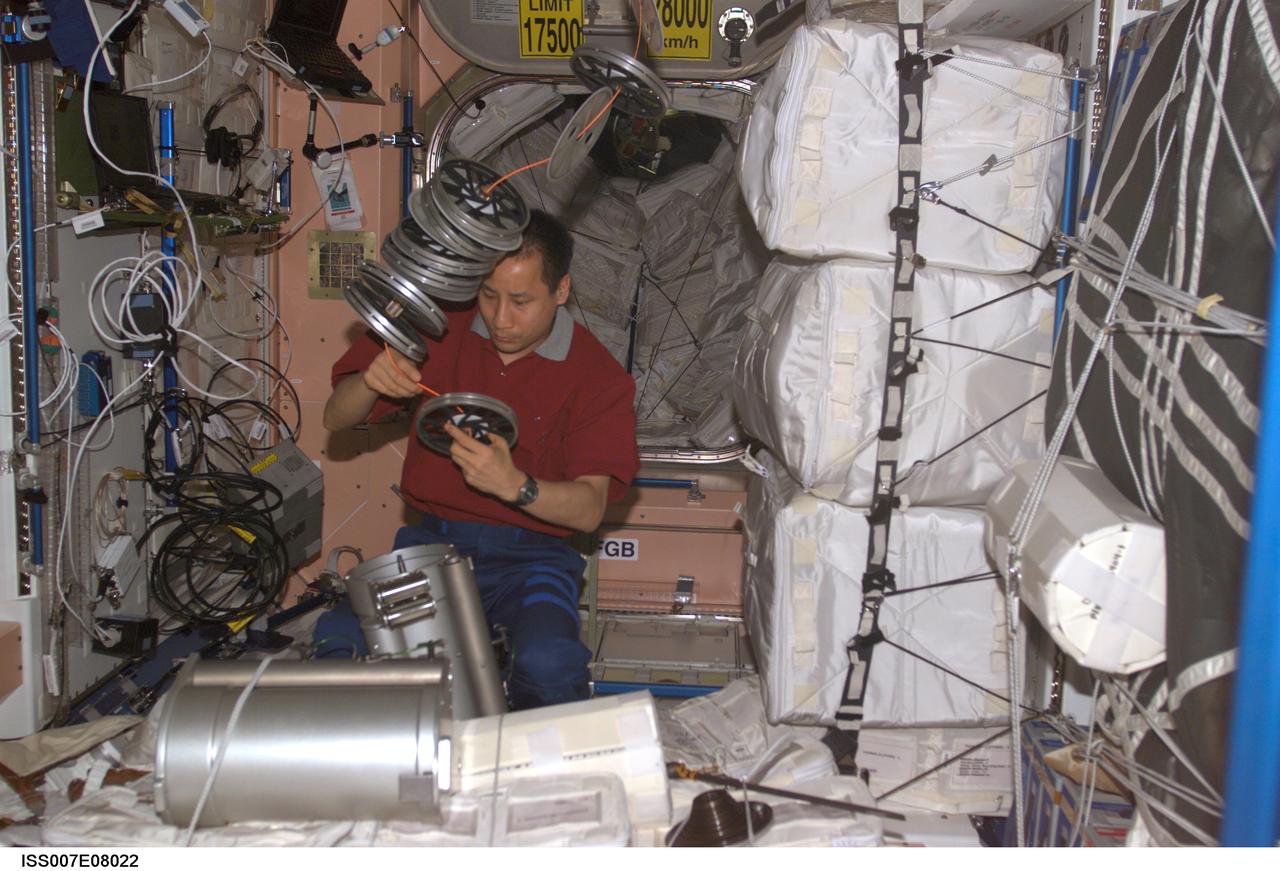
ISS007-E-08022 (23 June 2003) --- Astronaut Edward T. Lu, Expedition 7 NASA ISS science officer and flight engineer, works in the Unity node on the International Space Station (ISS).
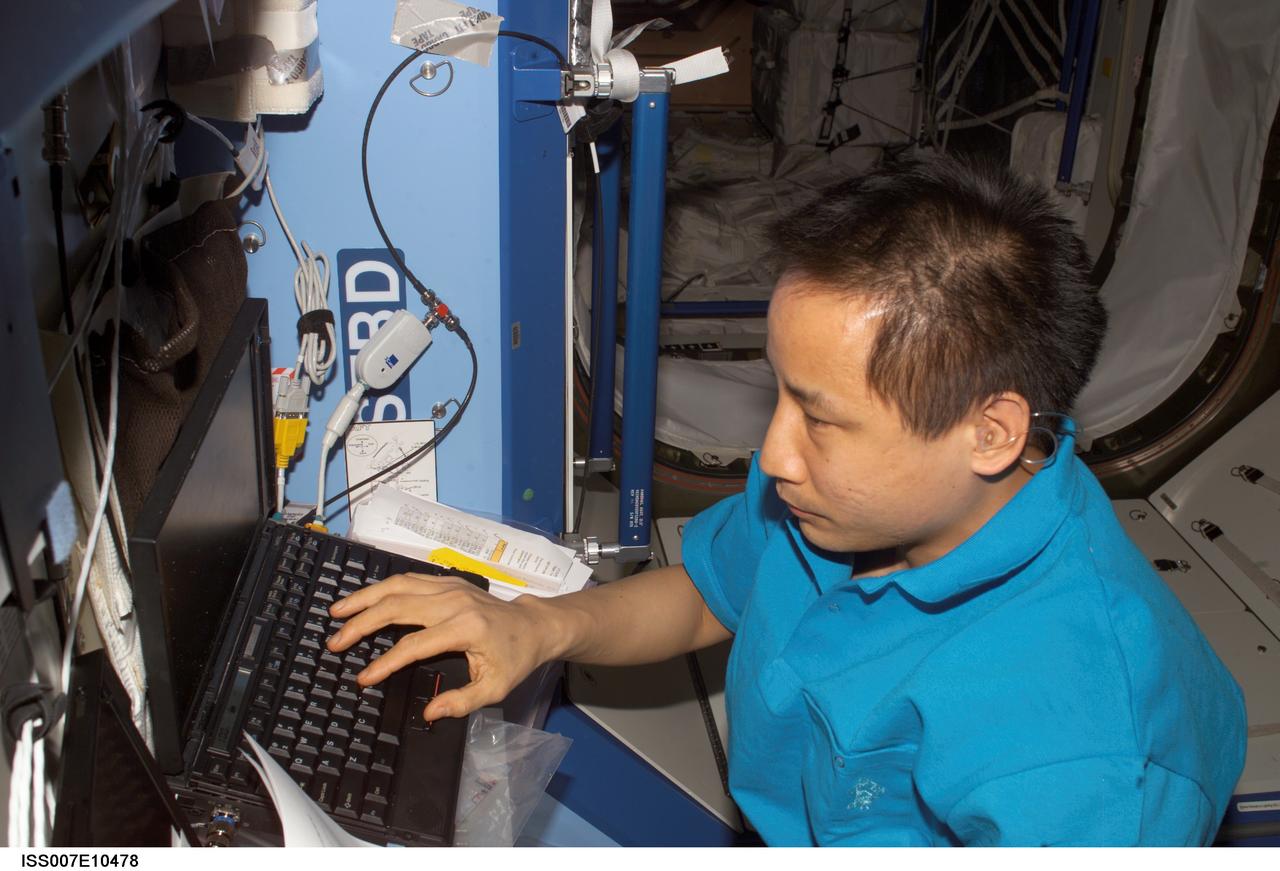
ISS007-E-10478 (16 July 2003) --- Astronaut Edward T. Lu, Expedition 7 NASA ISS science officer and flight engineer, uses a computer in the Destiny laboratory on the International Space Station (ISS).
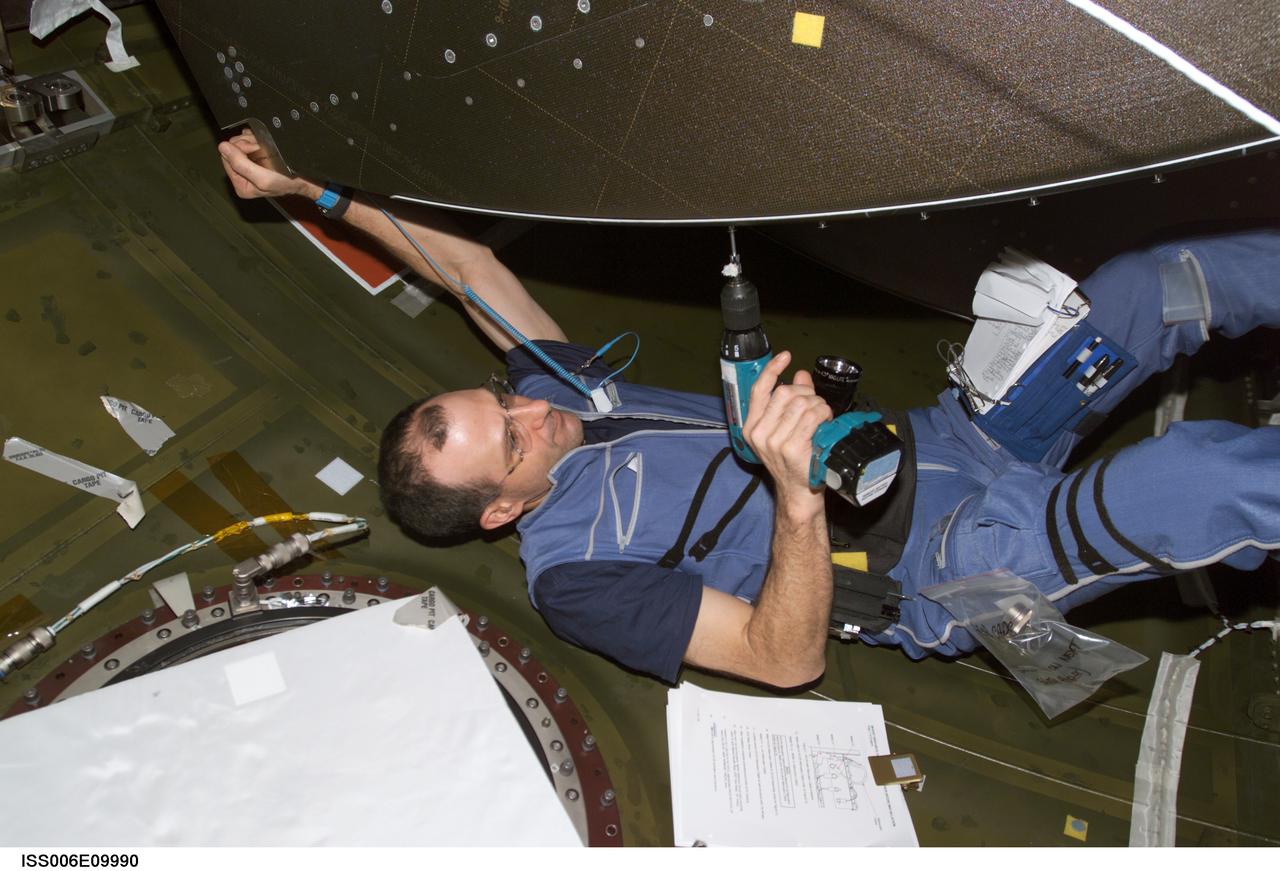
ISS006-E-09990 (20 December 2002) --- Astronaut Donald R. Pettit, Expedition Six NASA ISS science officer, performs in-flight maintenance (IFM) in the Destiny laboratory on the International Space Station (ISS).
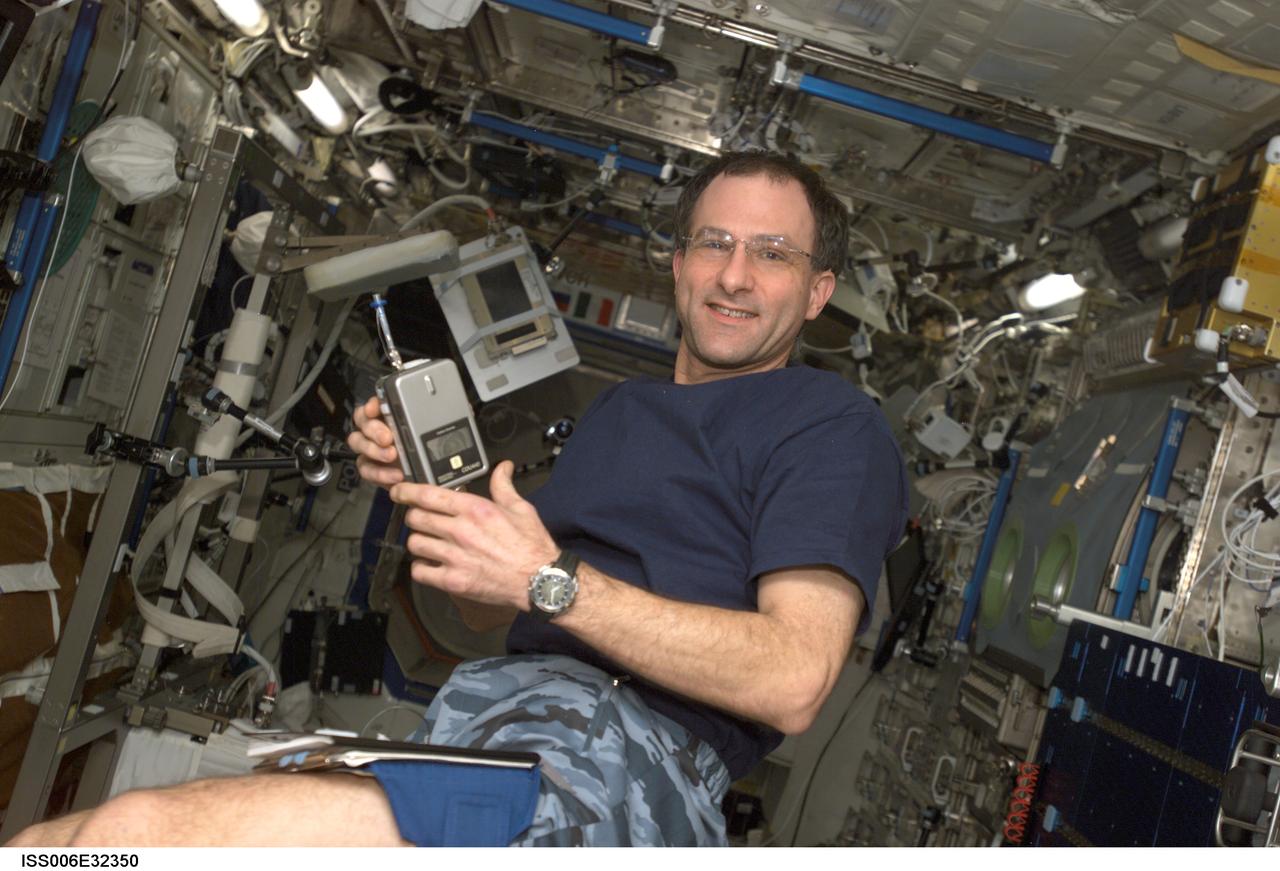
ISS006-E-32350 (28 February 2003) --- Astronaut Donald R. Pettit, Expedition Six NASA ISS science officer, is pictured in the Destiny laboratory on the International Space Station (ISS).
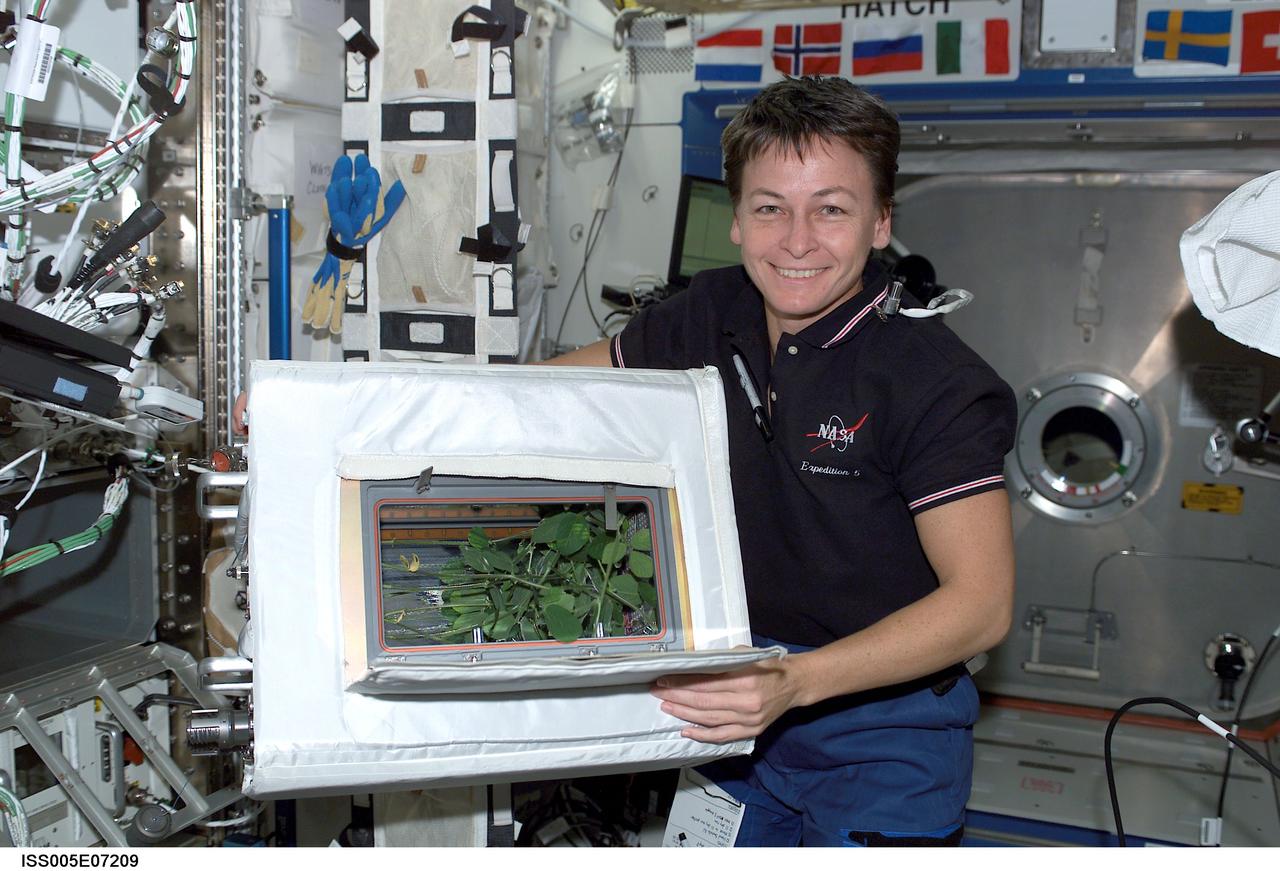
ISS005-E-07209 (10 July 2002) --- Astronaut Peggy A. Whitson, Expedition Five NASA ISS science officer, holds the Advanced Astroculture soybean plant growth experiment in the Destiny laboratory on the International Space Station (ISS).
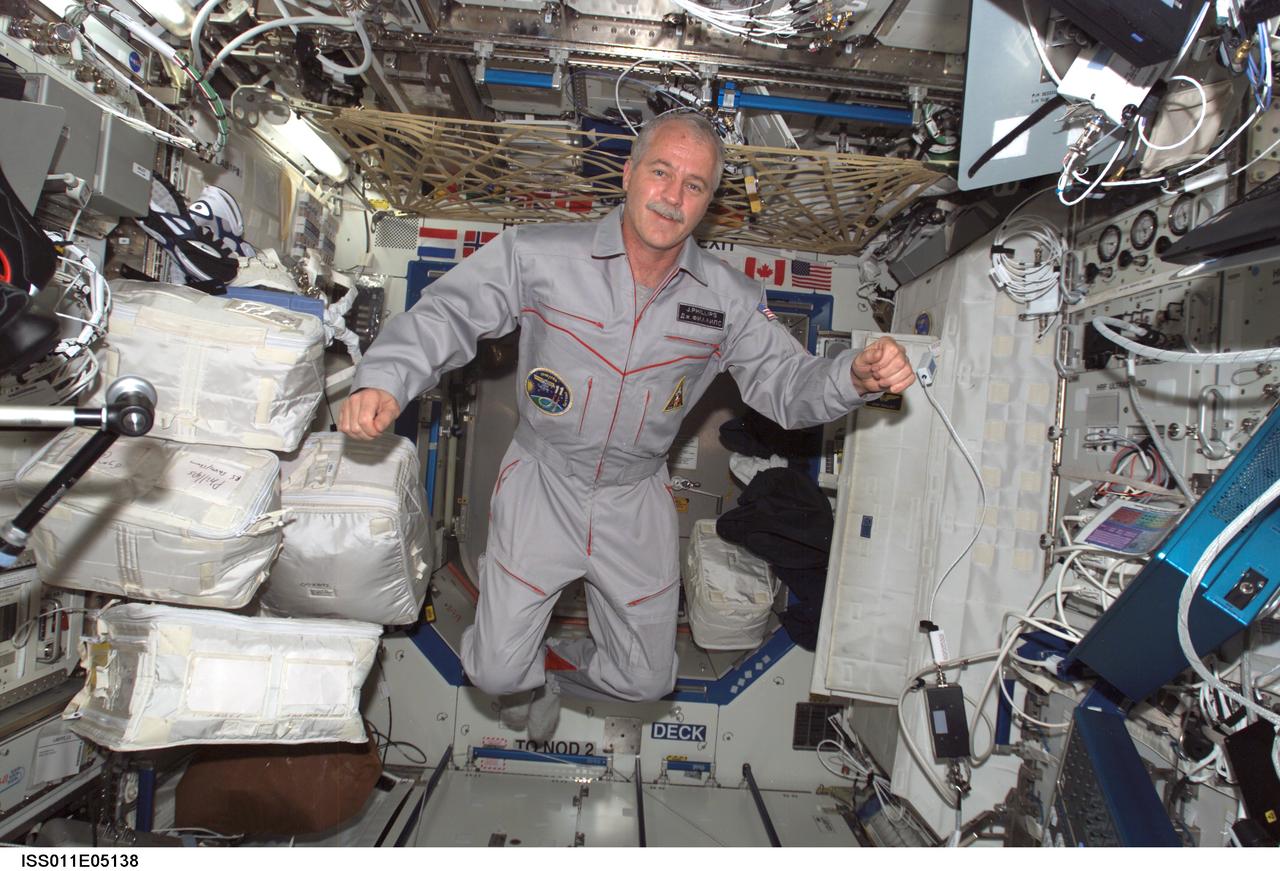
ISS011-E-05138 (17 April 2005) --- Astronaut John L. Phillips, Expedition 11 NASA ISS science officer and flight engineer, floats in the Destiny laboratory of the International Space Station (ISS).
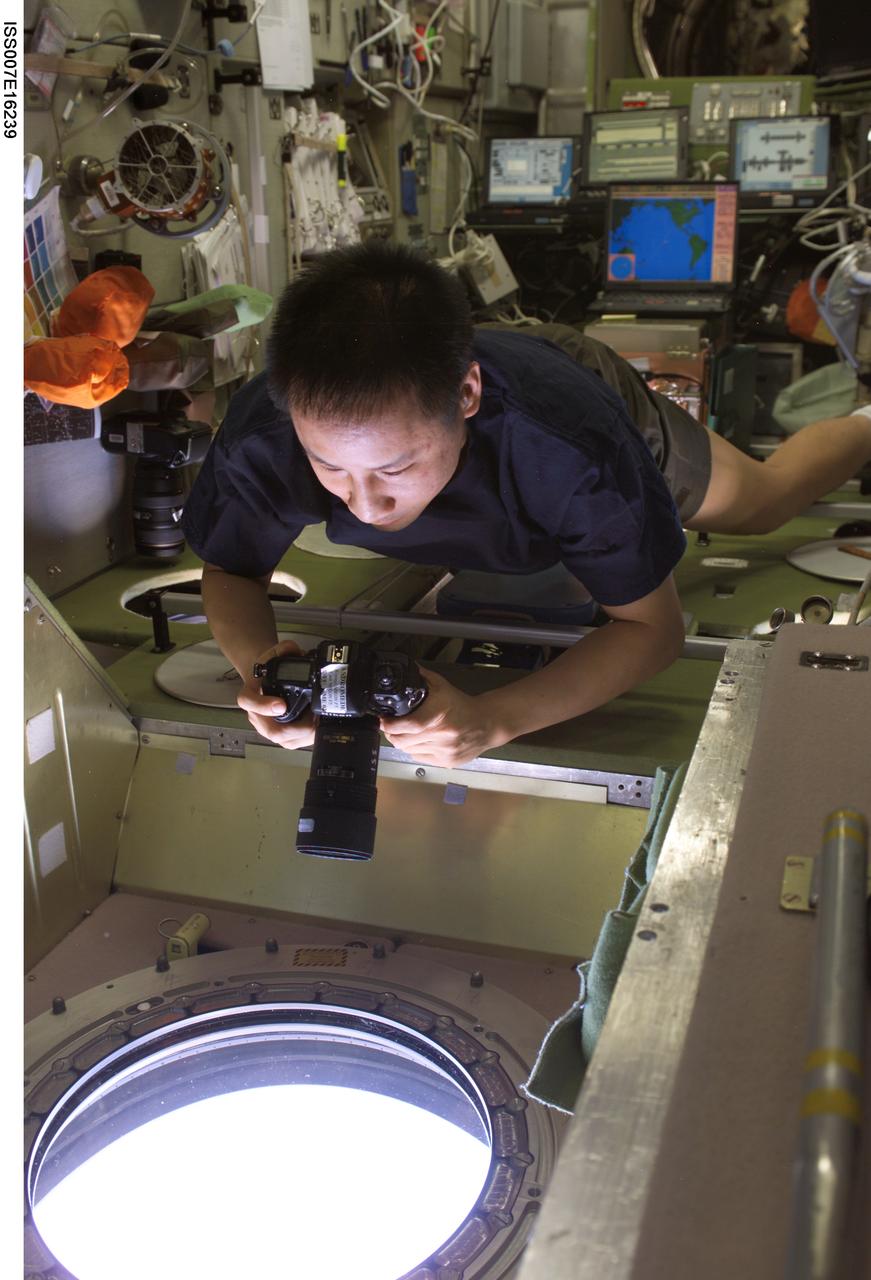
ISS007-E-16239 (4 October 2003) --- Astronaut Edward T. Lu, Expedition 7 NASA ISS science officer and flight engineer, uses a camera at a window in the Zvezda Service Module on the International Space Station (ISS).
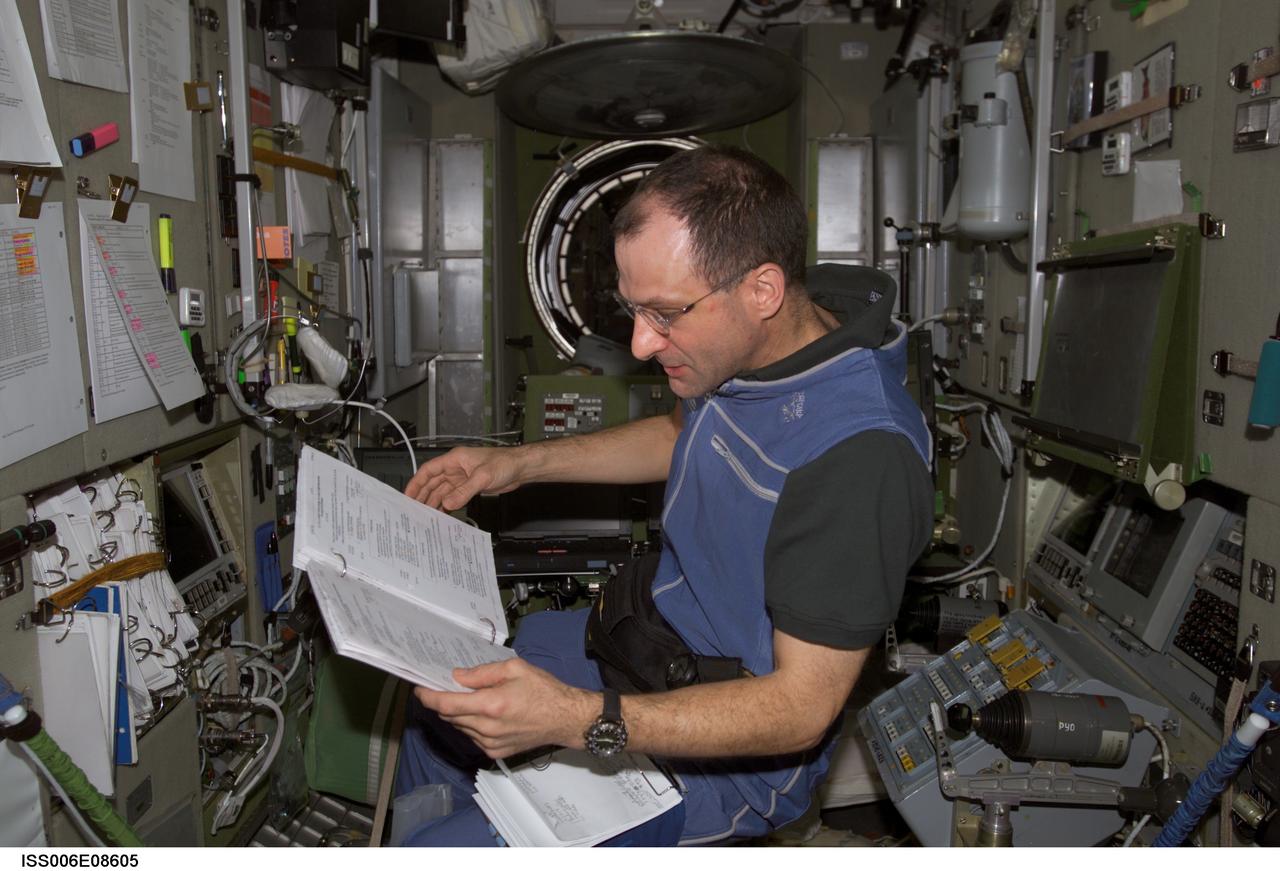
ISS006-E-08605 (18 December 2002) --- Astronaut Donald R. Pettit, Expedition Six NASA ISS science officer, looks over a procedures checklist in the Zvezda Service Module on the International Space Station (ISS).

ISS005-E-21040 (21 November 2002) --- Astronaut Peggy A. Whitson, Expedition Five NASA ISS science officer, floats in the Destiny laboratory on the International Space Station (ISS).

ISS007-E-13293 (24 August 2003) --- Astronaut Edward T. Lu, Expedition 7 NASA ISS science officer and flight engineer, floats in the Destiny laboratory on the International Space Station (ISS).
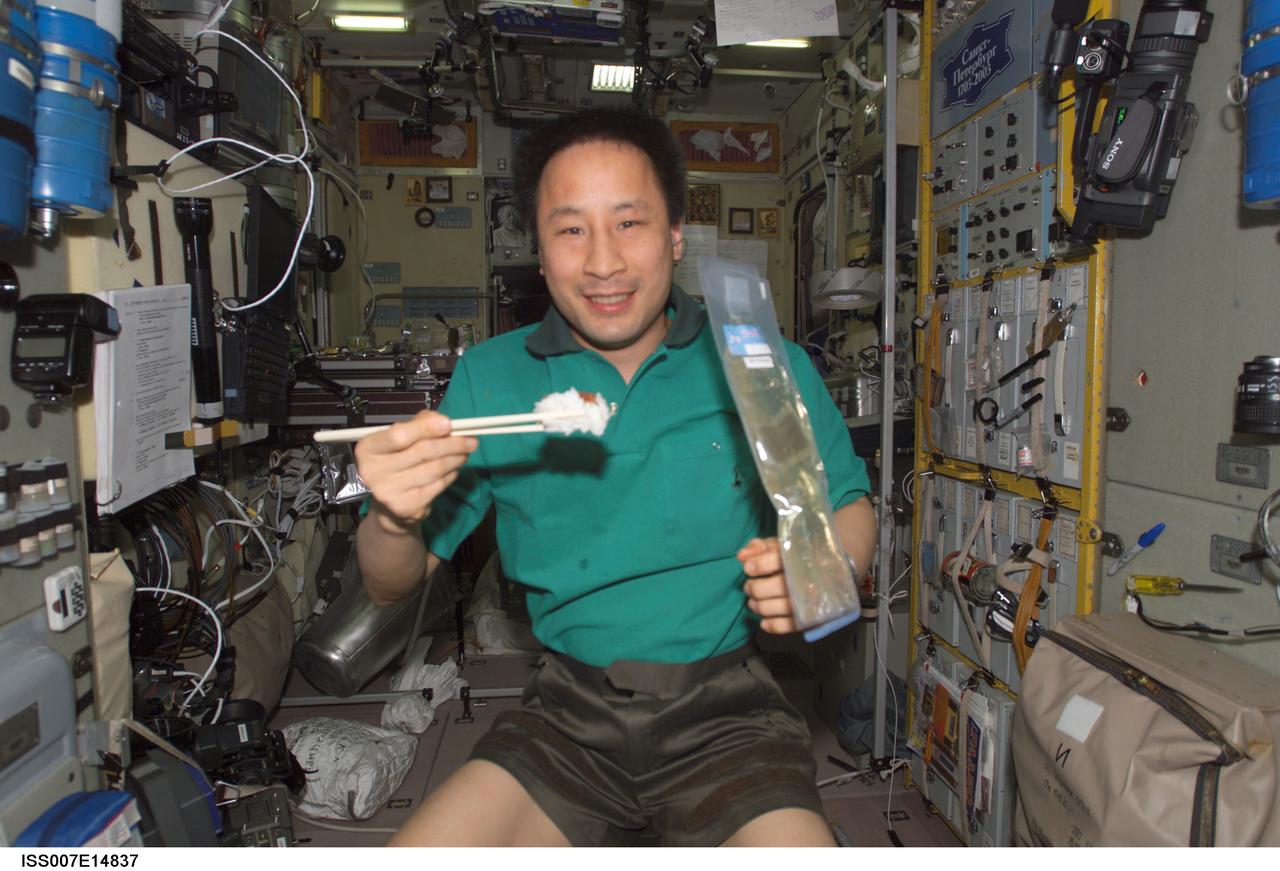
ISS007-E-14837 (12 September 2003) --- Astronaut Edward T. Lu, Expedition 7 NASA ISS science officer and flight engineer, uses chopsticks to eat in the Zvezda Service Module on the International Space Station (ISS).
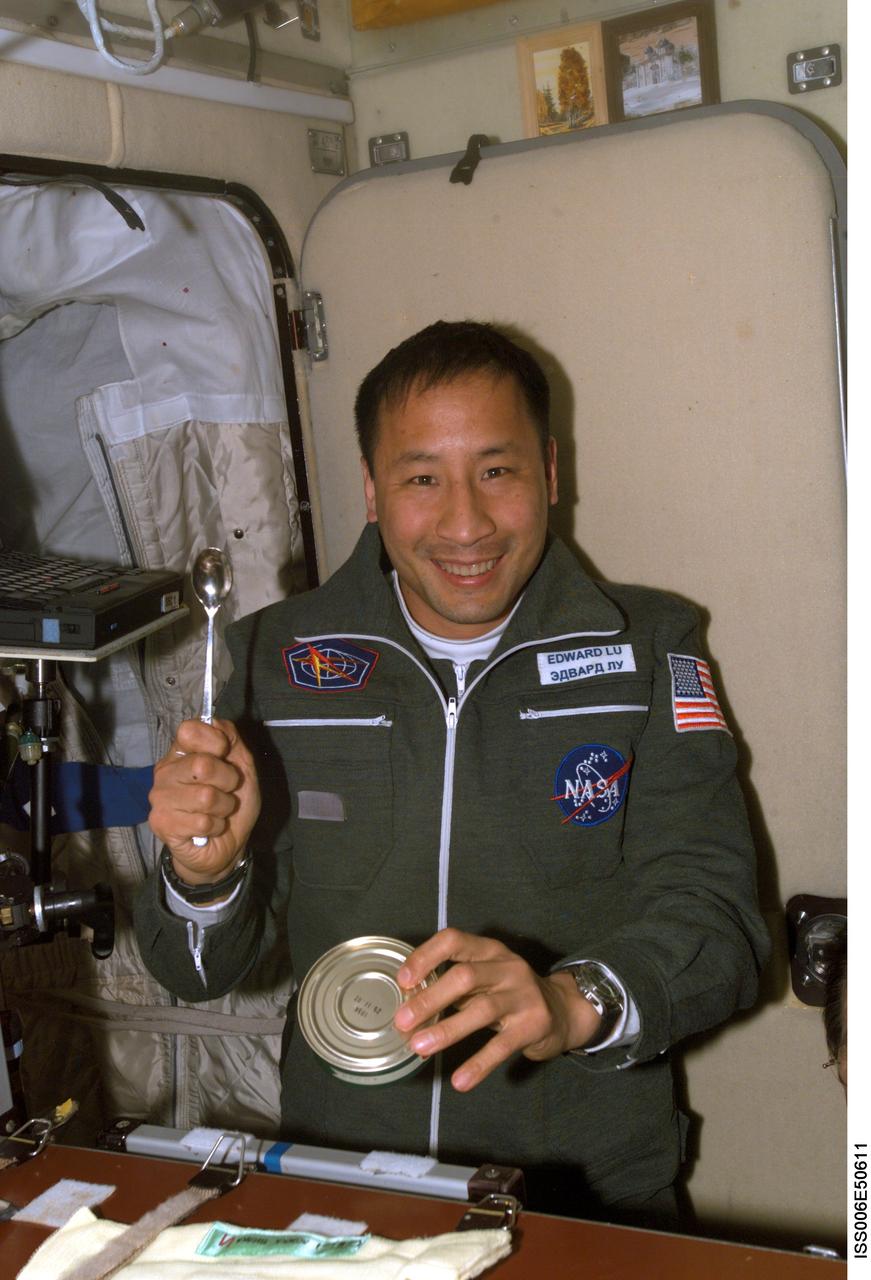
ISS006-E-50611 (28 April 2003) --- Astronaut Edward T. Lu, Expedition Seven NASA ISS science officer and flight engineer, prepares to eat a meal in the Zvezda Service Module on the International Space Station (ISS).
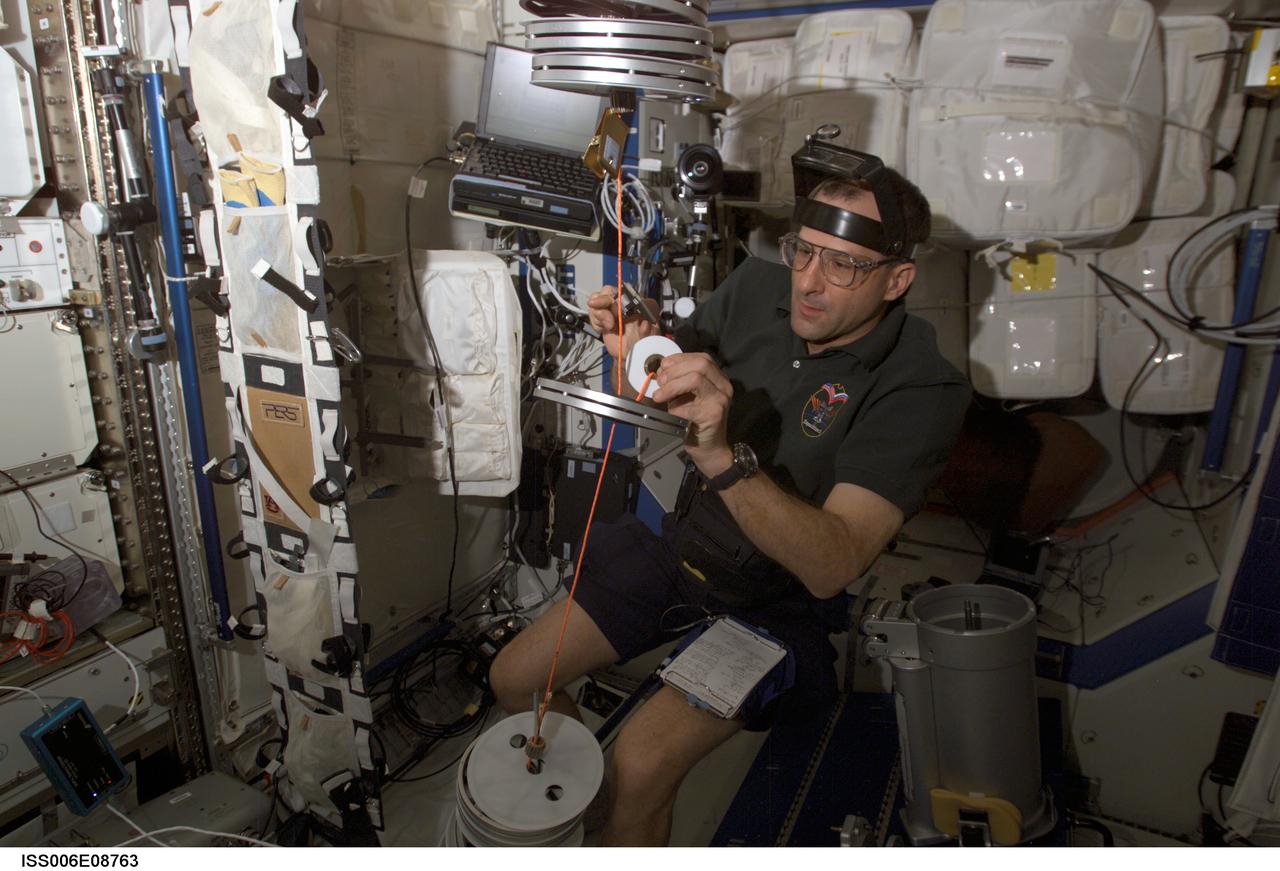
ISS006-E-08763 (13 December 2002) --- Astronaut Donald R. Pettit, Expedition Six NASA ISS science officer, performs scheduled in-flight maintenance (IFM) in the Destiny laboratory on the International Space Station (ISS).

ISS009-E-28943 (16 October 2004) --- Astronaut Leroy Chiao, Expedition 10 commander and NASA ISS science officer, floats in the Zvezda Service Module of the International Space Station (ISS).
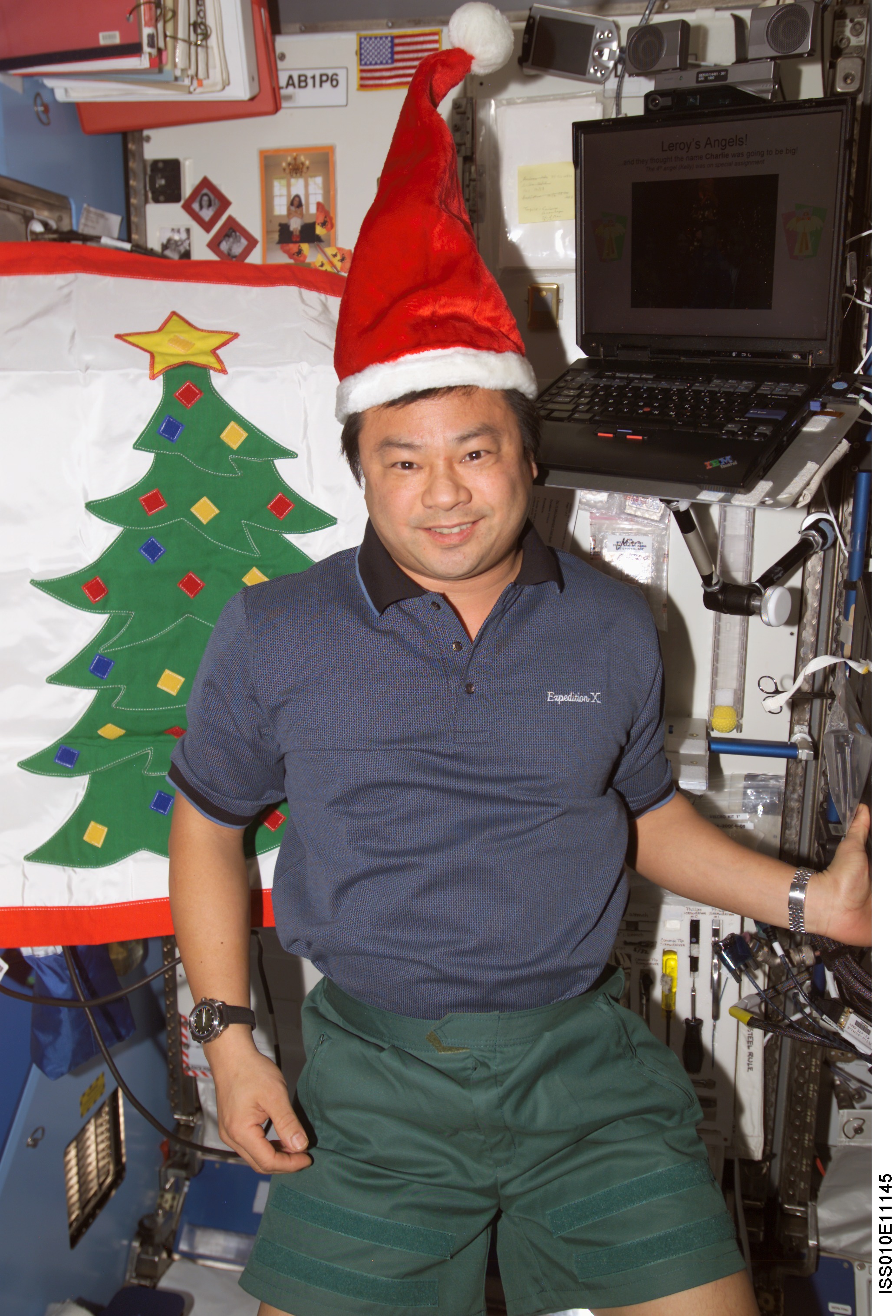
ISS010-E-11145 (16 December 2004) --- Astronaut Leroy Chiao, Expedition 10 commander and NASA ISS science officer, poses with holiday decorations in the Destiny laboratory of the International Space Station (ISS).
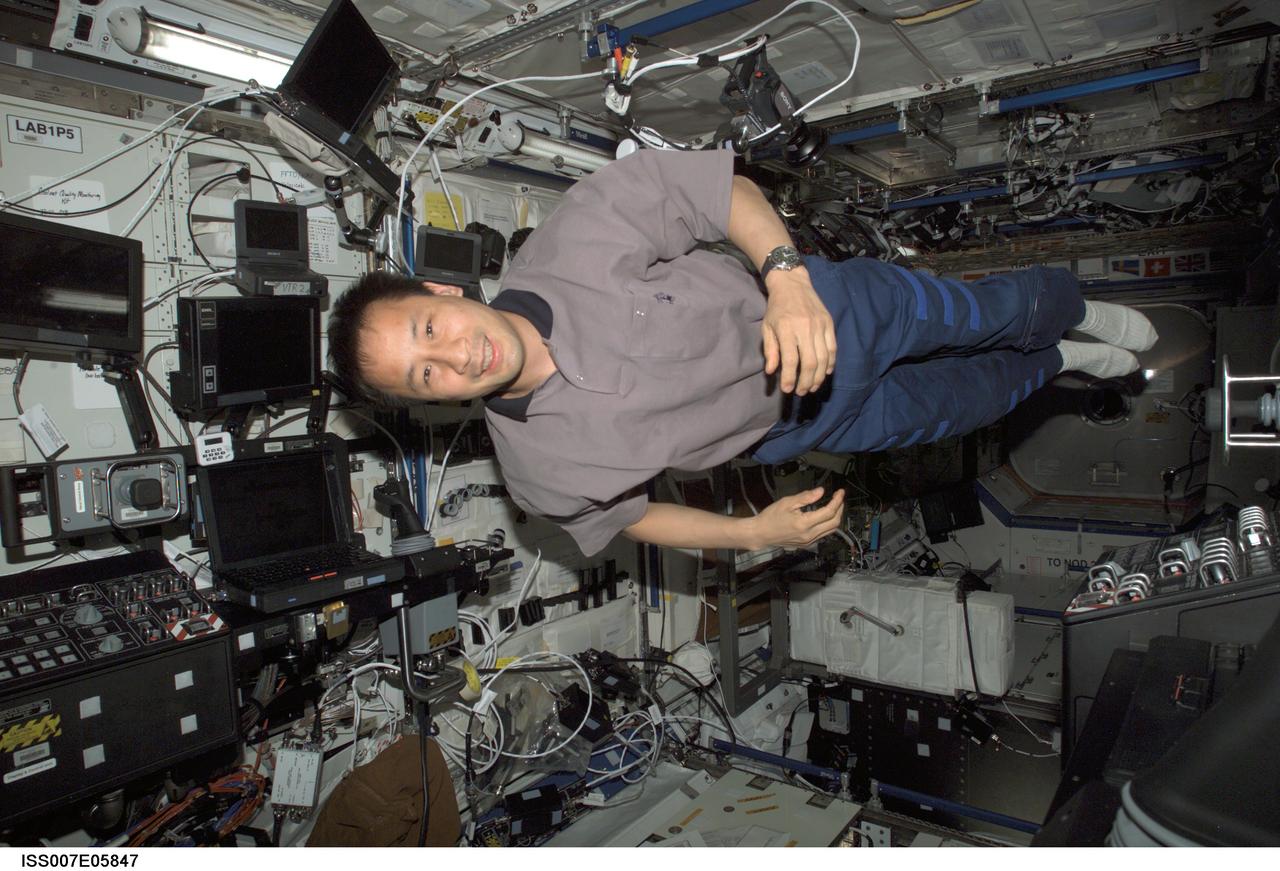
ISS007-E-05847 (26 May 2003) --- Astronaut Edward T. Lu, Expedition Seven NASA ISS science officer and flight engineer, floats in the Destiny laboratory on the International Space Station (ISS).
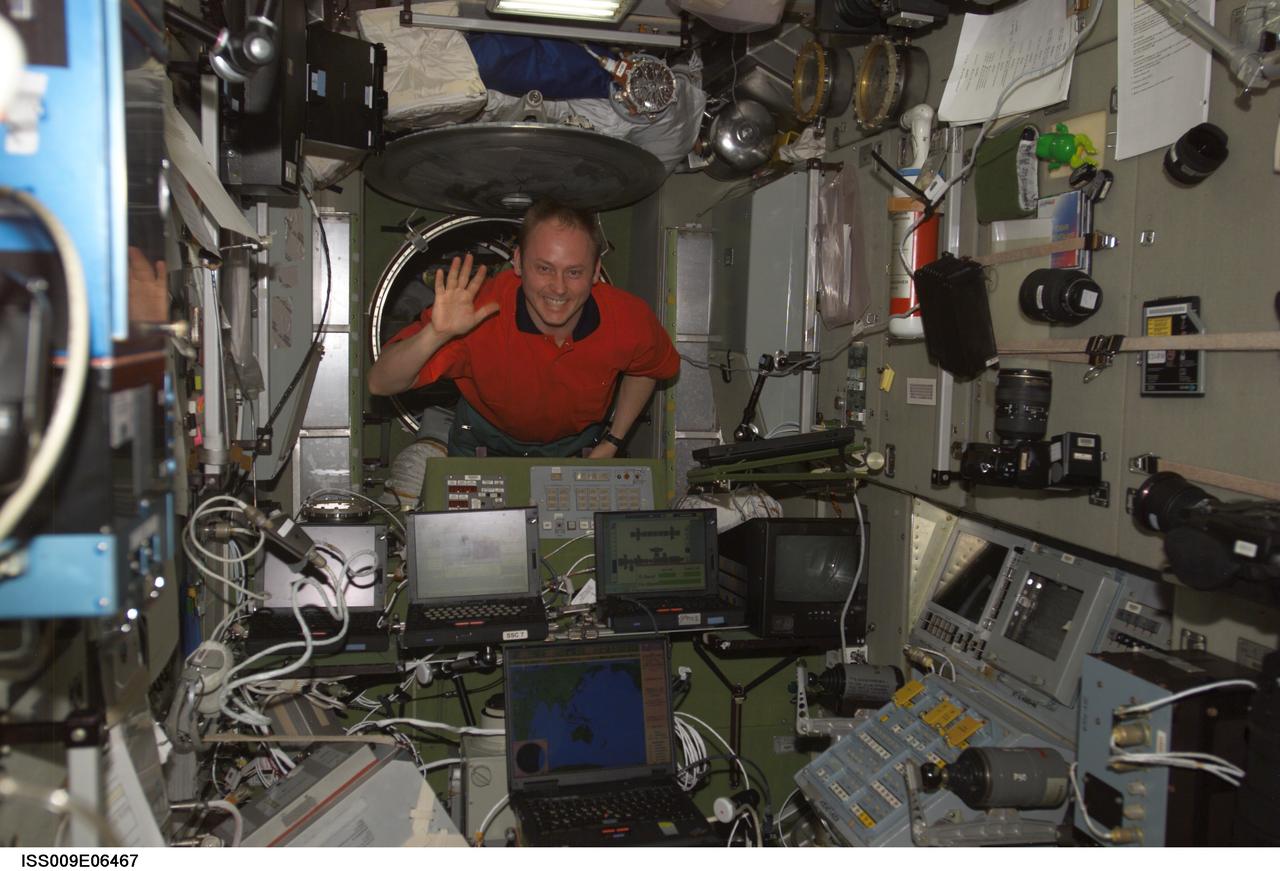
ISS009-E-06467 (11 May 2004) --- Astronaut Edward M. (Mike) Fincke, Expedition 9 NASA ISS science officer and flight engineer, floats in the Zvezda Service Module of the International Space Station (ISS).

ISS007-E-05541 (15 May 2003) --- This digital image was taken near the time of a total lunar eclipse through a window on the International Space Station (ISS) by Expedition Seven NASA ISS Science Officer Ed Lu.
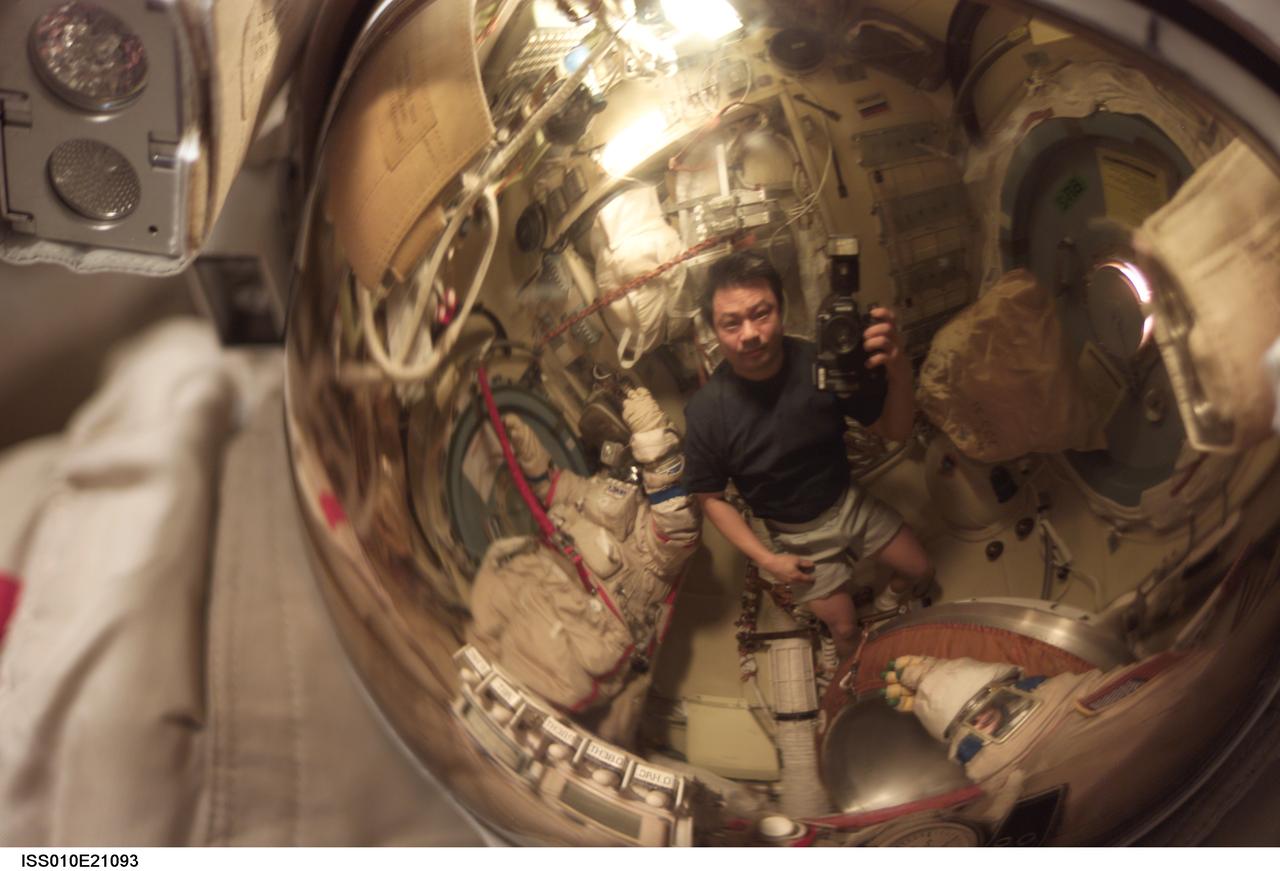
ISS010-E-21093 (22 March 2005) --- Astronaut Leroy Chiao, Expedition 10 commander and NASA ISS science officer, appears as a small reflection in a helmet visor in the Pirs Docking Compartment of the International Space Station (ISS).
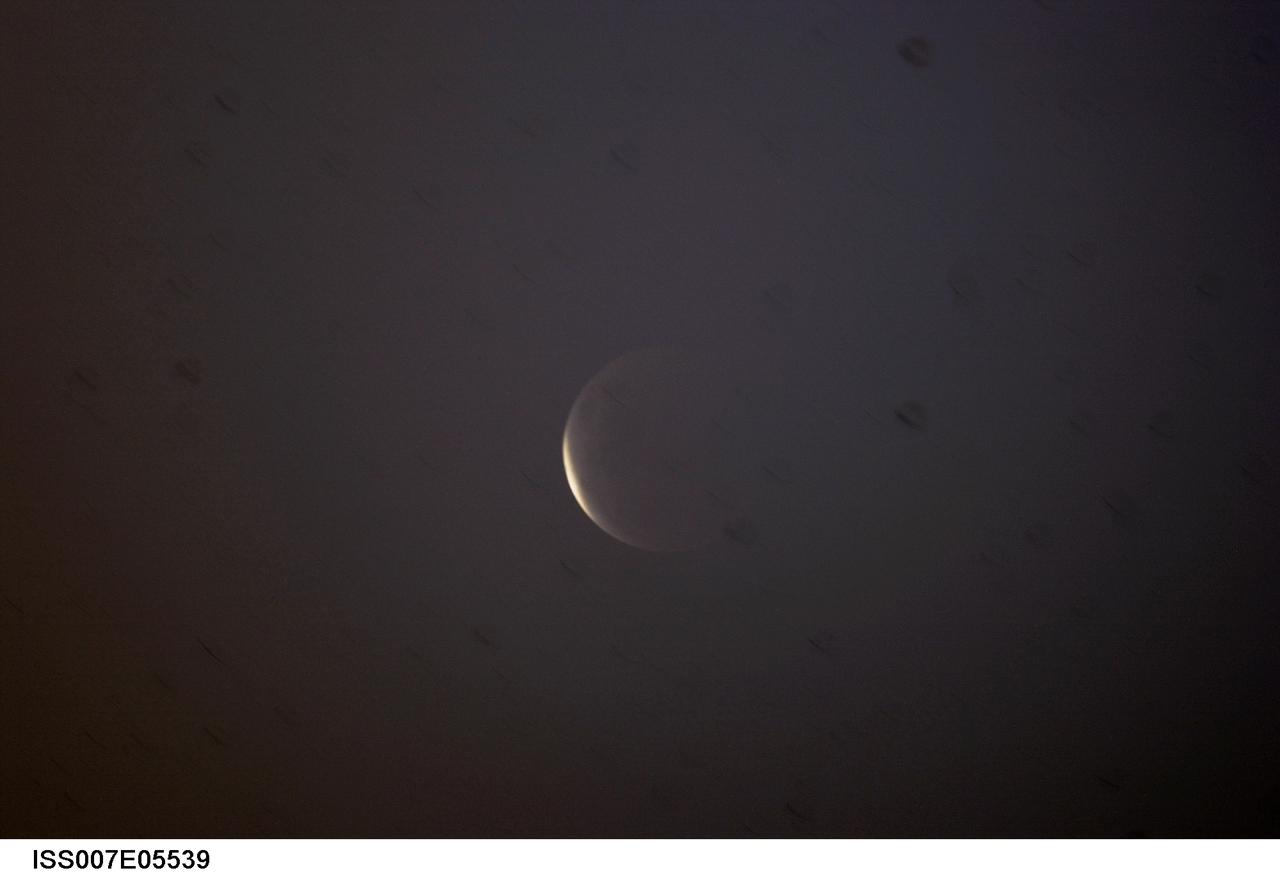
ISS007-E-05539 (15 May 2003) --- This digital image was taken near the time of a total lunar eclipse through a window on the International Space Station (ISS) by Expedition Seven NASA ISS Science Officer Ed Lu.
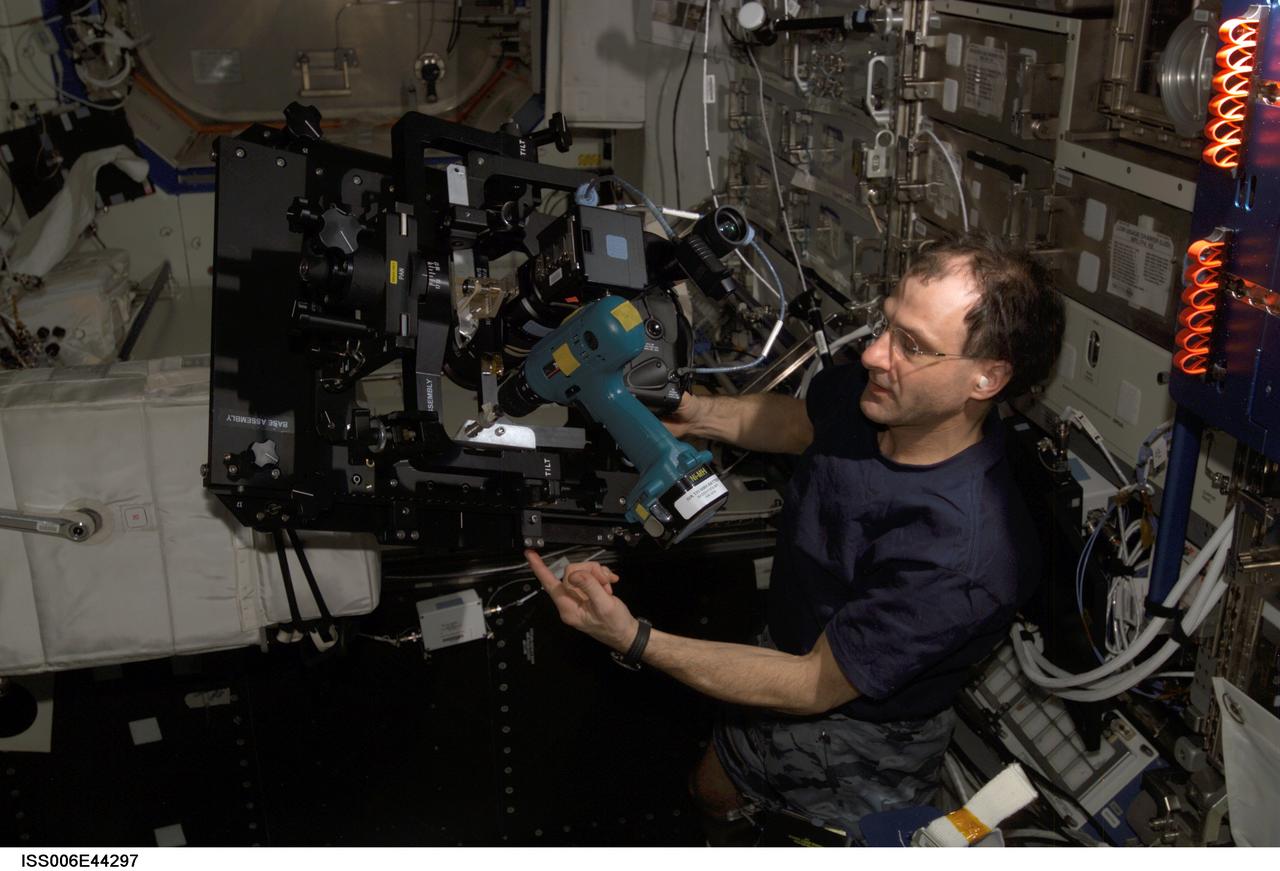
ISS006-E-44297 (5 April 2003) --- Astronaut Donald R. Pettit, Expedition Six NASA ISS science officer, prepares to deploy an observation experiment in the nadir window in the Destiny laboratory on the International Space Station (ISS).
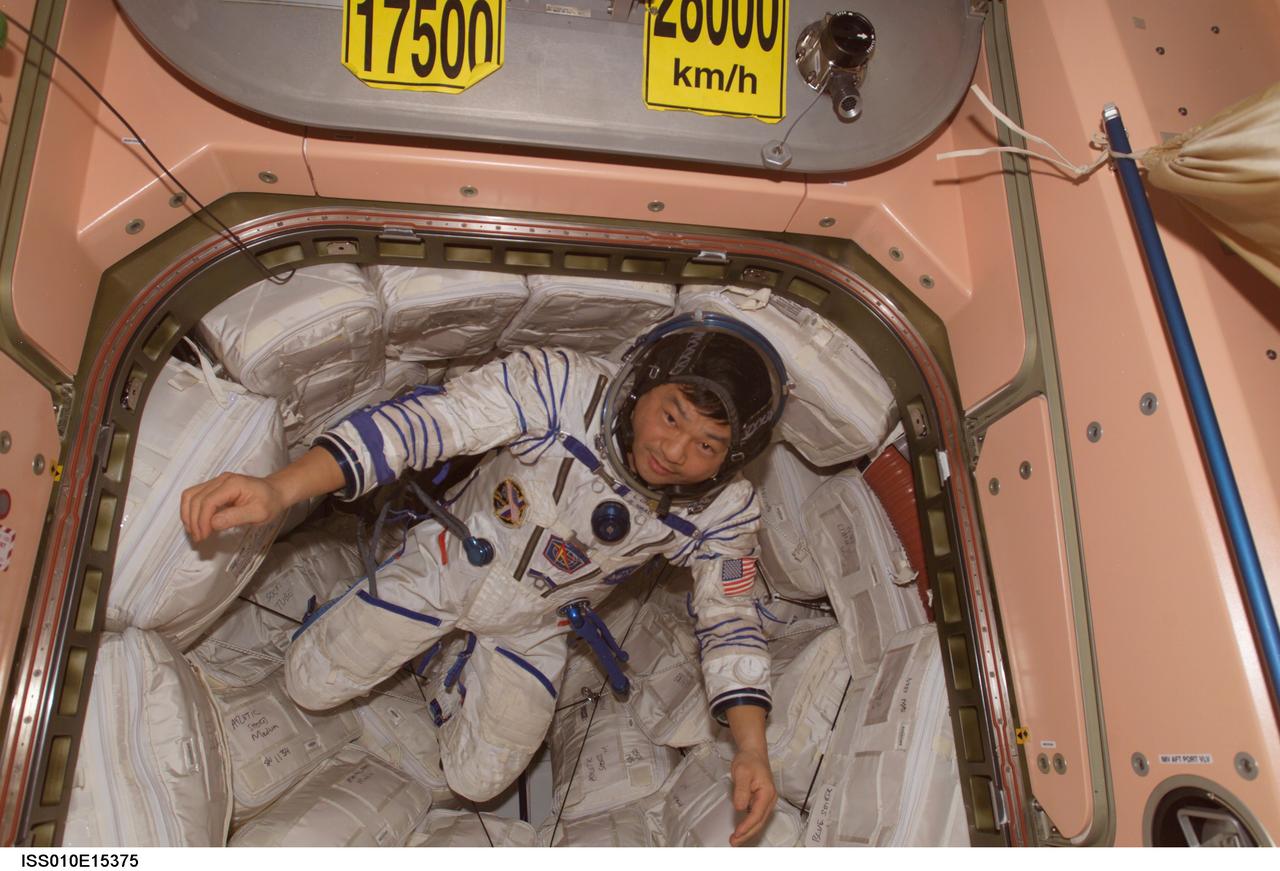
ISS010-E-15375 (1 February 2005) --- Wearing a Russian Sokol suit, astronaut Leroy Chiao, Expedition 10 commander and NASA ISS science officer, floats in a hatch in the Unity node of the International Space Station (ISS).
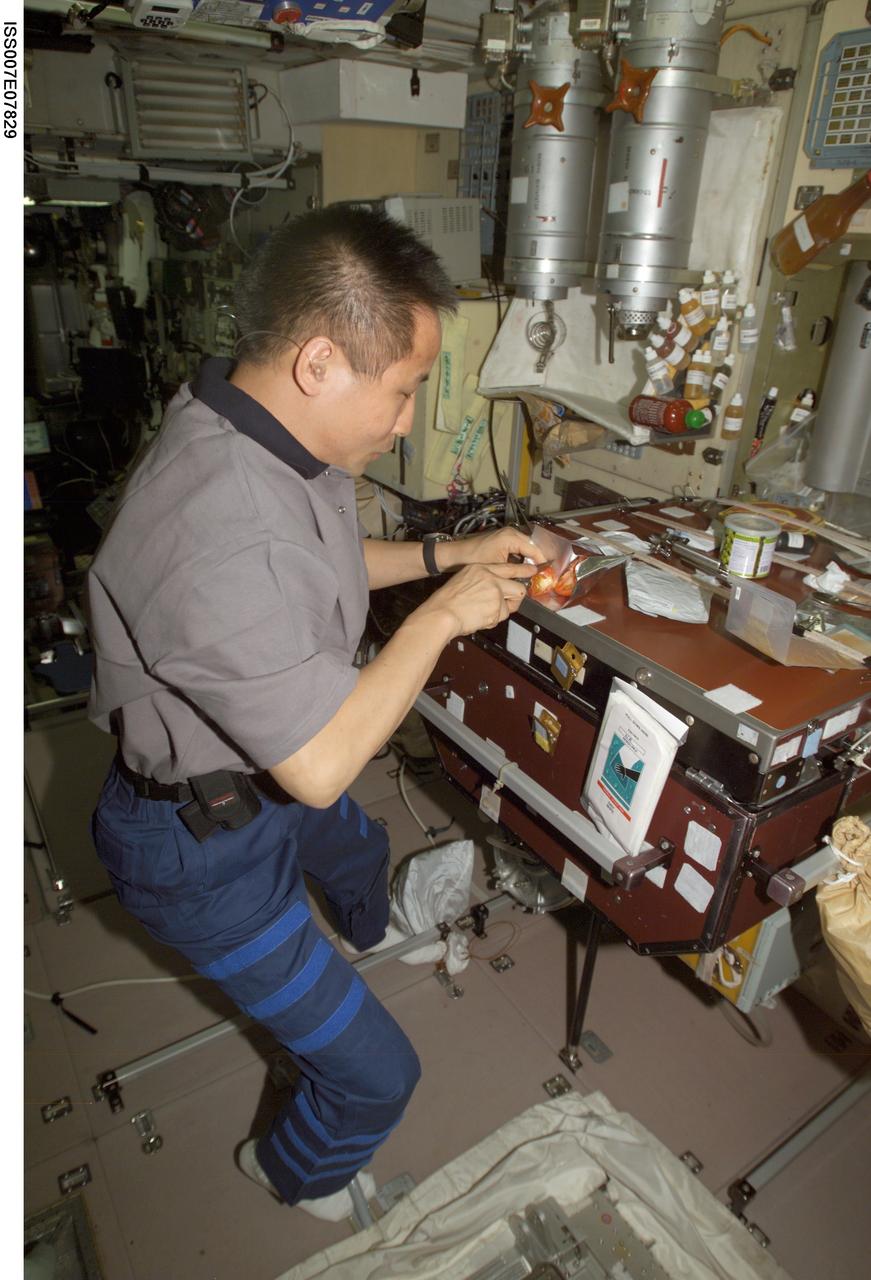
ISS007-E-07829 (21 June 2003) --- Astronaut Edward T. Lu, Expedition 7 NASA ISS science officer and flight engineer, prepares to eat a meal in the Zvezda Service Module on the International Space Station (ISS).
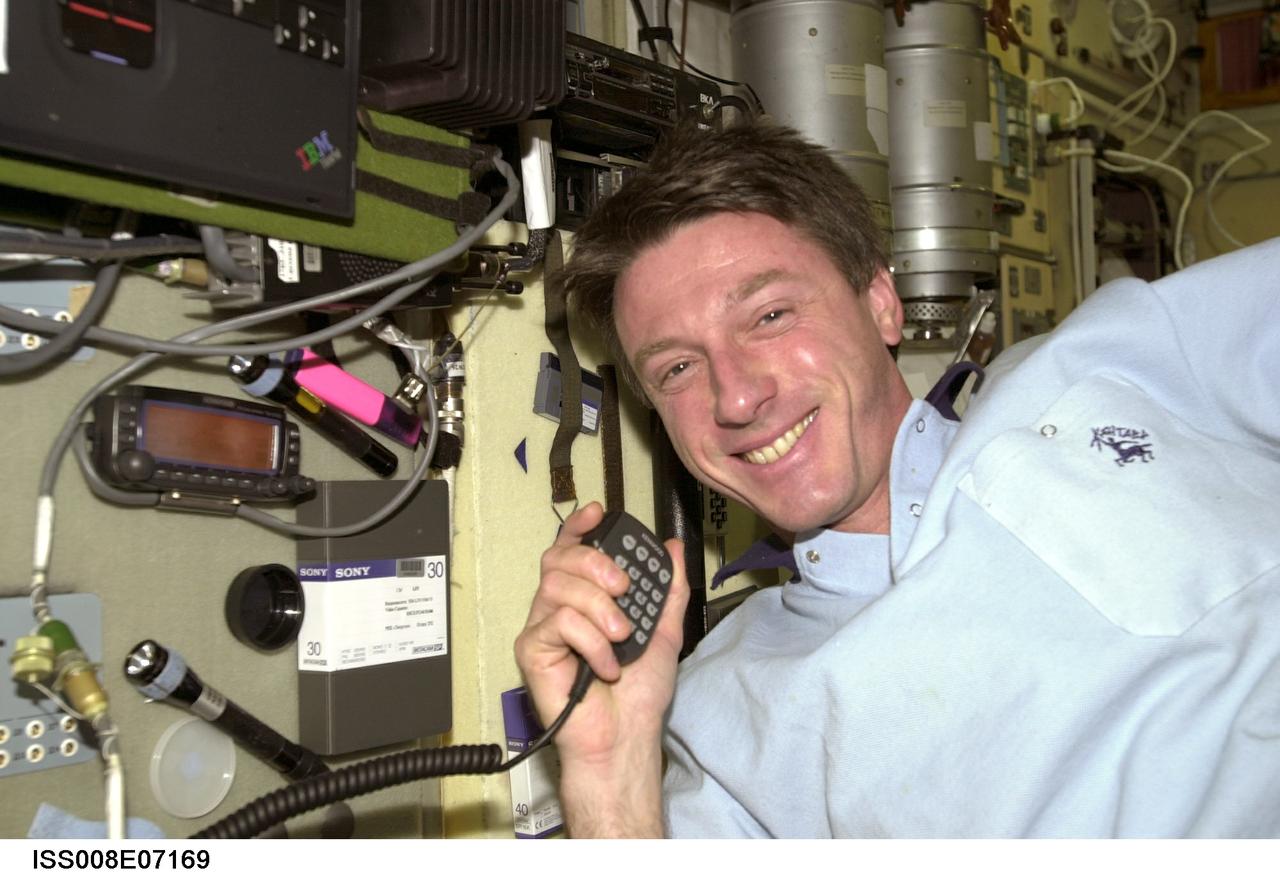
ISS008-E-07169 (December 2003) --- Astronaut C. Michael Foale, Expedition 8 mission commander and NASA ISS science officer, uses a communication system in the Zvezda Service Module on the International Space Station (ISS).
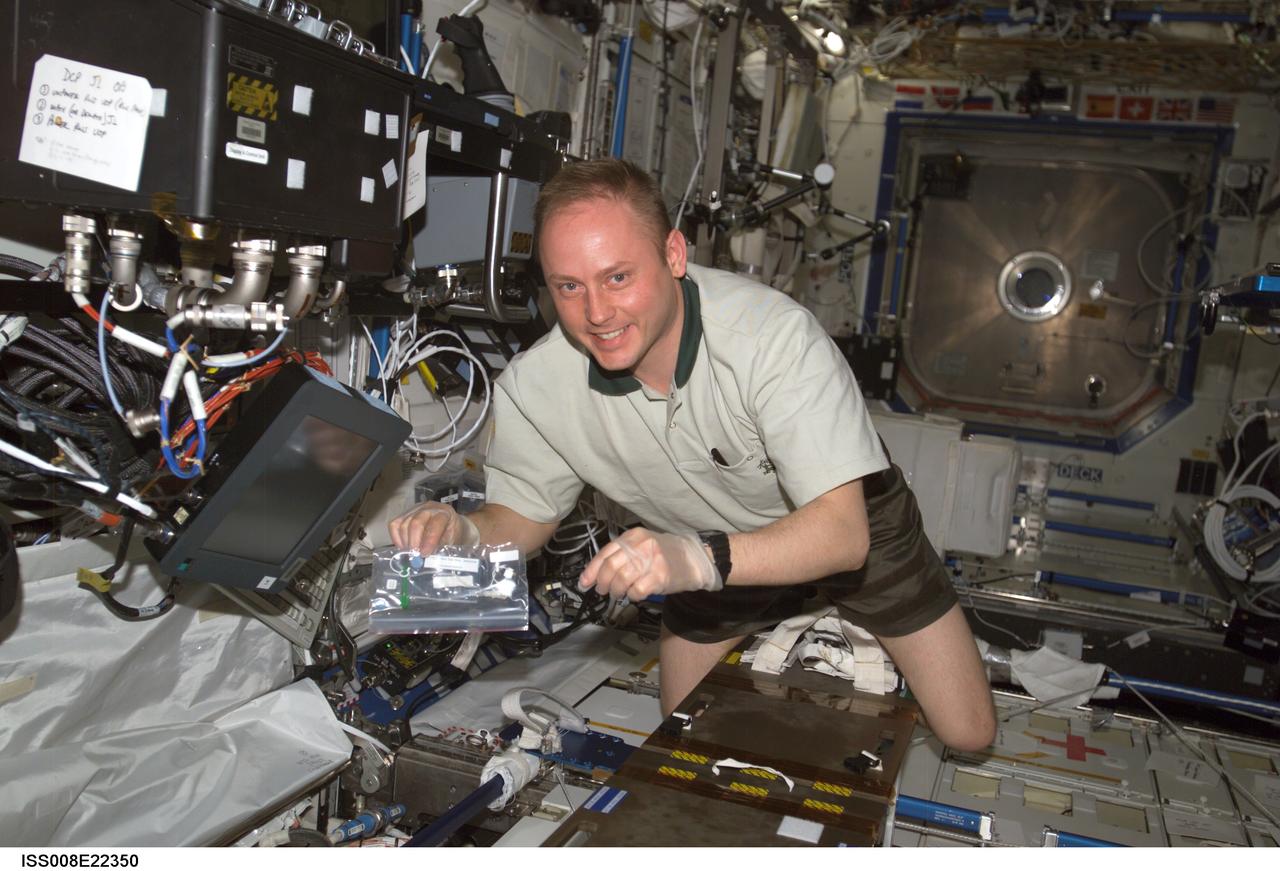
ISS008-E-22350 (27 April 2004) --- Astronaut Edward M. (Mike) Fincke, Expedition 9 NASA ISS science officer and flight engineer, works in the Destiny laboratory of the International Space Station (ISS).
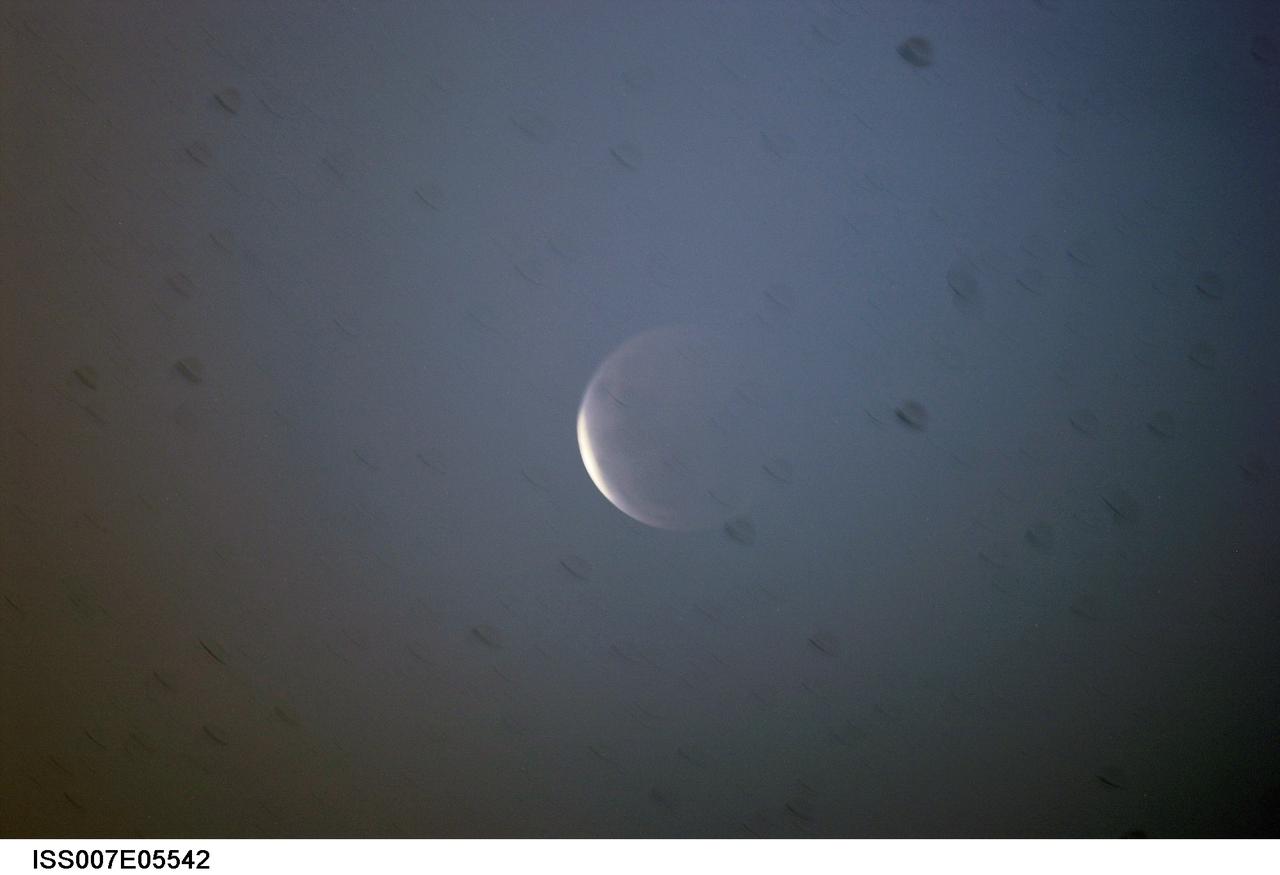
ISS007-E-05542 (15 May 2003) --- This digital image was taken near the time of a total lunar eclipse through a window on the International Space Station (ISS) by Expedition Seven NASA ISS Science Officer Ed Lu.
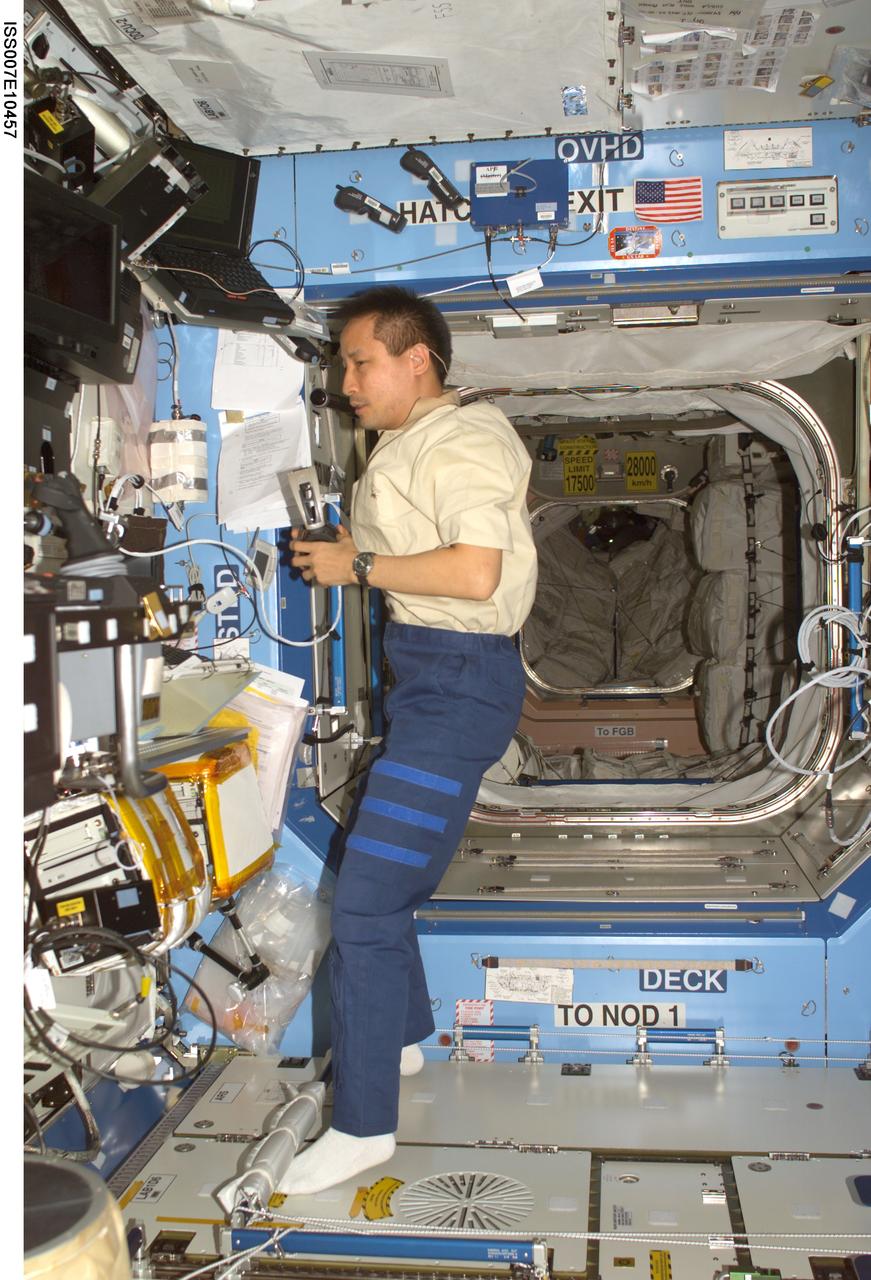
ISS007-E-10457 (14 July 2003) --- Astronaut Edward T. Lu, Expedition 7 NASA ISS science officer and flight engineer, works in the Destiny laboratory on the International Space Station (ISS).
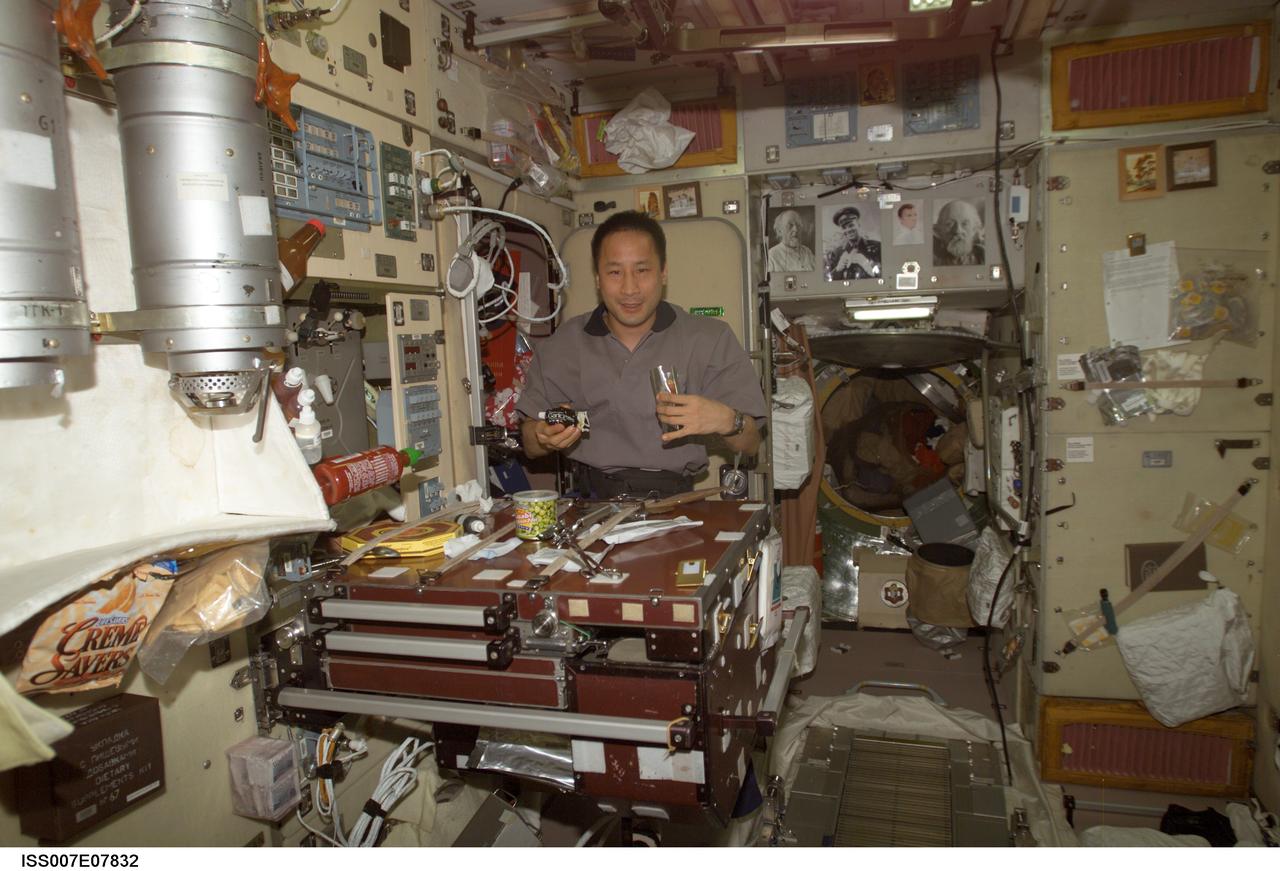
ISS007-E-07832 (21 June 2003) --- Astronaut Edward T. Lu, Expedition 7 NASA ISS science officer and flight engineer, eats a meal in the Zvezda Service Module on the International Space Station (ISS).
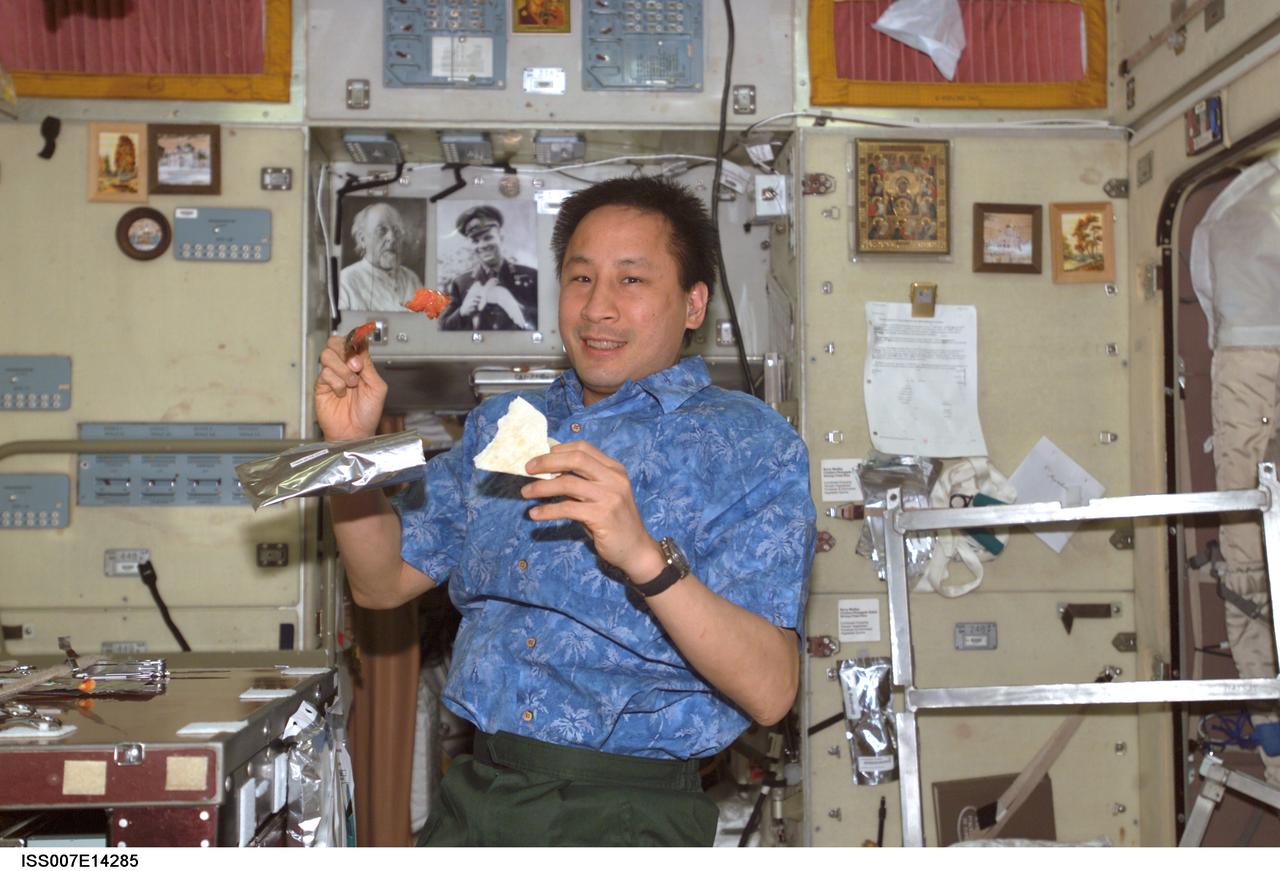
ISS007-E-14285 (1 September 2003) --- Astronaut Edward T. Lu, Expedition 7 NASA ISS science officer and flight engineer, eats a meal in the Zvezda Service Module on the International Space Station (ISS).
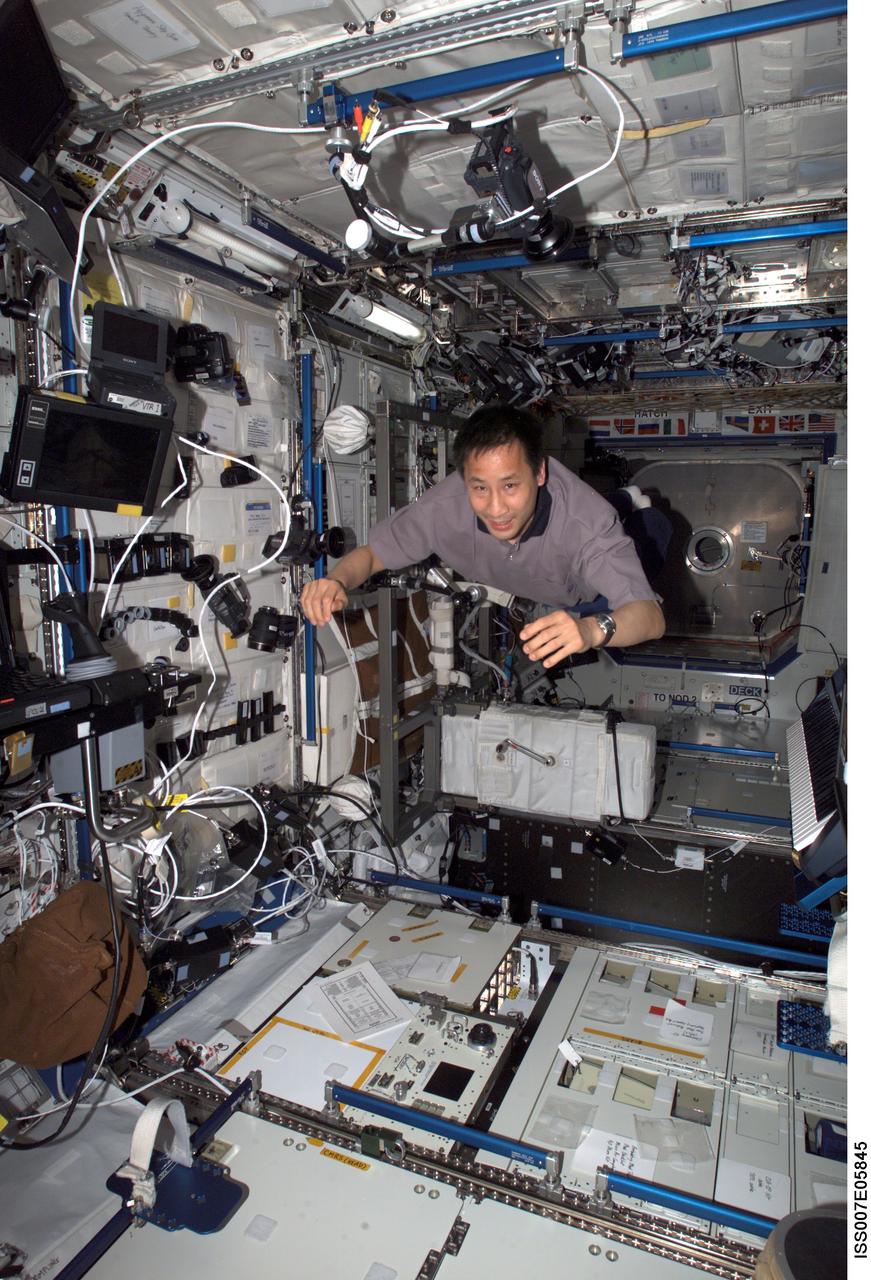
ISS007-E-05845 (26 May 2003) --- Astronaut Edward T. Lu, Expedition Seven NASA ISS science officer and flight engineer, floats in the Destiny laboratory on the International Space Station (ISS).
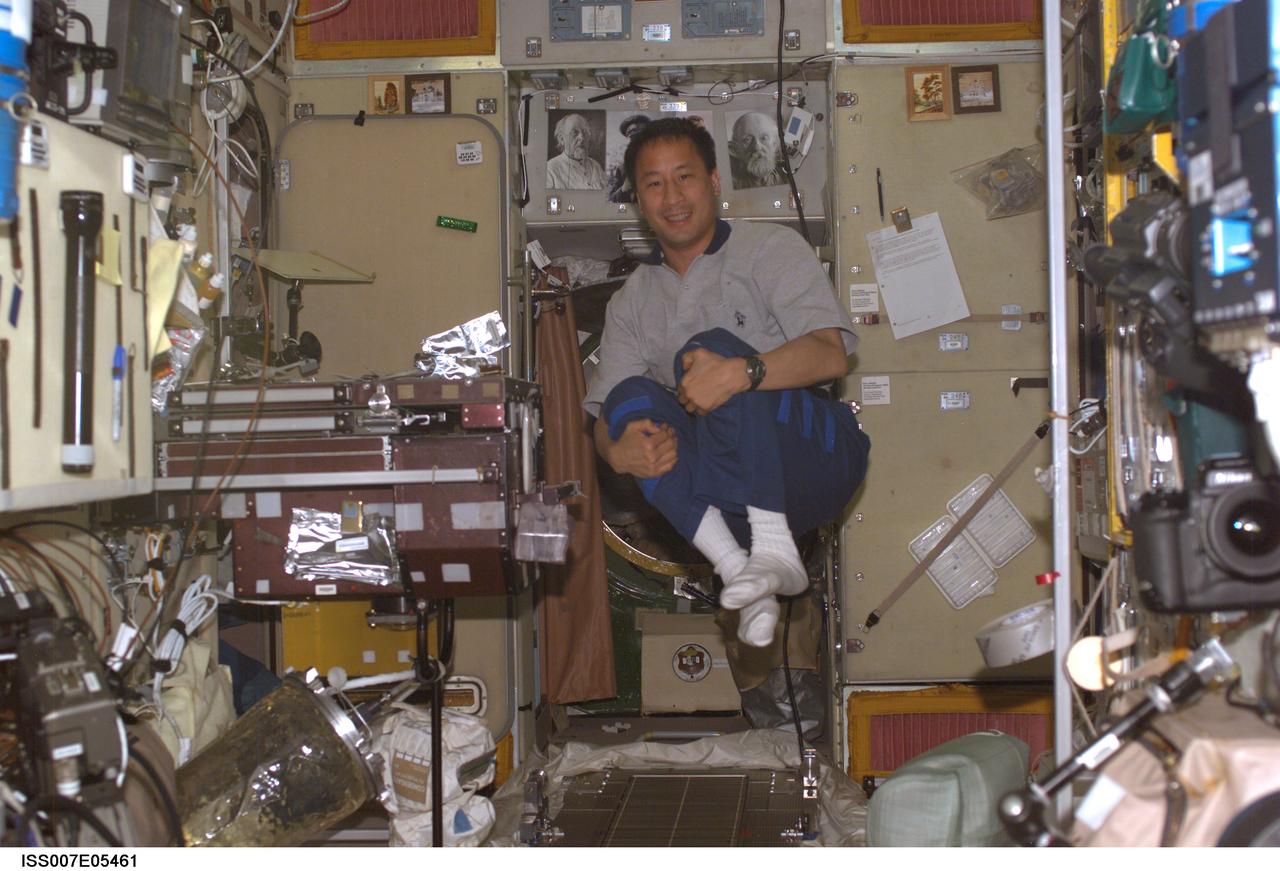
ISS007-E-05461 (15 May 2003) --- Astronaut Edward T. Lu, Expedition Seven NASA ISS science officer and flight engineer, floats in the Zvezda Service Module on the International Space Station (ISS).
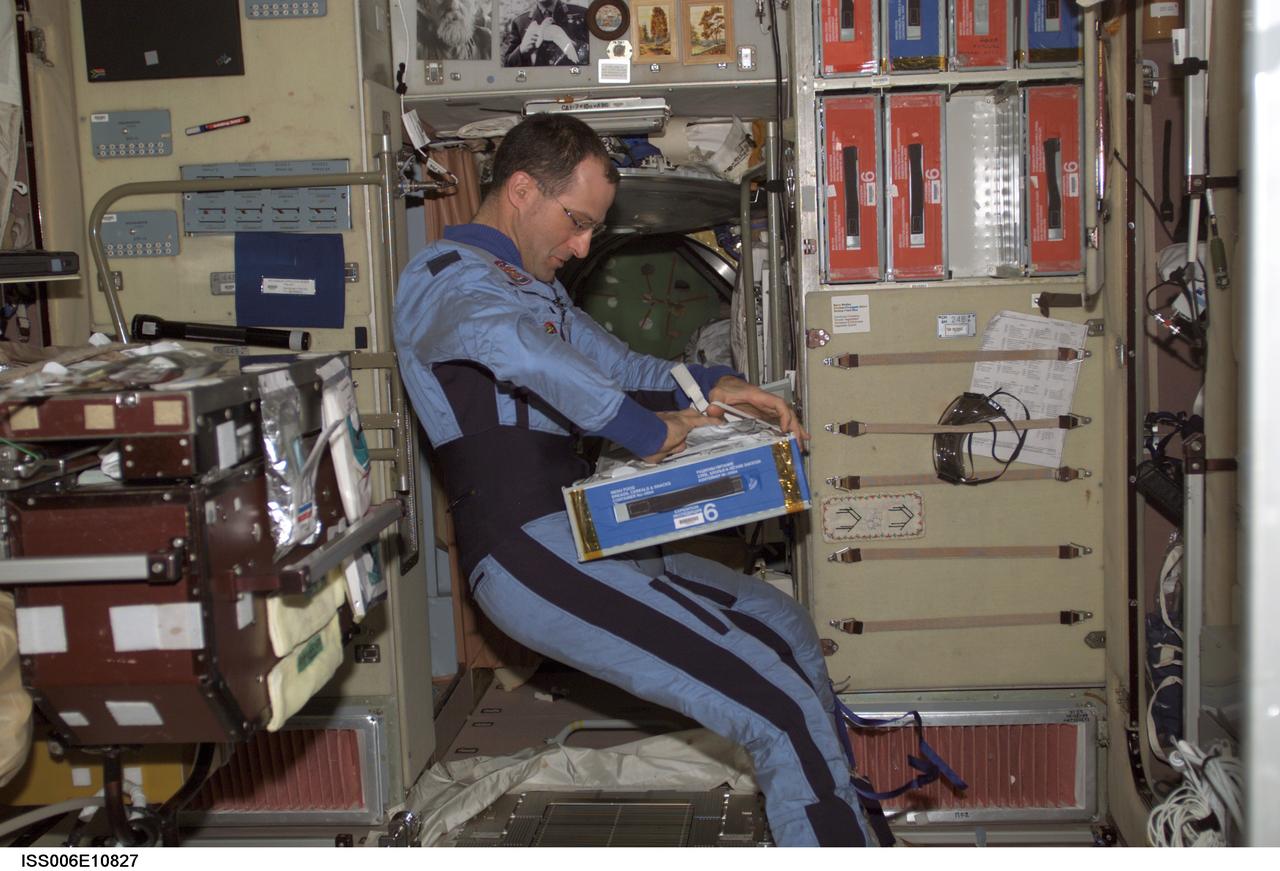
ISS006-E-10827 (19 December 2002) --- Astronaut Donald R. Pettit, Expedition Six NASA ISS science officer, works in the Zvezda Service Module on the International Space Station (ISS).
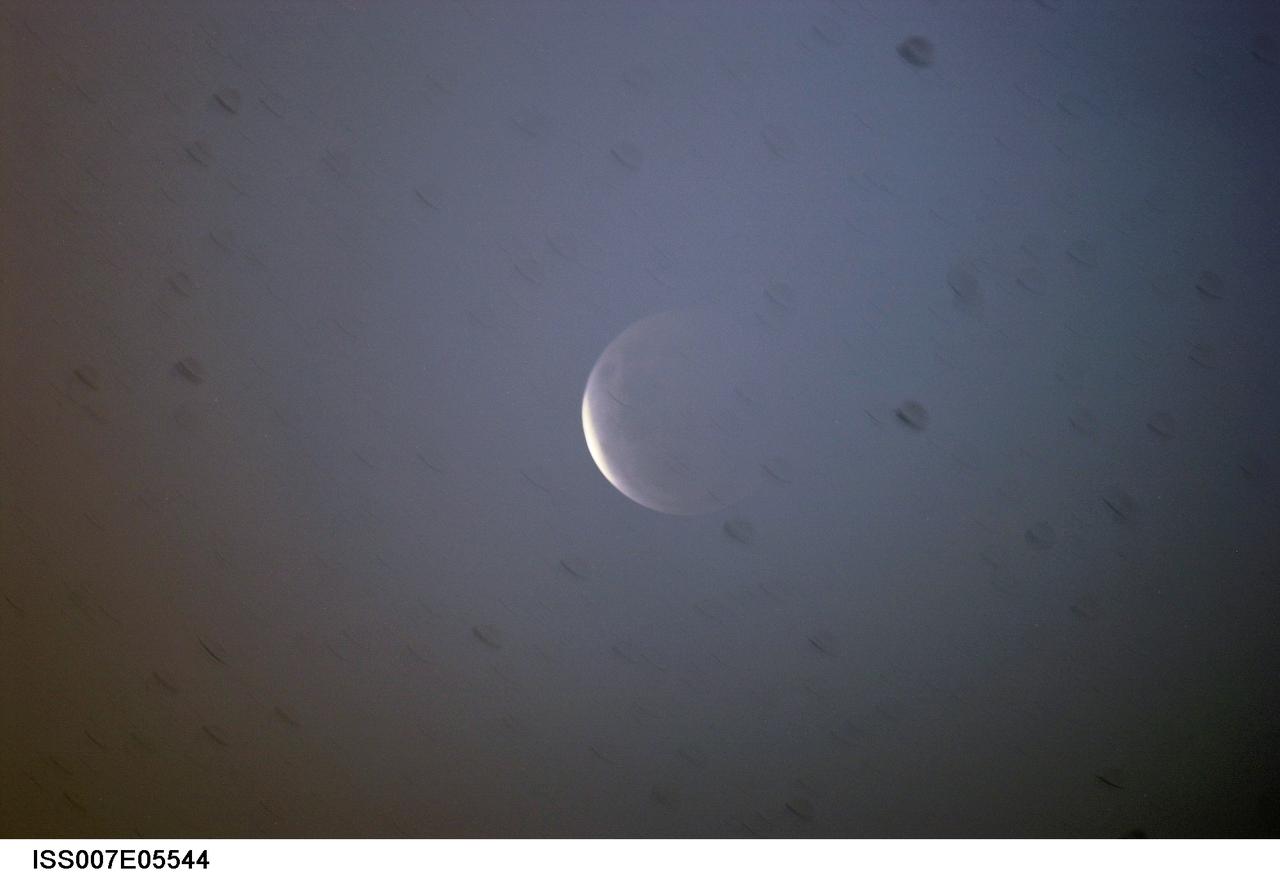
ISS007-E-05544 (15 May 2003) --- This digital image was taken near the time of a total lunar eclipse through a window on the International Space Station (ISS) by Expedition Seven NASA ISS Science Officer Ed Lu.
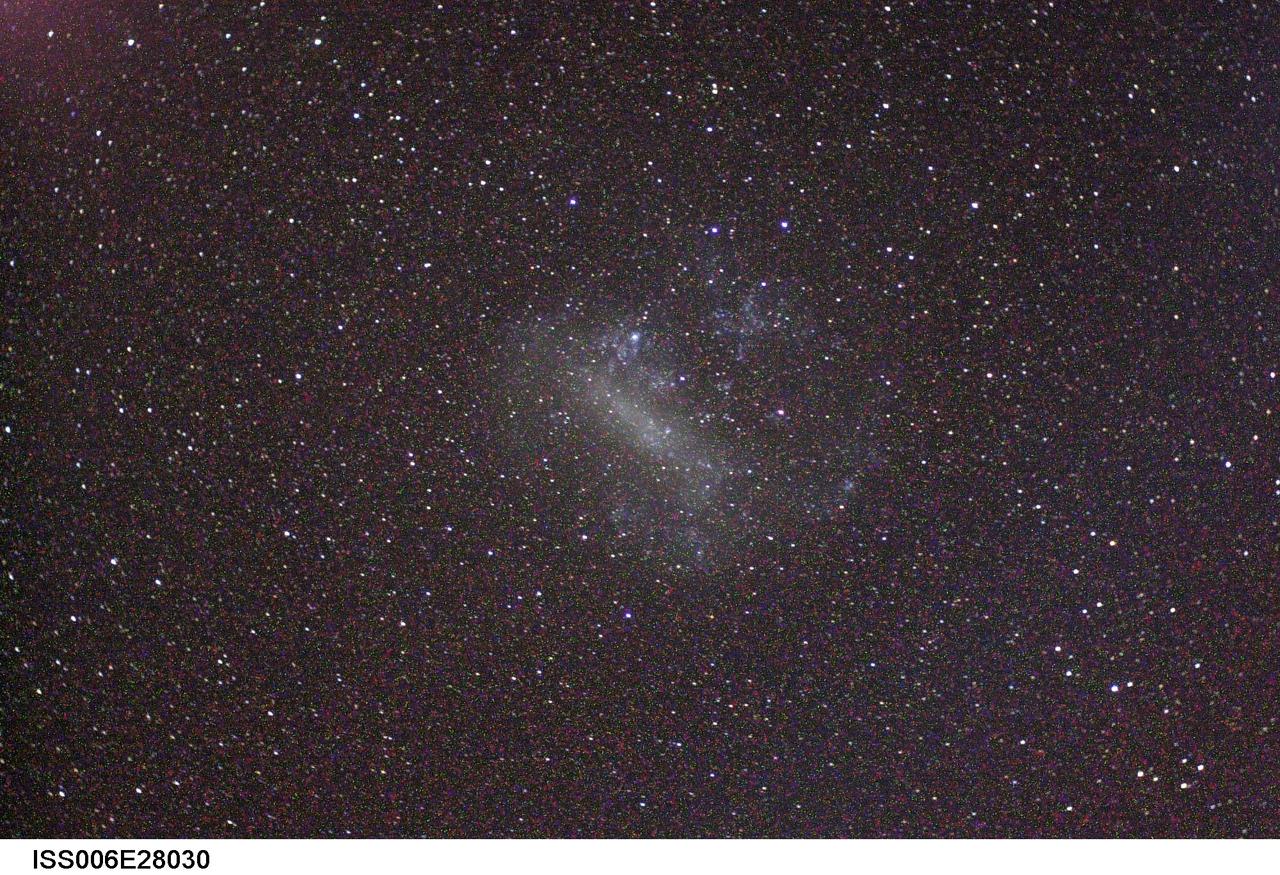
ISS006-E-28030 (February 2003) --- The Large Magellanic Cloud appears in the center of this frame photographed by astronaut Donald R. Pettit, Expedition Six NASA ISS science officer, on board the International Space Station (ISS).
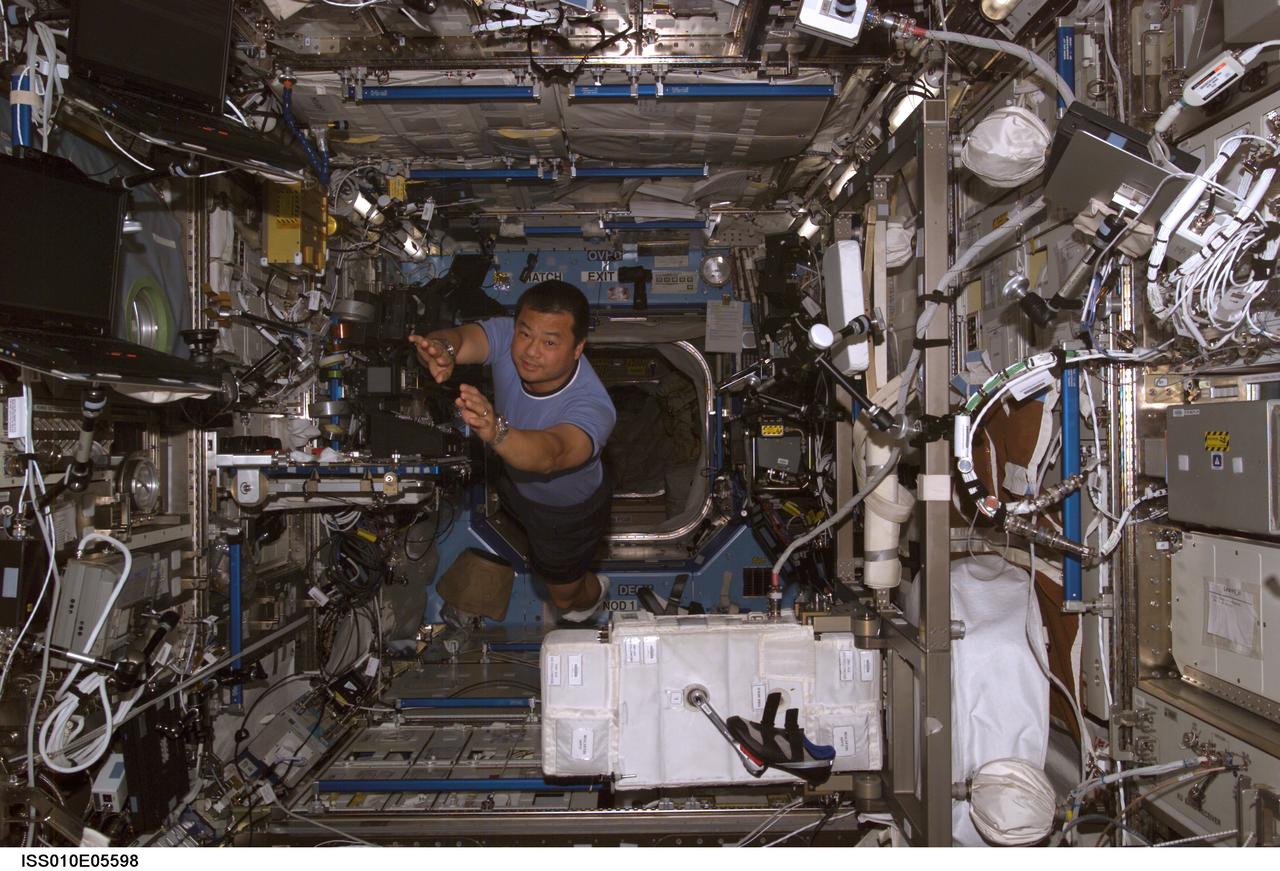
ISS010-E-05598 (31 October 2004) --- Astronaut Leroy Chiao, Expedition 10 commander and NASA ISS science officer, floats in the Destiny laboratory of the International Space Station (ISS).
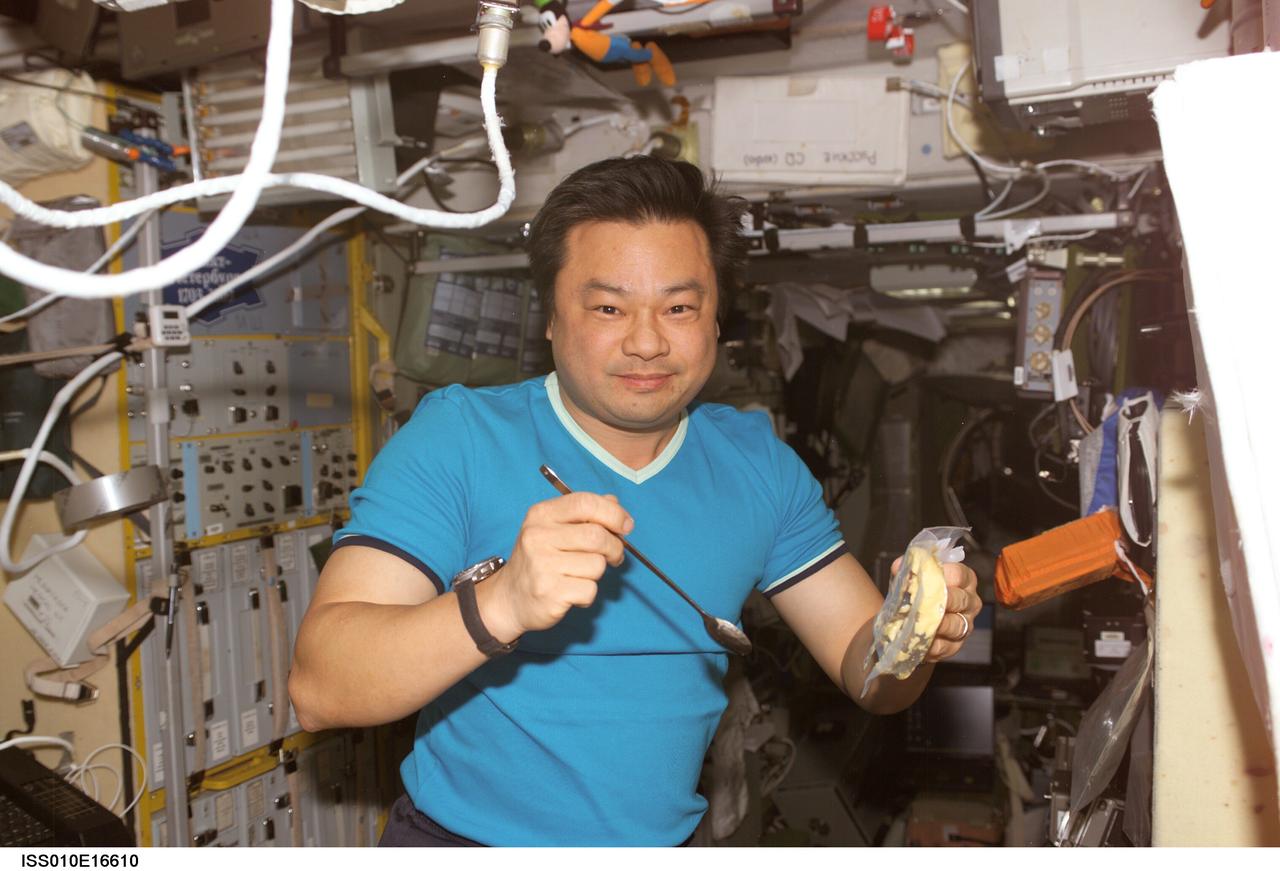
ISS010-E-16610 (6 February 2005) --- Astronaut Leroy Chiao, Expedition 10 commander and NASA ISS science officer, eats a meal in the Zvezda Service Module of the International Space Station (ISS).
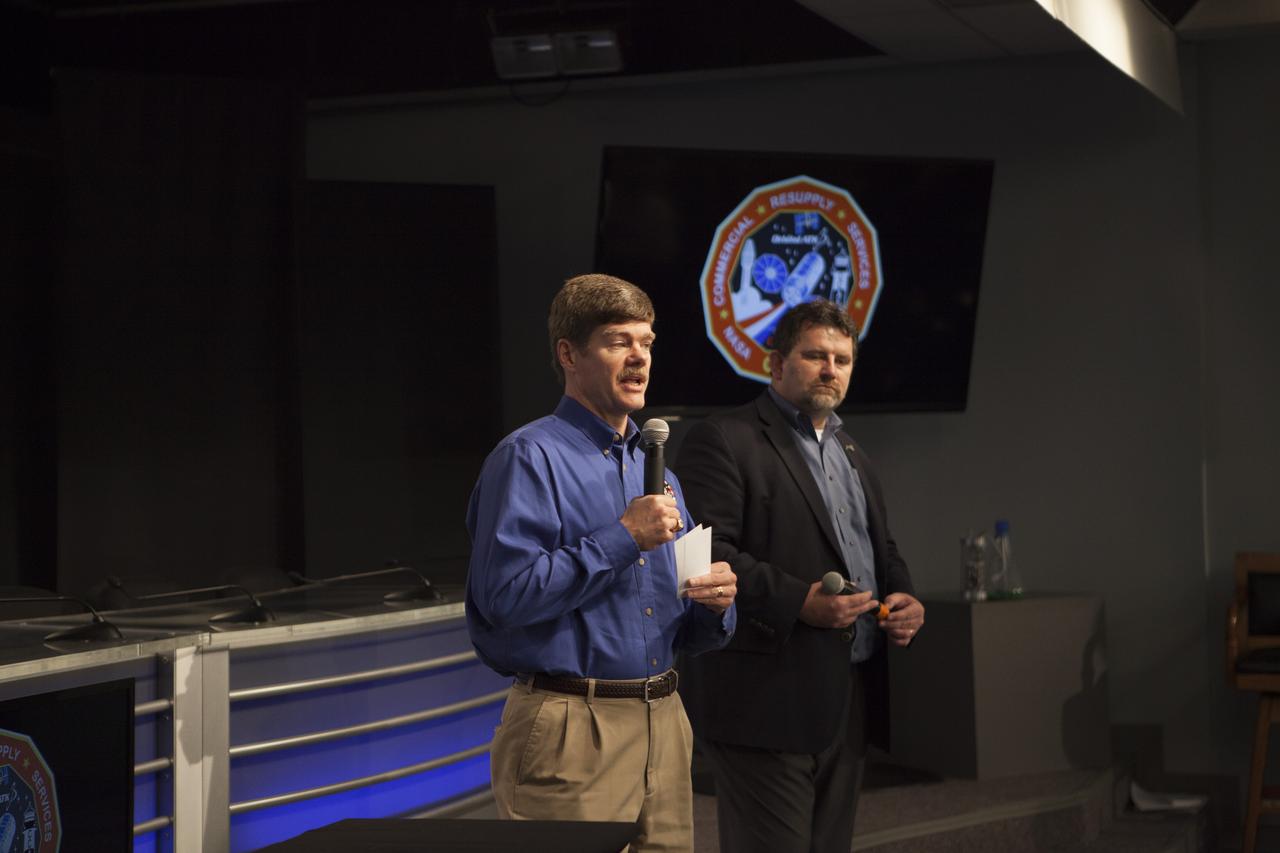
In the Kennedy Space Center’s Press Site auditorium, members of the media participate in a briefing on science research and technology work planned for the International Space Station, or ISS. NASA is preparing for the launch of a Cygnus spacecraft on the Orbital ATK CRS-6 commercial resupply services mission to the ISS. From left are: Pete Hasbrook, NASA associate program scientist for the ISS Program at the Johnson Space Center in Houston, and Dr. Michael Roberts, deputy chief scientist for the Center for the Advancement for Science in Space, or CASIS.
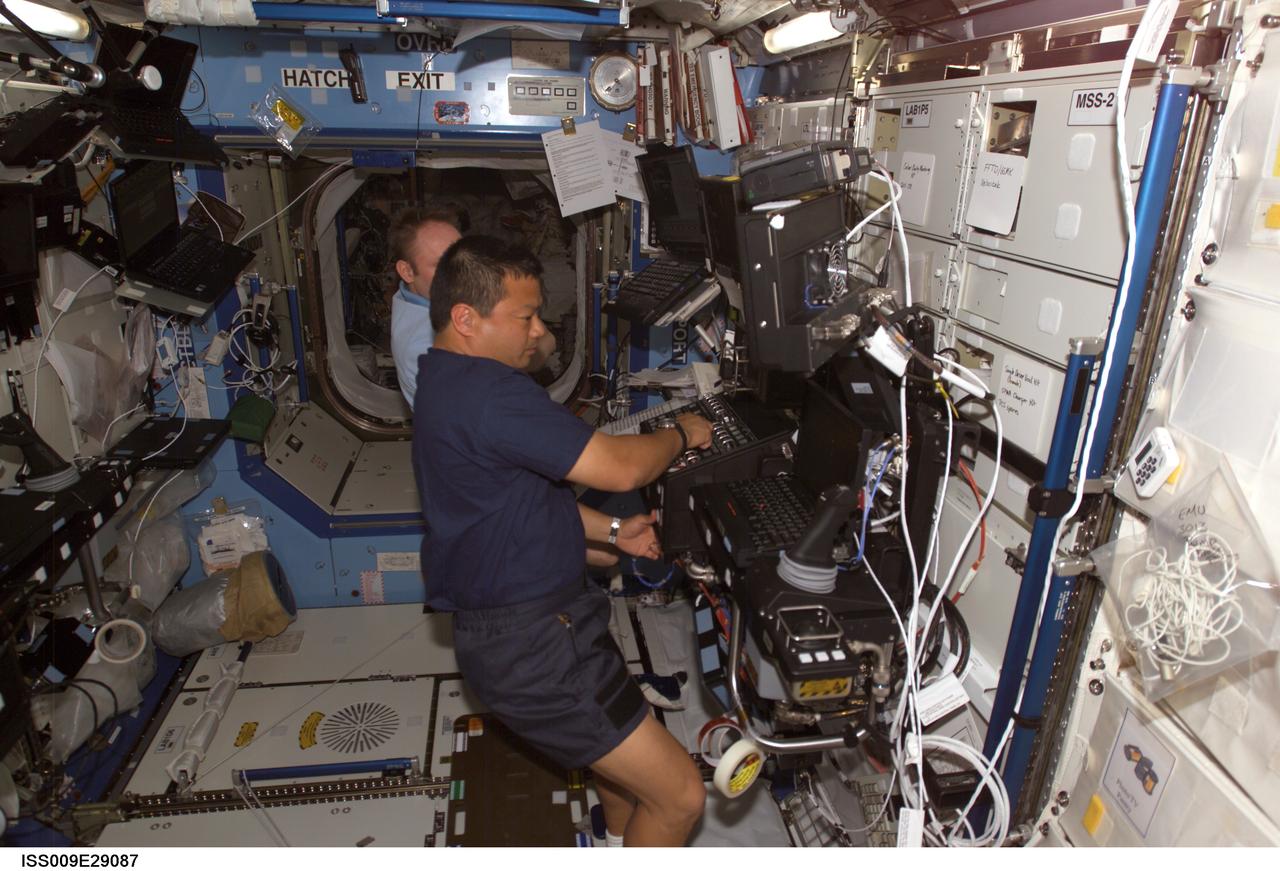
ISS009-E-29087 (18 October 2004) --- Astronaut Edward M. (Mike) Fincke (partially obscured), Expedition 9 NASA ISS science officer and flight engineer, takes astronaut Leroy Chiao, Expedition 10 commander and NASA ISS science officer, through a familiarization session with the Mobile Service System (MSS) and hands-on experience with the Canadarm2, or Space Station Remote Manipulator System (SSRMS) in the Destiny laboratory of the International Space Station (ISS).
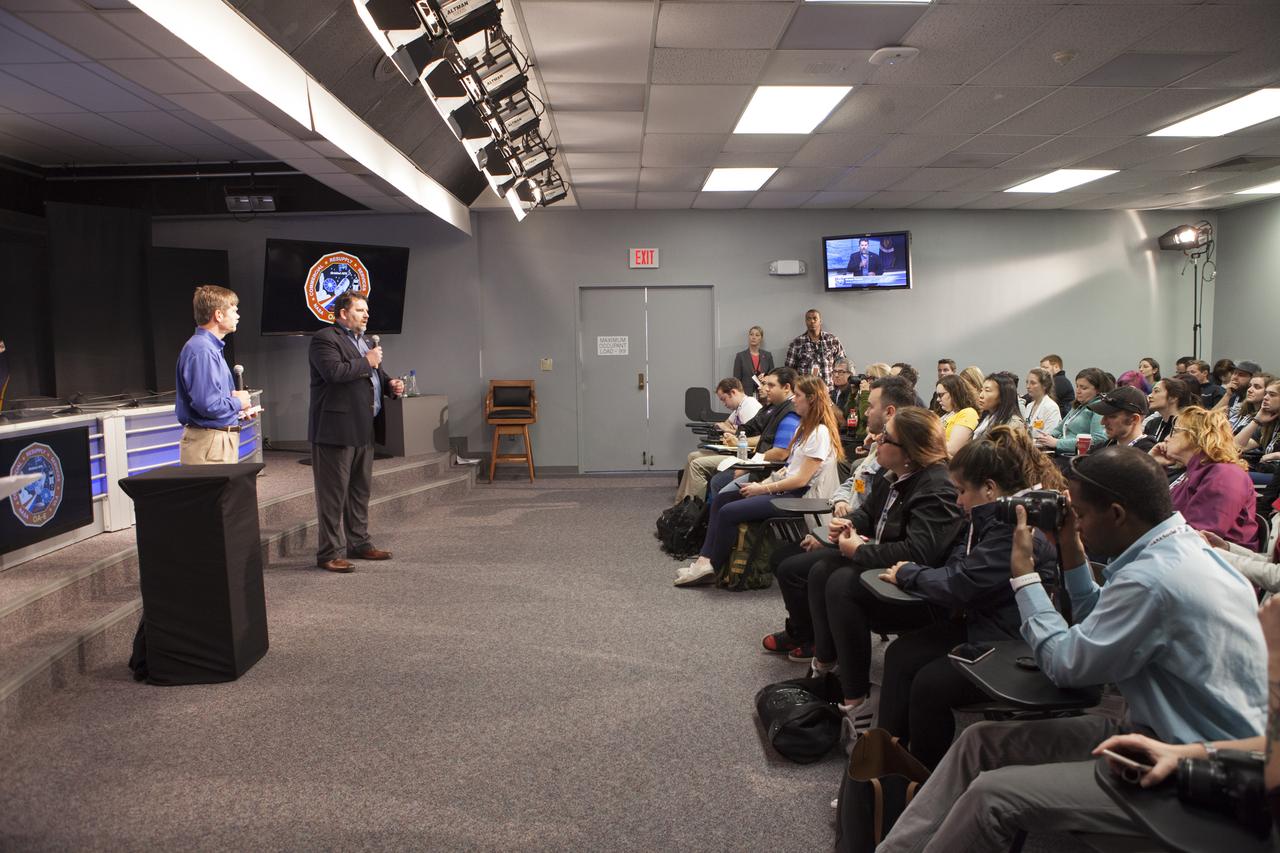
In the Kennedy Space Center’s Press Site auditorium, members of the media participate in a briefing on science research and technology work planned for the International Space Station, or ISS. NASA is preparing for the launch of a Cygnus spacecraft on the Orbital ATK CRS-6 commercial resupply services mission to the ISS. From left are: Pete Hasbrook, NASA associate program scientist for the ISS Program at the Johnson Space Center in Houston, and Dr. Michael Roberts, deputy chief scientist for the Center for the Advancement for Science in Space, or CASIS.
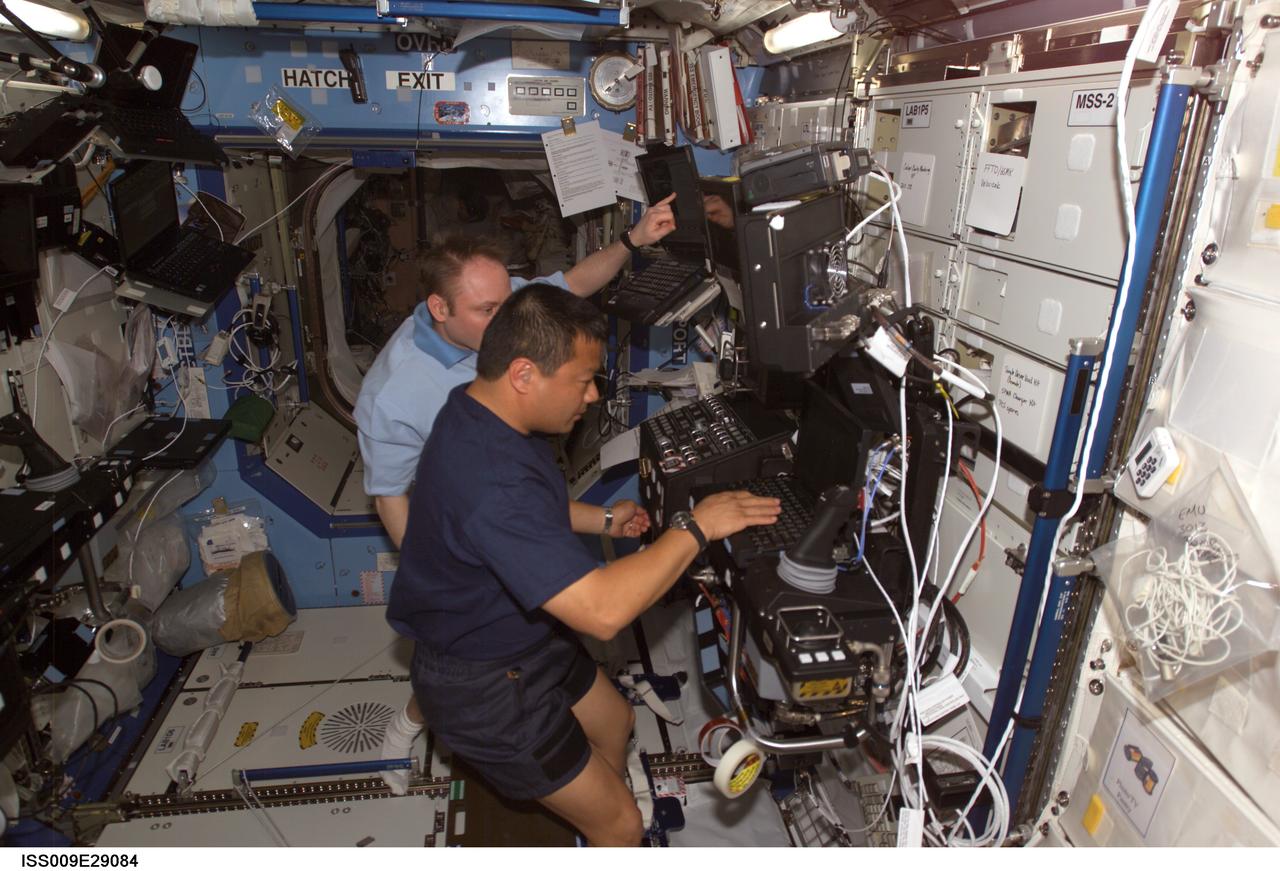
ISS009-E-29084 (18 October 2004) --- Astronaut Edward M. (Mike) Fincke (partially obscured), Expedition 9 NASA ISS science officer and flight engineer, takes astronaut Leroy Chiao, Expedition 10 commander and NASA ISS science officer, through a familiarization session with the Mobile Service System (MSS) and hands-on experience with the Canadarm2, or Space Station Remote Manipulator System (SSRMS) in the Destiny laboratory of the International Space Station (ISS).
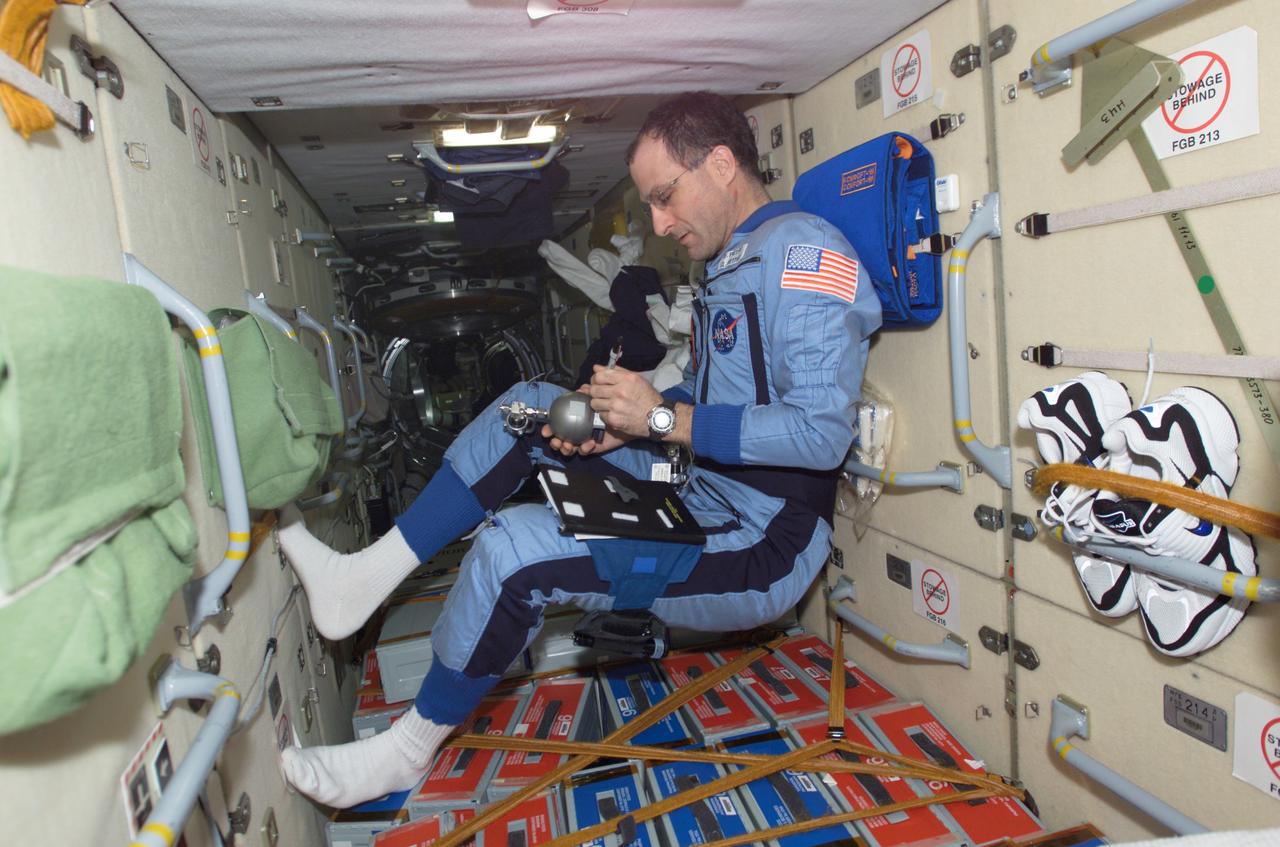
ISS006-E-20835 (22 January 2003) --- Astronaut Donald R. Pettit, Expedition 6 NASA ISS science officer, holds a Grab Sample Container (GSC) in the functional cargo block (FGB), or Zarya, on the International Space Station (ISS). GSC is used for collecting air samples as part of ISS environmental monitoring.
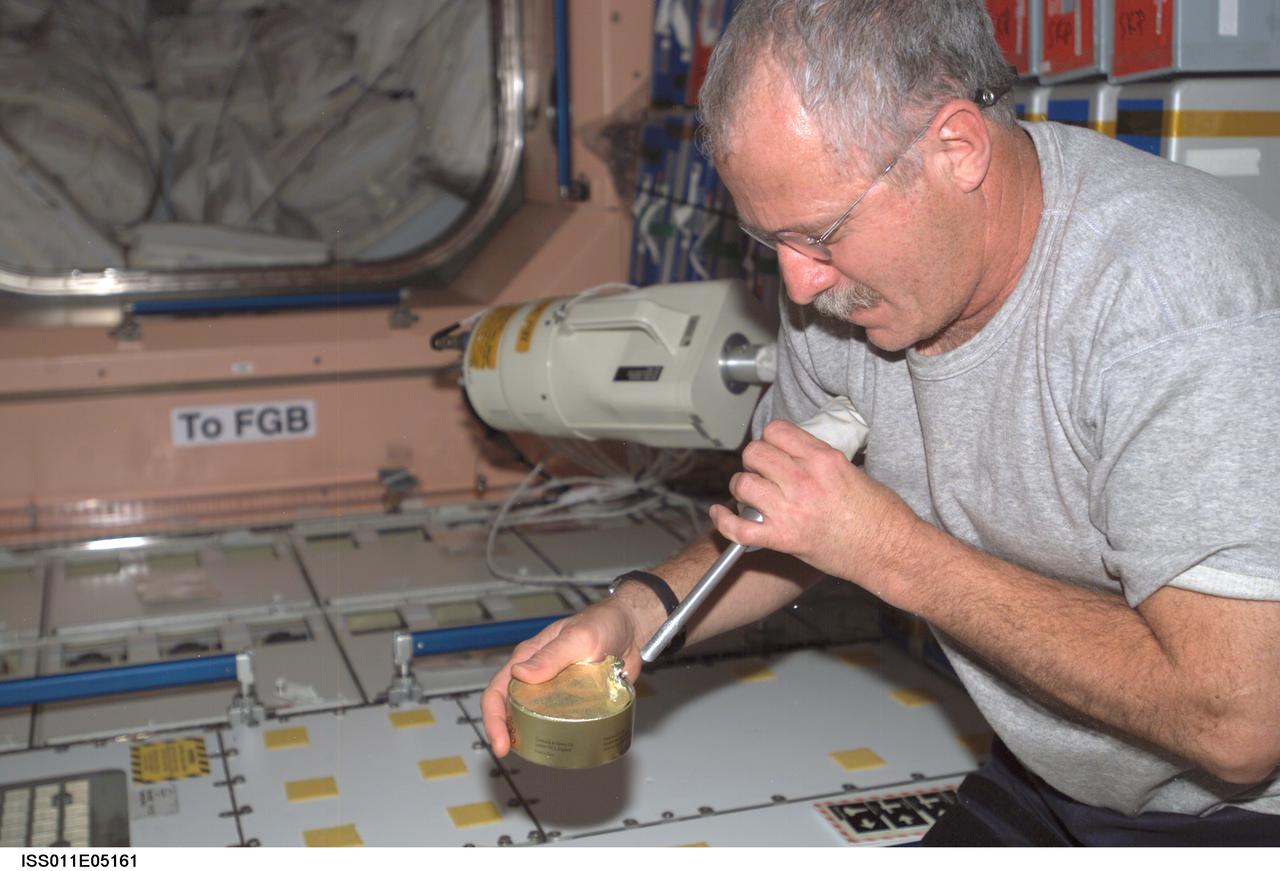
ISS011-E-05161 (17 April 2005) --- Astronaut John L. Phillips, Expedition 11 NASA ISS science officer and flight engineer, uses the ISS wet/dry vacuum cleaner assembly to catch floating debris from the top of a food can in the Unity node of the International Space Station (ISS).
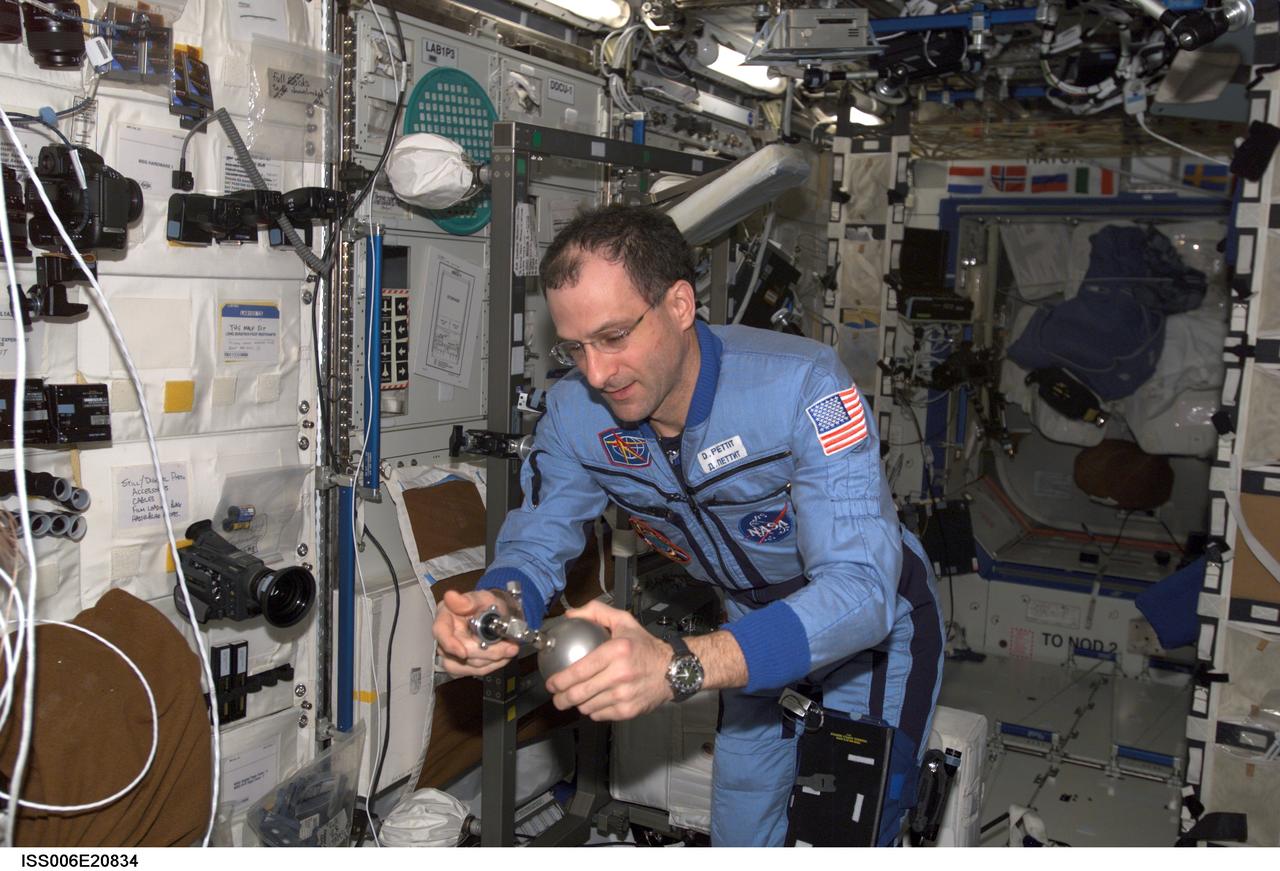
ISS006-E-20834 (22 January 2003) --- Astronaut Donald R. Pettit, Expedition Six NASA ISS science officer, holds a Grab Sample Container (GSC) in the Destiny laboratory on the International Space Station (ISS). GSC is used for collecting air samples as part of ISS environmental monitoring.
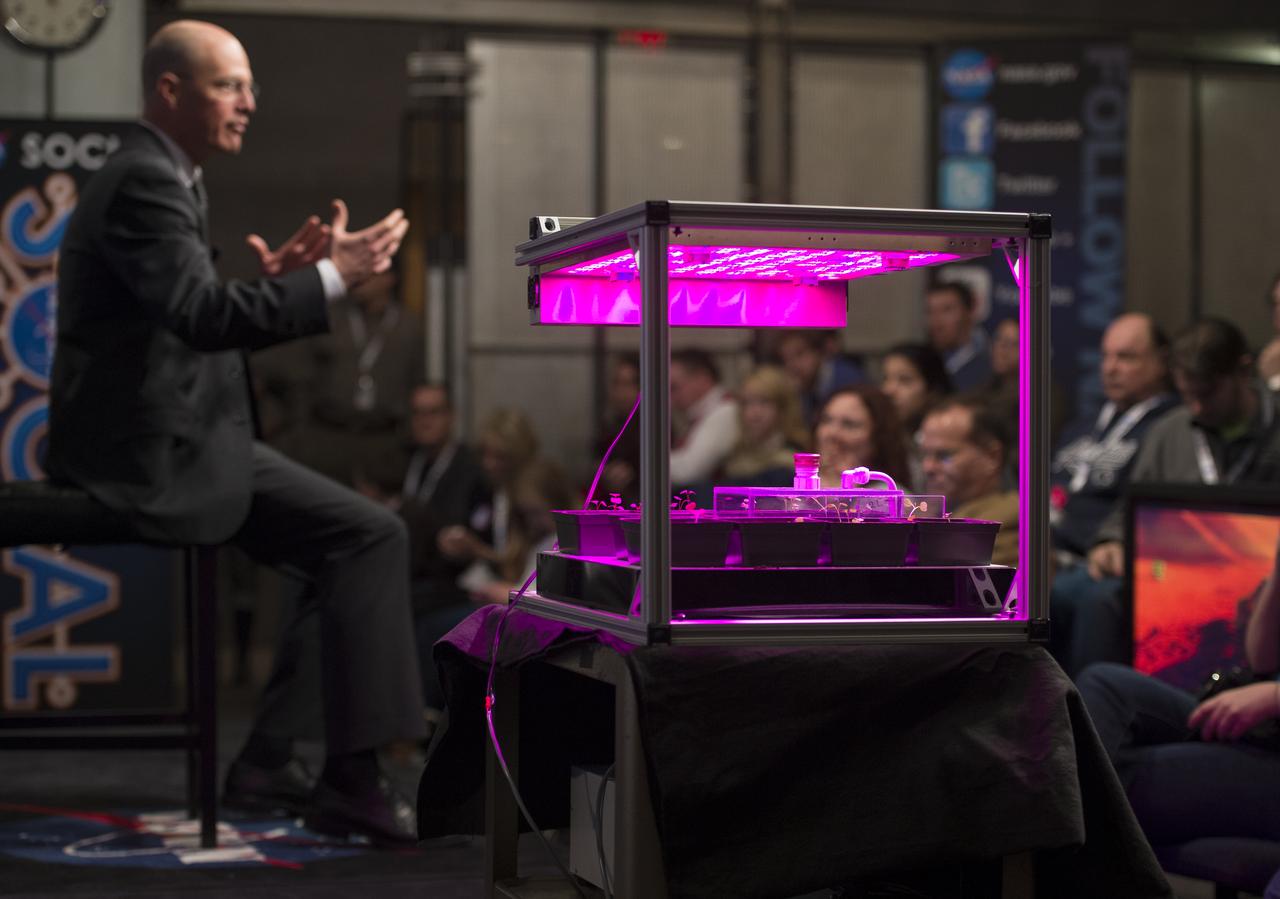
Marshall Porterfield, Life and Physical Sciences Division Director at NASA Headquarters, talks about the human body in microgravity and other life sciences at a NASA Social exploring science on the ISS at NASA Headquarters, Wednesday, Feb. 20, 2013 in Washington. In the foreground is pictured Veggie, a container used for growing plants on the ISS. Photo Credit: (NASA/Carla Cioffi)
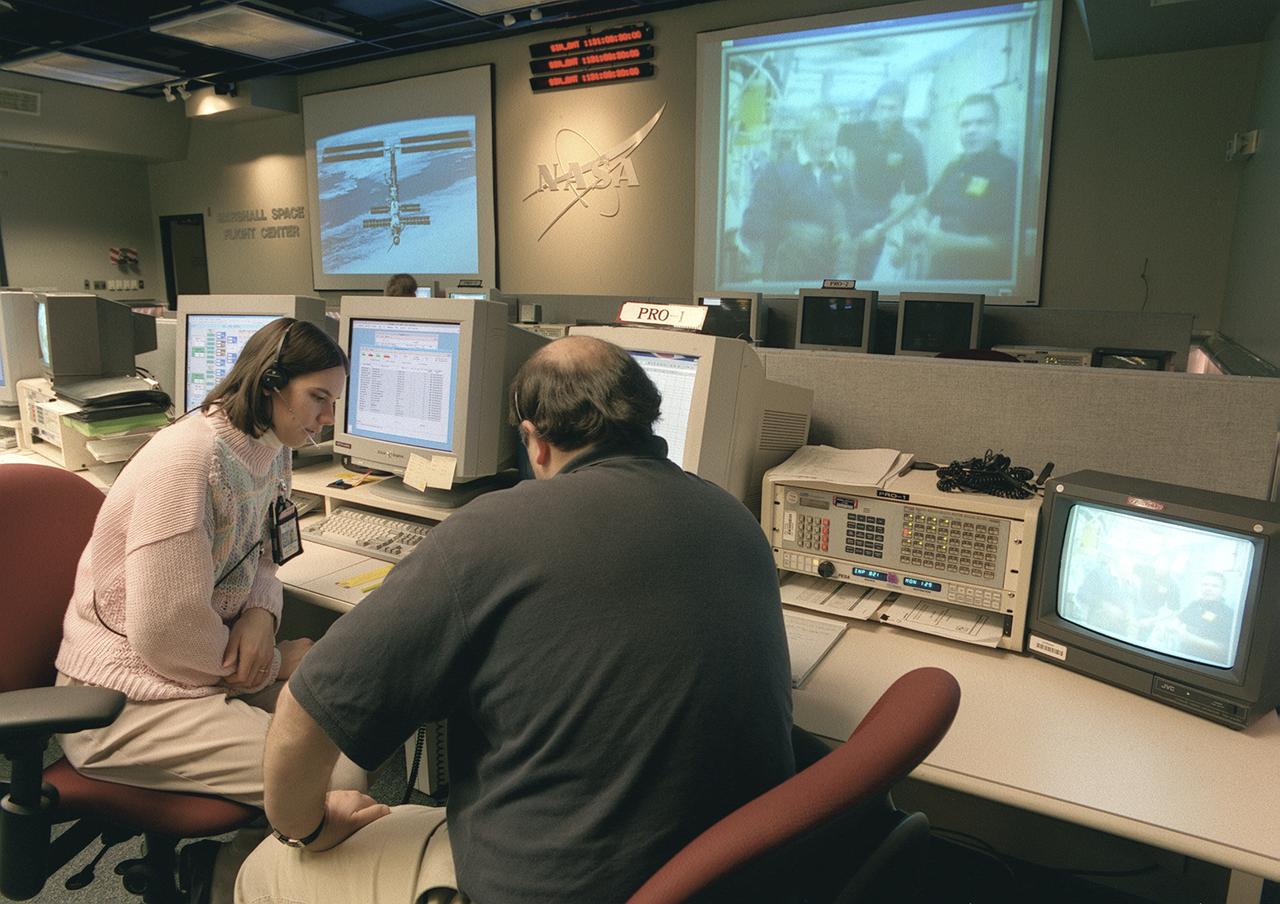
The Payload Operations Center (POC) is the science command post for the International Space Station (ISS). Located at NASA's Marshall Space Flight Center in Huntsville, Alabama, it is the focal point for American and international science activities aboard the ISS. The POC's unique capabilities allow science experts and researchers around the world to perform cutting-edge science in the unique microgravity environment of space. The POC is staffed around the clock by shifts of payload flight controllers. At any given time, 8 to 10 flight controllers are on consoles operating, plarning for, and controlling various systems and payloads. This photograph shows a Payload Rack Officer (PRO) at a work station. The PRO is linked by a computer to all payload racks aboard the ISS. The PRO monitors and configures the resources and environment for science experiments including EXPRESS Racks, multiple-payload racks designed for commercial payloads.
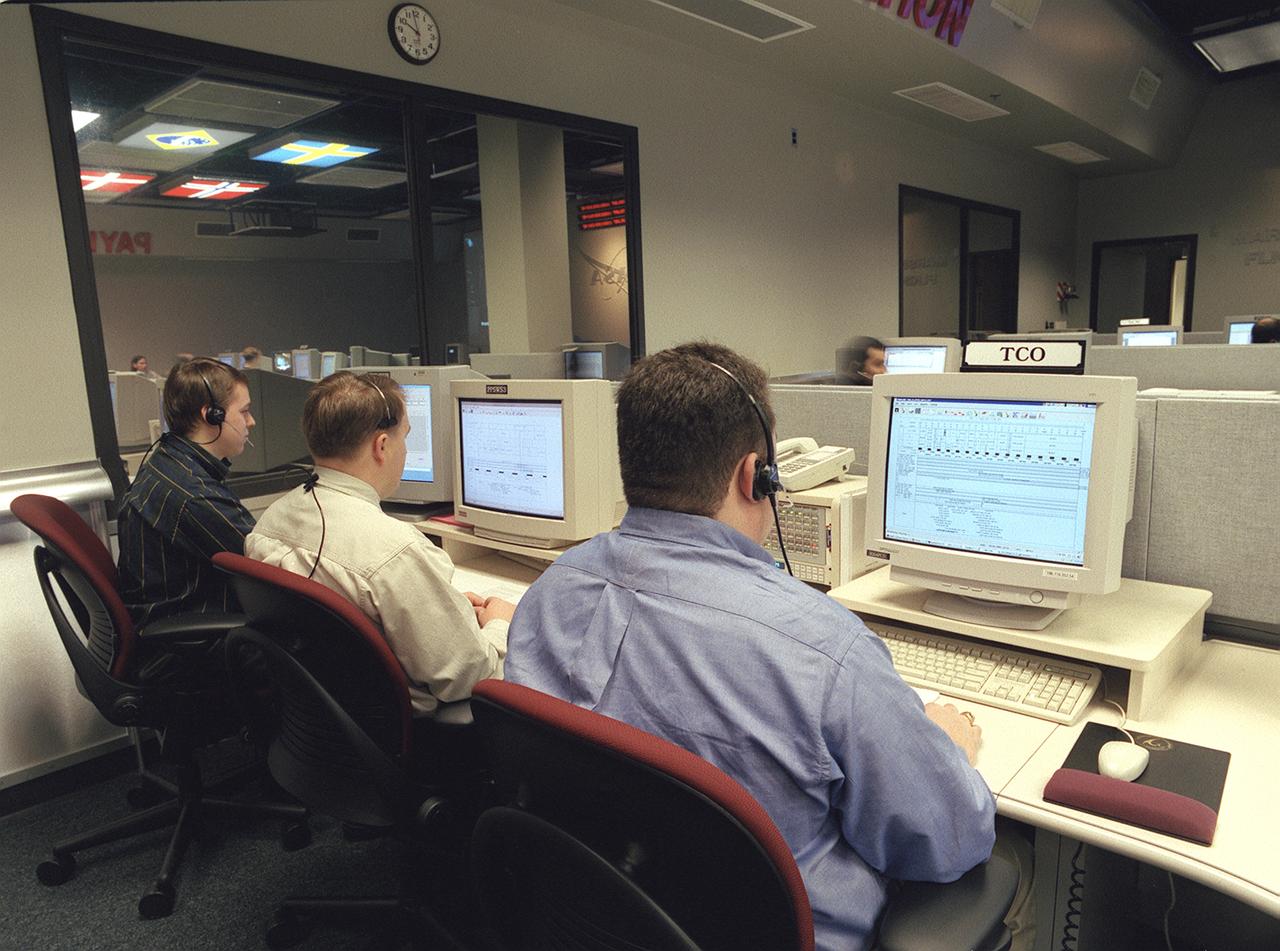
The Payload Operations Center (POC) is the science command post for the International Space Station (ISS). Located at NASA's Marshall Space Flight Center in Huntsville, Alabama, it is the focal point for American and international science activities aboard the ISS. The POC's unique capabilities allow science experts and researchers around the world to perform cutting-edge science in the unique microgravity environment of space. The POC is staffed around the clock by shifts of payload flight controllers. At any given time, 8 to 10 flight controllers are on consoles operating, plarning for, and controlling various systems and payloads. This photograph shows the Timeline Change Officer (TCO) at a work station. The TCO maintains the daily schedule of science activities and work assignments, and works with planners at Mission Control at Johnson Space Center in Houston, Texas, to ensure payload activities are accommodated in overall ISS plans and schedules.
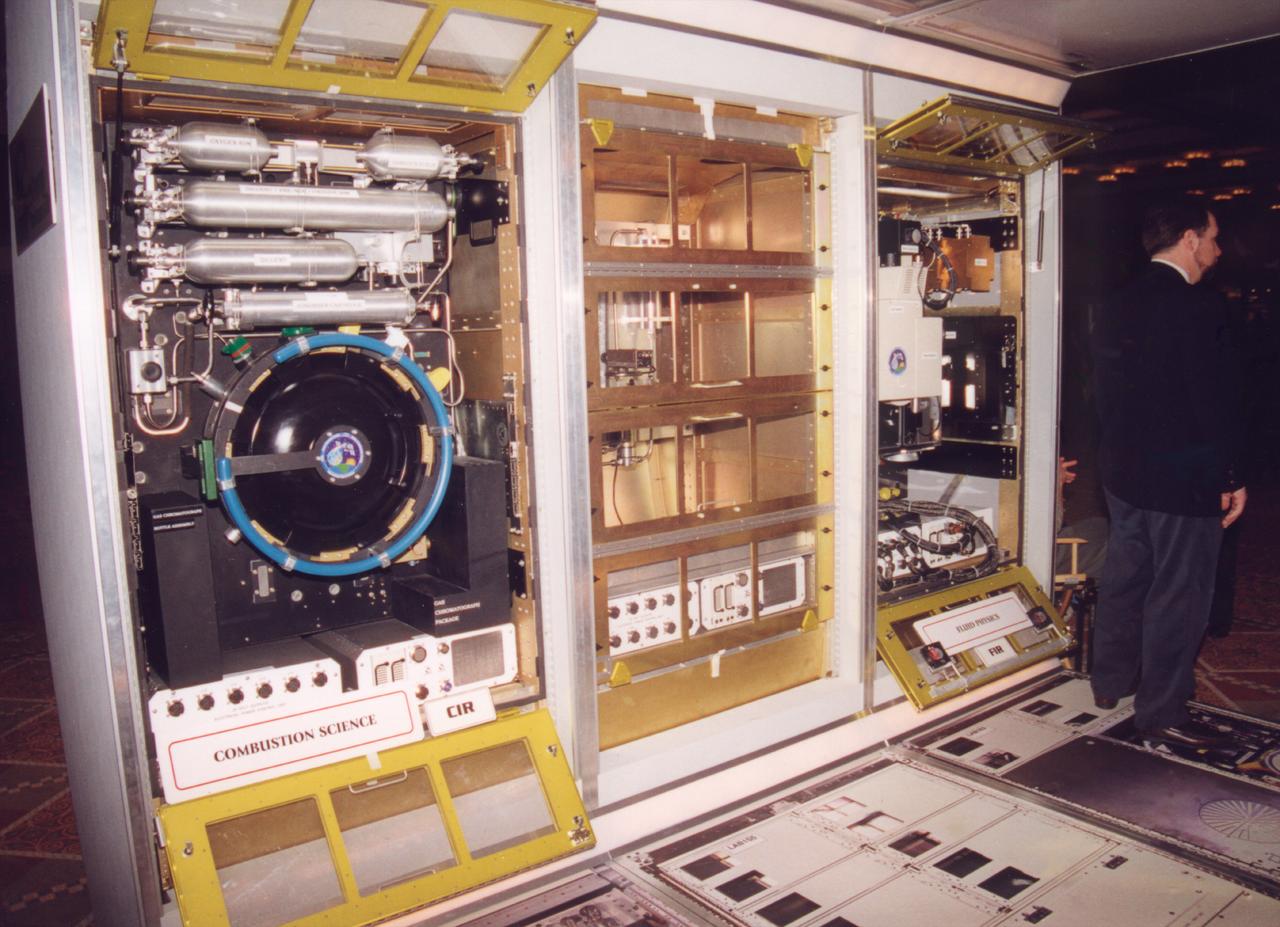
The Fluids and Combustion Facility (FCF) is a modular, multi-user facility to accommodate microgravity science experiments on board Destiny, the U.S. Laboratory Module for the International Space Station (ISS). The FCF will be a permanet facility aboard the ISS, and will be capable of accommodating up to ten science investigations per year. It will support the NASA Science and Technology Research Plans for the International Space Station (ISS) which require sustained systematic research of the effects of reduced gravity in the areas of fluid physics and combustion science. From left to right are the Combustion Integrated Rack, the Shared Rack, and the Fluids Integrated Rack. The FCF is being developed by the Microgravity Science Division (MSD) at the NASA Glenn Research Center. (Photo Credit: NASA/Marshall Space Flight Center)
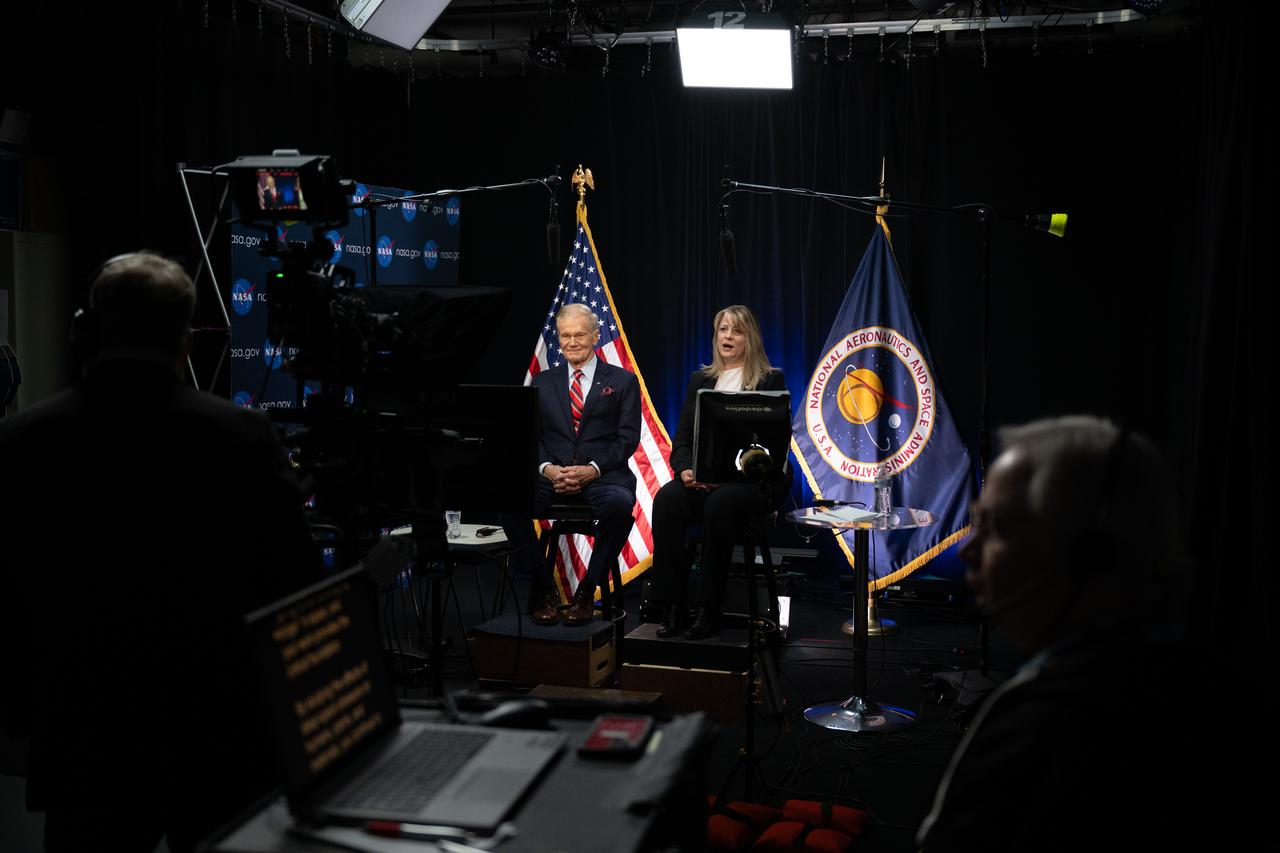
NASA Administrator Bill Nelson, left, and Lisa Carnell, director of NASA’s Biological and Physical Sciences Division are seen during an Earth-to-space call with astronauts aboard the International Space Station, Wednesday, Feb. 21, 2024, at the Mary W. Jackson NASA Headquarters building in Washington. Nelson and Carnell spoke with Expedition 70 crew members Andreas Mogenson of ESA, Jasmin Moghbeli of NASA, and Satoshi Furukawa of JAXA about recent science research and technology demonstrations aboard the orbiting laboratory. Photo Credit: (NASA/Joel Kowsky)
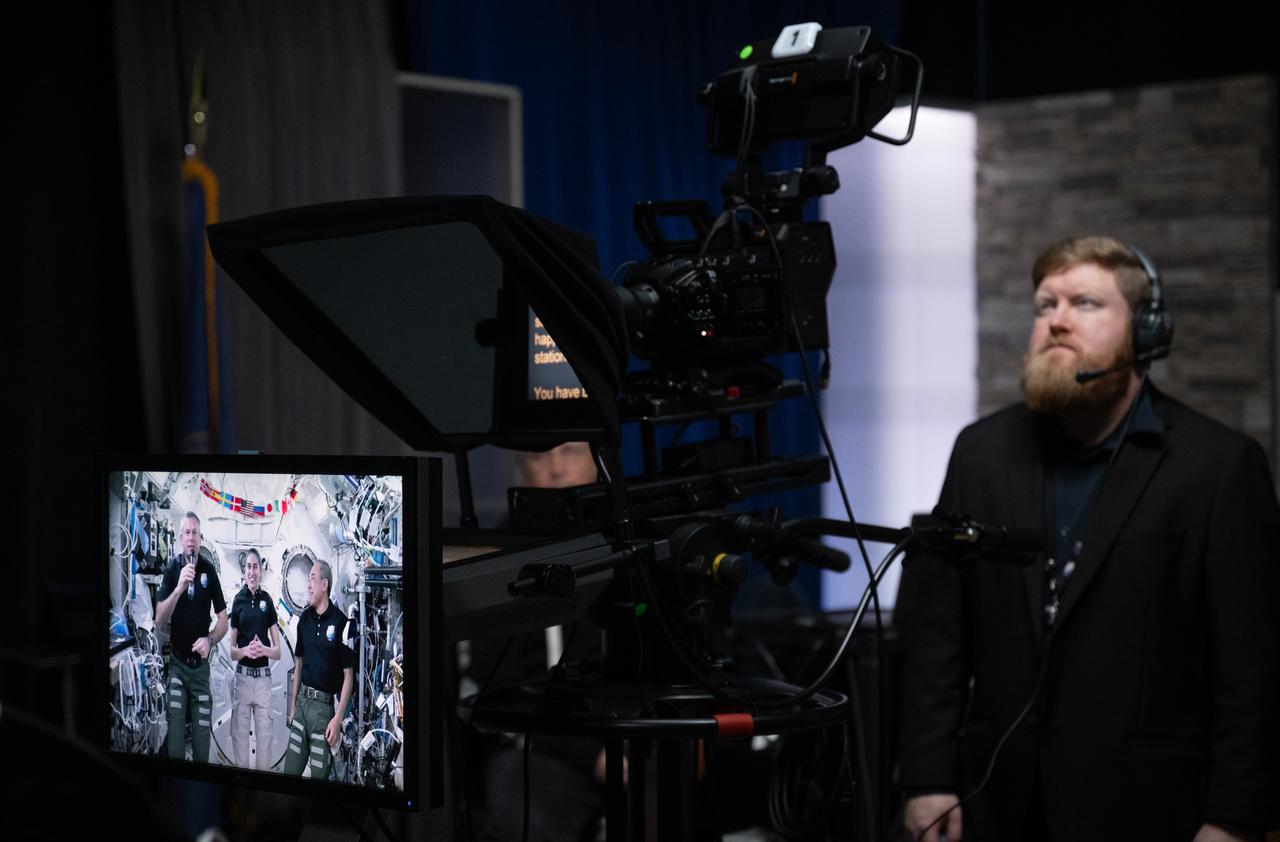
Expedition 70 crew members Andreas Mogenson of ESA left, Jasmin Moghbeli of NASA, and Satoshi Furukawa of JAXA are seen aboard the International Space Station on a monitor as they talk with NASA Administrator Bill Nelson and Lisa Carnell, director of NASA’s Biological and Physical Sciences Division, during an Earth-to-space call, Wednesday, Feb. 21, 2024, at the Mary W. Jackson NASA Headquarters building in Washington. Nelson and Carnell spoke with Mogenson, Moghbeli, and Furukawa about recent science research and technology demonstrations aboard the orbiting laboratory. Photo Credit: (NASA/Joel Kowsky)
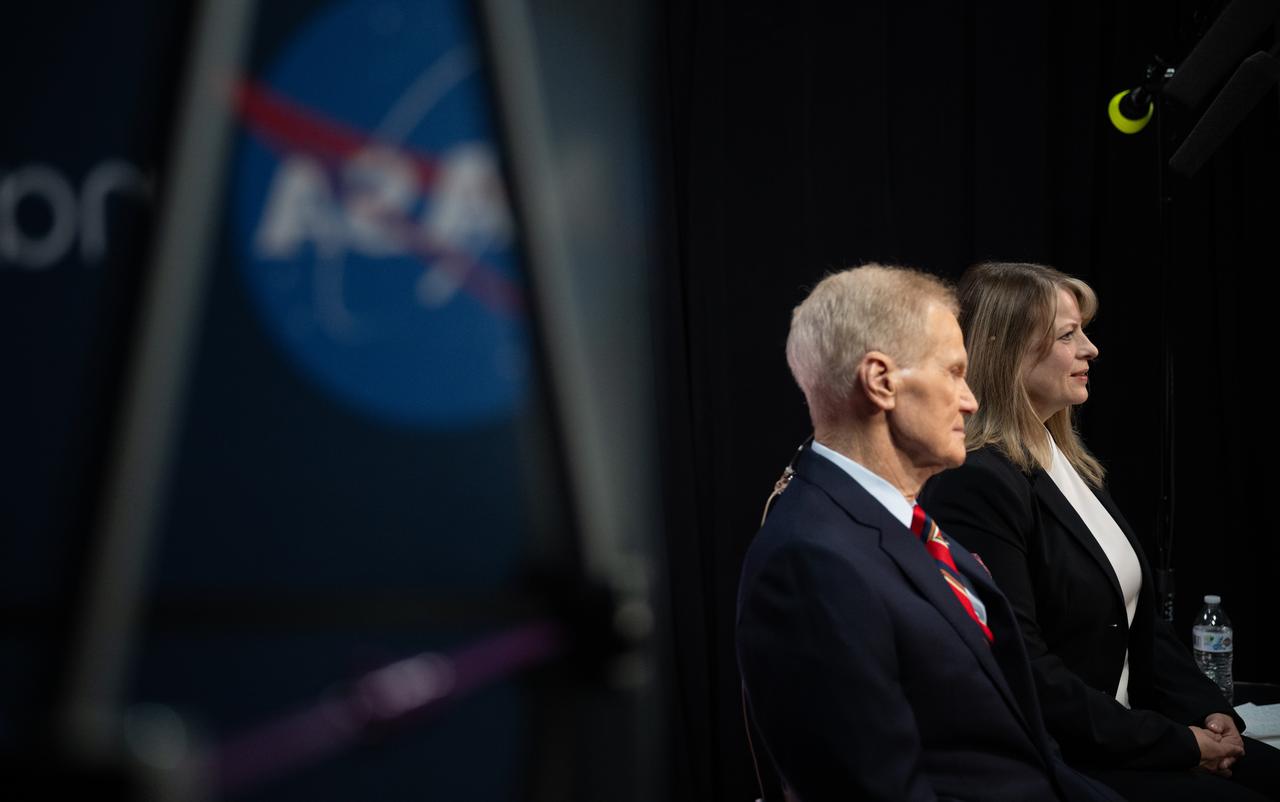
NASA Administrator Bill Nelson, left, and Lisa Carnell, director of NASA’s Biological and Physical Sciences Division are seen during an Earth-to-space call with astronauts aboard the International Space Station, Wednesday, Feb. 21, 2024, at the Mary W. Jackson NASA Headquarters building in Washington. Nelson and Carnell spoke with Expedition 70 crew members Andreas Mogenson of ESA, Jasmin Moghbeli of NASA, and Satoshi Furukawa of JAXA about recent science research and technology demonstrations aboard the orbiting laboratory. Photo Credit: (NASA/Joel Kowsky)
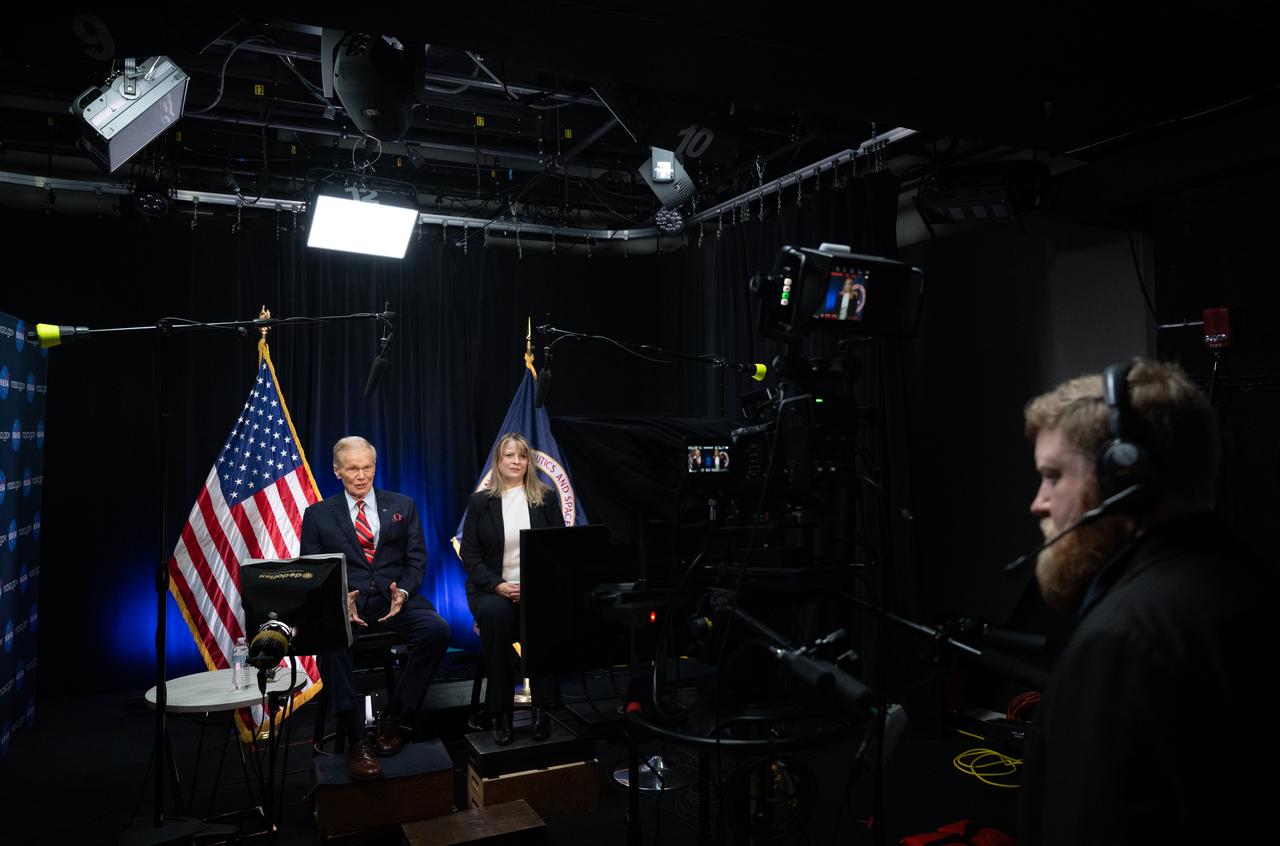
NASA Administrator Bill Nelson, left, and Lisa Carnell, director of NASA’s Biological and Physical Sciences Division are seen during an Earth-to-space call with astronauts aboard the International Space Station, Wednesday, Feb. 21, 2024, at the Mary W. Jackson NASA Headquarters building in Washington. Nelson and Carnell spoke with Expedition 70 crew members Andreas Mogenson of ESA, Jasmin Moghbeli of NASA, and Satoshi Furukawa of JAXA about recent science research and technology demonstrations aboard the orbiting laboratory. Photo Credit: (NASA/Joel Kowsky)
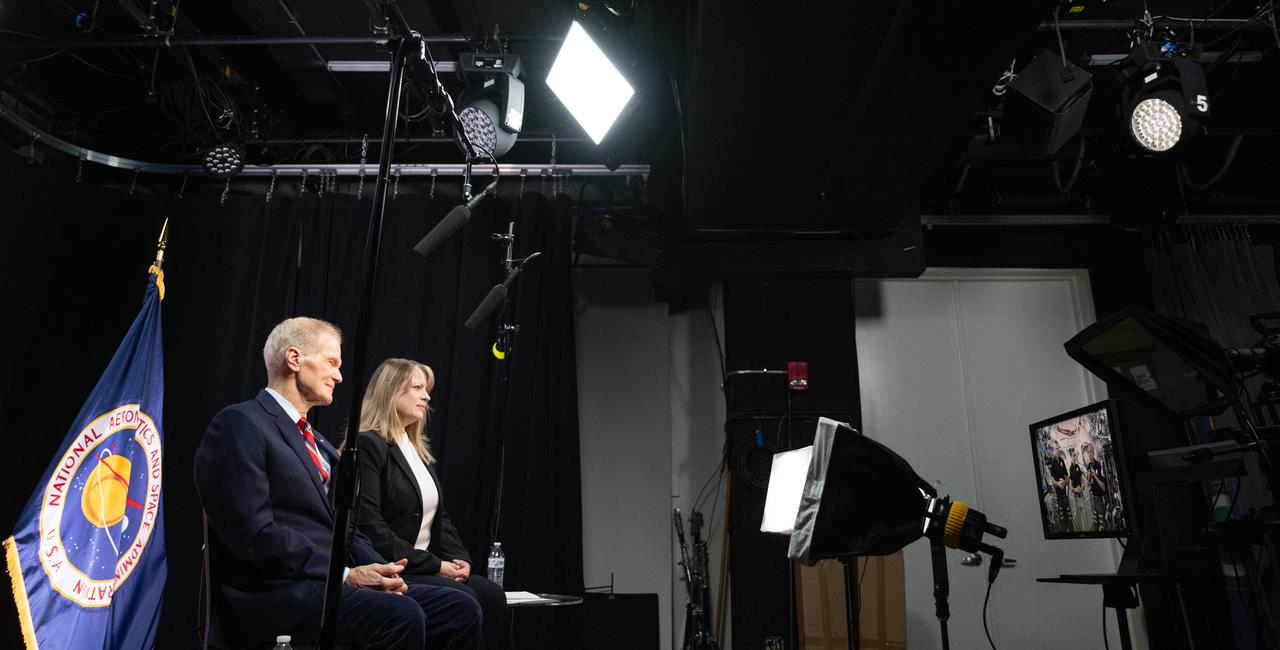
NASA Administrator Bill Nelson, left, and Lisa Carnell, director of NASA’s Biological and Physical Sciences Division are seen during an Earth-to-space call with Expedition 70 crew members Andreas Mogenson of ESA, Jasmin Moghbeli of NASA, and Satoshi Furukawa of JAXA aboard the International Space Station, visible on monitor to the right, Wednesday, Feb. 21, 2024, at the Mary W. Jackson NASA Headquarters building in Washington. Nelson and Carnell spoke with Mogenson, Moghbeli, and Furukawa about recent science research and technology demonstrations aboard the orbiting laboratory. Photo Credit: (NASA/Joel Kowsky)
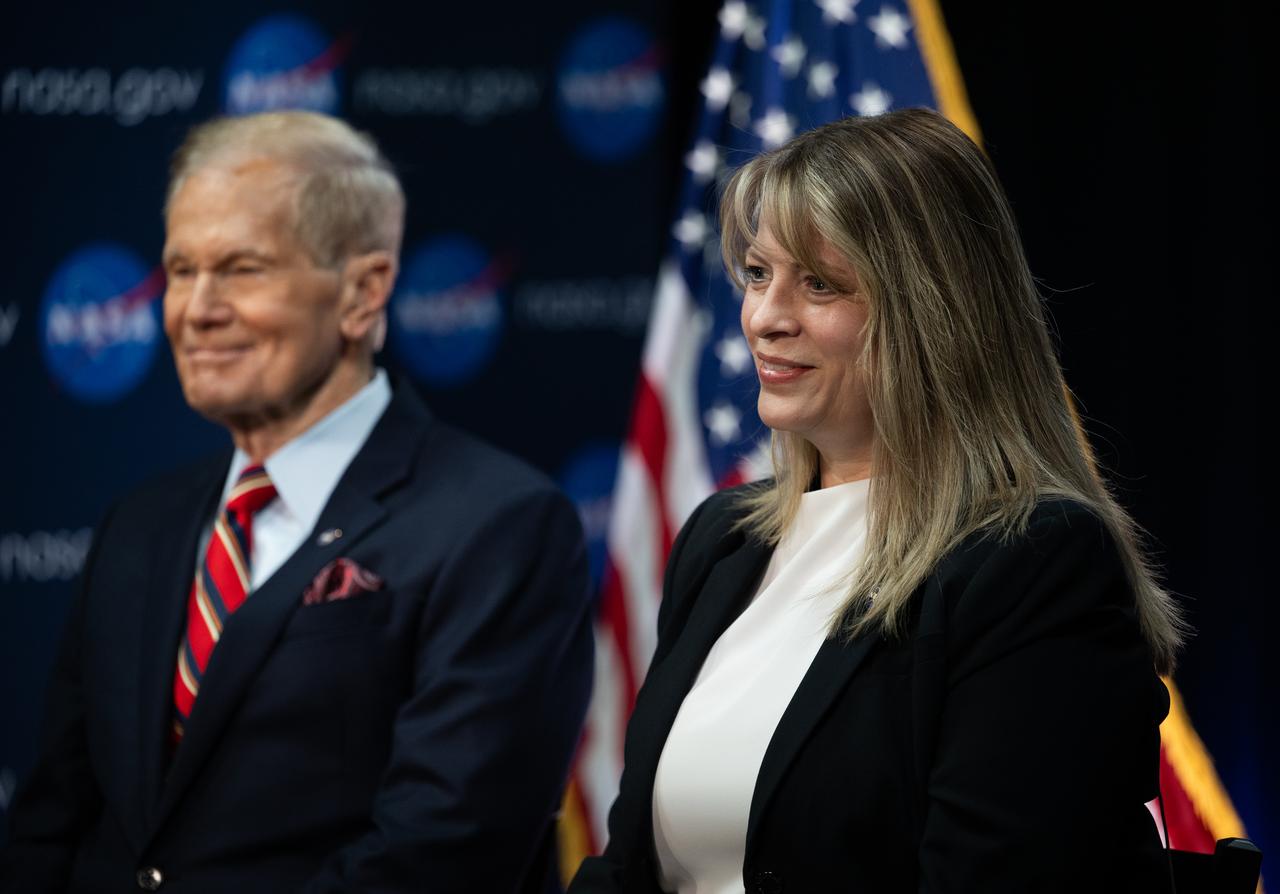
Lisa Carnell, director of NASA’s Biological and Physical Sciences Division, right, speaks along side NASA Administrator Bill Nelson during an Earth-to-space call with astronauts aboard the International Space Station, Wednesday, Feb. 21, 2024, at the Mary W. Jackson NASA Headquarters building in Washington. Nelson and Carnell spoke with Expedition 70 crew members Andreas Mogenson of ESA, Jasmin Moghbeli of NASA, and Satoshi Furukawa of JAXA about recent science research and technology demonstrations aboard the orbiting laboratory. Photo Credit: (NASA/Joel Kowsky)
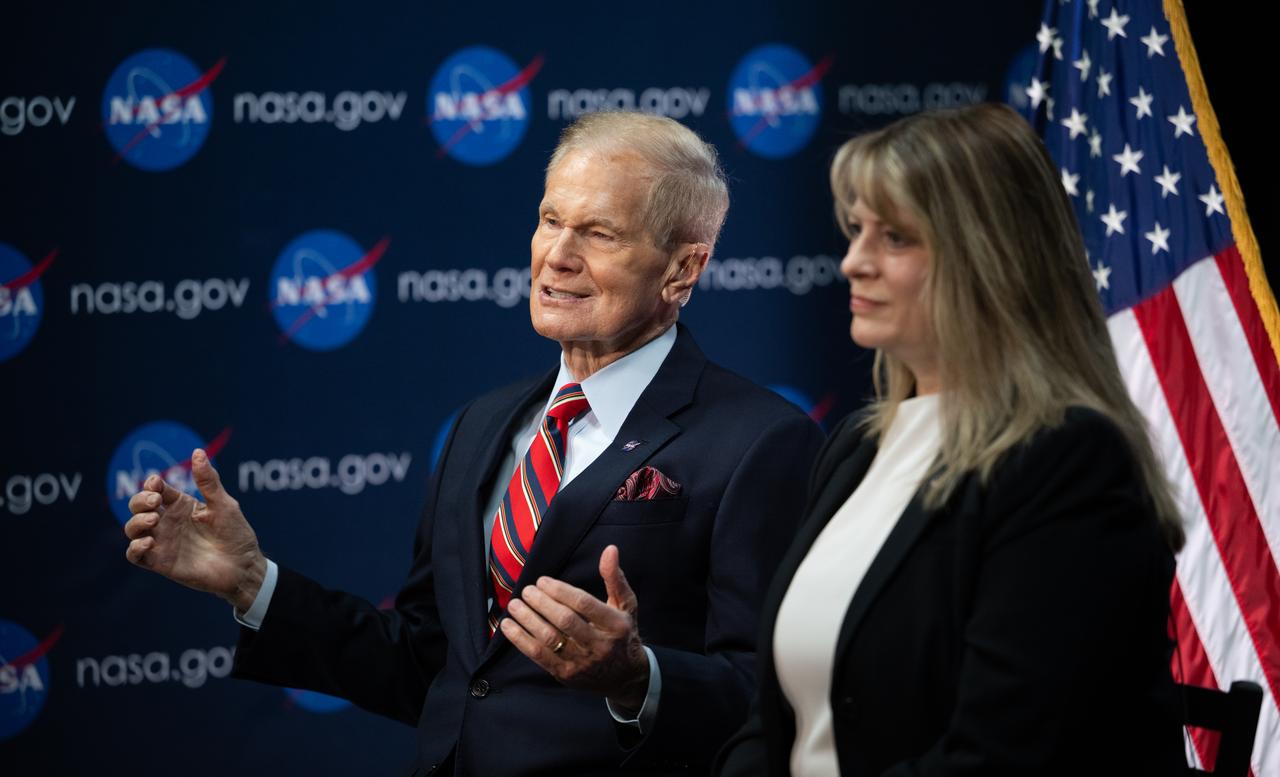
NASA Administrator Bill Nelson, left, speaks along side Lisa Carnell, director of NASA’s Biological and Physical Sciences Division during an Earth-to-space call with astronauts aboard the International Space Station, Wednesday, Feb. 21, 2024, at the Mary W. Jackson NASA Headquarters building in Washington. Nelson and Carnell spoke with Expedition 70 crew members Andreas Mogenson of ESA, Jasmin Moghbeli of NASA, and Satoshi Furukawa of JAXA about recent science research and technology demonstrations aboard the orbiting laboratory. Photo Credit: (NASA/Joel Kowsky)

This artist's concept depicts the completely assembled International Space Station (ISS) passing over the Straits of Gibraltar and the Mediterranean Sea. As a gateway to permanent human presence in space, the Space Station Program is to expand knowledge benefiting all people and nations. The ISS is a multidisciplinary laboratory, technology test bed, and observatory that will provide unprecedented undertakings in scientific, technological, and international experimentation. Experiments to be conducted in the ISS include: microgravity research, Earth science, space science, life sciences, space product development, and engineering research and technology. The sixteen countries participating the ISS are: United States, Russian Federation, Canada, Japan, United Kingdom, Germany, Italy, France, Norway, Netherlands, Belgium, Spain, Denmark, Sweden, Switzerland, and Brazil.
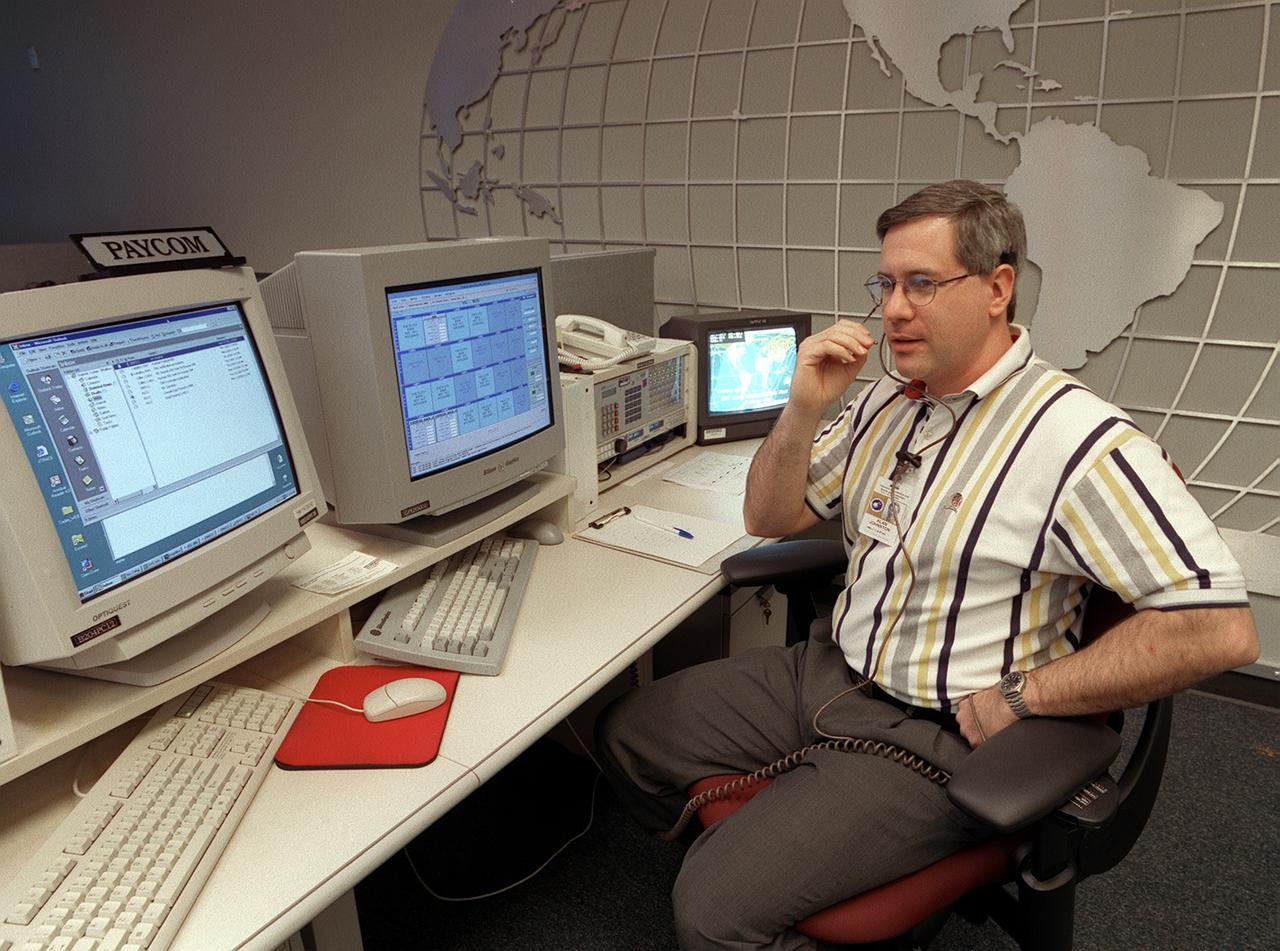
The Payload Operations Center (POC) is the science command post for the International Space Station (ISS). Located at NASA's Marshall Space Flight Center in Huntsville, Alabama, it is the focal point for American and international science activities aboard the ISS. The POC's unique capabilities allow science experts and researchers around the world to perform cutting-edge science in the unique microgravity environment of space. The POC is staffed around the clock by shifts of payload flight controllers. At any given time, 8 to 10 flight controllers are on consoles operating, plarning for, and controlling various systems and payloads. This photograph shows the Payload Communications Manager (PAYCOM) at a work station. The PAYCOM coordinates payload-related voice communications between the POC and the ISS crew. The PAYCOM is the voice of the POC.
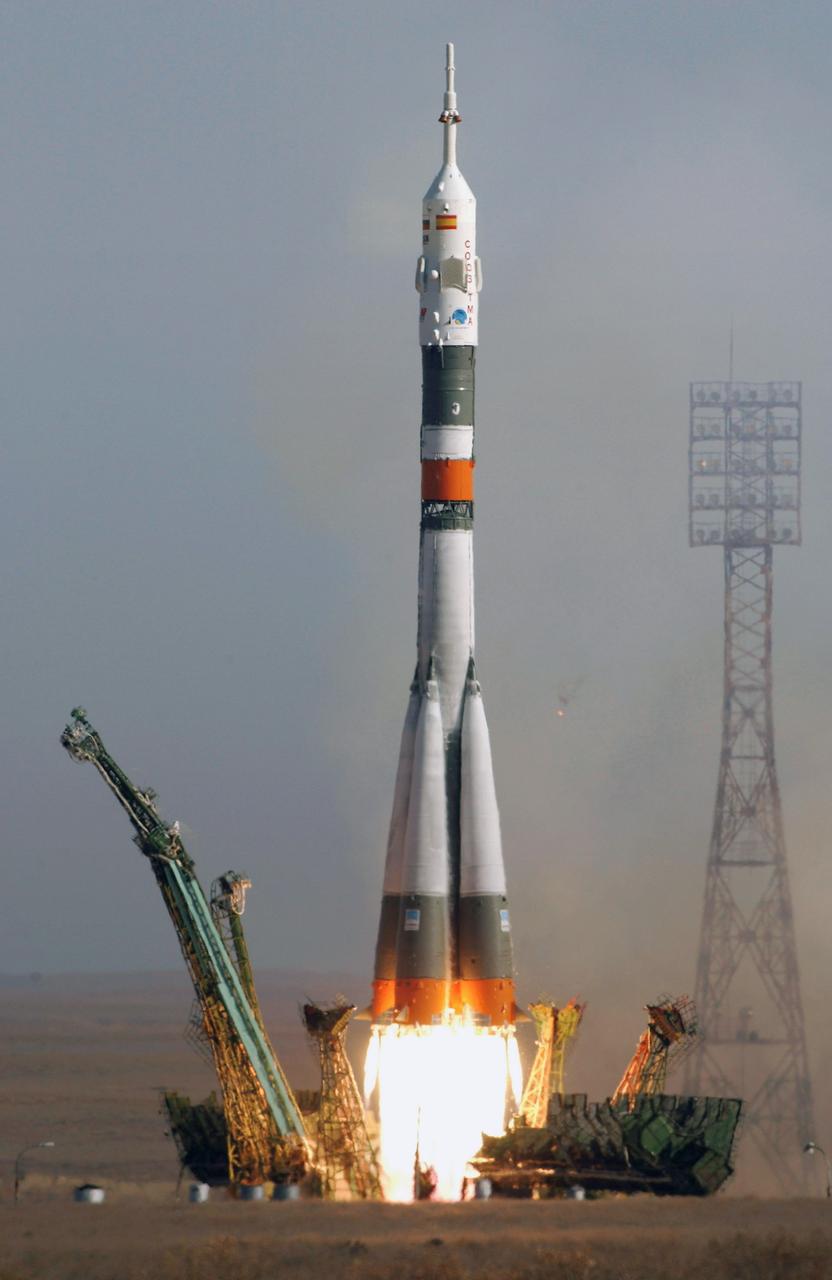
JSC2003-E-59221 (18 October 2003) --- The Soyuz TMA-3 vehicle launches from the Baikonur Cosmodrome in Kazakhstan October 18, 2003, carrying astronaut C. Michael Foale, Expedition 8 commander and NASA ISS science officer; cosmonaut Alexander Kaleri, Soyuz commander and flight engineer, representing Rosaviakosmos; and European Space Agency (ESA) astronaut Pedro Duque of Spain to the International Space Station (ISS). The trio will arrive at the ISS October 20, as Foale and Kaleri take over command of Station operations for the next 6 1/2 months. Duque will return to Earth October 28 with cosmonaut Yuri Malenchenko, Expedition 7 commander, representing Rosaviakosmos, and astronaut Ed Lu, NASA ISS science officer, in another Soyuz capsule already docked to the ISS. Photo Credit: "NASA/Bill Ingalls"
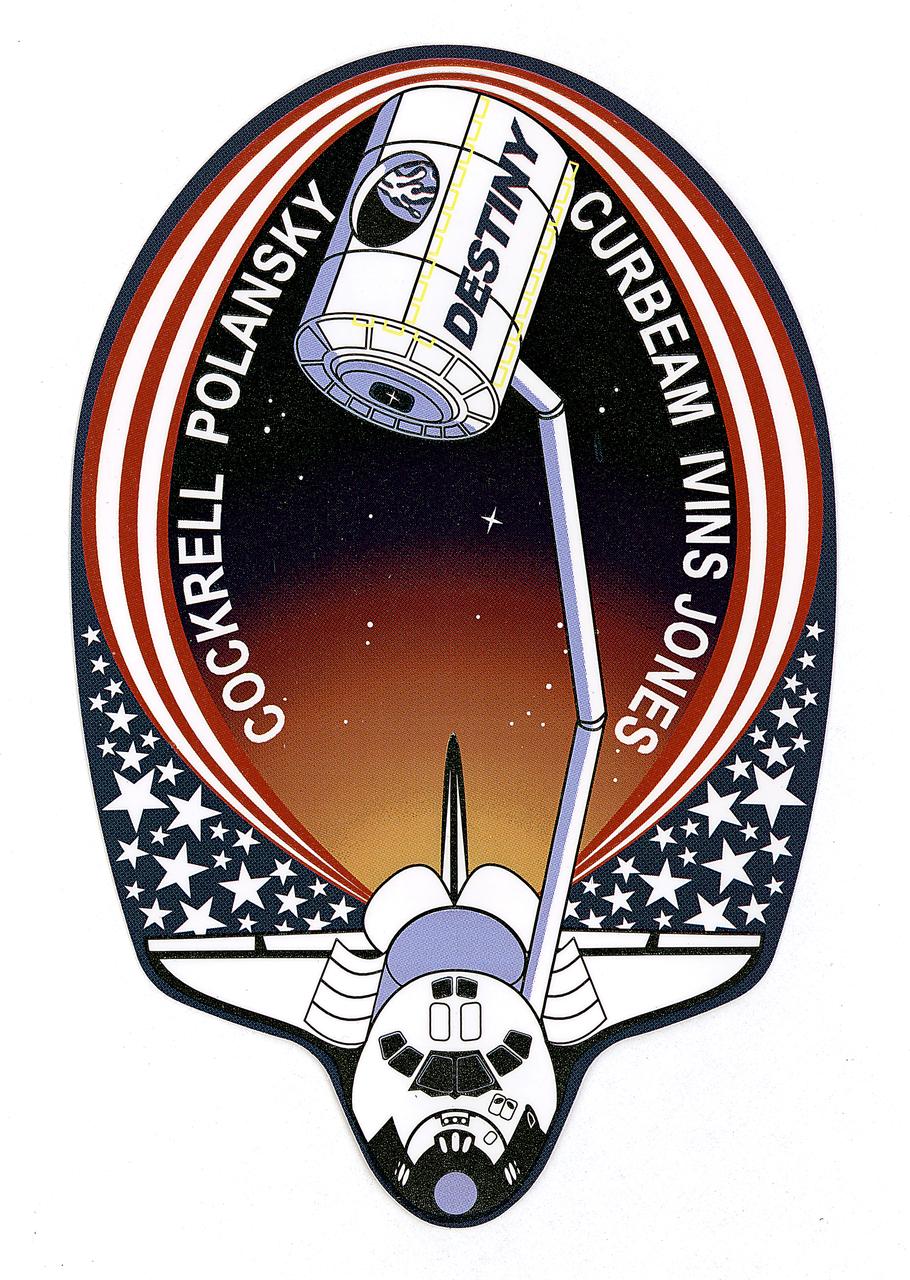
This is the insignia for STS-98, which marks a major milestone in assembly of the International Space Station (ISS). Atlantis' crew delivered the United States Laboratory, Destiny, to the ISS. Destiny will be the centerpiece of the ISS, a weightless laboratory where expedition crews will perform unprecedented research in the life sciences, materials sciences, Earth sciences, and microgravity sciences. The laboratory is also the nerve center of the Station, performing guidance, control, power distribution, and life support functions. With Destiny's arrival, the Station will begin to fulfill its promise of returning the benefits of space research to Earth's citizens. The crew patch depicts the Space Shuttle with Destiny held high above the payload bay just before its attachment to the ISS. Red and white stripes, with a deep blue field of white stars, border the Shuttle and Destiny to symbolize the continuing contribution of the United States to the ISS. The constellation Hercules, seen just below Destiny, captures the Shuttle and Station's team efforts in bringing the promise of orbital scientific research to life. The reflection of Earth in Destiny's window emphasizes the connection between space exploration and life on Earth.

L TO R: DR. FRANCIS CHIARAMONTE, PROGRAM EXECUTIVE FOR PHYSICAL SCIENCES, ISS RESEARCH PROJECT, NASA HEADQUARTERS; DR. RAYMOND CLINTON, ACTING MANAGER FOR SCIENCE AND MISSION SYSTEMS OFFICE, NASA MARSHALL; DR. FRANK SZOFRAN, MICROGRAVITY MATERIALS SCIENCE PROJECT MANAGER AND DISCIPLINE SCIENTIST MATERIALS AND PROCESSES LABORATORY AT MSFC.
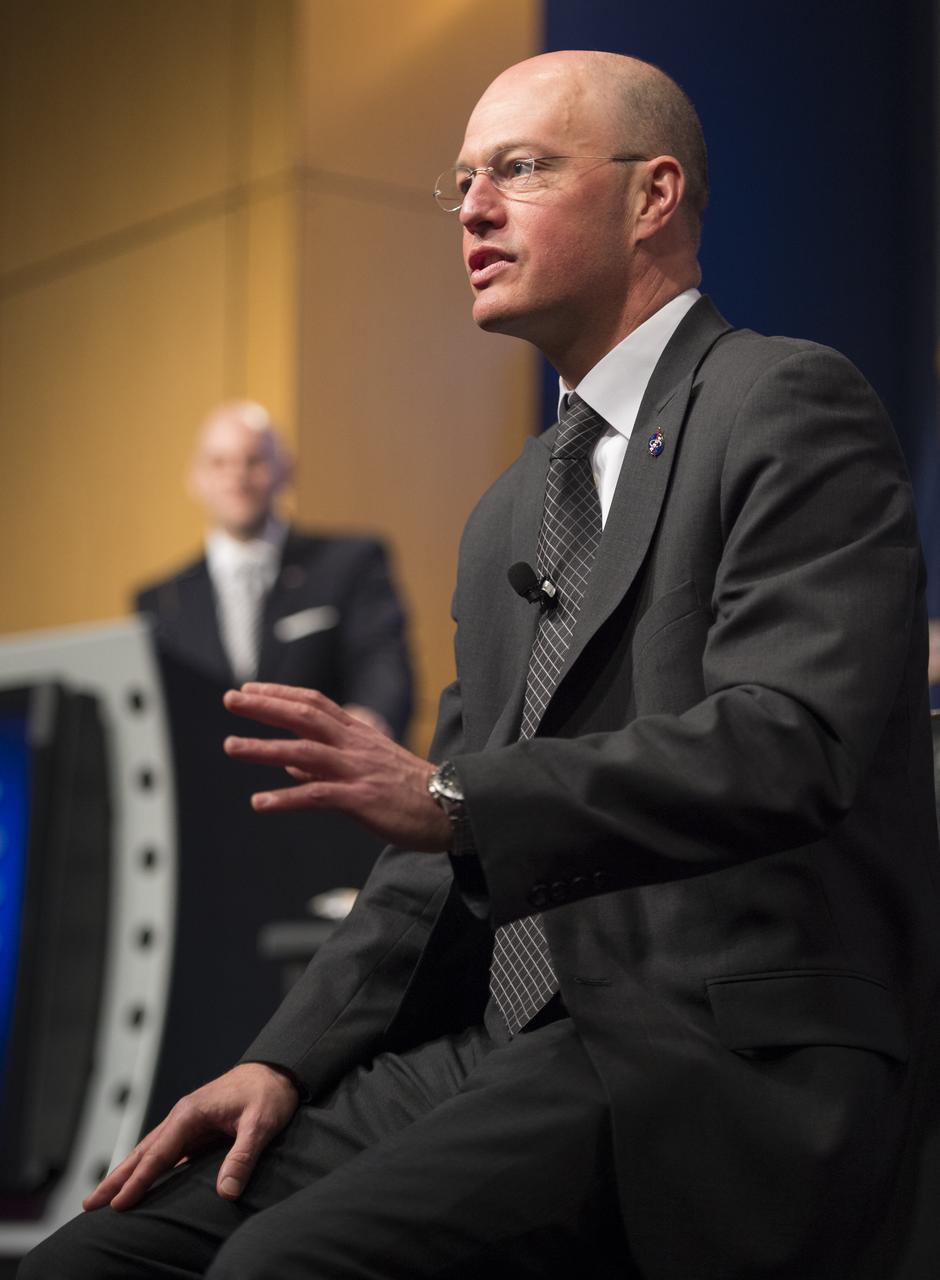
Marshall Porterfield, Life and Physical Sciences Division Director at NASA Headquarters, talks about the human body in microgravity and other life sciences at a NASA Social exploring science on the ISS at NASA Headquarters, Wednesday, Feb. 20, 2013 in Washington. Photo Credit: (NASA/Carla Cioffi)