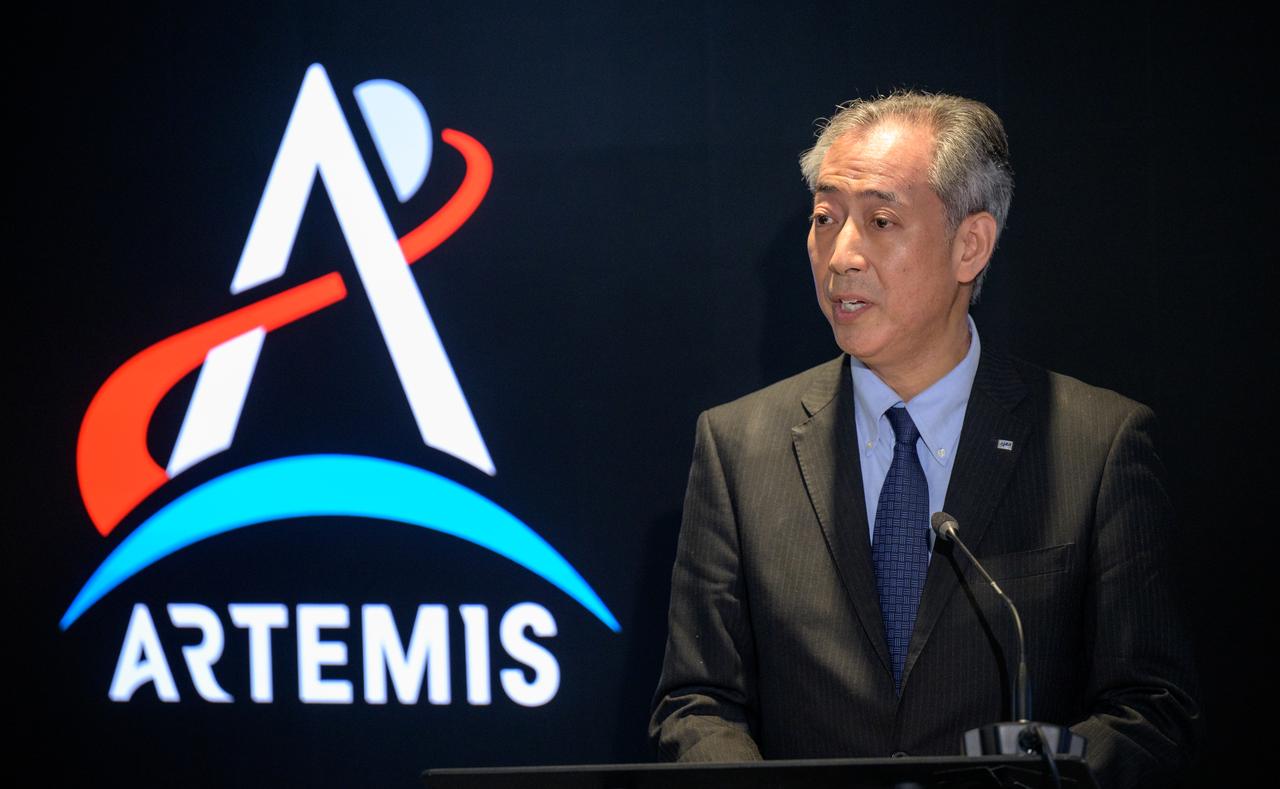
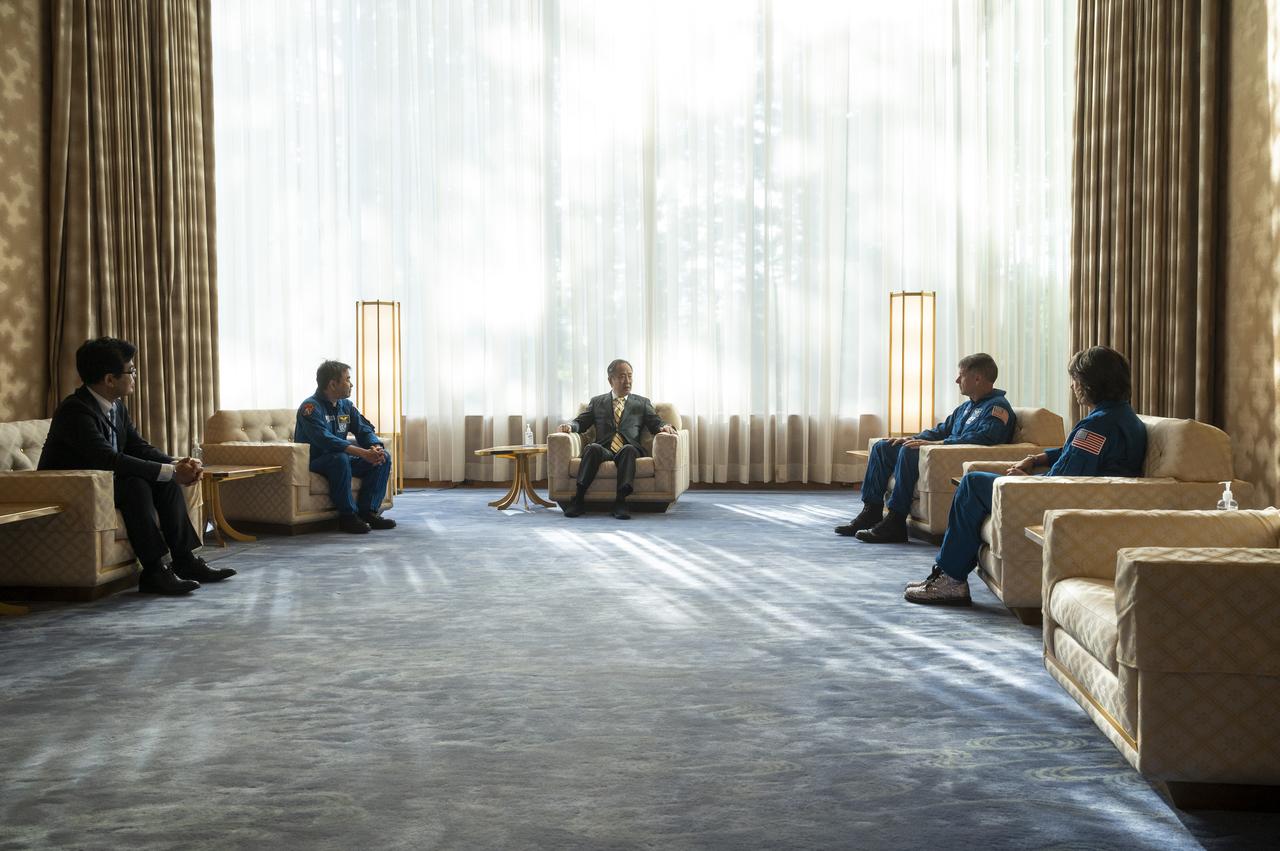
Koji Tomita, Japan's Ambassador to the US, center, speaks with NASA’s SpaceX Crew-2 astronauts Akihiko Hoshide of the Japan Aerospace Exploration Agency (JAXA), left, and NASA astronauts Shane Kimbrough, second from right, and Megan McArthur, Thursday, June 9, 2022, at the Japanese Ambassador’s Residence in Washington, DC. Kimbrough, McArthur, Hoshide, and ESA (European Space Agency) astronaut Thomas Pesquet completed the second crew rotation mission to the International Space Station as part of the agency’s Commercial Crew Program and spent 198 days aboard the orbiting laboratory as part of Expeditions 65 and 66. Photo Credit: (NASA/Joel Kowsky)
NASA’s SpaceX Crew-2 Astronauts at the Japanese Ambassador’s
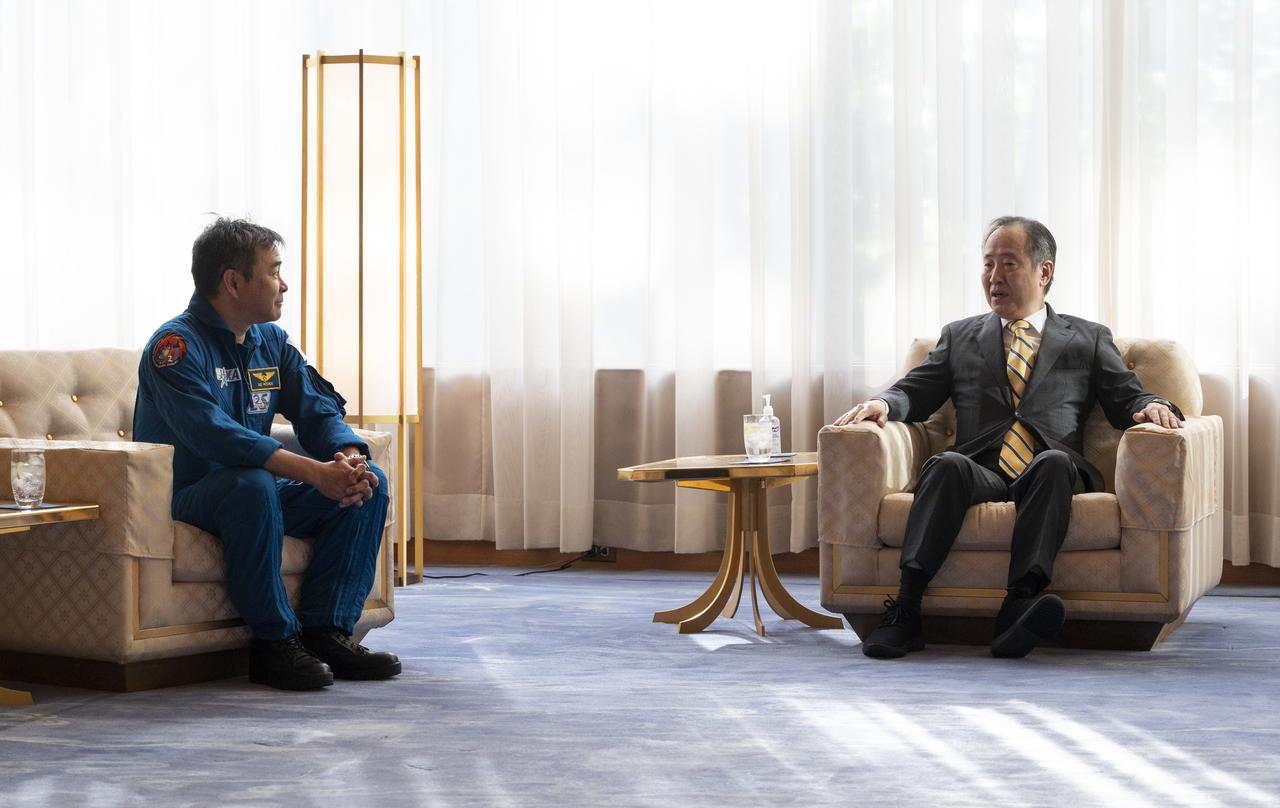
Japan Aerospace Exploration Agency (JAXA) astronaut Akihiko Hoshide is seen with Koji Tomita, Japan's Ambassador to the US, Thursday, June 9, 2022, at the Japanese Ambassador’s Residence in Washington, DC. Hoshide, NASA astronauts Shane Kimbrough and Megan McArthur, and ESA (European Space Agency) astronaut Thomas Pesquet flew on NASA’s SpaceX Crew-2 mission, the second crew rotation mission to the International Space Station as part of the agency’s Commercial Crew Program, and spent 198 days aboard the orbiting laboratory as part of Expeditions 65 and 66. Photo Credit: (NASA/Joel Kowsky)
NASA’s SpaceX Crew-2 Astronauts at the Japanese Ambassador’s
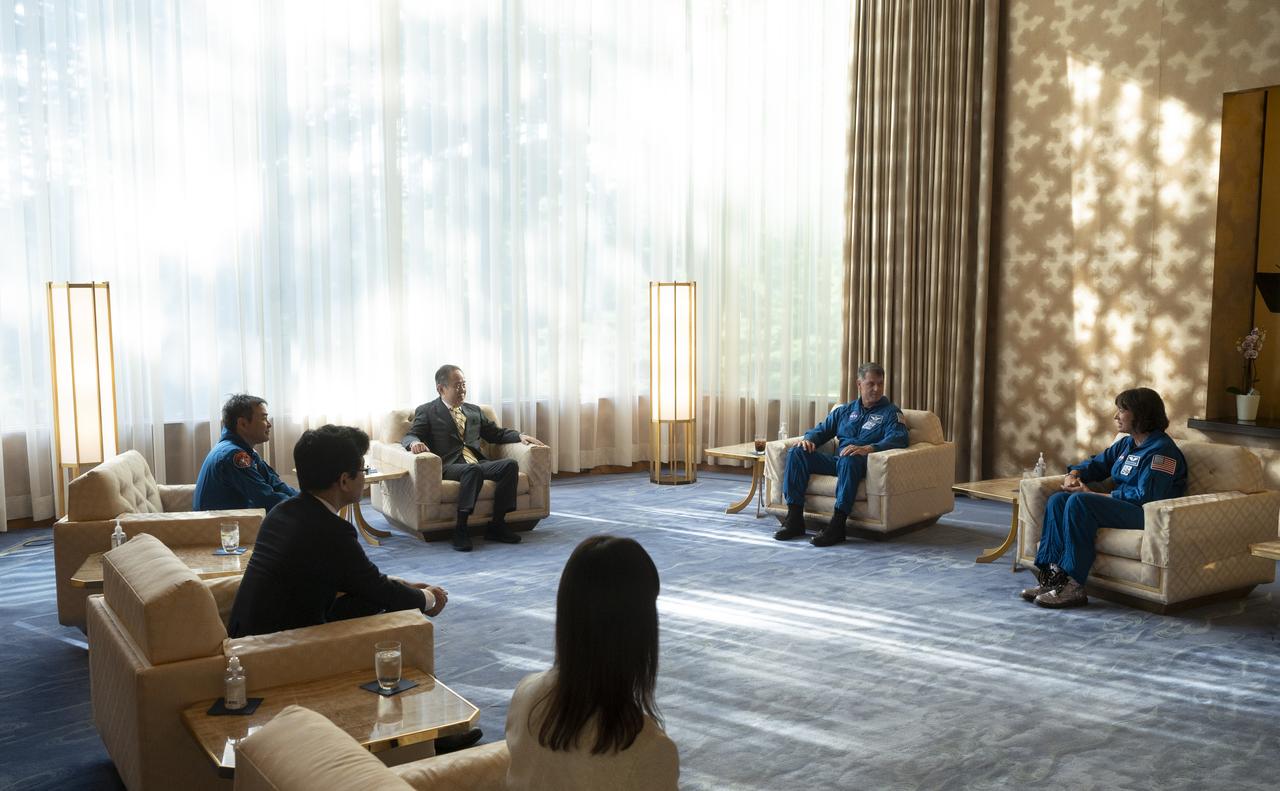
Koji Tomita, Japan's Ambassador to the US, center, speaks with NASA’s SpaceX Crew-2 astronauts Akihiko Hoshide of the Japan Aerospace Exploration Agency (JAXA), second from left, and NASA astronauts Shane Kimbrough, second from right, and Megan McArthur, Thursday, June 9, 2022, at the Japanese Ambassador’s Residence in Washington, DC. Kimbrough, McArthur, Hoshide, and ESA (European Space Agency) astronaut Thomas Pesquet completed the second crew rotation mission to the International Space Station as part of the agency’s Commercial Crew Program and spent 198 days aboard the orbiting laboratory as part of Expeditions 65 and 66. Photo Credit: (NASA/Joel Kowsky)
NASA’s SpaceX Crew-2 Astronauts at the Japanese Ambassador’s
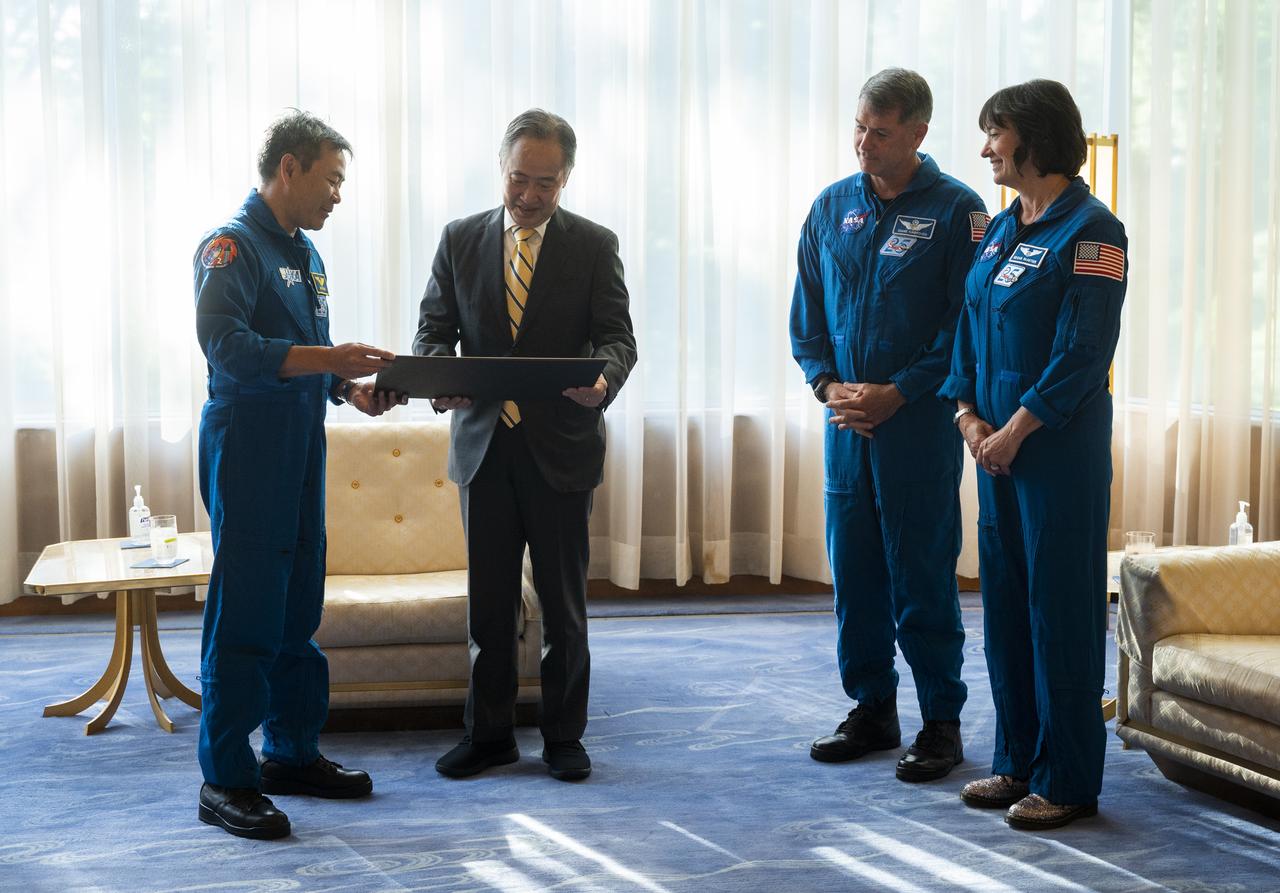
Koji Tomita, Japan's Ambassador to the US, second from left, is presented with a montage by NASA’s SpaceX Crew-2 astronauts Akihiko Hoshide of the Japan Aerospace Exploration Agency (JAXA), left, and NASA astronauts Shane Kimbrough, second from right, and Megan McArthur, Thursday, June 9, 2022, at the Japanese Ambassador’s Residence in Washington, DC. Kimbrough, McArthur, Hoshide, and ESA (European Space Agency) astronaut Thomas Pesquet completed the second crew rotation mission to the International Space Station as part of the agency’s Commercial Crew Program and spent 198 days aboard the orbiting laboratory as part of Expeditions 65 and 66. Photo Credit: (NASA/Joel Kowsky)
NASA’s SpaceX Crew-2 Astronauts at the Japanese Ambassador’s
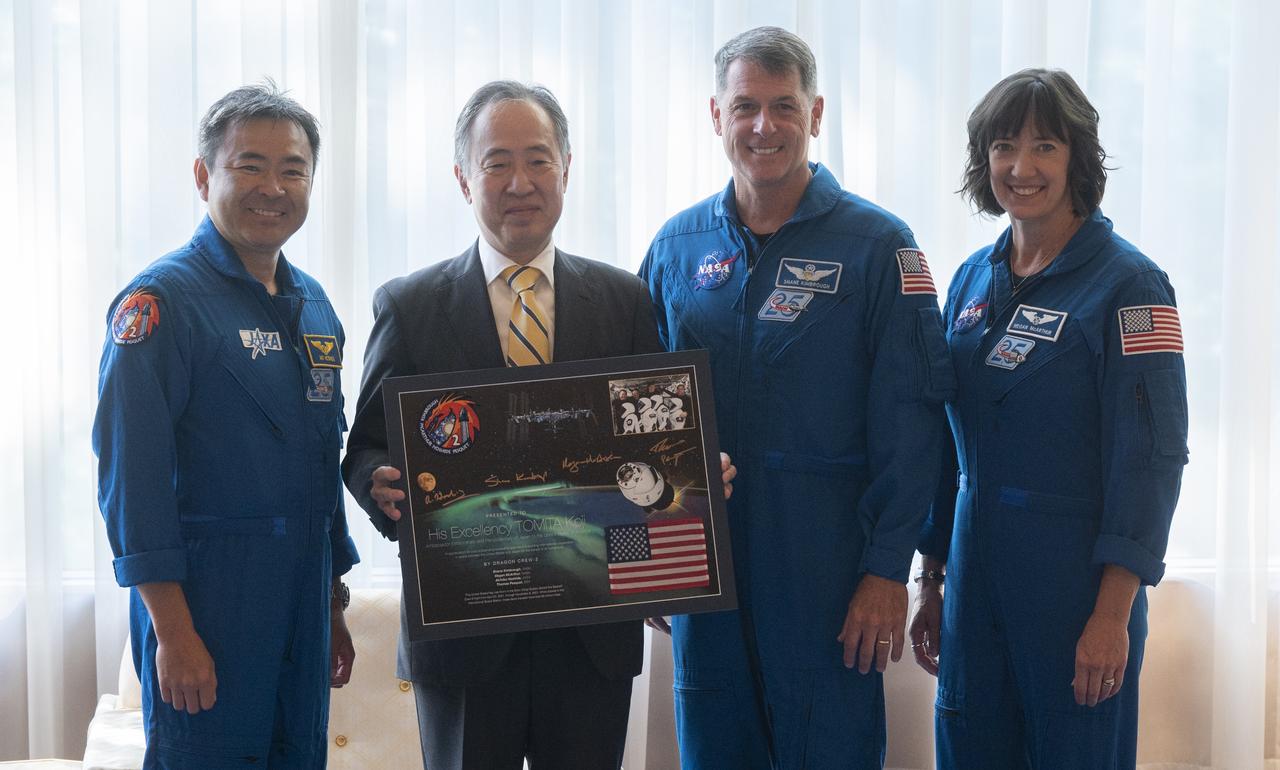
Koji Tomita, Japan's Ambassador to the US, second from left, poses for a picture with NASA’s SpaceX Crew-2 astronauts Akihiko Hoshide of the Japan Aerospace Exploration Agency (JAXA), left, and NASA astronauts Shane Kimbrough, second from right, and Megan McArthur, after being presented with a montage from their mission, Thursday, June 9, 2022, at the Japanese Ambassador’s Residence in Washington, DC. Kimbrough, McArthur, Hoshide, and ESA (European Space Agency) astronaut Thomas Pesquet completed the second crew rotation mission to the International Space Station as part of the agency’s Commercial Crew Program and spent 198 days aboard the orbiting laboratory as part of Expeditions 65 and 66. Photo Credit: (NASA/Joel Kowsky)
NASA’s SpaceX Crew-2 Astronauts at the Japanese Ambassador’s
KENNEDY SPACE CENTER, FLA. -  Executive Director of NASDA Koji Yamamoto (left) is welcomed to KSC by Center Director Roy Bridges Jr. (right).  On the table between them is the logo of the new Japan Aerospace Exploration Agency, a merger of three Japanese aeronautical and space agencies effective Oct.1, 2003.  Mr. Yamamoto is at KSC for a welcome ceremony involving the arrival of the newest Space Station module, the Japanese Experiment Module/pressurized module.  His visit includes a tour of the Columbia Debris Hangar.
KENNEDY SPACE CENTER, FLA. - Executive Director of NASDA Koji Yamamoto (left) is welcomed to KSC by Center Director Roy Bridges Jr. (right). On the table between them is the logo of the new Japan Aerospace Exploration Agency, a merger of three Japanese aeronautical and space agencies effective Oct.1, 2003. Mr. Yamamoto is at KSC for a welcome ceremony involving the arrival of the newest Space Station module, the Japanese Experiment Module/pressurized module. His visit includes a tour of the Columbia Debris Hangar.
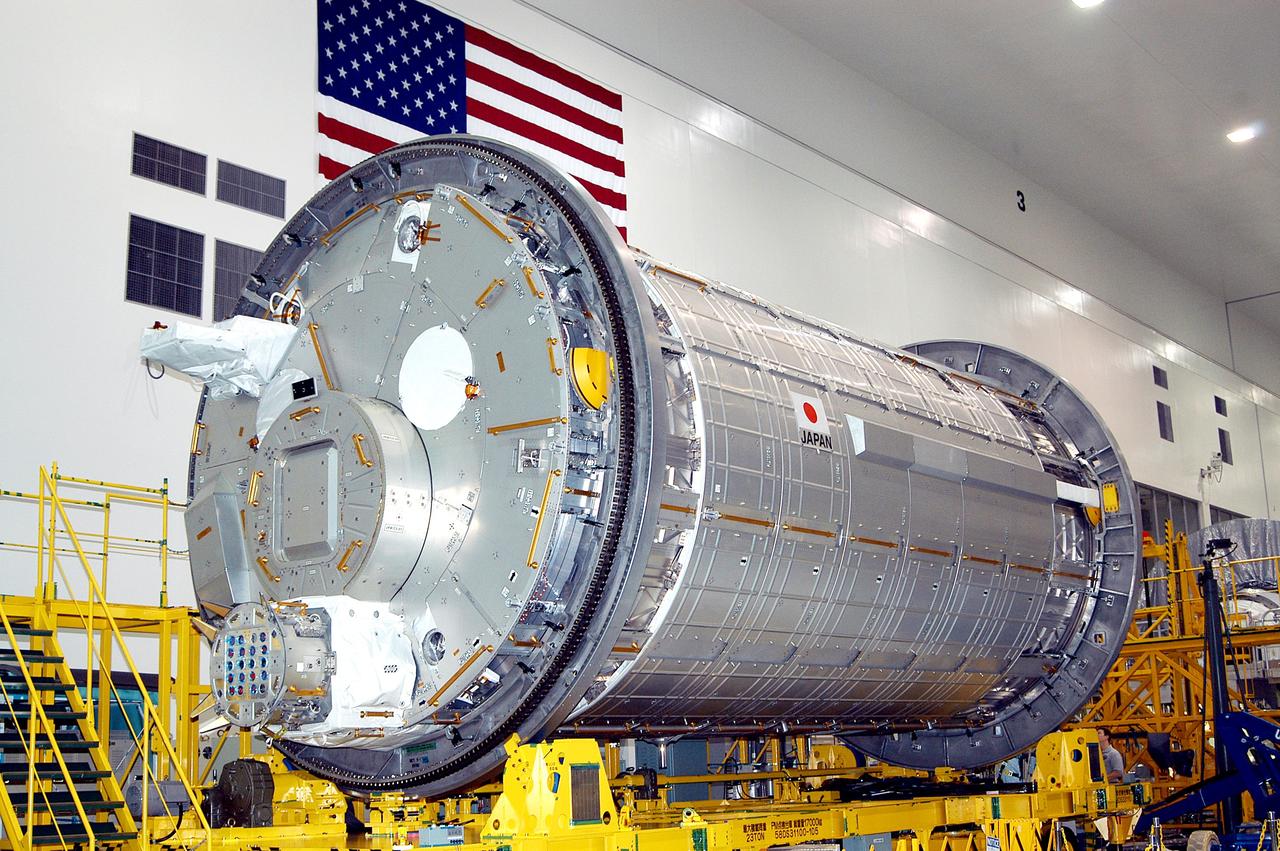
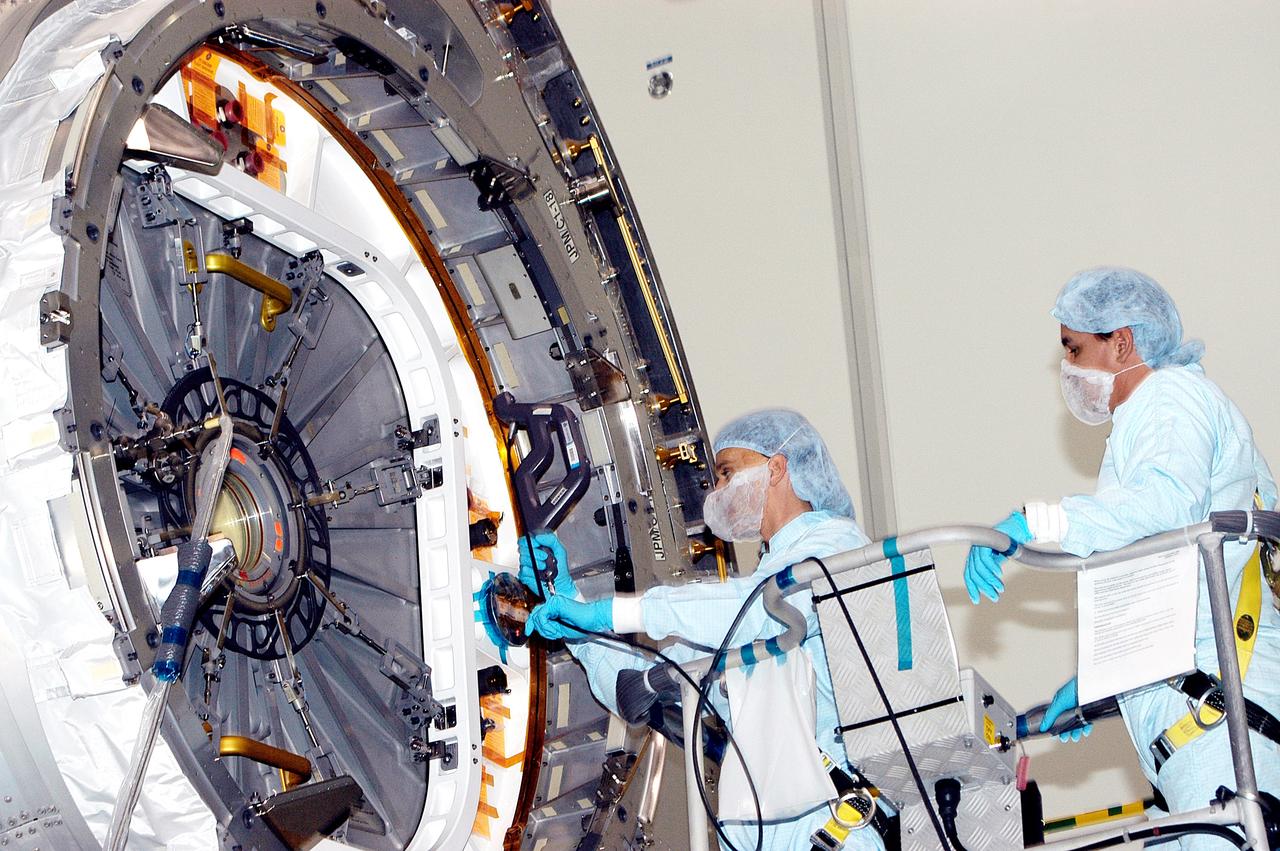
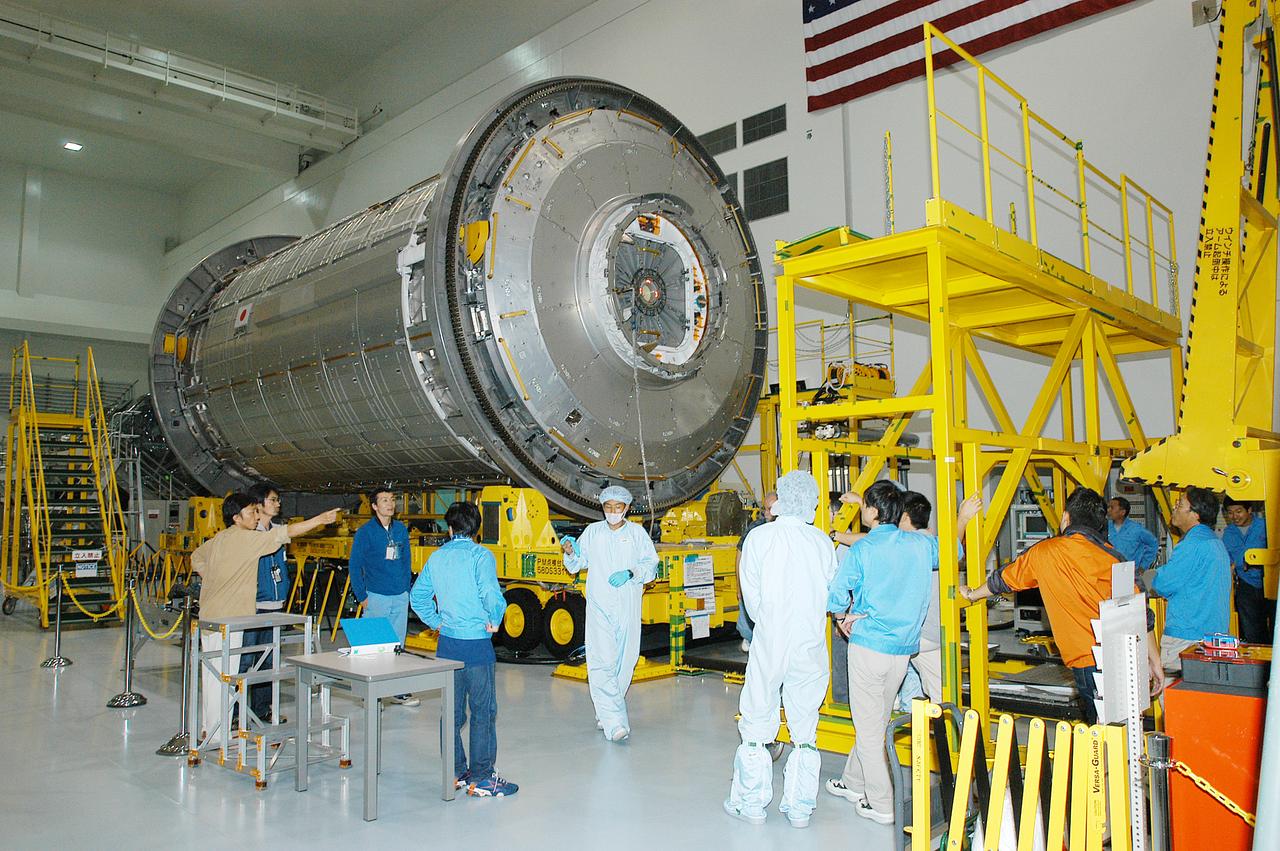
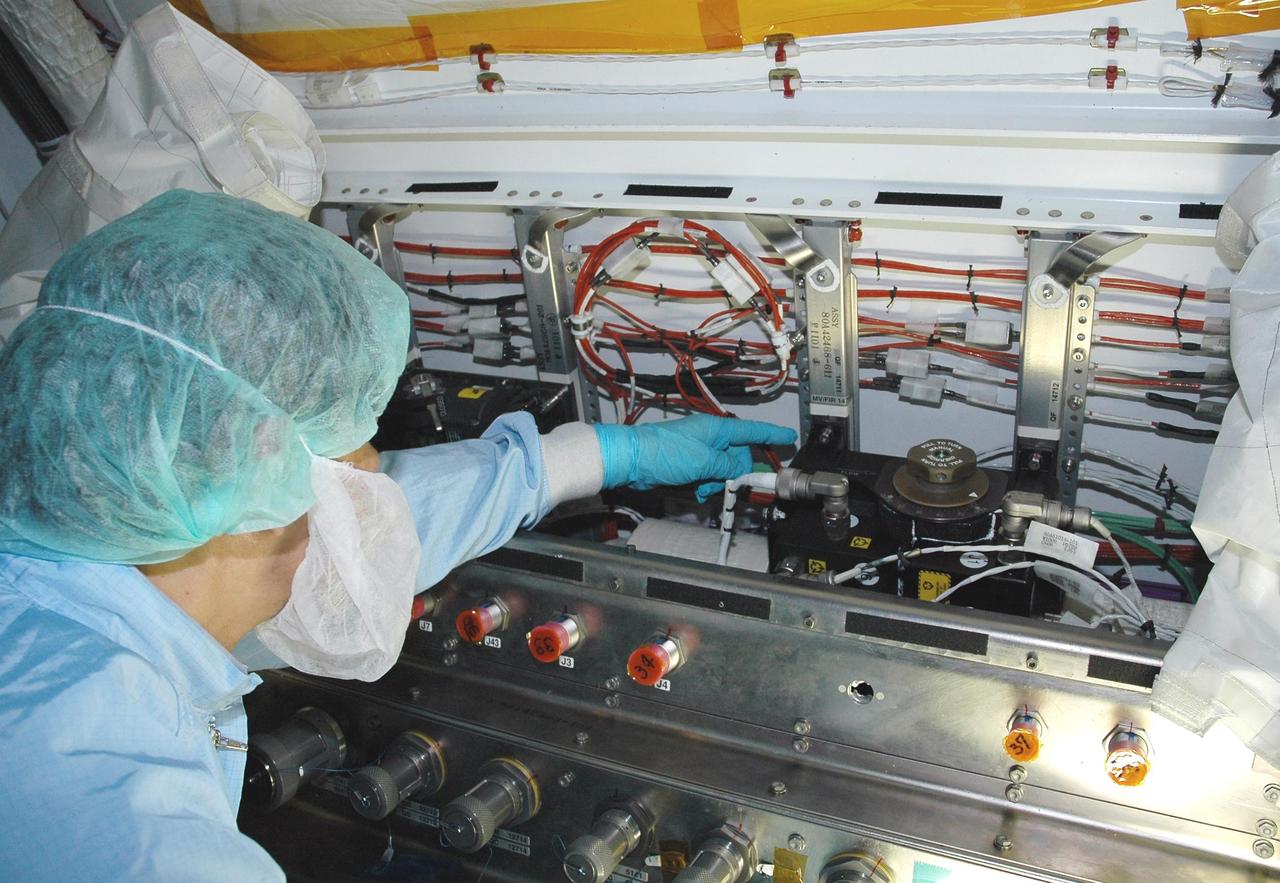
KENNEDY SPACE CENTER, FLA. - In the Space Station Processing Facility, the Japanese Experiment Module (JEM) rests on a workstand during pre-assembly measurement activities. Developed by the Japan Aerospace Exploration Agency (JAXA), the JEM will enhance the unique research capabilities of the orbiting complex by providing an additional environment for astronauts to conduct science experiments.
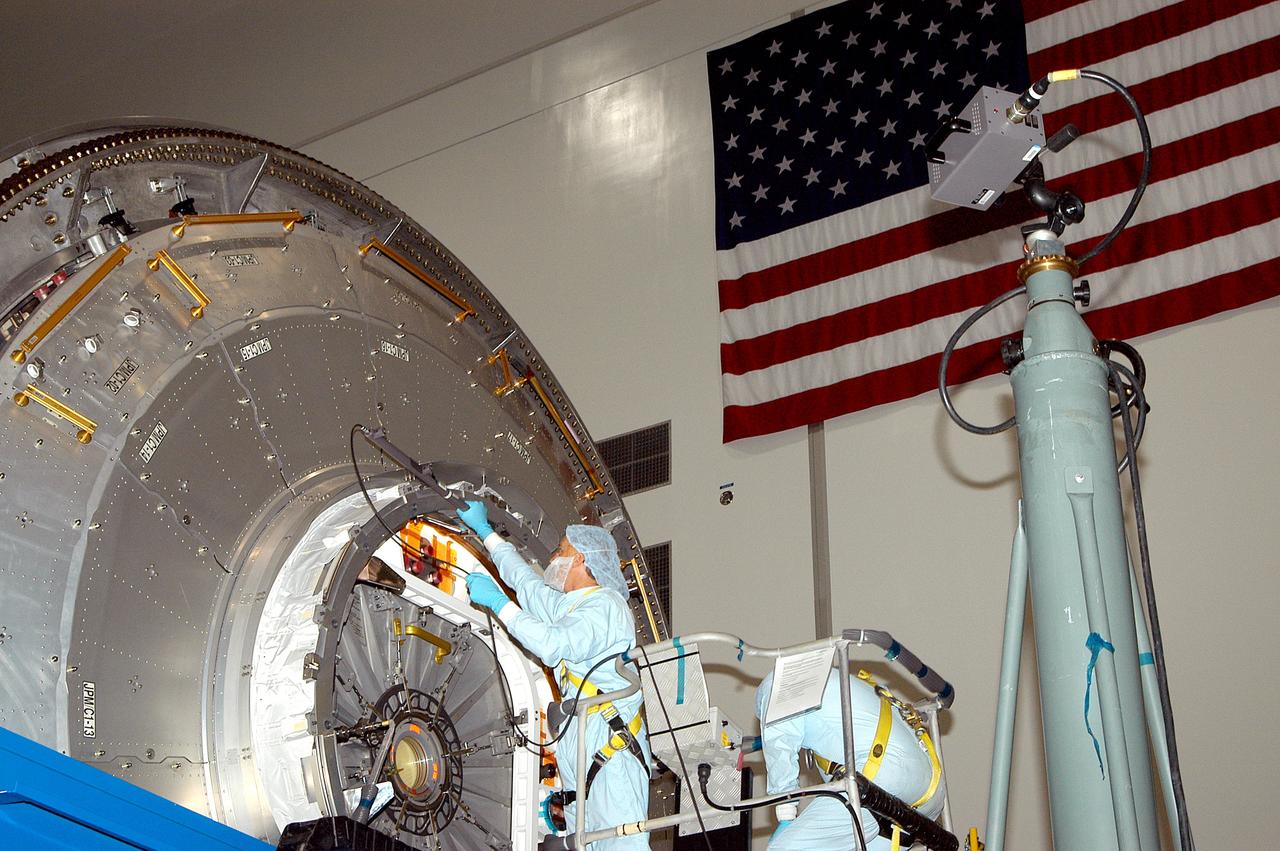
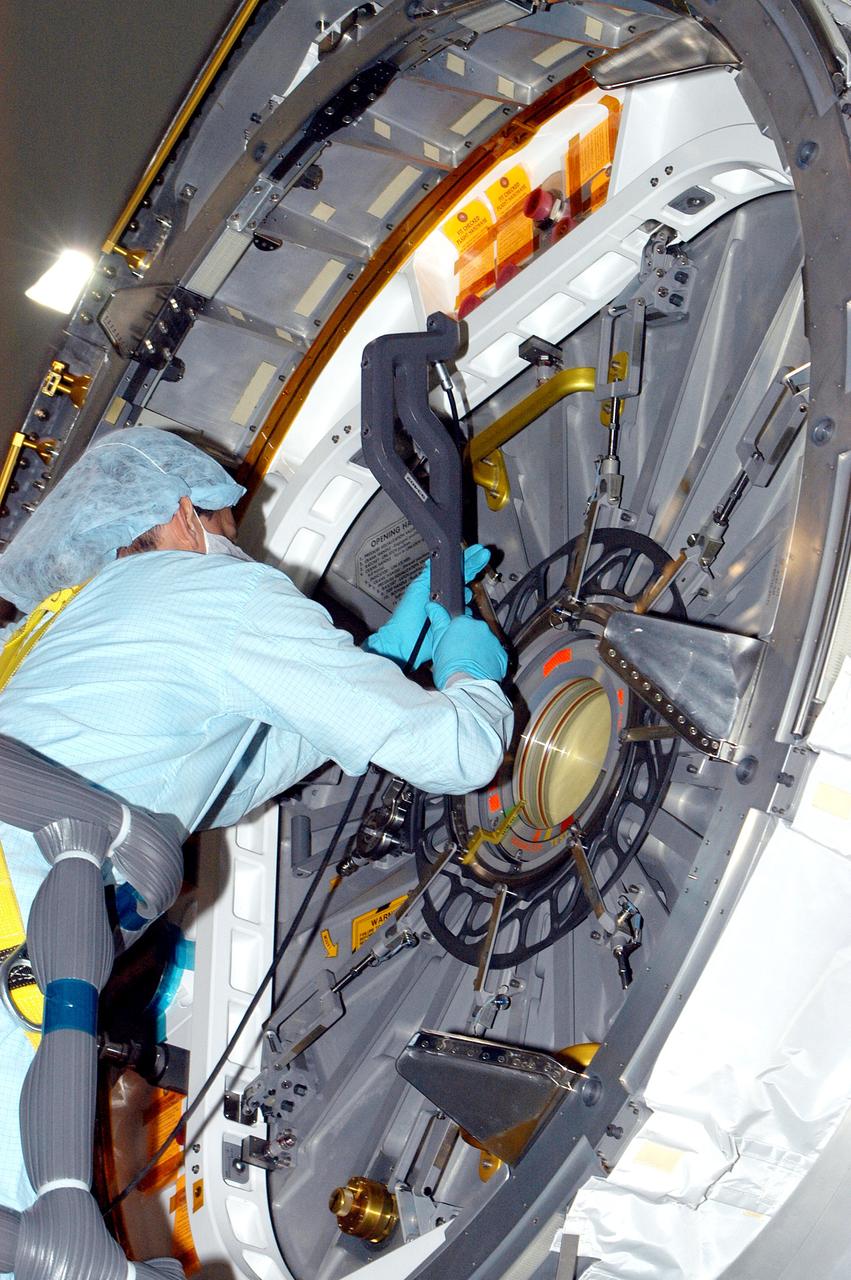
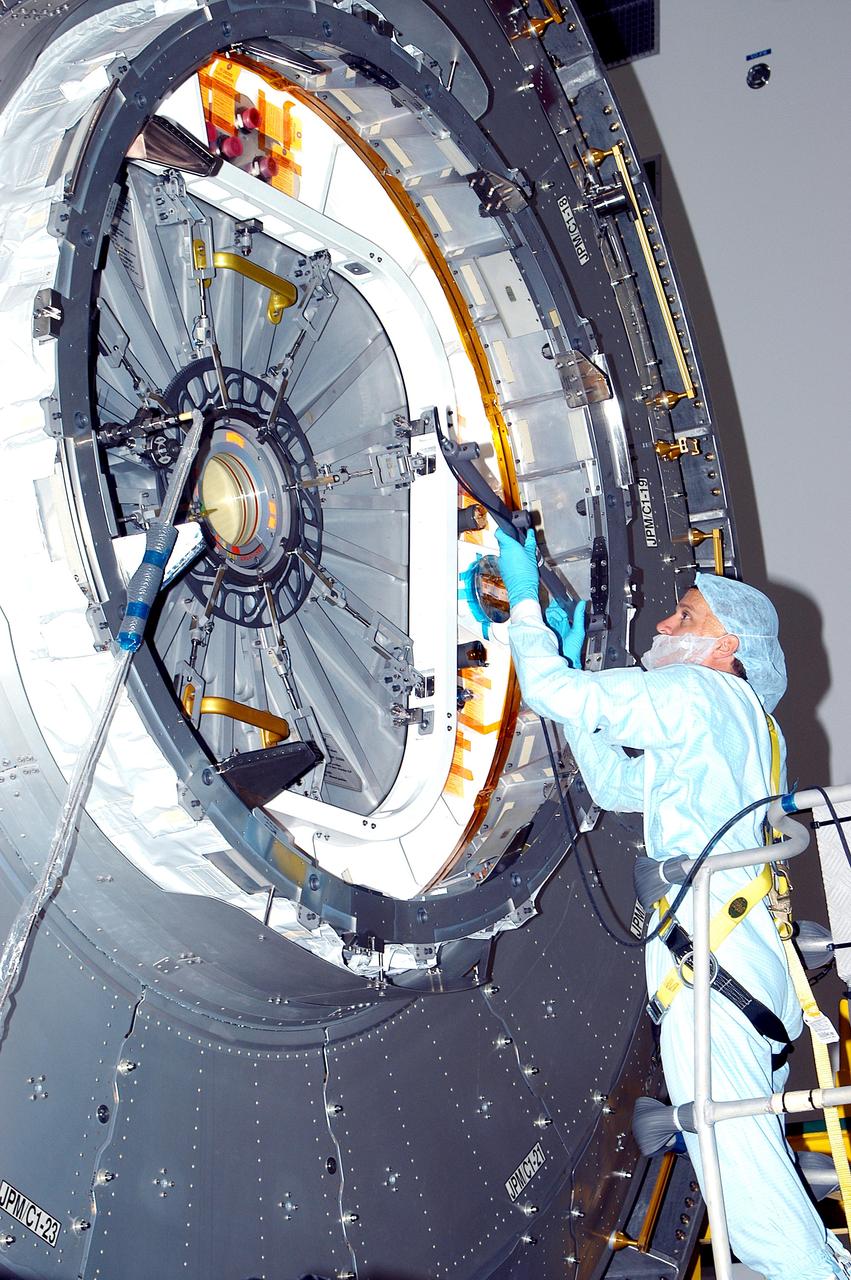
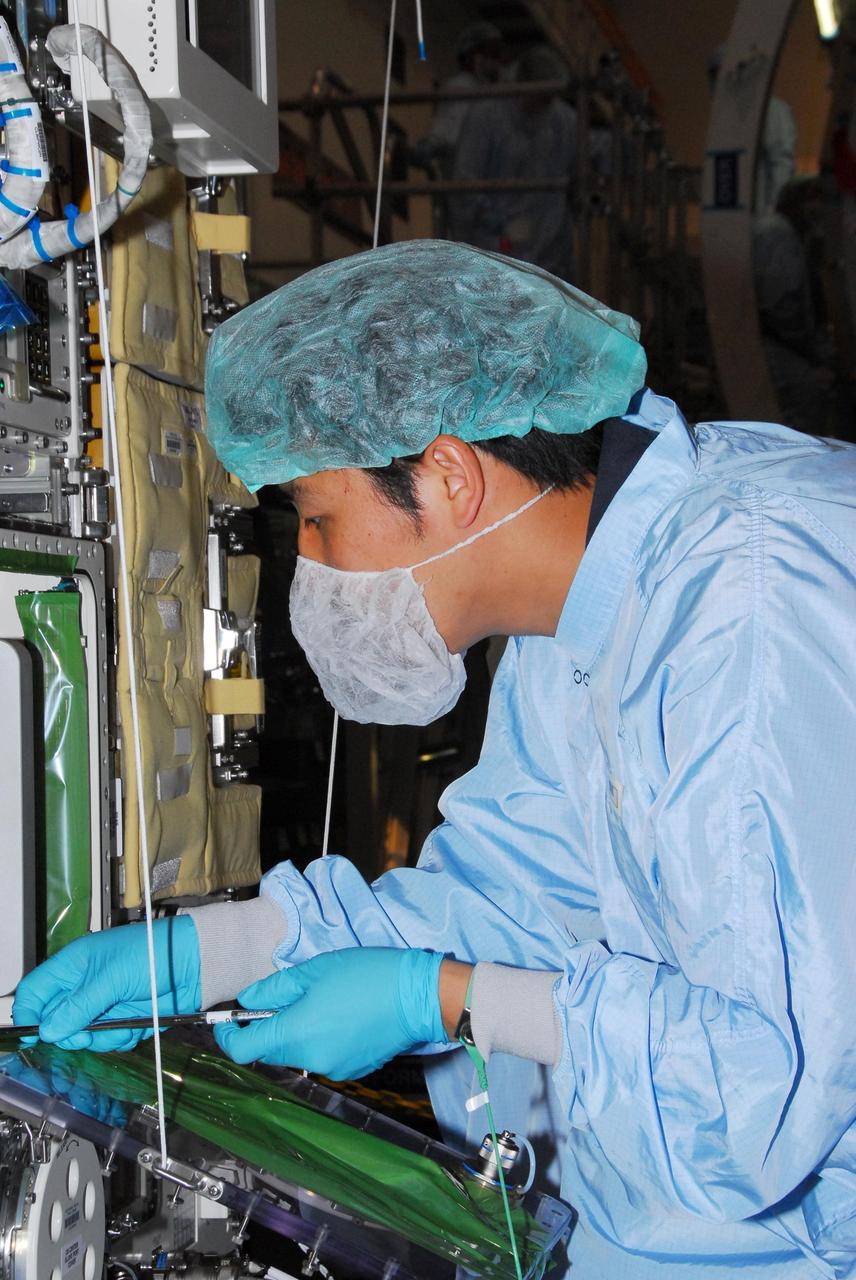
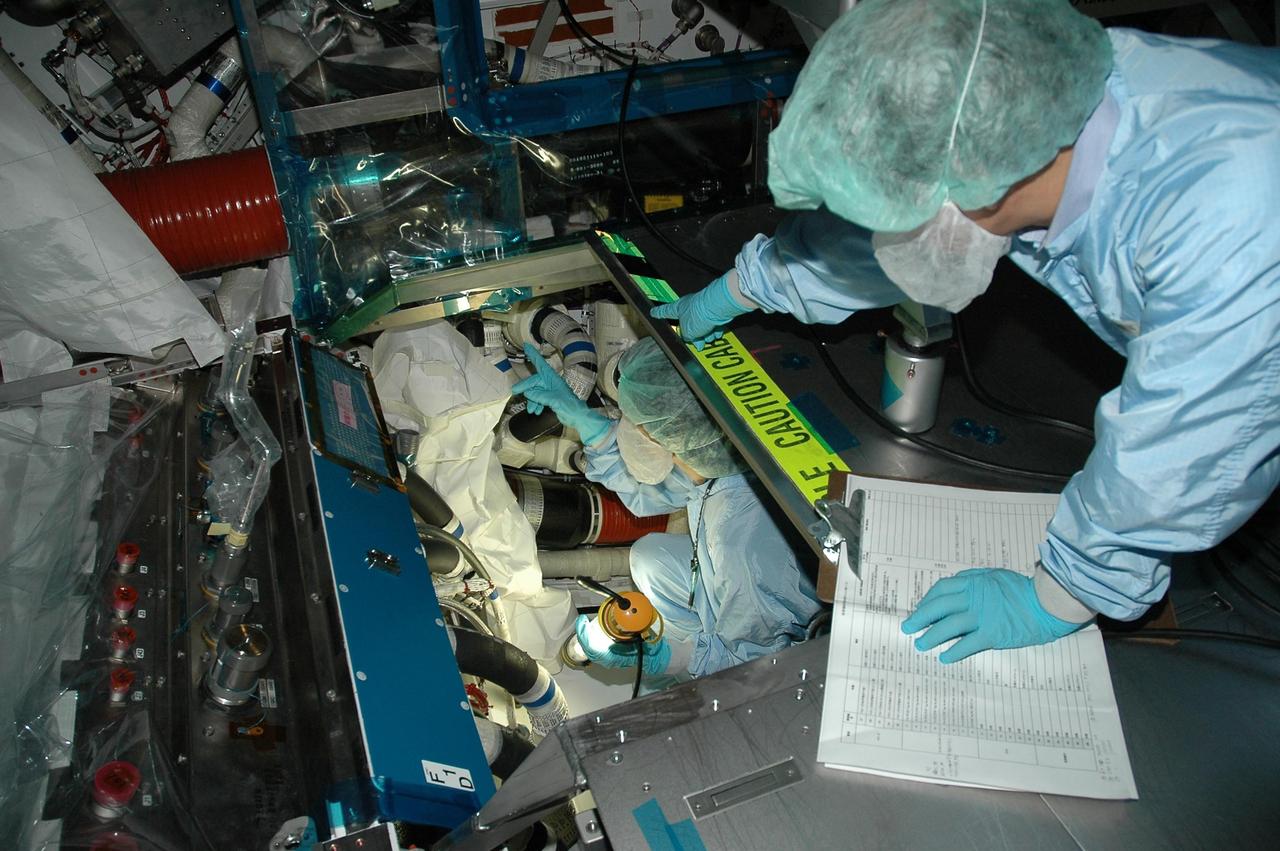
KENNEDY SPACE CENTER, FLA. - In the Space Station Processing Facility, a technician takes readings for pre-assembly measurements on the Japanese Experiment Module (JEM).  Developed by the Japan Aerospace Exploration Agency (JAXA), the JEM will enhance the unique research capabilities of the orbiting complex by providing an additional environment for astronauts to conduct science experiments.
KENNEDY SPACE CENTER, FLA. - In the Space Station Processing Facility, a technician takes readings for pre-assembly measurements on the Japanese Experiment Module (JEM). Developed by the Japan Aerospace Exploration Agency (JAXA), the JEM will enhance the unique research capabilities of the orbiting complex by providing an additional environment for astronauts to conduct science experiments.
KENNEDY SPACE CENTER, FLA. -  The Japanese Experiment Module (JEM) is moved on its workstand in the Space Station Processing Facility.  The JEM will undergo pre-assembly measurements.  Developed by the Japan Aerospace Exploration Agency (JAXA), the JEM will enhance the unique research capabilities of the orbiting complex by providing an additional environment for astronauts to conduct science experiments.
KENNEDY SPACE CENTER, FLA. - The Japanese Experiment Module (JEM) is moved on its workstand in the Space Station Processing Facility. The JEM will undergo pre-assembly measurements. Developed by the Japan Aerospace Exploration Agency (JAXA), the JEM will enhance the unique research capabilities of the orbiting complex by providing an additional environment for astronauts to conduct science experiments.
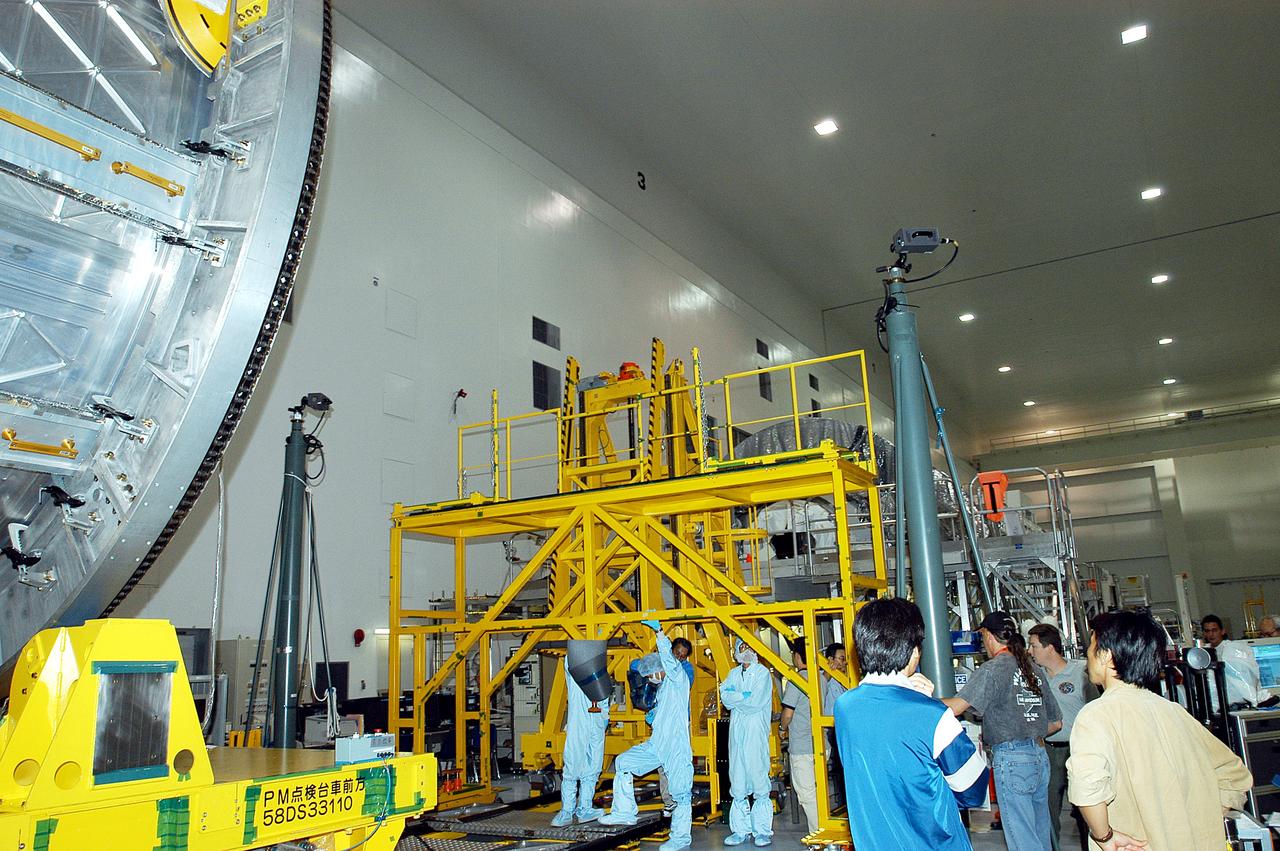
KENNEDY SPACE CENTER, FLA. -  In the Space Station Processing Facility, technicians begin pre-assembly measurements on the Japanese Experiment Module (JEM).  Developed by the Japan Aerospace Exploration Agency (JAXA), the JEM will enhance the unique research capabilities of the orbiting complex by providing an additional environment for astronauts to conduct science experiments.
KENNEDY SPACE CENTER, FLA. - In the Space Station Processing Facility, technicians begin pre-assembly measurements on the Japanese Experiment Module (JEM). Developed by the Japan Aerospace Exploration Agency (JAXA), the JEM will enhance the unique research capabilities of the orbiting complex by providing an additional environment for astronauts to conduct science experiments.
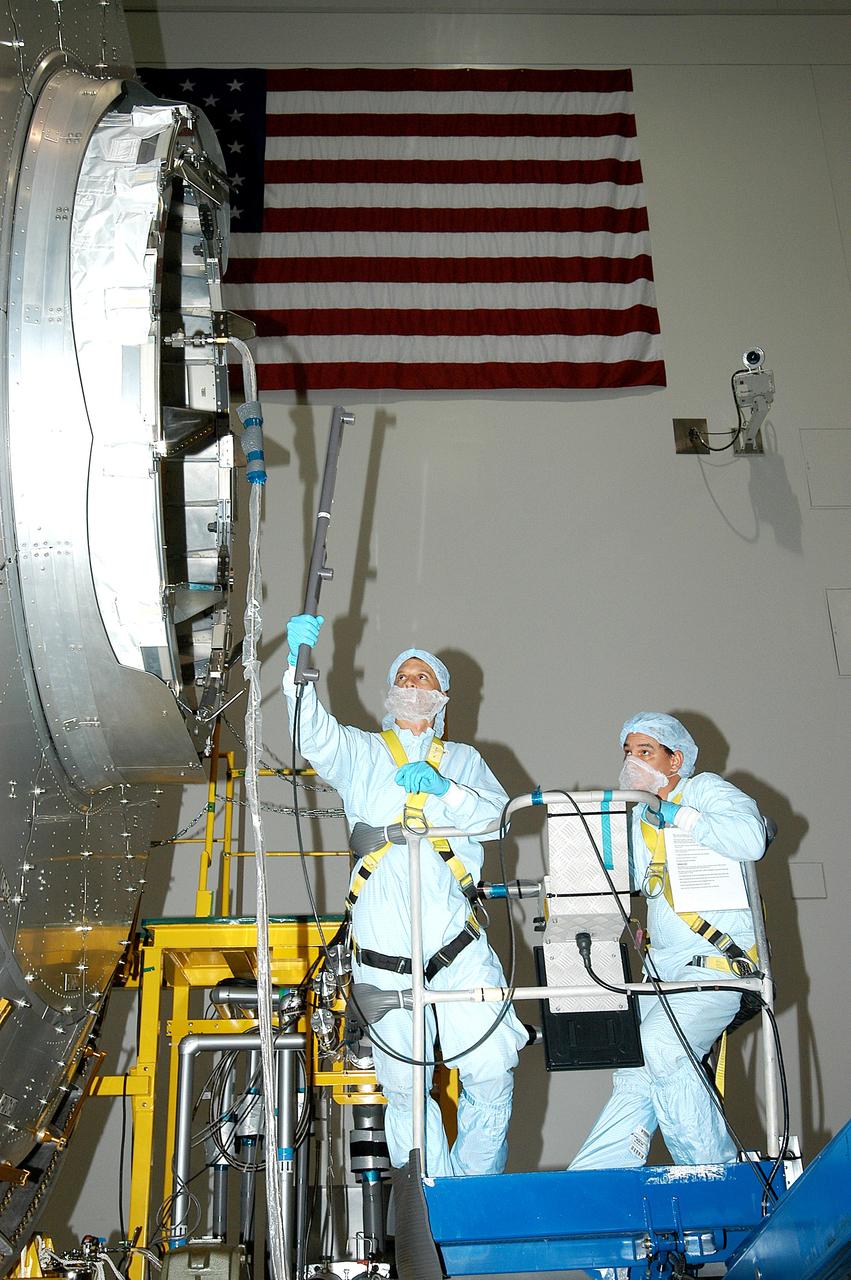
KENNEDY SPACE CENTER, FLA. - In the Space Station Processing Facility, technicians take readings for pre-assembly measurements on the Japanese Experiment Module (JEM).  Developed by the Japan Aerospace Exploration Agency (JAXA), the JEM will enhance the unique research capabilities of the orbiting complex by providing an additional environment for astronauts to conduct science experiments.
KENNEDY SPACE CENTER, FLA. - In the Space Station Processing Facility, technicians take readings for pre-assembly measurements on the Japanese Experiment Module (JEM). Developed by the Japan Aerospace Exploration Agency (JAXA), the JEM will enhance the unique research capabilities of the orbiting complex by providing an additional environment for astronauts to conduct science experiments.
KENNEDY SPACE CENTER, FLA. - In the Space Station Processing Facility, a technician takes readings for pre-assembly measurements on the Japanese Experiment Module (JEM).  Developed by the Japan Aerospace Exploration Agency (JAXA), the JEM will enhance the unique research capabilities of the orbiting complex by providing an additional environment for astronauts to conduct science experiments.
KENNEDY SPACE CENTER, FLA. - In the Space Station Processing Facility, a technician takes readings for pre-assembly measurements on the Japanese Experiment Module (JEM). Developed by the Japan Aerospace Exploration Agency (JAXA), the JEM will enhance the unique research capabilities of the orbiting complex by providing an additional environment for astronauts to conduct science experiments.
KENNEDY SPACE CENTER, FLA. - In the Space Station Processing Facility, a technician takes readings for pre-assembly measurements on the Japanese Experiment Module (JEM).  Developed by the Japan Aerospace Exploration Agency (JAXA), the JEM will enhance the unique research capabilities of the orbiting complex by providing an additional environment for astronauts to conduct science experiments.
KENNEDY SPACE CENTER, FLA. - In the Space Station Processing Facility, a technician takes readings for pre-assembly measurements on the Japanese Experiment Module (JEM). Developed by the Japan Aerospace Exploration Agency (JAXA), the JEM will enhance the unique research capabilities of the orbiting complex by providing an additional environment for astronauts to conduct science experiments.
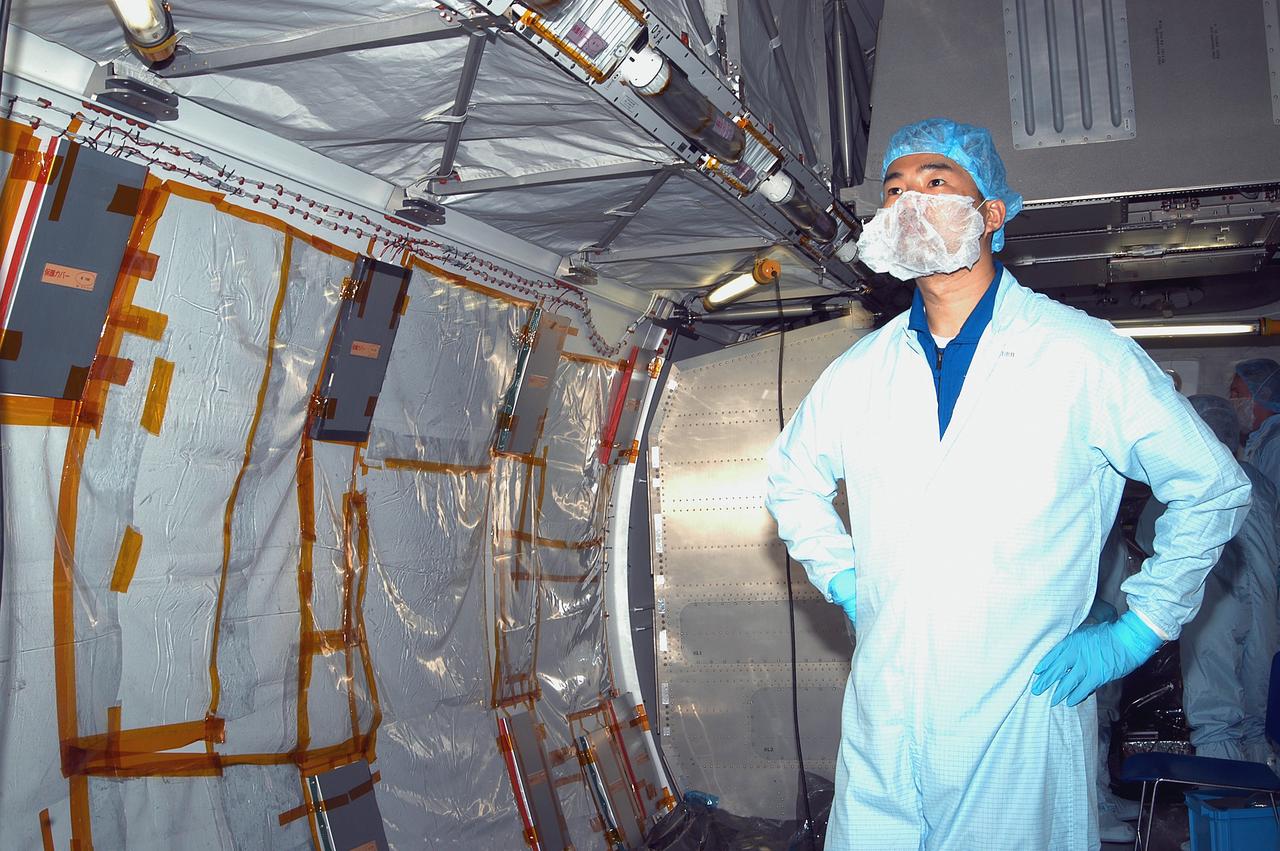
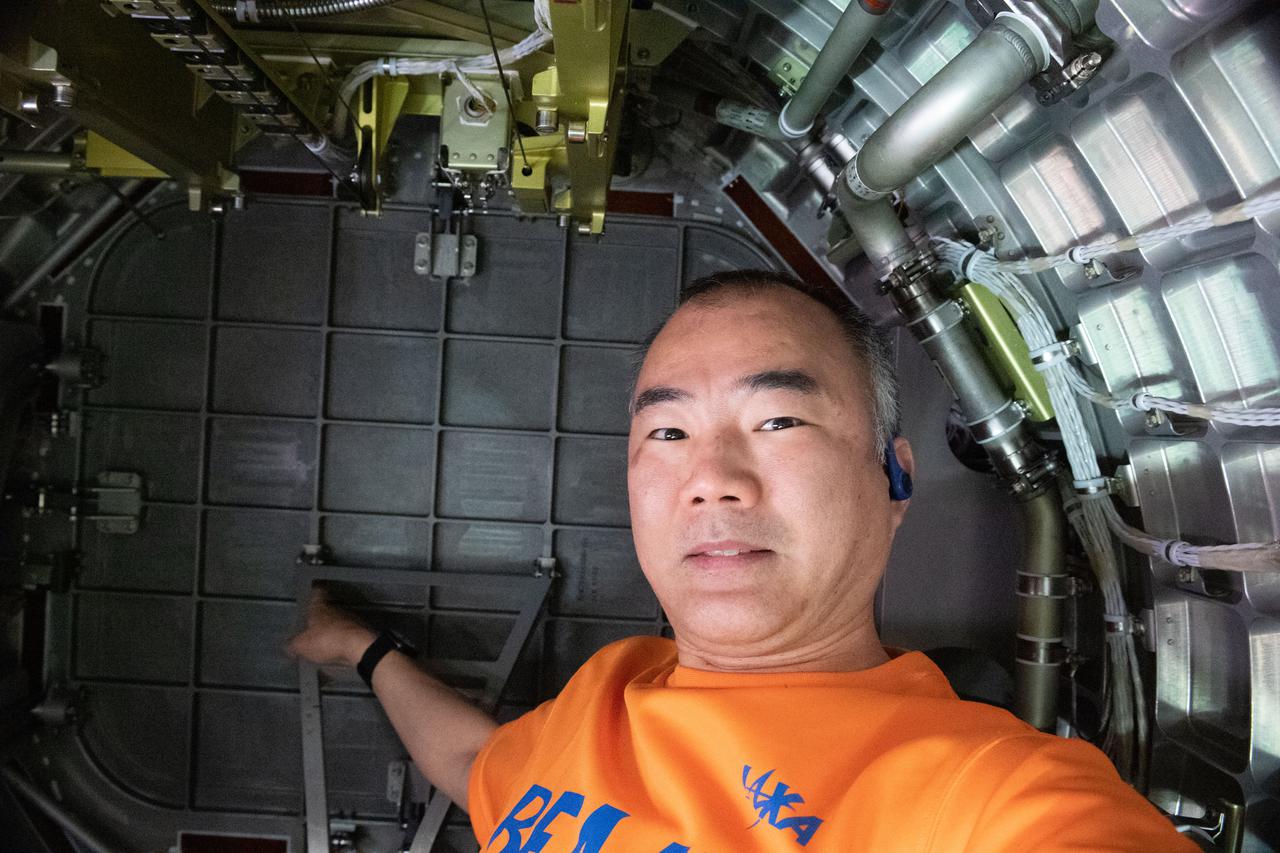
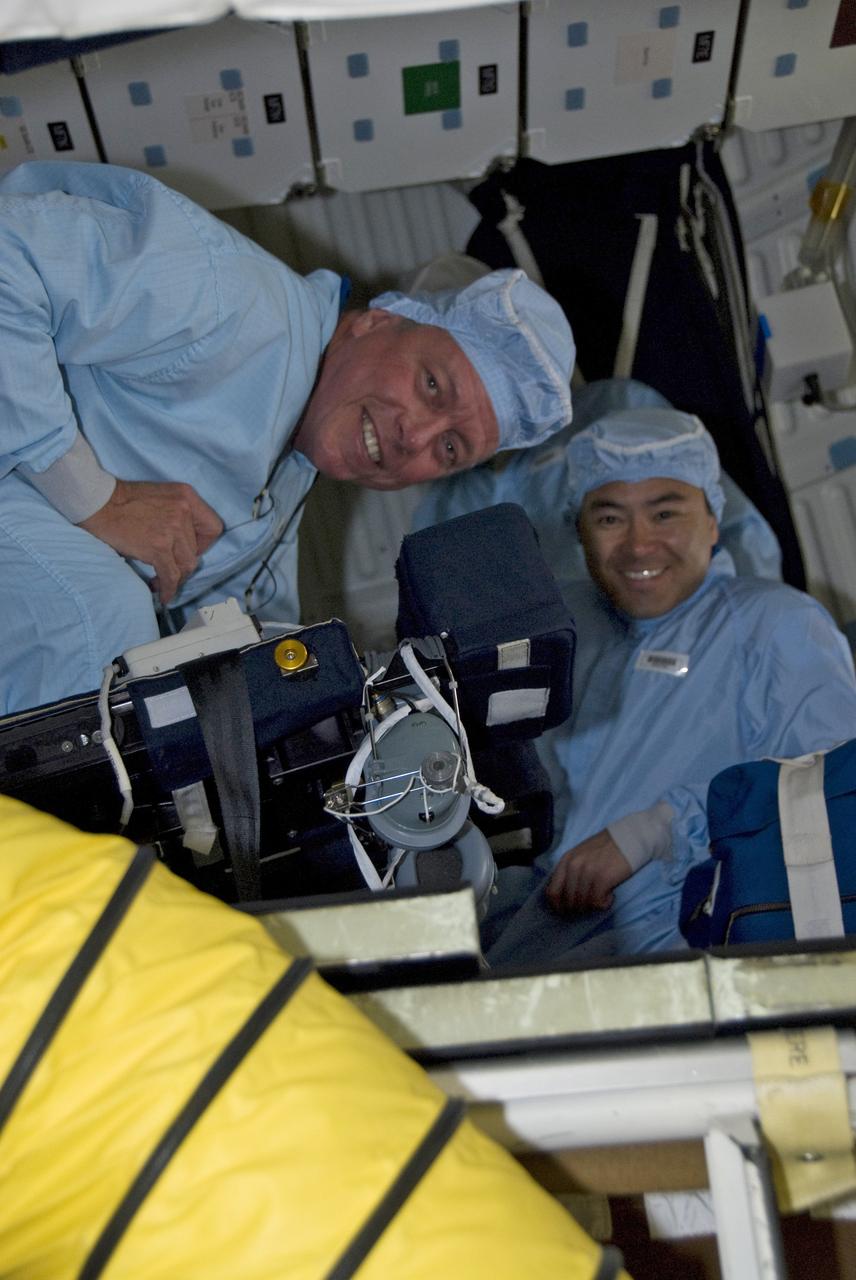
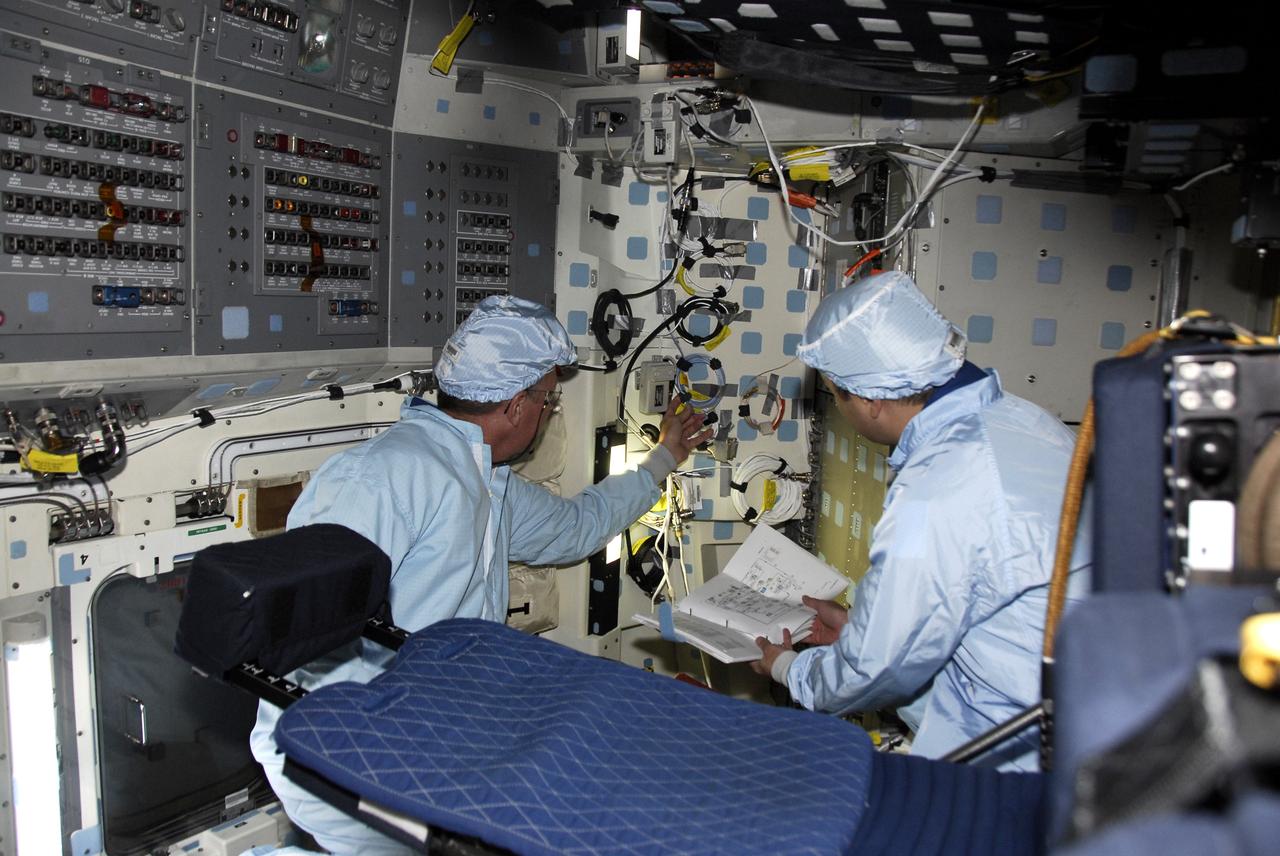
KENNEDY SPACE CENTER, FLA. - STS-114 Mission Specialist Soichi Noguchi, who is with the Japanese Aerospace and Exploration Agency, looks at the inside of the Japanese Experiment Module (JEM) in the Space Station Processing Facility.  He and other crew members are at KSC becoming familiar with Shuttle and mission equipment. The mission is Logistics Flight 1, which is scheduled to deliver supplies and equipment plus the external stowage platform to the International Space Station.
KENNEDY SPACE CENTER, FLA. - STS-114 Mission Specialist Soichi Noguchi, who is with the Japanese Aerospace and Exploration Agency, looks at the inside of the Japanese Experiment Module (JEM) in the Space Station Processing Facility. He and other crew members are at KSC becoming familiar with Shuttle and mission equipment. The mission is Logistics Flight 1, which is scheduled to deliver supplies and equipment plus the external stowage platform to the International Space Station.
KENNEDY SPACE CENTER, FLA. -  Executive Director of NASDA Koji Yamamoto (left) and Center Director Roy Bridges Jr. (right) exchange mementos during Mr. Yamamoto’s visit to KSC.  Mr. Bridges also holds the logo of the new Japan Aerospace Exploration Agency, a merger of three Japanese aeronautical and space agencies effective Oct.1, 2003.  Mr. Yamamoto is at KSC for a welcome ceremony involving the arrival of the newest Space Station module, the Japanese Experiment Module/pressurized module.  His visit includes a tour of the Columbia Debris Hangar.
KENNEDY SPACE CENTER, FLA. - Executive Director of NASDA Koji Yamamoto (left) and Center Director Roy Bridges Jr. (right) exchange mementos during Mr. Yamamoto’s visit to KSC. Mr. Bridges also holds the logo of the new Japan Aerospace Exploration Agency, a merger of three Japanese aeronautical and space agencies effective Oct.1, 2003. Mr. Yamamoto is at KSC for a welcome ceremony involving the arrival of the newest Space Station module, the Japanese Experiment Module/pressurized module. His visit includes a tour of the Columbia Debris Hangar.
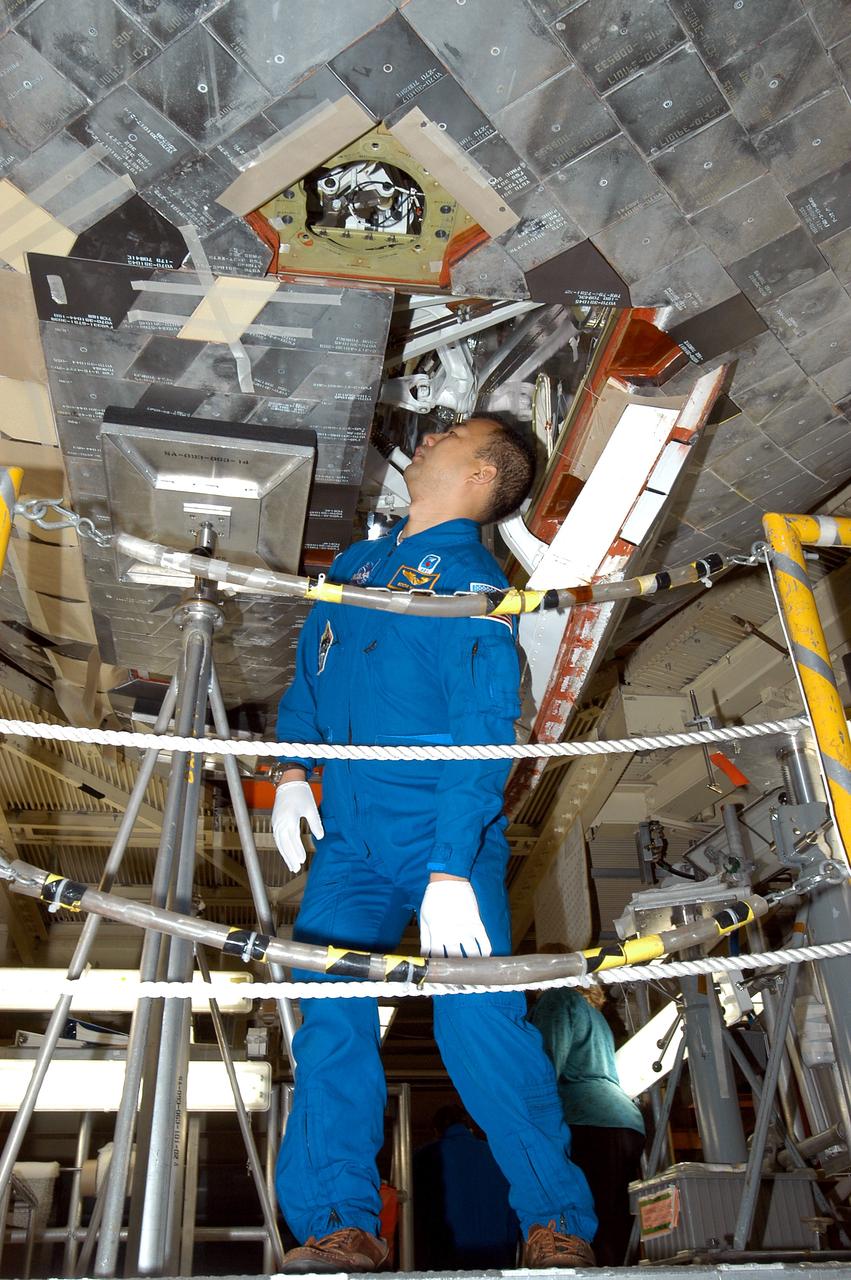
KENNEDY SPACE CENTER, FLA. - STS-114 Mission Specialist Soichi Noguchi looks at tile on the underside of the orbiter Discovery.  Noguchi is with the Japanese Aerospace and Exploration Agency.   He and other crew members are at KSC becoming familiar with Shuttle and mission equipment. The mission is Logistics Flight 1, which is scheduled to deliver supplies and equipment plus the external stowage platform to the International Space Station.
KENNEDY SPACE CENTER, FLA. - STS-114 Mission Specialist Soichi Noguchi looks at tile on the underside of the orbiter Discovery. Noguchi is with the Japanese Aerospace and Exploration Agency. He and other crew members are at KSC becoming familiar with Shuttle and mission equipment. The mission is Logistics Flight 1, which is scheduled to deliver supplies and equipment plus the external stowage platform to the International Space Station.
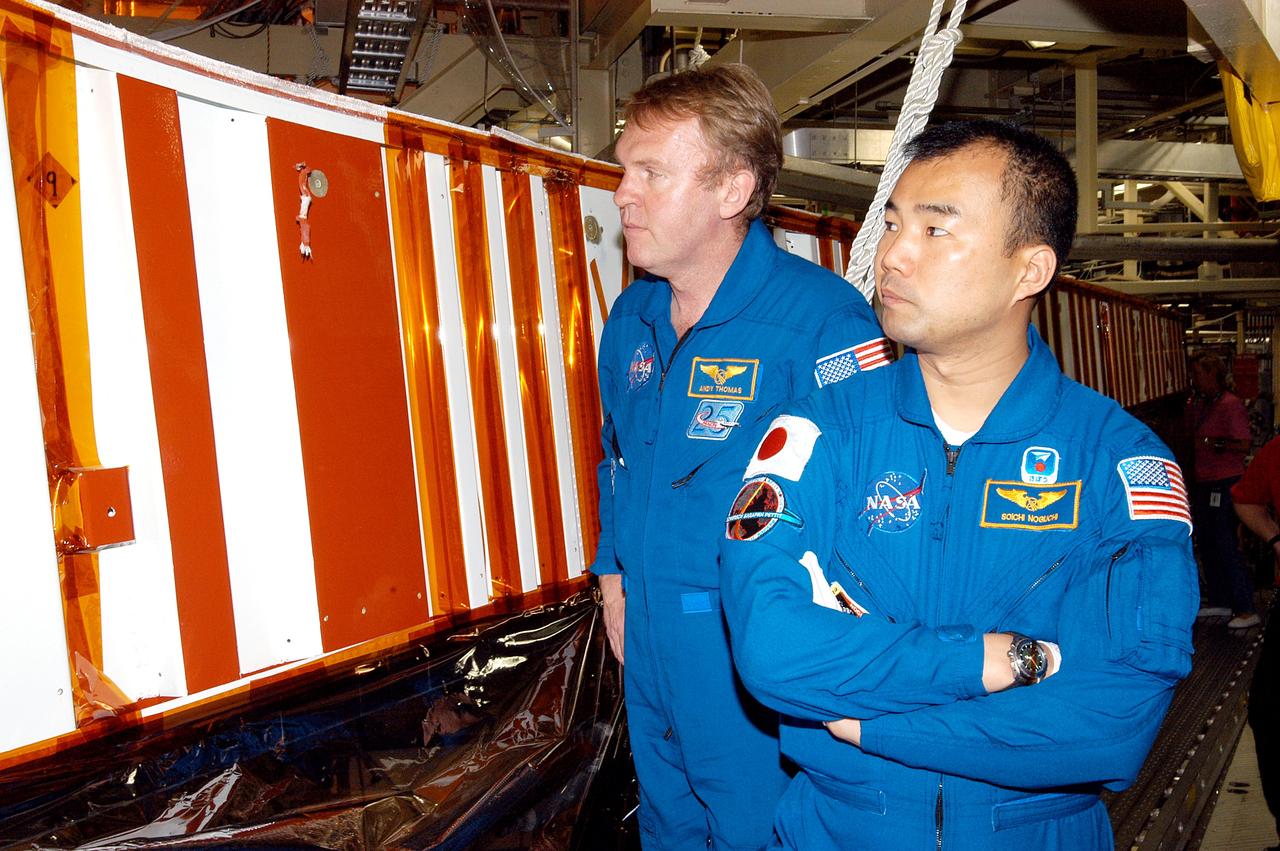
KENNEDY SPACE CENTER, FLA. - STS-114 Mission Specialists Andrew Thomas and Soichi Noguchi look at the leading edge of Discovery’s wing with RCC panels removed. Noguchi is with the Japanese Aerospace and Exploration Agency.   Crew members are at KSC becoming familiar with Shuttle and mission equipment. The mission is Logistics Flight 1, which is scheduled to deliver supplies and equipment plus the external stowage platform to the International Space Station.
KENNEDY SPACE CENTER, FLA. - STS-114 Mission Specialists Andrew Thomas and Soichi Noguchi look at the leading edge of Discovery’s wing with RCC panels removed. Noguchi is with the Japanese Aerospace and Exploration Agency. Crew members are at KSC becoming familiar with Shuttle and mission equipment. The mission is Logistics Flight 1, which is scheduled to deliver supplies and equipment plus the external stowage platform to the International Space Station.
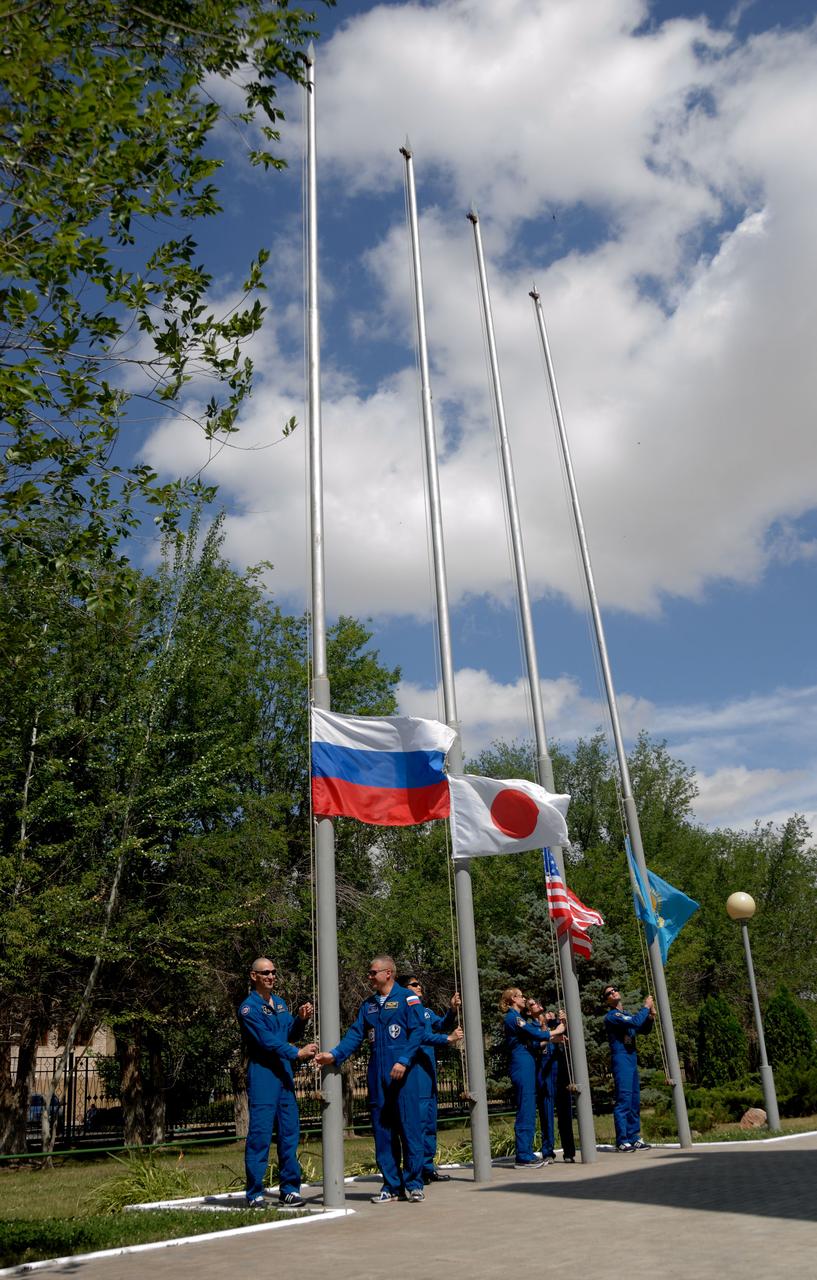
Outside their Cosmonaut Hotel crew quarters in Baikonur, Kazakhstan, the Expedition 48-49 prime and backup crewmembers conduct the traditional raising of the Russian, Japanese, American and Kazakh flags June 26. Prime crewmembers Kate Rubins of NASA, Anatoly Ivanishin of Roscosmos and Takuya Onishi of the Japan Aerospace Exploration Agency will launch on July 7, Baikonur time, on the Soyuz MS-01 spacecraft for a planned four-month mission on the International Space Station.  NASA/Alexander Vysotsky
Outside their Cosmonaut Hotel crew quarters in Baikonur, Kazakhstan, the Expedition 48-49 prime and backup crewmembers conduct the traditional raising of the Russian, Japanese, American and Kazakh flags June 26. Prime crewmembers Kate Rubins of NASA, Anatoly Ivanishin of Roscosmos and Takuya Onishi of the Japan Aerospace Exploration Agency will launch on July 7, Baikonur time, on the Soyuz MS-01 spacecraft for a planned four-month mission on the International Space Station...NASA/Alexander Vysotsky.
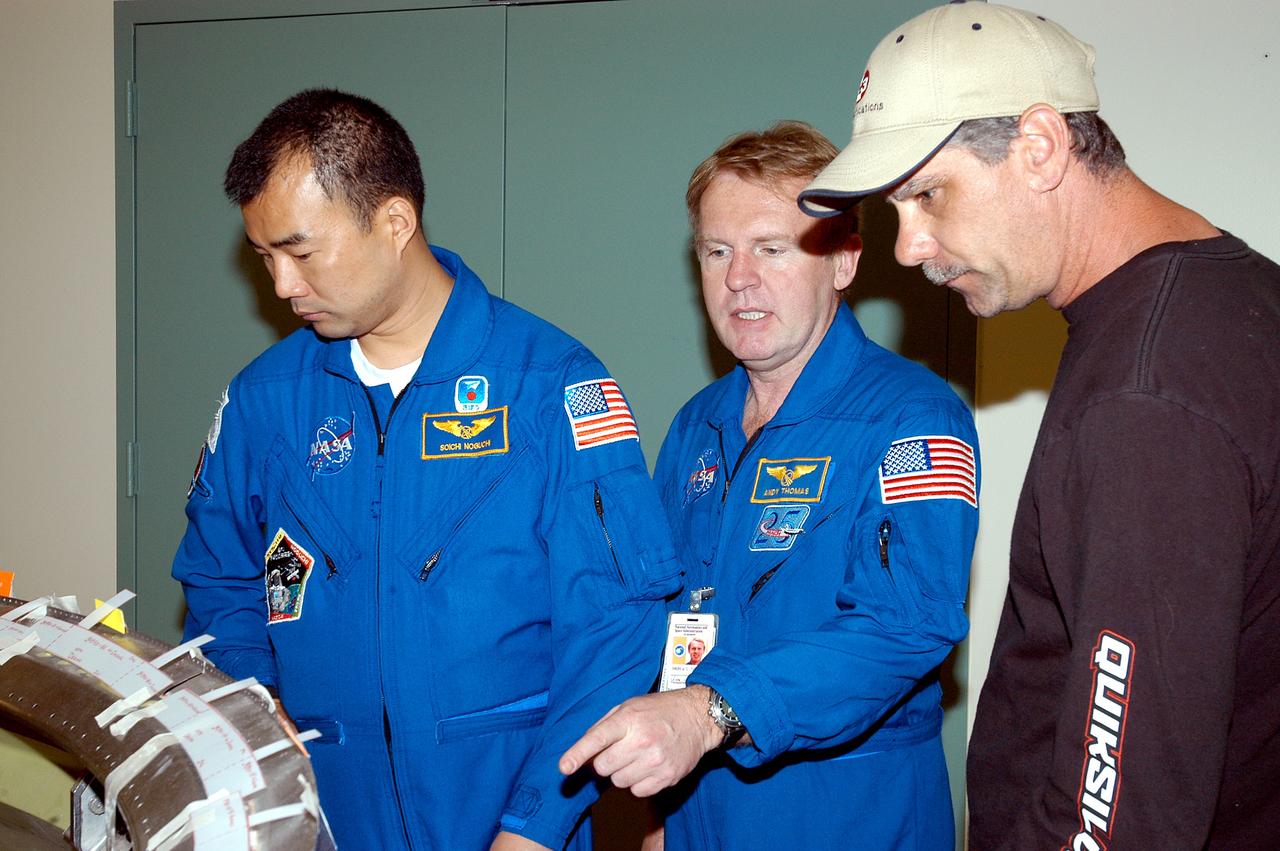
KENNEDY SPACE CENTER, FLA. -  Members of the STS-114 crew spend time becoming familiar with Shuttle and mission equipment.  Mission Specialists Soichi Noguchi (left) and Andrew Thomas (center) look at an engine eyelet, which serves as part of the thermal protection system on an orbiter.  Noguchi is with the Japanese Aerospace Exploration Agency (JAXA).  The mission is Logistics Flight 1, which is scheduled to deliver supplies and equipment and the external stowage platform to the International Space Station.
KENNEDY SPACE CENTER, FLA. - Members of the STS-114 crew spend time becoming familiar with Shuttle and mission equipment. Mission Specialists Soichi Noguchi (left) and Andrew Thomas (center) look at an engine eyelet, which serves as part of the thermal protection system on an orbiter. Noguchi is with the Japanese Aerospace Exploration Agency (JAXA). The mission is Logistics Flight 1, which is scheduled to deliver supplies and equipment and the external stowage platform to the International Space Station.
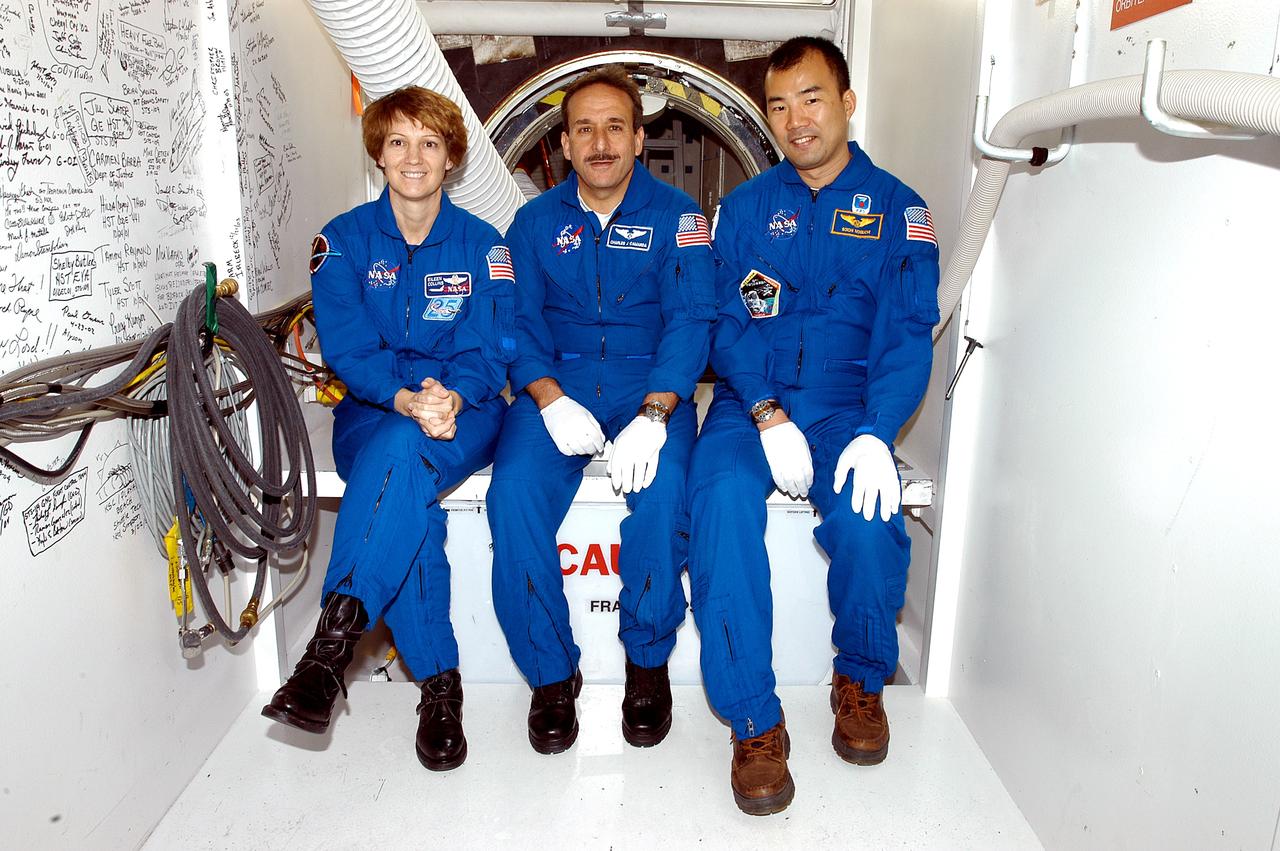
KENNEDY SPACE CENTER, FLA. - STS-114 Commander Eileen Collins and Mission Specialists Charles Camarda and Soichi Noguchi sit outside the crew hatch on the orbiter Discovery.  Noguchi is with the Japanese Aerospace and Exploration Agency.   They and other crew members are at KSC becoming familiar with Shuttle and mission equipment. The mission is Logistics Flight 1, which is scheduled to deliver supplies and equipment plus the external stowage platform to the International Space Station.
KENNEDY SPACE CENTER, FLA. - STS-114 Commander Eileen Collins and Mission Specialists Charles Camarda and Soichi Noguchi sit outside the crew hatch on the orbiter Discovery. Noguchi is with the Japanese Aerospace and Exploration Agency. They and other crew members are at KSC becoming familiar with Shuttle and mission equipment. The mission is Logistics Flight 1, which is scheduled to deliver supplies and equipment plus the external stowage platform to the International Space Station.
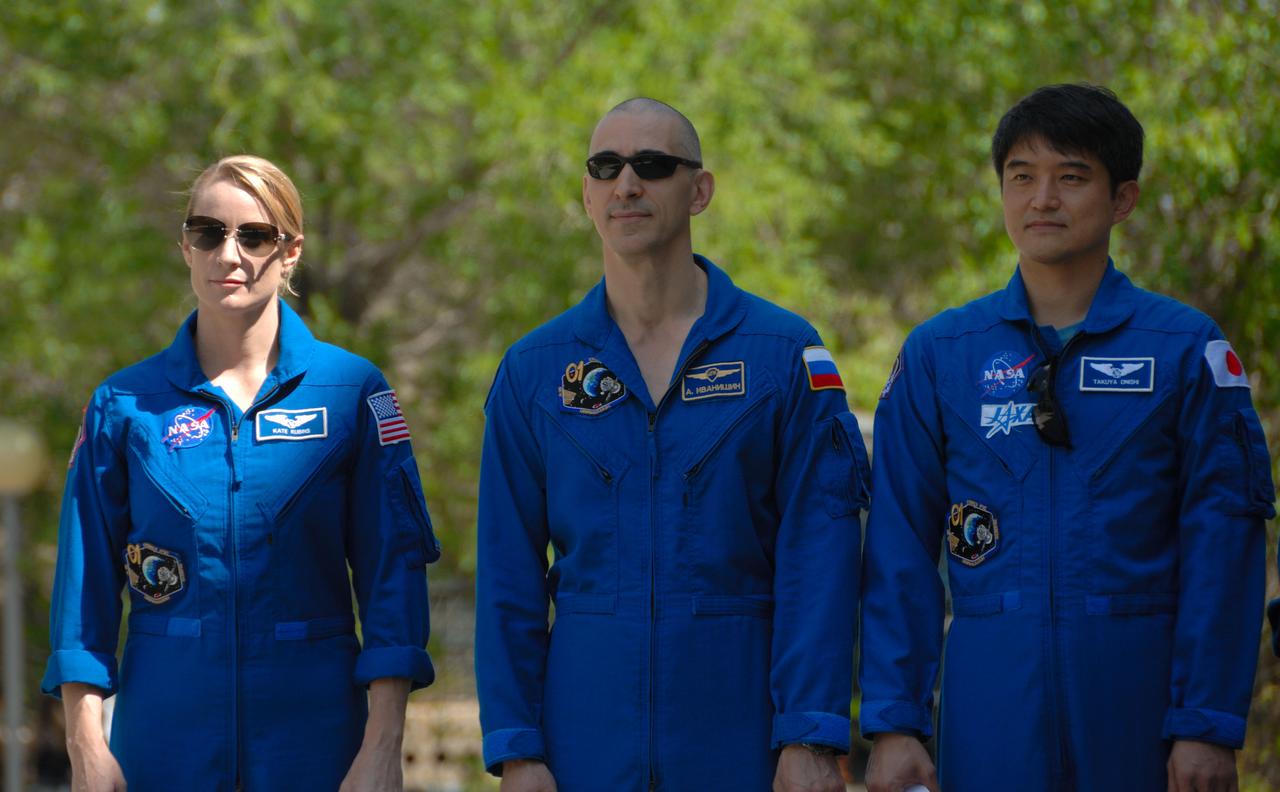
Outside their Cosmonaut Hotel crew quarters in Baikonur, Kazakhstan, Expedition 48-49 crewmembers Kate Rubins of NASA (left), Anatoly Ivanishin of Roscosmos (center) and Takuya Onishi of the Japan Aerospace Exploration Agency (right) listen to remarks June 26 during the traditional raising of the American, Russian, Japanese and Kazakh flags. The trio will launch on July 7, Baikonur time, on the Soyuz MS-01 spacecraft for a planned four-month mission on the International Space Station.  NASA/Alexander Vysotsky
Outside their Cosmonaut Hotel crew quarters in Baikonur, Kazakhstan, Expedition 48-49 crewmembers Kate Rubins of NASA (left), Anatoly Ivanishin of Roscosmos (center) and Takuya Onishi of the Japan Aerospace Exploration Agency (right) listen to remarks June 26 during the traditional raising of the American, Russian, Japanese and Kazakh flags. The trio will launch on July 7, Baikonur time, on the Soyuz MS-01 spacecraft for a planned four-month mission on the International Space Station...NASA/Alexander Vysotsky.
KENNEDY SPACE CENTER, FLA. - In the Space Station Processing Facility, technicians with The Boeing Company move an infrared camera into position near the Japanese Experiment Module (JEM) for pre-assembly measurements.  Developed by the Japan Aerospace Exploration Agency (JAXA), the JEM will enhance the unique research capabilities of the orbiting complex by providing an additional environment for astronauts to conduct science experiments.
KENNEDY SPACE CENTER, FLA. - In the Space Station Processing Facility, technicians with The Boeing Company move an infrared camera into position near the Japanese Experiment Module (JEM) for pre-assembly measurements. Developed by the Japan Aerospace Exploration Agency (JAXA), the JEM will enhance the unique research capabilities of the orbiting complex by providing an additional environment for astronauts to conduct science experiments.
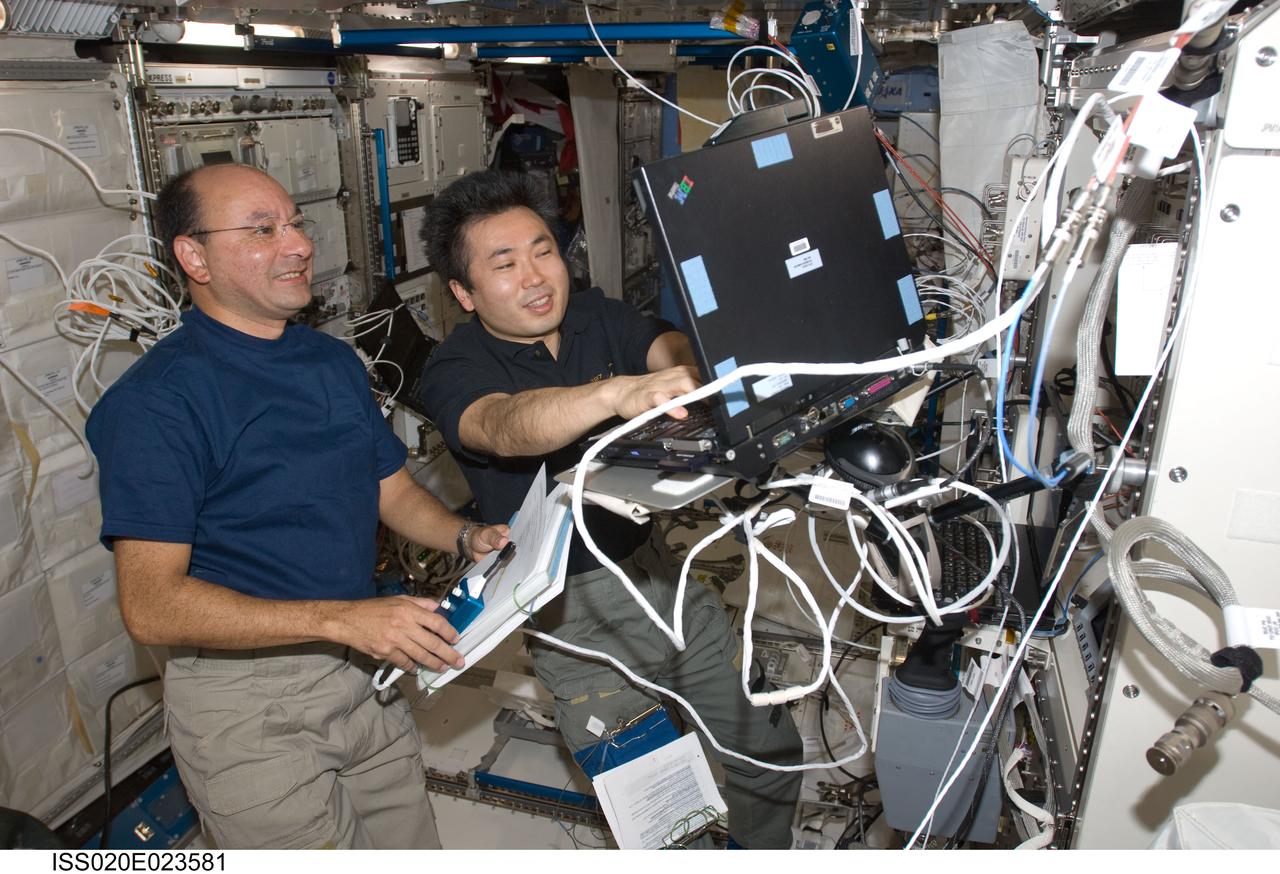
ISS020-E-023581 (23 July 2009) --- Japanese Aerospace Exploration Agency astronaut Koichi Wakata (right) and astronaut Mark Polansky, STS-127 mission specialist and commander, respectively, work in the Japanese Experiment Module or Kibo during flight day 9, as joint shuttle-station activities continue on the orbital outpost.
Wakata and Polansky in JPM
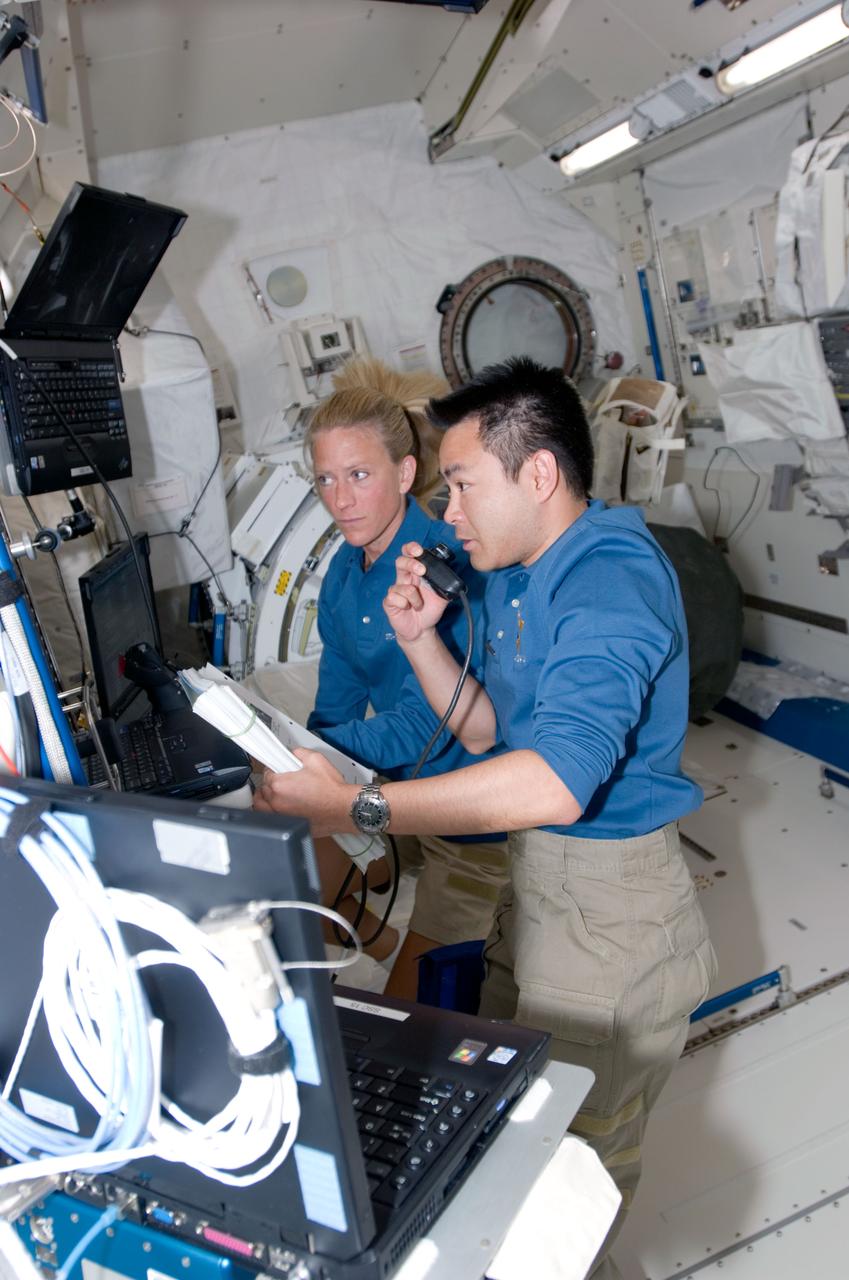
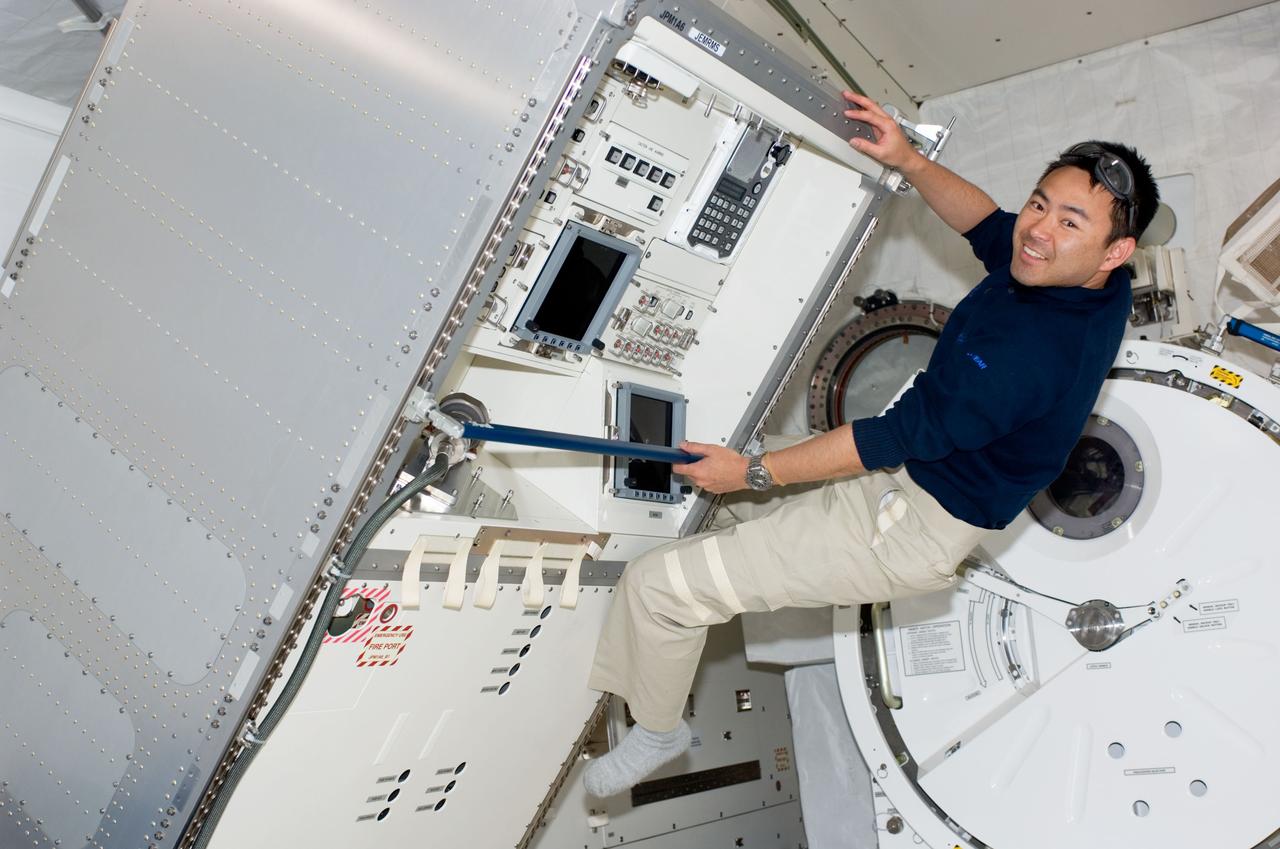
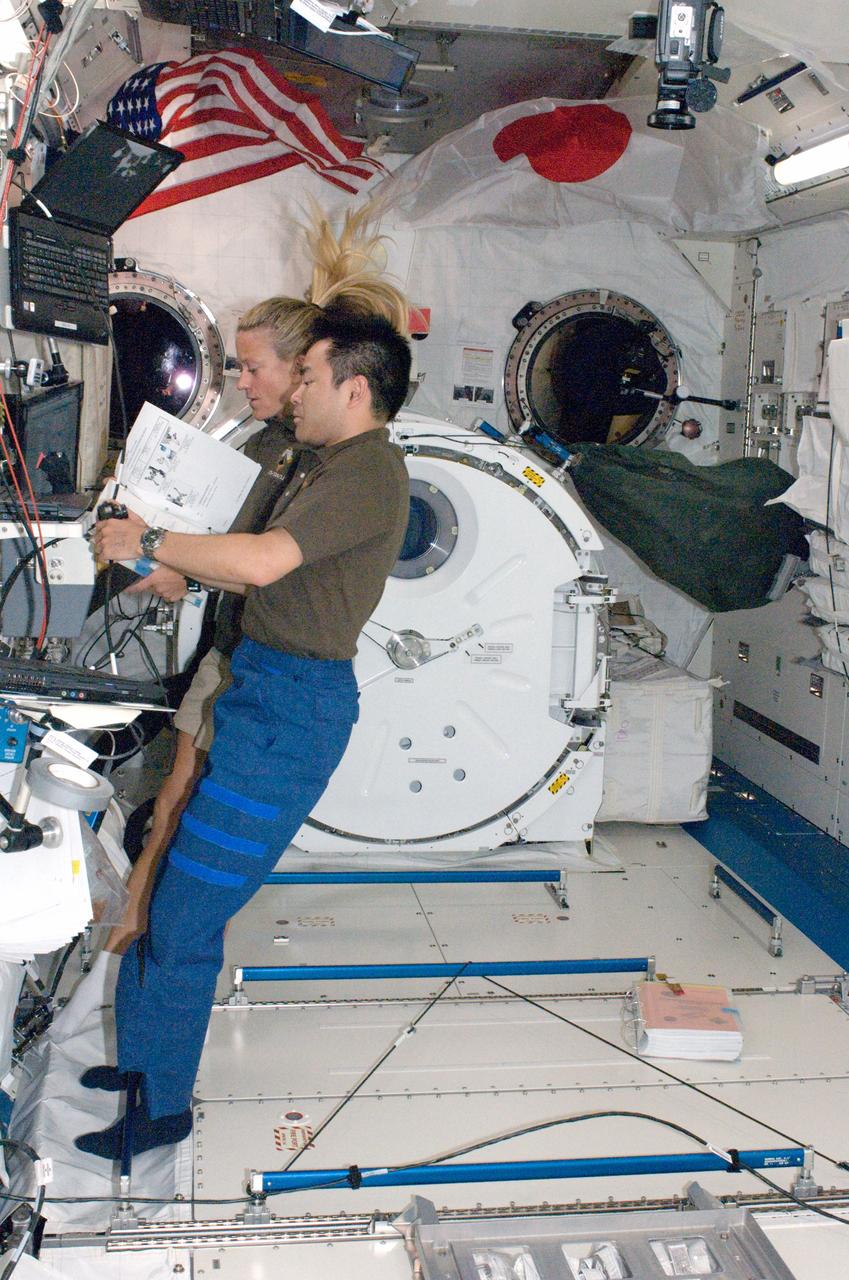
S124-E-007617 (7 June 2008) --- Japan Aerospace Exploration Agency astronaut Akihiko Hoshide and NASA astronaut Karen Nyberg, both STS-124 mission specialists, work at the Japanese Remote Manipulator System in the Kibo Japanese Pressurized Module of the International Space Station while Space Shuttle Discovery is docked with the station.
Hoshide and Nyberg during JPM RMS deployment
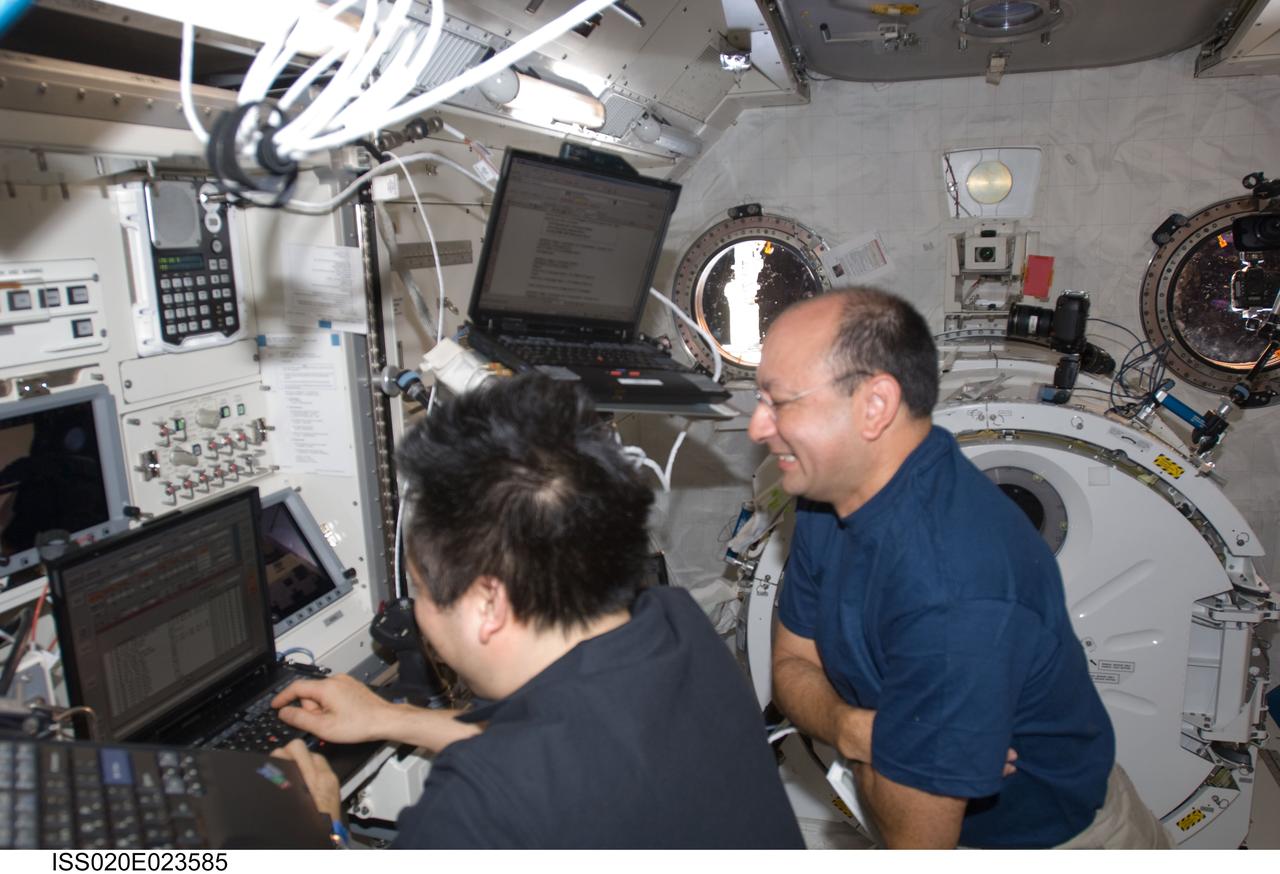
ISS020-E-023585 (23 July 2009) --- Japanese Aerospace Exploration Agency astronaut Koichi Wakata (left) and astronaut Mark Polansky, STS-127 mission specialist and commander, respectively, work in the Japanese Experiment Module or Kibo during flight day 9, as joint shuttle-station activities continue on the orbital outpost.
Wakata and Polansky in JPM
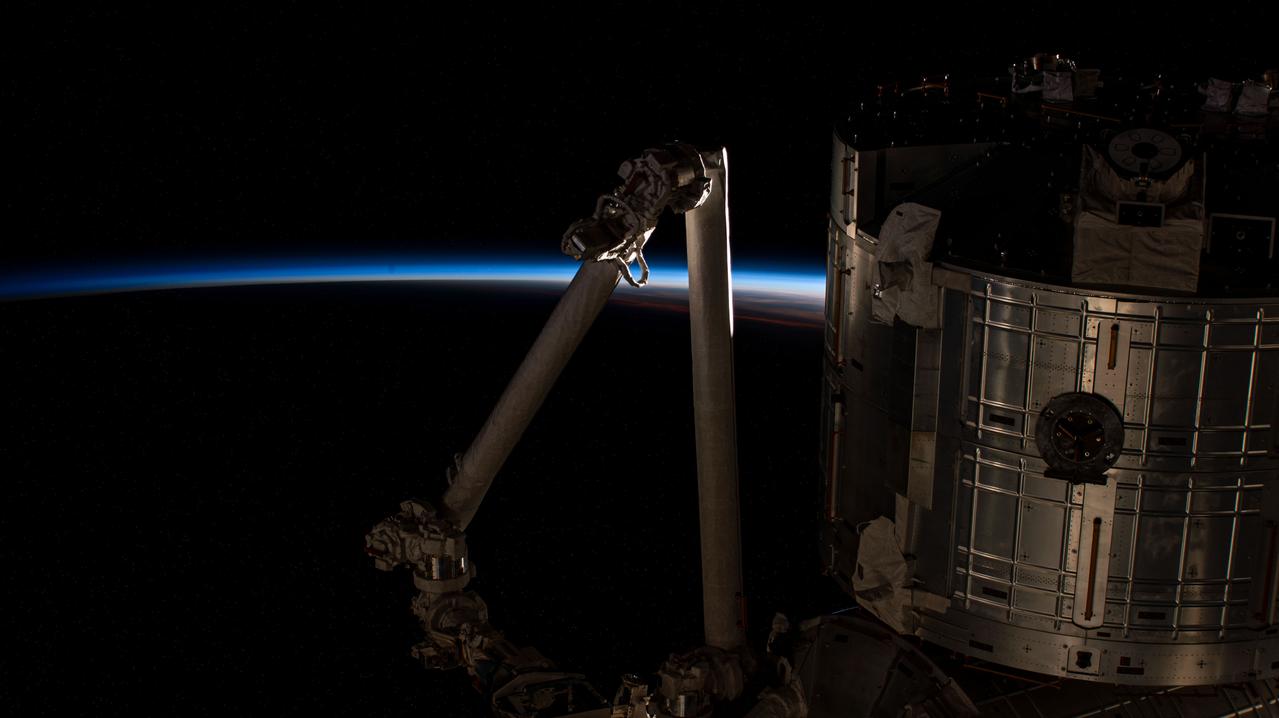
iss064e013193 (Dec. 29, 2020) --- The International Space Station flies 262 miles above the Atlantic Ocean into an orbital sunrise with portions of the JAXA (Japan Aerospace Exploration Agency) Kibo laboratory module in the foreground. The two main Kibo components pictured are the Japanese robotic arm and the Japanese Logistics module.
iss064e013193
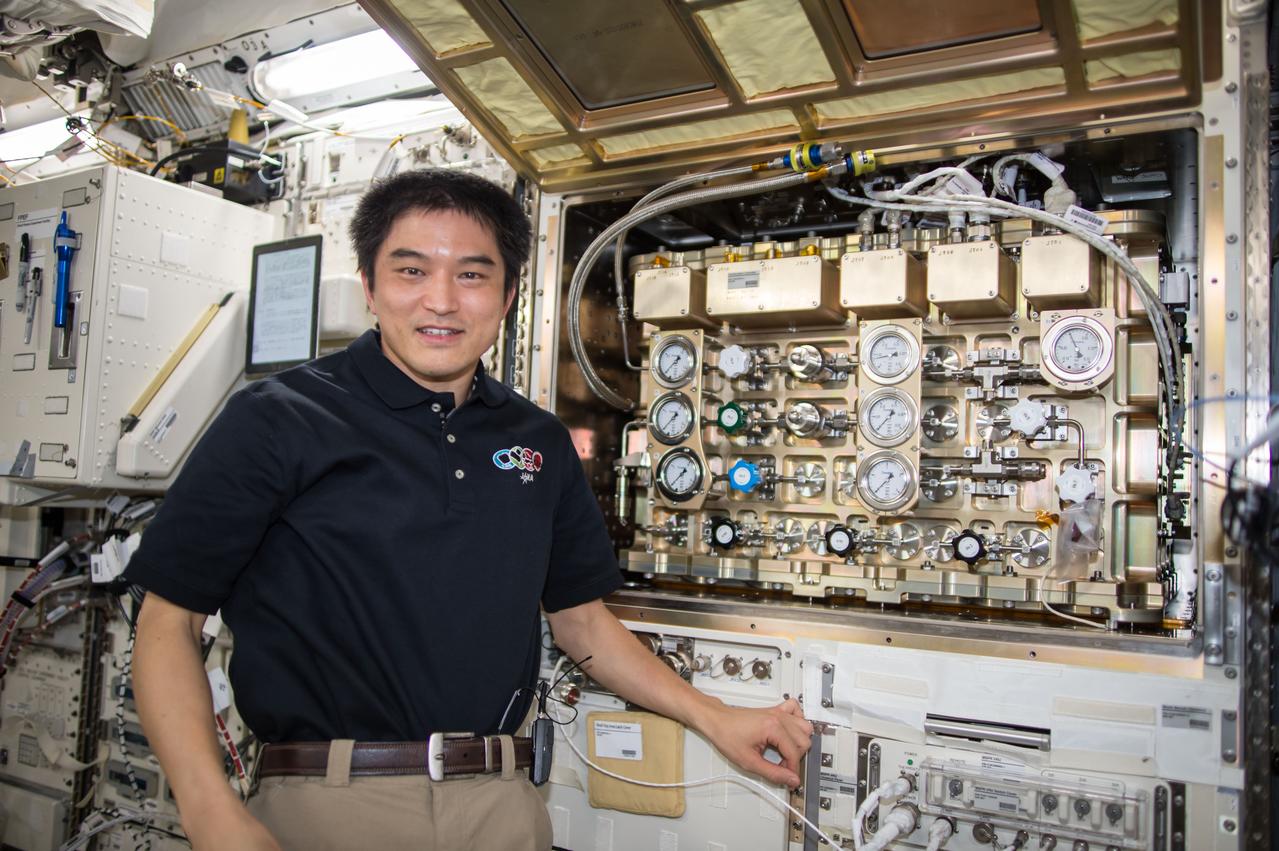
iss049e012031 (9/28/2016) --- Japan Aerospace Exploration Agency (JAXA) astronaut Takuya Onishi with the Multi purpose Small Payload Rack (MSPR) Combustion Chamber (CC) in Japanese Experiment Module (JEM).
Takuya Onishi with MSPR Combustion Chamber (CC)
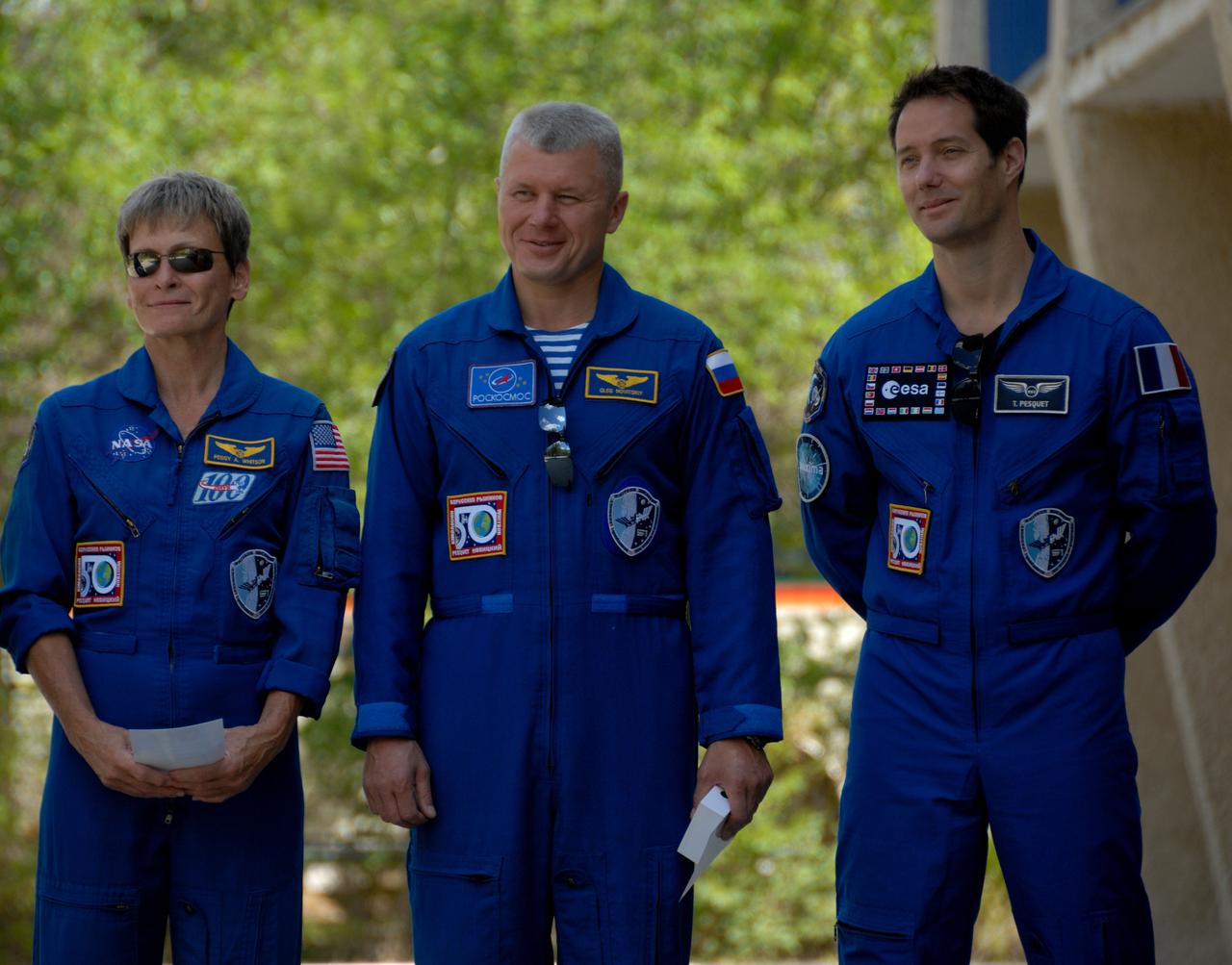
Outside their Cosmonaut Hotel crew quarters in Baikonur, Kazakhstan, Expedition 48-49 backup crewmembers Peggy Whitson of NASA (left), Oleg Novitskiy of Roscosmos (center) and Thomas Pesquet of the European Space Agency (right) listen to remarks June 26 during the traditional raising of the American, Russian, Japanese and Kazakh flags. Prime crewmembers Kate Rubins of NASA, Anatoly Ivanishin of Roscosmos and Takuya Onishi of the Japan Aerospace Exploration Agency will launch on July 7, Baikonur time, on the Soyuz MS-01 spacecraft for a planned four-month mission on the International Space Station.  NASA/Alexander Vysotsky
Outside their Cosmonaut Hotel crew quarters in Baikonur, Kazakhstan, Expedition 48-49 backup crewmembers Peggy Whitson of NASA (left), Oleg Novitskiy of Roscosmos (center) and Thomas Pesquet of the European Space Agency (right) listen to remarks June 26 during the traditional raising of the American, Russian, Japanese and Kazakh flags. Prime crewmembers Kate Rubins of NASA, Anatoly Ivanishin of Roscosmos and Takuya Onishi of the Japan Aerospace Exploration Agency will launch on July 7, Baikonur time, on the Soyuz MS-01 spacecraft for a planned four-month mission on the International Space Station...NASA/Alexander Vysotsky.
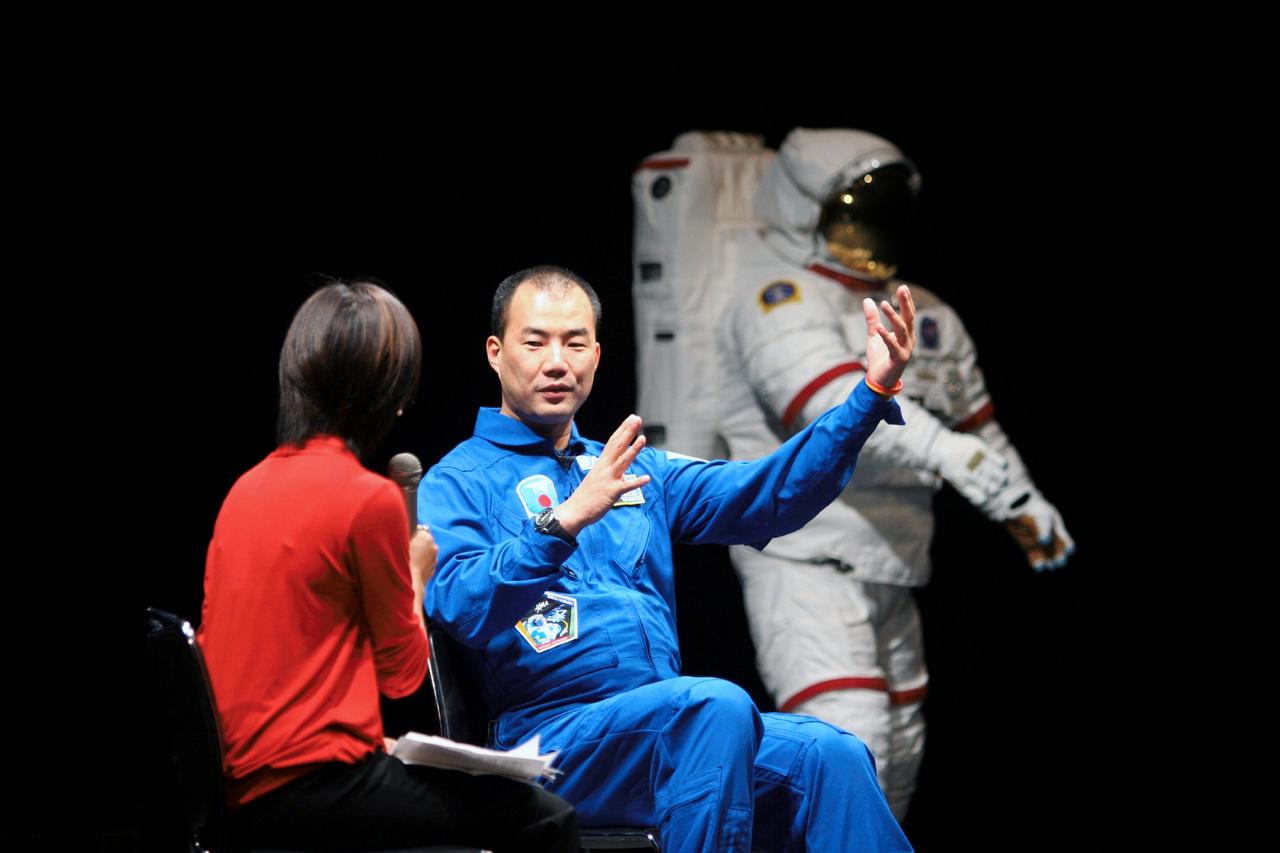
JSC2005-E-40330 (1 October 2005) --- Japanese Aerospace Exploration Agency (JAXA) astronaut Soichi Noguchi discusses his flight on the mission that returned the Space Shuttle to flight earlier this year with members of the public in Tokyo, Japan, on Oct. 1. Noguchi and the rest of the crew of Discovery for STS-114 visited Japan as guests of JAXA and participated in a variety of public events. Photo Credit: Japan Aerospace Exploration Agency
STS-114 Japanese Tour Postflight
S123-E-007352 (19 March 2008) --- Japan Aerospace Exploration Agency (JAXA) astronaut Takao Doi, STS-123 mission specialist, floats in the newly installed Japanese Logistics Module - Pressurized Section (JLP) of the International Space Station while Space Shuttle Endeavour is docked with the station. The JLP is the first pressurized component of the Japan Aerospace Exploration Agency's Kibo laboratory and the newest component of the station.
Doi floats in the JLP during STS-123 / Expedition 16 Joint Operations
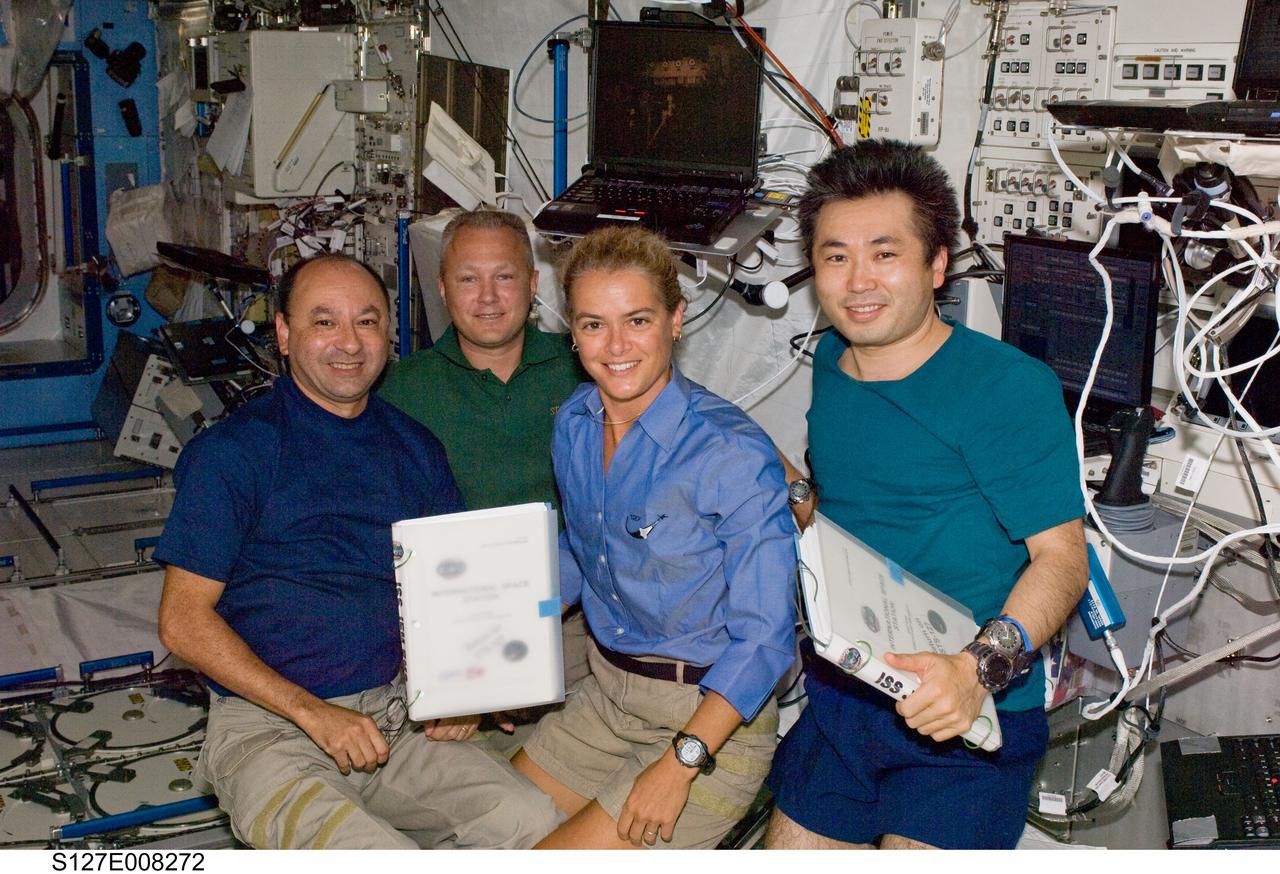
S127-E-008272 (23 July 2009) --- From left, astronauts Mark Polansky, STS-127 commander; and Doug Hurley, pilot; with Canadian Space Agency astronaut Julie Payette and Japanese Aerospace Exploration Agency astronaut Koichi Wakata, both mission specialists, assemble in the Japanese Experiment Module or Kibo during flight day 9 activities on the International Space Station.
STS-127 and Expedition 20 Crewmembers in the JEM during Joint Operations
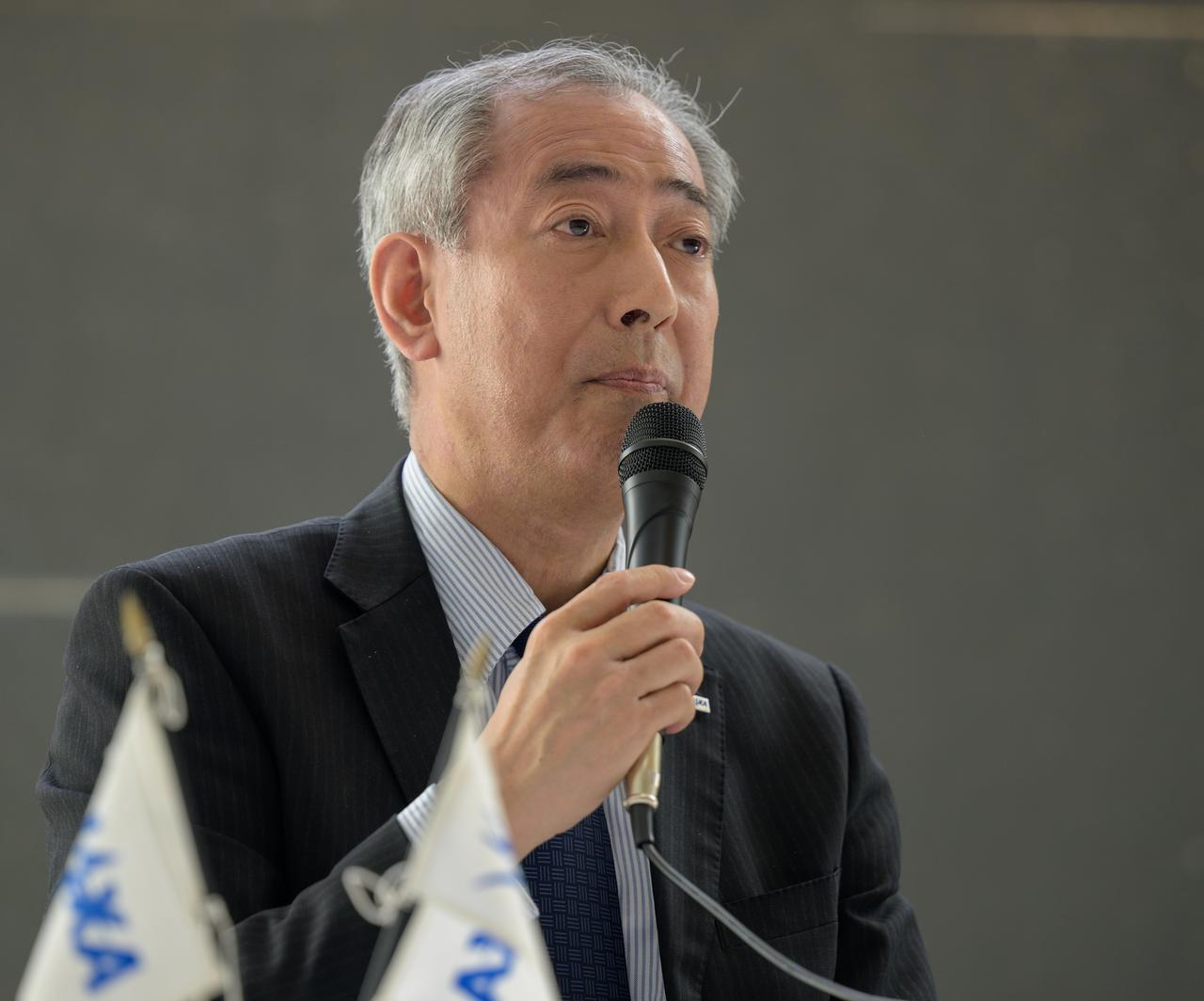
Japan Aerospace Exploration Agency (JAXA) President Hiroshi Yamakawa discusses the historic agreement signed April 9th at NASA Headquarters, between the United States and Japan to advance sustainable human exploration of the Moon, Wednesday, April 10, 2024, at the Japan Aerospace Exploration Agency (JAXA) offices in Washington. Under the agreement, Japan will design, develop, and operate a pressurized rover for crewed and uncrewed exploration on the Moon. NASA will provide the launch and delivery of the rover to the Moon as well as two Japanese astronaut missions to the lunar surface. Photo Credit: Photo Credit: (NASA/Bill Ingalls)
NASA and Japan Briefing
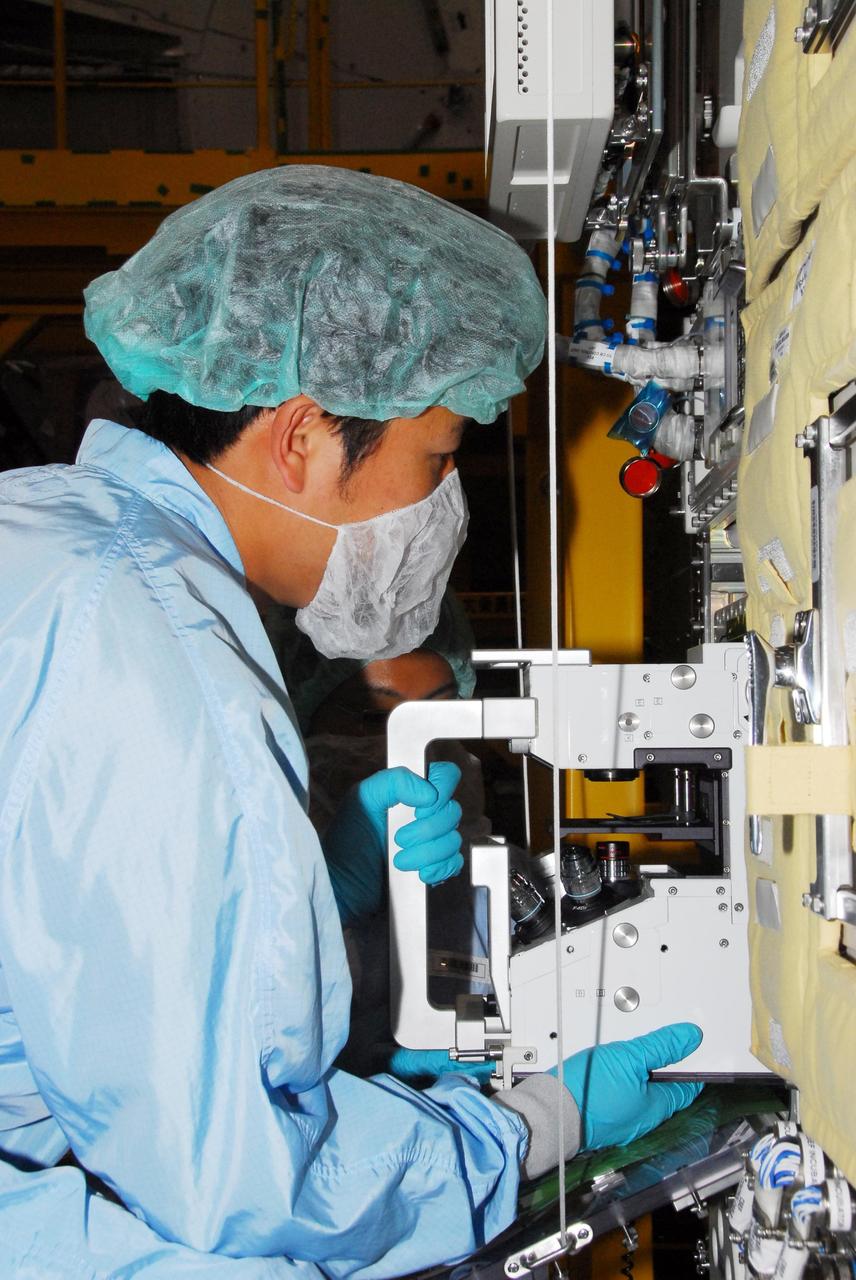
KENNEDY SPACE CENTER, FLA. --  During a bench review in the Space Station Processing Facility, astronaut Koicki Wakata gets hands-on experience on hardware he will be using in orbit.  Wakata, with the Japanese Aerospace and Exploration Agency, will join the Expedition 18 crew in 2008, flying on mission STS-126.  Photo credit: NASA/George Shelton
KSC-07pd1027
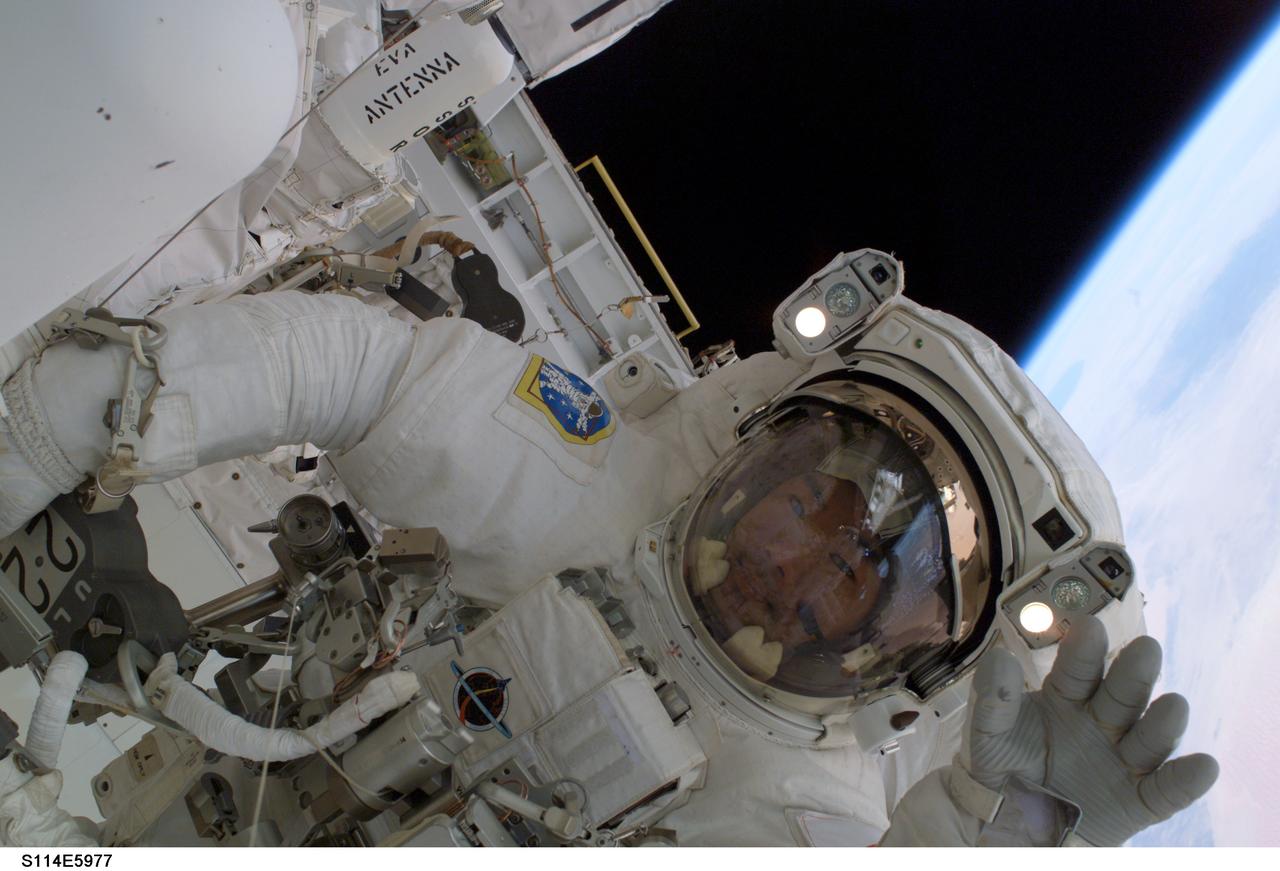
S114-E-5977 (1 August 2005) ---  Japanese Aerospace Exploration Agency astronaut Soichi Noguchi waves at a crewmate, during the August 1 extravehicular activity which he shared with astronaut Stephen K. Robinson.  Earth's horizon, approximately 225 statute miles below, is visible in frame's corner.
EVA 2 imagery
iss057e006069 (10/6/2018) --- Documentation of two deployed Japan Aerospace Exploration Agency (JAXA) CubeSats, STARS-Me and RSP-00, during the JEM [Japanese Experiment Module]-Small Satellite Orbital Deployer 10 (J-SSOD 10) mission. Earth is in the background.
J-SSOD 10 Mission
ISS022-E-019992 (6 Jan. 2010) --- Japan Aerospace Exploration Agency astronaut Soichi Noguchi, Expedition 22 flight engineer, is pictured near the Japanese Experiment Module Remote Manipulator System (JEMRMS) Small Fine Arm (SFA) in the Kibo laboratory of the International Space Station.
Noguchi poses with JEMRMS SFA in the JPM during Expedition 22
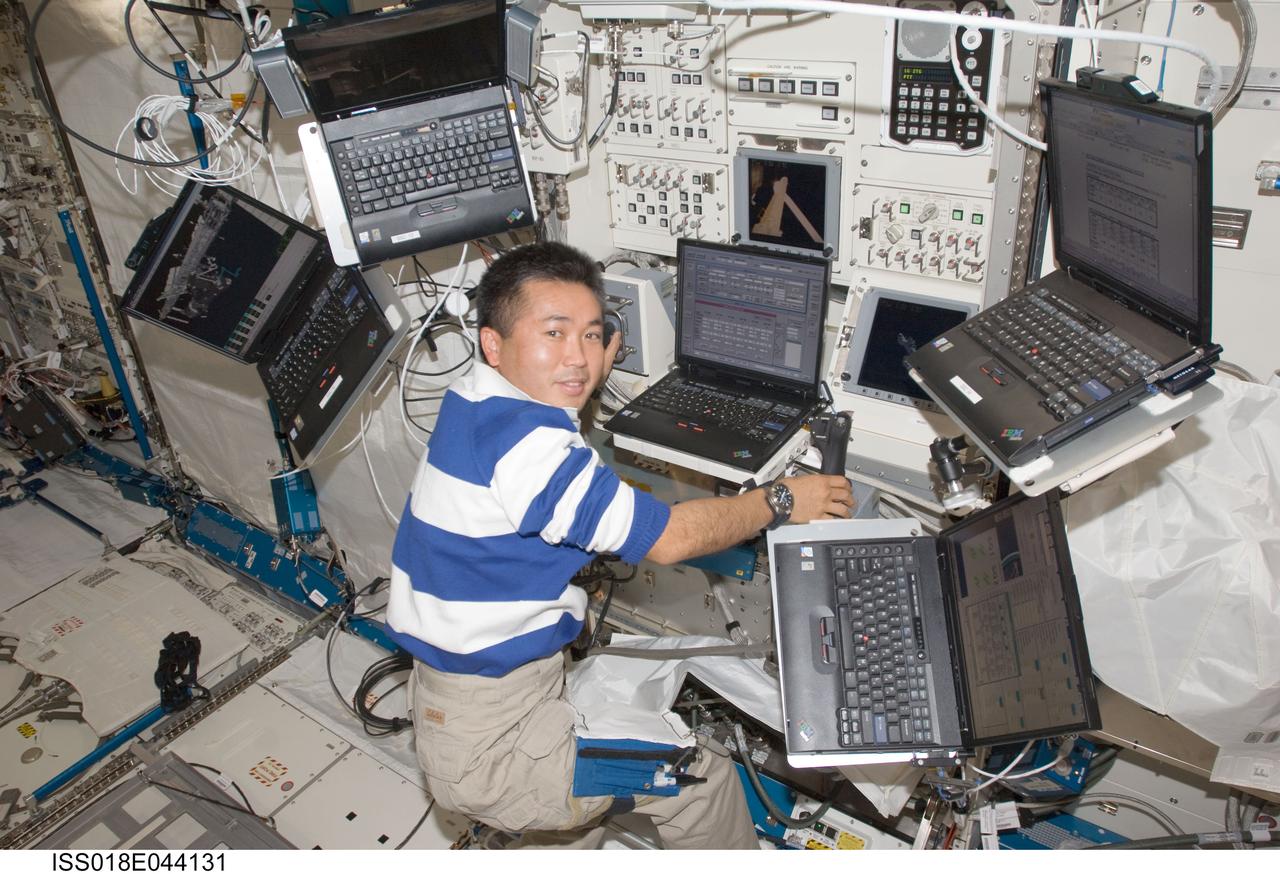
ISS018-E-044131 (31 March 2009) --- Japan Aerospace Exploration Agency (JAXA) astronaut Koichi Wakata, Expedition 18/19 flight engineer, uses a computer at the Japanese Remote Manipulator System (JEM-RMS) work station in the Kibo laboratory of the International Space Station.
Japanese Remote Manipulator System (JEM-RMS) Checkout at Robotics Workstation (RWS)
ISS022-E-019991 (6 Jan. 2010) --- Japan Aerospace Exploration Agency astronaut Soichi Noguchi, Expedition 22 flight engineer, is pictured near the Japanese Experiment Module Remote Manipulator System (JEMRMS) Small Fine Arm (SFA) in the Kibo laboratory of the International Space Station.
Noguchi works with JEMRMS SFA in the JPM during Expedition 22
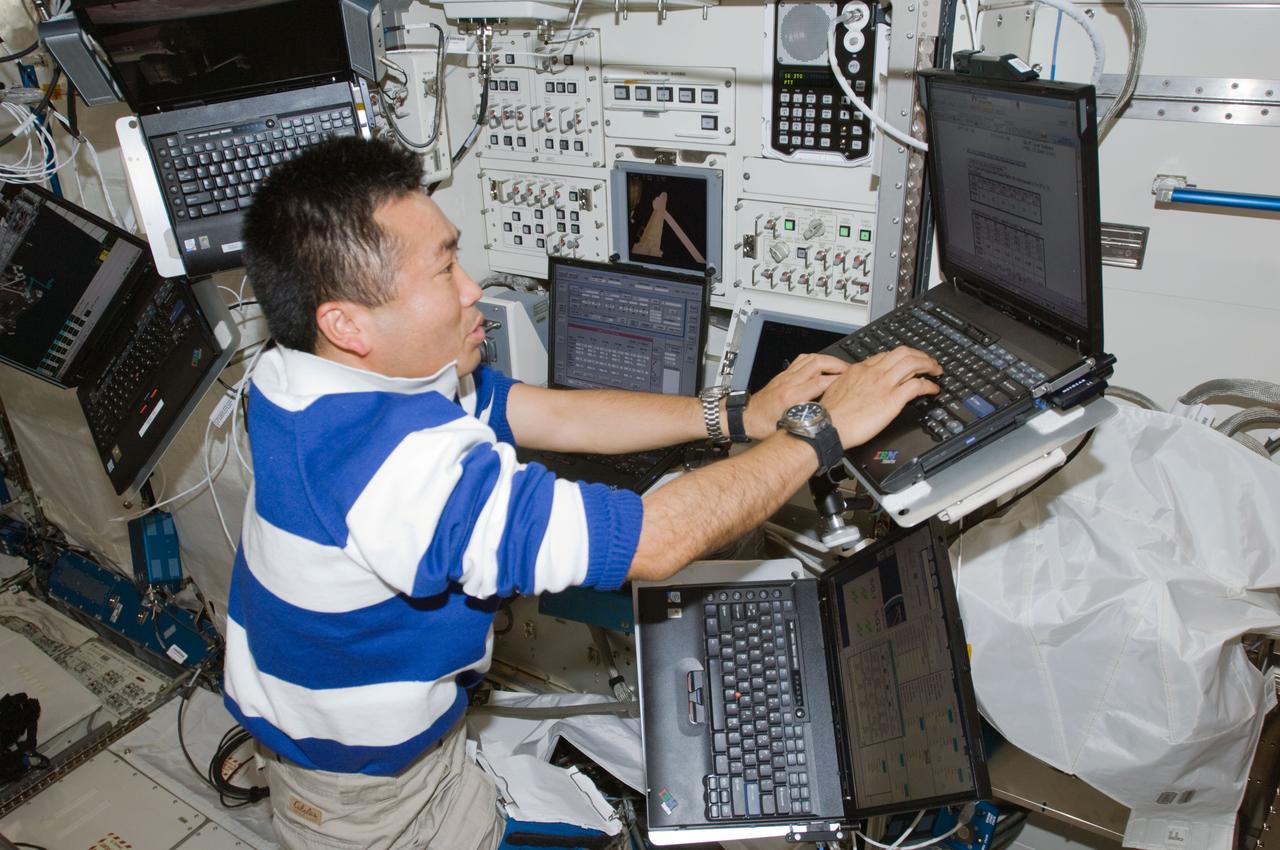
ISS018-E-044134 (31 March 2009) --- Japan Aerospace Exploration Agency (JAXA) astronaut Koichi Wakata, Expedition 18/19 flight engineer, uses a computer at the Japanese Remote Manipulator System (JEM-RMS) work station in the Kibo laboratory of the International Space Station.
Japanese Remote Manipulator System (JEM-RMS) Checkout at Robotics Workstation (RWS)
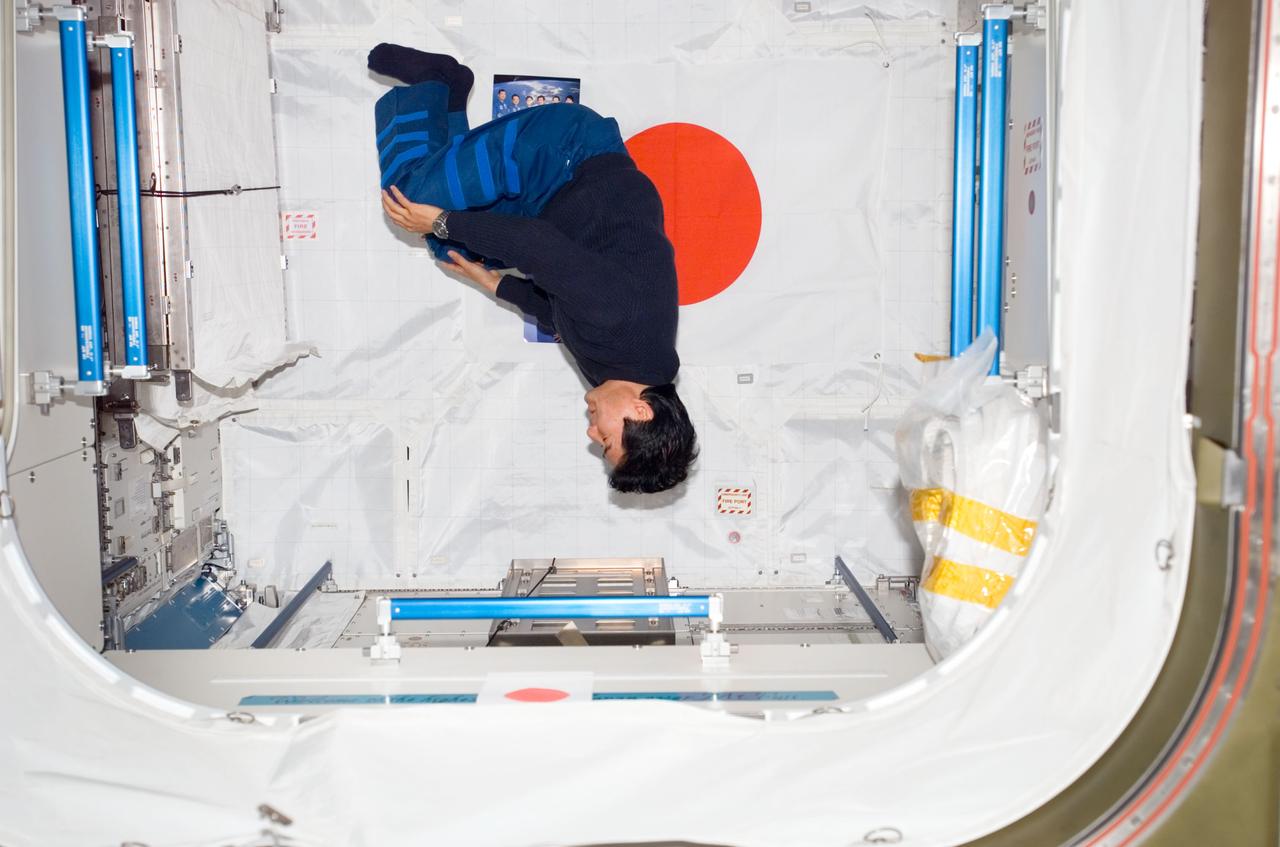
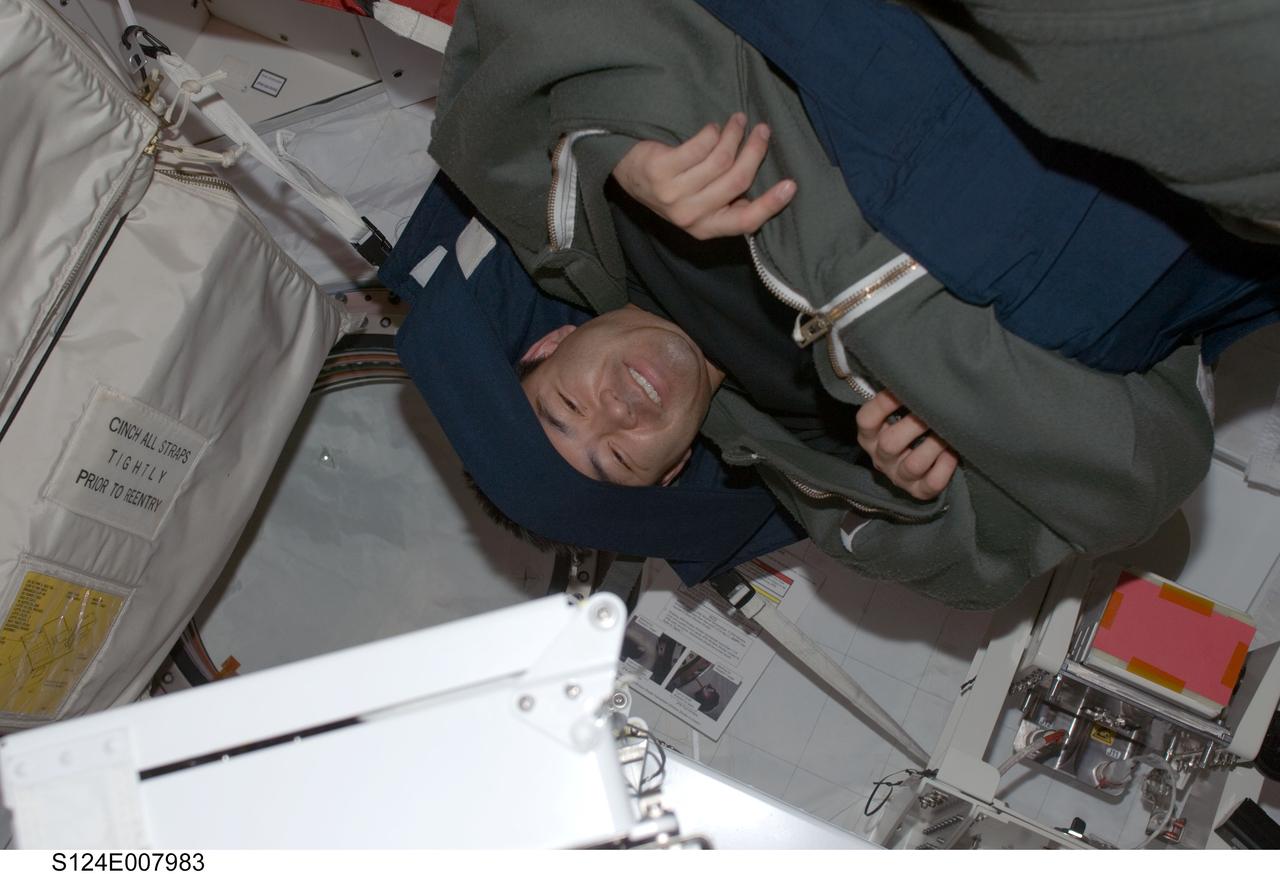
S124-E-007983 (9 June 2008) --- Japan Aerospace Exploration Agency astronaut Akihiko Hoshide, STS-124 mission specialist, is pictured in his sleeping bag in Kibo Japanese Pressurized Module of the International Space Station while Space Shuttle Discovery is docked with the station.
Hoshide in sleeping bag in JEM module
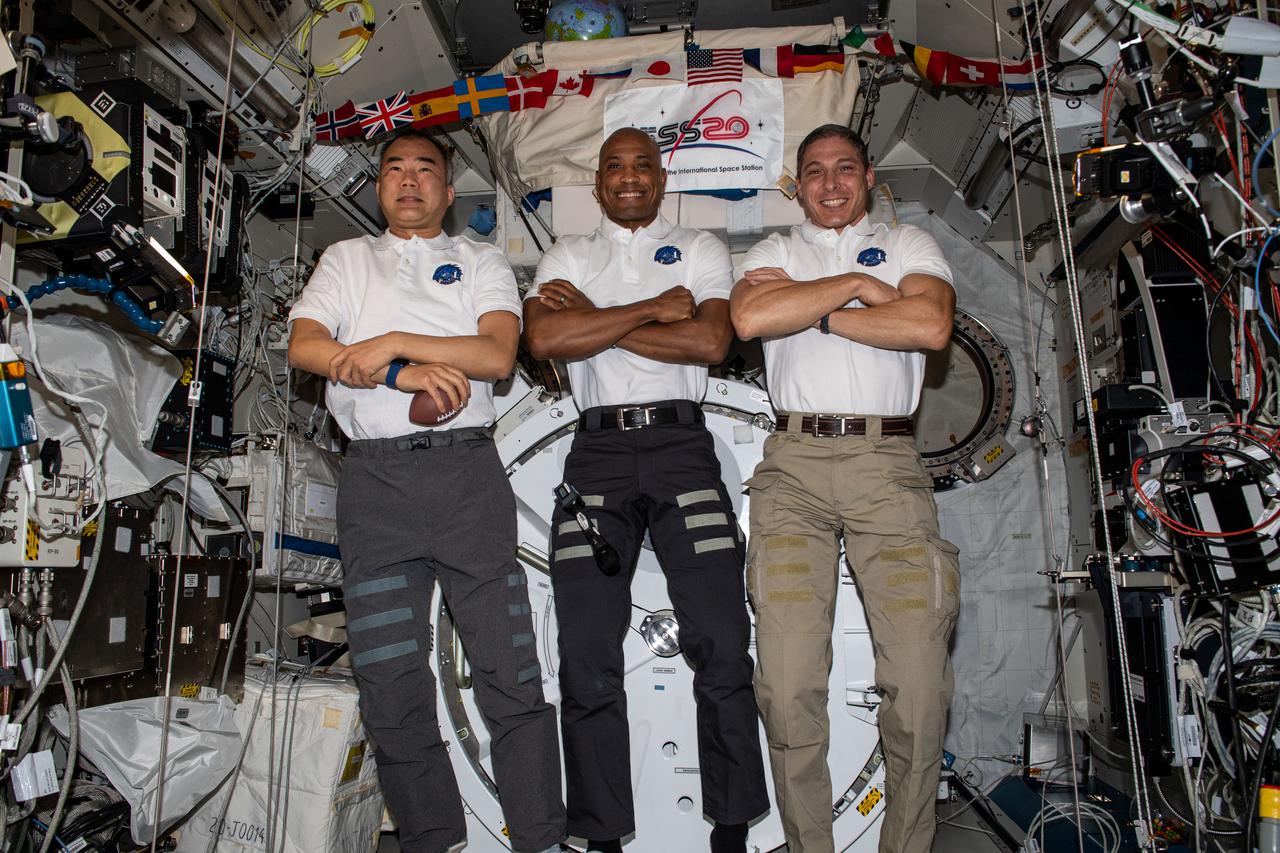
iss064e023248 (Jan. 15, 2021) --- Expedition 64 Flight Engineers (from left) Soichi Noguchi of JAXA (Japan Aerospace Exploration Agency) and Victor Glover and Michael Hopkins, both from NASA, pose for a portrait inside the Japanese Kibo laboratory module.
iss064e023248
KENNEDY SPACE CENTER, FLA. -- During a bench review in the Space Station Processing Facility, astronaut Koicki Wakata gets hands-on experience on hardware he will be using in orbit.  Wakata, with the Japanese Aerospace and Exploration Agency, will join the Expedition 18 crew in 2008, flying on mission STS-126.  Photo credit: NASA/George Shelton
KSC-07pd1024
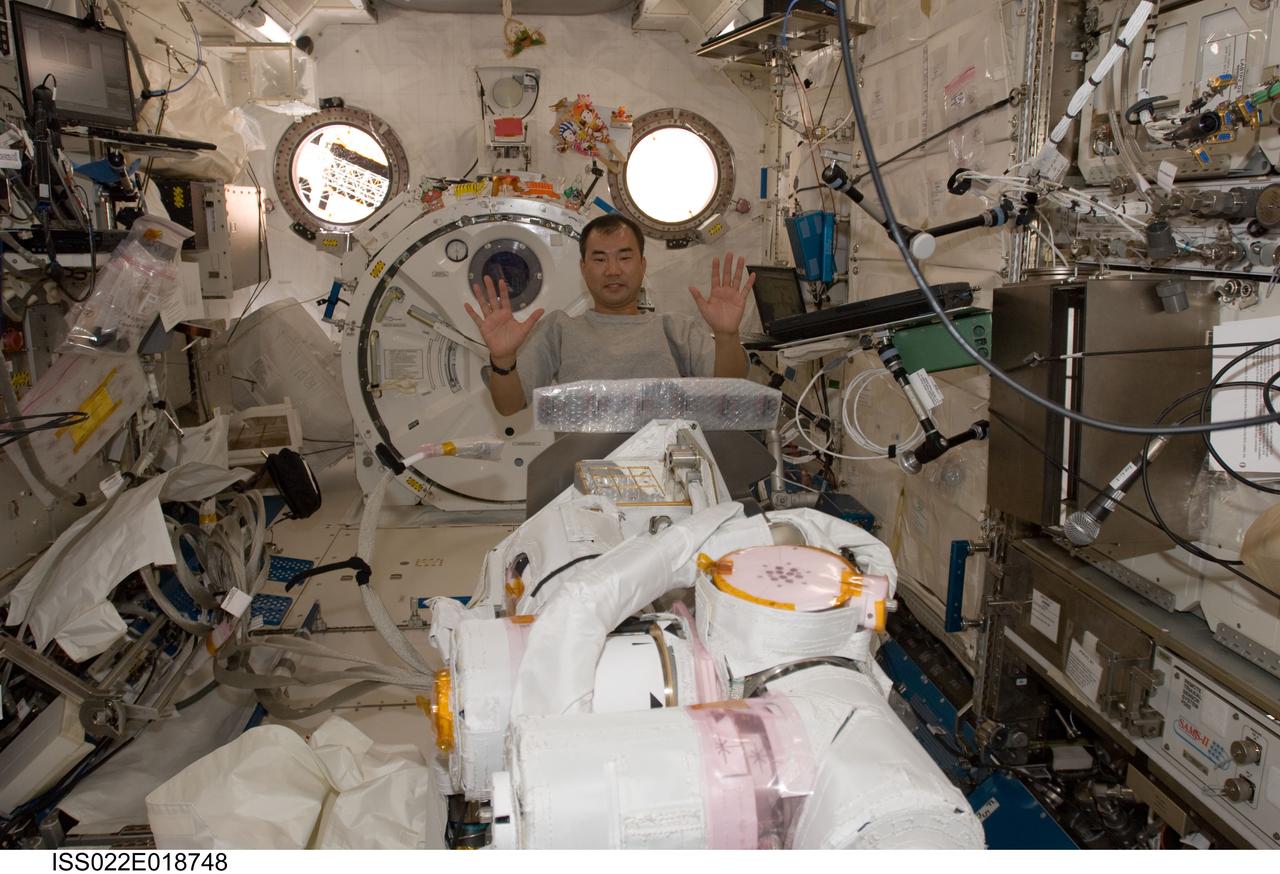
ISS022-E-018748 (5 Jan. 2010) --- Japan Aerospace Exploration Agency astronaut Soichi Noguchi, Expedition 22 flight engineer, assembles and configures the Japanese Experiment Module Remote Manipulator System (JEMRMS) Small Fine Arm (SFA) in the Kibo laboratory of the International Space Station.
Noguchi works on JEMRMS SFA in the JPM during Expedition 22
The Japanese Experiment Module (JEM) is moved on its workstand in the Space Station Processing Facility. The JEM will undergo pre-assembly measurements. Developed by the Japan Aerospace Exploration Agency (JAXA), the JEM will enhance the unique research capabilities of the orbiting complex by providing an additional environment for astronauts to conduct science experiments.
Japanese Experiment Module
iss045e014085 (9/17/2015) --- View of the Japan Aerospace Exploration Agency (JAXA) Small Satellite S-CUBE deployed from JEM [Japanese Experiment Module]-Small Satellite Orbital Deployer 4 (J-SSOD 4) equipment on the Multi-Purpose Experiment Platform (MPEP).
J-SSOD 4 Mission
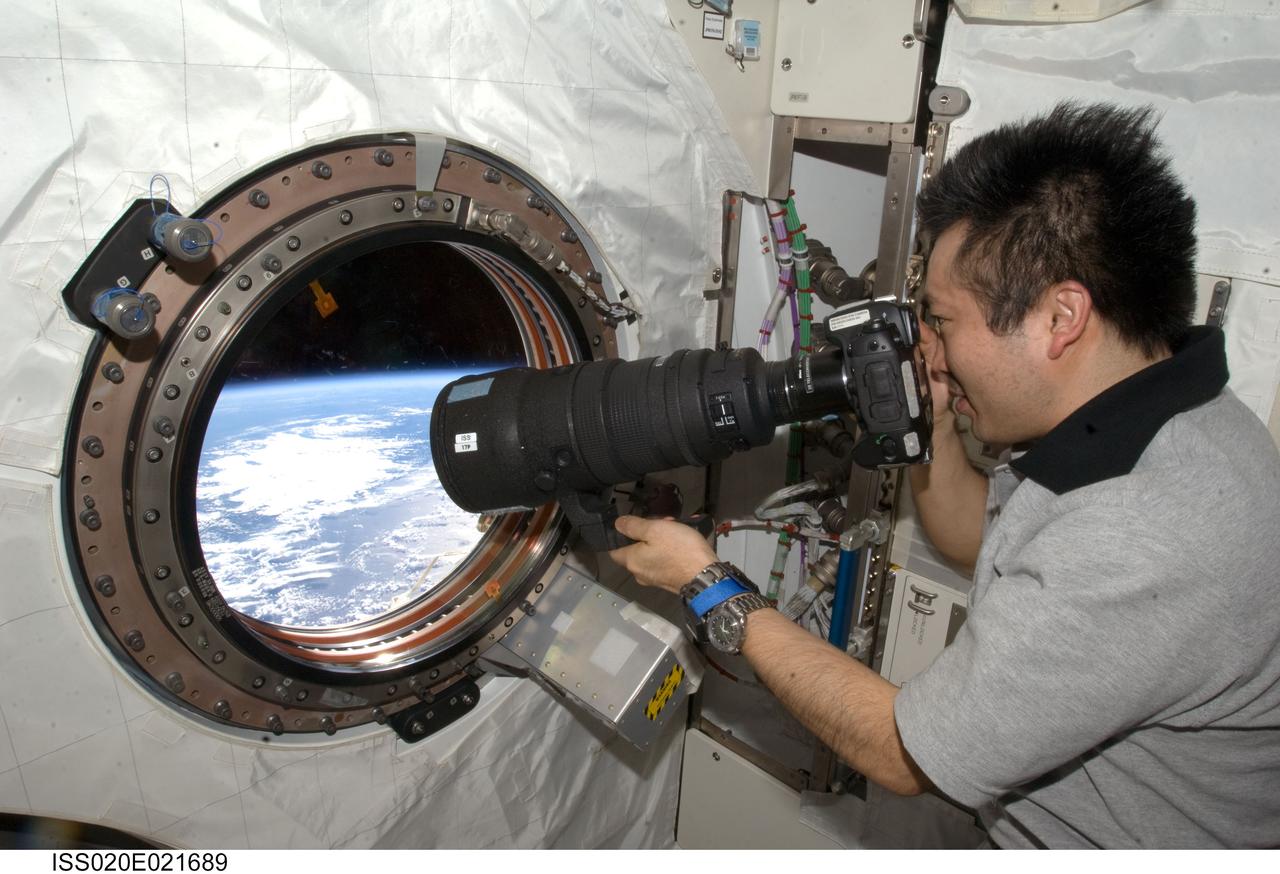
ISS020-E-021689 (17 July 2009) --- Japanese Aerospace Exploration Agency (JAXA) astronaut Koichi Wakata, Expedition 19/20 flight engineer, takes pictures out the forward Kibo or JEM window on the International Space Station.
Wakata in JPM with camera
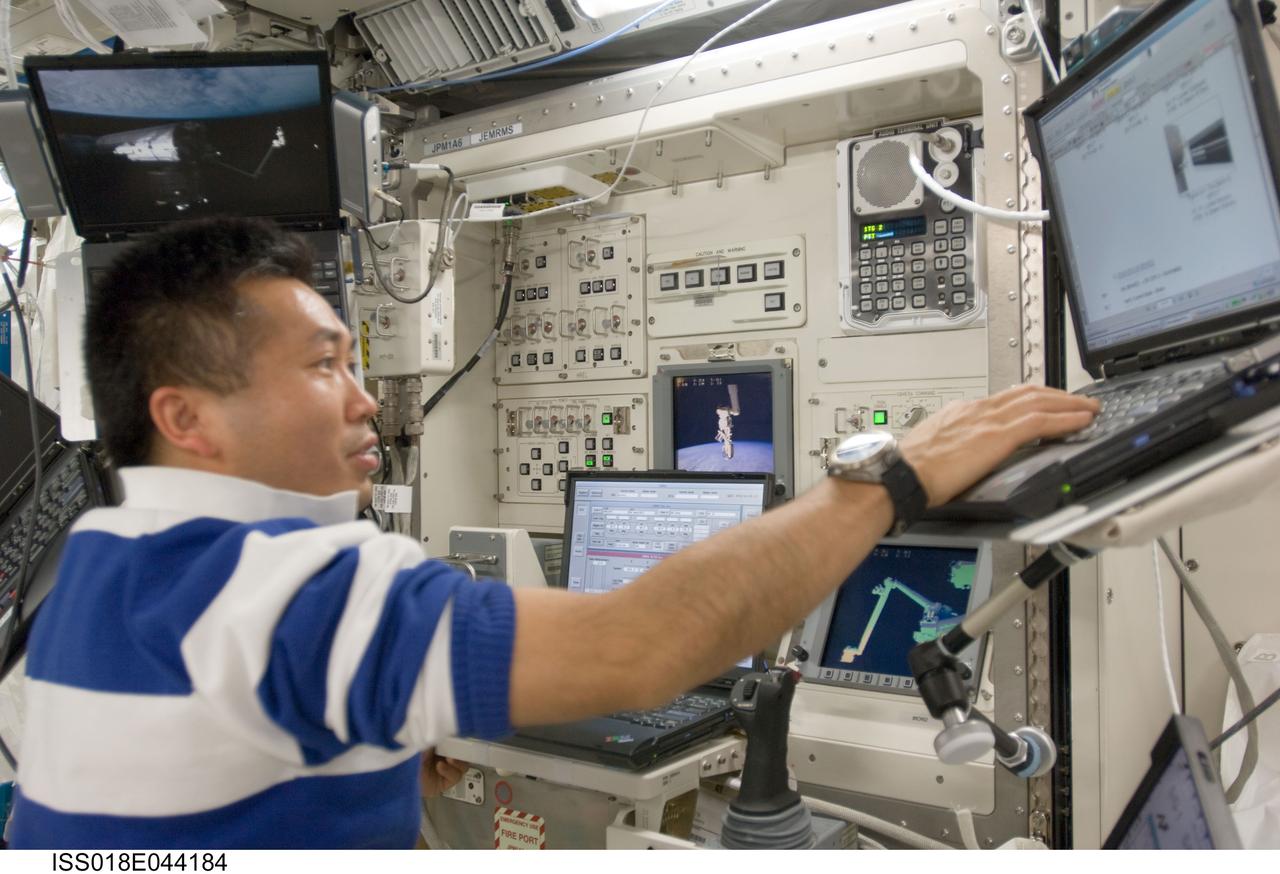
ISS018-E-044184 (31 March 2009) --- Japan Aerospace Exploration Agency (JAXA) astronaut Koichi Wakata, Expedition 18/19 flight engineer, uses a computer at the Japanese Remote Manipulator System (JEM-RMS) work station in the Kibo laboratory of the International Space Station.
Japanese Experiment Module (JEM) Remote Manipulator System (RMS) Robotic Workstation (RWS)
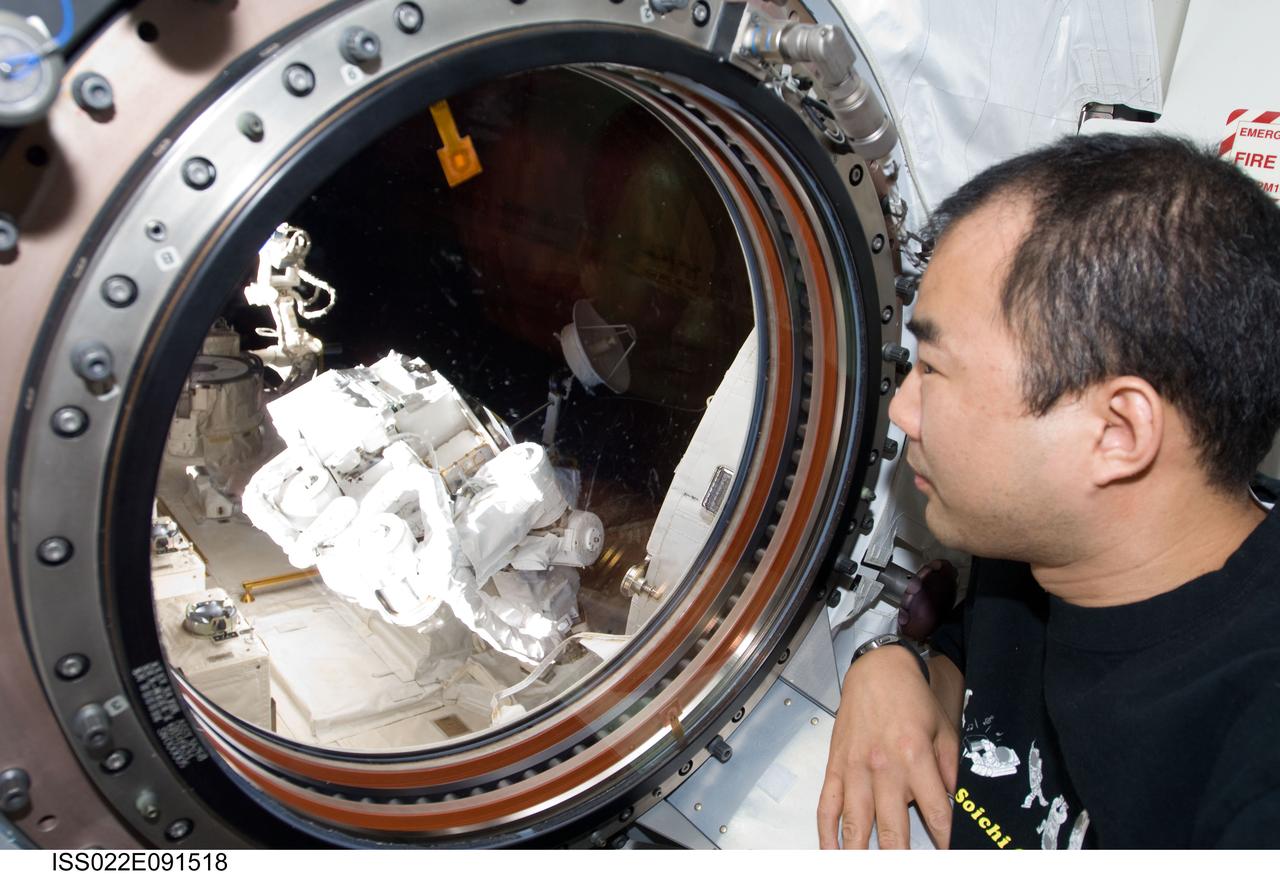
ISS022-E-091518 (12 March 2010) --- Japan Aerospace Exploration Agency (JAXA) astronaut Soichi Noguchi, Expedition 22 flight engineer, looks through a window in the Kibo laboratory of the International Space Station. The Japanese robotic Small Fine Arm (SFA), also known as ?Ko-bot?, is visible through the window.
Noguchi at JPM window during Expedition 22
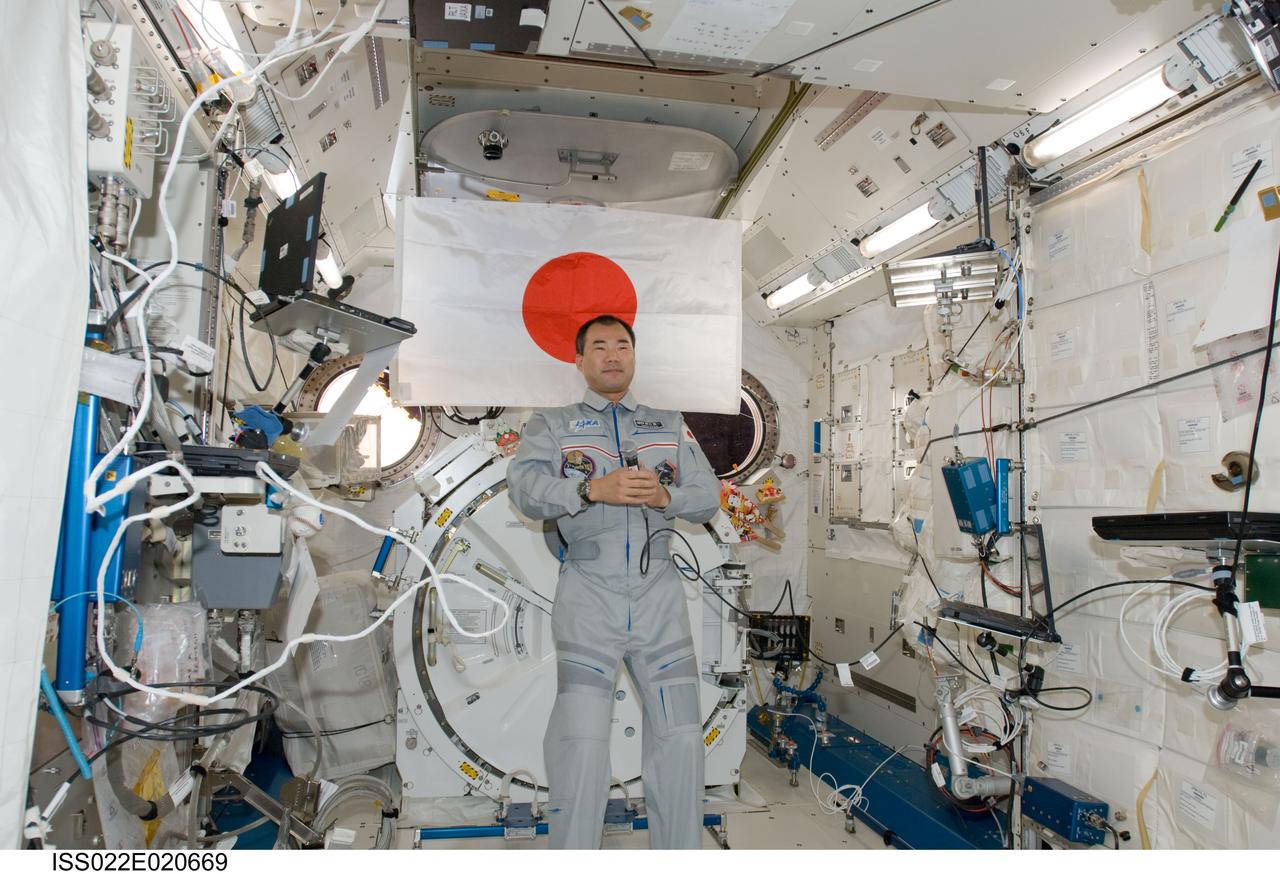
ISS022-E-020669 (7 Jan. 2010) --- Japan Aerospace Exploration Agency (JAXA) astronaut Soichi Noguchi, Expedition 22 flight engineer, participates in a JAXA event, involving Japanese Prime Minister Yukio Hatoyama and other officials, from the Kibo laboratory of the International Space Station.
Noguchi during teleconference call in the JPM during Expedition 22
iss057e006046 (10/6/2018) --- Documentation of two Japan Aerospace Exploration Agency (JAXA) CubeSats, STARS-Me and RSP-00, deployed from JEM [Japanese Experiment Module]-Small Satellite Orbital Deployer 10 (J-SSOD 10) equipment on the Multi-Purpose Experiment Platform (MPEP).
J-SSOD 10 Mission
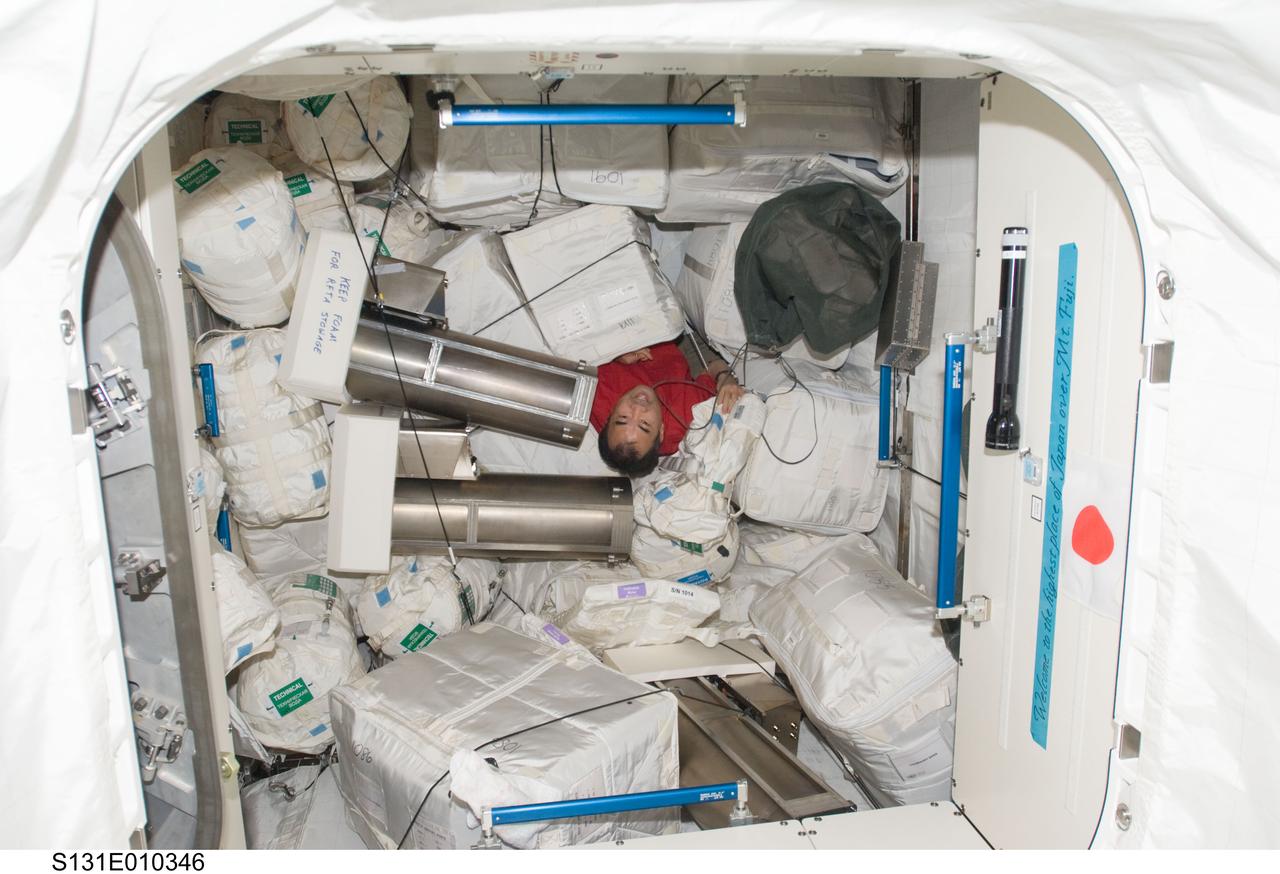
S131-E-010346 (16 April 2010) --- Japan Aerospace Exploration Agency (JAXA) astronaut Soichi Noguchi, Expedition 23 flight engineer, works among stowage containers in the Japanese Logistics Module - Pressurized Section (JLP) of the International Space Station while space shuttle Discovery (STS-131) remains docked with the station.
Noguchi with Stowage in JLP
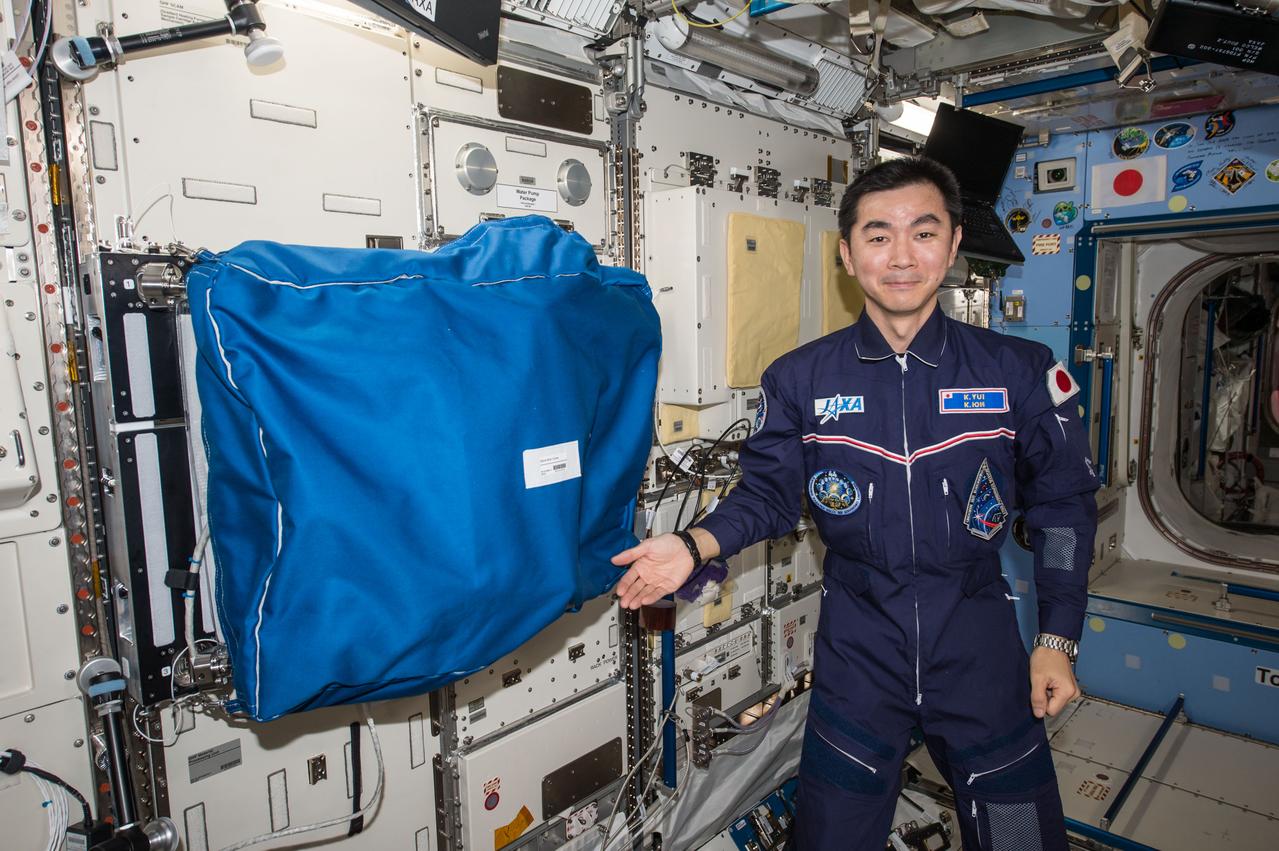
iss045e152163 (12/1/2015) --- A view of  Japan Aerospace Exploration Agency (JAXA) astronaut Kimiya Yui photographed next to the Kobairo rack, JPM1F3 in the Kibo Japanese Experiment Pressurized Module (JPM) aboard the International Space Station (ISS). The rack contains the Gradient Heating Furnace (GHF) and has a Glovebox attached to the rack front.
Yui in Kibo
KENNEDY SPACE CENTER, FLA. -- During a bench review in the Space Station Processing Facility, astronaut Koicki Wakata gets hands-on experience on hardware he will be using in orbit.  Wakata, with the Japanese Aerospace and Exploration Agency, will join the Expedition 18 crew in 2008, flying on mission STS-126.  Photo credit: NASA/George Shelton
KSC-07pd1022
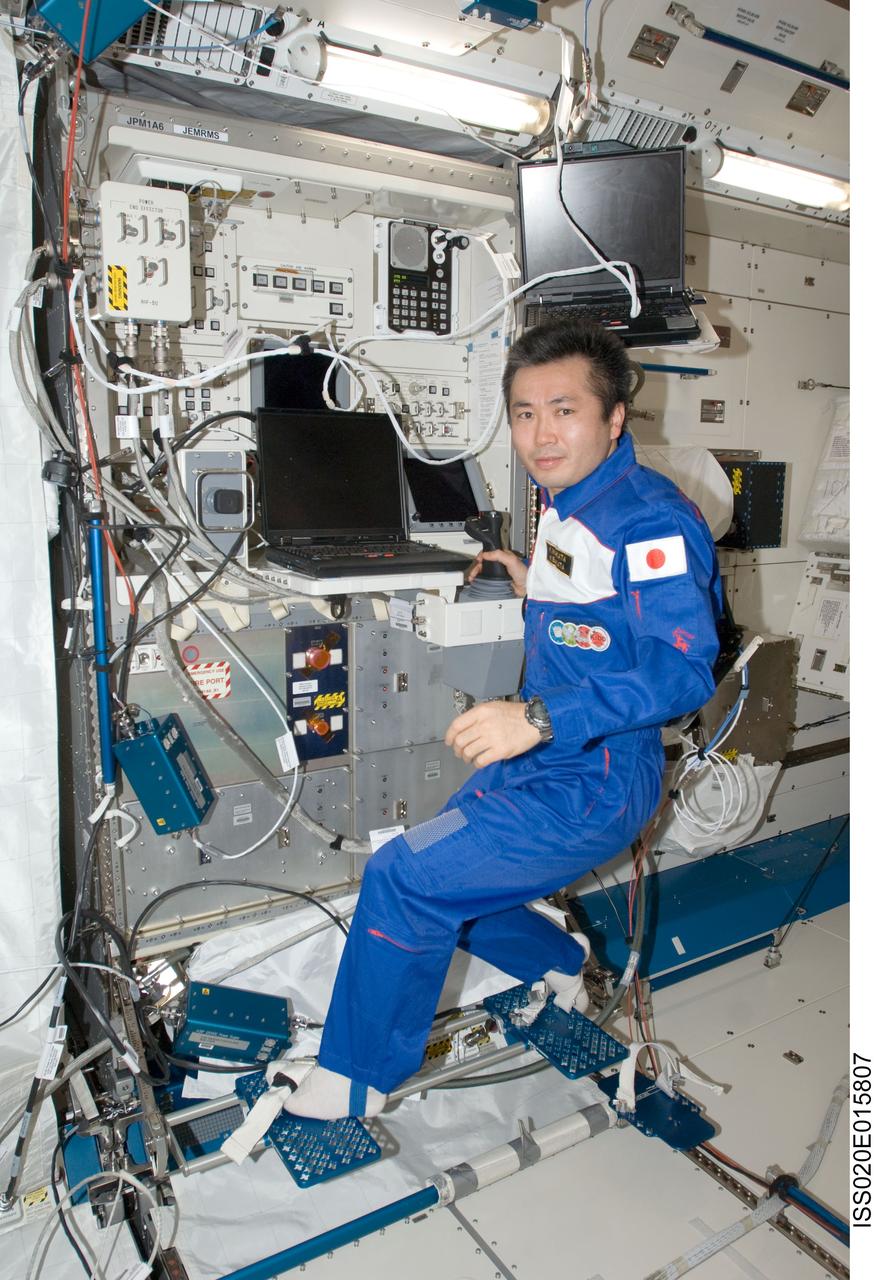
ISS020-E-015807 (28 June 2009) --- Japan Aerospace Exploration Agency (JAXA) astronaut Koichi Wakata, Expedition 20 flight engineer, works at the Japanese Remote Manipulator System (JEM-RMS) work station in the Kibo laboratory of the International Space Station.
Wakata in JPM
iss057e006099 (10/6/2018) --- Documentation of two deployed Japan Aerospace Exploration Agency (JAXA) CubeSats, STARS-Me and RSP-00, during the JEM [Japanese Experiment Module]-Small Satellite Orbital Deployer 10 (J-SSOD 10) mission. Earth is in the background.
J-SSOD 10 Mission
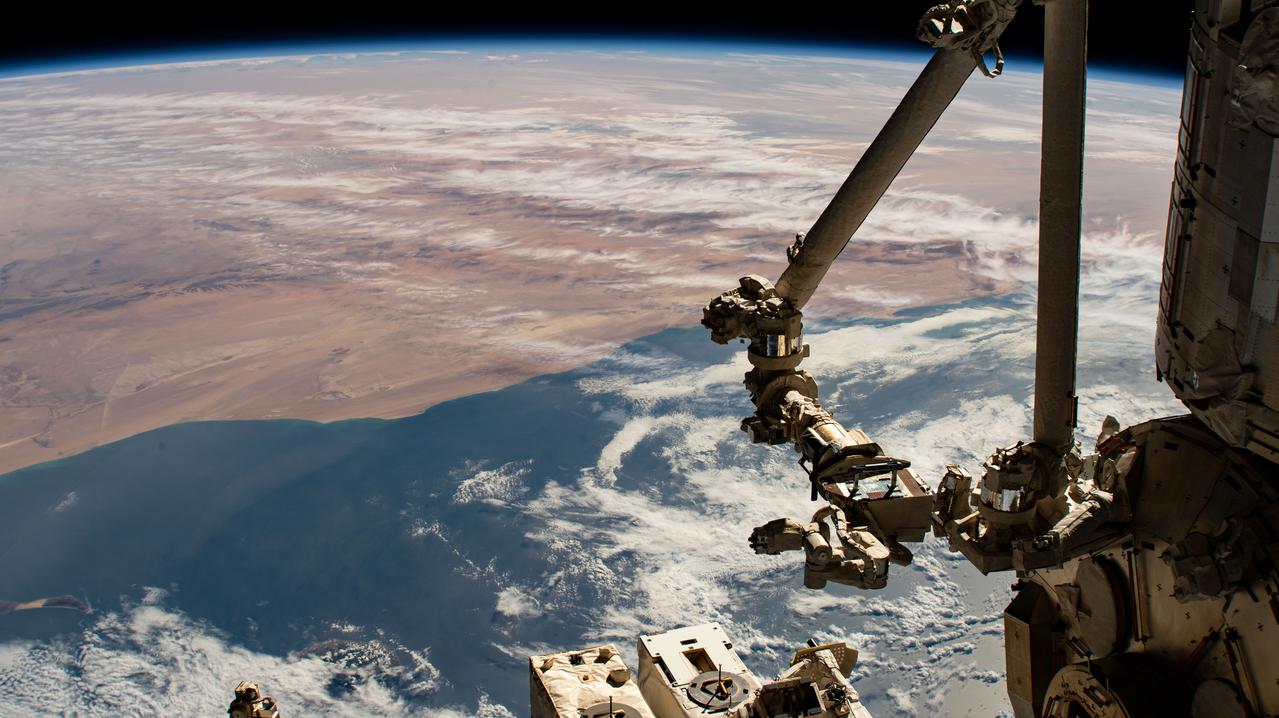
iss064e016368 (Dec. 26, 2020) --- The northwest coast of Africa is pictured from the International Space Station as it orbited 261 miles above the Atlantic Ocean. In the foreground, is the Japanese robotic arm which is part of the Kibo laboratory module from JAXA (Japan Aerospace Exploration Agency).
iss064e016368
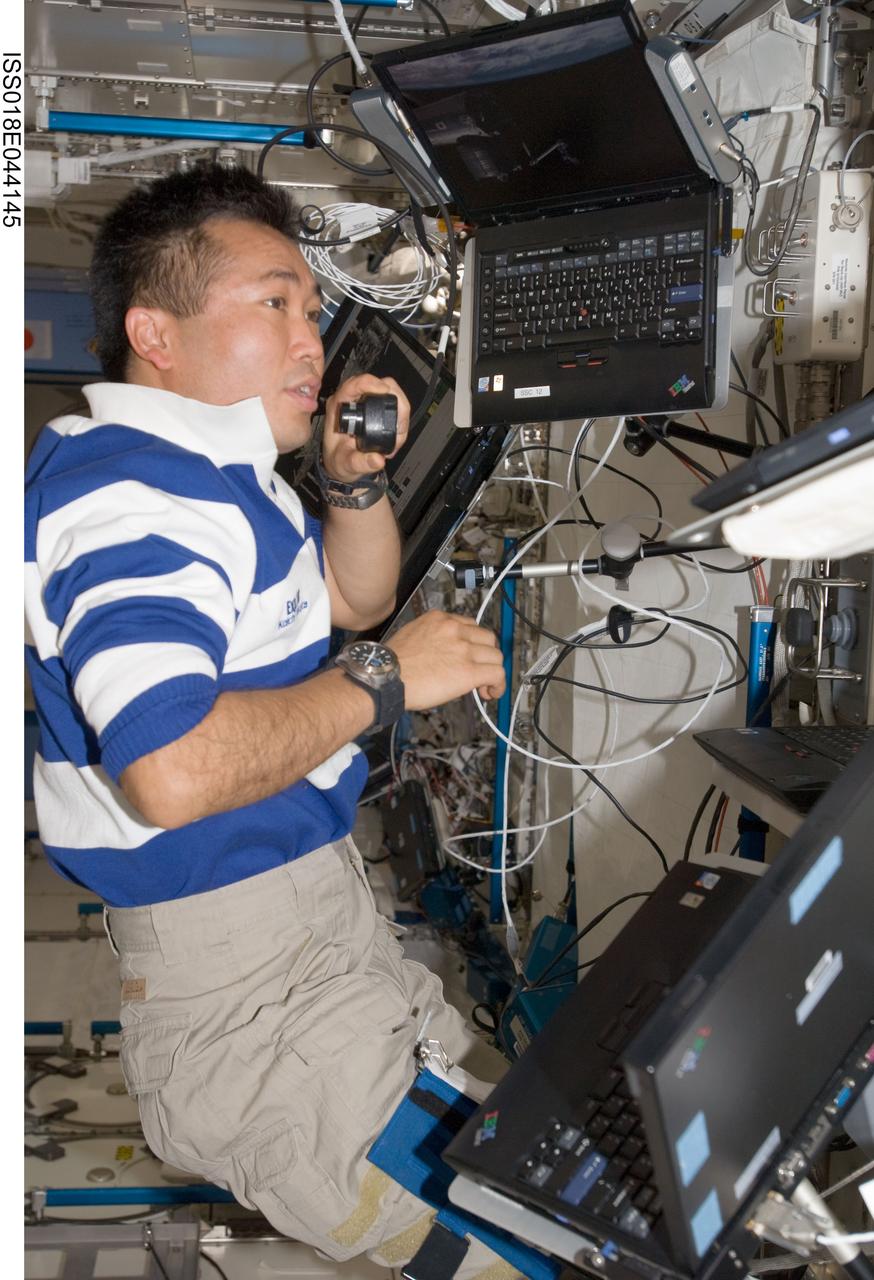
ISS018-E-044145 (31 March 2009) --- Japan Aerospace Exploration Agency (JAXA) astronaut Koichi Wakata, Expedition 18/19 flight engineer, uses a communication system at the Japanese Remote Manipulator System (JEM-RMS) work station in the Kibo laboratory of the International Space Station.
Japanese Remote Manipulator System (JEM-RMS) Checkout at Robotics Workstation (RWS)
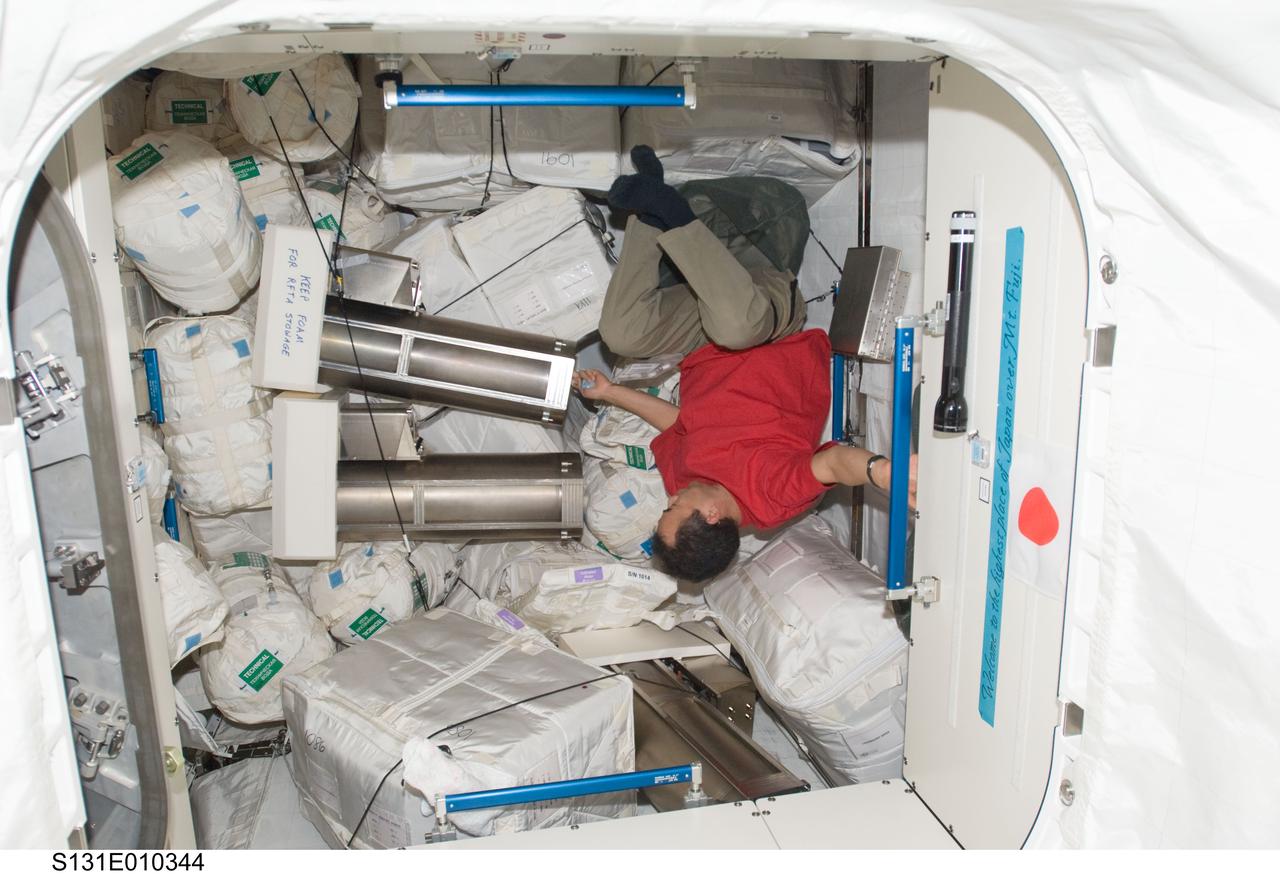
S131-E-010344 (16 April 2010) --- Japan Aerospace Exploration Agency (JAXA) astronaut Soichi Noguchi, Expedition 23 flight engineer, works among stowage containers in the Japanese Logistics Module - Pressurized Section (JLP) of the International Space Station while space shuttle Discovery (STS-131) remains docked with the station.
Noguchi with Stowage in JLP
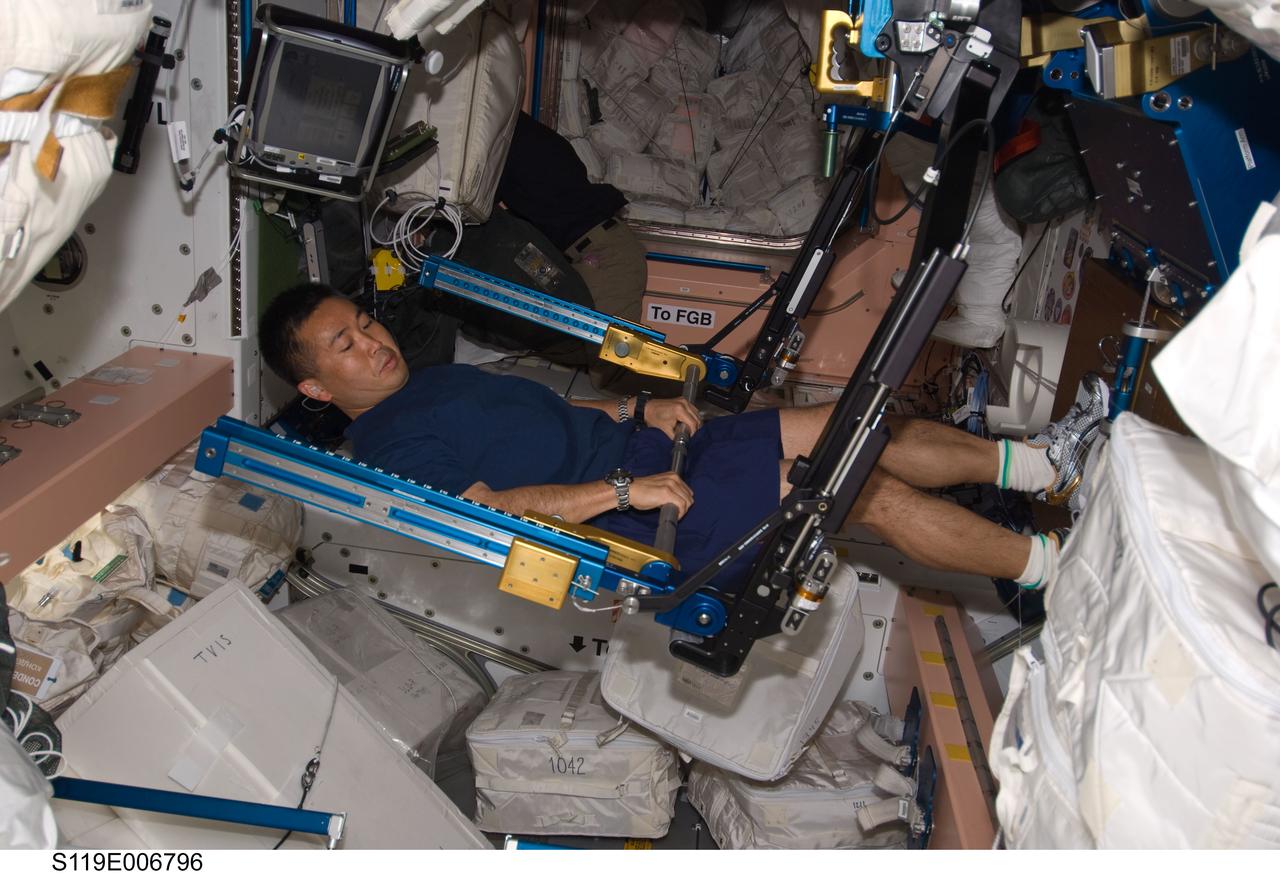
S119-E-006796 (20 March 2009) --- Japanese Aerospace Exploration Agency astronaut Koichi Wakata, Expedition 18/19 flight engineer, starts to work out on the Advanced Resistive Exercise Device (aRED) in the Unity node aboard the International Space Station.
Wakata uses Advanced Resistive Exercise Device (ARED)
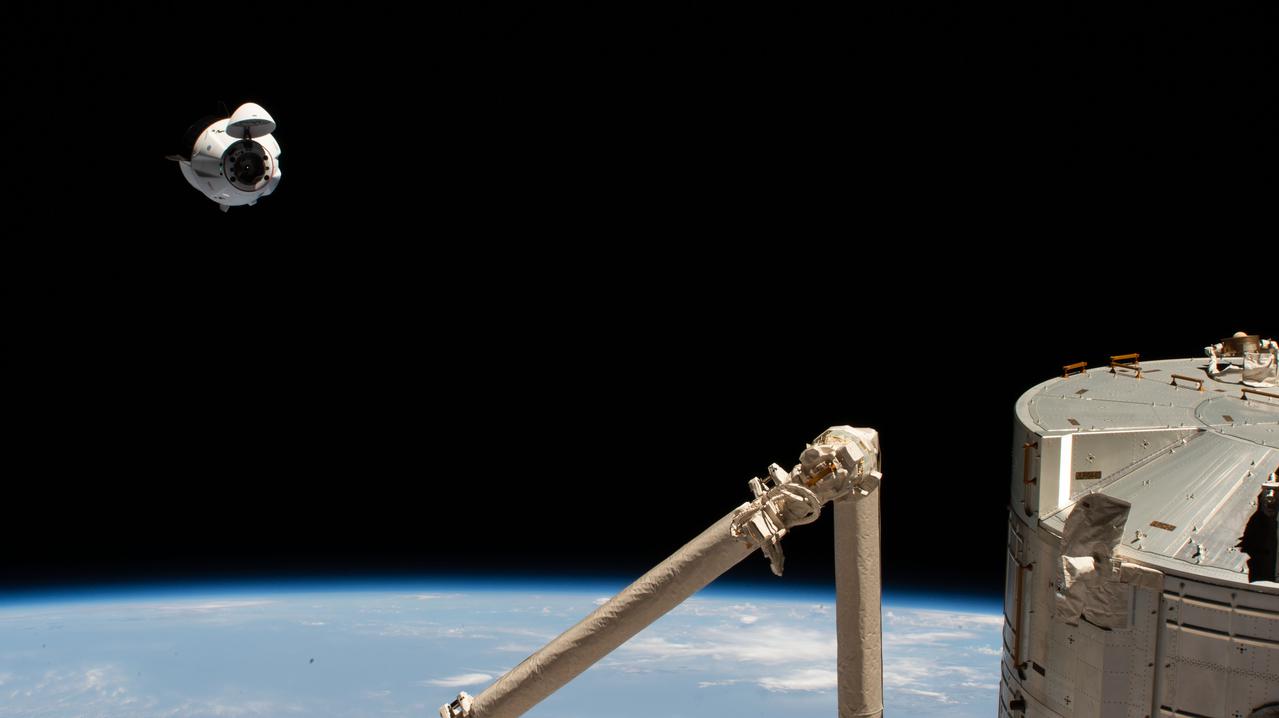
iss065e002827 (April 24, 2021) --- The SpaceX Crew Dragon Endeavour is pictured 262 miles above the Arabian Sea during its approach to the International Space Station. In the bottom right foreground, are portions of the Kibo laboratory module and the Japanese robotic arm, both from the Japan Aerospace Exploration Agency.
iss065e002827
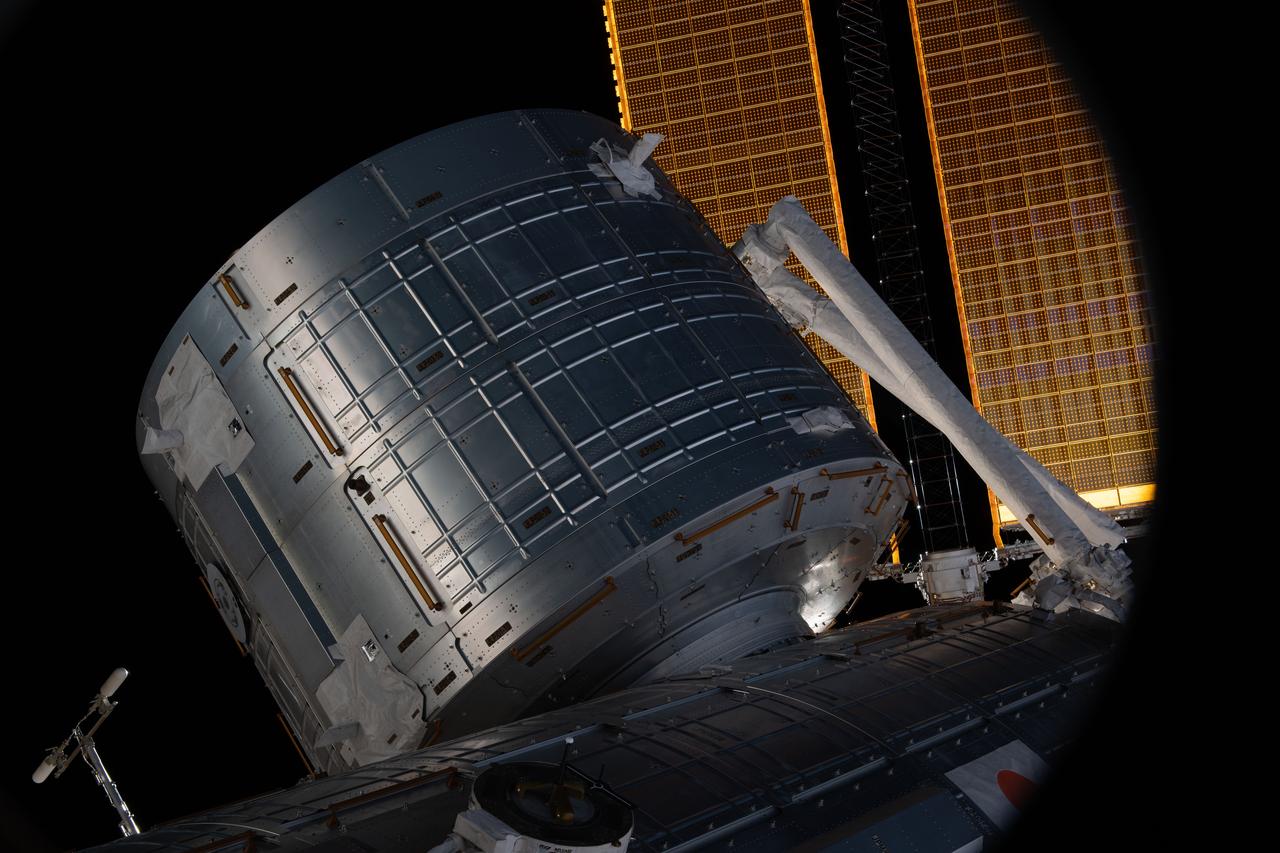
iss067e065625 (May 22, 2022) --- This view from a window on Boeing's CST-100 Starliner crew ship shows the Kibo laboratory module's logistics module from the Japan Aerospace Exploration Agency (JAXA) on the International Space Station. A portion of the Japanese robotic arm and the orbiting lab's main solar arrays are also visible.
iss067e065625
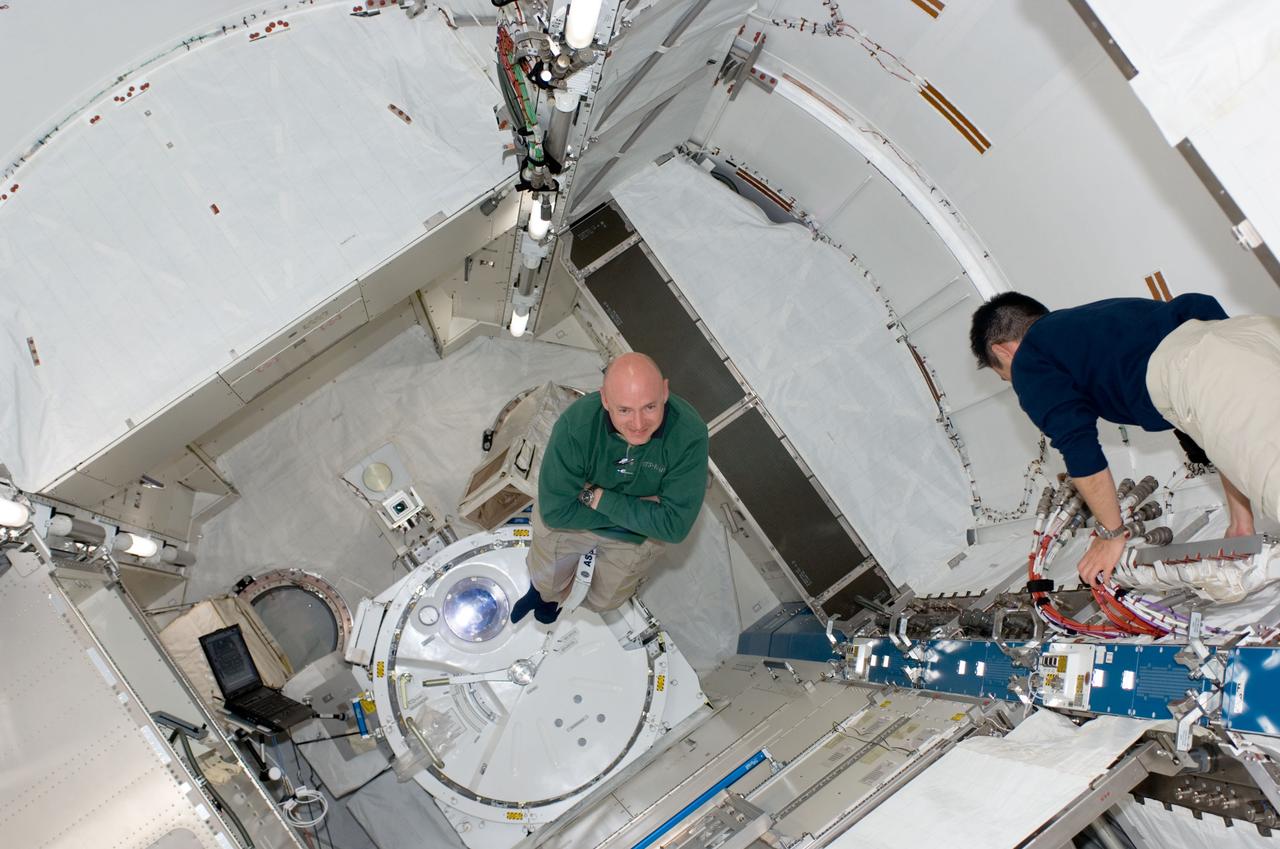
S124-E-006285 (4 June 2008) --- Astronaut Mark Kelly, STS-124 commander, floats in the newly installed Kibo Japanese Pressurized Module (JPM) of the International Space Station while Space Shuttle Discovery is docked with the station. Japan Aerospace Exploration Agency (JAXA) astronaut Akihiko Hoshide, mission specialist, is at right.
Rack installation in the JPM
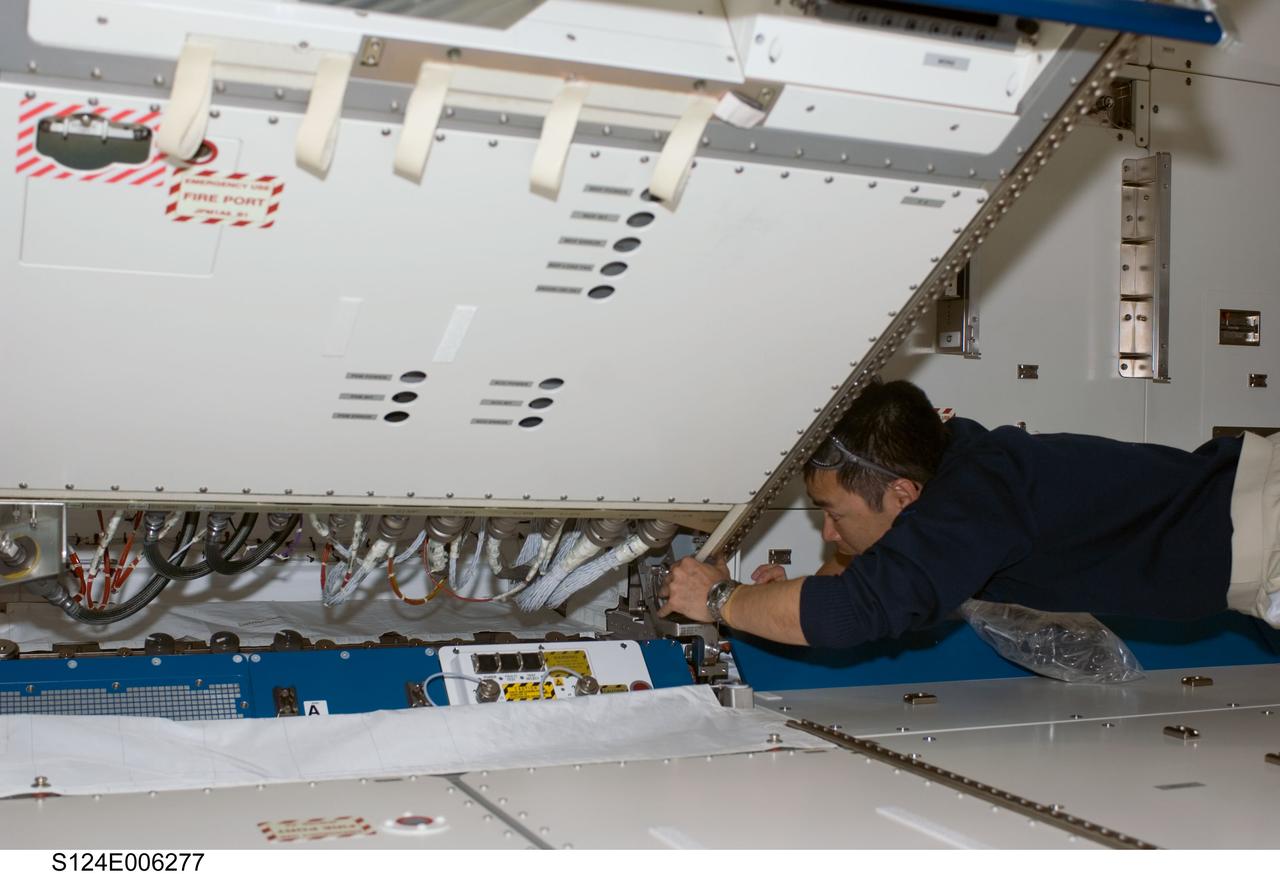
S124-E-006277 (4 June 2008) --- Japan Aerospace Exploration Agency (JAXA) astronaut Akihiko Hoshide, STS-124 mission specialist, works in the newly installed Kibo Japanese Pressurized Module (JPM) of the International Space Station while Space Shuttle Discovery is docked with the station.
Rack installation in the JPM
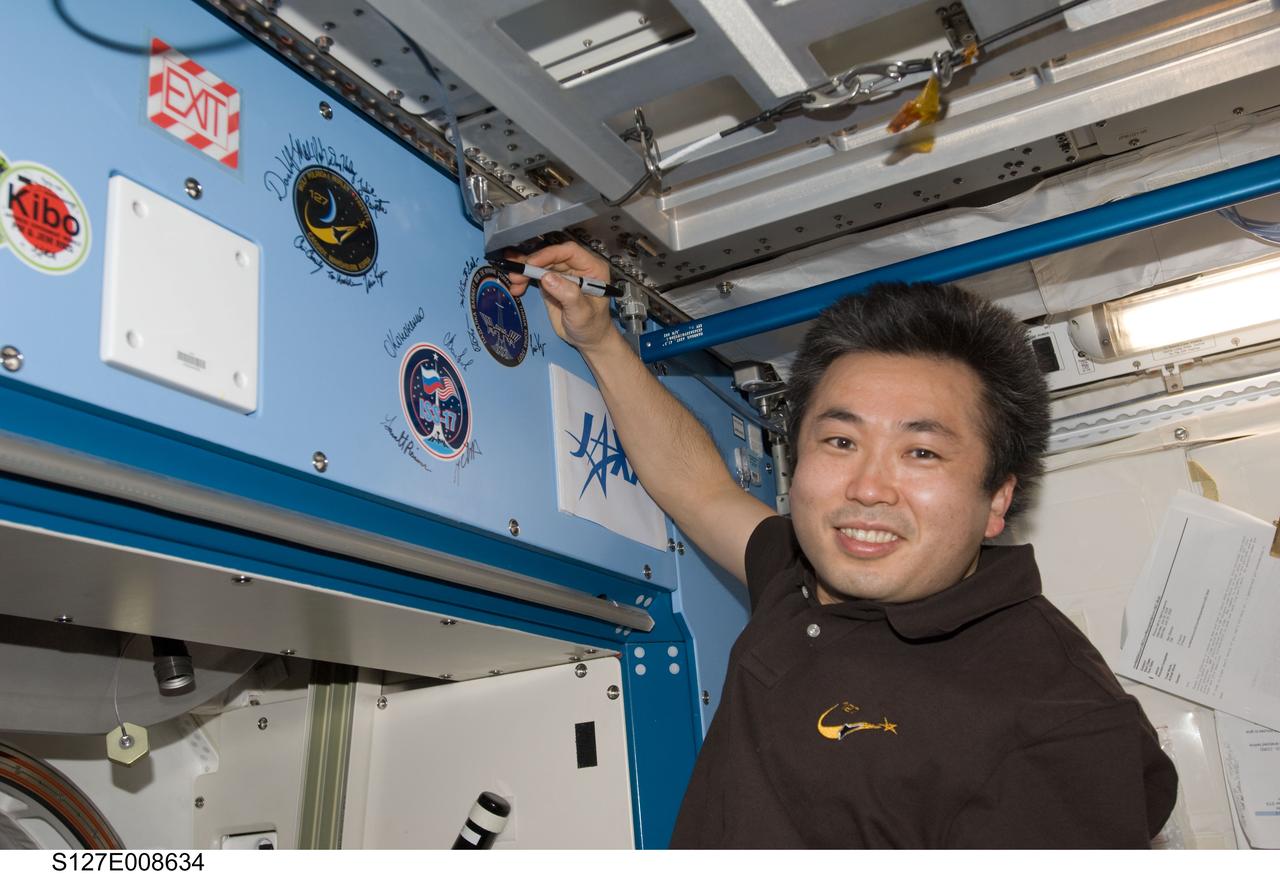
S127-E-008624 (25 July 2009) --- Flight day 11 activities for the joint shuttle-station crews included the traditional autographing of the station. Japanese Aerospace Exploration Agency Astronaut Koichi Wakata, STS-127 mission specialist, has the pen in this frame.
Wakata signs mission decal in the JEM during Joint Operations
S124-E-006279 (4 June 2008) --- Japan Aerospace Exploration Agency (JAXA) astronaut Akihiko Hoshide, STS-124 mission specialist, smiles for a photo as he works in the newly installed Kibo Japanese Pressurized Module (JPM) of the International Space Station while Space Shuttle Discovery is docked with the station.
Rack installation in the JPM
KENNEDY SPACE CENTER, FLA. -- During a bench review in the Space Station Processing Facility, astronaut Koicki Wakata gets hands-on experience on hardware he will be using in orbit.  Wakata, with the Japanese Aerospace and Exploration Agency, will join the Expedition 18 crew in 2008, flying on mission STS-126. Photo credit: NASA/George Shelton
KSC-07pd1023
ISS022-E-019988 (5 Jan. 2010) --- Japan Aerospace Exploration Agency astronaut Soichi Noguchi, Expedition 22 flight engineer, works with the Japanese Experiment Module Remote Manipulator System (JEMRMS) Small Fine Arm (SFA) in the Kibo laboratory of the International Space Station.
Noguchi works with JEMRMS SFA in the JPM during Expedition 22
KENNEDY SPACE CENTER, FLA. -- During a bench review in the Space Station Processing Facility, astronaut (at left) Koicki Wakata gets a close look at hardware that will be used in orbit.  Wakata, with the Japanese Aerospace and Exploration Agency, will join the Expedition 18 crew in 2008, flying on mission STS-126.  Photo credit: NASA/George Shelton
KSC-07pd1020
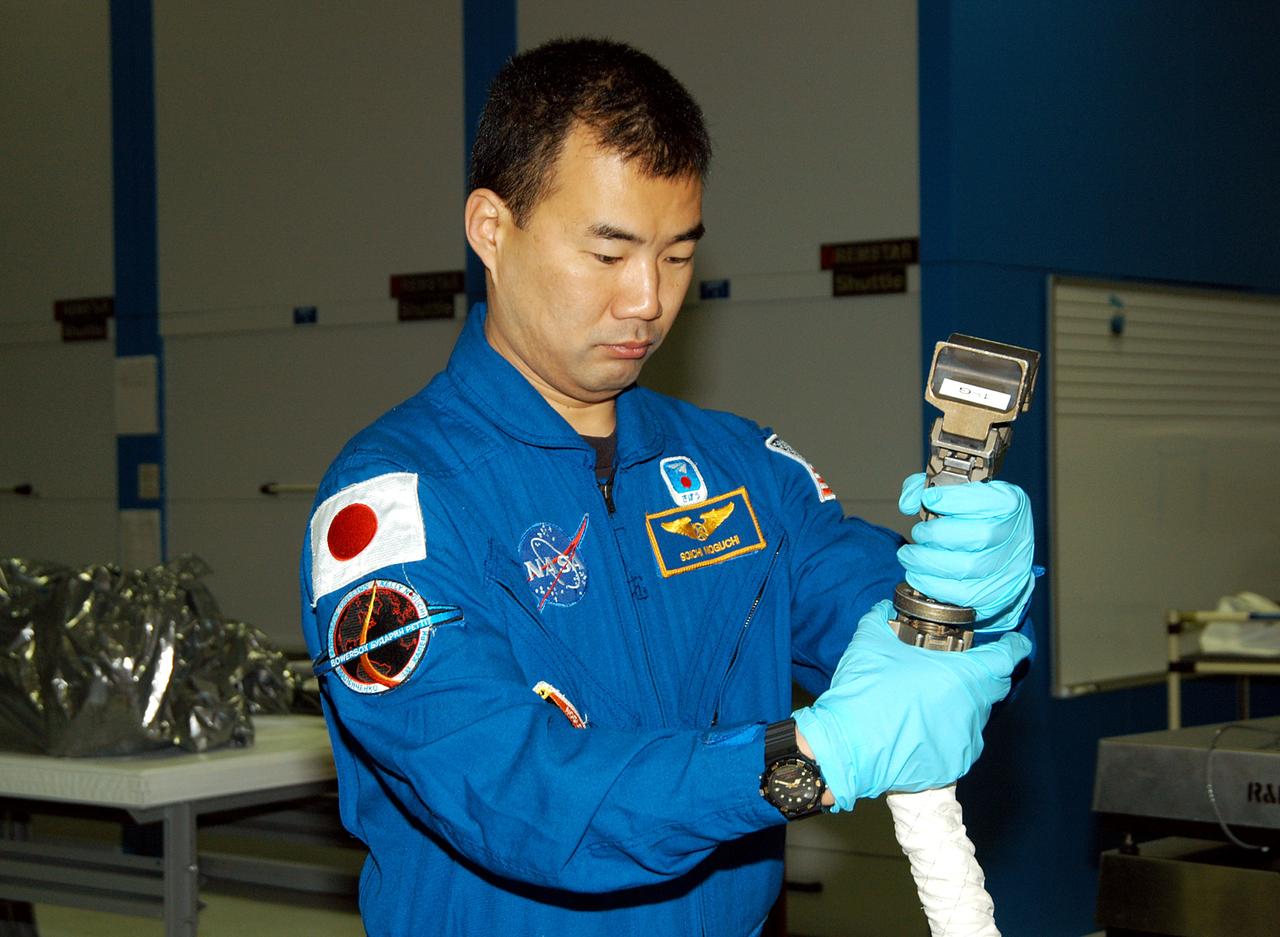
KENNEDY SPACE CENTER, FLA. -  STS-114 Mission Specialist Soichi Noguchi, with the Japanese Aerospace Exploration Agency (JAXA), handles equipment that will be used on the mission.  He and other crew members are at KSC for equipment familiarization.  STS-114 is classified as Logistics Flight 1 to the International Space Station,  delivering new supplies and replacing one of the orbital outpost’s Control Moment Gyroscopes (CMGs). STS-114 will also carry a Raffaello Multi-Purpose Logistics Module and the External Stowage Platform-2.  The crew is slated to conduct at least three spacewalks: They will demonstrate repair techniques of the Shuttle’s Thermal Protection System,  replace the failed CMG with one delivered by the Shuttle, and  install the External Stowage Platform.
KENNEDY SPACE CENTER, FLA. - STS-114 Mission Specialist Soichi Noguchi, with the Japanese Aerospace Exploration Agency (JAXA), handles equipment that will be used on the mission. He and other crew members are at KSC for equipment familiarization. STS-114 is classified as Logistics Flight 1 to the International Space Station, delivering new supplies and replacing one of the orbital outpost’s Control Moment Gyroscopes (CMGs). STS-114 will also carry a Raffaello Multi-Purpose Logistics Module and the External Stowage Platform-2. The crew is slated to conduct at least three spacewalks: They will demonstrate repair techniques of the Shuttle’s Thermal Protection System, replace the failed CMG with one delivered by the Shuttle, and install the External Stowage Platform.
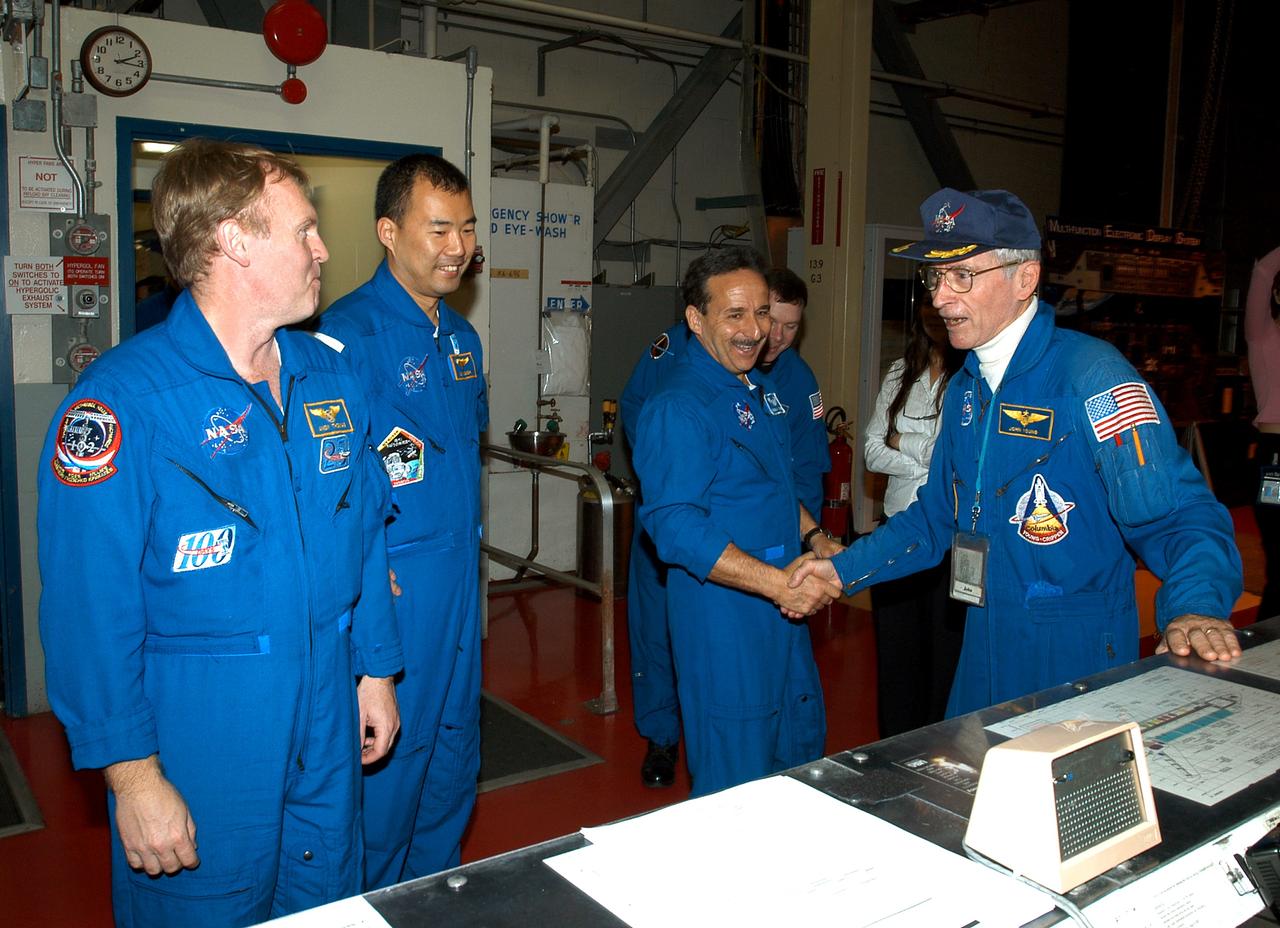
KENNEDY SPACE CENTER, FLA. - -  In the Orbiter Processing Facility, STS-114 Mission Specialists Andrew Thomas, Soichi Noguchi and Charles Camarda greet astronaut John Young (far right), who flew on the first flight of Space Shuttle Columbia with Robert Crippen.  Behind Camarda is Pilot James Kelly.  Young is associate director, Technical, at Johnson Space Center.  Noguchi represents the Japanese Aerospace and Exploration Agency.  The STS-114 crew is spending time becoming familiar with Shuttle and mission equipment.  The mission is Logistics Flight 1, which is scheduled to deliver supplies and equipment plus the external stowage platform to the International Space Station.
KENNEDY SPACE CENTER, FLA. - - In the Orbiter Processing Facility, STS-114 Mission Specialists Andrew Thomas, Soichi Noguchi and Charles Camarda greet astronaut John Young (far right), who flew on the first flight of Space Shuttle Columbia with Robert Crippen. Behind Camarda is Pilot James Kelly. Young is associate director, Technical, at Johnson Space Center. Noguchi represents the Japanese Aerospace and Exploration Agency. The STS-114 crew is spending time becoming familiar with Shuttle and mission equipment. The mission is Logistics Flight 1, which is scheduled to deliver supplies and equipment plus the external stowage platform to the International Space Station.
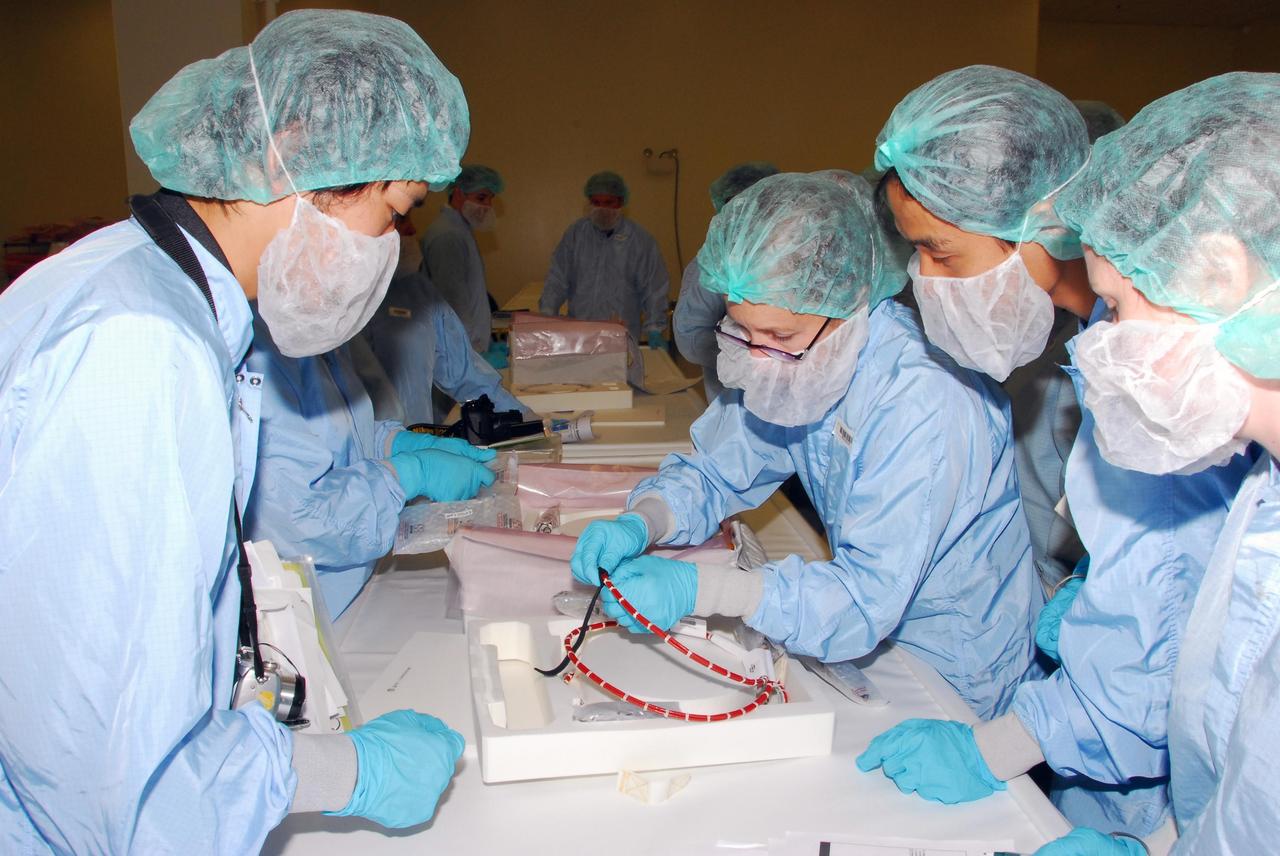
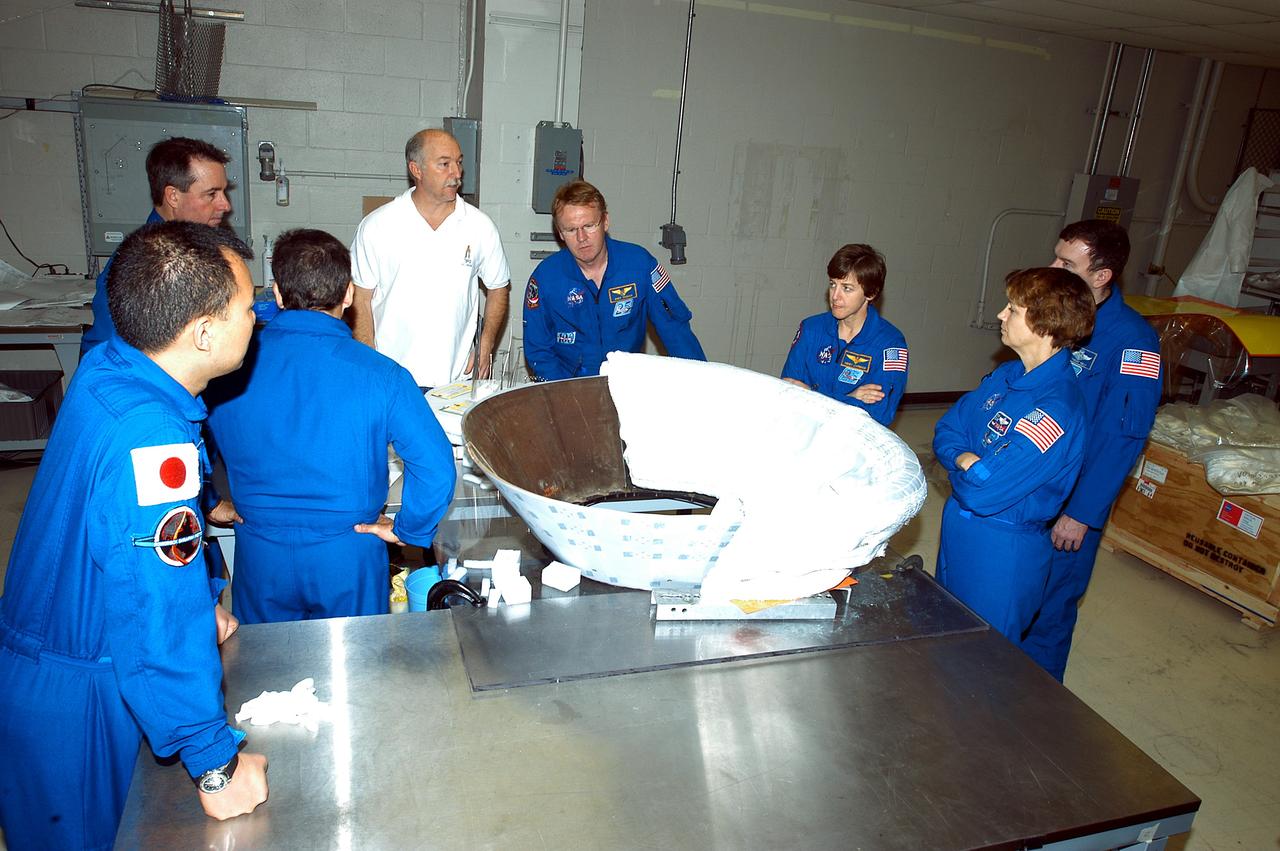
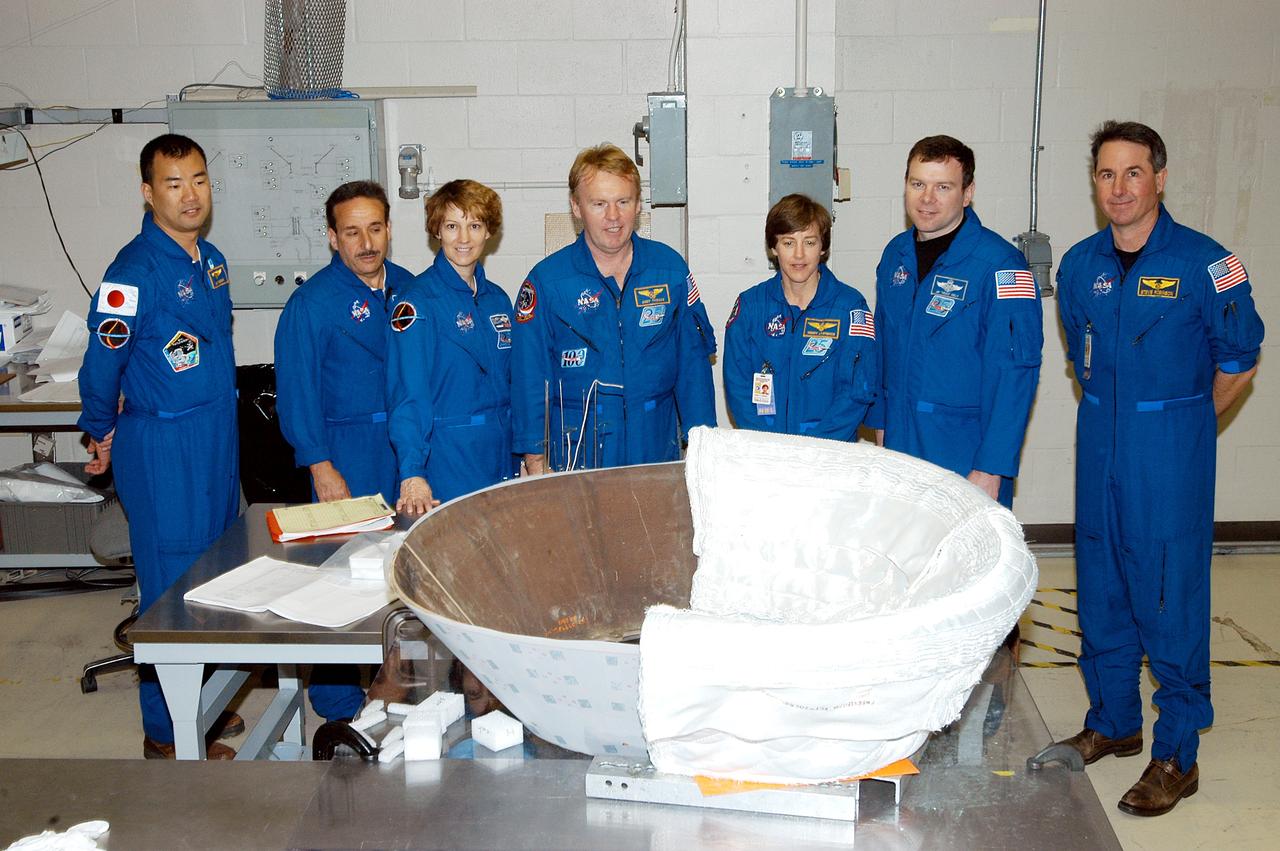
KENNEDY SPACE CENTER, FLA. - Members of the STS-114 crew spend time becoming familiar with Shuttle and mission equipment. From left (in their blue suits) are Mission Specialists Soichi Noguchi, Stephen Robinson, Charles Camarda, Andrew Thomas and Wendy Lawrence; Commander Eileen Collins and Pilot James Kelly. Noguchi represents the Japanese Aerospace and Exploration Agency.   They are looking at the thermal protection system insulation blankets being installed on an insert for Discovery’s nose cap. The STS-114 mission is Logistics Flight 1, which is scheduled to deliver supplies and equipment plus the external stowage platform to the International Space Station.
KENNEDY SPACE CENTER, FLA. - Members of the STS-114 crew spend time becoming familiar with Shuttle and mission equipment. From left (in their blue suits) are Mission Specialists Soichi Noguchi, Stephen Robinson, Charles Camarda, Andrew Thomas and Wendy Lawrence; Commander Eileen Collins and Pilot James Kelly. Noguchi represents the Japanese Aerospace and Exploration Agency. They are looking at the thermal protection system insulation blankets being installed on an insert for Discovery’s nose cap. The STS-114 mission is Logistics Flight 1, which is scheduled to deliver supplies and equipment plus the external stowage platform to the International Space Station.
KENNEDY SPACE CENTER, FLA. - The STS-114 crew stands underneath Discovery in the Orbiter Processing Facility.  From left are Mission Specialist Stephen Robinson, Pilot James Kelly, Mission Specialist Charles Camarda, astronaut John Young, Commander Eileen Collins and Mission Specialists Andrew Thomas, Wendy Lawrence and Soichi Noguchi, who is with the Japanese Aerospace and Exploration Agency.  Young is associate director, Technical, at Johnson Space Center. The crew is spending time becoming familiar with Shuttle and mission equipment. The mission is Logistics Flight 1, which is scheduled to deliver supplies and equipment plus the external stowage platform to the International Space Station.
KENNEDY SPACE CENTER, FLA. - The STS-114 crew stands underneath Discovery in the Orbiter Processing Facility. From left are Mission Specialist Stephen Robinson, Pilot James Kelly, Mission Specialist Charles Camarda, astronaut John Young, Commander Eileen Collins and Mission Specialists Andrew Thomas, Wendy Lawrence and Soichi Noguchi, who is with the Japanese Aerospace and Exploration Agency. Young is associate director, Technical, at Johnson Space Center. The crew is spending time becoming familiar with Shuttle and mission equipment. The mission is Logistics Flight 1, which is scheduled to deliver supplies and equipment plus the external stowage platform to the International Space Station.
KENNEDY SPACE CENTER, FLA. - The STS-114 crew gathers around the work stand holding the insert for Discovery’s nose cap.  From left are Mission Specialists Soichi Noguchi, and Charles Camarda; Commander Eileen Collins; Mission Specialists Andrew Thomas and Wendy Lawrence; Pilot James Kelly; and Mission Specialist Stephen Robinson. Noguchi represents the Japanese Aerospace and Exploration Agency.  The insert is being fitted with thermal protection system insulation blankets.  The crew is spending time becoming familiar with Shuttle and mission equipment.  The mission is Logistics Flight 1, which is scheduled to deliver supplies and equipment plus the external stowage platform to the International Space Station.
KENNEDY SPACE CENTER, FLA. - The STS-114 crew gathers around the work stand holding the insert for Discovery’s nose cap. From left are Mission Specialists Soichi Noguchi, and Charles Camarda; Commander Eileen Collins; Mission Specialists Andrew Thomas and Wendy Lawrence; Pilot James Kelly; and Mission Specialist Stephen Robinson. Noguchi represents the Japanese Aerospace and Exploration Agency. The insert is being fitted with thermal protection system insulation blankets. The crew is spending time becoming familiar with Shuttle and mission equipment. The mission is Logistics Flight 1, which is scheduled to deliver supplies and equipment plus the external stowage platform to the International Space Station.
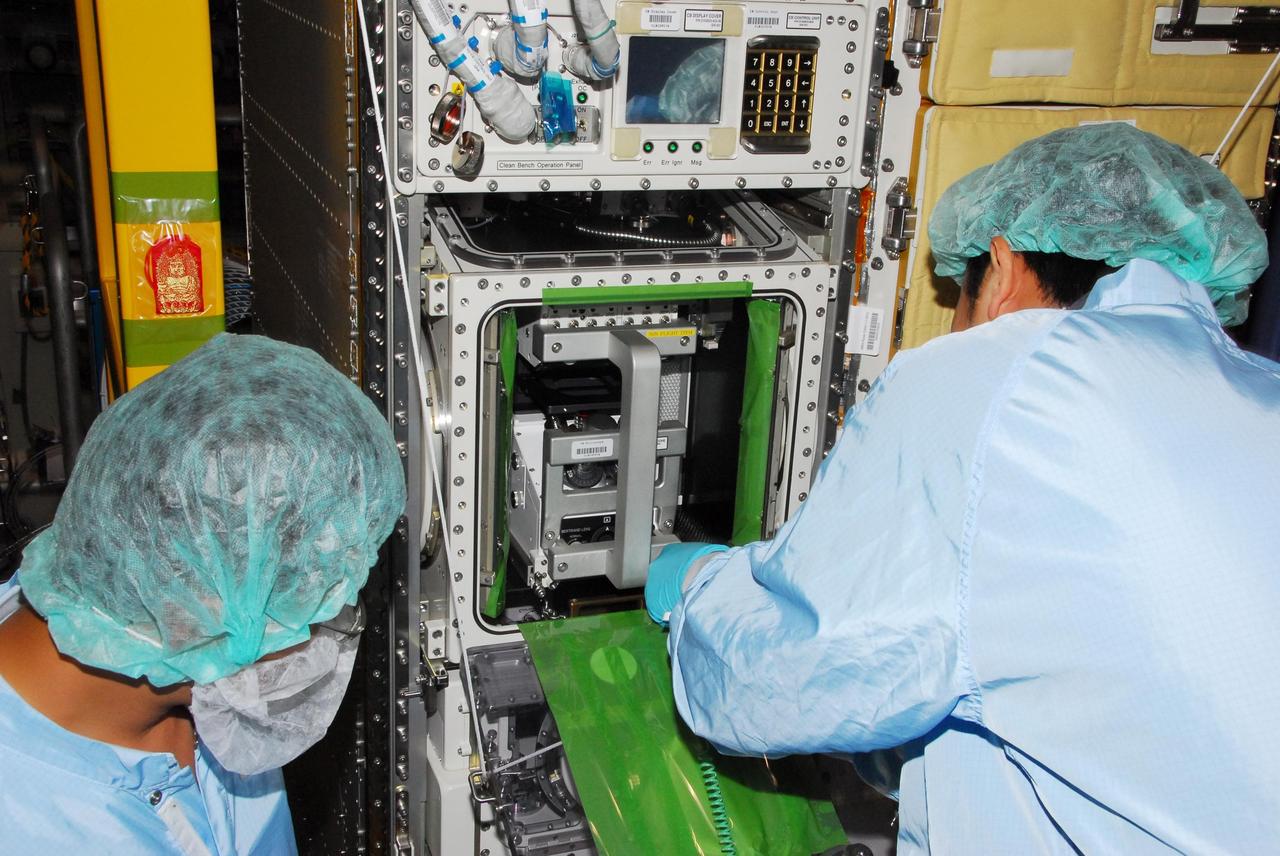
KENNEDY SPACE CENTER, FLA. - In the Space Station Processing Facility, a Japan Aerospace Exploration Agency (JAXA) technician inspects the wiring on the Japanese Experiment Module (JEM).  The JEM, developed by JAXA for use on the International Space Station, is named Kibo -- which means "hope" in Japanese -- and will enhance the unique research capabilities of the orbiting complex by providing an additional environment for astronauts to conduct science experiments.  Research conducted in Kibo will focus on space medicine, biology, Earth observations, material production, biotechnology and communications. Photo credit: NASA/Amanda Diller
KSC-06pd1682
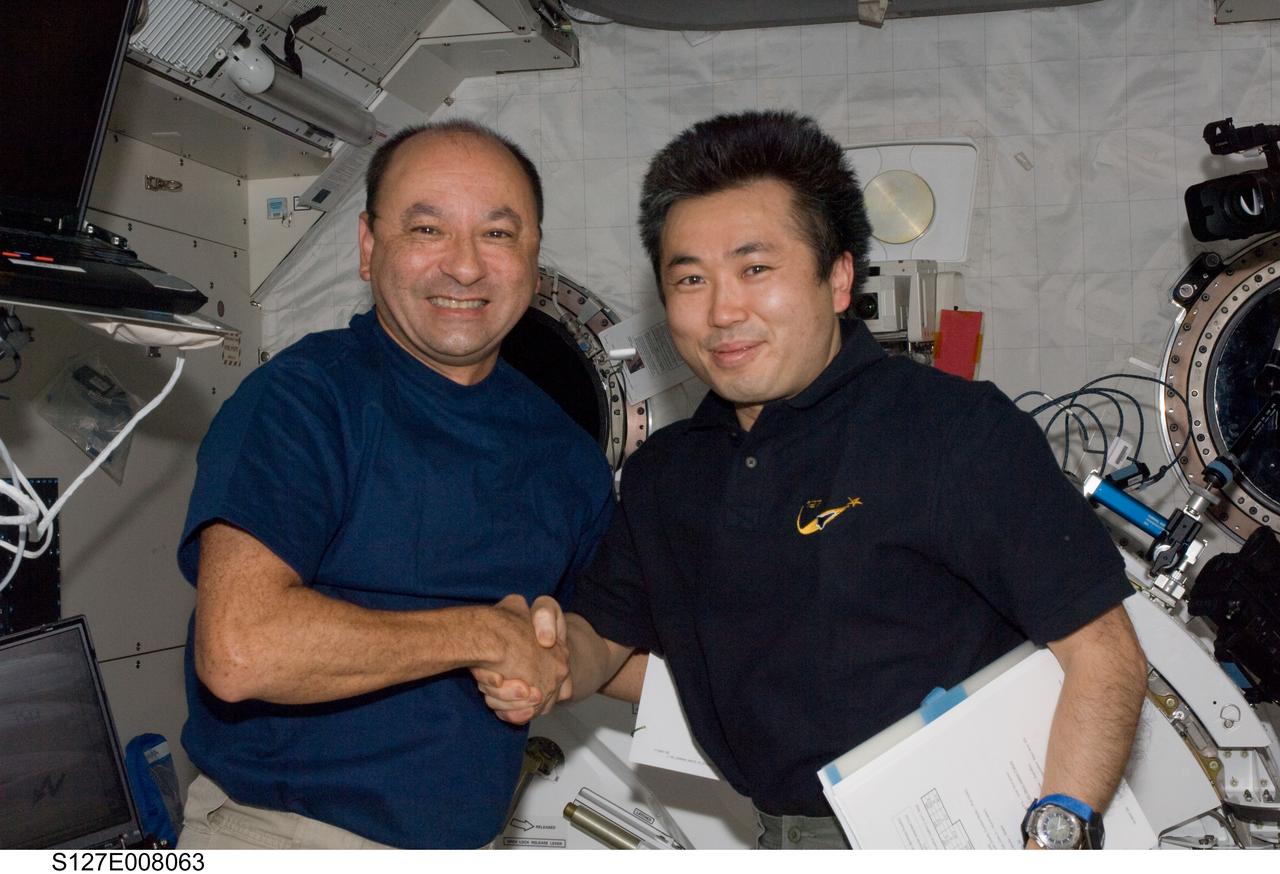
S127-E-008063 (23 July 2009)--- Inside Kibo or the Japanese Experiment Module (JEM), astronaut Mark Polansky (left), STS-127 commander, shakes hands with Japanese Aerospace Exploration Agency astronaut Koichi Wakata, who has been onboard the International Space Station for a tour of duty as flight engineer but will be returning to Earth with Polansky and the rest of the STS-127 crew next week.
Polansky and Wakata shake hands in the JPM during Joint Operations
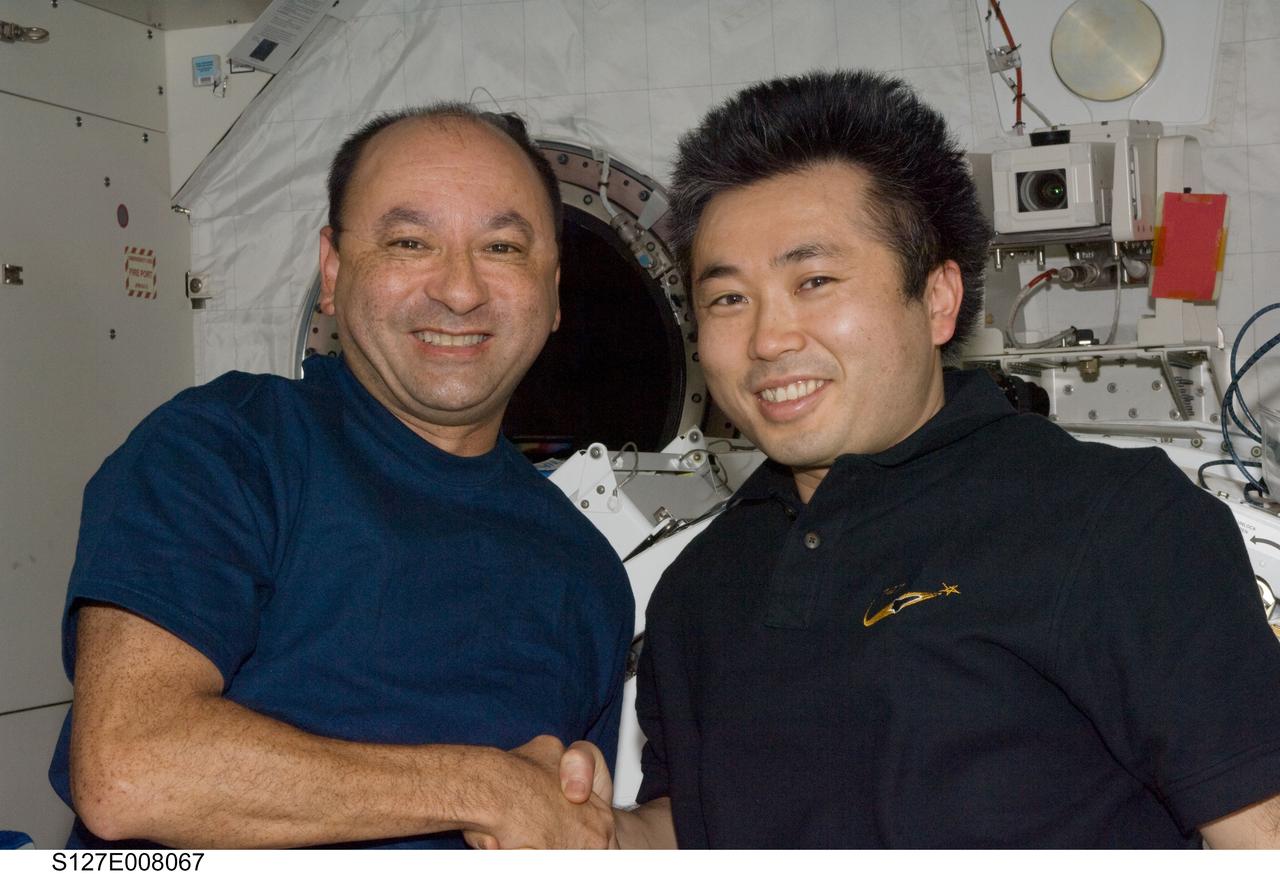
S127-E-008067 (23 July 2009)--- Inside Kibo or the Japanese Experiment Module (JEM), astronaut Mark Polansky (left), STS-127 commander, shakes hands with Japanese Aerospace Exploration Agency astronaut Koichi Wakata, who has been onboard the International Space Station for a tour of duty as flight engineer but will be returning to Earth with Polansky and the rest of the STS-127 crew next week.
Polansky and Wakata shake hands in the JPM during Joint Operations
S124-E-007766 (9 June 2008) --- Japan Aerospace Exploration Agency astronaut Akihiko Hoshide and NASA astronaut Karen Nyberg, both STS-124 mission specialists, work the controls at the Japanese Remote Manipulator System in the Kibo Japanese Pressurized Module of the International Space Station while Space Shuttle Discovery is docked with the station.
Nyberg and Hoshide in JPM
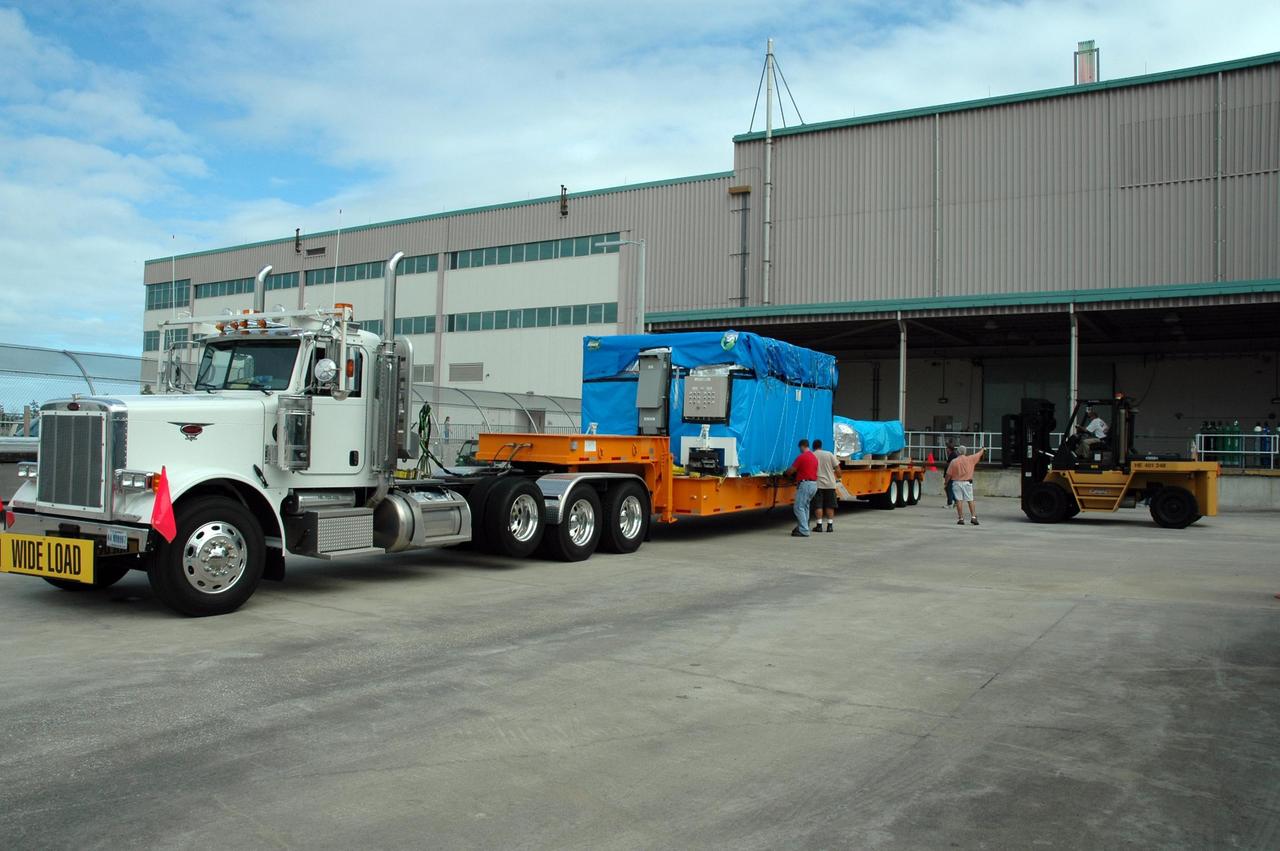
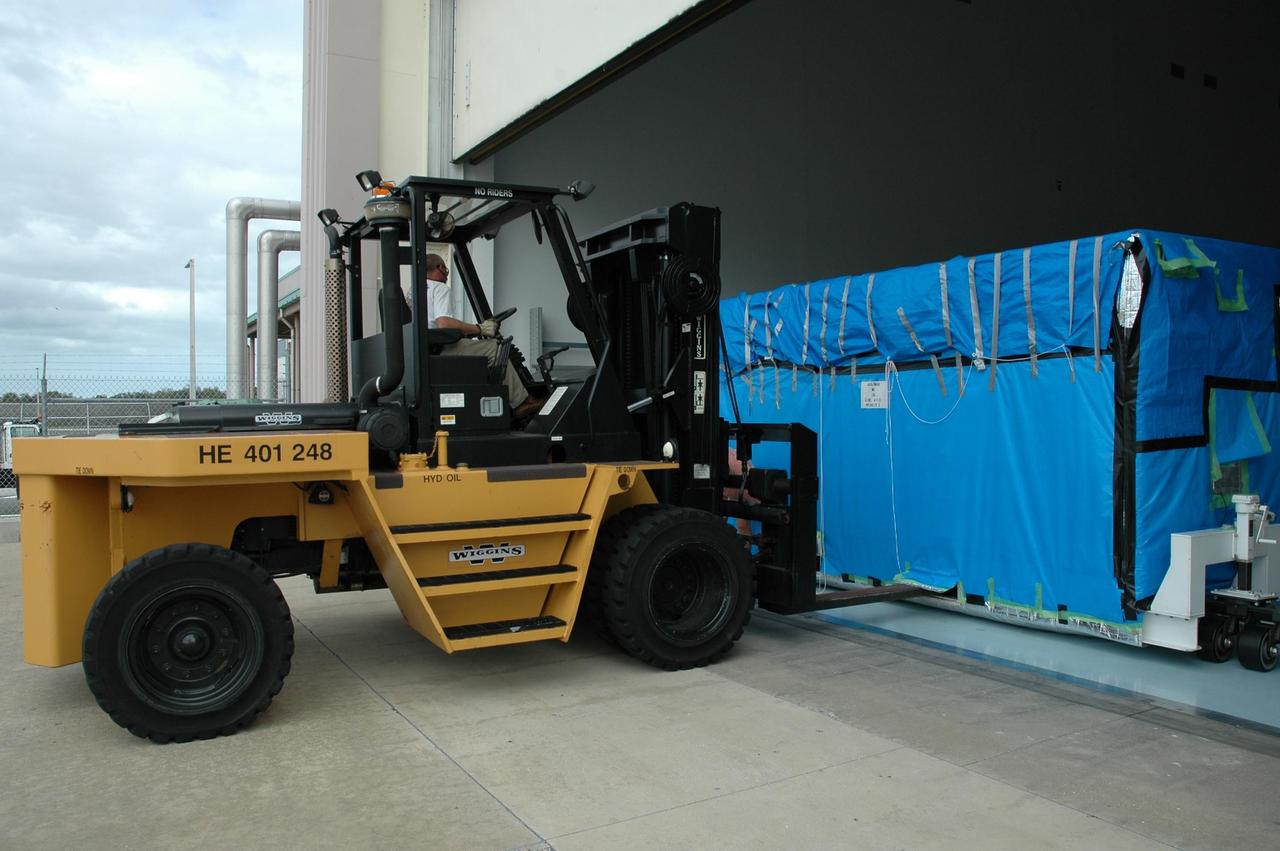
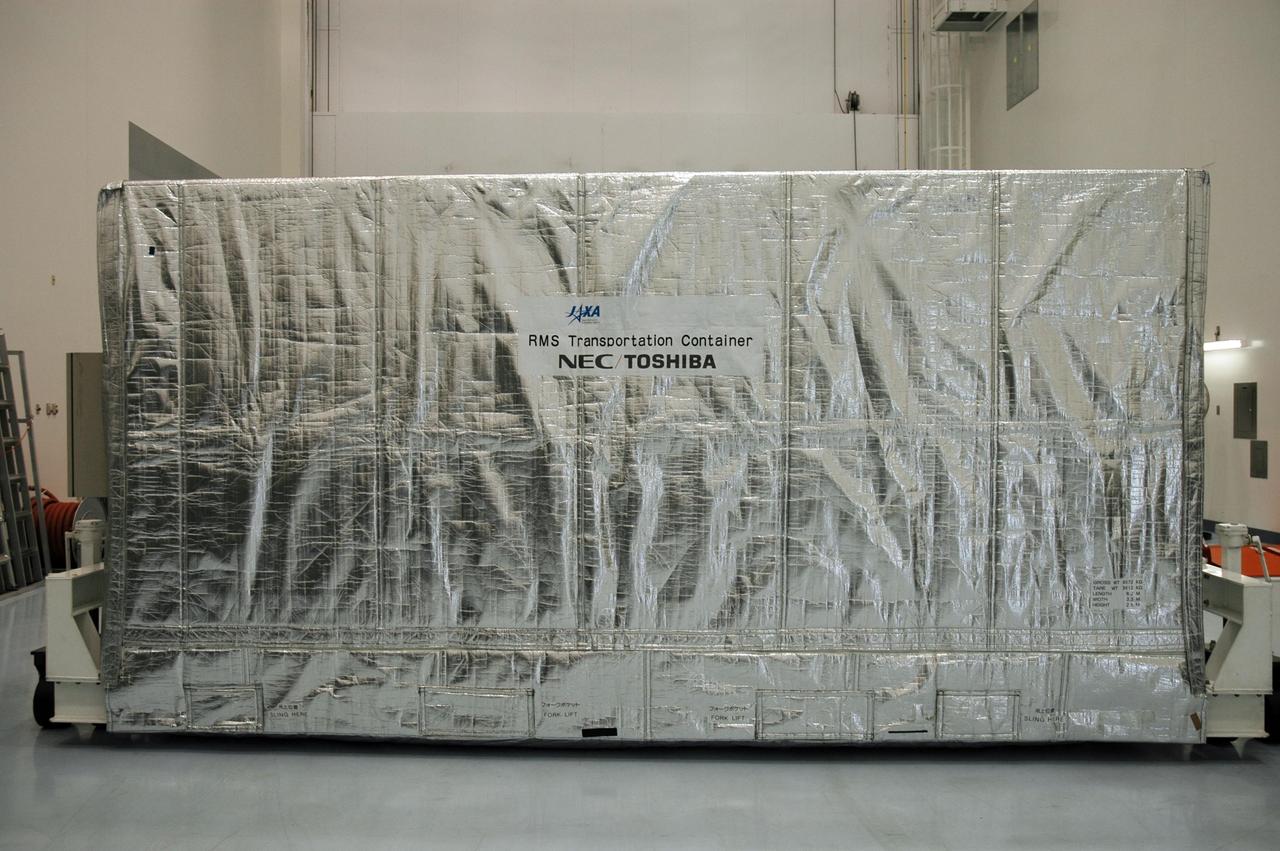
KENNEDY SPACE CENTER, FLA. --  The remote manipulator system for the Japanese Experiment Module arrives at the Space Station Processing Facility. The JEM, named "Kibo" (Hope), is Japan's primary contribution to the International Space Station. It will enhance the unique research capabilities of the orbiting complex by providing an additional environment for astronauts to conduct science experiments. The Japanese Aerospace Exploration Agency developed the laboratory. Both the JEM and RMS are targeted for mission STS-124, to launch in early 2008.  Photo credit: NASA/Dimitrios Gerondidakis
KSC-07pd0094
KENNEDY SPACE CENTER, FLA. --  The remote manipulator system for the Japanese Experiment Module is being moved into the Space Station Processing Facility. The JEM, named "Kibo" (Hope), is Japan's primary contribution to the International Space Station. It will enhance the unique research capabilities of the orbiting complex by providing an additional environment for astronauts to conduct science experiments. The Japanese Aerospace Exploration Agency developed the laboratory. Both the JEM and RMS are targeted for mission STS-124, to launch in early 2008.  Photo credit: NASA/Dimitrios Gerondidakis
KSC-07pd0095
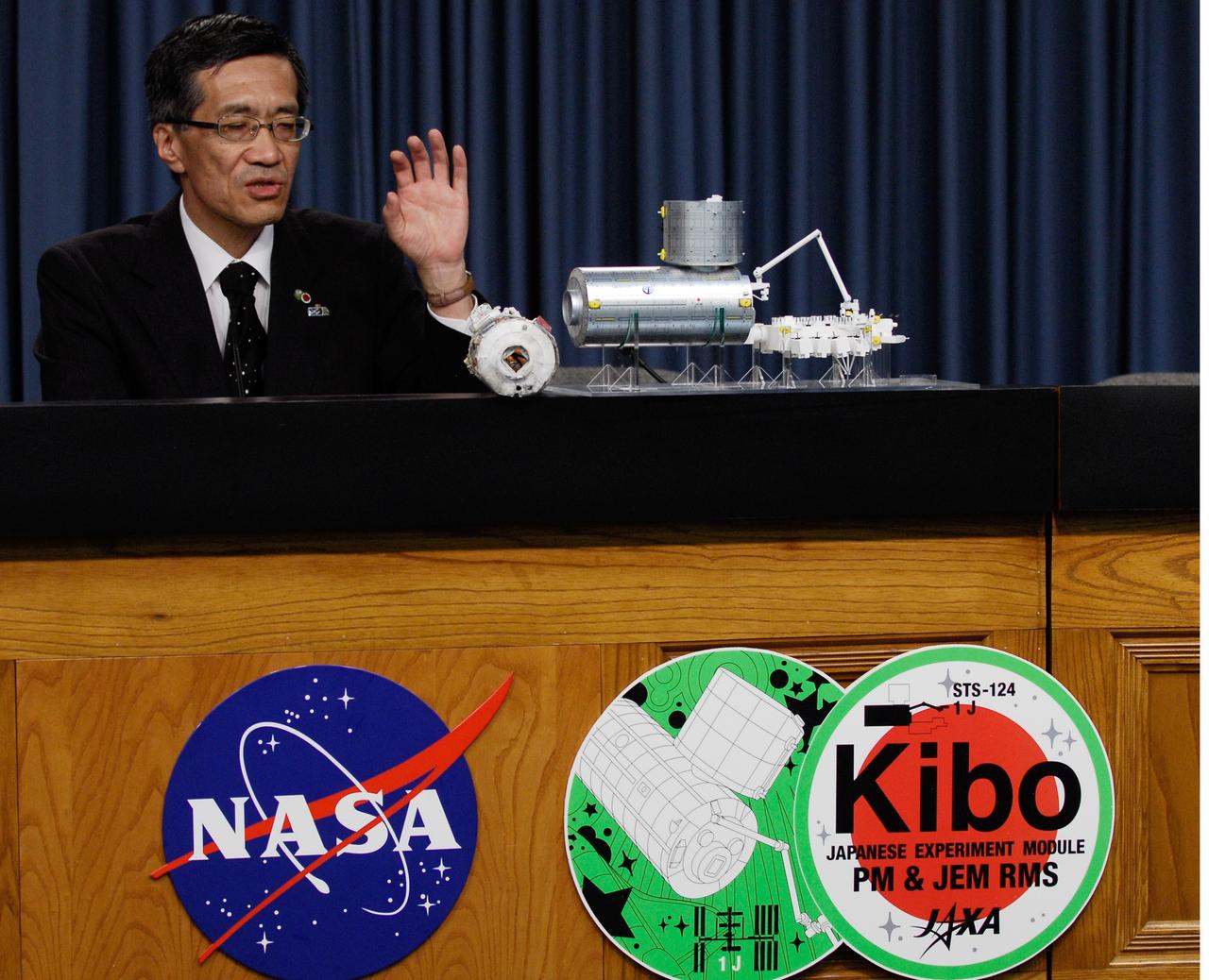
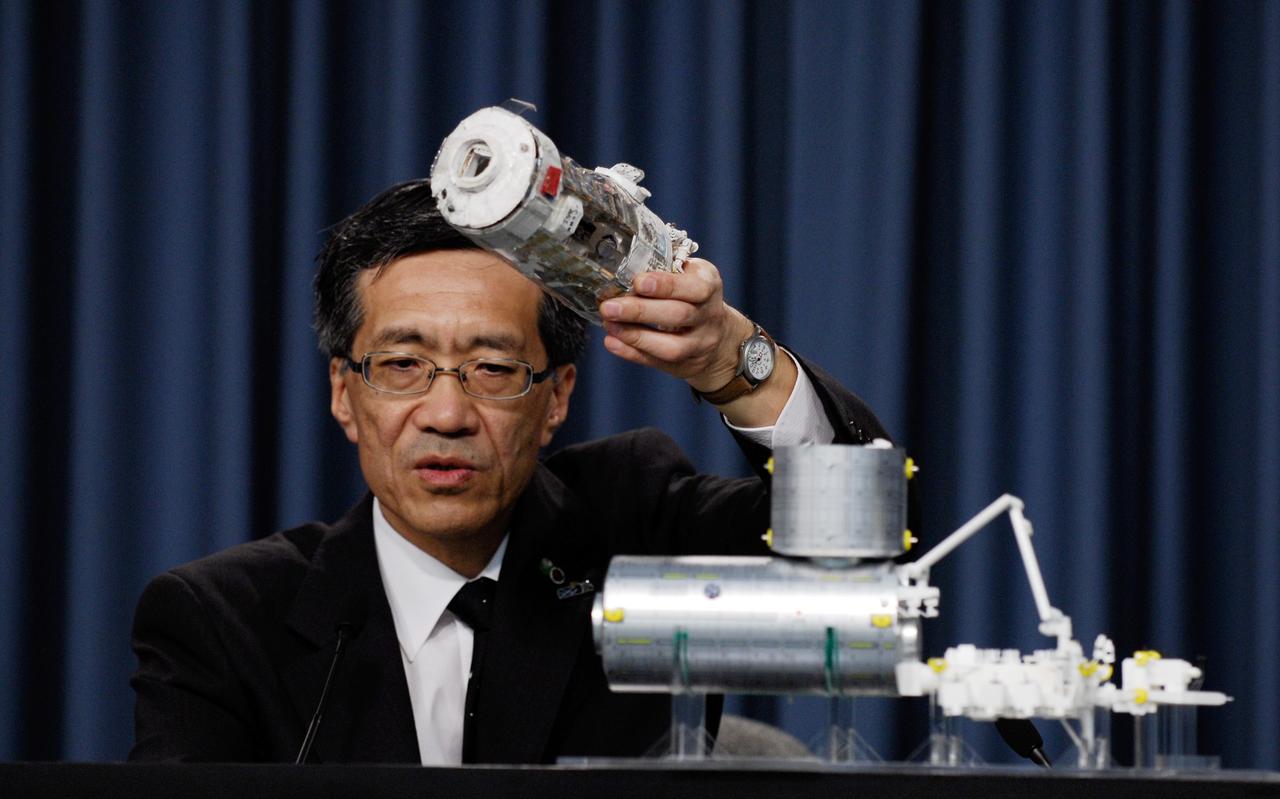
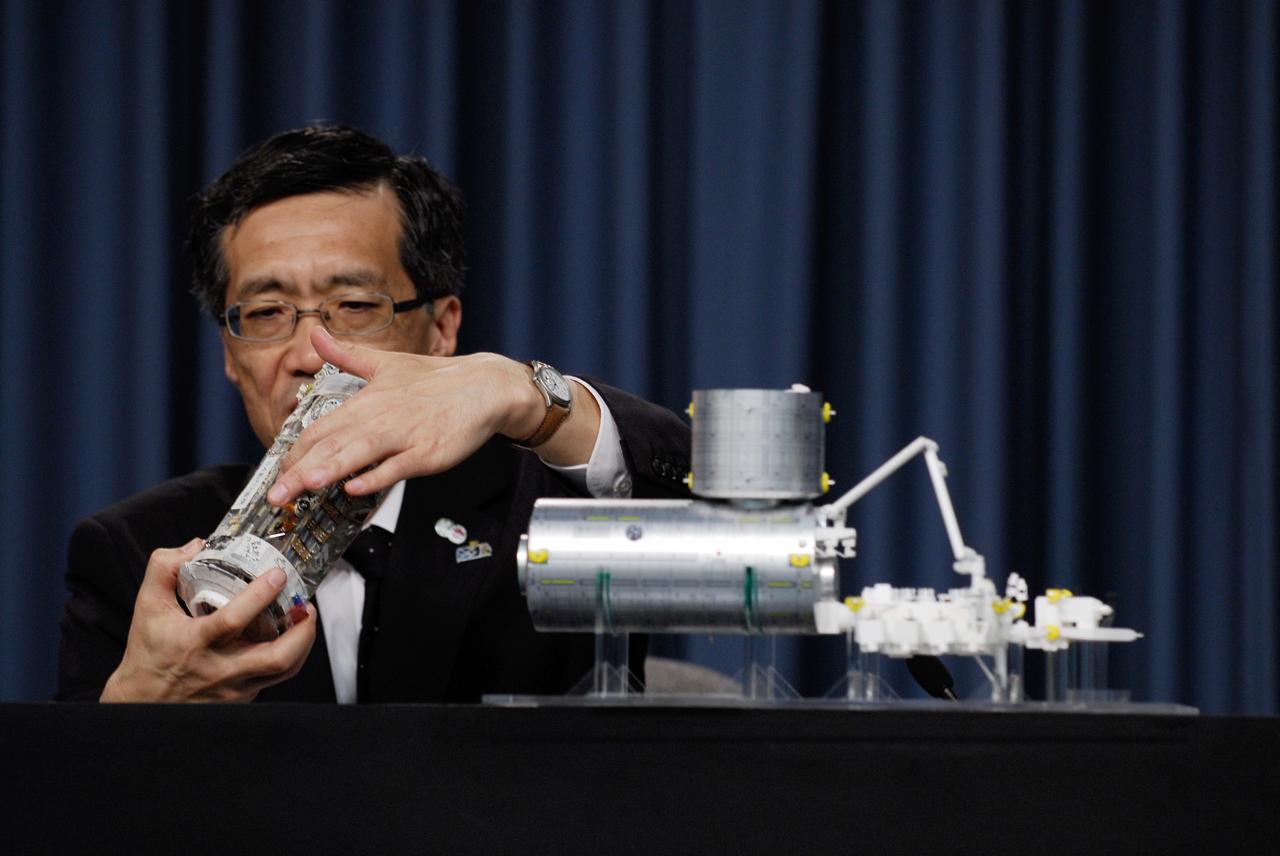
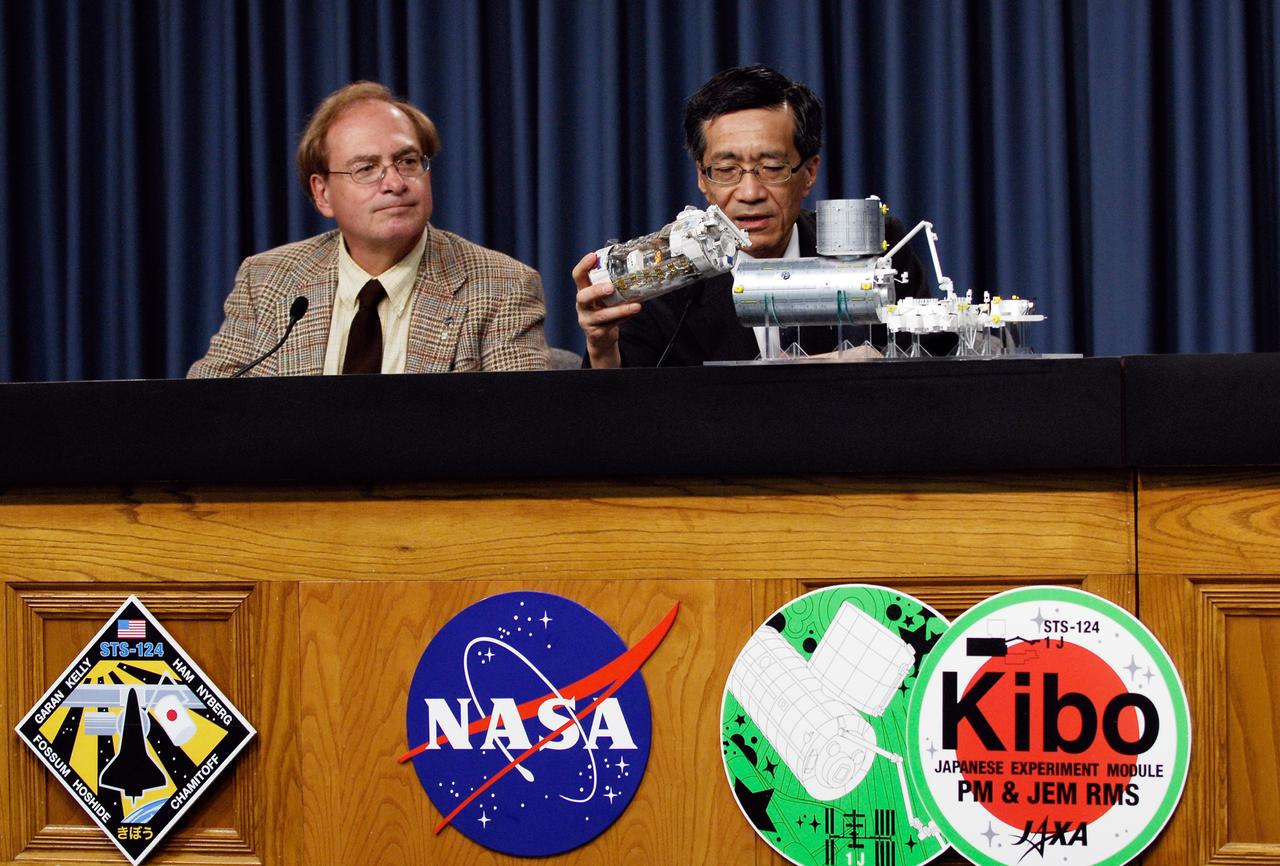
CAPE CANAVERAL, Fla. --  At a Japan Aerospace Exploration Agency briefing, Japanese Experiment Module Program Manager Yoshiyuki Hasegawa (right) explains how the Japanese Experiment Module – Pressurized Module will fit with the other segments on the International Space Station.  The final segment of the Kibo laboratory will be delivered to the space station on the STS-124 mission, which is scheduled to launch May 31.  Photo credit:  NASA/Kim Shiflett
KSC-08pd1480
KENNEDY SPACE CENTER, FLA. --   Offloading of the cargo complete, the truck is ready to move the remote manipulator system for the Japanese Experiment Module to the Space Station Processing Facility.  The JEM, named "Kibo" (Hope), is Japan's primary contribution to the International Space Station. It will enhance the unique research capabilities of the orbiting complex by providing an additional environment for astronauts to conduct science experiments. The Japanese Aerospace Exploration Agency developed the laboratory. Both the JEM and RMS are targeted for mission STS-124, to launch in early 2008.  Photo credit: NASA/Dimitrios Gerondidakis
KSC-07pd0092
CAPE CANAVERAL, Fla. --    At a Japan Aerospace Exploration Agency briefing, Japanese Experiment Module Program Manager Yoshiyuki Hasegawa (right) explains how the Japanese Experiment Module – Pressurized Module will fit with the other segments on the International Space Station.  The final segment of the Kibo laboratory will be delivered to the space station on the STS-124 mission, which is scheduled to launch May 31.  Photo credit:  NASA/Kim Shiflett
KSC-08pd1479
iss064e040776 (March 10, 2021) --- JAXA (Japan Aerospace Exploration Agency) astronaut Soichi Noguchi is pictured inside the Kibo laboratory module's airlock. Experiments and microsatellites, or CubeSats, are staged inside the airlock for deployment into the external environment of space. The airlock is then closed and depressurized before the Japanese robotic arm grapples the experiments and installs them on an external science platform outside Kibo. The CubeSats are ejected into Earth orbit from a small satellite deployer gripped at the end of the Japanese robotic arm.
iss064e040776
CAPE CANAVERAL, Fla. --    At a Japan Aerospace Exploration Agency briefing, Japanese Experiment Module Program Manager Yoshiyuki Hasegawa (right) explains how the Japanese Experiment Module – Pressurized Module will fit with the other segments on the International Space Station.  The final segment of the Kibo laboratory will be delivered to the space station on the STS-124 mission, which is scheduled to launch May 31.  Photo credit:  NASA/Kim Shiflett
KSC-08pd1478
KENNEDY SPACE CENTER, FLA. - In the Space Station Processing Facility, Japan Aerospace Exploration Agency (JAXA) technicians inspect the wiring on the Japanese Experiment Module (JEM).  The JEM, developed by JAXA for use on the International Space Station, is named Kibo -- which means "hope" in Japanese -- and will enhance the unique research capabilities of the orbiting complex by providing an additional environment for astronauts to conduct science experiments.  Research conducted in Kibo will focus on space medicine, biology, Earth observations, material production, biotechnology and communications. Photo credit: NASA/Amanda Diller
KSC-06pd1683
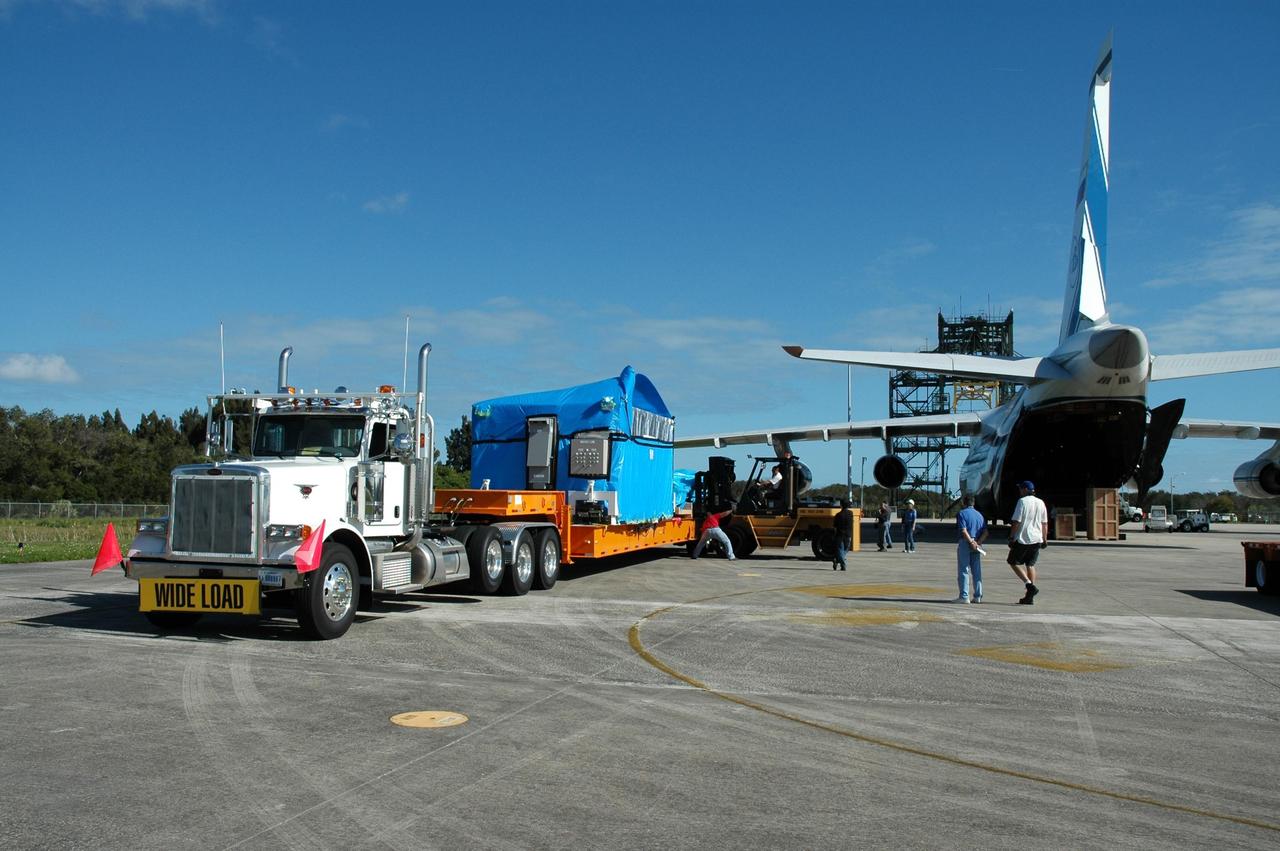
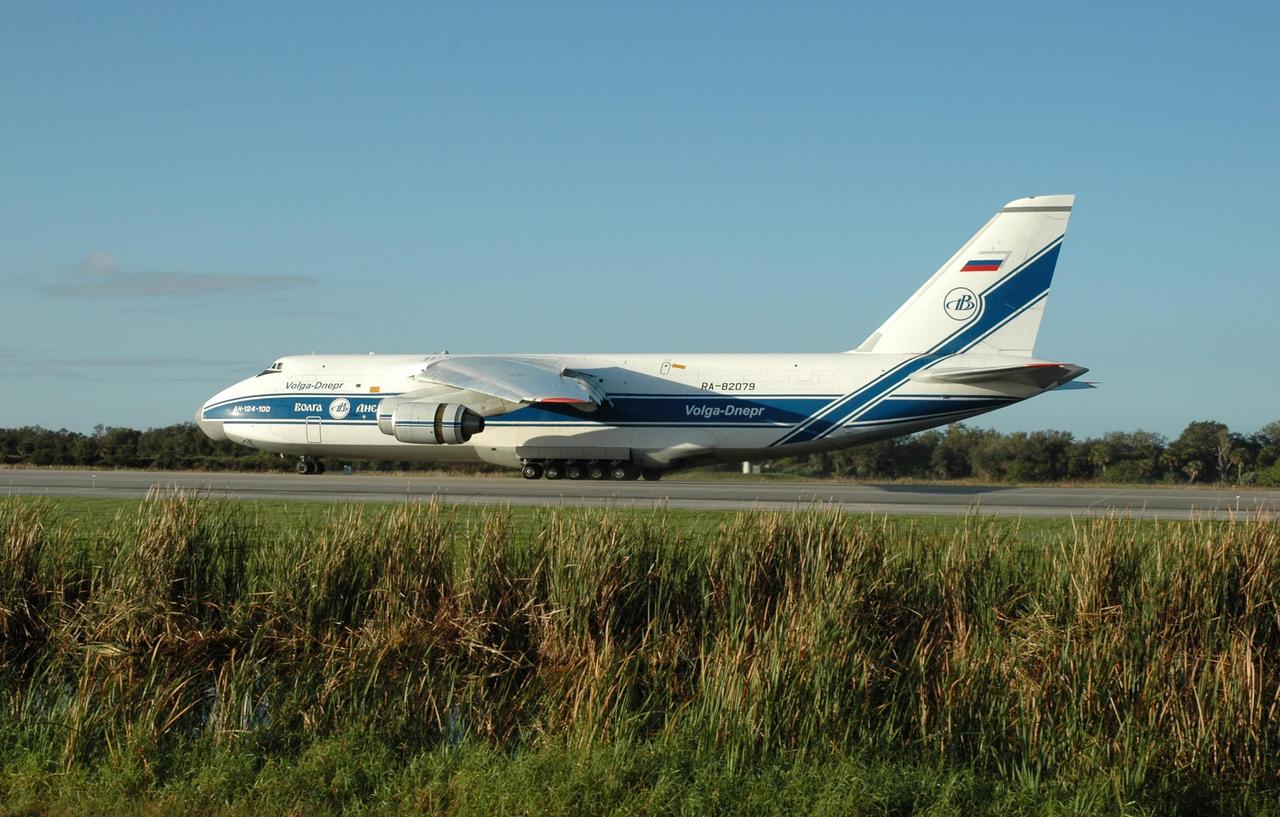
KENNEDY SPACE CENTER, FLA. --  At the KSC Shuttle Landing Facility, the Antonov 124 aircraft arrives with its cargo, the remote manipulator system for the Japanese Experiment Module.  The JEM, named "Kibo" (Hope), is Japan's primary contribution to the International Space Station. It will enhance the unique research capabilities of the orbiting complex by providing an additional environment for astronauts to conduct science experiments. The Japanese Aerospace Exploration Agency developed the laboratory. Both the JEM and RMS are targeted for mission STS-124, to launch in early 2008.  Photo credit: NASA/Jack Pfaller
KSC-07pd0086
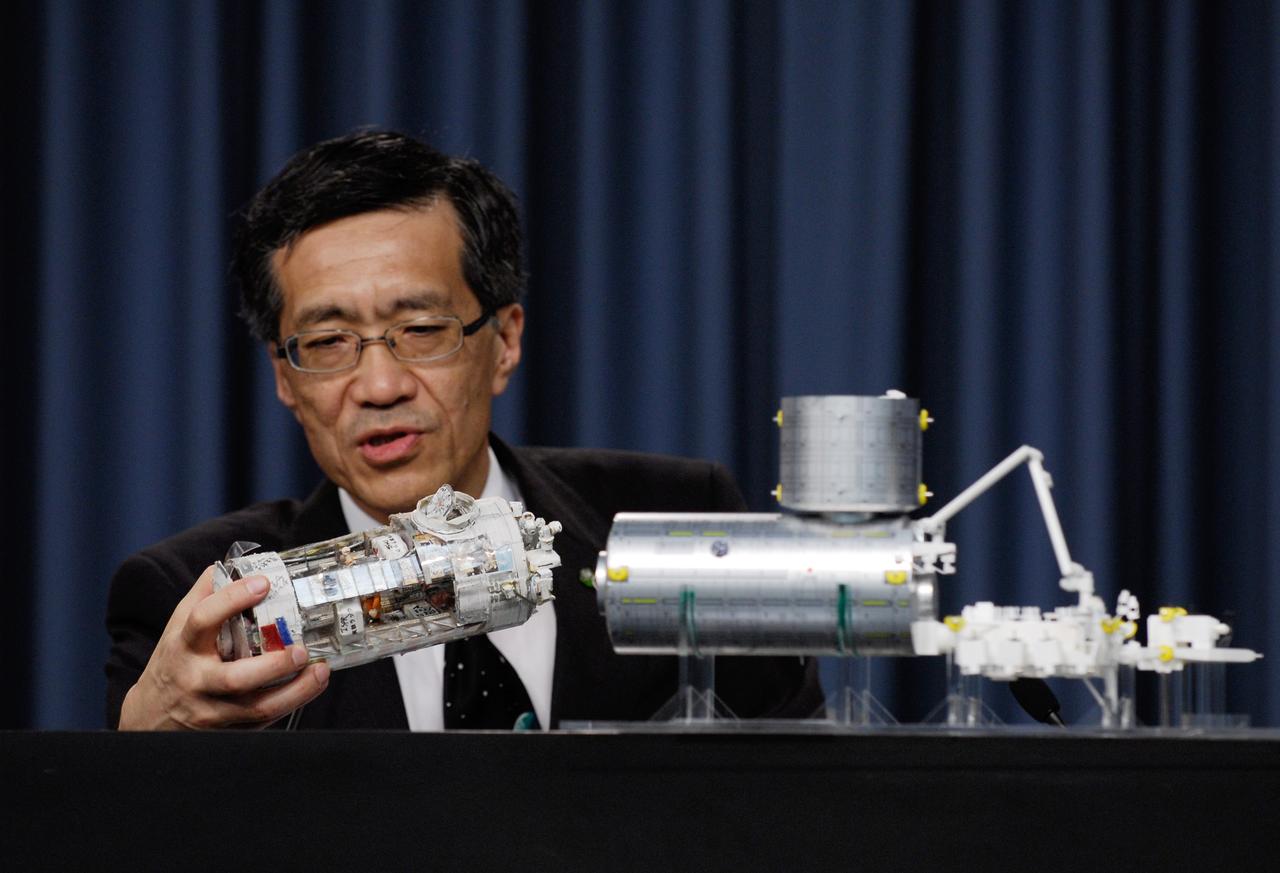
CAPE CANAVERAL, Fla. --    At a Japan Aerospace Exploration Agency briefing, Japanese Experiment Module Program Manager Yoshiyuki Hasegawa (right) explains how the Japanese Experiment Module – Pressurized Module will fit with the other segments on the International Space Station.  The final segment of the Kibo laboratory will be delivered to the space station on the STS-124 mission, which is scheduled to launch May 31. Photo credit:  NASA/Kim Shiflett
KSC-08pd1477
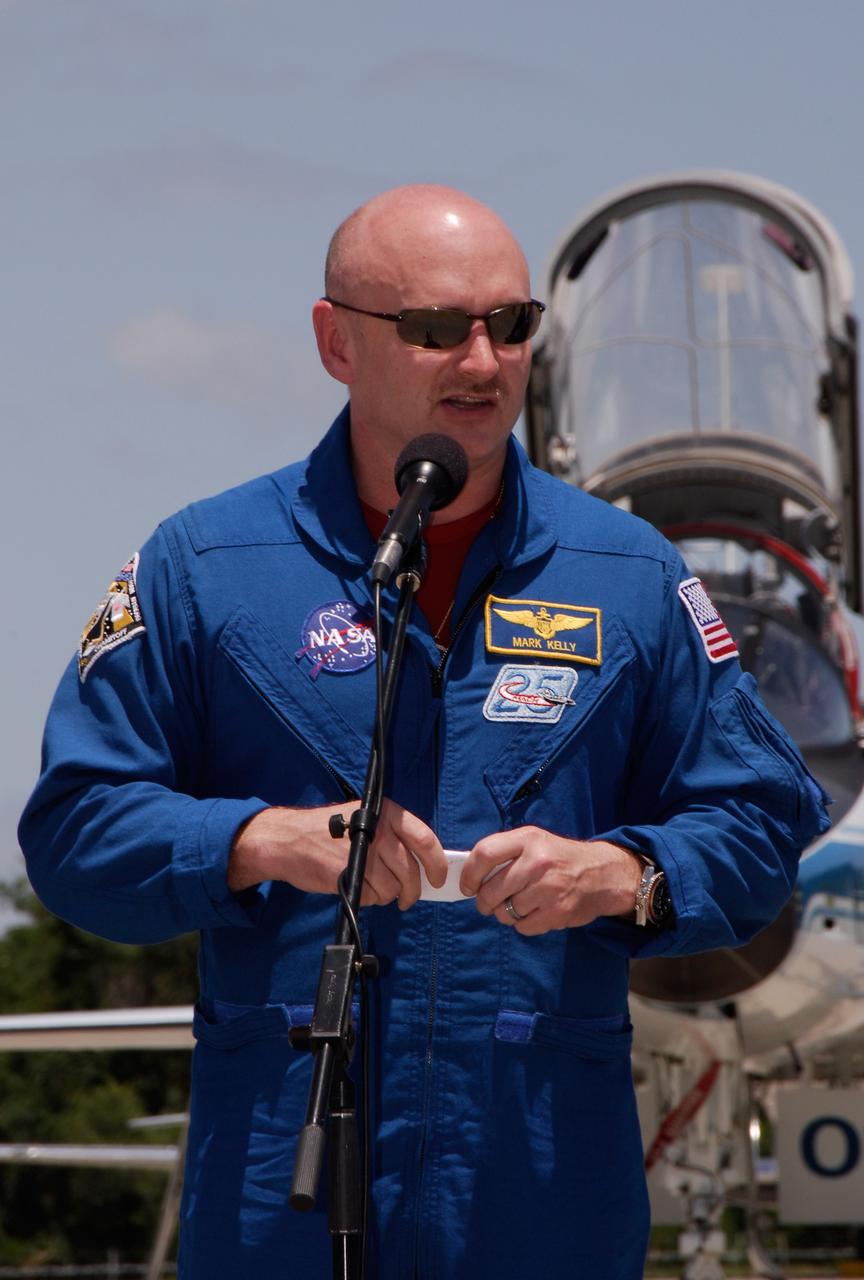
CAPE CANAVERAL, Fla. --  After their arrival on the Shuttle Landing Facility at NASA's Kennedy Space Center, the crew members of space shuttle Discovery's STS-124 mission gather to talk to the media. Seen here is Commander Mark Kelly.  Hoshide represents the Japan Aerospace Exploration Agency.   Launch of Discovery is scheduled for 5:02 p.m. May 31.  On the STS-124 mission, the crew of seven will deliver and install the Japanese Experiment Module – Pressurized Module and Japanese Remote Manipulator System.  Photo credit: NASA/Kim Shiflett
KSC-08pd1453
KENNEDY SPACE CENTER, FLA. --  The remote manipulator system for the Japanese Experiment Module, or JEM, has been moved inside the airlock at the Space Station Processing Facility. The JEM is named "Kibo" (Hope) and is Japan's primary contribution to the International Space Station. It will enhance the unique research capabilities of the orbiting complex by providing an additional environment for astronauts to conduct science experiments. The Japanese Aerospace Exploration Agency developed the laboratory. Both the JEM and RMS are targeted for mission STS-124, to launch in early 2008.  Photo credit: NASA/Dimitrios Gerondidakis
KSC-07pd0096
CAPE CANAVERAL, Fla. --    At a Japan Aerospace Exploration Agency briefing, Japanese Experiment Module Program Manager Yoshiyuki Hasegawa (right) explains how the Japanese Experiment Module – Pressurized Module will fit with the other segments on the International Space Station.  The final segment of the Kibo laboratory will be delivered to the space station on the STS-124 mission, which is scheduled to launch May 31.  NASA spokesman George Diller is at left.  Photo credit:  NASA/Kim Shiflett
KSC-08pd1476
CAPE CANAVERAL, Fla. --  Members of the space shuttle Discovery's STS-124 crew inspect cables on Launch Pad 39A.  From left are Mission Specialists Mike Fossum and Akihiko Hoshide, who represents the Japan Aerospace Exploration Agency.  The crew is getting ready for launch at 5:02 p.m. on May 31. The STS-124 mission is the second of three flights launching components to complete the Japan Aerospace Exploration Agency's Kibo laboratory.  The shuttle crew will install Kibo's large Japanese Pressurized Module and its remote manipulator system, or RMS.  The 14-day flight includes three spacewalks.  Photo credit: NASA/Kim Shiflett
KSC-08pd1495
CAPE CANAVERAL, Fla. --  Members of the space shuttle Discovery's STS-124 crew inspect cables on Launch Pad 39A.  From left are Mission Specialists Mike Fossum and Akihiko Hoshide, who represents the Japan Aerospace Exploration Agency. The crew is getting ready for launch at 5:02 p.m. on May 31. The STS-124 mission is the second of three flights launching components to complete the Japan Aerospace Exploration Agency's Kibo laboratory.  The shuttle crew will install Kibo's large Japanese Pressurized Module and its remote manipulator system, or RMS.  The 14-day flight includes three spacewalks.  Photo credit: NASA/Kim Shiflett
KSC-08pd1498
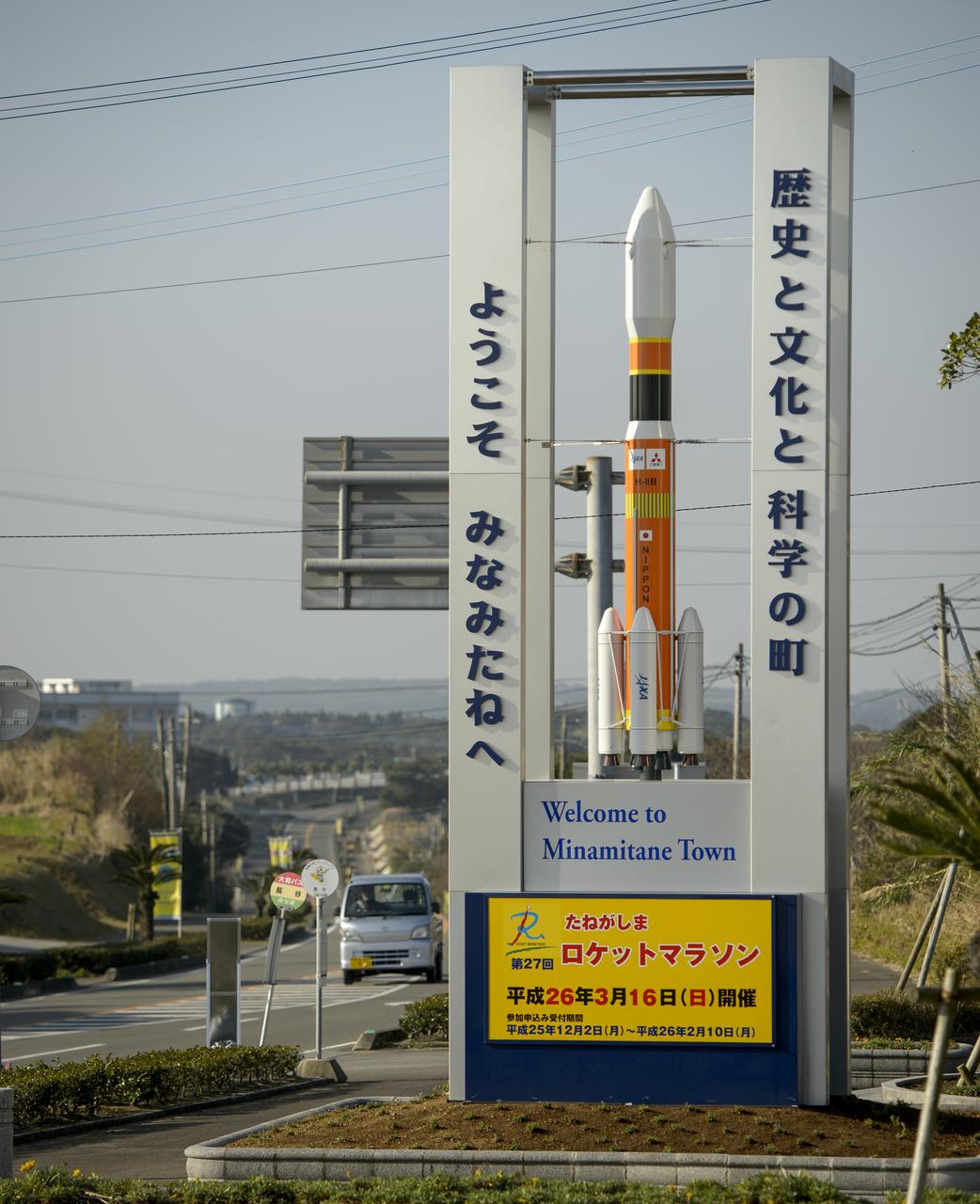
A sign with a model of the Japanese H-IIB rocket welcomes visitors to Minamitane Town, one of only a few small towns located outside of the Japan Aerospace Exploration Agency’s (JAXA) Tanegashima Space Center (TNSC), where the launch of an H-IIA rocket carrying the Global Precipitation Measurement (GPM) Core Observatory will take place in the next week, Saturday, Feb. 22, 2014, Tanegashima Island, Japan. The NASA-Japan Aerospace Exploration Agency (JAXA) GPM spacecraft will collect information that unifies data from an international network of existing and future satellites to map global rainfall and snowfall every three hours. Photo Credit: (NASA/Bill Ingalls)
Global Precipitation Measurement (GPM) Mission
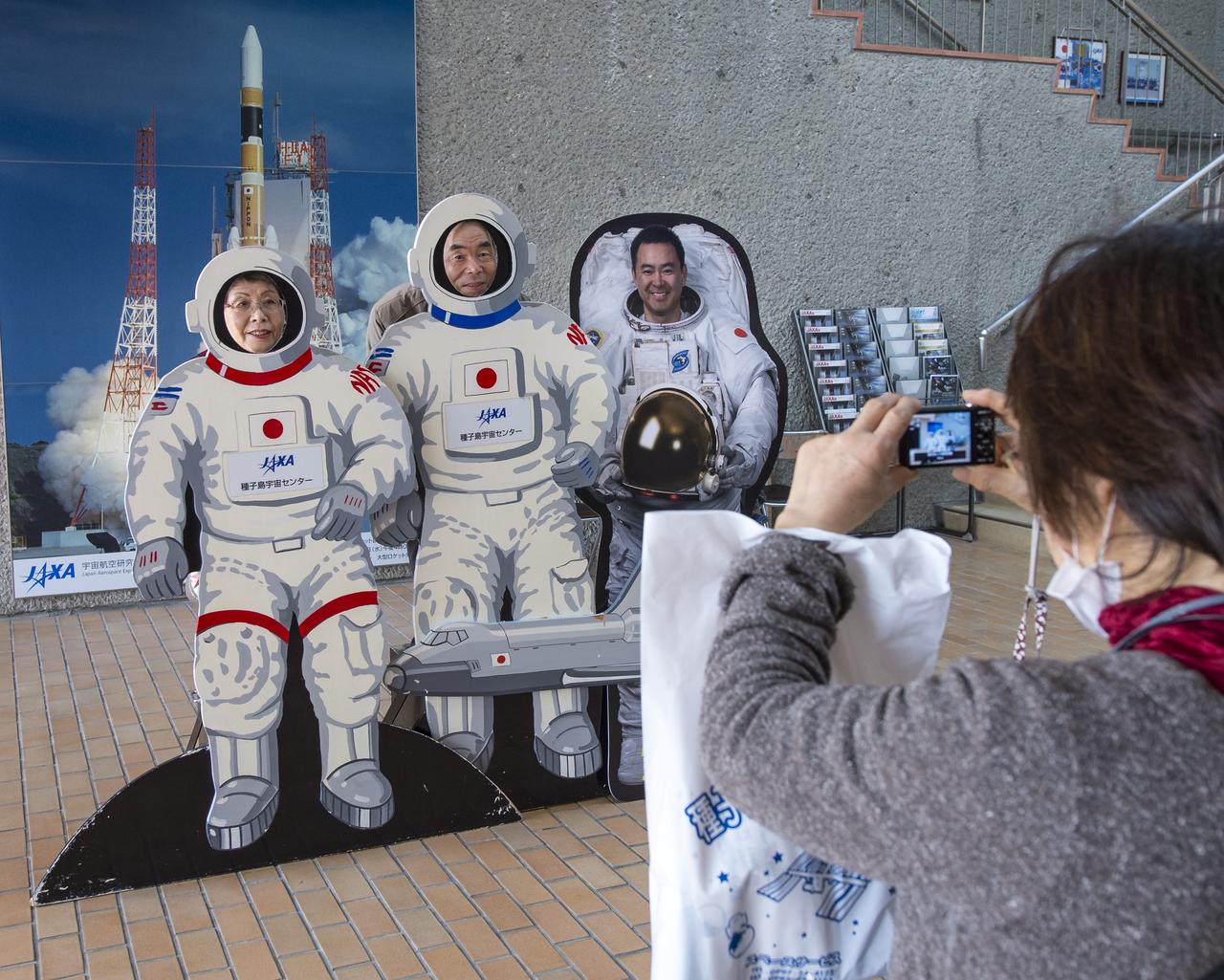
Tourist photograph themselves in astronaut space suites next to a cardboard cutout of Japan Aerospace Exploration Agency (JAXA) Astronaut Akihiko Hoshide at the visitor's center of the Tanegashima Space Center (TNSC), Sunday, Feb. 23, 2014, Tanegashima Island, Japan. A Japanese H-IIA rocket carrying the NASA-Japan Aerospace Exploration Agency (JAXA), Global Precipitation Measurement (GPM) Core Observatory is planned for launch from the space center on Feb. 28, 2014. Once launched, the GPM spacecraft will collect information that unifies data from an international network of existing and future satellites to map global rainfall and snowfall every three hours.  Photo Credit: (NASA/Bill Ingalls)
Global Precipitation Measurement (GPM) Mission
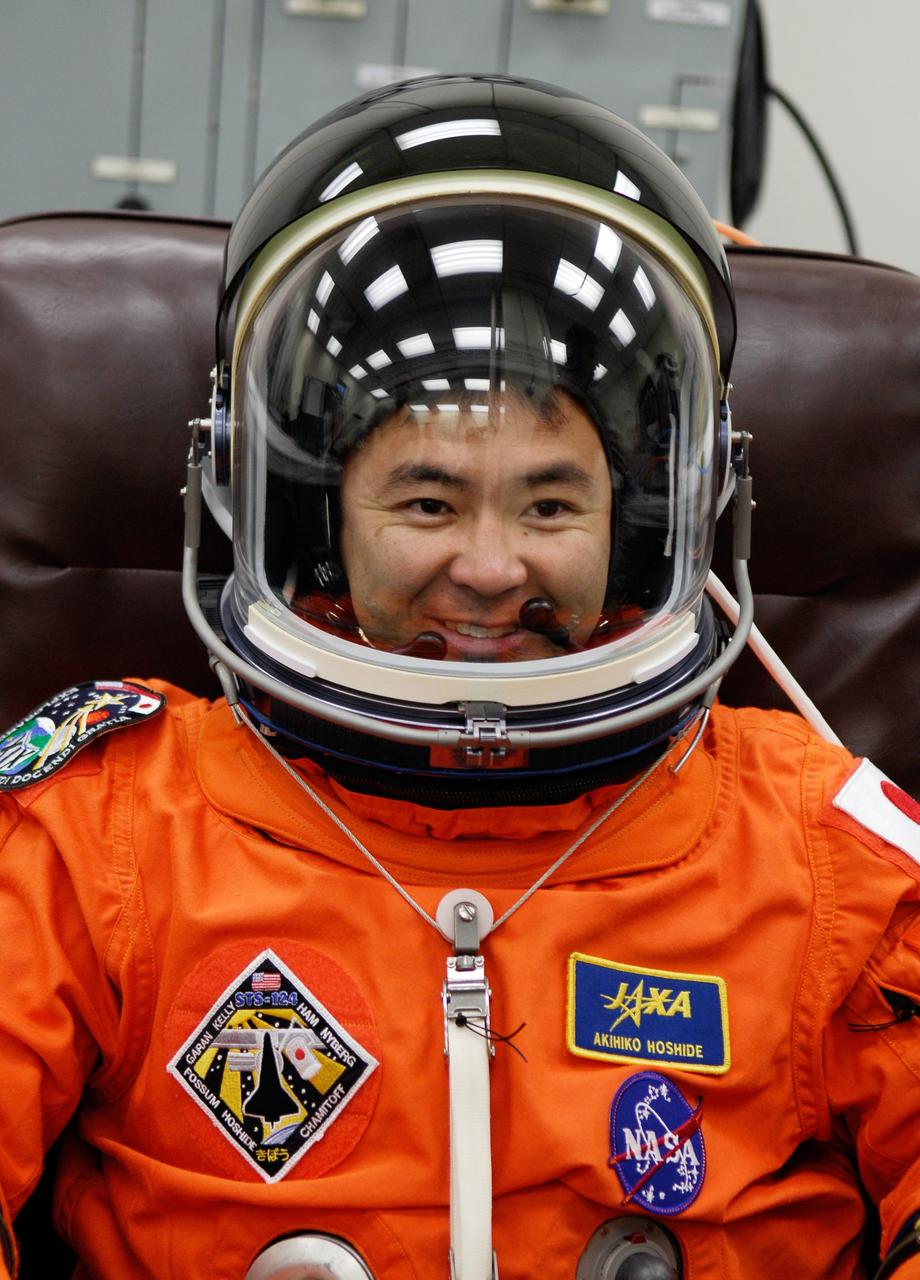
CAPE CANAVERAL, Fla. --    Crew members for space shuttle Discovery's STS-124 mission don their launch and entry suits before heading to Launch Pad 39A. Mission Specialist Akihiko Hoshide puts on his helmet to check communications.  Hoshide represents the Japan Aerospace Exploration Agency. The STS-124 mission is the second of three flights launching components to complete the Japan Aerospace Exploration Agency's Kibo laboratory.  The shuttle crew will install Kibo's large Japanese Pressurized Module and its remote manipulator system, or RMS.  The 14-day flight includes three spacewalks.  Launch is scheduled for 5:02 p.m. May 31. Photo credit: NASA/Kim Shiflett
KSC-08pd1510
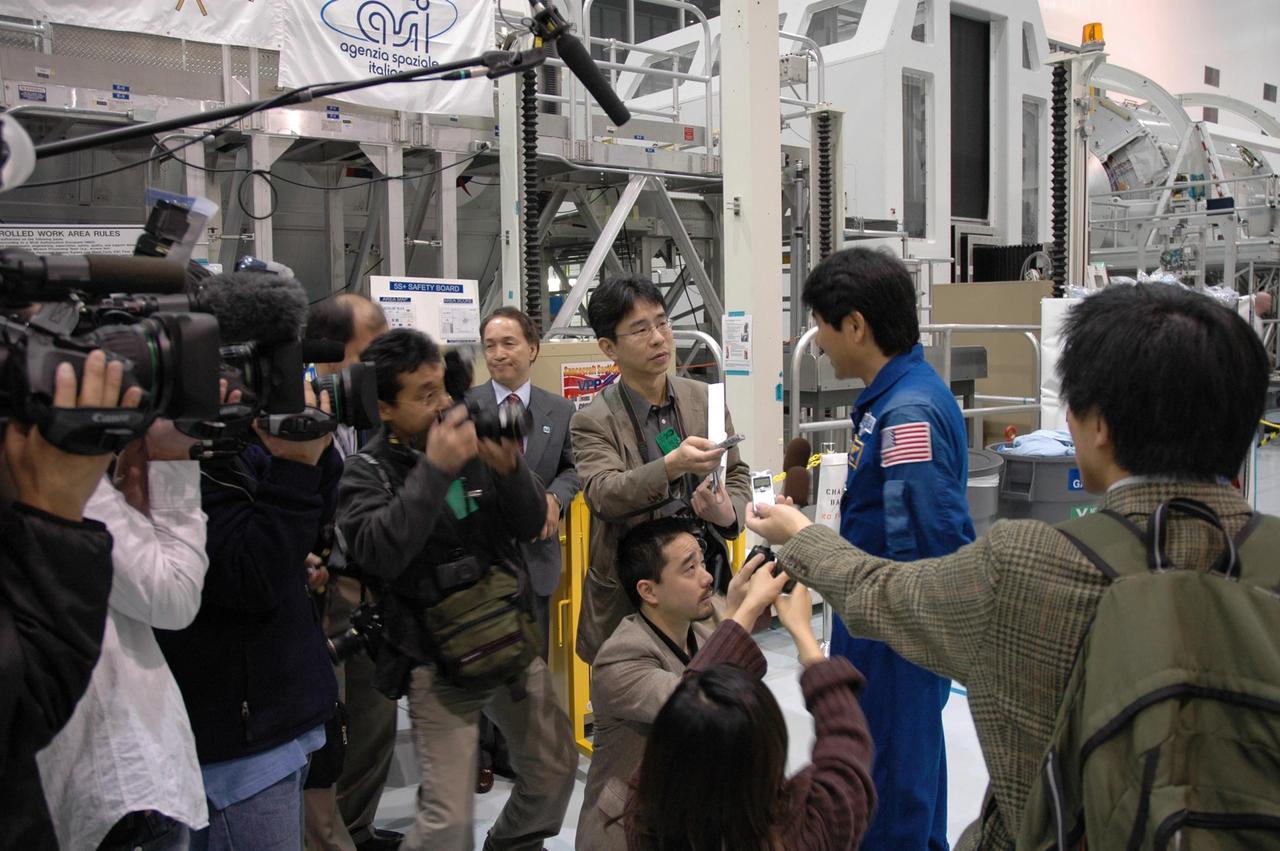
KENNEDY SPACE CENTER, FLA.  --   In the Space Station Processing Facility, journalists and photographers ask Japanese astronaut Takao Doi about the Experiment Logistics Module Pressurized Section for the Japanese Experiment Module, or JEM, that he will accompany on mission STS-123 to the International Space Station.  Earlier, NASA and Japanese Aerospace and Exploration Agency (JAXA) officials welcomed the arrival of the logistics module. The logistics module will serve as an on-orbit storage area for materials, tools and supplies. It can hold up to eight experiment racks and will attach to the top of another larger pressurized module.  Photo credit: NASA/George Shelton
KSC-07pd0897
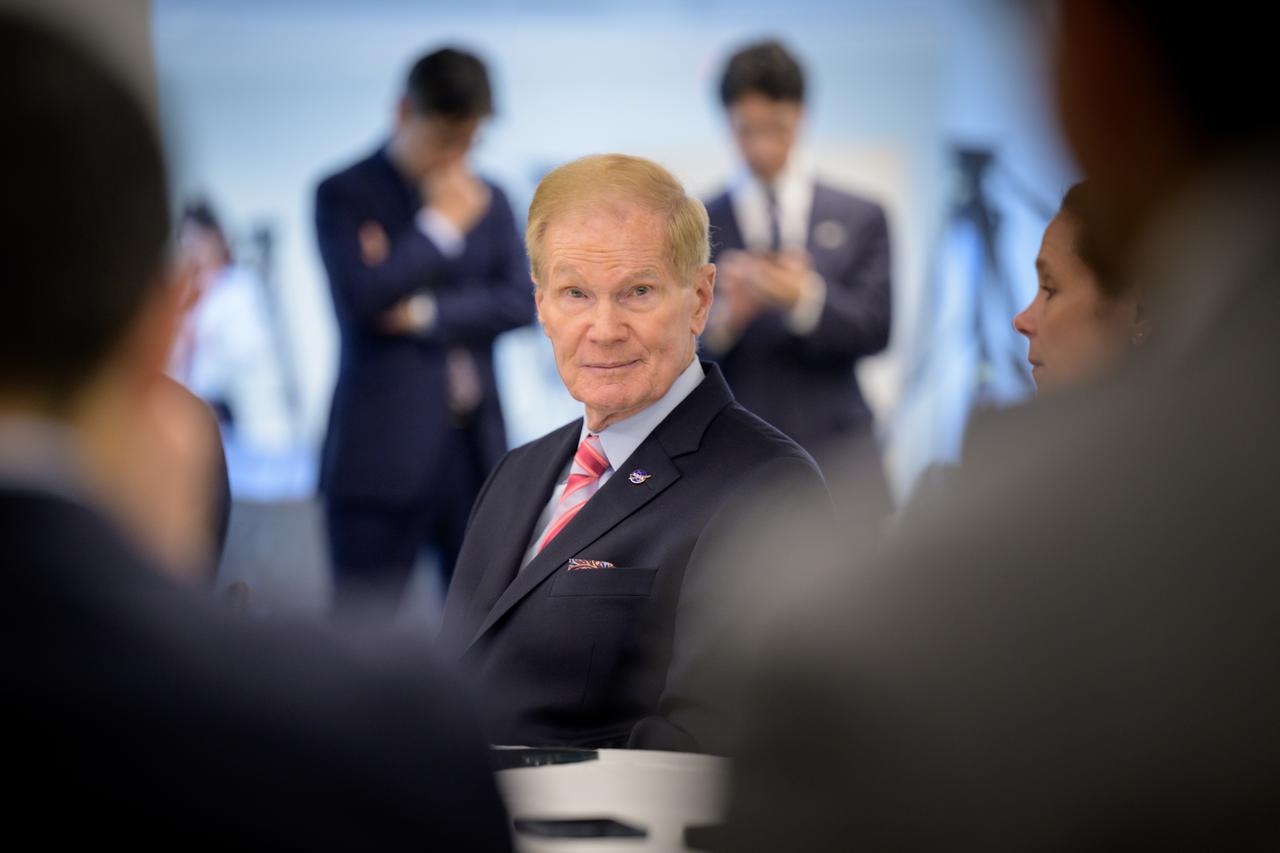
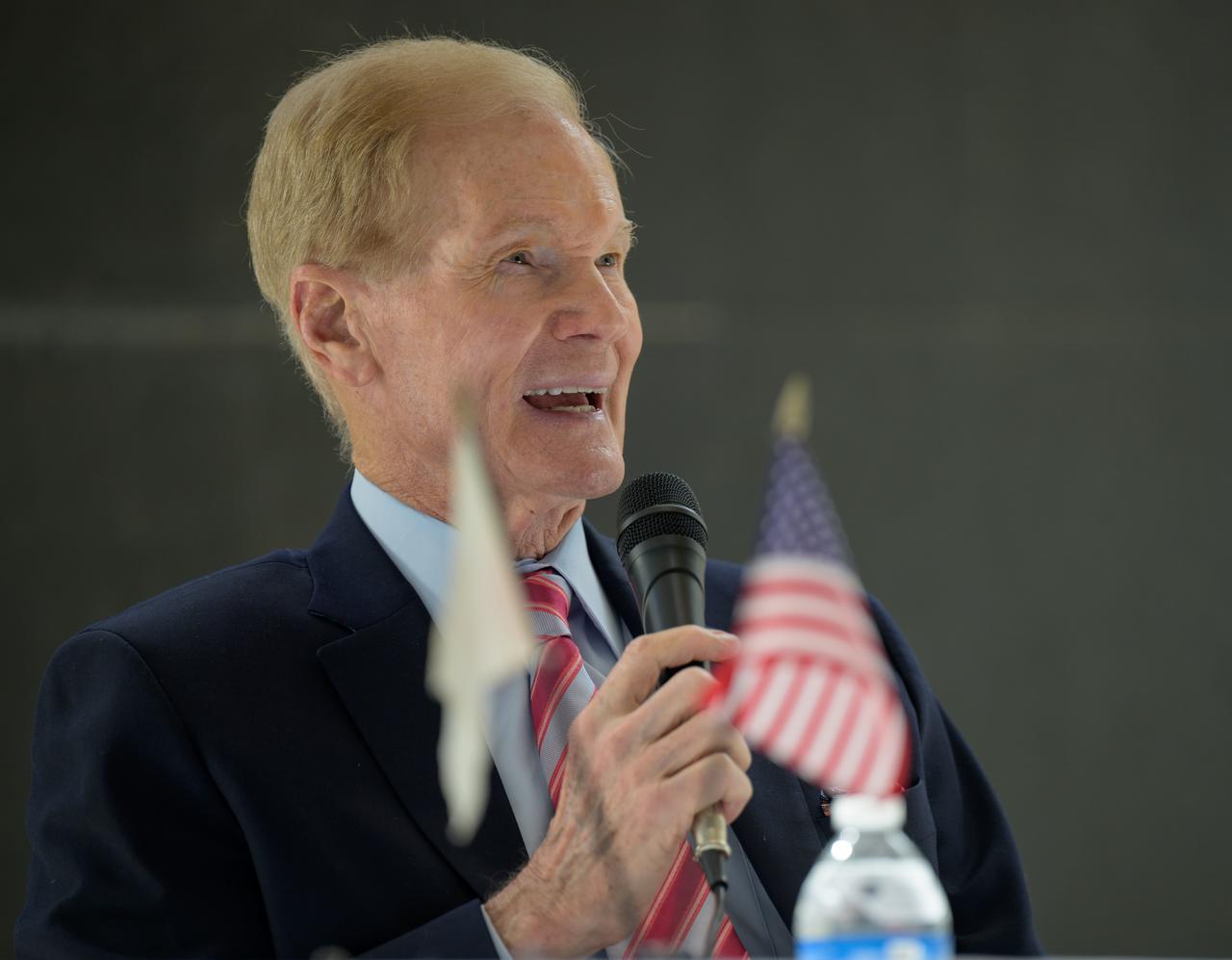
NASA Administrator Bill Nelson discusses the historic agreement signed April 9th at NASA Headquarters, between the United States and Japan to advance sustainable human exploration of the Moon, Wednesday, April 10, 2024, at the Japan Aerospace Exploration Agency (JAXA) offices in Washington. Under the agreement, Japan will design, develop, and operate a pressurized rover for crewed and uncrewed exploration on the Moon. NASA will provide the launch and delivery of the rover to the Moon as well as two Japanese astronaut missions to the lunar surface. Photo Credit: Photo Credit: (NASA/Bill Ingalls)
NASA and Japan Briefing
NASA Administrator Bill Nelson discusses the historic agreement signed April 9th at NASA Headquarters, between the United States and Japan to advance sustainable human exploration of the Moon, Wednesday, April 10, 2024, at the Japan Aerospace Exploration Agency (JAXA) offices in Washington. Under the agreement, Japan will design, develop, and operate a pressurized rover for crewed and uncrewed exploration on the Moon. NASA will provide the launch and delivery of the rover to the Moon as well as two Japanese astronaut missions to the lunar surface. Photo Credit: Photo Credit: (NASA/Bill Ingalls)
NASA and Japan Briefing
Japan Aerospace Exploration Agency (JAXA) President Hiroshi Yamakawa speaks after the signing of an historic agreement between the United States and Japan to advance sustainable human exploration of the Moon, Tuesday, April 9, 2024, at the NASA Headquarters Mary W. Jackson Building in Washington. Under the agreement, Japan will design, develop, and operate a pressurized rover for crewed and uncrewed exploration on the Moon. NASA will provide the launch and delivery of the rover to the Moon as well as two Japanese astronaut missions to the lunar surface. Photo Credit: (NASA/Bill Ingalls)
NASA, Japan Sign Agreement for Artemis Pressurized Rover
NASA Administrator Bill Nelson discusses the historic agreement signed April 9th at NASA Headquarters, between the United States and Japan to advance sustainable human exploration of the Moon, Wednesday, April 10, 2024, at the Japan Aerospace Exploration Agency (JAXA) offices in Washington. Under the agreement, Japan will design, develop, and operate a pressurized rover for crewed and uncrewed exploration on the Moon. NASA will provide the launch and delivery of the rover to the Moon as well as two Japanese astronaut missions to the lunar surface. Photo Credit: Photo Credit: (NASA/Bill Ingalls)
NASA and Japan Briefing