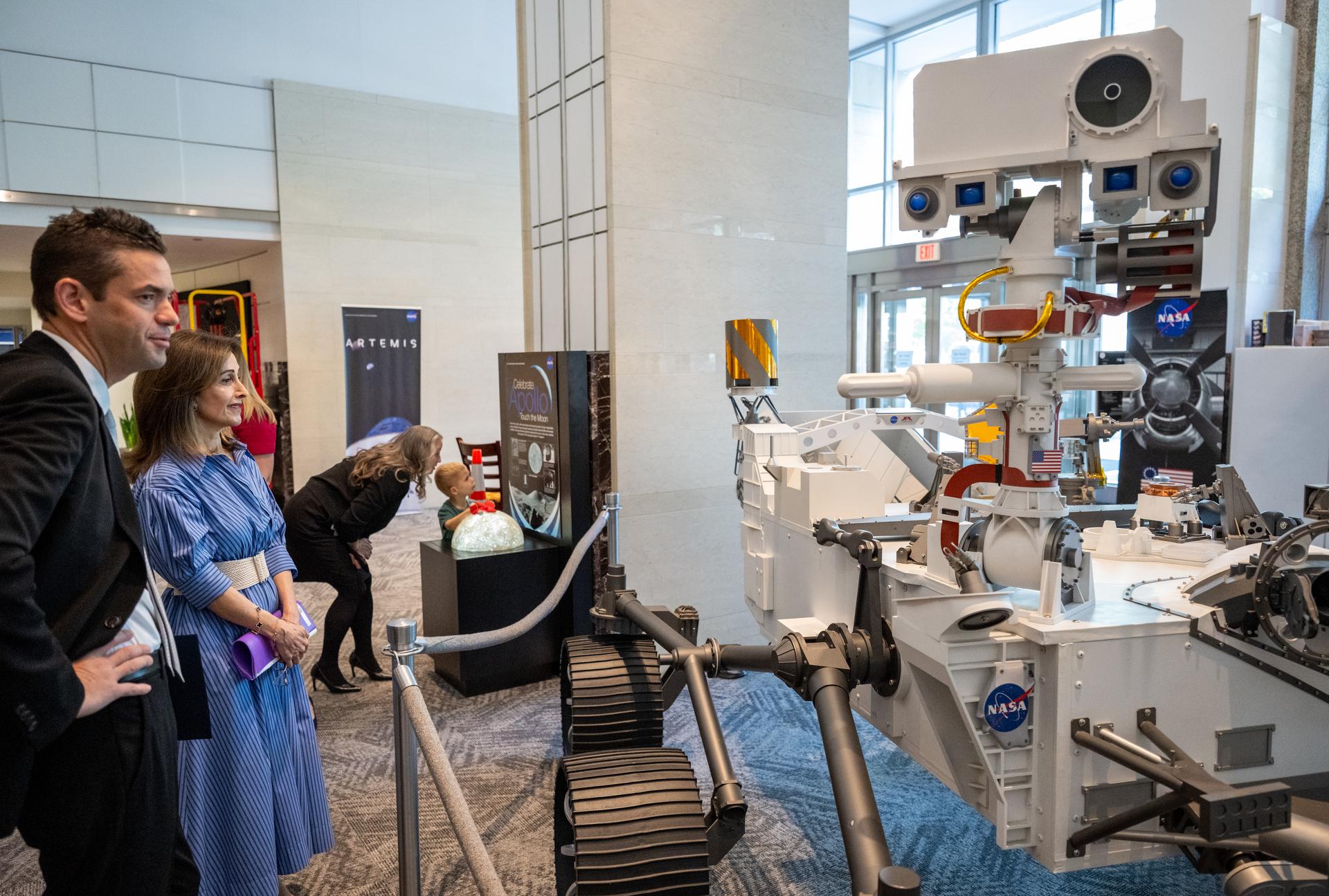
NASA Administrator Jared Isaacman shows Ambassador of Jordan to the United States Dina Kawar a model of the Mars 2020 Perseverance Rover prior to an Artemis Accords signing ceremony Thursday, April 23, 2026, at the Mary W. Jackson NASA Headquarters building in Washington. The Hashemite Kingdom of Jordan is the 63rd country to sign the Artemis Accords, which establish a practical set of principles to guide space exploration cooperation among nations participating in NASA’s Artemis program. Photo Credit: (NASA/Keegan Barber)
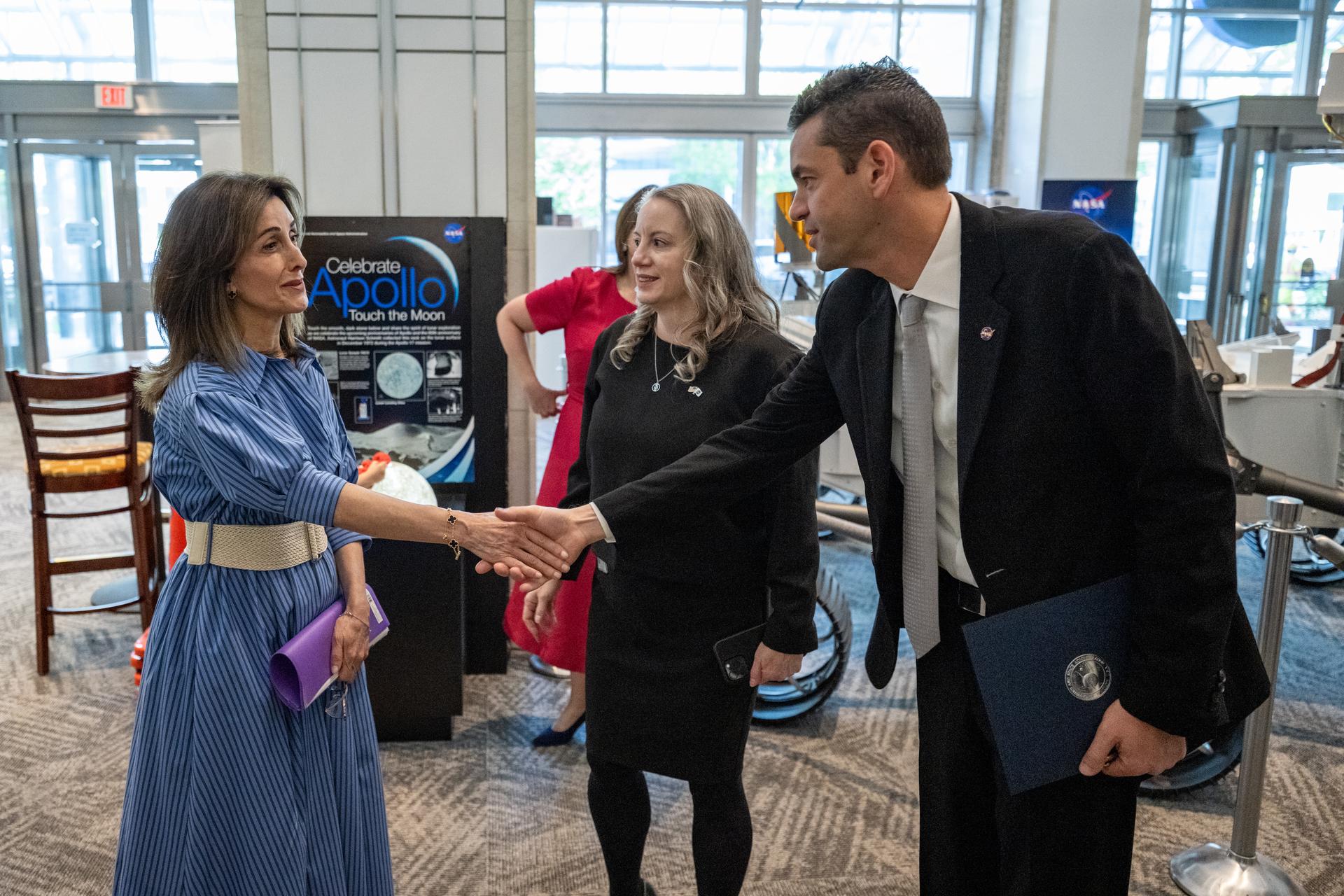
NASA Administrator Jared Isaacman, right, greets Ambassador of Jordan to the United States Dina Kawar, left, prior to an Artemis Accords signing ceremony Thursday, April 23, 2026, at the Mary W. Jackson NASA Headquarters building in Washington. The Hashemite Kingdom of Jordan is the 63rd country to sign the Artemis Accords, which establish a practical set of principles to guide space exploration cooperation among nations participating in NASA’s Artemis program. Photo Credit: (NASA/Keegan Barber)
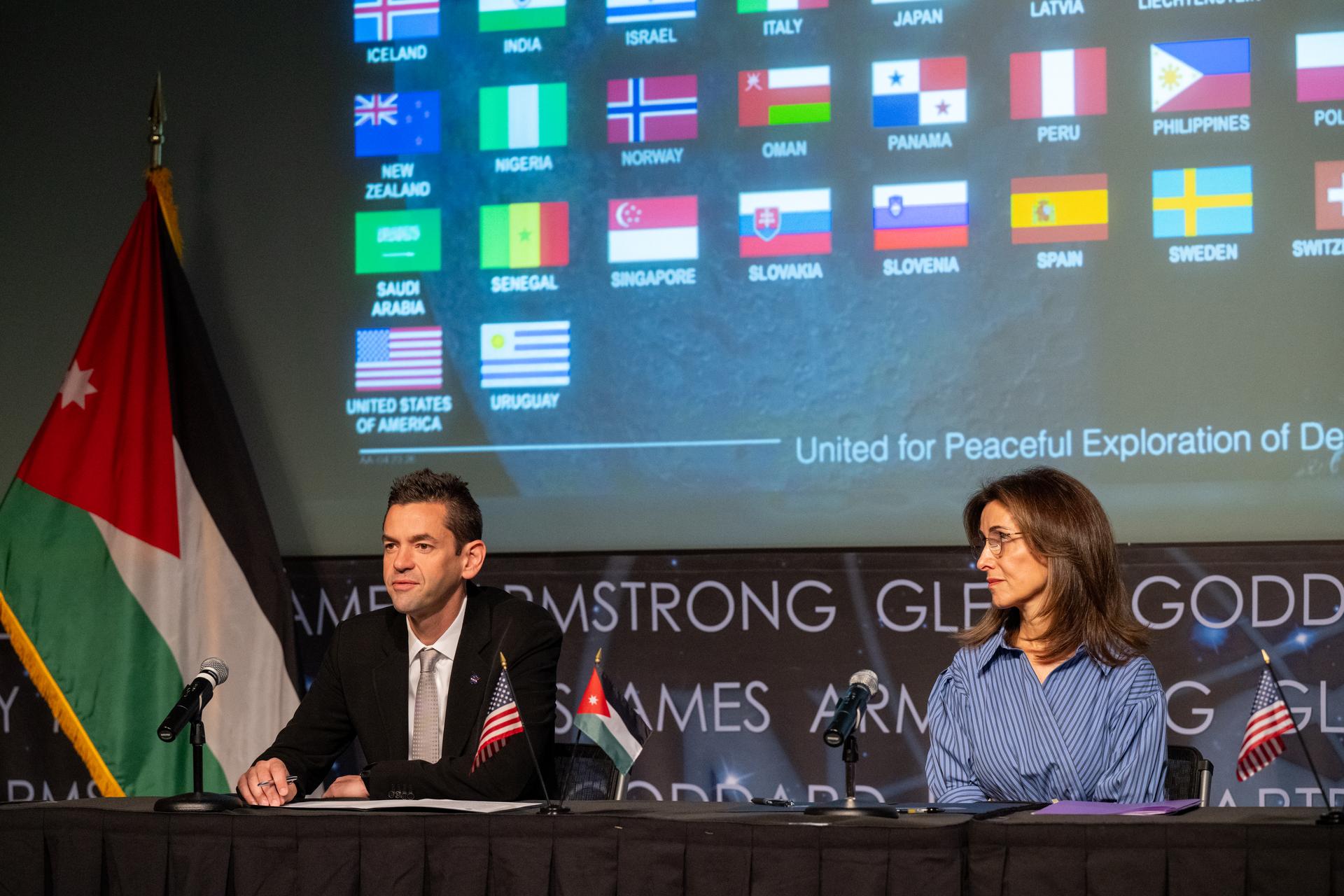
NASA Administrator Jared Isaacman, left, delivers remarks during an Artemis Accords signing ceremony alongside Ambassador of Jordan to the United States Dina Kawar, right, Thursday, April 23, 2026, at the Mary W. Jackson NASA Headquarters building in Washington. The Hashemite Kingdom of Jordan is the 63rd country to sign the Artemis Accords, which establish a practical set of principles to guide space exploration cooperation among nations participating in NASA’s Artemis program. Photo Credit: (NASA/Keegan Barber)
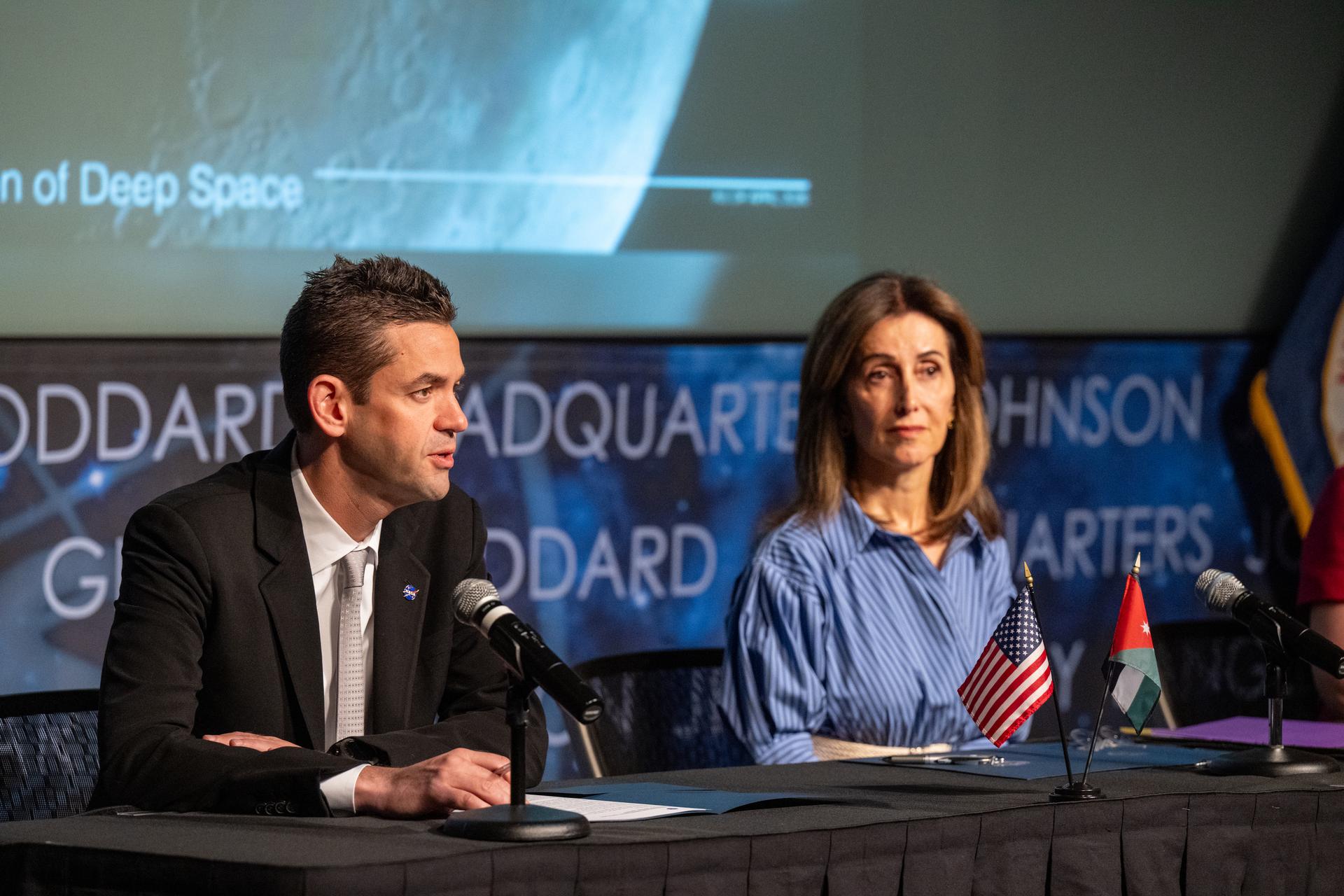
NASA Administrator Jared Isaacman, left, delivers remarks during an Artemis Accords signing ceremony alongside Ambassador of Jordan to the United States Dina Kawar, right, Thursday, April 23, 2026, at the Mary W. Jackson NASA Headquarters building in Washington. The Hashemite Kingdom of Jordan is the 63rd country to sign the Artemis Accords, which establish a practical set of principles to guide space exploration cooperation among nations participating in NASA’s Artemis program. Photo Credit: (NASA/Keegan Barber)
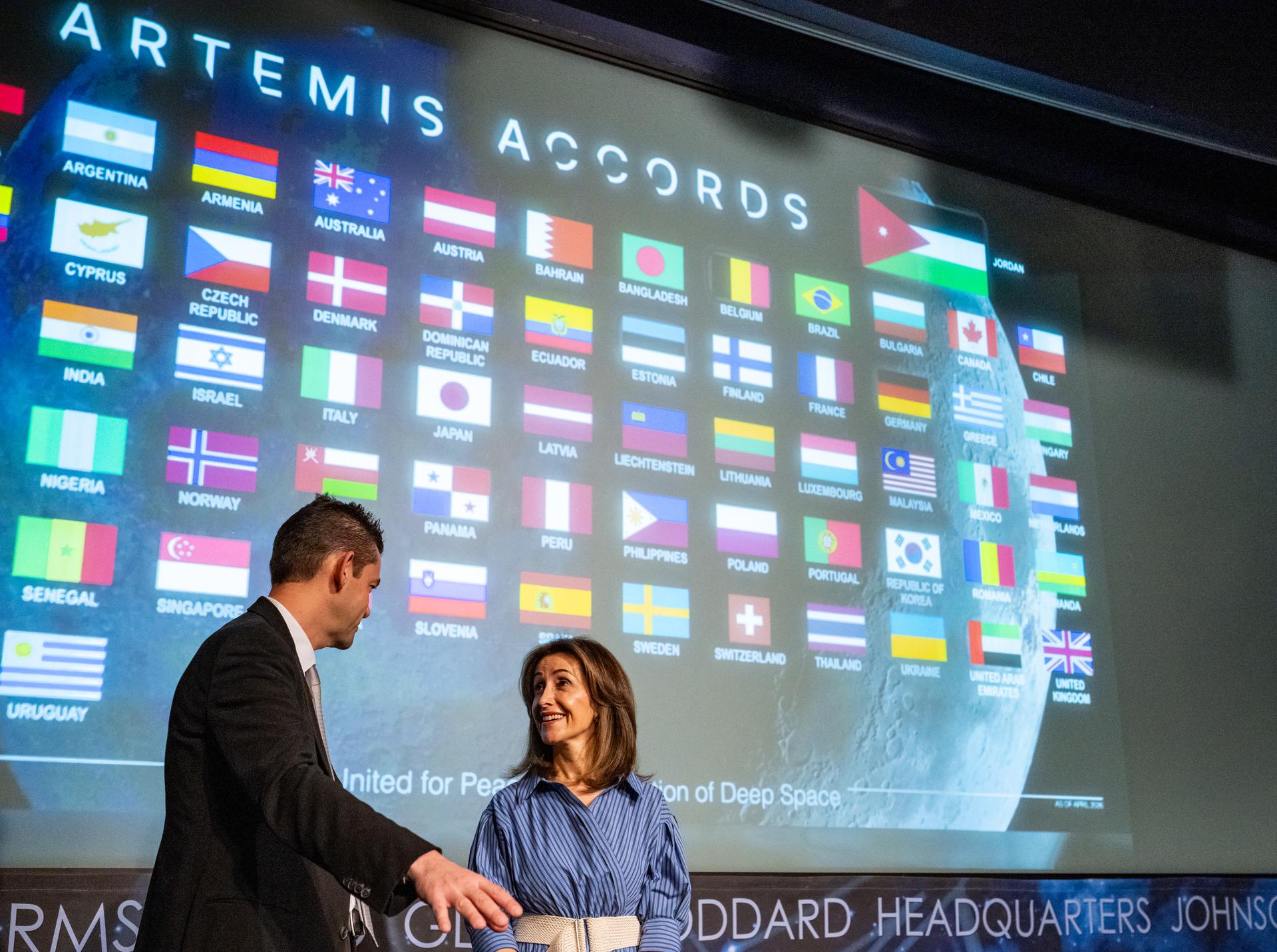
NASA Administrator Jared Isaacman, left, and Ambassador of Jordan to the United States Dina Kawar, right, are seen following an Artemis Accords signing ceremony Thursday, April 23, 2026, at the Mary W. Jackson NASA Headquarters building in Washington. The Hashemite Kingdom of Jordan is the 63rd country to sign the Artemis Accords, which establish a practical set of principles to guide space exploration cooperation among nations participating in NASA’s Artemis program. Photo Credit: (NASA/Keegan Barber)

Ambassador of Jordan to the United States Dina Kawar signs the Artemis Accords Thursday, April 23, 2026, at the Mary W. Jackson NASA Headquarters building in Washington. The Hashemite Kingdom of Jordan is the 63rd country to sign the Artemis Accords, which establish a practical set of principles to guide space exploration cooperation among nations participating in NASA’s Artemis program. Photo Credit: (NASA/Keegan Barber)
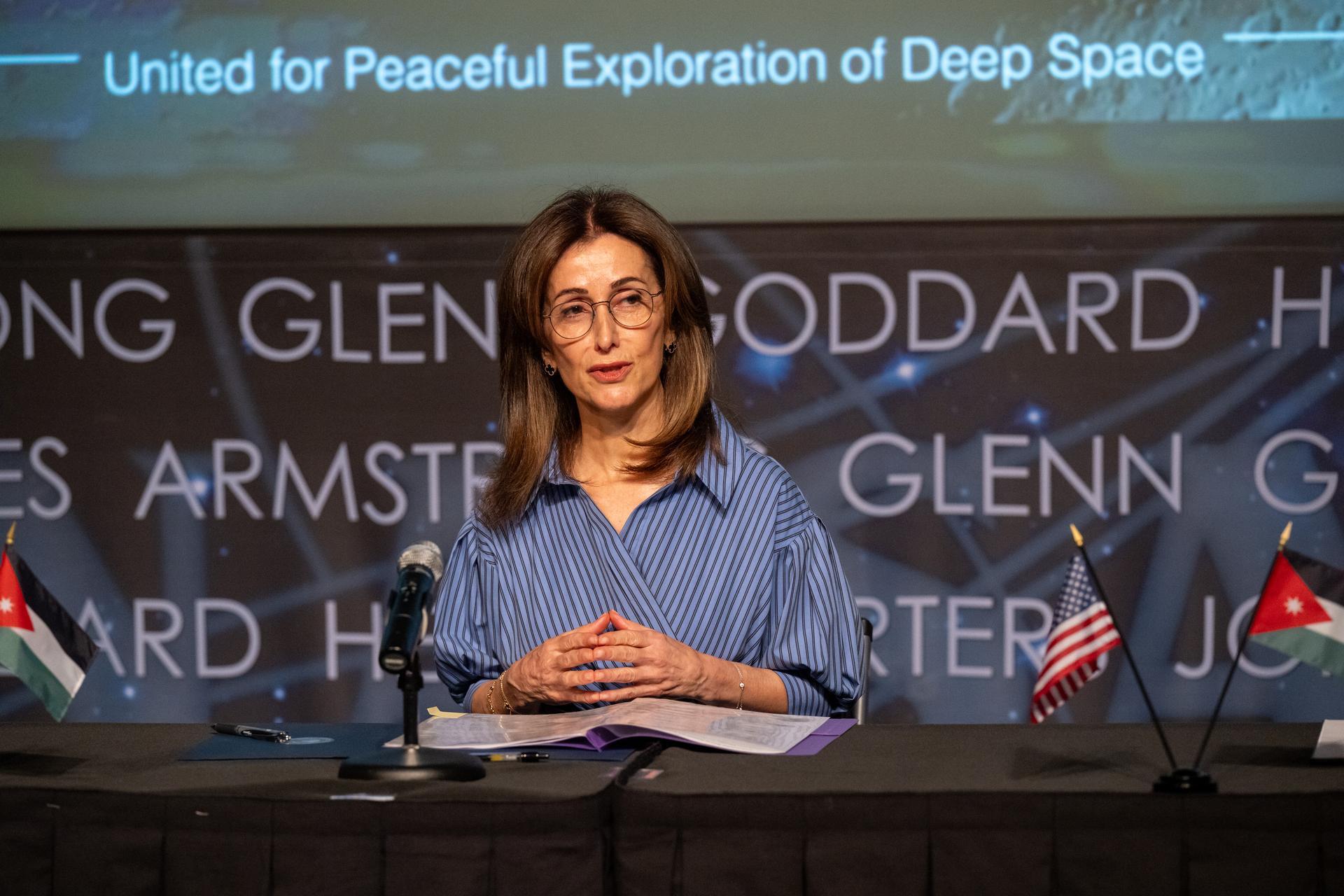
Ambassador of Jordan to the United States Dina Kawar delivers remarks during an Artemis Accords signing ceremony Thursday, April 23, 2026, at the Mary W. Jackson NASA Headquarters building in Washington. The Hashemite Kingdom of Jordan is the 63rd country to sign the Artemis Accords, which establish a practical set of principles to guide space exploration cooperation among nations participating in NASA’s Artemis program. Photo Credit: (NASA/Keegan Barber)
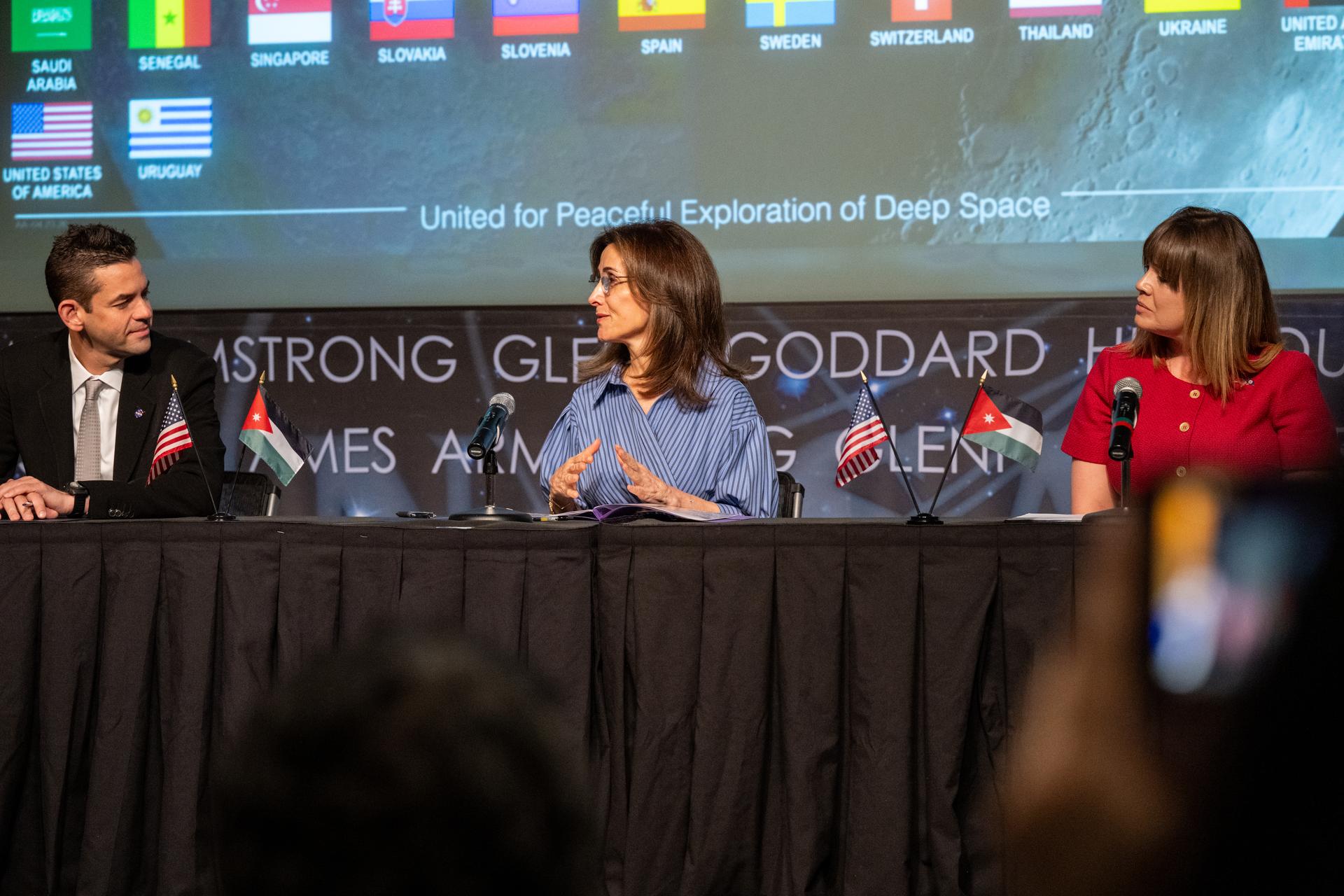
Ambassador of Jordan to the United States Dina Kawar, center, delivers remarks during an Artemis Accords signing ceremony alongside NASA Administrator Jared Isaacman, left, and Acting Principal Deputy Assistant Secretary of State for Oceans and International Environmental and Scientific Affairs Ruth Perry, right, Thursday, April 23, 2026, at the Mary W. Jackson NASA Headquarters building in Washington. The Hashemite Kingdom of Jordan is the 63rd country to sign the Artemis Accords, which establish a practical set of principles to guide space exploration cooperation among nations participating in NASA’s Artemis program. Photo Credit: (NASA/Keegan Barber)
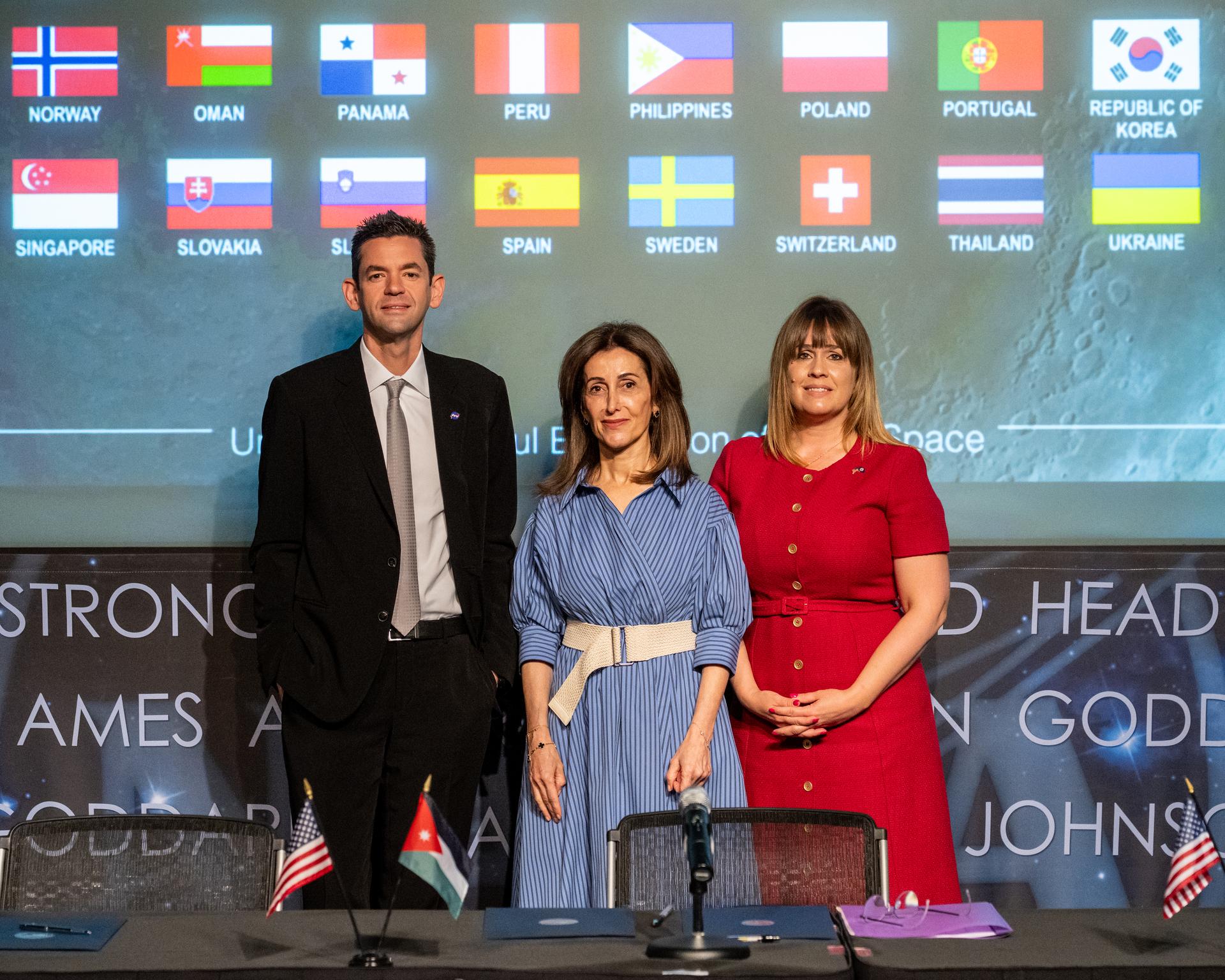
From left to right, NASA Administrator Jared Isaacman, Ambassador of Jordan to the United States Dina Kawar, and Acting Principal Deputy Assistant Secretary of State for Oceans and International Environmental and Scientific Affairs Ruth Perry, pose for a photo following an Artemis Accords signing ceremony Thursday, April 23, 2026, at the Mary W. Jackson NASA Headquarters building in Washington. The Hashemite Kingdom of Jordan is the 63rd country to sign the Artemis Accords, which establish a practical set of principles to guide space exploration cooperation among nations participating in NASA’s Artemis program. Photo Credit: (NASA/Keegan Barber)
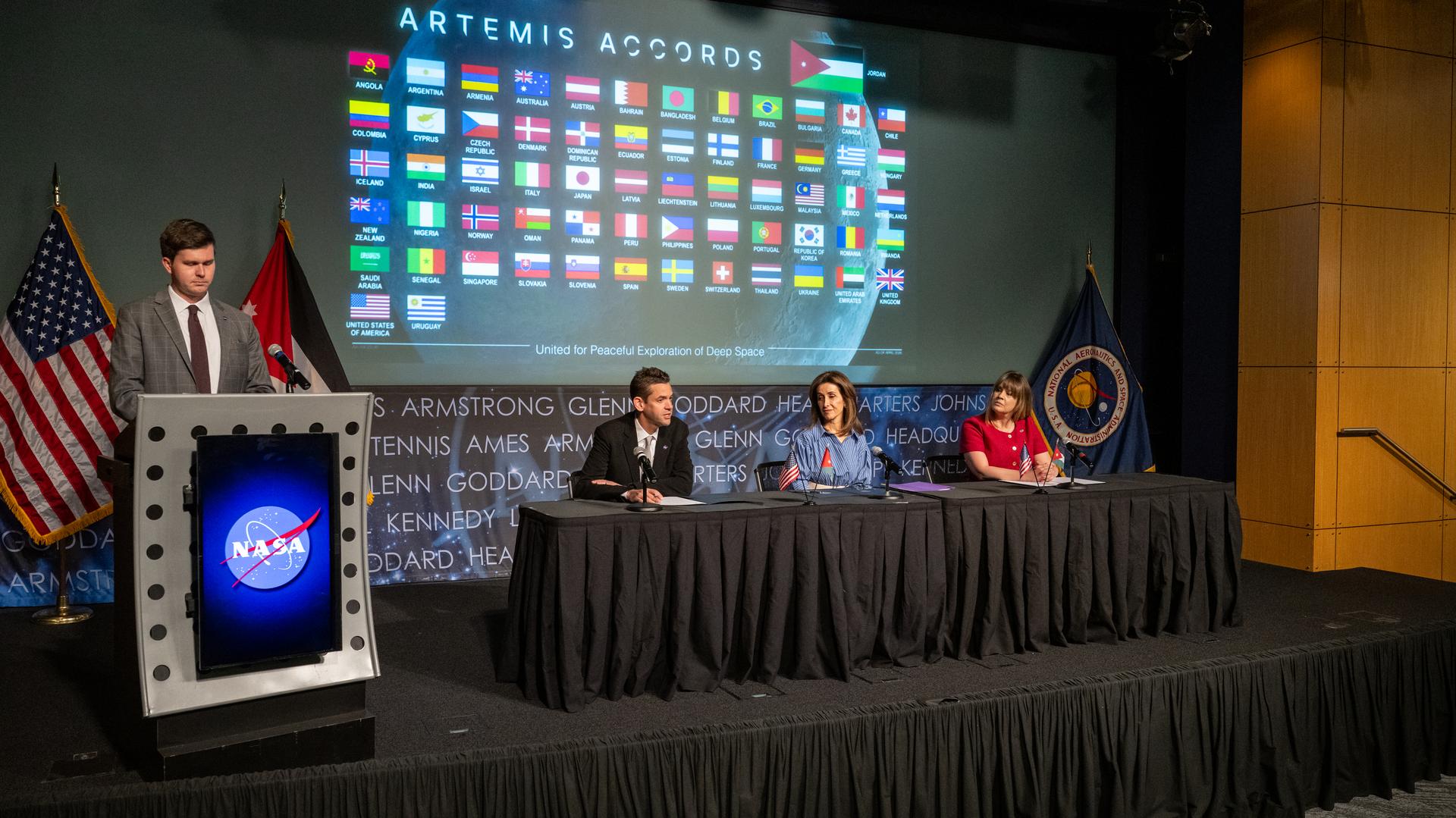
NASA Administrator Jared Isaacman, third from right, delivers remarks during an Artemis Accords signing ceremony alongside Ambassador of Jordan to the United States Dina Kawar, second from right, and Acting Principal Deputy Assistant Secretary of State for Oceans and International Environmental and Scientific Affairs Ruth Perry, right, Thursday, April 23, 2026, at the Mary W. Jackson NASA Headquarters building in Washington. The Hashemite Kingdom of Jordan is the 63rd country to sign the Artemis Accords, which establish a practical set of principles to guide space exploration cooperation among nations participating in NASA’s Artemis program. Photo Credit: (NASA/Keegan Barber)
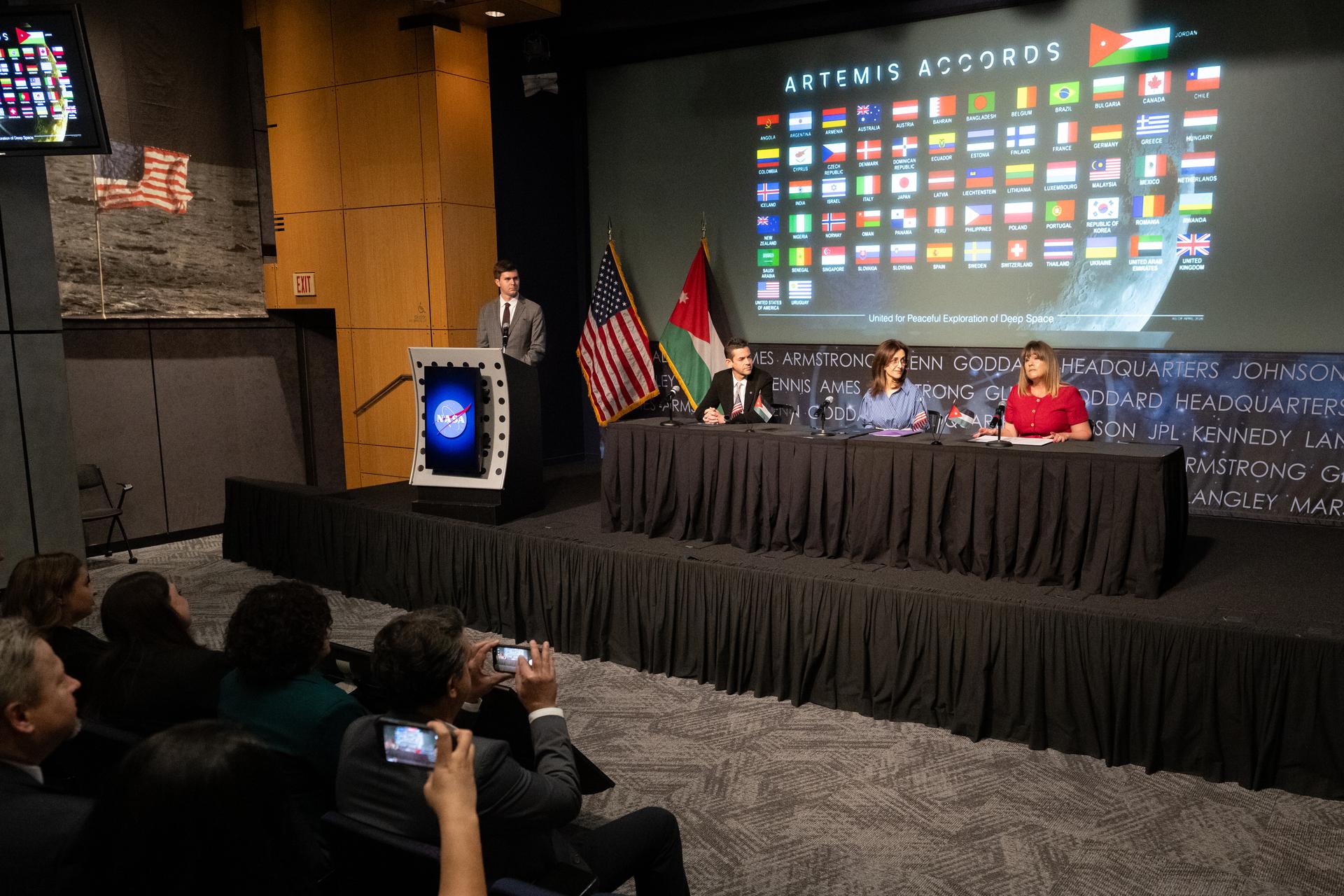
Acting Principal Deputy Assistant Secretary of State for Oceans and International Environmental and Scientific Affairs Ruth Perry, right, delivers remarks during an Artemis Accords signing ceremony alongside Ambassador of Jordan to the United States Dina Kawar, second from right, and NASA Administrator Jared Isaacman, third from right, Thursday, April 23, 2026, at the Mary W. Jackson NASA Headquarters building in Washington. The Hashemite Kingdom of Jordan is the 63rd country to sign the Artemis Accords, which establish a practical set of principles to guide space exploration cooperation among nations participating in NASA’s Artemis program. Photo Credit: (NASA/Keegan Barber)
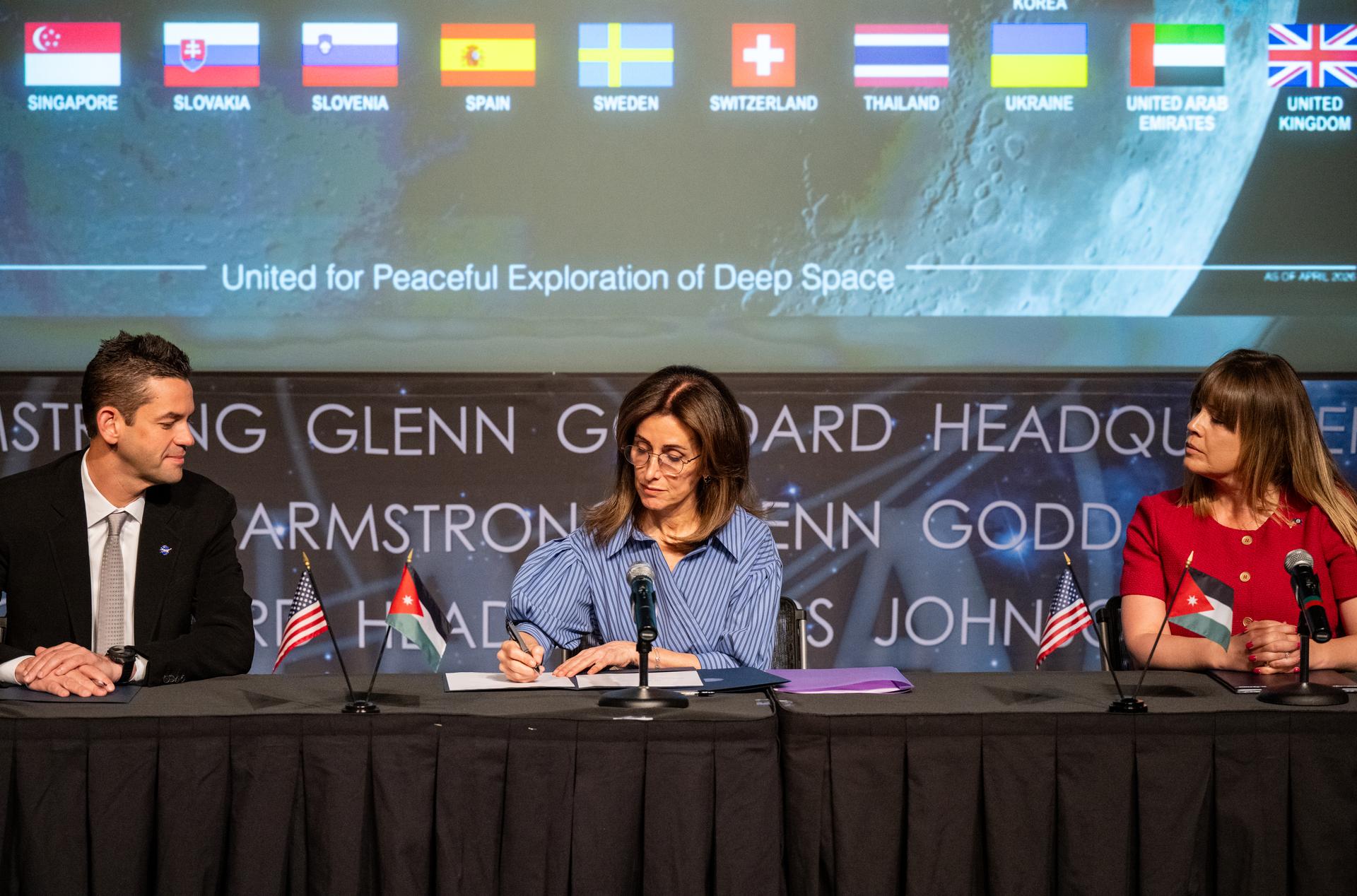
Ambassador of Jordan to the United States Dina Kawar, center, signs the Artemis Accords alongside NASA Administrator Jared Isaacman, left, and Acting Principal Deputy Assistant Secretary of State for Oceans and International Environmental and Scientific Affairs Ruth Perry, right, Thursday, April 23, 2026, at the Mary W. Jackson NASA Headquarters building in Washington. The Hashemite Kingdom of Jordan is the 63rd country to sign the Artemis Accords, which establish a practical set of principles to guide space exploration cooperation among nations participating in NASA’s Artemis program. Photo Credit: (NASA/Keegan Barber)
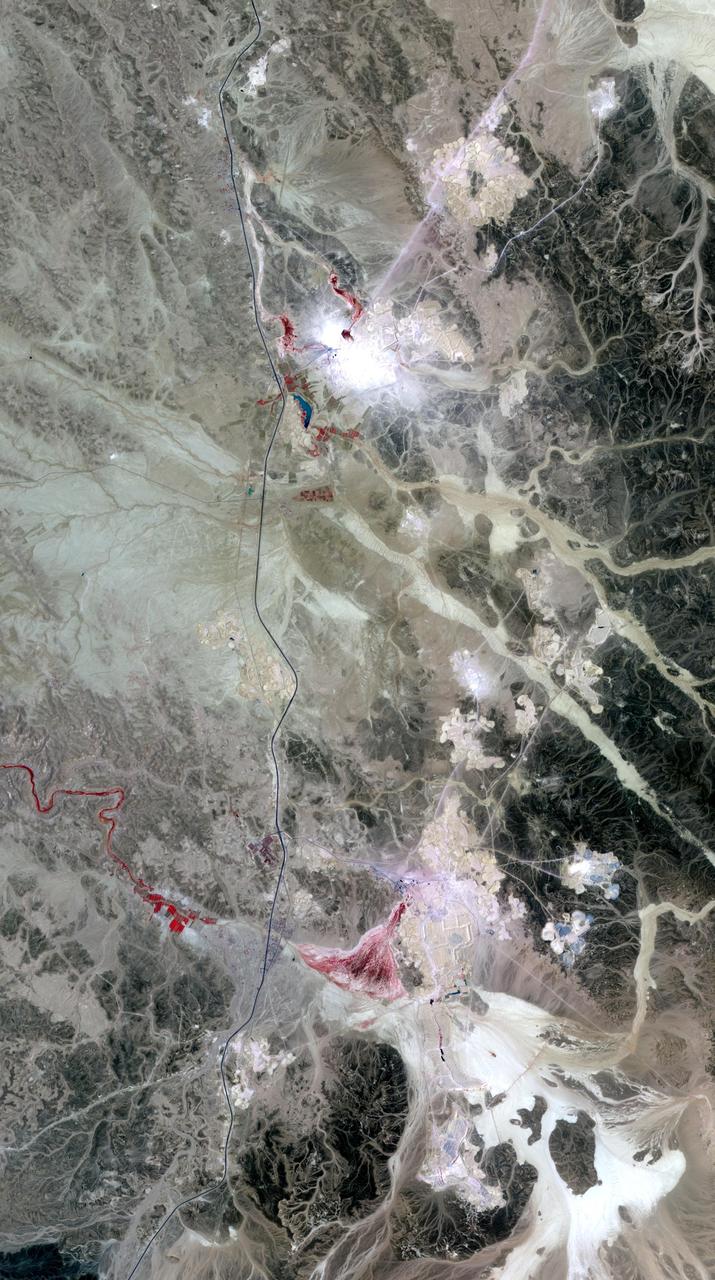
Jordan leading industry and export commodities are phosphate and potash, ranked in the top three in the world. These are used to make fertilizer. This image was acquired by NASA Terra satellite on September 17, 2005.
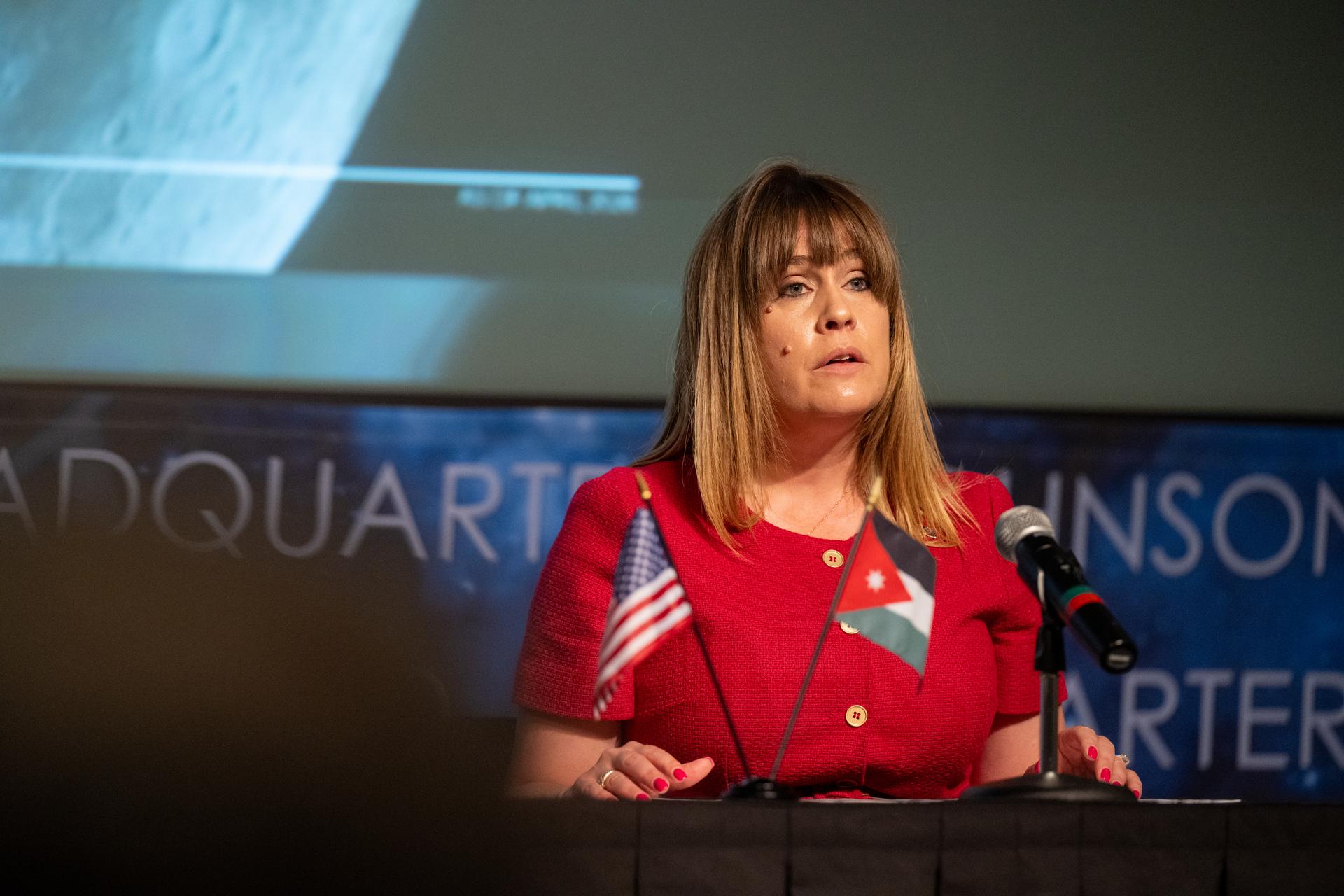
Acting Principal Deputy Assistant Secretary of State for Oceans and International Environmental and Scientific Affairs Ruth Perry delivers remarks during an Artemis Accords signing ceremony Thursday, April 23, 2026, at the Mary W. Jackson NASA Headquarters building in Washington. The Hashemite Kingdom of Jordan is the 63rd country to sign the Artemis Accords, which establish a practical set of principles to guide space exploration cooperation among nations participating in NASA’s Artemis program. Photo Credit: (NASA/Keegan Barber)

NASA image acquired July 27, 2001 In southwestern Jordan lies an unusual landscape. Mountains of granite and sandstone rise next to valleys filled with red sand. Some of the mountains reach a height of about 1,700 meters (5,600 feet) above sea level, and many have near-vertical slopes. So alien is this landscape, it’s nicknamed “Valley of the Moon,” and it has served as the film set for a movie about Mars. Yet nomadic people have lived here for thousands of years. Declared a protected area in 1998, this unearthly landscape is Wadi Rum. The Advanced Land Imager (ALI) on NASA’s Earth Observing-1 (EO-1) satellite captured this natural-color image on July 27, 2001. The scene includes part of Wadi Rum and an adjacent area to the east. East of the protected area, fields with center-pivot irrigation make circles of green and brown (image upper right). As the earth tones throughout the image attest, the area is naturally arid, receiving little annual precipitation and supporting only sparse vegetation. Between rocky peaks, the sandy valleys range in color from beige to brick. Ancient granite rocks dating from the Precambrian underlie younger rocks, and some of these basement rocks have eroded into rugged, steep-sloped mountains. The granite mountains have risen thanks partly to crisscrossing fault lines under the park. Overlying the granite are sandstones from the Cambrian and Ordovician Periods, as well as loose sands. Lawrence of Arabia, who fought in the Arab Revolt of 1917–1918, made frequent references to Wadi Rum in his book The Seven Pillars of Wisdom. Likewise, a prominent feature of the protected area is named after the book. Several popular sites in Wadi Rum bear Lawrence of Arabia’s name, but whether he actually visited those sites is uncertain. To download the full high res go to: <a href="http://earthobservatory.nasa.gov/IOTD/view.php?id=49945" rel="nofollow">earthobservatory.nasa.gov/IOTD/view.php?id=49945</a> NASA Earth Observatory image created by Jesse Allen and Robert Simmon, using EO-1 ALI data provided courtesy of the NASA EO-1 team and the United States Geological Survey. Caption by Michon Scott. Instrument: EO-1 - ALI Credit: <b><a href="http://www.earthobservatory.nasa.gov/" rel="nofollow"> NASA Earth Observatory</a></b> <b><a href="http://www.nasa.gov/centers/goddard/home/index.html" rel="nofollow">NASA Goddard Space Flight Center</a></b> enables NASA’s mission through four scientific endeavors: Earth Science, Heliophysics, Solar System Exploration, and Astrophysics. Goddard plays a leading role in NASA’s accomplishments by contributing compelling scientific knowledge to advance the Agency’s mission. <b>Follow us on <a href="http://twitter.com/NASA_GoddardPix" rel="nofollow">Twitter</a></b> <b>Join us on <a href="http://www.facebook.com/pages/Greenbelt-MD/NASA-Goddard/395013845897?ref=tsd" rel="nofollow">Facebook</a></b>

Acquired by the Multi-angle Imaging SpectroRadiometer instrument aboard NASA Terra spacecraft, this image is from the MISR Where on Earth...? Mystery Quiz #27. The location is Jordan.
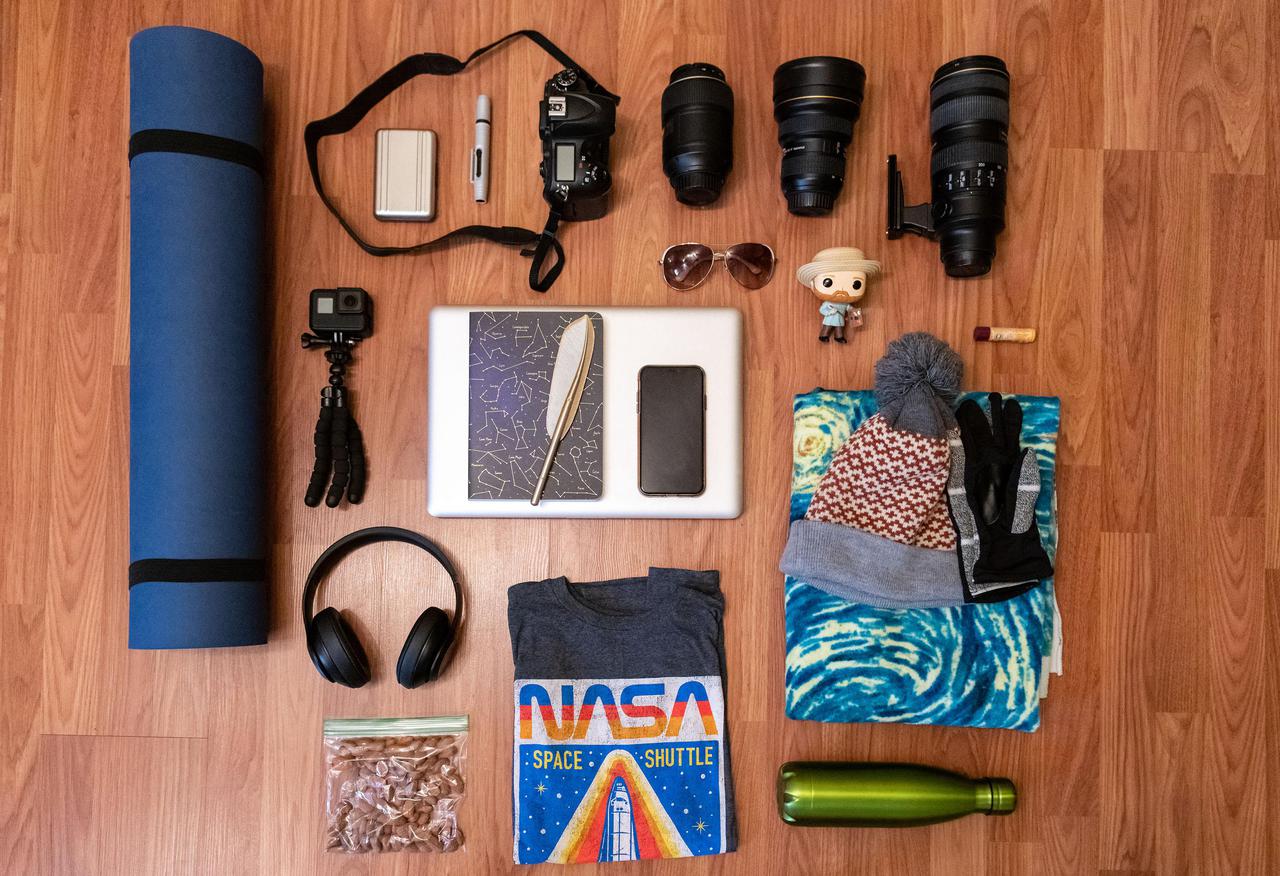
I may not always pack light, but I tried to only pack the essentials, with a couple of goodies. I get cold fairly easily hence the blanket, extra NASA shirt, hat and gloves. No trip is complete without my favorite snack of almonds, water, sunglasses, Chapstick, phone and my headphones to listen to some music. I figured I could bring my yoga mat, because who wouldn’t want to do yoga on the moon?? The most important part of this kit is my camera! I brought a couple of different lenses for a variety of options, along with a sports action camera, notebook and computer for editing. The Van Gogh doll was just for fun!
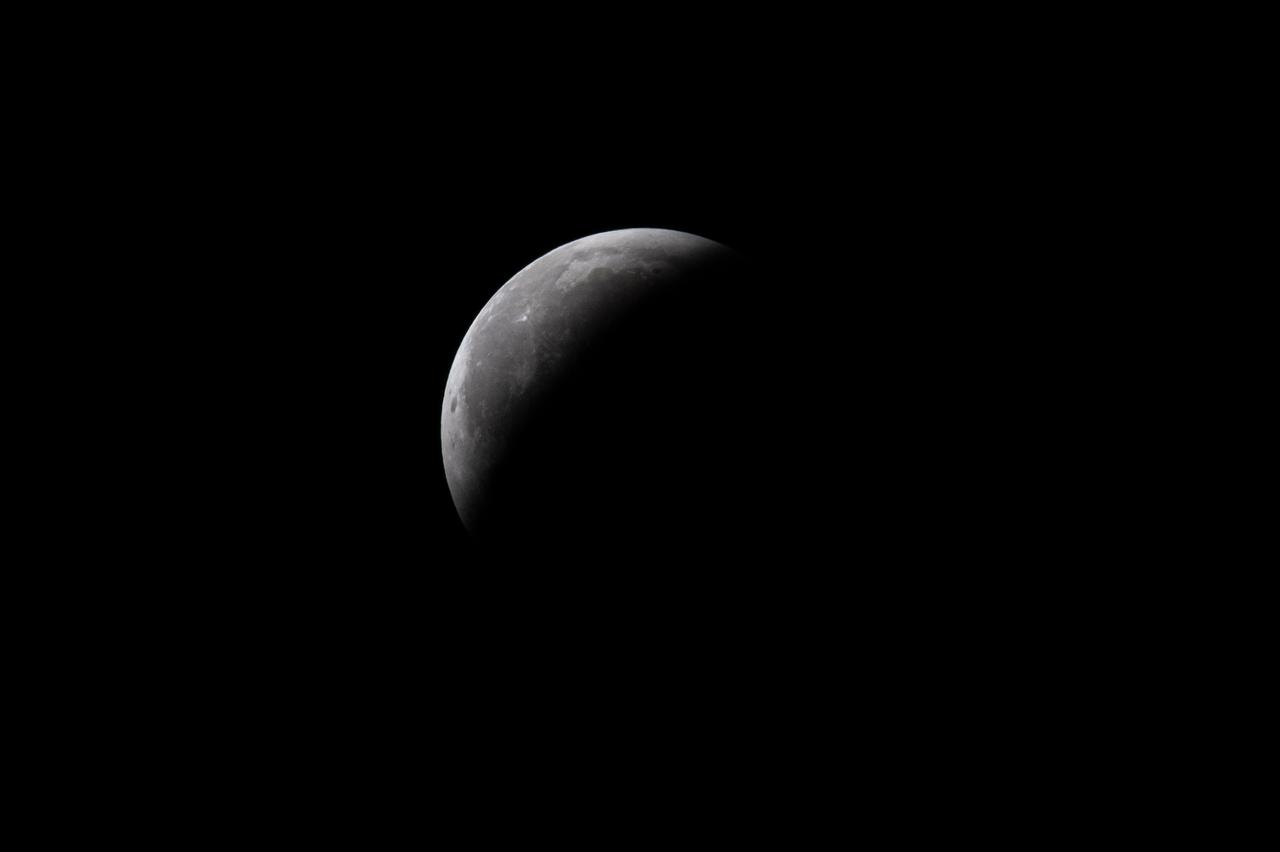
Blood Moon/Lunar Eclipse on March 14th, 2025 seen from Brookpark, OH at NASA Glenn Research Center.. Photo Credit: (NASA/Jordan Cochran)
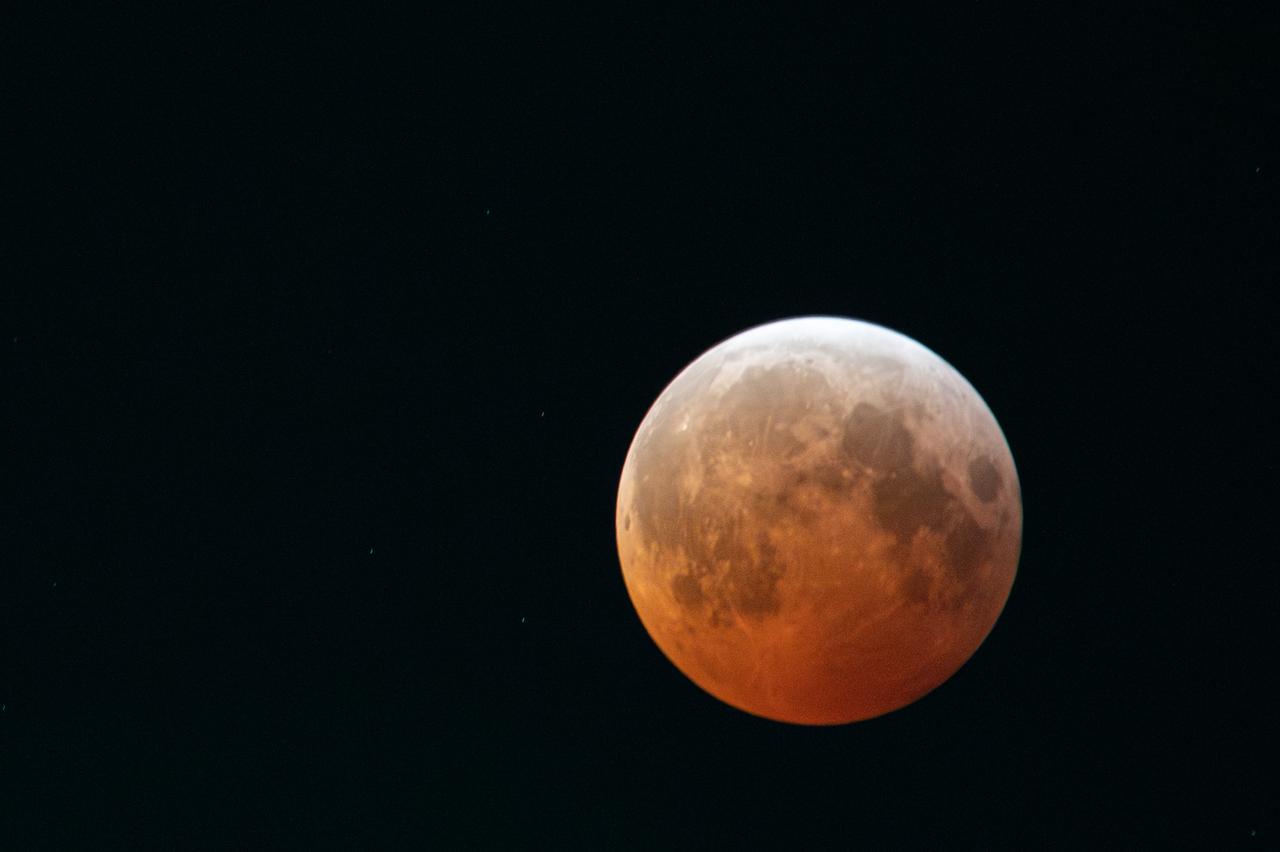
Blood Moon/Lunar Eclipse on March 14th, 2025 seen from Brookpark, OH at NASA Glenn Research Center.. Photo Credit: (NASA/Jordan Cochran)
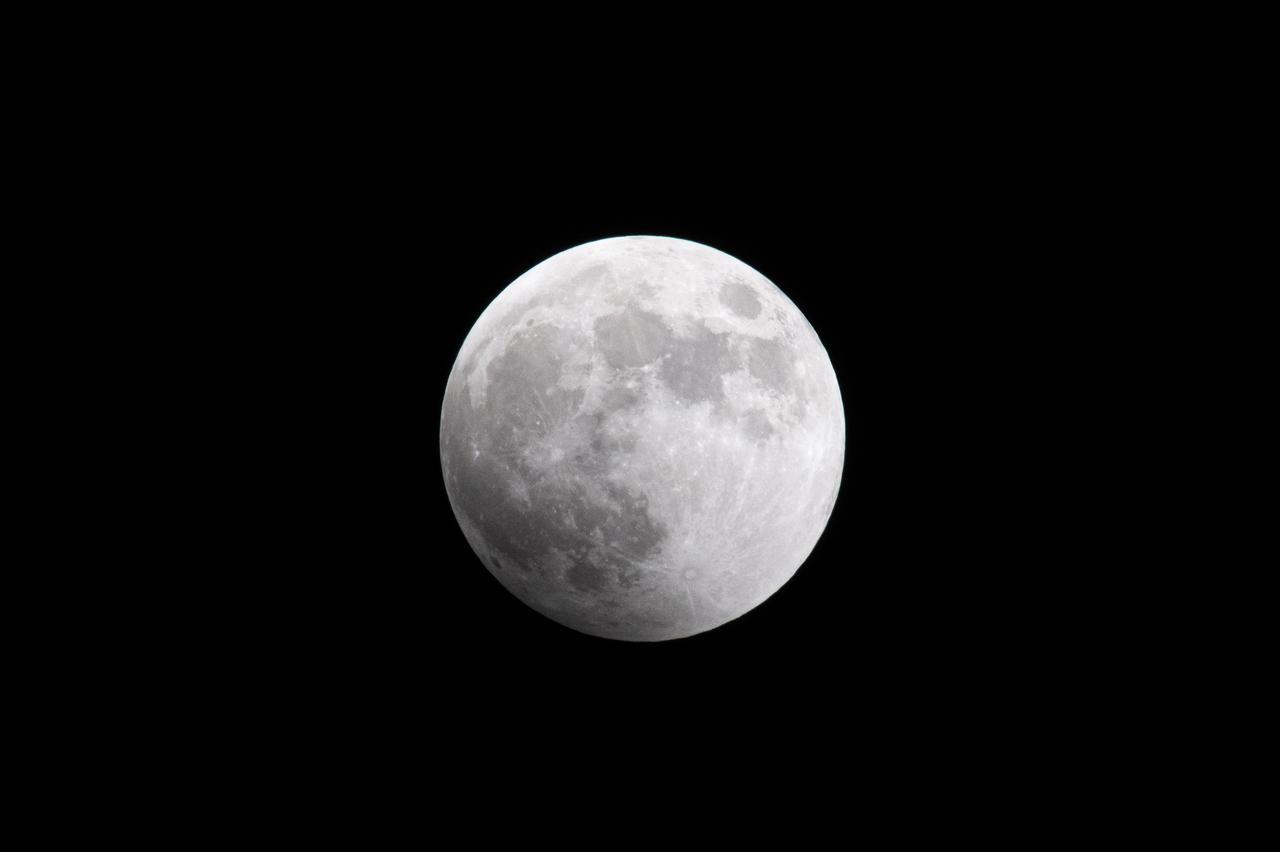
Blood Moon/Lunar Eclipse on March 14th, 2025 seen from Brookpark, OH at NASA Glenn Research Center.. Photo Credit: (NASA/Jordan Cochran)
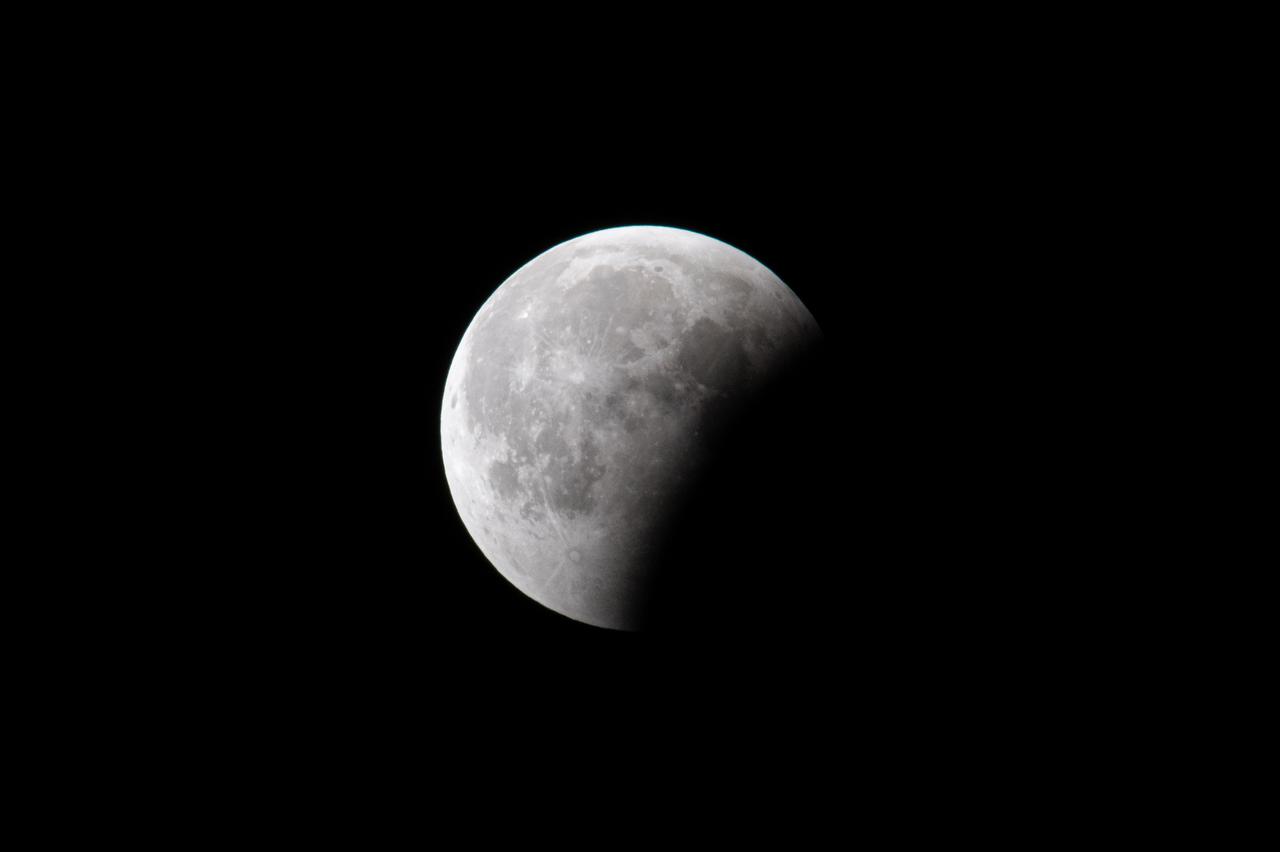
Blood Moon/Lunar Eclipse on March 14th, 2025 seen from Brookpark, OH at NASA Glenn Research Center.. Photo Credit: (NASA/Jordan Cochran)
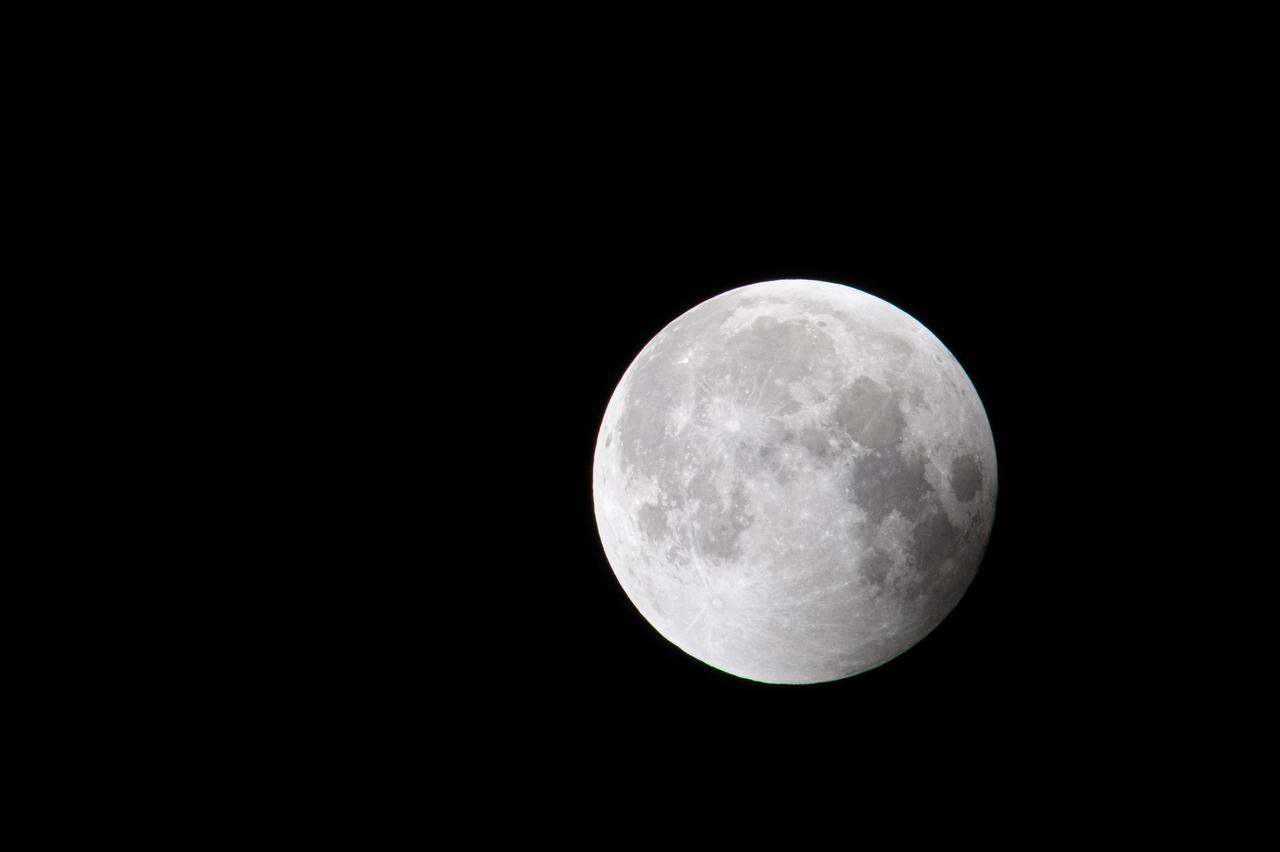
Blood Moon/Lunar Eclipse on March 14th, 2025 seen from Brookpark, OH at NASA Glenn Research Center.. Photo Credit: (NASA/Jordan Cochran)
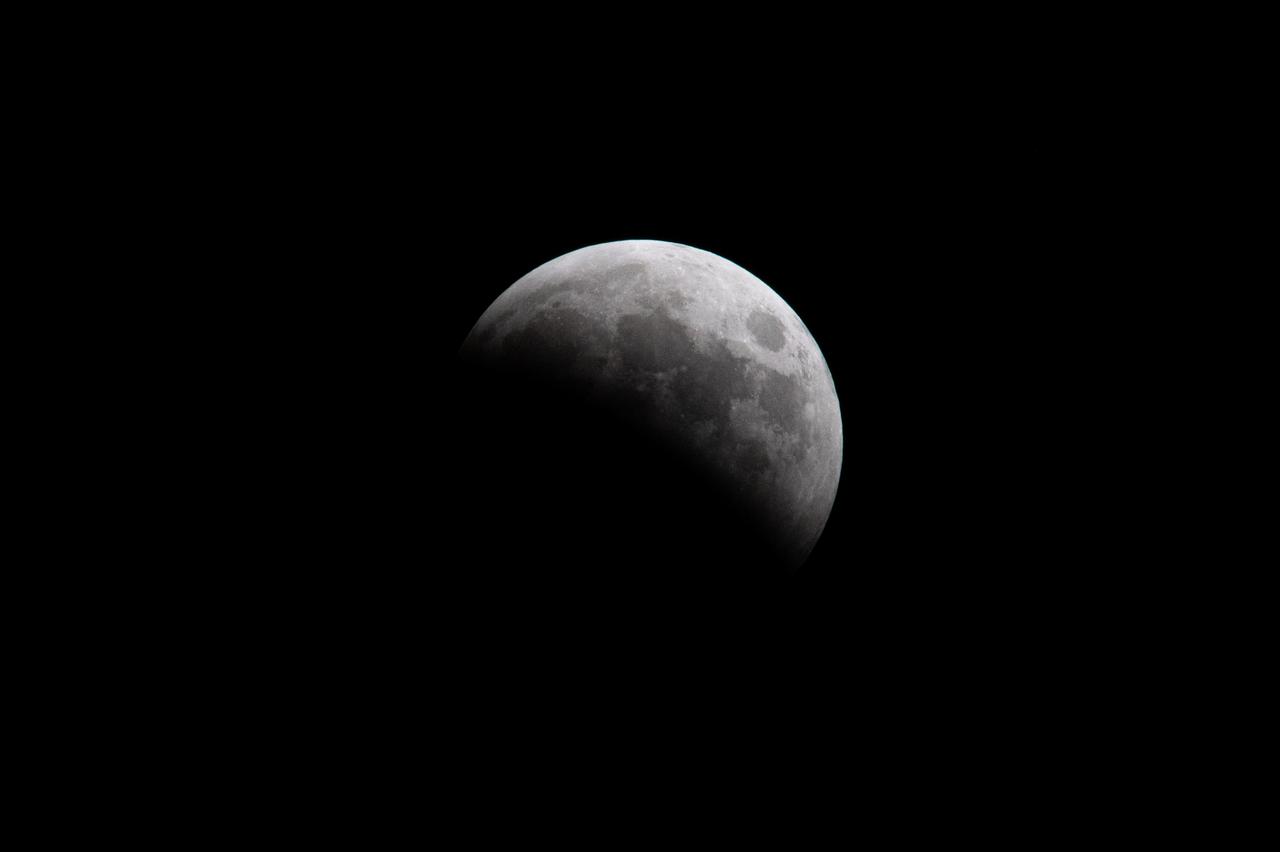
Blood Moon/Lunar Eclipse on March 14th, 2025 seen from Brookpark, OH at NASA Glenn Research Center.. Photo Credit: (NASA/Jordan Cochran)
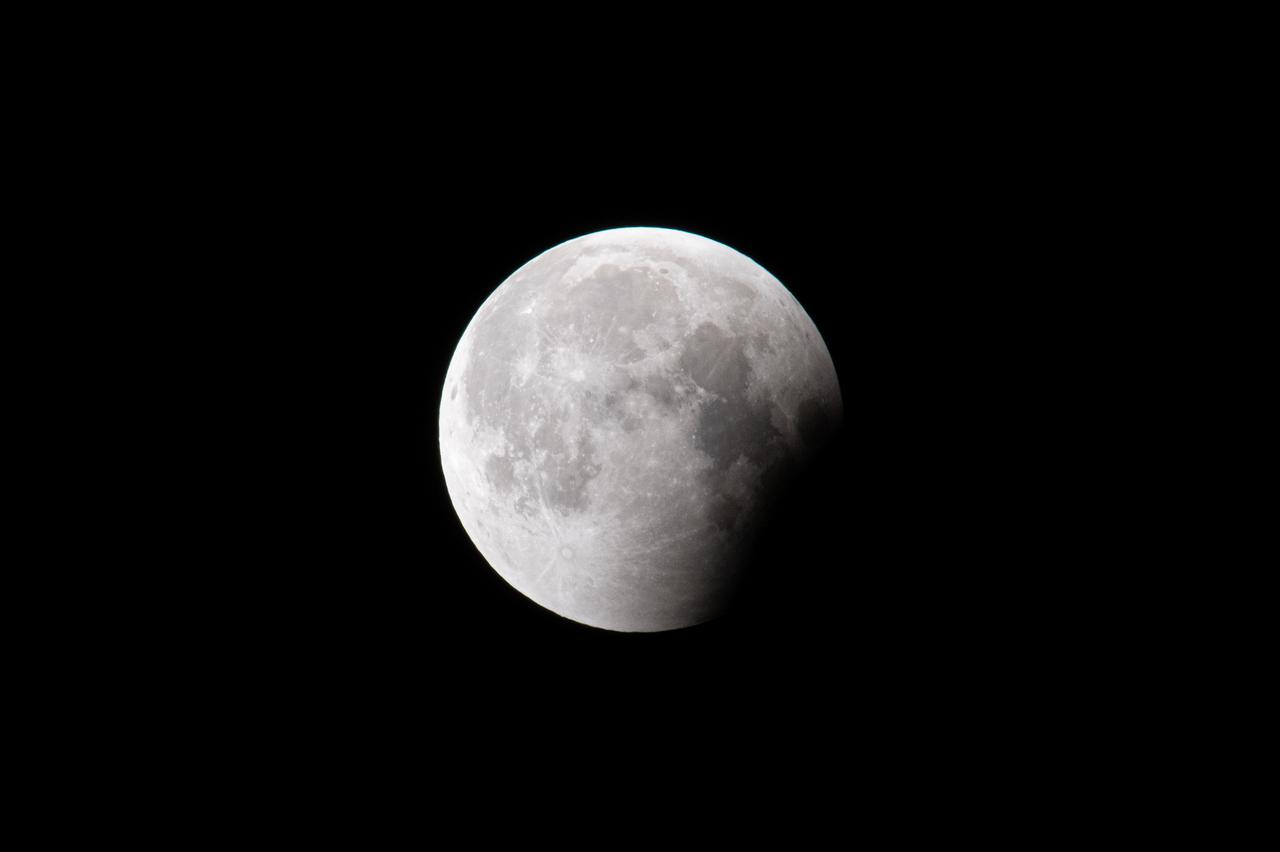
Blood Moon/Lunar Eclipse on March 14th, 2025 seen from Brookpark, OH at NASA Glenn Research Center.. Photo Credit: (NASA/Jordan Cochran)
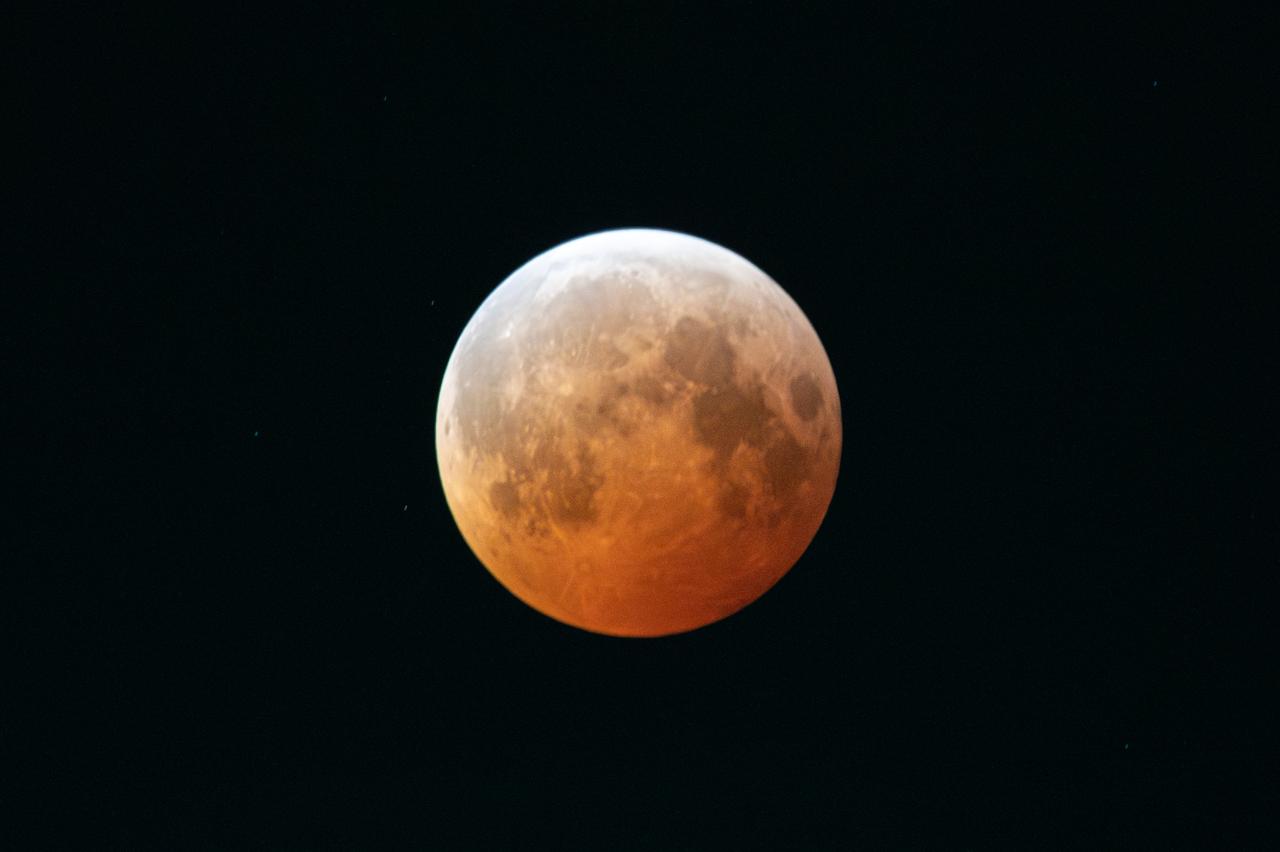
Blood Moon/Lunar Eclipse on March 14th, 2025 seen from Brookpark, OH at NASA Glenn Research Center.. Photo Credit: (NASA/Jordan Cochran)
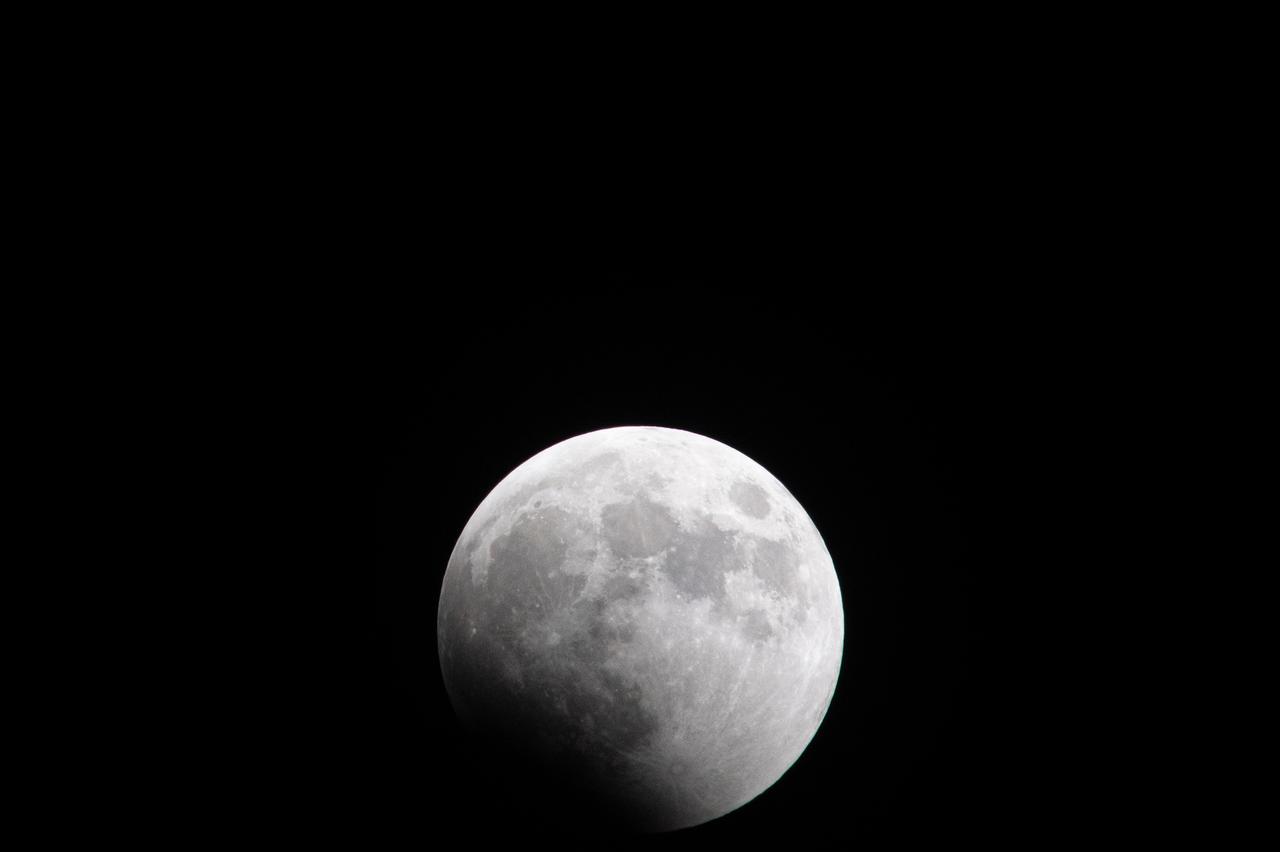
Blood Moon/Lunar Eclipse on March 14th, 2025 seen from Brookpark, OH at NASA Glenn Research Center.. Photo Credit: (NASA/Jordan Cochran)
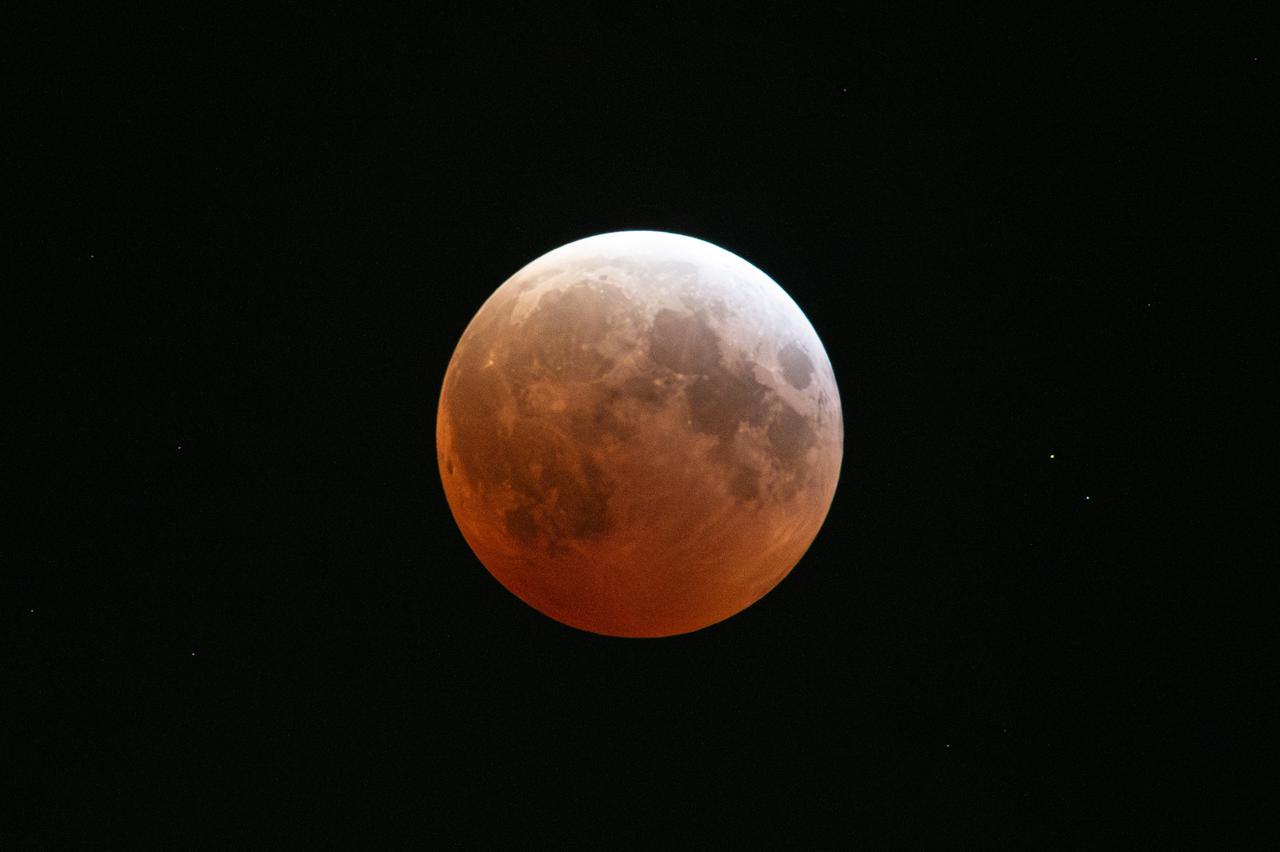
Blood Moon/Lunar Eclipse on March 14th, 2025 seen from Brookpark, OH at NASA Glenn Research Center.. Photo Credit: (NASA/Jordan Cochran)
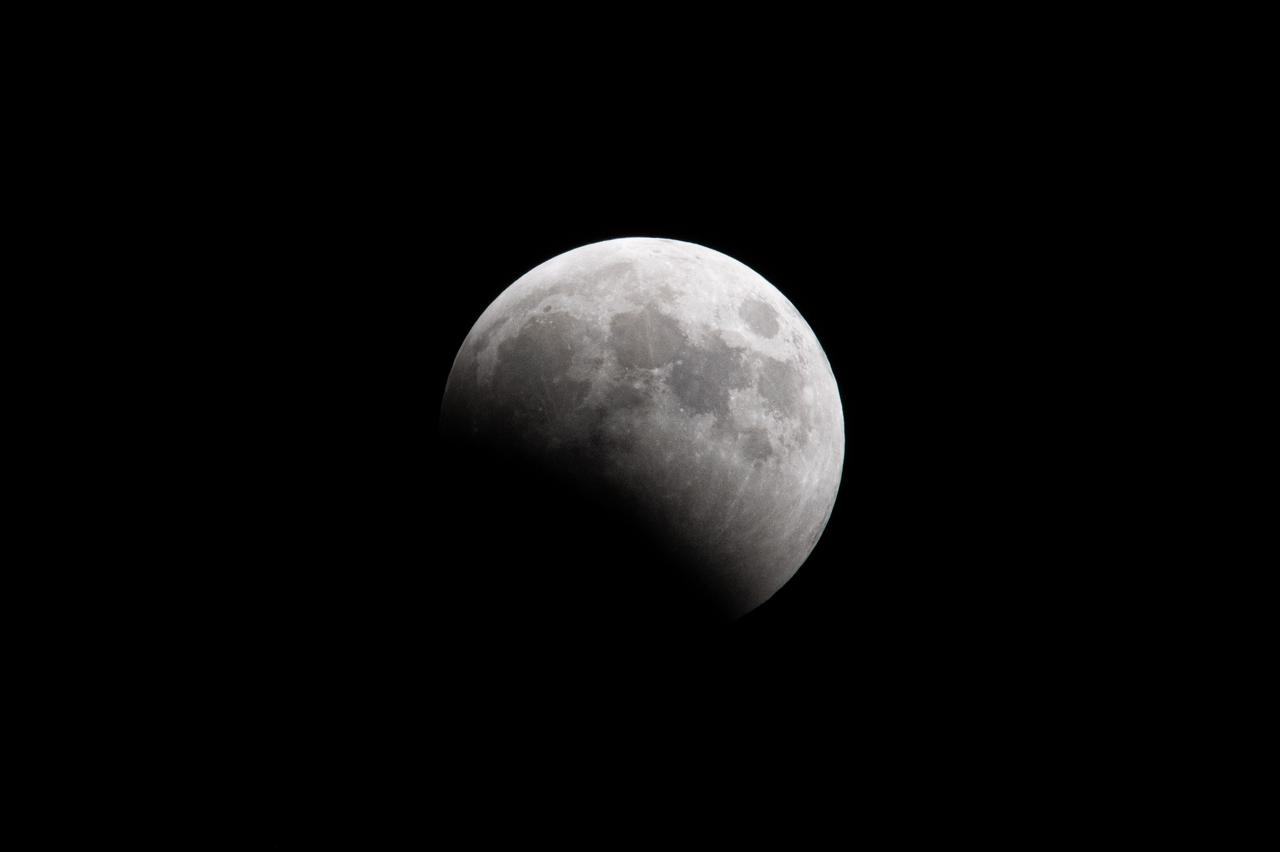
Blood Moon/Lunar Eclipse on March 14th, 2025 seen from Brookpark, OH at NASA Glenn Research Center.. Photo Credit: (NASA/Jordan Cochran)
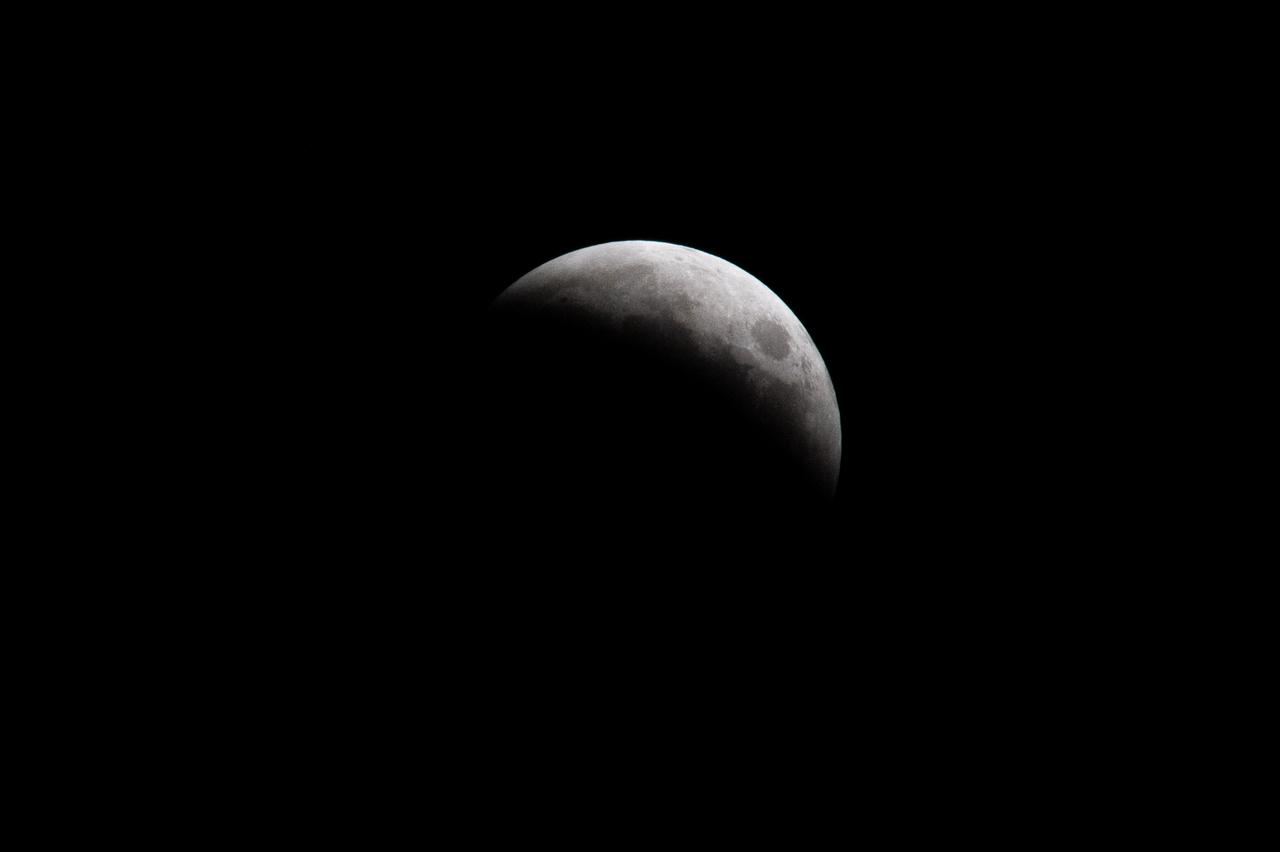
Blood Moon/Lunar Eclipse on March 14th, 2025 seen from Brookpark, OH at NASA Glenn Research Center.. Photo Credit: (NASA/Jordan Cochran)

Blood Moon/Lunar Eclipse on March 14th, 2025 seen from Brookpark, OH at NASA Glenn Research Center.. Photo Credit: (NASA/Jordan Cochran)

Significant ice build-up on the Simulated Inter-compressor Duct Research Model (SIDRM) at the Icing Research Tunnel. Photo Credit: (NASA/Jordan Salkin)
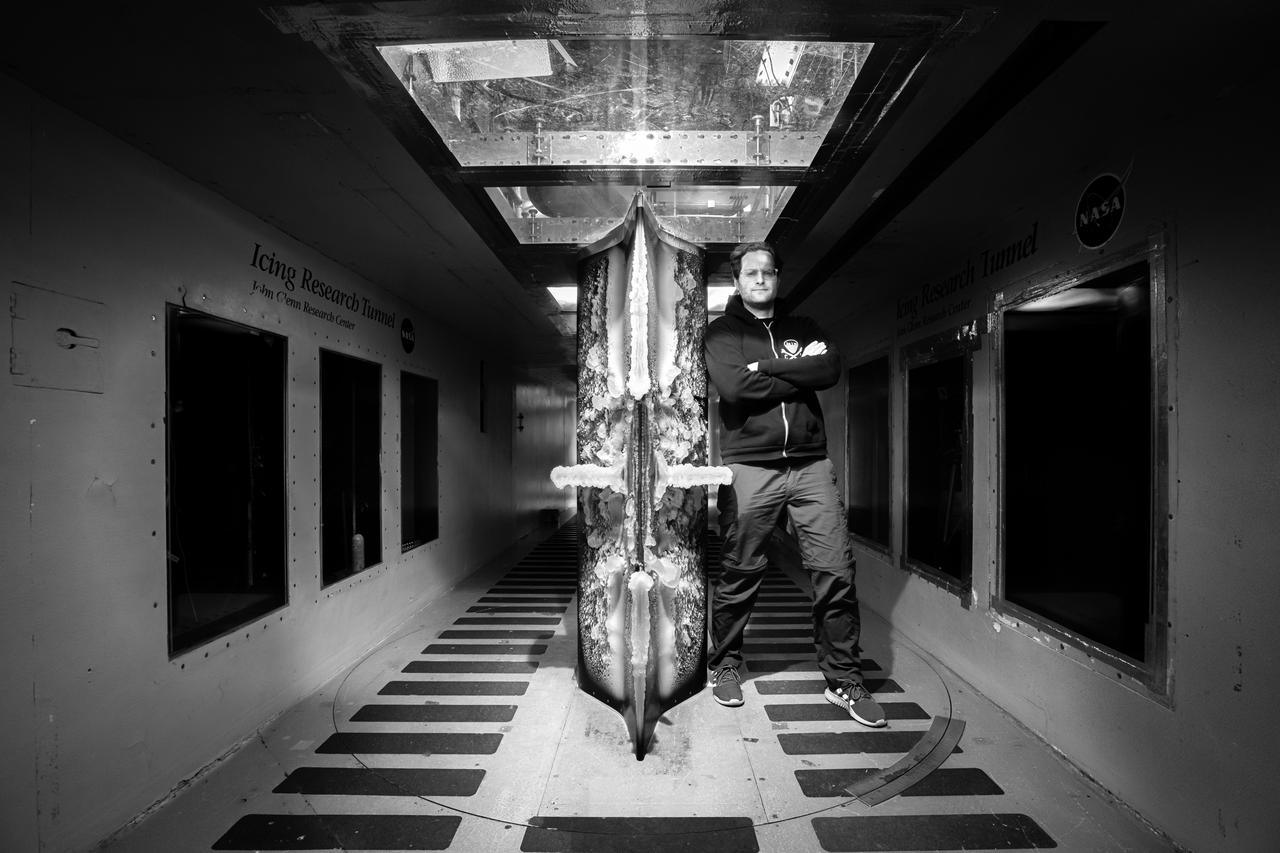
Lead researcher Tadas Bartkus poses after a run of his test with significant ice build-up on the Simulated Inter-compressor Duct Research Model (SIDRM) at the Icing Research Tunnel. Photo Credit: (NASA/Jordan Salkin)

The Space Environments Complex (SEC) at the Armstrong Testing Facility stores Orion’s Launch Abort System, which will later be tested for support of Artemis II. Photo Credit: (NASA/Jordan Salkin)

The Space Environments Complex (SEC) at the Armstrong Testing Facility stores Orion’s Launch Abort System, which will later be tested for support of Artemis II. Photo Credit: (NASA/Jordan Salkin)
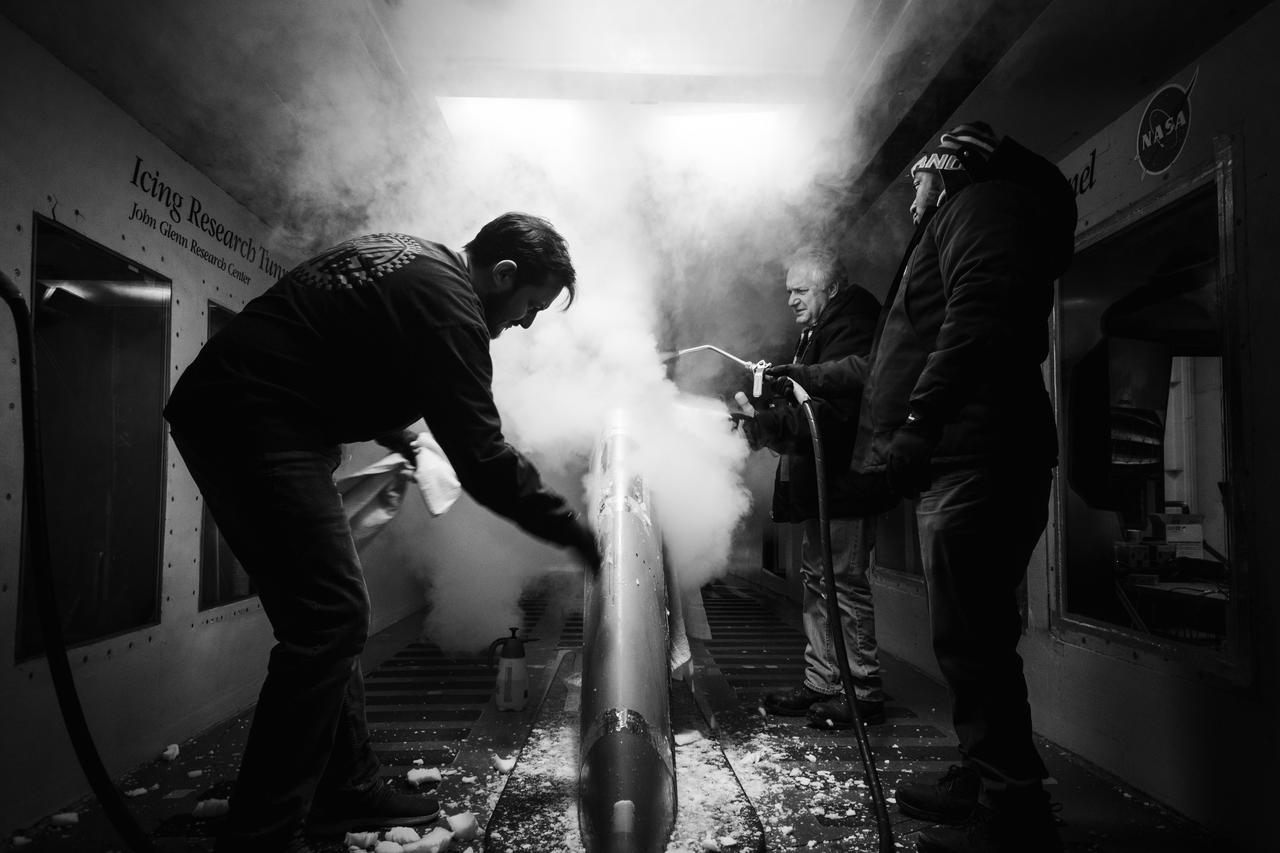
Technicians spray steam to help scrape off ice at the Icing Research Tunnel. The technicians need all the help they can get in sub-zero temperatures. Photo Credit: (NASA/Jordan Salkin)

This composite photo made up of 11 images of shows the Blood Moon and the phases of the Lunar Eclipse on March 14th, 2025 seen from Brookpark, OH at NASA Glenn Research Center.. Photo Credit: (NASA/Jordan Cochran)
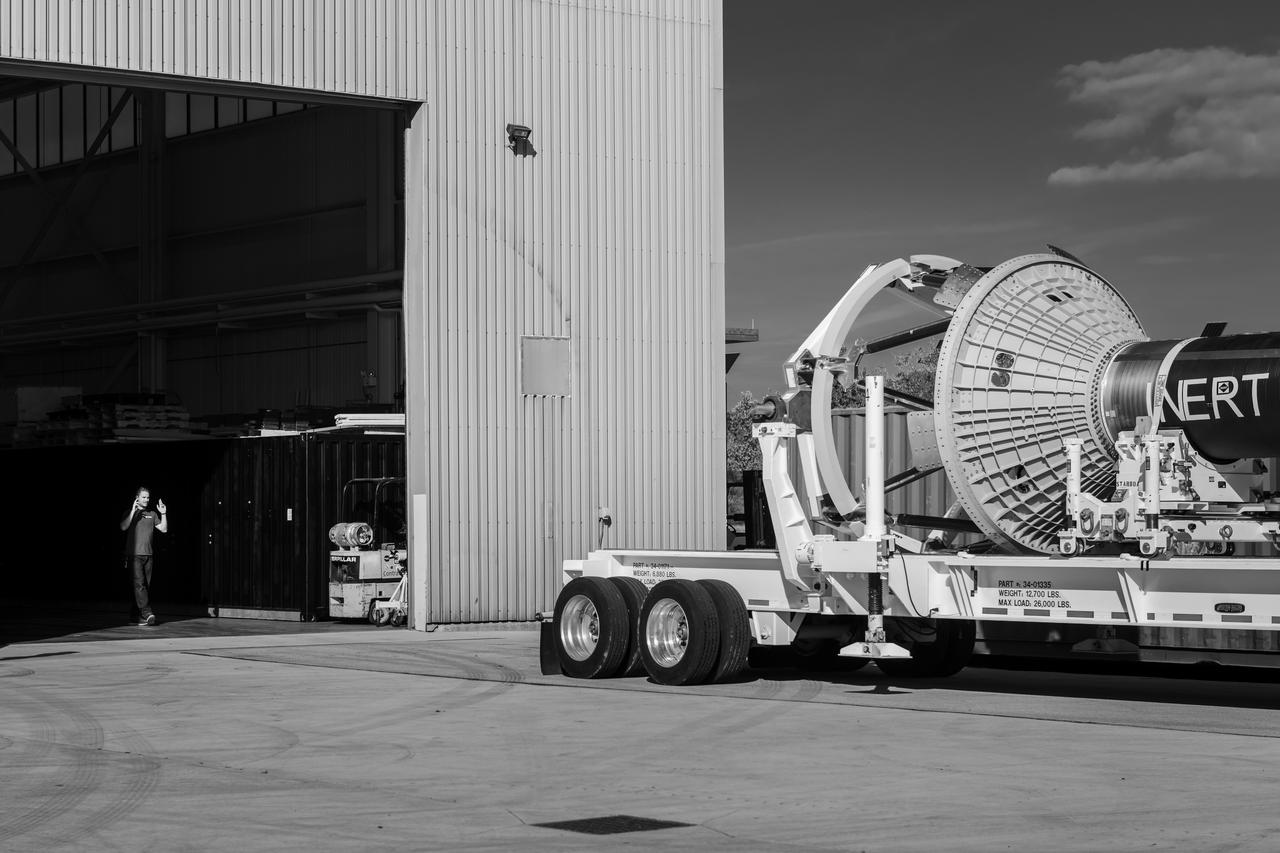
An engineer signals the truck driver carrying Orion’s Launch Abort System (LAS) at the Space Environments Complex. The LAS was awaiting Orion’s Crew Capsule to be tested on for mission critical support for Artemis II. Photo Credit: (NASA/Jordan Salkin)

A technician is shown preparing the research model for its next test condition by removing ice accretion. Photo Credit: (NASA/Jordan Salkin)
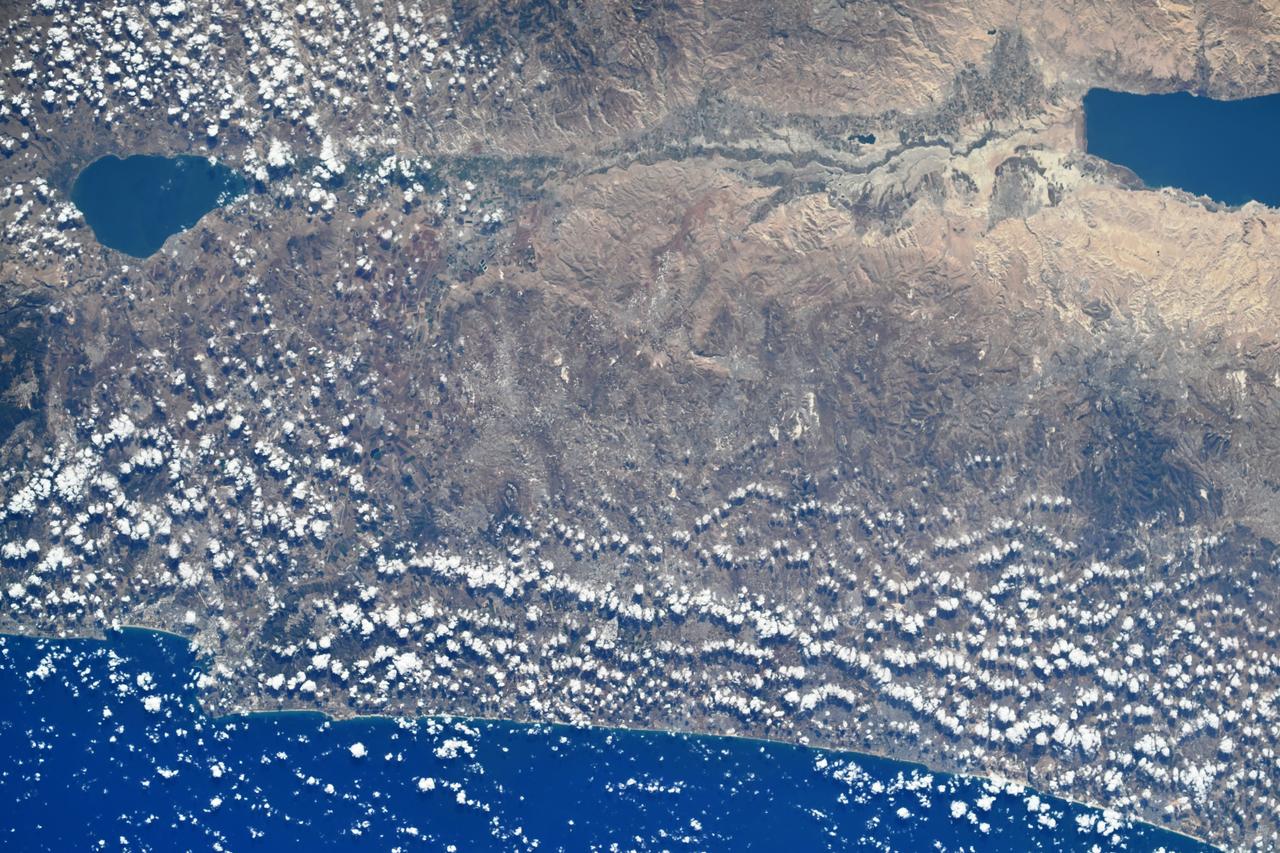
iss073e0425936 (Aug. 7, 2025) --- From left to right, the Sea of Galilee—the world’s lowest freshwater lake—and the Dead Sea—the lowest saltwater lake—are connected by the Jordan River in Israel. At the bottom of the image, the Mediterranean coastline is visible from the International Space Station as it orbited 260 miles above Earth. Credit: Roscosmos

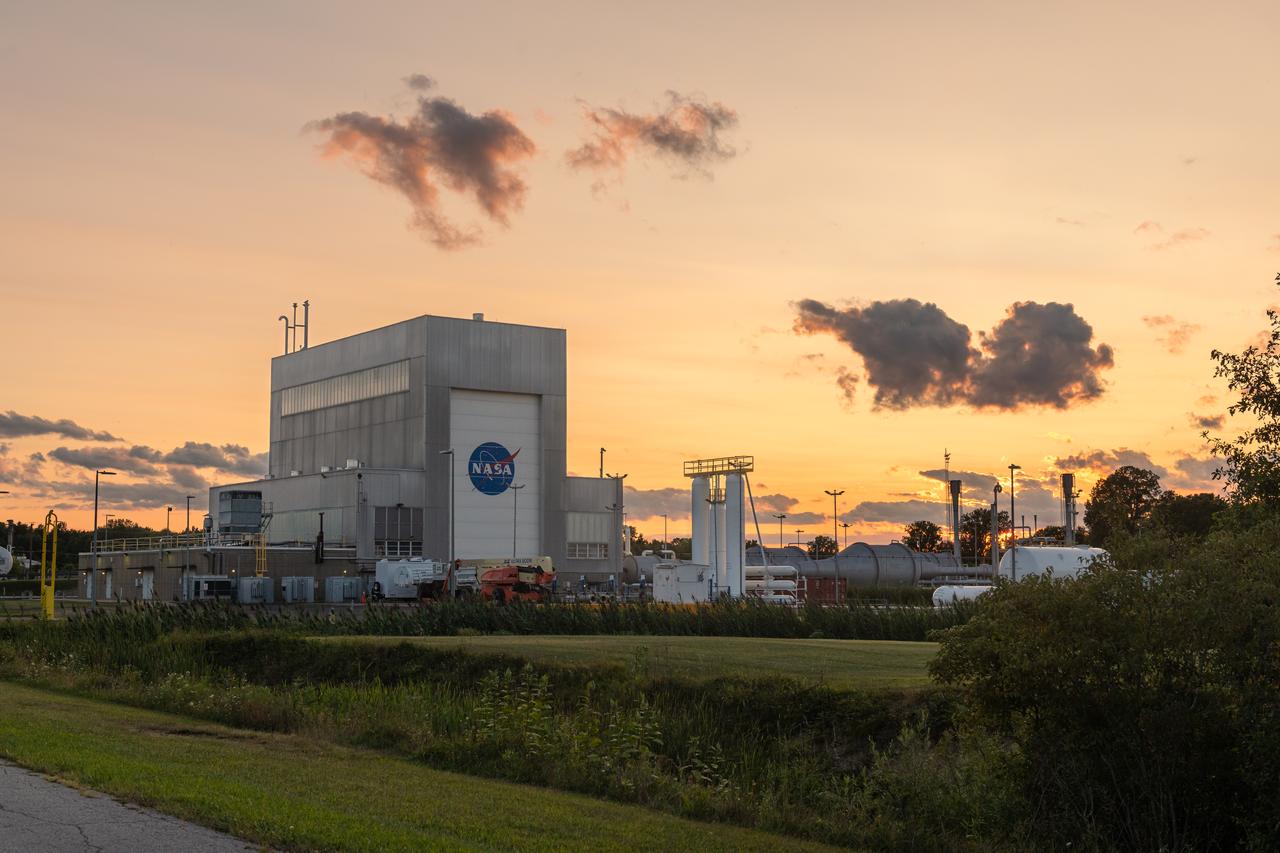
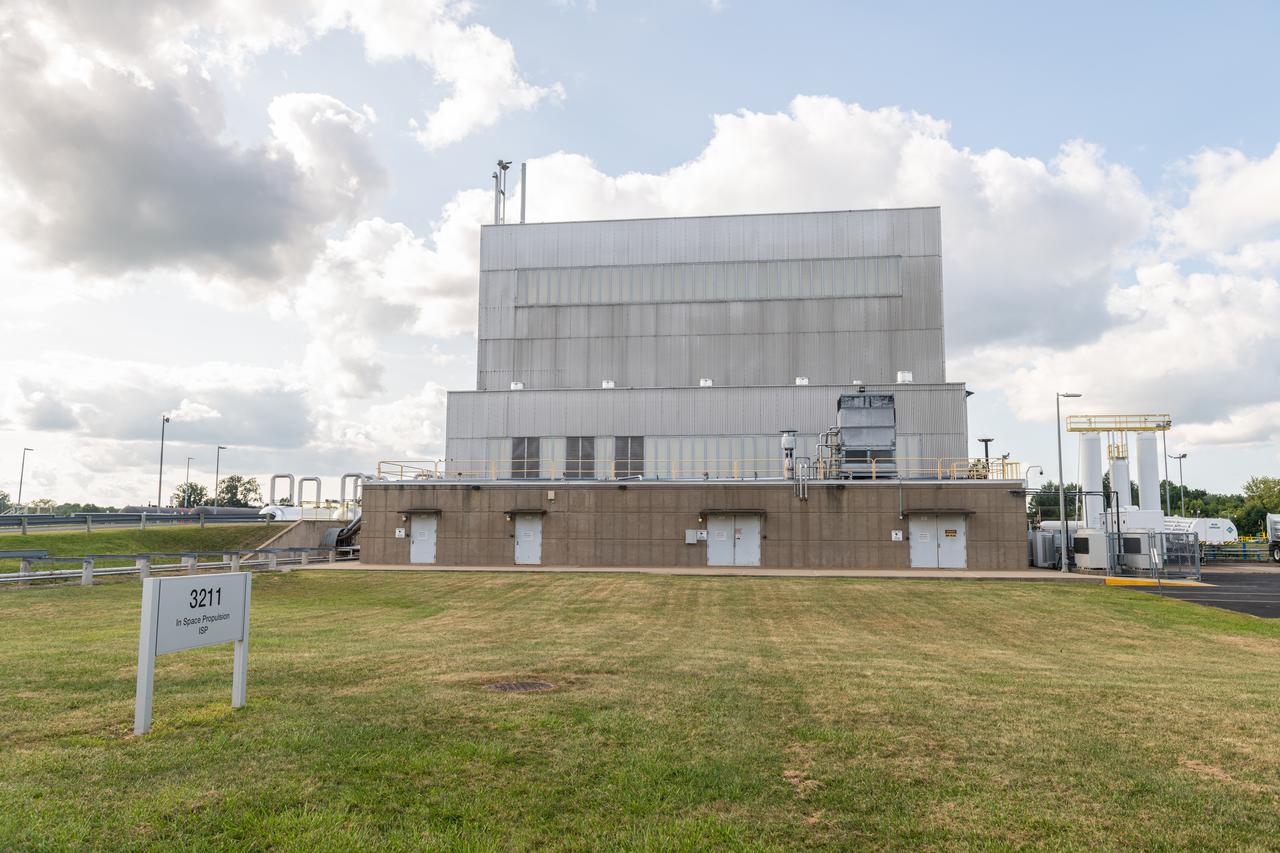
The In-Space Propulsion Facility (ISP) is shown at NASA’s Neil Armstrong Test Facility in Sandusky, Ohio. ISP is the world’s only facility capable of full-scale rocket engine and launch vehicle system level tests. Photo Credit: (NASA/Jordan Salkin)
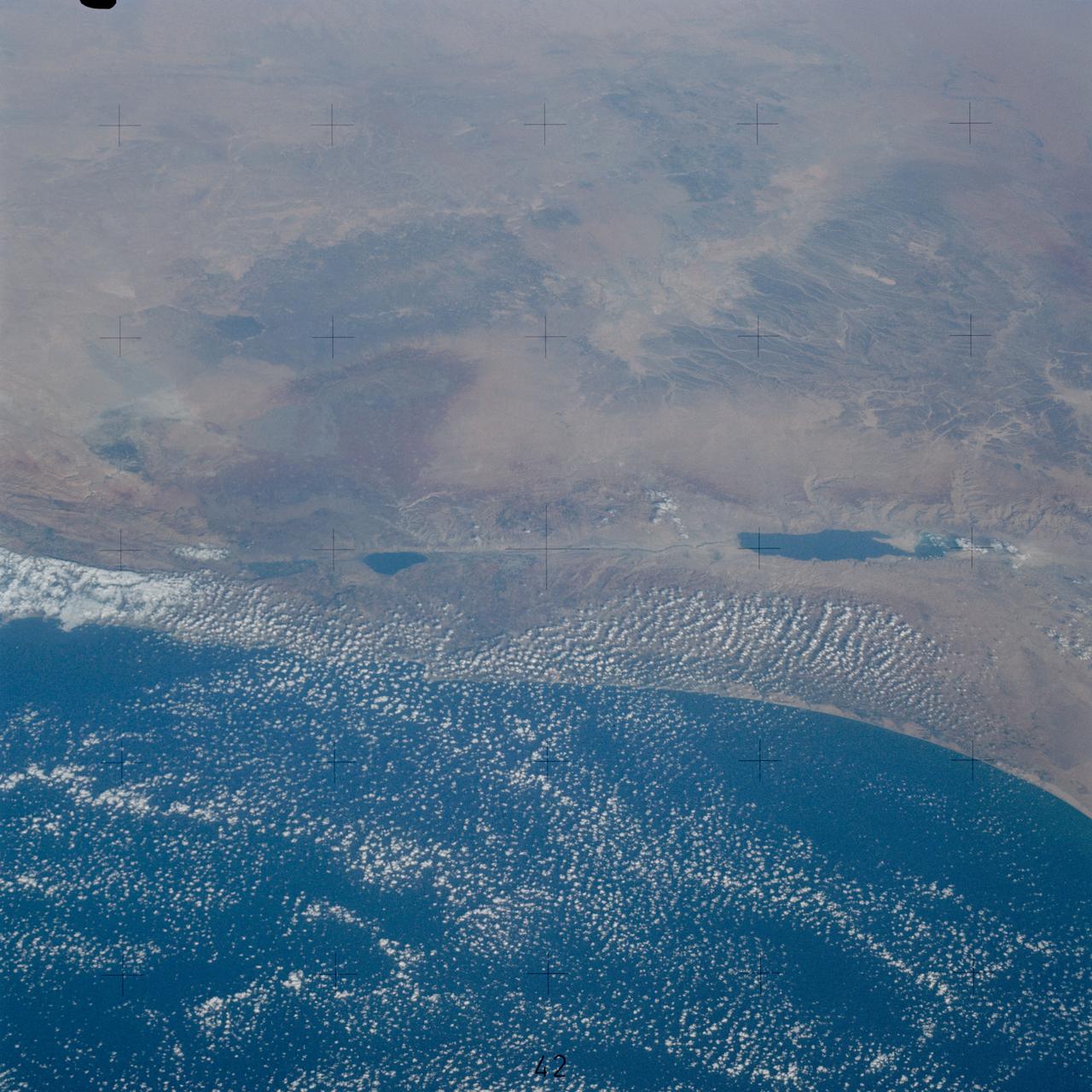
SL3-115-1924 (July-September 1973) --- Skylab 3 Earth view of Israel, Jordan, Lebanon, Syria, Iraq and the Dead Sea. Photo credit: NASA
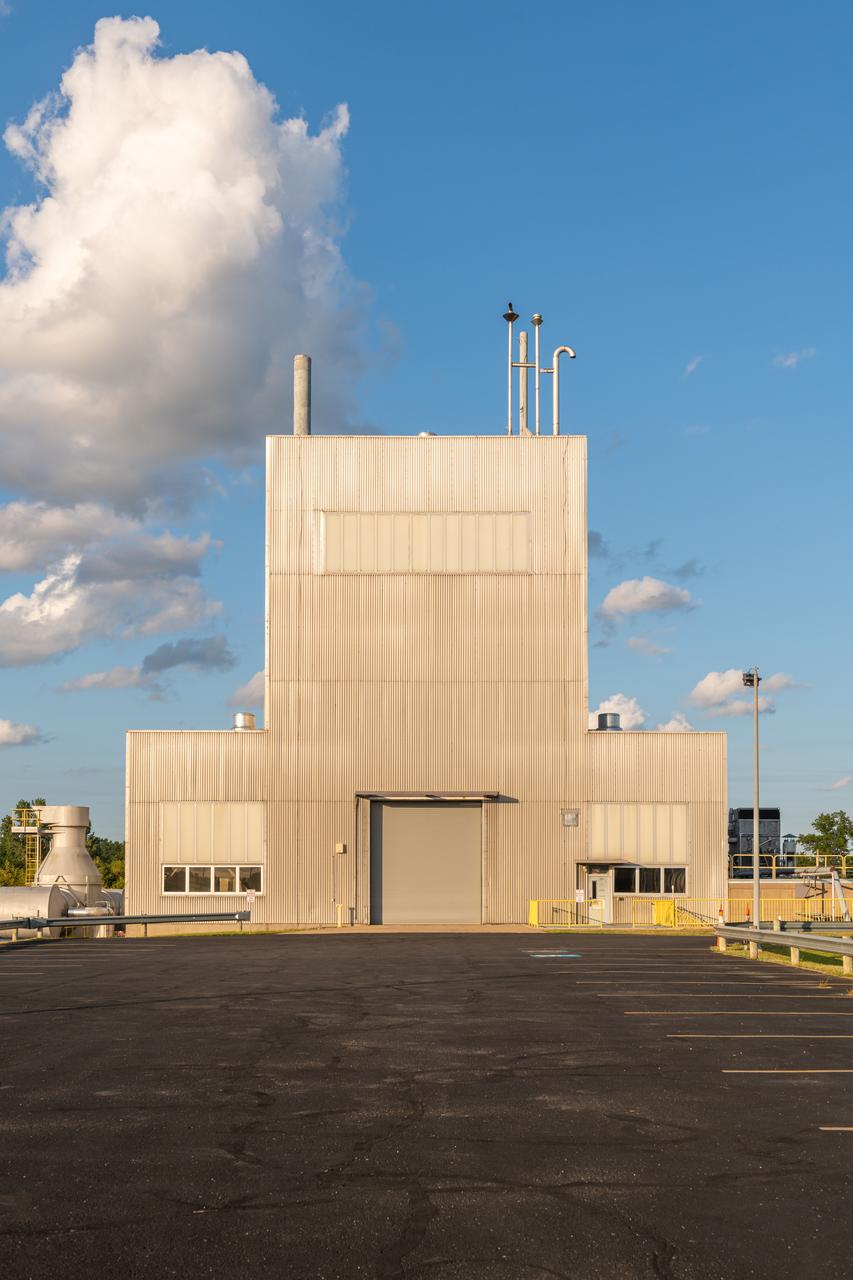
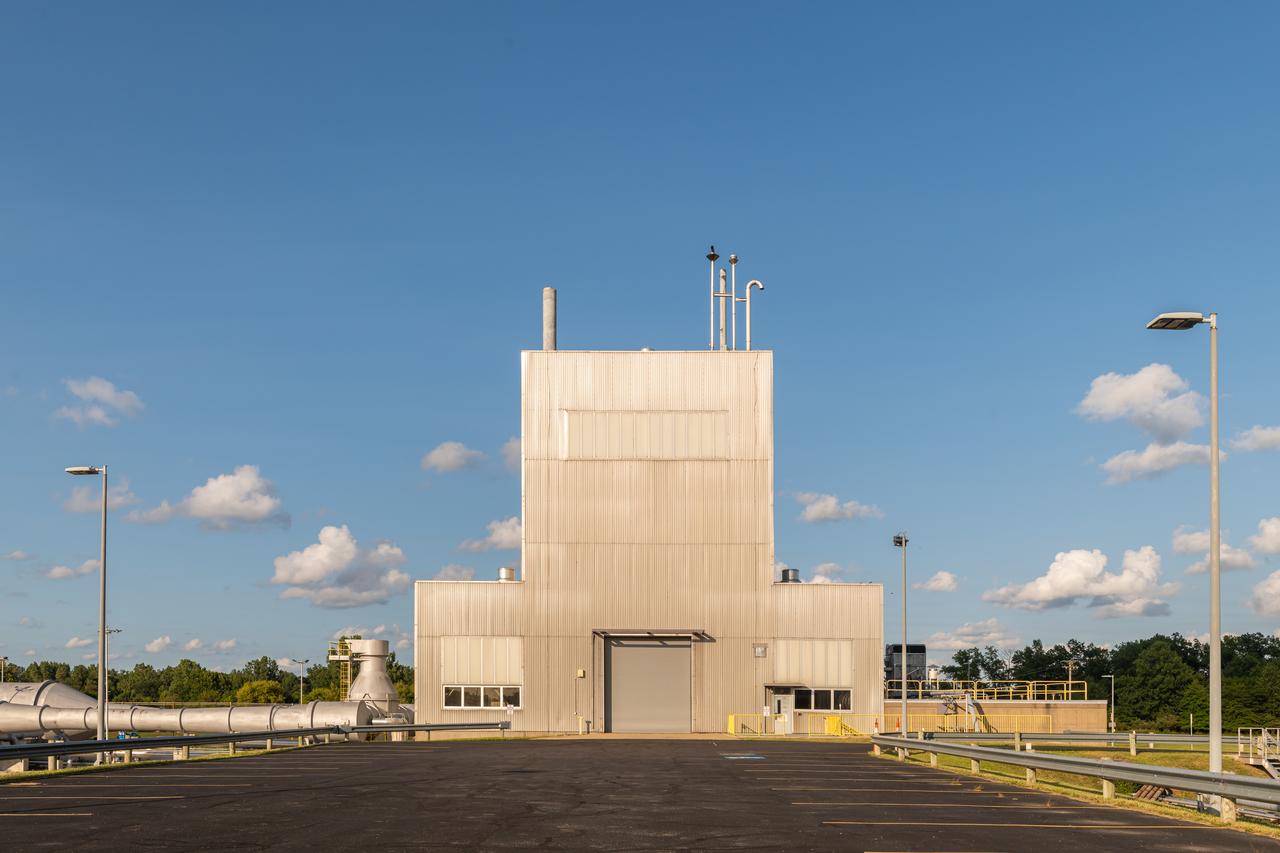
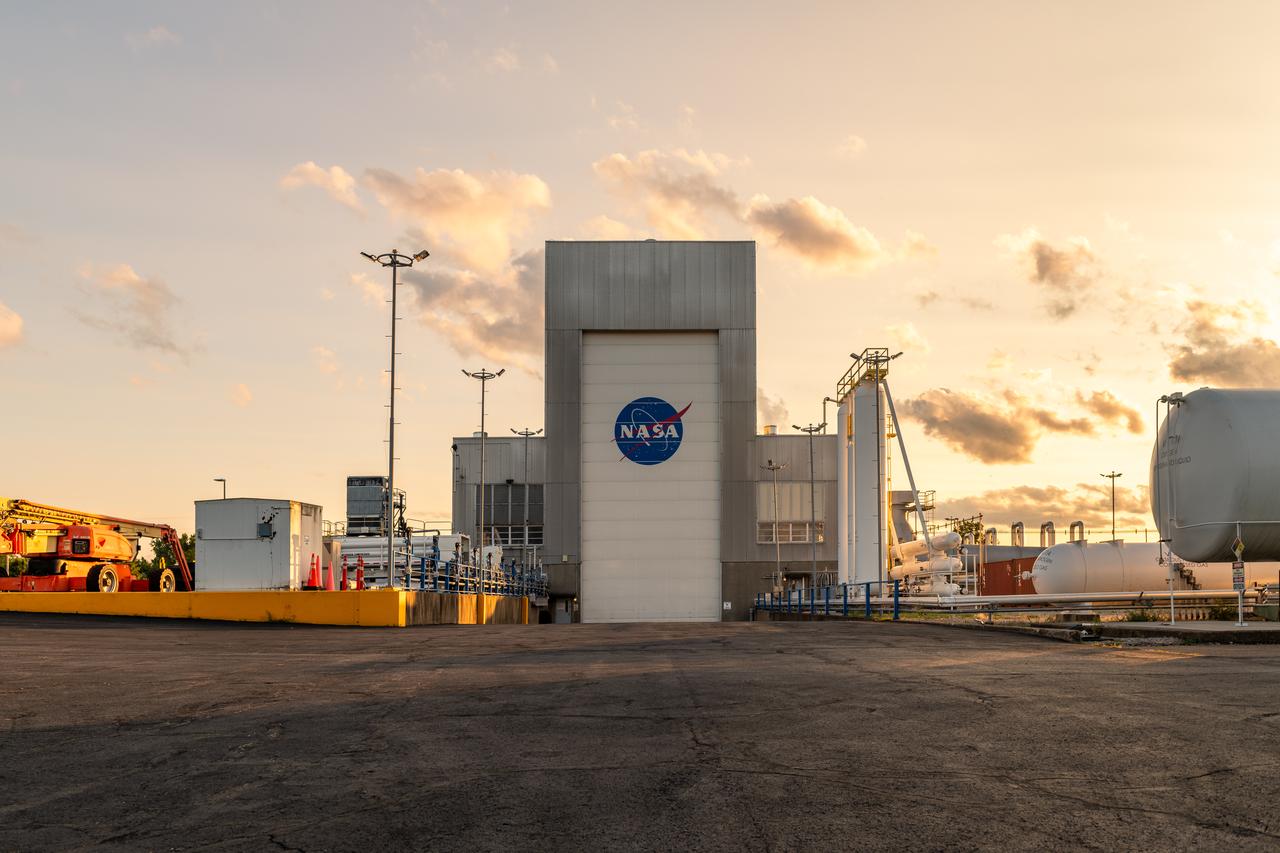
NASA’s In-Space Propulsion Facility located at Neil Armstrong Test Facility in Sandusky Ohio is the world’s only high altitude test facility capable of full-scale rocket engine and launch vehicle system level tests. The facility supports mission profile thermal vacuum simulation and engine firing. The engine or vehicle can be exposed for indefinite periods to low ambient pressures, low-background temperatures, and dynamic solar heating, simulating the environment the hardware will encounter during orbital or interplanetary travel. Photo Credit: (NASA/Jordan Salkin)
NASA’s In-Space Propulsion Facility located at Neil Armstrong Test Facility in Sandusky Ohio is the world’s only high altitude test facility capable of full-scale rocket engine and launch vehicle system level tests. The facility supports mission profile thermal vacuum simulation and engine firing. The engine or vehicle can be exposed for indefinite periods to low ambient pressures, low-background temperatures, and dynamic solar heating, simulating the environment the hardware will encounter during orbital or interplanetary travel. Photo Credit: (NASA/Jordan Salkin)
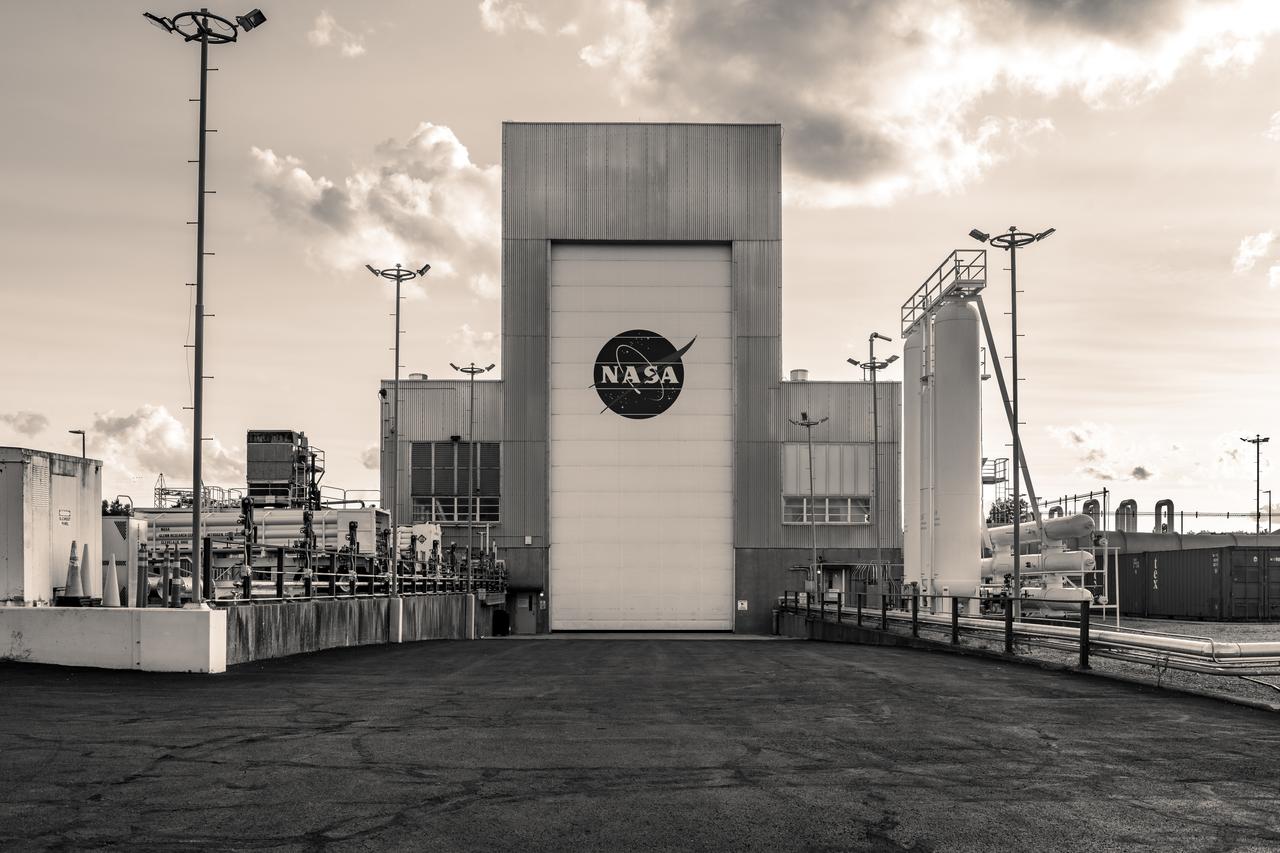
NASA’s In-Space Propulsion Facility located at Neil Armstrong Test Facility in Sandusky Ohio is the world’s only high altitude test facility capable of full-scale rocket engine and launch vehicle system level tests. The facility supports mission profile thermal vacuum simulation and engine firing. The engine or vehicle can be exposed for indefinite periods to low ambient pressures, low-background temperatures, and dynamic solar heating, simulating the environment the hardware will encounter during orbital or interplanetary travel. Photo Credit: (NASA/Jordan Salkin)
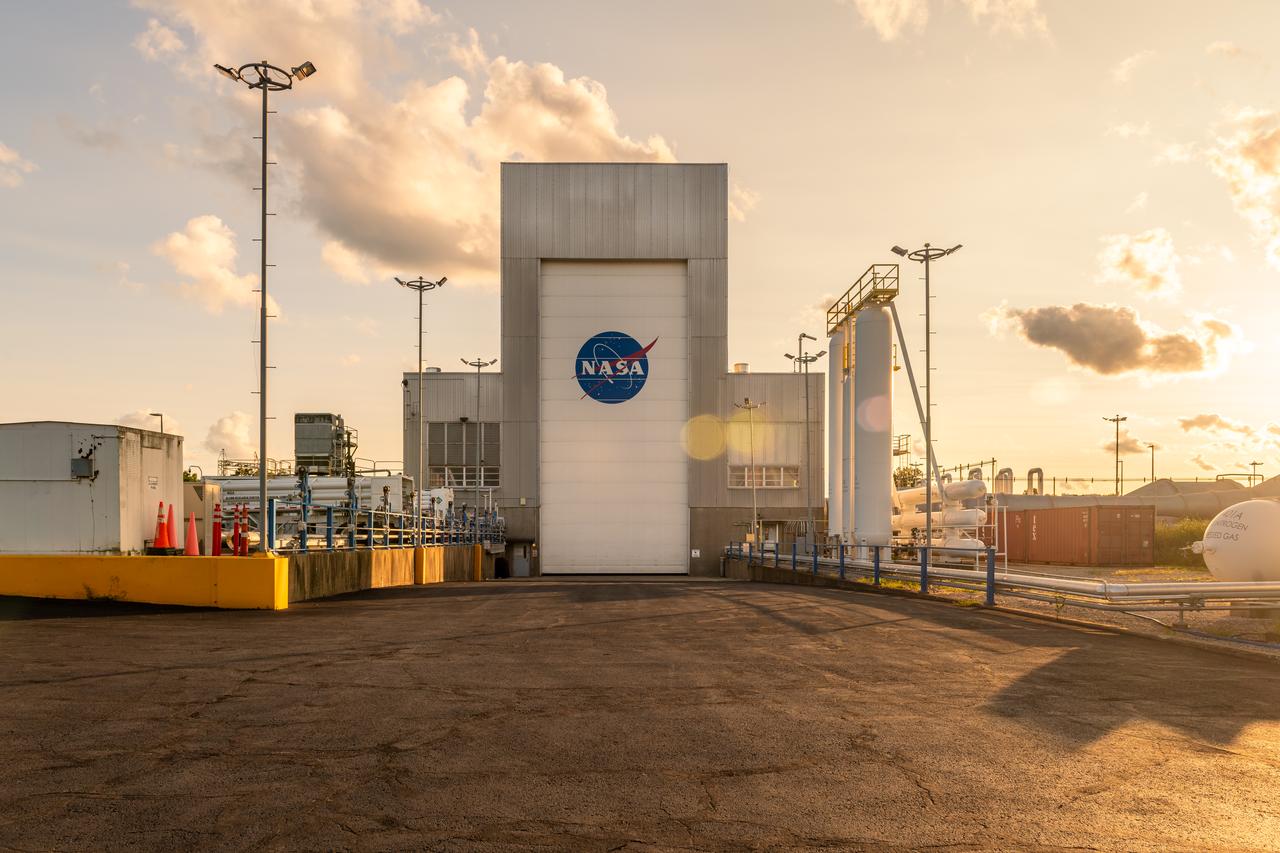
NASA’s In-Space Propulsion Facility located at Neil Armstrong Test Facility in Sandusky Ohio is the world’s only high altitude test facility capable of full-scale rocket engine and launch vehicle system level tests. The facility supports mission profile thermal vacuum simulation and engine firing. The engine or vehicle can be exposed for indefinite periods to low ambient pressures, low-background temperatures, and dynamic solar heating, simulating the environment the hardware will encounter during orbital or interplanetary travel. Photo Credit: (NASA/Jordan Salkin)
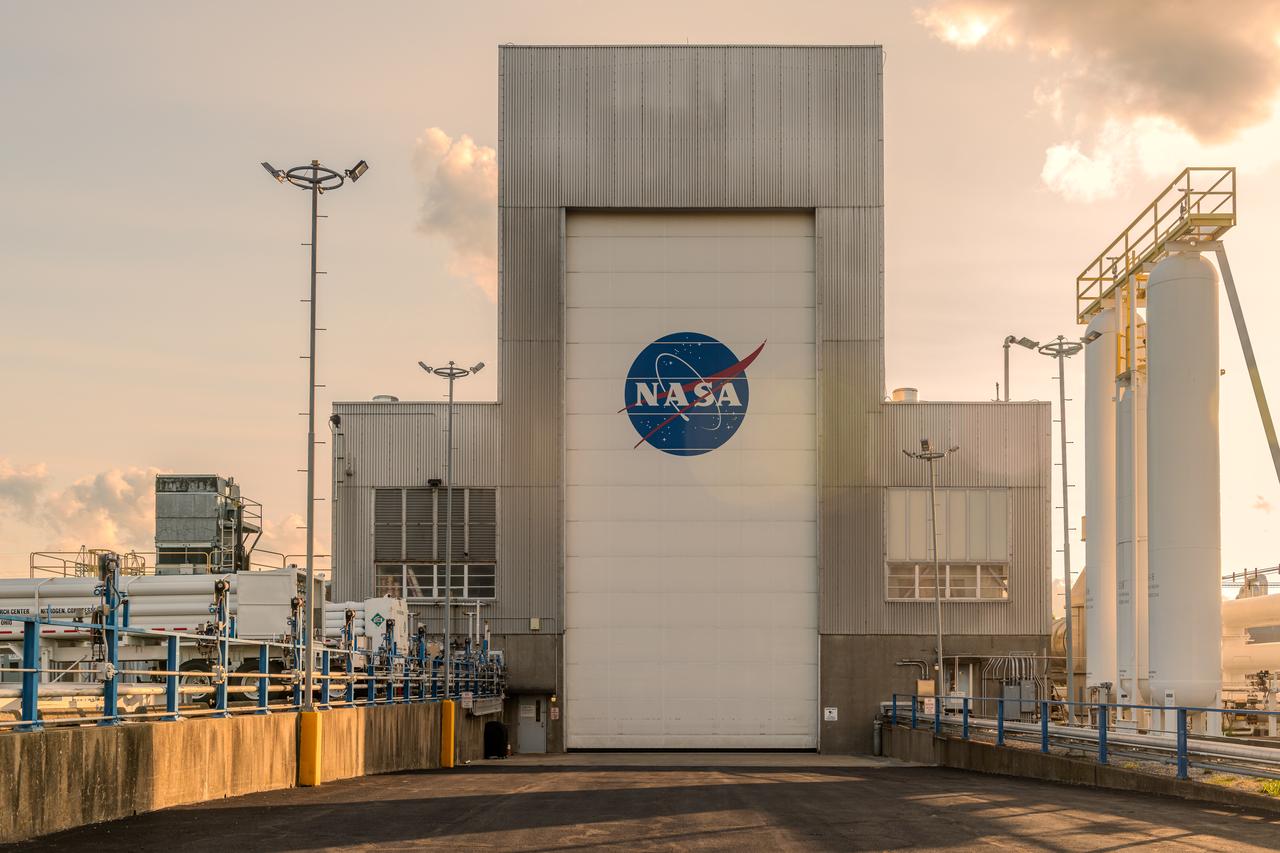
NASA’s In-Space Propulsion Facility located at Neil Armstrong Test Facility in Sandusky Ohio is the world’s only high altitude test facility capable of full-scale rocket engine and launch vehicle system level tests. The facility supports mission profile thermal vacuum simulation and engine firing. The engine or vehicle can be exposed for indefinite periods to low ambient pressures, low-background temperatures, and dynamic solar heating, simulating the environment the hardware will encounter during orbital or interplanetary travel. Photo Credit: (NASA/Jordan Salkin)
NASA’s In-Space Propulsion Facility located at Neil Armstrong Test Facility in Sandusky Ohio is the world’s only high altitude test facility capable of full-scale rocket engine and launch vehicle system level tests. The facility supports mission profile thermal vacuum simulation and engine firing. The engine or vehicle can be exposed for indefinite periods to low ambient pressures, low-background temperatures, and dynamic solar heating, simulating the environment the hardware will encounter during orbital or interplanetary travel. Photo Credit: (NASA/Jordan Salkin)
NASA’s In-Space Propulsion Facility located at Neil Armstrong Test Facility in Sandusky Ohio is the world’s only high altitude test facility capable of full-scale rocket engine and launch vehicle system level tests. The facility supports mission profile thermal vacuum simulation and engine firing. The engine or vehicle can be exposed for indefinite periods to low ambient pressures, low-background temperatures, and dynamic solar heating, simulating the environment the hardware will encounter during orbital or interplanetary travel. Photo Credit: (NASA/Jordan Salkin)
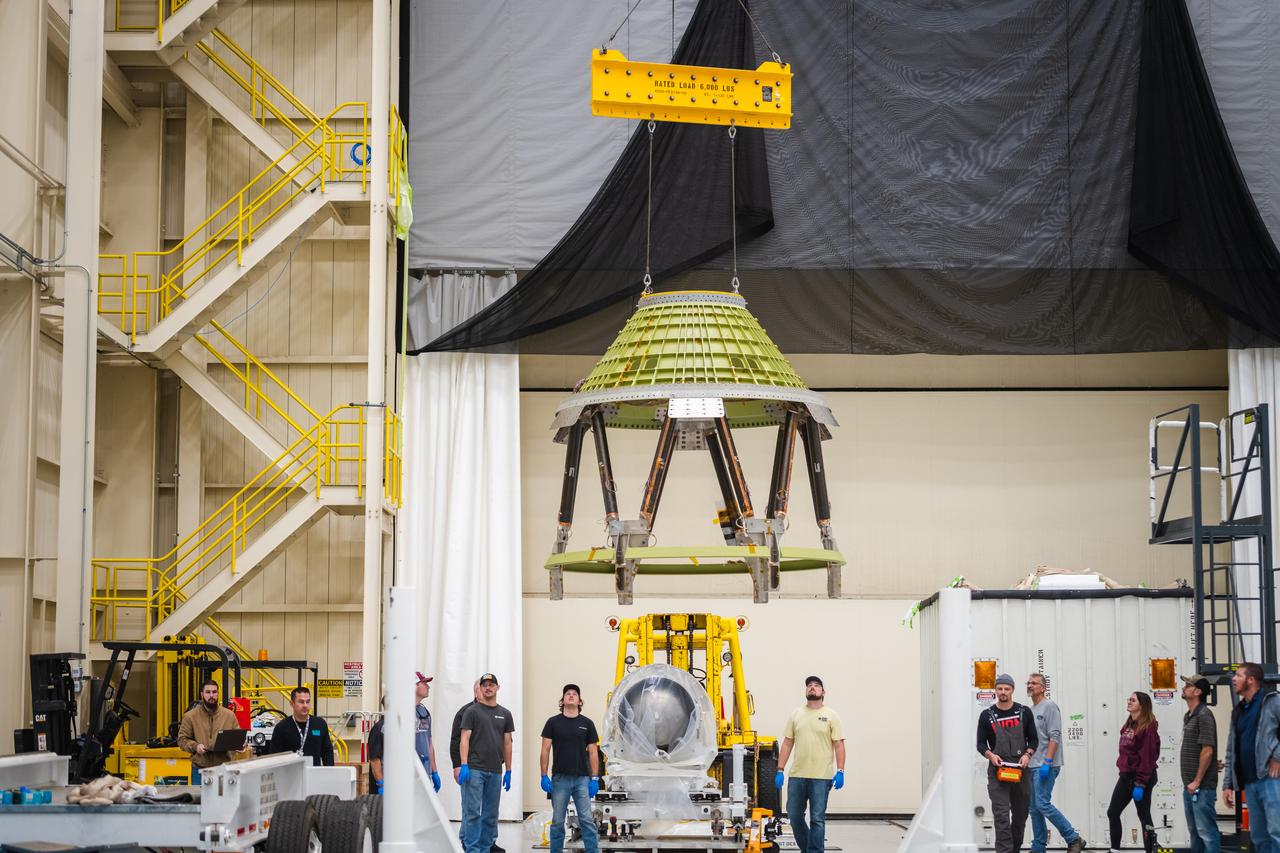
The Launch Abort System and the Orion Crew Module, also known as the Orion Environmental Test Article (ETA), returned to NASA’s Neil Armstrong Test Facility in Sandusky, Ohio, in October 2023 through January 2024 and completed an 11-month test campaign necessary for the safety and success of Artemis II. Photo Credit: (NASA/Jordan Salkin)
NASA’s In-Space Propulsion Facility located at Neil Armstrong Test Facility in Sandusky Ohio is the world’s only high altitude test facility capable of full-scale rocket engine and launch vehicle system level tests. The facility supports mission profile thermal vacuum simulation and engine firing. The engine or vehicle can be exposed for indefinite periods to low ambient pressures, low-background temperatures, and dynamic solar heating, simulating the environment the hardware will encounter during orbital or interplanetary travel. Photo Credit: (NASA/Jordan Salkin)
NASA’s In-Space Propulsion Facility located at Neil Armstrong Test Facility in Sandusky Ohio is the world’s only high altitude test facility capable of full-scale rocket engine and launch vehicle system level tests. The facility supports mission profile thermal vacuum simulation and engine firing. The engine or vehicle can be exposed for indefinite periods to low ambient pressures, low-background temperatures, and dynamic solar heating, simulating the environment the hardware will encounter during orbital or interplanetary travel. Photo Credit: (NASA/Jordan Salkin)
NASA’s In-Space Propulsion Facility located at Neil Armstrong Test Facility in Sandusky Ohio is the world’s only high altitude test facility capable of full-scale rocket engine and launch vehicle system level tests. The facility supports mission profile thermal vacuum simulation and engine firing. The engine or vehicle can be exposed for indefinite periods to low ambient pressures, low-background temperatures, and dynamic solar heating, simulating the environment the hardware will encounter during orbital or interplanetary travel. Photo Credit: (NASA/Jordan Salkin)
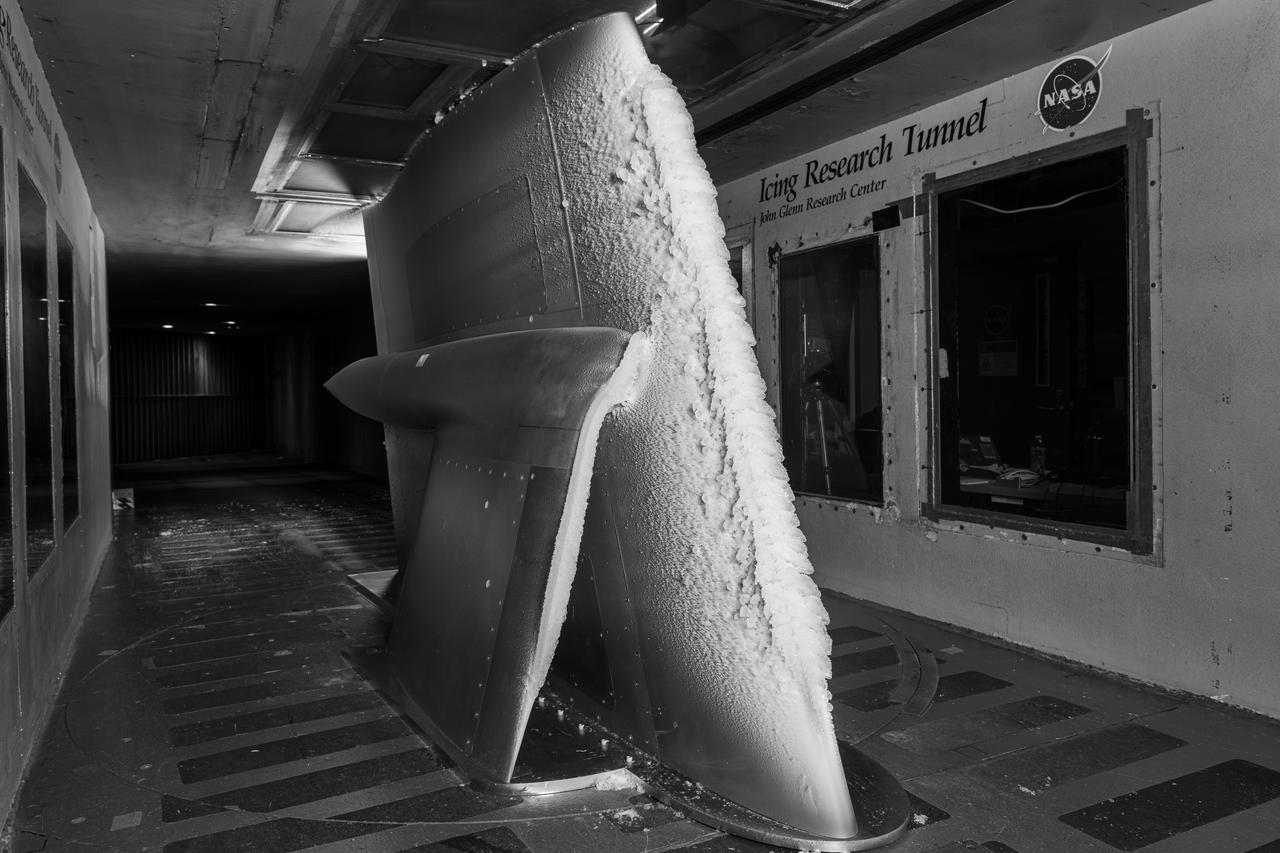
Ice accretion is shown on the leading edge of the next-generation Transonic Truss-Braced Wing design at NASA Glenn's Icing Research Center. This critical research will help understand icing effects for future, high-lift, ultra-efficient aircraft. Photo Credit: (NASA/Jordan Salkin)
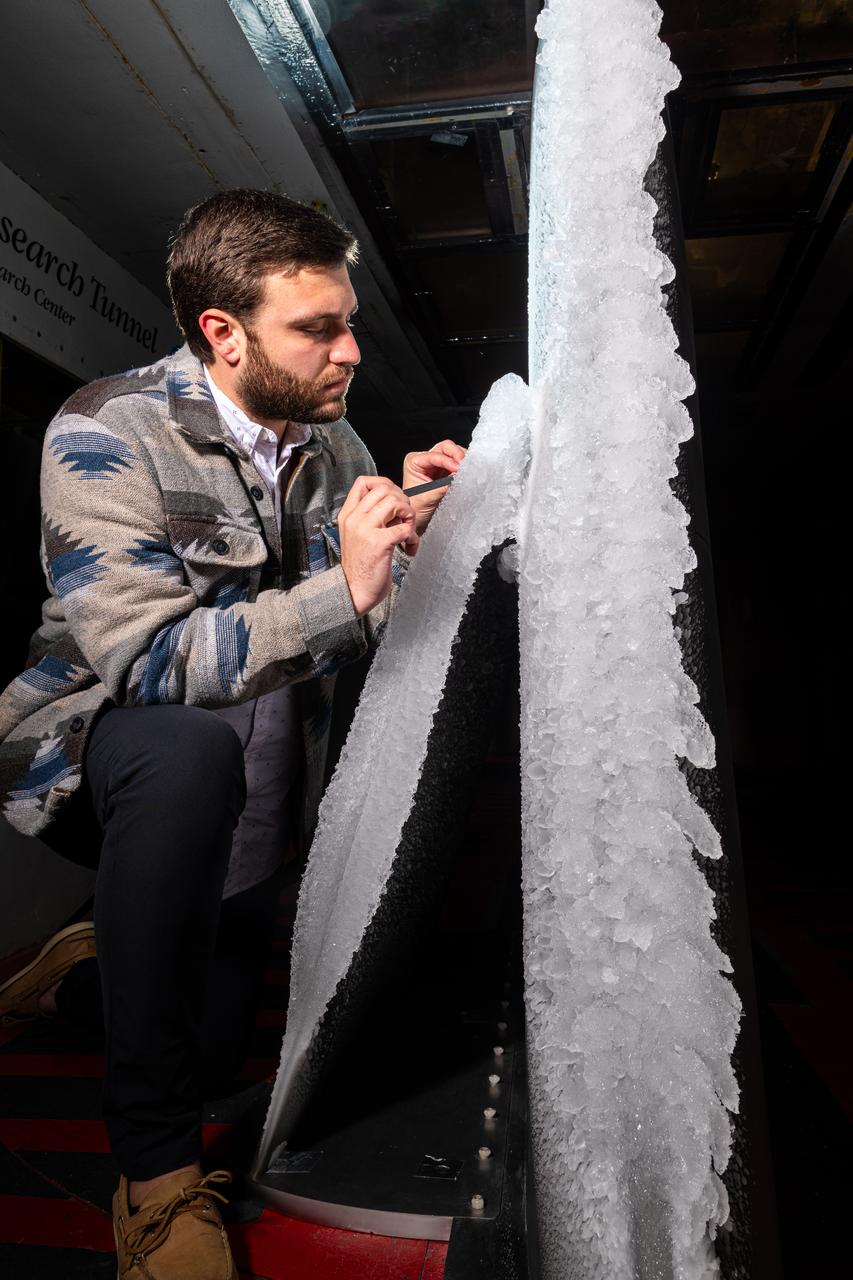
Thomas Ozoroski, an Icing Researcher, is shown documenting ice accretion on the leading edge of the next-generation Transonic Truss-Braced Wing design at NASA Glenn's Icing Research Center. This critical research will help understand icing effects for future, high-lift, ultra-efficient aircraft. Photo Credit: (NASA/Jordan Salkin)
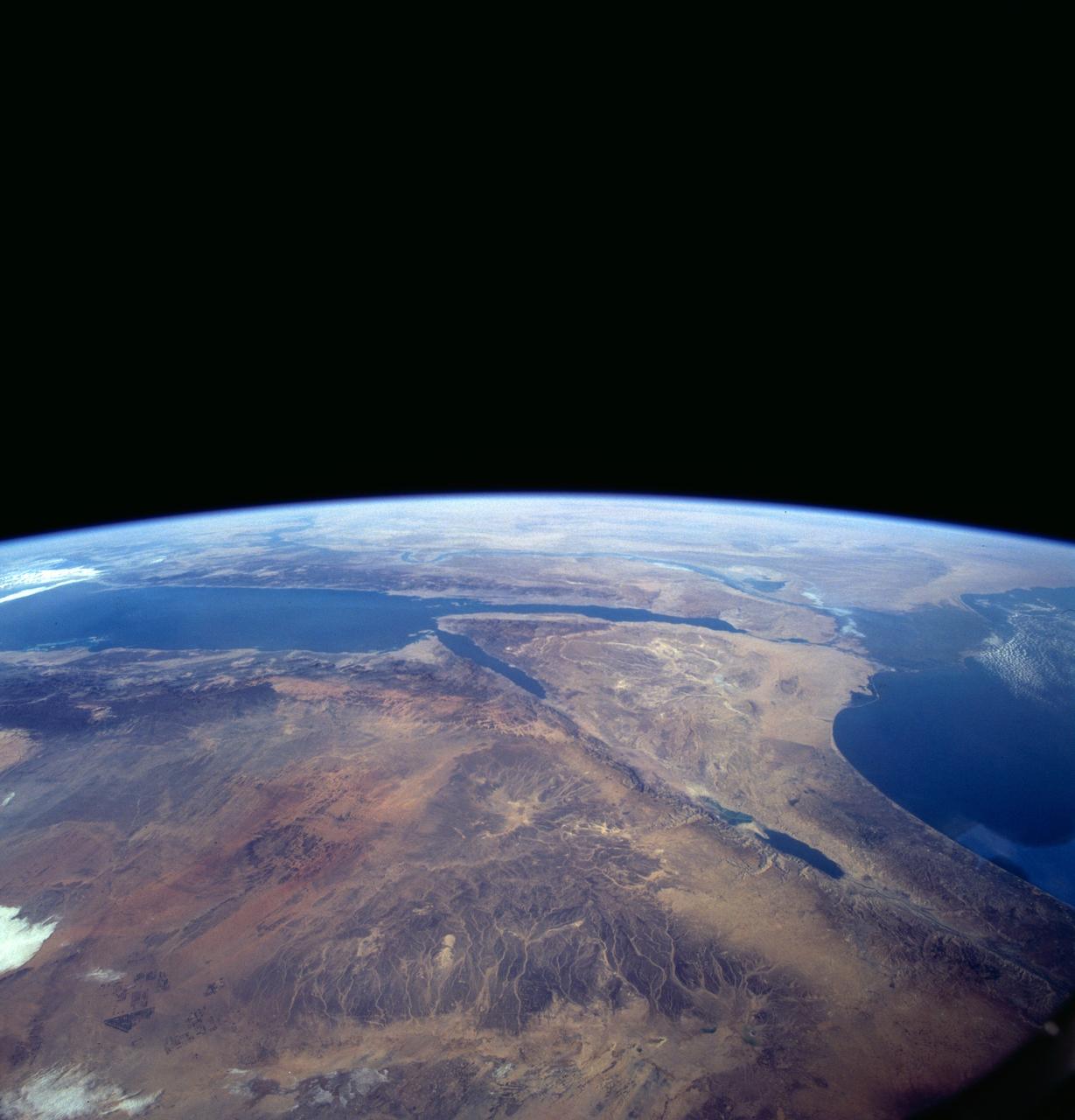
A high oblique view of the Middle East centered at approximately 28.0 degrees north and 34.0 degrees east. Portions of the countries of Egypt, Israel, Jordan and Saudi Arabia are visible. The Dead Sea Rift Valley continuing into the Gulf of Aqaba marks the boundary between Israel and Jordan. The vegetation change in the Sinai Peninsula is the border between the Gaza Strip and Egypt. In Egypt, the Suez Canal connects the Gulf of Suez with the Mediterranean Sea and forms the western boundary of the Sinai Peninsula. The green ribbon of the Nile River is in marked contrast to this arid region. Even the Jordan River does not support large scale agriculture.
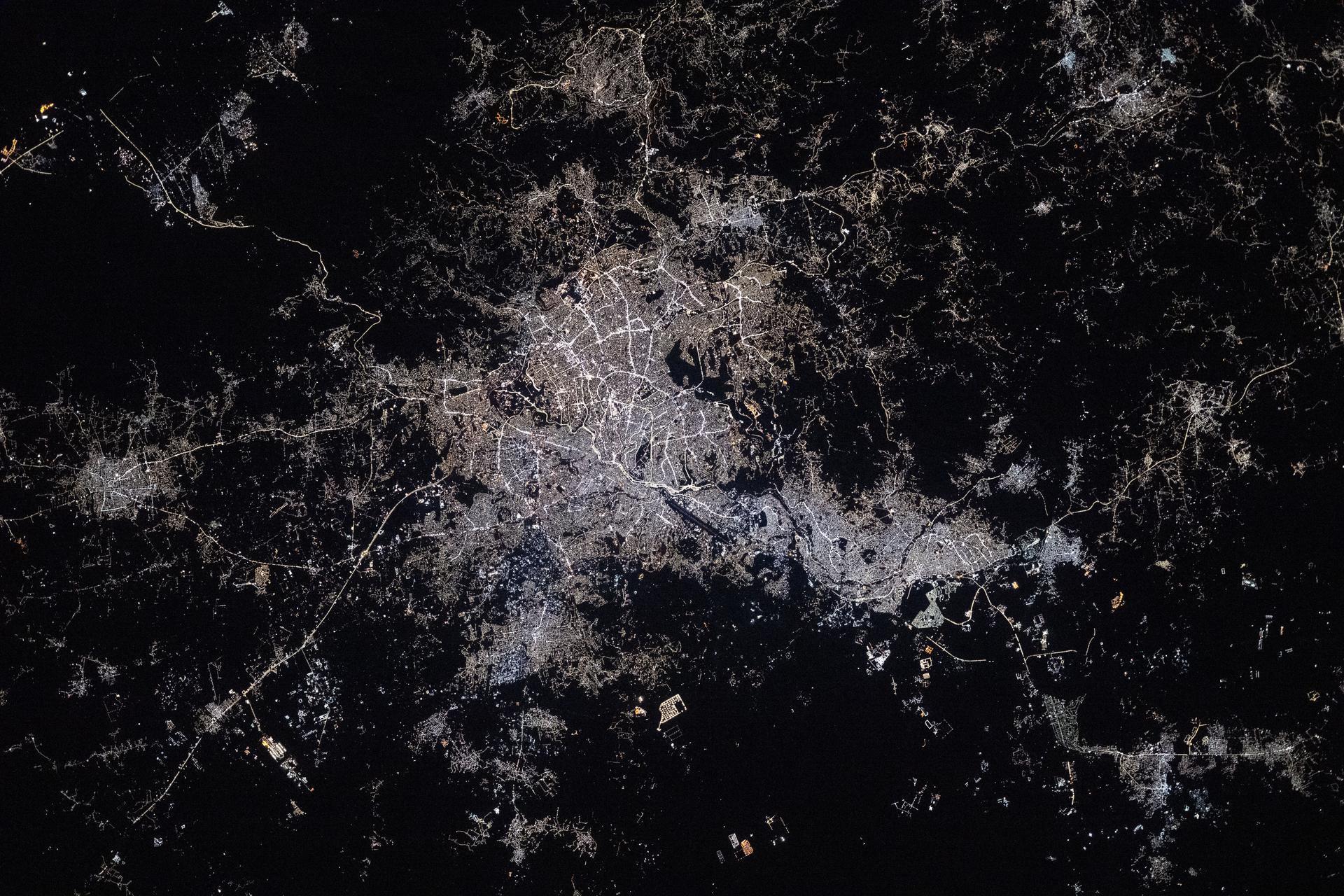
iss074e0790460 (June 1, 2026) --- Amman, Jordan, located between the rocky desert and mountainous terrain of the Dead Sea region, has been continuously inhabited since the 8th century BC and now has a metropolitan population of about 4.9 million. The International Space Station was orbiting 263 miles above the Middle East at approximately 11:07 p.m. local time when this photograph was taken. Credit: NASA/Chris Williams
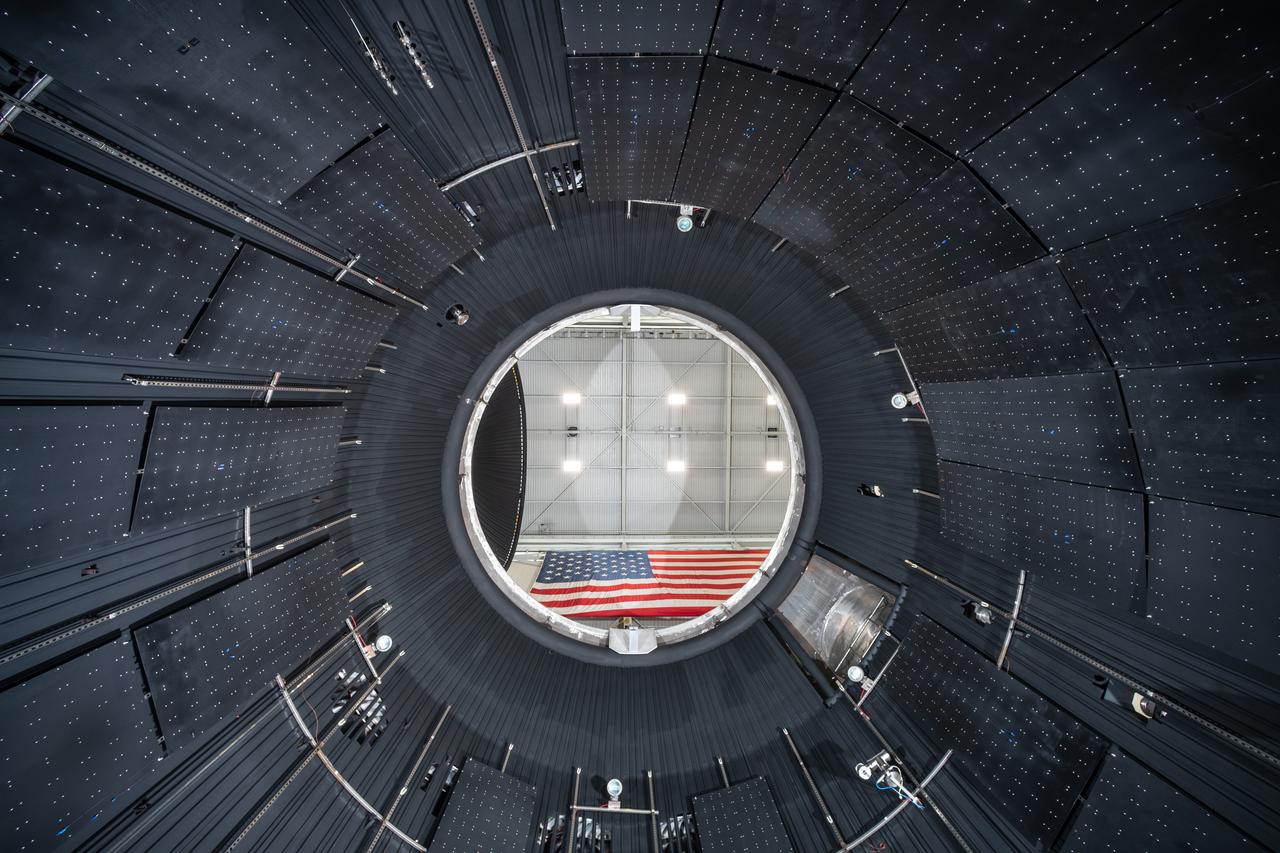
The vacuum chamber of the In-Space Propulsion (ISP) facility at the Neil Armstrong Test Facility spans 38ft in diameter and is 62ft tall. ISP is the world’s only facility capable of full-scale rocket engine and launch vehicle system level tests. ISP also has a vacuum range of up to 100 statute miles in altitude. This is a view from inside the chamber. Photo Credit: (NASA/Jordan Salkin)
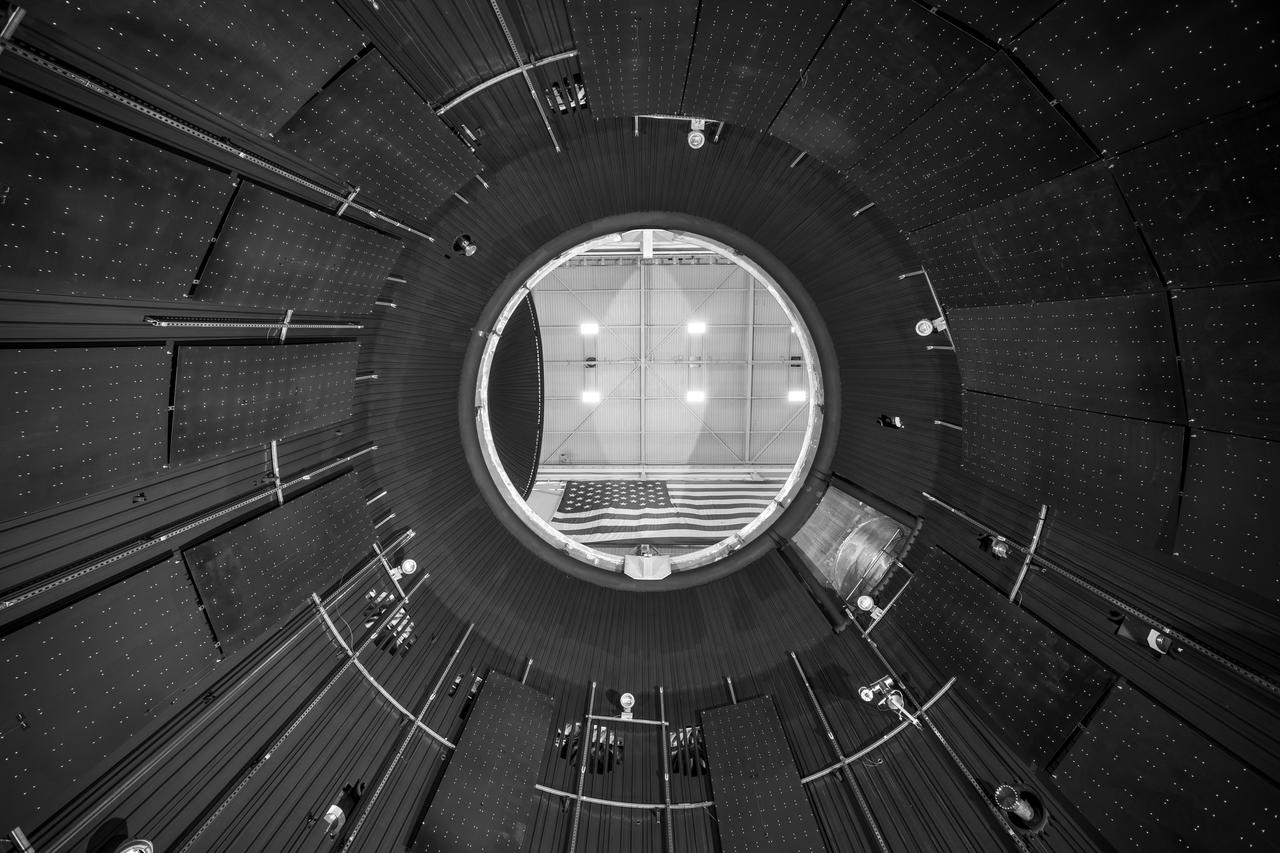
NASA’s In-Space Propulsion Facility located at Neil Armstrong Test Facility in Sandusky Ohio is the world’s only high altitude test facility capable of full-scale rocket engine and launch vehicle system level tests. The facility supports mission profile thermal vacuum simulation and engine firing. The engine or vehicle can be exposed for indefinite periods to low ambient pressures, low-background temperatures, and dynamic solar heating, simulating the environment the hardware will encounter during orbital or interplanetary travel. This is a view from inside the chamber looking up toward the American flag. Photo Credit: (NASA/Jordan Salkin)
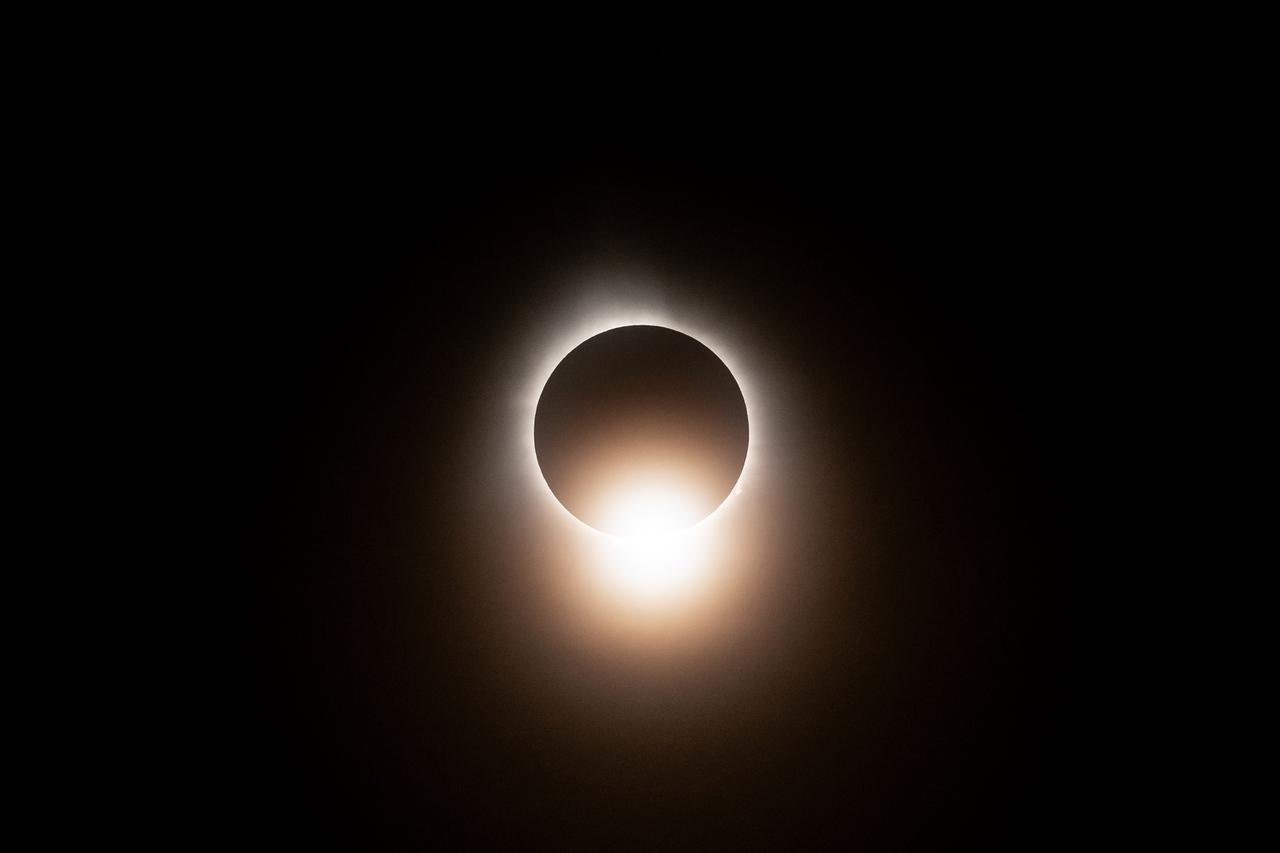
A total solar eclipse is seen from NASA's Glenn Research Center, Monday, April 8, 2024, in Cleveland, Ohio. A total solar eclipse swept across a narrow portion of the North American continent from Mexico’s Pacific coast to the Atlantic coast of Newfoundland, Canada. A partial solar eclipse was visible across the entire North American continent along with parts of Central America and Europe. Photo Credit: (NASA/Jordan Salkin)
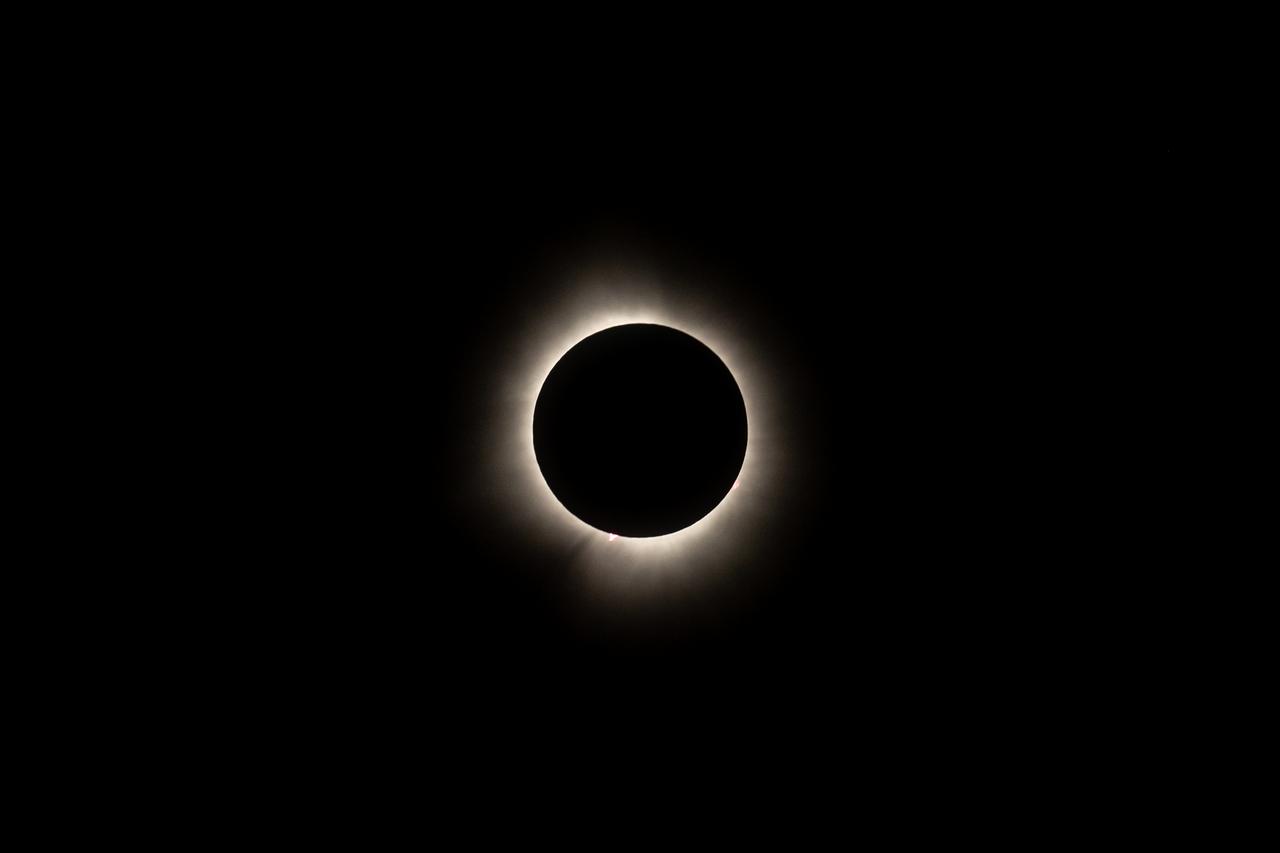
A total solar eclipse is seen from NASA's Glenn Research Center, Monday, April 8, 2024, in Cleveland, Ohio. A total solar eclipse swept across a narrow portion of the North American continent from Mexico’s Pacific coast to the Atlantic coast of Newfoundland, Canada. A partial solar eclipse was visible across the entire North American continent along with parts of Central America and Europe. Photo Credit: (NASA/Jordan Salkin)
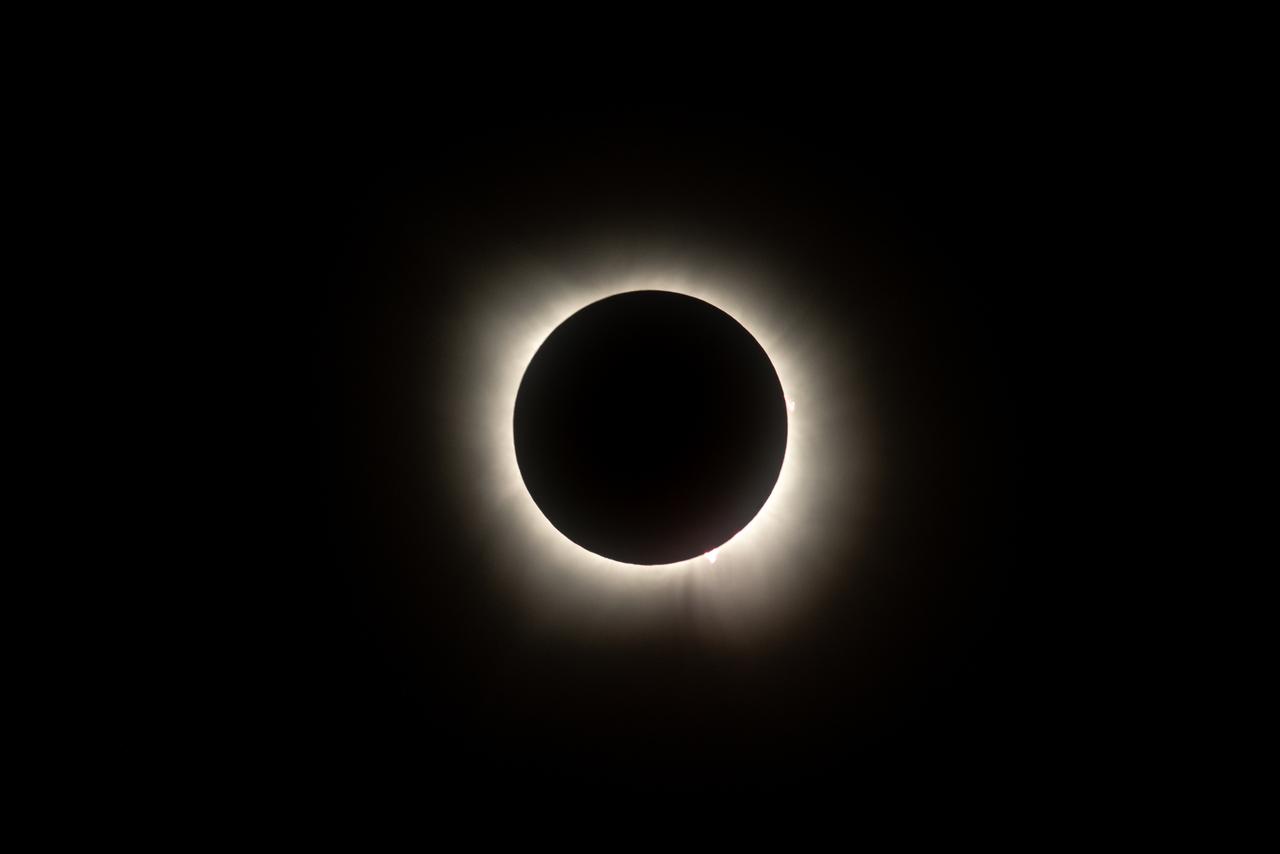
A total solar eclipse is seen from NASA's Glenn Research Center, Monday, April 8, 2024, in Cleveland, Ohio. A total solar eclipse swept across a narrow portion of the North American continent from Mexico’s Pacific coast to the Atlantic coast of Newfoundland, Canada. A partial solar eclipse was visible across the entire North American continent along with parts of Central America and Europe. Photo Credit: (NASA/Jordan Salkin)
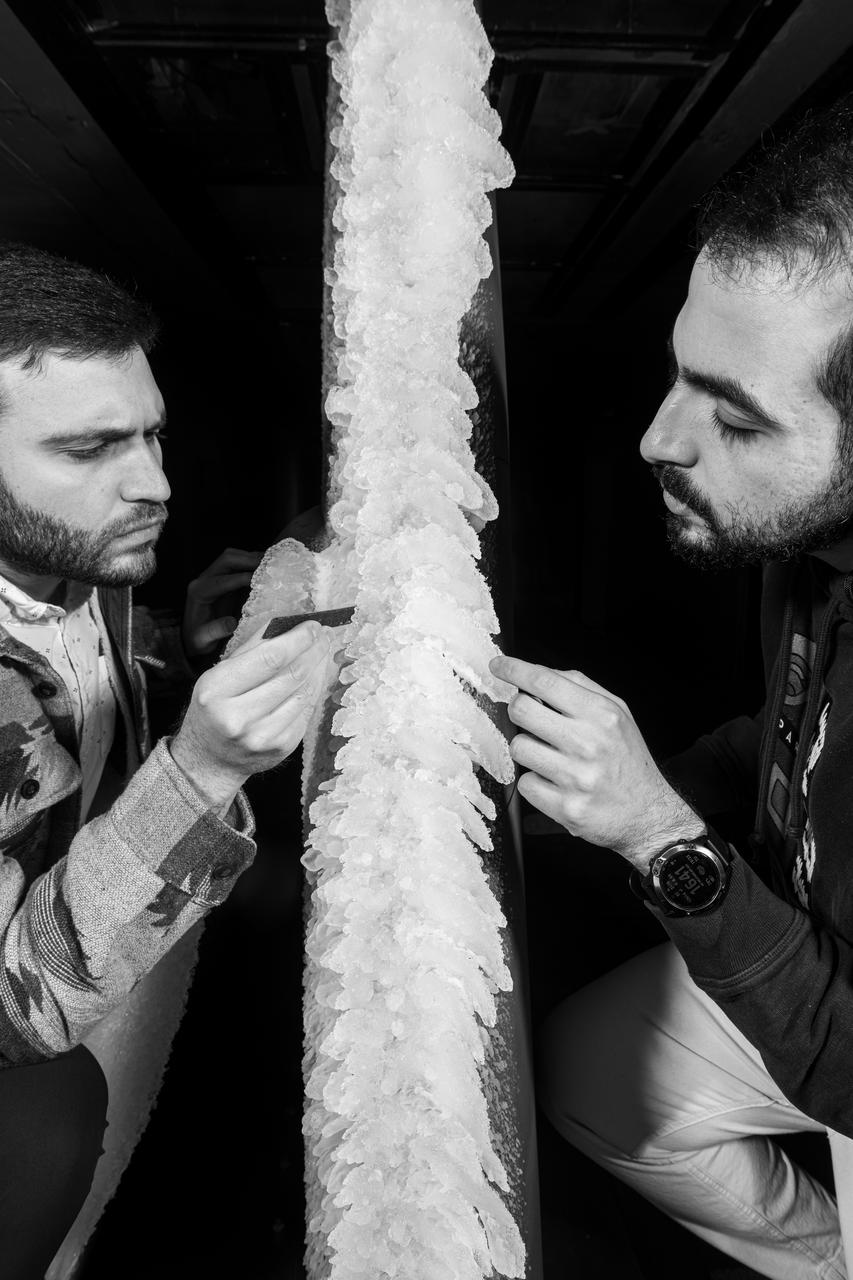
Zaid Sabri and Thomas Ozoroski, Icing Researchers, are shown documenting ice accretion on the leading edge of the next-generation Transonic Truss-Braced Wing design at NASA Glenn's Icing Research Center. This critical research will help understand icing effects for future, high-lift, ultra-efficient aircraft. Photo Credit: (NASA/Jordan Salkin)
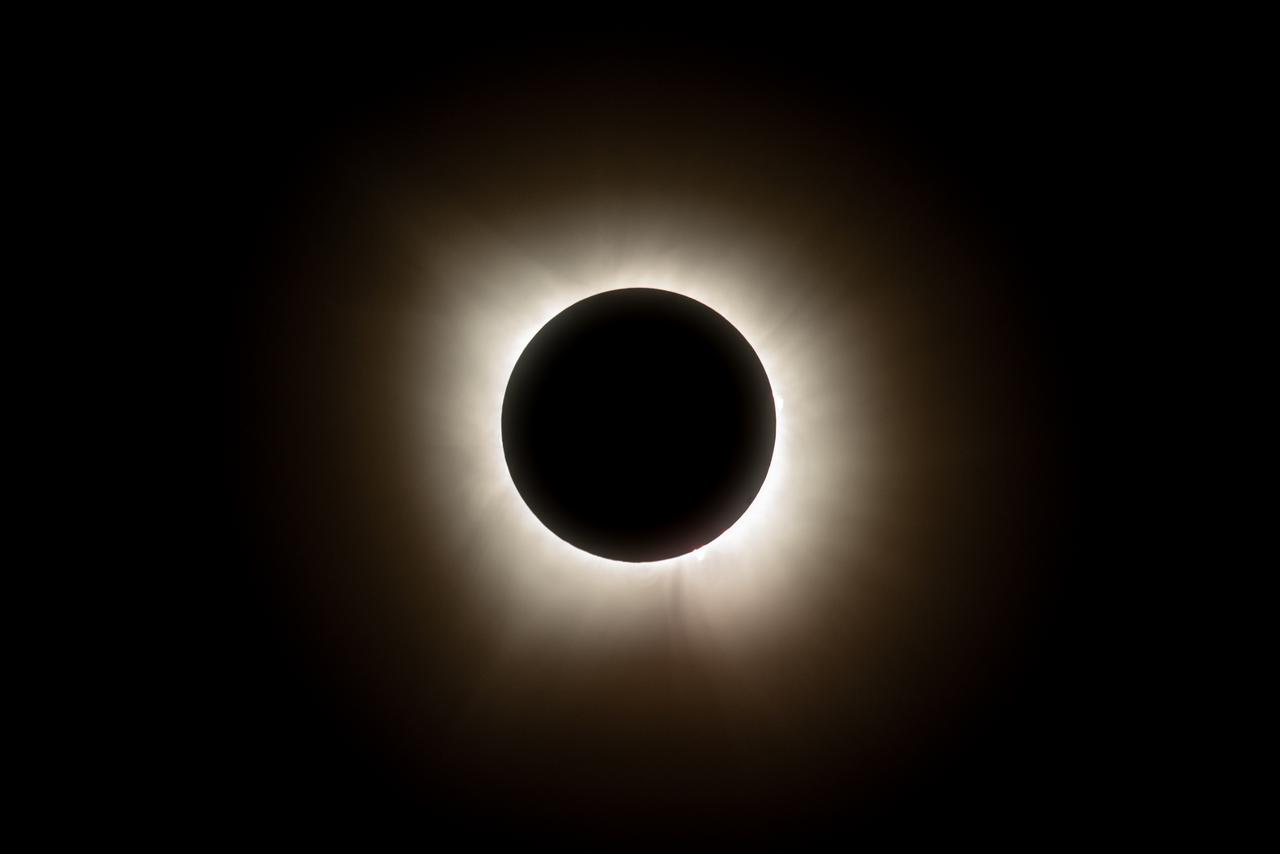
A total solar eclipse is seen from NASA's Glenn Research Center, Monday, April 8, 2024, in Cleveland, Ohio. A total solar eclipse swept across a narrow portion of the North American continent from Mexico’s Pacific coast to the Atlantic coast of Newfoundland, Canada. A partial solar eclipse was visible across the entire North American continent along with parts of Central America and Europe. Photo Credit: (NASA/Jordan Salkin)
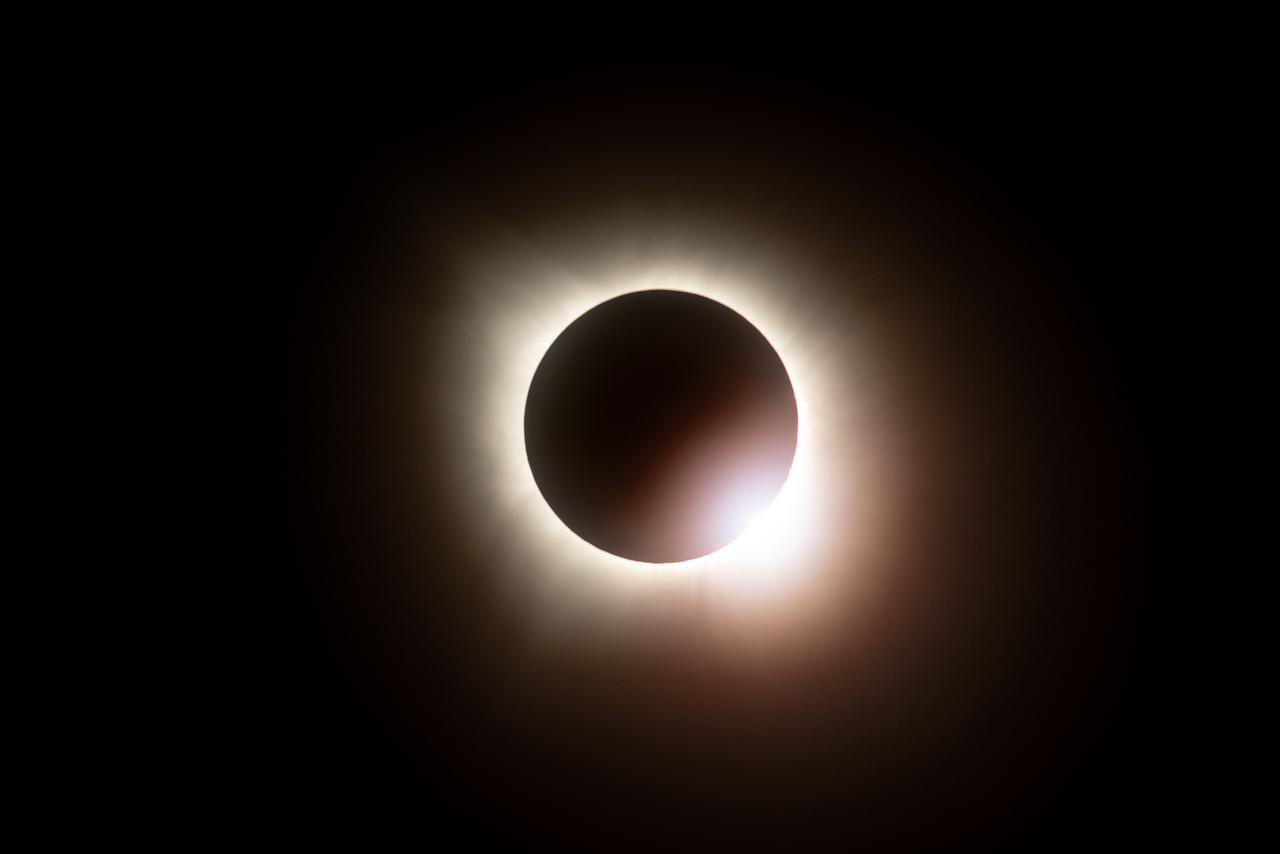
A total solar eclipse is seen from NASA's Glenn Research Center, Monday, April 8, 2024, in Cleveland, Ohio. A total solar eclipse swept across a narrow portion of the North American continent from Mexico’s Pacific coast to the Atlantic coast of Newfoundland, Canada. A partial solar eclipse was visible across the entire North American continent along with parts of Central America and Europe. Photo Credit: (NASA/Jordan Salkin)
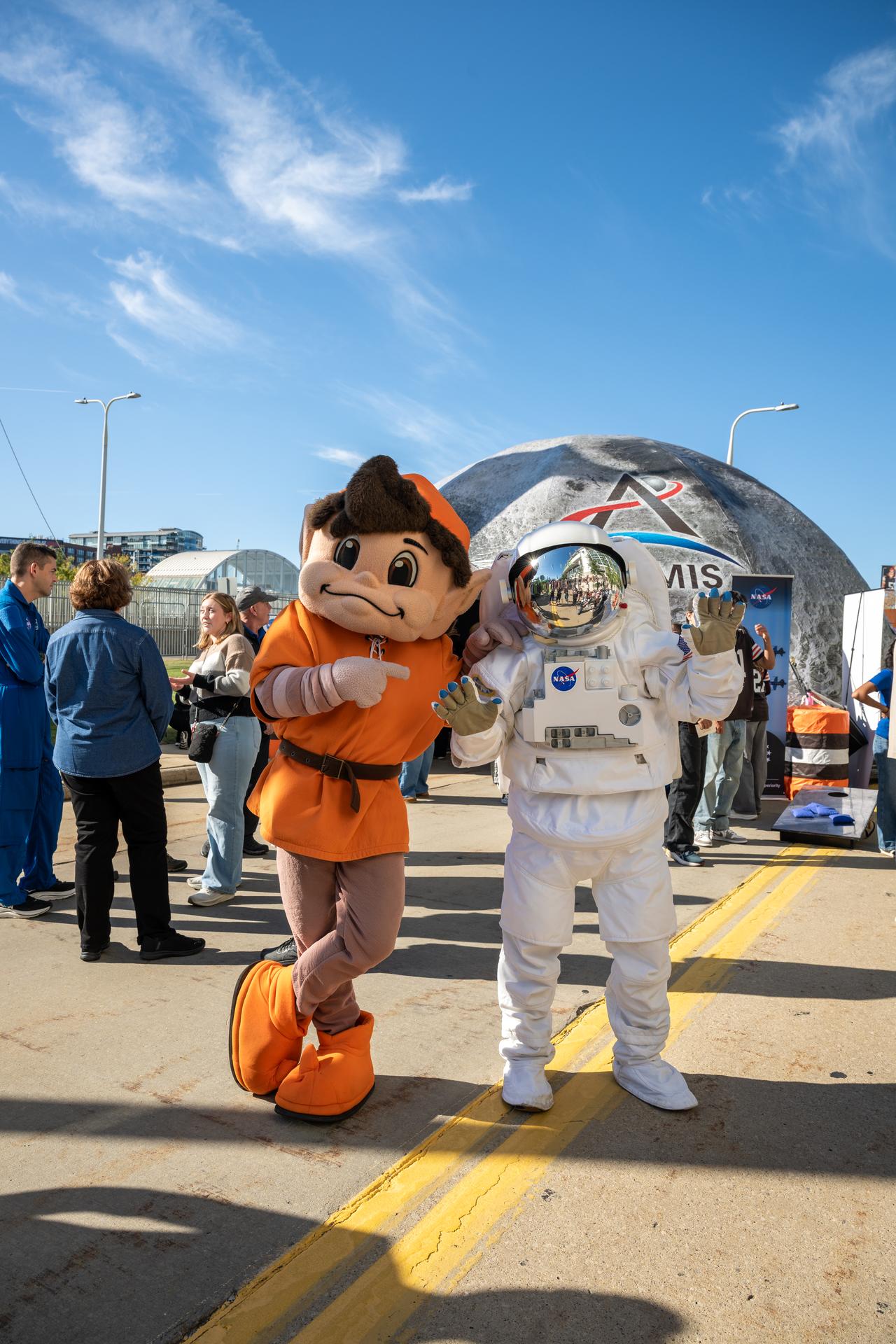
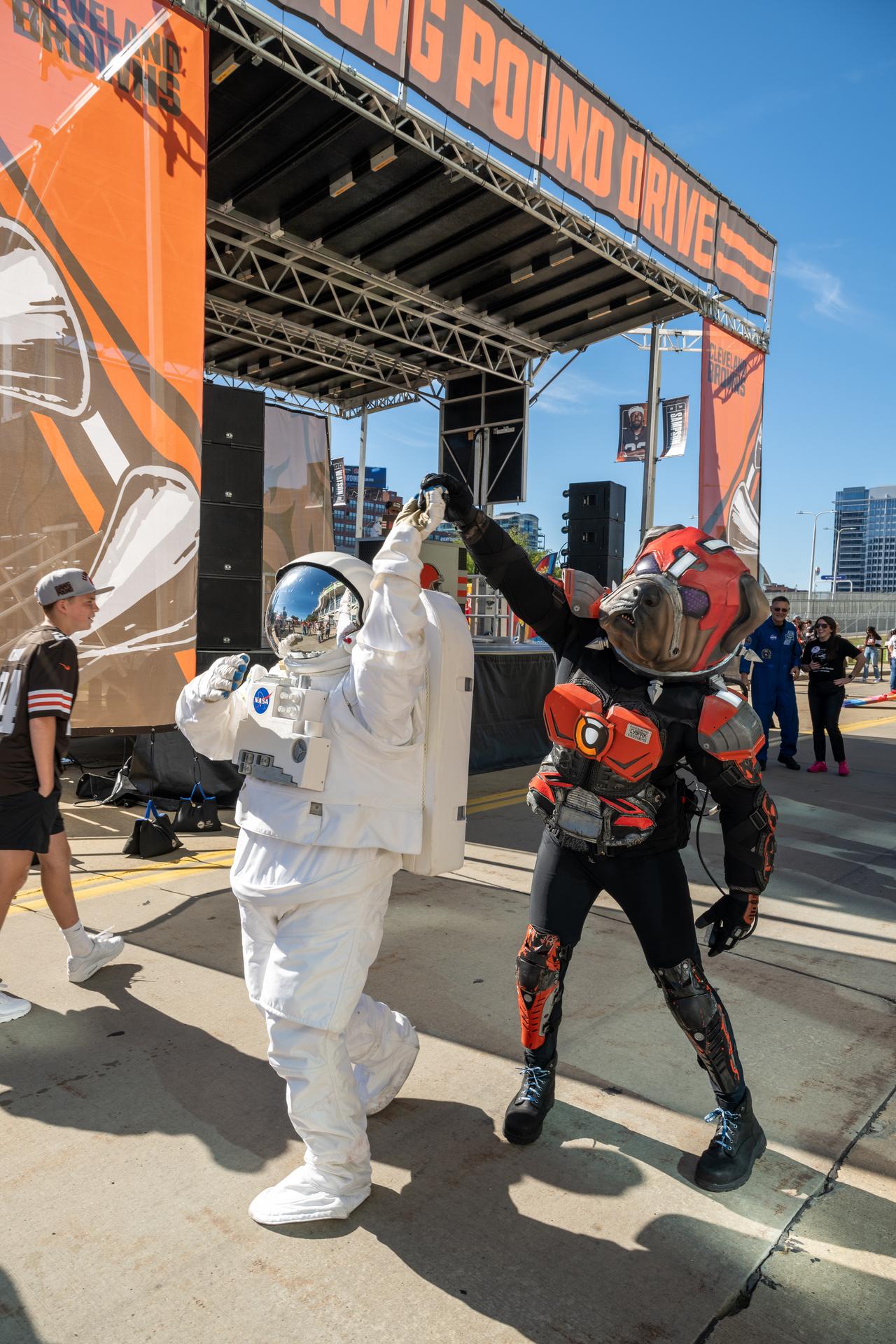
Cleveland Browns’ mascot, Brownie the Elf, poses with Eva the Astronaut at an NFL game between the Cleveland Browns and the Carolina Panthers at Huntington Bank Field, Sunday, September 27th, 2026, in Cleveland, Ohio. NASA’s engagement at NFL games is part of the agency’s Inspiration Tour, aimed at strengthening connections between NASA and its partners and showcasing innovation in air and space in the lead up to the MAX POWER aerospace technology expo and airshow at the agency’s Kennedy Space Center in early November. Photo Credit: (NASA/Jordan Cochran)
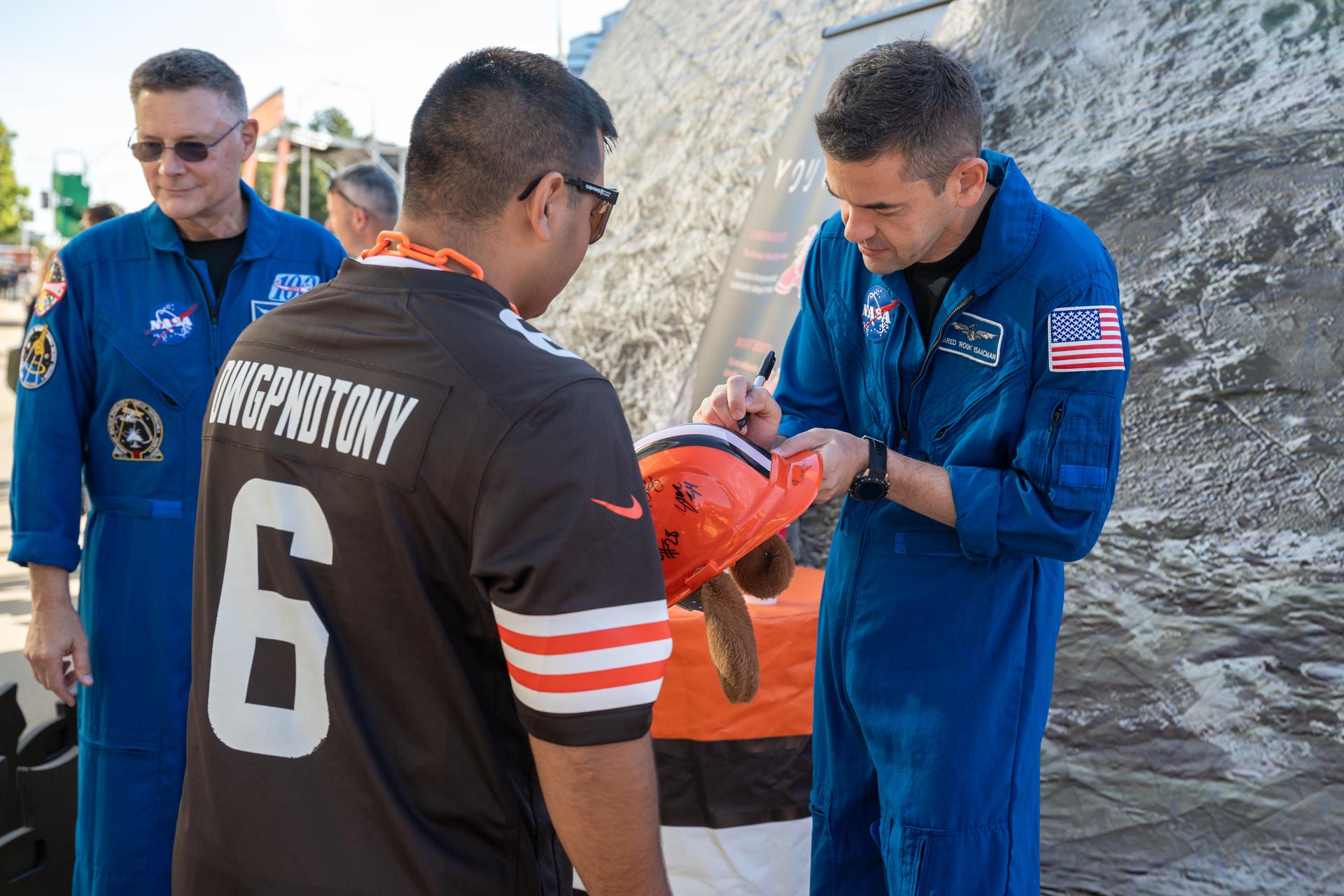
NASA Administrator Jared Isaacman signs a helmet for a Brown's fan at an NFL game between the Cleveland Browns and the Carolina Panthers at Huntington Bank Field, Sunday, September 27th, 2026, in Cleveland, Ohio. NASA’s engagement at NFL games is part of the agency’s Inspiration Tour, aimed at strengthening connections between NASA and its partners and showcasing innovation in air and space in the lead up to the MAX POWER aerospace technology expo and airshow at the agency’s Kennedy Space Center in early November. Photo Credit: (NASA/Jordan Cochran)
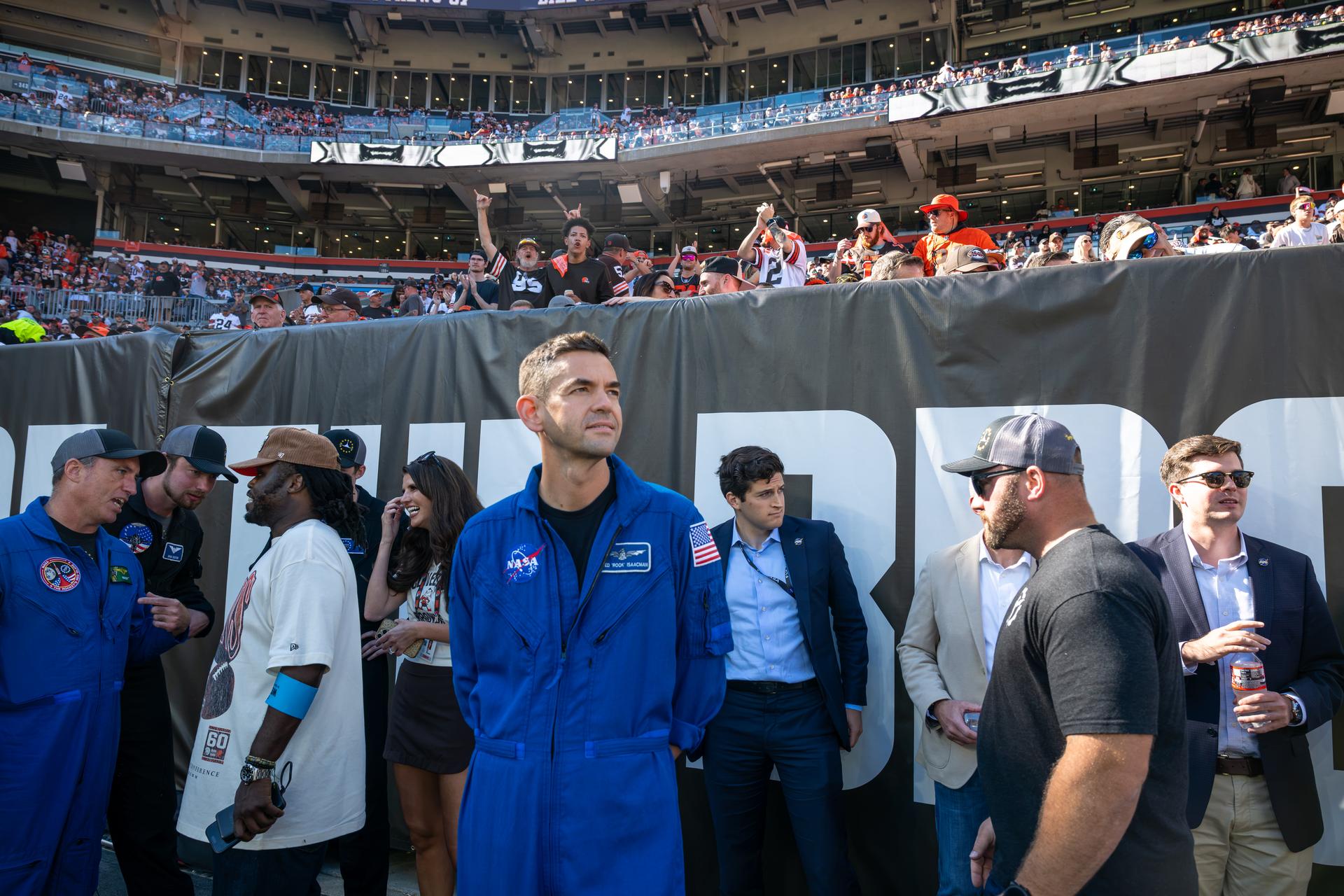
NASA Administrator Jared Isaacman watches fans at an NFL game between the Cleveland Browns and the Carolina Panthers at Huntington Bank Field, Sunday, September 27th, 2026, in Cleveland, Ohio. NASA’s engagement at NFL games is part of the agency’s Inspiration Tour, aimed at strengthening connections between NASA and its partners and showcasing innovation in air and space in the lead up to the MAX POWER aerospace technology expo and airshow at the agency’s Kennedy Space Center in early November. Photo Credit: (NASA/Jordan Cochran)
Eva the Astronaut poses with a Brown's fan at an NFL game between the Cleveland Browns and the Carolina Panthers at Huntington Bank Field, Sunday, September 27th, 2026, in Cleveland, Ohio. NASA’s engagement at NFL games is part of the agency’s Inspiration Tour, aimed at strengthening connections between NASA and its partners and showcasing innovation in air and space in the lead up to the MAX POWER aerospace technology expo and airshow at the agency’s Kennedy Space Center in early November. Photo Credit: (NASA/Jordan Cochran)
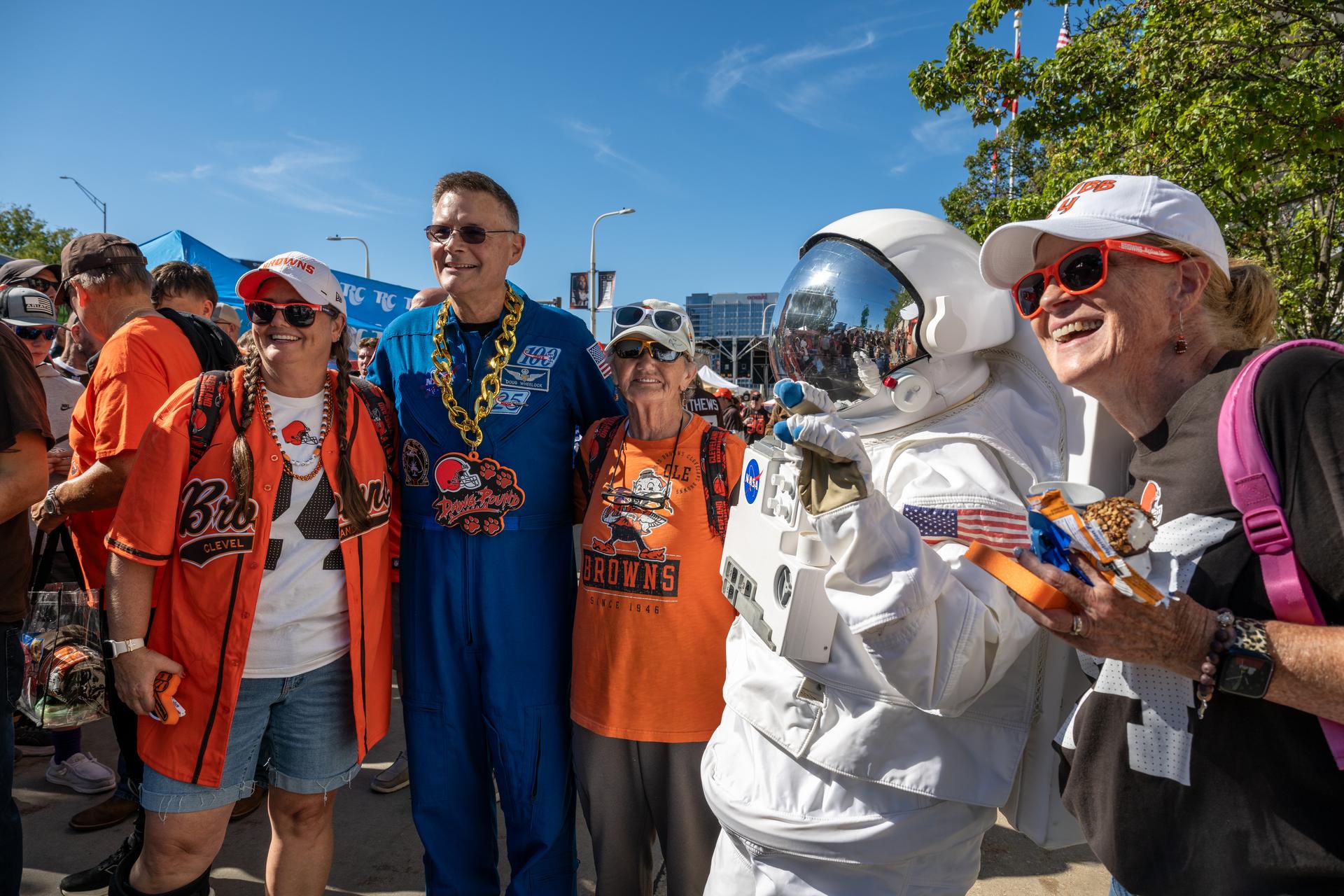
NASA Astronaut Douglas Wheelock and Eva the Astronaut pose with Browns' fans at an NFL game between the Cleveland Browns and the Carolina Panthers at Huntington Bank Field, Sunday, September 27th, 2026, in Cleveland, Ohio. NASA’s engagement at NFL games is part of the agency’s Inspiration Tour, aimed at strengthening connections between NASA and its partners and showcasing innovation in air and space in the lead up to the MAX POWER aerospace technology expo and airshow at the agency’s Kennedy Space Center in early November. Photo Credit: (NASA/Jordan Cochran)
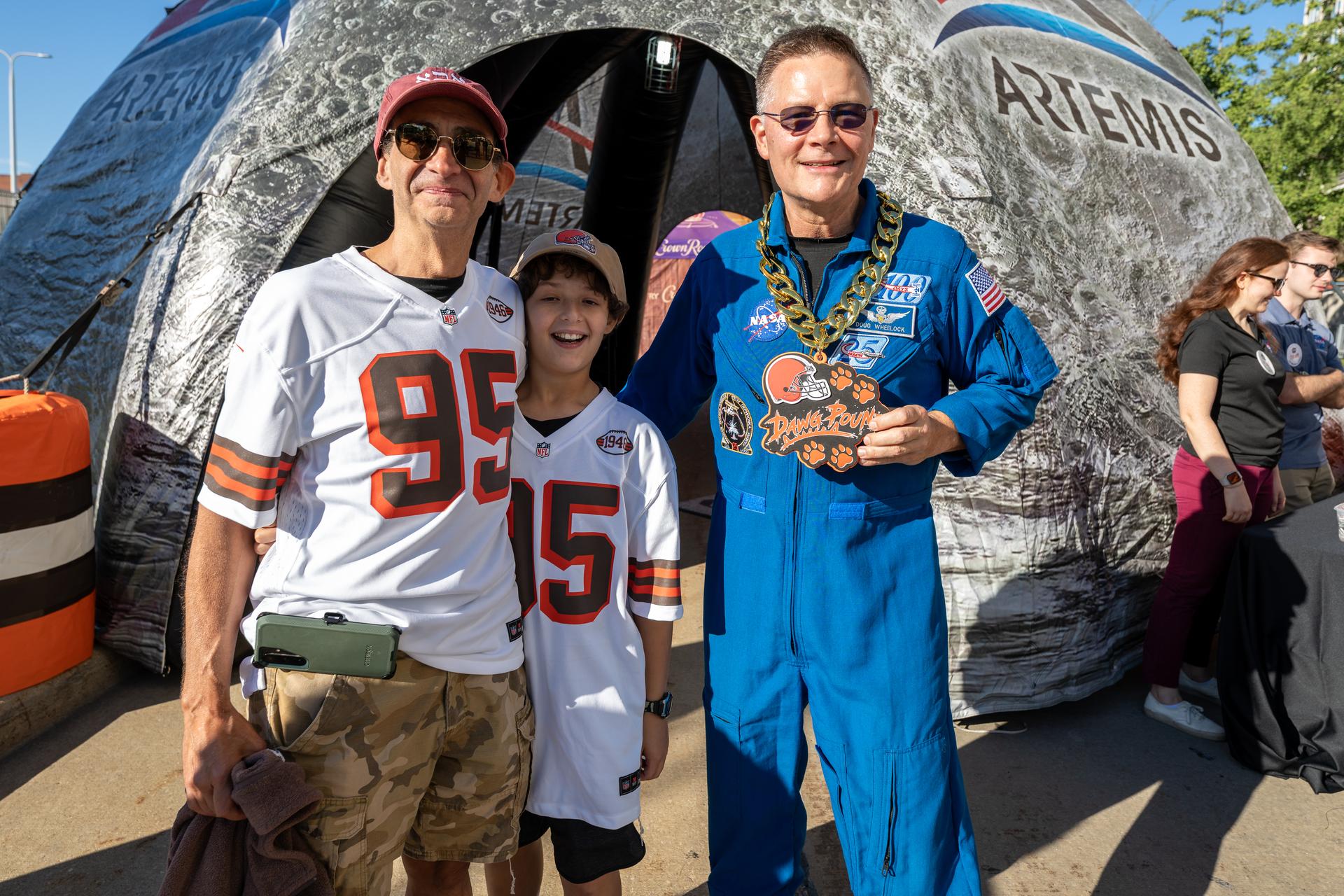
NASA Astronaut Douglas Wheelock poses with Browns' fans at an NFL game between the Cleveland Browns and the Carolina Panthers at Huntington Bank Field, Sunday, September 27th, 2026, in Cleveland, Ohio. NASA’s engagement at NFL games is part of the agency’s Inspiration Tour, aimed at strengthening connections between NASA and its partners and showcasing innovation in air and space in the lead up to the MAX POWER aerospace technology expo and airshow at the agency’s Kennedy Space Center in early November. Photo Credit: (NASA/Jordan Cochran)
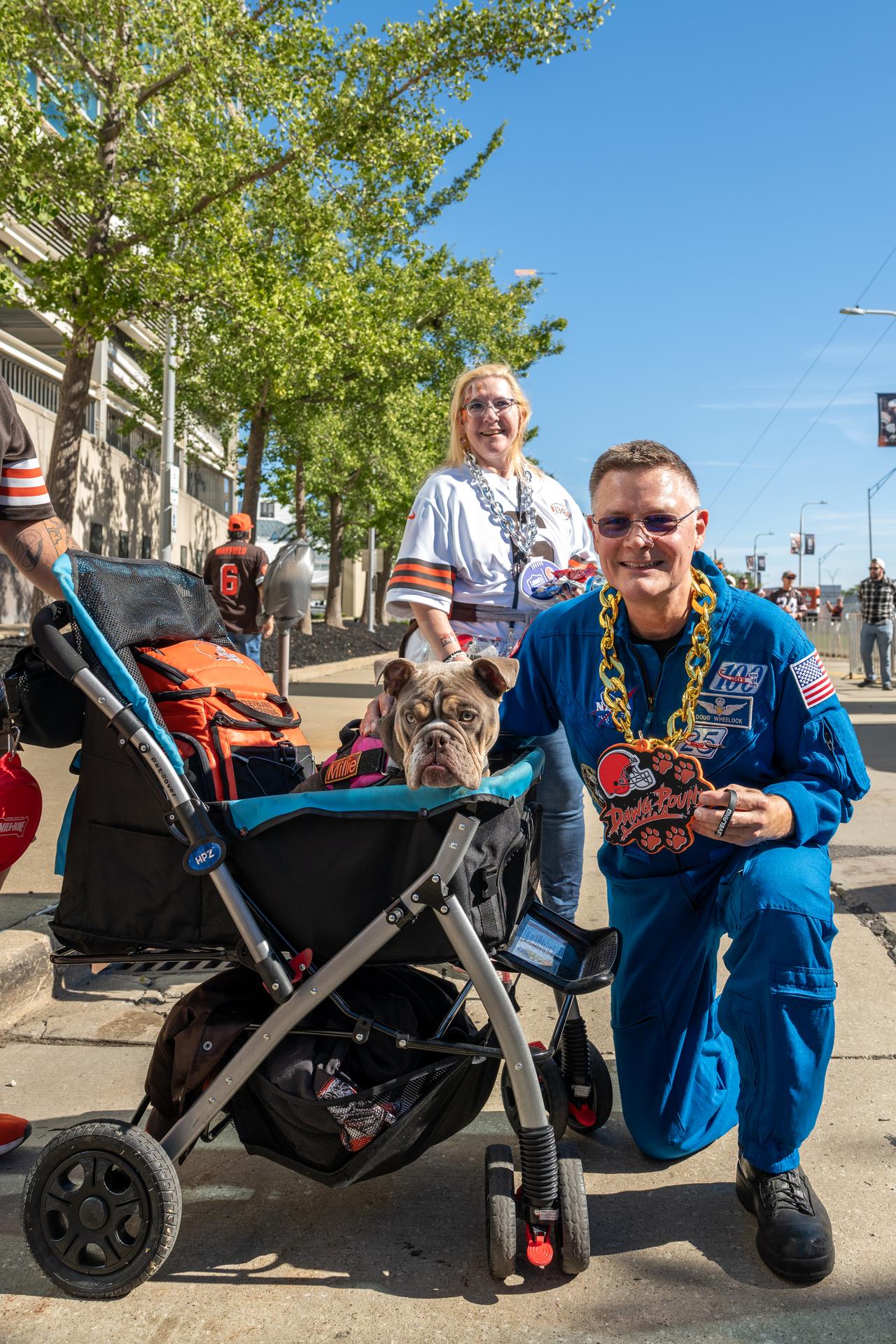
NASA Astronaut Douglas Wheelock poses with Browns' fans at an NFL game between the Cleveland Browns and the Carolina Panthers at Huntington Bank Field, Sunday, September 27th, 2026, in Cleveland, Ohio. NASA’s engagement at NFL games is part of the agency’s Inspiration Tour, aimed at strengthening connections between NASA and its partners and showcasing innovation in air and space in the lead up to the MAX POWER aerospace technology expo and airshow at the agency’s Kennedy Space Center in early November. Photo Credit: (NASA/Jordan Cochran)
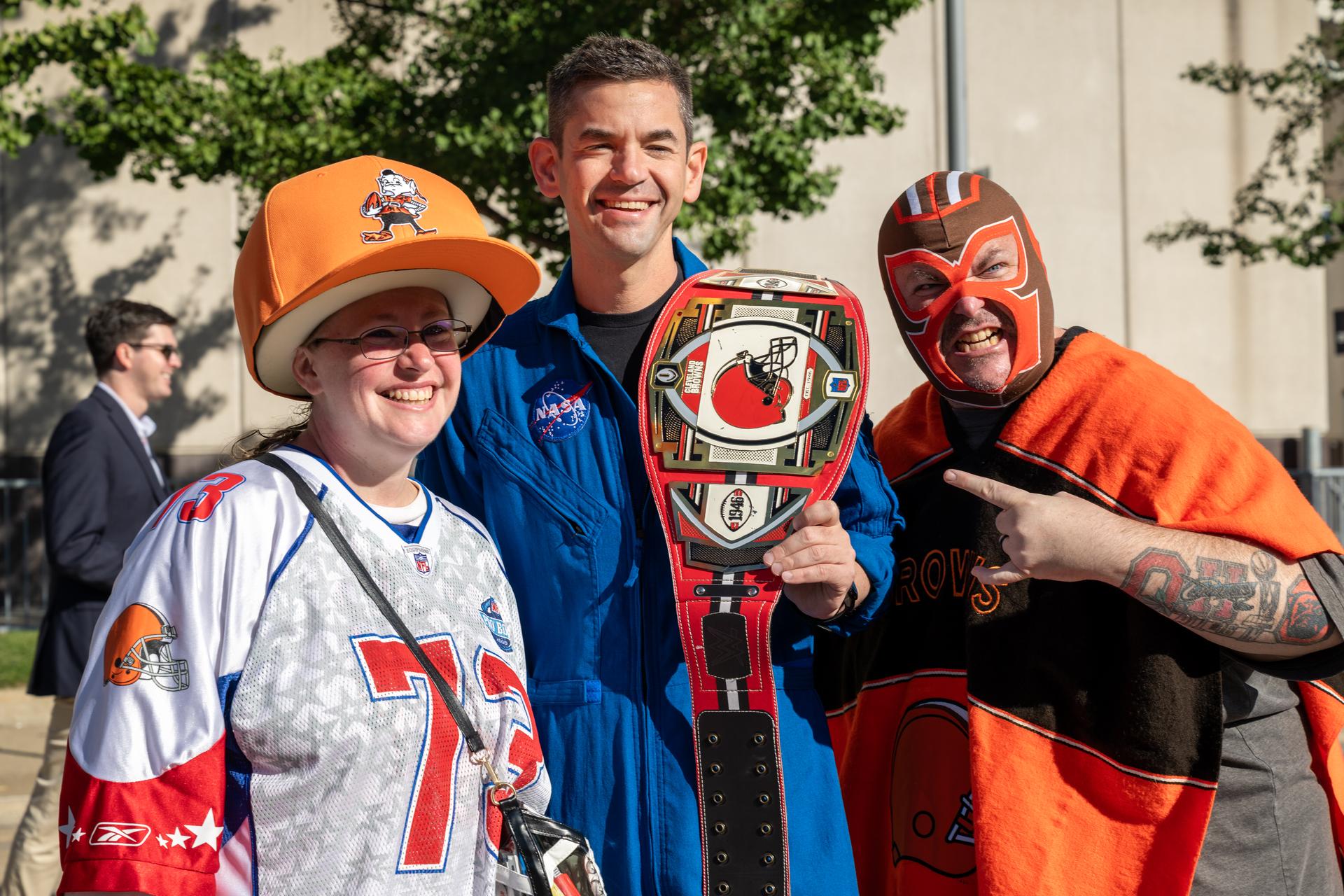
NASA Administrator Jared Isaacman poses with Browns' fans at an NFL game between the Cleveland Browns and the Carolina Panthers at Huntington Bank Field, Sunday, September 27th, 2026, in Cleveland, Ohio. NASA’s engagement at NFL games is part of the agency’s Inspiration Tour, aimed at strengthening connections between NASA and its partners and showcasing innovation in air and space in the lead up to the MAX POWER aerospace technology expo and airshow at the agency’s Kennedy Space Center in early November. Photo Credit: (NASA/Jordan Cochran)
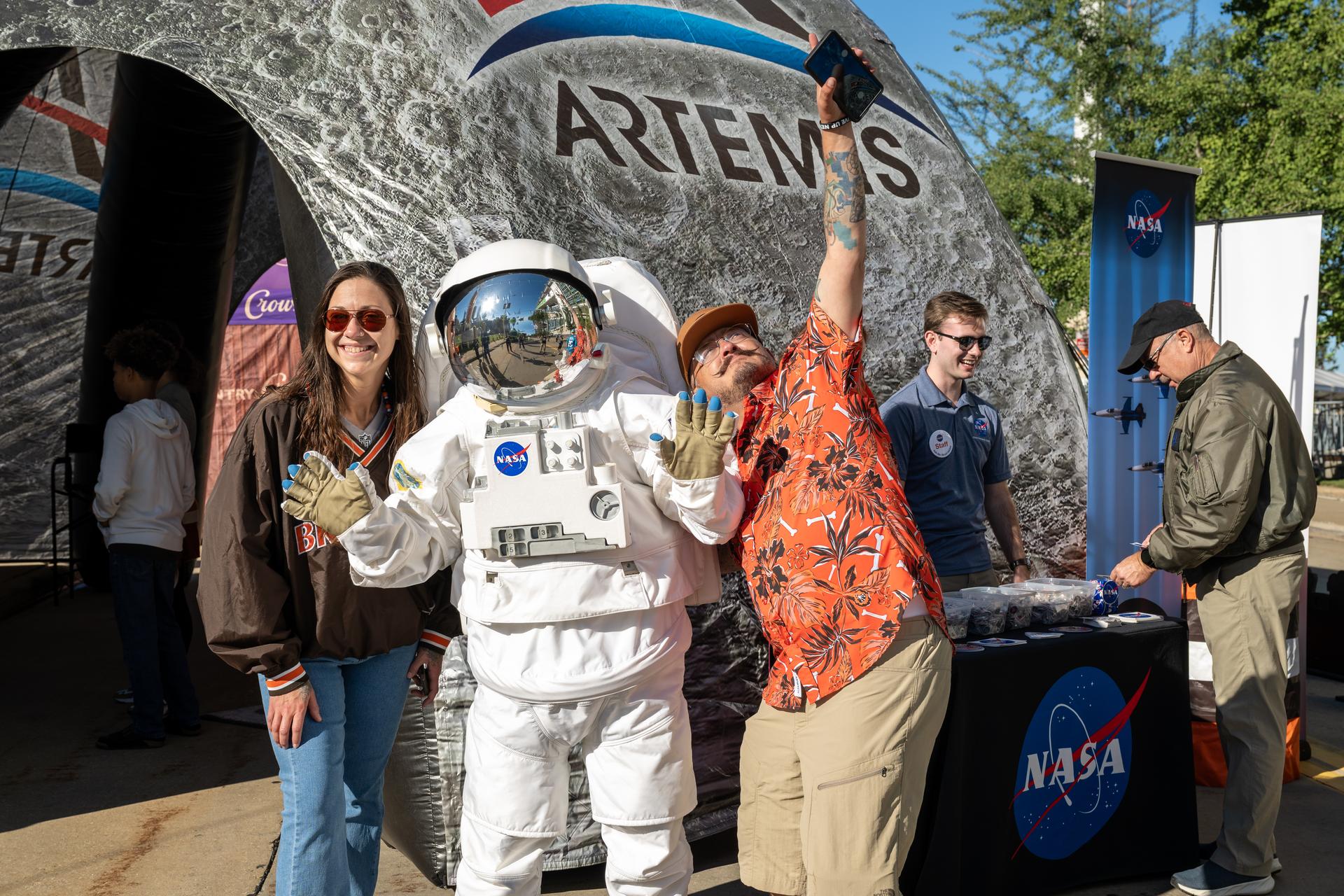
Eva the Astronaut poses with Browns' fans at an NFL game between the Cleveland Browns and the Carolina Panthers at Huntington Bank Field, Sunday, September 27th, 2026, in Cleveland, Ohio. NASA’s engagement at NFL games is part of the agency’s Inspiration Tour, aimed at strengthening connections between NASA and its partners and showcasing innovation in air and space in the lead up to the MAX POWER aerospace technology expo and airshow at the agency’s Kennedy Space Center in early November. Photo Credit: (NASA/Jordan Cochran)
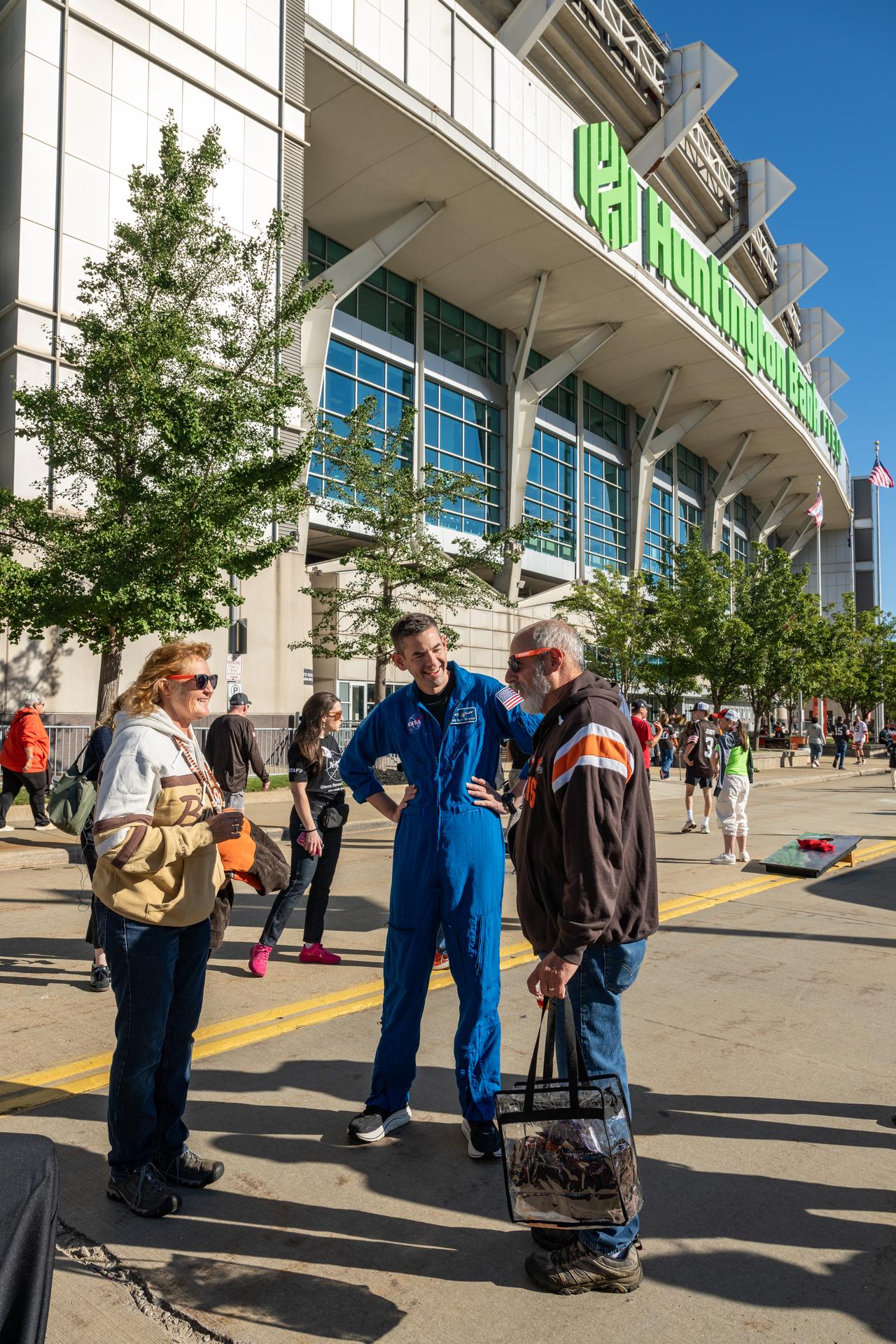
NASA Administrator Jared Isaacman talks with Browns' fans at an NFL game between the Cleveland Browns and the Carolina Panthers at Huntington Bank Field, Sunday, September 27th, 2026, in Cleveland, Ohio. NASA’s engagement at NFL games is part of the agency’s Inspiration Tour, aimed at strengthening connections between NASA and its partners and showcasing innovation in air and space in the lead up to the MAX POWER aerospace technology expo and airshow at the agency’s Kennedy Space Center in early November. Photo Credit: (NASA/Jordan Cochran)
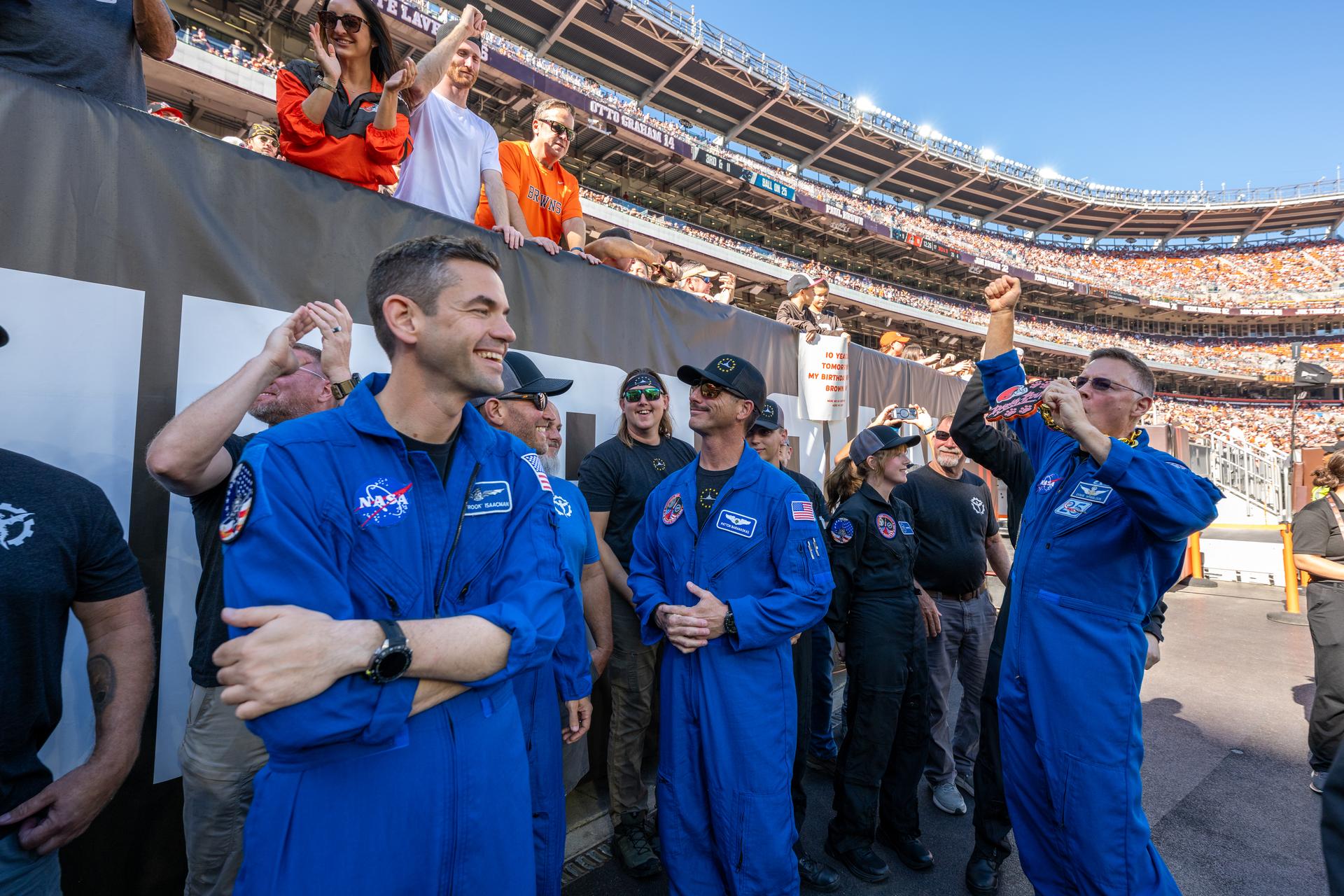
NASA Administrator Jared Isaacman and NASA Astronaut Douglas Wheelock cheer on with fans at an NFL game between the Cleveland Browns and the Carolina Panthers at Huntington Bank Field, Sunday, September 27th, 2026, in Cleveland, Ohio. NASA’s engagement at NFL games is part of the agency’s Inspiration Tour, aimed at strengthening connections between NASA and its partners and showcasing innovation in air and space in the lead up to the MAX POWER aerospace technology expo and airshow at the agency’s Kennedy Space Center in early November. Photo Credit: (NASA/Jordan Cochran)
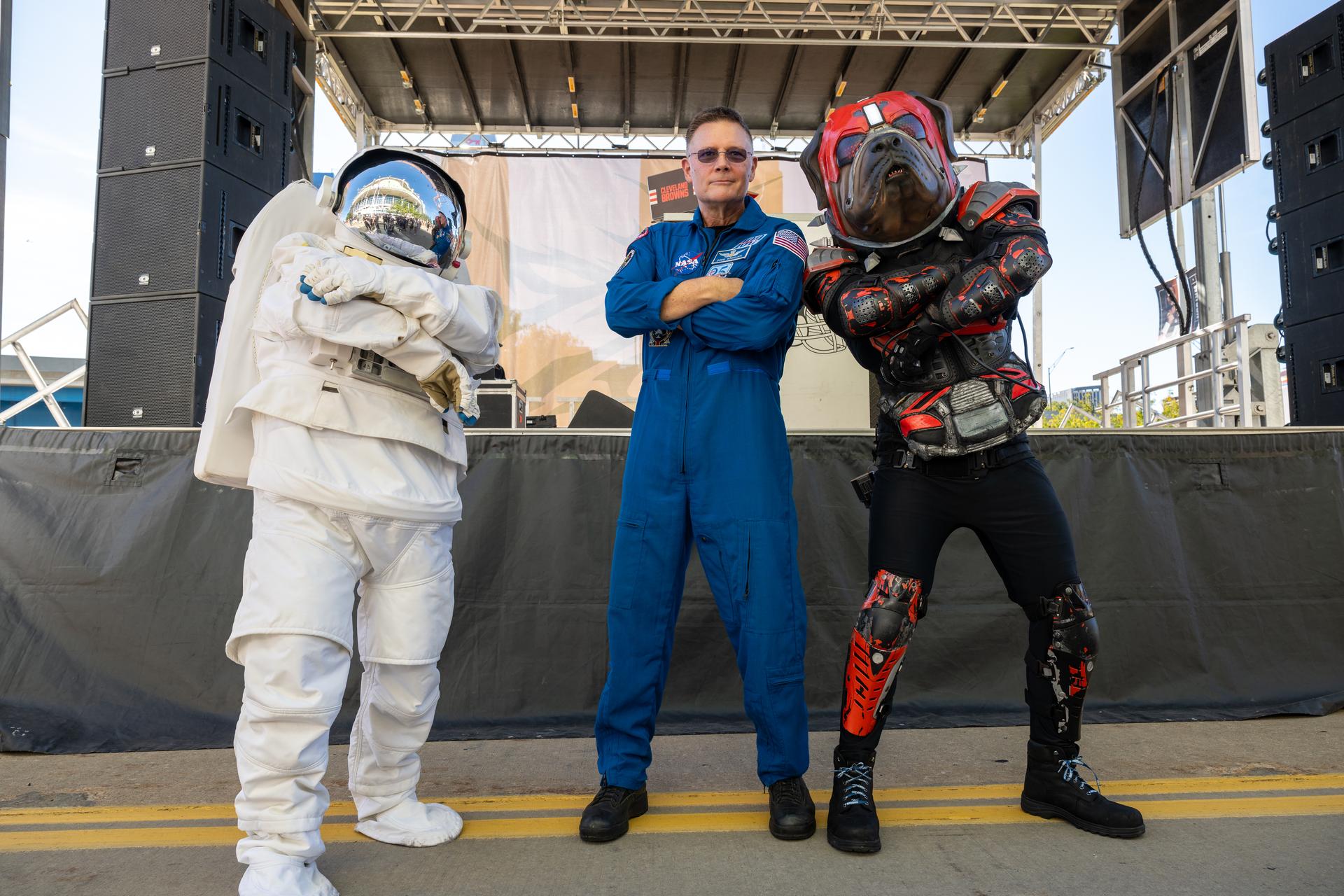
Eva the Astronaut and NASA Astronaut Douglas Wheelock pose with a Brown's fan at an NFL game between the Cleveland Browns and the Carolina Panthers at Huntington Bank Field, Sunday, September 27th, 2026, in Cleveland, Ohio. NASA’s engagement at NFL games is part of the agency’s Inspiration Tour, aimed at strengthening connections between NASA and its partners and showcasing innovation in air and space in the lead up to the MAX POWER aerospace technology expo and airshow at the agency’s Kennedy Space Center in early November. Photo Credit: (NASA/Jordan Cochran)
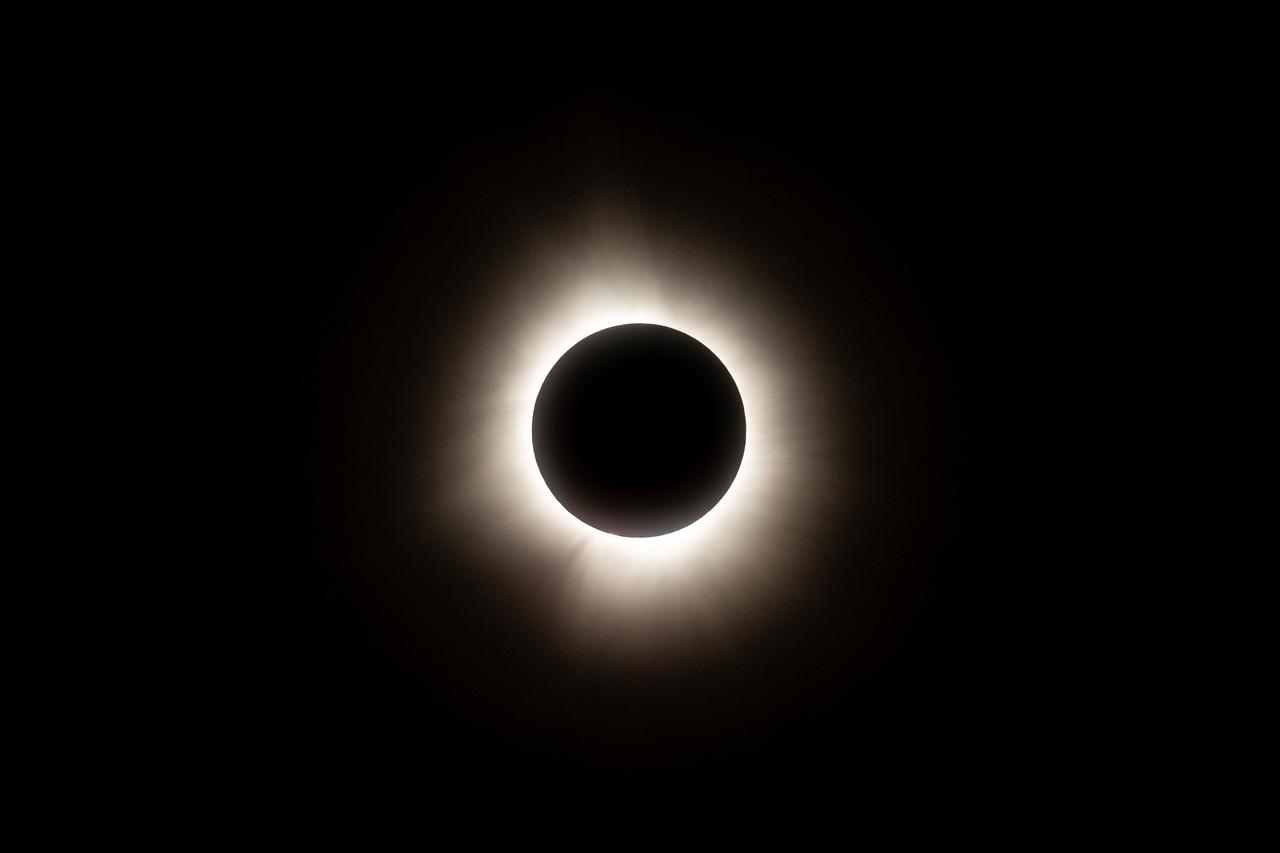
A total solar eclipse is seen from NASA's Glenn Research Center, Monday, April 8, 2024, in Cleveland, Ohio. A total solar eclipse swept across a narrow portion of the North American continent from Mexico’s Pacific coast to the Atlantic coast of Newfoundland, Canada. A partial solar eclipse was visible across the entire North American continent along with parts of Central America and Europe. Photo Credit: (NASA/Jordan Salkin)
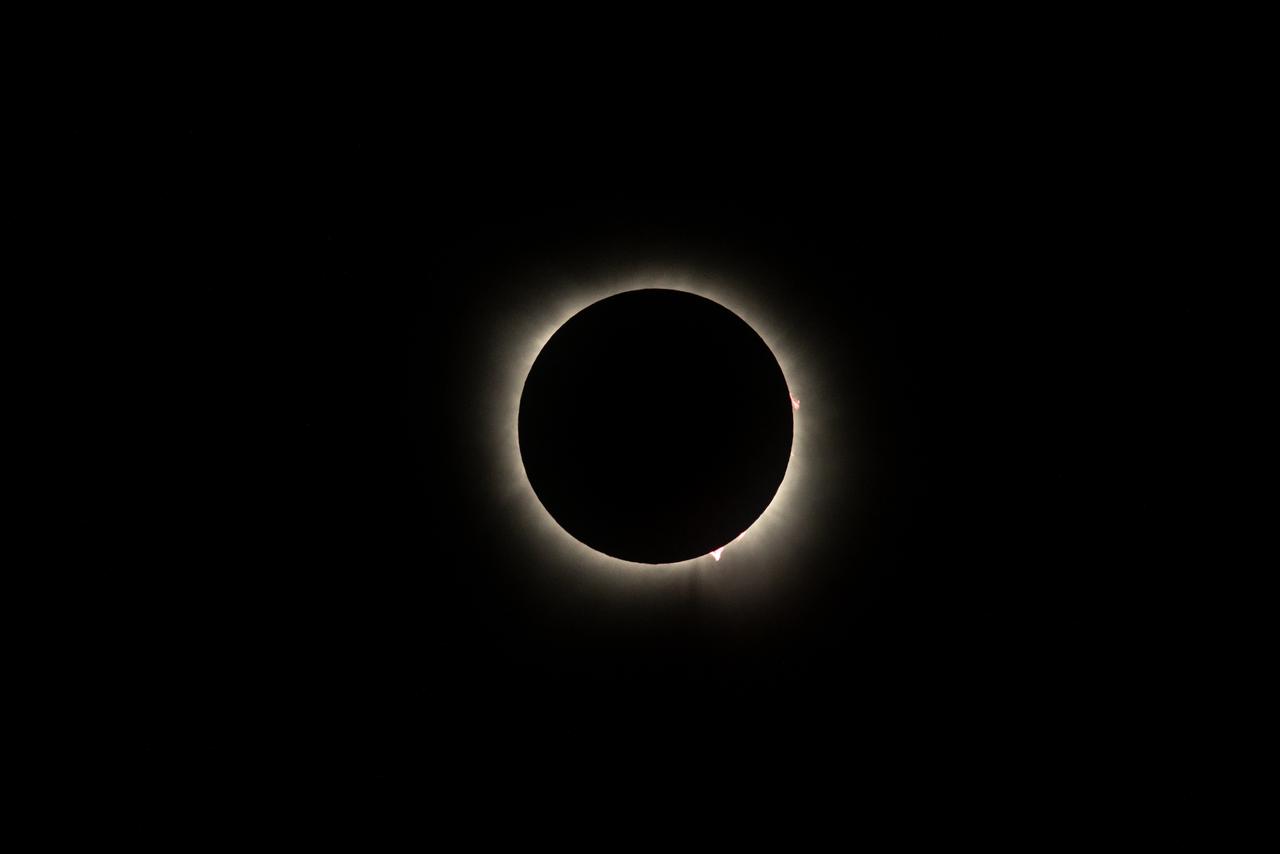
A total solar eclipse is seen from NASA's Glenn Research Center, Monday, April 8, 2024, in Cleveland, Ohio. A total solar eclipse swept across a narrow portion of the North American continent from Mexico’s Pacific coast to the Atlantic coast of Newfoundland, Canada. A partial solar eclipse was visible across the entire North American continent along with parts of Central America and Europe. Photo Credit: (NASA/Jordan Salkin)
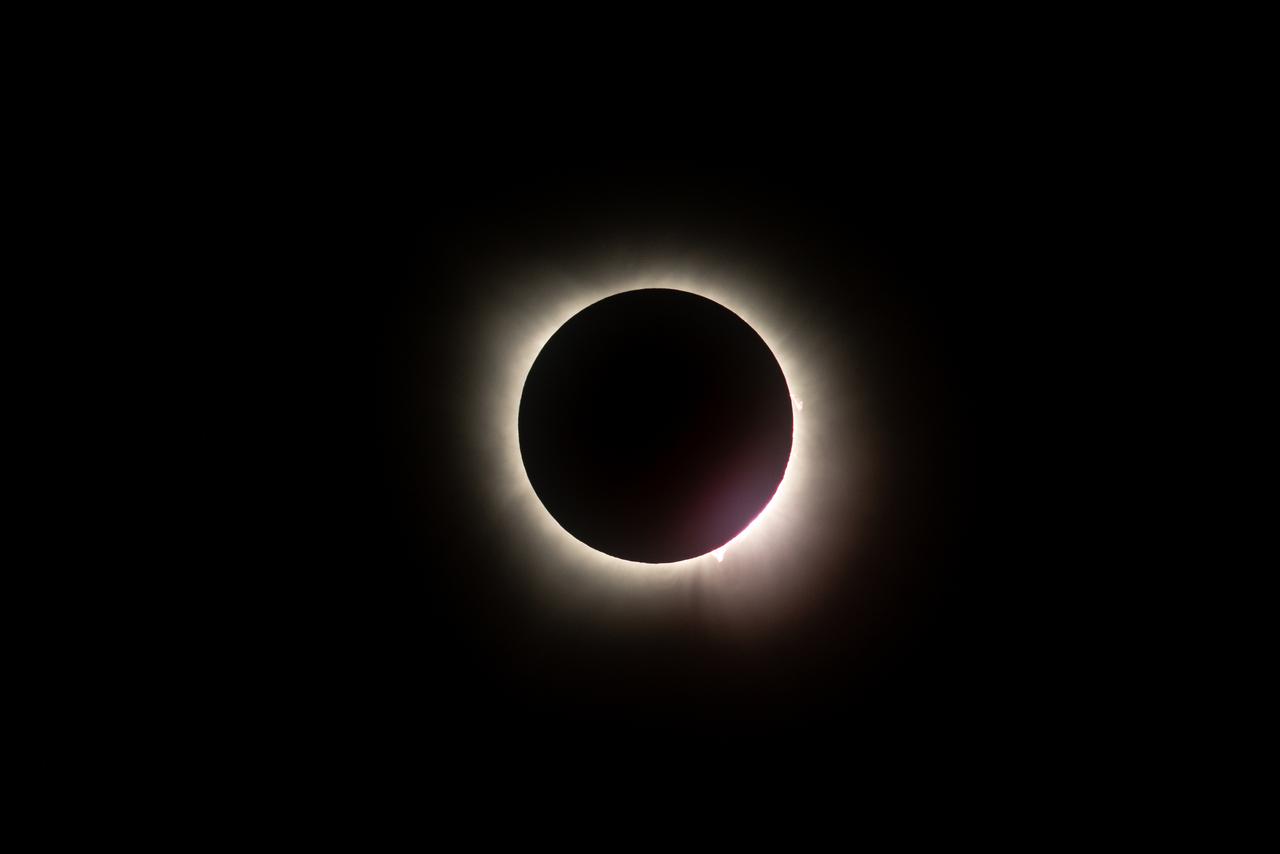
A total solar eclipse is seen from NASA's Glenn Research Center, Monday, April 8, 2024, in Cleveland, Ohio. A total solar eclipse swept across a narrow portion of the North American continent from Mexico’s Pacific coast to the Atlantic coast of Newfoundland, Canada. A partial solar eclipse was visible across the entire North American continent along with parts of Central America and Europe. Photo Credit: (NASA/Jordan Salkin)
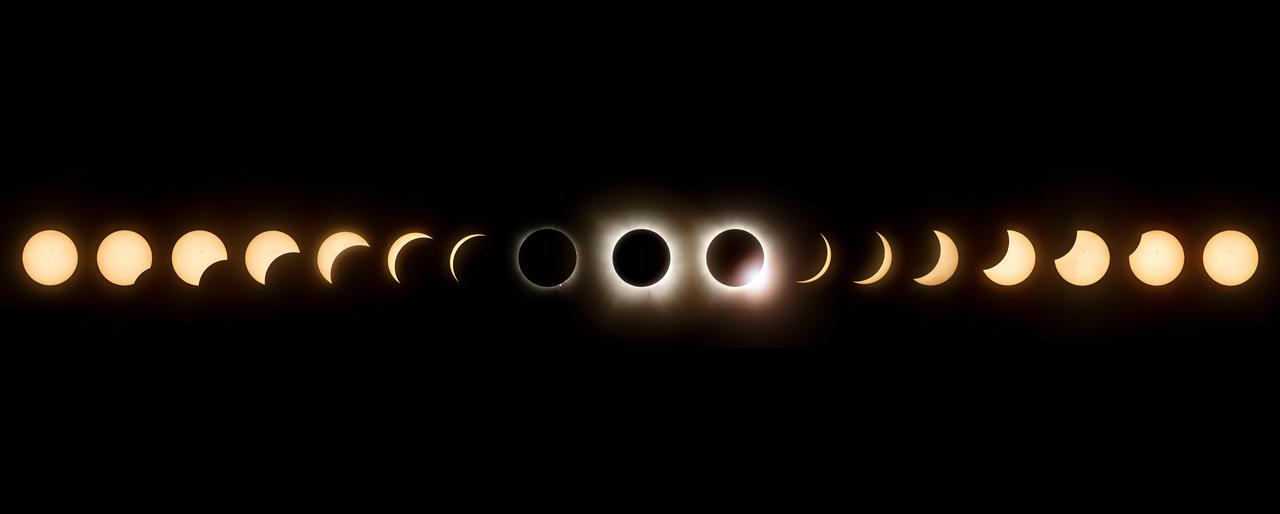
This composite image of seventeen images shows the progression of a total solar eclipse at the NASA's Glenn Research Center in Cleveland, Ohio on Monday, April 8, 2024. A total solar eclipse swept across a narrow portion of the North American continent from Mexico’s Pacific coast to the Atlantic coast of Newfoundland, Canada. A partial solar eclipse was visible across the entire North American continent along with parts of Central America and Europe. Photo Credit: (NASA/Jordan Salkin)
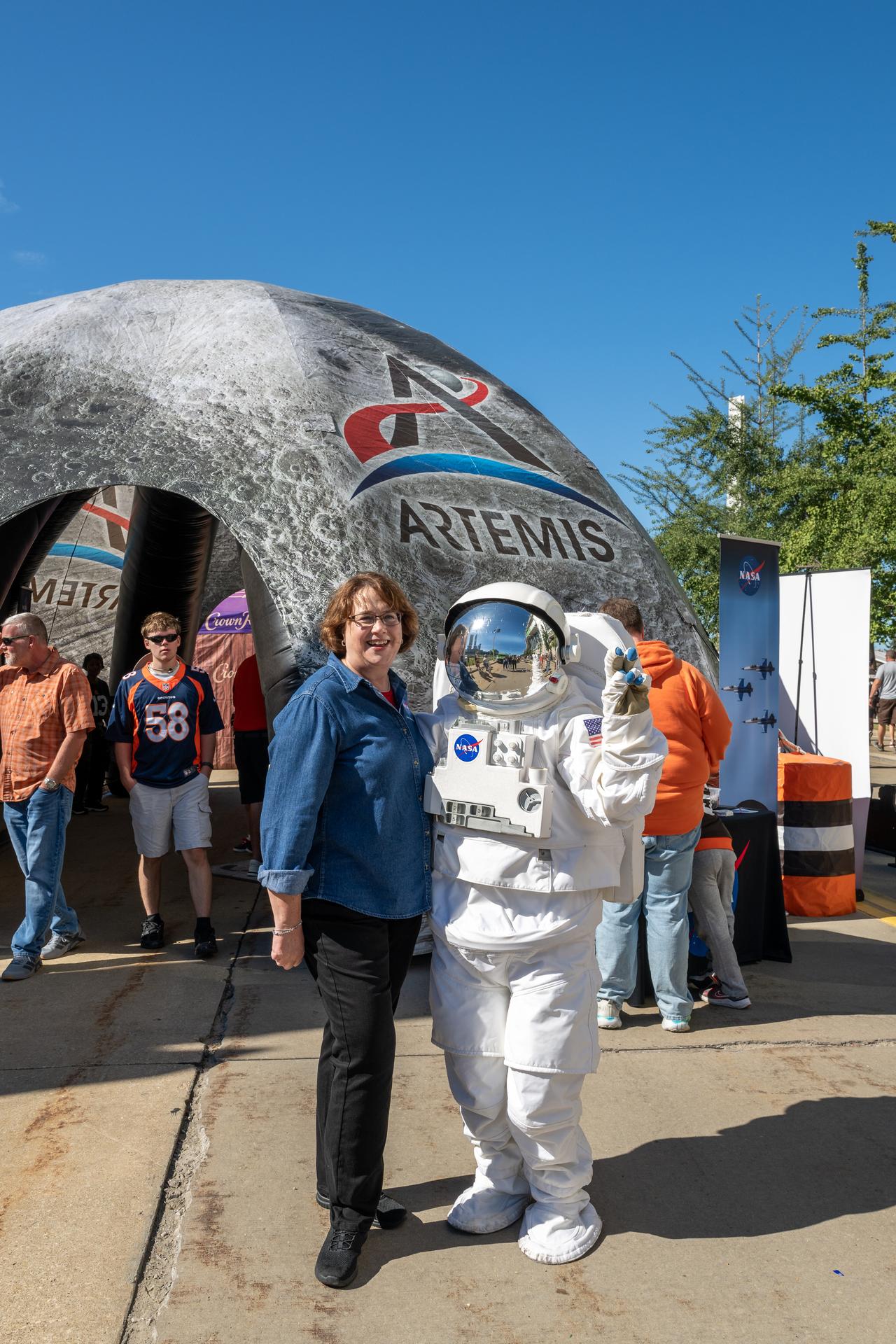
GRC Center Director Dawn Schaible poses with Eva the Astronaut at an NFL game between the Cleveland Browns and the Carolina Panthers at Huntington Bank Field, Sunday, September 27th, 2026, in Cleveland, Ohio. NASA’s engagement at NFL games is part of the agency’s Inspiration Tour, aimed at strengthening connections between NASA and its partners and showcasing innovation in air and space in the lead up to the MAX POWER aerospace technology expo and airshow at the agency’s Kennedy Space Center in early November. Photo Credit: (NASA/Jordan Cochran)
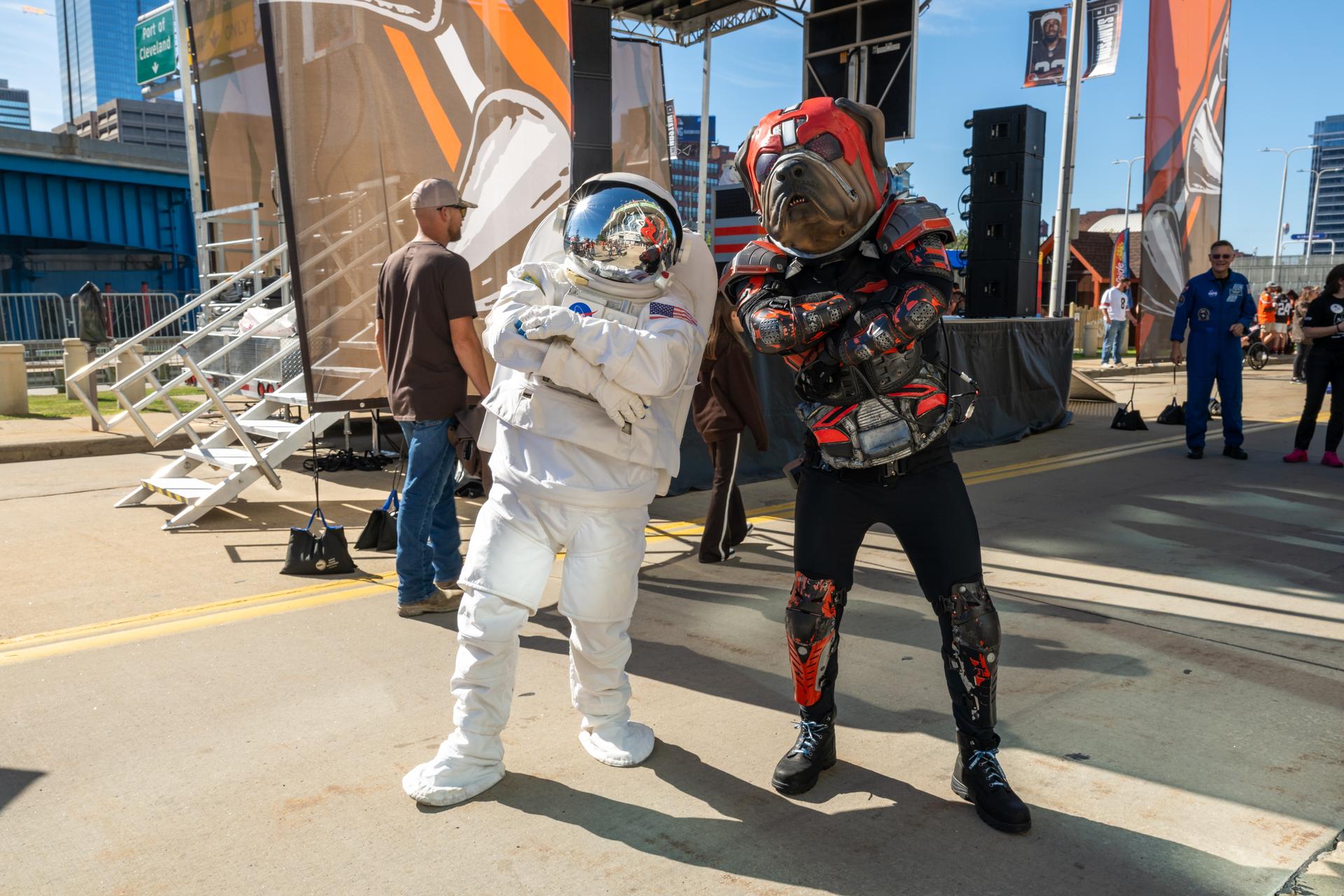
Eva the Astronaut poses with a Browns fan at an NFL game between the Cleveland Browns and the Carolina Panthers at Huntington Bank Field, Sunday, September 27th, 2026, in Cleveland, Ohio. NASA’s engagement at NFL games is part of the agency’s Inspiration Tour, aimed at strengthening connections between NASA and its partners and showcasing innovation in air and space in the lead up to the MAX POWER aerospace technology expo and airshow at the agency’s Kennedy Space Center in early November. Photo Credit: (NASA/Jordan Cochran)
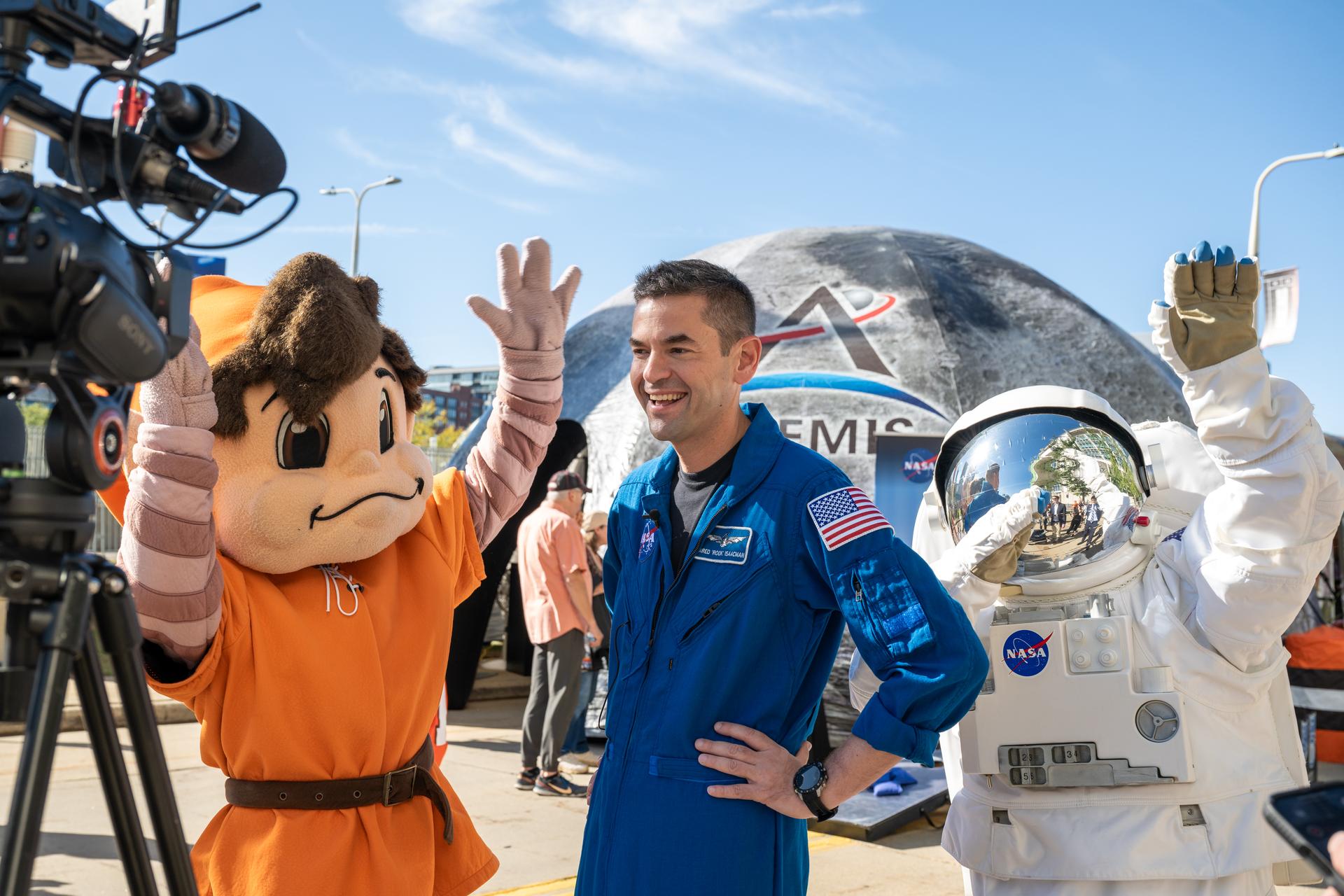
NASA Administrator Jared Isaacman during an interview with Cleveland Browns’ mascot, Brownie the Elf, and Eva the Astronaut at an NFL game between the Cleveland Browns and the Carolina Panthers at Huntington Bank Field, Sunday, September 27th, 2026, in Cleveland, Ohio. NASA’s engagement at NFL games is part of the agency’s Inspiration Tour, aimed at strengthening connections between NASA and its partners and showcasing innovation in air and space in the lead up to the MAX POWER aerospace technology expo and airshow at the agency’s Kennedy Space Center in early November. Photo Credit: (NASA/Jordan Cochran)
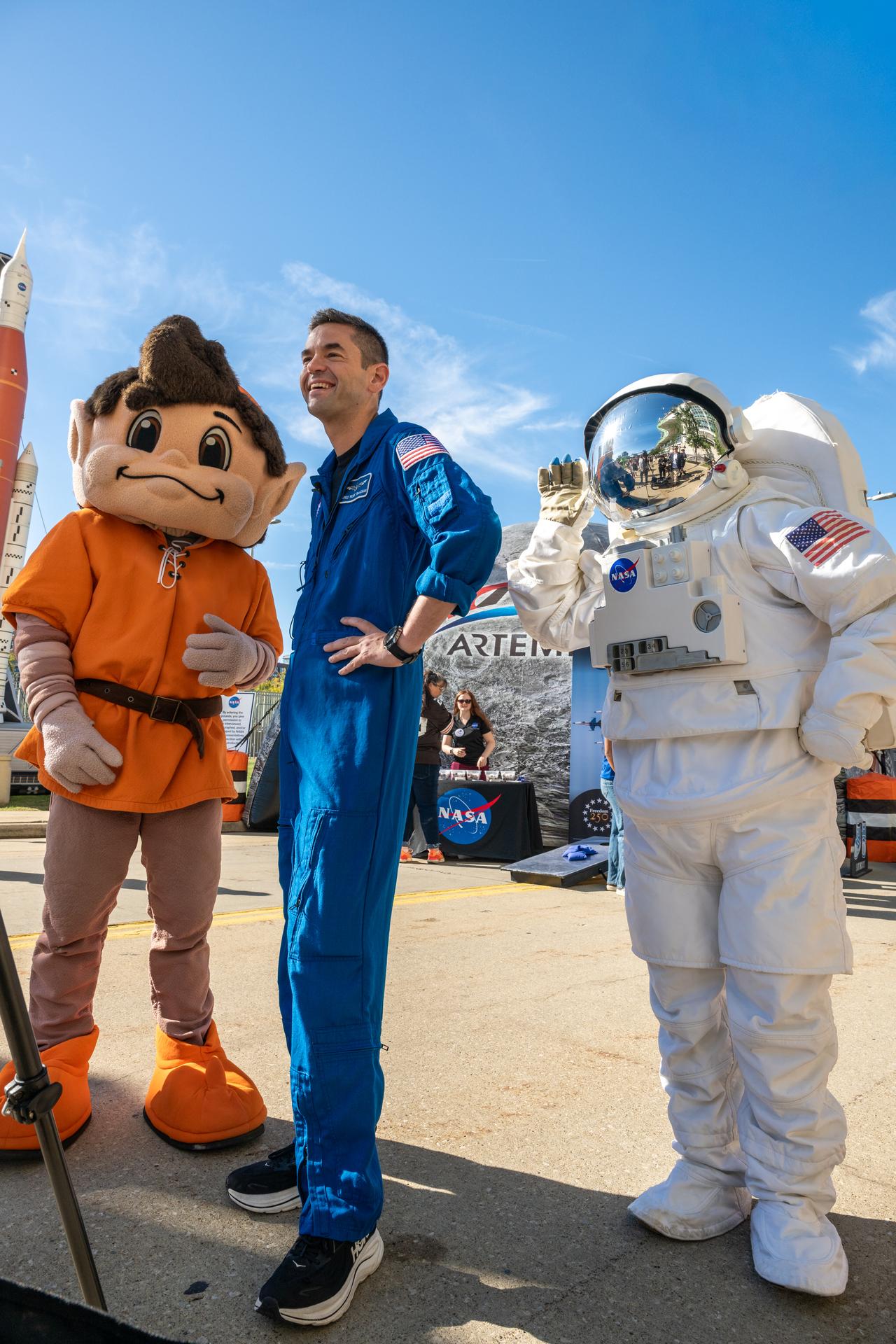
NASA Administrator Jared Isaacman during an interview with Cleveland Browns’ mascot, Brownie the Elf, and Eva the Astronaut at an NFL game between the Cleveland Browns and the Carolina Panthers at Huntington Bank Field, Sunday, September 27th, 2026, in Cleveland, Ohio. NASA’s engagement at NFL games is part of the agency’s Inspiration Tour, aimed at strengthening connections between NASA and its partners and showcasing innovation in air and space in the lead up to the MAX POWER aerospace technology expo and airshow at the agency’s Kennedy Space Center in early November. Photo Credit: (NASA/Jordan Cochran)
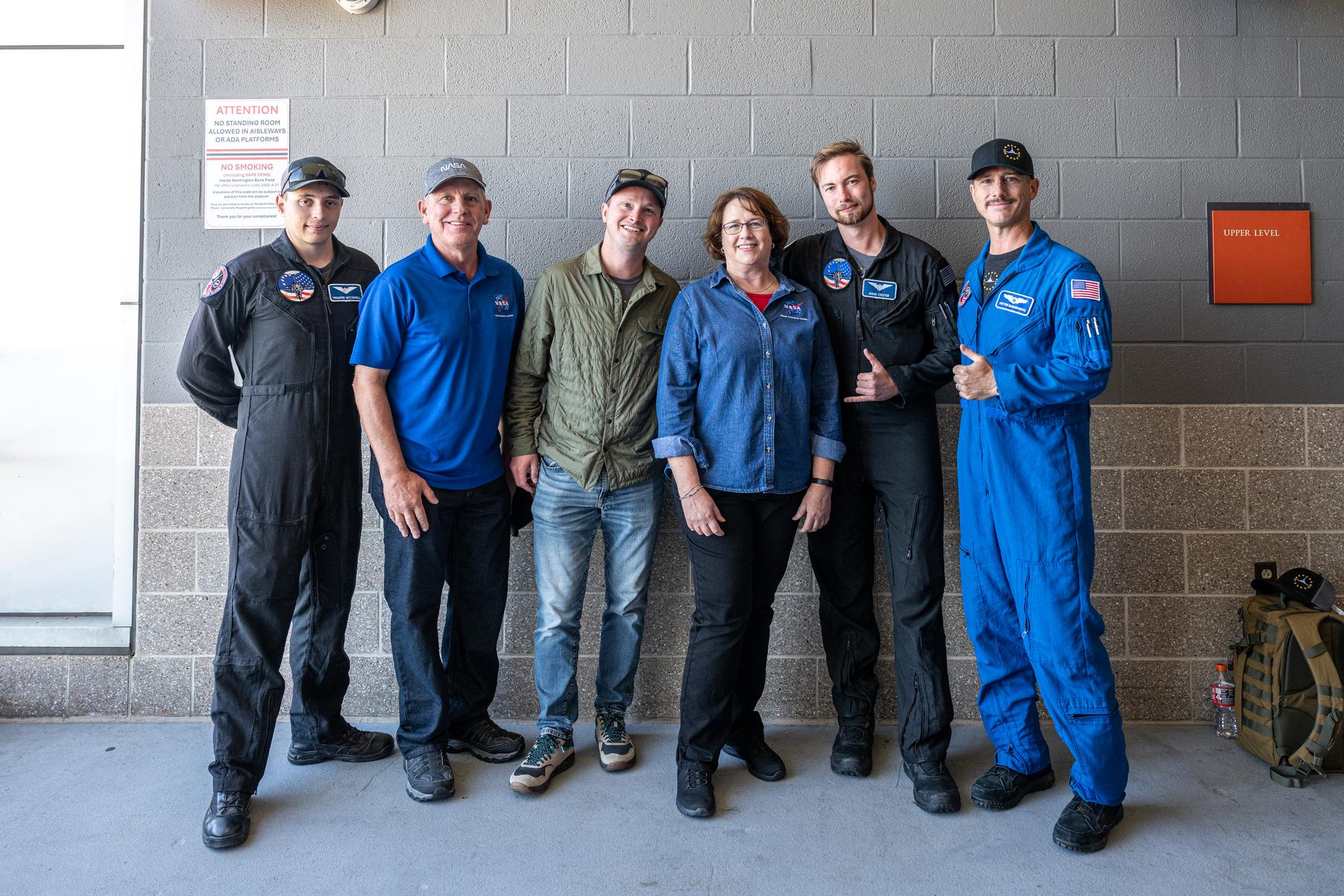
GRC Associate Director Laurence Sivic and GRC Center Director Dawn Schaible pose with members of the Freedom 250 F-5 team at an NFL game between the Cleveland Browns and the Carolina Panthers at Huntington Bank Field, Sunday, September 27th, 2026, in Cleveland, Ohio. NASA’s engagement at NFL games is part of the agency’s Inspiration Tour, aimed at strengthening connections between NASA and its partners and showcasing innovation in air and space in the lead up to the MAX POWER aerospace technology expo and airshow at the agency’s Kennedy Space Center in early November. Photo Credit: (NASA/Jordan Cochran)
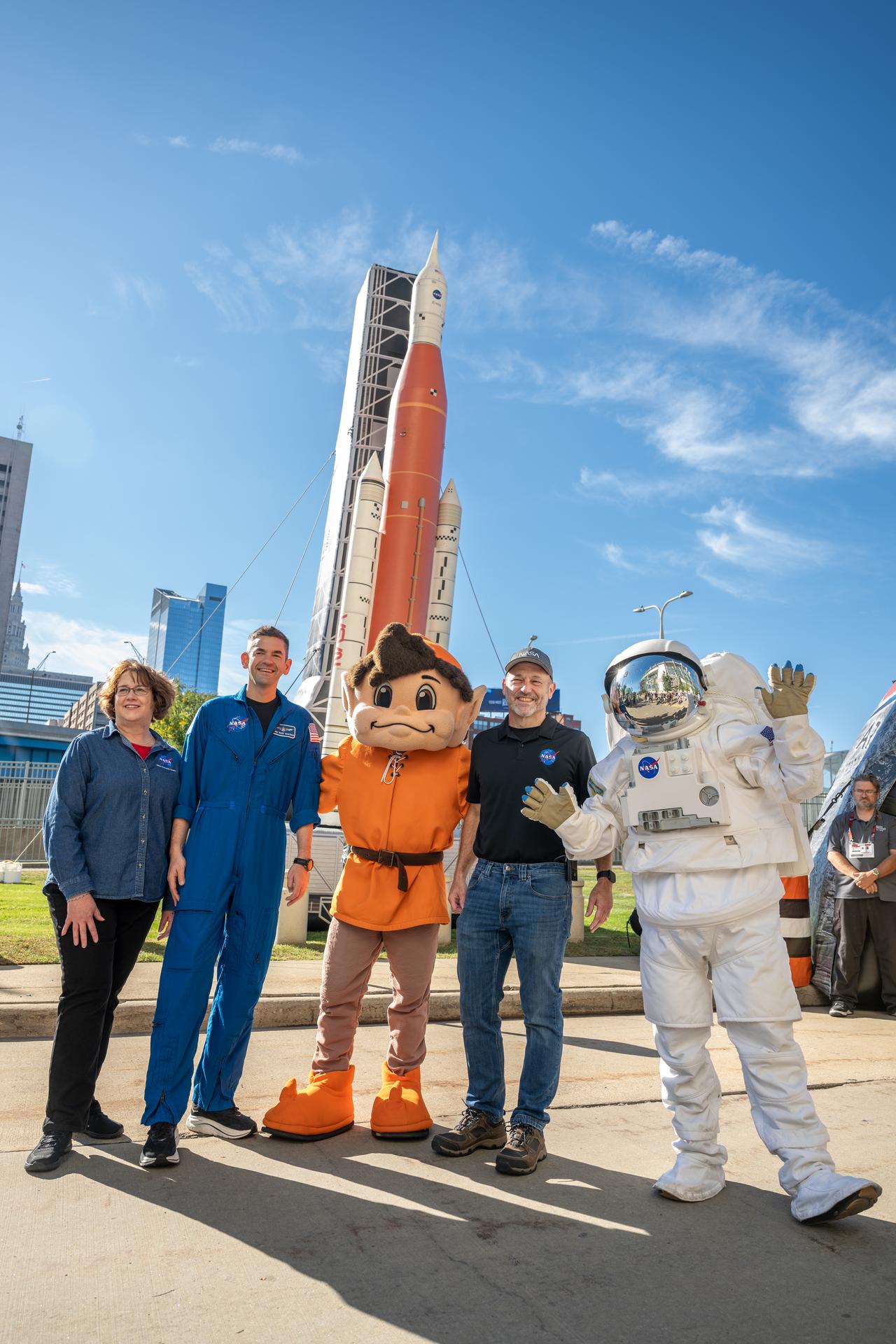
GRC Center Director Dawn Schaible, NASA Administrator Jared Isaacman and Associate Administrator, Research and Technology Mission Directorate Dr. James Kenyon, pose with Cleveland Browns’ mascot, Brownie the Elf, and Eva the Astronaut at an NFL game between the Cleveland Browns and the Carolina Panthers at Huntington Bank Field, Sunday, September 27th, 2026, in Cleveland, Ohio. NASA’s engagement at NFL games is part of the agency’s Inspiration Tour, aimed at strengthening connections between NASA and its partners and showcasing innovation in air and space in the lead up to the MAX POWER aerospace technology expo and airshow at the agency’s Kennedy Space Center in early November. Photo Credit: (NASA/Jordan Cochran)
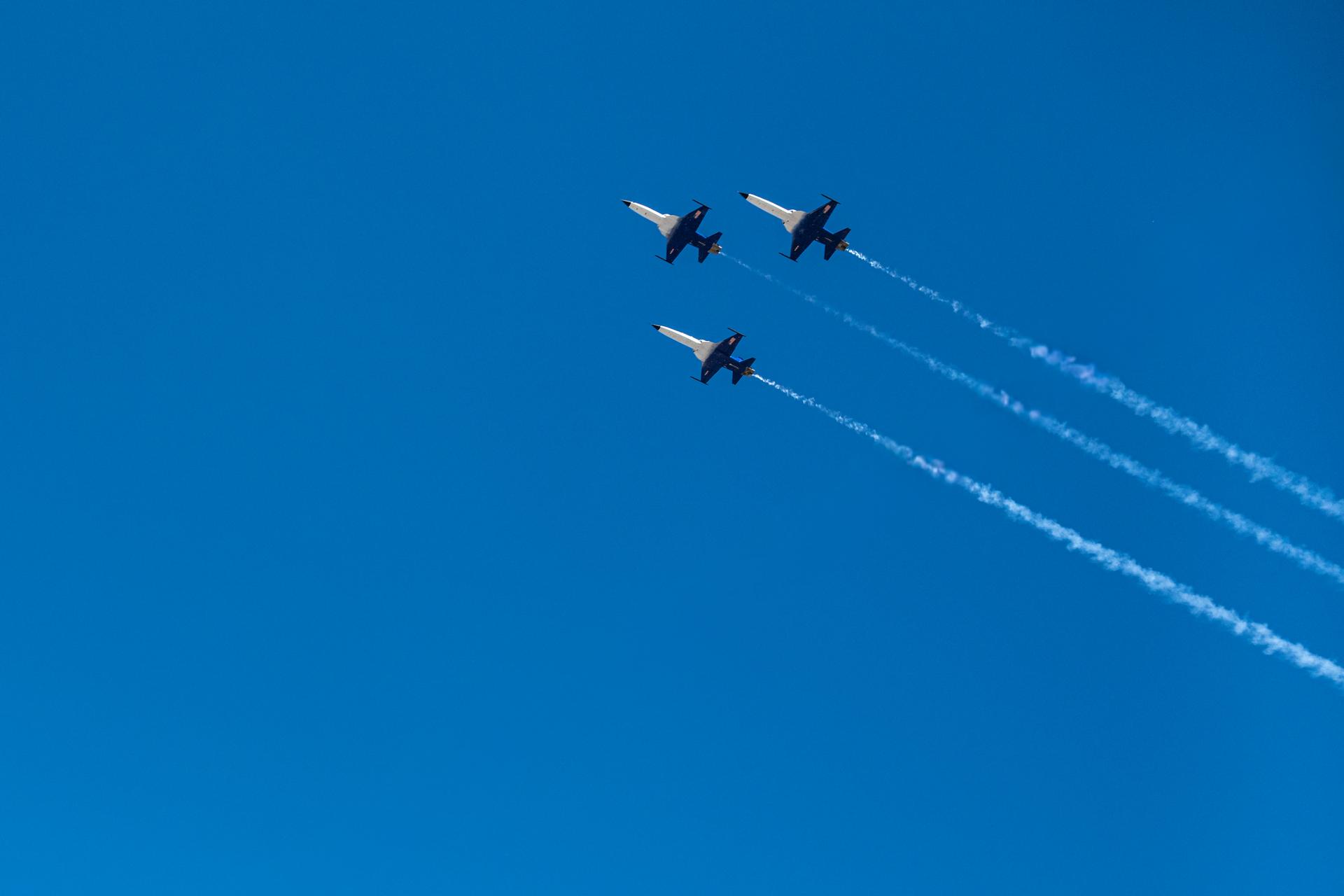
NASA Administrator Jared Isaacman and his Freedom 250 F-5 team (Jerry "Jive" Kerby and Doug "Tut" Demko) preform the Browns' first-ever NASA flyover during the National Anthem at an NFL game between the Cleveland Browns and the Carolina Panthers at Huntington Bank Field, Sunday, September 27th, 2026, in Cleveland, Ohio. NASA’s engagement at NFL games is part of the agency’s Inspiration Tour, aimed at strengthening connections between NASA and its partners and showcasing innovation in air and space in the lead up to the MAX POWER aerospace technology expo and airshow at the agency’s Kennedy Space Center in early November. Photo Credit: (NASA/Jordan Cochran)
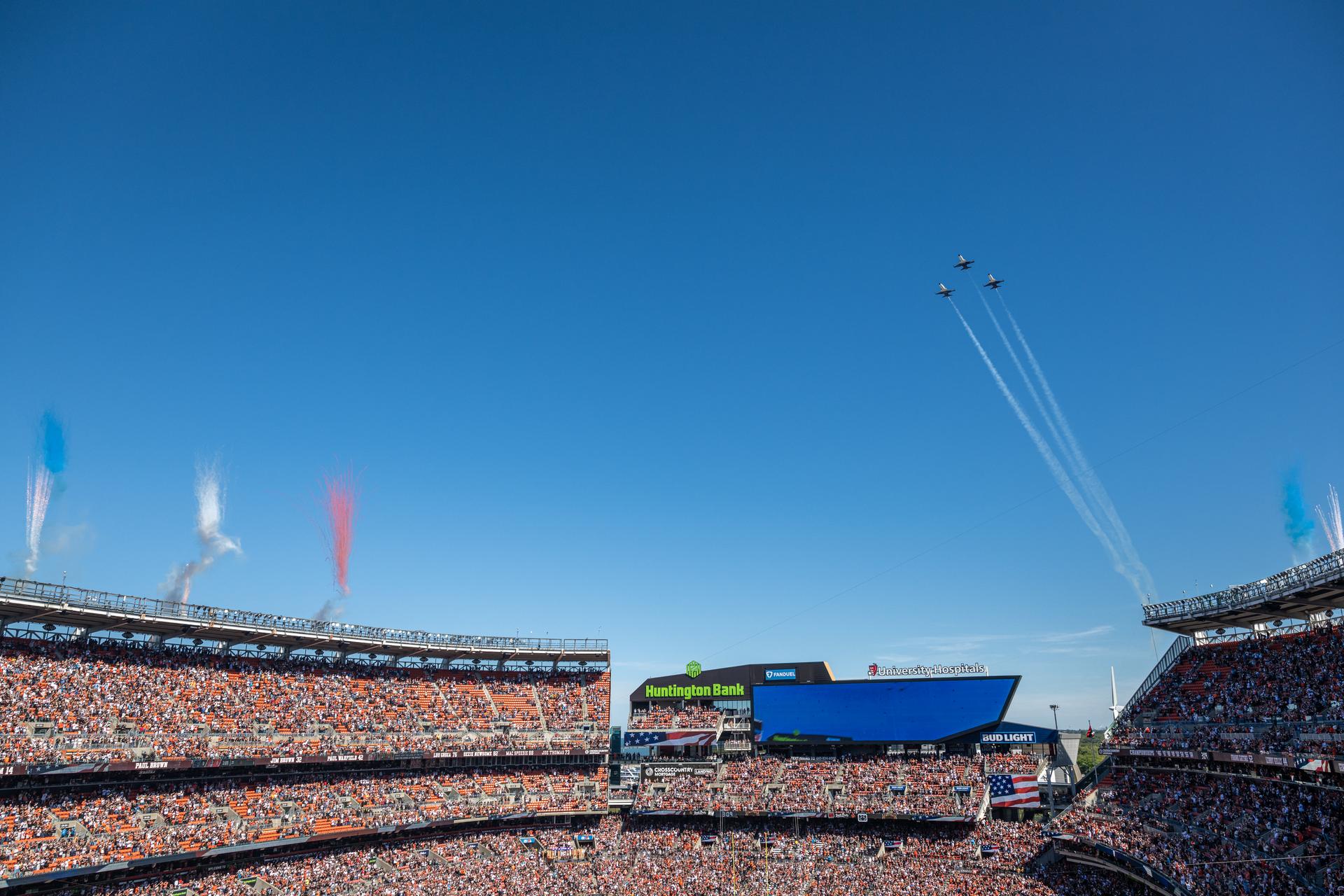
NASA Administrator Jared Isaacman and his Freedom 250 F-5 team (Jerry "Jive" Kerby and Doug "Tut" Demko) preform the Browns' first-ever NASA flyover during the National Anthem at an NFL game between the Cleveland Browns and the Carolina Panthers at Huntington Bank Field, Sunday, September 27th, 2026, in Cleveland, Ohio. NASA’s engagement at NFL games is part of the agency’s Inspiration Tour, aimed at strengthening connections between NASA and its partners and showcasing innovation in air and space in the lead up to the MAX POWER aerospace technology expo and airshow at the agency’s Kennedy Space Center in early November. Photo Credit: (NASA/Jordan Cochran)
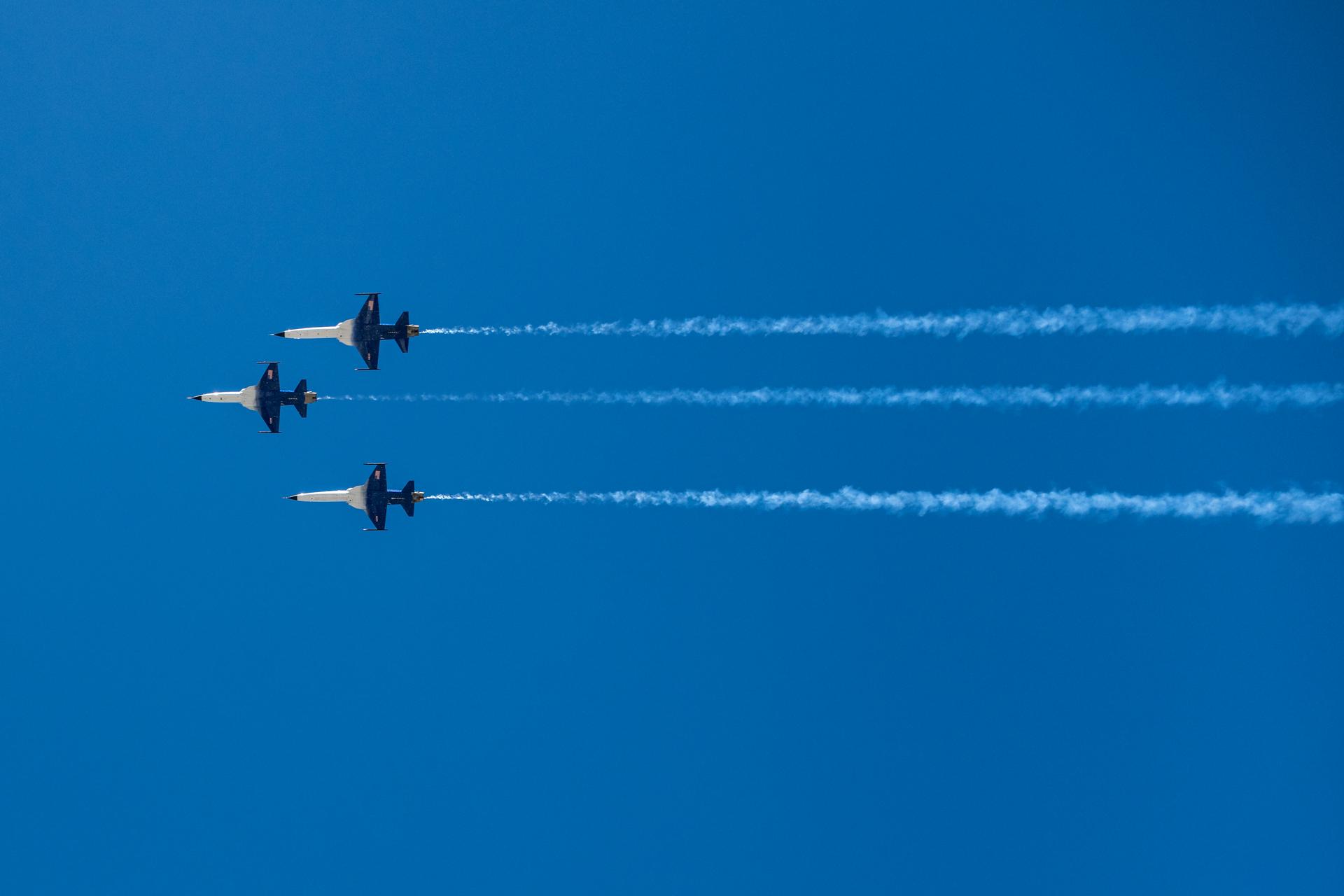
NASA Administrator Jared Isaacman and his Freedom 250 F-5 team (Jerry "Jive" Kerby and Doug "Tut" Demko) preform the Browns' first-ever NASA flyover during the National Anthem at an NFL game between the Cleveland Browns and the Carolina Panthers at Huntington Bank Field, Sunday, September 27th, 2026, in Cleveland, Ohio. NASA’s engagement at NFL games is part of the agency’s Inspiration Tour, aimed at strengthening connections between NASA and its partners and showcasing innovation in air and space in the lead up to the MAX POWER aerospace technology expo and airshow at the agency’s Kennedy Space Center in early November. Photo Credit: (NASA/Jordan Cochran)
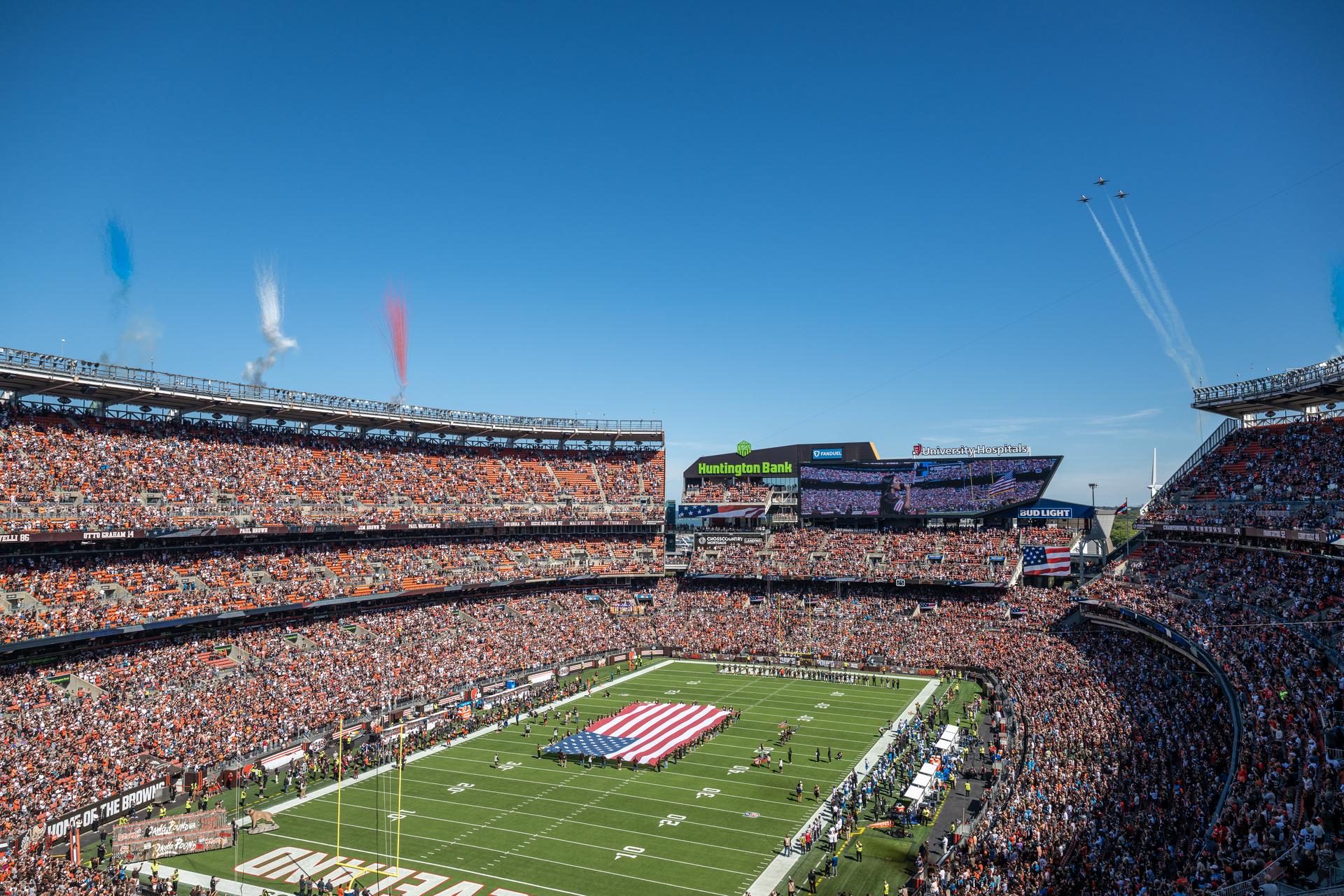
NASA Administrator Jared Isaacman and his Freedom 250 F-5 team (Jerry "Jive" Kerby and Doug "Tut" Demko) preform the Browns' first-ever NASA flyover during the National Anthem at an NFL game between the Cleveland Browns and the Carolina Panthers at Huntington Bank Field, Sunday, September 27th, 2026, in Cleveland, Ohio. NASA’s engagement at NFL games is part of the agency’s Inspiration Tour, aimed at strengthening connections between NASA and its partners and showcasing innovation in air and space in the lead up to the MAX POWER aerospace technology expo and airshow at the agency’s Kennedy Space Center in early November. Photo Credit: (NASA/Jordan Cochran)

A technician in shown inside Sierra Space’s Dream Chaser spaceplane preparing for vibration testing at the Neil Armstrong Test Facility’s Mechanical Vibration Facility. Using the world’s most powerful spacecraft shaker system in February 2024, NASA exposed Dream Chaser and its Shooting Star cargo module to vibrations like those it will experience during launch and re-entry into the atmosphere. Photo Credit: (NASA/Jordan Salkin)
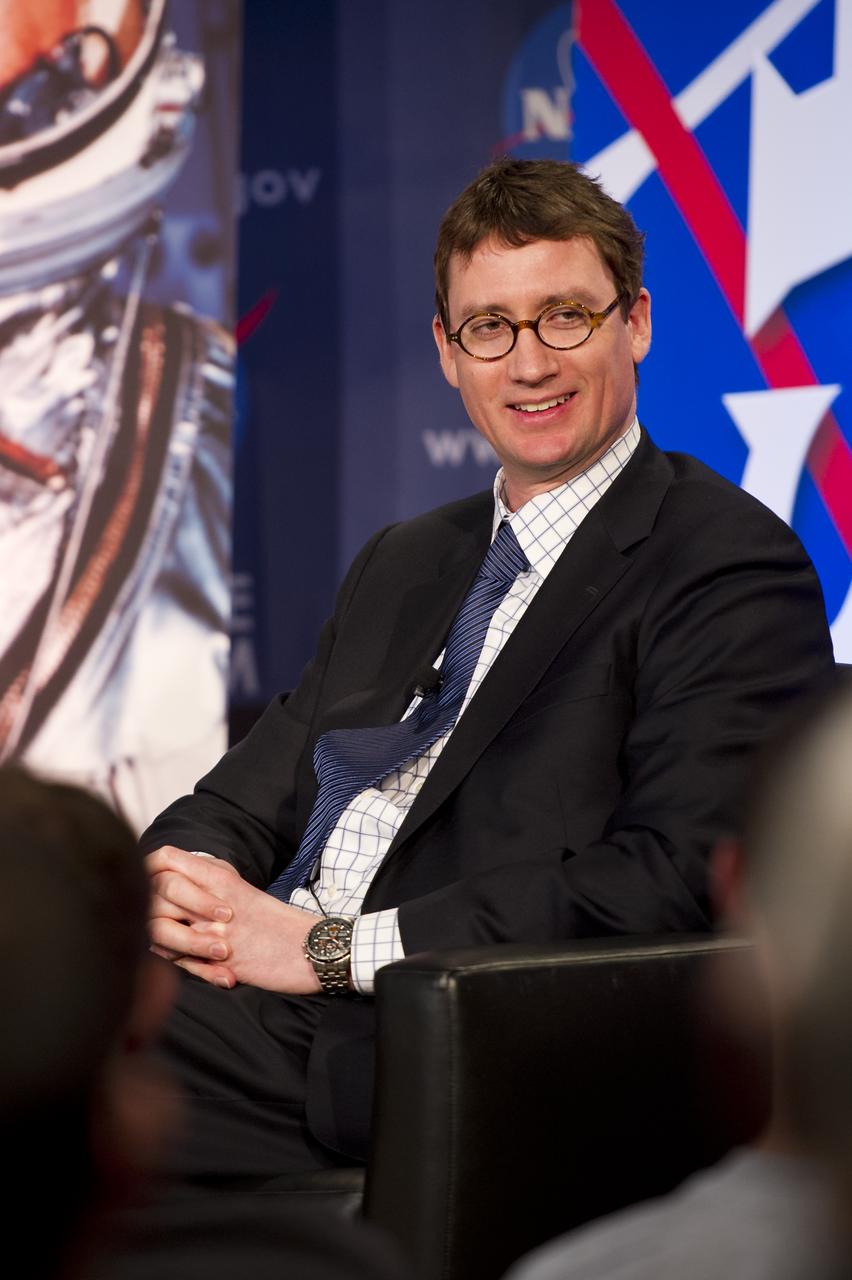
Jordan Hansell, chairman and CEO, NetJets Inc. talks during the NASA Future Forum panel titled "Importance of Technology, Science and Innovation for our Economic Future" at The Ohio State University on Tuesday, Feb. 21, 2012 in Columbus, Ohio. The NASA Future Forum features panel discussions on the importance of education to our nation's future in space, the benefit of commercialized space technology to our economy and lives here on Earth, and the shifting roles for the public, commercial and international communities in space. Photo Credit: (NASA/Bill Ingalls)
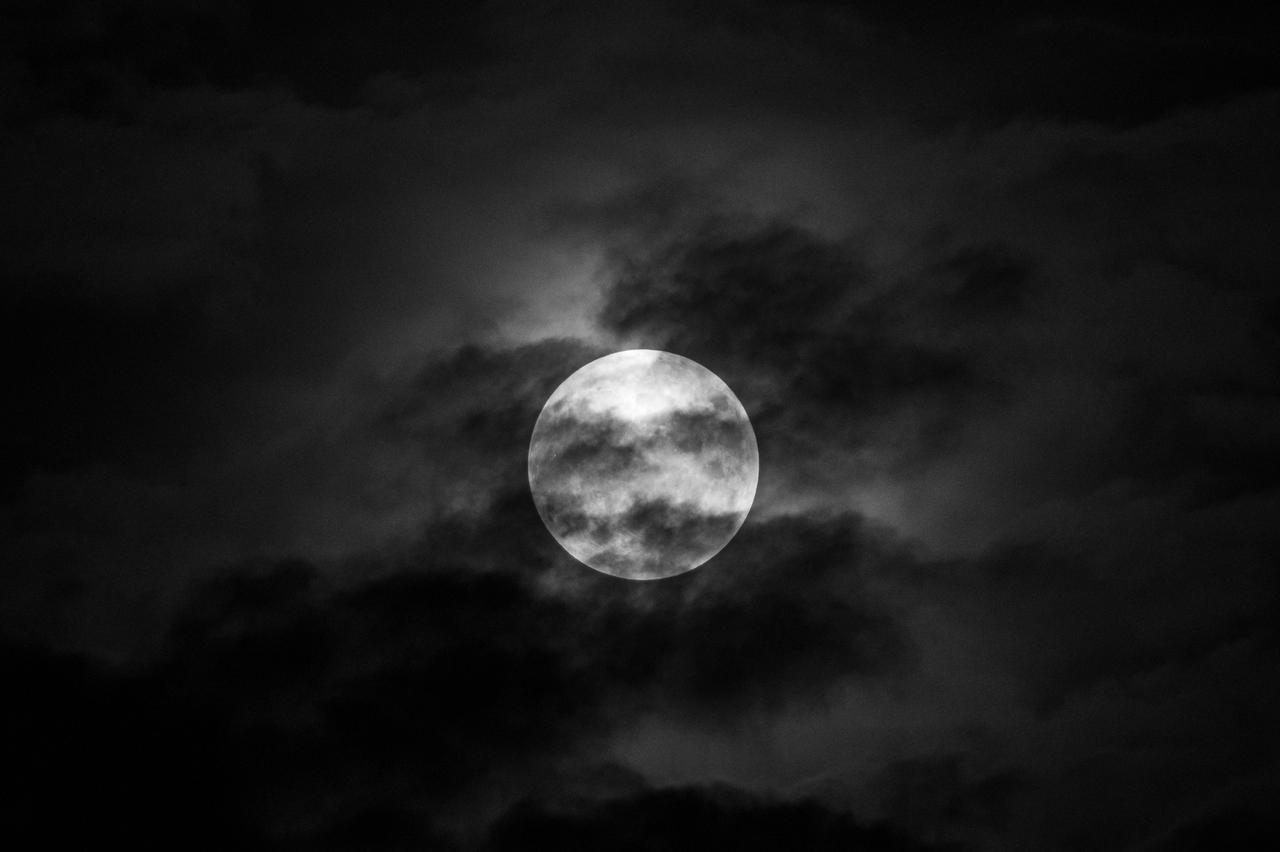
The Supermoon that was visible on September 17th, 2024 in Cleveland, OH. On this day, the full moon was a partial lunar eclipse; a supermoon; and a harvest moon.
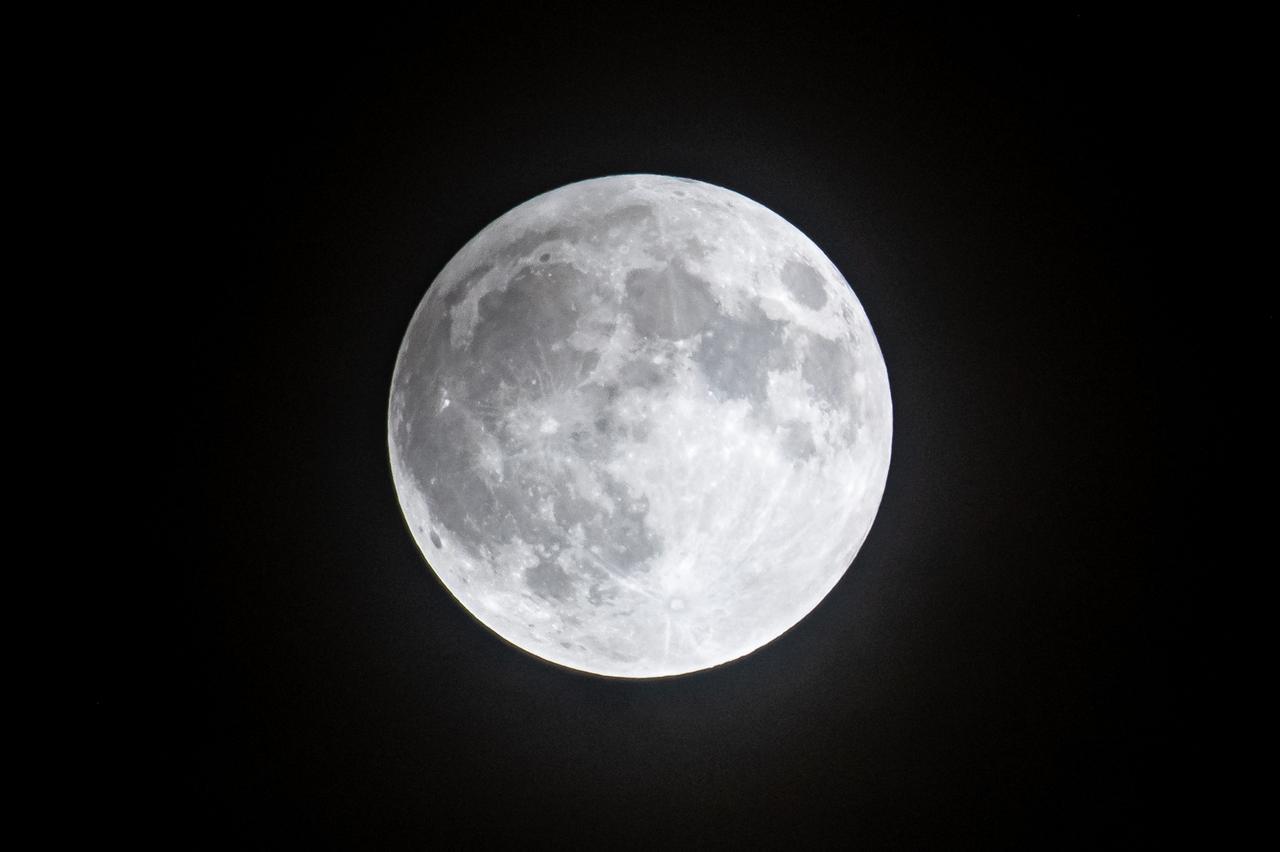
The Supermoon that was visible on September 17th, 2024 in Cleveland, OH. On this day, the full moon was a partial lunar eclipse; a supermoon; and a harvest moon.
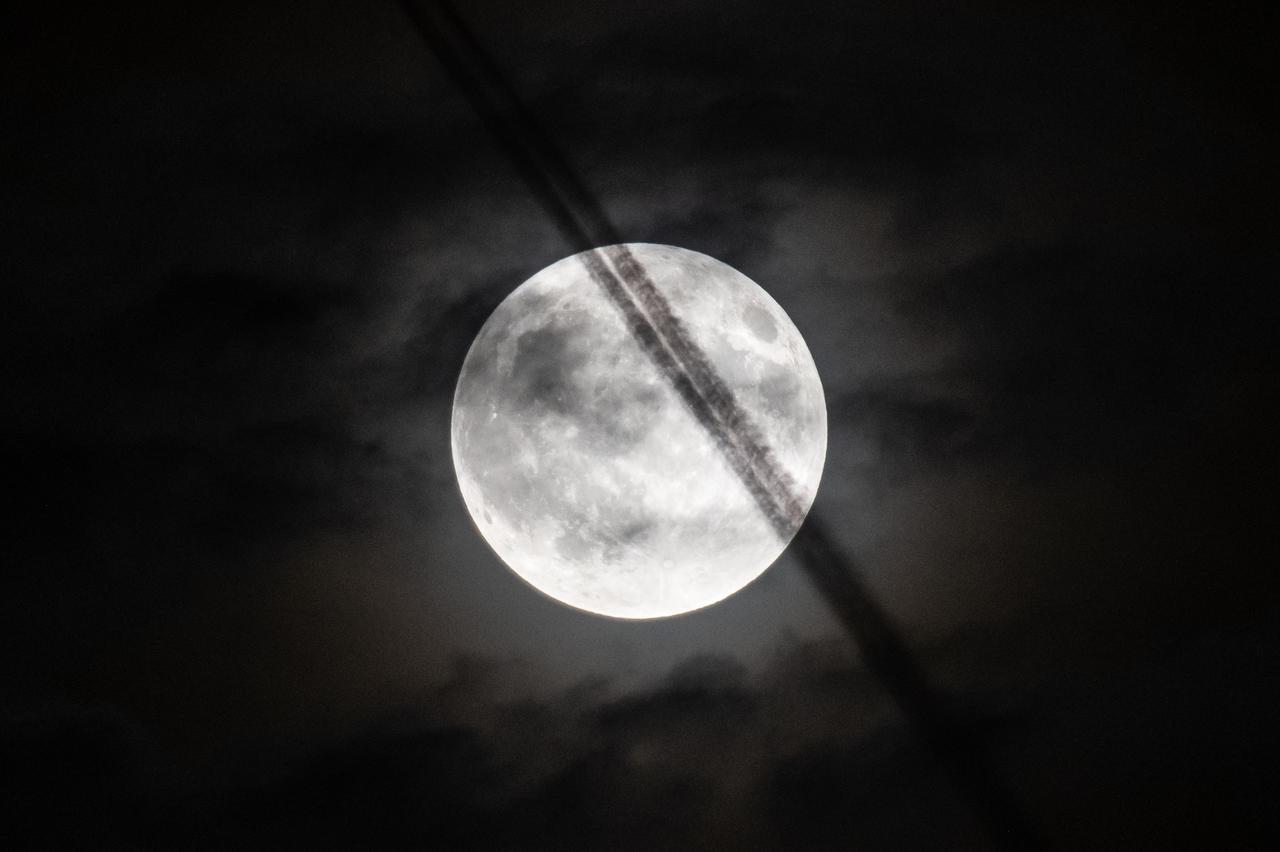
The Supermoon that was visible on September 17th, 2024 in Cleveland, OH. On this day, the full moon was a partial lunar eclipse; a supermoon; and a harvest moon.
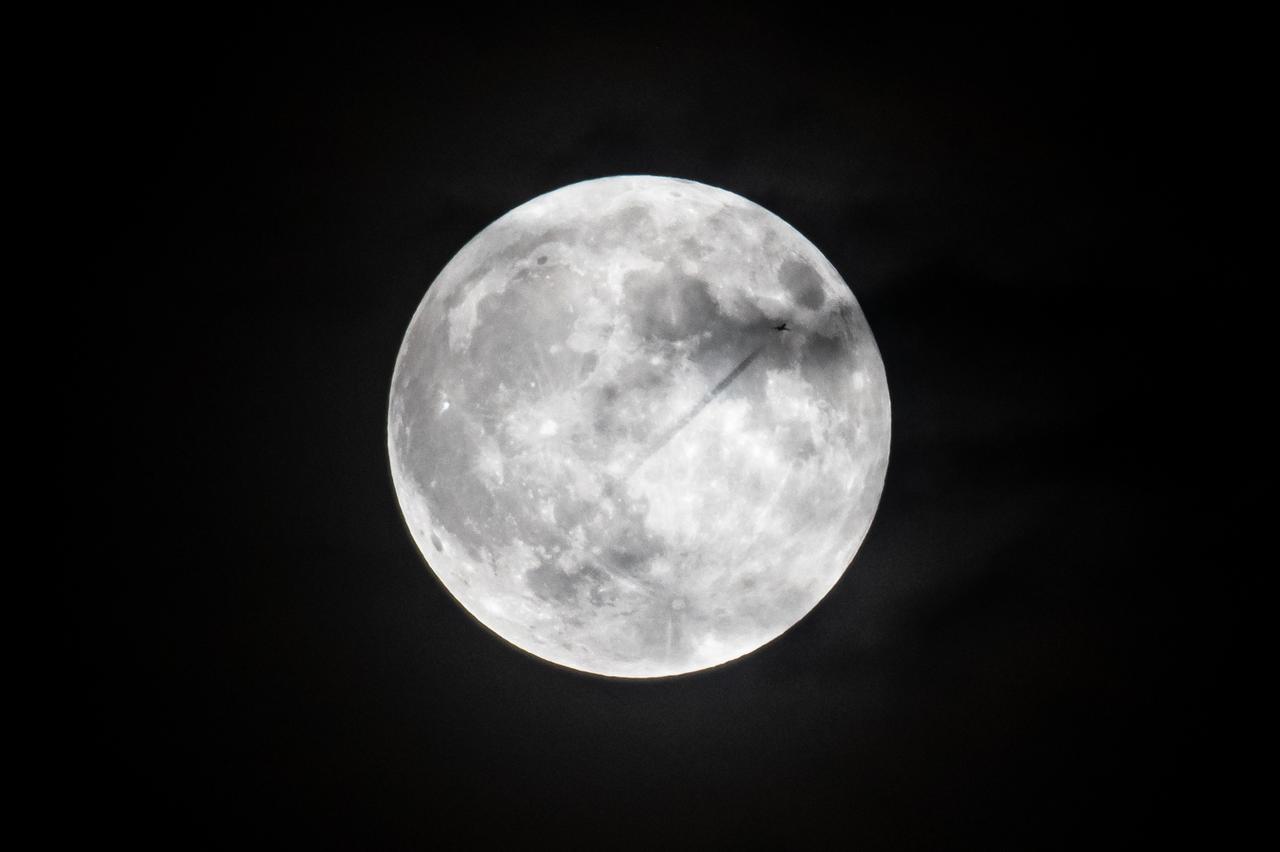
The Supermoon that was visible on September 17th, 2024 in Cleveland, OH. On this day, the full moon was a partial lunar eclipse; a supermoon; and a harvest moon.
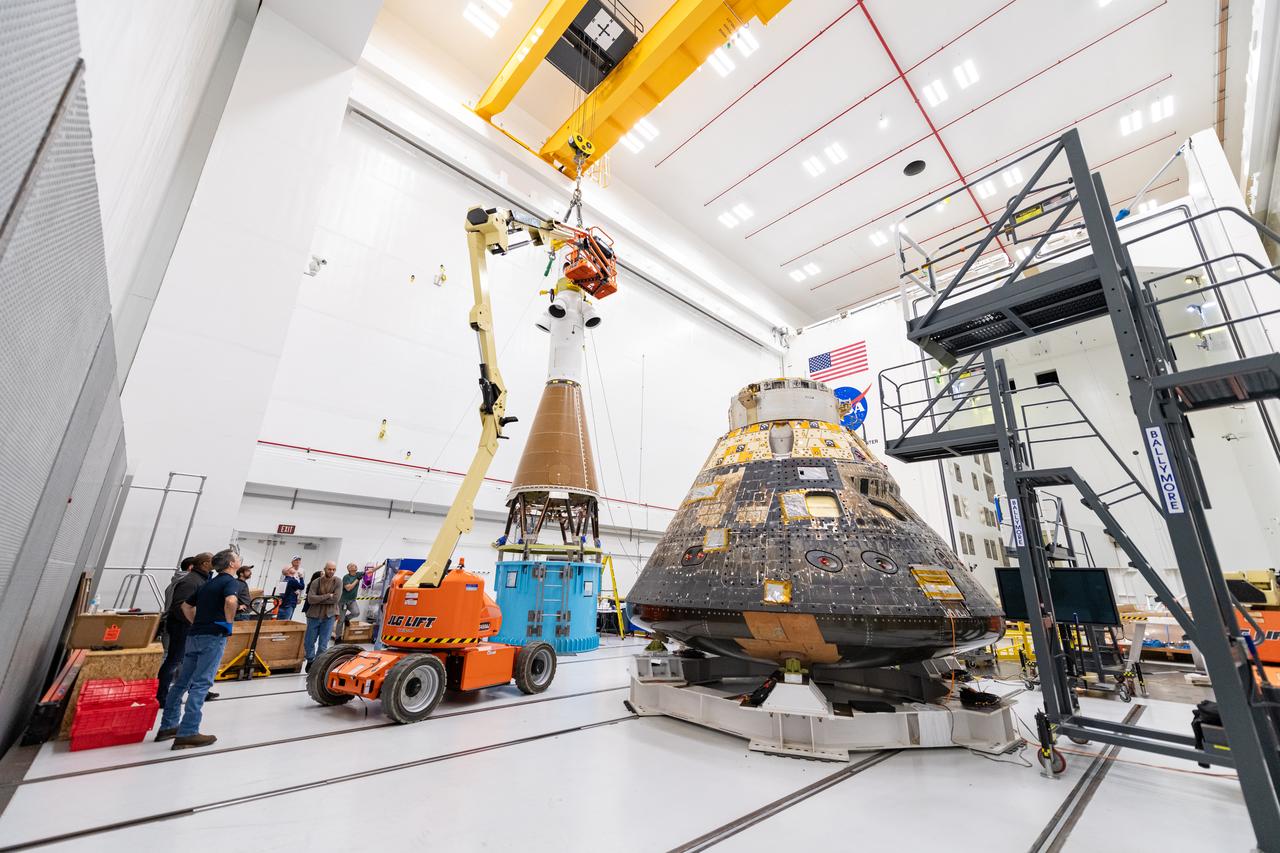
The Launch Abort Systems gets installed on to the Orion Crew Module, also known as the Orion Environmental Test Article (ETA), in preparation for testing at the Space Environments Complex at NASA’s Neil Armstrong Test Facility in Saundusky, Ohio. The ETA completed an 11-month test campaign in 2024 necessary for the safety and success of Artemis II. Photo Credit: (NASA/Jordan Salkin)
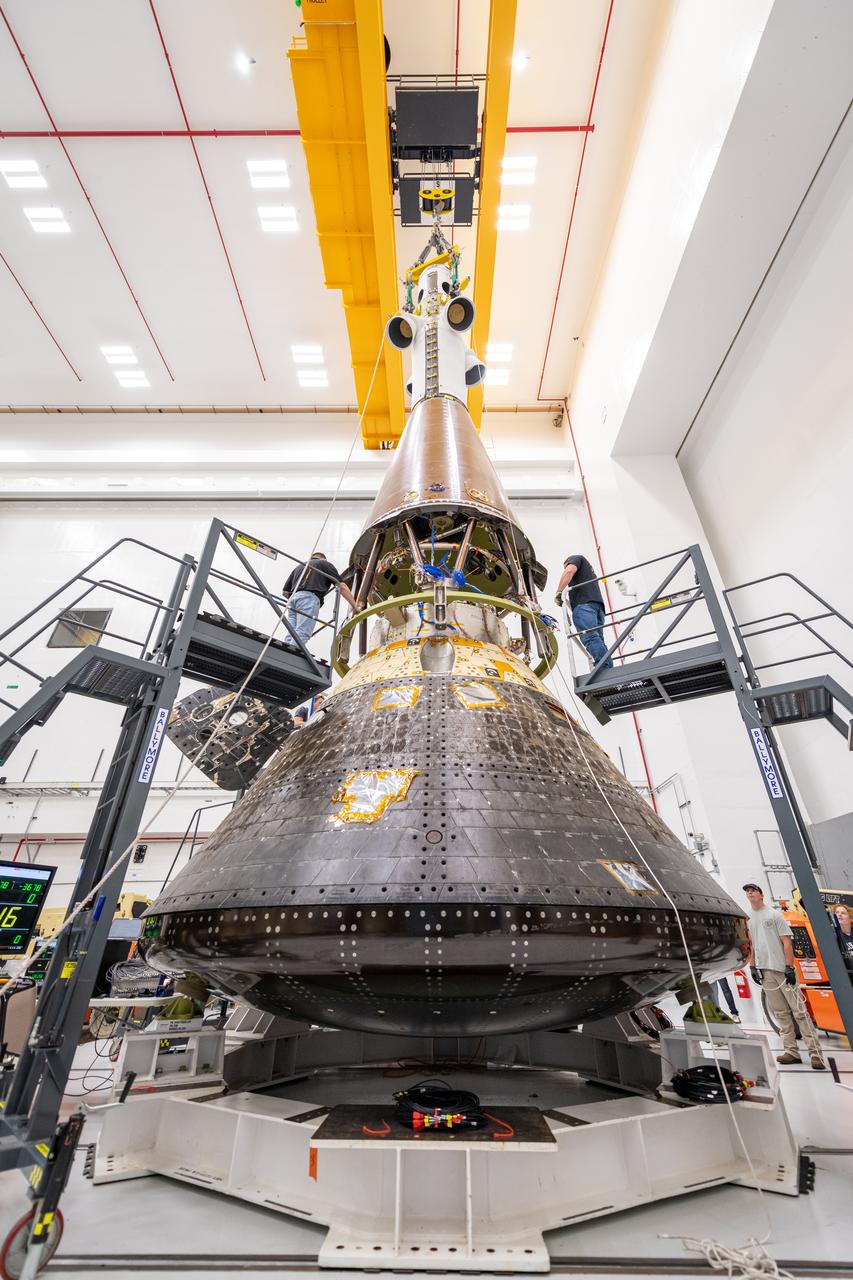
The Launch Abort Systems gets installed on to the Orion Crew Module, also known as the Orion Environmental Test Article (ETA), in preparation for testing at the Space Environments Complex at NASA’s Neil Armstrong Test Facility in Sandusky, Ohio. The ETA completed an 11-month test campaign in 2024 necessary for the safety and success of Artemis II. Photo Credit: (NASA/Jordan Salkin)
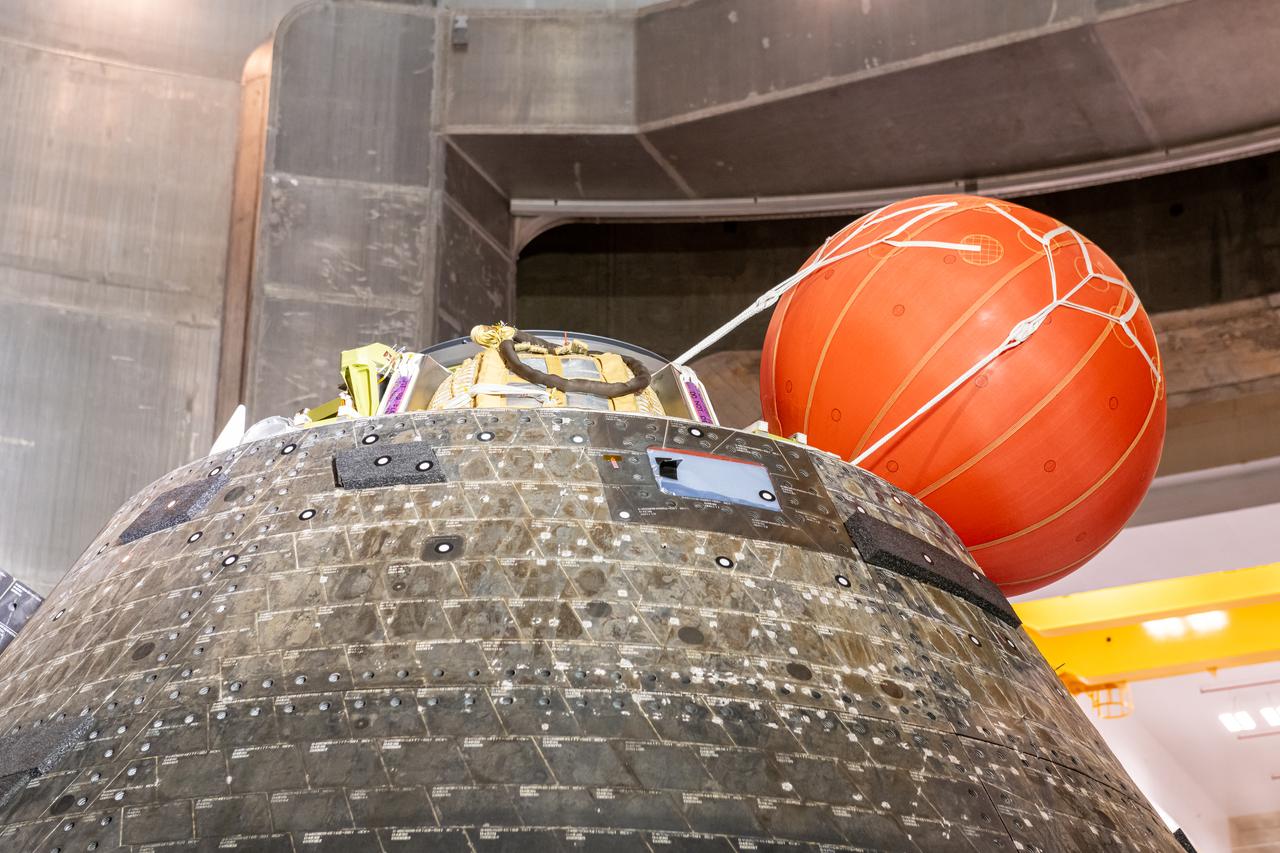
The Orion Crew Module, also known as the Orion Environmental Test Article (ETA), returned to NASA’s Neil Armstrong Test Facility in Sandusky, Ohio, in January 2024 and completed an 11-month test campaign necessary for the safety and success of Artemis II. In November 2024, experts completed the Crew Module Uprighting System Test, which is the system of five airbags on top of the capsule that inflate upon splashdown. Photo Credit: (NASA/Jordan Salkin)
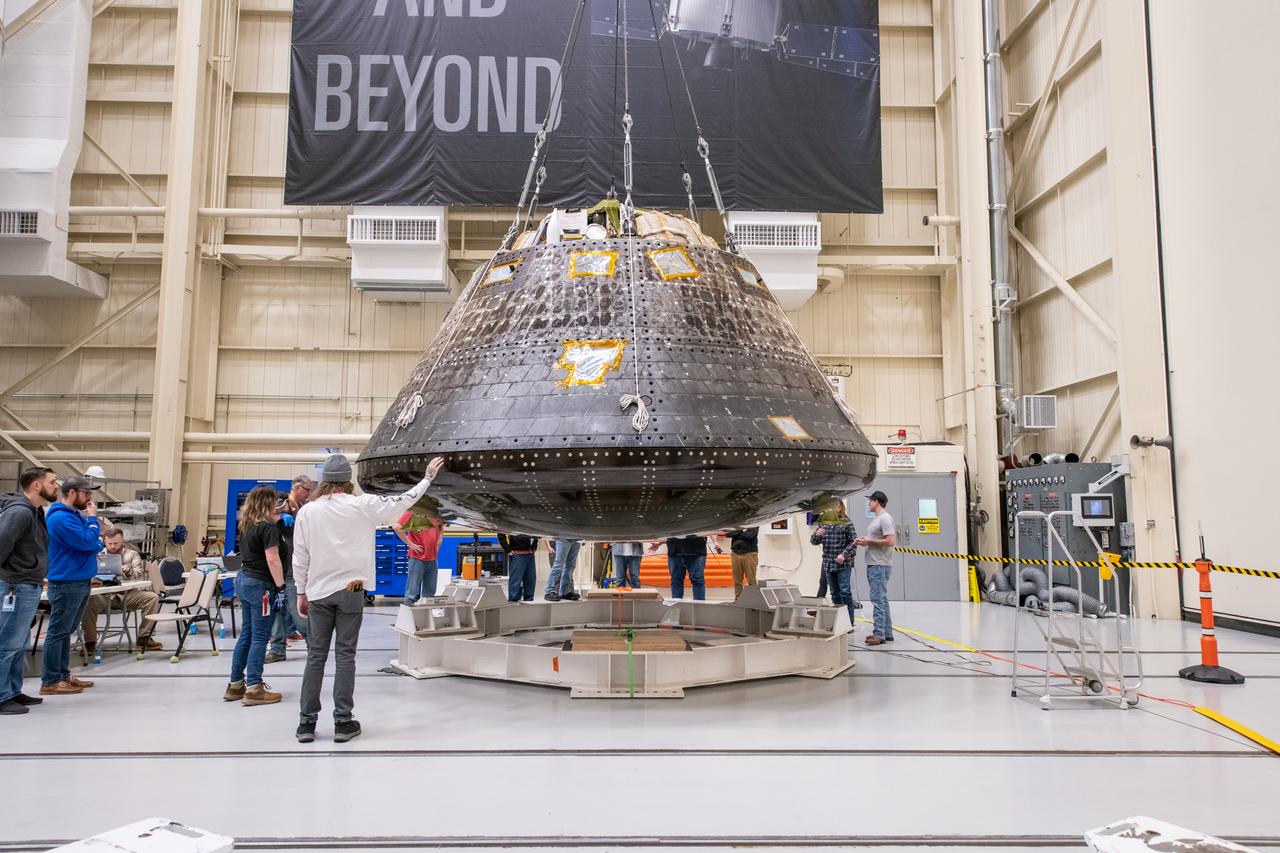
The Launch Abort System and the Orion Crew Module, also known as the Orion Environmental Test Article (ETA), returned to NASA’s Neil Armstrong Test Facility in Sandusky, Ohio, in October 2023 through January 2024 and completed an 11-month test campaign necessary for the safety and success of Artemis II. Photo Credit: (NASA/Jordan Salkin)