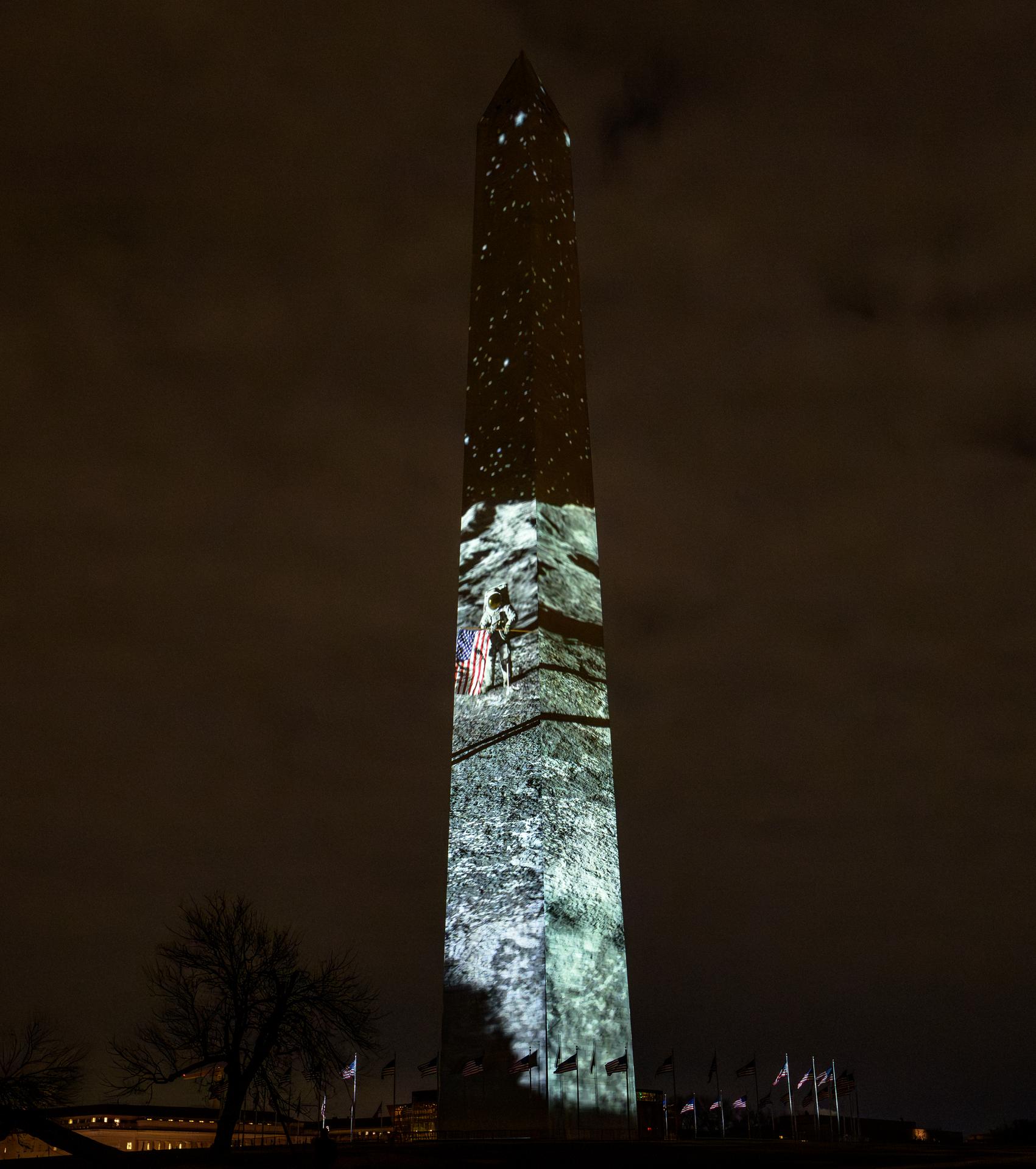
Images depicting NASA Apollo Moon missions are projected onto the Washington Monument as part of an event to kick off the nation's 250th birthday year, Wednesday, Dec. 31, 2025, in Washington. Photo Credit: (NASA/Bill Ingalls)
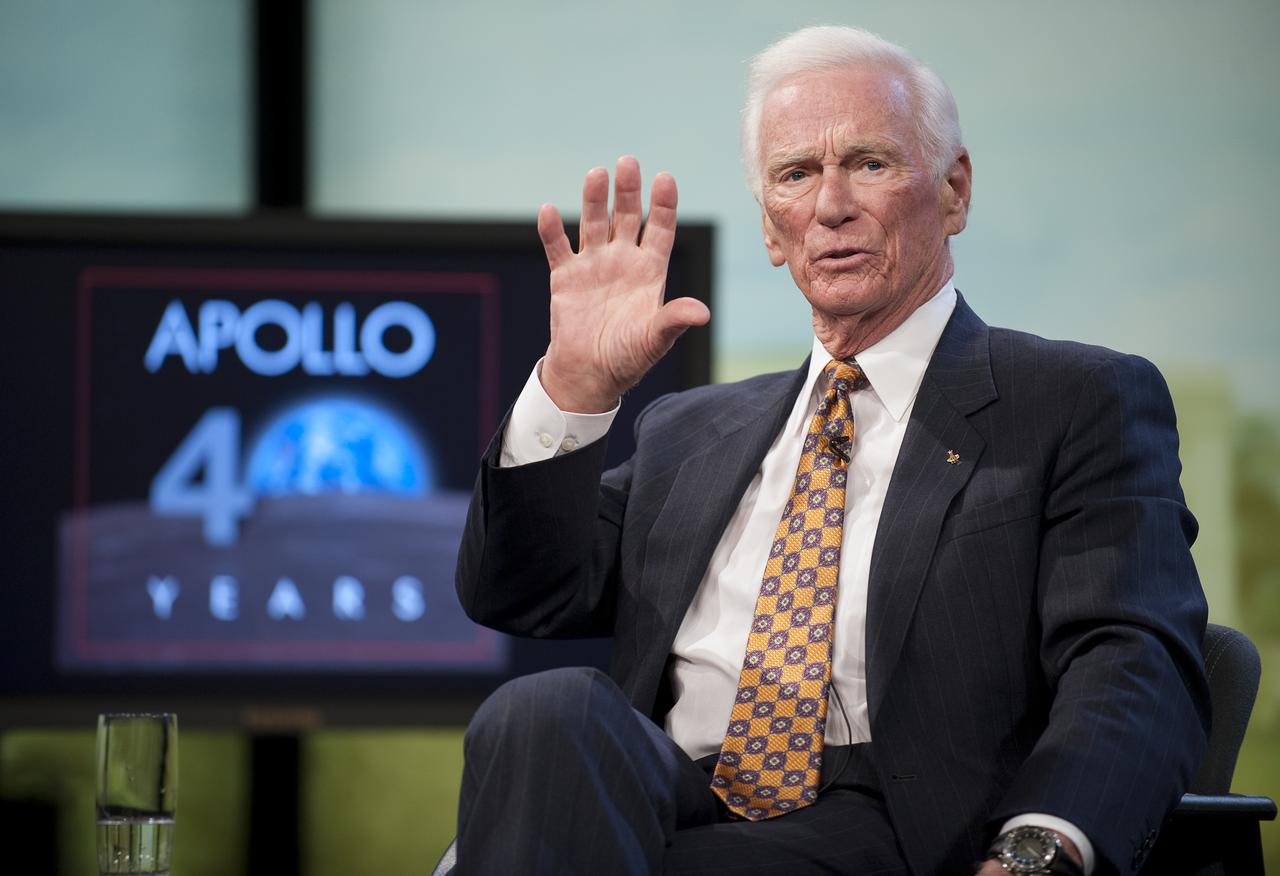
NASA Apollo 10 Astronaut Gene Cernan explains how wonderful the Earth looked from the Moon during a Newseum TV program celebrating the 40th anniversary of Apollo 10, Monday, May 18, 2009, in Washington. Photo Credit (NASA/Bill Ingalls)
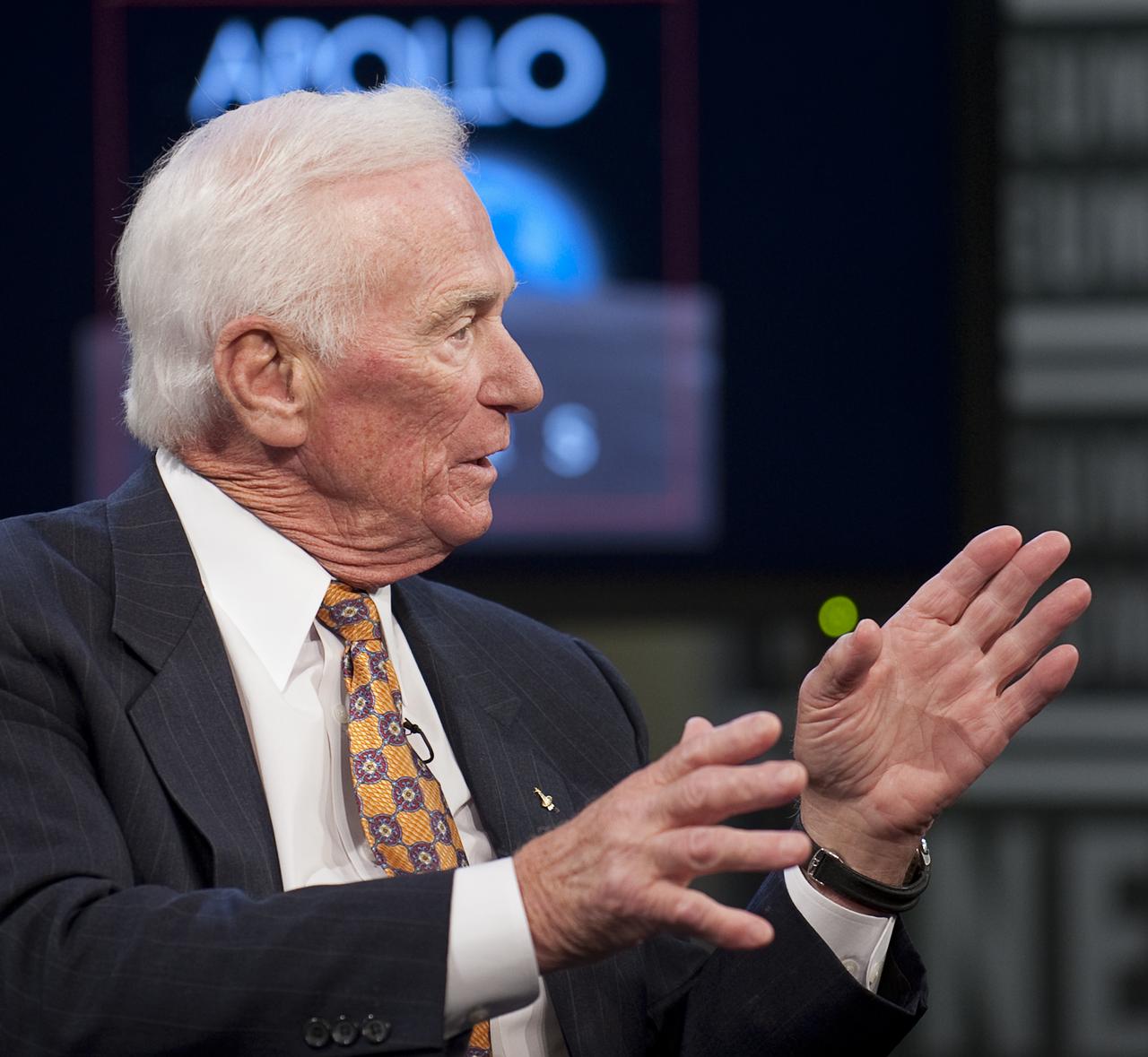
NASA Apollo 10 Astronaut Gene Cernan explains the importance of the nations space program for future generations during a Newseum TV program celebrating the 40th anniversary of Apollo 10, Monday, May 18, 2009, in Washington. Photo Credit (NASA/Bill Ingalls)
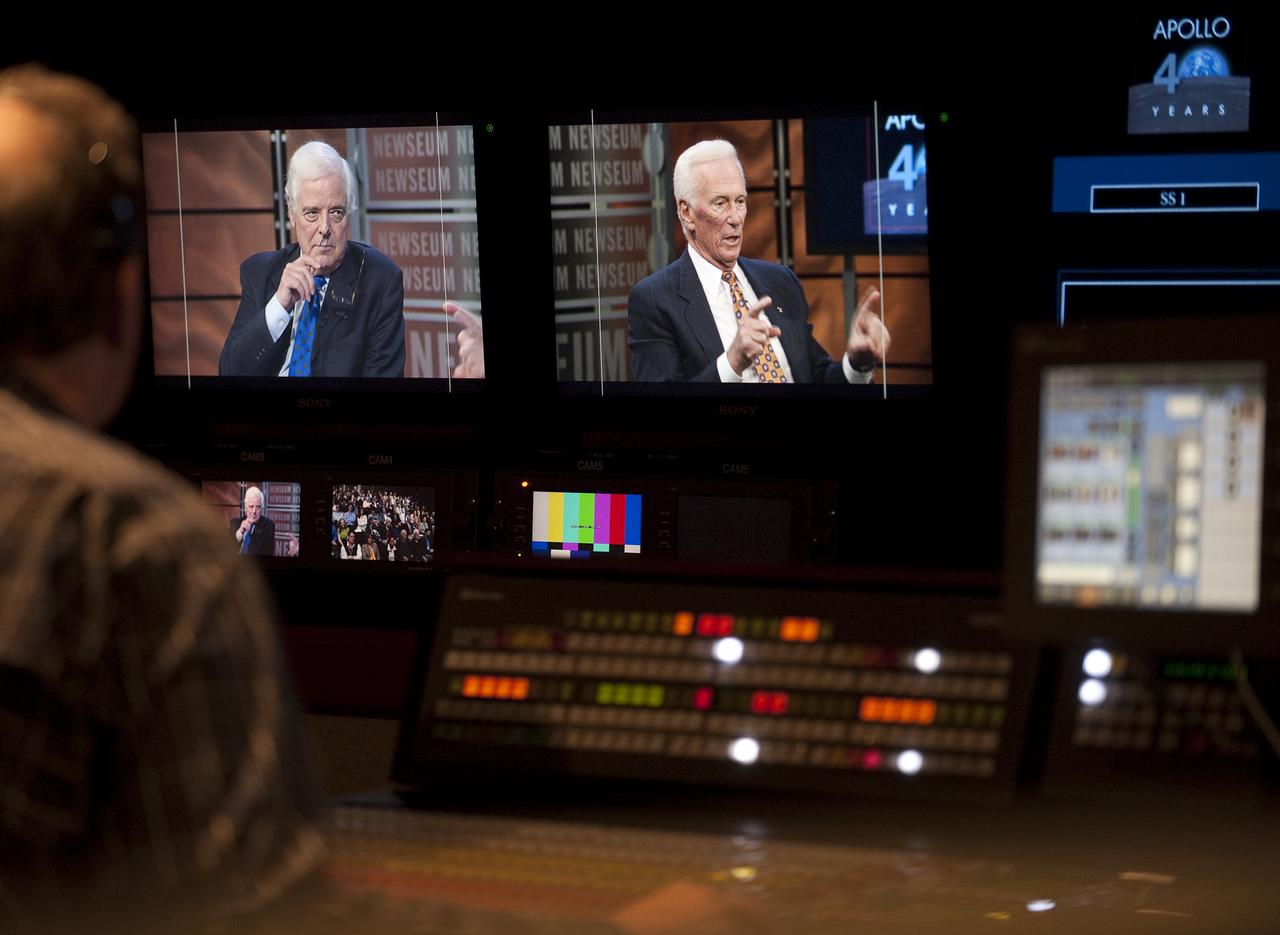
In this image made inside the TV production studio of the Newseum, NASA Apollo 10 Astronaut Gene Cernan, right monitor, answers questions from the Newseum's distinguished journalist-in-residence, Nick Clooney, left monitor, during a Newseum TV program celebrating the 40th anniversary of Apollo 10, Monday, May 18, 2009, in Washington. Photo Credit (NASA/Bill Ingalls)
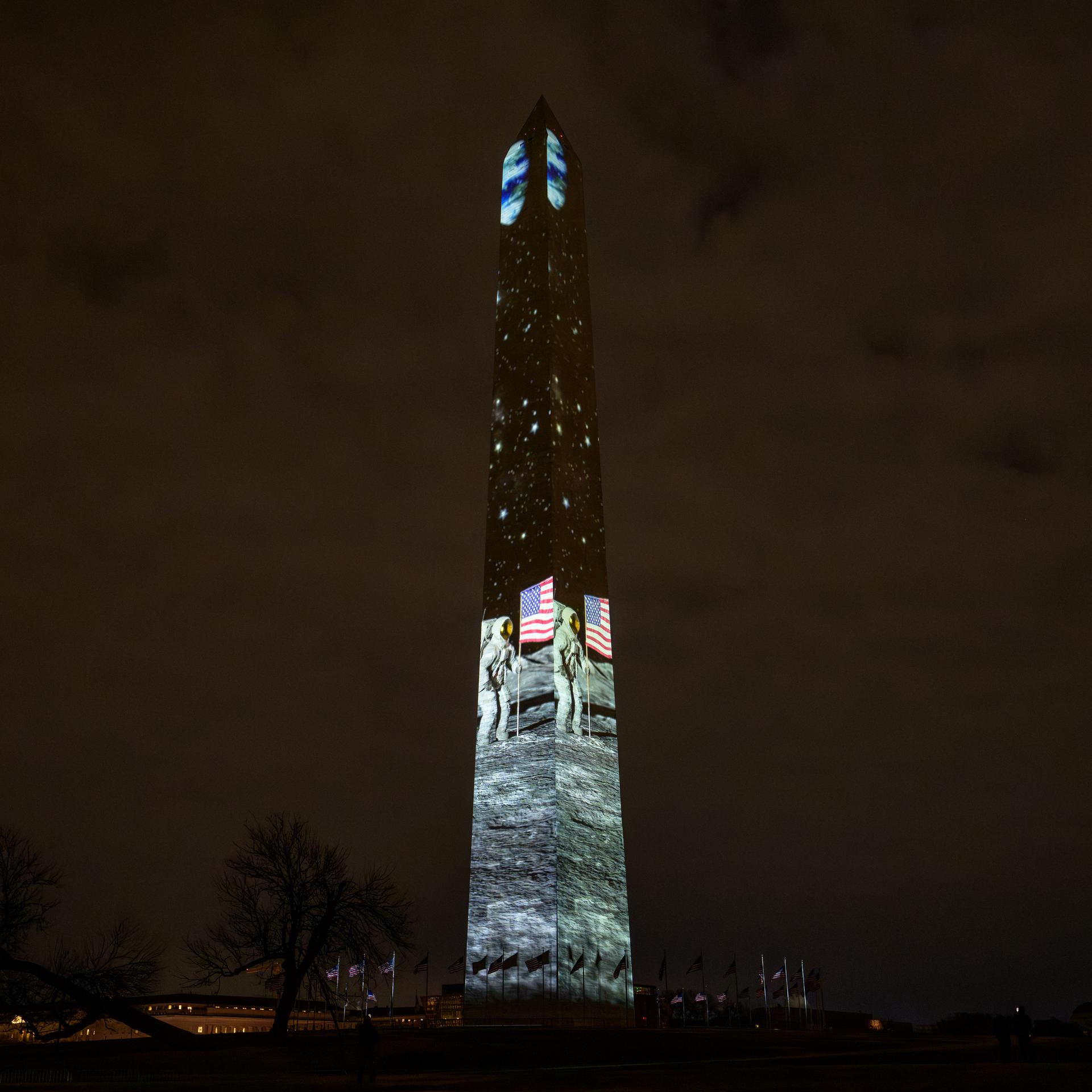
Images depicting NASA Apollo Moon missions are projected onto Washington Monument as part of an event to kick off the nation's 250th birthday year, Wednesday, Dec. 31, 2025, in Washington. Photo Credit: (NASA/Bill Ingalls)
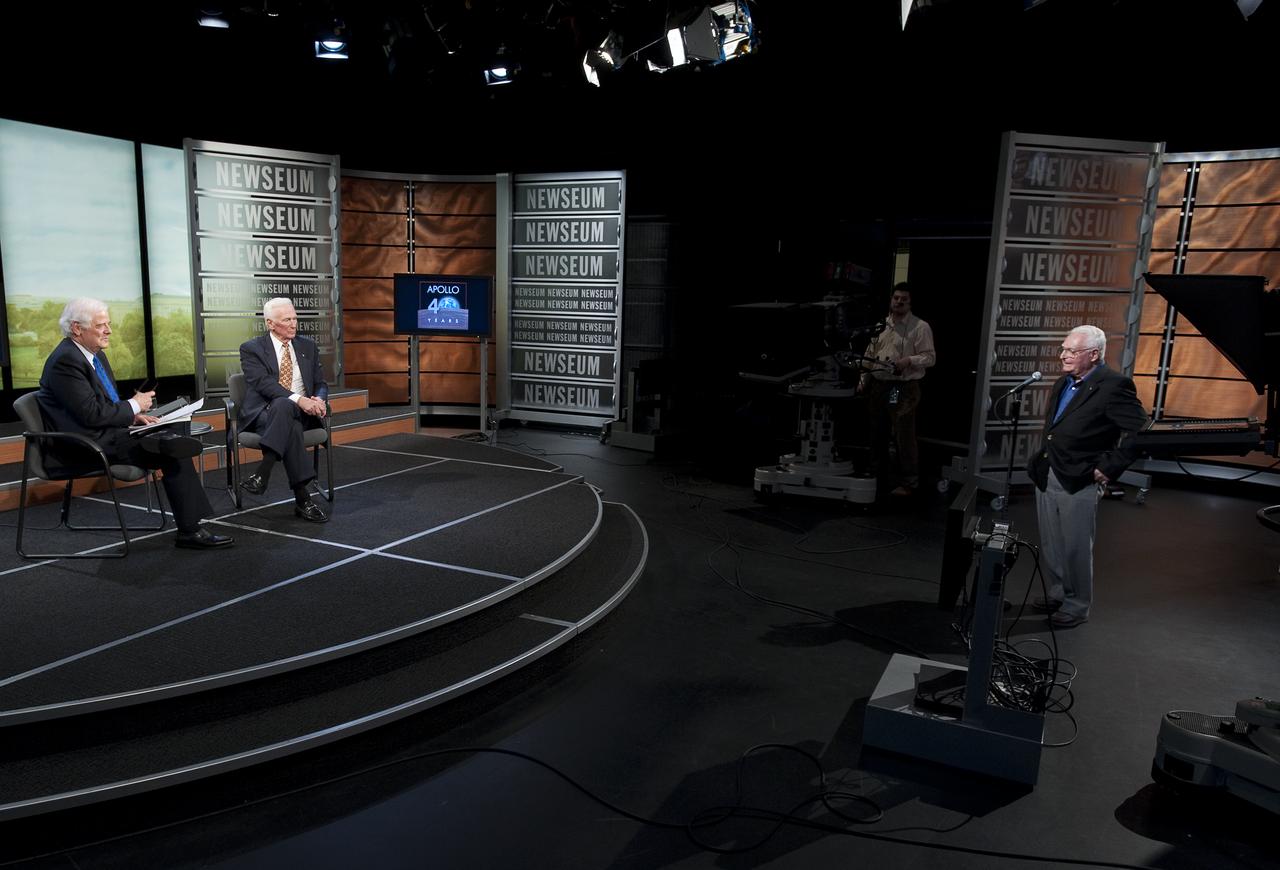
NASA Apollo 10 Astronaut Gene Cernan, on stage, right, and the Newseum's distinguished journalist-in-residence, Nick Clooney, on stage, left, talk with a Stan LeBar, Program Manager of the Apollo TV Lunar Camera who helped see that Apollo 10 was the first mission to broadcast in color from the moon during a Newseum TV program celebrating the 40th anniversary of Apollo 10, Monday, May 18, 2009, in Washington. Photo Credit (NASA/Bill Ingalls)
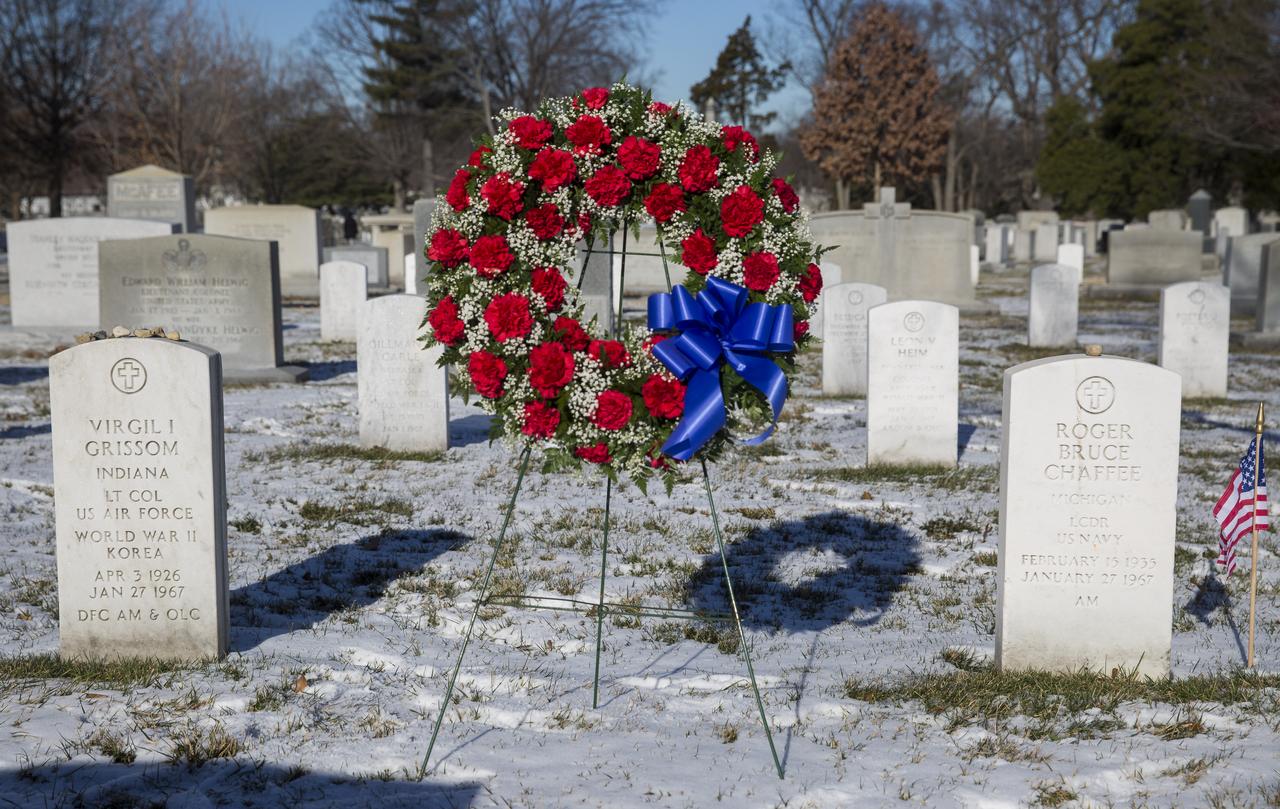
The grave markers of Virgil "Gus" Grissom and Roger Chaffee, from Apollo 1, are seen after a wreath laying ceremony that was part of NASA's Day of Remembrance, Wednesday, Jan. 28, 2015, at Arlington National Cemetery in Arlington, Va. Wreaths were laid in memory of those men and women who lost their lives in the quest for space exploration. Photo Credit: (NASA/Joel Kowsky)
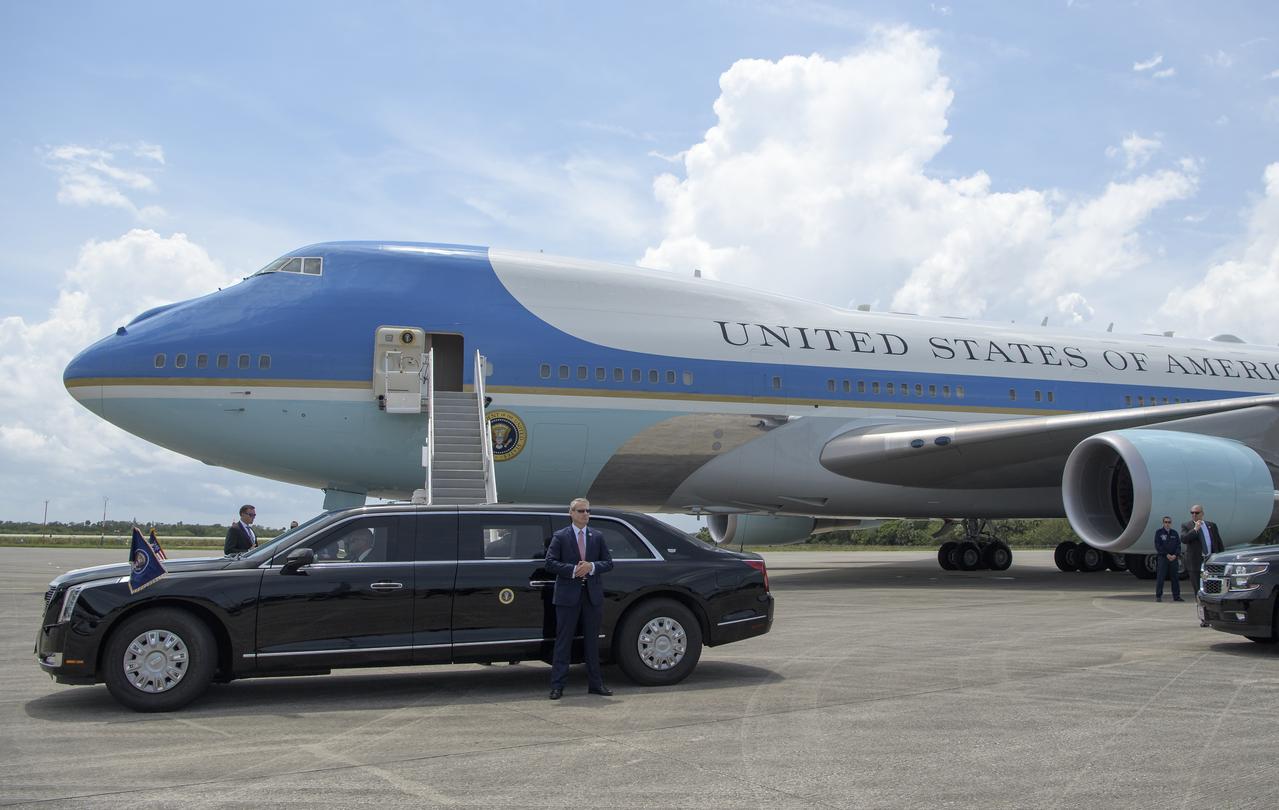
The President’s limousine also know as "the beast," is seen in front of Air Force One after President Donald Trump arrived at the Launch and Landing Facility at NASA’s Kennedy Space Center ahead of SpaceX’s Demo-2 mission, Saturday, May 30, 2020, in Florida. NASA’s SpaceX Demo-2 mission is the first launch with astronauts of the SpaceX Crew Dragon spacecraft and Falcon 9 rocket to the International Space Station as part of the agency’s Commercial Crew Program. The test flight serves as an end-to-end demonstration of SpaceX’s crew transportation system. Behnken and Hurley are scheduled to launch at 3:22 p.m. EDT on Saturday, May 30, from Launch Complex 39A at the Kennedy Space Center. A new era of human spaceflight is set to begin as American astronauts once again launch on an American rocket from American soil to low-Earth orbit for the first time since the conclusion of the Space Shuttle Program in 2011. Photo Credit: (NASA/Bill Ingalls)
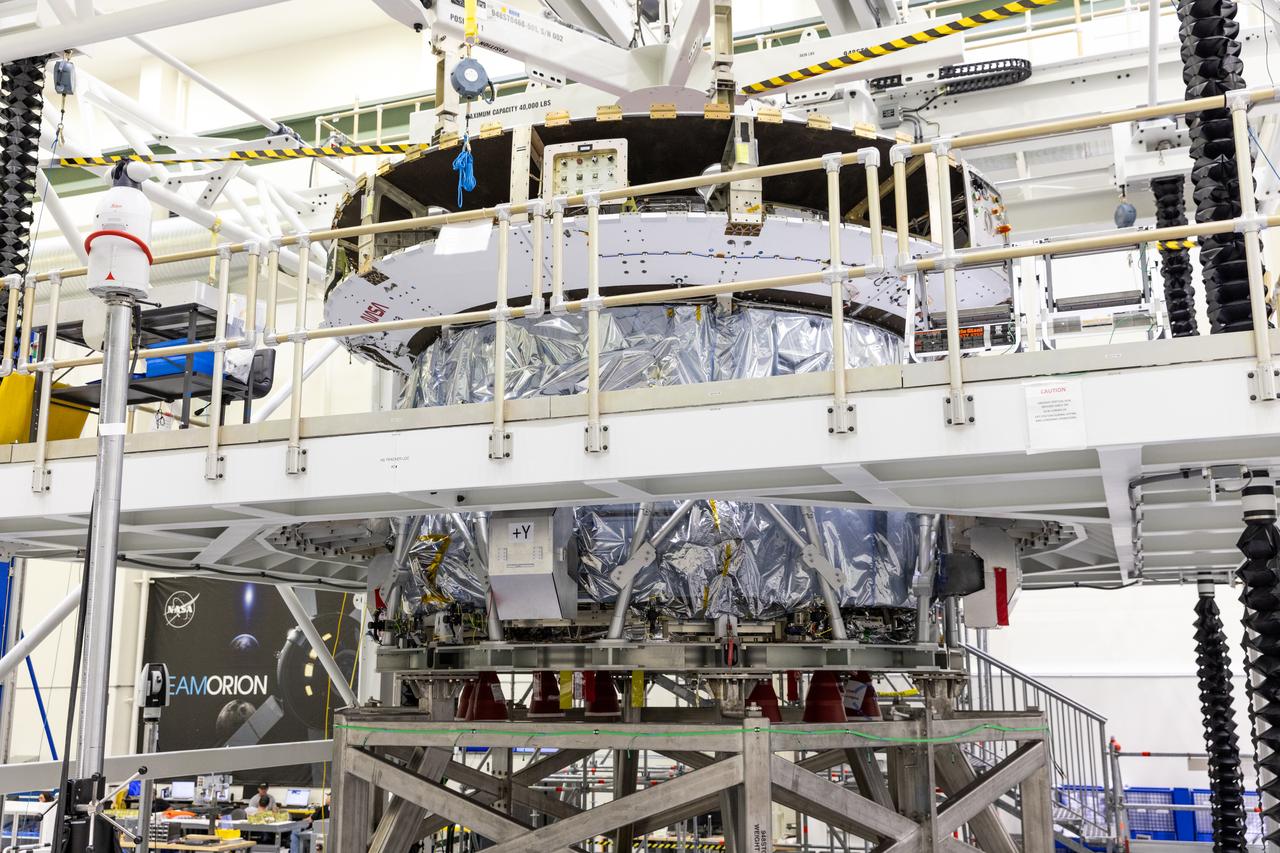
Teams began connecting the European Service Module 3 to the crew module adapter on Tuesday, Sept. 24, 2024, inside the Neil A. Armstrong Operations and Checkout Building at NASA’s Kennedy Space Center in Florida. The integrated hardware will provide propulsion, thermal control, and electrical power for NASA’s Orion spacecraft set to carry four NASA astronauts to the lunar South Pole region of the Moon for the agency’s Artemis III campaign.
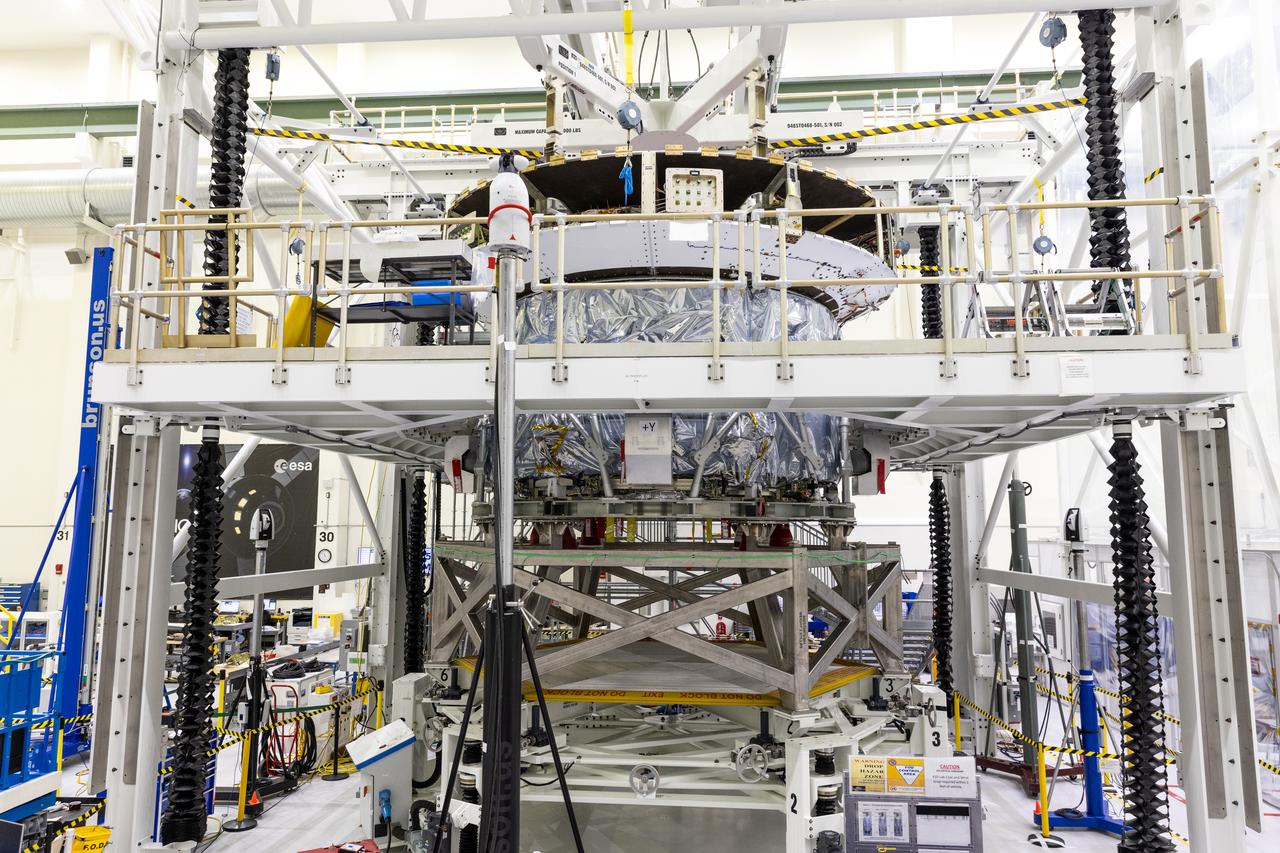
Teams began connecting European Service Module 3 to the crew module adapter on Tuesday, Sept. 24, 2024, inside the Neil A. Armstrong Operations and Checkout Building at NASA’s Kennedy Space Center in Florida. The integrated hardware will provide propulsion, thermal control, and electrical power for NASA’s Orion spacecraft set to carry four NASA astronauts to the lunar South Pole region of the Moon for the agency’s Artemis III campaign.

Teams began connecting the European Service Module 3 to the crew module adapter on Tuesday, Sept. 24, 2024, inside the Neil A. Armstrong Operations and Checkout Building at NASA’s Kennedy Space Center in Florida. The integrated hardware will provide propulsion, thermal control, and electrical power for NASA’s Orion spacecraft set to carry four NASA astronauts to the lunar South Pole region of the Moon for the agency’s Artemis III campaign.

This composite image of seven pictures shows the progression of a partial solar eclipse near from Ross Lake, Northern Cascades National Park, Washington on Monday, Aug. 21, 2017. The second to the last frame shows the International Space Station, with a crew of six onboard, in silhouette as it transits the Sun at roughly five miles per second. A total solar eclipse swept across a narrow portion of the contiguous United States from Lincoln Beach, Oregon to Charleston, South Carolina. A partial solar eclipse was visible across the entire North American continent along with parts of South America, Africa, and Europe. Photo Credit: (NASA/Bill Ingalls)
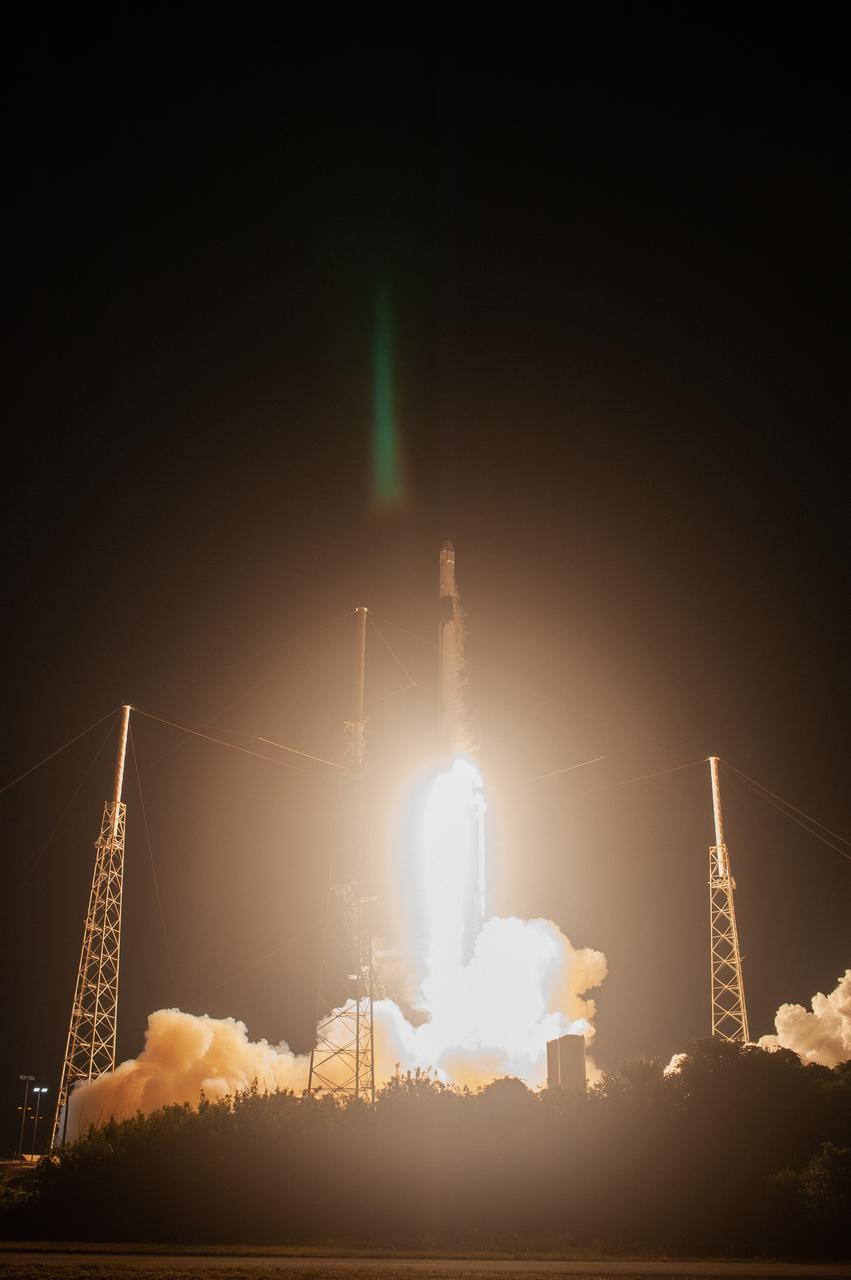
The SpaceX Falcon 9 rocket with the Dragon cargo module climbs upward after liftoff from Space Launch Complex 40 on Cape Canaveral Air Force Station in Florida in the early morning May 4, 2019. Liftoff was at 2:48 a.m. EDT. This is SpaceX’s 17th Commercial Resupply Services (CRS-17) mission for NASA to the International Space Station. The Dragon cargo module will deliver about 5,500 pounds of science and research, crew supplies and vehicle hardware to the orbital laboratory and its crew.
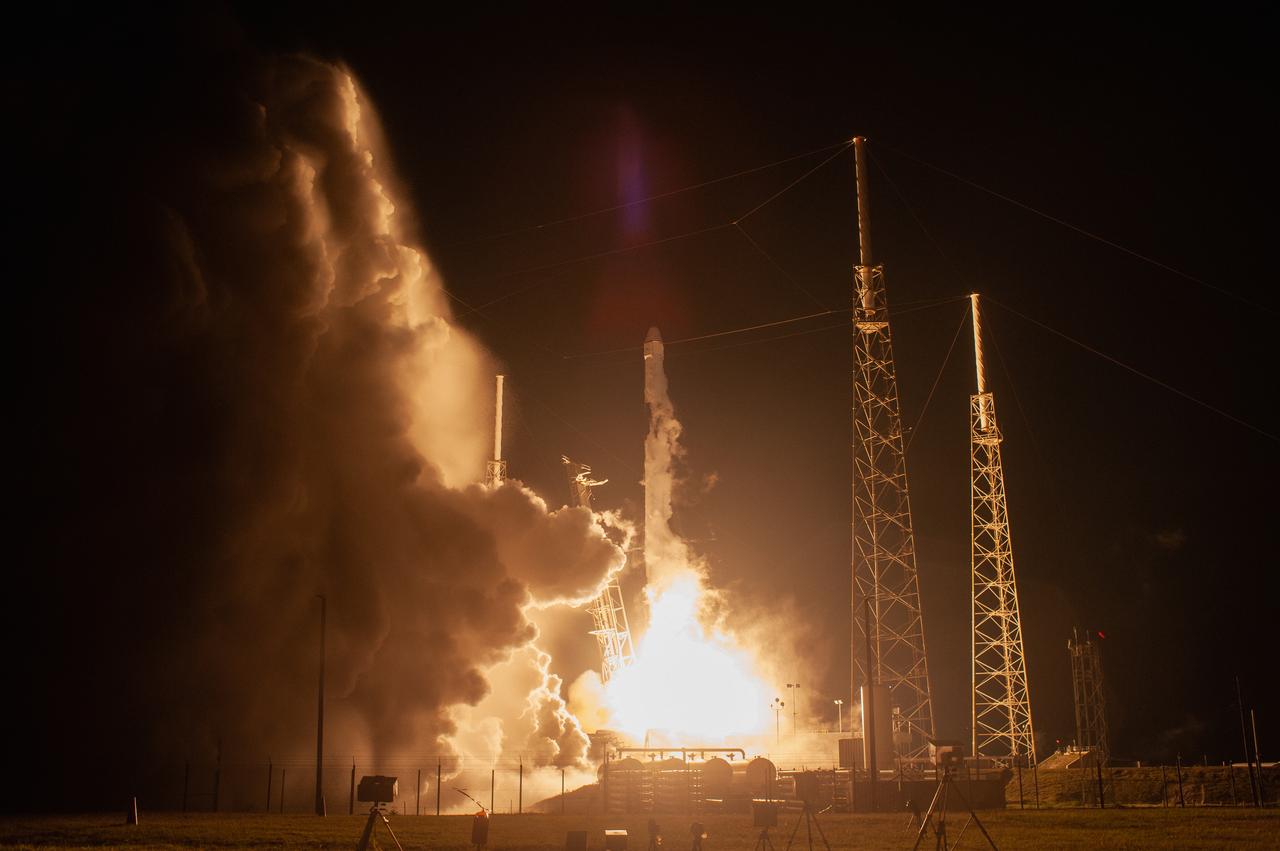
The SpaceX Falcon 9 rocket with the Dragon cargo module lifts off Space Launch Complex 40 on Cape Canaveral Air Force Station in Florida in the early morning May 4, 2019. Liftoff was at 2:48 a.m. EDT. This is SpaceX’s 17th Commercial Resupply Services (CRS-17) mission for NASA to the International Space Station. The Dragon cargo module will deliver about 5,500 pounds of science and research, crew supplies and vehicle hardware to the orbital laboratory and its crew.
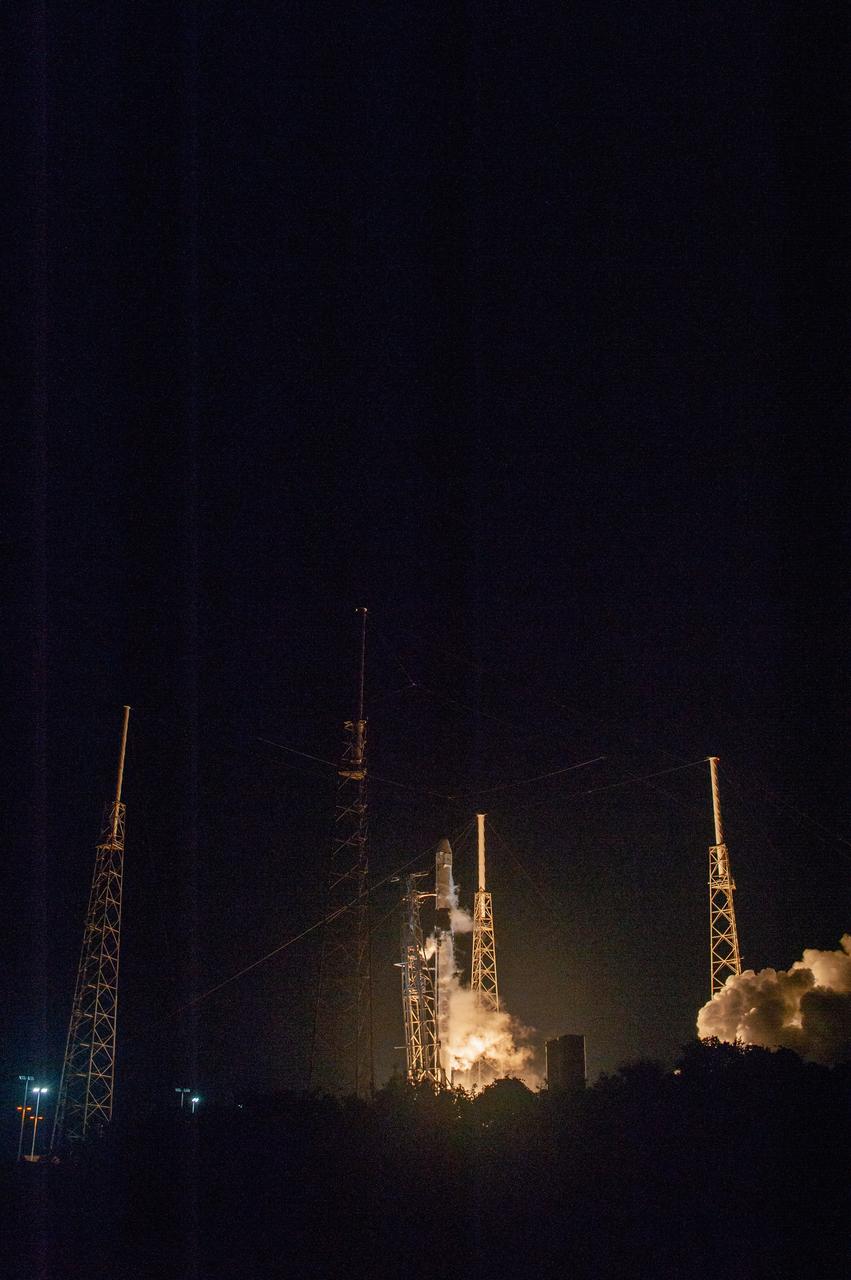
The SpaceX Falcon 9 rocket with the Dragon cargo module lifts off Space Launch Complex 40 on Cape Canaveral Air Force Station in Florida in the early morning May 4, 2019. Liftoff was at 2:48 a.m. EDT. This is SpaceX’s 17th Commercial Resupply Services (CRS-17) mission for NASA to the International Space Station. The Dragon cargo module will deliver about 5,500 pounds of science and research, crew supplies and vehicle hardware to the orbital laboratory and its crew.
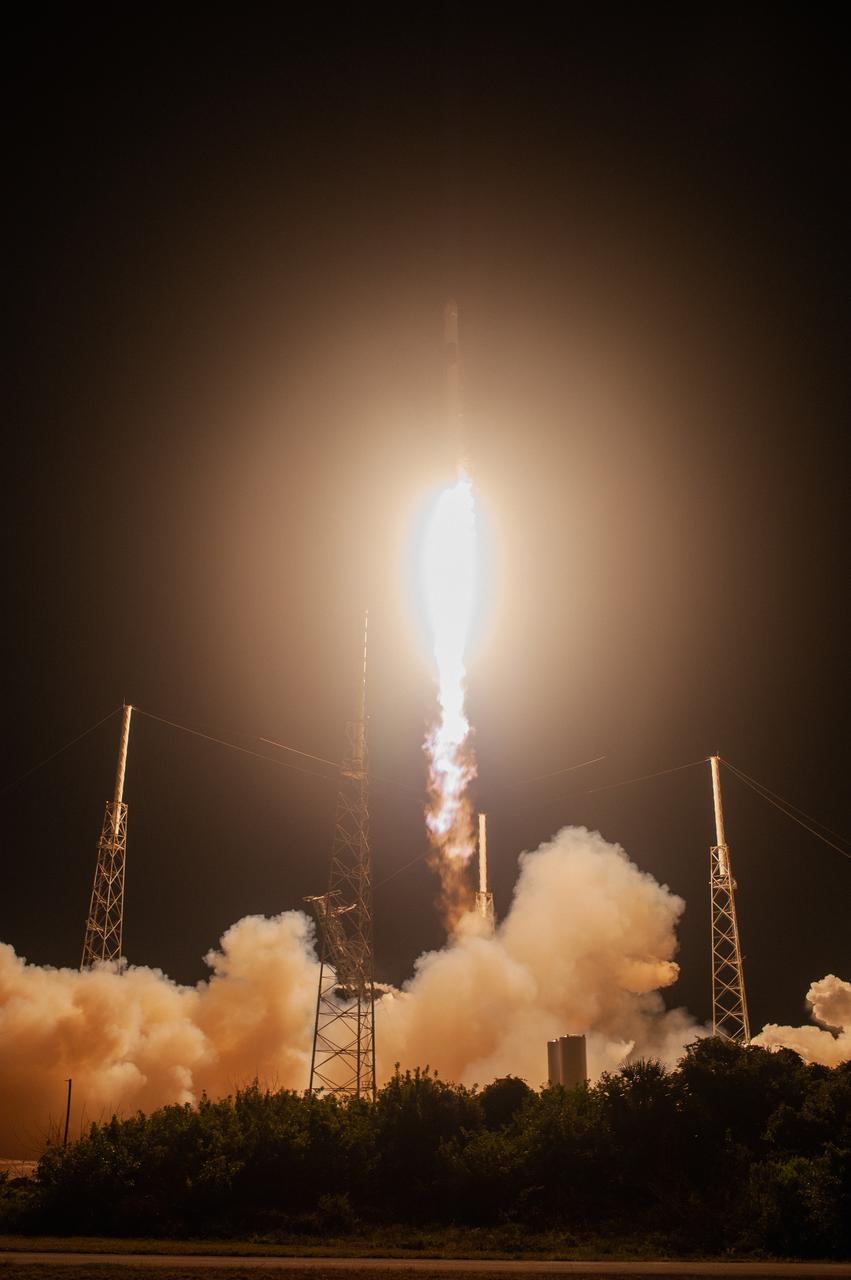
The SpaceX Falcon 9 rocket with the Dragon cargo module climbs upward after liftoff from Space Launch Complex 40 on Cape Canaveral Air Force Station in Florida in the early morning May 4, 2019. Liftoff was at 2:48 a.m. EDT. This is SpaceX’s 17th Commercial Resupply Services (CRS-17) mission for NASA to the International Space Station. The Dragon cargo module will deliver about 5,500 pounds of science and research, crew supplies and vehicle hardware to the orbital laboratory and its crew.
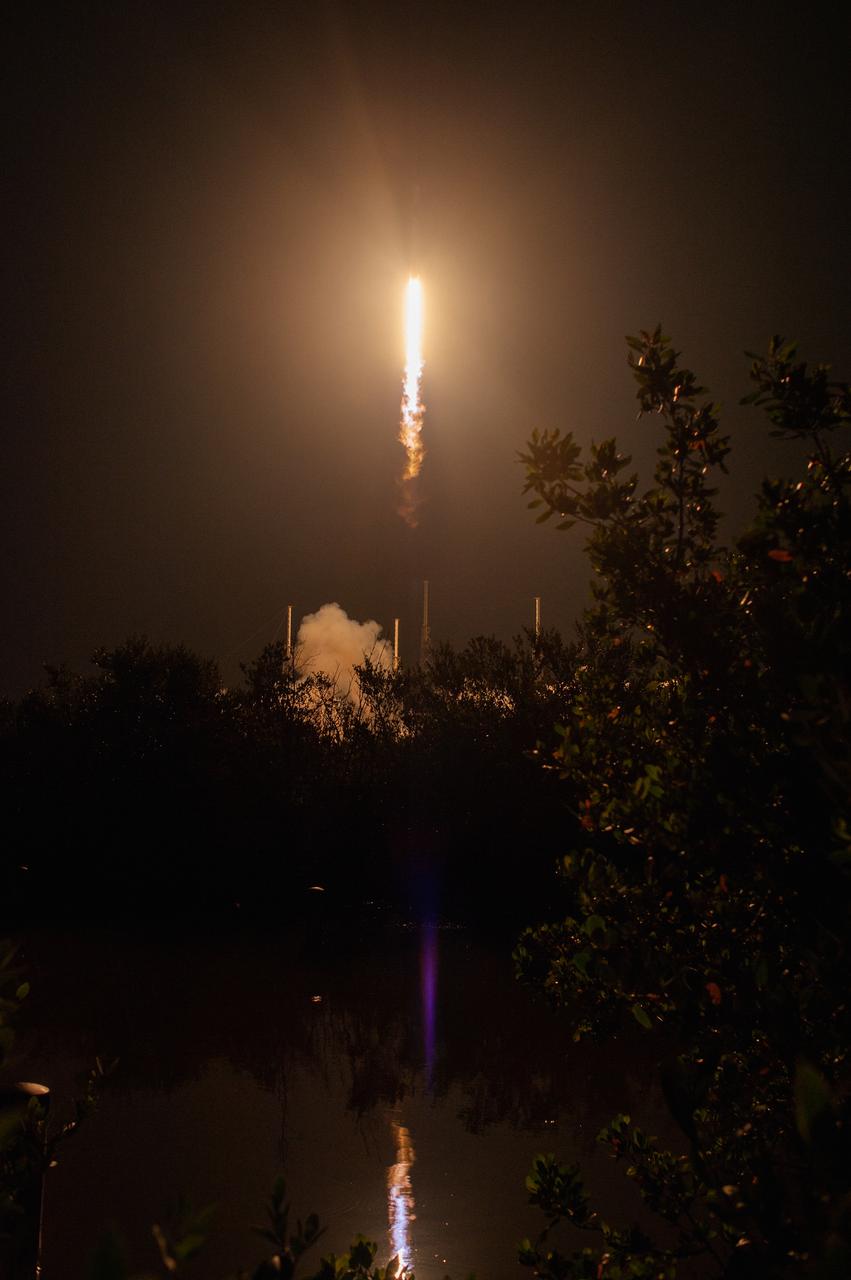
The SpaceX Falcon 9 rocket with the Dragon cargo module climbs upward after liftoff from Space Launch Complex 40 on Cape Canaveral Air Force Station in Florida in the early morning May 4, 2019. Liftoff was at 2:48 a.m. EDT. This is SpaceX’s 17th Commercial Resupply Services (CRS-17) mission for NASA to the International Space Station. The Dragon cargo module will deliver about 5,500 pounds of science and research, crew supplies and vehicle hardware to the orbital laboratory and its crew.
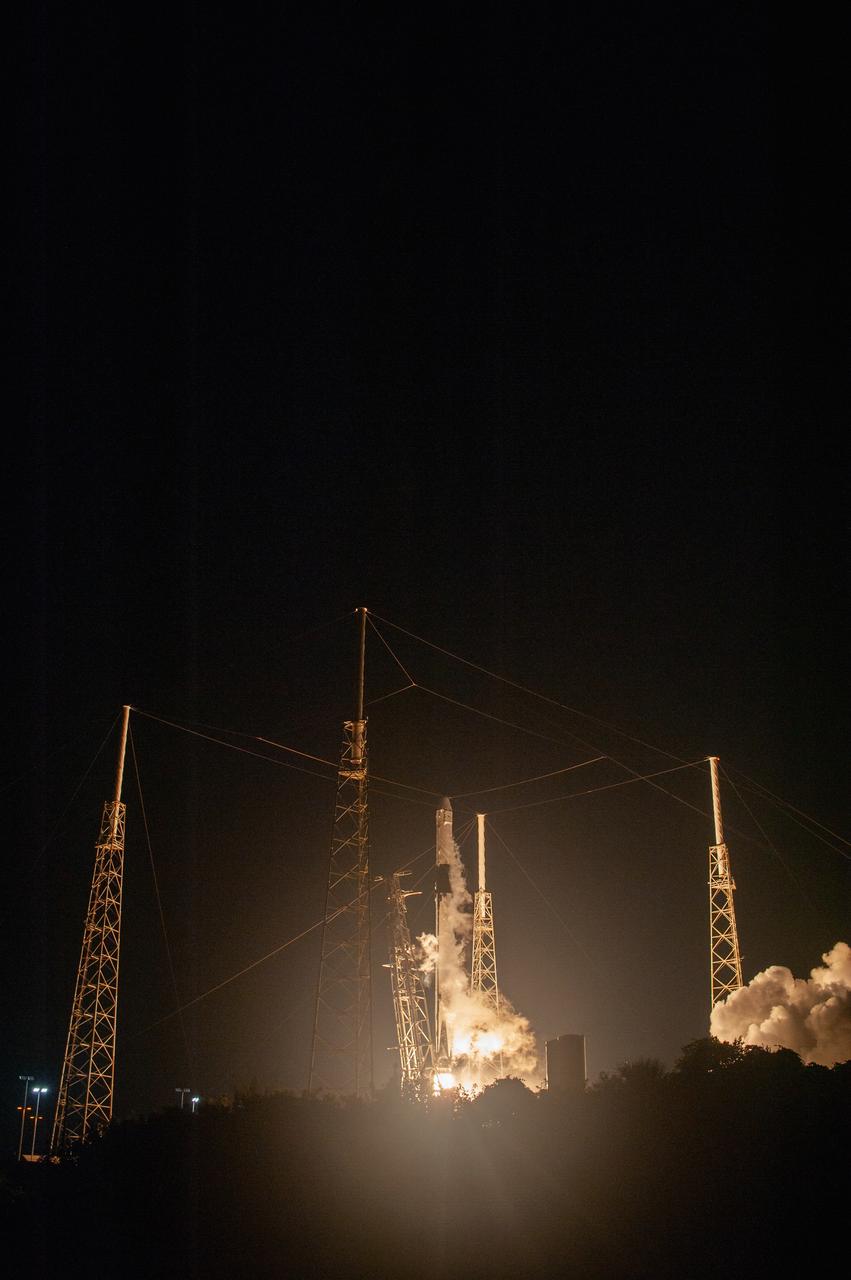
The SpaceX Falcon 9 rocket with the Dragon cargo module lifts off Space Launch Complex 40 on Cape Canaveral Air Force Station in Florida in the early morning May 4, 2019. Liftoff was at 2:48 a.m. EDT. This is SpaceX’s 17th Commercial Resupply Services (CRS-17) mission for NASA to the International Space Station. The Dragon cargo module will deliver about 5,500 pounds of science and research, crew supplies and vehicle hardware to the orbital laboratory and its crew.
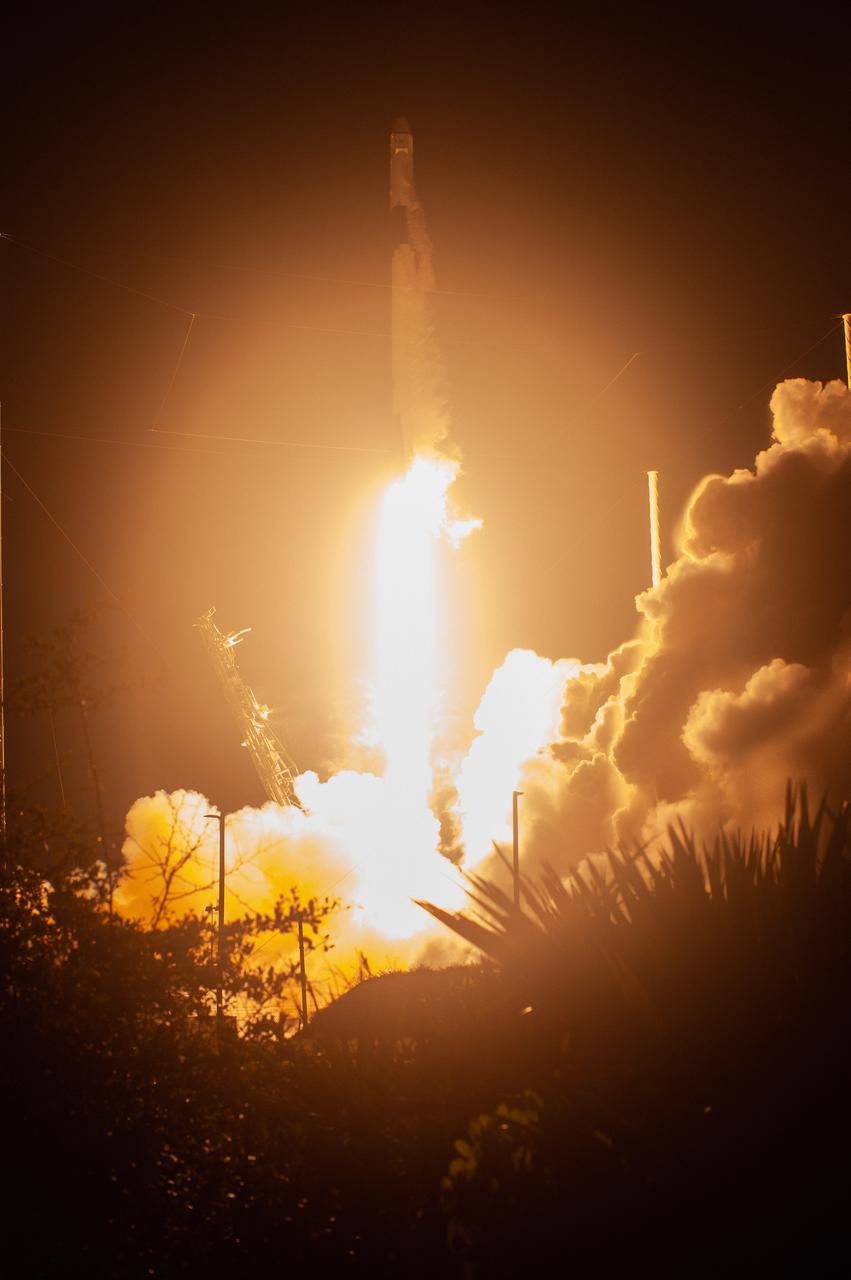
The SpaceX Falcon 9 rocket with the Dragon cargo module climbs upward after liftoff from Space Launch Complex 40 on Cape Canaveral Air Force Station in Florida in the early morning May 4, 2019. Liftoff was at 2:48 a.m. EDT. This is SpaceX’s 17th Commercial Resupply Services (CRS-17) mission for NASA to the International Space Station. The Dragon cargo module will deliver about 5,500 pounds of science and research, crew supplies and vehicle hardware to the orbital laboratory and its crew.
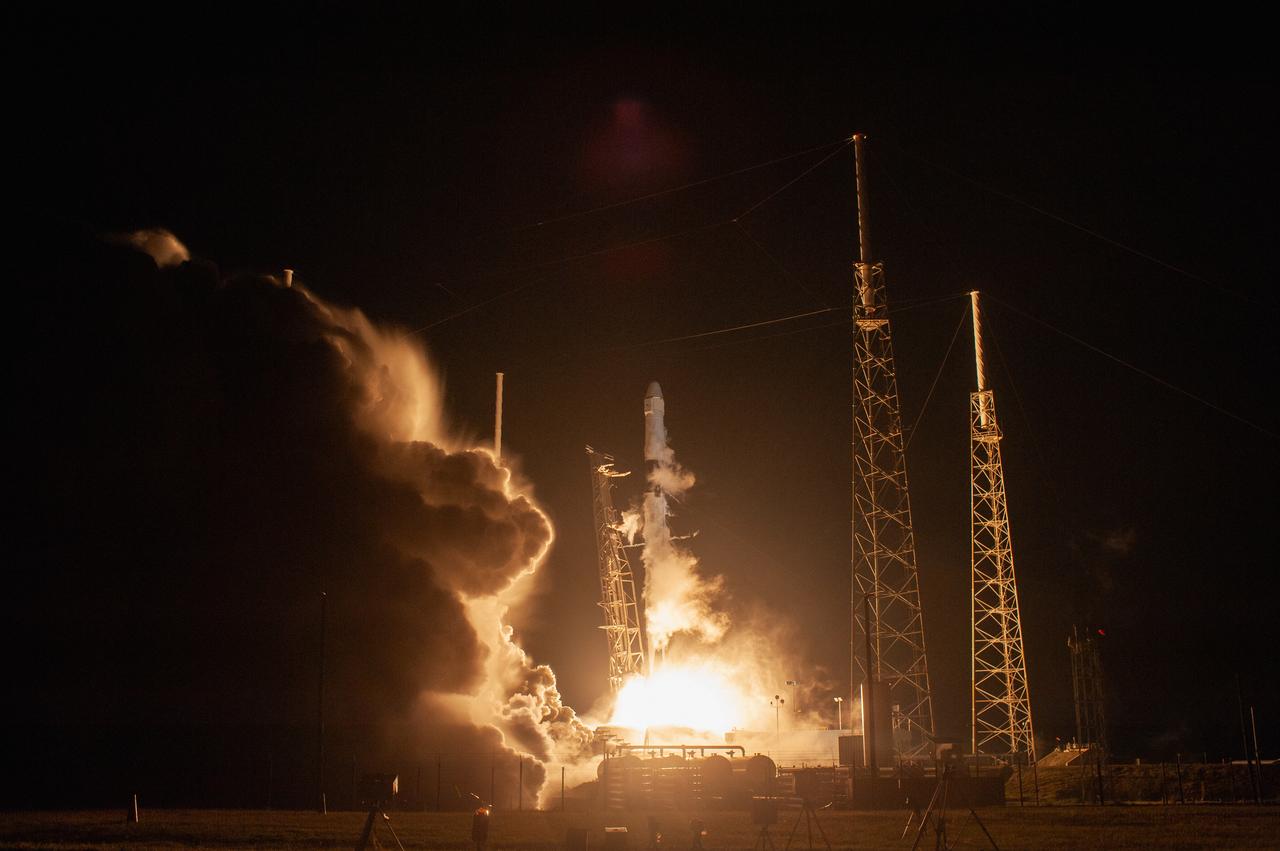
The SpaceX Falcon 9 rocket with the Dragon cargo module lifts off Space Launch Complex 40 on Cape Canaveral Air Force Station in Florida in the early morning May 4, 2019. Liftoff was at 2:48 a.m. EDT. This is SpaceX’s 17th Commercial Resupply Services (CRS-17) mission for NASA to the International Space Station. The Dragon cargo module will deliver about 5,500 pounds of science and research, crew supplies and vehicle hardware to the orbital laboratory and its crew.
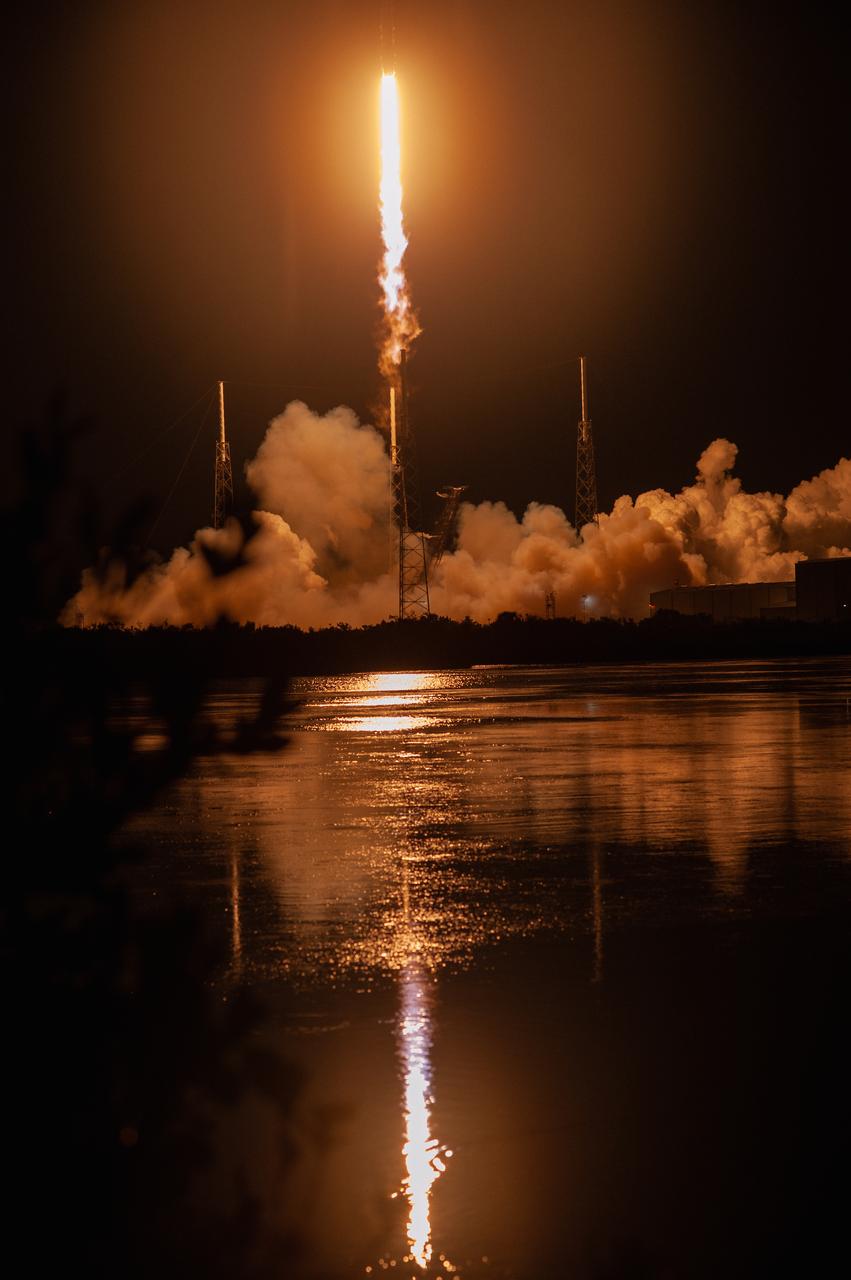
The SpaceX Falcon 9 rocket with the Dragon cargo module lifts off Space Launch Complex 40 on Cape Canaveral Air Force Station in Florida in the early morning May 4, 2019. Liftoff was at 2:48 a.m. EDT. This is SpaceX’s 17th Commercial Resupply Services (CRS-17) mission for NASA to the International Space Station. The Dragon cargo module will deliver about 5,500 pounds of science and research, crew supplies and vehicle hardware to the orbital laboratory and its crew.
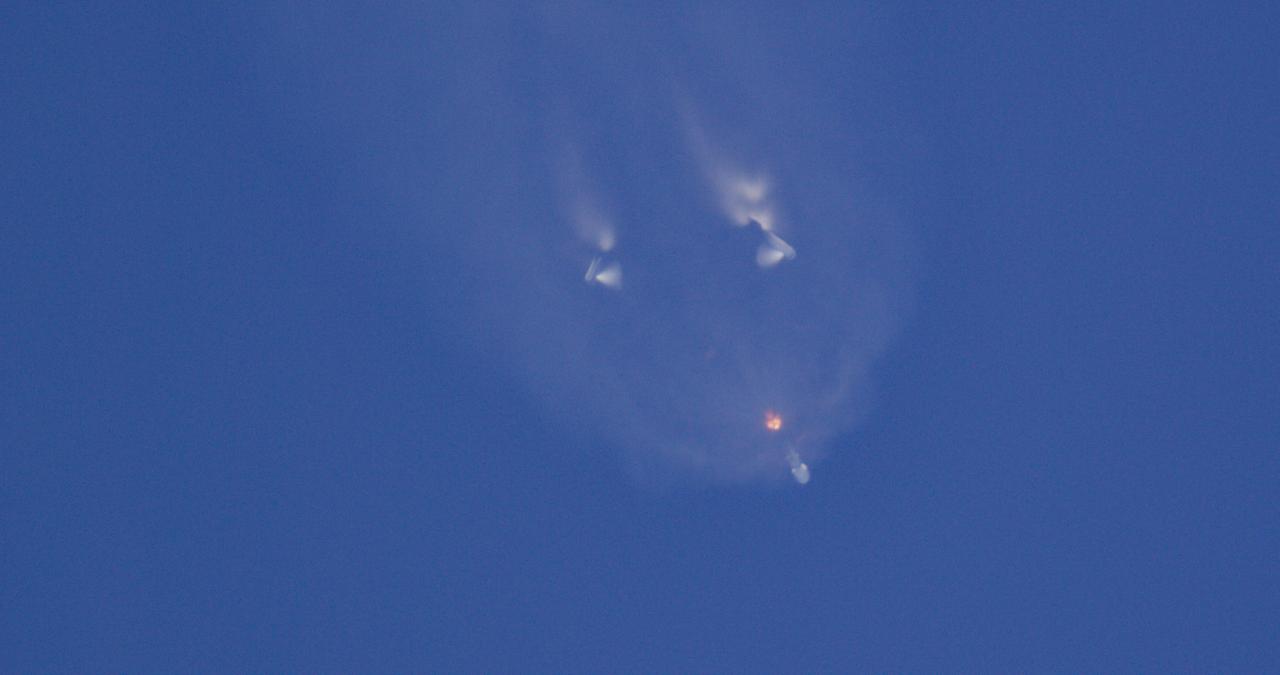
Side boosters separate from the center core on the SpaceX Falcon Heavy rocket carrying the National Oceanic and Atmospheric Administration (NOAA) GOES-U (Geostationary Operational Environmental Satellite U) after it lifts off from Launch Complex 39A at NASA’s Kennedy Space Center in Florida on Tuesday, June 25, 2024. The GOES-U satellite is the final satellite in the GOES-R series, which serves a critical role in providing continuous coverage of the Western Hemisphere, including monitoring tropical systems in the eastern Pacific and Atlantic oceans.
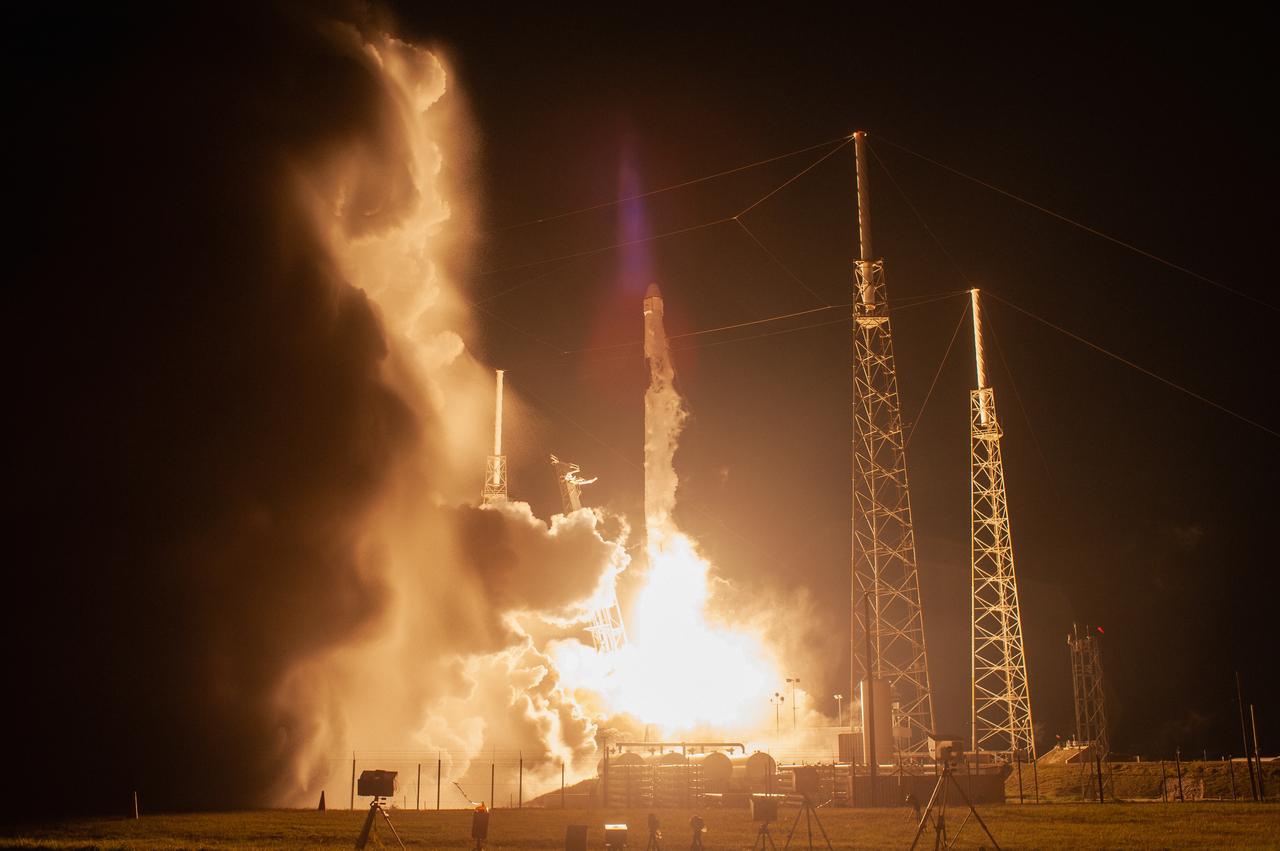
The SpaceX Falcon 9 rocket with the Dragon cargo module lifts off Space Launch Complex 40 on Cape Canaveral Air Force Station in Florida in the early morning May 4, 2019. Liftoff was at 2:48 a.m. EDT. This is SpaceX’s 17th Commercial Resupply Services (CRS-17) mission for NASA to the International Space Station. The Dragon cargo module will deliver about 5,500 pounds of science and research, crew supplies and vehicle hardware to the orbital laboratory and its crew.

The SpaceX Falcon 9 rocket with the Dragon cargo module climbs upward after liftoff from Space Launch Complex 40 on Cape Canaveral Air Force Station in Florida in the early morning May 4, 2019. Liftoff was at 2:48 a.m. EDT. This is SpaceX’s 17th Commercial Resupply Services (CRS-17) mission for NASA to the International Space Station. The Dragon cargo module will deliver about 5,500 pounds of science and research, crew supplies and vehicle hardware to the orbital laboratory and its crew.

The SpaceX Falcon 9 rocket with the Dragon cargo module lifts off Space Launch Complex 40 on Cape Canaveral Air Force Station in Florida in the early morning May 4, 2019. Liftoff was at 2:48 a.m. EDT. This is SpaceX’s 17th Commercial Resupply Services (CRS-17) mission for NASA to the International Space Station. The Dragon cargo module will deliver about 5,500 pounds of science and research, crew supplies and vehicle hardware to the orbital laboratory and its crew.
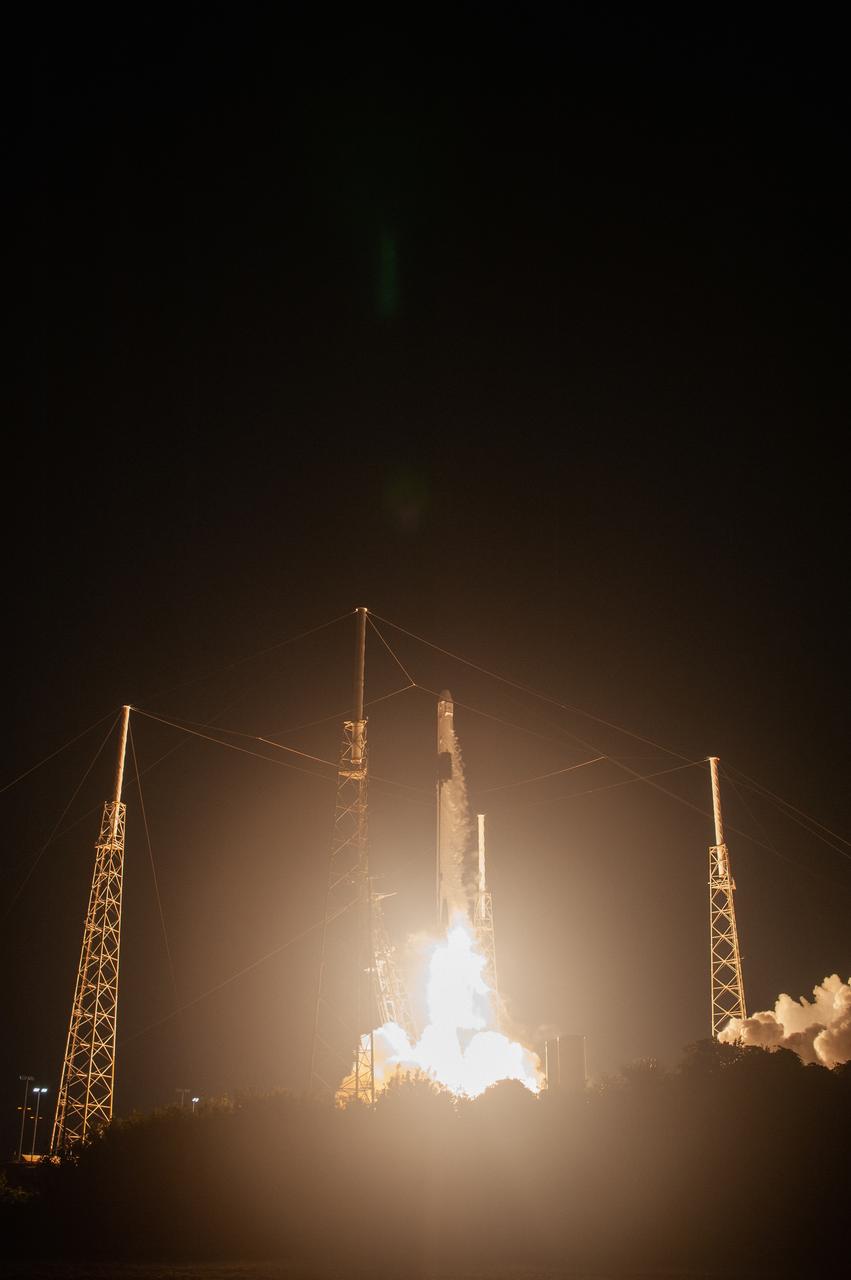
The SpaceX Falcon 9 rocket with the Dragon cargo module lifts off Space Launch Complex 40 on Cape Canaveral Air Force Station in Florida in the early morning May 4, 2019. Liftoff was at 2:48 a.m. EDT. This is SpaceX’s 17th Commercial Resupply Services (CRS-17) mission for NASA to the International Space Station. The Dragon cargo module will deliver about 5,500 pounds of science and research, crew supplies and vehicle hardware to the orbital laboratory and its crew.
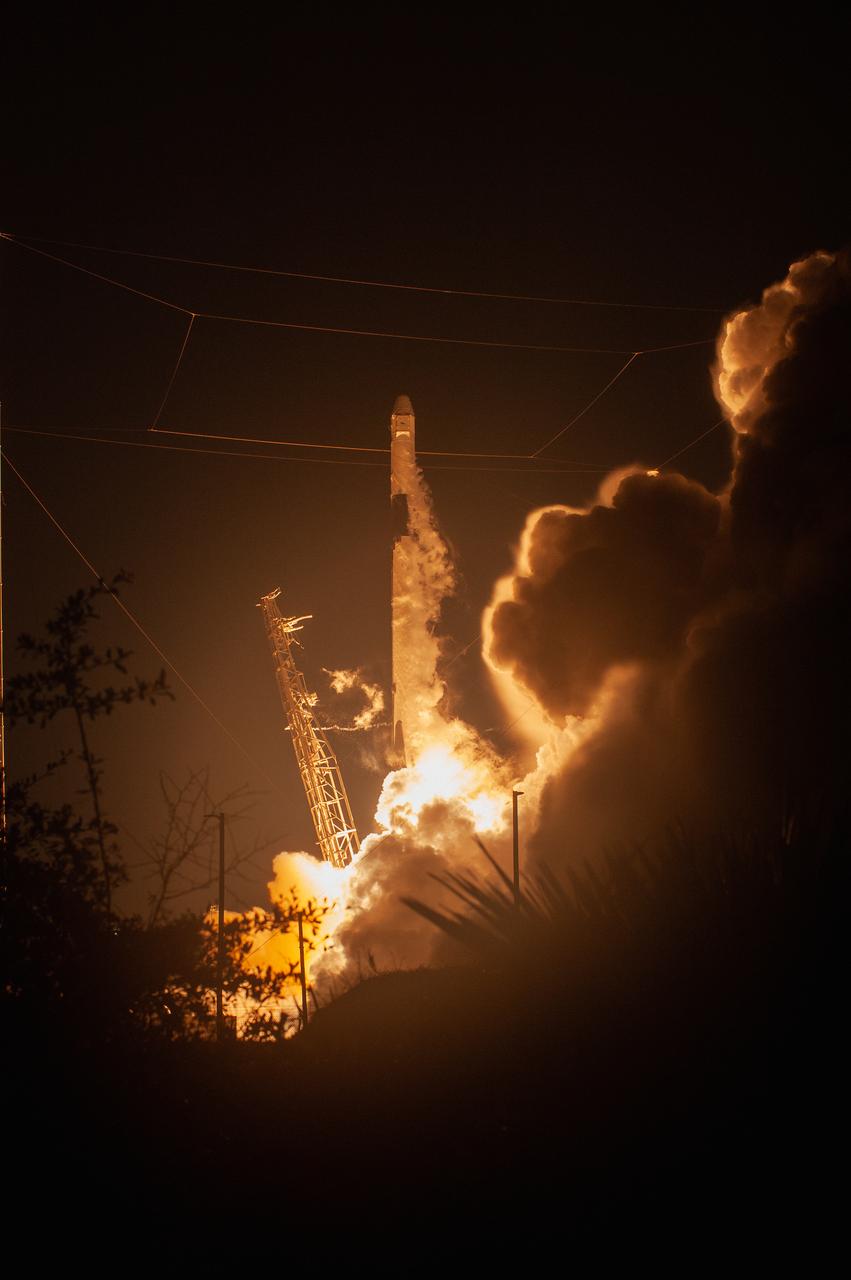
The SpaceX Falcon 9 rocket with the Dragon cargo module climbs upward after liftoff from Space Launch Complex 40 on Cape Canaveral Air Force Station in Florida in the early morning May 4, 2019. Liftoff was at 2:48 a.m. EDT. This is SpaceX’s 17th Commercial Resupply Services (CRS-17) mission for NASA to the International Space Station. The Dragon cargo module will deliver about 5,500 pounds of science and research, crew supplies and vehicle hardware to the orbital laboratory and its crew.
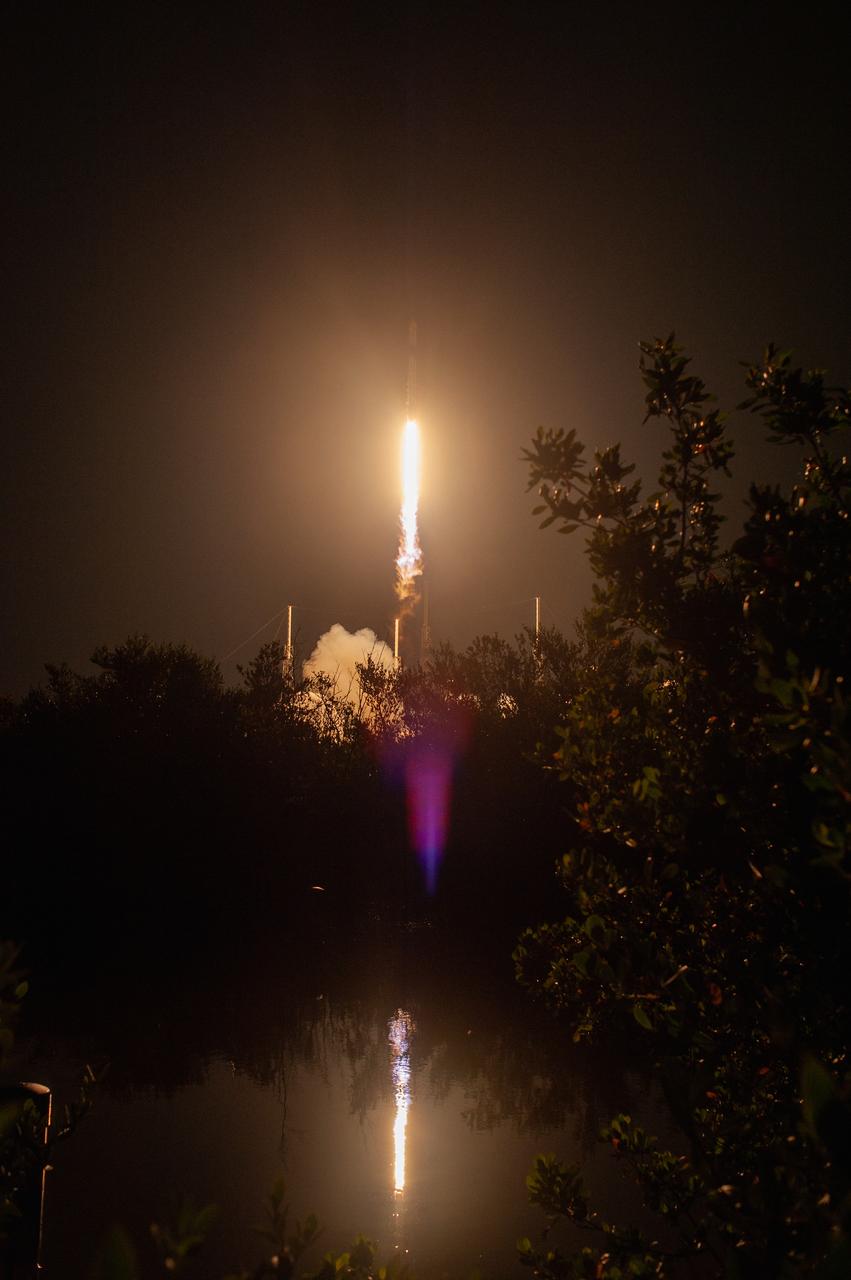
The SpaceX Falcon 9 rocket with the Dragon cargo module climbs upward after liftoff from Space Launch Complex 40 on Cape Canaveral Air Force Station in Florida in the early morning May 4, 2019. Liftoff was at 2:48 a.m. EDT. This is SpaceX’s 17th Commercial Resupply Services (CRS-17) mission for NASA to the International Space Station. The Dragon cargo module will deliver about 5,500 pounds of science and research, crew supplies and vehicle hardware to the orbital laboratory and its crew.
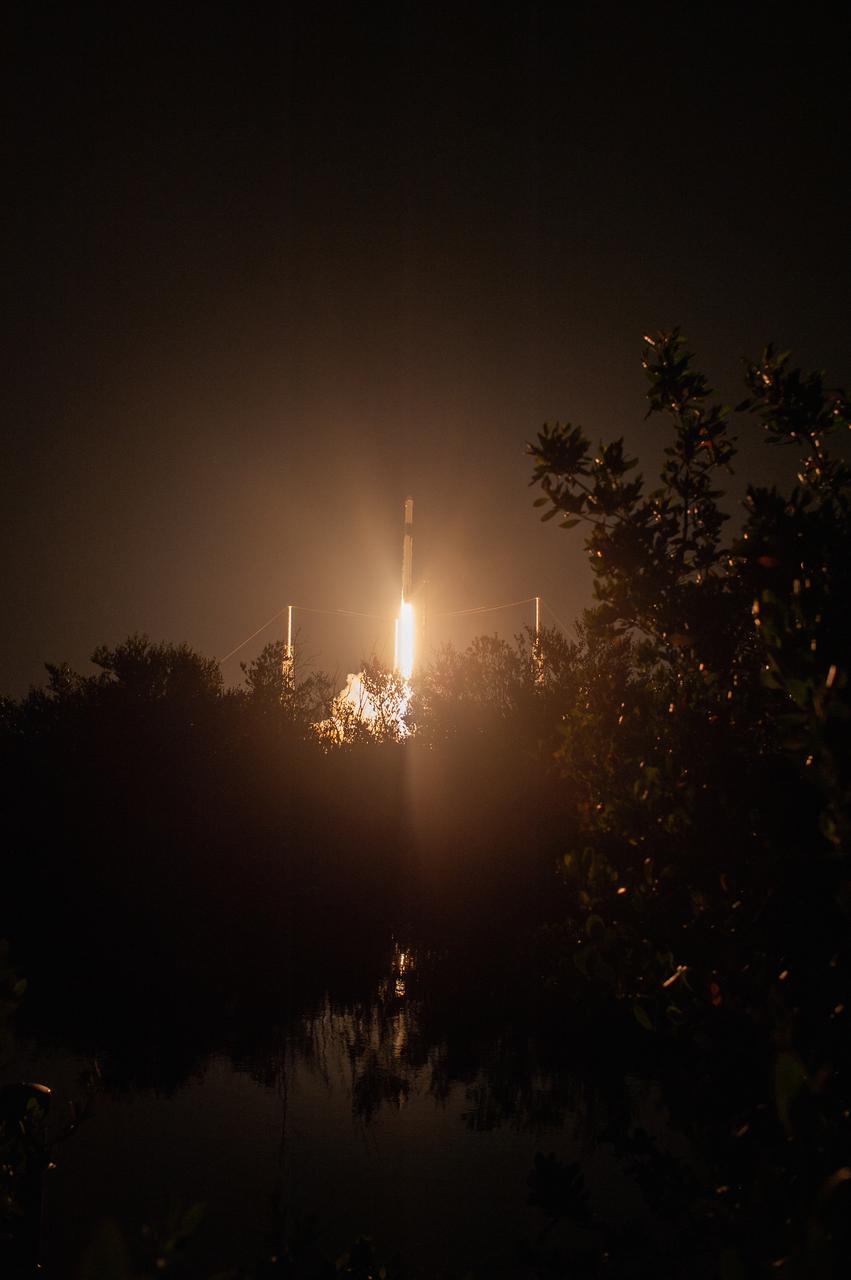
The SpaceX Falcon 9 rocket with the Dragon cargo module lifts off Space Launch Complex 40 on Cape Canaveral Air Force Station in Florida in the early morning May 4, 2019. Liftoff was at 2:48 a.m. EDT. This is SpaceX’s 17th Commercial Resupply Services (CRS-17) mission for NASA to the International Space Station. The Dragon cargo module will deliver about 5,500 pounds of science and research, crew supplies and vehicle hardware to the orbital laboratory and its crew.

The SpaceX Falcon 9 rocket with the Dragon cargo module lifts off Space Launch Complex 40 on Cape Canaveral Air Force Station in Florida in the early morning May 4, 2019. Liftoff was at 2:48 a.m. EDT. This is SpaceX’s 17th Commercial Resupply Services (CRS-17) mission for NASA to the International Space Station. The Dragon cargo module will deliver about 5,500 pounds of science and research, crew supplies and vehicle hardware to the orbital laboratory and its crew.
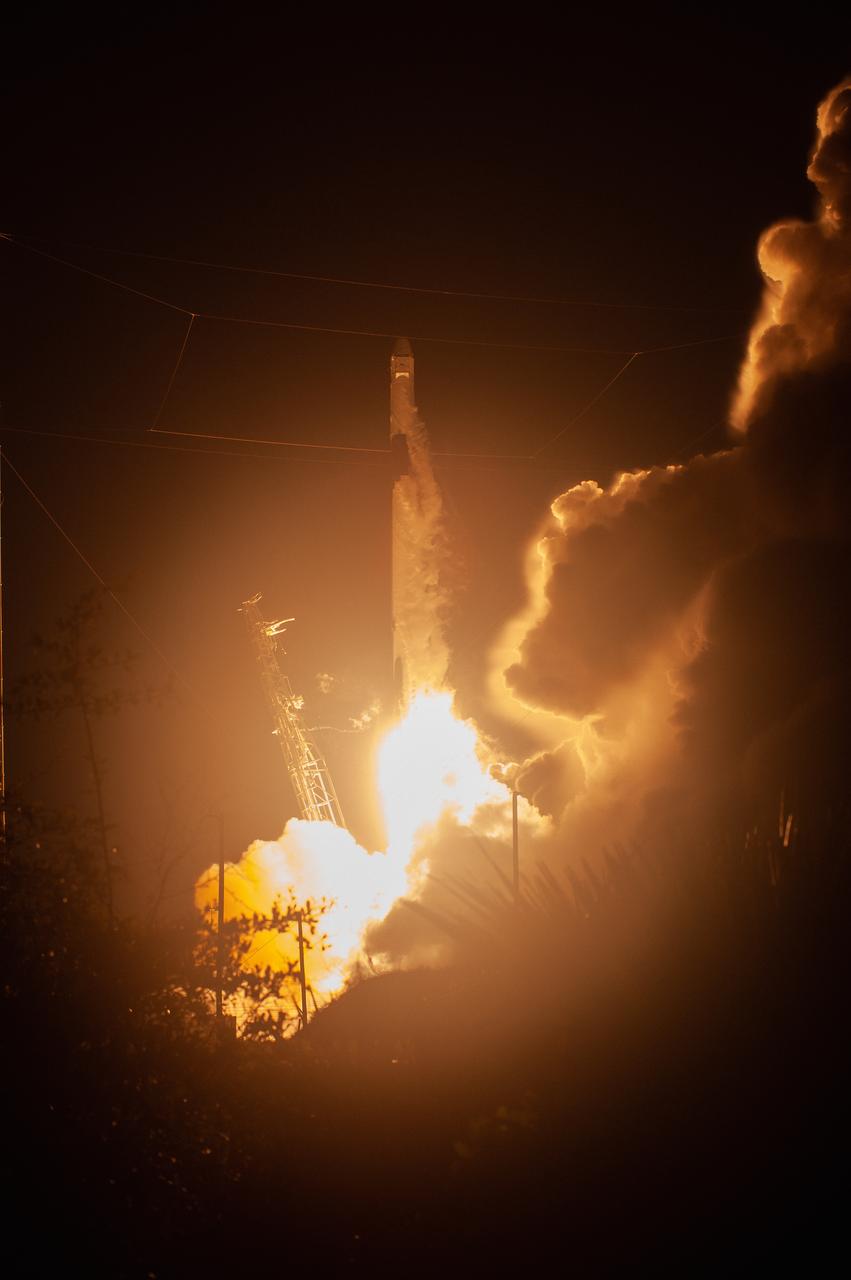
The SpaceX Falcon 9 rocket with the Dragon cargo module climbs upward after liftoff from Space Launch Complex 40 on Cape Canaveral Air Force Station in Florida in the early morning May 4, 2019. Liftoff was at 2:48 a.m. EDT. This is SpaceX’s 17th Commercial Resupply Services (CRS-17) mission for NASA to the International Space Station. The Dragon cargo module will deliver about 5,500 pounds of science and research, crew supplies and vehicle hardware to the orbital laboratory and its crew.
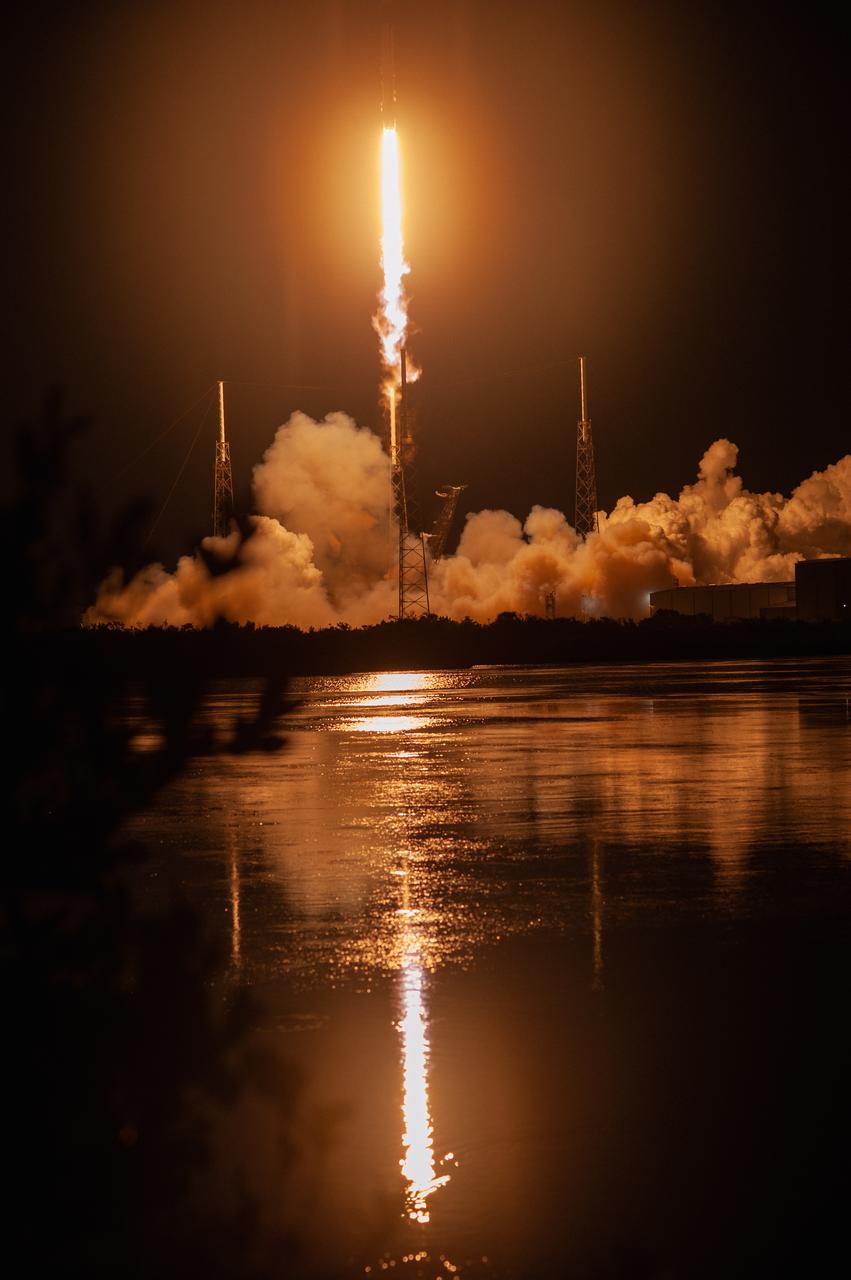
The SpaceX Falcon 9 rocket with the Dragon cargo module lifts off Space Launch Complex 40 on Cape Canaveral Air Force Station in Florida in the early morning May 4, 2019. Liftoff was at 2:48 a.m. EDT. This is SpaceX’s 17th Commercial Resupply Services (CRS-17) mission for NASA to the International Space Station. The Dragon cargo module will deliver about 5,500 pounds of science and research, crew supplies and vehicle hardware to the orbital laboratory and its crew.

The SpaceX Falcon 9 rocket with the Dragon cargo module lifts off Space Launch Complex 40 on Cape Canaveral Air Force Station in Florida in the early morning May 4, 2019. Liftoff was at 2:48 a.m. EDT. This is SpaceX’s 17th Commercial Resupply Services (CRS-17) mission for NASA to the International Space Station. The Dragon cargo module will deliver about 5,500 pounds of science and research, crew supplies and vehicle hardware to the orbital laboratory and its crew.
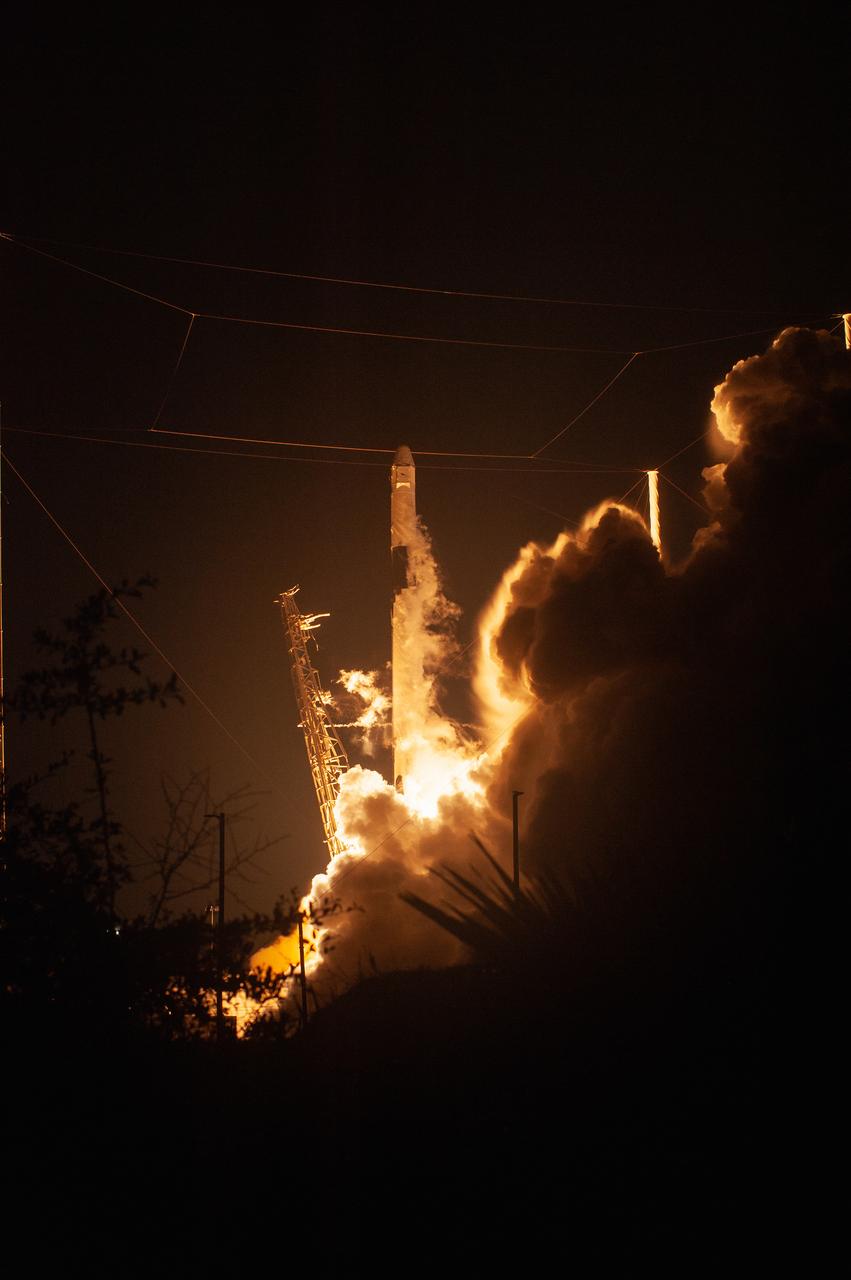
The SpaceX Falcon 9 rocket with the Dragon cargo module climbs upward after liftoff from Space Launch Complex 40 on Cape Canaveral Air Force Station in Florida in the early morning May 4, 2019. Liftoff was at 2:48 a.m. EDT. This is SpaceX’s 17th Commercial Resupply Services (CRS-17) mission for NASA to the International Space Station. The Dragon cargo module will deliver about 5,500 pounds of science and research, crew supplies and vehicle hardware to the orbital laboratory and its crew.

The SpaceX Falcon 9 rocket with the Dragon cargo module lifts off Space Launch Complex 40 on Cape Canaveral Air Force Station in Florida in the early morning May 4, 2019. Liftoff was at 2:48 a.m. EDT. This is SpaceX’s 17th Commercial Resupply Services (CRS-17) mission for NASA to the International Space Station. The Dragon cargo module will deliver about 5,500 pounds of science and research, crew supplies and vehicle hardware to the orbital laboratory and its crew.