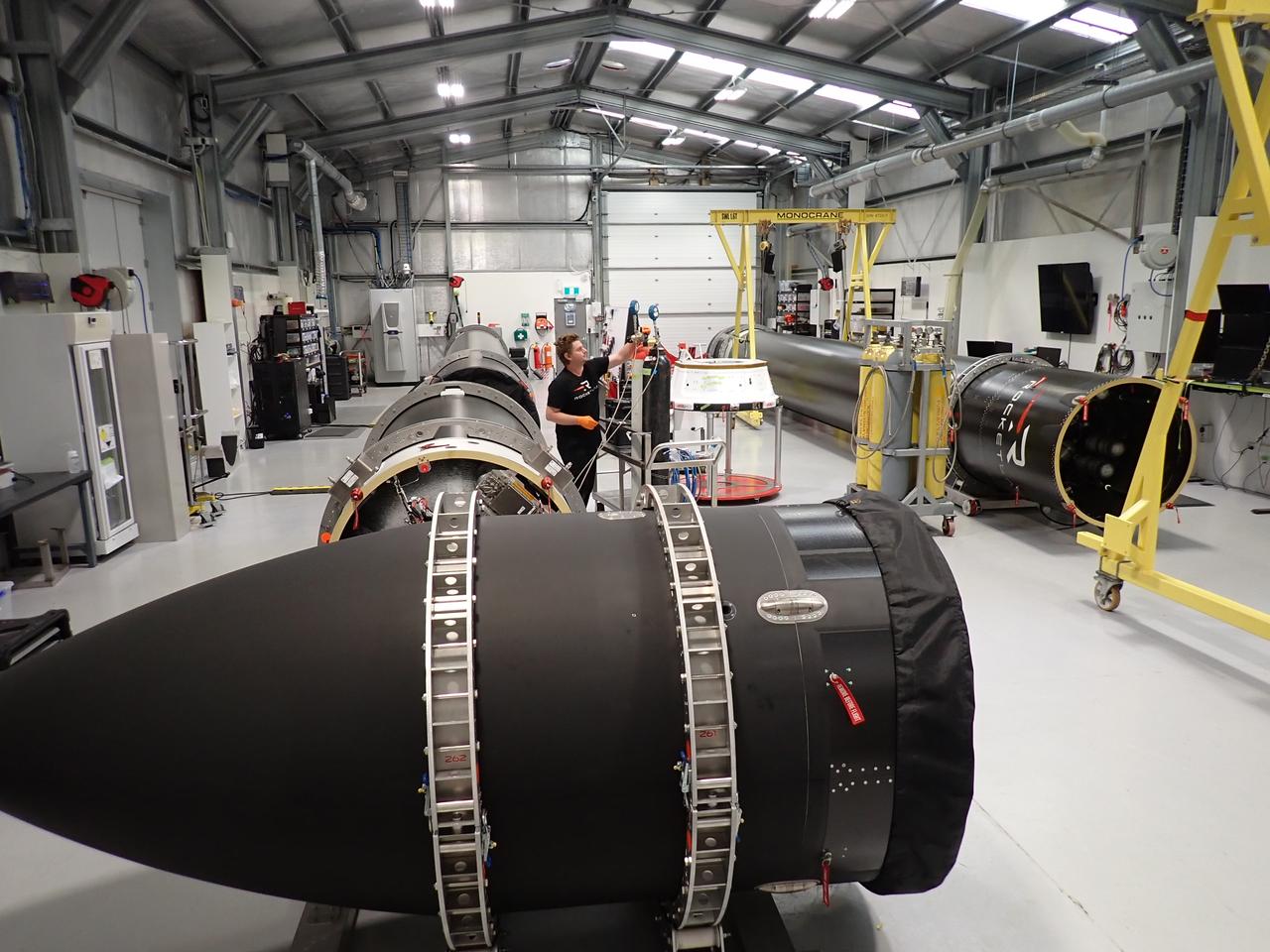
Technicians process NASA’s PREFIRE (Polar Radiant Energy in the Far-InfraRed Experiment) ahead of integration with a Rocket Lab Electron rocket on Thursday, May 2, 2024, at the company’s facility in New Zealand. The agency’s PREFIRE mission to study heat loss to space in Earth’s polar regions will launch two CubeSats on two different flights aboard Rocket Lab's Electron rockets from the company’s Launch Complex 1 in Māhia, New Zealand.
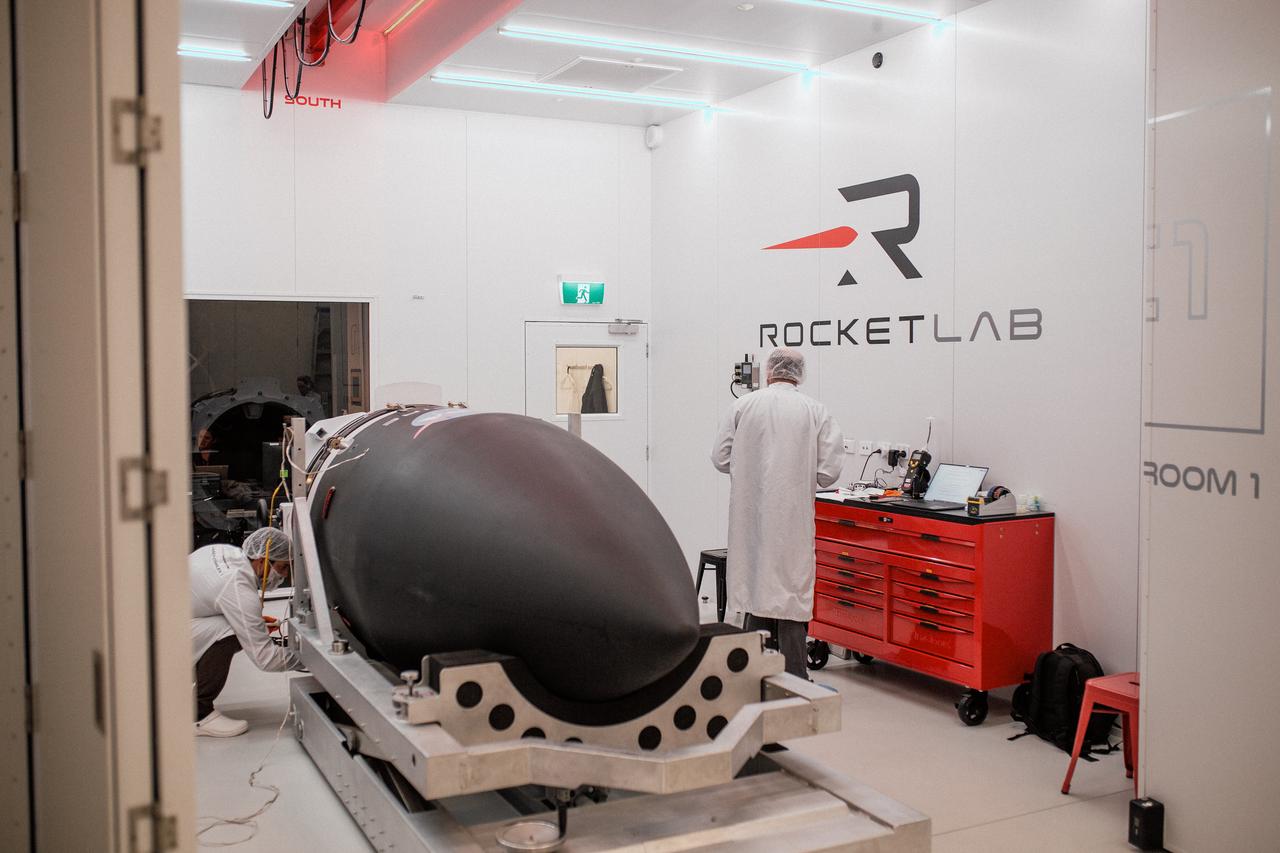
Technicians integrate NASA’s PREFIRE (Polar Radiant Energy in the Far-InfraRed Experiment) payload inside the Rocket Lab Electron rocket payload fairing on Wednesday, May 15, 2024, at the company’s facility in New Zealand. The agency’s PREFIRE mission to study heat loss to space in Earth’s polar regions will launch two CubeSats on two different flights aboard Rocket Lab's Electron rockets from the company’s Launch Complex 1 in Māhia, New Zealand.
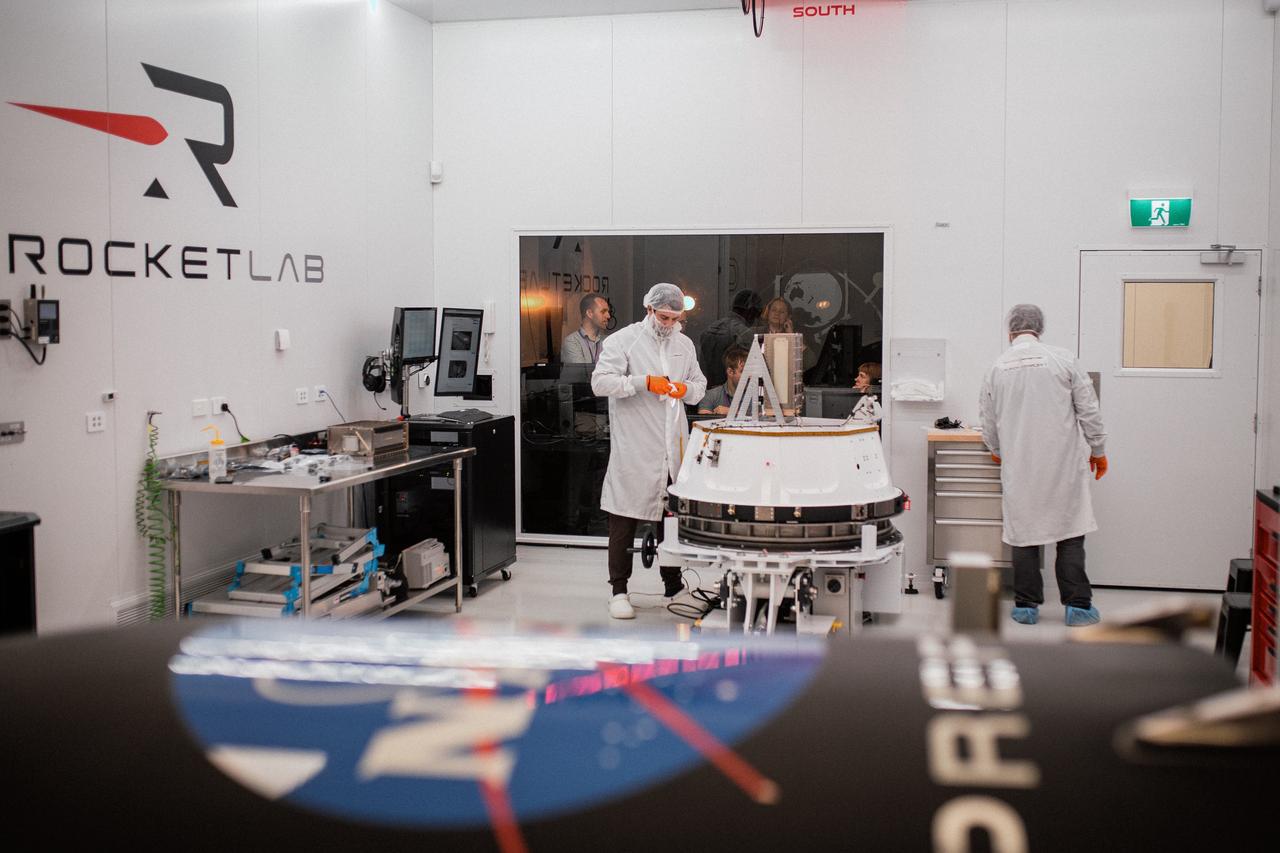
Technicians integrate NASA’s PREFIRE (Polar Radiant Energy in the Far-InfraRed Experiment) payload inside the Rocket Lab Electron rocket payload fairing on Wednesday, May 15, 2024, at the company’s facility in New Zealand. The agency’s PREFIRE mission to study heat loss to space in Earth’s polar regions will launch two CubeSats on two different flights aboard Rocket Lab's Electron rockets from the company’s Launch Complex 1 in Māhia, New Zealand.
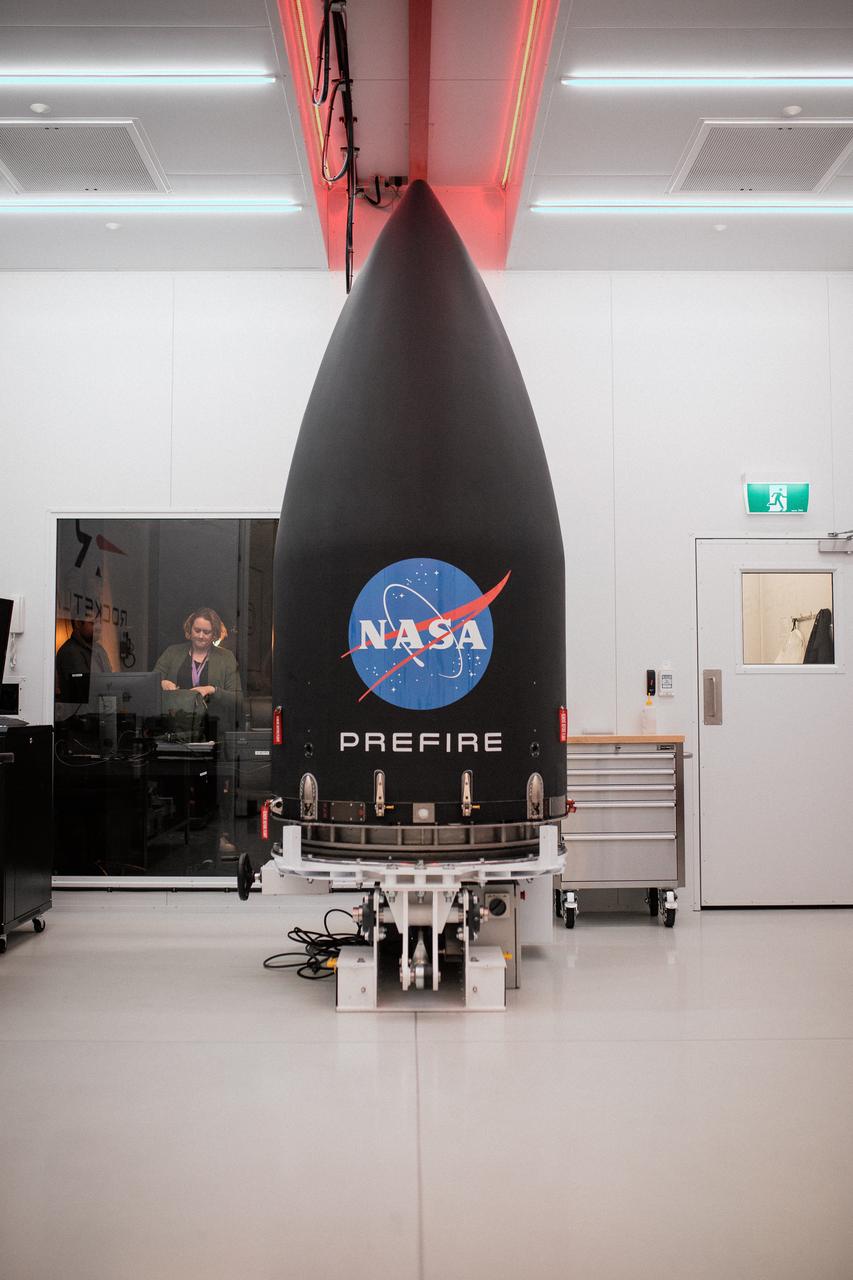
Technicians integrate NASA’s PREFIRE (Polar Radiant Energy in the Far-InfraRed Experiment) payload inside the Rocket Lab Electron rocket payload fairing on Wednesday, May 15, 2024, at the company’s facility in New Zealand. The agency’s PREFIRE mission to study heat loss to space in Earth’s polar regions will launch two CubeSats on two different flights aboard Rocket Lab's Electron rockets from the company’s Launch Complex 1 in Māhia, New Zealand.
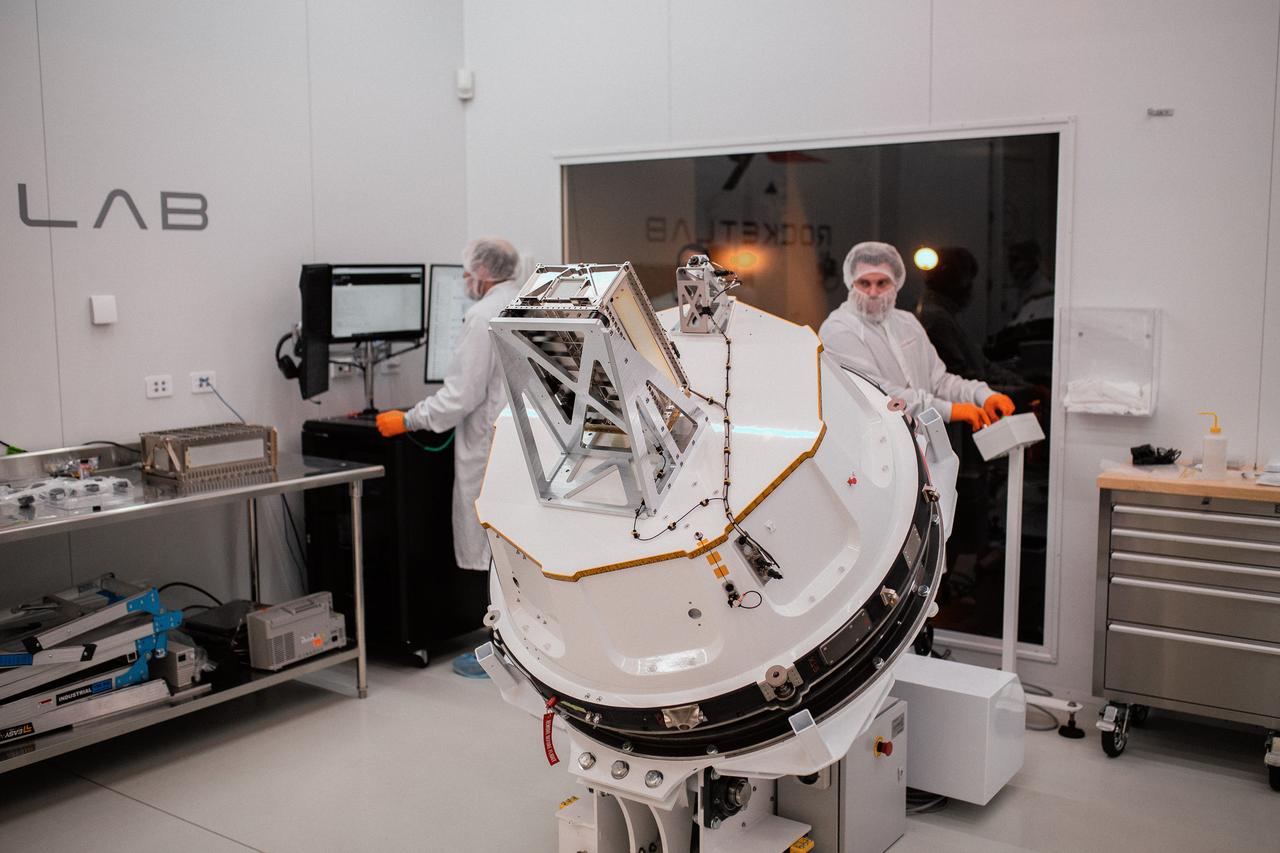
Technicians integrate NASA’s PREFIRE (Polar Radiant Energy in the Far-InfraRed Experiment) payload inside the Rocket Lab Electron rocket payload fairing on Wednesday, May 15, 2024, at the company’s facility in New Zealand. The agency’s PREFIRE mission to study heat loss to space in Earth’s polar regions will launch two CubeSats on two different flights aboard Rocket Lab's Electron rockets from the company’s Launch Complex 1 in Māhia, New Zealand.
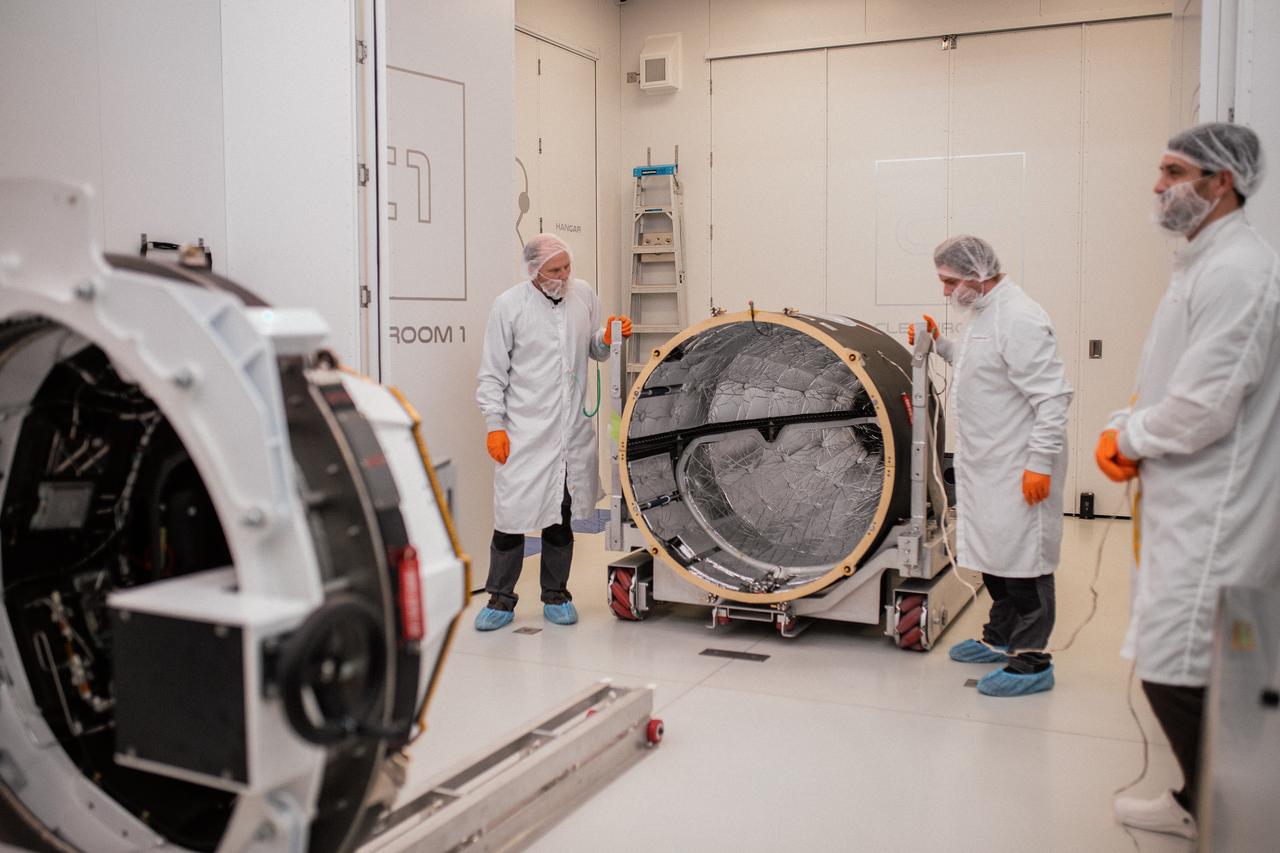
Technicians integrate NASA’s PREFIRE (Polar Radiant Energy in the Far-InfraRed Experiment) payload inside the Rocket Lab Electron rocket payload fairing on Wednesday, May 15, 2024, at the company’s facility in New Zealand. The agency’s PREFIRE mission to study heat loss to space in Earth’s polar regions will launch two CubeSats on two different flights aboard Rocket Lab's Electron rockets from the company’s Launch Complex 1 in Māhia, New Zealand.

Technicians integrate NASA’s PREFIRE (Polar Radiant Energy in the Far-InfraRed Experiment) payload inside the Rocket Lab Electron rocket payload fairing on Wednesday, May 15, 2024, at the company’s facility in New Zealand. The agency’s PREFIRE mission to study heat loss to space in Earth’s polar regions will launch two CubeSats on two different flights aboard Rocket Lab's Electron rockets from the company’s Launch Complex 1 in Māhia, New Zealand.
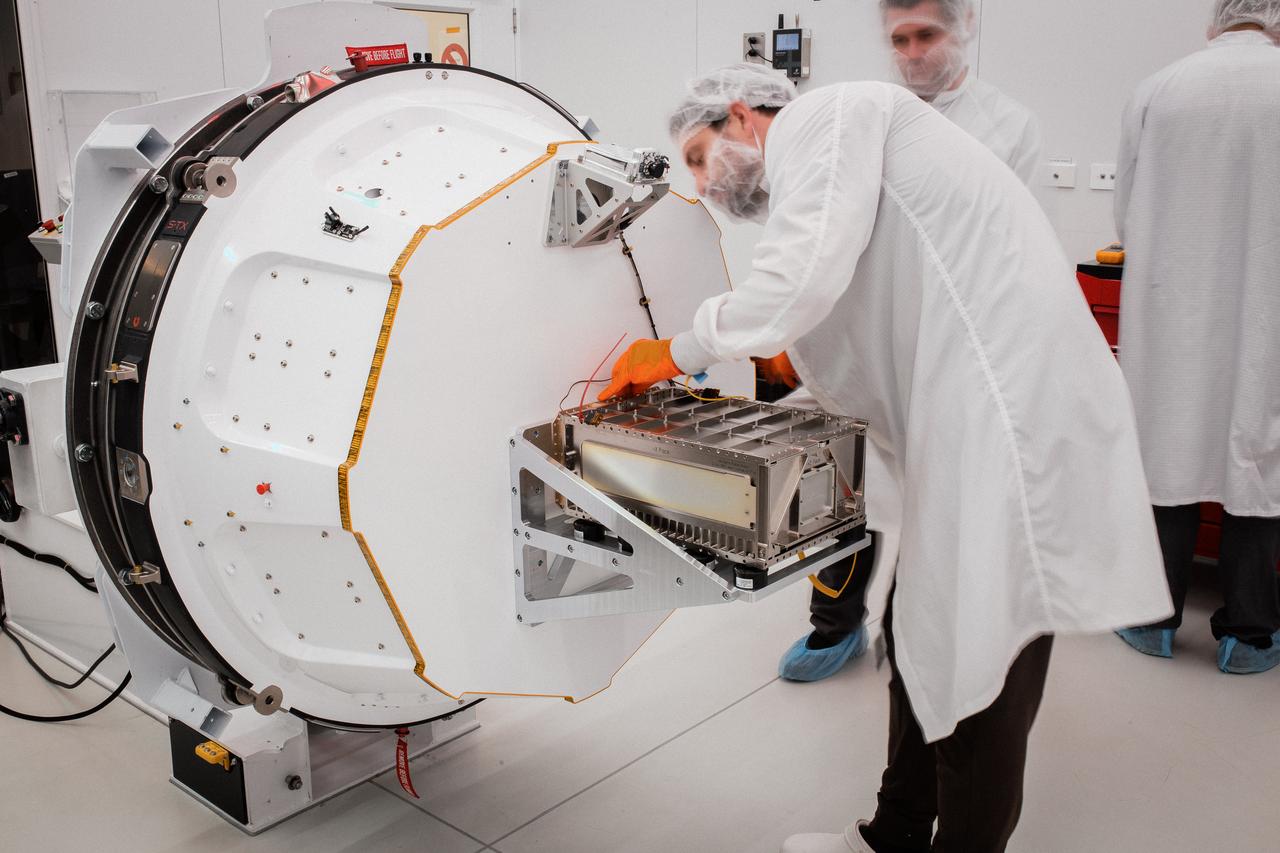
Technicians integrate NASA’s PREFIRE (Polar Radiant Energy in the Far-InfraRed Experiment) payload inside the Rocket Lab Electron rocket payload fairing on Wednesday, May 15, 2024, at the company’s facility in New Zealand. The agency’s PREFIRE mission to study heat loss to space in Earth’s polar regions will launch two CubeSats on two different flights aboard Rocket Lab's Electron rockets from the company’s Launch Complex 1 in Māhia, New Zealand.
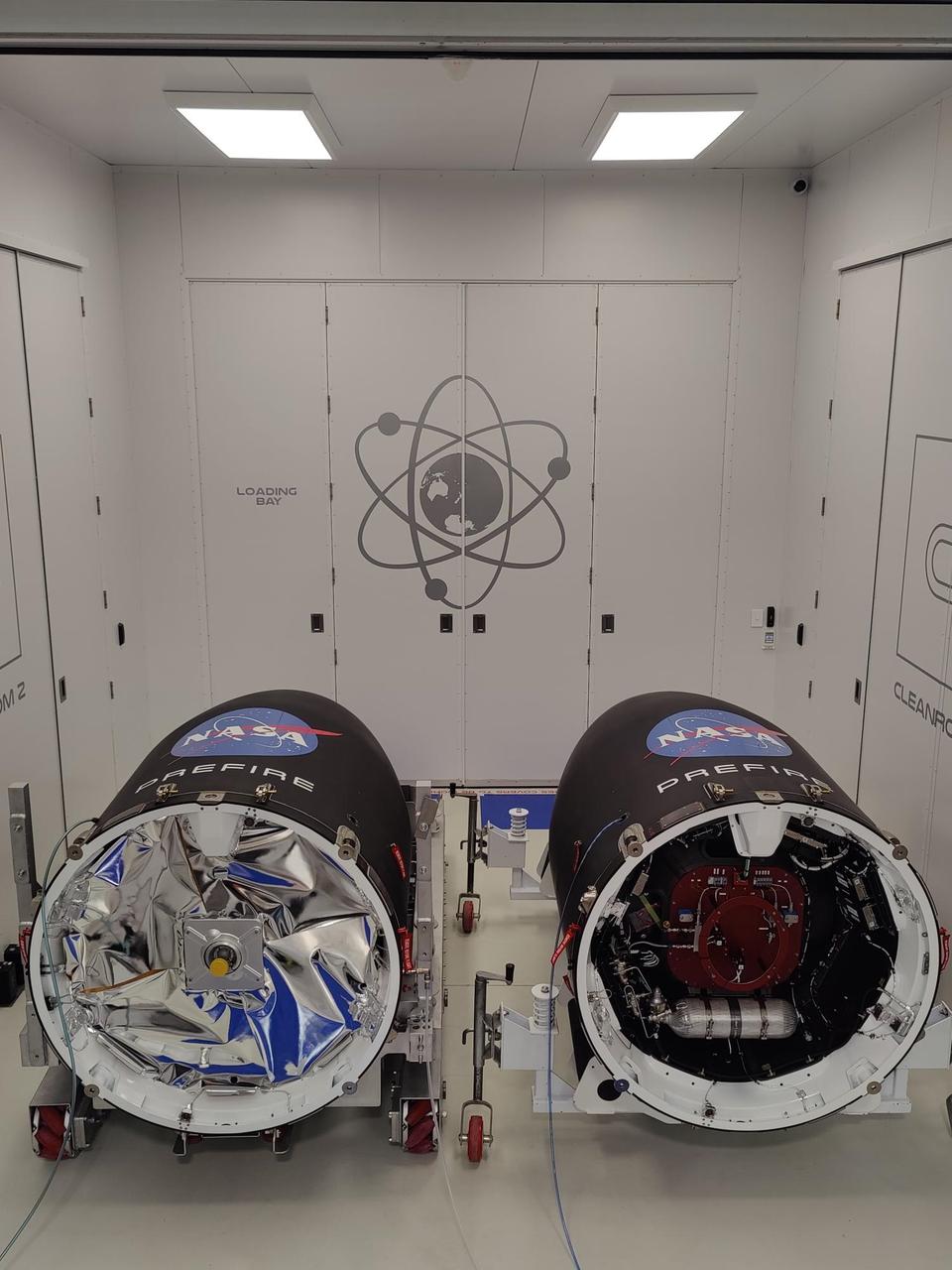
NASA’s PREFIRE (Polar Radiant Energy in the Far-InfraRed Experiment) CubeSats are encapsulated inside Rocket Lab Electron rocket payload fairings on Tuesday, May 21, 2024, at the company’s facility in New Zealand. The agency’s PREFIRE mission to study heat loss to space in Earth’s polar regions will launch two CubeSats on two different flights aboard Rocket Lab's Electron rockets from the company’s Launch Complex 1 in Māhia, New Zealand.
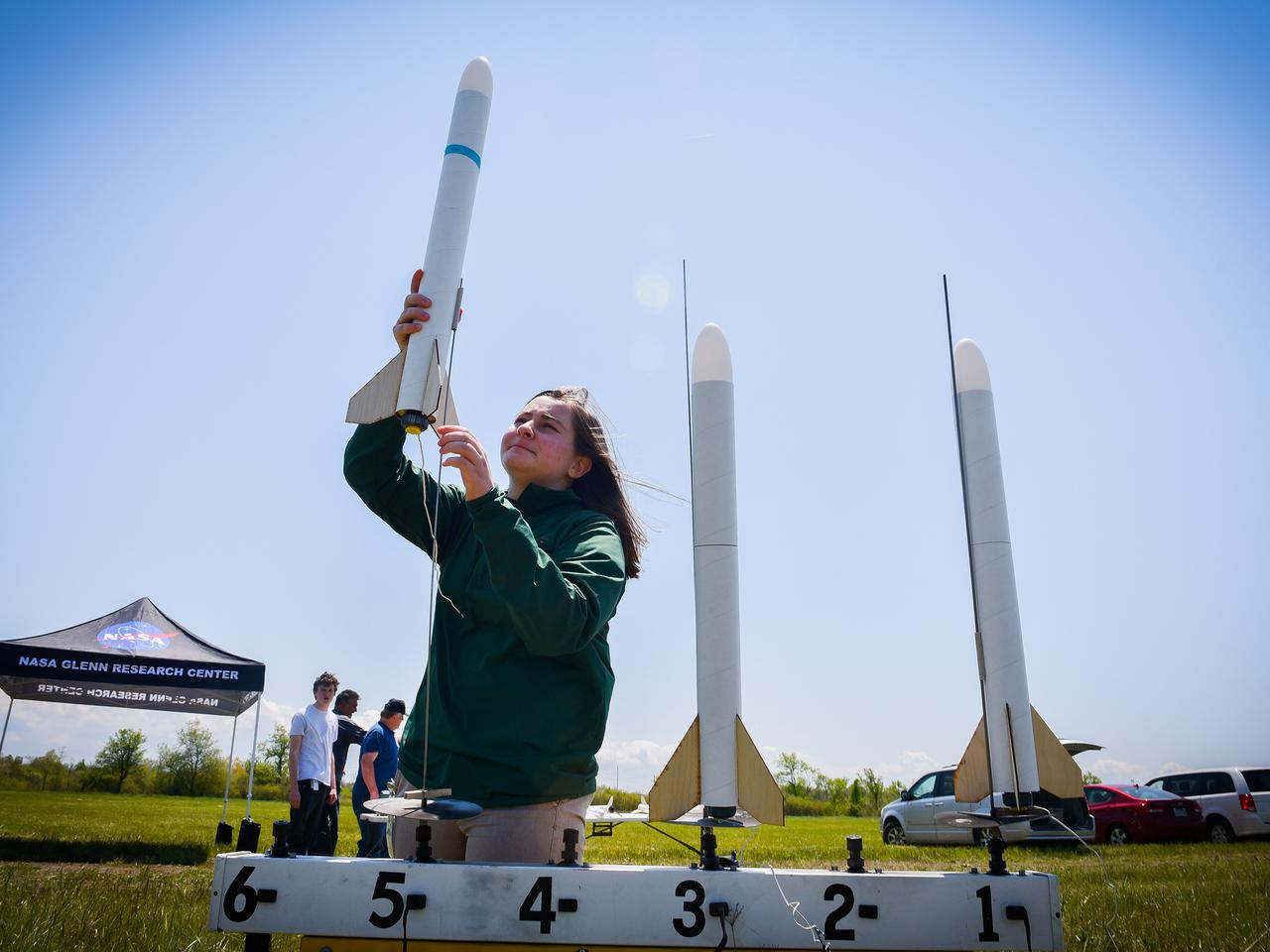
Activities at National Lab Day held at NASA Plum Brook Station in Sandusky, OH.
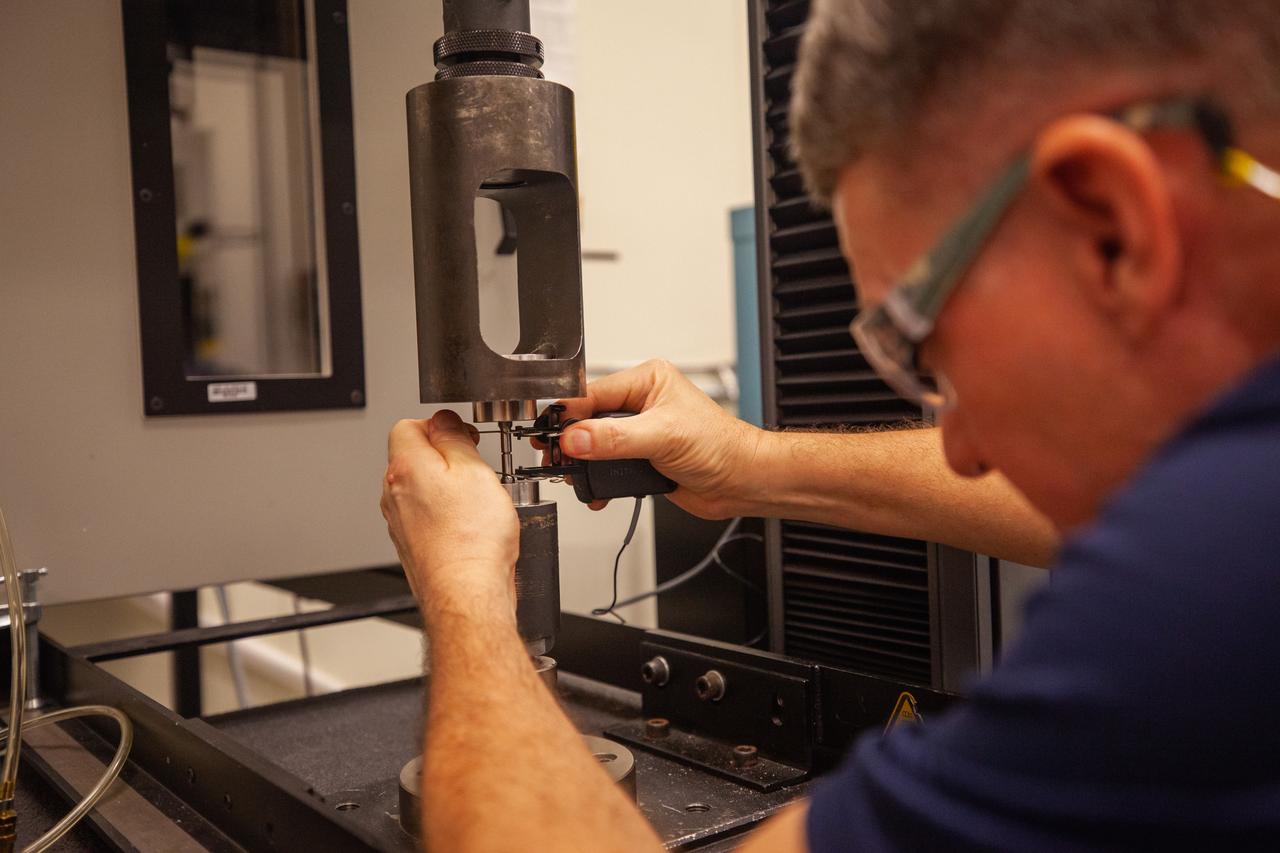
Brian Cheshire, an engineer in the Mechanical and Environmental Testing Lab at NASA’s Kennedy Space Center, works in front of an Instron inside a lab at the Florida spaceport’s Operations and Checkout Building on Oct. 6, 2020.
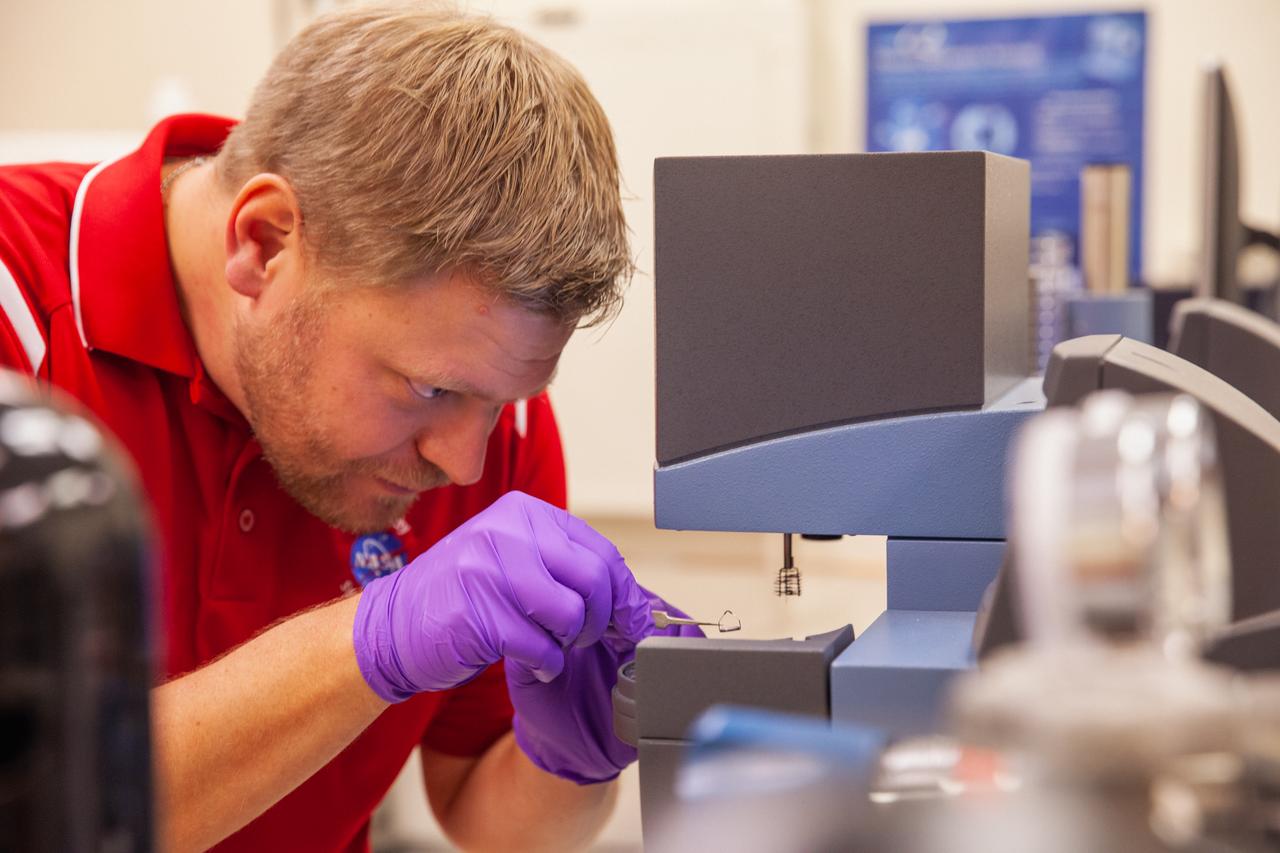
Jerry Buhrow, an engineer in the Materials Analysis Lab, places a sample on a thermal testing unit inside a lab at NASA Kennedy Space Center’s Neil Armstrong Operations and Checkout Building on Oct. 6, 2020.
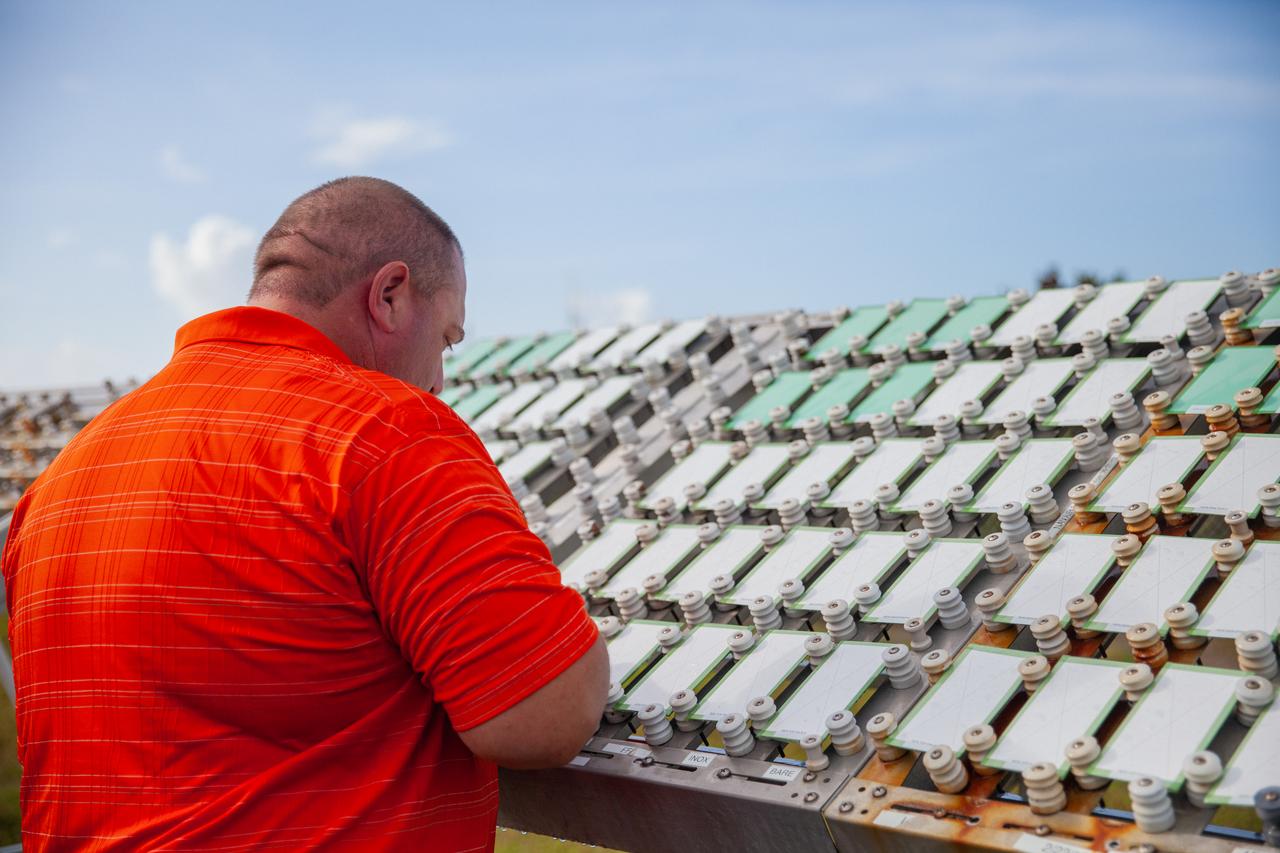
A Mechanical and Environmental Testing Lab engineer examines samples at the corrosion engineering test site at NASA’s Kennedy Space Center in Florida on Oct. 6, 2020. The corrosion lab is a network of people, equipment, and facilities that provides engineering services and technical innovations in all areas of corrosion for NASA and external customers.
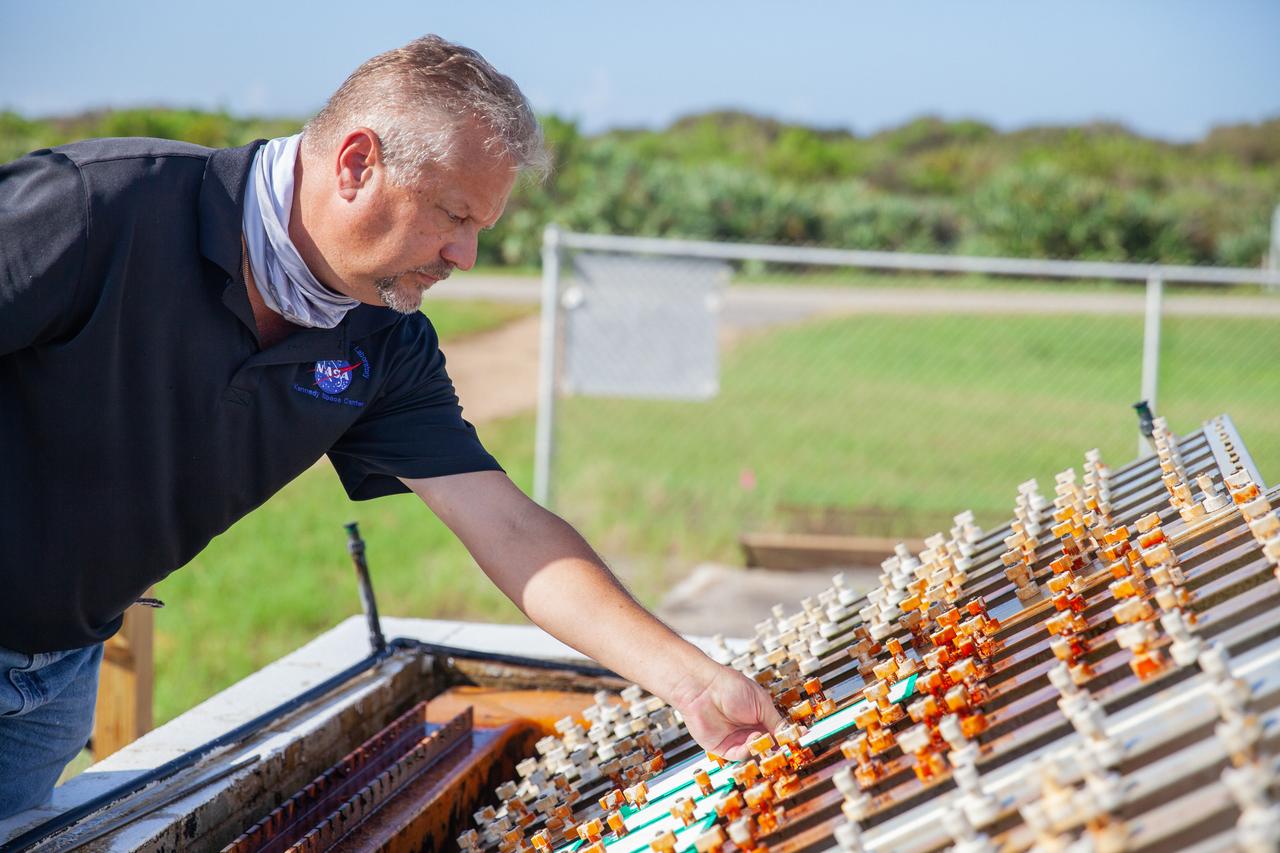
A Mechanical and Environmental Testing Lab engineer examines samples at the corrosion engineering test site on Oct. 6, 2020, at NASA’s Kennedy Space Center in Florida. The corrosion lab is a network of people, equipment, and facilities that provides engineering services and technical innovations in all areas of corrosion for NASA and external customers.
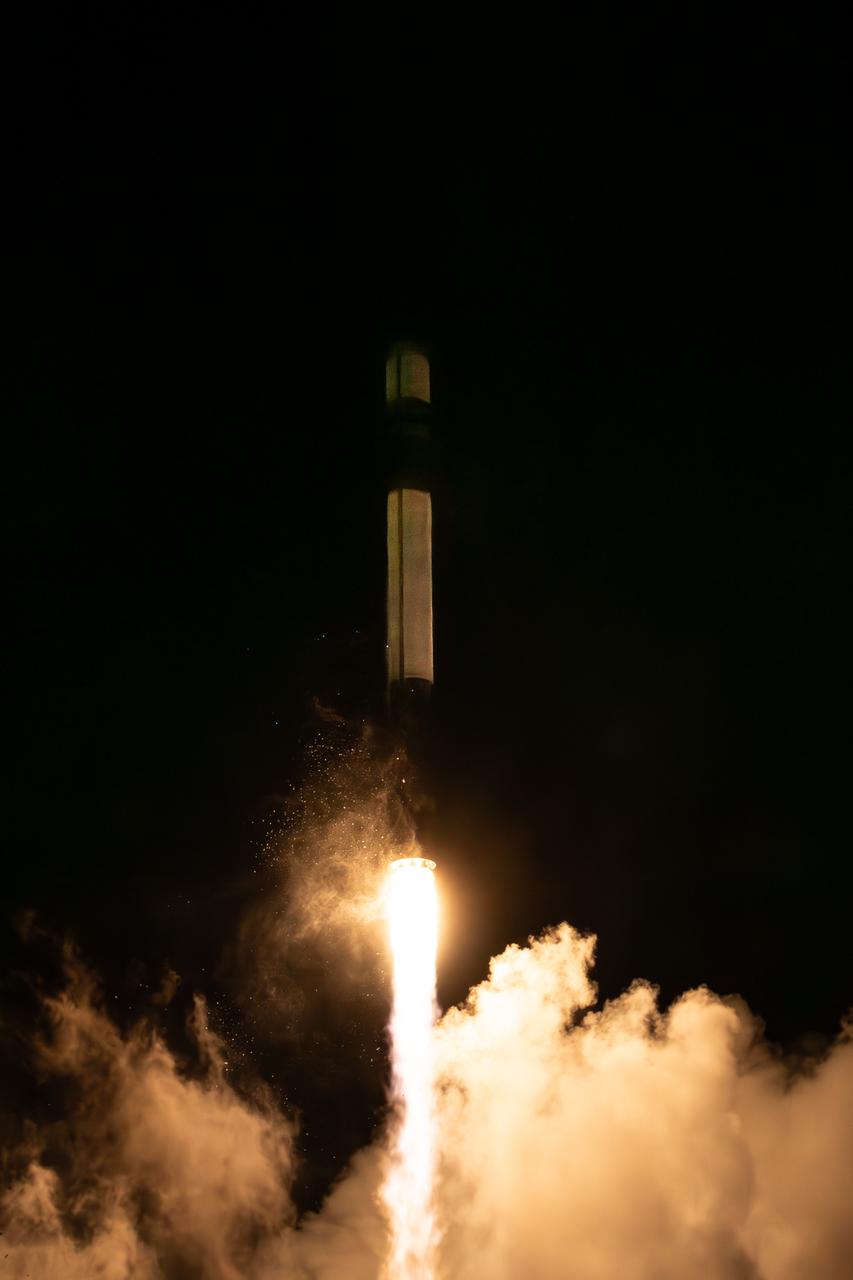
A Rocket Lab Electron rocket lifts off from Launch Complex 1 in Māhia, New Zealand at 7:41 p.m. NZST (3:41 a.m. EDT) Saturday, May 25, 2024, on the first of two launches which Rocket Lab named “Ready, Aim, PREFIRE,” for NASA’s PREFIRE (Polar Radiant Energy in the Far-InfraRed Experiment) mission. The PREFIRE mission, expected to last at least 10 months, consists of sending two CubeSats to asynchronous, near-polar orbits, to help close a gap in our understanding of how much of Earth’s heat is lost to space from the Arctic and Antarctica.
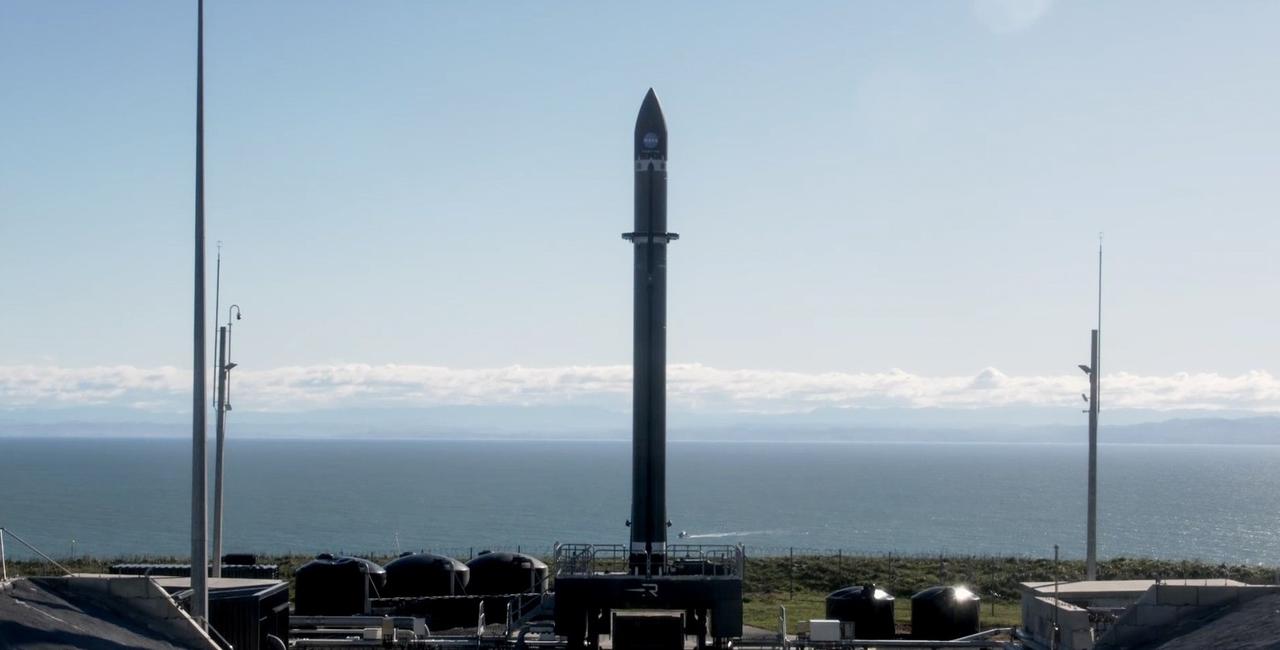
Rocket Lab’s Electron rocket is vertical on the pad Saturday, May 25, 2024, at Launch Complex 1 in Mahia, New Zealand, loaded with the first of two identical 6U CubeSats for NASA’s PREFIRE (Polar Radiant Energy in the Far-InfraRed Experiment) mission to help close a gap in our understanding of how much of Earth’s heat is lost to space from the Arctic and Antarctica. Liftoff of the first CubeSat launch, which Rocket Lab named “Ready, Aim, PREFIRE,” occurred at 7:41 p.m. NZST (3:41 a.m. EDT).
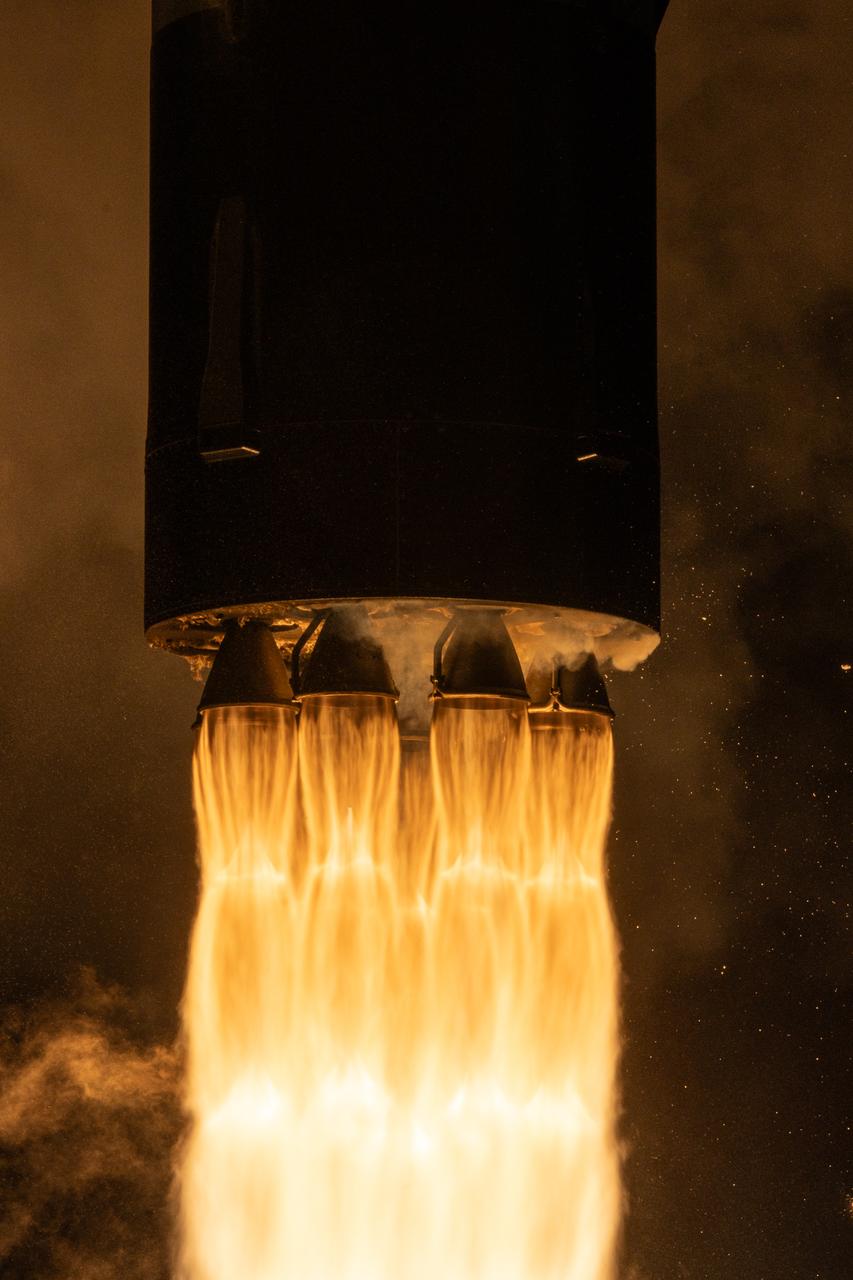
A Rocket Lab Electron rocket lifts off from Launch Complex 1 in Māhia, New Zealand at 7:41 p.m. NZST (3:41 a.m. EDT) Saturday, May 25, 2024, on the first of two launches which Rocket Lab named “Ready, Aim, PREFIRE,” for NASA’s PREFIRE (Polar Radiant Energy in the Far-InfraRed Experiment) mission. The PREFIRE mission, expected to last at least 10 months, consists of sending two CubeSats to asynchronous, near-polar orbits, to help close a gap in our understanding of how much of Earth’s heat is lost to space from the Arctic and Antarctica.
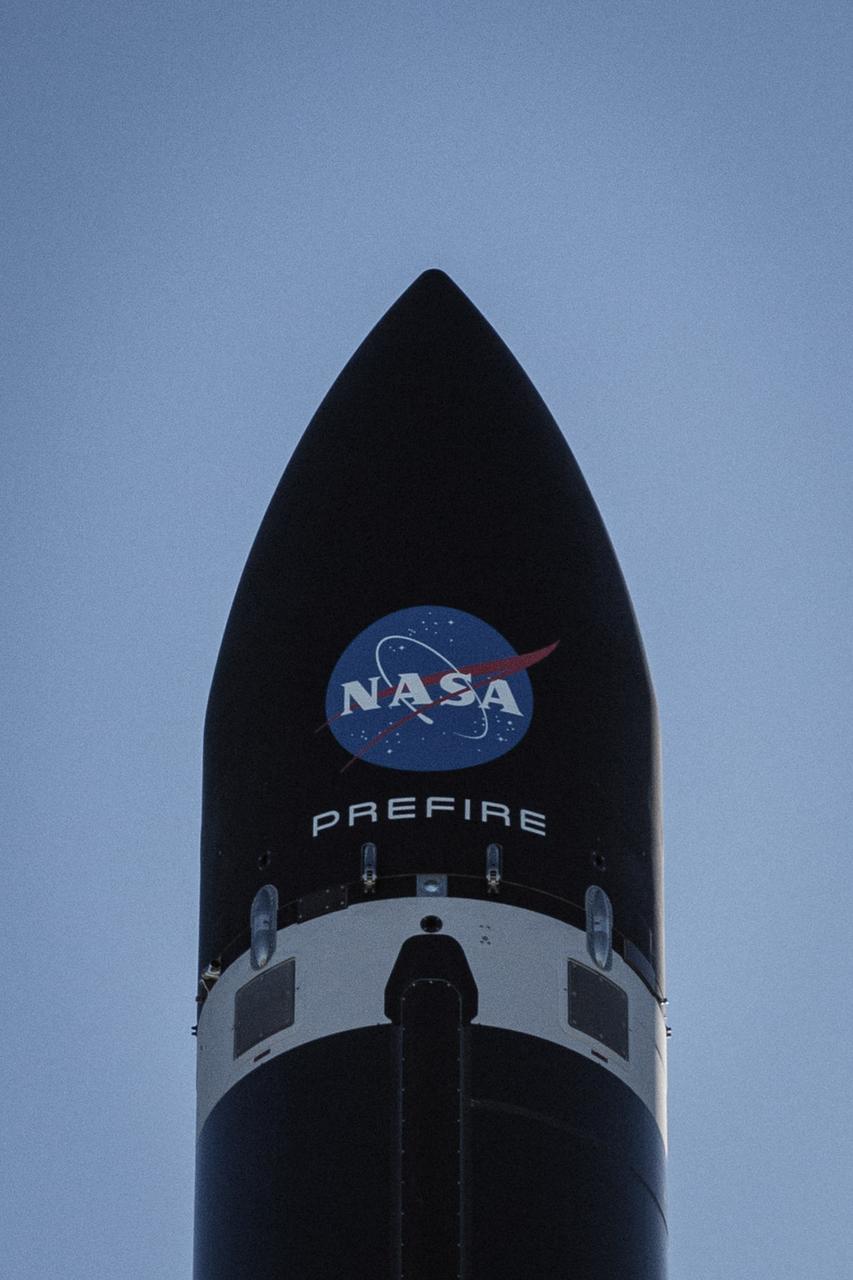
Rocket Lab’s Electron rocket is vertical on the pad Saturday, May 25, 2024, at Launch Complex 1 in Mahia, New Zealand, loaded with the first of two identical 6U CubeSats for NASA’s PREFIRE (Polar Radiant Energy in the Far-InfraRed Experiment) mission to help close a gap in our understanding of how much of Earth’s heat is lost to space from the Arctic and Antarctica. Liftoff of the first CubeSat launch, which Rocket Lab named “Ready, Aim, PREFIRE,” occurred at 7:41 p.m. NZST (3:41 a.m. EDT).
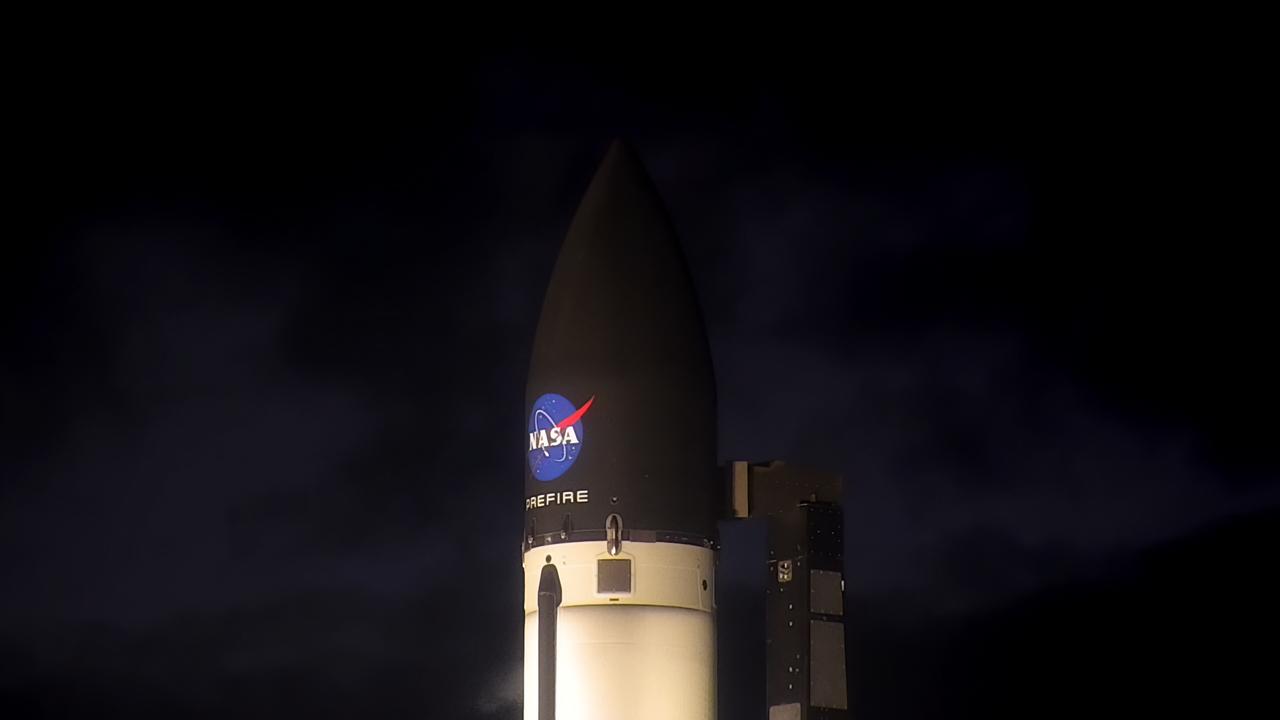
Rocket Lab’s Electron rocket is vertical on the pad Saturday, May 25, 2024, at Launch Complex 1 in Mahia, New Zealand, loaded with the first of two identical 6U CubeSats for NASA’s PREFIRE (Polar Radiant Energy in the Far-InfraRed Experiment) mission to help close a gap in our understanding of how much of Earth’s heat is lost to space from the Arctic and Antarctica. Liftoff of the first CubeSat launch, which Rocket Lab named “Ready, Aim, PREFIRE,” occurred at 7:41 p.m. NZST (3:41 a.m. EDT).
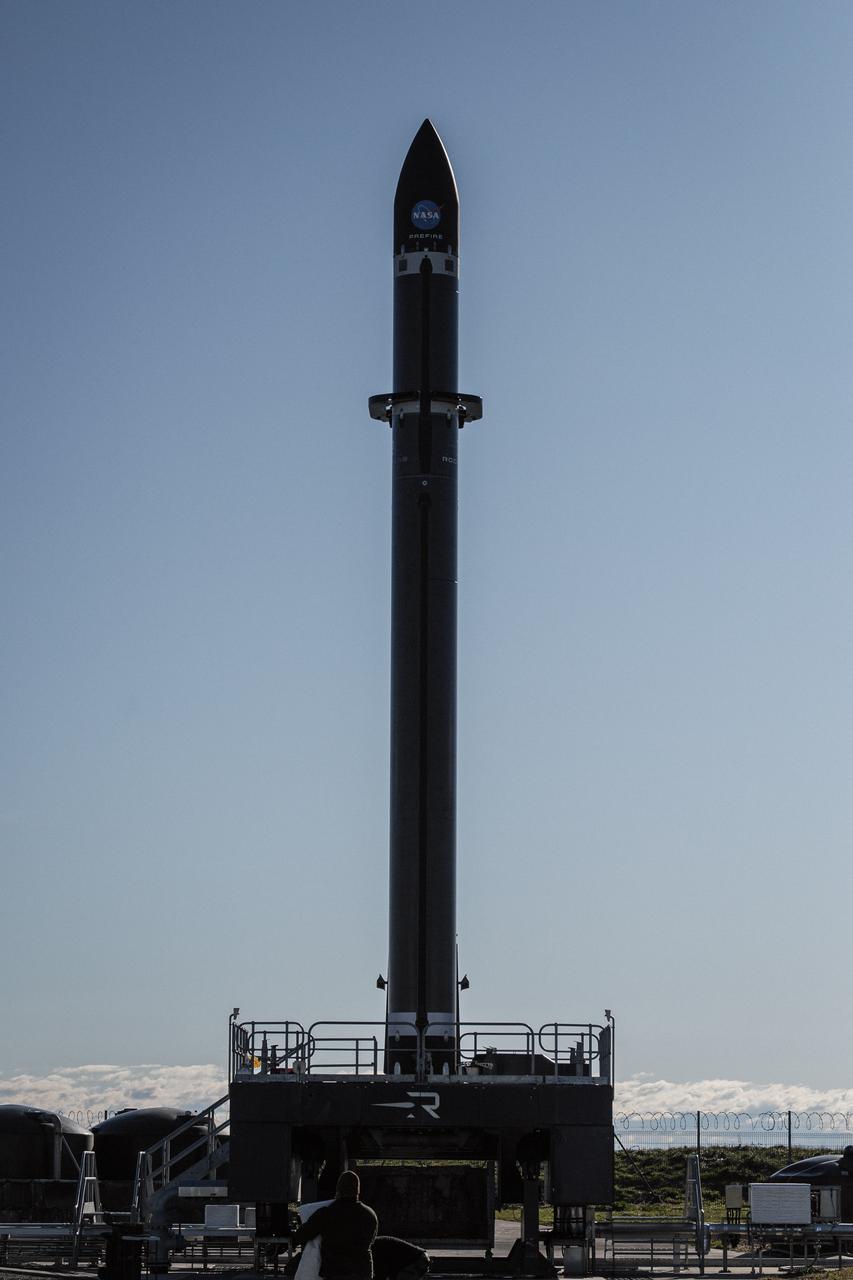
Rocket Lab’s Electron rocket is vertical on the pad Saturday, May 25, 2024, at Launch Complex 1 in Mahia, New Zealand, loaded with the first of two identical 6U CubeSats for NASA’s PREFIRE (Polar Radiant Energy in the Far-InfraRed Experiment) mission to help close a gap in our understanding of how much of Earth’s heat is lost to space from the Arctic and Antarctica. Liftoff of the first CubeSat launch, which Rocket Lab named “Ready, Aim, PREFIRE,” occurred at 7:41 p.m. NZST (3:41 a.m. EDT).
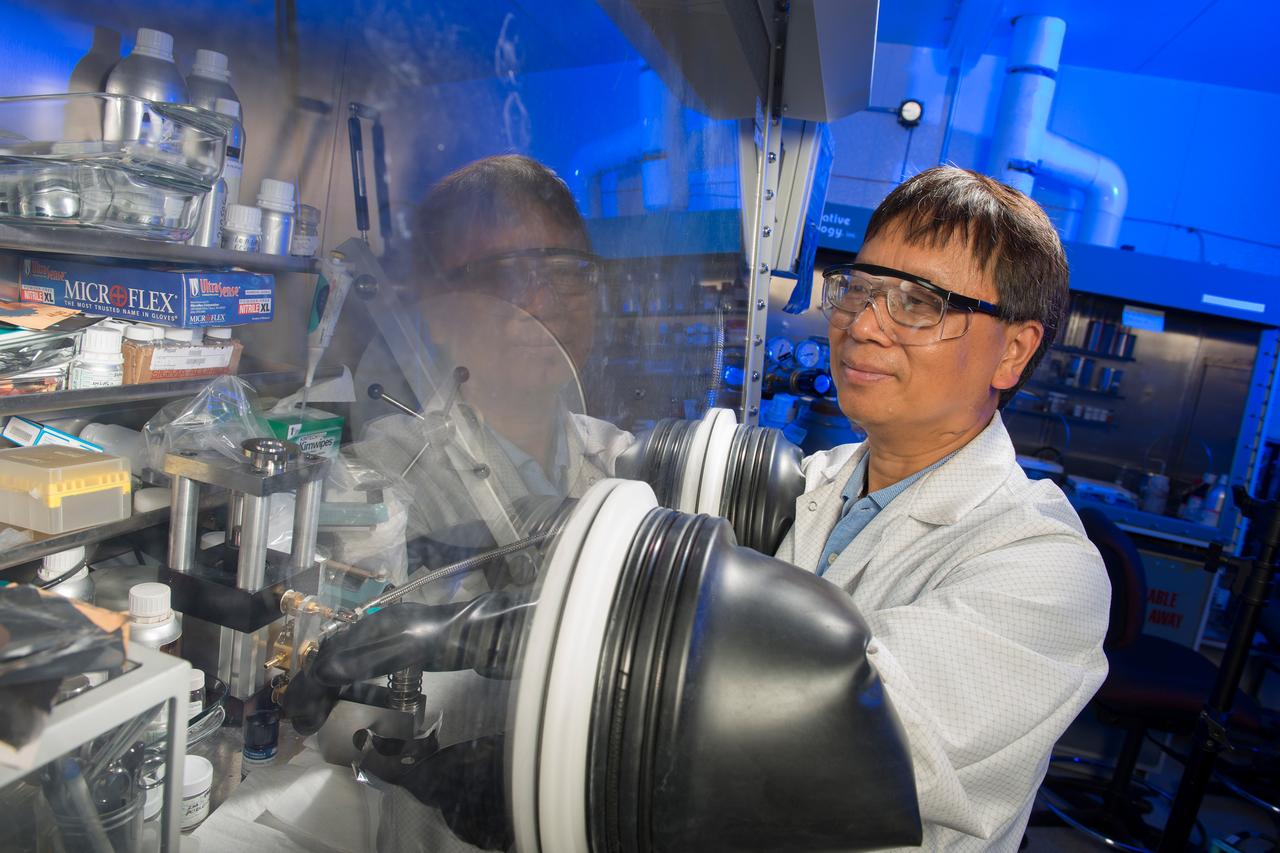
NASA Glenn Researcher James Wu assembles a lithium-metal based battery lab cell incorporating a new solid polymer nanocomposite electrolyte developed at the center.
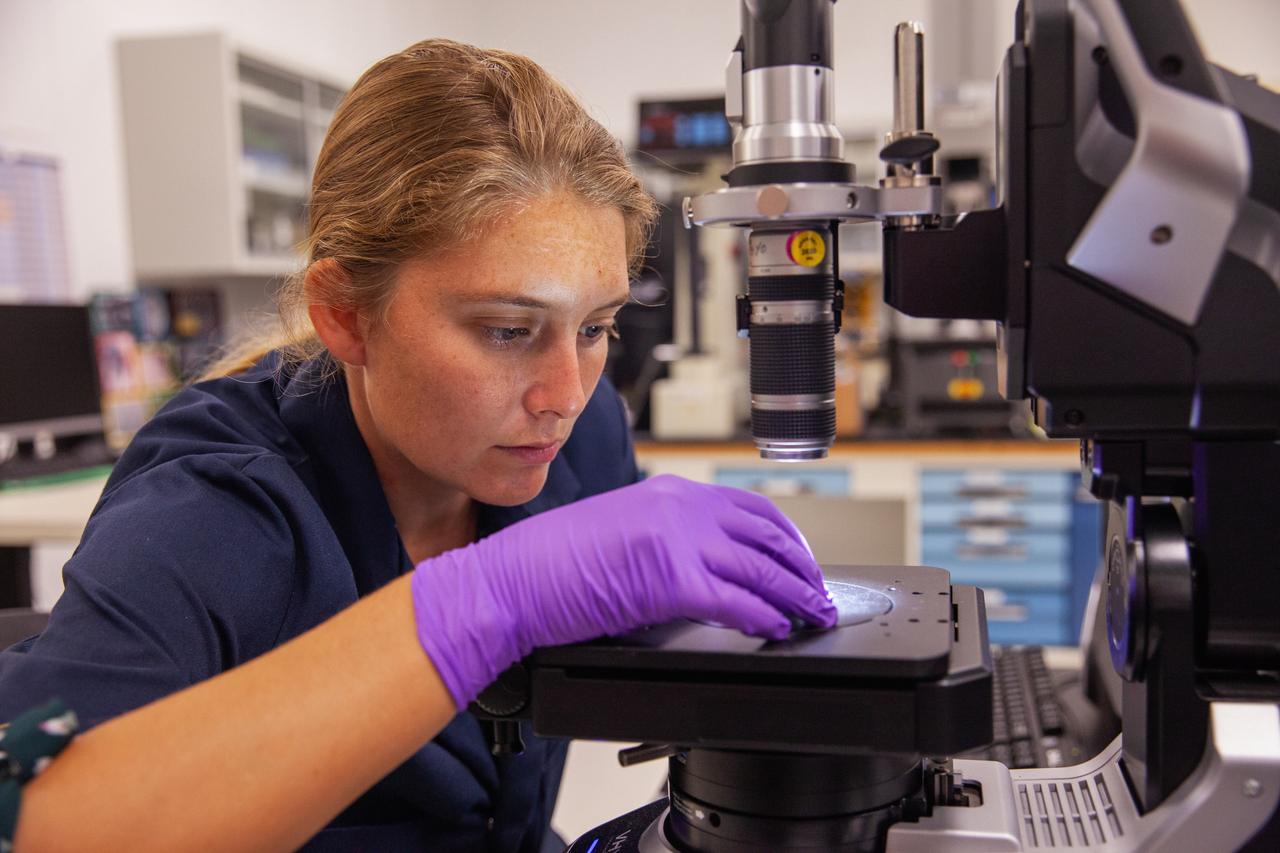
Liz Tomsik, an engineer in the Materials Analysis Lab, examines a sample placed on a digital microscope inside the Neil Armstrong Operations and Checkout Building at NASA’s Kennedy Space Center in Florida on Oct. 6, 2020.
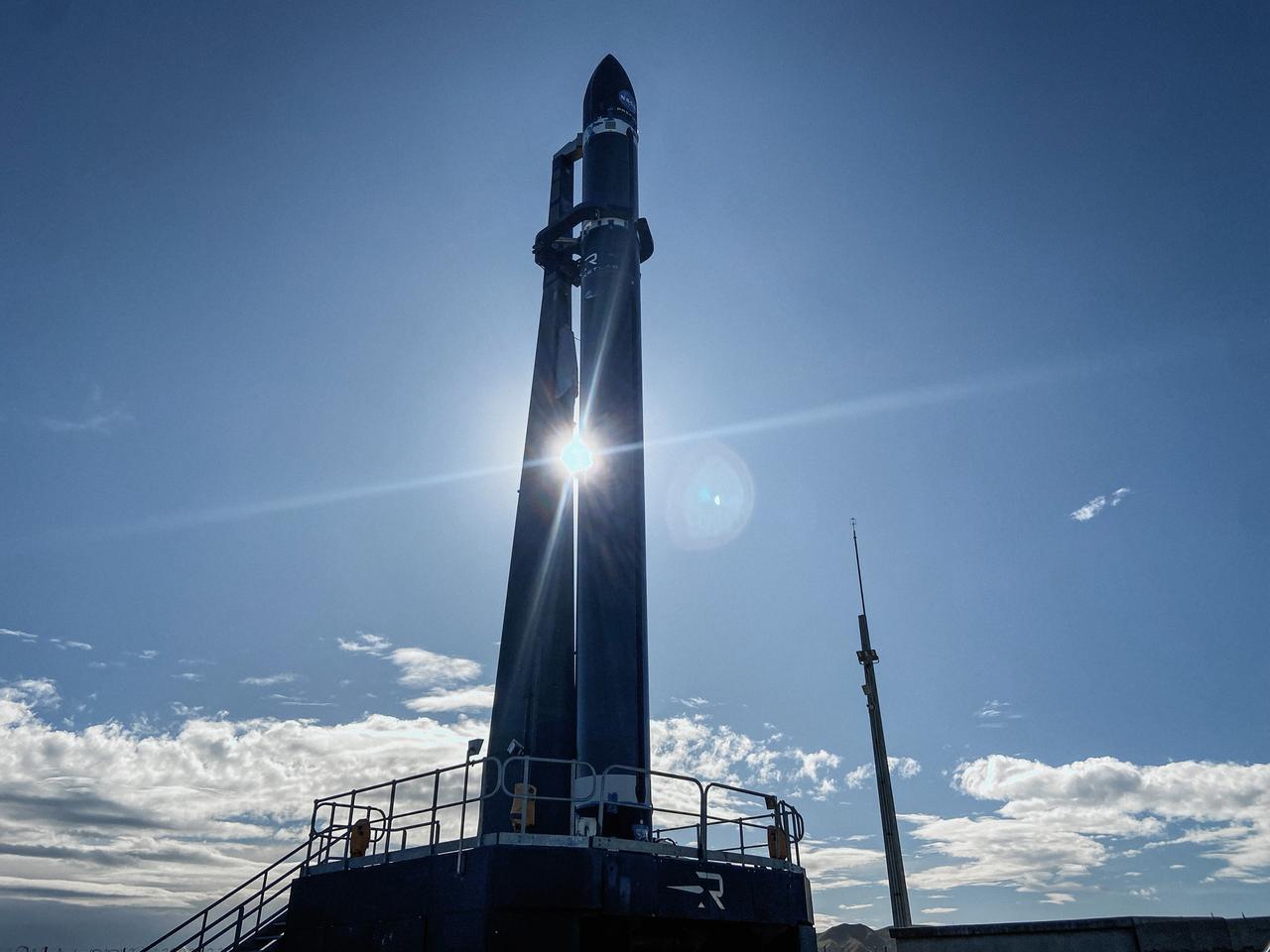
Rocket Lab’s Electron rocket is vertical on the pad at Launch Complex 1 in Mahia, New Zealand, loaded with the second of two identical 6U CubeSats for NASA’s PREFIRE (Polar Radiant Energy in the Far-InfraRed Experiment) mission to help close a gap in our understanding of how much of Earth’s heat is lost to space from the Arctic and Antarctica. Liftoff of the second CubeSat launch, which Rocket Lab named “PREFIRE and Ice” was targeted for Saturday, June 1, 2024, but was scrubbed for the day.
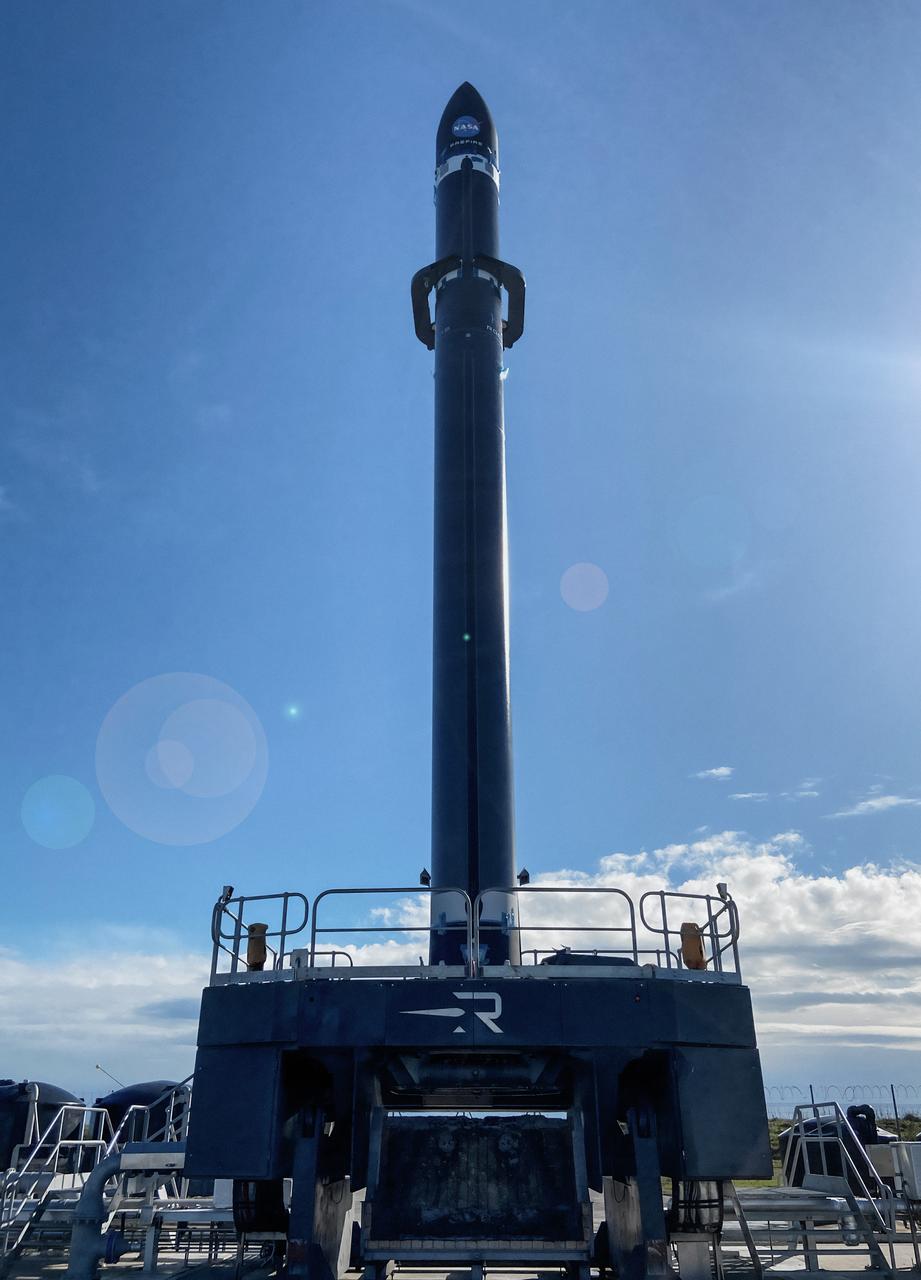
Rocket Lab’s Electron rocket is vertical on the pad at Launch Complex 1 in Mahia, New Zealand, loaded with the second of two identical 6U CubeSats for NASA’s PREFIRE (Polar Radiant Energy in the Far-InfraRed Experiment) mission to help close a gap in our understanding of how much of Earth’s heat is lost to space from the Arctic and Antarctica. Liftoff of the second CubeSat launch, which Rocket Lab named “PREFIRE and Ice” was targeted for Saturday, June 1, 2024, but was scrubbed for the day.
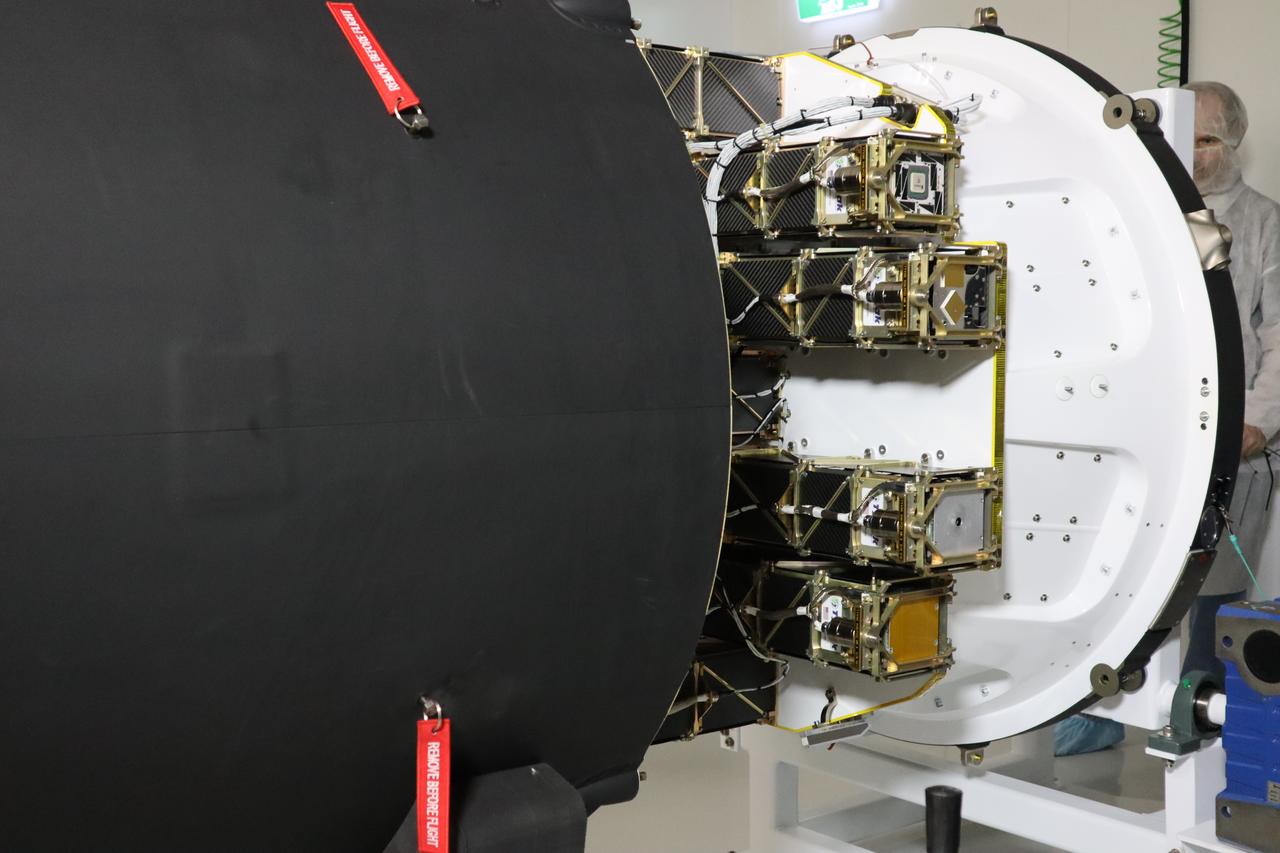
The Educational Launch of Nanosatellites 19 (ELaNa 19) payload is encapsulated inside the Rocket Lab Electron rocket payload fairing on Dec. 1, 2018, at the company’s facility in New Zealand. The ELaNa 19 payload comprises 10 CubeSats selected through NASA’s CubeSat Launch Initiative. The liftoff marks the debut of the agency’s innovative Venture Class Launch Services (VCLS) effort. Managed by NASA’s Launch Services Program at Kennedy Space Center in Florida, VCLS was developed to offer small payloads dedicated rides to space.
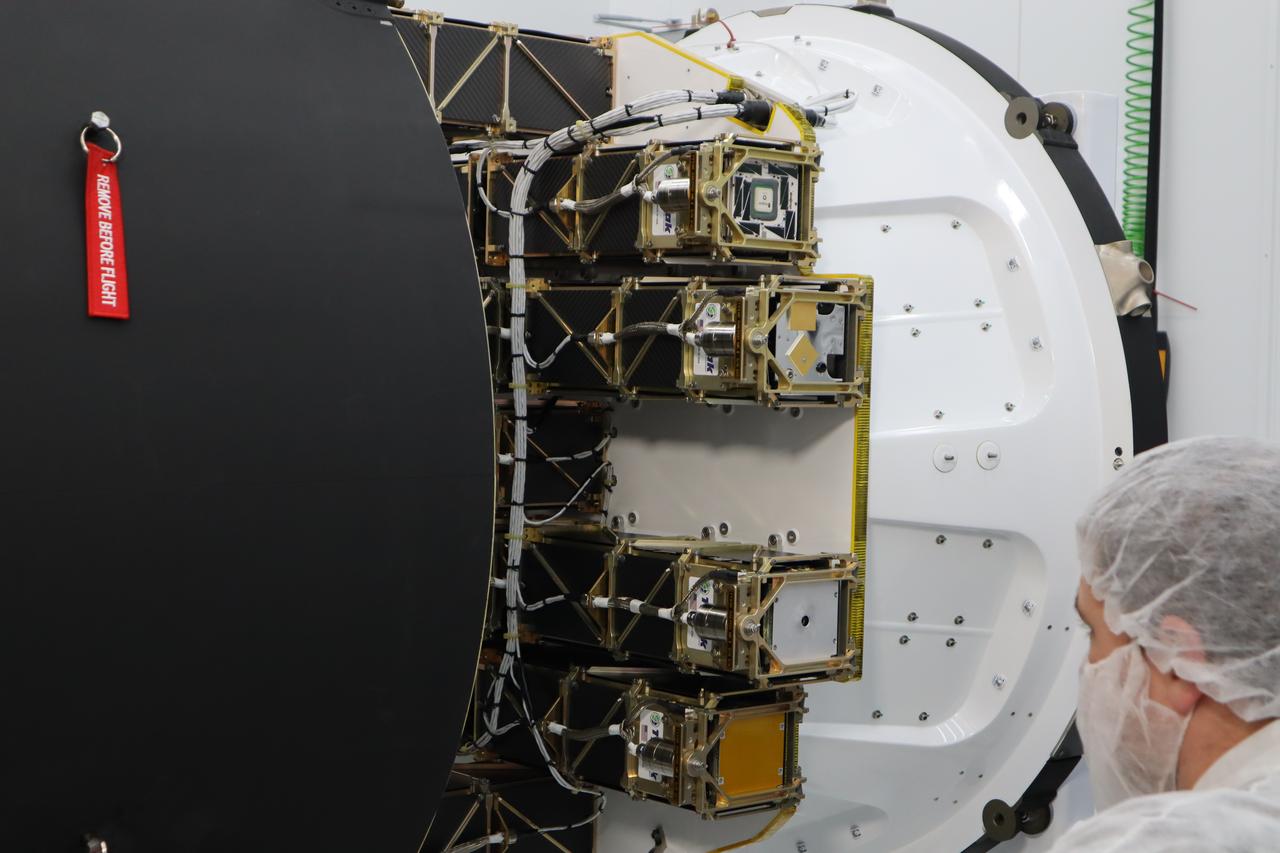
The Educational Launch of Nanosatellites 19 (ELaNa 19) payload is encapsulated inside the Rocket Lab Electron rocket payload fairing on Dec. 1, 2018, at the company’s facility in New Zealand. The ELaNa 19 payload comprises 10 CubeSats selected through NASA’s CubeSat Launch Initiative. The liftoff marks the debut of the agency’s innovative Venture Class Launch Services (VCLS) effort. Managed by NASA’s Launch Services Program at Kennedy Space Center in Florida, VCLS was developed to offer small payloads dedicated rides to space.
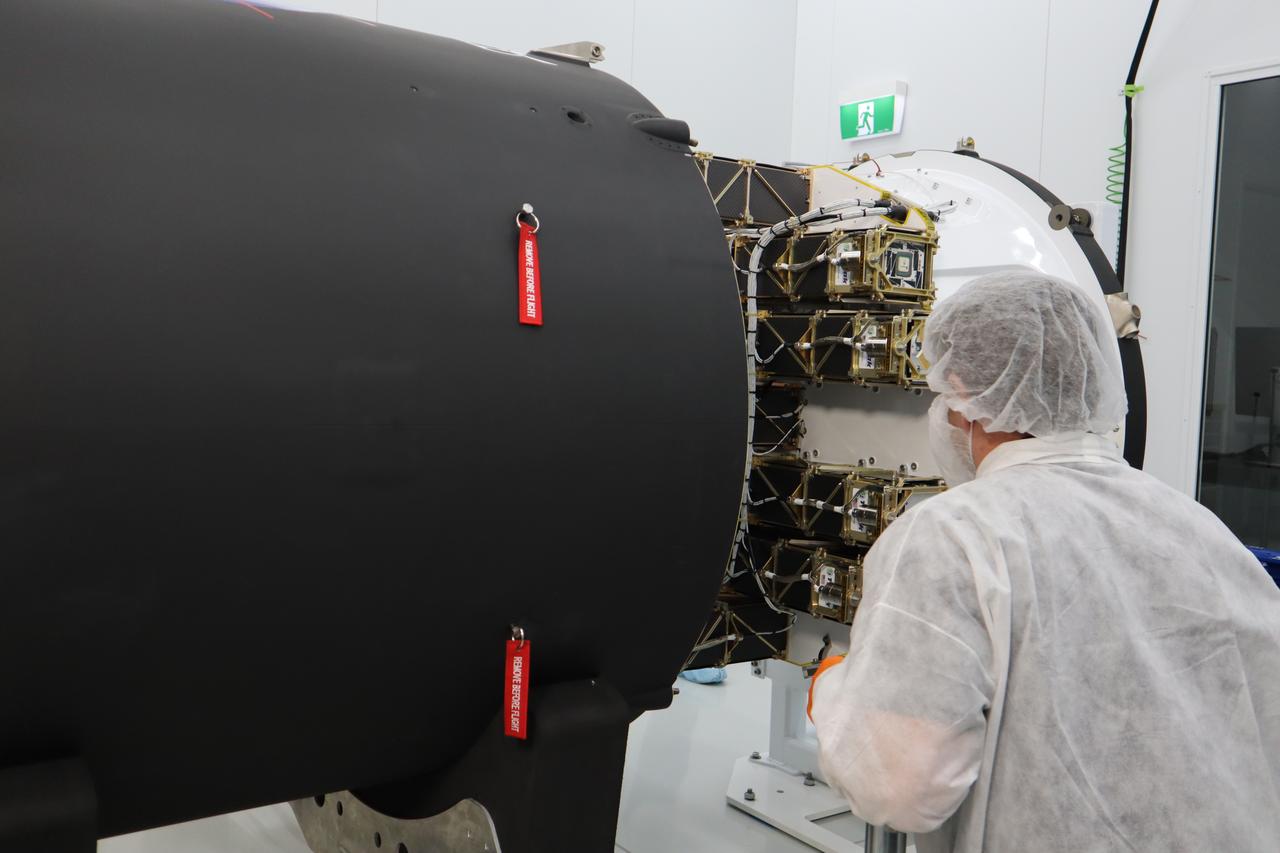
The Educational Launch of Nanosatellites 19 (ELaNa 19) payload is encapsulated inside the Rocket Lab Electron rocket payload fairing on Dec. 1, 2018, at the company’s facility in New Zealand. The ELaNa 19 payload comprises 10 CubeSats selected through NASA’s CubeSat Launch Initiative. The liftoff marks the debut of the agency’s innovative Venture Class Launch Services (VCLS) effort. Managed by NASA’s Launch Services Program at Kennedy Space Center in Florida, VCLS was developed to offer small payloads dedicated rides to space.
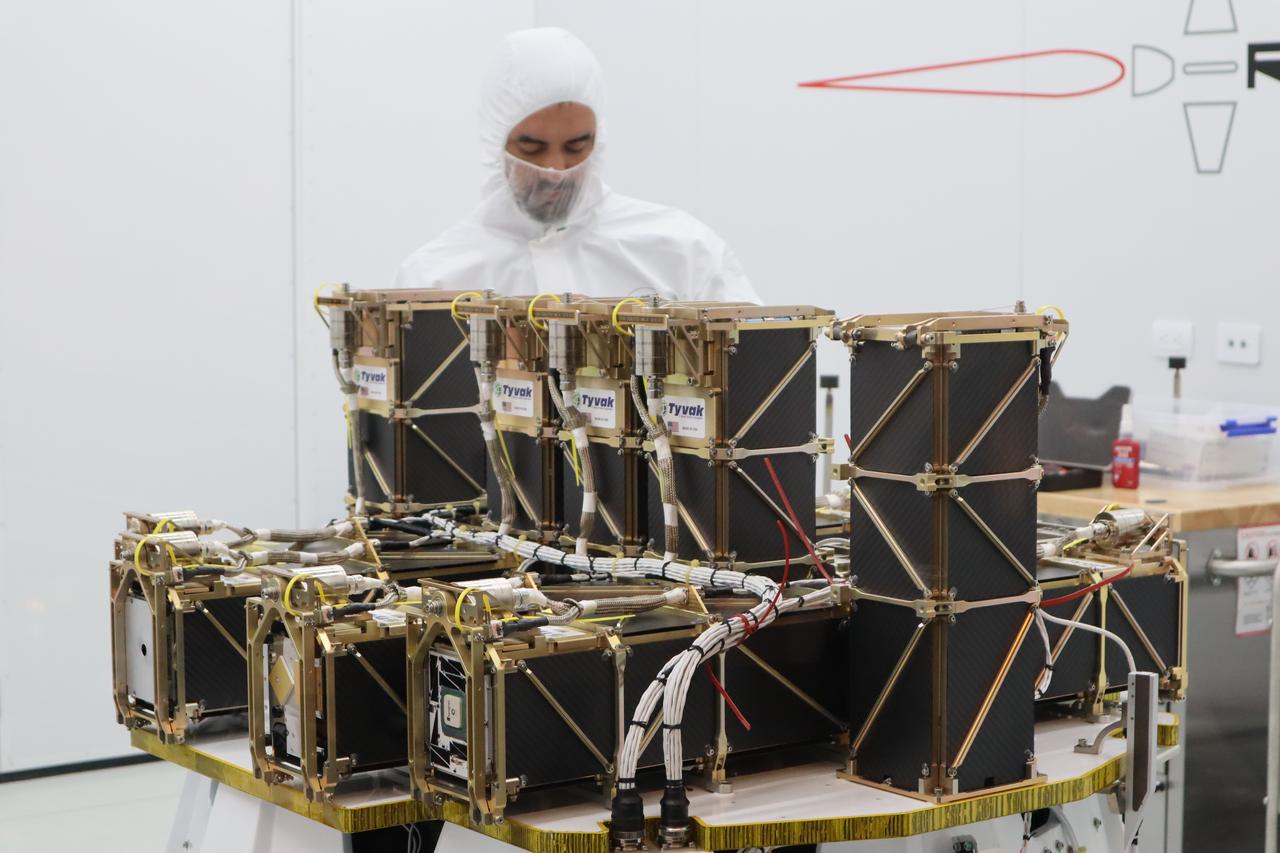
The Educational Launch of Nanosatellites 19 (ELaNa 19) payload is prepared to be encapsulated inside the Rocket Lab Electron rocket payload fairing on Dec. 1, 2018, at the company’s facility in New Zealand. The ELaNa 19 payload comprises 10 CubeSats selected through NASA’s CubeSat Launch Initiative. The liftoff marks the debut of the agency’s innovative Venture Class Launch Services (VCLS) effort. Managed by NASA’s Launch Services Program at Kennedy Space Center in Florida, VCLS was developed to offer small payloads dedicated rides to space.
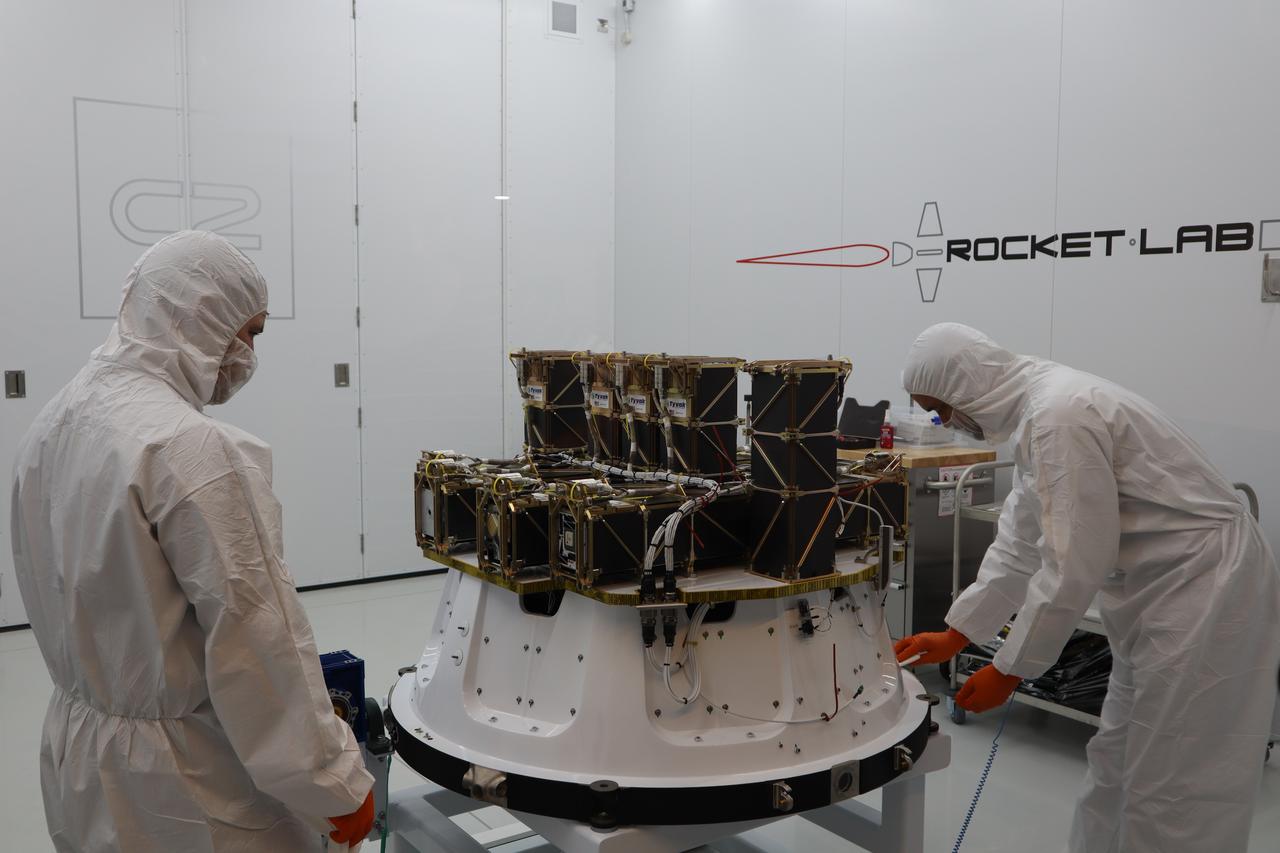
The Educational Launch of Nanosatellites 19 (ELaNa 19) payload is prepared to be encapsulated inside the Rocket Lab Electron rocket payload fairing on Dec. 1, 2018, at the company’s facility in New Zealand. The ELaNa 19 payload comprises 10 CubeSats selected through NASA’s CubeSat Launch Initiative. The liftoff marks the debut of the agency’s innovative Venture Class Launch Services (VCLS) effort. Managed by NASA’s Launch Services Program at Kennedy Space Center in Florida, VCLS was developed to offer small payloads dedicated rides to space.
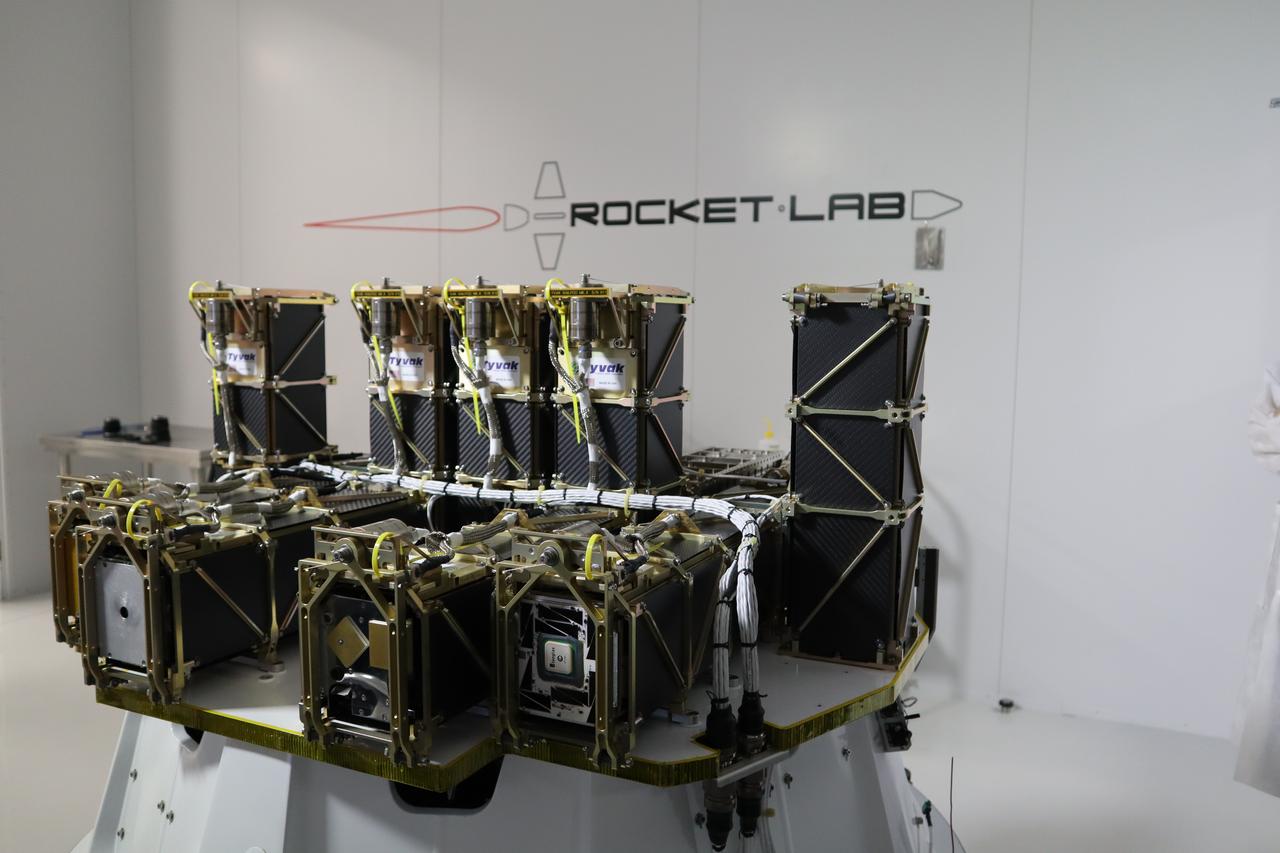
The Educational Launch of Nanosatellites 19 (ELaNa 19) payload has been encapsulated inside the Rocket Lab Electron rocket payload fairing on Dec. 1, 2018, at the company’s facility in New Zealand. The ELaNa 19 payload comprises 10 CubeSats selected through NASA’s CubeSat Launch Initiative. The liftoff marks the debut of the agency’s innovative Venture Class Launch Services (VCLS) effort. Managed by NASA’s Launch Services Program at Kennedy Space Center in Florida, VCLS was developed to offer small payloads dedicated rides to space.
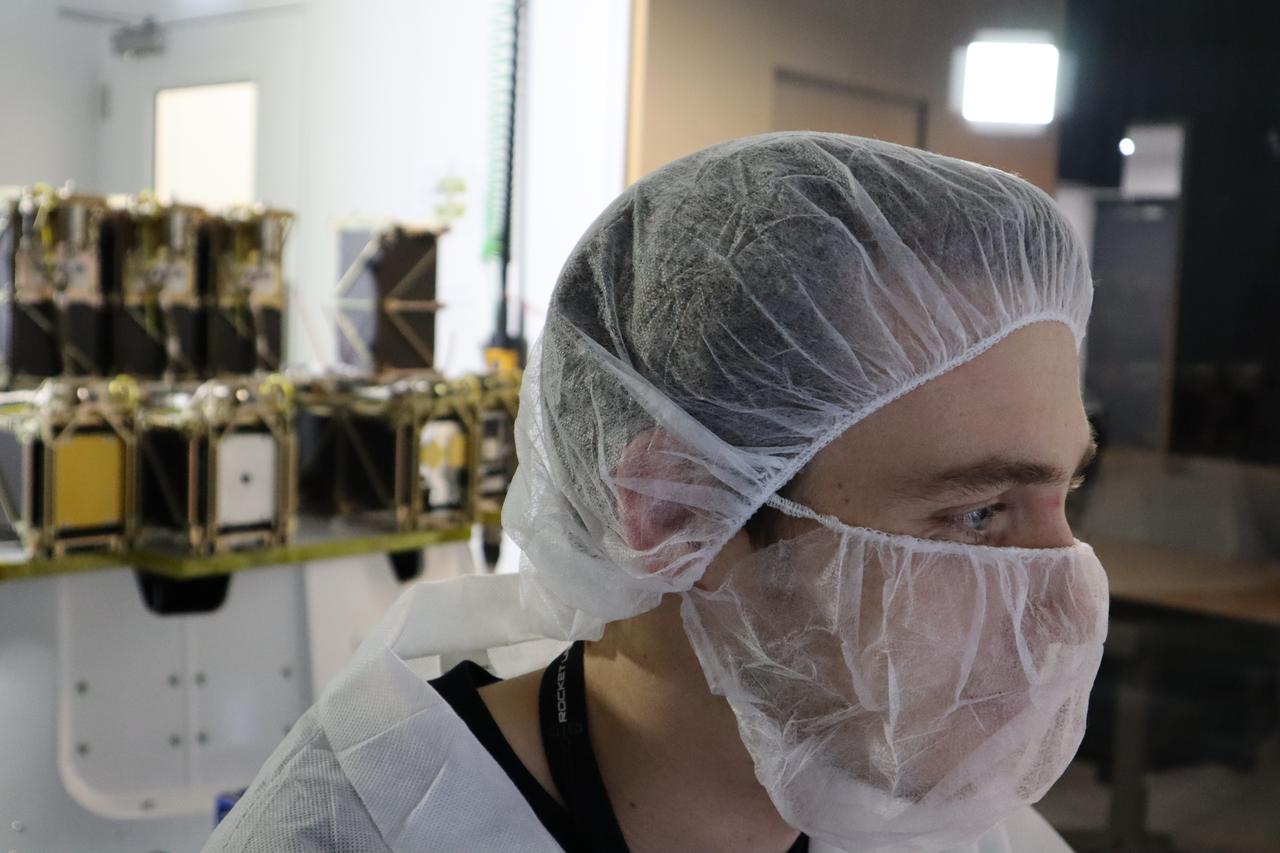
The Educational Launch of Nanosatellites 19 (ELaNa 19) payload is prepared to be encapsulated inside the Rocket Lab Electron rocket payload fairing on Dec. 1, 2018, at the company’s facility in New Zealand. The ELaNa 19 payload comprises 10 CubeSats selected through NASA’s CubeSat Launch Initiative. The liftoff marks the debut of the agency’s innovative Venture Class Launch Services (VCLS) effort. Managed by NASA’s Launch Services Program at Kennedy Space Center in Florida, VCLS was developed to offer small payloads dedicated rides to space.
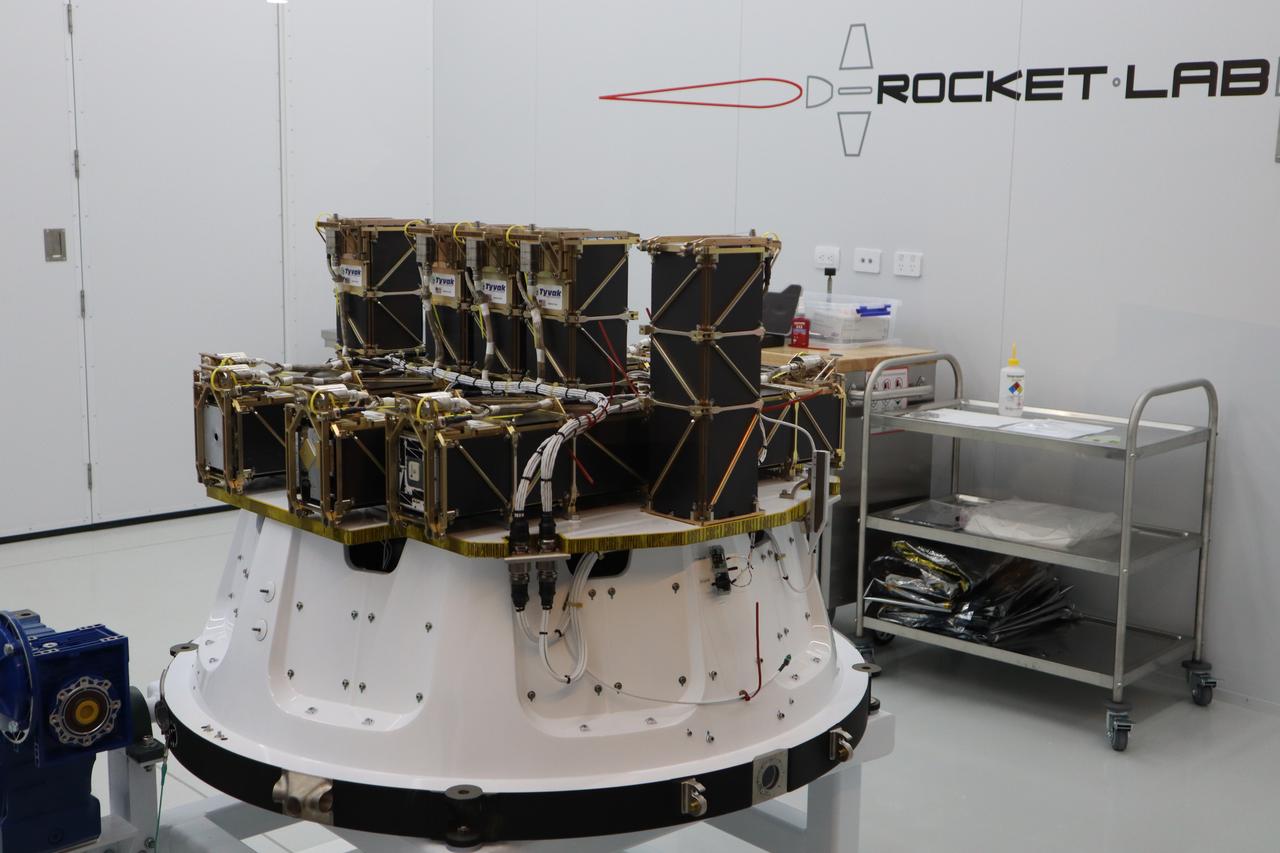
The Educational Launch of Nanosatellites 19 (ELaNa 19) payload is prepared to be encapsulated inside the Rocket Lab Electron rocket payload fairing on Dec. 1, 2018, at the company’s facility in New Zealand. The ELaNa 19 payload comprises 10 CubeSats selected through NASA’s CubeSat Launch Initiative. The liftoff marks the debut of the agency’s innovative Venture Class Launch Services (VCLS) effort. Managed by NASA’s Launch Services Program at Kennedy Space Center in Florida, VCLS was developed to offer small payloads dedicated rides to space.
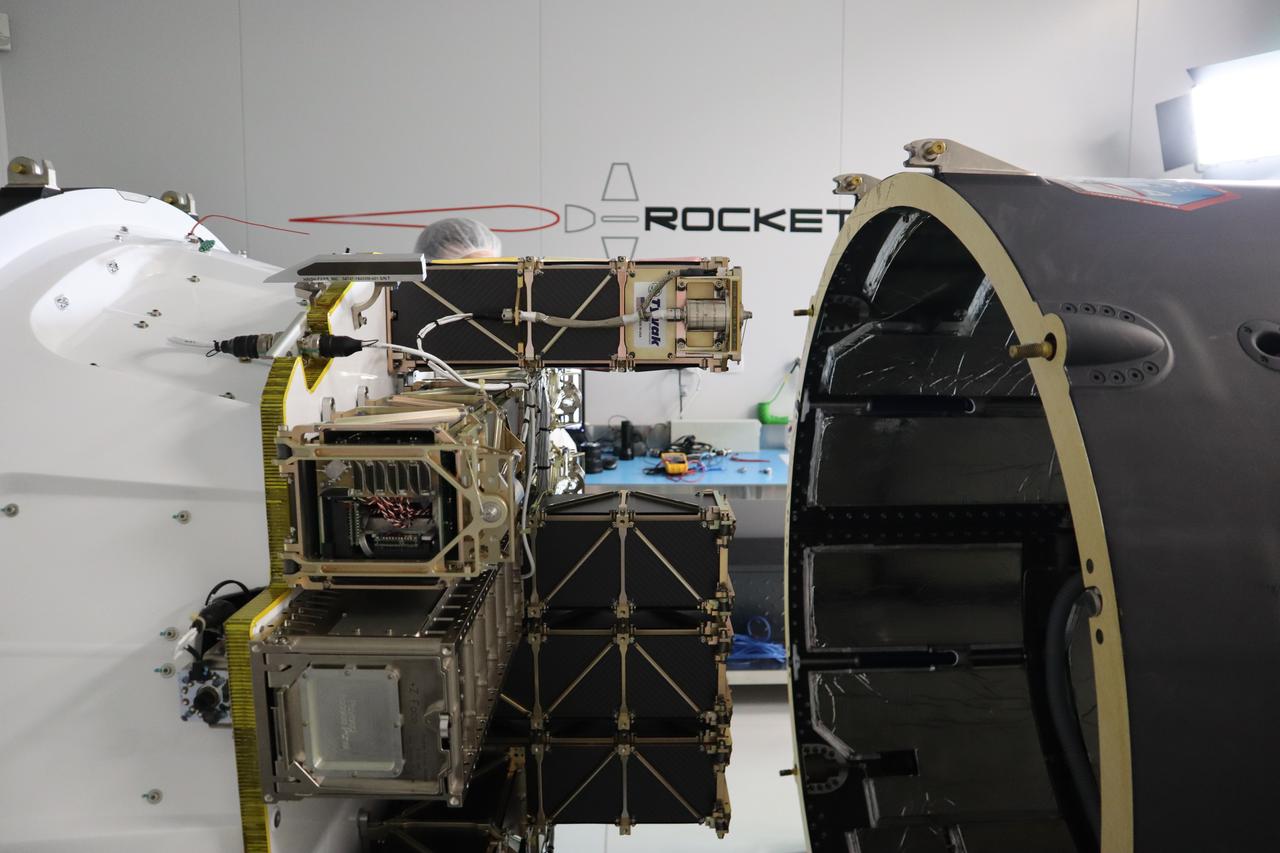
The Educational Launch of Nanosatellites 19 (ELaNa 19) payload is encapsulated inside the Rocket Lab Electron rocket payload fairing on Dec. 1, 2018, at the company’s facility in New Zealand. The ELaNa 19 payload comprises 10 CubeSats selected through NASA’s CubeSat Launch Initiative. The liftoff marks the debut of the agency’s innovative Venture Class Launch Services (VCLS) effort. Managed by NASA’s Launch Services Program at Kennedy Space Center in Florida, VCLS was developed to offer small payloads dedicated rides to space.
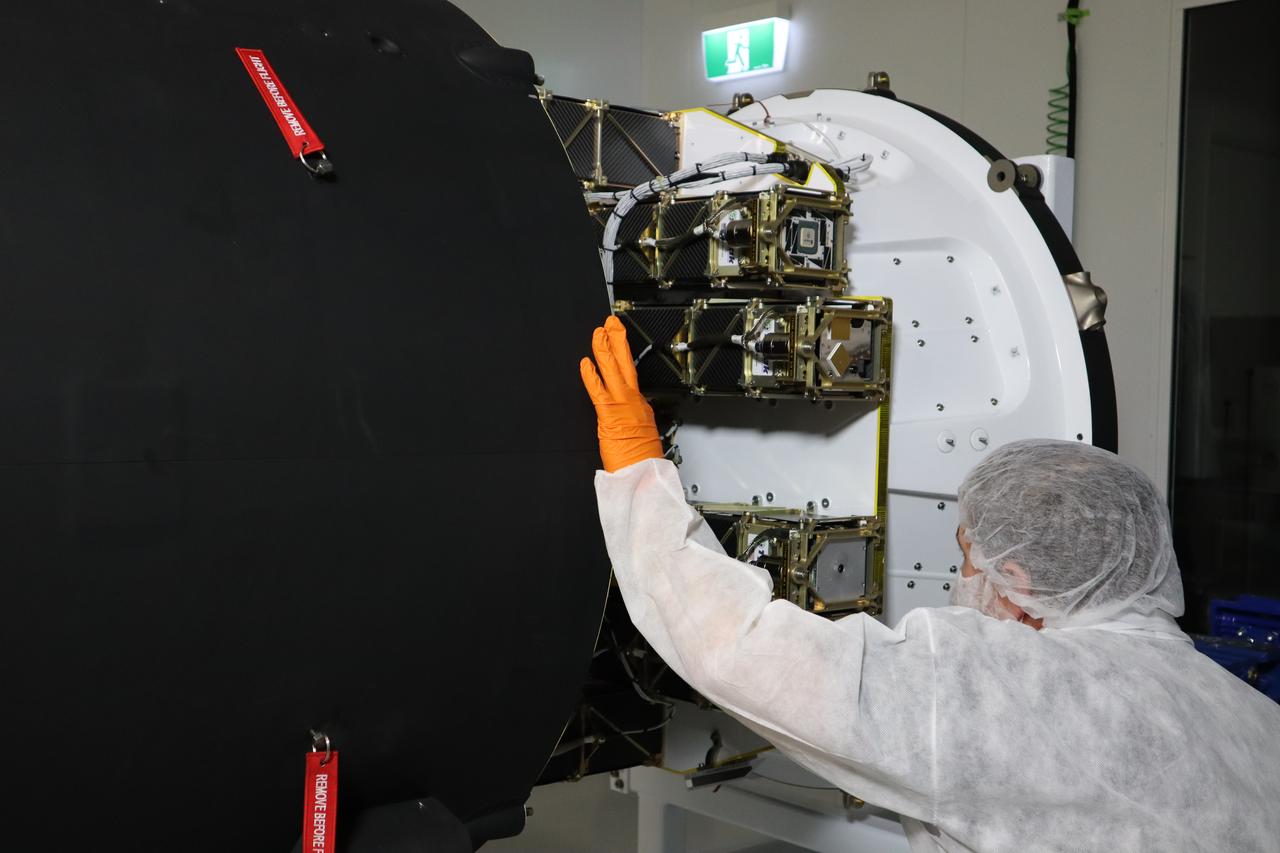
The Educational Launch of Nanosatellites 19 (ELaNa 19) payload is encapsulated inside the Rocket Lab Electron rocket payload fairing on Dec. 1, 2018, at the company’s facility in New Zealand. The ELaNa 19 payload comprises 10 CubeSats selected through NASA’s CubeSat Launch Initiative. The liftoff marks the debut of the agency’s innovative Venture Class Launch Services (VCLS) effort. Managed by NASA’s Launch Services Program at Kennedy Space Center in Florida, VCLS was developed to offer small payloads dedicated rides to space.
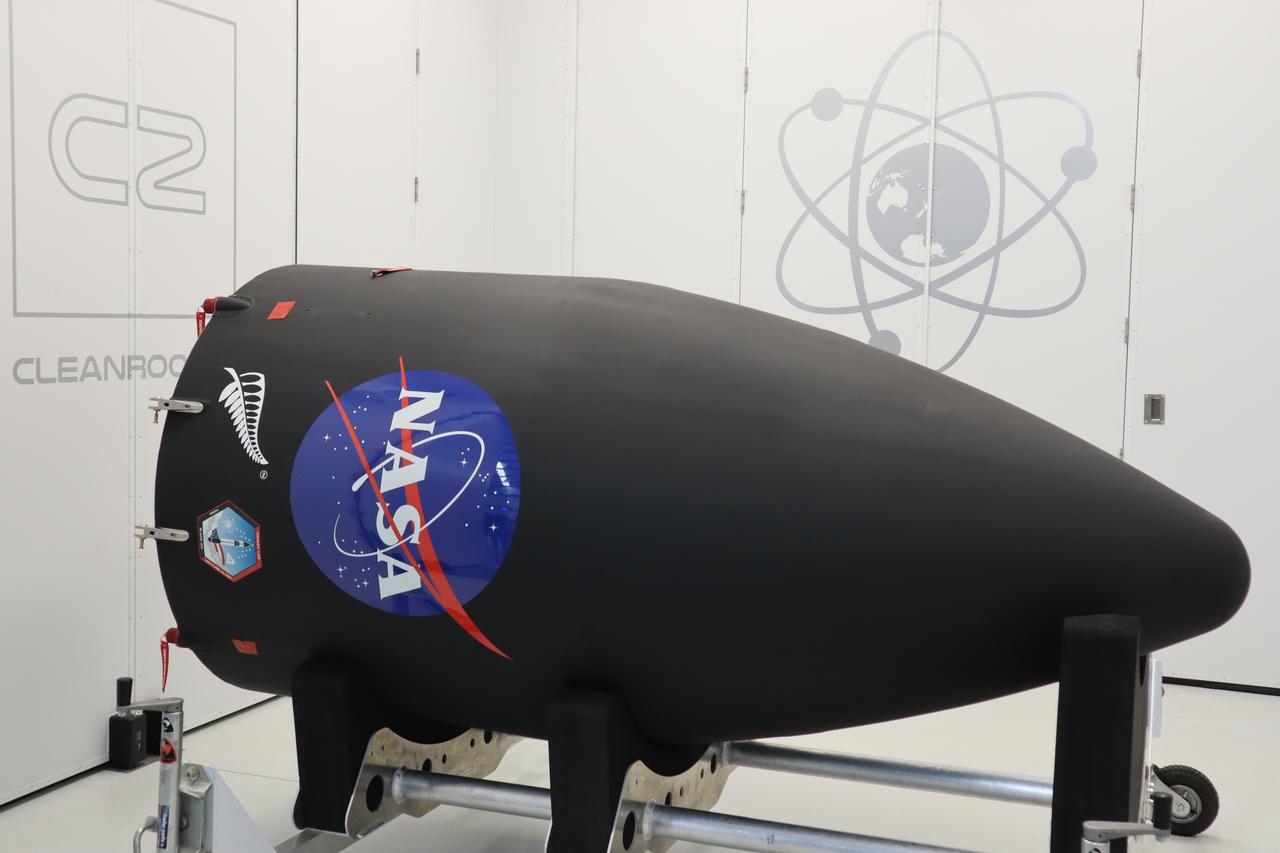
The Rocket Lab Electron rocket payload fairing is prepared for the encapsulation of the Educational Launch of Nanosatellites 19 (ELaNa 19) payload on Dec. 1, 2018, at the company’s facility in New Zealand. The ELaNa 19 payload comprises 10 CubeSats selected through NASA’s CubeSat Launch Initiative. The liftoff marks the debut of the agency’s innovative Venture Class Launch Services (VCLS) effort. Managed by NASA’s Launch Services Program at Kennedy Space Center in Florida, VCLS was developed to offer small payloads dedicated rides to space.
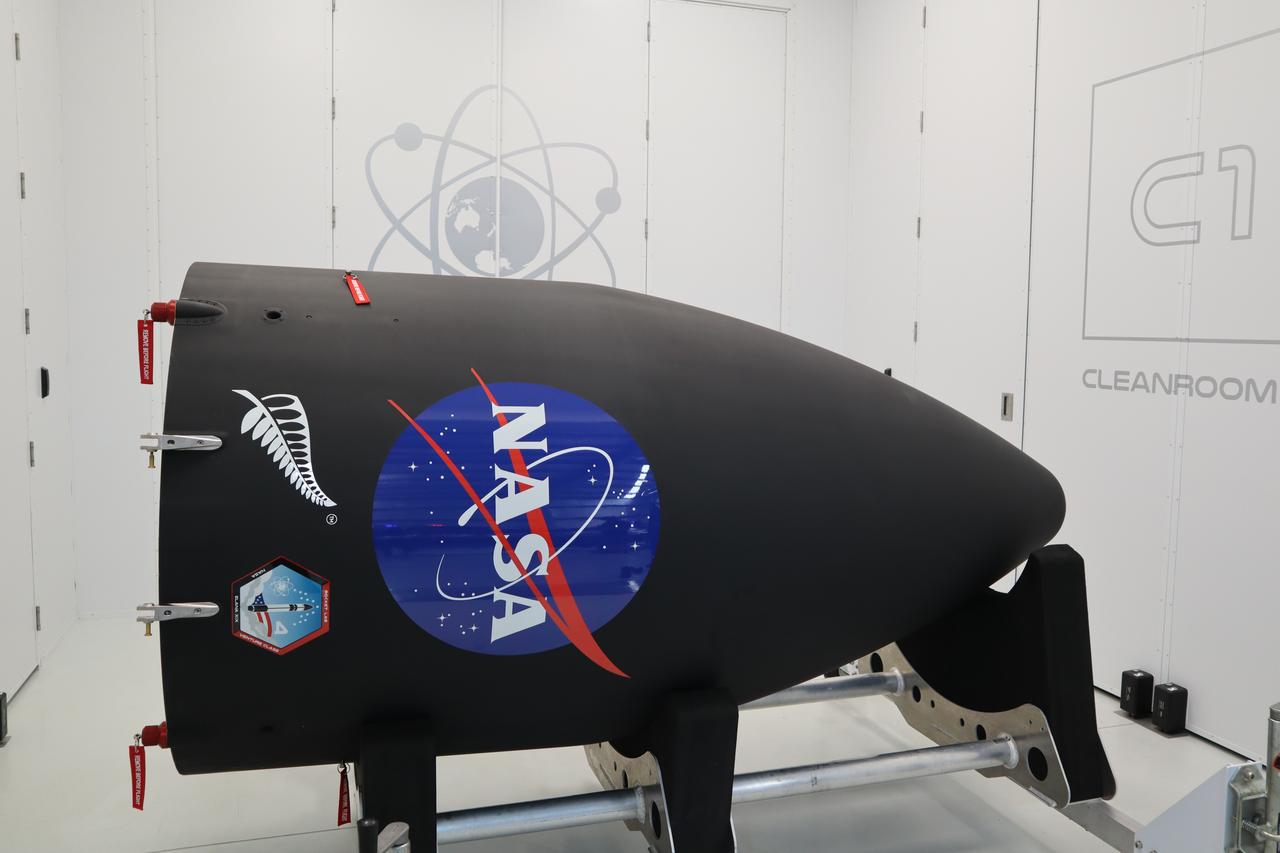
The Educational Launch of Nanosatellites 19 (ELaNa 19) payload has been encapsulated inside the Rocket Lab Electron rocket payload fairing on Dec. 1, 2018, at the company’s facility in New Zealand. The ELaNa 19 payload comprises 10 CubeSats selected through NASA’s CubeSat Launch Initiative. The liftoff marks the debut of the agency’s innovative Venture Class Launch Services (VCLS) effort. Managed by NASA’s Launch Services Program at Kennedy Space Center in Florida, VCLS was developed to offer small payloads dedicated rides to space.

The Educational Launch of Nanosatellites 19 (ELaNa 19) payload is prepared to be encapsulated inside the Rocket Lab Electron rocket payload fairing on Dec. 1, 2018, at the company’s facility in New Zealand. The ELaNa 19 payload comprises 10 CubeSats selected through NASA’s CubeSat Launch Initiative. The liftoff marks the debut of the agency’s innovative Venture Class Launch Services (VCLS) effort. Managed by NASA’s Launch Services Program at Kennedy Space Center in Florida, VCLS was developed to offer small payloads dedicated rides to space.
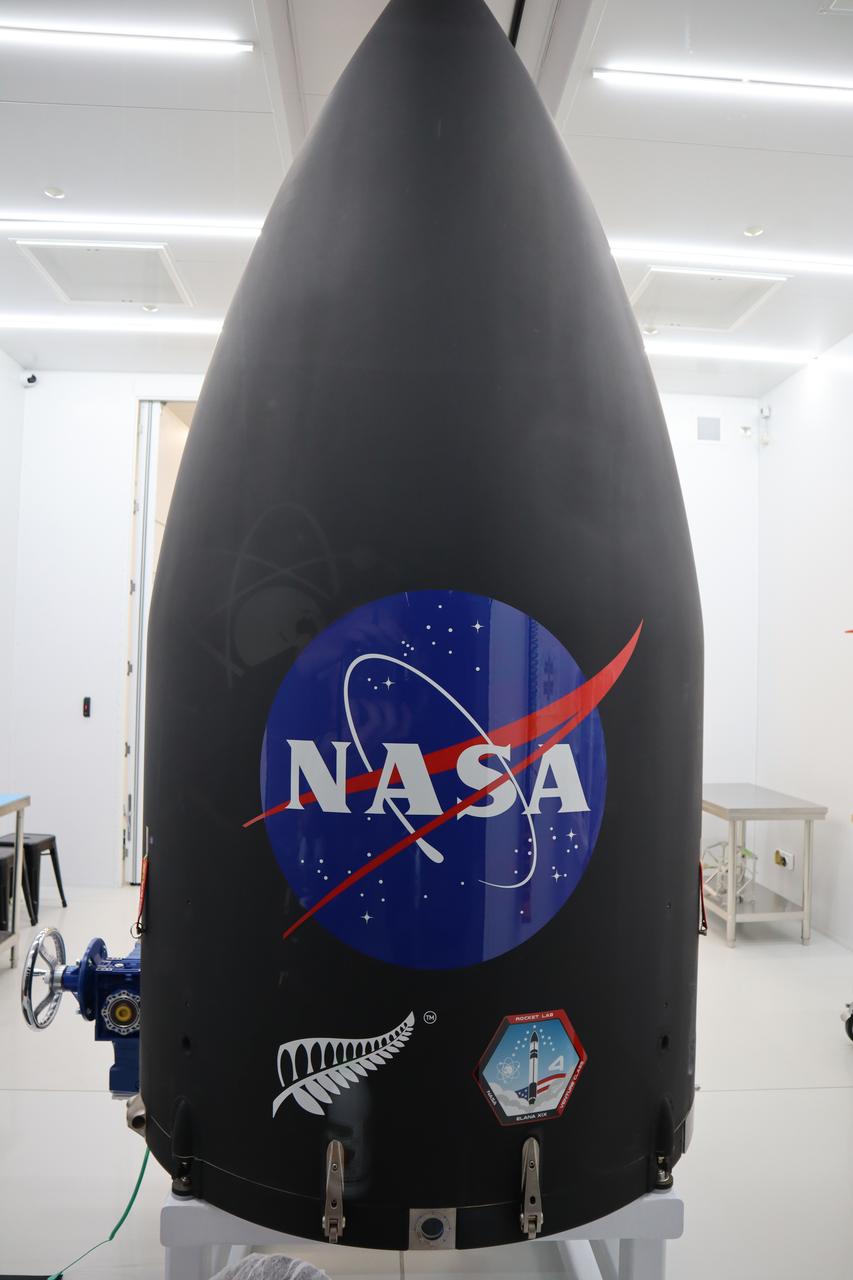
The Educational Launch of Nanosatellites 19 (ELaNa 19) payload has been encapsulated inside the Rocket Lab Electron rocket payload fairing on Dec. 1, 2018, at the company’s facility in New Zealand. The ELaNa 19 payload comprises 10 CubeSats selected through NASA’s CubeSat Launch Initiative. The liftoff marks the debut of the agency’s innovative Venture Class Launch Services (VCLS) effort. Managed by NASA’s Launch Services Program at Kennedy Space Center in Florida, VCLS was developed to offer small payloads dedicated rides to space.
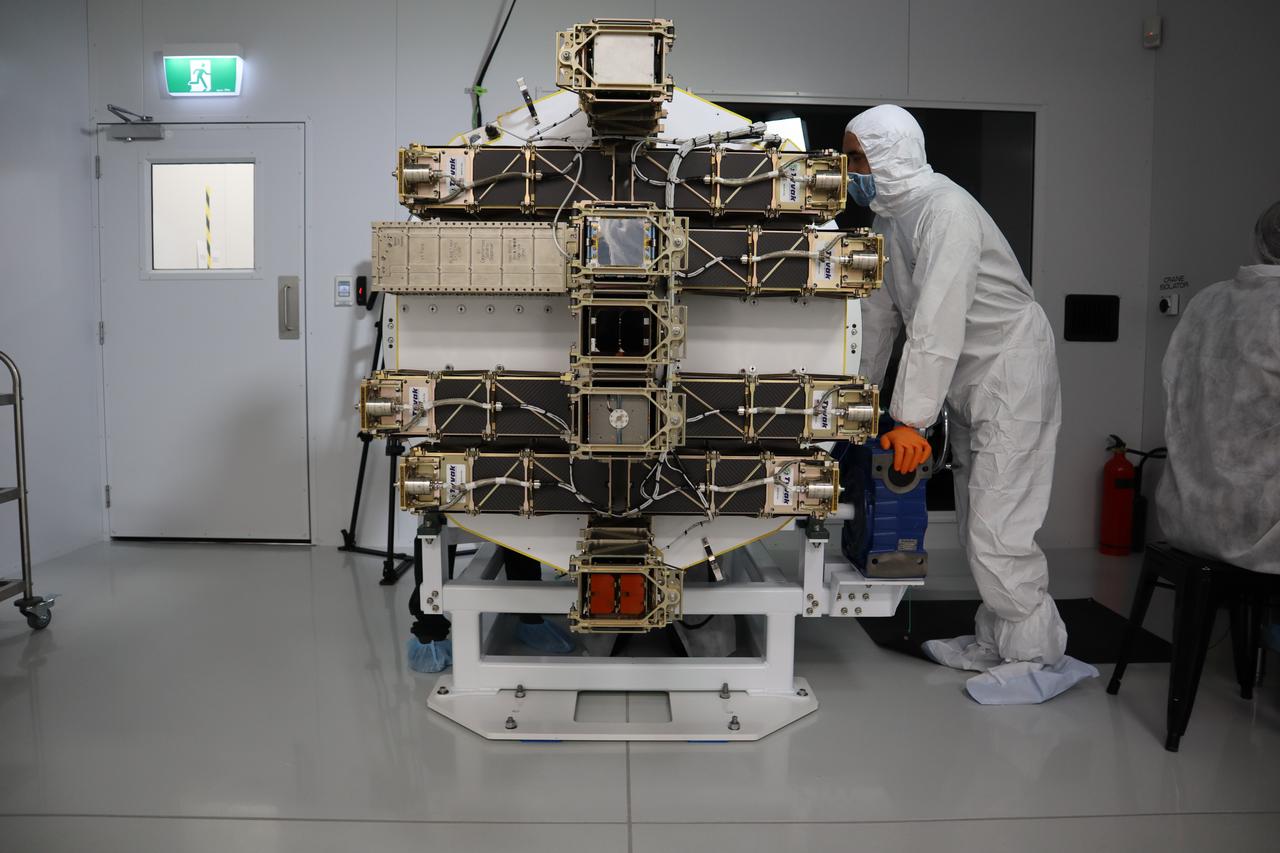
The Educational Launch of Nanosatellites 19 (ELaNa 19) payload has been encapsulated inside the Rocket Lab Electron rocket payload fairing on Dec. 1, 2018, at the company’s facility in New Zealand. The ELaNa 19 payload comprises 10 CubeSats selected through NASA’s CubeSat Launch Initiative. The liftoff marks the debut of the agency’s innovative Venture Class Launch Services (VCLS) effort. Managed by NASA’s Launch Services Program at Kennedy Space Center in Florida, VCLS was developed to offer small payloads dedicated rides to space.
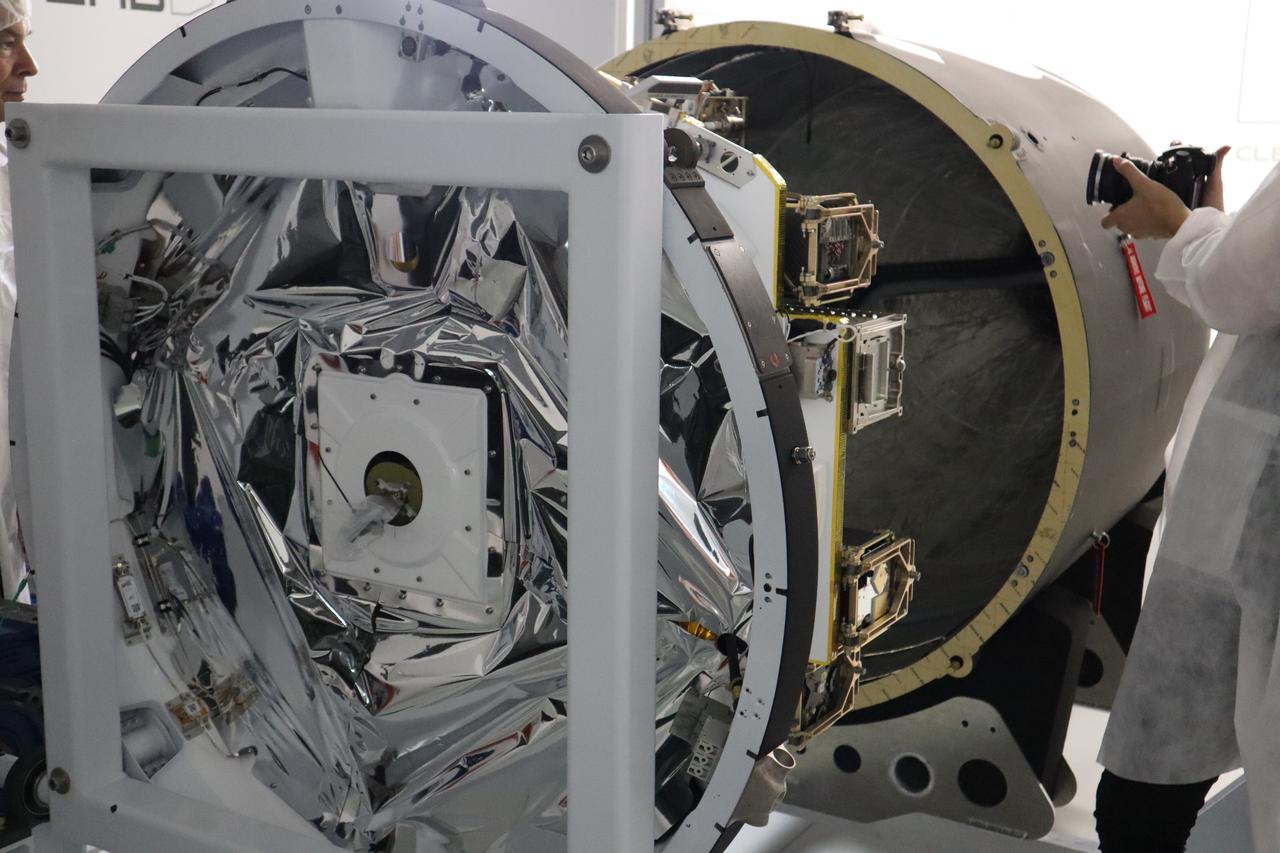
The Educational Launch of Nanosatellites 19 (ELaNa 19) payload is encapsulated inside the Rocket Lab Electron rocket payload fairing on Dec. 1, 2018, at the company’s facility in New Zealand. The ELaNa 19 payload comprises 10 CubeSats selected through NASA’s CubeSat Launch Initiative. The liftoff marks the debut of the agency’s innovative Venture Class Launch Services (VCLS) effort. Managed by NASA’s Launch Services Program at Kennedy Space Center in Florida, VCLS was developed to offer small payloads dedicated rides to space.
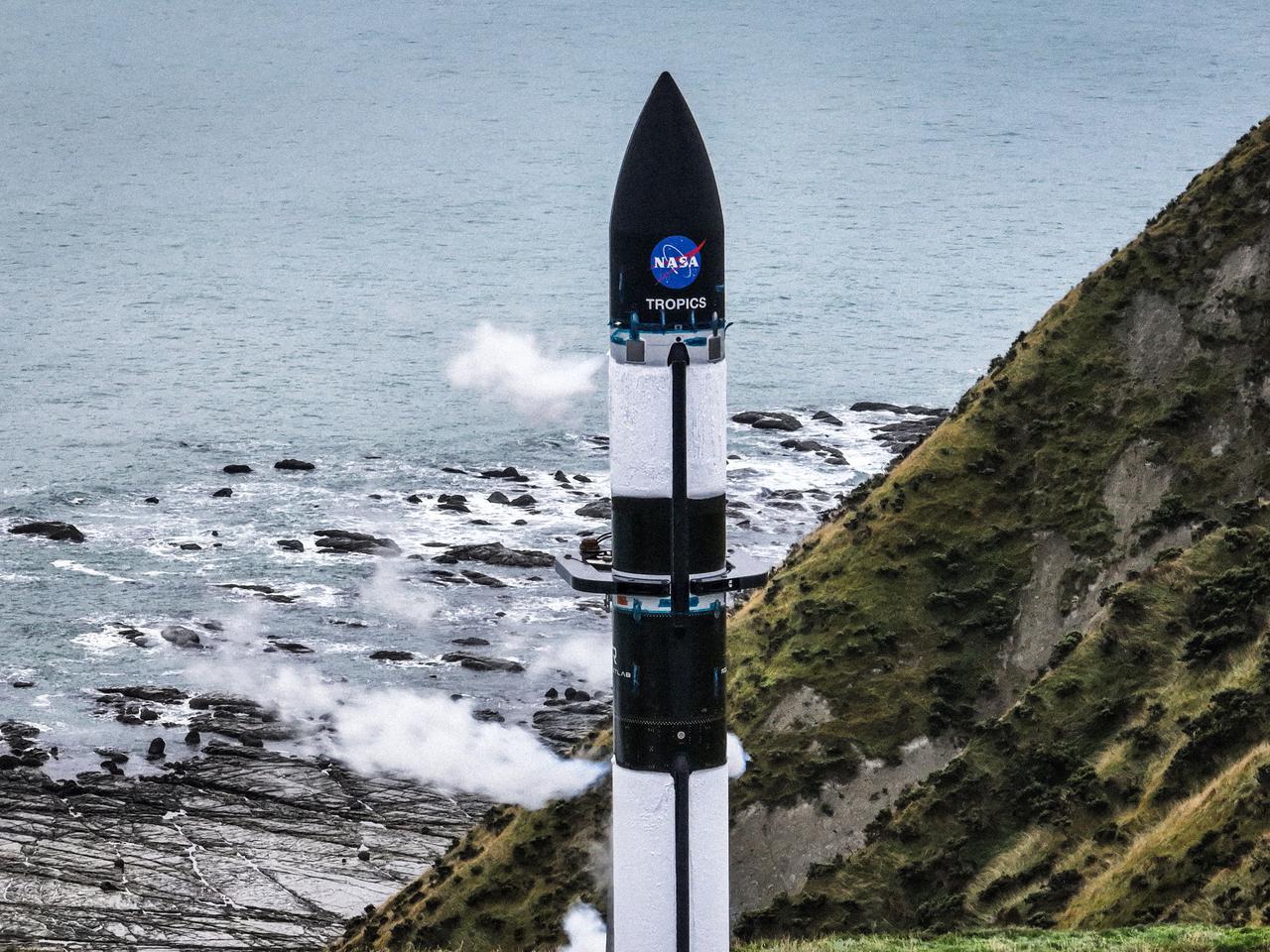
A wet dress rehearsal is underway for Rocket Lab’s Electron rocket at Launch Complex 1 in Mahia, New Zealand on April 28, 2023. NASA’s Time-Resolved Observations of Precipitation structure and storm Intensity with a Constellation of Smallsats (TROPICS) CubeSats are secured in the payload fairing atop the rocket. TROPICS is scheduled to launch from Launch Complex 1, Pad B. TROPICS will provide data on temperature, precipitation, water vapor, and clouds by measuring microwave frequencies, providing insight into storm formation and intensification.
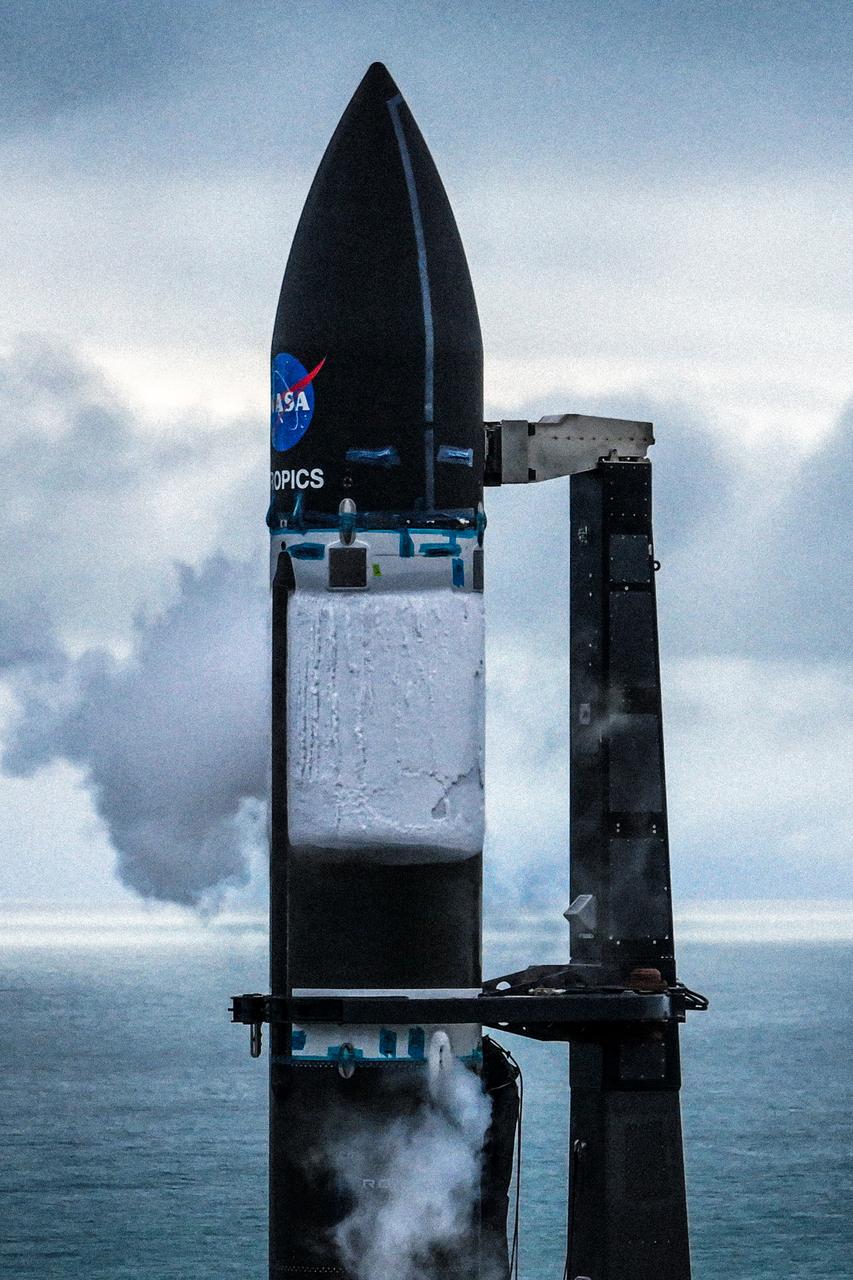
A wet dress rehearsal is underway for Rocket Lab’s Electron rocket at Launch Complex 1 in Mahia, New Zealand on April 28, 2023. NASA’s Time-Resolved Observations of Precipitation structure and storm Intensity with a Constellation of Smallsats (TROPICS) CubeSats are secured in the payload fairing atop the rocket. TROPICS is scheduled to launch from Launch Complex 1, Pad B. TROPICS will provide data on temperature, precipitation, water vapor, and clouds by measuring microwave frequencies, providing insight into storm formation and intensification.
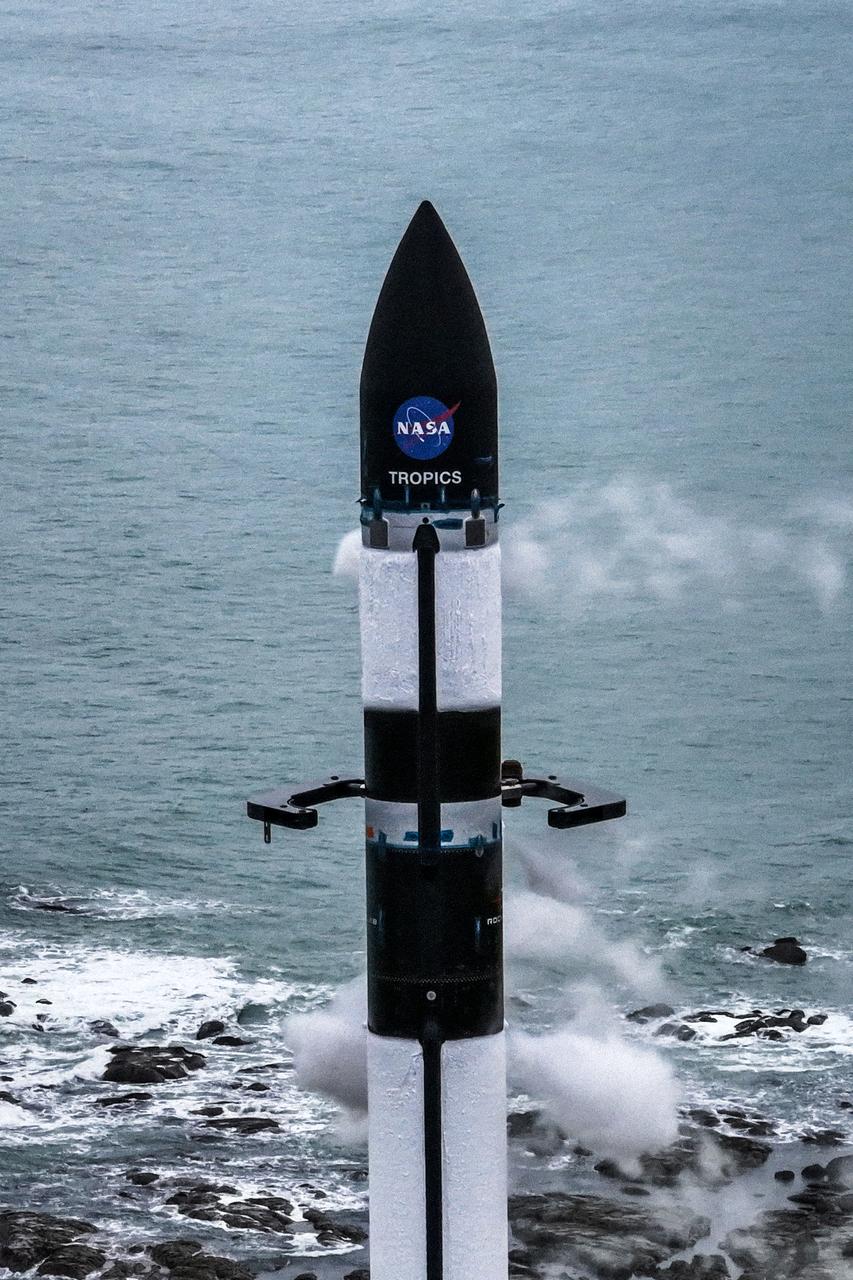
A wet dress rehearsal is underway for Rocket Lab’s Electron rocket at Launch Complex 1 in Mahia, New Zealand on April 28, 2023. NASA’s Time-Resolved Observations of Precipitation structure and storm Intensity with a Constellation of Smallsats (TROPICS) CubeSats are secured in the payload fairing atop the rocket. TROPICS is scheduled to launch from Launch Complex 1, Pad B. TROPICS will provide data on temperature, precipitation, water vapor, and clouds by measuring microwave frequencies, providing insight into storm formation and intensification.
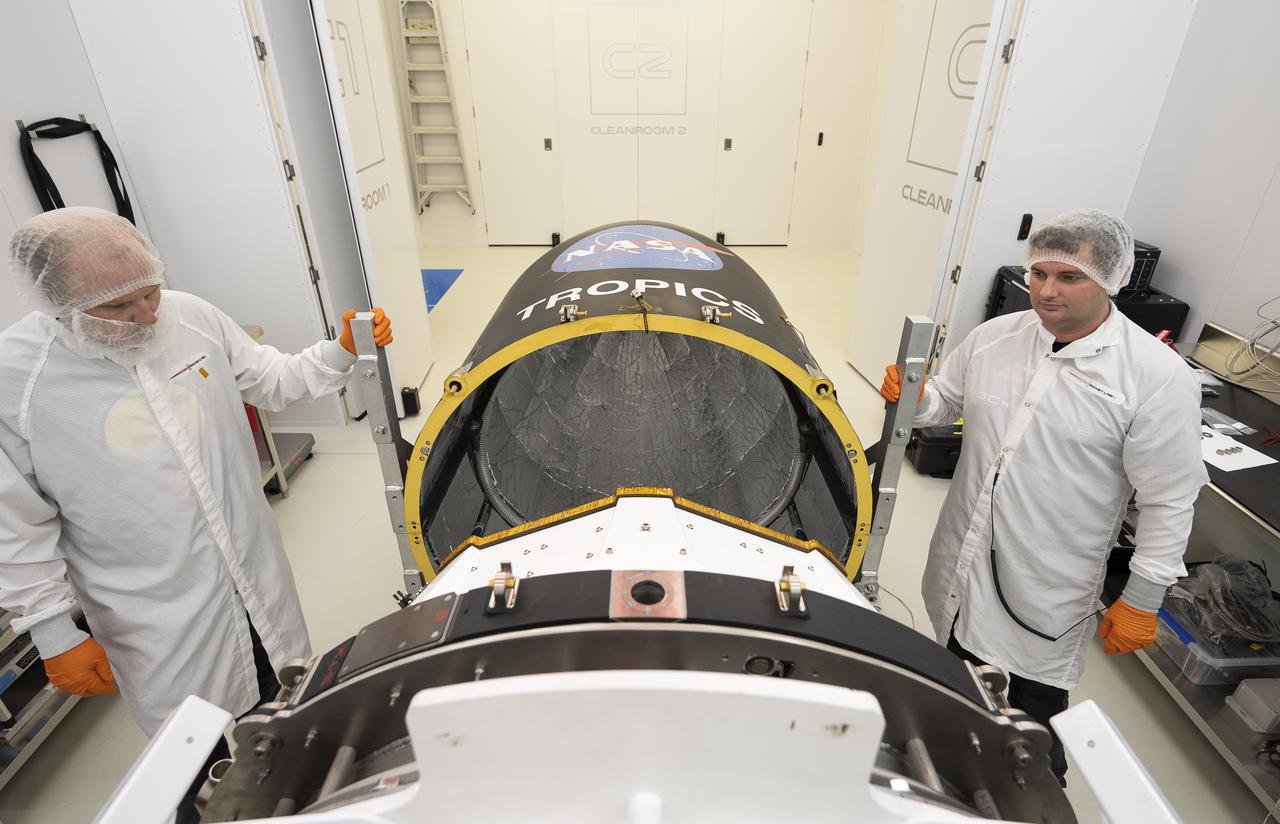
Technicians place NASA’s Time-Resolved Observations of Precipitation structure and storm Intensity with a Constellation of Smallsats (TROPICS) CubeSats in Rocket Lab’s Electron payload fairing in a processing facility near Launch Complex 1 in Mahia, New Zealand. TROPICS is scheduled to launch on Monday, May 1, at 1 a.m. New Zealand time from Launch Complex 1, Pad B. TROPICS will provide data on temperature, precipitation, water vapor, and clouds by measuring microwave frequencies, providing insight into storm formation and intensification.
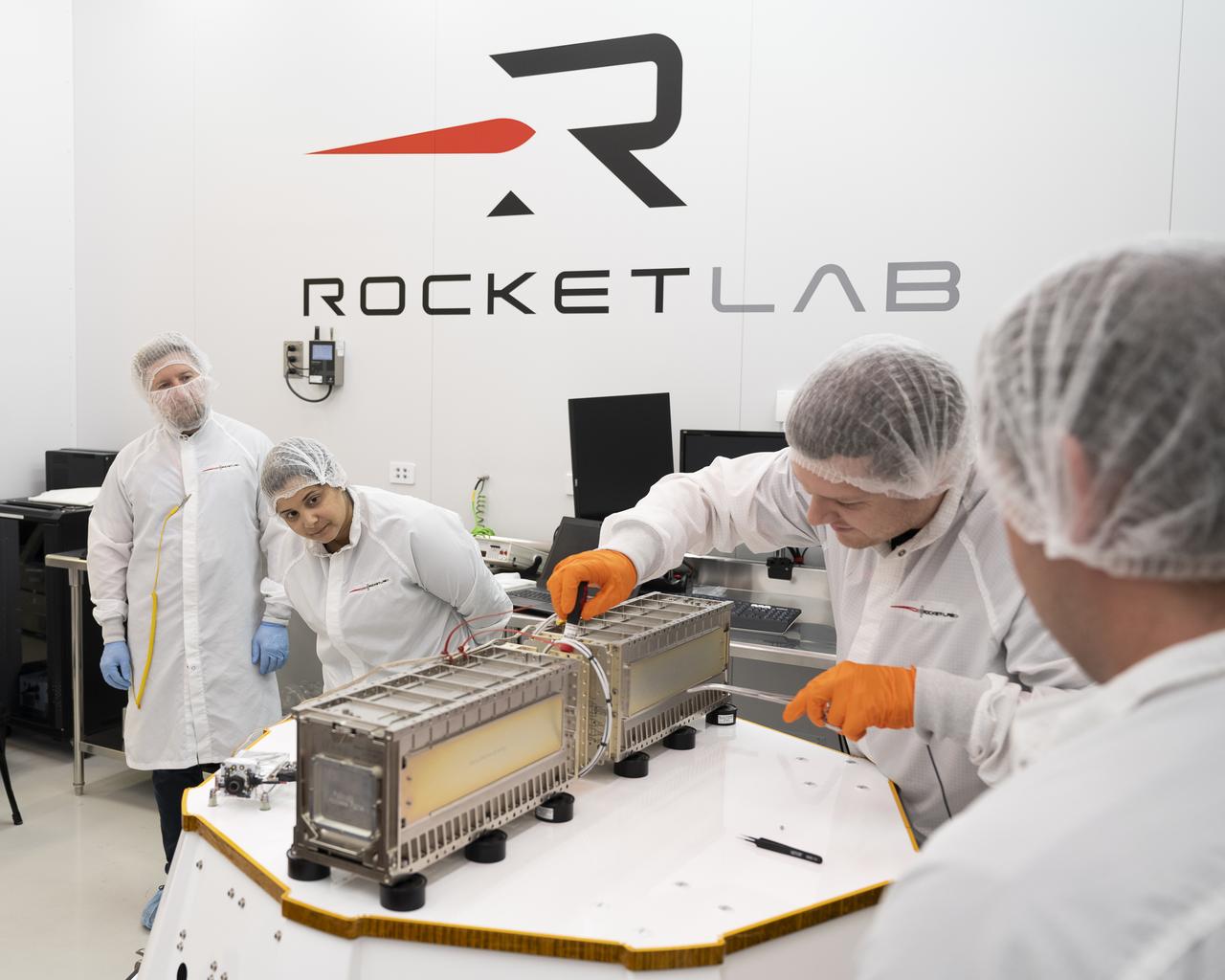
Technicians prepare NASA’s Time-Resolved Observations of Precipitation structure and storm Intensity with a Constellation of Smallsats (TROPICS) CubeSats for encapsulation in Rocket Lab’s Electron payload fairing in a processing facility near Launch Complex 1 in Mahia, New Zealand. TROPICS is scheduled to launch on Monday, May 1, at 1 a.m. New Zealand time from Launch Complex 1, Pad B. TROPICS will provide data on temperature, precipitation, water vapor, and clouds by measuring microwave frequencies, providing insight into storm formation and intensification.
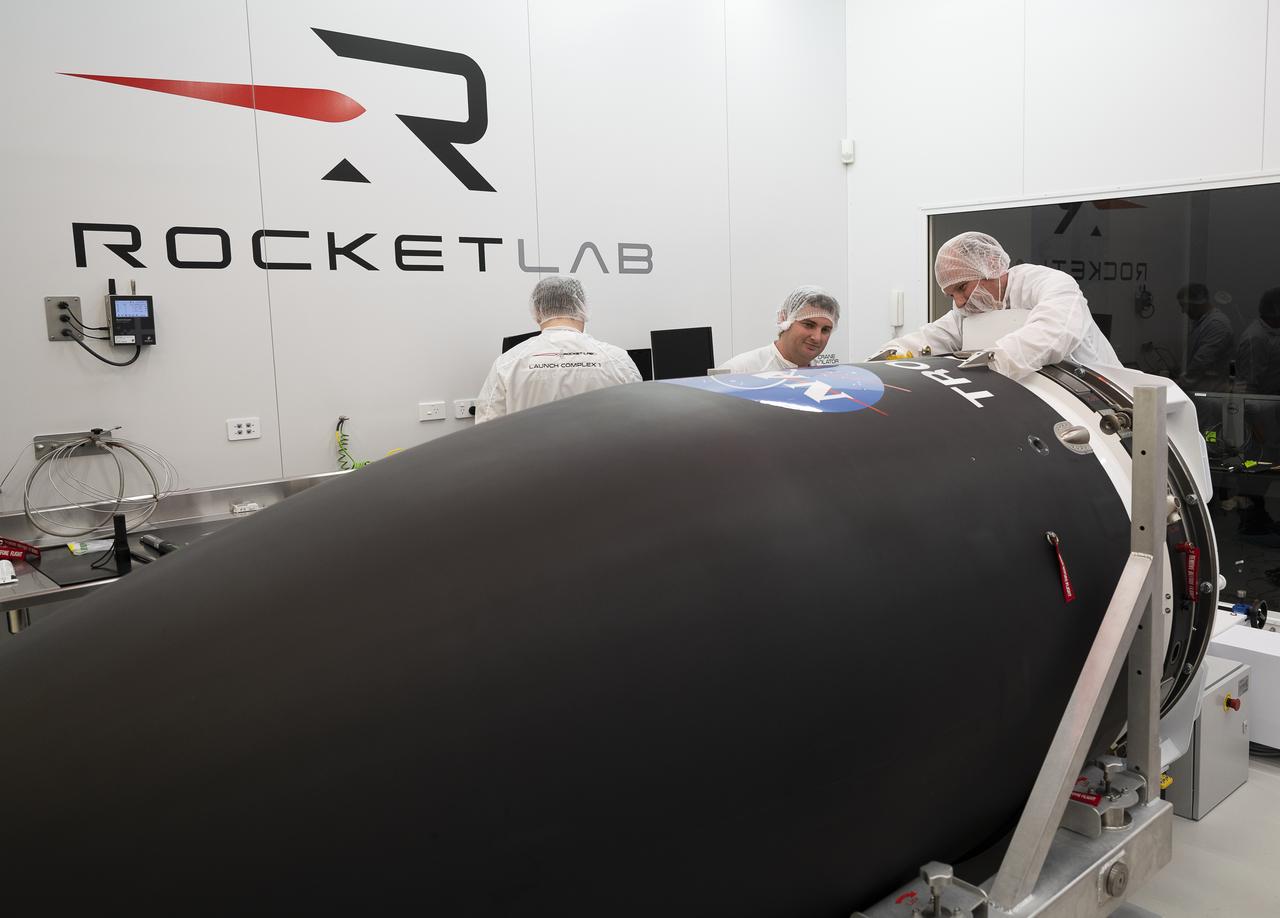
NASA’s Time-Resolved Observations of Precipitation structure and storm Intensity with a Constellation of Smallsats (TROPICS) CubeSats are encapsulated inside Rocket Lab’s Electron payload fairing in a processing facility near Launch Complex 1 in Mahia, New Zealand. TROPICS is scheduled to launch on Monday, May 1, at 1 a.m. New Zealand time from Launch Complex 1, Pad B. TROPICS will provide data on temperature, precipitation, water vapor, and clouds by measuring microwave frequencies, providing insight into storm formation and intensification.
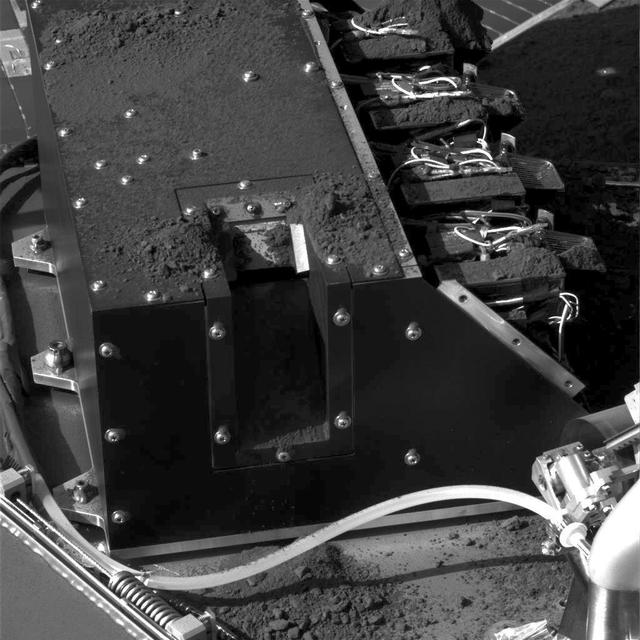
More Soil Delivered to Phoenix Lab
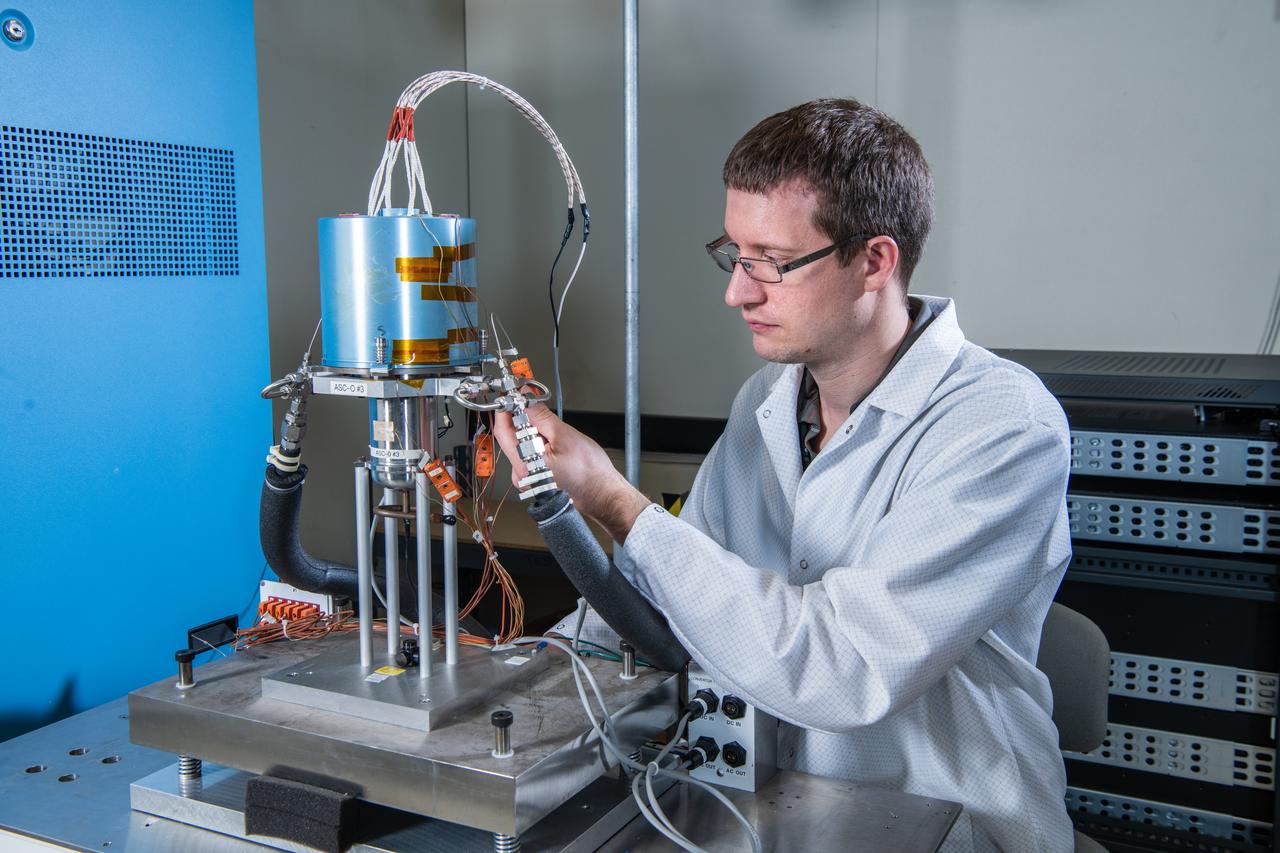
Advanced Stirling Radioisotope Lab
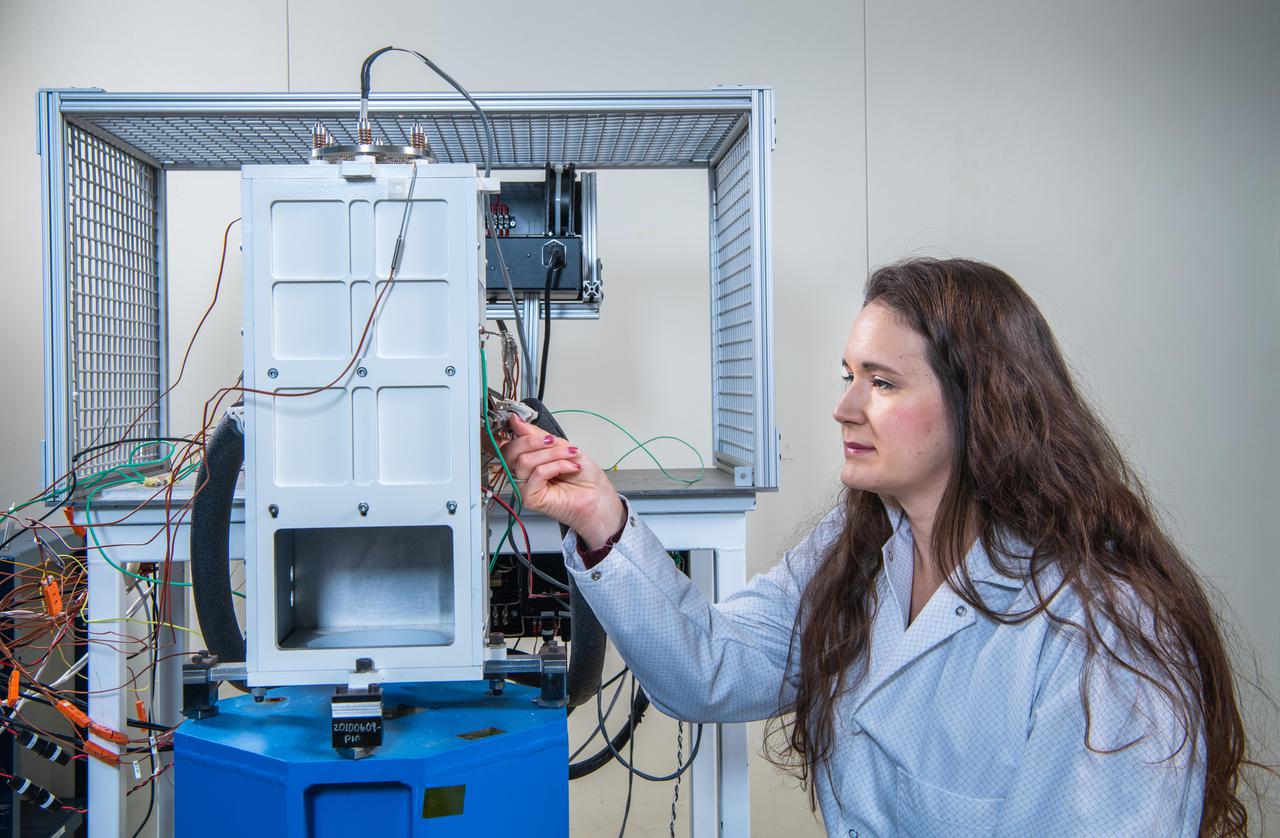
Advanced Stirling Radioisotope Lab
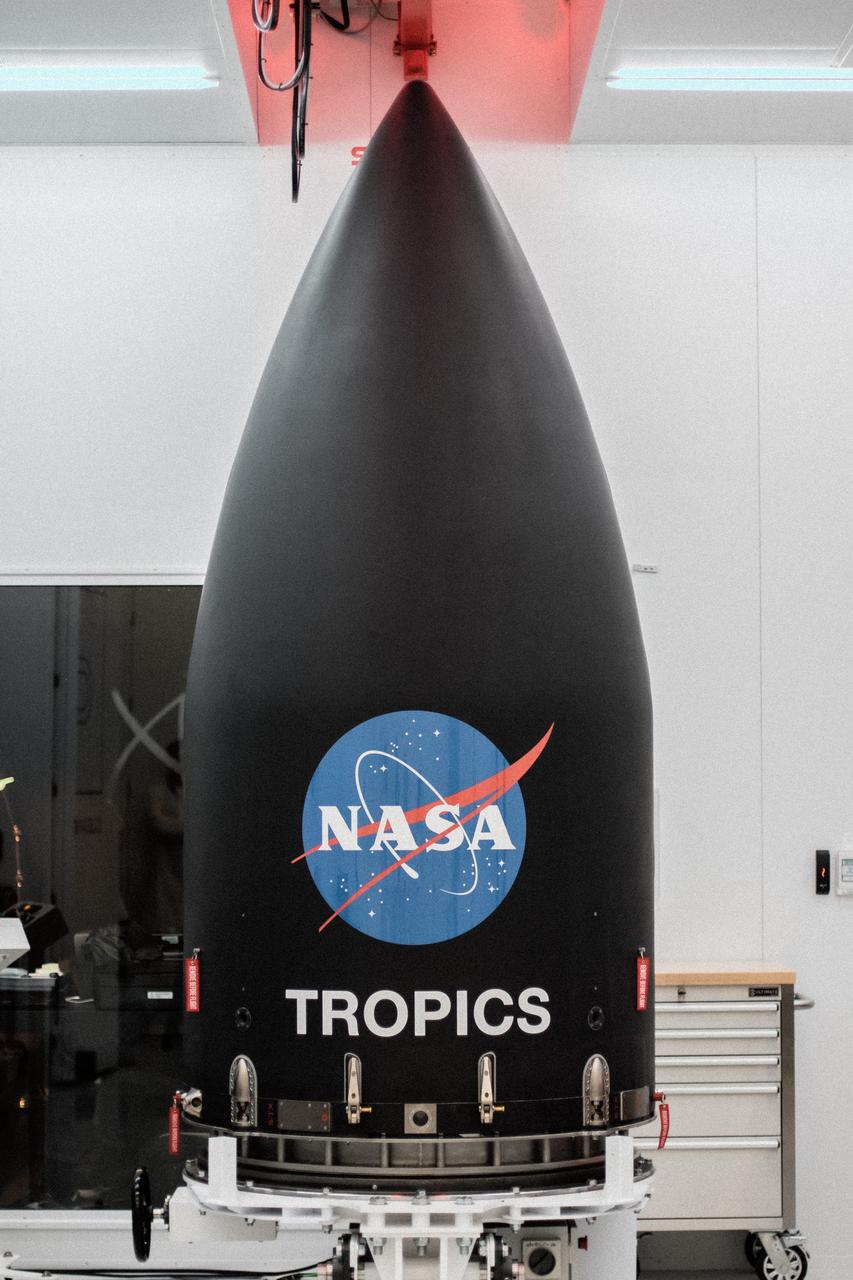
Rocket Lab’s Electron payload fairing is in view inside a processing facility near Launch Complex 1 in Mahia, New Zealand. NASA’s Time-Resolved Observations of Precipitation structure and storm Intensity with a Constellation of Smallsats (TROPICS) CubeSats have been encapsulated inside the payload fairing. TROPICS is scheduled to launch on Monday, May 1, at 1 a.m. New Zealand time from Launch Complex 1, Pad B. TROPICS will provide data on temperature, precipitation, water vapor, and clouds by measuring microwave frequencies, providing insight into storm formation and intensification.
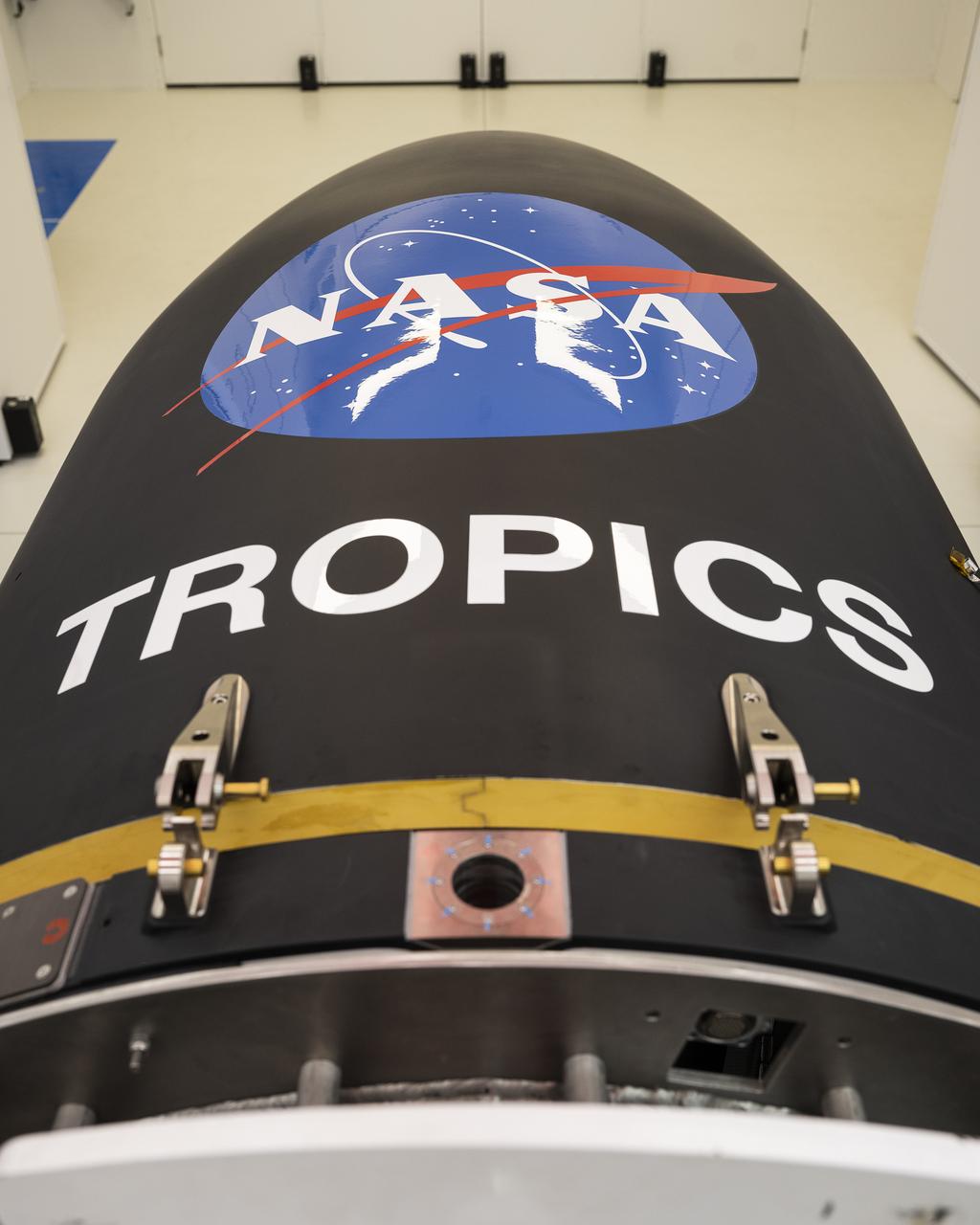
Rocket Lab’s Electron payload fairing is in view inside a processing facility near Launch Complex 1 in Mahia, New Zealand. NASA’s Time-Resolved Observations of Precipitation structure and storm Intensity with a Constellation of Smallsats (TROPICS) CubeSats have been encapsulated inside the payload fairing. TROPICS is scheduled to launch on Monday, May 1, at 1 a.m. New Zealand time from Launch Complex 1, Pad B. TROPICS will provide data on temperature, precipitation, water vapor, and clouds by measuring microwave frequencies, providing insight into storm formation and intensification.
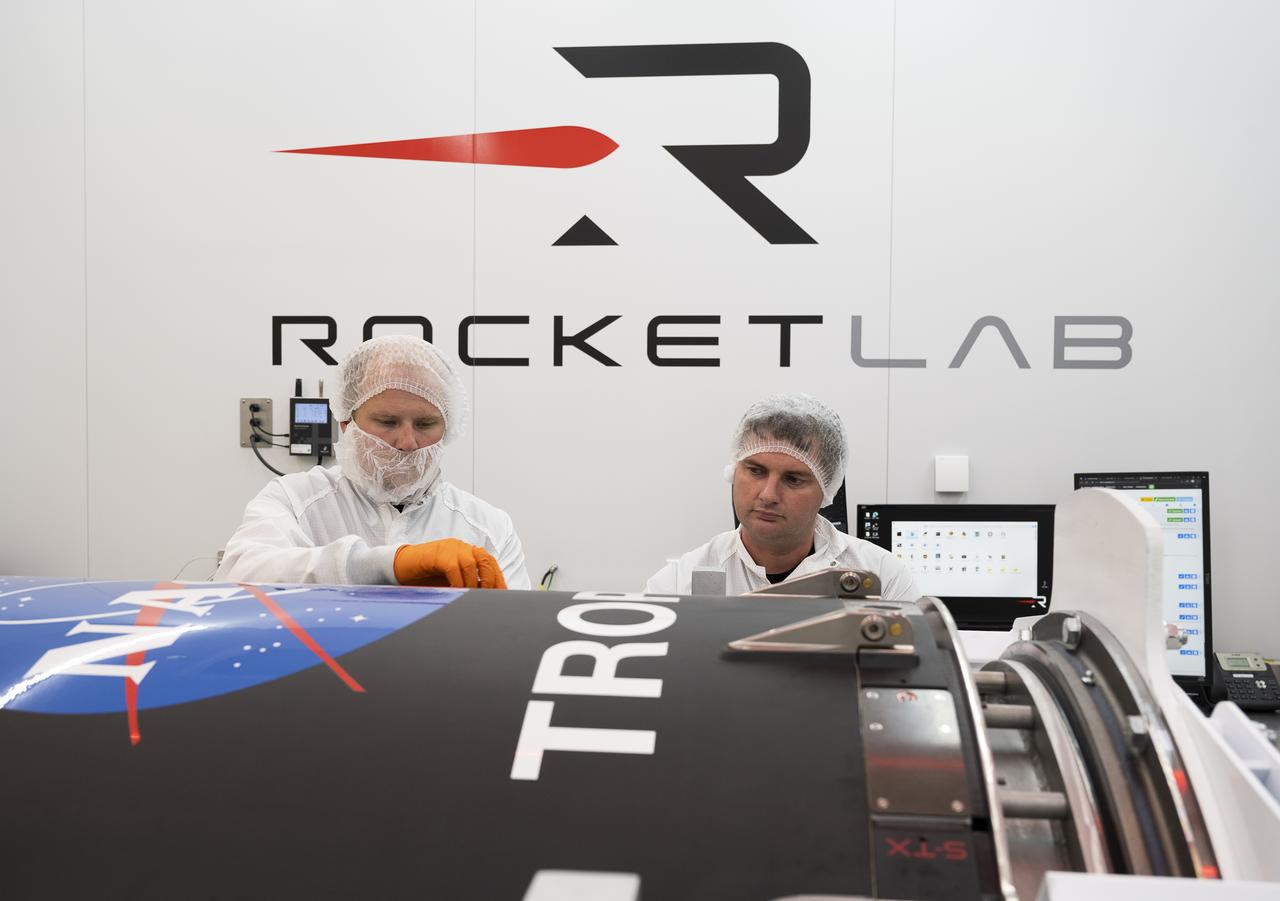
Technicians check Rocket Lab’s Electron payload fairing inside a processing facility near Launch Complex 1 in Mahia, New Zealand. NASA’s Time-Resolved Observations of Precipitation structure and storm Intensity with a Constellation of Smallsats (TROPICS) CubeSats have been encapsulated inside the payload fairing. TROPICS is scheduled to launch on Monday, May 1, at 1 a.m. New Zealand time from Launch Complex 1, Pad B. TROPICS will provide data on temperature, precipitation, water vapor, and clouds by measuring microwave frequencies, providing insight into storm formation and intensification.
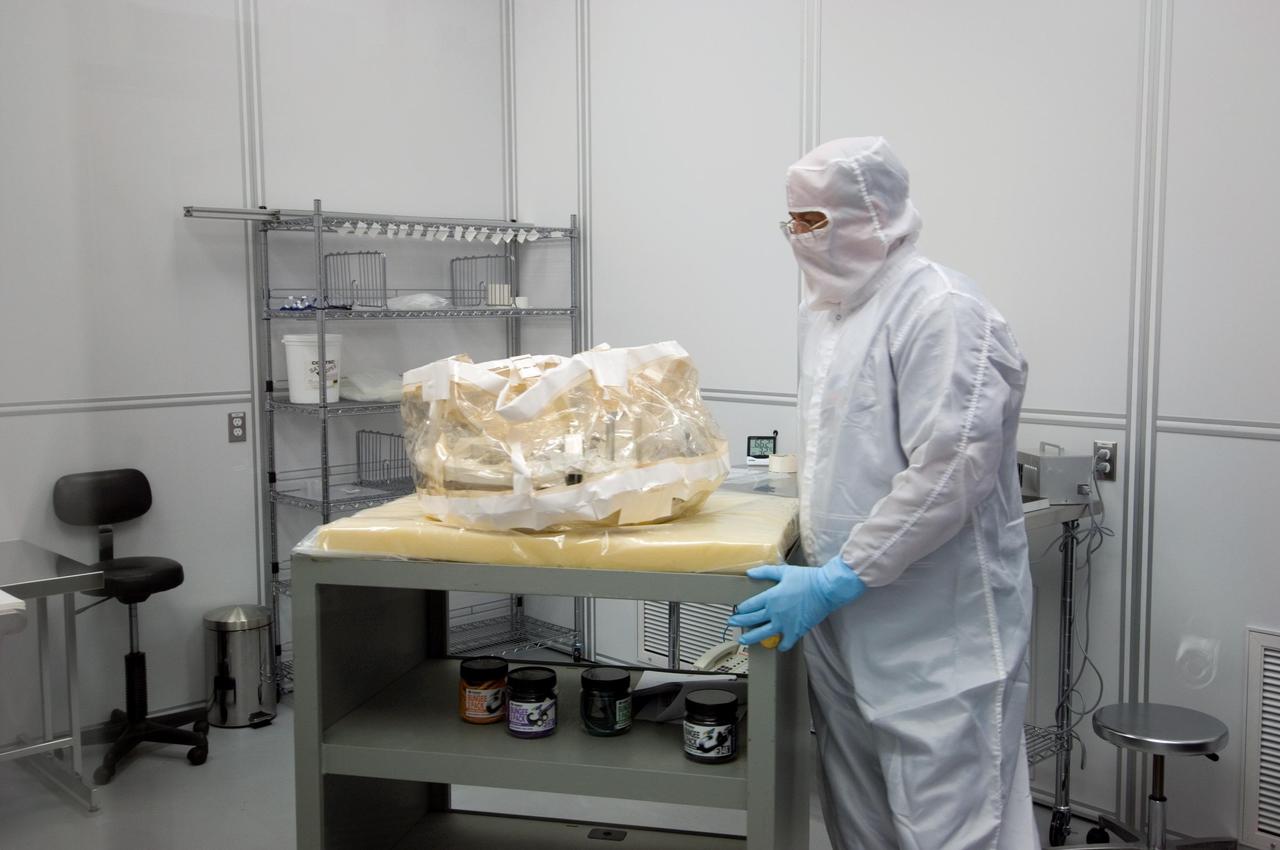
Inside Space Exposed Hardware Lab a member of the JSC Curation Team with NASA Stardust canister in lab.
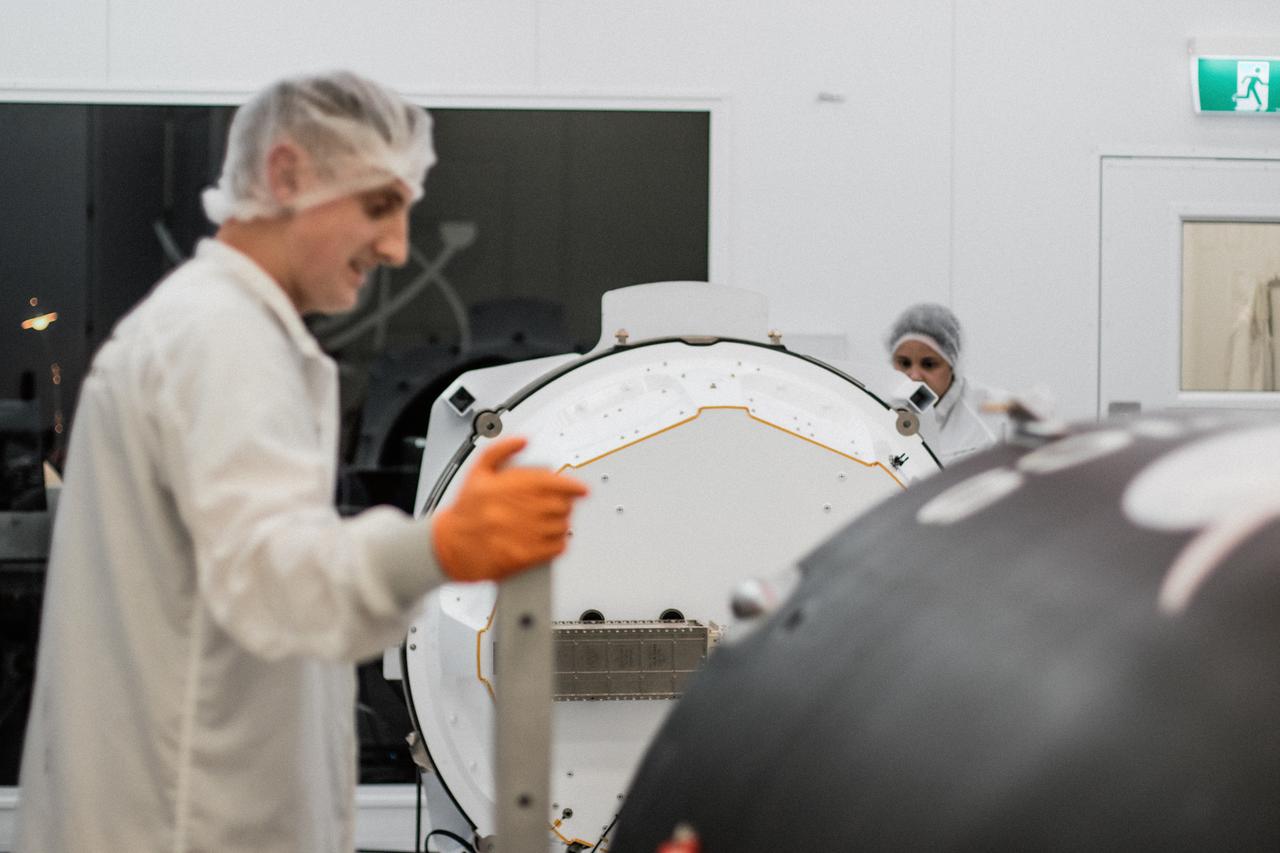
Two CubeSats are encapsulated at the Rocket Lab facility in Mahia, New Zealand, on April 24, 2023, in preparation for NASA’s second TROPICS (Time-Resolved Observations of Precipitation structure and storm Intensity with a Constellation of Smallsats) launch. After successfully launching the first pair of small satellites earlier this month from Launch Complex 1 in Mahia, New Zealand, NASA and Rocket Lab are targeting no earlier than 12 a.m. EDT Thursday, May 25 (4 p.m. NZST), for liftoff of the second pair of storm tracking CubeSats into orbit. NASA will use TROPICS to study tropical cyclones as part of the agency’s Earth Venture Class missions.
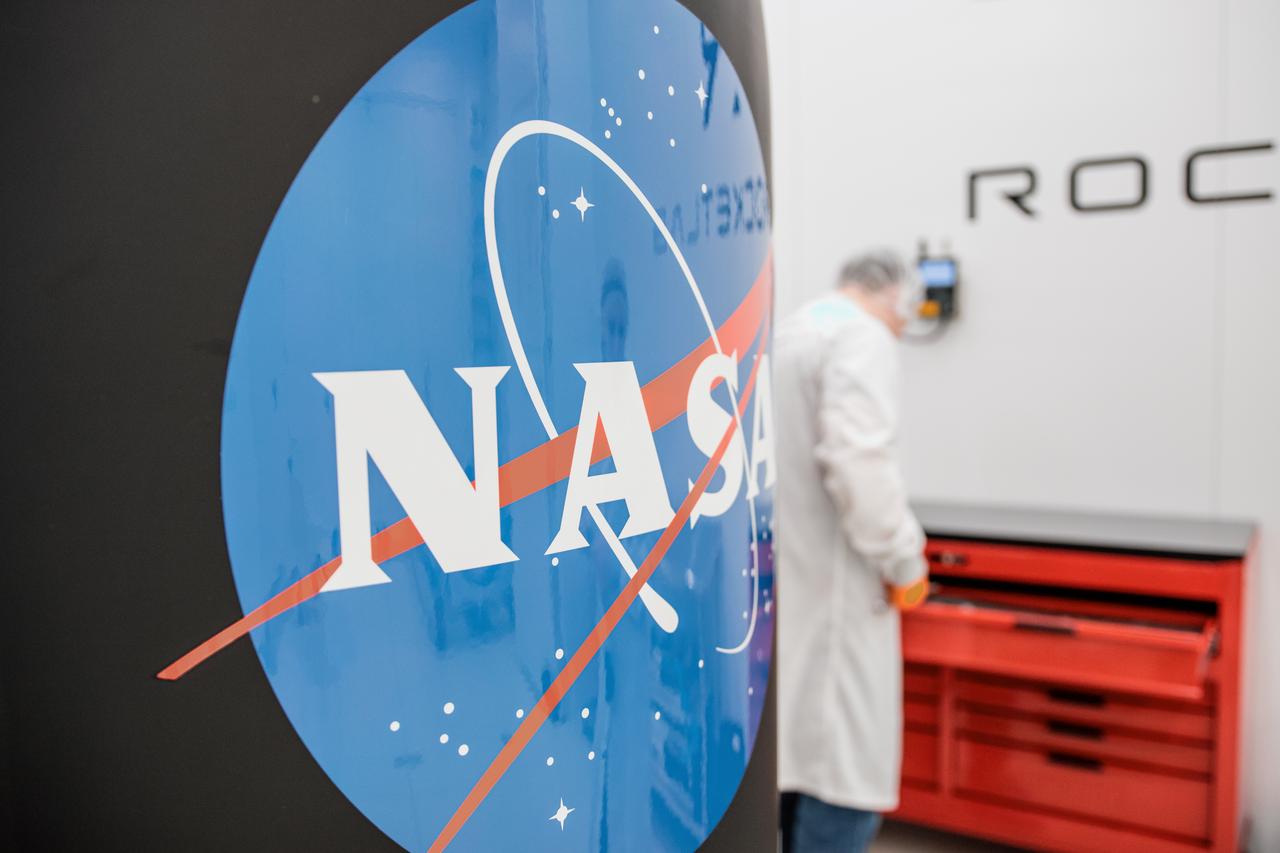
Two CubeSats are encapsulated at the Rocket Lab facility in Mahia, New Zealand, on April 24, 2023, in preparation for NASA’s second TROPICS (Time-Resolved Observations of Precipitation structure and storm Intensity with a Constellation of Smallsats) launch. After successfully launching the first pair of small satellites earlier this month from Launch Complex 1 in Mahia, New Zealand, NASA and Rocket Lab are targeting no earlier than 12 a.m. EDT Thursday, May 25 (4 p.m. NZST), for liftoff of the second pair of storm tracking CubeSats into orbit. NASA will use TROPICS to study tropical cyclones as part of the agency’s Earth Venture Class missions.
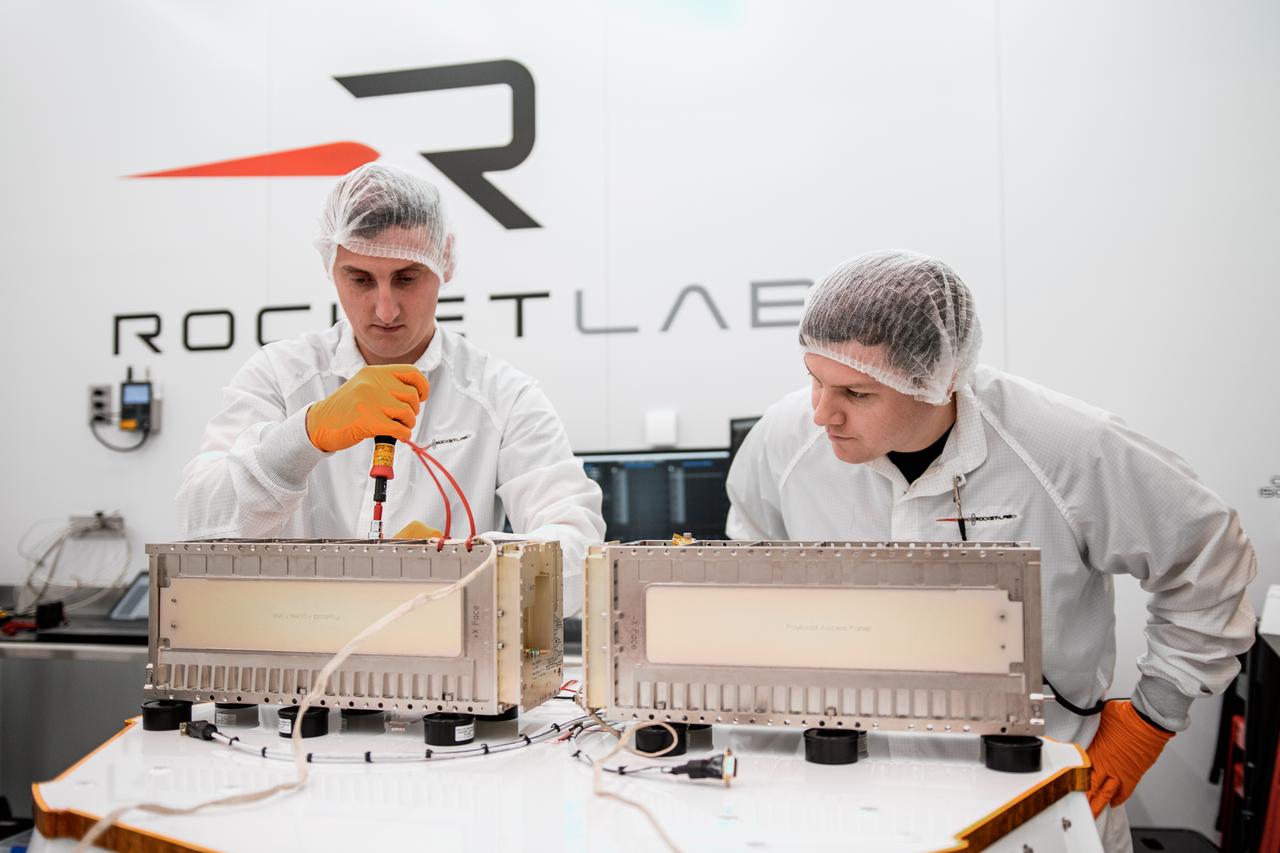
Two CubeSats are encapsulated at the Rocket Lab facility in Mahia, New Zealand, on April 24, 2023, in preparation for NASA’s second TROPICS (Time-Resolved Observations of Precipitation structure and storm Intensity with a Constellation of Smallsats) launch. After successfully launching the first pair of small satellites earlier this month from Launch Complex 1 in Mahia, New Zealand, NASA and Rocket Lab are targeting no earlier than 12 a.m. EDT Thursday, May 25 (4 p.m. NZST), for liftoff of the second pair of storm tracking CubeSats into orbit. NASA will use TROPICS to study tropical cyclones as part of the agency’s Earth Venture Class missions.
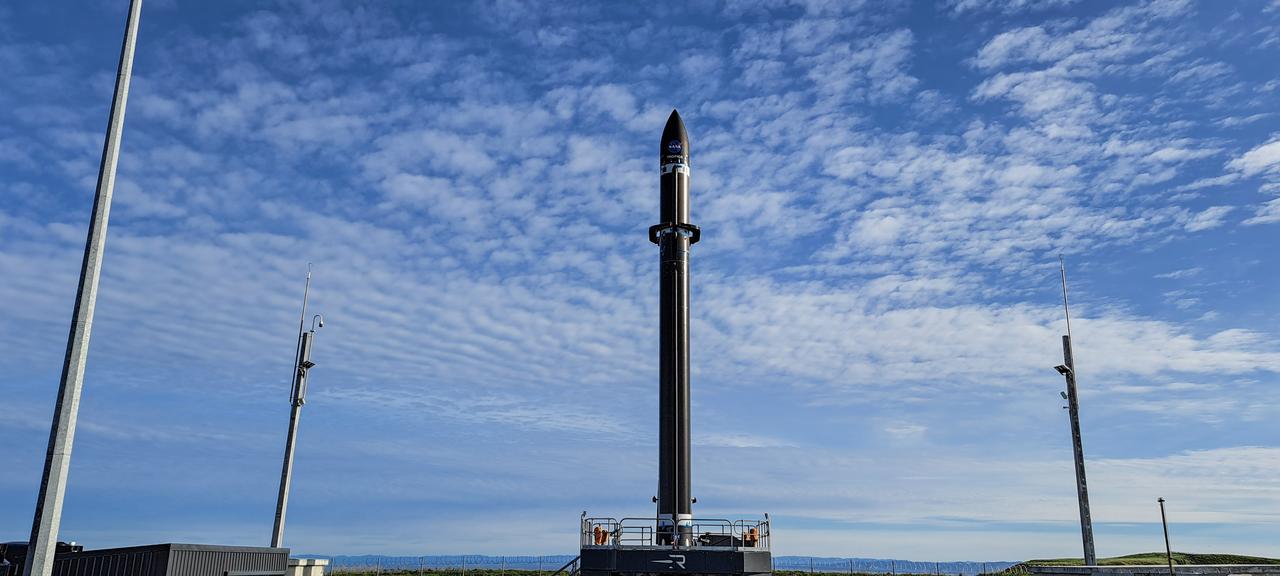
Rocket Lab’s Electron rocket is vertical on the pad at Launch Complex 1 in Mahia, New Zealand, during a May 18, 2023, wet dress rehearsal for NASA’s Time-Resolved Observations of Precipitation structure and storm Intensity with a Constellation of Smallsats (TROPICS) launch. After successfully launching the first pair of small satellites earlier this month from New Zealand, NASA and Rocket Lab are targeting no earlier than 12 a.m. EDT Thursday, May 25 (4 p.m. NZST), to launch the second pair of storm tracking CubeSats into orbit. NASA will use TROPICS to study tropical cyclones as part of the agency’s Earth Venture Class missions.
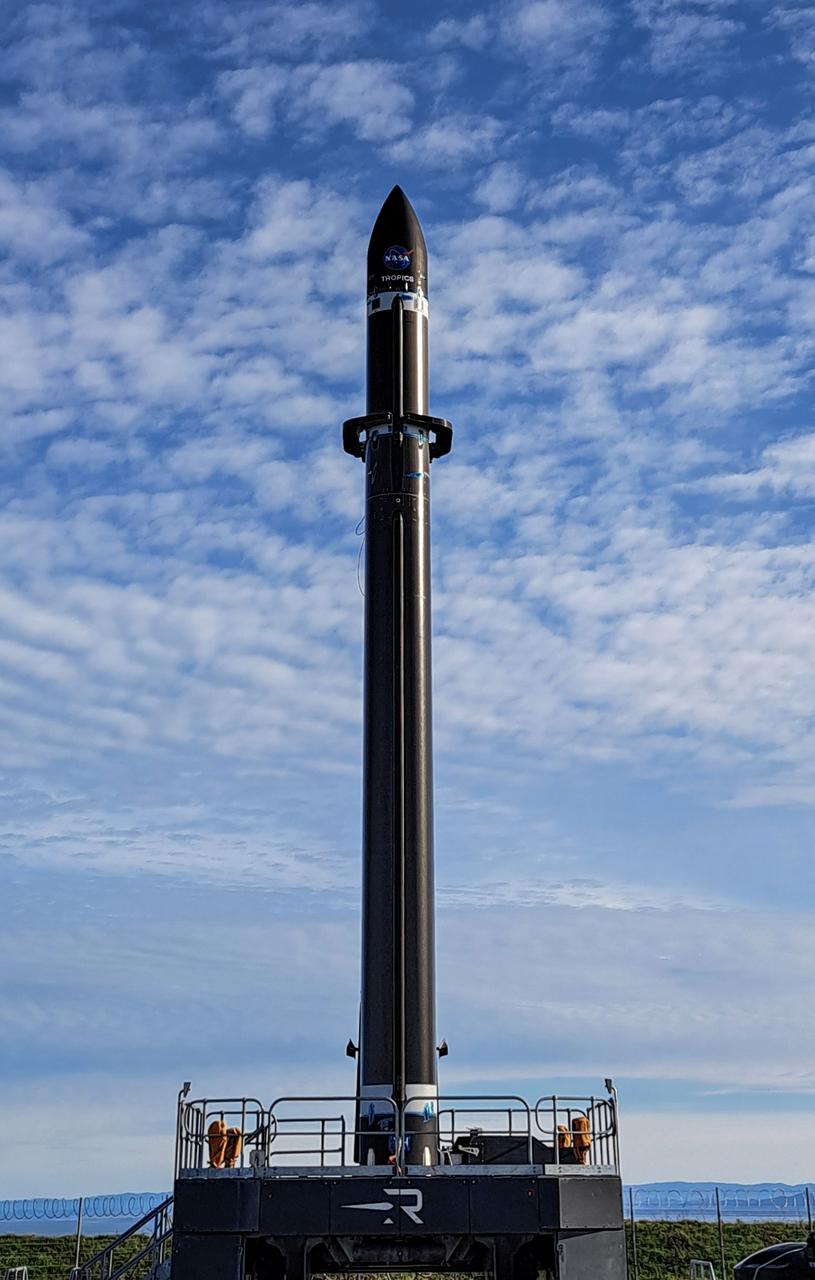
Rocket Lab’s Electron rocket is vertical on the pad at Launch Complex 1 in Mahia, New Zealand, during a May 18, 2023, wet dress rehearsal for NASA’s Time-Resolved Observations of Precipitation structure and storm Intensity with a Constellation of Smallsats (TROPICS) launch. After successfully launching the first pair of small satellites earlier this month from New Zealand, NASA and Rocket Lab are targeting no earlier than 12 a.m. EDT Thursday, May 25 (4 p.m. NZST), to launch the second pair of storm tracking CubeSats into orbit. NASA will use TROPICS to study tropical cyclones as part of the agency’s Earth Venture Class missions.
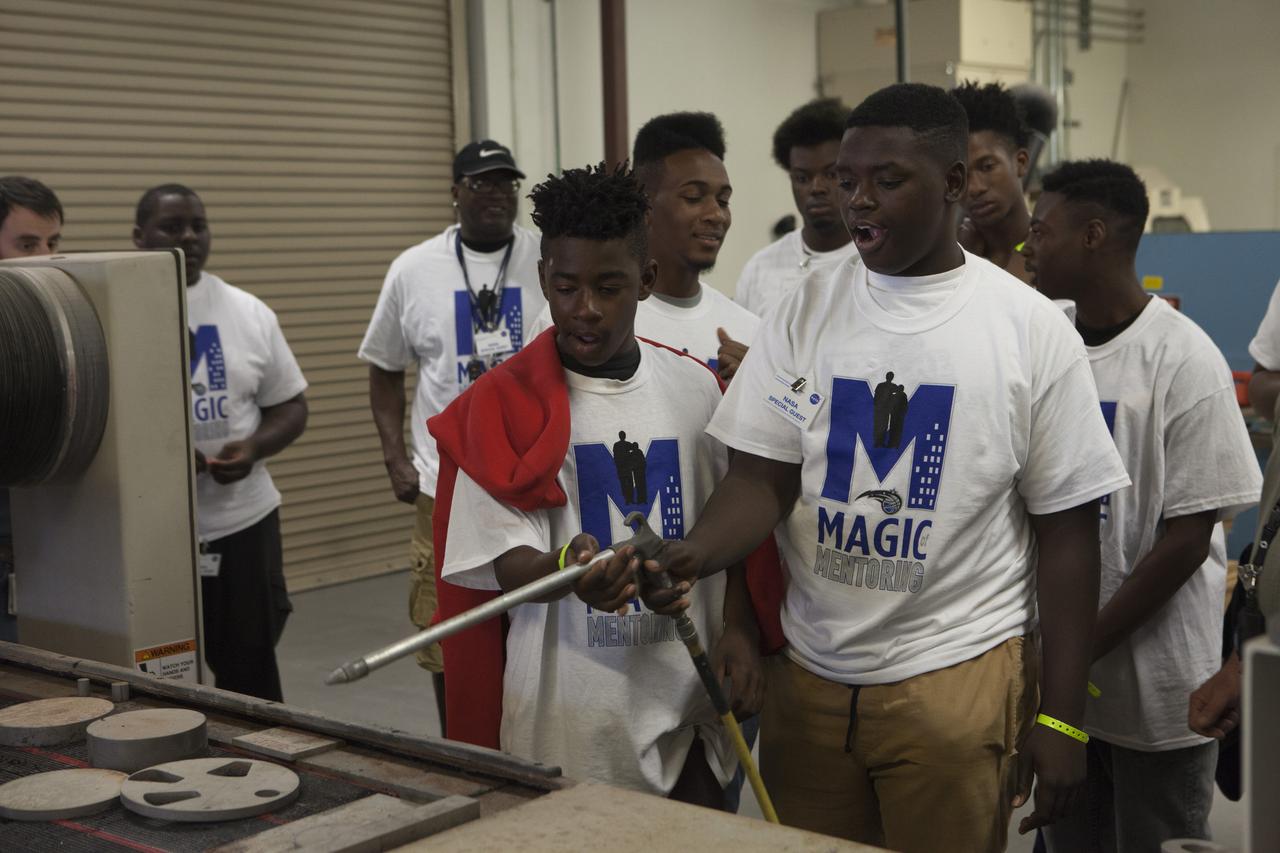
Students in the My Brother’s Keeper program try out some of the machinery inside the Prototype Lab at NASA’s Kennedy Space Center. The Florida spaceport is one of six NASA centers that participated in My Brother’s Keeper National Lab Week. The event is a nationwide effort to bring youth from underrepresented communities into federal labs and centers for hands-on activities, tours and inspirational speakers. Sixty students from the nearby cities of Orlando and Sanford visited Kennedy, where they toured the Vehicle Assembly Building, the Space Station Processing Facility and the center’s innovative Swamp Works Labs. The students also had a chance to meet and ask questions of a panel of subject matter experts from across Kennedy.
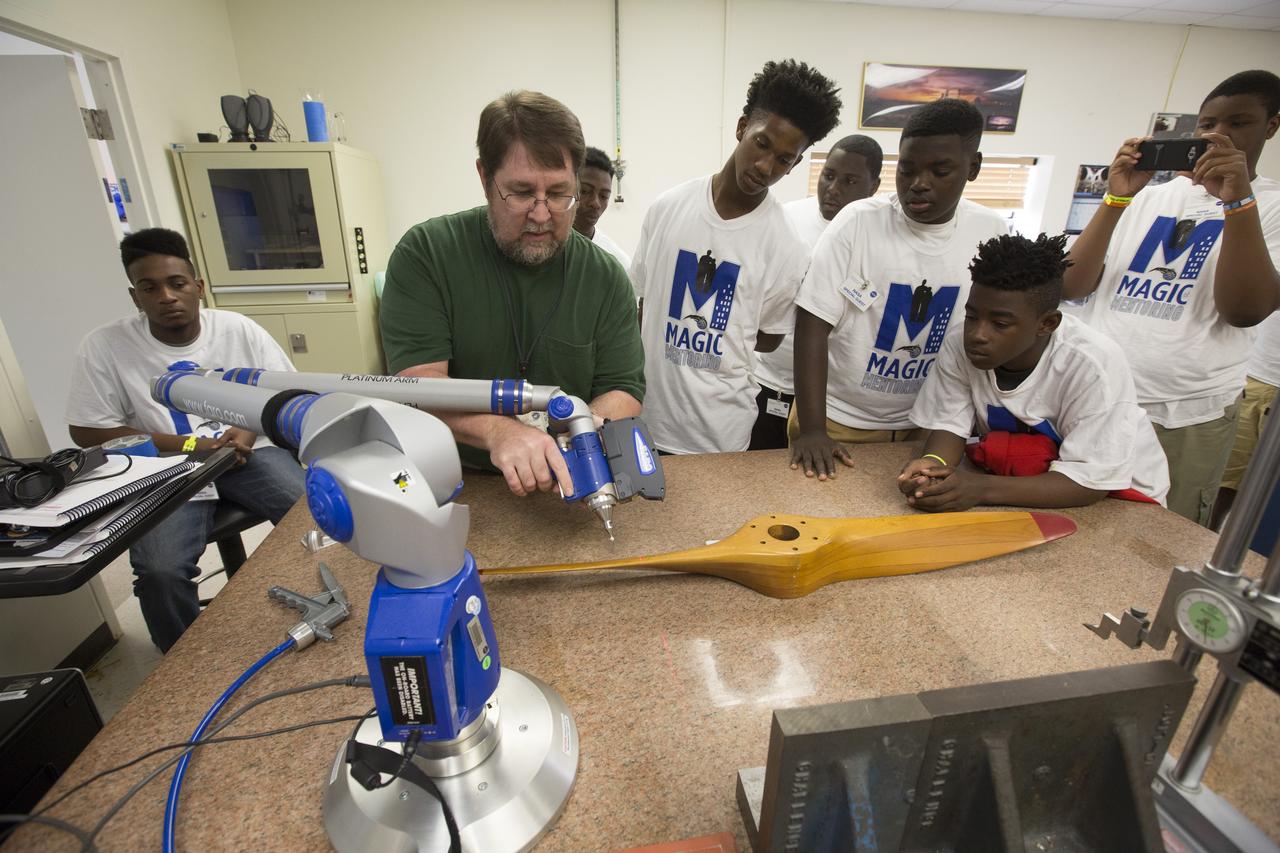
Mike Lane demonstrates a 3D scanner inside the NASA Kennedy Space Center Prototype Lab for students in the My Brother’s Keeper program. The Florida spaceport is one of six NASA centers that participated in My Brother’s Keeper National Lab Week. The event is a nationwide effort to bring youth from underrepresented communities into federal labs and centers for hands-on activities, tours and inspirational speakers. Sixty students from the nearby cities of Orlando and Sanford visited Kennedy, where they toured the Vehicle Assembly Building, the Space Station Processing Facility and the center’s innovative Swamp Works Labs. The students also had a chance to meet and ask questions of a panel of subject matter experts from across Kennedy.
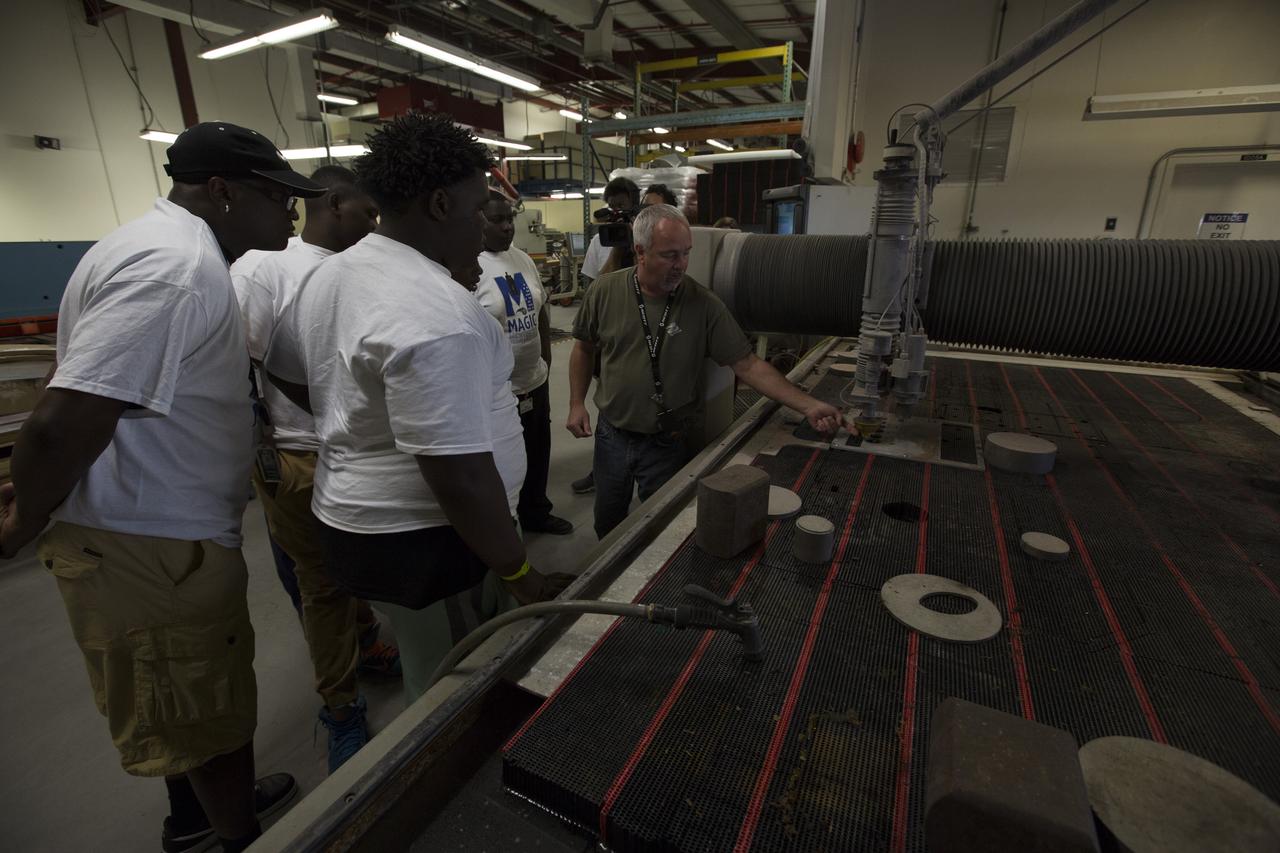
Harold (Russ) McAmis demonstrates machinery inside NASA Kennedy Space Center’s Prototype Lab for students in the My Brother’s Keeper program. The Florida spaceport is one of six NASA centers that participated in My Brother’s Keeper National Lab Week. The event is a nationwide effort to bring youth from underrepresented communities into federal labs and centers for hands-on activities, tours and inspirational speakers. Sixty students from the nearby cities of Orlando and Sanford visited Kennedy, where they toured the Vehicle Assembly Building, the Space Station Processing Facility and the center’s innovative Swamp Works Labs. The students also had a chance to meet and ask questions of a panel of subject matter experts from across Kennedy.
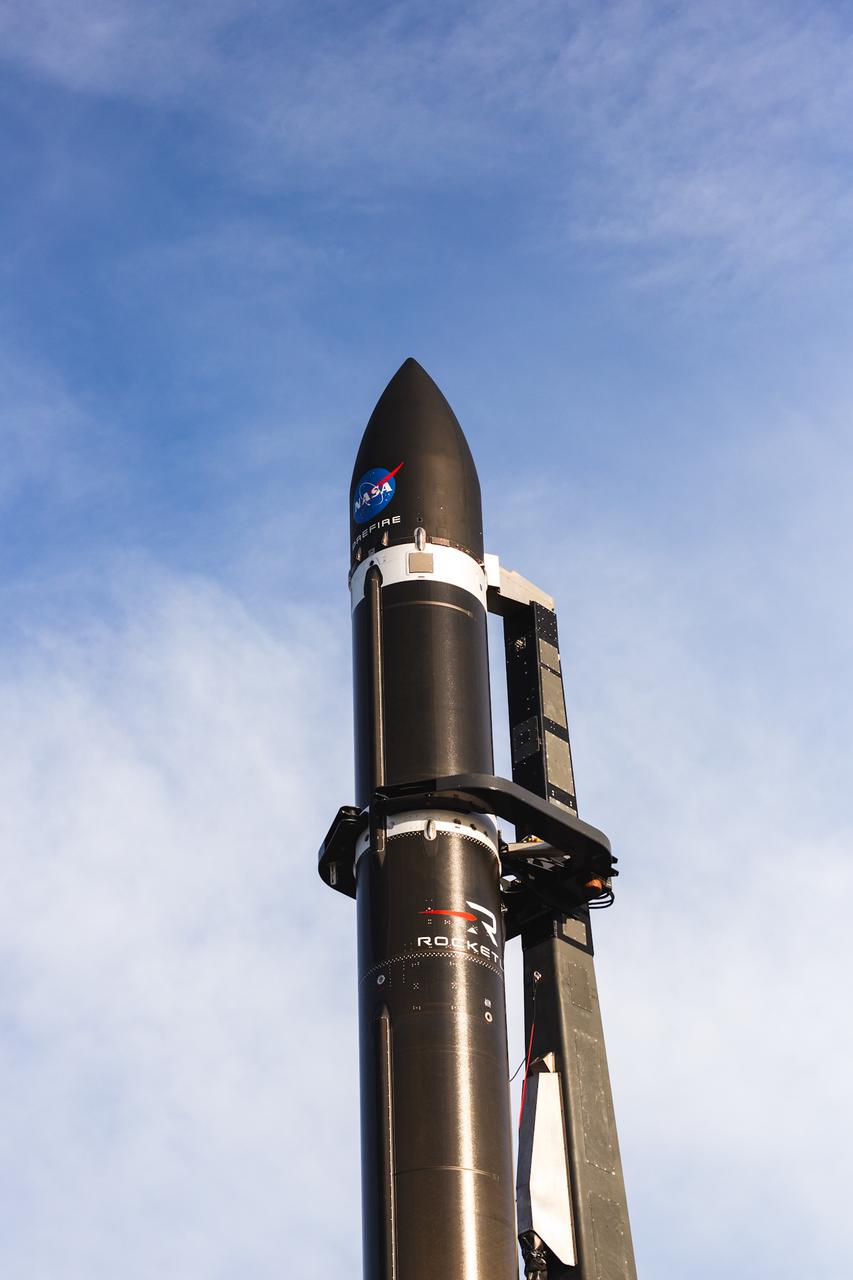
Rocket Lab’s Electron rocket called “PREFIRE and Ice,” is vertical on the pad awaiting liftoff at Launch Complex 1 in Mahia, New Zealand, ahead of NASA’s PREFIRE (Polar Radiant Energy in the Far-InfraRed Experiment) mission Wednesday, June 5, 2024. The mission, the second of two launches for NASA’S PREFIRE, features two identical 6U CubeSats in asynchronous, near-polar orbits, will study how much of Earth’s heat is lost to space from the Arctic and Antarctica.
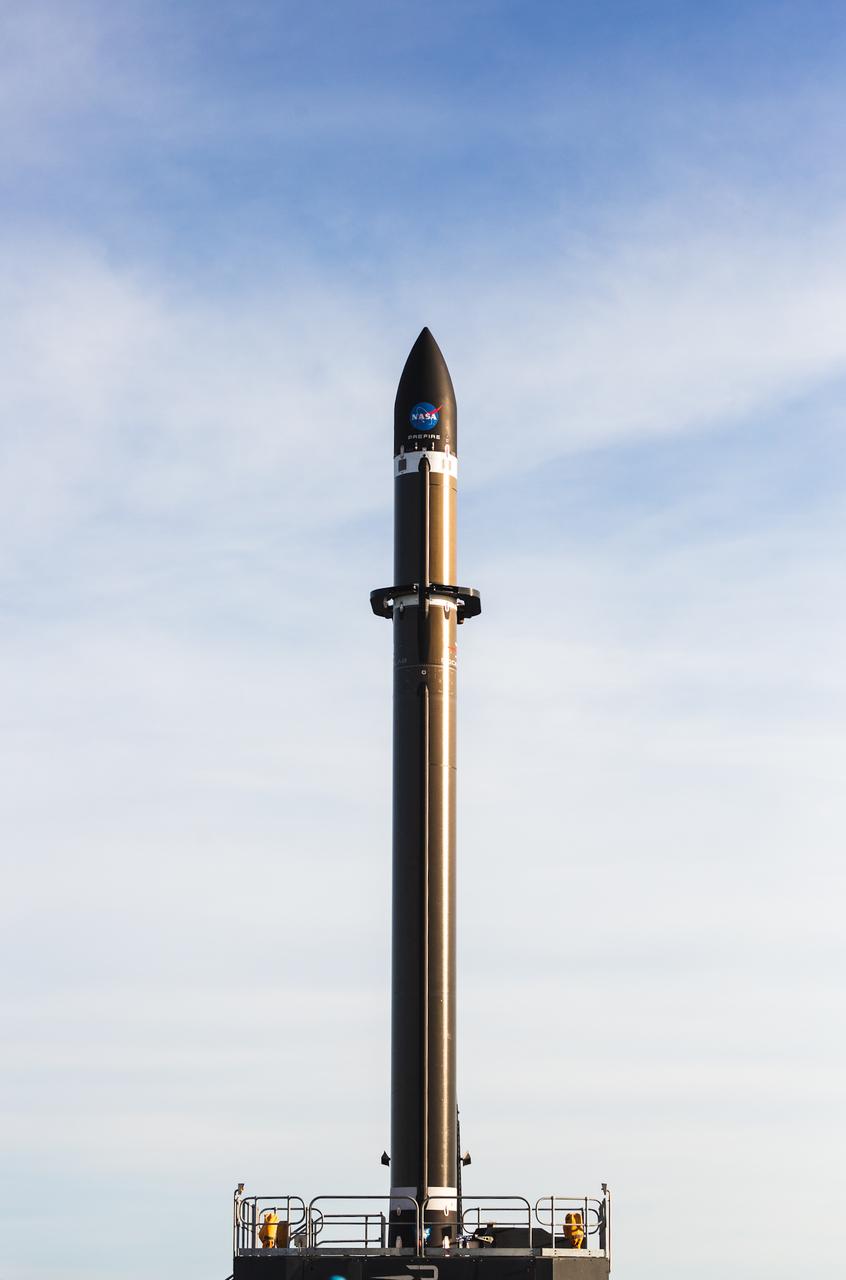
Rocket Lab’s Electron rocket called “PREFIRE and Ice,” is vertical on the pad awaiting liftoff at Launch Complex 1 in Mahia, New Zealand, ahead of NASA’s PREFIRE (Polar Radiant Energy in the Far-InfraRed Experiment) mission Wednesday, June 5, 2024. The mission, the second of two launches for NASA’S PREFIRE, features two identical 6U CubeSats in asynchronous, near-polar orbits, will study how much of Earth’s heat is lost to space from the Arctic and Antarctica.
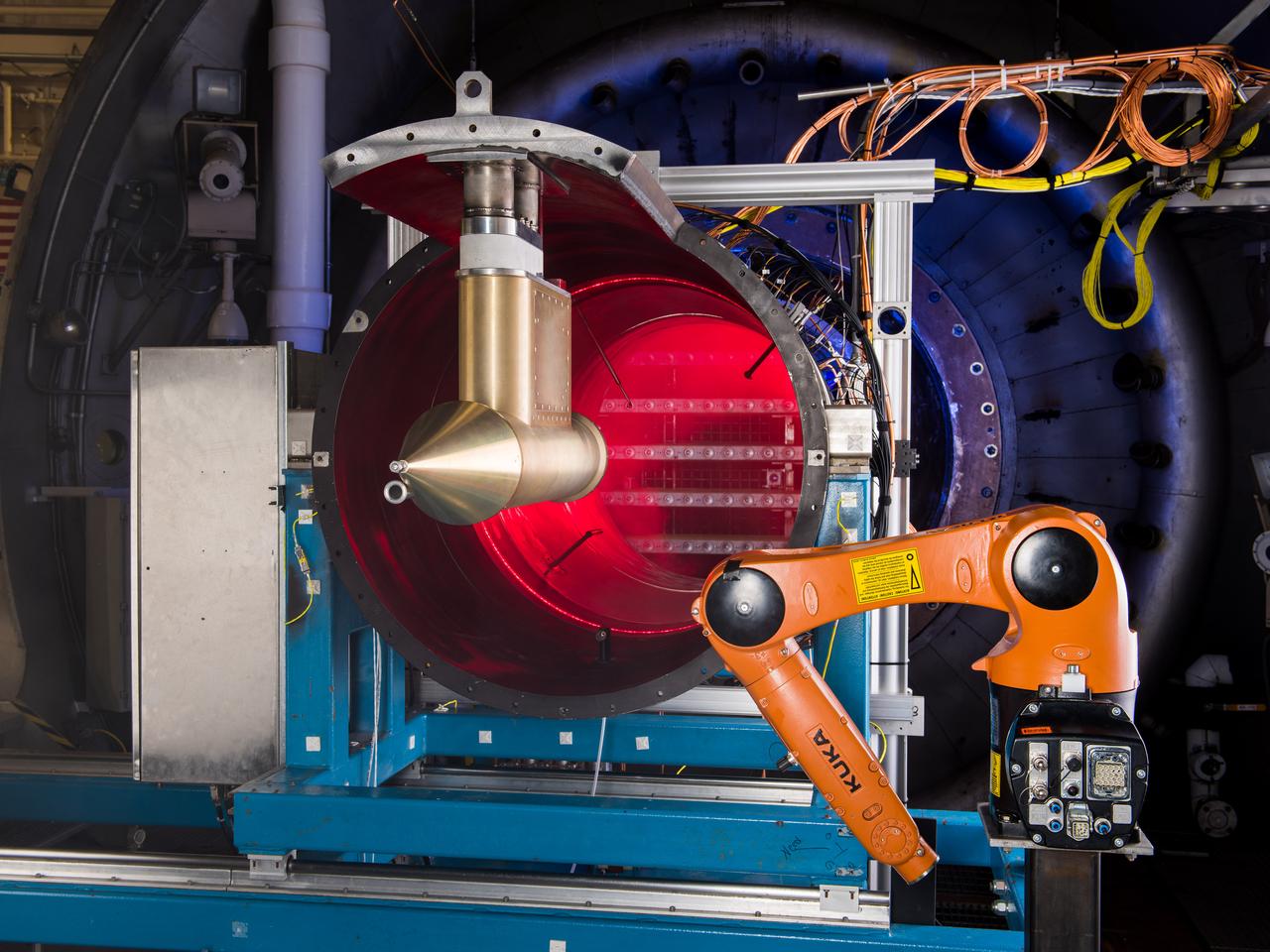
NASA Glenn’s Propulsion Systems Lab (PSL) is conducting research to characterize ice crystal clouds that can create a hazard to aircraft engines in certain conditions. With specialized equipment, scientists can create a simulated ice crystal cloud with the set of bars in the back spraying out a mist. The red area includes lasers, which measure the intensity of the cloud and a series of probes to measure everything from humidity to air pressure. The isokinetic probe (in gold) samples particles and the robotic arm (in orange) has a test tube on the end that catches ice particles for further measuring. NASA Glenn’s PSL is the only place in the world which can create these kind of ice crystal cloud conditions.
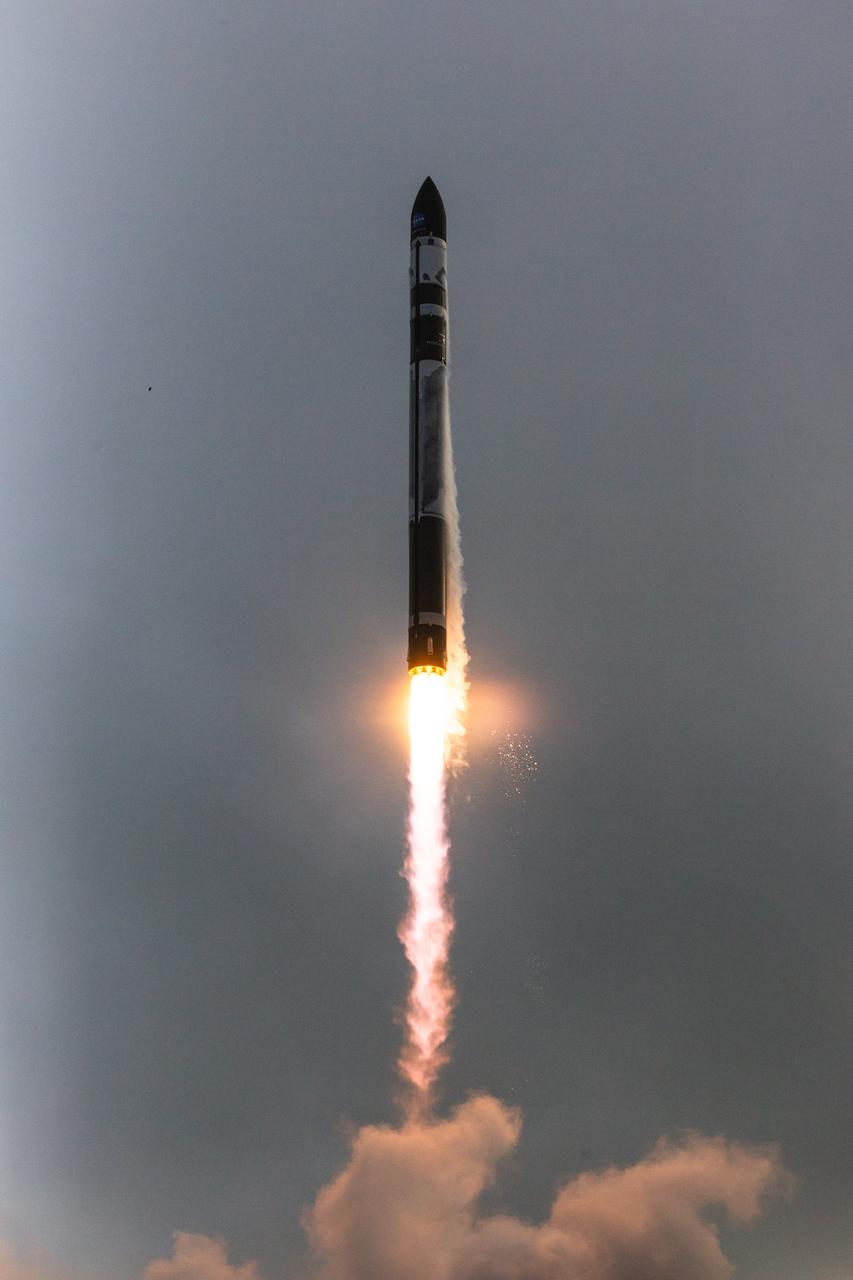
Rocket Lab’s Electron rocket called “PREFIRE and Ice,” lifts off from Launch Complex 1 in Māhia, New Zealand at 3:15 p.m. NZST Wednesday, June 5, 2024 (11:15 p.m. EDT, Tuesday, June 4), on the second of two launches for NASA’s PREFIRE (Polar Radiant Energy in the Far-InfraRed Experiment). The PREFIRE mission, expected to last at least 10 months, consists of sending two CubeSats to asynchronous, near-polar orbits, to help close a gap in our understanding of how much of Earth’s heat is lost to space from the Arctic and Antarctica.
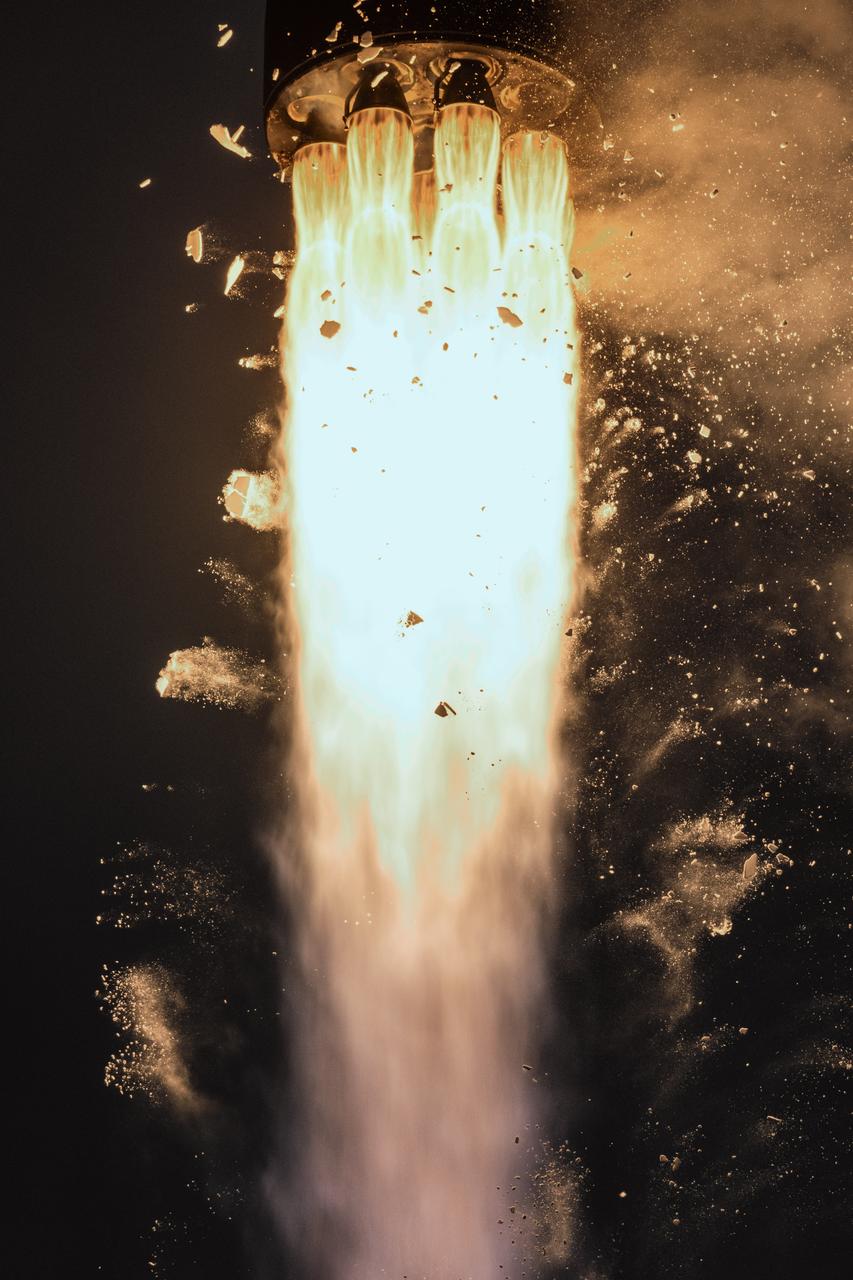
Rocket Lab’s Electron rocket called “PREFIRE and Ice,” lifts off from Launch Complex 1 in Māhia, New Zealand at 3:15 p.m. NZST Wednesday, June 5, 2024 (11:15 p.m. EDT, Tuesday, June 4), on the second of two launches for NASA’s PREFIRE (Polar Radiant Energy in the Far-InfraRed Experiment). The PREFIRE mission, expected to last at least 10 months, consists of sending two CubeSats to asynchronous, near-polar orbits, to help close a gap in our understanding of how much of Earth’s heat is lost to space from the Arctic and Antarctica.
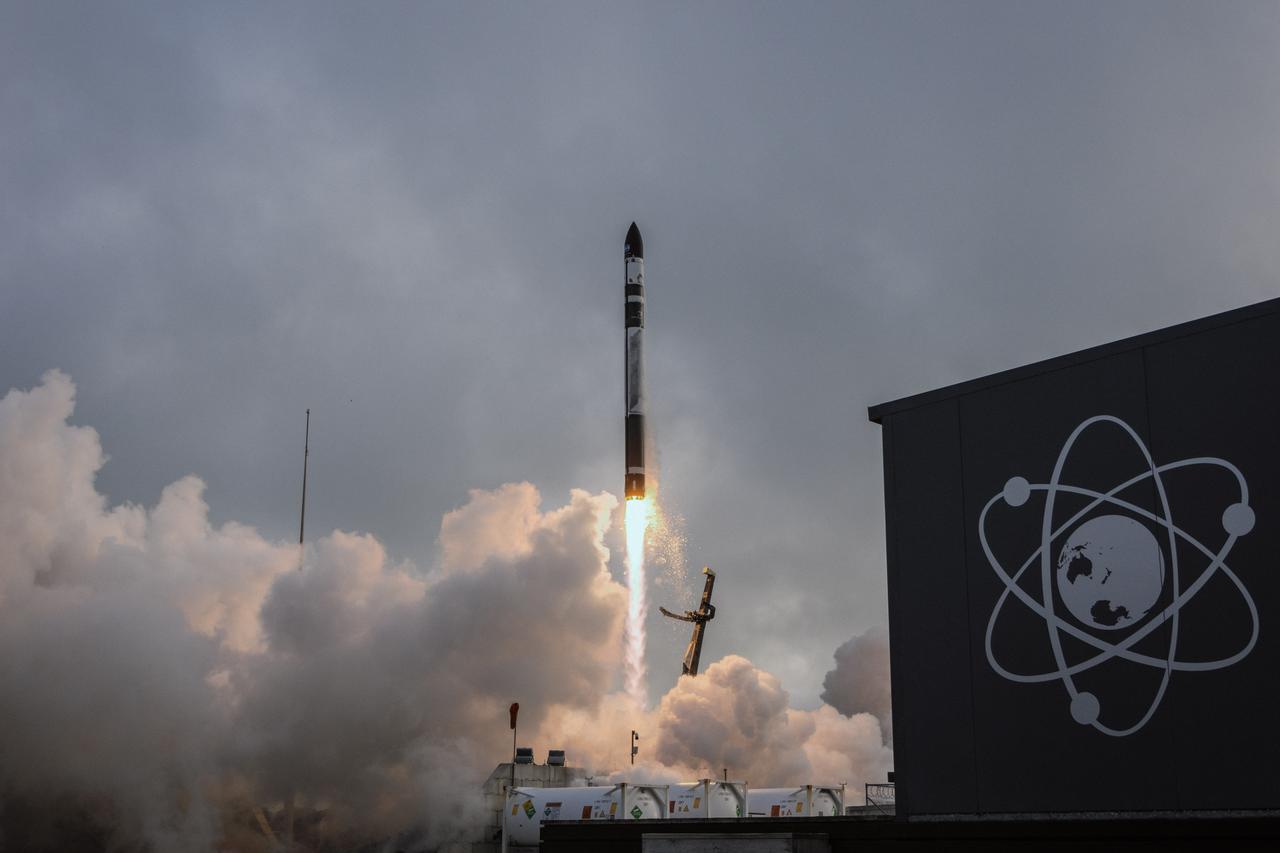
Rocket Lab’s Electron rocket called “PREFIRE and Ice,” lifts off from Launch Complex 1 in Māhia, New Zealand at 3:15 p.m. NZST Wednesday, June 5, 2024 (11:15 p.m. EDT, Tuesday, June 4), on the second of two launches for NASA’s PREFIRE (Polar Radiant Energy in the Far-InfraRed Experiment). The PREFIRE mission, expected to last at least 10 months, consists of sending two CubeSats to asynchronous, near-polar orbits, to help close a gap in our understanding of how much of Earth’s heat is lost to space from the Arctic and Antarctica.
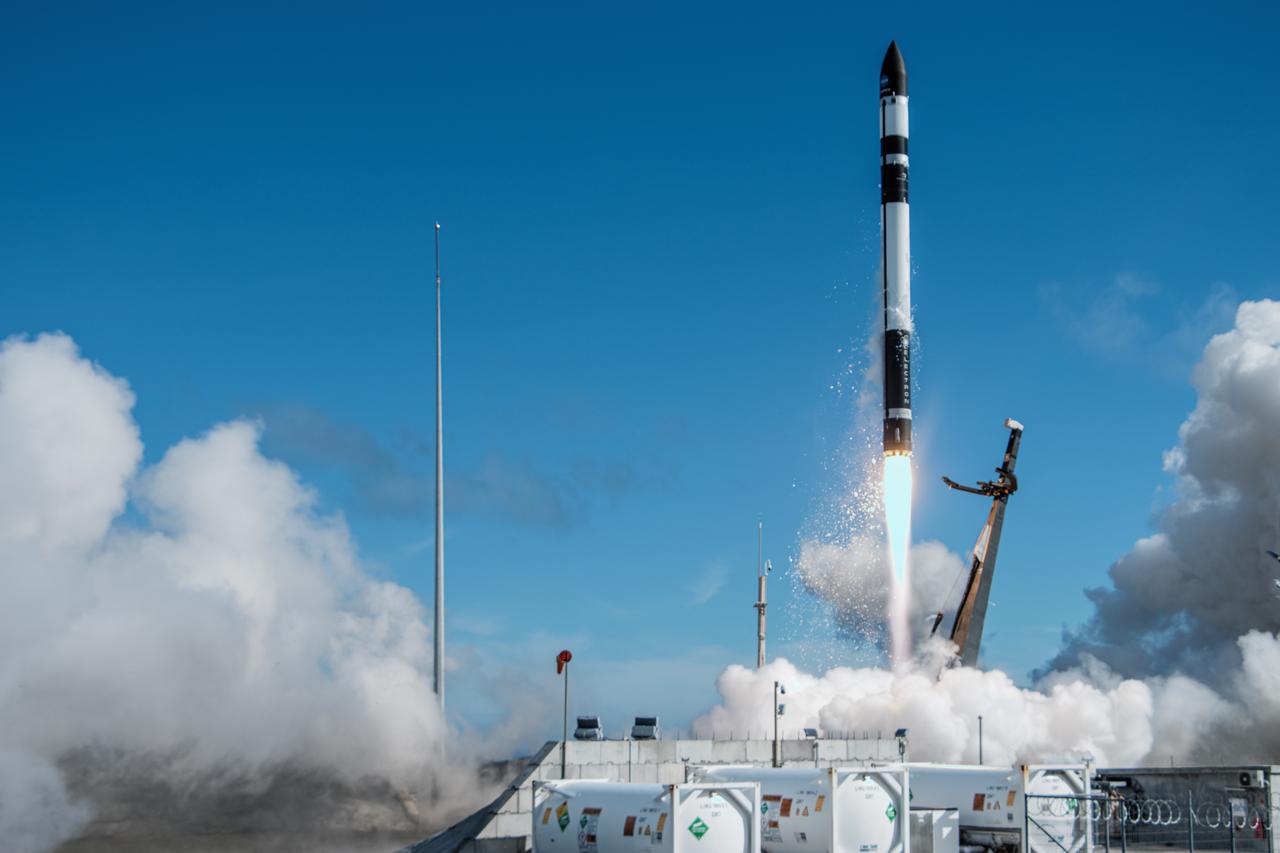
A Rocket Lab Electron rocket lifts off Launch Complex 1, Pad B, in Māhia, New Zealand on May 8 at 1 p.m. New Zealand time (May 7 at 9 p.m. EDT), carrying two NASA CubeSats designed to study tropical cyclones, including hurricanes and typhoons. NASA’s Time-Resolved Observations of Precipitation structure and storm Intensity with a Constellation of Smallsats (TROPICS) CubeSats will provide data on temperature, precipitation, water vapor, and clouds by measuring microwave frequencies, providing insight into storm formation and intensification.
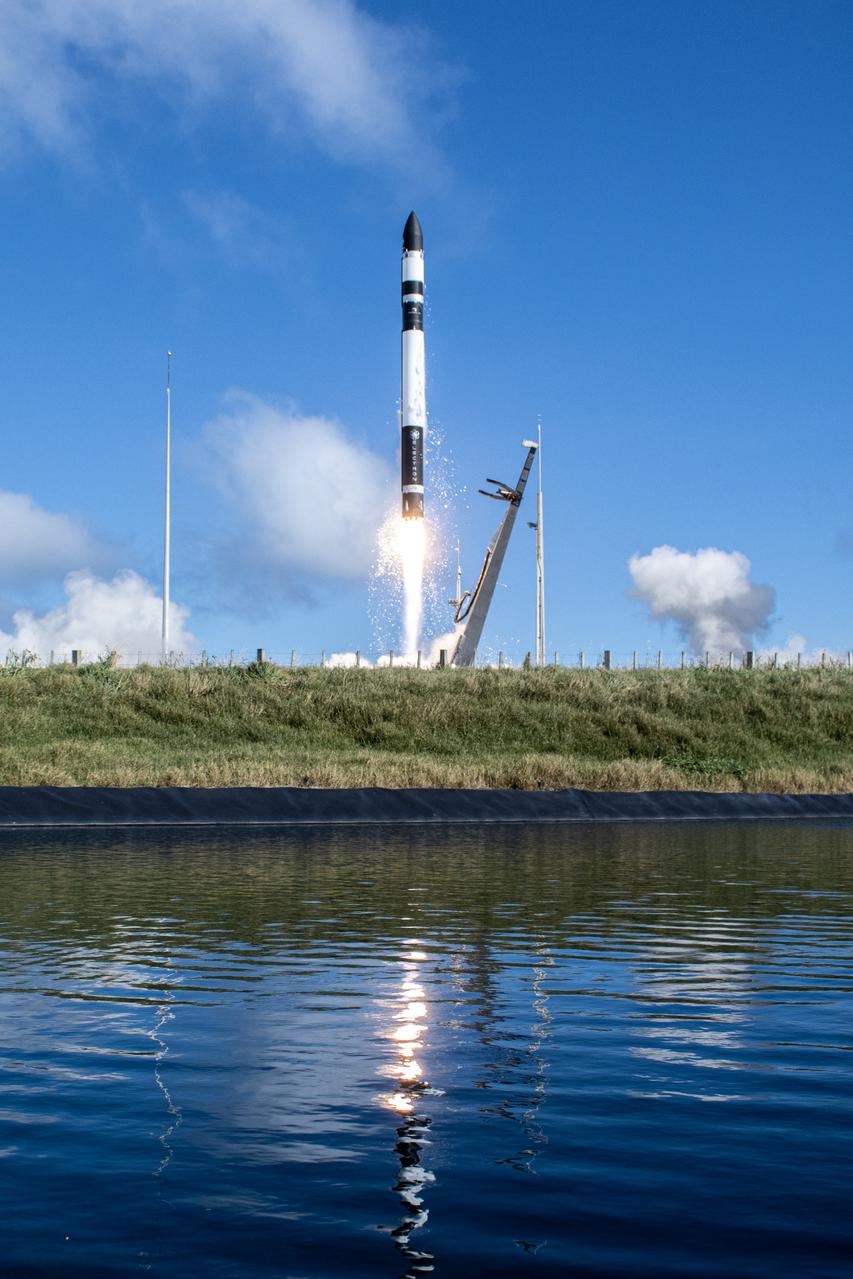
A Rocket Lab Electron rocket lifts off Launch Complex 1, Pad B, in Māhia, New Zealand on May 8 at 1 p.m. New Zealand time (May 7 at 9 p.m. EDT), carrying two NASA CubeSats designed to study tropical cyclones, including hurricanes and typhoons. NASA’s Time-Resolved Observations of Precipitation structure and storm Intensity with a Constellation of Smallsats (TROPICS) CubeSats will provide data on temperature, precipitation, water vapor, and clouds by measuring microwave frequencies, providing insight into storm formation and intensification.
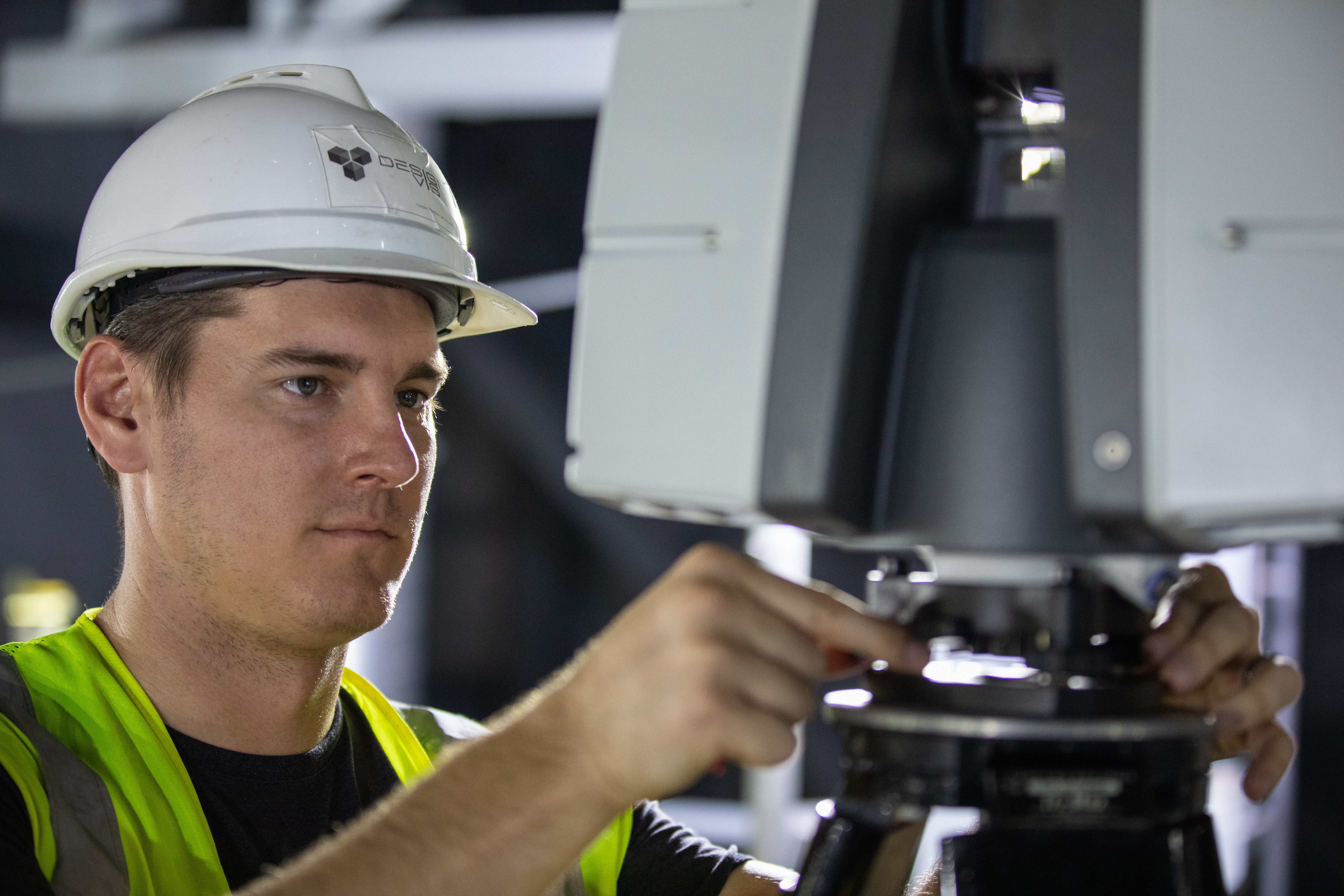
An engineer adjusts equipment from the Design Visualization Lab set up inside High Bay 3 of the Vehicle Assembly Building at NASA’s Kennedy Space Center on Oct. 14, 2020. The equipment will be used to do 3-D modeling of the mobile launcher that will carry the Space Launch System and Orion spacecraft to Launch Complex 39B for the Artemis I mission. Artemis I will test the Orion spacecraft and SLS as an integrated system ahead of crewed flights to the Moon. Under the Artemis program, NASA will land the first woman and the next man on the Moon in 2024.
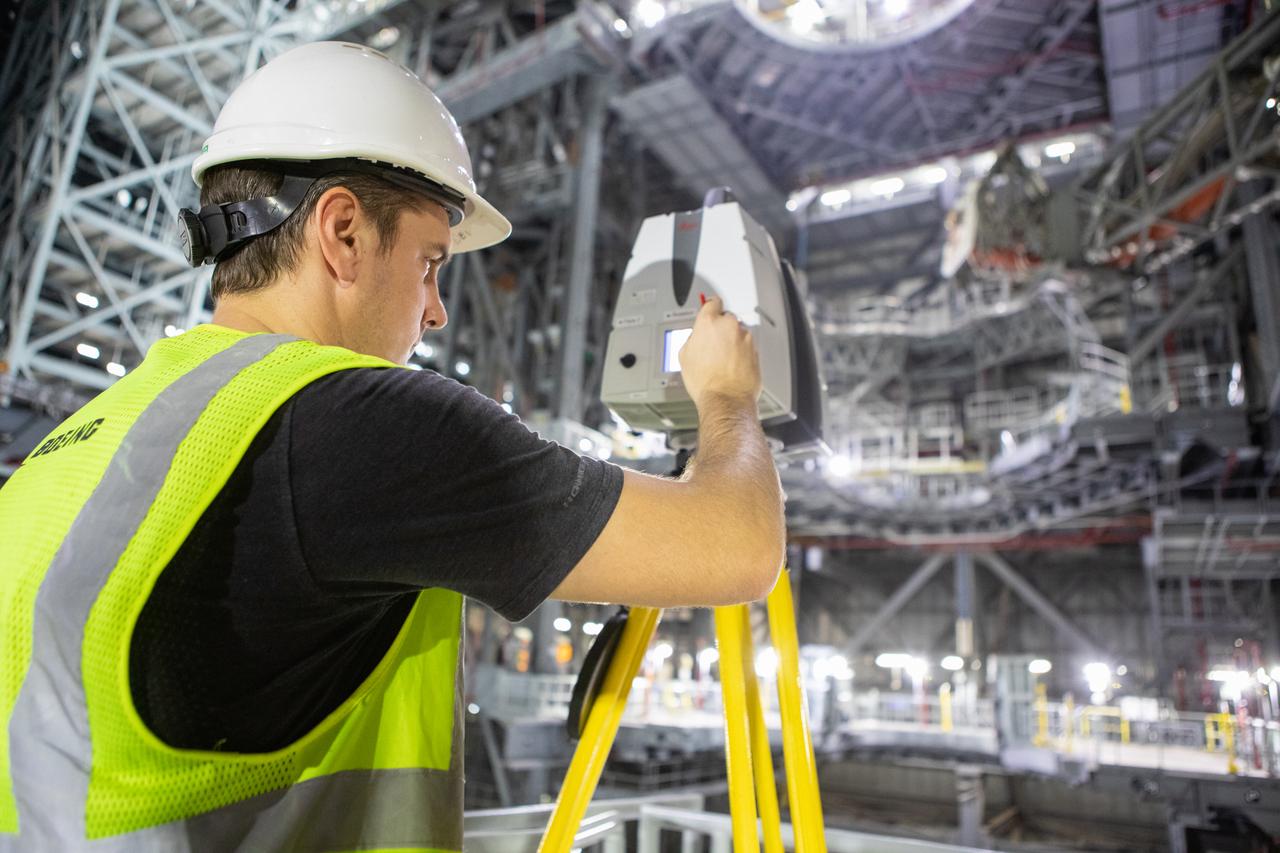
An engineer sets up equipment from the Design Visualization Lab inside High Bay 3 of the Vehicle Assembly Building at NASA’s Kennedy Space Center on Oct. 14, 2020. The equipment will be used to do 3-D modeling of the mobile launcher that will carry the Space Launch System and Orion spacecraft to Launch Complex 39B for the Artemis I mission. Artemis I will test the Orion spacecraft and SLS as an integrated system ahead of crewed flights to the Moon. Under the Artemis program, NASA will land the first woman and the next man on the Moon in 2024.
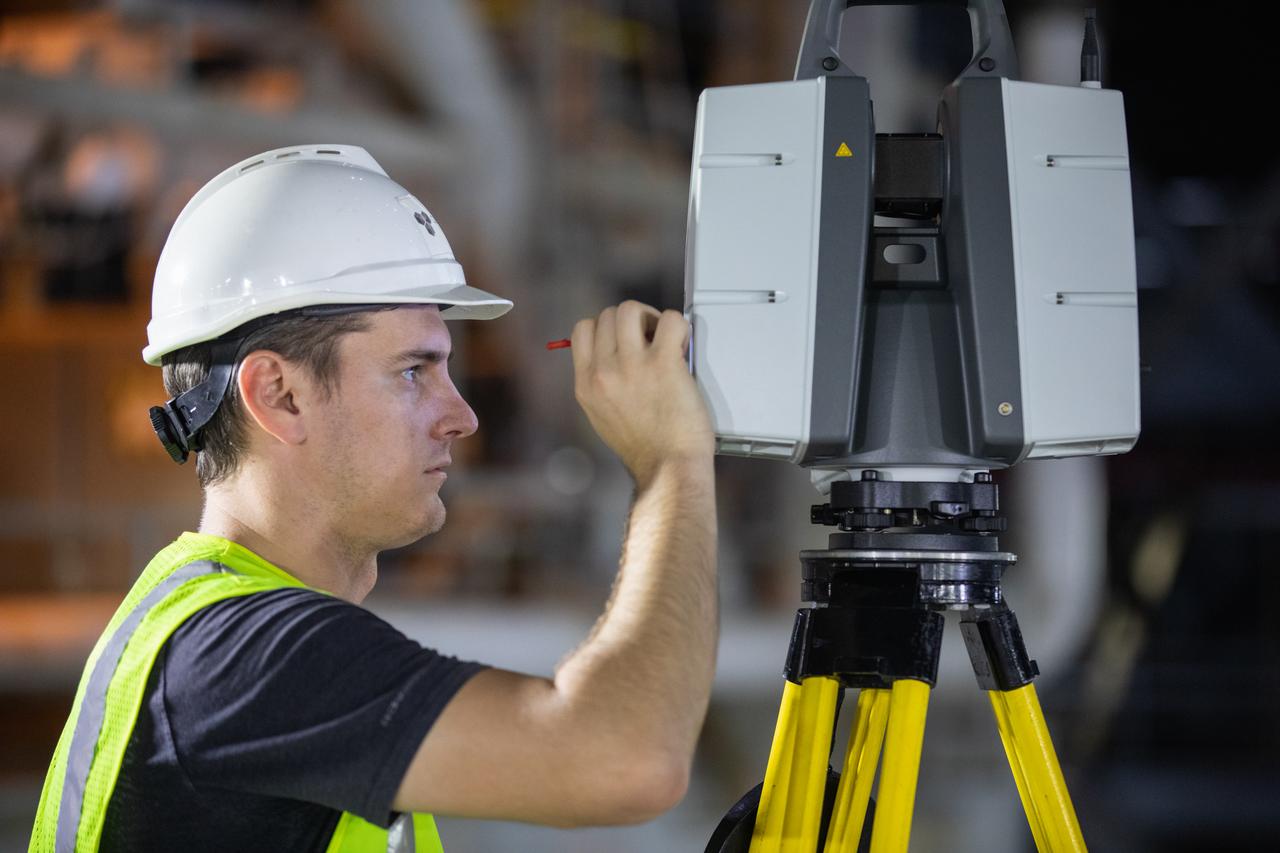
An engineer adjusts equipment from the Design Visualization Lab set up inside High Bay 3 of the Vehicle Assembly Building at NASA’s Kennedy Space Center on Oct. 14, 2020. The equipment will be used to do 3-D modeling of the mobile launcher that will carry the Space Launch System and Orion spacecraft to Launch Complex 39B for the Artemis I mission. Artemis I will test the Orion spacecraft and SLS as an integrated system ahead of crewed flights to the Moon. Under the Artemis program, NASA will land the first woman and the next man on the Moon in 2024.
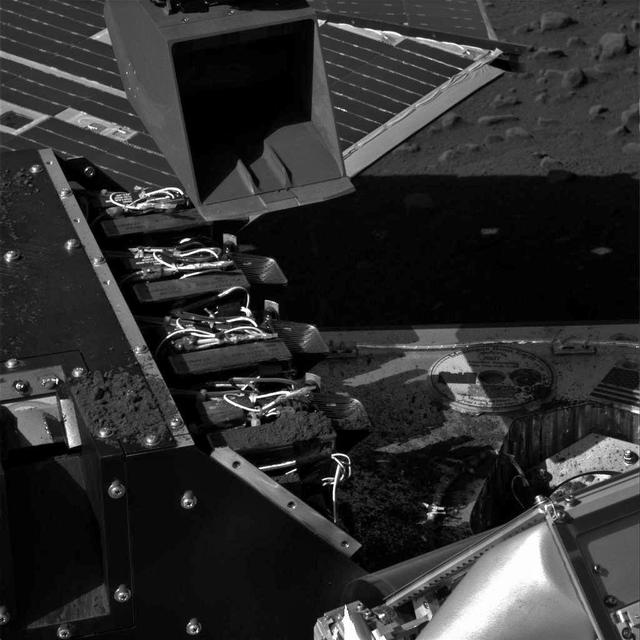
Phoenix Again Carries Soil to Wet Chemistry Lab
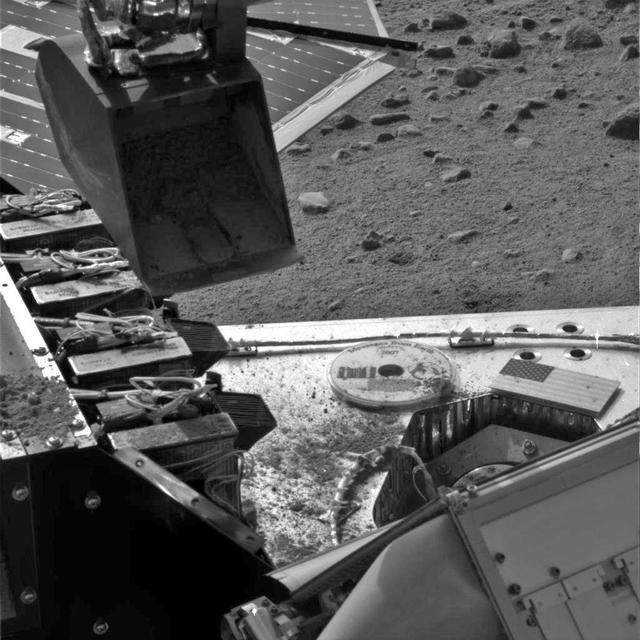
Phoenix Carries Soil to Wet Chemistry Lab
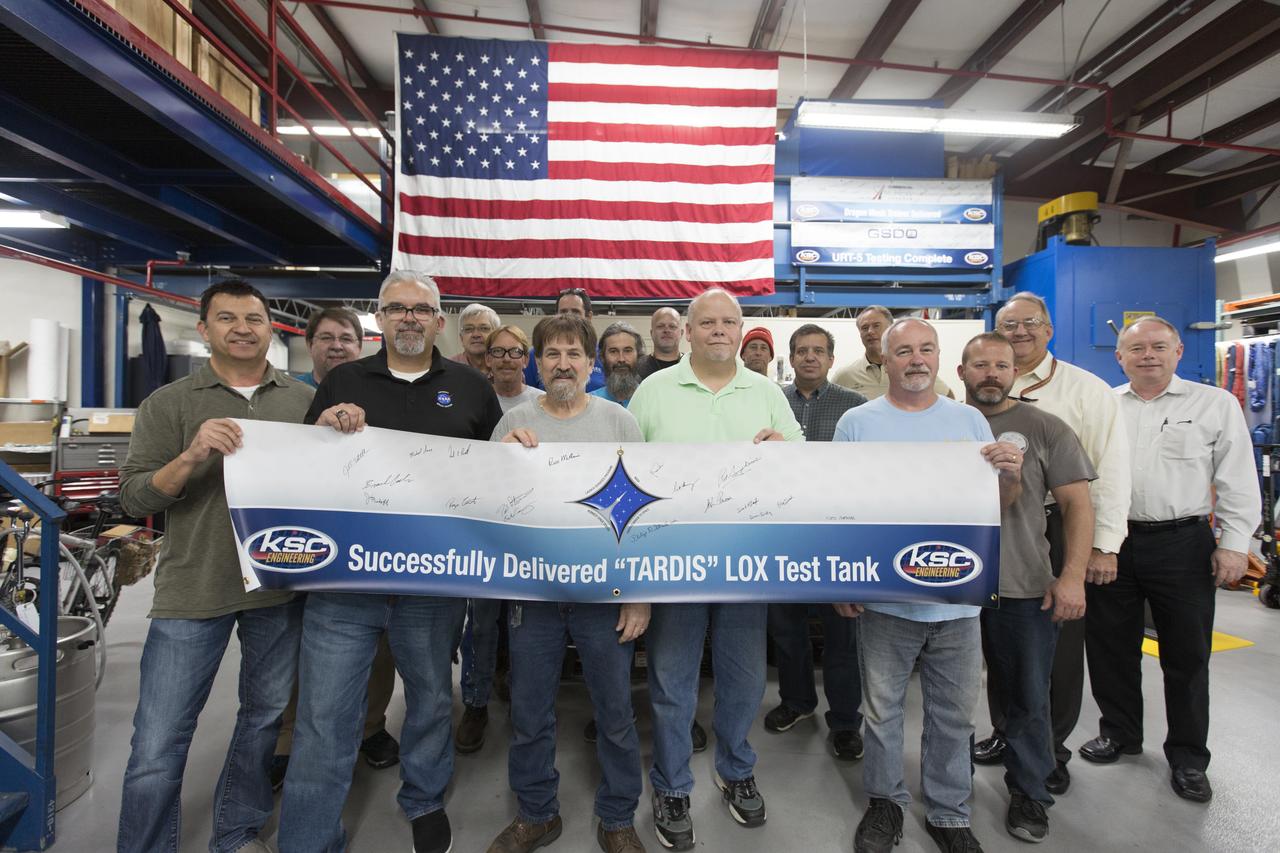
Inside the Prototype Development Laboratory at NASA's Kennedy Space Center in Florida, workers in the lab hold a banner marking the successful delivery of a liquid oxygen test tank called Tardis. Engineers and technicians worked together to develop the tank to build it at the lab to support cryogenic testing at Johnson Space Center's White Sands Test Facility in Las Cruces, New Mexico. The 12-foot-tall, 3,810-pound aluminum tank will be shipped to White Sands for testing.
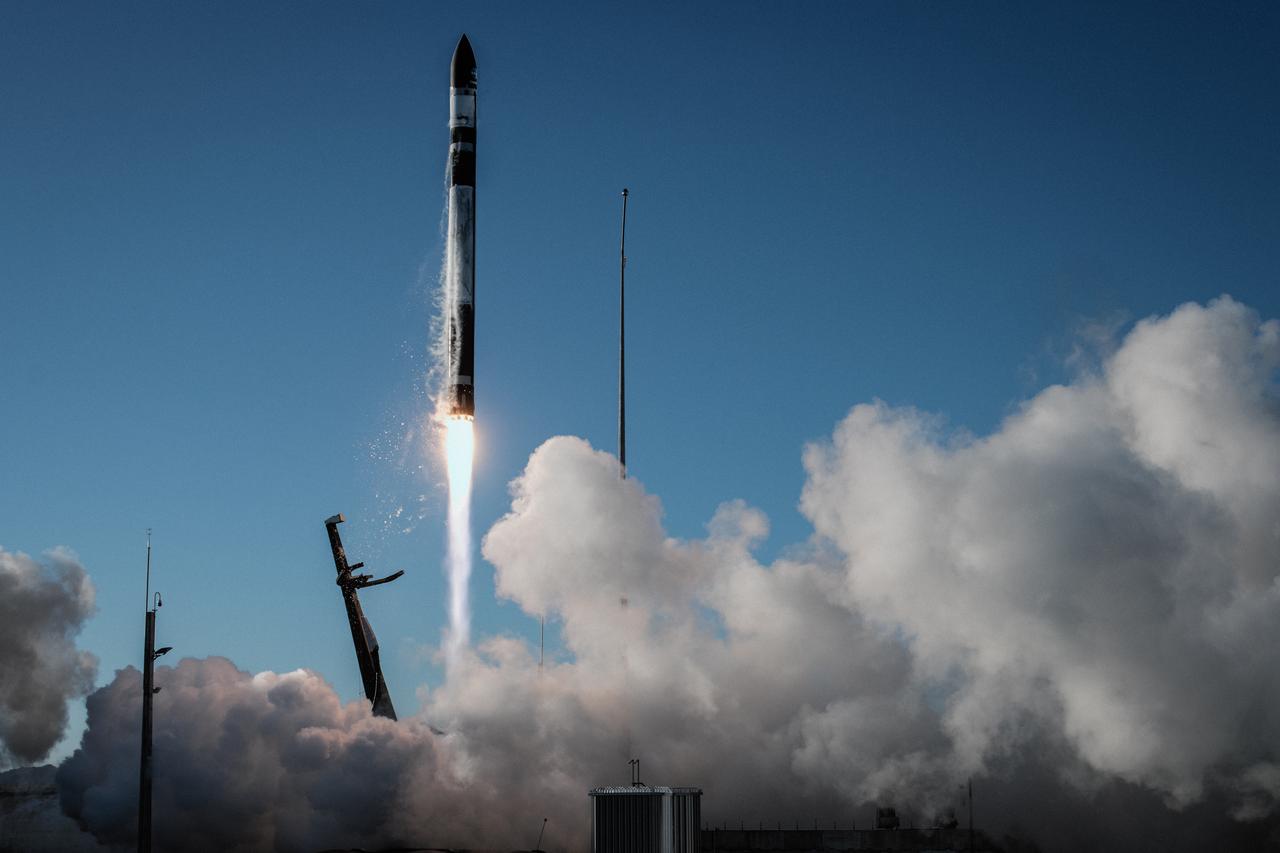
A Rocket Lab Electron rocket soars upward after liftoff from Pad B, Launch Complex 1, in Māhia, New Zealand, at 11:46 p.m. EDT on Thursday, May 25 (3:46 p.m. NZST Friday, May 26) carrying the final pair of NASA’s Time-Resolved Observations of Precipitation structure and storm Intensity with a Constellation of Smallsats (TROPICS) CubeSats secured in the payload fairing atop the rocket. The successful launch placed the final pair of TROPICS CubeSats into orbit, completing the constellation. TROPICS will provide data on temperature, precipitation, water vapor, and clouds by measuring microwave frequencies, providing insight into storm formation and intensification.
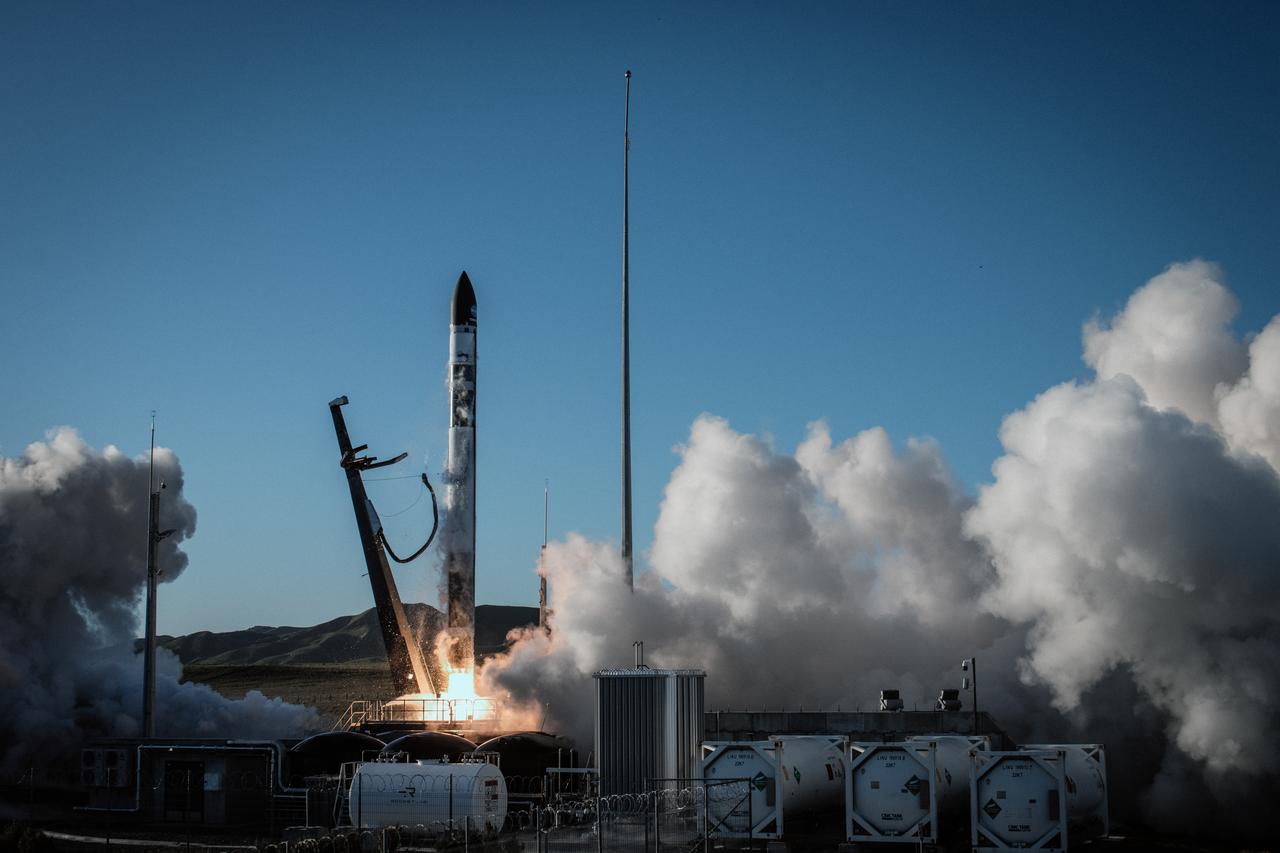
A Rocket Lab Electron rocket lifts off from Pad B, Launch Complex 1, in Māhia, New Zealand, at 11:46 p.m. EDT on Thursday, May 25 (3:46 p.m. NZST Friday, May 26) carrying the final pair of NASA’s Time-Resolved Observations of Precipitation structure and storm Intensity with a Constellation of Smallsats (TROPICS) CubeSats secured in the payload fairing atop the rocket. The successful launch placed the final pair of TROPICS CubeSats into orbit, completing the constellation. TROPICS will provide data on temperature, precipitation, water vapor, and clouds by measuring microwave frequencies, providing insight into storm formation and intensification.
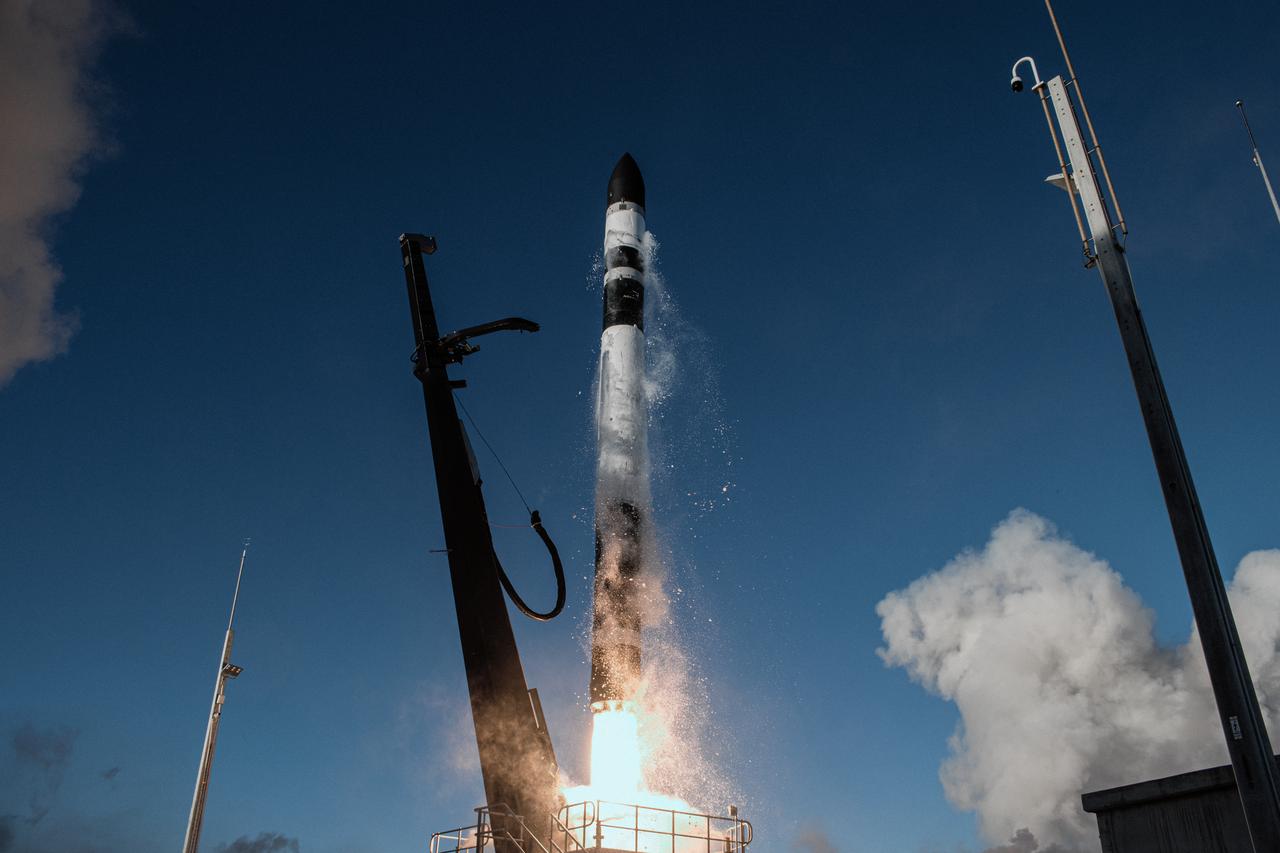
A Rocket Lab Electron rocket lifts off from Pad B, Launch Complex 1, in Māhia, New Zealand, at 11:46 p.m. EDT on Thursday, May 25 (3:46 p.m. NZST Friday, May 26) carrying the final pair of NASA’s Time-Resolved Observations of Precipitation structure and storm Intensity with a Constellation of Smallsats (TROPICS) CubeSats secured in the payload fairing atop the rocket. The successful launch placed the final pair of TROPICS CubeSats into orbit, completing the constellation. TROPICS will provide data on temperature, precipitation, water vapor, and clouds by measuring microwave frequencies, providing insight into storm formation and intensification.
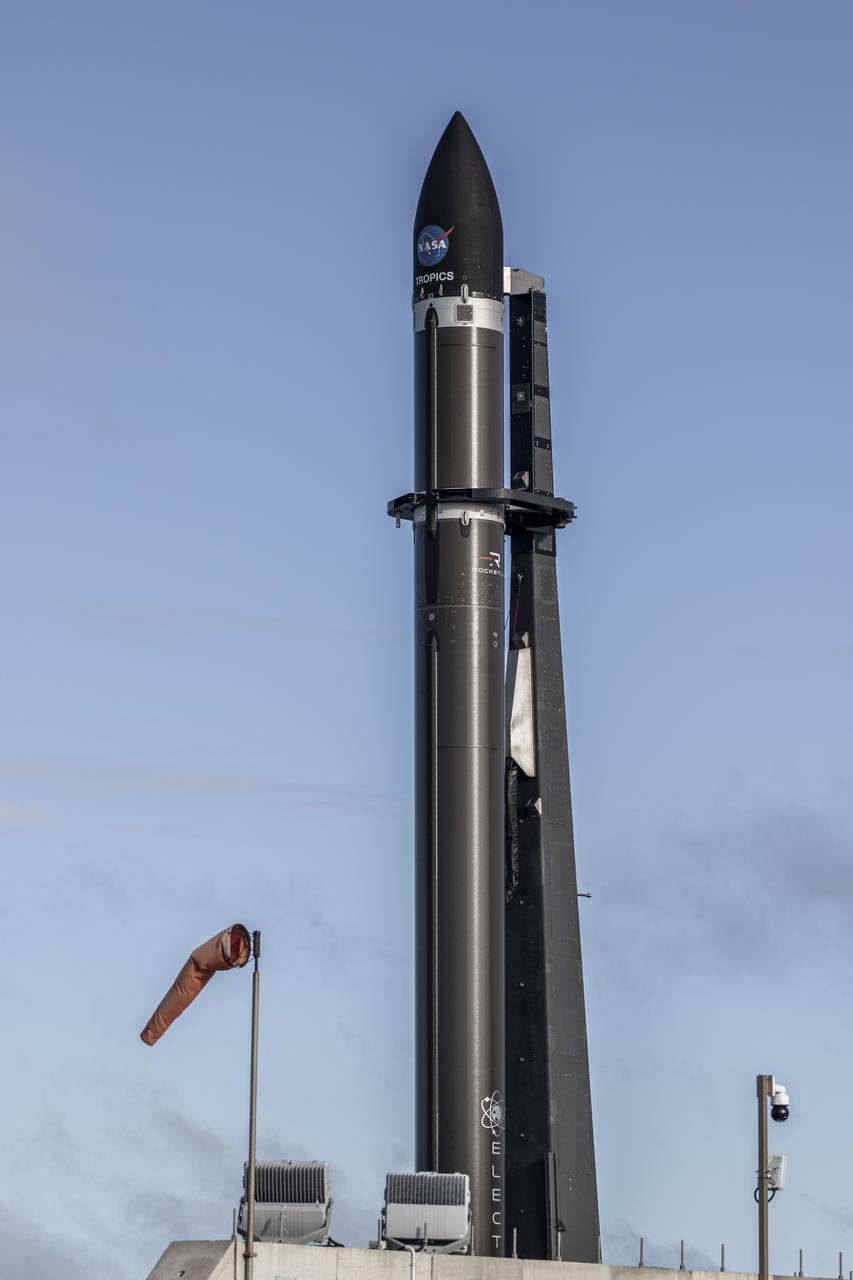
A Rocket Lab Electron rocket is poised for launch atop Pad B, Launch Complex 1, in Māhia, New Zealand. Launch time is May 8 at 1 p.m. New Zealand time (May 7 at 9 p.m. EDT). The Electron rocket is carrying two NASA CubeSats designed to study tropical cyclones, including hurricanes and typhoons. NASA’s Time-Resolved Observations of Precipitation structure and storm Intensity with a Constellation of Smallsats (TROPICS) CubeSats will provide data on temperature, precipitation, water vapor, and clouds by measuring microwave frequencies, providing insight into storm formation and intensification.
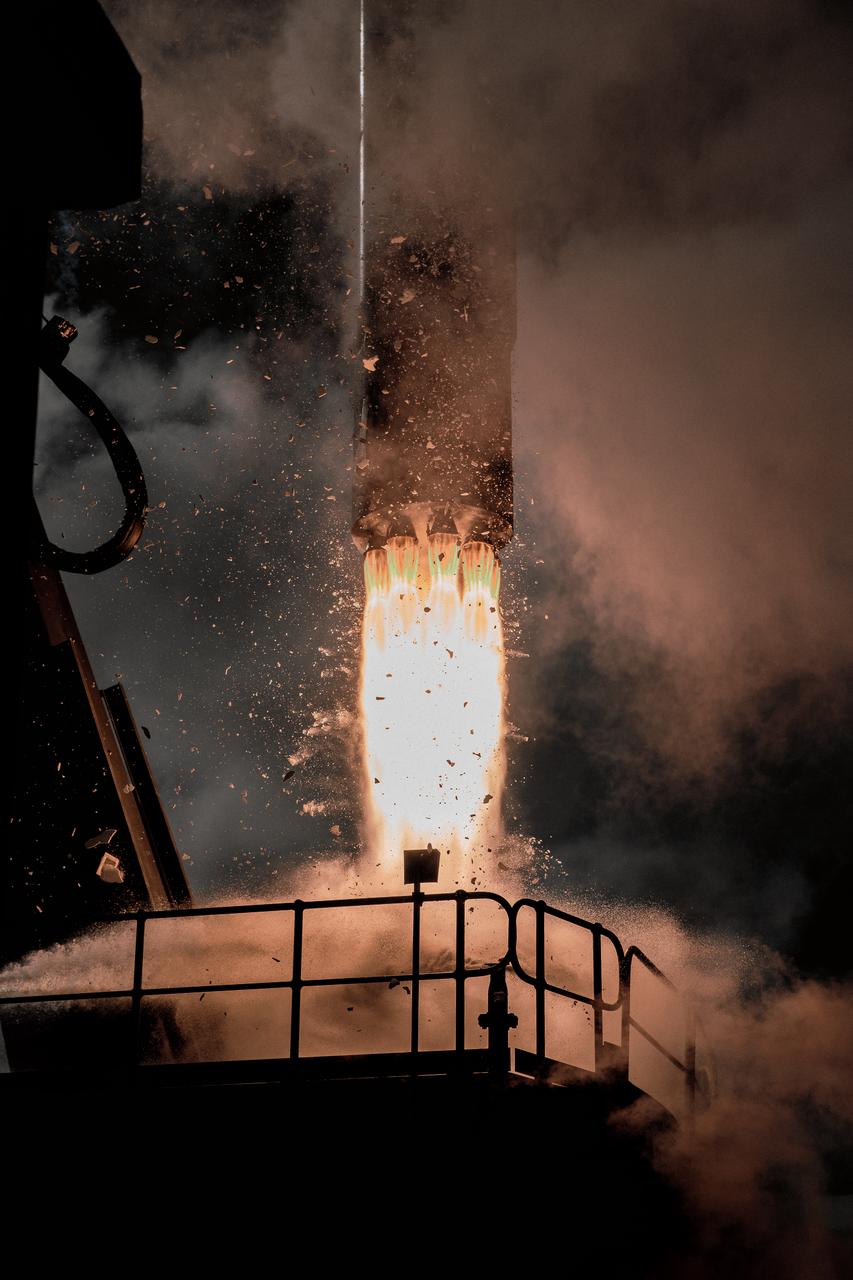
The engines of the first stage of a Rocket Lab Electron rocket ignite as the rocket lifts off Launch Complex 1, Pad B, in Māhia, New Zealand on May 8 at 1 p.m. New Zealand time (May 7 at 9 p.m. EDT), carrying two NASA CubeSats designed to study tropical cyclones, including hurricanes and typhoons. NASA’s Time-Resolved Observations of Precipitation structure and storm Intensity with a Constellation of Smallsats (TROPICS) CubeSats will provide data on temperature, precipitation, water vapor, and clouds by measuring microwave frequencies, providing insight into storm formation and intensification.
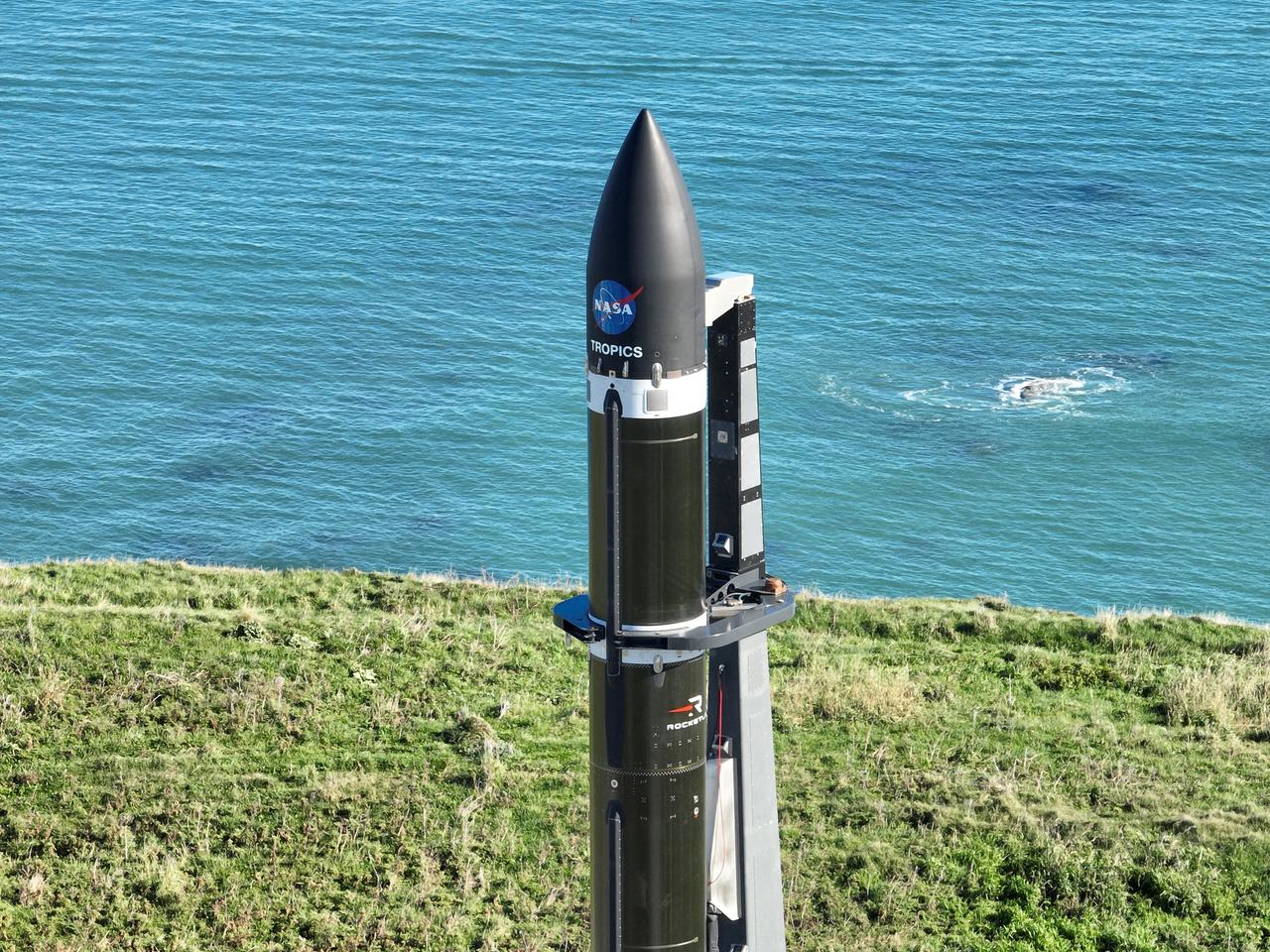
A Rocket Lab Electron rocket stands on Pad B, Launch Complex 1, in Māhia, New Zealand, just ahead of liftoff at 3:46 p.m. NZST Friday, May 26, with NASA’s Time-Resolved Observations of Precipitation structure and storm Intensity with a Constellation of Smallsats (TROPICS) CubeSats secured in the payload fairing atop the rocket. The successful launch placed the final pair of TROPICS CubeSats into orbit, completing the constellation. TROPICS will provide data on temperature, precipitation, water vapor, and clouds by measuring microwave frequencies, providing insight into storm formation and intensification.
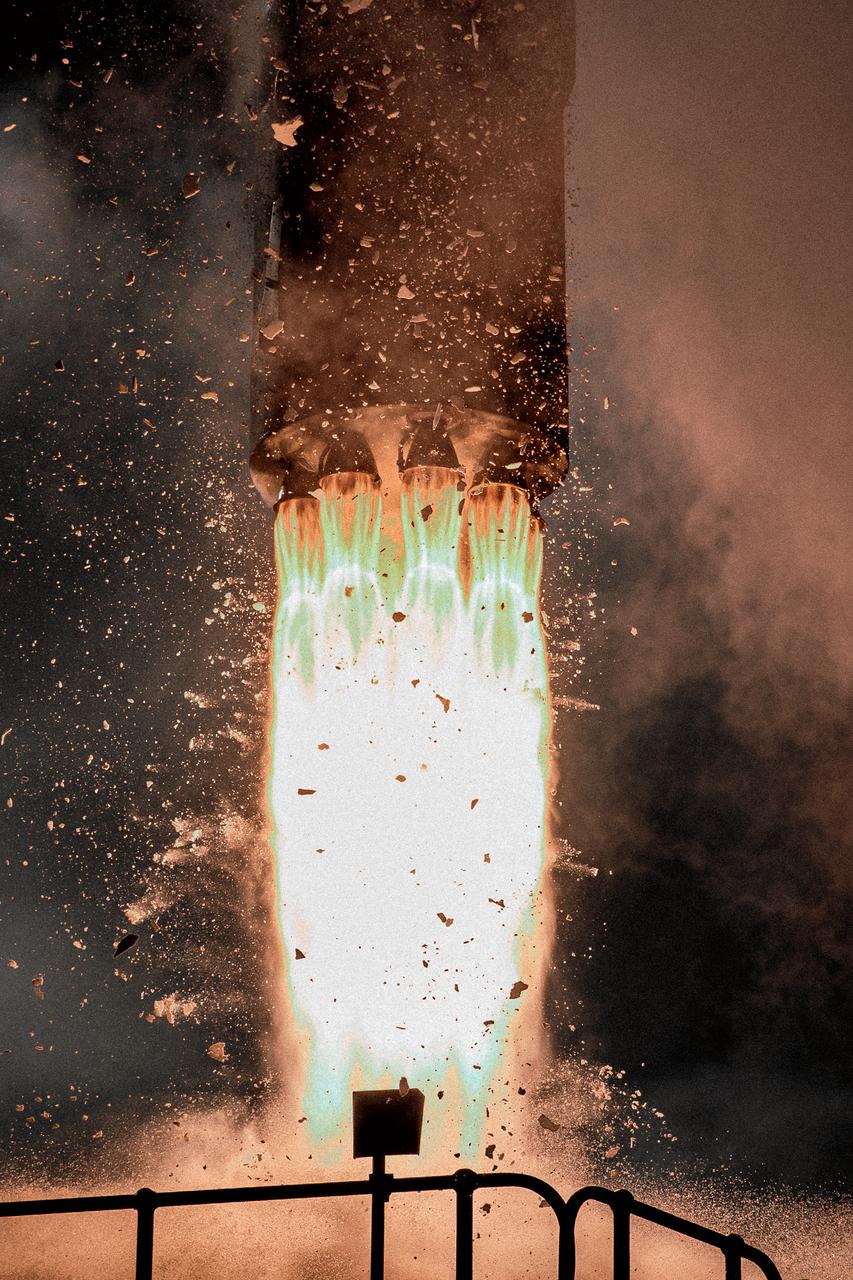
The engines of the first stage of a Rocket Lab Electron rocket ignite as the rocket lifts off Launch Complex 1, Pad B, in Māhia, New Zealand on May 8 at 1 p.m. New Zealand time (May 7 at 9 p.m. EDT), carrying two NASA CubeSats designed to study tropical cyclones, including hurricanes and typhoons. NASA’s Time-Resolved Observations of Precipitation structure and storm Intensity with a Constellation of Smallsats (TROPICS) CubeSats will provide data on temperature, precipitation, water vapor, and clouds by measuring microwave frequencies, providing insight into storm formation and intensification.
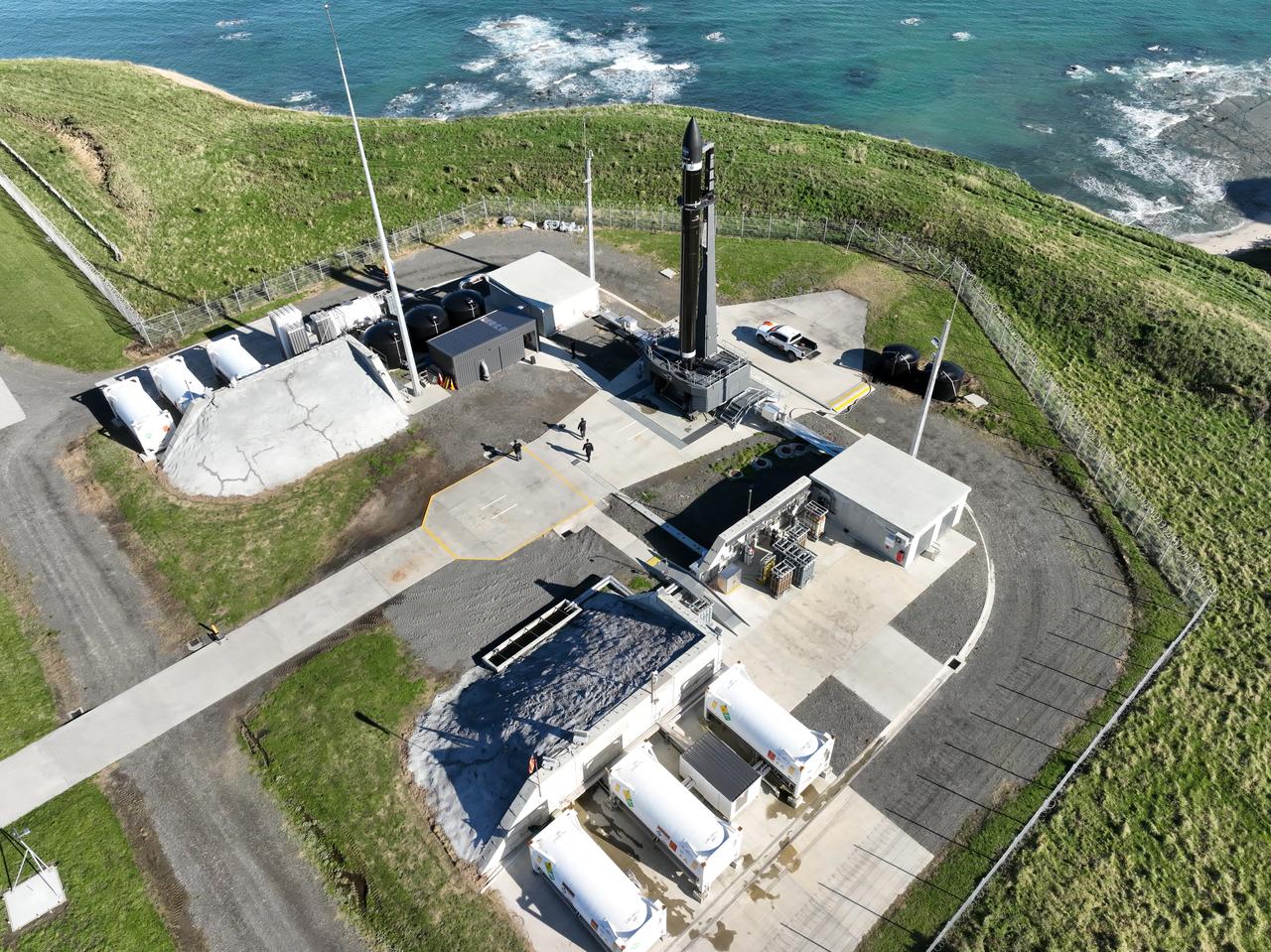
A Rocket Lab Electron rocket stands on Pad B, Launch Complex 1, in Māhia, New Zealand, just ahead of liftoff at 3:46 p.m. NZST Friday, May 26, with NASA’s Time-Resolved Observations of Precipitation structure and storm Intensity with a Constellation of Smallsats (TROPICS) CubeSats secured in the payload fairing atop the rocket. The successful launch placed the final pair of TROPICS CubeSats into orbit, completing the constellation. TROPICS will provide data on temperature, precipitation, water vapor, and clouds by measuring microwave frequencies, providing insight into storm formation and intensification.
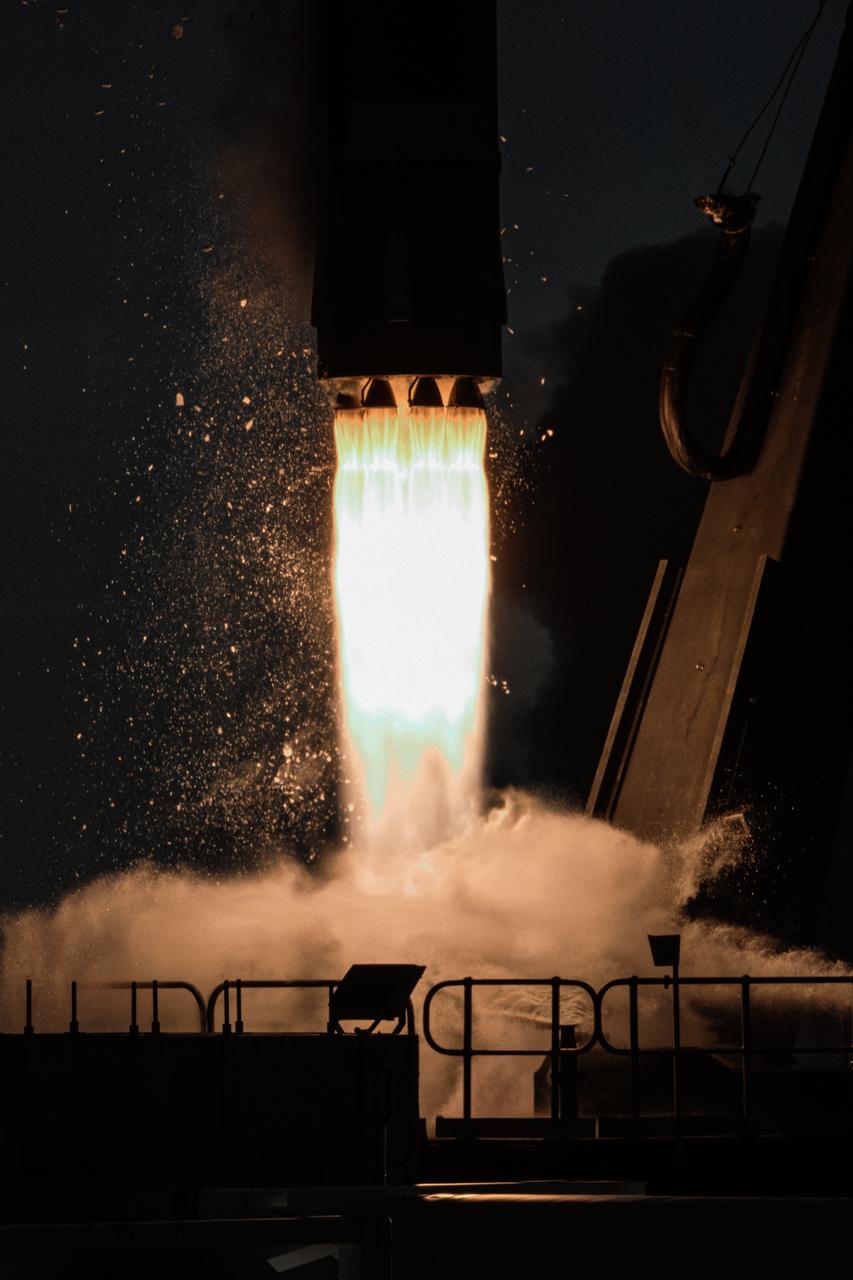
The first stage of a Rocket Lab Electron rocket ignites at liftoff from Pad B, Launch Complex 1, in Māhia, New Zealand, at 11:46 p.m. EDT on Thursday, May 25 (3:46 p.m. NZST Friday, May 26) carrying the final pair of NASA’s Time-Resolved Observations of Precipitation structure and storm Intensity with a Constellation of Smallsats (TROPICS) CubeSats secured in the payload fairing atop the rocket. The successful launch placed the final pair of TROPICS CubeSats into orbit, completing the constellation. TROPICS will provide data on temperature, precipitation, water vapor, and clouds by measuring microwave frequencies, providing insight into storm formation and intensification.
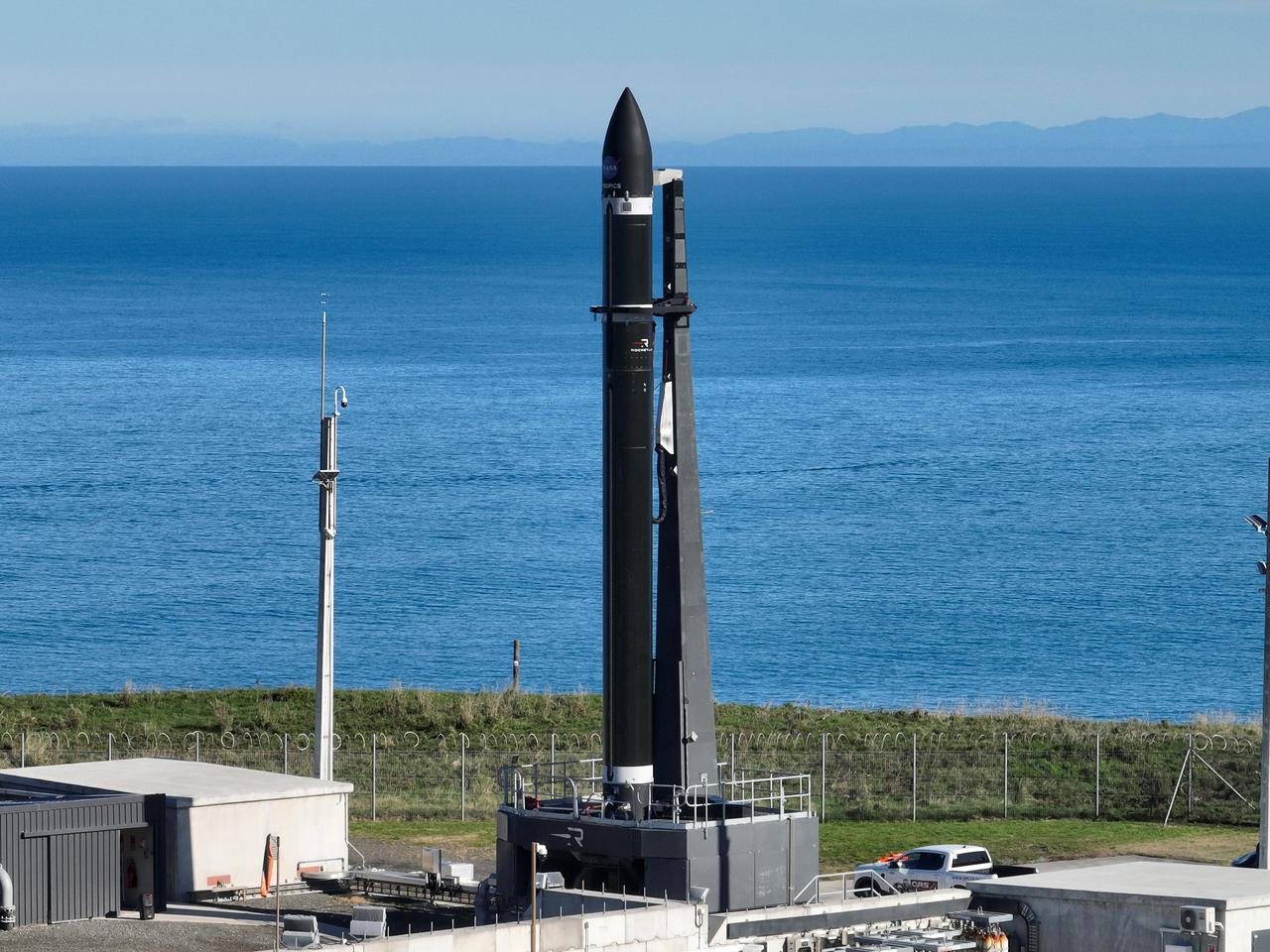
A Rocket Lab Electron rocket stands on Pad B, Launch Complex 1, in Māhia, New Zealand, just ahead of liftoff at 3:46 p.m. NZST Friday, May 26, with NASA’s Time-Resolved Observations of Precipitation structure and storm Intensity with a Constellation of Smallsats (TROPICS) CubeSats secured in the payload fairing atop the rocket. The successful launch placed the final pair of TROPICS CubeSats into orbit, completing the constellation. TROPICS will provide data on temperature, precipitation, water vapor, and clouds by measuring microwave frequencies, providing insight into storm formation and intensification.
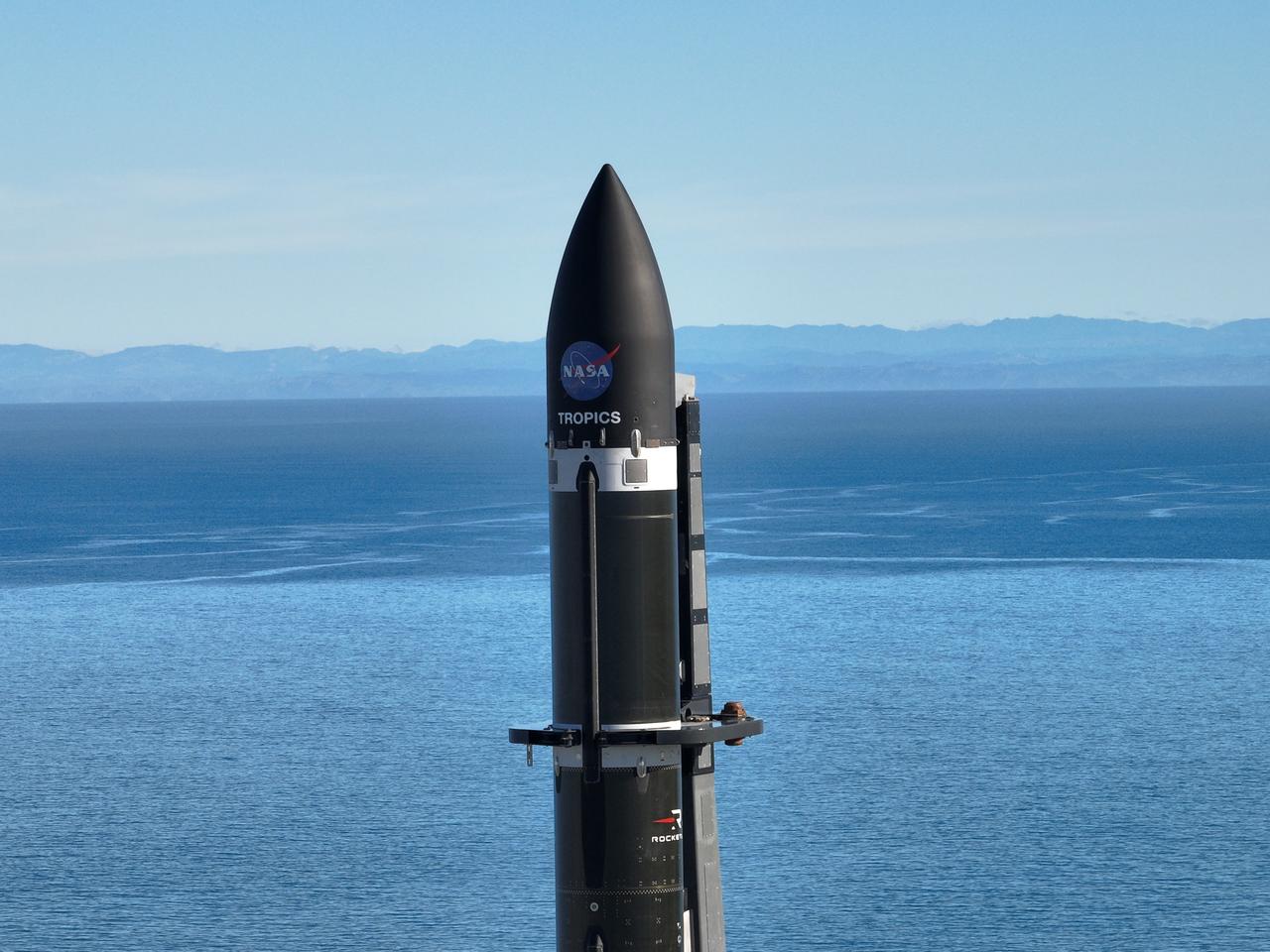
A Rocket Lab Electron rocket stands on Pad B, Launch Complex 1, in Māhia, New Zealand, just ahead of liftoff at 3:46 p.m. NZST Friday, May 26, with NASA’s Time-Resolved Observations of Precipitation structure and storm Intensity with a Constellation of Smallsats (TROPICS) CubeSats secured in the payload fairing atop the rocket. The successful launch placed the final pair of TROPICS CubeSats into orbit, completing the constellation. TROPICS will provide data on temperature, precipitation, water vapor, and clouds by measuring microwave frequencies, providing insight into storm formation and intensification.
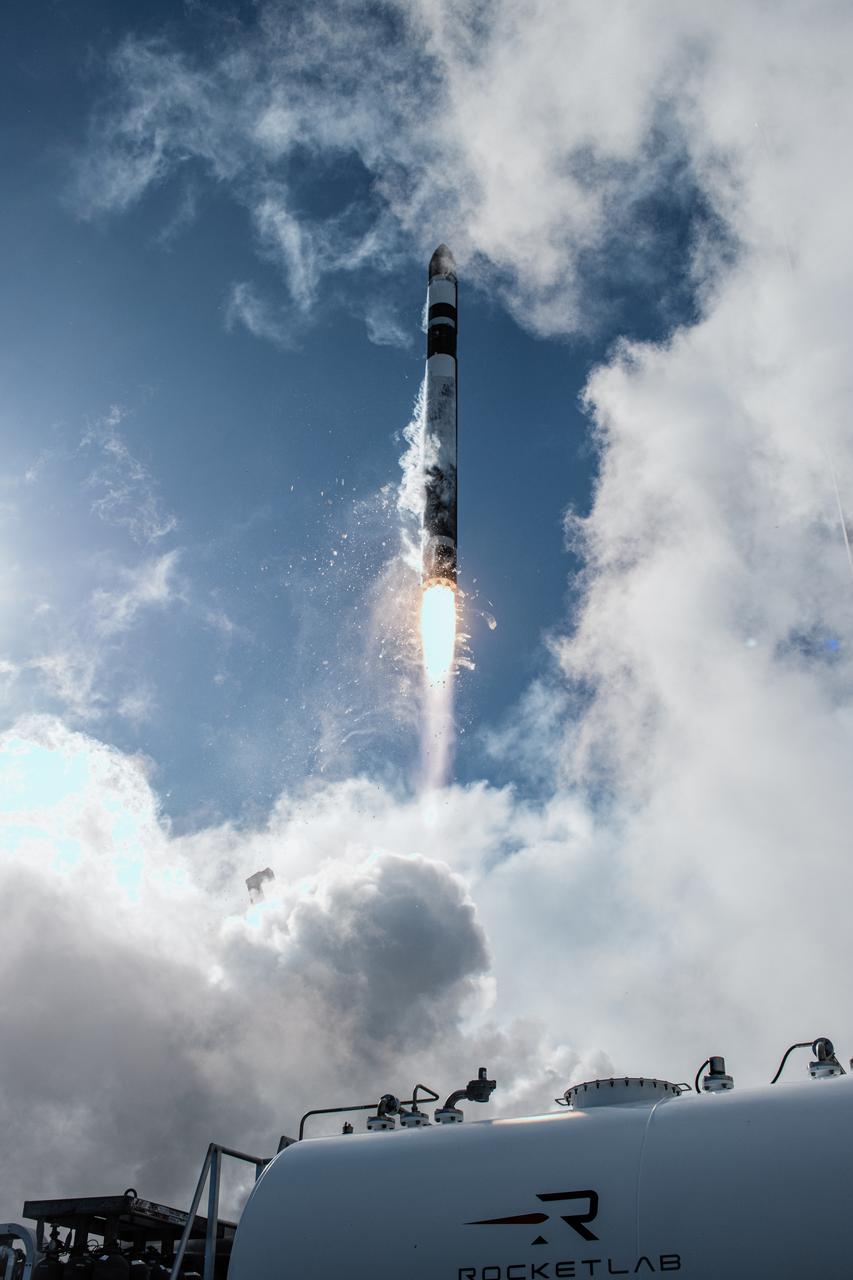
A Rocket Lab Electron rocket soars upward after liftoff from Launch Complex 1, Pad B, in Māhia, New Zealand on May 8 at 1 p.m. New Zealand time (May 7 at 9 p.m. EDT), carrying two NASA CubeSats designed to study tropical cyclones, including hurricanes and typhoons. NASA’s Time-Resolved Observations of Precipitation structure and storm Intensity with a Constellation of Smallsats (TROPICS) CubeSats will provide data on temperature, precipitation, water vapor, and clouds by measuring microwave frequencies, providing insight into storm formation and intensification.
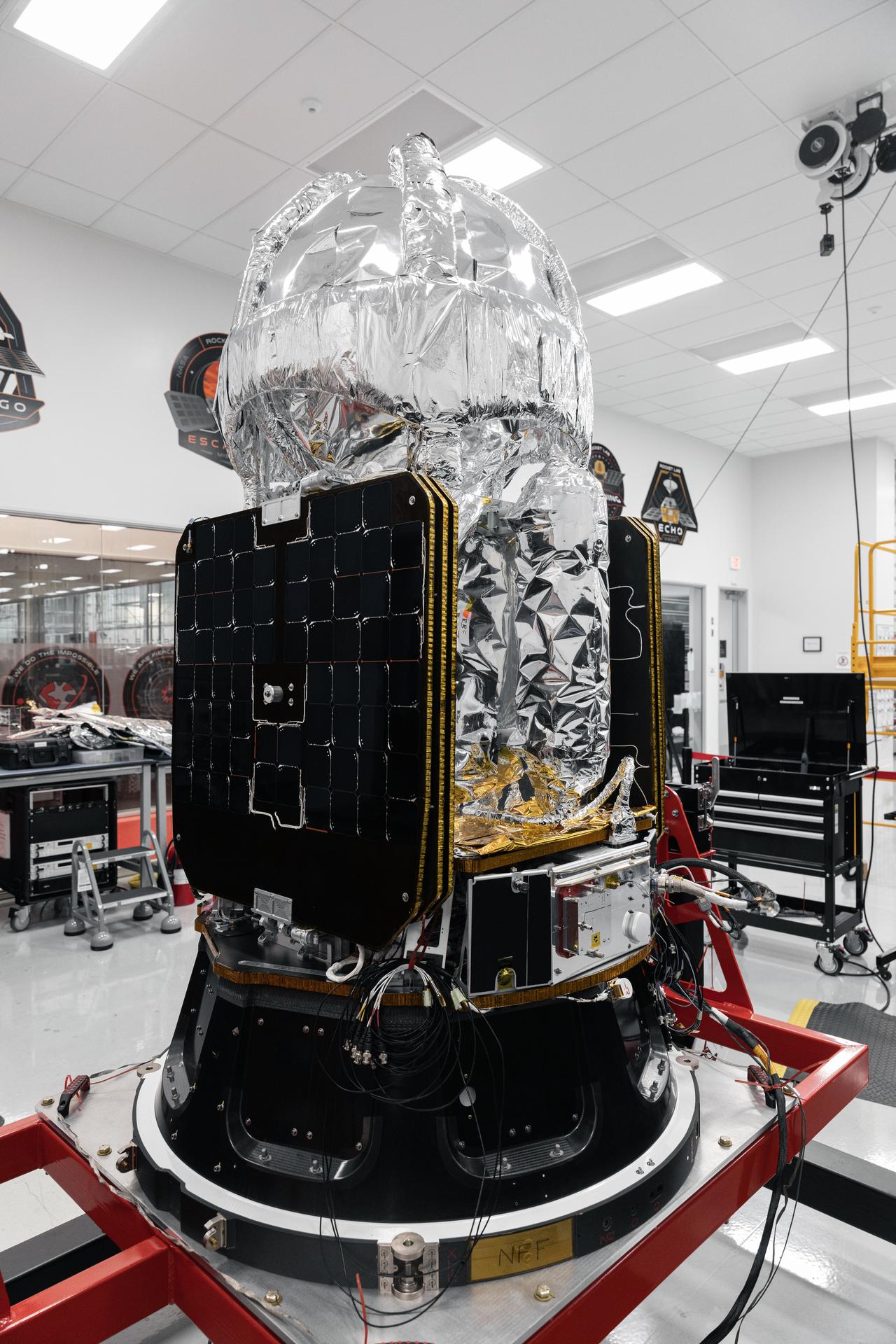
The LOXSAT payload is displayed inside Rocket Lab’s Spacecraft Production Complex on March 6, 2026, in Long Beach, California. Eta Space built LOXSAT as part of a NASA Tipping Point opportunity, and Rocket Lab is providing spacecraft and launch services to deliver it to low Earth orbit.
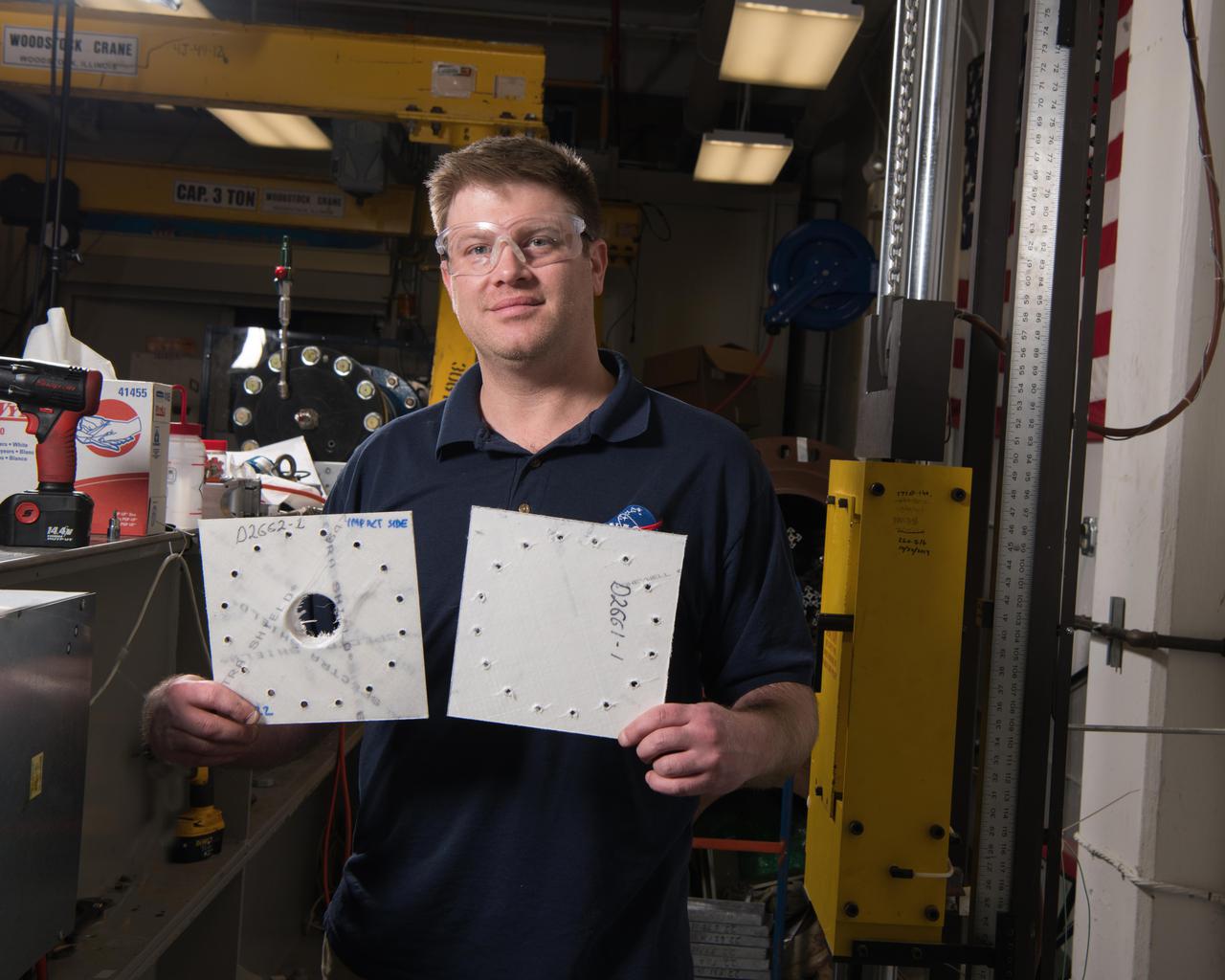
Ballistics Lab testing
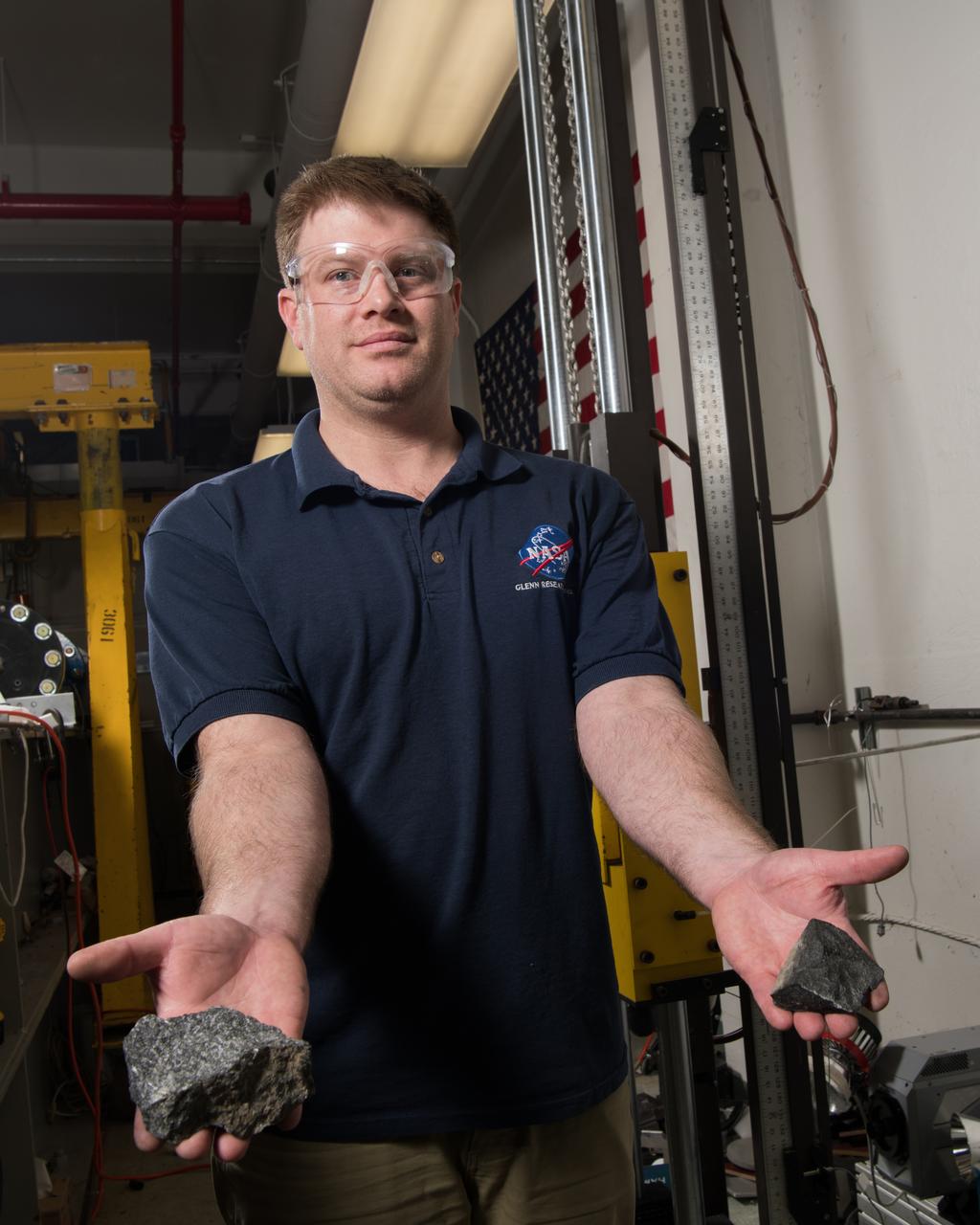
Ballistics Lab testing
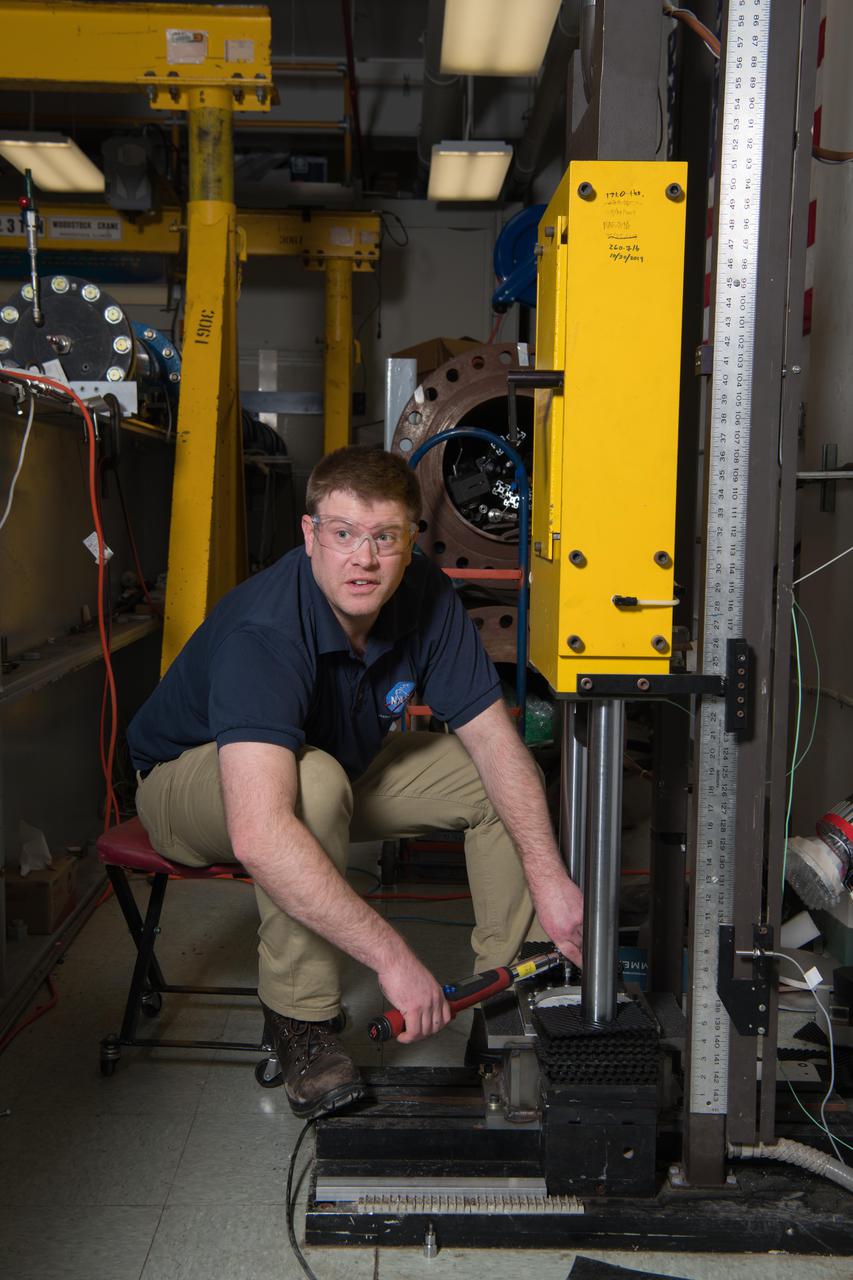
Ballistics Lab testing
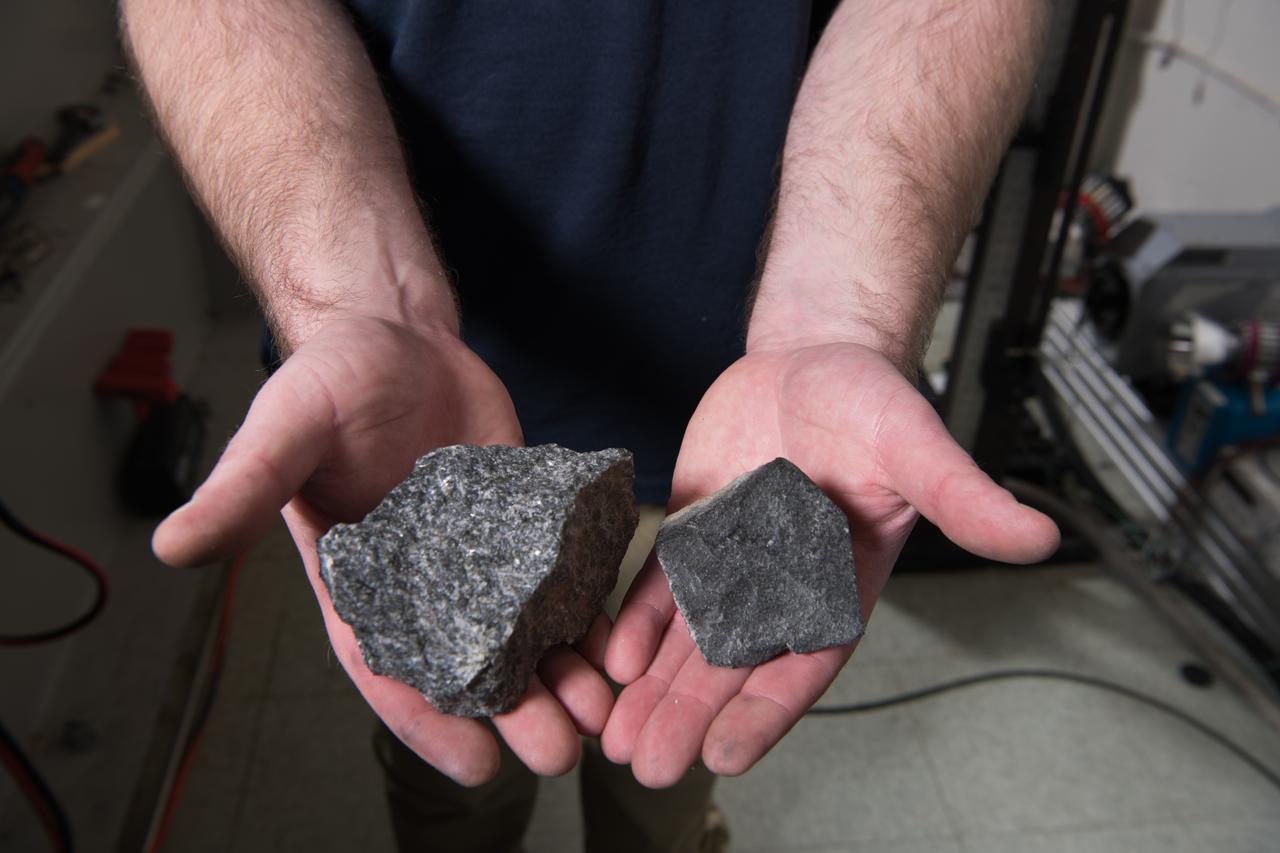
Ballistics Lab testing
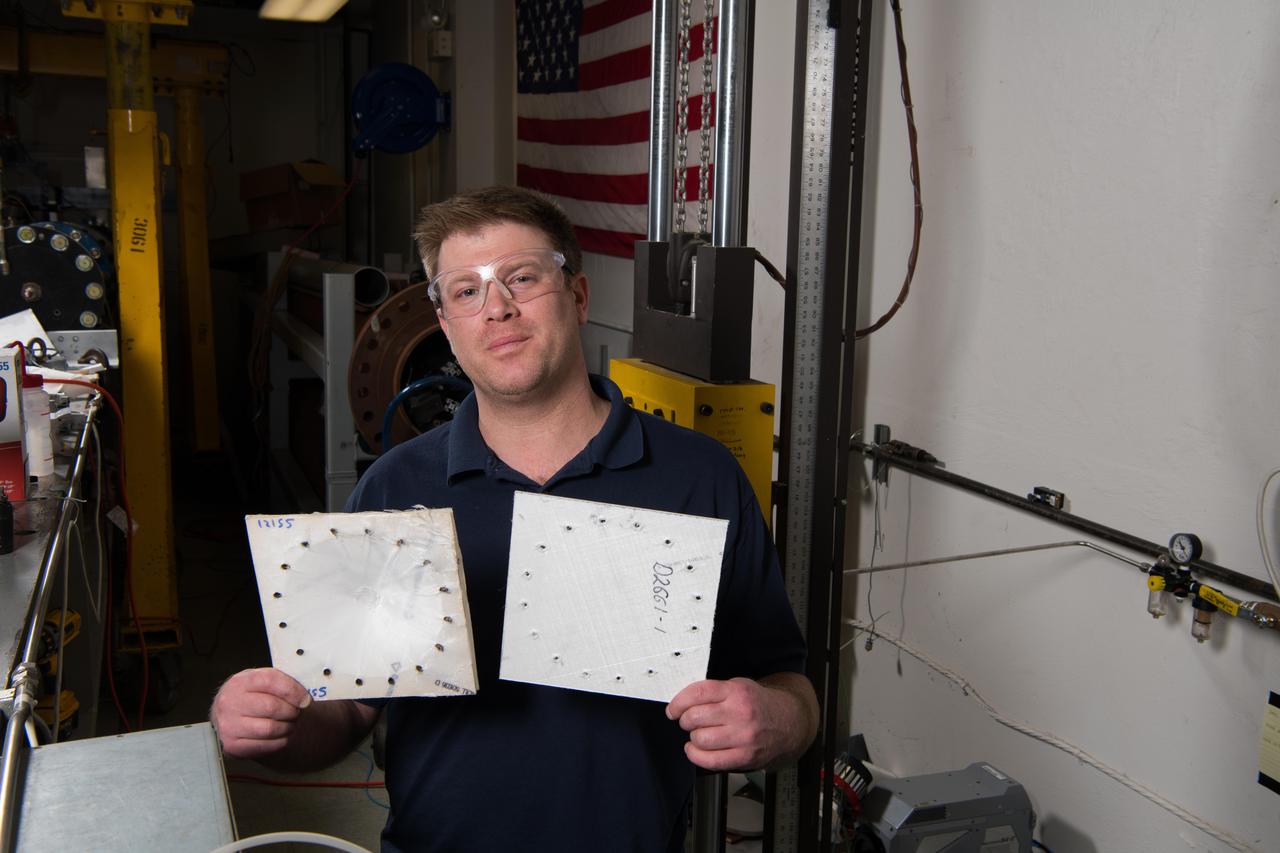
Ballistics Lab testing
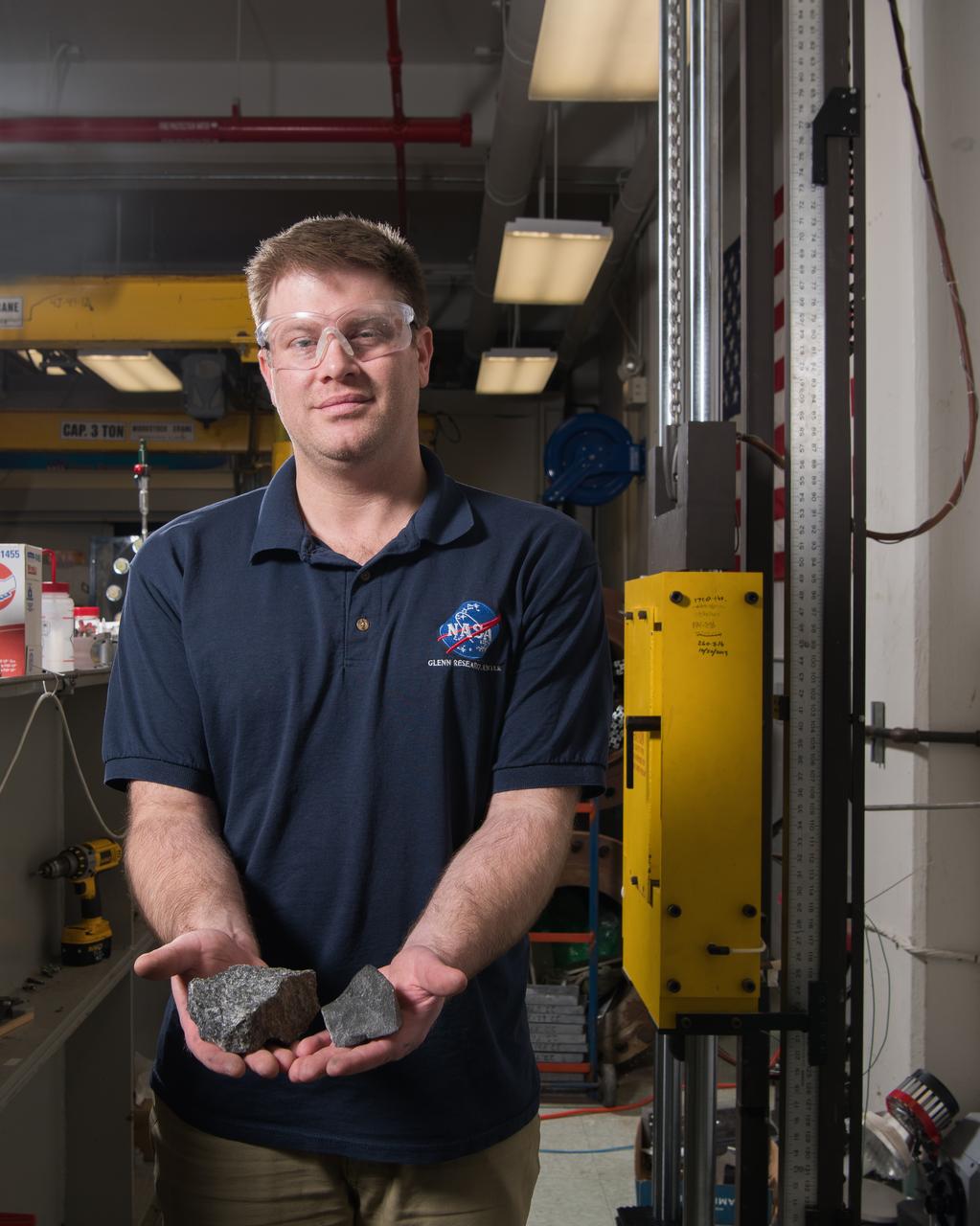
Ballistics Lab testing
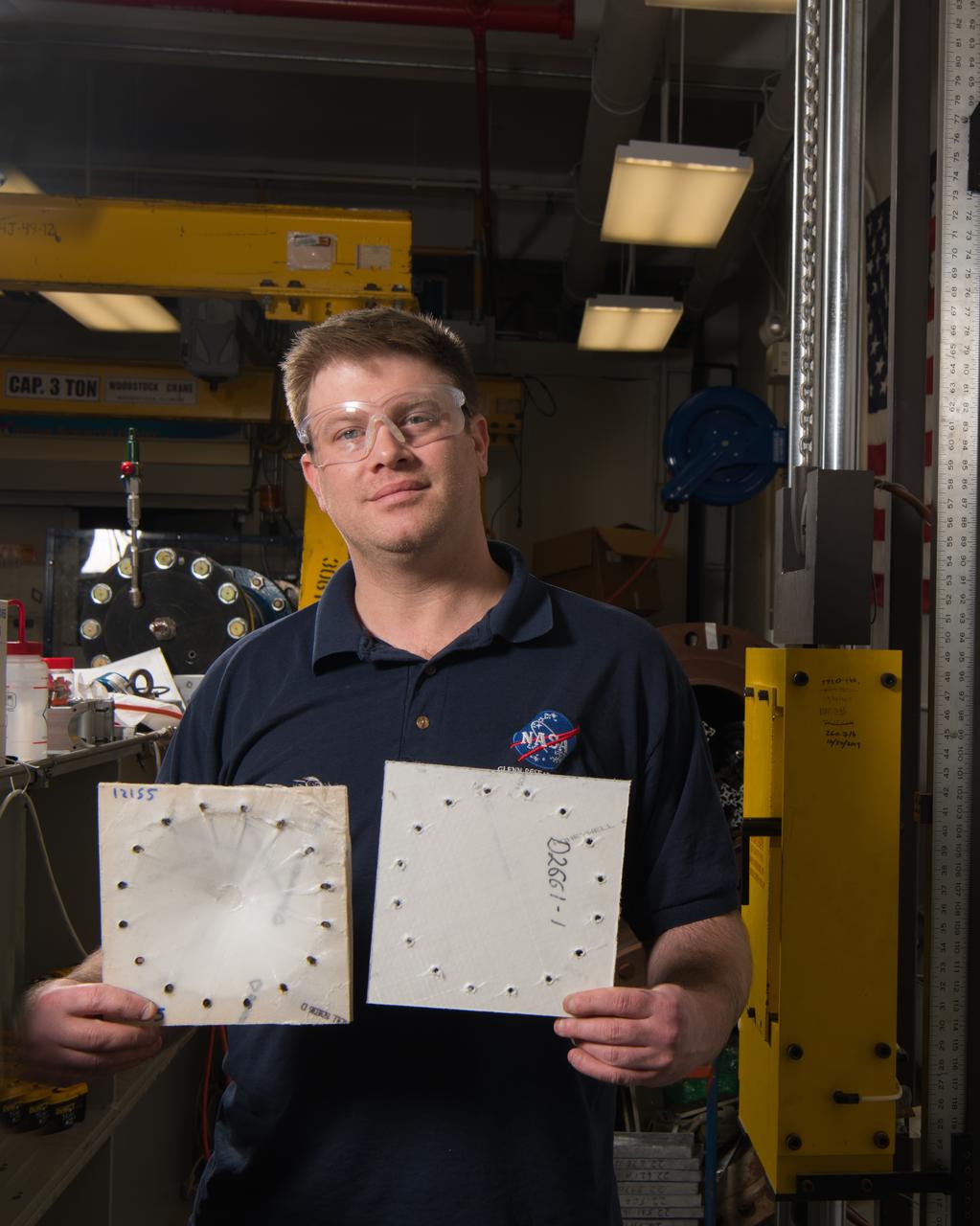
Ballistics Lab testing
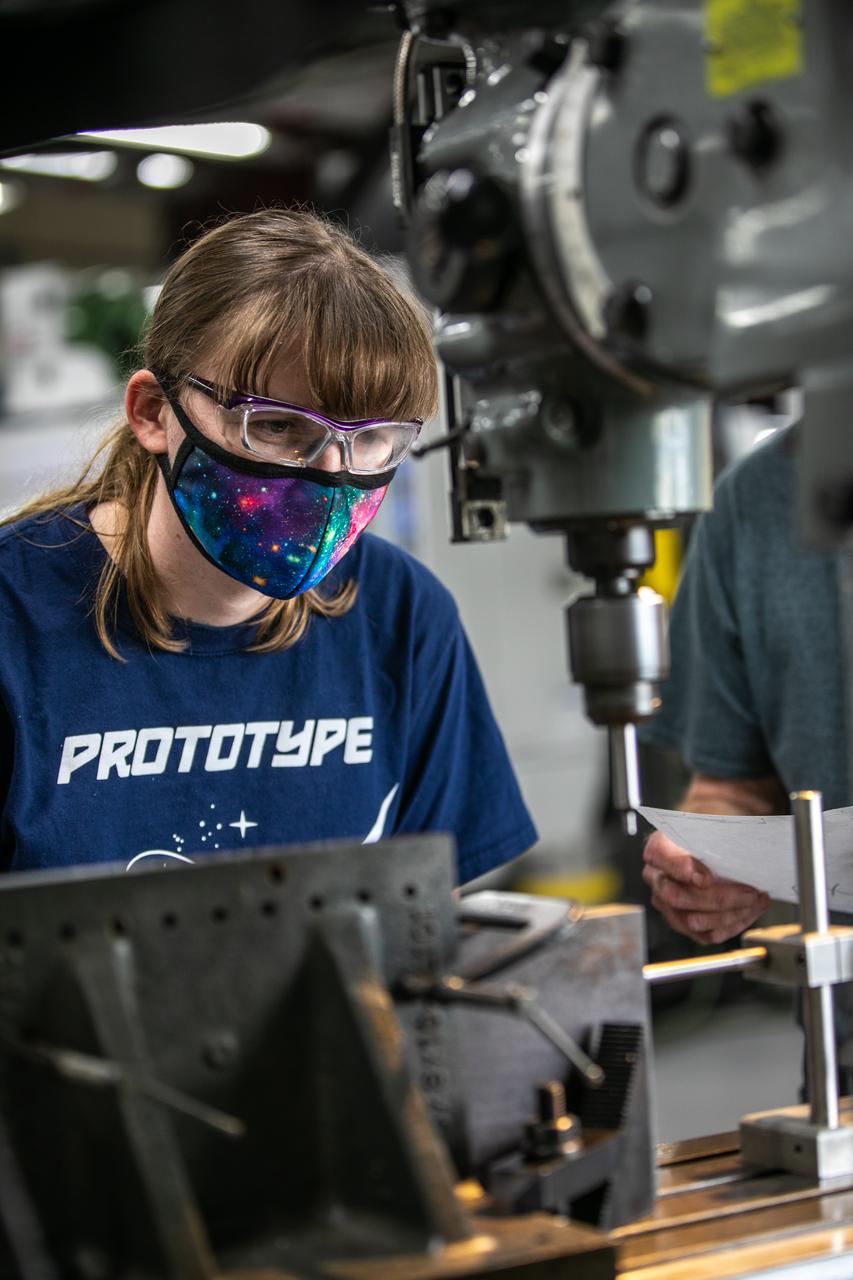
Katie Mortensen, a mechanical engineering technician, machines test article materials inside the Prototype Development Laboratory at NASA’s Kennedy Space Center in Florida on Oct. 21, 2020. The prototype laboratory designs, fabricates, and tests prototypes, test articles and test support equipment. It has a long history of providing fast solutions to complex operations problems. The lab’s teams of engineers use specialized equipment to produce exacting, one-of-a-kind items made from a range of materials depending on the design. The lab supports projects at Kennedy and at the agency level.
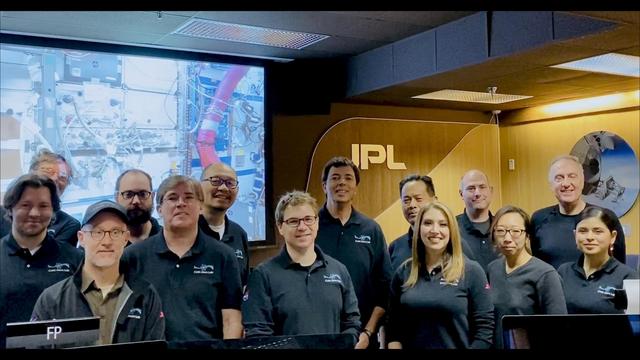
In January 2020, members of the Cold Atom Lab operations team assisted remotely in a hardware upgrade to Cold Atom Lab while the facility was still aboard the International Space Station. https://photojournal.jpl.nasa.gov/catalog/PIA23861
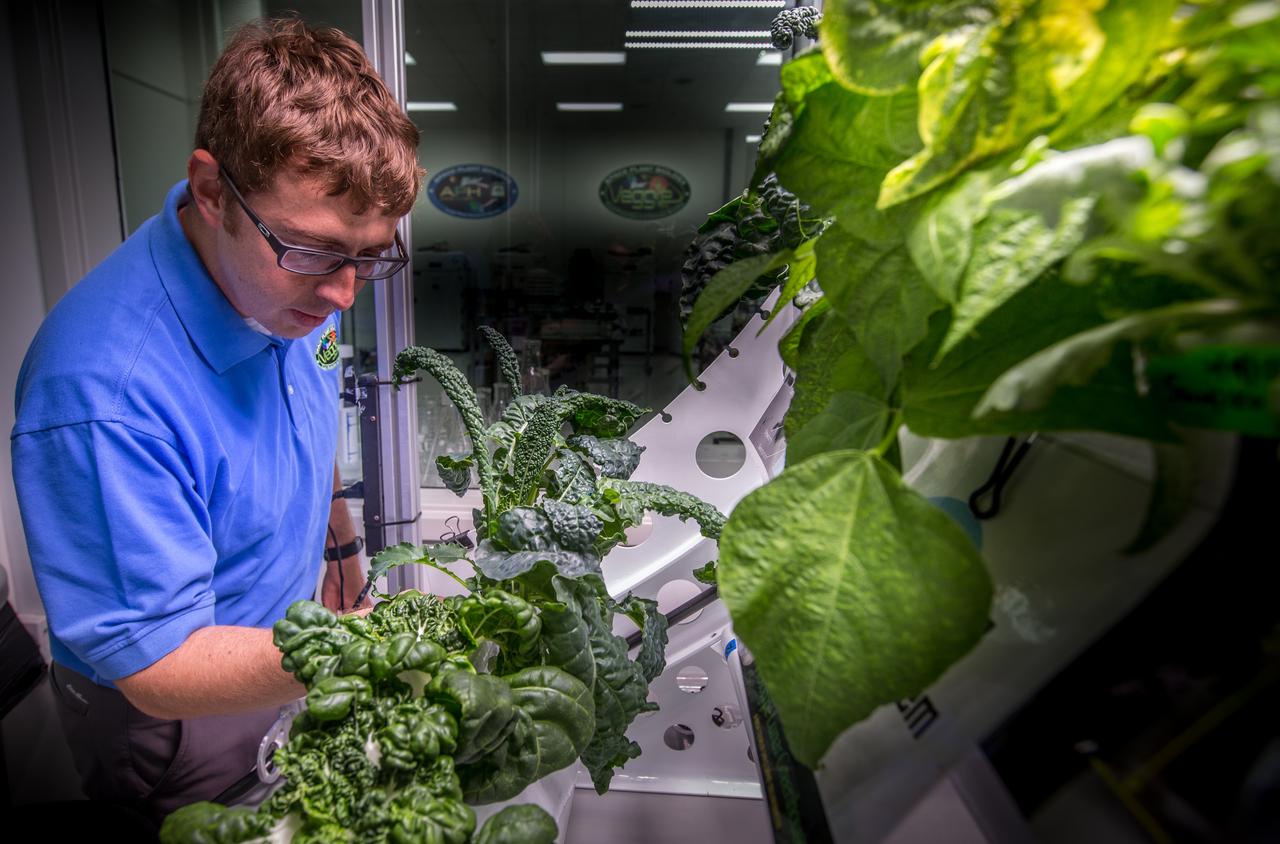
NASA's Matt Romeyn in the Veggie Lab of the Space Station Processing Facility at the agency's Kennedy Space Center in Florida.

A view inside the Electromagnet Effects Laboratory (EML) on Oct. 13, 2020, at NASA’s Kennedy Space Center in Florida. The EML is the center’s multi-discipline test facility used for electromagnetic design certification for electrical systems, electromagnetic environment development, and electromagnetic operational validation.
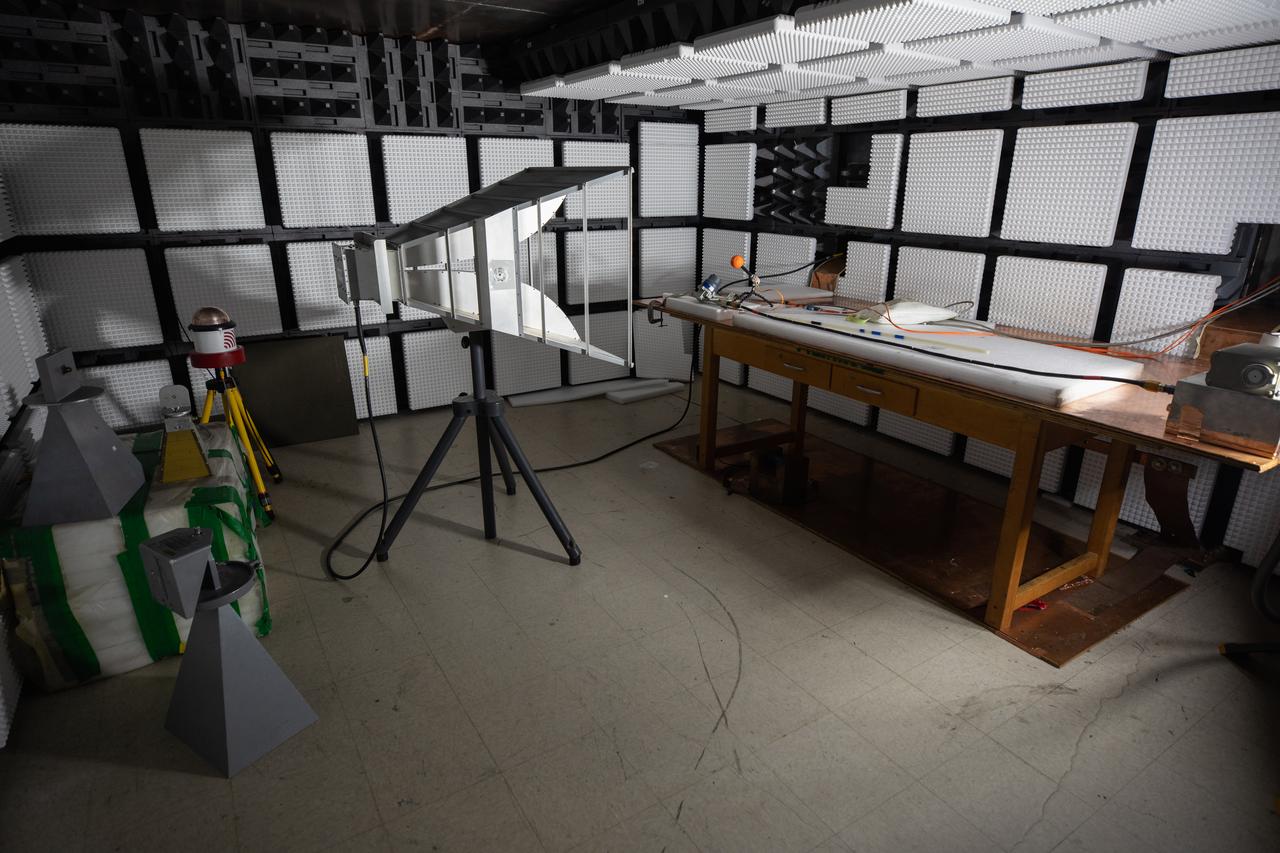
A view inside the Electromagnet Effects Laboratory (EML) on Oct. 13, 2020, at NASA’s Kennedy Space Center in Florida. The EML is the center’s multi-discipline test facility used for electromagnetic design certification for electrical systems, electromagnetic environment development, and electromagnetic operational validation.